window.__IS_SSR__=true
window.__INITIAL_STATE__={
"attachmentsReducer": {
"audio_0": {
"type": "attachments",
"id": "audio_0",
"imgSizes": {
"kqedFullSize": {
"file": "https://ww2.kqed.org/news/wp-content/themes/KQED-unified/img/audio_bgs/background0.jpg"
}
}
},
"audio_1": {
"type": "attachments",
"id": "audio_1",
"imgSizes": {
"kqedFullSize": {
"file": "https://ww2.kqed.org/news/wp-content/themes/KQED-unified/img/audio_bgs/background1.jpg"
}
}
},
"audio_2": {
"type": "attachments",
"id": "audio_2",
"imgSizes": {
"kqedFullSize": {
"file": "https://ww2.kqed.org/news/wp-content/themes/KQED-unified/img/audio_bgs/background2.jpg"
}
}
},
"audio_3": {
"type": "attachments",
"id": "audio_3",
"imgSizes": {
"kqedFullSize": {
"file": "https://ww2.kqed.org/news/wp-content/themes/KQED-unified/img/audio_bgs/background3.jpg"
}
}
},
"audio_4": {
"type": "attachments",
"id": "audio_4",
"imgSizes": {
"kqedFullSize": {
"file": "https://ww2.kqed.org/news/wp-content/themes/KQED-unified/img/audio_bgs/background4.jpg"
}
}
},
"placeholder": {
"type": "attachments",
"id": "placeholder",
"imgSizes": {
"thumbnail": {
"file": "https://cdn.kqed.org/wp-content/uploads/2024/12/KQED-Default-Image-816638274-2000x1333-1-160x107.jpg",
"width": 160,
"height": 107,
"mimeType": "image/jpeg"
},
"medium": {
"file": "https://cdn.kqed.org/wp-content/uploads/2024/12/KQED-Default-Image-816638274-2000x1333-1-800x533.jpg",
"width": 800,
"height": 533,
"mimeType": "image/jpeg"
},
"medium_large": {
"file": "https://cdn.kqed.org/wp-content/uploads/2024/12/KQED-Default-Image-816638274-2000x1333-1-768x512.jpg",
"width": 768,
"height": 512,
"mimeType": "image/jpeg"
},
"large": {
"file": "https://cdn.kqed.org/wp-content/uploads/2024/12/KQED-Default-Image-816638274-2000x1333-1-1020x680.jpg",
"width": 1020,
"height": 680,
"mimeType": "image/jpeg"
},
"1536x1536": {
"file": "https://cdn.kqed.org/wp-content/uploads/2024/12/KQED-Default-Image-816638274-2000x1333-1-1536x1024.jpg",
"width": 1536,
"height": 1024,
"mimeType": "image/jpeg"
},
"fd-lrg": {
"file": "https://cdn.kqed.org/wp-content/uploads/2024/12/KQED-Default-Image-816638274-2000x1333-1-1536x1024.jpg",
"width": 1536,
"height": 1024,
"mimeType": "image/jpeg"
},
"fd-med": {
"file": "https://cdn.kqed.org/wp-content/uploads/2024/12/KQED-Default-Image-816638274-2000x1333-1-1020x680.jpg",
"width": 1020,
"height": 680,
"mimeType": "image/jpeg"
},
"fd-sm": {
"file": "https://cdn.kqed.org/wp-content/uploads/2024/12/KQED-Default-Image-816638274-2000x1333-1-800x533.jpg",
"width": 800,
"height": 533,
"mimeType": "image/jpeg"
},
"post-thumbnail": {
"file": "https://cdn.kqed.org/wp-content/uploads/2024/12/KQED-Default-Image-816638274-2000x1333-1-672x372.jpg",
"width": 672,
"height": 372,
"mimeType": "image/jpeg"
},
"twentyfourteen-full-width": {
"file": "https://cdn.kqed.org/wp-content/uploads/2024/12/KQED-Default-Image-816638274-2000x1333-1-1038x576.jpg",
"width": 1038,
"height": 576,
"mimeType": "image/jpeg"
},
"xxsmall": {
"file": "https://cdn.kqed.org/wp-content/uploads/2024/12/KQED-Default-Image-816638274-2000x1333-1-160x107.jpg",
"width": 160,
"height": 107,
"mimeType": "image/jpeg"
},
"xsmall": {
"file": "https://cdn.kqed.org/wp-content/uploads/2024/12/KQED-Default-Image-816638274-2000x1333-1-672x372.jpg",
"width": 672,
"height": 372,
"mimeType": "image/jpeg"
},
"small": {
"file": "https://cdn.kqed.org/wp-content/uploads/2024/12/KQED-Default-Image-816638274-2000x1333-1-672x372.jpg",
"width": 672,
"height": 372,
"mimeType": "image/jpeg"
},
"xlarge": {
"file": "https://cdn.kqed.org/wp-content/uploads/2024/12/KQED-Default-Image-816638274-2000x1333-1-1020x680.jpg",
"width": 1020,
"height": 680,
"mimeType": "image/jpeg"
},
"full-width": {
"file": "https://cdn.kqed.org/wp-content/uploads/2024/12/KQED-Default-Image-816638274-2000x1333-1-1920x1280.jpg",
"width": 1920,
"height": 1280,
"mimeType": "image/jpeg"
},
"guest-author-32": {
"file": "https://cdn.kqed.org/wp-content/uploads/2025/01/KQED-Default-Image-816638274-1333x1333-1-160x160.jpg",
"width": 32,
"height": 32,
"mimeType": "image/jpeg"
},
"guest-author-50": {
"file": "https://cdn.kqed.org/wp-content/uploads/2025/01/KQED-Default-Image-816638274-1333x1333-1-160x160.jpg",
"width": 50,
"height": 50,
"mimeType": "image/jpeg"
},
"guest-author-64": {
"file": "https://cdn.kqed.org/wp-content/uploads/2025/01/KQED-Default-Image-816638274-1333x1333-1-160x160.jpg",
"width": 64,
"height": 64,
"mimeType": "image/jpeg"
},
"guest-author-96": {
"file": "https://cdn.kqed.org/wp-content/uploads/2025/01/KQED-Default-Image-816638274-1333x1333-1-160x160.jpg",
"width": 96,
"height": 96,
"mimeType": "image/jpeg"
},
"guest-author-128": {
"file": "https://cdn.kqed.org/wp-content/uploads/2025/01/KQED-Default-Image-816638274-1333x1333-1-160x160.jpg",
"width": 128,
"height": 128,
"mimeType": "image/jpeg"
},
"detail": {
"file": "https://cdn.kqed.org/wp-content/uploads/2025/01/KQED-Default-Image-816638274-1333x1333-1-160x160.jpg",
"width": 160,
"height": 160,
"mimeType": "image/jpeg"
},
"kqedFullSize": {
"file": "https://cdn.kqed.org/wp-content/uploads/2024/12/KQED-Default-Image-816638274-2000x1333-1.jpg",
"width": 2000,
"height": 1333
}
}
},
"arts_10139944": {
"type": "attachments",
"id": "arts_10139944",
"meta": {
"index": "attachments_1716263798",
"site": "arts",
"id": "10139944",
"found": true
},
"parent": 10139943,
"imgSizes": {
"twentyfourteen-full-width": {
"file": "https://ww2.kqed.org/app/uploads/sites/2/2014/08/saint-pepsi-press-2014-1200x800-1038x576.jpg",
"width": 1038,
"mimeType": "image/jpeg",
"height": 576
},
"thumbnail": {
"file": "https://ww2.kqed.org/app/uploads/sites/2/2014/08/saint-pepsi-press-2014-1200x800-400x266.jpg",
"width": 400,
"mimeType": "image/jpeg",
"height": 266
},
"post-thumbnail": {
"file": "https://ww2.kqed.org/app/uploads/sites/2/2014/08/saint-pepsi-press-2014-1200x800-672x372.jpg",
"width": 672,
"mimeType": "image/jpeg",
"height": 372
},
"kqedFullSize": {
"file": "https://ww2.kqed.org/app/uploads/sites/2/2014/08/saint-pepsi-press-2014-1200x800.jpg",
"width": 1500,
"height": 1000
},
"large": {
"file": "https://ww2.kqed.org/app/uploads/sites/2/2014/08/saint-pepsi-press-2014-1200x800-1440x960.jpg",
"width": 1440,
"mimeType": "image/jpeg",
"height": 960
},
"guest-author-96": {
"file": "https://ww2.kqed.org/app/uploads/sites/2/2014/08/saint-pepsi-press-2014-1200x800-96x96.jpg",
"width": 96,
"mimeType": "image/jpeg",
"height": 96
},
"medium": {
"file": "https://ww2.kqed.org/app/uploads/sites/2/2014/08/saint-pepsi-press-2014-1200x800-300x200.jpg",
"width": 300,
"mimeType": "image/jpeg",
"height": 200
},
"guest-author-64": {
"file": "https://ww2.kqed.org/app/uploads/sites/2/2014/08/saint-pepsi-press-2014-1200x800-64x64.jpg",
"width": 64,
"mimeType": "image/jpeg",
"height": 64
},
"detail": {
"file": "https://ww2.kqed.org/app/uploads/sites/2/2014/08/saint-pepsi-press-2014-1200x800-75x75.jpg",
"width": 75,
"mimeType": "image/jpeg",
"height": 75
},
"guest-author-32": {
"file": "https://ww2.kqed.org/app/uploads/sites/2/2014/08/saint-pepsi-press-2014-1200x800-32x32.jpg",
"width": 32,
"mimeType": "image/jpeg",
"height": 32
},
"guest-author-128": {
"file": "https://ww2.kqed.org/app/uploads/sites/2/2014/08/saint-pepsi-press-2014-1200x800-128x128.jpg",
"width": 128,
"mimeType": "image/jpeg",
"height": 128
}
},
"publishDate": 1407211531,
"modified": 1407211531,
"caption": null,
"description": null,
"title": "Saint Pepsi",
"credit": null,
"status": "inherit",
"isLoading": false,
"fetchFailed": false
},
"arts_10140190": {
"type": "attachments",
"id": "arts_10140190",
"meta": {
"index": "attachments_1716263798",
"site": "arts",
"id": "10140190",
"found": true
},
"parent": 10140187,
"imgSizes": {
"thumbnail": {
"file": "https://ww2.kqed.org/app/uploads/sites/2/2014/08/photo-4-sol-collective-400x225.jpg",
"width": 400,
"mimeType": "image/jpeg",
"height": 225
},
"post-thumbnail": {
"file": "https://ww2.kqed.org/app/uploads/sites/2/2014/08/photo-4-sol-collective-672x372.jpg",
"width": 672,
"mimeType": "image/jpeg",
"height": 372
},
"kqedFullSize": {
"file": "https://ww2.kqed.org/app/uploads/sites/2/2014/08/photo-4-sol-collective.jpg",
"width": 800,
"height": 450
},
"guest-author-96": {
"file": "https://ww2.kqed.org/app/uploads/sites/2/2014/08/photo-4-sol-collective-96x96.jpg",
"width": 96,
"mimeType": "image/jpeg",
"height": 96
},
"medium": {
"file": "https://ww2.kqed.org/app/uploads/sites/2/2014/08/photo-4-sol-collective-300x168.jpg",
"width": 300,
"mimeType": "image/jpeg",
"height": 168
},
"guest-author-64": {
"file": "https://ww2.kqed.org/app/uploads/sites/2/2014/08/photo-4-sol-collective-64x64.jpg",
"width": 64,
"mimeType": "image/jpeg",
"height": 64
},
"detail": {
"file": "https://ww2.kqed.org/app/uploads/sites/2/2014/08/photo-4-sol-collective-75x75.jpg",
"width": 75,
"mimeType": "image/jpeg",
"height": 75
},
"guest-author-32": {
"file": "https://ww2.kqed.org/app/uploads/sites/2/2014/08/photo-4-sol-collective-32x32.jpg",
"width": 32,
"mimeType": "image/jpeg",
"height": 32
},
"guest-author-128": {
"file": "https://ww2.kqed.org/app/uploads/sites/2/2014/08/photo-4-sol-collective-128x128.jpg",
"width": 128,
"mimeType": "image/jpeg",
"height": 128
}
},
"publishDate": 1407455674,
"modified": 1407455674,
"caption": "Spanglish Arte, a store that rents space in Sol Collective, showcases lady lowriders. ",
"description": "Spanglish Arte, a store that rents space in Sol Collective, showcases lady lowriders. ",
"title": "photo 4 sol collective",
"credit": null,
"status": "inherit",
"isLoading": false,
"fetchFailed": false
},
"pop_13065": {
"type": "attachments",
"id": "pop_13065",
"meta": {
"index": "attachments_1716263798",
"site": "pop",
"id": "13065",
"found": true
},
"parent": 13057,
"imgSizes": {
"thumbnail": {
"file": "https://ww2.kqed.org/app/uploads/sites/12/2014/08/bey-and-jay-400x225.jpg",
"width": 400,
"mimeType": "image/jpeg",
"height": 225
},
"kqedFullSize": {
"file": "https://ww2.kqed.org/app/uploads/sites/12/2014/08/bey-and-jay.jpg",
"width": 640,
"height": 360
},
"guest-author-96": {
"file": "https://ww2.kqed.org/app/uploads/sites/12/2014/08/bey-and-jay-96x96.jpg",
"width": 96,
"mimeType": "image/jpeg",
"height": 96
},
"guest-author-64": {
"file": "https://ww2.kqed.org/app/uploads/sites/12/2014/08/bey-and-jay-64x64.jpg",
"width": 64,
"mimeType": "image/jpeg",
"height": 64
},
"detail": {
"file": "https://ww2.kqed.org/app/uploads/sites/12/2014/08/bey-and-jay-75x75.jpg",
"width": 75,
"mimeType": "image/jpeg",
"height": 75
},
"guest-author-32": {
"file": "https://ww2.kqed.org/app/uploads/sites/12/2014/08/bey-and-jay-32x32.jpg",
"width": 32,
"mimeType": "image/jpeg",
"height": 32
},
"guest-author-128": {
"file": "https://ww2.kqed.org/app/uploads/sites/12/2014/08/bey-and-jay-128x128.jpg",
"width": 128,
"mimeType": "image/jpeg",
"height": 128
}
},
"publishDate": 1407447112,
"modified": 1407447112,
"caption": null,
"description": null,
"title": "bey-and-jay",
"credit": null,
"status": "inherit",
"isLoading": false,
"fetchFailed": false
},
"arts_10140157": {
"type": "attachments",
"id": "arts_10140157",
"meta": {
"index": "attachments_1716263798",
"site": "arts",
"id": "10140157",
"found": true
},
"parent": 10140156,
"imgSizes": {
"thumbnail": {
"file": "https://ww2.kqed.org/app/uploads/sites/2/2014/08/10140156-thumb-400x225.jpg",
"width": 400,
"mimeType": "image/jpeg",
"height": 225
},
"kqedFullSize": {
"file": "https://ww2.kqed.org/app/uploads/sites/2/2014/08/10140156-thumb.jpg",
"width": 640,
"height": 360
},
"guest-author-96": {
"file": "https://ww2.kqed.org/app/uploads/sites/2/2014/08/10140156-thumb-96x96.jpg",
"width": 96,
"mimeType": "image/jpeg",
"height": 96
},
"medium": {
"file": "https://ww2.kqed.org/app/uploads/sites/2/2014/08/10140156-thumb-300x168.jpg",
"width": 300,
"mimeType": "image/jpeg",
"height": 168
},
"guest-author-64": {
"file": "https://ww2.kqed.org/app/uploads/sites/2/2014/08/10140156-thumb-64x64.jpg",
"width": 64,
"mimeType": "image/jpeg",
"height": 64
},
"detail": {
"file": "https://ww2.kqed.org/app/uploads/sites/2/2014/08/10140156-thumb-75x75.jpg",
"width": 75,
"mimeType": "image/jpeg",
"height": 75
},
"guest-author-32": {
"file": "https://ww2.kqed.org/app/uploads/sites/2/2014/08/10140156-thumb-32x32.jpg",
"width": 32,
"mimeType": "image/jpeg",
"height": 32
},
"guest-author-128": {
"file": "https://ww2.kqed.org/app/uploads/sites/2/2014/08/10140156-thumb-128x128.jpg",
"width": 128,
"mimeType": "image/jpeg",
"height": 128
}
},
"publishDate": 1407439013,
"modified": 1407439013,
"caption": null,
"description": null,
"title": "Thumbnail for 10140156",
"credit": null,
"status": "inherit",
"isLoading": false,
"fetchFailed": false
},
"arts_13805273": {
"type": "attachments",
"id": "arts_13805273",
"meta": {
"index": "attachments_1716263798",
"site": "arts",
"id": "13805273",
"found": true
},
"parent": 13805268,
"imgSizes": {
"small": {
"file": "https://ww2.kqed.org/app/uploads/sites/2/2017/08/LittleDragon.MAIN_-520x293.jpg",
"width": 520,
"mimeType": "image/jpeg",
"height": 293
},
"twentyfourteen-full-width": {
"file": "https://ww2.kqed.org/app/uploads/sites/2/2017/08/LittleDragon.MAIN_-1038x576.jpg",
"width": 1038,
"mimeType": "image/jpeg",
"height": 576
},
"thumbnail": {
"file": "https://ww2.kqed.org/app/uploads/sites/2/2017/08/LittleDragon.MAIN_-160x90.jpg",
"width": 160,
"mimeType": "image/jpeg",
"height": 90
},
"fd-sm": {
"file": "https://ww2.kqed.org/app/uploads/sites/2/2017/08/LittleDragon.MAIN_-960x540.jpg",
"width": 960,
"mimeType": "image/jpeg",
"height": 540
},
"post-thumbnail": {
"file": "https://ww2.kqed.org/app/uploads/sites/2/2017/08/LittleDragon.MAIN_-672x372.jpg",
"width": 672,
"mimeType": "image/jpeg",
"height": 372
},
"xsmall": {
"file": "https://ww2.kqed.org/app/uploads/sites/2/2017/08/LittleDragon.MAIN_-375x211.jpg",
"width": 375,
"mimeType": "image/jpeg",
"height": 211
},
"kqedFullSize": {
"file": "https://ww2.kqed.org/app/uploads/sites/2/2017/08/LittleDragon.MAIN_.jpg",
"width": 1920,
"height": 1080
},
"large": {
"file": "https://ww2.kqed.org/app/uploads/sites/2/2017/08/LittleDragon.MAIN_-1020x574.jpg",
"width": 1020,
"mimeType": "image/jpeg",
"height": 574
},
"xlarge": {
"file": "https://ww2.kqed.org/app/uploads/sites/2/2017/08/LittleDragon.MAIN_-1180x664.jpg",
"width": 1180,
"mimeType": "image/jpeg",
"height": 664
},
"guest-author-50": {
"file": "https://ww2.kqed.org/app/uploads/sites/2/2017/08/LittleDragon.MAIN_-50x50.jpg",
"width": 50,
"mimeType": "image/jpeg",
"height": 50
},
"guest-author-96": {
"file": "https://ww2.kqed.org/app/uploads/sites/2/2017/08/LittleDragon.MAIN_-96x96.jpg",
"width": 96,
"mimeType": "image/jpeg",
"height": 96
},
"medium": {
"file": "https://ww2.kqed.org/app/uploads/sites/2/2017/08/LittleDragon.MAIN_-800x450.jpg",
"width": 800,
"mimeType": "image/jpeg",
"height": 450
},
"guest-author-64": {
"file": "https://ww2.kqed.org/app/uploads/sites/2/2017/08/LittleDragon.MAIN_-64x64.jpg",
"width": 64,
"mimeType": "image/jpeg",
"height": 64
},
"guest-author-32": {
"file": "https://ww2.kqed.org/app/uploads/sites/2/2017/08/LittleDragon.MAIN_-32x32.jpg",
"width": 32,
"mimeType": "image/jpeg",
"height": 32
},
"fd-lrg": {
"file": "https://ww2.kqed.org/app/uploads/sites/2/2017/08/LittleDragon.MAIN_-1920x1080.jpg",
"width": 1920,
"mimeType": "image/jpeg",
"height": 1080
},
"fd-med": {
"file": "https://ww2.kqed.org/app/uploads/sites/2/2017/08/LittleDragon.MAIN_-1180x664.jpg",
"width": 1180,
"mimeType": "image/jpeg",
"height": 664
},
"full-width": {
"file": "https://ww2.kqed.org/app/uploads/sites/2/2017/08/LittleDragon.MAIN_-1920x1080.jpg",
"width": 1920,
"mimeType": "image/jpeg",
"height": 1080
},
"detail": {
"file": "https://ww2.kqed.org/app/uploads/sites/2/2017/08/LittleDragon.MAIN_-150x150.jpg",
"width": 150,
"mimeType": "image/jpeg",
"height": 150
},
"medium_large": {
"file": "https://ww2.kqed.org/app/uploads/sites/2/2017/08/LittleDragon.MAIN_-768x432.jpg",
"width": 768,
"mimeType": "image/jpeg",
"height": 432
},
"guest-author-128": {
"file": "https://ww2.kqed.org/app/uploads/sites/2/2017/08/LittleDragon.MAIN_-128x128.jpg",
"width": 128,
"mimeType": "image/jpeg",
"height": 128
},
"xxsmall": {
"file": "https://ww2.kqed.org/app/uploads/sites/2/2017/08/LittleDragon.MAIN_-240x135.jpg",
"width": 240,
"mimeType": "image/jpeg",
"height": 135
}
},
"publishDate": 1502551574,
"modified": 1502551597,
"caption": "Little Dragon performs at the Outside Lands music festival in San Francisco, Aug. 11, 2017.",
"description": "Little Dragon performs at the Outside Lands music festival in San Francisco, Aug. 11, 2017.",
"title": "LittleDragon.MAIN",
"credit": "Estefany Gonzalez",
"status": "inherit",
"isLoading": false,
"fetchFailed": false
},
"arts_10139931": {
"type": "attachments",
"id": "arts_10139931",
"meta": {
"index": "attachments_1716263798",
"site": "arts",
"id": "10139931",
"found": true
},
"parent": 10139930,
"imgSizes": {
"thumbnail": {
"file": "https://ww2.kqed.org/app/uploads/sites/2/2014/08/10139930-thumb-400x225.jpg",
"width": 400,
"mimeType": "image/jpeg",
"height": 225
},
"kqedFullSize": {
"file": "https://ww2.kqed.org/app/uploads/sites/2/2014/08/10139930-thumb.jpg",
"width": 640,
"height": 360
},
"guest-author-96": {
"file": "https://ww2.kqed.org/app/uploads/sites/2/2014/08/10139930-thumb-96x96.jpg",
"width": 96,
"mimeType": "image/jpeg",
"height": 96
},
"medium": {
"file": "https://ww2.kqed.org/app/uploads/sites/2/2014/08/10139930-thumb-300x168.jpg",
"width": 300,
"mimeType": "image/jpeg",
"height": 168
},
"guest-author-64": {
"file": "https://ww2.kqed.org/app/uploads/sites/2/2014/08/10139930-thumb-64x64.jpg",
"width": 64,
"mimeType": "image/jpeg",
"height": 64
},
"detail": {
"file": "https://ww2.kqed.org/app/uploads/sites/2/2014/08/10139930-thumb-75x75.jpg",
"width": 75,
"mimeType": "image/jpeg",
"height": 75
},
"guest-author-32": {
"file": "https://ww2.kqed.org/app/uploads/sites/2/2014/08/10139930-thumb-32x32.jpg",
"width": 32,
"mimeType": "image/jpeg",
"height": 32
},
"guest-author-128": {
"file": "https://ww2.kqed.org/app/uploads/sites/2/2014/08/10139930-thumb-128x128.jpg",
"width": 128,
"mimeType": "image/jpeg",
"height": 128
}
},
"publishDate": 1407191194,
"modified": 1407191194,
"caption": null,
"description": null,
"title": "Thumbnail for 10139930",
"credit": null,
"status": "inherit",
"isLoading": false,
"fetchFailed": false
},
"arts_10139819": {
"type": "attachments",
"id": "arts_10139819",
"meta": {
"index": "attachments_1716263798",
"site": "arts",
"id": "10139819",
"found": true
},
"parent": 10139801,
"imgSizes": {
"thumbnail": {
"file": "https://ww2.kqed.org/app/uploads/sites/2/2014/07/Liars-Photo-by-Jiro-Schneider1-400x225.jpg",
"width": 400,
"mimeType": "image/jpeg",
"height": 225
},
"post-thumbnail": {
"file": "https://ww2.kqed.org/app/uploads/sites/2/2014/07/Liars-Photo-by-Jiro-Schneider1-672x372.jpg",
"width": 672,
"mimeType": "image/jpeg",
"height": 372
},
"kqedFullSize": {
"file": "https://ww2.kqed.org/app/uploads/sites/2/2014/07/Liars-Photo-by-Jiro-Schneider1.jpg",
"width": 800,
"height": 450
},
"guest-author-96": {
"file": "https://ww2.kqed.org/app/uploads/sites/2/2014/07/Liars-Photo-by-Jiro-Schneider1-96x96.jpg",
"width": 96,
"mimeType": "image/jpeg",
"height": 96
},
"medium": {
"file": "https://ww2.kqed.org/app/uploads/sites/2/2014/07/Liars-Photo-by-Jiro-Schneider1-300x168.jpg",
"width": 300,
"mimeType": "image/jpeg",
"height": 168
},
"guest-author-64": {
"file": "https://ww2.kqed.org/app/uploads/sites/2/2014/07/Liars-Photo-by-Jiro-Schneider1-64x64.jpg",
"width": 64,
"mimeType": "image/jpeg",
"height": 64
},
"detail": {
"file": "https://ww2.kqed.org/app/uploads/sites/2/2014/07/Liars-Photo-by-Jiro-Schneider1-75x75.jpg",
"width": 75,
"mimeType": "image/jpeg",
"height": 75
},
"guest-author-32": {
"file": "https://ww2.kqed.org/app/uploads/sites/2/2014/07/Liars-Photo-by-Jiro-Schneider1-32x32.jpg",
"width": 32,
"mimeType": "image/jpeg",
"height": 32
},
"guest-author-128": {
"file": "https://ww2.kqed.org/app/uploads/sites/2/2014/07/Liars-Photo-by-Jiro-Schneider1-128x128.jpg",
"width": 128,
"mimeType": "image/jpeg",
"height": 128
}
},
"publishDate": 1406845566,
"modified": 1406845566,
"caption": "Liars; Photo by Jiro Schneider",
"description": null,
"title": "liars",
"credit": null,
"status": "inherit",
"isLoading": false,
"fetchFailed": false
},
"arts_10139868": {
"type": "attachments",
"id": "arts_10139868",
"meta": {
"index": "attachments_1716263798",
"site": "arts",
"id": "10139868",
"found": true
},
"parent": 10139867,
"imgSizes": {
"thumbnail": {
"file": "https://ww2.kqed.org/app/uploads/sites/2/2014/08/10139867-thumb-400x225.jpg",
"width": 400,
"mimeType": "image/jpeg",
"height": 225
},
"kqedFullSize": {
"file": "https://ww2.kqed.org/app/uploads/sites/2/2014/08/10139867-thumb.jpg",
"width": 640,
"height": 360
},
"guest-author-96": {
"file": "https://ww2.kqed.org/app/uploads/sites/2/2014/08/10139867-thumb-96x96.jpg",
"width": 96,
"mimeType": "image/jpeg",
"height": 96
},
"medium": {
"file": "https://ww2.kqed.org/app/uploads/sites/2/2014/08/10139867-thumb-300x168.jpg",
"width": 300,
"mimeType": "image/jpeg",
"height": 168
},
"guest-author-64": {
"file": "https://ww2.kqed.org/app/uploads/sites/2/2014/08/10139867-thumb-64x64.jpg",
"width": 64,
"mimeType": "image/jpeg",
"height": 64
},
"detail": {
"file": "https://ww2.kqed.org/app/uploads/sites/2/2014/08/10139867-thumb-75x75.jpg",
"width": 75,
"mimeType": "image/jpeg",
"height": 75
},
"guest-author-32": {
"file": "https://ww2.kqed.org/app/uploads/sites/2/2014/08/10139867-thumb-32x32.jpg",
"width": 32,
"mimeType": "image/jpeg",
"height": 32
},
"guest-author-128": {
"file": "https://ww2.kqed.org/app/uploads/sites/2/2014/08/10139867-thumb-128x128.jpg",
"width": 128,
"mimeType": "image/jpeg",
"height": 128
}
},
"publishDate": 1407011795,
"modified": 1407011795,
"caption": null,
"description": null,
"title": "Thumbnail for 10139867",
"credit": null,
"status": "inherit",
"isLoading": false,
"fetchFailed": false
},
"arts_10139835": {
"type": "attachments",
"id": "arts_10139835",
"meta": {
"index": "attachments_1716263798",
"site": "arts",
"id": "10139835",
"found": true
},
"parent": 10139834,
"imgSizes": {
"thumbnail": {
"file": "https://ww2.kqed.org/app/uploads/sites/2/2014/08/10139834-thumb-400x225.jpg",
"width": 400,
"mimeType": "image/jpeg",
"height": 225
},
"kqedFullSize": {
"file": "https://ww2.kqed.org/app/uploads/sites/2/2014/08/10139834-thumb.jpg",
"width": 640,
"height": 360
},
"guest-author-96": {
"file": "https://ww2.kqed.org/app/uploads/sites/2/2014/08/10139834-thumb-96x96.jpg",
"width": 96,
"mimeType": "image/jpeg",
"height": 96
},
"medium": {
"file": "https://ww2.kqed.org/app/uploads/sites/2/2014/08/10139834-thumb-300x168.jpg",
"width": 300,
"mimeType": "image/jpeg",
"height": 168
},
"guest-author-64": {
"file": "https://ww2.kqed.org/app/uploads/sites/2/2014/08/10139834-thumb-64x64.jpg",
"width": 64,
"mimeType": "image/jpeg",
"height": 64
},
"detail": {
"file": "https://ww2.kqed.org/app/uploads/sites/2/2014/08/10139834-thumb-75x75.jpg",
"width": 75,
"mimeType": "image/jpeg",
"height": 75
},
"guest-author-32": {
"file": "https://ww2.kqed.org/app/uploads/sites/2/2014/08/10139834-thumb-32x32.jpg",
"width": 32,
"mimeType": "image/jpeg",
"height": 32
},
"guest-author-128": {
"file": "https://ww2.kqed.org/app/uploads/sites/2/2014/08/10139834-thumb-128x128.jpg",
"width": 128,
"mimeType": "image/jpeg",
"height": 128
}
},
"publishDate": 1406921846,
"modified": 1406921846,
"caption": null,
"description": null,
"title": "Thumbnail for 10139834",
"credit": null,
"status": "inherit",
"isLoading": false,
"fetchFailed": false
},
"arts_10139568": {
"type": "attachments",
"id": "arts_10139568",
"meta": {
"index": "attachments_1716263798",
"site": "arts",
"id": "10139568",
"found": true
},
"parent": 10139540,
"imgSizes": {
"thumbnail": {
"file": "https://ww2.kqed.org/app/uploads/sites/2/2014/07/franciscoymadero-400x225.jpg",
"width": 400,
"mimeType": "image/jpeg",
"height": 225
},
"post-thumbnail": {
"file": "https://ww2.kqed.org/app/uploads/sites/2/2014/07/franciscoymadero-672x372.jpg",
"width": 672,
"mimeType": "image/jpeg",
"height": 372
},
"kqedFullSize": {
"file": "https://ww2.kqed.org/app/uploads/sites/2/2014/07/franciscoymadero.jpg",
"width": 800,
"height": 450
},
"guest-author-96": {
"file": "https://ww2.kqed.org/app/uploads/sites/2/2014/07/franciscoymadero-96x96.jpg",
"width": 96,
"mimeType": "image/jpeg",
"height": 96
},
"medium": {
"file": "https://ww2.kqed.org/app/uploads/sites/2/2014/07/franciscoymadero-300x168.jpg",
"width": 300,
"mimeType": "image/jpeg",
"height": 168
},
"guest-author-64": {
"file": "https://ww2.kqed.org/app/uploads/sites/2/2014/07/franciscoymadero-64x64.jpg",
"width": 64,
"mimeType": "image/jpeg",
"height": 64
},
"detail": {
"file": "https://ww2.kqed.org/app/uploads/sites/2/2014/07/franciscoymadero-75x75.jpg",
"width": 75,
"mimeType": "image/jpeg",
"height": 75
},
"guest-author-32": {
"file": "https://ww2.kqed.org/app/uploads/sites/2/2014/07/franciscoymadero-32x32.jpg",
"width": 32,
"mimeType": "image/jpeg",
"height": 32
},
"guest-author-128": {
"file": "https://ww2.kqed.org/app/uploads/sites/2/2014/07/franciscoymadero-128x128.jpg",
"width": 128,
"mimeType": "image/jpeg",
"height": 128
}
},
"publishDate": 1406329648,
"modified": 1406329648,
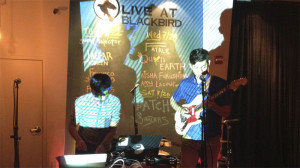
"caption": "Francisco y Madero kicking off their West Coast tour on Tuesday, July 22 at San Jose's Blackbird Tavern.",
"description": null,
"title": "franciscoymadero",
"credit": null,
"status": "inherit",
"isLoading": false,
"fetchFailed": false
},
"arts_10139396": {
"type": "attachments",
"id": "arts_10139396",
"meta": {
"index": "attachments_1716263798",
"site": "arts",
"id": "10139396",
"found": true
},
"parent": 10139323,
"imgSizes": {
"thumbnail": {
"file": "https://ww2.kqed.org/app/uploads/sites/2/2014/07/prince-400x267.jpg",
"width": 400,
"mimeType": "image/jpeg",
"height": 267
},
"post-thumbnail": {
"file": "https://ww2.kqed.org/app/uploads/sites/2/2014/07/prince-672x372.jpg",
"width": 672,
"mimeType": "image/jpeg",
"height": 372
},
"kqedFullSize": {
"file": "https://ww2.kqed.org/app/uploads/sites/2/2014/07/prince.jpg",
"width": 800,
"height": 534
},
"guest-author-96": {
"file": "https://ww2.kqed.org/app/uploads/sites/2/2014/07/prince-96x96.jpg",
"width": 96,
"mimeType": "image/jpeg",
"height": 96
},
"medium": {
"file": "https://ww2.kqed.org/app/uploads/sites/2/2014/07/prince-300x200.jpg",
"width": 300,
"mimeType": "image/jpeg",
"height": 200
},
"guest-author-64": {
"file": "https://ww2.kqed.org/app/uploads/sites/2/2014/07/prince-64x64.jpg",
"width": 64,
"mimeType": "image/jpeg",
"height": 64
},
"detail": {
"file": "https://ww2.kqed.org/app/uploads/sites/2/2014/07/prince-75x75.jpg",
"width": 75,
"mimeType": "image/jpeg",
"height": 75
},
"guest-author-32": {
"file": "https://ww2.kqed.org/app/uploads/sites/2/2014/07/prince-32x32.jpg",
"width": 32,
"mimeType": "image/jpeg",
"height": 32
},
"guest-author-128": {
"file": "https://ww2.kqed.org/app/uploads/sites/2/2014/07/prince-128x128.jpg",
"width": 128,
"mimeType": "image/jpeg",
"height": 128
}
},
"publishDate": 1405977038,
"modified": 1405977038,
"caption": "Prince on \u003ci> Purple Rain\u003c/i> poster",
"description": null,
"title": "prince",
"credit": null,
"status": "inherit",
"isLoading": false,
"fetchFailed": false
}
},
"audioPlayerReducer": {
"postId": "stream_live",
"isPaused": true,
"isPlaying": false,
"pfsActive": false,
"pledgeModalIsOpen": true,
"playerDrawerIsOpen": false,
"liveAudioPlayStartedAt": 0,
"liveAudioPlayContext": ""
},
"authorsReducer": {
"byline_arts_10140187": {
"type": "authors",
"id": "byline_arts_10140187",
"meta": {
"override": true
},
"slug": "byline_arts_10140187",
"name": "Anne Hoffman",
"isLoading": false
},
"byline_arts_10139540": {
"type": "authors",
"id": "byline_arts_10139540",
"meta": {
"override": true
},
"slug": "byline_arts_10139540",
"name": "Adizah Eghan",
"isLoading": false
},
"ehapsis": {
"type": "authors",
"id": "27",
"meta": {
"index": "authors_1716337520",
"id": "27",
"found": true
},
"name": "Emmanuel Hapsis",
"firstName": "Emmanuel",
"lastName": "Hapsis",
"slug": "ehapsis",
"email": "ehapsis@kqed.org",
"display_author_email": false,
"staff_mastheads": [],
"title": "KQED Contributor",
"bio": "Emmanuel Hapsis is the creator and editor of KQED Pop and also the host of \u003cem>\u003ca href=\"https://itunes.apple.com/us/podcast/the-cooler/id1041117499?mt=2\">The Cooler\u003c/a>\u003c/em>. He studied creative writing at University of Maryland and went on to receive his MFA in the field from California College of the Arts. In his free time, he sings his heart out at karaoke.",
"avatar": "https://secure.gravatar.com/avatar/6302b6f7ef8b2dcd3acd9e2c6bc570b7?s=600&d=blank&r=g",
"twitter": "xcusemybeauty",
"facebook": null,
"instagram": null,
"linkedin": null,
"sites": [
{
"site": "arts",
"roles": [
"Contributor",
"subscriber"
]
},
{
"site": "pop",
"roles": [
"contributor"
]
}
],
"headData": {
"title": "Emmanuel Hapsis | KQED",
"description": "KQED Contributor",
"ogImgSrc": "https://secure.gravatar.com/avatar/6302b6f7ef8b2dcd3acd9e2c6bc570b7?s=600&d=blank&r=g",
"twImgSrc": "https://secure.gravatar.com/avatar/6302b6f7ef8b2dcd3acd9e2c6bc570b7?s=600&d=blank&r=g"
},
"isLoading": false,
"link": "/author/ehapsis"
},
"kqedarts": {
"type": "authors",
"id": "92",
"meta": {
"index": "authors_1716337520",
"id": "92",
"found": true
},
"name": "KQED Arts",
"firstName": "KQED",
"lastName": "Arts",
"slug": "kqedarts",
"email": "arts@kqed.org",
"display_author_email": false,
"staff_mastheads": [],
"title": "KQED Staff",
"bio": null,
"avatar": "https://secure.gravatar.com/avatar/321c9ebfeb7736f9e55366a6d3399ab0?s=600&d=blank&r=g",
"twitter": null,
"facebook": null,
"instagram": "https://www.instagram.com/kqed_arts/",
"linkedin": null,
"sites": [
{
"site": "arts",
"roles": [
"contributor"
]
},
{
"site": "pop",
"roles": [
"contributor"
]
},
{
"site": "science",
"roles": [
"author"
]
},
{
"site": "food",
"roles": [
"contributor"
]
}
],
"headData": {
"title": "KQED Arts | KQED",
"description": "KQED Staff",
"ogImgSrc": "https://secure.gravatar.com/avatar/321c9ebfeb7736f9e55366a6d3399ab0?s=600&d=blank&r=g",
"twImgSrc": "https://secure.gravatar.com/avatar/321c9ebfeb7736f9e55366a6d3399ab0?s=600&d=blank&r=g"
},
"isLoading": false,
"link": "/author/kqedarts"
},
"tmimbs": {
"type": "authors",
"id": "105",
"meta": {
"index": "authors_1716337520",
"id": "105",
"found": true
},
"name": "T.J. Mimbs",
"firstName": "T.J.",
"lastName": "Mimbs",
"slug": "tmimbs",
"email": "tjmimbs@gmail.com",
"display_author_email": false,
"staff_mastheads": [],
"title": null,
"bio": "T.J. Mimbs is a freelance writer, songwriter, musician and recording engineer based in San Francisco by way of Athens, GA. \u003cspan style=\"line-height: 1.5;\">T.J. fronts Bay Area band, Surf Bored, works with other local bands as an audio engineer and has an addiction to live music. He is a disciple of the open-minded yet still a Southerner at heart.\u003c/span>\r\n\u003cdiv>\u003c/div>",
"avatar": "https://secure.gravatar.com/avatar/3d3d4ac09a331e77af28efcfaf7e593e?s=600&d=blank&r=g",
"twitter": null,
"facebook": null,
"instagram": null,
"linkedin": null,
"sites": [
{
"site": "arts",
"roles": [
"contributor"
]
}
],
"headData": {
"title": "T.J. Mimbs | KQED",
"description": null,
"ogImgSrc": "https://secure.gravatar.com/avatar/3d3d4ac09a331e77af28efcfaf7e593e?s=600&d=blank&r=g",
"twImgSrc": "https://secure.gravatar.com/avatar/3d3d4ac09a331e77af28efcfaf7e593e?s=600&d=blank&r=g"
},
"isLoading": false,
"link": "/author/tmimbs"
},
"noisepop": {
"type": "authors",
"id": "177",
"meta": {
"index": "authors_1716337520",
"id": "177",
"found": true
},
"name": "Noise Pop",
"firstName": "Noise",
"lastName": "Pop",
"slug": "noisepop",
"email": "dawson@noisepop.com",
"display_author_email": false,
"staff_mastheads": [],
"title": null,
"bio": "The Noise Pop Podcast is a bi-monthly series that showcases the most noteworthy and soon-to-be-buzzing music. Hosts, Olivia LaRoche and Dawson Ludwig provide witty and interesting context behind the songs played on the podcast.",
"avatar": "https://secure.gravatar.com/avatar/5f453b166405b70819c53d7e1ef223bc?s=600&d=blank&r=g",
"twitter": null,
"facebook": null,
"instagram": null,
"linkedin": null,
"sites": [
{
"site": "arts",
"roles": [
"contributor"
]
}
],
"headData": {
"title": "Noise Pop | KQED",
"description": null,
"ogImgSrc": "https://secure.gravatar.com/avatar/5f453b166405b70819c53d7e1ef223bc?s=600&d=blank&r=g",
"twImgSrc": "https://secure.gravatar.com/avatar/5f453b166405b70819c53d7e1ef223bc?s=600&d=blank&r=g"
},
"isLoading": false,
"link": "/author/noisepop"
},
"baybridged": {
"type": "authors",
"id": "178",
"meta": {
"index": "authors_1716337520",
"id": "178",
"found": true
},
"name": "The Bay Bridged",
"firstName": "The Bay",
"lastName": "Bridged",
"slug": "baybridged",
"email": "thebaybridged@gmail.com",
"display_author_email": false,
"staff_mastheads": [],
"title": "KQED Contributor",
"bio": null,
"avatar": "https://secure.gravatar.com/avatar/211daad5386ad504c39c31f3e16cfae45ec7b0ad32ecca7ee64cfd9b7eb76609?s=600&d=blank&r=g",
"twitter": null,
"bluesky": null,
"facebook": null,
"instagram": null,
"linkedin": null,
"sites": [
{
"site": "arts",
"roles": [
"subscriber"
]
}
],
"headData": {
"title": "The Bay Bridged | KQED",
"description": "KQED Contributor",
"ogImgSrc": "https://secure.gravatar.com/avatar/211daad5386ad504c39c31f3e16cfae45ec7b0ad32ecca7ee64cfd9b7eb76609?s=600&d=blank&r=g",
"twImgSrc": "https://secure.gravatar.com/avatar/211daad5386ad504c39c31f3e16cfae45ec7b0ad32ecca7ee64cfd9b7eb76609?s=600&d=blank&r=g"
},
"isLoading": false,
"link": "/author/baybridged"
},
"gmeline": {
"type": "authors",
"id": "185",
"meta": {
"index": "authors_1716337520",
"id": "185",
"found": true
},
"name": "Gabe Meline",
"firstName": "Gabe",
"lastName": "Meline",
"slug": "gmeline",
"email": "gmeline@kqed.org",
"display_author_email": true,
"staff_mastheads": [
"arts"
],
"title": "Senior Editor, KQED Arts & Culture",
"bio": "Gabe Meline entered journalism at age 15 making photocopied zines, and has since earned awards from the Edward R. Murrow Awards, the Society for Professional Journalists, the Online Journalism Awards, the Association of Alternative Newsweeklies and the California Newspaper Publishers Association. Prior to KQED, he was the editor of the \u003cem>North Bay Bohemian\u003c/em> and a touring musician. He lives with his wife and daughter in his hometown of Santa Rosa, CA.",
"avatar": "https://secure.gravatar.com/avatar/5bebe57be0d8bc2dd318934feb47299e2d2d10cba28d09d8d7afb389a2ce2bdd?s=600&d=blank&r=g",
"twitter": null,
"bluesky": null,
"facebook": null,
"instagram": null,
"linkedin": null,
"sites": [
{
"site": "",
"roles": [
"editor"
]
},
{
"site": "arts",
"roles": [
"administrator"
]
},
{
"site": "artschool",
"roles": [
"editor"
]
},
{
"site": "news",
"roles": [
"author"
]
},
{
"site": "pop",
"roles": [
"editor"
]
},
{
"site": "bayareabites",
"roles": [
"editor"
]
},
{
"site": "food",
"roles": [
"editor"
]
},
{
"site": "forum",
"roles": [
"administrator"
]
},
{
"site": "liveblog",
"roles": [
"editor"
]
},
{
"site": "hiphop",
"roles": [
"editor"
]
}
],
"headData": {
"title": "Gabe Meline | KQED",
"description": "Senior Editor, KQED Arts & Culture",
"ogImgSrc": "https://secure.gravatar.com/avatar/5bebe57be0d8bc2dd318934feb47299e2d2d10cba28d09d8d7afb389a2ce2bdd?s=600&d=blank&r=g",
"twImgSrc": "https://secure.gravatar.com/avatar/5bebe57be0d8bc2dd318934feb47299e2d2d10cba28d09d8d7afb389a2ce2bdd?s=600&d=blank&r=g"
},
"isLoading": false,
"link": "/author/gmeline"
}
},
"pagesReducer": {
"arts_category_music": {
"type": "terms",
"id": "arts_69",
"meta": {
"index": "terms_1716263798",
"site": "arts",
"id": "69",
"score": 10.850889
},
"featImg": null,
"name": "Music",
"description": null,
"taxonomy": "category",
"headData": {
"twImgId": null,
"twTitle": null,
"ogTitle": null,
"ogImgId": null,
"twDescription": null,
"description": null,
"title": "Music Archives | KQED Arts",
"ogDescription": null
},
"ttid": 70,
"slug": "music",
"isLoading": false,
"title": "Music",
"pageMeta": {
"site": "arts",
"WpPageTemplate": "page-topic-editorial",
"currentPage": 358
},
"blocks": [
{
"blockName": "kqed/post-list",
"attrs": {
"layout": "cardArticle2",
"query": "posts/arts?category=music",
"seeMore": false,
"paginated": true,
"page": 358
}
},
{
"blockName": "kqed/ad"
}
]
}
},
"pfsSessionReducer": {},
"postsReducer": {
"stream_live": {
"type": "live",
"id": "stream_live",
"audioUrl": "https://streams.kqed.org/kqedradio",
"title": "Live Stream",
"excerpt": "Live Stream information currently unavailable.",
"link": "/radio",
"featImg": "",
"label": {
"name": "KQED Live",
"link": "/"
}
},
"stream_kqedNewscast": {
"type": "posts",
"id": "stream_kqedNewscast",
"audioUrl": "https://www.kqed.org/.stream/anon/radio/RDnews/newscast.mp3?_=1",
"title": "KQED Newscast",
"featImg": "",
"label": {
"name": "88.5 FM",
"link": "/"
}
},
"arts_10139943": {
"type": "posts",
"id": "arts_10139943",
"meta": {
"index": "posts_1716263798",
"site": "arts",
"id": "10139943",
"score": null,
"sort": [
1407589240000
]
},
"parent": 0,
"labelTerm": {
"site": "arts",
"term": 146
},
"blocks": [],
"publishDate": 1407589240,
"format": "standard",
"title": "Best of the Blogs, August 2014",
"headTitle": "Best of the Blogs, August 2014 | KQED",
"content": "\u003caside class=\"aligncenter\">\n\u003ch4>Listen to the Noise Pop Podcast’s latest mix of songs buzzing around the internet.\u003c/h4>\n\u003cp>http://traffic.libsyn.com/noisepop/New_Music_July.mp3\u003cbr>\n\u003c/p>\u003c/aside>\n\u003cp> Last month was a busy one for music blogs, as there was just so much great new music released. This playlist features selections of the best of those songs, from Jessie Ware, Death from Above 1979, Tennis, and great new singles from Bon Iver, Saint Pepsi and more…\u003c/p>\n\u003cp>Enjoy the mix!\u003c/p>\n\u003cp>\u003cspan style=\"text-decoration: underline\">Track Listing:\u003c/span>\u003c/p>\n\u003col>\n\u003cli>“Edo Method” — The Bilinda Butchers,\u003ci>Heaven\u003c/i>\u003c/li>\n\u003cli>“Can’t Do Without You” — Caribou, \u003ci>Our Love\u003c/i>\u003c/li>\n\u003cli>“Trainwreck” — Death From Above 1979, \u003ci>The Physical World\u003c/i>\u003c/li>\n\u003cli>“Fiona Coyne” — Saint Pepsi, \u003ci>Fiona Coyne / Fall Harder\u003c/i>\u003c/li>\n\u003cli>“Metric” — Phosphene, \u003ci>Phosphene\u003c/i>\u003c/li>\n\u003cli>“Heavenly Father” — Bon Iver, \u003ci>Wish I Was Here (Soundtrack)\u003c/i>\u003c/li>\n\u003cli>“Girls” — Slow Magic, \u003ci>Single\u003c/i>\u003c/li>\n\u003cli>“Tough Love” — Jessie Ware, \u003ci>Tough Love\u003c/i>\u003c/li>\n\u003cli>“Dangerous Days” — Zola Jesus, \u003ci>Taiga\u003c/i>\u003c/li>\n\u003cli>“TRUE” — Operators, \u003ci>Single\u003c/i>\u003c/li>\n\u003cli>“East of Eden” — Zella Day, \u003ci>Single\u003c/i>\u003c/li>\n\u003cli>“Bluets” — Suno Deko, \u003ci>Single\u003c/i>\u003c/li>\n\u003cli>“King of the Fall” –The Weeknd, \u003ci>Single\u003c/i>\u003c/li>\n\u003cli>“Preacher” — Dana Buoy, \u003ci>Preacher\u003c/i>\u003c/li>\n\u003cli>“Never Work for Free” — Tennis, \u003ci>Ritual in Repeat\u003c/i>\u003c/li>\n\u003c/ol>\n\u003cp>[ad fullwidth]\u003c/p>\u003cp>\u003c/p>\n",
"stats": {
"hasVideo": false,
"hasChartOrMap": false,
"hasAudio": false,
"hasPolis": false,
"wordCount": 214,
"hasGoogleForm": false,
"hasGallery": false,
"hasHearkenModule": false,
"iframeSrcs": [],
"paragraphCount": 5
},
"modified": 1705048491,
"excerpt": "Last month was a busy one for music blogs, as there was just so much great new music released. This playlist features selections of the best of those songs, from Jessie Ware, Death from Above 1979, Tennis, and great new singles from Bon Iver, Saint Pepsi and more.",
"headData": {
"twImgId": "",
"twTitle": "",
"ogTitle": "",
"ogImgId": "",
"twDescription": "",
"description": "Last month was a busy one for music blogs, as there was just so much great new music released. This playlist features selections of the best of those songs, from Jessie Ware, Death from Above 1979, Tennis, and great new singles from Bon Iver, Saint Pepsi and more.",
"title": "Best of the Blogs, August 2014 | KQED",
"ogDescription": "",
"schema": {
"@context": "https://schema.org",
"@type": "Article",
"headline": "Best of the Blogs, August 2014",
"datePublished": "2014-08-09T06:00:40-07:00",
"dateModified": "2024-01-12T00:34:51-08:00",
"image": "https://cdn.kqed.org/wp-content/uploads/2020/02/KQED-OG-Image@1x.png"
}
},
"guestAuthors": [],
"slug": "best-of-the-blogs-august-2014",
"status": "publish",
"sticky": false,
"path": "/arts/10139943/best-of-the-blogs-august-2014",
"audioUrl": "http://traffic.libsyn.com/noisepop/New_Music_July.mp3",
"audioDuration": null,
"audioTrackLength": null,
"parsedContent": [
{
"type": "contentString",
"content": "\u003cdiv class=\"post-body\">\u003cp>\u003caside class=\"aligncenter\">\n\u003ch4>Listen to the Noise Pop Podcast’s latest mix of songs buzzing around the internet.\u003c/h4>\n\u003cp>http://traffic.libsyn.com/noisepop/New_Music_July.mp3\u003cbr>\n\u003c/p>\u003c/aside>\n\u003cp> Last month was a busy one for music blogs, as there was just so much great new music released. This playlist features selections of the best of those songs, from Jessie Ware, Death from Above 1979, Tennis, and great new singles from Bon Iver, Saint Pepsi and more…\u003c/p>\n\u003cp>Enjoy the mix!\u003c/p>\n\u003cp>\u003cspan style=\"text-decoration: underline\">Track Listing:\u003c/span>\u003c/p>\n\u003col>\n\u003cli>“Edo Method” — The Bilinda Butchers,\u003ci>Heaven\u003c/i>\u003c/li>\n\u003cli>“Can’t Do Without You” — Caribou, \u003ci>Our Love\u003c/i>\u003c/li>\n\u003cli>“Trainwreck” — Death From Above 1979, \u003ci>The Physical World\u003c/i>\u003c/li>\n\u003cli>“Fiona Coyne” — Saint Pepsi, \u003ci>Fiona Coyne / Fall Harder\u003c/i>\u003c/li>\n\u003cli>“Metric” — Phosphene, \u003ci>Phosphene\u003c/i>\u003c/li>\n\u003cli>“Heavenly Father” — Bon Iver, \u003ci>Wish I Was Here (Soundtrack)\u003c/i>\u003c/li>\n\u003cli>“Girls” — Slow Magic, \u003ci>Single\u003c/i>\u003c/li>\n\u003cli>“Tough Love” — Jessie Ware, \u003ci>Tough Love\u003c/i>\u003c/li>\n\u003cli>“Dangerous Days” — Zola Jesus, \u003ci>Taiga\u003c/i>\u003c/li>\n\u003cli>“TRUE” — Operators, \u003ci>Single\u003c/i>\u003c/li>\n\u003cli>“East of Eden” — Zella Day, \u003ci>Single\u003c/i>\u003c/li>\n\u003cli>“Bluets” — Suno Deko, \u003ci>Single\u003c/i>\u003c/li>\n\u003cli>“King of the Fall” –The Weeknd, \u003ci>Single\u003c/i>\u003c/li>\n\u003cli>“Preacher” — Dana Buoy, \u003ci>Preacher\u003c/i>\u003c/li>\n\u003cli>“Never Work for Free” — Tennis, \u003ci>Ritual in Repeat\u003c/i>\u003c/li>\n\u003c/ol>\n\u003cp>\u003c/p>\u003c/div>",
"attributes": {
"named": {},
"numeric": []
}
},
{
"type": "component",
"content": "",
"name": "ad",
"attributes": {
"named": {
"label": "fullwidth"
},
"numeric": [
"fullwidth"
]
}
},
{
"type": "contentString",
"content": "\u003cdiv class=\"post-body\">\u003cp>\u003c/p>\u003cp>\u003c/p>\n\u003c/div>\u003c/p>",
"attributes": {
"named": {},
"numeric": []
}
}
],
"link": "/arts/10139943/best-of-the-blogs-august-2014",
"authors": [
"177"
],
"categories": [
"arts_69"
],
"affiliates": [
"arts_146"
],
"featImg": "arts_10139944",
"label": "arts_146"
},
"arts_10140187": {
"type": "posts",
"id": "arts_10140187",
"meta": {
"index": "posts_1716263798",
"site": "arts",
"id": "10140187",
"score": null,
"sort": [
1407529842000
]
},
"parent": 0,
"labelTerm": {
"site": "arts"
},
"blocks": [],
"publishDate": 1407529842,
"format": "standard",
"title": "Sacramento-Based Group Gives Kids of Color Much-Needed Creative Outlets",
"headTitle": "Sacramento-Based Group Gives Kids of Color Much-Needed Creative Outlets | KQED",
"content": "\u003caside class=\"aligncenter\">\n\u003ch4>Listen to Anne Hoffman’s report for California Report Magazine:\u003c/h4>\n\u003cp>http://www.kqed.org/.stream/anon/radio/tcrmag/2014/08/2014-08-08d-tcrmag.mp3\u003cbr>\n\u003c/p>\u003c/aside>\n\u003cp>A bunch of teenage girls, outfitted in their best vintage gear, stand around a set of turntables at the \u003ca href=\"http://freesolarts.wordpress.com/\" target=\"_blank\" rel=\"noopener\">Sol Collective\u003c/a> in Sacramento. Nicole Martinez is teaching the all-girl class how to line up tracks and change songs during a DJ set.\u003c/p>\n\u003cp>“Got it?” asks Martinez, as she switches from a bass-heavy track to a Bollywood beat. “You’re a star!”\u003c/p>\n\u003cp>For the past several years, California schools have faced a series of harsh budget cuts. Art and music classes are typically the first to go, which can leave low-income kids without much-needed creative outlets. In Sacramento, a community organization called Sol Collective was founded in 2003 to specifically combat this phenomenon. \u003c/p>\n\u003cp>It’s a homegrown arts and activism center that offers free and low-cost after-school classes to kids of color. The building houses a recording studio, an art gallery and performance spaces. Images of Frida Kahlo are everywhere, along with Día de los Muertos themed posters.\u003c/p>\n\u003cp>The all-girls DJ class is just one class in Sol Collective’s vast summer offerings. \u003c/p>\n\u003cfigure id=\"attachment_10140189\" class=\"wp-caption alignright\" style=\"max-width: 800px\">\u003ca href=\"http://ww2.kqed.org/arts/wp-content/uploads/sites/2/2014/08/photo-2-sol-collective.jpg\">\u003cimg loading=\"lazy\" decoding=\"async\" src=\"http://ww2.kqed.org/arts/wp-content/uploads/sites/2/2014/08/photo-2-sol-collective.jpg\" alt=\"Half of the all-girl DJ class takes turns learning how to spin. Including Sanchez’s daughter, Star (second from right) and her friend, Sacra Garcia (far right).\" width=\"800\" height=\"576\" class=\"size-full wp-image-10140189\" srcset=\"https://cdn.kqed.org/wp-content/uploads/sites/2/2014/08/photo-2-sol-collective.jpg 800w, https://cdn.kqed.org/wp-content/uploads/sites/2/2014/08/photo-2-sol-collective-400x288.jpg 400w, https://cdn.kqed.org/wp-content/uploads/sites/2/2014/08/photo-2-sol-collective-300x216.jpg 300w\" sizes=\"(max-width: 800px) 100vw, 800px\">\u003c/a>\u003cfigcaption class=\"wp-caption-text\">Half of the all-girl DJ class takes turns learning how to spin. Including Sanchez’s daughter, Star (second from right) and her friend, Sacra Garcia (far right).\u003cbr>\u003c/figcaption>\u003c/figure>\n\u003cp>Most of the girls here are a little self-conscious, but not Karina Lopez. She’s 15 years old and wears a pair of bright red headphones. \u003c/p>\n\u003cp>[ad fullwidth]\u003c/p>\n\u003cp>“The first time I got into DJing, I was like 8 years year old,” says Lopez. “I kept on listening to music 24/7. My dad was like, Nina get off your music and do your chores!” \u003c/p>\n\u003cp>Lopez is brimming with enthusiasm. She looks up to famous DJs like Skrillex, and her goal is to one day spin like the 26-year-old Dubstep legend. Lopez’s mother saw a Facebook post about Sol Collective earlier in the summer and jumped at the chance to sign up her daughter. \u003c/p>\n\u003cp>Sol Collective was founded by Estella Sanchez, who’s a DJ and performer herself. Like the young female DJs, Sanchez writes and records songs for her own band, called World Hood, in Sol Collective’s recording studio. \u003c/p>\n\u003cp>Sanchez started Sol Collective while working as a teacher in 2003. She witnessed firsthand how state budget cuts were affecting kids. “There was really nothing for them to do,” she says. \u003c/p>\n\u003cp>So during her lunch break, Sanchez saw a huge empty building with a “for rent” sign. She had a little extra income from living with her Dad and decided to put it toward renting the space.\u003c/p>\n\u003cp>Now, more than ten years later, Sanchez receives substantial outside funding. Her biggest supporters are the California Endowment: Building Healthy Communities, (which also funds the RYSE Center in Richmond) and stores who rent out space at Sol Collective. \u003c/p>\n\u003cp>But Sanchez wasn’t always a multitasking artist and teacher. Her parents were immigrant farm workers from Mexico and they didn’t have a lot of money for extracurricular activities. So Sanchez had no creative outlets, a problem which she cites as one of the reasons she dropped out of high school. Sol Collective is for kids who remind Sanchez of herself.\u003c/p>\n\u003cp>“We get a lot of young people who are first-timers, right?” Lopez says of Sol Collective’s students. “Who maybe haven’t had the ten years of piano or like a whole background of working with software and programs on the computer.” \u003c/p>\n\u003cp>Sanchez eventually went back to school at California State University at Sacramento. She discovered that some of her professors there had been members of the city’s most famous radical arts collective: The Royal Chicano Air force. Back in the 1970s, the group painted murals all over Sacramento and showed up at United Farm Worker protests in military garb as an act of political performance art.\u003c/p>\n\u003cfigure id=\"attachment_10140188\" class=\"wp-caption alignright\" style=\"max-width: 800px\">\u003ca href=\"http://ww2.kqed.org/arts/wp-content/uploads/sites/2/2014/08/Photo-3-Sol-Collective.jpg\">\u003cimg loading=\"lazy\" decoding=\"async\" src=\"http://ww2.kqed.org/arts/wp-content/uploads/sites/2/2014/08/Photo-3-Sol-Collective.jpg\" alt=\"One of the Royal Chicano Airforce’s surviving murals in Sacramento’s Southside Park. Many of the collective’s murals have been painted over.\" width=\"800\" height=\"600\" class=\"size-full wp-image-10140188\" srcset=\"https://cdn.kqed.org/wp-content/uploads/sites/2/2014/08/Photo-3-Sol-Collective.jpg 800w, https://cdn.kqed.org/wp-content/uploads/sites/2/2014/08/Photo-3-Sol-Collective-400x300.jpg 400w, https://cdn.kqed.org/wp-content/uploads/sites/2/2014/08/Photo-3-Sol-Collective-300x225.jpg 300w\" sizes=\"(max-width: 800px) 100vw, 800px\">\u003c/a>\u003cfigcaption class=\"wp-caption-text\">One of the Royal Chicano Airforce’s surviving murals in Sacramento’s Southside Park. Many of the collective’s murals have been painted over.\u003c/figcaption>\u003c/figure>\n\u003cp>One of the group’s founding members, Jose Montoya, painted bold Mexican-style murals and wrote poems about themes common to the California-Chicano experience, like the famous Highway 99, which stretches across the Central Valley. In his poem \u003cem>On the 99\u003c/em>, the speaker addresses a young Chicano man named Gabi who was killed in the Vietnam War. \u003c/p>\n\u003cp>“That impersonal 99, and not even crosses for the dead alongside this road…and in that infinity you dared to dream, Gabi,” wrote Montoya.\u003c/p>\n\u003cp>Sanchez sees herself as standing on the shoulders of Montoya and the RCAF. \u003c/p>\n\u003cp>“I often say that with the work that they did, it allowed me to dream that we, as young Chicanos, could have a place like Sol Collective,” she says reflectively. \u003c/p>\n\u003cp>State Assemblyman Roger Dickinson (D-Sacramento) has been a supporter of Sol Collective since he first visited the space a few years ago. Dickinson says that the center fills a vacuum for underprivileged kids.\u003c/p>\n\u003cp>“Over the years it’s become something of a Sacramento institution,” says Dickinson. “But I also think it points out that virtually everywhere, especially in California with our diversity, has a population that needs a place like a Sol Collective.”\u003c/p>\n\u003cp>And it’s a place where Karina Lopez has come alive. She and her new friends look energized after a few hours of spinning records and mixing songs. “When I first walked in through here, I felt a really good connection with it. I just had a feeling that this might work for me,” she says.\u003c/p>\n\u003cp>No one is quite mixing or scratching like a master DJ yet. In fact, one of the girls’ teachers, Sal Herrera is making the class get back to basics and practice clapping to the rhythm of a song. He warns the all lady group that the road to becoming a female DJ will be difficult. \u003c/p>\n\u003cp>“This is a male dominated, you know, type of arena, and they feel females can’t do it,” said Herrera. “You just let them know, right off the rip, hey I know what I’m doing, I’m going to do my thing.” \u003c/p>\n\u003cp>At its most basic, that’s Sol Collective’s mission; Recognizing that it isn’t always easy to make art when you’re a woman, or low-income, or Chicano — but providing the tools to go ahead and do it anyway.\u003c/p>\n\u003cp>[ad floatright]\u003c/p>\n\u003cp>To listen to Sanchez’s band World Hood, go to \u003ca href=\"http://worldhoodmusic.bandcamp.com/album/world-hood\" target=\"_blank\" rel=\"noopener\">worldhoodmusic.bandcamp.com\u003c/a>\u003c/p>\n\n",
"stats": {
"hasVideo": false,
"hasChartOrMap": false,
"hasAudio": true,
"hasPolis": false,
"wordCount": 1159,
"hasGoogleForm": false,
"hasGallery": false,
"hasHearkenModule": false,
"iframeSrcs": [],
"paragraphCount": 28
},
"modified": 1705048494,
"excerpt": "Started in reaction to harsh budget cuts to school services over the years, Sacramento's Sol Collective provide creative outlets for low-income kids in the area.",
"headData": {
"twImgId": "",
"twTitle": "",
"ogTitle": "",
"ogImgId": "",
"twDescription": "",
"description": "Started in reaction to harsh budget cuts to school services over the years, Sacramento's Sol Collective provide creative outlets for low-income kids in the area.",
"title": "Sacramento-Based Group Gives Kids of Color Much-Needed Creative Outlets | KQED",
"ogDescription": "",
"schema": {
"@context": "https://schema.org",
"@type": "Article",
"headline": "Sacramento-Based Group Gives Kids of Color Much-Needed Creative Outlets",
"datePublished": "2014-08-08T13:30:42-07:00",
"dateModified": "2024-01-12T00:34:54-08:00",
"image": "https://cdn.kqed.org/wp-content/uploads/2020/02/KQED-OG-Image@1x.png"
}
},
"guestAuthors": [],
"slug": "sacramento-based-group-gives-kids-of-color-much-needed-creative-outlets",
"status": "publish",
"nprByline": "Anne Hoffman",
"sticky": false,
"path": "/arts/10140187/sacramento-based-group-gives-kids-of-color-much-needed-creative-outlets",
"audioUrl": "http://www.kqed.org/.stream/anon/radio/tcrmag/2014/08/2014-08-08d-tcrmag.mp3",
"audioDuration": null,
"audioTrackLength": null,
"parsedContent": [
{
"type": "contentString",
"content": "\u003cdiv class=\"post-body\">\u003cp>\u003caside class=\"aligncenter\">\n\u003ch4>Listen to Anne Hoffman’s report for California Report Magazine:\u003c/h4>\n\u003cp>http://www.kqed.org/.stream/anon/radio/tcrmag/2014/08/2014-08-08d-tcrmag.mp3\u003cbr>\n\u003c/p>\u003c/aside>\n\u003cp>A bunch of teenage girls, outfitted in their best vintage gear, stand around a set of turntables at the \u003ca href=\"http://freesolarts.wordpress.com/\" target=\"_blank\" rel=\"noopener\">Sol Collective\u003c/a> in Sacramento. Nicole Martinez is teaching the all-girl class how to line up tracks and change songs during a DJ set.\u003c/p>\n\u003cp>“Got it?” asks Martinez, as she switches from a bass-heavy track to a Bollywood beat. “You’re a star!”\u003c/p>\n\u003cp>For the past several years, California schools have faced a series of harsh budget cuts. Art and music classes are typically the first to go, which can leave low-income kids without much-needed creative outlets. In Sacramento, a community organization called Sol Collective was founded in 2003 to specifically combat this phenomenon. \u003c/p>\n\u003cp>It’s a homegrown arts and activism center that offers free and low-cost after-school classes to kids of color. The building houses a recording studio, an art gallery and performance spaces. Images of Frida Kahlo are everywhere, along with Día de los Muertos themed posters.\u003c/p>\n\u003cp>The all-girls DJ class is just one class in Sol Collective’s vast summer offerings. \u003c/p>\n\u003cfigure id=\"attachment_10140189\" class=\"wp-caption alignright\" style=\"max-width: 800px\">\u003ca href=\"http://ww2.kqed.org/arts/wp-content/uploads/sites/2/2014/08/photo-2-sol-collective.jpg\">\u003cimg loading=\"lazy\" decoding=\"async\" src=\"http://ww2.kqed.org/arts/wp-content/uploads/sites/2/2014/08/photo-2-sol-collective.jpg\" alt=\"Half of the all-girl DJ class takes turns learning how to spin. Including Sanchez’s daughter, Star (second from right) and her friend, Sacra Garcia (far right).\" width=\"800\" height=\"576\" class=\"size-full wp-image-10140189\" srcset=\"https://cdn.kqed.org/wp-content/uploads/sites/2/2014/08/photo-2-sol-collective.jpg 800w, https://cdn.kqed.org/wp-content/uploads/sites/2/2014/08/photo-2-sol-collective-400x288.jpg 400w, https://cdn.kqed.org/wp-content/uploads/sites/2/2014/08/photo-2-sol-collective-300x216.jpg 300w\" sizes=\"(max-width: 800px) 100vw, 800px\">\u003c/a>\u003cfigcaption class=\"wp-caption-text\">Half of the all-girl DJ class takes turns learning how to spin. Including Sanchez’s daughter, Star (second from right) and her friend, Sacra Garcia (far right).\u003cbr>\u003c/figcaption>\u003c/figure>\n\u003cp>Most of the girls here are a little self-conscious, but not Karina Lopez. She’s 15 years old and wears a pair of bright red headphones. \u003c/p>\n\u003cp>\u003c/p>\u003c/div>",
"attributes": {
"named": {},
"numeric": []
}
},
{
"type": "component",
"content": "",
"name": "ad",
"attributes": {
"named": {
"label": "fullwidth"
},
"numeric": [
"fullwidth"
]
}
},
{
"type": "contentString",
"content": "\u003cdiv class=\"post-body\">\u003cp>\u003c/p>\n\u003cp>“The first time I got into DJing, I was like 8 years year old,” says Lopez. “I kept on listening to music 24/7. My dad was like, Nina get off your music and do your chores!” \u003c/p>\n\u003cp>Lopez is brimming with enthusiasm. She looks up to famous DJs like Skrillex, and her goal is to one day spin like the 26-year-old Dubstep legend. Lopez’s mother saw a Facebook post about Sol Collective earlier in the summer and jumped at the chance to sign up her daughter. \u003c/p>\n\u003cp>Sol Collective was founded by Estella Sanchez, who’s a DJ and performer herself. Like the young female DJs, Sanchez writes and records songs for her own band, called World Hood, in Sol Collective’s recording studio. \u003c/p>\n\u003cp>Sanchez started Sol Collective while working as a teacher in 2003. She witnessed firsthand how state budget cuts were affecting kids. “There was really nothing for them to do,” she says. \u003c/p>\n\u003cp>So during her lunch break, Sanchez saw a huge empty building with a “for rent” sign. She had a little extra income from living with her Dad and decided to put it toward renting the space.\u003c/p>\n\u003cp>Now, more than ten years later, Sanchez receives substantial outside funding. Her biggest supporters are the California Endowment: Building Healthy Communities, (which also funds the RYSE Center in Richmond) and stores who rent out space at Sol Collective. \u003c/p>\n\u003cp>But Sanchez wasn’t always a multitasking artist and teacher. Her parents were immigrant farm workers from Mexico and they didn’t have a lot of money for extracurricular activities. So Sanchez had no creative outlets, a problem which she cites as one of the reasons she dropped out of high school. Sol Collective is for kids who remind Sanchez of herself.\u003c/p>\n\u003cp>“We get a lot of young people who are first-timers, right?” Lopez says of Sol Collective’s students. “Who maybe haven’t had the ten years of piano or like a whole background of working with software and programs on the computer.” \u003c/p>\n\u003cp>Sanchez eventually went back to school at California State University at Sacramento. She discovered that some of her professors there had been members of the city’s most famous radical arts collective: The Royal Chicano Air force. Back in the 1970s, the group painted murals all over Sacramento and showed up at United Farm Worker protests in military garb as an act of political performance art.\u003c/p>\n\u003cfigure id=\"attachment_10140188\" class=\"wp-caption alignright\" style=\"max-width: 800px\">\u003ca href=\"http://ww2.kqed.org/arts/wp-content/uploads/sites/2/2014/08/Photo-3-Sol-Collective.jpg\">\u003cimg loading=\"lazy\" decoding=\"async\" src=\"http://ww2.kqed.org/arts/wp-content/uploads/sites/2/2014/08/Photo-3-Sol-Collective.jpg\" alt=\"One of the Royal Chicano Airforce’s surviving murals in Sacramento’s Southside Park. Many of the collective’s murals have been painted over.\" width=\"800\" height=\"600\" class=\"size-full wp-image-10140188\" srcset=\"https://cdn.kqed.org/wp-content/uploads/sites/2/2014/08/Photo-3-Sol-Collective.jpg 800w, https://cdn.kqed.org/wp-content/uploads/sites/2/2014/08/Photo-3-Sol-Collective-400x300.jpg 400w, https://cdn.kqed.org/wp-content/uploads/sites/2/2014/08/Photo-3-Sol-Collective-300x225.jpg 300w\" sizes=\"(max-width: 800px) 100vw, 800px\">\u003c/a>\u003cfigcaption class=\"wp-caption-text\">One of the Royal Chicano Airforce’s surviving murals in Sacramento’s Southside Park. Many of the collective’s murals have been painted over.\u003c/figcaption>\u003c/figure>\n\u003cp>One of the group’s founding members, Jose Montoya, painted bold Mexican-style murals and wrote poems about themes common to the California-Chicano experience, like the famous Highway 99, which stretches across the Central Valley. In his poem \u003cem>On the 99\u003c/em>, the speaker addresses a young Chicano man named Gabi who was killed in the Vietnam War. \u003c/p>\n\u003cp>“That impersonal 99, and not even crosses for the dead alongside this road…and in that infinity you dared to dream, Gabi,” wrote Montoya.\u003c/p>\n\u003cp>Sanchez sees herself as standing on the shoulders of Montoya and the RCAF. \u003c/p>\n\u003cp>“I often say that with the work that they did, it allowed me to dream that we, as young Chicanos, could have a place like Sol Collective,” she says reflectively. \u003c/p>\n\u003cp>State Assemblyman Roger Dickinson (D-Sacramento) has been a supporter of Sol Collective since he first visited the space a few years ago. Dickinson says that the center fills a vacuum for underprivileged kids.\u003c/p>\n\u003cp>“Over the years it’s become something of a Sacramento institution,” says Dickinson. “But I also think it points out that virtually everywhere, especially in California with our diversity, has a population that needs a place like a Sol Collective.”\u003c/p>\n\u003cp>And it’s a place where Karina Lopez has come alive. She and her new friends look energized after a few hours of spinning records and mixing songs. “When I first walked in through here, I felt a really good connection with it. I just had a feeling that this might work for me,” she says.\u003c/p>\n\u003cp>No one is quite mixing or scratching like a master DJ yet. In fact, one of the girls’ teachers, Sal Herrera is making the class get back to basics and practice clapping to the rhythm of a song. He warns the all lady group that the road to becoming a female DJ will be difficult. \u003c/p>\n\u003cp>“This is a male dominated, you know, type of arena, and they feel females can’t do it,” said Herrera. “You just let them know, right off the rip, hey I know what I’m doing, I’m going to do my thing.” \u003c/p>\n\u003cp>At its most basic, that’s Sol Collective’s mission; Recognizing that it isn’t always easy to make art when you’re a woman, or low-income, or Chicano — but providing the tools to go ahead and do it anyway.\u003c/p>\n\u003cp>\u003c/p>\u003c/div>",
"attributes": {
"named": {},
"numeric": []
}
},
{
"type": "component",
"content": "",
"name": "ad",
"attributes": {
"named": {
"label": "floatright"
},
"numeric": [
"floatright"
]
}
},
{
"type": "contentString",
"content": "\u003cdiv class=\"post-body\">\u003cp>\u003c/p>\n\u003cp>To listen to Sanchez’s band World Hood, go to \u003ca href=\"http://worldhoodmusic.bandcamp.com/album/world-hood\" target=\"_blank\" rel=\"noopener\">worldhoodmusic.bandcamp.com\u003c/a>\u003c/p>\n\n\u003c/div>\u003c/p>",
"attributes": {
"named": {},
"numeric": []
}
}
],
"link": "/arts/10140187/sacramento-based-group-gives-kids-of-color-much-needed-creative-outlets",
"authors": [
"byline_arts_10140187"
],
"categories": [
"arts_69"
],
"featImg": "arts_10140190",
"label": "arts"
},
"pop_13057": {
"type": "posts",
"id": "pop_13057",
"meta": {
"index": "posts_1716263798",
"site": "pop",
"id": "13057",
"score": null,
"sort": [
1407450012000
]
},
"parent": 0,
"labelTerm": {
"site": "pop"
},
"blocks": [],
"publishDate": 1407450012,
"format": "aside",
"disqusTitle": "Beyonce and Jay Z: Divorce Or Marketing Scheme?",
"title": "Beyonce and Jay Z: Divorce Or Marketing Scheme?",
"headTitle": "KQED Pop | KQED Arts",
"content": "\u003cp>\u003cimg class=\"aligncenter size-full wp-image-13064\" src=\"http://ww2.kqed.org/pop/wp-content/uploads/sites/12/2014/08/bey.jpg\" alt=\"bey\" width=\"640\" height=\"480\" srcset=\"https://ww2.kqed.org/app/uploads/sites/12/2014/08/bey.jpg 640w, https://ww2.kqed.org/app/uploads/sites/12/2014/08/bey-400x300.jpg 400w\" sizes=\"(max-width: 640px) 100vw, 640px\">\u003c/p>\n\u003cp>We're used to constantly talking about Beyonce. From \u003ca href=\"http://blogs.kqed.org/pop/2013/12/13/the-genius-behind-beyonces-surprise-game-changing-visual-album-self-titled/\">surprise releases\u003c/a> and \u003ca href=\"http://blogs.kqed.org/pop/2013/12/16/beyonce-and-chimamanda-ngozi-adichie-make-feminism-go-viral/\">feminist schooling\u003c/a> to elevator brawls and divorce rumors, she's often the topic of water-cooler conversation, but never more so for San Franciscans than this week, which saw not one, but two shows at AT&T Park with her partner in crime, Jay Z. At least three people have told you that they could hear the concert from their house. And you probably already know that \u003ca href=\"http://www.sfgate.com/bayarea/nevius/article/Here-s-why-Beyonc-could-be-heard-all-over-S-F-5673191.php\">the cause was science\u003c/a>. But what's more interesting than noise pollution is the whole marital spectacle of the On the Run tour.\u003c/p>\n\u003cp>Infidelity rumors have plagued the power couple for years, but the speculation around a possible breakup reached crescendo thanks to the infamous elevator footage of the Mortal Kombat-esque beatdown Solange administered to Jay Z, while her sister sentineled nearby. Because of the lack of audio and that bodyguard's confidentiality agreement, we will probably never know exactly what that was about, but it didn't take long for people to assume the kickboxing was inspired by cheating. It was an unusual crack in the perfect facade Beyonce and her team have maintained since the Destiny's Child days. But, instead of compromising her brand and this tour, the debacle actually brought more interest.\u003c/p>\n\u003cp>Of course, most attended these shows for the music, but there's also a sort of twisted voyeuristic schadenfreude at work here. Because of everything that led up to the tour, it began to feel like the final act of a great romance we've all been a part of in a strange parasitic way for years. We watched as they strutted their young love back in 2003 for Beyonce's debut single \"\u003ca href=\"http://youtu.be/ViwtNLUqkMY\">Crazy In Love\u003c/a>.\" We watched as she \u003ca href=\"http://youtu.be/uRVcKXlF42o\">revealed her pregnant belly\u003c/a> at an awards show. We watched them vacation and \u003ca href=\"http://youtu.be/pAT8CdKkKAY\">talk about utopia, Jesus, and Sade on a yacht\u003c/a>. So it makes sense that we would want to be there for the undoing of all that romantic history.\u003c/p>\n\u003cp>\u003cimg class=\"alignright wp-image-13070\" src=\"http://ww2.kqed.org/pop/wp-content/uploads/sites/12/2014/08/bey-cryy.jpg\" alt=\"bey-cryy\" width=\"350\" height=\"439\" srcset=\"https://ww2.kqed.org/app/uploads/sites/12/2014/08/bey-cryy.jpg 480w, https://ww2.kqed.org/app/uploads/sites/12/2014/08/bey-cryy-400x501.jpg 400w\" sizes=\"(max-width: 350px) 100vw, 350px\">The tour's lights and video montages and pyrotechnics couldn't fully distract from the main event: taking a microscope to every choreographed interaction Beyonce and Jay shared on stage. Having attended both shows (\u003ca href=\"http://media.giphy.com/media/13jJIY0llDdip2/giphy.gif\">YOLO\u003c/a>), I had a lot of time to parse the body language and the main takeaway was that something is not right. Jay sidles up to hug Beyonce from behind at the end of \"Drunk In Love\" and Beyonce does her best not to recoil (\"OMG, she hates him!\" screamed two girls in front of me). Beyonce is a good actress, but she always lets a little something slip during these few interactions. And then there's Beyonce in a wedding dress fighting back tears while singing a song about a lying, trifling man from a 12 year relationship (the same time span as her courtship with Jay), or Beyonce borrowing Lauryn Hill's wounded \"It ain't workin, it ain't workin\" mantra from \"Ex Factor,\" or Jay mournfully rapping \"\u003cspan style=\"color: #000000\">I can understand why you want a divorce now\" in \"Song Cry.\" These songs are old, but the fact that they were specifically selected over countless others is noteworthy.\u003c/span>\u003c/p>\n\u003cp>[ad fullwidth]\u003c/p>\n\u003cp>So all of this could mean two things. A. The rumors are true. They're only staying together to make bank ($100 million so far from this tour) before announcing their conscious uncoupling after the tour wraps. Or B. This entire divorce thing is part publicity stunt, part performance art. Messing with the idea of their marriage and family for profit would be a cynical move, but perhaps there are two marriages at work here, the one they live at home and the one they live for us on stage. Maybe they feel fine messing with our conception of them because, at the end of the day, we \u003cem>don't\u003c/em> know them; it's all fiction. And what makes better fiction than a plot twist or a heartbreaking betrayal? As much as we are obsessed with happily ever after, we sure do get bored of it pretty quickly.\u003c/p>\n\u003cp>\u003c/p>\n\u003cp>Maybe the fantasy they package and present to us holds no real value in their day-to-day reality; maybe they are just playing characters in a modern day opera, putting on the show they know we want to see. Certainly Beyonce and Jay Z, two of the most famous people on the planet, know how to manipulate the media and the rest of us by now. Would it be that surprising if they were savvy enough to create a narrative that would keep us interested, keep us buying $300 tickets, while they laugh all the way to the bank?\u003c/p>\n\n",
"disqusIdentifier": "13057 http://blogs.kqed.org/pop/?p=13057",
"disqusUrl": "https://ww2.kqed.org/pop/2014/08/07/beyonce-and-jay-z-divorce-on-the-run-tour-san-francisco/",
"stats": {
"hasVideo": false,
"hasChartOrMap": false,
"hasAudio": false,
"hasPolis": false,
"wordCount": 806,
"hasGoogleForm": false,
"hasGallery": false,
"hasHearkenModule": false,
"iframeSrcs": [],
"paragraphCount": 9
},
"modified": 1407451920,
"excerpt": "Are Beyoncé and Jay Z breaking up? Or just trying to get into your wallet?\r\n",
"headData": {
"twImgId": "",
"twTitle": "",
"ogTitle": "",
"ogImgId": "",
"twDescription": "",
"description": "Are Beyoncé and Jay Z breaking up? Or just trying to get into your wallet?\r\n",
"title": "Beyonce and Jay Z: Divorce Or Marketing Scheme? | KQED",
"ogDescription": "",
"schema": {
"@context": "https://schema.org",
"@type": "Article",
"headline": "Beyonce and Jay Z: Divorce Or Marketing Scheme?",
"datePublished": "2014-08-07T15:20:12-07:00",
"dateModified": "2014-08-07T15:52:00-07:00",
"image": "https://cdn.kqed.org/wp-content/uploads/2020/02/KQED-OG-Image@1x.png"
}
},
"guestAuthors": [],
"slug": "beyonce-and-jay-z-divorce-on-the-run-tour-san-francisco",
"status": "publish",
"path": "/pop/13057/beyonce-and-jay-z-divorce-on-the-run-tour-san-francisco",
"audioTrackLength": null,
"parsedContent": [
{
"type": "contentString",
"content": "\u003cdiv class=\"post-body\">\u003cp>\u003cp>\u003cimg class=\"aligncenter size-full wp-image-13064\" src=\"http://ww2.kqed.org/pop/wp-content/uploads/sites/12/2014/08/bey.jpg\" alt=\"bey\" width=\"640\" height=\"480\" srcset=\"https://ww2.kqed.org/app/uploads/sites/12/2014/08/bey.jpg 640w, https://ww2.kqed.org/app/uploads/sites/12/2014/08/bey-400x300.jpg 400w\" sizes=\"(max-width: 640px) 100vw, 640px\">\u003c/p>\n\u003cp>We're used to constantly talking about Beyonce. From \u003ca href=\"http://blogs.kqed.org/pop/2013/12/13/the-genius-behind-beyonces-surprise-game-changing-visual-album-self-titled/\">surprise releases\u003c/a> and \u003ca href=\"http://blogs.kqed.org/pop/2013/12/16/beyonce-and-chimamanda-ngozi-adichie-make-feminism-go-viral/\">feminist schooling\u003c/a> to elevator brawls and divorce rumors, she's often the topic of water-cooler conversation, but never more so for San Franciscans than this week, which saw not one, but two shows at AT&T Park with her partner in crime, Jay Z. At least three people have told you that they could hear the concert from their house. And you probably already know that \u003ca href=\"http://www.sfgate.com/bayarea/nevius/article/Here-s-why-Beyonc-could-be-heard-all-over-S-F-5673191.php\">the cause was science\u003c/a>. But what's more interesting than noise pollution is the whole marital spectacle of the On the Run tour.\u003c/p>\n\u003cp>Infidelity rumors have plagued the power couple for years, but the speculation around a possible breakup reached crescendo thanks to the infamous elevator footage of the Mortal Kombat-esque beatdown Solange administered to Jay Z, while her sister sentineled nearby. Because of the lack of audio and that bodyguard's confidentiality agreement, we will probably never know exactly what that was about, but it didn't take long for people to assume the kickboxing was inspired by cheating. It was an unusual crack in the perfect facade Beyonce and her team have maintained since the Destiny's Child days. But, instead of compromising her brand and this tour, the debacle actually brought more interest.\u003c/p>\n\u003cp>Of course, most attended these shows for the music, but there's also a sort of twisted voyeuristic schadenfreude at work here. Because of everything that led up to the tour, it began to feel like the final act of a great romance we've all been a part of in a strange parasitic way for years. We watched as they strutted their young love back in 2003 for Beyonce's debut single \"\u003ca href=\"http://youtu.be/ViwtNLUqkMY\">Crazy In Love\u003c/a>.\" We watched as she \u003ca href=\"http://youtu.be/uRVcKXlF42o\">revealed her pregnant belly\u003c/a> at an awards show. We watched them vacation and \u003ca href=\"http://youtu.be/pAT8CdKkKAY\">talk about utopia, Jesus, and Sade on a yacht\u003c/a>. So it makes sense that we would want to be there for the undoing of all that romantic history.\u003c/p>\n\u003cp>\u003cimg class=\"alignright wp-image-13070\" src=\"http://ww2.kqed.org/pop/wp-content/uploads/sites/12/2014/08/bey-cryy.jpg\" alt=\"bey-cryy\" width=\"350\" height=\"439\" srcset=\"https://ww2.kqed.org/app/uploads/sites/12/2014/08/bey-cryy.jpg 480w, https://ww2.kqed.org/app/uploads/sites/12/2014/08/bey-cryy-400x501.jpg 400w\" sizes=\"(max-width: 350px) 100vw, 350px\">The tour's lights and video montages and pyrotechnics couldn't fully distract from the main event: taking a microscope to every choreographed interaction Beyonce and Jay shared on stage. Having attended both shows (\u003ca href=\"http://media.giphy.com/media/13jJIY0llDdip2/giphy.gif\">YOLO\u003c/a>), I had a lot of time to parse the body language and the main takeaway was that something is not right. Jay sidles up to hug Beyonce from behind at the end of \"Drunk In Love\" and Beyonce does her best not to recoil (\"OMG, she hates him!\" screamed two girls in front of me). Beyonce is a good actress, but she always lets a little something slip during these few interactions. And then there's Beyonce in a wedding dress fighting back tears while singing a song about a lying, trifling man from a 12 year relationship (the same time span as her courtship with Jay), or Beyonce borrowing Lauryn Hill's wounded \"It ain't workin, it ain't workin\" mantra from \"Ex Factor,\" or Jay mournfully rapping \"\u003cspan style=\"color: #000000\">I can understand why you want a divorce now\" in \"Song Cry.\" These songs are old, but the fact that they were specifically selected over countless others is noteworthy.\u003c/span>\u003c/p>\n\u003cp>\u003c/p>\u003c/div>",
"attributes": {
"named": {},
"numeric": []
}
},
{
"type": "component",
"content": "",
"name": "ad",
"attributes": {
"named": {
"label": "fullwidth"
},
"numeric": [
"fullwidth"
]
}
},
{
"type": "contentString",
"content": "\u003cdiv class=\"post-body\">\u003cp>\u003c/p>\n\u003cp>So all of this could mean two things. A. The rumors are true. They're only staying together to make bank ($100 million so far from this tour) before announcing their conscious uncoupling after the tour wraps. Or B. This entire divorce thing is part publicity stunt, part performance art. Messing with the idea of their marriage and family for profit would be a cynical move, but perhaps there are two marriages at work here, the one they live at home and the one they live for us on stage. Maybe they feel fine messing with our conception of them because, at the end of the day, we \u003cem>don't\u003c/em> know them; it's all fiction. And what makes better fiction than a plot twist or a heartbreaking betrayal? As much as we are obsessed with happily ever after, we sure do get bored of it pretty quickly.\u003c/p>\n\u003cp>\u003c/p>\n\u003cp>Maybe the fantasy they package and present to us holds no real value in their day-to-day reality; maybe they are just playing characters in a modern day opera, putting on the show they know we want to see. Certainly Beyonce and Jay Z, two of the most famous people on the planet, know how to manipulate the media and the rest of us by now. Would it be that surprising if they were savvy enough to create a narrative that would keep us interested, keep us buying $300 tickets, while they laugh all the way to the bank?\u003c/p>\n\n\u003c/div>\u003c/p>",
"attributes": {
"named": {},
"numeric": []
}
}
],
"link": "/pop/13057/beyonce-and-jay-z-divorce-on-the-run-tour-san-francisco",
"authors": [
"27"
],
"categories": [
"pop_4"
],
"tags": [
"pop_465",
"pop_320"
],
"featImg": "pop_13065",
"label": "pop"
},
"arts_10140156": {
"type": "posts",
"id": "arts_10140156",
"meta": {
"index": "posts_1716263798",
"site": "arts",
"id": "10140156",
"score": null,
"sort": [
1407438995000
]
},
"parent": 0,
"labelTerm": {
"site": "forum"
},
"blocks": [],
"publishDate": 1407438995,
"format": "standard",
"title": "Redefining Modern Jazz With Pianist Kris Bowers",
"headTitle": "Redefining Modern Jazz With Pianist Kris Bowers | KQED",
"content": "\u003cp>\n\tKris Bowers covers Kendrick Lamar’s “Rigamortis”:\u003c/p>\n\n\u003cp> \u003ca href=\"http://www.kqed.org/epArchive/R201408071000?pid=RD19\" target=\"_self\" class=\"rssmi_more\" rel=\"noopener\"> …read more\u003c/a> \u003c/p>\n\u003cp>Source: \u003ca href=\"http://www.kqed.org/epArchive/R201408071000?pid=RD19\" target=\"_self\" title=\"Redefining Modern Jazz With Pianist Kris Bowers\" rel=\"noopener\">Forum Music\u003c/a>\u003c/p>\n\u003cp>[ad fullwidth]\u003c/p>\u003cp>\u003c/p>\n",
"stats": {
"hasVideo": false,
"hasChartOrMap": false,
"hasAudio": false,
"hasPolis": false,
"wordCount": 18,
"hasGoogleForm": false,
"hasGallery": false,
"hasHearkenModule": false,
"iframeSrcs": [],
"paragraphCount": 5
},
"modified": 1705048502,
"excerpt": "\n\u003cp>\r\n\tKris Bowers covers Kendrick Lamar's \"Rigamortis\":\u003c/p>\r\n\u003cp>\r\n\t\u003c/p>\n \u003ca href=\"http://www.kqed.org/epArchive/R201408071000?pid=RD19\" target=\"_self\" class=\"rssmi_more\" rel=\"noopener\"> ...read more\u003c/a>",
"headData": {
"twImgId": "",
"twTitle": "",
"ogTitle": "",
"ogImgId": "",
"twDescription": "",
"description": "\n\r\n\tKris Bowers covers Kendrick Lamar's "Rigamortis":\r\n\r\n\t\n ...read more",
"title": "Redefining Modern Jazz With Pianist Kris Bowers | KQED",
"ogDescription": "",
"schema": {
"@context": "https://schema.org",
"@type": "Article",
"headline": "Redefining Modern Jazz With Pianist Kris Bowers",
"datePublished": "2014-08-07T12:16:35-07:00",
"dateModified": "2024-01-12T00:35:02-08:00",
"image": "https://cdn.kqed.org/wp-content/uploads/2020/02/KQED-OG-Image@1x.png"
}
},
"guestAuthors": [],
"slug": "redefining-modern-jazz-with-pianist-kris-bowers",
"status": "publish",
"redirect": {
"type": "external",
"url": "http://www.kqed.org/epArchive/R201408071000?pid=RD19"
},
"rssmiSourceLink": "http://www.kqed.org/epArchive/R201408071000?pid=RD19",
"sticky": false,
"path": "/arts/10140156/redefining-modern-jazz-with-pianist-kris-bowers",
"audioTrackLength": null,
"parsedContent": [
{
"type": "contentString",
"content": "\u003cdiv class=\"post-body\">\u003cp>\u003cp>\n\tKris Bowers covers Kendrick Lamar’s “Rigamortis”:\u003c/p>\n\n\u003cp> \u003ca href=\"http://www.kqed.org/epArchive/R201408071000?pid=RD19\" target=\"_self\" class=\"rssmi_more\" rel=\"noopener\"> …read more\u003c/a> \u003c/p>\n\u003cp>Source: \u003ca href=\"http://www.kqed.org/epArchive/R201408071000?pid=RD19\" target=\"_self\" title=\"Redefining Modern Jazz With Pianist Kris Bowers\" rel=\"noopener\">Forum Music\u003c/a>\u003c/p>\n\u003cp>\u003c/p>\u003c/div>",
"attributes": {
"named": {},
"numeric": []
}
},
{
"type": "component",
"content": "",
"name": "ad",
"attributes": {
"named": {
"label": "fullwidth"
},
"numeric": [
"fullwidth"
]
}
},
{
"type": "contentString",
"content": "\u003cdiv class=\"post-body\">\u003cp>\u003c/p>\u003cp>\u003c/p>\n\u003c/div>\u003c/p>",
"attributes": {
"named": {},
"numeric": []
}
}
],
"link": "http://www.kqed.org/epArchive/R201408071000?pid=RD19",
"authors": [
"92"
],
"categories": [
"arts_69"
],
"featImg": "arts_10140157",
"label": "arts"
},
"arts_10139926": {
"type": "posts",
"id": "arts_10139926",
"meta": {
"index": "posts_1716263798",
"site": "arts",
"id": "10139926",
"score": null,
"sort": [
1407355225000
]
},
"parent": 0,
"labelTerm": {
"site": "arts"
},
"blocks": [],
"publishDate": 1407355225,
"format": "image",
"title": "How to Survive Outside Lands: A Veteran's Guide",
"headTitle": "How to Survive Outside Lands: A Veteran’s Guide | KQED",
"content": "\u003cp>“Surviving \u003ca href=\"http://www.sfoutsidelands.com/home/\" target=\"_blank\" rel=\"noopener\">Outside Lands\u003c/a>?” my friend asks me, incredulously. “The only way to survive three days of loud music, hot weather and hordes of people is to \u003cem>not go\u003c/em> to Outside Lands.”\u003c/p>\n\u003cp>It’s a common misconception, the idea that huge music festivals are for teenagers with boundless energy and a bottomless capacity for indulgence. But even if, like me, you’re not exactly a spring chicken anymore, there are ways to spend three days in Golden Gate Park this weekend, see great performers, and get out of there alive.\u003c/p>\n\u003cp>Take it from someone who’s been at Outside Lands every year since its inception. Here’s what I’ve learned in the last decade.\u003c/p>\n\u003ch4>Getting There\u003c/h4>\n\u003cp>There’s only been a couple years I actually parked in the neighborhood, and even then, it was an eight-block, hilly walk to the park. One year I fought the crowds on MUNI, waiting in a huge throng to squeeze onto a packed bus. Neither were ideal. And Uber’s \u003ca href=\"https://archives.sfweekly.com/thesnitch/2014/08/11/uber-charges-up-to-290-per-ride-at-outside-lands\" target=\"_blank\" rel=\"noopener\">“surge pricing” for the festival\u003c/a> is insane.\u003c/p>\n\u003cp>Easily the best way to get to Outside Lands is to take that clunky old 10-speed, throw it in your trunk with a bungee cord, park for free near Ocean Beach and \u003cstrong>ride your bike in\u003c/strong>. This way you can pick up any provisions you’ve forgotten (and cheap sandwiches!) at the supermarket \u003cem>and\u003c/em> say hi to \u003ca href=\"http://openplac.es/trips/bison-in-golden-gate-park-san-francisco\" target=\"_blank\" rel=\"noopener\">the buffalo\u003c/a> along the way. And at the end of the long day, it’s a downhill ride all the way to your car, with no traffic getting out. Easy.\u003c/p>\n\u003cfigure id=\"attachment_10139935\" class=\"wp-caption aligncenter\" style=\"max-width: 500px\">\u003cimg loading=\"lazy\" decoding=\"async\" src=\"https://ww2.kqed.org/arts/wp-content/uploads/sites/2/2014/08/OL.Wear_.jpg\" alt=\"\" width=\"500\" height=\"724\" class=\"size-full wp-image-10139935\" srcset=\"https://cdn.kqed.org/wp-content/uploads/sites/2/2014/08/OL.Wear_.jpg 500w, https://cdn.kqed.org/wp-content/uploads/sites/2/2014/08/OL.Wear_-400x579.jpg 400w, https://cdn.kqed.org/wp-content/uploads/sites/2/2014/08/OL.Wear_-207x300.jpg 207w\" sizes=\"(max-width: 500px) 100vw, 500px\">\u003cfigcaption class=\"wp-caption-text\">One word, folks: layers.\u003c/figcaption>\u003c/figure>\n\u003ch4>What to Wear\u003c/h4>\n\u003cp>Clothes-wise, a music festival is like snow skiing — you’re gonna have to set aside delusions of fashion for optimal functionality. Don’t try to wind up on a “15 Sexiest Outfits from Outside Lands (NSFW)” clickbait list. Realize that the fog rolls in. Remember that you will get dusty. Be prepared to walk between stages, logging multiple miles each day. There’s no shame in looking like a Kirkland model from the Costco catalog if it’ll keep you comfortable. Rock those lame-looking tennis shoes, man. Put on an A’s hat. And yes: wear sunscreen.\u003c/p>\n\u003cp>[ad fullwidth]\u003c/p>\n\u003cp>Important: In 2018, the festival began a \u003ca href=\"https://www.sfoutsidelands.com/clear-bag/\" rel=\"noopener\" target=\"_blank\">very restrictive bag policy\u003c/a>. Similar to the NFL’s \u003ca href=\"https://www.xojane.com/sports/the-nfls-new-bag-policy-is-just-plain-stupid\" rel=\"noopener\" target=\"_blank\">widely criticized\u003c/a> bag policy, it requires you to bring a clear, transparent bag in place of a purse, backpack or messenger bag. Read up on it \u003ca href=\"https://www.sfoutsidelands.com/clear-bag/\" rel=\"noopener\" target=\"_blank\">here\u003c/a>, and be prepared. (I don’t know where the hell to buy a clear backpack, sorry.)\u003c/p>\n\u003ch4>Where to Watch\u003c/h4>\n\u003cp>The best vantage point at each stage varies depending on your taste, but here’s what I recommend. At the large \u003cstrong>Lands End\u003c/strong> stage at the Polo Field, walk along the food booths on the south side all the way to the left side of the stage. The north side is clogged with the VIP area, and so sidling southward can get you close, with some nice breathing room. At the \u003cstrong>Twin Peaks\u003c/strong> stage over in Hellman Hollow, crush past the logjam near the bathrooms and head up the incline to the left of the stage; there’s often a sea of blankets, but finding a place to stand isn’t hard. The \u003cstrong>Panhandle\u003c/strong> stage area gets downright claustrophobic for more popular bands, but if you walk along the eco-themed booths on the left of the stage, you can get right up front. (If you’re sneaky, you can even walk \u003cem>behind\u003c/em> the booths, but I didn’t tell you so.)\u003c/p>\n\u003cp>By far the most frustrating stage is the \u003cstrong>Sutro\u003c/strong> stage. Because the ground at Lindley Meadow takes a sharp dip in front of the stage, if you’re not down in the “bowl” at the front, it’s very hard to see the performer. You can angle for a spot on the crowded hill to the right of the stage, but I recommend snaking around the disabled seating platform to the left of the stage. Be persistent, and once you’re on the other side, you’ll find plenty of room, shade, a nice incline and even some picnic tables. You’ll also be close to the band.\u003c/p>\n\u003cfigure id=\"attachment_10139936\" class=\"wp-caption aligncenter\" style=\"max-width: 500px\">\u003cimg loading=\"lazy\" decoding=\"async\" src=\"https://ww2.kqed.org/arts/wp-content/uploads/sites/2/2014/08/OL.Eat_.jpg\" alt=\"Arcade Fire\" width=\"500\" height=\"748\" class=\"size-full wp-image-10139936\" srcset=\"https://cdn.kqed.org/wp-content/uploads/sites/2/2014/08/OL.Eat_.jpg 500w, https://cdn.kqed.org/wp-content/uploads/sites/2/2014/08/OL.Eat_-400x598.jpg 400w, https://cdn.kqed.org/wp-content/uploads/sites/2/2014/08/OL.Eat_-200x300.jpg 200w\" sizes=\"(max-width: 500px) 100vw, 500px\">\u003cfigcaption class=\"wp-caption-text\">Win Butler of Arcade Fire at Outside Lands in 2011. \u003ccite>(Gabe Meline)\u003c/cite>\u003c/figcaption>\u003c/figure>\n\u003ch4>What to Eat\u003c/h4>\n\u003cp>Outside Lands has such an \u003ca href=\"https://www.sfoutsidelands.com/taste/\" target=\"_blank\" rel=\"noopener\">excellent variety of cuisine\u003c/a> that it’s easy to forget you can bring in your own food. But if you’re not going to pack deli sandwiches with fruits and vegetables in a backpack, then remember to bring money, because foodie delights like banh mi, huaraches, empanadas, pork belly, porcini donuts, arepas and fried egg sandwiches don’t exactly come cheap. (Over near the Sutro stage, there’s usually more common festival fare like Philly cheesesteak and chicken sandwiches.) The Choco-Lands area is where you’ll find your sugar fix. Remember that lines for pour-over coffee and wood-fired pizza will move very, very slowly.\u003c/p>\n\u003cp>I’ve said it a hundred times: all outdoor festivals should supply free water. Outside Lands is \u003ca href=\"https://www.sfoutsidelands.com/eco-lands/\" target=\"_blank\" rel=\"noopener\">finally doing so\u003c/a>, after years of charging you to fill up your own reusable water bottle, or charging for a commemorative water bottle that comes with free refills. Water fountains are virtually nonexistent (there’s one near the fenced-off bathrooms adjacent to the Twin Peaks stage), and ground spigots, last I checked, are turned off. Thank goodness, then, for \u003ca href=\"http://www.rockmed.org/\" target=\"_blank\" rel=\"noopener\">Rock Medicine\u003c/a>, which always keeps a water cooler and paper cups on hand for thirsty festival-goers. Their booth is usually between the Panhandle Stage and the Polo Fields.\u003c/p>\n\u003cp>As for alcohol, there’s plenty of \u003ca href=\"https://www.sfoutsidelands.com/wine-lands/\" target=\"_blank\" rel=\"noopener\">fine wine\u003c/a> and \u003ca href=\"https://www.sfoutsidelands.com/beer-lands/\" target=\"_blank\" rel=\"noopener\">craft beer\u003c/a> on offer. Or you can always do what some locals do: \u003ca href=\"http://instagram.com/p/qsEnhbvUOa/\" target=\"_blank\" rel=\"noopener\">bury bottles of liquor in Golden Gate Park\u003c/a> a week before the festival and dig it up later after you’ve slid past security.\u003c/p>\n\u003ch4>Besides the Bands\u003c/h4>\n\u003cp>Make sure to walk through McLaren Pass, a forest-like path where all manner of weird clowns and marching bands seem to show up. (This is also where \u003ca href=\"https://www.youtube.com/watch?v=aVRpRxRJg9E\" target=\"_blank\" rel=\"noopener\">Jack White once played an unannounced set\u003c/a>.) Do definitely inhale aerosol art at the triangular graffiti wall. Avoid any and all marketers handing you glossy handbills for a cheaper phone plan or a new social network. Be wary of special events in corporate tents draped with logos of credit card companies. Do not, I repeat \u003cem>do not\u003c/em>, agree to see any “intimate show” that requires you to “like” a company on Facebook to get in.\u003c/p>\n\u003cp>Certainly, gawk at the slow-moving line for the Buckminster Fuller-esque DJ tent, which is always filled with colorfully dressed people hoping their MDMA high lasts until they can get inside. Also try to find time for the Barbary Coast comedy tent — the old-style wooden décor is beautiful inside, and if nothing else, you’ll be able to sit for a while. (More popular comedy acts are accessed via a Fastpass-style situation with the line; be sure to check in well ahead of time to get a reservation.)\u003c/p>\n\u003cfigure id=\"attachment_10139939\" class=\"wp-caption aligncenter\" style=\"max-width: 628px\">\u003cimg loading=\"lazy\" decoding=\"async\" class=\"wp-image-10139939 size-full\" src=\"http://ww2.kqed.org/arts/wp-content/uploads/sites/2/2014/08/IMG_8435.jpg\" alt=\"Deadmau5 Mask\" width=\"628\" height=\"418\" srcset=\"https://cdn.kqed.org/wp-content/uploads/sites/2/2014/08/IMG_8435.jpg 628w, https://cdn.kqed.org/wp-content/uploads/sites/2/2014/08/IMG_8435-400x266.jpg 400w, https://cdn.kqed.org/wp-content/uploads/sites/2/2014/08/IMG_8435-300x199.jpg 300w\" sizes=\"(max-width: 628px) 100vw, 628px\">\u003cfigcaption class=\"wp-caption-text\">Don’t be that guy. Just don’t. (Photo by Gabe Meline.)\u003c/figcaption>\u003c/figure>\n\u003ch4>And Remember…\u003c/h4>\n\u003cp>You can plot your day ahead of time using the \u003ca href=\"http://lineup.sfoutsidelands.com/\" target=\"_blank\" rel=\"noopener\">performance schedule\u003c/a>, but don’t cleave too tightly to any rigid plan. Chances are you’ll be happiest if you float around freely. Go ahead and ditch out on a living legend and see a smaller local rapper instead. If your favorite indie band starts putting you to sleep this weekend, go see whatever weird jazz performance is happening in the forest. Or heck, go check out someone you’ve never heard of. After all, at their best, music festivals are all about discovery. Come with an open mind, and leave with a well-rounded sense of what’s happening.\u003c/p>\n\u003cp>And… congratulations! You’ve survived!\u003c/p>\n\u003cp>\u003cimg loading=\"lazy\" decoding=\"async\" src=\"https://ww2.kqed.org/arts/wp-content/uploads/sites/2/2016/09/Q.Logo_.Break_-800x78.jpg\" alt=\"\" width=\"800\" height=\"78\" class=\"aligncenter size-medium wp-image-12127869\" srcset=\"https://cdn.kqed.org/wp-content/uploads/sites/2/2016/09/Q.Logo_.Break_.jpg 800w, https://cdn.kqed.org/wp-content/uploads/sites/2/2016/09/Q.Logo_.Break_-400x39.jpg 400w, https://cdn.kqed.org/wp-content/uploads/sites/2/2016/09/Q.Logo_.Break_-768x75.jpg 768w\" sizes=\"(max-width: 800px) 100vw, 800px\">\u003c/p>\n\u003cp>[ad floatright]\u003c/p>\n\u003cp>\u003cem>The Outside Lands Music and Arts Festival runs Friday–Sunday in Golden Gate Park. For \u003ca href=\"http://www.sfoutsidelands.com\" target=\"_blank\" rel=\"noopener\">more information\u003c/a>, visit sfoutsidelands.com.\u003c/em>\u003c/p>\n\n",
"stats": {
"hasVideo": false,
"hasChartOrMap": false,
"hasAudio": false,
"hasPolis": false,
"wordCount": 1394,
"hasGoogleForm": false,
"hasGallery": false,
"hasHearkenModule": false,
"iframeSrcs": [],
"paragraphCount": 20
},
"modified": 1705048507,
"excerpt": "Everything you need to know to get through the three-day festival in Golden Gate Park with your health, your wallet and your dignity intact.",
"headData": {
"twImgId": "",
"twTitle": "",
"ogTitle": "",
"ogImgId": "",
"twDescription": "",
"description": "Everything you need to know to get through the three-day festival in Golden Gate Park with your health, your wallet and your dignity intact.",
"title": "How to Survive Outside Lands: A Veteran's Guide | KQED",
"ogDescription": "",
"schema": {
"@context": "https://schema.org",
"@type": "Article",
"headline": "How to Survive Outside Lands: A Veteran's Guide",
"datePublished": "2014-08-06T13:00:25-07:00",
"dateModified": "2024-01-12T00:35:07-08:00",
"image": "https://cdn.kqed.org/wp-content/uploads/2020/02/KQED-OG-Image@1x.png"
}
},
"guestAuthors": [],
"slug": "how-to-survive-outside-lands-a-veterans-guide",
"status": "publish",
"sticky": false,
"path": "/arts/10139926/how-to-survive-outside-lands-a-veterans-guide",
"audioTrackLength": null,
"parsedContent": [
{
"type": "contentString",
"content": "\u003cdiv class=\"post-body\">\u003cp>\u003cp>“Surviving \u003ca href=\"http://www.sfoutsidelands.com/home/\" target=\"_blank\" rel=\"noopener\">Outside Lands\u003c/a>?” my friend asks me, incredulously. “The only way to survive three days of loud music, hot weather and hordes of people is to \u003cem>not go\u003c/em> to Outside Lands.”\u003c/p>\n\u003cp>It’s a common misconception, the idea that huge music festivals are for teenagers with boundless energy and a bottomless capacity for indulgence. But even if, like me, you’re not exactly a spring chicken anymore, there are ways to spend three days in Golden Gate Park this weekend, see great performers, and get out of there alive.\u003c/p>\n\u003cp>Take it from someone who’s been at Outside Lands every year since its inception. Here’s what I’ve learned in the last decade.\u003c/p>\n\u003ch4>Getting There\u003c/h4>\n\u003cp>There’s only been a couple years I actually parked in the neighborhood, and even then, it was an eight-block, hilly walk to the park. One year I fought the crowds on MUNI, waiting in a huge throng to squeeze onto a packed bus. Neither were ideal. And Uber’s \u003ca href=\"https://archives.sfweekly.com/thesnitch/2014/08/11/uber-charges-up-to-290-per-ride-at-outside-lands\" target=\"_blank\" rel=\"noopener\">“surge pricing” for the festival\u003c/a> is insane.\u003c/p>\n\u003cp>Easily the best way to get to Outside Lands is to take that clunky old 10-speed, throw it in your trunk with a bungee cord, park for free near Ocean Beach and \u003cstrong>ride your bike in\u003c/strong>. This way you can pick up any provisions you’ve forgotten (and cheap sandwiches!) at the supermarket \u003cem>and\u003c/em> say hi to \u003ca href=\"http://openplac.es/trips/bison-in-golden-gate-park-san-francisco\" target=\"_blank\" rel=\"noopener\">the buffalo\u003c/a> along the way. And at the end of the long day, it’s a downhill ride all the way to your car, with no traffic getting out. Easy.\u003c/p>\n\u003cfigure id=\"attachment_10139935\" class=\"wp-caption aligncenter\" style=\"max-width: 500px\">\u003cimg loading=\"lazy\" decoding=\"async\" src=\"https://ww2.kqed.org/arts/wp-content/uploads/sites/2/2014/08/OL.Wear_.jpg\" alt=\"\" width=\"500\" height=\"724\" class=\"size-full wp-image-10139935\" srcset=\"https://cdn.kqed.org/wp-content/uploads/sites/2/2014/08/OL.Wear_.jpg 500w, https://cdn.kqed.org/wp-content/uploads/sites/2/2014/08/OL.Wear_-400x579.jpg 400w, https://cdn.kqed.org/wp-content/uploads/sites/2/2014/08/OL.Wear_-207x300.jpg 207w\" sizes=\"(max-width: 500px) 100vw, 500px\">\u003cfigcaption class=\"wp-caption-text\">One word, folks: layers.\u003c/figcaption>\u003c/figure>\n\u003ch4>What to Wear\u003c/h4>\n\u003cp>Clothes-wise, a music festival is like snow skiing — you’re gonna have to set aside delusions of fashion for optimal functionality. Don’t try to wind up on a “15 Sexiest Outfits from Outside Lands (NSFW)” clickbait list. Realize that the fog rolls in. Remember that you will get dusty. Be prepared to walk between stages, logging multiple miles each day. There’s no shame in looking like a Kirkland model from the Costco catalog if it’ll keep you comfortable. Rock those lame-looking tennis shoes, man. Put on an A’s hat. And yes: wear sunscreen.\u003c/p>\n\u003cp>\u003c/p>\u003c/div>",
"attributes": {
"named": {},
"numeric": []
}
},
{
"type": "component",
"content": "",
"name": "ad",
"attributes": {
"named": {
"label": "fullwidth"
},
"numeric": [
"fullwidth"
]
}
},
{
"type": "contentString",
"content": "\u003cdiv class=\"post-body\">\u003cp>\u003c/p>\n\u003cp>Important: In 2018, the festival began a \u003ca href=\"https://www.sfoutsidelands.com/clear-bag/\" rel=\"noopener\" target=\"_blank\">very restrictive bag policy\u003c/a>. Similar to the NFL’s \u003ca href=\"https://www.xojane.com/sports/the-nfls-new-bag-policy-is-just-plain-stupid\" rel=\"noopener\" target=\"_blank\">widely criticized\u003c/a> bag policy, it requires you to bring a clear, transparent bag in place of a purse, backpack or messenger bag. Read up on it \u003ca href=\"https://www.sfoutsidelands.com/clear-bag/\" rel=\"noopener\" target=\"_blank\">here\u003c/a>, and be prepared. (I don’t know where the hell to buy a clear backpack, sorry.)\u003c/p>\n\u003ch4>Where to Watch\u003c/h4>\n\u003cp>The best vantage point at each stage varies depending on your taste, but here’s what I recommend. At the large \u003cstrong>Lands End\u003c/strong> stage at the Polo Field, walk along the food booths on the south side all the way to the left side of the stage. The north side is clogged with the VIP area, and so sidling southward can get you close, with some nice breathing room. At the \u003cstrong>Twin Peaks\u003c/strong> stage over in Hellman Hollow, crush past the logjam near the bathrooms and head up the incline to the left of the stage; there’s often a sea of blankets, but finding a place to stand isn’t hard. The \u003cstrong>Panhandle\u003c/strong> stage area gets downright claustrophobic for more popular bands, but if you walk along the eco-themed booths on the left of the stage, you can get right up front. (If you’re sneaky, you can even walk \u003cem>behind\u003c/em> the booths, but I didn’t tell you so.)\u003c/p>\n\u003cp>By far the most frustrating stage is the \u003cstrong>Sutro\u003c/strong> stage. Because the ground at Lindley Meadow takes a sharp dip in front of the stage, if you’re not down in the “bowl” at the front, it’s very hard to see the performer. You can angle for a spot on the crowded hill to the right of the stage, but I recommend snaking around the disabled seating platform to the left of the stage. Be persistent, and once you’re on the other side, you’ll find plenty of room, shade, a nice incline and even some picnic tables. You’ll also be close to the band.\u003c/p>\n\u003cfigure id=\"attachment_10139936\" class=\"wp-caption aligncenter\" style=\"max-width: 500px\">\u003cimg loading=\"lazy\" decoding=\"async\" src=\"https://ww2.kqed.org/arts/wp-content/uploads/sites/2/2014/08/OL.Eat_.jpg\" alt=\"Arcade Fire\" width=\"500\" height=\"748\" class=\"size-full wp-image-10139936\" srcset=\"https://cdn.kqed.org/wp-content/uploads/sites/2/2014/08/OL.Eat_.jpg 500w, https://cdn.kqed.org/wp-content/uploads/sites/2/2014/08/OL.Eat_-400x598.jpg 400w, https://cdn.kqed.org/wp-content/uploads/sites/2/2014/08/OL.Eat_-200x300.jpg 200w\" sizes=\"(max-width: 500px) 100vw, 500px\">\u003cfigcaption class=\"wp-caption-text\">Win Butler of Arcade Fire at Outside Lands in 2011. \u003ccite>(Gabe Meline)\u003c/cite>\u003c/figcaption>\u003c/figure>\n\u003ch4>What to Eat\u003c/h4>\n\u003cp>Outside Lands has such an \u003ca href=\"https://www.sfoutsidelands.com/taste/\" target=\"_blank\" rel=\"noopener\">excellent variety of cuisine\u003c/a> that it’s easy to forget you can bring in your own food. But if you’re not going to pack deli sandwiches with fruits and vegetables in a backpack, then remember to bring money, because foodie delights like banh mi, huaraches, empanadas, pork belly, porcini donuts, arepas and fried egg sandwiches don’t exactly come cheap. (Over near the Sutro stage, there’s usually more common festival fare like Philly cheesesteak and chicken sandwiches.) The Choco-Lands area is where you’ll find your sugar fix. Remember that lines for pour-over coffee and wood-fired pizza will move very, very slowly.\u003c/p>\n\u003cp>I’ve said it a hundred times: all outdoor festivals should supply free water. Outside Lands is \u003ca href=\"https://www.sfoutsidelands.com/eco-lands/\" target=\"_blank\" rel=\"noopener\">finally doing so\u003c/a>, after years of charging you to fill up your own reusable water bottle, or charging for a commemorative water bottle that comes with free refills. Water fountains are virtually nonexistent (there’s one near the fenced-off bathrooms adjacent to the Twin Peaks stage), and ground spigots, last I checked, are turned off. Thank goodness, then, for \u003ca href=\"http://www.rockmed.org/\" target=\"_blank\" rel=\"noopener\">Rock Medicine\u003c/a>, which always keeps a water cooler and paper cups on hand for thirsty festival-goers. Their booth is usually between the Panhandle Stage and the Polo Fields.\u003c/p>\n\u003cp>As for alcohol, there’s plenty of \u003ca href=\"https://www.sfoutsidelands.com/wine-lands/\" target=\"_blank\" rel=\"noopener\">fine wine\u003c/a> and \u003ca href=\"https://www.sfoutsidelands.com/beer-lands/\" target=\"_blank\" rel=\"noopener\">craft beer\u003c/a> on offer. Or you can always do what some locals do: \u003ca href=\"http://instagram.com/p/qsEnhbvUOa/\" target=\"_blank\" rel=\"noopener\">bury bottles of liquor in Golden Gate Park\u003c/a> a week before the festival and dig it up later after you’ve slid past security.\u003c/p>\n\u003ch4>Besides the Bands\u003c/h4>\n\u003cp>Make sure to walk through McLaren Pass, a forest-like path where all manner of weird clowns and marching bands seem to show up. (This is also where \u003ca href=\"https://www.youtube.com/watch?v=aVRpRxRJg9E\" target=\"_blank\" rel=\"noopener\">Jack White once played an unannounced set\u003c/a>.) Do definitely inhale aerosol art at the triangular graffiti wall. Avoid any and all marketers handing you glossy handbills for a cheaper phone plan or a new social network. Be wary of special events in corporate tents draped with logos of credit card companies. Do not, I repeat \u003cem>do not\u003c/em>, agree to see any “intimate show” that requires you to “like” a company on Facebook to get in.\u003c/p>\n\u003cp>Certainly, gawk at the slow-moving line for the Buckminster Fuller-esque DJ tent, which is always filled with colorfully dressed people hoping their MDMA high lasts until they can get inside. Also try to find time for the Barbary Coast comedy tent — the old-style wooden décor is beautiful inside, and if nothing else, you’ll be able to sit for a while. (More popular comedy acts are accessed via a Fastpass-style situation with the line; be sure to check in well ahead of time to get a reservation.)\u003c/p>\n\u003cfigure id=\"attachment_10139939\" class=\"wp-caption aligncenter\" style=\"max-width: 628px\">\u003cimg loading=\"lazy\" decoding=\"async\" class=\"wp-image-10139939 size-full\" src=\"http://ww2.kqed.org/arts/wp-content/uploads/sites/2/2014/08/IMG_8435.jpg\" alt=\"Deadmau5 Mask\" width=\"628\" height=\"418\" srcset=\"https://cdn.kqed.org/wp-content/uploads/sites/2/2014/08/IMG_8435.jpg 628w, https://cdn.kqed.org/wp-content/uploads/sites/2/2014/08/IMG_8435-400x266.jpg 400w, https://cdn.kqed.org/wp-content/uploads/sites/2/2014/08/IMG_8435-300x199.jpg 300w\" sizes=\"(max-width: 628px) 100vw, 628px\">\u003cfigcaption class=\"wp-caption-text\">Don’t be that guy. Just don’t. (Photo by Gabe Meline.)\u003c/figcaption>\u003c/figure>\n\u003ch4>And Remember…\u003c/h4>\n\u003cp>You can plot your day ahead of time using the \u003ca href=\"http://lineup.sfoutsidelands.com/\" target=\"_blank\" rel=\"noopener\">performance schedule\u003c/a>, but don’t cleave too tightly to any rigid plan. Chances are you’ll be happiest if you float around freely. Go ahead and ditch out on a living legend and see a smaller local rapper instead. If your favorite indie band starts putting you to sleep this weekend, go see whatever weird jazz performance is happening in the forest. Or heck, go check out someone you’ve never heard of. After all, at their best, music festivals are all about discovery. Come with an open mind, and leave with a well-rounded sense of what’s happening.\u003c/p>\n\u003cp>And… congratulations! You’ve survived!\u003c/p>\n\u003cp>\u003cimg loading=\"lazy\" decoding=\"async\" src=\"https://ww2.kqed.org/arts/wp-content/uploads/sites/2/2016/09/Q.Logo_.Break_-800x78.jpg\" alt=\"\" width=\"800\" height=\"78\" class=\"aligncenter size-medium wp-image-12127869\" srcset=\"https://cdn.kqed.org/wp-content/uploads/sites/2/2016/09/Q.Logo_.Break_.jpg 800w, https://cdn.kqed.org/wp-content/uploads/sites/2/2016/09/Q.Logo_.Break_-400x39.jpg 400w, https://cdn.kqed.org/wp-content/uploads/sites/2/2016/09/Q.Logo_.Break_-768x75.jpg 768w\" sizes=\"(max-width: 800px) 100vw, 800px\">\u003c/p>\n\u003cp>\u003c/p>\u003c/div>",
"attributes": {
"named": {},
"numeric": []
}
},
{
"type": "component",
"content": "",
"name": "ad",
"attributes": {
"named": {
"label": "floatright"
},
"numeric": [
"floatright"
]
}
},
{
"type": "contentString",
"content": "\u003cdiv class=\"post-body\">\u003cp>\u003c/p>\n\u003cp>\u003cem>The Outside Lands Music and Arts Festival runs Friday–Sunday in Golden Gate Park. For \u003ca href=\"http://www.sfoutsidelands.com\" target=\"_blank\" rel=\"noopener\">more information\u003c/a>, visit sfoutsidelands.com.\u003c/em>\u003c/p>\n\n\u003c/div>\u003c/p>",
"attributes": {
"named": {},
"numeric": []
}
}
],
"link": "/arts/10139926/how-to-survive-outside-lands-a-veterans-guide",
"authors": [
"185"
],
"categories": [
"arts_69"
],
"tags": [
"arts_1006",
"arts_596",
"arts_1739"
],
"featImg": "arts_13805273",
"label": "arts"
},
"arts_10139930": {
"type": "posts",
"id": "arts_10139930",
"meta": {
"index": "posts_1716263798",
"site": "arts",
"id": "10139930",
"score": null,
"sort": [
1407191181000
]
},
"parent": 0,
"labelTerm": {
"site": "forum"
},
"blocks": [],
"publishDate": 1407191181,
"format": "standard",
"title": "The Best Tunes of Summertime",
"headTitle": "The Best Tunes of Summertime | KQED",
"content": "\u003cp> \u003ca href=\"http://www.kqed.org/epArchive/R201408041000?pid=RD19\" target=\"_self\" class=\"rssmi_more\" rel=\"noopener\"> …read more\u003c/a> \u003c/p>\n\u003cp>Source: \u003ca href=\"http://www.kqed.org/epArchive/R201408041000?pid=RD19\" target=\"_self\" title=\"The Best Tunes of Summertime\" rel=\"noopener\">Forum Music\u003c/a>\u003c/p>\n\u003cp>[ad fullwidth]\u003c/p>\u003cp>\u003c/p>\n",
"stats": {
"hasVideo": false,
"hasChartOrMap": false,
"hasAudio": false,
"hasPolis": false,
"wordCount": 8,
"hasGoogleForm": false,
"hasGallery": false,
"hasHearkenModule": false,
"iframeSrcs": [],
"paragraphCount": 4
},
"modified": 1705048517,
"excerpt": "\u003cp>\r\n\t\u003c/p> \u003ca href=\"http://www.kqed.org/epArchive/R201408041000?pid=RD19\" target=\"_self\" class=\"rssmi_more\" rel=\"noopener\"> ...read more\u003c/a>",
"headData": {
"twImgId": "",
"twTitle": "",
"ogTitle": "",
"ogImgId": "",
"twDescription": "",
"description": "\r\n\t ...read more",
"title": "The Best Tunes of Summertime | KQED",
"ogDescription": "",
"schema": {
"@context": "https://schema.org",
"@type": "Article",
"headline": "The Best Tunes of Summertime",
"datePublished": "2014-08-04T15:26:21-07:00",
"dateModified": "2024-01-12T00:35:17-08:00",
"image": "https://cdn.kqed.org/wp-content/uploads/2020/02/KQED-OG-Image@1x.png"
}
},
"guestAuthors": [],
"slug": "the-best-tunes-of-summertime",
"status": "publish",
"redirect": {
"type": "external",
"url": "http://www.kqed.org/epArchive/R201408041000?pid=RD19"
},
"rssmiSourceLink": "http://www.kqed.org/epArchive/R201408041000?pid=RD19",
"sticky": false,
"path": "/arts/10139930/the-best-tunes-of-summertime",
"audioTrackLength": null,
"parsedContent": [
{
"type": "contentString",
"content": "\u003cdiv class=\"post-body\">\u003cp>\u003cp> \u003ca href=\"http://www.kqed.org/epArchive/R201408041000?pid=RD19\" target=\"_self\" class=\"rssmi_more\" rel=\"noopener\"> …read more\u003c/a> \u003c/p>\n\u003cp>Source: \u003ca href=\"http://www.kqed.org/epArchive/R201408041000?pid=RD19\" target=\"_self\" title=\"The Best Tunes of Summertime\" rel=\"noopener\">Forum Music\u003c/a>\u003c/p>\n\u003cp>\u003c/p>\u003c/div>",
"attributes": {
"named": {},
"numeric": []
}
},
{
"type": "component",
"content": "",
"name": "ad",
"attributes": {
"named": {
"label": "fullwidth"
},
"numeric": [
"fullwidth"
]
}
},
{
"type": "contentString",
"content": "\u003cdiv class=\"post-body\">\u003cp>\u003c/p>\u003cp>\u003c/p>\n\u003c/div>\u003c/p>",
"attributes": {
"named": {},
"numeric": []
}
}
],
"link": "http://www.kqed.org/epArchive/R201408041000?pid=RD19",
"authors": [
"92"
],
"categories": [
"arts_69"
],
"featImg": "arts_10139931",
"label": "arts"
},
"arts_10139801": {
"type": "posts",
"id": "arts_10139801",
"meta": {
"index": "posts_1716263798",
"site": "arts",
"id": "10139801",
"score": null,
"sort": [
1407157217000
]
},
"parent": 0,
"labelTerm": {
"site": "arts",
"term": 147
},
"blocks": [],
"publishDate": 1407157217,
"format": "standard",
"title": "Live This Month: August 2014",
"headTitle": "Live This Month: August 2014 | KQED",
"content": "\u003caside class=\"aligncenter\">\n\u003ch4>Listen to the \u003ci>Bay Bridged\u003c/i> mix of bands playing the Bay Area in August 2014, including: Liars, Mr. Kind, Black Cobra Vipers, Wimps, Joanna Gruesome, Whirr and more.\u003c/h4>\n\u003cp>http://media.libsyn.com/media/thebaybridged/LTM_August_2014.mp3\u003cbr>\n\u003c/p>\u003c/aside>\n\u003cp>Any discussion of SF music in August has to begin with \u003ca href=\"http://sfoutsidelands.com\" target=\"_blank\" rel=\"noopener\">\u003cstrong>Outside Lands 2014\u003c/strong>\u003c/a>. Tickets sold out in the blink of an eye, a well-deserved achievement considering the extremely packed lineup of everything from Kanye to (Mikal) Cronin. It’s great to see Outside Lands continue to soar. Now when do we start talking about extending it to a second weekend?\u003c/p>\n\u003cp>OSL is the biggest, but it certainly isn’t the only festival happening this month: the \u003ca href=\"http://20thstreetblockparty.com/2014/\" target=\"_blank\" rel=\"noopener\">\u003cstrong>20th Street Block Party\u003c/strong>\u003c/a> returns for another day of free music in the Mission; the \u003ca href=\"http://www.firstcityfestival.com/\" target=\"_blank\" rel=\"noopener\">\u003cstrong>First City Festival\u003c/strong>\u003c/a> brings Beck, The National and many more to Monterey; and the \u003ca href=\"http://www.woodsist.com/news/woodsist-festival-big-sur-2014/\" target=\"_blank\" rel=\"noopener\">\u003cstrong>Woodsist Festival\u003c/strong>\u003c/a> offers two days of great indie bands in Big Sur’s Henry Miller Library.\u003c/p>\n\u003cp>Beyond the fests, a number of local and locally-affiliated bands have new albums they’re celebrating with Bay Area shows. Local shoegazers \u003cstrong>\u003ca href=\"https://www.facebook.com/whirrband\" target=\"_blank\" rel=\"noopener\">Whirr\u003c/a>\u003c/strong>, who now share bandmember Nick Bassett with Philadelphia’s Nothing, are about to launch \u003cem>Sway\u003c/em>, and the song we’ve included here sounds like the group’s best work yet. \u003cstrong>\u003ca href=\"https://www.facebook.com/wetdreamsdrymagic\" target=\"_blank\" rel=\"noopener\">Luke Sweeney\u003c/a>\u003c/strong> of Vows has a new solo LP of psych-pop coming soon. “Doin’ It to You” has us very excited about checking out \u003cem>Adventure:Us\u003c/em> in full. Finally, Oakland’s \u003cstrong>\u003ca href=\"https://www.facebook.com/meetmrkind\" target=\"_blank\" rel=\"noopener\">Mr. Kind\u003c/a>\u003c/strong> is a quintet on the rise; the group brings a new EP to Bottom of the Hill later this month.\u003c/p>\n\u003cp>Enjoy the podcast and then go see some concerts!\u003c/p>\n\u003cp>\u003cspan style=\"text-decoration: underline\">\u003cstrong>About the bands:\u003c/strong>\u003c/span>\u003c/p>\n\u003cp>[ad fullwidth]\u003c/p>\n\u003cp>\u003ca href=\"https://www.facebook.com/TheRosebuds\" target=\"_blank\" rel=\"noopener\">The Rosebuds\u003c/a> – “Blue Eyes”\u003cbr>\nComing to \u003ca href=\"http://www.theindependentsf.com/\" target=\"_blank\" rel=\"noopener\">The Independent\u003c/a> with El May on August 26.\u003c/p>\n\u003cp>\u003ca href=\"https://www.facebook.com/thebilindabutchersmusic\" target=\"_blank\" rel=\"noopener\">The Bilinda Butchers\u003c/a> – “Edo Method”\u003cbr>\nPlaying a free show on August 5 at the \u003ca href=\"http://www.brickandmortarmusic.com/\" target=\"_blank\" rel=\"noopener\">Brick & Mortar Music Hall\u003c/a> and joining the \u003ca href=\"http://20thstreetblockparty.com/2014/\" target=\"_blank\" rel=\"noopener\">20th Street Block Party\u003c/a> on August 23.\u003c/p>\n\u003cp>\u003ca href=\"https://www.facebook.com/LiarsOfficial\" target=\"_blank\" rel=\"noopener\">Liars\u003c/a> – “Mess on a Mission”\u003cbr>\nThe band performs at the \u003ca href=\"http://www.firstcityfestival.com/\" target=\"_blank\" rel=\"noopener\">First City Festival\u003c/a> in Monterey on August 24.\u003c/p>\n\u003cp>\u003ca href=\"https://www.facebook.com/whirrband\" target=\"_blank\" rel=\"noopener\">Whirr\u003c/a> – “Mumble”\u003cbr>\nHeadlining the \u003ca href=\"http://www.rickshawstop.com/calendar/\" target=\"_blank\" rel=\"noopener\">Rickshaw Stop\u003c/a> on August 30 alongside Sad Actor and Night School.\u003c/p>\n\u003cp>\u003ca href=\"https://www.facebook.com/wetdreamsdrymagic\" target=\"_blank\" rel=\"noopener\">Luke Sweeney\u003c/a> – “Doin’ It to You”\u003cbr>\nCelebrating his new LP on August 30 with Magic Trick and Will Sprott at the \u003ca href=\"http://www.brickandmortarmusic.com/\" target=\"_blank\" rel=\"noopener\">Brick & Mortar Music Hall\u003c/a>.\u003c/p>\n\u003cp>\u003ca href=\"https://www.facebook.com/sandyalexg\" target=\"_blank\" rel=\"noopener\">Alex G\u003c/a> – “Harvey”\u003cbr>\nThe \u003ca href=\"http://www.rickshawstop.com/calendar/\" target=\"_blank\" rel=\"noopener\">Rickshaw Stop\u003c/a> hosts the Philadelphia artist on August 5 with Elvis Depressedly and Never Young.\u003c/p>\n\u003cp>\u003ca href=\"https://www.facebook.com/woodsfamilyband\" target=\"_blank\" rel=\"noopener\">Woods\u003c/a> – “Moving to the Left”\u003cbr>\nAppearing at the \u003ca href=\"http://www.woodsist.com/news/woodsist-festival-big-sur-2014/\" target=\"_blank\" rel=\"noopener\">Woodsist Festival\u003c/a> on August 5, the \u003ca href=\"http://www.brickandmortarmusic.com/\" target=\"_blank\" rel=\"noopener\">Brick & Mortar Music Hall\u003c/a> on August 9, and at \u003ca href=\"http://sfoutsidelands.com\" target=\"_blank\" rel=\"noopener\">Outside Lands\u003c/a> on August 10.\u003c/p>\n\u003cp>\u003ca href=\"http://ratcolumns.tumblr.com/\" target=\"_blank\" rel=\"noopener\">Rat Columns\u003c/a> – “Another Day”\u003cbr>\nHeadlining the \u003ca href=\"http://www.hemlocktavern.com/calendar/month/\" target=\"_blank\" rel=\"noopener\">Hemlock Tavern\u003c/a> on August 29 and supporting The Young at \u003ca href=\"https://www.facebook.com/1234gorecords/\" target=\"_blank\" rel=\"noopener\">1-2-3-4 Go! Records\u003c/a> on August 31.\u003c/p>\n\u003cp>\u003ca href=\"https://www.facebook.com/pages/Joanna-Gruesome/116457368434206\" target=\"_blank\" rel=\"noopener\">Joanna Gruesome\u003c/a> – “Jerome (Liar)”\u003cbr>\nComing to \u003ca href=\"https://www.facebook.com/1234gorecords/\" target=\"_blank\" rel=\"noopener\">1-2-3-4 Go! Records\u003c/a> on August 20 and the \u003ca href=\"http://www.rickshawstop.com/calendar/\" target=\"_blank\" rel=\"noopener\">Rickshaw Stop\u003c/a> on August 21. \u003c/p>\n\u003cp>\u003ca href=\"https://www.facebook.com/thesewimps\" target=\"_blank\" rel=\"noopener\">Wimps\u003c/a> – “Distraction (Live)”\u003cbr>\nThe Seattle band’s summer tour hits \u003ca href=\"http://www.hemlocktavern.com/calendar/month/\" target=\"_blank\" rel=\"noopener\">Hemlock Tavern\u003c/a> on August 13; Big Tits and Talkies also perform.\u003c/p>\n\u003cp>\u003ca href=\"https://www.facebook.com/blackcobravipers\" target=\"_blank\" rel=\"noopener\">Black Cobra Vipers\u003c/a> – “On the Road”\u003cbr>\nThe local group’s residency at \u003ca href=\"http://www.thechapelsf.com\" target=\"_blank\" rel=\"noopener\">The Chapel\u003c/a> with French Cassettes and Flagship takes place on August 14, 21, and 28. \u003c/p>\n\u003cp>\u003ca href=\"https://www.facebook.com/drengeboys\" target=\"_blank\" rel=\"noopener\">Drenge\u003c/a> – “Backwaters”\u003cbr>\nUK duo Drenge visits \u003ca href=\"http://www.bottomofthehill.com/\" target=\"_blank\" rel=\"noopener\">Bottom of the Hill\u003c/a> on August 7 along with Wax Witches.\u003c/p>\n\u003cp>\u003ca href=\"https://www.facebook.com/aveytare\" target=\"_blank\" rel=\"noopener\">Avey Tare’s Slasher Flicks\u003c/a> – “Strange Colores”\u003cbr>\nOn August 24, Avey Tare’s band comes to the \u003ca href=\"http://www.slimspresents.com/calendar/\" target=\"_blank\" rel=\"noopener\">Great American Music Hall\u003c/a>; Raleigh Moncrief opens the show.\u003c/p>\n\u003cp>\u003c/p>\n\u003cp>\u003ca href=\"https://www.facebook.com/meetmrkind\" target=\"_blank\" rel=\"noopener\">Mr. Kind\u003c/a> – “Edge of the World”\u003cbr>\nThe Oakland band’s EP release show is at \u003ca href=\"http://www.bottomofthehill.com/\" target=\"_blank\" rel=\"noopener\">Bottom of the Hill\u003c/a> on August 15; MC Lars and Rivvrs also perform.\u003c/p>\n\n",
"stats": {
"hasVideo": false,
"hasChartOrMap": false,
"hasAudio": false,
"hasPolis": false,
"wordCount": 656,
"hasGoogleForm": false,
"hasGallery": false,
"hasHearkenModule": false,
"iframeSrcs": [],
"paragraphCount": 21
},
"modified": 1705048518,
"excerpt": "Listen to the \u003ci>Bay Bridged\u003c/i> mix of bands playing the Bay Area in August 2014, including: Liars, Mr. Kind, Black Cobra Vipers, Wimp, Joanna Gruesome, Whirr and more.",
"headData": {
"twImgId": "",
"twTitle": "",
"ogTitle": "",
"ogImgId": "",
"twDescription": "",
"description": "Listen to the Bay Bridged mix of bands playing the Bay Area in August 2014, including: Liars, Mr. Kind, Black Cobra Vipers, Wimp, Joanna Gruesome, Whirr and more.",
"title": "Live This Month: August 2014 | KQED",
"ogDescription": "",
"schema": {
"@context": "https://schema.org",
"@type": "Article",
"headline": "Live This Month: August 2014",
"datePublished": "2014-08-04T06:00:17-07:00",
"dateModified": "2024-01-12T00:35:18-08:00",
"image": "https://cdn.kqed.org/wp-content/uploads/2020/02/KQED-OG-Image@1x.png"
}
},
"guestAuthors": [],
"slug": "live-this-month-august-2014",
"status": "publish",
"sticky": false,
"path": "/arts/10139801/live-this-month-august-2014",
"audioUrl": "http://media.libsyn.com/media/thebaybridged/LTM_August_2014.mp3",
"audioDuration": null,
"audioTrackLength": null,
"parsedContent": [
{
"type": "contentString",
"content": "\u003cdiv class=\"post-body\">\u003cp>\u003caside class=\"aligncenter\">\n\u003ch4>Listen to the \u003ci>Bay Bridged\u003c/i> mix of bands playing the Bay Area in August 2014, including: Liars, Mr. Kind, Black Cobra Vipers, Wimps, Joanna Gruesome, Whirr and more.\u003c/h4>\n\u003cp>http://media.libsyn.com/media/thebaybridged/LTM_August_2014.mp3\u003cbr>\n\u003c/p>\u003c/aside>\n\u003cp>Any discussion of SF music in August has to begin with \u003ca href=\"http://sfoutsidelands.com\" target=\"_blank\" rel=\"noopener\">\u003cstrong>Outside Lands 2014\u003c/strong>\u003c/a>. Tickets sold out in the blink of an eye, a well-deserved achievement considering the extremely packed lineup of everything from Kanye to (Mikal) Cronin. It’s great to see Outside Lands continue to soar. Now when do we start talking about extending it to a second weekend?\u003c/p>\n\u003cp>OSL is the biggest, but it certainly isn’t the only festival happening this month: the \u003ca href=\"http://20thstreetblockparty.com/2014/\" target=\"_blank\" rel=\"noopener\">\u003cstrong>20th Street Block Party\u003c/strong>\u003c/a> returns for another day of free music in the Mission; the \u003ca href=\"http://www.firstcityfestival.com/\" target=\"_blank\" rel=\"noopener\">\u003cstrong>First City Festival\u003c/strong>\u003c/a> brings Beck, The National and many more to Monterey; and the \u003ca href=\"http://www.woodsist.com/news/woodsist-festival-big-sur-2014/\" target=\"_blank\" rel=\"noopener\">\u003cstrong>Woodsist Festival\u003c/strong>\u003c/a> offers two days of great indie bands in Big Sur’s Henry Miller Library.\u003c/p>\n\u003cp>Beyond the fests, a number of local and locally-affiliated bands have new albums they’re celebrating with Bay Area shows. Local shoegazers \u003cstrong>\u003ca href=\"https://www.facebook.com/whirrband\" target=\"_blank\" rel=\"noopener\">Whirr\u003c/a>\u003c/strong>, who now share bandmember Nick Bassett with Philadelphia’s Nothing, are about to launch \u003cem>Sway\u003c/em>, and the song we’ve included here sounds like the group’s best work yet. \u003cstrong>\u003ca href=\"https://www.facebook.com/wetdreamsdrymagic\" target=\"_blank\" rel=\"noopener\">Luke Sweeney\u003c/a>\u003c/strong> of Vows has a new solo LP of psych-pop coming soon. “Doin’ It to You” has us very excited about checking out \u003cem>Adventure:Us\u003c/em> in full. Finally, Oakland’s \u003cstrong>\u003ca href=\"https://www.facebook.com/meetmrkind\" target=\"_blank\" rel=\"noopener\">Mr. Kind\u003c/a>\u003c/strong> is a quintet on the rise; the group brings a new EP to Bottom of the Hill later this month.\u003c/p>\n\u003cp>Enjoy the podcast and then go see some concerts!\u003c/p>\n\u003cp>\u003cspan style=\"text-decoration: underline\">\u003cstrong>About the bands:\u003c/strong>\u003c/span>\u003c/p>\n\u003cp>\u003c/p>\u003c/div>",
"attributes": {
"named": {},
"numeric": []
}
},
{
"type": "component",
"content": "",
"name": "ad",
"attributes": {
"named": {
"label": "fullwidth"
},
"numeric": [
"fullwidth"
]
}
},
{
"type": "contentString",
"content": "\u003cdiv class=\"post-body\">\u003cp>\u003c/p>\n\u003cp>\u003ca href=\"https://www.facebook.com/TheRosebuds\" target=\"_blank\" rel=\"noopener\">The Rosebuds\u003c/a> – “Blue Eyes”\u003cbr>\nComing to \u003ca href=\"http://www.theindependentsf.com/\" target=\"_blank\" rel=\"noopener\">The Independent\u003c/a> with El May on August 26.\u003c/p>\n\u003cp>\u003ca href=\"https://www.facebook.com/thebilindabutchersmusic\" target=\"_blank\" rel=\"noopener\">The Bilinda Butchers\u003c/a> – “Edo Method”\u003cbr>\nPlaying a free show on August 5 at the \u003ca href=\"http://www.brickandmortarmusic.com/\" target=\"_blank\" rel=\"noopener\">Brick & Mortar Music Hall\u003c/a> and joining the \u003ca href=\"http://20thstreetblockparty.com/2014/\" target=\"_blank\" rel=\"noopener\">20th Street Block Party\u003c/a> on August 23.\u003c/p>\n\u003cp>\u003ca href=\"https://www.facebook.com/LiarsOfficial\" target=\"_blank\" rel=\"noopener\">Liars\u003c/a> – “Mess on a Mission”\u003cbr>\nThe band performs at the \u003ca href=\"http://www.firstcityfestival.com/\" target=\"_blank\" rel=\"noopener\">First City Festival\u003c/a> in Monterey on August 24.\u003c/p>\n\u003cp>\u003ca href=\"https://www.facebook.com/whirrband\" target=\"_blank\" rel=\"noopener\">Whirr\u003c/a> – “Mumble”\u003cbr>\nHeadlining the \u003ca href=\"http://www.rickshawstop.com/calendar/\" target=\"_blank\" rel=\"noopener\">Rickshaw Stop\u003c/a> on August 30 alongside Sad Actor and Night School.\u003c/p>\n\u003cp>\u003ca href=\"https://www.facebook.com/wetdreamsdrymagic\" target=\"_blank\" rel=\"noopener\">Luke Sweeney\u003c/a> – “Doin’ It to You”\u003cbr>\nCelebrating his new LP on August 30 with Magic Trick and Will Sprott at the \u003ca href=\"http://www.brickandmortarmusic.com/\" target=\"_blank\" rel=\"noopener\">Brick & Mortar Music Hall\u003c/a>.\u003c/p>\n\u003cp>\u003ca href=\"https://www.facebook.com/sandyalexg\" target=\"_blank\" rel=\"noopener\">Alex G\u003c/a> – “Harvey”\u003cbr>\nThe \u003ca href=\"http://www.rickshawstop.com/calendar/\" target=\"_blank\" rel=\"noopener\">Rickshaw Stop\u003c/a> hosts the Philadelphia artist on August 5 with Elvis Depressedly and Never Young.\u003c/p>\n\u003cp>\u003ca href=\"https://www.facebook.com/woodsfamilyband\" target=\"_blank\" rel=\"noopener\">Woods\u003c/a> – “Moving to the Left”\u003cbr>\nAppearing at the \u003ca href=\"http://www.woodsist.com/news/woodsist-festival-big-sur-2014/\" target=\"_blank\" rel=\"noopener\">Woodsist Festival\u003c/a> on August 5, the \u003ca href=\"http://www.brickandmortarmusic.com/\" target=\"_blank\" rel=\"noopener\">Brick & Mortar Music Hall\u003c/a> on August 9, and at \u003ca href=\"http://sfoutsidelands.com\" target=\"_blank\" rel=\"noopener\">Outside Lands\u003c/a> on August 10.\u003c/p>\n\u003cp>\u003ca href=\"http://ratcolumns.tumblr.com/\" target=\"_blank\" rel=\"noopener\">Rat Columns\u003c/a> – “Another Day”\u003cbr>\nHeadlining the \u003ca href=\"http://www.hemlocktavern.com/calendar/month/\" target=\"_blank\" rel=\"noopener\">Hemlock Tavern\u003c/a> on August 29 and supporting The Young at \u003ca href=\"https://www.facebook.com/1234gorecords/\" target=\"_blank\" rel=\"noopener\">1-2-3-4 Go! Records\u003c/a> on August 31.\u003c/p>\n\u003cp>\u003ca href=\"https://www.facebook.com/pages/Joanna-Gruesome/116457368434206\" target=\"_blank\" rel=\"noopener\">Joanna Gruesome\u003c/a> – “Jerome (Liar)”\u003cbr>\nComing to \u003ca href=\"https://www.facebook.com/1234gorecords/\" target=\"_blank\" rel=\"noopener\">1-2-3-4 Go! Records\u003c/a> on August 20 and the \u003ca href=\"http://www.rickshawstop.com/calendar/\" target=\"_blank\" rel=\"noopener\">Rickshaw Stop\u003c/a> on August 21. \u003c/p>\n\u003cp>\u003ca href=\"https://www.facebook.com/thesewimps\" target=\"_blank\" rel=\"noopener\">Wimps\u003c/a> – “Distraction (Live)”\u003cbr>\nThe Seattle band’s summer tour hits \u003ca href=\"http://www.hemlocktavern.com/calendar/month/\" target=\"_blank\" rel=\"noopener\">Hemlock Tavern\u003c/a> on August 13; Big Tits and Talkies also perform.\u003c/p>\n\u003cp>\u003ca href=\"https://www.facebook.com/blackcobravipers\" target=\"_blank\" rel=\"noopener\">Black Cobra Vipers\u003c/a> – “On the Road”\u003cbr>\nThe local group’s residency at \u003ca href=\"http://www.thechapelsf.com\" target=\"_blank\" rel=\"noopener\">The Chapel\u003c/a> with French Cassettes and Flagship takes place on August 14, 21, and 28. \u003c/p>\n\u003cp>\u003ca href=\"https://www.facebook.com/drengeboys\" target=\"_blank\" rel=\"noopener\">Drenge\u003c/a> – “Backwaters”\u003cbr>\nUK duo Drenge visits \u003ca href=\"http://www.bottomofthehill.com/\" target=\"_blank\" rel=\"noopener\">Bottom of the Hill\u003c/a> on August 7 along with Wax Witches.\u003c/p>\n\u003cp>\u003ca href=\"https://www.facebook.com/aveytare\" target=\"_blank\" rel=\"noopener\">Avey Tare’s Slasher Flicks\u003c/a> – “Strange Colores”\u003cbr>\nOn August 24, Avey Tare’s band comes to the \u003ca href=\"http://www.slimspresents.com/calendar/\" target=\"_blank\" rel=\"noopener\">Great American Music Hall\u003c/a>; Raleigh Moncrief opens the show.\u003c/p>\n\u003cp>\u003c/p>\n\u003cp>\u003ca href=\"https://www.facebook.com/meetmrkind\" target=\"_blank\" rel=\"noopener\">Mr. Kind\u003c/a> – “Edge of the World”\u003cbr>\nThe Oakland band’s EP release show is at \u003ca href=\"http://www.bottomofthehill.com/\" target=\"_blank\" rel=\"noopener\">Bottom of the Hill\u003c/a> on August 15; MC Lars and Rivvrs also perform.\u003c/p>\n\n\u003c/div>\u003c/p>",
"attributes": {
"named": {},
"numeric": []
}
}
],
"link": "/arts/10139801/live-this-month-august-2014",
"authors": [
"178"
],
"categories": [
"arts_69"
],
"affiliates": [
"arts_147"
],
"featImg": "arts_10139819",
"label": "arts_147"
},
"arts_10139867": {
"type": "posts",
"id": "arts_10139867",
"meta": {
"index": "posts_1716263798",
"site": "arts",
"id": "10139867",
"score": null,
"sort": [
1407011778000
]
},
"parent": 0,
"labelTerm": {},
"blocks": [],
"publishDate": 1407011778,
"format": "standard",
"title": "Pop Music Review: Got a Girl's 'I Love You, But I Must Drive Off This Cliff Now'",
"headTitle": "Pop Music Review: Got a Girl’s ‘I Love You, But I Must Drive Off This Cliff Now’ | KQED",
"content": "\u003cp>\n\t\u003ci>By: Steve Hochman\u003c/i>\u003c/p>\n\u003cp>\n\tAh, can’t you just see the Aston Martin zooming along the Monaco coast? A gorgeous, if doomed, bombshell sits in the passenger seat and behind the wheel, who else? Bond, James Bond. Certainly that’s a scene Got A Girl had in mind when creating its debut album — \u003ca href=\"http://www.californiareport.org/archive/R201408011630/e\" target=\"_self\" class=\"rssmi_more\" rel=\"noopener\"> …read more\u003c/a> \u003c/p>\n\u003cp>Source: \u003ca href=\"http://www.californiareport.org/archive/R201408011630/e\" target=\"_self\" title=\"Pop Music Review: Got a Girl's 'I Love You, But I Must Drive Off This Cliff Now'\" rel=\"noopener\">TCR Music\u003c/a>\u003c/p>\n\u003cp>[ad fullwidth]\u003c/p>\u003cp>\u003c/p>\n",
"stats": {
"hasVideo": false,
"hasChartOrMap": false,
"hasAudio": false,
"hasPolis": false,
"wordCount": 63,
"hasGoogleForm": false,
"hasGallery": false,
"hasHearkenModule": false,
"iframeSrcs": [],
"paragraphCount": 5
},
"modified": 1705048520,
"excerpt": "\u003cp>\r\n\t\u003ci>By: Steve Hochman\u003c/i>\u003c/p>\r\n\u003cp>\r\n\tAh, can't you just see the Aston Martin zooming along the Monaco coast? A gorgeous, if doomed, bombshell sits in the passenger seat and behind the wheel, who else? Bond, James Bond. Certainly that's a scene Got A Girl had in mind when creating its debut album -- \u003ca href=\"http://www.californiareport.org/archive/R201408011630/e\" target=\"_self\" class=\"rssmi_more\" rel=\"noopener\"> ...read more\u003c/a>",
"headData": {
"twImgId": "",
"twTitle": "",
"ogTitle": "",
"ogImgId": "",
"twDescription": "",
"description": "\r\n\tBy: Steve Hochman\r\n\r\n\tAh, can't you just see the Aston Martin zooming along the Monaco coast? A gorgeous, if doomed, bombshell sits in the passenger seat and behind the wheel, who else? Bond, James Bond. Certainly that's a scene Got A Girl had in mind when creating its debut album -- ...read more",
"title": "Pop Music Review: Got a Girl's 'I Love You, But I Must Drive Off This Cliff Now' | KQED",
"ogDescription": "",
"schema": {
"@context": "https://schema.org",
"@type": "Article",
"headline": "Pop Music Review: Got a Girl's 'I Love You, But I Must Drive Off This Cliff Now'",
"datePublished": "2014-08-02T13:36:18-07:00",
"dateModified": "2024-01-12T00:35:20-08:00",
"image": "https://cdn.kqed.org/wp-content/uploads/2020/02/KQED-OG-Image@1x.png"
}
},
"guestAuthors": [],
"slug": "pop-music-review-got-a-girls-i-love-you-but-i-must-drive-off-this-cliff-now",
"status": "publish",
"redirect": {
"type": "external",
"url": "http://www.californiareport.org/archive/R201408011630/e"
},
"rssmiSourceLink": "http://www.californiareport.org/archive/R201408011630/e",
"sticky": false,
"path": "/arts/10139867/pop-music-review-got-a-girls-i-love-you-but-i-must-drive-off-this-cliff-now",
"audioTrackLength": null,
"parsedContent": [
{
"type": "contentString",
"content": "\u003cdiv class=\"post-body\">\u003cp>\u003cp>\n\t\u003ci>By: Steve Hochman\u003c/i>\u003c/p>\n\u003cp>\n\tAh, can’t you just see the Aston Martin zooming along the Monaco coast? A gorgeous, if doomed, bombshell sits in the passenger seat and behind the wheel, who else? Bond, James Bond. Certainly that’s a scene Got A Girl had in mind when creating its debut album — \u003ca href=\"http://www.californiareport.org/archive/R201408011630/e\" target=\"_self\" class=\"rssmi_more\" rel=\"noopener\"> …read more\u003c/a> \u003c/p>\n\u003cp>Source: \u003ca href=\"http://www.californiareport.org/archive/R201408011630/e\" target=\"_self\" title=\"Pop Music Review: Got a Girl's 'I Love You, But I Must Drive Off This Cliff Now'\" rel=\"noopener\">TCR Music\u003c/a>\u003c/p>\n\u003cp>\u003c/p>\u003c/div>",
"attributes": {
"named": {},
"numeric": []
}
},
{
"type": "component",
"content": "",
"name": "ad",
"attributes": {
"named": {
"label": "fullwidth"
},
"numeric": [
"fullwidth"
]
}
},
{
"type": "contentString",
"content": "\u003cdiv class=\"post-body\">\u003cp>\u003c/p>\u003cp>\u003c/p>\n\u003c/div>\u003c/p>",
"attributes": {
"named": {},
"numeric": []
}
}
],
"link": "http://www.californiareport.org/archive/R201408011630/e",
"authors": [
"92"
],
"categories": [
"arts_69"
],
"featImg": "arts_10139868",
"label": "arts"
},
"arts_10142374": {
"type": "posts",
"id": "arts_10142374",
"meta": {
"index": "posts_1716263798",
"site": "arts",
"id": "10142374",
"score": null,
"sort": [
1406936700000
]
},
"parent": 0,
"labelTerm": {},
"blocks": [],
"publishDate": 1406936700,
"format": "standard",
"title": "The California Report Magazine",
"headTitle": "The California Report Magazine | KQED",
"content": "\u003cp>Meteorologists say the coming weeks could be some of the worst California has ever seen for wildfires caused by lightning strikes. These fires are often in very remote, mountainous parts of the state, removed or detached from any road access. Only a special unit of firefighters can tackle these blazes, \u003ca href=\"http://www.californiareport.org/archive/R201408011630?pid=RD8\" target=\"_self\" class=\"rssmi_more\" rel=\"noopener\"> …read more\u003c/a> \u003c/p>\n\u003cp>Source: \u003ca href=\"http://www.californiareport.org/archive/R201408011630?pid=RD8\" target=\"_self\" title=\"The California Report Magazine\" rel=\"noopener\">TCR Music\u003c/a>\u003c/p>\n\u003cp>[ad fullwidth]\u003c/p>\u003cp>\u003c/p>\n",
"stats": {
"hasVideo": false,
"hasChartOrMap": false,
"hasAudio": false,
"hasPolis": false,
"wordCount": 58,
"hasGoogleForm": false,
"hasGallery": false,
"hasHearkenModule": false,
"iframeSrcs": [],
"paragraphCount": 4
},
"modified": 1705048527,
"excerpt": "Meteorologists say the coming weeks could be some of the worst California has ever seen for wildfires caused by lightning strikes. These fires are often in very remote, mountainous parts of the state, removed or detached from any road access. Only a special unit of firefighters can tackle these blazes, \u003ca href=\"http://www.californiareport.org/archive/R201408011630?pid=RD8\" target=\"_self\" class=\"rssmi_more\" rel=\"noopener\"> ...read more\u003c/a>",
"headData": {
"twImgId": "",
"twTitle": "",
"ogTitle": "",
"ogImgId": "",
"twDescription": "",
"description": "Meteorologists say the coming weeks could be some of the worst California has ever seen for wildfires caused by lightning strikes. These fires are often in very remote, mountainous parts of the state, removed or detached from any road access. Only a special unit of firefighters can tackle these blazes, ...read more",
"title": "The California Report Magazine | KQED",
"ogDescription": "",
"schema": {
"@context": "https://schema.org",
"@type": "Article",
"headline": "The California Report Magazine",
"datePublished": "2014-08-01T16:45:00-07:00",
"dateModified": "2024-01-12T00:35:27-08:00",
"image": "https://cdn.kqed.org/wp-content/uploads/2020/02/KQED-OG-Image@1x.png"
}
},
"guestAuthors": [],
"slug": "the-california-report-magazine-8",
"status": "publish",
"redirect": {
"type": "external",
"url": "http://www.californiareport.org/archive/R201408011630?pid=RD8"
},
"rssmiSourceLink": "http://www.californiareport.org/archive/R201408011630?pid=RD8",
"sticky": false,
"path": "/arts/10142374/the-california-report-magazine-8",
"audioTrackLength": null,
"parsedContent": [
{
"type": "contentString",
"content": "\u003cdiv class=\"post-body\">\u003cp>\u003cp>Meteorologists say the coming weeks could be some of the worst California has ever seen for wildfires caused by lightning strikes. These fires are often in very remote, mountainous parts of the state, removed or detached from any road access. Only a special unit of firefighters can tackle these blazes, \u003ca href=\"http://www.californiareport.org/archive/R201408011630?pid=RD8\" target=\"_self\" class=\"rssmi_more\" rel=\"noopener\"> …read more\u003c/a> \u003c/p>\n\u003cp>Source: \u003ca href=\"http://www.californiareport.org/archive/R201408011630?pid=RD8\" target=\"_self\" title=\"The California Report Magazine\" rel=\"noopener\">TCR Music\u003c/a>\u003c/p>\n\u003cp>\u003c/p>\u003c/div>",
"attributes": {
"named": {},
"numeric": []
}
},
{
"type": "component",
"content": "",
"name": "ad",
"attributes": {
"named": {
"label": "fullwidth"
},
"numeric": [
"fullwidth"
]
}
},
{
"type": "contentString",
"content": "\u003cdiv class=\"post-body\">\u003cp>\u003c/p>\u003cp>\u003c/p>\n\u003c/div>\u003c/p>",
"attributes": {
"named": {},
"numeric": []
}
}
],
"link": "http://www.californiareport.org/archive/R201408011630?pid=RD8",
"authors": [
"92"
],
"categories": [
"arts_69"
],
"label": "arts"
},
"arts_10139834": {
"type": "posts",
"id": "arts_10139834",
"meta": {
"index": "posts_1716263798",
"site": "arts",
"id": "10139834",
"score": null,
"sort": [
1406921830000
]
},
"parent": 0,
"labelTerm": {
"site": "forum"
},
"blocks": [],
"publishDate": 1406921830,
"format": "standard",
"title": "Darlene Love: From Backup Singer to Hall of Fame Star",
"headTitle": "Darlene Love: From Backup Singer to Hall of Fame Star | KQED",
"content": "\u003cp>Millions of Americans could sing along to chart-topping songs like “He’s a Rebel” and “Da Doo Ron Ron,” but few could name the woman whose “thunderbolt” voice made those songs memorable. That’s because Darlene Love often worked in the shadows as a backup singer on hits produced by Phil Spector \u003ca href=\"http://www.kqed.org/epArchive/R201408011000?pid=RD19\" target=\"_self\" class=\"rssmi_more\" rel=\"noopener\"> …read more\u003c/a> \u003c/p>\n\u003cp>Source: \u003ca href=\"http://www.kqed.org/epArchive/R201408011000?pid=RD19\" target=\"_self\" title=\"Darlene Love: From Backup Singer to Hall of Fame Star\" rel=\"noopener\">Forum Music\u003c/a>\u003c/p>\n\u003cp>[ad fullwidth]\u003c/p>\u003cp>\u003c/p>\n",
"stats": {
"hasVideo": false,
"hasChartOrMap": false,
"hasAudio": false,
"hasPolis": false,
"wordCount": 69,
"hasGoogleForm": false,
"hasGallery": false,
"hasHearkenModule": false,
"iframeSrcs": [],
"paragraphCount": 4
},
"modified": 1705048529,
"excerpt": "Millions of Americans could sing along to chart-topping songs like \"He's a Rebel\" and \"Da Doo Ron Ron,\" but few could name the woman whose \"thunderbolt\" voice made those songs memorable. That's because Darlene Love often worked in the shadows as a backup singer on hits produced by Phil Spector \u003ca href=\"http://www.kqed.org/epArchive/R201408011000?pid=RD19\" target=\"_self\" class=\"rssmi_more\" rel=\"noopener\"> ...read more\u003c/a>",
"headData": {
"twImgId": "",
"twTitle": "",
"ogTitle": "",
"ogImgId": "",
"twDescription": "",
"description": "Millions of Americans could sing along to chart-topping songs like "He's a Rebel" and "Da Doo Ron Ron," but few could name the woman whose "thunderbolt" voice made those songs memorable. That's because Darlene Love often worked in the shadows as a backup singer on hits produced by Phil Spector ...read more",
"title": "Darlene Love: From Backup Singer to Hall of Fame Star | KQED",
"ogDescription": "",
"schema": {
"@context": "https://schema.org",
"@type": "Article",
"headline": "Darlene Love: From Backup Singer to Hall of Fame Star",
"datePublished": "2014-08-01T12:37:10-07:00",
"dateModified": "2024-01-12T00:35:29-08:00",
"image": "https://cdn.kqed.org/wp-content/uploads/2020/02/KQED-OG-Image@1x.png"
}
},
"guestAuthors": [],
"slug": "darlene-love-from-backup-singer-to-hall-of-fame-star",
"status": "publish",
"redirect": {
"type": "external",
"url": "http://www.kqed.org/epArchive/R201408011000?pid=RD19"
},
"rssmiSourceLink": "http://www.kqed.org/epArchive/R201408011000?pid=RD19",
"sticky": false,
"path": "/arts/10139834/darlene-love-from-backup-singer-to-hall-of-fame-star",
"audioTrackLength": null,
"parsedContent": [
{
"type": "contentString",
"content": "\u003cdiv class=\"post-body\">\u003cp>\u003cp>Millions of Americans could sing along to chart-topping songs like “He’s a Rebel” and “Da Doo Ron Ron,” but few could name the woman whose “thunderbolt” voice made those songs memorable. That’s because Darlene Love often worked in the shadows as a backup singer on hits produced by Phil Spector \u003ca href=\"http://www.kqed.org/epArchive/R201408011000?pid=RD19\" target=\"_self\" class=\"rssmi_more\" rel=\"noopener\"> …read more\u003c/a> \u003c/p>\n\u003cp>Source: \u003ca href=\"http://www.kqed.org/epArchive/R201408011000?pid=RD19\" target=\"_self\" title=\"Darlene Love: From Backup Singer to Hall of Fame Star\" rel=\"noopener\">Forum Music\u003c/a>\u003c/p>\n\u003cp>\u003c/p>\u003c/div>",
"attributes": {
"named": {},
"numeric": []
}
},
{
"type": "component",
"content": "",
"name": "ad",
"attributes": {
"named": {
"label": "fullwidth"
},
"numeric": [
"fullwidth"
]
}
},
{
"type": "contentString",
"content": "\u003cdiv class=\"post-body\">\u003cp>\u003c/p>\u003cp>\u003c/p>\n\u003c/div>\u003c/p>",
"attributes": {
"named": {},
"numeric": []
}
}
],
"link": "http://www.kqed.org/epArchive/R201408011000?pid=RD19",
"authors": [
"92"
],
"categories": [
"arts_69"
],
"featImg": "arts_10139835",
"label": "arts"
},
"arts_10139540": {
"type": "posts",
"id": "arts_10139540",
"meta": {
"index": "posts_1716263798",
"site": "arts",
"id": "10139540",
"score": null,
"sort": [
1406725256000
]
},
"parent": 0,
"labelTerm": {
"site": "arts"
},
"blocks": [],
"publishDate": 1406725256,
"format": "standard",
"title": "Making Music Long Distance with Francisco y Madero",
"headTitle": "Making Music Long Distance with Francisco y Madero | KQED",
"content": "\u003cp>One part electronic and one part rock, Francisco y Madero brings together Mexican and American perspectives to make culturally distinct music. San Francisco-based Jess Sylvester, 31 and Guadalajara-based Carlos Pesina, 27 usually send music back and fourth using Dropbox, and eventually post finished tracks and EPs onto \u003ca href=\"http://franciscoymadero.bandcamp.com/\" target=\"_blank\" rel=\"noopener\">their Bandcamp site\u003c/a>. The duo kicked off a two-week West Coast tour last Tuesday, July 22 at Blackbird Tavern in San Jose with Guadalajara-based band Dorotheo.\u003c/p>\n\u003cp>Francisco y Madero formed nearly four years ago when Sylvester, who is a Spanish major at San Francisco State, was preparing to study in Guadalajara, Mexico. He reached out to a few musicians over Myspace and Pesina, a computer engineering student and part-time musician, happened to respond.\u003c/p>\n\u003cp>At that time, Pesina was working on another project called “Los Amparito.” He was pretty well known in Mexico’s alternative music scene. “I collaborated with a lot of people from different places and one of those was Jess,” He says.\u003c/p>\n\u003cp>Pesina became Sylvester’s guide in Guadalajara, showing him around the city and introducing him to new people. The two started collaborating more frequently and messing around with different samples, “We kind of had this affinity for like ’60s music together, and in two days we recorded and just made a bunch of demos and from that spawned our first few EPs,” Sylvester recalls.\u003c/p>\n\u003cp>\u003c!-- iframe plugin v.4.3 wordpress.org/plugins/iframe/ -->\u003cbr>\n\u003ciframe loading=\"lazy\" style=\"border: 0; width: 100%; height: 150px;\" src=\"https://bandcamp.com/EmbeddedPlayer/album=1478107203/size=large/bgcol=ffffff/linkcol=0687f5/tracklist=false/artwork=small/transparent=true/\" width=\"100%\" height=\"500\" scrolling=\"yes\" class=\"iframe-class\" frameborder=\"0\">\u003c/iframe>\u003c/p>\n\u003cp>[ad fullwidth]\u003c/p>\n\u003cp>Francisco y Madero’s music can be described in a few different ways, says Sylvester. “I’ve heard people say taking acid in the Caribbean — or in the 1960s, or something to that effect, which is funny. I tell people that it’s like the idea of ’60s music, in a sense, sort of like this nostalgia.”\u003c/p>\n\u003cp>The duo’s latest tracks are slightly different than the stuff they have put out thus far, but the band’s Latin-American perspective remains, with samples of bossa nova and cumbia. Lately, they’ve been having some fun experimenting with cumbia rebajada, a pitched down version of the popular dance music, which they say sounds ghostly and dark. When paired with Sylvester’s vocals, their sound becomes a strange blend of pop and sci-fi. “Its like sugar gum pop on one hand, but at the same time it leaves you with this feeling of like, what was that? You know, that discomfort,” says Sylvester.\u003c/p>\n\u003cp>http://youtu.be/BKaZpiM_YzA\u003c/p>\n\u003cp>Similar to their music, the band name has tongue-in-cheek undertones. Francisco y Madero is a play off of former Mexican president Francisco I. Madero’s name. Pesina spotted an image on Tumblr, with the words Francisco y Madero drawn out like two lovers inside a heart. Pesina says it’s like a joke about identity, which in his opinion is always fake. The duo has given up on searching for cultural authenticity (of the Mexican or American identities) in their music. The thought behind the identity of the band captures the spirit of Sylvester’s first trip to Mexico.\u003c/p>\n\u003cp>Sylvester is half Mexican, half Irish. Part of his goal while studying abroad in Mexico was to form a connection with his mother’s family living in Jalisco. For him, observing and experiencing his extended family in Mexico opened him up and inspired him personally and creatively.\u003c/p>\n\u003cp>“I like having the perspective of having friends and family from Mexico, but it doesn’t make me Mexican. And being very fair-skinned makes me not really Mexican either here, you know?”\u003c/p>\n\u003cp>Before Jess met Carlos, he stuck to playing mostly rock music. But now he finds himself making more Latin sounding and even electronic music. Carlos has also started playing traditional Mexican music like son jarocho, adding guitars to his usual computer-only musical style.\u003c/p>\n\u003cp>[soundcloud url=”https://api.soundcloud.com/tracks/155667403″ params=”color=ff5500&auto_play=false&hide_related=false&show_comments=true&show_user=true&show_reposts=false” width=”100%” height=”166″ iframe=”true” /]\u003c/p>\n\u003cp>Francisco y Madero’s music demonstrates how people of different backgrounds are coming together — even over long distances — in a creative capacity to work on projects of mixed origin, inspired by travel, culture, and even humor.\u003c/p>\n\u003cp>“I was really lucky,” Sylvester says. “I’ve been in bands for a long time. It’s hard to find people to play music with… It’s like a relationship. You don’t just find your girlfriend or boyfriend and pick them off a tree. It’s not easy. It’s hard to find bands or artists to work with in that regard as well.”\u003c/p>\n\u003cp>\u003c/p>\n\u003cp>The band’s goal, for now, is to continue making fun, accessible music that people can enjoy. In the meantime, both Pesina and Sylvester still need to finish school.\u003c/p>\n\n",
"stats": {
"hasVideo": false,
"hasChartOrMap": true,
"hasAudio": false,
"hasPolis": false,
"wordCount": 840,
"hasGoogleForm": false,
"hasGallery": false,
"hasHearkenModule": false,
"iframeSrcs": [
"https://bandcamp.com/EmbeddedPlayer/album=1478107203/size=large/bgcol=ffffff/linkcol=0687f5/tracklist=false/artwork=small/transparent=true/"
],
"paragraphCount": 17
},
"modified": 1705048543,
"excerpt": "One part electronic and one part rock, Francisco y Madero brings together Mexican and American perspectives to make culturally distinct music. San Francisco-based Jess Sylvester, 31 and Guadalajara-based Carlos Pesina, 27 usually send music back and fourth using Dropbox, and eventually post finished tracks and EPs onto their Bandcamp site. The duo kicked off a two-week West Coast tour last Tuesday, July 22 at Blackbird Tavern in San Jose with Guadalajara-based band Dorotheo.",
"headData": {
"twImgId": "",
"twTitle": "",
"ogTitle": "",
"ogImgId": "",
"twDescription": "",
"description": "One part electronic and one part rock, Francisco y Madero brings together Mexican and American perspectives to make culturally distinct music. San Francisco-based Jess Sylvester, 31 and Guadalajara-based Carlos Pesina, 27 usually send music back and fourth using Dropbox, and eventually post finished tracks and EPs onto their Bandcamp site. The duo kicked off a two-week West Coast tour last Tuesday, July 22 at Blackbird Tavern in San Jose with Guadalajara-based band Dorotheo.",
"title": "Making Music Long Distance with Francisco y Madero | KQED",
"ogDescription": "",
"schema": {
"@context": "https://schema.org",
"@type": "Article",
"headline": "Making Music Long Distance with Francisco y Madero",
"datePublished": "2014-07-30T06:00:56-07:00",
"dateModified": "2024-01-12T00:35:43-08:00",
"image": "https://cdn.kqed.org/wp-content/uploads/2020/02/KQED-OG-Image@1x.png"
}
},
"guestAuthors": [],
"slug": "making-music-long-distance-with-francisco-y-madero",
"status": "publish",
"nprByline": "Adizah Eghan",
"sticky": false,
"path": "/arts/10139540/making-music-long-distance-with-francisco-y-madero",
"audioTrackLength": null,
"parsedContent": [
{
"type": "contentString",
"content": "\u003cdiv class=\"post-body\">\u003cp>\u003cp>One part electronic and one part rock, Francisco y Madero brings together Mexican and American perspectives to make culturally distinct music. San Francisco-based Jess Sylvester, 31 and Guadalajara-based Carlos Pesina, 27 usually send music back and fourth using Dropbox, and eventually post finished tracks and EPs onto \u003ca href=\"http://franciscoymadero.bandcamp.com/\" target=\"_blank\" rel=\"noopener\">their Bandcamp site\u003c/a>. The duo kicked off a two-week West Coast tour last Tuesday, July 22 at Blackbird Tavern in San Jose with Guadalajara-based band Dorotheo.\u003c/p>\n\u003cp>Francisco y Madero formed nearly four years ago when Sylvester, who is a Spanish major at San Francisco State, was preparing to study in Guadalajara, Mexico. He reached out to a few musicians over Myspace and Pesina, a computer engineering student and part-time musician, happened to respond.\u003c/p>\n\u003cp>At that time, Pesina was working on another project called “Los Amparito.” He was pretty well known in Mexico’s alternative music scene. “I collaborated with a lot of people from different places and one of those was Jess,” He says.\u003c/p>\n\u003cp>Pesina became Sylvester’s guide in Guadalajara, showing him around the city and introducing him to new people. The two started collaborating more frequently and messing around with different samples, “We kind of had this affinity for like ’60s music together, and in two days we recorded and just made a bunch of demos and from that spawned our first few EPs,” Sylvester recalls.\u003c/p>\n\u003cp>\u003c!-- iframe plugin v.4.3 wordpress.org/plugins/iframe/ -->\u003cbr>\n\u003ciframe loading=\"lazy\" style=\"border: 0; width: 100%; height: 150px;\" src=\"https://bandcamp.com/EmbeddedPlayer/album=1478107203/size=large/bgcol=ffffff/linkcol=0687f5/tracklist=false/artwork=small/transparent=true/\" width=\"100%\" height=\"500\" scrolling=\"yes\" class=\"iframe-class\" frameborder=\"0\">\u003c/iframe>\u003c/p>\n\u003cp>\u003c/p>\u003c/div>",
"attributes": {
"named": {},
"numeric": []
}
},
{
"type": "component",
"content": "",
"name": "ad",
"attributes": {
"named": {
"label": "fullwidth"
},
"numeric": [
"fullwidth"
]
}
},
{
"type": "contentString",
"content": "\u003cdiv class=\"post-body\">\u003cp>\u003c/p>\n\u003cp>Francisco y Madero’s music can be described in a few different ways, says Sylvester. “I’ve heard people say taking acid in the Caribbean — or in the 1960s, or something to that effect, which is funny. I tell people that it’s like the idea of ’60s music, in a sense, sort of like this nostalgia.”\u003c/p>\n\u003cp>The duo’s latest tracks are slightly different than the stuff they have put out thus far, but the band’s Latin-American perspective remains, with samples of bossa nova and cumbia. Lately, they’ve been having some fun experimenting with cumbia rebajada, a pitched down version of the popular dance music, which they say sounds ghostly and dark. When paired with Sylvester’s vocals, their sound becomes a strange blend of pop and sci-fi. “Its like sugar gum pop on one hand, but at the same time it leaves you with this feeling of like, what was that? You know, that discomfort,” says Sylvester.\u003c/p>\u003c/p>\u003cp>\u003cspan class='utils-parseShortcode-shortcodes-__youtubeShortcode__embedYoutube'>\n \u003cspan class='utils-parseShortcode-shortcodes-__youtubeShortcode__embedYoutubeInside'>\n \u003ciframe\n loading='lazy'\n class='utils-parseShortcode-shortcodes-__youtubeShortcode__youtubePlayer'\n type='text/html'\n src='//www.youtube.com/embed/BKaZpiM_YzA'\n title='//www.youtube.com/embed/BKaZpiM_YzA'\n allowfullscreen='true'\n style='border:0;'>\u003c/iframe>\n \u003c/span>\n \u003c/span>\u003c/p>\u003cp>\u003cp>Similar to their music, the band name has tongue-in-cheek undertones. Francisco y Madero is a play off of former Mexican president Francisco I. Madero’s name. Pesina spotted an image on Tumblr, with the words Francisco y Madero drawn out like two lovers inside a heart. Pesina says it’s like a joke about identity, which in his opinion is always fake. The duo has given up on searching for cultural authenticity (of the Mexican or American identities) in their music. The thought behind the identity of the band captures the spirit of Sylvester’s first trip to Mexico.\u003c/p>\n\u003cp>Sylvester is half Mexican, half Irish. Part of his goal while studying abroad in Mexico was to form a connection with his mother’s family living in Jalisco. For him, observing and experiencing his extended family in Mexico opened him up and inspired him personally and creatively.\u003c/p>\n\u003cp>“I like having the perspective of having friends and family from Mexico, but it doesn’t make me Mexican. And being very fair-skinned makes me not really Mexican either here, you know?”\u003c/p>\n\u003cp>Before Jess met Carlos, he stuck to playing mostly rock music. But now he finds himself making more Latin sounding and even electronic music. Carlos has also started playing traditional Mexican music like son jarocho, adding guitars to his usual computer-only musical style.\u003c/p>\n\u003cp>\u003c/p>\u003cp>\u003cdiv class='utils-parseShortcode-shortcodes-__shortcodes__shortcodeWrapper'>\n \u003ciframe width='”100%”' height='”166″'\n scrolling='no' frameborder='no'\n src='https://w.soundcloud.com/player/?url=”https://api.soundcloud.com/tracks/155667403″&visual=true&”color=ff5500&auto_play=false&hide_related=false&show_comments=true&show_user=true&show_reposts=false”'\n title='”https://api.soundcloud.com/tracks/155667403″'>\n \u003c/iframe>\n \u003c/div>\u003c/p>\u003cp>\u003c/p>\n\u003cp>Francisco y Madero’s music demonstrates how people of different backgrounds are coming together — even over long distances — in a creative capacity to work on projects of mixed origin, inspired by travel, culture, and even humor.\u003c/p>\n\u003cp>“I was really lucky,” Sylvester says. “I’ve been in bands for a long time. It’s hard to find people to play music with… It’s like a relationship. You don’t just find your girlfriend or boyfriend and pick them off a tree. It’s not easy. It’s hard to find bands or artists to work with in that regard as well.”\u003c/p>\n\u003cp>\u003c/p>\n\u003cp>The band’s goal, for now, is to continue making fun, accessible music that people can enjoy. In the meantime, both Pesina and Sylvester still need to finish school.\u003c/p>\n\n\u003c/div>\u003c/p>",
"attributes": {
"named": {},
"numeric": []
}
}
],
"link": "/arts/10139540/making-music-long-distance-with-francisco-y-madero",
"authors": [
"byline_arts_10139540"
],
"categories": [
"arts_69"
],
"featImg": "arts_10139568",
"label": "arts"
},
"arts_10139323": {
"type": "posts",
"id": "arts_10139323",
"meta": {
"index": "posts_1716263798",
"site": "arts",
"id": "10139323",
"score": null,
"sort": [
1406120445000
]
},
"parent": 0,
"labelTerm": {
"site": "arts"
},
"blocks": [],
"publishDate": 1406120445,
"format": "aside",
"title": "The Purple Ones Celebrate 30th Anniversary of 'Purple Rain'",
"headTitle": "The Purple Ones Celebrate 30th Anniversary of ‘Purple Rain’ | KQED",
"content": "\u003cfigure id=\"attachment_10139398\" class=\"wp-caption alignleft\" style=\"max-width: 400px\">\u003ca href=\"http://ww2.kqed.org/arts/wp-content/uploads/sites/2/2014/07/purplerain.jpg\">\u003cimg loading=\"lazy\" decoding=\"async\" src=\"http://ww2.kqed.org/arts/wp-content/uploads/sites/2/2014/07/purplerain-400x627.jpg\" alt=\"Purple Rain poster\" width=\"400\" height=\"627\" class=\"size-thumbnail wp-image-10139398\" srcset=\"https://cdn.kqed.org/wp-content/uploads/sites/2/2014/07/purplerain-400x627.jpg 400w, https://cdn.kqed.org/wp-content/uploads/sites/2/2014/07/purplerain-191x300.jpg 191w, https://cdn.kqed.org/wp-content/uploads/sites/2/2014/07/purplerain.jpg 500w\" sizes=\"(max-width: 400px) 100vw, 400px\">\u003c/a>\u003cfigcaption class=\"wp-caption-text\">\u003ci>Purple Rain\u003c/i> poster\u003c/figcaption>\u003c/figure>\n\u003cp>Ground-breaking, game changing, monumental — these are some of the words that regularly categorize Prince’s 1984 movie and corresponding album, \u003cem>Purple Rain. \u003c/em>“It’s the sound of a generation,” says Morty Okin, co-founder of The Purple Ones, a 10-piece Prince tribute band that is set to pay homage to \u003cem>Purple Rain\u003c/em> at Slim’s this Saturday, July 26. “Even if you don’t know any other Prince stuff, you know \u003ci>Purple Rain\u003c/i>,” says Okin.\u003c/p>\n\u003cp>It’s hard to counter his claims. Even 30 years later, it seems \u003ci>Purple Rain \u003c/i>still holds a prominent place in the culture of music fans spread across the entire spectrum of genres. And how would it not? Prince is an indigenous species in the domain of musical fusion. From the outset, expanding out of a pseudo-religious opening monologue, \u003cem>Purple Rain\u003c/em>‘s opening track, “Let’s Go Crazy,” contains morsels of psychedelia, funk, disco, electronica and heavy metal. It’s this uniquely Princian idiosyncrasy that made \u003cem>Purple Rain\u003c/em> so special and that continues to carve out its space in our musical canon.\u003c/p>\n\u003cfigure id=\"attachment_10139401\" class=\"wp-caption alignright\" style=\"max-width: 640px\">\u003ca href=\"http://ww2.kqed.org/arts/wp-content/uploads/sites/2/2014/07/therevolution.jpg\">\u003cimg loading=\"lazy\" decoding=\"async\" src=\"http://ww2.kqed.org/arts/wp-content/uploads/sites/2/2014/07/therevolution.jpg\" alt=\"Prince and the Revolution\" width=\"640\" height=\"408\" class=\"size-full wp-image-10139401\" srcset=\"https://cdn.kqed.org/wp-content/uploads/sites/2/2014/07/therevolution.jpg 640w, https://cdn.kqed.org/wp-content/uploads/sites/2/2014/07/therevolution-400x255.jpg 400w, https://cdn.kqed.org/wp-content/uploads/sites/2/2014/07/therevolution-300x191.jpg 300w\" sizes=\"(max-width: 640px) 100vw, 640px\">\u003c/a>\u003cfigcaption class=\"wp-caption-text\">Prince and The Revolution\u003c/figcaption>\u003c/figure>\n\u003cp>After a recent bout of concentrated listening, the true depth of \u003ci>Purple Rain\u003c/i>‘s awesomeness has started to crystallize in my mind. Not that I was ever a stranger to the record or the rest of Prince’s catalogue, but I can’t say I’ve previously given it this discerning an analysis. I can see how it garnered such critical and commercial success (at one point in 1984, Prince had the number one album, pop single and movie.) From the gorgeous, yet foreboding “The Beautiful Ones” to the urgently stomping rhythm of “I Would Die 4 U”; from the triumphant proclamation of “Baby I’m a Star” to the unassuming greatness of “When Doves Cry;” and from the playfully \u003ca href=\"http://www.neatorama.com/2012/01/02/tipper-vs-music/#!bjgvck\" target=\"_blank\" rel=\"noopener\">controversial\u003c/a> “Darling Nikki” to the epic title track, this is a musical composition as complete and well-rounded as any historic album — while coming in at just nine songs.\u003c/p>\n\u003cp>These are thoughts on the record that have not even begun to take into account the fact that it was the soundtrack to an accompanying motion picture. “Let’s be honest, the movie is a classic for different reasons than certain films become classics,” admits Okin of The Purple Ones. “It’s not a Francis Ford Coppola film,” he continues, “[but] I love it — it’s hilarious, dramatic — it’s got everything.”\u003c/p>\n\u003cfigure id=\"attachment_10139403\" class=\"wp-caption alignright\" style=\"max-width: 640px\">\u003ca href=\"http://ww2.kqed.org/arts/wp-content/uploads/sites/2/2014/07/purpleones.jpg\">\u003cimg loading=\"lazy\" decoding=\"async\" src=\"http://ww2.kqed.org/arts/wp-content/uploads/sites/2/2014/07/purpleones.jpg\" alt=\"The Purple Ones\" width=\"640\" height=\"446\" class=\"size-full wp-image-10139403\" srcset=\"https://cdn.kqed.org/wp-content/uploads/sites/2/2014/07/purpleones.jpg 640w, https://cdn.kqed.org/wp-content/uploads/sites/2/2014/07/purpleones-400x278.jpg 400w, https://cdn.kqed.org/wp-content/uploads/sites/2/2014/07/purpleones-300x209.jpg 300w\" sizes=\"(max-width: 640px) 100vw, 640px\">\u003c/a>\u003cfigcaption class=\"wp-caption-text\">The Purple Ones will be performing at Slim’s this Saturday in celebration of the 30th Anniversary of the release of Purple Rain. Photo by VSPMedia.\u003c/figcaption>\u003c/figure>\n\u003cp>Something else it has are spectacular scenes displaying Prince’s legendary performance ability, many of which were filmed in just one take. If that’s not impressive enough, consider the fact that the final three tracks on the album — “I Would Die 4 U,” “Baby I’m a Star” and “Purple Rain” — were \u003ca href=\"http://www.rollingstone.com/music/videos/see-princes-original-unedited-13-minute-performance-of-purple-rain-20140714\" target=\"_blank\" rel=\"noopener\">tracked at a live show\u003c/a> at the First Avenue Club in Minneapolis. The upshot is that Prince and The Revolution were (and still are) fantastic performers — something not easily replicated in a tribute band.\u003c/p>\n\u003cp>[ad fullwidth]\u003c/p>\n\u003cp>The challenge of faithfully recreating Prince wasn’t lost on Okin when he and Roger Rocha (of \u003ca href=\"https://www.youtube.com/watch?v=fz2OUoJpR7k\" target=\"_blank\" rel=\"noopener\">4 Non Blondes\u003c/a>) founded The Purple Ones. “We’re not impersonating how Prince acts,” says Okin. “It’s just an homage to the music, and it’s just a fun night.” Even paying homage to the music is a tall order when it comes to Prince. As Okin points out, “He’ll do a regular concert for three to four hours, and then he’ll have an after-party show for another three to four hours. You have to be a robot — you’re a machine to do that.” \u003c/p>\n\u003cfigure id=\"attachment_10139329\" class=\"wp-caption alignright\" style=\"max-width: 650px\">\u003ca href=\"http://ww2.kqed.org/arts/wp-content/uploads/sites/2/2014/07/The-Purple-Ones-2.jpg\">\u003cimg loading=\"lazy\" decoding=\"async\" class=\"size-full wp-image-10139329\" src=\"http://ww2.kqed.org/arts/wp-content/uploads/sites/2/2014/07/The-Purple-Ones-2.jpg\" alt=\"The Purple Ones Onstage\" width=\"650\" height=\"433\" srcset=\"https://cdn.kqed.org/wp-content/uploads/sites/2/2014/07/The-Purple-Ones-2.jpg 650w, https://cdn.kqed.org/wp-content/uploads/sites/2/2014/07/The-Purple-Ones-2-400x266.jpg 400w, https://cdn.kqed.org/wp-content/uploads/sites/2/2014/07/The-Purple-Ones-2-300x199.jpg 300w\" sizes=\"(max-width: 650px) 100vw, 650px\">\u003c/a>\u003cfigcaption class=\"wp-caption-text\">The Purple Ones will try to capture the legendary performance magic of Prince this Saturday at Slim’s. Photo by VSPMedia.\u003c/figcaption>\u003c/figure>\n\u003cp>A machine Prince is. His own \u003ca href=\"http://consequenceofsound.net/2014/06/prince-marks-30th-anniversary-of-purple-rain-with-surprise-concert/\">surprise celebratory concert\u003c/a> at his estate outside Minneapolis back in June began at \u003cem>3am\u003c/em>, and came just a few weeks after his 56th birthday. The sheer energy and output of this music legend is reason enough to induce reverence. Couple this with the unbelievable quality of his work over the years, and it’s enough to blow the mind of even the most prudish of listeners.\u003c/p>\n\u003cp>For their part, The Purple Ones, which features current and former members of the Pacific Mambo Orchestra, Superdiamond and Foreverland, will play all the tracks from the album and much more, including b-sides, and one-offs like Sheila E.’s “The Glamorous Life” and Sheena Easton’s “U Got the Look.” The band may not equal The Purple One’s own stamina, but they will surely exhaust themselves trying, leaving all they’ve got on the dance floor. \u003c/p>\n\u003cp>\u003c/p>\n\u003cp>The \u003cstrong>30th Anniversary of \u003ci>Purple Rain\u003c/i> Featuring The Purple Ones\u003c/strong> will take place Saturday, July 26, 2014 at Slim’s in San Francisco. For \u003ca href=\"http://tickets.slims-sf.com/events/417333/30th-Anniversary-of-Purple-Rain-featuring-The-Purple-Ones-a-10-piece-tribute-to-Prince\">more information\u003c/a> visit slimspresents.com.\u003c/p>\n\n",
"stats": {
"hasVideo": false,
"hasChartOrMap": false,
"hasAudio": false,
"hasPolis": false,
"wordCount": 922,
"hasGoogleForm": false,
"hasGallery": false,
"hasHearkenModule": false,
"iframeSrcs": [],
"paragraphCount": 11
},
"modified": 1705048575,
"excerpt": "The 10-piece Prince tribute band pays homage to The Purple One with a show at Slim's this Saturday, July 26, honoring the 30th anniversary of his iconic film/album's release. ",
"headData": {
"twImgId": "",
"twTitle": "",
"ogTitle": "",
"ogImgId": "",
"twDescription": "",
"description": "The 10-piece Prince tribute band pays homage to The Purple One with a show at Slim's this Saturday, July 26, honoring the 30th anniversary of his iconic film/album's release. ",
"title": "The Purple Ones Celebrate 30th Anniversary of 'Purple Rain' | KQED",
"ogDescription": "",
"schema": {
"@context": "https://schema.org",
"@type": "Article",
"headline": "The Purple Ones Celebrate 30th Anniversary of 'Purple Rain'",
"datePublished": "2014-07-23T06:00:45-07:00",
"dateModified": "2024-01-12T00:36:15-08:00",
"image": "https://cdn.kqed.org/wp-content/uploads/2020/02/KQED-OG-Image@1x.png"
}
},
"guestAuthors": [],
"slug": "the-purple-ones-celebrate-30th-anniversary-of-purple-rain",
"status": "publish",
"sticky": false,
"path": "/arts/10139323/the-purple-ones-celebrate-30th-anniversary-of-purple-rain",
"audioTrackLength": null,
"parsedContent": [
{
"type": "contentString",
"content": "\u003cdiv class=\"post-body\">\u003cp>\u003cfigure id=\"attachment_10139398\" class=\"wp-caption alignleft\" style=\"max-width: 400px\">\u003ca href=\"http://ww2.kqed.org/arts/wp-content/uploads/sites/2/2014/07/purplerain.jpg\">\u003cimg loading=\"lazy\" decoding=\"async\" src=\"http://ww2.kqed.org/arts/wp-content/uploads/sites/2/2014/07/purplerain-400x627.jpg\" alt=\"Purple Rain poster\" width=\"400\" height=\"627\" class=\"size-thumbnail wp-image-10139398\" srcset=\"https://cdn.kqed.org/wp-content/uploads/sites/2/2014/07/purplerain-400x627.jpg 400w, https://cdn.kqed.org/wp-content/uploads/sites/2/2014/07/purplerain-191x300.jpg 191w, https://cdn.kqed.org/wp-content/uploads/sites/2/2014/07/purplerain.jpg 500w\" sizes=\"(max-width: 400px) 100vw, 400px\">\u003c/a>\u003cfigcaption class=\"wp-caption-text\">\u003ci>Purple Rain\u003c/i> poster\u003c/figcaption>\u003c/figure>\n\u003cp>Ground-breaking, game changing, monumental — these are some of the words that regularly categorize Prince’s 1984 movie and corresponding album, \u003cem>Purple Rain. \u003c/em>“It’s the sound of a generation,” says Morty Okin, co-founder of The Purple Ones, a 10-piece Prince tribute band that is set to pay homage to \u003cem>Purple Rain\u003c/em> at Slim’s this Saturday, July 26. “Even if you don’t know any other Prince stuff, you know \u003ci>Purple Rain\u003c/i>,” says Okin.\u003c/p>\n\u003cp>It’s hard to counter his claims. Even 30 years later, it seems \u003ci>Purple Rain \u003c/i>still holds a prominent place in the culture of music fans spread across the entire spectrum of genres. And how would it not? Prince is an indigenous species in the domain of musical fusion. From the outset, expanding out of a pseudo-religious opening monologue, \u003cem>Purple Rain\u003c/em>‘s opening track, “Let’s Go Crazy,” contains morsels of psychedelia, funk, disco, electronica and heavy metal. It’s this uniquely Princian idiosyncrasy that made \u003cem>Purple Rain\u003c/em> so special and that continues to carve out its space in our musical canon.\u003c/p>\n\u003cfigure id=\"attachment_10139401\" class=\"wp-caption alignright\" style=\"max-width: 640px\">\u003ca href=\"http://ww2.kqed.org/arts/wp-content/uploads/sites/2/2014/07/therevolution.jpg\">\u003cimg loading=\"lazy\" decoding=\"async\" src=\"http://ww2.kqed.org/arts/wp-content/uploads/sites/2/2014/07/therevolution.jpg\" alt=\"Prince and the Revolution\" width=\"640\" height=\"408\" class=\"size-full wp-image-10139401\" srcset=\"https://cdn.kqed.org/wp-content/uploads/sites/2/2014/07/therevolution.jpg 640w, https://cdn.kqed.org/wp-content/uploads/sites/2/2014/07/therevolution-400x255.jpg 400w, https://cdn.kqed.org/wp-content/uploads/sites/2/2014/07/therevolution-300x191.jpg 300w\" sizes=\"(max-width: 640px) 100vw, 640px\">\u003c/a>\u003cfigcaption class=\"wp-caption-text\">Prince and The Revolution\u003c/figcaption>\u003c/figure>\n\u003cp>After a recent bout of concentrated listening, the true depth of \u003ci>Purple Rain\u003c/i>‘s awesomeness has started to crystallize in my mind. Not that I was ever a stranger to the record or the rest of Prince’s catalogue, but I can’t say I’ve previously given it this discerning an analysis. I can see how it garnered such critical and commercial success (at one point in 1984, Prince had the number one album, pop single and movie.) From the gorgeous, yet foreboding “The Beautiful Ones” to the urgently stomping rhythm of “I Would Die 4 U”; from the triumphant proclamation of “Baby I’m a Star” to the unassuming greatness of “When Doves Cry;” and from the playfully \u003ca href=\"http://www.neatorama.com/2012/01/02/tipper-vs-music/#!bjgvck\" target=\"_blank\" rel=\"noopener\">controversial\u003c/a> “Darling Nikki” to the epic title track, this is a musical composition as complete and well-rounded as any historic album — while coming in at just nine songs.\u003c/p>\n\u003cp>These are thoughts on the record that have not even begun to take into account the fact that it was the soundtrack to an accompanying motion picture. “Let’s be honest, the movie is a classic for different reasons than certain films become classics,” admits Okin of The Purple Ones. “It’s not a Francis Ford Coppola film,” he continues, “[but] I love it — it’s hilarious, dramatic — it’s got everything.”\u003c/p>\n\u003cfigure id=\"attachment_10139403\" class=\"wp-caption alignright\" style=\"max-width: 640px\">\u003ca href=\"http://ww2.kqed.org/arts/wp-content/uploads/sites/2/2014/07/purpleones.jpg\">\u003cimg loading=\"lazy\" decoding=\"async\" src=\"http://ww2.kqed.org/arts/wp-content/uploads/sites/2/2014/07/purpleones.jpg\" alt=\"The Purple Ones\" width=\"640\" height=\"446\" class=\"size-full wp-image-10139403\" srcset=\"https://cdn.kqed.org/wp-content/uploads/sites/2/2014/07/purpleones.jpg 640w, https://cdn.kqed.org/wp-content/uploads/sites/2/2014/07/purpleones-400x278.jpg 400w, https://cdn.kqed.org/wp-content/uploads/sites/2/2014/07/purpleones-300x209.jpg 300w\" sizes=\"(max-width: 640px) 100vw, 640px\">\u003c/a>\u003cfigcaption class=\"wp-caption-text\">The Purple Ones will be performing at Slim’s this Saturday in celebration of the 30th Anniversary of the release of Purple Rain. Photo by VSPMedia.\u003c/figcaption>\u003c/figure>\n\u003cp>Something else it has are spectacular scenes displaying Prince’s legendary performance ability, many of which were filmed in just one take. If that’s not impressive enough, consider the fact that the final three tracks on the album — “I Would Die 4 U,” “Baby I’m a Star” and “Purple Rain” — were \u003ca href=\"http://www.rollingstone.com/music/videos/see-princes-original-unedited-13-minute-performance-of-purple-rain-20140714\" target=\"_blank\" rel=\"noopener\">tracked at a live show\u003c/a> at the First Avenue Club in Minneapolis. The upshot is that Prince and The Revolution were (and still are) fantastic performers — something not easily replicated in a tribute band.\u003c/p>\n\u003cp>\u003c/p>\u003c/div>",
"attributes": {
"named": {},
"numeric": []
}
},
{
"type": "component",
"content": "",
"name": "ad",
"attributes": {
"named": {
"label": "fullwidth"
},
"numeric": [
"fullwidth"
]
}
},
{
"type": "contentString",
"content": "\u003cdiv class=\"post-body\">\u003cp>\u003c/p>\n\u003cp>The challenge of faithfully recreating Prince wasn’t lost on Okin when he and Roger Rocha (of \u003ca href=\"https://www.youtube.com/watch?v=fz2OUoJpR7k\" target=\"_blank\" rel=\"noopener\">4 Non Blondes\u003c/a>) founded The Purple Ones. “We’re not impersonating how Prince acts,” says Okin. “It’s just an homage to the music, and it’s just a fun night.” Even paying homage to the music is a tall order when it comes to Prince. As Okin points out, “He’ll do a regular concert for three to four hours, and then he’ll have an after-party show for another three to four hours. You have to be a robot — you’re a machine to do that.” \u003c/p>\n\u003cfigure id=\"attachment_10139329\" class=\"wp-caption alignright\" style=\"max-width: 650px\">\u003ca href=\"http://ww2.kqed.org/arts/wp-content/uploads/sites/2/2014/07/The-Purple-Ones-2.jpg\">\u003cimg loading=\"lazy\" decoding=\"async\" class=\"size-full wp-image-10139329\" src=\"http://ww2.kqed.org/arts/wp-content/uploads/sites/2/2014/07/The-Purple-Ones-2.jpg\" alt=\"The Purple Ones Onstage\" width=\"650\" height=\"433\" srcset=\"https://cdn.kqed.org/wp-content/uploads/sites/2/2014/07/The-Purple-Ones-2.jpg 650w, https://cdn.kqed.org/wp-content/uploads/sites/2/2014/07/The-Purple-Ones-2-400x266.jpg 400w, https://cdn.kqed.org/wp-content/uploads/sites/2/2014/07/The-Purple-Ones-2-300x199.jpg 300w\" sizes=\"(max-width: 650px) 100vw, 650px\">\u003c/a>\u003cfigcaption class=\"wp-caption-text\">The Purple Ones will try to capture the legendary performance magic of Prince this Saturday at Slim’s. Photo by VSPMedia.\u003c/figcaption>\u003c/figure>\n\u003cp>A machine Prince is. His own \u003ca href=\"http://consequenceofsound.net/2014/06/prince-marks-30th-anniversary-of-purple-rain-with-surprise-concert/\">surprise celebratory concert\u003c/a> at his estate outside Minneapolis back in June began at \u003cem>3am\u003c/em>, and came just a few weeks after his 56th birthday. The sheer energy and output of this music legend is reason enough to induce reverence. Couple this with the unbelievable quality of his work over the years, and it’s enough to blow the mind of even the most prudish of listeners.\u003c/p>\n\u003cp>For their part, The Purple Ones, which features current and former members of the Pacific Mambo Orchestra, Superdiamond and Foreverland, will play all the tracks from the album and much more, including b-sides, and one-offs like Sheila E.’s “The Glamorous Life” and Sheena Easton’s “U Got the Look.” The band may not equal The Purple One’s own stamina, but they will surely exhaust themselves trying, leaving all they’ve got on the dance floor. \u003c/p>\n\u003cp>\u003c/p>\n\u003cp>The \u003cstrong>30th Anniversary of \u003ci>Purple Rain\u003c/i> Featuring The Purple Ones\u003c/strong> will take place Saturday, July 26, 2014 at Slim’s in San Francisco. For \u003ca href=\"http://tickets.slims-sf.com/events/417333/30th-Anniversary-of-Purple-Rain-featuring-The-Purple-Ones-a-10-piece-tribute-to-Prince\">more information\u003c/a> visit slimspresents.com.\u003c/p>\n\n\u003c/div>\u003c/p>",
"attributes": {
"named": {},
"numeric": []
}
}
],
"link": "/arts/10139323/the-purple-ones-celebrate-30th-anniversary-of-purple-rain",
"authors": [
"105"
],
"categories": [
"arts_69"
],
"featImg": "arts_10139396",
"label": "arts"
}
},
"podcastsReducer": {
"isFetching": false,
"fetchFailed": false,
"hasFetched": false,
"podcasts": {}
},
"radioProgramsReducer": {
"isFetching": false,
"fetchFailed": false,
"hasFetched": false,
"radioPrograms": {}
},
"radioSearchSegmentsReducer": {},
"programsReducer": {
"all-things-considered": {
"id": "all-things-considered",
"title": "All Things Considered",
"info": "Every weekday, \u003cem>All Things Considered\u003c/em> hosts Robert Siegel, Audie Cornish, Ari Shapiro, and Kelly McEvers present the program's trademark mix of news, interviews, commentaries, reviews, and offbeat features. Michel Martin hosts on the weekends.",
"airtime": "MON-FRI 1pm-2pm, 4:30pm-6:30pm\u003cbr />SAT-SUN 5pm-6pm",
"imageSrc": "https://cdn.kqed.org/wp-content/uploads/2024/04/All-Things-Considered-Podcast-Tile-360x360-1.jpg",
"officialWebsiteLink": "https://www.npr.org/programs/all-things-considered/",
"meta": {
"site": "news",
"source": "npr"
},
"link": "/radio/program/all-things-considered"
},
"american-suburb-podcast": {
"id": "american-suburb-podcast",
"title": "American Suburb: The Podcast",
"tagline": "The flip side of gentrification, told through one town",
"info": "Gentrification is changing cities across America, forcing people from neighborhoods they have long called home. Call them the displaced. Now those priced out of the Bay Area are looking for a better life in an unlikely place. American Suburb follows this migration to one California town along the Delta, 45 miles from San Francisco. But is this once sleepy suburb ready for them?",
"imageSrc": "https://cdn.kqed.org/wp-content/uploads/2024/04/American-Suburb-Podcast-Tile-703x703-1.jpg",
"officialWebsiteLink": "/news/series/american-suburb-podcast",
"meta": {
"site": "news",
"source": "kqed",
"order": 19
},
"link": "/news/series/american-suburb-podcast/",
"subscribe": {
"npr": "https://rpb3r.app.goo.gl/RBrW",
"apple": "https://itunes.apple.com/WebObjects/MZStore.woa/wa/viewPodcast?mt=2&id=1287748328",
"tuneIn": "https://tunein.com/radio/American-Suburb-p1086805/",
"rss": "https://ww2.kqed.org/news/series/american-suburb-podcast/feed/podcast",
"google": "https://podcasts.google.com/feed/aHR0cHM6Ly9mZWVkcy5tZWdhcGhvbmUuZm0vS1FJTkMzMDExODgxNjA5"
}
},
"baycurious": {
"id": "baycurious",
"title": "Bay Curious",
"tagline": "Exploring the Bay Area, one question at a time",
"info": "KQED’s new podcast, Bay Curious, gets to the bottom of the mysteries — both profound and peculiar — that give the Bay Area its unique identity. And we’ll do it with your help! You ask the questions. You decide what Bay Curious investigates. And you join us on the journey to find the answers.",
"imageSrc": "https://cdn.kqed.org/wp-content/uploads/2024/04/Bay-Curious-Podcast-Tile-703x703-1.jpg",
"imageAlt": "KQED Bay Curious",
"officialWebsiteLink": "/news/series/baycurious",
"meta": {
"site": "news",
"source": "kqed",
"order": 3
},
"link": "/podcasts/baycurious",
"subscribe": {
"apple": "https://podcasts.apple.com/us/podcast/bay-curious/id1172473406",
"npr": "https://www.npr.org/podcasts/500557090/bay-curious",
"rss": "https://ww2.kqed.org/news/category/bay-curious-podcast/feed/podcast",
"amazon": "https://music.amazon.com/podcasts/9a90d476-aa04-455d-9a4c-0871ed6216d4/bay-curious",
"stitcher": "https://www.stitcher.com/podcast/kqed/bay-curious",
"spotify": "https://open.spotify.com/show/6O76IdmhixfijmhTZLIJ8k"
}
},
"bbc-world-service": {
"id": "bbc-world-service",
"title": "BBC World Service",
"info": "The day's top stories from BBC News compiled twice daily in the week, once at weekends.",
"airtime": "MON-FRI 9pm-10pm, TUE-FRI 1am-2am",
"imageSrc": "https://cdn.kqed.org/wp-content/uploads/2024/04/BBC-World-Service-Podcast-Tile-360x360-1.jpg",
"officialWebsiteLink": "https://www.bbc.co.uk/sounds/play/live:bbc_world_service",
"meta": {
"site": "news",
"source": "BBC World Service"
},
"link": "/radio/program/bbc-world-service",
"subscribe": {
"apple": "https://itunes.apple.com/us/podcast/global-news-podcast/id135067274?mt=2",
"tuneIn": "https://tunein.com/radio/BBC-World-Service-p455581/",
"rss": "https://podcasts.files.bbci.co.uk/p02nq0gn.rss"
}
},
"californiareport": {
"id": "californiareport",
"title": "The California Report",
"tagline": "California, day by day",
"info": "KQED’s statewide radio news program providing daily coverage of issues, trends and public policy decisions.",
"imageSrc": "https://cdn.kqed.org/wp-content/uploads/2024/04/The-California-Report-Podcast-Tile-703x703-1.jpg",
"imageAlt": "KQED The California Report",
"officialWebsiteLink": "/californiareport",
"meta": {
"site": "news",
"source": "kqed",
"order": 8
},
"link": "/californiareport",
"subscribe": {
"apple": "https://podcasts.apple.com/us/podcast/kqeds-the-california-report/id79681292",
"amazon": "https://music.amazon.com/podcasts/26099305-72af-4542-9dde-ac1807fe36d5/kqed-s-the-california-report",
"npr": "https://www.npr.org/podcasts/432285393/the-california-report",
"stitcher": "https://www.stitcher.com/podcast/kqedfm-kqeds-the-california-report-podcast-8838",
"rss": "https://ww2.kqed.org/news/tag/tcram/feed/podcast"
}
},
"californiareportmagazine": {
"id": "californiareportmagazine",
"title": "The California Report Magazine",
"tagline": "Your state, your stories",
"info": "Every week, The California Report Magazine takes you on a road trip for the ears: to visit the places and meet the people who make California unique. The in-depth storytelling podcast from the California Report.",
"airtime": "FRI 4:30pm-5pm, 6:30pm-7pm, 11pm-11:30pm",
"imageSrc": "https://cdn.kqed.org/wp-content/uploads/2024/04/The-California-Report-Magazine-Podcast-Tile-703x703-1.jpg",
"imageAlt": "KQED The California Report Magazine",
"officialWebsiteLink": "/californiareportmagazine",
"meta": {
"site": "news",
"source": "kqed",
"order": 10
},
"link": "/californiareportmagazine",
"subscribe": {
"apple": "https://podcasts.apple.com/us/podcast/the-california-report-magazine/id1314750545",
"google": "https://podcasts.google.com/feed/aHR0cHM6Ly9mZWVkcy5tZWdhcGhvbmUuZm0vS1FJTkM3NjkwNjk1OTAz",
"npr": "https://www.npr.org/podcasts/564733126/the-california-report-magazine",
"stitcher": "https://www.stitcher.com/podcast/kqed/the-california-report-magazine",
"rss": "https://ww2.kqed.org/news/tag/tcrmag/feed/podcast"
}
},
"city-arts": {
"id": "city-arts",
"title": "City Arts & Lectures",
"info": "A one-hour radio program to hear celebrated writers, artists and thinkers address contemporary ideas and values, often discussing the creative process. Please note: tapes or transcripts are not available",
"imageSrc": "https://ww2.kqed.org/radio/wp-content/uploads/sites/50/2018/05/cityartsandlecture-300x300.jpg",
"officialWebsiteLink": "https://www.cityarts.net/",
"airtime": "SUN 1pm-2pm, TUE 10pm, WED 1am",
"meta": {
"site": "news",
"source": "City Arts & Lectures"
},
"link": "https://www.cityarts.net",
"subscribe": {
"tuneIn": "https://tunein.com/radio/City-Arts-and-Lectures-p692/",
"rss": "https://www.cityarts.net/feed/"
}
},
"closealltabs": {
"id": "closealltabs",
"title": "Close All Tabs",
"tagline": "Your irreverent guide to the trends redefining our world",
"info": "Close All Tabs breaks down how digital culture shapes our world through thoughtful insights and irreverent humor.",
"imageSrc": "https://cdn.kqed.org/wp-content/uploads/2025/02/CAT_2_Tile-scaled.jpg",
"imageAlt": "KQED Close All Tabs",
"officialWebsiteLink": "/podcasts/closealltabs",
"meta": {
"site": "news",
"source": "kqed",
"order": 1
},
"link": "/podcasts/closealltabs",
"subscribe": {
"apple": "https://podcasts.apple.com/us/podcast/close-all-tabs/id214663465",
"rss": "https://feeds.megaphone.fm/KQINC6993880386",
"amazon": "https://music.amazon.com/podcasts/92d9d4ac-67a3-4eed-b10a-fb45d45b1ef2/close-all-tabs",
"spotify": "https://open.spotify.com/show/6LAJFHnGK1pYXYzv6SIol6?si=deb0cae19813417c"
}
},
"code-switch-life-kit": {
"id": "code-switch-life-kit",
"title": "Code Switch / Life Kit",
"info": "\u003cem>Code Switch\u003c/em>, which listeners will hear in the first part of the hour, has fearless and much-needed conversations about race. Hosted by journalists of color, the show tackles the subject of race head-on, exploring how it impacts every part of society — from politics and pop culture to history, sports and more.\u003cbr />\u003cbr />\u003cem>Life Kit\u003c/em>, which will be in the second part of the hour, guides you through spaces and feelings no one prepares you for — from finances to mental health, from workplace microaggressions to imposter syndrome, from relationships to parenting. The show features experts with real world experience and shares their knowledge. Because everyone needs a little help being human.\u003cbr />\u003cbr />\u003ca href=\"https://www.npr.org/podcasts/510312/codeswitch\">\u003cem>Code Switch\u003c/em> offical site and podcast\u003c/a>\u003cbr />\u003ca href=\"https://www.npr.org/lifekit\">\u003cem>Life Kit\u003c/em> offical site and podcast\u003c/a>\u003cbr />",
"airtime": "SUN 9pm-10pm",
"imageSrc": "https://cdn.kqed.org/wp-content/uploads/2024/04/Code-Switch-Life-Kit-Podcast-Tile-360x360-1.jpg",
"meta": {
"site": "radio",
"source": "npr"
},
"link": "/radio/program/code-switch-life-kit",
"subscribe": {
"apple": "https://podcasts.apple.com/podcast/1112190608?mt=2&at=11l79Y&ct=nprdirectory",
"google": "https://podcasts.google.com/feed/aHR0cHM6Ly93d3cubnByLm9yZy9yc3MvcG9kY2FzdC5waHA_aWQ9NTEwMzEy",
"spotify": "https://open.spotify.com/show/3bExJ9JQpkwNhoHvaIIuyV",
"rss": "https://feeds.npr.org/510312/podcast.xml"
}
},
"commonwealth-club": {
"id": "commonwealth-club",
"title": "Commonwealth Club of California Podcast",
"info": "The Commonwealth Club of California is the nation's oldest and largest public affairs forum. As a non-partisan forum, The Club brings to the public airwaves diverse viewpoints on important topics. The Club's weekly radio broadcast - the oldest in the U.S., dating back to 1924 - is carried across the nation on public radio stations and is now podcasting. Our website archive features audio of our recent programs, as well as selected speeches from our long and distinguished history. This podcast feed is usually updated twice a week and is always un-edited.",
"airtime": "THU 10pm, FRI 1am",
"imageSrc": "https://cdn.kqed.org/wp-content/uploads/2024/04/Commonwealth-Club-Podcast-Tile-360x360-1.jpg",
"officialWebsiteLink": "https://www.commonwealthclub.org/podcasts",
"meta": {
"site": "news",
"source": "Commonwealth Club of California"
},
"link": "/radio/program/commonwealth-club",
"subscribe": {
"apple": "https://itunes.apple.com/us/podcast/commonwealth-club-of-california-podcast/id976334034?mt=2",
"google": "https://podcasts.google.com/feed/aHR0cDovL3d3dy5jb21tb253ZWFsdGhjbHViLm9yZy9hdWRpby9wb2RjYXN0L3dlZWtseS54bWw",
"tuneIn": "https://tunein.com/radio/Commonwealth-Club-of-California-p1060/"
}
},
"forum": {
"id": "forum",
"title": "Forum",
"tagline": "The conversation starts here",
"info": "KQED’s live call-in program discussing local, state, national and international issues, as well as in-depth interviews.",
"airtime": "MON-FRI 9am-11am, 10pm-11pm",
"imageSrc": "https://cdn.kqed.org/wp-content/uploads/2024/04/Forum-Podcast-Tile-703x703-1.jpg",
"imageAlt": "KQED Forum with Mina Kim and Alexis Madrigal",
"officialWebsiteLink": "/forum",
"meta": {
"site": "news",
"source": "kqed",
"order": 9
},
"link": "/forum",
"subscribe": {
"apple": "https://podcasts.apple.com/us/podcast/kqeds-forum/id73329719",
"google": "https://podcasts.google.com/feed/aHR0cHM6Ly9mZWVkcy5tZWdhcGhvbmUuZm0vS1FJTkM5NTU3MzgxNjMz",
"npr": "https://www.npr.org/podcasts/432307980/forum",
"stitcher": "https://www.stitcher.com/podcast/kqedfm-kqeds-forum-podcast",
"rss": "https://feeds.megaphone.fm/KQINC9557381633"
}
},
"freakonomics-radio": {
"id": "freakonomics-radio",
"title": "Freakonomics Radio",
"info": "Freakonomics Radio is a one-hour award-winning podcast and public-radio project hosted by Stephen Dubner, with co-author Steve Levitt as a regular guest. It is produced in partnership with WNYC.",
"imageSrc": "https://ww2.kqed.org/news/wp-content/uploads/sites/10/2018/05/freakonomicsRadio.png",
"officialWebsiteLink": "http://freakonomics.com/",
"airtime": "SUN 1am-2am, SAT 3pm-4pm",
"meta": {
"site": "radio",
"source": "WNYC"
},
"link": "/radio/program/freakonomics-radio",
"subscribe": {
"npr": "https://rpb3r.app.goo.gl/4s8b",
"apple": "https://itunes.apple.com/us/podcast/freakonomics-radio/id354668519",
"tuneIn": "https://tunein.com/podcasts/WNYC-Podcasts/Freakonomics-Radio-p272293/",
"rss": "https://feeds.feedburner.com/freakonomicsradio"
}
},
"fresh-air": {
"id": "fresh-air",
"title": "Fresh Air",
"info": "Hosted by Terry Gross, \u003cem>Fresh Air from WHYY\u003c/em> is the Peabody Award-winning weekday magazine of contemporary arts and issues. One of public radio's most popular programs, Fresh Air features intimate conversations with today's biggest luminaries.",
"airtime": "MON-FRI 7pm-8pm",
"imageSrc": "https://cdn.kqed.org/wp-content/uploads/2024/04/Fresh-Air-Podcast-Tile-360x360-1.jpg",
"officialWebsiteLink": "https://www.npr.org/programs/fresh-air/",
"meta": {
"site": "radio",
"source": "npr"
},
"link": "/radio/program/fresh-air",
"subscribe": {
"npr": "https://rpb3r.app.goo.gl/4s8b",
"apple": "https://itunes.apple.com/WebObjects/MZStore.woa/wa/viewPodcast?s=143441&mt=2&id=214089682&at=11l79Y&ct=nprdirectory",
"tuneIn": "https://tunein.com/radio/Fresh-Air-p17/",
"rss": "https://feeds.npr.org/381444908/podcast.xml"
}
},
"here-and-now": {
"id": "here-and-now",
"title": "Here & Now",
"info": "A live production of NPR and WBUR Boston, in collaboration with stations across the country, Here & Now reflects the fluid world of news as it's happening in the middle of the day, with timely, in-depth news, interviews and conversation. Hosted by Robin Young, Jeremy Hobson and Tonya Mosley.",
"airtime": "MON-THU 11am-12pm",
"imageSrc": "https://cdn.kqed.org/wp-content/uploads/2024/04/Here-And-Now-Podcast-Tile-360x360-1.jpg",
"officialWebsiteLink": "http://www.wbur.org/hereandnow",
"meta": {
"site": "news",
"source": "npr"
},
"link": "/radio/program/here-and-now",
"subsdcribe": {
"apple": "https://itunes.apple.com/WebObjects/MZStore.woa/wa/viewPodcast?mt=2&id=426698661",
"tuneIn": "https://tunein.com/radio/Here--Now-p211/",
"rss": "https://feeds.npr.org/510051/podcast.xml"
}
},
"hidden-brain": {
"id": "hidden-brain",
"title": "Hidden Brain",
"info": "Shankar Vedantam uses science and storytelling to reveal the unconscious patterns that drive human behavior, shape our choices and direct our relationships.",
"imageSrc": "https://ww2.kqed.org/radio/wp-content/uploads/sites/50/2018/05/hiddenbrain.jpg",
"officialWebsiteLink": "https://www.npr.org/series/423302056/hidden-brain",
"airtime": "SUN 7pm-8pm",
"meta": {
"site": "news",
"source": "NPR"
},
"link": "/radio/program/hidden-brain",
"subscribe": {
"apple": "https://itunes.apple.com/us/podcast/hidden-brain/id1028908750?mt=2",
"tuneIn": "https://tunein.com/podcasts/Science-Podcasts/Hidden-Brain-p787503/",
"rss": "https://feeds.npr.org/510308/podcast.xml"
}
},
"how-i-built-this": {
"id": "how-i-built-this",
"title": "How I Built This with Guy Raz",
"info": "Guy Raz dives into the stories behind some of the world's best known companies. How I Built This weaves a narrative journey about innovators, entrepreneurs and idealists—and the movements they built.",
"imageSrc": "https://ww2.kqed.org/news/wp-content/uploads/sites/10/2018/05/howIBuiltThis.png",
"officialWebsiteLink": "https://www.npr.org/podcasts/510313/how-i-built-this",
"airtime": "SUN 7:30pm-8pm",
"meta": {
"site": "news",
"source": "npr"
},
"link": "/radio/program/how-i-built-this",
"subscribe": {
"npr": "https://rpb3r.app.goo.gl/3zxy",
"apple": "https://itunes.apple.com/us/podcast/how-i-built-this-with-guy-raz/id1150510297?mt=2",
"tuneIn": "https://tunein.com/podcasts/Arts--Culture-Podcasts/How-I-Built-This-p910896/",
"rss": "https://feeds.npr.org/510313/podcast.xml"
}
},
"hyphenacion": {
"id": "hyphenacion",
"title": "Hyphenación",
"tagline": "Where conversation and cultura meet",
"info": "What kind of no sabo word is Hyphenación? For us, it’s about living within a hyphenation. Like being a third-gen Mexican-American from the Texas border now living that Bay Area Chicano life. Like Xorje! Each week we bring together a couple of hyphenated Latinos to talk all about personal life choices: family, careers, relationships, belonging … everything is on the table. ",
"imageSrc": "https://cdn.kqed.org/wp-content/uploads/2025/03/Hyphenacion_FinalAssets_PodcastTile.png",
"imageAlt": "KQED Hyphenación",
"officialWebsiteLink": "/podcasts/hyphenacion",
"meta": {
"site": "news",
"source": "kqed",
"order": 15
},
"link": "/podcasts/hyphenacion",
"subscribe": {
"apple": "https://podcasts.apple.com/us/podcast/hyphenaci%C3%B3n/id1191591838",
"spotify": "https://open.spotify.com/show/2p3Fifq96nw9BPcmFdIq0o?si=39209f7b25774f38",
"youtube": "https://www.youtube.com/c/kqedarts",
"amazon": "https://music.amazon.com/podcasts/6c3dd23c-93fb-4aab-97ba-1725fa6315f1/hyphenaci%C3%B3n",
"rss": "https://feeds.megaphone.fm/KQINC2275451163"
}
},
"jerrybrown": {
"id": "jerrybrown",
"title": "The Political Mind of Jerry Brown",
"tagline": "Lessons from a lifetime in politics",
"info": "The Political Mind of Jerry Brown brings listeners the wisdom of the former Governor, Mayor, and presidential candidate. Scott Shafer interviewed Brown for more than 40 hours, covering the former governor's life and half-century in the political game – and Brown has some lessons he'd like to share. ",
"imageSrc": "https://cdn.kqed.org/wp-content/uploads/2024/04/The-Political-Mind-of-Jerry-Brown-Podcast-Tile-703x703-1.jpg",
"imageAlt": "KQED The Political Mind of Jerry Brown",
"officialWebsiteLink": "/podcasts/jerrybrown",
"meta": {
"site": "news",
"source": "kqed",
"order": 18
},
"link": "/podcasts/jerrybrown",
"subscribe": {
"npr": "https://www.npr.org/podcasts/790253322/the-political-mind-of-jerry-brown",
"apple": "https://itunes.apple.com/us/podcast/id1492194549",
"rss": "https://ww2.kqed.org/news/series/jerrybrown/feed/podcast/",
"tuneIn": "http://tun.in/pjGcK",
"stitcher": "https://www.stitcher.com/podcast/kqed/the-political-mind-of-jerry-brown",
"spotify": "https://open.spotify.com/show/54C1dmuyFyKMFttY6X2j6r?si=K8SgRCoISNK6ZbjpXrX5-w",
"amazon": "https://music.amazon.com/podcasts/44420f75-3b0e-4301-ab3b-16da6b09e543/the-political-mind-of-jerry-brown"
}
},
"latino-usa": {
"id": "latino-usa",
"title": "Latino USA",
"airtime": "MON 1am-2am, SUN 6pm-7pm",
"info": "Latino USA, the radio journal of news and culture, is the only national, English-language radio program produced from a Latino perspective.",
"imageSrc": "https://ww2.kqed.org/radio/wp-content/uploads/sites/50/2018/04/latinoUsa.jpg",
"officialWebsiteLink": "http://latinousa.org/",
"meta": {
"site": "news",
"source": "npr"
},
"link": "/radio/program/latino-usa",
"subscribe": {
"npr": "https://rpb3r.app.goo.gl/xtTd",
"apple": "https://itunes.apple.com/WebObjects/MZStore.woa/wa/viewPodcast?s=143441&mt=2&id=79681317&at=11l79Y&ct=nprdirectory",
"tuneIn": "https://tunein.com/radio/Latino-USA-p621/",
"rss": "https://feeds.npr.org/510016/podcast.xml"
}
},
"marketplace": {
"id": "marketplace",
"title": "Marketplace",
"info": "Our flagship program, helmed by Kai Ryssdal, examines what the day in money delivered, through stories, conversations, newsworthy numbers and more. Updated Monday through Friday at about 3:30 p.m. PT.",
"airtime": "MON-FRI 4pm-4:30pm, MON-WED 6:30pm-7pm",
"imageSrc": "https://cdn.kqed.org/wp-content/uploads/2024/04/Marketplace-Podcast-Tile-360x360-1.jpg",
"officialWebsiteLink": "https://www.marketplace.org/",
"meta": {
"site": "news",
"source": "American Public Media"
},
"link": "/radio/program/marketplace",
"subscribe": {
"apple": "https://itunes.apple.com/WebObjects/MZStore.woa/wa/viewPodcast?s=143441&mt=2&id=201853034&at=11l79Y&ct=nprdirectory",
"tuneIn": "https://tunein.com/radio/APM-Marketplace-p88/",
"rss": "https://feeds.publicradio.org/public_feeds/marketplace-pm/rss/rss"
}
},
"masters-of-scale": {
"id": "masters-of-scale",
"title": "Masters of Scale",
"info": "Masters of Scale is an original podcast in which LinkedIn co-founder and Greylock Partner Reid Hoffman sets out to describe and prove theories that explain how great entrepreneurs take their companies from zero to a gazillion in ingenious fashion.",
"airtime": "Every other Wednesday June 12 through October 16 at 8pm (repeats Thursdays at 2am)",
"imageSrc": "https://cdn.kqed.org/wp-content/uploads/2024/04/Masters-of-Scale-Podcast-Tile-360x360-1.jpg",
"officialWebsiteLink": "https://mastersofscale.com/",
"meta": {
"site": "radio",
"source": "WaitWhat"
},
"link": "/radio/program/masters-of-scale",
"subscribe": {
"apple": "http://mastersofscale.app.link/",
"rss": "https://rss.art19.com/masters-of-scale"
}
},
"mindshift": {
"id": "mindshift",
"title": "MindShift",
"tagline": "A podcast about the future of learning and how we raise our kids",
"info": "The MindShift podcast explores the innovations in education that are shaping how kids learn. Hosts Ki Sung and Katrina Schwartz introduce listeners to educators, researchers, parents and students who are developing effective ways to improve how kids learn. We cover topics like how fed-up administrators are developing surprising tactics to deal with classroom disruptions; how listening to podcasts are helping kids develop reading skills; the consequences of overparenting; and why interdisciplinary learning can engage students on all ends of the traditional achievement spectrum. This podcast is part of the MindShift education site, a division of KQED News. KQED is an NPR/PBS member station based in San Francisco. You can also visit the MindShift website for episodes and supplemental blog posts or tweet us \u003ca href=\"https://twitter.com/MindShiftKQED\">@MindShiftKQED\u003c/a> or visit us at \u003ca href=\"/mindshift\">MindShift.KQED.org\u003c/a>",
"imageSrc": "https://cdn.kqed.org/wp-content/uploads/2024/04/Mindshift-Podcast-Tile-703x703-1.jpg",
"imageAlt": "KQED MindShift: How We Will Learn",
"officialWebsiteLink": "/mindshift/",
"meta": {
"site": "news",
"source": "kqed",
"order": 12
},
"link": "/podcasts/mindshift",
"subscribe": {
"apple": "https://podcasts.apple.com/us/podcast/mindshift-podcast/id1078765985",
"google": "https://podcasts.google.com/feed/aHR0cHM6Ly9mZWVkcy5tZWdhcGhvbmUuZm0vS1FJTkM1NzY0NjAwNDI5",
"npr": "https://www.npr.org/podcasts/464615685/mind-shift-podcast",
"stitcher": "https://www.stitcher.com/podcast/kqed/stories-teachers-share",
"spotify": "https://open.spotify.com/show/0MxSpNYZKNprFLCl7eEtyx"
}
},
"morning-edition": {
"id": "morning-edition",
"title": "Morning Edition",
"info": "\u003cem>Morning Edition\u003c/em> takes listeners around the country and the world with multi-faceted stories and commentaries every weekday. Hosts Steve Inskeep, David Greene and Rachel Martin bring you the latest breaking news and features to prepare you for the day.",
"airtime": "MON-FRI 3am-9am",
"imageSrc": "https://cdn.kqed.org/wp-content/uploads/2024/04/Morning-Edition-Podcast-Tile-360x360-1.jpg",
"officialWebsiteLink": "https://www.npr.org/programs/morning-edition/",
"meta": {
"site": "news",
"source": "npr"
},
"link": "/radio/program/morning-edition"
},
"onourwatch": {
"id": "onourwatch",
"title": "On Our Watch",
"tagline": "Deeply-reported investigative journalism",
"info": "For decades, the process for how police police themselves has been inconsistent – if not opaque. In some states, like California, these proceedings were completely hidden. After a new police transparency law unsealed scores of internal affairs files, our reporters set out to examine these cases and the shadow world of police discipline. On Our Watch brings listeners into the rooms where officers are questioned and witnesses are interrogated to find out who this system is really protecting. Is it the officers, or the public they've sworn to serve?",
"imageSrc": "https://cdn.kqed.org/wp-content/uploads/2024/04/On-Our-Watch-Podcast-Tile-703x703-1.jpg",
"imageAlt": "On Our Watch from NPR and KQED",
"officialWebsiteLink": "/podcasts/onourwatch",
"meta": {
"site": "news",
"source": "kqed",
"order": 11
},
"link": "/podcasts/onourwatch",
"subscribe": {
"apple": "https://podcasts.apple.com/podcast/id1567098962",
"google": "https://podcasts.google.com/feed/aHR0cHM6Ly9mZWVkcy5ucHIub3JnLzUxMDM2MC9wb2RjYXN0LnhtbD9zYz1nb29nbGVwb2RjYXN0cw",
"npr": "https://rpb3r.app.goo.gl/onourwatch",
"spotify": "https://open.spotify.com/show/0OLWoyizopu6tY1XiuX70x",
"tuneIn": "https://tunein.com/radio/On-Our-Watch-p1436229/",
"stitcher": "https://www.stitcher.com/show/on-our-watch",
"rss": "https://feeds.npr.org/510360/podcast.xml"
}
},
"on-the-media": {
"id": "on-the-media",
"title": "On The Media",
"info": "Our weekly podcast explores how the media 'sausage' is made, casts an incisive eye on fluctuations in the marketplace of ideas, and examines threats to the freedom of information and expression in America and abroad. For one hour a week, the show tries to lift the veil from the process of \"making media,\" especially news media, because it's through that lens that we see the world and the world sees us",
"airtime": "SUN 2pm-3pm, MON 12am-1am",
"imageSrc": "https://ww2.kqed.org/radio/wp-content/uploads/sites/50/2018/04/onTheMedia.png",
"officialWebsiteLink": "https://www.wnycstudios.org/shows/otm",
"meta": {
"site": "news",
"source": "wnyc"
},
"link": "/radio/program/on-the-media",
"subscribe": {
"apple": "https://itunes.apple.com/us/podcast/on-the-media/id73330715?mt=2",
"tuneIn": "https://tunein.com/radio/On-the-Media-p69/",
"rss": "http://feeds.wnyc.org/onthemedia"
}
},
"pbs-newshour": {
"id": "pbs-newshour",
"title": "PBS NewsHour",
"info": "Analysis, background reports and updates from the PBS NewsHour putting today's news in context.",
"airtime": "MON-FRI 3pm-4pm",
"imageSrc": "https://cdn.kqed.org/wp-content/uploads/2024/04/PBS-News-Hour-Podcast-Tile-360x360-1.jpg",
"officialWebsiteLink": "https://www.pbs.org/newshour/",
"meta": {
"site": "news",
"source": "pbs"
},
"link": "/radio/program/pbs-newshour",
"subscribe": {
"apple": "https://itunes.apple.com/us/podcast/pbs-newshour-full-show/id394432287?mt=2",
"tuneIn": "https://tunein.com/radio/PBS-NewsHour---Full-Show-p425698/",
"rss": "https://www.pbs.org/newshour/feeds/rss/podcasts/show"
}
},
"perspectives": {
"id": "perspectives",
"title": "Perspectives",
"tagline": "KQED's series of daily listener commentaries since 1991",
"info": "KQED's series of daily listener commentaries since 1991.",
"imageSrc": "https://cdn.kqed.org/wp-content/uploads/2025/01/Perspectives_Tile_Final.jpg",
"imageAlt": "KQED Perspectives",
"officialWebsiteLink": "/perspectives/",
"meta": {
"site": "radio",
"source": "kqed",
"order": 14
},
"link": "/perspectives",
"subscribe": {
"apple": "https://podcasts.apple.com/us/podcast/id73801135",
"npr": "https://www.npr.org/podcasts/432309616/perspectives",
"rss": "https://ww2.kqed.org/perspectives/category/perspectives/feed/",
"google": "https://podcasts.google.com/feed/aHR0cHM6Ly93dzIua3FlZC5vcmcvcGVyc3BlY3RpdmVzL2NhdGVnb3J5L3BlcnNwZWN0aXZlcy9mZWVkLw"
}
},
"planet-money": {
"id": "planet-money",
"title": "Planet Money",
"info": "The economy explained. Imagine you could call up a friend and say, Meet me at the bar and tell me what's going on with the economy. Now imagine that's actually a fun evening.",
"airtime": "SUN 3pm-4pm",
"imageSrc": "https://ww2.kqed.org/radio/wp-content/uploads/sites/50/2018/04/planetmoney.jpg",
"officialWebsiteLink": "https://www.npr.org/sections/money/",
"meta": {
"site": "news",
"source": "npr"
},
"link": "/radio/program/planet-money",
"subscribe": {
"npr": "https://rpb3r.app.goo.gl/M4f5",
"apple": "https://itunes.apple.com/us/podcast/planet-money/id290783428?mt=2",
"tuneIn": "https://tunein.com/podcasts/Business--Economics-Podcasts/Planet-Money-p164680/",
"rss": "https://feeds.npr.org/510289/podcast.xml"
}
},
"politicalbreakdown": {
"id": "politicalbreakdown",
"title": "Political Breakdown",
"tagline": "Politics from a personal perspective",
"info": "Political Breakdown is a new series that explores the political intersection of California and the nation. Each week hosts Scott Shafer and Marisa Lagos are joined with a new special guest to unpack politics -- with personality — and offer an insider’s glimpse at how politics happens.",
"airtime": "THU 6:30pm-7pm",
"imageSrc": "https://cdn.kqed.org/wp-content/uploads/2024/04/Political-Breakdown-2024-Podcast-Tile-703x703-1.jpg",
"imageAlt": "KQED Political Breakdown",
"officialWebsiteLink": "/podcasts/politicalbreakdown",
"meta": {
"site": "radio",
"source": "kqed",
"order": 5
},
"link": "/podcasts/politicalbreakdown",
"subscribe": {
"apple": "https://podcasts.apple.com/us/podcast/political-breakdown/id1327641087",
"amazon": "https://music.amazon.com/podcasts/e0c2d153-ad36-4c8d-901d-f1da6a724824/political-breakdown",
"npr": "https://www.npr.org/podcasts/572155894/political-breakdown",
"stitcher": "https://www.stitcher.com/podcast/kqed/political-breakdown",
"spotify": "https://open.spotify.com/show/07RVyIjIdk2WDuVehvBMoN",
"rss": "https://ww2.kqed.org/news/tag/political-breakdown/feed/podcast"
}
},
"possible": {
"id": "possible",
"title": "Possible",
"info": "Possible is hosted by entrepreneur Reid Hoffman and writer Aria Finger. Together in Possible, Hoffman and Finger lead enlightening discussions about building a brighter collective future. The show features interviews with visionary guests like Trevor Noah, Sam Altman and Janette Sadik-Khan. Possible paints an optimistic portrait of the world we can create through science, policy, business, art and our shared humanity. It asks: What if everything goes right for once? How can we get there? Each episode also includes a short fiction story generated by advanced AI GPT-4, serving as a thought-provoking springboard to speculate how humanity could leverage technology for good.",
"airtime": "SUN 2pm",
"imageSrc": "https://cdn.kqed.org/wp-content/uploads/2024/04/Possible-Podcast-Tile-360x360-1.jpg",
"officialWebsiteLink": "https://www.possible.fm/",
"meta": {
"site": "news",
"source": "Possible"
},
"link": "/radio/program/possible",
"subscribe": {
"apple": "https://podcasts.apple.com/us/podcast/possible/id1677184070",
"spotify": "https://open.spotify.com/show/730YpdUSNlMyPQwNnyjp4k"
}
},
"pri-the-world": {
"id": "pri-the-world",
"title": "PRI's The World: Latest Edition",
"info": "Each weekday, host Marco Werman and his team of producers bring you the world's most interesting stories in an hour of radio that reminds us just how small our planet really is.",
"airtime": "MON-FRI 2pm-3pm",
"imageSrc": "https://cdn.kqed.org/wp-content/uploads/2024/04/The-World-Podcast-Tile-360x360-1.jpg",
"officialWebsiteLink": "https://www.pri.org/programs/the-world",
"meta": {
"site": "news",
"source": "PRI"
},
"link": "/radio/program/pri-the-world",
"subscribe": {
"apple": "https://itunes.apple.com/us/podcast/pris-the-world-latest-edition/id278196007?mt=2",
"tuneIn": "https://tunein.com/podcasts/News--Politics-Podcasts/PRIs-The-World-p24/",
"rss": "http://feeds.feedburner.com/pri/theworld"
}
},
"radiolab": {
"id": "radiolab",
"title": "Radiolab",
"info": "A two-time Peabody Award-winner, Radiolab is an investigation told through sounds and stories, and centered around one big idea. In the Radiolab world, information sounds like music and science and culture collide. Hosted by Jad Abumrad and Robert Krulwich, the show is designed for listeners who demand skepticism, but appreciate wonder. WNYC Studios is the producer of other leading podcasts including Freakonomics Radio, Death, Sex & Money, On the Media and many more.",
"airtime": "SUN 12am-1am, SAT 2pm-3pm",
"imageSrc": "https://ww2.kqed.org/radio/wp-content/uploads/sites/50/2018/04/radiolab1400.png",
"officialWebsiteLink": "https://www.wnycstudios.org/shows/radiolab/",
"meta": {
"site": "science",
"source": "WNYC"
},
"link": "/radio/program/radiolab",
"subscribe": {
"apple": "https://itunes.apple.com/us/podcast/radiolab/id152249110?mt=2",
"tuneIn": "https://tunein.com/radio/RadioLab-p68032/",
"rss": "https://feeds.wnyc.org/radiolab"
}
},
"reveal": {
"id": "reveal",
"title": "Reveal",
"info": "Created by The Center for Investigative Reporting and PRX, Reveal is public radios first one-hour weekly radio show and podcast dedicated to investigative reporting. Credible, fact based and without a partisan agenda, Reveal combines the power and artistry of driveway moment storytelling with data-rich reporting on critically important issues. The result is stories that inform and inspire, arming our listeners with information to right injustices, hold the powerful accountable and improve lives.Reveal is hosted by Al Letson and showcases the award-winning work of CIR and newsrooms large and small across the nation. In a radio and podcast market crowded with choices, Reveal focuses on important and often surprising stories that illuminate the world for our listeners.",
"airtime": "SAT 4pm-5pm",
"imageSrc": "https://ww2.kqed.org/radio/wp-content/uploads/sites/50/2018/04/reveal300px.png",
"officialWebsiteLink": "https://www.revealnews.org/episodes/",
"meta": {
"site": "news",
"source": "npr"
},
"link": "/radio/program/reveal",
"subscribe": {
"apple": "https://itunes.apple.com/us/podcast/reveal/id886009669",
"tuneIn": "https://tunein.com/radio/Reveal-p679597/",
"rss": "http://feeds.revealradio.org/revealpodcast"
}
},
"rightnowish": {
"id": "rightnowish",
"title": "Rightnowish",
"tagline": "Art is where you find it",
"info": "Rightnowish digs into life in the Bay Area right now… ish. Journalist Pendarvis Harshaw takes us to galleries painted on the sides of liquor stores in West Oakland. We'll dance in warehouses in the Bayview, make smoothies with kids in South Berkeley, and listen to classical music in a 1984 Cutlass Supreme in Richmond. Every week, Pen talks to movers and shakers about how the Bay Area shapes what they create, and how they shape the place we call home.",
"imageSrc": "https://cdn.kqed.org/wp-content/uploads/2024/04/Rightnowish-Podcast-Tile-500x500-1.jpg",
"imageAlt": "KQED Rightnowish with Pendarvis Harshaw",
"officialWebsiteLink": "/podcasts/rightnowish",
"meta": {
"site": "arts",
"source": "kqed",
"order": 16
},
"link": "/podcasts/rightnowish",
"subscribe": {
"npr": "https://www.npr.org/podcasts/721590300/rightnowish",
"rss": "https://ww2.kqed.org/arts/programs/rightnowish/feed/podcast",
"apple": "https://podcasts.apple.com/us/podcast/rightnowish/id1482187648",
"stitcher": "https://www.stitcher.com/podcast/kqed/rightnowish",
"google": "https://podcasts.google.com/feed/aHR0cHM6Ly9mZWVkcy5tZWdhcGhvbmUuZm0vS1FJTkMxMjU5MTY3NDc4",
"spotify": "https://open.spotify.com/show/7kEJuafTzTVan7B78ttz1I"
}
},
"science-friday": {
"id": "science-friday",
"title": "Science Friday",
"info": "Science Friday is a weekly science talk show, broadcast live over public radio stations nationwide. Each week, the show focuses on science topics that are in the news and tries to bring an educated, balanced discussion to bear on the scientific issues at hand. Panels of expert guests join host Ira Flatow, a veteran science journalist, to discuss science and to take questions from listeners during the call-in portion of the program.",
"airtime": "FRI 11am-1pm",
"imageSrc": "https://cdn.kqed.org/wp-content/uploads/2024/04/Science-Friday-Podcast-Tile-360x360-1.jpg",
"officialWebsiteLink": "https://www.wnycstudios.org/shows/science-friday",
"meta": {
"site": "news",
"source": "npr"
},
"link": "/radio/program/science-friday",
"subscribe": {
"apple": "https://itunes.apple.com/WebObjects/MZStore.woa/wa/viewPodcast?s=143441&mt=2&id=73329284&at=11l79Y&ct=nprdirectory",
"tuneIn": "https://tunein.com/radio/Science-Friday-p394/",
"rss": "http://feeds.wnyc.org/science-friday"
}
},
"snap-judgment": {
"id": "snap-judgment",
"title": "Snap Judgment",
"tagline": "Real stories with killer beats",
"info": "The Snap Judgment radio show and podcast mixes real stories with killer beats to produce cinematic, dramatic radio. Snap's musical brand of storytelling dares listeners to see the world through the eyes of another. This is storytelling... with a BEAT!! Snap first aired on public radio stations nationwide in July 2010. Today, Snap Judgment airs on over 450 public radio stations and is brought to the airwaves by KQED & PRX.",
"airtime": "SAT 1pm-2pm, 9pm-10pm",
"imageSrc": "https://cdn.kqed.org/wp-content/uploads/2024/05/Snap-Judgment-Podcast-Tile-703x703-1.jpg",
"imageAlt": "KQED Snap Judgment",
"officialWebsiteLink": "https://snapjudgment.org",
"meta": {
"site": "arts",
"source": "kqed",
"order": 4
},
"link": "https://snapjudgment.org",
"subscribe": {
"apple": "https://podcasts.apple.com/us/podcast/snap-judgment/id283657561",
"npr": "https://www.npr.org/podcasts/449018144/snap-judgment",
"stitcher": "https://www.pandora.com/podcast/snap-judgment/PC:241?source=stitcher-sunset",
"spotify": "https://open.spotify.com/show/3Cct7ZWmxHNAtLgBTqjC5v",
"rss": "https://snap.feed.snapjudgment.org/"
}
},
"soldout": {
"id": "soldout",
"title": "SOLD OUT: Rethinking Housing in America",
"tagline": "A new future for housing",
"info": "Sold Out: Rethinking Housing in America",
"imageSrc": "https://cdn.kqed.org/wp-content/uploads/2024/04/Sold-Out-Podcast-Tile-703x703-1.jpg",
"imageAlt": "KQED Sold Out: Rethinking Housing in America",
"officialWebsiteLink": "/podcasts/soldout",
"meta": {
"site": "news",
"source": "kqed",
"order": 13
},
"link": "/podcasts/soldout",
"subscribe": {
"npr": "https://www.npr.org/podcasts/911586047/s-o-l-d-o-u-t-a-new-future-for-housing",
"apple": "https://podcasts.apple.com/us/podcast/introducing-sold-out-rethinking-housing-in-america/id1531354937",
"rss": "https://feeds.megaphone.fm/soldout",
"spotify": "https://open.spotify.com/show/38dTBSk2ISFoPiyYNoKn1X",
"stitcher": "https://www.stitcher.com/podcast/kqed/sold-out-rethinking-housing-in-america",
"tunein": "https://tunein.com/radio/SOLD-OUT-Rethinking-Housing-in-America-p1365871/"
}
},
"spooked": {
"id": "spooked",
"title": "Spooked",
"tagline": "True-life supernatural stories",
"info": "",
"imageSrc": "https://cdn.kqed.org/wp-content/uploads/2024/10/Spooked-Podcast-Tile-703x703-1.jpg",
"imageAlt": "KQED Spooked",
"officialWebsiteLink": "https://spookedpodcast.org/",
"meta": {
"site": "news",
"source": "kqed",
"order": 7
},
"link": "https://spookedpodcast.org/",
"subscribe": {
"apple": "https://podcasts.apple.com/us/podcast/spooked/id1279361017",
"npr": "https://www.npr.org/podcasts/549547848/snap-judgment-presents-spooked",
"spotify": "https://open.spotify.com/show/76571Rfl3m7PLJQZKQIGCT",
"rss": "https://feeds.simplecast.com/TBotaapn"
}
},
"tech-nation": {
"id": "tech-nation",
"title": "Tech Nation Radio Podcast",
"info": "Tech Nation is a weekly public radio program, hosted by Dr. Moira Gunn. Founded in 1993, it has grown from a simple interview show to a multi-faceted production, featuring conversations with noted technology and science leaders, and a weekly science and technology-related commentary.",
"airtime": "FRI 10pm",
"imageSrc": "https://cdn.kqed.org/wp-content/uploads/2024/04/Tech-Nation-Radio-Podcast-Tile-360x360-1.jpg",
"officialWebsiteLink": "http://technation.podomatic.com/",
"meta": {
"site": "science",
"source": "Tech Nation Media"
},
"link": "/radio/program/tech-nation",
"subscribe": {
"rss": "https://technation.podomatic.com/rss2.xml"
}
},
"ted-radio-hour": {
"id": "ted-radio-hour",
"title": "TED Radio Hour",
"info": "The TED Radio Hour is a journey through fascinating ideas, astonishing inventions, fresh approaches to old problems, and new ways to think and create.",
"airtime": "SUN 3pm-4pm, SAT 10pm-11pm",
"imageSrc": "https://ww2.kqed.org/radio/wp-content/uploads/sites/50/2018/04/tedRadioHour.jpg",
"officialWebsiteLink": "https://www.npr.org/programs/ted-radio-hour/?showDate=2018-06-22",
"meta": {
"site": "news",
"source": "npr"
},
"link": "/radio/program/ted-radio-hour",
"subscribe": {
"npr": "https://rpb3r.app.goo.gl/8vsS",
"apple": "https://itunes.apple.com/WebObjects/MZStore.woa/wa/viewPodcast?s=143441&mt=2&id=523121474&at=11l79Y&ct=nprdirectory",
"tuneIn": "https://tunein.com/radio/TED-Radio-Hour-p418021/",
"rss": "https://feeds.npr.org/510298/podcast.xml"
}
},
"thebay": {
"id": "thebay",
"title": "The Bay",
"tagline": "Local news to keep you rooted",
"info": "Host Devin Katayama walks you through the biggest story of the day with reporters and newsmakers.",
"imageSrc": "https://cdn.kqed.org/wp-content/uploads/2024/04/The-Bay-Podcast-Tile-703x703-1.jpg",
"imageAlt": "KQED The Bay",
"officialWebsiteLink": "/podcasts/thebay",
"meta": {
"site": "radio",
"source": "kqed",
"order": 2
},
"link": "/podcasts/thebay",
"subscribe": {
"apple": "https://podcasts.apple.com/us/podcast/the-bay/id1350043452",
"amazon": "https://music.amazon.com/podcasts/d800ea4c-7a2c-42f2-b861-edaf78a5db0b/the-bay",
"npr": "https://www.npr.org/podcasts/586725995/the-bay",
"stitcher": "https://www.stitcher.com/podcast/kqed/the-bay",
"spotify": "https://open.spotify.com/show/4BIKBKIujizLHlIlBNaAqQ",
"rss": "https://feeds.megaphone.fm/KQINC8259786327"
}
},
"thelatest": {
"id": "thelatest",
"title": "The Latest",
"tagline": "Trusted local news in real time",
"info": "",
"imageSrc": "https://cdn.kqed.org/wp-content/uploads/2025/05/The-Latest-2025-Podcast-Tile-703x703-1.jpg",
"imageAlt": "KQED The Latest",
"officialWebsiteLink": "/thelatest",
"meta": {
"site": "news",
"source": "kqed",
"order": 6
},
"link": "/thelatest",
"subscribe": {
"apple": "https://podcasts.apple.com/us/podcast/the-latest-from-kqed/id1197721799",
"npr": "https://www.npr.org/podcasts/1257949365/the-latest-from-k-q-e-d",
"spotify": "https://open.spotify.com/show/5KIIXMgM9GTi5AepwOYvIZ?si=bd3053fec7244dba",
"rss": "https://feeds.megaphone.fm/KQINC9137121918"
}
},
"theleap": {
"id": "theleap",
"title": "The Leap",
"tagline": "What if you closed your eyes, and jumped?",
"info": "Stories about people making dramatic, risky changes, told by award-winning public radio reporter Judy Campbell.",
"imageSrc": "https://cdn.kqed.org/wp-content/uploads/2024/04/The-Leap-Podcast-Tile-703x703-1.jpg",
"imageAlt": "KQED The Leap",
"officialWebsiteLink": "/podcasts/theleap",
"meta": {
"site": "news",
"source": "kqed",
"order": 17
},
"link": "/podcasts/theleap",
"subscribe": {
"apple": "https://podcasts.apple.com/us/podcast/the-leap/id1046668171",
"npr": "https://www.npr.org/podcasts/447248267/the-leap",
"stitcher": "https://www.stitcher.com/podcast/kqed/the-leap",
"spotify": "https://open.spotify.com/show/3sSlVHHzU0ytLwuGs1SD1U",
"rss": "https://ww2.kqed.org/news/programs/the-leap/feed/podcast"
}
},
"the-moth-radio-hour": {
"id": "the-moth-radio-hour",
"title": "The Moth Radio Hour",
"info": "Since its launch in 1997, The Moth has presented thousands of true stories, told live and without notes, to standing-room-only crowds worldwide. Moth storytellers stand alone, under a spotlight, with only a microphone and a roomful of strangers. The storyteller and the audience embark on a high-wire act of shared experience which is both terrifying and exhilarating. Since 2008, The Moth podcast has featured many of our favorite stories told live on Moth stages around the country. For information on all of our programs and live events, visit themoth.org.",
"airtime": "SAT 8pm-9pm and SUN 11am-12pm",
"imageSrc": "https://ww2.kqed.org/radio/wp-content/uploads/sites/50/2018/04/theMoth.jpg",
"officialWebsiteLink": "https://themoth.org/",
"meta": {
"site": "arts",
"source": "prx"
},
"link": "/radio/program/the-moth-radio-hour",
"subscribe": {
"apple": "https://itunes.apple.com/us/podcast/the-moth-podcast/id275699983?mt=2",
"tuneIn": "https://tunein.com/radio/The-Moth-p273888/",
"rss": "http://feeds.themoth.org/themothpodcast"
}
},
"the-new-yorker-radio-hour": {
"id": "the-new-yorker-radio-hour",
"title": "The New Yorker Radio Hour",
"info": "The New Yorker Radio Hour is a weekly program presented by the magazine's editor, David Remnick, and produced by WNYC Studios and The New Yorker. Each episode features a diverse mix of interviews, profiles, storytelling, and an occasional burst of humor inspired by the magazine, and shaped by its writers, artists, and editors. This isn't a radio version of a magazine, but something all its own, reflecting the rich possibilities of audio storytelling and conversation. Theme music for the show was composed and performed by Merrill Garbus of tUnE-YArDs.",
"airtime": "SAT 10am-11am",
"imageSrc": "https://cdn.kqed.org/wp-content/uploads/2024/04/The-New-Yorker-Podcast-Tile-360x360-1.jpg",
"officialWebsiteLink": "https://www.wnycstudios.org/shows/tnyradiohour",
"meta": {
"site": "arts",
"source": "WNYC"
},
"link": "/radio/program/the-new-yorker-radio-hour",
"subscribe": {
"apple": "https://itunes.apple.com/us/podcast/id1050430296",
"tuneIn": "https://tunein.com/podcasts/WNYC-Podcasts/New-Yorker-Radio-Hour-p803804/",
"rss": "https://feeds.feedburner.com/newyorkerradiohour"
}
},
"the-sam-sanders-show": {
"id": "the-sam-sanders-show",
"title": "The Sam Sanders Show",
"info": "One of public radio's most dynamic voices, Sam Sanders helped launch The NPR Politics Podcast and hosted NPR's hit show It's Been A Minute. Now, the award-winning host returns with something brand new, The Sam Sanders Show. Every week, Sam Sanders and friends dig into the culture that shapes our lives: what's driving the biggest trends, how artists really think, and even the memes you can't stop scrolling past. Sam is beloved for his way of unpacking the world and bringing you up close to fresh currents and engaging conversations. The Sam Sanders Show is smart, funny and always a good time.",
"airtime": "FRI 12-1pm AND SAT 11am-12pm",
"imageSrc": "https://cdn.kqed.org/wp-content/uploads/2025/11/The-Sam-Sanders-Show-Podcast-Tile-400x400-1.jpg",
"officialWebsiteLink": "https://www.kcrw.com/shows/the-sam-sanders-show/latest",
"meta": {
"site": "arts",
"source": "KCRW"
},
"link": "https://www.kcrw.com/shows/the-sam-sanders-show/latest",
"subscribe": {
"rss": "https://feed.cdnstream1.com/zjb/feed/download/ac/28/59/ac28594c-e1d0-4231-8728-61865cdc80e8.xml"
}
},
"the-splendid-table": {
"id": "the-splendid-table",
"title": "The Splendid Table",
"info": "\u003cem>The Splendid Table\u003c/em> hosts our nation's conversations about cooking, sustainability and food culture.",
"imageSrc": "https://cdn.kqed.org/wp-content/uploads/2024/04/The-Splendid-Table-Podcast-Tile-360x360-1.jpg",
"officialWebsiteLink": "https://www.splendidtable.org/",
"airtime": "SUN 10-11 pm",
"meta": {
"site": "radio",
"source": "npr"
},
"link": "/radio/program/the-splendid-table"
},
"this-american-life": {
"id": "this-american-life",
"title": "This American Life",
"info": "This American Life is a weekly public radio show, heard by 2.2 million people on more than 500 stations. Another 2.5 million people download the weekly podcast. It is hosted by Ira Glass, produced in collaboration with Chicago Public Media, delivered to stations by PRX The Public Radio Exchange, and has won all of the major broadcasting awards.",
"airtime": "SAT 12pm-1pm, 7pm-8pm",
"imageSrc": "https://ww2.kqed.org/radio/wp-content/uploads/sites/50/2018/04/thisAmericanLife.png",
"officialWebsiteLink": "https://www.thisamericanlife.org/",
"meta": {
"site": "news",
"source": "wbez"
},
"link": "/radio/program/this-american-life",
"subscribe": {
"apple": "https://itunes.apple.com/WebObjects/MZStore.woa/wa/viewPodcast?s=143441&mt=2&id=201671138&at=11l79Y&ct=nprdirectory",
"rss": "https://www.thisamericanlife.org/podcast/rss.xml"
}
},
"tinydeskradio": {
"id": "tinydeskradio",
"title": "Tiny Desk Radio",
"info": "We're bringing the best of Tiny Desk to the airwaves, only on public radio.",
"airtime": "SUN 8pm and SAT 9pm",
"imageSrc": "https://cdn.kqed.org/wp-content/uploads/2025/04/300x300-For-Member-Station-Logo-Tiny-Desk-Radio-@2x.png",
"officialWebsiteLink": "https://www.npr.org/series/g-s1-52030/tiny-desk-radio",
"meta": {
"site": "news",
"source": "npr"
},
"link": "/radio/program/tinydeskradio",
"subscribe": {
"rss": "https://feeds.npr.org/g-s1-52030/rss.xml"
}
},
"wait-wait-dont-tell-me": {
"id": "wait-wait-dont-tell-me",
"title": "Wait Wait... Don't Tell Me!",
"info": "Peter Sagal and Bill Kurtis host the weekly NPR News quiz show alongside some of the best and brightest news and entertainment personalities.",
"airtime": "SUN 10am-11am, SAT 11am-12pm, SAT 6pm-7pm",
"imageSrc": "https://cdn.kqed.org/wp-content/uploads/2024/04/Wait-Wait-Podcast-Tile-300x300-1.jpg",
"officialWebsiteLink": "https://www.npr.org/programs/wait-wait-dont-tell-me/",
"meta": {
"site": "news",
"source": "npr"
},
"link": "/radio/program/wait-wait-dont-tell-me",
"subscribe": {
"npr": "https://rpb3r.app.goo.gl/Xogv",
"apple": "https://itunes.apple.com/WebObjects/MZStore.woa/wa/viewPodcast?s=143441&mt=2&id=121493804&at=11l79Y&ct=nprdirectory",
"tuneIn": "https://tunein.com/radio/Wait-Wait-Dont-Tell-Me-p46/",
"rss": "https://feeds.npr.org/344098539/podcast.xml"
}
},
"weekend-edition-saturday": {
"id": "weekend-edition-saturday",
"title": "Weekend Edition Saturday",
"info": "Weekend Edition Saturday wraps up the week's news and offers a mix of analysis and features on a wide range of topics, including arts, sports, entertainment, and human interest stories. The two-hour program is hosted by NPR's Peabody Award-winning Scott Simon.",
"airtime": "SAT 5am-10am",
"imageSrc": "https://cdn.kqed.org/wp-content/uploads/2024/04/Weekend-Edition-Podcast-Tile-360x360-1.jpg",
"officialWebsiteLink": "https://www.npr.org/programs/weekend-edition-saturday/",
"meta": {
"site": "news",
"source": "npr"
},
"link": "/radio/program/weekend-edition-saturday"
},
"weekend-edition-sunday": {
"id": "weekend-edition-sunday",
"title": "Weekend Edition Sunday",
"info": "Weekend Edition Sunday features interviews with newsmakers, artists, scientists, politicians, musicians, writers, theologians and historians. The program has covered news events from Nelson Mandela's 1990 release from a South African prison to the capture of Saddam Hussein.",
"airtime": "SUN 5am-10am",
"imageSrc": "https://cdn.kqed.org/wp-content/uploads/2024/04/Weekend-Edition-Podcast-Tile-360x360-1.jpg",
"officialWebsiteLink": "https://www.npr.org/programs/weekend-edition-sunday/",
"meta": {
"site": "news",
"source": "npr"
},
"link": "/radio/program/weekend-edition-sunday"
}
},
"racesReducer": {},
"racesGenElectionReducer": {},
"racesGenElection2026Reducer": {},
"racesGenElection2026PresidentialReducer": {},
"radioSchedulesReducer": {},
"listsReducer": {
"posts/arts?category=music": {
"isFetching": false,
"latestQuery": {
"from": 4284,
"size": 12
},
"vitalsOnly": false,
"totalRequested": 12,
"isLoading": false,
"isLoadingMore": true,
"total": {
"value": 4930,
"relation": "eq"
},
"items": [
"arts_10139943",
"arts_10140187",
"pop_13057",
"arts_10140156",
"arts_10139926",
"arts_10139930",
"arts_10139801",
"arts_10139867",
"arts_10142374",
"arts_10139834",
"arts_10139540",
"arts_10139323"
],
"complete": true
}
},
"recallGuideReducer": {
"intros": {},
"policy": {},
"candidates": {}
},
"savedArticleReducer": {
"articles": [],
"status": {}
},
"newslettersReducer": {
"isFetching": false,
"fetchFailed": false,
"hasFetched": false,
"newsletters": {},
"isSubscribing": false,
"isUnsubscribing": false,
"subscribedNewsletters": {}
},
"termsReducer": {
"about": {
"name": "About",
"type": "terms",
"id": "about",
"slug": "about",
"link": "/about",
"taxonomy": "site"
},
"arts": {
"name": "Arts & Culture",
"grouping": [
"arts",
"pop",
"trulyca"
],
"description": "KQED Arts provides daily in-depth coverage of the Bay Area's music, art, film, performing arts, literature and arts news, as well as cultural commentary and criticism.",
"type": "terms",
"id": "arts",
"slug": "arts",
"link": "/arts",
"taxonomy": "site"
},
"artschool": {
"name": "Art School",
"parent": "arts",
"type": "terms",
"id": "artschool",
"slug": "artschool",
"link": "/artschool",
"taxonomy": "site"
},
"bayareabites": {
"name": "KQED food",
"grouping": [
"food",
"bayareabites",
"checkplease"
],
"parent": "food",
"type": "terms",
"id": "bayareabites",
"slug": "bayareabites",
"link": "/food",
"taxonomy": "site"
},
"bayareahiphop": {
"name": "Bay Area Hiphop",
"type": "terms",
"id": "bayareahiphop",
"slug": "bayareahiphop",
"link": "/bayareahiphop",
"taxonomy": "site"
},
"campaign21": {
"name": "Campaign 21",
"type": "terms",
"id": "campaign21",
"slug": "campaign21",
"link": "/campaign21",
"taxonomy": "site"
},
"careers": {
"name": "Careers",
"type": "terms",
"id": "careers",
"slug": "careers",
"link": "/careers",
"taxonomy": "site"
},
"checkplease": {
"name": "KQED food",
"grouping": [
"food",
"bayareabites",
"checkplease"
],
"parent": "food",
"type": "terms",
"id": "checkplease",
"slug": "checkplease",
"link": "/food",
"taxonomy": "site"
},
"education": {
"name": "Education",
"grouping": [
"education"
],
"type": "terms",
"id": "education",
"slug": "education",
"link": "/education",
"taxonomy": "site"
},
"elections": {
"name": "Elections",
"type": "terms",
"id": "elections",
"slug": "elections",
"link": "/elections",
"taxonomy": "site"
},
"events": {
"name": "Events",
"type": "terms",
"id": "events",
"slug": "events",
"link": "/events",
"taxonomy": "site"
},
"event": {
"name": "Event",
"alias": "events",
"type": "terms",
"id": "event",
"slug": "event",
"link": "/event",
"taxonomy": "site"
},
"filmschoolshorts": {
"name": "Film School Shorts",
"type": "terms",
"id": "filmschoolshorts",
"slug": "filmschoolshorts",
"link": "/filmschoolshorts",
"taxonomy": "site"
},
"food": {
"name": "KQED food",
"grouping": [
"food",
"bayareabites",
"checkplease"
],
"type": "terms",
"id": "food",
"slug": "food",
"link": "/food",
"taxonomy": "site"
},
"forum": {
"name": "Forum",
"relatedContentQuery": "posts/forum?",
"parent": "news",
"type": "terms",
"id": "forum",
"slug": "forum",
"link": "/forum",
"taxonomy": "site"
},
"futureofyou": {
"name": "Future of You",
"grouping": [
"science",
"futureofyou"
],
"parent": "science",
"type": "terms",
"id": "futureofyou",
"slug": "futureofyou",
"link": "/futureofyou",
"taxonomy": "site"
},
"jpepinheart": {
"name": "KQED food",
"relatedContentQuery": "posts/food,bayareabites,checkplease",
"parent": "food",
"type": "terms",
"id": "jpepinheart",
"slug": "jpepinheart",
"link": "/food",
"taxonomy": "site"
},
"liveblog": {
"name": "Live Blog",
"type": "terms",
"id": "liveblog",
"slug": "liveblog",
"link": "/liveblog",
"taxonomy": "site"
},
"livetv": {
"name": "Live TV",
"parent": "tv",
"type": "terms",
"id": "livetv",
"slug": "livetv",
"link": "/livetv",
"taxonomy": "site"
},
"lowdown": {
"name": "The Lowdown",
"relatedContentQuery": "posts/lowdown?",
"parent": "news",
"type": "terms",
"id": "lowdown",
"slug": "lowdown",
"link": "/lowdown",
"taxonomy": "site"
},
"mindshift": {
"name": "Mindshift",
"parent": "news",
"description": "MindShift explores the future of education by highlighting the innovative – and sometimes counterintuitive – ways educators and parents are helping all children succeed.",
"type": "terms",
"id": "mindshift",
"slug": "mindshift",
"link": "/mindshift",
"taxonomy": "site"
},
"news": {
"name": "News",
"grouping": [
"news",
"forum"
],
"type": "terms",
"id": "news",
"slug": "news",
"link": "/news",
"taxonomy": "site"
},
"newsletters": {
"name": "newsletters",
"type": "terms",
"id": "newsletters",
"slug": "newsletters",
"link": "/newsletters",
"taxonomy": "site"
},
"perspectives": {
"name": "Perspectives",
"parent": "radio",
"type": "terms",
"id": "perspectives",
"slug": "perspectives",
"link": "/perspectives",
"taxonomy": "site"
},
"podcasts": {
"name": "Podcasts",
"type": "terms",
"id": "podcasts",
"slug": "podcasts",
"link": "/podcasts",
"taxonomy": "site"
},
"pop": {
"name": "Pop",
"parent": "arts",
"type": "terms",
"id": "pop",
"slug": "pop",
"link": "/pop",
"taxonomy": "site"
},
"pressroom": {
"name": "Pressroom",
"type": "terms",
"id": "pressroom",
"slug": "pressroom",
"link": "/pressroom",
"taxonomy": "site"
},
"quest": {
"name": "Quest",
"parent": "science",
"type": "terms",
"id": "quest",
"slug": "quest",
"link": "/quest",
"taxonomy": "site"
},
"radio": {
"name": "Radio",
"grouping": [
"forum",
"perspectives"
],
"description": "Listen to KQED Public Radio – home of Forum and The California Report – on 88.5 FM in San Francisco, 89.3 FM in Sacramento, 88.3 FM in Santa Rosa and 88.1 FM in Martinez.",
"type": "terms",
"id": "radio",
"slug": "radio",
"link": "/radio",
"taxonomy": "site"
},
"root": {
"name": "KQED",
"image": "https://ww2.kqed.org/app/uploads/2020/02/KQED-OG-Image@1x.png",
"imageWidth": 1200,
"imageHeight": 630,
"headData": {
"title": "KQED | News, Radio, Podcasts, TV | Public Media for Northern California",
"description": "KQED provides public radio, television, and independent reporting on issues that matter to the Bay Area. We’re the NPR and PBS member station for Northern California."
},
"type": "terms",
"id": "root",
"slug": "root",
"link": "/root",
"taxonomy": "site"
},
"science": {
"name": "Science",
"grouping": [
"science",
"futureofyou"
],
"description": "KQED Science brings you award-winning science and environment coverage from the Bay Area and beyond.",
"type": "terms",
"id": "science",
"slug": "science",
"link": "/science",
"taxonomy": "site"
},
"stateofhealth": {
"name": "State of Health",
"parent": "science",
"type": "terms",
"id": "stateofhealth",
"slug": "stateofhealth",
"link": "/stateofhealth",
"taxonomy": "site"
},
"support": {
"name": "Support",
"type": "terms",
"id": "support",
"slug": "support",
"link": "/support",
"taxonomy": "site"
},
"thedolist": {
"name": "The Do List",
"parent": "arts",
"type": "terms",
"id": "thedolist",
"slug": "thedolist",
"link": "/thedolist",
"taxonomy": "site"
},
"trulyca": {
"name": "Truly CA",
"grouping": [
"arts",
"pop",
"trulyca"
],
"parent": "arts",
"type": "terms",
"id": "trulyca",
"slug": "trulyca",
"link": "/trulyca",
"taxonomy": "site"
},
"tv": {
"name": "TV",
"type": "terms",
"id": "tv",
"slug": "tv",
"link": "/tv",
"taxonomy": "site"
},
"voterguide": {
"name": "Voter Guide",
"parent": "elections",
"alias": "elections",
"type": "terms",
"id": "voterguide",
"slug": "voterguide",
"link": "/voterguide",
"taxonomy": "site"
},
"guiaelectoral": {
"name": "Guia Electoral",
"parent": "elections",
"alias": "elections",
"type": "terms",
"id": "guiaelectoral",
"slug": "guiaelectoral",
"link": "/guiaelectoral",
"taxonomy": "site"
},
"arts_category_music": {
"isLoading": true
},
"arts_69": {
"type": "terms",
"id": "arts_69",
"meta": {
"index": "terms_1716263798",
"site": "arts",
"id": "69",
"found": true
},
"relationships": {},
"featImg": null,
"name": "Music",
"description": null,
"taxonomy": "category",
"headData": {
"twImgId": null,
"twTitle": null,
"ogTitle": null,
"ogImgId": null,
"twDescription": null,
"description": null,
"title": "Music Archives | KQED Arts",
"ogDescription": null
},
"ttid": 70,
"slug": "music",
"isLoading": false,
"link": "/arts/category/music"
},
"arts_146": {
"type": "terms",
"id": "arts_146",
"meta": {
"index": "terms_1716263798",
"site": "arts",
"id": "146",
"found": true
},
"relationships": {},
"featImg": "https://ww2.kqed.org/app/uploads/sites/2/2014/04/masthead-noisepop1.png",
"name": "Noise Pop",
"description": "The Noise Pop Podcast is a bi-monthly series showcasing noteworthy new releases from the independent and underground music scene, produced by Noise Pop: San Francisco’s favorite indie music, arts and film festival. KQED Arts has discontinued distributing the podcast, but you can find it \u003ca href=\"http://www.noisepop.com/podcast/\" target=\"_blank\">on their website\u003c/a>. ",
"taxonomy": "affiliate",
"headData": {
"twImgId": null,
"twTitle": null,
"ogTitle": null,
"ogImgId": null,
"twDescription": null,
"description": "The Noise Pop Podcast is a bi-monthly series showcasing noteworthy new releases from the independent and underground music scene, produced by Noise Pop: San Francisco’s favorite indie music, arts and film festival. KQED Arts has discontinued distributing the podcast, but you can find it on their website.",
"title": "Noise Pop Archives | KQED Arts",
"ogDescription": null
},
"ttid": 147,
"slug": "noise-pop",
"isLoading": false,
"link": "/arts/affiliate/noise-pop"
},
"pop_4": {
"type": "terms",
"id": "pop_4",
"meta": {
"index": "terms_1716263798",
"site": "pop",
"id": "4",
"found": true
},
"relationships": {},
"featImg": null,
"name": "Music",
"description": null,
"taxonomy": "category",
"headData": {
"twImgId": null,
"twTitle": null,
"ogTitle": null,
"ogImgId": null,
"twDescription": null,
"description": null,
"title": "Music Archives | KQED Arts",
"ogDescription": null
},
"ttid": 4,
"slug": "music",
"isLoading": false,
"link": "/pop/category/music"
},
"pop_465": {
"type": "terms",
"id": "pop_465",
"meta": {
"index": "terms_1716263798",
"site": "pop",
"id": "465",
"found": true
},
"relationships": {},
"featImg": null,
"name": "Beyonce",
"description": null,
"taxonomy": "tag",
"headData": {
"twImgId": null,
"twTitle": null,
"ogTitle": null,
"ogImgId": null,
"twDescription": null,
"description": null,
"title": "Beyonce Archives | KQED Arts",
"ogDescription": null
},
"ttid": 465,
"slug": "beyonce",
"isLoading": false,
"link": "/pop/tag/beyonce"
},
"pop_320": {
"type": "terms",
"id": "pop_320",
"meta": {
"index": "terms_1716263798",
"site": "pop",
"id": "320",
"found": true
},
"relationships": {},
"featImg": null,
"name": "Jay-Z",
"description": null,
"taxonomy": "tag",
"headData": {
"twImgId": null,
"twTitle": null,
"ogTitle": null,
"ogImgId": null,
"twDescription": null,
"description": null,
"title": "Jay-Z Archives | KQED Arts",
"ogDescription": null
},
"ttid": 320,
"slug": "jay-z",
"isLoading": false,
"link": "/pop/tag/jay-z"
},
"arts_1006": {
"type": "terms",
"id": "arts_1006",
"meta": {
"index": "terms_1716263798",
"site": "arts",
"id": "1006",
"found": true
},
"relationships": {},
"featImg": null,
"name": "guide",
"description": null,
"taxonomy": "tag",
"headData": {
"twImgId": null,
"twTitle": null,
"ogTitle": null,
"ogImgId": null,
"twDescription": null,
"description": null,
"title": "guide Archives | KQED Arts",
"ogDescription": null
},
"ttid": 1023,
"slug": "guide",
"isLoading": false,
"link": "/arts/tag/guide"
},
"arts_596": {
"type": "terms",
"id": "arts_596",
"meta": {
"index": "terms_1716263798",
"site": "arts",
"id": "596",
"found": true
},
"relationships": {},
"featImg": null,
"name": "ntv",
"description": null,
"taxonomy": "tag",
"headData": {
"twImgId": null,
"twTitle": null,
"ogTitle": null,
"ogImgId": null,
"twDescription": null,
"description": null,
"title": "ntv Archives | KQED Arts",
"ogDescription": null
},
"ttid": 602,
"slug": "ntv",
"isLoading": false,
"link": "/arts/tag/ntv"
},
"arts_1739": {
"type": "terms",
"id": "arts_1739",
"meta": {
"index": "terms_1716263798",
"site": "arts",
"id": "1739",
"found": true
},
"relationships": {},
"name": "Outside Lands",
"slug": "outside-lands",
"taxonomy": "tag",
"description": null,
"featImg": null,
"headData": {
"title": "Outside Lands | KQED Arts",
"description": null,
"ogTitle": null,
"ogDescription": null,
"ogImgId": null,
"twTitle": null,
"twDescription": null,
"twImgId": null
},
"ttid": 1751,
"isLoading": false,
"link": "/arts/tag/outside-lands"
},
"arts_147": {
"type": "terms",
"id": "arts_147",
"meta": {
"index": "terms_1716263798",
"site": "arts",
"id": "147",
"found": true
},
"relationships": {},
"featImg": "https://ww2.kqed.org/app/uploads/sites/2/2014/04/logo-thebaybridged1.png",
"name": "The Bay Bridged",
"description": null,
"taxonomy": "affiliate",
"headData": {
"twImgId": null,
"twTitle": null,
"ogTitle": null,
"ogImgId": null,
"twDescription": null,
"description": null,
"title": "The Bay Bridged Archives | KQED Arts",
"ogDescription": null
},
"ttid": 148,
"slug": "the-bay-bridged",
"isLoading": false,
"link": "/arts/affiliate/the-bay-bridged"
}
},
"userPermissionsReducer": {
"wpLoggedIn": false
},
"eventsReducer": {},
"fssReducer": {},
"tvDailyScheduleReducer": {},
"tvWeeklyScheduleReducer": {},
"tvPrimetimeScheduleReducer": {},
"tvMonthlyScheduleReducer": {},
"userAccountReducer": {
"user": {
"email": null,
"emailStatus": "EMAIL_UNVALIDATED",
"loggedStatus": "LOGGED_OUT",
"loggingChecked": false,
"articles": [],
"firstName": null,
"lastName": null,
"phoneNumber": null,
"fetchingMembership": false,
"membershipError": false,
"memberships": [
{
"id": null,
"startDate": null,
"firstName": null,
"lastName": null,
"familyNumber": null,
"memberNumber": null,
"memberSince": null,
"expirationDate": null,
"pfsEligible": false,
"isSustaining": false,
"membershipLevel": "Prospect",
"membershipStatus": "Non Member",
"lastGiftDate": null,
"renewalDate": null,
"lastDonationAmount": null
}
]
},
"authModal": {
"isOpen": false,
"view": "LANDING_VIEW"
},
"error": null
},
"youthMediaReducer": {},
"checkPleaseReducer": {
"filterData": {
"region": {
"key": "Restaurant Region",
"filters": [
"Any Region"
]
},
"cuisine": {
"key": "Restaurant Cuisine",
"filters": [
"Any Cuisine"
]
}
},
"restaurantDataById": {},
"restaurantIdsSorted": [],
"error": null
},
"userAgentReducer": {
"userAgent": "Mozilla/5.0 AppleWebKit/537.36 (KHTML, like Gecko; compatible; ClaudeBot/1.0; +claudebot@anthropic.com)",
"isBot": true
},
"requestOutcomesReducer": {
"notFound": []
}
}