window.__IS_SSR__=true
window.__INITIAL_STATE__={
"attachmentsReducer": {
"audio_0": {
"type": "attachments",
"id": "audio_0",
"imgSizes": {
"kqedFullSize": {
"file": "https://ww2.kqed.org/news/wp-content/themes/KQED-unified/img/audio_bgs/background0.jpg"
}
}
},
"audio_1": {
"type": "attachments",
"id": "audio_1",
"imgSizes": {
"kqedFullSize": {
"file": "https://ww2.kqed.org/news/wp-content/themes/KQED-unified/img/audio_bgs/background1.jpg"
}
}
},
"audio_2": {
"type": "attachments",
"id": "audio_2",
"imgSizes": {
"kqedFullSize": {
"file": "https://ww2.kqed.org/news/wp-content/themes/KQED-unified/img/audio_bgs/background2.jpg"
}
}
},
"audio_3": {
"type": "attachments",
"id": "audio_3",
"imgSizes": {
"kqedFullSize": {
"file": "https://ww2.kqed.org/news/wp-content/themes/KQED-unified/img/audio_bgs/background3.jpg"
}
}
},
"audio_4": {
"type": "attachments",
"id": "audio_4",
"imgSizes": {
"kqedFullSize": {
"file": "https://ww2.kqed.org/news/wp-content/themes/KQED-unified/img/audio_bgs/background4.jpg"
}
}
},
"placeholder": {
"type": "attachments",
"id": "placeholder",
"imgSizes": {
"thumbnail": {
"file": "https://cdn.kqed.org/wp-content/uploads/2024/12/KQED-Default-Image-816638274-2000x1333-1-160x107.jpg",
"width": 160,
"height": 107,
"mimeType": "image/jpeg"
},
"medium": {
"file": "https://cdn.kqed.org/wp-content/uploads/2024/12/KQED-Default-Image-816638274-2000x1333-1-800x533.jpg",
"width": 800,
"height": 533,
"mimeType": "image/jpeg"
},
"medium_large": {
"file": "https://cdn.kqed.org/wp-content/uploads/2024/12/KQED-Default-Image-816638274-2000x1333-1-768x512.jpg",
"width": 768,
"height": 512,
"mimeType": "image/jpeg"
},
"large": {
"file": "https://cdn.kqed.org/wp-content/uploads/2024/12/KQED-Default-Image-816638274-2000x1333-1-1020x680.jpg",
"width": 1020,
"height": 680,
"mimeType": "image/jpeg"
},
"1536x1536": {
"file": "https://cdn.kqed.org/wp-content/uploads/2024/12/KQED-Default-Image-816638274-2000x1333-1-1536x1024.jpg",
"width": 1536,
"height": 1024,
"mimeType": "image/jpeg"
},
"fd-lrg": {
"file": "https://cdn.kqed.org/wp-content/uploads/2024/12/KQED-Default-Image-816638274-2000x1333-1-1536x1024.jpg",
"width": 1536,
"height": 1024,
"mimeType": "image/jpeg"
},
"fd-med": {
"file": "https://cdn.kqed.org/wp-content/uploads/2024/12/KQED-Default-Image-816638274-2000x1333-1-1020x680.jpg",
"width": 1020,
"height": 680,
"mimeType": "image/jpeg"
},
"fd-sm": {
"file": "https://cdn.kqed.org/wp-content/uploads/2024/12/KQED-Default-Image-816638274-2000x1333-1-800x533.jpg",
"width": 800,
"height": 533,
"mimeType": "image/jpeg"
},
"post-thumbnail": {
"file": "https://cdn.kqed.org/wp-content/uploads/2024/12/KQED-Default-Image-816638274-2000x1333-1-672x372.jpg",
"width": 672,
"height": 372,
"mimeType": "image/jpeg"
},
"twentyfourteen-full-width": {
"file": "https://cdn.kqed.org/wp-content/uploads/2024/12/KQED-Default-Image-816638274-2000x1333-1-1038x576.jpg",
"width": 1038,
"height": 576,
"mimeType": "image/jpeg"
},
"xxsmall": {
"file": "https://cdn.kqed.org/wp-content/uploads/2024/12/KQED-Default-Image-816638274-2000x1333-1-160x107.jpg",
"width": 160,
"height": 107,
"mimeType": "image/jpeg"
},
"xsmall": {
"file": "https://cdn.kqed.org/wp-content/uploads/2024/12/KQED-Default-Image-816638274-2000x1333-1-672x372.jpg",
"width": 672,
"height": 372,
"mimeType": "image/jpeg"
},
"small": {
"file": "https://cdn.kqed.org/wp-content/uploads/2024/12/KQED-Default-Image-816638274-2000x1333-1-672x372.jpg",
"width": 672,
"height": 372,
"mimeType": "image/jpeg"
},
"xlarge": {
"file": "https://cdn.kqed.org/wp-content/uploads/2024/12/KQED-Default-Image-816638274-2000x1333-1-1020x680.jpg",
"width": 1020,
"height": 680,
"mimeType": "image/jpeg"
},
"full-width": {
"file": "https://cdn.kqed.org/wp-content/uploads/2024/12/KQED-Default-Image-816638274-2000x1333-1-1920x1280.jpg",
"width": 1920,
"height": 1280,
"mimeType": "image/jpeg"
},
"guest-author-32": {
"file": "https://cdn.kqed.org/wp-content/uploads/2025/01/KQED-Default-Image-816638274-1333x1333-1-160x160.jpg",
"width": 32,
"height": 32,
"mimeType": "image/jpeg"
},
"guest-author-50": {
"file": "https://cdn.kqed.org/wp-content/uploads/2025/01/KQED-Default-Image-816638274-1333x1333-1-160x160.jpg",
"width": 50,
"height": 50,
"mimeType": "image/jpeg"
},
"guest-author-64": {
"file": "https://cdn.kqed.org/wp-content/uploads/2025/01/KQED-Default-Image-816638274-1333x1333-1-160x160.jpg",
"width": 64,
"height": 64,
"mimeType": "image/jpeg"
},
"guest-author-96": {
"file": "https://cdn.kqed.org/wp-content/uploads/2025/01/KQED-Default-Image-816638274-1333x1333-1-160x160.jpg",
"width": 96,
"height": 96,
"mimeType": "image/jpeg"
},
"guest-author-128": {
"file": "https://cdn.kqed.org/wp-content/uploads/2025/01/KQED-Default-Image-816638274-1333x1333-1-160x160.jpg",
"width": 128,
"height": 128,
"mimeType": "image/jpeg"
},
"detail": {
"file": "https://cdn.kqed.org/wp-content/uploads/2025/01/KQED-Default-Image-816638274-1333x1333-1-160x160.jpg",
"width": 160,
"height": 160,
"mimeType": "image/jpeg"
},
"kqedFullSize": {
"file": "https://cdn.kqed.org/wp-content/uploads/2024/12/KQED-Default-Image-816638274-2000x1333-1.jpg",
"width": 2000,
"height": 1333
}
}
},
"arts_10479831": {
"type": "attachments",
"id": "arts_10479831",
"meta": {
"index": "attachments_1716263798",
"site": "arts",
"id": "10479831",
"found": true
},
"parent": 10479829,
"imgSizes": {
"thumbnail": {
"file": "https://ww2.kqed.org/app/uploads/sites/2/2015/03/LostWeekend-400x225.jpg",
"width": 400,
"mimeType": "image/jpeg",
"height": 225
},
"fd-sm": {
"file": "https://ww2.kqed.org/app/uploads/sites/2/2015/03/LostWeekend-320x180.jpg",
"width": 320,
"mimeType": "image/jpeg",
"height": 180
},
"post-thumbnail": {
"file": "https://ww2.kqed.org/app/uploads/sites/2/2015/03/LostWeekend-672x372.jpg",
"width": 672,
"mimeType": "image/jpeg",
"height": 372
},
"kqedFullSize": {
"file": "https://ww2.kqed.org/app/uploads/sites/2/2015/03/LostWeekend.jpg",
"width": 800,
"height": 450
},
"fd-med": {
"file": "https://ww2.kqed.org/app/uploads/sites/2/2015/03/LostWeekend-768x432.jpg",
"width": 768,
"mimeType": "image/jpeg",
"height": 432
},
"guest-author-96": {
"file": "https://ww2.kqed.org/app/uploads/sites/2/2015/03/LostWeekend-96x96.jpg",
"width": 96,
"mimeType": "image/jpeg",
"height": 96
},
"medium": {
"file": "https://ww2.kqed.org/app/uploads/sites/2/2015/03/LostWeekend-800x450.jpg",
"width": 800,
"mimeType": "image/jpeg",
"height": 450
},
"guest-author-64": {
"file": "https://ww2.kqed.org/app/uploads/sites/2/2015/03/LostWeekend-64x64.jpg",
"width": 64,
"mimeType": "image/jpeg",
"height": 64
},
"detail": {
"file": "https://ww2.kqed.org/app/uploads/sites/2/2015/03/LostWeekend-75x75.jpg",
"width": 75,
"mimeType": "image/jpeg",
"height": 75
},
"guest-author-32": {
"file": "https://ww2.kqed.org/app/uploads/sites/2/2015/03/LostWeekend-32x32.jpg",
"width": 32,
"mimeType": "image/jpeg",
"height": 32
},
"guest-author-128": {
"file": "https://ww2.kqed.org/app/uploads/sites/2/2015/03/LostWeekend-128x128.jpg",
"width": 128,
"mimeType": "image/jpeg",
"height": 128
}
},
"publishDate": 1426625674,
"modified": 1452906568,
"caption": "Outside Lost Weekend Video, when it was set to relaunch in partnership with Oakland's 1-2-3-4 Go! Records. ",
"description": "Outside Lost Weekend Video, when it was set to relaunch in partnership with Oakland's 1-2-3-4 Go! Records. ",
"title": "LostWeekend",
"credit": "Photo: Lost Weekend",
"status": "inherit",
"isLoading": false,
"fetchFailed": false
},
"arts_10473645": {
"type": "attachments",
"id": "arts_10473645",
"meta": {
"index": "attachments_1716263798",
"site": "arts",
"id": "10473645",
"found": true
},
"parent": 10473644,
"imgSizes": {
"thumbnail": {
"file": "https://ww2.kqed.org/app/uploads/sites/2/2015/03/Waterstrider800-400x225.jpg",
"width": 400,
"mimeType": "image/jpeg",
"height": 225
},
"fd-sm": {
"file": "https://ww2.kqed.org/app/uploads/sites/2/2015/03/Waterstrider800-320x180.jpg",
"width": 320,
"mimeType": "image/jpeg",
"height": 180
},
"post-thumbnail": {
"file": "https://ww2.kqed.org/app/uploads/sites/2/2015/03/Waterstrider800-672x372.jpg",
"width": 672,
"mimeType": "image/jpeg",
"height": 372
},
"kqedFullSize": {
"file": "https://ww2.kqed.org/app/uploads/sites/2/2015/03/Waterstrider800.jpg",
"width": 800,
"height": 450
},
"fd-med": {
"file": "https://ww2.kqed.org/app/uploads/sites/2/2015/03/Waterstrider800-768x432.jpg",
"width": 768,
"mimeType": "image/jpeg",
"height": 432
},
"guest-author-96": {
"file": "https://ww2.kqed.org/app/uploads/sites/2/2015/03/Waterstrider800-96x96.jpg",
"width": 96,
"mimeType": "image/jpeg",
"height": 96
},
"medium": {
"file": "https://ww2.kqed.org/app/uploads/sites/2/2015/03/Waterstrider800-800x450.jpg",
"width": 800,
"mimeType": "image/jpeg",
"height": 450
},
"guest-author-64": {
"file": "https://ww2.kqed.org/app/uploads/sites/2/2015/03/Waterstrider800-64x64.jpg",
"width": 64,
"mimeType": "image/jpeg",
"height": 64
},
"detail": {
"file": "https://ww2.kqed.org/app/uploads/sites/2/2015/03/Waterstrider800-75x75.jpg",
"width": 75,
"mimeType": "image/jpeg",
"height": 75
},
"guest-author-32": {
"file": "https://ww2.kqed.org/app/uploads/sites/2/2015/03/Waterstrider800-32x32.jpg",
"width": 32,
"mimeType": "image/jpeg",
"height": 32
},
"guest-author-128": {
"file": "https://ww2.kqed.org/app/uploads/sites/2/2015/03/Waterstrider800-128x128.jpg",
"width": 128,
"mimeType": "image/jpeg",
"height": 128
}
},
"publishDate": 1426444460,
"modified": 1426444589,
"caption": "Waterstrider, led by Nate Salman (center), is among a crop of Afro-pop bands making waves in Oakland. (Photo: Cara Robbins) ",
"description": null,
"title": "Waterstrider800",
"credit": null,
"status": "inherit",
"isLoading": false,
"fetchFailed": false
},
"arts_10467653": {
"type": "attachments",
"id": "arts_10467653",
"meta": {
"index": "attachments_1716263798",
"site": "arts",
"id": "10467653",
"found": true
},
"parent": 10467532,
"imgSizes": {
"thumbnail": {
"file": "https://ww2.kqed.org/app/uploads/sites/2/2015/03/Tweedy.PiperFerguson-400x225.jpg",
"width": 400,
"mimeType": "image/jpeg",
"height": 225
},
"fd-sm": {
"file": "https://ww2.kqed.org/app/uploads/sites/2/2015/03/Tweedy.PiperFerguson-320x180.jpg",
"width": 320,
"mimeType": "image/jpeg",
"height": 180
},
"post-thumbnail": {
"file": "https://ww2.kqed.org/app/uploads/sites/2/2015/03/Tweedy.PiperFerguson-672x372.jpg",
"width": 672,
"mimeType": "image/jpeg",
"height": 372
},
"kqedFullSize": {
"file": "https://ww2.kqed.org/app/uploads/sites/2/2015/03/Tweedy.PiperFerguson.jpg",
"width": 800,
"height": 450
},
"fd-med": {
"file": "https://ww2.kqed.org/app/uploads/sites/2/2015/03/Tweedy.PiperFerguson-768x432.jpg",
"width": 768,
"mimeType": "image/jpeg",
"height": 432
},
"guest-author-96": {
"file": "https://ww2.kqed.org/app/uploads/sites/2/2015/03/Tweedy.PiperFerguson-96x96.jpg",
"width": 96,
"mimeType": "image/jpeg",
"height": 96
},
"medium": {
"file": "https://ww2.kqed.org/app/uploads/sites/2/2015/03/Tweedy.PiperFerguson-800x450.jpg",
"width": 800,
"mimeType": "image/jpeg",
"height": 450
},
"guest-author-64": {
"file": "https://ww2.kqed.org/app/uploads/sites/2/2015/03/Tweedy.PiperFerguson-64x64.jpg",
"width": 64,
"mimeType": "image/jpeg",
"height": 64
},
"detail": {
"file": "https://ww2.kqed.org/app/uploads/sites/2/2015/03/Tweedy.PiperFerguson-75x75.jpg",
"width": 75,
"mimeType": "image/jpeg",
"height": 75
},
"guest-author-32": {
"file": "https://ww2.kqed.org/app/uploads/sites/2/2015/03/Tweedy.PiperFerguson-32x32.jpg",
"width": 32,
"mimeType": "image/jpeg",
"height": 32
},
"guest-author-128": {
"file": "https://ww2.kqed.org/app/uploads/sites/2/2015/03/Tweedy.PiperFerguson-128x128.jpg",
"width": 128,
"mimeType": "image/jpeg",
"height": 128
}
},
"publishDate": 1426269800,
"modified": 1426269821,
"caption": "Jeff Tweedy with son Spencer. (Photo: Piper Ferguson)",
"description": null,
"title": "Tweedy.PiperFerguson",
"credit": null,
"status": "inherit",
"isLoading": false,
"fetchFailed": false
},
"arts_10462917": {
"type": "attachments",
"id": "arts_10462917",
"meta": {
"index": "attachments_1716263798",
"site": "arts",
"id": "10462917",
"found": true
},
"parent": 10462907,
"imgSizes": {
"thumbnail": {
"file": "https://ww2.kqed.org/app/uploads/sites/2/2015/03/shelby-3-lead-art-size-400x225.jpg",
"width": 400,
"mimeType": "image/jpeg",
"height": 225
},
"fd-sm": {
"file": "https://ww2.kqed.org/app/uploads/sites/2/2015/03/shelby-3-lead-art-size-320x180.jpg",
"width": 320,
"mimeType": "image/jpeg",
"height": 180
},
"post-thumbnail": {
"file": "https://ww2.kqed.org/app/uploads/sites/2/2015/03/shelby-3-lead-art-size-672x372.jpg",
"width": 672,
"mimeType": "image/jpeg",
"height": 372
},
"kqedFullSize": {
"file": "https://ww2.kqed.org/app/uploads/sites/2/2015/03/shelby-3-lead-art-size.jpg",
"width": 800,
"height": 450
},
"fd-med": {
"file": "https://ww2.kqed.org/app/uploads/sites/2/2015/03/shelby-3-lead-art-size-768x432.jpg",
"width": 768,
"mimeType": "image/jpeg",
"height": 432
},
"guest-author-96": {
"file": "https://ww2.kqed.org/app/uploads/sites/2/2015/03/shelby-3-lead-art-size-96x96.jpg",
"width": 96,
"mimeType": "image/jpeg",
"height": 96
},
"medium": {
"file": "https://ww2.kqed.org/app/uploads/sites/2/2015/03/shelby-3-lead-art-size-800x450.jpg",
"width": 800,
"mimeType": "image/jpeg",
"height": 450
},
"guest-author-64": {
"file": "https://ww2.kqed.org/app/uploads/sites/2/2015/03/shelby-3-lead-art-size-64x64.jpg",
"width": 64,
"mimeType": "image/jpeg",
"height": 64
},
"detail": {
"file": "https://ww2.kqed.org/app/uploads/sites/2/2015/03/shelby-3-lead-art-size-75x75.jpg",
"width": 75,
"mimeType": "image/jpeg",
"height": 75
},
"guest-author-32": {
"file": "https://ww2.kqed.org/app/uploads/sites/2/2015/03/shelby-3-lead-art-size-32x32.jpg",
"width": 32,
"mimeType": "image/jpeg",
"height": 32
},
"guest-author-128": {
"file": "https://ww2.kqed.org/app/uploads/sites/2/2015/03/shelby-3-lead-art-size-128x128.jpg",
"width": 128,
"mimeType": "image/jpeg",
"height": 128
}
},
"publishDate": 1426129602,
"modified": 1426129627,
"caption": "The Marcus Shelby Quintet performs \"Social Call\" for KQED Main Stage",
"description": null,
"title": "shelby-3-lead-art-size",
"credit": null,
"status": "inherit",
"isLoading": false,
"fetchFailed": false
},
"arts_10456085": {
"type": "attachments",
"id": "arts_10456085",
"meta": {
"index": "attachments_1716263798",
"site": "arts",
"id": "10456085",
"found": true
},
"parent": 10445851,
"imgSizes": {
"thumbnail": {
"file": "https://ww2.kqed.org/app/uploads/sites/2/2015/03/Bambu1-400x225.jpg",
"width": 400,
"mimeType": "image/jpeg",
"height": 225
},
"fd-sm": {
"file": "https://ww2.kqed.org/app/uploads/sites/2/2015/03/Bambu1-320x180.jpg",
"width": 320,
"mimeType": "image/jpeg",
"height": 180
},
"post-thumbnail": {
"file": "https://ww2.kqed.org/app/uploads/sites/2/2015/03/Bambu1-672x372.jpg",
"width": 672,
"mimeType": "image/jpeg",
"height": 372
},
"kqedFullSize": {
"file": "https://ww2.kqed.org/app/uploads/sites/2/2015/03/Bambu1.jpg",
"width": 800,
"height": 450
},
"fd-med": {
"file": "https://ww2.kqed.org/app/uploads/sites/2/2015/03/Bambu1-768x432.jpg",
"width": 768,
"mimeType": "image/jpeg",
"height": 432
},
"guest-author-96": {
"file": "https://ww2.kqed.org/app/uploads/sites/2/2015/03/Bambu1-96x96.jpg",
"width": 96,
"mimeType": "image/jpeg",
"height": 96
},
"medium": {
"file": "https://ww2.kqed.org/app/uploads/sites/2/2015/03/Bambu1-800x450.jpg",
"width": 800,
"mimeType": "image/jpeg",
"height": 450
},
"guest-author-64": {
"file": "https://ww2.kqed.org/app/uploads/sites/2/2015/03/Bambu1-64x64.jpg",
"width": 64,
"mimeType": "image/jpeg",
"height": 64
},
"detail": {
"file": "https://ww2.kqed.org/app/uploads/sites/2/2015/03/Bambu1-75x75.jpg",
"width": 75,
"mimeType": "image/jpeg",
"height": 75
},
"guest-author-32": {
"file": "https://ww2.kqed.org/app/uploads/sites/2/2015/03/Bambu1-32x32.jpg",
"width": 32,
"mimeType": "image/jpeg",
"height": 32
},
"guest-author-128": {
"file": "https://ww2.kqed.org/app/uploads/sites/2/2015/03/Bambu1-128x128.jpg",
"width": 128,
"mimeType": "image/jpeg",
"height": 128
}
},
"publishDate": 1425927045,
"modified": 1425927194,
"caption": "Between music and fatherhood, Oakland rapper Bambu stays involved with community organizing.(Photo: Jenn Vela)",
"description": null,
"title": "Bambu1",
"credit": null,
"status": "inherit",
"isLoading": false,
"fetchFailed": false
},
"arts_10455606": {
"type": "attachments",
"id": "arts_10455606",
"meta": {
"index": "attachments_1716263798",
"site": "arts",
"id": "10455606",
"found": true
},
"parent": 10455605,
"imgSizes": {
"thumbnail": {
"file": "https://ww2.kqed.org/app/uploads/sites/2/2015/03/Aretha-Franklin-400x225.jpg",
"width": 400,
"mimeType": "image/jpeg",
"height": 225
},
"fd-sm": {
"file": "https://ww2.kqed.org/app/uploads/sites/2/2015/03/Aretha-Franklin-320x180.jpg",
"width": 320,
"mimeType": "image/jpeg",
"height": 180
},
"post-thumbnail": {
"file": "https://ww2.kqed.org/app/uploads/sites/2/2015/03/Aretha-Franklin-672x372.jpg",
"width": 672,
"mimeType": "image/jpeg",
"height": 372
},
"kqedFullSize": {
"file": "https://ww2.kqed.org/app/uploads/sites/2/2015/03/Aretha-Franklin.jpg",
"width": 800,
"height": 450
},
"fd-med": {
"file": "https://ww2.kqed.org/app/uploads/sites/2/2015/03/Aretha-Franklin-768x432.jpg",
"width": 768,
"mimeType": "image/jpeg",
"height": 432
},
"guest-author-96": {
"file": "https://ww2.kqed.org/app/uploads/sites/2/2015/03/Aretha-Franklin-96x96.jpg",
"width": 96,
"mimeType": "image/jpeg",
"height": 96
},
"medium": {
"file": "https://ww2.kqed.org/app/uploads/sites/2/2015/03/Aretha-Franklin-800x450.jpg",
"width": 800,
"mimeType": "image/jpeg",
"height": 450
},
"guest-author-64": {
"file": "https://ww2.kqed.org/app/uploads/sites/2/2015/03/Aretha-Franklin-64x64.jpg",
"width": 64,
"mimeType": "image/jpeg",
"height": 64
},
"detail": {
"file": "https://ww2.kqed.org/app/uploads/sites/2/2015/03/Aretha-Franklin-75x75.jpg",
"width": 75,
"mimeType": "image/jpeg",
"height": 75
},
"guest-author-32": {
"file": "https://ww2.kqed.org/app/uploads/sites/2/2015/03/Aretha-Franklin-32x32.jpg",
"width": 32,
"mimeType": "image/jpeg",
"height": 32
},
"guest-author-128": {
"file": "https://ww2.kqed.org/app/uploads/sites/2/2015/03/Aretha-Franklin-128x128.jpg",
"width": 128,
"mimeType": "image/jpeg",
"height": 128
}
},
"publishDate": 1425912629,
"modified": 1425937901,
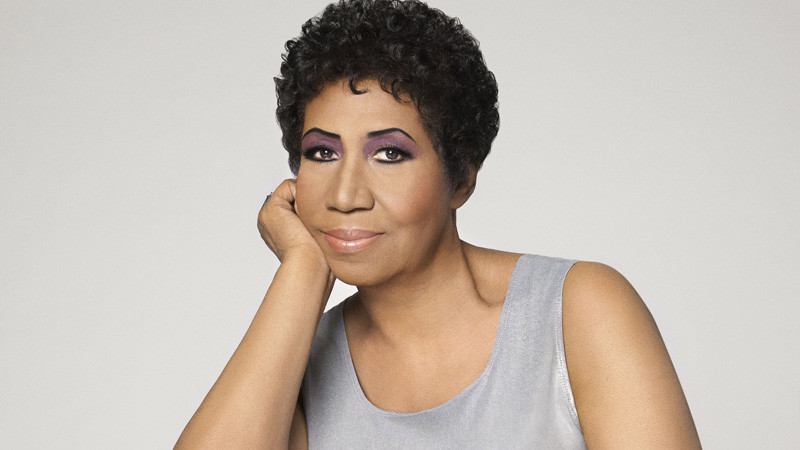
"caption": "Aretha Franklin in 2014. (Courtesy RCA Records)",
"description": null,
"title": "Aretha-Franklin",
"credit": null,
"status": "inherit",
"isLoading": false,
"fetchFailed": false
},
"arts_10415466": {
"type": "attachments",
"id": "arts_10415466",
"meta": {
"index": "attachments_1716263798",
"site": "arts",
"id": "10415466",
"found": true
},
"parent": 10415465,
"imgSizes": {
"twentyfourteen-full-width": {
"file": "https://ww2.kqed.org/app/uploads/sites/2/2015/02/CarnegieHall3-1038x576.jpg",
"width": 1038,
"mimeType": "image/jpeg",
"height": 576
},
"thumbnail": {
"file": "https://ww2.kqed.org/app/uploads/sites/2/2015/02/CarnegieHall3-400x266.jpg",
"width": 400,
"mimeType": "image/jpeg",
"height": 266
},
"post-thumbnail": {
"file": "https://ww2.kqed.org/app/uploads/sites/2/2015/02/CarnegieHall3-672x372.jpg",
"width": 672,
"mimeType": "image/jpeg",
"height": 372
},
"kqedFullSize": {
"file": "https://ww2.kqed.org/app/uploads/sites/2/2015/02/CarnegieHall3.jpg",
"width": 4329,
"height": 2881
},
"large": {
"file": "https://ww2.kqed.org/app/uploads/sites/2/2015/02/CarnegieHall3-1180x785.jpg",
"width": 1180,
"mimeType": "image/jpeg",
"height": 785
},
"guest-author-96": {
"file": "https://ww2.kqed.org/app/uploads/sites/2/2015/02/CarnegieHall3-96x96.jpg",
"width": 96,
"mimeType": "image/jpeg",
"height": 96
},
"medium": {
"file": "https://ww2.kqed.org/app/uploads/sites/2/2015/02/CarnegieHall3-800x532.jpg",
"width": 800,
"mimeType": "image/jpeg",
"height": 532
},
"guest-author-64": {
"file": "https://ww2.kqed.org/app/uploads/sites/2/2015/02/CarnegieHall3-64x64.jpg",
"width": 64,
"mimeType": "image/jpeg",
"height": 64
},
"detail": {
"file": "https://ww2.kqed.org/app/uploads/sites/2/2015/02/CarnegieHall3-75x75.jpg",
"width": 75,
"mimeType": "image/jpeg",
"height": 75
},
"guest-author-32": {
"file": "https://ww2.kqed.org/app/uploads/sites/2/2015/02/CarnegieHall3-32x32.jpg",
"width": 32,
"mimeType": "image/jpeg",
"height": 32
},
"guest-author-128": {
"file": "https://ww2.kqed.org/app/uploads/sites/2/2015/02/CarnegieHall3-128x128.jpg",
"width": 128,
"mimeType": "image/jpeg",
"height": 128
}
},
"publishDate": 1424669876,
"modified": 1425859436,
"caption": "Hugh Masekela and Vusi Mahlasela. (Photo: Dana Yavin)",
"description": null,
"title": "CarnegieHall3",
"credit": null,
"status": "inherit",
"isLoading": false,
"fetchFailed": false
},
"arts_10442279": {
"type": "attachments",
"id": "arts_10442279",
"meta": {
"index": "attachments_1716263798",
"site": "arts",
"id": "10442279",
"found": true
},
"parent": 10439587,
"imgSizes": {
"thumbnail": {
"file": "https://ww2.kqed.org/app/uploads/sites/2/2015/03/copelandmain-400x225.jpg",
"width": 400,
"mimeType": "image/jpeg",
"height": 225
},
"fd-sm": {
"file": "https://ww2.kqed.org/app/uploads/sites/2/2015/03/copelandmain-320x180.jpg",
"width": 320,
"mimeType": "image/jpeg",
"height": 180
},
"post-thumbnail": {
"file": "https://ww2.kqed.org/app/uploads/sites/2/2015/03/copelandmain-672x372.jpg",
"width": 672,
"mimeType": "image/jpeg",
"height": 372
},
"kqedFullSize": {
"file": "https://ww2.kqed.org/app/uploads/sites/2/2015/03/copelandmain.jpg",
"width": 800,
"height": 450
},
"fd-med": {
"file": "https://ww2.kqed.org/app/uploads/sites/2/2015/03/copelandmain-768x432.jpg",
"width": 768,
"mimeType": "image/jpeg",
"height": 432
},
"guest-author-96": {
"file": "https://ww2.kqed.org/app/uploads/sites/2/2015/03/copelandmain-96x96.jpg",
"width": 96,
"mimeType": "image/jpeg",
"height": 96
},
"medium": {
"file": "https://ww2.kqed.org/app/uploads/sites/2/2015/03/copelandmain-800x450.jpg",
"width": 800,
"mimeType": "image/jpeg",
"height": 450
},
"guest-author-64": {
"file": "https://ww2.kqed.org/app/uploads/sites/2/2015/03/copelandmain-64x64.jpg",
"width": 64,
"mimeType": "image/jpeg",
"height": 64
},
"detail": {
"file": "https://ww2.kqed.org/app/uploads/sites/2/2015/03/copelandmain-75x75.jpg",
"width": 75,
"mimeType": "image/jpeg",
"height": 75
},
"guest-author-32": {
"file": "https://ww2.kqed.org/app/uploads/sites/2/2015/03/copelandmain-32x32.jpg",
"width": 32,
"mimeType": "image/jpeg",
"height": 32
},
"guest-author-128": {
"file": "https://ww2.kqed.org/app/uploads/sites/2/2015/03/copelandmain-128x128.jpg",
"width": 128,
"mimeType": "image/jpeg",
"height": 128
}
},
"publishDate": 1425508220,
"modified": 1425508245,
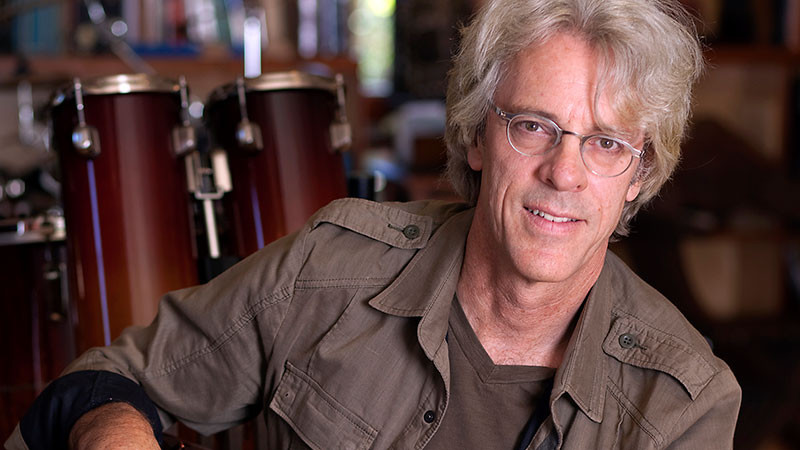
"caption": "Stewart Copeland says he wants to \"burn down the building\" by way of orchestra. ",
"description": null,
"title": "copelandmain",
"credit": null,
"status": "inherit",
"isLoading": false,
"fetchFailed": false
},
"arts_10439100": {
"type": "attachments",
"id": "arts_10439100",
"meta": {
"index": "attachments_1716263798",
"site": "arts",
"id": "10439100",
"found": true
},
"parent": 10439099,
"imgSizes": {
"thumbnail": {
"file": "https://ww2.kqed.org/app/uploads/sites/2/2015/03/Moon-Duo-Photo-by-Antonio-Curcetti-400x225.jpg",
"width": 400,
"mimeType": "image/jpeg",
"height": 225
},
"fd-sm": {
"file": "https://ww2.kqed.org/app/uploads/sites/2/2015/03/Moon-Duo-Photo-by-Antonio-Curcetti-320x180.jpg",
"width": 320,
"mimeType": "image/jpeg",
"height": 180
},
"post-thumbnail": {
"file": "https://ww2.kqed.org/app/uploads/sites/2/2015/03/Moon-Duo-Photo-by-Antonio-Curcetti-672x372.jpg",
"width": 672,
"mimeType": "image/jpeg",
"height": 372
},
"kqedFullSize": {
"file": "https://ww2.kqed.org/app/uploads/sites/2/2015/03/Moon-Duo-Photo-by-Antonio-Curcetti.jpg",
"width": 800,
"height": 450
},
"fd-med": {
"file": "https://ww2.kqed.org/app/uploads/sites/2/2015/03/Moon-Duo-Photo-by-Antonio-Curcetti-768x432.jpg",
"width": 768,
"mimeType": "image/jpeg",
"height": 432
},
"guest-author-96": {
"file": "https://ww2.kqed.org/app/uploads/sites/2/2015/03/Moon-Duo-Photo-by-Antonio-Curcetti-96x96.jpg",
"width": 96,
"mimeType": "image/jpeg",
"height": 96
},
"medium": {
"file": "https://ww2.kqed.org/app/uploads/sites/2/2015/03/Moon-Duo-Photo-by-Antonio-Curcetti-800x450.jpg",
"width": 800,
"mimeType": "image/jpeg",
"height": 450
},
"guest-author-64": {
"file": "https://ww2.kqed.org/app/uploads/sites/2/2015/03/Moon-Duo-Photo-by-Antonio-Curcetti-64x64.jpg",
"width": 64,
"mimeType": "image/jpeg",
"height": 64
},
"detail": {
"file": "https://ww2.kqed.org/app/uploads/sites/2/2015/03/Moon-Duo-Photo-by-Antonio-Curcetti-75x75.jpg",
"width": 75,
"mimeType": "image/jpeg",
"height": 75
},
"guest-author-32": {
"file": "https://ww2.kqed.org/app/uploads/sites/2/2015/03/Moon-Duo-Photo-by-Antonio-Curcetti-32x32.jpg",
"width": 32,
"mimeType": "image/jpeg",
"height": 32
},
"guest-author-128": {
"file": "https://ww2.kqed.org/app/uploads/sites/2/2015/03/Moon-Duo-Photo-by-Antonio-Curcetti-128x128.jpg",
"width": 128,
"mimeType": "image/jpeg",
"height": 128
}
},
"publishDate": 1425413553,
"modified": 1425488720,
"caption": "Moon Duo play Bottom of the Hill on Mar. 25. (Photo: Antonio Curcetti)",
"description": null,
"title": "Moon Duo - Photo by Antonio Curcetti",
"credit": null,
"status": "inherit",
"isLoading": false,
"fetchFailed": false
},
"arts_10437853": {
"type": "attachments",
"id": "arts_10437853",
"meta": {
"index": "attachments_1716263798",
"site": "arts",
"id": "10437853",
"found": true
},
"parent": 10437401,
"imgSizes": {
"thumbnail": {
"file": "https://ww2.kqed.org/app/uploads/sites/2/2015/03/Lucinda-400x225.jpg",
"width": 400,
"mimeType": "image/jpeg",
"height": 225
},
"fd-sm": {
"file": "https://ww2.kqed.org/app/uploads/sites/2/2015/03/Lucinda-320x180.jpg",
"width": 320,
"mimeType": "image/jpeg",
"height": 180
},
"post-thumbnail": {
"file": "https://ww2.kqed.org/app/uploads/sites/2/2015/03/Lucinda-672x372.jpg",
"width": 672,
"mimeType": "image/jpeg",
"height": 372
},
"kqedFullSize": {
"file": "https://ww2.kqed.org/app/uploads/sites/2/2015/03/Lucinda.jpg",
"width": 800,
"height": 450
},
"fd-med": {
"file": "https://ww2.kqed.org/app/uploads/sites/2/2015/03/Lucinda-768x432.jpg",
"width": 768,
"mimeType": "image/jpeg",
"height": 432
},
"guest-author-96": {
"file": "https://ww2.kqed.org/app/uploads/sites/2/2015/03/Lucinda-96x96.jpg",
"width": 96,
"mimeType": "image/jpeg",
"height": 96
},
"medium": {
"file": "https://ww2.kqed.org/app/uploads/sites/2/2015/03/Lucinda-800x450.jpg",
"width": 800,
"mimeType": "image/jpeg",
"height": 450
},
"guest-author-64": {
"file": "https://ww2.kqed.org/app/uploads/sites/2/2015/03/Lucinda-64x64.jpg",
"width": 64,
"mimeType": "image/jpeg",
"height": 64
},
"detail": {
"file": "https://ww2.kqed.org/app/uploads/sites/2/2015/03/Lucinda-75x75.jpg",
"width": 75,
"mimeType": "image/jpeg",
"height": 75
},
"guest-author-32": {
"file": "https://ww2.kqed.org/app/uploads/sites/2/2015/03/Lucinda-32x32.jpg",
"width": 32,
"mimeType": "image/jpeg",
"height": 32
},
"guest-author-128": {
"file": "https://ww2.kqed.org/app/uploads/sites/2/2015/03/Lucinda-128x128.jpg",
"width": 128,
"mimeType": "image/jpeg",
"height": 128
}
},
"publishDate": 1425372318,
"modified": 1425399700,
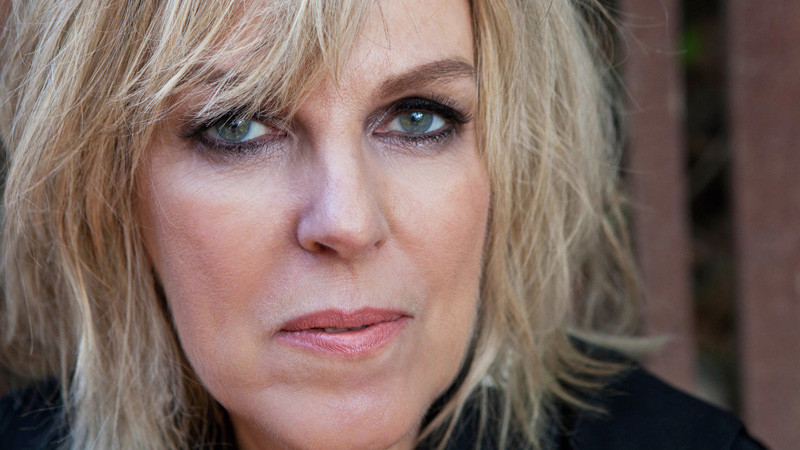
"caption": "Though living in Hollywood, Lucinda Williams keeps her music rooted in the Delta. (Photo: Michael Wilson)",
"description": null,
"title": "Lucinda",
"credit": null,
"status": "inherit",
"isLoading": false,
"fetchFailed": false
}
},
"audioPlayerReducer": {
"postId": "stream_live",
"isPaused": true,
"isPlaying": false,
"pfsActive": false,
"pledgeModalIsOpen": true,
"playerDrawerIsOpen": false,
"liveAudioPlayStartedAt": 0,
"liveAudioPlayContext": ""
},
"authorsReducer": {
"128435": {
"type": "authors",
"id": "128435",
"meta": {
"override": true
},
"slug": "128435",
"name": "Jonathan Curiel",
"firstName": "Jonathan",
"lastName": "Curiel",
"bio": "Jonathan Curiel has written widely about music, film, books, art, photography and other cultural subjects. \u003ci>SF Weekly's\u003c/i> art critic, he is a former staff writer with the \u003ci>San Francisco Chronicle\u003c/i>, and has also written on the arts for \u003ca href=\"http://www.salon.com/\">Salon\u003c/a>, the \u003ci>Christian Science Monitor\u003c/i>, \u003ci>The Wire\u003c/i> (a London music magazine), \u003ci>Tablet\u003c/i> and \u003ci>GlobalPost\u003c/i>. He has researched architecture at England's Oxford University, taught music journalism at the UCLA Herb Alpert School of Music, and been a juror at the San Francisco International Film Festival.",
"email": "jonathancuriel@hotmail.com",
"isLoading": false
},
"byline_arts_10467532": {
"type": "authors",
"id": "byline_arts_10467532",
"meta": {
"override": true
},
"slug": "byline_arts_10467532",
"name": "Max Savage Levenson",
"isLoading": false
},
"byline_arts_10462907": {
"type": "authors",
"id": "byline_arts_10462907",
"meta": {
"override": true
},
"slug": "byline_arts_10462907",
"name": "Joel White, Scott Compton and Joe Matazzoni",
"isLoading": false
},
"baybridged": {
"type": "authors",
"id": "178",
"meta": {
"index": "authors_1716337520",
"id": "178",
"found": true
},
"name": "The Bay Bridged",
"firstName": "The Bay",
"lastName": "Bridged",
"slug": "baybridged",
"email": "thebaybridged@gmail.com",
"display_author_email": false,
"staff_mastheads": [],
"title": "KQED Contributor",
"bio": null,
"avatar": "https://secure.gravatar.com/avatar/211daad5386ad504c39c31f3e16cfae45ec7b0ad32ecca7ee64cfd9b7eb76609?s=600&d=blank&r=g",
"twitter": null,
"bluesky": null,
"facebook": null,
"instagram": null,
"linkedin": null,
"sites": [
{
"site": "arts",
"roles": [
"subscriber"
]
}
],
"headData": {
"title": "The Bay Bridged | KQED",
"description": "KQED Contributor",
"ogImgSrc": "https://secure.gravatar.com/avatar/211daad5386ad504c39c31f3e16cfae45ec7b0ad32ecca7ee64cfd9b7eb76609?s=600&d=blank&r=g",
"twImgSrc": "https://secure.gravatar.com/avatar/211daad5386ad504c39c31f3e16cfae45ec7b0ad32ecca7ee64cfd9b7eb76609?s=600&d=blank&r=g"
},
"isLoading": false,
"link": "/author/baybridged"
},
"gmeline": {
"type": "authors",
"id": "185",
"meta": {
"index": "authors_1716337520",
"id": "185",
"found": true
},
"name": "Gabe Meline",
"firstName": "Gabe",
"lastName": "Meline",
"slug": "gmeline",
"email": "gmeline@kqed.org",
"display_author_email": true,
"staff_mastheads": [
"arts"
],
"title": "Senior Editor, KQED Arts & Culture",
"bio": "Gabe Meline entered journalism at age 15 making photocopied zines, and has since earned awards from the Edward R. Murrow Awards, the Society for Professional Journalists, the Online Journalism Awards, the Association of Alternative Newsweeklies and the California Newspaper Publishers Association. Prior to KQED, he was the editor of the \u003cem>North Bay Bohemian\u003c/em> and a touring musician. He lives with his wife and daughter in his hometown of Santa Rosa, CA.",
"avatar": "https://secure.gravatar.com/avatar/5bebe57be0d8bc2dd318934feb47299e2d2d10cba28d09d8d7afb389a2ce2bdd?s=600&d=blank&r=g",
"twitter": null,
"bluesky": null,
"facebook": null,
"instagram": null,
"linkedin": null,
"sites": [
{
"site": "",
"roles": [
"editor"
]
},
{
"site": "arts",
"roles": [
"administrator"
]
},
{
"site": "artschool",
"roles": [
"editor"
]
},
{
"site": "news",
"roles": [
"author"
]
},
{
"site": "pop",
"roles": [
"editor"
]
},
{
"site": "bayareabites",
"roles": [
"editor"
]
},
{
"site": "food",
"roles": [
"editor"
]
},
{
"site": "forum",
"roles": [
"administrator"
]
},
{
"site": "liveblog",
"roles": [
"editor"
]
},
{
"site": "hiphop",
"roles": [
"editor"
]
}
],
"headData": {
"title": "Gabe Meline | KQED",
"description": "Senior Editor, KQED Arts & Culture",
"ogImgSrc": "https://secure.gravatar.com/avatar/5bebe57be0d8bc2dd318934feb47299e2d2d10cba28d09d8d7afb389a2ce2bdd?s=600&d=blank&r=g",
"twImgSrc": "https://secure.gravatar.com/avatar/5bebe57be0d8bc2dd318934feb47299e2d2d10cba28d09d8d7afb389a2ce2bdd?s=600&d=blank&r=g"
},
"isLoading": false,
"link": "/author/gmeline"
},
"aeghan": {
"type": "authors",
"id": "195",
"meta": {
"index": "authors_1716337520",
"id": "195",
"found": true
},
"name": "Adizah Eghan",
"firstName": "Adizah",
"lastName": "Eghan",
"slug": "aeghan",
"email": "adizah.e@gmail.com",
"display_author_email": false,
"staff_mastheads": [],
"title": "KQED Contributor",
"bio": "Adizah Eghan is a former reporter at KQED News and writer for KQED Arts. She caught the radio bug as an intern for PRI's The World and landed in KQED's newsroom after a stint teaching English in India. She covers culture, the arts, and global music in the Bay Area. This is where she tweets: \u003ca class=\"ProfileHeaderCard-screennameLink u-linkComplex js-nav\" style=\"color: #8899a6;\" href=\"https://twitter.com/Adizah_E\">@\u003cspan class=\"u-linkComplex-target\">Adizah_E\u003c/span>\u003c/a>",
"avatar": "https://secure.gravatar.com/avatar/d6e30ed9ca504243b4d8ee5d7ca32324?s=600&d=blank&r=g",
"twitter": "Adizah_E",
"facebook": null,
"instagram": null,
"linkedin": null,
"sites": [
{
"site": "arts",
"roles": [
"contributor"
]
},
{
"site": "news",
"roles": [
"subscriber"
]
},
{
"site": "stateofhealth",
"roles": [
"author"
]
}
],
"headData": {
"title": "Adizah Eghan | KQED",
"description": "KQED Contributor",
"ogImgSrc": "https://secure.gravatar.com/avatar/d6e30ed9ca504243b4d8ee5d7ca32324?s=600&d=blank&r=g",
"twImgSrc": "https://secure.gravatar.com/avatar/d6e30ed9ca504243b4d8ee5d7ca32324?s=600&d=blank&r=g"
},
"isLoading": false,
"link": "/author/aeghan"
},
"thedolist": {
"type": "authors",
"id": "3215",
"meta": {
"index": "authors_1716337520",
"id": "3215",
"found": true
},
"name": "The Do List",
"firstName": "Do",
"lastName": "List",
"slug": "thedolist",
"email": "harold.check+dolist@gmail.com",
"display_author_email": false,
"staff_mastheads": [],
"title": null,
"bio": "The Do List scours the Bay Area for superb and surprising performing arts events, with an eye for local talent, new discoveries, and fun opportunities across the price spectrum. Every Friday morning at 6:23 and 8:23am on KQED Radio, you can hear Do List regulars Cy Musiker and David Wiegand discuss the upcoming week's best picks.",
"avatar": "https://secure.gravatar.com/avatar/25ef8068d096493f649195742621360d?s=600&d=blank&r=g",
"twitter": null,
"facebook": null,
"instagram": null,
"linkedin": null,
"sites": [
{
"site": "arts",
"roles": [
"contributor"
]
}
],
"headData": {
"title": "The Do List | KQED",
"description": null,
"ogImgSrc": "https://secure.gravatar.com/avatar/25ef8068d096493f649195742621360d?s=600&d=blank&r=g",
"twImgSrc": "https://secure.gravatar.com/avatar/25ef8068d096493f649195742621360d?s=600&d=blank&r=g"
},
"isLoading": false,
"link": "/author/thedolist"
},
"dburlison": {
"type": "authors",
"id": "3216",
"meta": {
"index": "authors_1716337520",
"id": "3216",
"found": true
},
"name": "Dani Burlison",
"firstName": "Dani",
"lastName": "Burlison",
"slug": "dburlison",
"email": "danisavestheworld@yahoo.com",
"display_author_email": false,
"staff_mastheads": [],
"title": null,
"bio": "\u003cb id=\"yui_3_16_0_1_1416414652499_5365\" class=\"yiv3033141065\">Dani Burlison\u003c/b> is an award-winning writer, teacher and North Bay resident with a special interest in California's fascinating subcultures. You can find her commentary on writing, feminism, social justice and life with two teen daughters on Twitter at @DaniBurlison.",
"avatar": "https://secure.gravatar.com/avatar/c0b371463a220978c947a5c4ce2da294?s=600&d=blank&r=g",
"twitter": null,
"facebook": null,
"instagram": null,
"linkedin": null,
"sites": [
{
"site": "arts",
"roles": [
"contributor"
]
}
],
"headData": {
"title": "Dani Burlison | KQED",
"description": null,
"ogImgSrc": "https://secure.gravatar.com/avatar/c0b371463a220978c947a5c4ce2da294?s=600&d=blank&r=g",
"twImgSrc": "https://secure.gravatar.com/avatar/c0b371463a220978c947a5c4ce2da294?s=600&d=blank&r=g"
},
"isLoading": false,
"link": "/author/dburlison"
},
"lclark": {
"type": "authors",
"id": "3224",
"meta": {
"index": "authors_1716337520",
"id": "3224",
"found": true
},
"name": "Leilani Clark",
"firstName": "Leilani",
"lastName": "Clark",
"slug": "lclark",
"email": "clark.leil@gmail.com",
"display_author_email": false,
"staff_mastheads": [],
"title": null,
"bio": "Leilani Clark writes about books for KQED Arts. Her writing has been published at Mother Jones, The Guardian, Civil Eats, Time Magazine, Food & Wine, Edible Marin & Wine Country, and The Rumpus. She is the editor of Made Local magazine in Sonoma County. Find her on Twitter \u003ca href=\"https://twitter.com/leilclark\">@leilclark\u003c/a>.",
"avatar": "https://secure.gravatar.com/avatar/7f691fdc52ed2e3f4cf164d1f4ec0889?s=600&d=blank&r=g",
"twitter": null,
"facebook": null,
"instagram": null,
"linkedin": null,
"sites": [
{
"site": "arts",
"roles": [
"contributor"
]
},
{
"site": "bayareabites",
"roles": [
"contributor"
]
},
{
"site": "food",
"roles": [
"contributor"
]
}
],
"headData": {
"title": "Leilani Clark | KQED",
"description": null,
"ogImgSrc": "https://secure.gravatar.com/avatar/7f691fdc52ed2e3f4cf164d1f4ec0889?s=600&d=blank&r=g",
"twImgSrc": "https://secure.gravatar.com/avatar/7f691fdc52ed2e3f4cf164d1f4ec0889?s=600&d=blank&r=g"
},
"isLoading": false,
"link": "/author/lclark"
},
"mlevenson": {
"type": "authors",
"id": "6624",
"meta": {
"index": "authors_1716337520",
"id": "6624",
"found": true
},
"name": "Max Savage Levenson",
"firstName": "Max",
"lastName": "Savage Levenson",
"slug": "mlevenson",
"email": "m.savagelevenson@gmail.com",
"display_author_email": false,
"staff_mastheads": [],
"title": null,
"bio": null,
"avatar": "https://secure.gravatar.com/avatar/e7f998073c1ba6fec822d9f7dcd8c272?s=600&d=blank&r=g",
"twitter": null,
"facebook": null,
"instagram": null,
"linkedin": null,
"sites": [
{
"site": "arts",
"roles": [
"contributor"
]
},
{
"site": "news",
"roles": [
"author"
]
}
],
"headData": {
"title": "Max Savage Levenson | KQED",
"description": null,
"ogImgSrc": "https://secure.gravatar.com/avatar/e7f998073c1ba6fec822d9f7dcd8c272?s=600&d=blank&r=g",
"twImgSrc": "https://secure.gravatar.com/avatar/e7f998073c1ba6fec822d9f7dcd8c272?s=600&d=blank&r=g"
},
"isLoading": false,
"link": "/author/mlevenson"
}
},
"pagesReducer": {
"arts_category_music": {
"type": "terms",
"id": "arts_69",
"meta": {
"index": "terms_1716263798",
"site": "arts",
"id": "69",
"score": 10.850847
},
"featImg": null,
"name": "Music",
"description": null,
"taxonomy": "category",
"headData": {
"twImgId": null,
"twTitle": null,
"ogTitle": null,
"ogImgId": null,
"twDescription": null,
"description": null,
"title": "Music Archives | KQED Arts",
"ogDescription": null
},
"ttid": 70,
"slug": "music",
"isLoading": false,
"title": "Music",
"pageMeta": {
"site": "arts",
"WpPageTemplate": "page-topic-editorial",
"currentPage": 343
},
"blocks": [
{
"blockName": "kqed/post-list",
"attrs": {
"layout": "cardArticle2",
"query": "posts/arts?category=music",
"seeMore": false,
"paginated": true,
"page": 343
}
},
{
"blockName": "kqed/ad"
}
]
}
},
"pfsSessionReducer": {},
"postsReducer": {
"stream_live": {
"type": "live",
"id": "stream_live",
"audioUrl": "https://streams.kqed.org/kqedradio",
"title": "Live Stream",
"excerpt": "Live Stream information currently unavailable.",
"link": "/radio",
"featImg": "",
"label": {
"name": "KQED Live",
"link": "/"
}
},
"stream_kqedNewscast": {
"type": "posts",
"id": "stream_kqedNewscast",
"audioUrl": "https://www.kqed.org/.stream/anon/radio/RDnews/newscast.mp3?_=1",
"title": "KQED Newscast",
"featImg": "",
"label": {
"name": "88.5 FM",
"link": "/"
}
},
"arts_10479829": {
"type": "posts",
"id": "arts_10479829",
"meta": {
"index": "posts_1716263798",
"site": "arts",
"id": "10479829",
"score": null,
"sort": [
1426626938000
]
},
"parent": 0,
"labelTerm": {
"site": "arts"
},
"blocks": [],
"publishDate": 1426626938,
"format": "standard",
"title": "Lost Weekend Video, 1-2-3-4 Go! Records to Partner on Valencia",
"headTitle": "Lost Weekend Video, 1-2-3-4 Go! Records to Partner on Valencia | KQED",
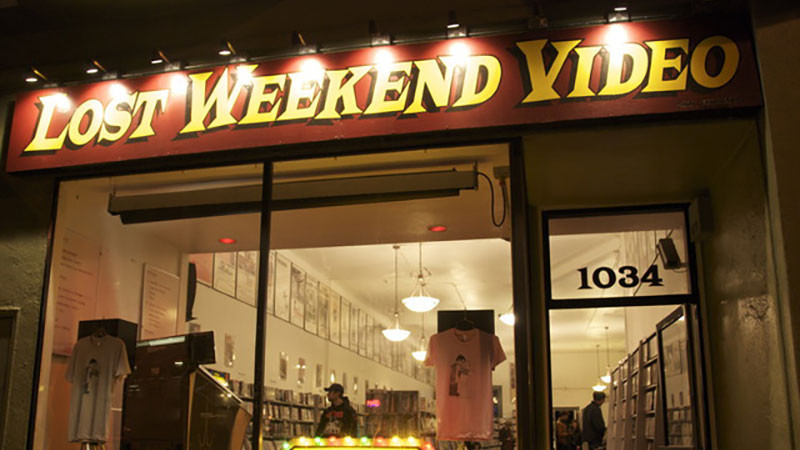
"content": "\u003cp>Earlier this month, Oakland’s 40th Street vinyl outpost 1-2-3-4 Go! Records \u003ca href=\"http://1234gorecords.com/news/2015/3/5/san-francisco-location-coming-in-april\" target=\"_blank\" rel=\"noopener\">cryptically announced a forthcoming San Francisco location\u003c/a> — with no address given — but now it can be told: that address will be shared with Lost Weekend Video, the Valencia Street video rental store and all-around beloved community hub.\u003c/p>\n\u003cp>In an \u003ca href=\"http://www.lostweekendvideo.com/lost-weekend-project-overview\" target=\"_blank\" rel=\"noopener\">announcement on their site\u003c/a> Tuesday, Lost Weekend explained that while it faced near-certain closure on May 1 due to a rent increase in February, “We’ve talked to surviving stores across the country to learn what has worked best for them and after adding a few of our own innovations, we’ve come up with a new model for a now 21st Century video store.”\u003c/p>\n\u003cp>That involves a relaunch of the Valencia Street store in partnership with 1-2-3-4 Go! on April 18, when the two join as a combination video store / record store. It also means a searchable catalog online of Lost Weekend’s films; home delivery services; memberships and other 21st-century changes on operations. Lastly, it calls for an East Bay opening of the \u003ca href=\"http://www.lostweekendvideo.com/cinecavecomedy/\" target=\"_blank\" rel=\"noopener\">the Cinecave\u003c/a>, the comedy club booked by \u003ca href=\"http://www.sfweekly.com/shookdown/2015/03/09/music-heroes-george-chen\" target=\"_blank\" rel=\"noopener\">the tireless George Chen\u003c/a> currently running in Lost Weekend’s basement; the Cinecave’s location in Oakland’s Uptown neighborhood promises “a carefully curated video rental store, with full access to our combined collection on both sides of the Bay, and a film-themed beer & wine bar” — with live comedy and entertainment seven nights a week.\u003c/p>\n\u003cp>Naturally, like so many other community institutions in peril, Lost Weekend is \u003ca href=\"https://www.indiegogo.com/projects/save-lost-weekend-video\" target=\"_blank\" rel=\"noopener\">asking for help\u003c/a>. But as the Voltron-like forces combine with dueling photobooths and copies of \u003cem>The Bad News Bears\u003c/em> alongside \u003cem>24 Hour Revenge Therapy\u003c/em>, things are looking a little sunnier on Lost Weekend’s side of the street.\u003c/p>\n\u003cp>[ad fullwidth]\u003c/p>\u003cp>\u003c/p>\n",
"stats": {
"hasVideo": false,
"hasChartOrMap": false,
"hasAudio": false,
"hasPolis": false,
"wordCount": 317,
"hasGoogleForm": false,
"hasGallery": false,
"hasHearkenModule": false,
"iframeSrcs": [],
"paragraphCount": 6
},
"modified": 1705047419,
"excerpt": "Recently facing imminent closure, Mission District institution Lost Weekend Video announces an April 18 relauch with 1-2-3-4 Go! as a combination video rental / vinyl outlet.",
"headData": {
"twImgId": "",
"twTitle": "",
"ogTitle": "",
"ogImgId": "",
"twDescription": "",
"description": "Recently facing imminent closure, Mission District institution Lost Weekend Video announces an April 18 relauch with 1-2-3-4 Go! as a combination video rental / vinyl outlet.",
"title": "Lost Weekend Video, 1-2-3-4 Go! Records to Partner on Valencia | KQED",
"ogDescription": "",
"schema": {
"@context": "https://schema.org",
"@type": "Article",
"headline": "Lost Weekend Video, 1-2-3-4 Go! Records to Partner on Valencia",
"datePublished": "2015-03-17T14:15:38-07:00",
"dateModified": "2024-01-12T00:16:59-08:00",
"image": "https://cdn.kqed.org/wp-content/uploads/2020/02/KQED-OG-Image@1x.png"
}
},
"guestAuthors": [],
"slug": "lost-weekend-video-1-2-3-4-go-records-to-partner-up",
"status": "publish",
"sticky": false,
"nprStoryId": "463218364",
"path": "/arts/10479829/lost-weekend-video-1-2-3-4-go-records-to-partner-up",
"audioTrackLength": null,
"parsedContent": [
{
"type": "contentString",
"content": "\u003cdiv class=\"post-body\">\u003cp>\u003cp>Earlier this month, Oakland’s 40th Street vinyl outpost 1-2-3-4 Go! Records \u003ca href=\"http://1234gorecords.com/news/2015/3/5/san-francisco-location-coming-in-april\" target=\"_blank\" rel=\"noopener\">cryptically announced a forthcoming San Francisco location\u003c/a> — with no address given — but now it can be told: that address will be shared with Lost Weekend Video, the Valencia Street video rental store and all-around beloved community hub.\u003c/p>\n\u003cp>In an \u003ca href=\"http://www.lostweekendvideo.com/lost-weekend-project-overview\" target=\"_blank\" rel=\"noopener\">announcement on their site\u003c/a> Tuesday, Lost Weekend explained that while it faced near-certain closure on May 1 due to a rent increase in February, “We’ve talked to surviving stores across the country to learn what has worked best for them and after adding a few of our own innovations, we’ve come up with a new model for a now 21st Century video store.”\u003c/p>\n\u003cp>That involves a relaunch of the Valencia Street store in partnership with 1-2-3-4 Go! on April 18, when the two join as a combination video store / record store. It also means a searchable catalog online of Lost Weekend’s films; home delivery services; memberships and other 21st-century changes on operations. Lastly, it calls for an East Bay opening of the \u003ca href=\"http://www.lostweekendvideo.com/cinecavecomedy/\" target=\"_blank\" rel=\"noopener\">the Cinecave\u003c/a>, the comedy club booked by \u003ca href=\"http://www.sfweekly.com/shookdown/2015/03/09/music-heroes-george-chen\" target=\"_blank\" rel=\"noopener\">the tireless George Chen\u003c/a> currently running in Lost Weekend’s basement; the Cinecave’s location in Oakland’s Uptown neighborhood promises “a carefully curated video rental store, with full access to our combined collection on both sides of the Bay, and a film-themed beer & wine bar” — with live comedy and entertainment seven nights a week.\u003c/p>\n\u003cp>Naturally, like so many other community institutions in peril, Lost Weekend is \u003ca href=\"https://www.indiegogo.com/projects/save-lost-weekend-video\" target=\"_blank\" rel=\"noopener\">asking for help\u003c/a>. But as the Voltron-like forces combine with dueling photobooths and copies of \u003cem>The Bad News Bears\u003c/em> alongside \u003cem>24 Hour Revenge Therapy\u003c/em>, things are looking a little sunnier on Lost Weekend’s side of the street.\u003c/p>\n\u003cp>\u003c/p>\u003c/div>",
"attributes": {
"named": {},
"numeric": []
}
},
{
"type": "component",
"content": "",
"name": "ad",
"attributes": {
"named": {
"label": "fullwidth"
},
"numeric": [
"fullwidth"
]
}
},
{
"type": "contentString",
"content": "\u003cdiv class=\"post-body\">\u003cp>\u003c/p>\u003cp>\u003c/p>\n\u003c/div>\u003c/p>",
"attributes": {
"named": {},
"numeric": []
}
}
],
"link": "/arts/10479829/lost-weekend-video-1-2-3-4-go-records-to-partner-up",
"authors": [
"185"
],
"categories": [
"arts_74",
"arts_69"
],
"tags": [
"arts_596"
],
"featImg": "arts_10479831",
"label": "arts"
},
"arts_10473644": {
"type": "posts",
"id": "arts_10473644",
"meta": {
"index": "posts_1716263798",
"site": "arts",
"id": "10473644",
"score": null,
"sort": [
1426446051000
]
},
"guestAuthors": [],
"slug": "listen-in-dissecting-waterstriders-new-single-nowhere-now",
"title": "Listen In: Dissecting Waterstrider's New Single, \"Nowhere Now\"",
"publishDate": 1426446051,
"format": "audio",
"headTitle": "Listen In: Dissecting Waterstrider’s New Single, “Nowhere Now” | KQED",
"labelTerm": {
"site": "arts"
},
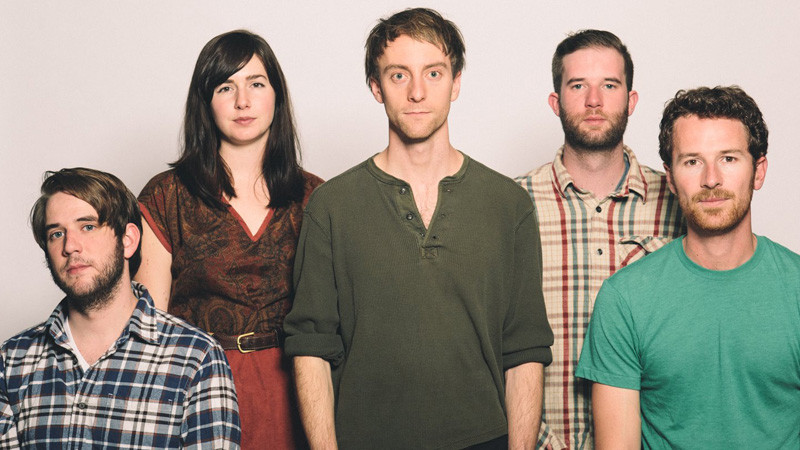
"content": "\u003caside class=\"aligncenter\">\n\u003ch4>Nate Salman discusses Waterstrider’s new single, “Nowhere Now.”\u003c/h4>\n\u003cp>http://www.kqed.org/.stream/anon/radio/thedolist/2015/03/waterstrider-nate.mp3\u003c/p>\n\u003c/aside>\n\u003cp>Listening to the Oakland indie-rock five-piece Waterstrider is like taking a bite of a really fancy donut: you sink your teeth into the guitar hooks and thumping drums, then the detailed melodies and the studio tricks catch your ear, like organic pumpkin abstract or hibiscus sprinkles or whatever else people put on fancy donuts — drawing a bold line between Waterstrider and the legions of Afro-pop wannabees haunting your Vampire Weekend Pandora station.\u003c/p>\n\u003cp>“Nowhere Now,” the just-released new single from the album of the same name, is no exception. The song kicks off with galloping congas, and picks up steam with the addition of a muted guitar riff and a bass line that wallops like a Krispy Kreme to the gut. The song’s visceral punch is balanced by Nate Salman’s falsetto, alternately delicate and thunderous as he leads the band to the song’s climax and final proclamation: “In the hurricane of love and hate / I still remain.”\u003c/p>\n\u003cp>Waterstrider formed on the Berkeley campus a few years ago and quickly released the \u003cem>Constellation\u003c/em> EP. Their forthcoming debut LP, \u003cem>Nowhere Now\u003c/em>, out April 6, takes \u003cem>Constellation\u003c/em>’s Afro-pop vibe and pushes it in every direction, embracing R&B, rock and roll and Thom Yorke’s operatic vocals along the way.\u003c/p>\n\u003cp>Listen to Waterstrider’s Nate Salman explain the many nuances of “Nowhere Now” in the interview above, and check out the track in its entirety, below.\u003c/p>\n\u003cp>[soundcloud url=”https://api.soundcloud.com/tracks/195990462″ params=”auto_play=false&hide_related=false&show_comments=true&show_user=true&show_reposts=false&visual=true” width=”100%” height=”450″ iframe=”true” /]\u003c/p>\n\u003cp>[ad fullwidth]\u003c/p>\u003cp>\u003c/p>\n",
"blocks": [],
"excerpt": "In an audio interview, Nate Salman from the Oakland quintet Waterstrider discusses the band's new single.",
"status": "publish",
"parent": 0,
"modified": 1726771441,
"stats": {
"hasAudio": true,
"hasVideo": false,
"hasChartOrMap": false,
"iframeSrcs": [],
"hasGoogleForm": false,
"hasGallery": false,
"hasHearkenModule": false,
"hasPolis": false,
"paragraphCount": 7,
"wordCount": 324
},
"headData": {
"title": "Listen In: Dissecting Waterstrider's New Single, \"Nowhere Now\" | KQED",
"description": "In an audio interview, Nate Salman from the Oakland quintet Waterstrider discusses the band's new single.",
"ogTitle": "",
"ogDescription": "",
"ogImgId": "",
"twTitle": "",
"twDescription": "",
"twImgId": "",
"schema": {
"@context": "https://schema.org",
"@type": "Article",
"headline": "Listen In: Dissecting Waterstrider's New Single, \"Nowhere Now\"",
"datePublished": "2015-03-15T12:00:51-07:00",
"dateModified": "2024-09-19T11:44:01-07:00",
"image": "https://cdn.kqed.org/wp-content/uploads/2020/02/KQED-OG-Image@1x.png"
}
},
"sticky": false,
"nprStoryId": "465836666",
"path": "/arts/10473644/listen-in-dissecting-waterstriders-new-single-nowhere-now",
"audioUrl": "http://www.kqed.org/.stream/anon/radio/thedolist/2015/03/waterstrider-nate.mp3",
"audioDuration": null,
"audioTrackLength": null,
"parsedContent": [
{
"type": "contentString",
"content": "\u003cdiv class=\"post-body\">\u003cp>\u003caside class=\"aligncenter\">\n\u003ch4>Nate Salman discusses Waterstrider’s new single, “Nowhere Now.”\u003c/h4>\n\u003cp>http://www.kqed.org/.stream/anon/radio/thedolist/2015/03/waterstrider-nate.mp3\u003c/p>\n\u003c/aside>\n\u003cp>Listening to the Oakland indie-rock five-piece Waterstrider is like taking a bite of a really fancy donut: you sink your teeth into the guitar hooks and thumping drums, then the detailed melodies and the studio tricks catch your ear, like organic pumpkin abstract or hibiscus sprinkles or whatever else people put on fancy donuts — drawing a bold line between Waterstrider and the legions of Afro-pop wannabees haunting your Vampire Weekend Pandora station.\u003c/p>\n\u003cp>“Nowhere Now,” the just-released new single from the album of the same name, is no exception. The song kicks off with galloping congas, and picks up steam with the addition of a muted guitar riff and a bass line that wallops like a Krispy Kreme to the gut. The song’s visceral punch is balanced by Nate Salman’s falsetto, alternately delicate and thunderous as he leads the band to the song’s climax and final proclamation: “In the hurricane of love and hate / I still remain.”\u003c/p>\n\u003cp>Waterstrider formed on the Berkeley campus a few years ago and quickly released the \u003cem>Constellation\u003c/em> EP. Their forthcoming debut LP, \u003cem>Nowhere Now\u003c/em>, out April 6, takes \u003cem>Constellation\u003c/em>’s Afro-pop vibe and pushes it in every direction, embracing R&B, rock and roll and Thom Yorke’s operatic vocals along the way.\u003c/p>\n\u003cp>Listen to Waterstrider’s Nate Salman explain the many nuances of “Nowhere Now” in the interview above, and check out the track in its entirety, below.\u003c/p>\n\u003cp>\u003c/p>\u003cp>\u003cdiv class='utils-parseShortcode-shortcodes-__shortcodes__shortcodeWrapper'>\n \u003ciframe width='”100%”' height='”450″'\n scrolling='no' frameborder='no'\n src='https://w.soundcloud.com/player/?url=”https://api.soundcloud.com/tracks/195990462″&visual=true&”auto_play=false&hide_related=false&show_comments=true&show_user=true&show_reposts=false&visual=true”'\n title='”https://api.soundcloud.com/tracks/195990462″'>\n \u003c/iframe>\n \u003c/div>\u003c/p>\u003cp>\u003c/p>\n\u003cp>\u003c/p>\u003c/div>",
"attributes": {
"named": {},
"numeric": []
}
},
{
"type": "component",
"content": "",
"name": "ad",
"attributes": {
"named": {
"label": "fullwidth"
},
"numeric": [
"fullwidth"
]
}
},
{
"type": "contentString",
"content": "\u003cdiv class=\"post-body\">\u003cp>\u003c/p>\u003cp>\u003c/p>\n\u003c/div>\u003c/p>",
"attributes": {
"named": {},
"numeric": []
}
}
],
"link": "/arts/10473644/listen-in-dissecting-waterstriders-new-single-nowhere-now",
"authors": [
"6624"
],
"categories": [
"arts_69"
],
"tags": [
"arts_1207",
"arts_596"
],
"featImg": "arts_10473645",
"label": "arts"
},
"arts_10467532": {
"type": "posts",
"id": "arts_10467532",
"meta": {
"index": "posts_1716263798",
"site": "arts",
"id": "10467532",
"score": null,
"sort": [
1426273235000
]
},
"parent": 0,
"labelTerm": {
"site": "arts",
"term": 140
},
"blocks": [],
"publishDate": 1426273235,
"format": "standard",
"title": "Beyond 'Dad Rock': 12 Great Jeff Tweedy Moments",
"headTitle": "Beyond ‘Dad Rock’: 12 Great Jeff Tweedy Moments | KQED",
"content": "\u003caside class=\"event-info alignright\">\n\u003cfigure>\u003ca href=\"http://ww2.kqed.org/arts/programs/the-do-list/\">\u003cimg decoding=\"async\" src=\"http://ww2.kqed.org/wp-content/themes/KQED-unified/img/thedolist_icon.png\" alt=\"\" width=\"100\">\u003c/a>\u003c/figure>\n\u003ch3>\u003ca href=\"http://ww2.kqed.org/arts/the-do-list/tweedy/\" target=\"_blank\" rel=\"noopener\">Event Information\u003c/a>\u003c/h3>\n\u003ch2>Tweedy\u003c/h2>\n\u003cdiv class=\"event-desc\">The ultimate “dad rock” band.\u003c/div>\n\u003cdiv class=\"event-dates\">\n\u003ch4>Mar. 17–18, 2015\u003c/h4>\n\u003c/div>\n\u003cdiv class=\"event-venue\">The Fillmore\u003c/div>\n\u003cul>\n\u003cli>\u003ca href=\"http://ww2.kqed.org/arts/the-do-list/tweedy/\" target=\"_blank\" rel=\"noopener\">Details and tickets\u003c/a>\u003c/li>\n\u003c/ul>\n\u003c/aside>\n\u003cp>“Dad rock” is not a friendly term; it implies that any male musician who has participated in the act of procreation — or who has fans that are dads — is on a short road to irrelevance, paved with boring albums. Being labeled “dad rock” in the current musical landscape is like wearing Birkenstocks with socks: it instantly makes one uncool. \u003c/p>\n\u003cp>Jeff Tweedy remembers the first time he saw the term used to describe his band, Wilco. The wry dismissal came in a \u003ca href=\"http://pitchfork.com/reviews/albums/10219-sky-blue-sky/\" target=\"_blank\" rel=\"noopener\">review of the band’s 2007 album \u003cem>Sky Blue Sky\u003c/em>\u003c/a>, and he was not impressed. “It was particularly unflattering… ouch,” he said later. \u003c/p>\n\u003cp>In a move destined to infuriate the dad-rock naysayers, Tweedy, a father, has gone and formed a band with his own son, Spencer, called \u003ca href=\"http://www.npr.org/event/music/350594224/tweedy-tiny-desk-concert\" target=\"_blank\" rel=\"noopener\">Tweedy\u003c/a>. In an effort to dispel the negativity surrounding the term “dad rock,” we’ve put together a list of Jeff Tweedy’s career highlights, stand-out moments and general proof of his unrelenting hustle since — and in spite of — becoming a dad. \u003c/p>\n\u003cp>\u003cstrong>1.\u003c/strong> He has amazing chemistry with comedian Fred Armisen. In the documentary \u003cem>I Am Trying to Break Your Heart\u003c/em>, he \u003ca href=\"https://www.youtube.com/watch?v=O2_9Up_ITBs&t=1045\" target=\"_blank\" rel=\"noopener\">nails the character\u003c/a> of a money-hungry, calculating showman with his spot-on deadpan.\u003c/p>\n\u003cp>\u003cstrong>2.\u003c/strong> He consistently lets his band members take the spotlight, like Nels Cline’s \u003ca href=\"https://www.youtube.com/watch?v=7I79m7_kAnA&t=146\" target=\"_blank\" rel=\"noopener\">spiraling, sprawling guitar solo on \u003cem>Sky Blue Sky\u003c/em>’s “Impossible Germany”\u003c/a> and Glenn Kotche’s \u003ca href=\"https://www.youtube.com/watch?v=Y9b_zzVkQw4&t=113\" target=\"_blank\" rel=\"noopener\">unhinged drumming on “Via Chicago.”\u003c/a>\u003c/p>\n\u003cp>[ad fullwidth]\u003c/p>\n\u003cp>\u003cstrong>3.\u003c/strong> Tweedy recently finished \u003ca href=\"https://www.youtube.com/watch?v=xUpSMPlBXf0\" target=\"_blank\" rel=\"noopener\">Pops Staples’ posthumous album \u003cem>Don’t Lose This\u003c/em>\u003c/a> with his frequent collaborator Mavis Staples. Full of warmth and polished to a shine, it shows off his ear as a producer.\u003c/p>\n\u003cp>\u003cstrong>4.\u003c/strong> Wilco surprised the crowd at their own summer festival, Solid Sound, with an \u003ca href=\"http://www.setlist.fm/setlist/wilco/2013/mass-moca-north-adams-ma-6bd936a6.html\" target=\"_blank\" rel=\"noopener\">entire set of covers\u003c/a>, proving that you can indeed teach an old dad new tricks.\u003c/p>\n\u003cp>https://www.youtube.com/watch?v=5m9VwXdvhBI\u003c/p>\n\u003cp>\u003cstrong>5.\u003c/strong> \u003cem>\u003ca href=\"https://www.youtube.com/watch?v=8DeMYEsr6Zs\" target=\"_blank\" rel=\"noopener\">Yankee Hotel Foxtrot\u003c/a>\u003c/em>. Wilco’s fourth album is their crown jewel, brilliantly balancing sonic experimentation with sunny pop and nuanced folk-rock. Tweedy was already a father two times over when it was recorded.\u003c/p>\n\u003cp>\u003cstrong>6.\u003c/strong> Tweedy (the band) got \u003cem>Parks and Recreation\u003c/em>’s Nick Offerman to direct their hilarious video for “Low Key,” which stars, among others, comedian John Hodges, Conan O’Brien, Chance the Rapper and record producer Steve Albini. \u003c/p>\n\u003cp>https://www.youtube.com/watch?v=29YGcuRk3mM\u003c/p>\n\u003cp>\u003cstrong>7.\u003c/strong> “Theologians,” from Wilco’s 2004 LP \u003cem>A Ghost is Born\u003c/em>, packs an epic statement of defiance: “No one’s ever gonna take my life from me” Tweedy howls in the song’s climactic bridge, over a thundering guitar riff and crashing cymbals. \u003c/p>\n\u003cp>https://www.youtube.com/watch?v=el75UyYO554\u003c/p>\n\u003cp>\u003cstrong>8.\u003c/strong> Ever searching, Tweedy constantly pushes himself to explore new musical territory, like on \u003cem>The Whole Love\u003c/em>’s opening track, the electronic-infused and genre-bending “\u003ca href=\"https://www.youtube.com/watch?v=mgWJwxl-wG4\" target=\"_blank\" rel=\"noopener\">Art of Almost\u003c/a>.” \u003c/p>\n\u003cp>\u003cstrong>9.\u003c/strong> He can take half the credit for the genetic makeup of his son Spencer — a deft drummer and terrific musician in his own right.\u003c/p>\n\u003cp>\u003cstrong>10.\u003c/strong> Wilco were vocal advocates of Occupy Wall Street. As Tweedy put it \u003ca href=\"http://wilcoworld.net/#!/tweedy-on-ows/\" target=\"_blank\" rel=\"noopener\">on the band’s website\u003c/a>, “Occupy Wall Street is the best example of democracy in action we’ve seen around here in a long time… History shows pretty consistently that no positive change comes from people sitting on their asses.”\u003c/p>\n\u003cp>\u003cstrong>11.\u003c/strong> Even as he approaches age 50, he consistently plays 30-song sets that delve deep into his ever-growing catalog.\u003c/p>\n\u003cp>\u003cstrong>12.\u003c/strong> Finally, more than a decade since their first collaboration, he still has great chemistry with Fred Armisen. He recently \u003ca href=\"https://www.youtube.com/watch?v=J2wyUiwCEl4\" target=\"_blank\" rel=\"noopener\">killed it on \u003cem>Portlandia\u003c/em>\u003c/a>, playing a disingenuous folk singer struggling to find something to sing about.\u003c/p>\n\u003cp>\u003c/p>\n\u003cp>All in all, a quarter-century into his career, Jeff Tweedy hasn’t lost the compulsion to keep pushing forward, and to have fun along the way; even as a dad, he’s still \u003ca href=\"https://www.youtube.com/watch?v=NAf34sDpd-o\" target=\"_blank\" rel=\"noopener\">just a kid\u003c/a>. \u003ca href=\"http://ww2.kqed.org/arts/the-do-list/tweedy/\" target=\"_blank\" rel=\"noopener\">Catch Tweedy in action at the Fillmore on March 17 and 18\u003c/a>.\u003c/p>\n\n",
"stats": {
"hasVideo": true,
"hasChartOrMap": false,
"hasAudio": false,
"hasPolis": false,
"wordCount": 722,
"hasGoogleForm": false,
"hasGallery": false,
"hasHearkenModule": false,
"iframeSrcs": [],
"paragraphCount": 18
},
"modified": 1705047428,
"excerpt": "The frontman for Wilco may never live down the derisive tag \"Dad Rock,\" but in advance of Tweedy's show at the Fillmore, we pick a dozen reasons why he doesn't deserve the term and all it implies.",
"headData": {
"twImgId": "",
"twTitle": "",
"ogTitle": "",
"ogImgId": "",
"twDescription": "",
"description": "The frontman for Wilco may never live down the derisive tag "Dad Rock," but in advance of Tweedy's show at the Fillmore, we pick a dozen reasons why he doesn't deserve the term and all it implies.",
"title": "Beyond 'Dad Rock': 12 Great Jeff Tweedy Moments | KQED",
"ogDescription": "",
"schema": {
"@context": "https://schema.org",
"@type": "Article",
"headline": "Beyond 'Dad Rock': 12 Great Jeff Tweedy Moments",
"datePublished": "2015-03-13T12:00:35-07:00",
"dateModified": "2024-01-12T00:17:08-08:00",
"image": "https://cdn.kqed.org/wp-content/uploads/2020/02/KQED-OG-Image@1x.png"
}
},
"guestAuthors": [],
"slug": "beyond-dad-rock-12-great-jeff-tweedy-moments",
"status": "publish",
"nprByline": "Max Savage Levenson",
"sticky": false,
"path": "/arts/10467532/beyond-dad-rock-12-great-jeff-tweedy-moments",
"audioTrackLength": null,
"parsedContent": [
{
"type": "contentString",
"content": "\u003cdiv class=\"post-body\">\u003cp>\u003caside class=\"event-info alignright\">\n\u003cfigure>\u003ca href=\"http://ww2.kqed.org/arts/programs/the-do-list/\">\u003cimg decoding=\"async\" src=\"http://ww2.kqed.org/wp-content/themes/KQED-unified/img/thedolist_icon.png\" alt=\"\" width=\"100\">\u003c/a>\u003c/figure>\n\u003ch3>\u003ca href=\"http://ww2.kqed.org/arts/the-do-list/tweedy/\" target=\"_blank\" rel=\"noopener\">Event Information\u003c/a>\u003c/h3>\n\u003ch2>Tweedy\u003c/h2>\n\u003cdiv class=\"event-desc\">The ultimate “dad rock” band.\u003c/div>\n\u003cdiv class=\"event-dates\">\n\u003ch4>Mar. 17–18, 2015\u003c/h4>\n\u003c/div>\n\u003cdiv class=\"event-venue\">The Fillmore\u003c/div>\n\u003cul>\n\u003cli>\u003ca href=\"http://ww2.kqed.org/arts/the-do-list/tweedy/\" target=\"_blank\" rel=\"noopener\">Details and tickets\u003c/a>\u003c/li>\n\u003c/ul>\n\u003c/aside>\n\u003cp>“Dad rock” is not a friendly term; it implies that any male musician who has participated in the act of procreation — or who has fans that are dads — is on a short road to irrelevance, paved with boring albums. Being labeled “dad rock” in the current musical landscape is like wearing Birkenstocks with socks: it instantly makes one uncool. \u003c/p>\n\u003cp>Jeff Tweedy remembers the first time he saw the term used to describe his band, Wilco. The wry dismissal came in a \u003ca href=\"http://pitchfork.com/reviews/albums/10219-sky-blue-sky/\" target=\"_blank\" rel=\"noopener\">review of the band’s 2007 album \u003cem>Sky Blue Sky\u003c/em>\u003c/a>, and he was not impressed. “It was particularly unflattering… ouch,” he said later. \u003c/p>\n\u003cp>In a move destined to infuriate the dad-rock naysayers, Tweedy, a father, has gone and formed a band with his own son, Spencer, called \u003ca href=\"http://www.npr.org/event/music/350594224/tweedy-tiny-desk-concert\" target=\"_blank\" rel=\"noopener\">Tweedy\u003c/a>. In an effort to dispel the negativity surrounding the term “dad rock,” we’ve put together a list of Jeff Tweedy’s career highlights, stand-out moments and general proof of his unrelenting hustle since — and in spite of — becoming a dad. \u003c/p>\n\u003cp>\u003cstrong>1.\u003c/strong> He has amazing chemistry with comedian Fred Armisen. In the documentary \u003cem>I Am Trying to Break Your Heart\u003c/em>, he \u003ca href=\"https://www.youtube.com/watch?v=O2_9Up_ITBs&t=1045\" target=\"_blank\" rel=\"noopener\">nails the character\u003c/a> of a money-hungry, calculating showman with his spot-on deadpan.\u003c/p>\n\u003cp>\u003cstrong>2.\u003c/strong> He consistently lets his band members take the spotlight, like Nels Cline’s \u003ca href=\"https://www.youtube.com/watch?v=7I79m7_kAnA&t=146\" target=\"_blank\" rel=\"noopener\">spiraling, sprawling guitar solo on \u003cem>Sky Blue Sky\u003c/em>’s “Impossible Germany”\u003c/a> and Glenn Kotche’s \u003ca href=\"https://www.youtube.com/watch?v=Y9b_zzVkQw4&t=113\" target=\"_blank\" rel=\"noopener\">unhinged drumming on “Via Chicago.”\u003c/a>\u003c/p>\n\u003cp>\u003c/p>\u003c/div>",
"attributes": {
"named": {},
"numeric": []
}
},
{
"type": "component",
"content": "",
"name": "ad",
"attributes": {
"named": {
"label": "fullwidth"
},
"numeric": [
"fullwidth"
]
}
},
{
"type": "contentString",
"content": "\u003cdiv class=\"post-body\">\u003cp>\u003c/p>\n\u003cp>\u003cstrong>3.\u003c/strong> Tweedy recently finished \u003ca href=\"https://www.youtube.com/watch?v=xUpSMPlBXf0\" target=\"_blank\" rel=\"noopener\">Pops Staples’ posthumous album \u003cem>Don’t Lose This\u003c/em>\u003c/a> with his frequent collaborator Mavis Staples. Full of warmth and polished to a shine, it shows off his ear as a producer.\u003c/p>\n\u003cp>\u003cstrong>4.\u003c/strong> Wilco surprised the crowd at their own summer festival, Solid Sound, with an \u003ca href=\"http://www.setlist.fm/setlist/wilco/2013/mass-moca-north-adams-ma-6bd936a6.html\" target=\"_blank\" rel=\"noopener\">entire set of covers\u003c/a>, proving that you can indeed teach an old dad new tricks.\u003c/p>\u003c/p>\u003cp>\u003cspan class='utils-parseShortcode-shortcodes-__youtubeShortcode__embedYoutube'>\n \u003cspan class='utils-parseShortcode-shortcodes-__youtubeShortcode__embedYoutubeInside'>\n \u003ciframe\n loading='lazy'\n class='utils-parseShortcode-shortcodes-__youtubeShortcode__youtubePlayer'\n type='text/html'\n src='//www.youtube.com/embed/5m9VwXdvhBI'\n title='//www.youtube.com/embed/5m9VwXdvhBI'\n allowfullscreen='true'\n style='border:0;'>\u003c/iframe>\n \u003c/span>\n \u003c/span>\u003c/p>\u003cp>\u003cp>\u003cstrong>5.\u003c/strong> \u003cem>\u003ca href=\"https://www.youtube.com/watch?v=8DeMYEsr6Zs\" target=\"_blank\" rel=\"noopener\">Yankee Hotel Foxtrot\u003c/a>\u003c/em>. Wilco’s fourth album is their crown jewel, brilliantly balancing sonic experimentation with sunny pop and nuanced folk-rock. Tweedy was already a father two times over when it was recorded.\u003c/p>\n\u003cp>\u003cstrong>6.\u003c/strong> Tweedy (the band) got \u003cem>Parks and Recreation\u003c/em>’s Nick Offerman to direct their hilarious video for “Low Key,” which stars, among others, comedian John Hodges, Conan O’Brien, Chance the Rapper and record producer Steve Albini. \u003c/p>\u003c/p>\u003cp>\u003cspan class='utils-parseShortcode-shortcodes-__youtubeShortcode__embedYoutube'>\n \u003cspan class='utils-parseShortcode-shortcodes-__youtubeShortcode__embedYoutubeInside'>\n \u003ciframe\n loading='lazy'\n class='utils-parseShortcode-shortcodes-__youtubeShortcode__youtubePlayer'\n type='text/html'\n src='//www.youtube.com/embed/29YGcuRk3mM'\n title='//www.youtube.com/embed/29YGcuRk3mM'\n allowfullscreen='true'\n style='border:0;'>\u003c/iframe>\n \u003c/span>\n \u003c/span>\u003c/p>\u003cp>\u003cp>\u003cstrong>7.\u003c/strong> “Theologians,” from Wilco’s 2004 LP \u003cem>A Ghost is Born\u003c/em>, packs an epic statement of defiance: “No one’s ever gonna take my life from me” Tweedy howls in the song’s climactic bridge, over a thundering guitar riff and crashing cymbals. \u003c/p>\u003c/p>\u003cp>\u003cspan class='utils-parseShortcode-shortcodes-__youtubeShortcode__embedYoutube'>\n \u003cspan class='utils-parseShortcode-shortcodes-__youtubeShortcode__embedYoutubeInside'>\n \u003ciframe\n loading='lazy'\n class='utils-parseShortcode-shortcodes-__youtubeShortcode__youtubePlayer'\n type='text/html'\n src='//www.youtube.com/embed/el75UyYO554'\n title='//www.youtube.com/embed/el75UyYO554'\n allowfullscreen='true'\n style='border:0;'>\u003c/iframe>\n \u003c/span>\n \u003c/span>\u003c/p>\u003cp>\u003cp>\u003cstrong>8.\u003c/strong> Ever searching, Tweedy constantly pushes himself to explore new musical territory, like on \u003cem>The Whole Love\u003c/em>’s opening track, the electronic-infused and genre-bending “\u003ca href=\"https://www.youtube.com/watch?v=mgWJwxl-wG4\" target=\"_blank\" rel=\"noopener\">Art of Almost\u003c/a>.” \u003c/p>\n\u003cp>\u003cstrong>9.\u003c/strong> He can take half the credit for the genetic makeup of his son Spencer — a deft drummer and terrific musician in his own right.\u003c/p>\n\u003cp>\u003cstrong>10.\u003c/strong> Wilco were vocal advocates of Occupy Wall Street. As Tweedy put it \u003ca href=\"http://wilcoworld.net/#!/tweedy-on-ows/\" target=\"_blank\" rel=\"noopener\">on the band’s website\u003c/a>, “Occupy Wall Street is the best example of democracy in action we’ve seen around here in a long time… History shows pretty consistently that no positive change comes from people sitting on their asses.”\u003c/p>\n\u003cp>\u003cstrong>11.\u003c/strong> Even as he approaches age 50, he consistently plays 30-song sets that delve deep into his ever-growing catalog.\u003c/p>\n\u003cp>\u003cstrong>12.\u003c/strong> Finally, more than a decade since their first collaboration, he still has great chemistry with Fred Armisen. He recently \u003ca href=\"https://www.youtube.com/watch?v=J2wyUiwCEl4\" target=\"_blank\" rel=\"noopener\">killed it on \u003cem>Portlandia\u003c/em>\u003c/a>, playing a disingenuous folk singer struggling to find something to sing about.\u003c/p>\n\u003cp>\u003c/p>\n\u003cp>All in all, a quarter-century into his career, Jeff Tweedy hasn’t lost the compulsion to keep pushing forward, and to have fun along the way; even as a dad, he’s still \u003ca href=\"https://www.youtube.com/watch?v=NAf34sDpd-o\" target=\"_blank\" rel=\"noopener\">just a kid\u003c/a>. \u003ca href=\"http://ww2.kqed.org/arts/the-do-list/tweedy/\" target=\"_blank\" rel=\"noopener\">Catch Tweedy in action at the Fillmore on March 17 and 18\u003c/a>.\u003c/p>\n\n\u003c/div>\u003c/p>",
"attributes": {
"named": {},
"numeric": []
}
}
],
"link": "/arts/10467532/beyond-dad-rock-12-great-jeff-tweedy-moments",
"authors": [
"byline_arts_10467532"
],
"programs": [
"arts_140"
],
"categories": [
"arts_69"
],
"tags": [
"arts_596"
],
"featImg": "arts_10467653",
"label": "arts_140"
},
"arts_10464714": {
"type": "posts",
"id": "arts_10464714",
"meta": {
"index": "posts_1716263798",
"site": "arts",
"id": "10464714",
"score": null,
"sort": [
1426212015000
]
},
"parent": 0,
"labelTerm": {
"site": "arts",
"term": 140
},
"blocks": [],
"publishDate": 1426212015,
"format": "audio",
"title": "Radio Show: Gypsy Jazz, Alice Munro, and the Ghosts of Indie Rock",
"headTitle": "Radio Show: Gypsy Jazz, Alice Munro, and the Ghosts of Indie Rock | KQED",
"content": "\u003caside class=\"aligncenter\">\n\u003ch4>Cy Musiker and David Wiegand share their picks for great events around the Bay Area this week.\u003c/h4>\n\u003cp>http://www.kqed.org/.stream/anon/radio/thedolist/2015/03/20150313tdl.mp3\u003c/p>\n\u003c/aside>\n\u003cdiv class=\"callout aligncenter noborder\">\n\u003ch3>\u003cimg loading=\"lazy\" decoding=\"async\" src=\"http://ww2.kqed.org/arts/wp-content/uploads/sites/2/2015/03/Jorgenson-400x225.jpg\" alt=\"John Jorgenson Quintet\" width=\"400\" height=\"225\" class=\"alignright size-thumbnail wp-image-10464855\" srcset=\"https://cdn.kqed.org/wp-content/uploads/sites/2/2015/03/Jorgenson-400x225.jpg 400w, https://cdn.kqed.org/wp-content/uploads/sites/2/2015/03/Jorgenson-800x450.jpg 800w, https://cdn.kqed.org/wp-content/uploads/sites/2/2015/03/Jorgenson-1180x664.jpg 1180w, https://cdn.kqed.org/wp-content/uploads/sites/2/2015/03/Jorgenson-768x432.jpg 768w, https://cdn.kqed.org/wp-content/uploads/sites/2/2015/03/Jorgenson-320x180.jpg 320w, https://cdn.kqed.org/wp-content/uploads/sites/2/2015/03/Jorgenson.jpg 1920w\" sizes=\"(max-width: 400px) 100vw, 400px\">Esprit de Django et Stephane Gypsy Jazz Festival\u003c/h3>\n\u003cp>Here’s a two-day event celebrating the legacy of the 1930s’ Paris-based duo, Django Reinhardt and Stéphane Grappelli, who revolutionized jazz by introducing lively strings to counteract the laid-back big-band sound that was popular at the time. Free events like busking and belly dancing are interspersed with performances by the Leftover Cuties, Tin Hat, the John Jorgenson Quintet (pictured at right) on Saturday; followed by Beso, George Cole Quintet, Mr. Sun, and Vaud & the Villains on Sunday. Purchase single show tickets or Saturday and Sunday passes for the showcases that start in the afternoon and go well into the evening. \u003ca href=\"http://ww2.kqed.org/arts/the-do-list/esprit-de-django-et-stephane-festival-gypsy-jazz-festival/\">Details and ticket information here\u003c/a>.\u003c/p>\n\u003c/div>\n\u003cdiv class=\"callout aligncenter noborder\">\n\u003ch3>\u003cimg loading=\"lazy\" decoding=\"async\" src=\"http://ww2.kqed.org/arts/wp-content/uploads/sites/2/2015/02/Munro-400x225.jpg\" alt=\"Munro\" width=\"400\" height=\"225\" class=\"alignright size-thumbnail wp-image-10403045\" srcset=\"https://cdn.kqed.org/wp-content/uploads/sites/2/2015/02/Munro-400x225.jpg 400w, https://cdn.kqed.org/wp-content/uploads/sites/2/2015/02/Munro-800x450.jpg 800w, https://cdn.kqed.org/wp-content/uploads/sites/2/2015/02/Munro-1180x664.jpg 1180w, https://cdn.kqed.org/wp-content/uploads/sites/2/2015/02/Munro.jpg 1400w\" sizes=\"(max-width: 400px) 100vw, 400px\">Stories by Alice Munro\u003c/h3>\n\u003cp>Z Space and Word for Word Performing Arts Company present a double feature of plays based on the short stories of eminent Canadian author and 2013 Nobel Prize winner Alice Munro. “The Office” centers on a fledgling writer who determines that she needs her own office to succeed, before facing an obstacle from her landlord. In “Dolly,” an elderly couple struggles with the reemergence of one of the husband’s old lovers. \u003ca href=\"http://ww2.kqed.org/arts/the-do-list/stories-by-alice-munro/\">Details and ticket information here\u003c/a>.\u003c/p>\n\u003c/div>\n\u003cdiv class=\"callout aligncenter noborder\">\n\u003ch3>\u003cimg loading=\"lazy\" decoding=\"async\" src=\"http://ww2.kqed.org/arts/wp-content/uploads/sites/2/2015/02/lakeeffect-400x225.jpg\" alt=\"The Lake Effect\" width=\"400\" height=\"225\" class=\"alignright size-thumbnail wp-image-10428541\" srcset=\"https://cdn.kqed.org/wp-content/uploads/sites/2/2015/02/lakeeffect-400x225.jpg 400w, https://cdn.kqed.org/wp-content/uploads/sites/2/2015/02/lakeeffect-800x450.jpg 800w, https://cdn.kqed.org/wp-content/uploads/sites/2/2015/02/lakeeffect-1180x664.jpg 1180w, https://cdn.kqed.org/wp-content/uploads/sites/2/2015/02/lakeeffect-768x432.jpg 768w, https://cdn.kqed.org/wp-content/uploads/sites/2/2015/02/lakeeffect-320x180.jpg 320w, https://cdn.kqed.org/wp-content/uploads/sites/2/2015/02/lakeeffect.jpg 1920w\" sizes=\"(max-width: 400px) 100vw, 400px\">The Lake Effect\u003c/h3>\n\u003cp>The Bay Area can’t get enough of playwright Rajiv Joseph, from his Glickman Award-winning two-person high school suspense thriller \u003cem>The North Pool\u003c/em> at TheatreWorks to the sprawling and grim Iraq War fantasia \u003cem>Bengal Tiger at the Iraq Zoo\u003c/em> at San Francisco Playhouse. Now Joseph’s back with \u003cem>The Lake Effect\u003c/em>, in which an estranged brother and sister reunite in their late father’s Indian restaurant in Cleveland. When their dad’s former gambling bookie shows up, the sibs find out how little they knew about their own family. \u003ca href=\"http://ww2.kqed.org/arts/the-do-list/the-lake-effect/\">Details and ticket information here\u003c/a>.\u003c/p>\n\u003c/div>\n\u003cdiv class=\"callout aligncenter noborder\">\n\u003ch3>\u003cimg loading=\"lazy\" decoding=\"async\" src=\"http://ww2.kqed.org/arts/wp-content/uploads/sites/2/2015/03/killingfields-400x225.jpg\" alt=\"Killing Fields of Dr. Hang S. Ngor\" width=\"400\" height=\"225\" class=\"alignright size-thumbnail wp-image-10446100\" srcset=\"https://cdn.kqed.org/wp-content/uploads/sites/2/2015/03/killingfields-400x225.jpg 400w, https://cdn.kqed.org/wp-content/uploads/sites/2/2015/03/killingfields-800x450.jpg 800w, https://cdn.kqed.org/wp-content/uploads/sites/2/2015/03/killingfields-1180x664.jpg 1180w, https://cdn.kqed.org/wp-content/uploads/sites/2/2015/03/killingfields-768x432.jpg 768w, https://cdn.kqed.org/wp-content/uploads/sites/2/2015/03/killingfields-320x180.jpg 320w, https://cdn.kqed.org/wp-content/uploads/sites/2/2015/03/killingfields.jpg 1426w\" sizes=\"(max-width: 400px) 100vw, 400px\">CAAMFest\u003c/h3>\n\u003cp>Along with discoveries from all over, the Bay Area’s preeminent Asian-American film (and food and music) festival spotlights former and current Bay Area filmmakers. Arthur Dong presents the world premiere of \u003cem>The Killing Fields of Dr. Haing S. Ngor\u003c/em> and his re-mastered 1989 excavation of local Chinese-American history, \u003cem>Forbidden City, USA\u003c/em>. Academy Award-winner Ruby Yang follows underprivileged Hong Kong students mounting a musical in \u003cem>My Voice My Life\u003c/em>, and reprises her 2009 study of movie theaters in San Francisco’s Chinatown, \u003cem>A Moment in Time\u003c/em>. In \u003cem>Chinese Couplets\u003c/em>, Felicia Lowe bravely explores her mother’s experiences as an adult in America and a child in China. As they say, all history is personal. \u003ca href=\"http://ww2.kqed.org/events/pick/caamfest-2015/\">Details and ticket information here\u003c/a>.\u003c/p>\n\u003c/div>\n\u003cdiv class=\"callout aligncenter noborder\">\n\u003ch3>\u003cimg loading=\"lazy\" decoding=\"async\" src=\"http://ww2.kqed.org/arts/wp-content/uploads/sites/2/2015/03/robyn_hitchcock-400x225.jpg\" alt=\"Robyn Hitchcock\" width=\"400\" height=\"225\" class=\"alignright size-thumbnail wp-image-10462424\" srcset=\"https://cdn.kqed.org/wp-content/uploads/sites/2/2015/03/robyn_hitchcock-400x225.jpg 400w, https://cdn.kqed.org/wp-content/uploads/sites/2/2015/03/robyn_hitchcock-800x450.jpg 800w, https://cdn.kqed.org/wp-content/uploads/sites/2/2015/03/robyn_hitchcock-1180x663.jpg 1180w, https://cdn.kqed.org/wp-content/uploads/sites/2/2015/03/robyn_hitchcock-768x432.jpg 768w, https://cdn.kqed.org/wp-content/uploads/sites/2/2015/03/robyn_hitchcock-320x180.jpg 320w, https://cdn.kqed.org/wp-content/uploads/sites/2/2015/03/robyn_hitchcock.jpg 2000w\" sizes=\"(max-width: 400px) 100vw, 400px\">Robyn Hitchcock\u003c/h3>\n\u003cp>From his 1970s work fronting the Soft Boys to his classic 1984 album \u003cem>I Often Dream of Trains\u003c/em>, Robyn Hitchcock appeared out of the gate as a wry, clever songwriter with a literate sensibility and approachable-yet-emotive voice. All too often, these types of promising songwriters fall into obscurity, or become caricatures of themselves, or recycle old folk and blues forms to death. Hitchcock, to the benefit of smart ears everywhere, has instead remained fiercely creative, as evidenced on his 2014 album \u003cem>The Man Upstairs\u003c/em> — which includes among its original songs unique covers of the Psychedelic Furs, Grant Lee Phillips, and Roxy Music. There’s even a version of “The Crystal Ship” by the Doors that, in Hitchcock’s hands, resurfaces all the mysticism and strangeness of hearing Jim Morrison for the first time. Hitchcock’s back catalog is hundreds deep, so there’s no telling what you might hear when he performs — but each show is rewarding, and special. \u003ca href=\"http://ww2.kqed.org/arts/the-do-list/robyn-hitchcock/\">Details and ticket information here\u003c/a>.\u003c/p>\n\u003c/div>\n\u003cdiv class=\"callout aligncenter noborder\">\n\u003ch3>\u003cimg loading=\"lazy\" decoding=\"async\" src=\"http://ww2.kqed.org/arts/wp-content/uploads/sites/2/2015/03/Kristin-Hersh-400x228.jpg\" alt=\"Kristin Hersh\" width=\"400\" height=\"228\" class=\"alignright size-thumbnail wp-image-10458736\" srcset=\"https://cdn.kqed.org/wp-content/uploads/sites/2/2015/03/Kristin-Hersh-400x228.jpg 400w, https://cdn.kqed.org/wp-content/uploads/sites/2/2015/03/Kristin-Hersh-800x457.jpg 800w, https://cdn.kqed.org/wp-content/uploads/sites/2/2015/03/Kristin-Hersh-1180x674.jpg 1180w, https://cdn.kqed.org/wp-content/uploads/sites/2/2015/03/Kristin-Hersh-768x438.jpg 768w, https://cdn.kqed.org/wp-content/uploads/sites/2/2015/03/Kristin-Hersh-320x183.jpg 320w, https://cdn.kqed.org/wp-content/uploads/sites/2/2015/03/Kristin-Hersh.jpg 1920w\" sizes=\"(max-width: 400px) 100vw, 400px\">Kristin Hersh\u003c/h3>\n\u003cp>Kristin Hersh, of Throwing Muses, performs a solo set at the Chapel in San Francisco. Hersh founded Throwing Muses with her stepsister while still in high school, before becoming a pioneering group in what would later be known as alternative rock. Following two breakups in the 1990s, the band reunited in 2004 and continues to tour. Hersh also founded 50 Foot Wave and has recorded solo material regularly since the early ’90s \u003ca href=\"http://ww2.kqed.org/arts/the-do-list/kristin-hersh/\">Details and ticket information here\u003c/a>.\u003c/p>\n\u003c/div>\n\u003cdiv class=\"callout aligncenter noborder\">\n\u003ch3>\u003cimg loading=\"lazy\" decoding=\"async\" src=\"http://ww2.kqed.org/arts/wp-content/uploads/sites/2/2015/03/1401x788-JulianaHatfieldThree_2-400x225.jpg\" alt=\"Juliana Hatfield 3\" width=\"400\" height=\"225\" class=\"alignright size-thumbnail wp-image-10458738\" srcset=\"https://cdn.kqed.org/wp-content/uploads/sites/2/2015/03/1401x788-JulianaHatfieldThree_2-400x225.jpg 400w, https://cdn.kqed.org/wp-content/uploads/sites/2/2015/03/1401x788-JulianaHatfieldThree_2-800x450.jpg 800w, https://cdn.kqed.org/wp-content/uploads/sites/2/2015/03/1401x788-JulianaHatfieldThree_2-1180x664.jpg 1180w, https://cdn.kqed.org/wp-content/uploads/sites/2/2015/03/1401x788-JulianaHatfieldThree_2-768x432.jpg 768w, https://cdn.kqed.org/wp-content/uploads/sites/2/2015/03/1401x788-JulianaHatfieldThree_2-320x180.jpg 320w, https://cdn.kqed.org/wp-content/uploads/sites/2/2015/03/1401x788-JulianaHatfieldThree_2.jpg 1401w\" sizes=\"(max-width: 400px) 100vw, 400px\">The Juliana Hatfield Three\u003c/h3>\n\u003cp>Recently reformed after nearly twenty years, The Juliana Hatfield Three plays together at the Chapel in San Francisco. The trio was originally formed by Hatfield in 1992 following the breakup of college rock band Blake Babies. The Juliana Hatfield Three is most well known for their song “My Sister,” which topped the \u003cem>Billboard\u003c/em> Modern Rock Tracks chart in 1993. Their 2015 release, \u003cem>Whatever, My Love\u003c/em>, is the band’s first album since 1993. \u003ca href=\"http://ww2.kqed.org/arts/the-do-list/the-juliana-hatfield-three/\">Details and ticket information here\u003c/a>.\u003c/p>\n\u003c/div>\n\u003cp>[ad fullwidth]\u003c/p>\u003cp>\u003c/p>\n",
"stats": {
"hasVideo": false,
"hasChartOrMap": false,
"hasAudio": true,
"hasPolis": false,
"wordCount": 817,
"hasGoogleForm": false,
"hasGallery": false,
"hasHearkenModule": false,
"iframeSrcs": [],
"paragraphCount": 9
},
"modified": 1705047433,
"excerpt": "Cy Musiker and David Wiegand share their picks for great events around the Bay Area this week.",
"headData": {
"twImgId": "",
"twTitle": "",
"ogTitle": "",
"ogImgId": "",
"twDescription": "",
"description": "Cy Musiker and David Wiegand share their picks for great events around the Bay Area this week.",
"title": "Radio Show: Gypsy Jazz, Alice Munro, and the Ghosts of Indie Rock | KQED",
"ogDescription": "",
"schema": {
"@context": "https://schema.org",
"@type": "Article",
"headline": "Radio Show: Gypsy Jazz, Alice Munro, and the Ghosts of Indie Rock",
"datePublished": "2015-03-12T19:00:15-07:00",
"dateModified": "2024-01-12T00:17:13-08:00",
"image": "https://cdn.kqed.org/wp-content/uploads/2020/02/KQED-OG-Image@1x.png"
}
},
"guestAuthors": [],
"slug": "radio-show-gypsy-jazz-alice-munro-and-the-ghosts-of-indie-rock",
"status": "publish",
"sticky": false,
"path": "/arts/10464714/radio-show-gypsy-jazz-alice-munro-and-the-ghosts-of-indie-rock",
"audioUrl": "http://www.kqed.org/.stream/anon/radio/thedolist/2015/03/20150313tdl.mp3",
"audioDuration": null,
"audioTrackLength": null,
"parsedContent": [
{
"type": "contentString",
"content": "\u003cdiv class=\"post-body\">\u003cp>\u003caside class=\"aligncenter\">\n\u003ch4>Cy Musiker and David Wiegand share their picks for great events around the Bay Area this week.\u003c/h4>\u003c/p>\u003c/div>",
"attributes": {
"named": {},
"numeric": []
}
},
{
"type": "component",
"content": "",
"name": "audioLink",
"attributes": {
"named": {
"src": "http://www.kqed.org/.stream/anon/radio/thedolist/2015/03/20150313tdl.mp3"
},
"numeric": []
}
},
{
"type": "contentString",
"content": "\u003cdiv class=\"post-body\">\u003cp>\u003c/aside>\n\u003cdiv class=\"callout aligncenter noborder\">\n\u003ch3>\u003cimg loading=\"lazy\" decoding=\"async\" src=\"http://ww2.kqed.org/arts/wp-content/uploads/sites/2/2015/03/Jorgenson-400x225.jpg\" alt=\"John Jorgenson Quintet\" width=\"400\" height=\"225\" class=\"alignright size-thumbnail wp-image-10464855\" srcset=\"https://cdn.kqed.org/wp-content/uploads/sites/2/2015/03/Jorgenson-400x225.jpg 400w, https://cdn.kqed.org/wp-content/uploads/sites/2/2015/03/Jorgenson-800x450.jpg 800w, https://cdn.kqed.org/wp-content/uploads/sites/2/2015/03/Jorgenson-1180x664.jpg 1180w, https://cdn.kqed.org/wp-content/uploads/sites/2/2015/03/Jorgenson-768x432.jpg 768w, https://cdn.kqed.org/wp-content/uploads/sites/2/2015/03/Jorgenson-320x180.jpg 320w, https://cdn.kqed.org/wp-content/uploads/sites/2/2015/03/Jorgenson.jpg 1920w\" sizes=\"(max-width: 400px) 100vw, 400px\">Esprit de Django et Stephane Gypsy Jazz Festival\u003c/h3>\n\u003cp>Here’s a two-day event celebrating the legacy of the 1930s’ Paris-based duo, Django Reinhardt and Stéphane Grappelli, who revolutionized jazz by introducing lively strings to counteract the laid-back big-band sound that was popular at the time. Free events like busking and belly dancing are interspersed with performances by the Leftover Cuties, Tin Hat, the John Jorgenson Quintet (pictured at right) on Saturday; followed by Beso, George Cole Quintet, Mr. Sun, and Vaud & the Villains on Sunday. Purchase single show tickets or Saturday and Sunday passes for the showcases that start in the afternoon and go well into the evening. \u003ca href=\"http://ww2.kqed.org/arts/the-do-list/esprit-de-django-et-stephane-festival-gypsy-jazz-festival/\">Details and ticket information here\u003c/a>.\u003c/p>\n\u003c/div>\n\u003cdiv class=\"callout aligncenter noborder\">\n\u003ch3>\u003cimg loading=\"lazy\" decoding=\"async\" src=\"http://ww2.kqed.org/arts/wp-content/uploads/sites/2/2015/02/Munro-400x225.jpg\" alt=\"Munro\" width=\"400\" height=\"225\" class=\"alignright size-thumbnail wp-image-10403045\" srcset=\"https://cdn.kqed.org/wp-content/uploads/sites/2/2015/02/Munro-400x225.jpg 400w, https://cdn.kqed.org/wp-content/uploads/sites/2/2015/02/Munro-800x450.jpg 800w, https://cdn.kqed.org/wp-content/uploads/sites/2/2015/02/Munro-1180x664.jpg 1180w, https://cdn.kqed.org/wp-content/uploads/sites/2/2015/02/Munro.jpg 1400w\" sizes=\"(max-width: 400px) 100vw, 400px\">Stories by Alice Munro\u003c/h3>\n\u003cp>Z Space and Word for Word Performing Arts Company present a double feature of plays based on the short stories of eminent Canadian author and 2013 Nobel Prize winner Alice Munro. “The Office” centers on a fledgling writer who determines that she needs her own office to succeed, before facing an obstacle from her landlord. In “Dolly,” an elderly couple struggles with the reemergence of one of the husband’s old lovers. \u003ca href=\"http://ww2.kqed.org/arts/the-do-list/stories-by-alice-munro/\">Details and ticket information here\u003c/a>.\u003c/p>\n\u003c/div>\n\u003cdiv class=\"callout aligncenter noborder\">\n\u003ch3>\u003cimg loading=\"lazy\" decoding=\"async\" src=\"http://ww2.kqed.org/arts/wp-content/uploads/sites/2/2015/02/lakeeffect-400x225.jpg\" alt=\"The Lake Effect\" width=\"400\" height=\"225\" class=\"alignright size-thumbnail wp-image-10428541\" srcset=\"https://cdn.kqed.org/wp-content/uploads/sites/2/2015/02/lakeeffect-400x225.jpg 400w, https://cdn.kqed.org/wp-content/uploads/sites/2/2015/02/lakeeffect-800x450.jpg 800w, https://cdn.kqed.org/wp-content/uploads/sites/2/2015/02/lakeeffect-1180x664.jpg 1180w, https://cdn.kqed.org/wp-content/uploads/sites/2/2015/02/lakeeffect-768x432.jpg 768w, https://cdn.kqed.org/wp-content/uploads/sites/2/2015/02/lakeeffect-320x180.jpg 320w, https://cdn.kqed.org/wp-content/uploads/sites/2/2015/02/lakeeffect.jpg 1920w\" sizes=\"(max-width: 400px) 100vw, 400px\">The Lake Effect\u003c/h3>\n\u003cp>The Bay Area can’t get enough of playwright Rajiv Joseph, from his Glickman Award-winning two-person high school suspense thriller \u003cem>The North Pool\u003c/em> at TheatreWorks to the sprawling and grim Iraq War fantasia \u003cem>Bengal Tiger at the Iraq Zoo\u003c/em> at San Francisco Playhouse. Now Joseph’s back with \u003cem>The Lake Effect\u003c/em>, in which an estranged brother and sister reunite in their late father’s Indian restaurant in Cleveland. When their dad’s former gambling bookie shows up, the sibs find out how little they knew about their own family. \u003ca href=\"http://ww2.kqed.org/arts/the-do-list/the-lake-effect/\">Details and ticket information here\u003c/a>.\u003c/p>\n\u003c/div>\n\u003cdiv class=\"callout aligncenter noborder\">\n\u003ch3>\u003cimg loading=\"lazy\" decoding=\"async\" src=\"http://ww2.kqed.org/arts/wp-content/uploads/sites/2/2015/03/killingfields-400x225.jpg\" alt=\"Killing Fields of Dr. Hang S. Ngor\" width=\"400\" height=\"225\" class=\"alignright size-thumbnail wp-image-10446100\" srcset=\"https://cdn.kqed.org/wp-content/uploads/sites/2/2015/03/killingfields-400x225.jpg 400w, https://cdn.kqed.org/wp-content/uploads/sites/2/2015/03/killingfields-800x450.jpg 800w, https://cdn.kqed.org/wp-content/uploads/sites/2/2015/03/killingfields-1180x664.jpg 1180w, https://cdn.kqed.org/wp-content/uploads/sites/2/2015/03/killingfields-768x432.jpg 768w, https://cdn.kqed.org/wp-content/uploads/sites/2/2015/03/killingfields-320x180.jpg 320w, https://cdn.kqed.org/wp-content/uploads/sites/2/2015/03/killingfields.jpg 1426w\" sizes=\"(max-width: 400px) 100vw, 400px\">CAAMFest\u003c/h3>\n\u003cp>Along with discoveries from all over, the Bay Area’s preeminent Asian-American film (and food and music) festival spotlights former and current Bay Area filmmakers. Arthur Dong presents the world premiere of \u003cem>The Killing Fields of Dr. Haing S. Ngor\u003c/em> and his re-mastered 1989 excavation of local Chinese-American history, \u003cem>Forbidden City, USA\u003c/em>. Academy Award-winner Ruby Yang follows underprivileged Hong Kong students mounting a musical in \u003cem>My Voice My Life\u003c/em>, and reprises her 2009 study of movie theaters in San Francisco’s Chinatown, \u003cem>A Moment in Time\u003c/em>. In \u003cem>Chinese Couplets\u003c/em>, Felicia Lowe bravely explores her mother’s experiences as an adult in America and a child in China. As they say, all history is personal. \u003ca href=\"http://ww2.kqed.org/events/pick/caamfest-2015/\">Details and ticket information here\u003c/a>.\u003c/p>\n\u003c/div>\n\u003cdiv class=\"callout aligncenter noborder\">\n\u003ch3>\u003cimg loading=\"lazy\" decoding=\"async\" src=\"http://ww2.kqed.org/arts/wp-content/uploads/sites/2/2015/03/robyn_hitchcock-400x225.jpg\" alt=\"Robyn Hitchcock\" width=\"400\" height=\"225\" class=\"alignright size-thumbnail wp-image-10462424\" srcset=\"https://cdn.kqed.org/wp-content/uploads/sites/2/2015/03/robyn_hitchcock-400x225.jpg 400w, https://cdn.kqed.org/wp-content/uploads/sites/2/2015/03/robyn_hitchcock-800x450.jpg 800w, https://cdn.kqed.org/wp-content/uploads/sites/2/2015/03/robyn_hitchcock-1180x663.jpg 1180w, https://cdn.kqed.org/wp-content/uploads/sites/2/2015/03/robyn_hitchcock-768x432.jpg 768w, https://cdn.kqed.org/wp-content/uploads/sites/2/2015/03/robyn_hitchcock-320x180.jpg 320w, https://cdn.kqed.org/wp-content/uploads/sites/2/2015/03/robyn_hitchcock.jpg 2000w\" sizes=\"(max-width: 400px) 100vw, 400px\">Robyn Hitchcock\u003c/h3>\n\u003cp>From his 1970s work fronting the Soft Boys to his classic 1984 album \u003cem>I Often Dream of Trains\u003c/em>, Robyn Hitchcock appeared out of the gate as a wry, clever songwriter with a literate sensibility and approachable-yet-emotive voice. All too often, these types of promising songwriters fall into obscurity, or become caricatures of themselves, or recycle old folk and blues forms to death. Hitchcock, to the benefit of smart ears everywhere, has instead remained fiercely creative, as evidenced on his 2014 album \u003cem>The Man Upstairs\u003c/em> — which includes among its original songs unique covers of the Psychedelic Furs, Grant Lee Phillips, and Roxy Music. There’s even a version of “The Crystal Ship” by the Doors that, in Hitchcock’s hands, resurfaces all the mysticism and strangeness of hearing Jim Morrison for the first time. Hitchcock’s back catalog is hundreds deep, so there’s no telling what you might hear when he performs — but each show is rewarding, and special. \u003ca href=\"http://ww2.kqed.org/arts/the-do-list/robyn-hitchcock/\">Details and ticket information here\u003c/a>.\u003c/p>\n\u003c/div>\n\u003cdiv class=\"callout aligncenter noborder\">\n\u003ch3>\u003cimg loading=\"lazy\" decoding=\"async\" src=\"http://ww2.kqed.org/arts/wp-content/uploads/sites/2/2015/03/Kristin-Hersh-400x228.jpg\" alt=\"Kristin Hersh\" width=\"400\" height=\"228\" class=\"alignright size-thumbnail wp-image-10458736\" srcset=\"https://cdn.kqed.org/wp-content/uploads/sites/2/2015/03/Kristin-Hersh-400x228.jpg 400w, https://cdn.kqed.org/wp-content/uploads/sites/2/2015/03/Kristin-Hersh-800x457.jpg 800w, https://cdn.kqed.org/wp-content/uploads/sites/2/2015/03/Kristin-Hersh-1180x674.jpg 1180w, https://cdn.kqed.org/wp-content/uploads/sites/2/2015/03/Kristin-Hersh-768x438.jpg 768w, https://cdn.kqed.org/wp-content/uploads/sites/2/2015/03/Kristin-Hersh-320x183.jpg 320w, https://cdn.kqed.org/wp-content/uploads/sites/2/2015/03/Kristin-Hersh.jpg 1920w\" sizes=\"(max-width: 400px) 100vw, 400px\">Kristin Hersh\u003c/h3>\n\u003cp>Kristin Hersh, of Throwing Muses, performs a solo set at the Chapel in San Francisco. Hersh founded Throwing Muses with her stepsister while still in high school, before becoming a pioneering group in what would later be known as alternative rock. Following two breakups in the 1990s, the band reunited in 2004 and continues to tour. Hersh also founded 50 Foot Wave and has recorded solo material regularly since the early ’90s \u003ca href=\"http://ww2.kqed.org/arts/the-do-list/kristin-hersh/\">Details and ticket information here\u003c/a>.\u003c/p>\n\u003c/div>\n\u003cdiv class=\"callout aligncenter noborder\">\n\u003ch3>\u003cimg loading=\"lazy\" decoding=\"async\" src=\"http://ww2.kqed.org/arts/wp-content/uploads/sites/2/2015/03/1401x788-JulianaHatfieldThree_2-400x225.jpg\" alt=\"Juliana Hatfield 3\" width=\"400\" height=\"225\" class=\"alignright size-thumbnail wp-image-10458738\" srcset=\"https://cdn.kqed.org/wp-content/uploads/sites/2/2015/03/1401x788-JulianaHatfieldThree_2-400x225.jpg 400w, https://cdn.kqed.org/wp-content/uploads/sites/2/2015/03/1401x788-JulianaHatfieldThree_2-800x450.jpg 800w, https://cdn.kqed.org/wp-content/uploads/sites/2/2015/03/1401x788-JulianaHatfieldThree_2-1180x664.jpg 1180w, https://cdn.kqed.org/wp-content/uploads/sites/2/2015/03/1401x788-JulianaHatfieldThree_2-768x432.jpg 768w, https://cdn.kqed.org/wp-content/uploads/sites/2/2015/03/1401x788-JulianaHatfieldThree_2-320x180.jpg 320w, https://cdn.kqed.org/wp-content/uploads/sites/2/2015/03/1401x788-JulianaHatfieldThree_2.jpg 1401w\" sizes=\"(max-width: 400px) 100vw, 400px\">The Juliana Hatfield Three\u003c/h3>\n\u003cp>Recently reformed after nearly twenty years, The Juliana Hatfield Three plays together at the Chapel in San Francisco. The trio was originally formed by Hatfield in 1992 following the breakup of college rock band Blake Babies. The Juliana Hatfield Three is most well known for their song “My Sister,” which topped the \u003cem>Billboard\u003c/em> Modern Rock Tracks chart in 1993. Their 2015 release, \u003cem>Whatever, My Love\u003c/em>, is the band’s first album since 1993. \u003ca href=\"http://ww2.kqed.org/arts/the-do-list/the-juliana-hatfield-three/\">Details and ticket information here\u003c/a>.\u003c/p>\n\u003c/div>\n\u003cp>\u003c/p>\u003c/div>",
"attributes": {
"named": {},
"numeric": []
}
},
{
"type": "component",
"content": "",
"name": "ad",
"attributes": {
"named": {
"label": "fullwidth"
},
"numeric": [
"fullwidth"
]
}
},
{
"type": "contentString",
"content": "\u003cdiv class=\"post-body\">\u003cp>\u003c/p>\u003cp>\u003c/p>\n\u003c/div>\u003c/p>",
"attributes": {
"named": {},
"numeric": []
}
}
],
"link": "/arts/10464714/radio-show-gypsy-jazz-alice-munro-and-the-ghosts-of-indie-rock",
"authors": [
"3215"
],
"programs": [
"arts_140"
],
"categories": [
"arts_74",
"arts_69",
"arts_967"
],
"tags": [
"arts_626"
],
"featImg": "arts_10464860",
"label": "arts_140"
},
"arts_10462907": {
"type": "posts",
"id": "arts_10462907",
"meta": {
"index": "posts_1716263798",
"site": "arts",
"id": "10462907",
"score": null,
"sort": [
1426172455000
]
},
"guestAuthors": [],
"slug": "watch-marcus-shelby-quintet-swing-on-social-call",
"title": "Watch The Marcus Shelby Quintet Swing on 'Social Call'",
"publishDate": 1426172455,
"format": "video",
"headTitle": "Watch The Marcus Shelby Quintet Swing on ‘Social Call’ | KQED",
"labelTerm": {
"site": "arts"
},
"content": "\u003cp>As part of a recent story about jazz bassist and bandleader Marcus Shelby’s \u003ca href=\"http://ww2.kqed.org/arts/2014/04/24/bassist-marcus-shelby-finding-freedoms-message-in-the-music/\">work with Bay Area youth\u003c/a>, we taped a private concert on the stage of the \u003ca href=\"http://sfjazz.org\" target=\"_blank\" rel=\"noopener\">SFJAZZ\u003c/a> Center. The Marcus Shelby Quintet played a song, “Social Call,” which was used in snatches and in the background for the news story. But that song stayed with us — and we felt the band’s performance deserved a full hearing on \u003ca href=\"http://ww2.kqed.org/arts/series/main-stage/\">KQED Main Stage\u003c/a>.\u003c/p>\n\u003cp>“Social Call” is a sweet, lesser-known standard composed by Gigi Gryce. The lyrics describe an impulse we’ve all at least contemplated: the singer thinks maybe she’ll pay a strictly “social call” on an ex-lover, whose doorway she “happened” to pass. As she waits for him to answer the door, her mind wanders to what might happen “if you should try to kiss me….”\u003c/p>\n\u003cp>“Betty Carter was one of the people who really brought attention to that song,” says Shelby, who calls Carter “one of my biggest influences.” He notes that \u003ca href=\"http://www.tiffanyaustinmusic.com/\" target=\"_blank\" rel=\"noopener\">Tiffany Austin\u003c/a>, who sings with the quintet, is also a Betty Carter fan — and a fan of \u003ca href=\"https://www.youtube.com/watch?v=KdNxxFWtX00\" target=\"_blank\" rel=\"noopener\">Carter’s version of the tune,\u003c/a> which this arrangement echoes.\u003c/p>\n\u003cp>Over the last two decades, Shelby — who leads the \u003ca href=\"http://www.marcusshelby.com/index.htm\" target=\"_blank\" rel=\"noopener\">Marcus Shelby Jazz Orchestra\u003c/a>, the Marcus Shelby Hot 7, the Marcus Shelby Quintet and the Marcus Shelby Trio — has become a fixture of the Bay Area blues and jazz scene. A composer and educator, a San Francisco Arts Commissioner and an artist-in-residence at the Yerba Buena Gardens Festival, Shelby also collaborates regularly on theater, film and dance projects.\u003c/p>\n\u003cp>If you, too, find that this number lingers with you after listening, you can hear more of the Marcus Shelby Quintet next Friday, March 21, at \u003ca href=\"http://www.cafestritch.com/event/marcus-shelby-residency-thelonious-monk-blues/\" target=\"_blank\" rel=\"noopener\">Cafe Stritch\u003c/a>, in San Jose. The Orchestra will play the \u003ca href=\"http://www.nvjs.org/feature/marcus-shelby-jazz-orchestra/\" target=\"_blank\" rel=\"noopener\">Mondavi Winery\u003c/a> on March 22. The Marcus Shelby Trio will play SF’s \u003ca href=\"http://redpoppyarthouse.org/events\" target=\"_blank\" rel=\"noopener\">Red Poppy Art House\u003c/a> on March 27, and the \u003ca href=\"http://www.soundroom.org/#\" target=\"_blank\" rel=\"noopener\">Sound Room\u003c/a> in Oakland March 28.\u003c/p>\n\u003cp>[ad fullwidth]\u003c/p>\n\u003cp>\u003c/p>\n\u003cp>\u003cem>\u003cstrong>About this Series:\u003c/strong> \u003ca href=\"http://ww2.kqed.org/arts/series/main-stage/\" target=\"_blank\" rel=\"noopener\">KQED Main Stage\u003c/a> brings art in performance — dance, drama and music – to Web audiences via short-form video. \u003c/em>\u003c/p>\n\n",
"blocks": [],
"excerpt": "Put a little jazz in your day with this outstanding private performance of the sweet, lesser-known standard, “Social Call.” ",
"status": "publish",
"parent": 0,
"modified": 1726702735,
"stats": {
"hasAudio": false,
"hasVideo": false,
"hasChartOrMap": false,
"iframeSrcs": [],
"hasGoogleForm": false,
"hasGallery": false,
"hasHearkenModule": false,
"hasPolis": false,
"paragraphCount": 8,
"wordCount": 390
},
"headData": {
"title": "Watch The Marcus Shelby Quintet Swing on 'Social Call' | KQED",
"description": "Put a little jazz in your day with this outstanding private performance of the sweet, lesser-known standard, “Social Call.” ",
"ogTitle": "",
"ogDescription": "",
"ogImgId": "",
"twTitle": "",
"twDescription": "",
"twImgId": "",
"schema": {
"@context": "https://schema.org",
"@type": "Article",
"headline": "Watch The Marcus Shelby Quintet Swing on 'Social Call'",
"datePublished": "2015-03-12T08:00:55-07:00",
"dateModified": "2024-09-18T16:38:55-07:00",
"image": "https://cdn.kqed.org/wp-content/uploads/2020/02/KQED-OG-Image@1x.png"
}
},
"videoEmbed": "https://youtu.be/5rrnqIHSlCs",
"sticky": false,
"nprByline": "Joel White, Scott Compton and Joe Matazzoni",
"path": "/arts/10462907/watch-marcus-shelby-quintet-swing-on-social-call",
"audioTrackLength": null,
"parsedContent": [
{
"type": "contentString",
"content": "\u003cdiv class=\"post-body\">\u003cp>\u003cp>As part of a recent story about jazz bassist and bandleader Marcus Shelby’s \u003ca href=\"http://ww2.kqed.org/arts/2014/04/24/bassist-marcus-shelby-finding-freedoms-message-in-the-music/\">work with Bay Area youth\u003c/a>, we taped a private concert on the stage of the \u003ca href=\"http://sfjazz.org\" target=\"_blank\" rel=\"noopener\">SFJAZZ\u003c/a> Center. The Marcus Shelby Quintet played a song, “Social Call,” which was used in snatches and in the background for the news story. But that song stayed with us — and we felt the band’s performance deserved a full hearing on \u003ca href=\"http://ww2.kqed.org/arts/series/main-stage/\">KQED Main Stage\u003c/a>.\u003c/p>\n\u003cp>“Social Call” is a sweet, lesser-known standard composed by Gigi Gryce. The lyrics describe an impulse we’ve all at least contemplated: the singer thinks maybe she’ll pay a strictly “social call” on an ex-lover, whose doorway she “happened” to pass. As she waits for him to answer the door, her mind wanders to what might happen “if you should try to kiss me….”\u003c/p>\n\u003cp>“Betty Carter was one of the people who really brought attention to that song,” says Shelby, who calls Carter “one of my biggest influences.” He notes that \u003ca href=\"http://www.tiffanyaustinmusic.com/\" target=\"_blank\" rel=\"noopener\">Tiffany Austin\u003c/a>, who sings with the quintet, is also a Betty Carter fan — and a fan of \u003ca href=\"https://www.youtube.com/watch?v=KdNxxFWtX00\" target=\"_blank\" rel=\"noopener\">Carter’s version of the tune,\u003c/a> which this arrangement echoes.\u003c/p>\n\u003cp>Over the last two decades, Shelby — who leads the \u003ca href=\"http://www.marcusshelby.com/index.htm\" target=\"_blank\" rel=\"noopener\">Marcus Shelby Jazz Orchestra\u003c/a>, the Marcus Shelby Hot 7, the Marcus Shelby Quintet and the Marcus Shelby Trio — has become a fixture of the Bay Area blues and jazz scene. A composer and educator, a San Francisco Arts Commissioner and an artist-in-residence at the Yerba Buena Gardens Festival, Shelby also collaborates regularly on theater, film and dance projects.\u003c/p>\n\u003cp>If you, too, find that this number lingers with you after listening, you can hear more of the Marcus Shelby Quintet next Friday, March 21, at \u003ca href=\"http://www.cafestritch.com/event/marcus-shelby-residency-thelonious-monk-blues/\" target=\"_blank\" rel=\"noopener\">Cafe Stritch\u003c/a>, in San Jose. The Orchestra will play the \u003ca href=\"http://www.nvjs.org/feature/marcus-shelby-jazz-orchestra/\" target=\"_blank\" rel=\"noopener\">Mondavi Winery\u003c/a> on March 22. The Marcus Shelby Trio will play SF’s \u003ca href=\"http://redpoppyarthouse.org/events\" target=\"_blank\" rel=\"noopener\">Red Poppy Art House\u003c/a> on March 27, and the \u003ca href=\"http://www.soundroom.org/#\" target=\"_blank\" rel=\"noopener\">Sound Room\u003c/a> in Oakland March 28.\u003c/p>\n\u003cp>\u003c/p>\u003c/div>",
"attributes": {
"named": {},
"numeric": []
}
},
{
"type": "component",
"content": "",
"name": "ad",
"attributes": {
"named": {
"label": "fullwidth"
},
"numeric": [
"fullwidth"
]
}
},
{
"type": "contentString",
"content": "\u003cdiv class=\"post-body\">\u003cp>\u003c/p>\n\u003cp>\u003c/p>\n\u003cp>\u003cem>\u003cstrong>About this Series:\u003c/strong> \u003ca href=\"http://ww2.kqed.org/arts/series/main-stage/\" target=\"_blank\" rel=\"noopener\">KQED Main Stage\u003c/a> brings art in performance — dance, drama and music – to Web audiences via short-form video. \u003c/em>\u003c/p>\n\n\u003c/div>\u003c/p>",
"attributes": {
"named": {},
"numeric": []
}
}
],
"link": "/arts/10462907/watch-marcus-shelby-quintet-swing-on-social-call",
"authors": [
"byline_arts_10462907"
],
"categories": [
"arts_69"
],
"tags": [
"arts_596"
],
"featImg": "arts_10462917",
"label": "arts"
},
"arts_10445851": {
"type": "posts",
"id": "arts_10445851",
"meta": {
"index": "posts_1716263798",
"site": "arts",
"id": "10445851",
"score": null,
"sort": [
1425938454000
]
},
"guestAuthors": [],
"slug": "from-gangs-to-glory-bambus-political-hip-hop-for-the-people",
"title": "From Gangs to Glory: Bambu's Political Hip-Hop for the People",
"publishDate": 1425938454,
"format": "standard",
"headTitle": "From Gangs to Glory: Bambu’s Political Hip-Hop for the People | KQED",
"labelTerm": {
"term": 140,
"site": "arts"
},
"content": "\u003caside class=\"event-info alignright\">\n\u003cfigure>\u003ca href=\"http://ww2.kqed.org/arts/programs/the-do-list/\">\u003cimg decoding=\"async\" src=\"http://ww2.kqed.org/wp-content/themes/KQED-unified/img/thedolist_icon.png\" alt=\"\" width=\"100\">\u003c/a>\u003c/figure>\n\u003ch3>\u003ca href=\"http://ww2.kqed.org/arts/the-do-list/bambu/\" target=\"_blank\" rel=\"noopener\">Event Information\u003c/a>\u003c/h3>\n\u003ch2>Bambu\u003c/h2>\n\u003cdiv class=\"event-desc\">Political party-rocking hip-hop.\u003c/div>\n\u003cdiv class=\"event-dates\">\n\u003ch4>Mar. 12, 2015\u003c/h4>\n\u003c/div>\n\u003cdiv class=\"event-venue\">Leo’s Music Club\u003c/div>\n\u003cul>\n\u003cli>\u003ca href=\"http://ww2.kqed.org/arts/the-do-list/bambu/\" target=\"_blank\" rel=\"noopener\">Details and tickets\u003c/a>\u003c/li>\n\u003c/ul>\n\u003c/aside>\n\u003cp>\u003ca href=\"http://bambu.bigcartel.com/\">\u003cem>Party Worker\u003c/em>\u003c/a>, the fifth album from Filipino-American rapper \u003ca href=\"http://bambudepistola.tumblr.com/\">Bambu\u003c/a>, comes at a crucial, tense time in America.\u003c/p>\n\u003cp>Addressing everything from worker rights and immigration to the military and prison industrial complex, police brutality and gentrification, the former \u003ca href=\"https://myspace.com/nativeguns\">Native Guns\u003c/a> MC draws politically charged lyrics from his personal experiences as a veteran, father and community organizer. Musically, \u003cem>Party Worker\u003c/em> also links to Bambu’s Filipino roots, with references to revolutionary leader \u003ca href=\"http://www.loc.gov/rr/hispanic/1898/bonifacio.html\">Andrés Bonifacio\u003c/a> and sampling of traditional Philippine \u003ca href=\"https://www.youtube.com/watch?v=B_acS1s_cZM\" target=\"_blank\" rel=\"noopener\">kulintang\u003c/a> on the track “Welcome to the Party.”\u003c/p>\n\u003cp>One song from the album, “Minimum Wage,” is particularly timely, as several cities around the nation this month moved toward increasing workers’ pay — including Oakland, which raised the local minimum wage to $12.25.\u003c/p>\n\u003cp>“Right off the top, I don’t think that it’s enough,” says Bambu, who lives in Oakland. “I think that it’s caught up to 1982”\u003c/p>\n\u003cp>In Bambu’s worldview, one issue has tributaries into so many other issues. On the minimum wage, he continues: “ As far as sustainability for even a bachelor, immediately I have to piggyback that onto gentrification because we’re talking about raising the minimum wage for people that live in communities where it barely gets them by, along with other government-assistance programs. Couple that with people taking advantage of low rents and making the cost of living higher in those areas, minimum wage just doesn’t work; it’s this never-ending cycle. It’s great that it’s acknowledged that there is a need because of this economic disparity between the classes at this point, but I don’t think anyone could raise it enough that it will truly blur that economic inequality.”\u003c/p>\n\u003cp>[ad fullwidth]\u003c/p>\n\u003cp>“Minimum Wage” is also personal, and speaks to Bambu’s work as an independent artist. Though \u003cem>Party Worker\u003c/em> was produced with funds raised through Kickstarter (\u003ca href=\"https://www.kickstarter.com/projects/bambudepistola/bambu-presents-the-party-worker-campaign\">the campaign\u003c/a> nearly doubled its original goal), \u003ca href=\"http://beatrockmusic.com/\">Beat Rock Music\u003c/a>, the label he works with, operates under the model of a co-op instead of the traditional hierarchical business structure.\u003c/p>\n\u003cp>“It’s an artist collective,” Bambu says. “If one person does well, that’s more resources for everyone else at the label.”\u003c/p>\n\u003cp>\u003ciframe loading=\"lazy\" title=\"BAMBU || MINIMUM WAGE || BEAT BY OJ\" width=\"640\" height=\"360\" src=\"https://www.youtube.com/embed/s5h50WnJgsc?feature=oembed\" frameborder=\"0\" allow=\"accelerometer; autoplay; clipboard-write; encrypted-media; gyroscope; picture-in-picture; web-share\" referrerpolicy=\"strict-origin-when-cross-origin\" allowfullscreen>\u003c/iframe>\u003c/p>\n\u003cp>With a co-op essence in mind, \u003cem>Party Worker\u003c/em> offers a taste of humor; dispersed throughout the album are audio clips of hilarious — and completely accurate — portrayals of check-ins and group processing during community meetings; “if you’re vegan, I don’t know what to tell you, just pick the pork out” says one group member in an announcement.\u003c/p>\n\u003cp>“\u003cem>Party Worker\u003c/em> is supposed to take place in a grassroots group of people organizing around the lost art of MCing; that was the whole point,” he says. “While most of my music has that ‘social justice, get you out there’ [message], this was more about me being able to stretch myself out as an MC. As an MC, as an artist, I don’t believe in art for art’s sake. You have to reflect the work you’re doing or the environment that you’re in and/or around, and it has to make some sort of social commentary. While “Minimum Wage” is about me stretching myself lyrically, rapping over beats that I grew up on, taking it back to the hip-hop MC essence, I still inject a bunch of social-justice rhetoric, for lack of a better word. Only because that’s what I’m around, that’s what I do.”\u003c/p>\n\u003cp>Bambu certainly walks his talk. The artist, raised in Watts, organizes around issues like Asian youth leadership, community reform and empowerment, and offers time and design services to nonprofits. He also hopes to open a community center in his hometown of Los Angeles, where groups sharing political ideologies can hold meetings, classes and other services.\u003c/p>\n\u003cp>Throughout the greater subculture of hip-hop, Bambu is also straightforward about gender equality, something fans can glimpse in songs like “Moms” (\u003ci>One Rifle Per Family\u003c/i>, 2012) and \u003cem>Party Worker\u003c/em>’s “Labor of a Girl,” a collaboration with his wife, rapper \u003ca href=\"http://www.rockyrivera.com/\">Rocky Rivera\u003c/a>.\u003c/p>\n\u003cp>Why call out sexism as an artist? “Because I am a man. I am the one who benefits from male privilege, obviously,” Bambu says. “My species has single-handedly oppressed women on a grandiose scale. Even as a man of color — because it’s so hard being a man of color and the things we have to deal with — we tend to forget that it’s twice as hard to be a \u003ci>woman \u003c/i>of color. From that perspective, I definitely want to focus on speaking to the youth, which is not something that is ‘cool’ in our very patriarchal society. To challenge that is not a cool thing to do.”\u003c/p>\n\u003cp>Bambu’s youth organizing and addressing issues of inequality is fueled, too, from his personal experiences as a young man. For a time, he was in a gang. At age sixteen, still in high school, Bambu served time for armed robbery. Once he was released from juvenile detention, he found himself with no high-school diploma and no job, and joined the Marine Corps.\u003c/p>\n\u003cp>“The military really fed who I was, which was young, testosterone-driven, looking for some kind of organization,” he says. “I stress to people: gangs are just organized black and brown youth in communities. The unfortunate thing is that every subculture mirrors the greater culture, which is profit over people, using violence to resolve disputes.”\u003c/p>\n\u003cp>\u003ciframe loading=\"lazy\" title=\"BAMBU || WELCOME TO THE PARTY || PRODUCED BY DJ PHATRICK\" width=\"640\" height=\"360\" src=\"https://www.youtube.com/embed/s8KXGapAfBI?feature=oembed\" frameborder=\"0\" allow=\"accelerometer; autoplay; clipboard-write; encrypted-media; gyroscope; picture-in-picture; web-share\" referrerpolicy=\"strict-origin-when-cross-origin\" allowfullscreen>\u003c/iframe>\u003c/p>\n\u003cp>After his time in the military, Bambu applied his aptitude for organization with community organizing and making music. Today, he strives to find balance between performing, recording, and activism while being a father, something he says has been challenging in the social climate of police violence within communities of color and the active Black Lives Matter movement in Oakland, where his son attends first grade.\u003c/p>\n\u003cp>[ad floatright]\u003c/p>\n\u003cp>“You have to figure out if you still embrace certain values enough to be challenged by your child,” he says. “But I always say, ‘I’m a dad first, I’m an organizer second and I happen to be an MC third,’ you know?”\u003c/p>\n\n",
"blocks": [],
"excerpt": null,
"status": "publish",
"parent": 0,
"modified": 1726700363,
"stats": {
"hasAudio": false,
"hasVideo": true,
"hasChartOrMap": false,
"iframeSrcs": [],
"hasGoogleForm": false,
"hasGallery": false,
"hasHearkenModule": false,
"hasPolis": false,
"paragraphCount": 20,
"wordCount": 1117
},
"headData": {
"title": "From Gangs to Glory: Bambu's Political Hip-Hop for the People | KQED",
"description": "Event Information Bambu Political party-rocking hip-hop. Mar. 12, 2015 Leo's Music Club Details and tickets Party Worker, the fifth album from Filipino-American rapper Bambu, comes at a crucial, tense time in America. Addressing everything from worker rights and immigration to the military and prison industrial complex, police brutality and gentrification, the former Native Guns MC draws politically charged lyrics from his personal experiences as a veteran, father and community organizer. Musically, Party Worker also links to Bambu's Filipino roots, with references to revolutionary leader Andrés Bonifacio and sampling of traditional Philippine kulintang on the track "Welcome to the Party." One",
"ogTitle": "",
"ogDescription": "",
"ogImgId": "",
"twTitle": "",
"twDescription": "",
"twImgId": "",
"schema": {
"@context": "https://schema.org",
"@type": "Article",
"headline": "From Gangs to Glory: Bambu's Political Hip-Hop for the People",
"datePublished": "2015-03-09T15:00:54-07:00",
"dateModified": "2024-09-18T15:59:23-07:00",
"image": "https://cdn.kqed.org/wp-content/uploads/2020/02/KQED-OG-Image@1x.png"
}
},
"sticky": false,
"path": "/arts/10445851/from-gangs-to-glory-bambus-political-hip-hop-for-the-people",
"audioTrackLength": null,
"parsedContent": [
{
"type": "contentString",
"content": "\u003cdiv class=\"post-body\">\u003cp>\u003caside class=\"event-info alignright\">\n\u003cfigure>\u003ca href=\"http://ww2.kqed.org/arts/programs/the-do-list/\">\u003cimg decoding=\"async\" src=\"http://ww2.kqed.org/wp-content/themes/KQED-unified/img/thedolist_icon.png\" alt=\"\" width=\"100\">\u003c/a>\u003c/figure>\n\u003ch3>\u003ca href=\"http://ww2.kqed.org/arts/the-do-list/bambu/\" target=\"_blank\" rel=\"noopener\">Event Information\u003c/a>\u003c/h3>\n\u003ch2>Bambu\u003c/h2>\n\u003cdiv class=\"event-desc\">Political party-rocking hip-hop.\u003c/div>\n\u003cdiv class=\"event-dates\">\n\u003ch4>Mar. 12, 2015\u003c/h4>\n\u003c/div>\n\u003cdiv class=\"event-venue\">Leo’s Music Club\u003c/div>\n\u003cul>\n\u003cli>\u003ca href=\"http://ww2.kqed.org/arts/the-do-list/bambu/\" target=\"_blank\" rel=\"noopener\">Details and tickets\u003c/a>\u003c/li>\n\u003c/ul>\n\u003c/aside>\n\u003cp>\u003ca href=\"http://bambu.bigcartel.com/\">\u003cem>Party Worker\u003c/em>\u003c/a>, the fifth album from Filipino-American rapper \u003ca href=\"http://bambudepistola.tumblr.com/\">Bambu\u003c/a>, comes at a crucial, tense time in America.\u003c/p>\n\u003cp>Addressing everything from worker rights and immigration to the military and prison industrial complex, police brutality and gentrification, the former \u003ca href=\"https://myspace.com/nativeguns\">Native Guns\u003c/a> MC draws politically charged lyrics from his personal experiences as a veteran, father and community organizer. Musically, \u003cem>Party Worker\u003c/em> also links to Bambu’s Filipino roots, with references to revolutionary leader \u003ca href=\"http://www.loc.gov/rr/hispanic/1898/bonifacio.html\">Andrés Bonifacio\u003c/a> and sampling of traditional Philippine \u003ca href=\"https://www.youtube.com/watch?v=B_acS1s_cZM\" target=\"_blank\" rel=\"noopener\">kulintang\u003c/a> on the track “Welcome to the Party.”\u003c/p>\n\u003cp>One song from the album, “Minimum Wage,” is particularly timely, as several cities around the nation this month moved toward increasing workers’ pay — including Oakland, which raised the local minimum wage to $12.25.\u003c/p>\n\u003cp>“Right off the top, I don’t think that it’s enough,” says Bambu, who lives in Oakland. “I think that it’s caught up to 1982”\u003c/p>\n\u003cp>In Bambu’s worldview, one issue has tributaries into so many other issues. On the minimum wage, he continues: “ As far as sustainability for even a bachelor, immediately I have to piggyback that onto gentrification because we’re talking about raising the minimum wage for people that live in communities where it barely gets them by, along with other government-assistance programs. Couple that with people taking advantage of low rents and making the cost of living higher in those areas, minimum wage just doesn’t work; it’s this never-ending cycle. It’s great that it’s acknowledged that there is a need because of this economic disparity between the classes at this point, but I don’t think anyone could raise it enough that it will truly blur that economic inequality.”\u003c/p>\n\u003cp>\u003c/p>\u003c/div>",
"attributes": {
"named": {},
"numeric": []
}
},
{
"type": "component",
"content": "",
"name": "ad",
"attributes": {
"named": {
"label": "fullwidth"
},
"numeric": [
"fullwidth"
]
}
},
{
"type": "contentString",
"content": "\u003cdiv class=\"post-body\">\u003cp>\u003c/p>\n\u003cp>“Minimum Wage” is also personal, and speaks to Bambu’s work as an independent artist. Though \u003cem>Party Worker\u003c/em> was produced with funds raised through Kickstarter (\u003ca href=\"https://www.kickstarter.com/projects/bambudepistola/bambu-presents-the-party-worker-campaign\">the campaign\u003c/a> nearly doubled its original goal), \u003ca href=\"http://beatrockmusic.com/\">Beat Rock Music\u003c/a>, the label he works with, operates under the model of a co-op instead of the traditional hierarchical business structure.\u003c/p>\n\u003cp>“It’s an artist collective,” Bambu says. “If one person does well, that’s more resources for everyone else at the label.”\u003c/p>\n\u003cp>\u003ciframe loading=\"lazy\" title=\"BAMBU || MINIMUM WAGE || BEAT BY OJ\" width=\"640\" height=\"360\" src=\"https://www.youtube.com/embed/s5h50WnJgsc?feature=oembed\" frameborder=\"0\" allow=\"accelerometer; autoplay; clipboard-write; encrypted-media; gyroscope; picture-in-picture; web-share\" referrerpolicy=\"strict-origin-when-cross-origin\" allowfullscreen>\u003c/iframe>\u003c/p>\n\u003cp>With a co-op essence in mind, \u003cem>Party Worker\u003c/em> offers a taste of humor; dispersed throughout the album are audio clips of hilarious — and completely accurate — portrayals of check-ins and group processing during community meetings; “if you’re vegan, I don’t know what to tell you, just pick the pork out” says one group member in an announcement.\u003c/p>\n\u003cp>“\u003cem>Party Worker\u003c/em> is supposed to take place in a grassroots group of people organizing around the lost art of MCing; that was the whole point,” he says. “While most of my music has that ‘social justice, get you out there’ [message], this was more about me being able to stretch myself out as an MC. As an MC, as an artist, I don’t believe in art for art’s sake. You have to reflect the work you’re doing or the environment that you’re in and/or around, and it has to make some sort of social commentary. While “Minimum Wage” is about me stretching myself lyrically, rapping over beats that I grew up on, taking it back to the hip-hop MC essence, I still inject a bunch of social-justice rhetoric, for lack of a better word. Only because that’s what I’m around, that’s what I do.”\u003c/p>\n\u003cp>Bambu certainly walks his talk. The artist, raised in Watts, organizes around issues like Asian youth leadership, community reform and empowerment, and offers time and design services to nonprofits. He also hopes to open a community center in his hometown of Los Angeles, where groups sharing political ideologies can hold meetings, classes and other services.\u003c/p>\n\u003cp>Throughout the greater subculture of hip-hop, Bambu is also straightforward about gender equality, something fans can glimpse in songs like “Moms” (\u003ci>One Rifle Per Family\u003c/i>, 2012) and \u003cem>Party Worker\u003c/em>’s “Labor of a Girl,” a collaboration with his wife, rapper \u003ca href=\"http://www.rockyrivera.com/\">Rocky Rivera\u003c/a>.\u003c/p>\n\u003cp>Why call out sexism as an artist? “Because I am a man. I am the one who benefits from male privilege, obviously,” Bambu says. “My species has single-handedly oppressed women on a grandiose scale. Even as a man of color — because it’s so hard being a man of color and the things we have to deal with — we tend to forget that it’s twice as hard to be a \u003ci>woman \u003c/i>of color. From that perspective, I definitely want to focus on speaking to the youth, which is not something that is ‘cool’ in our very patriarchal society. To challenge that is not a cool thing to do.”\u003c/p>\n\u003cp>Bambu’s youth organizing and addressing issues of inequality is fueled, too, from his personal experiences as a young man. For a time, he was in a gang. At age sixteen, still in high school, Bambu served time for armed robbery. Once he was released from juvenile detention, he found himself with no high-school diploma and no job, and joined the Marine Corps.\u003c/p>\n\u003cp>“The military really fed who I was, which was young, testosterone-driven, looking for some kind of organization,” he says. “I stress to people: gangs are just organized black and brown youth in communities. The unfortunate thing is that every subculture mirrors the greater culture, which is profit over people, using violence to resolve disputes.”\u003c/p>\n\u003cp>\u003ciframe loading=\"lazy\" title=\"BAMBU || WELCOME TO THE PARTY || PRODUCED BY DJ PHATRICK\" width=\"640\" height=\"360\" src=\"https://www.youtube.com/embed/s8KXGapAfBI?feature=oembed\" frameborder=\"0\" allow=\"accelerometer; autoplay; clipboard-write; encrypted-media; gyroscope; picture-in-picture; web-share\" referrerpolicy=\"strict-origin-when-cross-origin\" allowfullscreen>\u003c/iframe>\u003c/p>\n\u003cp>After his time in the military, Bambu applied his aptitude for organization with community organizing and making music. Today, he strives to find balance between performing, recording, and activism while being a father, something he says has been challenging in the social climate of police violence within communities of color and the active Black Lives Matter movement in Oakland, where his son attends first grade.\u003c/p>\n\u003cp>\u003c/p>\u003c/div>",
"attributes": {
"named": {},
"numeric": []
}
},
{
"type": "component",
"content": "",
"name": "ad",
"attributes": {
"named": {
"label": "floatright"
},
"numeric": [
"floatright"
]
}
},
{
"type": "contentString",
"content": "\u003cdiv class=\"post-body\">\u003cp>\u003c/p>\n\u003cp>“You have to figure out if you still embrace certain values enough to be challenged by your child,” he says. “But I always say, ‘I’m a dad first, I’m an organizer second and I happen to be an MC third,’ you know?”\u003c/p>\n\n\u003c/div>\u003c/p>",
"attributes": {
"named": {},
"numeric": []
}
}
],
"link": "/arts/10445851/from-gangs-to-glory-bambus-political-hip-hop-for-the-people",
"authors": [
"3216"
],
"programs": [
"arts_140"
],
"categories": [
"arts_69"
],
"tags": [
"arts_596",
"arts_626"
],
"featImg": "arts_10456085",
"label": "arts_140"
},
"arts_10455605": {
"type": "posts",
"id": "arts_10455605",
"meta": {
"index": "posts_1716263798",
"site": "arts",
"id": "10455605",
"score": null,
"sort": [
1425913247000
]
},
"parent": 0,
"labelTerm": {
"site": "arts"
},
"blocks": [],
"publishDate": 1425913247,
"format": "standard",
"title": "The Queen Returns: Aretha Franklin to Finally Play Bay Area Again",
"headTitle": "The Queen Returns: Aretha Franklin to Finally Play Bay Area Again | KQED",
"content": "\u003caside class=\"event-info alignright\">\n\u003cfigure>\u003ca href=\"http://ww2.kqed.org/arts/programs/the-do-list/\">\u003cimg decoding=\"async\" src=\"http://ww2.kqed.org/wp-content/themes/KQED-unified/img/thedolist_icon.png\" alt=\"\" width=\"100\">\u003c/a>\u003c/figure>\n\u003ch3>\u003ca href=\"http://ww2.kqed.org/arts/the-do-list/aretha-franklin/\">Event Information\u003c/a>\u003c/h3>\n\u003ch2>Aretha Franklin\u003c/h2>\n\u003cdiv class=\"event-desc\">The undisputed Queen of Soul.\u003c/div>\n\u003cdiv class=\"event-dates\">\n\u003ch4>Aug. 10, 2015\u003c/h4>\n\u003c/div>\n\u003cdiv class=\"event-venue\">Oracle Arena\u003c/div>\n\u003cul>\n\u003cli>\u003ca href=\"http://ww2.kqed.org/arts/the-do-list/aretha-franklin/\">Details and tickets\u003c/a>\u003c/li>\n\u003c/ul>\n\u003c/aside>\n\u003cp>If you’ve been idly wondering why you’ve never seen Aretha Franklin, wonder no more: you simply haven’t had the chance. In part due to a \u003ca href=\"http://news.google.com/newspapers?nid=1356&dat=19840220&id=kZdPAAAAIBAJ&sjid=XwYEAAAAIBAJ&pg=2069,2310170\" target=\"_blank\" rel=\"noopener\">fear of flying\u003c/a>, the reigning queen of soul hasn’t played the Bay Area in over 30 years.\u003c/p>\n\u003cp>That oversight is rectified — hallelujah — on August 10, 2015, when Aretha Franklin plays the Oracle Arena in Oakland. Tickets, ranging $42.50–$185.50, go on sale to the general public on Friday, March 13, at 10am.\u003c/p>\n\u003cp>It’s a little hard to pinpoint exactly when Franklin last played in the Bay Area. The \u003cem>Oakland Tribune\u003c/em> archives have a \u003ca href=\"http://oaklandtribunearchives.tumblr.com/post/42600412000/black-history-month-san-carlos-ca-july-17-1976\" target=\"_blank\" rel=\"noopener\">terrific photo\u003c/a> of her at the Circle Star Theater in San Carlos in 1976, while a \u003ca href=\"http://www.people.com/people/archive/article/0,,20072124,00.html\" target=\"_blank\" rel=\"noopener\">\u003cem>People\u003c/em> magazine profile\u003c/a> documents her playing the same place (\u003ca href=\"http://blog.sfgate.com/parenting/2010/09/17/gone-but-not-forgotten-the-circle-star-theatre/\" target=\"_blank\" rel=\"noopener\">lovingly remembered here\u003c/a> by the \u003cem>Chron\u003c/em>’s Peter Hartlaub) in 1978.\u003c/p>\n\u003cp>(Incidentally, it was with this information that I, two years ago, concluded that Aretha would probably never play the Bay Area again, and bought a plane ticket to catch her \u003ca href=\"http://citysound.bohemian.com/2012/12/31/gabes-top-20-shows-of-2012/\" target=\"_blank\" rel=\"noopener\">at the Nokia Theater in Los Angeles.\u003c/a> With a 22-piece band, a great setlist and Aretha’s voice still strong, the show was worth every dime.)\u003c/p>\n\u003cp>Here’s where you come in: is 1978 really the last time Aretha performed in the Bay Area? Surely, there must have been some tribute in the park, some national anthem, \u003cem>something\u003c/em> in the last 36 years, right? Especially since her 1986 album \u003cem>Aretha\u003c/em>, produced by ’80s hitmaker Narada Michael Walden, was recorded partially in San Francisco and Sausalito? \u003c/p>\n\u003cp>[ad fullwidth]\u003c/p>\n\u003cp>\u003c/p>\n\u003cp>If you can dig up a more recent show from your memories, let us know. In the meantime, let’s all just be glad that Aretha Franklin is finally returning to bless us with her presence — seeing her belt out “Respect” is something that should be on everyone’s bucket list.\u003c/p>\n\n",
"stats": {
"hasVideo": false,
"hasChartOrMap": false,
"hasAudio": false,
"hasPolis": false,
"wordCount": 344,
"hasGoogleForm": false,
"hasGallery": false,
"hasHearkenModule": false,
"iframeSrcs": [],
"paragraphCount": 8
},
"modified": 1705047447,
"excerpt": "After a three-decade absence, the Queen of Soul will return to the Bay Area, performing in Oakland on Aug. 10, 2015.\r\n",
"headData": {
"twImgId": "",
"twTitle": "",
"ogTitle": "",
"ogImgId": "",
"twDescription": "",
"description": "After a three-decade absence, the Queen of Soul will return to the Bay Area, performing in Oakland on Aug. 10, 2015.\r\n",
"title": "The Queen Returns: Aretha Franklin to Finally Play Bay Area Again | KQED",
"ogDescription": "",
"schema": {
"@context": "https://schema.org",
"@type": "Article",
"headline": "The Queen Returns: Aretha Franklin to Finally Play Bay Area Again",
"datePublished": "2015-03-09T08:00:47-07:00",
"dateModified": "2024-01-12T00:17:27-08:00",
"image": "https://cdn.kqed.org/wp-content/uploads/2020/02/KQED-OG-Image@1x.png"
}
},
"guestAuthors": [],
"slug": "the-queen-returns-aretha-franklin-to-finally-play-bay-area-again",
"status": "publish",
"sticky": false,
"path": "/arts/10455605/the-queen-returns-aretha-franklin-to-finally-play-bay-area-again",
"audioTrackLength": null,
"parsedContent": [
{
"type": "contentString",
"content": "\u003cdiv class=\"post-body\">\u003cp>\u003caside class=\"event-info alignright\">\n\u003cfigure>\u003ca href=\"http://ww2.kqed.org/arts/programs/the-do-list/\">\u003cimg decoding=\"async\" src=\"http://ww2.kqed.org/wp-content/themes/KQED-unified/img/thedolist_icon.png\" alt=\"\" width=\"100\">\u003c/a>\u003c/figure>\n\u003ch3>\u003ca href=\"http://ww2.kqed.org/arts/the-do-list/aretha-franklin/\">Event Information\u003c/a>\u003c/h3>\n\u003ch2>Aretha Franklin\u003c/h2>\n\u003cdiv class=\"event-desc\">The undisputed Queen of Soul.\u003c/div>\n\u003cdiv class=\"event-dates\">\n\u003ch4>Aug. 10, 2015\u003c/h4>\n\u003c/div>\n\u003cdiv class=\"event-venue\">Oracle Arena\u003c/div>\n\u003cul>\n\u003cli>\u003ca href=\"http://ww2.kqed.org/arts/the-do-list/aretha-franklin/\">Details and tickets\u003c/a>\u003c/li>\n\u003c/ul>\n\u003c/aside>\n\u003cp>If you’ve been idly wondering why you’ve never seen Aretha Franklin, wonder no more: you simply haven’t had the chance. In part due to a \u003ca href=\"http://news.google.com/newspapers?nid=1356&dat=19840220&id=kZdPAAAAIBAJ&sjid=XwYEAAAAIBAJ&pg=2069,2310170\" target=\"_blank\" rel=\"noopener\">fear of flying\u003c/a>, the reigning queen of soul hasn’t played the Bay Area in over 30 years.\u003c/p>\n\u003cp>That oversight is rectified — hallelujah — on August 10, 2015, when Aretha Franklin plays the Oracle Arena in Oakland. Tickets, ranging $42.50–$185.50, go on sale to the general public on Friday, March 13, at 10am.\u003c/p>\n\u003cp>It’s a little hard to pinpoint exactly when Franklin last played in the Bay Area. The \u003cem>Oakland Tribune\u003c/em> archives have a \u003ca href=\"http://oaklandtribunearchives.tumblr.com/post/42600412000/black-history-month-san-carlos-ca-july-17-1976\" target=\"_blank\" rel=\"noopener\">terrific photo\u003c/a> of her at the Circle Star Theater in San Carlos in 1976, while a \u003ca href=\"http://www.people.com/people/archive/article/0,,20072124,00.html\" target=\"_blank\" rel=\"noopener\">\u003cem>People\u003c/em> magazine profile\u003c/a> documents her playing the same place (\u003ca href=\"http://blog.sfgate.com/parenting/2010/09/17/gone-but-not-forgotten-the-circle-star-theatre/\" target=\"_blank\" rel=\"noopener\">lovingly remembered here\u003c/a> by the \u003cem>Chron\u003c/em>’s Peter Hartlaub) in 1978.\u003c/p>\n\u003cp>(Incidentally, it was with this information that I, two years ago, concluded that Aretha would probably never play the Bay Area again, and bought a plane ticket to catch her \u003ca href=\"http://citysound.bohemian.com/2012/12/31/gabes-top-20-shows-of-2012/\" target=\"_blank\" rel=\"noopener\">at the Nokia Theater in Los Angeles.\u003c/a> With a 22-piece band, a great setlist and Aretha’s voice still strong, the show was worth every dime.)\u003c/p>\n\u003cp>Here’s where you come in: is 1978 really the last time Aretha performed in the Bay Area? Surely, there must have been some tribute in the park, some national anthem, \u003cem>something\u003c/em> in the last 36 years, right? Especially since her 1986 album \u003cem>Aretha\u003c/em>, produced by ’80s hitmaker Narada Michael Walden, was recorded partially in San Francisco and Sausalito? \u003c/p>\n\u003cp>\u003c/p>\u003c/div>",
"attributes": {
"named": {},
"numeric": []
}
},
{
"type": "component",
"content": "",
"name": "ad",
"attributes": {
"named": {
"label": "fullwidth"
},
"numeric": [
"fullwidth"
]
}
},
{
"type": "contentString",
"content": "\u003cdiv class=\"post-body\">\u003cp>\u003c/p>\n\u003cp>\u003c/p>\n\u003cp>If you can dig up a more recent show from your memories, let us know. In the meantime, let’s all just be glad that Aretha Franklin is finally returning to bless us with her presence — seeing her belt out “Respect” is something that should be on everyone’s bucket list.\u003c/p>\n\n\u003c/div>\u003c/p>",
"attributes": {
"named": {},
"numeric": []
}
}
],
"link": "/arts/10455605/the-queen-returns-aretha-franklin-to-finally-play-bay-area-again",
"authors": [
"185"
],
"categories": [
"arts_69"
],
"tags": [
"arts_596"
],
"featImg": "arts_10455606",
"label": "arts"
},
"arts_10439840": {
"type": "posts",
"id": "arts_10439840",
"meta": {
"index": "posts_1716263798",
"site": "arts",
"id": "10439840",
"score": null,
"sort": [
1425855603000
]
},
"parent": 0,
"labelTerm": {
"site": "arts"
},
"blocks": [],
"publishDate": 1425855603,
"format": "standard",
"title": "Hugh Masekela and Vusi Mahlasela Pay Tribute to South Africa's Musical History",
"headTitle": "Hugh Masekela and Vusi Mahlasela Pay Tribute to South Africa’s Musical History | KQED",
"content": "\u003caside class=\"event-info alignright\">\n\u003cfigure>\u003ca href=\"http://ww2.kqed.org/arts/programs/the-do-list/\">\u003cimg decoding=\"async\" src=\"http://ww2.kqed.org/wp-content/themes/KQED-unified/img/thedolist_icon.png\" alt=\"\" width=\"100\">\u003c/a>\u003c/figure>\n\u003ch3>\u003ca href=\"http://ww2.kqed.org/arts/the-do-list/hugh-masekela-and-vusi-mahlasela/\" target=\"_blank\" rel=\"noopener\">Event Information\u003c/a>\u003c/h3>\n\u003ch2>Hugh Masekela and Vusi Mahlasela\u003c/h2>\n\u003cdiv class=\"event-desc\">Evening of South African music.\u003c/div>\n\u003cdiv class=\"event-dates\">\n\u003ch4>Mar. 11, 2015\u003c/h4>\n\u003c/div>\n\u003cdiv class=\"event-venue\">Zellerbach Hall\u003c/div>\n\u003cul>\n\u003cli>\u003ca href=\"http://ww2.kqed.org/arts/the-do-list/hugh-masekela-and-vusi-mahlasela/\" target=\"_blank\" rel=\"noopener\">Details and tickets\u003c/a>\u003c/li>\n\u003c/ul>\n\u003c/aside>\n\u003cp>It’s been 20 years since the people of South Africa elected their first black president, Nelson Mandela, thus symbolically ending the era of legalized segregation and discrimination known as apartheid. To commemorate the milestone, South African musical legends Hugh Masekela and Vusi Mahlasela perform a cross section of South African music about love, resistance, community, and happiness in their \u003cem>20 Years of Freedom\u003c/em> concert tour, coming to Berkeley on March 11.\u003c/p>\n\u003cp>Masekela has dazzled international audiences on the trumpet and flugelhorn for over 50 years. Throughout his solo career, he’s worked with Dizzy Gillespie, the Byrds, Fela Kuti, Marvin Gaye, Herb Alpert, Paul Simon, Stevie Wonder and more. His initial stay in the U.S. and enrollment at the Manhattan School of Music wouldn’t have been possible without the help of Harry Belafonte and fellow South African musician and childhood friend Miriam Makeba. In the early 1960s, he released his debut album \u003cem>Trumpet Africaine\u003c/em>, and didn’t return home to South Africa until 1990, when Nelson Mandela left Victor Vestor prison a free man.\u003c/p>\n\u003cfigure id=\"attachment_10442891\" class=\"wp-caption alignright\" style=\"max-width: 400px\">\u003ca href=\"http://ww2.kqed.org/arts/wp-content/uploads/sites/2/2015/03/VusiLiveatLryic.jpeg\">\u003cimg loading=\"lazy\" decoding=\"async\" class=\"wp-image-10442891 size-thumbnail\" src=\"http://ww2.kqed.org/arts/wp-content/uploads/sites/2/2015/03/VusiLiveatLryic-400x266.jpeg\" alt=\"Vusi Mahlasela at the Lyric Theatre\" width=\"400\" height=\"266\" srcset=\"https://cdn.kqed.org/wp-content/uploads/sites/2/2015/03/VusiLiveatLryic-400x266.jpeg 400w, https://cdn.kqed.org/wp-content/uploads/sites/2/2015/03/VusiLiveatLryic-800x532.jpeg 800w, https://cdn.kqed.org/wp-content/uploads/sites/2/2015/03/VusiLiveatLryic-1180x785.jpeg 1180w, https://cdn.kqed.org/wp-content/uploads/sites/2/2015/03/VusiLiveatLryic-768x511.jpeg 768w, https://cdn.kqed.org/wp-content/uploads/sites/2/2015/03/VusiLiveatLryic-320x213.jpeg 320w\" sizes=\"(max-width: 400px) 100vw, 400px\">\u003c/a>\u003cfigcaption class=\"wp-caption-text\">Vusi Mahlasela\u003c/figcaption>\u003c/figure>\n\u003cp>Around the same time, in the early ’90s, Mahlasela entered the scene performing political folk music. During apartheid, he was held in solitary confinement and harassed by police for writing songs about dignity, revolution, peace, and life. Mahlasela used his songs to heal himself and his listeners, and became known as “The Voice” for his passionate, octave-leaping vocalization. Since then, he’s collaborated with Dave Matthews Band, Sting, Paul Simon, Taj Mahal and others.\u003c/p>\n\u003cp>Throughout their careers, both singers have composed songs recalling the history of resistance in South Africa. And though both had well known, anti-apartheid anthems — Mahlasela’s “When You Come Back” and Masekela’s “Bring Him Back Home” — this tour marks the first time the musicians have collaborated together onstage.\u003c/p>\n\u003cp>“We just want to come and celebrate everyone who helped us take apartheid down,” Mahlasela tells KQED.\u003c/p>\n\u003cp>[ad fullwidth]\u003c/p>\n\u003cp>The concert will feature some of the greatest hits from both artists (which they will play together), including “Stimela” and “Grazing in the Grass,” as well as a collection of South African music that the two grew up listening to — most likely including Miriam Makeba’s 1967 hit “Pata Pata,” which helped to popularize South African music and the injustices of apartheid to the rest of the world.\u003c/p>\n\u003cp>“We are just giving a kaleidoscope of South African songs from long before we were even musicians,” Masekela says. “It just so happens that South Africa was liberated from South Africa 20 years ago.”\u003c/p>\n\u003cp>Mahlasela says the South African music he grew up on covered topics like human desire, entitlement and language — or, as he puts it, “who you are [and] where you come from”. These songs, from the 1950s and ’60s, were also inherently political.\u003c/p>\n\u003cfigure id=\"attachment_10442895\" class=\"wp-caption alignleft\" style=\"max-width: 400px\">\u003ca href=\"http://ww2.kqed.org/arts/wp-content/uploads/sites/2/2015/03/HUGH-MASEKELA-0052.jpeg\">\u003cimg loading=\"lazy\" decoding=\"async\" class=\"wp-image-10442895 size-thumbnail\" src=\"http://ww2.kqed.org/arts/wp-content/uploads/sites/2/2015/03/HUGH-MASEKELA-0052-400x267.jpeg\" alt=\"HUGH-MASEKELA-0052\" width=\"400\" height=\"267\" srcset=\"https://cdn.kqed.org/wp-content/uploads/sites/2/2015/03/HUGH-MASEKELA-0052-400x267.jpeg 400w, https://cdn.kqed.org/wp-content/uploads/sites/2/2015/03/HUGH-MASEKELA-0052-800x533.jpeg 800w, https://cdn.kqed.org/wp-content/uploads/sites/2/2015/03/HUGH-MASEKELA-0052-1180x787.jpeg 1180w, https://cdn.kqed.org/wp-content/uploads/sites/2/2015/03/HUGH-MASEKELA-0052-768x512.jpeg 768w, https://cdn.kqed.org/wp-content/uploads/sites/2/2015/03/HUGH-MASEKELA-0052-320x213.jpeg 320w\" sizes=\"(max-width: 400px) 100vw, 400px\">\u003c/a>\u003cfigcaption class=\"wp-caption-text\">Hugh Masekela\u003c/figcaption>\u003c/figure>\n\u003cp>“What people don’t realize is that war against occupation in South Africa began when the first Dutch settlers came in 1652, and it didn’t stop till 1994,” Masekela says. “I don’t consider myself a political musician; I consider myself a person who learned music form people who were resisting an oppression.”\u003c/p>\n\u003cp>The 1984 anti-apartheid anthem “Bring Him Back Home” came in a flash to Masekela while he was reading a letter Nelson Mandela, a family friend, wrote from prison. Masekela was living in Botswana at the time, and “it just came to me at the time and I went to the piano and sang it,” he says. “It came complete.”\u003c/p>\n\u003cp>Mahlasela, on the other hand, was part of the Ancestors of Africa poetry group and the Congress of South African Writers. They supported each other’s creation of activist work preserving the heritage of native South Africans. His song “When You Come Back” pays homage to the country’s political fighters and exiles. The song celebrated life and offered hopefulness. The message is clear: “One day we will get apartheid down,” and “we deserve that date,” Mahlasela adds.\u003c/p>\n\u003cp>\u003cem>Mahlasela playing “When You Come Back” at Nelson Mandela’s 90th Birthday:\u003c/em>\u003c/p>\n\u003cp>[youtube http://www.youtube.com/watch?v=tqupFUoMvW4?list=PLE7FA0EA1CB2989DD&w=420&h=315]\u003c/p>\n\u003cp>The duo’s show has special resonance in the Bay Area, an area with many allies in the fight to end apartheid. Eight years before the Comprehensive Anti-Apartheid Act of 1986 became Federal law, the city of San Francisco passed legislation in 1978 to divest in banks or corporations doing business with South Africa. Not long thereafter, Berkeley became the “epicenter of American anti-apartheid activity” following the 1985 \u003ca href=\"http://articles.latimes.com/1985-04-16/news/mn-23272_1_anti-apartheid-demonstration\">anti-apartheid demonstrations\u003c/a> where hundreds of Berkeley students urged the UC administration to divest in South Africa.\u003c/p>\n\u003cp>Twenty years ago, South Africa was in a peculiar situation — democracy had triumphed over the unjust apartheid government, Nelson Mandela was elected president, and the era of reconciliation was slowly beginning. Meanwhile, HIV/AIDS had reached pandemic proportions, and in a couple years, president Thabo Mbeki would deny the epidemic altogether.\u003c/p>\n\u003cp>But the message of this tour is a lot simpler than all that. South Africa obtained freedom from apartheid, and people in the United States stood in solidarity with black South Africans. For one night in Berkeley, it’s about this legacy of solidarity which Masekela and Mahlasela wish to celebrate, along with the rich music that inspired them to become the legends they are today.\u003c/p>\n\u003cp>—\u003c/p>\n\u003cp>\u003cem>Masekela playing at Paul Simon’s ‘Graceland – The African Concert’:\u003c/em>\u003c/p>\n\u003cp>\u003c/p>\n\u003cp>[youtube http://www.youtube.com/watch?v=NG3oKb2JQow&w=420&h=315]\u003c/p>\n\n",
"stats": {
"hasVideo": true,
"hasChartOrMap": false,
"hasAudio": false,
"hasPolis": false,
"wordCount": 1005,
"hasGoogleForm": false,
"hasGallery": false,
"hasHearkenModule": false,
"iframeSrcs": [],
"paragraphCount": 21
},
"modified": 1705047451,
"excerpt": "Afropop music legends Hugh Masakela and Vusi Mahsela perform a cross section of South African music about love, conflict and happiness in their \u003cem>20 Years of Freedom\u003c/em> concert tour.",
"headData": {
"twImgId": "",
"twTitle": "",
"ogTitle": "",
"ogImgId": "",
"twDescription": "",
"description": "Afropop music legends Hugh Masakela and Vusi Mahsela perform a cross section of South African music about love, conflict and happiness in their 20 Years of Freedom concert tour.",
"title": "Hugh Masekela and Vusi Mahlasela Pay Tribute to South Africa's Musical History | KQED",
"ogDescription": "",
"schema": {
"@context": "https://schema.org",
"@type": "Article",
"headline": "Hugh Masekela and Vusi Mahlasela Pay Tribute to South Africa's Musical History",
"datePublished": "2015-03-08T16:00:03-07:00",
"dateModified": "2024-01-12T00:17:31-08:00",
"image": "https://cdn.kqed.org/wp-content/uploads/2020/02/KQED-OG-Image@1x.png"
}
},
"guestAuthors": [],
"slug": "hugh-masekela-and-vusi-mahlasela-pay-tribute-to-south-africas-musical-history",
"status": "publish",
"sticky": false,
"path": "/arts/10439840/hugh-masekela-and-vusi-mahlasela-pay-tribute-to-south-africas-musical-history",
"audioTrackLength": null,
"parsedContent": [
{
"type": "contentString",
"content": "\u003cdiv class=\"post-body\">\u003cp>\u003caside class=\"event-info alignright\">\n\u003cfigure>\u003ca href=\"http://ww2.kqed.org/arts/programs/the-do-list/\">\u003cimg decoding=\"async\" src=\"http://ww2.kqed.org/wp-content/themes/KQED-unified/img/thedolist_icon.png\" alt=\"\" width=\"100\">\u003c/a>\u003c/figure>\n\u003ch3>\u003ca href=\"http://ww2.kqed.org/arts/the-do-list/hugh-masekela-and-vusi-mahlasela/\" target=\"_blank\" rel=\"noopener\">Event Information\u003c/a>\u003c/h3>\n\u003ch2>Hugh Masekela and Vusi Mahlasela\u003c/h2>\n\u003cdiv class=\"event-desc\">Evening of South African music.\u003c/div>\n\u003cdiv class=\"event-dates\">\n\u003ch4>Mar. 11, 2015\u003c/h4>\n\u003c/div>\n\u003cdiv class=\"event-venue\">Zellerbach Hall\u003c/div>\n\u003cul>\n\u003cli>\u003ca href=\"http://ww2.kqed.org/arts/the-do-list/hugh-masekela-and-vusi-mahlasela/\" target=\"_blank\" rel=\"noopener\">Details and tickets\u003c/a>\u003c/li>\n\u003c/ul>\n\u003c/aside>\n\u003cp>It’s been 20 years since the people of South Africa elected their first black president, Nelson Mandela, thus symbolically ending the era of legalized segregation and discrimination known as apartheid. To commemorate the milestone, South African musical legends Hugh Masekela and Vusi Mahlasela perform a cross section of South African music about love, resistance, community, and happiness in their \u003cem>20 Years of Freedom\u003c/em> concert tour, coming to Berkeley on March 11.\u003c/p>\n\u003cp>Masekela has dazzled international audiences on the trumpet and flugelhorn for over 50 years. Throughout his solo career, he’s worked with Dizzy Gillespie, the Byrds, Fela Kuti, Marvin Gaye, Herb Alpert, Paul Simon, Stevie Wonder and more. His initial stay in the U.S. and enrollment at the Manhattan School of Music wouldn’t have been possible without the help of Harry Belafonte and fellow South African musician and childhood friend Miriam Makeba. In the early 1960s, he released his debut album \u003cem>Trumpet Africaine\u003c/em>, and didn’t return home to South Africa until 1990, when Nelson Mandela left Victor Vestor prison a free man.\u003c/p>\n\u003cfigure id=\"attachment_10442891\" class=\"wp-caption alignright\" style=\"max-width: 400px\">\u003ca href=\"http://ww2.kqed.org/arts/wp-content/uploads/sites/2/2015/03/VusiLiveatLryic.jpeg\">\u003cimg loading=\"lazy\" decoding=\"async\" class=\"wp-image-10442891 size-thumbnail\" src=\"http://ww2.kqed.org/arts/wp-content/uploads/sites/2/2015/03/VusiLiveatLryic-400x266.jpeg\" alt=\"Vusi Mahlasela at the Lyric Theatre\" width=\"400\" height=\"266\" srcset=\"https://cdn.kqed.org/wp-content/uploads/sites/2/2015/03/VusiLiveatLryic-400x266.jpeg 400w, https://cdn.kqed.org/wp-content/uploads/sites/2/2015/03/VusiLiveatLryic-800x532.jpeg 800w, https://cdn.kqed.org/wp-content/uploads/sites/2/2015/03/VusiLiveatLryic-1180x785.jpeg 1180w, https://cdn.kqed.org/wp-content/uploads/sites/2/2015/03/VusiLiveatLryic-768x511.jpeg 768w, https://cdn.kqed.org/wp-content/uploads/sites/2/2015/03/VusiLiveatLryic-320x213.jpeg 320w\" sizes=\"(max-width: 400px) 100vw, 400px\">\u003c/a>\u003cfigcaption class=\"wp-caption-text\">Vusi Mahlasela\u003c/figcaption>\u003c/figure>\n\u003cp>Around the same time, in the early ’90s, Mahlasela entered the scene performing political folk music. During apartheid, he was held in solitary confinement and harassed by police for writing songs about dignity, revolution, peace, and life. Mahlasela used his songs to heal himself and his listeners, and became known as “The Voice” for his passionate, octave-leaping vocalization. Since then, he’s collaborated with Dave Matthews Band, Sting, Paul Simon, Taj Mahal and others.\u003c/p>\n\u003cp>Throughout their careers, both singers have composed songs recalling the history of resistance in South Africa. And though both had well known, anti-apartheid anthems — Mahlasela’s “When You Come Back” and Masekela’s “Bring Him Back Home” — this tour marks the first time the musicians have collaborated together onstage.\u003c/p>\n\u003cp>“We just want to come and celebrate everyone who helped us take apartheid down,” Mahlasela tells KQED.\u003c/p>\n\u003cp>\u003c/p>\u003c/div>",
"attributes": {
"named": {},
"numeric": []
}
},
{
"type": "component",
"content": "",
"name": "ad",
"attributes": {
"named": {
"label": "fullwidth"
},
"numeric": [
"fullwidth"
]
}
},
{
"type": "contentString",
"content": "\u003cdiv class=\"post-body\">\u003cp>\u003c/p>\n\u003cp>The concert will feature some of the greatest hits from both artists (which they will play together), including “Stimela” and “Grazing in the Grass,” as well as a collection of South African music that the two grew up listening to — most likely including Miriam Makeba’s 1967 hit “Pata Pata,” which helped to popularize South African music and the injustices of apartheid to the rest of the world.\u003c/p>\n\u003cp>“We are just giving a kaleidoscope of South African songs from long before we were even musicians,” Masekela says. “It just so happens that South Africa was liberated from South Africa 20 years ago.”\u003c/p>\n\u003cp>Mahlasela says the South African music he grew up on covered topics like human desire, entitlement and language — or, as he puts it, “who you are [and] where you come from”. These songs, from the 1950s and ’60s, were also inherently political.\u003c/p>\n\u003cfigure id=\"attachment_10442895\" class=\"wp-caption alignleft\" style=\"max-width: 400px\">\u003ca href=\"http://ww2.kqed.org/arts/wp-content/uploads/sites/2/2015/03/HUGH-MASEKELA-0052.jpeg\">\u003cimg loading=\"lazy\" decoding=\"async\" class=\"wp-image-10442895 size-thumbnail\" src=\"http://ww2.kqed.org/arts/wp-content/uploads/sites/2/2015/03/HUGH-MASEKELA-0052-400x267.jpeg\" alt=\"HUGH-MASEKELA-0052\" width=\"400\" height=\"267\" srcset=\"https://cdn.kqed.org/wp-content/uploads/sites/2/2015/03/HUGH-MASEKELA-0052-400x267.jpeg 400w, https://cdn.kqed.org/wp-content/uploads/sites/2/2015/03/HUGH-MASEKELA-0052-800x533.jpeg 800w, https://cdn.kqed.org/wp-content/uploads/sites/2/2015/03/HUGH-MASEKELA-0052-1180x787.jpeg 1180w, https://cdn.kqed.org/wp-content/uploads/sites/2/2015/03/HUGH-MASEKELA-0052-768x512.jpeg 768w, https://cdn.kqed.org/wp-content/uploads/sites/2/2015/03/HUGH-MASEKELA-0052-320x213.jpeg 320w\" sizes=\"(max-width: 400px) 100vw, 400px\">\u003c/a>\u003cfigcaption class=\"wp-caption-text\">Hugh Masekela\u003c/figcaption>\u003c/figure>\n\u003cp>“What people don’t realize is that war against occupation in South Africa began when the first Dutch settlers came in 1652, and it didn’t stop till 1994,” Masekela says. “I don’t consider myself a political musician; I consider myself a person who learned music form people who were resisting an oppression.”\u003c/p>\n\u003cp>The 1984 anti-apartheid anthem “Bring Him Back Home” came in a flash to Masekela while he was reading a letter Nelson Mandela, a family friend, wrote from prison. Masekela was living in Botswana at the time, and “it just came to me at the time and I went to the piano and sang it,” he says. “It came complete.”\u003c/p>\n\u003cp>Mahlasela, on the other hand, was part of the Ancestors of Africa poetry group and the Congress of South African Writers. They supported each other’s creation of activist work preserving the heritage of native South Africans. His song “When You Come Back” pays homage to the country’s political fighters and exiles. The song celebrated life and offered hopefulness. The message is clear: “One day we will get apartheid down,” and “we deserve that date,” Mahlasela adds.\u003c/p>\n\u003cp>\u003cem>Mahlasela playing “When You Come Back” at Nelson Mandela’s 90th Birthday:\u003c/em>\u003c/p>\n\u003cp>\u003c/p>\u003cp>\u003cspan class='utils-parseShortcode-shortcodes-__youtubeShortcode__embedYoutube'>\n \u003cspan class='utils-parseShortcode-shortcodes-__youtubeShortcode__embedYoutubeInside'>\n \u003ciframe\n loading='lazy'\n class='utils-parseShortcode-shortcodes-__youtubeShortcode__youtubePlayer'\n type='text/html'\n src='//www.youtube.com/embed/tqupFUoMvW4?list=PLE7FA0EA1CB2989DD'\n title='//www.youtube.com/embed/tqupFUoMvW4?list=PLE7FA0EA1CB2989DD'\n allowfullscreen='true'\n style='border:0;'>\u003c/iframe>\n \u003c/span>\n \u003c/span>\u003c/p>\u003cp>\u003c/p>\n\u003cp>The duo’s show has special resonance in the Bay Area, an area with many allies in the fight to end apartheid. Eight years before the Comprehensive Anti-Apartheid Act of 1986 became Federal law, the city of San Francisco passed legislation in 1978 to divest in banks or corporations doing business with South Africa. Not long thereafter, Berkeley became the “epicenter of American anti-apartheid activity” following the 1985 \u003ca href=\"http://articles.latimes.com/1985-04-16/news/mn-23272_1_anti-apartheid-demonstration\">anti-apartheid demonstrations\u003c/a> where hundreds of Berkeley students urged the UC administration to divest in South Africa.\u003c/p>\n\u003cp>Twenty years ago, South Africa was in a peculiar situation — democracy had triumphed over the unjust apartheid government, Nelson Mandela was elected president, and the era of reconciliation was slowly beginning. Meanwhile, HIV/AIDS had reached pandemic proportions, and in a couple years, president Thabo Mbeki would deny the epidemic altogether.\u003c/p>\n\u003cp>But the message of this tour is a lot simpler than all that. South Africa obtained freedom from apartheid, and people in the United States stood in solidarity with black South Africans. For one night in Berkeley, it’s about this legacy of solidarity which Masekela and Mahlasela wish to celebrate, along with the rich music that inspired them to become the legends they are today.\u003c/p>\n\u003cp>—\u003c/p>\n\u003cp>\u003cem>Masekela playing at Paul Simon’s ‘Graceland – The African Concert’:\u003c/em>\u003c/p>\n\u003cp>\u003c/p>\n\u003cp>\u003c/p>\u003cp>\u003cspan class='utils-parseShortcode-shortcodes-__youtubeShortcode__embedYoutube'>\n \u003cspan class='utils-parseShortcode-shortcodes-__youtubeShortcode__embedYoutubeInside'>\n \u003ciframe\n loading='lazy'\n class='utils-parseShortcode-shortcodes-__youtubeShortcode__youtubePlayer'\n type='text/html'\n src='//www.youtube.com/embed/NG3oKb2JQow'\n title='//www.youtube.com/embed/NG3oKb2JQow'\n allowfullscreen='true'\n style='border:0;'>\u003c/iframe>\n \u003c/span>\n \u003c/span>\u003c/p>\u003cp>\u003c/p>\n\n\u003c/div>\u003c/p>",
"attributes": {
"named": {},
"numeric": []
}
}
],
"link": "/arts/10439840/hugh-masekela-and-vusi-mahlasela-pay-tribute-to-south-africas-musical-history",
"authors": [
"195"
],
"categories": [
"arts_69"
],
"tags": [
"arts_596",
"arts_626"
],
"featImg": "arts_10415466",
"label": "arts"
},
"arts_10434910": {
"type": "posts",
"id": "arts_10434910",
"meta": {
"index": "posts_1716263798",
"site": "arts",
"id": "10434910",
"score": null,
"sort": [
1425571215000
]
},
"parent": 0,
"labelTerm": {
"site": "arts",
"term": 140
},
"blocks": [],
"publishDate": 1425571215,
"format": "standard",
"title": "Jewish Music Festival, Celebrating 30th Year, Bids Director Farewell in Style",
"headTitle": "Jewish Music Festival, Celebrating 30th Year, Bids Director Farewell in Style | KQED",
"content": "\u003caside class=\"event-info alignright\">\n\u003cfigure>\u003ca href=\"http://ww2.kqed.org/arts/programs/the-do-list/\">\u003cimg decoding=\"async\" src=\"http://ww2.kqed.org/wp-content/themes/KQED-unified/img/thedolist_icon.png\" alt=\"\" width=\"100\">\u003c/a>\u003c/figure>\n\u003ch3>\u003ca href=\"http://ww2.kqed.org/arts/the-do-list/jewish-music-festival/\" target=\"_blank\" rel=\"noopener\">Event Information\u003c/a>\u003c/h3>\n\u003ch2>Jewish Music Festival\u003c/h2>\n\u003cdiv class=\"event-desc\">Celebration of Jewish music of all types.\u003c/div>\n\u003cdiv class=\"event-dates\">\n\u003ch4>Mar. 5–22, 2015\u003c/h4>\n\u003c/div>\n\u003cdiv class=\"event-venue\">Various Venues\u003c/div>\n\u003cul>\n\u003cli>\u003ca href=\"http://ww2.kqed.org/arts/the-do-list/jewish-music-festival/\" target=\"_blank\" rel=\"noopener\">Details and tickets\u003c/a>\u003c/li>\n\u003c/ul>\n\u003c/aside>\n\u003cp>As she gets ready to leave a festival that has been at the forefront of Jewish music for 30 years, \u003ca title=\"Ellie Shapior\" href=\"http://www.jewishmusicfestival.org/about-us/staff-and-committees\" target=\"_blank\" rel=\"noopener\">Eleanor Shapiro\u003c/a> has no regrets. Why would she? Under Shapiro’s guidance, Berkeley’s \u003ca title=\"Jewish Music Festival\" href=\"http://www.jewishmusicfestival.org/\" target=\"_blank\" rel=\"noopener\">Jewish Music Festival\u003c/a> has established itself as the most prominent and most culturally far-reaching Jewish music festival in the United States. Where else can you hear groups that reflect every Jewish tradition — not just the European tradition whose best-known form is klezmer, but traditions that emanate from Jewish histories in Arab countries and other geographies?\u003c/p>\n\u003cp>The festival that \u003ca title=\"klezmatica concert\" href=\"http://www.jewishmusicfestival.org/events/klezmatics\" target=\"_blank\" rel=\"noopener\">opens Thursday, Mar. 5\u003c/a> with a concert by \u003ca href=\"http://klezmatics.com/\" target=\"_blank\" rel=\"noopener\">The Klezmatics\u003c/a> will be Shapiro’s last one — she’s leaving to finish her doctorate at the Berkeley’s Graduate Theological Union. And though initial reports declared this year’s festival to be the last, the festival, which has been sponsored by the \u003ca title=\"jcc east bay\" href=\"http://www.jcceastbay.org/\" target=\"_blank\" rel=\"noopener\">Jewish Community Center of the East Bay\u003c/a>, will re-emerge there in a different form that’s still to be determined, Shapiro says.\u003c/p>\n\u003cp>Whether that reincarnation will resemble the festivals directed by Shapiro is anyone’s guess. What’s certain is that Shapiro is going out in style — with a lineup that features heavy hitters from the world of klezmer (The Klezmatics), the world of cantorial music (\u003ca href=\"http://www.jewishmusicfestival.org/events/hazonos\" target=\"_blank\" rel=\"noopener\">Jack Mendelson\u003c/a> on Saturday, Mar. 7), the world of Eastern European music (\u003ca href=\"http://www.jewishmusicfestival.org/events/kitka\" target=\"_blank\" rel=\"noopener\">Kitka\u003c/a> on Sunday, Mar. 8), the world of avant-garde music with a Jewish touch (\u003ca href=\"http://www.jewishmusicfestival.org/events/sway-machinery\" target=\"_blank\" rel=\"noopener\">Sway Machinery\u003c/a> on Tuesday, Mar. 10, and the \u003ca href=\"http://www.jewishmusicfestival.org/events/paul-hanson-s-homecoming\" target=\"_blank\" rel=\"noopener\">Paul Hanson Ensemble\u003c/a> on Wednesday, Mar. 11), and the world of multi-cultural Israel music (\u003ca href=\"http://www.jewishmusicfestival.org/events/diwan-saz\" target=\"_blank\" rel=\"noopener\">Diwan Saz and Yair Dalal\u003c/a> on Mar. 14).\u003c/p>\n\u003cp>There’s something for everyone, including those who know nothing about Jewish music. Diwan Saz is a perfect example. An Israeli ensemble of Jewish, Christian, and Muslim musicians that plays oud, kanun, and saz, and sings in Hebrew, Arabic, and Turkish, the group has a completely infectious sound that could easily fit in at a world music festival or global showcase — and, in fact, after the Jewish Music Festival, Diwan Saz is headed to South by Southwest (SXSW) as a featured group. Their concert on Mar. 14 at Oakland’s First Congregational Church will be their Bay Area debut.\u003c/p>\n\u003cfigure id=\"attachment_10434916\" class=\"wp-caption alignleft\" style=\"max-width: 300px\">\u003ca href=\"http://ww2.kqed.org/arts/wp-content/uploads/sites/2/2015/03/klezmatics.jpg\">\u003cimg loading=\"lazy\" decoding=\"async\" class=\"size-full wp-image-10434916\" src=\"http://ww2.kqed.org/arts/wp-content/uploads/sites/2/2015/03/klezmatics.jpg\" alt=\"The Klezmatics\" width=\"300\" height=\"454\">\u003c/a>\u003cfigcaption class=\"wp-caption-text\">The Klezmatics\u003c/figcaption>\u003c/figure>\n\u003cp>The Klezmatics are another example. Founded in 1986 and based in New York, the group won a Grammy for Best Contemporary World Music Album in 2007 for \u003ca href=\"http://klezmatics.com/klezmer-music/wonder-wheel/\" target=\"_blank\" rel=\"noopener\">\u003cem>Wonder Wheel\u003c/em>\u003c/a>, which features songs the group created out of old \u003ca href=\"http://www.woodyguthrie.org/\" target=\"_blank\" rel=\"noopener\">Woody Guthrie\u003c/a> lyrics. Shapiro has brought the Klezmatics to the festival before, and the group this year will play a combination of its hits and new music, says trumpeter and keyboardist \u003ca href=\"http://klezmatics.com/about/members/frank-london/\" target=\"_blank\" rel=\"noopener\">Frank London\u003c/a>, a co-founder who calls Shapiro “inspiring” and calls the festival “one of the most important Jewish music festivals in North America and the world.”\u003c/p>\n\u003cp>[ad fullwidth]\u003c/p>\n\u003cp>“I think of her as an artist,” London says of Shapiro in a phone interview from New York. “She’s an inspiring artist. She’s passionate about the music and the culture. And this festival has been important to us over the years. They take Jewish music in the most open way. And that’s really the most inspiring way for us to presented.”\u003c/p>\n\u003cp>Shapiro became the festival’s co-director in 1997, and in 2004 began directing it by herself. Under Shapiro, the festival began commissioning new music, which she says is one her prouder achievements. “The fact that we’ve been able to contribute new music to contemporary Jewish culture has been great,” she says. “Two groups we commissioned — \u003ca href=\"http://www.jewishmusicfestival.org/jmf-cd-store/the-ark-project-cd\" target=\"_blank\" rel=\"noopener\">the Ark Ensemble\u003c/a>, and \u003ca href=\"http://www.jewishmusicfestival.org/projects/ger-mandolin-orchestra\" target=\"_blank\" rel=\"noopener\">Ger Mandolin Orchestra\u003c/a> — went on to tour in Eastern Europe, so we’re bringing this music back to its origins.”\u003c/p>\n\u003cp>Another achievement: “In 2000, from Ukraine, I brought \u003ca href=\"//www.jewishmusicfestival.org/jmf-cd-store/arkady-gendler\" target=\"_blank\" rel=\"noopener\">Arkady Gendler\u003c/a>, one of the few remaining Yiddish songwriters who began his career and repertoire before the war. He was in his 80s. And on his way from the festival to the airport, we brought him to Fantasy Studios, and in one take we did a CD that has now gone all over the world, and has contributed to younger singers doing new Yiddish music he’s written.”\u003c/p>\n\u003cfigure id=\"attachment_10434918\" class=\"wp-caption alignleft\" style=\"max-width: 300px\">\u003ca href=\"http://ww2.kqed.org/arts/wp-content/uploads/sites/2/2015/03/Paul-Hanson.jpg\">\u003cimg loading=\"lazy\" decoding=\"async\" class=\"size-full wp-image-10434918\" src=\"http://ww2.kqed.org/arts/wp-content/uploads/sites/2/2015/03/Paul-Hanson.jpg\" alt=\"Paul Hanson\" width=\"300\" height=\"435\">\u003c/a>\u003cfigcaption class=\"wp-caption-text\">Paul Hanson\u003c/figcaption>\u003c/figure>\n\u003cp>Eighteen years is a long time to helm a festival, and Shapiro says the time involved to raise funds and run the festival prohibited her from completing her Ph.D. Shapiro — who in 2013 lived in Poland on a Fulbright fellowship to study the re-introduction of Jewish music in small Polish towns — will stay involved in Jewish music as a consultant. She also plans to teach after getting her degree. \u003c/p>\n\u003cp>“I need to finish my dissertation, which I started in 2006; it’s always been part-time, and the festival has been full-time,” says Shapiro, adding that the two roles were previously complementary. “I got to Poland initially because I was invited as a Jewish cultural presenter here. The Polish Cultural Institute invited me to see what was happening in Poland.”\u003c/p>\n\u003cp>On Tuesday, February 24, the Berkeley City Council \u003ca href=\"http://www.berkeleyside.com/2015/02/26/berkeley-honors-eleanor-shapiro-during-final-year-of-jewish-music-festival/\" target=\"_blank\" rel=\"noopener\">honored\u003c/a> Shapiro’s advocacy for Jewish music by declaring that day “Eleanor Shapiro Day” in Berkeley. Shapiro told the body how the revival of klezmer as a viable international music took place in Berkeley in the mid-1970s. After the Holocaust, klezmer music went through years of dormancy among Jewish musicians, but the Berkeley-based group called \u003ca href=\"http://en.wikipedia.org/wiki/The_Klezmorim\" target=\"_blank\" rel=\"noopener\">the Klezmorim\u003c/a> brought it back to critical attention. Not long after that, the Jewish Music Festival was born, as were the Klezmatics.\u003c/p>\n\u003cp>The Klezmatics’ Mar. 5 concert at Oakland’s New Parish should be electrifying. “For me, they’re the standard-bearer of the whole genre,” Shapiro says. “Like the Grateful Dead that became tighter and tighter year after year, The Klezmatics’ sound is so tight, and they’re constantly reinventing themselves. I saw them in 1996 or 1997 at the Great American Music Hall. It was a concert I’ll never forget. I saw them on stage, and I felt like like my identity was being reflected back to me.”\u003c/p>\n\u003cp>But Shapiro also reflects the music of other Jews in the festival. “I lived in Israel for nine years,” she says, “so I’m very committed to Jewish roots music from around the world. To me, ‘Jewish music’ is music that somehow reflects or incorporates the Jewish experience. So that can be classical, cantorial, liturgical music on the one hand, and that can incorporate the music of cultures that Jews have lived in proximity to. Kitka will be doing Eastern European music, because that’s the environment that many Jews lived in. And when Muhammad Gadir (of Diwan Saz) sings Bedouin folk songs, that’s an environment that Jews are also living. There’s mutual cultural influences.”\u003c/p>\n\u003cp>Shapiro says she will be looking to see how the festival is reborn. The festival is the oldest Jewish music festival in the United States. “Over the last 30 years, this music has become more acceptable in mainstream venues, and that’s something we contributed to,” Shapiro says. “Jewish music doesn’t have to just come from the Jewish Community Center. But the Jewish Community Center is committed to doing something (with the festival). It just needs to be re-imagined. I’m leaving more than the festival is disappearing.”\u003c/p>\n\u003cp>[ad floatright]\u003c/p>\n\u003cp>\u003cem>The Jewish Music Festival opens Mar. 5 with the Klezmatics at Oakland’s New Parish, and runs until Mar. 22, when Veretski Pass, Steve Weintraub and others perform at the Jewish Community Center of the East Bay. Click here for \u003ca href=\"http://www.jewishmusicfestival.org/\" target=\"_blank\" rel=\"noopener\">tickets and more information\u003c/a>.\u003c/em>\u003c/p>\n\n",
"stats": {
"hasVideo": false,
"hasChartOrMap": false,
"hasAudio": false,
"hasPolis": false,
"wordCount": 1355,
"hasGoogleForm": false,
"hasGallery": false,
"hasHearkenModule": false,
"iframeSrcs": [],
"paragraphCount": 17
},
"modified": 1705047473,
"excerpt": "As longtime director Eleanor Shapiro steps down, this year's Jewish Music Festival boasts a lineup to remember -- and a return, in some form, in the future.",
"headData": {
"twImgId": "",
"twTitle": "",
"ogTitle": "",
"ogImgId": "",
"twDescription": "",
"description": "As longtime director Eleanor Shapiro steps down, this year's Jewish Music Festival boasts a lineup to remember -- and a return, in some form, in the future.",
"title": "Jewish Music Festival, Celebrating 30th Year, Bids Director Farewell in Style | KQED",
"ogDescription": "",
"schema": {
"@context": "https://schema.org",
"@type": "Article",
"headline": "Jewish Music Festival, Celebrating 30th Year, Bids Director Farewell in Style",
"datePublished": "2015-03-05T08:00:15-08:00",
"dateModified": "2024-01-12T00:17:53-08:00",
"image": "https://cdn.kqed.org/wp-content/uploads/2020/02/KQED-OG-Image@1x.png"
}
},
"guestAuthors": [
{
"userLogin": "jonathan-curiel",
"firstName": "Jonathan",
"lastName": "Curiel",
"website": "",
"displayName": "Jonathan Curiel",
"linkedAccount": "jcuriel",
"nickname": "",
"description": "Jonathan Curiel has written widely about music, film, books, art, photography and other cultural subjects. \u003ci>SF Weekly's\u003c/i> art critic, he is a former staff writer with the \u003ci>San Francisco Chronicle\u003c/i>, and has also written on the arts for \u003ca href=\"http://www.salon.com/\">Salon\u003c/a>, the \u003ci>Christian Science Monitor\u003c/i>, \u003ci>The Wire\u003c/i> (a London music magazine), \u003ci>Tablet\u003c/i> and \u003ci>GlobalPost\u003c/i>. He has researched architecture at England's Oxford University, taught music journalism at the UCLA Herb Alpert School of Music, and been a juror at the San Francisco International Film Festival.",
"userEmail": "jonathancuriel@hotmail.com",
"ID": "128435",
"type": "guest-author",
"userNicename": "jonathan-curiel"
}
],
"slug": "jewish-music-festival-celebrating-30th-year-says-goodbye-to-its-director-in-style",
"status": "publish",
"sticky": false,
"path": "/arts/10434910/jewish-music-festival-celebrating-30th-year-says-goodbye-to-its-director-in-style",
"audioTrackLength": null,
"parsedContent": [
{
"type": "contentString",
"content": "\u003cdiv class=\"post-body\">\u003cp>\u003caside class=\"event-info alignright\">\n\u003cfigure>\u003ca href=\"http://ww2.kqed.org/arts/programs/the-do-list/\">\u003cimg decoding=\"async\" src=\"http://ww2.kqed.org/wp-content/themes/KQED-unified/img/thedolist_icon.png\" alt=\"\" width=\"100\">\u003c/a>\u003c/figure>\n\u003ch3>\u003ca href=\"http://ww2.kqed.org/arts/the-do-list/jewish-music-festival/\" target=\"_blank\" rel=\"noopener\">Event Information\u003c/a>\u003c/h3>\n\u003ch2>Jewish Music Festival\u003c/h2>\n\u003cdiv class=\"event-desc\">Celebration of Jewish music of all types.\u003c/div>\n\u003cdiv class=\"event-dates\">\n\u003ch4>Mar. 5–22, 2015\u003c/h4>\n\u003c/div>\n\u003cdiv class=\"event-venue\">Various Venues\u003c/div>\n\u003cul>\n\u003cli>\u003ca href=\"http://ww2.kqed.org/arts/the-do-list/jewish-music-festival/\" target=\"_blank\" rel=\"noopener\">Details and tickets\u003c/a>\u003c/li>\n\u003c/ul>\n\u003c/aside>\n\u003cp>As she gets ready to leave a festival that has been at the forefront of Jewish music for 30 years, \u003ca title=\"Ellie Shapior\" href=\"http://www.jewishmusicfestival.org/about-us/staff-and-committees\" target=\"_blank\" rel=\"noopener\">Eleanor Shapiro\u003c/a> has no regrets. Why would she? Under Shapiro’s guidance, Berkeley’s \u003ca title=\"Jewish Music Festival\" href=\"http://www.jewishmusicfestival.org/\" target=\"_blank\" rel=\"noopener\">Jewish Music Festival\u003c/a> has established itself as the most prominent and most culturally far-reaching Jewish music festival in the United States. Where else can you hear groups that reflect every Jewish tradition — not just the European tradition whose best-known form is klezmer, but traditions that emanate from Jewish histories in Arab countries and other geographies?\u003c/p>\n\u003cp>The festival that \u003ca title=\"klezmatica concert\" href=\"http://www.jewishmusicfestival.org/events/klezmatics\" target=\"_blank\" rel=\"noopener\">opens Thursday, Mar. 5\u003c/a> with a concert by \u003ca href=\"http://klezmatics.com/\" target=\"_blank\" rel=\"noopener\">The Klezmatics\u003c/a> will be Shapiro’s last one — she’s leaving to finish her doctorate at the Berkeley’s Graduate Theological Union. And though initial reports declared this year’s festival to be the last, the festival, which has been sponsored by the \u003ca title=\"jcc east bay\" href=\"http://www.jcceastbay.org/\" target=\"_blank\" rel=\"noopener\">Jewish Community Center of the East Bay\u003c/a>, will re-emerge there in a different form that’s still to be determined, Shapiro says.\u003c/p>\n\u003cp>Whether that reincarnation will resemble the festivals directed by Shapiro is anyone’s guess. What’s certain is that Shapiro is going out in style — with a lineup that features heavy hitters from the world of klezmer (The Klezmatics), the world of cantorial music (\u003ca href=\"http://www.jewishmusicfestival.org/events/hazonos\" target=\"_blank\" rel=\"noopener\">Jack Mendelson\u003c/a> on Saturday, Mar. 7), the world of Eastern European music (\u003ca href=\"http://www.jewishmusicfestival.org/events/kitka\" target=\"_blank\" rel=\"noopener\">Kitka\u003c/a> on Sunday, Mar. 8), the world of avant-garde music with a Jewish touch (\u003ca href=\"http://www.jewishmusicfestival.org/events/sway-machinery\" target=\"_blank\" rel=\"noopener\">Sway Machinery\u003c/a> on Tuesday, Mar. 10, and the \u003ca href=\"http://www.jewishmusicfestival.org/events/paul-hanson-s-homecoming\" target=\"_blank\" rel=\"noopener\">Paul Hanson Ensemble\u003c/a> on Wednesday, Mar. 11), and the world of multi-cultural Israel music (\u003ca href=\"http://www.jewishmusicfestival.org/events/diwan-saz\" target=\"_blank\" rel=\"noopener\">Diwan Saz and Yair Dalal\u003c/a> on Mar. 14).\u003c/p>\n\u003cp>There’s something for everyone, including those who know nothing about Jewish music. Diwan Saz is a perfect example. An Israeli ensemble of Jewish, Christian, and Muslim musicians that plays oud, kanun, and saz, and sings in Hebrew, Arabic, and Turkish, the group has a completely infectious sound that could easily fit in at a world music festival or global showcase — and, in fact, after the Jewish Music Festival, Diwan Saz is headed to South by Southwest (SXSW) as a featured group. Their concert on Mar. 14 at Oakland’s First Congregational Church will be their Bay Area debut.\u003c/p>\n\u003cfigure id=\"attachment_10434916\" class=\"wp-caption alignleft\" style=\"max-width: 300px\">\u003ca href=\"http://ww2.kqed.org/arts/wp-content/uploads/sites/2/2015/03/klezmatics.jpg\">\u003cimg loading=\"lazy\" decoding=\"async\" class=\"size-full wp-image-10434916\" src=\"http://ww2.kqed.org/arts/wp-content/uploads/sites/2/2015/03/klezmatics.jpg\" alt=\"The Klezmatics\" width=\"300\" height=\"454\">\u003c/a>\u003cfigcaption class=\"wp-caption-text\">The Klezmatics\u003c/figcaption>\u003c/figure>\n\u003cp>The Klezmatics are another example. Founded in 1986 and based in New York, the group won a Grammy for Best Contemporary World Music Album in 2007 for \u003ca href=\"http://klezmatics.com/klezmer-music/wonder-wheel/\" target=\"_blank\" rel=\"noopener\">\u003cem>Wonder Wheel\u003c/em>\u003c/a>, which features songs the group created out of old \u003ca href=\"http://www.woodyguthrie.org/\" target=\"_blank\" rel=\"noopener\">Woody Guthrie\u003c/a> lyrics. Shapiro has brought the Klezmatics to the festival before, and the group this year will play a combination of its hits and new music, says trumpeter and keyboardist \u003ca href=\"http://klezmatics.com/about/members/frank-london/\" target=\"_blank\" rel=\"noopener\">Frank London\u003c/a>, a co-founder who calls Shapiro “inspiring” and calls the festival “one of the most important Jewish music festivals in North America and the world.”\u003c/p>\n\u003cp>\u003c/p>\u003c/div>",
"attributes": {
"named": {},
"numeric": []
}
},
{
"type": "component",
"content": "",
"name": "ad",
"attributes": {
"named": {
"label": "fullwidth"
},
"numeric": [
"fullwidth"
]
}
},
{
"type": "contentString",
"content": "\u003cdiv class=\"post-body\">\u003cp>\u003c/p>\n\u003cp>“I think of her as an artist,” London says of Shapiro in a phone interview from New York. “She’s an inspiring artist. She’s passionate about the music and the culture. And this festival has been important to us over the years. They take Jewish music in the most open way. And that’s really the most inspiring way for us to presented.”\u003c/p>\n\u003cp>Shapiro became the festival’s co-director in 1997, and in 2004 began directing it by herself. Under Shapiro, the festival began commissioning new music, which she says is one her prouder achievements. “The fact that we’ve been able to contribute new music to contemporary Jewish culture has been great,” she says. “Two groups we commissioned — \u003ca href=\"http://www.jewishmusicfestival.org/jmf-cd-store/the-ark-project-cd\" target=\"_blank\" rel=\"noopener\">the Ark Ensemble\u003c/a>, and \u003ca href=\"http://www.jewishmusicfestival.org/projects/ger-mandolin-orchestra\" target=\"_blank\" rel=\"noopener\">Ger Mandolin Orchestra\u003c/a> — went on to tour in Eastern Europe, so we’re bringing this music back to its origins.”\u003c/p>\n\u003cp>Another achievement: “In 2000, from Ukraine, I brought \u003ca href=\"//www.jewishmusicfestival.org/jmf-cd-store/arkady-gendler\" target=\"_blank\" rel=\"noopener\">Arkady Gendler\u003c/a>, one of the few remaining Yiddish songwriters who began his career and repertoire before the war. He was in his 80s. And on his way from the festival to the airport, we brought him to Fantasy Studios, and in one take we did a CD that has now gone all over the world, and has contributed to younger singers doing new Yiddish music he’s written.”\u003c/p>\n\u003cfigure id=\"attachment_10434918\" class=\"wp-caption alignleft\" style=\"max-width: 300px\">\u003ca href=\"http://ww2.kqed.org/arts/wp-content/uploads/sites/2/2015/03/Paul-Hanson.jpg\">\u003cimg loading=\"lazy\" decoding=\"async\" class=\"size-full wp-image-10434918\" src=\"http://ww2.kqed.org/arts/wp-content/uploads/sites/2/2015/03/Paul-Hanson.jpg\" alt=\"Paul Hanson\" width=\"300\" height=\"435\">\u003c/a>\u003cfigcaption class=\"wp-caption-text\">Paul Hanson\u003c/figcaption>\u003c/figure>\n\u003cp>Eighteen years is a long time to helm a festival, and Shapiro says the time involved to raise funds and run the festival prohibited her from completing her Ph.D. Shapiro — who in 2013 lived in Poland on a Fulbright fellowship to study the re-introduction of Jewish music in small Polish towns — will stay involved in Jewish music as a consultant. She also plans to teach after getting her degree. \u003c/p>\n\u003cp>“I need to finish my dissertation, which I started in 2006; it’s always been part-time, and the festival has been full-time,” says Shapiro, adding that the two roles were previously complementary. “I got to Poland initially because I was invited as a Jewish cultural presenter here. The Polish Cultural Institute invited me to see what was happening in Poland.”\u003c/p>\n\u003cp>On Tuesday, February 24, the Berkeley City Council \u003ca href=\"http://www.berkeleyside.com/2015/02/26/berkeley-honors-eleanor-shapiro-during-final-year-of-jewish-music-festival/\" target=\"_blank\" rel=\"noopener\">honored\u003c/a> Shapiro’s advocacy for Jewish music by declaring that day “Eleanor Shapiro Day” in Berkeley. Shapiro told the body how the revival of klezmer as a viable international music took place in Berkeley in the mid-1970s. After the Holocaust, klezmer music went through years of dormancy among Jewish musicians, but the Berkeley-based group called \u003ca href=\"http://en.wikipedia.org/wiki/The_Klezmorim\" target=\"_blank\" rel=\"noopener\">the Klezmorim\u003c/a> brought it back to critical attention. Not long after that, the Jewish Music Festival was born, as were the Klezmatics.\u003c/p>\n\u003cp>The Klezmatics’ Mar. 5 concert at Oakland’s New Parish should be electrifying. “For me, they’re the standard-bearer of the whole genre,” Shapiro says. “Like the Grateful Dead that became tighter and tighter year after year, The Klezmatics’ sound is so tight, and they’re constantly reinventing themselves. I saw them in 1996 or 1997 at the Great American Music Hall. It was a concert I’ll never forget. I saw them on stage, and I felt like like my identity was being reflected back to me.”\u003c/p>\n\u003cp>But Shapiro also reflects the music of other Jews in the festival. “I lived in Israel for nine years,” she says, “so I’m very committed to Jewish roots music from around the world. To me, ‘Jewish music’ is music that somehow reflects or incorporates the Jewish experience. So that can be classical, cantorial, liturgical music on the one hand, and that can incorporate the music of cultures that Jews have lived in proximity to. Kitka will be doing Eastern European music, because that’s the environment that many Jews lived in. And when Muhammad Gadir (of Diwan Saz) sings Bedouin folk songs, that’s an environment that Jews are also living. There’s mutual cultural influences.”\u003c/p>\n\u003cp>Shapiro says she will be looking to see how the festival is reborn. The festival is the oldest Jewish music festival in the United States. “Over the last 30 years, this music has become more acceptable in mainstream venues, and that’s something we contributed to,” Shapiro says. “Jewish music doesn’t have to just come from the Jewish Community Center. But the Jewish Community Center is committed to doing something (with the festival). It just needs to be re-imagined. I’m leaving more than the festival is disappearing.”\u003c/p>\n\u003cp>\u003c/p>\u003c/div>",
"attributes": {
"named": {},
"numeric": []
}
},
{
"type": "component",
"content": "",
"name": "ad",
"attributes": {
"named": {
"label": "floatright"
},
"numeric": [
"floatright"
]
}
},
{
"type": "contentString",
"content": "\u003cdiv class=\"post-body\">\u003cp>\u003c/p>\n\u003cp>\u003cem>The Jewish Music Festival opens Mar. 5 with the Klezmatics at Oakland’s New Parish, and runs until Mar. 22, when Veretski Pass, Steve Weintraub and others perform at the Jewish Community Center of the East Bay. Click here for \u003ca href=\"http://www.jewishmusicfestival.org/\" target=\"_blank\" rel=\"noopener\">tickets and more information\u003c/a>.\u003c/em>\u003c/p>\n\n\u003c/div>\u003c/p>",
"attributes": {
"named": {},
"numeric": []
}
}
],
"link": "/arts/10434910/jewish-music-festival-celebrating-30th-year-says-goodbye-to-its-director-in-style",
"authors": [
"128435"
],
"programs": [
"arts_140"
],
"categories": [
"arts_1",
"arts_69"
],
"tags": [
"arts_596",
"arts_626"
],
"featImg": "arts_10420155",
"label": "arts_140"
},
"arts_10439587": {
"type": "posts",
"id": "arts_10439587",
"meta": {
"index": "posts_1716263798",
"site": "arts",
"id": "10439587",
"score": null,
"sort": [
1425510001000
]
},
"parent": 0,
"labelTerm": {
"site": "arts",
"term": 140
},
"blocks": [],
"publishDate": 1425510001,
"format": "standard",
"title": "Stewart Copeland Takes Classical Music 'Off the Score'",
"headTitle": "Stewart Copeland Takes Classical Music ‘Off the Score’ | KQED",
"content": "\u003caside class=\"event-info alignright\">\n\u003cfigure>\u003ca href=\"http://ww2.kqed.org/arts/programs/the-do-list/\">\u003cimg decoding=\"async\" src=\"http://ww2.kqed.org/wp-content/themes/KQED-unified/img/thedolist_icon.png\" alt=\"\" width=\"100\">\u003c/a>\u003c/figure>\n\u003ch3>\u003ca href=\"http://ww2.kqed.org/arts/the-do-list/stewart-copeland/\" target=\"_blank\" rel=\"noopener\">Event Information\u003c/a>\u003c/h3>\n\u003ch2>Stewart Copeland\u003c/h2>\n\u003cdiv class=\"event-desc\">Drummer leads daring improv prog-jazz-classical group.\u003c/div>\n\u003cdiv class=\"event-dates\">\n\u003ch4>Mar. 8, 2015\u003c/h4>\n\u003c/div>\n\u003cdiv class=\"event-venue\">Green Music Center\u003c/div>\n\u003cul>\n\u003cli>\u003ca href=\"http://ww2.kqed.org/arts/the-do-list/stewart-copeland/\" target=\"_blank\" rel=\"noopener\">Details and tickets\u003c/a>\u003c/li>\n\u003c/ul>\n\u003c/aside>\n\u003cp>Since his days playing with \u003ca href=\"http://youtu.be/YCaiY7Pmw2Y\">the Police\u003c/a>, Stewart Copeland has been widely considered one of the world’s best rock drummers. Growing up in Beirut, where his father worked for the CIA, Copeland developed an esoteric and precise sense of rhythm on the drum kit. After the Police disbanded in 1984, Copeland forged a decades-long career as a composer of film soundtracks for movies like \u003cem>Rumblefish\u003c/em> and \u003cem>Wall Street. \u003c/em>\u003c/p>\n\u003cp>Now in his sixties, the gregarious musician with seemingly bottomless energy has been commissioned by the Royal Toronto Conservatory, the Royal Opera House of London, the Pittsburgh Symphony, and the Iceland Symphony Orchestra as a composer of opera and symphonies. The Long Beach Opera staged Copeland’s operatic version of Edgar Allen Poe’s “Tell-Tale Heart” in 2013, and last fall, he premiered a new soundtrack to the classic silent film \u003cem>Ben Hur\u003c/em> at the Virginia Arts Festival.\u003c/p>\n\u003cp>Copeland’s latest project, \u003cem>Off the Score\u003c/em>, which comes to the \u003ca href=\"http://gmc.sonoma.edu/event/2158661-stewart-copeland-and-jon-kimura-parker\" target=\"_blank\" rel=\"noopener\">Green Music Center\u003c/a> on March 8, finds Copeland joining forces with classical pianist Jon Kimura Parker for a kinetic take on chamber music. Between it all, he jams at his home studio with famous friends like Neal Peart, Les Claypool, Snoop Dogg and Ben Harper, posting the resulting videos on YouTube as the \u003ca href=\"https://www.youtube.com/user/stewartcopelandnet\">Sacred Grove Sessions\u003c/a>. It’s all in a day’s work for the Grammy award-winning multi-instrumentalist.\u003c/p>\n\u003cp>From his home in Los Angeles, Copeland spoke with KQED about his career as a composer, “burning down the house” with an orchestra, and how he came to share the stage with two stars of the classical music world.\u003c/p>\n\u003cp> \u003c/p>\n\u003cp>[ad fullwidth]\u003c/p>\n\u003cp>\u003cstrong>What’s the story behind \u003cem>Off the Score\u003c/em>? \u003c/strong>\u003c/p>\n\u003cp>It was actually our agent that brought Jon “Jackie” Kimura Parker and I together. He represents both of us, and he said to each of us, ‘You’ve gotta meet this other guy.’ As Parker is playing his Stravinksy, he’s always thought that he could mess with it, but he doesn’t because he comes from a world where the mission is to recreate what Uncle Igor put on the page. Even when musical possibilities present themselves to him, he doesn’t usually deviate because in his normal environment that’s not what you do. So we said, let’s create a different environment where it’s okay to do that. Um, how about that drummer guy who is a raging inferno of cacophony and energy? And so the two of us came together and it was a meeting of minds.\u003c/p>\n\u003cp>From my point of view, I get to play with players of the caliber of Jackie and Yoon Kwon. For film scores, I hire the triple-scale guys. The best of the best of the best are available for film composers here in Los Angeles, but none of them have the chops of these stars of the classical world. Yoon Kwon plays first violin with the Met. And she also has been longing for an opportunity to step outside the world of the visual page of the music. Those are the forces that brought us together.\u003c/p>\n\u003cp>The most important thing is that it’s a meeting of two worlds of music, which can be defined as players and readers. Readers are trained from their earliest moments of their interaction with music to follow the page, to connect with the music with their eyes, the visual connection. They’re reading the notes with their eyes on the page, and then they are reading the baton with their eyes for the cue that holds them together rhythmically. The players can have their eyes closed. They connect with their ears and their feel for what the other guys are doing. Whereas orchestral players and conductors worship the score. They look for every minutiae of detail that the composers provided on the page, and they seek to understand it and to express it as they think, or hope, the composer intended. Because that’s the only way that ninety guys can swing together. It all has to have that basic fundamental ethos of playing what’s on the page.\u003c/p>\n\u003cp>[youtube http://www.youtube.com/watch?v=DRVBOYV3kLY&w=560&h=315]\u003c/p>\n\u003cp>The players improvise. They might play it slightly differently every time because there’s only four guys on stage. They have a lot of latitude to add their own expression to what their part is. There’s just five guys on the stage and they are ten feet away and their looking at each other. It’s a very different relationship with the music, and those two worlds are coming together in this mission.\u003c/p>\n\u003cp>\u003cstrong>Were you trained classically as a child? Did you listen to classical music before getting into \u003ca href=\"http://youtu.be/t8BJoKNLSG8\">prog\u003c/a> and then \u003ca href=\"http://youtu.be/HRLou_Ylzog\">new wave\u003c/a> and punk music? \u003c/strong>\u003c/p>\n\u003cp>Well, I was raised to be a jazz musician. All of my instruction in my early years was all about jazz, which is where I learned how to read music. My father was a jazz trumpeter back in the day. Meanwhile, my mother was playing mainly modern expressionist composers; the 20th-century and turn-of-the-century composers. The jazz didn’t hit me emotionally. I got training in jazz, but my heart went emotionally to the classical music.\u003c/p>\n\u003cp>And that was all fine, until the day when Jimi Hendrix appeared in the world. For me, it became all about guitar. At that age, when you’re expressing young, male frustration, the blistering aggression of a Stratocaster through a 200-watt Marshall amp puts hair on your chest. I was a late bloomer and putting on loud, hard, and heavy music was a way of borrowing chest hair. My voice might be a little squeaky, but I turn up that amplifier and it becomes a manly roar! I’m a sixty-something father of seven and grandfather of two, and I still have fun with heavy metal music and the expression of rage, even though my sense of humor prevails.\u003c/p>\n\u003cp>\u003cstrong>In a recent interview, you said that you’re all about “art for art’s sake” right now. What does that look like for you? \u003c/strong>\u003c/p>\n\u003cp>It looks like I can afford to be a professional orchestral composer and turn aside from the more lucrative film composing. Which, by the way, has been a great blessing in my life. Film composition taught me more than any school could have taught me, way more than I would have learned as an “artist.”\u003c/p>\n\u003cp>A film composer is not an artist, he’s a craftsman. As a craftsman, you have to develop skills. You have to go to places where an artist wouldn’t instinctively go. I’ve been forced to study Rodgers and Hammerstein tunes because they bought the rights to use those themes, and I’m forced to incorporate them into the score, so I have to study that drivel. And guess what? Those guys really knew how to write a song and I learned a great deal from something from having my nose rubbed in something I would otherwise have stayed away from.\u003c/p>\n\u003cp>As a film composer, you are forced to look for emotional messages and textures, and you really get to the nuts and bolts, of where the rubber hits the road with melody, harmony, and emotion. Twenty years of doing that, I’ve got a pretty clear idea of how music can drive emotion, which is why I’m so keen on opera — which is the most fun a composer can have with his clothes on.\u003c/p>\n\u003cp>[youtube http://www.youtube.com/watch?v=lmpgGuBqtcg&w=560&h=315]\u003c/p>\n\u003cp>By day, my desk is heating with wonderful and engrossing missions. By night, I turn my chair around and face my Marshall amplifier, guitars, and drums and I rock out. I feel pretty happy and pretty blessed. My studio here, for me, is a giant train set. I have the world’s largest collection of the cheapest instruments money can buy. I have trombones, saxophones, tubas, cello, timpani, all kinds of drums, amps, guitars, basses, whatever. I’m an eBay nut. So my buddies come over here, my illustrious friends, my fancy friends, and we jam. Plus, I have six stationary cameras around the room, so when they arrive I just flip the cameras on. I’m basically a glorified roadie, and I spend some of the happiest hours of my day under the gear, wiring stuff and trying different microphone techniques. It’s a really fun environment to play, and ideally set up for a musician’s every need. Then they go home, and the next day I wake up with a helluva hangover, and I check the tapes, and I listen to the tracks, and tinker around with them, and then put them up on YouTube. It’s called the Sacred Grove.\u003c/p>\n\u003cp>\u003cstrong>Those Sacred Grove sessions on YouTube have garnered a lot of views. Do you have a favorite session?\u003cbr>\n\u003c/strong>\u003c/p>\n\u003cp>Actually, one of my favorites doesn’t have all the stellar names. It’s called ‘This Drummer’s at the Right Gig.’ \u003ca href=\"http://www.thomaslangdrummer.com/\">Thomas Lang\u003c/a> came over. He’s one of the world’s most incredible drummers. He’s never really played with a huge bands in the top tier, but his gifts and abilities are way high on the list. Amazing player. And he came over and we did a fun little jam. A couple of days later a woman came over who was making a documentary about drummers, and so she sat down and set up the cameras and we did our shoot. I ended up overdubbing her playing a gigantic baritone sax, and I overdubbed her onto the footage with Thomas Lang. That is one of my favorite tracks.\u003c/p>\n\u003cp>[youtube http://www.youtube.com/watch?v=5GZMdvSyS-M&w=560&h=315]\u003c/p>\n\u003cp>\u003cstrong>Now that you are doing so much composing, do you consider yourself more of a classical musician? \u003c/strong>\u003c/p>\n\u003cp>People think of an orchestra and they think it’s classical music. I don’t play classical music. I’m not Brahms. If you come to my show, it’s not going to be Mendelssohn. I’ve come to the conclusion: If we’ve got 90 guys on the stage, how about we burn down the building? And I know how to do that with guitar, bass, and drums. It ought to be possible with 90 guys, and it turns out, it is. I’ve been having a great time playing shows with orchestras where we really do rock the joint. That’s my intention, to use an orchestra to rock the joint.\u003c/p>\n\u003cp>[ad floatright]\u003c/p>\n\u003cp>\u003cem>[Note: interview edited for length and clarity.]\u003c/em>\u003c/p>\n\n",
"stats": {
"hasVideo": true,
"hasChartOrMap": false,
"hasAudio": false,
"hasPolis": false,
"wordCount": 1867,
"hasGoogleForm": false,
"hasGallery": false,
"hasHearkenModule": false,
"iframeSrcs": [],
"paragraphCount": 27
},
"modified": 1705047478,
"excerpt": "The famed drummer from the Police talks with KQED about his new project, a propulsive combination of classical, jazz, rock and improvisation.",
"headData": {
"twImgId": "",
"twTitle": "",
"ogTitle": "",
"ogImgId": "",
"twDescription": "",
"description": "The famed drummer from the Police talks with KQED about his new project, a propulsive combination of classical, jazz, rock and improvisation.",
"title": "Stewart Copeland Takes Classical Music 'Off the Score' | KQED",
"ogDescription": "",
"schema": {
"@context": "https://schema.org",
"@type": "Article",
"headline": "Stewart Copeland Takes Classical Music 'Off the Score'",
"datePublished": "2015-03-04T15:00:01-08:00",
"dateModified": "2024-01-12T00:17:58-08:00",
"image": "https://cdn.kqed.org/wp-content/uploads/2020/02/KQED-OG-Image@1x.png"
}
},
"guestAuthors": [],
"slug": "stewart-copeland-takes-classical-music-off-the-score",
"status": "publish",
"sticky": false,
"path": "/arts/10439587/stewart-copeland-takes-classical-music-off-the-score",
"audioTrackLength": null,
"parsedContent": [
{
"type": "contentString",
"content": "\u003cdiv class=\"post-body\">\u003cp>\u003caside class=\"event-info alignright\">\n\u003cfigure>\u003ca href=\"http://ww2.kqed.org/arts/programs/the-do-list/\">\u003cimg decoding=\"async\" src=\"http://ww2.kqed.org/wp-content/themes/KQED-unified/img/thedolist_icon.png\" alt=\"\" width=\"100\">\u003c/a>\u003c/figure>\n\u003ch3>\u003ca href=\"http://ww2.kqed.org/arts/the-do-list/stewart-copeland/\" target=\"_blank\" rel=\"noopener\">Event Information\u003c/a>\u003c/h3>\n\u003ch2>Stewart Copeland\u003c/h2>\n\u003cdiv class=\"event-desc\">Drummer leads daring improv prog-jazz-classical group.\u003c/div>\n\u003cdiv class=\"event-dates\">\n\u003ch4>Mar. 8, 2015\u003c/h4>\n\u003c/div>\n\u003cdiv class=\"event-venue\">Green Music Center\u003c/div>\n\u003cul>\n\u003cli>\u003ca href=\"http://ww2.kqed.org/arts/the-do-list/stewart-copeland/\" target=\"_blank\" rel=\"noopener\">Details and tickets\u003c/a>\u003c/li>\n\u003c/ul>\n\u003c/aside>\n\u003cp>Since his days playing with \u003ca href=\"http://youtu.be/YCaiY7Pmw2Y\">the Police\u003c/a>, Stewart Copeland has been widely considered one of the world’s best rock drummers. Growing up in Beirut, where his father worked for the CIA, Copeland developed an esoteric and precise sense of rhythm on the drum kit. After the Police disbanded in 1984, Copeland forged a decades-long career as a composer of film soundtracks for movies like \u003cem>Rumblefish\u003c/em> and \u003cem>Wall Street. \u003c/em>\u003c/p>\n\u003cp>Now in his sixties, the gregarious musician with seemingly bottomless energy has been commissioned by the Royal Toronto Conservatory, the Royal Opera House of London, the Pittsburgh Symphony, and the Iceland Symphony Orchestra as a composer of opera and symphonies. The Long Beach Opera staged Copeland’s operatic version of Edgar Allen Poe’s “Tell-Tale Heart” in 2013, and last fall, he premiered a new soundtrack to the classic silent film \u003cem>Ben Hur\u003c/em> at the Virginia Arts Festival.\u003c/p>\n\u003cp>Copeland’s latest project, \u003cem>Off the Score\u003c/em>, which comes to the \u003ca href=\"http://gmc.sonoma.edu/event/2158661-stewart-copeland-and-jon-kimura-parker\" target=\"_blank\" rel=\"noopener\">Green Music Center\u003c/a> on March 8, finds Copeland joining forces with classical pianist Jon Kimura Parker for a kinetic take on chamber music. Between it all, he jams at his home studio with famous friends like Neal Peart, Les Claypool, Snoop Dogg and Ben Harper, posting the resulting videos on YouTube as the \u003ca href=\"https://www.youtube.com/user/stewartcopelandnet\">Sacred Grove Sessions\u003c/a>. It’s all in a day’s work for the Grammy award-winning multi-instrumentalist.\u003c/p>\n\u003cp>From his home in Los Angeles, Copeland spoke with KQED about his career as a composer, “burning down the house” with an orchestra, and how he came to share the stage with two stars of the classical music world.\u003c/p>\n\u003cp> \u003c/p>\n\u003cp>\u003c/p>\u003c/div>",
"attributes": {
"named": {},
"numeric": []
}
},
{
"type": "component",
"content": "",
"name": "ad",
"attributes": {
"named": {
"label": "fullwidth"
},
"numeric": [
"fullwidth"
]
}
},
{
"type": "contentString",
"content": "\u003cdiv class=\"post-body\">\u003cp>\u003c/p>\n\u003cp>\u003cstrong>What’s the story behind \u003cem>Off the Score\u003c/em>? \u003c/strong>\u003c/p>\n\u003cp>It was actually our agent that brought Jon “Jackie” Kimura Parker and I together. He represents both of us, and he said to each of us, ‘You’ve gotta meet this other guy.’ As Parker is playing his Stravinksy, he’s always thought that he could mess with it, but he doesn’t because he comes from a world where the mission is to recreate what Uncle Igor put on the page. Even when musical possibilities present themselves to him, he doesn’t usually deviate because in his normal environment that’s not what you do. So we said, let’s create a different environment where it’s okay to do that. Um, how about that drummer guy who is a raging inferno of cacophony and energy? And so the two of us came together and it was a meeting of minds.\u003c/p>\n\u003cp>From my point of view, I get to play with players of the caliber of Jackie and Yoon Kwon. For film scores, I hire the triple-scale guys. The best of the best of the best are available for film composers here in Los Angeles, but none of them have the chops of these stars of the classical world. Yoon Kwon plays first violin with the Met. And she also has been longing for an opportunity to step outside the world of the visual page of the music. Those are the forces that brought us together.\u003c/p>\n\u003cp>The most important thing is that it’s a meeting of two worlds of music, which can be defined as players and readers. Readers are trained from their earliest moments of their interaction with music to follow the page, to connect with the music with their eyes, the visual connection. They’re reading the notes with their eyes on the page, and then they are reading the baton with their eyes for the cue that holds them together rhythmically. The players can have their eyes closed. They connect with their ears and their feel for what the other guys are doing. Whereas orchestral players and conductors worship the score. They look for every minutiae of detail that the composers provided on the page, and they seek to understand it and to express it as they think, or hope, the composer intended. Because that’s the only way that ninety guys can swing together. It all has to have that basic fundamental ethos of playing what’s on the page.\u003c/p>\n\u003cp>\u003c/p>\u003cp>\u003cspan class='utils-parseShortcode-shortcodes-__youtubeShortcode__embedYoutube'>\n \u003cspan class='utils-parseShortcode-shortcodes-__youtubeShortcode__embedYoutubeInside'>\n \u003ciframe\n loading='lazy'\n class='utils-parseShortcode-shortcodes-__youtubeShortcode__youtubePlayer'\n type='text/html'\n src='//www.youtube.com/embed/DRVBOYV3kLY'\n title='//www.youtube.com/embed/DRVBOYV3kLY'\n allowfullscreen='true'\n style='border:0;'>\u003c/iframe>\n \u003c/span>\n \u003c/span>\u003c/p>\u003cp>\u003c/p>\n\u003cp>The players improvise. They might play it slightly differently every time because there’s only four guys on stage. They have a lot of latitude to add their own expression to what their part is. There’s just five guys on the stage and they are ten feet away and their looking at each other. It’s a very different relationship with the music, and those two worlds are coming together in this mission.\u003c/p>\n\u003cp>\u003cstrong>Were you trained classically as a child? Did you listen to classical music before getting into \u003ca href=\"http://youtu.be/t8BJoKNLSG8\">prog\u003c/a> and then \u003ca href=\"http://youtu.be/HRLou_Ylzog\">new wave\u003c/a> and punk music? \u003c/strong>\u003c/p>\n\u003cp>Well, I was raised to be a jazz musician. All of my instruction in my early years was all about jazz, which is where I learned how to read music. My father was a jazz trumpeter back in the day. Meanwhile, my mother was playing mainly modern expressionist composers; the 20th-century and turn-of-the-century composers. The jazz didn’t hit me emotionally. I got training in jazz, but my heart went emotionally to the classical music.\u003c/p>\n\u003cp>And that was all fine, until the day when Jimi Hendrix appeared in the world. For me, it became all about guitar. At that age, when you’re expressing young, male frustration, the blistering aggression of a Stratocaster through a 200-watt Marshall amp puts hair on your chest. I was a late bloomer and putting on loud, hard, and heavy music was a way of borrowing chest hair. My voice might be a little squeaky, but I turn up that amplifier and it becomes a manly roar! I’m a sixty-something father of seven and grandfather of two, and I still have fun with heavy metal music and the expression of rage, even though my sense of humor prevails.\u003c/p>\n\u003cp>\u003cstrong>In a recent interview, you said that you’re all about “art for art’s sake” right now. What does that look like for you? \u003c/strong>\u003c/p>\n\u003cp>It looks like I can afford to be a professional orchestral composer and turn aside from the more lucrative film composing. Which, by the way, has been a great blessing in my life. Film composition taught me more than any school could have taught me, way more than I would have learned as an “artist.”\u003c/p>\n\u003cp>A film composer is not an artist, he’s a craftsman. As a craftsman, you have to develop skills. You have to go to places where an artist wouldn’t instinctively go. I’ve been forced to study Rodgers and Hammerstein tunes because they bought the rights to use those themes, and I’m forced to incorporate them into the score, so I have to study that drivel. And guess what? Those guys really knew how to write a song and I learned a great deal from something from having my nose rubbed in something I would otherwise have stayed away from.\u003c/p>\n\u003cp>As a film composer, you are forced to look for emotional messages and textures, and you really get to the nuts and bolts, of where the rubber hits the road with melody, harmony, and emotion. Twenty years of doing that, I’ve got a pretty clear idea of how music can drive emotion, which is why I’m so keen on opera — which is the most fun a composer can have with his clothes on.\u003c/p>\n\u003cp>\u003c/p>\u003cp>\u003cspan class='utils-parseShortcode-shortcodes-__youtubeShortcode__embedYoutube'>\n \u003cspan class='utils-parseShortcode-shortcodes-__youtubeShortcode__embedYoutubeInside'>\n \u003ciframe\n loading='lazy'\n class='utils-parseShortcode-shortcodes-__youtubeShortcode__youtubePlayer'\n type='text/html'\n src='//www.youtube.com/embed/lmpgGuBqtcg'\n title='//www.youtube.com/embed/lmpgGuBqtcg'\n allowfullscreen='true'\n style='border:0;'>\u003c/iframe>\n \u003c/span>\n \u003c/span>\u003c/p>\u003cp>\u003c/p>\n\u003cp>By day, my desk is heating with wonderful and engrossing missions. By night, I turn my chair around and face my Marshall amplifier, guitars, and drums and I rock out. I feel pretty happy and pretty blessed. My studio here, for me, is a giant train set. I have the world’s largest collection of the cheapest instruments money can buy. I have trombones, saxophones, tubas, cello, timpani, all kinds of drums, amps, guitars, basses, whatever. I’m an eBay nut. So my buddies come over here, my illustrious friends, my fancy friends, and we jam. Plus, I have six stationary cameras around the room, so when they arrive I just flip the cameras on. I’m basically a glorified roadie, and I spend some of the happiest hours of my day under the gear, wiring stuff and trying different microphone techniques. It’s a really fun environment to play, and ideally set up for a musician’s every need. Then they go home, and the next day I wake up with a helluva hangover, and I check the tapes, and I listen to the tracks, and tinker around with them, and then put them up on YouTube. It’s called the Sacred Grove.\u003c/p>\n\u003cp>\u003cstrong>Those Sacred Grove sessions on YouTube have garnered a lot of views. Do you have a favorite session?\u003cbr>\n\u003c/strong>\u003c/p>\n\u003cp>Actually, one of my favorites doesn’t have all the stellar names. It’s called ‘This Drummer’s at the Right Gig.’ \u003ca href=\"http://www.thomaslangdrummer.com/\">Thomas Lang\u003c/a> came over. He’s one of the world’s most incredible drummers. He’s never really played with a huge bands in the top tier, but his gifts and abilities are way high on the list. Amazing player. And he came over and we did a fun little jam. A couple of days later a woman came over who was making a documentary about drummers, and so she sat down and set up the cameras and we did our shoot. I ended up overdubbing her playing a gigantic baritone sax, and I overdubbed her onto the footage with Thomas Lang. That is one of my favorite tracks.\u003c/p>\n\u003cp>\u003c/p>\u003cp>\u003cspan class='utils-parseShortcode-shortcodes-__youtubeShortcode__embedYoutube'>\n \u003cspan class='utils-parseShortcode-shortcodes-__youtubeShortcode__embedYoutubeInside'>\n \u003ciframe\n loading='lazy'\n class='utils-parseShortcode-shortcodes-__youtubeShortcode__youtubePlayer'\n type='text/html'\n src='//www.youtube.com/embed/5GZMdvSyS-M'\n title='//www.youtube.com/embed/5GZMdvSyS-M'\n allowfullscreen='true'\n style='border:0;'>\u003c/iframe>\n \u003c/span>\n \u003c/span>\u003c/p>\u003cp>\u003c/p>\n\u003cp>\u003cstrong>Now that you are doing so much composing, do you consider yourself more of a classical musician? \u003c/strong>\u003c/p>\n\u003cp>People think of an orchestra and they think it’s classical music. I don’t play classical music. I’m not Brahms. If you come to my show, it’s not going to be Mendelssohn. I’ve come to the conclusion: If we’ve got 90 guys on the stage, how about we burn down the building? And I know how to do that with guitar, bass, and drums. It ought to be possible with 90 guys, and it turns out, it is. I’ve been having a great time playing shows with orchestras where we really do rock the joint. That’s my intention, to use an orchestra to rock the joint.\u003c/p>\n\u003cp>\u003c/p>\u003c/div>",
"attributes": {
"named": {},
"numeric": []
}
},
{
"type": "component",
"content": "",
"name": "ad",
"attributes": {
"named": {
"label": "floatright"
},
"numeric": [
"floatright"
]
}
},
{
"type": "contentString",
"content": "\u003cdiv class=\"post-body\">\u003cp>\u003c/p>\n\u003cp>\u003cem>[Note: interview edited for length and clarity.]\u003c/em>\u003c/p>\n\n\u003c/div>\u003c/p>",
"attributes": {
"named": {},
"numeric": []
}
}
],
"link": "/arts/10439587/stewart-copeland-takes-classical-music-off-the-score",
"authors": [
"3224"
],
"programs": [
"arts_140"
],
"categories": [
"arts_69"
],
"tags": [
"arts_596"
],
"featImg": "arts_10442279",
"label": "arts_140"
},
"arts_10439099": {
"type": "posts",
"id": "arts_10439099",
"meta": {
"index": "posts_1716263798",
"site": "arts",
"id": "10439099",
"score": null,
"sort": [
1425499242000
]
},
"parent": 0,
"labelTerm": {
"site": "arts",
"term": 147
},
"blocks": [],
"publishDate": 1425499242,
"format": "audio",
"title": "Live This Month: March 2015",
"headTitle": "Live This Month: March 2015 | KQED",
"content": "\u003caside class=\"aligncenter\">\n\u003ch4>Listen to The Bay Bridged mix of bands playing the Bay Area this month, including tracks by Broncho, Sabertooth Zombie, Tim Hecker, Title Fight, the Blank Tapes and more.\u003c/h4>\n\u003cp>http://media.libsyn.com/media/thebaybridged/LTM_March_2015.mp3\u003cbr>\n\u003c/p>\u003c/aside>\n\u003cp>In \u003ca href=\"http://www.thebaybridged.com/category/podcast/live-this-month/\">Live This Month\u003c/a>, we sample some of the great local and out-of-town bands performing in the coming month in the San Francisco Bay Area.\u003c/p>\n\u003cp>Many Bay Area bands are heading down to Austin to take part in \u003ca href=\"http://sxsw.com/\">South by Southwest\u003c/a> madness this month. While that may mean that more locals are away, it also means more opportunities to see emerging artists on pre- and post-SXSW tours, including international buzz bands like Madrid’s \u003cstrong>\u003ca href=\"https://www.facebook.com/hindsband\">Hinds\u003c/a>\u003c/strong> and London’s \u003cstrong>\u003ca href=\"https://www.facebook.com/Happynessmusic\">Happyness\u003c/a>\u003c/strong>. Both of those bands are younger than London-based \u003cstrong>\u003ca href=\"https://www.facebook.com/twofiftyfour\">2:54\u003c/a>\u003c/strong>, but that group hasn’t visited the U.S. since supporting the XX three years ago.\u003c/p>\n\u003cp>On the local music front, four of the five SF bands featured in this podcast are releasing new albums this month. \u003cstrong>\u003ca href=\"https://www.facebook.com/pages/Sabertooth-Zombie-official/115203128499396\">Sabertooth Zombie\u003c/a>\u003c/strong>‘s \u003cem>Human Performance IV\u003c/em> completes a four-release series for the North Bay band, with a sound mixing psychedelic and hardcore elements. \u003cstrong>\u003ca href=\"https://www.facebook.com/pages/Sea-Dramas/128805460524465\">Sea Dramas\u003c/a>\u003c/strong> actually made their new LP, \u003cem>Beware the Ephemeral\u003c/em>, twice. After hearing one of their songs as recorded by Papercuts’ Jason Quever, the group scrapped their home recordings and re-did the whole album with him. Also check out new music from \u003cstrong>\u003ca href=\"https://www.facebook.com/Growwler\">Growwler\u003c/a>\u003c/strong> and \u003cstrong>\u003ca href=\"https://www.facebook.com/sportinglifewins\">Sporting Life\u003c/a>\u003c/strong> in the mix.\u003c/p>\n\u003cp>Finally, \u003cstrong>\u003ca href=\"https://www.facebook.com/theseshen\">The Seshen\u003c/a>\u003c/strong> don’t have any new album release this month, but we’re so excited about the Oakland band’s stellar electronic indie pop that they’ll be playing at \u003ca href=\"http://thebaybridged.com/the-bay-brewed/\">\u003cstrong>The Bay Brewed\u003c/strong>\u003c/a>, our rock ‘n’ roll beer festival later this month.\u003c/p>\n\u003cp>Enjoy the podcast… and then go see some concerts!\u003c/p>\n\u003cp>[ad fullwidth]\u003c/p>\n\u003cp>\u003cspan style=\"text-decoration: underline\">\u003cstrong>About the bands:\u003c/strong>\u003c/span>\u003c/p>\n\u003cp>\u003cstrong>\u003ca href=\"https://www.facebook.com/bronchoband\">Broncho\u003c/a>\u003c/strong> – “Class Historian”\u003cbr>\nWyatt Blair and The Morons open for Broncho at \u003ca href=\"http://www.theindependentsf.com/\">The Independent\u003c/a> on March 31\u003c/p>\n\u003cp>\u003cstrong>\u003ca href=\"https://www.facebook.com/pages/Sabertooth-Zombie-official/115203128499396\">Sabertooth Zombie\u003c/a>\u003c/strong> – “Gardens Of Loss”\u003cbr>\nOn March 14, Creative Adult, Buffalo Tooth, Culture Abuse, and I Wanna Die round out the bill at \u003ca href=\"http://theeparkside.com/\">Thee Parkside\u003c/a>\u003c/p>\n\u003cp>\u003cstrong>\u003ca href=\"https://www.facebook.com/pages/Naomi-Punk/545535965464006\">Naomi Punk\u003c/a>\u003c/strong> – “Television Man”\u003cbr>\nThe Olympia band’s tour with PC Worship hits the \u003ca href=\"http://brickandmortarmusic.com/shows.cfm\">Brick & Mortar Music Hall\u003c/a> on March 11; locals Mall Walk, Dead Meat, and Al Lover (DJ set) support\u003c/p>\n\u003cp>\u003cstrong>\u003ca href=\"https://www.facebook.com/moonduoofficial\">Moon Duo\u003c/a>\u003c/strong> – “Animal”\u003cbr>\nOn March 25, the band headlines \u003ca href=\"http://www.bottomofthehill.com/calendar.html#sthash.N4fW1MXj.dpbs\">Bottom of the Hill\u003c/a> with great locals Once and Future Band and Carlton Melton\u003c/p>\n\u003cp>\u003cstrong>\u003ca href=\"https://www.facebook.com/theseshen\">The Seshen\u003c/a>\u003c/strong> – “The Fall”\u003cbr>\nThe Oakland band joins Tumbleweed Wanderers, Guy Fox, and John Brothers Piano Company at \u003ca href=\"http://thebaybridged.com/the-bay-brewed/\">\u003cstrong>The Bay Brewed\u003c/strong>\u003c/a>, our rock and roll beer festival at \u003ca href=\"http://www.thechapelsf.com/\">The Chapel\u003c/a> on March 29\u003c/p>\n\u003cp>\u003cstrong>\u003ca href=\"https://www.facebook.com/pages/Sea-Dramas/128805460524465\">Sea Dramas\u003c/a>\u003c/strong> – “Maker of Heart”\u003cbr>\nCelebrating the release of their new album at the \u003ca href=\"http://www.makeoutroom.com/calendar.html\">Make-Out Room\u003c/a> with Buxton on March 28 \u003c/p>\n\u003cp>\u003cstrong>\u003ca href=\"https://www.facebook.com/hindsband\">Hinds\u003c/a>\u003c/strong> – “Between Cans”\u003cbr>\nFormerly known as Deers, this Spanish band plays the \u003ca href=\"http://www.rickshawstop.com/calendar/\">Rickshaw Stop\u003c/a> on March 23 with Daydream Machine and Hot Flash Heat Wave\u003c/p>\n\u003cp>\u003cstrong>\u003ca href=\"https://www.facebook.com/twofiftyfour\">2:54\u003c/a>\u003c/strong> – “In the Mirror”\u003cbr>\nOn March 11, 2:54’s tour with Honeyblood comes to \u003ca href=\"http://www.rickshawstop.com/calendar/\">Rickshaw Stop\u003c/a>, where they’ll be joined by K. Skelton\u003c/p>\n\u003cp>\u003cstrong>\u003ca href=\"https://www.facebook.com/sportinglifewins\">Sporting Life\u003c/a>\u003c/strong> – “Spoil Yr Party”\u003cbr>\nThe SF band plays the \u003ca href=\"http://www.hemlocktavern.com/calendar/month/\">Hemlock Tavern\u003c/a> on March 11 with Drgn King and Post Men\u003c/p>\n\u003cp>\u003cstrong>\u003ca href=\"https://www.facebook.com/titlefight\">Title Fight\u003c/a>\u003c/strong> – “Chlorine”\u003cbr>\nMerchandise and Power Trip support the band at \u003ca href=\"http://www.slimspresents.com/calendar/\">Slim’s\u003c/a> on March 13\u003c/p>\n\u003cp>\u003cstrong>\u003ca href=\"https://www.facebook.com/blanktapes\">The Blank Tapes\u003c/a>\u003c/strong> – “Way Too Stoned”\u003cbr>\nTouring with Howlin Rain, both bands come to \u003ca href=\"http://clubleos.com/shows.cfm\">Leo’s\u003c/a> on March 13 and the \u003ca href=\"http://www.sweetwatermusichall.com/\">Sweetwater Music Hall\u003c/a> on March 14\u003c/p>\n\u003cp>\u003cstrong>\u003ca href=\"https://www.facebook.com/Growwler\">Growwler\u003c/a>\u003c/strong> – “Song Of Songs, pt. I”\u003cbr>\nPlaying the \u003ca href=\"http://www.slimspresents.com/calendar/\">Great American Music Hall\u003c/a> on March 12 with Golden Void, Cellar Doors, and JJAAXXNN\u003c/p>\n\u003cp>\u003cstrong>\u003ca href=\"https://www.facebook.com/Happynessmusic\">Happyness\u003c/a>\u003c/strong> – “A Whole New Shape”\u003cbr>\nOpening for White Fence and Twerps at \u003ca href=\"http://www.bottomofthehill.com/calendar.html#sthash.N4fW1MXj.dpbs\">Bottom of the Hill\u003c/a> on March 30\u003c/p>\n\u003cp>\u003c/p>\n\u003cp>\u003cstrong>\u003ca href=\"https://www.facebook.com/pages/Tim-Hecker/42374759420\">Tim Hecker\u003c/a>\u003c/strong> – “Amps, Drugs, Mellotron”\u003cbr>\nThe electronic artist performs with Oren Ambarchi on March 24 at \u003ca href=\"http://www.theindependentsf.com/\">The Independent\u003c/a>\u003c/p>\n\n",
"stats": {
"hasVideo": false,
"hasChartOrMap": false,
"hasAudio": false,
"hasPolis": false,
"wordCount": 685,
"hasGoogleForm": false,
"hasGallery": false,
"hasHearkenModule": false,
"iframeSrcs": [],
"paragraphCount": 22
},
"modified": 1705047479,
"excerpt": "Listen to the Bay Bridged mix of bands playing the Bay Area this month, including tracks by Broncho, Sabertooth Zombie, Tim Hecker, Title Fight, the Blank Tapes and more.",
"headData": {
"twImgId": "",
"twTitle": "",
"ogTitle": "",
"ogImgId": "",
"twDescription": "",
"description": "Listen to the Bay Bridged mix of bands playing the Bay Area this month, including tracks by Broncho, Sabertooth Zombie, Tim Hecker, Title Fight, the Blank Tapes and more.",
"title": "Live This Month: March 2015 | KQED",
"ogDescription": "",
"schema": {
"@context": "https://schema.org",
"@type": "Article",
"headline": "Live This Month: March 2015",
"datePublished": "2015-03-04T12:00:42-08:00",
"dateModified": "2024-01-12T00:17:59-08:00",
"image": "https://cdn.kqed.org/wp-content/uploads/2020/02/KQED-OG-Image@1x.png"
}
},
"guestAuthors": [],
"slug": "live-this-month-march-2015",
"status": "publish",
"sticky": false,
"path": "/arts/10439099/live-this-month-march-2015",
"audioTrackLength": null,
"parsedContent": [
{
"type": "contentString",
"content": "\u003cdiv class=\"post-body\">\u003cp>\u003caside class=\"aligncenter\">\n\u003ch4>Listen to The Bay Bridged mix of bands playing the Bay Area this month, including tracks by Broncho, Sabertooth Zombie, Tim Hecker, Title Fight, the Blank Tapes and more.\u003c/h4>\n\u003cp>http://media.libsyn.com/media/thebaybridged/LTM_March_2015.mp3\u003cbr>\n\u003c/p>\u003c/aside>\n\u003cp>In \u003ca href=\"http://www.thebaybridged.com/category/podcast/live-this-month/\">Live This Month\u003c/a>, we sample some of the great local and out-of-town bands performing in the coming month in the San Francisco Bay Area.\u003c/p>\n\u003cp>Many Bay Area bands are heading down to Austin to take part in \u003ca href=\"http://sxsw.com/\">South by Southwest\u003c/a> madness this month. While that may mean that more locals are away, it also means more opportunities to see emerging artists on pre- and post-SXSW tours, including international buzz bands like Madrid’s \u003cstrong>\u003ca href=\"https://www.facebook.com/hindsband\">Hinds\u003c/a>\u003c/strong> and London’s \u003cstrong>\u003ca href=\"https://www.facebook.com/Happynessmusic\">Happyness\u003c/a>\u003c/strong>. Both of those bands are younger than London-based \u003cstrong>\u003ca href=\"https://www.facebook.com/twofiftyfour\">2:54\u003c/a>\u003c/strong>, but that group hasn’t visited the U.S. since supporting the XX three years ago.\u003c/p>\n\u003cp>On the local music front, four of the five SF bands featured in this podcast are releasing new albums this month. \u003cstrong>\u003ca href=\"https://www.facebook.com/pages/Sabertooth-Zombie-official/115203128499396\">Sabertooth Zombie\u003c/a>\u003c/strong>‘s \u003cem>Human Performance IV\u003c/em> completes a four-release series for the North Bay band, with a sound mixing psychedelic and hardcore elements. \u003cstrong>\u003ca href=\"https://www.facebook.com/pages/Sea-Dramas/128805460524465\">Sea Dramas\u003c/a>\u003c/strong> actually made their new LP, \u003cem>Beware the Ephemeral\u003c/em>, twice. After hearing one of their songs as recorded by Papercuts’ Jason Quever, the group scrapped their home recordings and re-did the whole album with him. Also check out new music from \u003cstrong>\u003ca href=\"https://www.facebook.com/Growwler\">Growwler\u003c/a>\u003c/strong> and \u003cstrong>\u003ca href=\"https://www.facebook.com/sportinglifewins\">Sporting Life\u003c/a>\u003c/strong> in the mix.\u003c/p>\n\u003cp>Finally, \u003cstrong>\u003ca href=\"https://www.facebook.com/theseshen\">The Seshen\u003c/a>\u003c/strong> don’t have any new album release this month, but we’re so excited about the Oakland band’s stellar electronic indie pop that they’ll be playing at \u003ca href=\"http://thebaybridged.com/the-bay-brewed/\">\u003cstrong>The Bay Brewed\u003c/strong>\u003c/a>, our rock ‘n’ roll beer festival later this month.\u003c/p>\n\u003cp>Enjoy the podcast… and then go see some concerts!\u003c/p>\n\u003cp>\u003c/p>\u003c/div>",
"attributes": {
"named": {},
"numeric": []
}
},
{
"type": "component",
"content": "",
"name": "ad",
"attributes": {
"named": {
"label": "fullwidth"
},
"numeric": [
"fullwidth"
]
}
},
{
"type": "contentString",
"content": "\u003cdiv class=\"post-body\">\u003cp>\u003c/p>\n\u003cp>\u003cspan style=\"text-decoration: underline\">\u003cstrong>About the bands:\u003c/strong>\u003c/span>\u003c/p>\n\u003cp>\u003cstrong>\u003ca href=\"https://www.facebook.com/bronchoband\">Broncho\u003c/a>\u003c/strong> – “Class Historian”\u003cbr>\nWyatt Blair and The Morons open for Broncho at \u003ca href=\"http://www.theindependentsf.com/\">The Independent\u003c/a> on March 31\u003c/p>\n\u003cp>\u003cstrong>\u003ca href=\"https://www.facebook.com/pages/Sabertooth-Zombie-official/115203128499396\">Sabertooth Zombie\u003c/a>\u003c/strong> – “Gardens Of Loss”\u003cbr>\nOn March 14, Creative Adult, Buffalo Tooth, Culture Abuse, and I Wanna Die round out the bill at \u003ca href=\"http://theeparkside.com/\">Thee Parkside\u003c/a>\u003c/p>\n\u003cp>\u003cstrong>\u003ca href=\"https://www.facebook.com/pages/Naomi-Punk/545535965464006\">Naomi Punk\u003c/a>\u003c/strong> – “Television Man”\u003cbr>\nThe Olympia band’s tour with PC Worship hits the \u003ca href=\"http://brickandmortarmusic.com/shows.cfm\">Brick & Mortar Music Hall\u003c/a> on March 11; locals Mall Walk, Dead Meat, and Al Lover (DJ set) support\u003c/p>\n\u003cp>\u003cstrong>\u003ca href=\"https://www.facebook.com/moonduoofficial\">Moon Duo\u003c/a>\u003c/strong> – “Animal”\u003cbr>\nOn March 25, the band headlines \u003ca href=\"http://www.bottomofthehill.com/calendar.html#sthash.N4fW1MXj.dpbs\">Bottom of the Hill\u003c/a> with great locals Once and Future Band and Carlton Melton\u003c/p>\n\u003cp>\u003cstrong>\u003ca href=\"https://www.facebook.com/theseshen\">The Seshen\u003c/a>\u003c/strong> – “The Fall”\u003cbr>\nThe Oakland band joins Tumbleweed Wanderers, Guy Fox, and John Brothers Piano Company at \u003ca href=\"http://thebaybridged.com/the-bay-brewed/\">\u003cstrong>The Bay Brewed\u003c/strong>\u003c/a>, our rock and roll beer festival at \u003ca href=\"http://www.thechapelsf.com/\">The Chapel\u003c/a> on March 29\u003c/p>\n\u003cp>\u003cstrong>\u003ca href=\"https://www.facebook.com/pages/Sea-Dramas/128805460524465\">Sea Dramas\u003c/a>\u003c/strong> – “Maker of Heart”\u003cbr>\nCelebrating the release of their new album at the \u003ca href=\"http://www.makeoutroom.com/calendar.html\">Make-Out Room\u003c/a> with Buxton on March 28 \u003c/p>\n\u003cp>\u003cstrong>\u003ca href=\"https://www.facebook.com/hindsband\">Hinds\u003c/a>\u003c/strong> – “Between Cans”\u003cbr>\nFormerly known as Deers, this Spanish band plays the \u003ca href=\"http://www.rickshawstop.com/calendar/\">Rickshaw Stop\u003c/a> on March 23 with Daydream Machine and Hot Flash Heat Wave\u003c/p>\n\u003cp>\u003cstrong>\u003ca href=\"https://www.facebook.com/twofiftyfour\">2:54\u003c/a>\u003c/strong> – “In the Mirror”\u003cbr>\nOn March 11, 2:54’s tour with Honeyblood comes to \u003ca href=\"http://www.rickshawstop.com/calendar/\">Rickshaw Stop\u003c/a>, where they’ll be joined by K. Skelton\u003c/p>\n\u003cp>\u003cstrong>\u003ca href=\"https://www.facebook.com/sportinglifewins\">Sporting Life\u003c/a>\u003c/strong> – “Spoil Yr Party”\u003cbr>\nThe SF band plays the \u003ca href=\"http://www.hemlocktavern.com/calendar/month/\">Hemlock Tavern\u003c/a> on March 11 with Drgn King and Post Men\u003c/p>\n\u003cp>\u003cstrong>\u003ca href=\"https://www.facebook.com/titlefight\">Title Fight\u003c/a>\u003c/strong> – “Chlorine”\u003cbr>\nMerchandise and Power Trip support the band at \u003ca href=\"http://www.slimspresents.com/calendar/\">Slim’s\u003c/a> on March 13\u003c/p>\n\u003cp>\u003cstrong>\u003ca href=\"https://www.facebook.com/blanktapes\">The Blank Tapes\u003c/a>\u003c/strong> – “Way Too Stoned”\u003cbr>\nTouring with Howlin Rain, both bands come to \u003ca href=\"http://clubleos.com/shows.cfm\">Leo’s\u003c/a> on March 13 and the \u003ca href=\"http://www.sweetwatermusichall.com/\">Sweetwater Music Hall\u003c/a> on March 14\u003c/p>\n\u003cp>\u003cstrong>\u003ca href=\"https://www.facebook.com/Growwler\">Growwler\u003c/a>\u003c/strong> – “Song Of Songs, pt. I”\u003cbr>\nPlaying the \u003ca href=\"http://www.slimspresents.com/calendar/\">Great American Music Hall\u003c/a> on March 12 with Golden Void, Cellar Doors, and JJAAXXNN\u003c/p>\n\u003cp>\u003cstrong>\u003ca href=\"https://www.facebook.com/Happynessmusic\">Happyness\u003c/a>\u003c/strong> – “A Whole New Shape”\u003cbr>\nOpening for White Fence and Twerps at \u003ca href=\"http://www.bottomofthehill.com/calendar.html#sthash.N4fW1MXj.dpbs\">Bottom of the Hill\u003c/a> on March 30\u003c/p>\n\u003cp>\u003c/p>\n\u003cp>\u003cstrong>\u003ca href=\"https://www.facebook.com/pages/Tim-Hecker/42374759420\">Tim Hecker\u003c/a>\u003c/strong> – “Amps, Drugs, Mellotron”\u003cbr>\nThe electronic artist performs with Oren Ambarchi on March 24 at \u003ca href=\"http://www.theindependentsf.com/\">The Independent\u003c/a>\u003c/p>\n\n\u003c/div>\u003c/p>",
"attributes": {
"named": {},
"numeric": []
}
}
],
"link": "/arts/10439099/live-this-month-march-2015",
"authors": [
"178"
],
"categories": [
"arts_69"
],
"tags": [
"arts_596",
"arts_626"
],
"affiliates": [
"arts_147"
],
"featImg": "arts_10439100",
"label": "arts_147"
},
"arts_10437401": {
"type": "posts",
"id": "arts_10437401",
"meta": {
"index": "posts_1716263798",
"site": "arts",
"id": "10437401",
"score": null,
"sort": [
1425402008000
]
},
"parent": 0,
"labelTerm": {
"site": "arts"
},
"blocks": [],
"publishDate": 1425402008,
"format": "standard",
"title": "Lucinda Williams on Her Father's Death: \"He Taught Me to be Empathetic\"",
"headTitle": "Lucinda Williams on Her Father’s Death: “He Taught Me to be Empathetic” | KQED",
"content": "\u003caside class=\"event-info alignright\">\n\u003cfigure>\u003ca href=\"http://ww2.kqed.org/arts/programs/the-do-list/\">\u003cimg decoding=\"async\" src=\"http://ww2.kqed.org/wp-content/themes/KQED-unified/img/thedolist_icon.png\" alt=\"\" width=\"100\">\u003c/a>\u003c/figure>\n\u003ch3>\u003ca href=\"http://ww2.kqed.org/arts/the-do-list/lucinda-williams/\" target=\"_blank\" rel=\"noopener\">Event Information\u003c/a>\u003c/h3>\n\u003ch2>Lucinda Williams\u003c/h2>\n\u003cdiv class=\"event-desc\">Brilliant songwriter plays two shows.\u003c/div>\n\u003cdiv class=\"event-dates\">\n\u003ch4>Mar. 3-4, 2015\u003c/h4>\n\u003c/div>\n\u003cdiv class=\"event-venue\">The Fillmore\u003c/div>\n\u003cul>\n\u003cli>\u003ca href=\"http://ww2.kqed.org/arts/the-do-list/lucinda-williams/\" target=\"_blank\" rel=\"noopener\">Details and tickets\u003c/a>\u003c/li>\n\u003c/ul>\n\u003c/aside>\n\u003cp>As a songwriter, Lucinda Williams needs no introduction. In brilliant, award-winning albums like \u003cem>Car Wheels on a Gravel Road\u003c/em> and \u003cem>World Without Tears\u003c/em>, her way with words has helped bring salve after musical salve to sadness inherent in the modern world, be it from suicide (“Pineola,” “Sweet Old World”), addiction (“Drunken Angel,” “Real Life Bleeding Fingers and Broken Guitar Strings”) or heartbreak (too many songs to name). \u003c/p>\n\u003cp>It’s not an act — loss has been a constant in Williams’ personal life. Two early boyfriends died from self-inflicted gunshot wounds and liver damage, respectively. Her mother, hindered by alcoholism and mental illness, failed to receive custody of her children after a divorce; she died in 2004.\u003c/p>\n\u003cp>But the largest hole in Williams’ life is the absence of her father, the celebrated poet Miller Williams, who \u003ca href=\"http://www.nytimes.com/2015/01/03/arts/miller-williams-laconic-arkansas-poet-dies-at-84.html\" target=\"_blank\" rel=\"noopener\">died last month at age 84\u003c/a>. To say the two were close is a huge understatement — as she’d written to him, once he’d been stricken with Alzheimer’s, in the liner notes of her latest album \u003cem>Down Where the Spirit Meets the Bone\u003c/em>, “As Flannery O’Connor was to you, you were my greatest teacher. Thank you.”\u003c/p>\n\u003cp>After his death, Williams postponed some shows. She went on a cruise. And then, last week, before two shows at the Fillmore this Tuesday and Wednesday, she picked up the phone and talked with KQED for the first time since her father’s passing about Miller Williams — the man who had influenced her, and her music, more than anyone. \u003c/p>\n\u003cp> \u003cbr>\n–\u003c/p>\n\u003cp>[ad fullwidth]\u003c/p>\n\u003cp>\u003cstrong>All of your fans, myself included, were sad to hear about your father, who I know was a huge presence in your life.\u003c/strong> \u003c/p>\n\u003cp>Well, we’ve been out doing shows and everything. I’ve been staying busy, and that always helps.\u003c/p>\n\u003cp>\u003cstrong>You finally put one of his poems to music, with the song “\u003ca href=\"https://www.youtube.com/watch?v=n7hw4bV-P8M\" target=\"_blank\" rel=\"noopener\">Compassion\u003c/a>.” During these recent shows, does “Compassion” take on a different meaning for you now?\u003c/strong>\u003c/p>\n\u003cp>It’s just a lot more intense now when I sing it. I wasn’t sure just how easy or hard it was going to be to get on stage and do that song. Actually, I’m still pretty grounded. I think it’s because he died of Alzheimer’s, and really, there was a part of him that had already died. You know? That’s the sad thing about Alzheimer’s. It just drags on and on. I think I grieved maybe more so when he told me that he couldn’t write poetry any more. I remember that just knocked the wind out of my sails because that was just so much… I mean, that’s who he was. \u003c/p>\n\u003cp>\u003cstrong>And such a large part of your relationship was based on words. I remember that for each album, you used to submit your lyrics for him to for review.\u003c/strong>\u003c/p>\n\u003cp>Yeah, I did.\u003c/p>\n\u003cp>\u003cstrong>What was the most valuable lesson as a lyricist that you learned from him in that process?\u003c/strong>\u003c/p>\n\u003cp>Well, a couple of things. He always said, “Never censor yourself as a writer.” And he taught me about the economics of writing. I learned how to edit. He was a great editor, besides being a great poet. Those are probably the main things. \u003c/p>\n\u003cp>[youtube http://www.youtube.com/watch?v=sbTmS1O5oEU&w=640&h=360]\u003c/p>\n\u003cp>\u003cstrong>It’s been well-chronicled that you’ve endured a lot of tragedy. And while that can oftentimes turn people bitter or angry, instead, your songs exude a sense of empathy and understanding. How does that happen?\u003c/strong>\u003c/p>\n\u003cp>He taught me that. To be empathetic. I can’t be bitter, I never have. I’m just not that kind of person. I’m not a cynical, jaded person. And he wasn’t either, you know? He always found… He stayed inquisitive and was able to still be in awe of things. I think you have to be. I think it makes a person a better artist, really.\u003c/p>\n\u003cp>\u003cstrong>One of your dad’s poems \u003ca href=\"http://wonderingminstrels.blogspot.com/2001/10/shrinking-lonesome-sestina-miller.html\" target=\"_blank\" rel=\"noopener\">opens with the line\u003c/a>: “Somewhere in everyone’s head, something points toward home.” This last record you made, there’s so much of the south on it. Is home for you still in the south, or is it in Hollywood now?\u003c/strong>\u003c/p>\n\u003cp>It’s still in the south. We live in Los Angeles and it’s a great place. I love L.A., but my memories always take me back to the south. Most of my family is still in the south, or parts of the south. The south will always live in me, no matter where I am. It almost doesn’t matter where I am, because I travel so much anyway. But I still feel a real deep connection with the south.\u003c/p>\n\u003cp>\u003cstrong>There’s also a lot of good-versus-evil on this record, in songs like “Something Wicked This Way Comes” and “Everything But The Truth,” these sort of holy-roller songs. God shows up in your songs — what role, if any, does God play in your life?\u003c/strong>\u003c/p>\n\u003cp>For me, it’s more about a higher power. God shows up in all different kinds of ways. It’s just more about love. I don’t consider myself a Christian or a religious person. Probably a lot of people would echo these sentiments, but it’s just more some kind of energy force, or field, or something that I know is there. I’m not sure what it is, but I know it’s something and it’s there, because I’ve felt it before. We’re not just living in this empty void. Call it love, call it energy, call it a connection… The power. Spiritual power.\u003c/p>\n\u003cp>And I just feel like it’s so much more complex than that for me. My father’s father was a Methodist minister, and he was a Christian in the true sense of the word. He believed in women’s rights and equal rights for everyone. He was a conscientious objector of World War I. He and my grandmother both wore black armbands during the Vietnam moratorium. So he was a real good role model for me as far as all of that goes. I was influenced and inspired, to some degree, by the more traditional ways of Christianity. My mother’s father was also a Methodist minister, but he was more hellfire and brimstone. I was able to see both ends of it. I’ve always enjoyed reading about religion, and studying comparative religions. I just find it really fascinating. \u003c/p>\n\u003cp>I remember my dad was… We’d get into discussions about quantum physics, because he was a writer, and he was this preacher’s son, and he also taught biochemistry. That’s what his degree was in. He had that very scientific, kind of practical way of thinking, while at the same time being very creative and enjoying exploring the human condition.\u003c/p>\n\u003cp>\u003cstrong>Do you think he ever asked why a God, that his father believed in, would allow such tragedy to happen in the world?\u003c/strong>\u003c/p>\n\u003cp>Oh, certainly. My dad has a poem called “Why Does God Permit Evil?” For years, I’ve been wanting to put that poem into a song, but it’s kind of a long poem. That’s why he pulled away from the church and everything, because of those kinds of questions which no one knows the answers to. If you see God as this kind of all-powerful deity, where if you pray hard enough, you’ll get something that you want? That always has bothered me, because you hear people say that all the time: “God’s answered my prayers.” Well, what about the people who \u003cem>didn’t\u003c/em> get their prayers answered?\u003c/p>\n\u003cp>\u003cstrong>It reminds me of that song by Tom Waits, “\u003ca href=\"http://songmeanings.com/songs/view/3530822107858535999/\" target=\"_blank\" rel=\"noopener\">Georgia Lee\u003c/a>,” about a young girl killed and left on the side of the road. The chorus of which is, “Why wasn’t God watching? Why wasn’t God listening? Why wasn’t God there for Georgia Lee?” \u003c/strong>\u003c/p>\n\u003cp>Yeah, I’ve talked to Christians about this, too, and that’s always the main question. “Why does God permit evil?” I remember someone said to me once, “Man has free will, and this is all man’s doing.” I guess God is just kind of hanging out, watching us all fuck up or something. I don’t know.\u003c/p>\n\u003cp>I always look to Bob Dylan, who’s dealt with the subject so many times in his music. Even before he became a Christian or whatever, in his early music: “God said to Abraham ‘Kill me a son’ / Abe said ‘Man, you must be putting me on.'” Leonard Cohen, also. Go back and look at his lyrics, and he deals with a lot of that subject matter in his songs.\u003c/p>\n\u003cp>\u003cstrong>I’ve heard that your dad had a great sense of humor. Would you agree with that?\u003c/strong>\u003c/p>\n\u003cp>Yes. And a very dry sense of humor, even up until the end. We’d talk on the phone and he’d forget he said something, and he’d say, “Well, you know, sometimes my brain’s not working the way it used to.” Or something like that.\u003c/p>\n\u003cp>\u003cstrong>Have you started writing any songs about your dad?\u003c/strong>\u003c/p>\n\u003cp>I actually have started one. And I have a couple things that I’d started before, about his Alzheimer’s, and when he told me he couldn’t remember anymore. But I have to work on them some more.\u003c/p>\n\u003cp>—\u003c/p>\n\u003cp>\u003cem>Lucinda Williams plays Tuesday and Wednesday, Mar. 3 & 4, at the Fillmore in San Francisco. For details and more information, \u003ca href=\"http://thefillmore.com/event/lucinda-williams/\" target=\"_blank\" rel=\"noopener\">see here\u003c/a>.\u003c/em>\u003c/p>\n\u003cp>[ad floatright]\u003c/p>\n\u003cp>\u003c/p>\n\n",
"stats": {
"hasVideo": true,
"hasChartOrMap": false,
"hasAudio": false,
"hasPolis": false,
"wordCount": 1737,
"hasGoogleForm": false,
"hasGallery": false,
"hasHearkenModule": false,
"iframeSrcs": [],
"paragraphCount": 35
},
"modified": 1705047485,
"excerpt": "The Grammy-winning songwriter talks with KQED about the influence of her father, the celebrated poet Miller WIlliams, after his passing in January.",
"headData": {
"twImgId": "",
"twTitle": "",
"ogTitle": "",
"ogImgId": "",
"twDescription": "",
"description": "The Grammy-winning songwriter talks with KQED about the influence of her father, the celebrated poet Miller WIlliams, after his passing in January.",
"title": "Lucinda Williams on Her Father's Death: \"He Taught Me to be Empathetic\" | KQED",
"ogDescription": "",
"schema": {
"@context": "https://schema.org",
"@type": "Article",
"headline": "Lucinda Williams on Her Father's Death: \"He Taught Me to be Empathetic\"",
"datePublished": "2015-03-03T09:00:08-08:00",
"dateModified": "2024-01-12T00:18:05-08:00",
"image": "https://cdn.kqed.org/wp-content/uploads/2020/02/KQED-OG-Image@1x.png"
}
},
"guestAuthors": [],
"slug": "lucinda-williams-on-her-fathers-death-he-taught-me-to-be-empathetic",
"status": "publish",
"sticky": false,
"path": "/arts/10437401/lucinda-williams-on-her-fathers-death-he-taught-me-to-be-empathetic",
"audioTrackLength": null,
"parsedContent": [
{
"type": "contentString",
"content": "\u003cdiv class=\"post-body\">\u003cp>\u003caside class=\"event-info alignright\">\n\u003cfigure>\u003ca href=\"http://ww2.kqed.org/arts/programs/the-do-list/\">\u003cimg decoding=\"async\" src=\"http://ww2.kqed.org/wp-content/themes/KQED-unified/img/thedolist_icon.png\" alt=\"\" width=\"100\">\u003c/a>\u003c/figure>\n\u003ch3>\u003ca href=\"http://ww2.kqed.org/arts/the-do-list/lucinda-williams/\" target=\"_blank\" rel=\"noopener\">Event Information\u003c/a>\u003c/h3>\n\u003ch2>Lucinda Williams\u003c/h2>\n\u003cdiv class=\"event-desc\">Brilliant songwriter plays two shows.\u003c/div>\n\u003cdiv class=\"event-dates\">\n\u003ch4>Mar. 3-4, 2015\u003c/h4>\n\u003c/div>\n\u003cdiv class=\"event-venue\">The Fillmore\u003c/div>\n\u003cul>\n\u003cli>\u003ca href=\"http://ww2.kqed.org/arts/the-do-list/lucinda-williams/\" target=\"_blank\" rel=\"noopener\">Details and tickets\u003c/a>\u003c/li>\n\u003c/ul>\n\u003c/aside>\n\u003cp>As a songwriter, Lucinda Williams needs no introduction. In brilliant, award-winning albums like \u003cem>Car Wheels on a Gravel Road\u003c/em> and \u003cem>World Without Tears\u003c/em>, her way with words has helped bring salve after musical salve to sadness inherent in the modern world, be it from suicide (“Pineola,” “Sweet Old World”), addiction (“Drunken Angel,” “Real Life Bleeding Fingers and Broken Guitar Strings”) or heartbreak (too many songs to name). \u003c/p>\n\u003cp>It’s not an act — loss has been a constant in Williams’ personal life. Two early boyfriends died from self-inflicted gunshot wounds and liver damage, respectively. Her mother, hindered by alcoholism and mental illness, failed to receive custody of her children after a divorce; she died in 2004.\u003c/p>\n\u003cp>But the largest hole in Williams’ life is the absence of her father, the celebrated poet Miller Williams, who \u003ca href=\"http://www.nytimes.com/2015/01/03/arts/miller-williams-laconic-arkansas-poet-dies-at-84.html\" target=\"_blank\" rel=\"noopener\">died last month at age 84\u003c/a>. To say the two were close is a huge understatement — as she’d written to him, once he’d been stricken with Alzheimer’s, in the liner notes of her latest album \u003cem>Down Where the Spirit Meets the Bone\u003c/em>, “As Flannery O’Connor was to you, you were my greatest teacher. Thank you.”\u003c/p>\n\u003cp>After his death, Williams postponed some shows. She went on a cruise. And then, last week, before two shows at the Fillmore this Tuesday and Wednesday, she picked up the phone and talked with KQED for the first time since her father’s passing about Miller Williams — the man who had influenced her, and her music, more than anyone. \u003c/p>\n\u003cp> \u003cbr>\n–\u003c/p>\n\u003cp>\u003c/p>\u003c/div>",
"attributes": {
"named": {},
"numeric": []
}
},
{
"type": "component",
"content": "",
"name": "ad",
"attributes": {
"named": {
"label": "fullwidth"
},
"numeric": [
"fullwidth"
]
}
},
{
"type": "contentString",
"content": "\u003cdiv class=\"post-body\">\u003cp>\u003c/p>\n\u003cp>\u003cstrong>All of your fans, myself included, were sad to hear about your father, who I know was a huge presence in your life.\u003c/strong> \u003c/p>\n\u003cp>Well, we’ve been out doing shows and everything. I’ve been staying busy, and that always helps.\u003c/p>\n\u003cp>\u003cstrong>You finally put one of his poems to music, with the song “\u003ca href=\"https://www.youtube.com/watch?v=n7hw4bV-P8M\" target=\"_blank\" rel=\"noopener\">Compassion\u003c/a>.” During these recent shows, does “Compassion” take on a different meaning for you now?\u003c/strong>\u003c/p>\n\u003cp>It’s just a lot more intense now when I sing it. I wasn’t sure just how easy or hard it was going to be to get on stage and do that song. Actually, I’m still pretty grounded. I think it’s because he died of Alzheimer’s, and really, there was a part of him that had already died. You know? That’s the sad thing about Alzheimer’s. It just drags on and on. I think I grieved maybe more so when he told me that he couldn’t write poetry any more. I remember that just knocked the wind out of my sails because that was just so much… I mean, that’s who he was. \u003c/p>\n\u003cp>\u003cstrong>And such a large part of your relationship was based on words. I remember that for each album, you used to submit your lyrics for him to for review.\u003c/strong>\u003c/p>\n\u003cp>Yeah, I did.\u003c/p>\n\u003cp>\u003cstrong>What was the most valuable lesson as a lyricist that you learned from him in that process?\u003c/strong>\u003c/p>\n\u003cp>Well, a couple of things. He always said, “Never censor yourself as a writer.” And he taught me about the economics of writing. I learned how to edit. He was a great editor, besides being a great poet. Those are probably the main things. \u003c/p>\n\u003cp>\u003c/p>\u003cp>\u003cspan class='utils-parseShortcode-shortcodes-__youtubeShortcode__embedYoutube'>\n \u003cspan class='utils-parseShortcode-shortcodes-__youtubeShortcode__embedYoutubeInside'>\n \u003ciframe\n loading='lazy'\n class='utils-parseShortcode-shortcodes-__youtubeShortcode__youtubePlayer'\n type='text/html'\n src='//www.youtube.com/embed/sbTmS1O5oEU'\n title='//www.youtube.com/embed/sbTmS1O5oEU'\n allowfullscreen='true'\n style='border:0;'>\u003c/iframe>\n \u003c/span>\n \u003c/span>\u003c/p>\u003cp>\u003c/p>\n\u003cp>\u003cstrong>It’s been well-chronicled that you’ve endured a lot of tragedy. And while that can oftentimes turn people bitter or angry, instead, your songs exude a sense of empathy and understanding. How does that happen?\u003c/strong>\u003c/p>\n\u003cp>He taught me that. To be empathetic. I can’t be bitter, I never have. I’m just not that kind of person. I’m not a cynical, jaded person. And he wasn’t either, you know? He always found… He stayed inquisitive and was able to still be in awe of things. I think you have to be. I think it makes a person a better artist, really.\u003c/p>\n\u003cp>\u003cstrong>One of your dad’s poems \u003ca href=\"http://wonderingminstrels.blogspot.com/2001/10/shrinking-lonesome-sestina-miller.html\" target=\"_blank\" rel=\"noopener\">opens with the line\u003c/a>: “Somewhere in everyone’s head, something points toward home.” This last record you made, there’s so much of the south on it. Is home for you still in the south, or is it in Hollywood now?\u003c/strong>\u003c/p>\n\u003cp>It’s still in the south. We live in Los Angeles and it’s a great place. I love L.A., but my memories always take me back to the south. Most of my family is still in the south, or parts of the south. The south will always live in me, no matter where I am. It almost doesn’t matter where I am, because I travel so much anyway. But I still feel a real deep connection with the south.\u003c/p>\n\u003cp>\u003cstrong>There’s also a lot of good-versus-evil on this record, in songs like “Something Wicked This Way Comes” and “Everything But The Truth,” these sort of holy-roller songs. God shows up in your songs — what role, if any, does God play in your life?\u003c/strong>\u003c/p>\n\u003cp>For me, it’s more about a higher power. God shows up in all different kinds of ways. It’s just more about love. I don’t consider myself a Christian or a religious person. Probably a lot of people would echo these sentiments, but it’s just more some kind of energy force, or field, or something that I know is there. I’m not sure what it is, but I know it’s something and it’s there, because I’ve felt it before. We’re not just living in this empty void. Call it love, call it energy, call it a connection… The power. Spiritual power.\u003c/p>\n\u003cp>And I just feel like it’s so much more complex than that for me. My father’s father was a Methodist minister, and he was a Christian in the true sense of the word. He believed in women’s rights and equal rights for everyone. He was a conscientious objector of World War I. He and my grandmother both wore black armbands during the Vietnam moratorium. So he was a real good role model for me as far as all of that goes. I was influenced and inspired, to some degree, by the more traditional ways of Christianity. My mother’s father was also a Methodist minister, but he was more hellfire and brimstone. I was able to see both ends of it. I’ve always enjoyed reading about religion, and studying comparative religions. I just find it really fascinating. \u003c/p>\n\u003cp>I remember my dad was… We’d get into discussions about quantum physics, because he was a writer, and he was this preacher’s son, and he also taught biochemistry. That’s what his degree was in. He had that very scientific, kind of practical way of thinking, while at the same time being very creative and enjoying exploring the human condition.\u003c/p>\n\u003cp>\u003cstrong>Do you think he ever asked why a God, that his father believed in, would allow such tragedy to happen in the world?\u003c/strong>\u003c/p>\n\u003cp>Oh, certainly. My dad has a poem called “Why Does God Permit Evil?” For years, I’ve been wanting to put that poem into a song, but it’s kind of a long poem. That’s why he pulled away from the church and everything, because of those kinds of questions which no one knows the answers to. If you see God as this kind of all-powerful deity, where if you pray hard enough, you’ll get something that you want? That always has bothered me, because you hear people say that all the time: “God’s answered my prayers.” Well, what about the people who \u003cem>didn’t\u003c/em> get their prayers answered?\u003c/p>\n\u003cp>\u003cstrong>It reminds me of that song by Tom Waits, “\u003ca href=\"http://songmeanings.com/songs/view/3530822107858535999/\" target=\"_blank\" rel=\"noopener\">Georgia Lee\u003c/a>,” about a young girl killed and left on the side of the road. The chorus of which is, “Why wasn’t God watching? Why wasn’t God listening? Why wasn’t God there for Georgia Lee?” \u003c/strong>\u003c/p>\n\u003cp>Yeah, I’ve talked to Christians about this, too, and that’s always the main question. “Why does God permit evil?” I remember someone said to me once, “Man has free will, and this is all man’s doing.” I guess God is just kind of hanging out, watching us all fuck up or something. I don’t know.\u003c/p>\n\u003cp>I always look to Bob Dylan, who’s dealt with the subject so many times in his music. Even before he became a Christian or whatever, in his early music: “God said to Abraham ‘Kill me a son’ / Abe said ‘Man, you must be putting me on.'” Leonard Cohen, also. Go back and look at his lyrics, and he deals with a lot of that subject matter in his songs.\u003c/p>\n\u003cp>\u003cstrong>I’ve heard that your dad had a great sense of humor. Would you agree with that?\u003c/strong>\u003c/p>\n\u003cp>Yes. And a very dry sense of humor, even up until the end. We’d talk on the phone and he’d forget he said something, and he’d say, “Well, you know, sometimes my brain’s not working the way it used to.” Or something like that.\u003c/p>\n\u003cp>\u003cstrong>Have you started writing any songs about your dad?\u003c/strong>\u003c/p>\n\u003cp>I actually have started one. And I have a couple things that I’d started before, about his Alzheimer’s, and when he told me he couldn’t remember anymore. But I have to work on them some more.\u003c/p>\n\u003cp>—\u003c/p>\n\u003cp>\u003cem>Lucinda Williams plays Tuesday and Wednesday, Mar. 3 & 4, at the Fillmore in San Francisco. For details and more information, \u003ca href=\"http://thefillmore.com/event/lucinda-williams/\" target=\"_blank\" rel=\"noopener\">see here\u003c/a>.\u003c/em>\u003c/p>\n\u003cp>\u003c/p>\u003c/div>",
"attributes": {
"named": {},
"numeric": []
}
},
{
"type": "component",
"content": "",
"name": "ad",
"attributes": {
"named": {
"label": "floatright"
},
"numeric": [
"floatright"
]
}
},
{
"type": "contentString",
"content": "\u003cdiv class=\"post-body\">\u003cp>\u003c/p>\n\u003cp>\u003c/p>\n\n\u003c/div>\u003c/p>",
"attributes": {
"named": {},
"numeric": []
}
}
],
"link": "/arts/10437401/lucinda-williams-on-her-fathers-death-he-taught-me-to-be-empathetic",
"authors": [
"185"
],
"categories": [
"arts_69"
],
"tags": [
"arts_596",
"arts_626"
],
"featImg": "arts_10437853",
"label": "arts"
}
},
"podcastsReducer": {
"isFetching": false,
"fetchFailed": false,
"hasFetched": false,
"podcasts": {}
},
"radioProgramsReducer": {
"isFetching": false,
"fetchFailed": false,
"hasFetched": false,
"radioPrograms": {}
},
"radioSearchSegmentsReducer": {},
"programsReducer": {
"all-things-considered": {
"id": "all-things-considered",
"title": "All Things Considered",
"info": "Every weekday, \u003cem>All Things Considered\u003c/em> hosts Robert Siegel, Audie Cornish, Ari Shapiro, and Kelly McEvers present the program's trademark mix of news, interviews, commentaries, reviews, and offbeat features. Michel Martin hosts on the weekends.",
"airtime": "MON-FRI 1pm-2pm, 4:30pm-6:30pm\u003cbr />SAT-SUN 5pm-6pm",
"imageSrc": "https://cdn.kqed.org/wp-content/uploads/2024/04/All-Things-Considered-Podcast-Tile-360x360-1.jpg",
"officialWebsiteLink": "https://www.npr.org/programs/all-things-considered/",
"meta": {
"site": "news",
"source": "npr"
},
"link": "/radio/program/all-things-considered"
},
"american-suburb-podcast": {
"id": "american-suburb-podcast",
"title": "American Suburb: The Podcast",
"tagline": "The flip side of gentrification, told through one town",
"info": "Gentrification is changing cities across America, forcing people from neighborhoods they have long called home. Call them the displaced. Now those priced out of the Bay Area are looking for a better life in an unlikely place. American Suburb follows this migration to one California town along the Delta, 45 miles from San Francisco. But is this once sleepy suburb ready for them?",
"imageSrc": "https://cdn.kqed.org/wp-content/uploads/2024/04/American-Suburb-Podcast-Tile-703x703-1.jpg",
"officialWebsiteLink": "/news/series/american-suburb-podcast",
"meta": {
"site": "news",
"source": "kqed",
"order": 19
},
"link": "/news/series/american-suburb-podcast/",
"subscribe": {
"npr": "https://rpb3r.app.goo.gl/RBrW",
"apple": "https://itunes.apple.com/WebObjects/MZStore.woa/wa/viewPodcast?mt=2&id=1287748328",
"tuneIn": "https://tunein.com/radio/American-Suburb-p1086805/",
"rss": "https://ww2.kqed.org/news/series/american-suburb-podcast/feed/podcast",
"google": "https://podcasts.google.com/feed/aHR0cHM6Ly9mZWVkcy5tZWdhcGhvbmUuZm0vS1FJTkMzMDExODgxNjA5"
}
},
"baycurious": {
"id": "baycurious",
"title": "Bay Curious",
"tagline": "Exploring the Bay Area, one question at a time",
"info": "KQED’s new podcast, Bay Curious, gets to the bottom of the mysteries — both profound and peculiar — that give the Bay Area its unique identity. And we’ll do it with your help! You ask the questions. You decide what Bay Curious investigates. And you join us on the journey to find the answers.",
"imageSrc": "https://cdn.kqed.org/wp-content/uploads/2024/04/Bay-Curious-Podcast-Tile-703x703-1.jpg",
"imageAlt": "KQED Bay Curious",
"officialWebsiteLink": "/news/series/baycurious",
"meta": {
"site": "news",
"source": "kqed",
"order": 3
},
"link": "/podcasts/baycurious",
"subscribe": {
"apple": "https://podcasts.apple.com/us/podcast/bay-curious/id1172473406",
"npr": "https://www.npr.org/podcasts/500557090/bay-curious",
"rss": "https://ww2.kqed.org/news/category/bay-curious-podcast/feed/podcast",
"amazon": "https://music.amazon.com/podcasts/9a90d476-aa04-455d-9a4c-0871ed6216d4/bay-curious",
"stitcher": "https://www.stitcher.com/podcast/kqed/bay-curious",
"spotify": "https://open.spotify.com/show/6O76IdmhixfijmhTZLIJ8k"
}
},
"bbc-world-service": {
"id": "bbc-world-service",
"title": "BBC World Service",
"info": "The day's top stories from BBC News compiled twice daily in the week, once at weekends.",
"airtime": "MON-FRI 9pm-10pm, TUE-FRI 1am-2am",
"imageSrc": "https://cdn.kqed.org/wp-content/uploads/2024/04/BBC-World-Service-Podcast-Tile-360x360-1.jpg",
"officialWebsiteLink": "https://www.bbc.co.uk/sounds/play/live:bbc_world_service",
"meta": {
"site": "news",
"source": "BBC World Service"
},
"link": "/radio/program/bbc-world-service",
"subscribe": {
"apple": "https://itunes.apple.com/us/podcast/global-news-podcast/id135067274?mt=2",
"tuneIn": "https://tunein.com/radio/BBC-World-Service-p455581/",
"rss": "https://podcasts.files.bbci.co.uk/p02nq0gn.rss"
}
},
"californiareport": {
"id": "californiareport",
"title": "The California Report",
"tagline": "California, day by day",
"info": "KQED’s statewide radio news program providing daily coverage of issues, trends and public policy decisions.",
"imageSrc": "https://cdn.kqed.org/wp-content/uploads/2024/04/The-California-Report-Podcast-Tile-703x703-1.jpg",
"imageAlt": "KQED The California Report",
"officialWebsiteLink": "/californiareport",
"meta": {
"site": "news",
"source": "kqed",
"order": 8
},
"link": "/californiareport",
"subscribe": {
"apple": "https://podcasts.apple.com/us/podcast/kqeds-the-california-report/id79681292",
"amazon": "https://music.amazon.com/podcasts/26099305-72af-4542-9dde-ac1807fe36d5/kqed-s-the-california-report",
"npr": "https://www.npr.org/podcasts/432285393/the-california-report",
"stitcher": "https://www.stitcher.com/podcast/kqedfm-kqeds-the-california-report-podcast-8838",
"rss": "https://ww2.kqed.org/news/tag/tcram/feed/podcast"
}
},
"californiareportmagazine": {
"id": "californiareportmagazine",
"title": "The California Report Magazine",
"tagline": "Your state, your stories",
"info": "Every week, The California Report Magazine takes you on a road trip for the ears: to visit the places and meet the people who make California unique. The in-depth storytelling podcast from the California Report.",
"airtime": "FRI 4:30pm-5pm, 6:30pm-7pm, 11pm-11:30pm",
"imageSrc": "https://cdn.kqed.org/wp-content/uploads/2024/04/The-California-Report-Magazine-Podcast-Tile-703x703-1.jpg",
"imageAlt": "KQED The California Report Magazine",
"officialWebsiteLink": "/californiareportmagazine",
"meta": {
"site": "news",
"source": "kqed",
"order": 10
},
"link": "/californiareportmagazine",
"subscribe": {
"apple": "https://podcasts.apple.com/us/podcast/the-california-report-magazine/id1314750545",
"google": "https://podcasts.google.com/feed/aHR0cHM6Ly9mZWVkcy5tZWdhcGhvbmUuZm0vS1FJTkM3NjkwNjk1OTAz",
"npr": "https://www.npr.org/podcasts/564733126/the-california-report-magazine",
"stitcher": "https://www.stitcher.com/podcast/kqed/the-california-report-magazine",
"rss": "https://ww2.kqed.org/news/tag/tcrmag/feed/podcast"
}
},
"city-arts": {
"id": "city-arts",
"title": "City Arts & Lectures",
"info": "A one-hour radio program to hear celebrated writers, artists and thinkers address contemporary ideas and values, often discussing the creative process. Please note: tapes or transcripts are not available",
"imageSrc": "https://ww2.kqed.org/radio/wp-content/uploads/sites/50/2018/05/cityartsandlecture-300x300.jpg",
"officialWebsiteLink": "https://www.cityarts.net/",
"airtime": "SUN 1pm-2pm, TUE 10pm, WED 1am",
"meta": {
"site": "news",
"source": "City Arts & Lectures"
},
"link": "https://www.cityarts.net",
"subscribe": {
"tuneIn": "https://tunein.com/radio/City-Arts-and-Lectures-p692/",
"rss": "https://www.cityarts.net/feed/"
}
},
"closealltabs": {
"id": "closealltabs",
"title": "Close All Tabs",
"tagline": "Your irreverent guide to the trends redefining our world",
"info": "Close All Tabs breaks down how digital culture shapes our world through thoughtful insights and irreverent humor.",
"imageSrc": "https://cdn.kqed.org/wp-content/uploads/2025/02/CAT_2_Tile-scaled.jpg",
"imageAlt": "KQED Close All Tabs",
"officialWebsiteLink": "/podcasts/closealltabs",
"meta": {
"site": "news",
"source": "kqed",
"order": 1
},
"link": "/podcasts/closealltabs",
"subscribe": {
"apple": "https://podcasts.apple.com/us/podcast/close-all-tabs/id214663465",
"rss": "https://feeds.megaphone.fm/KQINC6993880386",
"amazon": "https://music.amazon.com/podcasts/92d9d4ac-67a3-4eed-b10a-fb45d45b1ef2/close-all-tabs",
"spotify": "https://open.spotify.com/show/6LAJFHnGK1pYXYzv6SIol6?si=deb0cae19813417c"
}
},
"code-switch-life-kit": {
"id": "code-switch-life-kit",
"title": "Code Switch / Life Kit",
"info": "\u003cem>Code Switch\u003c/em>, which listeners will hear in the first part of the hour, has fearless and much-needed conversations about race. Hosted by journalists of color, the show tackles the subject of race head-on, exploring how it impacts every part of society — from politics and pop culture to history, sports and more.\u003cbr />\u003cbr />\u003cem>Life Kit\u003c/em>, which will be in the second part of the hour, guides you through spaces and feelings no one prepares you for — from finances to mental health, from workplace microaggressions to imposter syndrome, from relationships to parenting. The show features experts with real world experience and shares their knowledge. Because everyone needs a little help being human.\u003cbr />\u003cbr />\u003ca href=\"https://www.npr.org/podcasts/510312/codeswitch\">\u003cem>Code Switch\u003c/em> offical site and podcast\u003c/a>\u003cbr />\u003ca href=\"https://www.npr.org/lifekit\">\u003cem>Life Kit\u003c/em> offical site and podcast\u003c/a>\u003cbr />",
"airtime": "SUN 9pm-10pm",
"imageSrc": "https://cdn.kqed.org/wp-content/uploads/2024/04/Code-Switch-Life-Kit-Podcast-Tile-360x360-1.jpg",
"meta": {
"site": "radio",
"source": "npr"
},
"link": "/radio/program/code-switch-life-kit",
"subscribe": {
"apple": "https://podcasts.apple.com/podcast/1112190608?mt=2&at=11l79Y&ct=nprdirectory",
"google": "https://podcasts.google.com/feed/aHR0cHM6Ly93d3cubnByLm9yZy9yc3MvcG9kY2FzdC5waHA_aWQ9NTEwMzEy",
"spotify": "https://open.spotify.com/show/3bExJ9JQpkwNhoHvaIIuyV",
"rss": "https://feeds.npr.org/510312/podcast.xml"
}
},
"commonwealth-club": {
"id": "commonwealth-club",
"title": "Commonwealth Club of California Podcast",
"info": "The Commonwealth Club of California is the nation's oldest and largest public affairs forum. As a non-partisan forum, The Club brings to the public airwaves diverse viewpoints on important topics. The Club's weekly radio broadcast - the oldest in the U.S., dating back to 1924 - is carried across the nation on public radio stations and is now podcasting. Our website archive features audio of our recent programs, as well as selected speeches from our long and distinguished history. This podcast feed is usually updated twice a week and is always un-edited.",
"airtime": "THU 10pm, FRI 1am",
"imageSrc": "https://cdn.kqed.org/wp-content/uploads/2024/04/Commonwealth-Club-Podcast-Tile-360x360-1.jpg",
"officialWebsiteLink": "https://www.commonwealthclub.org/podcasts",
"meta": {
"site": "news",
"source": "Commonwealth Club of California"
},
"link": "/radio/program/commonwealth-club",
"subscribe": {
"apple": "https://itunes.apple.com/us/podcast/commonwealth-club-of-california-podcast/id976334034?mt=2",
"google": "https://podcasts.google.com/feed/aHR0cDovL3d3dy5jb21tb253ZWFsdGhjbHViLm9yZy9hdWRpby9wb2RjYXN0L3dlZWtseS54bWw",
"tuneIn": "https://tunein.com/radio/Commonwealth-Club-of-California-p1060/"
}
},
"forum": {
"id": "forum",
"title": "Forum",
"tagline": "The conversation starts here",
"info": "KQED’s live call-in program discussing local, state, national and international issues, as well as in-depth interviews.",
"airtime": "MON-FRI 9am-11am, 10pm-11pm",
"imageSrc": "https://cdn.kqed.org/wp-content/uploads/2024/04/Forum-Podcast-Tile-703x703-1.jpg",
"imageAlt": "KQED Forum with Mina Kim and Alexis Madrigal",
"officialWebsiteLink": "/forum",
"meta": {
"site": "news",
"source": "kqed",
"order": 9
},
"link": "/forum",
"subscribe": {
"apple": "https://podcasts.apple.com/us/podcast/kqeds-forum/id73329719",
"google": "https://podcasts.google.com/feed/aHR0cHM6Ly9mZWVkcy5tZWdhcGhvbmUuZm0vS1FJTkM5NTU3MzgxNjMz",
"npr": "https://www.npr.org/podcasts/432307980/forum",
"stitcher": "https://www.stitcher.com/podcast/kqedfm-kqeds-forum-podcast",
"rss": "https://feeds.megaphone.fm/KQINC9557381633"
}
},
"freakonomics-radio": {
"id": "freakonomics-radio",
"title": "Freakonomics Radio",
"info": "Freakonomics Radio is a one-hour award-winning podcast and public-radio project hosted by Stephen Dubner, with co-author Steve Levitt as a regular guest. It is produced in partnership with WNYC.",
"imageSrc": "https://ww2.kqed.org/news/wp-content/uploads/sites/10/2018/05/freakonomicsRadio.png",
"officialWebsiteLink": "http://freakonomics.com/",
"airtime": "SUN 1am-2am, SAT 3pm-4pm",
"meta": {
"site": "radio",
"source": "WNYC"
},
"link": "/radio/program/freakonomics-radio",
"subscribe": {
"npr": "https://rpb3r.app.goo.gl/4s8b",
"apple": "https://itunes.apple.com/us/podcast/freakonomics-radio/id354668519",
"tuneIn": "https://tunein.com/podcasts/WNYC-Podcasts/Freakonomics-Radio-p272293/",
"rss": "https://feeds.feedburner.com/freakonomicsradio"
}
},
"fresh-air": {
"id": "fresh-air",
"title": "Fresh Air",
"info": "Hosted by Terry Gross, \u003cem>Fresh Air from WHYY\u003c/em> is the Peabody Award-winning weekday magazine of contemporary arts and issues. One of public radio's most popular programs, Fresh Air features intimate conversations with today's biggest luminaries.",
"airtime": "MON-FRI 7pm-8pm",
"imageSrc": "https://cdn.kqed.org/wp-content/uploads/2024/04/Fresh-Air-Podcast-Tile-360x360-1.jpg",
"officialWebsiteLink": "https://www.npr.org/programs/fresh-air/",
"meta": {
"site": "radio",
"source": "npr"
},
"link": "/radio/program/fresh-air",
"subscribe": {
"npr": "https://rpb3r.app.goo.gl/4s8b",
"apple": "https://itunes.apple.com/WebObjects/MZStore.woa/wa/viewPodcast?s=143441&mt=2&id=214089682&at=11l79Y&ct=nprdirectory",
"tuneIn": "https://tunein.com/radio/Fresh-Air-p17/",
"rss": "https://feeds.npr.org/381444908/podcast.xml"
}
},
"here-and-now": {
"id": "here-and-now",
"title": "Here & Now",
"info": "A live production of NPR and WBUR Boston, in collaboration with stations across the country, Here & Now reflects the fluid world of news as it's happening in the middle of the day, with timely, in-depth news, interviews and conversation. Hosted by Robin Young, Jeremy Hobson and Tonya Mosley.",
"airtime": "MON-THU 11am-12pm",
"imageSrc": "https://cdn.kqed.org/wp-content/uploads/2024/04/Here-And-Now-Podcast-Tile-360x360-1.jpg",
"officialWebsiteLink": "http://www.wbur.org/hereandnow",
"meta": {
"site": "news",
"source": "npr"
},
"link": "/radio/program/here-and-now",
"subsdcribe": {
"apple": "https://itunes.apple.com/WebObjects/MZStore.woa/wa/viewPodcast?mt=2&id=426698661",
"tuneIn": "https://tunein.com/radio/Here--Now-p211/",
"rss": "https://feeds.npr.org/510051/podcast.xml"
}
},
"hidden-brain": {
"id": "hidden-brain",
"title": "Hidden Brain",
"info": "Shankar Vedantam uses science and storytelling to reveal the unconscious patterns that drive human behavior, shape our choices and direct our relationships.",
"imageSrc": "https://ww2.kqed.org/radio/wp-content/uploads/sites/50/2018/05/hiddenbrain.jpg",
"officialWebsiteLink": "https://www.npr.org/series/423302056/hidden-brain",
"airtime": "SUN 7pm-8pm",
"meta": {
"site": "news",
"source": "NPR"
},
"link": "/radio/program/hidden-brain",
"subscribe": {
"apple": "https://itunes.apple.com/us/podcast/hidden-brain/id1028908750?mt=2",
"tuneIn": "https://tunein.com/podcasts/Science-Podcasts/Hidden-Brain-p787503/",
"rss": "https://feeds.npr.org/510308/podcast.xml"
}
},
"how-i-built-this": {
"id": "how-i-built-this",
"title": "How I Built This with Guy Raz",
"info": "Guy Raz dives into the stories behind some of the world's best known companies. How I Built This weaves a narrative journey about innovators, entrepreneurs and idealists—and the movements they built.",
"imageSrc": "https://ww2.kqed.org/news/wp-content/uploads/sites/10/2018/05/howIBuiltThis.png",
"officialWebsiteLink": "https://www.npr.org/podcasts/510313/how-i-built-this",
"airtime": "SUN 7:30pm-8pm",
"meta": {
"site": "news",
"source": "npr"
},
"link": "/radio/program/how-i-built-this",
"subscribe": {
"npr": "https://rpb3r.app.goo.gl/3zxy",
"apple": "https://itunes.apple.com/us/podcast/how-i-built-this-with-guy-raz/id1150510297?mt=2",
"tuneIn": "https://tunein.com/podcasts/Arts--Culture-Podcasts/How-I-Built-This-p910896/",
"rss": "https://feeds.npr.org/510313/podcast.xml"
}
},
"hyphenacion": {
"id": "hyphenacion",
"title": "Hyphenación",
"tagline": "Where conversation and cultura meet",
"info": "What kind of no sabo word is Hyphenación? For us, it’s about living within a hyphenation. Like being a third-gen Mexican-American from the Texas border now living that Bay Area Chicano life. Like Xorje! Each week we bring together a couple of hyphenated Latinos to talk all about personal life choices: family, careers, relationships, belonging … everything is on the table. ",
"imageSrc": "https://cdn.kqed.org/wp-content/uploads/2025/03/Hyphenacion_FinalAssets_PodcastTile.png",
"imageAlt": "KQED Hyphenación",
"officialWebsiteLink": "/podcasts/hyphenacion",
"meta": {
"site": "news",
"source": "kqed",
"order": 15
},
"link": "/podcasts/hyphenacion",
"subscribe": {
"apple": "https://podcasts.apple.com/us/podcast/hyphenaci%C3%B3n/id1191591838",
"spotify": "https://open.spotify.com/show/2p3Fifq96nw9BPcmFdIq0o?si=39209f7b25774f38",
"youtube": "https://www.youtube.com/c/kqedarts",
"amazon": "https://music.amazon.com/podcasts/6c3dd23c-93fb-4aab-97ba-1725fa6315f1/hyphenaci%C3%B3n",
"rss": "https://feeds.megaphone.fm/KQINC2275451163"
}
},
"jerrybrown": {
"id": "jerrybrown",
"title": "The Political Mind of Jerry Brown",
"tagline": "Lessons from a lifetime in politics",
"info": "The Political Mind of Jerry Brown brings listeners the wisdom of the former Governor, Mayor, and presidential candidate. Scott Shafer interviewed Brown for more than 40 hours, covering the former governor's life and half-century in the political game – and Brown has some lessons he'd like to share. ",
"imageSrc": "https://cdn.kqed.org/wp-content/uploads/2024/04/The-Political-Mind-of-Jerry-Brown-Podcast-Tile-703x703-1.jpg",
"imageAlt": "KQED The Political Mind of Jerry Brown",
"officialWebsiteLink": "/podcasts/jerrybrown",
"meta": {
"site": "news",
"source": "kqed",
"order": 18
},
"link": "/podcasts/jerrybrown",
"subscribe": {
"npr": "https://www.npr.org/podcasts/790253322/the-political-mind-of-jerry-brown",
"apple": "https://itunes.apple.com/us/podcast/id1492194549",
"rss": "https://ww2.kqed.org/news/series/jerrybrown/feed/podcast/",
"tuneIn": "http://tun.in/pjGcK",
"stitcher": "https://www.stitcher.com/podcast/kqed/the-political-mind-of-jerry-brown",
"spotify": "https://open.spotify.com/show/54C1dmuyFyKMFttY6X2j6r?si=K8SgRCoISNK6ZbjpXrX5-w",
"amazon": "https://music.amazon.com/podcasts/44420f75-3b0e-4301-ab3b-16da6b09e543/the-political-mind-of-jerry-brown"
}
},
"latino-usa": {
"id": "latino-usa",
"title": "Latino USA",
"airtime": "MON 1am-2am, SUN 6pm-7pm",
"info": "Latino USA, the radio journal of news and culture, is the only national, English-language radio program produced from a Latino perspective.",
"imageSrc": "https://ww2.kqed.org/radio/wp-content/uploads/sites/50/2018/04/latinoUsa.jpg",
"officialWebsiteLink": "http://latinousa.org/",
"meta": {
"site": "news",
"source": "npr"
},
"link": "/radio/program/latino-usa",
"subscribe": {
"npr": "https://rpb3r.app.goo.gl/xtTd",
"apple": "https://itunes.apple.com/WebObjects/MZStore.woa/wa/viewPodcast?s=143441&mt=2&id=79681317&at=11l79Y&ct=nprdirectory",
"tuneIn": "https://tunein.com/radio/Latino-USA-p621/",
"rss": "https://feeds.npr.org/510016/podcast.xml"
}
},
"marketplace": {
"id": "marketplace",
"title": "Marketplace",
"info": "Our flagship program, helmed by Kai Ryssdal, examines what the day in money delivered, through stories, conversations, newsworthy numbers and more. Updated Monday through Friday at about 3:30 p.m. PT.",
"airtime": "MON-FRI 4pm-4:30pm, MON-WED 6:30pm-7pm",
"imageSrc": "https://cdn.kqed.org/wp-content/uploads/2024/04/Marketplace-Podcast-Tile-360x360-1.jpg",
"officialWebsiteLink": "https://www.marketplace.org/",
"meta": {
"site": "news",
"source": "American Public Media"
},
"link": "/radio/program/marketplace",
"subscribe": {
"apple": "https://itunes.apple.com/WebObjects/MZStore.woa/wa/viewPodcast?s=143441&mt=2&id=201853034&at=11l79Y&ct=nprdirectory",
"tuneIn": "https://tunein.com/radio/APM-Marketplace-p88/",
"rss": "https://feeds.publicradio.org/public_feeds/marketplace-pm/rss/rss"
}
},
"masters-of-scale": {
"id": "masters-of-scale",
"title": "Masters of Scale",
"info": "Masters of Scale is an original podcast in which LinkedIn co-founder and Greylock Partner Reid Hoffman sets out to describe and prove theories that explain how great entrepreneurs take their companies from zero to a gazillion in ingenious fashion.",
"airtime": "Every other Wednesday June 12 through October 16 at 8pm (repeats Thursdays at 2am)",
"imageSrc": "https://cdn.kqed.org/wp-content/uploads/2024/04/Masters-of-Scale-Podcast-Tile-360x360-1.jpg",
"officialWebsiteLink": "https://mastersofscale.com/",
"meta": {
"site": "radio",
"source": "WaitWhat"
},
"link": "/radio/program/masters-of-scale",
"subscribe": {
"apple": "http://mastersofscale.app.link/",
"rss": "https://rss.art19.com/masters-of-scale"
}
},
"mindshift": {
"id": "mindshift",
"title": "MindShift",
"tagline": "A podcast about the future of learning and how we raise our kids",
"info": "The MindShift podcast explores the innovations in education that are shaping how kids learn. Hosts Ki Sung and Katrina Schwartz introduce listeners to educators, researchers, parents and students who are developing effective ways to improve how kids learn. We cover topics like how fed-up administrators are developing surprising tactics to deal with classroom disruptions; how listening to podcasts are helping kids develop reading skills; the consequences of overparenting; and why interdisciplinary learning can engage students on all ends of the traditional achievement spectrum. This podcast is part of the MindShift education site, a division of KQED News. KQED is an NPR/PBS member station based in San Francisco. You can also visit the MindShift website for episodes and supplemental blog posts or tweet us \u003ca href=\"https://twitter.com/MindShiftKQED\">@MindShiftKQED\u003c/a> or visit us at \u003ca href=\"/mindshift\">MindShift.KQED.org\u003c/a>",
"imageSrc": "https://cdn.kqed.org/wp-content/uploads/2024/04/Mindshift-Podcast-Tile-703x703-1.jpg",
"imageAlt": "KQED MindShift: How We Will Learn",
"officialWebsiteLink": "/mindshift/",
"meta": {
"site": "news",
"source": "kqed",
"order": 12
},
"link": "/podcasts/mindshift",
"subscribe": {
"apple": "https://podcasts.apple.com/us/podcast/mindshift-podcast/id1078765985",
"google": "https://podcasts.google.com/feed/aHR0cHM6Ly9mZWVkcy5tZWdhcGhvbmUuZm0vS1FJTkM1NzY0NjAwNDI5",
"npr": "https://www.npr.org/podcasts/464615685/mind-shift-podcast",
"stitcher": "https://www.stitcher.com/podcast/kqed/stories-teachers-share",
"spotify": "https://open.spotify.com/show/0MxSpNYZKNprFLCl7eEtyx"
}
},
"morning-edition": {
"id": "morning-edition",
"title": "Morning Edition",
"info": "\u003cem>Morning Edition\u003c/em> takes listeners around the country and the world with multi-faceted stories and commentaries every weekday. Hosts Steve Inskeep, David Greene and Rachel Martin bring you the latest breaking news and features to prepare you for the day.",
"airtime": "MON-FRI 3am-9am",
"imageSrc": "https://cdn.kqed.org/wp-content/uploads/2024/04/Morning-Edition-Podcast-Tile-360x360-1.jpg",
"officialWebsiteLink": "https://www.npr.org/programs/morning-edition/",
"meta": {
"site": "news",
"source": "npr"
},
"link": "/radio/program/morning-edition"
},
"onourwatch": {
"id": "onourwatch",
"title": "On Our Watch",
"tagline": "Deeply-reported investigative journalism",
"info": "For decades, the process for how police police themselves has been inconsistent – if not opaque. In some states, like California, these proceedings were completely hidden. After a new police transparency law unsealed scores of internal affairs files, our reporters set out to examine these cases and the shadow world of police discipline. On Our Watch brings listeners into the rooms where officers are questioned and witnesses are interrogated to find out who this system is really protecting. Is it the officers, or the public they've sworn to serve?",
"imageSrc": "https://cdn.kqed.org/wp-content/uploads/2024/04/On-Our-Watch-Podcast-Tile-703x703-1.jpg",
"imageAlt": "On Our Watch from NPR and KQED",
"officialWebsiteLink": "/podcasts/onourwatch",
"meta": {
"site": "news",
"source": "kqed",
"order": 11
},
"link": "/podcasts/onourwatch",
"subscribe": {
"apple": "https://podcasts.apple.com/podcast/id1567098962",
"google": "https://podcasts.google.com/feed/aHR0cHM6Ly9mZWVkcy5ucHIub3JnLzUxMDM2MC9wb2RjYXN0LnhtbD9zYz1nb29nbGVwb2RjYXN0cw",
"npr": "https://rpb3r.app.goo.gl/onourwatch",
"spotify": "https://open.spotify.com/show/0OLWoyizopu6tY1XiuX70x",
"tuneIn": "https://tunein.com/radio/On-Our-Watch-p1436229/",
"stitcher": "https://www.stitcher.com/show/on-our-watch",
"rss": "https://feeds.npr.org/510360/podcast.xml"
}
},
"on-the-media": {
"id": "on-the-media",
"title": "On The Media",
"info": "Our weekly podcast explores how the media 'sausage' is made, casts an incisive eye on fluctuations in the marketplace of ideas, and examines threats to the freedom of information and expression in America and abroad. For one hour a week, the show tries to lift the veil from the process of \"making media,\" especially news media, because it's through that lens that we see the world and the world sees us",
"airtime": "SUN 2pm-3pm, MON 12am-1am",
"imageSrc": "https://ww2.kqed.org/radio/wp-content/uploads/sites/50/2018/04/onTheMedia.png",
"officialWebsiteLink": "https://www.wnycstudios.org/shows/otm",
"meta": {
"site": "news",
"source": "wnyc"
},
"link": "/radio/program/on-the-media",
"subscribe": {
"apple": "https://itunes.apple.com/us/podcast/on-the-media/id73330715?mt=2",
"tuneIn": "https://tunein.com/radio/On-the-Media-p69/",
"rss": "http://feeds.wnyc.org/onthemedia"
}
},
"pbs-newshour": {
"id": "pbs-newshour",
"title": "PBS NewsHour",
"info": "Analysis, background reports and updates from the PBS NewsHour putting today's news in context.",
"airtime": "MON-FRI 3pm-4pm",
"imageSrc": "https://cdn.kqed.org/wp-content/uploads/2024/04/PBS-News-Hour-Podcast-Tile-360x360-1.jpg",
"officialWebsiteLink": "https://www.pbs.org/newshour/",
"meta": {
"site": "news",
"source": "pbs"
},
"link": "/radio/program/pbs-newshour",
"subscribe": {
"apple": "https://itunes.apple.com/us/podcast/pbs-newshour-full-show/id394432287?mt=2",
"tuneIn": "https://tunein.com/radio/PBS-NewsHour---Full-Show-p425698/",
"rss": "https://www.pbs.org/newshour/feeds/rss/podcasts/show"
}
},
"perspectives": {
"id": "perspectives",
"title": "Perspectives",
"tagline": "KQED's series of daily listener commentaries since 1991",
"info": "KQED's series of daily listener commentaries since 1991.",
"imageSrc": "https://cdn.kqed.org/wp-content/uploads/2025/01/Perspectives_Tile_Final.jpg",
"imageAlt": "KQED Perspectives",
"officialWebsiteLink": "/perspectives/",
"meta": {
"site": "radio",
"source": "kqed",
"order": 14
},
"link": "/perspectives",
"subscribe": {
"apple": "https://podcasts.apple.com/us/podcast/id73801135",
"npr": "https://www.npr.org/podcasts/432309616/perspectives",
"rss": "https://ww2.kqed.org/perspectives/category/perspectives/feed/",
"google": "https://podcasts.google.com/feed/aHR0cHM6Ly93dzIua3FlZC5vcmcvcGVyc3BlY3RpdmVzL2NhdGVnb3J5L3BlcnNwZWN0aXZlcy9mZWVkLw"
}
},
"planet-money": {
"id": "planet-money",
"title": "Planet Money",
"info": "The economy explained. Imagine you could call up a friend and say, Meet me at the bar and tell me what's going on with the economy. Now imagine that's actually a fun evening.",
"airtime": "SUN 3pm-4pm",
"imageSrc": "https://ww2.kqed.org/radio/wp-content/uploads/sites/50/2018/04/planetmoney.jpg",
"officialWebsiteLink": "https://www.npr.org/sections/money/",
"meta": {
"site": "news",
"source": "npr"
},
"link": "/radio/program/planet-money",
"subscribe": {
"npr": "https://rpb3r.app.goo.gl/M4f5",
"apple": "https://itunes.apple.com/us/podcast/planet-money/id290783428?mt=2",
"tuneIn": "https://tunein.com/podcasts/Business--Economics-Podcasts/Planet-Money-p164680/",
"rss": "https://feeds.npr.org/510289/podcast.xml"
}
},
"politicalbreakdown": {
"id": "politicalbreakdown",
"title": "Political Breakdown",
"tagline": "Politics from a personal perspective",
"info": "Political Breakdown is a new series that explores the political intersection of California and the nation. Each week hosts Scott Shafer and Marisa Lagos are joined with a new special guest to unpack politics -- with personality — and offer an insider’s glimpse at how politics happens.",
"airtime": "THU 6:30pm-7pm",
"imageSrc": "https://cdn.kqed.org/wp-content/uploads/2024/04/Political-Breakdown-2024-Podcast-Tile-703x703-1.jpg",
"imageAlt": "KQED Political Breakdown",
"officialWebsiteLink": "/podcasts/politicalbreakdown",
"meta": {
"site": "radio",
"source": "kqed",
"order": 5
},
"link": "/podcasts/politicalbreakdown",
"subscribe": {
"apple": "https://podcasts.apple.com/us/podcast/political-breakdown/id1327641087",
"amazon": "https://music.amazon.com/podcasts/e0c2d153-ad36-4c8d-901d-f1da6a724824/political-breakdown",
"npr": "https://www.npr.org/podcasts/572155894/political-breakdown",
"stitcher": "https://www.stitcher.com/podcast/kqed/political-breakdown",
"spotify": "https://open.spotify.com/show/07RVyIjIdk2WDuVehvBMoN",
"rss": "https://ww2.kqed.org/news/tag/political-breakdown/feed/podcast"
}
},
"possible": {
"id": "possible",
"title": "Possible",
"info": "Possible is hosted by entrepreneur Reid Hoffman and writer Aria Finger. Together in Possible, Hoffman and Finger lead enlightening discussions about building a brighter collective future. The show features interviews with visionary guests like Trevor Noah, Sam Altman and Janette Sadik-Khan. Possible paints an optimistic portrait of the world we can create through science, policy, business, art and our shared humanity. It asks: What if everything goes right for once? How can we get there? Each episode also includes a short fiction story generated by advanced AI GPT-4, serving as a thought-provoking springboard to speculate how humanity could leverage technology for good.",
"airtime": "SUN 2pm",
"imageSrc": "https://cdn.kqed.org/wp-content/uploads/2024/04/Possible-Podcast-Tile-360x360-1.jpg",
"officialWebsiteLink": "https://www.possible.fm/",
"meta": {
"site": "news",
"source": "Possible"
},
"link": "/radio/program/possible",
"subscribe": {
"apple": "https://podcasts.apple.com/us/podcast/possible/id1677184070",
"spotify": "https://open.spotify.com/show/730YpdUSNlMyPQwNnyjp4k"
}
},
"pri-the-world": {
"id": "pri-the-world",
"title": "PRI's The World: Latest Edition",
"info": "Each weekday, host Marco Werman and his team of producers bring you the world's most interesting stories in an hour of radio that reminds us just how small our planet really is.",
"airtime": "MON-FRI 2pm-3pm",
"imageSrc": "https://cdn.kqed.org/wp-content/uploads/2024/04/The-World-Podcast-Tile-360x360-1.jpg",
"officialWebsiteLink": "https://www.pri.org/programs/the-world",
"meta": {
"site": "news",
"source": "PRI"
},
"link": "/radio/program/pri-the-world",
"subscribe": {
"apple": "https://itunes.apple.com/us/podcast/pris-the-world-latest-edition/id278196007?mt=2",
"tuneIn": "https://tunein.com/podcasts/News--Politics-Podcasts/PRIs-The-World-p24/",
"rss": "http://feeds.feedburner.com/pri/theworld"
}
},
"radiolab": {
"id": "radiolab",
"title": "Radiolab",
"info": "A two-time Peabody Award-winner, Radiolab is an investigation told through sounds and stories, and centered around one big idea. In the Radiolab world, information sounds like music and science and culture collide. Hosted by Jad Abumrad and Robert Krulwich, the show is designed for listeners who demand skepticism, but appreciate wonder. WNYC Studios is the producer of other leading podcasts including Freakonomics Radio, Death, Sex & Money, On the Media and many more.",
"airtime": "SUN 12am-1am, SAT 2pm-3pm",
"imageSrc": "https://ww2.kqed.org/radio/wp-content/uploads/sites/50/2018/04/radiolab1400.png",
"officialWebsiteLink": "https://www.wnycstudios.org/shows/radiolab/",
"meta": {
"site": "science",
"source": "WNYC"
},
"link": "/radio/program/radiolab",
"subscribe": {
"apple": "https://itunes.apple.com/us/podcast/radiolab/id152249110?mt=2",
"tuneIn": "https://tunein.com/radio/RadioLab-p68032/",
"rss": "https://feeds.wnyc.org/radiolab"
}
},
"reveal": {
"id": "reveal",
"title": "Reveal",
"info": "Created by The Center for Investigative Reporting and PRX, Reveal is public radios first one-hour weekly radio show and podcast dedicated to investigative reporting. Credible, fact based and without a partisan agenda, Reveal combines the power and artistry of driveway moment storytelling with data-rich reporting on critically important issues. The result is stories that inform and inspire, arming our listeners with information to right injustices, hold the powerful accountable and improve lives.Reveal is hosted by Al Letson and showcases the award-winning work of CIR and newsrooms large and small across the nation. In a radio and podcast market crowded with choices, Reveal focuses on important and often surprising stories that illuminate the world for our listeners.",
"airtime": "SAT 4pm-5pm",
"imageSrc": "https://ww2.kqed.org/radio/wp-content/uploads/sites/50/2018/04/reveal300px.png",
"officialWebsiteLink": "https://www.revealnews.org/episodes/",
"meta": {
"site": "news",
"source": "npr"
},
"link": "/radio/program/reveal",
"subscribe": {
"apple": "https://itunes.apple.com/us/podcast/reveal/id886009669",
"tuneIn": "https://tunein.com/radio/Reveal-p679597/",
"rss": "http://feeds.revealradio.org/revealpodcast"
}
},
"rightnowish": {
"id": "rightnowish",
"title": "Rightnowish",
"tagline": "Art is where you find it",
"info": "Rightnowish digs into life in the Bay Area right now… ish. Journalist Pendarvis Harshaw takes us to galleries painted on the sides of liquor stores in West Oakland. We'll dance in warehouses in the Bayview, make smoothies with kids in South Berkeley, and listen to classical music in a 1984 Cutlass Supreme in Richmond. Every week, Pen talks to movers and shakers about how the Bay Area shapes what they create, and how they shape the place we call home.",
"imageSrc": "https://cdn.kqed.org/wp-content/uploads/2024/04/Rightnowish-Podcast-Tile-500x500-1.jpg",
"imageAlt": "KQED Rightnowish with Pendarvis Harshaw",
"officialWebsiteLink": "/podcasts/rightnowish",
"meta": {
"site": "arts",
"source": "kqed",
"order": 16
},
"link": "/podcasts/rightnowish",
"subscribe": {
"npr": "https://www.npr.org/podcasts/721590300/rightnowish",
"rss": "https://ww2.kqed.org/arts/programs/rightnowish/feed/podcast",
"apple": "https://podcasts.apple.com/us/podcast/rightnowish/id1482187648",
"stitcher": "https://www.stitcher.com/podcast/kqed/rightnowish",
"google": "https://podcasts.google.com/feed/aHR0cHM6Ly9mZWVkcy5tZWdhcGhvbmUuZm0vS1FJTkMxMjU5MTY3NDc4",
"spotify": "https://open.spotify.com/show/7kEJuafTzTVan7B78ttz1I"
}
},
"science-friday": {
"id": "science-friday",
"title": "Science Friday",
"info": "Science Friday is a weekly science talk show, broadcast live over public radio stations nationwide. Each week, the show focuses on science topics that are in the news and tries to bring an educated, balanced discussion to bear on the scientific issues at hand. Panels of expert guests join host Ira Flatow, a veteran science journalist, to discuss science and to take questions from listeners during the call-in portion of the program.",
"airtime": "FRI 11am-1pm",
"imageSrc": "https://cdn.kqed.org/wp-content/uploads/2024/04/Science-Friday-Podcast-Tile-360x360-1.jpg",
"officialWebsiteLink": "https://www.wnycstudios.org/shows/science-friday",
"meta": {
"site": "news",
"source": "npr"
},
"link": "/radio/program/science-friday",
"subscribe": {
"apple": "https://itunes.apple.com/WebObjects/MZStore.woa/wa/viewPodcast?s=143441&mt=2&id=73329284&at=11l79Y&ct=nprdirectory",
"tuneIn": "https://tunein.com/radio/Science-Friday-p394/",
"rss": "http://feeds.wnyc.org/science-friday"
}
},
"snap-judgment": {
"id": "snap-judgment",
"title": "Snap Judgment",
"tagline": "Real stories with killer beats",
"info": "The Snap Judgment radio show and podcast mixes real stories with killer beats to produce cinematic, dramatic radio. Snap's musical brand of storytelling dares listeners to see the world through the eyes of another. This is storytelling... with a BEAT!! Snap first aired on public radio stations nationwide in July 2010. Today, Snap Judgment airs on over 450 public radio stations and is brought to the airwaves by KQED & PRX.",
"airtime": "SAT 1pm-2pm, 9pm-10pm",
"imageSrc": "https://cdn.kqed.org/wp-content/uploads/2024/05/Snap-Judgment-Podcast-Tile-703x703-1.jpg",
"imageAlt": "KQED Snap Judgment",
"officialWebsiteLink": "https://snapjudgment.org",
"meta": {
"site": "arts",
"source": "kqed",
"order": 4
},
"link": "https://snapjudgment.org",
"subscribe": {
"apple": "https://podcasts.apple.com/us/podcast/snap-judgment/id283657561",
"npr": "https://www.npr.org/podcasts/449018144/snap-judgment",
"stitcher": "https://www.pandora.com/podcast/snap-judgment/PC:241?source=stitcher-sunset",
"spotify": "https://open.spotify.com/show/3Cct7ZWmxHNAtLgBTqjC5v",
"rss": "https://snap.feed.snapjudgment.org/"
}
},
"soldout": {
"id": "soldout",
"title": "SOLD OUT: Rethinking Housing in America",
"tagline": "A new future for housing",
"info": "Sold Out: Rethinking Housing in America",
"imageSrc": "https://cdn.kqed.org/wp-content/uploads/2024/04/Sold-Out-Podcast-Tile-703x703-1.jpg",
"imageAlt": "KQED Sold Out: Rethinking Housing in America",
"officialWebsiteLink": "/podcasts/soldout",
"meta": {
"site": "news",
"source": "kqed",
"order": 13
},
"link": "/podcasts/soldout",
"subscribe": {
"npr": "https://www.npr.org/podcasts/911586047/s-o-l-d-o-u-t-a-new-future-for-housing",
"apple": "https://podcasts.apple.com/us/podcast/introducing-sold-out-rethinking-housing-in-america/id1531354937",
"rss": "https://feeds.megaphone.fm/soldout",
"spotify": "https://open.spotify.com/show/38dTBSk2ISFoPiyYNoKn1X",
"stitcher": "https://www.stitcher.com/podcast/kqed/sold-out-rethinking-housing-in-america",
"tunein": "https://tunein.com/radio/SOLD-OUT-Rethinking-Housing-in-America-p1365871/"
}
},
"spooked": {
"id": "spooked",
"title": "Spooked",
"tagline": "True-life supernatural stories",
"info": "",
"imageSrc": "https://cdn.kqed.org/wp-content/uploads/2024/10/Spooked-Podcast-Tile-703x703-1.jpg",
"imageAlt": "KQED Spooked",
"officialWebsiteLink": "https://spookedpodcast.org/",
"meta": {
"site": "news",
"source": "kqed",
"order": 7
},
"link": "https://spookedpodcast.org/",
"subscribe": {
"apple": "https://podcasts.apple.com/us/podcast/spooked/id1279361017",
"npr": "https://www.npr.org/podcasts/549547848/snap-judgment-presents-spooked",
"spotify": "https://open.spotify.com/show/76571Rfl3m7PLJQZKQIGCT",
"rss": "https://feeds.simplecast.com/TBotaapn"
}
},
"tech-nation": {
"id": "tech-nation",
"title": "Tech Nation Radio Podcast",
"info": "Tech Nation is a weekly public radio program, hosted by Dr. Moira Gunn. Founded in 1993, it has grown from a simple interview show to a multi-faceted production, featuring conversations with noted technology and science leaders, and a weekly science and technology-related commentary.",
"airtime": "FRI 10pm",
"imageSrc": "https://cdn.kqed.org/wp-content/uploads/2024/04/Tech-Nation-Radio-Podcast-Tile-360x360-1.jpg",
"officialWebsiteLink": "http://technation.podomatic.com/",
"meta": {
"site": "science",
"source": "Tech Nation Media"
},
"link": "/radio/program/tech-nation",
"subscribe": {
"rss": "https://technation.podomatic.com/rss2.xml"
}
},
"ted-radio-hour": {
"id": "ted-radio-hour",
"title": "TED Radio Hour",
"info": "The TED Radio Hour is a journey through fascinating ideas, astonishing inventions, fresh approaches to old problems, and new ways to think and create.",
"airtime": "SUN 3pm-4pm, SAT 10pm-11pm",
"imageSrc": "https://ww2.kqed.org/radio/wp-content/uploads/sites/50/2018/04/tedRadioHour.jpg",
"officialWebsiteLink": "https://www.npr.org/programs/ted-radio-hour/?showDate=2018-06-22",
"meta": {
"site": "news",
"source": "npr"
},
"link": "/radio/program/ted-radio-hour",
"subscribe": {
"npr": "https://rpb3r.app.goo.gl/8vsS",
"apple": "https://itunes.apple.com/WebObjects/MZStore.woa/wa/viewPodcast?s=143441&mt=2&id=523121474&at=11l79Y&ct=nprdirectory",
"tuneIn": "https://tunein.com/radio/TED-Radio-Hour-p418021/",
"rss": "https://feeds.npr.org/510298/podcast.xml"
}
},
"thebay": {
"id": "thebay",
"title": "The Bay",
"tagline": "Local news to keep you rooted",
"info": "Host Devin Katayama walks you through the biggest story of the day with reporters and newsmakers.",
"imageSrc": "https://cdn.kqed.org/wp-content/uploads/2024/04/The-Bay-Podcast-Tile-703x703-1.jpg",
"imageAlt": "KQED The Bay",
"officialWebsiteLink": "/podcasts/thebay",
"meta": {
"site": "radio",
"source": "kqed",
"order": 2
},
"link": "/podcasts/thebay",
"subscribe": {
"apple": "https://podcasts.apple.com/us/podcast/the-bay/id1350043452",
"amazon": "https://music.amazon.com/podcasts/d800ea4c-7a2c-42f2-b861-edaf78a5db0b/the-bay",
"npr": "https://www.npr.org/podcasts/586725995/the-bay",
"stitcher": "https://www.stitcher.com/podcast/kqed/the-bay",
"spotify": "https://open.spotify.com/show/4BIKBKIujizLHlIlBNaAqQ",
"rss": "https://feeds.megaphone.fm/KQINC8259786327"
}
},
"thelatest": {
"id": "thelatest",
"title": "The Latest",
"tagline": "Trusted local news in real time",
"info": "",
"imageSrc": "https://cdn.kqed.org/wp-content/uploads/2025/05/The-Latest-2025-Podcast-Tile-703x703-1.jpg",
"imageAlt": "KQED The Latest",
"officialWebsiteLink": "/thelatest",
"meta": {
"site": "news",
"source": "kqed",
"order": 6
},
"link": "/thelatest",
"subscribe": {
"apple": "https://podcasts.apple.com/us/podcast/the-latest-from-kqed/id1197721799",
"npr": "https://www.npr.org/podcasts/1257949365/the-latest-from-k-q-e-d",
"spotify": "https://open.spotify.com/show/5KIIXMgM9GTi5AepwOYvIZ?si=bd3053fec7244dba",
"rss": "https://feeds.megaphone.fm/KQINC9137121918"
}
},
"theleap": {
"id": "theleap",
"title": "The Leap",
"tagline": "What if you closed your eyes, and jumped?",
"info": "Stories about people making dramatic, risky changes, told by award-winning public radio reporter Judy Campbell.",
"imageSrc": "https://cdn.kqed.org/wp-content/uploads/2024/04/The-Leap-Podcast-Tile-703x703-1.jpg",
"imageAlt": "KQED The Leap",
"officialWebsiteLink": "/podcasts/theleap",
"meta": {
"site": "news",
"source": "kqed",
"order": 17
},
"link": "/podcasts/theleap",
"subscribe": {
"apple": "https://podcasts.apple.com/us/podcast/the-leap/id1046668171",
"npr": "https://www.npr.org/podcasts/447248267/the-leap",
"stitcher": "https://www.stitcher.com/podcast/kqed/the-leap",
"spotify": "https://open.spotify.com/show/3sSlVHHzU0ytLwuGs1SD1U",
"rss": "https://ww2.kqed.org/news/programs/the-leap/feed/podcast"
}
},
"the-moth-radio-hour": {
"id": "the-moth-radio-hour",
"title": "The Moth Radio Hour",
"info": "Since its launch in 1997, The Moth has presented thousands of true stories, told live and without notes, to standing-room-only crowds worldwide. Moth storytellers stand alone, under a spotlight, with only a microphone and a roomful of strangers. The storyteller and the audience embark on a high-wire act of shared experience which is both terrifying and exhilarating. Since 2008, The Moth podcast has featured many of our favorite stories told live on Moth stages around the country. For information on all of our programs and live events, visit themoth.org.",
"airtime": "SAT 8pm-9pm and SUN 11am-12pm",
"imageSrc": "https://ww2.kqed.org/radio/wp-content/uploads/sites/50/2018/04/theMoth.jpg",
"officialWebsiteLink": "https://themoth.org/",
"meta": {
"site": "arts",
"source": "prx"
},
"link": "/radio/program/the-moth-radio-hour",
"subscribe": {
"apple": "https://itunes.apple.com/us/podcast/the-moth-podcast/id275699983?mt=2",
"tuneIn": "https://tunein.com/radio/The-Moth-p273888/",
"rss": "http://feeds.themoth.org/themothpodcast"
}
},
"the-new-yorker-radio-hour": {
"id": "the-new-yorker-radio-hour",
"title": "The New Yorker Radio Hour",
"info": "The New Yorker Radio Hour is a weekly program presented by the magazine's editor, David Remnick, and produced by WNYC Studios and The New Yorker. Each episode features a diverse mix of interviews, profiles, storytelling, and an occasional burst of humor inspired by the magazine, and shaped by its writers, artists, and editors. This isn't a radio version of a magazine, but something all its own, reflecting the rich possibilities of audio storytelling and conversation. Theme music for the show was composed and performed by Merrill Garbus of tUnE-YArDs.",
"airtime": "SAT 10am-11am",
"imageSrc": "https://cdn.kqed.org/wp-content/uploads/2024/04/The-New-Yorker-Podcast-Tile-360x360-1.jpg",
"officialWebsiteLink": "https://www.wnycstudios.org/shows/tnyradiohour",
"meta": {
"site": "arts",
"source": "WNYC"
},
"link": "/radio/program/the-new-yorker-radio-hour",
"subscribe": {
"apple": "https://itunes.apple.com/us/podcast/id1050430296",
"tuneIn": "https://tunein.com/podcasts/WNYC-Podcasts/New-Yorker-Radio-Hour-p803804/",
"rss": "https://feeds.feedburner.com/newyorkerradiohour"
}
},
"the-sam-sanders-show": {
"id": "the-sam-sanders-show",
"title": "The Sam Sanders Show",
"info": "One of public radio's most dynamic voices, Sam Sanders helped launch The NPR Politics Podcast and hosted NPR's hit show It's Been A Minute. Now, the award-winning host returns with something brand new, The Sam Sanders Show. Every week, Sam Sanders and friends dig into the culture that shapes our lives: what's driving the biggest trends, how artists really think, and even the memes you can't stop scrolling past. Sam is beloved for his way of unpacking the world and bringing you up close to fresh currents and engaging conversations. The Sam Sanders Show is smart, funny and always a good time.",
"airtime": "FRI 12-1pm AND SAT 11am-12pm",
"imageSrc": "https://cdn.kqed.org/wp-content/uploads/2025/11/The-Sam-Sanders-Show-Podcast-Tile-400x400-1.jpg",
"officialWebsiteLink": "https://www.kcrw.com/shows/the-sam-sanders-show/latest",
"meta": {
"site": "arts",
"source": "KCRW"
},
"link": "https://www.kcrw.com/shows/the-sam-sanders-show/latest",
"subscribe": {
"rss": "https://feed.cdnstream1.com/zjb/feed/download/ac/28/59/ac28594c-e1d0-4231-8728-61865cdc80e8.xml"
}
},
"the-splendid-table": {
"id": "the-splendid-table",
"title": "The Splendid Table",
"info": "\u003cem>The Splendid Table\u003c/em> hosts our nation's conversations about cooking, sustainability and food culture.",
"imageSrc": "https://cdn.kqed.org/wp-content/uploads/2024/04/The-Splendid-Table-Podcast-Tile-360x360-1.jpg",
"officialWebsiteLink": "https://www.splendidtable.org/",
"airtime": "SUN 10-11 pm",
"meta": {
"site": "radio",
"source": "npr"
},
"link": "/radio/program/the-splendid-table"
},
"this-american-life": {
"id": "this-american-life",
"title": "This American Life",
"info": "This American Life is a weekly public radio show, heard by 2.2 million people on more than 500 stations. Another 2.5 million people download the weekly podcast. It is hosted by Ira Glass, produced in collaboration with Chicago Public Media, delivered to stations by PRX The Public Radio Exchange, and has won all of the major broadcasting awards.",
"airtime": "SAT 12pm-1pm, 7pm-8pm",
"imageSrc": "https://ww2.kqed.org/radio/wp-content/uploads/sites/50/2018/04/thisAmericanLife.png",
"officialWebsiteLink": "https://www.thisamericanlife.org/",
"meta": {
"site": "news",
"source": "wbez"
},
"link": "/radio/program/this-american-life",
"subscribe": {
"apple": "https://itunes.apple.com/WebObjects/MZStore.woa/wa/viewPodcast?s=143441&mt=2&id=201671138&at=11l79Y&ct=nprdirectory",
"rss": "https://www.thisamericanlife.org/podcast/rss.xml"
}
},
"tinydeskradio": {
"id": "tinydeskradio",
"title": "Tiny Desk Radio",
"info": "We're bringing the best of Tiny Desk to the airwaves, only on public radio.",
"airtime": "SUN 8pm and SAT 9pm",
"imageSrc": "https://cdn.kqed.org/wp-content/uploads/2025/04/300x300-For-Member-Station-Logo-Tiny-Desk-Radio-@2x.png",
"officialWebsiteLink": "https://www.npr.org/series/g-s1-52030/tiny-desk-radio",
"meta": {
"site": "news",
"source": "npr"
},
"link": "/radio/program/tinydeskradio",
"subscribe": {
"rss": "https://feeds.npr.org/g-s1-52030/rss.xml"
}
},
"wait-wait-dont-tell-me": {
"id": "wait-wait-dont-tell-me",
"title": "Wait Wait... Don't Tell Me!",
"info": "Peter Sagal and Bill Kurtis host the weekly NPR News quiz show alongside some of the best and brightest news and entertainment personalities.",
"airtime": "SUN 10am-11am, SAT 11am-12pm, SAT 6pm-7pm",
"imageSrc": "https://cdn.kqed.org/wp-content/uploads/2024/04/Wait-Wait-Podcast-Tile-300x300-1.jpg",
"officialWebsiteLink": "https://www.npr.org/programs/wait-wait-dont-tell-me/",
"meta": {
"site": "news",
"source": "npr"
},
"link": "/radio/program/wait-wait-dont-tell-me",
"subscribe": {
"npr": "https://rpb3r.app.goo.gl/Xogv",
"apple": "https://itunes.apple.com/WebObjects/MZStore.woa/wa/viewPodcast?s=143441&mt=2&id=121493804&at=11l79Y&ct=nprdirectory",
"tuneIn": "https://tunein.com/radio/Wait-Wait-Dont-Tell-Me-p46/",
"rss": "https://feeds.npr.org/344098539/podcast.xml"
}
},
"weekend-edition-saturday": {
"id": "weekend-edition-saturday",
"title": "Weekend Edition Saturday",
"info": "Weekend Edition Saturday wraps up the week's news and offers a mix of analysis and features on a wide range of topics, including arts, sports, entertainment, and human interest stories. The two-hour program is hosted by NPR's Peabody Award-winning Scott Simon.",
"airtime": "SAT 5am-10am",
"imageSrc": "https://cdn.kqed.org/wp-content/uploads/2024/04/Weekend-Edition-Podcast-Tile-360x360-1.jpg",
"officialWebsiteLink": "https://www.npr.org/programs/weekend-edition-saturday/",
"meta": {
"site": "news",
"source": "npr"
},
"link": "/radio/program/weekend-edition-saturday"
},
"weekend-edition-sunday": {
"id": "weekend-edition-sunday",
"title": "Weekend Edition Sunday",
"info": "Weekend Edition Sunday features interviews with newsmakers, artists, scientists, politicians, musicians, writers, theologians and historians. The program has covered news events from Nelson Mandela's 1990 release from a South African prison to the capture of Saddam Hussein.",
"airtime": "SUN 5am-10am",
"imageSrc": "https://cdn.kqed.org/wp-content/uploads/2024/04/Weekend-Edition-Podcast-Tile-360x360-1.jpg",
"officialWebsiteLink": "https://www.npr.org/programs/weekend-edition-sunday/",
"meta": {
"site": "news",
"source": "npr"
},
"link": "/radio/program/weekend-edition-sunday"
}
},
"racesReducer": {},
"racesGenElectionReducer": {},
"racesGenElection2026Reducer": {},
"racesGenElection2026PresidentialReducer": {},
"radioSchedulesReducer": {},
"listsReducer": {
"posts/arts?category=music": {
"isFetching": false,
"latestQuery": {
"from": 4104,
"size": 12
},
"vitalsOnly": false,
"totalRequested": 12,
"isLoading": false,
"isLoadingMore": true,
"total": {
"value": 4930,
"relation": "eq"
},
"items": [
"arts_10479829",
"arts_10473644",
"arts_10467532",
"arts_10464714",
"arts_10462907",
"arts_10445851",
"arts_10455605",
"arts_10439840",
"arts_10434910",
"arts_10439587",
"arts_10439099",
"arts_10437401"
],
"complete": true
}
},
"recallGuideReducer": {
"intros": {},
"policy": {},
"candidates": {}
},
"savedArticleReducer": {
"articles": [],
"status": {}
},
"newslettersReducer": {
"isFetching": false,
"fetchFailed": false,
"hasFetched": false,
"newsletters": {},
"isSubscribing": false,
"isUnsubscribing": false,
"subscribedNewsletters": {}
},
"termsReducer": {
"about": {
"name": "About",
"type": "terms",
"id": "about",
"slug": "about",
"link": "/about",
"taxonomy": "site"
},
"arts": {
"name": "Arts & Culture",
"grouping": [
"arts",
"pop",
"trulyca"
],
"description": "KQED Arts provides daily in-depth coverage of the Bay Area's music, art, film, performing arts, literature and arts news, as well as cultural commentary and criticism.",
"type": "terms",
"id": "arts",
"slug": "arts",
"link": "/arts",
"taxonomy": "site"
},
"artschool": {
"name": "Art School",
"parent": "arts",
"type": "terms",
"id": "artschool",
"slug": "artschool",
"link": "/artschool",
"taxonomy": "site"
},
"bayareabites": {
"name": "KQED food",
"grouping": [
"food",
"bayareabites",
"checkplease"
],
"parent": "food",
"type": "terms",
"id": "bayareabites",
"slug": "bayareabites",
"link": "/food",
"taxonomy": "site"
},
"bayareahiphop": {
"name": "Bay Area Hiphop",
"type": "terms",
"id": "bayareahiphop",
"slug": "bayareahiphop",
"link": "/bayareahiphop",
"taxonomy": "site"
},
"campaign21": {
"name": "Campaign 21",
"type": "terms",
"id": "campaign21",
"slug": "campaign21",
"link": "/campaign21",
"taxonomy": "site"
},
"careers": {
"name": "Careers",
"type": "terms",
"id": "careers",
"slug": "careers",
"link": "/careers",
"taxonomy": "site"
},
"checkplease": {
"name": "KQED food",
"grouping": [
"food",
"bayareabites",
"checkplease"
],
"parent": "food",
"type": "terms",
"id": "checkplease",
"slug": "checkplease",
"link": "/food",
"taxonomy": "site"
},
"education": {
"name": "Education",
"grouping": [
"education"
],
"type": "terms",
"id": "education",
"slug": "education",
"link": "/education",
"taxonomy": "site"
},
"elections": {
"name": "Elections",
"type": "terms",
"id": "elections",
"slug": "elections",
"link": "/elections",
"taxonomy": "site"
},
"events": {
"name": "Events",
"type": "terms",
"id": "events",
"slug": "events",
"link": "/events",
"taxonomy": "site"
},
"event": {
"name": "Event",
"alias": "events",
"type": "terms",
"id": "event",
"slug": "event",
"link": "/event",
"taxonomy": "site"
},
"filmschoolshorts": {
"name": "Film School Shorts",
"type": "terms",
"id": "filmschoolshorts",
"slug": "filmschoolshorts",
"link": "/filmschoolshorts",
"taxonomy": "site"
},
"food": {
"name": "KQED food",
"grouping": [
"food",
"bayareabites",
"checkplease"
],
"type": "terms",
"id": "food",
"slug": "food",
"link": "/food",
"taxonomy": "site"
},
"forum": {
"name": "Forum",
"relatedContentQuery": "posts/forum?",
"parent": "news",
"type": "terms",
"id": "forum",
"slug": "forum",
"link": "/forum",
"taxonomy": "site"
},
"futureofyou": {
"name": "Future of You",
"grouping": [
"science",
"futureofyou"
],
"parent": "science",
"type": "terms",
"id": "futureofyou",
"slug": "futureofyou",
"link": "/futureofyou",
"taxonomy": "site"
},
"jpepinheart": {
"name": "KQED food",
"relatedContentQuery": "posts/food,bayareabites,checkplease",
"parent": "food",
"type": "terms",
"id": "jpepinheart",
"slug": "jpepinheart",
"link": "/food",
"taxonomy": "site"
},
"liveblog": {
"name": "Live Blog",
"type": "terms",
"id": "liveblog",
"slug": "liveblog",
"link": "/liveblog",
"taxonomy": "site"
},
"livetv": {
"name": "Live TV",
"parent": "tv",
"type": "terms",
"id": "livetv",
"slug": "livetv",
"link": "/livetv",
"taxonomy": "site"
},
"lowdown": {
"name": "The Lowdown",
"relatedContentQuery": "posts/lowdown?",
"parent": "news",
"type": "terms",
"id": "lowdown",
"slug": "lowdown",
"link": "/lowdown",
"taxonomy": "site"
},
"mindshift": {
"name": "Mindshift",
"parent": "news",
"description": "MindShift explores the future of education by highlighting the innovative – and sometimes counterintuitive – ways educators and parents are helping all children succeed.",
"type": "terms",
"id": "mindshift",
"slug": "mindshift",
"link": "/mindshift",
"taxonomy": "site"
},
"news": {
"name": "News",
"grouping": [
"news",
"forum"
],
"type": "terms",
"id": "news",
"slug": "news",
"link": "/news",
"taxonomy": "site"
},
"newsletters": {
"name": "newsletters",
"type": "terms",
"id": "newsletters",
"slug": "newsletters",
"link": "/newsletters",
"taxonomy": "site"
},
"perspectives": {
"name": "Perspectives",
"parent": "radio",
"type": "terms",
"id": "perspectives",
"slug": "perspectives",
"link": "/perspectives",
"taxonomy": "site"
},
"podcasts": {
"name": "Podcasts",
"type": "terms",
"id": "podcasts",
"slug": "podcasts",
"link": "/podcasts",
"taxonomy": "site"
},
"pop": {
"name": "Pop",
"parent": "arts",
"type": "terms",
"id": "pop",
"slug": "pop",
"link": "/pop",
"taxonomy": "site"
},
"pressroom": {
"name": "Pressroom",
"type": "terms",
"id": "pressroom",
"slug": "pressroom",
"link": "/pressroom",
"taxonomy": "site"
},
"quest": {
"name": "Quest",
"parent": "science",
"type": "terms",
"id": "quest",
"slug": "quest",
"link": "/quest",
"taxonomy": "site"
},
"radio": {
"name": "Radio",
"grouping": [
"forum",
"perspectives"
],
"description": "Listen to KQED Public Radio – home of Forum and The California Report – on 88.5 FM in San Francisco, 89.3 FM in Sacramento, 88.3 FM in Santa Rosa and 88.1 FM in Martinez.",
"type": "terms",
"id": "radio",
"slug": "radio",
"link": "/radio",
"taxonomy": "site"
},
"root": {
"name": "KQED",
"image": "https://ww2.kqed.org/app/uploads/2020/02/KQED-OG-Image@1x.png",
"imageWidth": 1200,
"imageHeight": 630,
"headData": {
"title": "KQED | News, Radio, Podcasts, TV | Public Media for Northern California",
"description": "KQED provides public radio, television, and independent reporting on issues that matter to the Bay Area. We’re the NPR and PBS member station for Northern California."
},
"type": "terms",
"id": "root",
"slug": "root",
"link": "/root",
"taxonomy": "site"
},
"science": {
"name": "Science",
"grouping": [
"science",
"futureofyou"
],
"description": "KQED Science brings you award-winning science and environment coverage from the Bay Area and beyond.",
"type": "terms",
"id": "science",
"slug": "science",
"link": "/science",
"taxonomy": "site"
},
"stateofhealth": {
"name": "State of Health",
"parent": "science",
"type": "terms",
"id": "stateofhealth",
"slug": "stateofhealth",
"link": "/stateofhealth",
"taxonomy": "site"
},
"support": {
"name": "Support",
"type": "terms",
"id": "support",
"slug": "support",
"link": "/support",
"taxonomy": "site"
},
"thedolist": {
"name": "The Do List",
"parent": "arts",
"type": "terms",
"id": "thedolist",
"slug": "thedolist",
"link": "/thedolist",
"taxonomy": "site"
},
"trulyca": {
"name": "Truly CA",
"grouping": [
"arts",
"pop",
"trulyca"
],
"parent": "arts",
"type": "terms",
"id": "trulyca",
"slug": "trulyca",
"link": "/trulyca",
"taxonomy": "site"
},
"tv": {
"name": "TV",
"type": "terms",
"id": "tv",
"slug": "tv",
"link": "/tv",
"taxonomy": "site"
},
"voterguide": {
"name": "Voter Guide",
"parent": "elections",
"alias": "elections",
"type": "terms",
"id": "voterguide",
"slug": "voterguide",
"link": "/voterguide",
"taxonomy": "site"
},
"guiaelectoral": {
"name": "Guia Electoral",
"parent": "elections",
"alias": "elections",
"type": "terms",
"id": "guiaelectoral",
"slug": "guiaelectoral",
"link": "/guiaelectoral",
"taxonomy": "site"
},
"arts_category_music": {
"isLoading": true
},
"arts_69": {
"type": "terms",
"id": "arts_69",
"meta": {
"index": "terms_1716263798",
"site": "arts",
"id": "69",
"found": true
},
"relationships": {},
"featImg": null,
"name": "Music",
"description": null,
"taxonomy": "category",
"headData": {
"twImgId": null,
"twTitle": null,
"ogTitle": null,
"ogImgId": null,
"twDescription": null,
"description": null,
"title": "Music Archives | KQED Arts",
"ogDescription": null
},
"ttid": 70,
"slug": "music",
"isLoading": false,
"link": "/arts/category/music"
},
"arts_74": {
"type": "terms",
"id": "arts_74",
"meta": {
"index": "terms_1716263798",
"site": "arts",
"id": "74",
"found": true
},
"relationships": {},
"featImg": null,
"name": "Movies",
"description": null,
"taxonomy": "category",
"headData": {
"twImgId": null,
"twTitle": null,
"ogTitle": null,
"ogImgId": null,
"twDescription": null,
"description": null,
"title": "Movies Archives | KQED Arts",
"ogDescription": null
},
"ttid": 75,
"slug": "movies",
"isLoading": false,
"link": "/arts/category/movies"
},
"arts_596": {
"type": "terms",
"id": "arts_596",
"meta": {
"index": "terms_1716263798",
"site": "arts",
"id": "596",
"found": true
},
"relationships": {},
"featImg": null,
"name": "ntv",
"description": null,
"taxonomy": "tag",
"headData": {
"twImgId": null,
"twTitle": null,
"ogTitle": null,
"ogImgId": null,
"twDescription": null,
"description": null,
"title": "ntv Archives | KQED Arts",
"ogDescription": null
},
"ttid": 602,
"slug": "ntv",
"isLoading": false,
"link": "/arts/tag/ntv"
},
"arts_1207": {
"type": "terms",
"id": "arts_1207",
"meta": {
"index": "terms_1716263798",
"site": "arts",
"id": "1207",
"found": true
},
"relationships": {},
"featImg": null,
"name": "listen in",
"description": null,
"taxonomy": "tag",
"headData": {
"twImgId": null,
"twTitle": null,
"ogTitle": null,
"ogImgId": null,
"twDescription": null,
"description": null,
"title": "listen in Archives | KQED Arts",
"ogDescription": null
},
"ttid": 1219,
"slug": "listen-in",
"isLoading": false,
"link": "/arts/tag/listen-in"
},
"arts_140": {
"type": "terms",
"id": "arts_140",
"meta": {
"index": "terms_1716263798",
"site": "arts",
"id": "140",
"found": true
},
"relationships": {},
"name": "The Do List",
"slug": "the-do-list",
"taxonomy": "program",
"description": null,
"featImg": "https://cdn.kqed.org/wp-content/uploads/sites/2/2015/11/The-Do-LIst-logo-2014-horizontal-015.png",
"headData": {
"title": "The Do List Archives | KQED Arts",
"description": null,
"ogTitle": null,
"ogDescription": null,
"ogImgId": null,
"twTitle": null,
"twDescription": null,
"twImgId": null
},
"ttid": 141,
"isLoading": false,
"link": "/arts/program/the-do-list"
},
"arts_967": {
"type": "terms",
"id": "arts_967",
"meta": {
"index": "terms_1716263798",
"site": "arts",
"id": "967",
"found": true
},
"relationships": {},
"featImg": null,
"name": "Theater",
"description": null,
"taxonomy": "category",
"headData": {
"twImgId": null,
"twTitle": null,
"ogTitle": null,
"ogImgId": null,
"twDescription": null,
"description": null,
"title": "Theater Archives | KQED Arts",
"ogDescription": null
},
"ttid": 985,
"slug": "theater",
"isLoading": false,
"link": "/arts/category/theater"
},
"arts_626": {
"type": "terms",
"id": "arts_626",
"meta": {
"index": "terms_1716263798",
"site": "arts",
"id": "626",
"found": true
},
"relationships": {},
"featImg": null,
"name": "the-do-list-featured",
"description": null,
"taxonomy": "tag",
"headData": {
"twImgId": null,
"twTitle": null,
"ogTitle": null,
"ogImgId": null,
"twDescription": null,
"description": null,
"title": "the-do-list-featured Archives | KQED Arts",
"ogDescription": null
},
"ttid": 634,
"slug": "the-do-list-featured",
"isLoading": false,
"link": "/arts/tag/the-do-list-featured"
},
"arts_1": {
"type": "terms",
"id": "arts_1",
"meta": {
"index": "terms_1716263798",
"site": "arts",
"id": "1",
"found": true
},
"relationships": {},
"featImg": null,
"name": "Arts",
"description": null,
"taxonomy": "category",
"headData": {
"twImgId": null,
"twTitle": null,
"ogTitle": null,
"ogImgId": null,
"twDescription": null,
"description": null,
"title": "Arts Archives | KQED Arts",
"ogDescription": null
},
"ttid": 1,
"slug": "arts",
"isLoading": false,
"link": "/arts/category/arts"
},
"arts_147": {
"type": "terms",
"id": "arts_147",
"meta": {
"index": "terms_1716263798",
"site": "arts",
"id": "147",
"found": true
},
"relationships": {},
"featImg": "https://ww2.kqed.org/app/uploads/sites/2/2014/04/logo-thebaybridged1.png",
"name": "The Bay Bridged",
"description": null,
"taxonomy": "affiliate",
"headData": {
"twImgId": null,
"twTitle": null,
"ogTitle": null,
"ogImgId": null,
"twDescription": null,
"description": null,
"title": "The Bay Bridged Archives | KQED Arts",
"ogDescription": null
},
"ttid": 148,
"slug": "the-bay-bridged",
"isLoading": false,
"link": "/arts/affiliate/the-bay-bridged"
}
},
"userPermissionsReducer": {
"wpLoggedIn": false
},
"eventsReducer": {},
"fssReducer": {},
"tvDailyScheduleReducer": {},
"tvWeeklyScheduleReducer": {},
"tvPrimetimeScheduleReducer": {},
"tvMonthlyScheduleReducer": {},
"userAccountReducer": {
"user": {
"email": null,
"emailStatus": "EMAIL_UNVALIDATED",
"loggedStatus": "LOGGED_OUT",
"loggingChecked": false,
"articles": [],
"firstName": null,
"lastName": null,
"phoneNumber": null,
"fetchingMembership": false,
"membershipError": false,
"memberships": [
{
"id": null,
"startDate": null,
"firstName": null,
"lastName": null,
"familyNumber": null,
"memberNumber": null,
"memberSince": null,
"expirationDate": null,
"pfsEligible": false,
"isSustaining": false,
"membershipLevel": "Prospect",
"membershipStatus": "Non Member",
"lastGiftDate": null,
"renewalDate": null,
"lastDonationAmount": null
}
]
},
"authModal": {
"isOpen": false,
"view": "LANDING_VIEW"
},
"error": null
},
"youthMediaReducer": {},
"checkPleaseReducer": {
"filterData": {
"region": {
"key": "Restaurant Region",
"filters": [
"Any Region"
]
},
"cuisine": {
"key": "Restaurant Cuisine",
"filters": [
"Any Cuisine"
]
}
},
"restaurantDataById": {},
"restaurantIdsSorted": [],
"error": null
},
"userAgentReducer": {
"userAgent": "Mozilla/5.0 AppleWebKit/537.36 (KHTML, like Gecko; compatible; ClaudeBot/1.0; +claudebot@anthropic.com)",
"isBot": true
},
"requestOutcomesReducer": {
"notFound": []
}
}