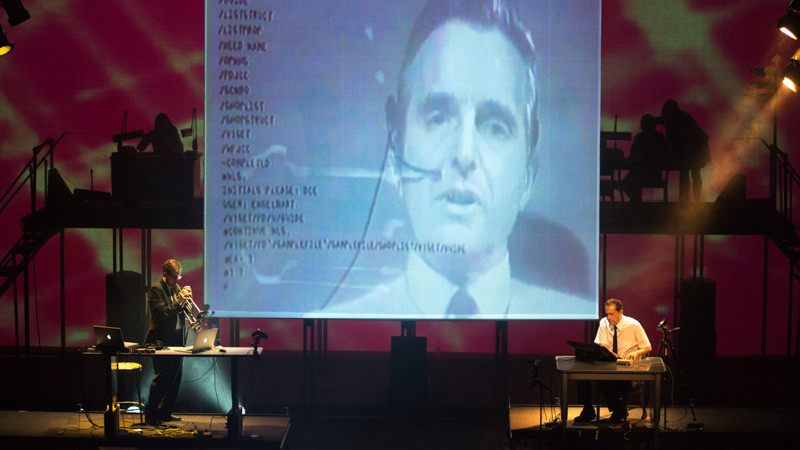
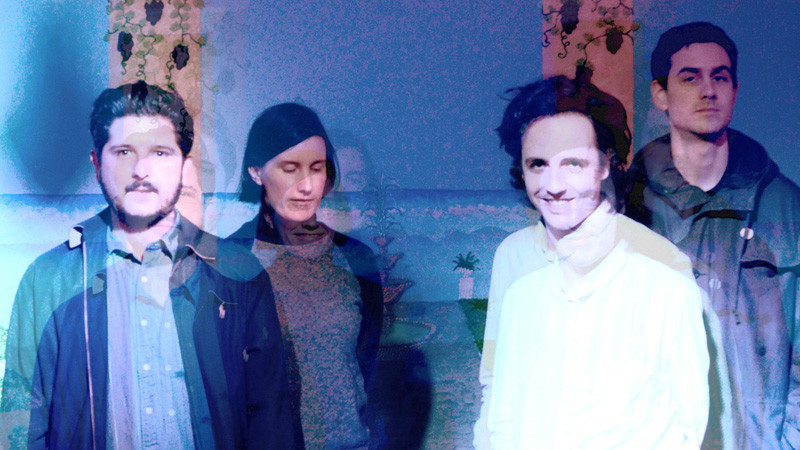
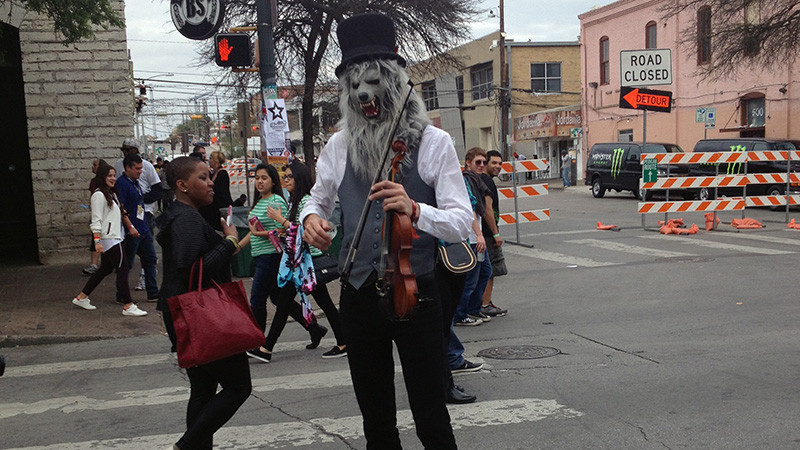
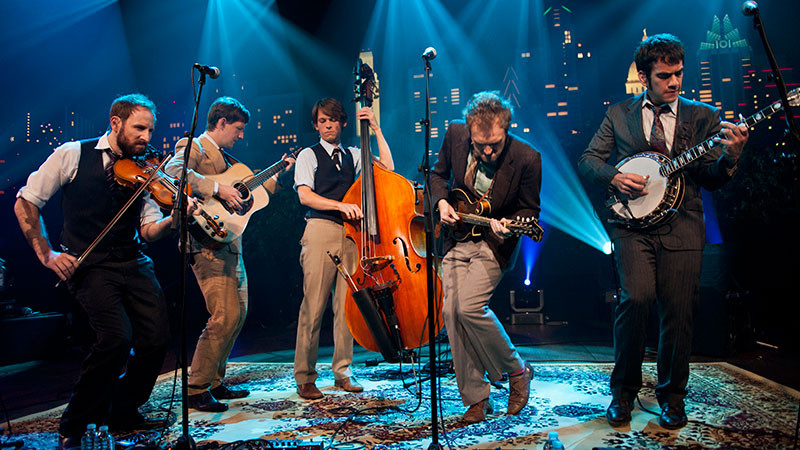
window.__IS_SSR__=true
window.__INITIAL_STATE__={
"attachmentsReducer": {
"audio_0": {
"type": "attachments",
"id": "audio_0",
"imgSizes": {
"kqedFullSize": {
"file": "https://ww2.kqed.org/news/wp-content/themes/KQED-unified/img/audio_bgs/background0.jpg"
}
}
},
"audio_1": {
"type": "attachments",
"id": "audio_1",
"imgSizes": {
"kqedFullSize": {
"file": "https://ww2.kqed.org/news/wp-content/themes/KQED-unified/img/audio_bgs/background1.jpg"
}
}
},
"audio_2": {
"type": "attachments",
"id": "audio_2",
"imgSizes": {
"kqedFullSize": {
"file": "https://ww2.kqed.org/news/wp-content/themes/KQED-unified/img/audio_bgs/background2.jpg"
}
}
},
"audio_3": {
"type": "attachments",
"id": "audio_3",
"imgSizes": {
"kqedFullSize": {
"file": "https://ww2.kqed.org/news/wp-content/themes/KQED-unified/img/audio_bgs/background3.jpg"
}
}
},
"audio_4": {
"type": "attachments",
"id": "audio_4",
"imgSizes": {
"kqedFullSize": {
"file": "https://ww2.kqed.org/news/wp-content/themes/KQED-unified/img/audio_bgs/background4.jpg"
}
}
},
"placeholder": {
"type": "attachments",
"id": "placeholder",
"imgSizes": {
"thumbnail": {
"file": "https://cdn.kqed.org/wp-content/uploads/2024/12/KQED-Default-Image-816638274-2000x1333-1-160x107.jpg",
"width": 160,
"height": 107,
"mimeType": "image/jpeg"
},
"medium": {
"file": "https://cdn.kqed.org/wp-content/uploads/2024/12/KQED-Default-Image-816638274-2000x1333-1-800x533.jpg",
"width": 800,
"height": 533,
"mimeType": "image/jpeg"
},
"medium_large": {
"file": "https://cdn.kqed.org/wp-content/uploads/2024/12/KQED-Default-Image-816638274-2000x1333-1-768x512.jpg",
"width": 768,
"height": 512,
"mimeType": "image/jpeg"
},
"large": {
"file": "https://cdn.kqed.org/wp-content/uploads/2024/12/KQED-Default-Image-816638274-2000x1333-1-1020x680.jpg",
"width": 1020,
"height": 680,
"mimeType": "image/jpeg"
},
"1536x1536": {
"file": "https://cdn.kqed.org/wp-content/uploads/2024/12/KQED-Default-Image-816638274-2000x1333-1-1536x1024.jpg",
"width": 1536,
"height": 1024,
"mimeType": "image/jpeg"
},
"fd-lrg": {
"file": "https://cdn.kqed.org/wp-content/uploads/2024/12/KQED-Default-Image-816638274-2000x1333-1-1536x1024.jpg",
"width": 1536,
"height": 1024,
"mimeType": "image/jpeg"
},
"fd-med": {
"file": "https://cdn.kqed.org/wp-content/uploads/2024/12/KQED-Default-Image-816638274-2000x1333-1-1020x680.jpg",
"width": 1020,
"height": 680,
"mimeType": "image/jpeg"
},
"fd-sm": {
"file": "https://cdn.kqed.org/wp-content/uploads/2024/12/KQED-Default-Image-816638274-2000x1333-1-800x533.jpg",
"width": 800,
"height": 533,
"mimeType": "image/jpeg"
},
"post-thumbnail": {
"file": "https://cdn.kqed.org/wp-content/uploads/2024/12/KQED-Default-Image-816638274-2000x1333-1-672x372.jpg",
"width": 672,
"height": 372,
"mimeType": "image/jpeg"
},
"twentyfourteen-full-width": {
"file": "https://cdn.kqed.org/wp-content/uploads/2024/12/KQED-Default-Image-816638274-2000x1333-1-1038x576.jpg",
"width": 1038,
"height": 576,
"mimeType": "image/jpeg"
},
"xxsmall": {
"file": "https://cdn.kqed.org/wp-content/uploads/2024/12/KQED-Default-Image-816638274-2000x1333-1-160x107.jpg",
"width": 160,
"height": 107,
"mimeType": "image/jpeg"
},
"xsmall": {
"file": "https://cdn.kqed.org/wp-content/uploads/2024/12/KQED-Default-Image-816638274-2000x1333-1-672x372.jpg",
"width": 672,
"height": 372,
"mimeType": "image/jpeg"
},
"small": {
"file": "https://cdn.kqed.org/wp-content/uploads/2024/12/KQED-Default-Image-816638274-2000x1333-1-672x372.jpg",
"width": 672,
"height": 372,
"mimeType": "image/jpeg"
},
"xlarge": {
"file": "https://cdn.kqed.org/wp-content/uploads/2024/12/KQED-Default-Image-816638274-2000x1333-1-1020x680.jpg",
"width": 1020,
"height": 680,
"mimeType": "image/jpeg"
},
"full-width": {
"file": "https://cdn.kqed.org/wp-content/uploads/2024/12/KQED-Default-Image-816638274-2000x1333-1-1920x1280.jpg",
"width": 1920,
"height": 1280,
"mimeType": "image/jpeg"
},
"guest-author-32": {
"file": "https://cdn.kqed.org/wp-content/uploads/2025/01/KQED-Default-Image-816638274-1333x1333-1-160x160.jpg",
"width": 32,
"height": 32,
"mimeType": "image/jpeg"
},
"guest-author-50": {
"file": "https://cdn.kqed.org/wp-content/uploads/2025/01/KQED-Default-Image-816638274-1333x1333-1-160x160.jpg",
"width": 50,
"height": 50,
"mimeType": "image/jpeg"
},
"guest-author-64": {
"file": "https://cdn.kqed.org/wp-content/uploads/2025/01/KQED-Default-Image-816638274-1333x1333-1-160x160.jpg",
"width": 64,
"height": 64,
"mimeType": "image/jpeg"
},
"guest-author-96": {
"file": "https://cdn.kqed.org/wp-content/uploads/2025/01/KQED-Default-Image-816638274-1333x1333-1-160x160.jpg",
"width": 96,
"height": 96,
"mimeType": "image/jpeg"
},
"guest-author-128": {
"file": "https://cdn.kqed.org/wp-content/uploads/2025/01/KQED-Default-Image-816638274-1333x1333-1-160x160.jpg",
"width": 128,
"height": 128,
"mimeType": "image/jpeg"
},
"detail": {
"file": "https://cdn.kqed.org/wp-content/uploads/2025/01/KQED-Default-Image-816638274-1333x1333-1-160x160.jpg",
"width": 160,
"height": 160,
"mimeType": "image/jpeg"
},
"kqedFullSize": {
"file": "https://cdn.kqed.org/wp-content/uploads/2024/12/KQED-Default-Image-816638274-2000x1333-1.jpg",
"width": 2000,
"height": 1333
}
}
},
"arts_10521769": {
"type": "attachments",
"id": "arts_10521769",
"meta": {
"index": "attachments_1716263798",
"site": "arts",
"id": "10521769",
"found": true
},
"parent": 10520978,
"imgSizes": {
"thumbnail": {
"file": "https://ww2.kqed.org/app/uploads/sites/2/2015/03/TheDemo-400x225.jpg",
"width": 400,
"mimeType": "image/jpeg",
"height": 225
},
"fd-sm": {
"file": "https://ww2.kqed.org/app/uploads/sites/2/2015/03/TheDemo-320x180.jpg",
"width": 320,
"mimeType": "image/jpeg",
"height": 180
},
"post-thumbnail": {
"file": "https://ww2.kqed.org/app/uploads/sites/2/2015/03/TheDemo-672x372.jpg",
"width": 672,
"mimeType": "image/jpeg",
"height": 372
},
"kqedFullSize": {
"file": "https://ww2.kqed.org/app/uploads/sites/2/2015/03/TheDemo.jpg",
"width": 800,
"height": 450
},
"fd-med": {
"file": "https://ww2.kqed.org/app/uploads/sites/2/2015/03/TheDemo-768x432.jpg",
"width": 768,
"mimeType": "image/jpeg",
"height": 432
},
"guest-author-96": {
"file": "https://ww2.kqed.org/app/uploads/sites/2/2015/03/TheDemo-96x96.jpg",
"width": 96,
"mimeType": "image/jpeg",
"height": 96
},
"medium": {
"file": "https://ww2.kqed.org/app/uploads/sites/2/2015/03/TheDemo-800x450.jpg",
"width": 800,
"mimeType": "image/jpeg",
"height": 450
},
"guest-author-64": {
"file": "https://ww2.kqed.org/app/uploads/sites/2/2015/03/TheDemo-64x64.jpg",
"width": 64,
"mimeType": "image/jpeg",
"height": 64
},
"detail": {
"file": "https://ww2.kqed.org/app/uploads/sites/2/2015/03/TheDemo-75x75.jpg",
"width": 75,
"mimeType": "image/jpeg",
"height": 75
},
"guest-author-32": {
"file": "https://ww2.kqed.org/app/uploads/sites/2/2015/03/TheDemo-32x32.jpg",
"width": 32,
"mimeType": "image/jpeg",
"height": 32
},
"guest-author-128": {
"file": "https://ww2.kqed.org/app/uploads/sites/2/2015/03/TheDemo-128x128.jpg",
"width": 128,
"mimeType": "image/jpeg",
"height": 128
}
},
"publishDate": 1427861920,
"modified": 1427861986,
"caption": "Ben Neill (left) and Mikel Rouse (right) rehearse \u003cem>The Demo\u003c/em>. (Photo courtesy Stanford/Valerie Oliveiro)",
"description": null,
"title": "TheDemo",
"credit": null,
"status": "inherit",
"isLoading": false,
"fetchFailed": false
},
"arts_10507488": {
"type": "attachments",
"id": "arts_10507488",
"meta": {
"index": "attachments_1716263798",
"site": "arts",
"id": "10507488",
"found": true
},
"parent": 10507483,
"imgSizes": {
"thumbnail": {
"file": "https://ww2.kqed.org/app/uploads/sites/2/2015/03/Twerps-400x225.jpg",
"width": 400,
"mimeType": "image/jpeg",
"height": 225
},
"fd-sm": {
"file": "https://ww2.kqed.org/app/uploads/sites/2/2015/03/Twerps-320x180.jpg",
"width": 320,
"mimeType": "image/jpeg",
"height": 180
},
"post-thumbnail": {
"file": "https://ww2.kqed.org/app/uploads/sites/2/2015/03/Twerps-672x372.jpg",
"width": 672,
"mimeType": "image/jpeg",
"height": 372
},
"kqedFullSize": {
"file": "https://ww2.kqed.org/app/uploads/sites/2/2015/03/Twerps.jpg",
"width": 800,
"height": 450
},
"fd-med": {
"file": "https://ww2.kqed.org/app/uploads/sites/2/2015/03/Twerps-768x432.jpg",
"width": 768,
"mimeType": "image/jpeg",
"height": 432
},
"guest-author-96": {
"file": "https://ww2.kqed.org/app/uploads/sites/2/2015/03/Twerps-96x96.jpg",
"width": 96,
"mimeType": "image/jpeg",
"height": 96
},
"medium": {
"file": "https://ww2.kqed.org/app/uploads/sites/2/2015/03/Twerps-800x450.jpg",
"width": 800,
"mimeType": "image/jpeg",
"height": 450
},
"guest-author-64": {
"file": "https://ww2.kqed.org/app/uploads/sites/2/2015/03/Twerps-64x64.jpg",
"width": 64,
"mimeType": "image/jpeg",
"height": 64
},
"detail": {
"file": "https://ww2.kqed.org/app/uploads/sites/2/2015/03/Twerps-75x75.jpg",
"width": 75,
"mimeType": "image/jpeg",
"height": 75
},
"guest-author-32": {
"file": "https://ww2.kqed.org/app/uploads/sites/2/2015/03/Twerps-32x32.jpg",
"width": 32,
"mimeType": "image/jpeg",
"height": 32
},
"guest-author-128": {
"file": "https://ww2.kqed.org/app/uploads/sites/2/2015/03/Twerps-128x128.jpg",
"width": 128,
"mimeType": "image/jpeg",
"height": 128
}
},
"publishDate": 1427439332,
"modified": 1427439332,
"caption": null,
"description": null,
"title": "Twerps",
"credit": null,
"status": "inherit",
"isLoading": false,
"fetchFailed": false
},
"arts_10515545": {
"type": "attachments",
"id": "arts_10515545",
"meta": {
"index": "attachments_1716263798",
"site": "arts",
"id": "10515545",
"found": true
},
"parent": 10511684,
"imgSizes": {
"thumbnail": {
"file": "https://ww2.kqed.org/app/uploads/sites/2/2015/03/SXSW-Busker-400x225.jpg",
"width": 400,
"mimeType": "image/jpeg",
"height": 225
},
"fd-sm": {
"file": "https://ww2.kqed.org/app/uploads/sites/2/2015/03/SXSW-Busker-320x180.jpg",
"width": 320,
"mimeType": "image/jpeg",
"height": 180
},
"post-thumbnail": {
"file": "https://ww2.kqed.org/app/uploads/sites/2/2015/03/SXSW-Busker-672x372.jpg",
"width": 672,
"mimeType": "image/jpeg",
"height": 372
},
"kqedFullSize": {
"file": "https://ww2.kqed.org/app/uploads/sites/2/2015/03/SXSW-Busker.jpg",
"width": 800,
"height": 450
},
"fd-med": {
"file": "https://ww2.kqed.org/app/uploads/sites/2/2015/03/SXSW-Busker-768x432.jpg",
"width": 768,
"mimeType": "image/jpeg",
"height": 432
},
"guest-author-96": {
"file": "https://ww2.kqed.org/app/uploads/sites/2/2015/03/SXSW-Busker-96x96.jpg",
"width": 96,
"mimeType": "image/jpeg",
"height": 96
},
"medium": {
"file": "https://ww2.kqed.org/app/uploads/sites/2/2015/03/SXSW-Busker-800x450.jpg",
"width": 800,
"mimeType": "image/jpeg",
"height": 450
},
"guest-author-64": {
"file": "https://ww2.kqed.org/app/uploads/sites/2/2015/03/SXSW-Busker-64x64.jpg",
"width": 64,
"mimeType": "image/jpeg",
"height": 64
},
"detail": {
"file": "https://ww2.kqed.org/app/uploads/sites/2/2015/03/SXSW-Busker-75x75.jpg",
"width": 75,
"mimeType": "image/jpeg",
"height": 75
},
"guest-author-32": {
"file": "https://ww2.kqed.org/app/uploads/sites/2/2015/03/SXSW-Busker-32x32.jpg",
"width": 32,
"mimeType": "image/jpeg",
"height": 32
},
"guest-author-128": {
"file": "https://ww2.kqed.org/app/uploads/sites/2/2015/03/SXSW-Busker-128x128.jpg",
"width": 128,
"mimeType": "image/jpeg",
"height": 128
}
},
"publishDate": 1427680451,
"modified": 1427680485,
"caption": "A busker vies for attention at the 2015 South by Southwest Festival in Austin. (Photo: Brandon Roos)",
"description": null,
"title": "SXSW-Busker",
"credit": null,
"status": "inherit",
"isLoading": false,
"fetchFailed": false
},
"arts_10512565": {
"type": "attachments",
"id": "arts_10512565",
"meta": {
"index": "attachments_1716263798",
"site": "arts",
"id": "10512565",
"found": true
},
"parent": 10512446,
"imgSizes": {
"thumbnail": {
"file": "https://ww2.kqed.org/app/uploads/sites/2/2015/03/JoseMariaCondemi-400x253.jpg",
"width": 400,
"mimeType": "image/jpeg",
"height": 253
},
"fd-sm": {
"file": "https://ww2.kqed.org/app/uploads/sites/2/2015/03/JoseMariaCondemi-320x202.jpg",
"width": 320,
"mimeType": "image/jpeg",
"height": 202
},
"post-thumbnail": {
"file": "https://ww2.kqed.org/app/uploads/sites/2/2015/03/JoseMariaCondemi-672x372.jpg",
"width": 672,
"mimeType": "image/jpeg",
"height": 372
},
"kqedFullSize": {
"file": "https://ww2.kqed.org/app/uploads/sites/2/2015/03/JoseMariaCondemi.jpg",
"width": 800,
"height": 506
},
"fd-med": {
"file": "https://ww2.kqed.org/app/uploads/sites/2/2015/03/JoseMariaCondemi-768x486.jpg",
"width": 768,
"mimeType": "image/jpeg",
"height": 486
},
"guest-author-96": {
"file": "https://ww2.kqed.org/app/uploads/sites/2/2015/03/JoseMariaCondemi-96x96.jpg",
"width": 96,
"mimeType": "image/jpeg",
"height": 96
},
"medium": {
"file": "https://ww2.kqed.org/app/uploads/sites/2/2015/03/JoseMariaCondemi-800x506.jpg",
"width": 800,
"mimeType": "image/jpeg",
"height": 506
},
"guest-author-64": {
"file": "https://ww2.kqed.org/app/uploads/sites/2/2015/03/JoseMariaCondemi-64x64.jpg",
"width": 64,
"mimeType": "image/jpeg",
"height": 64
},
"detail": {
"file": "https://ww2.kqed.org/app/uploads/sites/2/2015/03/JoseMariaCondemi-75x75.jpg",
"width": 75,
"mimeType": "image/jpeg",
"height": 75
},
"guest-author-32": {
"file": "https://ww2.kqed.org/app/uploads/sites/2/2015/03/JoseMariaCondemi-32x32.jpg",
"width": 32,
"mimeType": "image/jpeg",
"height": 32
},
"guest-author-128": {
"file": "https://ww2.kqed.org/app/uploads/sites/2/2015/03/JoseMariaCondemi-128x128.jpg",
"width": 128,
"mimeType": "image/jpeg",
"height": 128
}
},
"publishDate": 1427589470,
"modified": 1427589531,
"caption": "Jose Maria Condemi has been appointed SFCM's new Director of Opera.",
"description": null,
"title": "JoseMariaCondemi",
"credit": null,
"status": "inherit",
"isLoading": false,
"fetchFailed": false
},
"arts_10512806": {
"type": "attachments",
"id": "arts_10512806",
"meta": {
"index": "attachments_1716263798",
"site": "arts",
"id": "10512806",
"found": true
},
"parent": 10504022,
"imgSizes": {
"thumbnail": {
"file": "https://ww2.kqed.org/app/uploads/sites/2/2015/03/PunchBrothers.CRED_.ScottNewton-400x225.jpg",
"width": 400,
"mimeType": "image/jpeg",
"height": 225
},
"fd-sm": {
"file": "https://ww2.kqed.org/app/uploads/sites/2/2015/03/PunchBrothers.CRED_.ScottNewton-320x180.jpg",
"width": 320,
"mimeType": "image/jpeg",
"height": 180
},
"post-thumbnail": {
"file": "https://ww2.kqed.org/app/uploads/sites/2/2015/03/PunchBrothers.CRED_.ScottNewton-672x372.jpg",
"width": 672,
"mimeType": "image/jpeg",
"height": 372
},
"kqedFullSize": {
"file": "https://ww2.kqed.org/app/uploads/sites/2/2015/03/PunchBrothers.CRED_.ScottNewton.jpg",
"width": 800,
"height": 450
},
"fd-med": {
"file": "https://ww2.kqed.org/app/uploads/sites/2/2015/03/PunchBrothers.CRED_.ScottNewton-768x432.jpg",
"width": 768,
"mimeType": "image/jpeg",
"height": 432
},
"guest-author-96": {
"file": "https://ww2.kqed.org/app/uploads/sites/2/2015/03/PunchBrothers.CRED_.ScottNewton-96x96.jpg",
"width": 96,
"mimeType": "image/jpeg",
"height": 96
},
"medium": {
"file": "https://ww2.kqed.org/app/uploads/sites/2/2015/03/PunchBrothers.CRED_.ScottNewton-800x450.jpg",
"width": 800,
"mimeType": "image/jpeg",
"height": 450
},
"guest-author-64": {
"file": "https://ww2.kqed.org/app/uploads/sites/2/2015/03/PunchBrothers.CRED_.ScottNewton-64x64.jpg",
"width": 64,
"mimeType": "image/jpeg",
"height": 64
},
"detail": {
"file": "https://ww2.kqed.org/app/uploads/sites/2/2015/03/PunchBrothers.CRED_.ScottNewton-75x75.jpg",
"width": 75,
"mimeType": "image/jpeg",
"height": 75
},
"guest-author-32": {
"file": "https://ww2.kqed.org/app/uploads/sites/2/2015/03/PunchBrothers.CRED_.ScottNewton-32x32.jpg",
"width": 32,
"mimeType": "image/jpeg",
"height": 32
},
"guest-author-128": {
"file": "https://ww2.kqed.org/app/uploads/sites/2/2015/03/PunchBrothers.CRED_.ScottNewton-128x128.jpg",
"width": 128,
"mimeType": "image/jpeg",
"height": 128
}
},
"publishDate": 1427598768,
"modified": 1427598800,
"caption": "Punch Brothers on \u003cem>Austin City Limits\u003c/em>. (Photo: Scott Newton)",
"description": null,
"title": "PunchBrothers.CRED.ScottNewton",
"credit": null,
"status": "inherit",
"isLoading": false,
"fetchFailed": false
},
"arts_10509683": {
"type": "attachments",
"id": "arts_10509683",
"meta": {
"index": "attachments_1716263798",
"site": "arts",
"id": "10509683",
"found": true
},
"parent": 10509561,
"imgSizes": {
"twentyfourteen-full-width": {
"file": "https://ww2.kqed.org/app/uploads/sites/2/2015/03/sounboxposterframe_smaller-1038x576.jpg",
"width": 1038,
"mimeType": "image/jpeg",
"height": 576
},
"thumbnail": {
"file": "https://ww2.kqed.org/app/uploads/sites/2/2015/03/sounboxposterframe_smaller-400x225.jpg",
"width": 400,
"mimeType": "image/jpeg",
"height": 225
},
"fd-sm": {
"file": "https://ww2.kqed.org/app/uploads/sites/2/2015/03/sounboxposterframe_smaller-320x180.jpg",
"width": 320,
"mimeType": "image/jpeg",
"height": 180
},
"post-thumbnail": {
"file": "https://ww2.kqed.org/app/uploads/sites/2/2015/03/sounboxposterframe_smaller-672x372.jpg",
"width": 672,
"mimeType": "image/jpeg",
"height": 372
},
"kqedFullSize": {
"file": "https://ww2.kqed.org/app/uploads/sites/2/2015/03/sounboxposterframe_smaller.jpg",
"width": 1296,
"height": 729
},
"large": {
"file": "https://ww2.kqed.org/app/uploads/sites/2/2015/03/sounboxposterframe_smaller-1180x664.jpg",
"width": 1180,
"mimeType": "image/jpeg",
"height": 664
},
"guest-author-96": {
"file": "https://ww2.kqed.org/app/uploads/sites/2/2015/03/sounboxposterframe_smaller-96x96.jpg",
"width": 96,
"mimeType": "image/jpeg",
"height": 96
},
"medium": {
"file": "https://ww2.kqed.org/app/uploads/sites/2/2015/03/sounboxposterframe_smaller-800x450.jpg",
"width": 800,
"mimeType": "image/jpeg",
"height": 450
},
"guest-author-64": {
"file": "https://ww2.kqed.org/app/uploads/sites/2/2015/03/sounboxposterframe_smaller-64x64.jpg",
"width": 64,
"mimeType": "image/jpeg",
"height": 64
},
"guest-author-32": {
"file": "https://ww2.kqed.org/app/uploads/sites/2/2015/03/sounboxposterframe_smaller-32x32.jpg",
"width": 32,
"mimeType": "image/jpeg",
"height": 32
},
"fd-lrg": {
"file": "https://ww2.kqed.org/app/uploads/sites/2/2015/03/sounboxposterframe_smaller-1180x664.jpg",
"width": 1180,
"mimeType": "image/jpeg",
"height": 664
},
"fd-med": {
"file": "https://ww2.kqed.org/app/uploads/sites/2/2015/03/sounboxposterframe_smaller-768x432.jpg",
"width": 768,
"mimeType": "image/jpeg",
"height": 432
},
"detail": {
"file": "https://ww2.kqed.org/app/uploads/sites/2/2015/03/sounboxposterframe_smaller-75x75.jpg",
"width": 75,
"mimeType": "image/jpeg",
"height": 75
},
"guest-author-128": {
"file": "https://ww2.kqed.org/app/uploads/sites/2/2015/03/sounboxposterframe_smaller-128x128.jpg",
"width": 128,
"mimeType": "image/jpeg",
"height": 128
}
},
"publishDate": 1427503790,
"modified": 1427503790,
"caption": null,
"description": null,
"title": "sounboxposterframe_smaller",
"credit": null,
"status": "inherit",
"isLoading": false,
"fetchFailed": false
},
"arts_10500389": {
"type": "attachments",
"id": "arts_10500389",
"meta": {
"index": "attachments_1716263798",
"site": "arts",
"id": "10500389",
"found": true
},
"parent": 10500388,
"imgSizes": {
"thumbnail": {
"file": "https://ww2.kqed.org/app/uploads/sites/2/2015/03/mitski-400x225.jpg",
"width": 400,
"mimeType": "image/jpeg",
"height": 225
},
"fd-sm": {
"file": "https://ww2.kqed.org/app/uploads/sites/2/2015/03/mitski-320x180.jpg",
"width": 320,
"mimeType": "image/jpeg",
"height": 180
},
"post-thumbnail": {
"file": "https://ww2.kqed.org/app/uploads/sites/2/2015/03/mitski-672x372.jpg",
"width": 672,
"mimeType": "image/jpeg",
"height": 372
},
"kqedFullSize": {
"file": "https://ww2.kqed.org/app/uploads/sites/2/2015/03/mitski.jpg",
"width": 800,
"height": 450
},
"fd-med": {
"file": "https://ww2.kqed.org/app/uploads/sites/2/2015/03/mitski-768x432.jpg",
"width": 768,
"mimeType": "image/jpeg",
"height": 432
},
"guest-author-96": {
"file": "https://ww2.kqed.org/app/uploads/sites/2/2015/03/mitski-96x96.jpg",
"width": 96,
"mimeType": "image/jpeg",
"height": 96
},
"medium": {
"file": "https://ww2.kqed.org/app/uploads/sites/2/2015/03/mitski-800x450.jpg",
"width": 800,
"mimeType": "image/jpeg",
"height": 450
},
"guest-author-64": {
"file": "https://ww2.kqed.org/app/uploads/sites/2/2015/03/mitski-64x64.jpg",
"width": 64,
"mimeType": "image/jpeg",
"height": 64
},
"detail": {
"file": "https://ww2.kqed.org/app/uploads/sites/2/2015/03/mitski-75x75.jpg",
"width": 75,
"mimeType": "image/jpeg",
"height": 75
},
"guest-author-32": {
"file": "https://ww2.kqed.org/app/uploads/sites/2/2015/03/mitski-32x32.jpg",
"width": 32,
"mimeType": "image/jpeg",
"height": 32
},
"guest-author-128": {
"file": "https://ww2.kqed.org/app/uploads/sites/2/2015/03/mitski-128x128.jpg",
"width": 128,
"mimeType": "image/jpeg",
"height": 128
}
},
"publishDate": 1427225646,
"modified": 1427485591,
"caption": "Mitski deals in catchy melodies and despondent lyrics; this month's mixtape contains her song \"I Don't Smoke.\" ",
"description": null,
"title": "Mitski",
"credit": null,
"status": "inherit",
"isLoading": false,
"fetchFailed": false
},
"arts_10507354": {
"type": "attachments",
"id": "arts_10507354",
"meta": {
"index": "attachments_1716263798",
"site": "arts",
"id": "10507354",
"found": true
},
"parent": 10501139,
"imgSizes": {
"thumbnail": {
"file": "https://ww2.kqed.org/app/uploads/sites/2/2015/03/MarcusShelby-400x225.jpg",
"width": 400,
"mimeType": "image/jpeg",
"height": 225
},
"fd-sm": {
"file": "https://ww2.kqed.org/app/uploads/sites/2/2015/03/MarcusShelby-320x180.jpg",
"width": 320,
"mimeType": "image/jpeg",
"height": 180
},
"post-thumbnail": {
"file": "https://ww2.kqed.org/app/uploads/sites/2/2015/03/MarcusShelby-672x372.jpg",
"width": 672,
"mimeType": "image/jpeg",
"height": 372
},
"kqedFullSize": {
"file": "https://ww2.kqed.org/app/uploads/sites/2/2015/03/MarcusShelby.jpg",
"width": 800,
"height": 450
},
"fd-med": {
"file": "https://ww2.kqed.org/app/uploads/sites/2/2015/03/MarcusShelby-768x432.jpg",
"width": 768,
"mimeType": "image/jpeg",
"height": 432
},
"guest-author-96": {
"file": "https://ww2.kqed.org/app/uploads/sites/2/2015/03/MarcusShelby-96x96.jpg",
"width": 96,
"mimeType": "image/jpeg",
"height": 96
},
"medium": {
"file": "https://ww2.kqed.org/app/uploads/sites/2/2015/03/MarcusShelby-800x450.jpg",
"width": 800,
"mimeType": "image/jpeg",
"height": 450
},
"guest-author-64": {
"file": "https://ww2.kqed.org/app/uploads/sites/2/2015/03/MarcusShelby-64x64.jpg",
"width": 64,
"mimeType": "image/jpeg",
"height": 64
},
"detail": {
"file": "https://ww2.kqed.org/app/uploads/sites/2/2015/03/MarcusShelby-75x75.jpg",
"width": 75,
"mimeType": "image/jpeg",
"height": 75
},
"guest-author-32": {
"file": "https://ww2.kqed.org/app/uploads/sites/2/2015/03/MarcusShelby-32x32.jpg",
"width": 32,
"mimeType": "image/jpeg",
"height": 32
},
"guest-author-128": {
"file": "https://ww2.kqed.org/app/uploads/sites/2/2015/03/MarcusShelby-128x128.jpg",
"width": 128,
"mimeType": "image/jpeg",
"height": 128
}
},
"publishDate": 1427433691,
"modified": 1427433737,
"caption": "Marcus Shelby closes out his 'Beyond the Blues' run at the Red Poppy Art House this Friday. (Photo: KQED/Spark)",
"description": null,
"title": "MarcusShelby",
"credit": null,
"status": "inherit",
"isLoading": false,
"fetchFailed": false
},
"arts_10489340": {
"type": "attachments",
"id": "arts_10489340",
"meta": {
"index": "attachments_1716263798",
"site": "arts",
"id": "10489340",
"found": true
},
"parent": 10489213,
"imgSizes": {
"thumbnail": {
"file": "https://ww2.kqed.org/app/uploads/sites/2/2015/03/HBKCollective_edited_lead-art-size-400x225.jpg",
"width": 400,
"mimeType": "image/jpeg",
"height": 225
},
"fd-sm": {
"file": "https://ww2.kqed.org/app/uploads/sites/2/2015/03/HBKCollective_edited_lead-art-size-320x180.jpg",
"width": 320,
"mimeType": "image/jpeg",
"height": 180
},
"post-thumbnail": {
"file": "https://ww2.kqed.org/app/uploads/sites/2/2015/03/HBKCollective_edited_lead-art-size-672x372.jpg",
"width": 672,
"mimeType": "image/jpeg",
"height": 372
},
"kqedFullSize": {
"file": "https://ww2.kqed.org/app/uploads/sites/2/2015/03/HBKCollective_edited_lead-art-size.jpg",
"width": 800,
"height": 450
},
"fd-med": {
"file": "https://ww2.kqed.org/app/uploads/sites/2/2015/03/HBKCollective_edited_lead-art-size-768x432.jpg",
"width": 768,
"mimeType": "image/jpeg",
"height": 432
},
"guest-author-96": {
"file": "https://ww2.kqed.org/app/uploads/sites/2/2015/03/HBKCollective_edited_lead-art-size-96x96.jpg",
"width": 96,
"mimeType": "image/jpeg",
"height": 96
},
"medium": {
"file": "https://ww2.kqed.org/app/uploads/sites/2/2015/03/HBKCollective_edited_lead-art-size-800x450.jpg",
"width": 800,
"mimeType": "image/jpeg",
"height": 450
},
"guest-author-64": {
"file": "https://ww2.kqed.org/app/uploads/sites/2/2015/03/HBKCollective_edited_lead-art-size-64x64.jpg",
"width": 64,
"mimeType": "image/jpeg",
"height": 64
},
"detail": {
"file": "https://ww2.kqed.org/app/uploads/sites/2/2015/03/HBKCollective_edited_lead-art-size-75x75.jpg",
"width": 75,
"mimeType": "image/jpeg",
"height": 75
},
"guest-author-32": {
"file": "https://ww2.kqed.org/app/uploads/sites/2/2015/03/HBKCollective_edited_lead-art-size-32x32.jpg",
"width": 32,
"mimeType": "image/jpeg",
"height": 32
},
"guest-author-128": {
"file": "https://ww2.kqed.org/app/uploads/sites/2/2015/03/HBKCollective_edited_lead-art-size-128x128.jpg",
"width": 128,
"mimeType": "image/jpeg",
"height": 128
}
},
"publishDate": 1426895222,
"modified": 1426895233,
"caption": null,
"description": null,
"title": "HBKCollective_edited_lead-art-size",
"credit": null,
"status": "inherit",
"isLoading": false,
"fetchFailed": false
},
"arts_10460953": {
"type": "attachments",
"id": "arts_10460953",
"meta": {
"index": "attachments_1716263798",
"site": "arts",
"id": "10460953",
"found": true
},
"parent": 10460708,
"imgSizes": {
"thumbnail": {
"file": "https://ww2.kqed.org/app/uploads/sites/2/2015/03/Space-400x225.jpg",
"width": 400,
"mimeType": "image/jpeg",
"height": 225
},
"fd-sm": {
"file": "https://ww2.kqed.org/app/uploads/sites/2/2015/03/Space-320x180.jpg",
"width": 320,
"mimeType": "image/jpeg",
"height": 180
},
"post-thumbnail": {
"file": "https://ww2.kqed.org/app/uploads/sites/2/2015/03/Space-672x372.jpg",
"width": 672,
"mimeType": "image/jpeg",
"height": 372
},
"kqedFullSize": {
"file": "https://ww2.kqed.org/app/uploads/sites/2/2015/03/Space.jpg",
"width": 800,
"height": 450
},
"fd-med": {
"file": "https://ww2.kqed.org/app/uploads/sites/2/2015/03/Space-768x432.jpg",
"width": 768,
"mimeType": "image/jpeg",
"height": 432
},
"guest-author-96": {
"file": "https://ww2.kqed.org/app/uploads/sites/2/2015/03/Space-96x96.jpg",
"width": 96,
"mimeType": "image/jpeg",
"height": 96
},
"medium": {
"file": "https://ww2.kqed.org/app/uploads/sites/2/2015/03/Space-800x450.jpg",
"width": 800,
"mimeType": "image/jpeg",
"height": 450
},
"guest-author-64": {
"file": "https://ww2.kqed.org/app/uploads/sites/2/2015/03/Space-64x64.jpg",
"width": 64,
"mimeType": "image/jpeg",
"height": 64
},
"detail": {
"file": "https://ww2.kqed.org/app/uploads/sites/2/2015/03/Space-75x75.jpg",
"width": 75,
"mimeType": "image/jpeg",
"height": 75
},
"guest-author-32": {
"file": "https://ww2.kqed.org/app/uploads/sites/2/2015/03/Space-32x32.jpg",
"width": 32,
"mimeType": "image/jpeg",
"height": 32
},
"guest-author-128": {
"file": "https://ww2.kqed.org/app/uploads/sites/2/2015/03/Space-128x128.jpg",
"width": 128,
"mimeType": "image/jpeg",
"height": 128
}
},
"publishDate": 1426069547,
"modified": 1427147170,
"caption": "Try the Pie plays at San Jose Rock Shop, 2015. (Photo: Adrienne Blaine)",
"description": null,
"title": "Space",
"credit": null,
"status": "inherit",
"isLoading": false,
"fetchFailed": false
},
"arts_10492645": {
"type": "attachments",
"id": "arts_10492645",
"meta": {
"index": "attachments_1716263798",
"site": "arts",
"id": "10492645",
"found": true
},
"parent": 10492641,
"imgSizes": {
"twentyfourteen-full-width": {
"file": "https://ww2.kqed.org/app/uploads/sites/2/2015/03/KitchenSessions_cover-1038x576.jpg",
"width": 1038,
"mimeType": "image/jpeg",
"height": 576
},
"thumbnail": {
"file": "https://ww2.kqed.org/app/uploads/sites/2/2015/03/KitchenSessions_cover-400x267.jpg",
"width": 400,
"mimeType": "image/jpeg",
"height": 267
},
"fd-sm": {
"file": "https://ww2.kqed.org/app/uploads/sites/2/2015/03/KitchenSessions_cover-320x213.jpg",
"width": 320,
"mimeType": "image/jpeg",
"height": 213
},
"post-thumbnail": {
"file": "https://ww2.kqed.org/app/uploads/sites/2/2015/03/KitchenSessions_cover-672x372.jpg",
"width": 672,
"mimeType": "image/jpeg",
"height": 372
},
"kqedFullSize": {
"file": "https://ww2.kqed.org/app/uploads/sites/2/2015/03/KitchenSessions_cover.jpg",
"width": 1100,
"height": 733
},
"fd-med": {
"file": "https://ww2.kqed.org/app/uploads/sites/2/2015/03/KitchenSessions_cover-768x512.jpg",
"width": 768,
"mimeType": "image/jpeg",
"height": 512
},
"guest-author-96": {
"file": "https://ww2.kqed.org/app/uploads/sites/2/2015/03/KitchenSessions_cover-96x96.jpg",
"width": 96,
"mimeType": "image/jpeg",
"height": 96
},
"medium": {
"file": "https://ww2.kqed.org/app/uploads/sites/2/2015/03/KitchenSessions_cover-800x533.jpg",
"width": 800,
"mimeType": "image/jpeg",
"height": 533
},
"guest-author-64": {
"file": "https://ww2.kqed.org/app/uploads/sites/2/2015/03/KitchenSessions_cover-64x64.jpg",
"width": 64,
"mimeType": "image/jpeg",
"height": 64
},
"detail": {
"file": "https://ww2.kqed.org/app/uploads/sites/2/2015/03/KitchenSessions_cover-75x75.jpg",
"width": 75,
"mimeType": "image/jpeg",
"height": 75
},
"guest-author-32": {
"file": "https://ww2.kqed.org/app/uploads/sites/2/2015/03/KitchenSessions_cover-32x32.jpg",
"width": 32,
"mimeType": "image/jpeg",
"height": 32
},
"guest-author-128": {
"file": "https://ww2.kqed.org/app/uploads/sites/2/2015/03/KitchenSessions_cover-128x128.jpg",
"width": 128,
"mimeType": "image/jpeg",
"height": 128
}
},
"publishDate": 1426991242,
"modified": 1427087340,
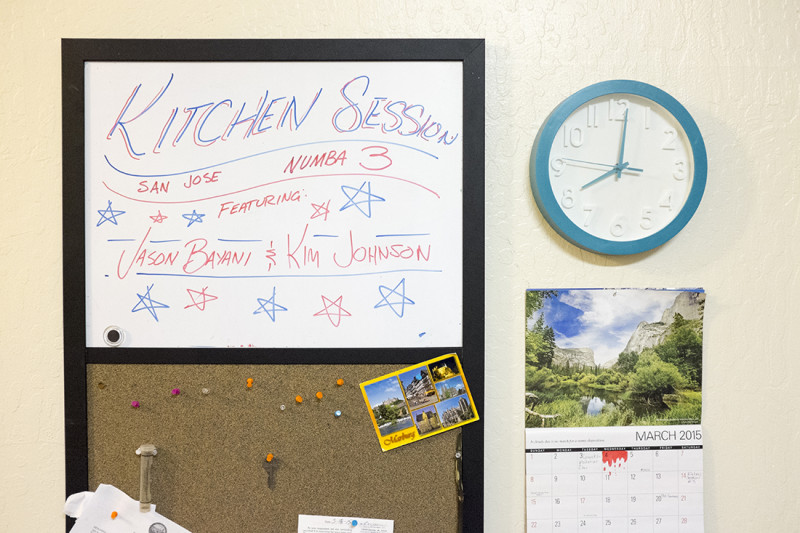
"caption": "Kitchen Session San Jose No. 3, March 2015. (Photo: Cherri Lakey)",
"description": null,
"title": "KitchenSessions_cover",
"credit": null,
"status": "inherit",
"isLoading": false,
"fetchFailed": false
},
"arts_10480470": {
"type": "attachments",
"id": "arts_10480470",
"meta": {
"index": "attachments_1716263798",
"site": "arts",
"id": "10480470",
"found": true
},
"parent": 10460340,
"imgSizes": {
"thumbnail": {
"file": "https://ww2.kqed.org/app/uploads/sites/2/2015/03/barnett-courtney-52e17d9b9f1741-400x225.jpg",
"width": 400,
"mimeType": "image/jpeg",
"height": 225
},
"fd-sm": {
"file": "https://ww2.kqed.org/app/uploads/sites/2/2015/03/barnett-courtney-52e17d9b9f1741-320x180.jpg",
"width": 320,
"mimeType": "image/jpeg",
"height": 180
},
"post-thumbnail": {
"file": "https://ww2.kqed.org/app/uploads/sites/2/2015/03/barnett-courtney-52e17d9b9f1741-672x372.jpg",
"width": 672,
"mimeType": "image/jpeg",
"height": 372
},
"kqedFullSize": {
"file": "https://ww2.kqed.org/app/uploads/sites/2/2015/03/barnett-courtney-52e17d9b9f1741.jpg",
"width": 800,
"height": 450
},
"fd-med": {
"file": "https://ww2.kqed.org/app/uploads/sites/2/2015/03/barnett-courtney-52e17d9b9f1741-768x432.jpg",
"width": 768,
"mimeType": "image/jpeg",
"height": 432
},
"guest-author-96": {
"file": "https://ww2.kqed.org/app/uploads/sites/2/2015/03/barnett-courtney-52e17d9b9f1741-96x96.jpg",
"width": 96,
"mimeType": "image/jpeg",
"height": 96
},
"medium": {
"file": "https://ww2.kqed.org/app/uploads/sites/2/2015/03/barnett-courtney-52e17d9b9f1741-800x450.jpg",
"width": 800,
"mimeType": "image/jpeg",
"height": 450
},
"guest-author-64": {
"file": "https://ww2.kqed.org/app/uploads/sites/2/2015/03/barnett-courtney-52e17d9b9f1741-64x64.jpg",
"width": 64,
"mimeType": "image/jpeg",
"height": 64
},
"detail": {
"file": "https://ww2.kqed.org/app/uploads/sites/2/2015/03/barnett-courtney-52e17d9b9f1741-75x75.jpg",
"width": 75,
"mimeType": "image/jpeg",
"height": 75
},
"guest-author-32": {
"file": "https://ww2.kqed.org/app/uploads/sites/2/2015/03/barnett-courtney-52e17d9b9f1741-32x32.jpg",
"width": 32,
"mimeType": "image/jpeg",
"height": 32
},
"guest-author-128": {
"file": "https://ww2.kqed.org/app/uploads/sites/2/2015/03/barnett-courtney-52e17d9b9f1741-128x128.jpg",
"width": 128,
"mimeType": "image/jpeg",
"height": 128
}
},
"publishDate": 1426641933,
"modified": 1426641941,
"caption": "Courtney Barnett.",
"description": null,
"title": "barnett-courtney-52e17d9b9f174",
"credit": null,
"status": "inherit",
"isLoading": false,
"fetchFailed": false
}
},
"audioPlayerReducer": {
"postId": "stream_live",
"isPaused": true,
"isPlaying": false,
"pfsActive": false,
"pledgeModalIsOpen": true,
"playerDrawerIsOpen": false,
"liveAudioPlayStartedAt": 0,
"liveAudioPlayContext": ""
},
"authorsReducer": {
"byline_arts_10511684": {
"type": "authors",
"id": "byline_arts_10511684",
"meta": {
"override": true
},
"slug": "byline_arts_10511684",
"name": "Brandon E. Roos",
"isLoading": false
},
"byline_arts_10512446": {
"type": "authors",
"id": "byline_arts_10512446",
"meta": {
"override": true
},
"slug": "byline_arts_10512446",
"name": "Eli Wolfe",
"isLoading": false
},
"byline_arts_10509561": {
"type": "authors",
"id": "byline_arts_10509561",
"meta": {
"override": true
},
"slug": "byline_arts_10509561",
"name": "Monica Lam",
"isLoading": false
},
"cmusiker": {
"type": "authors",
"id": "32",
"meta": {
"index": "authors_1716337520",
"id": "32",
"found": true
},
"name": "Cy Musiker",
"firstName": "Cy",
"lastName": "Musiker",
"slug": "cmusiker",
"email": "cmusiker@kqed.org",
"display_author_email": false,
"staff_mastheads": [],
"title": "KQED Contributor",
"bio": "Cy Musiker is a former co-host of The Do List and a former reporter covering the arts for KQED News and The California Report. He loves live performance, especially great theater, jazz, roots music, anything by Mahler. Cy has an MJ from UC Berkeley's School of Journalism, and got his BA from Hampshire College. His work has been recognized by the Society for Professional Journalists with their Sigma Delta Chi Award for Public Service in Journalism. When he can, Cy likes to swim in Tomales Bay, run with his dog in the East Bay Hills, and hike the Sierra.",
"avatar": "https://secure.gravatar.com/avatar/05eaba5c5696ce8f062e4ea2df428a43?s=600&d=blank&r=g",
"twitter": null,
"facebook": null,
"instagram": null,
"linkedin": null,
"sites": [
{
"site": "arts",
"roles": [
"Contributor",
"subscriber"
]
},
{
"site": "news",
"roles": [
"author"
]
},
{
"site": "bayareabites",
"roles": [
"contributor"
]
}
],
"headData": {
"title": "Cy Musiker | KQED",
"description": "KQED Contributor",
"ogImgSrc": "https://secure.gravatar.com/avatar/05eaba5c5696ce8f062e4ea2df428a43?s=600&d=blank&r=g",
"twImgSrc": "https://secure.gravatar.com/avatar/05eaba5c5696ce8f062e4ea2df428a43?s=600&d=blank&r=g"
},
"isLoading": false,
"link": "/author/cmusiker"
},
"ablaine": {
"type": "authors",
"id": "72",
"meta": {
"index": "authors_1716337520",
"id": "72",
"found": true
},
"name": "Adrienne Blaine",
"firstName": "Adrienne",
"lastName": "Blaine",
"slug": "ablaine",
"email": "adrienneblaine@hotmail.com",
"display_author_email": false,
"staff_mastheads": [],
"title": null,
"bio": "Adrienne Blaine is a Millennial writer from the South Bay. She has a BA in Comparative Literary and Cultural Studies combined with Communications and Media Studies from Franklin University Switzerland. Living in Switzerland for four years and traveling from Morocco to Iceland introduced her to diverse art, culture and food. She currently lives in San Francisco and writes about these topics.",
"avatar": "https://secure.gravatar.com/avatar/10d0a10a2189067e5e3f6fc9fc4ebdf2?s=600&d=blank&r=g",
"twitter": null,
"facebook": null,
"instagram": null,
"linkedin": null,
"sites": [
{
"site": "arts",
"roles": [
"Contributor",
"contributor"
]
},
{
"site": "bayareabites",
"roles": [
"contributor"
]
},
{
"site": "food",
"roles": [
"contributor"
]
}
],
"headData": {
"title": "Adrienne Blaine | KQED",
"description": null,
"ogImgSrc": "https://secure.gravatar.com/avatar/10d0a10a2189067e5e3f6fc9fc4ebdf2?s=600&d=blank&r=g",
"twImgSrc": "https://secure.gravatar.com/avatar/10d0a10a2189067e5e3f6fc9fc4ebdf2?s=600&d=blank&r=g"
},
"isLoading": false,
"link": "/author/ablaine"
},
"mvillalobos": {
"type": "authors",
"id": "103",
"meta": {
"index": "authors_1716337520",
"id": "103",
"found": true
},
"name": "Villalobos",
"firstName": "Marco",
"lastName": "Villalobos",
"slug": "mvillalobos",
"email": "marco@flywitnessfilms.com",
"display_author_email": false,
"staff_mastheads": [],
"title": null,
"bio": null,
"avatar": "https://secure.gravatar.com/avatar/1ade645d12359842b7b62b30a4691366?s=600&d=blank&r=g",
"twitter": null,
"facebook": null,
"instagram": null,
"linkedin": null,
"sites": [
{
"site": "arts",
"roles": [
"contributor"
]
}
],
"headData": {
"title": "Villalobos | KQED",
"description": null,
"ogImgSrc": "https://secure.gravatar.com/avatar/1ade645d12359842b7b62b30a4691366?s=600&d=blank&r=g",
"twImgSrc": "https://secure.gravatar.com/avatar/1ade645d12359842b7b62b30a4691366?s=600&d=blank&r=g"
},
"isLoading": false,
"link": "/author/mvillalobos"
},
"noisepop": {
"type": "authors",
"id": "177",
"meta": {
"index": "authors_1716337520",
"id": "177",
"found": true
},
"name": "Noise Pop",
"firstName": "Noise",
"lastName": "Pop",
"slug": "noisepop",
"email": "dawson@noisepop.com",
"display_author_email": false,
"staff_mastheads": [],
"title": null,
"bio": "The Noise Pop Podcast is a bi-monthly series that showcases the most noteworthy and soon-to-be-buzzing music. Hosts, Olivia LaRoche and Dawson Ludwig provide witty and interesting context behind the songs played on the podcast.",
"avatar": "https://secure.gravatar.com/avatar/5f453b166405b70819c53d7e1ef223bc?s=600&d=blank&r=g",
"twitter": null,
"facebook": null,
"instagram": null,
"linkedin": null,
"sites": [
{
"site": "arts",
"roles": [
"contributor"
]
}
],
"headData": {
"title": "Noise Pop | KQED",
"description": null,
"ogImgSrc": "https://secure.gravatar.com/avatar/5f453b166405b70819c53d7e1ef223bc?s=600&d=blank&r=g",
"twImgSrc": "https://secure.gravatar.com/avatar/5f453b166405b70819c53d7e1ef223bc?s=600&d=blank&r=g"
},
"isLoading": false,
"link": "/author/noisepop"
},
"baybridged": {
"type": "authors",
"id": "178",
"meta": {
"index": "authors_1716337520",
"id": "178",
"found": true
},
"name": "The Bay Bridged",
"firstName": "The Bay",
"lastName": "Bridged",
"slug": "baybridged",
"email": "thebaybridged@gmail.com",
"display_author_email": false,
"staff_mastheads": [],
"title": "KQED Contributor",
"bio": null,
"avatar": "https://secure.gravatar.com/avatar/211daad5386ad504c39c31f3e16cfae45ec7b0ad32ecca7ee64cfd9b7eb76609?s=600&d=blank&r=g",
"twitter": null,
"bluesky": null,
"facebook": null,
"instagram": null,
"linkedin": null,
"sites": [
{
"site": "arts",
"roles": [
"subscriber"
]
}
],
"headData": {
"title": "The Bay Bridged | KQED",
"description": "KQED Contributor",
"ogImgSrc": "https://secure.gravatar.com/avatar/211daad5386ad504c39c31f3e16cfae45ec7b0ad32ecca7ee64cfd9b7eb76609?s=600&d=blank&r=g",
"twImgSrc": "https://secure.gravatar.com/avatar/211daad5386ad504c39c31f3e16cfae45ec7b0ad32ecca7ee64cfd9b7eb76609?s=600&d=blank&r=g"
},
"isLoading": false,
"link": "/author/baybridged"
},
"gmeline": {
"type": "authors",
"id": "185",
"meta": {
"index": "authors_1716337520",
"id": "185",
"found": true
},
"name": "Gabe Meline",
"firstName": "Gabe",
"lastName": "Meline",
"slug": "gmeline",
"email": "gmeline@kqed.org",
"display_author_email": true,
"staff_mastheads": [
"arts"
],
"title": "Senior Editor, KQED Arts & Culture",
"bio": "Gabe Meline entered journalism at age 15 making photocopied zines, and has since earned awards from the Edward R. Murrow Awards, the Society for Professional Journalists, the Online Journalism Awards, the Association of Alternative Newsweeklies and the California Newspaper Publishers Association. Prior to KQED, he was the editor of the \u003cem>North Bay Bohemian\u003c/em> and a touring musician. He lives with his wife and daughter in his hometown of Santa Rosa, CA.",
"avatar": "https://secure.gravatar.com/avatar/5bebe57be0d8bc2dd318934feb47299e2d2d10cba28d09d8d7afb389a2ce2bdd?s=600&d=blank&r=g",
"twitter": null,
"bluesky": null,
"facebook": null,
"instagram": null,
"linkedin": null,
"sites": [
{
"site": "",
"roles": [
"editor"
]
},
{
"site": "arts",
"roles": [
"administrator"
]
},
{
"site": "artschool",
"roles": [
"editor"
]
},
{
"site": "news",
"roles": [
"author"
]
},
{
"site": "pop",
"roles": [
"editor"
]
},
{
"site": "bayareabites",
"roles": [
"editor"
]
},
{
"site": "food",
"roles": [
"editor"
]
},
{
"site": "forum",
"roles": [
"administrator"
]
},
{
"site": "liveblog",
"roles": [
"editor"
]
},
{
"site": "hiphop",
"roles": [
"editor"
]
}
],
"headData": {
"title": "Gabe Meline | KQED",
"description": "Senior Editor, KQED Arts & Culture",
"ogImgSrc": "https://secure.gravatar.com/avatar/5bebe57be0d8bc2dd318934feb47299e2d2d10cba28d09d8d7afb389a2ce2bdd?s=600&d=blank&r=g",
"twImgSrc": "https://secure.gravatar.com/avatar/5bebe57be0d8bc2dd318934feb47299e2d2d10cba28d09d8d7afb389a2ce2bdd?s=600&d=blank&r=g"
},
"isLoading": false,
"link": "/author/gmeline"
},
"clakey": {
"type": "authors",
"id": "191",
"meta": {
"index": "authors_1716337520",
"id": "191",
"found": true
},
"name": "Cherri Lakey",
"firstName": "Cherri",
"lastName": "Lakey",
"slug": "clakey",
"email": "cherri@galleryad.com",
"display_author_email": false,
"staff_mastheads": [],
"title": "KQED Contributor",
"bio": "Co-owner/curator of urban contemporary art and culture gallery \u003ca href=\"http://www.galleryAD.com\">ANNO DOMINI\u003c/a> // the second coming of Art & Design and producer of a bunch of other cool projects with partner \u003ca href=\"http://ww2.kqed.org/arts/author/beder/\" target=\"_blank\">Brian Eder.\u003c/a> \u003ca href=\"https://twitter.com/astrogirl\">Follow @astrogirl\u003c/a>\r\n// ",
"avatar": "https://secure.gravatar.com/avatar/29642fbd8e9eef623a3f07213c5b739fbbfe7e1efe98571b1093fabcaade6f08?s=600&d=blank&r=g",
"twitter": null,
"bluesky": null,
"facebook": null,
"instagram": null,
"linkedin": null,
"sites": [
{
"site": "arts",
"roles": [
"subscriber"
]
}
],
"headData": {
"title": "Cherri Lakey | KQED",
"description": "KQED Contributor",
"ogImgSrc": "https://secure.gravatar.com/avatar/29642fbd8e9eef623a3f07213c5b739fbbfe7e1efe98571b1093fabcaade6f08?s=600&d=blank&r=g",
"twImgSrc": "https://secure.gravatar.com/avatar/29642fbd8e9eef623a3f07213c5b739fbbfe7e1efe98571b1093fabcaade6f08?s=600&d=blank&r=g"
},
"isLoading": false,
"link": "/author/clakey"
},
"thedolist": {
"type": "authors",
"id": "3215",
"meta": {
"index": "authors_1716337520",
"id": "3215",
"found": true
},
"name": "The Do List",
"firstName": "Do",
"lastName": "List",
"slug": "thedolist",
"email": "harold.check+dolist@gmail.com",
"display_author_email": false,
"staff_mastheads": [],
"title": null,
"bio": "The Do List scours the Bay Area for superb and surprising performing arts events, with an eye for local talent, new discoveries, and fun opportunities across the price spectrum. Every Friday morning at 6:23 and 8:23am on KQED Radio, you can hear Do List regulars Cy Musiker and David Wiegand discuss the upcoming week's best picks.",
"avatar": "https://secure.gravatar.com/avatar/25ef8068d096493f649195742621360d?s=600&d=blank&r=g",
"twitter": null,
"facebook": null,
"instagram": null,
"linkedin": null,
"sites": [
{
"site": "arts",
"roles": [
"contributor"
]
}
],
"headData": {
"title": "The Do List | KQED",
"description": null,
"ogImgSrc": "https://secure.gravatar.com/avatar/25ef8068d096493f649195742621360d?s=600&d=blank&r=g",
"twImgSrc": "https://secure.gravatar.com/avatar/25ef8068d096493f649195742621360d?s=600&d=blank&r=g"
},
"isLoading": false,
"link": "/author/thedolist"
},
"mlevenson": {
"type": "authors",
"id": "6624",
"meta": {
"index": "authors_1716337520",
"id": "6624",
"found": true
},
"name": "Max Savage Levenson",
"firstName": "Max",
"lastName": "Savage Levenson",
"slug": "mlevenson",
"email": "m.savagelevenson@gmail.com",
"display_author_email": false,
"staff_mastheads": [],
"title": null,
"bio": null,
"avatar": "https://secure.gravatar.com/avatar/e7f998073c1ba6fec822d9f7dcd8c272?s=600&d=blank&r=g",
"twitter": null,
"facebook": null,
"instagram": null,
"linkedin": null,
"sites": [
{
"site": "arts",
"roles": [
"contributor"
]
},
{
"site": "news",
"roles": [
"author"
]
}
],
"headData": {
"title": "Max Savage Levenson | KQED",
"description": null,
"ogImgSrc": "https://secure.gravatar.com/avatar/e7f998073c1ba6fec822d9f7dcd8c272?s=600&d=blank&r=g",
"twImgSrc": "https://secure.gravatar.com/avatar/e7f998073c1ba6fec822d9f7dcd8c272?s=600&d=blank&r=g"
},
"isLoading": false,
"link": "/author/mlevenson"
}
},
"pagesReducer": {
"arts_category_music": {
"type": "terms",
"id": "arts_69",
"meta": {
"index": "terms_1716263798",
"site": "arts",
"id": "69",
"score": 10.850847
},
"featImg": null,
"name": "Music",
"description": null,
"taxonomy": "category",
"headData": {
"twImgId": null,
"twTitle": null,
"ogTitle": null,
"ogImgId": null,
"twDescription": null,
"description": null,
"title": "Music Archives | KQED Arts",
"ogDescription": null
},
"ttid": 70,
"slug": "music",
"isLoading": false,
"title": "Music",
"pageMeta": {
"site": "arts",
"WpPageTemplate": "page-topic-editorial",
"currentPage": 342
},
"blocks": [
{
"blockName": "kqed/post-list",
"attrs": {
"layout": "cardArticle2",
"query": "posts/arts?category=music",
"seeMore": false,
"paginated": true,
"page": 342
}
},
{
"blockName": "kqed/ad"
}
]
}
},
"pfsSessionReducer": {},
"postsReducer": {
"stream_live": {
"type": "live",
"id": "stream_live",
"audioUrl": "https://streams.kqed.org/kqedradio",
"title": "Live Stream",
"excerpt": "Live Stream information currently unavailable.",
"link": "/radio",
"featImg": "",
"label": {
"name": "KQED Live",
"link": "/"
}
},
"stream_kqedNewscast": {
"type": "posts",
"id": "stream_kqedNewscast",
"audioUrl": "https://www.kqed.org/.stream/anon/radio/RDnews/newscast.mp3?_=1",
"title": "KQED Newscast",
"featImg": "",
"label": {
"name": "88.5 FM",
"link": "/"
}
},
"arts_10520978": {
"type": "posts",
"id": "arts_10520978",
"meta": {
"index": "posts_1716263798",
"site": "arts",
"id": "10520978",
"score": null,
"sort": [
1427862614000
]
},
"guestAuthors": [],
"slug": "1968-presentation-introducing-personal-computing-inspires-new-musical",
"title": "1968 Presentation Introducing Personal Computing Inspires New Musical",
"publishDate": 1427862614,
"format": "standard",
"headTitle": "1968 Presentation Introducing Personal Computing Inspires New Musical | KQED",
"labelTerm": {
"term": 140,
"site": "arts"
},
"content": "\u003caside class=\"event-info alignright\">\n\u003cfigure>\u003ca href=\"http://ww2.kqed.org/arts/programs/the-do-list/\">\u003cimg decoding=\"async\" src=\"http://ww2.kqed.org/wp-content/themes/KQED-unified/img/thedolist_icon.png\" alt=\"\" width=\"100\">\u003c/a>\u003c/figure>\n\u003ch3>\u003ca href=\"http://ww2.kqed.org/arts/the-do-list/the-demo/\" target=\"_blank\" rel=\"noopener\">Event Information\u003c/a>\u003c/h3>\n\u003ch2>‘The Demo’\u003c/h2>\n\u003cdiv class=\"event-desc\">Re-imagining of prescient internet lecture.\u003c/div>\n\u003cdiv class=\"event-dates\">\n\u003ch4>Apr. 1–2, 2015\u003c/h4>\n\u003c/div>\n\u003cdiv class=\"event-venue\">Bing Concert Hall\u003c/div>\n\u003cul>\n\u003cli>\u003ca href=\"http://ww2.kqed.org/arts/the-do-list/the-demo/\" target=\"_blank\" rel=\"noopener\">Details and tickets\u003c/a>\u003c/li>\n\u003c/ul>\n\u003c/aside>\n\u003cp>It’s been called the “\u003ca href=\"http://www.dougengelbart.org/firsts/dougs-1968-demo.html\" target=\"_blank\" rel=\"noopener\">mother of all demos\u003c/a>.”\u003c/p>\n\u003cp>In the fall of 1968, computer scientist\u003ca href=\"http://en.wikipedia.org/wiki/Douglas_Engelbart\" target=\"_blank\" rel=\"noopener\"> Douglas Englebart\u003c/a> demonstrated the first \u003ca href=\"http://www.computerhistory.org/revolution/input-output/14/350\" target=\"_blank\" rel=\"noopener\">computer mouse\u003c/a>, the first video conferencing, the first use of \u003ca href=\"http://www.computerhistory.org/revolution/the-web/20/373\" target=\"_blank\" rel=\"noopener\">hypertext\u003c/a> and other advanced features before a conference of computer scientists gathered in San Francisco.\u003c/p>\n\u003cp>Now Englebart’s way-before-Powerpoint-presentation is the subject of a multimedia musical, \u003cem>The Demo\u003c/em>, getting a world premiere at \u003ca href=\"https://live.stanford.edu/calendar/april-2015/demo\" target=\"_blank\" rel=\"noopener\">Stanford’s Bing Concert Hall\u003c/a> Wednesday and Thursday.\u003c/p>\n\u003cp>Composers \u003ca href=\"http://mikelrouse.com/new/\" target=\"_blank\" rel=\"noopener\">Mikel Rouse\u003c/a> and \u003ca href=\"http://www.benneill.com/\" target=\"_blank\" rel=\"noopener\">Ben Neill\u003c/a> built their piece around video samples from \u003ca href=\"http://www.dougengelbart.org/firsts/dougs-1968-demo.html\" target=\"_blank\" rel=\"noopener\">Englebart’s original presentation\u003c/a>, scoring Englebart’s words for keyboards, electronic samples, a special trumpet, chorus and video screen.\u003c/p>\n\u003cp>The chorus (made up of local singers) comes in to echo Englebart’s own voice as he shows, via video of the 1968 presentation, an early form of word processing.\u003c/p>\n\u003caside class=\"pullquote alignright\">‘It changed the world in the way computers were used,’\u003ccite>Bill English,\u003cbr>\nDouglas Englebart’s Chief Engineer\u003c/cite>\u003c/aside>\n\u003cp>“And so he just starts typing the word ‘word,’” Rouse said. “‘Word, word, word, word, word.’ So that the singers, as they come in, sing ‘Word, word, word, word.’”\u003c/p>\n\u003cp>[ad fullwidth]\u003c/p>\n\u003cp>In his description, Rouse’s voice goes up the scale to give a sense of how musical the word “word” can be.\u003c/p>\n\u003cp>That’s right, a song about the invention of word processing.\u003c/p>\n\u003cp>The subject isn’t much of a stretch for Rouse and Neill, who’ve known each other for 25 years. Both do avant-garde music and performance pieces, sometimes associated with the Downtown scene in New York City.\u003c/p>\n\u003cp>Rouse plays Englebart in the show, as well as keyboards and computer samples. Neill plays his “mutantrumpet,” a device of his own invention with two bells and a trumpet slide.\u003c/p>\n\u003cfigure id=\"attachment_10521398\" class=\"wp-caption alignright\" style=\"max-width: 400px\">\u003ca href=\"http://ww2.kqed.org/arts/wp-content/uploads/sites/2/2015/03/WilliamEnglish.jpg\">\u003cimg loading=\"lazy\" decoding=\"async\" class=\"size-thumbnail wp-image-10521398\" src=\"http://ww2.kqed.org/arts/wp-content/uploads/sites/2/2015/03/WilliamEnglish-400x314.jpg\" alt=\"Bill English, Engelbart's lead engineer, testing the first mouse.\" width=\"400\" height=\"314\" srcset=\"https://cdn.kqed.org/wp-content/uploads/sites/2/2015/03/WilliamEnglish-400x314.jpg 400w, https://cdn.kqed.org/wp-content/uploads/sites/2/2015/03/WilliamEnglish-764x600.jpg 764w, https://cdn.kqed.org/wp-content/uploads/sites/2/2015/03/WilliamEnglish-768x603.jpg 768w, https://cdn.kqed.org/wp-content/uploads/sites/2/2015/03/WilliamEnglish-320x251.jpg 320w, https://cdn.kqed.org/wp-content/uploads/sites/2/2015/03/WilliamEnglish.jpg 800w\" sizes=\"(max-width: 400px) 100vw, 400px\">\u003c/a>\u003cfigcaption class=\"wp-caption-text\">Bill English, Engelbart’s lead engineer, testing the first mouse. \u003ccite>(Courtesy of Stanford/SRI International)\u003c/cite>\u003c/figcaption>\u003c/figure>\n\u003cp>But to understand why \u003cem>The Demo\u003c/em> matters, it helps to know more about Englebart’s work. The computer science pioneer died in 2013.\u003c/p>\n\u003cp>\u003ca href=\"http://en.wikipedia.org/wiki/Bill_English_%28computer_engineer%29\" target=\"_blank\" rel=\"noopener\">Bill English\u003c/a> worked as Englebart’s chief engineer.\u003c/p>\n\u003cp>“It changed the world in the way computers were used,” English said recently, sitting with his wife Roberta, Englebart’s former secretary, at the Sausalito Yacht Club.\u003c/p>\n\u003cp>“He was thinking of how computers really might — on a more intimate scale — support people in what they wanted to do,” English said.\u003c/p>\n\u003cp>They all worked at SRI, the Stanford Research Institute in Menlo Park, as part of a group Englebart founded called the Augmentation Research Center. Its goal: developing ways to help people collaborate via computer, so as to raise human intelligence.\u003c/p>\n\u003cp>That didn’t work out as well as Englebart hoped. But at SRI, Englebart invented and patented the first computer mouse, and English built it.\u003c/p>\n\u003cp>“The first one was a box,” English said, “with a wire that comes out the back, and we said ‘It looks like a mouse. Look, it’s got a tail.’ And that was it.”\u003c/p>\n\u003cp>It’s hard to remember now how radical Englebart’s ideas were at the time. It wasn’t until 1984, 16 years later, that Apple’s first Macintosh tapped the mouse for widespread use.\u003c/p>\n\u003cp>But in 1968, Englebart got the chance to demonstrate his ideas to a wider audience when he was asked to present a paper on his work at the Fall Joint Computer Conference held in Brooks Hall in San Francisco.\u003c/p>\n\u003cp>“And I remember talking with Doug about this,” English recalled. “I said, ‘We ought to show it.’”\u003c/p>\n\u003cp>Exactly how to do that was the question, when Englebart had to be at one of the custom-built workstations in Menlo Park hooked up to one the team’s huge Control Data Corporation mainframes.\u003c/p>\n\u003cfigure id=\"attachment_10521399\" class=\"wp-caption alignright\" style=\"max-width: 400px\">\u003ca href=\"http://ww2.kqed.org/arts/wp-content/uploads/sites/2/2015/03/DEMO_4115byValerieOliveiro.jpg\">\u003cimg loading=\"lazy\" decoding=\"async\" class=\"size-thumbnail wp-image-10521399\" src=\"http://ww2.kqed.org/arts/wp-content/uploads/sites/2/2015/03/DEMO_4115byValerieOliveiro-400x599.jpg\" alt=\"Mikel Rouse as Douglas Engelbart in 'The Demo.'\" width=\"400\" height=\"599\" srcset=\"https://cdn.kqed.org/wp-content/uploads/sites/2/2015/03/DEMO_4115byValerieOliveiro-400x599.jpg 400w, https://cdn.kqed.org/wp-content/uploads/sites/2/2015/03/DEMO_4115byValerieOliveiro-401x600.jpg 401w, https://cdn.kqed.org/wp-content/uploads/sites/2/2015/03/DEMO_4115byValerieOliveiro-788x1180.jpg 788w, https://cdn.kqed.org/wp-content/uploads/sites/2/2015/03/DEMO_4115byValerieOliveiro-1180x1767.jpg 1180w, https://cdn.kqed.org/wp-content/uploads/sites/2/2015/03/DEMO_4115byValerieOliveiro-768x1150.jpg 768w, https://cdn.kqed.org/wp-content/uploads/sites/2/2015/03/DEMO_4115byValerieOliveiro-320x479.jpg 320w, https://cdn.kqed.org/wp-content/uploads/sites/2/2015/03/DEMO_4115byValerieOliveiro.jpg 1402w\" sizes=\"(max-width: 400px) 100vw, 400px\">\u003c/a>\u003cfigcaption class=\"wp-caption-text\">Mikel Rouse as Douglas Engelbart in ‘The Demo.’ \u003ccite>(Courtesy of Stanford/Valerie Oliveiro)\u003c/cite>\u003c/figcaption>\u003c/figure>\n\u003cp>And so English, working with Pacific Bell, figured out how to beam live video coverage of the demo to the conference via microwave trucks parked up on Skyline Boulevard, on the Peninsula.\u003c/p>\n\u003cp>“There was clearly no rehearsal,” English said. “We just did it.”\u003c/p>\n\u003cp>During the 90-minute demonstration, Englebart essentially modeled the way we use computers today. He showed how, with the right interface, a computer could be a personal tool for creating something as mundane as a shopping list, linked to a map. That was a revolution of user friendliness at the time. It’s that human touch that Mikel Rouse and Ben Neill are hoping to honor.\u003c/p>\n\u003cp>“So many things could go wrong with the video or whatever,” Rouse said of the 1968 presentation, “and even when little things do go wrong, he is completely nonplussed. He’s like a Buddha up there.”\u003c/p>\n\u003cp>Englebart had also hoped that the techniques he pioneered for computer collaboration would help end war and disease. That hasn’t happened — not yet, at least — but with \u003cem>The Demo\u003c/em>, Rouse wants the audience to think about the unexpected consequences of Englebart’s work.\u003c/p>\n\u003cp>“How do you feel about the NSA spying on you?” Rouse said. “How do you feel about Facebook? How do you feel about Englebart’s idea that we bring more people together, [while] in fact, for a lot of people this technology has left them even lonelier?”\u003c/p>\n\u003cp>When Englebart did his demo, he was “dealing lightning with both hands,” according to one young computer designer in the crowd. He did it with a keypad in one hand, a mouse in the other.\u003c/p>\n\u003cp>Mikel Rouse and Ben Neill can only hope their musical’s premiere is as well-received as Englebart’s original.\u003c/p>\n\u003cp>\u003c/p>\n\u003cp>“They were very quiet, of course, during it,” English said, running the video mixer for the 1968 demo. “When he had finished and thanked them and shut down the screen, we were astounded. Everyone in the audience stood up and applauded. That was just amazing to all of us. And we figured, we really did something, didn’t we?”\u003c/p>\n\n",
"blocks": [],
"excerpt": "In the 1968 \"mother of all demos\" in San Francisco, computer features like hypertext, on-screen collaboration and the mouse were unveiled for the first time; and now, a duo reimagines the prescient lecture in this unique show.",
"status": "publish",
"parent": 0,
"modified": 1726771436,
"stats": {
"hasAudio": false,
"hasVideo": false,
"hasChartOrMap": false,
"iframeSrcs": [],
"hasGoogleForm": false,
"hasGallery": false,
"hasHearkenModule": false,
"hasPolis": false,
"paragraphCount": 32,
"wordCount": 1083
},
"headData": {
"title": "1968 Presentation Introducing Personal Computing Inspires New Musical | KQED",
"description": "In the 1968 "mother of all demos" in San Francisco, computer features like hypertext, on-screen collaboration and the mouse were unveiled for the first time; and now, a duo reimagines the prescient lecture in this unique show.",
"ogTitle": "",
"ogDescription": "",
"ogImgId": "",
"twTitle": "",
"twDescription": "",
"twImgId": "",
"schema": {
"@context": "https://schema.org",
"@type": "Article",
"headline": "1968 Presentation Introducing Personal Computing Inspires New Musical",
"datePublished": "2015-03-31T21:30:14-07:00",
"dateModified": "2024-09-19T11:43:56-07:00",
"image": "https://cdn.kqed.org/wp-content/uploads/2020/02/KQED-OG-Image@1x.png"
}
},
"sticky": false,
"path": "/arts/10520978/1968-presentation-introducing-personal-computing-inspires-new-musical",
"audioTrackLength": null,
"parsedContent": [
{
"type": "contentString",
"content": "\u003cdiv class=\"post-body\">\u003cp>\u003caside class=\"event-info alignright\">\n\u003cfigure>\u003ca href=\"http://ww2.kqed.org/arts/programs/the-do-list/\">\u003cimg decoding=\"async\" src=\"http://ww2.kqed.org/wp-content/themes/KQED-unified/img/thedolist_icon.png\" alt=\"\" width=\"100\">\u003c/a>\u003c/figure>\n\u003ch3>\u003ca href=\"http://ww2.kqed.org/arts/the-do-list/the-demo/\" target=\"_blank\" rel=\"noopener\">Event Information\u003c/a>\u003c/h3>\n\u003ch2>‘The Demo’\u003c/h2>\n\u003cdiv class=\"event-desc\">Re-imagining of prescient internet lecture.\u003c/div>\n\u003cdiv class=\"event-dates\">\n\u003ch4>Apr. 1–2, 2015\u003c/h4>\n\u003c/div>\n\u003cdiv class=\"event-venue\">Bing Concert Hall\u003c/div>\n\u003cul>\n\u003cli>\u003ca href=\"http://ww2.kqed.org/arts/the-do-list/the-demo/\" target=\"_blank\" rel=\"noopener\">Details and tickets\u003c/a>\u003c/li>\n\u003c/ul>\n\u003c/aside>\n\u003cp>It’s been called the “\u003ca href=\"http://www.dougengelbart.org/firsts/dougs-1968-demo.html\" target=\"_blank\" rel=\"noopener\">mother of all demos\u003c/a>.”\u003c/p>\n\u003cp>In the fall of 1968, computer scientist\u003ca href=\"http://en.wikipedia.org/wiki/Douglas_Engelbart\" target=\"_blank\" rel=\"noopener\"> Douglas Englebart\u003c/a> demonstrated the first \u003ca href=\"http://www.computerhistory.org/revolution/input-output/14/350\" target=\"_blank\" rel=\"noopener\">computer mouse\u003c/a>, the first video conferencing, the first use of \u003ca href=\"http://www.computerhistory.org/revolution/the-web/20/373\" target=\"_blank\" rel=\"noopener\">hypertext\u003c/a> and other advanced features before a conference of computer scientists gathered in San Francisco.\u003c/p>\n\u003cp>Now Englebart’s way-before-Powerpoint-presentation is the subject of a multimedia musical, \u003cem>The Demo\u003c/em>, getting a world premiere at \u003ca href=\"https://live.stanford.edu/calendar/april-2015/demo\" target=\"_blank\" rel=\"noopener\">Stanford’s Bing Concert Hall\u003c/a> Wednesday and Thursday.\u003c/p>\n\u003cp>Composers \u003ca href=\"http://mikelrouse.com/new/\" target=\"_blank\" rel=\"noopener\">Mikel Rouse\u003c/a> and \u003ca href=\"http://www.benneill.com/\" target=\"_blank\" rel=\"noopener\">Ben Neill\u003c/a> built their piece around video samples from \u003ca href=\"http://www.dougengelbart.org/firsts/dougs-1968-demo.html\" target=\"_blank\" rel=\"noopener\">Englebart’s original presentation\u003c/a>, scoring Englebart’s words for keyboards, electronic samples, a special trumpet, chorus and video screen.\u003c/p>\n\u003cp>The chorus (made up of local singers) comes in to echo Englebart’s own voice as he shows, via video of the 1968 presentation, an early form of word processing.\u003c/p>\n\u003caside class=\"pullquote alignright\">‘It changed the world in the way computers were used,’\u003ccite>Bill English,\u003cbr>\nDouglas Englebart’s Chief Engineer\u003c/cite>\u003c/aside>\n\u003cp>“And so he just starts typing the word ‘word,’” Rouse said. “‘Word, word, word, word, word.’ So that the singers, as they come in, sing ‘Word, word, word, word.’”\u003c/p>\n\u003cp>\u003c/p>\u003c/div>",
"attributes": {
"named": {},
"numeric": []
}
},
{
"type": "component",
"content": "",
"name": "ad",
"attributes": {
"named": {
"label": "fullwidth"
},
"numeric": [
"fullwidth"
]
}
},
{
"type": "contentString",
"content": "\u003cdiv class=\"post-body\">\u003cp>\u003c/p>\n\u003cp>In his description, Rouse’s voice goes up the scale to give a sense of how musical the word “word” can be.\u003c/p>\n\u003cp>That’s right, a song about the invention of word processing.\u003c/p>\n\u003cp>The subject isn’t much of a stretch for Rouse and Neill, who’ve known each other for 25 years. Both do avant-garde music and performance pieces, sometimes associated with the Downtown scene in New York City.\u003c/p>\n\u003cp>Rouse plays Englebart in the show, as well as keyboards and computer samples. Neill plays his “mutantrumpet,” a device of his own invention with two bells and a trumpet slide.\u003c/p>\n\u003cfigure id=\"attachment_10521398\" class=\"wp-caption alignright\" style=\"max-width: 400px\">\u003ca href=\"http://ww2.kqed.org/arts/wp-content/uploads/sites/2/2015/03/WilliamEnglish.jpg\">\u003cimg loading=\"lazy\" decoding=\"async\" class=\"size-thumbnail wp-image-10521398\" src=\"http://ww2.kqed.org/arts/wp-content/uploads/sites/2/2015/03/WilliamEnglish-400x314.jpg\" alt=\"Bill English, Engelbart's lead engineer, testing the first mouse.\" width=\"400\" height=\"314\" srcset=\"https://cdn.kqed.org/wp-content/uploads/sites/2/2015/03/WilliamEnglish-400x314.jpg 400w, https://cdn.kqed.org/wp-content/uploads/sites/2/2015/03/WilliamEnglish-764x600.jpg 764w, https://cdn.kqed.org/wp-content/uploads/sites/2/2015/03/WilliamEnglish-768x603.jpg 768w, https://cdn.kqed.org/wp-content/uploads/sites/2/2015/03/WilliamEnglish-320x251.jpg 320w, https://cdn.kqed.org/wp-content/uploads/sites/2/2015/03/WilliamEnglish.jpg 800w\" sizes=\"(max-width: 400px) 100vw, 400px\">\u003c/a>\u003cfigcaption class=\"wp-caption-text\">Bill English, Engelbart’s lead engineer, testing the first mouse. \u003ccite>(Courtesy of Stanford/SRI International)\u003c/cite>\u003c/figcaption>\u003c/figure>\n\u003cp>But to understand why \u003cem>The Demo\u003c/em> matters, it helps to know more about Englebart’s work. The computer science pioneer died in 2013.\u003c/p>\n\u003cp>\u003ca href=\"http://en.wikipedia.org/wiki/Bill_English_%28computer_engineer%29\" target=\"_blank\" rel=\"noopener\">Bill English\u003c/a> worked as Englebart’s chief engineer.\u003c/p>\n\u003cp>“It changed the world in the way computers were used,” English said recently, sitting with his wife Roberta, Englebart’s former secretary, at the Sausalito Yacht Club.\u003c/p>\n\u003cp>“He was thinking of how computers really might — on a more intimate scale — support people in what they wanted to do,” English said.\u003c/p>\n\u003cp>They all worked at SRI, the Stanford Research Institute in Menlo Park, as part of a group Englebart founded called the Augmentation Research Center. Its goal: developing ways to help people collaborate via computer, so as to raise human intelligence.\u003c/p>\n\u003cp>That didn’t work out as well as Englebart hoped. But at SRI, Englebart invented and patented the first computer mouse, and English built it.\u003c/p>\n\u003cp>“The first one was a box,” English said, “with a wire that comes out the back, and we said ‘It looks like a mouse. Look, it’s got a tail.’ And that was it.”\u003c/p>\n\u003cp>It’s hard to remember now how radical Englebart’s ideas were at the time. It wasn’t until 1984, 16 years later, that Apple’s first Macintosh tapped the mouse for widespread use.\u003c/p>\n\u003cp>But in 1968, Englebart got the chance to demonstrate his ideas to a wider audience when he was asked to present a paper on his work at the Fall Joint Computer Conference held in Brooks Hall in San Francisco.\u003c/p>\n\u003cp>“And I remember talking with Doug about this,” English recalled. “I said, ‘We ought to show it.’”\u003c/p>\n\u003cp>Exactly how to do that was the question, when Englebart had to be at one of the custom-built workstations in Menlo Park hooked up to one the team’s huge Control Data Corporation mainframes.\u003c/p>\n\u003cfigure id=\"attachment_10521399\" class=\"wp-caption alignright\" style=\"max-width: 400px\">\u003ca href=\"http://ww2.kqed.org/arts/wp-content/uploads/sites/2/2015/03/DEMO_4115byValerieOliveiro.jpg\">\u003cimg loading=\"lazy\" decoding=\"async\" class=\"size-thumbnail wp-image-10521399\" src=\"http://ww2.kqed.org/arts/wp-content/uploads/sites/2/2015/03/DEMO_4115byValerieOliveiro-400x599.jpg\" alt=\"Mikel Rouse as Douglas Engelbart in 'The Demo.'\" width=\"400\" height=\"599\" srcset=\"https://cdn.kqed.org/wp-content/uploads/sites/2/2015/03/DEMO_4115byValerieOliveiro-400x599.jpg 400w, https://cdn.kqed.org/wp-content/uploads/sites/2/2015/03/DEMO_4115byValerieOliveiro-401x600.jpg 401w, https://cdn.kqed.org/wp-content/uploads/sites/2/2015/03/DEMO_4115byValerieOliveiro-788x1180.jpg 788w, https://cdn.kqed.org/wp-content/uploads/sites/2/2015/03/DEMO_4115byValerieOliveiro-1180x1767.jpg 1180w, https://cdn.kqed.org/wp-content/uploads/sites/2/2015/03/DEMO_4115byValerieOliveiro-768x1150.jpg 768w, https://cdn.kqed.org/wp-content/uploads/sites/2/2015/03/DEMO_4115byValerieOliveiro-320x479.jpg 320w, https://cdn.kqed.org/wp-content/uploads/sites/2/2015/03/DEMO_4115byValerieOliveiro.jpg 1402w\" sizes=\"(max-width: 400px) 100vw, 400px\">\u003c/a>\u003cfigcaption class=\"wp-caption-text\">Mikel Rouse as Douglas Engelbart in ‘The Demo.’ \u003ccite>(Courtesy of Stanford/Valerie Oliveiro)\u003c/cite>\u003c/figcaption>\u003c/figure>\n\u003cp>And so English, working with Pacific Bell, figured out how to beam live video coverage of the demo to the conference via microwave trucks parked up on Skyline Boulevard, on the Peninsula.\u003c/p>\n\u003cp>“There was clearly no rehearsal,” English said. “We just did it.”\u003c/p>\n\u003cp>During the 90-minute demonstration, Englebart essentially modeled the way we use computers today. He showed how, with the right interface, a computer could be a personal tool for creating something as mundane as a shopping list, linked to a map. That was a revolution of user friendliness at the time. It’s that human touch that Mikel Rouse and Ben Neill are hoping to honor.\u003c/p>\n\u003cp>“So many things could go wrong with the video or whatever,” Rouse said of the 1968 presentation, “and even when little things do go wrong, he is completely nonplussed. He’s like a Buddha up there.”\u003c/p>\n\u003cp>Englebart had also hoped that the techniques he pioneered for computer collaboration would help end war and disease. That hasn’t happened — not yet, at least — but with \u003cem>The Demo\u003c/em>, Rouse wants the audience to think about the unexpected consequences of Englebart’s work.\u003c/p>\n\u003cp>“How do you feel about the NSA spying on you?” Rouse said. “How do you feel about Facebook? How do you feel about Englebart’s idea that we bring more people together, [while] in fact, for a lot of people this technology has left them even lonelier?”\u003c/p>\n\u003cp>When Englebart did his demo, he was “dealing lightning with both hands,” according to one young computer designer in the crowd. He did it with a keypad in one hand, a mouse in the other.\u003c/p>\n\u003cp>Mikel Rouse and Ben Neill can only hope their musical’s premiere is as well-received as Englebart’s original.\u003c/p>\n\u003cp>\u003c/p>\n\u003cp>“They were very quiet, of course, during it,” English said, running the video mixer for the 1968 demo. “When he had finished and thanked them and shut down the screen, we were astounded. Everyone in the audience stood up and applauded. That was just amazing to all of us. And we figured, we really did something, didn’t we?”\u003c/p>\n\n\u003c/div>\u003c/p>",
"attributes": {
"named": {},
"numeric": []
}
}
],
"link": "/arts/10520978/1968-presentation-introducing-personal-computing-inspires-new-musical",
"authors": [
"32"
],
"programs": [
"arts_140"
],
"categories": [
"arts_69",
"arts_235",
"arts_75"
],
"tags": [
"arts_596"
],
"featImg": "arts_10521769",
"label": "arts_140"
},
"arts_10517440": {
"type": "posts",
"id": "arts_10517440",
"meta": {
"index": "posts_1716263798",
"site": "arts",
"id": "10517440",
"score": null,
"sort": [
1427778048000
]
},
"parent": 0,
"labelTerm": {
"site": "arts",
"term": 140
},
"blocks": [],
"publishDate": 1427778048,
"format": "standard",
"title": "Cheap Thrill: From Australia, Twerps Headline Power-Packed Bill",
"headTitle": "Cheap Thrill: From Australia, Twerps Headline Power-Packed Bill | KQED",
"content": "\u003caside class=\"event-info alignright\">\n\u003cfigure>\u003ca href=\"http://ww2.kqed.org/arts/programs/the-do-list/\">\u003cimg decoding=\"async\" src=\"http://ww2.kqed.org/wp-content/themes/KQED-unified/img/thedolist_icon.png\" alt=\"\" width=\"100\">\u003c/a>\u003c/figure>\n\u003ch3>\u003ca href=\"http://ww2.kqed.org/arts/the-do-list/pizza-punx-two-year-anniversary/\">Event Information\u003c/a>\u003c/h3>\n\u003ch2>Pizza Punx Two-Year Anniversary\u003c/h2>\n\u003cdiv class=\"event-desc\">With Twerps, White Fence and more.\u003c/div>\n\u003cdiv class=\"event-dates\">\n\u003ch4>March 31, 2015\u003c/h4>\n\u003c/div>\n\u003cdiv class=\"event-venue\">Refuge Christian Fellowship\u003c/div>\n\u003cul>\n\u003cli>\u003ca href=\"http://ww2.kqed.org/arts/the-do-list/pizza-punx-two-year-anniversary/\">Details and tickets\u003c/a>\u003c/li>\n\u003c/ul>\n\u003c/aside>\n\u003cp>Australia’s got more than \u003ca href=\"http://www.ibtimes.com/what-igloo-australia-azealia-banks-slams-iggy-azalea-apparent-silence-ferguson-eric-1734858\" target=\"_blank\" rel=\"noopener\">tour-cancelling Igloos\u003c/a> going on these days — to be precise, the Land Down Under boasts the jangly pop of Melbourne foursome Twerps, whose newest album \u003cem>Range Anxiety\u003c/em> has been garnering attention around the globe for its simple melodies, sunshiny riffs and shared Velvet Underground-like vocals.\u003c/p>\n\u003cp>On a typical run of nightclubs and festivals in the U.S. before heading to Europe in May, Twerps have a curious date on their tour itinerary: a DIY show with five bands at a “Christian Fellowship” church in Santa Rosa.\u003c/p>\n\u003cp>Chalk it up to the passionate, anything-goes booking of Pizza Punx Presents, an underground promotion team that for the last two years has stridently shaken up the oft-quiet atmosphere of wine country. The Twerps show this week celebrates the Pizza Punx’ two-year anniversary, during which time they’ve hosted wild punk and indie shows in living rooms, parks and warehouses in and around Santa Rosa. \u003c/p>\n\u003cfigure id=\"attachment_10518796\" class=\"wp-caption alignright\" style=\"max-width: 480px\">\u003cimg loading=\"lazy\" decoding=\"async\" src=\"http://ww2.kqed.org/arts/wp-content/uploads/sites/2/2015/03/PizzaFlyer.jpg\" alt=\"A Pizza Punx flyer asking for use of unconventional venues. (Photo: Jake Bayless)\" width=\"480\" height=\"640\" class=\"size-full wp-image-10518796\" srcset=\"https://cdn.kqed.org/wp-content/uploads/sites/2/2015/03/PizzaFlyer.jpg 480w, https://cdn.kqed.org/wp-content/uploads/sites/2/2015/03/PizzaFlyer-400x533.jpg 400w, https://cdn.kqed.org/wp-content/uploads/sites/2/2015/03/PizzaFlyer-450x600.jpg 450w, https://cdn.kqed.org/wp-content/uploads/sites/2/2015/03/PizzaFlyer-320x427.jpg 320w\" sizes=\"(max-width: 480px) 100vw, 480px\">\u003cfigcaption class=\"wp-caption-text\">A Pizza Punx flyer asking for use of unconventional venues. (Photo: Jake Bayless)\u003c/figcaption>\u003c/figure>\n\u003cp>Though the city doesn’t lack all-ages venues willing to book loud music, Pizza Punx shows retain an immediacy and spontaneity not found at regular nightclubs or community spaces. And they’re willing to try just about any means to find those unique pockets to make the magic happen: the first I heard of them, they hosted Qui, the noise-rock band once featuring David Yow from Jesus Lizard, inside a home built for the park ranger at the city’s largest recreational park. Recently, they flyered all over town looking for other outlets: “Host an Underground Live Music Event,” the flyer offered, asking to use strangers’ homes, workplaces, or garages for shows.\u003c/p>\n\u003cp>This week’s show is the first time Pizza Punx have partnered with a religious organization, and the dichotomy should be interesting to witness — the last time the downtown space opened its doors to punk rock, well, \u003ca href=\"http://www.bohemian.com/northbay/profile-punk-flourishes-at-santa-rosa-christian-venue/Content?oid=2171625\" target=\"_blank\" rel=\"noopener\">let’s just say it was an awkward relationship\u003c/a>. But whether the Punx and the Christians pair up for more shows after this week is beside the point; Pizza Punx seem to enjoy the fleeting one-off, the here and now, the music in the moment.\u003c/p>\n\u003cp>[ad fullwidth]\u003c/p>\n\u003cp>And what music there’ll be. Appearing with the band in Santa Rosa is White Fence, the acclaimed outfit founded by psych-rock wizard Tim Presley; Pennsylvania’s Sheer Mag, whose power-pop puts an emphasis on “power”; Los Angeles retro-styled singer Peach Kelli Pop; and last but not least, San Francisco’s own punk icon Tony Molina. Bring $10 to get in, bring a sense of adventure — and bring pizza.\u003c/p>\n\u003cp>\u003c/p>\n\u003cp>https://www.youtube.com/watch?v=IKVrz98vkt4\u003c/p>\n\n",
"stats": {
"hasVideo": true,
"hasChartOrMap": false,
"hasAudio": false,
"hasPolis": false,
"wordCount": 494,
"hasGoogleForm": false,
"hasGallery": false,
"hasHearkenModule": false,
"iframeSrcs": [],
"paragraphCount": 8
},
"modified": 1705047366,
"excerpt": "The Australian band headlines a two-year anniversary show in Santa Rosa for Pizza Punx Presents, who host wild punk and indie shows in living rooms, parks, garages and warehouses in the usually quiet environs of wine country. ",
"headData": {
"twImgId": "",
"twTitle": "",
"ogTitle": "",
"ogImgId": "",
"twDescription": "",
"description": "The Australian band headlines a two-year anniversary show in Santa Rosa for Pizza Punx Presents, who host wild punk and indie shows in living rooms, parks, garages and warehouses in the usually quiet environs of wine country. ",
"title": "Cheap Thrill: From Australia, Twerps Headline Power-Packed Bill | KQED",
"ogDescription": "",
"schema": {
"@context": "https://schema.org",
"@type": "Article",
"headline": "Cheap Thrill: From Australia, Twerps Headline Power-Packed Bill",
"datePublished": "2015-03-30T22:00:48-07:00",
"dateModified": "2024-01-12T00:16:06-08:00",
"image": "https://cdn.kqed.org/wp-content/uploads/2020/02/KQED-OG-Image@1x.png"
}
},
"guestAuthors": [],
"slug": "cheap-thrill-from-australia-twerps-headline-power-packed-bill",
"status": "publish",
"sticky": false,
"path": "/arts/10517440/cheap-thrill-from-australia-twerps-headline-power-packed-bill",
"audioTrackLength": null,
"parsedContent": [
{
"type": "contentString",
"content": "\u003cdiv class=\"post-body\">\u003cp>\u003caside class=\"event-info alignright\">\n\u003cfigure>\u003ca href=\"http://ww2.kqed.org/arts/programs/the-do-list/\">\u003cimg decoding=\"async\" src=\"http://ww2.kqed.org/wp-content/themes/KQED-unified/img/thedolist_icon.png\" alt=\"\" width=\"100\">\u003c/a>\u003c/figure>\n\u003ch3>\u003ca href=\"http://ww2.kqed.org/arts/the-do-list/pizza-punx-two-year-anniversary/\">Event Information\u003c/a>\u003c/h3>\n\u003ch2>Pizza Punx Two-Year Anniversary\u003c/h2>\n\u003cdiv class=\"event-desc\">With Twerps, White Fence and more.\u003c/div>\n\u003cdiv class=\"event-dates\">\n\u003ch4>March 31, 2015\u003c/h4>\n\u003c/div>\n\u003cdiv class=\"event-venue\">Refuge Christian Fellowship\u003c/div>\n\u003cul>\n\u003cli>\u003ca href=\"http://ww2.kqed.org/arts/the-do-list/pizza-punx-two-year-anniversary/\">Details and tickets\u003c/a>\u003c/li>\n\u003c/ul>\n\u003c/aside>\n\u003cp>Australia’s got more than \u003ca href=\"http://www.ibtimes.com/what-igloo-australia-azealia-banks-slams-iggy-azalea-apparent-silence-ferguson-eric-1734858\" target=\"_blank\" rel=\"noopener\">tour-cancelling Igloos\u003c/a> going on these days — to be precise, the Land Down Under boasts the jangly pop of Melbourne foursome Twerps, whose newest album \u003cem>Range Anxiety\u003c/em> has been garnering attention around the globe for its simple melodies, sunshiny riffs and shared Velvet Underground-like vocals.\u003c/p>\n\u003cp>On a typical run of nightclubs and festivals in the U.S. before heading to Europe in May, Twerps have a curious date on their tour itinerary: a DIY show with five bands at a “Christian Fellowship” church in Santa Rosa.\u003c/p>\n\u003cp>Chalk it up to the passionate, anything-goes booking of Pizza Punx Presents, an underground promotion team that for the last two years has stridently shaken up the oft-quiet atmosphere of wine country. The Twerps show this week celebrates the Pizza Punx’ two-year anniversary, during which time they’ve hosted wild punk and indie shows in living rooms, parks and warehouses in and around Santa Rosa. \u003c/p>\n\u003cfigure id=\"attachment_10518796\" class=\"wp-caption alignright\" style=\"max-width: 480px\">\u003cimg loading=\"lazy\" decoding=\"async\" src=\"http://ww2.kqed.org/arts/wp-content/uploads/sites/2/2015/03/PizzaFlyer.jpg\" alt=\"A Pizza Punx flyer asking for use of unconventional venues. (Photo: Jake Bayless)\" width=\"480\" height=\"640\" class=\"size-full wp-image-10518796\" srcset=\"https://cdn.kqed.org/wp-content/uploads/sites/2/2015/03/PizzaFlyer.jpg 480w, https://cdn.kqed.org/wp-content/uploads/sites/2/2015/03/PizzaFlyer-400x533.jpg 400w, https://cdn.kqed.org/wp-content/uploads/sites/2/2015/03/PizzaFlyer-450x600.jpg 450w, https://cdn.kqed.org/wp-content/uploads/sites/2/2015/03/PizzaFlyer-320x427.jpg 320w\" sizes=\"(max-width: 480px) 100vw, 480px\">\u003cfigcaption class=\"wp-caption-text\">A Pizza Punx flyer asking for use of unconventional venues. (Photo: Jake Bayless)\u003c/figcaption>\u003c/figure>\n\u003cp>Though the city doesn’t lack all-ages venues willing to book loud music, Pizza Punx shows retain an immediacy and spontaneity not found at regular nightclubs or community spaces. And they’re willing to try just about any means to find those unique pockets to make the magic happen: the first I heard of them, they hosted Qui, the noise-rock band once featuring David Yow from Jesus Lizard, inside a home built for the park ranger at the city’s largest recreational park. Recently, they flyered all over town looking for other outlets: “Host an Underground Live Music Event,” the flyer offered, asking to use strangers’ homes, workplaces, or garages for shows.\u003c/p>\n\u003cp>This week’s show is the first time Pizza Punx have partnered with a religious organization, and the dichotomy should be interesting to witness — the last time the downtown space opened its doors to punk rock, well, \u003ca href=\"http://www.bohemian.com/northbay/profile-punk-flourishes-at-santa-rosa-christian-venue/Content?oid=2171625\" target=\"_blank\" rel=\"noopener\">let’s just say it was an awkward relationship\u003c/a>. But whether the Punx and the Christians pair up for more shows after this week is beside the point; Pizza Punx seem to enjoy the fleeting one-off, the here and now, the music in the moment.\u003c/p>\n\u003cp>\u003c/p>\u003c/div>",
"attributes": {
"named": {},
"numeric": []
}
},
{
"type": "component",
"content": "",
"name": "ad",
"attributes": {
"named": {
"label": "fullwidth"
},
"numeric": [
"fullwidth"
]
}
},
{
"type": "contentString",
"content": "\u003cdiv class=\"post-body\">\u003cp>\u003c/p>\n\u003cp>And what music there’ll be. Appearing with the band in Santa Rosa is White Fence, the acclaimed outfit founded by psych-rock wizard Tim Presley; Pennsylvania’s Sheer Mag, whose power-pop puts an emphasis on “power”; Los Angeles retro-styled singer Peach Kelli Pop; and last but not least, San Francisco’s own punk icon Tony Molina. Bring $10 to get in, bring a sense of adventure — and bring pizza.\u003c/p>\n\u003cp>\u003c/p>\u003c/p>\u003cp>\u003cspan class='utils-parseShortcode-shortcodes-__youtubeShortcode__embedYoutube'>\n \u003cspan class='utils-parseShortcode-shortcodes-__youtubeShortcode__embedYoutubeInside'>\n \u003ciframe\n loading='lazy'\n class='utils-parseShortcode-shortcodes-__youtubeShortcode__youtubePlayer'\n type='text/html'\n src='//www.youtube.com/embed/IKVrz98vkt4'\n title='//www.youtube.com/embed/IKVrz98vkt4'\n allowfullscreen='true'\n style='border:0;'>\u003c/iframe>\n \u003c/span>\n \u003c/span>\u003c/p>\u003cp>\n\u003c/div>\u003c/p>",
"attributes": {
"named": {},
"numeric": []
}
}
],
"link": "/arts/10517440/cheap-thrill-from-australia-twerps-headline-power-packed-bill",
"authors": [
"185"
],
"programs": [
"arts_140"
],
"categories": [
"arts_69"
],
"tags": [
"arts_596"
],
"featImg": "arts_10507488",
"label": "arts_140"
},
"arts_10511684": {
"type": "posts",
"id": "arts_10511684",
"meta": {
"index": "posts_1716263798",
"site": "arts",
"id": "10511684",
"score": null,
"sort": [
1427727614000
]
},
"parent": 0,
"labelTerm": {
"site": "arts"
},
"blocks": [],
"publishDate": 1427727614,
"format": "standard",
"title": "Report from Austin: Is South By Southwest Worth It for Artists?",
"headTitle": "Report from Austin: Is South By Southwest Worth It for Artists? | KQED",
"content": "\u003cp>In early March, McDonald’s, a major sponsor of the Austin music festival South by Southwest, raised eyebrows when it was revealed the corporate giant \u003ca href=\"http://www.forbes.com/sites/eriksherman/2015/03/06/mcdonalds-too-cheap-to-pay-for-bands-at-sxsw-event/\" target=\"_blank\" rel=\"noopener\">wouldn’t be paying any of the artists\u003c/a> who performed at their festival showcases. Instead, McDonald’s offered the possibility of social media exposure via its extensively connected outlets (a Twitter account with 2.78 million followers; a Facebook page with over 55 million likes).\u003c/p>\n\u003cp>As one can imagine, that decision didn’t go over well with online critics, and McDonald’s \u003ca href=\"http://www.billboard.com/articles/columns/music-festivals/6495175/mcdonalds-to-pay-performers-at-sxsw-showcase\" target=\"_blank\" rel=\"noopener\">eventually changed its policy\u003c/a> after coming under scrutiny, stating, “all bands performing at our showcase will be compensated.” (An exact figure was never stated.)\u003c/p>\n\u003cp>But the episode underscores a question increasingly asked in recent years, as South by Southwest takes on billion-dollar corporate sponsors, brings in approximately 28,000 paid attendees and roughly $300 million in revenue for the city of Austin: with so little of that money trickling down to artists, is performing at SXSW even worth it?\u003c/p>\n\u003cp>Despite the immense growth of the festival over its 28 years of existence, readers may be surprised to learn the two payment options offered to official SXSW showcase talent: either a $250 cash payment (the number shrinks to $100 for solo acts or duos), or SXSW Music passes granting access to all official showcases. (This is only the figure for official SXSW artists; there are scores of unofficial showcases that pop up, from bars on Sixth Street to vacant parking lots.) Artists are expected to cover all travel and lodging costs.\u003c/p>\n\u003cp>Just as with the McDonald’s offer, the festival organizers’ selling point for bands are the thousands of industry insiders, journalists and fans who arrive in Austin specifically for the fest. In other words, potential exposure.\u003c/p>\n\u003cp>[ad fullwidth]\u003c/p>\n\u003cp>“Exposure” is a carrot dangled all too often to musicians, but according to SXSW, that’s enough to attract approximately 2,200 musicians to perform at the annual festival, descending upon the town to hopefully gain someone’s — anyone’s — attention.\u003c/p>\n\u003ch2>Corporations and Hierarchy\u003c/h2>\n\u003cfigure id=\"attachment_10515549\" class=\"wp-caption alignright\" style=\"max-width: 640px\">\u003cimg loading=\"lazy\" decoding=\"async\" src=\"http://ww2.kqed.org/arts/wp-content/uploads/sites/2/2015/03/SXSW-Kali-Uchis.jpg\" alt=\"Kali Uchis performs at South by Southwest in Austin, 2015. (Photo: Brandon Roos)\" width=\"640\" height=\"472\" class=\"size-full wp-image-10515549\" srcset=\"https://cdn.kqed.org/wp-content/uploads/sites/2/2015/03/SXSW-Kali-Uchis.jpg 640w, https://cdn.kqed.org/wp-content/uploads/sites/2/2015/03/SXSW-Kali-Uchis-400x295.jpg 400w, https://cdn.kqed.org/wp-content/uploads/sites/2/2015/03/SXSW-Kali-Uchis-320x236.jpg 320w\" sizes=\"(max-width: 640px) 100vw, 640px\">\u003cfigcaption class=\"wp-caption-text\">Kali Uchis performs at South by Southwest in Austin, 2015. (Photo: Brandon Roos)\u003c/figcaption>\u003c/figure>\n\u003cp>Take a walk down Sixth Street, the hub of South by Southwest music activity, and there’s no denying how active this place becomes. Music of all types escapes from the doors and open windows of the dozens of bars and restaurants that line Sixth. Entrepreneurial musicians unable to secure a showcase slot set up shop on the street, looking to attract passers-by.\u003c/p>\n\u003cp>Oakland R&B vocalist Bobby Brackins, attending his third SXSW in four years, experienced one of these stumble-upon moments his first evening in Austin.\u003c/p>\n\u003cp>“We were at my hotel bar last night, and there was this super dope girl singing in the hotel lobby,” he recalls. “There was only like 10 people in there. You never know when you’re gonna hear some good music or just stumble upon something that you may really end up enjoying.”\u003c/p>\n\u003cp>You also never know when you’re going to stumble into a company’s marketing plan. The afternoon I arrived, I encountered a long line to order from a food truck located at the corner of Fifth and Red River, right in front of the Austin Convention Center, the site of SXSW’s panels and exhibitions. The food was free. All the sponsored company asked in return was for patrons to tweet about them.\u003c/p>\n\u003cp>Twenty steps later, I found a couple of twenty-something reps from McDonald’s giving out free food to young people in exchange for a photo, likely to be used as marketing collateral.\u003c/p>\n\u003cp>It shows how the festival that once billed itself as \u003cem>the\u003c/em> hub for discovering the next best thing in music has opened itself up more and more to corporate sponsorship. In addition to McDonald’s, this year’s main sponsors included Miller Lite, Esurance, AT&T, Monster Energy and Capital One.\u003c/p>\n\u003cp>Major-label artists have invaded the festival as well, often in conjunction with major sponsor showcases, with some sponsors even adding an additional level of incentivized priority access. In 2012, when Nike used their showcases to unveil their activity-tracking \u003ca href=\"http://en.wikipedia.org/wiki/Nike%2B_FuelBand\" target=\"_blank\" rel=\"noopener\">FuelBand\u003c/a>, those who purchased the $150 wristband were given priority over regular SXSW badgeholders to attend co-branded Nike / Vevo shows, which included performances by Nas, Major Lazer, Girl Talk, the Shins, and Neon Trees. That same year, Jay-Z appeared in a special performance made available only to American Express cardholders who also had SXSW badges.\u003c/p>\n\u003cp>While these corporate examples show how some sponsors are adding new barriers to entry, official SXSW showcases follow a three-tiered hierarchy. At the top are badge holders — fest attendees who shelled out anywhere from $650 (music badge) to $1750 (platinum SXSW badge) to attend both the fest’s panels and showcases. Underneath them are wristband holders, who pay $170-$190 for access to all official showcases. This option is limited to Austin residents. Lastly, there’s general admission attendees.\u003c/p>\n\u003cp>The good thing about SXSW is that, most often, there’s the possibility to get in anywhere. However, one encounters the significant downside when choosing one of the evening’s more popular bills. That’s when the politics of the hierarchy come into play — showcases honor badges before wristbands, and wristbands before general admission, regardless of how long someone has been waiting in line. When a venue hits capacity, all bets are off.\u003c/p>\n\u003ch2>“Ruining the Culture”\u003c/h2>\n\u003cfigure id=\"attachment_10515551\" class=\"wp-caption alignright\" style=\"max-width: 640px\">\u003cimg loading=\"lazy\" decoding=\"async\" src=\"http://ww2.kqed.org/arts/wp-content/uploads/sites/2/2015/03/SXSW-Kaytranada.jpg\" alt=\"Kaytranda performs at South by Southwest in Austin, 2015. (Photo: Brandon Roos)\" width=\"640\" height=\"431\" class=\"size-full wp-image-10515551\" srcset=\"https://cdn.kqed.org/wp-content/uploads/sites/2/2015/03/SXSW-Kaytranada.jpg 640w, https://cdn.kqed.org/wp-content/uploads/sites/2/2015/03/SXSW-Kaytranada-400x269.jpg 400w, https://cdn.kqed.org/wp-content/uploads/sites/2/2015/03/SXSW-Kaytranada-320x216.jpg 320w\" sizes=\"(max-width: 640px) 100vw, 640px\">\u003cfigcaption class=\"wp-caption-text\">Kaytranda performs at South by Southwest in Austin, 2015. (Photo: Brandon Roos)\u003c/figcaption>\u003c/figure>\n\u003cp>While it’s a necessary evil, Richmond rapper IamSu! is outspoken in his opposition to the priority hierarchy.\u003c/p>\n\u003cp>“I think it’s damn near ruining the culture,” he says. “It’s devaluing being a fan. That’s so lame, because I love to fan out.”\u003c/p>\n\u003cp>Su’s SXSW experience has changed drastically since he first attended in 2012. In the years since, he’s risen to become a major force in the Bay Area hip-hop scene, and as a result, access isn’t necessarily an issue anymore. But four years ago, calling the trip a struggle would be an understatement.\u003c/p>\n\u003cp>“Me and all my friends, we didn’t have a hotel to stay at the first time. We slept in our car the first night,” he recalls. “I had like maybe $800 to my name between the three of us. I was the only one that had some money to spend, so I got the room.”\u003c/p>\n\u003cp>Su’s friends had flown out to see him perform one song at one showcase, but thanks to the connections he made once he arrived, he was able to hop on stage as a special guest at four other performances. Last year, he lost his voice doing nine shows in three days.\u003c/p>\n\u003cp>This year, IamSu! had a supporting slot inside ACL’s 2,750-capacity Moody Theater at a show headlined by J. Cole and featuring support from Redman, Joey Bada$$ and G-Eazy. This time out, \u003cem>he\u003c/em> was the one able to bring out guests. Ensuring the Bay was in the building, he welcomed Too $hort to the stage to perform his hit “Blow the Whistle.”\u003c/p>\n\u003cp>“I did a lot of corporate shit this year,” Su admits, “but being able to walk around and just see fans, and for them to respond or respect us, that means everything,” he says.\u003c/p>\n\u003ch2>“Spontaneity at its Finest”\u003c/h2>\n\u003cfigure id=\"attachment_10515553\" class=\"wp-caption alignright\" style=\"max-width: 640px\">\u003cimg loading=\"lazy\" decoding=\"async\" src=\"http://ww2.kqed.org/arts/wp-content/uploads/sites/2/2015/03/SXSW-Sweet-Hayah.jpg\" alt=\"San Jose singer Sweet Hayah performs on the sidewalk at South by Southwest in Austin, 2015. (Photo: Brandon Roos)\" width=\"640\" height=\"431\" class=\"size-full wp-image-10515553\" srcset=\"https://cdn.kqed.org/wp-content/uploads/sites/2/2015/03/SXSW-Sweet-Hayah.jpg 640w, https://cdn.kqed.org/wp-content/uploads/sites/2/2015/03/SXSW-Sweet-Hayah-400x269.jpg 400w, https://cdn.kqed.org/wp-content/uploads/sites/2/2015/03/SXSW-Sweet-Hayah-320x216.jpg 320w\" sizes=\"(max-width: 640px) 100vw, 640px\">\u003cfigcaption class=\"wp-caption-text\">San Jose singer Sweet Hayah performs on the sidewalk at South by Southwest in Austin, 2015. (Photo: Brandon Roos)\u003c/figcaption>\u003c/figure>\n\u003cp>I encountered that pervasive feeling of respect my second night in Austin, when Los Angeles electronic producer Daedelus performed at Empire Control Room. In his red velvet suit jacket, he looked like a musical mad scientist, while triggering sounds from his MIDI with a notable ferocity. In the middle of his set, technical issues abruptly silenced his mixes on three separate occasions. Despite the setbacks, his audience remained encouraging with every stoppage, yelling out that they had no problem waiting to continue watching his set; he genuinely seemed to appreciate every call of support.\u003c/p>\n\u003cp>“Just because the corporate system is getting involved isn’t necessarily a bad thing,” insists Bobby Brackins. “That just means there’s more outlets for artists to be heard.” While some fans may be shut out of showcases, Brackins points out that such cases represent only one show in an artist’s performance schedule — and if fans miss someone, they should be able to see them when they tour their hometown.\u003c/p>\n\u003cp>Asked why he still chooses to return, Brackins cites an undeniable festival spirit.\u003c/p>\n\u003cp>“I just think it’s real,” he says. “It’s getting more corporate and mainstream, but a lot of aspects about it are still real and organic… Yeah, there’s huge artists out here, but people just want to hear good music, so even if you aren’t the biggest artist in the world, you can make new fans.”\u003c/p>\n\u003cp>Brackins mentions how special it is to see artists walking crowded Sixth Street after dark, casually rubbing shoulders with fans. That’s something Ziek McCarter, vocalist for the fast-rising San Francisco funk / soul outfit Con Brio, experienced first hand — a Houston native, he passed H-Town rapper Trae tha Truth and had to take a second look.\u003c/p>\n\u003cp>Of the artists I had a chance to speak with, McCarter was the only SXSW rookie. He and his band arrived in Austin with plenty of buzz; Con Brio had sold out their past two headlining shows in San Francisco at both the Independent and Rickshaw Stop.\u003c/p>\n\u003cp>In Austin, the group had a chance to sit in with Austin artist David Garza in front of a crowd McCarter estimates as “almost a thousand” in the parking lot of the Hotel San Jose on South Congress. In typical SXSW fashion, Con Brio’s appearance was organized the day before; Garza’s horn players wrote up charts for Con Brio that day.\u003c/p>\n\u003cp>“Spontaneity at its finest, and I love that,” McCarter says. “I love that just at the drop of a dime, you’ve got to deliver what you love.”\u003c/p>\n\u003cp>McCarter’s SXSW trip actually represented his musical story coming full circle: he graduated from high school in Cedar Park, near Austin, dreaming of being a performer, and “my dad used to go to Sixth Street all the time and play the blues,” he says. “I always wanted to go with him.”\u003c/p>\n\u003cp>He may not have been sitting in with his father, but McCarter performed like a man on a mission, throwing his body around the stage, doing the splits and holding rapt an audience that included past family and friends from his Texas upbringing.\u003c/p>\n\u003cp>McCarter says the unanimous praise for his band at SXSW helped reinforce the value of patience as an artist.\u003c/p>\n\u003cp>“That’s one of the beauties of life that keeps you believing and having faith in what you do, knowing that it may not be my time right now, but eventually, everything spins around and comes back around full circle,” he says. “It really enriches my faith a whole lot.”\u003c/p>\n\u003ch2>The Exhaustion of it All\u003c/h2>\n\u003cfigure id=\"attachment_10515554\" class=\"wp-caption alignright\" style=\"max-width: 640px\">\u003cimg loading=\"lazy\" decoding=\"async\" src=\"http://ww2.kqed.org/arts/wp-content/uploads/sites/2/2015/03/SXSW-Freddie-Gibbs.jpg\" alt=\"Freddie Gibbs performs at South by Southwest in Austin, 2015. (Photo: Brandon Roos)\" width=\"640\" height=\"436\" class=\"size-full wp-image-10515554\" srcset=\"https://cdn.kqed.org/wp-content/uploads/sites/2/2015/03/SXSW-Freddie-Gibbs.jpg 640w, https://cdn.kqed.org/wp-content/uploads/sites/2/2015/03/SXSW-Freddie-Gibbs-400x273.jpg 400w, https://cdn.kqed.org/wp-content/uploads/sites/2/2015/03/SXSW-Freddie-Gibbs-320x218.jpg 320w\" sizes=\"(max-width: 640px) 100vw, 640px\">\u003cfigcaption class=\"wp-caption-text\">Freddie Gibbs performs at South by Southwest in Austin, 2015. (Photo: Brandon Roos)\u003c/figcaption>\u003c/figure>\n\u003cp>Just as McCarter had to do a double-take running into his Houston hero, I took a second look myself on Friday night when I made my way downstairs to Barcelona, a dark, dingy basement club with low ceilings and lots of bass. I’d lined up to catch DJ Sliink, one of the foremost ambassadors of a high-energy, high tempo variant of electronic music known at Jersey club.\u003c/p>\n\u003cp>But once I got a clear view of the DJ booth, I discovered legendary hip-hop producer Just Blaze on the decks. While he was able to sprinkle in some of his well-known hits — “Public Service Announcement” by Jay-Z and “I Really Mean It” by Dipset both get spins — the sonic menu called for mostly Jersey club and trap, anything that made liberal use of the gigantic subwoofers hiding in the space’s dark corners.\u003c/p>\n\u003cp>His appearance was an example of the special surprises often at play at SXSW. With so much talent congregating on the city, special guests tend to pop up frequently.\u003c/p>\n\u003cp>Of course, if you’re a guest who’s not special enough, SXSW can be more trouble than it’s worth.\u003c/p>\n\u003cp>While San Francisco punk band Creative Adult played SXSW in 2013 and 2014, they opted not to return this year. As for why they chose to make the trek in the first place, guitarist Michael Fenton says that “we just knew it was something we were interested in conquering as a band.”\u003c/p>\n\u003cp>Creative Adult’s experience was better the second year because they had more buzz, Fenton says, and though they loved the connections that they made — they met people from their label, old friends, their booking agent — what damaged the experience was the exhaustion of it all.\u003c/p>\n\u003cp>“I’m a creature of comfort,” Fenton says, “and SXSW is the opposite of that.”\u003c/p>\n\u003cp>Fenton has a biting take on SXSW from an artist’s perspective. “They don’t pay artists enough (if they’re lucky enough to get an official showcase),” he says. “It’s a waste of money. You’re not going to get recognized or play good shows if you’re not established. It just looks good on paper.”\u003c/p>\n\u003cp>However, he does note the value the experience provided him as a fan. In that respect, he says, “I think it’s great. I got to see tons of my favorite bands in intimate environments, for free usually.”\u003c/p>\n\u003ch2>New Believers\u003c/h2>\n\u003cp>Five and a half hours after Con Brio’s closing set, I stood in the TSA line at Austin Airport, slowly shuffling through a crowd of tired faces, most of whom looked like artists. \u003ca href=\"http://kxan.com/2015/03/23/after-sxsw-20000-expected-to-leave-austin-airport/\" target=\"_blank\" rel=\"noopener\">As WXAN reported\u003c/a>, I was simply one of 20,000 expected to leave by Monday evening.\u003c/p>\n\u003cp>Despite the denouement at hand, there’s a beauty in this scene. Practically all of these people came to Austin intent on furthering a dream, I thought to myself — one that requires significant financial risk in hopes of connecting with new believers. The sheer numbers speak to the power SXSW still holds among artists and fans alike.\u003c/p>\n\u003cp>As for whether he feels that power is worth it for up-and-coming acts, IamSu! provides an optimistic response, with some forewarning. “I think it’s cool if you come out here with a devised plan,” he says. “If you’re able to get on showcases, yeah. I don’t think you should waste your money if you’re not on any showcases — unless you’re just going to go watch shows and be a fan.”\u003c/p>\n\u003cp>Those thoughts are echoed by Fenton from Creative Adult, who cautions new bands that might be too overeager to play SXSW. “I’d tell them to wait until they were an established band before heading out,” Fenton advises, “unless they’re into debauchery for the hell of it.”\u003c/p>\n\u003cp>And even established acts can face the unpredictable ebb and flow of SXSW crowds. “It’s humbling out here, because you might do a show and it might be 50 people, then you might go do a show and have 700 people there,” shares Brackins. “You gotta humble yourself and be ready to go with whatever.”\u003c/p>\n\u003cp>“Going with whatever” can mean dealing with badge politics, corporate intrusion, traffic jams, low pay, no available hotel rooms and numerous other obstacles at SXSW. But cut through all of that, says McCarter, and it’s truly all about the music.\u003c/p>\n\u003cp>Catching him in the afterglow of another celebrated Con Brio performance, I ask whether the group would consider returning next year.\u003c/p>\n\u003cp>[ad floatright]\u003c/p>\n\u003cp>“If we’re available and the temperature is just right, we’d love to come back and do it again,” McCarter says. “There’s a lot of static, but at the end of the day, for us, this is just another stage, another opportunity to do what we love.”\u003c/p>\n\n",
"stats": {
"hasVideo": false,
"hasChartOrMap": false,
"hasAudio": false,
"hasPolis": false,
"wordCount": 2851,
"hasGoogleForm": false,
"hasGallery": false,
"hasHearkenModule": false,
"iframeSrcs": [],
"paragraphCount": 53
},
"modified": 1705047368,
"excerpt": "With rampant corporate sponsorship, a rigid hierarchy and low pay, playing SXSW is a pothole-ridden road to stardom for artists; Brandon Roos goes to Austin and asks Bay Area bands what, if any, are the rewards.",
"headData": {
"twImgId": "",
"twTitle": "",
"ogTitle": "",
"ogImgId": "",
"twDescription": "",
"description": "With rampant corporate sponsorship, a rigid hierarchy and low pay, playing SXSW is a pothole-ridden road to stardom for artists; Brandon Roos goes to Austin and asks Bay Area bands what, if any, are the rewards.",
"title": "Report from Austin: Is South By Southwest Worth It for Artists? | KQED",
"ogDescription": "",
"schema": {
"@context": "https://schema.org",
"@type": "Article",
"headline": "Report from Austin: Is South By Southwest Worth It for Artists?",
"datePublished": "2015-03-30T08:00:14-07:00",
"dateModified": "2024-01-12T00:16:08-08:00",
"image": "https://cdn.kqed.org/wp-content/uploads/2020/02/KQED-OG-Image@1x.png"
}
},
"guestAuthors": [],
"slug": "is-south-by-southwest-worth-it-for-artists",
"status": "publish",
"nprByline": "Brandon E. Roos",
"sticky": false,
"path": "/arts/10511684/is-south-by-southwest-worth-it-for-artists",
"audioTrackLength": null,
"parsedContent": [
{
"type": "contentString",
"content": "\u003cdiv class=\"post-body\">\u003cp>\u003cp>In early March, McDonald’s, a major sponsor of the Austin music festival South by Southwest, raised eyebrows when it was revealed the corporate giant \u003ca href=\"http://www.forbes.com/sites/eriksherman/2015/03/06/mcdonalds-too-cheap-to-pay-for-bands-at-sxsw-event/\" target=\"_blank\" rel=\"noopener\">wouldn’t be paying any of the artists\u003c/a> who performed at their festival showcases. Instead, McDonald’s offered the possibility of social media exposure via its extensively connected outlets (a Twitter account with 2.78 million followers; a Facebook page with over 55 million likes).\u003c/p>\n\u003cp>As one can imagine, that decision didn’t go over well with online critics, and McDonald’s \u003ca href=\"http://www.billboard.com/articles/columns/music-festivals/6495175/mcdonalds-to-pay-performers-at-sxsw-showcase\" target=\"_blank\" rel=\"noopener\">eventually changed its policy\u003c/a> after coming under scrutiny, stating, “all bands performing at our showcase will be compensated.” (An exact figure was never stated.)\u003c/p>\n\u003cp>But the episode underscores a question increasingly asked in recent years, as South by Southwest takes on billion-dollar corporate sponsors, brings in approximately 28,000 paid attendees and roughly $300 million in revenue for the city of Austin: with so little of that money trickling down to artists, is performing at SXSW even worth it?\u003c/p>\n\u003cp>Despite the immense growth of the festival over its 28 years of existence, readers may be surprised to learn the two payment options offered to official SXSW showcase talent: either a $250 cash payment (the number shrinks to $100 for solo acts or duos), or SXSW Music passes granting access to all official showcases. (This is only the figure for official SXSW artists; there are scores of unofficial showcases that pop up, from bars on Sixth Street to vacant parking lots.) Artists are expected to cover all travel and lodging costs.\u003c/p>\n\u003cp>Just as with the McDonald’s offer, the festival organizers’ selling point for bands are the thousands of industry insiders, journalists and fans who arrive in Austin specifically for the fest. In other words, potential exposure.\u003c/p>\n\u003cp>\u003c/p>\u003c/div>",
"attributes": {
"named": {},
"numeric": []
}
},
{
"type": "component",
"content": "",
"name": "ad",
"attributes": {
"named": {
"label": "fullwidth"
},
"numeric": [
"fullwidth"
]
}
},
{
"type": "contentString",
"content": "\u003cdiv class=\"post-body\">\u003cp>\u003c/p>\n\u003cp>“Exposure” is a carrot dangled all too often to musicians, but according to SXSW, that’s enough to attract approximately 2,200 musicians to perform at the annual festival, descending upon the town to hopefully gain someone’s — anyone’s — attention.\u003c/p>\n\u003ch2>Corporations and Hierarchy\u003c/h2>\n\u003cfigure id=\"attachment_10515549\" class=\"wp-caption alignright\" style=\"max-width: 640px\">\u003cimg loading=\"lazy\" decoding=\"async\" src=\"http://ww2.kqed.org/arts/wp-content/uploads/sites/2/2015/03/SXSW-Kali-Uchis.jpg\" alt=\"Kali Uchis performs at South by Southwest in Austin, 2015. (Photo: Brandon Roos)\" width=\"640\" height=\"472\" class=\"size-full wp-image-10515549\" srcset=\"https://cdn.kqed.org/wp-content/uploads/sites/2/2015/03/SXSW-Kali-Uchis.jpg 640w, https://cdn.kqed.org/wp-content/uploads/sites/2/2015/03/SXSW-Kali-Uchis-400x295.jpg 400w, https://cdn.kqed.org/wp-content/uploads/sites/2/2015/03/SXSW-Kali-Uchis-320x236.jpg 320w\" sizes=\"(max-width: 640px) 100vw, 640px\">\u003cfigcaption class=\"wp-caption-text\">Kali Uchis performs at South by Southwest in Austin, 2015. (Photo: Brandon Roos)\u003c/figcaption>\u003c/figure>\n\u003cp>Take a walk down Sixth Street, the hub of South by Southwest music activity, and there’s no denying how active this place becomes. Music of all types escapes from the doors and open windows of the dozens of bars and restaurants that line Sixth. Entrepreneurial musicians unable to secure a showcase slot set up shop on the street, looking to attract passers-by.\u003c/p>\n\u003cp>Oakland R&B vocalist Bobby Brackins, attending his third SXSW in four years, experienced one of these stumble-upon moments his first evening in Austin.\u003c/p>\n\u003cp>“We were at my hotel bar last night, and there was this super dope girl singing in the hotel lobby,” he recalls. “There was only like 10 people in there. You never know when you’re gonna hear some good music or just stumble upon something that you may really end up enjoying.”\u003c/p>\n\u003cp>You also never know when you’re going to stumble into a company’s marketing plan. The afternoon I arrived, I encountered a long line to order from a food truck located at the corner of Fifth and Red River, right in front of the Austin Convention Center, the site of SXSW’s panels and exhibitions. The food was free. All the sponsored company asked in return was for patrons to tweet about them.\u003c/p>\n\u003cp>Twenty steps later, I found a couple of twenty-something reps from McDonald’s giving out free food to young people in exchange for a photo, likely to be used as marketing collateral.\u003c/p>\n\u003cp>It shows how the festival that once billed itself as \u003cem>the\u003c/em> hub for discovering the next best thing in music has opened itself up more and more to corporate sponsorship. In addition to McDonald’s, this year’s main sponsors included Miller Lite, Esurance, AT&T, Monster Energy and Capital One.\u003c/p>\n\u003cp>Major-label artists have invaded the festival as well, often in conjunction with major sponsor showcases, with some sponsors even adding an additional level of incentivized priority access. In 2012, when Nike used their showcases to unveil their activity-tracking \u003ca href=\"http://en.wikipedia.org/wiki/Nike%2B_FuelBand\" target=\"_blank\" rel=\"noopener\">FuelBand\u003c/a>, those who purchased the $150 wristband were given priority over regular SXSW badgeholders to attend co-branded Nike / Vevo shows, which included performances by Nas, Major Lazer, Girl Talk, the Shins, and Neon Trees. That same year, Jay-Z appeared in a special performance made available only to American Express cardholders who also had SXSW badges.\u003c/p>\n\u003cp>While these corporate examples show how some sponsors are adding new barriers to entry, official SXSW showcases follow a three-tiered hierarchy. At the top are badge holders — fest attendees who shelled out anywhere from $650 (music badge) to $1750 (platinum SXSW badge) to attend both the fest’s panels and showcases. Underneath them are wristband holders, who pay $170-$190 for access to all official showcases. This option is limited to Austin residents. Lastly, there’s general admission attendees.\u003c/p>\n\u003cp>The good thing about SXSW is that, most often, there’s the possibility to get in anywhere. However, one encounters the significant downside when choosing one of the evening’s more popular bills. That’s when the politics of the hierarchy come into play — showcases honor badges before wristbands, and wristbands before general admission, regardless of how long someone has been waiting in line. When a venue hits capacity, all bets are off.\u003c/p>\n\u003ch2>“Ruining the Culture”\u003c/h2>\n\u003cfigure id=\"attachment_10515551\" class=\"wp-caption alignright\" style=\"max-width: 640px\">\u003cimg loading=\"lazy\" decoding=\"async\" src=\"http://ww2.kqed.org/arts/wp-content/uploads/sites/2/2015/03/SXSW-Kaytranada.jpg\" alt=\"Kaytranda performs at South by Southwest in Austin, 2015. (Photo: Brandon Roos)\" width=\"640\" height=\"431\" class=\"size-full wp-image-10515551\" srcset=\"https://cdn.kqed.org/wp-content/uploads/sites/2/2015/03/SXSW-Kaytranada.jpg 640w, https://cdn.kqed.org/wp-content/uploads/sites/2/2015/03/SXSW-Kaytranada-400x269.jpg 400w, https://cdn.kqed.org/wp-content/uploads/sites/2/2015/03/SXSW-Kaytranada-320x216.jpg 320w\" sizes=\"(max-width: 640px) 100vw, 640px\">\u003cfigcaption class=\"wp-caption-text\">Kaytranda performs at South by Southwest in Austin, 2015. (Photo: Brandon Roos)\u003c/figcaption>\u003c/figure>\n\u003cp>While it’s a necessary evil, Richmond rapper IamSu! is outspoken in his opposition to the priority hierarchy.\u003c/p>\n\u003cp>“I think it’s damn near ruining the culture,” he says. “It’s devaluing being a fan. That’s so lame, because I love to fan out.”\u003c/p>\n\u003cp>Su’s SXSW experience has changed drastically since he first attended in 2012. In the years since, he’s risen to become a major force in the Bay Area hip-hop scene, and as a result, access isn’t necessarily an issue anymore. But four years ago, calling the trip a struggle would be an understatement.\u003c/p>\n\u003cp>“Me and all my friends, we didn’t have a hotel to stay at the first time. We slept in our car the first night,” he recalls. “I had like maybe $800 to my name between the three of us. I was the only one that had some money to spend, so I got the room.”\u003c/p>\n\u003cp>Su’s friends had flown out to see him perform one song at one showcase, but thanks to the connections he made once he arrived, he was able to hop on stage as a special guest at four other performances. Last year, he lost his voice doing nine shows in three days.\u003c/p>\n\u003cp>This year, IamSu! had a supporting slot inside ACL’s 2,750-capacity Moody Theater at a show headlined by J. Cole and featuring support from Redman, Joey Bada$$ and G-Eazy. This time out, \u003cem>he\u003c/em> was the one able to bring out guests. Ensuring the Bay was in the building, he welcomed Too $hort to the stage to perform his hit “Blow the Whistle.”\u003c/p>\n\u003cp>“I did a lot of corporate shit this year,” Su admits, “but being able to walk around and just see fans, and for them to respond or respect us, that means everything,” he says.\u003c/p>\n\u003ch2>“Spontaneity at its Finest”\u003c/h2>\n\u003cfigure id=\"attachment_10515553\" class=\"wp-caption alignright\" style=\"max-width: 640px\">\u003cimg loading=\"lazy\" decoding=\"async\" src=\"http://ww2.kqed.org/arts/wp-content/uploads/sites/2/2015/03/SXSW-Sweet-Hayah.jpg\" alt=\"San Jose singer Sweet Hayah performs on the sidewalk at South by Southwest in Austin, 2015. (Photo: Brandon Roos)\" width=\"640\" height=\"431\" class=\"size-full wp-image-10515553\" srcset=\"https://cdn.kqed.org/wp-content/uploads/sites/2/2015/03/SXSW-Sweet-Hayah.jpg 640w, https://cdn.kqed.org/wp-content/uploads/sites/2/2015/03/SXSW-Sweet-Hayah-400x269.jpg 400w, https://cdn.kqed.org/wp-content/uploads/sites/2/2015/03/SXSW-Sweet-Hayah-320x216.jpg 320w\" sizes=\"(max-width: 640px) 100vw, 640px\">\u003cfigcaption class=\"wp-caption-text\">San Jose singer Sweet Hayah performs on the sidewalk at South by Southwest in Austin, 2015. (Photo: Brandon Roos)\u003c/figcaption>\u003c/figure>\n\u003cp>I encountered that pervasive feeling of respect my second night in Austin, when Los Angeles electronic producer Daedelus performed at Empire Control Room. In his red velvet suit jacket, he looked like a musical mad scientist, while triggering sounds from his MIDI with a notable ferocity. In the middle of his set, technical issues abruptly silenced his mixes on three separate occasions. Despite the setbacks, his audience remained encouraging with every stoppage, yelling out that they had no problem waiting to continue watching his set; he genuinely seemed to appreciate every call of support.\u003c/p>\n\u003cp>“Just because the corporate system is getting involved isn’t necessarily a bad thing,” insists Bobby Brackins. “That just means there’s more outlets for artists to be heard.” While some fans may be shut out of showcases, Brackins points out that such cases represent only one show in an artist’s performance schedule — and if fans miss someone, they should be able to see them when they tour their hometown.\u003c/p>\n\u003cp>Asked why he still chooses to return, Brackins cites an undeniable festival spirit.\u003c/p>\n\u003cp>“I just think it’s real,” he says. “It’s getting more corporate and mainstream, but a lot of aspects about it are still real and organic… Yeah, there’s huge artists out here, but people just want to hear good music, so even if you aren’t the biggest artist in the world, you can make new fans.”\u003c/p>\n\u003cp>Brackins mentions how special it is to see artists walking crowded Sixth Street after dark, casually rubbing shoulders with fans. That’s something Ziek McCarter, vocalist for the fast-rising San Francisco funk / soul outfit Con Brio, experienced first hand — a Houston native, he passed H-Town rapper Trae tha Truth and had to take a second look.\u003c/p>\n\u003cp>Of the artists I had a chance to speak with, McCarter was the only SXSW rookie. He and his band arrived in Austin with plenty of buzz; Con Brio had sold out their past two headlining shows in San Francisco at both the Independent and Rickshaw Stop.\u003c/p>\n\u003cp>In Austin, the group had a chance to sit in with Austin artist David Garza in front of a crowd McCarter estimates as “almost a thousand” in the parking lot of the Hotel San Jose on South Congress. In typical SXSW fashion, Con Brio’s appearance was organized the day before; Garza’s horn players wrote up charts for Con Brio that day.\u003c/p>\n\u003cp>“Spontaneity at its finest, and I love that,” McCarter says. “I love that just at the drop of a dime, you’ve got to deliver what you love.”\u003c/p>\n\u003cp>McCarter’s SXSW trip actually represented his musical story coming full circle: he graduated from high school in Cedar Park, near Austin, dreaming of being a performer, and “my dad used to go to Sixth Street all the time and play the blues,” he says. “I always wanted to go with him.”\u003c/p>\n\u003cp>He may not have been sitting in with his father, but McCarter performed like a man on a mission, throwing his body around the stage, doing the splits and holding rapt an audience that included past family and friends from his Texas upbringing.\u003c/p>\n\u003cp>McCarter says the unanimous praise for his band at SXSW helped reinforce the value of patience as an artist.\u003c/p>\n\u003cp>“That’s one of the beauties of life that keeps you believing and having faith in what you do, knowing that it may not be my time right now, but eventually, everything spins around and comes back around full circle,” he says. “It really enriches my faith a whole lot.”\u003c/p>\n\u003ch2>The Exhaustion of it All\u003c/h2>\n\u003cfigure id=\"attachment_10515554\" class=\"wp-caption alignright\" style=\"max-width: 640px\">\u003cimg loading=\"lazy\" decoding=\"async\" src=\"http://ww2.kqed.org/arts/wp-content/uploads/sites/2/2015/03/SXSW-Freddie-Gibbs.jpg\" alt=\"Freddie Gibbs performs at South by Southwest in Austin, 2015. (Photo: Brandon Roos)\" width=\"640\" height=\"436\" class=\"size-full wp-image-10515554\" srcset=\"https://cdn.kqed.org/wp-content/uploads/sites/2/2015/03/SXSW-Freddie-Gibbs.jpg 640w, https://cdn.kqed.org/wp-content/uploads/sites/2/2015/03/SXSW-Freddie-Gibbs-400x273.jpg 400w, https://cdn.kqed.org/wp-content/uploads/sites/2/2015/03/SXSW-Freddie-Gibbs-320x218.jpg 320w\" sizes=\"(max-width: 640px) 100vw, 640px\">\u003cfigcaption class=\"wp-caption-text\">Freddie Gibbs performs at South by Southwest in Austin, 2015. (Photo: Brandon Roos)\u003c/figcaption>\u003c/figure>\n\u003cp>Just as McCarter had to do a double-take running into his Houston hero, I took a second look myself on Friday night when I made my way downstairs to Barcelona, a dark, dingy basement club with low ceilings and lots of bass. I’d lined up to catch DJ Sliink, one of the foremost ambassadors of a high-energy, high tempo variant of electronic music known at Jersey club.\u003c/p>\n\u003cp>But once I got a clear view of the DJ booth, I discovered legendary hip-hop producer Just Blaze on the decks. While he was able to sprinkle in some of his well-known hits — “Public Service Announcement” by Jay-Z and “I Really Mean It” by Dipset both get spins — the sonic menu called for mostly Jersey club and trap, anything that made liberal use of the gigantic subwoofers hiding in the space’s dark corners.\u003c/p>\n\u003cp>His appearance was an example of the special surprises often at play at SXSW. With so much talent congregating on the city, special guests tend to pop up frequently.\u003c/p>\n\u003cp>Of course, if you’re a guest who’s not special enough, SXSW can be more trouble than it’s worth.\u003c/p>\n\u003cp>While San Francisco punk band Creative Adult played SXSW in 2013 and 2014, they opted not to return this year. As for why they chose to make the trek in the first place, guitarist Michael Fenton says that “we just knew it was something we were interested in conquering as a band.”\u003c/p>\n\u003cp>Creative Adult’s experience was better the second year because they had more buzz, Fenton says, and though they loved the connections that they made — they met people from their label, old friends, their booking agent — what damaged the experience was the exhaustion of it all.\u003c/p>\n\u003cp>“I’m a creature of comfort,” Fenton says, “and SXSW is the opposite of that.”\u003c/p>\n\u003cp>Fenton has a biting take on SXSW from an artist’s perspective. “They don’t pay artists enough (if they’re lucky enough to get an official showcase),” he says. “It’s a waste of money. You’re not going to get recognized or play good shows if you’re not established. It just looks good on paper.”\u003c/p>\n\u003cp>However, he does note the value the experience provided him as a fan. In that respect, he says, “I think it’s great. I got to see tons of my favorite bands in intimate environments, for free usually.”\u003c/p>\n\u003ch2>New Believers\u003c/h2>\n\u003cp>Five and a half hours after Con Brio’s closing set, I stood in the TSA line at Austin Airport, slowly shuffling through a crowd of tired faces, most of whom looked like artists. \u003ca href=\"http://kxan.com/2015/03/23/after-sxsw-20000-expected-to-leave-austin-airport/\" target=\"_blank\" rel=\"noopener\">As WXAN reported\u003c/a>, I was simply one of 20,000 expected to leave by Monday evening.\u003c/p>\n\u003cp>Despite the denouement at hand, there’s a beauty in this scene. Practically all of these people came to Austin intent on furthering a dream, I thought to myself — one that requires significant financial risk in hopes of connecting with new believers. The sheer numbers speak to the power SXSW still holds among artists and fans alike.\u003c/p>\n\u003cp>As for whether he feels that power is worth it for up-and-coming acts, IamSu! provides an optimistic response, with some forewarning. “I think it’s cool if you come out here with a devised plan,” he says. “If you’re able to get on showcases, yeah. I don’t think you should waste your money if you’re not on any showcases — unless you’re just going to go watch shows and be a fan.”\u003c/p>\n\u003cp>Those thoughts are echoed by Fenton from Creative Adult, who cautions new bands that might be too overeager to play SXSW. “I’d tell them to wait until they were an established band before heading out,” Fenton advises, “unless they’re into debauchery for the hell of it.”\u003c/p>\n\u003cp>And even established acts can face the unpredictable ebb and flow of SXSW crowds. “It’s humbling out here, because you might do a show and it might be 50 people, then you might go do a show and have 700 people there,” shares Brackins. “You gotta humble yourself and be ready to go with whatever.”\u003c/p>\n\u003cp>“Going with whatever” can mean dealing with badge politics, corporate intrusion, traffic jams, low pay, no available hotel rooms and numerous other obstacles at SXSW. But cut through all of that, says McCarter, and it’s truly all about the music.\u003c/p>\n\u003cp>Catching him in the afterglow of another celebrated Con Brio performance, I ask whether the group would consider returning next year.\u003c/p>\n\u003cp>\u003c/p>\u003c/div>",
"attributes": {
"named": {},
"numeric": []
}
},
{
"type": "component",
"content": "",
"name": "ad",
"attributes": {
"named": {
"label": "floatright"
},
"numeric": [
"floatright"
]
}
},
{
"type": "contentString",
"content": "\u003cdiv class=\"post-body\">\u003cp>\u003c/p>\n\u003cp>“If we’re available and the temperature is just right, we’d love to come back and do it again,” McCarter says. “There’s a lot of static, but at the end of the day, for us, this is just another stage, another opportunity to do what we love.”\u003c/p>\n\n\u003c/div>\u003c/p>",
"attributes": {
"named": {},
"numeric": []
}
}
],
"link": "/arts/10511684/is-south-by-southwest-worth-it-for-artists",
"authors": [
"byline_arts_10511684"
],
"categories": [
"arts_69"
],
"tags": [
"arts_596"
],
"featImg": "arts_10515545",
"label": "arts"
},
"arts_10512446": {
"type": "posts",
"id": "arts_10512446",
"meta": {
"index": "posts_1716263798",
"site": "arts",
"id": "10512446",
"score": null,
"sort": [
1427666450000
]
},
"parent": 0,
"labelTerm": {
"site": "arts",
"term": 140
},
"blocks": [],
"publishDate": 1427666450,
"format": "standard",
"title": "Jose Maria Condemi, New Director of Opera at SFCM, on 'L’elisir d’amore'",
"headTitle": "Jose Maria Condemi, New Director of Opera at SFCM, on ‘L’elisir d’amore’ | KQED",
"content": "\u003caside class=\"event-info alignright\">\n\u003cfigure>\u003ca href=\"http://ww2.kqed.org/arts/programs/the-do-list/\">\u003cimg decoding=\"async\" src=\"http://ww2.kqed.org/wp-content/themes/KQED-unified/img/thedolist_icon.png\" alt=\"\" width=\"100\">\u003c/a>\u003c/figure>\n\u003ch3>\u003ca href=\"http://ww2.kqed.org/arts/the-do-list/lelisir-damore/\">Event Information\u003c/a>\u003c/h3>\n\u003ch2>‘L’elisir d’amore’\u003c/h2>\n\u003cdiv class=\"event-desc\">Donizetti’s opera of young love.\u003c/div>\n\u003cdiv class=\"event-dates\">\n\u003ch4>Apr. 2 and 4, 2015\u003c/h4>\n\u003c/div>\n\u003cdiv class=\"event-venue\">Caroline H. Hume Concert Hall\u003c/div>\n\u003cul>\n\u003cli>\u003ca href=\"http://ww2.kqed.org/arts/the-do-list/lelisir-damore/\">Details and tickets\u003c/a>\u003c/li>\n\u003c/ul>\n\u003c/aside>\n\u003cp>If you’re going to put on a classic opera about young love, who better to cast than the young? \u003c/p>\n\u003cp>On April 2 and 4, students from the San Francisco Conservatory of Music present a full-stage production of Donizetti’s \u003cem>L’elisir d’amore\u003c/em> — a performance marking the SFCM directorial debut of \u003ca href=\"http://www.josemariacondemi.com/\" target=\"_blank\" rel=\"noopener\">Jose Maria Condemi\u003c/a>, who \u003ca href=\"http://www.sfcm.edu/web/sfcm//newsroom/-/blogs/condemi-appointed-director-of-opera\" target=\"_blank\" rel=\"noopener\">has been named the new Director of Opera for SFCM\u003c/a>. \u003c/p>\n\u003cp>Written in 1832, \u003cem>L’elisir d’amore\u003c/em> is an opera staple about a country boy who falls in love with a well-read girl and tries to woo her by swigging “love potions” provided by a charlatan doctor. “It’s a very simple love story between two people who were destined to be together, but took a while to get there,” Condemi says. \u003c/p>\n\u003cp>Condemi, a veteran opera director who’s worked with companies from San Francisco to Buenos Aires, considers \u003cem>L’elisir d’amore\u003c/em> an excellent way to familiarize young singers with the simple, charming operas born out of the \u003cem>commedia dell’arte\u003c/em> tradition. But he’s also interested in preparing his students for the life of a working opera performer. \u003c/p>\n\u003cp>“I’d like to give them a sense of what the professional expectations of an opera singer are,” Condemi says. “They are students, but I treat them like professionals.” \u003c/p>\n\u003cp>[ad fullwidth]\u003c/p>\n\u003cp>Condemi goes to great lengths to give his students a professional experience. He’s opted to stage this production in the original Italian, so his singers can practice arias in a foreign language. He also helped transform the concert hall into an opera house by expanding the orchestra pit and building a second smaller stage in front of the pit. To give the production a twist, he’s staging it circa 1950, so that Dr. Dulcamara can make his flashy arrival on a plane. \u003c/p>\n\u003cp>Adapting the Conservatory into an opera house has been quite fun, Condemi admits, as has working with the SFCM singers. \u003c/p>\n\u003cp>\u003c/p>\n\u003cp>“It’s always so exciting for me to be working with young singers,” Condemi said. “They have this amazing talent and they just need to be trained — and that’s what I’m here for.” \u003c/p>\n\n",
"stats": {
"hasVideo": false,
"hasChartOrMap": false,
"hasAudio": false,
"hasPolis": false,
"wordCount": 420,
"hasGoogleForm": false,
"hasGallery": false,
"hasHearkenModule": false,
"iframeSrcs": [],
"paragraphCount": 10
},
"modified": 1705047371,
"excerpt": "Donizetti's \u003cem>L’elisir d’amore\u003c/em> marks the SFCM directorial debut of Jose Maria Condemi, recently announced as the conservatory's new Director of Opera.",
"headData": {
"twImgId": "",
"twTitle": "",
"ogTitle": "",
"ogImgId": "",
"twDescription": "",
"description": "Donizetti's L’elisir d’amore marks the SFCM directorial debut of Jose Maria Condemi, recently announced as the conservatory's new Director of Opera.",
"title": "Jose Maria Condemi, New Director of Opera at SFCM, on 'L’elisir d’amore' | KQED",
"ogDescription": "",
"schema": {
"@context": "https://schema.org",
"@type": "Article",
"headline": "Jose Maria Condemi, New Director of Opera at SFCM, on 'L’elisir d’amore'",
"datePublished": "2015-03-29T15:00:50-07:00",
"dateModified": "2024-01-12T00:16:11-08:00",
"image": "https://cdn.kqed.org/wp-content/uploads/2020/02/KQED-OG-Image@1x.png"
}
},
"guestAuthors": [],
"slug": "jose-maria-condemi-new-director-of-opera-at-sfcm-on-lelisir-damore",
"status": "publish",
"nprByline": "Eli Wolfe",
"sticky": false,
"path": "/arts/10512446/jose-maria-condemi-new-director-of-opera-at-sfcm-on-lelisir-damore",
"audioTrackLength": null,
"parsedContent": [
{
"type": "contentString",
"content": "\u003cdiv class=\"post-body\">\u003cp>\u003caside class=\"event-info alignright\">\n\u003cfigure>\u003ca href=\"http://ww2.kqed.org/arts/programs/the-do-list/\">\u003cimg decoding=\"async\" src=\"http://ww2.kqed.org/wp-content/themes/KQED-unified/img/thedolist_icon.png\" alt=\"\" width=\"100\">\u003c/a>\u003c/figure>\n\u003ch3>\u003ca href=\"http://ww2.kqed.org/arts/the-do-list/lelisir-damore/\">Event Information\u003c/a>\u003c/h3>\n\u003ch2>‘L’elisir d’amore’\u003c/h2>\n\u003cdiv class=\"event-desc\">Donizetti’s opera of young love.\u003c/div>\n\u003cdiv class=\"event-dates\">\n\u003ch4>Apr. 2 and 4, 2015\u003c/h4>\n\u003c/div>\n\u003cdiv class=\"event-venue\">Caroline H. Hume Concert Hall\u003c/div>\n\u003cul>\n\u003cli>\u003ca href=\"http://ww2.kqed.org/arts/the-do-list/lelisir-damore/\">Details and tickets\u003c/a>\u003c/li>\n\u003c/ul>\n\u003c/aside>\n\u003cp>If you’re going to put on a classic opera about young love, who better to cast than the young? \u003c/p>\n\u003cp>On April 2 and 4, students from the San Francisco Conservatory of Music present a full-stage production of Donizetti’s \u003cem>L’elisir d’amore\u003c/em> — a performance marking the SFCM directorial debut of \u003ca href=\"http://www.josemariacondemi.com/\" target=\"_blank\" rel=\"noopener\">Jose Maria Condemi\u003c/a>, who \u003ca href=\"http://www.sfcm.edu/web/sfcm//newsroom/-/blogs/condemi-appointed-director-of-opera\" target=\"_blank\" rel=\"noopener\">has been named the new Director of Opera for SFCM\u003c/a>. \u003c/p>\n\u003cp>Written in 1832, \u003cem>L’elisir d’amore\u003c/em> is an opera staple about a country boy who falls in love with a well-read girl and tries to woo her by swigging “love potions” provided by a charlatan doctor. “It’s a very simple love story between two people who were destined to be together, but took a while to get there,” Condemi says. \u003c/p>\n\u003cp>Condemi, a veteran opera director who’s worked with companies from San Francisco to Buenos Aires, considers \u003cem>L’elisir d’amore\u003c/em> an excellent way to familiarize young singers with the simple, charming operas born out of the \u003cem>commedia dell’arte\u003c/em> tradition. But he’s also interested in preparing his students for the life of a working opera performer. \u003c/p>\n\u003cp>“I’d like to give them a sense of what the professional expectations of an opera singer are,” Condemi says. “They are students, but I treat them like professionals.” \u003c/p>\n\u003cp>\u003c/p>\u003c/div>",
"attributes": {
"named": {},
"numeric": []
}
},
{
"type": "component",
"content": "",
"name": "ad",
"attributes": {
"named": {
"label": "fullwidth"
},
"numeric": [
"fullwidth"
]
}
},
{
"type": "contentString",
"content": "\u003cdiv class=\"post-body\">\u003cp>\u003c/p>\n\u003cp>Condemi goes to great lengths to give his students a professional experience. He’s opted to stage this production in the original Italian, so his singers can practice arias in a foreign language. He also helped transform the concert hall into an opera house by expanding the orchestra pit and building a second smaller stage in front of the pit. To give the production a twist, he’s staging it circa 1950, so that Dr. Dulcamara can make his flashy arrival on a plane. \u003c/p>\n\u003cp>Adapting the Conservatory into an opera house has been quite fun, Condemi admits, as has working with the SFCM singers. \u003c/p>\n\u003cp>\u003c/p>\n\u003cp>“It’s always so exciting for me to be working with young singers,” Condemi said. “They have this amazing talent and they just need to be trained — and that’s what I’m here for.” \u003c/p>\n\n\u003c/div>\u003c/p>",
"attributes": {
"named": {},
"numeric": []
}
}
],
"link": "/arts/10512446/jose-maria-condemi-new-director-of-opera-at-sfcm-on-lelisir-damore",
"authors": [
"byline_arts_10512446"
],
"programs": [
"arts_140"
],
"categories": [
"arts_69"
],
"tags": [
"arts_596",
"arts_626"
],
"featImg": "arts_10512565",
"label": "arts_140"
},
"arts_10504022": {
"type": "posts",
"id": "arts_10504022",
"meta": {
"index": "posts_1716263798",
"site": "arts",
"id": "10504022",
"score": null,
"sort": [
1427641214000
]
},
"parent": 0,
"labelTerm": {
"site": "arts",
"term": 140
},
"blocks": [],
"publishDate": 1427641214,
"format": "standard",
"title": "The 10 Weirdest, Most Wonderful Punch Brothers Cover Songs",
"headTitle": "The 10 Weirdest, Most Wonderful Punch Brothers Cover Songs | KQED",
"content": "\u003caside class=\"event-info alignright\">\n\u003cfigure>\u003ca href=\"http://ww2.kqed.org/arts/programs/the-do-list/\">\u003cimg decoding=\"async\" src=\"http://ww2.kqed.org/wp-content/themes/KQED-unified/img/thedolist_icon.png\" alt=\"\" width=\"100\">\u003c/a>\u003c/figure>\n\u003ch3>\u003ca href=\"http://ww2.kqed.org/arts/the-do-list/punch-brothers/\">Event Information\u003c/a>\u003c/h3>\n\u003ch2>Punch Brothers\u003c/h2>\n\u003cdiv class=\"event-desc\">Dynamic, daring bluegrass outfit.\u003c/div>\n\u003cdiv class=\"event-dates\">\n\u003ch4>Apr. 3–4, 2015\u003c/h4>\n\u003c/div>\n\u003cdiv class=\"event-venue\">The Fillmore\u003c/div>\n\u003cul>\n\u003cli>\u003ca href=\"http://ww2.kqed.org/arts/the-do-list/punch-brothers/\">Details and tickets\u003c/a>\u003c/li>\n\u003c/ul>\n\u003c/aside>\n\u003cp>Since making their debut in 2008, Punch Brothers, the bluegrass ensemble led by Nickel Creek’s virtuosic mandolin player Chris Thile, have gained a reputation for diving headlong into the most unexpected of covers. Below is a compilation of the best, the silliest and the most left-field of ’em all. Have a favorite? Let us know, or be sure to share it with the band when they play the Fillmore April 3 and 4.\u003c/p>\n\u003cp>\u003cstrong>1. Radiohead’s “Kid A”\u003c/strong> – If you figured it would be impossible to recreate the electronics of Radiohead’s digital masterpiece with a fiddle and a banjo, think again.\u003c/p>\n\u003cp>https://www.youtube.com/watch?v=igbbbWqDVbM\u003c/p>\n\u003cp>\u003cstrong>2. Beyonce’s “Love on Top”\u003c/strong> – This old-school soul jam from Beyonce’s 2011 album \u003cem>4\u003c/em> translates startlingly well to a pop-bluegrass tune, even if there \u003ca href=\"https://youtu.be/Ob7vObnFUJc?t=95\">aren’t any backup dancers\u003c/a> on hand.\u003c/p>\n\u003cp>https://www.youtube.com/watch?v=MIe2UlLkX2o\u003c/p>\n\u003cp>[ad fullwidth]\u003c/p>\n\u003cp>\u003cstrong>3. Wilco’s “Poor Places”\u003c/strong> – The group takes Wilco’s sprawling track and boils it down to its essential elements: a gorgeous melody and a delicate finger-picked chord pattern.\u003c/p>\n\u003cp>https://www.youtube.com/watch?v=xwqkRm547tU\u003c/p>\n\u003cp>\u003cstrong>4. The Beatles’ “Paperback Writer” \u003c/strong>– Those harmonies were just \u003cem>made\u003c/em> for a bluegrass twist, and the chugging mandolin proves you don’t need Ringo to make this song shoot off like a rocket.\u003c/p>\n\u003cp>https://www.youtube.com/watch?v=Fj8FIksqo7w\u003c/p>\n\u003cp>\u003cstrong>5. The Strokes’ “Reptilia”\u003c/strong> – Paul Kowert’s bass sounds just as menacing as the Strokes’, and the fiddle somehow recreates the surge of feedback in the intro perfectly.\u003c/p>\n\u003cp>https://www.youtube.com/watch?v=qayc6yJXG-8\u003c/p>\n\u003cp>\u003cstrong>6. White Stripes’ “Dead Leaves and the Dirty Ground” – \u003c/strong>Picking up the tempo of the White Stripes blues-rock anthem, Punch Brothers turn it into a romp that would sound right at home in \u003cem>O Brother, Where Art Thou?\u003c/em>\u003c/p>\n\u003cp>https://www.youtube.com/watch?v=-uhX3SRZetM\u003c/p>\n\u003cp>\u003cstrong>7. Of Montreal’s “Gronlandic Edit”\u003c/strong> – Perhaps the least expected of them all, the group keeps the song’s \u003ca href=\"https://www.youtube.com/watch?v=HBfgQvM7wtE\">funky bass line\u003c/a>, and nails the absurdly-high harmonies, while still making it their own.\u003c/p>\n\u003cp>https://www.youtube.com/watch?v=ebBK6zF1sBI\u003c/p>\n\u003cp>\u003cstrong>8. The Cars’ “Just What I Needed” \u003c/strong> – Even when they’re goofing off, as in this live performance at the AV Club, Thile and Co. can’t help but totally kill it. Plus, if you have any doubts that Punch Brothers are ready and willing to laugh at themselves, just wait for the end.\u003c/p>\n\u003cp>https://www.youtube.com/watch?v=Yxgr-Ebpidw\u003c/p>\n\u003cp>\u003cstrong>9. J.S. Bach’s \u003cem>Brandenburg Concerto No. 3\u003c/em>, “III: Allegro in G Major”\u003c/strong> – While many of Punch Brothers’ covers reveal their sense of humor and their willingness to ditch bluegrass conventions, this Bach performance showcases their virtuoso talent.\u003c/p>\n\u003cp>https://www.youtube.com/watch?v=rcZDI63yO1c\u003c/p>\n\u003cp>\u003cstrong>10. “The Auld Triangle”\u003c/strong> – With their pal Marcus Mumford, Punch Brothers reach back into the annals of folk music to treat fans to this a cappella tale of making love in a state prison.\u003c/p>\n\u003cp>\u003c/p>\n\u003cp>https://www.youtube.com/watch?v=9vi14x4nCpQ\u003c/p>\n\n",
"stats": {
"hasVideo": true,
"hasChartOrMap": false,
"hasAudio": false,
"hasPolis": false,
"wordCount": 603,
"hasGoogleForm": false,
"hasGallery": false,
"hasHearkenModule": false,
"iframeSrcs": [],
"paragraphCount": 13
},
"modified": 1705047374,
"excerpt": "Before their shows at the Fillmore, we present the best, the silliest and the most left-field Punch Brothers covers -- if you're a Beyoncé, Radiohead or Of Montreal fan, prepare yourself.",
"headData": {
"twImgId": "",
"twTitle": "",
"ogTitle": "",
"ogImgId": "",
"twDescription": "",
"description": "Before their shows at the Fillmore, we present the best, the silliest and the most left-field Punch Brothers covers -- if you're a Beyoncé, Radiohead or Of Montreal fan, prepare yourself.",
"title": "The 10 Weirdest, Most Wonderful Punch Brothers Cover Songs | KQED",
"ogDescription": "",
"schema": {
"@context": "https://schema.org",
"@type": "Article",
"headline": "The 10 Weirdest, Most Wonderful Punch Brothers Cover Songs",
"datePublished": "2015-03-29T08:00:14-07:00",
"dateModified": "2024-01-12T00:16:14-08:00",
"image": "https://cdn.kqed.org/wp-content/uploads/2020/02/KQED-OG-Image@1x.png"
}
},
"guestAuthors": [],
"slug": "the-10-weirdest-most-wonderful-punch-brothers-cover-songs",
"status": "publish",
"sticky": false,
"path": "/arts/10504022/the-10-weirdest-most-wonderful-punch-brothers-cover-songs",
"audioTrackLength": null,
"parsedContent": [
{
"type": "contentString",
"content": "\u003cdiv class=\"post-body\">\u003cp>\u003caside class=\"event-info alignright\">\n\u003cfigure>\u003ca href=\"http://ww2.kqed.org/arts/programs/the-do-list/\">\u003cimg decoding=\"async\" src=\"http://ww2.kqed.org/wp-content/themes/KQED-unified/img/thedolist_icon.png\" alt=\"\" width=\"100\">\u003c/a>\u003c/figure>\n\u003ch3>\u003ca href=\"http://ww2.kqed.org/arts/the-do-list/punch-brothers/\">Event Information\u003c/a>\u003c/h3>\n\u003ch2>Punch Brothers\u003c/h2>\n\u003cdiv class=\"event-desc\">Dynamic, daring bluegrass outfit.\u003c/div>\n\u003cdiv class=\"event-dates\">\n\u003ch4>Apr. 3–4, 2015\u003c/h4>\n\u003c/div>\n\u003cdiv class=\"event-venue\">The Fillmore\u003c/div>\n\u003cul>\n\u003cli>\u003ca href=\"http://ww2.kqed.org/arts/the-do-list/punch-brothers/\">Details and tickets\u003c/a>\u003c/li>\n\u003c/ul>\n\u003c/aside>\n\u003cp>Since making their debut in 2008, Punch Brothers, the bluegrass ensemble led by Nickel Creek’s virtuosic mandolin player Chris Thile, have gained a reputation for diving headlong into the most unexpected of covers. Below is a compilation of the best, the silliest and the most left-field of ’em all. Have a favorite? Let us know, or be sure to share it with the band when they play the Fillmore April 3 and 4.\u003c/p>\n\u003cp>\u003cstrong>1. Radiohead’s “Kid A”\u003c/strong> – If you figured it would be impossible to recreate the electronics of Radiohead’s digital masterpiece with a fiddle and a banjo, think again.\u003c/p>\u003c/p>\u003cp>\u003cspan class='utils-parseShortcode-shortcodes-__youtubeShortcode__embedYoutube'>\n \u003cspan class='utils-parseShortcode-shortcodes-__youtubeShortcode__embedYoutubeInside'>\n \u003ciframe\n loading='lazy'\n class='utils-parseShortcode-shortcodes-__youtubeShortcode__youtubePlayer'\n type='text/html'\n src='//www.youtube.com/embed/igbbbWqDVbM'\n title='//www.youtube.com/embed/igbbbWqDVbM'\n allowfullscreen='true'\n style='border:0;'>\u003c/iframe>\n \u003c/span>\n \u003c/span>\u003c/p>\u003cp>\u003cp>\u003cstrong>2. Beyonce’s “Love on Top”\u003c/strong> – This old-school soul jam from Beyonce’s 2011 album \u003cem>4\u003c/em> translates startlingly well to a pop-bluegrass tune, even if there \u003ca href=\"https://youtu.be/Ob7vObnFUJc?t=95\">aren’t any backup dancers\u003c/a> on hand.\u003c/p>\u003c/p>\u003cp>\u003cspan class='utils-parseShortcode-shortcodes-__youtubeShortcode__embedYoutube'>\n \u003cspan class='utils-parseShortcode-shortcodes-__youtubeShortcode__embedYoutubeInside'>\n \u003ciframe\n loading='lazy'\n class='utils-parseShortcode-shortcodes-__youtubeShortcode__youtubePlayer'\n type='text/html'\n src='//www.youtube.com/embed/MIe2UlLkX2o'\n title='//www.youtube.com/embed/MIe2UlLkX2o'\n allowfullscreen='true'\n style='border:0;'>\u003c/iframe>\n \u003c/span>\n \u003c/span>\u003c/p>\u003cp>\u003cp>\u003c/p>\u003c/div>",
"attributes": {
"named": {},
"numeric": []
}
},
{
"type": "component",
"content": "",
"name": "ad",
"attributes": {
"named": {
"label": "fullwidth"
},
"numeric": [
"fullwidth"
]
}
},
{
"type": "contentString",
"content": "\u003cdiv class=\"post-body\">\u003cp>\u003c/p>\n\u003cp>\u003cstrong>3. Wilco’s “Poor Places”\u003c/strong> – The group takes Wilco’s sprawling track and boils it down to its essential elements: a gorgeous melody and a delicate finger-picked chord pattern.\u003c/p>\u003c/p>\u003cp>\u003cspan class='utils-parseShortcode-shortcodes-__youtubeShortcode__embedYoutube'>\n \u003cspan class='utils-parseShortcode-shortcodes-__youtubeShortcode__embedYoutubeInside'>\n \u003ciframe\n loading='lazy'\n class='utils-parseShortcode-shortcodes-__youtubeShortcode__youtubePlayer'\n type='text/html'\n src='//www.youtube.com/embed/xwqkRm547tU'\n title='//www.youtube.com/embed/xwqkRm547tU'\n allowfullscreen='true'\n style='border:0;'>\u003c/iframe>\n \u003c/span>\n \u003c/span>\u003c/p>\u003cp>\u003cp>\u003cstrong>4. The Beatles’ “Paperback Writer” \u003c/strong>– Those harmonies were just \u003cem>made\u003c/em> for a bluegrass twist, and the chugging mandolin proves you don’t need Ringo to make this song shoot off like a rocket.\u003c/p>\u003c/p>\u003cp>\u003cspan class='utils-parseShortcode-shortcodes-__youtubeShortcode__embedYoutube'>\n \u003cspan class='utils-parseShortcode-shortcodes-__youtubeShortcode__embedYoutubeInside'>\n \u003ciframe\n loading='lazy'\n class='utils-parseShortcode-shortcodes-__youtubeShortcode__youtubePlayer'\n type='text/html'\n src='//www.youtube.com/embed/Fj8FIksqo7w'\n title='//www.youtube.com/embed/Fj8FIksqo7w'\n allowfullscreen='true'\n style='border:0;'>\u003c/iframe>\n \u003c/span>\n \u003c/span>\u003c/p>\u003cp>\u003cp>\u003cstrong>5. The Strokes’ “Reptilia”\u003c/strong> – Paul Kowert’s bass sounds just as menacing as the Strokes’, and the fiddle somehow recreates the surge of feedback in the intro perfectly.\u003c/p>\u003c/p>\u003cp>\u003cspan class='utils-parseShortcode-shortcodes-__youtubeShortcode__embedYoutube'>\n \u003cspan class='utils-parseShortcode-shortcodes-__youtubeShortcode__embedYoutubeInside'>\n \u003ciframe\n loading='lazy'\n class='utils-parseShortcode-shortcodes-__youtubeShortcode__youtubePlayer'\n type='text/html'\n src='//www.youtube.com/embed/qayc6yJXG-8'\n title='//www.youtube.com/embed/qayc6yJXG-8'\n allowfullscreen='true'\n style='border:0;'>\u003c/iframe>\n \u003c/span>\n \u003c/span>\u003c/p>\u003cp>\u003cp>\u003cstrong>6. White Stripes’ “Dead Leaves and the Dirty Ground” – \u003c/strong>Picking up the tempo of the White Stripes blues-rock anthem, Punch Brothers turn it into a romp that would sound right at home in \u003cem>O Brother, Where Art Thou?\u003c/em>\u003c/p>\u003c/p>\u003cp>\u003cspan class='utils-parseShortcode-shortcodes-__youtubeShortcode__embedYoutube'>\n \u003cspan class='utils-parseShortcode-shortcodes-__youtubeShortcode__embedYoutubeInside'>\n \u003ciframe\n loading='lazy'\n class='utils-parseShortcode-shortcodes-__youtubeShortcode__youtubePlayer'\n type='text/html'\n src='//www.youtube.com/embed/-uhX3SRZetM'\n title='//www.youtube.com/embed/-uhX3SRZetM'\n allowfullscreen='true'\n style='border:0;'>\u003c/iframe>\n \u003c/span>\n \u003c/span>\u003c/p>\u003cp>\u003cp>\u003cstrong>7. Of Montreal’s “Gronlandic Edit”\u003c/strong> – Perhaps the least expected of them all, the group keeps the song’s \u003ca href=\"https://www.youtube.com/watch?v=HBfgQvM7wtE\">funky bass line\u003c/a>, and nails the absurdly-high harmonies, while still making it their own.\u003c/p>\u003c/p>\u003cp>\u003cspan class='utils-parseShortcode-shortcodes-__youtubeShortcode__embedYoutube'>\n \u003cspan class='utils-parseShortcode-shortcodes-__youtubeShortcode__embedYoutubeInside'>\n \u003ciframe\n loading='lazy'\n class='utils-parseShortcode-shortcodes-__youtubeShortcode__youtubePlayer'\n type='text/html'\n src='//www.youtube.com/embed/ebBK6zF1sBI'\n title='//www.youtube.com/embed/ebBK6zF1sBI'\n allowfullscreen='true'\n style='border:0;'>\u003c/iframe>\n \u003c/span>\n \u003c/span>\u003c/p>\u003cp>\u003cp>\u003cstrong>8. The Cars’ “Just What I Needed” \u003c/strong> – Even when they’re goofing off, as in this live performance at the AV Club, Thile and Co. can’t help but totally kill it. Plus, if you have any doubts that Punch Brothers are ready and willing to laugh at themselves, just wait for the end.\u003c/p>\u003c/p>\u003cp>\u003cspan class='utils-parseShortcode-shortcodes-__youtubeShortcode__embedYoutube'>\n \u003cspan class='utils-parseShortcode-shortcodes-__youtubeShortcode__embedYoutubeInside'>\n \u003ciframe\n loading='lazy'\n class='utils-parseShortcode-shortcodes-__youtubeShortcode__youtubePlayer'\n type='text/html'\n src='//www.youtube.com/embed/Yxgr-Ebpidw'\n title='//www.youtube.com/embed/Yxgr-Ebpidw'\n allowfullscreen='true'\n style='border:0;'>\u003c/iframe>\n \u003c/span>\n \u003c/span>\u003c/p>\u003cp>\u003cp>\u003cstrong>9. J.S. Bach’s \u003cem>Brandenburg Concerto No. 3\u003c/em>, “III: Allegro in G Major”\u003c/strong> – While many of Punch Brothers’ covers reveal their sense of humor and their willingness to ditch bluegrass conventions, this Bach performance showcases their virtuoso talent.\u003c/p>\u003c/p>\u003cp>\u003cspan class='utils-parseShortcode-shortcodes-__youtubeShortcode__embedYoutube'>\n \u003cspan class='utils-parseShortcode-shortcodes-__youtubeShortcode__embedYoutubeInside'>\n \u003ciframe\n loading='lazy'\n class='utils-parseShortcode-shortcodes-__youtubeShortcode__youtubePlayer'\n type='text/html'\n src='//www.youtube.com/embed/rcZDI63yO1c'\n title='//www.youtube.com/embed/rcZDI63yO1c'\n allowfullscreen='true'\n style='border:0;'>\u003c/iframe>\n \u003c/span>\n \u003c/span>\u003c/p>\u003cp>\u003cp>\u003cstrong>10. “The Auld Triangle”\u003c/strong> – With their pal Marcus Mumford, Punch Brothers reach back into the annals of folk music to treat fans to this a cappella tale of making love in a state prison.\u003c/p>\n\u003cp>\u003c/p>\u003c/p>\u003cp>\u003cspan class='utils-parseShortcode-shortcodes-__youtubeShortcode__embedYoutube'>\n \u003cspan class='utils-parseShortcode-shortcodes-__youtubeShortcode__embedYoutubeInside'>\n \u003ciframe\n loading='lazy'\n class='utils-parseShortcode-shortcodes-__youtubeShortcode__youtubePlayer'\n type='text/html'\n src='//www.youtube.com/embed/9vi14x4nCpQ'\n title='//www.youtube.com/embed/9vi14x4nCpQ'\n allowfullscreen='true'\n style='border:0;'>\u003c/iframe>\n \u003c/span>\n \u003c/span>\u003c/p>\u003cp>\n\u003c/div>\u003c/p>",
"attributes": {
"named": {},
"numeric": []
}
}
],
"link": "/arts/10504022/the-10-weirdest-most-wonderful-punch-brothers-cover-songs",
"authors": [
"6624"
],
"programs": [
"arts_140"
],
"categories": [
"arts_69"
],
"tags": [
"arts_596",
"arts_626"
],
"featImg": "arts_10512806",
"label": "arts_140"
},
"arts_10509561": {
"type": "posts",
"id": "arts_10509561",
"meta": {
"index": "posts_1716263798",
"site": "arts",
"id": "10509561",
"score": null,
"sort": [
1427503982000
]
},
"guestAuthors": [],
"slug": "playing-in-the-soundbox",
"title": "Playing in the SoundBox with the San Francisco Symphony",
"publishDate": 1427503982,
"format": "video",
"headTitle": "Playing in the SoundBox with the San Francisco Symphony | KQED",
"labelTerm": {
"site": "arts"
},
"content": "\u003cp>The crowd sipping cocktails and lounging on couches in the San Francisco Symphony’s cavernous rehearsal space may not know much about classical music, but that’s the point of \u003ca href=\"http://ww2.kqed.org/arts/2014/12/15/live-review-soundbox-classical-goes-clubbing/\" target=\"_blank\" rel=\"noopener\">SoundBox\u003c/a>: to bring people into a casual, club-like setting and then catch them by surprise. With dramatic lighting, multiple stages and permission to post to Twitter or Instagram anytime, SoundBox is the symphony’s effort to create an alternative stage for their own music.\u003c/p>\n\u003cp>In a time when arts organizations are working to entice new and younger audiences, SoundBox is betting on a cocktail bar, video projections, state-of-the-art sound and a $25 ticket price. Still, the music is serious: pieces thus far have ranged from the angular sounds of Edgard Varèse’s \u003cem>Intégrales\u003c/em> to Meredith Monk’s playful \u003cem>Panda Chant II\u003c/em>. The four-month-old series also showcases new work by contemporary composers and gives symphony musicians an opportunity to strut different stuff.\u003c/p>\n\u003cp>[ad fullwidth]\u003c/p>\u003cp>\u003c/p>\n",
"blocks": [],
"excerpt": "SF Symphony is betting that a casual, club-like setting will help introduce new audiences to serious music. ",
"status": "publish",
"parent": 0,
"modified": 1726700358,
"stats": {
"hasAudio": false,
"hasVideo": false,
"hasChartOrMap": false,
"iframeSrcs": [],
"hasGoogleForm": false,
"hasGallery": false,
"hasHearkenModule": false,
"hasPolis": false,
"paragraphCount": 4,
"wordCount": 172
},
"headData": {
"title": "Playing in the SoundBox with the San Francisco Symphony | KQED",
"description": "SF Symphony is betting that a casual, club-like setting will help introduce new audiences to serious music. ",
"ogTitle": "",
"ogDescription": "",
"ogImgId": "",
"twTitle": "",
"twDescription": "",
"twImgId": "",
"schema": {
"@context": "https://schema.org",
"@type": "Article",
"headline": "Playing in the SoundBox with the San Francisco Symphony",
"datePublished": "2015-03-27T17:53:02-07:00",
"dateModified": "2024-09-18T15:59:18-07:00",
"image": "https://cdn.kqed.org/wp-content/uploads/2020/02/KQED-OG-Image@1x.png"
}
},
"videoEmbed": "https://youtu.be/H3Pmisj8bnY",
"sticky": false,
"nprByline": "Monica Lam",
"path": "/arts/10509561/playing-in-the-soundbox",
"audioTrackLength": null,
"parsedContent": [
{
"type": "contentString",
"content": "\u003cdiv class=\"post-body\">\u003cp>\u003cp>The crowd sipping cocktails and lounging on couches in the San Francisco Symphony’s cavernous rehearsal space may not know much about classical music, but that’s the point of \u003ca href=\"http://ww2.kqed.org/arts/2014/12/15/live-review-soundbox-classical-goes-clubbing/\" target=\"_blank\" rel=\"noopener\">SoundBox\u003c/a>: to bring people into a casual, club-like setting and then catch them by surprise. With dramatic lighting, multiple stages and permission to post to Twitter or Instagram anytime, SoundBox is the symphony’s effort to create an alternative stage for their own music.\u003c/p>\n\u003cp>In a time when arts organizations are working to entice new and younger audiences, SoundBox is betting on a cocktail bar, video projections, state-of-the-art sound and a $25 ticket price. Still, the music is serious: pieces thus far have ranged from the angular sounds of Edgard Varèse’s \u003cem>Intégrales\u003c/em> to Meredith Monk’s playful \u003cem>Panda Chant II\u003c/em>. The four-month-old series also showcases new work by contemporary composers and gives symphony musicians an opportunity to strut different stuff.\u003c/p>\n\u003cp>\u003c/p>\u003c/div>",
"attributes": {
"named": {},
"numeric": []
}
},
{
"type": "component",
"content": "",
"name": "ad",
"attributes": {
"named": {
"label": "fullwidth"
},
"numeric": [
"fullwidth"
]
}
},
{
"type": "contentString",
"content": "\u003cdiv class=\"post-body\">\u003cp>\u003c/p>\u003cp>\u003c/p>\n\u003c/div>\u003c/p>",
"attributes": {
"named": {},
"numeric": []
}
}
],
"link": "/arts/10509561/playing-in-the-soundbox",
"authors": [
"byline_arts_10509561"
],
"categories": [
"arts_69"
],
"tags": [
"arts_596"
],
"featImg": "arts_10509683",
"label": "arts"
},
"arts_10500388": {
"type": "posts",
"id": "arts_10500388",
"meta": {
"index": "posts_1716263798",
"site": "arts",
"id": "10500388",
"score": null,
"sort": [
1427493618000
]
},
"parent": 0,
"labelTerm": {
"site": "arts",
"term": 147
},
"blocks": [],
"publishDate": 1427493618,
"format": "standard",
"title": "Mixtape: The Best New Bands from South by Southwest 2015",
"headTitle": "Mixtape: The Best New Bands from South by Southwest 2015 | KQED",
"content": "\u003caside class=\"aligncenter\">\n\u003ch4>Listen to The Bay Bridged mix of the best new bands from SXSW 2015.\u003c/h4>\n\u003cp>http://media.libsyn.com/media/thebaybridged/SXSW_2015_Mix.mp3\u003cbr>\n\u003c/p>\u003c/aside>\n\u003cp>The early word on \u003cstrong>\u003ca href=\"http://www.sxsw.com\">South by Southwest 2015\u003c/a>\u003c/strong> was that the music/technology/film conference and festival was \u003ca href=\"http://www.billboard.com/articles/columns/music-festivals/6502078/sxsw-enters-its-post-doritos-phase-but-the-brand-party-is\">scaling back this year\u003c/a>, with a significant reduction in permitted events, global mega-brands as sponsors, and parties headlined by top mainstream acts. And while all of that was true, the week seemed to afford as many opportunities as ever to see a wide variety of emerging indie talent from around the world. If this is the scaled-down SXSW, then its future is safe for indie bands and fans alike.\u003c/p>\n\u003cp>This mixtape collects a dozen of our favorite artists that we saw in Austin this year, a musically and geographically varied group that you’ll want to keep an eye on in 2015. Most of these artists are likely to hit the San Francisco Bay Area this year, and you’ll definitely want to check them out!\u003c/p>\n\u003cp>\u003cspan style=\"text-decoration: underline\">\u003cstrong>About the bands:\u003c/strong>\u003c/span>\u003c/p>\n\u003cp>\u003cstrong>\u003ca href=\"https://www.facebook.com/jfernandezsongs\">J Fernandez\u003c/a>\u003c/strong> – “Cosmic Was”\u003cbr>\nFrom: Chicago, Illinois\u003cbr>\nIs Justin Fernandez destined to be one of those great, under-appreciated art-pop geniuses? Stumbling upon his set at the Mohawk purely by chance, I was blown away by his ability to fit psychy sounds and offbeat rhythms into a pop framework. Fans of Robyn Hitchcock and Television Personalities, dig into Fernandez’s three EPs.\u003c/p>\n\u003cp>\u003cstrong>\u003ca href=\"https://www.facebook.com/TORRESMUSICOFFICIAL\">Torres\u003c/a>\u003c/strong> – “Strange Hellos”\u003cbr>\nFrom: Brooklyn, New York\u003cbr>\nTorres was the first band we caught at South by Southwest, and Mackenzie Scott’s performance left a strong impression that stuck around throughout the week. Scott’s commanding voice and direct lyrics are a powerful presence, soaring over dense, knotty instrumental accompaniments.\u003c/p>\n\u003cp>[ad fullwidth]\u003c/p>\n\u003cp>\u003cstrong>\u003ca href=\"https://www.facebook.com/girlband\">Girl Band\u003c/a>\u003c/strong> – “Lawman”\u003cbr>\nFrom: Dublin, Ireland\u003cbr>\nNoise-rock with a punk intensity, Girl Band is a monster of a live band. Singer Dara Kiely floats somewhere between distressed and unhinged, while the guitar and bass create strange noises that often sound something like the inside of a jet engine. That being said, the group’s music remains remarkably melodic even while it pummels.\u003c/p>\n\u003cp>\u003cstrong>\u003ca href=\"https://www.facebook.com/makthaverskanofficial\">Makthaverskan\u003c/a>\u003c/strong> – “Witness”\u003cbr>\nFrom: Gothenburg, Sweden\u003cbr>\nLanding squarely in the middle of some punk/post-punk/jangle-pop Venn diagram, Makthaverskan’s best weapon is Maja Milner’s operatic vocals, which supercharge the emotional weight of songs about heartbreak and loss. And despite what that might sound like, the band’s live performances also manage be to extremely fun and full of energy. Highly recommended.\u003c/p>\n\u003cp>\u003cstrong>\u003ca href=\"https://www.facebook.com/ALVVAYS\">Alvvays\u003c/a>\u003c/strong> – “Party Police”\u003cbr>\nFrom: Toronto, Ontario, Canada\u003cbr>\nIt almost feels unfair to lump Alvvays in with the rest of these bands, given the buzz that the quintent amassed around the release of their self-titled LP last year. But the fact that Alvvays was playing a zillion shows in Austin during the week made it feel like the band’s true arrival as indie pop’s emerging stars. Few bands, I suspect, could sound equally great in a cavernous warehouse and on a patio, but they managed to do just that.\u003c/p>\n\u003cp>\u003cstrong>\u003ca href=\"https://www.facebook.com/pages/Shamir/699660353456278\">Shamir\u003c/a>\u003c/strong> – “On the Regular”\u003cbr>\nFrom: Las Vegas, Nevada\u003cbr>\nSeeing Shamir Bailey onstage at Stubb’s, one would be forgiven for already assuming that the singer is a bona fide pop star. Armed with an addictive array of dance-pop ear worms and a unique vocal range, it’s only a matter of time before Shamir blows up. That time might be fast approaching, with a debut album arriving on XL Recordings in May.\u003c/p>\n\u003cp>\u003cstrong>\u003ca href=\"https://www.facebook.com/pages/Death-Valley-Girls/626395517387657\">Death Valley Girls\u003c/a>\u003c/strong> – “Gettin’ Hard”\u003cbr>\nFrom: Los Angeles, California\u003cbr>\nFor a group often labeled as “garage-punk,” Death Valley Girls’ set at the Hotel Vegas felt significantly psych-inspired as well, with fuzzed-out, primitive jams that were downright entrancing. The band’s debut LP, \u003cem>Street Venom\u003c/em>, came out last year, along with a 7″ on Lolipop Records shortly thereafter.\u003c/p>\n\u003cp>\u003cstrong>\u003ca href=\"https://www.facebook.com/MitskiLeaks\">Mitski\u003c/a>\u003c/strong> – “I Don’t Smoke”\u003cbr>\nFrom: Brooklyn, New York\u003cbr>\n2014’s \u003cem>Bury Me at Makeout Creek\u003c/em> is actually Mitski’s third album, a collection of downer noise-pop that is full of catchy melodies and despondent lyrics. On stage, the singer-songwriter is fittingly powerful and vulnerable–the final song I saw was a raw, solo vocal performance that bordered on devastating. A reissue of \u003cem>Makeout Creek\u003c/em> is forthcoming on Don Giovanni Records, which should continue to bring this musician well-deserved acclaim.\u003c/p>\n\u003cp>\u003cstrong>\u003ca href=\"https://www.facebook.com/NataliePrass\">Natalie Prass\u003c/a>\u003c/strong> – “Why Don’t You Believe In Me”\u003cbr>\nFrom: Nashville, Tennessee\u003cbr>\nMuch of the praise for \u003cem>Natalie Prass\u003c/em> understandably focused around the album’s lush horn and string arrangements, but Prass’ performances in Austin with a three-piece band allowed her quiet, tender vocals to shine. On stage, the singer described one of her tracks self-effacingly as a “Disney princess” song, but there’s real emotion, not manufactured sentiment, in her earnest compositions.\u003c/p>\n\u003cp>\u003cstrong>\u003ca href=\"http://ultimatepainting.tumblr.com/\">Ultimate Painting\u003c/a>\u003c/strong> – “Central Park Blues”\u003cbr>\nFrom: London, United Kingdom\u003cbr>\nUltimate Painting unites the talents of Jack Cooper and James Hoare from UK indie-pop gems Mazes and Veronica Falls. Instead of sounding like some mish-mash of those bands, though, the duo seem more interested in crafting stripped-down, jangly cuts in the spirit of the Velvets and Television. Trouble in Mind Records only puts out quality, and this one’s no different.\u003c/p>\n\u003cp>\u003cstrong>\u003ca href=\"http://wandband.info/\">Wand\u003c/a>\u003c/strong> – “Self Hypnosis in 3 Days”\u003cbr>\nFrom: Los Angeles, California\u003cbr>\nWand’s Cory Thomas Hanson has built quite a resume in recent years, playing with Mikal Cronin, Meatbodies, and together PANGEA. His band’s set at the Hotel Vegas felt decidedly heavier than any of those bands, boasting some serious guitar shredding to boot. The group’s new LP \u003cem>Golem\u003c/em> just arrived on In the Red, making it well worth checking out.\u003c/p>\n\u003cp>\u003c/p>\n\u003cp>\u003cstrong>\u003ca href=\"https://www.facebook.com/bullythemusic\">Bully\u003c/a>\u003c/strong> – “Milkman”\u003cbr>\nFrom: Nashville, Tennesse\u003cbr>\nThis Nashville quartet delivers immediate, riff-driven tunes that call to mind everything from The Replacements to Seattle grunge. That sound is likely to carry through to the band’s forthcoming debut album, which was recorded at Steve Albini’s Electrical Audio studio (where bandleader Alicia Bognanno used to intern).\u003c/p>\n\n",
"stats": {
"hasVideo": false,
"hasChartOrMap": false,
"hasAudio": false,
"hasPolis": false,
"wordCount": 1066,
"hasGoogleForm": false,
"hasGallery": false,
"hasHearkenModule": false,
"iframeSrcs": [],
"paragraphCount": 17
},
"modified": 1705047382,
"excerpt": "Listen to The Bay Bridged mix of the best new bands from SXSW 2015, including acts from Dublin, Nashville, Toronto and Gothenborg.",
"headData": {
"twImgId": "",
"twTitle": "",
"ogTitle": "",
"ogImgId": "",
"twDescription": "",
"description": "Listen to The Bay Bridged mix of the best new bands from SXSW 2015, including acts from Dublin, Nashville, Toronto and Gothenborg.",
"title": "Mixtape: The Best New Bands from South by Southwest 2015 | KQED",
"ogDescription": "",
"schema": {
"@context": "https://schema.org",
"@type": "Article",
"headline": "Mixtape: The Best New Bands from South by Southwest 2015",
"datePublished": "2015-03-27T15:00:18-07:00",
"dateModified": "2024-01-12T00:16:22-08:00",
"image": "https://cdn.kqed.org/wp-content/uploads/2020/02/KQED-OG-Image@1x.png"
}
},
"guestAuthors": [],
"slug": "mixtape-the-best-new-bands-from-south-by-southwest-2015",
"status": "publish",
"sticky": false,
"path": "/arts/10500388/mixtape-the-best-new-bands-from-south-by-southwest-2015",
"audioTrackLength": null,
"parsedContent": [
{
"type": "contentString",
"content": "\u003cdiv class=\"post-body\">\u003cp>\u003caside class=\"aligncenter\">\n\u003ch4>Listen to The Bay Bridged mix of the best new bands from SXSW 2015.\u003c/h4>\n\u003cp>http://media.libsyn.com/media/thebaybridged/SXSW_2015_Mix.mp3\u003cbr>\n\u003c/p>\u003c/aside>\n\u003cp>The early word on \u003cstrong>\u003ca href=\"http://www.sxsw.com\">South by Southwest 2015\u003c/a>\u003c/strong> was that the music/technology/film conference and festival was \u003ca href=\"http://www.billboard.com/articles/columns/music-festivals/6502078/sxsw-enters-its-post-doritos-phase-but-the-brand-party-is\">scaling back this year\u003c/a>, with a significant reduction in permitted events, global mega-brands as sponsors, and parties headlined by top mainstream acts. And while all of that was true, the week seemed to afford as many opportunities as ever to see a wide variety of emerging indie talent from around the world. If this is the scaled-down SXSW, then its future is safe for indie bands and fans alike.\u003c/p>\n\u003cp>This mixtape collects a dozen of our favorite artists that we saw in Austin this year, a musically and geographically varied group that you’ll want to keep an eye on in 2015. Most of these artists are likely to hit the San Francisco Bay Area this year, and you’ll definitely want to check them out!\u003c/p>\n\u003cp>\u003cspan style=\"text-decoration: underline\">\u003cstrong>About the bands:\u003c/strong>\u003c/span>\u003c/p>\n\u003cp>\u003cstrong>\u003ca href=\"https://www.facebook.com/jfernandezsongs\">J Fernandez\u003c/a>\u003c/strong> – “Cosmic Was”\u003cbr>\nFrom: Chicago, Illinois\u003cbr>\nIs Justin Fernandez destined to be one of those great, under-appreciated art-pop geniuses? Stumbling upon his set at the Mohawk purely by chance, I was blown away by his ability to fit psychy sounds and offbeat rhythms into a pop framework. Fans of Robyn Hitchcock and Television Personalities, dig into Fernandez’s three EPs.\u003c/p>\n\u003cp>\u003cstrong>\u003ca href=\"https://www.facebook.com/TORRESMUSICOFFICIAL\">Torres\u003c/a>\u003c/strong> – “Strange Hellos”\u003cbr>\nFrom: Brooklyn, New York\u003cbr>\nTorres was the first band we caught at South by Southwest, and Mackenzie Scott’s performance left a strong impression that stuck around throughout the week. Scott’s commanding voice and direct lyrics are a powerful presence, soaring over dense, knotty instrumental accompaniments.\u003c/p>\n\u003cp>\u003c/p>\u003c/div>",
"attributes": {
"named": {},
"numeric": []
}
},
{
"type": "component",
"content": "",
"name": "ad",
"attributes": {
"named": {
"label": "fullwidth"
},
"numeric": [
"fullwidth"
]
}
},
{
"type": "contentString",
"content": "\u003cdiv class=\"post-body\">\u003cp>\u003c/p>\n\u003cp>\u003cstrong>\u003ca href=\"https://www.facebook.com/girlband\">Girl Band\u003c/a>\u003c/strong> – “Lawman”\u003cbr>\nFrom: Dublin, Ireland\u003cbr>\nNoise-rock with a punk intensity, Girl Band is a monster of a live band. Singer Dara Kiely floats somewhere between distressed and unhinged, while the guitar and bass create strange noises that often sound something like the inside of a jet engine. That being said, the group’s music remains remarkably melodic even while it pummels.\u003c/p>\n\u003cp>\u003cstrong>\u003ca href=\"https://www.facebook.com/makthaverskanofficial\">Makthaverskan\u003c/a>\u003c/strong> – “Witness”\u003cbr>\nFrom: Gothenburg, Sweden\u003cbr>\nLanding squarely in the middle of some punk/post-punk/jangle-pop Venn diagram, Makthaverskan’s best weapon is Maja Milner’s operatic vocals, which supercharge the emotional weight of songs about heartbreak and loss. And despite what that might sound like, the band’s live performances also manage be to extremely fun and full of energy. Highly recommended.\u003c/p>\n\u003cp>\u003cstrong>\u003ca href=\"https://www.facebook.com/ALVVAYS\">Alvvays\u003c/a>\u003c/strong> – “Party Police”\u003cbr>\nFrom: Toronto, Ontario, Canada\u003cbr>\nIt almost feels unfair to lump Alvvays in with the rest of these bands, given the buzz that the quintent amassed around the release of their self-titled LP last year. But the fact that Alvvays was playing a zillion shows in Austin during the week made it feel like the band’s true arrival as indie pop’s emerging stars. Few bands, I suspect, could sound equally great in a cavernous warehouse and on a patio, but they managed to do just that.\u003c/p>\n\u003cp>\u003cstrong>\u003ca href=\"https://www.facebook.com/pages/Shamir/699660353456278\">Shamir\u003c/a>\u003c/strong> – “On the Regular”\u003cbr>\nFrom: Las Vegas, Nevada\u003cbr>\nSeeing Shamir Bailey onstage at Stubb’s, one would be forgiven for already assuming that the singer is a bona fide pop star. Armed with an addictive array of dance-pop ear worms and a unique vocal range, it’s only a matter of time before Shamir blows up. That time might be fast approaching, with a debut album arriving on XL Recordings in May.\u003c/p>\n\u003cp>\u003cstrong>\u003ca href=\"https://www.facebook.com/pages/Death-Valley-Girls/626395517387657\">Death Valley Girls\u003c/a>\u003c/strong> – “Gettin’ Hard”\u003cbr>\nFrom: Los Angeles, California\u003cbr>\nFor a group often labeled as “garage-punk,” Death Valley Girls’ set at the Hotel Vegas felt significantly psych-inspired as well, with fuzzed-out, primitive jams that were downright entrancing. The band’s debut LP, \u003cem>Street Venom\u003c/em>, came out last year, along with a 7″ on Lolipop Records shortly thereafter.\u003c/p>\n\u003cp>\u003cstrong>\u003ca href=\"https://www.facebook.com/MitskiLeaks\">Mitski\u003c/a>\u003c/strong> – “I Don’t Smoke”\u003cbr>\nFrom: Brooklyn, New York\u003cbr>\n2014’s \u003cem>Bury Me at Makeout Creek\u003c/em> is actually Mitski’s third album, a collection of downer noise-pop that is full of catchy melodies and despondent lyrics. On stage, the singer-songwriter is fittingly powerful and vulnerable–the final song I saw was a raw, solo vocal performance that bordered on devastating. A reissue of \u003cem>Makeout Creek\u003c/em> is forthcoming on Don Giovanni Records, which should continue to bring this musician well-deserved acclaim.\u003c/p>\n\u003cp>\u003cstrong>\u003ca href=\"https://www.facebook.com/NataliePrass\">Natalie Prass\u003c/a>\u003c/strong> – “Why Don’t You Believe In Me”\u003cbr>\nFrom: Nashville, Tennessee\u003cbr>\nMuch of the praise for \u003cem>Natalie Prass\u003c/em> understandably focused around the album’s lush horn and string arrangements, but Prass’ performances in Austin with a three-piece band allowed her quiet, tender vocals to shine. On stage, the singer described one of her tracks self-effacingly as a “Disney princess” song, but there’s real emotion, not manufactured sentiment, in her earnest compositions.\u003c/p>\n\u003cp>\u003cstrong>\u003ca href=\"http://ultimatepainting.tumblr.com/\">Ultimate Painting\u003c/a>\u003c/strong> – “Central Park Blues”\u003cbr>\nFrom: London, United Kingdom\u003cbr>\nUltimate Painting unites the talents of Jack Cooper and James Hoare from UK indie-pop gems Mazes and Veronica Falls. Instead of sounding like some mish-mash of those bands, though, the duo seem more interested in crafting stripped-down, jangly cuts in the spirit of the Velvets and Television. Trouble in Mind Records only puts out quality, and this one’s no different.\u003c/p>\n\u003cp>\u003cstrong>\u003ca href=\"http://wandband.info/\">Wand\u003c/a>\u003c/strong> – “Self Hypnosis in 3 Days”\u003cbr>\nFrom: Los Angeles, California\u003cbr>\nWand’s Cory Thomas Hanson has built quite a resume in recent years, playing with Mikal Cronin, Meatbodies, and together PANGEA. His band’s set at the Hotel Vegas felt decidedly heavier than any of those bands, boasting some serious guitar shredding to boot. The group’s new LP \u003cem>Golem\u003c/em> just arrived on In the Red, making it well worth checking out.\u003c/p>\n\u003cp>\u003c/p>\n\u003cp>\u003cstrong>\u003ca href=\"https://www.facebook.com/bullythemusic\">Bully\u003c/a>\u003c/strong> – “Milkman”\u003cbr>\nFrom: Nashville, Tennesse\u003cbr>\nThis Nashville quartet delivers immediate, riff-driven tunes that call to mind everything from The Replacements to Seattle grunge. That sound is likely to carry through to the band’s forthcoming debut album, which was recorded at Steve Albini’s Electrical Audio studio (where bandleader Alicia Bognanno used to intern).\u003c/p>\n\n\u003c/div>\u003c/p>",
"attributes": {
"named": {},
"numeric": []
}
}
],
"link": "/arts/10500388/mixtape-the-best-new-bands-from-south-by-southwest-2015",
"authors": [
"178"
],
"categories": [
"arts_69"
],
"tags": [
"arts_1006",
"arts_596"
],
"affiliates": [
"arts_147"
],
"featImg": "arts_10500389",
"label": "arts_147"
},
"arts_10507231": {
"type": "posts",
"id": "arts_10507231",
"meta": {
"index": "posts_1716263798",
"site": "arts",
"id": "10507231",
"score": null,
"sort": [
1427439659000
]
},
"guestAuthors": [],
"slug": "techies-twerps-tablas-and-teardrop-tattoos",
"title": "Talkin' Techies, Twerps, Tablas and Teardrop Tattoos",
"publishDate": 1427439659,
"format": "audio",
"headTitle": "Talkin’ Techies, Twerps, Tablas and Teardrop Tattoos | KQED",
"labelTerm": {
"term": 140,
"site": "arts"
},
"content": "\u003caside class=\"aligncenter\">\n\u003ch4>Cy Musiker and David Wiegand share their picks for great events around the Bay Area this week.\u003c/h4>\n\u003cp>http://www.kqed.org/.stream/anon/radio/thedolist/2015/03/20150327tdl.mp3\u003c/p>\n\u003c/aside>\n\u003cdiv class=\"callout aligncenter noborder\">\n\u003ch3>‘Beyond the Blues: Ending the Prison-Industrial Complex’\u003c/h3>\n\u003cp>For the past month, esteemed San Francisco bassist and composer Marcus Shelby has engaged audiences in a series of discussions about the criminal justice system and music as a tool for social change — especially as it relates to disproportionate incarceration of black males in the prison-industrial complex. In support of restorative justice and art as a tool for reform, Shelby and his quartet close the \u003cem>Beyond the Blues: Ending the Prison Industrial Complex \u003c/em> series with a performance at the Red Poppy Art House on Friday. But we haven’t heard the last of Shelby on the issue of incarceration just yet; he’s preparing a new piece, titled “Beyond the Blues: A Prison Oratorio,” to be premiered at the Yerba Buena Gardens Festival (whose lineup was \u003ca href=\"http://ybgfestival.org/events/\" target=\"_blank\" rel=\"noopener\">just announced this week\u003c/a>) in September. \u003ca href=\"http://ww2.kqed.org/arts/the-do-list/beyond-the-blues-ending-the-prison-industrial-complex/\">Details and ticket information here\u003c/a>.\u003c/p>\n\u003c/div>\n\u003cdiv class=\"callout aligncenter noborder\">\n\u003ch3>\u003cimg loading=\"lazy\" decoding=\"async\" src=\"http://ww2.kqed.org/arts/wp-content/uploads/sites/2/2015/03/DEMO_byValerieOliveiro-400x225.jpg\" alt=\"The Demo\" width=\"400\" height=\"225\" class=\"alignright size-thumbnail wp-image-10479825\" srcset=\"https://cdn.kqed.org/wp-content/uploads/sites/2/2015/03/DEMO_byValerieOliveiro-400x225.jpg 400w, https://cdn.kqed.org/wp-content/uploads/sites/2/2015/03/DEMO_byValerieOliveiro-800x450.jpg 800w, https://cdn.kqed.org/wp-content/uploads/sites/2/2015/03/DEMO_byValerieOliveiro-1180x664.jpg 1180w, https://cdn.kqed.org/wp-content/uploads/sites/2/2015/03/DEMO_byValerieOliveiro-768x432.jpg 768w, https://cdn.kqed.org/wp-content/uploads/sites/2/2015/03/DEMO_byValerieOliveiro-320x180.jpg 320w, https://cdn.kqed.org/wp-content/uploads/sites/2/2015/03/DEMO_byValerieOliveiro.jpg 1920w\" sizes=\"(max-width: 400px) 100vw, 400px\">‘The Demo’\u003c/h3>\n\u003cp>A fantastic staging of digital prescience, \u003cem>The Demo\u003c/em> offers a multimedia reimagining of Douglas Engelbart’s mind-blowing 1968 demonstration of early computer technology, a.k.a. “The Mother of All Demos.” In an age when computers were basically huge number-crunchers, Englebart and his collaborators predicted the mouse, video conferencing, hypertext, on-screen collaboration and more. This innovative music/theater work was created by composers Mikel Rouse and Ben Neill, and directed by Bob McGrath for Stanford Live. \u003ca href=\"http://ww2.kqed.org/arts/the-do-list/the-demo/\">Details and ticket information here\u003c/a>.\u003c/p>\n\u003c/div>\n\u003cdiv class=\"callout aligncenter noborder\">\n\u003ch3>\u003cimg loading=\"lazy\" decoding=\"async\" src=\"http://ww2.kqed.org/arts/wp-content/uploads/sites/2/2015/03/Zaakir-400x216.jpg\" alt=\"Zaakir\" width=\"400\" height=\"216\" class=\"alignright size-thumbnail wp-image-10507479\" srcset=\"https://cdn.kqed.org/wp-content/uploads/sites/2/2015/03/Zaakir-400x216.jpg 400w, https://cdn.kqed.org/wp-content/uploads/sites/2/2015/03/Zaakir.jpg 800w, https://cdn.kqed.org/wp-content/uploads/sites/2/2015/03/Zaakir-768x414.jpg 768w, https://cdn.kqed.org/wp-content/uploads/sites/2/2015/03/Zaakir-320x172.jpg 320w\" sizes=\"(max-width: 400px) 100vw, 400px\">Zakir Hussain Residency\u003c/h3>\n\u003cp>Watching Zakir Hussain’s hands on the tablas is like trying to watch a hummingbird’s wings — you simply just can’t keep up. And for years, the Indian-born master of the instrument has delighted in performing with artists in others genres, most notably with jazz titan Charles Lloyd. For his stint at SFJAZZ, Hussain settles in with Celtic Connections for an Indian-Irish cross-pollination that’s sure to be imaginative, and then spends two nights with the bafflingly inventive West African guitarist Lionel Louke, who spent several years in Herbie Hancock’s group and who often steals the show. \u003ca href=\"http://ww2.kqed.org/arts/the-do-list/zakir-hussain-residency/\">Details and ticket information here\u003c/a>.\u003c/p>\n\u003c/div>\n\u003cdiv class=\"callout aligncenter noborder\">\n\u003ch3>\u003cimg loading=\"lazy\" decoding=\"async\" src=\"http://ww2.kqed.org/arts/wp-content/uploads/sites/2/2015/03/EightyOne.jpg\" alt=\"BOdies of Technology\" width=\"400\" height=\"225\" class=\"alignright size-thumbnail wp-image-10485644\">‘Bodies of Technology’\u003c/h3>\n\u003cp>Ballet San Jose presents \u003cem>Bodies of Technology\u003c/em>, an inventive contemporary ballet program that explores the growing intimacy between humans and our technology — most evident in the prevalence of wearable gadgets, smartphones, and social media. For three days, movement, art, music, and technology converge in world premieres of \u003cem>This Might Be True\u003c/em> and \u003cem>User’s Manual\u003c/em>, choreographed by Yuri Zhukov and Amy Seiwert, in addition to a performance of Jessica Lange’s \u003cem>Eighty One\u003c/em>. \u003ca href=\"http://ww2.kqed.org/arts/the-do-list/bodies-of-technology/\">Details and ticket information here\u003c/a>.\u003c/p>\n\u003c/div>\n\u003cdiv class=\"callout aligncenter noborder\">\n\u003ch3>\u003cimg loading=\"lazy\" decoding=\"async\" src=\"http://ww2.kqed.org/arts/wp-content/uploads/sites/2/2015/03/Twerps-400x225.jpg\" alt=\"Twerps\" width=\"400\" height=\"225\" class=\"alignright size-thumbnail wp-image-10507488\" srcset=\"https://cdn.kqed.org/wp-content/uploads/sites/2/2015/03/Twerps-400x225.jpg 400w, https://cdn.kqed.org/wp-content/uploads/sites/2/2015/03/Twerps.jpg 800w, https://cdn.kqed.org/wp-content/uploads/sites/2/2015/03/Twerps-768x432.jpg 768w, https://cdn.kqed.org/wp-content/uploads/sites/2/2015/03/Twerps-320x180.jpg 320w\" sizes=\"(max-width: 400px) 100vw, 400px\">Twerps\u003c/h3>\n\u003cp>Australia’s got more than \u003ca href=\"http://www.ibtimes.com/what-igloo-australia-azealia-banks-slams-iggy-azalea-apparent-silence-ferguson-eric-1734858\" target=\"_blank\" rel=\"noopener\">tour-cancelling Igloos\u003c/a> going on these days — to be precise, the Land Down Under boasts the jangly pop of Melbourne foursome Twerps, whose newest album \u003cem>Range Anxiety\u003c/em> has been garnering attention around the globe for its simple melodies and sunshiny riffs. Appearing with the band at the Bottom of the Hill is White Fence, founded by psych-rock wizard Tim Presley in San Francisco and moved, as many local bands have as of late, to Los Angeles. (Twerps, White Fence, Sheer Mag, Peach Kelli Pop and Tony Molina also play what’s \u003ca href=\"https://www.facebook.com/events/1523939821220305/\" target=\"_blank\" rel=\"noopener\">sure to be a wild show in Santa Rosa on March 31\u003c/a>.) \u003ca href=\"http://ww2.kqed.org/arts/the-do-list/twerps/\">Details and ticket information here\u003c/a>.\u003c/p>\n\u003c/div>\u003cp>[ad fullwidth]\u003c/p>\u003cp>\u003c/p>\n",
"blocks": [],
"excerpt": "Cy Musiker and David Wiegand share their picks for great events around the Bay Area this week, including Marcus Shelby, Ballet San Jose, Zakir Hussain and more.",
"status": "publish",
"parent": 0,
"modified": 1726781925,
"stats": {
"hasAudio": true,
"hasVideo": false,
"hasChartOrMap": false,
"iframeSrcs": [],
"hasGoogleForm": false,
"hasGallery": false,
"hasHearkenModule": false,
"hasPolis": false,
"paragraphCount": 7,
"wordCount": 595
},
"headData": {
"title": "Talkin' Techies, Twerps, Tablas and Teardrop Tattoos | KQED",
"description": "Cy Musiker and David Wiegand share their picks for great events around the Bay Area this week, including Marcus Shelby, Ballet San Jose, Zakir Hussain and more.",
"ogTitle": "",
"ogDescription": "",
"ogImgId": "",
"twTitle": "",
"twDescription": "",
"twImgId": "",
"schema": {
"@context": "https://schema.org",
"@type": "Article",
"headline": "Talkin' Techies, Twerps, Tablas and Teardrop Tattoos",
"datePublished": "2015-03-27T00:00:59-07:00",
"dateModified": "2024-09-19T14:38:45-07:00",
"image": "https://cdn.kqed.org/wp-content/uploads/2020/02/KQED-OG-Image@1x.png"
}
},
"sticky": false,
"path": "/arts/10507231/techies-twerps-tablas-and-teardrop-tattoos",
"audioUrl": "http://www.kqed.org/.stream/anon/radio/thedolist/2015/03/20150327tdl.mp3",
"audioDuration": null,
"audioTrackLength": null,
"parsedContent": [
{
"type": "contentString",
"content": "\u003cdiv class=\"post-body\">\u003cp>\u003caside class=\"aligncenter\">\n\u003ch4>Cy Musiker and David Wiegand share their picks for great events around the Bay Area this week.\u003c/h4>\u003c/p>\u003c/div>",
"attributes": {
"named": {},
"numeric": []
}
},
{
"type": "component",
"content": "",
"name": "audioLink",
"attributes": {
"named": {
"src": "http://www.kqed.org/.stream/anon/radio/thedolist/2015/03/20150327tdl.mp3"
},
"numeric": []
}
},
{
"type": "contentString",
"content": "\u003cdiv class=\"post-body\">\u003cp>\u003c/aside>\n\u003cdiv class=\"callout aligncenter noborder\">\n\u003ch3>‘Beyond the Blues: Ending the Prison-Industrial Complex’\u003c/h3>\n\u003cp>For the past month, esteemed San Francisco bassist and composer Marcus Shelby has engaged audiences in a series of discussions about the criminal justice system and music as a tool for social change — especially as it relates to disproportionate incarceration of black males in the prison-industrial complex. In support of restorative justice and art as a tool for reform, Shelby and his quartet close the \u003cem>Beyond the Blues: Ending the Prison Industrial Complex \u003c/em> series with a performance at the Red Poppy Art House on Friday. But we haven’t heard the last of Shelby on the issue of incarceration just yet; he’s preparing a new piece, titled “Beyond the Blues: A Prison Oratorio,” to be premiered at the Yerba Buena Gardens Festival (whose lineup was \u003ca href=\"http://ybgfestival.org/events/\" target=\"_blank\" rel=\"noopener\">just announced this week\u003c/a>) in September. \u003ca href=\"http://ww2.kqed.org/arts/the-do-list/beyond-the-blues-ending-the-prison-industrial-complex/\">Details and ticket information here\u003c/a>.\u003c/p>\n\u003c/div>\n\u003cdiv class=\"callout aligncenter noborder\">\n\u003ch3>\u003cimg loading=\"lazy\" decoding=\"async\" src=\"http://ww2.kqed.org/arts/wp-content/uploads/sites/2/2015/03/DEMO_byValerieOliveiro-400x225.jpg\" alt=\"The Demo\" width=\"400\" height=\"225\" class=\"alignright size-thumbnail wp-image-10479825\" srcset=\"https://cdn.kqed.org/wp-content/uploads/sites/2/2015/03/DEMO_byValerieOliveiro-400x225.jpg 400w, https://cdn.kqed.org/wp-content/uploads/sites/2/2015/03/DEMO_byValerieOliveiro-800x450.jpg 800w, https://cdn.kqed.org/wp-content/uploads/sites/2/2015/03/DEMO_byValerieOliveiro-1180x664.jpg 1180w, https://cdn.kqed.org/wp-content/uploads/sites/2/2015/03/DEMO_byValerieOliveiro-768x432.jpg 768w, https://cdn.kqed.org/wp-content/uploads/sites/2/2015/03/DEMO_byValerieOliveiro-320x180.jpg 320w, https://cdn.kqed.org/wp-content/uploads/sites/2/2015/03/DEMO_byValerieOliveiro.jpg 1920w\" sizes=\"(max-width: 400px) 100vw, 400px\">‘The Demo’\u003c/h3>\n\u003cp>A fantastic staging of digital prescience, \u003cem>The Demo\u003c/em> offers a multimedia reimagining of Douglas Engelbart’s mind-blowing 1968 demonstration of early computer technology, a.k.a. “The Mother of All Demos.” In an age when computers were basically huge number-crunchers, Englebart and his collaborators predicted the mouse, video conferencing, hypertext, on-screen collaboration and more. This innovative music/theater work was created by composers Mikel Rouse and Ben Neill, and directed by Bob McGrath for Stanford Live. \u003ca href=\"http://ww2.kqed.org/arts/the-do-list/the-demo/\">Details and ticket information here\u003c/a>.\u003c/p>\n\u003c/div>\n\u003cdiv class=\"callout aligncenter noborder\">\n\u003ch3>\u003cimg loading=\"lazy\" decoding=\"async\" src=\"http://ww2.kqed.org/arts/wp-content/uploads/sites/2/2015/03/Zaakir-400x216.jpg\" alt=\"Zaakir\" width=\"400\" height=\"216\" class=\"alignright size-thumbnail wp-image-10507479\" srcset=\"https://cdn.kqed.org/wp-content/uploads/sites/2/2015/03/Zaakir-400x216.jpg 400w, https://cdn.kqed.org/wp-content/uploads/sites/2/2015/03/Zaakir.jpg 800w, https://cdn.kqed.org/wp-content/uploads/sites/2/2015/03/Zaakir-768x414.jpg 768w, https://cdn.kqed.org/wp-content/uploads/sites/2/2015/03/Zaakir-320x172.jpg 320w\" sizes=\"(max-width: 400px) 100vw, 400px\">Zakir Hussain Residency\u003c/h3>\n\u003cp>Watching Zakir Hussain’s hands on the tablas is like trying to watch a hummingbird’s wings — you simply just can’t keep up. And for years, the Indian-born master of the instrument has delighted in performing with artists in others genres, most notably with jazz titan Charles Lloyd. For his stint at SFJAZZ, Hussain settles in with Celtic Connections for an Indian-Irish cross-pollination that’s sure to be imaginative, and then spends two nights with the bafflingly inventive West African guitarist Lionel Louke, who spent several years in Herbie Hancock’s group and who often steals the show. \u003ca href=\"http://ww2.kqed.org/arts/the-do-list/zakir-hussain-residency/\">Details and ticket information here\u003c/a>.\u003c/p>\n\u003c/div>\n\u003cdiv class=\"callout aligncenter noborder\">\n\u003ch3>\u003cimg loading=\"lazy\" decoding=\"async\" src=\"http://ww2.kqed.org/arts/wp-content/uploads/sites/2/2015/03/EightyOne.jpg\" alt=\"BOdies of Technology\" width=\"400\" height=\"225\" class=\"alignright size-thumbnail wp-image-10485644\">‘Bodies of Technology’\u003c/h3>\n\u003cp>Ballet San Jose presents \u003cem>Bodies of Technology\u003c/em>, an inventive contemporary ballet program that explores the growing intimacy between humans and our technology — most evident in the prevalence of wearable gadgets, smartphones, and social media. For three days, movement, art, music, and technology converge in world premieres of \u003cem>This Might Be True\u003c/em> and \u003cem>User’s Manual\u003c/em>, choreographed by Yuri Zhukov and Amy Seiwert, in addition to a performance of Jessica Lange’s \u003cem>Eighty One\u003c/em>. \u003ca href=\"http://ww2.kqed.org/arts/the-do-list/bodies-of-technology/\">Details and ticket information here\u003c/a>.\u003c/p>\n\u003c/div>\n\u003cdiv class=\"callout aligncenter noborder\">\n\u003ch3>\u003cimg loading=\"lazy\" decoding=\"async\" src=\"http://ww2.kqed.org/arts/wp-content/uploads/sites/2/2015/03/Twerps-400x225.jpg\" alt=\"Twerps\" width=\"400\" height=\"225\" class=\"alignright size-thumbnail wp-image-10507488\" srcset=\"https://cdn.kqed.org/wp-content/uploads/sites/2/2015/03/Twerps-400x225.jpg 400w, https://cdn.kqed.org/wp-content/uploads/sites/2/2015/03/Twerps.jpg 800w, https://cdn.kqed.org/wp-content/uploads/sites/2/2015/03/Twerps-768x432.jpg 768w, https://cdn.kqed.org/wp-content/uploads/sites/2/2015/03/Twerps-320x180.jpg 320w\" sizes=\"(max-width: 400px) 100vw, 400px\">Twerps\u003c/h3>\n\u003cp>Australia’s got more than \u003ca href=\"http://www.ibtimes.com/what-igloo-australia-azealia-banks-slams-iggy-azalea-apparent-silence-ferguson-eric-1734858\" target=\"_blank\" rel=\"noopener\">tour-cancelling Igloos\u003c/a> going on these days — to be precise, the Land Down Under boasts the jangly pop of Melbourne foursome Twerps, whose newest album \u003cem>Range Anxiety\u003c/em> has been garnering attention around the globe for its simple melodies and sunshiny riffs. Appearing with the band at the Bottom of the Hill is White Fence, founded by psych-rock wizard Tim Presley in San Francisco and moved, as many local bands have as of late, to Los Angeles. (Twerps, White Fence, Sheer Mag, Peach Kelli Pop and Tony Molina also play what’s \u003ca href=\"https://www.facebook.com/events/1523939821220305/\" target=\"_blank\" rel=\"noopener\">sure to be a wild show in Santa Rosa on March 31\u003c/a>.) \u003ca href=\"http://ww2.kqed.org/arts/the-do-list/twerps/\">Details and ticket information here\u003c/a>.\u003c/p>\n\u003c/div>\u003cp>\u003c/p>\u003c/div>",
"attributes": {
"named": {},
"numeric": []
}
},
{
"type": "component",
"content": "",
"name": "ad",
"attributes": {
"named": {
"label": "fullwidth"
},
"numeric": [
"fullwidth"
]
}
},
{
"type": "contentString",
"content": "\u003cdiv class=\"post-body\">\u003cp>\u003c/p>\u003cp>\u003c/p>\n\u003c/div>\u003c/p>",
"attributes": {
"named": {},
"numeric": []
}
}
],
"link": "/arts/10507231/techies-twerps-tablas-and-teardrop-tattoos",
"authors": [
"3215"
],
"programs": [
"arts_140"
],
"categories": [
"arts_69"
],
"tags": [
"arts_596",
"arts_626"
],
"featImg": "arts_10507354",
"label": "arts_140"
},
"arts_10489213": {
"type": "posts",
"id": "arts_10489213",
"meta": {
"index": "posts_1716263798",
"site": "arts",
"id": "10489213",
"score": null,
"sort": [
1427227216000
]
},
"parent": 0,
"labelTerm": {
"site": "arts"
},
"blocks": [],
"publishDate": 1427227216,
"format": "video",
"title": "A Day in the Life with Breakout Bay Area Rappers HBK Gang",
"headTitle": "A Day in the Life with Breakout Bay Area Rappers HBK Gang | KQED",
"content": "\u003ch5>\u003cstrong>\u003cem>LANGUAGE ADVISORY: This video contains language some may find offensive.\u003c/em>\u003c/strong>\u003c/h5>\n\u003cp>Anyone paying attention to rap in the Bay Area has encountered the acronym HBK, shorthand for \u003ca href=\"http://www.hbkgang.com/\" target=\"_blank\" rel=\"noopener\">Heartbreak Kids\u003c/a>, the prolific hip-hop collective founded in Richmond that’s slowly but surely sprawling out to the wider world. After bursting into national consciousness with “\u003ca href=\"https://www.youtube.com/watch?v=X8LUd51IuiA\" target=\"_blank\" rel=\"noopener\">Gas Pedal\u003c/a>” and “\u003ca href=\"https://www.youtube.com/watch?v=-I-YY5p0uq8\" target=\"_blank\" rel=\"noopener\">Red Nose\u003c/a>,” two enormous radio hits from Sage the Gemini, the collective recently held its annual HBK Day in San Francisco to celebrate the newest release from Iamsu!, the \u003ca href=\"https://www.youtube.com/watch?v=1mr1Z16ya7A\" target=\"_blank\" rel=\"noopener\">\u003cem>Eyes on Me\u003c/em>\u003c/a> EP.\u003c/p>\n\u003cp>Movements and collectives in Bay Area hip-hop come and go, but HBK, founded in 2008, has shown the same staying power as other local collectives like \u003ca href=\"http://www.hieroglyphics.com/\" target=\"_blank\" rel=\"noopener\">Heiroglyphics\u003c/a> or \u003ca href=\"http://www.solesides.com/\" target=\"_blank\" rel=\"noopener\">Quannum\u003c/a>. (Last October, an HBK show at the 2,000-capacity Warfield Theater sold out so quickly that a second show was added.) Chalk it up to a strong work ethic and piles upon piles of talent in their roster, which includes P-Lo, Skipper, Kool John, CJ, Show Banga, Mani Draper, Rossi, and Jay Ant – as well as \u003ca href=\"http://www.kehlanimusic.com/\" target=\"_blank\" rel=\"noopener\">Kehlani\u003c/a>, Oakland’s fast-rising R&B star.\u003c/p>\n\u003cp>In the video above, hear Iamsu!, Show Banga and Mani Draper talk with KQED about HBK as a creative outlet, a force of talent and a positive movement for younger hip-hop fans who don’t see themselves reflected in mainstream culture. As Mani Draper puts it: “That’s why HBK is so important: because as a black male growing up in Richmond, if you don’t subscribe to this particular stance, you kind of get lost in this weird space of trying to fit in.”\u003c/p>\n\u003cp>Clearly, with a fan base that’s its \u003ca href=\"http://www.spin.com/bay-area-rap-revolution-hbk-gang-iamsu/\" target=\"_blank\" rel=\"noopener\">own creative community online\u003c/a>, HBK provides a place to fit in. “What I want to showcase for everyone coming out of the Bay Area,” says Iamsu!, “is that you can be your own person, and an artist, and stand on your own two feet and build something positive.”\u003c/p>\n\u003cp>[ad fullwidth]\u003c/p>\u003cp>\u003c/p>\n",
"stats": {
"hasVideo": false,
"hasChartOrMap": false,
"hasAudio": false,
"hasPolis": false,
"wordCount": 350,
"hasGoogleForm": false,
"hasGallery": false,
"hasHearkenModule": false,
"iframeSrcs": [],
"paragraphCount": 6
},
"modified": 1705047396,
"excerpt": "HBK Gang burst onto the national scene with the hits “Gas Pedal” and “Red Nose.” During a recent concert and in-store event to mark “HBK Day” and the release of a new EP, rapper IAMSU! and other members talked about their rise and their message.",
"headData": {
"twImgId": "",
"twTitle": "",
"ogTitle": "",
"ogImgId": "",
"twDescription": "",
"description": "HBK Gang burst onto the national scene with the hits “Gas Pedal” and “Red Nose.” During a recent concert and in-store event to mark “HBK Day” and the release of a new EP, rapper IAMSU! and other members talked about their rise and their message.",
"title": "A Day in the Life with Breakout Bay Area Rappers HBK Gang | KQED",
"ogDescription": "",
"schema": {
"@context": "https://schema.org",
"@type": "Article",
"headline": "A Day in the Life with Breakout Bay Area Rappers HBK Gang",
"datePublished": "2015-03-24T13:00:16-07:00",
"dateModified": "2024-01-12T00:16:36-08:00",
"image": "https://cdn.kqed.org/wp-content/uploads/2020/02/KQED-OG-Image@1x.png"
}
},
"guestAuthors": [],
"slug": "a-day-in-the-life-with-breakout-bay-area-rappers-hbk-gang",
"status": "publish",
"videoEmbed": "https://youtu.be/pM_1hpCVlic",
"sticky": false,
"path": "/arts/10489213/a-day-in-the-life-with-breakout-bay-area-rappers-hbk-gang",
"audioTrackLength": null,
"parsedContent": [
{
"type": "contentString",
"content": "\u003cdiv class=\"post-body\">\u003cp>\u003ch5>\u003cstrong>\u003cem>LANGUAGE ADVISORY: This video contains language some may find offensive.\u003c/em>\u003c/strong>\u003c/h5>\n\u003cp>Anyone paying attention to rap in the Bay Area has encountered the acronym HBK, shorthand for \u003ca href=\"http://www.hbkgang.com/\" target=\"_blank\" rel=\"noopener\">Heartbreak Kids\u003c/a>, the prolific hip-hop collective founded in Richmond that’s slowly but surely sprawling out to the wider world. After bursting into national consciousness with “\u003ca href=\"https://www.youtube.com/watch?v=X8LUd51IuiA\" target=\"_blank\" rel=\"noopener\">Gas Pedal\u003c/a>” and “\u003ca href=\"https://www.youtube.com/watch?v=-I-YY5p0uq8\" target=\"_blank\" rel=\"noopener\">Red Nose\u003c/a>,” two enormous radio hits from Sage the Gemini, the collective recently held its annual HBK Day in San Francisco to celebrate the newest release from Iamsu!, the \u003ca href=\"https://www.youtube.com/watch?v=1mr1Z16ya7A\" target=\"_blank\" rel=\"noopener\">\u003cem>Eyes on Me\u003c/em>\u003c/a> EP.\u003c/p>\n\u003cp>Movements and collectives in Bay Area hip-hop come and go, but HBK, founded in 2008, has shown the same staying power as other local collectives like \u003ca href=\"http://www.hieroglyphics.com/\" target=\"_blank\" rel=\"noopener\">Heiroglyphics\u003c/a> or \u003ca href=\"http://www.solesides.com/\" target=\"_blank\" rel=\"noopener\">Quannum\u003c/a>. (Last October, an HBK show at the 2,000-capacity Warfield Theater sold out so quickly that a second show was added.) Chalk it up to a strong work ethic and piles upon piles of talent in their roster, which includes P-Lo, Skipper, Kool John, CJ, Show Banga, Mani Draper, Rossi, and Jay Ant – as well as \u003ca href=\"http://www.kehlanimusic.com/\" target=\"_blank\" rel=\"noopener\">Kehlani\u003c/a>, Oakland’s fast-rising R&B star.\u003c/p>\n\u003cp>In the video above, hear Iamsu!, Show Banga and Mani Draper talk with KQED about HBK as a creative outlet, a force of talent and a positive movement for younger hip-hop fans who don’t see themselves reflected in mainstream culture. As Mani Draper puts it: “That’s why HBK is so important: because as a black male growing up in Richmond, if you don’t subscribe to this particular stance, you kind of get lost in this weird space of trying to fit in.”\u003c/p>\n\u003cp>Clearly, with a fan base that’s its \u003ca href=\"http://www.spin.com/bay-area-rap-revolution-hbk-gang-iamsu/\" target=\"_blank\" rel=\"noopener\">own creative community online\u003c/a>, HBK provides a place to fit in. “What I want to showcase for everyone coming out of the Bay Area,” says Iamsu!, “is that you can be your own person, and an artist, and stand on your own two feet and build something positive.”\u003c/p>\n\u003cp>\u003c/p>\u003c/div>",
"attributes": {
"named": {},
"numeric": []
}
},
{
"type": "component",
"content": "",
"name": "ad",
"attributes": {
"named": {
"label": "fullwidth"
},
"numeric": [
"fullwidth"
]
}
},
{
"type": "contentString",
"content": "\u003cdiv class=\"post-body\">\u003cp>\u003c/p>\u003cp>\u003c/p>\n\u003c/div>\u003c/p>",
"attributes": {
"named": {},
"numeric": []
}
}
],
"link": "/arts/10489213/a-day-in-the-life-with-breakout-bay-area-rappers-hbk-gang",
"authors": [
"103",
"185"
],
"categories": [
"arts_69"
],
"tags": [
"arts_596"
],
"featImg": "arts_10489340",
"label": "arts"
},
"arts_10460708": {
"type": "posts",
"id": "arts_10460708",
"meta": {
"index": "posts_1716263798",
"site": "arts",
"id": "10460708",
"score": null,
"sort": [
1427151655000
]
},
"parent": 0,
"labelTerm": {
"site": "arts"
},
"blocks": [],
"publishDate": 1427151655,
"format": "standard",
"title": "San Jose Musicians Advocate for Safer LGBTQ Spaces",
"headTitle": "San Jose Musicians Advocate for Safer LGBTQ Spaces | KQED",
"content": "\u003cp>Over the last six months, a movement has been underway in the South Bay to generate acceptance and provide safe spaces for LGBTQ musicians and fans.\u003c/p>\n\u003cp>San Jose’s \u003ca href=\"http://thinkanddiethinking.tumblr.com/\" target=\"_blank\" rel=\"noopener\">Think and Die Thinking Collective\u003c/a>, which was founded in 2012, has organized to help marginalized musicians advocate for themselves. Bean Kaloni Tupou, a founding member of Think and Die, explains that the typical bar show in San Jose can be a hostile environment for LGBTQ communities.\u003c/p>\n\u003cfigure id=\"attachment_10460954\" class=\"wp-caption alignright\" style=\"max-width: 640px\">\u003ca href=\"http://ww2.kqed.org/arts/wp-content/uploads/sites/2/2015/03/Sign.jpg\">\u003cimg loading=\"lazy\" decoding=\"async\" class=\"size-full wp-image-10460954\" src=\"http://ww2.kqed.org/arts/wp-content/uploads/sites/2/2015/03/Sign.jpg\" alt=\"Screen shot of Back Bar's facebook post, 2015. (Courtesy: Richard Gutierrez)\" width=\"640\" height=\"656\" srcset=\"https://cdn.kqed.org/wp-content/uploads/sites/2/2015/03/Sign.jpg 640w, https://cdn.kqed.org/wp-content/uploads/sites/2/2015/03/Sign-400x410.jpg 400w, https://cdn.kqed.org/wp-content/uploads/sites/2/2015/03/Sign-585x600.jpg 585w, https://cdn.kqed.org/wp-content/uploads/sites/2/2015/03/Sign-320x328.jpg 320w, https://cdn.kqed.org/wp-content/uploads/sites/2/2015/03/Sign-32x32.jpg 32w\" sizes=\"(max-width: 640px) 100vw, 640px\">\u003c/a>\u003cfigcaption class=\"wp-caption-text\">Screen shot of Back Bar’s Facebook post, 2015. (Courtesy: Richard Gutierrez)\u003c/figcaption>\u003c/figure>\n\u003cp>In February of this year, members of the Collective met with the owner of the all-ages club at \u003ca href=\"https://www.facebook.com/pages/San-Jose-Rock-Shop-Official/277604725672624\" target=\"_blank\" rel=\"noopener\">San Jose Rock Shop\u003c/a> and neighboring \u003ca href=\"https://www.facebook.com/backbarsj\" target=\"_blank\" rel=\"noopener\">Back Bar\u003c/a> to discuss a controversial sign posted outside of the bar. In a picture posted on the bar’s \u003ca href=\"https://www.facebook.com/backbarsj\" target=\"_blank\" rel=\"noopener\">Facebook page\u003c/a>, a handwritten message on a Back Bar sign reads, “Ladies… If you want a man to leave you alone at a bar, don’t tell him you have a boyfriend. They don’t care. Tell him you have a penis. Your [sic] welcome.”\u003c/p>\n\u003cp>This prompted San Jose musician Richard Gutierrez to write an open letter to San Jose Rock Shop and Back Bar on Facebook. Acknowledging the “trans / non gender-conforming folks who contribute to the San Jose music scene and have supported the Rock Shop since its inception,” Gutierrez stated, “what you are implying with that ‘joke’ is something very transphobic, hurtful and creating a dangerous space.”\u003c/p>\n\u003cp>Gutierrez continued, “I realize not everyone is well-versed in these issues and a lot of information about these topics have been suppressed throughout the years and allowed for stigmas to grow. I myself was never taught about these issues until much later.”\u003c/p>\n\u003cp>[ad fullwidth]\u003c/p>\n\u003cp>Gutierrez ended the letter with a call to action: “I hope you take this opportunity to learn and maybe step up as a great example to the community of making a mistake and truly owning it and attempting to better yourself and bring some light to this […] subject.”\u003c/p>\n\u003cp>Owner David Nevin quickly apologized, and wrote on Back Bar’s Facebook page: “Scroll down to see what I posted last night. It was thoughtless. I sincerely apologize for doing that without considering what it might mean to everyone. I almost just took the post down but am not sure if it’s better to leave up so that others can understand as well. I understand if this impacts friendships, but want to express that the nature of the post and where it was coming from was never intend[ed] to target or hurt anyone. We’ve been blessed for years to be able to work with and serve everyone of every walk. I wish I could take it back, but not know what it meant might be best to understand… although painfully public. Again, I am sincerely sorry for the post.”\u003c/p>\n\u003cp>On Feb. 9, Nevin met with four members of the Collective, including Richard Gutierrez, Mander Farrell, Bean Kaloni Tupou and Shannon Taylor Bortner. These musicians introduced \u003ca href=\"http://www.advocatesforyouth.org/\" target=\"_blank\" rel=\"noopener\">Advocates for Youth\u003c/a>’s definition of a safe space: “A place where anyone can relax and be fully self-expressed, without fear of being made to feel uncomfortable, unwelcome, or unsafe on account of biological sex, race/ethnicity, sexual orientation, gender identity or expression, cultural background, age, or physical or mental ability; a place where the rules guard each person’s self-respect and dignity and strongly encourage everyone to respect others.”\u003c/p>\n\u003cfigure id=\"attachment_10460956\" class=\"wp-caption aligncenter\" style=\"max-width: 1100px\">\u003ca href=\"http://ww2.kqed.org/arts/wp-content/uploads/sites/2/2015/03/Closer.jpg\">\u003cimg loading=\"lazy\" decoding=\"async\" class=\"wp-image-10460956 size-full\" src=\"http://ww2.kqed.org/arts/wp-content/uploads/sites/2/2015/03/Closer.jpg\" alt=\"Bean Kaloni Tupou playing at San Jose Rock Shop, 2015 (Photo: Adrienne Blaine)\" width=\"1100\" height=\"732\" srcset=\"https://cdn.kqed.org/wp-content/uploads/sites/2/2015/03/Closer.jpg 1100w, https://cdn.kqed.org/wp-content/uploads/sites/2/2015/03/Closer-400x266.jpg 400w, https://cdn.kqed.org/wp-content/uploads/sites/2/2015/03/Closer-800x532.jpg 800w, https://cdn.kqed.org/wp-content/uploads/sites/2/2015/03/Closer-768x511.jpg 768w, https://cdn.kqed.org/wp-content/uploads/sites/2/2015/03/Closer-320x213.jpg 320w\" sizes=\"(max-width: 1100px) 100vw, 1100px\">\u003c/a>\u003cfigcaption class=\"wp-caption-text\">Bean Kaloni Topou playing at San Jose Rock Shop, 2015. (Photo: Adrienne Blaine)\u003c/figcaption>\u003c/figure>\n\u003cp>“A safe space looks different to everyone. There are so many different identities that you can’t decide for everyone, all you can do is facilitate,” said Kaloni Tupou at a San Jose Rock Shop show she organized nearly a month later.\u003c/p>\n\u003cp>Also at the show, Gutierrez said, “It felt good to have that conversation with Dave, who was open to how he was unaware of certain ideas. I thought it was admirable.”\u003c/p>\n\u003cp>The incident wasn’t the first time the collective had been made aware of insensitivity to the LGBTQ community at an area venue. In September last year, at a now-defunct San Jose rock club, musician Mander Farrell was allegedly accosted by the club owner for using the “wrong” bathroom. After an argument ensued, Farrell’s band \u003ca href=\"http://bascom.bandcamp.com/\" target=\"_blank\" rel=\"noopener\">Bascom\u003c/a> opted not to play their scheduled set that night.\u003c/p>\n\u003cp>Anders Ericsson, drummer for the band \u003ca href=\"http://rexgoliath.bandcamp.com/releases\" target=\"_blank\" rel=\"noopener\">Rex Goliath\u003c/a>, who performed at the show, witnessed the argument. “The most salient emotion from that night,” Ericsson said later, “was a feeling of schism and alienation from our musical community.”\u003c/p>\n\u003cp>The incident motivated Ericsson and others to join the search for safer spaces in San Jose’s music scene. “Opening a discussion with venues and bands felt like the first step,” Ericsson said.\u003c/p>\n\u003cfigure id=\"attachment_10460957\" class=\"wp-caption alignright\" style=\"max-width: 640px\">\u003ca href=\"http://ww2.kqed.org/arts/wp-content/uploads/sites/2/2015/03/Patch.jpg\">\u003cimg loading=\"lazy\" decoding=\"async\" class=\"size-full wp-image-10460957\" src=\"http://ww2.kqed.org/arts/wp-content/uploads/sites/2/2015/03/Patch.jpg\" alt=\"Rex Halafihi at San Jose Rock Shop, 2015 (Photo: Adrienne Blaine)\" width=\"640\" height=\"962\" srcset=\"https://cdn.kqed.org/wp-content/uploads/sites/2/2015/03/Patch.jpg 640w, https://cdn.kqed.org/wp-content/uploads/sites/2/2015/03/Patch-400x601.jpg 400w, https://cdn.kqed.org/wp-content/uploads/sites/2/2015/03/Patch-399x600.jpg 399w, https://cdn.kqed.org/wp-content/uploads/sites/2/2015/03/Patch-320x481.jpg 320w\" sizes=\"(max-width: 640px) 100vw, 640px\">\u003c/a>\u003cfigcaption class=\"wp-caption-text\">Rex Halafihi at San Jose Rock Shop, 2015 (Photo: Adrienne Blaine)\u003c/figcaption>\u003c/figure>\n\u003cp>On its \u003ca href=\"http://thinkanddiethinking.tumblr.com/\" target=\"_blank\" rel=\"noopener\">Tumblr page\u003c/a>, the Collective wrote, “We want to reduce harm in the community spaces of San Jose instead of having to break ties time and time again.” As a relatively small community, San Jose musicians and coordinators have much to gain from honest dialogues.\u003c/p>\n\u003cp>As Kaloni Tupou and Gutierrez performed as \u003ca href=\"https://www.facebook.com/pages/Try-the-Pie/110742512309603?sk=timeline\" target=\"_blank\" rel=\"noopener\">Try the Pie\u003c/a>, at San Jose Rock Shop, they asked the audience to draw in closer. One crowd member who joined in was Rex Halafihi, who wore a backpack with a “trans-inclusive feminist” patch.\u003c/p>\n\u003cp>Halafihi, who moved to San Jose three months ago and is looking to start a band, has already felt like a part the community.\u003c/p>\n\u003cp>“This place,” Halafihi said, “is our little hub and home.” \u003c/p>\n\u003cp>\u003c/p>\n\u003cp>\u003cem>To learn more about the Think and Die Thinking Collective, visit their \u003ca href=\"http://thinkanddiethinking.tumblr.com/\" target=\"_blank\" rel=\"noopener\">Tumblr page\u003c/a>.\u003c/em>\u003c/p>\n\n",
"stats": {
"hasVideo": false,
"hasChartOrMap": false,
"hasAudio": false,
"hasPolis": false,
"wordCount": 1001,
"hasGoogleForm": false,
"hasGallery": false,
"hasHearkenModule": false,
"iframeSrcs": [],
"paragraphCount": 20
},
"modified": 1705047397,
"excerpt": "Over the last six months, a movement has been underway in the South Bay to generate acceptance and provide safe spaces for LGBTQ musicians and fans.",
"headData": {
"twImgId": "",
"twTitle": "",
"ogTitle": "",
"ogImgId": "",
"twDescription": "",
"description": "Over the last six months, a movement has been underway in the South Bay to generate acceptance and provide safe spaces for LGBTQ musicians and fans.",
"title": "San Jose Musicians Advocate for Safer LGBTQ Spaces | KQED",
"ogDescription": "",
"schema": {
"@context": "https://schema.org",
"@type": "Article",
"headline": "San Jose Musicians Advocate for Safer LGBTQ Spaces",
"datePublished": "2015-03-23T16:00:55-07:00",
"dateModified": "2024-01-12T00:16:37-08:00",
"image": "https://cdn.kqed.org/wp-content/uploads/2020/02/KQED-OG-Image@1x.png"
}
},
"guestAuthors": [],
"slug": "san-jose-musicians-advocate-for-safer-lgbtq-spaces",
"status": "publish",
"sticky": false,
"path": "/arts/10460708/san-jose-musicians-advocate-for-safer-lgbtq-spaces",
"audioTrackLength": null,
"parsedContent": [
{
"type": "contentString",
"content": "\u003cdiv class=\"post-body\">\u003cp>\u003cp>Over the last six months, a movement has been underway in the South Bay to generate acceptance and provide safe spaces for LGBTQ musicians and fans.\u003c/p>\n\u003cp>San Jose’s \u003ca href=\"http://thinkanddiethinking.tumblr.com/\" target=\"_blank\" rel=\"noopener\">Think and Die Thinking Collective\u003c/a>, which was founded in 2012, has organized to help marginalized musicians advocate for themselves. Bean Kaloni Tupou, a founding member of Think and Die, explains that the typical bar show in San Jose can be a hostile environment for LGBTQ communities.\u003c/p>\n\u003cfigure id=\"attachment_10460954\" class=\"wp-caption alignright\" style=\"max-width: 640px\">\u003ca href=\"http://ww2.kqed.org/arts/wp-content/uploads/sites/2/2015/03/Sign.jpg\">\u003cimg loading=\"lazy\" decoding=\"async\" class=\"size-full wp-image-10460954\" src=\"http://ww2.kqed.org/arts/wp-content/uploads/sites/2/2015/03/Sign.jpg\" alt=\"Screen shot of Back Bar's facebook post, 2015. (Courtesy: Richard Gutierrez)\" width=\"640\" height=\"656\" srcset=\"https://cdn.kqed.org/wp-content/uploads/sites/2/2015/03/Sign.jpg 640w, https://cdn.kqed.org/wp-content/uploads/sites/2/2015/03/Sign-400x410.jpg 400w, https://cdn.kqed.org/wp-content/uploads/sites/2/2015/03/Sign-585x600.jpg 585w, https://cdn.kqed.org/wp-content/uploads/sites/2/2015/03/Sign-320x328.jpg 320w, https://cdn.kqed.org/wp-content/uploads/sites/2/2015/03/Sign-32x32.jpg 32w\" sizes=\"(max-width: 640px) 100vw, 640px\">\u003c/a>\u003cfigcaption class=\"wp-caption-text\">Screen shot of Back Bar’s Facebook post, 2015. (Courtesy: Richard Gutierrez)\u003c/figcaption>\u003c/figure>\n\u003cp>In February of this year, members of the Collective met with the owner of the all-ages club at \u003ca href=\"https://www.facebook.com/pages/San-Jose-Rock-Shop-Official/277604725672624\" target=\"_blank\" rel=\"noopener\">San Jose Rock Shop\u003c/a> and neighboring \u003ca href=\"https://www.facebook.com/backbarsj\" target=\"_blank\" rel=\"noopener\">Back Bar\u003c/a> to discuss a controversial sign posted outside of the bar. In a picture posted on the bar’s \u003ca href=\"https://www.facebook.com/backbarsj\" target=\"_blank\" rel=\"noopener\">Facebook page\u003c/a>, a handwritten message on a Back Bar sign reads, “Ladies… If you want a man to leave you alone at a bar, don’t tell him you have a boyfriend. They don’t care. Tell him you have a penis. Your [sic] welcome.”\u003c/p>\n\u003cp>This prompted San Jose musician Richard Gutierrez to write an open letter to San Jose Rock Shop and Back Bar on Facebook. Acknowledging the “trans / non gender-conforming folks who contribute to the San Jose music scene and have supported the Rock Shop since its inception,” Gutierrez stated, “what you are implying with that ‘joke’ is something very transphobic, hurtful and creating a dangerous space.”\u003c/p>\n\u003cp>Gutierrez continued, “I realize not everyone is well-versed in these issues and a lot of information about these topics have been suppressed throughout the years and allowed for stigmas to grow. I myself was never taught about these issues until much later.”\u003c/p>\n\u003cp>\u003c/p>\u003c/div>",
"attributes": {
"named": {},
"numeric": []
}
},
{
"type": "component",
"content": "",
"name": "ad",
"attributes": {
"named": {
"label": "fullwidth"
},
"numeric": [
"fullwidth"
]
}
},
{
"type": "contentString",
"content": "\u003cdiv class=\"post-body\">\u003cp>\u003c/p>\n\u003cp>Gutierrez ended the letter with a call to action: “I hope you take this opportunity to learn and maybe step up as a great example to the community of making a mistake and truly owning it and attempting to better yourself and bring some light to this […] subject.”\u003c/p>\n\u003cp>Owner David Nevin quickly apologized, and wrote on Back Bar’s Facebook page: “Scroll down to see what I posted last night. It was thoughtless. I sincerely apologize for doing that without considering what it might mean to everyone. I almost just took the post down but am not sure if it’s better to leave up so that others can understand as well. I understand if this impacts friendships, but want to express that the nature of the post and where it was coming from was never intend[ed] to target or hurt anyone. We’ve been blessed for years to be able to work with and serve everyone of every walk. I wish I could take it back, but not know what it meant might be best to understand… although painfully public. Again, I am sincerely sorry for the post.”\u003c/p>\n\u003cp>On Feb. 9, Nevin met with four members of the Collective, including Richard Gutierrez, Mander Farrell, Bean Kaloni Tupou and Shannon Taylor Bortner. These musicians introduced \u003ca href=\"http://www.advocatesforyouth.org/\" target=\"_blank\" rel=\"noopener\">Advocates for Youth\u003c/a>’s definition of a safe space: “A place where anyone can relax and be fully self-expressed, without fear of being made to feel uncomfortable, unwelcome, or unsafe on account of biological sex, race/ethnicity, sexual orientation, gender identity or expression, cultural background, age, or physical or mental ability; a place where the rules guard each person’s self-respect and dignity and strongly encourage everyone to respect others.”\u003c/p>\n\u003cfigure id=\"attachment_10460956\" class=\"wp-caption aligncenter\" style=\"max-width: 1100px\">\u003ca href=\"http://ww2.kqed.org/arts/wp-content/uploads/sites/2/2015/03/Closer.jpg\">\u003cimg loading=\"lazy\" decoding=\"async\" class=\"wp-image-10460956 size-full\" src=\"http://ww2.kqed.org/arts/wp-content/uploads/sites/2/2015/03/Closer.jpg\" alt=\"Bean Kaloni Tupou playing at San Jose Rock Shop, 2015 (Photo: Adrienne Blaine)\" width=\"1100\" height=\"732\" srcset=\"https://cdn.kqed.org/wp-content/uploads/sites/2/2015/03/Closer.jpg 1100w, https://cdn.kqed.org/wp-content/uploads/sites/2/2015/03/Closer-400x266.jpg 400w, https://cdn.kqed.org/wp-content/uploads/sites/2/2015/03/Closer-800x532.jpg 800w, https://cdn.kqed.org/wp-content/uploads/sites/2/2015/03/Closer-768x511.jpg 768w, https://cdn.kqed.org/wp-content/uploads/sites/2/2015/03/Closer-320x213.jpg 320w\" sizes=\"(max-width: 1100px) 100vw, 1100px\">\u003c/a>\u003cfigcaption class=\"wp-caption-text\">Bean Kaloni Topou playing at San Jose Rock Shop, 2015. (Photo: Adrienne Blaine)\u003c/figcaption>\u003c/figure>\n\u003cp>“A safe space looks different to everyone. There are so many different identities that you can’t decide for everyone, all you can do is facilitate,” said Kaloni Tupou at a San Jose Rock Shop show she organized nearly a month later.\u003c/p>\n\u003cp>Also at the show, Gutierrez said, “It felt good to have that conversation with Dave, who was open to how he was unaware of certain ideas. I thought it was admirable.”\u003c/p>\n\u003cp>The incident wasn’t the first time the collective had been made aware of insensitivity to the LGBTQ community at an area venue. In September last year, at a now-defunct San Jose rock club, musician Mander Farrell was allegedly accosted by the club owner for using the “wrong” bathroom. After an argument ensued, Farrell’s band \u003ca href=\"http://bascom.bandcamp.com/\" target=\"_blank\" rel=\"noopener\">Bascom\u003c/a> opted not to play their scheduled set that night.\u003c/p>\n\u003cp>Anders Ericsson, drummer for the band \u003ca href=\"http://rexgoliath.bandcamp.com/releases\" target=\"_blank\" rel=\"noopener\">Rex Goliath\u003c/a>, who performed at the show, witnessed the argument. “The most salient emotion from that night,” Ericsson said later, “was a feeling of schism and alienation from our musical community.”\u003c/p>\n\u003cp>The incident motivated Ericsson and others to join the search for safer spaces in San Jose’s music scene. “Opening a discussion with venues and bands felt like the first step,” Ericsson said.\u003c/p>\n\u003cfigure id=\"attachment_10460957\" class=\"wp-caption alignright\" style=\"max-width: 640px\">\u003ca href=\"http://ww2.kqed.org/arts/wp-content/uploads/sites/2/2015/03/Patch.jpg\">\u003cimg loading=\"lazy\" decoding=\"async\" class=\"size-full wp-image-10460957\" src=\"http://ww2.kqed.org/arts/wp-content/uploads/sites/2/2015/03/Patch.jpg\" alt=\"Rex Halafihi at San Jose Rock Shop, 2015 (Photo: Adrienne Blaine)\" width=\"640\" height=\"962\" srcset=\"https://cdn.kqed.org/wp-content/uploads/sites/2/2015/03/Patch.jpg 640w, https://cdn.kqed.org/wp-content/uploads/sites/2/2015/03/Patch-400x601.jpg 400w, https://cdn.kqed.org/wp-content/uploads/sites/2/2015/03/Patch-399x600.jpg 399w, https://cdn.kqed.org/wp-content/uploads/sites/2/2015/03/Patch-320x481.jpg 320w\" sizes=\"(max-width: 640px) 100vw, 640px\">\u003c/a>\u003cfigcaption class=\"wp-caption-text\">Rex Halafihi at San Jose Rock Shop, 2015 (Photo: Adrienne Blaine)\u003c/figcaption>\u003c/figure>\n\u003cp>On its \u003ca href=\"http://thinkanddiethinking.tumblr.com/\" target=\"_blank\" rel=\"noopener\">Tumblr page\u003c/a>, the Collective wrote, “We want to reduce harm in the community spaces of San Jose instead of having to break ties time and time again.” As a relatively small community, San Jose musicians and coordinators have much to gain from honest dialogues.\u003c/p>\n\u003cp>As Kaloni Tupou and Gutierrez performed as \u003ca href=\"https://www.facebook.com/pages/Try-the-Pie/110742512309603?sk=timeline\" target=\"_blank\" rel=\"noopener\">Try the Pie\u003c/a>, at San Jose Rock Shop, they asked the audience to draw in closer. One crowd member who joined in was Rex Halafihi, who wore a backpack with a “trans-inclusive feminist” patch.\u003c/p>\n\u003cp>Halafihi, who moved to San Jose three months ago and is looking to start a band, has already felt like a part the community.\u003c/p>\n\u003cp>“This place,” Halafihi said, “is our little hub and home.” \u003c/p>\n\u003cp>\u003c/p>\n\u003cp>\u003cem>To learn more about the Think and Die Thinking Collective, visit their \u003ca href=\"http://thinkanddiethinking.tumblr.com/\" target=\"_blank\" rel=\"noopener\">Tumblr page\u003c/a>.\u003c/em>\u003c/p>\n\n\u003c/div>\u003c/p>",
"attributes": {
"named": {},
"numeric": []
}
}
],
"link": "/arts/10460708/san-jose-musicians-advocate-for-safer-lgbtq-spaces",
"authors": [
"72"
],
"categories": [
"arts_69"
],
"tags": [
"arts_596"
],
"featImg": "arts_10460953",
"label": "arts"
},
"arts_10492641": {
"type": "posts",
"id": "arts_10492641",
"meta": {
"index": "posts_1716263798",
"site": "arts",
"id": "10492641",
"score": null,
"sort": [
1427122824000
]
},
"guestAuthors": [],
"slug": "san-jose-kitchen-sessions-feed-the-soul-with-poetry-and-music",
"title": "Casual, DIY 'Kitchen Sessions' Provide Artistic Sustenance in San Jose",
"publishDate": 1427122824,
"format": "standard",
"headTitle": "Casual, DIY ‘Kitchen Sessions’ Provide Artistic Sustenance in San Jose | KQED",
"labelTerm": {
"site": "arts"
},
"content": "\u003cp>\u003cstrong>When \u003ca href=\"http://www.mikemcgee.net/\">Mighty Mike McGee\u003c/a>,\u003c/strong> the National and World Poetry Slam Grand Champion, and Benjamin Henderson, the lead singer of one of your favorite bands \u003ca href=\"http://www.brothergrand.com/\">Brother Grand\u003c/a>, invite you to their house for a potluck of poetry, music and food — well, you ask no questions and make it a date.\u003c/p>\n\u003cp>The event is called “Kitchen Session,” and the logo includes a guitar, a pen quill and a spork. The house rules are few, but strictly enforced: bring $3, a homemade dish to share, and your best attitude. The address is confidential to those invited who RSVP.\u003c/p>\n\u003cp>As it turns out, the house is near the core of downtown San Jose in a mellow neighborhood. It’s an unusually warm March evening, so there’s lots of people on the lawn and the front porch being respectfully quiet for neighbors. Entering the Victorian-inspired house, you see people hovering around tables full of homemade entrées, and being that it’s \u003ca href=\"http://en.wikipedia.org/wiki/Pi_Day\" target=\"_blank\" rel=\"noopener\">Pi Day\u003c/a>, there are lots of sweets to choose from. As you glance around, there are people in all corners of the living room, including a few sunk deep into the cushions of the couch beneath the ginormous Ben Alexi painting of a charging knight — a prized possession of Henderson’s. As you make your way towards the kitchen, you can hear McGee negotiating the signup list. It’s a full roster, so there will be two sessions tonight, each an hour long, each performer getting five minutes.\u003c/p>\n\u003cfigure id=\"attachment_10493010\" class=\"wp-caption alignright\" style=\"max-width: 480px\">\u003ca href=\"http://ww2.kqed.org/arts/wp-content/uploads/sites/2/2015/03/McGee_Henderson_LR.jpg\">\u003cimg loading=\"lazy\" decoding=\"async\" class=\"size-full wp-image-10493010\" src=\"http://ww2.kqed.org/arts/wp-content/uploads/sites/2/2015/03/McGee_Henderson_LR.jpg\" alt=\"Kitchen Session hosts Benjamin Henderson and Mike McGee.\" width=\"480\" height=\"720\" srcset=\"https://cdn.kqed.org/wp-content/uploads/sites/2/2015/03/McGee_Henderson_LR.jpg 480w, https://cdn.kqed.org/wp-content/uploads/sites/2/2015/03/McGee_Henderson_LR-400x600.jpg 400w, https://cdn.kqed.org/wp-content/uploads/sites/2/2015/03/McGee_Henderson_LR-320x480.jpg 320w\" sizes=\"(max-width: 480px) 100vw, 480px\">\u003c/a>\u003cfigcaption class=\"wp-caption-text\">Kitchen Session hosts Benjamin Henderson and Mike McGee. \u003ccite>(photo by Cherri Lakey)\u003c/cite>\u003c/figcaption>\u003c/figure>\n\u003cp>Of the 40 people in the house, less than half can find a spot to stand or sit on the community cushion on the floor. The others line the narrow hallway from the front door to the kitchen, having a clear shot of McGee on the makeshift stage known as “the block.” McGee welcomes everyone and reminds us all to pitch in our $3 which goes towards the night’s featured poets: Jason Bayani and Kim Johnson.\u003c/p>\n\u003cp>The unfolding evening is highly entertaining and fulfilling. Within the first hour, there’s poetry, new songs, a young woman from Germany who performs her first poem written in English, a short story from the point of view (and voice) of a pug, and a very funny skit where Henderson tries to get a customer service rep (played by McGee) to correct a duplicate billing for a magazine subscription:\u003c/p>\n\u003cp>[ad fullwidth]\u003c/p>\n\u003cp>“I’d love to help you sir…”\u003c/p>\n\u003cp>“LOVE?! What do you know about love?!!” yells Henderson at the phallic bottle opener filling in as a phone. (It was funny because we’ve all been there.)\u003c/p>\n\u003cp> \u003c/p>\n\u003cp>\u003cstrong>A few days later,\u003c/strong> I return to the house to talk with McGee and Henderson about Kitchen Sessions. The house is surprisingly airy with vaulted ceilings, hardwood floors and lots of natural light (and no sign of the jam-packed house just a day or so previous.)\u003c/p>\n\u003cp>McGee and Henderson are longtime friends, having met in early 2001 as their performance paths criss-crossed around San Jose. McGee was busy making a name for himself in the Bay Area as a rising star in the slam-poetry scene, and Henderson’s band at the time, Delta Activity, was as well-known for their progressive rock as they were for their gig posters that were wheat-pasted everywhere from San Francisco to Gilroy. McGee moved into the “Kitchen Session” house with Henderson and roommate David Ochoa last year after living in Worcester, MA and Portland, OR for a few years.\u003c/p>\n\u003cp>It didn’t take long for McGee to suggest to his roommates that he’d like to do a Kitchen Session out of their house. The original Kitchen Session began in 2009 while McGee was living in Worcester, MA. “Rent was cheap, but there was nothing to do, everything was far away — and I don’t drive. But there were a ton of poets locally, and poets that were traveling would contact me because no one knew who the local organizers were, so I thought they could come to my house. We held the readings in the kitchen because it was the biggest room in the house.” McGee managed 20 monthly Kitchen Session events in Worcester, and as he moved around the country, he would start up a Kitchen Session in whatever city he currently resided in. Many of those are still going, or else the idea has been adopted by fellow poets wanting it in their hometown.\u003c/p>\n\u003cfigure id=\"attachment_10492644\" class=\"wp-caption alignright\" style=\"max-width: 480px\">\u003ca href=\"http://ww2.kqed.org/arts/wp-content/uploads/sites/2/2015/03/DSCF2292.jpg\">\u003cimg loading=\"lazy\" decoding=\"async\" class=\"size-full wp-image-10492644\" src=\"http://ww2.kqed.org/arts/wp-content/uploads/sites/2/2015/03/DSCF2292.jpg\" alt=\"Josephine von Blueten Staub from Halle, Germany at Kitchen Session.\" width=\"480\" height=\"720\" srcset=\"https://cdn.kqed.org/wp-content/uploads/sites/2/2015/03/DSCF2292.jpg 480w, https://cdn.kqed.org/wp-content/uploads/sites/2/2015/03/DSCF2292-400x600.jpg 400w, https://cdn.kqed.org/wp-content/uploads/sites/2/2015/03/DSCF2292-320x480.jpg 320w\" sizes=\"(max-width: 480px) 100vw, 480px\">\u003c/a>\u003cfigcaption class=\"wp-caption-text\">Josephine von Blueten Staub from Halle, Germany at Kitchen Session. \u003ccite>(photo by Cherri Lakey)\u003c/cite>\u003c/figcaption>\u003c/figure>\n\u003cp>Hosting an event in your private residence has great benefits, but can also be unnerving. McGee sees the upside easily: “I get to practice my hosting in my own environment… 10 feet from where I sleep.” He admits, though, that there’s also a vulnerability; “If you see me mess up here, it’s embarrassing.”\u003c/p>\n\u003cp>For Henderson, the home venue is a necessity of convenience as he juggles his solo act, his band Brother Grand (with bassist/composer Endika) and a busy graphic design business: “It helps me personally, and in a way, spiritually. It helps me give back to my community. I can’t hang out in cafes all month shooting the shit, but I can chop it up with a bunch of people at my house there to hang out. My to-do list is massive, and I wouldn’t otherwise be making it out to all these poets’ and musicians’ performances.”\u003c/p>\n\u003cp>The hosts agree that the first three events have been wildly successful. They’ve paid their featured artists more than promised, and the level of talent has been top-notch. But as they see more regular faces, there’s a concern that it’ll become the usual crowd.\u003c/p>\n\u003cp>“As I see more regular people, I have a fear that this could very easily devolve into an open mic with the same 12 dudes,” Henderson says. But the two stay conscious of that possibility, and make sure that each Kitchen Session stays true to its original intention of performers debuting new works — and that the lineup represents a cross section of artistic disciplines. “I don’t want to just focus on poetry. I want a collective show of everything you can imagine: a poem, a song, a story, comedy and a skit,” says McGee of his ideal vision for the event. Henderson adds that the requirement of the works being new “connects the crowd to some creative strand that is not generally exposed,” and will keep the show fresh as well.\u003c/p>\n\u003cp>“It doesn’t need to grow,” Henderson says. “I felt an awesome pride in turning down (grant) money recently. Money can do nothing except make it worse. I see it as a sandbox… a soil starter to feed other things that are happening. There’s never enough things happening. We just need to maintain. We’re not profiting, there’s no other gain other than one night a month I get to be social and hang out and shoot the shit with a bunch of talented people and provide a place for the artists and performers to meet each other and pivot off into new friendships and hopefully new events.”\u003c/p>\n\u003cp>McGee and Henderson have committed themselves to the event being monthly, with a short break in the summer to accommodate their busy tour schedules. As more people find out about the event, the invitation list will become more critical and coveted. But as McGee says: “If you want to attend a Kitchen Session, find us and introduce yourself. We want to meet you!”\u003c/p>\n\u003cp>[ad floatright]\u003c/p>\n\u003cp>[youtube http://www.youtube.com/watch?v=rVhOpB8cjYw]\u003c/p>\n\n",
"blocks": [],
"excerpt": "A casual get-together in a private residence provides community in San Jose, complete with music, poetry, and traveling artists.",
"status": "publish",
"parent": 0,
"modified": 1726781927,
"stats": {
"hasAudio": false,
"hasVideo": true,
"hasChartOrMap": false,
"iframeSrcs": [],
"hasGoogleForm": false,
"hasGallery": false,
"hasHearkenModule": false,
"hasPolis": false,
"paragraphCount": 19,
"wordCount": 1348
},
"headData": {
"title": "Casual, DIY 'Kitchen Sessions' Provide Artistic Sustenance in San Jose | KQED",
"description": "A casual get-together in a private residence provides community in San Jose, complete with music, poetry, and traveling artists.",
"ogTitle": "",
"ogDescription": "",
"ogImgId": "",
"twTitle": "",
"twDescription": "",
"twImgId": "",
"schema": {
"@context": "https://schema.org",
"@type": "Article",
"headline": "Casual, DIY 'Kitchen Sessions' Provide Artistic Sustenance in San Jose",
"datePublished": "2015-03-23T08:00:24-07:00",
"dateModified": "2024-09-19T14:38:47-07:00",
"image": "https://cdn.kqed.org/wp-content/uploads/2020/02/KQED-OG-Image@1x.png"
}
},
"sticky": false,
"path": "/arts/10492641/san-jose-kitchen-sessions-feed-the-soul-with-poetry-and-music",
"audioTrackLength": null,
"parsedContent": [
{
"type": "contentString",
"content": "\u003cdiv class=\"post-body\">\u003cp>\u003cp>\u003cstrong>When \u003ca href=\"http://www.mikemcgee.net/\">Mighty Mike McGee\u003c/a>,\u003c/strong> the National and World Poetry Slam Grand Champion, and Benjamin Henderson, the lead singer of one of your favorite bands \u003ca href=\"http://www.brothergrand.com/\">Brother Grand\u003c/a>, invite you to their house for a potluck of poetry, music and food — well, you ask no questions and make it a date.\u003c/p>\n\u003cp>The event is called “Kitchen Session,” and the logo includes a guitar, a pen quill and a spork. The house rules are few, but strictly enforced: bring $3, a homemade dish to share, and your best attitude. The address is confidential to those invited who RSVP.\u003c/p>\n\u003cp>As it turns out, the house is near the core of downtown San Jose in a mellow neighborhood. It’s an unusually warm March evening, so there’s lots of people on the lawn and the front porch being respectfully quiet for neighbors. Entering the Victorian-inspired house, you see people hovering around tables full of homemade entrées, and being that it’s \u003ca href=\"http://en.wikipedia.org/wiki/Pi_Day\" target=\"_blank\" rel=\"noopener\">Pi Day\u003c/a>, there are lots of sweets to choose from. As you glance around, there are people in all corners of the living room, including a few sunk deep into the cushions of the couch beneath the ginormous Ben Alexi painting of a charging knight — a prized possession of Henderson’s. As you make your way towards the kitchen, you can hear McGee negotiating the signup list. It’s a full roster, so there will be two sessions tonight, each an hour long, each performer getting five minutes.\u003c/p>\n\u003cfigure id=\"attachment_10493010\" class=\"wp-caption alignright\" style=\"max-width: 480px\">\u003ca href=\"http://ww2.kqed.org/arts/wp-content/uploads/sites/2/2015/03/McGee_Henderson_LR.jpg\">\u003cimg loading=\"lazy\" decoding=\"async\" class=\"size-full wp-image-10493010\" src=\"http://ww2.kqed.org/arts/wp-content/uploads/sites/2/2015/03/McGee_Henderson_LR.jpg\" alt=\"Kitchen Session hosts Benjamin Henderson and Mike McGee.\" width=\"480\" height=\"720\" srcset=\"https://cdn.kqed.org/wp-content/uploads/sites/2/2015/03/McGee_Henderson_LR.jpg 480w, https://cdn.kqed.org/wp-content/uploads/sites/2/2015/03/McGee_Henderson_LR-400x600.jpg 400w, https://cdn.kqed.org/wp-content/uploads/sites/2/2015/03/McGee_Henderson_LR-320x480.jpg 320w\" sizes=\"(max-width: 480px) 100vw, 480px\">\u003c/a>\u003cfigcaption class=\"wp-caption-text\">Kitchen Session hosts Benjamin Henderson and Mike McGee. \u003ccite>(photo by Cherri Lakey)\u003c/cite>\u003c/figcaption>\u003c/figure>\n\u003cp>Of the 40 people in the house, less than half can find a spot to stand or sit on the community cushion on the floor. The others line the narrow hallway from the front door to the kitchen, having a clear shot of McGee on the makeshift stage known as “the block.” McGee welcomes everyone and reminds us all to pitch in our $3 which goes towards the night’s featured poets: Jason Bayani and Kim Johnson.\u003c/p>\n\u003cp>The unfolding evening is highly entertaining and fulfilling. Within the first hour, there’s poetry, new songs, a young woman from Germany who performs her first poem written in English, a short story from the point of view (and voice) of a pug, and a very funny skit where Henderson tries to get a customer service rep (played by McGee) to correct a duplicate billing for a magazine subscription:\u003c/p>\n\u003cp>\u003c/p>\u003c/div>",
"attributes": {
"named": {},
"numeric": []
}
},
{
"type": "component",
"content": "",
"name": "ad",
"attributes": {
"named": {
"label": "fullwidth"
},
"numeric": [
"fullwidth"
]
}
},
{
"type": "contentString",
"content": "\u003cdiv class=\"post-body\">\u003cp>\u003c/p>\n\u003cp>“I’d love to help you sir…”\u003c/p>\n\u003cp>“LOVE?! What do you know about love?!!” yells Henderson at the phallic bottle opener filling in as a phone. (It was funny because we’ve all been there.)\u003c/p>\n\u003cp> \u003c/p>\n\u003cp>\u003cstrong>A few days later,\u003c/strong> I return to the house to talk with McGee and Henderson about Kitchen Sessions. The house is surprisingly airy with vaulted ceilings, hardwood floors and lots of natural light (and no sign of the jam-packed house just a day or so previous.)\u003c/p>\n\u003cp>McGee and Henderson are longtime friends, having met in early 2001 as their performance paths criss-crossed around San Jose. McGee was busy making a name for himself in the Bay Area as a rising star in the slam-poetry scene, and Henderson’s band at the time, Delta Activity, was as well-known for their progressive rock as they were for their gig posters that were wheat-pasted everywhere from San Francisco to Gilroy. McGee moved into the “Kitchen Session” house with Henderson and roommate David Ochoa last year after living in Worcester, MA and Portland, OR for a few years.\u003c/p>\n\u003cp>It didn’t take long for McGee to suggest to his roommates that he’d like to do a Kitchen Session out of their house. The original Kitchen Session began in 2009 while McGee was living in Worcester, MA. “Rent was cheap, but there was nothing to do, everything was far away — and I don’t drive. But there were a ton of poets locally, and poets that were traveling would contact me because no one knew who the local organizers were, so I thought they could come to my house. We held the readings in the kitchen because it was the biggest room in the house.” McGee managed 20 monthly Kitchen Session events in Worcester, and as he moved around the country, he would start up a Kitchen Session in whatever city he currently resided in. Many of those are still going, or else the idea has been adopted by fellow poets wanting it in their hometown.\u003c/p>\n\u003cfigure id=\"attachment_10492644\" class=\"wp-caption alignright\" style=\"max-width: 480px\">\u003ca href=\"http://ww2.kqed.org/arts/wp-content/uploads/sites/2/2015/03/DSCF2292.jpg\">\u003cimg loading=\"lazy\" decoding=\"async\" class=\"size-full wp-image-10492644\" src=\"http://ww2.kqed.org/arts/wp-content/uploads/sites/2/2015/03/DSCF2292.jpg\" alt=\"Josephine von Blueten Staub from Halle, Germany at Kitchen Session.\" width=\"480\" height=\"720\" srcset=\"https://cdn.kqed.org/wp-content/uploads/sites/2/2015/03/DSCF2292.jpg 480w, https://cdn.kqed.org/wp-content/uploads/sites/2/2015/03/DSCF2292-400x600.jpg 400w, https://cdn.kqed.org/wp-content/uploads/sites/2/2015/03/DSCF2292-320x480.jpg 320w\" sizes=\"(max-width: 480px) 100vw, 480px\">\u003c/a>\u003cfigcaption class=\"wp-caption-text\">Josephine von Blueten Staub from Halle, Germany at Kitchen Session. \u003ccite>(photo by Cherri Lakey)\u003c/cite>\u003c/figcaption>\u003c/figure>\n\u003cp>Hosting an event in your private residence has great benefits, but can also be unnerving. McGee sees the upside easily: “I get to practice my hosting in my own environment… 10 feet from where I sleep.” He admits, though, that there’s also a vulnerability; “If you see me mess up here, it’s embarrassing.”\u003c/p>\n\u003cp>For Henderson, the home venue is a necessity of convenience as he juggles his solo act, his band Brother Grand (with bassist/composer Endika) and a busy graphic design business: “It helps me personally, and in a way, spiritually. It helps me give back to my community. I can’t hang out in cafes all month shooting the shit, but I can chop it up with a bunch of people at my house there to hang out. My to-do list is massive, and I wouldn’t otherwise be making it out to all these poets’ and musicians’ performances.”\u003c/p>\n\u003cp>The hosts agree that the first three events have been wildly successful. They’ve paid their featured artists more than promised, and the level of talent has been top-notch. But as they see more regular faces, there’s a concern that it’ll become the usual crowd.\u003c/p>\n\u003cp>“As I see more regular people, I have a fear that this could very easily devolve into an open mic with the same 12 dudes,” Henderson says. But the two stay conscious of that possibility, and make sure that each Kitchen Session stays true to its original intention of performers debuting new works — and that the lineup represents a cross section of artistic disciplines. “I don’t want to just focus on poetry. I want a collective show of everything you can imagine: a poem, a song, a story, comedy and a skit,” says McGee of his ideal vision for the event. Henderson adds that the requirement of the works being new “connects the crowd to some creative strand that is not generally exposed,” and will keep the show fresh as well.\u003c/p>\n\u003cp>“It doesn’t need to grow,” Henderson says. “I felt an awesome pride in turning down (grant) money recently. Money can do nothing except make it worse. I see it as a sandbox… a soil starter to feed other things that are happening. There’s never enough things happening. We just need to maintain. We’re not profiting, there’s no other gain other than one night a month I get to be social and hang out and shoot the shit with a bunch of talented people and provide a place for the artists and performers to meet each other and pivot off into new friendships and hopefully new events.”\u003c/p>\n\u003cp>McGee and Henderson have committed themselves to the event being monthly, with a short break in the summer to accommodate their busy tour schedules. As more people find out about the event, the invitation list will become more critical and coveted. But as McGee says: “If you want to attend a Kitchen Session, find us and introduce yourself. We want to meet you!”\u003c/p>\n\u003cp>\u003c/p>\u003c/div>",
"attributes": {
"named": {},
"numeric": []
}
},
{
"type": "component",
"content": "",
"name": "ad",
"attributes": {
"named": {
"label": "floatright"
},
"numeric": [
"floatright"
]
}
},
{
"type": "contentString",
"content": "\u003cdiv class=\"post-body\">\u003cp>\u003c/p>\n\u003cp>\u003c/p>\u003cp>\u003cspan class='utils-parseShortcode-shortcodes-__youtubeShortcode__embedYoutube'>\n \u003cspan class='utils-parseShortcode-shortcodes-__youtubeShortcode__embedYoutubeInside'>\n \u003ciframe\n loading='lazy'\n class='utils-parseShortcode-shortcodes-__youtubeShortcode__youtubePlayer'\n type='text/html'\n src='//www.youtube.com/embed/rVhOpB8cjYw'\n title='//www.youtube.com/embed/rVhOpB8cjYw'\n allowfullscreen='true'\n style='border:0;'>\u003c/iframe>\n \u003c/span>\n \u003c/span>\u003c/p>\u003cp>\u003c/p>\n\n\u003c/div>\u003c/p>",
"attributes": {
"named": {},
"numeric": []
}
}
],
"link": "/arts/10492641/san-jose-kitchen-sessions-feed-the-soul-with-poetry-and-music",
"authors": [
"191"
],
"categories": [
"arts_69"
],
"tags": [
"arts_596"
],
"featImg": "arts_10492645",
"label": "arts"
},
"arts_10460340": {
"type": "posts",
"id": "arts_10460340",
"meta": {
"index": "posts_1716263798",
"site": "arts",
"id": "10460340",
"score": null,
"sort": [
1426705241000
]
},
"parent": 0,
"labelTerm": {
"site": "arts",
"term": 146
},
"blocks": [],
"publishDate": 1426705241,
"format": "audio",
"title": "Best of the Blogs, March 2015",
"headTitle": "Best of the Blogs, March 2015 | KQED",
"content": "\u003caside class=\"aligncenter\">\n\u003ch4>Listen to the Noise Pop Podcast’s latest mix of the best songs that made their way through the blogs last month. \u003c/h4>\n\u003cp>http://traffic.libsyn.com/noisepop/March_2015_Best_of_Blogs.mp3\u003cbr>\n\u003c/p>\u003c/aside>\n\u003cp>So far, 2015 is on pace to be one of the better pop music years in recent memory (2009 is still reigning champ). This past month we’ve seen new singles from Waxahatchee, Courtney Barnett and Lord Huron. This episode gives a taste of all the great music released over the past four weeks. Dig into the monthly best of the blogs. \u003c/p>\n\u003cp>Enjoy the episode!\u003c/p>\n\u003cp>\u003cspan style=\"text-decoration: underline\">Track Listing:\u003c/span>\u003c/p>\n\u003col>\n\u003cli>“Web” — Thee Oh Sees, \u003ci>Mutilator Defeated At Last\u003c/i>\u003c/li>\n\u003cli>“Ratchet Commandments” — Tink, \u003ci>Single\u003c/i>\u003c/li>\n\u003cli>“Under A Rock” — Waxahatchee, \u003ci>Ivy Tripp\u003c/i>\u003c/li>\n\u003cli>“Behind The Couch” — n e s s \u003ci>Single\u003c/i>\u003c/li>\n\u003cli>“Fool For Love” — Lord Huron, \u003ci>Strange Trails\u003c/i>\u003c/li>\n\u003cli>”Depreston” — Courtney Barnett, \u003ci>Single\u003c/i>\u003c/li>\n\u003cli>”Dissolve” — Absofacto, \u003ci>Single\u003c/i>\u003c/li>\n\u003cli>”First Light” — Django Django, \u003ci>Born Under Saturn\u003c/i>\u003c/li>\n\u003cli>“Sagres” — Tallest Man on Earth, \u003ci>Dark Bird Is Home\u003c/i>\u003c/li>\n\u003c/ol>\n\u003cp>[ad fullwidth]\u003c/p>\u003cp>\u003c/p>\n",
"stats": {
"hasVideo": false,
"hasChartOrMap": false,
"hasAudio": false,
"hasPolis": false,
"wordCount": 183,
"hasGoogleForm": false,
"hasGallery": false,
"hasHearkenModule": false,
"iframeSrcs": [],
"paragraphCount": 5
},
"modified": 1705047418,
"excerpt": "Listen to Noise Pop’s latest mix of the best songs that made their way online last month, including new singles from Waxahatchee, Courtney Barnett, Lord Huron and more.",
"headData": {
"twImgId": "",
"twTitle": "",
"ogTitle": "",
"ogImgId": "",
"twDescription": "",
"description": "Listen to Noise Pop’s latest mix of the best songs that made their way online last month, including new singles from Waxahatchee, Courtney Barnett, Lord Huron and more.",
"title": "Best of the Blogs, March 2015 | KQED",
"ogDescription": "",
"schema": {
"@context": "https://schema.org",
"@type": "Article",
"headline": "Best of the Blogs, March 2015",
"datePublished": "2015-03-18T12:00:41-07:00",
"dateModified": "2024-01-12T00:16:58-08:00",
"image": "https://cdn.kqed.org/wp-content/uploads/2020/02/KQED-OG-Image@1x.png"
}
},
"guestAuthors": [],
"slug": "best-of-the-blogs-march-2015",
"status": "publish",
"sticky": false,
"path": "/arts/10460340/best-of-the-blogs-march-2015",
"audioTrackLength": null,
"parsedContent": [
{
"type": "contentString",
"content": "\u003cdiv class=\"post-body\">\u003cp>\u003caside class=\"aligncenter\">\n\u003ch4>Listen to the Noise Pop Podcast’s latest mix of the best songs that made their way through the blogs last month. \u003c/h4>\n\u003cp>http://traffic.libsyn.com/noisepop/March_2015_Best_of_Blogs.mp3\u003cbr>\n\u003c/p>\u003c/aside>\n\u003cp>So far, 2015 is on pace to be one of the better pop music years in recent memory (2009 is still reigning champ). This past month we’ve seen new singles from Waxahatchee, Courtney Barnett and Lord Huron. This episode gives a taste of all the great music released over the past four weeks. Dig into the monthly best of the blogs. \u003c/p>\n\u003cp>Enjoy the episode!\u003c/p>\n\u003cp>\u003cspan style=\"text-decoration: underline\">Track Listing:\u003c/span>\u003c/p>\n\u003col>\n\u003cli>“Web” — Thee Oh Sees, \u003ci>Mutilator Defeated At Last\u003c/i>\u003c/li>\n\u003cli>“Ratchet Commandments” — Tink, \u003ci>Single\u003c/i>\u003c/li>\n\u003cli>“Under A Rock” — Waxahatchee, \u003ci>Ivy Tripp\u003c/i>\u003c/li>\n\u003cli>“Behind The Couch” — n e s s \u003ci>Single\u003c/i>\u003c/li>\n\u003cli>“Fool For Love” — Lord Huron, \u003ci>Strange Trails\u003c/i>\u003c/li>\n\u003cli>”Depreston” — Courtney Barnett, \u003ci>Single\u003c/i>\u003c/li>\n\u003cli>”Dissolve” — Absofacto, \u003ci>Single\u003c/i>\u003c/li>\n\u003cli>”First Light” — Django Django, \u003ci>Born Under Saturn\u003c/i>\u003c/li>\n\u003cli>“Sagres” — Tallest Man on Earth, \u003ci>Dark Bird Is Home\u003c/i>\u003c/li>\n\u003c/ol>\n\u003cp>\u003c/p>\u003c/div>",
"attributes": {
"named": {},
"numeric": []
}
},
{
"type": "component",
"content": "",
"name": "ad",
"attributes": {
"named": {
"label": "fullwidth"
},
"numeric": [
"fullwidth"
]
}
},
{
"type": "contentString",
"content": "\u003cdiv class=\"post-body\">\u003cp>\u003c/p>\u003cp>\u003c/p>\n\u003c/div>\u003c/p>",
"attributes": {
"named": {},
"numeric": []
}
}
],
"link": "/arts/10460340/best-of-the-blogs-march-2015",
"authors": [
"177"
],
"categories": [
"arts_1",
"arts_69"
],
"tags": [
"arts_596"
],
"affiliates": [
"arts_146"
],
"featImg": "arts_10480470",
"label": "arts_146"
}
},
"podcastsReducer": {
"isFetching": false,
"fetchFailed": false,
"hasFetched": false,
"podcasts": {}
},
"radioProgramsReducer": {
"isFetching": false,
"fetchFailed": false,
"hasFetched": false,
"radioPrograms": {}
},
"radioSearchSegmentsReducer": {},
"programsReducer": {
"all-things-considered": {
"id": "all-things-considered",
"title": "All Things Considered",
"info": "Every weekday, \u003cem>All Things Considered\u003c/em> hosts Robert Siegel, Audie Cornish, Ari Shapiro, and Kelly McEvers present the program's trademark mix of news, interviews, commentaries, reviews, and offbeat features. Michel Martin hosts on the weekends.",
"airtime": "MON-FRI 1pm-2pm, 4:30pm-6:30pm\u003cbr />SAT-SUN 5pm-6pm",
"imageSrc": "https://cdn.kqed.org/wp-content/uploads/2024/04/All-Things-Considered-Podcast-Tile-360x360-1.jpg",
"officialWebsiteLink": "https://www.npr.org/programs/all-things-considered/",
"meta": {
"site": "news",
"source": "npr"
},
"link": "/radio/program/all-things-considered"
},
"american-suburb-podcast": {
"id": "american-suburb-podcast",
"title": "American Suburb: The Podcast",
"tagline": "The flip side of gentrification, told through one town",
"info": "Gentrification is changing cities across America, forcing people from neighborhoods they have long called home. Call them the displaced. Now those priced out of the Bay Area are looking for a better life in an unlikely place. American Suburb follows this migration to one California town along the Delta, 45 miles from San Francisco. But is this once sleepy suburb ready for them?",
"imageSrc": "https://cdn.kqed.org/wp-content/uploads/2024/04/American-Suburb-Podcast-Tile-703x703-1.jpg",
"officialWebsiteLink": "/news/series/american-suburb-podcast",
"meta": {
"site": "news",
"source": "kqed",
"order": 19
},
"link": "/news/series/american-suburb-podcast/",
"subscribe": {
"npr": "https://rpb3r.app.goo.gl/RBrW",
"apple": "https://itunes.apple.com/WebObjects/MZStore.woa/wa/viewPodcast?mt=2&id=1287748328",
"tuneIn": "https://tunein.com/radio/American-Suburb-p1086805/",
"rss": "https://ww2.kqed.org/news/series/american-suburb-podcast/feed/podcast",
"google": "https://podcasts.google.com/feed/aHR0cHM6Ly9mZWVkcy5tZWdhcGhvbmUuZm0vS1FJTkMzMDExODgxNjA5"
}
},
"baycurious": {
"id": "baycurious",
"title": "Bay Curious",
"tagline": "Exploring the Bay Area, one question at a time",
"info": "KQED’s new podcast, Bay Curious, gets to the bottom of the mysteries — both profound and peculiar — that give the Bay Area its unique identity. And we’ll do it with your help! You ask the questions. You decide what Bay Curious investigates. And you join us on the journey to find the answers.",
"imageSrc": "https://cdn.kqed.org/wp-content/uploads/2024/04/Bay-Curious-Podcast-Tile-703x703-1.jpg",
"imageAlt": "KQED Bay Curious",
"officialWebsiteLink": "/news/series/baycurious",
"meta": {
"site": "news",
"source": "kqed",
"order": 3
},
"link": "/podcasts/baycurious",
"subscribe": {
"apple": "https://podcasts.apple.com/us/podcast/bay-curious/id1172473406",
"npr": "https://www.npr.org/podcasts/500557090/bay-curious",
"rss": "https://ww2.kqed.org/news/category/bay-curious-podcast/feed/podcast",
"amazon": "https://music.amazon.com/podcasts/9a90d476-aa04-455d-9a4c-0871ed6216d4/bay-curious",
"stitcher": "https://www.stitcher.com/podcast/kqed/bay-curious",
"spotify": "https://open.spotify.com/show/6O76IdmhixfijmhTZLIJ8k"
}
},
"bbc-world-service": {
"id": "bbc-world-service",
"title": "BBC World Service",
"info": "The day's top stories from BBC News compiled twice daily in the week, once at weekends.",
"airtime": "MON-FRI 9pm-10pm, TUE-FRI 1am-2am",
"imageSrc": "https://cdn.kqed.org/wp-content/uploads/2024/04/BBC-World-Service-Podcast-Tile-360x360-1.jpg",
"officialWebsiteLink": "https://www.bbc.co.uk/sounds/play/live:bbc_world_service",
"meta": {
"site": "news",
"source": "BBC World Service"
},
"link": "/radio/program/bbc-world-service",
"subscribe": {
"apple": "https://itunes.apple.com/us/podcast/global-news-podcast/id135067274?mt=2",
"tuneIn": "https://tunein.com/radio/BBC-World-Service-p455581/",
"rss": "https://podcasts.files.bbci.co.uk/p02nq0gn.rss"
}
},
"californiareport": {
"id": "californiareport",
"title": "The California Report",
"tagline": "California, day by day",
"info": "KQED’s statewide radio news program providing daily coverage of issues, trends and public policy decisions.",
"imageSrc": "https://cdn.kqed.org/wp-content/uploads/2024/04/The-California-Report-Podcast-Tile-703x703-1.jpg",
"imageAlt": "KQED The California Report",
"officialWebsiteLink": "/californiareport",
"meta": {
"site": "news",
"source": "kqed",
"order": 8
},
"link": "/californiareport",
"subscribe": {
"apple": "https://podcasts.apple.com/us/podcast/kqeds-the-california-report/id79681292",
"amazon": "https://music.amazon.com/podcasts/26099305-72af-4542-9dde-ac1807fe36d5/kqed-s-the-california-report",
"npr": "https://www.npr.org/podcasts/432285393/the-california-report",
"stitcher": "https://www.stitcher.com/podcast/kqedfm-kqeds-the-california-report-podcast-8838",
"rss": "https://ww2.kqed.org/news/tag/tcram/feed/podcast"
}
},
"californiareportmagazine": {
"id": "californiareportmagazine",
"title": "The California Report Magazine",
"tagline": "Your state, your stories",
"info": "Every week, The California Report Magazine takes you on a road trip for the ears: to visit the places and meet the people who make California unique. The in-depth storytelling podcast from the California Report.",
"airtime": "FRI 4:30pm-5pm, 6:30pm-7pm, 11pm-11:30pm",
"imageSrc": "https://cdn.kqed.org/wp-content/uploads/2024/04/The-California-Report-Magazine-Podcast-Tile-703x703-1.jpg",
"imageAlt": "KQED The California Report Magazine",
"officialWebsiteLink": "/californiareportmagazine",
"meta": {
"site": "news",
"source": "kqed",
"order": 10
},
"link": "/californiareportmagazine",
"subscribe": {
"apple": "https://podcasts.apple.com/us/podcast/the-california-report-magazine/id1314750545",
"google": "https://podcasts.google.com/feed/aHR0cHM6Ly9mZWVkcy5tZWdhcGhvbmUuZm0vS1FJTkM3NjkwNjk1OTAz",
"npr": "https://www.npr.org/podcasts/564733126/the-california-report-magazine",
"stitcher": "https://www.stitcher.com/podcast/kqed/the-california-report-magazine",
"rss": "https://ww2.kqed.org/news/tag/tcrmag/feed/podcast"
}
},
"city-arts": {
"id": "city-arts",
"title": "City Arts & Lectures",
"info": "A one-hour radio program to hear celebrated writers, artists and thinkers address contemporary ideas and values, often discussing the creative process. Please note: tapes or transcripts are not available",
"imageSrc": "https://ww2.kqed.org/radio/wp-content/uploads/sites/50/2018/05/cityartsandlecture-300x300.jpg",
"officialWebsiteLink": "https://www.cityarts.net/",
"airtime": "SUN 1pm-2pm, TUE 10pm, WED 1am",
"meta": {
"site": "news",
"source": "City Arts & Lectures"
},
"link": "https://www.cityarts.net",
"subscribe": {
"tuneIn": "https://tunein.com/radio/City-Arts-and-Lectures-p692/",
"rss": "https://www.cityarts.net/feed/"
}
},
"closealltabs": {
"id": "closealltabs",
"title": "Close All Tabs",
"tagline": "Your irreverent guide to the trends redefining our world",
"info": "Close All Tabs breaks down how digital culture shapes our world through thoughtful insights and irreverent humor.",
"imageSrc": "https://cdn.kqed.org/wp-content/uploads/2025/02/CAT_2_Tile-scaled.jpg",
"imageAlt": "KQED Close All Tabs",
"officialWebsiteLink": "/podcasts/closealltabs",
"meta": {
"site": "news",
"source": "kqed",
"order": 1
},
"link": "/podcasts/closealltabs",
"subscribe": {
"apple": "https://podcasts.apple.com/us/podcast/close-all-tabs/id214663465",
"rss": "https://feeds.megaphone.fm/KQINC6993880386",
"amazon": "https://music.amazon.com/podcasts/92d9d4ac-67a3-4eed-b10a-fb45d45b1ef2/close-all-tabs",
"spotify": "https://open.spotify.com/show/6LAJFHnGK1pYXYzv6SIol6?si=deb0cae19813417c"
}
},
"code-switch-life-kit": {
"id": "code-switch-life-kit",
"title": "Code Switch / Life Kit",
"info": "\u003cem>Code Switch\u003c/em>, which listeners will hear in the first part of the hour, has fearless and much-needed conversations about race. Hosted by journalists of color, the show tackles the subject of race head-on, exploring how it impacts every part of society — from politics and pop culture to history, sports and more.\u003cbr />\u003cbr />\u003cem>Life Kit\u003c/em>, which will be in the second part of the hour, guides you through spaces and feelings no one prepares you for — from finances to mental health, from workplace microaggressions to imposter syndrome, from relationships to parenting. The show features experts with real world experience and shares their knowledge. Because everyone needs a little help being human.\u003cbr />\u003cbr />\u003ca href=\"https://www.npr.org/podcasts/510312/codeswitch\">\u003cem>Code Switch\u003c/em> offical site and podcast\u003c/a>\u003cbr />\u003ca href=\"https://www.npr.org/lifekit\">\u003cem>Life Kit\u003c/em> offical site and podcast\u003c/a>\u003cbr />",
"airtime": "SUN 9pm-10pm",
"imageSrc": "https://cdn.kqed.org/wp-content/uploads/2024/04/Code-Switch-Life-Kit-Podcast-Tile-360x360-1.jpg",
"meta": {
"site": "radio",
"source": "npr"
},
"link": "/radio/program/code-switch-life-kit",
"subscribe": {
"apple": "https://podcasts.apple.com/podcast/1112190608?mt=2&at=11l79Y&ct=nprdirectory",
"google": "https://podcasts.google.com/feed/aHR0cHM6Ly93d3cubnByLm9yZy9yc3MvcG9kY2FzdC5waHA_aWQ9NTEwMzEy",
"spotify": "https://open.spotify.com/show/3bExJ9JQpkwNhoHvaIIuyV",
"rss": "https://feeds.npr.org/510312/podcast.xml"
}
},
"commonwealth-club": {
"id": "commonwealth-club",
"title": "Commonwealth Club of California Podcast",
"info": "The Commonwealth Club of California is the nation's oldest and largest public affairs forum. As a non-partisan forum, The Club brings to the public airwaves diverse viewpoints on important topics. The Club's weekly radio broadcast - the oldest in the U.S., dating back to 1924 - is carried across the nation on public radio stations and is now podcasting. Our website archive features audio of our recent programs, as well as selected speeches from our long and distinguished history. This podcast feed is usually updated twice a week and is always un-edited.",
"airtime": "THU 10pm, FRI 1am",
"imageSrc": "https://cdn.kqed.org/wp-content/uploads/2024/04/Commonwealth-Club-Podcast-Tile-360x360-1.jpg",
"officialWebsiteLink": "https://www.commonwealthclub.org/podcasts",
"meta": {
"site": "news",
"source": "Commonwealth Club of California"
},
"link": "/radio/program/commonwealth-club",
"subscribe": {
"apple": "https://itunes.apple.com/us/podcast/commonwealth-club-of-california-podcast/id976334034?mt=2",
"google": "https://podcasts.google.com/feed/aHR0cDovL3d3dy5jb21tb253ZWFsdGhjbHViLm9yZy9hdWRpby9wb2RjYXN0L3dlZWtseS54bWw",
"tuneIn": "https://tunein.com/radio/Commonwealth-Club-of-California-p1060/"
}
},
"forum": {
"id": "forum",
"title": "Forum",
"tagline": "The conversation starts here",
"info": "KQED’s live call-in program discussing local, state, national and international issues, as well as in-depth interviews.",
"airtime": "MON-FRI 9am-11am, 10pm-11pm",
"imageSrc": "https://cdn.kqed.org/wp-content/uploads/2024/04/Forum-Podcast-Tile-703x703-1.jpg",
"imageAlt": "KQED Forum with Mina Kim and Alexis Madrigal",
"officialWebsiteLink": "/forum",
"meta": {
"site": "news",
"source": "kqed",
"order": 9
},
"link": "/forum",
"subscribe": {
"apple": "https://podcasts.apple.com/us/podcast/kqeds-forum/id73329719",
"google": "https://podcasts.google.com/feed/aHR0cHM6Ly9mZWVkcy5tZWdhcGhvbmUuZm0vS1FJTkM5NTU3MzgxNjMz",
"npr": "https://www.npr.org/podcasts/432307980/forum",
"stitcher": "https://www.stitcher.com/podcast/kqedfm-kqeds-forum-podcast",
"rss": "https://feeds.megaphone.fm/KQINC9557381633"
}
},
"freakonomics-radio": {
"id": "freakonomics-radio",
"title": "Freakonomics Radio",
"info": "Freakonomics Radio is a one-hour award-winning podcast and public-radio project hosted by Stephen Dubner, with co-author Steve Levitt as a regular guest. It is produced in partnership with WNYC.",
"imageSrc": "https://ww2.kqed.org/news/wp-content/uploads/sites/10/2018/05/freakonomicsRadio.png",
"officialWebsiteLink": "http://freakonomics.com/",
"airtime": "SUN 1am-2am, SAT 3pm-4pm",
"meta": {
"site": "radio",
"source": "WNYC"
},
"link": "/radio/program/freakonomics-radio",
"subscribe": {
"npr": "https://rpb3r.app.goo.gl/4s8b",
"apple": "https://itunes.apple.com/us/podcast/freakonomics-radio/id354668519",
"tuneIn": "https://tunein.com/podcasts/WNYC-Podcasts/Freakonomics-Radio-p272293/",
"rss": "https://feeds.feedburner.com/freakonomicsradio"
}
},
"fresh-air": {
"id": "fresh-air",
"title": "Fresh Air",
"info": "Hosted by Terry Gross, \u003cem>Fresh Air from WHYY\u003c/em> is the Peabody Award-winning weekday magazine of contemporary arts and issues. One of public radio's most popular programs, Fresh Air features intimate conversations with today's biggest luminaries.",
"airtime": "MON-FRI 7pm-8pm",
"imageSrc": "https://cdn.kqed.org/wp-content/uploads/2024/04/Fresh-Air-Podcast-Tile-360x360-1.jpg",
"officialWebsiteLink": "https://www.npr.org/programs/fresh-air/",
"meta": {
"site": "radio",
"source": "npr"
},
"link": "/radio/program/fresh-air",
"subscribe": {
"npr": "https://rpb3r.app.goo.gl/4s8b",
"apple": "https://itunes.apple.com/WebObjects/MZStore.woa/wa/viewPodcast?s=143441&mt=2&id=214089682&at=11l79Y&ct=nprdirectory",
"tuneIn": "https://tunein.com/radio/Fresh-Air-p17/",
"rss": "https://feeds.npr.org/381444908/podcast.xml"
}
},
"here-and-now": {
"id": "here-and-now",
"title": "Here & Now",
"info": "A live production of NPR and WBUR Boston, in collaboration with stations across the country, Here & Now reflects the fluid world of news as it's happening in the middle of the day, with timely, in-depth news, interviews and conversation. Hosted by Robin Young, Jeremy Hobson and Tonya Mosley.",
"airtime": "MON-THU 11am-12pm",
"imageSrc": "https://cdn.kqed.org/wp-content/uploads/2024/04/Here-And-Now-Podcast-Tile-360x360-1.jpg",
"officialWebsiteLink": "http://www.wbur.org/hereandnow",
"meta": {
"site": "news",
"source": "npr"
},
"link": "/radio/program/here-and-now",
"subsdcribe": {
"apple": "https://itunes.apple.com/WebObjects/MZStore.woa/wa/viewPodcast?mt=2&id=426698661",
"tuneIn": "https://tunein.com/radio/Here--Now-p211/",
"rss": "https://feeds.npr.org/510051/podcast.xml"
}
},
"hidden-brain": {
"id": "hidden-brain",
"title": "Hidden Brain",
"info": "Shankar Vedantam uses science and storytelling to reveal the unconscious patterns that drive human behavior, shape our choices and direct our relationships.",
"imageSrc": "https://ww2.kqed.org/radio/wp-content/uploads/sites/50/2018/05/hiddenbrain.jpg",
"officialWebsiteLink": "https://www.npr.org/series/423302056/hidden-brain",
"airtime": "SUN 7pm-8pm",
"meta": {
"site": "news",
"source": "NPR"
},
"link": "/radio/program/hidden-brain",
"subscribe": {
"apple": "https://itunes.apple.com/us/podcast/hidden-brain/id1028908750?mt=2",
"tuneIn": "https://tunein.com/podcasts/Science-Podcasts/Hidden-Brain-p787503/",
"rss": "https://feeds.npr.org/510308/podcast.xml"
}
},
"how-i-built-this": {
"id": "how-i-built-this",
"title": "How I Built This with Guy Raz",
"info": "Guy Raz dives into the stories behind some of the world's best known companies. How I Built This weaves a narrative journey about innovators, entrepreneurs and idealists—and the movements they built.",
"imageSrc": "https://ww2.kqed.org/news/wp-content/uploads/sites/10/2018/05/howIBuiltThis.png",
"officialWebsiteLink": "https://www.npr.org/podcasts/510313/how-i-built-this",
"airtime": "SUN 7:30pm-8pm",
"meta": {
"site": "news",
"source": "npr"
},
"link": "/radio/program/how-i-built-this",
"subscribe": {
"npr": "https://rpb3r.app.goo.gl/3zxy",
"apple": "https://itunes.apple.com/us/podcast/how-i-built-this-with-guy-raz/id1150510297?mt=2",
"tuneIn": "https://tunein.com/podcasts/Arts--Culture-Podcasts/How-I-Built-This-p910896/",
"rss": "https://feeds.npr.org/510313/podcast.xml"
}
},
"hyphenacion": {
"id": "hyphenacion",
"title": "Hyphenación",
"tagline": "Where conversation and cultura meet",
"info": "What kind of no sabo word is Hyphenación? For us, it’s about living within a hyphenation. Like being a third-gen Mexican-American from the Texas border now living that Bay Area Chicano life. Like Xorje! Each week we bring together a couple of hyphenated Latinos to talk all about personal life choices: family, careers, relationships, belonging … everything is on the table. ",
"imageSrc": "https://cdn.kqed.org/wp-content/uploads/2025/03/Hyphenacion_FinalAssets_PodcastTile.png",
"imageAlt": "KQED Hyphenación",
"officialWebsiteLink": "/podcasts/hyphenacion",
"meta": {
"site": "news",
"source": "kqed",
"order": 15
},
"link": "/podcasts/hyphenacion",
"subscribe": {
"apple": "https://podcasts.apple.com/us/podcast/hyphenaci%C3%B3n/id1191591838",
"spotify": "https://open.spotify.com/show/2p3Fifq96nw9BPcmFdIq0o?si=39209f7b25774f38",
"youtube": "https://www.youtube.com/c/kqedarts",
"amazon": "https://music.amazon.com/podcasts/6c3dd23c-93fb-4aab-97ba-1725fa6315f1/hyphenaci%C3%B3n",
"rss": "https://feeds.megaphone.fm/KQINC2275451163"
}
},
"jerrybrown": {
"id": "jerrybrown",
"title": "The Political Mind of Jerry Brown",
"tagline": "Lessons from a lifetime in politics",
"info": "The Political Mind of Jerry Brown brings listeners the wisdom of the former Governor, Mayor, and presidential candidate. Scott Shafer interviewed Brown for more than 40 hours, covering the former governor's life and half-century in the political game – and Brown has some lessons he'd like to share. ",
"imageSrc": "https://cdn.kqed.org/wp-content/uploads/2024/04/The-Political-Mind-of-Jerry-Brown-Podcast-Tile-703x703-1.jpg",
"imageAlt": "KQED The Political Mind of Jerry Brown",
"officialWebsiteLink": "/podcasts/jerrybrown",
"meta": {
"site": "news",
"source": "kqed",
"order": 18
},
"link": "/podcasts/jerrybrown",
"subscribe": {
"npr": "https://www.npr.org/podcasts/790253322/the-political-mind-of-jerry-brown",
"apple": "https://itunes.apple.com/us/podcast/id1492194549",
"rss": "https://ww2.kqed.org/news/series/jerrybrown/feed/podcast/",
"tuneIn": "http://tun.in/pjGcK",
"stitcher": "https://www.stitcher.com/podcast/kqed/the-political-mind-of-jerry-brown",
"spotify": "https://open.spotify.com/show/54C1dmuyFyKMFttY6X2j6r?si=K8SgRCoISNK6ZbjpXrX5-w",
"amazon": "https://music.amazon.com/podcasts/44420f75-3b0e-4301-ab3b-16da6b09e543/the-political-mind-of-jerry-brown"
}
},
"latino-usa": {
"id": "latino-usa",
"title": "Latino USA",
"airtime": "MON 1am-2am, SUN 6pm-7pm",
"info": "Latino USA, the radio journal of news and culture, is the only national, English-language radio program produced from a Latino perspective.",
"imageSrc": "https://ww2.kqed.org/radio/wp-content/uploads/sites/50/2018/04/latinoUsa.jpg",
"officialWebsiteLink": "http://latinousa.org/",
"meta": {
"site": "news",
"source": "npr"
},
"link": "/radio/program/latino-usa",
"subscribe": {
"npr": "https://rpb3r.app.goo.gl/xtTd",
"apple": "https://itunes.apple.com/WebObjects/MZStore.woa/wa/viewPodcast?s=143441&mt=2&id=79681317&at=11l79Y&ct=nprdirectory",
"tuneIn": "https://tunein.com/radio/Latino-USA-p621/",
"rss": "https://feeds.npr.org/510016/podcast.xml"
}
},
"marketplace": {
"id": "marketplace",
"title": "Marketplace",
"info": "Our flagship program, helmed by Kai Ryssdal, examines what the day in money delivered, through stories, conversations, newsworthy numbers and more. Updated Monday through Friday at about 3:30 p.m. PT.",
"airtime": "MON-FRI 4pm-4:30pm, MON-WED 6:30pm-7pm",
"imageSrc": "https://cdn.kqed.org/wp-content/uploads/2024/04/Marketplace-Podcast-Tile-360x360-1.jpg",
"officialWebsiteLink": "https://www.marketplace.org/",
"meta": {
"site": "news",
"source": "American Public Media"
},
"link": "/radio/program/marketplace",
"subscribe": {
"apple": "https://itunes.apple.com/WebObjects/MZStore.woa/wa/viewPodcast?s=143441&mt=2&id=201853034&at=11l79Y&ct=nprdirectory",
"tuneIn": "https://tunein.com/radio/APM-Marketplace-p88/",
"rss": "https://feeds.publicradio.org/public_feeds/marketplace-pm/rss/rss"
}
},
"masters-of-scale": {
"id": "masters-of-scale",
"title": "Masters of Scale",
"info": "Masters of Scale is an original podcast in which LinkedIn co-founder and Greylock Partner Reid Hoffman sets out to describe and prove theories that explain how great entrepreneurs take their companies from zero to a gazillion in ingenious fashion.",
"airtime": "Every other Wednesday June 12 through October 16 at 8pm (repeats Thursdays at 2am)",
"imageSrc": "https://cdn.kqed.org/wp-content/uploads/2024/04/Masters-of-Scale-Podcast-Tile-360x360-1.jpg",
"officialWebsiteLink": "https://mastersofscale.com/",
"meta": {
"site": "radio",
"source": "WaitWhat"
},
"link": "/radio/program/masters-of-scale",
"subscribe": {
"apple": "http://mastersofscale.app.link/",
"rss": "https://rss.art19.com/masters-of-scale"
}
},
"mindshift": {
"id": "mindshift",
"title": "MindShift",
"tagline": "A podcast about the future of learning and how we raise our kids",
"info": "The MindShift podcast explores the innovations in education that are shaping how kids learn. Hosts Ki Sung and Katrina Schwartz introduce listeners to educators, researchers, parents and students who are developing effective ways to improve how kids learn. We cover topics like how fed-up administrators are developing surprising tactics to deal with classroom disruptions; how listening to podcasts are helping kids develop reading skills; the consequences of overparenting; and why interdisciplinary learning can engage students on all ends of the traditional achievement spectrum. This podcast is part of the MindShift education site, a division of KQED News. KQED is an NPR/PBS member station based in San Francisco. You can also visit the MindShift website for episodes and supplemental blog posts or tweet us \u003ca href=\"https://twitter.com/MindShiftKQED\">@MindShiftKQED\u003c/a> or visit us at \u003ca href=\"/mindshift\">MindShift.KQED.org\u003c/a>",
"imageSrc": "https://cdn.kqed.org/wp-content/uploads/2024/04/Mindshift-Podcast-Tile-703x703-1.jpg",
"imageAlt": "KQED MindShift: How We Will Learn",
"officialWebsiteLink": "/mindshift/",
"meta": {
"site": "news",
"source": "kqed",
"order": 12
},
"link": "/podcasts/mindshift",
"subscribe": {
"apple": "https://podcasts.apple.com/us/podcast/mindshift-podcast/id1078765985",
"google": "https://podcasts.google.com/feed/aHR0cHM6Ly9mZWVkcy5tZWdhcGhvbmUuZm0vS1FJTkM1NzY0NjAwNDI5",
"npr": "https://www.npr.org/podcasts/464615685/mind-shift-podcast",
"stitcher": "https://www.stitcher.com/podcast/kqed/stories-teachers-share",
"spotify": "https://open.spotify.com/show/0MxSpNYZKNprFLCl7eEtyx"
}
},
"morning-edition": {
"id": "morning-edition",
"title": "Morning Edition",
"info": "\u003cem>Morning Edition\u003c/em> takes listeners around the country and the world with multi-faceted stories and commentaries every weekday. Hosts Steve Inskeep, David Greene and Rachel Martin bring you the latest breaking news and features to prepare you for the day.",
"airtime": "MON-FRI 3am-9am",
"imageSrc": "https://cdn.kqed.org/wp-content/uploads/2024/04/Morning-Edition-Podcast-Tile-360x360-1.jpg",
"officialWebsiteLink": "https://www.npr.org/programs/morning-edition/",
"meta": {
"site": "news",
"source": "npr"
},
"link": "/radio/program/morning-edition"
},
"onourwatch": {
"id": "onourwatch",
"title": "On Our Watch",
"tagline": "Deeply-reported investigative journalism",
"info": "For decades, the process for how police police themselves has been inconsistent – if not opaque. In some states, like California, these proceedings were completely hidden. After a new police transparency law unsealed scores of internal affairs files, our reporters set out to examine these cases and the shadow world of police discipline. On Our Watch brings listeners into the rooms where officers are questioned and witnesses are interrogated to find out who this system is really protecting. Is it the officers, or the public they've sworn to serve?",
"imageSrc": "https://cdn.kqed.org/wp-content/uploads/2024/04/On-Our-Watch-Podcast-Tile-703x703-1.jpg",
"imageAlt": "On Our Watch from NPR and KQED",
"officialWebsiteLink": "/podcasts/onourwatch",
"meta": {
"site": "news",
"source": "kqed",
"order": 11
},
"link": "/podcasts/onourwatch",
"subscribe": {
"apple": "https://podcasts.apple.com/podcast/id1567098962",
"google": "https://podcasts.google.com/feed/aHR0cHM6Ly9mZWVkcy5ucHIub3JnLzUxMDM2MC9wb2RjYXN0LnhtbD9zYz1nb29nbGVwb2RjYXN0cw",
"npr": "https://rpb3r.app.goo.gl/onourwatch",
"spotify": "https://open.spotify.com/show/0OLWoyizopu6tY1XiuX70x",
"tuneIn": "https://tunein.com/radio/On-Our-Watch-p1436229/",
"stitcher": "https://www.stitcher.com/show/on-our-watch",
"rss": "https://feeds.npr.org/510360/podcast.xml"
}
},
"on-the-media": {
"id": "on-the-media",
"title": "On The Media",
"info": "Our weekly podcast explores how the media 'sausage' is made, casts an incisive eye on fluctuations in the marketplace of ideas, and examines threats to the freedom of information and expression in America and abroad. For one hour a week, the show tries to lift the veil from the process of \"making media,\" especially news media, because it's through that lens that we see the world and the world sees us",
"airtime": "SUN 2pm-3pm, MON 12am-1am",
"imageSrc": "https://ww2.kqed.org/radio/wp-content/uploads/sites/50/2018/04/onTheMedia.png",
"officialWebsiteLink": "https://www.wnycstudios.org/shows/otm",
"meta": {
"site": "news",
"source": "wnyc"
},
"link": "/radio/program/on-the-media",
"subscribe": {
"apple": "https://itunes.apple.com/us/podcast/on-the-media/id73330715?mt=2",
"tuneIn": "https://tunein.com/radio/On-the-Media-p69/",
"rss": "http://feeds.wnyc.org/onthemedia"
}
},
"pbs-newshour": {
"id": "pbs-newshour",
"title": "PBS NewsHour",
"info": "Analysis, background reports and updates from the PBS NewsHour putting today's news in context.",
"airtime": "MON-FRI 3pm-4pm",
"imageSrc": "https://cdn.kqed.org/wp-content/uploads/2024/04/PBS-News-Hour-Podcast-Tile-360x360-1.jpg",
"officialWebsiteLink": "https://www.pbs.org/newshour/",
"meta": {
"site": "news",
"source": "pbs"
},
"link": "/radio/program/pbs-newshour",
"subscribe": {
"apple": "https://itunes.apple.com/us/podcast/pbs-newshour-full-show/id394432287?mt=2",
"tuneIn": "https://tunein.com/radio/PBS-NewsHour---Full-Show-p425698/",
"rss": "https://www.pbs.org/newshour/feeds/rss/podcasts/show"
}
},
"perspectives": {
"id": "perspectives",
"title": "Perspectives",
"tagline": "KQED's series of daily listener commentaries since 1991",
"info": "KQED's series of daily listener commentaries since 1991.",
"imageSrc": "https://cdn.kqed.org/wp-content/uploads/2025/01/Perspectives_Tile_Final.jpg",
"imageAlt": "KQED Perspectives",
"officialWebsiteLink": "/perspectives/",
"meta": {
"site": "radio",
"source": "kqed",
"order": 14
},
"link": "/perspectives",
"subscribe": {
"apple": "https://podcasts.apple.com/us/podcast/id73801135",
"npr": "https://www.npr.org/podcasts/432309616/perspectives",
"rss": "https://ww2.kqed.org/perspectives/category/perspectives/feed/",
"google": "https://podcasts.google.com/feed/aHR0cHM6Ly93dzIua3FlZC5vcmcvcGVyc3BlY3RpdmVzL2NhdGVnb3J5L3BlcnNwZWN0aXZlcy9mZWVkLw"
}
},
"planet-money": {
"id": "planet-money",
"title": "Planet Money",
"info": "The economy explained. Imagine you could call up a friend and say, Meet me at the bar and tell me what's going on with the economy. Now imagine that's actually a fun evening.",
"airtime": "SUN 3pm-4pm",
"imageSrc": "https://ww2.kqed.org/radio/wp-content/uploads/sites/50/2018/04/planetmoney.jpg",
"officialWebsiteLink": "https://www.npr.org/sections/money/",
"meta": {
"site": "news",
"source": "npr"
},
"link": "/radio/program/planet-money",
"subscribe": {
"npr": "https://rpb3r.app.goo.gl/M4f5",
"apple": "https://itunes.apple.com/us/podcast/planet-money/id290783428?mt=2",
"tuneIn": "https://tunein.com/podcasts/Business--Economics-Podcasts/Planet-Money-p164680/",
"rss": "https://feeds.npr.org/510289/podcast.xml"
}
},
"politicalbreakdown": {
"id": "politicalbreakdown",
"title": "Political Breakdown",
"tagline": "Politics from a personal perspective",
"info": "Political Breakdown is a new series that explores the political intersection of California and the nation. Each week hosts Scott Shafer and Marisa Lagos are joined with a new special guest to unpack politics -- with personality — and offer an insider’s glimpse at how politics happens.",
"airtime": "THU 6:30pm-7pm",
"imageSrc": "https://cdn.kqed.org/wp-content/uploads/2024/04/Political-Breakdown-2024-Podcast-Tile-703x703-1.jpg",
"imageAlt": "KQED Political Breakdown",
"officialWebsiteLink": "/podcasts/politicalbreakdown",
"meta": {
"site": "radio",
"source": "kqed",
"order": 5
},
"link": "/podcasts/politicalbreakdown",
"subscribe": {
"apple": "https://podcasts.apple.com/us/podcast/political-breakdown/id1327641087",
"amazon": "https://music.amazon.com/podcasts/e0c2d153-ad36-4c8d-901d-f1da6a724824/political-breakdown",
"npr": "https://www.npr.org/podcasts/572155894/political-breakdown",
"stitcher": "https://www.stitcher.com/podcast/kqed/political-breakdown",
"spotify": "https://open.spotify.com/show/07RVyIjIdk2WDuVehvBMoN",
"rss": "https://ww2.kqed.org/news/tag/political-breakdown/feed/podcast"
}
},
"possible": {
"id": "possible",
"title": "Possible",
"info": "Possible is hosted by entrepreneur Reid Hoffman and writer Aria Finger. Together in Possible, Hoffman and Finger lead enlightening discussions about building a brighter collective future. The show features interviews with visionary guests like Trevor Noah, Sam Altman and Janette Sadik-Khan. Possible paints an optimistic portrait of the world we can create through science, policy, business, art and our shared humanity. It asks: What if everything goes right for once? How can we get there? Each episode also includes a short fiction story generated by advanced AI GPT-4, serving as a thought-provoking springboard to speculate how humanity could leverage technology for good.",
"airtime": "SUN 2pm",
"imageSrc": "https://cdn.kqed.org/wp-content/uploads/2024/04/Possible-Podcast-Tile-360x360-1.jpg",
"officialWebsiteLink": "https://www.possible.fm/",
"meta": {
"site": "news",
"source": "Possible"
},
"link": "/radio/program/possible",
"subscribe": {
"apple": "https://podcasts.apple.com/us/podcast/possible/id1677184070",
"spotify": "https://open.spotify.com/show/730YpdUSNlMyPQwNnyjp4k"
}
},
"pri-the-world": {
"id": "pri-the-world",
"title": "PRI's The World: Latest Edition",
"info": "Each weekday, host Marco Werman and his team of producers bring you the world's most interesting stories in an hour of radio that reminds us just how small our planet really is.",
"airtime": "MON-FRI 2pm-3pm",
"imageSrc": "https://cdn.kqed.org/wp-content/uploads/2024/04/The-World-Podcast-Tile-360x360-1.jpg",
"officialWebsiteLink": "https://www.pri.org/programs/the-world",
"meta": {
"site": "news",
"source": "PRI"
},
"link": "/radio/program/pri-the-world",
"subscribe": {
"apple": "https://itunes.apple.com/us/podcast/pris-the-world-latest-edition/id278196007?mt=2",
"tuneIn": "https://tunein.com/podcasts/News--Politics-Podcasts/PRIs-The-World-p24/",
"rss": "http://feeds.feedburner.com/pri/theworld"
}
},
"radiolab": {
"id": "radiolab",
"title": "Radiolab",
"info": "A two-time Peabody Award-winner, Radiolab is an investigation told through sounds and stories, and centered around one big idea. In the Radiolab world, information sounds like music and science and culture collide. Hosted by Jad Abumrad and Robert Krulwich, the show is designed for listeners who demand skepticism, but appreciate wonder. WNYC Studios is the producer of other leading podcasts including Freakonomics Radio, Death, Sex & Money, On the Media and many more.",
"airtime": "SUN 12am-1am, SAT 2pm-3pm",
"imageSrc": "https://ww2.kqed.org/radio/wp-content/uploads/sites/50/2018/04/radiolab1400.png",
"officialWebsiteLink": "https://www.wnycstudios.org/shows/radiolab/",
"meta": {
"site": "science",
"source": "WNYC"
},
"link": "/radio/program/radiolab",
"subscribe": {
"apple": "https://itunes.apple.com/us/podcast/radiolab/id152249110?mt=2",
"tuneIn": "https://tunein.com/radio/RadioLab-p68032/",
"rss": "https://feeds.wnyc.org/radiolab"
}
},
"reveal": {
"id": "reveal",
"title": "Reveal",
"info": "Created by The Center for Investigative Reporting and PRX, Reveal is public radios first one-hour weekly radio show and podcast dedicated to investigative reporting. Credible, fact based and without a partisan agenda, Reveal combines the power and artistry of driveway moment storytelling with data-rich reporting on critically important issues. The result is stories that inform and inspire, arming our listeners with information to right injustices, hold the powerful accountable and improve lives.Reveal is hosted by Al Letson and showcases the award-winning work of CIR and newsrooms large and small across the nation. In a radio and podcast market crowded with choices, Reveal focuses on important and often surprising stories that illuminate the world for our listeners.",
"airtime": "SAT 4pm-5pm",
"imageSrc": "https://ww2.kqed.org/radio/wp-content/uploads/sites/50/2018/04/reveal300px.png",
"officialWebsiteLink": "https://www.revealnews.org/episodes/",
"meta": {
"site": "news",
"source": "npr"
},
"link": "/radio/program/reveal",
"subscribe": {
"apple": "https://itunes.apple.com/us/podcast/reveal/id886009669",
"tuneIn": "https://tunein.com/radio/Reveal-p679597/",
"rss": "http://feeds.revealradio.org/revealpodcast"
}
},
"rightnowish": {
"id": "rightnowish",
"title": "Rightnowish",
"tagline": "Art is where you find it",
"info": "Rightnowish digs into life in the Bay Area right now… ish. Journalist Pendarvis Harshaw takes us to galleries painted on the sides of liquor stores in West Oakland. We'll dance in warehouses in the Bayview, make smoothies with kids in South Berkeley, and listen to classical music in a 1984 Cutlass Supreme in Richmond. Every week, Pen talks to movers and shakers about how the Bay Area shapes what they create, and how they shape the place we call home.",
"imageSrc": "https://cdn.kqed.org/wp-content/uploads/2024/04/Rightnowish-Podcast-Tile-500x500-1.jpg",
"imageAlt": "KQED Rightnowish with Pendarvis Harshaw",
"officialWebsiteLink": "/podcasts/rightnowish",
"meta": {
"site": "arts",
"source": "kqed",
"order": 16
},
"link": "/podcasts/rightnowish",
"subscribe": {
"npr": "https://www.npr.org/podcasts/721590300/rightnowish",
"rss": "https://ww2.kqed.org/arts/programs/rightnowish/feed/podcast",
"apple": "https://podcasts.apple.com/us/podcast/rightnowish/id1482187648",
"stitcher": "https://www.stitcher.com/podcast/kqed/rightnowish",
"google": "https://podcasts.google.com/feed/aHR0cHM6Ly9mZWVkcy5tZWdhcGhvbmUuZm0vS1FJTkMxMjU5MTY3NDc4",
"spotify": "https://open.spotify.com/show/7kEJuafTzTVan7B78ttz1I"
}
},
"science-friday": {
"id": "science-friday",
"title": "Science Friday",
"info": "Science Friday is a weekly science talk show, broadcast live over public radio stations nationwide. Each week, the show focuses on science topics that are in the news and tries to bring an educated, balanced discussion to bear on the scientific issues at hand. Panels of expert guests join host Ira Flatow, a veteran science journalist, to discuss science and to take questions from listeners during the call-in portion of the program.",
"airtime": "FRI 11am-1pm",
"imageSrc": "https://cdn.kqed.org/wp-content/uploads/2024/04/Science-Friday-Podcast-Tile-360x360-1.jpg",
"officialWebsiteLink": "https://www.wnycstudios.org/shows/science-friday",
"meta": {
"site": "news",
"source": "npr"
},
"link": "/radio/program/science-friday",
"subscribe": {
"apple": "https://itunes.apple.com/WebObjects/MZStore.woa/wa/viewPodcast?s=143441&mt=2&id=73329284&at=11l79Y&ct=nprdirectory",
"tuneIn": "https://tunein.com/radio/Science-Friday-p394/",
"rss": "http://feeds.wnyc.org/science-friday"
}
},
"snap-judgment": {
"id": "snap-judgment",
"title": "Snap Judgment",
"tagline": "Real stories with killer beats",
"info": "The Snap Judgment radio show and podcast mixes real stories with killer beats to produce cinematic, dramatic radio. Snap's musical brand of storytelling dares listeners to see the world through the eyes of another. This is storytelling... with a BEAT!! Snap first aired on public radio stations nationwide in July 2010. Today, Snap Judgment airs on over 450 public radio stations and is brought to the airwaves by KQED & PRX.",
"airtime": "SAT 1pm-2pm, 9pm-10pm",
"imageSrc": "https://cdn.kqed.org/wp-content/uploads/2024/05/Snap-Judgment-Podcast-Tile-703x703-1.jpg",
"imageAlt": "KQED Snap Judgment",
"officialWebsiteLink": "https://snapjudgment.org",
"meta": {
"site": "arts",
"source": "kqed",
"order": 4
},
"link": "https://snapjudgment.org",
"subscribe": {
"apple": "https://podcasts.apple.com/us/podcast/snap-judgment/id283657561",
"npr": "https://www.npr.org/podcasts/449018144/snap-judgment",
"stitcher": "https://www.pandora.com/podcast/snap-judgment/PC:241?source=stitcher-sunset",
"spotify": "https://open.spotify.com/show/3Cct7ZWmxHNAtLgBTqjC5v",
"rss": "https://snap.feed.snapjudgment.org/"
}
},
"soldout": {
"id": "soldout",
"title": "SOLD OUT: Rethinking Housing in America",
"tagline": "A new future for housing",
"info": "Sold Out: Rethinking Housing in America",
"imageSrc": "https://cdn.kqed.org/wp-content/uploads/2024/04/Sold-Out-Podcast-Tile-703x703-1.jpg",
"imageAlt": "KQED Sold Out: Rethinking Housing in America",
"officialWebsiteLink": "/podcasts/soldout",
"meta": {
"site": "news",
"source": "kqed",
"order": 13
},
"link": "/podcasts/soldout",
"subscribe": {
"npr": "https://www.npr.org/podcasts/911586047/s-o-l-d-o-u-t-a-new-future-for-housing",
"apple": "https://podcasts.apple.com/us/podcast/introducing-sold-out-rethinking-housing-in-america/id1531354937",
"rss": "https://feeds.megaphone.fm/soldout",
"spotify": "https://open.spotify.com/show/38dTBSk2ISFoPiyYNoKn1X",
"stitcher": "https://www.stitcher.com/podcast/kqed/sold-out-rethinking-housing-in-america",
"tunein": "https://tunein.com/radio/SOLD-OUT-Rethinking-Housing-in-America-p1365871/"
}
},
"spooked": {
"id": "spooked",
"title": "Spooked",
"tagline": "True-life supernatural stories",
"info": "",
"imageSrc": "https://cdn.kqed.org/wp-content/uploads/2024/10/Spooked-Podcast-Tile-703x703-1.jpg",
"imageAlt": "KQED Spooked",
"officialWebsiteLink": "https://spookedpodcast.org/",
"meta": {
"site": "news",
"source": "kqed",
"order": 7
},
"link": "https://spookedpodcast.org/",
"subscribe": {
"apple": "https://podcasts.apple.com/us/podcast/spooked/id1279361017",
"npr": "https://www.npr.org/podcasts/549547848/snap-judgment-presents-spooked",
"spotify": "https://open.spotify.com/show/76571Rfl3m7PLJQZKQIGCT",
"rss": "https://feeds.simplecast.com/TBotaapn"
}
},
"tech-nation": {
"id": "tech-nation",
"title": "Tech Nation Radio Podcast",
"info": "Tech Nation is a weekly public radio program, hosted by Dr. Moira Gunn. Founded in 1993, it has grown from a simple interview show to a multi-faceted production, featuring conversations with noted technology and science leaders, and a weekly science and technology-related commentary.",
"airtime": "FRI 10pm",
"imageSrc": "https://cdn.kqed.org/wp-content/uploads/2024/04/Tech-Nation-Radio-Podcast-Tile-360x360-1.jpg",
"officialWebsiteLink": "http://technation.podomatic.com/",
"meta": {
"site": "science",
"source": "Tech Nation Media"
},
"link": "/radio/program/tech-nation",
"subscribe": {
"rss": "https://technation.podomatic.com/rss2.xml"
}
},
"ted-radio-hour": {
"id": "ted-radio-hour",
"title": "TED Radio Hour",
"info": "The TED Radio Hour is a journey through fascinating ideas, astonishing inventions, fresh approaches to old problems, and new ways to think and create.",
"airtime": "SUN 3pm-4pm, SAT 10pm-11pm",
"imageSrc": "https://ww2.kqed.org/radio/wp-content/uploads/sites/50/2018/04/tedRadioHour.jpg",
"officialWebsiteLink": "https://www.npr.org/programs/ted-radio-hour/?showDate=2018-06-22",
"meta": {
"site": "news",
"source": "npr"
},
"link": "/radio/program/ted-radio-hour",
"subscribe": {
"npr": "https://rpb3r.app.goo.gl/8vsS",
"apple": "https://itunes.apple.com/WebObjects/MZStore.woa/wa/viewPodcast?s=143441&mt=2&id=523121474&at=11l79Y&ct=nprdirectory",
"tuneIn": "https://tunein.com/radio/TED-Radio-Hour-p418021/",
"rss": "https://feeds.npr.org/510298/podcast.xml"
}
},
"thebay": {
"id": "thebay",
"title": "The Bay",
"tagline": "Local news to keep you rooted",
"info": "Host Devin Katayama walks you through the biggest story of the day with reporters and newsmakers.",
"imageSrc": "https://cdn.kqed.org/wp-content/uploads/2024/04/The-Bay-Podcast-Tile-703x703-1.jpg",
"imageAlt": "KQED The Bay",
"officialWebsiteLink": "/podcasts/thebay",
"meta": {
"site": "radio",
"source": "kqed",
"order": 2
},
"link": "/podcasts/thebay",
"subscribe": {
"apple": "https://podcasts.apple.com/us/podcast/the-bay/id1350043452",
"amazon": "https://music.amazon.com/podcasts/d800ea4c-7a2c-42f2-b861-edaf78a5db0b/the-bay",
"npr": "https://www.npr.org/podcasts/586725995/the-bay",
"stitcher": "https://www.stitcher.com/podcast/kqed/the-bay",
"spotify": "https://open.spotify.com/show/4BIKBKIujizLHlIlBNaAqQ",
"rss": "https://feeds.megaphone.fm/KQINC8259786327"
}
},
"thelatest": {
"id": "thelatest",
"title": "The Latest",
"tagline": "Trusted local news in real time",
"info": "",
"imageSrc": "https://cdn.kqed.org/wp-content/uploads/2025/05/The-Latest-2025-Podcast-Tile-703x703-1.jpg",
"imageAlt": "KQED The Latest",
"officialWebsiteLink": "/thelatest",
"meta": {
"site": "news",
"source": "kqed",
"order": 6
},
"link": "/thelatest",
"subscribe": {
"apple": "https://podcasts.apple.com/us/podcast/the-latest-from-kqed/id1197721799",
"npr": "https://www.npr.org/podcasts/1257949365/the-latest-from-k-q-e-d",
"spotify": "https://open.spotify.com/show/5KIIXMgM9GTi5AepwOYvIZ?si=bd3053fec7244dba",
"rss": "https://feeds.megaphone.fm/KQINC9137121918"
}
},
"theleap": {
"id": "theleap",
"title": "The Leap",
"tagline": "What if you closed your eyes, and jumped?",
"info": "Stories about people making dramatic, risky changes, told by award-winning public radio reporter Judy Campbell.",
"imageSrc": "https://cdn.kqed.org/wp-content/uploads/2024/04/The-Leap-Podcast-Tile-703x703-1.jpg",
"imageAlt": "KQED The Leap",
"officialWebsiteLink": "/podcasts/theleap",
"meta": {
"site": "news",
"source": "kqed",
"order": 17
},
"link": "/podcasts/theleap",
"subscribe": {
"apple": "https://podcasts.apple.com/us/podcast/the-leap/id1046668171",
"npr": "https://www.npr.org/podcasts/447248267/the-leap",
"stitcher": "https://www.stitcher.com/podcast/kqed/the-leap",
"spotify": "https://open.spotify.com/show/3sSlVHHzU0ytLwuGs1SD1U",
"rss": "https://ww2.kqed.org/news/programs/the-leap/feed/podcast"
}
},
"the-moth-radio-hour": {
"id": "the-moth-radio-hour",
"title": "The Moth Radio Hour",
"info": "Since its launch in 1997, The Moth has presented thousands of true stories, told live and without notes, to standing-room-only crowds worldwide. Moth storytellers stand alone, under a spotlight, with only a microphone and a roomful of strangers. The storyteller and the audience embark on a high-wire act of shared experience which is both terrifying and exhilarating. Since 2008, The Moth podcast has featured many of our favorite stories told live on Moth stages around the country. For information on all of our programs and live events, visit themoth.org.",
"airtime": "SAT 8pm-9pm and SUN 11am-12pm",
"imageSrc": "https://ww2.kqed.org/radio/wp-content/uploads/sites/50/2018/04/theMoth.jpg",
"officialWebsiteLink": "https://themoth.org/",
"meta": {
"site": "arts",
"source": "prx"
},
"link": "/radio/program/the-moth-radio-hour",
"subscribe": {
"apple": "https://itunes.apple.com/us/podcast/the-moth-podcast/id275699983?mt=2",
"tuneIn": "https://tunein.com/radio/The-Moth-p273888/",
"rss": "http://feeds.themoth.org/themothpodcast"
}
},
"the-new-yorker-radio-hour": {
"id": "the-new-yorker-radio-hour",
"title": "The New Yorker Radio Hour",
"info": "The New Yorker Radio Hour is a weekly program presented by the magazine's editor, David Remnick, and produced by WNYC Studios and The New Yorker. Each episode features a diverse mix of interviews, profiles, storytelling, and an occasional burst of humor inspired by the magazine, and shaped by its writers, artists, and editors. This isn't a radio version of a magazine, but something all its own, reflecting the rich possibilities of audio storytelling and conversation. Theme music for the show was composed and performed by Merrill Garbus of tUnE-YArDs.",
"airtime": "SAT 10am-11am",
"imageSrc": "https://cdn.kqed.org/wp-content/uploads/2024/04/The-New-Yorker-Podcast-Tile-360x360-1.jpg",
"officialWebsiteLink": "https://www.wnycstudios.org/shows/tnyradiohour",
"meta": {
"site": "arts",
"source": "WNYC"
},
"link": "/radio/program/the-new-yorker-radio-hour",
"subscribe": {
"apple": "https://itunes.apple.com/us/podcast/id1050430296",
"tuneIn": "https://tunein.com/podcasts/WNYC-Podcasts/New-Yorker-Radio-Hour-p803804/",
"rss": "https://feeds.feedburner.com/newyorkerradiohour"
}
},
"the-sam-sanders-show": {
"id": "the-sam-sanders-show",
"title": "The Sam Sanders Show",
"info": "One of public radio's most dynamic voices, Sam Sanders helped launch The NPR Politics Podcast and hosted NPR's hit show It's Been A Minute. Now, the award-winning host returns with something brand new, The Sam Sanders Show. Every week, Sam Sanders and friends dig into the culture that shapes our lives: what's driving the biggest trends, how artists really think, and even the memes you can't stop scrolling past. Sam is beloved for his way of unpacking the world and bringing you up close to fresh currents and engaging conversations. The Sam Sanders Show is smart, funny and always a good time.",
"airtime": "FRI 12-1pm AND SAT 11am-12pm",
"imageSrc": "https://cdn.kqed.org/wp-content/uploads/2025/11/The-Sam-Sanders-Show-Podcast-Tile-400x400-1.jpg",
"officialWebsiteLink": "https://www.kcrw.com/shows/the-sam-sanders-show/latest",
"meta": {
"site": "arts",
"source": "KCRW"
},
"link": "https://www.kcrw.com/shows/the-sam-sanders-show/latest",
"subscribe": {
"rss": "https://feed.cdnstream1.com/zjb/feed/download/ac/28/59/ac28594c-e1d0-4231-8728-61865cdc80e8.xml"
}
},
"the-splendid-table": {
"id": "the-splendid-table",
"title": "The Splendid Table",
"info": "\u003cem>The Splendid Table\u003c/em> hosts our nation's conversations about cooking, sustainability and food culture.",
"imageSrc": "https://cdn.kqed.org/wp-content/uploads/2024/04/The-Splendid-Table-Podcast-Tile-360x360-1.jpg",
"officialWebsiteLink": "https://www.splendidtable.org/",
"airtime": "SUN 10-11 pm",
"meta": {
"site": "radio",
"source": "npr"
},
"link": "/radio/program/the-splendid-table"
},
"this-american-life": {
"id": "this-american-life",
"title": "This American Life",
"info": "This American Life is a weekly public radio show, heard by 2.2 million people on more than 500 stations. Another 2.5 million people download the weekly podcast. It is hosted by Ira Glass, produced in collaboration with Chicago Public Media, delivered to stations by PRX The Public Radio Exchange, and has won all of the major broadcasting awards.",
"airtime": "SAT 12pm-1pm, 7pm-8pm",
"imageSrc": "https://ww2.kqed.org/radio/wp-content/uploads/sites/50/2018/04/thisAmericanLife.png",
"officialWebsiteLink": "https://www.thisamericanlife.org/",
"meta": {
"site": "news",
"source": "wbez"
},
"link": "/radio/program/this-american-life",
"subscribe": {
"apple": "https://itunes.apple.com/WebObjects/MZStore.woa/wa/viewPodcast?s=143441&mt=2&id=201671138&at=11l79Y&ct=nprdirectory",
"rss": "https://www.thisamericanlife.org/podcast/rss.xml"
}
},
"tinydeskradio": {
"id": "tinydeskradio",
"title": "Tiny Desk Radio",
"info": "We're bringing the best of Tiny Desk to the airwaves, only on public radio.",
"airtime": "SUN 8pm and SAT 9pm",
"imageSrc": "https://cdn.kqed.org/wp-content/uploads/2025/04/300x300-For-Member-Station-Logo-Tiny-Desk-Radio-@2x.png",
"officialWebsiteLink": "https://www.npr.org/series/g-s1-52030/tiny-desk-radio",
"meta": {
"site": "news",
"source": "npr"
},
"link": "/radio/program/tinydeskradio",
"subscribe": {
"rss": "https://feeds.npr.org/g-s1-52030/rss.xml"
}
},
"wait-wait-dont-tell-me": {
"id": "wait-wait-dont-tell-me",
"title": "Wait Wait... Don't Tell Me!",
"info": "Peter Sagal and Bill Kurtis host the weekly NPR News quiz show alongside some of the best and brightest news and entertainment personalities.",
"airtime": "SUN 10am-11am, SAT 11am-12pm, SAT 6pm-7pm",
"imageSrc": "https://cdn.kqed.org/wp-content/uploads/2024/04/Wait-Wait-Podcast-Tile-300x300-1.jpg",
"officialWebsiteLink": "https://www.npr.org/programs/wait-wait-dont-tell-me/",
"meta": {
"site": "news",
"source": "npr"
},
"link": "/radio/program/wait-wait-dont-tell-me",
"subscribe": {
"npr": "https://rpb3r.app.goo.gl/Xogv",
"apple": "https://itunes.apple.com/WebObjects/MZStore.woa/wa/viewPodcast?s=143441&mt=2&id=121493804&at=11l79Y&ct=nprdirectory",
"tuneIn": "https://tunein.com/radio/Wait-Wait-Dont-Tell-Me-p46/",
"rss": "https://feeds.npr.org/344098539/podcast.xml"
}
},
"weekend-edition-saturday": {
"id": "weekend-edition-saturday",
"title": "Weekend Edition Saturday",
"info": "Weekend Edition Saturday wraps up the week's news and offers a mix of analysis and features on a wide range of topics, including arts, sports, entertainment, and human interest stories. The two-hour program is hosted by NPR's Peabody Award-winning Scott Simon.",
"airtime": "SAT 5am-10am",
"imageSrc": "https://cdn.kqed.org/wp-content/uploads/2024/04/Weekend-Edition-Podcast-Tile-360x360-1.jpg",
"officialWebsiteLink": "https://www.npr.org/programs/weekend-edition-saturday/",
"meta": {
"site": "news",
"source": "npr"
},
"link": "/radio/program/weekend-edition-saturday"
},
"weekend-edition-sunday": {
"id": "weekend-edition-sunday",
"title": "Weekend Edition Sunday",
"info": "Weekend Edition Sunday features interviews with newsmakers, artists, scientists, politicians, musicians, writers, theologians and historians. The program has covered news events from Nelson Mandela's 1990 release from a South African prison to the capture of Saddam Hussein.",
"airtime": "SUN 5am-10am",
"imageSrc": "https://cdn.kqed.org/wp-content/uploads/2024/04/Weekend-Edition-Podcast-Tile-360x360-1.jpg",
"officialWebsiteLink": "https://www.npr.org/programs/weekend-edition-sunday/",
"meta": {
"site": "news",
"source": "npr"
},
"link": "/radio/program/weekend-edition-sunday"
}
},
"racesReducer": {},
"racesGenElectionReducer": {},
"racesGenElection2026Reducer": {},
"racesGenElection2026PresidentialReducer": {},
"radioSchedulesReducer": {},
"listsReducer": {
"posts/arts?category=music": {
"isFetching": false,
"latestQuery": {
"from": 4092,
"size": 12
},
"vitalsOnly": false,
"totalRequested": 12,
"isLoading": false,
"isLoadingMore": true,
"total": {
"value": 4930,
"relation": "eq"
},
"items": [
"arts_10520978",
"arts_10517440",
"arts_10511684",
"arts_10512446",
"arts_10504022",
"arts_10509561",
"arts_10500388",
"arts_10507231",
"arts_10489213",
"arts_10460708",
"arts_10492641",
"arts_10460340"
],
"complete": true
}
},
"recallGuideReducer": {
"intros": {},
"policy": {},
"candidates": {}
},
"savedArticleReducer": {
"articles": [],
"status": {}
},
"newslettersReducer": {
"isFetching": false,
"fetchFailed": false,
"hasFetched": false,
"newsletters": {},
"isSubscribing": false,
"isUnsubscribing": false,
"subscribedNewsletters": {}
},
"termsReducer": {
"about": {
"name": "About",
"type": "terms",
"id": "about",
"slug": "about",
"link": "/about",
"taxonomy": "site"
},
"arts": {
"name": "Arts & Culture",
"grouping": [
"arts",
"pop",
"trulyca"
],
"description": "KQED Arts provides daily in-depth coverage of the Bay Area's music, art, film, performing arts, literature and arts news, as well as cultural commentary and criticism.",
"type": "terms",
"id": "arts",
"slug": "arts",
"link": "/arts",
"taxonomy": "site"
},
"artschool": {
"name": "Art School",
"parent": "arts",
"type": "terms",
"id": "artschool",
"slug": "artschool",
"link": "/artschool",
"taxonomy": "site"
},
"bayareabites": {
"name": "KQED food",
"grouping": [
"food",
"bayareabites",
"checkplease"
],
"parent": "food",
"type": "terms",
"id": "bayareabites",
"slug": "bayareabites",
"link": "/food",
"taxonomy": "site"
},
"bayareahiphop": {
"name": "Bay Area Hiphop",
"type": "terms",
"id": "bayareahiphop",
"slug": "bayareahiphop",
"link": "/bayareahiphop",
"taxonomy": "site"
},
"campaign21": {
"name": "Campaign 21",
"type": "terms",
"id": "campaign21",
"slug": "campaign21",
"link": "/campaign21",
"taxonomy": "site"
},
"careers": {
"name": "Careers",
"type": "terms",
"id": "careers",
"slug": "careers",
"link": "/careers",
"taxonomy": "site"
},
"checkplease": {
"name": "KQED food",
"grouping": [
"food",
"bayareabites",
"checkplease"
],
"parent": "food",
"type": "terms",
"id": "checkplease",
"slug": "checkplease",
"link": "/food",
"taxonomy": "site"
},
"education": {
"name": "Education",
"grouping": [
"education"
],
"type": "terms",
"id": "education",
"slug": "education",
"link": "/education",
"taxonomy": "site"
},
"elections": {
"name": "Elections",
"type": "terms",
"id": "elections",
"slug": "elections",
"link": "/elections",
"taxonomy": "site"
},
"events": {
"name": "Events",
"type": "terms",
"id": "events",
"slug": "events",
"link": "/events",
"taxonomy": "site"
},
"event": {
"name": "Event",
"alias": "events",
"type": "terms",
"id": "event",
"slug": "event",
"link": "/event",
"taxonomy": "site"
},
"filmschoolshorts": {
"name": "Film School Shorts",
"type": "terms",
"id": "filmschoolshorts",
"slug": "filmschoolshorts",
"link": "/filmschoolshorts",
"taxonomy": "site"
},
"food": {
"name": "KQED food",
"grouping": [
"food",
"bayareabites",
"checkplease"
],
"type": "terms",
"id": "food",
"slug": "food",
"link": "/food",
"taxonomy": "site"
},
"forum": {
"name": "Forum",
"relatedContentQuery": "posts/forum?",
"parent": "news",
"type": "terms",
"id": "forum",
"slug": "forum",
"link": "/forum",
"taxonomy": "site"
},
"futureofyou": {
"name": "Future of You",
"grouping": [
"science",
"futureofyou"
],
"parent": "science",
"type": "terms",
"id": "futureofyou",
"slug": "futureofyou",
"link": "/futureofyou",
"taxonomy": "site"
},
"jpepinheart": {
"name": "KQED food",
"relatedContentQuery": "posts/food,bayareabites,checkplease",
"parent": "food",
"type": "terms",
"id": "jpepinheart",
"slug": "jpepinheart",
"link": "/food",
"taxonomy": "site"
},
"liveblog": {
"name": "Live Blog",
"type": "terms",
"id": "liveblog",
"slug": "liveblog",
"link": "/liveblog",
"taxonomy": "site"
},
"livetv": {
"name": "Live TV",
"parent": "tv",
"type": "terms",
"id": "livetv",
"slug": "livetv",
"link": "/livetv",
"taxonomy": "site"
},
"lowdown": {
"name": "The Lowdown",
"relatedContentQuery": "posts/lowdown?",
"parent": "news",
"type": "terms",
"id": "lowdown",
"slug": "lowdown",
"link": "/lowdown",
"taxonomy": "site"
},
"mindshift": {
"name": "Mindshift",
"parent": "news",
"description": "MindShift explores the future of education by highlighting the innovative – and sometimes counterintuitive – ways educators and parents are helping all children succeed.",
"type": "terms",
"id": "mindshift",
"slug": "mindshift",
"link": "/mindshift",
"taxonomy": "site"
},
"news": {
"name": "News",
"grouping": [
"news",
"forum"
],
"type": "terms",
"id": "news",
"slug": "news",
"link": "/news",
"taxonomy": "site"
},
"newsletters": {
"name": "newsletters",
"type": "terms",
"id": "newsletters",
"slug": "newsletters",
"link": "/newsletters",
"taxonomy": "site"
},
"perspectives": {
"name": "Perspectives",
"parent": "radio",
"type": "terms",
"id": "perspectives",
"slug": "perspectives",
"link": "/perspectives",
"taxonomy": "site"
},
"podcasts": {
"name": "Podcasts",
"type": "terms",
"id": "podcasts",
"slug": "podcasts",
"link": "/podcasts",
"taxonomy": "site"
},
"pop": {
"name": "Pop",
"parent": "arts",
"type": "terms",
"id": "pop",
"slug": "pop",
"link": "/pop",
"taxonomy": "site"
},
"pressroom": {
"name": "Pressroom",
"type": "terms",
"id": "pressroom",
"slug": "pressroom",
"link": "/pressroom",
"taxonomy": "site"
},
"quest": {
"name": "Quest",
"parent": "science",
"type": "terms",
"id": "quest",
"slug": "quest",
"link": "/quest",
"taxonomy": "site"
},
"radio": {
"name": "Radio",
"grouping": [
"forum",
"perspectives"
],
"description": "Listen to KQED Public Radio – home of Forum and The California Report – on 88.5 FM in San Francisco, 89.3 FM in Sacramento, 88.3 FM in Santa Rosa and 88.1 FM in Martinez.",
"type": "terms",
"id": "radio",
"slug": "radio",
"link": "/radio",
"taxonomy": "site"
},
"root": {
"name": "KQED",
"image": "https://ww2.kqed.org/app/uploads/2020/02/KQED-OG-Image@1x.png",
"imageWidth": 1200,
"imageHeight": 630,
"headData": {
"title": "KQED | News, Radio, Podcasts, TV | Public Media for Northern California",
"description": "KQED provides public radio, television, and independent reporting on issues that matter to the Bay Area. We’re the NPR and PBS member station for Northern California."
},
"type": "terms",
"id": "root",
"slug": "root",
"link": "/root",
"taxonomy": "site"
},
"science": {
"name": "Science",
"grouping": [
"science",
"futureofyou"
],
"description": "KQED Science brings you award-winning science and environment coverage from the Bay Area and beyond.",
"type": "terms",
"id": "science",
"slug": "science",
"link": "/science",
"taxonomy": "site"
},
"stateofhealth": {
"name": "State of Health",
"parent": "science",
"type": "terms",
"id": "stateofhealth",
"slug": "stateofhealth",
"link": "/stateofhealth",
"taxonomy": "site"
},
"support": {
"name": "Support",
"type": "terms",
"id": "support",
"slug": "support",
"link": "/support",
"taxonomy": "site"
},
"thedolist": {
"name": "The Do List",
"parent": "arts",
"type": "terms",
"id": "thedolist",
"slug": "thedolist",
"link": "/thedolist",
"taxonomy": "site"
},
"trulyca": {
"name": "Truly CA",
"grouping": [
"arts",
"pop",
"trulyca"
],
"parent": "arts",
"type": "terms",
"id": "trulyca",
"slug": "trulyca",
"link": "/trulyca",
"taxonomy": "site"
},
"tv": {
"name": "TV",
"type": "terms",
"id": "tv",
"slug": "tv",
"link": "/tv",
"taxonomy": "site"
},
"voterguide": {
"name": "Voter Guide",
"parent": "elections",
"alias": "elections",
"type": "terms",
"id": "voterguide",
"slug": "voterguide",
"link": "/voterguide",
"taxonomy": "site"
},
"guiaelectoral": {
"name": "Guia Electoral",
"parent": "elections",
"alias": "elections",
"type": "terms",
"id": "guiaelectoral",
"slug": "guiaelectoral",
"link": "/guiaelectoral",
"taxonomy": "site"
},
"arts_category_music": {
"isLoading": true
},
"arts_69": {
"type": "terms",
"id": "arts_69",
"meta": {
"index": "terms_1716263798",
"site": "arts",
"id": "69",
"found": true
},
"relationships": {},
"featImg": null,
"name": "Music",
"description": null,
"taxonomy": "category",
"headData": {
"twImgId": null,
"twTitle": null,
"ogTitle": null,
"ogImgId": null,
"twDescription": null,
"description": null,
"title": "Music Archives | KQED Arts",
"ogDescription": null
},
"ttid": 70,
"slug": "music",
"isLoading": false,
"link": "/arts/category/music"
},
"arts_140": {
"type": "terms",
"id": "arts_140",
"meta": {
"index": "terms_1716263798",
"site": "arts",
"id": "140",
"found": true
},
"relationships": {},
"name": "The Do List",
"slug": "the-do-list",
"taxonomy": "program",
"description": null,
"featImg": "https://cdn.kqed.org/wp-content/uploads/sites/2/2015/11/The-Do-LIst-logo-2014-horizontal-015.png",
"headData": {
"title": "The Do List Archives | KQED Arts",
"description": null,
"ogTitle": null,
"ogDescription": null,
"ogImgId": null,
"twTitle": null,
"twDescription": null,
"twImgId": null
},
"ttid": 141,
"isLoading": false,
"link": "/arts/program/the-do-list"
},
"arts_235": {
"type": "terms",
"id": "arts_235",
"meta": {
"index": "terms_1716263798",
"site": "arts",
"id": "235",
"found": true
},
"relationships": {},
"featImg": null,
"name": "News",
"description": null,
"taxonomy": "category",
"headData": {
"twImgId": null,
"twTitle": null,
"ogTitle": null,
"ogImgId": null,
"twDescription": null,
"description": null,
"title": "News Archives | KQED Arts",
"ogDescription": null
},
"ttid": 236,
"slug": "news",
"isLoading": false,
"link": "/arts/category/news"
},
"arts_75": {
"type": "terms",
"id": "arts_75",
"meta": {
"index": "terms_1716263798",
"site": "arts",
"id": "75",
"found": true
},
"relationships": {},
"featImg": null,
"name": "Pop Culture",
"description": null,
"taxonomy": "category",
"headData": {
"twImgId": null,
"twTitle": null,
"ogTitle": null,
"ogImgId": null,
"twDescription": null,
"description": null,
"title": "Pop Culture Archives | KQED Arts",
"ogDescription": null
},
"ttid": 76,
"slug": "popculture",
"isLoading": false,
"link": "/arts/category/popculture"
},
"arts_596": {
"type": "terms",
"id": "arts_596",
"meta": {
"index": "terms_1716263798",
"site": "arts",
"id": "596",
"found": true
},
"relationships": {},
"featImg": null,
"name": "ntv",
"description": null,
"taxonomy": "tag",
"headData": {
"twImgId": null,
"twTitle": null,
"ogTitle": null,
"ogImgId": null,
"twDescription": null,
"description": null,
"title": "ntv Archives | KQED Arts",
"ogDescription": null
},
"ttid": 602,
"slug": "ntv",
"isLoading": false,
"link": "/arts/tag/ntv"
},
"arts_626": {
"type": "terms",
"id": "arts_626",
"meta": {
"index": "terms_1716263798",
"site": "arts",
"id": "626",
"found": true
},
"relationships": {},
"featImg": null,
"name": "the-do-list-featured",
"description": null,
"taxonomy": "tag",
"headData": {
"twImgId": null,
"twTitle": null,
"ogTitle": null,
"ogImgId": null,
"twDescription": null,
"description": null,
"title": "the-do-list-featured Archives | KQED Arts",
"ogDescription": null
},
"ttid": 634,
"slug": "the-do-list-featured",
"isLoading": false,
"link": "/arts/tag/the-do-list-featured"
},
"arts_1006": {
"type": "terms",
"id": "arts_1006",
"meta": {
"index": "terms_1716263798",
"site": "arts",
"id": "1006",
"found": true
},
"relationships": {},
"featImg": null,
"name": "guide",
"description": null,
"taxonomy": "tag",
"headData": {
"twImgId": null,
"twTitle": null,
"ogTitle": null,
"ogImgId": null,
"twDescription": null,
"description": null,
"title": "guide Archives | KQED Arts",
"ogDescription": null
},
"ttid": 1023,
"slug": "guide",
"isLoading": false,
"link": "/arts/tag/guide"
},
"arts_147": {
"type": "terms",
"id": "arts_147",
"meta": {
"index": "terms_1716263798",
"site": "arts",
"id": "147",
"found": true
},
"relationships": {},
"featImg": "https://ww2.kqed.org/app/uploads/sites/2/2014/04/logo-thebaybridged1.png",
"name": "The Bay Bridged",
"description": null,
"taxonomy": "affiliate",
"headData": {
"twImgId": null,
"twTitle": null,
"ogTitle": null,
"ogImgId": null,
"twDescription": null,
"description": null,
"title": "The Bay Bridged Archives | KQED Arts",
"ogDescription": null
},
"ttid": 148,
"slug": "the-bay-bridged",
"isLoading": false,
"link": "/arts/affiliate/the-bay-bridged"
},
"arts_1": {
"type": "terms",
"id": "arts_1",
"meta": {
"index": "terms_1716263798",
"site": "arts",
"id": "1",
"found": true
},
"relationships": {},
"featImg": null,
"name": "Arts",
"description": null,
"taxonomy": "category",
"headData": {
"twImgId": null,
"twTitle": null,
"ogTitle": null,
"ogImgId": null,
"twDescription": null,
"description": null,
"title": "Arts Archives | KQED Arts",
"ogDescription": null
},
"ttid": 1,
"slug": "arts",
"isLoading": false,
"link": "/arts/category/arts"
},
"arts_146": {
"type": "terms",
"id": "arts_146",
"meta": {
"index": "terms_1716263798",
"site": "arts",
"id": "146",
"found": true
},
"relationships": {},
"featImg": "https://ww2.kqed.org/app/uploads/sites/2/2014/04/masthead-noisepop1.png",
"name": "Noise Pop",
"description": "The Noise Pop Podcast is a bi-monthly series showcasing noteworthy new releases from the independent and underground music scene, produced by Noise Pop: San Francisco’s favorite indie music, arts and film festival. KQED Arts has discontinued distributing the podcast, but you can find it \u003ca href=\"http://www.noisepop.com/podcast/\" target=\"_blank\">on their website\u003c/a>. ",
"taxonomy": "affiliate",
"headData": {
"twImgId": null,
"twTitle": null,
"ogTitle": null,
"ogImgId": null,
"twDescription": null,
"description": "The Noise Pop Podcast is a bi-monthly series showcasing noteworthy new releases from the independent and underground music scene, produced by Noise Pop: San Francisco’s favorite indie music, arts and film festival. KQED Arts has discontinued distributing the podcast, but you can find it on their website.",
"title": "Noise Pop Archives | KQED Arts",
"ogDescription": null
},
"ttid": 147,
"slug": "noise-pop",
"isLoading": false,
"link": "/arts/affiliate/noise-pop"
}
},
"userPermissionsReducer": {
"wpLoggedIn": false
},
"eventsReducer": {},
"fssReducer": {},
"tvDailyScheduleReducer": {},
"tvWeeklyScheduleReducer": {},
"tvPrimetimeScheduleReducer": {},
"tvMonthlyScheduleReducer": {},
"userAccountReducer": {
"user": {
"email": null,
"emailStatus": "EMAIL_UNVALIDATED",
"loggedStatus": "LOGGED_OUT",
"loggingChecked": false,
"articles": [],
"firstName": null,
"lastName": null,
"phoneNumber": null,
"fetchingMembership": false,
"membershipError": false,
"memberships": [
{
"id": null,
"startDate": null,
"firstName": null,
"lastName": null,
"familyNumber": null,
"memberNumber": null,
"memberSince": null,
"expirationDate": null,
"pfsEligible": false,
"isSustaining": false,
"membershipLevel": "Prospect",
"membershipStatus": "Non Member",
"lastGiftDate": null,
"renewalDate": null,
"lastDonationAmount": null
}
]
},
"authModal": {
"isOpen": false,
"view": "LANDING_VIEW"
},
"error": null
},
"youthMediaReducer": {},
"checkPleaseReducer": {
"filterData": {
"region": {
"key": "Restaurant Region",
"filters": [
"Any Region"
]
},
"cuisine": {
"key": "Restaurant Cuisine",
"filters": [
"Any Cuisine"
]
}
},
"restaurantDataById": {},
"restaurantIdsSorted": [],
"error": null
},
"userAgentReducer": {
"userAgent": "Mozilla/5.0 AppleWebKit/537.36 (KHTML, like Gecko; compatible; ClaudeBot/1.0; +claudebot@anthropic.com)",
"isBot": true
},
"requestOutcomesReducer": {
"notFound": []
}
}