window.__IS_SSR__=true
window.__INITIAL_STATE__={
"attachmentsReducer": {
"audio_0": {
"type": "attachments",
"id": "audio_0",
"imgSizes": {
"kqedFullSize": {
"file": "https://ww2.kqed.org/news/wp-content/themes/KQED-unified/img/audio_bgs/background0.jpg"
}
}
},
"audio_1": {
"type": "attachments",
"id": "audio_1",
"imgSizes": {
"kqedFullSize": {
"file": "https://ww2.kqed.org/news/wp-content/themes/KQED-unified/img/audio_bgs/background1.jpg"
}
}
},
"audio_2": {
"type": "attachments",
"id": "audio_2",
"imgSizes": {
"kqedFullSize": {
"file": "https://ww2.kqed.org/news/wp-content/themes/KQED-unified/img/audio_bgs/background2.jpg"
}
}
},
"audio_3": {
"type": "attachments",
"id": "audio_3",
"imgSizes": {
"kqedFullSize": {
"file": "https://ww2.kqed.org/news/wp-content/themes/KQED-unified/img/audio_bgs/background3.jpg"
}
}
},
"audio_4": {
"type": "attachments",
"id": "audio_4",
"imgSizes": {
"kqedFullSize": {
"file": "https://ww2.kqed.org/news/wp-content/themes/KQED-unified/img/audio_bgs/background4.jpg"
}
}
},
"placeholder": {
"type": "attachments",
"id": "placeholder",
"imgSizes": {
"thumbnail": {
"file": "https://cdn.kqed.org/wp-content/uploads/2024/12/KQED-Default-Image-816638274-2000x1333-1-160x107.jpg",
"width": 160,
"height": 107,
"mimeType": "image/jpeg"
},
"medium": {
"file": "https://cdn.kqed.org/wp-content/uploads/2024/12/KQED-Default-Image-816638274-2000x1333-1-800x533.jpg",
"width": 800,
"height": 533,
"mimeType": "image/jpeg"
},
"medium_large": {
"file": "https://cdn.kqed.org/wp-content/uploads/2024/12/KQED-Default-Image-816638274-2000x1333-1-768x512.jpg",
"width": 768,
"height": 512,
"mimeType": "image/jpeg"
},
"large": {
"file": "https://cdn.kqed.org/wp-content/uploads/2024/12/KQED-Default-Image-816638274-2000x1333-1-1020x680.jpg",
"width": 1020,
"height": 680,
"mimeType": "image/jpeg"
},
"1536x1536": {
"file": "https://cdn.kqed.org/wp-content/uploads/2024/12/KQED-Default-Image-816638274-2000x1333-1-1536x1024.jpg",
"width": 1536,
"height": 1024,
"mimeType": "image/jpeg"
},
"fd-lrg": {
"file": "https://cdn.kqed.org/wp-content/uploads/2024/12/KQED-Default-Image-816638274-2000x1333-1-1536x1024.jpg",
"width": 1536,
"height": 1024,
"mimeType": "image/jpeg"
},
"fd-med": {
"file": "https://cdn.kqed.org/wp-content/uploads/2024/12/KQED-Default-Image-816638274-2000x1333-1-1020x680.jpg",
"width": 1020,
"height": 680,
"mimeType": "image/jpeg"
},
"fd-sm": {
"file": "https://cdn.kqed.org/wp-content/uploads/2024/12/KQED-Default-Image-816638274-2000x1333-1-800x533.jpg",
"width": 800,
"height": 533,
"mimeType": "image/jpeg"
},
"post-thumbnail": {
"file": "https://cdn.kqed.org/wp-content/uploads/2024/12/KQED-Default-Image-816638274-2000x1333-1-672x372.jpg",
"width": 672,
"height": 372,
"mimeType": "image/jpeg"
},
"twentyfourteen-full-width": {
"file": "https://cdn.kqed.org/wp-content/uploads/2024/12/KQED-Default-Image-816638274-2000x1333-1-1038x576.jpg",
"width": 1038,
"height": 576,
"mimeType": "image/jpeg"
},
"xxsmall": {
"file": "https://cdn.kqed.org/wp-content/uploads/2024/12/KQED-Default-Image-816638274-2000x1333-1-160x107.jpg",
"width": 160,
"height": 107,
"mimeType": "image/jpeg"
},
"xsmall": {
"file": "https://cdn.kqed.org/wp-content/uploads/2024/12/KQED-Default-Image-816638274-2000x1333-1-672x372.jpg",
"width": 672,
"height": 372,
"mimeType": "image/jpeg"
},
"small": {
"file": "https://cdn.kqed.org/wp-content/uploads/2024/12/KQED-Default-Image-816638274-2000x1333-1-672x372.jpg",
"width": 672,
"height": 372,
"mimeType": "image/jpeg"
},
"xlarge": {
"file": "https://cdn.kqed.org/wp-content/uploads/2024/12/KQED-Default-Image-816638274-2000x1333-1-1020x680.jpg",
"width": 1020,
"height": 680,
"mimeType": "image/jpeg"
},
"full-width": {
"file": "https://cdn.kqed.org/wp-content/uploads/2024/12/KQED-Default-Image-816638274-2000x1333-1-1920x1280.jpg",
"width": 1920,
"height": 1280,
"mimeType": "image/jpeg"
},
"guest-author-32": {
"file": "https://cdn.kqed.org/wp-content/uploads/2025/01/KQED-Default-Image-816638274-1333x1333-1-160x160.jpg",
"width": 32,
"height": 32,
"mimeType": "image/jpeg"
},
"guest-author-50": {
"file": "https://cdn.kqed.org/wp-content/uploads/2025/01/KQED-Default-Image-816638274-1333x1333-1-160x160.jpg",
"width": 50,
"height": 50,
"mimeType": "image/jpeg"
},
"guest-author-64": {
"file": "https://cdn.kqed.org/wp-content/uploads/2025/01/KQED-Default-Image-816638274-1333x1333-1-160x160.jpg",
"width": 64,
"height": 64,
"mimeType": "image/jpeg"
},
"guest-author-96": {
"file": "https://cdn.kqed.org/wp-content/uploads/2025/01/KQED-Default-Image-816638274-1333x1333-1-160x160.jpg",
"width": 96,
"height": 96,
"mimeType": "image/jpeg"
},
"guest-author-128": {
"file": "https://cdn.kqed.org/wp-content/uploads/2025/01/KQED-Default-Image-816638274-1333x1333-1-160x160.jpg",
"width": 128,
"height": 128,
"mimeType": "image/jpeg"
},
"detail": {
"file": "https://cdn.kqed.org/wp-content/uploads/2025/01/KQED-Default-Image-816638274-1333x1333-1-160x160.jpg",
"width": 160,
"height": 160,
"mimeType": "image/jpeg"
},
"kqedFullSize": {
"file": "https://cdn.kqed.org/wp-content/uploads/2024/12/KQED-Default-Image-816638274-2000x1333-1.jpg",
"width": 2000,
"height": 1333
}
}
},
"arts_13872460": {
"type": "attachments",
"id": "arts_13872460",
"meta": {
"index": "attachments_1716263798",
"site": "arts",
"id": "13872460",
"found": true
},
"parent": 13872459,
"imgSizes": {
"twentyfourteen-full-width": {
"file": "https://ww2.kqed.org/app/uploads/sites/2/2019/12/such-a-fun-age_pm-e917b604714da7b65b9cac5535a789dd77d6c1ae-1038x576.jpg",
"width": 1038,
"mimeType": "image/jpeg",
"height": 576
},
"thumbnail": {
"file": "https://ww2.kqed.org/app/uploads/sites/2/2019/12/such-a-fun-age_pm-e917b604714da7b65b9cac5535a789dd77d6c1ae-160x120.jpg",
"width": 160,
"mimeType": "image/jpeg",
"height": 120
},
"post-thumbnail": {
"file": "https://ww2.kqed.org/app/uploads/sites/2/2019/12/such-a-fun-age_pm-e917b604714da7b65b9cac5535a789dd77d6c1ae-672x372.jpg",
"width": 672,
"mimeType": "image/jpeg",
"height": 372
},
"kqedFullSize": {
"file": "https://ww2.kqed.org/app/uploads/sites/2/2019/12/such-a-fun-age_pm-e917b604714da7b65b9cac5535a789dd77d6c1ae.jpg",
"width": 3038,
"height": 2278
},
"large": {
"file": "https://ww2.kqed.org/app/uploads/sites/2/2019/12/such-a-fun-age_pm-e917b604714da7b65b9cac5535a789dd77d6c1ae-1020x765.jpg",
"width": 1020,
"mimeType": "image/jpeg",
"height": 765
},
"complete_open_graph": {
"file": "https://ww2.kqed.org/app/uploads/sites/2/2019/12/such-a-fun-age_pm-e917b604714da7b65b9cac5535a789dd77d6c1ae-1200x900.jpg",
"width": 1200,
"mimeType": "image/jpeg",
"height": 900
},
"full-width": {
"file": "https://ww2.kqed.org/app/uploads/sites/2/2019/12/such-a-fun-age_pm-e917b604714da7b65b9cac5535a789dd77d6c1ae-1920x1440.jpg",
"width": 1920,
"mimeType": "image/jpeg",
"height": 1440
},
"medium": {
"file": "https://ww2.kqed.org/app/uploads/sites/2/2019/12/such-a-fun-age_pm-e917b604714da7b65b9cac5535a789dd77d6c1ae-800x600.jpg",
"width": 800,
"mimeType": "image/jpeg",
"height": 600
},
"medium_large": {
"file": "https://ww2.kqed.org/app/uploads/sites/2/2019/12/such-a-fun-age_pm-e917b604714da7b65b9cac5535a789dd77d6c1ae-768x576.jpg",
"width": 768,
"mimeType": "image/jpeg",
"height": 576
}
},
"publishDate": 1578344920,
"modified": 1578344920,
"caption": null,
"description": "\u003cem>Such a Fun Age\u003c/em>, by Kiley Reid",
"title": "Such a Fun Age, by Kiley Reid",
"credit": null,
"status": "inherit",
"isLoading": false,
"fetchFailed": false
},
"arts_13872158": {
"type": "attachments",
"id": "arts_13872158",
"meta": {
"index": "attachments_1716263798",
"site": "arts",
"id": "13872158",
"found": true
},
"parent": 13872144,
"imgSizes": {
"twentyfourteen-full-width": {
"file": "https://ww2.kqed.org/app/uploads/sites/2/2019/12/LittleWomen1920-1038x576.jpeg",
"width": 1038,
"mimeType": "image/jpeg",
"height": 576
},
"thumbnail": {
"file": "https://ww2.kqed.org/app/uploads/sites/2/2019/12/LittleWomen1920-160x90.jpeg",
"width": 160,
"mimeType": "image/jpeg",
"height": 90
},
"post-thumbnail": {
"file": "https://ww2.kqed.org/app/uploads/sites/2/2019/12/LittleWomen1920-672x372.jpeg",
"width": 672,
"mimeType": "image/jpeg",
"height": 372
},
"kqedFullSize": {
"file": "https://ww2.kqed.org/app/uploads/sites/2/2019/12/LittleWomen1920.jpeg",
"width": 1920,
"height": 1080
},
"large": {
"file": "https://ww2.kqed.org/app/uploads/sites/2/2019/12/LittleWomen1920-1020x574.jpeg",
"width": 1020,
"mimeType": "image/jpeg",
"height": 574
},
"complete_open_graph": {
"file": "https://ww2.kqed.org/app/uploads/sites/2/2019/12/LittleWomen1920-1200x675.jpeg",
"width": 1200,
"mimeType": "image/jpeg",
"height": 675
},
"full-width": {
"file": "https://ww2.kqed.org/app/uploads/sites/2/2019/12/LittleWomen1920-1920x1080.jpeg",
"width": 1920,
"mimeType": "image/jpeg",
"height": 1080
},
"medium": {
"file": "https://ww2.kqed.org/app/uploads/sites/2/2019/12/LittleWomen1920-800x450.jpeg",
"width": 800,
"mimeType": "image/jpeg",
"height": 450
},
"medium_large": {
"file": "https://ww2.kqed.org/app/uploads/sites/2/2019/12/LittleWomen1920-768x432.jpeg",
"width": 768,
"mimeType": "image/jpeg",
"height": 432
}
},
"publishDate": 1577733611,
"modified": 1577733735,
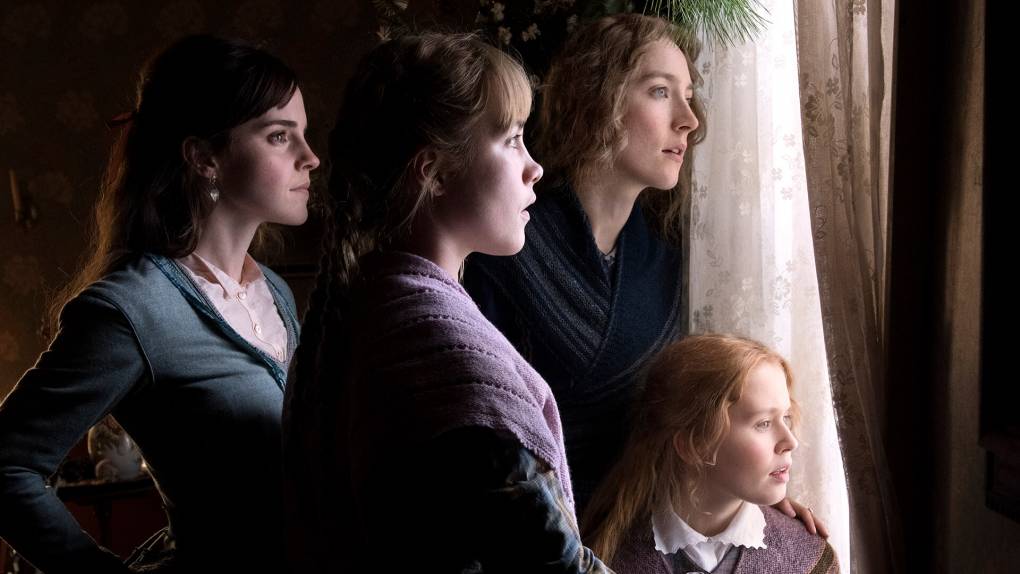
"caption": "Emma Watson, Florence Pugh and Saoirse Ronan in Greta Gerwig's 2019 adaptation of \"Little Women.\"",
"description": "Emma Watson, Florence Pugh and Saoirse Ronan in Greta Gerwig's 2019 adaptation of \"Little Women.\"",
"title": "LittleWomen1920",
"credit": "Sony Pictures.",
"status": "inherit",
"isLoading": false,
"fetchFailed": false
},
"arts_13872125": {
"type": "attachments",
"id": "arts_13872125",
"meta": {
"index": "attachments_1716263798",
"site": "arts",
"id": "13872125",
"found": true
},
"parent": 13872124,
"imgSizes": {
"twentyfourteen-full-width": {
"file": "https://ww2.kqed.org/app/uploads/sites/2/2019/12/91p4blbz6ql-0a816198ab9606f46761227285c617a5845c88db-1038x576.jpg",
"width": 1038,
"mimeType": "image/jpeg",
"height": 576
},
"thumbnail": {
"file": "https://ww2.kqed.org/app/uploads/sites/2/2019/12/91p4blbz6ql-0a816198ab9606f46761227285c617a5845c88db-160x120.jpg",
"width": 160,
"mimeType": "image/jpeg",
"height": 120
},
"post-thumbnail": {
"file": "https://ww2.kqed.org/app/uploads/sites/2/2019/12/91p4blbz6ql-0a816198ab9606f46761227285c617a5845c88db-672x372.jpg",
"width": 672,
"mimeType": "image/jpeg",
"height": 372
},
"kqedFullSize": {
"file": "https://ww2.kqed.org/app/uploads/sites/2/2019/12/91p4blbz6ql-0a816198ab9606f46761227285c617a5845c88db.jpg",
"width": 1283,
"height": 962
},
"large": {
"file": "https://ww2.kqed.org/app/uploads/sites/2/2019/12/91p4blbz6ql-0a816198ab9606f46761227285c617a5845c88db-1020x765.jpg",
"width": 1020,
"mimeType": "image/jpeg",
"height": 765
},
"complete_open_graph": {
"file": "https://ww2.kqed.org/app/uploads/sites/2/2019/12/91p4blbz6ql-0a816198ab9606f46761227285c617a5845c88db-1200x900.jpg",
"width": 1200,
"mimeType": "image/jpeg",
"height": 900
},
"medium": {
"file": "https://ww2.kqed.org/app/uploads/sites/2/2019/12/91p4blbz6ql-0a816198ab9606f46761227285c617a5845c88db-800x600.jpg",
"width": 800,
"mimeType": "image/jpeg",
"height": 600
},
"medium_large": {
"file": "https://ww2.kqed.org/app/uploads/sites/2/2019/12/91p4blbz6ql-0a816198ab9606f46761227285c617a5845c88db-768x576.jpg",
"width": 768,
"mimeType": "image/jpeg",
"height": 576
}
},
"publishDate": 1577729455,
"modified": 1577729515,
"caption": "Fry Bread, by Kevin Noble Maillard and Juana Martinez-Neal.",
"description": "Fry Bread, by Kevin Noble Maillard and Juana Martinez-Neal.",
"title": "Fry Bread, by Kevin Noble Maillard and Juana Martinez-Neal",
"credit": null,
"status": "inherit",
"isLoading": false,
"fetchFailed": false
},
"arts_13871565": {
"type": "attachments",
"id": "arts_13871565",
"meta": {
"index": "attachments_1716263798",
"site": "arts",
"id": "13871565",
"found": true
},
"parent": 13871375,
"imgSizes": {
"twentyfourteen-full-width": {
"file": "https://ww2.kqed.org/app/uploads/sites/2/2019/12/KOLA-1038x576.jpg",
"width": 1038,
"mimeType": "image/jpeg",
"height": 576
},
"thumbnail": {
"file": "https://ww2.kqed.org/app/uploads/sites/2/2019/12/KOLA-160x90.jpg",
"width": 160,
"mimeType": "image/jpeg",
"height": 90
},
"post-thumbnail": {
"file": "https://ww2.kqed.org/app/uploads/sites/2/2019/12/KOLA-672x372.jpg",
"width": 672,
"mimeType": "image/jpeg",
"height": 372
},
"kqedFullSize": {
"file": "https://ww2.kqed.org/app/uploads/sites/2/2019/12/KOLA.jpg",
"width": 1830,
"height": 1029
},
"large": {
"file": "https://ww2.kqed.org/app/uploads/sites/2/2019/12/KOLA-1020x574.jpg",
"width": 1020,
"mimeType": "image/jpeg",
"height": 574
},
"complete_open_graph": {
"file": "https://ww2.kqed.org/app/uploads/sites/2/2019/12/KOLA-1200x675.jpg",
"width": 1200,
"mimeType": "image/jpeg",
"height": 675
},
"medium": {
"file": "https://ww2.kqed.org/app/uploads/sites/2/2019/12/KOLA-800x450.jpg",
"width": 800,
"mimeType": "image/jpeg",
"height": 450
},
"medium_large": {
"file": "https://ww2.kqed.org/app/uploads/sites/2/2019/12/KOLA-768x432.jpg",
"width": 768,
"mimeType": "image/jpeg",
"height": 432
}
},
"publishDate": 1576261941,
"modified": 1576261982,
"caption": "Samara Cole-Mercado dancing as Yemanja during a rehearsal at Sullivan Community Space in Oakland on Dec. 8, 2019.\n",
"description": "Samara Cole-Mercado dancing as Yemanja during a rehearsal at Sullivan Community Space in Oakland on Dec. 8, 2019.\n",
"title": "KOLA",
"credit": "Stephanie Lister/KQED",
"status": "inherit",
"isLoading": false,
"fetchFailed": false
},
"arts_13890229": {
"type": "attachments",
"id": "arts_13890229",
"meta": {
"index": "attachments_1716263798",
"site": "arts",
"id": "13890229",
"found": true
},
"parent": 13870448,
"imgSizes": {
"twentyfourteen-full-width": {
"file": "https://ww2.kqed.org/app/uploads/sites/2/2019/12/BooksOf2019Comp_COVER-Take2-1038x576.jpg",
"width": 1038,
"mimeType": "image/jpeg",
"height": 576
},
"thumbnail": {
"file": "https://ww2.kqed.org/app/uploads/sites/2/2019/12/BooksOf2019Comp_COVER-Take2-160x90.jpg",
"width": 160,
"mimeType": "image/jpeg",
"height": 90
},
"post-thumbnail": {
"file": "https://ww2.kqed.org/app/uploads/sites/2/2019/12/BooksOf2019Comp_COVER-Take2-672x372.jpg",
"width": 672,
"mimeType": "image/jpeg",
"height": 372
},
"kqedFullSize": {
"file": "https://ww2.kqed.org/app/uploads/sites/2/2019/12/BooksOf2019Comp_COVER-Take2.jpg",
"width": 1920,
"height": 1080
},
"large": {
"file": "https://ww2.kqed.org/app/uploads/sites/2/2019/12/BooksOf2019Comp_COVER-Take2-1020x574.jpg",
"width": 1020,
"mimeType": "image/jpeg",
"height": 574
},
"1536x1536": {
"file": "https://ww2.kqed.org/app/uploads/sites/2/2019/12/BooksOf2019Comp_COVER-Take2-1536x864.jpg",
"width": 1536,
"mimeType": "image/jpeg",
"height": 864
},
"medium": {
"file": "https://ww2.kqed.org/app/uploads/sites/2/2019/12/BooksOf2019Comp_COVER-Take2-800x450.jpg",
"width": 800,
"mimeType": "image/jpeg",
"height": 450
},
"medium_large": {
"file": "https://ww2.kqed.org/app/uploads/sites/2/2019/12/BooksOf2019Comp_COVER-Take2-768x432.jpg",
"width": 768,
"mimeType": "image/jpeg",
"height": 432
}
},
"publishDate": 1607640028,
"modified": 1607640050,
"caption": "Our Bay Area-centric books picks for 2019.",
"description": "Our Bay Area-centric books picks for 2019.",
"title": "BooksOf2019Comp_COVER-Take2",
"credit": "Collage: Sarah Hotchkiss",
"status": "inherit",
"altTag": null,
"isLoading": false,
"fetchFailed": false
},
"arts_13871314": {
"type": "attachments",
"id": "arts_13871314",
"meta": {
"index": "attachments_1716263798",
"site": "arts",
"id": "13871314",
"found": true
},
"parent": 13871311,
"imgSizes": {
"twentyfourteen-full-width": {
"file": "https://ww2.kqed.org/app/uploads/sites/2/2019/12/first-folio-at-the-victoria-and-albert-musem-london-1038x576.jpg",
"width": 1038,
"mimeType": "image/jpeg",
"height": 576
},
"thumbnail": {
"file": "https://ww2.kqed.org/app/uploads/sites/2/2019/12/first-folio-at-the-victoria-and-albert-musem-london-160x90.jpg",
"width": 160,
"mimeType": "image/jpeg",
"height": 90
},
"post-thumbnail": {
"file": "https://ww2.kqed.org/app/uploads/sites/2/2019/12/first-folio-at-the-victoria-and-albert-musem-london-672x372.jpg",
"width": 672,
"mimeType": "image/jpeg",
"height": 372
},
"kqedFullSize": {
"file": "https://ww2.kqed.org/app/uploads/sites/2/2019/12/first-folio-at-the-victoria-and-albert-musem-london.jpg",
"width": 1920,
"height": 1080
},
"large": {
"file": "https://ww2.kqed.org/app/uploads/sites/2/2019/12/first-folio-at-the-victoria-and-albert-musem-london-1020x574.jpg",
"width": 1020,
"mimeType": "image/jpeg",
"height": 574
},
"complete_open_graph": {
"file": "https://ww2.kqed.org/app/uploads/sites/2/2019/12/first-folio-at-the-victoria-and-albert-musem-london-1200x675.jpg",
"width": 1200,
"mimeType": "image/jpeg",
"height": 675
},
"full-width": {
"file": "https://ww2.kqed.org/app/uploads/sites/2/2019/12/first-folio-at-the-victoria-and-albert-musem-london-1920x1080.jpg",
"width": 1920,
"mimeType": "image/jpeg",
"height": 1080
},
"medium": {
"file": "https://ww2.kqed.org/app/uploads/sites/2/2019/12/first-folio-at-the-victoria-and-albert-musem-london-800x450.jpg",
"width": 800,
"mimeType": "image/jpeg",
"height": 450
},
"medium_large": {
"file": "https://ww2.kqed.org/app/uploads/sites/2/2019/12/first-folio-at-the-victoria-and-albert-musem-london-768x432.jpg",
"width": 768,
"mimeType": "image/jpeg",
"height": 432
}
},
"publishDate": 1576027479,
"modified": 1576027568,
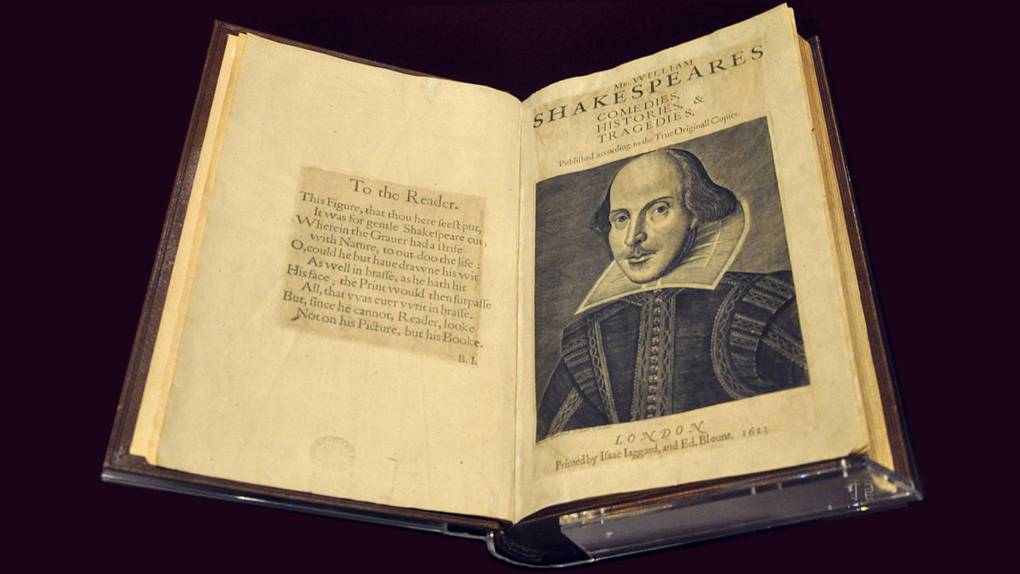
"caption": "Shakespeare's First Folio displayed at the Victoria and Albert Museum in London. ",
"description": "Shakespeare's First Folio displayed at the Victoria and Albert Museum in London. ",
"title": "first-folio-at-the-victoria-and-albert-musem-london",
"credit": "Andreas Praefcke",
"status": "inherit",
"isLoading": false,
"fetchFailed": false
},
"arts_13870951": {
"type": "attachments",
"id": "arts_13870951",
"meta": {
"index": "attachments_1716263798",
"site": "arts",
"id": "13870951",
"found": true
},
"parent": 13870932,
"imgSizes": {
"twentyfourteen-full-width": {
"file": "https://ww2.kqed.org/app/uploads/sites/2/2019/12/ABO_COVER-1038x576.jpg",
"width": 1038,
"mimeType": "image/jpeg",
"height": 576
},
"thumbnail": {
"file": "https://ww2.kqed.org/app/uploads/sites/2/2019/12/ABO_COVER-160x90.jpg",
"width": 160,
"mimeType": "image/jpeg",
"height": 90
},
"post-thumbnail": {
"file": "https://ww2.kqed.org/app/uploads/sites/2/2019/12/ABO_COVER-672x372.jpg",
"width": 672,
"mimeType": "image/jpeg",
"height": 372
},
"kqedFullSize": {
"file": "https://ww2.kqed.org/app/uploads/sites/2/2019/12/ABO_COVER.jpg",
"width": 1920,
"height": 1080
},
"large": {
"file": "https://ww2.kqed.org/app/uploads/sites/2/2019/12/ABO_COVER-1020x574.jpg",
"width": 1020,
"mimeType": "image/jpeg",
"height": 574
},
"complete_open_graph": {
"file": "https://ww2.kqed.org/app/uploads/sites/2/2019/12/ABO_COVER-1200x675.jpg",
"width": 1200,
"mimeType": "image/jpeg",
"height": 675
},
"full-width": {
"file": "https://ww2.kqed.org/app/uploads/sites/2/2019/12/ABO_COVER-1920x1080.jpg",
"width": 1920,
"mimeType": "image/jpeg",
"height": 1080
},
"medium": {
"file": "https://ww2.kqed.org/app/uploads/sites/2/2019/12/ABO_COVER-800x450.jpg",
"width": 800,
"mimeType": "image/jpeg",
"height": 450
},
"medium_large": {
"file": "https://ww2.kqed.org/app/uploads/sites/2/2019/12/ABO_COVER-768x432.jpg",
"width": 768,
"mimeType": "image/jpeg",
"height": 432
}
},
"publishDate": 1575508292,
"modified": 1575508334,
"caption": "ABO Comix fan art by incarcerated contributor Gabriel Wyatt.",
"description": "ABO Comix fan art by incarcerated contributor Gabriel Wyatt.",
"title": "ABO Comix fan art by incarcerated contributor Gabriel Wyatt.",
"credit": "Gabriel Wyatt/Courtesy ABO Comix",
"status": "inherit",
"isLoading": false,
"fetchFailed": false
},
"arts_13870730": {
"type": "attachments",
"id": "arts_13870730",
"meta": {
"index": "attachments_1716263798",
"site": "arts",
"id": "13870730",
"found": true
},
"parent": 13870645,
"imgSizes": {
"twentyfourteen-full-width": {
"file": "https://ww2.kqed.org/app/uploads/sites/2/2019/12/HPATCC.MAIN_-1038x576.jpg",
"width": 1038,
"mimeType": "image/jpeg",
"height": 576
},
"thumbnail": {
"file": "https://ww2.kqed.org/app/uploads/sites/2/2019/12/HPATCC.MAIN_-160x90.jpg",
"width": 160,
"mimeType": "image/jpeg",
"height": 90
},
"post-thumbnail": {
"file": "https://ww2.kqed.org/app/uploads/sites/2/2019/12/HPATCC.MAIN_-672x372.jpg",
"width": 672,
"mimeType": "image/jpeg",
"height": 372
},
"kqedFullSize": {
"file": "https://ww2.kqed.org/app/uploads/sites/2/2019/12/HPATCC.MAIN_.jpg",
"width": 1920,
"height": 1080
},
"large": {
"file": "https://ww2.kqed.org/app/uploads/sites/2/2019/12/HPATCC.MAIN_-1020x574.jpg",
"width": 1020,
"mimeType": "image/jpeg",
"height": 574
},
"complete_open_graph": {
"file": "https://ww2.kqed.org/app/uploads/sites/2/2019/12/HPATCC.MAIN_-1200x675.jpg",
"width": 1200,
"mimeType": "image/jpeg",
"height": 675
},
"full-width": {
"file": "https://ww2.kqed.org/app/uploads/sites/2/2019/12/HPATCC.MAIN_-1920x1080.jpg",
"width": 1920,
"mimeType": "image/jpeg",
"height": 1080
},
"medium": {
"file": "https://ww2.kqed.org/app/uploads/sites/2/2019/12/HPATCC.MAIN_-800x450.jpg",
"width": 800,
"mimeType": "image/jpeg",
"height": 450
},
"medium_large": {
"file": "https://ww2.kqed.org/app/uploads/sites/2/2019/12/HPATCC.MAIN_-768x432.jpg",
"width": 768,
"mimeType": "image/jpeg",
"height": 432
}
},
"publishDate": 1575389877,
"modified": 1575389913,
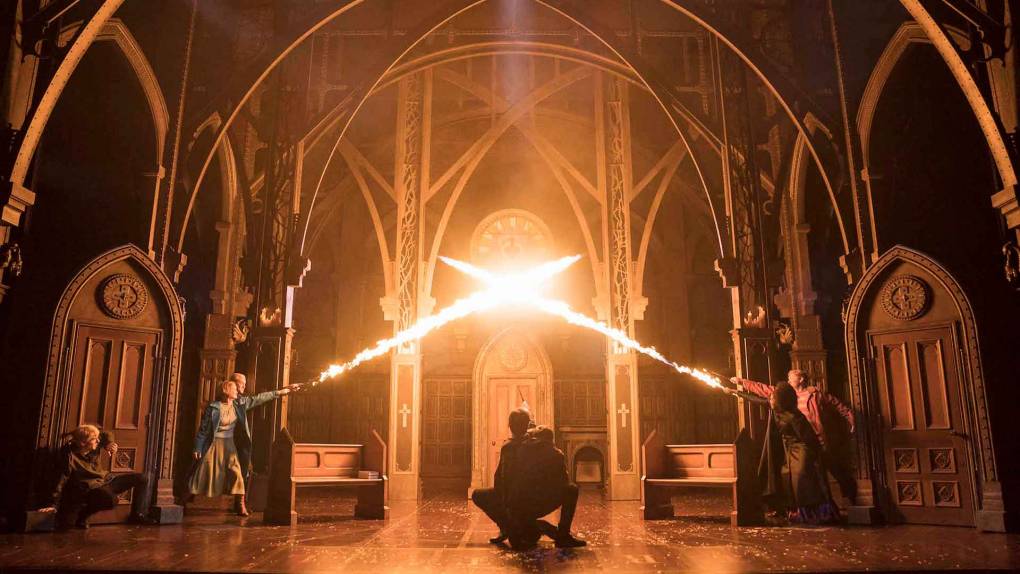
"caption": "An epic battle against darkness in 'Harry Potter and the Cursed Child' at the Curran Theatre.",
"description": "An epic battle against darkness in 'Harry Potter and the Cursed Child' at the Curran Theatre.",
"title": "HPATCC.MAIN",
"credit": "Matthew Murphy",
"status": "inherit",
"isLoading": false,
"fetchFailed": false
},
"arts_13864332": {
"type": "attachments",
"id": "arts_13864332",
"meta": {
"index": "attachments_1716263798",
"site": "arts",
"id": "13864332",
"found": true
},
"parent": 13864326,
"imgSizes": {
"twentyfourteen-full-width": {
"file": "https://ww2.kqed.org/app/uploads/sites/2/2019/08/DSC6129-1038x576.jpg",
"width": 1038,
"mimeType": "image/jpeg",
"height": 576
},
"thumbnail": {
"file": "https://ww2.kqed.org/app/uploads/sites/2/2019/08/DSC6129-160x107.jpg",
"width": 160,
"mimeType": "image/jpeg",
"height": 107
},
"post-thumbnail": {
"file": "https://ww2.kqed.org/app/uploads/sites/2/2019/08/DSC6129-672x372.jpg",
"width": 672,
"mimeType": "image/jpeg",
"height": 372
},
"kqedFullSize": {
"file": "https://ww2.kqed.org/app/uploads/sites/2/2019/08/DSC6129.jpg",
"width": 1616,
"height": 1080
},
"large": {
"file": "https://ww2.kqed.org/app/uploads/sites/2/2019/08/DSC6129-1020x682.jpg",
"width": 1020,
"mimeType": "image/jpeg",
"height": 682
},
"complete_open_graph": {
"file": "https://ww2.kqed.org/app/uploads/sites/2/2019/08/DSC6129-1200x802.jpg",
"width": 1200,
"mimeType": "image/jpeg",
"height": 802
},
"medium": {
"file": "https://ww2.kqed.org/app/uploads/sites/2/2019/08/DSC6129-800x535.jpg",
"width": 800,
"mimeType": "image/jpeg",
"height": 535
},
"medium_large": {
"file": "https://ww2.kqed.org/app/uploads/sites/2/2019/08/DSC6129-768x513.jpg",
"width": 768,
"mimeType": "image/jpeg",
"height": 513
}
},
"publishDate": 1565974884,
"modified": 1565974906,
"caption": "Alan Chazaro",
"description": "Alan Chazaro",
"title": "Alan Chazaro",
"credit": "Pendarvis Harshaw",
"status": "inherit",
"isLoading": false,
"fetchFailed": false
},
"arts_13870499": {
"type": "attachments",
"id": "arts_13870499",
"meta": {
"index": "attachments_1716263798",
"site": "arts",
"id": "13870499",
"found": true
},
"parent": 13870496,
"imgSizes": {
"twentyfourteen-full-width": {
"file": "https://ww2.kqed.org/app/uploads/sites/2/2019/11/PharoahSanders-1038x576.jpg",
"width": 1038,
"mimeType": "image/jpeg",
"height": 576
},
"thumbnail": {
"file": "https://ww2.kqed.org/app/uploads/sites/2/2019/11/PharoahSanders-160x100.jpg",
"width": 160,
"mimeType": "image/jpeg",
"height": 100
},
"post-thumbnail": {
"file": "https://ww2.kqed.org/app/uploads/sites/2/2019/11/PharoahSanders-672x372.jpg",
"width": 672,
"mimeType": "image/jpeg",
"height": 372
},
"kqedFullSize": {
"file": "https://ww2.kqed.org/app/uploads/sites/2/2019/11/PharoahSanders.jpg",
"width": 1920,
"height": 1200
},
"large": {
"file": "https://ww2.kqed.org/app/uploads/sites/2/2019/11/PharoahSanders-1020x638.jpg",
"width": 1020,
"mimeType": "image/jpeg",
"height": 638
},
"complete_open_graph": {
"file": "https://ww2.kqed.org/app/uploads/sites/2/2019/11/PharoahSanders-1200x750.jpg",
"width": 1200,
"mimeType": "image/jpeg",
"height": 750
},
"full-width": {
"file": "https://ww2.kqed.org/app/uploads/sites/2/2019/11/PharoahSanders-1920x1200.jpg",
"width": 1920,
"mimeType": "image/jpeg",
"height": 1200
},
"medium": {
"file": "https://ww2.kqed.org/app/uploads/sites/2/2019/11/PharoahSanders-800x500.jpg",
"width": 800,
"mimeType": "image/jpeg",
"height": 500
},
"medium_large": {
"file": "https://ww2.kqed.org/app/uploads/sites/2/2019/11/PharoahSanders-768x480.jpg",
"width": 768,
"mimeType": "image/jpeg",
"height": 480
}
},
"publishDate": 1574894836,
"modified": 1574894903,
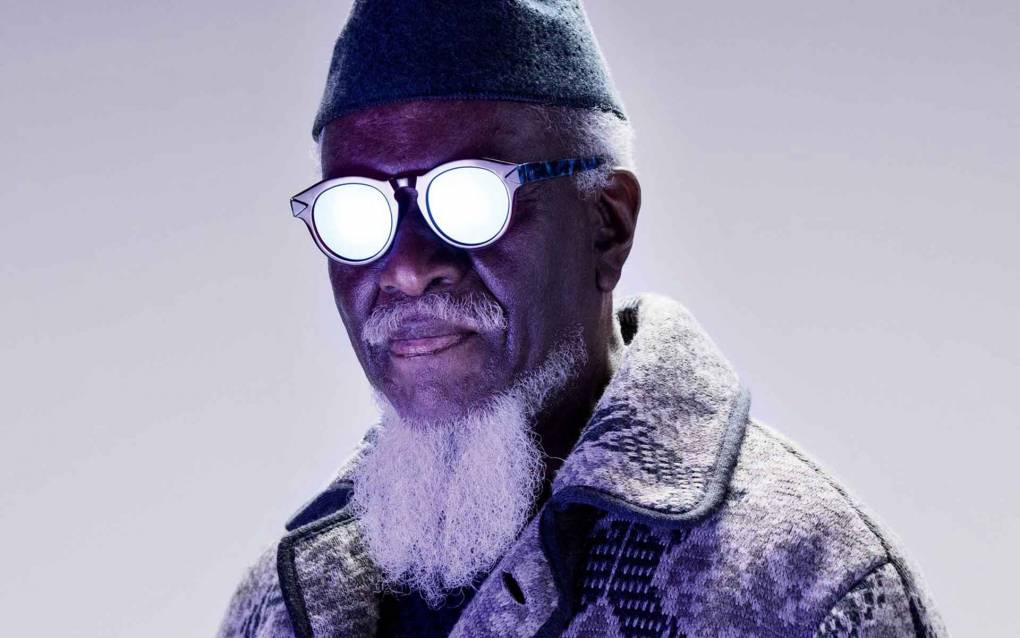
"caption": "Pharaoh Sanders.",
"description": "Pharaoh Sanders",
"title": "PharoahSanders",
"credit": "Artist photo",
"status": "inherit",
"isLoading": false,
"fetchFailed": false
}
},
"audioPlayerReducer": {
"postId": "stream_live",
"isPaused": true,
"isPlaying": false,
"pfsActive": false,
"pledgeModalIsOpen": true,
"playerDrawerIsOpen": false,
"liveAudioPlayStartedAt": 0,
"liveAudioPlayContext": ""
},
"authorsReducer": {
"13872142": {
"type": "authors",
"id": "13872142",
"meta": {
"override": true
},
"slug": "13872142",
"name": "Britt Stigler",
"firstName": "Britt",
"lastName": "Stigler",
"bio": "Britt Stigler is a digital content editor at ALL ARTS. ",
"email": "StiglerB@thirteen.org",
"isLoading": false
},
"byline_arts_13872459": {
"type": "authors",
"id": "byline_arts_13872459",
"meta": {
"override": true
},
"slug": "byline_arts_13872459",
"name": "Ilana Masad",
"isLoading": false
},
"byline_arts_13872124": {
"type": "authors",
"id": "byline_arts_13872124",
"meta": {
"override": true
},
"slug": "byline_arts_13872124",
"name": "Juanita Giles",
"isLoading": false
},
"byline_arts_13871144": {
"type": "authors",
"id": "byline_arts_13871144",
"meta": {
"override": true
},
"slug": "byline_arts_13871144",
"name": "Samantha Balaban",
"isLoading": false
},
"byline_arts_13870645": {
"type": "authors",
"id": "byline_arts_13870645",
"meta": {
"override": true
},
"slug": "byline_arts_13870645",
"name": "Nicole Gluckstern and Juliana Greco",
"isLoading": false
},
"shotchkiss": {
"type": "authors",
"id": "61",
"meta": {
"index": "authors_1716337520",
"id": "61",
"found": true
},
"name": "Sarah Hotchkiss",
"firstName": "Sarah",
"lastName": "Hotchkiss",
"slug": "shotchkiss",
"email": "shotchkiss@kqed.org",
"display_author_email": true,
"staff_mastheads": [
"arts"
],
"title": "Senior Editor",
"bio": "Sarah Hotchkiss is a San Francisco \u003ca href=\"http://www.sarahhotchkiss.com\">artist\u003c/a> and arts writer. In 2019, she received the Dorothea & Leo Rabkin Foundation grant for visual art journalism and in 2020 she received a Society of Professional Journalists, Northern California award for excellence in arts and culture reporting.",
"avatar": "https://secure.gravatar.com/avatar/bc662df144b3d27fd8b1b6f1c2a420d34e91e53154d411bb7ad353cc8b6cea8d?s=600&d=blank&r=g",
"twitter": null,
"bluesky": null,
"facebook": null,
"instagram": null,
"linkedin": null,
"sites": [
{
"site": "",
"roles": [
"editor"
]
},
{
"site": "arts",
"roles": [
"Contributor",
"administrator"
]
},
{
"site": "artschool",
"roles": [
"administrator"
]
},
{
"site": "news",
"roles": [
"editor"
]
},
{
"site": "pop",
"roles": [
"administrator"
]
},
{
"site": "bayareabites",
"roles": [
"editor"
]
},
{
"site": "spark",
"roles": [
"editor"
]
},
{
"site": "checkplease",
"roles": [
"editor"
]
}
],
"headData": {
"title": "Sarah Hotchkiss | KQED",
"description": "Senior Editor",
"ogImgSrc": "https://secure.gravatar.com/avatar/bc662df144b3d27fd8b1b6f1c2a420d34e91e53154d411bb7ad353cc8b6cea8d?s=600&d=blank&r=g",
"twImgSrc": "https://secure.gravatar.com/avatar/bc662df144b3d27fd8b1b6f1c2a420d34e91e53154d411bb7ad353cc8b6cea8d?s=600&d=blank&r=g"
},
"isLoading": false,
"link": "/author/shotchkiss"
},
"gmeline": {
"type": "authors",
"id": "185",
"meta": {
"index": "authors_1716337520",
"id": "185",
"found": true
},
"name": "Gabe Meline",
"firstName": "Gabe",
"lastName": "Meline",
"slug": "gmeline",
"email": "gmeline@kqed.org",
"display_author_email": true,
"staff_mastheads": [
"arts"
],
"title": "Senior Editor, KQED Arts & Culture",
"bio": "Gabe Meline entered journalism at age 15 making photocopied zines, and has since earned awards from the Edward R. Murrow Awards, the Society for Professional Journalists, the Online Journalism Awards, the Association of Alternative Newsweeklies and the California Newspaper Publishers Association. Prior to KQED, he was the editor of the \u003cem>North Bay Bohemian\u003c/em> and a touring musician. He lives with his wife and daughter in his hometown of Santa Rosa, CA.",
"avatar": "https://secure.gravatar.com/avatar/5bebe57be0d8bc2dd318934feb47299e2d2d10cba28d09d8d7afb389a2ce2bdd?s=600&d=blank&r=g",
"twitter": null,
"bluesky": null,
"facebook": null,
"instagram": null,
"linkedin": null,
"sites": [
{
"site": "",
"roles": [
"editor"
]
},
{
"site": "arts",
"roles": [
"administrator"
]
},
{
"site": "artschool",
"roles": [
"editor"
]
},
{
"site": "news",
"roles": [
"author"
]
},
{
"site": "pop",
"roles": [
"editor"
]
},
{
"site": "bayareabites",
"roles": [
"editor"
]
},
{
"site": "food",
"roles": [
"editor"
]
},
{
"site": "forum",
"roles": [
"administrator"
]
},
{
"site": "liveblog",
"roles": [
"editor"
]
},
{
"site": "hiphop",
"roles": [
"editor"
]
}
],
"headData": {
"title": "Gabe Meline | KQED",
"description": "Senior Editor, KQED Arts & Culture",
"ogImgSrc": "https://secure.gravatar.com/avatar/5bebe57be0d8bc2dd318934feb47299e2d2d10cba28d09d8d7afb389a2ce2bdd?s=600&d=blank&r=g",
"twImgSrc": "https://secure.gravatar.com/avatar/5bebe57be0d8bc2dd318934feb47299e2d2d10cba28d09d8d7afb389a2ce2bdd?s=600&d=blank&r=g"
},
"isLoading": false,
"link": "/author/gmeline"
},
"slefebvre": {
"type": "authors",
"id": "11091",
"meta": {
"index": "authors_1716337520",
"id": "11091",
"found": true
},
"name": "Sam Lefebvre",
"firstName": "Sam",
"lastName": "Lefebvre",
"slug": "slefebvre",
"email": "sdlefebvre@gmail.com",
"display_author_email": false,
"staff_mastheads": [],
"title": "KQED Contributor",
"bio": "Sam Lefebvre is an award-winning reporter at KQED Arts. He has worked as an editor and columnist at the \u003cem>East Bay Express\u003c/em>, \u003cem>SF Weekly \u003c/em>and Impose Magazine, and his journalism and criticism has appeared in \u003cem>The New York Times\u003c/em>, the Guardian and Pitchfork.",
"avatar": "https://secure.gravatar.com/avatar/49d39b42930b77fb13784ddd9fa63fe780666b71bf289368509dba576b64e69b?s=600&d=blank&r=g",
"twitter": "Lefebvre_Sam",
"bluesky": null,
"facebook": null,
"instagram": null,
"linkedin": null,
"sites": [
{
"site": "arts",
"roles": [
"subscriber"
]
},
{
"site": "news",
"roles": [
"author"
]
}
],
"headData": {
"title": "Sam Lefebvre | KQED",
"description": "KQED Contributor",
"ogImgSrc": "https://secure.gravatar.com/avatar/49d39b42930b77fb13784ddd9fa63fe780666b71bf289368509dba576b64e69b?s=600&d=blank&r=g",
"twImgSrc": "https://secure.gravatar.com/avatar/49d39b42930b77fb13784ddd9fa63fe780666b71bf289368509dba576b64e69b?s=600&d=blank&r=g"
},
"isLoading": false,
"link": "/author/slefebvre"
},
"nvoynovskaya": {
"type": "authors",
"id": "11387",
"meta": {
"index": "authors_1716337520",
"id": "11387",
"found": true
},
"name": "Nastia Voynovskaya",
"firstName": "Nastia",
"lastName": "Voynovskaya",
"slug": "nvoynovskaya",
"email": "nvoynovskaya@kqed.org",
"display_author_email": false,
"staff_mastheads": [
"arts"
],
"title": "Editor and reporter",
"bio": "Nastia Voynovskaya is a reporter, editor and host at KQED Arts & Culture. She's been covering the arts in the Bay Area for over a decade, with a focus on music, queer culture, labor issues and grassroots organizing. She has edited KQED story series such as Trans Bay: A History of San Francisco's Gender-Diverse Community, and co-created KQED's Bay Area hip-hop history project, That's My Word. Nastia's work has been recognized by the Society of Professional Journalists and San Francisco Press Club. She regularly appears on podcasts and radio programs, including NPR's All Songs Considered, and hosts live events where music, culture and conversation meet.",
"avatar": "https://secure.gravatar.com/avatar/5025ee460e5a85d69ca20ea6c6f2f80d7e17795c828f61ea3aecfcd924e9042e?s=600&d=blank&r=g",
"twitter": null,
"bluesky": null,
"facebook": null,
"instagram": "https://www.instagram.com/nananastia/",
"linkedin": null,
"sites": [
{
"site": "",
"roles": [
"editor"
]
},
{
"site": "arts",
"roles": [
"administrator"
]
},
{
"site": "news",
"roles": [
"editor"
]
},
{
"site": "pop",
"roles": [
"administrator"
]
},
{
"site": "bayareabites",
"roles": [
"editor"
]
},
{
"site": "podcasts",
"roles": [
"editor"
]
},
{
"site": "hiphop",
"roles": [
"editor"
]
}
],
"headData": {
"title": "Nastia Voynovskaya | KQED",
"description": "Editor and reporter",
"ogImgSrc": "https://secure.gravatar.com/avatar/5025ee460e5a85d69ca20ea6c6f2f80d7e17795c828f61ea3aecfcd924e9042e?s=600&d=blank&r=g",
"twImgSrc": "https://secure.gravatar.com/avatar/5025ee460e5a85d69ca20ea6c6f2f80d7e17795c828f61ea3aecfcd924e9042e?s=600&d=blank&r=g"
},
"isLoading": false,
"link": "/author/nvoynovskaya"
},
"ogpenn": {
"type": "authors",
"id": "11491",
"meta": {
"index": "authors_1716337520",
"id": "11491",
"found": true
},
"name": "Pendarvis Harshaw",
"firstName": "Pendarvis",
"lastName": "Harshaw",
"slug": "ogpenn",
"email": "ogpenn@gmail.com",
"display_author_email": false,
"staff_mastheads": [
"arts"
],
"title": "Community Engagement Reporter",
"bio": "Pendarvis Harshaw is an educator, host and writer with KQED Arts.",
"avatar": "https://secure.gravatar.com/avatar/972b77ee8e3f346ae2b00622661187fbfabd059b5693bbdc1475ea7a722fd4cd?s=600&d=blank&r=g",
"twitter": null,
"bluesky": null,
"facebook": null,
"instagram": "ogpenn",
"linkedin": null,
"sites": [
{
"site": "arts",
"roles": [
"administrator"
]
},
{
"site": "news",
"roles": [
"editor"
]
},
{
"site": "bayareabites",
"roles": [
"author"
]
},
{
"site": "hiphop",
"roles": [
"editor"
]
}
],
"headData": {
"title": "Pendarvis Harshaw | KQED",
"description": "Community Engagement Reporter",
"ogImgSrc": "https://secure.gravatar.com/avatar/972b77ee8e3f346ae2b00622661187fbfabd059b5693bbdc1475ea7a722fd4cd?s=600&d=blank&r=g",
"twImgSrc": "https://secure.gravatar.com/avatar/972b77ee8e3f346ae2b00622661187fbfabd059b5693bbdc1475ea7a722fd4cd?s=600&d=blank&r=g"
},
"isLoading": false,
"link": "/author/ogpenn"
}
},
"pagesReducer": {
"arts_category_literature": {
"type": "terms",
"id": "arts_73",
"meta": {
"index": "terms_1716263798",
"site": "arts",
"id": "73",
"score": 12.797728
},
"featImg": null,
"name": "Books",
"description": null,
"taxonomy": "category",
"headData": {
"twImgId": null,
"twTitle": null,
"ogTitle": null,
"ogImgId": null,
"twDescription": null,
"description": null,
"title": "Books Archives | KQED Arts",
"ogDescription": null
},
"ttid": 74,
"slug": "literature",
"isLoading": false,
"title": "Books",
"pageMeta": {
"site": "arts",
"WpPageTemplate": "page-topic-editorial",
"currentPage": 58
},
"blocks": [
{
"blockName": "kqed/post-list",
"attrs": {
"layout": "cardArticle2",
"query": "posts/arts?category=literature",
"seeMore": false,
"paginated": true,
"page": 58
}
},
{
"blockName": "kqed/ad"
}
]
}
},
"pfsSessionReducer": {},
"postsReducer": {
"stream_live": {
"type": "live",
"id": "stream_live",
"audioUrl": "https://streams.kqed.org/kqedradio",
"title": "Live Stream",
"excerpt": "Live Stream information currently unavailable.",
"link": "/radio",
"featImg": "",
"label": {
"name": "KQED Live",
"link": "/"
}
},
"stream_kqedNewscast": {
"type": "posts",
"id": "stream_kqedNewscast",
"audioUrl": "https://www.kqed.org/.stream/anon/radio/RDnews/newscast.mp3?_=1",
"title": "KQED Newscast",
"featImg": "",
"label": {
"name": "88.5 FM",
"link": "/"
}
},
"arts_13872459": {
"type": "posts",
"id": "arts_13872459",
"meta": {
"index": "posts_1716263798",
"site": "arts",
"id": "13872459",
"score": null,
"sort": [
1578351643000
]
},
"parent": 0,
"labelTerm": {
"site": "arts",
"term": 137
},
"blocks": [],
"publishDate": 1578351643,
"format": "standard",
"title": "'Such A Fun Age' is a Complex, Layered Page-Turner",
"headTitle": "‘Such A Fun Age’ is a Complex, Layered Page-Turner | KQED",
"content": "\u003cp>The title of Kiley Reid’s debut, \u003cem>Such a Fun Age\u003c/em>, works on so many levels it makes me giddy—and, what’s better, the title’s plurality of meaning is echoed all over the place within the novel, where both plot and dialogue are layered with history, prejudice, expectations and assumptions. The title’s “fun age” might refer to one of the two main characters, Emira Tucker, a 25-year-old black woman who keenly feels that working part-time as a babysitter and part-time as a typist doesn’t count as true adulting. It might refer to her charge, Briar, a white three-year-old whose imagination and speech patterns are so charmingly true to a particular kind of kid that she’s both instantly recognizable and entirely her own person. [aside postid='arts_13872364']\u003c/p>\n\u003cp>More broadly, the “fun age” might be our own, prior to the 2016 election—an age that was considered by some to be magically post-racist and post-sexist because it was impolite to be these things in public; an age of performative white feminism; an age of social media and virality and armchair activism and online virtue-signaling that ironically requires certain people—often, those already more vulnerable—to exist in specific politically correct ways while letting others—usually, those with power and privilege—off the hook. Don’t let all these layers put you off—the wonder of \u003cem>Such a Fun Age \u003c/em>is that it is also a page-turner with beautifully drawn characters and a riveting plot.\u003c/p>\n\u003cp>In the book’s opening chapter, Emira is called away from a friend’s birthday party by Alix (“uh-\u003cem>leeks\u003c/em>“) Chamberlain, whose two daughters, Briar and infant Catherine, she babysits for several times a week. Someone has thrown an egg at the Chamberlain house, hard enough to shatter a window, and Alix wants Briar out of the house when the police arrive. Emira, both somewhat tired of the party and in need of the extra cash, takes Briar to a grocery store in the Chamberlains’ neighborhood, her friend Zara tagging along. She, Emira and Briar have an impromptu dance party in the frozen foods aisle, as one occasionally will when a toddler is around, before Zara heads off for a hookup. [aside postid='arts_13872314']\u003c/p>\n\u003cp>The lovely, upbeat scene collapses when a security guard approaches and starts interrogating Emira because a white woman, who only moments before was congenially laughing at the dancing trio, was concerned to see a black woman with a white child out so late. “We just came here to look at nuts. Well, we don’t touch them or anything. We’re just… we’re really into nuts right now, so… yeah,” Emira tells the guard, but the situation escalates to the point where a white man starts capturing the verbal altercation with his phone. (“Can you step off?” Emira asks him; “I think you’re gonna want this filmed,” he says.) Emira has to call Peter Chamberlain to come and reassure the guard. “He’s an old white guy,” she says, “so I’m sure everyone will feel better.” She’s right; they do.\u003c/p>\n\u003cp>Over the course of the following months, the tensions between Emira and the Chamberlains rise due to several factors that have very little to do with Emira herself. Alix, the novel’s other main character—and foil, and sometimes antagonist—is a semi-successful businesswoman who has made a career out of writing letters requesting free stuff from companies and getting what she asks for. She also breastfed Briar while speaking at a panel once, an act of have-it-all-feminism that garnered lots of attention. What happened to Emira at the store has Alix consumed with (white) guilt, especially since the egg thrown through the window came with a cry of “racist,” aimed at Peter, a news anchor, who said, during a feel-good human interest segment earlier that night, that he hoped a black boy taking a white girl to Homecoming had “asked her father first.”\u003c/p>\n\u003cp>[ad fullwidth]\u003c/p>\n\u003cp>Emira and Alix have as much distance between them in terms of class as race. Emira comes from a working class family of driven, creative people, which is part of why she feels especially weird that she isn’t ambitious in a particular direction. Alix’s parents became very suddenly wealthy when she was a teenager, inducting her into a nouveau riche lifestyle she had no idea how to handle and which she is still uncomfortable with, despite having leaned further and further into upper-middle class affluence over the years. But what the two women do share—not in the way you’d expect—is Kelley Copeland, the tall, handsome and seemingly woke white guy who thought Emira would want her encounter filmed. [aside postid='arts_13872290']\u003c/p>\n\u003cp>To share more of the plot would be to spoil the fun, as it were. This is a book that will read, I suspect, quite differently to various audiences—funny to some, deeply uncomfortable and shamefully recognizable to others—but whatever the experience, I urge you to read \u003cem>Such a Fun Age\u003c/em>. Let its empathic approach to even the ickiest characters stir you, allow yourself to share Emira’s millennial anxieties about adulting, take joy in the innocence of Briar’s still-unmarred personhood and rejoice that Kiley Reid is only just getting started.\u003c/p>\n\u003cp>\u003c/p>\n\u003cp>\u003cem>Ilana Masad is an Israeli-American fiction writer, critic, and founder/host of the podcast \u003c/em>The Other Stories\u003cem>. Her debut novel, \u003c/em>All My Mother’s Lovers\u003cem>, is forthcoming from Dutton in 2020.\u003c/em>\u003c/p>\n\u003cdiv class=\"fullattribution\">Copyright 2020 \u003ca href=\"https://www.npr.org\" target=\"_blank\" rel=\"noopener noreferrer\">NPR\u003c/a>.\u003c/div>\n\n",
"stats": {
"hasVideo": false,
"hasChartOrMap": false,
"hasAudio": false,
"hasPolis": false,
"wordCount": 991,
"hasGoogleForm": false,
"hasGallery": false,
"hasHearkenModule": false,
"iframeSrcs": [],
"paragraphCount": 10
},
"modified": 1705021561,
"excerpt": "Themes of chronological age and our political era echo throughout Kiley Reid's funny, uncomfortable novel.",
"headData": {
"twImgId": "",
"twTitle": "",
"ogTitle": "",
"ogImgId": "",
"twDescription": "",
"description": "Themes of chronological age and our political era echo throughout Kiley Reid's funny, uncomfortable novel.",
"title": "'Such A Fun Age' is a Complex, Layered Page-Turner | KQED",
"ogDescription": "",
"schema": {
"@context": "https://schema.org",
"@type": "Article",
"headline": "'Such A Fun Age' is a Complex, Layered Page-Turner",
"datePublished": "2020-01-06T15:00:43-08:00",
"dateModified": "2024-01-11T17:06:01-08:00",
"image": "https://cdn.kqed.org/wp-content/uploads/2020/02/KQED-OG-Image@1x.png"
}
},
"guestAuthors": [],
"slug": "such-a-fun-age-is-a-complex-layered-page-turner",
"status": "publish",
"nprApiLink": "http://api.npr.org/query?id=791747689&apiKey=MDAxOTAwOTE4MDEyMTkxMDAzNjczZDljZA004",
"templateType": "standard",
"nprStoryDate": "Sat, 28 Dec 2019 07:00:00 -0500",
"nprLastModifiedDate": "Tue, 31 Dec 2019 11:09:41 -0500",
"featuredImageType": "standard",
"nprHtmlLink": "https://www.npr.org/2019/12/28/791747689/such-a-fun-age-is-a-complex-layered-page-turner?ft=nprml&f=791747689",
"nprImageAgency": "NPR",
"nprStoryId": "791747689",
"nprByline": "Ilana Masad",
"sticky": false,
"nprImageCredit": "Petra Mayer",
"nprRetrievedStory": "1",
"nprPubDate": "Tue, 31 Dec 2019 11:09:00 -0500",
"path": "/arts/13872459/such-a-fun-age-is-a-complex-layered-page-turner",
"audioTrackLength": null,
"parsedContent": [
{
"type": "contentString",
"content": "\u003cdiv class=\"post-body\">\u003cp>\u003cp>The title of Kiley Reid’s debut, \u003cem>Such a Fun Age\u003c/em>, works on so many levels it makes me giddy—and, what’s better, the title’s plurality of meaning is echoed all over the place within the novel, where both plot and dialogue are layered with history, prejudice, expectations and assumptions. The title’s “fun age” might refer to one of the two main characters, Emira Tucker, a 25-year-old black woman who keenly feels that working part-time as a babysitter and part-time as a typist doesn’t count as true adulting. It might refer to her charge, Briar, a white three-year-old whose imagination and speech patterns are so charmingly true to a particular kind of kid that she’s both instantly recognizable and entirely her own person. \u003c/p>\u003c/div>",
"attributes": {
"named": {},
"numeric": []
}
},
{
"type": "component",
"content": "",
"name": "aside",
"attributes": {
"named": {
"postid": "arts_13872364",
"label": ""
},
"numeric": []
}
},
{
"type": "contentString",
"content": "\u003cdiv class=\"post-body\">\u003cp>\u003c/p>\n\u003cp>More broadly, the “fun age” might be our own, prior to the 2016 election—an age that was considered by some to be magically post-racist and post-sexist because it was impolite to be these things in public; an age of performative white feminism; an age of social media and virality and armchair activism and online virtue-signaling that ironically requires certain people—often, those already more vulnerable—to exist in specific politically correct ways while letting others—usually, those with power and privilege—off the hook. Don’t let all these layers put you off—the wonder of \u003cem>Such a Fun Age \u003c/em>is that it is also a page-turner with beautifully drawn characters and a riveting plot.\u003c/p>\n\u003cp>In the book’s opening chapter, Emira is called away from a friend’s birthday party by Alix (“uh-\u003cem>leeks\u003c/em>“) Chamberlain, whose two daughters, Briar and infant Catherine, she babysits for several times a week. Someone has thrown an egg at the Chamberlain house, hard enough to shatter a window, and Alix wants Briar out of the house when the police arrive. Emira, both somewhat tired of the party and in need of the extra cash, takes Briar to a grocery store in the Chamberlains’ neighborhood, her friend Zara tagging along. She, Emira and Briar have an impromptu dance party in the frozen foods aisle, as one occasionally will when a toddler is around, before Zara heads off for a hookup. \u003c/p>\u003c/div>",
"attributes": {
"named": {},
"numeric": []
}
},
{
"type": "component",
"content": "",
"name": "aside",
"attributes": {
"named": {
"postid": "arts_13872314",
"label": ""
},
"numeric": []
}
},
{
"type": "contentString",
"content": "\u003cdiv class=\"post-body\">\u003cp>\u003c/p>\n\u003cp>The lovely, upbeat scene collapses when a security guard approaches and starts interrogating Emira because a white woman, who only moments before was congenially laughing at the dancing trio, was concerned to see a black woman with a white child out so late. “We just came here to look at nuts. Well, we don’t touch them or anything. We’re just… we’re really into nuts right now, so… yeah,” Emira tells the guard, but the situation escalates to the point where a white man starts capturing the verbal altercation with his phone. (“Can you step off?” Emira asks him; “I think you’re gonna want this filmed,” he says.) Emira has to call Peter Chamberlain to come and reassure the guard. “He’s an old white guy,” she says, “so I’m sure everyone will feel better.” She’s right; they do.\u003c/p>\n\u003cp>Over the course of the following months, the tensions between Emira and the Chamberlains rise due to several factors that have very little to do with Emira herself. Alix, the novel’s other main character—and foil, and sometimes antagonist—is a semi-successful businesswoman who has made a career out of writing letters requesting free stuff from companies and getting what she asks for. She also breastfed Briar while speaking at a panel once, an act of have-it-all-feminism that garnered lots of attention. What happened to Emira at the store has Alix consumed with (white) guilt, especially since the egg thrown through the window came with a cry of “racist,” aimed at Peter, a news anchor, who said, during a feel-good human interest segment earlier that night, that he hoped a black boy taking a white girl to Homecoming had “asked her father first.”\u003c/p>\n\u003cp>\u003c/p>\u003c/div>",
"attributes": {
"named": {},
"numeric": []
}
},
{
"type": "component",
"content": "",
"name": "ad",
"attributes": {
"named": {
"label": "fullwidth"
},
"numeric": [
"fullwidth"
]
}
},
{
"type": "contentString",
"content": "\u003cdiv class=\"post-body\">\u003cp>\u003c/p>\n\u003cp>Emira and Alix have as much distance between them in terms of class as race. Emira comes from a working class family of driven, creative people, which is part of why she feels especially weird that she isn’t ambitious in a particular direction. Alix’s parents became very suddenly wealthy when she was a teenager, inducting her into a nouveau riche lifestyle she had no idea how to handle and which she is still uncomfortable with, despite having leaned further and further into upper-middle class affluence over the years. But what the two women do share—not in the way you’d expect—is Kelley Copeland, the tall, handsome and seemingly woke white guy who thought Emira would want her encounter filmed. \u003c/p>\u003c/div>",
"attributes": {
"named": {},
"numeric": []
}
},
{
"type": "component",
"content": "",
"name": "aside",
"attributes": {
"named": {
"postid": "arts_13872290",
"label": ""
},
"numeric": []
}
},
{
"type": "contentString",
"content": "\u003cdiv class=\"post-body\">\u003cp>\u003c/p>\n\u003cp>To share more of the plot would be to spoil the fun, as it were. This is a book that will read, I suspect, quite differently to various audiences—funny to some, deeply uncomfortable and shamefully recognizable to others—but whatever the experience, I urge you to read \u003cem>Such a Fun Age\u003c/em>. Let its empathic approach to even the ickiest characters stir you, allow yourself to share Emira’s millennial anxieties about adulting, take joy in the innocence of Briar’s still-unmarred personhood and rejoice that Kiley Reid is only just getting started.\u003c/p>\n\u003cp>\u003c/p>\n\u003cp>\u003cem>Ilana Masad is an Israeli-American fiction writer, critic, and founder/host of the podcast \u003c/em>The Other Stories\u003cem>. Her debut novel, \u003c/em>All My Mother’s Lovers\u003cem>, is forthcoming from Dutton in 2020.\u003c/em>\u003c/p>\n\u003cdiv class=\"fullattribution\">Copyright 2020 \u003ca href=\"https://www.npr.org\" target=\"_blank\" rel=\"noopener noreferrer\">NPR\u003c/a>.\u003c/div>\n\n\u003c/div>\u003c/p>",
"attributes": {
"named": {},
"numeric": []
}
}
],
"link": "/arts/13872459/such-a-fun-age-is-a-complex-layered-page-turner",
"authors": [
"byline_arts_13872459"
],
"categories": [
"arts_73"
],
"tags": [
"arts_1118",
"arts_5221"
],
"affiliates": [
"arts_137"
],
"featImg": "arts_13872460",
"label": "arts_137"
},
"arts_13872144": {
"type": "posts",
"id": "arts_13872144",
"meta": {
"index": "posts_1716263798",
"site": "arts",
"id": "13872144",
"score": null,
"sort": [
1577754054000
]
},
"parent": 0,
"labelTerm": {
"site": "arts",
"term": 9524
},
"blocks": [],
"publishDate": 1577754054,
"format": "image",
"title": "How 'Little Women' Remained a Cultural Touchstone for Over 150 Years",
"headTitle": "How ‘Little Women’ Remained a Cultural Touchstone for Over 150 Years | KQED",
"content": "\u003cfigure id=\"attachment_13872154\" class=\"wp-caption alignright\" style=\"max-width: 595px\">\u003cimg loading=\"lazy\" decoding=\"async\" class=\"size-full wp-image-13872154\" src=\"https://ww2.kqed.org/app/uploads/sites/2/2019/12/595px-Louisa_May_Alcott.jpg\" alt=\"Louisa May Alcott\" width=\"595\" height=\"768\" srcset=\"https://cdn.kqed.org/wp-content/uploads/sites/2/2019/12/595px-Louisa_May_Alcott.jpg 595w, https://cdn.kqed.org/wp-content/uploads/sites/2/2019/12/595px-Louisa_May_Alcott-160x207.jpg 160w\" sizes=\"(max-width: 595px) 100vw, 595px\">\u003cfigcaption class=\"wp-caption-text\">Louisa May Alcott \u003ccite>(Wikimedia Commons)\u003c/cite>\u003c/figcaption>\u003c/figure>\n\u003cp>With every cover of “Little Women” turned, readers have been greeted with the same scene. It’s Christmas time and the March sisters haven’t the money for presents. With this predicament weighing heavily, the sisters take turns spinning through their options, revealing just enough to offer a snow-globe’s glance into the distinct personalities that have, over generations, served as faithful guides along the journey from adolescence to womanhood.\u003c/p>\n\u003cp>Penned by \u003ca href=\"https://allarts.org/programs/american-masters/louisa-may-alcott-the-woman-behind-little-women-tcqeqd/\">Louisa May Alcott\u003c/a> in 1868, “Little Women” continues to find audiences eager for these nuanced portrayals of girlhood — a depiction that was lacking in popular literature when Alcott was approached to write the tale. The story has since been \u003ca href=\"https://allarts.org/2018/12/who-adapted-louisa-may-alcotts-little-women-best/\">adapted\u003c/a> for the stage, screen and page, while also garnering the \u003ca href=\"https://www.newyorker.com/magazine/2018/08/27/how-little-women-got-big\" target=\"_blank\" rel=\"noopener noreferrer\">adoration of luminaries\u003c/a> such as Simone de Beauvoir, Elena Ferrante and Gloria Steinem.\u003c/p>\n\u003cp>Yet when asked by her publisher to write the book, \u003ca href=\"http://www.newenglandhistoricalsociety.com/louisa-may-alcott-never-liked-girls-knew-many-except-sisters/\" target=\"_blank\" rel=\"noopener noreferrer\">Alcott hesitated\u003c/a>. In a diary entry, Alcott writes that she “never liked girls or knew many, except my sisters,” going on to note that the sisters’ “queer plays and experiences may prove interesting, though I doubt it.”\u003c/p>\n\u003cp>As it turned out, the trials of Alcott and her sisters, who informed the creation of March siblings Meg, Jo, Beth and Amy, did pique the interest of audiences. Originally published in two parts, the story took popular culture by storm, \u003ca href=\"https://www.vulture.com/2019/12/little-women-history-timeline.html\" target=\"_blank\" rel=\"noopener noreferrer\">selling out its original 2,000 print-run\u003c/a> shortly after it landed on the shelves.\u003c/p>\n\u003cp>“I think that ‘Little Women’ — and actually the real Alcott family who are the models for the March family — embody a spirit that people really identify with no matter what culture or age,” said Jan Turnquist, executive director of the \u003ca href=\"https://louisamayalcott.org/\" target=\"_blank\" rel=\"noopener noreferrer\">Orchard House\u003c/a>, \u003ca href=\"https://allarts.org/programs/little-women/house-little-women-ney9fp/\">where Alcott wrote the novel\u003c/a>. “And that is the idea of personal agency and sort of perseverance through whatever life brings. And also a sense that you don’t have to be perfect. You can be flawed. You can make mistakes. You can fix those or at least find a way to continue on beyond the mistakes. It’s very, very uplifting to think that way.”\u003c/p>\n\u003cp>\u003ciframe loading=\"lazy\" title=\"Little Women: The House of Little Women\" width=\"500\" height=\"281\" src=\"https://www.youtube.com/embed/NU0c3atfeC0?feature=oembed\" frameborder=\"0\" allow=\"accelerometer; autoplay; clipboard-write; encrypted-media; gyroscope; picture-in-picture; web-share\" allowfullscreen>\u003c/iframe>\u003c/p>\n\u003cp>Since its publication, the title has not gone out of print once — a feat that Lynn Lobash, the \u003ca href=\"https://www.nypl.org/\" target=\"_blank\" rel=\"noopener noreferrer\">New York Public Library\u003c/a>’s associate director of reader services, attributes to themes central to the novel, which she describes as “the role of women in family, society and gender stereotypes.” Echoing Lobash, Susanne Simpson, executive producer of Masterpiece (which recently adapted the book for PBS), stated that the book endures because of its “humanity and universal truths, such as love, grief and courage.”\u003c/p>\n\u003cp>“One can return again and again to the story over the course of a lifetime and find something new that resonates,” Simpson continued. “And the character of Jo March is so appealing because of her fierce independent spirit and persistent desire to voice her ideas through her writing.”\u003c/p>\n\u003cp>Though context has changed throughout the years, the March sisters have served as stewards of these themes. \u003ca href=\"https://anneboydrioux.com/\" target=\"_blank\" rel=\"noopener noreferrer\">Anne Boyd Rioux\u003c/a>, author of the book “\u003ca href=\"https://www.indiebound.org/book/9780393357271\" target=\"_blank\" rel=\"noopener noreferrer\">Meg, Jo, Beth, Amy\u003c/a>,” proposed that part of the novel’s endurance can be traced to the March sisters’ struggle to find their place in society as women with ambitions outside of what is strictly expected of them.\u003c/p>\n\u003cp>“The story is not really dated,” Rioux said. “The trappings might be a bit different — maybe they do different things, they wear different clothes. But the struggles they’re going through are the same things we still go through now.”\u003c/p>\n\u003cfigure id=\"attachment_13872150\" class=\"wp-caption aligncenter\" style=\"max-width: 800px\">\u003cimg loading=\"lazy\" decoding=\"async\" class=\"size-full wp-image-13872150\" src=\"https://ww2.kqed.org/app/uploads/sites/2/2019/12/LW-Mid-e1577732826694.jpeg\" alt=\"Florence Pugh, Saoirse Ronan and Emma Watson in Greta Gerwig’s “Little Women.”\" width=\"800\" height=\"533\">\u003cfigcaption class=\"wp-caption-text\">Florence Pugh, Saoirse Ronan and Emma Watson in Greta Gerwig’s “Little Women.” \u003ccite>(Wilson Webb / Sony Pictures.)\u003c/cite>\u003c/figcaption>\u003c/figure>\n\u003cp>But how audiences have engaged with the text, Rioux explained, has evolved over time, taking on new meanings as it finds its way into new generations.\u003c/p>\n\u003cp>“For me, you can see how the cultural context really shapes how people approach a book,” Rioux said. “And because this book has been adapted so many times — it’s been on stage; it’s been made into an opera, a musical. It’s been made into films, to various mini-series. … It’s one of those stories that has taken on a larger life beyond what Louisa May Alcott ever envisioned.”\u003c/p>\n\u003cp>Arguably, the various adaptations over the years have helped to sustain the momentum of the book and bring it into cultural awareness anew. With the recent release of \u003ca href=\"https://slate.com/culture/2019/12/little-women-movie-book-comparison-differences.html\" target=\"_blank\" rel=\"noopener noreferrer\">Greta Gerwig’s adaptation\u003c/a>, the New York Public Library has seen a slight uptick in checkouts of the book (though, a representative noted that the title typically sees spikes throughout the year, particularly when students head back to school in September). At Orchard House, Turnquist stated that she believes interest in is also up, and she expects that to only increase with the film’s release. And Rioux posited that while \u003ca href=\"https://lithub.com/why-dont-more-boys-read-little-women/\" target=\"_blank\" rel=\"noopener noreferrer\">readership of the book has been decreasing over the years\u003c/a>, she believes the film will help introduce new readers to the fold.\u003c/p>\n\u003cp>“Both ways of experiencing this story are important, certainly for the cultural life of a text like this,” Rioux said. “If a book isn’t adapted into films, it doesn’t have as much saturation into the culture; it doesn’t seep into the culture as much. And this is a story and these are characters who, I think, are such important touchstones for women that they deserve that larger cultural treatment. And they definitely deserve this masterful piece of art that Greta Gerwig has produced.”\u003c/p>\n\u003cfigure id=\"attachment_13872147\" class=\"wp-caption aligncenter\" style=\"max-width: 800px\">\u003cimg loading=\"lazy\" decoding=\"async\" class=\"size-full wp-image-13872147\" src=\"https://ww2.kqed.org/app/uploads/sites/2/2019/12/LittleWomenTCSR-e1577732754709.jpeg\" alt=\"Saoirse Ronan and Timothée Chalamet in Greta Gerwig’s “Little Women.”\" width=\"800\" height=\"533\">\u003cfigcaption class=\"wp-caption-text\">Saoirse Ronan and Timothée Chalamet in Greta Gerwig’s “Little Women.” \u003ccite>(Wilson Webb / Sony Pictures.)\u003c/cite>\u003c/figcaption>\u003c/figure>\n\u003cp>While reviews for Gerwig’s adaptation continue to roll in, the film has already been lauded for its cinematic acheivements and its portrayal of Jo March, who stands as a fictionalized version of Alcott. In her version, Gerwig eschews heavy focus on the romantic plot line often central to film adaptations to elevate Jo’s drive to become a writer.\u003c/p>\n\u003cp>“I thought [the film] had a very modern message about finding your way in the world and not giving up on your dreams, the things that you want to pursue,” Rioux said about Gerwig’s nuanced depiction of the book’s central conflicts. “And really about how difficult it is to tell stories about women that aren’t solely directed at finding them a man, that aren’t just about romance.”\u003c/p>\n\u003cp>\u003cimg loading=\"lazy\" decoding=\"async\" class=\"aligncenter size-full wp-image-12127869\" src=\"https://ww2.kqed.org/app/uploads/sites/2/2016/09/Q.Logo_.Break_.jpg\" alt=\"\" width=\"800\" height=\"78\" srcset=\"https://cdn.kqed.org/wp-content/uploads/sites/2/2016/09/Q.Logo_.Break_.jpg 800w, https://cdn.kqed.org/wp-content/uploads/sites/2/2016/09/Q.Logo_.Break_-400x39.jpg 400w, https://cdn.kqed.org/wp-content/uploads/sites/2/2016/09/Q.Logo_.Break_-768x75.jpg 768w\" sizes=\"(max-width: 800px) 100vw, 800px\">\u003c/p>\n\u003cp>\u003cem>Want more? Check out \u003ca href=\"https://allarts.org/2018/12/who-adapted-louisa-may-alcotts-little-women-best/\">Who Adapted Louisa May Alcott’s “Little Women” Best\u003c/a> on ALL ARTS. \u003c/em>\u003c/p>\n\u003cp>[ad fullwidth]\u003c/p>\n\u003cp>[ad floatright]\u003c/p>\n",
"stats": {
"hasVideo": true,
"hasChartOrMap": false,
"hasAudio": false,
"hasPolis": false,
"wordCount": 1173,
"hasGoogleForm": false,
"hasGallery": false,
"hasHearkenModule": false,
"iframeSrcs": [],
"paragraphCount": 20
},
"modified": 1705021603,
"excerpt": "Louisa May Alcott's \"Little Women\" continues to find an audience in those eager for nuanced portrayals of girlhood. New York's ALL ARTS asked experts why.",
"headData": {
"twImgId": "",
"twTitle": "",
"ogTitle": "",
"ogImgId": "",
"twDescription": "",
"description": "Louisa May Alcott's "Little Women" continues to find an audience in those eager for nuanced portrayals of girlhood. New York's ALL ARTS asked experts why.",
"title": "How 'Little Women' Remained a Cultural Touchstone for Over 150 Years | KQED",
"ogDescription": "",
"schema": {
"@context": "https://schema.org",
"@type": "Article",
"headline": "How 'Little Women' Remained a Cultural Touchstone for Over 150 Years",
"datePublished": "2019-12-30T17:00:54-08:00",
"dateModified": "2024-01-11T17:06:43-08:00",
"image": "https://cdn.kqed.org/wp-content/uploads/2020/02/KQED-OG-Image@1x.png"
}
},
"guestAuthors": [
{
"userLogin": "britt-stigler",
"firstName": "Britt",
"lastName": "Stigler",
"website": "",
"displayName": "Britt Stigler",
"linkedAccount": "",
"nickname": "",
"description": "Britt Stigler is a digital content editor at ALL ARTS. ",
"userEmail": "StiglerB@thirteen.org",
"ID": "13872142",
"type": "guest-author",
"userNicename": "britt-stigler"
}
],
"slug": "all-arts-how-little-women-remained-a-cultural-touchstone-for-over-150-years",
"status": "publish",
"sticky": false,
"path": "/arts/13872144/all-arts-how-little-women-remained-a-cultural-touchstone-for-over-150-years",
"audioTrackLength": null,
"parsedContent": [
{
"type": "contentString",
"content": "\u003cdiv class=\"post-body\">\u003cp>\u003cfigure id=\"attachment_13872154\" class=\"wp-caption alignright\" style=\"max-width: 595px\">\u003cimg loading=\"lazy\" decoding=\"async\" class=\"size-full wp-image-13872154\" src=\"https://ww2.kqed.org/app/uploads/sites/2/2019/12/595px-Louisa_May_Alcott.jpg\" alt=\"Louisa May Alcott\" width=\"595\" height=\"768\" srcset=\"https://cdn.kqed.org/wp-content/uploads/sites/2/2019/12/595px-Louisa_May_Alcott.jpg 595w, https://cdn.kqed.org/wp-content/uploads/sites/2/2019/12/595px-Louisa_May_Alcott-160x207.jpg 160w\" sizes=\"(max-width: 595px) 100vw, 595px\">\u003cfigcaption class=\"wp-caption-text\">Louisa May Alcott \u003ccite>(Wikimedia Commons)\u003c/cite>\u003c/figcaption>\u003c/figure>\n\u003cp>With every cover of “Little Women” turned, readers have been greeted with the same scene. It’s Christmas time and the March sisters haven’t the money for presents. With this predicament weighing heavily, the sisters take turns spinning through their options, revealing just enough to offer a snow-globe’s glance into the distinct personalities that have, over generations, served as faithful guides along the journey from adolescence to womanhood.\u003c/p>\n\u003cp>Penned by \u003ca href=\"https://allarts.org/programs/american-masters/louisa-may-alcott-the-woman-behind-little-women-tcqeqd/\">Louisa May Alcott\u003c/a> in 1868, “Little Women” continues to find audiences eager for these nuanced portrayals of girlhood — a depiction that was lacking in popular literature when Alcott was approached to write the tale. The story has since been \u003ca href=\"https://allarts.org/2018/12/who-adapted-louisa-may-alcotts-little-women-best/\">adapted\u003c/a> for the stage, screen and page, while also garnering the \u003ca href=\"https://www.newyorker.com/magazine/2018/08/27/how-little-women-got-big\" target=\"_blank\" rel=\"noopener noreferrer\">adoration of luminaries\u003c/a> such as Simone de Beauvoir, Elena Ferrante and Gloria Steinem.\u003c/p>\n\u003cp>Yet when asked by her publisher to write the book, \u003ca href=\"http://www.newenglandhistoricalsociety.com/louisa-may-alcott-never-liked-girls-knew-many-except-sisters/\" target=\"_blank\" rel=\"noopener noreferrer\">Alcott hesitated\u003c/a>. In a diary entry, Alcott writes that she “never liked girls or knew many, except my sisters,” going on to note that the sisters’ “queer plays and experiences may prove interesting, though I doubt it.”\u003c/p>\n\u003cp>As it turned out, the trials of Alcott and her sisters, who informed the creation of March siblings Meg, Jo, Beth and Amy, did pique the interest of audiences. Originally published in two parts, the story took popular culture by storm, \u003ca href=\"https://www.vulture.com/2019/12/little-women-history-timeline.html\" target=\"_blank\" rel=\"noopener noreferrer\">selling out its original 2,000 print-run\u003c/a> shortly after it landed on the shelves.\u003c/p>\n\u003cp>“I think that ‘Little Women’ — and actually the real Alcott family who are the models for the March family — embody a spirit that people really identify with no matter what culture or age,” said Jan Turnquist, executive director of the \u003ca href=\"https://louisamayalcott.org/\" target=\"_blank\" rel=\"noopener noreferrer\">Orchard House\u003c/a>, \u003ca href=\"https://allarts.org/programs/little-women/house-little-women-ney9fp/\">where Alcott wrote the novel\u003c/a>. “And that is the idea of personal agency and sort of perseverance through whatever life brings. And also a sense that you don’t have to be perfect. You can be flawed. You can make mistakes. You can fix those or at least find a way to continue on beyond the mistakes. It’s very, very uplifting to think that way.”\u003c/p>\n\u003cp>\u003ciframe loading=\"lazy\" title=\"Little Women: The House of Little Women\" width=\"500\" height=\"281\" src=\"https://www.youtube.com/embed/NU0c3atfeC0?feature=oembed\" frameborder=\"0\" allow=\"accelerometer; autoplay; clipboard-write; encrypted-media; gyroscope; picture-in-picture; web-share\" allowfullscreen>\u003c/iframe>\u003c/p>\n\u003cp>Since its publication, the title has not gone out of print once — a feat that Lynn Lobash, the \u003ca href=\"https://www.nypl.org/\" target=\"_blank\" rel=\"noopener noreferrer\">New York Public Library\u003c/a>’s associate director of reader services, attributes to themes central to the novel, which she describes as “the role of women in family, society and gender stereotypes.” Echoing Lobash, Susanne Simpson, executive producer of Masterpiece (which recently adapted the book for PBS), stated that the book endures because of its “humanity and universal truths, such as love, grief and courage.”\u003c/p>\n\u003cp>“One can return again and again to the story over the course of a lifetime and find something new that resonates,” Simpson continued. “And the character of Jo March is so appealing because of her fierce independent spirit and persistent desire to voice her ideas through her writing.”\u003c/p>\n\u003cp>Though context has changed throughout the years, the March sisters have served as stewards of these themes. \u003ca href=\"https://anneboydrioux.com/\" target=\"_blank\" rel=\"noopener noreferrer\">Anne Boyd Rioux\u003c/a>, author of the book “\u003ca href=\"https://www.indiebound.org/book/9780393357271\" target=\"_blank\" rel=\"noopener noreferrer\">Meg, Jo, Beth, Amy\u003c/a>,” proposed that part of the novel’s endurance can be traced to the March sisters’ struggle to find their place in society as women with ambitions outside of what is strictly expected of them.\u003c/p>\n\u003cp>“The story is not really dated,” Rioux said. “The trappings might be a bit different — maybe they do different things, they wear different clothes. But the struggles they’re going through are the same things we still go through now.”\u003c/p>\n\u003cfigure id=\"attachment_13872150\" class=\"wp-caption aligncenter\" style=\"max-width: 800px\">\u003cimg loading=\"lazy\" decoding=\"async\" class=\"size-full wp-image-13872150\" src=\"https://ww2.kqed.org/app/uploads/sites/2/2019/12/LW-Mid-e1577732826694.jpeg\" alt=\"Florence Pugh, Saoirse Ronan and Emma Watson in Greta Gerwig’s “Little Women.”\" width=\"800\" height=\"533\">\u003cfigcaption class=\"wp-caption-text\">Florence Pugh, Saoirse Ronan and Emma Watson in Greta Gerwig’s “Little Women.” \u003ccite>(Wilson Webb / Sony Pictures.)\u003c/cite>\u003c/figcaption>\u003c/figure>\n\u003cp>But how audiences have engaged with the text, Rioux explained, has evolved over time, taking on new meanings as it finds its way into new generations.\u003c/p>\n\u003cp>“For me, you can see how the cultural context really shapes how people approach a book,” Rioux said. “And because this book has been adapted so many times — it’s been on stage; it’s been made into an opera, a musical. It’s been made into films, to various mini-series. … It’s one of those stories that has taken on a larger life beyond what Louisa May Alcott ever envisioned.”\u003c/p>\n\u003cp>Arguably, the various adaptations over the years have helped to sustain the momentum of the book and bring it into cultural awareness anew. With the recent release of \u003ca href=\"https://slate.com/culture/2019/12/little-women-movie-book-comparison-differences.html\" target=\"_blank\" rel=\"noopener noreferrer\">Greta Gerwig’s adaptation\u003c/a>, the New York Public Library has seen a slight uptick in checkouts of the book (though, a representative noted that the title typically sees spikes throughout the year, particularly when students head back to school in September). At Orchard House, Turnquist stated that she believes interest in is also up, and she expects that to only increase with the film’s release. And Rioux posited that while \u003ca href=\"https://lithub.com/why-dont-more-boys-read-little-women/\" target=\"_blank\" rel=\"noopener noreferrer\">readership of the book has been decreasing over the years\u003c/a>, she believes the film will help introduce new readers to the fold.\u003c/p>\n\u003cp>“Both ways of experiencing this story are important, certainly for the cultural life of a text like this,” Rioux said. “If a book isn’t adapted into films, it doesn’t have as much saturation into the culture; it doesn’t seep into the culture as much. And this is a story and these are characters who, I think, are such important touchstones for women that they deserve that larger cultural treatment. And they definitely deserve this masterful piece of art that Greta Gerwig has produced.”\u003c/p>\n\u003cfigure id=\"attachment_13872147\" class=\"wp-caption aligncenter\" style=\"max-width: 800px\">\u003cimg loading=\"lazy\" decoding=\"async\" class=\"size-full wp-image-13872147\" src=\"https://ww2.kqed.org/app/uploads/sites/2/2019/12/LittleWomenTCSR-e1577732754709.jpeg\" alt=\"Saoirse Ronan and Timothée Chalamet in Greta Gerwig’s “Little Women.”\" width=\"800\" height=\"533\">\u003cfigcaption class=\"wp-caption-text\">Saoirse Ronan and Timothée Chalamet in Greta Gerwig’s “Little Women.” \u003ccite>(Wilson Webb / Sony Pictures.)\u003c/cite>\u003c/figcaption>\u003c/figure>\n\u003cp>While reviews for Gerwig’s adaptation continue to roll in, the film has already been lauded for its cinematic acheivements and its portrayal of Jo March, who stands as a fictionalized version of Alcott. In her version, Gerwig eschews heavy focus on the romantic plot line often central to film adaptations to elevate Jo’s drive to become a writer.\u003c/p>\n\u003cp>“I thought [the film] had a very modern message about finding your way in the world and not giving up on your dreams, the things that you want to pursue,” Rioux said about Gerwig’s nuanced depiction of the book’s central conflicts. “And really about how difficult it is to tell stories about women that aren’t solely directed at finding them a man, that aren’t just about romance.”\u003c/p>\n\u003cp>\u003cimg loading=\"lazy\" decoding=\"async\" class=\"aligncenter size-full wp-image-12127869\" src=\"https://ww2.kqed.org/app/uploads/sites/2/2016/09/Q.Logo_.Break_.jpg\" alt=\"\" width=\"800\" height=\"78\" srcset=\"https://cdn.kqed.org/wp-content/uploads/sites/2/2016/09/Q.Logo_.Break_.jpg 800w, https://cdn.kqed.org/wp-content/uploads/sites/2/2016/09/Q.Logo_.Break_-400x39.jpg 400w, https://cdn.kqed.org/wp-content/uploads/sites/2/2016/09/Q.Logo_.Break_-768x75.jpg 768w\" sizes=\"(max-width: 800px) 100vw, 800px\">\u003c/p>\n\u003cp>\u003cem>Want more? Check out \u003ca href=\"https://allarts.org/2018/12/who-adapted-louisa-may-alcotts-little-women-best/\">Who Adapted Louisa May Alcott’s “Little Women” Best\u003c/a> on ALL ARTS. \u003c/em>\u003c/p>\n\u003cp>\u003c/p>\u003c/div>",
"attributes": {
"named": {},
"numeric": []
}
},
{
"type": "component",
"content": "",
"name": "ad",
"attributes": {
"named": {
"label": "fullwidth"
},
"numeric": [
"fullwidth"
]
}
},
{
"type": "contentString",
"content": "\u003cdiv class=\"post-body\">\u003cp>\u003c/p>\n\u003cp>\u003c/p>\u003c/div>",
"attributes": {
"named": {},
"numeric": []
}
},
{
"type": "component",
"content": "",
"name": "ad",
"attributes": {
"named": {
"label": "floatright"
},
"numeric": [
"floatright"
]
}
},
{
"type": "contentString",
"content": "\u003cdiv class=\"post-body\">\u003cp>\u003c/p>\n\u003c/div>\u003c/p>",
"attributes": {
"named": {},
"numeric": []
}
}
],
"link": "/arts/13872144/all-arts-how-little-women-remained-a-cultural-touchstone-for-over-150-years",
"authors": [
"13872142"
],
"categories": [
"arts_73",
"arts_74",
"arts_75"
],
"affiliates": [
"arts_9524"
],
"featImg": "arts_13872158",
"label": "arts_9524"
},
"arts_13872124": {
"type": "posts",
"id": "arts_13872124",
"meta": {
"index": "posts_1716263798",
"site": "arts",
"id": "13872124",
"score": null,
"sort": [
1577729985000
]
},
"guestAuthors": [],
"slug": "a-holiday-feast-of-fry-bread-yes-please",
"title": "A Holiday Feast Of 'Fry Bread'? Yes, Please!",
"publishDate": 1577729985,
"format": "standard",
"headTitle": "A Holiday Feast Of ‘Fry Bread’? Yes, Please! | KQED",
"labelTerm": {
"term": 137,
"site": "arts"
},
"content": "\u003cp>Confession: I’ve turned into a last-minute holiday shopper.\u003c/p>\n\u003cp>It wasn’t always this way, I swear, but almost a decade of parenting has taught me that what a kid likes in June is most definitely not what a kid will like in December (\u003cem>Star Wars\u003c/em> excepted, of course), so I can either waste money and save time, or wait until the last minute and waste slightly less money. Whether it’s toys or books, it’s always the same, so I wait. I wait until the “may not arrive until after Christmas” warnings start coming, and then I panic, do a quick survey of what my kids are obsessed with RIGHT THIS SECOND, pull out the checkbook and hope for the best.\u003c/p>\n\u003cp>I know I can count on anything in Tui Sutherland’s \u003cem>Wings of Fire \u003c/em>series for my son, and Amy Krouse Rosenthal’s latest utensil drama, \u003cem>Chopsticks\u003c/em>, for my youngest, but my middle baby was a doozy this year.\u003c/p>\n\u003cp>I’m holding a little black book in my hand. It’s hardcover with an imprinted gold title on the front and the spine. It can’t be more than 6 by 4 inches, and the text on its 313 pages (not counting the index) is tiny and dense. I found my 7-year-old reading this book a few weeks ago, and she hasn’t put it down since. It’s not exactly a children’s book.\u003c/p>\n\u003cp>She’s reading \u003cem>From the Deep Woods to Civilization \u003c/em>by Charles Alexander Eastman, the Santee Dakota writer and physician.\u003c/p>\n\u003cp>I mean, she’s all about it. One of her most prized possessions is a bag my Monacan grandmother made from a turtle shell. This year she made — almost completely by herself, mind you — a \u003ca href=\"https://cooking.nytimes.com/recipes/1016956-three-sisters-stew\">Three Sisters stew\u003c/a> to take to her Thanksgiving party at school, she desperately wants my father to take his beaded breastplate out of its glass case (that’s not going to happen) and she is more than willing to go toe to toe if someone makes a crack about how long her brother’s hair is.\u003c/p>\n\u003cp>She’s tough and proud and interested, but Charles Alexander Eastman? I wasn’t prepared for her to read his works until at least third grade (ha!).\u003c/p>\n\u003cp>But surprisingly, if taken slowly and thoughtfully, \u003cem>From the Deep Woods\u003c/em> is not the worst book in the world for children, and I am thrilled my little girl is showing such interest in her heritage. I am also thrilled that her interest came so close to the holidays — it made picking a present easy.\u003c/p>\n\u003cp>[pullquote size='large' align='right' citation='Juanita Giles']‘The family in \u003cem>\u003cstrong>Fry Bread\u003c/strong>\u003c/em> eats it just the way my family does: Sweet with honey or preserves, savory with meat and tomatoes, and they eat it with thanks and happiness.’[/pullquote]\u003c/p>\n\u003cp>In addition to the Three Sisters stew she took to school for Thanksgiving, my daughter also had me bring in fry bread. I ALWAYS bring in fry bread, and bless their hearts, those little children go crazy for it. “She made the bread; she made the bread!!!” The second grade was practically swarming, and I felt super bad for whichever parent brought in candy corn because it was knocked to the floor in the ensuing melee to get to the fry bread. (My daughter asked in a whisper, “You DID make extra for supper, didn’t you?” Yes, honey, I did.)\u003c/p>\n\u003cp>So \u003cem>Fry Bread: A Native American Family Story\u003c/em> was waiting for her under the tree this year.\u003c/p>\n\u003cp>I don’t know if Kevin Noble Maillard actually intended for a 7-year-old to drop dough into a cast iron skillet full of hot oil, but I can tell you that’s exactly what happened in my house on Christmas afternoon after my daughter opened \u003cem>Fry Bread\u003c/em>. For my little girl, Maillard hasn’t written a book to expand the diversity of her bookshelf or explain a culture about which she may know little to nothing — Maillard has written a book about HER life and HER family, not to mention a book about one of her all-time favorite foods (which she has been begging me to let her make by herself, but eh … “fry bread is sound … sizzling oil popping” so, we’ll just have to see about that.)\u003c/p>\n\u003cp>My kids are often told they don’t look “Indian enough,” but illustrator Juana Martinez-Neal doesn’t brook any such nonsense. The Native American family in \u003cem>Fry Bread \u003c/em>is just like our own family (OK, a tad more well-behaved): There is blond hair, cornrows, red hair and yes, straight, black hair (such is the legacy of First Contact). My kids love seeing themselves included, and I love sharing that moment with them.\u003c/p>\n\u003cp>[aside tag='native-american, book-review, the-great-american-read' label='More Stories You'll Like']\u003c/p>\n\u003cp>As happy as my kids are with this book, make no mistake, \u003cem>Fry Bread\u003c/em> isn’t merely a feel-good story about a picturesque Native American family cooking together with joyful abandon and minimal mess. Fry bread is not the least divisive of foods: Born of mortal necessity, fry bread might seem the last food Native Americans would choose to celebrate (and many people choose not to). My children know fry bread isn’t “traditional,” and they know why. To his credit, Maillard doesn’t shy away from tackling that issue. “Fry bread is history … the long walk, the stolen land … with unknown food we made new recipes from what we had.”\u003c/p>\n\u003cp>Also to Maillard’s credit, he doesn’t leave it there. Fry bread IS worth celebrating. That diverse Native American family that means so much to my kids? Fry bread is instrumental to its very existence. The 19th-century boyhood of Charles Eastman is gone: The wild rice, the bison, the venison, the fish, the ducks, the huckleberries — all gone. But Maillard takes the food of necessity and places it directly on the table of plenty. The family in \u003cem>Fry Bread\u003c/em> eats it just the way my family does: Sweet with honey or preserves, savory with meat and tomatoes, and they eat it with thanks and happiness.\u003c/p>\n\u003cp>So yes, \u003cem>Fry Bread: A Native American Family Story\u003c/em> is the perfect gift for my little girl, for all my children. Long after the Legos or dolls are set aside and forgotten, \u003cem>Fry Bread\u003c/em> will be brought down from the cookbook shelf (yes, Maillard includes his own recipe!), thumbed through with floury hands searching for the words “Monacan Indian Nation” inside the cover, and splattered with oil as it sits by my old cast iron skillet. I hope Kevin Maillard will excuse me for wrapping up a splatter screen along with the book.\u003c/p>\n\u003cp>\u003cem>Juanita Giles is the founder and executive director of the Virginia Children’s Book Festival. She lives on a farm in Southern Virginia with her family.\u003c/em>\u003c/p>\n\u003cdiv class=\"fullattribution\">Copyright 2019 \u003ca href=\"https://www.npr.org\">NPR\u003c/a>.\u003c/div>\n\u003cp>[ad fullwidth]\u003c/p>\n\u003cp>[ad floatright]\u003c/p>\n",
"blocks": [],
"excerpt": "Our kids' books columnist, Juanita Giles, gave her daughter \"Fry Bread: A Native American Family Story\" for Christmas; she says the book's depiction of food and history mirrors her family's experiences.",
"status": "publish",
"parent": 0,
"modified": 1726764539,
"stats": {
"hasAudio": false,
"hasVideo": false,
"hasChartOrMap": false,
"iframeSrcs": [],
"hasGoogleForm": false,
"hasGallery": false,
"hasHearkenModule": false,
"hasPolis": false,
"paragraphCount": 20,
"wordCount": 1215
},
"headData": {
"title": "A Holiday Feast Of 'Fry Bread'? Yes, Please! | KQED",
"description": "Our kids' books columnist, Juanita Giles, gave her daughter "Fry Bread: A Native American Family Story" for Christmas; she says the book's depiction of food and history mirrors her family's experiences.",
"ogTitle": "",
"ogDescription": "",
"ogImgId": "",
"twTitle": "",
"twDescription": "",
"twImgId": "",
"schema": {
"@context": "https://schema.org",
"@type": "Article",
"headline": "A Holiday Feast Of 'Fry Bread'? Yes, Please!",
"datePublished": "2019-12-30T10:19:45-08:00",
"dateModified": "2024-09-19T09:48:59-07:00",
"image": "https://cdn.kqed.org/wp-content/uploads/2020/02/KQED-OG-Image@1x.png"
}
},
"sticky": false,
"nprByline": "Juanita Giles",
"nprImageAgency": "Roaring Brook Press",
"nprStoryId": "791815090",
"nprApiLink": "http://api.npr.org/query?id=791815090&apiKey=MDAxOTAwOTE4MDEyMTkxMDAzNjczZDljZA004",
"nprHtmlLink": "https://www.npr.org/2019/12/30/791815090/a-holiday-feast-of-fry-bread-yes-please?ft=nprml&f=791815090",
"nprRetrievedStory": "1",
"nprPubDate": "Mon, 30 Dec 2019 11:15:00 -0500",
"nprStoryDate": "Mon, 30 Dec 2019 07:00:23 -0500",
"nprLastModifiedDate": "Mon, 30 Dec 2019 11:15:21 -0500",
"path": "/arts/13872124/a-holiday-feast-of-fry-bread-yes-please",
"audioTrackLength": null,
"parsedContent": [
{
"type": "contentString",
"content": "\u003cdiv class=\"post-body\">\u003cp>\u003cp>Confession: I’ve turned into a last-minute holiday shopper.\u003c/p>\n\u003cp>It wasn’t always this way, I swear, but almost a decade of parenting has taught me that what a kid likes in June is most definitely not what a kid will like in December (\u003cem>Star Wars\u003c/em> excepted, of course), so I can either waste money and save time, or wait until the last minute and waste slightly less money. Whether it’s toys or books, it’s always the same, so I wait. I wait until the “may not arrive until after Christmas” warnings start coming, and then I panic, do a quick survey of what my kids are obsessed with RIGHT THIS SECOND, pull out the checkbook and hope for the best.\u003c/p>\n\u003cp>I know I can count on anything in Tui Sutherland’s \u003cem>Wings of Fire \u003c/em>series for my son, and Amy Krouse Rosenthal’s latest utensil drama, \u003cem>Chopsticks\u003c/em>, for my youngest, but my middle baby was a doozy this year.\u003c/p>\n\u003cp>I’m holding a little black book in my hand. It’s hardcover with an imprinted gold title on the front and the spine. It can’t be more than 6 by 4 inches, and the text on its 313 pages (not counting the index) is tiny and dense. I found my 7-year-old reading this book a few weeks ago, and she hasn’t put it down since. It’s not exactly a children’s book.\u003c/p>\n\u003cp>She’s reading \u003cem>From the Deep Woods to Civilization \u003c/em>by Charles Alexander Eastman, the Santee Dakota writer and physician.\u003c/p>\n\u003cp>I mean, she’s all about it. One of her most prized possessions is a bag my Monacan grandmother made from a turtle shell. This year she made — almost completely by herself, mind you — a \u003ca href=\"https://cooking.nytimes.com/recipes/1016956-three-sisters-stew\">Three Sisters stew\u003c/a> to take to her Thanksgiving party at school, she desperately wants my father to take his beaded breastplate out of its glass case (that’s not going to happen) and she is more than willing to go toe to toe if someone makes a crack about how long her brother’s hair is.\u003c/p>\n\u003cp>She’s tough and proud and interested, but Charles Alexander Eastman? I wasn’t prepared for her to read his works until at least third grade (ha!).\u003c/p>\n\u003cp>But surprisingly, if taken slowly and thoughtfully, \u003cem>From the Deep Woods\u003c/em> is not the worst book in the world for children, and I am thrilled my little girl is showing such interest in her heritage. I am also thrilled that her interest came so close to the holidays — it made picking a present easy.\u003c/p>\n\u003cp>\u003c/p>\u003c/div>",
"attributes": {
"named": {},
"numeric": []
}
},
{
"type": "component",
"content": "‘The family in \u003cem>\u003cstrong>Fry Bread\u003c/strong>\u003c/em> eats it just the way my family does: Sweet with honey or preserves, savory with meat and tomatoes, and they eat it with thanks and happiness.’",
"name": "pullquote",
"attributes": {
"named": {
"size": "large",
"align": "right",
"citation": "Juanita Giles",
"label": ""
},
"numeric": []
}
},
{
"type": "contentString",
"content": "\u003cdiv class=\"post-body\">\u003cp>\u003c/p>\n\u003cp>In addition to the Three Sisters stew she took to school for Thanksgiving, my daughter also had me bring in fry bread. I ALWAYS bring in fry bread, and bless their hearts, those little children go crazy for it. “She made the bread; she made the bread!!!” The second grade was practically swarming, and I felt super bad for whichever parent brought in candy corn because it was knocked to the floor in the ensuing melee to get to the fry bread. (My daughter asked in a whisper, “You DID make extra for supper, didn’t you?” Yes, honey, I did.)\u003c/p>\n\u003cp>So \u003cem>Fry Bread: A Native American Family Story\u003c/em> was waiting for her under the tree this year.\u003c/p>\n\u003cp>I don’t know if Kevin Noble Maillard actually intended for a 7-year-old to drop dough into a cast iron skillet full of hot oil, but I can tell you that’s exactly what happened in my house on Christmas afternoon after my daughter opened \u003cem>Fry Bread\u003c/em>. For my little girl, Maillard hasn’t written a book to expand the diversity of her bookshelf or explain a culture about which she may know little to nothing — Maillard has written a book about HER life and HER family, not to mention a book about one of her all-time favorite foods (which she has been begging me to let her make by herself, but eh … “fry bread is sound … sizzling oil popping” so, we’ll just have to see about that.)\u003c/p>\n\u003cp>My kids are often told they don’t look “Indian enough,” but illustrator Juana Martinez-Neal doesn’t brook any such nonsense. The Native American family in \u003cem>Fry Bread \u003c/em>is just like our own family (OK, a tad more well-behaved): There is blond hair, cornrows, red hair and yes, straight, black hair (such is the legacy of First Contact). My kids love seeing themselves included, and I love sharing that moment with them.\u003c/p>\n\u003cp>\u003c/p>\u003c/div>",
"attributes": {
"named": {},
"numeric": []
}
},
{
"type": "component",
"content": "",
"name": "aside",
"attributes": {
"named": {
"tag": "native-american, book-review, the-great-american-read",
"label": "label='More Stories You'll Like'"
},
"numeric": [
"label='More",
"Stories",
"You'll",
"Like'"
]
}
},
{
"type": "contentString",
"content": "\u003cdiv class=\"post-body\">\u003cp>\u003c/p>\n\u003cp>As happy as my kids are with this book, make no mistake, \u003cem>Fry Bread\u003c/em> isn’t merely a feel-good story about a picturesque Native American family cooking together with joyful abandon and minimal mess. Fry bread is not the least divisive of foods: Born of mortal necessity, fry bread might seem the last food Native Americans would choose to celebrate (and many people choose not to). My children know fry bread isn’t “traditional,” and they know why. To his credit, Maillard doesn’t shy away from tackling that issue. “Fry bread is history … the long walk, the stolen land … with unknown food we made new recipes from what we had.”\u003c/p>\n\u003cp>Also to Maillard’s credit, he doesn’t leave it there. Fry bread IS worth celebrating. That diverse Native American family that means so much to my kids? Fry bread is instrumental to its very existence. The 19th-century boyhood of Charles Eastman is gone: The wild rice, the bison, the venison, the fish, the ducks, the huckleberries — all gone. But Maillard takes the food of necessity and places it directly on the table of plenty. The family in \u003cem>Fry Bread\u003c/em> eats it just the way my family does: Sweet with honey or preserves, savory with meat and tomatoes, and they eat it with thanks and happiness.\u003c/p>\n\u003cp>So yes, \u003cem>Fry Bread: A Native American Family Story\u003c/em> is the perfect gift for my little girl, for all my children. Long after the Legos or dolls are set aside and forgotten, \u003cem>Fry Bread\u003c/em> will be brought down from the cookbook shelf (yes, Maillard includes his own recipe!), thumbed through with floury hands searching for the words “Monacan Indian Nation” inside the cover, and splattered with oil as it sits by my old cast iron skillet. I hope Kevin Maillard will excuse me for wrapping up a splatter screen along with the book.\u003c/p>\n\u003cp>\u003cem>Juanita Giles is the founder and executive director of the Virginia Children’s Book Festival. She lives on a farm in Southern Virginia with her family.\u003c/em>\u003c/p>\n\u003cdiv class=\"fullattribution\">Copyright 2019 \u003ca href=\"https://www.npr.org\">NPR\u003c/a>.\u003c/div>\n\u003cp>\u003c/p>\u003c/div>",
"attributes": {
"named": {},
"numeric": []
}
},
{
"type": "component",
"content": "",
"name": "ad",
"attributes": {
"named": {
"label": "fullwidth"
},
"numeric": [
"fullwidth"
]
}
},
{
"type": "contentString",
"content": "\u003cdiv class=\"post-body\">\u003cp>\u003c/p>\n\u003cp>\u003c/p>\u003c/div>",
"attributes": {
"named": {},
"numeric": []
}
},
{
"type": "component",
"content": "",
"name": "ad",
"attributes": {
"named": {
"label": "floatright"
},
"numeric": [
"floatright"
]
}
},
{
"type": "contentString",
"content": "\u003cdiv class=\"post-body\">\u003cp>\u003c/p>\n\u003c/div>\u003c/p>",
"attributes": {
"named": {},
"numeric": []
}
}
],
"link": "/arts/13872124/a-holiday-feast-of-fry-bread-yes-please",
"authors": [
"byline_arts_13872124"
],
"categories": [
"arts_73"
],
"tags": [
"arts_1118",
"arts_7793",
"arts_1297",
"arts_3178",
"arts_596"
],
"affiliates": [
"arts_137"
],
"featImg": "arts_13872125",
"label": "arts_137"
},
"arts_13871749": {
"type": "posts",
"id": "arts_13871749",
"meta": {
"index": "posts_1716263798",
"site": "arts",
"id": "13871749",
"score": null,
"sort": [
1576792532000
]
},
"guestAuthors": [],
"slug": "the-do-list-agnes-varda-ghostface-killah-and-more-picks-for-the-years-end",
"title": "The Do List: Agnes Varda, Ghostface Killah and More Picks for the Year's End",
"publishDate": 1576792532,
"format": "audio",
"headTitle": "The Do List: Agnes Varda, Ghostface Killah and More Picks for the Year’s End | KQED",
"labelTerm": {
"term": 140,
"site": "arts"
},
"content": "\u003cp>Looking for things to do in the Bay Area this weekend? The Do List has you covered with concerts, festivals, exhibitions, plays, performances and more.\u003c/p>\n\u003cp>You can listen to this week’s episode with KQED’s Gabe Meline, Sarah Hotchkiss and Nastia Voynovskaya above, or read about our picks below.\u003c/p>\n\u003cp>\u003cstrong>Ghostface Killah\u003c/strong>: This Wu-Tang icon comes to town this Sunday, but he’s not playing a hip-hop nightclub—he’s performing at Yoshi’s in Oakland. Yoshi’s, a jazz supper club, has been broadening its booking into rap lately, which makes sense. Let’s face it, rap is getting older. Now 49, Ghostface has always had a wonderfully throaty tone, and a beautiful surrealism. (As part of a bad review, the writer Ta-Nehisi Coates once derided him as “Amiri Baraka tripping on bathtub acid.” I don’t know about you, but that’s a plus in my book.) Ghostface Killah plays Sunday, Dec. 22, at Yoshi’s in Oakland. \u003ca href=\"https://www.yoshis.com/e/ghostface-killah-77966958271/\" rel=\"noopener noreferrer\" target=\"_blank\">Details here\u003c/a>.\u003cem>—G.M.\u003c/em>\u003c/p>\n\u003cp>\u003cstrong>Agnès Varda Retrospective\u003c/strong>: Agnès Varda, who passed away earlier this year at the age of 90, was often called the “grandmother of French New Wave cinema.” She was the only female director in the scene, and hugely influential in its development, so it’s appropriate that it takes two Bay Area institutions to do her career justice. BAMPFA and SFMOMA have teamed up to co-present \u003cem>Agnès Varda: An Irresistible Force\u003c/em>, a national touring retrospective of her films that spans six decades, including her final work, \u003cem>Varda by Agnès\u003c/em>. (Don’t know where to start? Try one of our favorites, \u003cem>\u003ca href=\"https://ev7.evenue.net/cgi-bin/ncommerce3/SEGetEventInfo?ticketCode=GS%3APFA%3AP19-20%3AP0111203%3A&linkID=cal-pfa&shopperContext=&pc=&caller=&appCode=&groupCode=AVIF&cgc=\" rel=\"noopener noreferrer\" target=\"_blank\">Cleo from 5 to 7\u003c/a>\u003c/em>.) The series starts at BAMPFA this Friday, Dec. 20, and at SFMOMA on Thursday, Jan. 9. \u003ca href=\"https://bampfa.org/program/agnes-varda-irresistible-force\" rel=\"noopener noreferrer\" target=\"_blank\">Details here\u003c/a>.\u003cem>—S.H.\u003c/em> \u003c/p>\n\u003cp>\u003cstrong>SOB x RBE Bay Holiday Ball\u003c/strong>: It’s been awesome watching the rise of Vallejo rap group SOB x RBE in recent years. They’re three young guys who have this really explosive chemistry: Daboii and Slimmy B rap in a gruff bark, while Yung T.O.’s smooth, melodic delivery makes think of him as Gen Z’s version of Nate Dogg. Their new track “Ain’t Got Time” is produced by superstar producer Zaytoven, a San Francisco native, and the trio celebrates the holidays this year Bay Area style with opening acts 24KGoldn, Pimp Tobi and more. That’s on Friday, Dec. 27, at the Warfield in San Francisco. \u003ca href=\"https://www.thewarfieldtheatre.com/events/detail/385723\" rel=\"noopener noreferrer\" target=\"_blank\">Details here\u003c/a>.\u003cem>—N.V.\u003c/em>\u003c/p>\n\u003cp>[ad fullwidth]\u003c/p>\n\u003cp>\u003cstrong>‘Lost at Sea: Art Recovered from Shipwrecks’\u003c/strong>: I want to quickly plug this show I just saw at the Asian Art Museum, which, yes, is all about art recovered from shipwrecks. It uses two particular shipwrecks as case studies to talk about how objects get into museum collections, and what those various journeys can tell us about trade routes, colonial practices, international maritime law and underwater archeology. It’s a super small show, but it’s packed with provocative questions that will change the way you look at historical objects on pedestals forever after. It’s up now and on view at the Asian Art Museum through March 22, 2020. \u003ca href=\"http://www.asianart.org/exhibitions/lost-at-sea\" rel=\"noopener noreferrer\" target=\"_blank\">Details here\u003c/a>.\u003cem>—S.H.\u003c/em>\u003c/p>\n\u003cp>\u003c/p>\n\u003cp>\u003cstrong>John Oliver\u003c/strong>: Late night talk show hosts haven’t had it easy these past three years. You know what all comedians say about the Trump era—“How can you satirize something that’s already satire”? But night after night, John Oliver pulls it off, and at the end of this year he settles in for a residency at the Masonic on Nob Hill, doing standup, social commentary, and—I’m sure—talking about the impeachment in D.C.. He’s at the Masonic in San Francisco for three nights, Dec. 31 through Jan. 2. \u003ca href=\"https://sfmasonic.com/\" rel=\"noopener noreferrer\" target=\"_blank\">Details here\u003c/a>.\u003cem>—G.M.\u003c/em>\u003c/p>\n\n",
"blocks": [],
"excerpt": "Listen to this week's roundup of things to do in the Bay Area, including the Asian Art Museum, SOB x RBE, John Oliver and more.",
"status": "publish",
"parent": 0,
"modified": 1726764567,
"stats": {
"hasAudio": false,
"hasVideo": false,
"hasChartOrMap": false,
"iframeSrcs": [],
"hasGoogleForm": false,
"hasGallery": false,
"hasHearkenModule": false,
"hasPolis": false,
"paragraphCount": 9,
"wordCount": 673
},
"headData": {
"title": "The Do List: Agnes Varda, Ghostface Killah and More Picks for the Year's End | KQED",
"description": "Listen to this week's roundup of things to do in the Bay Area, including the Asian Art Museum, SOB x RBE, John Oliver and more.",
"ogTitle": "",
"ogDescription": "",
"ogImgId": "",
"twTitle": "",
"twDescription": "",
"twImgId": "",
"schema": {
"@context": "https://schema.org",
"@type": "Article",
"headline": "The Do List: Agnes Varda, Ghostface Killah and More Picks for the Year's End",
"datePublished": "2019-12-19T13:55:32-08:00",
"dateModified": "2024-09-19T09:49:27-07:00",
"image": "https://cdn.kqed.org/wp-content/uploads/2020/02/KQED-OG-Image@1x.png"
}
},
"audioUrl": "https://www.kqed.org/.stream/anon/radio/tcr/2019/12/TheDoListforThursdayDec.mp3",
"sticky": false,
"templateType": "standard",
"featuredImageType": "standard",
"startTime": 1576742400,
"endTime": 1546416000,
"startTimeString": "Dec. 19, 2019–Jan. 2, 2020",
"path": "/arts/13871749/the-do-list-agnes-varda-ghostface-killah-and-more-picks-for-the-years-end",
"audioTrackLength": null,
"parsedContent": [
{
"type": "contentString",
"content": "\u003cdiv class=\"post-body\">\u003cp>\u003cp>Looking for things to do in the Bay Area this weekend? The Do List has you covered with concerts, festivals, exhibitions, plays, performances and more.\u003c/p>\n\u003cp>You can listen to this week’s episode with KQED’s Gabe Meline, Sarah Hotchkiss and Nastia Voynovskaya above, or read about our picks below.\u003c/p>\n\u003cp>\u003cstrong>Ghostface Killah\u003c/strong>: This Wu-Tang icon comes to town this Sunday, but he’s not playing a hip-hop nightclub—he’s performing at Yoshi’s in Oakland. Yoshi’s, a jazz supper club, has been broadening its booking into rap lately, which makes sense. Let’s face it, rap is getting older. Now 49, Ghostface has always had a wonderfully throaty tone, and a beautiful surrealism. (As part of a bad review, the writer Ta-Nehisi Coates once derided him as “Amiri Baraka tripping on bathtub acid.” I don’t know about you, but that’s a plus in my book.) Ghostface Killah plays Sunday, Dec. 22, at Yoshi’s in Oakland. \u003ca href=\"https://www.yoshis.com/e/ghostface-killah-77966958271/\" rel=\"noopener noreferrer\" target=\"_blank\">Details here\u003c/a>.\u003cem>—G.M.\u003c/em>\u003c/p>\n\u003cp>\u003cstrong>Agnès Varda Retrospective\u003c/strong>: Agnès Varda, who passed away earlier this year at the age of 90, was often called the “grandmother of French New Wave cinema.” She was the only female director in the scene, and hugely influential in its development, so it’s appropriate that it takes two Bay Area institutions to do her career justice. BAMPFA and SFMOMA have teamed up to co-present \u003cem>Agnès Varda: An Irresistible Force\u003c/em>, a national touring retrospective of her films that spans six decades, including her final work, \u003cem>Varda by Agnès\u003c/em>. (Don’t know where to start? Try one of our favorites, \u003cem>\u003ca href=\"https://ev7.evenue.net/cgi-bin/ncommerce3/SEGetEventInfo?ticketCode=GS%3APFA%3AP19-20%3AP0111203%3A&linkID=cal-pfa&shopperContext=&pc=&caller=&appCode=&groupCode=AVIF&cgc=\" rel=\"noopener noreferrer\" target=\"_blank\">Cleo from 5 to 7\u003c/a>\u003c/em>.) The series starts at BAMPFA this Friday, Dec. 20, and at SFMOMA on Thursday, Jan. 9. \u003ca href=\"https://bampfa.org/program/agnes-varda-irresistible-force\" rel=\"noopener noreferrer\" target=\"_blank\">Details here\u003c/a>.\u003cem>—S.H.\u003c/em> \u003c/p>\n\u003cp>\u003cstrong>SOB x RBE Bay Holiday Ball\u003c/strong>: It’s been awesome watching the rise of Vallejo rap group SOB x RBE in recent years. They’re three young guys who have this really explosive chemistry: Daboii and Slimmy B rap in a gruff bark, while Yung T.O.’s smooth, melodic delivery makes think of him as Gen Z’s version of Nate Dogg. Their new track “Ain’t Got Time” is produced by superstar producer Zaytoven, a San Francisco native, and the trio celebrates the holidays this year Bay Area style with opening acts 24KGoldn, Pimp Tobi and more. That’s on Friday, Dec. 27, at the Warfield in San Francisco. \u003ca href=\"https://www.thewarfieldtheatre.com/events/detail/385723\" rel=\"noopener noreferrer\" target=\"_blank\">Details here\u003c/a>.\u003cem>—N.V.\u003c/em>\u003c/p>\n\u003cp>\u003c/p>\u003c/div>",
"attributes": {
"named": {},
"numeric": []
}
},
{
"type": "component",
"content": "",
"name": "ad",
"attributes": {
"named": {
"label": "fullwidth"
},
"numeric": [
"fullwidth"
]
}
},
{
"type": "contentString",
"content": "\u003cdiv class=\"post-body\">\u003cp>\u003c/p>\n\u003cp>\u003cstrong>‘Lost at Sea: Art Recovered from Shipwrecks’\u003c/strong>: I want to quickly plug this show I just saw at the Asian Art Museum, which, yes, is all about art recovered from shipwrecks. It uses two particular shipwrecks as case studies to talk about how objects get into museum collections, and what those various journeys can tell us about trade routes, colonial practices, international maritime law and underwater archeology. It’s a super small show, but it’s packed with provocative questions that will change the way you look at historical objects on pedestals forever after. It’s up now and on view at the Asian Art Museum through March 22, 2020. \u003ca href=\"http://www.asianart.org/exhibitions/lost-at-sea\" rel=\"noopener noreferrer\" target=\"_blank\">Details here\u003c/a>.\u003cem>—S.H.\u003c/em>\u003c/p>\n\u003cp>\u003c/p>\n\u003cp>\u003cstrong>John Oliver\u003c/strong>: Late night talk show hosts haven’t had it easy these past three years. You know what all comedians say about the Trump era—“How can you satirize something that’s already satire”? But night after night, John Oliver pulls it off, and at the end of this year he settles in for a residency at the Masonic on Nob Hill, doing standup, social commentary, and—I’m sure—talking about the impeachment in D.C.. He’s at the Masonic in San Francisco for three nights, Dec. 31 through Jan. 2. \u003ca href=\"https://sfmasonic.com/\" rel=\"noopener noreferrer\" target=\"_blank\">Details here\u003c/a>.\u003cem>—G.M.\u003c/em>\u003c/p>\n\n\u003c/div>\u003c/p>",
"attributes": {
"named": {},
"numeric": []
}
}
],
"link": "/arts/13871749/the-do-list-agnes-varda-ghostface-killah-and-more-picks-for-the-years-end",
"authors": [
"185",
"61",
"11387"
],
"programs": [
"arts_140"
],
"categories": [
"arts_73",
"arts_74",
"arts_69",
"arts_75",
"arts_70"
],
"tags": [
"arts_2903",
"arts_2250",
"arts_2227",
"arts_549",
"arts_6387",
"arts_1381",
"arts_4107"
],
"featImg": "arts_13871843",
"label": "arts_140"
},
"arts_13871375": {
"type": "posts",
"id": "arts_13871375",
"meta": {
"index": "posts_1716263798",
"site": "arts",
"id": "13871375",
"score": null,
"sort": [
1576262654000
]
},
"guestAuthors": [],
"slug": "the-do-list-cats-purring-nutcrackers-twirling-and-more-for-dec-12-19",
"title": "The Do List: Cats Purring, Nutcrackers Twirling and More for Dec. 12-19",
"publishDate": 1576262654,
"format": "audio",
"headTitle": "The Do List: Cats Purring, Nutcrackers Twirling and More for Dec. 12-19 | KQED",
"labelTerm": {
"term": 140,
"site": "arts"
},
"content": "\u003cp>Looking for things to do in the Bay Area this weekend? The Do List has you covered with concerts, festivals, exhibitions, plays, performances and more.\u003c/p>\n\u003cp>You can listen to this week’s episode with KQED’s Gabe Meline, Sarah Hotchkiss and Sam Lefebvre above, or read about our picks below.\u003c/p>\n\u003cp>\u003cstrong>Terry Fox, ‘The Labyrinth Scored for the Purrs of 11 Different Cats’\u003c/strong>: Here’s a fun one: \u003ca href=\"https://www.youtube.com/watch?v=iTSCVMxjXNg\" rel=\"noopener noreferrer\" target=\"_blank\">the sound of 11 cats purring\u003c/a>, layered together by artist Terry Fox, in an exhibition at BAMPFA. The sound of a cat purr is obviously a calming one, and Fox designed it to be listened to while walking a cathedral-style labyrinth in this 1977 piece, \u003cem>The Labyrinth Scored for the Purrs of 11 Different Cats\u003c/em>. The purr of each individual cat is meant to represent one of the 11 concentric rings of the labyrinth as you walk it—and friends, this is your last chance, because this totally one-of-a-kind experience ends this weekend, Dec. 15, at BAMPFA in downtown Berkeley. \u003ca href=\"https://bampfa.org/program/terry-fox-resonance\" rel=\"noopener noreferrer\" target=\"_blank\">Details here\u003c/a>.\u003cem>—GM\u003c/em>\u003c/p>\n\u003cp>\u003cstrong>Art With Elders Holiday Sale\u003c/strong>: Here’s a slightly more conventional suggestion this week. It’s a one-day holiday art show and sale at Cushion Works, a Mission District project space… And maybe you’re thinking… Another holiday sale? But this one’s slightly different. All the work comes from the Art With Elders program, a really incredible nonprofit that provides art classes for Bay Area seniors in long-term care communities like Laguna Honda Hospital. And this is a specially curated display of that work. That’s Sunday, Dec. 15, at Cushion Works in San Francisco. \u003ca href=\"https://www.artwithelders.org/2019/12/cushion-works-holiday-show-and-sale/\" rel=\"noopener noreferrer\" target=\"_blank\">Details here\u003c/a>.\u003cem>—SH\u003c/em>\u003c/p>\n\u003cp>\u003cstrong>Hip-Hop at the Fine Art Museum\u003c/strong>: There’s an exhibit we’ve talked about previously on the Do List called \u003cem>Soul of a Nation\u003c/em>—a massive exhibition celebrating black artists and black power at the de Young. What’s new this weekend is what I’m 99% sure has never happened before there: a show by a hip-hop group at the museum. Saturday brings the Oakland group Souls of Mischief to the de Young, in both a live show and a screening of their documentary, \u003cem>‘Til Infinity\u003c/em>. A big bonus here is that museum admission is free that day for Bay Area residents, including admission to \u003cem>Soul of a Nation\u003c/em>. That’s Saturday, Dec. 14, at the de Young Museum in San Francisco. \u003ca href=\"https://deyoung.famsf.org/calendar/free-saturdays-musical-performance-souls-mischief-til-infinity-souls-mischief-film\" rel=\"noopener noreferrer\" target=\"_blank\">Details here\u003c/a>.\u003cem>—GM\u003c/em>\u003c/p>\n\u003cp>[ad fullwidth]\u003c/p>\n\u003cp>\u003cstrong>ABO Comix Release Party\u003c/strong>: ABO Comix publishes autobiographical comics by and for queer and transgender prisoners incarcerated around the country. The Oakland publisher is part of a movement centering prison abolition in the struggle for LGBTQ liberation, and considers part of that work to be diligently corresponding with queer prisoners and figuring out how to get them money for their artwork. In the past couple years, ABO has raised more than $10,000 for its artists. This weekend, ABO celebrates the release of its third anthology with a show featuring a local punk band called Anti Repression Music. That’s on Saturday, Dec. 14, at Classic Cars West in Oakland. \u003ca href=\"https://oaklandartmurmur.org/events/abo-comix-iii-release-party/\" rel=\"noopener noreferrer\" target=\"_blank\">Details here\u003c/a>.\u003cem>—SL\u003c/em>\u003c/p>\n\u003cp>\u003c/p>\n\u003cp>\u003cstrong>‘The Nutcracker’\u003c/strong>: I know, I know—you can see \u003cem>The Nutcracker\u003c/em> on approximately twelve billion stages this month. I’ve got two to recommend. The first is the big kahuna: the SF Ballet’s \u003cem>Nutcracker\u003c/em>. I finally saw this last year, and all I can say is believe the hype. It’s dazzling with a breathtaking set, top-tier dancing, you can’t go wrong. That runs at the War Memorial Opera House through Dec. 29. Details here. But then there’s a version of \u003cem>The Nutcracker\u003c/em> in Oakland that’s a little different. There’s no nutcracker. No mouse, even. It’s called \u003cem>KOLA: An Afro Diasporic Remix of the Nutcracker\u003c/em>. The lead character, Nzingha, travels through the African diaspora learning different dances, like Afro-Haitian, Afro-Cuban, jazz, hip-hop, break-dancing and more. That runs now through Dec. 22 at Castlemont High School in Oakland. \u003ca href=\"https://www.thepeoplesconservatory.org/\" rel=\"noopener noreferrer\" target=\"_blank\">Details here\u003c/a>.\u003cem>—GM\u003c/em>\u003c/p>\n\n",
"blocks": [],
"excerpt": "On this week's Do List, we're talking about Terry Fox, Souls of Mischief, ABO Comix, a remix of 'The Nutcracker' and more.",
"status": "publish",
"parent": 0,
"modified": 1753208758,
"stats": {
"hasAudio": false,
"hasVideo": false,
"hasChartOrMap": false,
"iframeSrcs": [],
"hasGoogleForm": false,
"hasGallery": false,
"hasHearkenModule": false,
"hasPolis": false,
"paragraphCount": 9,
"wordCount": 706
},
"headData": {
"title": "The Do List: Cats Purring, Nutcrackers Twirling and More for Dec. 12-19 | KQED",
"description": "On this week's Do List, we're talking about Terry Fox, Souls of Mischief, ABO Comix, a remix of 'The Nutcracker' and more.",
"ogTitle": "",
"ogDescription": "",
"ogImgId": "",
"twTitle": "",
"twDescription": "",
"twImgId": "",
"schema": {
"@context": "https://schema.org",
"@type": "Article",
"headline": "The Do List: Cats Purring, Nutcrackers Twirling and More for Dec. 12-19",
"datePublished": "2019-12-13T10:44:14-08:00",
"dateModified": "2025-07-22T11:25:58-07:00",
"image": "https://cdn.kqed.org/wp-content/uploads/2020/02/KQED-OG-Image@1x.png"
}
},
"primaryCategory": {
"termId": 73,
"slug": "literature",
"name": "Books"
},
"audioUrl": "https://www.kqed.org/.stream/anon/radio//2019/12/TheDoListforThursDec.mp3",
"sticky": false,
"templateType": "standard",
"featuredImageType": "standard",
"startTime": 1576137600,
"endTime": 1576828800,
"startTimeString": "Dec. 12-19, 2019",
"path": "/arts/13871375/the-do-list-cats-purring-nutcrackers-twirling-and-more-for-dec-12-19",
"audioTrackLength": null,
"parsedContent": [
{
"type": "contentString",
"content": "\u003cdiv class=\"post-body\">\u003cp>\u003cp>Looking for things to do in the Bay Area this weekend? The Do List has you covered with concerts, festivals, exhibitions, plays, performances and more.\u003c/p>\n\u003cp>You can listen to this week’s episode with KQED’s Gabe Meline, Sarah Hotchkiss and Sam Lefebvre above, or read about our picks below.\u003c/p>\n\u003cp>\u003cstrong>Terry Fox, ‘The Labyrinth Scored for the Purrs of 11 Different Cats’\u003c/strong>: Here’s a fun one: \u003ca href=\"https://www.youtube.com/watch?v=iTSCVMxjXNg\" rel=\"noopener noreferrer\" target=\"_blank\">the sound of 11 cats purring\u003c/a>, layered together by artist Terry Fox, in an exhibition at BAMPFA. The sound of a cat purr is obviously a calming one, and Fox designed it to be listened to while walking a cathedral-style labyrinth in this 1977 piece, \u003cem>The Labyrinth Scored for the Purrs of 11 Different Cats\u003c/em>. The purr of each individual cat is meant to represent one of the 11 concentric rings of the labyrinth as you walk it—and friends, this is your last chance, because this totally one-of-a-kind experience ends this weekend, Dec. 15, at BAMPFA in downtown Berkeley. \u003ca href=\"https://bampfa.org/program/terry-fox-resonance\" rel=\"noopener noreferrer\" target=\"_blank\">Details here\u003c/a>.\u003cem>—GM\u003c/em>\u003c/p>\n\u003cp>\u003cstrong>Art With Elders Holiday Sale\u003c/strong>: Here’s a slightly more conventional suggestion this week. It’s a one-day holiday art show and sale at Cushion Works, a Mission District project space… And maybe you’re thinking… Another holiday sale? But this one’s slightly different. All the work comes from the Art With Elders program, a really incredible nonprofit that provides art classes for Bay Area seniors in long-term care communities like Laguna Honda Hospital. And this is a specially curated display of that work. That’s Sunday, Dec. 15, at Cushion Works in San Francisco. \u003ca href=\"https://www.artwithelders.org/2019/12/cushion-works-holiday-show-and-sale/\" rel=\"noopener noreferrer\" target=\"_blank\">Details here\u003c/a>.\u003cem>—SH\u003c/em>\u003c/p>\n\u003cp>\u003cstrong>Hip-Hop at the Fine Art Museum\u003c/strong>: There’s an exhibit we’ve talked about previously on the Do List called \u003cem>Soul of a Nation\u003c/em>—a massive exhibition celebrating black artists and black power at the de Young. What’s new this weekend is what I’m 99% sure has never happened before there: a show by a hip-hop group at the museum. Saturday brings the Oakland group Souls of Mischief to the de Young, in both a live show and a screening of their documentary, \u003cem>‘Til Infinity\u003c/em>. A big bonus here is that museum admission is free that day for Bay Area residents, including admission to \u003cem>Soul of a Nation\u003c/em>. That’s Saturday, Dec. 14, at the de Young Museum in San Francisco. \u003ca href=\"https://deyoung.famsf.org/calendar/free-saturdays-musical-performance-souls-mischief-til-infinity-souls-mischief-film\" rel=\"noopener noreferrer\" target=\"_blank\">Details here\u003c/a>.\u003cem>—GM\u003c/em>\u003c/p>\n\u003cp>\u003c/p>\u003c/div>",
"attributes": {
"named": {},
"numeric": []
}
},
{
"type": "component",
"content": "",
"name": "ad",
"attributes": {
"named": {
"label": "fullwidth"
},
"numeric": [
"fullwidth"
]
}
},
{
"type": "contentString",
"content": "\u003cdiv class=\"post-body\">\u003cp>\u003c/p>\n\u003cp>\u003cstrong>ABO Comix Release Party\u003c/strong>: ABO Comix publishes autobiographical comics by and for queer and transgender prisoners incarcerated around the country. The Oakland publisher is part of a movement centering prison abolition in the struggle for LGBTQ liberation, and considers part of that work to be diligently corresponding with queer prisoners and figuring out how to get them money for their artwork. In the past couple years, ABO has raised more than $10,000 for its artists. This weekend, ABO celebrates the release of its third anthology with a show featuring a local punk band called Anti Repression Music. That’s on Saturday, Dec. 14, at Classic Cars West in Oakland. \u003ca href=\"https://oaklandartmurmur.org/events/abo-comix-iii-release-party/\" rel=\"noopener noreferrer\" target=\"_blank\">Details here\u003c/a>.\u003cem>—SL\u003c/em>\u003c/p>\n\u003cp>\u003c/p>\n\u003cp>\u003cstrong>‘The Nutcracker’\u003c/strong>: I know, I know—you can see \u003cem>The Nutcracker\u003c/em> on approximately twelve billion stages this month. I’ve got two to recommend. The first is the big kahuna: the SF Ballet’s \u003cem>Nutcracker\u003c/em>. I finally saw this last year, and all I can say is believe the hype. It’s dazzling with a breathtaking set, top-tier dancing, you can’t go wrong. That runs at the War Memorial Opera House through Dec. 29. Details here. But then there’s a version of \u003cem>The Nutcracker\u003c/em> in Oakland that’s a little different. There’s no nutcracker. No mouse, even. It’s called \u003cem>KOLA: An Afro Diasporic Remix of the Nutcracker\u003c/em>. The lead character, Nzingha, travels through the African diaspora learning different dances, like Afro-Haitian, Afro-Cuban, jazz, hip-hop, break-dancing and more. That runs now through Dec. 22 at Castlemont High School in Oakland. \u003ca href=\"https://www.thepeoplesconservatory.org/\" rel=\"noopener noreferrer\" target=\"_blank\">Details here\u003c/a>.\u003cem>—GM\u003c/em>\u003c/p>\n\n\u003c/div>\u003c/p>",
"attributes": {
"named": {},
"numeric": []
}
}
],
"link": "/arts/13871375/the-do-list-cats-purring-nutcrackers-twirling-and-more-for-dec-12-19",
"authors": [
"185",
"61",
"11091"
],
"programs": [
"arts_140"
],
"categories": [
"arts_73",
"arts_966",
"arts_69",
"arts_70"
],
"tags": [
"arts_2227",
"arts_9340",
"arts_879",
"arts_1210",
"arts_831"
],
"featImg": "arts_13871565",
"label": "arts_140"
},
"arts_13870448": {
"type": "posts",
"id": "arts_13870448",
"meta": {
"index": "posts_1716263798",
"site": "arts",
"id": "13870448",
"score": null,
"sort": [
1576105212000
]
},
"parent": 0,
"labelTerm": {
"site": "arts"
},
"blocks": [],
"publishDate": 1576105212,
"format": "standard",
"title": "6 Bay Area Books to Make Great Gifts",
"headTitle": "6 Bay Area Books to Make Great Gifts | KQED",
"content": "\u003cp>A robber baron who wrested control of Oakland’s waterfront, a Sunset District-raised single mother serving consecutive life sentences, an artist-naturalist politicized by Mount Diablo—in fiction and nonfiction alike, writers continue to use small patches of the Bay Area to explore sprawling political and ecological systems of critical importance to California and beyond.\u003c/p>\n\u003cp>Some of the books below attempt to invent new genres—there’s a polemic atlas, a trio of unreliable memoirs and a sort of self-help guide for activists along with novels and biographies—but they have a common interest in bringing to life local neighborhoods, people, and natural settings.\u003c/p>\n\u003cfigure id=\"attachment_13856338\" class=\"wp-caption alignleft\" style=\"max-width: 160px\">\u003cimg loading=\"lazy\" decoding=\"async\" class=\"wp-image-13856338 size-thumbnail\" src=\"https://ww2.kqed.org/app/uploads/sites/2/2019/04/How-To-Do-Nothing_BookCover-160x242.jpg\" alt=\"Jenny Odell's 'How to Do Nothing: Resisting the Attention Economy.'\" width=\"160\" height=\"242\" srcset=\"https://cdn.kqed.org/wp-content/uploads/sites/2/2019/04/How-To-Do-Nothing_BookCover-160x242.jpg 160w, https://cdn.kqed.org/wp-content/uploads/sites/2/2019/04/How-To-Do-Nothing_BookCover.jpg 640w\" sizes=\"(max-width: 160px) 100vw, 160px\">\u003cfigcaption class=\"wp-caption-text\">Jenny Odell’s ‘How to Do Nothing: Resisting the Attention Economy.’ \u003ccite>(Courtesy of Melville House)\u003c/cite>\u003c/figcaption>\u003c/figure>\n\u003ch2>Jenny Odell, ‘How to Do Nothing: Resisting the Attention Economy’ (Melville House)\u003c/h2>\n\u003cp>In \u003cem>How to Do Nothing\u003c/em>, Jenny Odell argues that by capturing and monetizing the impulse to build community, social media companies siphon our capacity to collectively build real power. She proposes instead rootedness and refusal in place, incorporating the composer-philosopher Pauline Oliveros’ concept of “deep listening” as well as bioregionalism, a way to look at human culture in its immediate natural context, as a repertoire of strategies for “resisting the attention economy.” Odell points out that the “nothing” she prescribes is only nothing from the view of capitalist productivity, and tellingly describes her book as a sort of self-help guide for activists.\u003c/p>\n\u003cp>[aside postID='pop_14155,news_11712325' label='More Holiday Fun on KQED']\u003c/p>\n\u003cp>The Oakland artist and writer, who grew up in the Bay Area, illustrates many of her ideas with birdwatching, contrasting the observational practice’s generative depth with the mere units of time that social media companies consider “attention”; for advertising-sales purposes, all attention that’s quantifiable is equal. (This helps show how many “mindfulness” products and services—say, apps that restrict social media usage—overlook the problem they’re supposed to solve.) Similarly, Odell persuasively argues against “dropping out.” Righteous social-media abstention is a privilege, often performed online once someone marshals enough cultural capital to forego one platform or another. She also rejects the historical connotations of going back to the land, examining the failures and libertarian underpinnings of several utopian communes. Rather, Odell believes in overcoming the alienating undertow of social-media, with its machinations of persuasive design, by embracing the land beneath our feet, especially right here in the city.\u003c/p>\n\u003cfigure id=\"attachment_13870453\" class=\"wp-caption alignleft\" style=\"max-width: 160px\">\u003cimg loading=\"lazy\" decoding=\"async\" class=\"wp-image-13870453 size-thumbnail\" src=\"https://ww2.kqed.org/app/uploads/sites/2/2019/11/State-of-Water-160x224.jpg\" alt=\"Obi Kaufmann's 'The State of Water.'\" width=\"160\" height=\"224\" srcset=\"https://cdn.kqed.org/wp-content/uploads/sites/2/2019/11/State-of-Water-160x224.jpg 160w, https://cdn.kqed.org/wp-content/uploads/sites/2/2019/11/State-of-Water.jpg 800w, https://cdn.kqed.org/wp-content/uploads/sites/2/2019/11/State-of-Water-768x1075.jpg 768w\" sizes=\"(max-width: 160px) 100vw, 160px\">\u003cfigcaption class=\"wp-caption-text\">Obi Kaufmann’s ‘The State of Water.’ \u003ccite>(Courtesy Heyday)\u003c/cite>\u003c/figcaption>\u003c/figure>\n\u003ch2>Obi Kaufmann, ‘The State of Water’ (Heyday)\u003c/h2>\n\u003cp>Obi Kaufmann grew up near Mount Diablo, where the Central Valley meets the San Francisco Bay Area, learning the names of plants and animals and creating maps of its trails. Now based in Oakland, the artist and writer eventually broadened his attention to all of California, and learning to identify the state’s flora and wildlife deepened his fascination with the complex, vulnerable ecological systems to which they belong. The contemporary artist-naturalist’s lush watercolor trail paintings and state maps fill the bestselling \u003cem>California Field Atlas\u003c/em>, a meditation on the state’s overlapping, and often discordant, natural and political features, published by the Berkeley company Heyday Books. This year Kaufmann followed up with the relatively slender yet pointed \u003cem>The State of Water: Understanding California’s Most Precious Resource\u003c/em>. The book finds Kaufmann using gorgeous maps to show the state’s water infrastructure as well as form solution-based arguments for conservation and restoration.\u003c/p>\n\u003cfigure id=\"attachment_13870458\" class=\"wp-caption alignleft\" style=\"max-width: 160px\">\u003cimg loading=\"lazy\" decoding=\"async\" class=\"wp-image-13870458 size-thumbnail\" src=\"https://ww2.kqed.org/app/uploads/sites/2/2019/11/Fascination-160x240.jpg\" alt=\"Kevin Killian's 'Fascination.'\" width=\"160\" height=\"240\" srcset=\"https://cdn.kqed.org/wp-content/uploads/sites/2/2019/11/Fascination-160x240.jpg 160w, https://cdn.kqed.org/wp-content/uploads/sites/2/2019/11/Fascination.jpg 550w\" sizes=\"(max-width: 160px) 100vw, 160px\">\u003cfigcaption class=\"wp-caption-text\">Kevin Killian’s ‘Fascination.’ \u003ccite>(Courtesy publisher)\u003c/cite>\u003c/figcaption>\u003c/figure>\n\u003ch2>Kevin Killian, ‘Fascination’ (Semiotext(e))\u003c/h2>\n\u003cp>Kevin Killian, the multi-hyphenate writer who died in 2019, authored three novels, a memoir, three short-story collections, four books of poetry, countless pieces of criticism and more than 30 plays for the San Francisco Poets Theater, along with thousands of Amazon reviews. He also had a vast influence as a mentor, collaborator and leading figure of the Bay Area literary movement known as new narrative. So where to begin? \u003cem>Fascination\u003c/em>, published in 2018, brings together three memoirs, however unreliable, centered on his life of boozy abandon in 1970s Long Island. The winking, lyrical prose, which seems to revel in its own creation, conveys Killian’s interior life, relationships and outrageous sexual encounters with a palpable thrill of discovery. Killian’s work is suffused with literary and pop culture references, interpretive aids to guide the reader along, and the collection’s final piece, \u003cem>Triangles in the Sand\u003c/em>, recounts his awkward, reluctant affair with the cellist and composer Arthur Russell.\u003c/p>\n\u003cfigure id=\"attachment_13870459\" class=\"wp-caption alignleft\" style=\"max-width: 160px\">\u003cimg loading=\"lazy\" decoding=\"async\" class=\"wp-image-13870459 size-thumbnail\" src=\"https://ww2.kqed.org/app/uploads/sites/2/2019/11/The-Mars-Room-160x242.jpg\" alt=\"Rachel Kushner's 'The Mars Room.'\" width=\"160\" height=\"242\" srcset=\"https://cdn.kqed.org/wp-content/uploads/sites/2/2019/11/The-Mars-Room-160x242.jpg 160w, https://cdn.kqed.org/wp-content/uploads/sites/2/2019/11/The-Mars-Room-800x1209.jpg 800w, https://cdn.kqed.org/wp-content/uploads/sites/2/2019/11/The-Mars-Room-768x1160.jpg 768w, https://cdn.kqed.org/wp-content/uploads/sites/2/2019/11/The-Mars-Room-1020x1541.jpg 1020w, https://cdn.kqed.org/wp-content/uploads/sites/2/2019/11/The-Mars-Room-794x1200.jpg 794w, https://cdn.kqed.org/wp-content/uploads/sites/2/2019/11/The-Mars-Room.jpg 1400w\" sizes=\"(max-width: 160px) 100vw, 160px\">\u003cfigcaption class=\"wp-caption-text\">Rachel Kushner’s ‘The Mars Room.’ \u003ccite>(Courtesy Scribner)\u003c/cite>\u003c/figcaption>\u003c/figure>\n\u003ch2>Rachel Kushner, ‘The Mars Room’ (Scribner)\u003c/h2>\n\u003cp>\u003cem>The Mars Room\u003c/em>, the latest novel by \u003cem>The Flamethrowers\u003c/em> author Rachel Kushner, follows Romy Hall from her time as a single mother and stripper in San Francisco to her life as a prisoner serving consecutive life sentences in Stanville Women’s Correctional Facility in the Central Valley. The story unfolds through flashbacks that withhold the pivotal event in order to explore its two main settings, depicting San Francisco and prison along one trajectory. It’s refreshing to read about an adolescent’s \u003cem>specifically\u003c/em> Sunset District upbringing in the 1990s (the tech industry is hardly mentioned), even if her experiences there are thoroughly dispiriting. Kushner’s rendering of prison, researched through correspondence and visits, comes similarly freighted with arresting detail. \u003cem>The Mars Room\u003c/em> presents incarceration as a system of compounding injustice, nakedly cruel, and illustrates points similar to those of activists calling for prison’s abolition, not mere reform.\u003c/p>\n\u003cfigure id=\"attachment_13870460\" class=\"wp-caption alignleft\" style=\"max-width: 160px\">\u003cimg loading=\"lazy\" decoding=\"async\" class=\"size-thumbnail wp-image-13870460\" src=\"https://ww2.kqed.org/app/uploads/sites/2/2019/11/Journalist-of-Castro-Street-160x242.jpg\" alt=\"Andrew Stoner's 'The Journalist of Castro Street: The Life of Randy Shilts.'\" width=\"160\" height=\"242\" srcset=\"https://cdn.kqed.org/wp-content/uploads/sites/2/2019/11/Journalist-of-Castro-Street-160x242.jpg 160w, https://cdn.kqed.org/wp-content/uploads/sites/2/2019/11/Journalist-of-Castro-Street.jpg 500w\" sizes=\"(max-width: 160px) 100vw, 160px\">\u003cfigcaption class=\"wp-caption-text\">Andrew Stoner’s ‘The Journalist of Castro Street: The Life of Randy Shilts.’ \u003ccite>(Courtesy University of Illinois Press)\u003c/cite>\u003c/figcaption>\u003c/figure>\n\u003ch2>Andrew Stoner, ‘The Journalist of Castro Street: The Life of Randy Shilts’ (University of Illinois Press)\u003c/h2>\n\u003cp>When Randy Shilts started working as a reporter at the \u003cem>San Francisco Chronicle\u003c/em> in 1981—he’s considered the first openly gay journalist on the gay beat at a major daily—he had only an inkling of the darkness gathering over his subject and community. Gay men were then developing rare forms of pneumonia and skin cancer, stoking prejudice against the “homosexual lifestyle.” Shilts foresaw what wasn’t yet known as AIDS as a public health crisis, and agitated for prominent coverage. His reporting on the epidemic’s social and political effects culminated in the 1987 tome \u003cem>And the Band Played On\u003c/em>, which showed how bigotry hastened AIDS’ spread. Throughout his career, Shilts advocated for the gay community to the famously indifferent political establishment (Ronald Reagan refused to acknowledge AIDS for years), and navigated controversies within the gay community itself. \u003cem>The Journalist of Castro Street: The Life of Randy Shilts\u003c/em>, a new biography by Andrew Stoner, charts his short life: Shilts was diagnosed HIV-positive in 1987, the year his groundbreaking book published, and died in 1994. He was 42.\u003c/p>\n\u003cfigure id=\"attachment_13870462\" class=\"wp-caption alignleft\" style=\"max-width: 160px\">\u003cimg loading=\"lazy\" decoding=\"async\" class=\"size-thumbnail wp-image-13870462\" src=\"https://ww2.kqed.org/app/uploads/sites/2/2019/11/American-Disruptor-160x237.jpg\" alt=\"Roland De Wolk's 'American Disruptor: The Scandalous Life of Leland Stanford.'\" width=\"160\" height=\"237\" srcset=\"https://cdn.kqed.org/wp-content/uploads/sites/2/2019/11/American-Disruptor-160x237.jpg 160w, https://cdn.kqed.org/wp-content/uploads/sites/2/2019/11/American-Disruptor-800x1183.jpg 800w, https://cdn.kqed.org/wp-content/uploads/sites/2/2019/11/American-Disruptor-768x1136.jpg 768w, https://cdn.kqed.org/wp-content/uploads/sites/2/2019/11/American-Disruptor-1020x1508.jpg 1020w, https://cdn.kqed.org/wp-content/uploads/sites/2/2019/11/American-Disruptor-811x1200.jpg 811w, https://cdn.kqed.org/wp-content/uploads/sites/2/2019/11/American-Disruptor.jpg 1731w\" sizes=\"(max-width: 160px) 100vw, 160px\">\u003cfigcaption class=\"wp-caption-text\">Roland De Wolk’s ‘American Disruptor: The Scandalous Life of Leland Stanford.’ \u003ccite>(Courtesy University of California Press)\u003c/cite>\u003c/figcaption>\u003c/figure>\n\u003ch2>Roland De Wolk, ‘American Disruptor: The Scandalous Life of Leland Stanford’ (University of California Press)\u003c/h2>\n\u003cp>The \u003ca href=\"https://eastbayyesterday.com/episodes/eby-qa-6/\">original tech bro\u003c/a>? Leland Stanford, co-founder of Stanford University, emerges as a spiritual forefather of Silicon Valley-style monopolism, exploitation and conflicts of interest in this dramatic new biography by Bay Area journalism professor Roland De Wolk. Stanford, working from Sacramento following the Gold Rush, wrested control of the expanding railroad by buying competitors, bribing regulators and, in a brazen feat of corruption, using his tenure as California governor to consolidate power. He was a known liar and racist who inveighed against Chinese immigrants and led state government as it incentivized the genocide of Native Americans. He commissioned depictions of himself as a deity, among other decadent gestures. And as De Wolk’s biography makes clear, Stanford’s influence pervades modern California, not least the Bay Area: His railroad ending in Oakland led to the city becoming a stronghold of African American trade unionism, and oriented much of West Oakland’s extant street grid. Stanford University, though, is his most visible artifact, a key node in what critics call our new Gilded Age.\u003c/p>\n\u003cp>[ad fullwidth]\u003c/p>\u003cp>[ad floatright]\u003c/p>\n",
"stats": {
"hasVideo": false,
"hasChartOrMap": false,
"hasAudio": false,
"hasPolis": false,
"wordCount": 1406,
"hasGoogleForm": false,
"hasGallery": false,
"hasHearkenModule": false,
"iframeSrcs": [],
"paragraphCount": 12
},
"modified": 1705021689,
"excerpt": "A holiday gift guide filled with books that bring to life local neighborhoods and natural settings. \r\n",
"headData": {
"twImgId": "",
"twTitle": "",
"ogTitle": "",
"ogImgId": "",
"twDescription": "",
"description": "A holiday gift guide filled with books that bring to life local neighborhoods and natural settings. \r\n",
"title": "6 Bay Area Books to Make Great Gifts | KQED",
"ogDescription": "",
"schema": {
"@context": "https://schema.org",
"@type": "Article",
"headline": "6 Bay Area Books to Make Great Gifts",
"datePublished": "2019-12-11T15:00:12-08:00",
"dateModified": "2024-01-11T17:08:09-08:00",
"image": "https://cdn.kqed.org/wp-content/uploads/2020/02/KQED-OG-Image@1x.png"
}
},
"guestAuthors": [],
"slug": "6-bay-area-books-to-make-great-gifts",
"status": "publish",
"templateType": "standard",
"featuredImageType": "standard",
"sticky": false,
"path": "/arts/13870448/6-bay-area-books-to-make-great-gifts",
"audioTrackLength": null,
"parsedContent": [
{
"type": "contentString",
"content": "\u003cdiv class=\"post-body\">\u003cp>\u003cp>A robber baron who wrested control of Oakland’s waterfront, a Sunset District-raised single mother serving consecutive life sentences, an artist-naturalist politicized by Mount Diablo—in fiction and nonfiction alike, writers continue to use small patches of the Bay Area to explore sprawling political and ecological systems of critical importance to California and beyond.\u003c/p>\n\u003cp>Some of the books below attempt to invent new genres—there’s a polemic atlas, a trio of unreliable memoirs and a sort of self-help guide for activists along with novels and biographies—but they have a common interest in bringing to life local neighborhoods, people, and natural settings.\u003c/p>\n\u003cfigure id=\"attachment_13856338\" class=\"wp-caption alignleft\" style=\"max-width: 160px\">\u003cimg loading=\"lazy\" decoding=\"async\" class=\"wp-image-13856338 size-thumbnail\" src=\"https://ww2.kqed.org/app/uploads/sites/2/2019/04/How-To-Do-Nothing_BookCover-160x242.jpg\" alt=\"Jenny Odell's 'How to Do Nothing: Resisting the Attention Economy.'\" width=\"160\" height=\"242\" srcset=\"https://cdn.kqed.org/wp-content/uploads/sites/2/2019/04/How-To-Do-Nothing_BookCover-160x242.jpg 160w, https://cdn.kqed.org/wp-content/uploads/sites/2/2019/04/How-To-Do-Nothing_BookCover.jpg 640w\" sizes=\"(max-width: 160px) 100vw, 160px\">\u003cfigcaption class=\"wp-caption-text\">Jenny Odell’s ‘How to Do Nothing: Resisting the Attention Economy.’ \u003ccite>(Courtesy of Melville House)\u003c/cite>\u003c/figcaption>\u003c/figure>\n\u003ch2>Jenny Odell, ‘How to Do Nothing: Resisting the Attention Economy’ (Melville House)\u003c/h2>\n\u003cp>In \u003cem>How to Do Nothing\u003c/em>, Jenny Odell argues that by capturing and monetizing the impulse to build community, social media companies siphon our capacity to collectively build real power. She proposes instead rootedness and refusal in place, incorporating the composer-philosopher Pauline Oliveros’ concept of “deep listening” as well as bioregionalism, a way to look at human culture in its immediate natural context, as a repertoire of strategies for “resisting the attention economy.” Odell points out that the “nothing” she prescribes is only nothing from the view of capitalist productivity, and tellingly describes her book as a sort of self-help guide for activists.\u003c/p>\n\u003cp>\u003c/p>\u003c/div>",
"attributes": {
"named": {},
"numeric": []
}
},
{
"type": "component",
"content": "",
"name": "aside",
"attributes": {
"named": {
"postid": "pop_14155,news_11712325",
"label": "More Holiday Fun on KQED "
},
"numeric": []
}
},
{
"type": "contentString",
"content": "\u003cdiv class=\"post-body\">\u003cp>\u003c/p>\n\u003cp>The Oakland artist and writer, who grew up in the Bay Area, illustrates many of her ideas with birdwatching, contrasting the observational practice’s generative depth with the mere units of time that social media companies consider “attention”; for advertising-sales purposes, all attention that’s quantifiable is equal. (This helps show how many “mindfulness” products and services—say, apps that restrict social media usage—overlook the problem they’re supposed to solve.) Similarly, Odell persuasively argues against “dropping out.” Righteous social-media abstention is a privilege, often performed online once someone marshals enough cultural capital to forego one platform or another. She also rejects the historical connotations of going back to the land, examining the failures and libertarian underpinnings of several utopian communes. Rather, Odell believes in overcoming the alienating undertow of social-media, with its machinations of persuasive design, by embracing the land beneath our feet, especially right here in the city.\u003c/p>\n\u003cfigure id=\"attachment_13870453\" class=\"wp-caption alignleft\" style=\"max-width: 160px\">\u003cimg loading=\"lazy\" decoding=\"async\" class=\"wp-image-13870453 size-thumbnail\" src=\"https://ww2.kqed.org/app/uploads/sites/2/2019/11/State-of-Water-160x224.jpg\" alt=\"Obi Kaufmann's 'The State of Water.'\" width=\"160\" height=\"224\" srcset=\"https://cdn.kqed.org/wp-content/uploads/sites/2/2019/11/State-of-Water-160x224.jpg 160w, https://cdn.kqed.org/wp-content/uploads/sites/2/2019/11/State-of-Water.jpg 800w, https://cdn.kqed.org/wp-content/uploads/sites/2/2019/11/State-of-Water-768x1075.jpg 768w\" sizes=\"(max-width: 160px) 100vw, 160px\">\u003cfigcaption class=\"wp-caption-text\">Obi Kaufmann’s ‘The State of Water.’ \u003ccite>(Courtesy Heyday)\u003c/cite>\u003c/figcaption>\u003c/figure>\n\u003ch2>Obi Kaufmann, ‘The State of Water’ (Heyday)\u003c/h2>\n\u003cp>Obi Kaufmann grew up near Mount Diablo, where the Central Valley meets the San Francisco Bay Area, learning the names of plants and animals and creating maps of its trails. Now based in Oakland, the artist and writer eventually broadened his attention to all of California, and learning to identify the state’s flora and wildlife deepened his fascination with the complex, vulnerable ecological systems to which they belong. The contemporary artist-naturalist’s lush watercolor trail paintings and state maps fill the bestselling \u003cem>California Field Atlas\u003c/em>, a meditation on the state’s overlapping, and often discordant, natural and political features, published by the Berkeley company Heyday Books. This year Kaufmann followed up with the relatively slender yet pointed \u003cem>The State of Water: Understanding California’s Most Precious Resource\u003c/em>. The book finds Kaufmann using gorgeous maps to show the state’s water infrastructure as well as form solution-based arguments for conservation and restoration.\u003c/p>\n\u003cfigure id=\"attachment_13870458\" class=\"wp-caption alignleft\" style=\"max-width: 160px\">\u003cimg loading=\"lazy\" decoding=\"async\" class=\"wp-image-13870458 size-thumbnail\" src=\"https://ww2.kqed.org/app/uploads/sites/2/2019/11/Fascination-160x240.jpg\" alt=\"Kevin Killian's 'Fascination.'\" width=\"160\" height=\"240\" srcset=\"https://cdn.kqed.org/wp-content/uploads/sites/2/2019/11/Fascination-160x240.jpg 160w, https://cdn.kqed.org/wp-content/uploads/sites/2/2019/11/Fascination.jpg 550w\" sizes=\"(max-width: 160px) 100vw, 160px\">\u003cfigcaption class=\"wp-caption-text\">Kevin Killian’s ‘Fascination.’ \u003ccite>(Courtesy publisher)\u003c/cite>\u003c/figcaption>\u003c/figure>\n\u003ch2>Kevin Killian, ‘Fascination’ (Semiotext(e))\u003c/h2>\n\u003cp>Kevin Killian, the multi-hyphenate writer who died in 2019, authored three novels, a memoir, three short-story collections, four books of poetry, countless pieces of criticism and more than 30 plays for the San Francisco Poets Theater, along with thousands of Amazon reviews. He also had a vast influence as a mentor, collaborator and leading figure of the Bay Area literary movement known as new narrative. So where to begin? \u003cem>Fascination\u003c/em>, published in 2018, brings together three memoirs, however unreliable, centered on his life of boozy abandon in 1970s Long Island. The winking, lyrical prose, which seems to revel in its own creation, conveys Killian’s interior life, relationships and outrageous sexual encounters with a palpable thrill of discovery. Killian’s work is suffused with literary and pop culture references, interpretive aids to guide the reader along, and the collection’s final piece, \u003cem>Triangles in the Sand\u003c/em>, recounts his awkward, reluctant affair with the cellist and composer Arthur Russell.\u003c/p>\n\u003cfigure id=\"attachment_13870459\" class=\"wp-caption alignleft\" style=\"max-width: 160px\">\u003cimg loading=\"lazy\" decoding=\"async\" class=\"wp-image-13870459 size-thumbnail\" src=\"https://ww2.kqed.org/app/uploads/sites/2/2019/11/The-Mars-Room-160x242.jpg\" alt=\"Rachel Kushner's 'The Mars Room.'\" width=\"160\" height=\"242\" srcset=\"https://cdn.kqed.org/wp-content/uploads/sites/2/2019/11/The-Mars-Room-160x242.jpg 160w, https://cdn.kqed.org/wp-content/uploads/sites/2/2019/11/The-Mars-Room-800x1209.jpg 800w, https://cdn.kqed.org/wp-content/uploads/sites/2/2019/11/The-Mars-Room-768x1160.jpg 768w, https://cdn.kqed.org/wp-content/uploads/sites/2/2019/11/The-Mars-Room-1020x1541.jpg 1020w, https://cdn.kqed.org/wp-content/uploads/sites/2/2019/11/The-Mars-Room-794x1200.jpg 794w, https://cdn.kqed.org/wp-content/uploads/sites/2/2019/11/The-Mars-Room.jpg 1400w\" sizes=\"(max-width: 160px) 100vw, 160px\">\u003cfigcaption class=\"wp-caption-text\">Rachel Kushner’s ‘The Mars Room.’ \u003ccite>(Courtesy Scribner)\u003c/cite>\u003c/figcaption>\u003c/figure>\n\u003ch2>Rachel Kushner, ‘The Mars Room’ (Scribner)\u003c/h2>\n\u003cp>\u003cem>The Mars Room\u003c/em>, the latest novel by \u003cem>The Flamethrowers\u003c/em> author Rachel Kushner, follows Romy Hall from her time as a single mother and stripper in San Francisco to her life as a prisoner serving consecutive life sentences in Stanville Women’s Correctional Facility in the Central Valley. The story unfolds through flashbacks that withhold the pivotal event in order to explore its two main settings, depicting San Francisco and prison along one trajectory. It’s refreshing to read about an adolescent’s \u003cem>specifically\u003c/em> Sunset District upbringing in the 1990s (the tech industry is hardly mentioned), even if her experiences there are thoroughly dispiriting. Kushner’s rendering of prison, researched through correspondence and visits, comes similarly freighted with arresting detail. \u003cem>The Mars Room\u003c/em> presents incarceration as a system of compounding injustice, nakedly cruel, and illustrates points similar to those of activists calling for prison’s abolition, not mere reform.\u003c/p>\n\u003cfigure id=\"attachment_13870460\" class=\"wp-caption alignleft\" style=\"max-width: 160px\">\u003cimg loading=\"lazy\" decoding=\"async\" class=\"size-thumbnail wp-image-13870460\" src=\"https://ww2.kqed.org/app/uploads/sites/2/2019/11/Journalist-of-Castro-Street-160x242.jpg\" alt=\"Andrew Stoner's 'The Journalist of Castro Street: The Life of Randy Shilts.'\" width=\"160\" height=\"242\" srcset=\"https://cdn.kqed.org/wp-content/uploads/sites/2/2019/11/Journalist-of-Castro-Street-160x242.jpg 160w, https://cdn.kqed.org/wp-content/uploads/sites/2/2019/11/Journalist-of-Castro-Street.jpg 500w\" sizes=\"(max-width: 160px) 100vw, 160px\">\u003cfigcaption class=\"wp-caption-text\">Andrew Stoner’s ‘The Journalist of Castro Street: The Life of Randy Shilts.’ \u003ccite>(Courtesy University of Illinois Press)\u003c/cite>\u003c/figcaption>\u003c/figure>\n\u003ch2>Andrew Stoner, ‘The Journalist of Castro Street: The Life of Randy Shilts’ (University of Illinois Press)\u003c/h2>\n\u003cp>When Randy Shilts started working as a reporter at the \u003cem>San Francisco Chronicle\u003c/em> in 1981—he’s considered the first openly gay journalist on the gay beat at a major daily—he had only an inkling of the darkness gathering over his subject and community. Gay men were then developing rare forms of pneumonia and skin cancer, stoking prejudice against the “homosexual lifestyle.” Shilts foresaw what wasn’t yet known as AIDS as a public health crisis, and agitated for prominent coverage. His reporting on the epidemic’s social and political effects culminated in the 1987 tome \u003cem>And the Band Played On\u003c/em>, which showed how bigotry hastened AIDS’ spread. Throughout his career, Shilts advocated for the gay community to the famously indifferent political establishment (Ronald Reagan refused to acknowledge AIDS for years), and navigated controversies within the gay community itself. \u003cem>The Journalist of Castro Street: The Life of Randy Shilts\u003c/em>, a new biography by Andrew Stoner, charts his short life: Shilts was diagnosed HIV-positive in 1987, the year his groundbreaking book published, and died in 1994. He was 42.\u003c/p>\n\u003cfigure id=\"attachment_13870462\" class=\"wp-caption alignleft\" style=\"max-width: 160px\">\u003cimg loading=\"lazy\" decoding=\"async\" class=\"size-thumbnail wp-image-13870462\" src=\"https://ww2.kqed.org/app/uploads/sites/2/2019/11/American-Disruptor-160x237.jpg\" alt=\"Roland De Wolk's 'American Disruptor: The Scandalous Life of Leland Stanford.'\" width=\"160\" height=\"237\" srcset=\"https://cdn.kqed.org/wp-content/uploads/sites/2/2019/11/American-Disruptor-160x237.jpg 160w, https://cdn.kqed.org/wp-content/uploads/sites/2/2019/11/American-Disruptor-800x1183.jpg 800w, https://cdn.kqed.org/wp-content/uploads/sites/2/2019/11/American-Disruptor-768x1136.jpg 768w, https://cdn.kqed.org/wp-content/uploads/sites/2/2019/11/American-Disruptor-1020x1508.jpg 1020w, https://cdn.kqed.org/wp-content/uploads/sites/2/2019/11/American-Disruptor-811x1200.jpg 811w, https://cdn.kqed.org/wp-content/uploads/sites/2/2019/11/American-Disruptor.jpg 1731w\" sizes=\"(max-width: 160px) 100vw, 160px\">\u003cfigcaption class=\"wp-caption-text\">Roland De Wolk’s ‘American Disruptor: The Scandalous Life of Leland Stanford.’ \u003ccite>(Courtesy University of California Press)\u003c/cite>\u003c/figcaption>\u003c/figure>\n\u003ch2>Roland De Wolk, ‘American Disruptor: The Scandalous Life of Leland Stanford’ (University of California Press)\u003c/h2>\n\u003cp>The \u003ca href=\"https://eastbayyesterday.com/episodes/eby-qa-6/\">original tech bro\u003c/a>? Leland Stanford, co-founder of Stanford University, emerges as a spiritual forefather of Silicon Valley-style monopolism, exploitation and conflicts of interest in this dramatic new biography by Bay Area journalism professor Roland De Wolk. Stanford, working from Sacramento following the Gold Rush, wrested control of the expanding railroad by buying competitors, bribing regulators and, in a brazen feat of corruption, using his tenure as California governor to consolidate power. He was a known liar and racist who inveighed against Chinese immigrants and led state government as it incentivized the genocide of Native Americans. He commissioned depictions of himself as a deity, among other decadent gestures. And as De Wolk’s biography makes clear, Stanford’s influence pervades modern California, not least the Bay Area: His railroad ending in Oakland led to the city becoming a stronghold of African American trade unionism, and oriented much of West Oakland’s extant street grid. Stanford University, though, is his most visible artifact, a key node in what critics call our new Gilded Age.\u003c/p>\n\u003cp>\u003c/p>\u003c/div>",
"attributes": {
"named": {},
"numeric": []
}
},
{
"type": "component",
"content": "",
"name": "ad",
"attributes": {
"named": {
"label": "fullwidth"
},
"numeric": [
"fullwidth"
]
}
},
{
"type": "contentString",
"content": "\u003cdiv class=\"post-body\">\u003cp>\u003c/p>\u003cp>\u003c/p>\u003c/div>",
"attributes": {
"named": {},
"numeric": []
}
},
{
"type": "component",
"content": "",
"name": "ad",
"attributes": {
"named": {
"label": "floatright"
},
"numeric": [
"floatright"
]
}
},
{
"type": "contentString",
"content": "\u003cdiv class=\"post-body\">\u003cp>\u003c/p>\n\u003c/div>\u003c/p>",
"attributes": {
"named": {},
"numeric": []
}
}
],
"link": "/arts/13870448/6-bay-area-books-to-make-great-gifts",
"authors": [
"11091"
],
"categories": [
"arts_1",
"arts_73"
],
"tags": [
"arts_1118",
"arts_1006",
"arts_7263",
"arts_7262",
"arts_596"
],
"featImg": "arts_13890229",
"label": "arts"
},
"arts_13871311": {
"type": "posts",
"id": "arts_13871311",
"meta": {
"index": "posts_1716263798",
"site": "arts",
"id": "13871311",
"score": null,
"sort": [
1576094434000
]
},
"guestAuthors": [],
"slug": "mills-college-to-sell-shakespeare-first-folio-mozart-manuscript-amid-budget-woes",
"title": "Mills College to Sell Shakespeare First Folio, Mozart Manuscript Amid Budget Woes",
"publishDate": 1576094434,
"format": "standard",
"headTitle": "Mills College to Sell Shakespeare First Folio, Mozart Manuscript Amid Budget Woes | KQED",
"labelTerm": {
"site": "arts"
},
"content": "\u003cp>Mills College, the private liberal arts institution in Oakland, plans to sell its coveted 1623 copy of playwright William Shakespeare’s First Folio as well as a handwritten musical score by the 18th-century composer Wolfgang Amadeus Mozart, KQED has learned. [aside postID=arts_13870226,arts_12248119,arts_13389908]\u003c/p>\n\u003cp>In an internal email Thursday, college president Elizabeth Hillman revealed the planned sale of the First Folio—one of the English language’s most influential and valuable books, expected to draw millions of dollars at auction—as part of “MillsNext,” the school’s plan to overcome a budget deficit that’s led to controversial layoffs of tenured faculty and union organizing among staff. Selling the “precious assets” will support current programs “while we build a bridge to a sustainable future,” the email reads.\u003c/p>\n\u003cp>Hillman’s email also mentions selling a “musical transcript,” which a source close to Mills’ F.W. Olin Library said refers to Mozart’s notation of five epistle sonatas created in the early 1770s. The source also said the First Folio will be auctioned by Christie’s, while the manuscript is being sold privately. As a private college, Mills is not obligated to publicly disclose its de-accessions.\u003c/p>\n\u003cp>“My first thought is disappointment,” said Thomas Goldwasser, an antiquarian book dealer in San Francisco. “It’s a shame because institutional libraries are supposed to steward and preserve cultural properties, and use them to teach and inspire, not treat them as commodities.”\u003c/p>\n\u003cp>“Christie’s has no news to announce at this time,” an auction house spokesperson said. Library staff directed inquiries to the Mills administration, and a school spokesperson declined to provide information for this article. “These gifts have been treasured deeply by the Mills community and will now be sold in compliance with College regulations,” reads Hillman’s email.\u003c/p>\n\u003cp>[ad fullwidth]\u003c/p>\n\u003cp>Mills, a historic private college for women and gender non-binary students, with graduate programs for all genders, enrolls some 1,200 students in East Oakland. The Olin Library’s special collections and archives includes the papers of artists such as Pauline Oliveros and Patti Smith, and as recently as Tuesday the website listed the First Folio in its Early Printed Books Collection.\u003c/p>\n\u003cp>The book, which the source close to the library said has already left campus, was a 1977 gift from Mary Louise O’Brien in honor of her father Elias Olan James, a former English professor at Mills and namesake of a Shakespeare collection at the Olin Library.\u003c/p>\n\u003cp>When copies of the First Folio change hands, it tends to make headlines. Christie’s sold one in 2001 for $6.1 million, establishing a then-world record for a 17th-century book, and another copy fetched $5.1 million in 2006 at Sotheby’s. Most recently, in 2016, a newly-discovered copy of the First Folio exceeded Christie’s auctioneers expectations by garnering $2.75 million.\u003c/p>\n\u003cp>Goldwasser expects Mills’ First Folio to also snare millions, while the Mozart manuscript is easily worth six figures. It’s not unusual for Mills and other private institutions to quietly sell assets, he said, but the First Folio is uniquely monumental, and its sale will dissuade prospective donors from continuing to bestow important research objects and archives to Mills’ special collections.\u003c/p>\n\u003cp>“Maybe Shakespeare’s not so important anymore at some undergraduate institutions,” he said.\u003c/p>\n\u003cp>Mills’ First Folio is one of 235 extant copies of the book known worldwide, according to the Folger Shakespeare Library. Its original publication in 1623, seven years after the playwright’s death, marked the first-ever printed appearance of 18 of its 36 collected plays, including \u003cem>Macbeth\u003c/em> and \u003cem>The Tempest\u003c/em>, changing the course of English literature.\u003c/p>\n\u003cp>“Without this particular copy, we wouldn’t have authoritative versions of many of Shakespeare’s works,” said Diana Kohnke, a librarian at the California State Library’s Sutro Library in San Francisco, one of few other local institutions possessing a First Folio. “Laws prohibit us from selling—our deed from the Sutro family says the collection can’t even leave San Francisco.”\u003c/p>\n\u003cp>Peter Hanff, deputy director of the Bancroft Library at UC Berkeley, another academic research library with a First Folio, said that the sale signals a smaller institution redefining or narrowing its primary purpose—and weighing a cash infusion against the book’s research value to students. “They’re going, ‘This doesn’t advance our primary mission,’ and making a challenging decision,” Hanff said. “Personally I still hate it when this happens, because I really value the accessibility.”\u003c/p>\n\u003cp>The sales reflect Mills’ efforts to manage a budget deficit due in part to declining enrollment. In 2017, the school declared a financial emergency, and controversially moved to lay off 11 professors, many of them tenured, including renowned composer Roscoe Mitchell. The restructuring particularly impacted the storied Center for Contemporary Music; co-directors Maggi Payne and Chris Brown retired early in the hopes of pre-empting additional cuts.\u003c/p>\n\u003cp>Replacing tenured faculty with adjunct professors has become a common cost-saving strategy for college administrations, one deeply unpopular with academics and students alike. (Mills recently posted job listings for several adjunct music professors.) Brown, the former CCM co-director, said Mills selling the documents is another worrisome sign. “My impression is this is part of the pattern—things have not improved since the purge,” he said. “Now it’s the rainy day.”\u003c/p>\n\u003cp>\u003c/p>\n\u003cp>Staff at Mills recently launched a campaign to unionize with Service Employees International Union (SEIU) Local 1021, which already represents school faculty. Members of the organizing committee previously told KQED that part of their motivation for unionizing is to attain greater representation and transparency in institutional decision-making as the administration tries to rebound financially.\u003c/p>\n\n",
"blocks": [],
"excerpt": "The sales, expected to fetch millions, continue the Oakland private college administration’s attempts to overcome a budget deficit. ",
"status": "publish",
"parent": 0,
"modified": 1726764646,
"stats": {
"hasAudio": false,
"hasVideo": false,
"hasChartOrMap": false,
"iframeSrcs": [],
"hasGoogleForm": false,
"hasGallery": false,
"hasHearkenModule": false,
"hasPolis": false,
"paragraphCount": 18,
"wordCount": 1009
},
"headData": {
"title": "Mills College to Sell Shakespeare First Folio, Mozart Manuscript Amid Budget Woes | KQED",
"description": "The sales, expected to fetch millions, continue the Oakland private college administration’s attempts to overcome a budget deficit. ",
"ogTitle": "",
"ogDescription": "",
"ogImgId": "",
"twTitle": "",
"twDescription": "",
"twImgId": "",
"schema": {
"@context": "https://schema.org",
"@type": "Article",
"headline": "Mills College to Sell Shakespeare First Folio, Mozart Manuscript Amid Budget Woes",
"datePublished": "2019-12-11T12:00:34-08:00",
"dateModified": "2024-09-19T09:50:46-07:00",
"image": "https://cdn.kqed.org/wp-content/uploads/2020/02/KQED-OG-Image@1x.png"
}
},
"sticky": false,
"templateType": "standard",
"featuredImageType": "standard",
"path": "/arts/13871311/mills-college-to-sell-shakespeare-first-folio-mozart-manuscript-amid-budget-woes",
"audioTrackLength": null,
"parsedContent": [
{
"type": "contentString",
"content": "\u003cdiv class=\"post-body\">\u003cp>\u003cp>Mills College, the private liberal arts institution in Oakland, plans to sell its coveted 1623 copy of playwright William Shakespeare’s First Folio as well as a handwritten musical score by the 18th-century composer Wolfgang Amadeus Mozart, KQED has learned. \u003c/p>\u003c/div>",
"attributes": {
"named": {},
"numeric": []
}
},
{
"type": "component",
"content": "",
"name": "aside",
"attributes": {
"named": {
"postid": "arts_13870226,arts_12248119,arts_13389908",
"label": ""
},
"numeric": []
}
},
{
"type": "contentString",
"content": "\u003cdiv class=\"post-body\">\u003cp>\u003c/p>\n\u003cp>In an internal email Thursday, college president Elizabeth Hillman revealed the planned sale of the First Folio—one of the English language’s most influential and valuable books, expected to draw millions of dollars at auction—as part of “MillsNext,” the school’s plan to overcome a budget deficit that’s led to controversial layoffs of tenured faculty and union organizing among staff. Selling the “precious assets” will support current programs “while we build a bridge to a sustainable future,” the email reads.\u003c/p>\n\u003cp>Hillman’s email also mentions selling a “musical transcript,” which a source close to Mills’ F.W. Olin Library said refers to Mozart’s notation of five epistle sonatas created in the early 1770s. The source also said the First Folio will be auctioned by Christie’s, while the manuscript is being sold privately. As a private college, Mills is not obligated to publicly disclose its de-accessions.\u003c/p>\n\u003cp>“My first thought is disappointment,” said Thomas Goldwasser, an antiquarian book dealer in San Francisco. “It’s a shame because institutional libraries are supposed to steward and preserve cultural properties, and use them to teach and inspire, not treat them as commodities.”\u003c/p>\n\u003cp>“Christie’s has no news to announce at this time,” an auction house spokesperson said. Library staff directed inquiries to the Mills administration, and a school spokesperson declined to provide information for this article. “These gifts have been treasured deeply by the Mills community and will now be sold in compliance with College regulations,” reads Hillman’s email.\u003c/p>\n\u003cp>\u003c/p>\u003c/div>",
"attributes": {
"named": {},
"numeric": []
}
},
{
"type": "component",
"content": "",
"name": "ad",
"attributes": {
"named": {
"label": "fullwidth"
},
"numeric": [
"fullwidth"
]
}
},
{
"type": "contentString",
"content": "\u003cdiv class=\"post-body\">\u003cp>\u003c/p>\n\u003cp>Mills, a historic private college for women and gender non-binary students, with graduate programs for all genders, enrolls some 1,200 students in East Oakland. The Olin Library’s special collections and archives includes the papers of artists such as Pauline Oliveros and Patti Smith, and as recently as Tuesday the website listed the First Folio in its Early Printed Books Collection.\u003c/p>\n\u003cp>The book, which the source close to the library said has already left campus, was a 1977 gift from Mary Louise O’Brien in honor of her father Elias Olan James, a former English professor at Mills and namesake of a Shakespeare collection at the Olin Library.\u003c/p>\n\u003cp>When copies of the First Folio change hands, it tends to make headlines. Christie’s sold one in 2001 for $6.1 million, establishing a then-world record for a 17th-century book, and another copy fetched $5.1 million in 2006 at Sotheby’s. Most recently, in 2016, a newly-discovered copy of the First Folio exceeded Christie’s auctioneers expectations by garnering $2.75 million.\u003c/p>\n\u003cp>Goldwasser expects Mills’ First Folio to also snare millions, while the Mozart manuscript is easily worth six figures. It’s not unusual for Mills and other private institutions to quietly sell assets, he said, but the First Folio is uniquely monumental, and its sale will dissuade prospective donors from continuing to bestow important research objects and archives to Mills’ special collections.\u003c/p>\n\u003cp>“Maybe Shakespeare’s not so important anymore at some undergraduate institutions,” he said.\u003c/p>\n\u003cp>Mills’ First Folio is one of 235 extant copies of the book known worldwide, according to the Folger Shakespeare Library. Its original publication in 1623, seven years after the playwright’s death, marked the first-ever printed appearance of 18 of its 36 collected plays, including \u003cem>Macbeth\u003c/em> and \u003cem>The Tempest\u003c/em>, changing the course of English literature.\u003c/p>\n\u003cp>“Without this particular copy, we wouldn’t have authoritative versions of many of Shakespeare’s works,” said Diana Kohnke, a librarian at the California State Library’s Sutro Library in San Francisco, one of few other local institutions possessing a First Folio. “Laws prohibit us from selling—our deed from the Sutro family says the collection can’t even leave San Francisco.”\u003c/p>\n\u003cp>Peter Hanff, deputy director of the Bancroft Library at UC Berkeley, another academic research library with a First Folio, said that the sale signals a smaller institution redefining or narrowing its primary purpose—and weighing a cash infusion against the book’s research value to students. “They’re going, ‘This doesn’t advance our primary mission,’ and making a challenging decision,” Hanff said. “Personally I still hate it when this happens, because I really value the accessibility.”\u003c/p>\n\u003cp>The sales reflect Mills’ efforts to manage a budget deficit due in part to declining enrollment. In 2017, the school declared a financial emergency, and controversially moved to lay off 11 professors, many of them tenured, including renowned composer Roscoe Mitchell. The restructuring particularly impacted the storied Center for Contemporary Music; co-directors Maggi Payne and Chris Brown retired early in the hopes of pre-empting additional cuts.\u003c/p>\n\u003cp>Replacing tenured faculty with adjunct professors has become a common cost-saving strategy for college administrations, one deeply unpopular with academics and students alike. (Mills recently posted job listings for several adjunct music professors.) Brown, the former CCM co-director, said Mills selling the documents is another worrisome sign. “My impression is this is part of the pattern—things have not improved since the purge,” he said. “Now it’s the rainy day.”\u003c/p>\n\u003cp>\u003c/p>\n\u003cp>Staff at Mills recently launched a campaign to unionize with Service Employees International Union (SEIU) Local 1021, which already represents school faculty. Members of the organizing committee previously told KQED that part of their motivation for unionizing is to attain greater representation and transparency in institutional decision-making as the administration tries to rebound financially.\u003c/p>\n\n\u003c/div>\u003c/p>",
"attributes": {
"named": {},
"numeric": []
}
}
],
"link": "/arts/13871311/mills-college-to-sell-shakespeare-first-folio-mozart-manuscript-amid-budget-woes",
"authors": [
"11091"
],
"categories": [
"arts_1",
"arts_73",
"arts_235",
"arts_967"
],
"tags": [
"arts_7705",
"arts_15393",
"arts_1118",
"arts_2299",
"arts_746",
"arts_596",
"arts_2087"
],
"featImg": "arts_13871314",
"label": "arts"
},
"arts_13871144": {
"type": "posts",
"id": "arts_13871144",
"meta": {
"index": "posts_1716263798",
"site": "arts",
"id": "13871144",
"score": null,
"sort": [
1575936097000
]
},
"parent": 0,
"labelTerm": {
"site": "arts",
"term": 137
},
"blocks": [],
"publishDate": 1575936097,
"format": "standard",
"title": "In 'Parker Looks Up,' a 2-Year-Old Shares a Moment with Michelle Obama",
"headTitle": "In ‘Parker Looks Up,’ a 2-Year-Old Shares a Moment with Michelle Obama | KQED",
"content": "\u003cp>In the spring of 2018, 2-year-old Parker Curry visited the National Portrait Gallery in Washington, D.C., with her mom, her sister and her best friend. They saw a lot of artwork that day—but it was \u003ca href=\"https://www.npr.org/2018/02/13/585299081/obama-portraits-unveiled-at-national-portrait-gallery\" target=\"_blank\" rel=\"noopener noreferrer\">Amy Sherald’s portrait of first lady Michelle Obama\u003c/a> that made Parker stop in her tracks and look up in awe.\u003c/p>\n\u003cp>“The portrait of the first lady Michelle Obama loomed before me,” Parker recalls. Now 4, Parker says the painting made her feel inspired. Also, she adds, Michelle Obama is now \u003cem>her friend.\u003c/em>\u003c/p>\n\u003cp>That’s because Parker became \u003ca href=\"https://www.washingtonpost.com/local/a-moment-of-awe-photo-of-little-girl-staring-at-michelle-obama-portrait-goes-viral/2018/03/04/4e5a4548-1ff2-11e8-94da-ebf9d112159c_story.html\" target=\"_blank\" rel=\"noopener noreferrer\">a viral sensation\u003c/a> when a fellow museum-goer took a picture of her standing there, spellbound. Less than a week later, \u003ca href=\"https://www.instagram.com/p/Bf_WsiYAiZu/?utm_source=ig_embed&utm_medium=loading\" target=\"_blank\" rel=\"noopener noreferrer\">Parker got to meet\u003c/a>—and dance—with Obama.\u003c/p>\n\u003cp>The experience has inspired a picture book—\u003cem>Parker Looks Up\u003c/em>—written by Parker and her mom, Jessica Curry Morton, and illustrated by Brittany Jackson.\u003c/p>\n\u003cp>“It’s fun working with my mommy!” Parker says.\u003c/p>\n\u003cp>[ad fullwidth]\u003c/p>\n\u003cp>“It’s fun working with you, too,” Curry Morton replies.\u003c/p>\n\u003cp>In \u003cem>Parker Looks Up\u003c/em>, Jackson depicted a number of the Portrait Gallery’s famous paintings. She says it was a challenge to translate these artworks into a book for kids.\u003c/p>\n\u003cp>“Naturally I want to do everything justice and show respect to Amy Sherald …” Jackson says. “I just drew it in my style which is just a little bit cartoonized or more playful.”\u003c/p>\n\u003cp>Jackson depicts Parker’s journey through the museum in vivid colors. And there was one other technique she used to add “a little extra character” to the book.\u003c/p>\n\u003cp>“Whenever Parker is spellbound, or she sees something that is inspiring to her, you see these sparkles, and these little confetti pieces,” Jackson says. Attentive readers will notice that the pieces of confetti match the colors from Michelle Obama’s dress.\u003c/p>\n\u003cp>These illustrations “make the story,” Curry Morton says. She remembers watching 2-year-old Parker looking up at Sherald’s portrait of Obama and says Jackson’s images bring “the magic of that moment back to life again.”\u003c/p>\n\u003cp>Jackson is familiar with that stop-in-your-tracks, spellbound feeling.\u003c/p>\n\u003cp>“I know what it feels like to be young and to see something that inspires you,” she says. “That’s part of the reason why I got into doing illustrations is because I was awestruck by other artists’ work.”\u003c/p>\n\u003cp>“When I look at that picture today I smile and get teary eyed,” Curry Morton says. “Because it’s a moment that will hopefully inspire children and people for many, many generations.”\u003c/p>\n\u003cp>\u003c/p>\n\u003cp>\u003cem>Barrie Hardymon edited this interview for broadcast. Beth Novey adapted it for the Web.\u003c/em>\u003c/p>\n\u003cdiv class=\"fullattribution\">Copyright 2019 \u003ca href=\"https://www.npr.org\" target=\"_blank\" rel=\"noopener noreferrer\">NPR\u003c/a>.\u003cimg decoding=\"async\" src=\"https://www.google-analytics.com/__utm.gif?utmac=UA-5828686-4&utmdt=In+%27Parker+Looks+Up%2C%27+A+2-Year-Old+Shares+A+Moment+With+Michelle+Obama&utme=8(APIKey)9(MDAxOTAwOTE4MDEyMTkxMDAzNjczZDljZA004)\">\u003c/div>\n\n",
"stats": {
"hasVideo": false,
"hasChartOrMap": false,
"hasAudio": false,
"hasPolis": false,
"wordCount": 483,
"hasGoogleForm": false,
"hasGallery": false,
"hasHearkenModule": false,
"iframeSrcs": [],
"paragraphCount": 17
},
"modified": 1705021709,
"excerpt": "In 2018, a photo of Parker Curry looking at a portrait of Michelle Obama went viral, and is now the subject of a new children's book.",
"headData": {
"twImgId": "",
"twTitle": "",
"ogTitle": "",
"ogImgId": "",
"twDescription": "",
"description": "In 2018, a photo of Parker Curry looking at a portrait of Michelle Obama went viral, and is now the subject of a new children's book.",
"title": "In 'Parker Looks Up,' a 2-Year-Old Shares a Moment with Michelle Obama | KQED",
"ogDescription": "",
"schema": {
"@context": "https://schema.org",
"@type": "Article",
"headline": "In 'Parker Looks Up,' a 2-Year-Old Shares a Moment with Michelle Obama",
"datePublished": "2019-12-09T16:01:37-08:00",
"dateModified": "2024-01-11T17:08:29-08:00",
"image": "https://cdn.kqed.org/wp-content/uploads/2020/02/KQED-OG-Image@1x.png"
}
},
"guestAuthors": [],
"slug": "in-parker-looks-up-a-2-year-old-shares-a-moment-with-michelle-obama",
"status": "publish",
"nprApiLink": "http://api.npr.org/query?id=784483930&apiKey=MDAxOTAwOTE4MDEyMTkxMDAzNjczZDljZA004",
"templateType": "standard",
"nprStoryDate": "Sun, 08 Dec 2019 07:59:00 -0500",
"nprLastModifiedDate": "Sun, 08 Dec 2019 09:18:53 -0500",
"featuredImageType": "standard",
"nprHtmlLink": "https://www.npr.org/2019/12/08/784483930/in-parker-looks-up-a-2-year-old-shares-a-moment-with-michelle-obama?ft=nprml&f=784483930",
"nprAudio": "https://ondemand.npr.org/anon.npr-mp3/npr/wesun/2019/12/20191208_wesun_in_parker_looks_up_a_2-year-old_shares_a_moment_with_michelle_obama.mp3?orgId=1&topicId=1033&d=257&p=10&story=784483930&ft=nprml&f=784483930",
"nprImageAgency": "NPR",
"nprAudioM3u": "http://api.npr.org/m3u/1786039785-72b7f4.m3u?orgId=1&topicId=1033&d=257&p=10&story=784483930&ft=nprml&f=784483930",
"nprStoryId": "784483930",
"nprByline": "Samantha Balaban",
"sticky": false,
"nprImageCredit": "Mhari Shaw",
"nprRetrievedStory": "1",
"nprPubDate": "Sun, 08 Dec 2019 08:03:00 -0500",
"path": "/arts/13871144/in-parker-looks-up-a-2-year-old-shares-a-moment-with-michelle-obama",
"audioUrl": "https://ondemand.npr.org/anon.npr-mp3/npr/wesun/2019/12/20191208_wesun_in_parker_looks_up_a_2-year-old_shares_a_moment_with_michelle_obama.mp3?orgId=1&topicId=1033&d=257&p=10&story=784483930&ft=nprml&f=784483930",
"audioTrackLength": null,
"parsedContent": [
{
"type": "contentString",
"content": "\u003cdiv class=\"post-body\">\u003cp>\u003cp>In the spring of 2018, 2-year-old Parker Curry visited the National Portrait Gallery in Washington, D.C., with her mom, her sister and her best friend. They saw a lot of artwork that day—but it was \u003ca href=\"https://www.npr.org/2018/02/13/585299081/obama-portraits-unveiled-at-national-portrait-gallery\" target=\"_blank\" rel=\"noopener noreferrer\">Amy Sherald’s portrait of first lady Michelle Obama\u003c/a> that made Parker stop in her tracks and look up in awe.\u003c/p>\n\u003cp>“The portrait of the first lady Michelle Obama loomed before me,” Parker recalls. Now 4, Parker says the painting made her feel inspired. Also, she adds, Michelle Obama is now \u003cem>her friend.\u003c/em>\u003c/p>\n\u003cp>That’s because Parker became \u003ca href=\"https://www.washingtonpost.com/local/a-moment-of-awe-photo-of-little-girl-staring-at-michelle-obama-portrait-goes-viral/2018/03/04/4e5a4548-1ff2-11e8-94da-ebf9d112159c_story.html\" target=\"_blank\" rel=\"noopener noreferrer\">a viral sensation\u003c/a> when a fellow museum-goer took a picture of her standing there, spellbound. Less than a week later, \u003ca href=\"https://www.instagram.com/p/Bf_WsiYAiZu/?utm_source=ig_embed&utm_medium=loading\" target=\"_blank\" rel=\"noopener noreferrer\">Parker got to meet\u003c/a>—and dance—with Obama.\u003c/p>\n\u003cp>The experience has inspired a picture book—\u003cem>Parker Looks Up\u003c/em>—written by Parker and her mom, Jessica Curry Morton, and illustrated by Brittany Jackson.\u003c/p>\n\u003cp>“It’s fun working with my mommy!” Parker says.\u003c/p>\n\u003cp>\u003c/p>\u003c/div>",
"attributes": {
"named": {},
"numeric": []
}
},
{
"type": "component",
"content": "",
"name": "ad",
"attributes": {
"named": {
"label": "fullwidth"
},
"numeric": [
"fullwidth"
]
}
},
{
"type": "contentString",
"content": "\u003cdiv class=\"post-body\">\u003cp>\u003c/p>\n\u003cp>“It’s fun working with you, too,” Curry Morton replies.\u003c/p>\n\u003cp>In \u003cem>Parker Looks Up\u003c/em>, Jackson depicted a number of the Portrait Gallery’s famous paintings. She says it was a challenge to translate these artworks into a book for kids.\u003c/p>\n\u003cp>“Naturally I want to do everything justice and show respect to Amy Sherald …” Jackson says. “I just drew it in my style which is just a little bit cartoonized or more playful.”\u003c/p>\n\u003cp>Jackson depicts Parker’s journey through the museum in vivid colors. And there was one other technique she used to add “a little extra character” to the book.\u003c/p>\n\u003cp>“Whenever Parker is spellbound, or she sees something that is inspiring to her, you see these sparkles, and these little confetti pieces,” Jackson says. Attentive readers will notice that the pieces of confetti match the colors from Michelle Obama’s dress.\u003c/p>\n\u003cp>These illustrations “make the story,” Curry Morton says. She remembers watching 2-year-old Parker looking up at Sherald’s portrait of Obama and says Jackson’s images bring “the magic of that moment back to life again.”\u003c/p>\n\u003cp>Jackson is familiar with that stop-in-your-tracks, spellbound feeling.\u003c/p>\n\u003cp>“I know what it feels like to be young and to see something that inspires you,” she says. “That’s part of the reason why I got into doing illustrations is because I was awestruck by other artists’ work.”\u003c/p>\n\u003cp>“When I look at that picture today I smile and get teary eyed,” Curry Morton says. “Because it’s a moment that will hopefully inspire children and people for many, many generations.”\u003c/p>\n\u003cp>\u003c/p>\n\u003cp>\u003cem>Barrie Hardymon edited this interview for broadcast. Beth Novey adapted it for the Web.\u003c/em>\u003c/p>\n\u003cdiv class=\"fullattribution\">Copyright 2019 \u003ca href=\"https://www.npr.org\" target=\"_blank\" rel=\"noopener noreferrer\">NPR\u003c/a>.\u003cimg decoding=\"async\" src=\"https://www.google-analytics.com/__utm.gif?utmac=UA-5828686-4&utmdt=In+%27Parker+Looks+Up%2C%27+A+2-Year-Old+Shares+A+Moment+With+Michelle+Obama&utme=8(APIKey)9(MDAxOTAwOTE4MDEyMTkxMDAzNjczZDljZA004)\">\u003c/div>\n\n\u003c/div>\u003c/p>",
"attributes": {
"named": {},
"numeric": []
}
}
],
"link": "/arts/13871144/in-parker-looks-up-a-2-year-old-shares-a-moment-with-michelle-obama",
"authors": [
"byline_arts_13871144"
],
"categories": [
"arts_73"
],
"tags": [
"arts_1118",
"arts_5826"
],
"affiliates": [
"arts_137"
],
"featImg": "arts_13871145",
"label": "arts_137"
},
"arts_13870932": {
"type": "posts",
"id": "arts_13870932",
"meta": {
"index": "posts_1716263798",
"site": "arts",
"id": "13870932",
"score": null,
"sort": [
1575561656000
]
},
"parent": 0,
"labelTerm": {
"site": "arts"
},
"blocks": [],
"publishDate": 1575561656,
"format": "standard",
"title": "Oakland's ABO Comix Publishes, Advocates for LGBTQ Prisoners",
"headTitle": "Oakland’s ABO Comix Publishes, Advocates for LGBTQ Prisoners | KQED",
"content": "\u003cp>The comic publisher ABO Comix faces unique obstacles: Its authors communicate by mail, but they’re prohibited from earning a meaningful income, so they struggle to afford postage, let alone art supplies. Also, government censors read every letter, sometimes refusing deliveries. Yet the Oakland publisher supports dozens of incarcerated queer and transgender artists nationwide, distributing collections of their autobiographical work to other LGBTQ prisoners. [aside postID=arts_13863810]\u003c/p>\n\u003cp>The perfect-bound collections are resources for and reflections of their primary audience: E.L. Tedana offers tips for the cell-bound illustrator, while Sirbrian Spease’s series \u003cem>Homo Thug’s Swagger\u003c/em> explores queer cliques and relationships behind bars. Jamie Diaz stylishly deflects pejoratives for trans women while her swooshing coif provokes the ire of prison officials. One strip of Kinoko’s camp \u003cem>Mami Mamasita and the Booyah Girlz\u003c/em> shows the prison yard as a stage, watchtowers shining spotlights, and H. Lee draws someone mailing themselves to a pen pal.\u003c/p>\n\u003cp>ABO’s existence is a reminder that LGBTQ people are incarcerated at twice the rate of the general population in the United States, according to the 2015 U.S. Transgender Survey, and the comics describe the medical neglect, sexual predation and violence they often face inside. The latest collection is dedicated to Joseph Oguntodu, a contributor who was killed in prison weeks before his parole in March after complaining in letters to ABO about racist, homophobic bullying.\u003c/p>\n\u003cp>“I want the queer community to be united,” reads a quote from one of Oguntodu’s many letters to ABO beneath his smiling portrait. “I love each of you. Don’t forget to do something kind.”\u003c/p>\n\u003cfigure id=\"attachment_13870953\" class=\"wp-caption aligncenter\" style=\"max-width: 800px\">\u003cimg loading=\"lazy\" decoding=\"async\" class=\"size-medium wp-image-13870953\" src=\"https://ww2.kqed.org/app/uploads/sites/2/2019/12/ABO-1-800x545.jpg\" alt=\"Artwork by ABO contributors Metro (L) and Kinoko (R).\" width=\"800\" height=\"545\" srcset=\"https://cdn.kqed.org/wp-content/uploads/sites/2/2019/12/ABO-1-800x545.jpg 800w, https://cdn.kqed.org/wp-content/uploads/sites/2/2019/12/ABO-1-160x109.jpg 160w, https://cdn.kqed.org/wp-content/uploads/sites/2/2019/12/ABO-1-768x523.jpg 768w, https://cdn.kqed.org/wp-content/uploads/sites/2/2019/12/ABO-1-1020x694.jpg 1020w, https://cdn.kqed.org/wp-content/uploads/sites/2/2019/12/ABO-1-1200x817.jpg 1200w, https://cdn.kqed.org/wp-content/uploads/sites/2/2019/12/ABO-1.jpg 1920w\" sizes=\"(max-width: 800px) 100vw, 800px\">\u003cfigcaption class=\"wp-caption-text\">Artwork by ABO contributors Metro (L) and Kinoko (R). \u003ccite>(Courtesy ABO Comix)\u003c/cite>\u003c/figcaption>\u003c/figure>\n\u003cp>Casper Cendre, 29, who moved to Oakland from San Diego in 2015, co-founded \u003ca href=\"http://www.abocomix.com/\">ABO Comix\u003c/a> with Io Ascarium and Woof (who’ve both since stepped back from day-to-day operations). They launched the publisher with a call for submissions through the prison abolitionist organizations Black and Pink and Critical Resistance in 2017. “We thought it’d be a one-off collection,” Cendre recalled. “And then the P.O. box was just flooded.”\u003c/p>\n\u003cp>[ad fullwidth]\u003c/p>\n\u003cp>ABO has since paid incarcerated artists roughly $15,000 for contributions to standalone collections and three anthologies. The growing nonprofit, sponsored by the Queer Cultural Center, was recently awarded a California Arts Council grant to develop prison-based graphic-novel curriculum. It’s also received more than 1,200 pieces of mail from prisoners. On Saturday, Dec. 14, ABO celebrates the \u003ca href=\"http://www.abocomix.com/store/p38/abo3.html\">third anthology\u003c/a>’s release at Classic Cars West with a set by punk band Anti-Repression Music, which collaborates with incarcerated writers.\u003c/p>\n\u003cp>ABO is part of a larger movement centering prison abolition, the belief that the prison-industrial complex must be dismantled instead of reformed, in the struggle for queer and transgender liberation in light of the way LGBTQ people are disproportionately policed and incarcerated. \u003ca href=\"https://www.blackandpink.org/\">Black and Pink\u003c/a>, one of the national organizations that inspired ABO, boasts more than 10,000 members “on the inside,” and describes its mission as to “abolish the criminal punishment system.”\u003c/p>\n\u003cp>Popular media such as \u003cem>Orange is the New Black\u003c/em> have also buoyed trans prisoner visibility. Rachel Kushner set much of her abolition-inflected 2018 novel \u003cem>The Mars Room\u003c/em> in a California women’s prison, and included a trans-masculine character named Conan. Early in the book, while discussing muscle cars, Conan passingly references how the prison system invalidates his gender identity. “If I was a dude I’d be like I am right now,” he says. “‘Cept not locked up.”\u003c/p>\n\u003cfigure id=\"attachment_13870934\" class=\"wp-caption aligncenter\" style=\"max-width: 800px\">\u003cimg loading=\"lazy\" decoding=\"async\" class=\"size-medium wp-image-13870934\" src=\"https://ww2.kqed.org/app/uploads/sites/2/2019/12/By-Casper-Cendre-Courtesy-ABO-800x450.jpg\" alt=\"ABO Comix has received more than 1,200 pieces of mail from LGBTQ prisoners since 2017.\" width=\"800\" height=\"450\" srcset=\"https://cdn.kqed.org/wp-content/uploads/sites/2/2019/12/By-Casper-Cendre-Courtesy-ABO-800x450.jpg 800w, https://cdn.kqed.org/wp-content/uploads/sites/2/2019/12/By-Casper-Cendre-Courtesy-ABO-160x90.jpg 160w, https://cdn.kqed.org/wp-content/uploads/sites/2/2019/12/By-Casper-Cendre-Courtesy-ABO-768x432.jpg 768w, https://cdn.kqed.org/wp-content/uploads/sites/2/2019/12/By-Casper-Cendre-Courtesy-ABO-1020x573.jpg 1020w, https://cdn.kqed.org/wp-content/uploads/sites/2/2019/12/By-Casper-Cendre-Courtesy-ABO-1200x674.jpg 1200w, https://cdn.kqed.org/wp-content/uploads/sites/2/2019/12/By-Casper-Cendre-Courtesy-ABO.jpg 1829w\" sizes=\"(max-width: 800px) 100vw, 800px\">\u003cfigcaption class=\"wp-caption-text\">ABO Comix has received more than 1,200 pieces of mail from LGBTQ prisoners since 2017. \u003ccite>(Casper Cendre/Courtesy ABO Comix)\u003c/cite>\u003c/figcaption>\u003c/figure>\n\u003cp>The movement is deeply rooted in the Bay Area: The Oakland-headquartered \u003ca href=\"http://criticalresistance.org/\">Critical Resistance\u003c/a> popularized the phrase “prison-industrial complex,” and local writers Eric A. Stanley and Nat Smith co-edited \u003cem>Captive Genders\u003c/em>, an influential collection of essays on trans-embodiment and incarceration published by AK Press in 2015. One strategy these activists promote in order to mitigate state violence against LGBTQ prisoners is writing letters.\u003c/p>\n\u003cp>Many ABO artists are serving life sentences; often they’ve been incarcerated for decades, and their ties to outside kin are broken. “So mostly we form friendships, send birthday and holiday cards, or reference photos for their art,” Cendre said. “Basic human needs.” In prison, word of reliable pen pals travels, and ABO’s contributor clusters have spread from Texas and California to throughout the country.\u003c/p>\n\u003cp>Because ABO’s main audience is prisoners—it sends publications free upon request, and earns money when people buy them online on prisoners’ behalf—the publisher self-censors content, such as nudity, to accommodate prison guidelines. Yet facilities in states such as Kentucky and Nebraska still reject mailings for “inciting violence” or “overt sexuality”—examples, according to Cendre, of how prison administrators perceive any challenge to gender normativity as a threat.\u003c/p>\n\u003cfigure id=\"attachment_13870952\" class=\"wp-caption aligncenter\" style=\"max-width: 800px\">\u003cimg loading=\"lazy\" decoding=\"async\" class=\"size-medium wp-image-13870952\" src=\"https://ww2.kqed.org/app/uploads/sites/2/2019/12/ABO.Casper-800x691.jpg\" alt=\"Casper Cendre co-founded ABO Comix in 2017.\" width=\"800\" height=\"691\" srcset=\"https://cdn.kqed.org/wp-content/uploads/sites/2/2019/12/ABO.Casper-800x691.jpg 800w, https://cdn.kqed.org/wp-content/uploads/sites/2/2019/12/ABO.Casper-160x138.jpg 160w, https://cdn.kqed.org/wp-content/uploads/sites/2/2019/12/ABO.Casper-768x664.jpg 768w, https://cdn.kqed.org/wp-content/uploads/sites/2/2019/12/ABO.Casper-1020x881.jpg 1020w, https://cdn.kqed.org/wp-content/uploads/sites/2/2019/12/ABO.Casper-1200x1037.jpg 1200w, https://cdn.kqed.org/wp-content/uploads/sites/2/2019/12/ABO.Casper.jpg 1920w\" sizes=\"(max-width: 800px) 100vw, 800px\">\u003cfigcaption class=\"wp-caption-text\">Casper Cendre co-founded ABO Comix in 2017. \u003ccite>(Illustration: Sabine Teyssonneyre)\u003c/cite>\u003c/figcaption>\u003c/figure>\n\u003cp>ABO also plays the role of advocate. For example, when Cendre learned a pen pal suffered a stroke while isolation, through word from another prisoner, ABO volunteers inundated the facility with phone calls. (According to Black and Pink, queer prisoners are more likely to experience solitary confinement.) “Only then, days after the stroke, did he get any medical care,” Cendre said. Pressure from the outside, according to Cendre, can be more effective than from within because corrections officials tend to consider prisoner complaints illegitimate.\u003c/p>\n\u003cp>The publisher received more submissions for its first anthology than it could publish, but Cendre and other volunteers responded to every letter, often returning detailed feedback on the artwork. Sirbrian Spease, author of the \u003cem>Homo Thug’s Swagger\u003c/em> strip, sent his first-ever drawings, and then dozens more over the course of a year. His crude outlines developed into intricate shading and perspective, and facial expressions subtle enough to convey the kind of joy found in hell.\u003c/p>\n\u003cp>[ad floatright]\u003c/p>\n\u003cp>ABO itself is often cast in the comic depictions of queer life in prison, referenced in speech bubbles and drawings of outgoing mail (or, in one strip, as the brand name of toiletries). \u003cem>Me and My Jelly Roll\u003c/em>, Jamie Diaz’s contribution to the third anthology about her “extreme hairstyle,” seems to be written with the confidence that, through ABO Comix, the author’s grievance will reach the outside world: “I want people to know what is going on in here with girls like us.”\u003c/p>\n\n",
"stats": {
"hasVideo": false,
"hasChartOrMap": false,
"hasAudio": false,
"hasPolis": false,
"wordCount": 1136,
"hasGoogleForm": false,
"hasGallery": false,
"hasHearkenModule": false,
"iframeSrcs": [],
"paragraphCount": 16
},
"modified": 1705021730,
"excerpt": "The growing Oakland publisher is releasing its third anthology of comics by incarcerated queer and transgender artists.",
"headData": {
"twImgId": "",
"twTitle": "",
"ogTitle": "",
"ogImgId": "",
"twDescription": "",
"description": "The growing Oakland publisher is releasing its third anthology of comics by incarcerated queer and transgender artists.",
"title": "Oakland's ABO Comix Publishes, Advocates for LGBTQ Prisoners | KQED",
"ogDescription": "",
"schema": {
"@context": "https://schema.org",
"@type": "Article",
"headline": "Oakland's ABO Comix Publishes, Advocates for LGBTQ Prisoners",
"datePublished": "2019-12-05T08:00:56-08:00",
"dateModified": "2024-01-11T17:08:50-08:00",
"image": "https://cdn.kqed.org/wp-content/uploads/2020/02/KQED-OG-Image@1x.png"
}
},
"guestAuthors": [],
"slug": "oaklands-abo-comix-publishes-advocates-for-lgbtq-prisoners",
"status": "publish",
"templateType": "standard",
"featuredImageType": "standard",
"sticky": false,
"path": "/arts/13870932/oaklands-abo-comix-publishes-advocates-for-lgbtq-prisoners",
"audioTrackLength": null,
"parsedContent": [
{
"type": "contentString",
"content": "\u003cdiv class=\"post-body\">\u003cp>\u003cp>The comic publisher ABO Comix faces unique obstacles: Its authors communicate by mail, but they’re prohibited from earning a meaningful income, so they struggle to afford postage, let alone art supplies. Also, government censors read every letter, sometimes refusing deliveries. Yet the Oakland publisher supports dozens of incarcerated queer and transgender artists nationwide, distributing collections of their autobiographical work to other LGBTQ prisoners. \u003c/p>\u003c/div>",
"attributes": {
"named": {},
"numeric": []
}
},
{
"type": "component",
"content": "",
"name": "aside",
"attributes": {
"named": {
"postid": "arts_13863810",
"label": ""
},
"numeric": []
}
},
{
"type": "contentString",
"content": "\u003cdiv class=\"post-body\">\u003cp>\u003c/p>\n\u003cp>The perfect-bound collections are resources for and reflections of their primary audience: E.L. Tedana offers tips for the cell-bound illustrator, while Sirbrian Spease’s series \u003cem>Homo Thug’s Swagger\u003c/em> explores queer cliques and relationships behind bars. Jamie Diaz stylishly deflects pejoratives for trans women while her swooshing coif provokes the ire of prison officials. One strip of Kinoko’s camp \u003cem>Mami Mamasita and the Booyah Girlz\u003c/em> shows the prison yard as a stage, watchtowers shining spotlights, and H. Lee draws someone mailing themselves to a pen pal.\u003c/p>\n\u003cp>ABO’s existence is a reminder that LGBTQ people are incarcerated at twice the rate of the general population in the United States, according to the 2015 U.S. Transgender Survey, and the comics describe the medical neglect, sexual predation and violence they often face inside. The latest collection is dedicated to Joseph Oguntodu, a contributor who was killed in prison weeks before his parole in March after complaining in letters to ABO about racist, homophobic bullying.\u003c/p>\n\u003cp>“I want the queer community to be united,” reads a quote from one of Oguntodu’s many letters to ABO beneath his smiling portrait. “I love each of you. Don’t forget to do something kind.”\u003c/p>\n\u003cfigure id=\"attachment_13870953\" class=\"wp-caption aligncenter\" style=\"max-width: 800px\">\u003cimg loading=\"lazy\" decoding=\"async\" class=\"size-medium wp-image-13870953\" src=\"https://ww2.kqed.org/app/uploads/sites/2/2019/12/ABO-1-800x545.jpg\" alt=\"Artwork by ABO contributors Metro (L) and Kinoko (R).\" width=\"800\" height=\"545\" srcset=\"https://cdn.kqed.org/wp-content/uploads/sites/2/2019/12/ABO-1-800x545.jpg 800w, https://cdn.kqed.org/wp-content/uploads/sites/2/2019/12/ABO-1-160x109.jpg 160w, https://cdn.kqed.org/wp-content/uploads/sites/2/2019/12/ABO-1-768x523.jpg 768w, https://cdn.kqed.org/wp-content/uploads/sites/2/2019/12/ABO-1-1020x694.jpg 1020w, https://cdn.kqed.org/wp-content/uploads/sites/2/2019/12/ABO-1-1200x817.jpg 1200w, https://cdn.kqed.org/wp-content/uploads/sites/2/2019/12/ABO-1.jpg 1920w\" sizes=\"(max-width: 800px) 100vw, 800px\">\u003cfigcaption class=\"wp-caption-text\">Artwork by ABO contributors Metro (L) and Kinoko (R). \u003ccite>(Courtesy ABO Comix)\u003c/cite>\u003c/figcaption>\u003c/figure>\n\u003cp>Casper Cendre, 29, who moved to Oakland from San Diego in 2015, co-founded \u003ca href=\"http://www.abocomix.com/\">ABO Comix\u003c/a> with Io Ascarium and Woof (who’ve both since stepped back from day-to-day operations). They launched the publisher with a call for submissions through the prison abolitionist organizations Black and Pink and Critical Resistance in 2017. “We thought it’d be a one-off collection,” Cendre recalled. “And then the P.O. box was just flooded.”\u003c/p>\n\u003cp>\u003c/p>\u003c/div>",
"attributes": {
"named": {},
"numeric": []
}
},
{
"type": "component",
"content": "",
"name": "ad",
"attributes": {
"named": {
"label": "fullwidth"
},
"numeric": [
"fullwidth"
]
}
},
{
"type": "contentString",
"content": "\u003cdiv class=\"post-body\">\u003cp>\u003c/p>\n\u003cp>ABO has since paid incarcerated artists roughly $15,000 for contributions to standalone collections and three anthologies. The growing nonprofit, sponsored by the Queer Cultural Center, was recently awarded a California Arts Council grant to develop prison-based graphic-novel curriculum. It’s also received more than 1,200 pieces of mail from prisoners. On Saturday, Dec. 14, ABO celebrates the \u003ca href=\"http://www.abocomix.com/store/p38/abo3.html\">third anthology\u003c/a>’s release at Classic Cars West with a set by punk band Anti-Repression Music, which collaborates with incarcerated writers.\u003c/p>\n\u003cp>ABO is part of a larger movement centering prison abolition, the belief that the prison-industrial complex must be dismantled instead of reformed, in the struggle for queer and transgender liberation in light of the way LGBTQ people are disproportionately policed and incarcerated. \u003ca href=\"https://www.blackandpink.org/\">Black and Pink\u003c/a>, one of the national organizations that inspired ABO, boasts more than 10,000 members “on the inside,” and describes its mission as to “abolish the criminal punishment system.”\u003c/p>\n\u003cp>Popular media such as \u003cem>Orange is the New Black\u003c/em> have also buoyed trans prisoner visibility. Rachel Kushner set much of her abolition-inflected 2018 novel \u003cem>The Mars Room\u003c/em> in a California women’s prison, and included a trans-masculine character named Conan. Early in the book, while discussing muscle cars, Conan passingly references how the prison system invalidates his gender identity. “If I was a dude I’d be like I am right now,” he says. “‘Cept not locked up.”\u003c/p>\n\u003cfigure id=\"attachment_13870934\" class=\"wp-caption aligncenter\" style=\"max-width: 800px\">\u003cimg loading=\"lazy\" decoding=\"async\" class=\"size-medium wp-image-13870934\" src=\"https://ww2.kqed.org/app/uploads/sites/2/2019/12/By-Casper-Cendre-Courtesy-ABO-800x450.jpg\" alt=\"ABO Comix has received more than 1,200 pieces of mail from LGBTQ prisoners since 2017.\" width=\"800\" height=\"450\" srcset=\"https://cdn.kqed.org/wp-content/uploads/sites/2/2019/12/By-Casper-Cendre-Courtesy-ABO-800x450.jpg 800w, https://cdn.kqed.org/wp-content/uploads/sites/2/2019/12/By-Casper-Cendre-Courtesy-ABO-160x90.jpg 160w, https://cdn.kqed.org/wp-content/uploads/sites/2/2019/12/By-Casper-Cendre-Courtesy-ABO-768x432.jpg 768w, https://cdn.kqed.org/wp-content/uploads/sites/2/2019/12/By-Casper-Cendre-Courtesy-ABO-1020x573.jpg 1020w, https://cdn.kqed.org/wp-content/uploads/sites/2/2019/12/By-Casper-Cendre-Courtesy-ABO-1200x674.jpg 1200w, https://cdn.kqed.org/wp-content/uploads/sites/2/2019/12/By-Casper-Cendre-Courtesy-ABO.jpg 1829w\" sizes=\"(max-width: 800px) 100vw, 800px\">\u003cfigcaption class=\"wp-caption-text\">ABO Comix has received more than 1,200 pieces of mail from LGBTQ prisoners since 2017. \u003ccite>(Casper Cendre/Courtesy ABO Comix)\u003c/cite>\u003c/figcaption>\u003c/figure>\n\u003cp>The movement is deeply rooted in the Bay Area: The Oakland-headquartered \u003ca href=\"http://criticalresistance.org/\">Critical Resistance\u003c/a> popularized the phrase “prison-industrial complex,” and local writers Eric A. Stanley and Nat Smith co-edited \u003cem>Captive Genders\u003c/em>, an influential collection of essays on trans-embodiment and incarceration published by AK Press in 2015. One strategy these activists promote in order to mitigate state violence against LGBTQ prisoners is writing letters.\u003c/p>\n\u003cp>Many ABO artists are serving life sentences; often they’ve been incarcerated for decades, and their ties to outside kin are broken. “So mostly we form friendships, send birthday and holiday cards, or reference photos for their art,” Cendre said. “Basic human needs.” In prison, word of reliable pen pals travels, and ABO’s contributor clusters have spread from Texas and California to throughout the country.\u003c/p>\n\u003cp>Because ABO’s main audience is prisoners—it sends publications free upon request, and earns money when people buy them online on prisoners’ behalf—the publisher self-censors content, such as nudity, to accommodate prison guidelines. Yet facilities in states such as Kentucky and Nebraska still reject mailings for “inciting violence” or “overt sexuality”—examples, according to Cendre, of how prison administrators perceive any challenge to gender normativity as a threat.\u003c/p>\n\u003cfigure id=\"attachment_13870952\" class=\"wp-caption aligncenter\" style=\"max-width: 800px\">\u003cimg loading=\"lazy\" decoding=\"async\" class=\"size-medium wp-image-13870952\" src=\"https://ww2.kqed.org/app/uploads/sites/2/2019/12/ABO.Casper-800x691.jpg\" alt=\"Casper Cendre co-founded ABO Comix in 2017.\" width=\"800\" height=\"691\" srcset=\"https://cdn.kqed.org/wp-content/uploads/sites/2/2019/12/ABO.Casper-800x691.jpg 800w, https://cdn.kqed.org/wp-content/uploads/sites/2/2019/12/ABO.Casper-160x138.jpg 160w, https://cdn.kqed.org/wp-content/uploads/sites/2/2019/12/ABO.Casper-768x664.jpg 768w, https://cdn.kqed.org/wp-content/uploads/sites/2/2019/12/ABO.Casper-1020x881.jpg 1020w, https://cdn.kqed.org/wp-content/uploads/sites/2/2019/12/ABO.Casper-1200x1037.jpg 1200w, https://cdn.kqed.org/wp-content/uploads/sites/2/2019/12/ABO.Casper.jpg 1920w\" sizes=\"(max-width: 800px) 100vw, 800px\">\u003cfigcaption class=\"wp-caption-text\">Casper Cendre co-founded ABO Comix in 2017. \u003ccite>(Illustration: Sabine Teyssonneyre)\u003c/cite>\u003c/figcaption>\u003c/figure>\n\u003cp>ABO also plays the role of advocate. For example, when Cendre learned a pen pal suffered a stroke while isolation, through word from another prisoner, ABO volunteers inundated the facility with phone calls. (According to Black and Pink, queer prisoners are more likely to experience solitary confinement.) “Only then, days after the stroke, did he get any medical care,” Cendre said. Pressure from the outside, according to Cendre, can be more effective than from within because corrections officials tend to consider prisoner complaints illegitimate.\u003c/p>\n\u003cp>The publisher received more submissions for its first anthology than it could publish, but Cendre and other volunteers responded to every letter, often returning detailed feedback on the artwork. Sirbrian Spease, author of the \u003cem>Homo Thug’s Swagger\u003c/em> strip, sent his first-ever drawings, and then dozens more over the course of a year. His crude outlines developed into intricate shading and perspective, and facial expressions subtle enough to convey the kind of joy found in hell.\u003c/p>\n\u003cp>\u003c/p>\u003c/div>",
"attributes": {
"named": {},
"numeric": []
}
},
{
"type": "component",
"content": "",
"name": "ad",
"attributes": {
"named": {
"label": "floatright"
},
"numeric": [
"floatright"
]
}
},
{
"type": "contentString",
"content": "\u003cdiv class=\"post-body\">\u003cp>\u003c/p>\n\u003cp>ABO itself is often cast in the comic depictions of queer life in prison, referenced in speech bubbles and drawings of outgoing mail (or, in one strip, as the brand name of toiletries). \u003cem>Me and My Jelly Roll\u003c/em>, Jamie Diaz’s contribution to the third anthology about her “extreme hairstyle,” seems to be written with the confidence that, through ABO Comix, the author’s grievance will reach the outside world: “I want people to know what is going on in here with girls like us.”\u003c/p>\n\n\u003c/div>\u003c/p>",
"attributes": {
"named": {},
"numeric": []
}
}
],
"link": "/arts/13870932/oaklands-abo-comix-publishes-advocates-for-lgbtq-prisoners",
"authors": [
"11091"
],
"categories": [
"arts_1",
"arts_73",
"arts_235",
"arts_70"
],
"tags": [
"arts_1942",
"arts_1118",
"arts_3226",
"arts_5849",
"arts_746",
"arts_596",
"arts_1526",
"arts_7530"
],
"featImg": "arts_13870951",
"label": "arts"
},
"arts_13870645": {
"type": "posts",
"id": "arts_13870645",
"meta": {
"index": "posts_1716263798",
"site": "arts",
"id": "13870645",
"score": null,
"sort": [
1575391765000
]
},
"parent": 0,
"labelTerm": {
"site": "arts"
},
"blocks": [],
"publishDate": 1575391765,
"format": "standard",
"title": "Bedlam and Broomsticks: A 12-Year-Old Fan Reviews 'Harry Potter and the Cursed Child'",
"headTitle": "Bedlam and Broomsticks: A 12-Year-Old Fan Reviews ‘Harry Potter and the Cursed Child’ | KQED",
"content": "\u003cp>After more than a month of previews, \u003cem>Harry Potter and the Cursed Child \u003c/em>opened at the Curran Theatre with a Sunday marathon of both Parts One and Two—over five hours of wizardly drama and human emotion.\u003c/p>\n\u003cp>Beyond the first few books, my knowledge of Harry Potter lore is woefully minimal. So I brought a guide. Juliana Greco is 12 years old, and a proud Gryffindor. She first read the entire series of Harry Potter books when she was eight, has seen all the movies, and even went to a midnight book release party for the published script of \u003cem>Harry Potter and the Cursed Child\u003c/em> in 2016. Plus, she went to the very first preview performance of \u003cem>Harry Potter and the Cursed Child\u003c/em> back in October. Besides \u003cem>The Nutcracker\u003c/em> at the San Francisco Ballet, this wildly inventive, epic production is her first play.\u003c/p>\n\u003cfigure id=\"attachment_13870658\" class=\"wp-caption aligncenter\" style=\"max-width: 800px\">\u003cimg loading=\"lazy\" decoding=\"async\" class=\"size-medium wp-image-13870658\" src=\"https://ww2.kqed.org/app/uploads/sites/2/2019/12/HarryPotter_JulianaGreco_photo_NicoleGluckstern--800x533.jpg\" alt=\"\" width=\"800\" height=\"533\" srcset=\"https://cdn.kqed.org/wp-content/uploads/sites/2/2019/12/HarryPotter_JulianaGreco_photo_NicoleGluckstern--800x533.jpg 800w, https://cdn.kqed.org/wp-content/uploads/sites/2/2019/12/HarryPotter_JulianaGreco_photo_NicoleGluckstern--160x107.jpg 160w, https://cdn.kqed.org/wp-content/uploads/sites/2/2019/12/HarryPotter_JulianaGreco_photo_NicoleGluckstern--768x512.jpg 768w, https://cdn.kqed.org/wp-content/uploads/sites/2/2019/12/HarryPotter_JulianaGreco_photo_NicoleGluckstern--1020x680.jpg 1020w, https://cdn.kqed.org/wp-content/uploads/sites/2/2019/12/HarryPotter_JulianaGreco_photo_NicoleGluckstern--1200x800.jpg 1200w, https://cdn.kqed.org/wp-content/uploads/sites/2/2019/12/HarryPotter_JulianaGreco_photo_NicoleGluckstern--1920x1280.jpg 1920w, https://cdn.kqed.org/wp-content/uploads/sites/2/2019/12/HarryPotter_JulianaGreco_photo_NicoleGluckstern-.jpg 2000w\" sizes=\"(max-width: 800px) 100vw, 800px\">\u003cfigcaption class=\"wp-caption-text\">My tour guide to all things Harry Potter, guest critic Juliana Greco. \u003ccite>(Nicole Gluckstern)\u003c/cite>\u003c/figcaption>\u003c/figure>\n\u003cp>\u003cstrong>KQED: What’s something you noticed this time around that you hadn’t noticed before (during the preview performance)?\u003c/strong>\u003c/p>\n\u003cp>Juliana Greco: They use suitcases a lot, as props. They sat on the suitcases in the Hogwarts Express, and then they used them stacked for the top of the train, and then they walked out with the suitcases while they put things on the stage, to distract us.\u003c/p>\n\u003cfigure id=\"attachment_13870668\" class=\"wp-caption aligncenter\" style=\"max-width: 800px\">\u003cimg loading=\"lazy\" decoding=\"async\" class=\"size-medium wp-image-13870668\" src=\"https://ww2.kqed.org/app/uploads/sites/2/2019/12/HPATCC_TrolleyWitch_Albus_Scorpius_Photo-by-Matthew-Murphy-800x534.jpg\" alt=\"\" width=\"800\" height=\"534\" srcset=\"https://cdn.kqed.org/wp-content/uploads/sites/2/2019/12/HPATCC_TrolleyWitch_Albus_Scorpius_Photo-by-Matthew-Murphy-800x534.jpg 800w, https://cdn.kqed.org/wp-content/uploads/sites/2/2019/12/HPATCC_TrolleyWitch_Albus_Scorpius_Photo-by-Matthew-Murphy-160x107.jpg 160w, https://cdn.kqed.org/wp-content/uploads/sites/2/2019/12/HPATCC_TrolleyWitch_Albus_Scorpius_Photo-by-Matthew-Murphy-768x512.jpg 768w, https://cdn.kqed.org/wp-content/uploads/sites/2/2019/12/HPATCC_TrolleyWitch_Albus_Scorpius_Photo-by-Matthew-Murphy.jpg 1000w\" sizes=\"(max-width: 800px) 100vw, 800px\">\u003cfigcaption class=\"wp-caption-text\">Suitcase-train car, with Katherine Leask, Benjamin Papac, and Jon Steiger. \u003ccite>(Matthew Murphy)\u003c/cite>\u003c/figcaption>\u003c/figure>\n\u003cp>\u003cstrong>That’s a really good observation. They use them as tombstones too, I noticed. What’s another?\u003c/strong>\u003c/p>\n\u003cp>[ad fullwidth]\u003c/p>\n\u003cp>The lighting. I noticed that in different scenes it’s lighter or darker…like the forbidden forest and the lake need to be darker, but they still put small spotlights on the people so we could see them. And then in later scenes, like at Hogwarts, or the Ministry of Magic, you would need more light.\u003c/p>\n\u003cp>\u003cstrong>I thought the lighting (designed by Neil Austin) was \u003cem>very\u003c/em> well done. As long as we’re talking about lights, how did the sound affect you? What did you think about it?\u003c/strong>\u003c/p>\n\u003cp>I liked the sound, because it kind of helped make it more magical, and make the effects seem like they had sounds…The music is there to \u003cem>feel\u003c/em> it, so you don’t just hear talking, but you can feel what they feel as their characters…like maybe they’re sad or there’s something they’re realizing.\u003c/p>\n\u003cfigure id=\"attachment_13870666\" class=\"wp-caption aligncenter\" style=\"max-width: 800px\">\u003cimg loading=\"lazy\" decoding=\"async\" class=\"size-medium wp-image-13870666\" src=\"https://ww2.kqed.org/app/uploads/sites/2/2019/12/HPATCC_HappyVoldemortDay_Photo-by-Matthew-Murphy-800x539.jpg\" alt=\"\" width=\"800\" height=\"539\" srcset=\"https://cdn.kqed.org/wp-content/uploads/sites/2/2019/12/HPATCC_HappyVoldemortDay_Photo-by-Matthew-Murphy-800x539.jpg 800w, https://cdn.kqed.org/wp-content/uploads/sites/2/2019/12/HPATCC_HappyVoldemortDay_Photo-by-Matthew-Murphy-160x108.jpg 160w, https://cdn.kqed.org/wp-content/uploads/sites/2/2019/12/HPATCC_HappyVoldemortDay_Photo-by-Matthew-Murphy-768x518.jpg 768w, https://cdn.kqed.org/wp-content/uploads/sites/2/2019/12/HPATCC_HappyVoldemortDay_Photo-by-Matthew-Murphy.jpg 1000w\" sizes=\"(max-width: 800px) 100vw, 800px\">\u003cfigcaption class=\"wp-caption-text\">A perfect lighting moment in an alternate, totalitarian universe. \u003ccite>(Matthew Murphy)\u003c/cite>\u003c/figcaption>\u003c/figure>\n\u003cp>\u003cstrong>What’s a favorite magic trick that you saw in the play?\u003c/strong>\u003c/p>\n\u003cp>I think the time-turner, because it brings them back in time. And that wavy movement on the stage, as if time is rippling back, is really magical.\u003c/p>\n\u003cp>\u003cstrong>It’s pretty cool. I don’t think I’ve seen something like that on a stage before.\u003c/strong>\u003c/p>\n\u003cp>Also, the sound makes it feel like it’s vibrating, which makes you feel like you’re vibrating.\u003c/p>\n\u003cp>\u003cstrong>Yeah, like \u003cem>you’re \u003c/em>going back in time.\u003c/strong>\u003c/p>\n\u003cfigure id=\"attachment_13870662\" class=\"wp-caption aligncenter\" style=\"max-width: 800px\">\u003cimg loading=\"lazy\" decoding=\"async\" class=\"size-medium wp-image-13870662\" src=\"https://ww2.kqed.org/app/uploads/sites/2/2019/12/HPATCC_MagicBookcase_Photo-by-Matthew-Murphy-800x570.jpg\" alt=\"\" width=\"800\" height=\"570\" srcset=\"https://cdn.kqed.org/wp-content/uploads/sites/2/2019/12/HPATCC_MagicBookcase_Photo-by-Matthew-Murphy-800x570.jpg 800w, https://cdn.kqed.org/wp-content/uploads/sites/2/2019/12/HPATCC_MagicBookcase_Photo-by-Matthew-Murphy-160x114.jpg 160w, https://cdn.kqed.org/wp-content/uploads/sites/2/2019/12/HPATCC_MagicBookcase_Photo-by-Matthew-Murphy-768x547.jpg 768w, https://cdn.kqed.org/wp-content/uploads/sites/2/2019/12/HPATCC_MagicBookcase_Photo-by-Matthew-Murphy.jpg 1000w\" sizes=\"(max-width: 800px) 100vw, 800px\">\u003cfigcaption class=\"wp-caption-text\">A magic bookcase is one of the many, inventive effects in Harry Potter and the Cursed Child. With Yanna McIntosh, David Abeles, and John Skelley. \u003ccite>(Matthew Murphy)\u003c/cite>\u003c/figcaption>\u003c/figure>\n\u003cp>The production design was indeed a highlight. Although the musical score penned by alt-rocker Imogen Heap struck me in places as being overly cinematic, as Juliana noted, the sound design by Gareth Fry lent veracity to the magic effects. The lighting shouldered much of the burden of shifting time and place, in a palette that encompassed the warm glow of a family home, the aquatic blues of a dazzling underwater sequence, and the harsh vision of a totalitarian alternate reality. Meanwhile, the magical staging offered just the right balance between humor and wonder (illusions and magic by Jamie Harrison, bolstered by key video projections by Finn Ross and Ash J. Woodward). Startling, immersive flourishes beyond the elaborately arched set (Christine Jones), such as the Hogwarts carpeting and wallpaper adorning the Curran, and occasional breaks in the fourth wall added greatly to the experience as a whole.\u003c/p>\n\u003cfigure id=\"attachment_13870663\" class=\"wp-caption aligncenter\" style=\"max-width: 800px\">\u003cimg loading=\"lazy\" decoding=\"async\" class=\"size-medium wp-image-13870663\" src=\"https://ww2.kqed.org/app/uploads/sites/2/2019/12/HPATCC_Scorpius_Albus_Photo-by-Matthew-Murphy-800x523.jpg\" alt=\"\" width=\"800\" height=\"523\" srcset=\"https://cdn.kqed.org/wp-content/uploads/sites/2/2019/12/HPATCC_Scorpius_Albus_Photo-by-Matthew-Murphy-800x523.jpg 800w, https://cdn.kqed.org/wp-content/uploads/sites/2/2019/12/HPATCC_Scorpius_Albus_Photo-by-Matthew-Murphy-160x105.jpg 160w, https://cdn.kqed.org/wp-content/uploads/sites/2/2019/12/HPATCC_Scorpius_Albus_Photo-by-Matthew-Murphy-768x502.jpg 768w, https://cdn.kqed.org/wp-content/uploads/sites/2/2019/12/HPATCC_Scorpius_Albus_Photo-by-Matthew-Murphy-1020x667.jpg 1020w, https://cdn.kqed.org/wp-content/uploads/sites/2/2019/12/HPATCC_Scorpius_Albus_Photo-by-Matthew-Murphy-1200x785.jpg 1200w, https://cdn.kqed.org/wp-content/uploads/sites/2/2019/12/HPATCC_Scorpius_Albus_Photo-by-Matthew-Murphy-1920x1256.jpg 1920w, https://cdn.kqed.org/wp-content/uploads/sites/2/2019/12/HPATCC_Scorpius_Albus_Photo-by-Matthew-Murphy.jpg 2000w\" sizes=\"(max-width: 800px) 100vw, 800px\">\u003cfigcaption class=\"wp-caption-text\">BFF’s Scorpius Malfoy (Jon Steiger) and Albus Potter (Benjamin Papac). \u003ccite>(Matthew Murphy)\u003c/cite>\u003c/figcaption>\u003c/figure>\n\u003cp>\u003cstrong>What did you think of the acting?\u003c/strong>\u003c/p>\n\u003cp>I think the actor who plays Scorpius Malfoy (Jon Steiger) does a really good job.\u003c/p>\n\u003cp>\u003cstrong>I agree, he makes you really feel for the character. What do you think of Scorpius as a character? He seems very different than any of the characters that we’re used to from the books.\u003c/strong>\u003c/p>\n\u003cp>I like how he represents how you don’t have to be evil to be Slytherin. He kind of shows that just because he is Draco’s son doesn’t mean he’s mean, or that he \u003cem>wants\u003c/em> to be a Malfoy. Just like Albus doesn’t want to be Harry Potter’s son….But after he comes back (from the time-travel altered world), he is braver. He sort of helps to lead Albus, instead of him following.\u003c/p>\n\u003cp>\u003cstrong>What other acting stands out for you?\u003c/strong>\u003c/p>\n\u003cp>I think the actor of Ginny Potter (Angela Reed) stands out really well, and also all of the actors that are \u003cem>meant\u003c/em> to stand out. Especially Delphi Diggory (Emily Juliette Murphy) and Moaning Myrtle (Brittany Zeinstra).\u003c/p>\n\u003cfigure id=\"attachment_13870661\" class=\"wp-caption aligncenter\" style=\"max-width: 800px\">\u003cimg loading=\"lazy\" decoding=\"async\" class=\"size-medium wp-image-13870661\" src=\"https://ww2.kqed.org/app/uploads/sites/2/2019/12/HPATCC_Ginny_Harry_McGonigal_Draco_Photo-by-Matthew-Murphy-800x534.jpg\" alt=\"\" width=\"800\" height=\"534\" srcset=\"https://cdn.kqed.org/wp-content/uploads/sites/2/2019/12/HPATCC_Ginny_Harry_McGonigal_Draco_Photo-by-Matthew-Murphy-800x534.jpg 800w, https://cdn.kqed.org/wp-content/uploads/sites/2/2019/12/HPATCC_Ginny_Harry_McGonigal_Draco_Photo-by-Matthew-Murphy-160x107.jpg 160w, https://cdn.kqed.org/wp-content/uploads/sites/2/2019/12/HPATCC_Ginny_Harry_McGonigal_Draco_Photo-by-Matthew-Murphy-768x512.jpg 768w, https://cdn.kqed.org/wp-content/uploads/sites/2/2019/12/HPATCC_Ginny_Harry_McGonigal_Draco_Photo-by-Matthew-Murphy.jpg 1000w\" sizes=\"(max-width: 800px) 100vw, 800px\">\u003cfigcaption class=\"wp-caption-text\">Ginny Potter (Angela Reed), Harry Potter (John Skelley), Professor McGonagal (Shannon Cochran), and Draco Malfoy (Lucas Hall) search for clues. \u003ccite>(Matthew Murphy)\u003c/cite>\u003c/figcaption>\u003c/figure>\n\u003cp>\u003cstrong>Are there any characters that you see yourself in, or that you identify with or feel really connected to?\u003c/strong>\u003c/p>\n\u003cp>Maybe Ginny Potter. Because she’s kind of what Gryffindor is. She’s friendly. She has courage. I’m friendly and I have courage. And she has friends, and she likes being who she is!\u003c/p>\n\u003cp>\u003cstrong>Do you think there’s a message to \u003cem>Harry Potter and the Cursed Child\u003c/em>? Is there something we should be learning from it?\u003c/strong>\u003c/p>\n\u003cp>They did bring up that “love blinds you,” a lot. So I guess it’s about finding the true meaning in somebody, rather than what you think they are.\u003c/p>\n\u003cp>\u003cstrong>Would you recommend this play?\u003c/strong>\u003c/p>\n\u003cp>Yes! But you should probably review the books. You just need to know some facts that will be necessary in watching the play so you don’t have a lot of questions.\u003c/p>\n\u003cfigure id=\"attachment_13870665\" class=\"wp-caption aligncenter\" style=\"max-width: 800px\">\u003cimg loading=\"lazy\" decoding=\"async\" class=\"size-medium wp-image-13870665\" src=\"https://ww2.kqed.org/app/uploads/sites/2/2019/12/HPATCC_Harry_Albus_Photo-by-Matthew-Murphy-800x579.jpg\" alt=\"\" width=\"800\" height=\"579\" srcset=\"https://cdn.kqed.org/wp-content/uploads/sites/2/2019/12/HPATCC_Harry_Albus_Photo-by-Matthew-Murphy-800x579.jpg 800w, https://cdn.kqed.org/wp-content/uploads/sites/2/2019/12/HPATCC_Harry_Albus_Photo-by-Matthew-Murphy-160x116.jpg 160w, https://cdn.kqed.org/wp-content/uploads/sites/2/2019/12/HPATCC_Harry_Albus_Photo-by-Matthew-Murphy-768x556.jpg 768w, https://cdn.kqed.org/wp-content/uploads/sites/2/2019/12/HPATCC_Harry_Albus_Photo-by-Matthew-Murphy.jpg 1000w\" sizes=\"(max-width: 800px) 100vw, 800px\">\u003cfigcaption class=\"wp-caption-text\">Love blinds. A father-son moment with Harry Potter (John Skelley) and Albus Potter (Benjamin Papac). \u003ccite>(Matthew Murphy)\u003c/cite>\u003c/figcaption>\u003c/figure>\n\u003cp>For both of us, Jon Steiger as Scorpius definitely stood out, as a character who undergoes one of the biggest personal evolutions. I also appreciated the jokey, guileless nature of Ron Weasley (David Abeles), the steadfast accountability of Hermione Granger (Yanna McIntosh), and the complementary brusqueness of Draco Malfoy (Lucas Hall) and Professor McGonagall (Shannon Cochran). Although I didn’t always get an at-odds, father-son vibe from the actors who play Harry Potter and Albus Potter (John Skelley and Benjamin Papac), Papac’s BFF connection to Steiger was a delight.\u003c/p>\n\u003cp>As Juliana mentioned, a central theme in the play is that of love, informing even the play’s darkest characters, and bringing everyone’s deepest fears and boldest choices into the light. Occasionally, the many speeches about the powers and pitfalls of love hinder rather than drive the action onstage, and there are definitely scenes that seem superfluous, even maudlin, in this regard. I wouldn’t have understood the details of the historic Triwizard Cup debacle without my tour guide, and those five-plus hours of stage time are a pretty big ask for a fair-weather fan. But the audacious theatricality of \u003cem>Harry Potter and the Cursed Child\u003c/em> does create a real opportunity to turn a new generation onto the magic of live performance, one Polyjuice potion and levitating Dementor at a time.\u003c/p>\n\u003cfigure id=\"attachment_13870667\" class=\"wp-caption aligncenter\" style=\"max-width: 800px\">\u003cimg loading=\"lazy\" decoding=\"async\" class=\"size-medium wp-image-13870667\" src=\"https://ww2.kqed.org/app/uploads/sites/2/2019/12/HPATCC_TriwizardCup_Photo-by-Matthew-Murphy-800x515.jpg\" alt=\"\" width=\"800\" height=\"515\" srcset=\"https://cdn.kqed.org/wp-content/uploads/sites/2/2019/12/HPATCC_TriwizardCup_Photo-by-Matthew-Murphy-800x515.jpg 800w, https://cdn.kqed.org/wp-content/uploads/sites/2/2019/12/HPATCC_TriwizardCup_Photo-by-Matthew-Murphy-160x103.jpg 160w, https://cdn.kqed.org/wp-content/uploads/sites/2/2019/12/HPATCC_TriwizardCup_Photo-by-Matthew-Murphy-768x495.jpg 768w, https://cdn.kqed.org/wp-content/uploads/sites/2/2019/12/HPATCC_TriwizardCup_Photo-by-Matthew-Murphy-1020x657.jpg 1020w, https://cdn.kqed.org/wp-content/uploads/sites/2/2019/12/HPATCC_TriwizardCup_Photo-by-Matthew-Murphy-1200x773.jpg 1200w, https://cdn.kqed.org/wp-content/uploads/sites/2/2019/12/HPATCC_TriwizardCup_Photo-by-Matthew-Murphy-1920x1236.jpg 1920w, https://cdn.kqed.org/wp-content/uploads/sites/2/2019/12/HPATCC_TriwizardCup_Photo-by-Matthew-Murphy.jpg 2000w\" sizes=\"(max-width: 800px) 100vw, 800px\">\u003cfigcaption class=\"wp-caption-text\">Don’t forget to brush up on your Triwizard Cup knowledge before the show. \u003ccite>(Matthew Murphy)\u003c/cite>\u003c/figcaption>\u003c/figure>\n\u003cp>\u003cimg loading=\"lazy\" decoding=\"async\" class=\"aligncenter size-medium wp-image-12127869\" src=\"https://ww2.kqed.org/app/uploads/sites/2/2016/09/Q.Logo_.Break_-800x78.jpg\" alt=\"\" width=\"800\" height=\"78\" srcset=\"https://cdn.kqed.org/wp-content/uploads/sites/2/2016/09/Q.Logo_.Break_.jpg 800w, https://cdn.kqed.org/wp-content/uploads/sites/2/2016/09/Q.Logo_.Break_-400x39.jpg 400w, https://cdn.kqed.org/wp-content/uploads/sites/2/2016/09/Q.Logo_.Break_-768x75.jpg 768w\" sizes=\"(max-width: 800px) 100vw, 800px\">\u003c/p>\n\u003cp>[ad floatright]\u003c/p>\n\u003cp>\u003cem>Tickets for ‘Harry Potter and the Cursed Child’ at the Curran Theatre in San Francisco are currently available through June 2020. \u003ca href=\"https://sfcurran.com/harry-potter-and-the-cursed-child/\">Details here\u003c/a>.\u003c/em>\u003c/p>\n\n",
"stats": {
"hasVideo": false,
"hasChartOrMap": false,
"hasAudio": false,
"hasPolis": false,
"wordCount": 1360,
"hasGoogleForm": false,
"hasGallery": false,
"hasHearkenModule": false,
"iframeSrcs": [],
"paragraphCount": 32
},
"modified": 1705021751,
"excerpt": "Our guest reviewer Juliana Greco is 12 years old, a proud Gryffindor, and has plenty to say about 'Harry Potter and the Cursed Child' at the Curran Theatre.",
"headData": {
"twImgId": "",
"twTitle": "",
"ogTitle": "",
"ogImgId": "",
"twDescription": "",
"description": "Our guest reviewer Juliana Greco is 12 years old, a proud Gryffindor, and has plenty to say about 'Harry Potter and the Cursed Child' at the Curran Theatre.",
"title": "Bedlam and Broomsticks: A 12-Year-Old Fan Reviews 'Harry Potter and the Cursed Child' | KQED",
"ogDescription": "",
"schema": {
"@context": "https://schema.org",
"@type": "Article",
"headline": "Bedlam and Broomsticks: A 12-Year-Old Fan Reviews 'Harry Potter and the Cursed Child'",
"datePublished": "2019-12-03T08:49:25-08:00",
"dateModified": "2024-01-11T17:09:11-08:00",
"image": "https://cdn.kqed.org/wp-content/uploads/2020/02/KQED-OG-Image@1x.png"
}
},
"guestAuthors": [],
"slug": "bedlam-and-broomsticks-a-12-year-old-fan-reviews-harry-potter-and-the-cursed-child",
"status": "publish",
"templateType": "standard",
"nprByline": "Nicole Gluckstern and Juliana Greco",
"featuredImageType": "standard",
"sticky": false,
"path": "/arts/13870645/bedlam-and-broomsticks-a-12-year-old-fan-reviews-harry-potter-and-the-cursed-child",
"audioTrackLength": null,
"parsedContent": [
{
"type": "contentString",
"content": "\u003cdiv class=\"post-body\">\u003cp>\u003cp>After more than a month of previews, \u003cem>Harry Potter and the Cursed Child \u003c/em>opened at the Curran Theatre with a Sunday marathon of both Parts One and Two—over five hours of wizardly drama and human emotion.\u003c/p>\n\u003cp>Beyond the first few books, my knowledge of Harry Potter lore is woefully minimal. So I brought a guide. Juliana Greco is 12 years old, and a proud Gryffindor. She first read the entire series of Harry Potter books when she was eight, has seen all the movies, and even went to a midnight book release party for the published script of \u003cem>Harry Potter and the Cursed Child\u003c/em> in 2016. Plus, she went to the very first preview performance of \u003cem>Harry Potter and the Cursed Child\u003c/em> back in October. Besides \u003cem>The Nutcracker\u003c/em> at the San Francisco Ballet, this wildly inventive, epic production is her first play.\u003c/p>\n\u003cfigure id=\"attachment_13870658\" class=\"wp-caption aligncenter\" style=\"max-width: 800px\">\u003cimg loading=\"lazy\" decoding=\"async\" class=\"size-medium wp-image-13870658\" src=\"https://ww2.kqed.org/app/uploads/sites/2/2019/12/HarryPotter_JulianaGreco_photo_NicoleGluckstern--800x533.jpg\" alt=\"\" width=\"800\" height=\"533\" srcset=\"https://cdn.kqed.org/wp-content/uploads/sites/2/2019/12/HarryPotter_JulianaGreco_photo_NicoleGluckstern--800x533.jpg 800w, https://cdn.kqed.org/wp-content/uploads/sites/2/2019/12/HarryPotter_JulianaGreco_photo_NicoleGluckstern--160x107.jpg 160w, https://cdn.kqed.org/wp-content/uploads/sites/2/2019/12/HarryPotter_JulianaGreco_photo_NicoleGluckstern--768x512.jpg 768w, https://cdn.kqed.org/wp-content/uploads/sites/2/2019/12/HarryPotter_JulianaGreco_photo_NicoleGluckstern--1020x680.jpg 1020w, https://cdn.kqed.org/wp-content/uploads/sites/2/2019/12/HarryPotter_JulianaGreco_photo_NicoleGluckstern--1200x800.jpg 1200w, https://cdn.kqed.org/wp-content/uploads/sites/2/2019/12/HarryPotter_JulianaGreco_photo_NicoleGluckstern--1920x1280.jpg 1920w, https://cdn.kqed.org/wp-content/uploads/sites/2/2019/12/HarryPotter_JulianaGreco_photo_NicoleGluckstern-.jpg 2000w\" sizes=\"(max-width: 800px) 100vw, 800px\">\u003cfigcaption class=\"wp-caption-text\">My tour guide to all things Harry Potter, guest critic Juliana Greco. \u003ccite>(Nicole Gluckstern)\u003c/cite>\u003c/figcaption>\u003c/figure>\n\u003cp>\u003cstrong>KQED: What’s something you noticed this time around that you hadn’t noticed before (during the preview performance)?\u003c/strong>\u003c/p>\n\u003cp>Juliana Greco: They use suitcases a lot, as props. They sat on the suitcases in the Hogwarts Express, and then they used them stacked for the top of the train, and then they walked out with the suitcases while they put things on the stage, to distract us.\u003c/p>\n\u003cfigure id=\"attachment_13870668\" class=\"wp-caption aligncenter\" style=\"max-width: 800px\">\u003cimg loading=\"lazy\" decoding=\"async\" class=\"size-medium wp-image-13870668\" src=\"https://ww2.kqed.org/app/uploads/sites/2/2019/12/HPATCC_TrolleyWitch_Albus_Scorpius_Photo-by-Matthew-Murphy-800x534.jpg\" alt=\"\" width=\"800\" height=\"534\" srcset=\"https://cdn.kqed.org/wp-content/uploads/sites/2/2019/12/HPATCC_TrolleyWitch_Albus_Scorpius_Photo-by-Matthew-Murphy-800x534.jpg 800w, https://cdn.kqed.org/wp-content/uploads/sites/2/2019/12/HPATCC_TrolleyWitch_Albus_Scorpius_Photo-by-Matthew-Murphy-160x107.jpg 160w, https://cdn.kqed.org/wp-content/uploads/sites/2/2019/12/HPATCC_TrolleyWitch_Albus_Scorpius_Photo-by-Matthew-Murphy-768x512.jpg 768w, https://cdn.kqed.org/wp-content/uploads/sites/2/2019/12/HPATCC_TrolleyWitch_Albus_Scorpius_Photo-by-Matthew-Murphy.jpg 1000w\" sizes=\"(max-width: 800px) 100vw, 800px\">\u003cfigcaption class=\"wp-caption-text\">Suitcase-train car, with Katherine Leask, Benjamin Papac, and Jon Steiger. \u003ccite>(Matthew Murphy)\u003c/cite>\u003c/figcaption>\u003c/figure>\n\u003cp>\u003cstrong>That’s a really good observation. They use them as tombstones too, I noticed. What’s another?\u003c/strong>\u003c/p>\n\u003cp>\u003c/p>\u003c/div>",
"attributes": {
"named": {},
"numeric": []
}
},
{
"type": "component",
"content": "",
"name": "ad",
"attributes": {
"named": {
"label": "fullwidth"
},
"numeric": [
"fullwidth"
]
}
},
{
"type": "contentString",
"content": "\u003cdiv class=\"post-body\">\u003cp>\u003c/p>\n\u003cp>The lighting. I noticed that in different scenes it’s lighter or darker…like the forbidden forest and the lake need to be darker, but they still put small spotlights on the people so we could see them. And then in later scenes, like at Hogwarts, or the Ministry of Magic, you would need more light.\u003c/p>\n\u003cp>\u003cstrong>I thought the lighting (designed by Neil Austin) was \u003cem>very\u003c/em> well done. As long as we’re talking about lights, how did the sound affect you? What did you think about it?\u003c/strong>\u003c/p>\n\u003cp>I liked the sound, because it kind of helped make it more magical, and make the effects seem like they had sounds…The music is there to \u003cem>feel\u003c/em> it, so you don’t just hear talking, but you can feel what they feel as their characters…like maybe they’re sad or there’s something they’re realizing.\u003c/p>\n\u003cfigure id=\"attachment_13870666\" class=\"wp-caption aligncenter\" style=\"max-width: 800px\">\u003cimg loading=\"lazy\" decoding=\"async\" class=\"size-medium wp-image-13870666\" src=\"https://ww2.kqed.org/app/uploads/sites/2/2019/12/HPATCC_HappyVoldemortDay_Photo-by-Matthew-Murphy-800x539.jpg\" alt=\"\" width=\"800\" height=\"539\" srcset=\"https://cdn.kqed.org/wp-content/uploads/sites/2/2019/12/HPATCC_HappyVoldemortDay_Photo-by-Matthew-Murphy-800x539.jpg 800w, https://cdn.kqed.org/wp-content/uploads/sites/2/2019/12/HPATCC_HappyVoldemortDay_Photo-by-Matthew-Murphy-160x108.jpg 160w, https://cdn.kqed.org/wp-content/uploads/sites/2/2019/12/HPATCC_HappyVoldemortDay_Photo-by-Matthew-Murphy-768x518.jpg 768w, https://cdn.kqed.org/wp-content/uploads/sites/2/2019/12/HPATCC_HappyVoldemortDay_Photo-by-Matthew-Murphy.jpg 1000w\" sizes=\"(max-width: 800px) 100vw, 800px\">\u003cfigcaption class=\"wp-caption-text\">A perfect lighting moment in an alternate, totalitarian universe. \u003ccite>(Matthew Murphy)\u003c/cite>\u003c/figcaption>\u003c/figure>\n\u003cp>\u003cstrong>What’s a favorite magic trick that you saw in the play?\u003c/strong>\u003c/p>\n\u003cp>I think the time-turner, because it brings them back in time. And that wavy movement on the stage, as if time is rippling back, is really magical.\u003c/p>\n\u003cp>\u003cstrong>It’s pretty cool. I don’t think I’ve seen something like that on a stage before.\u003c/strong>\u003c/p>\n\u003cp>Also, the sound makes it feel like it’s vibrating, which makes you feel like you’re vibrating.\u003c/p>\n\u003cp>\u003cstrong>Yeah, like \u003cem>you’re \u003c/em>going back in time.\u003c/strong>\u003c/p>\n\u003cfigure id=\"attachment_13870662\" class=\"wp-caption aligncenter\" style=\"max-width: 800px\">\u003cimg loading=\"lazy\" decoding=\"async\" class=\"size-medium wp-image-13870662\" src=\"https://ww2.kqed.org/app/uploads/sites/2/2019/12/HPATCC_MagicBookcase_Photo-by-Matthew-Murphy-800x570.jpg\" alt=\"\" width=\"800\" height=\"570\" srcset=\"https://cdn.kqed.org/wp-content/uploads/sites/2/2019/12/HPATCC_MagicBookcase_Photo-by-Matthew-Murphy-800x570.jpg 800w, https://cdn.kqed.org/wp-content/uploads/sites/2/2019/12/HPATCC_MagicBookcase_Photo-by-Matthew-Murphy-160x114.jpg 160w, https://cdn.kqed.org/wp-content/uploads/sites/2/2019/12/HPATCC_MagicBookcase_Photo-by-Matthew-Murphy-768x547.jpg 768w, https://cdn.kqed.org/wp-content/uploads/sites/2/2019/12/HPATCC_MagicBookcase_Photo-by-Matthew-Murphy.jpg 1000w\" sizes=\"(max-width: 800px) 100vw, 800px\">\u003cfigcaption class=\"wp-caption-text\">A magic bookcase is one of the many, inventive effects in Harry Potter and the Cursed Child. With Yanna McIntosh, David Abeles, and John Skelley. \u003ccite>(Matthew Murphy)\u003c/cite>\u003c/figcaption>\u003c/figure>\n\u003cp>The production design was indeed a highlight. Although the musical score penned by alt-rocker Imogen Heap struck me in places as being overly cinematic, as Juliana noted, the sound design by Gareth Fry lent veracity to the magic effects. The lighting shouldered much of the burden of shifting time and place, in a palette that encompassed the warm glow of a family home, the aquatic blues of a dazzling underwater sequence, and the harsh vision of a totalitarian alternate reality. Meanwhile, the magical staging offered just the right balance between humor and wonder (illusions and magic by Jamie Harrison, bolstered by key video projections by Finn Ross and Ash J. Woodward). Startling, immersive flourishes beyond the elaborately arched set (Christine Jones), such as the Hogwarts carpeting and wallpaper adorning the Curran, and occasional breaks in the fourth wall added greatly to the experience as a whole.\u003c/p>\n\u003cfigure id=\"attachment_13870663\" class=\"wp-caption aligncenter\" style=\"max-width: 800px\">\u003cimg loading=\"lazy\" decoding=\"async\" class=\"size-medium wp-image-13870663\" src=\"https://ww2.kqed.org/app/uploads/sites/2/2019/12/HPATCC_Scorpius_Albus_Photo-by-Matthew-Murphy-800x523.jpg\" alt=\"\" width=\"800\" height=\"523\" srcset=\"https://cdn.kqed.org/wp-content/uploads/sites/2/2019/12/HPATCC_Scorpius_Albus_Photo-by-Matthew-Murphy-800x523.jpg 800w, https://cdn.kqed.org/wp-content/uploads/sites/2/2019/12/HPATCC_Scorpius_Albus_Photo-by-Matthew-Murphy-160x105.jpg 160w, https://cdn.kqed.org/wp-content/uploads/sites/2/2019/12/HPATCC_Scorpius_Albus_Photo-by-Matthew-Murphy-768x502.jpg 768w, https://cdn.kqed.org/wp-content/uploads/sites/2/2019/12/HPATCC_Scorpius_Albus_Photo-by-Matthew-Murphy-1020x667.jpg 1020w, https://cdn.kqed.org/wp-content/uploads/sites/2/2019/12/HPATCC_Scorpius_Albus_Photo-by-Matthew-Murphy-1200x785.jpg 1200w, https://cdn.kqed.org/wp-content/uploads/sites/2/2019/12/HPATCC_Scorpius_Albus_Photo-by-Matthew-Murphy-1920x1256.jpg 1920w, https://cdn.kqed.org/wp-content/uploads/sites/2/2019/12/HPATCC_Scorpius_Albus_Photo-by-Matthew-Murphy.jpg 2000w\" sizes=\"(max-width: 800px) 100vw, 800px\">\u003cfigcaption class=\"wp-caption-text\">BFF’s Scorpius Malfoy (Jon Steiger) and Albus Potter (Benjamin Papac). \u003ccite>(Matthew Murphy)\u003c/cite>\u003c/figcaption>\u003c/figure>\n\u003cp>\u003cstrong>What did you think of the acting?\u003c/strong>\u003c/p>\n\u003cp>I think the actor who plays Scorpius Malfoy (Jon Steiger) does a really good job.\u003c/p>\n\u003cp>\u003cstrong>I agree, he makes you really feel for the character. What do you think of Scorpius as a character? He seems very different than any of the characters that we’re used to from the books.\u003c/strong>\u003c/p>\n\u003cp>I like how he represents how you don’t have to be evil to be Slytherin. He kind of shows that just because he is Draco’s son doesn’t mean he’s mean, or that he \u003cem>wants\u003c/em> to be a Malfoy. Just like Albus doesn’t want to be Harry Potter’s son….But after he comes back (from the time-travel altered world), he is braver. He sort of helps to lead Albus, instead of him following.\u003c/p>\n\u003cp>\u003cstrong>What other acting stands out for you?\u003c/strong>\u003c/p>\n\u003cp>I think the actor of Ginny Potter (Angela Reed) stands out really well, and also all of the actors that are \u003cem>meant\u003c/em> to stand out. Especially Delphi Diggory (Emily Juliette Murphy) and Moaning Myrtle (Brittany Zeinstra).\u003c/p>\n\u003cfigure id=\"attachment_13870661\" class=\"wp-caption aligncenter\" style=\"max-width: 800px\">\u003cimg loading=\"lazy\" decoding=\"async\" class=\"size-medium wp-image-13870661\" src=\"https://ww2.kqed.org/app/uploads/sites/2/2019/12/HPATCC_Ginny_Harry_McGonigal_Draco_Photo-by-Matthew-Murphy-800x534.jpg\" alt=\"\" width=\"800\" height=\"534\" srcset=\"https://cdn.kqed.org/wp-content/uploads/sites/2/2019/12/HPATCC_Ginny_Harry_McGonigal_Draco_Photo-by-Matthew-Murphy-800x534.jpg 800w, https://cdn.kqed.org/wp-content/uploads/sites/2/2019/12/HPATCC_Ginny_Harry_McGonigal_Draco_Photo-by-Matthew-Murphy-160x107.jpg 160w, https://cdn.kqed.org/wp-content/uploads/sites/2/2019/12/HPATCC_Ginny_Harry_McGonigal_Draco_Photo-by-Matthew-Murphy-768x512.jpg 768w, https://cdn.kqed.org/wp-content/uploads/sites/2/2019/12/HPATCC_Ginny_Harry_McGonigal_Draco_Photo-by-Matthew-Murphy.jpg 1000w\" sizes=\"(max-width: 800px) 100vw, 800px\">\u003cfigcaption class=\"wp-caption-text\">Ginny Potter (Angela Reed), Harry Potter (John Skelley), Professor McGonagal (Shannon Cochran), and Draco Malfoy (Lucas Hall) search for clues. \u003ccite>(Matthew Murphy)\u003c/cite>\u003c/figcaption>\u003c/figure>\n\u003cp>\u003cstrong>Are there any characters that you see yourself in, or that you identify with or feel really connected to?\u003c/strong>\u003c/p>\n\u003cp>Maybe Ginny Potter. Because she’s kind of what Gryffindor is. She’s friendly. She has courage. I’m friendly and I have courage. And she has friends, and she likes being who she is!\u003c/p>\n\u003cp>\u003cstrong>Do you think there’s a message to \u003cem>Harry Potter and the Cursed Child\u003c/em>? Is there something we should be learning from it?\u003c/strong>\u003c/p>\n\u003cp>They did bring up that “love blinds you,” a lot. So I guess it’s about finding the true meaning in somebody, rather than what you think they are.\u003c/p>\n\u003cp>\u003cstrong>Would you recommend this play?\u003c/strong>\u003c/p>\n\u003cp>Yes! But you should probably review the books. You just need to know some facts that will be necessary in watching the play so you don’t have a lot of questions.\u003c/p>\n\u003cfigure id=\"attachment_13870665\" class=\"wp-caption aligncenter\" style=\"max-width: 800px\">\u003cimg loading=\"lazy\" decoding=\"async\" class=\"size-medium wp-image-13870665\" src=\"https://ww2.kqed.org/app/uploads/sites/2/2019/12/HPATCC_Harry_Albus_Photo-by-Matthew-Murphy-800x579.jpg\" alt=\"\" width=\"800\" height=\"579\" srcset=\"https://cdn.kqed.org/wp-content/uploads/sites/2/2019/12/HPATCC_Harry_Albus_Photo-by-Matthew-Murphy-800x579.jpg 800w, https://cdn.kqed.org/wp-content/uploads/sites/2/2019/12/HPATCC_Harry_Albus_Photo-by-Matthew-Murphy-160x116.jpg 160w, https://cdn.kqed.org/wp-content/uploads/sites/2/2019/12/HPATCC_Harry_Albus_Photo-by-Matthew-Murphy-768x556.jpg 768w, https://cdn.kqed.org/wp-content/uploads/sites/2/2019/12/HPATCC_Harry_Albus_Photo-by-Matthew-Murphy.jpg 1000w\" sizes=\"(max-width: 800px) 100vw, 800px\">\u003cfigcaption class=\"wp-caption-text\">Love blinds. A father-son moment with Harry Potter (John Skelley) and Albus Potter (Benjamin Papac). \u003ccite>(Matthew Murphy)\u003c/cite>\u003c/figcaption>\u003c/figure>\n\u003cp>For both of us, Jon Steiger as Scorpius definitely stood out, as a character who undergoes one of the biggest personal evolutions. I also appreciated the jokey, guileless nature of Ron Weasley (David Abeles), the steadfast accountability of Hermione Granger (Yanna McIntosh), and the complementary brusqueness of Draco Malfoy (Lucas Hall) and Professor McGonagall (Shannon Cochran). Although I didn’t always get an at-odds, father-son vibe from the actors who play Harry Potter and Albus Potter (John Skelley and Benjamin Papac), Papac’s BFF connection to Steiger was a delight.\u003c/p>\n\u003cp>As Juliana mentioned, a central theme in the play is that of love, informing even the play’s darkest characters, and bringing everyone’s deepest fears and boldest choices into the light. Occasionally, the many speeches about the powers and pitfalls of love hinder rather than drive the action onstage, and there are definitely scenes that seem superfluous, even maudlin, in this regard. I wouldn’t have understood the details of the historic Triwizard Cup debacle without my tour guide, and those five-plus hours of stage time are a pretty big ask for a fair-weather fan. But the audacious theatricality of \u003cem>Harry Potter and the Cursed Child\u003c/em> does create a real opportunity to turn a new generation onto the magic of live performance, one Polyjuice potion and levitating Dementor at a time.\u003c/p>\n\u003cfigure id=\"attachment_13870667\" class=\"wp-caption aligncenter\" style=\"max-width: 800px\">\u003cimg loading=\"lazy\" decoding=\"async\" class=\"size-medium wp-image-13870667\" src=\"https://ww2.kqed.org/app/uploads/sites/2/2019/12/HPATCC_TriwizardCup_Photo-by-Matthew-Murphy-800x515.jpg\" alt=\"\" width=\"800\" height=\"515\" srcset=\"https://cdn.kqed.org/wp-content/uploads/sites/2/2019/12/HPATCC_TriwizardCup_Photo-by-Matthew-Murphy-800x515.jpg 800w, https://cdn.kqed.org/wp-content/uploads/sites/2/2019/12/HPATCC_TriwizardCup_Photo-by-Matthew-Murphy-160x103.jpg 160w, https://cdn.kqed.org/wp-content/uploads/sites/2/2019/12/HPATCC_TriwizardCup_Photo-by-Matthew-Murphy-768x495.jpg 768w, https://cdn.kqed.org/wp-content/uploads/sites/2/2019/12/HPATCC_TriwizardCup_Photo-by-Matthew-Murphy-1020x657.jpg 1020w, https://cdn.kqed.org/wp-content/uploads/sites/2/2019/12/HPATCC_TriwizardCup_Photo-by-Matthew-Murphy-1200x773.jpg 1200w, https://cdn.kqed.org/wp-content/uploads/sites/2/2019/12/HPATCC_TriwizardCup_Photo-by-Matthew-Murphy-1920x1236.jpg 1920w, https://cdn.kqed.org/wp-content/uploads/sites/2/2019/12/HPATCC_TriwizardCup_Photo-by-Matthew-Murphy.jpg 2000w\" sizes=\"(max-width: 800px) 100vw, 800px\">\u003cfigcaption class=\"wp-caption-text\">Don’t forget to brush up on your Triwizard Cup knowledge before the show. \u003ccite>(Matthew Murphy)\u003c/cite>\u003c/figcaption>\u003c/figure>\n\u003cp>\u003cimg loading=\"lazy\" decoding=\"async\" class=\"aligncenter size-medium wp-image-12127869\" src=\"https://ww2.kqed.org/app/uploads/sites/2/2016/09/Q.Logo_.Break_-800x78.jpg\" alt=\"\" width=\"800\" height=\"78\" srcset=\"https://cdn.kqed.org/wp-content/uploads/sites/2/2016/09/Q.Logo_.Break_.jpg 800w, https://cdn.kqed.org/wp-content/uploads/sites/2/2016/09/Q.Logo_.Break_-400x39.jpg 400w, https://cdn.kqed.org/wp-content/uploads/sites/2/2016/09/Q.Logo_.Break_-768x75.jpg 768w\" sizes=\"(max-width: 800px) 100vw, 800px\">\u003c/p>\n\u003cp>\u003c/p>\u003c/div>",
"attributes": {
"named": {},
"numeric": []
}
},
{
"type": "component",
"content": "",
"name": "ad",
"attributes": {
"named": {
"label": "floatright"
},
"numeric": [
"floatright"
]
}
},
{
"type": "contentString",
"content": "\u003cdiv class=\"post-body\">\u003cp>\u003c/p>\n\u003cp>\u003cem>Tickets for ‘Harry Potter and the Cursed Child’ at the Curran Theatre in San Francisco are currently available through June 2020. \u003ca href=\"https://sfcurran.com/harry-potter-and-the-cursed-child/\">Details here\u003c/a>.\u003c/em>\u003c/p>\n\n\u003c/div>\u003c/p>",
"attributes": {
"named": {},
"numeric": []
}
}
],
"link": "/arts/13870645/bedlam-and-broomsticks-a-12-year-old-fan-reviews-harry-potter-and-the-cursed-child",
"authors": [
"byline_arts_13870645"
],
"categories": [
"arts_73",
"arts_967"
],
"tags": [
"arts_2372",
"arts_1118",
"arts_1376",
"arts_769",
"arts_1146",
"arts_1072"
],
"featImg": "arts_13870730",
"label": "arts"
},
"arts_13864326": {
"type": "posts",
"id": "arts_13864326",
"meta": {
"index": "posts_1716263798",
"site": "arts",
"id": "13864326",
"score": null,
"sort": [
1575025209000
]
},
"guestAuthors": [],
"slug": "rightnowish-alan-chazaro-navigates-machismo-with-poetry",
"title": "Breaking Bread and Busting Machismo",
"publishDate": 1575025209,
"format": "audio",
"headTitle": "Breaking Bread and Busting Machismo | KQED",
"labelTerm": {},
"content": "\u003cp>Alan Chazaro is a world-traveling poet from the East Bay. I met up with him to break bread and discuss his first book, \u003ca href=\"https://www.blacklawrence.com/this-is-not-a-frank-ocean-cover-album/\" target=\"_blank\" rel=\"noopener noreferrer\">\u003cem>This Is Not a Frank Ocean Cover Album\u003c/em>\u003c/a>, in which he writes about his Mexican-American identity, Hip-Hop and deconstructing concepts of masculinity.\u003c/p>\n\u003cp>Raised alongside his older brother by a single father, Chazaro says he was inundated with stereotypical aspects of machismo from a young age, boxing and gangsta rap were the norm. But when he found poetry, he also found a way to critically look at his upbringing, as well as the world around him.\u003c/p>\n\u003cp>Now Chazaro, a former English teacher, has recently left the Bay Area to spend time in Latin America, giving him an opportunity to get to know his roots and \u003ca href=\"https://www.palettepoetry.com/alan-chazaros-pocho-boy/\">write\u003c/a> about his adventures.\u003c/p>\n\u003cp>But before he left, he dropped a few words of wisdom over a plate of G-Fire chicken wings.\u003c/p>\n\u003cp>\u003cem>A shorter version of this episode was first broadcast on Aug 16, 2019.\u003c/em>\u003c/p>\n\u003cp>[ad fullwidth]\u003c/p>\u003cp>\u003c/p>\n",
"blocks": [],
"excerpt": "This East Bay poet drops a few words of wisdom on masculinity over a plate of g-fire chicken wings. ",
"status": "publish",
"parent": 0,
"modified": 1726764806,
"stats": {
"hasAudio": false,
"hasVideo": false,
"hasChartOrMap": false,
"iframeSrcs": [],
"hasGoogleForm": false,
"hasGallery": false,
"hasHearkenModule": false,
"hasPolis": false,
"paragraphCount": 7,
"wordCount": 168
},
"headData": {
"title": "Breaking Bread and Busting Machismo | KQED",
"description": "This East Bay poet drops a few words of wisdom on masculinity over a plate of g-fire chicken wings. ",
"ogTitle": "",
"ogDescription": "",
"ogImgId": "",
"twTitle": "",
"twDescription": "",
"twImgId": "",
"schema": {
"@context": "https://schema.org",
"@type": "Article",
"headline": "Breaking Bread and Busting Machismo",
"datePublished": "2019-11-29T03:00:09-08:00",
"dateModified": "2024-09-19T09:53:26-07:00",
"image": "https://cdn.kqed.org/wp-content/uploads/2020/02/KQED-OG-Image@1x.png"
}
},
"source": "Rightnowish",
"sourceUrl": "https://www.kqed.org/podcasts/rightnowish",
"audioUrl": "https://www.kqed.org/.stream/anon/radio/rightnowish/2019/11/RightnowishEp26AlanChazaroPODCASTKMloudnesscorrectedwav.mp3",
"sticky": false,
"audioTrackLength": 243,
"templateType": "standard",
"featuredImageType": "standard",
"path": "/arts/13864326/rightnowish-alan-chazaro-navigates-machismo-with-poetry",
"parsedContent": [
{
"type": "contentString",
"content": "\u003cdiv class=\"post-body\">\u003cp>\u003cp>Alan Chazaro is a world-traveling poet from the East Bay. I met up with him to break bread and discuss his first book, \u003ca href=\"https://www.blacklawrence.com/this-is-not-a-frank-ocean-cover-album/\" target=\"_blank\" rel=\"noopener noreferrer\">\u003cem>This Is Not a Frank Ocean Cover Album\u003c/em>\u003c/a>, in which he writes about his Mexican-American identity, Hip-Hop and deconstructing concepts of masculinity.\u003c/p>\n\u003cp>Raised alongside his older brother by a single father, Chazaro says he was inundated with stereotypical aspects of machismo from a young age, boxing and gangsta rap were the norm. But when he found poetry, he also found a way to critically look at his upbringing, as well as the world around him.\u003c/p>\n\u003cp>Now Chazaro, a former English teacher, has recently left the Bay Area to spend time in Latin America, giving him an opportunity to get to know his roots and \u003ca href=\"https://www.palettepoetry.com/alan-chazaros-pocho-boy/\">write\u003c/a> about his adventures.\u003c/p>\n\u003cp>But before he left, he dropped a few words of wisdom over a plate of G-Fire chicken wings.\u003c/p>\n\u003cp>\u003cem>A shorter version of this episode was first broadcast on Aug 16, 2019.\u003c/em>\u003c/p>\n\u003cp>\u003c/p>\u003c/div>",
"attributes": {
"named": {},
"numeric": []
}
},
{
"type": "component",
"content": "",
"name": "ad",
"attributes": {
"named": {
"label": "fullwidth"
},
"numeric": [
"fullwidth"
]
}
},
{
"type": "contentString",
"content": "\u003cdiv class=\"post-body\">\u003cp>\u003c/p>\u003cp>\u003c/p>\n\u003c/div>\u003c/p>",
"attributes": {
"named": {},
"numeric": []
}
}
],
"link": "/arts/13864326/rightnowish-alan-chazaro-navigates-machismo-with-poetry",
"authors": [
"11491"
],
"programs": [
"arts_8720"
],
"categories": [
"arts_73"
],
"tags": [
"arts_8329",
"arts_1118",
"arts_8330",
"arts_1143",
"arts_1496",
"arts_6764"
],
"featImg": "arts_13864332",
"label": "source_arts_13864326"
},
"arts_13870496": {
"type": "posts",
"id": "arts_13870496",
"meta": {
"index": "posts_1716263798",
"site": "arts",
"id": "13870496",
"score": null,
"sort": [
1574895091000
]
},
"guestAuthors": [],
"slug": "the-do-list-sister-act-pharaoh-sanders-and-more-for-nov-28-dec-4",
"title": "The Do List: 'Sister Act,' Pharaoh Sanders and More for Nov. 28–Dec. 4",
"publishDate": 1574895091,
"format": "standard",
"headTitle": "The Do List: ‘Sister Act,’ Pharaoh Sanders and More for Nov. 28–Dec. 4 | KQED",
"labelTerm": {
"term": 140,
"site": "arts"
},
"content": "\u003cp>Looking for things to do in the Bay Area this weekend? The Do List has you covered with concerts, festivals, exhibitions, plays, performances and more.\u003c/p>\n\u003cp>You can listen to this week’s episode with KQED’s Gabe Meline and Sam Lefebvre above, or read about our picks below.\u003c/p>\n\u003cp>\u003cstrong>Sister Act\u003c/strong>: This Whoopi Goldberg-starring film was shot in San Francisco—Noe Valley, to be precise—in 1991. The journalist Peter Hartlaub from the \u003cem>San Francisco Chronicle\u003c/em> has spent his past few weeks \u003ca href=\"https://www.sfchronicle.com/culture/article/Sister-Act-transformed-Noe-Valley-into-a-14865742.php\" rel=\"noopener noreferrer\" target=\"_blank\">obsessively finding the exact filming locations\u003c/a> of the movie. You won’t recognize a lot of the neighborhood in the movie—the crew even transformed a corner real estate building into an X-rated adult bookstore for the film—but that’s part of the fun. Hartlaub and his colleague Heather Knight host a screening of \u003cem>Sister Act\u003c/em> next week, with two opening acts: a bagpipe player, and the official 2019 Cable Car Bell ringing champion. That’s on Thursday, Dec. 5, at the Balboa Theater in San Francisco. \u003ca href=\"https://ticketing.us.veezi.com/purchase/2786?siteToken=52wkfzmjpwjjfpz3ye7tz8wscg\" rel=\"noopener noreferrer\" target=\"_blank\">Details here\u003c/a>.\u003c/p>\n\u003cp>\u003cstrong>Pharoah Sanders\u003c/strong>: This 79-year-old jazz legend is immediately recognizable for his viscerally abrasive, ever-searching style of tenor saxophone, an inimitable voice honed in the Sun Ra Arkestra and John Coltrane ensembles before leading his own groups. As a bandleader in the late 1960s, Sanders continued exploring free and spiritual jazz on a staggering run of albums for the Impulse! label, by turns intoning peace with wounded lyricism and reveling in explosive, anguished intensity. Sanders last played the Bay Area in 2017, part of a program recognizing Coltrane, and returns with the same collaborators—pianist William Henderson, bassist Nat Reeves and drummer Johnathan Blake—for two sets a night on Friday and Saturday, Nov. 29 and 30, at Yoshi’s in Oakland. \u003ca href=\"https://www.yoshis.com/calendar/\" rel=\"noopener noreferrer\" target=\"_blank\">Details here\u003c/a>.\u003c/p>\n\u003cp>\u003cstrong>Ghost Ship Memorial\u003c/strong>: It’s been three years since the Ghost Ship warehouse fire in Oakland that took the lives of 36 people at an underground show. Many of them were musicians and artists, and each year, to remember them, there’ve been memorial concerts and special gatherings. The one this Sunday is both: an art show of work by artists who died at Ghost Ship, and a concert by the chamber choral ensemble Voices of Silicon Valley, who will be joined by two bands whose members were close with people who died in the Ghost Ship fire: Abandoned Footwear and Marmot. That’s on Sunday, Dec. 1, at the Lake Merritt United Methodist Church in Oakland. \u003ca href=\"https://www.voices-sv.org/\" rel=\"noopener noreferrer\" target=\"_blank\">Details here\u003c/a>. \u003c/p>\n\u003cp>[ad fullwidth]\u003c/p>\n\u003cp>\u003c/p>\n\u003cp>\u003cstrong>Tune-Yards Listening Party\u003c/strong>: Bar Shiru opened this year in Oakland as the Bay Area’s first Japanese-style hi-fi bar, meaning it has a really nice analog sound-system and people are supposed to be quiet. Tune-Yards, the local indie-rock group, created the distinct score for Boots Riley’s funny, provocative Oakland-set film \u003cem>Sorry to Bother You\u003c/em>, and they’re hosting a listening party for it at Bar Shiru alongside a DJ set by Boots himself. This event, in keeping with Boots’ activism and the movie’s political themes, is a fundraiser. The proceeds benefit Moms 4 Housing, a group of homeless women who are occupying an empty investor-owned home in West Oakland, without permission, to protest the housing crisis. That’s Sunday, Dec. 1, at 2pm, at Bar Shiru in Oakland. \u003ca href=\"https://www.barshiru.com/\" rel=\"noopener noreferrer\" target=\"_blank\">Details here\u003c/a>.\u003c/p>\n\n",
"blocks": [],
"excerpt": null,
"status": "publish",
"parent": 0,
"modified": 1726764811,
"stats": {
"hasAudio": false,
"hasVideo": false,
"hasChartOrMap": false,
"iframeSrcs": [],
"hasGoogleForm": false,
"hasGallery": false,
"hasHearkenModule": false,
"hasPolis": false,
"paragraphCount": 8,
"wordCount": 581
},
"headData": {
"title": "The Do List: 'Sister Act,' Pharaoh Sanders and More for Nov. 28–Dec. 4 | KQED",
"description": "Looking for things to do in the Bay Area this weekend? The Do List has you covered with concerts, festivals, exhibitions, plays, performances and more. You can listen to this week's episode with KQED's Gabe Meline and Sam Lefebvre above, or read about our picks below. Sister Act: This Whoopi Goldberg-starring film was shot in San Francisco—Noe Valley, to be precise—in 1991. The journalist Peter Hartlaub from the San Francisco Chronicle has spent his past few weeks obsessively finding the exact filming locations of the movie. You won’t recognize a lot of the neighborhood in the movie—the crew even transformed",
"ogTitle": "",
"ogDescription": "",
"ogImgId": "",
"twTitle": "",
"twDescription": "",
"twImgId": "",
"schema": {
"@context": "https://schema.org",
"@type": "Article",
"headline": "The Do List: 'Sister Act,' Pharaoh Sanders and More for Nov. 28–Dec. 4",
"datePublished": "2019-11-27T14:51:31-08:00",
"dateModified": "2024-09-19T09:53:31-07:00",
"image": "https://cdn.kqed.org/wp-content/uploads/2020/02/KQED-OG-Image@1x.png"
}
},
"sticky": false,
"templateType": "standard",
"featuredImageType": "standard",
"startTime": 1574928000,
"endTime": 1575532800,
"startTimeString": "Nov. 28–Dec. 4",
"path": "/arts/13870496/the-do-list-sister-act-pharaoh-sanders-and-more-for-nov-28-dec-4",
"audioTrackLength": null,
"parsedContent": [
{
"type": "contentString",
"content": "\u003cdiv class=\"post-body\">\u003cp>\u003cp>Looking for things to do in the Bay Area this weekend? The Do List has you covered with concerts, festivals, exhibitions, plays, performances and more.\u003c/p>\n\u003cp>You can listen to this week’s episode with KQED’s Gabe Meline and Sam Lefebvre above, or read about our picks below.\u003c/p>\n\u003cp>\u003cstrong>Sister Act\u003c/strong>: This Whoopi Goldberg-starring film was shot in San Francisco—Noe Valley, to be precise—in 1991. The journalist Peter Hartlaub from the \u003cem>San Francisco Chronicle\u003c/em> has spent his past few weeks \u003ca href=\"https://www.sfchronicle.com/culture/article/Sister-Act-transformed-Noe-Valley-into-a-14865742.php\" rel=\"noopener noreferrer\" target=\"_blank\">obsessively finding the exact filming locations\u003c/a> of the movie. You won’t recognize a lot of the neighborhood in the movie—the crew even transformed a corner real estate building into an X-rated adult bookstore for the film—but that’s part of the fun. Hartlaub and his colleague Heather Knight host a screening of \u003cem>Sister Act\u003c/em> next week, with two opening acts: a bagpipe player, and the official 2019 Cable Car Bell ringing champion. That’s on Thursday, Dec. 5, at the Balboa Theater in San Francisco. \u003ca href=\"https://ticketing.us.veezi.com/purchase/2786?siteToken=52wkfzmjpwjjfpz3ye7tz8wscg\" rel=\"noopener noreferrer\" target=\"_blank\">Details here\u003c/a>.\u003c/p>\n\u003cp>\u003cstrong>Pharoah Sanders\u003c/strong>: This 79-year-old jazz legend is immediately recognizable for his viscerally abrasive, ever-searching style of tenor saxophone, an inimitable voice honed in the Sun Ra Arkestra and John Coltrane ensembles before leading his own groups. As a bandleader in the late 1960s, Sanders continued exploring free and spiritual jazz on a staggering run of albums for the Impulse! label, by turns intoning peace with wounded lyricism and reveling in explosive, anguished intensity. Sanders last played the Bay Area in 2017, part of a program recognizing Coltrane, and returns with the same collaborators—pianist William Henderson, bassist Nat Reeves and drummer Johnathan Blake—for two sets a night on Friday and Saturday, Nov. 29 and 30, at Yoshi’s in Oakland. \u003ca href=\"https://www.yoshis.com/calendar/\" rel=\"noopener noreferrer\" target=\"_blank\">Details here\u003c/a>.\u003c/p>\n\u003cp>\u003cstrong>Ghost Ship Memorial\u003c/strong>: It’s been three years since the Ghost Ship warehouse fire in Oakland that took the lives of 36 people at an underground show. Many of them were musicians and artists, and each year, to remember them, there’ve been memorial concerts and special gatherings. The one this Sunday is both: an art show of work by artists who died at Ghost Ship, and a concert by the chamber choral ensemble Voices of Silicon Valley, who will be joined by two bands whose members were close with people who died in the Ghost Ship fire: Abandoned Footwear and Marmot. That’s on Sunday, Dec. 1, at the Lake Merritt United Methodist Church in Oakland. \u003ca href=\"https://www.voices-sv.org/\" rel=\"noopener noreferrer\" target=\"_blank\">Details here\u003c/a>. \u003c/p>\n\u003cp>\u003c/p>\u003c/div>",
"attributes": {
"named": {},
"numeric": []
}
},
{
"type": "component",
"content": "",
"name": "ad",
"attributes": {
"named": {
"label": "fullwidth"
},
"numeric": [
"fullwidth"
]
}
},
{
"type": "contentString",
"content": "\u003cdiv class=\"post-body\">\u003cp>\u003c/p>\n\u003cp>\u003c/p>\n\u003cp>\u003cstrong>Tune-Yards Listening Party\u003c/strong>: Bar Shiru opened this year in Oakland as the Bay Area’s first Japanese-style hi-fi bar, meaning it has a really nice analog sound-system and people are supposed to be quiet. Tune-Yards, the local indie-rock group, created the distinct score for Boots Riley’s funny, provocative Oakland-set film \u003cem>Sorry to Bother You\u003c/em>, and they’re hosting a listening party for it at Bar Shiru alongside a DJ set by Boots himself. This event, in keeping with Boots’ activism and the movie’s political themes, is a fundraiser. The proceeds benefit Moms 4 Housing, a group of homeless women who are occupying an empty investor-owned home in West Oakland, without permission, to protest the housing crisis. That’s Sunday, Dec. 1, at 2pm, at Bar Shiru in Oakland. \u003ca href=\"https://www.barshiru.com/\" rel=\"noopener noreferrer\" target=\"_blank\">Details here\u003c/a>.\u003c/p>\n\n\u003c/div>\u003c/p>",
"attributes": {
"named": {},
"numeric": []
}
}
],
"link": "/arts/13870496/the-do-list-sister-act-pharaoh-sanders-and-more-for-nov-28-dec-4",
"authors": [
"185"
],
"programs": [
"arts_140"
],
"categories": [
"arts_73",
"arts_74",
"arts_69"
],
"tags": [
"arts_1998",
"arts_977",
"arts_1559",
"arts_2271",
"arts_1584",
"arts_4107"
],
"featImg": "arts_13870499",
"label": "arts_140"
}
},
"podcastsReducer": {
"isFetching": false,
"fetchFailed": false,
"hasFetched": false,
"podcasts": {}
},
"radioProgramsReducer": {
"isFetching": false,
"fetchFailed": false,
"hasFetched": false,
"radioPrograms": {}
},
"radioSearchSegmentsReducer": {},
"programsReducer": {
"all-things-considered": {
"id": "all-things-considered",
"title": "All Things Considered",
"info": "Every weekday, \u003cem>All Things Considered\u003c/em> hosts Robert Siegel, Audie Cornish, Ari Shapiro, and Kelly McEvers present the program's trademark mix of news, interviews, commentaries, reviews, and offbeat features. Michel Martin hosts on the weekends.",
"airtime": "MON-FRI 1pm-2pm, 4:30pm-6:30pm\u003cbr />SAT-SUN 5pm-6pm",
"imageSrc": "https://cdn.kqed.org/wp-content/uploads/2024/04/All-Things-Considered-Podcast-Tile-360x360-1.jpg",
"officialWebsiteLink": "https://www.npr.org/programs/all-things-considered/",
"meta": {
"site": "news",
"source": "npr"
},
"link": "/radio/program/all-things-considered"
},
"american-suburb-podcast": {
"id": "american-suburb-podcast",
"title": "American Suburb: The Podcast",
"tagline": "The flip side of gentrification, told through one town",
"info": "Gentrification is changing cities across America, forcing people from neighborhoods they have long called home. Call them the displaced. Now those priced out of the Bay Area are looking for a better life in an unlikely place. American Suburb follows this migration to one California town along the Delta, 45 miles from San Francisco. But is this once sleepy suburb ready for them?",
"imageSrc": "https://cdn.kqed.org/wp-content/uploads/2024/04/American-Suburb-Podcast-Tile-703x703-1.jpg",
"officialWebsiteLink": "/news/series/american-suburb-podcast",
"meta": {
"site": "news",
"source": "kqed",
"order": 19
},
"link": "/news/series/american-suburb-podcast/",
"subscribe": {
"npr": "https://rpb3r.app.goo.gl/RBrW",
"apple": "https://itunes.apple.com/WebObjects/MZStore.woa/wa/viewPodcast?mt=2&id=1287748328",
"tuneIn": "https://tunein.com/radio/American-Suburb-p1086805/",
"rss": "https://ww2.kqed.org/news/series/american-suburb-podcast/feed/podcast",
"google": "https://podcasts.google.com/feed/aHR0cHM6Ly9mZWVkcy5tZWdhcGhvbmUuZm0vS1FJTkMzMDExODgxNjA5"
}
},
"baycurious": {
"id": "baycurious",
"title": "Bay Curious",
"tagline": "Exploring the Bay Area, one question at a time",
"info": "KQED’s new podcast, Bay Curious, gets to the bottom of the mysteries — both profound and peculiar — that give the Bay Area its unique identity. And we’ll do it with your help! You ask the questions. You decide what Bay Curious investigates. And you join us on the journey to find the answers.",
"imageSrc": "https://cdn.kqed.org/wp-content/uploads/2024/04/Bay-Curious-Podcast-Tile-703x703-1.jpg",
"imageAlt": "KQED Bay Curious",
"officialWebsiteLink": "/news/series/baycurious",
"meta": {
"site": "news",
"source": "kqed",
"order": 3
},
"link": "/podcasts/baycurious",
"subscribe": {
"apple": "https://podcasts.apple.com/us/podcast/bay-curious/id1172473406",
"npr": "https://www.npr.org/podcasts/500557090/bay-curious",
"rss": "https://ww2.kqed.org/news/category/bay-curious-podcast/feed/podcast",
"amazon": "https://music.amazon.com/podcasts/9a90d476-aa04-455d-9a4c-0871ed6216d4/bay-curious",
"stitcher": "https://www.stitcher.com/podcast/kqed/bay-curious",
"spotify": "https://open.spotify.com/show/6O76IdmhixfijmhTZLIJ8k"
}
},
"bbc-world-service": {
"id": "bbc-world-service",
"title": "BBC World Service",
"info": "The day's top stories from BBC News compiled twice daily in the week, once at weekends.",
"airtime": "MON-FRI 9pm-10pm, TUE-FRI 1am-2am",
"imageSrc": "https://cdn.kqed.org/wp-content/uploads/2024/04/BBC-World-Service-Podcast-Tile-360x360-1.jpg",
"officialWebsiteLink": "https://www.bbc.co.uk/sounds/play/live:bbc_world_service",
"meta": {
"site": "news",
"source": "BBC World Service"
},
"link": "/radio/program/bbc-world-service",
"subscribe": {
"apple": "https://itunes.apple.com/us/podcast/global-news-podcast/id135067274?mt=2",
"tuneIn": "https://tunein.com/radio/BBC-World-Service-p455581/",
"rss": "https://podcasts.files.bbci.co.uk/p02nq0gn.rss"
}
},
"californiareport": {
"id": "californiareport",
"title": "The California Report",
"tagline": "California, day by day",
"info": "KQED’s statewide radio news program providing daily coverage of issues, trends and public policy decisions.",
"imageSrc": "https://cdn.kqed.org/wp-content/uploads/2024/04/The-California-Report-Podcast-Tile-703x703-1.jpg",
"imageAlt": "KQED The California Report",
"officialWebsiteLink": "/californiareport",
"meta": {
"site": "news",
"source": "kqed",
"order": 8
},
"link": "/californiareport",
"subscribe": {
"apple": "https://podcasts.apple.com/us/podcast/kqeds-the-california-report/id79681292",
"amazon": "https://music.amazon.com/podcasts/26099305-72af-4542-9dde-ac1807fe36d5/kqed-s-the-california-report",
"npr": "https://www.npr.org/podcasts/432285393/the-california-report",
"stitcher": "https://www.stitcher.com/podcast/kqedfm-kqeds-the-california-report-podcast-8838",
"rss": "https://ww2.kqed.org/news/tag/tcram/feed/podcast"
}
},
"californiareportmagazine": {
"id": "californiareportmagazine",
"title": "The California Report Magazine",
"tagline": "Your state, your stories",
"info": "Every week, The California Report Magazine takes you on a road trip for the ears: to visit the places and meet the people who make California unique. The in-depth storytelling podcast from the California Report.",
"airtime": "FRI 4:30pm-5pm, 6:30pm-7pm, 11pm-11:30pm",
"imageSrc": "https://cdn.kqed.org/wp-content/uploads/2024/04/The-California-Report-Magazine-Podcast-Tile-703x703-1.jpg",
"imageAlt": "KQED The California Report Magazine",
"officialWebsiteLink": "/californiareportmagazine",
"meta": {
"site": "news",
"source": "kqed",
"order": 10
},
"link": "/californiareportmagazine",
"subscribe": {
"apple": "https://podcasts.apple.com/us/podcast/the-california-report-magazine/id1314750545",
"google": "https://podcasts.google.com/feed/aHR0cHM6Ly9mZWVkcy5tZWdhcGhvbmUuZm0vS1FJTkM3NjkwNjk1OTAz",
"npr": "https://www.npr.org/podcasts/564733126/the-california-report-magazine",
"stitcher": "https://www.stitcher.com/podcast/kqed/the-california-report-magazine",
"rss": "https://ww2.kqed.org/news/tag/tcrmag/feed/podcast"
}
},
"city-arts": {
"id": "city-arts",
"title": "City Arts & Lectures",
"info": "A one-hour radio program to hear celebrated writers, artists and thinkers address contemporary ideas and values, often discussing the creative process. Please note: tapes or transcripts are not available",
"imageSrc": "https://ww2.kqed.org/radio/wp-content/uploads/sites/50/2018/05/cityartsandlecture-300x300.jpg",
"officialWebsiteLink": "https://www.cityarts.net/",
"airtime": "SUN 1pm-2pm, TUE 10pm, WED 1am",
"meta": {
"site": "news",
"source": "City Arts & Lectures"
},
"link": "https://www.cityarts.net",
"subscribe": {
"tuneIn": "https://tunein.com/radio/City-Arts-and-Lectures-p692/",
"rss": "https://www.cityarts.net/feed/"
}
},
"closealltabs": {
"id": "closealltabs",
"title": "Close All Tabs",
"tagline": "Your irreverent guide to the trends redefining our world",
"info": "Close All Tabs breaks down how digital culture shapes our world through thoughtful insights and irreverent humor.",
"imageSrc": "https://cdn.kqed.org/wp-content/uploads/2025/02/CAT_2_Tile-scaled.jpg",
"imageAlt": "KQED Close All Tabs",
"officialWebsiteLink": "/podcasts/closealltabs",
"meta": {
"site": "news",
"source": "kqed",
"order": 1
},
"link": "/podcasts/closealltabs",
"subscribe": {
"apple": "https://podcasts.apple.com/us/podcast/close-all-tabs/id214663465",
"rss": "https://feeds.megaphone.fm/KQINC6993880386",
"amazon": "https://music.amazon.com/podcasts/92d9d4ac-67a3-4eed-b10a-fb45d45b1ef2/close-all-tabs",
"spotify": "https://open.spotify.com/show/6LAJFHnGK1pYXYzv6SIol6?si=deb0cae19813417c"
}
},
"code-switch-life-kit": {
"id": "code-switch-life-kit",
"title": "Code Switch / Life Kit",
"info": "\u003cem>Code Switch\u003c/em>, which listeners will hear in the first part of the hour, has fearless and much-needed conversations about race. Hosted by journalists of color, the show tackles the subject of race head-on, exploring how it impacts every part of society — from politics and pop culture to history, sports and more.\u003cbr />\u003cbr />\u003cem>Life Kit\u003c/em>, which will be in the second part of the hour, guides you through spaces and feelings no one prepares you for — from finances to mental health, from workplace microaggressions to imposter syndrome, from relationships to parenting. The show features experts with real world experience and shares their knowledge. Because everyone needs a little help being human.\u003cbr />\u003cbr />\u003ca href=\"https://www.npr.org/podcasts/510312/codeswitch\">\u003cem>Code Switch\u003c/em> offical site and podcast\u003c/a>\u003cbr />\u003ca href=\"https://www.npr.org/lifekit\">\u003cem>Life Kit\u003c/em> offical site and podcast\u003c/a>\u003cbr />",
"airtime": "SUN 9pm-10pm",
"imageSrc": "https://cdn.kqed.org/wp-content/uploads/2024/04/Code-Switch-Life-Kit-Podcast-Tile-360x360-1.jpg",
"meta": {
"site": "radio",
"source": "npr"
},
"link": "/radio/program/code-switch-life-kit",
"subscribe": {
"apple": "https://podcasts.apple.com/podcast/1112190608?mt=2&at=11l79Y&ct=nprdirectory",
"google": "https://podcasts.google.com/feed/aHR0cHM6Ly93d3cubnByLm9yZy9yc3MvcG9kY2FzdC5waHA_aWQ9NTEwMzEy",
"spotify": "https://open.spotify.com/show/3bExJ9JQpkwNhoHvaIIuyV",
"rss": "https://feeds.npr.org/510312/podcast.xml"
}
},
"commonwealth-club": {
"id": "commonwealth-club",
"title": "Commonwealth Club of California Podcast",
"info": "The Commonwealth Club of California is the nation's oldest and largest public affairs forum. As a non-partisan forum, The Club brings to the public airwaves diverse viewpoints on important topics. The Club's weekly radio broadcast - the oldest in the U.S., dating back to 1924 - is carried across the nation on public radio stations and is now podcasting. Our website archive features audio of our recent programs, as well as selected speeches from our long and distinguished history. This podcast feed is usually updated twice a week and is always un-edited.",
"airtime": "THU 10pm, FRI 1am",
"imageSrc": "https://cdn.kqed.org/wp-content/uploads/2024/04/Commonwealth-Club-Podcast-Tile-360x360-1.jpg",
"officialWebsiteLink": "https://www.commonwealthclub.org/podcasts",
"meta": {
"site": "news",
"source": "Commonwealth Club of California"
},
"link": "/radio/program/commonwealth-club",
"subscribe": {
"apple": "https://itunes.apple.com/us/podcast/commonwealth-club-of-california-podcast/id976334034?mt=2",
"google": "https://podcasts.google.com/feed/aHR0cDovL3d3dy5jb21tb253ZWFsdGhjbHViLm9yZy9hdWRpby9wb2RjYXN0L3dlZWtseS54bWw",
"tuneIn": "https://tunein.com/radio/Commonwealth-Club-of-California-p1060/"
}
},
"forum": {
"id": "forum",
"title": "Forum",
"tagline": "The conversation starts here",
"info": "KQED’s live call-in program discussing local, state, national and international issues, as well as in-depth interviews.",
"airtime": "MON-FRI 9am-11am, 10pm-11pm",
"imageSrc": "https://cdn.kqed.org/wp-content/uploads/2024/04/Forum-Podcast-Tile-703x703-1.jpg",
"imageAlt": "KQED Forum with Mina Kim and Alexis Madrigal",
"officialWebsiteLink": "/forum",
"meta": {
"site": "news",
"source": "kqed",
"order": 9
},
"link": "/forum",
"subscribe": {
"apple": "https://podcasts.apple.com/us/podcast/kqeds-forum/id73329719",
"google": "https://podcasts.google.com/feed/aHR0cHM6Ly9mZWVkcy5tZWdhcGhvbmUuZm0vS1FJTkM5NTU3MzgxNjMz",
"npr": "https://www.npr.org/podcasts/432307980/forum",
"stitcher": "https://www.stitcher.com/podcast/kqedfm-kqeds-forum-podcast",
"rss": "https://feeds.megaphone.fm/KQINC9557381633"
}
},
"freakonomics-radio": {
"id": "freakonomics-radio",
"title": "Freakonomics Radio",
"info": "Freakonomics Radio is a one-hour award-winning podcast and public-radio project hosted by Stephen Dubner, with co-author Steve Levitt as a regular guest. It is produced in partnership with WNYC.",
"imageSrc": "https://ww2.kqed.org/news/wp-content/uploads/sites/10/2018/05/freakonomicsRadio.png",
"officialWebsiteLink": "http://freakonomics.com/",
"airtime": "SUN 1am-2am, SAT 3pm-4pm",
"meta": {
"site": "radio",
"source": "WNYC"
},
"link": "/radio/program/freakonomics-radio",
"subscribe": {
"npr": "https://rpb3r.app.goo.gl/4s8b",
"apple": "https://itunes.apple.com/us/podcast/freakonomics-radio/id354668519",
"tuneIn": "https://tunein.com/podcasts/WNYC-Podcasts/Freakonomics-Radio-p272293/",
"rss": "https://feeds.feedburner.com/freakonomicsradio"
}
},
"fresh-air": {
"id": "fresh-air",
"title": "Fresh Air",
"info": "Hosted by Terry Gross, \u003cem>Fresh Air from WHYY\u003c/em> is the Peabody Award-winning weekday magazine of contemporary arts and issues. One of public radio's most popular programs, Fresh Air features intimate conversations with today's biggest luminaries.",
"airtime": "MON-FRI 7pm-8pm",
"imageSrc": "https://cdn.kqed.org/wp-content/uploads/2024/04/Fresh-Air-Podcast-Tile-360x360-1.jpg",
"officialWebsiteLink": "https://www.npr.org/programs/fresh-air/",
"meta": {
"site": "radio",
"source": "npr"
},
"link": "/radio/program/fresh-air",
"subscribe": {
"npr": "https://rpb3r.app.goo.gl/4s8b",
"apple": "https://itunes.apple.com/WebObjects/MZStore.woa/wa/viewPodcast?s=143441&mt=2&id=214089682&at=11l79Y&ct=nprdirectory",
"tuneIn": "https://tunein.com/radio/Fresh-Air-p17/",
"rss": "https://feeds.npr.org/381444908/podcast.xml"
}
},
"here-and-now": {
"id": "here-and-now",
"title": "Here & Now",
"info": "A live production of NPR and WBUR Boston, in collaboration with stations across the country, Here & Now reflects the fluid world of news as it's happening in the middle of the day, with timely, in-depth news, interviews and conversation. Hosted by Robin Young, Jeremy Hobson and Tonya Mosley.",
"airtime": "MON-THU 11am-12pm",
"imageSrc": "https://cdn.kqed.org/wp-content/uploads/2024/04/Here-And-Now-Podcast-Tile-360x360-1.jpg",
"officialWebsiteLink": "http://www.wbur.org/hereandnow",
"meta": {
"site": "news",
"source": "npr"
},
"link": "/radio/program/here-and-now",
"subsdcribe": {
"apple": "https://itunes.apple.com/WebObjects/MZStore.woa/wa/viewPodcast?mt=2&id=426698661",
"tuneIn": "https://tunein.com/radio/Here--Now-p211/",
"rss": "https://feeds.npr.org/510051/podcast.xml"
}
},
"hidden-brain": {
"id": "hidden-brain",
"title": "Hidden Brain",
"info": "Shankar Vedantam uses science and storytelling to reveal the unconscious patterns that drive human behavior, shape our choices and direct our relationships.",
"imageSrc": "https://ww2.kqed.org/radio/wp-content/uploads/sites/50/2018/05/hiddenbrain.jpg",
"officialWebsiteLink": "https://www.npr.org/series/423302056/hidden-brain",
"airtime": "SUN 7pm-8pm",
"meta": {
"site": "news",
"source": "NPR"
},
"link": "/radio/program/hidden-brain",
"subscribe": {
"apple": "https://itunes.apple.com/us/podcast/hidden-brain/id1028908750?mt=2",
"tuneIn": "https://tunein.com/podcasts/Science-Podcasts/Hidden-Brain-p787503/",
"rss": "https://feeds.npr.org/510308/podcast.xml"
}
},
"how-i-built-this": {
"id": "how-i-built-this",
"title": "How I Built This with Guy Raz",
"info": "Guy Raz dives into the stories behind some of the world's best known companies. How I Built This weaves a narrative journey about innovators, entrepreneurs and idealists—and the movements they built.",
"imageSrc": "https://ww2.kqed.org/news/wp-content/uploads/sites/10/2018/05/howIBuiltThis.png",
"officialWebsiteLink": "https://www.npr.org/podcasts/510313/how-i-built-this",
"airtime": "SUN 7:30pm-8pm",
"meta": {
"site": "news",
"source": "npr"
},
"link": "/radio/program/how-i-built-this",
"subscribe": {
"npr": "https://rpb3r.app.goo.gl/3zxy",
"apple": "https://itunes.apple.com/us/podcast/how-i-built-this-with-guy-raz/id1150510297?mt=2",
"tuneIn": "https://tunein.com/podcasts/Arts--Culture-Podcasts/How-I-Built-This-p910896/",
"rss": "https://feeds.npr.org/510313/podcast.xml"
}
},
"hyphenacion": {
"id": "hyphenacion",
"title": "Hyphenación",
"tagline": "Where conversation and cultura meet",
"info": "What kind of no sabo word is Hyphenación? For us, it’s about living within a hyphenation. Like being a third-gen Mexican-American from the Texas border now living that Bay Area Chicano life. Like Xorje! Each week we bring together a couple of hyphenated Latinos to talk all about personal life choices: family, careers, relationships, belonging … everything is on the table. ",
"imageSrc": "https://cdn.kqed.org/wp-content/uploads/2025/03/Hyphenacion_FinalAssets_PodcastTile.png",
"imageAlt": "KQED Hyphenación",
"officialWebsiteLink": "/podcasts/hyphenacion",
"meta": {
"site": "news",
"source": "kqed",
"order": 15
},
"link": "/podcasts/hyphenacion",
"subscribe": {
"apple": "https://podcasts.apple.com/us/podcast/hyphenaci%C3%B3n/id1191591838",
"spotify": "https://open.spotify.com/show/2p3Fifq96nw9BPcmFdIq0o?si=39209f7b25774f38",
"youtube": "https://www.youtube.com/c/kqedarts",
"amazon": "https://music.amazon.com/podcasts/6c3dd23c-93fb-4aab-97ba-1725fa6315f1/hyphenaci%C3%B3n",
"rss": "https://feeds.megaphone.fm/KQINC2275451163"
}
},
"jerrybrown": {
"id": "jerrybrown",
"title": "The Political Mind of Jerry Brown",
"tagline": "Lessons from a lifetime in politics",
"info": "The Political Mind of Jerry Brown brings listeners the wisdom of the former Governor, Mayor, and presidential candidate. Scott Shafer interviewed Brown for more than 40 hours, covering the former governor's life and half-century in the political game – and Brown has some lessons he'd like to share. ",
"imageSrc": "https://cdn.kqed.org/wp-content/uploads/2024/04/The-Political-Mind-of-Jerry-Brown-Podcast-Tile-703x703-1.jpg",
"imageAlt": "KQED The Political Mind of Jerry Brown",
"officialWebsiteLink": "/podcasts/jerrybrown",
"meta": {
"site": "news",
"source": "kqed",
"order": 18
},
"link": "/podcasts/jerrybrown",
"subscribe": {
"npr": "https://www.npr.org/podcasts/790253322/the-political-mind-of-jerry-brown",
"apple": "https://itunes.apple.com/us/podcast/id1492194549",
"rss": "https://ww2.kqed.org/news/series/jerrybrown/feed/podcast/",
"tuneIn": "http://tun.in/pjGcK",
"stitcher": "https://www.stitcher.com/podcast/kqed/the-political-mind-of-jerry-brown",
"spotify": "https://open.spotify.com/show/54C1dmuyFyKMFttY6X2j6r?si=K8SgRCoISNK6ZbjpXrX5-w",
"amazon": "https://music.amazon.com/podcasts/44420f75-3b0e-4301-ab3b-16da6b09e543/the-political-mind-of-jerry-brown"
}
},
"latino-usa": {
"id": "latino-usa",
"title": "Latino USA",
"airtime": "MON 1am-2am, SUN 6pm-7pm",
"info": "Latino USA, the radio journal of news and culture, is the only national, English-language radio program produced from a Latino perspective.",
"imageSrc": "https://ww2.kqed.org/radio/wp-content/uploads/sites/50/2018/04/latinoUsa.jpg",
"officialWebsiteLink": "http://latinousa.org/",
"meta": {
"site": "news",
"source": "npr"
},
"link": "/radio/program/latino-usa",
"subscribe": {
"npr": "https://rpb3r.app.goo.gl/xtTd",
"apple": "https://itunes.apple.com/WebObjects/MZStore.woa/wa/viewPodcast?s=143441&mt=2&id=79681317&at=11l79Y&ct=nprdirectory",
"tuneIn": "https://tunein.com/radio/Latino-USA-p621/",
"rss": "https://feeds.npr.org/510016/podcast.xml"
}
},
"marketplace": {
"id": "marketplace",
"title": "Marketplace",
"info": "Our flagship program, helmed by Kai Ryssdal, examines what the day in money delivered, through stories, conversations, newsworthy numbers and more. Updated Monday through Friday at about 3:30 p.m. PT.",
"airtime": "MON-FRI 4pm-4:30pm, MON-WED 6:30pm-7pm",
"imageSrc": "https://cdn.kqed.org/wp-content/uploads/2024/04/Marketplace-Podcast-Tile-360x360-1.jpg",
"officialWebsiteLink": "https://www.marketplace.org/",
"meta": {
"site": "news",
"source": "American Public Media"
},
"link": "/radio/program/marketplace",
"subscribe": {
"apple": "https://itunes.apple.com/WebObjects/MZStore.woa/wa/viewPodcast?s=143441&mt=2&id=201853034&at=11l79Y&ct=nprdirectory",
"tuneIn": "https://tunein.com/radio/APM-Marketplace-p88/",
"rss": "https://feeds.publicradio.org/public_feeds/marketplace-pm/rss/rss"
}
},
"masters-of-scale": {
"id": "masters-of-scale",
"title": "Masters of Scale",
"info": "Masters of Scale is an original podcast in which LinkedIn co-founder and Greylock Partner Reid Hoffman sets out to describe and prove theories that explain how great entrepreneurs take their companies from zero to a gazillion in ingenious fashion.",
"airtime": "Every other Wednesday June 12 through October 16 at 8pm (repeats Thursdays at 2am)",
"imageSrc": "https://cdn.kqed.org/wp-content/uploads/2024/04/Masters-of-Scale-Podcast-Tile-360x360-1.jpg",
"officialWebsiteLink": "https://mastersofscale.com/",
"meta": {
"site": "radio",
"source": "WaitWhat"
},
"link": "/radio/program/masters-of-scale",
"subscribe": {
"apple": "http://mastersofscale.app.link/",
"rss": "https://rss.art19.com/masters-of-scale"
}
},
"mindshift": {
"id": "mindshift",
"title": "MindShift",
"tagline": "A podcast about the future of learning and how we raise our kids",
"info": "The MindShift podcast explores the innovations in education that are shaping how kids learn. Hosts Ki Sung and Katrina Schwartz introduce listeners to educators, researchers, parents and students who are developing effective ways to improve how kids learn. We cover topics like how fed-up administrators are developing surprising tactics to deal with classroom disruptions; how listening to podcasts are helping kids develop reading skills; the consequences of overparenting; and why interdisciplinary learning can engage students on all ends of the traditional achievement spectrum. This podcast is part of the MindShift education site, a division of KQED News. KQED is an NPR/PBS member station based in San Francisco. You can also visit the MindShift website for episodes and supplemental blog posts or tweet us \u003ca href=\"https://twitter.com/MindShiftKQED\">@MindShiftKQED\u003c/a> or visit us at \u003ca href=\"/mindshift\">MindShift.KQED.org\u003c/a>",
"imageSrc": "https://cdn.kqed.org/wp-content/uploads/2024/04/Mindshift-Podcast-Tile-703x703-1.jpg",
"imageAlt": "KQED MindShift: How We Will Learn",
"officialWebsiteLink": "/mindshift/",
"meta": {
"site": "news",
"source": "kqed",
"order": 12
},
"link": "/podcasts/mindshift",
"subscribe": {
"apple": "https://podcasts.apple.com/us/podcast/mindshift-podcast/id1078765985",
"google": "https://podcasts.google.com/feed/aHR0cHM6Ly9mZWVkcy5tZWdhcGhvbmUuZm0vS1FJTkM1NzY0NjAwNDI5",
"npr": "https://www.npr.org/podcasts/464615685/mind-shift-podcast",
"stitcher": "https://www.stitcher.com/podcast/kqed/stories-teachers-share",
"spotify": "https://open.spotify.com/show/0MxSpNYZKNprFLCl7eEtyx"
}
},
"morning-edition": {
"id": "morning-edition",
"title": "Morning Edition",
"info": "\u003cem>Morning Edition\u003c/em> takes listeners around the country and the world with multi-faceted stories and commentaries every weekday. Hosts Steve Inskeep, David Greene and Rachel Martin bring you the latest breaking news and features to prepare you for the day.",
"airtime": "MON-FRI 3am-9am",
"imageSrc": "https://cdn.kqed.org/wp-content/uploads/2024/04/Morning-Edition-Podcast-Tile-360x360-1.jpg",
"officialWebsiteLink": "https://www.npr.org/programs/morning-edition/",
"meta": {
"site": "news",
"source": "npr"
},
"link": "/radio/program/morning-edition"
},
"onourwatch": {
"id": "onourwatch",
"title": "On Our Watch",
"tagline": "Deeply-reported investigative journalism",
"info": "For decades, the process for how police police themselves has been inconsistent – if not opaque. In some states, like California, these proceedings were completely hidden. After a new police transparency law unsealed scores of internal affairs files, our reporters set out to examine these cases and the shadow world of police discipline. On Our Watch brings listeners into the rooms where officers are questioned and witnesses are interrogated to find out who this system is really protecting. Is it the officers, or the public they've sworn to serve?",
"imageSrc": "https://cdn.kqed.org/wp-content/uploads/2024/04/On-Our-Watch-Podcast-Tile-703x703-1.jpg",
"imageAlt": "On Our Watch from NPR and KQED",
"officialWebsiteLink": "/podcasts/onourwatch",
"meta": {
"site": "news",
"source": "kqed",
"order": 11
},
"link": "/podcasts/onourwatch",
"subscribe": {
"apple": "https://podcasts.apple.com/podcast/id1567098962",
"google": "https://podcasts.google.com/feed/aHR0cHM6Ly9mZWVkcy5ucHIub3JnLzUxMDM2MC9wb2RjYXN0LnhtbD9zYz1nb29nbGVwb2RjYXN0cw",
"npr": "https://rpb3r.app.goo.gl/onourwatch",
"spotify": "https://open.spotify.com/show/0OLWoyizopu6tY1XiuX70x",
"tuneIn": "https://tunein.com/radio/On-Our-Watch-p1436229/",
"stitcher": "https://www.stitcher.com/show/on-our-watch",
"rss": "https://feeds.npr.org/510360/podcast.xml"
}
},
"on-the-media": {
"id": "on-the-media",
"title": "On The Media",
"info": "Our weekly podcast explores how the media 'sausage' is made, casts an incisive eye on fluctuations in the marketplace of ideas, and examines threats to the freedom of information and expression in America and abroad. For one hour a week, the show tries to lift the veil from the process of \"making media,\" especially news media, because it's through that lens that we see the world and the world sees us",
"airtime": "SUN 2pm-3pm, MON 12am-1am",
"imageSrc": "https://ww2.kqed.org/radio/wp-content/uploads/sites/50/2018/04/onTheMedia.png",
"officialWebsiteLink": "https://www.wnycstudios.org/shows/otm",
"meta": {
"site": "news",
"source": "wnyc"
},
"link": "/radio/program/on-the-media",
"subscribe": {
"apple": "https://itunes.apple.com/us/podcast/on-the-media/id73330715?mt=2",
"tuneIn": "https://tunein.com/radio/On-the-Media-p69/",
"rss": "http://feeds.wnyc.org/onthemedia"
}
},
"pbs-newshour": {
"id": "pbs-newshour",
"title": "PBS NewsHour",
"info": "Analysis, background reports and updates from the PBS NewsHour putting today's news in context.",
"airtime": "MON-FRI 3pm-4pm",
"imageSrc": "https://cdn.kqed.org/wp-content/uploads/2024/04/PBS-News-Hour-Podcast-Tile-360x360-1.jpg",
"officialWebsiteLink": "https://www.pbs.org/newshour/",
"meta": {
"site": "news",
"source": "pbs"
},
"link": "/radio/program/pbs-newshour",
"subscribe": {
"apple": "https://itunes.apple.com/us/podcast/pbs-newshour-full-show/id394432287?mt=2",
"tuneIn": "https://tunein.com/radio/PBS-NewsHour---Full-Show-p425698/",
"rss": "https://www.pbs.org/newshour/feeds/rss/podcasts/show"
}
},
"perspectives": {
"id": "perspectives",
"title": "Perspectives",
"tagline": "KQED's series of daily listener commentaries since 1991",
"info": "KQED's series of daily listener commentaries since 1991.",
"imageSrc": "https://cdn.kqed.org/wp-content/uploads/2025/01/Perspectives_Tile_Final.jpg",
"imageAlt": "KQED Perspectives",
"officialWebsiteLink": "/perspectives/",
"meta": {
"site": "radio",
"source": "kqed",
"order": 14
},
"link": "/perspectives",
"subscribe": {
"apple": "https://podcasts.apple.com/us/podcast/id73801135",
"npr": "https://www.npr.org/podcasts/432309616/perspectives",
"rss": "https://ww2.kqed.org/perspectives/category/perspectives/feed/",
"google": "https://podcasts.google.com/feed/aHR0cHM6Ly93dzIua3FlZC5vcmcvcGVyc3BlY3RpdmVzL2NhdGVnb3J5L3BlcnNwZWN0aXZlcy9mZWVkLw"
}
},
"planet-money": {
"id": "planet-money",
"title": "Planet Money",
"info": "The economy explained. Imagine you could call up a friend and say, Meet me at the bar and tell me what's going on with the economy. Now imagine that's actually a fun evening.",
"airtime": "SUN 3pm-4pm",
"imageSrc": "https://ww2.kqed.org/radio/wp-content/uploads/sites/50/2018/04/planetmoney.jpg",
"officialWebsiteLink": "https://www.npr.org/sections/money/",
"meta": {
"site": "news",
"source": "npr"
},
"link": "/radio/program/planet-money",
"subscribe": {
"npr": "https://rpb3r.app.goo.gl/M4f5",
"apple": "https://itunes.apple.com/us/podcast/planet-money/id290783428?mt=2",
"tuneIn": "https://tunein.com/podcasts/Business--Economics-Podcasts/Planet-Money-p164680/",
"rss": "https://feeds.npr.org/510289/podcast.xml"
}
},
"politicalbreakdown": {
"id": "politicalbreakdown",
"title": "Political Breakdown",
"tagline": "Politics from a personal perspective",
"info": "Political Breakdown is a new series that explores the political intersection of California and the nation. Each week hosts Scott Shafer and Marisa Lagos are joined with a new special guest to unpack politics -- with personality — and offer an insider’s glimpse at how politics happens.",
"airtime": "THU 6:30pm-7pm",
"imageSrc": "https://cdn.kqed.org/wp-content/uploads/2024/04/Political-Breakdown-2024-Podcast-Tile-703x703-1.jpg",
"imageAlt": "KQED Political Breakdown",
"officialWebsiteLink": "/podcasts/politicalbreakdown",
"meta": {
"site": "radio",
"source": "kqed",
"order": 5
},
"link": "/podcasts/politicalbreakdown",
"subscribe": {
"apple": "https://podcasts.apple.com/us/podcast/political-breakdown/id1327641087",
"amazon": "https://music.amazon.com/podcasts/e0c2d153-ad36-4c8d-901d-f1da6a724824/political-breakdown",
"npr": "https://www.npr.org/podcasts/572155894/political-breakdown",
"stitcher": "https://www.stitcher.com/podcast/kqed/political-breakdown",
"spotify": "https://open.spotify.com/show/07RVyIjIdk2WDuVehvBMoN",
"rss": "https://ww2.kqed.org/news/tag/political-breakdown/feed/podcast"
}
},
"possible": {
"id": "possible",
"title": "Possible",
"info": "Possible is hosted by entrepreneur Reid Hoffman and writer Aria Finger. Together in Possible, Hoffman and Finger lead enlightening discussions about building a brighter collective future. The show features interviews with visionary guests like Trevor Noah, Sam Altman and Janette Sadik-Khan. Possible paints an optimistic portrait of the world we can create through science, policy, business, art and our shared humanity. It asks: What if everything goes right for once? How can we get there? Each episode also includes a short fiction story generated by advanced AI GPT-4, serving as a thought-provoking springboard to speculate how humanity could leverage technology for good.",
"airtime": "SUN 2pm",
"imageSrc": "https://cdn.kqed.org/wp-content/uploads/2024/04/Possible-Podcast-Tile-360x360-1.jpg",
"officialWebsiteLink": "https://www.possible.fm/",
"meta": {
"site": "news",
"source": "Possible"
},
"link": "/radio/program/possible",
"subscribe": {
"apple": "https://podcasts.apple.com/us/podcast/possible/id1677184070",
"spotify": "https://open.spotify.com/show/730YpdUSNlMyPQwNnyjp4k"
}
},
"pri-the-world": {
"id": "pri-the-world",
"title": "PRI's The World: Latest Edition",
"info": "Each weekday, host Marco Werman and his team of producers bring you the world's most interesting stories in an hour of radio that reminds us just how small our planet really is.",
"airtime": "MON-FRI 2pm-3pm",
"imageSrc": "https://cdn.kqed.org/wp-content/uploads/2024/04/The-World-Podcast-Tile-360x360-1.jpg",
"officialWebsiteLink": "https://www.pri.org/programs/the-world",
"meta": {
"site": "news",
"source": "PRI"
},
"link": "/radio/program/pri-the-world",
"subscribe": {
"apple": "https://itunes.apple.com/us/podcast/pris-the-world-latest-edition/id278196007?mt=2",
"tuneIn": "https://tunein.com/podcasts/News--Politics-Podcasts/PRIs-The-World-p24/",
"rss": "http://feeds.feedburner.com/pri/theworld"
}
},
"radiolab": {
"id": "radiolab",
"title": "Radiolab",
"info": "A two-time Peabody Award-winner, Radiolab is an investigation told through sounds and stories, and centered around one big idea. In the Radiolab world, information sounds like music and science and culture collide. Hosted by Jad Abumrad and Robert Krulwich, the show is designed for listeners who demand skepticism, but appreciate wonder. WNYC Studios is the producer of other leading podcasts including Freakonomics Radio, Death, Sex & Money, On the Media and many more.",
"airtime": "SUN 12am-1am, SAT 2pm-3pm",
"imageSrc": "https://ww2.kqed.org/radio/wp-content/uploads/sites/50/2018/04/radiolab1400.png",
"officialWebsiteLink": "https://www.wnycstudios.org/shows/radiolab/",
"meta": {
"site": "science",
"source": "WNYC"
},
"link": "/radio/program/radiolab",
"subscribe": {
"apple": "https://itunes.apple.com/us/podcast/radiolab/id152249110?mt=2",
"tuneIn": "https://tunein.com/radio/RadioLab-p68032/",
"rss": "https://feeds.wnyc.org/radiolab"
}
},
"reveal": {
"id": "reveal",
"title": "Reveal",
"info": "Created by The Center for Investigative Reporting and PRX, Reveal is public radios first one-hour weekly radio show and podcast dedicated to investigative reporting. Credible, fact based and without a partisan agenda, Reveal combines the power and artistry of driveway moment storytelling with data-rich reporting on critically important issues. The result is stories that inform and inspire, arming our listeners with information to right injustices, hold the powerful accountable and improve lives.Reveal is hosted by Al Letson and showcases the award-winning work of CIR and newsrooms large and small across the nation. In a radio and podcast market crowded with choices, Reveal focuses on important and often surprising stories that illuminate the world for our listeners.",
"airtime": "SAT 4pm-5pm",
"imageSrc": "https://ww2.kqed.org/radio/wp-content/uploads/sites/50/2018/04/reveal300px.png",
"officialWebsiteLink": "https://www.revealnews.org/episodes/",
"meta": {
"site": "news",
"source": "npr"
},
"link": "/radio/program/reveal",
"subscribe": {
"apple": "https://itunes.apple.com/us/podcast/reveal/id886009669",
"tuneIn": "https://tunein.com/radio/Reveal-p679597/",
"rss": "http://feeds.revealradio.org/revealpodcast"
}
},
"rightnowish": {
"id": "rightnowish",
"title": "Rightnowish",
"tagline": "Art is where you find it",
"info": "Rightnowish digs into life in the Bay Area right now… ish. Journalist Pendarvis Harshaw takes us to galleries painted on the sides of liquor stores in West Oakland. We'll dance in warehouses in the Bayview, make smoothies with kids in South Berkeley, and listen to classical music in a 1984 Cutlass Supreme in Richmond. Every week, Pen talks to movers and shakers about how the Bay Area shapes what they create, and how they shape the place we call home.",
"imageSrc": "https://cdn.kqed.org/wp-content/uploads/2024/04/Rightnowish-Podcast-Tile-500x500-1.jpg",
"imageAlt": "KQED Rightnowish with Pendarvis Harshaw",
"officialWebsiteLink": "/podcasts/rightnowish",
"meta": {
"site": "arts",
"source": "kqed",
"order": 16
},
"link": "/podcasts/rightnowish",
"subscribe": {
"npr": "https://www.npr.org/podcasts/721590300/rightnowish",
"rss": "https://ww2.kqed.org/arts/programs/rightnowish/feed/podcast",
"apple": "https://podcasts.apple.com/us/podcast/rightnowish/id1482187648",
"stitcher": "https://www.stitcher.com/podcast/kqed/rightnowish",
"google": "https://podcasts.google.com/feed/aHR0cHM6Ly9mZWVkcy5tZWdhcGhvbmUuZm0vS1FJTkMxMjU5MTY3NDc4",
"spotify": "https://open.spotify.com/show/7kEJuafTzTVan7B78ttz1I"
}
},
"science-friday": {
"id": "science-friday",
"title": "Science Friday",
"info": "Science Friday is a weekly science talk show, broadcast live over public radio stations nationwide. Each week, the show focuses on science topics that are in the news and tries to bring an educated, balanced discussion to bear on the scientific issues at hand. Panels of expert guests join host Ira Flatow, a veteran science journalist, to discuss science and to take questions from listeners during the call-in portion of the program.",
"airtime": "FRI 11am-1pm",
"imageSrc": "https://cdn.kqed.org/wp-content/uploads/2024/04/Science-Friday-Podcast-Tile-360x360-1.jpg",
"officialWebsiteLink": "https://www.wnycstudios.org/shows/science-friday",
"meta": {
"site": "news",
"source": "npr"
},
"link": "/radio/program/science-friday",
"subscribe": {
"apple": "https://itunes.apple.com/WebObjects/MZStore.woa/wa/viewPodcast?s=143441&mt=2&id=73329284&at=11l79Y&ct=nprdirectory",
"tuneIn": "https://tunein.com/radio/Science-Friday-p394/",
"rss": "http://feeds.wnyc.org/science-friday"
}
},
"snap-judgment": {
"id": "snap-judgment",
"title": "Snap Judgment",
"tagline": "Real stories with killer beats",
"info": "The Snap Judgment radio show and podcast mixes real stories with killer beats to produce cinematic, dramatic radio. Snap's musical brand of storytelling dares listeners to see the world through the eyes of another. This is storytelling... with a BEAT!! Snap first aired on public radio stations nationwide in July 2010. Today, Snap Judgment airs on over 450 public radio stations and is brought to the airwaves by KQED & PRX.",
"airtime": "SAT 1pm-2pm, 9pm-10pm",
"imageSrc": "https://cdn.kqed.org/wp-content/uploads/2024/05/Snap-Judgment-Podcast-Tile-703x703-1.jpg",
"imageAlt": "KQED Snap Judgment",
"officialWebsiteLink": "https://snapjudgment.org",
"meta": {
"site": "arts",
"source": "kqed",
"order": 4
},
"link": "https://snapjudgment.org",
"subscribe": {
"apple": "https://podcasts.apple.com/us/podcast/snap-judgment/id283657561",
"npr": "https://www.npr.org/podcasts/449018144/snap-judgment",
"stitcher": "https://www.pandora.com/podcast/snap-judgment/PC:241?source=stitcher-sunset",
"spotify": "https://open.spotify.com/show/3Cct7ZWmxHNAtLgBTqjC5v",
"rss": "https://snap.feed.snapjudgment.org/"
}
},
"soldout": {
"id": "soldout",
"title": "SOLD OUT: Rethinking Housing in America",
"tagline": "A new future for housing",
"info": "Sold Out: Rethinking Housing in America",
"imageSrc": "https://cdn.kqed.org/wp-content/uploads/2024/04/Sold-Out-Podcast-Tile-703x703-1.jpg",
"imageAlt": "KQED Sold Out: Rethinking Housing in America",
"officialWebsiteLink": "/podcasts/soldout",
"meta": {
"site": "news",
"source": "kqed",
"order": 13
},
"link": "/podcasts/soldout",
"subscribe": {
"npr": "https://www.npr.org/podcasts/911586047/s-o-l-d-o-u-t-a-new-future-for-housing",
"apple": "https://podcasts.apple.com/us/podcast/introducing-sold-out-rethinking-housing-in-america/id1531354937",
"rss": "https://feeds.megaphone.fm/soldout",
"spotify": "https://open.spotify.com/show/38dTBSk2ISFoPiyYNoKn1X",
"stitcher": "https://www.stitcher.com/podcast/kqed/sold-out-rethinking-housing-in-america",
"tunein": "https://tunein.com/radio/SOLD-OUT-Rethinking-Housing-in-America-p1365871/"
}
},
"spooked": {
"id": "spooked",
"title": "Spooked",
"tagline": "True-life supernatural stories",
"info": "",
"imageSrc": "https://cdn.kqed.org/wp-content/uploads/2024/10/Spooked-Podcast-Tile-703x703-1.jpg",
"imageAlt": "KQED Spooked",
"officialWebsiteLink": "https://spookedpodcast.org/",
"meta": {
"site": "news",
"source": "kqed",
"order": 7
},
"link": "https://spookedpodcast.org/",
"subscribe": {
"apple": "https://podcasts.apple.com/us/podcast/spooked/id1279361017",
"npr": "https://www.npr.org/podcasts/549547848/snap-judgment-presents-spooked",
"spotify": "https://open.spotify.com/show/76571Rfl3m7PLJQZKQIGCT",
"rss": "https://feeds.simplecast.com/TBotaapn"
}
},
"tech-nation": {
"id": "tech-nation",
"title": "Tech Nation Radio Podcast",
"info": "Tech Nation is a weekly public radio program, hosted by Dr. Moira Gunn. Founded in 1993, it has grown from a simple interview show to a multi-faceted production, featuring conversations with noted technology and science leaders, and a weekly science and technology-related commentary.",
"airtime": "FRI 10pm",
"imageSrc": "https://cdn.kqed.org/wp-content/uploads/2024/04/Tech-Nation-Radio-Podcast-Tile-360x360-1.jpg",
"officialWebsiteLink": "http://technation.podomatic.com/",
"meta": {
"site": "science",
"source": "Tech Nation Media"
},
"link": "/radio/program/tech-nation",
"subscribe": {
"rss": "https://technation.podomatic.com/rss2.xml"
}
},
"ted-radio-hour": {
"id": "ted-radio-hour",
"title": "TED Radio Hour",
"info": "The TED Radio Hour is a journey through fascinating ideas, astonishing inventions, fresh approaches to old problems, and new ways to think and create.",
"airtime": "SUN 3pm-4pm, SAT 10pm-11pm",
"imageSrc": "https://ww2.kqed.org/radio/wp-content/uploads/sites/50/2018/04/tedRadioHour.jpg",
"officialWebsiteLink": "https://www.npr.org/programs/ted-radio-hour/?showDate=2018-06-22",
"meta": {
"site": "news",
"source": "npr"
},
"link": "/radio/program/ted-radio-hour",
"subscribe": {
"npr": "https://rpb3r.app.goo.gl/8vsS",
"apple": "https://itunes.apple.com/WebObjects/MZStore.woa/wa/viewPodcast?s=143441&mt=2&id=523121474&at=11l79Y&ct=nprdirectory",
"tuneIn": "https://tunein.com/radio/TED-Radio-Hour-p418021/",
"rss": "https://feeds.npr.org/510298/podcast.xml"
}
},
"thebay": {
"id": "thebay",
"title": "The Bay",
"tagline": "Local news to keep you rooted",
"info": "Host Devin Katayama walks you through the biggest story of the day with reporters and newsmakers.",
"imageSrc": "https://cdn.kqed.org/wp-content/uploads/2024/04/The-Bay-Podcast-Tile-703x703-1.jpg",
"imageAlt": "KQED The Bay",
"officialWebsiteLink": "/podcasts/thebay",
"meta": {
"site": "radio",
"source": "kqed",
"order": 2
},
"link": "/podcasts/thebay",
"subscribe": {
"apple": "https://podcasts.apple.com/us/podcast/the-bay/id1350043452",
"amazon": "https://music.amazon.com/podcasts/d800ea4c-7a2c-42f2-b861-edaf78a5db0b/the-bay",
"npr": "https://www.npr.org/podcasts/586725995/the-bay",
"stitcher": "https://www.stitcher.com/podcast/kqed/the-bay",
"spotify": "https://open.spotify.com/show/4BIKBKIujizLHlIlBNaAqQ",
"rss": "https://feeds.megaphone.fm/KQINC8259786327"
}
},
"thelatest": {
"id": "thelatest",
"title": "The Latest",
"tagline": "Trusted local news in real time",
"info": "",
"imageSrc": "https://cdn.kqed.org/wp-content/uploads/2025/05/The-Latest-2025-Podcast-Tile-703x703-1.jpg",
"imageAlt": "KQED The Latest",
"officialWebsiteLink": "/thelatest",
"meta": {
"site": "news",
"source": "kqed",
"order": 6
},
"link": "/thelatest",
"subscribe": {
"apple": "https://podcasts.apple.com/us/podcast/the-latest-from-kqed/id1197721799",
"npr": "https://www.npr.org/podcasts/1257949365/the-latest-from-k-q-e-d",
"spotify": "https://open.spotify.com/show/5KIIXMgM9GTi5AepwOYvIZ?si=bd3053fec7244dba",
"rss": "https://feeds.megaphone.fm/KQINC9137121918"
}
},
"theleap": {
"id": "theleap",
"title": "The Leap",
"tagline": "What if you closed your eyes, and jumped?",
"info": "Stories about people making dramatic, risky changes, told by award-winning public radio reporter Judy Campbell.",
"imageSrc": "https://cdn.kqed.org/wp-content/uploads/2024/04/The-Leap-Podcast-Tile-703x703-1.jpg",
"imageAlt": "KQED The Leap",
"officialWebsiteLink": "/podcasts/theleap",
"meta": {
"site": "news",
"source": "kqed",
"order": 17
},
"link": "/podcasts/theleap",
"subscribe": {
"apple": "https://podcasts.apple.com/us/podcast/the-leap/id1046668171",
"npr": "https://www.npr.org/podcasts/447248267/the-leap",
"stitcher": "https://www.stitcher.com/podcast/kqed/the-leap",
"spotify": "https://open.spotify.com/show/3sSlVHHzU0ytLwuGs1SD1U",
"rss": "https://ww2.kqed.org/news/programs/the-leap/feed/podcast"
}
},
"the-moth-radio-hour": {
"id": "the-moth-radio-hour",
"title": "The Moth Radio Hour",
"info": "Since its launch in 1997, The Moth has presented thousands of true stories, told live and without notes, to standing-room-only crowds worldwide. Moth storytellers stand alone, under a spotlight, with only a microphone and a roomful of strangers. The storyteller and the audience embark on a high-wire act of shared experience which is both terrifying and exhilarating. Since 2008, The Moth podcast has featured many of our favorite stories told live on Moth stages around the country. For information on all of our programs and live events, visit themoth.org.",
"airtime": "SAT 8pm-9pm and SUN 11am-12pm",
"imageSrc": "https://ww2.kqed.org/radio/wp-content/uploads/sites/50/2018/04/theMoth.jpg",
"officialWebsiteLink": "https://themoth.org/",
"meta": {
"site": "arts",
"source": "prx"
},
"link": "/radio/program/the-moth-radio-hour",
"subscribe": {
"apple": "https://itunes.apple.com/us/podcast/the-moth-podcast/id275699983?mt=2",
"tuneIn": "https://tunein.com/radio/The-Moth-p273888/",
"rss": "http://feeds.themoth.org/themothpodcast"
}
},
"the-new-yorker-radio-hour": {
"id": "the-new-yorker-radio-hour",
"title": "The New Yorker Radio Hour",
"info": "The New Yorker Radio Hour is a weekly program presented by the magazine's editor, David Remnick, and produced by WNYC Studios and The New Yorker. Each episode features a diverse mix of interviews, profiles, storytelling, and an occasional burst of humor inspired by the magazine, and shaped by its writers, artists, and editors. This isn't a radio version of a magazine, but something all its own, reflecting the rich possibilities of audio storytelling and conversation. Theme music for the show was composed and performed by Merrill Garbus of tUnE-YArDs.",
"airtime": "SAT 10am-11am",
"imageSrc": "https://cdn.kqed.org/wp-content/uploads/2024/04/The-New-Yorker-Podcast-Tile-360x360-1.jpg",
"officialWebsiteLink": "https://www.wnycstudios.org/shows/tnyradiohour",
"meta": {
"site": "arts",
"source": "WNYC"
},
"link": "/radio/program/the-new-yorker-radio-hour",
"subscribe": {
"apple": "https://itunes.apple.com/us/podcast/id1050430296",
"tuneIn": "https://tunein.com/podcasts/WNYC-Podcasts/New-Yorker-Radio-Hour-p803804/",
"rss": "https://feeds.feedburner.com/newyorkerradiohour"
}
},
"the-sam-sanders-show": {
"id": "the-sam-sanders-show",
"title": "The Sam Sanders Show",
"info": "One of public radio's most dynamic voices, Sam Sanders helped launch The NPR Politics Podcast and hosted NPR's hit show It's Been A Minute. Now, the award-winning host returns with something brand new, The Sam Sanders Show. Every week, Sam Sanders and friends dig into the culture that shapes our lives: what's driving the biggest trends, how artists really think, and even the memes you can't stop scrolling past. Sam is beloved for his way of unpacking the world and bringing you up close to fresh currents and engaging conversations. The Sam Sanders Show is smart, funny and always a good time.",
"airtime": "FRI 12-1pm AND SAT 11am-12pm",
"imageSrc": "https://cdn.kqed.org/wp-content/uploads/2025/11/The-Sam-Sanders-Show-Podcast-Tile-400x400-1.jpg",
"officialWebsiteLink": "https://www.kcrw.com/shows/the-sam-sanders-show/latest",
"meta": {
"site": "arts",
"source": "KCRW"
},
"link": "https://www.kcrw.com/shows/the-sam-sanders-show/latest",
"subscribe": {
"rss": "https://feed.cdnstream1.com/zjb/feed/download/ac/28/59/ac28594c-e1d0-4231-8728-61865cdc80e8.xml"
}
},
"the-splendid-table": {
"id": "the-splendid-table",
"title": "The Splendid Table",
"info": "\u003cem>The Splendid Table\u003c/em> hosts our nation's conversations about cooking, sustainability and food culture.",
"imageSrc": "https://cdn.kqed.org/wp-content/uploads/2024/04/The-Splendid-Table-Podcast-Tile-360x360-1.jpg",
"officialWebsiteLink": "https://www.splendidtable.org/",
"airtime": "SUN 10-11 pm",
"meta": {
"site": "radio",
"source": "npr"
},
"link": "/radio/program/the-splendid-table"
},
"this-american-life": {
"id": "this-american-life",
"title": "This American Life",
"info": "This American Life is a weekly public radio show, heard by 2.2 million people on more than 500 stations. Another 2.5 million people download the weekly podcast. It is hosted by Ira Glass, produced in collaboration with Chicago Public Media, delivered to stations by PRX The Public Radio Exchange, and has won all of the major broadcasting awards.",
"airtime": "SAT 12pm-1pm, 7pm-8pm",
"imageSrc": "https://ww2.kqed.org/radio/wp-content/uploads/sites/50/2018/04/thisAmericanLife.png",
"officialWebsiteLink": "https://www.thisamericanlife.org/",
"meta": {
"site": "news",
"source": "wbez"
},
"link": "/radio/program/this-american-life",
"subscribe": {
"apple": "https://itunes.apple.com/WebObjects/MZStore.woa/wa/viewPodcast?s=143441&mt=2&id=201671138&at=11l79Y&ct=nprdirectory",
"rss": "https://www.thisamericanlife.org/podcast/rss.xml"
}
},
"tinydeskradio": {
"id": "tinydeskradio",
"title": "Tiny Desk Radio",
"info": "We're bringing the best of Tiny Desk to the airwaves, only on public radio.",
"airtime": "SUN 8pm and SAT 9pm",
"imageSrc": "https://cdn.kqed.org/wp-content/uploads/2025/04/300x300-For-Member-Station-Logo-Tiny-Desk-Radio-@2x.png",
"officialWebsiteLink": "https://www.npr.org/series/g-s1-52030/tiny-desk-radio",
"meta": {
"site": "news",
"source": "npr"
},
"link": "/radio/program/tinydeskradio",
"subscribe": {
"rss": "https://feeds.npr.org/g-s1-52030/rss.xml"
}
},
"wait-wait-dont-tell-me": {
"id": "wait-wait-dont-tell-me",
"title": "Wait Wait... Don't Tell Me!",
"info": "Peter Sagal and Bill Kurtis host the weekly NPR News quiz show alongside some of the best and brightest news and entertainment personalities.",
"airtime": "SUN 10am-11am, SAT 11am-12pm, SAT 6pm-7pm",
"imageSrc": "https://cdn.kqed.org/wp-content/uploads/2024/04/Wait-Wait-Podcast-Tile-300x300-1.jpg",
"officialWebsiteLink": "https://www.npr.org/programs/wait-wait-dont-tell-me/",
"meta": {
"site": "news",
"source": "npr"
},
"link": "/radio/program/wait-wait-dont-tell-me",
"subscribe": {
"npr": "https://rpb3r.app.goo.gl/Xogv",
"apple": "https://itunes.apple.com/WebObjects/MZStore.woa/wa/viewPodcast?s=143441&mt=2&id=121493804&at=11l79Y&ct=nprdirectory",
"tuneIn": "https://tunein.com/radio/Wait-Wait-Dont-Tell-Me-p46/",
"rss": "https://feeds.npr.org/344098539/podcast.xml"
}
},
"weekend-edition-saturday": {
"id": "weekend-edition-saturday",
"title": "Weekend Edition Saturday",
"info": "Weekend Edition Saturday wraps up the week's news and offers a mix of analysis and features on a wide range of topics, including arts, sports, entertainment, and human interest stories. The two-hour program is hosted by NPR's Peabody Award-winning Scott Simon.",
"airtime": "SAT 5am-10am",
"imageSrc": "https://cdn.kqed.org/wp-content/uploads/2024/04/Weekend-Edition-Podcast-Tile-360x360-1.jpg",
"officialWebsiteLink": "https://www.npr.org/programs/weekend-edition-saturday/",
"meta": {
"site": "news",
"source": "npr"
},
"link": "/radio/program/weekend-edition-saturday"
},
"weekend-edition-sunday": {
"id": "weekend-edition-sunday",
"title": "Weekend Edition Sunday",
"info": "Weekend Edition Sunday features interviews with newsmakers, artists, scientists, politicians, musicians, writers, theologians and historians. The program has covered news events from Nelson Mandela's 1990 release from a South African prison to the capture of Saddam Hussein.",
"airtime": "SUN 5am-10am",
"imageSrc": "https://cdn.kqed.org/wp-content/uploads/2024/04/Weekend-Edition-Podcast-Tile-360x360-1.jpg",
"officialWebsiteLink": "https://www.npr.org/programs/weekend-edition-sunday/",
"meta": {
"site": "news",
"source": "npr"
},
"link": "/radio/program/weekend-edition-sunday"
}
},
"racesReducer": {},
"racesGenElectionReducer": {},
"racesGenElection2026Reducer": {},
"racesGenElection2026PresidentialReducer": {},
"radioSchedulesReducer": {},
"listsReducer": {
"posts/arts?category=literature": {
"isFetching": false,
"latestQuery": {
"from": 684,
"size": 12
},
"vitalsOnly": false,
"totalRequested": 12,
"isLoading": false,
"isLoadingMore": true,
"total": {
"value": 1928,
"relation": "eq"
},
"items": [
"arts_13872459",
"arts_13872144",
"arts_13872124",
"arts_13871749",
"arts_13871375",
"arts_13870448",
"arts_13871311",
"arts_13871144",
"arts_13870932",
"arts_13870645",
"arts_13864326",
"arts_13870496"
],
"complete": true
}
},
"recallGuideReducer": {
"intros": {},
"policy": {},
"candidates": {}
},
"savedArticleReducer": {
"articles": [],
"status": {}
},
"newslettersReducer": {
"isFetching": false,
"fetchFailed": false,
"hasFetched": false,
"newsletters": {},
"isSubscribing": false,
"isUnsubscribing": false,
"subscribedNewsletters": {}
},
"termsReducer": {
"about": {
"name": "About",
"type": "terms",
"id": "about",
"slug": "about",
"link": "/about",
"taxonomy": "site"
},
"arts": {
"name": "Arts & Culture",
"grouping": [
"arts",
"pop",
"trulyca"
],
"description": "KQED Arts provides daily in-depth coverage of the Bay Area's music, art, film, performing arts, literature and arts news, as well as cultural commentary and criticism.",
"type": "terms",
"id": "arts",
"slug": "arts",
"link": "/arts",
"taxonomy": "site"
},
"artschool": {
"name": "Art School",
"parent": "arts",
"type": "terms",
"id": "artschool",
"slug": "artschool",
"link": "/artschool",
"taxonomy": "site"
},
"bayareabites": {
"name": "KQED food",
"grouping": [
"food",
"bayareabites",
"checkplease"
],
"parent": "food",
"type": "terms",
"id": "bayareabites",
"slug": "bayareabites",
"link": "/food",
"taxonomy": "site"
},
"bayareahiphop": {
"name": "Bay Area Hiphop",
"type": "terms",
"id": "bayareahiphop",
"slug": "bayareahiphop",
"link": "/bayareahiphop",
"taxonomy": "site"
},
"campaign21": {
"name": "Campaign 21",
"type": "terms",
"id": "campaign21",
"slug": "campaign21",
"link": "/campaign21",
"taxonomy": "site"
},
"careers": {
"name": "Careers",
"type": "terms",
"id": "careers",
"slug": "careers",
"link": "/careers",
"taxonomy": "site"
},
"checkplease": {
"name": "KQED food",
"grouping": [
"food",
"bayareabites",
"checkplease"
],
"parent": "food",
"type": "terms",
"id": "checkplease",
"slug": "checkplease",
"link": "/food",
"taxonomy": "site"
},
"education": {
"name": "Education",
"grouping": [
"education"
],
"type": "terms",
"id": "education",
"slug": "education",
"link": "/education",
"taxonomy": "site"
},
"elections": {
"name": "Elections",
"type": "terms",
"id": "elections",
"slug": "elections",
"link": "/elections",
"taxonomy": "site"
},
"events": {
"name": "Events",
"type": "terms",
"id": "events",
"slug": "events",
"link": "/events",
"taxonomy": "site"
},
"event": {
"name": "Event",
"alias": "events",
"type": "terms",
"id": "event",
"slug": "event",
"link": "/event",
"taxonomy": "site"
},
"filmschoolshorts": {
"name": "Film School Shorts",
"type": "terms",
"id": "filmschoolshorts",
"slug": "filmschoolshorts",
"link": "/filmschoolshorts",
"taxonomy": "site"
},
"food": {
"name": "KQED food",
"grouping": [
"food",
"bayareabites",
"checkplease"
],
"type": "terms",
"id": "food",
"slug": "food",
"link": "/food",
"taxonomy": "site"
},
"forum": {
"name": "Forum",
"relatedContentQuery": "posts/forum?",
"parent": "news",
"type": "terms",
"id": "forum",
"slug": "forum",
"link": "/forum",
"taxonomy": "site"
},
"futureofyou": {
"name": "Future of You",
"grouping": [
"science",
"futureofyou"
],
"parent": "science",
"type": "terms",
"id": "futureofyou",
"slug": "futureofyou",
"link": "/futureofyou",
"taxonomy": "site"
},
"jpepinheart": {
"name": "KQED food",
"relatedContentQuery": "posts/food,bayareabites,checkplease",
"parent": "food",
"type": "terms",
"id": "jpepinheart",
"slug": "jpepinheart",
"link": "/food",
"taxonomy": "site"
},
"liveblog": {
"name": "Live Blog",
"type": "terms",
"id": "liveblog",
"slug": "liveblog",
"link": "/liveblog",
"taxonomy": "site"
},
"livetv": {
"name": "Live TV",
"parent": "tv",
"type": "terms",
"id": "livetv",
"slug": "livetv",
"link": "/livetv",
"taxonomy": "site"
},
"lowdown": {
"name": "The Lowdown",
"relatedContentQuery": "posts/lowdown?",
"parent": "news",
"type": "terms",
"id": "lowdown",
"slug": "lowdown",
"link": "/lowdown",
"taxonomy": "site"
},
"mindshift": {
"name": "Mindshift",
"parent": "news",
"description": "MindShift explores the future of education by highlighting the innovative – and sometimes counterintuitive – ways educators and parents are helping all children succeed.",
"type": "terms",
"id": "mindshift",
"slug": "mindshift",
"link": "/mindshift",
"taxonomy": "site"
},
"news": {
"name": "News",
"grouping": [
"news",
"forum"
],
"type": "terms",
"id": "news",
"slug": "news",
"link": "/news",
"taxonomy": "site"
},
"newsletters": {
"name": "newsletters",
"type": "terms",
"id": "newsletters",
"slug": "newsletters",
"link": "/newsletters",
"taxonomy": "site"
},
"perspectives": {
"name": "Perspectives",
"parent": "radio",
"type": "terms",
"id": "perspectives",
"slug": "perspectives",
"link": "/perspectives",
"taxonomy": "site"
},
"podcasts": {
"name": "Podcasts",
"type": "terms",
"id": "podcasts",
"slug": "podcasts",
"link": "/podcasts",
"taxonomy": "site"
},
"pop": {
"name": "Pop",
"parent": "arts",
"type": "terms",
"id": "pop",
"slug": "pop",
"link": "/pop",
"taxonomy": "site"
},
"pressroom": {
"name": "Pressroom",
"type": "terms",
"id": "pressroom",
"slug": "pressroom",
"link": "/pressroom",
"taxonomy": "site"
},
"quest": {
"name": "Quest",
"parent": "science",
"type": "terms",
"id": "quest",
"slug": "quest",
"link": "/quest",
"taxonomy": "site"
},
"radio": {
"name": "Radio",
"grouping": [
"forum",
"perspectives"
],
"description": "Listen to KQED Public Radio – home of Forum and The California Report – on 88.5 FM in San Francisco, 89.3 FM in Sacramento, 88.3 FM in Santa Rosa and 88.1 FM in Martinez.",
"type": "terms",
"id": "radio",
"slug": "radio",
"link": "/radio",
"taxonomy": "site"
},
"root": {
"name": "KQED",
"image": "https://ww2.kqed.org/app/uploads/2020/02/KQED-OG-Image@1x.png",
"imageWidth": 1200,
"imageHeight": 630,
"headData": {
"title": "KQED | News, Radio, Podcasts, TV | Public Media for Northern California",
"description": "KQED provides public radio, television, and independent reporting on issues that matter to the Bay Area. We’re the NPR and PBS member station for Northern California."
},
"type": "terms",
"id": "root",
"slug": "root",
"link": "/root",
"taxonomy": "site"
},
"science": {
"name": "Science",
"grouping": [
"science",
"futureofyou"
],
"description": "KQED Science brings you award-winning science and environment coverage from the Bay Area and beyond.",
"type": "terms",
"id": "science",
"slug": "science",
"link": "/science",
"taxonomy": "site"
},
"stateofhealth": {
"name": "State of Health",
"parent": "science",
"type": "terms",
"id": "stateofhealth",
"slug": "stateofhealth",
"link": "/stateofhealth",
"taxonomy": "site"
},
"support": {
"name": "Support",
"type": "terms",
"id": "support",
"slug": "support",
"link": "/support",
"taxonomy": "site"
},
"thedolist": {
"name": "The Do List",
"parent": "arts",
"type": "terms",
"id": "thedolist",
"slug": "thedolist",
"link": "/thedolist",
"taxonomy": "site"
},
"trulyca": {
"name": "Truly CA",
"grouping": [
"arts",
"pop",
"trulyca"
],
"parent": "arts",
"type": "terms",
"id": "trulyca",
"slug": "trulyca",
"link": "/trulyca",
"taxonomy": "site"
},
"tv": {
"name": "TV",
"type": "terms",
"id": "tv",
"slug": "tv",
"link": "/tv",
"taxonomy": "site"
},
"voterguide": {
"name": "Voter Guide",
"parent": "elections",
"alias": "elections",
"type": "terms",
"id": "voterguide",
"slug": "voterguide",
"link": "/voterguide",
"taxonomy": "site"
},
"guiaelectoral": {
"name": "Guia Electoral",
"parent": "elections",
"alias": "elections",
"type": "terms",
"id": "guiaelectoral",
"slug": "guiaelectoral",
"link": "/guiaelectoral",
"taxonomy": "site"
},
"arts_category_literature": {
"isLoading": true
},
"arts_73": {
"type": "terms",
"id": "arts_73",
"meta": {
"index": "terms_1716263798",
"site": "arts",
"id": "73",
"found": true
},
"relationships": {},
"featImg": null,
"name": "Books",
"description": null,
"taxonomy": "category",
"headData": {
"twImgId": null,
"twTitle": null,
"ogTitle": null,
"ogImgId": null,
"twDescription": null,
"description": null,
"title": "Books Archives | KQED Arts",
"ogDescription": null
},
"ttid": 74,
"slug": "literature",
"isLoading": false,
"link": "/arts/category/literature"
},
"source_arts_13864326": {
"type": "terms",
"id": "source_arts_13864326",
"meta": {
"override": true
},
"name": "Rightnowish",
"link": "https://www.kqed.org/podcasts/rightnowish",
"isLoading": false
},
"arts_1118": {
"type": "terms",
"id": "arts_1118",
"meta": {
"index": "terms_1716263798",
"site": "arts",
"id": "1118",
"found": true
},
"relationships": {},
"featImg": null,
"name": "featured",
"description": null,
"taxonomy": "tag",
"headData": {
"twImgId": null,
"twTitle": null,
"ogTitle": null,
"ogImgId": null,
"twDescription": null,
"description": null,
"title": "featured Archives | KQED Arts",
"ogDescription": null
},
"ttid": 1135,
"slug": "featured",
"isLoading": false,
"link": "/arts/tag/featured"
},
"arts_5221": {
"type": "terms",
"id": "arts_5221",
"meta": {
"index": "terms_1716263798",
"site": "arts",
"id": "5221",
"found": true
},
"relationships": {},
"featImg": null,
"name": "fiction",
"description": null,
"taxonomy": "tag",
"headData": {
"twImgId": null,
"twTitle": null,
"ogTitle": null,
"ogImgId": null,
"twDescription": null,
"description": null,
"title": "fiction Archives | KQED Arts",
"ogDescription": null
},
"ttid": 5233,
"slug": "fiction",
"isLoading": false,
"link": "/arts/tag/fiction"
},
"arts_137": {
"type": "terms",
"id": "arts_137",
"meta": {
"index": "terms_1716263798",
"site": "arts",
"id": "137",
"found": true
},
"relationships": {},
"featImg": "https://ww2.kqed.org/app/uploads/sites/2/2014/04/logo-npr-lg1.png",
"name": "NPR",
"description": null,
"taxonomy": "affiliate",
"headData": {
"twImgId": null,
"twTitle": null,
"ogTitle": null,
"ogImgId": null,
"twDescription": null,
"description": null,
"title": "NPR Archives | KQED Arts",
"ogDescription": null
},
"ttid": 138,
"slug": "npr",
"isLoading": false,
"link": "/arts/affiliate/npr"
},
"arts_74": {
"type": "terms",
"id": "arts_74",
"meta": {
"index": "terms_1716263798",
"site": "arts",
"id": "74",
"found": true
},
"relationships": {},
"featImg": null,
"name": "Movies",
"description": null,
"taxonomy": "category",
"headData": {
"twImgId": null,
"twTitle": null,
"ogTitle": null,
"ogImgId": null,
"twDescription": null,
"description": null,
"title": "Movies Archives | KQED Arts",
"ogDescription": null
},
"ttid": 75,
"slug": "movies",
"isLoading": false,
"link": "/arts/category/movies"
},
"arts_75": {
"type": "terms",
"id": "arts_75",
"meta": {
"index": "terms_1716263798",
"site": "arts",
"id": "75",
"found": true
},
"relationships": {},
"featImg": null,
"name": "Pop Culture",
"description": null,
"taxonomy": "category",
"headData": {
"twImgId": null,
"twTitle": null,
"ogTitle": null,
"ogImgId": null,
"twDescription": null,
"description": null,
"title": "Pop Culture Archives | KQED Arts",
"ogDescription": null
},
"ttid": 76,
"slug": "popculture",
"isLoading": false,
"link": "/arts/category/popculture"
},
"arts_9524": {
"type": "terms",
"id": "arts_9524",
"meta": {
"index": "terms_1716263798",
"site": "arts",
"id": "9524",
"found": true
},
"relationships": {},
"featImg": null,
"name": "ALL ARTS",
"description": "\u003cimg class=\"size-thumbnail wp-image-13872141 alignleft\" src=\"https://ww2.kqed.org/app/uploads/sites/2/2019/12/AllArts_1c_Black-600-1-160x46.jpg\" alt=\"\" width=\"160\" height=\"46\" /> ALL ARTS is breaking new ground as the premier destination for inspiration, creativity and art of all forms. This new arts and culture hub is created by WNET, the parent company of New York’s PBS stations.",
"taxonomy": "affiliate",
"headData": {
"twImgId": null,
"twTitle": null,
"ogTitle": null,
"ogImgId": null,
"twDescription": null,
"description": "ALL ARTS is breaking new ground as the premier destination for inspiration, creativity and art of all forms. This new arts and culture hub is created by WNET, the parent company of New York’s PBS stations.",
"title": "ALL ARTS Archives | KQED Arts",
"ogDescription": null
},
"ttid": 9536,
"slug": "all-arts",
"isLoading": false,
"link": "/arts/affiliate/all-arts"
},
"arts_7793": {
"type": "terms",
"id": "arts_7793",
"meta": {
"index": "terms_1716263798",
"site": "arts",
"id": "7793",
"found": true
},
"relationships": {},
"featImg": null,
"name": "first nations",
"description": null,
"taxonomy": "tag",
"headData": {
"twImgId": null,
"twTitle": null,
"ogTitle": null,
"ogImgId": null,
"twDescription": null,
"description": null,
"title": "first nations Archives | KQED Arts",
"ogDescription": null
},
"ttid": 7805,
"slug": "first-nations",
"isLoading": false,
"link": "/arts/tag/first-nations"
},
"arts_1297": {
"type": "terms",
"id": "arts_1297",
"meta": {
"index": "terms_1716263798",
"site": "arts",
"id": "1297",
"found": true
},
"relationships": {},
"featImg": null,
"name": "food",
"description": null,
"taxonomy": "tag",
"headData": {
"twImgId": null,
"twTitle": null,
"ogTitle": null,
"ogImgId": null,
"twDescription": null,
"description": null,
"title": "food Archives | KQED Arts",
"ogDescription": null
},
"ttid": 1309,
"slug": "food",
"isLoading": false,
"link": "/arts/tag/food"
},
"arts_3178": {
"type": "terms",
"id": "arts_3178",
"meta": {
"index": "terms_1716263798",
"site": "arts",
"id": "3178",
"found": true
},
"relationships": {},
"featImg": null,
"name": "native american",
"description": null,
"taxonomy": "tag",
"headData": {
"twImgId": null,
"twTitle": null,
"ogTitle": null,
"ogImgId": null,
"twDescription": null,
"description": null,
"title": "native american Archives | KQED Arts",
"ogDescription": null
},
"ttid": 3190,
"slug": "native-american",
"isLoading": false,
"link": "/arts/tag/native-american"
},
"arts_596": {
"type": "terms",
"id": "arts_596",
"meta": {
"index": "terms_1716263798",
"site": "arts",
"id": "596",
"found": true
},
"relationships": {},
"featImg": null,
"name": "ntv",
"description": null,
"taxonomy": "tag",
"headData": {
"twImgId": null,
"twTitle": null,
"ogTitle": null,
"ogImgId": null,
"twDescription": null,
"description": null,
"title": "ntv Archives | KQED Arts",
"ogDescription": null
},
"ttid": 602,
"slug": "ntv",
"isLoading": false,
"link": "/arts/tag/ntv"
},
"arts_140": {
"type": "terms",
"id": "arts_140",
"meta": {
"index": "terms_1716263798",
"site": "arts",
"id": "140",
"found": true
},
"relationships": {},
"name": "The Do List",
"slug": "the-do-list",
"taxonomy": "program",
"description": null,
"featImg": "https://cdn.kqed.org/wp-content/uploads/sites/2/2015/11/The-Do-LIst-logo-2014-horizontal-015.png",
"headData": {
"title": "The Do List Archives | KQED Arts",
"description": null,
"ogTitle": null,
"ogDescription": null,
"ogImgId": null,
"twTitle": null,
"twDescription": null,
"twImgId": null
},
"ttid": 141,
"isLoading": false,
"link": "/arts/program/the-do-list"
},
"arts_69": {
"type": "terms",
"id": "arts_69",
"meta": {
"index": "terms_1716263798",
"site": "arts",
"id": "69",
"found": true
},
"relationships": {},
"featImg": null,
"name": "Music",
"description": null,
"taxonomy": "category",
"headData": {
"twImgId": null,
"twTitle": null,
"ogTitle": null,
"ogImgId": null,
"twDescription": null,
"description": null,
"title": "Music Archives | KQED Arts",
"ogDescription": null
},
"ttid": 70,
"slug": "music",
"isLoading": false,
"link": "/arts/category/music"
},
"arts_70": {
"type": "terms",
"id": "arts_70",
"meta": {
"index": "terms_1716263798",
"site": "arts",
"id": "70",
"found": true
},
"relationships": {},
"featImg": null,
"name": "Visual Arts",
"description": null,
"taxonomy": "category",
"headData": {
"twImgId": null,
"twTitle": null,
"ogTitle": null,
"ogImgId": null,
"twDescription": null,
"description": null,
"title": "Visual Arts Archives | KQED Arts",
"ogDescription": null
},
"ttid": 71,
"slug": "visualarts",
"isLoading": false,
"link": "/arts/category/visualarts"
},
"arts_2903": {
"type": "terms",
"id": "arts_2903",
"meta": {
"index": "terms_1716263798",
"site": "arts",
"id": "2903",
"found": true
},
"relationships": {},
"featImg": null,
"name": "agnes varda",
"description": null,
"taxonomy": "tag",
"headData": {
"twImgId": null,
"twTitle": null,
"ogTitle": null,
"ogImgId": null,
"twDescription": null,
"description": null,
"title": "agnes varda Archives | KQED Arts",
"ogDescription": null
},
"ttid": 2915,
"slug": "agnes-varda",
"isLoading": false,
"link": "/arts/tag/agnes-varda"
},
"arts_2250": {
"type": "terms",
"id": "arts_2250",
"meta": {
"index": "terms_1716263798",
"site": "arts",
"id": "2250",
"found": true
},
"relationships": {},
"name": "Asian Art Museum",
"slug": "asian-art-museum",
"taxonomy": "tag",
"description": null,
"featImg": null,
"headData": {
"title": "Asian Art Museum | KQED Arts",
"description": null,
"ogTitle": null,
"ogDescription": null,
"ogImgId": null,
"twTitle": null,
"twDescription": null,
"twImgId": null
},
"ttid": 2262,
"isLoading": false,
"link": "/arts/tag/asian-art-museum"
},
"arts_2227": {
"type": "terms",
"id": "arts_2227",
"meta": {
"index": "terms_1716263798",
"site": "arts",
"id": "2227",
"found": true
},
"relationships": {},
"featImg": null,
"name": "BAMPFA",
"description": null,
"taxonomy": "tag",
"headData": {
"twImgId": null,
"twTitle": null,
"ogTitle": null,
"ogImgId": null,
"twDescription": null,
"description": null,
"title": "BAMPFA Archives | KQED Arts",
"ogDescription": null
},
"ttid": 2239,
"slug": "bampfa",
"isLoading": false,
"link": "/arts/tag/bampfa"
},
"arts_549": {
"type": "terms",
"id": "arts_549",
"meta": {
"index": "terms_1716263798",
"site": "arts",
"id": "549",
"found": true
},
"relationships": {},
"featImg": null,
"name": "comedy",
"description": null,
"taxonomy": "tag",
"headData": {
"twImgId": null,
"twTitle": null,
"ogTitle": null,
"ogImgId": null,
"twDescription": null,
"description": null,
"title": "comedy Archives | KQED Arts",
"ogDescription": null
},
"ttid": 550,
"slug": "comedy",
"isLoading": false,
"link": "/arts/tag/comedy"
},
"arts_6387": {
"type": "terms",
"id": "arts_6387",
"meta": {
"index": "terms_1716263798",
"site": "arts",
"id": "6387",
"found": true
},
"relationships": {},
"featImg": null,
"name": "music venues",
"description": null,
"taxonomy": "tag",
"headData": {
"twImgId": null,
"twTitle": null,
"ogTitle": null,
"ogImgId": null,
"twDescription": null,
"description": null,
"title": "music venues Archives | KQED Arts",
"ogDescription": null
},
"ttid": 6399,
"slug": "music-venues",
"isLoading": false,
"link": "/arts/tag/music-venues"
},
"arts_1381": {
"type": "terms",
"id": "arts_1381",
"meta": {
"index": "terms_1716263798",
"site": "arts",
"id": "1381",
"found": true
},
"relationships": {},
"featImg": null,
"name": "SFMOMA",
"description": null,
"taxonomy": "tag",
"headData": {
"twImgId": null,
"twTitle": null,
"ogTitle": null,
"ogImgId": null,
"twDescription": null,
"description": null,
"title": "SFMOMA Archives | KQED Arts",
"ogDescription": null
},
"ttid": 1393,
"slug": "sfmoma",
"isLoading": false,
"link": "/arts/tag/sfmoma"
},
"arts_4107": {
"type": "terms",
"id": "arts_4107",
"meta": {
"index": "terms_1716263798",
"site": "arts",
"id": "4107",
"found": true
},
"relationships": {},
"featImg": null,
"name": "Yoshis",
"description": null,
"taxonomy": "tag",
"headData": {
"twImgId": null,
"twTitle": null,
"ogTitle": null,
"ogImgId": null,
"twDescription": null,
"description": null,
"title": "Yoshis Archives | KQED Arts",
"ogDescription": null
},
"ttid": 4119,
"slug": "yoshis",
"isLoading": false,
"link": "/arts/tag/yoshis"
},
"arts_966": {
"type": "terms",
"id": "arts_966",
"meta": {
"index": "terms_1716263798",
"site": "arts",
"id": "966",
"found": true
},
"relationships": {},
"featImg": null,
"name": "Dance",
"description": null,
"taxonomy": "category",
"headData": {
"twImgId": null,
"twTitle": null,
"ogTitle": null,
"ogImgId": null,
"twDescription": null,
"description": null,
"title": "Dance Archives | KQED Arts",
"ogDescription": null
},
"ttid": 984,
"slug": "dance",
"isLoading": false,
"link": "/arts/category/dance"
},
"arts_9340": {
"type": "terms",
"id": "arts_9340",
"meta": {
"index": "terms_1716263798",
"site": "arts",
"id": "9340",
"found": true
},
"relationships": {},
"featImg": null,
"name": "cats",
"description": null,
"taxonomy": "tag",
"headData": {
"twImgId": null,
"twTitle": null,
"ogTitle": null,
"ogImgId": null,
"twDescription": null,
"description": null,
"title": "cats Archives | KQED Arts",
"ogDescription": null
},
"ttid": 9352,
"slug": "cats",
"isLoading": false,
"link": "/arts/tag/cats"
},
"arts_879": {
"type": "terms",
"id": "arts_879",
"meta": {
"index": "terms_1716263798",
"site": "arts",
"id": "879",
"found": true
},
"relationships": {},
"featImg": null,
"name": "dance",
"description": "Covering dance events in the Bay Area and more.",
"taxonomy": "tag",
"headData": {
"twImgId": null,
"twTitle": null,
"ogTitle": null,
"ogImgId": null,
"twDescription": null,
"description": "Covering dance events in the Bay Area and more.",
"title": "dance Archives | KQED Arts",
"ogDescription": null
},
"ttid": 897,
"slug": "dance",
"isLoading": false,
"link": "/arts/tag/dance"
},
"arts_1210": {
"type": "terms",
"id": "arts_1210",
"meta": {
"index": "terms_1716263798",
"site": "arts",
"id": "1210",
"found": true
},
"relationships": {},
"featImg": null,
"name": "de Young Museum",
"description": null,
"taxonomy": "tag",
"headData": {
"twImgId": null,
"twTitle": null,
"ogTitle": null,
"ogImgId": null,
"twDescription": null,
"description": null,
"title": "de Young Museum Archives | KQED Arts",
"ogDescription": null
},
"ttid": 1222,
"slug": "de-young-museum",
"isLoading": false,
"link": "/arts/tag/de-young-museum"
},
"arts_831": {
"type": "terms",
"id": "arts_831",
"meta": {
"index": "terms_1716263798",
"site": "arts",
"id": "831",
"found": true
},
"relationships": {},
"featImg": null,
"name": "Hip Hop",
"description": null,
"taxonomy": "tag",
"headData": {
"twImgId": null,
"twTitle": null,
"socialTitle": "Fresh Off the Streets: Get Amped by the Bay's Hottest Hip-Hop Stories",
"ogTitle": null,
"ogImgId": null,
"twDescription": null,
"description": "Discover rising stars, hidden gems, and live events that'll keep your head nodding. Find your next favorite local hip hop artist right here.",
"metaRobotsNoIndex": "index",
"title": "Fresh Off the Streets: Get Amped by the Bay's Hottest Hip-Hop Stories",
"ogDescription": null
},
"ttid": 849,
"slug": "hip-hop",
"isLoading": false,
"link": "/arts/tag/hip-hop"
},
"arts_1": {
"type": "terms",
"id": "arts_1",
"meta": {
"index": "terms_1716263798",
"site": "arts",
"id": "1",
"found": true
},
"relationships": {},
"featImg": null,
"name": "Arts",
"description": null,
"taxonomy": "category",
"headData": {
"twImgId": null,
"twTitle": null,
"ogTitle": null,
"ogImgId": null,
"twDescription": null,
"description": null,
"title": "Arts Archives | KQED Arts",
"ogDescription": null
},
"ttid": 1,
"slug": "arts",
"isLoading": false,
"link": "/arts/category/arts"
},
"arts_1006": {
"type": "terms",
"id": "arts_1006",
"meta": {
"index": "terms_1716263798",
"site": "arts",
"id": "1006",
"found": true
},
"relationships": {},
"featImg": null,
"name": "guide",
"description": null,
"taxonomy": "tag",
"headData": {
"twImgId": null,
"twTitle": null,
"ogTitle": null,
"ogImgId": null,
"twDescription": null,
"description": null,
"title": "guide Archives | KQED Arts",
"ogDescription": null
},
"ttid": 1023,
"slug": "guide",
"isLoading": false,
"link": "/arts/tag/guide"
},
"arts_7263": {
"type": "terms",
"id": "arts_7263",
"meta": {
"index": "terms_1716263798",
"site": "arts",
"id": "7263",
"found": true
},
"relationships": {},
"featImg": null,
"name": "how to do nothing",
"description": null,
"taxonomy": "tag",
"headData": {
"twImgId": null,
"twTitle": null,
"ogTitle": null,
"ogImgId": null,
"twDescription": null,
"description": null,
"title": "how to do nothing Archives | KQED Arts",
"ogDescription": null
},
"ttid": 7275,
"slug": "how-to-do-nothing",
"isLoading": false,
"link": "/arts/tag/how-to-do-nothing"
},
"arts_7262": {
"type": "terms",
"id": "arts_7262",
"meta": {
"index": "terms_1716263798",
"site": "arts",
"id": "7262",
"found": true
},
"relationships": {},
"featImg": null,
"name": "Jenny Odell",
"description": null,
"taxonomy": "tag",
"headData": {
"twImgId": null,
"twTitle": null,
"ogTitle": null,
"ogImgId": null,
"twDescription": null,
"description": null,
"title": "Jenny Odell Archives | KQED Arts",
"ogDescription": null
},
"ttid": 7274,
"slug": "jenny-odell",
"isLoading": false,
"link": "/arts/tag/jenny-odell"
},
"arts_235": {
"type": "terms",
"id": "arts_235",
"meta": {
"index": "terms_1716263798",
"site": "arts",
"id": "235",
"found": true
},
"relationships": {},
"featImg": null,
"name": "News",
"description": null,
"taxonomy": "category",
"headData": {
"twImgId": null,
"twTitle": null,
"ogTitle": null,
"ogImgId": null,
"twDescription": null,
"description": null,
"title": "News Archives | KQED Arts",
"ogDescription": null
},
"ttid": 236,
"slug": "news",
"isLoading": false,
"link": "/arts/category/news"
},
"arts_967": {
"type": "terms",
"id": "arts_967",
"meta": {
"index": "terms_1716263798",
"site": "arts",
"id": "967",
"found": true
},
"relationships": {},
"featImg": null,
"name": "Theater",
"description": null,
"taxonomy": "category",
"headData": {
"twImgId": null,
"twTitle": null,
"ogTitle": null,
"ogImgId": null,
"twDescription": null,
"description": null,
"title": "Theater Archives | KQED Arts",
"ogDescription": null
},
"ttid": 985,
"slug": "theater",
"isLoading": false,
"link": "/arts/category/theater"
},
"arts_7705": {
"type": "terms",
"id": "arts_7705",
"meta": {
"index": "terms_1716263798",
"site": "arts",
"id": "7705",
"found": true
},
"relationships": {},
"featImg": null,
"name": "archives",
"description": null,
"taxonomy": "tag",
"headData": {
"twImgId": null,
"twTitle": null,
"ogTitle": null,
"ogImgId": null,
"twDescription": null,
"description": null,
"title": "archives Archives | KQED Arts",
"ogDescription": null
},
"ttid": 7717,
"slug": "archives",
"isLoading": false,
"link": "/arts/tag/archives"
},
"arts_15393": {
"type": "terms",
"id": "arts_15393",
"meta": {
"index": "terms_1716263798",
"site": "arts",
"id": "15393",
"found": true
},
"relationships": {},
"featImg": null,
"name": "classical",
"description": null,
"taxonomy": "tag",
"headData": {
"twImgId": null,
"twTitle": null,
"ogTitle": null,
"ogImgId": null,
"twDescription": null,
"description": null,
"title": "classical Archives | KQED Arts",
"ogDescription": null
},
"ttid": 15405,
"slug": "classical",
"isLoading": false,
"link": "/arts/tag/classical"
},
"arts_2299": {
"type": "terms",
"id": "arts_2299",
"meta": {
"index": "terms_1716263798",
"site": "arts",
"id": "2299",
"found": true
},
"relationships": {},
"featImg": null,
"name": "Mills College",
"description": null,
"taxonomy": "tag",
"headData": {
"twImgId": null,
"twTitle": null,
"ogTitle": null,
"ogImgId": null,
"twDescription": null,
"description": null,
"title": "Mills College Archives | KQED Arts",
"ogDescription": null
},
"ttid": 2311,
"slug": "mills-college",
"isLoading": false,
"link": "/arts/tag/mills-college"
},
"arts_746": {
"type": "terms",
"id": "arts_746",
"meta": {
"index": "terms_1716263798",
"site": "arts",
"id": "746",
"found": true
},
"relationships": {},
"featImg": null,
"name": "news",
"description": null,
"taxonomy": "tag",
"headData": {
"twImgId": null,
"twTitle": null,
"ogTitle": null,
"ogImgId": null,
"twDescription": null,
"description": null,
"title": "news Archives | KQED Arts",
"ogDescription": null
},
"ttid": 764,
"slug": "news-2",
"isLoading": false,
"link": "/arts/tag/news-2"
},
"arts_2087": {
"type": "terms",
"id": "arts_2087",
"meta": {
"index": "terms_1716263798",
"site": "arts",
"id": "2087",
"found": true
},
"relationships": {},
"featImg": null,
"name": "shakespeare",
"description": null,
"taxonomy": "tag",
"headData": {
"twImgId": null,
"twTitle": null,
"ogTitle": null,
"ogImgId": null,
"twDescription": null,
"description": null,
"title": "shakespeare Archives | KQED Arts",
"ogDescription": null
},
"ttid": 2099,
"slug": "shakespeare",
"isLoading": false,
"link": "/arts/tag/shakespeare"
},
"arts_5826": {
"type": "terms",
"id": "arts_5826",
"meta": {
"index": "terms_1716263798",
"site": "arts",
"id": "5826",
"found": true
},
"relationships": {},
"featImg": null,
"name": "politics",
"description": null,
"taxonomy": "tag",
"headData": {
"twImgId": null,
"twTitle": null,
"ogTitle": null,
"ogImgId": null,
"twDescription": null,
"description": null,
"title": "politics Archives | KQED Arts",
"ogDescription": null
},
"ttid": 5838,
"slug": "politics",
"isLoading": false,
"link": "/arts/tag/politics"
},
"arts_1942": {
"type": "terms",
"id": "arts_1942",
"meta": {
"index": "terms_1716263798",
"site": "arts",
"id": "1942",
"found": true
},
"relationships": {},
"featImg": null,
"name": "comics",
"description": null,
"taxonomy": "tag",
"headData": {
"twImgId": null,
"twTitle": null,
"ogTitle": null,
"ogImgId": null,
"twDescription": null,
"description": null,
"title": "comics Archives | KQED Arts",
"ogDescription": null
},
"ttid": 1954,
"slug": "comics",
"isLoading": false,
"link": "/arts/tag/comics"
},
"arts_3226": {
"type": "terms",
"id": "arts_3226",
"meta": {
"index": "terms_1716263798",
"site": "arts",
"id": "3226",
"found": true
},
"relationships": {},
"name": "LGBTQ+",
"slug": "lgbtq",
"taxonomy": "tag",
"description": null,
"featImg": null,
"headData": {
"title": "LGBTQ+ | KQED Arts",
"description": null,
"ogTitle": null,
"ogDescription": null,
"ogImgId": null,
"twTitle": null,
"twDescription": null,
"twImgId": null
},
"ttid": 3238,
"isLoading": false,
"link": "/arts/tag/lgbtq"
},
"arts_5849": {
"type": "terms",
"id": "arts_5849",
"meta": {
"index": "terms_1716263798",
"site": "arts",
"id": "5849",
"found": true
},
"relationships": {},
"featImg": null,
"name": "long",
"description": null,
"taxonomy": "tag",
"headData": {
"twImgId": null,
"twTitle": null,
"ogTitle": null,
"ogImgId": null,
"twDescription": null,
"description": null,
"title": "long Archives | KQED Arts",
"ogDescription": null
},
"ttid": 5861,
"slug": "long",
"isLoading": false,
"link": "/arts/tag/long"
},
"arts_1526": {
"type": "terms",
"id": "arts_1526",
"meta": {
"index": "terms_1716263798",
"site": "arts",
"id": "1526",
"found": true
},
"relationships": {},
"featImg": null,
"name": "prison",
"description": null,
"taxonomy": "tag",
"headData": {
"twImgId": null,
"twTitle": null,
"ogTitle": null,
"ogImgId": null,
"twDescription": null,
"description": null,
"title": "prison Archives | KQED Arts",
"ogDescription": null
},
"ttid": 1538,
"slug": "prison",
"isLoading": false,
"link": "/arts/tag/prison"
},
"arts_7530": {
"type": "terms",
"id": "arts_7530",
"meta": {
"index": "terms_1716263798",
"site": "arts",
"id": "7530",
"found": true
},
"relationships": {},
"featImg": null,
"name": "prison abolition",
"description": null,
"taxonomy": "tag",
"headData": {
"twImgId": null,
"twTitle": null,
"ogTitle": null,
"ogImgId": null,
"twDescription": null,
"description": null,
"title": "prison abolition Archives | KQED Arts",
"ogDescription": null
},
"ttid": 7542,
"slug": "prison-abolition",
"isLoading": false,
"link": "/arts/tag/prison-abolition"
},
"arts_2372": {
"type": "terms",
"id": "arts_2372",
"meta": {
"index": "terms_1716263798",
"site": "arts",
"id": "2372",
"found": true
},
"relationships": {},
"featImg": null,
"name": "curran theatre",
"description": null,
"taxonomy": "tag",
"headData": {
"twImgId": null,
"twTitle": null,
"ogTitle": null,
"ogImgId": null,
"twDescription": null,
"description": null,
"title": "curran theatre Archives | KQED Arts",
"ogDescription": null
},
"ttid": 2384,
"slug": "curran-theatre",
"isLoading": false,
"link": "/arts/tag/curran-theatre"
},
"arts_1376": {
"type": "terms",
"id": "arts_1376",
"meta": {
"index": "terms_1716263798",
"site": "arts",
"id": "1376",
"found": true
},
"relationships": {},
"featImg": null,
"name": "Harry Potter",
"description": null,
"taxonomy": "tag",
"headData": {
"twImgId": null,
"twTitle": null,
"ogTitle": null,
"ogImgId": null,
"twDescription": null,
"description": null,
"title": "Harry Potter Archives | KQED Arts",
"ogDescription": null
},
"ttid": 1388,
"slug": "harry-potter",
"isLoading": false,
"link": "/arts/tag/harry-potter"
},
"arts_769": {
"type": "terms",
"id": "arts_769",
"meta": {
"index": "terms_1716263798",
"site": "arts",
"id": "769",
"found": true
},
"relationships": {},
"featImg": null,
"name": "review",
"description": null,
"taxonomy": "tag",
"headData": {
"twImgId": null,
"twTitle": null,
"ogTitle": null,
"ogImgId": null,
"twDescription": null,
"description": null,
"title": "review Archives | KQED Arts",
"ogDescription": null
},
"ttid": 787,
"slug": "review",
"isLoading": false,
"link": "/arts/tag/review"
},
"arts_1146": {
"type": "terms",
"id": "arts_1146",
"meta": {
"index": "terms_1716263798",
"site": "arts",
"id": "1146",
"found": true
},
"relationships": {},
"featImg": null,
"name": "San Francisco",
"description": null,
"taxonomy": "tag",
"headData": {
"twImgId": null,
"twTitle": null,
"ogTitle": null,
"ogImgId": null,
"twDescription": null,
"description": null,
"title": "San Francisco Archives | KQED Arts",
"ogDescription": null
},
"ttid": 701,
"slug": "san-francisco",
"isLoading": false,
"link": "/arts/tag/san-francisco"
},
"arts_1072": {
"type": "terms",
"id": "arts_1072",
"meta": {
"index": "terms_1716263798",
"site": "arts",
"id": "1072",
"found": true
},
"relationships": {},
"featImg": null,
"name": "theater",
"description": null,
"taxonomy": "tag",
"headData": {
"twImgId": null,
"twTitle": null,
"ogTitle": null,
"ogImgId": null,
"twDescription": null,
"description": null,
"title": "theater Archives | KQED Arts",
"ogDescription": null
},
"ttid": 1089,
"slug": "theater",
"isLoading": false,
"link": "/arts/tag/theater"
},
"arts_8720": {
"type": "terms",
"id": "arts_8720",
"meta": {
"index": "terms_1716263798",
"site": "arts",
"id": "8720",
"found": true
},
"relationships": {},
"featImg": null,
"name": "Rightnowish",
"description": null,
"taxonomy": "program",
"headData": {
"twImgId": null,
"twTitle": null,
"ogTitle": null,
"ogImgId": null,
"twDescription": null,
"description": null,
"title": "Rightnowish Archives | KQED Arts",
"ogDescription": null
},
"ttid": 8732,
"slug": "rightnowish",
"isLoading": false,
"link": "/arts/program/rightnowish"
},
"arts_8329": {
"type": "terms",
"id": "arts_8329",
"meta": {
"index": "terms_1716263798",
"site": "arts",
"id": "8329",
"found": true
},
"relationships": {},
"featImg": null,
"name": "Alan Chazaro",
"description": null,
"taxonomy": "tag",
"headData": {
"twImgId": null,
"twTitle": null,
"ogTitle": null,
"ogImgId": null,
"twDescription": null,
"description": null,
"title": "Alan Chazaro Archives | KQED Arts",
"ogDescription": null
},
"ttid": 8341,
"slug": "alan-chazaro",
"isLoading": false,
"link": "/arts/tag/alan-chazaro"
},
"arts_8330": {
"type": "terms",
"id": "arts_8330",
"meta": {
"index": "terms_1716263798",
"site": "arts",
"id": "8330",
"found": true
},
"relationships": {},
"featImg": null,
"name": "Lucky 37",
"description": null,
"taxonomy": "tag",
"headData": {
"twImgId": null,
"twTitle": null,
"ogTitle": null,
"ogImgId": null,
"twDescription": null,
"description": null,
"title": "Lucky 37 Archives | KQED Arts",
"ogDescription": null
},
"ttid": 8342,
"slug": "lucky-37",
"isLoading": false,
"link": "/arts/tag/lucky-37"
},
"arts_1143": {
"type": "terms",
"id": "arts_1143",
"meta": {
"index": "terms_1716263798",
"site": "arts",
"id": "1143",
"found": true
},
"relationships": {},
"featImg": null,
"name": "Oakland",
"description": null,
"taxonomy": "tag",
"headData": {
"twImgId": null,
"twTitle": null,
"ogTitle": null,
"ogImgId": null,
"twDescription": null,
"description": null,
"title": "Oakland Archives | KQED Arts",
"ogDescription": null
},
"ttid": 692,
"slug": "oakland",
"isLoading": false,
"link": "/arts/tag/oakland"
},
"arts_1496": {
"type": "terms",
"id": "arts_1496",
"meta": {
"index": "terms_1716263798",
"site": "arts",
"id": "1496",
"found": true
},
"relationships": {},
"featImg": null,
"name": "Poetry",
"description": null,
"taxonomy": "tag",
"headData": {
"twImgId": null,
"twTitle": null,
"ogTitle": null,
"ogImgId": null,
"twDescription": null,
"description": null,
"title": "Poetry Archives | KQED Arts",
"ogDescription": null
},
"ttid": 1508,
"slug": "poetry",
"isLoading": false,
"link": "/arts/tag/poetry"
},
"arts_6764": {
"type": "terms",
"id": "arts_6764",
"meta": {
"index": "terms_1716263798",
"site": "arts",
"id": "6764",
"found": true
},
"relationships": {},
"featImg": "https://ww2.kqed.org/app/uploads/sites/2/2019/02/Rightnowish-Link-for-Social.jpg",
"name": "Rightnowish",
"description": "Art is where you find it. Each week, follow lifelong Oaklander, Pendarvis Harshaw, on a brief but memorable trip through the Bay Area’s creative hubs. ",
"taxonomy": "tag",
"headData": {
"twImgId": null,
"twTitle": null,
"ogTitle": null,
"ogImgId": null,
"twDescription": null,
"description": "Art is where you find it. Each week, follow lifelong Oaklander, Pendarvis Harshaw, on a brief but memorable trip through the Bay Area’s creative hubs.",
"title": "Rightnowish Archives | KQED Arts",
"ogDescription": null
},
"ttid": 6776,
"slug": "rightnowish",
"isLoading": false,
"link": "/arts/tag/rightnowish"
},
"arts_1998": {
"type": "terms",
"id": "arts_1998",
"meta": {
"index": "terms_1716263798",
"site": "arts",
"id": "1998",
"found": true
},
"relationships": {},
"featImg": null,
"name": "Boots Riley",
"description": null,
"taxonomy": "tag",
"headData": {
"twImgId": null,
"twTitle": null,
"ogTitle": null,
"ogImgId": null,
"twDescription": null,
"description": null,
"title": "Boots Riley Archives | KQED Arts",
"ogDescription": null
},
"ttid": 2010,
"slug": "boots-riley",
"isLoading": false,
"link": "/arts/tag/boots-riley"
},
"arts_977": {
"type": "terms",
"id": "arts_977",
"meta": {
"index": "terms_1716263798",
"site": "arts",
"id": "977",
"found": true
},
"relationships": {},
"name": "Film",
"slug": "film",
"taxonomy": "tag",
"description": null,
"featImg": null,
"headData": {
"title": "Film Archives | KQED Arts",
"description": null,
"ogTitle": null,
"ogDescription": null,
"ogImgId": null,
"twTitle": null,
"twDescription": null,
"twImgId": null
},
"ttid": 995,
"isLoading": false,
"link": "/arts/tag/film"
},
"arts_1559": {
"type": "terms",
"id": "arts_1559",
"meta": {
"index": "terms_1716263798",
"site": "arts",
"id": "1559",
"found": true
},
"relationships": {},
"featImg": null,
"name": "ghost ship",
"description": null,
"taxonomy": "tag",
"headData": {
"twImgId": null,
"twTitle": null,
"ogTitle": null,
"ogImgId": null,
"twDescription": null,
"description": null,
"title": "ghost ship Archives | KQED Arts",
"ogDescription": null
},
"ttid": 1571,
"slug": "ghost-ship",
"isLoading": false,
"link": "/arts/tag/ghost-ship"
},
"arts_2271": {
"type": "terms",
"id": "arts_2271",
"meta": {
"index": "terms_1716263798",
"site": "arts",
"id": "2271",
"found": true
},
"relationships": {},
"featImg": null,
"name": "pharaoh sanders",
"description": null,
"taxonomy": "tag",
"headData": {
"twImgId": null,
"twTitle": null,
"ogTitle": null,
"ogImgId": null,
"twDescription": null,
"description": null,
"title": "pharaoh sanders Archives | KQED Arts",
"ogDescription": null
},
"ttid": 2283,
"slug": "pharaoh-sanders",
"isLoading": false,
"link": "/arts/tag/pharaoh-sanders"
},
"arts_1584": {
"type": "terms",
"id": "arts_1584",
"meta": {
"index": "terms_1716263798",
"site": "arts",
"id": "1584",
"found": true
},
"relationships": {},
"featImg": null,
"name": "tune-yards",
"description": null,
"taxonomy": "tag",
"headData": {
"twImgId": null,
"twTitle": null,
"ogTitle": null,
"ogImgId": null,
"twDescription": null,
"description": null,
"title": "tune-yards Archives | KQED Arts",
"ogDescription": null
},
"ttid": 1596,
"slug": "tune-yards",
"isLoading": false,
"link": "/arts/tag/tune-yards"
}
},
"userPermissionsReducer": {
"wpLoggedIn": false
},
"eventsReducer": {},
"fssReducer": {},
"tvDailyScheduleReducer": {},
"tvWeeklyScheduleReducer": {},
"tvPrimetimeScheduleReducer": {},
"tvMonthlyScheduleReducer": {},
"userAccountReducer": {
"user": {
"email": null,
"emailStatus": "EMAIL_UNVALIDATED",
"loggedStatus": "LOGGED_OUT",
"loggingChecked": false,
"articles": [],
"firstName": null,
"lastName": null,
"phoneNumber": null,
"fetchingMembership": false,
"membershipError": false,
"memberships": [
{
"id": null,
"startDate": null,
"firstName": null,
"lastName": null,
"familyNumber": null,
"memberNumber": null,
"memberSince": null,
"expirationDate": null,
"pfsEligible": false,
"isSustaining": false,
"membershipLevel": "Prospect",
"membershipStatus": "Non Member",
"lastGiftDate": null,
"renewalDate": null,
"lastDonationAmount": null
}
]
},
"authModal": {
"isOpen": false,
"view": "LANDING_VIEW"
},
"error": null
},
"youthMediaReducer": {},
"checkPleaseReducer": {
"filterData": {
"region": {
"key": "Restaurant Region",
"filters": [
"Any Region"
]
},
"cuisine": {
"key": "Restaurant Cuisine",
"filters": [
"Any Cuisine"
]
}
},
"restaurantDataById": {},
"restaurantIdsSorted": [],
"error": null
},
"userAgentReducer": {
"userAgent": "Mozilla/5.0 AppleWebKit/537.36 (KHTML, like Gecko; compatible; ClaudeBot/1.0; +claudebot@anthropic.com)",
"isBot": true
},
"requestOutcomesReducer": {
"notFound": []
}
}