window.__IS_SSR__=true
window.__INITIAL_STATE__={
"attachmentsReducer": {
"audio_0": {
"type": "attachments",
"id": "audio_0",
"imgSizes": {
"kqedFullSize": {
"file": "https://ww2.kqed.org/news/wp-content/themes/KQED-unified/img/audio_bgs/background0.jpg"
}
}
},
"audio_1": {
"type": "attachments",
"id": "audio_1",
"imgSizes": {
"kqedFullSize": {
"file": "https://ww2.kqed.org/news/wp-content/themes/KQED-unified/img/audio_bgs/background1.jpg"
}
}
},
"audio_2": {
"type": "attachments",
"id": "audio_2",
"imgSizes": {
"kqedFullSize": {
"file": "https://ww2.kqed.org/news/wp-content/themes/KQED-unified/img/audio_bgs/background2.jpg"
}
}
},
"audio_3": {
"type": "attachments",
"id": "audio_3",
"imgSizes": {
"kqedFullSize": {
"file": "https://ww2.kqed.org/news/wp-content/themes/KQED-unified/img/audio_bgs/background3.jpg"
}
}
},
"audio_4": {
"type": "attachments",
"id": "audio_4",
"imgSizes": {
"kqedFullSize": {
"file": "https://ww2.kqed.org/news/wp-content/themes/KQED-unified/img/audio_bgs/background4.jpg"
}
}
},
"placeholder": {
"type": "attachments",
"id": "placeholder",
"imgSizes": {
"thumbnail": {
"file": "https://cdn.kqed.org/wp-content/uploads/2024/12/KQED-Default-Image-816638274-2000x1333-1-160x107.jpg",
"width": 160,
"height": 107,
"mimeType": "image/jpeg"
},
"medium": {
"file": "https://cdn.kqed.org/wp-content/uploads/2024/12/KQED-Default-Image-816638274-2000x1333-1-800x533.jpg",
"width": 800,
"height": 533,
"mimeType": "image/jpeg"
},
"medium_large": {
"file": "https://cdn.kqed.org/wp-content/uploads/2024/12/KQED-Default-Image-816638274-2000x1333-1-768x512.jpg",
"width": 768,
"height": 512,
"mimeType": "image/jpeg"
},
"large": {
"file": "https://cdn.kqed.org/wp-content/uploads/2024/12/KQED-Default-Image-816638274-2000x1333-1-1020x680.jpg",
"width": 1020,
"height": 680,
"mimeType": "image/jpeg"
},
"1536x1536": {
"file": "https://cdn.kqed.org/wp-content/uploads/2024/12/KQED-Default-Image-816638274-2000x1333-1-1536x1024.jpg",
"width": 1536,
"height": 1024,
"mimeType": "image/jpeg"
},
"fd-lrg": {
"file": "https://cdn.kqed.org/wp-content/uploads/2024/12/KQED-Default-Image-816638274-2000x1333-1-1536x1024.jpg",
"width": 1536,
"height": 1024,
"mimeType": "image/jpeg"
},
"fd-med": {
"file": "https://cdn.kqed.org/wp-content/uploads/2024/12/KQED-Default-Image-816638274-2000x1333-1-1020x680.jpg",
"width": 1020,
"height": 680,
"mimeType": "image/jpeg"
},
"fd-sm": {
"file": "https://cdn.kqed.org/wp-content/uploads/2024/12/KQED-Default-Image-816638274-2000x1333-1-800x533.jpg",
"width": 800,
"height": 533,
"mimeType": "image/jpeg"
},
"post-thumbnail": {
"file": "https://cdn.kqed.org/wp-content/uploads/2024/12/KQED-Default-Image-816638274-2000x1333-1-672x372.jpg",
"width": 672,
"height": 372,
"mimeType": "image/jpeg"
},
"twentyfourteen-full-width": {
"file": "https://cdn.kqed.org/wp-content/uploads/2024/12/KQED-Default-Image-816638274-2000x1333-1-1038x576.jpg",
"width": 1038,
"height": 576,
"mimeType": "image/jpeg"
},
"xxsmall": {
"file": "https://cdn.kqed.org/wp-content/uploads/2024/12/KQED-Default-Image-816638274-2000x1333-1-160x107.jpg",
"width": 160,
"height": 107,
"mimeType": "image/jpeg"
},
"xsmall": {
"file": "https://cdn.kqed.org/wp-content/uploads/2024/12/KQED-Default-Image-816638274-2000x1333-1-672x372.jpg",
"width": 672,
"height": 372,
"mimeType": "image/jpeg"
},
"small": {
"file": "https://cdn.kqed.org/wp-content/uploads/2024/12/KQED-Default-Image-816638274-2000x1333-1-672x372.jpg",
"width": 672,
"height": 372,
"mimeType": "image/jpeg"
},
"xlarge": {
"file": "https://cdn.kqed.org/wp-content/uploads/2024/12/KQED-Default-Image-816638274-2000x1333-1-1020x680.jpg",
"width": 1020,
"height": 680,
"mimeType": "image/jpeg"
},
"full-width": {
"file": "https://cdn.kqed.org/wp-content/uploads/2024/12/KQED-Default-Image-816638274-2000x1333-1-1920x1280.jpg",
"width": 1920,
"height": 1280,
"mimeType": "image/jpeg"
},
"guest-author-32": {
"file": "https://cdn.kqed.org/wp-content/uploads/2025/01/KQED-Default-Image-816638274-1333x1333-1-160x160.jpg",
"width": 32,
"height": 32,
"mimeType": "image/jpeg"
},
"guest-author-50": {
"file": "https://cdn.kqed.org/wp-content/uploads/2025/01/KQED-Default-Image-816638274-1333x1333-1-160x160.jpg",
"width": 50,
"height": 50,
"mimeType": "image/jpeg"
},
"guest-author-64": {
"file": "https://cdn.kqed.org/wp-content/uploads/2025/01/KQED-Default-Image-816638274-1333x1333-1-160x160.jpg",
"width": 64,
"height": 64,
"mimeType": "image/jpeg"
},
"guest-author-96": {
"file": "https://cdn.kqed.org/wp-content/uploads/2025/01/KQED-Default-Image-816638274-1333x1333-1-160x160.jpg",
"width": 96,
"height": 96,
"mimeType": "image/jpeg"
},
"guest-author-128": {
"file": "https://cdn.kqed.org/wp-content/uploads/2025/01/KQED-Default-Image-816638274-1333x1333-1-160x160.jpg",
"width": 128,
"height": 128,
"mimeType": "image/jpeg"
},
"detail": {
"file": "https://cdn.kqed.org/wp-content/uploads/2025/01/KQED-Default-Image-816638274-1333x1333-1-160x160.jpg",
"width": 160,
"height": 160,
"mimeType": "image/jpeg"
},
"kqedFullSize": {
"file": "https://cdn.kqed.org/wp-content/uploads/2024/12/KQED-Default-Image-816638274-2000x1333-1.jpg",
"width": 2000,
"height": 1333
}
}
},
"arts_13893472": {
"type": "attachments",
"id": "arts_13893472",
"meta": {
"index": "attachments_1716263798",
"site": "arts",
"id": "13893472",
"found": true
},
"parent": 13893468,
"imgSizes": {
"thumbnail": {
"file": "https://ww2.kqed.org/app/uploads/sites/2/2021/03/gettyimages-526740680_custom-537f27710c1f219f08eacd9581923c12e376fcf0-s800-c85-160x108.jpg",
"width": 160,
"mimeType": "image/jpeg",
"height": 108
},
"post-thumbnail": {
"file": "https://ww2.kqed.org/app/uploads/sites/2/2021/03/gettyimages-526740680_custom-537f27710c1f219f08eacd9581923c12e376fcf0-s800-c85-672x372.jpg",
"width": 672,
"mimeType": "image/jpeg",
"height": 372
},
"kqedFullSize": {
"file": "https://ww2.kqed.org/app/uploads/sites/2/2021/03/gettyimages-526740680_custom-537f27710c1f219f08eacd9581923c12e376fcf0-s800-c85.jpg",
"width": 800,
"height": 542
},
"medium_large": {
"file": "https://ww2.kqed.org/app/uploads/sites/2/2021/03/gettyimages-526740680_custom-537f27710c1f219f08eacd9581923c12e376fcf0-s800-c85-768x520.jpg",
"width": 768,
"mimeType": "image/jpeg",
"height": 520
}
},
"publishDate": 1614707224,
"modified": 1614707370,
"caption": "Dr. Seuss Enterprises is pulling six of the author's books, saying they \"portray people in ways that are hurtful and wrong.\" Theodor Seuss Geisel, who wrote children's books as Dr. Seuss, is seen here in his La Jolla, Calif., home.",
"description": "Dr. Seuss Enterprises is pulling six of the author's books, saying they \"portray people in ways that are hurtful and wrong.\" Theodor Seuss Geisel, who wrote children's books as Dr. Seuss, is seen here in his La Jolla, Calif., home.",
"title": "Dr. Seuss Drawing at His Desk",
"credit": "James L. Amos/Corbis via Getty Images",
"status": "inherit",
"altTag": "Dr. Seuss drawing at his desk.",
"isLoading": false,
"fetchFailed": false
},
"arts_13893456": {
"type": "attachments",
"id": "arts_13893456",
"meta": {
"index": "attachments_1716263798",
"site": "arts",
"id": "13893456",
"found": true
},
"parent": 13893455,
"imgSizes": {
"twentyfourteen-full-width": {
"file": "https://ww2.kqed.org/app/uploads/sites/2/2021/02/tenzin-56317439eb2a67b44a8c0bbbf9a1bdba65a667cb-876x576.png",
"width": 876,
"mimeType": "image/png",
"height": 576
},
"thumbnail": {
"file": "https://ww2.kqed.org/app/uploads/sites/2/2021/02/tenzin-56317439eb2a67b44a8c0bbbf9a1bdba65a667cb-160x120.png",
"width": 160,
"mimeType": "image/png",
"height": 120
},
"post-thumbnail": {
"file": "https://ww2.kqed.org/app/uploads/sites/2/2021/02/tenzin-56317439eb2a67b44a8c0bbbf9a1bdba65a667cb-672x372.png",
"width": 672,
"mimeType": "image/png",
"height": 372
},
"kqedFullSize": {
"file": "https://ww2.kqed.org/app/uploads/sites/2/2021/02/tenzin-56317439eb2a67b44a8c0bbbf9a1bdba65a667cb.png",
"width": 876,
"height": 657
},
"medium": {
"file": "https://ww2.kqed.org/app/uploads/sites/2/2021/02/tenzin-56317439eb2a67b44a8c0bbbf9a1bdba65a667cb-800x600.png",
"width": 800,
"mimeType": "image/png",
"height": 600
},
"medium_large": {
"file": "https://ww2.kqed.org/app/uploads/sites/2/2021/02/tenzin-56317439eb2a67b44a8c0bbbf9a1bdba65a667cb-768x576.png",
"width": 768,
"mimeType": "image/png",
"height": 576
}
},
"publishDate": 1614626173,
"modified": 1614626884,
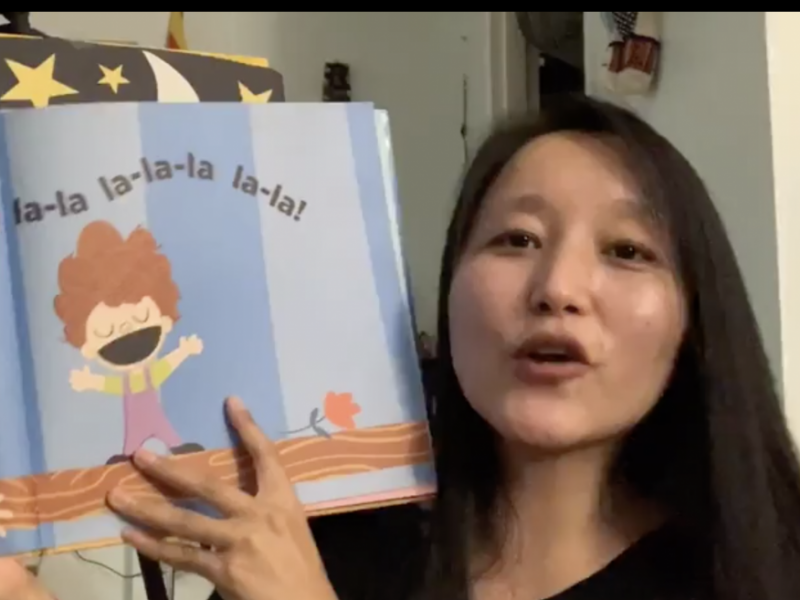
"caption": "Tenzin Kalsang's story times in Tibetan and English were originally held at the Williamsburg branch of the Brooklyn Public Library system, but have since moved online.",
"description": "Tenzin Kalsang's story times in Tibetan and English were originally held at the Williamsburg branch of the Brooklyn Public Library system, but have since moved online.",
"title": "Tenzin Kalsang's story times in Tibetan and English were originally held at the Williamsburg branch of the Brooklyn Public Library system, but have since moved online.",
"credit": "Brooklyn Public Library's Facebook page",
"status": "inherit",
"altTag": "Tenzin Kalsang holds a book up to the camera as she reads to children in Tibetan and English.",
"isLoading": false,
"fetchFailed": false
},
"arts_13893309": {
"type": "attachments",
"id": "arts_13893309",
"meta": {
"index": "attachments_1716263798",
"site": "arts",
"id": "13893309",
"found": true
},
"parent": 13893308,
"imgSizes": {
"thumbnail": {
"file": "https://ww2.kqed.org/app/uploads/sites/2/2021/02/Tongo_02web-160x107.jpg",
"width": 160,
"mimeType": "image/jpeg",
"height": 107
},
"post-thumbnail": {
"file": "https://ww2.kqed.org/app/uploads/sites/2/2021/02/Tongo_02web-672x372.jpg",
"width": 672,
"mimeType": "image/jpeg",
"height": 372
},
"kqedFullSize": {
"file": "https://ww2.kqed.org/app/uploads/sites/2/2021/02/Tongo_02web.jpg",
"width": 864,
"height": 577
},
"medium": {
"file": "https://ww2.kqed.org/app/uploads/sites/2/2021/02/Tongo_02web-800x534.jpg",
"width": 800,
"mimeType": "image/jpeg",
"height": 534
},
"medium_large": {
"file": "https://ww2.kqed.org/app/uploads/sites/2/2021/02/Tongo_02web-768x513.jpg",
"width": 768,
"mimeType": "image/jpeg",
"height": 513
}
},
"publishDate": 1614230399,
"modified": 1614357498,
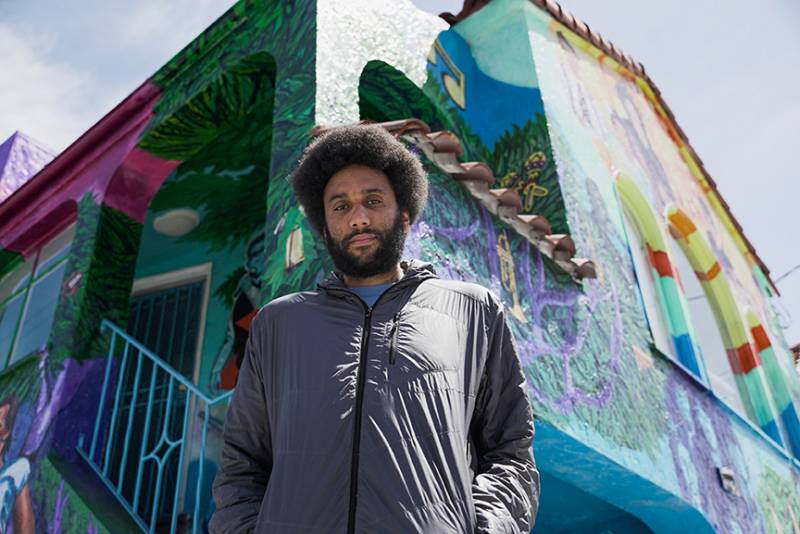
"caption": "Tongo Eisen-Martin",
"description": "Tongo Eisen-Martin",
"title": "Tongo Eisen-Martin",
"credit": "Kyler Knox, courtesy of El Tecolote",
"status": "inherit",
"altTag": "Tongo Eisen-Martin",
"isLoading": false,
"fetchFailed": false
},
"arts_13893239": {
"type": "attachments",
"id": "arts_13893239",
"meta": {
"index": "attachments_1716263798",
"site": "arts",
"id": "13893239",
"found": true
},
"parent": 0,
"imgSizes": {
"twentyfourteen-full-width": {
"file": "https://ww2.kqed.org/app/uploads/sites/2/2021/02/052_SanFrancisco_LawrenceFerllinghettiMemorial_02232021-1038x576.jpg",
"width": 1038,
"mimeType": "image/jpeg",
"height": 576
},
"thumbnail": {
"file": "https://ww2.kqed.org/app/uploads/sites/2/2021/02/052_SanFrancisco_LawrenceFerllinghettiMemorial_02232021-160x107.jpg",
"width": 160,
"mimeType": "image/jpeg",
"height": 107
},
"post-thumbnail": {
"file": "https://ww2.kqed.org/app/uploads/sites/2/2021/02/052_SanFrancisco_LawrenceFerllinghettiMemorial_02232021-672x372.jpg",
"width": 672,
"mimeType": "image/jpeg",
"height": 372
},
"kqedFullSize": {
"file": "https://ww2.kqed.org/app/uploads/sites/2/2021/02/052_SanFrancisco_LawrenceFerllinghettiMemorial_02232021.jpg",
"width": 1920,
"height": 1280
},
"large": {
"file": "https://ww2.kqed.org/app/uploads/sites/2/2021/02/052_SanFrancisco_LawrenceFerllinghettiMemorial_02232021-1020x680.jpg",
"width": 1020,
"mimeType": "image/jpeg",
"height": 680
},
"1536x1536": {
"file": "https://ww2.kqed.org/app/uploads/sites/2/2021/02/052_SanFrancisco_LawrenceFerllinghettiMemorial_02232021-1536x1024.jpg",
"width": 1536,
"mimeType": "image/jpeg",
"height": 1024
},
"medium": {
"file": "https://ww2.kqed.org/app/uploads/sites/2/2021/02/052_SanFrancisco_LawrenceFerllinghettiMemorial_02232021-800x533.jpg",
"width": 800,
"mimeType": "image/jpeg",
"height": 533
},
"medium_large": {
"file": "https://ww2.kqed.org/app/uploads/sites/2/2021/02/052_SanFrancisco_LawrenceFerllinghettiMemorial_02232021-768x512.jpg",
"width": 768,
"mimeType": "image/jpeg",
"height": 512
}
},
"publishDate": 1614190854,
"modified": 1614191752,
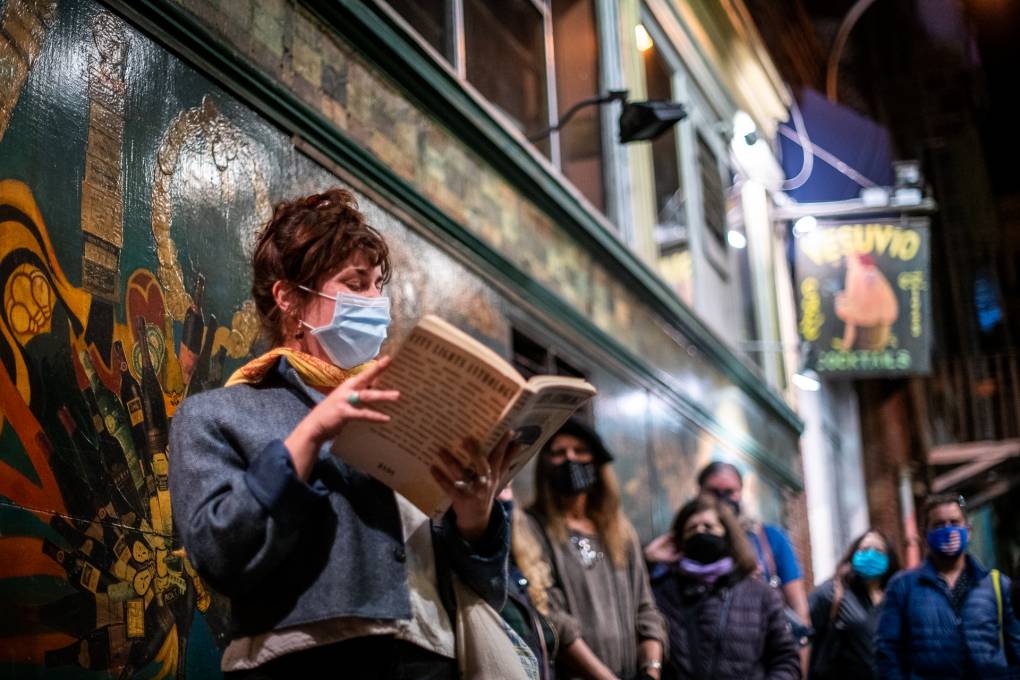
"caption": "Hannah Forrester reads from a 1974 City Lights Anthology during a vigil for Lawrence Ferlinghetti outside of City Lights Books on Feb. 23, 2021.",
"description": "Hannah Forrester reads from a 1974 City Lights Anthology during a vigil for Lawrence Ferlinghetti outside of City Lights Books on Feb. 23, 2021.",
"title": "Photojournalist",
"credit": "Beth LaBerge/KQED",
"status": "inherit",
"altTag": "Hannah Forrester reads from a 1974 City Lights Anthology during a vigil for Lawrence Ferlinghetti outside of City Lights Books on Feb. 23, 2021.",
"isLoading": false,
"fetchFailed": false
},
"arts_13893252": {
"type": "attachments",
"id": "arts_13893252",
"meta": {
"index": "attachments_1716263798",
"site": "arts",
"id": "13893252",
"found": true
},
"parent": 13893251,
"imgSizes": {
"twentyfourteen-full-width": {
"file": "https://ww2.kqed.org/app/uploads/sites/2/2021/02/91sxv1-mkfl-a7ad086624c4d4fe4ee3d0cfa4b3cb95733c3a90-1018x576.jpg",
"width": 1018,
"mimeType": "image/jpeg",
"height": 576
},
"thumbnail": {
"file": "https://ww2.kqed.org/app/uploads/sites/2/2021/02/91sxv1-mkfl-a7ad086624c4d4fe4ee3d0cfa4b3cb95733c3a90-160x120.jpg",
"width": 160,
"mimeType": "image/jpeg",
"height": 120
},
"post-thumbnail": {
"file": "https://ww2.kqed.org/app/uploads/sites/2/2021/02/91sxv1-mkfl-a7ad086624c4d4fe4ee3d0cfa4b3cb95733c3a90-672x372.jpg",
"width": 672,
"mimeType": "image/jpeg",
"height": 372
},
"kqedFullSize": {
"file": "https://ww2.kqed.org/app/uploads/sites/2/2021/02/91sxv1-mkfl-a7ad086624c4d4fe4ee3d0cfa4b3cb95733c3a90.jpg",
"width": 1018,
"height": 764
},
"medium": {
"file": "https://ww2.kqed.org/app/uploads/sites/2/2021/02/91sxv1-mkfl-a7ad086624c4d4fe4ee3d0cfa4b3cb95733c3a90-800x600.jpg",
"width": 800,
"mimeType": "image/jpeg",
"height": 600
},
"medium_large": {
"file": "https://ww2.kqed.org/app/uploads/sites/2/2021/02/91sxv1-mkfl-a7ad086624c4d4fe4ee3d0cfa4b3cb95733c3a90-768x576.jpg",
"width": 768,
"mimeType": "image/jpeg",
"height": 576
}
},
"publishDate": 1614193435,
"modified": 1614194315,
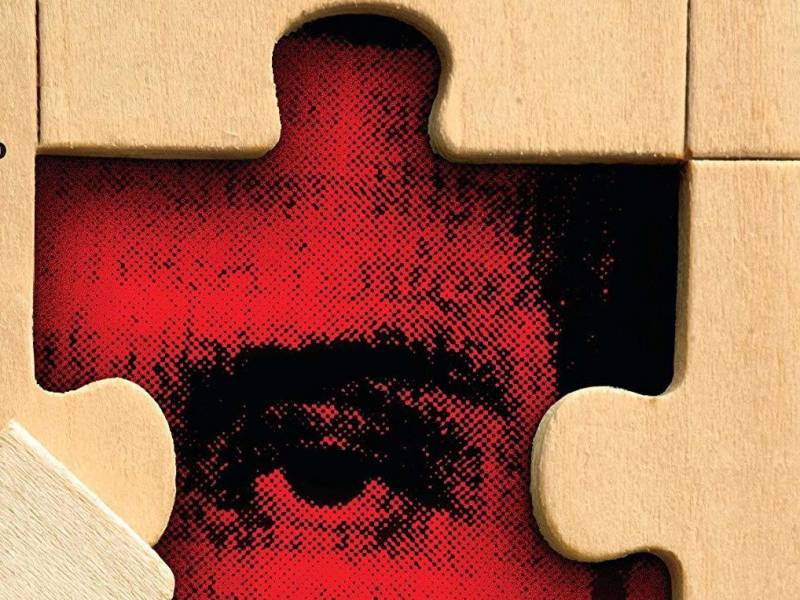
"caption": "'Two Truths and a Lie,' by Ellen McGarrahan.",
"description": "'Two Truths and a Lie,' by Ellen McGarrahan.",
"title": "'Two Truths and a Lie,' by Ellen McGarrahan.",
"credit": "Penguin Random House",
"status": "inherit",
"altTag": "The cover of 'Two Truths and a Lie,' by Ellen McGarrahan; a man's face hidden within jigsaw puzzle pieces.",
"isLoading": false,
"fetchFailed": false
},
"arts_13892956": {
"type": "attachments",
"id": "arts_13892956",
"meta": {
"index": "attachments_1716263798",
"site": "arts",
"id": "13892956",
"found": true
},
"parent": 13892950,
"imgSizes": {
"twentyfourteen-full-width": {
"file": "https://ww2.kqed.org/app/uploads/sites/2/2021/02/ca-times.brightspotcdn-1038x576.jpg",
"width": 1038,
"mimeType": "image/jpeg",
"height": 576
},
"thumbnail": {
"file": "https://ww2.kqed.org/app/uploads/sites/2/2021/02/ca-times.brightspotcdn-160x84.jpg",
"width": 160,
"mimeType": "image/jpeg",
"height": 84
},
"post-thumbnail": {
"file": "https://ww2.kqed.org/app/uploads/sites/2/2021/02/ca-times.brightspotcdn-672x372.jpg",
"width": 672,
"mimeType": "image/jpeg",
"height": 372
},
"kqedFullSize": {
"file": "https://ww2.kqed.org/app/uploads/sites/2/2021/02/ca-times.brightspotcdn.jpg",
"width": 1200,
"height": 630
},
"large": {
"file": "https://ww2.kqed.org/app/uploads/sites/2/2021/02/ca-times.brightspotcdn-1020x536.jpg",
"width": 1020,
"mimeType": "image/jpeg",
"height": 536
},
"medium": {
"file": "https://ww2.kqed.org/app/uploads/sites/2/2021/02/ca-times.brightspotcdn-800x420.jpg",
"width": 800,
"mimeType": "image/jpeg",
"height": 420
},
"medium_large": {
"file": "https://ww2.kqed.org/app/uploads/sites/2/2021/02/ca-times.brightspotcdn-768x403.jpg",
"width": 768,
"mimeType": "image/jpeg",
"height": 403
}
},
"publishDate": 1613684681,
"modified": 1613684697,
"caption": null,
"description": null,
"title": "nooneistalkingaboutthis",
"credit": null,
"status": "inherit",
"altTag": null,
"isLoading": false,
"fetchFailed": false
},
"arts_13892947": {
"type": "attachments",
"id": "arts_13892947",
"meta": {
"index": "attachments_1716263798",
"site": "arts",
"id": "13892947",
"found": true
},
"parent": 13892908,
"imgSizes": {
"thumbnail": {
"file": "https://ww2.kqed.org/app/uploads/sites/2/2021/02/BetweenMyBody.YS_-160x100.jpg",
"width": 160,
"mimeType": "image/jpeg",
"height": 100
},
"post-thumbnail": {
"file": "https://ww2.kqed.org/app/uploads/sites/2/2021/02/BetweenMyBody.YS_-672x372.jpg",
"width": 672,
"mimeType": "image/jpeg",
"height": 372
},
"kqedFullSize": {
"file": "https://ww2.kqed.org/app/uploads/sites/2/2021/02/BetweenMyBody.YS_.jpg",
"width": 800,
"height": 500
},
"medium_large": {
"file": "https://ww2.kqed.org/app/uploads/sites/2/2021/02/BetweenMyBody.YS_-768x480.jpg",
"width": 768,
"mimeType": "image/jpeg",
"height": 480
}
},
"publishDate": 1613682336,
"modified": 1613682504,
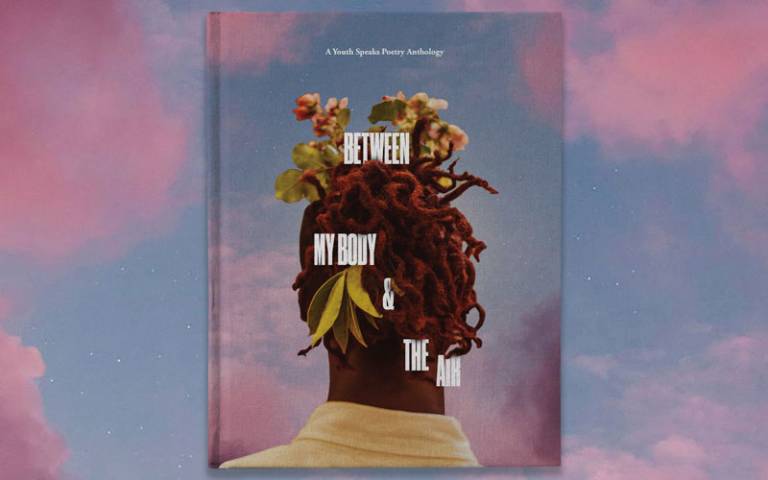
"caption": "'Between My Body and the Air.'",
"description": "'Between My Body and the Air.'",
"title": "BetweenMyBody.YS",
"credit": "Youth Speaks",
"status": "inherit",
"altTag": "'Between My Body and the Air.'",
"isLoading": false,
"fetchFailed": false
},
"arts_13892793": {
"type": "attachments",
"id": "arts_13892793",
"meta": {
"index": "attachments_1716263798",
"site": "arts",
"id": "13892793",
"found": true
},
"parent": 13892784,
"imgSizes": {
"twentyfourteen-full-width": {
"file": "https://ww2.kqed.org/app/uploads/sites/2/2021/02/jenkins-beverly-ap1_wide-b5cd24234ae048c041888abae4643e63ff50d862-1038x576.jpg",
"width": 1038,
"mimeType": "image/jpeg",
"height": 576
},
"thumbnail": {
"file": "https://ww2.kqed.org/app/uploads/sites/2/2021/02/jenkins-beverly-ap1_wide-b5cd24234ae048c041888abae4643e63ff50d862-160x90.jpg",
"width": 160,
"mimeType": "image/jpeg",
"height": 90
},
"post-thumbnail": {
"file": "https://ww2.kqed.org/app/uploads/sites/2/2021/02/jenkins-beverly-ap1_wide-b5cd24234ae048c041888abae4643e63ff50d862-672x372.jpg",
"width": 672,
"mimeType": "image/jpeg",
"height": 372
},
"kqedFullSize": {
"file": "https://ww2.kqed.org/app/uploads/sites/2/2021/02/jenkins-beverly-ap1_wide-b5cd24234ae048c041888abae4643e63ff50d862.jpg",
"width": 1400,
"height": 787
},
"large": {
"file": "https://ww2.kqed.org/app/uploads/sites/2/2021/02/jenkins-beverly-ap1_wide-b5cd24234ae048c041888abae4643e63ff50d862-1020x573.jpg",
"width": 1020,
"mimeType": "image/jpeg",
"height": 573
},
"medium": {
"file": "https://ww2.kqed.org/app/uploads/sites/2/2021/02/jenkins-beverly-ap1_wide-b5cd24234ae048c041888abae4643e63ff50d862-800x450.jpg",
"width": 800,
"mimeType": "image/jpeg",
"height": 450
},
"medium_large": {
"file": "https://ww2.kqed.org/app/uploads/sites/2/2021/02/jenkins-beverly-ap1_wide-b5cd24234ae048c041888abae4643e63ff50d862-768x432.jpg",
"width": 768,
"mimeType": "image/jpeg",
"height": 432
}
},
"publishDate": 1613174594,
"modified": 1613174647,
"caption": "Beverly Jenkins.",
"description": "Beverly Jenkins.",
"title": "Beverly Jenkins.",
"credit": "Greg Anthony/Harper Collins",
"status": "inherit",
"altTag": "Beverly Jenkins.",
"isLoading": false,
"fetchFailed": false
},
"arts_13892462": {
"type": "attachments",
"id": "arts_13892462",
"meta": {
"index": "attachments_1716263798",
"site": "arts",
"id": "13892462",
"found": true
},
"parent": 13892455,
"imgSizes": {
"twentyfourteen-full-width": {
"file": "https://ww2.kqed.org/app/uploads/sites/2/2021/02/kingdom_wide-813ef3f0c9d676550cad283b24a4a5d602dbc18d-1038x576.jpg",
"width": 1038,
"mimeType": "image/jpeg",
"height": 576
},
"thumbnail": {
"file": "https://ww2.kqed.org/app/uploads/sites/2/2021/02/kingdom_wide-813ef3f0c9d676550cad283b24a4a5d602dbc18d-160x90.jpg",
"width": 160,
"mimeType": "image/jpeg",
"height": 90
},
"post-thumbnail": {
"file": "https://ww2.kqed.org/app/uploads/sites/2/2021/02/kingdom_wide-813ef3f0c9d676550cad283b24a4a5d602dbc18d-672x372.jpg",
"width": 672,
"mimeType": "image/jpeg",
"height": 372
},
"kqedFullSize": {
"file": "https://ww2.kqed.org/app/uploads/sites/2/2021/02/kingdom_wide-813ef3f0c9d676550cad283b24a4a5d602dbc18d.jpg",
"width": 1400,
"height": 787
},
"large": {
"file": "https://ww2.kqed.org/app/uploads/sites/2/2021/02/kingdom_wide-813ef3f0c9d676550cad283b24a4a5d602dbc18d-1020x573.jpg",
"width": 1020,
"mimeType": "image/jpeg",
"height": 573
},
"medium": {
"file": "https://ww2.kqed.org/app/uploads/sites/2/2021/02/kingdom_wide-813ef3f0c9d676550cad283b24a4a5d602dbc18d-800x450.jpg",
"width": 800,
"mimeType": "image/jpeg",
"height": 450
},
"medium_large": {
"file": "https://ww2.kqed.org/app/uploads/sites/2/2021/02/kingdom_wide-813ef3f0c9d676550cad283b24a4a5d602dbc18d-768x432.jpg",
"width": 768,
"mimeType": "image/jpeg",
"height": 432
}
},
"publishDate": 1612902470,
"modified": 1612902504,
"caption": null,
"description": null,
"title": "Between Two Kingdoms",
"credit": "Random House",
"status": "inherit",
"altTag": null,
"isLoading": false,
"fetchFailed": false
},
"arts_13892421": {
"type": "attachments",
"id": "arts_13892421",
"meta": {
"index": "attachments_1716263798",
"site": "arts",
"id": "13892421",
"found": true
},
"parent": 13892182,
"imgSizes": {
"twentyfourteen-full-width": {
"file": "https://ww2.kqed.org/app/uploads/sites/2/2021/02/pexels-kamaji-ogino-5066286-1038x576.jpg",
"width": 1038,
"mimeType": "image/jpeg",
"height": 576
},
"thumbnail": {
"file": "https://ww2.kqed.org/app/uploads/sites/2/2021/02/pexels-kamaji-ogino-5066286-160x107.jpg",
"width": 160,
"mimeType": "image/jpeg",
"height": 107
},
"post-thumbnail": {
"file": "https://ww2.kqed.org/app/uploads/sites/2/2021/02/pexels-kamaji-ogino-5066286-672x372.jpg",
"width": 672,
"mimeType": "image/jpeg",
"height": 372
},
"kqedFullSize": {
"file": "https://ww2.kqed.org/app/uploads/sites/2/2021/02/pexels-kamaji-ogino-5066286.jpg",
"width": 1280,
"height": 853
},
"large": {
"file": "https://ww2.kqed.org/app/uploads/sites/2/2021/02/pexels-kamaji-ogino-5066286-1020x680.jpg",
"width": 1020,
"mimeType": "image/jpeg",
"height": 680
},
"medium": {
"file": "https://ww2.kqed.org/app/uploads/sites/2/2021/02/pexels-kamaji-ogino-5066286-800x533.jpg",
"width": 800,
"mimeType": "image/jpeg",
"height": 533
},
"medium_large": {
"file": "https://ww2.kqed.org/app/uploads/sites/2/2021/02/pexels-kamaji-ogino-5066286-768x512.jpg",
"width": 768,
"mimeType": "image/jpeg",
"height": 512
}
},
"publishDate": 1612830646,
"modified": 1612830732,
"caption": "Edited by R.O. Kwon and Garth Greenwell, the stories in 'Kink' explore a spectrum of desire with vivid, sensory prose. ",
"description": null,
"title": "pexels-kamaji-ogino-5066286",
"credit": "Kamaji Ogino/Pexels",
"status": "inherit",
"altTag": null,
"isLoading": false,
"fetchFailed": false
},
"arts_13892258": {
"type": "attachments",
"id": "arts_13892258",
"meta": {
"index": "attachments_1716263798",
"site": "arts",
"id": "13892258",
"found": true
},
"parent": 13892252,
"imgSizes": {
"twentyfourteen-full-width": {
"file": "https://ww2.kqed.org/app/uploads/sites/2/2021/02/marie-2zpWPy0hLxQ-unsplash-1038x576.jpg",
"width": 1038,
"mimeType": "image/jpeg",
"height": 576
},
"thumbnail": {
"file": "https://ww2.kqed.org/app/uploads/sites/2/2021/02/marie-2zpWPy0hLxQ-unsplash-160x107.jpg",
"width": 160,
"mimeType": "image/jpeg",
"height": 107
},
"post-thumbnail": {
"file": "https://ww2.kqed.org/app/uploads/sites/2/2021/02/marie-2zpWPy0hLxQ-unsplash-672x372.jpg",
"width": 672,
"mimeType": "image/jpeg",
"height": 372
},
"kqedFullSize": {
"file": "https://ww2.kqed.org/app/uploads/sites/2/2021/02/marie-2zpWPy0hLxQ-unsplash-scaled-e1612481204605.jpg",
"width": 1920,
"height": 1280
},
"2048x2048": {
"file": "https://ww2.kqed.org/app/uploads/sites/2/2021/02/marie-2zpWPy0hLxQ-unsplash-2048x1365.jpg",
"width": 2048,
"mimeType": "image/jpeg",
"height": 1365
},
"large": {
"file": "https://ww2.kqed.org/app/uploads/sites/2/2021/02/marie-2zpWPy0hLxQ-unsplash-1020x680.jpg",
"width": 1020,
"mimeType": "image/jpeg",
"height": 680
},
"1536x1536": {
"file": "https://ww2.kqed.org/app/uploads/sites/2/2021/02/marie-2zpWPy0hLxQ-unsplash-1536x1024.jpg",
"width": 1536,
"mimeType": "image/jpeg",
"height": 1024
},
"full-width": {
"file": "https://ww2.kqed.org/app/uploads/sites/2/2021/02/marie-2zpWPy0hLxQ-unsplash-1920x1280.jpg",
"width": 1920,
"mimeType": "image/jpeg",
"height": 1280
},
"medium": {
"file": "https://ww2.kqed.org/app/uploads/sites/2/2021/02/marie-2zpWPy0hLxQ-unsplash-800x533.jpg",
"width": 800,
"mimeType": "image/jpeg",
"height": 533
},
"medium_large": {
"file": "https://ww2.kqed.org/app/uploads/sites/2/2021/02/marie-2zpWPy0hLxQ-unsplash-768x512.jpg",
"width": 768,
"mimeType": "image/jpeg",
"height": 512
}
},
"publishDate": 1612481178,
"modified": 1612481222,
"caption": null,
"description": null,
"title": "marie-2zpWPy0hLxQ-unsplash",
"credit": "Marie/Unsplash",
"status": "inherit",
"altTag": null,
"isLoading": false,
"fetchFailed": false
},
"arts_13892140": {
"type": "attachments",
"id": "arts_13892140",
"meta": {
"index": "attachments_1716263798",
"site": "arts",
"id": "13892140",
"found": true
},
"parent": 13892124,
"imgSizes": {
"twentyfourteen-full-width": {
"file": "https://ww2.kqed.org/app/uploads/sites/2/2021/02/GettyImages-1228694789-1038x576.jpg",
"width": 1038,
"mimeType": "image/jpeg",
"height": 576
},
"thumbnail": {
"file": "https://ww2.kqed.org/app/uploads/sites/2/2021/02/GettyImages-1228694789-160x107.jpg",
"width": 160,
"mimeType": "image/jpeg",
"height": 107
},
"post-thumbnail": {
"file": "https://ww2.kqed.org/app/uploads/sites/2/2021/02/GettyImages-1228694789-672x372.jpg",
"width": 672,
"mimeType": "image/jpeg",
"height": 372
},
"kqedFullSize": {
"file": "https://ww2.kqed.org/app/uploads/sites/2/2021/02/GettyImages-1228694789-scaled-e1612306845461.jpg",
"width": 1920,
"height": 1280
},
"2048x2048": {
"file": "https://ww2.kqed.org/app/uploads/sites/2/2021/02/GettyImages-1228694789-2048x1365.jpg",
"width": 2048,
"mimeType": "image/jpeg",
"height": 1365
},
"large": {
"file": "https://ww2.kqed.org/app/uploads/sites/2/2021/02/GettyImages-1228694789-1020x680.jpg",
"width": 1020,
"mimeType": "image/jpeg",
"height": 680
},
"1536x1536": {
"file": "https://ww2.kqed.org/app/uploads/sites/2/2021/02/GettyImages-1228694789-1536x1024.jpg",
"width": 1536,
"mimeType": "image/jpeg",
"height": 1024
},
"full-width": {
"file": "https://ww2.kqed.org/app/uploads/sites/2/2021/02/GettyImages-1228694789-1920x1280.jpg",
"width": 1920,
"mimeType": "image/jpeg",
"height": 1280
},
"medium": {
"file": "https://ww2.kqed.org/app/uploads/sites/2/2021/02/GettyImages-1228694789-800x533.jpg",
"width": 800,
"mimeType": "image/jpeg",
"height": 533
},
"medium_large": {
"file": "https://ww2.kqed.org/app/uploads/sites/2/2021/02/GettyImages-1228694789-768x512.jpg",
"width": 768,
"mimeType": "image/jpeg",
"height": 512
}
},
"publishDate": 1612306824,
"modified": 1612306870,
"caption": null,
"description": null,
"title": "Louisville Police Officer Charged With Wanton Endangerment In Breonna Taylors Death",
"credit": "Jon Cherry/Getty Images",
"status": "inherit",
"altTag": null,
"isLoading": false,
"fetchFailed": false
}
},
"audioPlayerReducer": {
"postId": "stream_live",
"isPaused": true,
"isPlaying": false,
"pfsActive": false,
"pledgeModalIsOpen": true,
"playerDrawerIsOpen": false,
"liveAudioPlayStartedAt": 0,
"liveAudioPlayContext": ""
},
"authorsReducer": {
"byline_arts_13893468": {
"type": "authors",
"id": "byline_arts_13893468",
"meta": {
"override": true
},
"slug": "byline_arts_13893468",
"name": "Bill Chappell",
"isLoading": false
},
"byline_arts_13893455": {
"type": "authors",
"id": "byline_arts_13893455",
"meta": {
"override": true
},
"slug": "byline_arts_13893455",
"name": "Sally Herships",
"isLoading": false
},
"byline_arts_13893251": {
"type": "authors",
"id": "byline_arts_13893251",
"meta": {
"override": true
},
"slug": "byline_arts_13893251",
"name": "Maureen Corrigan",
"isLoading": false
},
"byline_arts_13892950": {
"type": "authors",
"id": "byline_arts_13892950",
"meta": {
"override": true
},
"slug": "byline_arts_13892950",
"name": "Heller McAlpin",
"isLoading": false
},
"byline_arts_13892784": {
"type": "authors",
"id": "byline_arts_13892784",
"meta": {
"override": true
},
"slug": "byline_arts_13892784",
"name": "Karen Grigsby Bates",
"isLoading": false
},
"byline_arts_13892455": {
"type": "authors",
"id": "byline_arts_13892455",
"meta": {
"override": true
},
"slug": "byline_arts_13892455",
"name": "Heller McAlpin",
"isLoading": false
},
"byline_arts_13892252": {
"type": "authors",
"id": "byline_arts_13892252",
"meta": {
"override": true
},
"slug": "byline_arts_13892252",
"name": "Gabino Iglesias",
"isLoading": false
},
"byline_arts_13892124": {
"type": "authors",
"id": "byline_arts_13892124",
"meta": {
"override": true
},
"slug": "byline_arts_13892124",
"name": "Ericka Taylor",
"isLoading": false
},
"gmeline": {
"type": "authors",
"id": "185",
"meta": {
"index": "authors_1716337520",
"id": "185",
"found": true
},
"name": "Gabe Meline",
"firstName": "Gabe",
"lastName": "Meline",
"slug": "gmeline",
"email": "gmeline@kqed.org",
"display_author_email": true,
"staff_mastheads": [
"arts"
],
"title": "Senior Editor, KQED Arts & Culture",
"bio": "Gabe Meline entered journalism at age 15 making photocopied zines, and has since earned awards from the Edward R. Murrow Awards, the Society for Professional Journalists, the Online Journalism Awards, the Association of Alternative Newsweeklies and the California Newspaper Publishers Association. Prior to KQED, he was the editor of the \u003cem>North Bay Bohemian\u003c/em> and a touring musician. He lives with his wife and daughter in his hometown of Santa Rosa, CA.",
"avatar": "https://secure.gravatar.com/avatar/5bebe57be0d8bc2dd318934feb47299e2d2d10cba28d09d8d7afb389a2ce2bdd?s=600&d=blank&r=g",
"twitter": null,
"bluesky": null,
"facebook": null,
"instagram": null,
"linkedin": null,
"sites": [
{
"site": "",
"roles": [
"editor"
]
},
{
"site": "arts",
"roles": [
"administrator"
]
},
{
"site": "artschool",
"roles": [
"editor"
]
},
{
"site": "news",
"roles": [
"author"
]
},
{
"site": "pop",
"roles": [
"editor"
]
},
{
"site": "bayareabites",
"roles": [
"editor"
]
},
{
"site": "food",
"roles": [
"editor"
]
},
{
"site": "forum",
"roles": [
"administrator"
]
},
{
"site": "liveblog",
"roles": [
"editor"
]
},
{
"site": "hiphop",
"roles": [
"editor"
]
}
],
"headData": {
"title": "Gabe Meline | KQED",
"description": "Senior Editor, KQED Arts & Culture",
"ogImgSrc": "https://secure.gravatar.com/avatar/5bebe57be0d8bc2dd318934feb47299e2d2d10cba28d09d8d7afb389a2ce2bdd?s=600&d=blank&r=g",
"twImgSrc": "https://secure.gravatar.com/avatar/5bebe57be0d8bc2dd318934feb47299e2d2d10cba28d09d8d7afb389a2ce2bdd?s=600&d=blank&r=g"
},
"isLoading": false,
"link": "/author/gmeline"
},
"nvoynovskaya": {
"type": "authors",
"id": "11387",
"meta": {
"index": "authors_1716337520",
"id": "11387",
"found": true
},
"name": "Nastia Voynovskaya",
"firstName": "Nastia",
"lastName": "Voynovskaya",
"slug": "nvoynovskaya",
"email": "nvoynovskaya@kqed.org",
"display_author_email": false,
"staff_mastheads": [
"arts"
],
"title": "Editor and reporter",
"bio": "Nastia Voynovskaya is a reporter, editor and host at KQED Arts & Culture. She's been covering the arts in the Bay Area for over a decade, with a focus on music, queer culture, labor issues and grassroots organizing. She has edited KQED story series such as Trans Bay: A History of San Francisco's Gender-Diverse Community, and co-created KQED's Bay Area hip-hop history project, That's My Word. Nastia's work has been recognized by the Society of Professional Journalists and San Francisco Press Club. She regularly appears on podcasts and radio programs, including NPR's All Songs Considered, and hosts live events where music, culture and conversation meet.",
"avatar": "https://secure.gravatar.com/avatar/5025ee460e5a85d69ca20ea6c6f2f80d7e17795c828f61ea3aecfcd924e9042e?s=600&d=blank&r=g",
"twitter": null,
"bluesky": null,
"facebook": null,
"instagram": "https://www.instagram.com/nananastia/",
"linkedin": null,
"sites": [
{
"site": "",
"roles": [
"editor"
]
},
{
"site": "arts",
"roles": [
"administrator"
]
},
{
"site": "news",
"roles": [
"editor"
]
},
{
"site": "pop",
"roles": [
"administrator"
]
},
{
"site": "bayareabites",
"roles": [
"editor"
]
},
{
"site": "podcasts",
"roles": [
"editor"
]
},
{
"site": "hiphop",
"roles": [
"editor"
]
}
],
"headData": {
"title": "Nastia Voynovskaya | KQED",
"description": "Editor and reporter",
"ogImgSrc": "https://secure.gravatar.com/avatar/5025ee460e5a85d69ca20ea6c6f2f80d7e17795c828f61ea3aecfcd924e9042e?s=600&d=blank&r=g",
"twImgSrc": "https://secure.gravatar.com/avatar/5025ee460e5a85d69ca20ea6c6f2f80d7e17795c828f61ea3aecfcd924e9042e?s=600&d=blank&r=g"
},
"isLoading": false,
"link": "/author/nvoynovskaya"
},
"ogpenn": {
"type": "authors",
"id": "11491",
"meta": {
"index": "authors_1716337520",
"id": "11491",
"found": true
},
"name": "Pendarvis Harshaw",
"firstName": "Pendarvis",
"lastName": "Harshaw",
"slug": "ogpenn",
"email": "ogpenn@gmail.com",
"display_author_email": false,
"staff_mastheads": [
"arts"
],
"title": "Community Engagement Reporter",
"bio": "Pendarvis Harshaw is an educator, host and writer with KQED Arts.",
"avatar": "https://secure.gravatar.com/avatar/972b77ee8e3f346ae2b00622661187fbfabd059b5693bbdc1475ea7a722fd4cd?s=600&d=blank&r=g",
"twitter": null,
"bluesky": null,
"facebook": null,
"instagram": "ogpenn",
"linkedin": null,
"sites": [
{
"site": "arts",
"roles": [
"administrator"
]
},
{
"site": "news",
"roles": [
"editor"
]
},
{
"site": "bayareabites",
"roles": [
"author"
]
},
{
"site": "hiphop",
"roles": [
"editor"
]
}
],
"headData": {
"title": "Pendarvis Harshaw | KQED",
"description": "Community Engagement Reporter",
"ogImgSrc": "https://secure.gravatar.com/avatar/972b77ee8e3f346ae2b00622661187fbfabd059b5693bbdc1475ea7a722fd4cd?s=600&d=blank&r=g",
"twImgSrc": "https://secure.gravatar.com/avatar/972b77ee8e3f346ae2b00622661187fbfabd059b5693bbdc1475ea7a722fd4cd?s=600&d=blank&r=g"
},
"isLoading": false,
"link": "/author/ogpenn"
},
"mmedina": {
"type": "authors",
"id": "11528",
"meta": {
"index": "authors_1716337520",
"id": "11528",
"found": true
},
"name": "Marisol Medina-Cadena",
"firstName": "Marisol",
"lastName": "Medina-Cadena",
"slug": "mmedina",
"email": "mmedina@KQED.org",
"display_author_email": true,
"staff_mastheads": [],
"title": "Producer, Rightnowish Podcast",
"bio": "Marisol Medina-Cadena is a radio reporter and podcast producer. Before working at KQED, she produced for PBS member station, KCET, in Los Angeles. In 2017, Marisol won an Emmy Award for her work on the televised documentary, \u003cem>City Rising\u003c/em>, examining California's affordable housing crisis and the historical roots of gentrification.",
"avatar": "https://secure.gravatar.com/avatar/6c3db46a1cabb5e1fe9a365b5f4e681e?s=600&d=blank&r=g",
"twitter": "marisolreports",
"facebook": null,
"instagram": null,
"linkedin": null,
"sites": [
{
"site": "arts",
"roles": []
},
{
"site": "news",
"roles": [
"edit_others_posts"
]
}
],
"headData": {
"title": "Marisol Medina-Cadena | KQED",
"description": "Producer, Rightnowish Podcast",
"ogImgSrc": "https://secure.gravatar.com/avatar/6c3db46a1cabb5e1fe9a365b5f4e681e?s=600&d=blank&r=g",
"twImgSrc": "https://secure.gravatar.com/avatar/6c3db46a1cabb5e1fe9a365b5f4e681e?s=600&d=blank&r=g"
},
"isLoading": false,
"link": "/author/mmedina"
}
},
"pagesReducer": {
"arts_category_literature": {
"type": "terms",
"id": "arts_73",
"meta": {
"index": "terms_1716263798",
"site": "arts",
"id": "73",
"score": 12.797728
},
"featImg": null,
"name": "Books",
"description": null,
"taxonomy": "category",
"headData": {
"twImgId": null,
"twTitle": null,
"ogTitle": null,
"ogImgId": null,
"twDescription": null,
"description": null,
"title": "Books Archives | KQED Arts",
"ogDescription": null
},
"ttid": 74,
"slug": "literature",
"isLoading": false,
"title": "Books",
"pageMeta": {
"site": "arts",
"WpPageTemplate": "page-topic-editorial",
"currentPage": 48
},
"blocks": [
{
"blockName": "kqed/post-list",
"attrs": {
"layout": "cardArticle2",
"query": "posts/arts?category=literature",
"seeMore": false,
"paginated": true,
"page": 48
}
},
{
"blockName": "kqed/ad"
}
]
}
},
"pfsSessionReducer": {},
"postsReducer": {
"stream_live": {
"type": "live",
"id": "stream_live",
"audioUrl": "https://streams.kqed.org/kqedradio",
"title": "Live Stream",
"excerpt": "Live Stream information currently unavailable.",
"link": "/radio",
"featImg": "",
"label": {
"name": "KQED Live",
"link": "/"
}
},
"stream_kqedNewscast": {
"type": "posts",
"id": "stream_kqedNewscast",
"audioUrl": "https://www.kqed.org/.stream/anon/radio/RDnews/newscast.mp3?_=1",
"title": "KQED Newscast",
"featImg": "",
"label": {
"name": "88.5 FM",
"link": "/"
}
},
"arts_13893468": {
"type": "posts",
"id": "arts_13893468",
"meta": {
"index": "posts_1716263798",
"site": "arts",
"id": "13893468",
"score": null,
"sort": [
1614707630000
]
},
"parent": 0,
"labelTerm": {
"site": "arts",
"term": 137
},
"blocks": [],
"publishDate": 1614707630,
"format": "standard",
"title": "Dr. Seuss Enterprises Will Shelve Six Books, Citing 'Hurtful' Portrayals",
"headTitle": "Dr. Seuss Enterprises Will Shelve Six Books, Citing ‘Hurtful’ Portrayals | KQED",
"content": "\u003cp>Dr. Seuss Enterprises will cease publishing six of the author’s books — including \u003cem>And to Think That I Saw It on Mulberry Street\u003c/em> and \u003cem>If I Ran the Zoo\u003c/em> — saying they “portray people in ways that are hurtful and wrong.” The books have been criticized for how they depict Asian and Black people.\u003c/p>\n\u003cp>The decision to stop publishing and licensing the books follows a review by a panel of educators and other experts, \u003ca href=\"https://www.seussville.com/statement-from-dr-seuss-enterprises/\">according to Dr. Seuss Enterprises\u003c/a>, the company that controls the author’s books and characters. The other four titles that will be permanently shelved are \u003cem>McElligot’s Pool\u003c/em>,\u003cem> On Beyond Zebra!\u003c/em>,\u003cem> Scrambled Eggs Super!\u003c/em> and \u003cem>The Cat’s Quizzer\u003c/em>.\u003c/p>\n\u003cp>The company says the decision was made last year, in an effort to support “all children and families with messages of hope, inspiration, inclusion, and friendship.”\u003c/p>\n\u003cp>First published in 1937, \u003cem>And to Think That I Saw It on Mulberry Street\u003c/em> is the book that propelled Theodor Seuss Geisel’s career to new heights, as he pivoted from working in advertising to writing children’s books as Dr. Seuss. \u003c/p>\n\u003cp>Several of Geisel’s later books overshadowed \u003cem>Mulberry Street\u003c/em>. But over the years, critics and readers have struggled to reconcile the open-hearted and clever tone of it and other Seuss classics with the small-minded caricatures of minorities they also contain.\u003c/p>\n\u003cp>[ad fullwidth]\u003c/p>\n\u003cp>As NPR’s \u003ca href=\"https://www.npr.org/sections/codeswitch/2019/02/26/695966537/classic-books-are-full-of-problems-why-cant-we-put-them-down\">Code Switch team\u003c/a> has reported:\u003c/p>\n\u003cblockquote>\n\u003cp>“In \u003cem>And to Think That I Saw It on Mulberry Street\u003c/em>, for example, a character described as Chinese has two lines for eyes, carries chopsticks and a bowl of rice, and wears traditional Japanese-style shoes. In \u003cem>If I Ran the Zoo\u003c/em>, two men said to be from Africa are shown shirtless, shoeless and wearing grass skirts as they carry an exotic animal. Outside of his books, the author’s personal legacy has come into question, too — Seuss wrote an entire minstrel show in college and performed as the main character in full blackface.”\u003c/p>\n\u003c/blockquote>\n\u003cfigure id=\"attachment_13893469\" class=\"wp-caption aligncenter\" style=\"max-width: 800px\">\u003cimg loading=\"lazy\" decoding=\"async\" src=\"https://ww2.kqed.org/app/uploads/sites/2/2021/03/gettyimages-3240530-b9d079f6ed2c4d1406a9eaff53cc2e558ebbc43a-800x600.jpg\" alt=\"Dr. Seuss is seen here in his La Jolla, Calif., home in 1957.\" width=\"800\" height=\"600\" class=\"size-medium wp-image-13893469\" srcset=\"https://cdn.kqed.org/wp-content/uploads/sites/2/2021/03/gettyimages-3240530-b9d079f6ed2c4d1406a9eaff53cc2e558ebbc43a-800x600.jpg 800w, https://cdn.kqed.org/wp-content/uploads/sites/2/2021/03/gettyimages-3240530-b9d079f6ed2c4d1406a9eaff53cc2e558ebbc43a-1020x764.jpg 1020w, https://cdn.kqed.org/wp-content/uploads/sites/2/2021/03/gettyimages-3240530-b9d079f6ed2c4d1406a9eaff53cc2e558ebbc43a-160x120.jpg 160w, https://cdn.kqed.org/wp-content/uploads/sites/2/2021/03/gettyimages-3240530-b9d079f6ed2c4d1406a9eaff53cc2e558ebbc43a-768x576.jpg 768w, https://cdn.kqed.org/wp-content/uploads/sites/2/2021/03/gettyimages-3240530-b9d079f6ed2c4d1406a9eaff53cc2e558ebbc43a-1536x1151.jpg 1536w, https://cdn.kqed.org/wp-content/uploads/sites/2/2021/03/gettyimages-3240530-b9d079f6ed2c4d1406a9eaff53cc2e558ebbc43a-2048x1535.jpg 2048w, https://cdn.kqed.org/wp-content/uploads/sites/2/2021/03/gettyimages-3240530-b9d079f6ed2c4d1406a9eaff53cc2e558ebbc43a-1920x1439.jpg 1920w\" sizes=\"(max-width: 800px) 100vw, 800px\">\u003cfigcaption class=\"wp-caption-text\">Dr. Seuss is seen here in his La Jolla, Calif., home in 1957. \u003ccite>(Gene Lester/Getty Images)\u003c/cite>\u003c/figcaption>\u003c/figure>\n\u003cp>Dr. Seuss Enterprises announced the plan to halt publishing and licensing the six books on Read Across America Day, a celebration of children’s books that has long been linked to Dr. Seuss — the March 2 date is also Geisel’s birthday. But the \u003ca href=\"https://www.nea.org/resource-library/read-across-america-frequently-asked-questions\">National Education Association says\u003c/a> it no longer partners with the Dr. Seuss company for Read Across America, its year-round push for parents and families to read.\u003c/p>\n\u003cp>Discussing Read Across America and the Dr. Seuss books \u003ca href=\"https://www.nea.org/resource-library/read-across-america-frequently-asked-questions\">on its website\u003c/a>, the NEA says, “Students need books that provide both windows and mirrors if we are going to create more readers, writers, and people who feel included and recognized, and who understand that the world is far richer than just their experiences alone.”\u003c/p>\n\u003cp>Beyond today’s announcement, Dr. Seuss Enterprises says, it will do more to promote diversity.\u003c/p>\n\u003cp>\u003c/p>\n\u003cp>“Ceasing sales of these books is only part of our commitment and our broader plan to ensure Dr. Seuss Enterprises’s catalog represents and supports all communities and families,” the company says. \u003c/p>\n\u003cdiv class=\"fullattribution\">Copyright 2021 NPR. To see more, visit \u003ca href=\"https://www.npr.org\" rel=\"noopener noreferrer\" target=\"_blank\">NPR\u003c/a>.\u003cimg decoding=\"async\" src=\"https://www.google-analytics.com/__utm.gif?utmac=UA-5828686-4&utmdt=Dr.+Seuss+Enterprises+Will+Shelve+6+Books%2C+Citing+%27Hurtful%27+Portrayals&utme=8(APIKey)9(MDAxOTAwOTE4MDEyMTkxMDAzNjczZDljZA004)\">\u003c/div>\n\n",
"stats": {
"hasVideo": false,
"hasChartOrMap": false,
"hasAudio": false,
"hasPolis": false,
"wordCount": 550,
"hasGoogleForm": false,
"hasGallery": false,
"hasHearkenModule": false,
"iframeSrcs": [],
"paragraphCount": 13
},
"modified": 1705019409,
"excerpt": "The decision includes books such as 'And to Think That I Saw It on Mulberry Street' and 'If I Ran the Zoo,' which have been criticized for how they depict Asian and Black people.",
"headData": {
"twImgId": "",
"twTitle": "",
"ogTitle": "",
"ogImgId": "",
"twDescription": "",
"description": "The decision includes books such as 'And to Think That I Saw It on Mulberry Street' and 'If I Ran the Zoo,' which have been criticized for how they depict Asian and Black people.",
"title": "Dr. Seuss Enterprises Will Shelve Six Books, Citing 'Hurtful' Portrayals | KQED",
"ogDescription": "",
"schema": {
"@context": "https://schema.org",
"@type": "Article",
"headline": "Dr. Seuss Enterprises Will Shelve Six Books, Citing 'Hurtful' Portrayals",
"datePublished": "2021-03-02T09:53:50-08:00",
"dateModified": "2024-01-11T16:30:09-08:00",
"image": "https://cdn.kqed.org/wp-content/uploads/2020/02/KQED-OG-Image@1x.png"
}
},
"guestAuthors": [],
"slug": "dr-seuss-enterprises-will-shelve-six-books-citing-hurtful-portrayals",
"status": "publish",
"nprApiLink": "http://api.npr.org/query?id=972777841&apiKey=MDAxOTAwOTE4MDEyMTkxMDAzNjczZDljZA004",
"templateType": "standard",
"nprByline": "Bill Chappell",
"nprStoryDate": "Tue, 02 Mar 2021 08:41:52 -0500",
"nprLastModifiedDate": "Tue, 02 Mar 2021 11:02:26 -0500",
"featuredImageType": "standard",
"sticky": false,
"nprHtmlLink": "https://www.npr.org/2021/03/02/972777841/dr-seuss-enterprises-will-shelve-6-books-citing-hurtful-portrayals?ft=nprml&f=972777841",
"nprStoryId": "972777841",
"nprRetrievedStory": "1",
"nprPubDate": "Tue, 02 Mar 2021 11:02:00 -0500",
"path": "/arts/13893468/dr-seuss-enterprises-will-shelve-six-books-citing-hurtful-portrayals",
"audioTrackLength": null,
"parsedContent": [
{
"type": "contentString",
"content": "\u003cdiv class=\"post-body\">\u003cp>\u003cp>Dr. Seuss Enterprises will cease publishing six of the author’s books — including \u003cem>And to Think That I Saw It on Mulberry Street\u003c/em> and \u003cem>If I Ran the Zoo\u003c/em> — saying they “portray people in ways that are hurtful and wrong.” The books have been criticized for how they depict Asian and Black people.\u003c/p>\n\u003cp>The decision to stop publishing and licensing the books follows a review by a panel of educators and other experts, \u003ca href=\"https://www.seussville.com/statement-from-dr-seuss-enterprises/\">according to Dr. Seuss Enterprises\u003c/a>, the company that controls the author’s books and characters. The other four titles that will be permanently shelved are \u003cem>McElligot’s Pool\u003c/em>,\u003cem> On Beyond Zebra!\u003c/em>,\u003cem> Scrambled Eggs Super!\u003c/em> and \u003cem>The Cat’s Quizzer\u003c/em>.\u003c/p>\n\u003cp>The company says the decision was made last year, in an effort to support “all children and families with messages of hope, inspiration, inclusion, and friendship.”\u003c/p>\n\u003cp>First published in 1937, \u003cem>And to Think That I Saw It on Mulberry Street\u003c/em> is the book that propelled Theodor Seuss Geisel’s career to new heights, as he pivoted from working in advertising to writing children’s books as Dr. Seuss. \u003c/p>\n\u003cp>Several of Geisel’s later books overshadowed \u003cem>Mulberry Street\u003c/em>. But over the years, critics and readers have struggled to reconcile the open-hearted and clever tone of it and other Seuss classics with the small-minded caricatures of minorities they also contain.\u003c/p>\n\u003cp>\u003c/p>\u003c/div>",
"attributes": {
"named": {},
"numeric": []
}
},
{
"type": "component",
"content": "",
"name": "ad",
"attributes": {
"named": {
"label": "fullwidth"
},
"numeric": [
"fullwidth"
]
}
},
{
"type": "contentString",
"content": "\u003cdiv class=\"post-body\">\u003cp>\u003c/p>\n\u003cp>As NPR’s \u003ca href=\"https://www.npr.org/sections/codeswitch/2019/02/26/695966537/classic-books-are-full-of-problems-why-cant-we-put-them-down\">Code Switch team\u003c/a> has reported:\u003c/p>\n\u003cblockquote>\n\u003cp>“In \u003cem>And to Think That I Saw It on Mulberry Street\u003c/em>, for example, a character described as Chinese has two lines for eyes, carries chopsticks and a bowl of rice, and wears traditional Japanese-style shoes. In \u003cem>If I Ran the Zoo\u003c/em>, two men said to be from Africa are shown shirtless, shoeless and wearing grass skirts as they carry an exotic animal. Outside of his books, the author’s personal legacy has come into question, too — Seuss wrote an entire minstrel show in college and performed as the main character in full blackface.”\u003c/p>\n\u003c/blockquote>\n\u003cfigure id=\"attachment_13893469\" class=\"wp-caption aligncenter\" style=\"max-width: 800px\">\u003cimg loading=\"lazy\" decoding=\"async\" src=\"https://ww2.kqed.org/app/uploads/sites/2/2021/03/gettyimages-3240530-b9d079f6ed2c4d1406a9eaff53cc2e558ebbc43a-800x600.jpg\" alt=\"Dr. Seuss is seen here in his La Jolla, Calif., home in 1957.\" width=\"800\" height=\"600\" class=\"size-medium wp-image-13893469\" srcset=\"https://cdn.kqed.org/wp-content/uploads/sites/2/2021/03/gettyimages-3240530-b9d079f6ed2c4d1406a9eaff53cc2e558ebbc43a-800x600.jpg 800w, https://cdn.kqed.org/wp-content/uploads/sites/2/2021/03/gettyimages-3240530-b9d079f6ed2c4d1406a9eaff53cc2e558ebbc43a-1020x764.jpg 1020w, https://cdn.kqed.org/wp-content/uploads/sites/2/2021/03/gettyimages-3240530-b9d079f6ed2c4d1406a9eaff53cc2e558ebbc43a-160x120.jpg 160w, https://cdn.kqed.org/wp-content/uploads/sites/2/2021/03/gettyimages-3240530-b9d079f6ed2c4d1406a9eaff53cc2e558ebbc43a-768x576.jpg 768w, https://cdn.kqed.org/wp-content/uploads/sites/2/2021/03/gettyimages-3240530-b9d079f6ed2c4d1406a9eaff53cc2e558ebbc43a-1536x1151.jpg 1536w, https://cdn.kqed.org/wp-content/uploads/sites/2/2021/03/gettyimages-3240530-b9d079f6ed2c4d1406a9eaff53cc2e558ebbc43a-2048x1535.jpg 2048w, https://cdn.kqed.org/wp-content/uploads/sites/2/2021/03/gettyimages-3240530-b9d079f6ed2c4d1406a9eaff53cc2e558ebbc43a-1920x1439.jpg 1920w\" sizes=\"(max-width: 800px) 100vw, 800px\">\u003cfigcaption class=\"wp-caption-text\">Dr. Seuss is seen here in his La Jolla, Calif., home in 1957. \u003ccite>(Gene Lester/Getty Images)\u003c/cite>\u003c/figcaption>\u003c/figure>\n\u003cp>Dr. Seuss Enterprises announced the plan to halt publishing and licensing the six books on Read Across America Day, a celebration of children’s books that has long been linked to Dr. Seuss — the March 2 date is also Geisel’s birthday. But the \u003ca href=\"https://www.nea.org/resource-library/read-across-america-frequently-asked-questions\">National Education Association says\u003c/a> it no longer partners with the Dr. Seuss company for Read Across America, its year-round push for parents and families to read.\u003c/p>\n\u003cp>Discussing Read Across America and the Dr. Seuss books \u003ca href=\"https://www.nea.org/resource-library/read-across-america-frequently-asked-questions\">on its website\u003c/a>, the NEA says, “Students need books that provide both windows and mirrors if we are going to create more readers, writers, and people who feel included and recognized, and who understand that the world is far richer than just their experiences alone.”\u003c/p>\n\u003cp>Beyond today’s announcement, Dr. Seuss Enterprises says, it will do more to promote diversity.\u003c/p>\n\u003cp>\u003c/p>\n\u003cp>“Ceasing sales of these books is only part of our commitment and our broader plan to ensure Dr. Seuss Enterprises’s catalog represents and supports all communities and families,” the company says. \u003c/p>\n\u003cdiv class=\"fullattribution\">Copyright 2021 NPR. To see more, visit \u003ca href=\"https://www.npr.org\" rel=\"noopener noreferrer\" target=\"_blank\">NPR\u003c/a>.\u003cimg decoding=\"async\" src=\"https://www.google-analytics.com/__utm.gif?utmac=UA-5828686-4&utmdt=Dr.+Seuss+Enterprises+Will+Shelve+6+Books%2C+Citing+%27Hurtful%27+Portrayals&utme=8(APIKey)9(MDAxOTAwOTE4MDEyMTkxMDAzNjczZDljZA004)\">\u003c/div>\n\n\u003c/div>\u003c/p>",
"attributes": {
"named": {},
"numeric": []
}
}
],
"link": "/arts/13893468/dr-seuss-enterprises-will-shelve-six-books-citing-hurtful-portrayals",
"authors": [
"byline_arts_13893468"
],
"categories": [
"arts_1",
"arts_73",
"arts_235"
],
"tags": [
"arts_928",
"arts_3652"
],
"affiliates": [
"arts_137"
],
"featImg": "arts_13893472",
"label": "arts_137"
},
"arts_13893455": {
"type": "posts",
"id": "arts_13893455",
"meta": {
"index": "posts_1716263798",
"site": "arts",
"id": "13893455",
"score": null,
"sort": [
1614627209000
]
},
"parent": 0,
"labelTerm": {
"site": "arts",
"term": 137
},
"blocks": [],
"publishDate": 1614627209,
"format": "standard",
"title": "Brooklyn Librarian Becomes Unlikely Star With Her Online Bilingual Story Time",
"headTitle": "Brooklyn Librarian Becomes Unlikely Star With Her Online Bilingual Story Time | KQED",
"content": "\u003cp>When Brooklyn librarian Tenzin Kalsang’s story time for kids—in which she reads in both Tibetan and English—moved online last year, she was so nervous she couldn’t sleep the night before.\u003c/p>\n\u003cp>“I was like, oh, my goodness, how am I going to do this?” she said. “When I get shy, my face turns really red.”\u003c/p>\n\u003cp>Kalsang was used to reading stories in person at the Brooklyn Public Library.\u003c/p>\n\u003cp>But she did it. Kalsang set up a colorful corner of her apartment complete with potted plants and kid’s books like \u003cem>Llama Llama Red Pajama\u003c/em> open and on display. Just like they would be on library shelves. She then turned the camera on herself and streamed her stories live on Facebook.\u003c/p>\n\u003cp>“Hello, good morning everyone!” she greeted viewers as they logged on.\u003c/p>\n\u003cp>[ad fullwidth]\u003c/p>\n\u003cp>Her story times soon attracted viewers from around the world, from countries as far away as Australia and Switzerland.\u003c/p>\n\u003cp>Like almost everything these days, libraries are having to move their services online. Books can be reserved and picked up in person, movies streamed and other offerings like career counseling and ESL classes attended virtually.\u003c/p>\n\u003cp>Since the pandemic hit, the Brooklyn Public Library has been offering a number of bilingual story times online including ones in Russian, Spanish and Chinese.\u003c/p>\n\u003cp>But Kalsang’s have been a huge hit. One has been viewed twenty thousand times. That’s like selling out Madison Square Garden. For a library story time, that’s fall off your chair success.\u003c/p>\n\u003cp>https://www.youtube.com/watch?v=lhUkPGFMJjE\u003c/p>\n\u003cp>Still, Kalsang was right to be nervous the first time. She had a pretty tough audience to impress. Like Tsojung Yerutsang, a precocious 9-year-old with shoulder-length hair, a pink t-shirt with a heart and one dimple.\u003c/p>\n\u003cp>“Well, first I honestly thought it was for babies,” she said. And even if not, she worried it would be below her level, she said, “because you know, in like American reading levels, I’m very high. Like above my class, like not to brag or anything.”\u003c/p>\n\u003cp>Kalsang’s bilingual story time has appealed especially to families like Tsojung’s, among the tens of thousands of refugees from Tibet who scattered around the globe following the 1950 Chinese invasion of Tibet.\u003c/p>\n\u003cp>Activists say China is trying to destroy Tibetan culture and fear their language will be lost.\u003c/p>\n\u003cp>“Without language, culture cannot survive. I’m worried she will lose our culture,” Tsojung’s mother Tsering, a traditional Tibetan herbal healer, said about her daughter.\u003c/p>\n\u003cp>“I want to teach her, but it’s not easy. She has to go to school. Everything is English, and her friends and everyone speak English.” Tibetans are a minority, her mother explains. She says even at the library, finding a book in Tibetan isn’t possible.\u003c/p>\n\u003cp>As for Tsojung—she says Kalsang’s story time has made her feel closer to Tibetan culture.\u003c/p>\n\u003cp>“I really like to watch her now. It’s very educational. She does, like one page in English. And then she reads the page again, in Tibetan. It’s really nice.”\u003c/p>\n\u003cp>Kalsang says bilingual story times signal to people that libraries celebrate diversity. And fourth-grader Tsojung agrees that’s an important goal.\u003c/p>\n\u003cp>\u003c/p>\n\u003cp>“I think everyone’s country should be remembered and shared to everyone, because then we can all be remembered,” she says.\u003c/p>\n\u003cfigure id=\"attachment_13893457\" class=\"wp-caption aligncenter\" style=\"max-width: 800px\">\u003cimg loading=\"lazy\" decoding=\"async\" class=\"size-medium wp-image-13893457\" src=\"https://ww2.kqed.org/app/uploads/sites/2/2021/02/image-e6249f3f5632ec026005fd53a103351561acaed4-800x600.png\" alt=\"Tibetan-American Tsojung Yerutsang, 9, celebrating Tibetan New Year.\" width=\"800\" height=\"600\" srcset=\"https://cdn.kqed.org/wp-content/uploads/sites/2/2021/02/image-e6249f3f5632ec026005fd53a103351561acaed4-800x600.png 800w, https://cdn.kqed.org/wp-content/uploads/sites/2/2021/02/image-e6249f3f5632ec026005fd53a103351561acaed4-1020x765.png 1020w, https://cdn.kqed.org/wp-content/uploads/sites/2/2021/02/image-e6249f3f5632ec026005fd53a103351561acaed4-160x120.png 160w, https://cdn.kqed.org/wp-content/uploads/sites/2/2021/02/image-e6249f3f5632ec026005fd53a103351561acaed4-768x576.png 768w, https://cdn.kqed.org/wp-content/uploads/sites/2/2021/02/image-e6249f3f5632ec026005fd53a103351561acaed4-1536x1152.png 1536w, https://cdn.kqed.org/wp-content/uploads/sites/2/2021/02/image-e6249f3f5632ec026005fd53a103351561acaed4.png 1836w\" sizes=\"(max-width: 800px) 100vw, 800px\">\u003cfigcaption class=\"wp-caption-text\">Tibetan-American Tsojung Yerutsang, 9, celebrating Tibetan New Year. \u003ccite>(Tsering Yerutsang)\u003c/cite>\u003c/figcaption>\u003c/figure>\n\u003cdiv class=\"fullattribution\">\u003cem>Copyright 2021 NPR. To see more, visit \u003ca href=\"https://www.npr.org\" target=\"_blank\" rel=\"noopener noreferrer\">NPR\u003c/a>.\u003cimg decoding=\"async\" src=\"https://www.google-analytics.com/__utm.gif?utmac=UA-5828686-4&utmdt=Brooklyn+Librarian+Becomes+Unlikely+Star+With+Her+Bilingual+Story+Time+&utme=8(APIKey)9(MDAxOTAwOTE4MDEyMTkxMDAzNjczZDljZA004)\">\u003c/em>\u003c/div>\n\n",
"stats": {
"hasVideo": true,
"hasChartOrMap": false,
"hasAudio": false,
"hasPolis": false,
"wordCount": 616,
"hasGoogleForm": false,
"hasGallery": false,
"hasHearkenModule": false,
"iframeSrcs": [],
"paragraphCount": 21
},
"modified": 1705019410,
"excerpt": "The pandemic has yielded a silver lining for the Brooklyn Public Library—Tenzin Kalsang's hugely popular Tibetan story time.",
"headData": {
"twImgId": "",
"twTitle": "",
"ogTitle": "",
"ogImgId": "",
"twDescription": "",
"description": "The pandemic has yielded a silver lining for the Brooklyn Public Library—Tenzin Kalsang's hugely popular Tibetan story time.",
"title": "Brooklyn Librarian Becomes Unlikely Star With Her Online Bilingual Story Time | KQED",
"ogDescription": "",
"schema": {
"@context": "https://schema.org",
"@type": "Article",
"headline": "Brooklyn Librarian Becomes Unlikely Star With Her Online Bilingual Story Time",
"datePublished": "2021-03-01T11:33:29-08:00",
"dateModified": "2024-01-11T16:30:10-08:00",
"image": "https://cdn.kqed.org/wp-content/uploads/2020/02/KQED-OG-Image@1x.png"
}
},
"guestAuthors": [],
"slug": "brooklyn-librarian-becomes-unlikely-star-with-her-online-bilingual-story-time",
"status": "publish",
"nprApiLink": "http://api.npr.org/query?id=971129095&apiKey=MDAxOTAwOTE4MDEyMTkxMDAzNjczZDljZA004",
"templateType": "standard",
"nprStoryDate": "Sun, 28 Feb 2021 05:00:59 -0500",
"nprLastModifiedDate": "Sun, 28 Feb 2021 09:00:32 -0500",
"featuredImageType": "standard",
"nprHtmlLink": "https://www.npr.org/2021/02/28/971129095/brooklyn-librarian-becomes-unlikely-star-with-her-bilingual-story-time?ft=nprml&f=971129095",
"nprImageAgency": "Screenshot",
"nprStoryId": "971129095",
"nprByline": "Sally Herships",
"sticky": false,
"nprImageCredit": "Brooklyn Public Library's Facebook Page",
"nprRetrievedStory": "1",
"nprPubDate": "Sun, 28 Feb 2021 09:00:00 -0500",
"path": "/arts/13893455/brooklyn-librarian-becomes-unlikely-star-with-her-online-bilingual-story-time",
"audioTrackLength": null,
"parsedContent": [
{
"type": "contentString",
"content": "\u003cdiv class=\"post-body\">\u003cp>\u003cp>When Brooklyn librarian Tenzin Kalsang’s story time for kids—in which she reads in both Tibetan and English—moved online last year, she was so nervous she couldn’t sleep the night before.\u003c/p>\n\u003cp>“I was like, oh, my goodness, how am I going to do this?” she said. “When I get shy, my face turns really red.”\u003c/p>\n\u003cp>Kalsang was used to reading stories in person at the Brooklyn Public Library.\u003c/p>\n\u003cp>But she did it. Kalsang set up a colorful corner of her apartment complete with potted plants and kid’s books like \u003cem>Llama Llama Red Pajama\u003c/em> open and on display. Just like they would be on library shelves. She then turned the camera on herself and streamed her stories live on Facebook.\u003c/p>\n\u003cp>“Hello, good morning everyone!” she greeted viewers as they logged on.\u003c/p>\n\u003cp>\u003c/p>\u003c/div>",
"attributes": {
"named": {},
"numeric": []
}
},
{
"type": "component",
"content": "",
"name": "ad",
"attributes": {
"named": {
"label": "fullwidth"
},
"numeric": [
"fullwidth"
]
}
},
{
"type": "contentString",
"content": "\u003cdiv class=\"post-body\">\u003cp>\u003c/p>\n\u003cp>Her story times soon attracted viewers from around the world, from countries as far away as Australia and Switzerland.\u003c/p>\n\u003cp>Like almost everything these days, libraries are having to move their services online. Books can be reserved and picked up in person, movies streamed and other offerings like career counseling and ESL classes attended virtually.\u003c/p>\n\u003cp>Since the pandemic hit, the Brooklyn Public Library has been offering a number of bilingual story times online including ones in Russian, Spanish and Chinese.\u003c/p>\n\u003cp>But Kalsang’s have been a huge hit. One has been viewed twenty thousand times. That’s like selling out Madison Square Garden. For a library story time, that’s fall off your chair success.\u003c/p>\u003c/p>\u003cp>\u003cspan class='utils-parseShortcode-shortcodes-__youtubeShortcode__embedYoutube'>\n \u003cspan class='utils-parseShortcode-shortcodes-__youtubeShortcode__embedYoutubeInside'>\n \u003ciframe\n loading='lazy'\n class='utils-parseShortcode-shortcodes-__youtubeShortcode__youtubePlayer'\n type='text/html'\n src='//www.youtube.com/embed/lhUkPGFMJjE'\n title='//www.youtube.com/embed/lhUkPGFMJjE'\n allowfullscreen='true'\n style='border:0;'>\u003c/iframe>\n \u003c/span>\n \u003c/span>\u003c/p>\u003cp>\u003cp>Still, Kalsang was right to be nervous the first time. She had a pretty tough audience to impress. Like Tsojung Yerutsang, a precocious 9-year-old with shoulder-length hair, a pink t-shirt with a heart and one dimple.\u003c/p>\n\u003cp>“Well, first I honestly thought it was for babies,” she said. And even if not, she worried it would be below her level, she said, “because you know, in like American reading levels, I’m very high. Like above my class, like not to brag or anything.”\u003c/p>\n\u003cp>Kalsang’s bilingual story time has appealed especially to families like Tsojung’s, among the tens of thousands of refugees from Tibet who scattered around the globe following the 1950 Chinese invasion of Tibet.\u003c/p>\n\u003cp>Activists say China is trying to destroy Tibetan culture and fear their language will be lost.\u003c/p>\n\u003cp>“Without language, culture cannot survive. I’m worried she will lose our culture,” Tsojung’s mother Tsering, a traditional Tibetan herbal healer, said about her daughter.\u003c/p>\n\u003cp>“I want to teach her, but it’s not easy. She has to go to school. Everything is English, and her friends and everyone speak English.” Tibetans are a minority, her mother explains. She says even at the library, finding a book in Tibetan isn’t possible.\u003c/p>\n\u003cp>As for Tsojung—she says Kalsang’s story time has made her feel closer to Tibetan culture.\u003c/p>\n\u003cp>“I really like to watch her now. It’s very educational. She does, like one page in English. And then she reads the page again, in Tibetan. It’s really nice.”\u003c/p>\n\u003cp>Kalsang says bilingual story times signal to people that libraries celebrate diversity. And fourth-grader Tsojung agrees that’s an important goal.\u003c/p>\n\u003cp>\u003c/p>\n\u003cp>“I think everyone’s country should be remembered and shared to everyone, because then we can all be remembered,” she says.\u003c/p>\n\u003cfigure id=\"attachment_13893457\" class=\"wp-caption aligncenter\" style=\"max-width: 800px\">\u003cimg loading=\"lazy\" decoding=\"async\" class=\"size-medium wp-image-13893457\" src=\"https://ww2.kqed.org/app/uploads/sites/2/2021/02/image-e6249f3f5632ec026005fd53a103351561acaed4-800x600.png\" alt=\"Tibetan-American Tsojung Yerutsang, 9, celebrating Tibetan New Year.\" width=\"800\" height=\"600\" srcset=\"https://cdn.kqed.org/wp-content/uploads/sites/2/2021/02/image-e6249f3f5632ec026005fd53a103351561acaed4-800x600.png 800w, https://cdn.kqed.org/wp-content/uploads/sites/2/2021/02/image-e6249f3f5632ec026005fd53a103351561acaed4-1020x765.png 1020w, https://cdn.kqed.org/wp-content/uploads/sites/2/2021/02/image-e6249f3f5632ec026005fd53a103351561acaed4-160x120.png 160w, https://cdn.kqed.org/wp-content/uploads/sites/2/2021/02/image-e6249f3f5632ec026005fd53a103351561acaed4-768x576.png 768w, https://cdn.kqed.org/wp-content/uploads/sites/2/2021/02/image-e6249f3f5632ec026005fd53a103351561acaed4-1536x1152.png 1536w, https://cdn.kqed.org/wp-content/uploads/sites/2/2021/02/image-e6249f3f5632ec026005fd53a103351561acaed4.png 1836w\" sizes=\"(max-width: 800px) 100vw, 800px\">\u003cfigcaption class=\"wp-caption-text\">Tibetan-American Tsojung Yerutsang, 9, celebrating Tibetan New Year. \u003ccite>(Tsering Yerutsang)\u003c/cite>\u003c/figcaption>\u003c/figure>\n\u003cdiv class=\"fullattribution\">\u003cem>Copyright 2021 NPR. To see more, visit \u003ca href=\"https://www.npr.org\" target=\"_blank\" rel=\"noopener noreferrer\">NPR\u003c/a>.\u003cimg decoding=\"async\" src=\"https://www.google-analytics.com/__utm.gif?utmac=UA-5828686-4&utmdt=Brooklyn+Librarian+Becomes+Unlikely+Star+With+Her+Bilingual+Story+Time+&utme=8(APIKey)9(MDAxOTAwOTE4MDEyMTkxMDAzNjczZDljZA004)\">\u003c/em>\u003c/div>\n\n\u003c/div>\u003c/p>",
"attributes": {
"named": {},
"numeric": []
}
}
],
"link": "/arts/13893455/brooklyn-librarian-becomes-unlikely-star-with-her-online-bilingual-story-time",
"authors": [
"byline_arts_13893455"
],
"categories": [
"arts_1",
"arts_73",
"arts_75"
],
"tags": [
"arts_930",
"arts_10527"
],
"affiliates": [
"arts_137"
],
"featImg": "arts_13893456",
"label": "arts_137"
},
"arts_13893308": {
"type": "posts",
"id": "arts_13893308",
"meta": {
"index": "posts_1716263798",
"site": "arts",
"id": "13893308",
"score": null,
"sort": [
1614337211000
]
},
"guestAuthors": [],
"slug": "tongo-eisen-martin-on-a-poets-role-in-a-protest",
"title": "Tongo Eisen-Martin on a Poet's Role in a Protest",
"publishDate": 1614337211,
"format": "audio",
"headTitle": "Tongo Eisen-Martin on a Poet’s Role in a Protest | KQED",
"labelTerm": {
"term": 8720,
"site": "arts"
},
"content": "\u003cp>\u003c!-- iframe plugin v.4.3 wordpress.org/plugins/iframe/ -->\u003cbr>\n\u003ciframe loading=\"lazy\" frameborder=\"0\" height=\"200\" scrolling=\"no\" src=\"https://playlist.megaphone.fm?e=KQINC9241183697&light=true\" width=\"100%\" class=\"iframe-class\">\u003c/iframe>\u003c/p>\n\u003cp>\u003ca href=\"https://www.instagram.com/_tongogara_/\" target=\"_blank\" rel=\"noopener noreferrer\">Tongo Eisen-Martin\u003c/a>, San Francisco’s eighth poet laureate, says it’s not enough to simply be a poet.\u003c/p>\n\u003cp>“\u003cspan style=\"font-weight: 400\">The poet needs to just come on down to the trenches\u003c/span>,” he says. Eisen-Martin’s suggestion for writers out there is to get involved in the community, whether that’s passing out flyers or organizing a mutual aid program. “\u003cspan style=\"font-weight: 400\">That experience is what you synthesize good revolutionary poetry from.”\u003c/span>\u003c/p>\n\u003cp>As a lifelong San Franciscan, Eisen-Martin has developed a unique perspective on how racism manifests in a liberal bastion like the Bay Area. In this episode, he addresses American militarism, state-sanctioned violence, and mass incarceration– as well as what can be done about these issues.\u003c/p>\n\u003cp>Eisen-Martin joined me for a brief but powerful interview that includes a performance of his poem, “A Sketch of Genocide.” The piece was included in his book, \u003cspan id=\"productTitle\" class=\"a-size-extra-large\">\u003cem>Heaven Is All Goodbyes\u003c/em>, which won a 2018 American Book Award. \u003c/span>\u003c/p>\n\u003cp> \u003c/p>\n\u003ch3 class=\"p1\">A Sketch about Genocide\u003c/h3>\n\u003cp>\u003cstrong>\u003cem>A police chief says, “Yes, you poets make points. But they are all silly,” \u003c/em>\u003c/strong>\u003c/p>\n\u003cp>\u003cstrong>\u003cem>Police chief sowing a mouth onto a mouth\u003c/em>\u003c/strong>\u003cbr>\n\u003cstrong>\u003cem>Police chief looking straight through the poet\u003cbr>\n\u003c/em>\u003c/strong>\u003c/p>\n\u003cp>\u003cstrong>\u003cem>Flesh market both sides of the levy\u003cbr>\nChange of plans both sides of the nonviolence\u003c/em>\u003c/strong>\u003c/p>\n\u003cp class=\"p1\" style=\"text-align: left\">\u003cstrong>\u003cem> On no earth\u003cbr>\nJust an earth character \u003c/em>\u003c/strong>\u003c/p>\n\u003cp class=\"p1\">\u003cstrong>\u003cem>His subordinate says, “Awkward basketball moves look good on you, sir… Yes, we are everywhere, sir… yes, unfortunately for now, white people only have Black History … we will slide the wallpaper right into their cereal bowls, sir … Surveil the shuffle.” \u003c/em>\u003c/strong>\u003c/p>\n\u003cp style=\"text-align: left\">\u003cstrong>\u003cem>I am a beggar and all of this day is too easy \u003c/em>\u003c/strong>\u003cbr>\n\u003cstrong>\u003cem>I want to see all of the phases of a wall \u003c/em>\u003c/strong>\u003cbr>\n\u003cstrong>\u003cem>Every age it goes through\u003c/em>\u003c/strong>\u003cbr>\n\u003cstrong>\u003cem> Its humanity \u003c/em>\u003c/strong>\u003cbr>\n\u003cstrong>\u003cem> Its environmental racism \u003c/em>\u003c/strong>\u003c/p>\n\u003cp>\u003cstrong>\u003cem>We call this the ordeal blues \u003c/em>\u003c/strong>\u003cbr>\n\u003cstrong>\u003cem>Now crawl to the piano seat and make a blanket for your cell \u003c/em>\u003c/strong>\u003cbr>\n\u003cstrong>\u003cem>Paint scenes of a child dancing up to the court appearance\u003c/em>\u003c/strong>\u003cbr>\n\u003cstrong>\u003cem>And leaving a man,\u003cbr>\n\u003c/em>\u003c/strong>\u003cstrong>\u003cem> but not for home\u003c/em>\u003c/strong>\u003c/p>\n\u003cp>\u003cstrong>\u003cem>Atlantic ocean charts mixed in with parole papers \u003c/em>\u003c/strong>\u003cbr>\n\u003cstrong>\u003cem>Mainstream funding (the ruling class’s only pacifism) \u003c/em>\u003c/strong>\u003c/p>\n\u003cp>\u003cstrong>\u003cem>Ruling class printing judges (fiat kangaroos) \u003c/em>\u003c/strong>\u003cbr>\n\u003cstrong>\u003cem>Making judges hand over fist \u003c/em>\u003c/strong>\u003cbr>\n\u003cstrong>\u003cem>Rapture cop packs and opposition whites all above a thorny stem \u003c/em>\u003c/strong>\u003cbr>\n\u003cstrong>\u003cem>Caste plans picked out like vans for the murder show anglo‐saints addicting you to a power structure \u003c/em>\u003c/strong>\u003c/p>\n\u003cp>\u003cstrong>\u003cem>you want me to raise a little slave, don’t you? \u003c/em>\u003c/strong>\u003cbr>\n\u003cstrong>\u003cem>bash his little brain in \u003c/em>\u003c/strong>\u003cbr>\n\u003cstrong>\u003cem>and send him to your civil rights \u003c/em>\u003c/strong>\u003c/p>\n\u003cp>\u003cstrong>\u003cem>No pain \u003c/em>\u003c/strong>\u003cbr>\n\u003cstrong>\u003cem>Just a white pain \u003c/em>\u003c/strong>\u003c/p>\n\u003cp>\u003cstrong>\u003cem>Delicate bullets in a box next to a stack of monolith scriptures \u003c/em>\u003c/strong>\u003cbr>\n\u003cstrong>\u003cem> (makes these bullets look relevant, don’t it?)\u003c/em>\u003c/strong>\u003c/p>\n\u003cp style=\"text-align: right\">\u003cstrong>\u003cem>I remember you\u003c/em>\u003c/strong>\u003cbr>\n\u003cstrong>\u003cem>Everywhere you lay your hat is the capital of the south \u003c/em>\u003c/strong>\u003cbr>\n\u003cstrong>\u003cem>The posture you introduced to that fence \u003c/em>\u003c/strong>\u003cbr>\n\u003cstrong>\u003cem>The fence you introduced to political theory\u003c/em>\u003c/strong>\u003c/p>\n\u003cp style=\"text-align: right\">\u003cstrong>\u003cem>If you shred my dreams, son \u003c/em>\u003c/strong>\u003cbr>\n\u003cstrong>\u003cem>I will tack you to gun smoke\u003c/em>\u003c/strong>\u003c/p>\n\u003cp style=\"text-align: right\">\u003cstrong>\u003cem>The suburbs are finally offended\u003c/em>\u003c/strong>\u003c/p>\n\u003cp style=\"text-align: right\">\u003cstrong>\u003cem>this will be a meditation too\u003c/em>\u003c/strong>\u003c/p>\n\u003cp> \u003c/p>\n\u003cp>\u003cstrong>Below are lightly edited excerpts of my conversation with poet Tongo Eisen-Martin: \u003c/strong>\u003c/p>\n\u003cp>TONGO\u003cspan style=\"font-weight: 400\">: I feel like the primary generator of reality in the United States is military reality. It’s the organizations of violence or the monopolies of violence especially, wielded by the state. And a state wielded by a ruling class. Prison is evidence of this principle. \u003c/span>\u003cspan style=\"font-weight: 400\">To be clear, you are living in a reality of organized violence. Along with the blood comes the culture of just, confined, compartmentalized living. \u003c/span>\u003cspan style=\"font-weight: 400\">I don’t see how any of us walk around having normal days when the kids are still in cages. When you think about the individual adventure you’re on. How lovingly can I pat myself on the back when there’s some severe injustice going on.\u003c/span>\u003c/p>\n\u003cp>\u003cem>PEN\u003c/em>\u003cspan style=\"font-weight: 400\">: What can you do about that injustice as a poet?\u003c/span>\u003c/p>\n\u003cp>TONGO\u003cspan style=\"font-weight: 400\">: The poet needs to just come on down to the trenches, come on down to whatever political efforts are already going on. Do not be sad if nobody wants to hear a poem down there, ya know. \u003c/span>\u003c/p>\n\u003cp>\u003cem>PEN\u003c/em>\u003cspan style=\"font-weight: 400\">: [laughs]\u003c/span>\u003c/p>\n\u003cp>TONGO\u003cspan style=\"font-weight: 400\">: That’s primary. That experience is what you synthesize good revolutionary poetry from. \u003c/span>\u003c/p>\n\u003cp>\u003cem>This is the first in a series of shorter shows we’re doing this year, called “Pocket Poems Podcasts.” All of these Rightnowish episodes feature poets performing their work. Enjoy!\u003c/em>\u003c/p>\n\u003cp>Catch up on our music series with this Spotify playlist:\u003c/p>\n\u003cp>\u003c!-- iframe plugin v.4.3 wordpress.org/plugins/iframe/ -->\u003cbr>\n\u003ciframe loading=\"lazy\" src=\"https://open.spotify.com/embed/playlist/6ok3fmGwvwmuyGvuWxlv3Q\" width=\"100%\" height=\"380\" frameborder=\"0\" allowtransparency=\"true\" scrolling=\"yes\" class=\"iframe-class\">\u003c/iframe>\u003c/p>\n\u003cp>\u003cimg loading=\"lazy\" decoding=\"async\" class=\"aligncenter size-full wp-image-12127869\" src=\"https://ww2.kqed.org/app/uploads/sites/2/2016/09/Q.Logo_.Break_.jpg\" alt=\"\" width=\"800\" height=\"78\" srcset=\"https://cdn.kqed.org/wp-content/uploads/sites/2/2016/09/Q.Logo_.Break_.jpg 800w, https://cdn.kqed.org/wp-content/uploads/sites/2/2016/09/Q.Logo_.Break_-400x39.jpg 400w, https://cdn.kqed.org/wp-content/uploads/sites/2/2016/09/Q.Logo_.Break_-768x75.jpg 768w\" sizes=\"(max-width: 800px) 100vw, 800px\">\u003c/p>\n\u003cp>\u003cstrong>\u003cem>Rightnowish is an arts and culture podcast produced at KQED. Listen to it wherever you get your podcasts or click the play button at the top of this page and subscribe to the show on \u003ca href=\"https://www.npr.org/podcasts/721590300/rightnowish\">NPR One\u003c/a>, \u003ca href=\"https://open.spotify.com/show/7kEJuafTzTVan7B78ttz1I\">Spotify\u003c/a>, \u003ca href=\"https://podcasts.apple.com/us/podcast/rightnowish/id1482187648\">Apple Podcasts\u003c/a>, \u003ca href=\"https://tunein.com/podcasts/Arts--Culture-Podcasts/Rightnowish-p1258245/\">TuneIn\u003c/a>, \u003ca href=\"https://www.stitcher.com/podcast/kqed/rightnowish\">Stitcher\u003c/a> or wherever you get your podcasts. \u003c/em>\u003c/strong>\u003c/p>\n\u003cp>[ad fullwidth]\u003c/p>\n\u003cp>\u003c/p>\n",
"blocks": [],
"excerpt": "San Francisco's Poet Laureate, Tongo Eisen-Martin, has a call to action for poets out there: \r\nGet Active! ",
"status": "publish",
"parent": 0,
"modified": 1726761137,
"stats": {
"hasAudio": true,
"hasVideo": false,
"hasChartOrMap": false,
"iframeSrcs": [],
"hasGoogleForm": false,
"hasGallery": false,
"hasHearkenModule": false,
"hasPolis": false,
"paragraphCount": 27,
"wordCount": 924
},
"headData": {
"title": "Tongo Eisen-Martin on a Poet's Role in a Protest | KQED",
"description": "San Francisco's Poet Laureate, Tongo Eisen-Martin, has a call to action for poets out there: \r\nGet Active! ",
"ogTitle": "",
"ogDescription": "",
"ogImgId": "",
"twTitle": "",
"twDescription": "",
"twImgId": "",
"schema": {
"@context": "https://schema.org",
"@type": "Article",
"headline": "Tongo Eisen-Martin on a Poet's Role in a Protest",
"datePublished": "2021-02-26T03:00:11-08:00",
"dateModified": "2024-09-19T08:52:17-07:00",
"image": "https://cdn.kqed.org/wp-content/uploads/2020/02/KQED-OG-Image@1x.png"
}
},
"audioUrl": "https://www.podtrac.com/pts/redirect.mp3/traffic.megaphone.fm/KQINC9241183697.mp3?updated=1614201458",
"sticky": false,
"path": "/arts/13893308/tongo-eisen-martin-on-a-poets-role-in-a-protest",
"audioTrackLength": null,
"parsedContent": [
{
"type": "contentString",
"content": "\u003cdiv class=\"post-body\">\u003cp>\u003cp>\u003c!-- iframe plugin v.4.3 wordpress.org/plugins/iframe/ -->\u003cbr>\n\u003ciframe loading=\"lazy\" frameborder=\"0\" height=\"200\" scrolling=\"no\" src=\"https://playlist.megaphone.fm?e=KQINC9241183697&light=true\" width=\"100%\" class=\"iframe-class\">\u003c/iframe>\u003c/p>\n\u003cp>\u003ca href=\"https://www.instagram.com/_tongogara_/\" target=\"_blank\" rel=\"noopener noreferrer\">Tongo Eisen-Martin\u003c/a>, San Francisco’s eighth poet laureate, says it’s not enough to simply be a poet.\u003c/p>\n\u003cp>“\u003cspan style=\"font-weight: 400\">The poet needs to just come on down to the trenches\u003c/span>,” he says. Eisen-Martin’s suggestion for writers out there is to get involved in the community, whether that’s passing out flyers or organizing a mutual aid program. “\u003cspan style=\"font-weight: 400\">That experience is what you synthesize good revolutionary poetry from.”\u003c/span>\u003c/p>\n\u003cp>As a lifelong San Franciscan, Eisen-Martin has developed a unique perspective on how racism manifests in a liberal bastion like the Bay Area. In this episode, he addresses American militarism, state-sanctioned violence, and mass incarceration– as well as what can be done about these issues.\u003c/p>\n\u003cp>Eisen-Martin joined me for a brief but powerful interview that includes a performance of his poem, “A Sketch of Genocide.” The piece was included in his book, \u003cspan id=\"productTitle\" class=\"a-size-extra-large\">\u003cem>Heaven Is All Goodbyes\u003c/em>, which won a 2018 American Book Award. \u003c/span>\u003c/p>\n\u003cp> \u003c/p>\n\u003ch3 class=\"p1\">A Sketch about Genocide\u003c/h3>\n\u003cp>\u003cstrong>\u003cem>A police chief says, “Yes, you poets make points. But they are all silly,” \u003c/em>\u003c/strong>\u003c/p>\n\u003cp>\u003cstrong>\u003cem>Police chief sowing a mouth onto a mouth\u003c/em>\u003c/strong>\u003cbr>\n\u003cstrong>\u003cem>Police chief looking straight through the poet\u003cbr>\n\u003c/em>\u003c/strong>\u003c/p>\n\u003cp>\u003cstrong>\u003cem>Flesh market both sides of the levy\u003cbr>\nChange of plans both sides of the nonviolence\u003c/em>\u003c/strong>\u003c/p>\n\u003cp class=\"p1\" style=\"text-align: left\">\u003cstrong>\u003cem> On no earth\u003cbr>\nJust an earth character \u003c/em>\u003c/strong>\u003c/p>\n\u003cp class=\"p1\">\u003cstrong>\u003cem>His subordinate says, “Awkward basketball moves look good on you, sir… Yes, we are everywhere, sir… yes, unfortunately for now, white people only have Black History … we will slide the wallpaper right into their cereal bowls, sir … Surveil the shuffle.” \u003c/em>\u003c/strong>\u003c/p>\n\u003cp style=\"text-align: left\">\u003cstrong>\u003cem>I am a beggar and all of this day is too easy \u003c/em>\u003c/strong>\u003cbr>\n\u003cstrong>\u003cem>I want to see all of the phases of a wall \u003c/em>\u003c/strong>\u003cbr>\n\u003cstrong>\u003cem>Every age it goes through\u003c/em>\u003c/strong>\u003cbr>\n\u003cstrong>\u003cem> Its humanity \u003c/em>\u003c/strong>\u003cbr>\n\u003cstrong>\u003cem> Its environmental racism \u003c/em>\u003c/strong>\u003c/p>\n\u003cp>\u003cstrong>\u003cem>We call this the ordeal blues \u003c/em>\u003c/strong>\u003cbr>\n\u003cstrong>\u003cem>Now crawl to the piano seat and make a blanket for your cell \u003c/em>\u003c/strong>\u003cbr>\n\u003cstrong>\u003cem>Paint scenes of a child dancing up to the court appearance\u003c/em>\u003c/strong>\u003cbr>\n\u003cstrong>\u003cem>And leaving a man,\u003cbr>\n\u003c/em>\u003c/strong>\u003cstrong>\u003cem> but not for home\u003c/em>\u003c/strong>\u003c/p>\n\u003cp>\u003cstrong>\u003cem>Atlantic ocean charts mixed in with parole papers \u003c/em>\u003c/strong>\u003cbr>\n\u003cstrong>\u003cem>Mainstream funding (the ruling class’s only pacifism) \u003c/em>\u003c/strong>\u003c/p>\n\u003cp>\u003cstrong>\u003cem>Ruling class printing judges (fiat kangaroos) \u003c/em>\u003c/strong>\u003cbr>\n\u003cstrong>\u003cem>Making judges hand over fist \u003c/em>\u003c/strong>\u003cbr>\n\u003cstrong>\u003cem>Rapture cop packs and opposition whites all above a thorny stem \u003c/em>\u003c/strong>\u003cbr>\n\u003cstrong>\u003cem>Caste plans picked out like vans for the murder show anglo‐saints addicting you to a power structure \u003c/em>\u003c/strong>\u003c/p>\n\u003cp>\u003cstrong>\u003cem>you want me to raise a little slave, don’t you? \u003c/em>\u003c/strong>\u003cbr>\n\u003cstrong>\u003cem>bash his little brain in \u003c/em>\u003c/strong>\u003cbr>\n\u003cstrong>\u003cem>and send him to your civil rights \u003c/em>\u003c/strong>\u003c/p>\n\u003cp>\u003cstrong>\u003cem>No pain \u003c/em>\u003c/strong>\u003cbr>\n\u003cstrong>\u003cem>Just a white pain \u003c/em>\u003c/strong>\u003c/p>\n\u003cp>\u003cstrong>\u003cem>Delicate bullets in a box next to a stack of monolith scriptures \u003c/em>\u003c/strong>\u003cbr>\n\u003cstrong>\u003cem> (makes these bullets look relevant, don’t it?)\u003c/em>\u003c/strong>\u003c/p>\n\u003cp style=\"text-align: right\">\u003cstrong>\u003cem>I remember you\u003c/em>\u003c/strong>\u003cbr>\n\u003cstrong>\u003cem>Everywhere you lay your hat is the capital of the south \u003c/em>\u003c/strong>\u003cbr>\n\u003cstrong>\u003cem>The posture you introduced to that fence \u003c/em>\u003c/strong>\u003cbr>\n\u003cstrong>\u003cem>The fence you introduced to political theory\u003c/em>\u003c/strong>\u003c/p>\n\u003cp style=\"text-align: right\">\u003cstrong>\u003cem>If you shred my dreams, son \u003c/em>\u003c/strong>\u003cbr>\n\u003cstrong>\u003cem>I will tack you to gun smoke\u003c/em>\u003c/strong>\u003c/p>\n\u003cp style=\"text-align: right\">\u003cstrong>\u003cem>The suburbs are finally offended\u003c/em>\u003c/strong>\u003c/p>\n\u003cp style=\"text-align: right\">\u003cstrong>\u003cem>this will be a meditation too\u003c/em>\u003c/strong>\u003c/p>\n\u003cp> \u003c/p>\n\u003cp>\u003cstrong>Below are lightly edited excerpts of my conversation with poet Tongo Eisen-Martin: \u003c/strong>\u003c/p>\n\u003cp>TONGO\u003cspan style=\"font-weight: 400\">: I feel like the primary generator of reality in the United States is military reality. It’s the organizations of violence or the monopolies of violence especially, wielded by the state. And a state wielded by a ruling class. Prison is evidence of this principle. \u003c/span>\u003cspan style=\"font-weight: 400\">To be clear, you are living in a reality of organized violence. Along with the blood comes the culture of just, confined, compartmentalized living. \u003c/span>\u003cspan style=\"font-weight: 400\">I don’t see how any of us walk around having normal days when the kids are still in cages. When you think about the individual adventure you’re on. How lovingly can I pat myself on the back when there’s some severe injustice going on.\u003c/span>\u003c/p>\n\u003cp>\u003cem>PEN\u003c/em>\u003cspan style=\"font-weight: 400\">: What can you do about that injustice as a poet?\u003c/span>\u003c/p>\n\u003cp>TONGO\u003cspan style=\"font-weight: 400\">: The poet needs to just come on down to the trenches, come on down to whatever political efforts are already going on. Do not be sad if nobody wants to hear a poem down there, ya know. \u003c/span>\u003c/p>\n\u003cp>\u003cem>PEN\u003c/em>\u003cspan style=\"font-weight: 400\">: [laughs]\u003c/span>\u003c/p>\n\u003cp>TONGO\u003cspan style=\"font-weight: 400\">: That’s primary. That experience is what you synthesize good revolutionary poetry from. \u003c/span>\u003c/p>\n\u003cp>\u003cem>This is the first in a series of shorter shows we’re doing this year, called “Pocket Poems Podcasts.” All of these Rightnowish episodes feature poets performing their work. Enjoy!\u003c/em>\u003c/p>\n\u003cp>Catch up on our music series with this Spotify playlist:\u003c/p>\n\u003cp>\u003c!-- iframe plugin v.4.3 wordpress.org/plugins/iframe/ -->\u003cbr>\n\u003ciframe loading=\"lazy\" src=\"https://open.spotify.com/embed/playlist/6ok3fmGwvwmuyGvuWxlv3Q\" width=\"100%\" height=\"380\" frameborder=\"0\" allowtransparency=\"true\" scrolling=\"yes\" class=\"iframe-class\">\u003c/iframe>\u003c/p>\n\u003cp>\u003cimg loading=\"lazy\" decoding=\"async\" class=\"aligncenter size-full wp-image-12127869\" src=\"https://ww2.kqed.org/app/uploads/sites/2/2016/09/Q.Logo_.Break_.jpg\" alt=\"\" width=\"800\" height=\"78\" srcset=\"https://cdn.kqed.org/wp-content/uploads/sites/2/2016/09/Q.Logo_.Break_.jpg 800w, https://cdn.kqed.org/wp-content/uploads/sites/2/2016/09/Q.Logo_.Break_-400x39.jpg 400w, https://cdn.kqed.org/wp-content/uploads/sites/2/2016/09/Q.Logo_.Break_-768x75.jpg 768w\" sizes=\"(max-width: 800px) 100vw, 800px\">\u003c/p>\n\u003cp>\u003cstrong>\u003cem>Rightnowish is an arts and culture podcast produced at KQED. Listen to it wherever you get your podcasts or click the play button at the top of this page and subscribe to the show on \u003ca href=\"https://www.npr.org/podcasts/721590300/rightnowish\">NPR One\u003c/a>, \u003ca href=\"https://open.spotify.com/show/7kEJuafTzTVan7B78ttz1I\">Spotify\u003c/a>, \u003ca href=\"https://podcasts.apple.com/us/podcast/rightnowish/id1482187648\">Apple Podcasts\u003c/a>, \u003ca href=\"https://tunein.com/podcasts/Arts--Culture-Podcasts/Rightnowish-p1258245/\">TuneIn\u003c/a>, \u003ca href=\"https://www.stitcher.com/podcast/kqed/rightnowish\">Stitcher\u003c/a> or wherever you get your podcasts. \u003c/em>\u003c/strong>\u003c/p>\n\u003cp>\u003c/p>\u003c/div>",
"attributes": {
"named": {},
"numeric": []
}
},
{
"type": "component",
"content": "",
"name": "ad",
"attributes": {
"named": {
"label": "fullwidth"
},
"numeric": [
"fullwidth"
]
}
},
{
"type": "contentString",
"content": "\u003cdiv class=\"post-body\">\u003cp>\u003c/p>\n\u003cp>\u003c/p>\n\u003c/div>\u003c/p>",
"attributes": {
"named": {},
"numeric": []
}
}
],
"link": "/arts/13893308/tongo-eisen-martin-on-a-poets-role-in-a-protest",
"authors": [
"11491",
"11528"
],
"programs": [
"arts_8720"
],
"categories": [
"arts_1",
"arts_73",
"arts_21759"
],
"tags": [
"arts_1118",
"arts_10278",
"arts_5266",
"arts_7669",
"arts_1496",
"arts_4730",
"arts_1526",
"arts_5293",
"arts_6764",
"arts_1146",
"arts_2209"
],
"affiliates": [
"arts_9524"
],
"featImg": "arts_13893309",
"label": "arts_8720"
},
"arts_13893217": {
"type": "posts",
"id": "arts_13893217",
"meta": {
"index": "posts_1716263798",
"site": "arts",
"id": "13893217",
"score": null,
"sort": [
1614196972000
]
},
"parent": 0,
"labelTerm": {
"site": "arts"
},
"blocks": [],
"publishDate": 1614196972,
"format": "standard",
"title": "PHOTOS: Lawrence Ferlinghetti Sidewalk Memorial at City Lights Books",
"headTitle": "PHOTOS: Lawrence Ferlinghetti Sidewalk Memorial at City Lights Books | KQED",
"content": "\u003cp>On Tuesday, Feb. 23, a group of about 50 people gathered outside City Lights Books in San Francisco at an impromptu memorial for Lawrence Ferlinghetti, who \u003ca href=\"https://www.kqed.org/arts/13893125/lawrence-ferlinghetti-beat-poet-and-small-press-publisher-dies-at-101\" rel=\"noopener noreferrer\" target=\"_blank\">died on Monday\u003c/a> at age 101. \u003c/p>\n\u003cp>The crowd ranged from those close to Ferlinghetti—like Jack Hirschman, one of the famed poet and publisher’s oldest friends—to readers touched by his work. But all shared the impulse to gather and pay tribute to the City Lights founder in Jack Kerouac Alley—outside the bookstore where Ferlinghetti made his home, in the neighborhood and city that he loved.\u003c/p>\n\u003cp>While readings, anecdotes and testimonials to Ferlinghetti’s \u003ca href=\"https://www.kqed.org/news/10447892/at-95-lawrence-ferlinghetti-recounts-more-than-six-decades-of-life-in-san-francisco\" rel=\"noopener noreferrer\" target=\"_blank\">indomitable spirit\u003c/a> filled the sidewalk and alley, KQED photographer Beth LaBerge captured the scene in photos.\u003c/p>\n\u003cfigure id=\"attachment_13893247\" class=\"wp-caption aligncenter\" style=\"max-width: 800px\">\u003cimg loading=\"lazy\" decoding=\"async\" src=\"https://ww2.kqed.org/app/uploads/sites/2/2021/02/035_SanFrancisco_LawrenceFerllinghettiMemorial_02232021-800x533.jpg\" alt=\"Agneta Falk reads a poem while Jack Hirschman listens during a vigil for Lawrence Ferlinghetti outside of City Lights Books on Feb. 23, 2021.\" width=\"800\" height=\"533\" class=\"size-medium wp-image-13893247\" srcset=\"https://cdn.kqed.org/wp-content/uploads/sites/2/2021/02/035_SanFrancisco_LawrenceFerllinghettiMemorial_02232021-800x533.jpg 800w, https://cdn.kqed.org/wp-content/uploads/sites/2/2021/02/035_SanFrancisco_LawrenceFerllinghettiMemorial_02232021-1020x680.jpg 1020w, https://cdn.kqed.org/wp-content/uploads/sites/2/2021/02/035_SanFrancisco_LawrenceFerllinghettiMemorial_02232021-160x107.jpg 160w, https://cdn.kqed.org/wp-content/uploads/sites/2/2021/02/035_SanFrancisco_LawrenceFerllinghettiMemorial_02232021-768x512.jpg 768w, https://cdn.kqed.org/wp-content/uploads/sites/2/2021/02/035_SanFrancisco_LawrenceFerllinghettiMemorial_02232021-1536x1024.jpg 1536w, https://cdn.kqed.org/wp-content/uploads/sites/2/2021/02/035_SanFrancisco_LawrenceFerllinghettiMemorial_02232021.jpg 1920w\" sizes=\"(max-width: 800px) 100vw, 800px\">\u003cfigcaption class=\"wp-caption-text\">Agneta Falk reads a poem during a vigil for Lawrence Ferlinghetti outside of City Lights Books on Feb. 23, 2021. \u003ccite>(Beth LaBerge/KQED)\u003c/cite>\u003c/figcaption>\u003c/figure>\n\u003cfigure id=\"attachment_13893236\" class=\"wp-caption aligncenter\" style=\"max-width: 800px\">\u003cimg loading=\"lazy\" decoding=\"async\" src=\"https://ww2.kqed.org/app/uploads/sites/2/2021/02/055_SanFrancisco_LawrenceFerllinghettiMemorial_02232021-800x533.jpg\" alt=\"Deborah Drozd writes on a typewriter during a vigil for Lawrence Ferlinghetti at City Lights Books on Feb. 23, 2021.\" width=\"800\" height=\"533\" class=\"size-medium wp-image-13893236\" srcset=\"https://cdn.kqed.org/wp-content/uploads/sites/2/2021/02/055_SanFrancisco_LawrenceFerllinghettiMemorial_02232021-800x533.jpg 800w, https://cdn.kqed.org/wp-content/uploads/sites/2/2021/02/055_SanFrancisco_LawrenceFerllinghettiMemorial_02232021-1020x680.jpg 1020w, https://cdn.kqed.org/wp-content/uploads/sites/2/2021/02/055_SanFrancisco_LawrenceFerllinghettiMemorial_02232021-160x107.jpg 160w, https://cdn.kqed.org/wp-content/uploads/sites/2/2021/02/055_SanFrancisco_LawrenceFerllinghettiMemorial_02232021-768x512.jpg 768w, https://cdn.kqed.org/wp-content/uploads/sites/2/2021/02/055_SanFrancisco_LawrenceFerllinghettiMemorial_02232021-1536x1024.jpg 1536w, https://cdn.kqed.org/wp-content/uploads/sites/2/2021/02/055_SanFrancisco_LawrenceFerllinghettiMemorial_02232021.jpg 1920w\" sizes=\"(max-width: 800px) 100vw, 800px\">\u003cfigcaption class=\"wp-caption-text\">Deborah Drozd writes on a typewriter during a vigil for Lawrence Ferlinghetti at City Lights Books on Feb. 23, 2021. \u003ccite>(Beth LaBerge/KQED)\u003c/cite>\u003c/figcaption>\u003c/figure>\n\u003cfigure id=\"attachment_13893231\" class=\"wp-caption aligncenter\" style=\"max-width: 800px\">\u003cimg loading=\"lazy\" decoding=\"async\" src=\"https://ww2.kqed.org/app/uploads/sites/2/2021/02/066_SanFrancisco_LawrenceFerllinghettiMemorial_02232021-800x533.jpg\" alt=\"Bobby Coleman speaks during a vigil for Lawrence Ferlinghetti outside of City Lights Books on Feb. 23, 2021.\" width=\"800\" height=\"533\" class=\"size-medium wp-image-13893231\" srcset=\"https://cdn.kqed.org/wp-content/uploads/sites/2/2021/02/066_SanFrancisco_LawrenceFerllinghettiMemorial_02232021-800x533.jpg 800w, https://cdn.kqed.org/wp-content/uploads/sites/2/2021/02/066_SanFrancisco_LawrenceFerllinghettiMemorial_02232021-1020x680.jpg 1020w, https://cdn.kqed.org/wp-content/uploads/sites/2/2021/02/066_SanFrancisco_LawrenceFerllinghettiMemorial_02232021-160x107.jpg 160w, https://cdn.kqed.org/wp-content/uploads/sites/2/2021/02/066_SanFrancisco_LawrenceFerllinghettiMemorial_02232021-768x512.jpg 768w, https://cdn.kqed.org/wp-content/uploads/sites/2/2021/02/066_SanFrancisco_LawrenceFerllinghettiMemorial_02232021.jpg 1465w\" sizes=\"(max-width: 800px) 100vw, 800px\">\u003cfigcaption class=\"wp-caption-text\">Bobby Coleman speaks during a vigil for Lawrence Ferlinghetti outside of City Lights Books on Feb. 23, 2021. \u003ccite>(Beth LaBerge/KQED)\u003c/cite>\u003c/figcaption>\u003c/figure>\n\u003cfigure id=\"attachment_13893229\" class=\"wp-caption aligncenter\" style=\"max-width: 800px\">\u003cimg loading=\"lazy\" decoding=\"async\" src=\"https://ww2.kqed.org/app/uploads/sites/2/2021/02/072_SanFrancisco_LawrenceFerllinghettiMemorial_02232021-800x533.jpg\" alt=\"A woman lights a candle at a memorial for Lawrence Ferlinghetti outside of City Lights Books on Feb. 23, 2021.\" width=\"800\" height=\"533\" class=\"size-medium wp-image-13893229\" srcset=\"https://cdn.kqed.org/wp-content/uploads/sites/2/2021/02/072_SanFrancisco_LawrenceFerllinghettiMemorial_02232021-800x533.jpg 800w, https://cdn.kqed.org/wp-content/uploads/sites/2/2021/02/072_SanFrancisco_LawrenceFerllinghettiMemorial_02232021-1020x680.jpg 1020w, https://cdn.kqed.org/wp-content/uploads/sites/2/2021/02/072_SanFrancisco_LawrenceFerllinghettiMemorial_02232021-160x107.jpg 160w, https://cdn.kqed.org/wp-content/uploads/sites/2/2021/02/072_SanFrancisco_LawrenceFerllinghettiMemorial_02232021-768x512.jpg 768w, https://cdn.kqed.org/wp-content/uploads/sites/2/2021/02/072_SanFrancisco_LawrenceFerllinghettiMemorial_02232021-1536x1024.jpg 1536w, https://cdn.kqed.org/wp-content/uploads/sites/2/2021/02/072_SanFrancisco_LawrenceFerllinghettiMemorial_02232021.jpg 1920w\" sizes=\"(max-width: 800px) 100vw, 800px\">\u003cfigcaption class=\"wp-caption-text\">A woman lights a candle at a memorial for Lawrence Ferlinghetti outside of City Lights Books on Feb. 23, 2021. \u003ccite>(Beth LaBerge/KQED)\u003c/cite>\u003c/figcaption>\u003c/figure>\n\u003cfigure id=\"attachment_13893246\" class=\"wp-caption aligncenter\" style=\"max-width: 800px\">\u003cimg loading=\"lazy\" decoding=\"async\" src=\"https://ww2.kqed.org/app/uploads/sites/2/2021/02/036_SanFrancisco_LawrenceFerllinghettiMemorial_02232021-800x533.jpg\" alt=\"A crowd of people listen to speakers during a vigil for Lawrence Ferlinghetti outside of City Lights Books on Feb. 23, 2021.\" width=\"800\" height=\"533\" class=\"size-medium wp-image-13893246\" srcset=\"https://cdn.kqed.org/wp-content/uploads/sites/2/2021/02/036_SanFrancisco_LawrenceFerllinghettiMemorial_02232021-800x533.jpg 800w, https://cdn.kqed.org/wp-content/uploads/sites/2/2021/02/036_SanFrancisco_LawrenceFerllinghettiMemorial_02232021-1020x680.jpg 1020w, https://cdn.kqed.org/wp-content/uploads/sites/2/2021/02/036_SanFrancisco_LawrenceFerllinghettiMemorial_02232021-160x107.jpg 160w, https://cdn.kqed.org/wp-content/uploads/sites/2/2021/02/036_SanFrancisco_LawrenceFerllinghettiMemorial_02232021-768x512.jpg 768w, https://cdn.kqed.org/wp-content/uploads/sites/2/2021/02/036_SanFrancisco_LawrenceFerllinghettiMemorial_02232021-1536x1024.jpg 1536w, https://cdn.kqed.org/wp-content/uploads/sites/2/2021/02/036_SanFrancisco_LawrenceFerllinghettiMemorial_02232021.jpg 1920w\" sizes=\"(max-width: 800px) 100vw, 800px\">\u003cfigcaption class=\"wp-caption-text\">A crowd of people listen to speakers during a vigil for Lawrence Ferlinghetti outside of City Lights Books on Feb. 23, 2021. \u003ccite>(Beth LaBerge/KQED)\u003c/cite>\u003c/figcaption>\u003c/figure>\n\u003cfigure id=\"attachment_13893234\" class=\"wp-caption aligncenter\" style=\"max-width: 800px\">\u003cimg loading=\"lazy\" decoding=\"async\" src=\"https://ww2.kqed.org/app/uploads/sites/2/2021/02/060_SanFrancisco_LawrenceFerllinghettiMemorial_02232021-800x533.jpg\" alt=\"Patrick Monk speaks during a vigil for Lawrence Ferlinghetti outside of City Lights Books on Feb. 23, 2021.\" width=\"800\" height=\"533\" class=\"size-medium wp-image-13893234\" srcset=\"https://cdn.kqed.org/wp-content/uploads/sites/2/2021/02/060_SanFrancisco_LawrenceFerllinghettiMemorial_02232021-800x533.jpg 800w, https://cdn.kqed.org/wp-content/uploads/sites/2/2021/02/060_SanFrancisco_LawrenceFerllinghettiMemorial_02232021-1020x680.jpg 1020w, https://cdn.kqed.org/wp-content/uploads/sites/2/2021/02/060_SanFrancisco_LawrenceFerllinghettiMemorial_02232021-160x107.jpg 160w, https://cdn.kqed.org/wp-content/uploads/sites/2/2021/02/060_SanFrancisco_LawrenceFerllinghettiMemorial_02232021-768x512.jpg 768w, https://cdn.kqed.org/wp-content/uploads/sites/2/2021/02/060_SanFrancisco_LawrenceFerllinghettiMemorial_02232021-1536x1024.jpg 1536w, https://cdn.kqed.org/wp-content/uploads/sites/2/2021/02/060_SanFrancisco_LawrenceFerllinghettiMemorial_02232021.jpg 1920w\" sizes=\"(max-width: 800px) 100vw, 800px\">\u003cfigcaption class=\"wp-caption-text\">Patrick Monk speaks during a vigil for Lawrence Ferlinghetti outside of City Lights Books on Feb. 23, 2021. \u003ccite>(Beth LaBerge/KQED)\u003c/cite>\u003c/figcaption>\u003c/figure>\n\u003cfigure id=\"attachment_13893241\" class=\"wp-caption aligncenter\" style=\"max-width: 800px\">\u003cimg loading=\"lazy\" decoding=\"async\" src=\"https://ww2.kqed.org/app/uploads/sites/2/2021/02/049_SanFrancisco_LawrenceFerllinghettiMemorial_02232021-800x533.jpg\" alt=\"Flowers, candles and photos of Lawrence Ferlinghetti are left outside of City Lights Books on Feb. 23, 2021.\" width=\"800\" height=\"533\" class=\"size-medium wp-image-13893241\" srcset=\"https://cdn.kqed.org/wp-content/uploads/sites/2/2021/02/049_SanFrancisco_LawrenceFerllinghettiMemorial_02232021-800x533.jpg 800w, https://cdn.kqed.org/wp-content/uploads/sites/2/2021/02/049_SanFrancisco_LawrenceFerllinghettiMemorial_02232021-1020x680.jpg 1020w, https://cdn.kqed.org/wp-content/uploads/sites/2/2021/02/049_SanFrancisco_LawrenceFerllinghettiMemorial_02232021-160x107.jpg 160w, https://cdn.kqed.org/wp-content/uploads/sites/2/2021/02/049_SanFrancisco_LawrenceFerllinghettiMemorial_02232021-768x512.jpg 768w, https://cdn.kqed.org/wp-content/uploads/sites/2/2021/02/049_SanFrancisco_LawrenceFerllinghettiMemorial_02232021-1536x1024.jpg 1536w, https://cdn.kqed.org/wp-content/uploads/sites/2/2021/02/049_SanFrancisco_LawrenceFerllinghettiMemorial_02232021.jpg 1920w\" sizes=\"(max-width: 800px) 100vw, 800px\">\u003cfigcaption class=\"wp-caption-text\">Flowers, candles and photos of Lawrence Ferlinghetti are left outside of City Lights Books on Feb. 23, 2021. \u003ccite>(Beth LaBerge/KQED)\u003c/cite>\u003c/figcaption>\u003c/figure>\n\u003cfigure id=\"attachment_13893243\" class=\"wp-caption aligncenter\" style=\"max-width: 800px\">\u003cimg loading=\"lazy\" decoding=\"async\" src=\"https://ww2.kqed.org/app/uploads/sites/2/2021/02/046_SanFrancisco_LawrenceFerllinghettiMemorial_02232021-800x533.jpg\" alt=\"A vigil and poetry reading is held outside of City Lights Books in San Francisco for its founder Lawrence Ferlinghetti on Tuesday Feb. 23, 2021, who died on Monday at the age of 101. Friends and fellow poets shared remembrances, read his work and raised their glasses.\" width=\"800\" height=\"533\" class=\"size-medium wp-image-13893243\" srcset=\"https://cdn.kqed.org/wp-content/uploads/sites/2/2021/02/046_SanFrancisco_LawrenceFerllinghettiMemorial_02232021-800x533.jpg 800w, https://cdn.kqed.org/wp-content/uploads/sites/2/2021/02/046_SanFrancisco_LawrenceFerllinghettiMemorial_02232021-1020x680.jpg 1020w, https://cdn.kqed.org/wp-content/uploads/sites/2/2021/02/046_SanFrancisco_LawrenceFerllinghettiMemorial_02232021-160x107.jpg 160w, https://cdn.kqed.org/wp-content/uploads/sites/2/2021/02/046_SanFrancisco_LawrenceFerllinghettiMemorial_02232021-768x512.jpg 768w, https://cdn.kqed.org/wp-content/uploads/sites/2/2021/02/046_SanFrancisco_LawrenceFerllinghettiMemorial_02232021-1536x1024.jpg 1536w, https://cdn.kqed.org/wp-content/uploads/sites/2/2021/02/046_SanFrancisco_LawrenceFerllinghettiMemorial_02232021.jpg 1920w\" sizes=\"(max-width: 800px) 100vw, 800px\">\u003cfigcaption class=\"wp-caption-text\">A vigil and poetry reading is held outside of City Lights Books in San Francisco for its founder Lawrence Ferlinghetti on Tuesday Feb. 23, 2021, who died on Monday at the age of 101. Friends and fellow poets shared remembrances, read his work and raised their glasses. \u003ccite>(Beth LaBerge/KQED)\u003c/cite>\u003c/figcaption>\u003c/figure>\n\u003cfigure id=\"attachment_13893235\" class=\"wp-caption aligncenter\" style=\"max-width: 800px\">\u003cimg loading=\"lazy\" decoding=\"async\" src=\"https://ww2.kqed.org/app/uploads/sites/2/2021/02/056_SanFrancisco_LawrenceFerllinghettiMemorial_02232021-800x533.jpg\" alt=\"Scott Bird (right) during a vigil for Lawrence Ferlinghetti outside of City Lights Books on Feb. 23, 2021.\" width=\"800\" height=\"533\" class=\"size-medium wp-image-13893235\" srcset=\"https://cdn.kqed.org/wp-content/uploads/sites/2/2021/02/056_SanFrancisco_LawrenceFerllinghettiMemorial_02232021-800x533.jpg 800w, https://cdn.kqed.org/wp-content/uploads/sites/2/2021/02/056_SanFrancisco_LawrenceFerllinghettiMemorial_02232021-1020x680.jpg 1020w, https://cdn.kqed.org/wp-content/uploads/sites/2/2021/02/056_SanFrancisco_LawrenceFerllinghettiMemorial_02232021-160x107.jpg 160w, https://cdn.kqed.org/wp-content/uploads/sites/2/2021/02/056_SanFrancisco_LawrenceFerllinghettiMemorial_02232021-768x512.jpg 768w, https://cdn.kqed.org/wp-content/uploads/sites/2/2021/02/056_SanFrancisco_LawrenceFerllinghettiMemorial_02232021-1536x1024.jpg 1536w, https://cdn.kqed.org/wp-content/uploads/sites/2/2021/02/056_SanFrancisco_LawrenceFerllinghettiMemorial_02232021.jpg 1920w\" sizes=\"(max-width: 800px) 100vw, 800px\">\u003cfigcaption class=\"wp-caption-text\">Scott Bird (right) during a vigil for Lawrence Ferlinghetti outside of City Lights Books on Feb. 23, 2021. \u003ccite>(Beth LaBerge/KQED)\u003c/cite>\u003c/figcaption>\u003c/figure>\n\u003cfigure id=\"attachment_13893219\" class=\"wp-caption aligncenter\" style=\"max-width: 800px\">\u003cimg loading=\"lazy\" decoding=\"async\" src=\"https://ww2.kqed.org/app/uploads/sites/2/2021/02/026_SanFrancisco_LawrenceFerllinghettiMemorial_02232021-800x533.jpg\" alt=\"Poet Charlie Getter reads from Lawrence Ferlinghetti's book Coney Island of the Mind during a vigil outside of City Lights Books on Feb. 23, 2021.\" width=\"800\" height=\"533\" class=\"size-medium wp-image-13893219\" srcset=\"https://cdn.kqed.org/wp-content/uploads/sites/2/2021/02/026_SanFrancisco_LawrenceFerllinghettiMemorial_02232021-800x533.jpg 800w, https://cdn.kqed.org/wp-content/uploads/sites/2/2021/02/026_SanFrancisco_LawrenceFerllinghettiMemorial_02232021-1020x680.jpg 1020w, https://cdn.kqed.org/wp-content/uploads/sites/2/2021/02/026_SanFrancisco_LawrenceFerllinghettiMemorial_02232021-160x107.jpg 160w, https://cdn.kqed.org/wp-content/uploads/sites/2/2021/02/026_SanFrancisco_LawrenceFerllinghettiMemorial_02232021-768x512.jpg 768w, https://cdn.kqed.org/wp-content/uploads/sites/2/2021/02/026_SanFrancisco_LawrenceFerllinghettiMemorial_02232021-1536x1024.jpg 1536w, https://cdn.kqed.org/wp-content/uploads/sites/2/2021/02/026_SanFrancisco_LawrenceFerllinghettiMemorial_02232021.jpg 1920w\" sizes=\"(max-width: 800px) 100vw, 800px\">\u003cfigcaption class=\"wp-caption-text\">Poet Charlie Getter reads from Lawrence Ferlinghetti’s book Coney Island of the Mind during a vigil outside of City Lights Books on Feb. 23, 2021. \u003ccite>(Beth LaBerge/KQED)\u003c/cite>\u003c/figcaption>\u003c/figure>\n\u003cfigure id=\"attachment_13893230\" class=\"wp-caption aligncenter\" style=\"max-width: 800px\">\u003cimg loading=\"lazy\" decoding=\"async\" src=\"https://ww2.kqed.org/app/uploads/sites/2/2021/02/068_SanFrancisco_LawrenceFerllinghettiMemorial_02232021-800x533.jpg\" alt=\"Bottles of beer are raised in the air during a cheers for Lawrence Ferlinghetti outside of City Lights Books on Feb. 23, 2021.\" width=\"800\" height=\"533\" class=\"size-medium wp-image-13893230\" srcset=\"https://cdn.kqed.org/wp-content/uploads/sites/2/2021/02/068_SanFrancisco_LawrenceFerllinghettiMemorial_02232021-800x533.jpg 800w, https://cdn.kqed.org/wp-content/uploads/sites/2/2021/02/068_SanFrancisco_LawrenceFerllinghettiMemorial_02232021-1020x680.jpg 1020w, https://cdn.kqed.org/wp-content/uploads/sites/2/2021/02/068_SanFrancisco_LawrenceFerllinghettiMemorial_02232021-160x107.jpg 160w, https://cdn.kqed.org/wp-content/uploads/sites/2/2021/02/068_SanFrancisco_LawrenceFerllinghettiMemorial_02232021-768x512.jpg 768w, https://cdn.kqed.org/wp-content/uploads/sites/2/2021/02/068_SanFrancisco_LawrenceFerllinghettiMemorial_02232021-1536x1024.jpg 1536w, https://cdn.kqed.org/wp-content/uploads/sites/2/2021/02/068_SanFrancisco_LawrenceFerllinghettiMemorial_02232021.jpg 1920w\" sizes=\"(max-width: 800px) 100vw, 800px\">\u003cfigcaption class=\"wp-caption-text\">Bottles of beer are raised in the air during a cheers for Lawrence Ferlinghetti outside of City Lights Books on Feb. 23, 2021. \u003ccite>(Beth LaBerge/KQED)\u003c/cite>\u003c/figcaption>\u003c/figure>\n\u003cfigure id=\"attachment_13893240\" class=\"wp-caption aligncenter\" style=\"max-width: 800px\">\u003cimg loading=\"lazy\" decoding=\"async\" src=\"https://ww2.kqed.org/app/uploads/sites/2/2021/02/051_SanFrancisco_LawrenceFerllinghettiMemorial_02232021-800x533.jpg\" alt=\"Friends and fellow poets share remembrances and read poems during a vigil for Lawrence Ferlinghetti outside of City Lights Books on Feb. 23, 2021.\" width=\"800\" height=\"533\" class=\"size-medium wp-image-13893240\" srcset=\"https://cdn.kqed.org/wp-content/uploads/sites/2/2021/02/051_SanFrancisco_LawrenceFerllinghettiMemorial_02232021-800x533.jpg 800w, https://cdn.kqed.org/wp-content/uploads/sites/2/2021/02/051_SanFrancisco_LawrenceFerllinghettiMemorial_02232021-1020x680.jpg 1020w, https://cdn.kqed.org/wp-content/uploads/sites/2/2021/02/051_SanFrancisco_LawrenceFerllinghettiMemorial_02232021-160x107.jpg 160w, https://cdn.kqed.org/wp-content/uploads/sites/2/2021/02/051_SanFrancisco_LawrenceFerllinghettiMemorial_02232021-768x512.jpg 768w, https://cdn.kqed.org/wp-content/uploads/sites/2/2021/02/051_SanFrancisco_LawrenceFerllinghettiMemorial_02232021-1536x1024.jpg 1536w, https://cdn.kqed.org/wp-content/uploads/sites/2/2021/02/051_SanFrancisco_LawrenceFerllinghettiMemorial_02232021.jpg 1920w\" sizes=\"(max-width: 800px) 100vw, 800px\">\u003cfigcaption class=\"wp-caption-text\">Friends and fellow poets share remembrances and read poems during a vigil for Lawrence Ferlinghetti outside of City Lights Books on Feb. 23, 2021. \u003ccite>(Beth LaBerge/KQED)\u003c/cite>\u003c/figcaption>\u003c/figure>\n\u003cfigure id=\"attachment_13893227\" class=\"wp-caption aligncenter\" style=\"max-width: 800px\">\u003cimg loading=\"lazy\" decoding=\"async\" src=\"https://ww2.kqed.org/app/uploads/sites/2/2021/02/004_SanFrancisco_LawrenceFerllinghettiMemorial_02232021-800x533.jpg\" alt=\"Photos of Lawrence Ferlinghetti and his bowler hat in the City Lights Poetry Room on Feb. 23, 2021.\" width=\"800\" height=\"533\" class=\"size-medium wp-image-13893227\" srcset=\"https://cdn.kqed.org/wp-content/uploads/sites/2/2021/02/004_SanFrancisco_LawrenceFerllinghettiMemorial_02232021-800x533.jpg 800w, https://cdn.kqed.org/wp-content/uploads/sites/2/2021/02/004_SanFrancisco_LawrenceFerllinghettiMemorial_02232021-1020x680.jpg 1020w, https://cdn.kqed.org/wp-content/uploads/sites/2/2021/02/004_SanFrancisco_LawrenceFerllinghettiMemorial_02232021-160x107.jpg 160w, https://cdn.kqed.org/wp-content/uploads/sites/2/2021/02/004_SanFrancisco_LawrenceFerllinghettiMemorial_02232021-768x512.jpg 768w, https://cdn.kqed.org/wp-content/uploads/sites/2/2021/02/004_SanFrancisco_LawrenceFerllinghettiMemorial_02232021-1536x1024.jpg 1536w, https://cdn.kqed.org/wp-content/uploads/sites/2/2021/02/004_SanFrancisco_LawrenceFerllinghettiMemorial_02232021.jpg 1920w\" sizes=\"(max-width: 800px) 100vw, 800px\">\u003cfigcaption class=\"wp-caption-text\">Photos of Lawrence Ferlinghetti and his bowler hat in the City Lights Poetry Room on Feb. 23, 2021. \u003ccite>(Beth LaBerge/KQED)\u003c/cite>\u003c/figcaption>\u003c/figure>\n\u003cfigure id=\"attachment_13893237\" class=\"wp-caption aligncenter\" style=\"max-width: 600px\">\u003cimg loading=\"lazy\" decoding=\"async\" src=\"https://ww2.kqed.org/app/uploads/sites/2/2021/02/054_SanFrancisco_LawrenceFerllinghettiMemorial_02232021-800x1200.jpg\" alt=\"Leilani Chun listens to speakers during a vigil for Lawrence Ferlinghetti outside of City Lights Books on Feb. 23, 2021.\" width=\"600\" height=\"900\" class=\"size-medium wp-image-13893237\" srcset=\"https://cdn.kqed.org/wp-content/uploads/sites/2/2021/02/054_SanFrancisco_LawrenceFerllinghettiMemorial_02232021-800x1200.jpg 800w, https://cdn.kqed.org/wp-content/uploads/sites/2/2021/02/054_SanFrancisco_LawrenceFerllinghettiMemorial_02232021-1020x1530.jpg 1020w, https://cdn.kqed.org/wp-content/uploads/sites/2/2021/02/054_SanFrancisco_LawrenceFerllinghettiMemorial_02232021-160x240.jpg 160w, https://cdn.kqed.org/wp-content/uploads/sites/2/2021/02/054_SanFrancisco_LawrenceFerllinghettiMemorial_02232021-768x1152.jpg 768w, https://cdn.kqed.org/wp-content/uploads/sites/2/2021/02/054_SanFrancisco_LawrenceFerllinghettiMemorial_02232021-1024x1536.jpg 1024w, https://cdn.kqed.org/wp-content/uploads/sites/2/2021/02/054_SanFrancisco_LawrenceFerllinghettiMemorial_02232021.jpg 1280w\" sizes=\"(max-width: 600px) 100vw, 600px\">\u003cfigcaption class=\"wp-caption-text\">Leilani Chun listens to speakers during a vigil for Lawrence Ferlinghetti outside of City Lights Books on Feb. 23, 2021. \u003ccite>(Beth LaBerge/KQED)\u003c/cite>\u003c/figcaption>\u003c/figure>\n\u003cfigure id=\"attachment_13893220\" class=\"wp-caption aligncenter\" style=\"max-width: 800px\">\u003cimg loading=\"lazy\" decoding=\"async\" src=\"https://ww2.kqed.org/app/uploads/sites/2/2021/02/021_SanFrancisco_LawrenceFerllinghettiMemorial_02232021-800x533.jpg\" alt=\"Deborah Drozd writes on a typewriter during a vigil for Lawrence Ferlinghetti at City Lights Books on Feb. 23, 2021.\" width=\"800\" height=\"533\" class=\"size-medium wp-image-13893220\" srcset=\"https://cdn.kqed.org/wp-content/uploads/sites/2/2021/02/021_SanFrancisco_LawrenceFerllinghettiMemorial_02232021-800x533.jpg 800w, https://cdn.kqed.org/wp-content/uploads/sites/2/2021/02/021_SanFrancisco_LawrenceFerllinghettiMemorial_02232021-1020x680.jpg 1020w, https://cdn.kqed.org/wp-content/uploads/sites/2/2021/02/021_SanFrancisco_LawrenceFerllinghettiMemorial_02232021-160x107.jpg 160w, https://cdn.kqed.org/wp-content/uploads/sites/2/2021/02/021_SanFrancisco_LawrenceFerllinghettiMemorial_02232021-768x512.jpg 768w, https://cdn.kqed.org/wp-content/uploads/sites/2/2021/02/021_SanFrancisco_LawrenceFerllinghettiMemorial_02232021-1536x1024.jpg 1536w, https://cdn.kqed.org/wp-content/uploads/sites/2/2021/02/021_SanFrancisco_LawrenceFerllinghettiMemorial_02232021.jpg 1920w\" sizes=\"(max-width: 800px) 100vw, 800px\">\u003cfigcaption class=\"wp-caption-text\">Deborah Drozd writes on a typewriter during a vigil for Lawrence Ferlinghetti at City Lights Books on Feb. 23, 2021. \u003ccite>(Beth LaBerge/KQED)\u003c/cite>\u003c/figcaption>\u003c/figure>\n\u003cfigure id=\"attachment_13893223\" class=\"wp-caption aligncenter\" style=\"max-width: 800px\">\u003cimg loading=\"lazy\" decoding=\"async\" src=\"https://ww2.kqed.org/app/uploads/sites/2/2021/02/011_SanFrancisco_LawrenceFerllinghettiMemorial_02232021-800x533.jpg\" alt=\"An attendee at the memorial points to a photo of Ferlinghetti in a poetry book outside of City Lights Books on Feb. 23, 2021.\" width=\"800\" height=\"533\" class=\"size-medium wp-image-13893223\" srcset=\"https://cdn.kqed.org/wp-content/uploads/sites/2/2021/02/011_SanFrancisco_LawrenceFerllinghettiMemorial_02232021-800x533.jpg 800w, https://cdn.kqed.org/wp-content/uploads/sites/2/2021/02/011_SanFrancisco_LawrenceFerllinghettiMemorial_02232021-1020x680.jpg 1020w, https://cdn.kqed.org/wp-content/uploads/sites/2/2021/02/011_SanFrancisco_LawrenceFerllinghettiMemorial_02232021-160x107.jpg 160w, https://cdn.kqed.org/wp-content/uploads/sites/2/2021/02/011_SanFrancisco_LawrenceFerllinghettiMemorial_02232021-768x512.jpg 768w, https://cdn.kqed.org/wp-content/uploads/sites/2/2021/02/011_SanFrancisco_LawrenceFerllinghettiMemorial_02232021-1536x1024.jpg 1536w, https://cdn.kqed.org/wp-content/uploads/sites/2/2021/02/011_SanFrancisco_LawrenceFerllinghettiMemorial_02232021.jpg 1920w\" sizes=\"(max-width: 800px) 100vw, 800px\">\u003cfigcaption class=\"wp-caption-text\">An attendee at the memorial points to a photo of Ferlinghetti in a poetry book outside of City Lights Books on Feb. 23, 2021. \u003ccite>(Beth LaBerge/KQED)\u003c/cite>\u003c/figcaption>\u003c/figure>\n\u003cfigure id=\"attachment_13893242\" class=\"wp-caption aligncenter\" style=\"max-width: 800px\">\u003cimg loading=\"lazy\" decoding=\"async\" src=\"https://ww2.kqed.org/app/uploads/sites/2/2021/02/047_SanFrancisco_LawrenceFerllinghettiMemorial_02232021-800x533.jpg\" alt=\"Flowers, candles and photos of Lawrence Ferlinghetti are left outside of City Lights Books on Feb. 23, 2021.\" width=\"800\" height=\"533\" class=\"size-medium wp-image-13893242\" srcset=\"https://cdn.kqed.org/wp-content/uploads/sites/2/2021/02/047_SanFrancisco_LawrenceFerllinghettiMemorial_02232021-800x533.jpg 800w, https://cdn.kqed.org/wp-content/uploads/sites/2/2021/02/047_SanFrancisco_LawrenceFerllinghettiMemorial_02232021-1020x680.jpg 1020w, https://cdn.kqed.org/wp-content/uploads/sites/2/2021/02/047_SanFrancisco_LawrenceFerllinghettiMemorial_02232021-160x107.jpg 160w, https://cdn.kqed.org/wp-content/uploads/sites/2/2021/02/047_SanFrancisco_LawrenceFerllinghettiMemorial_02232021-768x512.jpg 768w, https://cdn.kqed.org/wp-content/uploads/sites/2/2021/02/047_SanFrancisco_LawrenceFerllinghettiMemorial_02232021-1536x1024.jpg 1536w, https://cdn.kqed.org/wp-content/uploads/sites/2/2021/02/047_SanFrancisco_LawrenceFerllinghettiMemorial_02232021.jpg 1920w\" sizes=\"(max-width: 800px) 100vw, 800px\">\u003cfigcaption class=\"wp-caption-text\">Flowers, candles and photos of Lawrence Ferlinghetti are left outside of City Lights Books on Feb. 23, 2021. \u003ccite>(Beth LaBerge/KQED)\u003c/cite>\u003c/figcaption>\u003c/figure>\n\u003cp>[ad fullwidth]\u003c/p>\u003cp>\u003c/p>\n",
"stats": {
"hasVideo": false,
"hasChartOrMap": false,
"hasAudio": false,
"hasPolis": false,
"wordCount": 551,
"hasGoogleForm": false,
"hasGallery": false,
"hasHearkenModule": false,
"iframeSrcs": [],
"paragraphCount": 5
},
"modified": 1705019429,
"excerpt": "A group of about 50 people gathered Tuesday night to pay tribute to the legendary poet and publisher.",
"headData": {
"twImgId": "",
"twTitle": "",
"ogTitle": "",
"ogImgId": "",
"twDescription": "",
"description": "A group of about 50 people gathered Tuesday night to pay tribute to the legendary poet and publisher.",
"title": "PHOTOS: Lawrence Ferlinghetti Sidewalk Memorial at City Lights Books | KQED",
"ogDescription": "",
"schema": {
"@context": "https://schema.org",
"@type": "Article",
"headline": "PHOTOS: Lawrence Ferlinghetti Sidewalk Memorial at City Lights Books",
"datePublished": "2021-02-24T12:02:52-08:00",
"dateModified": "2024-01-11T16:30:29-08:00",
"image": "https://cdn.kqed.org/wp-content/uploads/2020/02/KQED-OG-Image@1x.png"
}
},
"guestAuthors": [],
"slug": "photos-lawrence-ferlinghetti-sidewalk-memorial-at-city-lights-books",
"status": "publish",
"templateType": "standard",
"featuredImageType": "standard",
"sticky": false,
"path": "/arts/13893217/photos-lawrence-ferlinghetti-sidewalk-memorial-at-city-lights-books",
"audioTrackLength": null,
"parsedContent": [
{
"type": "contentString",
"content": "\u003cdiv class=\"post-body\">\u003cp>\u003cp>On Tuesday, Feb. 23, a group of about 50 people gathered outside City Lights Books in San Francisco at an impromptu memorial for Lawrence Ferlinghetti, who \u003ca href=\"https://www.kqed.org/arts/13893125/lawrence-ferlinghetti-beat-poet-and-small-press-publisher-dies-at-101\" rel=\"noopener noreferrer\" target=\"_blank\">died on Monday\u003c/a> at age 101. \u003c/p>\n\u003cp>The crowd ranged from those close to Ferlinghetti—like Jack Hirschman, one of the famed poet and publisher’s oldest friends—to readers touched by his work. But all shared the impulse to gather and pay tribute to the City Lights founder in Jack Kerouac Alley—outside the bookstore where Ferlinghetti made his home, in the neighborhood and city that he loved.\u003c/p>\n\u003cp>While readings, anecdotes and testimonials to Ferlinghetti’s \u003ca href=\"https://www.kqed.org/news/10447892/at-95-lawrence-ferlinghetti-recounts-more-than-six-decades-of-life-in-san-francisco\" rel=\"noopener noreferrer\" target=\"_blank\">indomitable spirit\u003c/a> filled the sidewalk and alley, KQED photographer Beth LaBerge captured the scene in photos.\u003c/p>\n\u003cfigure id=\"attachment_13893247\" class=\"wp-caption aligncenter\" style=\"max-width: 800px\">\u003cimg loading=\"lazy\" decoding=\"async\" src=\"https://ww2.kqed.org/app/uploads/sites/2/2021/02/035_SanFrancisco_LawrenceFerllinghettiMemorial_02232021-800x533.jpg\" alt=\"Agneta Falk reads a poem while Jack Hirschman listens during a vigil for Lawrence Ferlinghetti outside of City Lights Books on Feb. 23, 2021.\" width=\"800\" height=\"533\" class=\"size-medium wp-image-13893247\" srcset=\"https://cdn.kqed.org/wp-content/uploads/sites/2/2021/02/035_SanFrancisco_LawrenceFerllinghettiMemorial_02232021-800x533.jpg 800w, https://cdn.kqed.org/wp-content/uploads/sites/2/2021/02/035_SanFrancisco_LawrenceFerllinghettiMemorial_02232021-1020x680.jpg 1020w, https://cdn.kqed.org/wp-content/uploads/sites/2/2021/02/035_SanFrancisco_LawrenceFerllinghettiMemorial_02232021-160x107.jpg 160w, https://cdn.kqed.org/wp-content/uploads/sites/2/2021/02/035_SanFrancisco_LawrenceFerllinghettiMemorial_02232021-768x512.jpg 768w, https://cdn.kqed.org/wp-content/uploads/sites/2/2021/02/035_SanFrancisco_LawrenceFerllinghettiMemorial_02232021-1536x1024.jpg 1536w, https://cdn.kqed.org/wp-content/uploads/sites/2/2021/02/035_SanFrancisco_LawrenceFerllinghettiMemorial_02232021.jpg 1920w\" sizes=\"(max-width: 800px) 100vw, 800px\">\u003cfigcaption class=\"wp-caption-text\">Agneta Falk reads a poem during a vigil for Lawrence Ferlinghetti outside of City Lights Books on Feb. 23, 2021. \u003ccite>(Beth LaBerge/KQED)\u003c/cite>\u003c/figcaption>\u003c/figure>\n\u003cfigure id=\"attachment_13893236\" class=\"wp-caption aligncenter\" style=\"max-width: 800px\">\u003cimg loading=\"lazy\" decoding=\"async\" src=\"https://ww2.kqed.org/app/uploads/sites/2/2021/02/055_SanFrancisco_LawrenceFerllinghettiMemorial_02232021-800x533.jpg\" alt=\"Deborah Drozd writes on a typewriter during a vigil for Lawrence Ferlinghetti at City Lights Books on Feb. 23, 2021.\" width=\"800\" height=\"533\" class=\"size-medium wp-image-13893236\" srcset=\"https://cdn.kqed.org/wp-content/uploads/sites/2/2021/02/055_SanFrancisco_LawrenceFerllinghettiMemorial_02232021-800x533.jpg 800w, https://cdn.kqed.org/wp-content/uploads/sites/2/2021/02/055_SanFrancisco_LawrenceFerllinghettiMemorial_02232021-1020x680.jpg 1020w, https://cdn.kqed.org/wp-content/uploads/sites/2/2021/02/055_SanFrancisco_LawrenceFerllinghettiMemorial_02232021-160x107.jpg 160w, https://cdn.kqed.org/wp-content/uploads/sites/2/2021/02/055_SanFrancisco_LawrenceFerllinghettiMemorial_02232021-768x512.jpg 768w, https://cdn.kqed.org/wp-content/uploads/sites/2/2021/02/055_SanFrancisco_LawrenceFerllinghettiMemorial_02232021-1536x1024.jpg 1536w, https://cdn.kqed.org/wp-content/uploads/sites/2/2021/02/055_SanFrancisco_LawrenceFerllinghettiMemorial_02232021.jpg 1920w\" sizes=\"(max-width: 800px) 100vw, 800px\">\u003cfigcaption class=\"wp-caption-text\">Deborah Drozd writes on a typewriter during a vigil for Lawrence Ferlinghetti at City Lights Books on Feb. 23, 2021. \u003ccite>(Beth LaBerge/KQED)\u003c/cite>\u003c/figcaption>\u003c/figure>\n\u003cfigure id=\"attachment_13893231\" class=\"wp-caption aligncenter\" style=\"max-width: 800px\">\u003cimg loading=\"lazy\" decoding=\"async\" src=\"https://ww2.kqed.org/app/uploads/sites/2/2021/02/066_SanFrancisco_LawrenceFerllinghettiMemorial_02232021-800x533.jpg\" alt=\"Bobby Coleman speaks during a vigil for Lawrence Ferlinghetti outside of City Lights Books on Feb. 23, 2021.\" width=\"800\" height=\"533\" class=\"size-medium wp-image-13893231\" srcset=\"https://cdn.kqed.org/wp-content/uploads/sites/2/2021/02/066_SanFrancisco_LawrenceFerllinghettiMemorial_02232021-800x533.jpg 800w, https://cdn.kqed.org/wp-content/uploads/sites/2/2021/02/066_SanFrancisco_LawrenceFerllinghettiMemorial_02232021-1020x680.jpg 1020w, https://cdn.kqed.org/wp-content/uploads/sites/2/2021/02/066_SanFrancisco_LawrenceFerllinghettiMemorial_02232021-160x107.jpg 160w, https://cdn.kqed.org/wp-content/uploads/sites/2/2021/02/066_SanFrancisco_LawrenceFerllinghettiMemorial_02232021-768x512.jpg 768w, https://cdn.kqed.org/wp-content/uploads/sites/2/2021/02/066_SanFrancisco_LawrenceFerllinghettiMemorial_02232021.jpg 1465w\" sizes=\"(max-width: 800px) 100vw, 800px\">\u003cfigcaption class=\"wp-caption-text\">Bobby Coleman speaks during a vigil for Lawrence Ferlinghetti outside of City Lights Books on Feb. 23, 2021. \u003ccite>(Beth LaBerge/KQED)\u003c/cite>\u003c/figcaption>\u003c/figure>\n\u003cfigure id=\"attachment_13893229\" class=\"wp-caption aligncenter\" style=\"max-width: 800px\">\u003cimg loading=\"lazy\" decoding=\"async\" src=\"https://ww2.kqed.org/app/uploads/sites/2/2021/02/072_SanFrancisco_LawrenceFerllinghettiMemorial_02232021-800x533.jpg\" alt=\"A woman lights a candle at a memorial for Lawrence Ferlinghetti outside of City Lights Books on Feb. 23, 2021.\" width=\"800\" height=\"533\" class=\"size-medium wp-image-13893229\" srcset=\"https://cdn.kqed.org/wp-content/uploads/sites/2/2021/02/072_SanFrancisco_LawrenceFerllinghettiMemorial_02232021-800x533.jpg 800w, https://cdn.kqed.org/wp-content/uploads/sites/2/2021/02/072_SanFrancisco_LawrenceFerllinghettiMemorial_02232021-1020x680.jpg 1020w, https://cdn.kqed.org/wp-content/uploads/sites/2/2021/02/072_SanFrancisco_LawrenceFerllinghettiMemorial_02232021-160x107.jpg 160w, https://cdn.kqed.org/wp-content/uploads/sites/2/2021/02/072_SanFrancisco_LawrenceFerllinghettiMemorial_02232021-768x512.jpg 768w, https://cdn.kqed.org/wp-content/uploads/sites/2/2021/02/072_SanFrancisco_LawrenceFerllinghettiMemorial_02232021-1536x1024.jpg 1536w, https://cdn.kqed.org/wp-content/uploads/sites/2/2021/02/072_SanFrancisco_LawrenceFerllinghettiMemorial_02232021.jpg 1920w\" sizes=\"(max-width: 800px) 100vw, 800px\">\u003cfigcaption class=\"wp-caption-text\">A woman lights a candle at a memorial for Lawrence Ferlinghetti outside of City Lights Books on Feb. 23, 2021. \u003ccite>(Beth LaBerge/KQED)\u003c/cite>\u003c/figcaption>\u003c/figure>\n\u003cfigure id=\"attachment_13893246\" class=\"wp-caption aligncenter\" style=\"max-width: 800px\">\u003cimg loading=\"lazy\" decoding=\"async\" src=\"https://ww2.kqed.org/app/uploads/sites/2/2021/02/036_SanFrancisco_LawrenceFerllinghettiMemorial_02232021-800x533.jpg\" alt=\"A crowd of people listen to speakers during a vigil for Lawrence Ferlinghetti outside of City Lights Books on Feb. 23, 2021.\" width=\"800\" height=\"533\" class=\"size-medium wp-image-13893246\" srcset=\"https://cdn.kqed.org/wp-content/uploads/sites/2/2021/02/036_SanFrancisco_LawrenceFerllinghettiMemorial_02232021-800x533.jpg 800w, https://cdn.kqed.org/wp-content/uploads/sites/2/2021/02/036_SanFrancisco_LawrenceFerllinghettiMemorial_02232021-1020x680.jpg 1020w, https://cdn.kqed.org/wp-content/uploads/sites/2/2021/02/036_SanFrancisco_LawrenceFerllinghettiMemorial_02232021-160x107.jpg 160w, https://cdn.kqed.org/wp-content/uploads/sites/2/2021/02/036_SanFrancisco_LawrenceFerllinghettiMemorial_02232021-768x512.jpg 768w, https://cdn.kqed.org/wp-content/uploads/sites/2/2021/02/036_SanFrancisco_LawrenceFerllinghettiMemorial_02232021-1536x1024.jpg 1536w, https://cdn.kqed.org/wp-content/uploads/sites/2/2021/02/036_SanFrancisco_LawrenceFerllinghettiMemorial_02232021.jpg 1920w\" sizes=\"(max-width: 800px) 100vw, 800px\">\u003cfigcaption class=\"wp-caption-text\">A crowd of people listen to speakers during a vigil for Lawrence Ferlinghetti outside of City Lights Books on Feb. 23, 2021. \u003ccite>(Beth LaBerge/KQED)\u003c/cite>\u003c/figcaption>\u003c/figure>\n\u003cfigure id=\"attachment_13893234\" class=\"wp-caption aligncenter\" style=\"max-width: 800px\">\u003cimg loading=\"lazy\" decoding=\"async\" src=\"https://ww2.kqed.org/app/uploads/sites/2/2021/02/060_SanFrancisco_LawrenceFerllinghettiMemorial_02232021-800x533.jpg\" alt=\"Patrick Monk speaks during a vigil for Lawrence Ferlinghetti outside of City Lights Books on Feb. 23, 2021.\" width=\"800\" height=\"533\" class=\"size-medium wp-image-13893234\" srcset=\"https://cdn.kqed.org/wp-content/uploads/sites/2/2021/02/060_SanFrancisco_LawrenceFerllinghettiMemorial_02232021-800x533.jpg 800w, https://cdn.kqed.org/wp-content/uploads/sites/2/2021/02/060_SanFrancisco_LawrenceFerllinghettiMemorial_02232021-1020x680.jpg 1020w, https://cdn.kqed.org/wp-content/uploads/sites/2/2021/02/060_SanFrancisco_LawrenceFerllinghettiMemorial_02232021-160x107.jpg 160w, https://cdn.kqed.org/wp-content/uploads/sites/2/2021/02/060_SanFrancisco_LawrenceFerllinghettiMemorial_02232021-768x512.jpg 768w, https://cdn.kqed.org/wp-content/uploads/sites/2/2021/02/060_SanFrancisco_LawrenceFerllinghettiMemorial_02232021-1536x1024.jpg 1536w, https://cdn.kqed.org/wp-content/uploads/sites/2/2021/02/060_SanFrancisco_LawrenceFerllinghettiMemorial_02232021.jpg 1920w\" sizes=\"(max-width: 800px) 100vw, 800px\">\u003cfigcaption class=\"wp-caption-text\">Patrick Monk speaks during a vigil for Lawrence Ferlinghetti outside of City Lights Books on Feb. 23, 2021. \u003ccite>(Beth LaBerge/KQED)\u003c/cite>\u003c/figcaption>\u003c/figure>\n\u003cfigure id=\"attachment_13893241\" class=\"wp-caption aligncenter\" style=\"max-width: 800px\">\u003cimg loading=\"lazy\" decoding=\"async\" src=\"https://ww2.kqed.org/app/uploads/sites/2/2021/02/049_SanFrancisco_LawrenceFerllinghettiMemorial_02232021-800x533.jpg\" alt=\"Flowers, candles and photos of Lawrence Ferlinghetti are left outside of City Lights Books on Feb. 23, 2021.\" width=\"800\" height=\"533\" class=\"size-medium wp-image-13893241\" srcset=\"https://cdn.kqed.org/wp-content/uploads/sites/2/2021/02/049_SanFrancisco_LawrenceFerllinghettiMemorial_02232021-800x533.jpg 800w, https://cdn.kqed.org/wp-content/uploads/sites/2/2021/02/049_SanFrancisco_LawrenceFerllinghettiMemorial_02232021-1020x680.jpg 1020w, https://cdn.kqed.org/wp-content/uploads/sites/2/2021/02/049_SanFrancisco_LawrenceFerllinghettiMemorial_02232021-160x107.jpg 160w, https://cdn.kqed.org/wp-content/uploads/sites/2/2021/02/049_SanFrancisco_LawrenceFerllinghettiMemorial_02232021-768x512.jpg 768w, https://cdn.kqed.org/wp-content/uploads/sites/2/2021/02/049_SanFrancisco_LawrenceFerllinghettiMemorial_02232021-1536x1024.jpg 1536w, https://cdn.kqed.org/wp-content/uploads/sites/2/2021/02/049_SanFrancisco_LawrenceFerllinghettiMemorial_02232021.jpg 1920w\" sizes=\"(max-width: 800px) 100vw, 800px\">\u003cfigcaption class=\"wp-caption-text\">Flowers, candles and photos of Lawrence Ferlinghetti are left outside of City Lights Books on Feb. 23, 2021. \u003ccite>(Beth LaBerge/KQED)\u003c/cite>\u003c/figcaption>\u003c/figure>\n\u003cfigure id=\"attachment_13893243\" class=\"wp-caption aligncenter\" style=\"max-width: 800px\">\u003cimg loading=\"lazy\" decoding=\"async\" src=\"https://ww2.kqed.org/app/uploads/sites/2/2021/02/046_SanFrancisco_LawrenceFerllinghettiMemorial_02232021-800x533.jpg\" alt=\"A vigil and poetry reading is held outside of City Lights Books in San Francisco for its founder Lawrence Ferlinghetti on Tuesday Feb. 23, 2021, who died on Monday at the age of 101. Friends and fellow poets shared remembrances, read his work and raised their glasses.\" width=\"800\" height=\"533\" class=\"size-medium wp-image-13893243\" srcset=\"https://cdn.kqed.org/wp-content/uploads/sites/2/2021/02/046_SanFrancisco_LawrenceFerllinghettiMemorial_02232021-800x533.jpg 800w, https://cdn.kqed.org/wp-content/uploads/sites/2/2021/02/046_SanFrancisco_LawrenceFerllinghettiMemorial_02232021-1020x680.jpg 1020w, https://cdn.kqed.org/wp-content/uploads/sites/2/2021/02/046_SanFrancisco_LawrenceFerllinghettiMemorial_02232021-160x107.jpg 160w, https://cdn.kqed.org/wp-content/uploads/sites/2/2021/02/046_SanFrancisco_LawrenceFerllinghettiMemorial_02232021-768x512.jpg 768w, https://cdn.kqed.org/wp-content/uploads/sites/2/2021/02/046_SanFrancisco_LawrenceFerllinghettiMemorial_02232021-1536x1024.jpg 1536w, https://cdn.kqed.org/wp-content/uploads/sites/2/2021/02/046_SanFrancisco_LawrenceFerllinghettiMemorial_02232021.jpg 1920w\" sizes=\"(max-width: 800px) 100vw, 800px\">\u003cfigcaption class=\"wp-caption-text\">A vigil and poetry reading is held outside of City Lights Books in San Francisco for its founder Lawrence Ferlinghetti on Tuesday Feb. 23, 2021, who died on Monday at the age of 101. Friends and fellow poets shared remembrances, read his work and raised their glasses. \u003ccite>(Beth LaBerge/KQED)\u003c/cite>\u003c/figcaption>\u003c/figure>\n\u003cfigure id=\"attachment_13893235\" class=\"wp-caption aligncenter\" style=\"max-width: 800px\">\u003cimg loading=\"lazy\" decoding=\"async\" src=\"https://ww2.kqed.org/app/uploads/sites/2/2021/02/056_SanFrancisco_LawrenceFerllinghettiMemorial_02232021-800x533.jpg\" alt=\"Scott Bird (right) during a vigil for Lawrence Ferlinghetti outside of City Lights Books on Feb. 23, 2021.\" width=\"800\" height=\"533\" class=\"size-medium wp-image-13893235\" srcset=\"https://cdn.kqed.org/wp-content/uploads/sites/2/2021/02/056_SanFrancisco_LawrenceFerllinghettiMemorial_02232021-800x533.jpg 800w, https://cdn.kqed.org/wp-content/uploads/sites/2/2021/02/056_SanFrancisco_LawrenceFerllinghettiMemorial_02232021-1020x680.jpg 1020w, https://cdn.kqed.org/wp-content/uploads/sites/2/2021/02/056_SanFrancisco_LawrenceFerllinghettiMemorial_02232021-160x107.jpg 160w, https://cdn.kqed.org/wp-content/uploads/sites/2/2021/02/056_SanFrancisco_LawrenceFerllinghettiMemorial_02232021-768x512.jpg 768w, https://cdn.kqed.org/wp-content/uploads/sites/2/2021/02/056_SanFrancisco_LawrenceFerllinghettiMemorial_02232021-1536x1024.jpg 1536w, https://cdn.kqed.org/wp-content/uploads/sites/2/2021/02/056_SanFrancisco_LawrenceFerllinghettiMemorial_02232021.jpg 1920w\" sizes=\"(max-width: 800px) 100vw, 800px\">\u003cfigcaption class=\"wp-caption-text\">Scott Bird (right) during a vigil for Lawrence Ferlinghetti outside of City Lights Books on Feb. 23, 2021. \u003ccite>(Beth LaBerge/KQED)\u003c/cite>\u003c/figcaption>\u003c/figure>\n\u003cfigure id=\"attachment_13893219\" class=\"wp-caption aligncenter\" style=\"max-width: 800px\">\u003cimg loading=\"lazy\" decoding=\"async\" src=\"https://ww2.kqed.org/app/uploads/sites/2/2021/02/026_SanFrancisco_LawrenceFerllinghettiMemorial_02232021-800x533.jpg\" alt=\"Poet Charlie Getter reads from Lawrence Ferlinghetti's book Coney Island of the Mind during a vigil outside of City Lights Books on Feb. 23, 2021.\" width=\"800\" height=\"533\" class=\"size-medium wp-image-13893219\" srcset=\"https://cdn.kqed.org/wp-content/uploads/sites/2/2021/02/026_SanFrancisco_LawrenceFerllinghettiMemorial_02232021-800x533.jpg 800w, https://cdn.kqed.org/wp-content/uploads/sites/2/2021/02/026_SanFrancisco_LawrenceFerllinghettiMemorial_02232021-1020x680.jpg 1020w, https://cdn.kqed.org/wp-content/uploads/sites/2/2021/02/026_SanFrancisco_LawrenceFerllinghettiMemorial_02232021-160x107.jpg 160w, https://cdn.kqed.org/wp-content/uploads/sites/2/2021/02/026_SanFrancisco_LawrenceFerllinghettiMemorial_02232021-768x512.jpg 768w, https://cdn.kqed.org/wp-content/uploads/sites/2/2021/02/026_SanFrancisco_LawrenceFerllinghettiMemorial_02232021-1536x1024.jpg 1536w, https://cdn.kqed.org/wp-content/uploads/sites/2/2021/02/026_SanFrancisco_LawrenceFerllinghettiMemorial_02232021.jpg 1920w\" sizes=\"(max-width: 800px) 100vw, 800px\">\u003cfigcaption class=\"wp-caption-text\">Poet Charlie Getter reads from Lawrence Ferlinghetti’s book Coney Island of the Mind during a vigil outside of City Lights Books on Feb. 23, 2021. \u003ccite>(Beth LaBerge/KQED)\u003c/cite>\u003c/figcaption>\u003c/figure>\n\u003cfigure id=\"attachment_13893230\" class=\"wp-caption aligncenter\" style=\"max-width: 800px\">\u003cimg loading=\"lazy\" decoding=\"async\" src=\"https://ww2.kqed.org/app/uploads/sites/2/2021/02/068_SanFrancisco_LawrenceFerllinghettiMemorial_02232021-800x533.jpg\" alt=\"Bottles of beer are raised in the air during a cheers for Lawrence Ferlinghetti outside of City Lights Books on Feb. 23, 2021.\" width=\"800\" height=\"533\" class=\"size-medium wp-image-13893230\" srcset=\"https://cdn.kqed.org/wp-content/uploads/sites/2/2021/02/068_SanFrancisco_LawrenceFerllinghettiMemorial_02232021-800x533.jpg 800w, https://cdn.kqed.org/wp-content/uploads/sites/2/2021/02/068_SanFrancisco_LawrenceFerllinghettiMemorial_02232021-1020x680.jpg 1020w, https://cdn.kqed.org/wp-content/uploads/sites/2/2021/02/068_SanFrancisco_LawrenceFerllinghettiMemorial_02232021-160x107.jpg 160w, https://cdn.kqed.org/wp-content/uploads/sites/2/2021/02/068_SanFrancisco_LawrenceFerllinghettiMemorial_02232021-768x512.jpg 768w, https://cdn.kqed.org/wp-content/uploads/sites/2/2021/02/068_SanFrancisco_LawrenceFerllinghettiMemorial_02232021-1536x1024.jpg 1536w, https://cdn.kqed.org/wp-content/uploads/sites/2/2021/02/068_SanFrancisco_LawrenceFerllinghettiMemorial_02232021.jpg 1920w\" sizes=\"(max-width: 800px) 100vw, 800px\">\u003cfigcaption class=\"wp-caption-text\">Bottles of beer are raised in the air during a cheers for Lawrence Ferlinghetti outside of City Lights Books on Feb. 23, 2021. \u003ccite>(Beth LaBerge/KQED)\u003c/cite>\u003c/figcaption>\u003c/figure>\n\u003cfigure id=\"attachment_13893240\" class=\"wp-caption aligncenter\" style=\"max-width: 800px\">\u003cimg loading=\"lazy\" decoding=\"async\" src=\"https://ww2.kqed.org/app/uploads/sites/2/2021/02/051_SanFrancisco_LawrenceFerllinghettiMemorial_02232021-800x533.jpg\" alt=\"Friends and fellow poets share remembrances and read poems during a vigil for Lawrence Ferlinghetti outside of City Lights Books on Feb. 23, 2021.\" width=\"800\" height=\"533\" class=\"size-medium wp-image-13893240\" srcset=\"https://cdn.kqed.org/wp-content/uploads/sites/2/2021/02/051_SanFrancisco_LawrenceFerllinghettiMemorial_02232021-800x533.jpg 800w, https://cdn.kqed.org/wp-content/uploads/sites/2/2021/02/051_SanFrancisco_LawrenceFerllinghettiMemorial_02232021-1020x680.jpg 1020w, https://cdn.kqed.org/wp-content/uploads/sites/2/2021/02/051_SanFrancisco_LawrenceFerllinghettiMemorial_02232021-160x107.jpg 160w, https://cdn.kqed.org/wp-content/uploads/sites/2/2021/02/051_SanFrancisco_LawrenceFerllinghettiMemorial_02232021-768x512.jpg 768w, https://cdn.kqed.org/wp-content/uploads/sites/2/2021/02/051_SanFrancisco_LawrenceFerllinghettiMemorial_02232021-1536x1024.jpg 1536w, https://cdn.kqed.org/wp-content/uploads/sites/2/2021/02/051_SanFrancisco_LawrenceFerllinghettiMemorial_02232021.jpg 1920w\" sizes=\"(max-width: 800px) 100vw, 800px\">\u003cfigcaption class=\"wp-caption-text\">Friends and fellow poets share remembrances and read poems during a vigil for Lawrence Ferlinghetti outside of City Lights Books on Feb. 23, 2021. \u003ccite>(Beth LaBerge/KQED)\u003c/cite>\u003c/figcaption>\u003c/figure>\n\u003cfigure id=\"attachment_13893227\" class=\"wp-caption aligncenter\" style=\"max-width: 800px\">\u003cimg loading=\"lazy\" decoding=\"async\" src=\"https://ww2.kqed.org/app/uploads/sites/2/2021/02/004_SanFrancisco_LawrenceFerllinghettiMemorial_02232021-800x533.jpg\" alt=\"Photos of Lawrence Ferlinghetti and his bowler hat in the City Lights Poetry Room on Feb. 23, 2021.\" width=\"800\" height=\"533\" class=\"size-medium wp-image-13893227\" srcset=\"https://cdn.kqed.org/wp-content/uploads/sites/2/2021/02/004_SanFrancisco_LawrenceFerllinghettiMemorial_02232021-800x533.jpg 800w, https://cdn.kqed.org/wp-content/uploads/sites/2/2021/02/004_SanFrancisco_LawrenceFerllinghettiMemorial_02232021-1020x680.jpg 1020w, https://cdn.kqed.org/wp-content/uploads/sites/2/2021/02/004_SanFrancisco_LawrenceFerllinghettiMemorial_02232021-160x107.jpg 160w, https://cdn.kqed.org/wp-content/uploads/sites/2/2021/02/004_SanFrancisco_LawrenceFerllinghettiMemorial_02232021-768x512.jpg 768w, https://cdn.kqed.org/wp-content/uploads/sites/2/2021/02/004_SanFrancisco_LawrenceFerllinghettiMemorial_02232021-1536x1024.jpg 1536w, https://cdn.kqed.org/wp-content/uploads/sites/2/2021/02/004_SanFrancisco_LawrenceFerllinghettiMemorial_02232021.jpg 1920w\" sizes=\"(max-width: 800px) 100vw, 800px\">\u003cfigcaption class=\"wp-caption-text\">Photos of Lawrence Ferlinghetti and his bowler hat in the City Lights Poetry Room on Feb. 23, 2021. \u003ccite>(Beth LaBerge/KQED)\u003c/cite>\u003c/figcaption>\u003c/figure>\n\u003cfigure id=\"attachment_13893237\" class=\"wp-caption aligncenter\" style=\"max-width: 600px\">\u003cimg loading=\"lazy\" decoding=\"async\" src=\"https://ww2.kqed.org/app/uploads/sites/2/2021/02/054_SanFrancisco_LawrenceFerllinghettiMemorial_02232021-800x1200.jpg\" alt=\"Leilani Chun listens to speakers during a vigil for Lawrence Ferlinghetti outside of City Lights Books on Feb. 23, 2021.\" width=\"600\" height=\"900\" class=\"size-medium wp-image-13893237\" srcset=\"https://cdn.kqed.org/wp-content/uploads/sites/2/2021/02/054_SanFrancisco_LawrenceFerllinghettiMemorial_02232021-800x1200.jpg 800w, https://cdn.kqed.org/wp-content/uploads/sites/2/2021/02/054_SanFrancisco_LawrenceFerllinghettiMemorial_02232021-1020x1530.jpg 1020w, https://cdn.kqed.org/wp-content/uploads/sites/2/2021/02/054_SanFrancisco_LawrenceFerllinghettiMemorial_02232021-160x240.jpg 160w, https://cdn.kqed.org/wp-content/uploads/sites/2/2021/02/054_SanFrancisco_LawrenceFerllinghettiMemorial_02232021-768x1152.jpg 768w, https://cdn.kqed.org/wp-content/uploads/sites/2/2021/02/054_SanFrancisco_LawrenceFerllinghettiMemorial_02232021-1024x1536.jpg 1024w, https://cdn.kqed.org/wp-content/uploads/sites/2/2021/02/054_SanFrancisco_LawrenceFerllinghettiMemorial_02232021.jpg 1280w\" sizes=\"(max-width: 600px) 100vw, 600px\">\u003cfigcaption class=\"wp-caption-text\">Leilani Chun listens to speakers during a vigil for Lawrence Ferlinghetti outside of City Lights Books on Feb. 23, 2021. \u003ccite>(Beth LaBerge/KQED)\u003c/cite>\u003c/figcaption>\u003c/figure>\n\u003cfigure id=\"attachment_13893220\" class=\"wp-caption aligncenter\" style=\"max-width: 800px\">\u003cimg loading=\"lazy\" decoding=\"async\" src=\"https://ww2.kqed.org/app/uploads/sites/2/2021/02/021_SanFrancisco_LawrenceFerllinghettiMemorial_02232021-800x533.jpg\" alt=\"Deborah Drozd writes on a typewriter during a vigil for Lawrence Ferlinghetti at City Lights Books on Feb. 23, 2021.\" width=\"800\" height=\"533\" class=\"size-medium wp-image-13893220\" srcset=\"https://cdn.kqed.org/wp-content/uploads/sites/2/2021/02/021_SanFrancisco_LawrenceFerllinghettiMemorial_02232021-800x533.jpg 800w, https://cdn.kqed.org/wp-content/uploads/sites/2/2021/02/021_SanFrancisco_LawrenceFerllinghettiMemorial_02232021-1020x680.jpg 1020w, https://cdn.kqed.org/wp-content/uploads/sites/2/2021/02/021_SanFrancisco_LawrenceFerllinghettiMemorial_02232021-160x107.jpg 160w, https://cdn.kqed.org/wp-content/uploads/sites/2/2021/02/021_SanFrancisco_LawrenceFerllinghettiMemorial_02232021-768x512.jpg 768w, https://cdn.kqed.org/wp-content/uploads/sites/2/2021/02/021_SanFrancisco_LawrenceFerllinghettiMemorial_02232021-1536x1024.jpg 1536w, https://cdn.kqed.org/wp-content/uploads/sites/2/2021/02/021_SanFrancisco_LawrenceFerllinghettiMemorial_02232021.jpg 1920w\" sizes=\"(max-width: 800px) 100vw, 800px\">\u003cfigcaption class=\"wp-caption-text\">Deborah Drozd writes on a typewriter during a vigil for Lawrence Ferlinghetti at City Lights Books on Feb. 23, 2021. \u003ccite>(Beth LaBerge/KQED)\u003c/cite>\u003c/figcaption>\u003c/figure>\n\u003cfigure id=\"attachment_13893223\" class=\"wp-caption aligncenter\" style=\"max-width: 800px\">\u003cimg loading=\"lazy\" decoding=\"async\" src=\"https://ww2.kqed.org/app/uploads/sites/2/2021/02/011_SanFrancisco_LawrenceFerllinghettiMemorial_02232021-800x533.jpg\" alt=\"An attendee at the memorial points to a photo of Ferlinghetti in a poetry book outside of City Lights Books on Feb. 23, 2021.\" width=\"800\" height=\"533\" class=\"size-medium wp-image-13893223\" srcset=\"https://cdn.kqed.org/wp-content/uploads/sites/2/2021/02/011_SanFrancisco_LawrenceFerllinghettiMemorial_02232021-800x533.jpg 800w, https://cdn.kqed.org/wp-content/uploads/sites/2/2021/02/011_SanFrancisco_LawrenceFerllinghettiMemorial_02232021-1020x680.jpg 1020w, https://cdn.kqed.org/wp-content/uploads/sites/2/2021/02/011_SanFrancisco_LawrenceFerllinghettiMemorial_02232021-160x107.jpg 160w, https://cdn.kqed.org/wp-content/uploads/sites/2/2021/02/011_SanFrancisco_LawrenceFerllinghettiMemorial_02232021-768x512.jpg 768w, https://cdn.kqed.org/wp-content/uploads/sites/2/2021/02/011_SanFrancisco_LawrenceFerllinghettiMemorial_02232021-1536x1024.jpg 1536w, https://cdn.kqed.org/wp-content/uploads/sites/2/2021/02/011_SanFrancisco_LawrenceFerllinghettiMemorial_02232021.jpg 1920w\" sizes=\"(max-width: 800px) 100vw, 800px\">\u003cfigcaption class=\"wp-caption-text\">An attendee at the memorial points to a photo of Ferlinghetti in a poetry book outside of City Lights Books on Feb. 23, 2021. \u003ccite>(Beth LaBerge/KQED)\u003c/cite>\u003c/figcaption>\u003c/figure>\n\u003cfigure id=\"attachment_13893242\" class=\"wp-caption aligncenter\" style=\"max-width: 800px\">\u003cimg loading=\"lazy\" decoding=\"async\" src=\"https://ww2.kqed.org/app/uploads/sites/2/2021/02/047_SanFrancisco_LawrenceFerllinghettiMemorial_02232021-800x533.jpg\" alt=\"Flowers, candles and photos of Lawrence Ferlinghetti are left outside of City Lights Books on Feb. 23, 2021.\" width=\"800\" height=\"533\" class=\"size-medium wp-image-13893242\" srcset=\"https://cdn.kqed.org/wp-content/uploads/sites/2/2021/02/047_SanFrancisco_LawrenceFerllinghettiMemorial_02232021-800x533.jpg 800w, https://cdn.kqed.org/wp-content/uploads/sites/2/2021/02/047_SanFrancisco_LawrenceFerllinghettiMemorial_02232021-1020x680.jpg 1020w, https://cdn.kqed.org/wp-content/uploads/sites/2/2021/02/047_SanFrancisco_LawrenceFerllinghettiMemorial_02232021-160x107.jpg 160w, https://cdn.kqed.org/wp-content/uploads/sites/2/2021/02/047_SanFrancisco_LawrenceFerllinghettiMemorial_02232021-768x512.jpg 768w, https://cdn.kqed.org/wp-content/uploads/sites/2/2021/02/047_SanFrancisco_LawrenceFerllinghettiMemorial_02232021-1536x1024.jpg 1536w, https://cdn.kqed.org/wp-content/uploads/sites/2/2021/02/047_SanFrancisco_LawrenceFerllinghettiMemorial_02232021.jpg 1920w\" sizes=\"(max-width: 800px) 100vw, 800px\">\u003cfigcaption class=\"wp-caption-text\">Flowers, candles and photos of Lawrence Ferlinghetti are left outside of City Lights Books on Feb. 23, 2021. \u003ccite>(Beth LaBerge/KQED)\u003c/cite>\u003c/figcaption>\u003c/figure>\n\u003cp>\u003c/p>\u003c/div>",
"attributes": {
"named": {},
"numeric": []
}
},
{
"type": "component",
"content": "",
"name": "ad",
"attributes": {
"named": {
"label": "fullwidth"
},
"numeric": [
"fullwidth"
]
}
},
{
"type": "contentString",
"content": "\u003cdiv class=\"post-body\">\u003cp>\u003c/p>\u003cp>\u003c/p>\n\u003c/div>\u003c/p>",
"attributes": {
"named": {},
"numeric": []
}
}
],
"link": "/arts/13893217/photos-lawrence-ferlinghetti-sidewalk-memorial-at-city-lights-books",
"authors": [
"185"
],
"categories": [
"arts_1",
"arts_73",
"arts_235",
"arts_1564"
],
"tags": [
"arts_928",
"arts_2208",
"arts_10342",
"arts_10278",
"arts_4012",
"arts_5732",
"arts_1496",
"arts_1146"
],
"featImg": "arts_13893239",
"label": "arts"
},
"arts_13893251": {
"type": "posts",
"id": "arts_13893251",
"meta": {
"index": "posts_1716263798",
"site": "arts",
"id": "13893251",
"score": null,
"sort": [
1614194358000
]
},
"parent": 0,
"labelTerm": {
"site": "arts",
"term": 137
},
"blocks": [],
"publishDate": 1614194358,
"format": "standard",
"title": "A Botched Execution Leads to a Search For Answers in 'Two Truths and a Lie'",
"headTitle": "A Botched Execution Leads to a Search For Answers in ‘Two Truths and a Lie’ | KQED",
"content": "\u003cp>I’m obsessed with tales of obsession. Chances are, you are too, judging by the unflagging popularity of true crime stories presented in podcasts, documentaries, movies and books.\u003c/p>\n\u003cp>What sets Ellen McGarrahan’s just-published true crime book, \u003cem>Two Truths and a Lie,\u003c/em> above so many others I’ve read is the moral gravity of her presence on the page and the hollow-voiced lyricism of her writing style.\u003c/p>\n\u003cp>\u003cimg loading=\"lazy\" decoding=\"async\" class=\"size-full wp-image-13893255 alignright\" src=\"https://ww2.kqed.org/app/uploads/sites/2/2021/02/Screen-Shot-2021-02-24-at-11.15.47-AM.png\" alt=\"\" width=\"299\" height=\"399\" srcset=\"https://cdn.kqed.org/wp-content/uploads/sites/2/2021/02/Screen-Shot-2021-02-24-at-11.15.47-AM.png 299w, https://cdn.kqed.org/wp-content/uploads/sites/2/2021/02/Screen-Shot-2021-02-24-at-11.15.47-AM-160x214.png 160w\" sizes=\"(max-width: 299px) 100vw, 299px\">McGarrahan earned both qualities the hard way. Long ago, when she was a young reporter for \u003cem>The Miami Herald\u003c/em>, McGarrahan witnessed an execution gone wrong and she reported on the case and the executed man—a convicted murderer—by relying on, as she says, “the state’s version of events as the truth.” \u003cem>Two Truths and a Lie\u003c/em> delves deep into McGarrahan’s more than two-decade-long odyssey to rectify that mistake.\u003c/p>\n\u003cp>\u003cem>Two Truths and A Lie\u003c/em> opens in May of 1990 at a prison in Florida where McGarrahan has gathered with other reporters to witness the death by electrocution of Jesse Tafero for the murder of two police officers at a Florida rest stop in 1976. McGarrahan volunteered to be there because she wanted to prove herself. She was then the only woman in the \u003cem>Herald\u003c/em>‘s state capital bureau and she was young. “Five years earlier I’d been deconstructing \u003cem>The Executioner’s Song\u003c/em> in literature class at Yale,” she writes.\u003c/p>\n\u003cp>But nothing McGarrahan read could have prepared her for the grotesque reality of the execution that followed. Because of an electrical malfunction, Tafero’s head caught on fire. Months afterwards, a reporter friend advises the shaken McGarrahan to “Go see another one. … That’ll get it out of your mind.”\u003c/p>\n\u003cp>[ad fullwidth]\u003c/p>\n\u003cp>Instead, McGarrahan questions the point of journalism—her dream career—and takes off for California where she works on home construction sites. “In my tile work at the time,” she recalls, “I was setting a lot of limestone—countertops, walls, floors—and I kept noticing the fossils, tiny living creatures embedded in the stone, frozen forever exactly as they were when disaster hit. I thought, That’s me.”\u003c/p>\n\u003cp>Then, one evening McGarrahan returns home from work and turns on her TV to hear Barbara Walters announce that new evidence suggests that Tafero may have been innocent. Soon after, Fate intervenes to prompt McGarrahan—at the age of 32—to interview for a job as a private investigator.\u003c/p>\n\u003cp>McGarrahan doesn’t tell the head of the detective agency about the Tafero case. Nevertheless, when he hires her, the boss shrewdly says, “You are motivated by guilt, which means you will never stop till the job is done.” McGarrahan tells us her career as an investigator eventually brought her “full circle, to the mystery I’d tried so hard to leave behind.” [aside postid='arts_13884137']\u003c/p>\n\u003cp>You’ll notice I’m barely saying anything about that mystery: the question of who murdered those two police officers at that highway rest stop in 1976. Tafero was sleeping in a car at that rest stop, along with his girlfriend, her 9-year-old son, their baby daughter, and another man. One of the officers went to check on them and within minutes, both officers were shot dead.\u003c/p>\n\u003cp>Like Tafero’s execution, the murder scene—as McGarrahan imagines it—haunts her. She finally allows herself three months to work on the case full time and her investigation spans continents. That’s all I’m going to say because the experience of inhabiting that investigation with McGarrahan is so intense readers should experience it for themselves.\u003c/p>\n\u003cp>For me, the even deeper draw here is McGarrahan’s struggle to come to terms with the evil she was drawn into as a young reporter. Here she is speaking of the blur of stories which gives her book its title:\u003c/p>\n\u003cblockquote>\u003cp>“There’s an old party game called Two Truths and a Lie. Maybe you’ve played it. Someone stands up and says a few things about herself, the more outlandish the better. The trick is in guessing which parts are made up and which are true, and the goal of the game is to get you believing something that never happened. … As played among friends over a few drinks, it’s harmless fun. But add an electric chair and put that game on the internet, and there’s a price to be paid. … [By] the listeners. The families. The witnesses. I was trapped in that game for twenty-five-years. I paid the price too.”\u003c/p>\u003c/blockquote>\n\u003cp>\u003c/p>\n\u003cp>Maybe that statement sounds a little self-aggrandizing, but once you read McGarrahan’s pensive book, you’ll understand how restrained she is in assessing the damage done.\u003c/p>\n\u003cdiv class=\"fullattribution\">\u003cem>Copyright 2021 Fresh Air. To see more, visit \u003ca href=\"http://www.npr.org/programs/fresh-air/\" target=\"_blank\" rel=\"noopener noreferrer\">Fresh Air\u003c/a>.\u003cimg decoding=\"async\" src=\"https://www.google-analytics.com/__utm.gif?utmac=UA-5828686-4&utmdt=A+Botched+Execution+Leads+To+A+Search+For+Answers+In+%27Two+Truths+And+A+Lie%27+&utme=8(APIKey)9(MDAxOTAwOTE4MDEyMTkxMDAzNjczZDljZA004)\">\u003c/em>\u003c/div>\n\n",
"stats": {
"hasVideo": false,
"hasChartOrMap": false,
"hasAudio": false,
"hasPolis": false,
"wordCount": 842,
"hasGoogleForm": false,
"hasGallery": false,
"hasHearkenModule": false,
"iframeSrcs": [],
"paragraphCount": 15
},
"modified": 1705019431,
"excerpt": "Ellen McGarrahan revisits a case that ended in an execution gone horribly wrong, in an intense new true crime book.",
"headData": {
"twImgId": "",
"twTitle": "",
"ogTitle": "",
"ogImgId": "",
"twDescription": "",
"description": "Ellen McGarrahan revisits a case that ended in an execution gone horribly wrong, in an intense new true crime book.",
"title": "A Botched Execution Leads to a Search For Answers in 'Two Truths and a Lie' | KQED",
"ogDescription": "",
"schema": {
"@context": "https://schema.org",
"@type": "Article",
"headline": "A Botched Execution Leads to a Search For Answers in 'Two Truths and a Lie'",
"datePublished": "2021-02-24T11:19:18-08:00",
"dateModified": "2024-01-11T16:30:31-08:00",
"image": "https://cdn.kqed.org/wp-content/uploads/2020/02/KQED-OG-Image@1x.png"
}
},
"guestAuthors": [],
"slug": "a-botched-execution-leads-to-a-search-for-answers-in-two-truths-and-a-lie",
"status": "publish",
"nprApiLink": "http://api.npr.org/query?id=970893354&apiKey=MDAxOTAwOTE4MDEyMTkxMDAzNjczZDljZA004",
"templateType": "standard",
"nprStoryDate": "Wed, 24 Feb 2021 12:33:00 -0500",
"nprLastModifiedDate": "Wed, 24 Feb 2021 13:16:57 -0500",
"featuredImageType": "standard",
"nprHtmlLink": "https://www.npr.org/2021/02/24/970893354/a-botched-execution-leads-to-a-search-for-answers-in-two-truths-and-a-lie?ft=nprml&f=970893354",
"nprAudio": "https://ondemand.npr.org/anon.npr-mp3/npr/fa/2021/02/20210224_fa_02.mp3?orgId=427869011&topicId=1034&d=406&p=13&story=970893354&ft=nprml&f=970893354",
"nprImageAgency": "Penguin Random House",
"nprAudioM3u": "http://api.npr.org/m3u/1970999082-6f61fe.m3u?orgId=427869011&topicId=1034&d=406&p=13&story=970893354&ft=nprml&f=970893354",
"nprStoryId": "970893354",
"nprByline": "Maureen Corrigan",
"sticky": false,
"nprRetrievedStory": "1",
"nprPubDate": "Wed, 24 Feb 2021 13:16:00 -0500",
"path": "/arts/13893251/a-botched-execution-leads-to-a-search-for-answers-in-two-truths-and-a-lie",
"audioUrl": "https://ondemand.npr.org/anon.npr-mp3/npr/fa/2021/02/20210224_fa_02.mp3?orgId=427869011&topicId=1034&d=406&p=13&story=970893354&ft=nprml&f=970893354",
"audioTrackLength": null,
"parsedContent": [
{
"type": "contentString",
"content": "\u003cdiv class=\"post-body\">\u003cp>\u003cp>I’m obsessed with tales of obsession. Chances are, you are too, judging by the unflagging popularity of true crime stories presented in podcasts, documentaries, movies and books.\u003c/p>\n\u003cp>What sets Ellen McGarrahan’s just-published true crime book, \u003cem>Two Truths and a Lie,\u003c/em> above so many others I’ve read is the moral gravity of her presence on the page and the hollow-voiced lyricism of her writing style.\u003c/p>\n\u003cp>\u003cimg loading=\"lazy\" decoding=\"async\" class=\"size-full wp-image-13893255 alignright\" src=\"https://ww2.kqed.org/app/uploads/sites/2/2021/02/Screen-Shot-2021-02-24-at-11.15.47-AM.png\" alt=\"\" width=\"299\" height=\"399\" srcset=\"https://cdn.kqed.org/wp-content/uploads/sites/2/2021/02/Screen-Shot-2021-02-24-at-11.15.47-AM.png 299w, https://cdn.kqed.org/wp-content/uploads/sites/2/2021/02/Screen-Shot-2021-02-24-at-11.15.47-AM-160x214.png 160w\" sizes=\"(max-width: 299px) 100vw, 299px\">McGarrahan earned both qualities the hard way. Long ago, when she was a young reporter for \u003cem>The Miami Herald\u003c/em>, McGarrahan witnessed an execution gone wrong and she reported on the case and the executed man—a convicted murderer—by relying on, as she says, “the state’s version of events as the truth.” \u003cem>Two Truths and a Lie\u003c/em> delves deep into McGarrahan’s more than two-decade-long odyssey to rectify that mistake.\u003c/p>\n\u003cp>\u003cem>Two Truths and A Lie\u003c/em> opens in May of 1990 at a prison in Florida where McGarrahan has gathered with other reporters to witness the death by electrocution of Jesse Tafero for the murder of two police officers at a Florida rest stop in 1976. McGarrahan volunteered to be there because she wanted to prove herself. She was then the only woman in the \u003cem>Herald\u003c/em>‘s state capital bureau and she was young. “Five years earlier I’d been deconstructing \u003cem>The Executioner’s Song\u003c/em> in literature class at Yale,” she writes.\u003c/p>\n\u003cp>But nothing McGarrahan read could have prepared her for the grotesque reality of the execution that followed. Because of an electrical malfunction, Tafero’s head caught on fire. Months afterwards, a reporter friend advises the shaken McGarrahan to “Go see another one. … That’ll get it out of your mind.”\u003c/p>\n\u003cp>\u003c/p>\u003c/div>",
"attributes": {
"named": {},
"numeric": []
}
},
{
"type": "component",
"content": "",
"name": "ad",
"attributes": {
"named": {
"label": "fullwidth"
},
"numeric": [
"fullwidth"
]
}
},
{
"type": "contentString",
"content": "\u003cdiv class=\"post-body\">\u003cp>\u003c/p>\n\u003cp>Instead, McGarrahan questions the point of journalism—her dream career—and takes off for California where she works on home construction sites. “In my tile work at the time,” she recalls, “I was setting a lot of limestone—countertops, walls, floors—and I kept noticing the fossils, tiny living creatures embedded in the stone, frozen forever exactly as they were when disaster hit. I thought, That’s me.”\u003c/p>\n\u003cp>Then, one evening McGarrahan returns home from work and turns on her TV to hear Barbara Walters announce that new evidence suggests that Tafero may have been innocent. Soon after, Fate intervenes to prompt McGarrahan—at the age of 32—to interview for a job as a private investigator.\u003c/p>\n\u003cp>McGarrahan doesn’t tell the head of the detective agency about the Tafero case. Nevertheless, when he hires her, the boss shrewdly says, “You are motivated by guilt, which means you will never stop till the job is done.” McGarrahan tells us her career as an investigator eventually brought her “full circle, to the mystery I’d tried so hard to leave behind.” \u003c/p>\u003c/div>",
"attributes": {
"named": {},
"numeric": []
}
},
{
"type": "component",
"content": "",
"name": "aside",
"attributes": {
"named": {
"postid": "arts_13884137",
"label": ""
},
"numeric": []
}
},
{
"type": "contentString",
"content": "\u003cdiv class=\"post-body\">\u003cp>\u003c/p>\n\u003cp>You’ll notice I’m barely saying anything about that mystery: the question of who murdered those two police officers at that highway rest stop in 1976. Tafero was sleeping in a car at that rest stop, along with his girlfriend, her 9-year-old son, their baby daughter, and another man. One of the officers went to check on them and within minutes, both officers were shot dead.\u003c/p>\n\u003cp>Like Tafero’s execution, the murder scene—as McGarrahan imagines it—haunts her. She finally allows herself three months to work on the case full time and her investigation spans continents. That’s all I’m going to say because the experience of inhabiting that investigation with McGarrahan is so intense readers should experience it for themselves.\u003c/p>\n\u003cp>For me, the even deeper draw here is McGarrahan’s struggle to come to terms with the evil she was drawn into as a young reporter. Here she is speaking of the blur of stories which gives her book its title:\u003c/p>\n\u003cblockquote>\u003cp>“There’s an old party game called Two Truths and a Lie. Maybe you’ve played it. Someone stands up and says a few things about herself, the more outlandish the better. The trick is in guessing which parts are made up and which are true, and the goal of the game is to get you believing something that never happened. … As played among friends over a few drinks, it’s harmless fun. But add an electric chair and put that game on the internet, and there’s a price to be paid. … [By] the listeners. The families. The witnesses. I was trapped in that game for twenty-five-years. I paid the price too.”\u003c/p>\u003c/blockquote>\n\u003cp>\u003c/p>\n\u003cp>Maybe that statement sounds a little self-aggrandizing, but once you read McGarrahan’s pensive book, you’ll understand how restrained she is in assessing the damage done.\u003c/p>\n\u003cdiv class=\"fullattribution\">\u003cem>Copyright 2021 Fresh Air. To see more, visit \u003ca href=\"http://www.npr.org/programs/fresh-air/\" target=\"_blank\" rel=\"noopener noreferrer\">Fresh Air\u003c/a>.\u003cimg decoding=\"async\" src=\"https://www.google-analytics.com/__utm.gif?utmac=UA-5828686-4&utmdt=A+Botched+Execution+Leads+To+A+Search+For+Answers+In+%27Two+Truths+And+A+Lie%27+&utme=8(APIKey)9(MDAxOTAwOTE4MDEyMTkxMDAzNjczZDljZA004)\">\u003c/em>\u003c/div>\n\n\u003c/div>\u003c/p>",
"attributes": {
"named": {},
"numeric": []
}
}
],
"link": "/arts/13893251/a-botched-execution-leads-to-a-search-for-answers-in-two-truths-and-a-lie",
"authors": [
"byline_arts_13893251"
],
"categories": [
"arts_1",
"arts_73"
],
"tags": [
"arts_8366"
],
"affiliates": [
"arts_137"
],
"featImg": "arts_13893252",
"label": "arts_137"
},
"arts_13892950": {
"type": "posts",
"id": "arts_13892950",
"meta": {
"index": "posts_1716263798",
"site": "arts",
"id": "13892950",
"score": null,
"sort": [
1613684788000
]
},
"parent": 0,
"labelTerm": {
"site": "arts",
"term": 137
},
"blocks": [],
"publishDate": 1613684788,
"format": "standard",
"title": "You Actually Will Be Talking About 'No One is Talking About This'",
"headTitle": "You Actually Will Be Talking About ‘No One is Talking About This’ | KQED",
"content": "\u003cp>Writing is a calling for Patricia Lockwood, as she made clear in her sacred and profane, lyrical and bawdy 2017 memoir,\u003cem> Priestdaddy. \u003c/em>While still in her teens, she took the vows of literature and became “a person who almost never left the house.” Art became her emissary. She confessed: “This is the secret: when I encounter myself on the page, I am shocked at how forceful I seem. On the page I am strong, because that is where I put my strength.”\u003c/p>\n\u003cp>Now Lockwood has put that strength into her first novel, \u003cem>No One is Talking About This, \u003c/em>which leaves no doubt that she still takes her literary vocation seriously. It’s another attention-grabbing mind-blower which toggles between irony and sincerity, sweetness and blight.\u003c/p>\n\u003cp>Her unnamed narrator is a social media star who achieved prominence when her post, “Can a dog be twins?” went viral. This led to speaking engagements around the world, at one of which a man asks, “This is your contribution to society?”\u003c/p>\n\u003cp>Even as Lockwood’s narrator acknowledges the difficulty of writing about what she calls “the portal”—especially without “a strong whiff of old white individuals being weird about the blues”—she attempts just that in the first half of this novel. In the second half, the portal’s hold on her vaporizes when real life intrudes urgently, in terrible but also surprisingly beautiful ways. Important lessons ensue.\u003c/p>\n\u003cp>Lockwood deftly captures a life lived predominantly online in the “blizzard of everything,” this “place of the great melting,” with its vapid, mind-numbing, addictive culture. Her insider tour carefully showcases the “new shared sense of humor” and “elastic and snappable verbal play” that so insidiously morphs into jargon, dogma, and doctrine. This portrait of a disturbing world where the center will not hold is a tour de force that recalls Joan Didion’s portrait of the dissolute 1960s drug culture of Haight-Ashbury in her seminal essay, “Slouching Towards Bethlehem.”\u003c/p>\n\u003cp>[ad fullwidth]\u003c/p>\n\u003cp>Like Didion—and Nora Ephron—Lockwood is a master of sweeping, eminently quotable proclamations that fearlessly aim to encapsulate whole movements and eras: “White people, who had the political educations of potatoes—lumpy, unseasoned, and biased toward the Irish—were suddenly feeling compelled to speak out about injustice. This happened once every 40 years on average, usually after a period when folk music became popular again,” she writes. Unfortunately, much of her humor is too raunchy to be quoted here. [aside postid='arts_13891014']\u003c/p>\n\u003cp> \u003c/p>\n\u003cp>Although written before the January 6th attack on the Capitol by Trump supporters, there’s an eerie timeliness to Lockwood’s observations about the dark side of social media. She addresses many of the issues raised by \u003cem>New York Times \u003c/em>media columnist and former \u003cem>BuzzFeed\u003c/em> editor-in-chief Ben Smith in \u003ca href=\"https://www.nytimes.com/2021/01/10/business/media/capitol\" target=\"_blank\" rel=\"noopener noreferrer\">a piece written after the siege\u003c/a>, in which he reminds us that “evil can just start with bad jokes and nihilistic behavior that is fueled by positive reinforcement on various platforms” and the “almost irresistible gravitational pull” of “getting more attention from more people than you ever have.”\u003c/p>\n\u003cp>Lockwood’s media maven laments how a shared sense of irony and mockery turned on itself, and what was meant to be a source of connection and individuality became instead a disturbing source of disconnection, derision, and worse. She writes of a generation that “had spent most of its time online making incredibly bigoted jokes in order to laugh at the idiots who were stupid enough to think they meant it. Except after a while they did mean it, and then somehow at the end of it they were Nazis.”\u003c/p>\n\u003cp>Readers may well wonder where Lockwood is going with this. Some will be less charmed by the subversive humor than others. But hang in there. The novel shifts into another realm after the narrator receives a text from her mother about dire problems with her younger sister’s pregnancy.\u003c/p>\n\u003cp>In response to this wakeup call, Lockwood’s narrator becomes “a citizen of necessity.” She moves into the world of NICUs, a place where urgency is real, and wonders, “Why had she entered the portal in the first place? Because she wanted to be a creature of pure call and response: she wanted to delight and to be delighted.” [aside postid='arts_13167368']\u003c/p>\n\u003cp>Instead, she finds something far more affecting, and what results is a sort of conversion story in which sincerity supersedes irony. “It was a marvel how cleanly and completely this lifted her out of the stream of regular life,” Lockwood writes. “She wanted to stop people on the street and say, ‘Do you know about this? You should know about this. No one is talking about this!'”\u003c/p>\n\u003cp>Lockwood acknowledges that her novel is based on her niece’s heartbreaking case—the first person ever to be diagnosed in utero with Proteus Syndrome, a one-in-a-billion disorder whose most famous sufferer was the Elephant Man. It’s a testament to her skills as a rare writer who can navigate both sleaze and cheese, jokey tweets and surprising earnestness, that we not only buy her character’s emotional epiphany but are moved by it.\u003c/p>\n\u003cp>Of course, people \u003cem>will\u003c/em> be talking about this meaty book, and about the questions Lockwood raises about what a human being is, what a brain is, and most important, what really matters. “What did we have the right to expect from this life?” her narrator asks. “What were the terms of the contract? … Could we … could we \u003cem>post \u003c/em>about it?”\u003c/p>\n\u003cp>\u003c/p>\n\u003cp>\u003cimg loading=\"lazy\" decoding=\"async\" class=\"size-medium wp-image-13892955 aligncenter\" src=\"https://ww2.kqed.org/app/uploads/sites/2/2021/02/Screen-Shot-2021-02-18-at-1.42.19-PM-800x1254.png\" alt=\"\" width=\"800\" height=\"1254\" srcset=\"https://cdn.kqed.org/wp-content/uploads/sites/2/2021/02/Screen-Shot-2021-02-18-at-1.42.19-PM-800x1254.png 800w, https://cdn.kqed.org/wp-content/uploads/sites/2/2021/02/Screen-Shot-2021-02-18-at-1.42.19-PM-160x251.png 160w, https://cdn.kqed.org/wp-content/uploads/sites/2/2021/02/Screen-Shot-2021-02-18-at-1.42.19-PM-768x1204.png 768w, https://cdn.kqed.org/wp-content/uploads/sites/2/2021/02/Screen-Shot-2021-02-18-at-1.42.19-PM.png 832w\" sizes=\"(max-width: 800px) 100vw, 800px\">\u003c/p>\n\u003cdiv class=\"fullattribution\">\u003cem>Copyright 2021 NPR. To see more, visit \u003ca href=\"https://www.npr.org\" target=\"_blank\" rel=\"noopener noreferrer\">NPR\u003c/a>.\u003cimg decoding=\"async\" src=\"https://www.google-analytics.com/__utm.gif?utmac=UA-5828686-4&utmdt=You+Actually+Will+Be+Talking+About+%27No+One+Is+Talking+About+This%27&utme=8(APIKey)9(MDAxOTAwOTE4MDEyMTkxMDAzNjczZDljZA004)\">\u003c/em>\u003c/div>\n\n",
"stats": {
"hasVideo": false,
"hasChartOrMap": false,
"hasAudio": false,
"hasPolis": false,
"wordCount": 990,
"hasGoogleForm": false,
"hasGallery": false,
"hasHearkenModule": false,
"iframeSrcs": [],
"paragraphCount": 16
},
"modified": 1705019457,
"excerpt": "Patricia Lockwood's first novel follows an influencer whose life changes forever when her niece is born with a serious illness.",
"headData": {
"twImgId": "",
"twTitle": "",
"ogTitle": "",
"ogImgId": "",
"twDescription": "",
"description": "Patricia Lockwood's first novel follows an influencer whose life changes forever when her niece is born with a serious illness.",
"title": "You Actually Will Be Talking About 'No One is Talking About This' | KQED",
"ogDescription": "",
"schema": {
"@context": "https://schema.org",
"@type": "Article",
"headline": "You Actually Will Be Talking About 'No One is Talking About This'",
"datePublished": "2021-02-18T13:46:28-08:00",
"dateModified": "2024-01-11T16:30:57-08:00",
"image": "https://cdn.kqed.org/wp-content/uploads/2020/02/KQED-OG-Image@1x.png"
}
},
"guestAuthors": [],
"slug": "you-actually-will-be-talking-about-no-one-is-talking-about-this",
"status": "publish",
"nprApiLink": "http://api.npr.org/query?id=968718574&apiKey=MDAxOTAwOTE4MDEyMTkxMDAzNjczZDljZA004",
"templateType": "standard",
"nprByline": "Heller McAlpin",
"nprStoryDate": "Thu, 18 Feb 2021 07:00:29 -0500",
"nprLastModifiedDate": "Thu, 18 Feb 2021 07:00:29 -0500",
"featuredImageType": "standard",
"sticky": false,
"nprHtmlLink": "https://www.npr.org/2021/02/18/968718574/you-actually-will-be-talking-about-no-one-is-talking-about-this?ft=nprml&f=968718574",
"nprImageAgency": "Riverhead Books",
"nprStoryId": "968718574",
"nprRetrievedStory": "1",
"nprPubDate": "Thu, 18 Feb 2021 07:00:00 -0500",
"path": "/arts/13892950/you-actually-will-be-talking-about-no-one-is-talking-about-this",
"audioTrackLength": null,
"parsedContent": [
{
"type": "contentString",
"content": "\u003cdiv class=\"post-body\">\u003cp>\u003cp>Writing is a calling for Patricia Lockwood, as she made clear in her sacred and profane, lyrical and bawdy 2017 memoir,\u003cem> Priestdaddy. \u003c/em>While still in her teens, she took the vows of literature and became “a person who almost never left the house.” Art became her emissary. She confessed: “This is the secret: when I encounter myself on the page, I am shocked at how forceful I seem. On the page I am strong, because that is where I put my strength.”\u003c/p>\n\u003cp>Now Lockwood has put that strength into her first novel, \u003cem>No One is Talking About This, \u003c/em>which leaves no doubt that she still takes her literary vocation seriously. It’s another attention-grabbing mind-blower which toggles between irony and sincerity, sweetness and blight.\u003c/p>\n\u003cp>Her unnamed narrator is a social media star who achieved prominence when her post, “Can a dog be twins?” went viral. This led to speaking engagements around the world, at one of which a man asks, “This is your contribution to society?”\u003c/p>\n\u003cp>Even as Lockwood’s narrator acknowledges the difficulty of writing about what she calls “the portal”—especially without “a strong whiff of old white individuals being weird about the blues”—she attempts just that in the first half of this novel. In the second half, the portal’s hold on her vaporizes when real life intrudes urgently, in terrible but also surprisingly beautiful ways. Important lessons ensue.\u003c/p>\n\u003cp>Lockwood deftly captures a life lived predominantly online in the “blizzard of everything,” this “place of the great melting,” with its vapid, mind-numbing, addictive culture. Her insider tour carefully showcases the “new shared sense of humor” and “elastic and snappable verbal play” that so insidiously morphs into jargon, dogma, and doctrine. This portrait of a disturbing world where the center will not hold is a tour de force that recalls Joan Didion’s portrait of the dissolute 1960s drug culture of Haight-Ashbury in her seminal essay, “Slouching Towards Bethlehem.”\u003c/p>\n\u003cp>\u003c/p>\u003c/div>",
"attributes": {
"named": {},
"numeric": []
}
},
{
"type": "component",
"content": "",
"name": "ad",
"attributes": {
"named": {
"label": "fullwidth"
},
"numeric": [
"fullwidth"
]
}
},
{
"type": "contentString",
"content": "\u003cdiv class=\"post-body\">\u003cp>\u003c/p>\n\u003cp>Like Didion—and Nora Ephron—Lockwood is a master of sweeping, eminently quotable proclamations that fearlessly aim to encapsulate whole movements and eras: “White people, who had the political educations of potatoes—lumpy, unseasoned, and biased toward the Irish—were suddenly feeling compelled to speak out about injustice. This happened once every 40 years on average, usually after a period when folk music became popular again,” she writes. Unfortunately, much of her humor is too raunchy to be quoted here. \u003c/p>\u003c/div>",
"attributes": {
"named": {},
"numeric": []
}
},
{
"type": "component",
"content": "",
"name": "aside",
"attributes": {
"named": {
"postid": "arts_13891014",
"label": ""
},
"numeric": []
}
},
{
"type": "contentString",
"content": "\u003cdiv class=\"post-body\">\u003cp>\u003c/p>\n\u003cp> \u003c/p>\n\u003cp>Although written before the January 6th attack on the Capitol by Trump supporters, there’s an eerie timeliness to Lockwood’s observations about the dark side of social media. She addresses many of the issues raised by \u003cem>New York Times \u003c/em>media columnist and former \u003cem>BuzzFeed\u003c/em> editor-in-chief Ben Smith in \u003ca href=\"https://www.nytimes.com/2021/01/10/business/media/capitol\" target=\"_blank\" rel=\"noopener noreferrer\">a piece written after the siege\u003c/a>, in which he reminds us that “evil can just start with bad jokes and nihilistic behavior that is fueled by positive reinforcement on various platforms” and the “almost irresistible gravitational pull” of “getting more attention from more people than you ever have.”\u003c/p>\n\u003cp>Lockwood’s media maven laments how a shared sense of irony and mockery turned on itself, and what was meant to be a source of connection and individuality became instead a disturbing source of disconnection, derision, and worse. She writes of a generation that “had spent most of its time online making incredibly bigoted jokes in order to laugh at the idiots who were stupid enough to think they meant it. Except after a while they did mean it, and then somehow at the end of it they were Nazis.”\u003c/p>\n\u003cp>Readers may well wonder where Lockwood is going with this. Some will be less charmed by the subversive humor than others. But hang in there. The novel shifts into another realm after the narrator receives a text from her mother about dire problems with her younger sister’s pregnancy.\u003c/p>\n\u003cp>In response to this wakeup call, Lockwood’s narrator becomes “a citizen of necessity.” She moves into the world of NICUs, a place where urgency is real, and wonders, “Why had she entered the portal in the first place? Because she wanted to be a creature of pure call and response: she wanted to delight and to be delighted.” \u003c/p>\u003c/div>",
"attributes": {
"named": {},
"numeric": []
}
},
{
"type": "component",
"content": "",
"name": "aside",
"attributes": {
"named": {
"postid": "arts_13167368",
"label": ""
},
"numeric": []
}
},
{
"type": "contentString",
"content": "\u003cdiv class=\"post-body\">\u003cp>\u003c/p>\n\u003cp>Instead, she finds something far more affecting, and what results is a sort of conversion story in which sincerity supersedes irony. “It was a marvel how cleanly and completely this lifted her out of the stream of regular life,” Lockwood writes. “She wanted to stop people on the street and say, ‘Do you know about this? You should know about this. No one is talking about this!'”\u003c/p>\n\u003cp>Lockwood acknowledges that her novel is based on her niece’s heartbreaking case—the first person ever to be diagnosed in utero with Proteus Syndrome, a one-in-a-billion disorder whose most famous sufferer was the Elephant Man. It’s a testament to her skills as a rare writer who can navigate both sleaze and cheese, jokey tweets and surprising earnestness, that we not only buy her character’s emotional epiphany but are moved by it.\u003c/p>\n\u003cp>Of course, people \u003cem>will\u003c/em> be talking about this meaty book, and about the questions Lockwood raises about what a human being is, what a brain is, and most important, what really matters. “What did we have the right to expect from this life?” her narrator asks. “What were the terms of the contract? … Could we … could we \u003cem>post \u003c/em>about it?”\u003c/p>\n\u003cp>\u003c/p>\n\u003cp>\u003cimg loading=\"lazy\" decoding=\"async\" class=\"size-medium wp-image-13892955 aligncenter\" src=\"https://ww2.kqed.org/app/uploads/sites/2/2021/02/Screen-Shot-2021-02-18-at-1.42.19-PM-800x1254.png\" alt=\"\" width=\"800\" height=\"1254\" srcset=\"https://cdn.kqed.org/wp-content/uploads/sites/2/2021/02/Screen-Shot-2021-02-18-at-1.42.19-PM-800x1254.png 800w, https://cdn.kqed.org/wp-content/uploads/sites/2/2021/02/Screen-Shot-2021-02-18-at-1.42.19-PM-160x251.png 160w, https://cdn.kqed.org/wp-content/uploads/sites/2/2021/02/Screen-Shot-2021-02-18-at-1.42.19-PM-768x1204.png 768w, https://cdn.kqed.org/wp-content/uploads/sites/2/2021/02/Screen-Shot-2021-02-18-at-1.42.19-PM.png 832w\" sizes=\"(max-width: 800px) 100vw, 800px\">\u003c/p>\n\u003cdiv class=\"fullattribution\">\u003cem>Copyright 2021 NPR. To see more, visit \u003ca href=\"https://www.npr.org\" target=\"_blank\" rel=\"noopener noreferrer\">NPR\u003c/a>.\u003cimg decoding=\"async\" src=\"https://www.google-analytics.com/__utm.gif?utmac=UA-5828686-4&utmdt=You+Actually+Will+Be+Talking+About+%27No+One+Is+Talking+About+This%27&utme=8(APIKey)9(MDAxOTAwOTE4MDEyMTkxMDAzNjczZDljZA004)\">\u003c/em>\u003c/div>\n\n\u003c/div>\u003c/p>",
"attributes": {
"named": {},
"numeric": []
}
}
],
"link": "/arts/13892950/you-actually-will-be-talking-about-no-one-is-talking-about-this",
"authors": [
"byline_arts_13892950"
],
"categories": [
"arts_1",
"arts_73"
],
"tags": [
"arts_928",
"arts_2137",
"arts_2391"
],
"affiliates": [
"arts_137"
],
"featImg": "arts_13892956",
"label": "arts_137"
},
"arts_13892908": {
"type": "posts",
"id": "arts_13892908",
"meta": {
"index": "posts_1716263798",
"site": "arts",
"id": "13892908",
"score": null,
"sort": [
1613683840000
]
},
"parent": 0,
"labelTerm": {
"site": "arts",
"term": 140
},
"blocks": [],
"publishDate": 1613683840,
"format": "standard",
"title": "Poetry for Pandemic-Related Inequity in 'Between My Body and the Air'",
"headTitle": "Poetry for Pandemic-Related Inequity in ‘Between My Body and the Air’ | KQED",
"content": "\u003cp>It’s no secret that the pandemic has made clear the very real inequity in America. Low-paid line cooks, factory workers and construction crews are \u003ca href=\"https://twitter.com/MeaghanThumath/status/1356523787265560576\" rel=\"noopener noreferrer\" target=\"_blank\">at the highest risk\u003c/a> of contracting COVID-19. Longstanding housing instability, \u003ca href=\"https://www.nejm.org/doi/full/10.1056/NEJMp2024897\" rel=\"noopener noreferrer\" target=\"_blank\">especially for immigrant families\u003c/a>, means cramped quarters and fast spread of the virus. Existing health care policies favor those employed full-time. And even the CDC recognizes that COVID-19 \u003ca href=\"https://www.cdc.gov/coronavirus/2019-ncov/community/health-equity/race-ethnicity.html\" rel=\"noopener noreferrer\" target=\"_blank\">disproportionately affects racial and ethnic minorities\u003c/a> due to existing structures. \u003c/p>\n\u003cp>These are big ideas to fit into poetry, but if anyone can do it, it’s the young. \u003cem>Between My Body and the Air\u003c/em> is a poetry anthology from Youth Speaks, the San Francisco nonprofit which for 25 years has worked to shape young writers’ and poets’ voices. Refreshingly, the book’s 60 poems don’t read like a series of nightly news reports, but rather, reflections of each poet’s experience before and during the pandemic. Take Elizabeth Joseph’s “Quarantine Cooking,” which reads in part:\u003c/p>\n\u003cblockquote>\u003cp>quarantine cooking calls for canned beans at the back of the shelf\u003cbr>\nyou brush dust off the top before opening\u003cbr>\nand spice it with the herbs three years older than that\u003cbr>\nknow this is all you have and it has to be enough\u003c/p>\n\u003cp>when you make cake to iron out stress,\u003cbr>\nyou’ll have to substitute applesauce for eggs,\u003cbr>\ndistance for love, and Twitter threads for healthcare.\u003c/p>\u003c/blockquote>\n\u003cp>On Feb. 19, the physical release of \u003cem>Between My Body and the Air\u003c/em> is celebrated in an \u003ca href=\"https://www.youtube.com/watch?v=66QVtlIuZkg\" rel=\"noopener noreferrer\" target=\"_blank\">hour-long online event\u003c/a> featuring several poets from the anthology (one of whom, in full disclosure, is Samuel Getachew, Oakland’s 2018 Youth Voice Poet Laureate and current KQED intern). For Black History Month, organizers have chosen an all-Black lineup, which also includes guest sets by Safia Elhillo and Imani Cezanne. The book is available \u003ca href=\"https://shop.youthspeaks.org/product/between-my-body-and-the-air-ebook/\" rel=\"noopener noreferrer\" target=\"_blank\">here\u003c/a>, and the event streams at 4:30pm Pacific Time on Youth Speaks’ YouTube channel, available to view \u003ca href=\"https://www.youtube.com/watch?v=66QVtlIuZkg\" rel=\"noopener noreferrer\" target=\"_blank\">here\u003c/a>. \u003c/p>\n\u003cp>[ad fullwidth]\u003c/p>\u003cp>\u003c/p>\n",
"stats": {
"hasVideo": false,
"hasChartOrMap": false,
"hasAudio": false,
"hasPolis": false,
"wordCount": 338,
"hasGoogleForm": false,
"hasGallery": false,
"hasHearkenModule": false,
"iframeSrcs": [],
"paragraphCount": 7
},
"modified": 1705019458,
"excerpt": "A new anthology from Youth Speaks collects poems themed around inequity, both COVID-related and longstanding.",
"headData": {
"twImgId": "",
"twTitle": "",
"ogTitle": "",
"ogImgId": "",
"twDescription": "",
"description": "A new anthology from Youth Speaks collects poems themed around inequity, both COVID-related and longstanding.",
"title": "Poetry for Pandemic-Related Inequity in 'Between My Body and the Air' | KQED",
"ogDescription": "",
"schema": {
"@context": "https://schema.org",
"@type": "Article",
"headline": "Poetry for Pandemic-Related Inequity in 'Between My Body and the Air'",
"datePublished": "2021-02-18T13:30:40-08:00",
"dateModified": "2024-01-11T16:30:58-08:00",
"image": "https://cdn.kqed.org/wp-content/uploads/2020/02/KQED-OG-Image@1x.png"
}
},
"guestAuthors": [],
"slug": "poetry-for-pandemic-related-inequity-in-between-my-body-and-the-air",
"status": "publish",
"templateType": "standard",
"featuredImageType": "standard",
"sticky": false,
"path": "/arts/13892908/poetry-for-pandemic-related-inequity-in-between-my-body-and-the-air",
"audioTrackLength": null,
"parsedContent": [
{
"type": "contentString",
"content": "\u003cdiv class=\"post-body\">\u003cp>\u003cp>It’s no secret that the pandemic has made clear the very real inequity in America. Low-paid line cooks, factory workers and construction crews are \u003ca href=\"https://twitter.com/MeaghanThumath/status/1356523787265560576\" rel=\"noopener noreferrer\" target=\"_blank\">at the highest risk\u003c/a> of contracting COVID-19. Longstanding housing instability, \u003ca href=\"https://www.nejm.org/doi/full/10.1056/NEJMp2024897\" rel=\"noopener noreferrer\" target=\"_blank\">especially for immigrant families\u003c/a>, means cramped quarters and fast spread of the virus. Existing health care policies favor those employed full-time. And even the CDC recognizes that COVID-19 \u003ca href=\"https://www.cdc.gov/coronavirus/2019-ncov/community/health-equity/race-ethnicity.html\" rel=\"noopener noreferrer\" target=\"_blank\">disproportionately affects racial and ethnic minorities\u003c/a> due to existing structures. \u003c/p>\n\u003cp>These are big ideas to fit into poetry, but if anyone can do it, it’s the young. \u003cem>Between My Body and the Air\u003c/em> is a poetry anthology from Youth Speaks, the San Francisco nonprofit which for 25 years has worked to shape young writers’ and poets’ voices. Refreshingly, the book’s 60 poems don’t read like a series of nightly news reports, but rather, reflections of each poet’s experience before and during the pandemic. Take Elizabeth Joseph’s “Quarantine Cooking,” which reads in part:\u003c/p>\n\u003cblockquote>\u003cp>quarantine cooking calls for canned beans at the back of the shelf\u003cbr>\nyou brush dust off the top before opening\u003cbr>\nand spice it with the herbs three years older than that\u003cbr>\nknow this is all you have and it has to be enough\u003c/p>\n\u003cp>when you make cake to iron out stress,\u003cbr>\nyou’ll have to substitute applesauce for eggs,\u003cbr>\ndistance for love, and Twitter threads for healthcare.\u003c/p>\u003c/blockquote>\n\u003cp>On Feb. 19, the physical release of \u003cem>Between My Body and the Air\u003c/em> is celebrated in an \u003ca href=\"https://www.youtube.com/watch?v=66QVtlIuZkg\" rel=\"noopener noreferrer\" target=\"_blank\">hour-long online event\u003c/a> featuring several poets from the anthology (one of whom, in full disclosure, is Samuel Getachew, Oakland’s 2018 Youth Voice Poet Laureate and current KQED intern). For Black History Month, organizers have chosen an all-Black lineup, which also includes guest sets by Safia Elhillo and Imani Cezanne. The book is available \u003ca href=\"https://shop.youthspeaks.org/product/between-my-body-and-the-air-ebook/\" rel=\"noopener noreferrer\" target=\"_blank\">here\u003c/a>, and the event streams at 4:30pm Pacific Time on Youth Speaks’ YouTube channel, available to view \u003ca href=\"https://www.youtube.com/watch?v=66QVtlIuZkg\" rel=\"noopener noreferrer\" target=\"_blank\">here\u003c/a>. \u003c/p>\n\u003cp>\u003c/p>\u003c/div>",
"attributes": {
"named": {},
"numeric": []
}
},
{
"type": "component",
"content": "",
"name": "ad",
"attributes": {
"named": {
"label": "fullwidth"
},
"numeric": [
"fullwidth"
]
}
},
{
"type": "contentString",
"content": "\u003cdiv class=\"post-body\">\u003cp>\u003c/p>\u003cp>\u003c/p>\n\u003c/div>\u003c/p>",
"attributes": {
"named": {},
"numeric": []
}
}
],
"link": "/arts/13892908/poetry-for-pandemic-related-inequity-in-between-my-body-and-the-air",
"authors": [
"185"
],
"programs": [
"arts_140"
],
"categories": [
"arts_1",
"arts_73"
],
"tags": [
"arts_1496",
"arts_585",
"arts_2672"
],
"featImg": "arts_13892947",
"label": "arts_140"
},
"arts_13892784": {
"type": "posts",
"id": "arts_13892784",
"meta": {
"index": "posts_1716263798",
"site": "arts",
"id": "13892784",
"score": null,
"sort": [
1613174820000
]
},
"parent": 0,
"labelTerm": {
"site": "arts",
"term": 137
},
"blocks": [],
"publishDate": 1613174820,
"format": "standard",
"title": "The Queen of Black Historical Romance Talks Race, Love and History",
"headTitle": "The Queen of Black Historical Romance Talks Race, Love and History | KQED",
"content": "\u003cp>If you’ve picked up a book with very fit, very attractive Black people dressed in 19th century clothing on the cover, there’s a good chance it’s by Beverly Jenkins. Jenkins is the undisputed queen of the Black 19th century romance. She writes about Freedmen’s towns that were founded by the formerly enslaved after the civil war, about teachers teaching children and adults to read (something that was forbidden for the enslaved). Of a doctor who leaves a comfortable life to serve people with little or no access to medical care. A beautiful conductor on the Underground Railroad.\u003c/p>\n\u003cp>And her books are deeply, meticulously researched; many of them include bibliographies of the history books from which she’s drawn. “I cover most of the 19th century because it was vibrant and bittersweet,” Jenkins says.\u003c/p>\n\u003cp>Jenkins has written some 40 books; they focus on intelligent, determined Black women who insist on making their way through a world that mostly isn’t ready for careerists in skirts. And despite the fact that Jenkins’ historicals take place at a time that was constricting and dangerous for African-descended people (not unlike today), there are swaths of great joy and some sizzling sexual attraction.\u003c/p>\n\u003cp>\u003ca href=\"https://www.nytimes.com/2021/02/09/books/review/beverly-jenkins-wild-rain.html\" target=\"_blank\" rel=\"noopener noreferrer\">Her most recent book, \u003cem>Wild Rain\u003c/em>, was published this week.\u003c/a> Its heroine? A young Black woman who insists she will run her own ranch in the Western Territories—an idea that thrills almost no one. \u003cem>Almost\u003c/em>.\u003c/p>\n\u003cp>I spoke to Jenkins about how she became romance royalty, what her research process is like, and what stories she wants to tell next. And full disclosure: Jenkins and I met several years ago in real life and have kept up with each other, and each other’s work, ever since.\u003c/p>\n\u003cp>[ad fullwidth]\u003c/p>\n\u003cp>This conversation has been edited for clarity and length.\u003c/p>\n\u003cp>\u003cimg loading=\"lazy\" decoding=\"async\" class=\"size-full wp-image-13892794 aligncenter\" src=\"https://ww2.kqed.org/app/uploads/sites/2/2021/02/9780380776580_custom-95ccab6bb7f61acfffd49af8645c26e839a059c9-s600-c85.jpg\" alt=\"\" width=\"372\" height=\"600\" srcset=\"https://cdn.kqed.org/wp-content/uploads/sites/2/2021/02/9780380776580_custom-95ccab6bb7f61acfffd49af8645c26e839a059c9-s600-c85.jpg 372w, https://cdn.kqed.org/wp-content/uploads/sites/2/2021/02/9780380776580_custom-95ccab6bb7f61acfffd49af8645c26e839a059c9-s600-c85-160x258.jpg 160w\" sizes=\"(max-width: 372px) 100vw, 372px\">\u003c/p>\n\u003chr>\n\u003cp>\u003cstrong>Many people know that you write romance—you are, as you like to say, a proud romance writer—but we don’t all know why you write romance. Fill us in a bit…\u003c/strong>\u003c/p>\n\u003cp>I’ve always loved a good love story. I mean, even when there was nothing in the mass media that reflected who I am and, you know, my cousins, and parents, and those people at church who had been married for 50 years and were still holding hands going to the car afterward. So I was basically just writing it for me and sort of stumbled into the publishing world.\u003c/p>\n\u003cp>\u003cstrong>Was the publishing world ready for you?\u003c/strong>\u003c/p>\n\u003cp>When I started, the market was basically closed to African American romance writers. I received enough rejections to probably paper my house \u003cem>and\u003c/em> yours! And most of the letters said “Great writing, but…”\u003c/p>\n\u003cp>\u003cstrong>But what?\u003c/strong>\u003c/p>\n\u003cp>The “but” had to do with what we’re talking about right here, because in publishing’s eyes, a 19th century story concerning African Americans should have dealt with slavery. So here I come with a story about a Buffalo soldier. This is my first book, \u003cem>Night Song\u003c/em>, which is still in print. It’s the story of a Buffalo soldier and Oberlin-educated schoolteacher in an all-Black town on the plains of Kansas in the 1880s. And they’re like, \u003cem>what are we supposed to do with this\u003c/em>? You know, there was no box for that!\u003c/p>\n\u003cp>\u003cstrong>One editor wanted \u003c/strong>\u003cem>\u003cstrong>Night Song\u003c/strong>\u003c/em>\u003cstrong> anyway—but did Marketing know what to do with it? How were they gonna sell this oddball (to their minds) story? \u003c/strong>\u003c/p>\n\u003cp>I had to put a very, very detailed bib list in the backs of my earlier books to answer the questions that I was getting in the run up to publication: \u003cem>Did Black people really do this\u003c/em>? And to also give my readers a place to start if they wanted to delve further into the history. I mean, shared history is good, but if you don’t share it with everybody, there’s not much value in that.\u003c/p>\n\u003cp>\u003cstrong>This must have been quite the experience to try to sell Black history to people who didn’t seem to know very much about it.\u003c/strong>\u003c/p>\n\u003cp>Well, and not only the Black history, but to sell Black \u003cem>love\u003c/em>.\u003c/p>\n\u003cp>If you look at the history right after slavery—the Black men who walked for months, for miles, across states and plantations looking for their wives—that love was real. But because it’s not something else that’s pictured in the mainstream movies and all of that, people had a hard time believing it, let alone wanting to publish it.\u003c/p>\n\u003cp>\u003cstrong>Would it be fair to say, though there are still not boatloads of people of color in publishing, and Black people specifically, some things have changed?\u003c/strong>\u003c/p>\n\u003cp>There’s a lot more African and African American women, women of color, all identities, really, now writing romance. And that’s one of the great things about the genre. It’s starting to reflect the country.\u003c/p>\n\u003cp>\u003cstrong>And maybe given all that’s going on right now, people are more receptive to the genre?\u003c/strong>\u003c/p>\n\u003cp>I mean, if we look at places like Twitter, especially during this pandemic, you’ll find that people are \u003cem>grabbing \u003c/em>romance. It’s a literature of hope and it’s comforting. And these are women-centered stories, which we don’t get a lot in history and in literature. I think people are more comfortable now with women-centered stories than they used to be. We’re all about consent. And a lot of the romance writers are feminists.\u003c/p>\n\u003cp>\u003cstrong>Still, some people within and outside the publishing industry sneer at romance…\u003c/strong>\u003c/p>\n\u003cp>Things have changed in the last 30 years, so I’m hopeful. And plus, we sell more books than anybody else. Romances are the largest piece of the publishing pie! We keep the lights on so that they can take the chance on that so-called “literary” literature.\u003c/p>\n\u003cp>\u003cstrong>Does it bother you that there’s still this division between romance and “literature?”\u003c/strong>\u003c/p>\n\u003cp>At the Miami Book Fair years ago, I was on the shuttle that was taking authors back and forth between the hotel and the event. A woman was sitting next to me and she says, “Well, what do you write?” And I said, “romance.” And she sort of turned her nose up and said, “Well, I write \u003cem>literature\u003c/em>.”\u003c/p>\n\u003cp>I sort of looked at her and I said, “How many books do you have in print? And what’s your print run?” And then, you know, she really didn’t want to talk. So I told her, “Honey, maybe you need to start writing romance!”\u003c/p>\n\u003cp>\u003cstrong>What kinds of reactions do you get when you’re on book tour—back when there \u003c/strong>\u003cem>\u003cstrong>were \u003c/strong>\u003c/em>\u003cstrong>book tours?\u003c/strong>\u003c/p>\n\u003cp>The reaction has just been amazing from the beginning. Especially with my third book, \u003cem>Indigo\u003c/em>, which highlights a very, very dark-skinned woman. Women were weeping at the signings because they had never been centered in a story like that before. Booksellers were crying. Everybody’s crying. \u003cem>I’m\u003c/em> crying!\u003c/p>\n\u003cp>To see themselves on the page when they’d never seen themselves on the page before—it’s life-affirming, life-changing. And the thing they’re most proud of? It’s the history. To be able to say ‘We were more than slaves,’ and sharing that history with their grandkids. I’m on my fourth generation of readers now, and it’s been an amazing ride.\u003c/p>\n\u003cp>\u003cstrong>And it’s not over yet, right?\u003c/strong>\u003c/p>\n\u003cp>[ad floatright]\u003c/p>\n\u003cp>I keep telling people that when it’s time for me to go greet the great editor in the sky, I’m going to be pounding on my urn saying, “Wait—I still got stories to write!” Because there’s so much out there that has yet to be discovered and presented in a way that people can relate to. So I just want to keep writing.\u003c/p>\n\u003cdiv class=\"fullattribution\">\u003cem>Copyright 2021 NPR. To see more, visit \u003ca href=\"https://www.npr.org\" target=\"_blank\" rel=\"noopener noreferrer\">NPR\u003c/a>.\u003cimg decoding=\"async\" src=\"https://www.google-analytics.com/__utm.gif?utmac=UA-5828686-4&utmdt=The+Queen+Of+Black+Historical+Romance+Talks+Race%2C+Love+And+History&utme=8(APIKey)9(MDAxOTAwOTE4MDEyMTkxMDAzNjczZDljZA004)\">\u003c/em>\u003c/div>\n\n",
"stats": {
"hasVideo": false,
"hasChartOrMap": false,
"hasAudio": false,
"hasPolis": false,
"wordCount": 1384,
"hasGoogleForm": false,
"hasGallery": false,
"hasHearkenModule": false,
"iframeSrcs": [],
"paragraphCount": 34
},
"modified": 1705019474,
"excerpt": "Stories about Black history often focus on struggle and suffering—but Beverly Jenkins has centered her 40+ books on Black love.",
"headData": {
"twImgId": "",
"twTitle": "",
"ogTitle": "",
"ogImgId": "",
"twDescription": "",
"description": "Stories about Black history often focus on struggle and suffering—but Beverly Jenkins has centered her 40+ books on Black love.",
"title": "The Queen of Black Historical Romance Talks Race, Love and History | KQED",
"ogDescription": "",
"schema": {
"@context": "https://schema.org",
"@type": "Article",
"headline": "The Queen of Black Historical Romance Talks Race, Love and History",
"datePublished": "2021-02-12T16:07:00-08:00",
"dateModified": "2024-01-11T16:31:14-08:00",
"image": "https://cdn.kqed.org/wp-content/uploads/2020/02/KQED-OG-Image@1x.png"
}
},
"guestAuthors": [],
"slug": "the-queen-of-black-historical-romance-talks-race-love-and-history",
"status": "publish",
"nprApiLink": "http://api.npr.org/query?id=966404855&apiKey=MDAxOTAwOTE4MDEyMTkxMDAzNjczZDljZA004",
"templateType": "standard",
"nprStoryDate": "Thu, 11 Feb 2021 06:00:59 -0500",
"nprLastModifiedDate": "Thu, 11 Feb 2021 12:50:07 -0500",
"featuredImageType": "standard",
"nprHtmlLink": "https://www.npr.org/sections/codeswitch/2021/02/11/966404855/the-queen-of-black-historical-romance-talks-race-love-and-history?ft=nprml&f=966404855",
"nprImageAgency": "Harper Collins",
"nprStoryId": "966404855",
"nprByline": "Karen Grigsby Bates",
"sticky": false,
"nprImageCredit": "Greg Anthony",
"nprRetrievedStory": "1",
"nprPubDate": "Thu, 11 Feb 2021 12:50:00 -0500",
"path": "/arts/13892784/the-queen-of-black-historical-romance-talks-race-love-and-history",
"audioTrackLength": null,
"parsedContent": [
{
"type": "contentString",
"content": "\u003cdiv class=\"post-body\">\u003cp>\u003cp>If you’ve picked up a book with very fit, very attractive Black people dressed in 19th century clothing on the cover, there’s a good chance it’s by Beverly Jenkins. Jenkins is the undisputed queen of the Black 19th century romance. She writes about Freedmen’s towns that were founded by the formerly enslaved after the civil war, about teachers teaching children and adults to read (something that was forbidden for the enslaved). Of a doctor who leaves a comfortable life to serve people with little or no access to medical care. A beautiful conductor on the Underground Railroad.\u003c/p>\n\u003cp>And her books are deeply, meticulously researched; many of them include bibliographies of the history books from which she’s drawn. “I cover most of the 19th century because it was vibrant and bittersweet,” Jenkins says.\u003c/p>\n\u003cp>Jenkins has written some 40 books; they focus on intelligent, determined Black women who insist on making their way through a world that mostly isn’t ready for careerists in skirts. And despite the fact that Jenkins’ historicals take place at a time that was constricting and dangerous for African-descended people (not unlike today), there are swaths of great joy and some sizzling sexual attraction.\u003c/p>\n\u003cp>\u003ca href=\"https://www.nytimes.com/2021/02/09/books/review/beverly-jenkins-wild-rain.html\" target=\"_blank\" rel=\"noopener noreferrer\">Her most recent book, \u003cem>Wild Rain\u003c/em>, was published this week.\u003c/a> Its heroine? A young Black woman who insists she will run her own ranch in the Western Territories—an idea that thrills almost no one. \u003cem>Almost\u003c/em>.\u003c/p>\n\u003cp>I spoke to Jenkins about how she became romance royalty, what her research process is like, and what stories she wants to tell next. And full disclosure: Jenkins and I met several years ago in real life and have kept up with each other, and each other’s work, ever since.\u003c/p>\n\u003cp>\u003c/p>\u003c/div>",
"attributes": {
"named": {},
"numeric": []
}
},
{
"type": "component",
"content": "",
"name": "ad",
"attributes": {
"named": {
"label": "fullwidth"
},
"numeric": [
"fullwidth"
]
}
},
{
"type": "contentString",
"content": "\u003cdiv class=\"post-body\">\u003cp>\u003c/p>\n\u003cp>This conversation has been edited for clarity and length.\u003c/p>\n\u003cp>\u003cimg loading=\"lazy\" decoding=\"async\" class=\"size-full wp-image-13892794 aligncenter\" src=\"https://ww2.kqed.org/app/uploads/sites/2/2021/02/9780380776580_custom-95ccab6bb7f61acfffd49af8645c26e839a059c9-s600-c85.jpg\" alt=\"\" width=\"372\" height=\"600\" srcset=\"https://cdn.kqed.org/wp-content/uploads/sites/2/2021/02/9780380776580_custom-95ccab6bb7f61acfffd49af8645c26e839a059c9-s600-c85.jpg 372w, https://cdn.kqed.org/wp-content/uploads/sites/2/2021/02/9780380776580_custom-95ccab6bb7f61acfffd49af8645c26e839a059c9-s600-c85-160x258.jpg 160w\" sizes=\"(max-width: 372px) 100vw, 372px\">\u003c/p>\n\u003chr>\n\u003cp>\u003cstrong>Many people know that you write romance—you are, as you like to say, a proud romance writer—but we don’t all know why you write romance. Fill us in a bit…\u003c/strong>\u003c/p>\n\u003cp>I’ve always loved a good love story. I mean, even when there was nothing in the mass media that reflected who I am and, you know, my cousins, and parents, and those people at church who had been married for 50 years and were still holding hands going to the car afterward. So I was basically just writing it for me and sort of stumbled into the publishing world.\u003c/p>\n\u003cp>\u003cstrong>Was the publishing world ready for you?\u003c/strong>\u003c/p>\n\u003cp>When I started, the market was basically closed to African American romance writers. I received enough rejections to probably paper my house \u003cem>and\u003c/em> yours! And most of the letters said “Great writing, but…”\u003c/p>\n\u003cp>\u003cstrong>But what?\u003c/strong>\u003c/p>\n\u003cp>The “but” had to do with what we’re talking about right here, because in publishing’s eyes, a 19th century story concerning African Americans should have dealt with slavery. So here I come with a story about a Buffalo soldier. This is my first book, \u003cem>Night Song\u003c/em>, which is still in print. It’s the story of a Buffalo soldier and Oberlin-educated schoolteacher in an all-Black town on the plains of Kansas in the 1880s. And they’re like, \u003cem>what are we supposed to do with this\u003c/em>? You know, there was no box for that!\u003c/p>\n\u003cp>\u003cstrong>One editor wanted \u003c/strong>\u003cem>\u003cstrong>Night Song\u003c/strong>\u003c/em>\u003cstrong> anyway—but did Marketing know what to do with it? How were they gonna sell this oddball (to their minds) story? \u003c/strong>\u003c/p>\n\u003cp>I had to put a very, very detailed bib list in the backs of my earlier books to answer the questions that I was getting in the run up to publication: \u003cem>Did Black people really do this\u003c/em>? And to also give my readers a place to start if they wanted to delve further into the history. I mean, shared history is good, but if you don’t share it with everybody, there’s not much value in that.\u003c/p>\n\u003cp>\u003cstrong>This must have been quite the experience to try to sell Black history to people who didn’t seem to know very much about it.\u003c/strong>\u003c/p>\n\u003cp>Well, and not only the Black history, but to sell Black \u003cem>love\u003c/em>.\u003c/p>\n\u003cp>If you look at the history right after slavery—the Black men who walked for months, for miles, across states and plantations looking for their wives—that love was real. But because it’s not something else that’s pictured in the mainstream movies and all of that, people had a hard time believing it, let alone wanting to publish it.\u003c/p>\n\u003cp>\u003cstrong>Would it be fair to say, though there are still not boatloads of people of color in publishing, and Black people specifically, some things have changed?\u003c/strong>\u003c/p>\n\u003cp>There’s a lot more African and African American women, women of color, all identities, really, now writing romance. And that’s one of the great things about the genre. It’s starting to reflect the country.\u003c/p>\n\u003cp>\u003cstrong>And maybe given all that’s going on right now, people are more receptive to the genre?\u003c/strong>\u003c/p>\n\u003cp>I mean, if we look at places like Twitter, especially during this pandemic, you’ll find that people are \u003cem>grabbing \u003c/em>romance. It’s a literature of hope and it’s comforting. And these are women-centered stories, which we don’t get a lot in history and in literature. I think people are more comfortable now with women-centered stories than they used to be. We’re all about consent. And a lot of the romance writers are feminists.\u003c/p>\n\u003cp>\u003cstrong>Still, some people within and outside the publishing industry sneer at romance…\u003c/strong>\u003c/p>\n\u003cp>Things have changed in the last 30 years, so I’m hopeful. And plus, we sell more books than anybody else. Romances are the largest piece of the publishing pie! We keep the lights on so that they can take the chance on that so-called “literary” literature.\u003c/p>\n\u003cp>\u003cstrong>Does it bother you that there’s still this division between romance and “literature?”\u003c/strong>\u003c/p>\n\u003cp>At the Miami Book Fair years ago, I was on the shuttle that was taking authors back and forth between the hotel and the event. A woman was sitting next to me and she says, “Well, what do you write?” And I said, “romance.” And she sort of turned her nose up and said, “Well, I write \u003cem>literature\u003c/em>.”\u003c/p>\n\u003cp>I sort of looked at her and I said, “How many books do you have in print? And what’s your print run?” And then, you know, she really didn’t want to talk. So I told her, “Honey, maybe you need to start writing romance!”\u003c/p>\n\u003cp>\u003cstrong>What kinds of reactions do you get when you’re on book tour—back when there \u003c/strong>\u003cem>\u003cstrong>were \u003c/strong>\u003c/em>\u003cstrong>book tours?\u003c/strong>\u003c/p>\n\u003cp>The reaction has just been amazing from the beginning. Especially with my third book, \u003cem>Indigo\u003c/em>, which highlights a very, very dark-skinned woman. Women were weeping at the signings because they had never been centered in a story like that before. Booksellers were crying. Everybody’s crying. \u003cem>I’m\u003c/em> crying!\u003c/p>\n\u003cp>To see themselves on the page when they’d never seen themselves on the page before—it’s life-affirming, life-changing. And the thing they’re most proud of? It’s the history. To be able to say ‘We were more than slaves,’ and sharing that history with their grandkids. I’m on my fourth generation of readers now, and it’s been an amazing ride.\u003c/p>\n\u003cp>\u003cstrong>And it’s not over yet, right?\u003c/strong>\u003c/p>\n\u003cp>\u003c/p>\u003c/div>",
"attributes": {
"named": {},
"numeric": []
}
},
{
"type": "component",
"content": "",
"name": "ad",
"attributes": {
"named": {
"label": "floatright"
},
"numeric": [
"floatright"
]
}
},
{
"type": "contentString",
"content": "\u003cdiv class=\"post-body\">\u003cp>\u003c/p>\n\u003cp>I keep telling people that when it’s time for me to go greet the great editor in the sky, I’m going to be pounding on my urn saying, “Wait—I still got stories to write!” Because there’s so much out there that has yet to be discovered and presented in a way that people can relate to. So I just want to keep writing.\u003c/p>\n\u003cdiv class=\"fullattribution\">\u003cem>Copyright 2021 NPR. To see more, visit \u003ca href=\"https://www.npr.org\" target=\"_blank\" rel=\"noopener noreferrer\">NPR\u003c/a>.\u003cimg decoding=\"async\" src=\"https://www.google-analytics.com/__utm.gif?utmac=UA-5828686-4&utmdt=The+Queen+Of+Black+Historical+Romance+Talks+Race%2C+Love+And+History&utme=8(APIKey)9(MDAxOTAwOTE4MDEyMTkxMDAzNjczZDljZA004)\">\u003c/em>\u003c/div>\n\n\u003c/div>\u003c/p>",
"attributes": {
"named": {},
"numeric": []
}
}
],
"link": "/arts/13892784/the-queen-of-black-historical-romance-talks-race-love-and-history",
"authors": [
"byline_arts_13892784"
],
"categories": [
"arts_1",
"arts_73",
"arts_75"
],
"tags": [
"arts_928",
"arts_3930"
],
"affiliates": [
"arts_137"
],
"featImg": "arts_13892793",
"label": "arts_137"
},
"arts_13892455": {
"type": "posts",
"id": "arts_13892455",
"meta": {
"index": "posts_1716263798",
"site": "arts",
"id": "13892455",
"score": null,
"sort": [
1612902565000
]
},
"parent": 0,
"labelTerm": {
"site": "arts",
"term": 137
},
"blocks": [],
"publishDate": 1612902565,
"format": "standard",
"title": "'Between Two Kingdoms' Tells a Story of Survival—and of a Journey to Learn to Live",
"headTitle": "‘Between Two Kingdoms’ Tells a Story of Survival—and of a Journey to Learn to Live | KQED",
"content": "\u003cp>When Suleika Jaouad graduated from Princeton in 2010, she was considering a career as a war correspondent. Instead, within months, she was diagnosed with a rare form of acute myeloid leukemia. She quickly found herself fighting for her life in New York City cancer wards, where she was given a 35 percent chance of survival.\u003c/p>\n\u003cp>Jaouad started writing about what it’s like to face a life-threatening illness at 22. During her “incanceration”—months in isolation to prevent infections—she documented her grueling treatments, first in a blog, then in a weekly column and videos for \u003cem>The New York Times\u003c/em> called “Life, Interrupted,” which generated an enormous response. She had become a different sort of war correspondent.\u003c/p>\n\u003cp>\u003cimg loading=\"lazy\" decoding=\"async\" class=\"size-full wp-image-13892461 aligncenter\" src=\"https://ww2.kqed.org/app/uploads/sites/2/2021/02/Screen-Shot-2021-02-09-at-12.20.50-PM.png\" alt=\"\" width=\"598\" height=\"826\" srcset=\"https://cdn.kqed.org/wp-content/uploads/sites/2/2021/02/Screen-Shot-2021-02-09-at-12.20.50-PM.png 598w, https://cdn.kqed.org/wp-content/uploads/sites/2/2021/02/Screen-Shot-2021-02-09-at-12.20.50-PM-160x221.png 160w\" sizes=\"(max-width: 598px) 100vw, 598px\">\u003c/p>\n\u003cp>\u003cem>Between Two Kingdoms, \u003c/em>Jaouad’s searching memoir of her illness and its aftermath, takes its title from an observation in Susan Sontag’s \u003cem>Illness as Metaphor: \u003c/em>“Everyone who is born holds dual citizenship in the kingdom of the well and in the kingdom of the sick.” The line between them, Jaouad discovers, is more porous than most people realize.\u003c/p>\n\u003cp>The daughter of a Tunisian-born French literature professor and a Swiss-born painter, Jaouad is a lifelong over-achiever. In addition to English, she speaks French (her first language), Arabic, Spanish, and Farsi. As a high school student, she traveled solo by train to NYC early every Saturday morning, lugging her double-bass from her home in Saratoga to Juilliard’s precollege program. At Princeton, which she attended on full scholarship, she majored in Near Eastern studies, double-minored in French and gender studies, and received highest honors.\u003c/p>\n\u003cp>[ad fullwidth]\u003c/p>\n\u003cp>Jaouad’s discipline served her well during her nearly four years of treatments for a particularly intractable cancer. These included multiple rounds of painful chemotheraphy and a brutal clinical trial followed by a bone marrow transplant (“a medical game of Russian roulette”) for which her younger brother, who dubbed her “Suleikemia,” turned out to be a perfect match and blessedly willing donor. [aside postid='arts_13883658']\u003c/p>\n\u003cp>Her proactive, disciplined approach to life also helped Jaouad through what she has called the hardest part of her illness, which began after her cancer was declared in remission: figuring out how to live again.\u003c/p>\n\u003cp>The year after her treatment ended, Jouad was newly single, frail, and lost. As she points out in her 2019 TED Talk, “What Almost Dying Taught Me About Living,” after 1,500 days spent focused on survival, cancer had ravaged her body, her sense of self, and her relationship with the boyfriend who had so loyally supported her through her long medical ordeal. (Her boyfriend’s devotion was so extraordinary that—spoiler alert—it’s hard to believe she didn’t end up marrying him. How that came to be is part of her story. So, too, is her relationship with jazz pianist Jon Batiste—whom she met when they were teens in band camp.)\u003c/p>\n\u003cp>https://www.youtube.com/watch?v=m5HQamrXlSY\u003c/p>\n\u003cp>At a low point, Jaouad revisited some of the emails she had received from farflung readers of “Life, Interrupted” while she was hospitalized—lifelines that had given her a portal into a world she could no longer inhabit. Re-reading letters like the one from Lil’GQ, a convicted murderer on Texas’s death row who compared his isolation and threat of impending death with her situation, or from Katherine, a high school teacher in California mourning the suicide of her bipolar son, helped take her out of herself.\u003c/p>\n\u003cp>Jaouad hit on an idea that she hoped would help her reassert her independence, tame her fears, and find her bearings: a road trip with her adopted terrier mutt across America. Limited to the 100 days she could be away from her medical team, her ambitious 15,000 mile route was shaped by planned visits to people whose stories had moved her most. Her hope was that she could learn something from them. [aside postid='arts_13891399']\u003c/p>\n\u003cp>There have been some gorgeous cancer memoirs in recent years, including Paul Kalanithi’s \u003cem>When Breath Becomes Air \u003c/em>and Nina Riggs’ \u003cem>The Bright Hour, \u003c/em>which are all the more heartrending because they were published posthumously. Among the posse of cancer buddies Jaouad met at Memorial Sloan Kettering and sadly lost was the poet Max Ritvo, whose books, \u003cem>Four Reincarnations \u003c/em>and \u003cem>The Final Voicemails,\u003c/em> were published after his death from Ewing’s sarcoma in 2016, at age 25. A visit to her dying friend in California was an important stop on her journey.\u003c/p>\n\u003cp>So, what starts as a cancer chronicle becomes a unique twist on the classic American road-trip narrative, books that include John Steinbeck’s \u003cem>Travels with Charley\u003c/em>, Vladimir Nabokov’s \u003cem>Lolita, \u003c/em>and Jack Kerouac’s \u003cem>On the Road. Between Two Kingdoms \u003c/em>shares with them the idea of finding freedom and answers by lighting out for the territory and exploring the diverse ways that people live.\u003c/p>\n\u003cp>\u003c/p>\n\u003cp>Jaouad’s book stands out not only because she has lived to parse the saga of her medical battle with the benefit of hindsight, but also because it encompasses the less familiar tale of what it’s like to survive and have to figure out how to live again. It helps that she is a deft researcher, a smart, sometimes painfully honest writer, and an audacious reporter. \u003cem>Between Two Kingdoms\u003c/em> is a spectacular debut which leaves us eager to see what this gifted young woman will do next.\u003c/p>\n\u003cdiv class=\"fullattribution\">\u003cem>Copyright 2021 NPR. To see more, visit \u003ca href=\"https://www.npr.org\" target=\"_blank\" rel=\"noopener noreferrer\">NPR\u003c/a>.\u003cimg decoding=\"async\" src=\"https://www.google-analytics.com/__utm.gif?utmac=UA-5828686-4&utmdt=%27Between+Two+Kingdoms%27+Tells+A+Story+Of+Survival+%E2%80%94+And+Of+A+Journey+To+Learn+To+Live&utme=8(APIKey)9(MDAxOTAwOTE4MDEyMTkxMDAzNjczZDljZA004)\">\u003c/em>\u003c/div>\n\n",
"stats": {
"hasVideo": true,
"hasChartOrMap": false,
"hasAudio": false,
"hasPolis": false,
"wordCount": 946,
"hasGoogleForm": false,
"hasGallery": false,
"hasHearkenModule": false,
"iframeSrcs": [],
"paragraphCount": 15
},
"modified": 1705019512,
"excerpt": "Suleika Jaouad's book encompasses a less familiar tale of what it's like to survive cancer, then figure out how to live again.",
"headData": {
"twImgId": "",
"twTitle": "",
"ogTitle": "",
"ogImgId": "",
"twDescription": "",
"description": "Suleika Jaouad's book encompasses a less familiar tale of what it's like to survive cancer, then figure out how to live again.",
"title": "'Between Two Kingdoms' Tells a Story of Survival—and of a Journey to Learn to Live | KQED",
"ogDescription": "",
"schema": {
"@context": "https://schema.org",
"@type": "Article",
"headline": "'Between Two Kingdoms' Tells a Story of Survival—and of a Journey to Learn to Live",
"datePublished": "2021-02-09T12:29:25-08:00",
"dateModified": "2024-01-11T16:31:52-08:00",
"image": "https://cdn.kqed.org/wp-content/uploads/2020/02/KQED-OG-Image@1x.png"
}
},
"guestAuthors": [],
"slug": "between-two-kingdoms-tells-a-story-of-survival-and-of-a-journey-to-learn-to-live",
"status": "publish",
"nprApiLink": "http://api.npr.org/query?id=965693636&apiKey=MDAxOTAwOTE4MDEyMTkxMDAzNjczZDljZA004",
"templateType": "standard",
"nprByline": "Heller McAlpin",
"nprStoryDate": "Tue, 09 Feb 2021 10:29:00 -0500",
"nprLastModifiedDate": "Tue, 09 Feb 2021 10:32:09 -0500",
"featuredImageType": "standard",
"sticky": false,
"nprHtmlLink": "https://www.npr.org/2021/02/09/965693636/between-two-kingdoms-tells-a-story-of-survival-and-of-a-journey-to-learn-to-live?ft=nprml&f=965693636",
"nprImageAgency": "Random House",
"nprStoryId": "965693636",
"nprRetrievedStory": "1",
"nprPubDate": "Tue, 09 Feb 2021 10:32:00 -0500",
"path": "/arts/13892455/between-two-kingdoms-tells-a-story-of-survival-and-of-a-journey-to-learn-to-live",
"audioTrackLength": null,
"parsedContent": [
{
"type": "contentString",
"content": "\u003cdiv class=\"post-body\">\u003cp>\u003cp>When Suleika Jaouad graduated from Princeton in 2010, she was considering a career as a war correspondent. Instead, within months, she was diagnosed with a rare form of acute myeloid leukemia. She quickly found herself fighting for her life in New York City cancer wards, where she was given a 35 percent chance of survival.\u003c/p>\n\u003cp>Jaouad started writing about what it’s like to face a life-threatening illness at 22. During her “incanceration”—months in isolation to prevent infections—she documented her grueling treatments, first in a blog, then in a weekly column and videos for \u003cem>The New York Times\u003c/em> called “Life, Interrupted,” which generated an enormous response. She had become a different sort of war correspondent.\u003c/p>\n\u003cp>\u003cimg loading=\"lazy\" decoding=\"async\" class=\"size-full wp-image-13892461 aligncenter\" src=\"https://ww2.kqed.org/app/uploads/sites/2/2021/02/Screen-Shot-2021-02-09-at-12.20.50-PM.png\" alt=\"\" width=\"598\" height=\"826\" srcset=\"https://cdn.kqed.org/wp-content/uploads/sites/2/2021/02/Screen-Shot-2021-02-09-at-12.20.50-PM.png 598w, https://cdn.kqed.org/wp-content/uploads/sites/2/2021/02/Screen-Shot-2021-02-09-at-12.20.50-PM-160x221.png 160w\" sizes=\"(max-width: 598px) 100vw, 598px\">\u003c/p>\n\u003cp>\u003cem>Between Two Kingdoms, \u003c/em>Jaouad’s searching memoir of her illness and its aftermath, takes its title from an observation in Susan Sontag’s \u003cem>Illness as Metaphor: \u003c/em>“Everyone who is born holds dual citizenship in the kingdom of the well and in the kingdom of the sick.” The line between them, Jaouad discovers, is more porous than most people realize.\u003c/p>\n\u003cp>The daughter of a Tunisian-born French literature professor and a Swiss-born painter, Jaouad is a lifelong over-achiever. In addition to English, she speaks French (her first language), Arabic, Spanish, and Farsi. As a high school student, she traveled solo by train to NYC early every Saturday morning, lugging her double-bass from her home in Saratoga to Juilliard’s precollege program. At Princeton, which she attended on full scholarship, she majored in Near Eastern studies, double-minored in French and gender studies, and received highest honors.\u003c/p>\n\u003cp>\u003c/p>\u003c/div>",
"attributes": {
"named": {},
"numeric": []
}
},
{
"type": "component",
"content": "",
"name": "ad",
"attributes": {
"named": {
"label": "fullwidth"
},
"numeric": [
"fullwidth"
]
}
},
{
"type": "contentString",
"content": "\u003cdiv class=\"post-body\">\u003cp>\u003c/p>\n\u003cp>Jaouad’s discipline served her well during her nearly four years of treatments for a particularly intractable cancer. These included multiple rounds of painful chemotheraphy and a brutal clinical trial followed by a bone marrow transplant (“a medical game of Russian roulette”) for which her younger brother, who dubbed her “Suleikemia,” turned out to be a perfect match and blessedly willing donor. \u003c/p>\u003c/div>",
"attributes": {
"named": {},
"numeric": []
}
},
{
"type": "component",
"content": "",
"name": "aside",
"attributes": {
"named": {
"postid": "arts_13883658",
"label": ""
},
"numeric": []
}
},
{
"type": "contentString",
"content": "\u003cdiv class=\"post-body\">\u003cp>\u003c/p>\n\u003cp>Her proactive, disciplined approach to life also helped Jaouad through what she has called the hardest part of her illness, which began after her cancer was declared in remission: figuring out how to live again.\u003c/p>\n\u003cp>The year after her treatment ended, Jouad was newly single, frail, and lost. As she points out in her 2019 TED Talk, “What Almost Dying Taught Me About Living,” after 1,500 days spent focused on survival, cancer had ravaged her body, her sense of self, and her relationship with the boyfriend who had so loyally supported her through her long medical ordeal. (Her boyfriend’s devotion was so extraordinary that—spoiler alert—it’s hard to believe she didn’t end up marrying him. How that came to be is part of her story. So, too, is her relationship with jazz pianist Jon Batiste—whom she met when they were teens in band camp.)\u003c/p>\u003c/p>\u003cp>\u003cspan class='utils-parseShortcode-shortcodes-__youtubeShortcode__embedYoutube'>\n \u003cspan class='utils-parseShortcode-shortcodes-__youtubeShortcode__embedYoutubeInside'>\n \u003ciframe\n loading='lazy'\n class='utils-parseShortcode-shortcodes-__youtubeShortcode__youtubePlayer'\n type='text/html'\n src='//www.youtube.com/embed/m5HQamrXlSY'\n title='//www.youtube.com/embed/m5HQamrXlSY'\n allowfullscreen='true'\n style='border:0;'>\u003c/iframe>\n \u003c/span>\n \u003c/span>\u003c/p>\u003cp>\u003cp>At a low point, Jaouad revisited some of the emails she had received from farflung readers of “Life, Interrupted” while she was hospitalized—lifelines that had given her a portal into a world she could no longer inhabit. Re-reading letters like the one from Lil’GQ, a convicted murderer on Texas’s death row who compared his isolation and threat of impending death with her situation, or from Katherine, a high school teacher in California mourning the suicide of her bipolar son, helped take her out of herself.\u003c/p>\n\u003cp>Jaouad hit on an idea that she hoped would help her reassert her independence, tame her fears, and find her bearings: a road trip with her adopted terrier mutt across America. Limited to the 100 days she could be away from her medical team, her ambitious 15,000 mile route was shaped by planned visits to people whose stories had moved her most. Her hope was that she could learn something from them. \u003c/p>\u003c/div>",
"attributes": {
"named": {},
"numeric": []
}
},
{
"type": "component",
"content": "",
"name": "aside",
"attributes": {
"named": {
"postid": "arts_13891399",
"label": ""
},
"numeric": []
}
},
{
"type": "contentString",
"content": "\u003cdiv class=\"post-body\">\u003cp>\u003c/p>\n\u003cp>There have been some gorgeous cancer memoirs in recent years, including Paul Kalanithi’s \u003cem>When Breath Becomes Air \u003c/em>and Nina Riggs’ \u003cem>The Bright Hour, \u003c/em>which are all the more heartrending because they were published posthumously. Among the posse of cancer buddies Jaouad met at Memorial Sloan Kettering and sadly lost was the poet Max Ritvo, whose books, \u003cem>Four Reincarnations \u003c/em>and \u003cem>The Final Voicemails,\u003c/em> were published after his death from Ewing’s sarcoma in 2016, at age 25. A visit to her dying friend in California was an important stop on her journey.\u003c/p>\n\u003cp>So, what starts as a cancer chronicle becomes a unique twist on the classic American road-trip narrative, books that include John Steinbeck’s \u003cem>Travels with Charley\u003c/em>, Vladimir Nabokov’s \u003cem>Lolita, \u003c/em>and Jack Kerouac’s \u003cem>On the Road. Between Two Kingdoms \u003c/em>shares with them the idea of finding freedom and answers by lighting out for the territory and exploring the diverse ways that people live.\u003c/p>\n\u003cp>\u003c/p>\n\u003cp>Jaouad’s book stands out not only because she has lived to parse the saga of her medical battle with the benefit of hindsight, but also because it encompasses the less familiar tale of what it’s like to survive and have to figure out how to live again. It helps that she is a deft researcher, a smart, sometimes painfully honest writer, and an audacious reporter. \u003cem>Between Two Kingdoms\u003c/em> is a spectacular debut which leaves us eager to see what this gifted young woman will do next.\u003c/p>\n\u003cdiv class=\"fullattribution\">\u003cem>Copyright 2021 NPR. To see more, visit \u003ca href=\"https://www.npr.org\" target=\"_blank\" rel=\"noopener noreferrer\">NPR\u003c/a>.\u003cimg decoding=\"async\" src=\"https://www.google-analytics.com/__utm.gif?utmac=UA-5828686-4&utmdt=%27Between+Two+Kingdoms%27+Tells+A+Story+Of+Survival+%E2%80%94+And+Of+A+Journey+To+Learn+To+Live&utme=8(APIKey)9(MDAxOTAwOTE4MDEyMTkxMDAzNjczZDljZA004)\">\u003c/em>\u003c/div>\n\n\u003c/div>\u003c/p>",
"attributes": {
"named": {},
"numeric": []
}
}
],
"link": "/arts/13892455/between-two-kingdoms-tells-a-story-of-survival-and-of-a-journey-to-learn-to-live",
"authors": [
"byline_arts_13892455"
],
"categories": [
"arts_1",
"arts_73"
],
"tags": [
"arts_11690",
"arts_9598"
],
"affiliates": [
"arts_137"
],
"featImg": "arts_13892462",
"label": "arts_137"
},
"arts_13892182": {
"type": "posts",
"id": "arts_13892182",
"meta": {
"index": "posts_1716263798",
"site": "arts",
"id": "13892182",
"score": null,
"sort": [
1612895891000
]
},
"parent": 0,
"labelTerm": {
"site": "arts",
"term": 140
},
"blocks": [],
"publishDate": 1612895891,
"format": "standard",
"title": "‘Kink’ Lifts the Veil on Taboos with Steamy Short Stories",
"headTitle": "‘Kink’ Lifts the Veil on Taboos with Steamy Short Stories | KQED",
"content": "\u003cp>No, there’s no shirtless Fabio on the cover, and the women in it aren’t doe-eyed, naive Anastasia Steeles. The new anthology \u003ca href=\"https://www.simonandschuster.com/books/Kink/R-O-Kwon/9781982110215\" target=\"_blank\" rel=\"noopener noreferrer\">\u003cem>Kink\u003c/em>\u003c/a>, edited by R.O. Kwon and Garth Greenwell, is a short fiction collection of steamy stories where queer sex is celebrated, taboos are explored and all levels of experience—whether novice or sex worker—are welcome.\u003c/p>\n\u003cp>Kwon, whose 2018 \u003ca href=\"https://www.npr.org/2018/08/01/634581276/the-incendiaries-is-an-angsty-back-to-school-novel-about-believing-in-god\" target=\"_blank\" rel=\"noopener noreferrer\">debut novel\u003c/a> told the story of a young woman radicalized into Christian extremism, writes about an ex-Christian couple grappling with internalized repression and their own limits as they try BDSM for the first time. Best-selling author Roxane Gay dives into the cat-and-mouse game of a couple whose sexual dynamic is predicated on torture. Greenwell, a poet and novelist, explores a dom-sub encounter (with a language barrier) that spins out of control. Meanwhile, erotica author and culture writer Vanessa Clark brings tenderness and a flirtatious spark to a date between a trans sex worker and her seemingly straight-laced client. [aside postid='arts_13892333']\u003c/p>\n\u003cp>Kwon says that she and Greenwell were careful not to define kink for the 11 other authors when commissioning the short stories. “It was really important to us that we not try to play any kind of gatekeeper or draw any lines—that’s the opposite of we wanted to do,” she says. Even when defining it for herself, “I keep trying to stay away from the word ‘untraditional.’ Why do we care about any kind of traditions in sex?”\u003c/p>\n\u003cp>Full of sensory, psychologically potent prose, some of the stories in \u003cem>Kink\u003c/em> deal with flogging and handcuffs, while others take on less common topics. All in all, they challenge the reader to see gratification as far more than penetrative sex. Here, mental and emotional stimulation matters as much as the physical.\u003c/p>\n\u003cfigure id=\"attachment_13892420\" class=\"wp-caption alignright\" style=\"max-width: 768px\">\u003cimg loading=\"lazy\" decoding=\"async\" class=\"size-full wp-image-13892420\" src=\"https://ww2.kqed.org/app/uploads/sites/2/2021/02/kink-cover.jpg\" alt=\"\" width=\"768\" height=\"1170\" srcset=\"https://cdn.kqed.org/wp-content/uploads/sites/2/2021/02/kink-cover.jpg 768w, https://cdn.kqed.org/wp-content/uploads/sites/2/2021/02/kink-cover-160x244.jpg 160w\" sizes=\"(max-width: 768px) 100vw, 768px\" />\u003cfigcaption class=\"wp-caption-text\">‘Kink’ edited by R.O. Kwon and Garth Greenwell. \u003ccite>(Simon & Schuster)\u003c/cite>\u003c/figcaption>\u003c/figure>\n\u003cp>In Clark’s story, for instance, the main character, a Black, trans sex worker, is fetishized for her body, but takes her power back by running the show during an encounter. “This character is very empowered by, ‘Hey, this is the way it is, but I’m not going to let any guy or any client be in control of that narrative for me,’” Clark says. “I think that’s very important for readers, whether [they’re] trans or not.”\u003c/p>\n\u003cp>Like desire itself, the stories in the anthology are complicated, and not all end on an overtly positive note. Some, like Greenwell’s, leave the reader disoriented and reeling, while others, like Kwon’s or Gay’s, revel in a sense of suspense, creating thrilling power plays with mysterious rules and logic.\u003c/p>\n\u003cp>Far from stereotypical, the stories celebrate a wide spectrum of human desire, and show that a key aspect of knowing ourselves is exploring our sexualities with consent and without shame.\u003c/p>\n\u003cp>“It’s so heartbreaking to me that so many people grow up feeling that their bodies are wrong—that \u003ci>our\u003c/i> bodies are wrong,” says Kwon. “And I don’t think we should have to.”\u003c/p>\n\u003cp>\u003cem>‘Kink’ is out on Feb. 9 through Simon & Schuster. R.O. Kwon, Garth Greenwell and Vanessa Clark read from their stories on Feb. 17 for an online event presented by Green Apple Books, with NSFW demonstrations by KINK.com performers. \u003ca href=\"https://www.greenapplebooks.com/event/virtual-event-kink-page\" target=\"_blank\" rel=\"noopener noreferrer\">Details here\u003c/a>. \u003c/em>\u003c/p>\n",
"stats": {
"hasVideo": false,
"hasChartOrMap": false,
"hasAudio": false,
"hasPolis": false,
"wordCount": 554,
"hasGoogleForm": false,
"hasGallery": false,
"hasHearkenModule": false,
"iframeSrcs": [],
"paragraphCount": 9
},
"modified": 1705019515,
"excerpt": "The new LGBTQ+ friendly fiction anthology edited by R.O. Kwon and Garth Greenwell tells stories of unconventional gratification. ",
"headData": {
"twImgId": "",
"twTitle": "",
"ogTitle": "",
"ogImgId": "",
"twDescription": "",
"description": "The new LGBTQ+ friendly fiction anthology edited by R.O. Kwon and Garth Greenwell tells stories of unconventional gratification. ",
"title": "‘Kink’ Lifts the Veil on Taboos with Steamy Short Stories | KQED",
"ogDescription": "",
"schema": {
"@context": "https://schema.org",
"@type": "Article",
"headline": "‘Kink’ Lifts the Veil on Taboos with Steamy Short Stories",
"datePublished": "2021-02-09T10:38:11-08:00",
"dateModified": "2024-01-11T16:31:55-08:00",
"image": "https://cdn.kqed.org/wp-content/uploads/2020/02/KQED-OG-Image@1x.png"
}
},
"guestAuthors": [],
"slug": "kink-lifts-the-veil-on-taboos-with-steamy-short-stories",
"status": "publish",
"templateType": "standard",
"featuredImageType": "standard",
"sticky": false,
"path": "/arts/13892182/kink-lifts-the-veil-on-taboos-with-steamy-short-stories",
"audioTrackLength": null,
"parsedContent": [
{
"type": "contentString",
"content": "\u003cdiv class=\"post-body\">\u003cp>\u003cp>No, there’s no shirtless Fabio on the cover, and the women in it aren’t doe-eyed, naive Anastasia Steeles. The new anthology \u003ca href=\"https://www.simonandschuster.com/books/Kink/R-O-Kwon/9781982110215\" target=\"_blank\" rel=\"noopener noreferrer\">\u003cem>Kink\u003c/em>\u003c/a>, edited by R.O. Kwon and Garth Greenwell, is a short fiction collection of steamy stories where queer sex is celebrated, taboos are explored and all levels of experience—whether novice or sex worker—are welcome.\u003c/p>\n\u003cp>Kwon, whose 2018 \u003ca href=\"https://www.npr.org/2018/08/01/634581276/the-incendiaries-is-an-angsty-back-to-school-novel-about-believing-in-god\" target=\"_blank\" rel=\"noopener noreferrer\">debut novel\u003c/a> told the story of a young woman radicalized into Christian extremism, writes about an ex-Christian couple grappling with internalized repression and their own limits as they try BDSM for the first time. Best-selling author Roxane Gay dives into the cat-and-mouse game of a couple whose sexual dynamic is predicated on torture. Greenwell, a poet and novelist, explores a dom-sub encounter (with a language barrier) that spins out of control. Meanwhile, erotica author and culture writer Vanessa Clark brings tenderness and a flirtatious spark to a date between a trans sex worker and her seemingly straight-laced client. \u003c/p>\u003c/div>",
"attributes": {
"named": {},
"numeric": []
}
},
{
"type": "component",
"content": "",
"name": "aside",
"attributes": {
"named": {
"postid": "arts_13892333",
"label": ""
},
"numeric": []
}
},
{
"type": "contentString",
"content": "\u003cdiv class=\"post-body\">\u003cp>\u003c/p>\n\u003cp>Kwon says that she and Greenwell were careful not to define kink for the 11 other authors when commissioning the short stories. “It was really important to us that we not try to play any kind of gatekeeper or draw any lines—that’s the opposite of we wanted to do,” she says. Even when defining it for herself, “I keep trying to stay away from the word ‘untraditional.’ Why do we care about any kind of traditions in sex?”\u003c/p>\n\u003cp>Full of sensory, psychologically potent prose, some of the stories in \u003cem>Kink\u003c/em> deal with flogging and handcuffs, while others take on less common topics. All in all, they challenge the reader to see gratification as far more than penetrative sex. Here, mental and emotional stimulation matters as much as the physical.\u003c/p>\n\u003cfigure id=\"attachment_13892420\" class=\"wp-caption alignright\" style=\"max-width: 768px\">\u003cimg loading=\"lazy\" decoding=\"async\" class=\"size-full wp-image-13892420\" src=\"https://ww2.kqed.org/app/uploads/sites/2/2021/02/kink-cover.jpg\" alt=\"\" width=\"768\" height=\"1170\" srcset=\"https://cdn.kqed.org/wp-content/uploads/sites/2/2021/02/kink-cover.jpg 768w, https://cdn.kqed.org/wp-content/uploads/sites/2/2021/02/kink-cover-160x244.jpg 160w\" sizes=\"(max-width: 768px) 100vw, 768px\" />\u003cfigcaption class=\"wp-caption-text\">‘Kink’ edited by R.O. Kwon and Garth Greenwell. \u003ccite>(Simon & Schuster)\u003c/cite>\u003c/figcaption>\u003c/figure>\n\u003cp>In Clark’s story, for instance, the main character, a Black, trans sex worker, is fetishized for her body, but takes her power back by running the show during an encounter. “This character is very empowered by, ‘Hey, this is the way it is, but I’m not going to let any guy or any client be in control of that narrative for me,’” Clark says. “I think that’s very important for readers, whether [they’re] trans or not.”\u003c/p>\n\u003cp>Like desire itself, the stories in the anthology are complicated, and not all end on an overtly positive note. Some, like Greenwell’s, leave the reader disoriented and reeling, while others, like Kwon’s or Gay’s, revel in a sense of suspense, creating thrilling power plays with mysterious rules and logic.\u003c/p>\n\u003cp>Far from stereotypical, the stories celebrate a wide spectrum of human desire, and show that a key aspect of knowing ourselves is exploring our sexualities with consent and without shame.\u003c/p>\n\u003cp>“It’s so heartbreaking to me that so many people grow up feeling that their bodies are wrong—that \u003ci>our\u003c/i> bodies are wrong,” says Kwon. “And I don’t think we should have to.”\u003c/p>\n\u003cp>\u003cem>‘Kink’ is out on Feb. 9 through Simon & Schuster. R.O. Kwon, Garth Greenwell and Vanessa Clark read from their stories on Feb. 17 for an online event presented by Green Apple Books, with NSFW demonstrations by KINK.com performers. \u003ca href=\"https://www.greenapplebooks.com/event/virtual-event-kink-page\" target=\"_blank\" rel=\"noopener noreferrer\">Details here\u003c/a>. \u003c/em>\u003c/p>\n\u003c/div>\u003c/p>",
"attributes": {
"named": {},
"numeric": []
}
}
],
"link": "/arts/13892182/kink-lifts-the-veil-on-taboos-with-steamy-short-stories",
"authors": [
"11387"
],
"programs": [
"arts_140"
],
"categories": [
"arts_1",
"arts_73"
],
"tags": [
"arts_928",
"arts_10278",
"arts_3874",
"arts_4330",
"arts_585",
"arts_699"
],
"featImg": "arts_13892421",
"label": "arts_140"
},
"arts_13892252": {
"type": "posts",
"id": "arts_13892252",
"meta": {
"index": "posts_1716263798",
"site": "arts",
"id": "13892252",
"score": null,
"sort": [
1612481518000
]
},
"parent": 0,
"labelTerm": {
"site": "arts",
"term": 137
},
"blocks": [],
"publishDate": 1612481518,
"format": "standard",
"title": "You'll Never Look at Your 'Good Neighbors' the Same Way Again",
"headTitle": "You’ll Never Look at Your ‘Good Neighbors’ the Same Way Again | KQED",
"content": "\u003cp>Sarah Langan’s \u003cem>Good Neighbors\u003c/em> is one of the creepiest, most unnerving deconstructions of American suburbia I’ve ever read. Langan cuts to the heart of upper middle class lives like a skilled surgeon and exposes the rotten realities behind manicured lawns and perfect families, and the result is horrifically plausible.\u003c/p>\n\u003cp>\u003cimg loading=\"lazy\" decoding=\"async\" class=\"size-full wp-image-13892257 alignright\" src=\"https://ww2.kqed.org/app/uploads/sites/2/2021/02/Screen-Shot-2021-02-04-at-3.21.58-PM.png\" alt=\"\" width=\"303\" height=\"461\" srcset=\"https://cdn.kqed.org/wp-content/uploads/sites/2/2021/02/Screen-Shot-2021-02-04-at-3.21.58-PM.png 303w, https://cdn.kqed.org/wp-content/uploads/sites/2/2021/02/Screen-Shot-2021-02-04-at-3.21.58-PM-160x243.png 160w\" sizes=\"(max-width: 303px) 100vw, 303px\">Maple Street is a crescent of perfection in suburban Long Island. It’s a safe place where families tend to their Harvard-bound children, no one worries about mortgage or car payments, and everyone gets along splendidly. But there’s something dark and evil bubbling beneath the nice cars and bright smiles, and when the Wilde family moves into the neighborhood, everything changes. The Wildes are disruptive because they don’t fit in. Dad Arlo is a has-been rock star with arms covered in tattoos of demons that hide his track marks. Mom Gertie is a tall blonde with breast implants who used to be a beauty queen. The kids, Julia and Larry, are weird, loud, and foulmouthed.\u003c/p>\n\u003cp>Despite this, Rhea Schroeder, the queen of Maple Street—and a college professor unable to cope with her dark past—welcomes the Wildes and befriends Gertie. But when Rhea drunkenly shares too much with her new friend, she changes her mind: Gertie is now her enemy. Tensions ratchet up even further when a sinkhole opens in a nearby park, and a few days later, Rhea’s daughter Shelly falls into the sinkhole and the façade finally collapses. During the search for Shelly, accusations against the Wildes fly, physical altercations erupt, and lies eventually lead to murder.\u003c/p>\n\u003cp>Despite being mostly about upper middle class white Americans, \u003cem>Good Neighbors\u003c/em> is anchored in otherness. The Wildes know they don’t belong. They understand they’re constantly “breaking tacit rules,” but they don’t know what those rules are. And when Rhea turns against them, she knows just where to stick the dagger in, because she knows the rest of the neighbors consider them “ghetto.” In the absence of race, class is a perfect excuse to hate. The Wildes don’t dress nicely, their car is old, and they weren’t born into money like everyone else, so they’re perpetual outsiders whose differences make them lesser. Using strange events that preceded Shelley’s falling into the sinkhole, Rhea accuses Arlo of raping her daughter, and no one jumps to his defense. It only gets worse from there.\u003c/p>\n\u003cp>Langan has created an entire mythos around “the Maple Street Murders,” peppering her narrative with magazine, newspaper, and scholarly articles about the event. These writings shift in tone and author and often include interviews that offer different perspectives on the murders—and sometimes perpetuate lies. Here’s an excerpt from \u003cem>Believing What You See\u003c/em>: \u003cem>Untangling the Maple Street Murders \u003c/em>that discusses Gertie’s role in Shelly’s (nonexistent) sexual abuse by her husband:\u003c/p>\n\u003cblockquote>\u003cp>She was shuffled through the foster system until her father’s wife, Cheerie Maupin, agreed to keep her. Cheerie was problematic. She freely admits to having loaned Gertie out to men. It’s not so surprising, then, that Gertie would have missed all the signs of sexual abuse. It’s equally possible that she did recognize them, but chose to cover for her husband. Potentially, she even participated.\u003c/p>\u003c/blockquote>\n\u003cp>Langan’s unflinching prose obliterates suburbia’s shiny veneer and makes \u003cem>Good Neighbors\u003c/em> an uncomfortable read. These people live in beautiful houses with air conditioning where everything is clean, they have nice jobs, and their kids never have to worry about their clothing “being someone else’s hand-me-downs.” However, even those kids can see beyond that. As Charlie, the 13-year old son of the Walshes—who live two houses down from the Wildes — grumbles: “It’s a lie. There is no perfect.” Loveless marriages, spying on neighbors, lies, physical and psychological abuse, hidden crimes, pill addictions, mounting frustration, and dissatisfaction brew behind closed doors. [aside postid='arts_111715']\u003c/p>\n\u003cp>[ad fullwidth]\u003c/p>\n\u003cp>This is a story about murder, but it’s also much more. This is narrative about childhood trauma and motherhood and how both shape people. Narratives about suburbia’s rotten core aren’t new, but Langan brings them into the present and pushes them into the future. In fact, the murders take place in 2028, and the book written about them is published 15 years after, proving ugliness under pretty facades is a perennial problem.\u003c/p>\n\u003cp>\u003cem>Good Neighbors\u003c/em> shows how easily the discourse can go from disliking someone to spilling blood, and how those involved don’t feel responsible as long as they’re not alone: “Consent given, the inchoate scheme took form, and so many contributed to its birth that none felt wholly responsible. They were passengers, riding the momentum of something greater than themselves.”\u003c/p>\n\u003cp>“We had a problem on the block and the cops wouldn’t solve it. So we solved our own problem,” says one of the neighbors—and he could easily be your neighbor. That plausibility is what makes this novel such a harrowing read. You will read this and be enthralled, but you will never look at your neighbors the same way again.\u003c/p>\n\u003cp>\u003c/p>\n\u003cp>\u003cem>Gabino Iglesias is an author, book reviewer and professor living in Austin, Texas. Find him on Twitter at\u003c/em> \u003ca href=\"https://twitter.com/Gabino_Iglesias\" target=\"_blank\" rel=\"noopener noreferrer\">@Gabino_Iglesias\u003c/a>.\u003c/p>\n\u003cdiv class=\"fullattribution\">\u003cem>Copyright 2021 NPR. To see more, visit \u003ca href=\"https://www.npr.org\" target=\"_blank\" rel=\"noopener noreferrer\">NPR\u003c/a>.\u003cimg decoding=\"async\" src=\"https://www.google-analytics.com/__utm.gif?utmac=UA-5828686-4&utmdt=You%27ll+Never+Look+At+Your+%27Good+Neighbors%27+The+Same+Way+Again&utme=8(APIKey)9(MDAxOTAwOTE4MDEyMTkxMDAzNjczZDljZA004)\">\u003c/em>\u003c/div>\n\n",
"stats": {
"hasVideo": false,
"hasChartOrMap": false,
"hasAudio": false,
"hasPolis": false,
"wordCount": 932,
"hasGoogleForm": false,
"hasGallery": false,
"hasHearkenModule": false,
"iframeSrcs": [],
"paragraphCount": 13
},
"modified": 1705019535,
"excerpt": "Sarah Langan's new novel takes the old theme of \"something rotten in suburbia\" and pushes it into the future.",
"headData": {
"twImgId": "",
"twTitle": "",
"ogTitle": "",
"ogImgId": "",
"twDescription": "",
"description": "Sarah Langan's new novel takes the old theme of "something rotten in suburbia" and pushes it into the future.",
"title": "You'll Never Look at Your 'Good Neighbors' the Same Way Again | KQED",
"ogDescription": "",
"schema": {
"@context": "https://schema.org",
"@type": "Article",
"headline": "You'll Never Look at Your 'Good Neighbors' the Same Way Again",
"datePublished": "2021-02-04T15:31:58-08:00",
"dateModified": "2024-01-11T16:32:15-08:00",
"image": "https://cdn.kqed.org/wp-content/uploads/2020/02/KQED-OG-Image@1x.png"
}
},
"guestAuthors": [],
"slug": "youll-never-look-at-your-good-neighbors-the-same-way-again",
"status": "publish",
"nprApiLink": "http://api.npr.org/query?id=964046839&apiKey=MDAxOTAwOTE4MDEyMTkxMDAzNjczZDljZA004",
"templateType": "standard",
"nprByline": "Gabino Iglesias",
"nprStoryDate": "Thu, 04 Feb 2021 13:00:27 -0500",
"nprLastModifiedDate": "Thu, 04 Feb 2021 13:00:27 -0500",
"featuredImageType": "standard",
"sticky": false,
"nprHtmlLink": "https://www.npr.org/2021/02/04/964046839/youll-never-look-at-your-good-neighbors-the-same-way-again?ft=nprml&f=964046839",
"nprImageAgency": "Atria Books",
"nprStoryId": "964046839",
"nprRetrievedStory": "1",
"nprPubDate": "Thu, 04 Feb 2021 13:00:00 -0500",
"path": "/arts/13892252/youll-never-look-at-your-good-neighbors-the-same-way-again",
"audioTrackLength": null,
"parsedContent": [
{
"type": "contentString",
"content": "\u003cdiv class=\"post-body\">\u003cp>\u003cp>Sarah Langan’s \u003cem>Good Neighbors\u003c/em> is one of the creepiest, most unnerving deconstructions of American suburbia I’ve ever read. Langan cuts to the heart of upper middle class lives like a skilled surgeon and exposes the rotten realities behind manicured lawns and perfect families, and the result is horrifically plausible.\u003c/p>\n\u003cp>\u003cimg loading=\"lazy\" decoding=\"async\" class=\"size-full wp-image-13892257 alignright\" src=\"https://ww2.kqed.org/app/uploads/sites/2/2021/02/Screen-Shot-2021-02-04-at-3.21.58-PM.png\" alt=\"\" width=\"303\" height=\"461\" srcset=\"https://cdn.kqed.org/wp-content/uploads/sites/2/2021/02/Screen-Shot-2021-02-04-at-3.21.58-PM.png 303w, https://cdn.kqed.org/wp-content/uploads/sites/2/2021/02/Screen-Shot-2021-02-04-at-3.21.58-PM-160x243.png 160w\" sizes=\"(max-width: 303px) 100vw, 303px\">Maple Street is a crescent of perfection in suburban Long Island. It’s a safe place where families tend to their Harvard-bound children, no one worries about mortgage or car payments, and everyone gets along splendidly. But there’s something dark and evil bubbling beneath the nice cars and bright smiles, and when the Wilde family moves into the neighborhood, everything changes. The Wildes are disruptive because they don’t fit in. Dad Arlo is a has-been rock star with arms covered in tattoos of demons that hide his track marks. Mom Gertie is a tall blonde with breast implants who used to be a beauty queen. The kids, Julia and Larry, are weird, loud, and foulmouthed.\u003c/p>\n\u003cp>Despite this, Rhea Schroeder, the queen of Maple Street—and a college professor unable to cope with her dark past—welcomes the Wildes and befriends Gertie. But when Rhea drunkenly shares too much with her new friend, she changes her mind: Gertie is now her enemy. Tensions ratchet up even further when a sinkhole opens in a nearby park, and a few days later, Rhea’s daughter Shelly falls into the sinkhole and the façade finally collapses. During the search for Shelly, accusations against the Wildes fly, physical altercations erupt, and lies eventually lead to murder.\u003c/p>\n\u003cp>Despite being mostly about upper middle class white Americans, \u003cem>Good Neighbors\u003c/em> is anchored in otherness. The Wildes know they don’t belong. They understand they’re constantly “breaking tacit rules,” but they don’t know what those rules are. And when Rhea turns against them, she knows just where to stick the dagger in, because she knows the rest of the neighbors consider them “ghetto.” In the absence of race, class is a perfect excuse to hate. The Wildes don’t dress nicely, their car is old, and they weren’t born into money like everyone else, so they’re perpetual outsiders whose differences make them lesser. Using strange events that preceded Shelley’s falling into the sinkhole, Rhea accuses Arlo of raping her daughter, and no one jumps to his defense. It only gets worse from there.\u003c/p>\n\u003cp>Langan has created an entire mythos around “the Maple Street Murders,” peppering her narrative with magazine, newspaper, and scholarly articles about the event. These writings shift in tone and author and often include interviews that offer different perspectives on the murders—and sometimes perpetuate lies. Here’s an excerpt from \u003cem>Believing What You See\u003c/em>: \u003cem>Untangling the Maple Street Murders \u003c/em>that discusses Gertie’s role in Shelly’s (nonexistent) sexual abuse by her husband:\u003c/p>\n\u003cblockquote>\u003cp>She was shuffled through the foster system until her father’s wife, Cheerie Maupin, agreed to keep her. Cheerie was problematic. She freely admits to having loaned Gertie out to men. It’s not so surprising, then, that Gertie would have missed all the signs of sexual abuse. It’s equally possible that she did recognize them, but chose to cover for her husband. Potentially, she even participated.\u003c/p>\u003c/blockquote>\n\u003cp>Langan’s unflinching prose obliterates suburbia’s shiny veneer and makes \u003cem>Good Neighbors\u003c/em> an uncomfortable read. These people live in beautiful houses with air conditioning where everything is clean, they have nice jobs, and their kids never have to worry about their clothing “being someone else’s hand-me-downs.” However, even those kids can see beyond that. As Charlie, the 13-year old son of the Walshes—who live two houses down from the Wildes — grumbles: “It’s a lie. There is no perfect.” Loveless marriages, spying on neighbors, lies, physical and psychological abuse, hidden crimes, pill addictions, mounting frustration, and dissatisfaction brew behind closed doors. \u003c/p>\u003c/div>",
"attributes": {
"named": {},
"numeric": []
}
},
{
"type": "component",
"content": "",
"name": "aside",
"attributes": {
"named": {
"postid": "arts_111715",
"label": ""
},
"numeric": []
}
},
{
"type": "contentString",
"content": "\u003cdiv class=\"post-body\">\u003cp>\u003c/p>\n\u003cp>\u003c/p>\u003c/div>",
"attributes": {
"named": {},
"numeric": []
}
},
{
"type": "component",
"content": "",
"name": "ad",
"attributes": {
"named": {
"label": "fullwidth"
},
"numeric": [
"fullwidth"
]
}
},
{
"type": "contentString",
"content": "\u003cdiv class=\"post-body\">\u003cp>\u003c/p>\n\u003cp>This is a story about murder, but it’s also much more. This is narrative about childhood trauma and motherhood and how both shape people. Narratives about suburbia’s rotten core aren’t new, but Langan brings them into the present and pushes them into the future. In fact, the murders take place in 2028, and the book written about them is published 15 years after, proving ugliness under pretty facades is a perennial problem.\u003c/p>\n\u003cp>\u003cem>Good Neighbors\u003c/em> shows how easily the discourse can go from disliking someone to spilling blood, and how those involved don’t feel responsible as long as they’re not alone: “Consent given, the inchoate scheme took form, and so many contributed to its birth that none felt wholly responsible. They were passengers, riding the momentum of something greater than themselves.”\u003c/p>\n\u003cp>“We had a problem on the block and the cops wouldn’t solve it. So we solved our own problem,” says one of the neighbors—and he could easily be your neighbor. That plausibility is what makes this novel such a harrowing read. You will read this and be enthralled, but you will never look at your neighbors the same way again.\u003c/p>\n\u003cp>\u003c/p>\n\u003cp>\u003cem>Gabino Iglesias is an author, book reviewer and professor living in Austin, Texas. Find him on Twitter at\u003c/em> \u003ca href=\"https://twitter.com/Gabino_Iglesias\" target=\"_blank\" rel=\"noopener noreferrer\">@Gabino_Iglesias\u003c/a>.\u003c/p>\n\u003cdiv class=\"fullattribution\">\u003cem>Copyright 2021 NPR. To see more, visit \u003ca href=\"https://www.npr.org\" target=\"_blank\" rel=\"noopener noreferrer\">NPR\u003c/a>.\u003cimg decoding=\"async\" src=\"https://www.google-analytics.com/__utm.gif?utmac=UA-5828686-4&utmdt=You%27ll+Never+Look+At+Your+%27Good+Neighbors%27+The+Same+Way+Again&utme=8(APIKey)9(MDAxOTAwOTE4MDEyMTkxMDAzNjczZDljZA004)\">\u003c/em>\u003c/div>\n\n\u003c/div>\u003c/p>",
"attributes": {
"named": {},
"numeric": []
}
}
],
"link": "/arts/13892252/youll-never-look-at-your-good-neighbors-the-same-way-again",
"authors": [
"byline_arts_13892252"
],
"categories": [
"arts_1",
"arts_73"
],
"tags": [
"arts_7172"
],
"affiliates": [
"arts_137"
],
"featImg": "arts_13892258",
"label": "arts_137"
},
"arts_13892124": {
"type": "posts",
"id": "arts_13892124",
"meta": {
"index": "posts_1716263798",
"site": "arts",
"id": "13892124",
"score": null,
"sort": [
1612307015000
]
},
"parent": 0,
"labelTerm": {
"site": "arts",
"term": 137
},
"blocks": [],
"publishDate": 1612307015,
"format": "standard",
"title": "'Halfway Home' Makes Case That the Formerly Incarcerated Are Never Truly Free",
"headTitle": "‘Halfway Home’ Makes Case That the Formerly Incarcerated Are Never Truly Free | KQED",
"content": "\u003cp>To say that this nation’s criminal justice system is deeply flawed is to flirt with understatement.\u003c/p>\n\u003cp>Everything from the oversurveillance of Black and Brown communities, to police brutality, to stop and frisk policies, to a multibillion-dollar prison labor industry demonstrates how a system ostensibly designed for fairness is anything but.\u003c/p>\n\u003cp>\u003cimg loading=\"lazy\" decoding=\"async\" class=\"size-full wp-image-13892127 alignright\" src=\"https://ww2.kqed.org/app/uploads/sites/2/2021/02/Screen-Shot-2021-02-02-at-2.22.29-PM.png\" alt=\"\" width=\"275\" height=\"458\" srcset=\"https://cdn.kqed.org/wp-content/uploads/sites/2/2021/02/Screen-Shot-2021-02-02-at-2.22.29-PM.png 275w, https://cdn.kqed.org/wp-content/uploads/sites/2/2021/02/Screen-Shot-2021-02-02-at-2.22.29-PM-160x266.png 160w\" sizes=\"(max-width: 275px) 100vw, 275px\">Perhaps one of the most tragic aspects of this reality, as Reuben Jonathan Miller explores in his impressive new book \u003cem>Halfway Home: Race, Punishment, and the Afterlife of Mass Incarceration\u003c/em>, is that even those who leave incarceration are in many ways never truly free. They instead become members of the “supervised society”—and it is this uniquely disenfranchised population that is the focus of his book.\u003c/p>\n\u003cp>This indictment of the criminal justice system should trouble the soul of the nation. Miller writes in prose that is at once powerful and engaging—and combines an abundance of data with the lived experiences of the people the numbers represent. A sociologist, criminologist, social worker, and former chaplain at Chicago’s Cook County Jail, his insights are partly drawn from having spent 15 years interviewing nearly 250 people caught up in the prison industrial complex. This work included a research project during which he spent three years engaging with 60 men and 30 women after their release from incarceration in Michigan. Miller can also claim far more experiential expertise, because he was “born black and poor in the age of mass incarceration” and, like every Black person he knows, “was stopped by the police a number of times.” He is a scientist armed with statistical information, and he is the son and brother of incarcerated men.\u003c/p>\n\u003cp>Miller is thus more than adequately equipped to make the observation that “no other marginalized group—not poor black people without criminal records, not mothers on welfare, not even undocumented immigrants—experience [the] profound level of legal exclusion” that the formerly imprisoned do. The breadth of these restrictions—which can include everything from being ineligible for student loans or public housing to living in a home that has a foster child—is remarkable. As Miller notes, “Forty-five thousand federal and state laws regulate the lives of the accused…. In Illinois, there are over 1,400, including more than 1,000 employment regulations, 186 policies that limit political participation, 54 laws restricting family rights, and 21 housing statutes.”\u003c/p>\n\u003cp>[ad fullwidth]\u003c/p>\n\u003cp>Many of the labyrinthine rules and regulations that govern the lives of the released don’t go away even when they are no longer formally under supervision. Take, for example, the story of Sabrina, told in Miller’s book. Her accomplishments post-release include working on the successful campaign to restore voting rights to people with felony convictions in Florida, an international fellowship, being featured in a documentary, and taking a tour of prisons in Norway. Nonetheless, despite being employed and having strong credit—plus a letter of recommendation from a state representative—Sabrina couldn’t find anyone to rent her an apartment. If an employer wanted to fire Sabrina because of her race or gender, they would be in violation of the law, and she could file a lawsuit. If, however, they wanted to fire her, or anyone else with a felony conviction for that reason alone, they would be completely within their rights to do so.\u003c/p>\n\u003cp>These are among the many reasons that Miller has concluded that:\u003c/p>\n\u003cblockquote>\u003cp>“…the problem of mass incarceration is really a problem of citizenship. This is because citizenship isn’t just about whether or not someone has a set of legal rights. Citizenship is something each of us practices in everyday life. It is made through everyday exchanges and people at every level, because citizenship is about belonging.”\u003c/p>\u003c/blockquote>\n\u003cp>It is long past time we reexamine who we deem as perennially other, and why. When we consider, that “of the 2.3 million people who are incarcerated, 40 percent are black, 84 percent are poor, and half have no income at all” we have to agree that it should be “clear to anyone paying attention that the legal system does not administer anything resembling justice but instead manages the nation’s problemed populations,” Miller writes. [aside postid='arts_13889157']\u003c/p>\n\u003cp>One member of that population is Miller’s older brother Jeremiah, whose present-day experiences with the carceral system are woven throughout the book. Their relationship brings the frustrations and fickleness of the system into sharp relief. It demonstrates the psychic and financial costs of loving someone who is incarcerated and shows how difficult it is to do something as essential as finding a place to lay one’s head. It’s hard not to see the restrictions on members of the supervised society as intentionally inhumane when considering that homelessness can be a violation of parole.\u003c/p>\n\u003cp>\u003cem>Halfway Home\u003c/em> shines a light on a wide range of absurdities baked into an inherently unjust system. Even though the book’s primary focus is on life after incarceration, Miller makes clear that the problems with the criminal justice system are grounded in history. He tackles everything from 15th-century racial slavery to Bacon’s Rebellion and the invention of whiteness to gentrification and the dramatically reduced life expectancy that results from incarceration.\u003c/p>\n\u003cp>This seminal work tracks the path of how we got here, recognizing that “to live through mass incarceration is to take part in a lineage of control that can be traced from the slave ships, through the Jim Crow South, to the ghettoes of the North, and to the many millions of almost-always-filled bunk beds in jails and prison cells that make the United States the world’s leading jailer.” If we are truly a nation that believes in democracy and freedom, it is incumbent on us to chart a better path forward.\u003c/p>\n\u003cp>\u003c/p>\n\u003cp>\u003cem>Ericka Taylor is the popular education manager for Take on Wall Street and a freelance writer. Her work has appeared in\u003c/em> Bloom, The Millions, \u003cem>and\u003c/em> Willow Springs.\u003c/p>\n\u003cdiv class=\"fullattribution\">\u003cem>Copyright 2021 NPR. To see more, visit \u003ca href=\"https://www.npr.org\" target=\"_blank\" rel=\"noopener noreferrer\">NPR\u003c/a>.\u003c/em>\u003cimg decoding=\"async\" src=\"https://www.google-analytics.com/__utm.gif?utmac=UA-5828686-4&utmdt=%27Halfway+Home%27+Makes+Case+That+The+Formerly+Incarcerated+Are+Never+Truly+Free&utme=8(APIKey)9(MDAxOTAwOTE4MDEyMTkxMDAzNjczZDljZA004)\">\u003c/div>\n\n",
"stats": {
"hasVideo": false,
"hasChartOrMap": false,
"hasAudio": false,
"hasPolis": false,
"wordCount": 1039,
"hasGoogleForm": false,
"hasGallery": false,
"hasHearkenModule": false,
"iframeSrcs": [],
"paragraphCount": 15
},
"modified": 1705019551,
"excerpt": "Reuben Jonathan Miller says \"no other marginalized group... experience[s] [the] profound level of legal exclusion\" that those once imprisoned do.",
"headData": {
"twImgId": "",
"twTitle": "",
"ogTitle": "",
"ogImgId": "",
"twDescription": "",
"description": "Reuben Jonathan Miller says "no other marginalized group... experience profound level of legal exclusion" that those once imprisoned do.",
"title": "'Halfway Home' Makes Case That the Formerly Incarcerated Are Never Truly Free | KQED",
"ogDescription": "",
"schema": {
"@context": "https://schema.org",
"@type": "Article",
"headline": "'Halfway Home' Makes Case That the Formerly Incarcerated Are Never Truly Free",
"datePublished": "2021-02-02T15:03:35-08:00",
"dateModified": "2024-01-11T16:32:31-08:00",
"image": "https://cdn.kqed.org/wp-content/uploads/2020/02/KQED-OG-Image@1x.png"
}
},
"guestAuthors": [],
"slug": "halfway-home-makes-case-that-the-formerly-incarcerated-are-never-truly-free",
"status": "publish",
"nprApiLink": "http://api.npr.org/query?id=962722415&apiKey=MDAxOTAwOTE4MDEyMTkxMDAzNjczZDljZA004",
"templateType": "standard",
"nprByline": "Ericka Taylor",
"nprStoryDate": "Tue, 02 Feb 2021 05:00:30 -0500",
"nprLastModifiedDate": "Tue, 02 Feb 2021 05:00:30 -0500",
"featuredImageType": "standard",
"sticky": false,
"nprHtmlLink": "https://www.npr.org/2021/02/02/962722415/halfway-home-makes-case-that-the-formerly-incarcerated-are-never-truly-free?ft=nprml&f=962722415",
"nprImageAgency": "Little, Brown and Company ",
"nprStoryId": "962722415",
"nprRetrievedStory": "1",
"nprPubDate": "Tue, 02 Feb 2021 05:00:00 -0500",
"path": "/arts/13892124/halfway-home-makes-case-that-the-formerly-incarcerated-are-never-truly-free",
"audioTrackLength": null,
"parsedContent": [
{
"type": "contentString",
"content": "\u003cdiv class=\"post-body\">\u003cp>\u003cp>To say that this nation’s criminal justice system is deeply flawed is to flirt with understatement.\u003c/p>\n\u003cp>Everything from the oversurveillance of Black and Brown communities, to police brutality, to stop and frisk policies, to a multibillion-dollar prison labor industry demonstrates how a system ostensibly designed for fairness is anything but.\u003c/p>\n\u003cp>\u003cimg loading=\"lazy\" decoding=\"async\" class=\"size-full wp-image-13892127 alignright\" src=\"https://ww2.kqed.org/app/uploads/sites/2/2021/02/Screen-Shot-2021-02-02-at-2.22.29-PM.png\" alt=\"\" width=\"275\" height=\"458\" srcset=\"https://cdn.kqed.org/wp-content/uploads/sites/2/2021/02/Screen-Shot-2021-02-02-at-2.22.29-PM.png 275w, https://cdn.kqed.org/wp-content/uploads/sites/2/2021/02/Screen-Shot-2021-02-02-at-2.22.29-PM-160x266.png 160w\" sizes=\"(max-width: 275px) 100vw, 275px\">Perhaps one of the most tragic aspects of this reality, as Reuben Jonathan Miller explores in his impressive new book \u003cem>Halfway Home: Race, Punishment, and the Afterlife of Mass Incarceration\u003c/em>, is that even those who leave incarceration are in many ways never truly free. They instead become members of the “supervised society”—and it is this uniquely disenfranchised population that is the focus of his book.\u003c/p>\n\u003cp>This indictment of the criminal justice system should trouble the soul of the nation. Miller writes in prose that is at once powerful and engaging—and combines an abundance of data with the lived experiences of the people the numbers represent. A sociologist, criminologist, social worker, and former chaplain at Chicago’s Cook County Jail, his insights are partly drawn from having spent 15 years interviewing nearly 250 people caught up in the prison industrial complex. This work included a research project during which he spent three years engaging with 60 men and 30 women after their release from incarceration in Michigan. Miller can also claim far more experiential expertise, because he was “born black and poor in the age of mass incarceration” and, like every Black person he knows, “was stopped by the police a number of times.” He is a scientist armed with statistical information, and he is the son and brother of incarcerated men.\u003c/p>\n\u003cp>Miller is thus more than adequately equipped to make the observation that “no other marginalized group—not poor black people without criminal records, not mothers on welfare, not even undocumented immigrants—experience [the] profound level of legal exclusion” that the formerly imprisoned do. The breadth of these restrictions—which can include everything from being ineligible for student loans or public housing to living in a home that has a foster child—is remarkable. As Miller notes, “Forty-five thousand federal and state laws regulate the lives of the accused…. In Illinois, there are over 1,400, including more than 1,000 employment regulations, 186 policies that limit political participation, 54 laws restricting family rights, and 21 housing statutes.”\u003c/p>\n\u003cp>\u003c/p>\u003c/div>",
"attributes": {
"named": {},
"numeric": []
}
},
{
"type": "component",
"content": "",
"name": "ad",
"attributes": {
"named": {
"label": "fullwidth"
},
"numeric": [
"fullwidth"
]
}
},
{
"type": "contentString",
"content": "\u003cdiv class=\"post-body\">\u003cp>\u003c/p>\n\u003cp>Many of the labyrinthine rules and regulations that govern the lives of the released don’t go away even when they are no longer formally under supervision. Take, for example, the story of Sabrina, told in Miller’s book. Her accomplishments post-release include working on the successful campaign to restore voting rights to people with felony convictions in Florida, an international fellowship, being featured in a documentary, and taking a tour of prisons in Norway. Nonetheless, despite being employed and having strong credit—plus a letter of recommendation from a state representative—Sabrina couldn’t find anyone to rent her an apartment. If an employer wanted to fire Sabrina because of her race or gender, they would be in violation of the law, and she could file a lawsuit. If, however, they wanted to fire her, or anyone else with a felony conviction for that reason alone, they would be completely within their rights to do so.\u003c/p>\n\u003cp>These are among the many reasons that Miller has concluded that:\u003c/p>\n\u003cblockquote>\u003cp>“…the problem of mass incarceration is really a problem of citizenship. This is because citizenship isn’t just about whether or not someone has a set of legal rights. Citizenship is something each of us practices in everyday life. It is made through everyday exchanges and people at every level, because citizenship is about belonging.”\u003c/p>\u003c/blockquote>\n\u003cp>It is long past time we reexamine who we deem as perennially other, and why. When we consider, that “of the 2.3 million people who are incarcerated, 40 percent are black, 84 percent are poor, and half have no income at all” we have to agree that it should be “clear to anyone paying attention that the legal system does not administer anything resembling justice but instead manages the nation’s problemed populations,” Miller writes. \u003c/p>\u003c/div>",
"attributes": {
"named": {},
"numeric": []
}
},
{
"type": "component",
"content": "",
"name": "aside",
"attributes": {
"named": {
"postid": "arts_13889157",
"label": ""
},
"numeric": []
}
},
{
"type": "contentString",
"content": "\u003cdiv class=\"post-body\">\u003cp>\u003c/p>\n\u003cp>One member of that population is Miller’s older brother Jeremiah, whose present-day experiences with the carceral system are woven throughout the book. Their relationship brings the frustrations and fickleness of the system into sharp relief. It demonstrates the psychic and financial costs of loving someone who is incarcerated and shows how difficult it is to do something as essential as finding a place to lay one’s head. It’s hard not to see the restrictions on members of the supervised society as intentionally inhumane when considering that homelessness can be a violation of parole.\u003c/p>\n\u003cp>\u003cem>Halfway Home\u003c/em> shines a light on a wide range of absurdities baked into an inherently unjust system. Even though the book’s primary focus is on life after incarceration, Miller makes clear that the problems with the criminal justice system are grounded in history. He tackles everything from 15th-century racial slavery to Bacon’s Rebellion and the invention of whiteness to gentrification and the dramatically reduced life expectancy that results from incarceration.\u003c/p>\n\u003cp>This seminal work tracks the path of how we got here, recognizing that “to live through mass incarceration is to take part in a lineage of control that can be traced from the slave ships, through the Jim Crow South, to the ghettoes of the North, and to the many millions of almost-always-filled bunk beds in jails and prison cells that make the United States the world’s leading jailer.” If we are truly a nation that believes in democracy and freedom, it is incumbent on us to chart a better path forward.\u003c/p>\n\u003cp>\u003c/p>\n\u003cp>\u003cem>Ericka Taylor is the popular education manager for Take on Wall Street and a freelance writer. Her work has appeared in\u003c/em> Bloom, The Millions, \u003cem>and\u003c/em> Willow Springs.\u003c/p>\n\u003cdiv class=\"fullattribution\">\u003cem>Copyright 2021 NPR. To see more, visit \u003ca href=\"https://www.npr.org\" target=\"_blank\" rel=\"noopener noreferrer\">NPR\u003c/a>.\u003c/em>\u003cimg decoding=\"async\" src=\"https://www.google-analytics.com/__utm.gif?utmac=UA-5828686-4&utmdt=%27Halfway+Home%27+Makes+Case+That+The+Formerly+Incarcerated+Are+Never+Truly+Free&utme=8(APIKey)9(MDAxOTAwOTE4MDEyMTkxMDAzNjczZDljZA004)\">\u003c/div>\n\n\u003c/div>\u003c/p>",
"attributes": {
"named": {},
"numeric": []
}
}
],
"link": "/arts/13892124/halfway-home-makes-case-that-the-formerly-incarcerated-are-never-truly-free",
"authors": [
"byline_arts_13892124"
],
"categories": [
"arts_1",
"arts_73"
],
"tags": [
"arts_1526"
],
"affiliates": [
"arts_137"
],
"featImg": "arts_13892140",
"label": "arts_137"
}
},
"podcastsReducer": {
"isFetching": false,
"fetchFailed": false,
"hasFetched": false,
"podcasts": {}
},
"radioProgramsReducer": {
"isFetching": false,
"fetchFailed": false,
"hasFetched": false,
"radioPrograms": {}
},
"radioSearchSegmentsReducer": {},
"programsReducer": {
"all-things-considered": {
"id": "all-things-considered",
"title": "All Things Considered",
"info": "Every weekday, \u003cem>All Things Considered\u003c/em> hosts Robert Siegel, Audie Cornish, Ari Shapiro, and Kelly McEvers present the program's trademark mix of news, interviews, commentaries, reviews, and offbeat features. Michel Martin hosts on the weekends.",
"airtime": "MON-FRI 1pm-2pm, 4:30pm-6:30pm\u003cbr />SAT-SUN 5pm-6pm",
"imageSrc": "https://cdn.kqed.org/wp-content/uploads/2024/04/All-Things-Considered-Podcast-Tile-360x360-1.jpg",
"officialWebsiteLink": "https://www.npr.org/programs/all-things-considered/",
"meta": {
"site": "news",
"source": "npr"
},
"link": "/radio/program/all-things-considered"
},
"american-suburb-podcast": {
"id": "american-suburb-podcast",
"title": "American Suburb: The Podcast",
"tagline": "The flip side of gentrification, told through one town",
"info": "Gentrification is changing cities across America, forcing people from neighborhoods they have long called home. Call them the displaced. Now those priced out of the Bay Area are looking for a better life in an unlikely place. American Suburb follows this migration to one California town along the Delta, 45 miles from San Francisco. But is this once sleepy suburb ready for them?",
"imageSrc": "https://cdn.kqed.org/wp-content/uploads/2024/04/American-Suburb-Podcast-Tile-703x703-1.jpg",
"officialWebsiteLink": "/news/series/american-suburb-podcast",
"meta": {
"site": "news",
"source": "kqed",
"order": 19
},
"link": "/news/series/american-suburb-podcast/",
"subscribe": {
"npr": "https://rpb3r.app.goo.gl/RBrW",
"apple": "https://itunes.apple.com/WebObjects/MZStore.woa/wa/viewPodcast?mt=2&id=1287748328",
"tuneIn": "https://tunein.com/radio/American-Suburb-p1086805/",
"rss": "https://ww2.kqed.org/news/series/american-suburb-podcast/feed/podcast",
"google": "https://podcasts.google.com/feed/aHR0cHM6Ly9mZWVkcy5tZWdhcGhvbmUuZm0vS1FJTkMzMDExODgxNjA5"
}
},
"baycurious": {
"id": "baycurious",
"title": "Bay Curious",
"tagline": "Exploring the Bay Area, one question at a time",
"info": "KQED’s new podcast, Bay Curious, gets to the bottom of the mysteries — both profound and peculiar — that give the Bay Area its unique identity. And we’ll do it with your help! You ask the questions. You decide what Bay Curious investigates. And you join us on the journey to find the answers.",
"imageSrc": "https://cdn.kqed.org/wp-content/uploads/2024/04/Bay-Curious-Podcast-Tile-703x703-1.jpg",
"imageAlt": "KQED Bay Curious",
"officialWebsiteLink": "/news/series/baycurious",
"meta": {
"site": "news",
"source": "kqed",
"order": 3
},
"link": "/podcasts/baycurious",
"subscribe": {
"apple": "https://podcasts.apple.com/us/podcast/bay-curious/id1172473406",
"npr": "https://www.npr.org/podcasts/500557090/bay-curious",
"rss": "https://ww2.kqed.org/news/category/bay-curious-podcast/feed/podcast",
"amazon": "https://music.amazon.com/podcasts/9a90d476-aa04-455d-9a4c-0871ed6216d4/bay-curious",
"stitcher": "https://www.stitcher.com/podcast/kqed/bay-curious",
"spotify": "https://open.spotify.com/show/6O76IdmhixfijmhTZLIJ8k"
}
},
"bbc-world-service": {
"id": "bbc-world-service",
"title": "BBC World Service",
"info": "The day's top stories from BBC News compiled twice daily in the week, once at weekends.",
"airtime": "MON-FRI 9pm-10pm, TUE-FRI 1am-2am",
"imageSrc": "https://cdn.kqed.org/wp-content/uploads/2024/04/BBC-World-Service-Podcast-Tile-360x360-1.jpg",
"officialWebsiteLink": "https://www.bbc.co.uk/sounds/play/live:bbc_world_service",
"meta": {
"site": "news",
"source": "BBC World Service"
},
"link": "/radio/program/bbc-world-service",
"subscribe": {
"apple": "https://itunes.apple.com/us/podcast/global-news-podcast/id135067274?mt=2",
"tuneIn": "https://tunein.com/radio/BBC-World-Service-p455581/",
"rss": "https://podcasts.files.bbci.co.uk/p02nq0gn.rss"
}
},
"californiareport": {
"id": "californiareport",
"title": "The California Report",
"tagline": "California, day by day",
"info": "KQED’s statewide radio news program providing daily coverage of issues, trends and public policy decisions.",
"imageSrc": "https://cdn.kqed.org/wp-content/uploads/2024/04/The-California-Report-Podcast-Tile-703x703-1.jpg",
"imageAlt": "KQED The California Report",
"officialWebsiteLink": "/californiareport",
"meta": {
"site": "news",
"source": "kqed",
"order": 8
},
"link": "/californiareport",
"subscribe": {
"apple": "https://podcasts.apple.com/us/podcast/kqeds-the-california-report/id79681292",
"amazon": "https://music.amazon.com/podcasts/26099305-72af-4542-9dde-ac1807fe36d5/kqed-s-the-california-report",
"npr": "https://www.npr.org/podcasts/432285393/the-california-report",
"stitcher": "https://www.stitcher.com/podcast/kqedfm-kqeds-the-california-report-podcast-8838",
"rss": "https://ww2.kqed.org/news/tag/tcram/feed/podcast"
}
},
"californiareportmagazine": {
"id": "californiareportmagazine",
"title": "The California Report Magazine",
"tagline": "Your state, your stories",
"info": "Every week, The California Report Magazine takes you on a road trip for the ears: to visit the places and meet the people who make California unique. The in-depth storytelling podcast from the California Report.",
"airtime": "FRI 4:30pm-5pm, 6:30pm-7pm, 11pm-11:30pm",
"imageSrc": "https://cdn.kqed.org/wp-content/uploads/2024/04/The-California-Report-Magazine-Podcast-Tile-703x703-1.jpg",
"imageAlt": "KQED The California Report Magazine",
"officialWebsiteLink": "/californiareportmagazine",
"meta": {
"site": "news",
"source": "kqed",
"order": 10
},
"link": "/californiareportmagazine",
"subscribe": {
"apple": "https://podcasts.apple.com/us/podcast/the-california-report-magazine/id1314750545",
"google": "https://podcasts.google.com/feed/aHR0cHM6Ly9mZWVkcy5tZWdhcGhvbmUuZm0vS1FJTkM3NjkwNjk1OTAz",
"npr": "https://www.npr.org/podcasts/564733126/the-california-report-magazine",
"stitcher": "https://www.stitcher.com/podcast/kqed/the-california-report-magazine",
"rss": "https://ww2.kqed.org/news/tag/tcrmag/feed/podcast"
}
},
"city-arts": {
"id": "city-arts",
"title": "City Arts & Lectures",
"info": "A one-hour radio program to hear celebrated writers, artists and thinkers address contemporary ideas and values, often discussing the creative process. Please note: tapes or transcripts are not available",
"imageSrc": "https://ww2.kqed.org/radio/wp-content/uploads/sites/50/2018/05/cityartsandlecture-300x300.jpg",
"officialWebsiteLink": "https://www.cityarts.net/",
"airtime": "SUN 1pm-2pm, TUE 10pm, WED 1am",
"meta": {
"site": "news",
"source": "City Arts & Lectures"
},
"link": "https://www.cityarts.net",
"subscribe": {
"tuneIn": "https://tunein.com/radio/City-Arts-and-Lectures-p692/",
"rss": "https://www.cityarts.net/feed/"
}
},
"closealltabs": {
"id": "closealltabs",
"title": "Close All Tabs",
"tagline": "Your irreverent guide to the trends redefining our world",
"info": "Close All Tabs breaks down how digital culture shapes our world through thoughtful insights and irreverent humor.",
"imageSrc": "https://cdn.kqed.org/wp-content/uploads/2025/02/CAT_2_Tile-scaled.jpg",
"imageAlt": "KQED Close All Tabs",
"officialWebsiteLink": "/podcasts/closealltabs",
"meta": {
"site": "news",
"source": "kqed",
"order": 1
},
"link": "/podcasts/closealltabs",
"subscribe": {
"apple": "https://podcasts.apple.com/us/podcast/close-all-tabs/id214663465",
"rss": "https://feeds.megaphone.fm/KQINC6993880386",
"amazon": "https://music.amazon.com/podcasts/92d9d4ac-67a3-4eed-b10a-fb45d45b1ef2/close-all-tabs",
"spotify": "https://open.spotify.com/show/6LAJFHnGK1pYXYzv6SIol6?si=deb0cae19813417c"
}
},
"code-switch-life-kit": {
"id": "code-switch-life-kit",
"title": "Code Switch / Life Kit",
"info": "\u003cem>Code Switch\u003c/em>, which listeners will hear in the first part of the hour, has fearless and much-needed conversations about race. Hosted by journalists of color, the show tackles the subject of race head-on, exploring how it impacts every part of society — from politics and pop culture to history, sports and more.\u003cbr />\u003cbr />\u003cem>Life Kit\u003c/em>, which will be in the second part of the hour, guides you through spaces and feelings no one prepares you for — from finances to mental health, from workplace microaggressions to imposter syndrome, from relationships to parenting. The show features experts with real world experience and shares their knowledge. Because everyone needs a little help being human.\u003cbr />\u003cbr />\u003ca href=\"https://www.npr.org/podcasts/510312/codeswitch\">\u003cem>Code Switch\u003c/em> offical site and podcast\u003c/a>\u003cbr />\u003ca href=\"https://www.npr.org/lifekit\">\u003cem>Life Kit\u003c/em> offical site and podcast\u003c/a>\u003cbr />",
"airtime": "SUN 9pm-10pm",
"imageSrc": "https://cdn.kqed.org/wp-content/uploads/2024/04/Code-Switch-Life-Kit-Podcast-Tile-360x360-1.jpg",
"meta": {
"site": "radio",
"source": "npr"
},
"link": "/radio/program/code-switch-life-kit",
"subscribe": {
"apple": "https://podcasts.apple.com/podcast/1112190608?mt=2&at=11l79Y&ct=nprdirectory",
"google": "https://podcasts.google.com/feed/aHR0cHM6Ly93d3cubnByLm9yZy9yc3MvcG9kY2FzdC5waHA_aWQ9NTEwMzEy",
"spotify": "https://open.spotify.com/show/3bExJ9JQpkwNhoHvaIIuyV",
"rss": "https://feeds.npr.org/510312/podcast.xml"
}
},
"commonwealth-club": {
"id": "commonwealth-club",
"title": "Commonwealth Club of California Podcast",
"info": "The Commonwealth Club of California is the nation's oldest and largest public affairs forum. As a non-partisan forum, The Club brings to the public airwaves diverse viewpoints on important topics. The Club's weekly radio broadcast - the oldest in the U.S., dating back to 1924 - is carried across the nation on public radio stations and is now podcasting. Our website archive features audio of our recent programs, as well as selected speeches from our long and distinguished history. This podcast feed is usually updated twice a week and is always un-edited.",
"airtime": "THU 10pm, FRI 1am",
"imageSrc": "https://cdn.kqed.org/wp-content/uploads/2024/04/Commonwealth-Club-Podcast-Tile-360x360-1.jpg",
"officialWebsiteLink": "https://www.commonwealthclub.org/podcasts",
"meta": {
"site": "news",
"source": "Commonwealth Club of California"
},
"link": "/radio/program/commonwealth-club",
"subscribe": {
"apple": "https://itunes.apple.com/us/podcast/commonwealth-club-of-california-podcast/id976334034?mt=2",
"google": "https://podcasts.google.com/feed/aHR0cDovL3d3dy5jb21tb253ZWFsdGhjbHViLm9yZy9hdWRpby9wb2RjYXN0L3dlZWtseS54bWw",
"tuneIn": "https://tunein.com/radio/Commonwealth-Club-of-California-p1060/"
}
},
"forum": {
"id": "forum",
"title": "Forum",
"tagline": "The conversation starts here",
"info": "KQED’s live call-in program discussing local, state, national and international issues, as well as in-depth interviews.",
"airtime": "MON-FRI 9am-11am, 10pm-11pm",
"imageSrc": "https://cdn.kqed.org/wp-content/uploads/2024/04/Forum-Podcast-Tile-703x703-1.jpg",
"imageAlt": "KQED Forum with Mina Kim and Alexis Madrigal",
"officialWebsiteLink": "/forum",
"meta": {
"site": "news",
"source": "kqed",
"order": 9
},
"link": "/forum",
"subscribe": {
"apple": "https://podcasts.apple.com/us/podcast/kqeds-forum/id73329719",
"google": "https://podcasts.google.com/feed/aHR0cHM6Ly9mZWVkcy5tZWdhcGhvbmUuZm0vS1FJTkM5NTU3MzgxNjMz",
"npr": "https://www.npr.org/podcasts/432307980/forum",
"stitcher": "https://www.stitcher.com/podcast/kqedfm-kqeds-forum-podcast",
"rss": "https://feeds.megaphone.fm/KQINC9557381633"
}
},
"freakonomics-radio": {
"id": "freakonomics-radio",
"title": "Freakonomics Radio",
"info": "Freakonomics Radio is a one-hour award-winning podcast and public-radio project hosted by Stephen Dubner, with co-author Steve Levitt as a regular guest. It is produced in partnership with WNYC.",
"imageSrc": "https://ww2.kqed.org/news/wp-content/uploads/sites/10/2018/05/freakonomicsRadio.png",
"officialWebsiteLink": "http://freakonomics.com/",
"airtime": "SUN 1am-2am, SAT 3pm-4pm",
"meta": {
"site": "radio",
"source": "WNYC"
},
"link": "/radio/program/freakonomics-radio",
"subscribe": {
"npr": "https://rpb3r.app.goo.gl/4s8b",
"apple": "https://itunes.apple.com/us/podcast/freakonomics-radio/id354668519",
"tuneIn": "https://tunein.com/podcasts/WNYC-Podcasts/Freakonomics-Radio-p272293/",
"rss": "https://feeds.feedburner.com/freakonomicsradio"
}
},
"fresh-air": {
"id": "fresh-air",
"title": "Fresh Air",
"info": "Hosted by Terry Gross, \u003cem>Fresh Air from WHYY\u003c/em> is the Peabody Award-winning weekday magazine of contemporary arts and issues. One of public radio's most popular programs, Fresh Air features intimate conversations with today's biggest luminaries.",
"airtime": "MON-FRI 7pm-8pm",
"imageSrc": "https://cdn.kqed.org/wp-content/uploads/2024/04/Fresh-Air-Podcast-Tile-360x360-1.jpg",
"officialWebsiteLink": "https://www.npr.org/programs/fresh-air/",
"meta": {
"site": "radio",
"source": "npr"
},
"link": "/radio/program/fresh-air",
"subscribe": {
"npr": "https://rpb3r.app.goo.gl/4s8b",
"apple": "https://itunes.apple.com/WebObjects/MZStore.woa/wa/viewPodcast?s=143441&mt=2&id=214089682&at=11l79Y&ct=nprdirectory",
"tuneIn": "https://tunein.com/radio/Fresh-Air-p17/",
"rss": "https://feeds.npr.org/381444908/podcast.xml"
}
},
"here-and-now": {
"id": "here-and-now",
"title": "Here & Now",
"info": "A live production of NPR and WBUR Boston, in collaboration with stations across the country, Here & Now reflects the fluid world of news as it's happening in the middle of the day, with timely, in-depth news, interviews and conversation. Hosted by Robin Young, Jeremy Hobson and Tonya Mosley.",
"airtime": "MON-THU 11am-12pm",
"imageSrc": "https://cdn.kqed.org/wp-content/uploads/2024/04/Here-And-Now-Podcast-Tile-360x360-1.jpg",
"officialWebsiteLink": "http://www.wbur.org/hereandnow",
"meta": {
"site": "news",
"source": "npr"
},
"link": "/radio/program/here-and-now",
"subsdcribe": {
"apple": "https://itunes.apple.com/WebObjects/MZStore.woa/wa/viewPodcast?mt=2&id=426698661",
"tuneIn": "https://tunein.com/radio/Here--Now-p211/",
"rss": "https://feeds.npr.org/510051/podcast.xml"
}
},
"hidden-brain": {
"id": "hidden-brain",
"title": "Hidden Brain",
"info": "Shankar Vedantam uses science and storytelling to reveal the unconscious patterns that drive human behavior, shape our choices and direct our relationships.",
"imageSrc": "https://ww2.kqed.org/radio/wp-content/uploads/sites/50/2018/05/hiddenbrain.jpg",
"officialWebsiteLink": "https://www.npr.org/series/423302056/hidden-brain",
"airtime": "SUN 7pm-8pm",
"meta": {
"site": "news",
"source": "NPR"
},
"link": "/radio/program/hidden-brain",
"subscribe": {
"apple": "https://itunes.apple.com/us/podcast/hidden-brain/id1028908750?mt=2",
"tuneIn": "https://tunein.com/podcasts/Science-Podcasts/Hidden-Brain-p787503/",
"rss": "https://feeds.npr.org/510308/podcast.xml"
}
},
"how-i-built-this": {
"id": "how-i-built-this",
"title": "How I Built This with Guy Raz",
"info": "Guy Raz dives into the stories behind some of the world's best known companies. How I Built This weaves a narrative journey about innovators, entrepreneurs and idealists—and the movements they built.",
"imageSrc": "https://ww2.kqed.org/news/wp-content/uploads/sites/10/2018/05/howIBuiltThis.png",
"officialWebsiteLink": "https://www.npr.org/podcasts/510313/how-i-built-this",
"airtime": "SUN 7:30pm-8pm",
"meta": {
"site": "news",
"source": "npr"
},
"link": "/radio/program/how-i-built-this",
"subscribe": {
"npr": "https://rpb3r.app.goo.gl/3zxy",
"apple": "https://itunes.apple.com/us/podcast/how-i-built-this-with-guy-raz/id1150510297?mt=2",
"tuneIn": "https://tunein.com/podcasts/Arts--Culture-Podcasts/How-I-Built-This-p910896/",
"rss": "https://feeds.npr.org/510313/podcast.xml"
}
},
"hyphenacion": {
"id": "hyphenacion",
"title": "Hyphenación",
"tagline": "Where conversation and cultura meet",
"info": "What kind of no sabo word is Hyphenación? For us, it’s about living within a hyphenation. Like being a third-gen Mexican-American from the Texas border now living that Bay Area Chicano life. Like Xorje! Each week we bring together a couple of hyphenated Latinos to talk all about personal life choices: family, careers, relationships, belonging … everything is on the table. ",
"imageSrc": "https://cdn.kqed.org/wp-content/uploads/2025/03/Hyphenacion_FinalAssets_PodcastTile.png",
"imageAlt": "KQED Hyphenación",
"officialWebsiteLink": "/podcasts/hyphenacion",
"meta": {
"site": "news",
"source": "kqed",
"order": 15
},
"link": "/podcasts/hyphenacion",
"subscribe": {
"apple": "https://podcasts.apple.com/us/podcast/hyphenaci%C3%B3n/id1191591838",
"spotify": "https://open.spotify.com/show/2p3Fifq96nw9BPcmFdIq0o?si=39209f7b25774f38",
"youtube": "https://www.youtube.com/c/kqedarts",
"amazon": "https://music.amazon.com/podcasts/6c3dd23c-93fb-4aab-97ba-1725fa6315f1/hyphenaci%C3%B3n",
"rss": "https://feeds.megaphone.fm/KQINC2275451163"
}
},
"jerrybrown": {
"id": "jerrybrown",
"title": "The Political Mind of Jerry Brown",
"tagline": "Lessons from a lifetime in politics",
"info": "The Political Mind of Jerry Brown brings listeners the wisdom of the former Governor, Mayor, and presidential candidate. Scott Shafer interviewed Brown for more than 40 hours, covering the former governor's life and half-century in the political game – and Brown has some lessons he'd like to share. ",
"imageSrc": "https://cdn.kqed.org/wp-content/uploads/2024/04/The-Political-Mind-of-Jerry-Brown-Podcast-Tile-703x703-1.jpg",
"imageAlt": "KQED The Political Mind of Jerry Brown",
"officialWebsiteLink": "/podcasts/jerrybrown",
"meta": {
"site": "news",
"source": "kqed",
"order": 18
},
"link": "/podcasts/jerrybrown",
"subscribe": {
"npr": "https://www.npr.org/podcasts/790253322/the-political-mind-of-jerry-brown",
"apple": "https://itunes.apple.com/us/podcast/id1492194549",
"rss": "https://ww2.kqed.org/news/series/jerrybrown/feed/podcast/",
"tuneIn": "http://tun.in/pjGcK",
"stitcher": "https://www.stitcher.com/podcast/kqed/the-political-mind-of-jerry-brown",
"spotify": "https://open.spotify.com/show/54C1dmuyFyKMFttY6X2j6r?si=K8SgRCoISNK6ZbjpXrX5-w",
"amazon": "https://music.amazon.com/podcasts/44420f75-3b0e-4301-ab3b-16da6b09e543/the-political-mind-of-jerry-brown"
}
},
"latino-usa": {
"id": "latino-usa",
"title": "Latino USA",
"airtime": "MON 1am-2am, SUN 6pm-7pm",
"info": "Latino USA, the radio journal of news and culture, is the only national, English-language radio program produced from a Latino perspective.",
"imageSrc": "https://ww2.kqed.org/radio/wp-content/uploads/sites/50/2018/04/latinoUsa.jpg",
"officialWebsiteLink": "http://latinousa.org/",
"meta": {
"site": "news",
"source": "npr"
},
"link": "/radio/program/latino-usa",
"subscribe": {
"npr": "https://rpb3r.app.goo.gl/xtTd",
"apple": "https://itunes.apple.com/WebObjects/MZStore.woa/wa/viewPodcast?s=143441&mt=2&id=79681317&at=11l79Y&ct=nprdirectory",
"tuneIn": "https://tunein.com/radio/Latino-USA-p621/",
"rss": "https://feeds.npr.org/510016/podcast.xml"
}
},
"marketplace": {
"id": "marketplace",
"title": "Marketplace",
"info": "Our flagship program, helmed by Kai Ryssdal, examines what the day in money delivered, through stories, conversations, newsworthy numbers and more. Updated Monday through Friday at about 3:30 p.m. PT.",
"airtime": "MON-FRI 4pm-4:30pm, MON-WED 6:30pm-7pm",
"imageSrc": "https://cdn.kqed.org/wp-content/uploads/2024/04/Marketplace-Podcast-Tile-360x360-1.jpg",
"officialWebsiteLink": "https://www.marketplace.org/",
"meta": {
"site": "news",
"source": "American Public Media"
},
"link": "/radio/program/marketplace",
"subscribe": {
"apple": "https://itunes.apple.com/WebObjects/MZStore.woa/wa/viewPodcast?s=143441&mt=2&id=201853034&at=11l79Y&ct=nprdirectory",
"tuneIn": "https://tunein.com/radio/APM-Marketplace-p88/",
"rss": "https://feeds.publicradio.org/public_feeds/marketplace-pm/rss/rss"
}
},
"masters-of-scale": {
"id": "masters-of-scale",
"title": "Masters of Scale",
"info": "Masters of Scale is an original podcast in which LinkedIn co-founder and Greylock Partner Reid Hoffman sets out to describe and prove theories that explain how great entrepreneurs take their companies from zero to a gazillion in ingenious fashion.",
"airtime": "Every other Wednesday June 12 through October 16 at 8pm (repeats Thursdays at 2am)",
"imageSrc": "https://cdn.kqed.org/wp-content/uploads/2024/04/Masters-of-Scale-Podcast-Tile-360x360-1.jpg",
"officialWebsiteLink": "https://mastersofscale.com/",
"meta": {
"site": "radio",
"source": "WaitWhat"
},
"link": "/radio/program/masters-of-scale",
"subscribe": {
"apple": "http://mastersofscale.app.link/",
"rss": "https://rss.art19.com/masters-of-scale"
}
},
"mindshift": {
"id": "mindshift",
"title": "MindShift",
"tagline": "A podcast about the future of learning and how we raise our kids",
"info": "The MindShift podcast explores the innovations in education that are shaping how kids learn. Hosts Ki Sung and Katrina Schwartz introduce listeners to educators, researchers, parents and students who are developing effective ways to improve how kids learn. We cover topics like how fed-up administrators are developing surprising tactics to deal with classroom disruptions; how listening to podcasts are helping kids develop reading skills; the consequences of overparenting; and why interdisciplinary learning can engage students on all ends of the traditional achievement spectrum. This podcast is part of the MindShift education site, a division of KQED News. KQED is an NPR/PBS member station based in San Francisco. You can also visit the MindShift website for episodes and supplemental blog posts or tweet us \u003ca href=\"https://twitter.com/MindShiftKQED\">@MindShiftKQED\u003c/a> or visit us at \u003ca href=\"/mindshift\">MindShift.KQED.org\u003c/a>",
"imageSrc": "https://cdn.kqed.org/wp-content/uploads/2024/04/Mindshift-Podcast-Tile-703x703-1.jpg",
"imageAlt": "KQED MindShift: How We Will Learn",
"officialWebsiteLink": "/mindshift/",
"meta": {
"site": "news",
"source": "kqed",
"order": 12
},
"link": "/podcasts/mindshift",
"subscribe": {
"apple": "https://podcasts.apple.com/us/podcast/mindshift-podcast/id1078765985",
"google": "https://podcasts.google.com/feed/aHR0cHM6Ly9mZWVkcy5tZWdhcGhvbmUuZm0vS1FJTkM1NzY0NjAwNDI5",
"npr": "https://www.npr.org/podcasts/464615685/mind-shift-podcast",
"stitcher": "https://www.stitcher.com/podcast/kqed/stories-teachers-share",
"spotify": "https://open.spotify.com/show/0MxSpNYZKNprFLCl7eEtyx"
}
},
"morning-edition": {
"id": "morning-edition",
"title": "Morning Edition",
"info": "\u003cem>Morning Edition\u003c/em> takes listeners around the country and the world with multi-faceted stories and commentaries every weekday. Hosts Steve Inskeep, David Greene and Rachel Martin bring you the latest breaking news and features to prepare you for the day.",
"airtime": "MON-FRI 3am-9am",
"imageSrc": "https://cdn.kqed.org/wp-content/uploads/2024/04/Morning-Edition-Podcast-Tile-360x360-1.jpg",
"officialWebsiteLink": "https://www.npr.org/programs/morning-edition/",
"meta": {
"site": "news",
"source": "npr"
},
"link": "/radio/program/morning-edition"
},
"onourwatch": {
"id": "onourwatch",
"title": "On Our Watch",
"tagline": "Deeply-reported investigative journalism",
"info": "For decades, the process for how police police themselves has been inconsistent – if not opaque. In some states, like California, these proceedings were completely hidden. After a new police transparency law unsealed scores of internal affairs files, our reporters set out to examine these cases and the shadow world of police discipline. On Our Watch brings listeners into the rooms where officers are questioned and witnesses are interrogated to find out who this system is really protecting. Is it the officers, or the public they've sworn to serve?",
"imageSrc": "https://cdn.kqed.org/wp-content/uploads/2024/04/On-Our-Watch-Podcast-Tile-703x703-1.jpg",
"imageAlt": "On Our Watch from NPR and KQED",
"officialWebsiteLink": "/podcasts/onourwatch",
"meta": {
"site": "news",
"source": "kqed",
"order": 11
},
"link": "/podcasts/onourwatch",
"subscribe": {
"apple": "https://podcasts.apple.com/podcast/id1567098962",
"google": "https://podcasts.google.com/feed/aHR0cHM6Ly9mZWVkcy5ucHIub3JnLzUxMDM2MC9wb2RjYXN0LnhtbD9zYz1nb29nbGVwb2RjYXN0cw",
"npr": "https://rpb3r.app.goo.gl/onourwatch",
"spotify": "https://open.spotify.com/show/0OLWoyizopu6tY1XiuX70x",
"tuneIn": "https://tunein.com/radio/On-Our-Watch-p1436229/",
"stitcher": "https://www.stitcher.com/show/on-our-watch",
"rss": "https://feeds.npr.org/510360/podcast.xml"
}
},
"on-the-media": {
"id": "on-the-media",
"title": "On The Media",
"info": "Our weekly podcast explores how the media 'sausage' is made, casts an incisive eye on fluctuations in the marketplace of ideas, and examines threats to the freedom of information and expression in America and abroad. For one hour a week, the show tries to lift the veil from the process of \"making media,\" especially news media, because it's through that lens that we see the world and the world sees us",
"airtime": "SUN 2pm-3pm, MON 12am-1am",
"imageSrc": "https://ww2.kqed.org/radio/wp-content/uploads/sites/50/2018/04/onTheMedia.png",
"officialWebsiteLink": "https://www.wnycstudios.org/shows/otm",
"meta": {
"site": "news",
"source": "wnyc"
},
"link": "/radio/program/on-the-media",
"subscribe": {
"apple": "https://itunes.apple.com/us/podcast/on-the-media/id73330715?mt=2",
"tuneIn": "https://tunein.com/radio/On-the-Media-p69/",
"rss": "http://feeds.wnyc.org/onthemedia"
}
},
"pbs-newshour": {
"id": "pbs-newshour",
"title": "PBS NewsHour",
"info": "Analysis, background reports and updates from the PBS NewsHour putting today's news in context.",
"airtime": "MON-FRI 3pm-4pm",
"imageSrc": "https://cdn.kqed.org/wp-content/uploads/2024/04/PBS-News-Hour-Podcast-Tile-360x360-1.jpg",
"officialWebsiteLink": "https://www.pbs.org/newshour/",
"meta": {
"site": "news",
"source": "pbs"
},
"link": "/radio/program/pbs-newshour",
"subscribe": {
"apple": "https://itunes.apple.com/us/podcast/pbs-newshour-full-show/id394432287?mt=2",
"tuneIn": "https://tunein.com/radio/PBS-NewsHour---Full-Show-p425698/",
"rss": "https://www.pbs.org/newshour/feeds/rss/podcasts/show"
}
},
"perspectives": {
"id": "perspectives",
"title": "Perspectives",
"tagline": "KQED's series of daily listener commentaries since 1991",
"info": "KQED's series of daily listener commentaries since 1991.",
"imageSrc": "https://cdn.kqed.org/wp-content/uploads/2025/01/Perspectives_Tile_Final.jpg",
"imageAlt": "KQED Perspectives",
"officialWebsiteLink": "/perspectives/",
"meta": {
"site": "radio",
"source": "kqed",
"order": 14
},
"link": "/perspectives",
"subscribe": {
"apple": "https://podcasts.apple.com/us/podcast/id73801135",
"npr": "https://www.npr.org/podcasts/432309616/perspectives",
"rss": "https://ww2.kqed.org/perspectives/category/perspectives/feed/",
"google": "https://podcasts.google.com/feed/aHR0cHM6Ly93dzIua3FlZC5vcmcvcGVyc3BlY3RpdmVzL2NhdGVnb3J5L3BlcnNwZWN0aXZlcy9mZWVkLw"
}
},
"planet-money": {
"id": "planet-money",
"title": "Planet Money",
"info": "The economy explained. Imagine you could call up a friend and say, Meet me at the bar and tell me what's going on with the economy. Now imagine that's actually a fun evening.",
"airtime": "SUN 3pm-4pm",
"imageSrc": "https://ww2.kqed.org/radio/wp-content/uploads/sites/50/2018/04/planetmoney.jpg",
"officialWebsiteLink": "https://www.npr.org/sections/money/",
"meta": {
"site": "news",
"source": "npr"
},
"link": "/radio/program/planet-money",
"subscribe": {
"npr": "https://rpb3r.app.goo.gl/M4f5",
"apple": "https://itunes.apple.com/us/podcast/planet-money/id290783428?mt=2",
"tuneIn": "https://tunein.com/podcasts/Business--Economics-Podcasts/Planet-Money-p164680/",
"rss": "https://feeds.npr.org/510289/podcast.xml"
}
},
"politicalbreakdown": {
"id": "politicalbreakdown",
"title": "Political Breakdown",
"tagline": "Politics from a personal perspective",
"info": "Political Breakdown is a new series that explores the political intersection of California and the nation. Each week hosts Scott Shafer and Marisa Lagos are joined with a new special guest to unpack politics -- with personality — and offer an insider’s glimpse at how politics happens.",
"airtime": "THU 6:30pm-7pm",
"imageSrc": "https://cdn.kqed.org/wp-content/uploads/2024/04/Political-Breakdown-2024-Podcast-Tile-703x703-1.jpg",
"imageAlt": "KQED Political Breakdown",
"officialWebsiteLink": "/podcasts/politicalbreakdown",
"meta": {
"site": "radio",
"source": "kqed",
"order": 5
},
"link": "/podcasts/politicalbreakdown",
"subscribe": {
"apple": "https://podcasts.apple.com/us/podcast/political-breakdown/id1327641087",
"amazon": "https://music.amazon.com/podcasts/e0c2d153-ad36-4c8d-901d-f1da6a724824/political-breakdown",
"npr": "https://www.npr.org/podcasts/572155894/political-breakdown",
"stitcher": "https://www.stitcher.com/podcast/kqed/political-breakdown",
"spotify": "https://open.spotify.com/show/07RVyIjIdk2WDuVehvBMoN",
"rss": "https://ww2.kqed.org/news/tag/political-breakdown/feed/podcast"
}
},
"possible": {
"id": "possible",
"title": "Possible",
"info": "Possible is hosted by entrepreneur Reid Hoffman and writer Aria Finger. Together in Possible, Hoffman and Finger lead enlightening discussions about building a brighter collective future. The show features interviews with visionary guests like Trevor Noah, Sam Altman and Janette Sadik-Khan. Possible paints an optimistic portrait of the world we can create through science, policy, business, art and our shared humanity. It asks: What if everything goes right for once? How can we get there? Each episode also includes a short fiction story generated by advanced AI GPT-4, serving as a thought-provoking springboard to speculate how humanity could leverage technology for good.",
"airtime": "SUN 2pm",
"imageSrc": "https://cdn.kqed.org/wp-content/uploads/2024/04/Possible-Podcast-Tile-360x360-1.jpg",
"officialWebsiteLink": "https://www.possible.fm/",
"meta": {
"site": "news",
"source": "Possible"
},
"link": "/radio/program/possible",
"subscribe": {
"apple": "https://podcasts.apple.com/us/podcast/possible/id1677184070",
"spotify": "https://open.spotify.com/show/730YpdUSNlMyPQwNnyjp4k"
}
},
"pri-the-world": {
"id": "pri-the-world",
"title": "PRI's The World: Latest Edition",
"info": "Each weekday, host Marco Werman and his team of producers bring you the world's most interesting stories in an hour of radio that reminds us just how small our planet really is.",
"airtime": "MON-FRI 2pm-3pm",
"imageSrc": "https://cdn.kqed.org/wp-content/uploads/2024/04/The-World-Podcast-Tile-360x360-1.jpg",
"officialWebsiteLink": "https://www.pri.org/programs/the-world",
"meta": {
"site": "news",
"source": "PRI"
},
"link": "/radio/program/pri-the-world",
"subscribe": {
"apple": "https://itunes.apple.com/us/podcast/pris-the-world-latest-edition/id278196007?mt=2",
"tuneIn": "https://tunein.com/podcasts/News--Politics-Podcasts/PRIs-The-World-p24/",
"rss": "http://feeds.feedburner.com/pri/theworld"
}
},
"radiolab": {
"id": "radiolab",
"title": "Radiolab",
"info": "A two-time Peabody Award-winner, Radiolab is an investigation told through sounds and stories, and centered around one big idea. In the Radiolab world, information sounds like music and science and culture collide. Hosted by Jad Abumrad and Robert Krulwich, the show is designed for listeners who demand skepticism, but appreciate wonder. WNYC Studios is the producer of other leading podcasts including Freakonomics Radio, Death, Sex & Money, On the Media and many more.",
"airtime": "SUN 12am-1am, SAT 2pm-3pm",
"imageSrc": "https://ww2.kqed.org/radio/wp-content/uploads/sites/50/2018/04/radiolab1400.png",
"officialWebsiteLink": "https://www.wnycstudios.org/shows/radiolab/",
"meta": {
"site": "science",
"source": "WNYC"
},
"link": "/radio/program/radiolab",
"subscribe": {
"apple": "https://itunes.apple.com/us/podcast/radiolab/id152249110?mt=2",
"tuneIn": "https://tunein.com/radio/RadioLab-p68032/",
"rss": "https://feeds.wnyc.org/radiolab"
}
},
"reveal": {
"id": "reveal",
"title": "Reveal",
"info": "Created by The Center for Investigative Reporting and PRX, Reveal is public radios first one-hour weekly radio show and podcast dedicated to investigative reporting. Credible, fact based and without a partisan agenda, Reveal combines the power and artistry of driveway moment storytelling with data-rich reporting on critically important issues. The result is stories that inform and inspire, arming our listeners with information to right injustices, hold the powerful accountable and improve lives.Reveal is hosted by Al Letson and showcases the award-winning work of CIR and newsrooms large and small across the nation. In a radio and podcast market crowded with choices, Reveal focuses on important and often surprising stories that illuminate the world for our listeners.",
"airtime": "SAT 4pm-5pm",
"imageSrc": "https://ww2.kqed.org/radio/wp-content/uploads/sites/50/2018/04/reveal300px.png",
"officialWebsiteLink": "https://www.revealnews.org/episodes/",
"meta": {
"site": "news",
"source": "npr"
},
"link": "/radio/program/reveal",
"subscribe": {
"apple": "https://itunes.apple.com/us/podcast/reveal/id886009669",
"tuneIn": "https://tunein.com/radio/Reveal-p679597/",
"rss": "http://feeds.revealradio.org/revealpodcast"
}
},
"rightnowish": {
"id": "rightnowish",
"title": "Rightnowish",
"tagline": "Art is where you find it",
"info": "Rightnowish digs into life in the Bay Area right now… ish. Journalist Pendarvis Harshaw takes us to galleries painted on the sides of liquor stores in West Oakland. We'll dance in warehouses in the Bayview, make smoothies with kids in South Berkeley, and listen to classical music in a 1984 Cutlass Supreme in Richmond. Every week, Pen talks to movers and shakers about how the Bay Area shapes what they create, and how they shape the place we call home.",
"imageSrc": "https://cdn.kqed.org/wp-content/uploads/2024/04/Rightnowish-Podcast-Tile-500x500-1.jpg",
"imageAlt": "KQED Rightnowish with Pendarvis Harshaw",
"officialWebsiteLink": "/podcasts/rightnowish",
"meta": {
"site": "arts",
"source": "kqed",
"order": 16
},
"link": "/podcasts/rightnowish",
"subscribe": {
"npr": "https://www.npr.org/podcasts/721590300/rightnowish",
"rss": "https://ww2.kqed.org/arts/programs/rightnowish/feed/podcast",
"apple": "https://podcasts.apple.com/us/podcast/rightnowish/id1482187648",
"stitcher": "https://www.stitcher.com/podcast/kqed/rightnowish",
"google": "https://podcasts.google.com/feed/aHR0cHM6Ly9mZWVkcy5tZWdhcGhvbmUuZm0vS1FJTkMxMjU5MTY3NDc4",
"spotify": "https://open.spotify.com/show/7kEJuafTzTVan7B78ttz1I"
}
},
"science-friday": {
"id": "science-friday",
"title": "Science Friday",
"info": "Science Friday is a weekly science talk show, broadcast live over public radio stations nationwide. Each week, the show focuses on science topics that are in the news and tries to bring an educated, balanced discussion to bear on the scientific issues at hand. Panels of expert guests join host Ira Flatow, a veteran science journalist, to discuss science and to take questions from listeners during the call-in portion of the program.",
"airtime": "FRI 11am-1pm",
"imageSrc": "https://cdn.kqed.org/wp-content/uploads/2024/04/Science-Friday-Podcast-Tile-360x360-1.jpg",
"officialWebsiteLink": "https://www.wnycstudios.org/shows/science-friday",
"meta": {
"site": "news",
"source": "npr"
},
"link": "/radio/program/science-friday",
"subscribe": {
"apple": "https://itunes.apple.com/WebObjects/MZStore.woa/wa/viewPodcast?s=143441&mt=2&id=73329284&at=11l79Y&ct=nprdirectory",
"tuneIn": "https://tunein.com/radio/Science-Friday-p394/",
"rss": "http://feeds.wnyc.org/science-friday"
}
},
"snap-judgment": {
"id": "snap-judgment",
"title": "Snap Judgment",
"tagline": "Real stories with killer beats",
"info": "The Snap Judgment radio show and podcast mixes real stories with killer beats to produce cinematic, dramatic radio. Snap's musical brand of storytelling dares listeners to see the world through the eyes of another. This is storytelling... with a BEAT!! Snap first aired on public radio stations nationwide in July 2010. Today, Snap Judgment airs on over 450 public radio stations and is brought to the airwaves by KQED & PRX.",
"airtime": "SAT 1pm-2pm, 9pm-10pm",
"imageSrc": "https://cdn.kqed.org/wp-content/uploads/2024/05/Snap-Judgment-Podcast-Tile-703x703-1.jpg",
"imageAlt": "KQED Snap Judgment",
"officialWebsiteLink": "https://snapjudgment.org",
"meta": {
"site": "arts",
"source": "kqed",
"order": 4
},
"link": "https://snapjudgment.org",
"subscribe": {
"apple": "https://podcasts.apple.com/us/podcast/snap-judgment/id283657561",
"npr": "https://www.npr.org/podcasts/449018144/snap-judgment",
"stitcher": "https://www.pandora.com/podcast/snap-judgment/PC:241?source=stitcher-sunset",
"spotify": "https://open.spotify.com/show/3Cct7ZWmxHNAtLgBTqjC5v",
"rss": "https://snap.feed.snapjudgment.org/"
}
},
"soldout": {
"id": "soldout",
"title": "SOLD OUT: Rethinking Housing in America",
"tagline": "A new future for housing",
"info": "Sold Out: Rethinking Housing in America",
"imageSrc": "https://cdn.kqed.org/wp-content/uploads/2024/04/Sold-Out-Podcast-Tile-703x703-1.jpg",
"imageAlt": "KQED Sold Out: Rethinking Housing in America",
"officialWebsiteLink": "/podcasts/soldout",
"meta": {
"site": "news",
"source": "kqed",
"order": 13
},
"link": "/podcasts/soldout",
"subscribe": {
"npr": "https://www.npr.org/podcasts/911586047/s-o-l-d-o-u-t-a-new-future-for-housing",
"apple": "https://podcasts.apple.com/us/podcast/introducing-sold-out-rethinking-housing-in-america/id1531354937",
"rss": "https://feeds.megaphone.fm/soldout",
"spotify": "https://open.spotify.com/show/38dTBSk2ISFoPiyYNoKn1X",
"stitcher": "https://www.stitcher.com/podcast/kqed/sold-out-rethinking-housing-in-america",
"tunein": "https://tunein.com/radio/SOLD-OUT-Rethinking-Housing-in-America-p1365871/"
}
},
"spooked": {
"id": "spooked",
"title": "Spooked",
"tagline": "True-life supernatural stories",
"info": "",
"imageSrc": "https://cdn.kqed.org/wp-content/uploads/2024/10/Spooked-Podcast-Tile-703x703-1.jpg",
"imageAlt": "KQED Spooked",
"officialWebsiteLink": "https://spookedpodcast.org/",
"meta": {
"site": "news",
"source": "kqed",
"order": 7
},
"link": "https://spookedpodcast.org/",
"subscribe": {
"apple": "https://podcasts.apple.com/us/podcast/spooked/id1279361017",
"npr": "https://www.npr.org/podcasts/549547848/snap-judgment-presents-spooked",
"spotify": "https://open.spotify.com/show/76571Rfl3m7PLJQZKQIGCT",
"rss": "https://feeds.simplecast.com/TBotaapn"
}
},
"tech-nation": {
"id": "tech-nation",
"title": "Tech Nation Radio Podcast",
"info": "Tech Nation is a weekly public radio program, hosted by Dr. Moira Gunn. Founded in 1993, it has grown from a simple interview show to a multi-faceted production, featuring conversations with noted technology and science leaders, and a weekly science and technology-related commentary.",
"airtime": "FRI 10pm",
"imageSrc": "https://cdn.kqed.org/wp-content/uploads/2024/04/Tech-Nation-Radio-Podcast-Tile-360x360-1.jpg",
"officialWebsiteLink": "http://technation.podomatic.com/",
"meta": {
"site": "science",
"source": "Tech Nation Media"
},
"link": "/radio/program/tech-nation",
"subscribe": {
"rss": "https://technation.podomatic.com/rss2.xml"
}
},
"ted-radio-hour": {
"id": "ted-radio-hour",
"title": "TED Radio Hour",
"info": "The TED Radio Hour is a journey through fascinating ideas, astonishing inventions, fresh approaches to old problems, and new ways to think and create.",
"airtime": "SUN 3pm-4pm, SAT 10pm-11pm",
"imageSrc": "https://ww2.kqed.org/radio/wp-content/uploads/sites/50/2018/04/tedRadioHour.jpg",
"officialWebsiteLink": "https://www.npr.org/programs/ted-radio-hour/?showDate=2018-06-22",
"meta": {
"site": "news",
"source": "npr"
},
"link": "/radio/program/ted-radio-hour",
"subscribe": {
"npr": "https://rpb3r.app.goo.gl/8vsS",
"apple": "https://itunes.apple.com/WebObjects/MZStore.woa/wa/viewPodcast?s=143441&mt=2&id=523121474&at=11l79Y&ct=nprdirectory",
"tuneIn": "https://tunein.com/radio/TED-Radio-Hour-p418021/",
"rss": "https://feeds.npr.org/510298/podcast.xml"
}
},
"thebay": {
"id": "thebay",
"title": "The Bay",
"tagline": "Local news to keep you rooted",
"info": "Host Devin Katayama walks you through the biggest story of the day with reporters and newsmakers.",
"imageSrc": "https://cdn.kqed.org/wp-content/uploads/2024/04/The-Bay-Podcast-Tile-703x703-1.jpg",
"imageAlt": "KQED The Bay",
"officialWebsiteLink": "/podcasts/thebay",
"meta": {
"site": "radio",
"source": "kqed",
"order": 2
},
"link": "/podcasts/thebay",
"subscribe": {
"apple": "https://podcasts.apple.com/us/podcast/the-bay/id1350043452",
"amazon": "https://music.amazon.com/podcasts/d800ea4c-7a2c-42f2-b861-edaf78a5db0b/the-bay",
"npr": "https://www.npr.org/podcasts/586725995/the-bay",
"stitcher": "https://www.stitcher.com/podcast/kqed/the-bay",
"spotify": "https://open.spotify.com/show/4BIKBKIujizLHlIlBNaAqQ",
"rss": "https://feeds.megaphone.fm/KQINC8259786327"
}
},
"thelatest": {
"id": "thelatest",
"title": "The Latest",
"tagline": "Trusted local news in real time",
"info": "",
"imageSrc": "https://cdn.kqed.org/wp-content/uploads/2025/05/The-Latest-2025-Podcast-Tile-703x703-1.jpg",
"imageAlt": "KQED The Latest",
"officialWebsiteLink": "/thelatest",
"meta": {
"site": "news",
"source": "kqed",
"order": 6
},
"link": "/thelatest",
"subscribe": {
"apple": "https://podcasts.apple.com/us/podcast/the-latest-from-kqed/id1197721799",
"npr": "https://www.npr.org/podcasts/1257949365/the-latest-from-k-q-e-d",
"spotify": "https://open.spotify.com/show/5KIIXMgM9GTi5AepwOYvIZ?si=bd3053fec7244dba",
"rss": "https://feeds.megaphone.fm/KQINC9137121918"
}
},
"theleap": {
"id": "theleap",
"title": "The Leap",
"tagline": "What if you closed your eyes, and jumped?",
"info": "Stories about people making dramatic, risky changes, told by award-winning public radio reporter Judy Campbell.",
"imageSrc": "https://cdn.kqed.org/wp-content/uploads/2024/04/The-Leap-Podcast-Tile-703x703-1.jpg",
"imageAlt": "KQED The Leap",
"officialWebsiteLink": "/podcasts/theleap",
"meta": {
"site": "news",
"source": "kqed",
"order": 17
},
"link": "/podcasts/theleap",
"subscribe": {
"apple": "https://podcasts.apple.com/us/podcast/the-leap/id1046668171",
"npr": "https://www.npr.org/podcasts/447248267/the-leap",
"stitcher": "https://www.stitcher.com/podcast/kqed/the-leap",
"spotify": "https://open.spotify.com/show/3sSlVHHzU0ytLwuGs1SD1U",
"rss": "https://ww2.kqed.org/news/programs/the-leap/feed/podcast"
}
},
"the-moth-radio-hour": {
"id": "the-moth-radio-hour",
"title": "The Moth Radio Hour",
"info": "Since its launch in 1997, The Moth has presented thousands of true stories, told live and without notes, to standing-room-only crowds worldwide. Moth storytellers stand alone, under a spotlight, with only a microphone and a roomful of strangers. The storyteller and the audience embark on a high-wire act of shared experience which is both terrifying and exhilarating. Since 2008, The Moth podcast has featured many of our favorite stories told live on Moth stages around the country. For information on all of our programs and live events, visit themoth.org.",
"airtime": "SAT 8pm-9pm and SUN 11am-12pm",
"imageSrc": "https://ww2.kqed.org/radio/wp-content/uploads/sites/50/2018/04/theMoth.jpg",
"officialWebsiteLink": "https://themoth.org/",
"meta": {
"site": "arts",
"source": "prx"
},
"link": "/radio/program/the-moth-radio-hour",
"subscribe": {
"apple": "https://itunes.apple.com/us/podcast/the-moth-podcast/id275699983?mt=2",
"tuneIn": "https://tunein.com/radio/The-Moth-p273888/",
"rss": "http://feeds.themoth.org/themothpodcast"
}
},
"the-new-yorker-radio-hour": {
"id": "the-new-yorker-radio-hour",
"title": "The New Yorker Radio Hour",
"info": "The New Yorker Radio Hour is a weekly program presented by the magazine's editor, David Remnick, and produced by WNYC Studios and The New Yorker. Each episode features a diverse mix of interviews, profiles, storytelling, and an occasional burst of humor inspired by the magazine, and shaped by its writers, artists, and editors. This isn't a radio version of a magazine, but something all its own, reflecting the rich possibilities of audio storytelling and conversation. Theme music for the show was composed and performed by Merrill Garbus of tUnE-YArDs.",
"airtime": "SAT 10am-11am",
"imageSrc": "https://cdn.kqed.org/wp-content/uploads/2024/04/The-New-Yorker-Podcast-Tile-360x360-1.jpg",
"officialWebsiteLink": "https://www.wnycstudios.org/shows/tnyradiohour",
"meta": {
"site": "arts",
"source": "WNYC"
},
"link": "/radio/program/the-new-yorker-radio-hour",
"subscribe": {
"apple": "https://itunes.apple.com/us/podcast/id1050430296",
"tuneIn": "https://tunein.com/podcasts/WNYC-Podcasts/New-Yorker-Radio-Hour-p803804/",
"rss": "https://feeds.feedburner.com/newyorkerradiohour"
}
},
"the-sam-sanders-show": {
"id": "the-sam-sanders-show",
"title": "The Sam Sanders Show",
"info": "One of public radio's most dynamic voices, Sam Sanders helped launch The NPR Politics Podcast and hosted NPR's hit show It's Been A Minute. Now, the award-winning host returns with something brand new, The Sam Sanders Show. Every week, Sam Sanders and friends dig into the culture that shapes our lives: what's driving the biggest trends, how artists really think, and even the memes you can't stop scrolling past. Sam is beloved for his way of unpacking the world and bringing you up close to fresh currents and engaging conversations. The Sam Sanders Show is smart, funny and always a good time.",
"airtime": "FRI 12-1pm AND SAT 11am-12pm",
"imageSrc": "https://cdn.kqed.org/wp-content/uploads/2025/11/The-Sam-Sanders-Show-Podcast-Tile-400x400-1.jpg",
"officialWebsiteLink": "https://www.kcrw.com/shows/the-sam-sanders-show/latest",
"meta": {
"site": "arts",
"source": "KCRW"
},
"link": "https://www.kcrw.com/shows/the-sam-sanders-show/latest",
"subscribe": {
"rss": "https://feed.cdnstream1.com/zjb/feed/download/ac/28/59/ac28594c-e1d0-4231-8728-61865cdc80e8.xml"
}
},
"the-splendid-table": {
"id": "the-splendid-table",
"title": "The Splendid Table",
"info": "\u003cem>The Splendid Table\u003c/em> hosts our nation's conversations about cooking, sustainability and food culture.",
"imageSrc": "https://cdn.kqed.org/wp-content/uploads/2024/04/The-Splendid-Table-Podcast-Tile-360x360-1.jpg",
"officialWebsiteLink": "https://www.splendidtable.org/",
"airtime": "SUN 10-11 pm",
"meta": {
"site": "radio",
"source": "npr"
},
"link": "/radio/program/the-splendid-table"
},
"this-american-life": {
"id": "this-american-life",
"title": "This American Life",
"info": "This American Life is a weekly public radio show, heard by 2.2 million people on more than 500 stations. Another 2.5 million people download the weekly podcast. It is hosted by Ira Glass, produced in collaboration with Chicago Public Media, delivered to stations by PRX The Public Radio Exchange, and has won all of the major broadcasting awards.",
"airtime": "SAT 12pm-1pm, 7pm-8pm",
"imageSrc": "https://ww2.kqed.org/radio/wp-content/uploads/sites/50/2018/04/thisAmericanLife.png",
"officialWebsiteLink": "https://www.thisamericanlife.org/",
"meta": {
"site": "news",
"source": "wbez"
},
"link": "/radio/program/this-american-life",
"subscribe": {
"apple": "https://itunes.apple.com/WebObjects/MZStore.woa/wa/viewPodcast?s=143441&mt=2&id=201671138&at=11l79Y&ct=nprdirectory",
"rss": "https://www.thisamericanlife.org/podcast/rss.xml"
}
},
"tinydeskradio": {
"id": "tinydeskradio",
"title": "Tiny Desk Radio",
"info": "We're bringing the best of Tiny Desk to the airwaves, only on public radio.",
"airtime": "SUN 8pm and SAT 9pm",
"imageSrc": "https://cdn.kqed.org/wp-content/uploads/2025/04/300x300-For-Member-Station-Logo-Tiny-Desk-Radio-@2x.png",
"officialWebsiteLink": "https://www.npr.org/series/g-s1-52030/tiny-desk-radio",
"meta": {
"site": "news",
"source": "npr"
},
"link": "/radio/program/tinydeskradio",
"subscribe": {
"rss": "https://feeds.npr.org/g-s1-52030/rss.xml"
}
},
"wait-wait-dont-tell-me": {
"id": "wait-wait-dont-tell-me",
"title": "Wait Wait... Don't Tell Me!",
"info": "Peter Sagal and Bill Kurtis host the weekly NPR News quiz show alongside some of the best and brightest news and entertainment personalities.",
"airtime": "SUN 10am-11am, SAT 11am-12pm, SAT 6pm-7pm",
"imageSrc": "https://cdn.kqed.org/wp-content/uploads/2024/04/Wait-Wait-Podcast-Tile-300x300-1.jpg",
"officialWebsiteLink": "https://www.npr.org/programs/wait-wait-dont-tell-me/",
"meta": {
"site": "news",
"source": "npr"
},
"link": "/radio/program/wait-wait-dont-tell-me",
"subscribe": {
"npr": "https://rpb3r.app.goo.gl/Xogv",
"apple": "https://itunes.apple.com/WebObjects/MZStore.woa/wa/viewPodcast?s=143441&mt=2&id=121493804&at=11l79Y&ct=nprdirectory",
"tuneIn": "https://tunein.com/radio/Wait-Wait-Dont-Tell-Me-p46/",
"rss": "https://feeds.npr.org/344098539/podcast.xml"
}
},
"weekend-edition-saturday": {
"id": "weekend-edition-saturday",
"title": "Weekend Edition Saturday",
"info": "Weekend Edition Saturday wraps up the week's news and offers a mix of analysis and features on a wide range of topics, including arts, sports, entertainment, and human interest stories. The two-hour program is hosted by NPR's Peabody Award-winning Scott Simon.",
"airtime": "SAT 5am-10am",
"imageSrc": "https://cdn.kqed.org/wp-content/uploads/2024/04/Weekend-Edition-Podcast-Tile-360x360-1.jpg",
"officialWebsiteLink": "https://www.npr.org/programs/weekend-edition-saturday/",
"meta": {
"site": "news",
"source": "npr"
},
"link": "/radio/program/weekend-edition-saturday"
},
"weekend-edition-sunday": {
"id": "weekend-edition-sunday",
"title": "Weekend Edition Sunday",
"info": "Weekend Edition Sunday features interviews with newsmakers, artists, scientists, politicians, musicians, writers, theologians and historians. The program has covered news events from Nelson Mandela's 1990 release from a South African prison to the capture of Saddam Hussein.",
"airtime": "SUN 5am-10am",
"imageSrc": "https://cdn.kqed.org/wp-content/uploads/2024/04/Weekend-Edition-Podcast-Tile-360x360-1.jpg",
"officialWebsiteLink": "https://www.npr.org/programs/weekend-edition-sunday/",
"meta": {
"site": "news",
"source": "npr"
},
"link": "/radio/program/weekend-edition-sunday"
}
},
"racesReducer": {},
"racesGenElectionReducer": {},
"racesGenElection2026Reducer": {},
"racesGenElection2026PresidentialReducer": {},
"radioSchedulesReducer": {},
"listsReducer": {
"posts/arts?category=literature": {
"isFetching": false,
"latestQuery": {
"from": 564,
"size": 12
},
"vitalsOnly": false,
"totalRequested": 12,
"isLoading": false,
"isLoadingMore": true,
"total": {
"value": 1928,
"relation": "eq"
},
"items": [
"arts_13893468",
"arts_13893455",
"arts_13893308",
"arts_13893217",
"arts_13893251",
"arts_13892950",
"arts_13892908",
"arts_13892784",
"arts_13892455",
"arts_13892182",
"arts_13892252",
"arts_13892124"
],
"complete": true
}
},
"recallGuideReducer": {
"intros": {},
"policy": {},
"candidates": {}
},
"savedArticleReducer": {
"articles": [],
"status": {}
},
"newslettersReducer": {
"isFetching": false,
"fetchFailed": false,
"hasFetched": false,
"newsletters": {},
"isSubscribing": false,
"isUnsubscribing": false,
"subscribedNewsletters": {}
},
"termsReducer": {
"about": {
"name": "About",
"type": "terms",
"id": "about",
"slug": "about",
"link": "/about",
"taxonomy": "site"
},
"arts": {
"name": "Arts & Culture",
"grouping": [
"arts",
"pop",
"trulyca"
],
"description": "KQED Arts provides daily in-depth coverage of the Bay Area's music, art, film, performing arts, literature and arts news, as well as cultural commentary and criticism.",
"type": "terms",
"id": "arts",
"slug": "arts",
"link": "/arts",
"taxonomy": "site"
},
"artschool": {
"name": "Art School",
"parent": "arts",
"type": "terms",
"id": "artschool",
"slug": "artschool",
"link": "/artschool",
"taxonomy": "site"
},
"bayareabites": {
"name": "KQED food",
"grouping": [
"food",
"bayareabites",
"checkplease"
],
"parent": "food",
"type": "terms",
"id": "bayareabites",
"slug": "bayareabites",
"link": "/food",
"taxonomy": "site"
},
"bayareahiphop": {
"name": "Bay Area Hiphop",
"type": "terms",
"id": "bayareahiphop",
"slug": "bayareahiphop",
"link": "/bayareahiphop",
"taxonomy": "site"
},
"campaign21": {
"name": "Campaign 21",
"type": "terms",
"id": "campaign21",
"slug": "campaign21",
"link": "/campaign21",
"taxonomy": "site"
},
"careers": {
"name": "Careers",
"type": "terms",
"id": "careers",
"slug": "careers",
"link": "/careers",
"taxonomy": "site"
},
"checkplease": {
"name": "KQED food",
"grouping": [
"food",
"bayareabites",
"checkplease"
],
"parent": "food",
"type": "terms",
"id": "checkplease",
"slug": "checkplease",
"link": "/food",
"taxonomy": "site"
},
"education": {
"name": "Education",
"grouping": [
"education"
],
"type": "terms",
"id": "education",
"slug": "education",
"link": "/education",
"taxonomy": "site"
},
"elections": {
"name": "Elections",
"type": "terms",
"id": "elections",
"slug": "elections",
"link": "/elections",
"taxonomy": "site"
},
"events": {
"name": "Events",
"type": "terms",
"id": "events",
"slug": "events",
"link": "/events",
"taxonomy": "site"
},
"event": {
"name": "Event",
"alias": "events",
"type": "terms",
"id": "event",
"slug": "event",
"link": "/event",
"taxonomy": "site"
},
"filmschoolshorts": {
"name": "Film School Shorts",
"type": "terms",
"id": "filmschoolshorts",
"slug": "filmschoolshorts",
"link": "/filmschoolshorts",
"taxonomy": "site"
},
"food": {
"name": "KQED food",
"grouping": [
"food",
"bayareabites",
"checkplease"
],
"type": "terms",
"id": "food",
"slug": "food",
"link": "/food",
"taxonomy": "site"
},
"forum": {
"name": "Forum",
"relatedContentQuery": "posts/forum?",
"parent": "news",
"type": "terms",
"id": "forum",
"slug": "forum",
"link": "/forum",
"taxonomy": "site"
},
"futureofyou": {
"name": "Future of You",
"grouping": [
"science",
"futureofyou"
],
"parent": "science",
"type": "terms",
"id": "futureofyou",
"slug": "futureofyou",
"link": "/futureofyou",
"taxonomy": "site"
},
"jpepinheart": {
"name": "KQED food",
"relatedContentQuery": "posts/food,bayareabites,checkplease",
"parent": "food",
"type": "terms",
"id": "jpepinheart",
"slug": "jpepinheart",
"link": "/food",
"taxonomy": "site"
},
"liveblog": {
"name": "Live Blog",
"type": "terms",
"id": "liveblog",
"slug": "liveblog",
"link": "/liveblog",
"taxonomy": "site"
},
"livetv": {
"name": "Live TV",
"parent": "tv",
"type": "terms",
"id": "livetv",
"slug": "livetv",
"link": "/livetv",
"taxonomy": "site"
},
"lowdown": {
"name": "The Lowdown",
"relatedContentQuery": "posts/lowdown?",
"parent": "news",
"type": "terms",
"id": "lowdown",
"slug": "lowdown",
"link": "/lowdown",
"taxonomy": "site"
},
"mindshift": {
"name": "Mindshift",
"parent": "news",
"description": "MindShift explores the future of education by highlighting the innovative – and sometimes counterintuitive – ways educators and parents are helping all children succeed.",
"type": "terms",
"id": "mindshift",
"slug": "mindshift",
"link": "/mindshift",
"taxonomy": "site"
},
"news": {
"name": "News",
"grouping": [
"news",
"forum"
],
"type": "terms",
"id": "news",
"slug": "news",
"link": "/news",
"taxonomy": "site"
},
"newsletters": {
"name": "newsletters",
"type": "terms",
"id": "newsletters",
"slug": "newsletters",
"link": "/newsletters",
"taxonomy": "site"
},
"perspectives": {
"name": "Perspectives",
"parent": "radio",
"type": "terms",
"id": "perspectives",
"slug": "perspectives",
"link": "/perspectives",
"taxonomy": "site"
},
"podcasts": {
"name": "Podcasts",
"type": "terms",
"id": "podcasts",
"slug": "podcasts",
"link": "/podcasts",
"taxonomy": "site"
},
"pop": {
"name": "Pop",
"parent": "arts",
"type": "terms",
"id": "pop",
"slug": "pop",
"link": "/pop",
"taxonomy": "site"
},
"pressroom": {
"name": "Pressroom",
"type": "terms",
"id": "pressroom",
"slug": "pressroom",
"link": "/pressroom",
"taxonomy": "site"
},
"quest": {
"name": "Quest",
"parent": "science",
"type": "terms",
"id": "quest",
"slug": "quest",
"link": "/quest",
"taxonomy": "site"
},
"radio": {
"name": "Radio",
"grouping": [
"forum",
"perspectives"
],
"description": "Listen to KQED Public Radio – home of Forum and The California Report – on 88.5 FM in San Francisco, 89.3 FM in Sacramento, 88.3 FM in Santa Rosa and 88.1 FM in Martinez.",
"type": "terms",
"id": "radio",
"slug": "radio",
"link": "/radio",
"taxonomy": "site"
},
"root": {
"name": "KQED",
"image": "https://ww2.kqed.org/app/uploads/2020/02/KQED-OG-Image@1x.png",
"imageWidth": 1200,
"imageHeight": 630,
"headData": {
"title": "KQED | News, Radio, Podcasts, TV | Public Media for Northern California",
"description": "KQED provides public radio, television, and independent reporting on issues that matter to the Bay Area. We’re the NPR and PBS member station for Northern California."
},
"type": "terms",
"id": "root",
"slug": "root",
"link": "/root",
"taxonomy": "site"
},
"science": {
"name": "Science",
"grouping": [
"science",
"futureofyou"
],
"description": "KQED Science brings you award-winning science and environment coverage from the Bay Area and beyond.",
"type": "terms",
"id": "science",
"slug": "science",
"link": "/science",
"taxonomy": "site"
},
"stateofhealth": {
"name": "State of Health",
"parent": "science",
"type": "terms",
"id": "stateofhealth",
"slug": "stateofhealth",
"link": "/stateofhealth",
"taxonomy": "site"
},
"support": {
"name": "Support",
"type": "terms",
"id": "support",
"slug": "support",
"link": "/support",
"taxonomy": "site"
},
"thedolist": {
"name": "The Do List",
"parent": "arts",
"type": "terms",
"id": "thedolist",
"slug": "thedolist",
"link": "/thedolist",
"taxonomy": "site"
},
"trulyca": {
"name": "Truly CA",
"grouping": [
"arts",
"pop",
"trulyca"
],
"parent": "arts",
"type": "terms",
"id": "trulyca",
"slug": "trulyca",
"link": "/trulyca",
"taxonomy": "site"
},
"tv": {
"name": "TV",
"type": "terms",
"id": "tv",
"slug": "tv",
"link": "/tv",
"taxonomy": "site"
},
"voterguide": {
"name": "Voter Guide",
"parent": "elections",
"alias": "elections",
"type": "terms",
"id": "voterguide",
"slug": "voterguide",
"link": "/voterguide",
"taxonomy": "site"
},
"guiaelectoral": {
"name": "Guia Electoral",
"parent": "elections",
"alias": "elections",
"type": "terms",
"id": "guiaelectoral",
"slug": "guiaelectoral",
"link": "/guiaelectoral",
"taxonomy": "site"
},
"arts_category_literature": {
"isLoading": true
},
"arts_73": {
"type": "terms",
"id": "arts_73",
"meta": {
"index": "terms_1716263798",
"site": "arts",
"id": "73",
"found": true
},
"relationships": {},
"featImg": null,
"name": "Books",
"description": null,
"taxonomy": "category",
"headData": {
"twImgId": null,
"twTitle": null,
"ogTitle": null,
"ogImgId": null,
"twDescription": null,
"description": null,
"title": "Books Archives | KQED Arts",
"ogDescription": null
},
"ttid": 74,
"slug": "literature",
"isLoading": false,
"link": "/arts/category/literature"
},
"arts_1": {
"type": "terms",
"id": "arts_1",
"meta": {
"index": "terms_1716263798",
"site": "arts",
"id": "1",
"found": true
},
"relationships": {},
"featImg": null,
"name": "Arts",
"description": null,
"taxonomy": "category",
"headData": {
"twImgId": null,
"twTitle": null,
"ogTitle": null,
"ogImgId": null,
"twDescription": null,
"description": null,
"title": "Arts Archives | KQED Arts",
"ogDescription": null
},
"ttid": 1,
"slug": "arts",
"isLoading": false,
"link": "/arts/category/arts"
},
"arts_235": {
"type": "terms",
"id": "arts_235",
"meta": {
"index": "terms_1716263798",
"site": "arts",
"id": "235",
"found": true
},
"relationships": {},
"featImg": null,
"name": "News",
"description": null,
"taxonomy": "category",
"headData": {
"twImgId": null,
"twTitle": null,
"ogTitle": null,
"ogImgId": null,
"twDescription": null,
"description": null,
"title": "News Archives | KQED Arts",
"ogDescription": null
},
"ttid": 236,
"slug": "news",
"isLoading": false,
"link": "/arts/category/news"
},
"arts_928": {
"type": "terms",
"id": "arts_928",
"meta": {
"index": "terms_1716263798",
"site": "arts",
"id": "928",
"found": true
},
"relationships": {},
"featImg": null,
"name": "books",
"description": null,
"taxonomy": "tag",
"headData": {
"twImgId": null,
"twTitle": null,
"ogTitle": null,
"ogImgId": null,
"twDescription": null,
"description": null,
"title": "books Archives | KQED Arts",
"ogDescription": null
},
"ttid": 946,
"slug": "books",
"isLoading": false,
"link": "/arts/tag/books"
},
"arts_3652": {
"type": "terms",
"id": "arts_3652",
"meta": {
"index": "terms_1716263798",
"site": "arts",
"id": "3652",
"found": true
},
"relationships": {},
"featImg": null,
"name": "racism",
"description": null,
"taxonomy": "tag",
"headData": {
"twImgId": null,
"twTitle": null,
"ogTitle": null,
"ogImgId": null,
"twDescription": null,
"description": null,
"title": "racism Archives | KQED Arts",
"ogDescription": null
},
"ttid": 3664,
"slug": "racism",
"isLoading": false,
"link": "/arts/tag/racism"
},
"arts_137": {
"type": "terms",
"id": "arts_137",
"meta": {
"index": "terms_1716263798",
"site": "arts",
"id": "137",
"found": true
},
"relationships": {},
"featImg": "https://ww2.kqed.org/app/uploads/sites/2/2014/04/logo-npr-lg1.png",
"name": "NPR",
"description": null,
"taxonomy": "affiliate",
"headData": {
"twImgId": null,
"twTitle": null,
"ogTitle": null,
"ogImgId": null,
"twDescription": null,
"description": null,
"title": "NPR Archives | KQED Arts",
"ogDescription": null
},
"ttid": 138,
"slug": "npr",
"isLoading": false,
"link": "/arts/affiliate/npr"
},
"arts_75": {
"type": "terms",
"id": "arts_75",
"meta": {
"index": "terms_1716263798",
"site": "arts",
"id": "75",
"found": true
},
"relationships": {},
"featImg": null,
"name": "Pop Culture",
"description": null,
"taxonomy": "category",
"headData": {
"twImgId": null,
"twTitle": null,
"ogTitle": null,
"ogImgId": null,
"twDescription": null,
"description": null,
"title": "Pop Culture Archives | KQED Arts",
"ogDescription": null
},
"ttid": 76,
"slug": "popculture",
"isLoading": false,
"link": "/arts/category/popculture"
},
"arts_930": {
"type": "terms",
"id": "arts_930",
"meta": {
"index": "terms_1716263798",
"site": "arts",
"id": "930",
"found": true
},
"relationships": {},
"featImg": null,
"name": "kids",
"description": null,
"taxonomy": "tag",
"headData": {
"twImgId": null,
"twTitle": null,
"ogTitle": null,
"ogImgId": null,
"twDescription": null,
"description": null,
"title": "kids Archives | KQED Arts",
"ogDescription": null
},
"ttid": 948,
"slug": "kids",
"isLoading": false,
"link": "/arts/tag/kids"
},
"arts_10527": {
"type": "terms",
"id": "arts_10527",
"meta": {
"index": "terms_1716263798",
"site": "arts",
"id": "10527",
"found": true
},
"relationships": {},
"featImg": null,
"name": "kids books",
"description": null,
"taxonomy": "tag",
"headData": {
"twImgId": null,
"twTitle": null,
"ogTitle": null,
"ogImgId": null,
"twDescription": null,
"description": null,
"title": "kids books Archives | KQED Arts",
"ogDescription": null
},
"ttid": 10539,
"slug": "kids-books",
"isLoading": false,
"link": "/arts/tag/kids-books"
},
"arts_8720": {
"type": "terms",
"id": "arts_8720",
"meta": {
"index": "terms_1716263798",
"site": "arts",
"id": "8720",
"found": true
},
"relationships": {},
"featImg": null,
"name": "Rightnowish",
"description": null,
"taxonomy": "program",
"headData": {
"twImgId": null,
"twTitle": null,
"ogTitle": null,
"ogImgId": null,
"twDescription": null,
"description": null,
"title": "Rightnowish Archives | KQED Arts",
"ogDescription": null
},
"ttid": 8732,
"slug": "rightnowish",
"isLoading": false,
"link": "/arts/program/rightnowish"
},
"arts_21759": {
"type": "terms",
"id": "arts_21759",
"meta": {
"index": "terms_1716263798",
"site": "arts",
"id": "21759",
"found": true
},
"relationships": {},
"featImg": null,
"name": "Podcast",
"description": null,
"taxonomy": "category",
"headData": {
"twImgId": null,
"twTitle": null,
"ogTitle": null,
"ogImgId": null,
"twDescription": null,
"description": null,
"title": "Podcast Archives | KQED Arts",
"ogDescription": null
},
"ttid": 21771,
"slug": "podcast",
"isLoading": false,
"link": "/arts/category/podcast"
},
"arts_1118": {
"type": "terms",
"id": "arts_1118",
"meta": {
"index": "terms_1716263798",
"site": "arts",
"id": "1118",
"found": true
},
"relationships": {},
"featImg": null,
"name": "featured",
"description": null,
"taxonomy": "tag",
"headData": {
"twImgId": null,
"twTitle": null,
"ogTitle": null,
"ogImgId": null,
"twDescription": null,
"description": null,
"title": "featured Archives | KQED Arts",
"ogDescription": null
},
"ttid": 1135,
"slug": "featured",
"isLoading": false,
"link": "/arts/tag/featured"
},
"arts_10278": {
"type": "terms",
"id": "arts_10278",
"meta": {
"index": "terms_1716263798",
"site": "arts",
"id": "10278",
"found": true
},
"relationships": {},
"featImg": null,
"name": "featured-arts",
"description": null,
"taxonomy": "tag",
"headData": {
"twImgId": null,
"twTitle": null,
"ogTitle": null,
"ogImgId": null,
"twDescription": null,
"description": null,
"title": "featured-arts Archives | KQED Arts",
"ogDescription": null
},
"ttid": 10290,
"slug": "featured-arts",
"isLoading": false,
"link": "/arts/tag/featured-arts"
},
"arts_5266": {
"type": "terms",
"id": "arts_5266",
"meta": {
"index": "terms_1716263798",
"site": "arts",
"id": "5266",
"found": true
},
"relationships": {},
"featImg": null,
"name": "KQED Arts",
"description": null,
"taxonomy": "tag",
"headData": {
"twImgId": null,
"twTitle": null,
"ogTitle": null,
"ogImgId": null,
"twDescription": null,
"description": null,
"title": "KQED Arts Archives | KQED Arts",
"ogDescription": null
},
"ttid": 5278,
"slug": "kqed-arts",
"isLoading": false,
"link": "/arts/tag/kqed-arts"
},
"arts_7669": {
"type": "terms",
"id": "arts_7669",
"meta": {
"index": "terms_1716263798",
"site": "arts",
"id": "7669",
"found": true
},
"relationships": {},
"featImg": null,
"name": "poet laureate",
"description": null,
"taxonomy": "tag",
"headData": {
"twImgId": null,
"twTitle": null,
"ogTitle": null,
"ogImgId": null,
"twDescription": null,
"description": null,
"title": "poet laureate Archives | KQED Arts",
"ogDescription": null
},
"ttid": 7681,
"slug": "poet-laureate",
"isLoading": false,
"link": "/arts/tag/poet-laureate"
},
"arts_1496": {
"type": "terms",
"id": "arts_1496",
"meta": {
"index": "terms_1716263798",
"site": "arts",
"id": "1496",
"found": true
},
"relationships": {},
"featImg": null,
"name": "Poetry",
"description": null,
"taxonomy": "tag",
"headData": {
"twImgId": null,
"twTitle": null,
"ogTitle": null,
"ogImgId": null,
"twDescription": null,
"description": null,
"title": "Poetry Archives | KQED Arts",
"ogDescription": null
},
"ttid": 1508,
"slug": "poetry",
"isLoading": false,
"link": "/arts/tag/poetry"
},
"arts_4730": {
"type": "terms",
"id": "arts_4730",
"meta": {
"index": "terms_1716263798",
"site": "arts",
"id": "4730",
"found": true
},
"relationships": {},
"featImg": null,
"name": "police",
"description": null,
"taxonomy": "tag",
"headData": {
"twImgId": null,
"twTitle": null,
"ogTitle": null,
"ogImgId": null,
"twDescription": null,
"description": null,
"title": "police Archives | KQED Arts",
"ogDescription": null
},
"ttid": 4742,
"slug": "police",
"isLoading": false,
"link": "/arts/tag/police"
},
"arts_1526": {
"type": "terms",
"id": "arts_1526",
"meta": {
"index": "terms_1716263798",
"site": "arts",
"id": "1526",
"found": true
},
"relationships": {},
"featImg": null,
"name": "prison",
"description": null,
"taxonomy": "tag",
"headData": {
"twImgId": null,
"twTitle": null,
"ogTitle": null,
"ogImgId": null,
"twDescription": null,
"description": null,
"title": "prison Archives | KQED Arts",
"ogDescription": null
},
"ttid": 1538,
"slug": "prison",
"isLoading": false,
"link": "/arts/tag/prison"
},
"arts_5293": {
"type": "terms",
"id": "arts_5293",
"meta": {
"index": "terms_1716263798",
"site": "arts",
"id": "5293",
"found": true
},
"relationships": {},
"featImg": null,
"name": "protests",
"description": null,
"taxonomy": "tag",
"headData": {
"twImgId": null,
"twTitle": null,
"ogTitle": null,
"ogImgId": null,
"twDescription": null,
"description": null,
"title": "protests Archives | KQED Arts",
"ogDescription": null
},
"ttid": 5305,
"slug": "protests",
"isLoading": false,
"link": "/arts/tag/protests"
},
"arts_6764": {
"type": "terms",
"id": "arts_6764",
"meta": {
"index": "terms_1716263798",
"site": "arts",
"id": "6764",
"found": true
},
"relationships": {},
"featImg": "https://ww2.kqed.org/app/uploads/sites/2/2019/02/Rightnowish-Link-for-Social.jpg",
"name": "Rightnowish",
"description": "Art is where you find it. Each week, follow lifelong Oaklander, Pendarvis Harshaw, on a brief but memorable trip through the Bay Area’s creative hubs. ",
"taxonomy": "tag",
"headData": {
"twImgId": null,
"twTitle": null,
"ogTitle": null,
"ogImgId": null,
"twDescription": null,
"description": "Art is where you find it. Each week, follow lifelong Oaklander, Pendarvis Harshaw, on a brief but memorable trip through the Bay Area’s creative hubs.",
"title": "Rightnowish Archives | KQED Arts",
"ogDescription": null
},
"ttid": 6776,
"slug": "rightnowish",
"isLoading": false,
"link": "/arts/tag/rightnowish"
},
"arts_1146": {
"type": "terms",
"id": "arts_1146",
"meta": {
"index": "terms_1716263798",
"site": "arts",
"id": "1146",
"found": true
},
"relationships": {},
"featImg": null,
"name": "San Francisco",
"description": null,
"taxonomy": "tag",
"headData": {
"twImgId": null,
"twTitle": null,
"ogTitle": null,
"ogImgId": null,
"twDescription": null,
"description": null,
"title": "San Francisco Archives | KQED Arts",
"ogDescription": null
},
"ttid": 701,
"slug": "san-francisco",
"isLoading": false,
"link": "/arts/tag/san-francisco"
},
"arts_2209": {
"type": "terms",
"id": "arts_2209",
"meta": {
"index": "terms_1716263798",
"site": "arts",
"id": "2209",
"found": true
},
"relationships": {},
"featImg": null,
"name": "Tongo Eisen-Martin",
"description": null,
"taxonomy": "tag",
"headData": {
"twImgId": null,
"twTitle": null,
"ogTitle": null,
"ogImgId": null,
"twDescription": null,
"description": null,
"title": "Tongo Eisen-Martin Archives | KQED Arts",
"ogDescription": null
},
"ttid": 2221,
"slug": "tongo-eisen-martin",
"isLoading": false,
"link": "/arts/tag/tongo-eisen-martin"
},
"arts_9524": {
"type": "terms",
"id": "arts_9524",
"meta": {
"index": "terms_1716263798",
"site": "arts",
"id": "9524",
"found": true
},
"relationships": {},
"featImg": null,
"name": "ALL ARTS",
"description": "\u003cimg class=\"size-thumbnail wp-image-13872141 alignleft\" src=\"https://ww2.kqed.org/app/uploads/sites/2/2019/12/AllArts_1c_Black-600-1-160x46.jpg\" alt=\"\" width=\"160\" height=\"46\" /> ALL ARTS is breaking new ground as the premier destination for inspiration, creativity and art of all forms. This new arts and culture hub is created by WNET, the parent company of New York’s PBS stations.",
"taxonomy": "affiliate",
"headData": {
"twImgId": null,
"twTitle": null,
"ogTitle": null,
"ogImgId": null,
"twDescription": null,
"description": "ALL ARTS is breaking new ground as the premier destination for inspiration, creativity and art of all forms. This new arts and culture hub is created by WNET, the parent company of New York’s PBS stations.",
"title": "ALL ARTS Archives | KQED Arts",
"ogDescription": null
},
"ttid": 9536,
"slug": "all-arts",
"isLoading": false,
"link": "/arts/affiliate/all-arts"
},
"arts_1564": {
"type": "terms",
"id": "arts_1564",
"meta": {
"index": "terms_1716263798",
"site": "arts",
"id": "1564",
"found": true
},
"relationships": {},
"featImg": null,
"name": "Remembrance",
"description": null,
"taxonomy": "category",
"headData": {
"twImgId": null,
"twTitle": null,
"ogTitle": null,
"ogImgId": null,
"twDescription": null,
"description": null,
"title": "Remembrance Archives | KQED Arts",
"ogDescription": null
},
"ttid": 1576,
"slug": "remembrance",
"isLoading": false,
"link": "/arts/category/remembrance"
},
"arts_2208": {
"type": "terms",
"id": "arts_2208",
"meta": {
"index": "terms_1716263798",
"site": "arts",
"id": "2208",
"found": true
},
"relationships": {},
"featImg": null,
"name": "city lights",
"description": null,
"taxonomy": "tag",
"headData": {
"twImgId": null,
"twTitle": null,
"ogTitle": null,
"ogImgId": null,
"twDescription": null,
"description": null,
"title": "city lights Archives | KQED Arts",
"ogDescription": null
},
"ttid": 2220,
"slug": "city-lights",
"isLoading": false,
"link": "/arts/tag/city-lights"
},
"arts_10342": {
"type": "terms",
"id": "arts_10342",
"meta": {
"index": "terms_1716263798",
"site": "arts",
"id": "10342",
"found": true
},
"relationships": {},
"featImg": null,
"name": "editorspick",
"description": null,
"taxonomy": "tag",
"headData": {
"twImgId": null,
"twTitle": null,
"ogTitle": null,
"ogImgId": null,
"twDescription": null,
"description": null,
"title": "editorspick Archives | KQED Arts",
"ogDescription": null
},
"ttid": 10354,
"slug": "editorspick",
"isLoading": false,
"link": "/arts/tag/editorspick"
},
"arts_4012": {
"type": "terms",
"id": "arts_4012",
"meta": {
"index": "terms_1716263798",
"site": "arts",
"id": "4012",
"found": true
},
"relationships": {},
"featImg": null,
"name": "lawrence ferlinghetti",
"description": null,
"taxonomy": "tag",
"headData": {
"twImgId": null,
"twTitle": null,
"ogTitle": null,
"ogImgId": null,
"twDescription": null,
"description": null,
"title": "lawrence ferlinghetti Archives | KQED Arts",
"ogDescription": null
},
"ttid": 4024,
"slug": "lawrence-ferlinghetti",
"isLoading": false,
"link": "/arts/tag/lawrence-ferlinghetti"
},
"arts_5732": {
"type": "terms",
"id": "arts_5732",
"meta": {
"index": "terms_1716263798",
"site": "arts",
"id": "5732",
"found": true
},
"relationships": {},
"featImg": null,
"name": "north beach",
"description": null,
"taxonomy": "tag",
"headData": {
"twImgId": null,
"twTitle": null,
"ogTitle": null,
"ogImgId": null,
"twDescription": null,
"description": null,
"title": "north beach Archives | KQED Arts",
"ogDescription": null
},
"ttid": 5744,
"slug": "north-beach",
"isLoading": false,
"link": "/arts/tag/north-beach"
},
"arts_8366": {
"type": "terms",
"id": "arts_8366",
"meta": {
"index": "terms_1716263798",
"site": "arts",
"id": "8366",
"found": true
},
"relationships": {},
"featImg": null,
"name": "true crime",
"description": null,
"taxonomy": "tag",
"headData": {
"twImgId": null,
"twTitle": null,
"ogTitle": null,
"ogImgId": null,
"twDescription": null,
"description": null,
"title": "true crime Archives | KQED Arts",
"ogDescription": null
},
"ttid": 8378,
"slug": "true-crime",
"isLoading": false,
"link": "/arts/tag/true-crime"
},
"arts_2137": {
"type": "terms",
"id": "arts_2137",
"meta": {
"index": "terms_1716263798",
"site": "arts",
"id": "2137",
"found": true
},
"relationships": {},
"featImg": null,
"name": "social media",
"description": null,
"taxonomy": "tag",
"headData": {
"twImgId": null,
"twTitle": null,
"ogTitle": null,
"ogImgId": null,
"twDescription": null,
"description": null,
"title": "social media Archives | KQED Arts",
"ogDescription": null
},
"ttid": 2149,
"slug": "social-media",
"isLoading": false,
"link": "/arts/tag/social-media"
},
"arts_2391": {
"type": "terms",
"id": "arts_2391",
"meta": {
"index": "terms_1716263798",
"site": "arts",
"id": "2391",
"found": true
},
"relationships": {},
"featImg": null,
"name": "the internet",
"description": null,
"taxonomy": "tag",
"headData": {
"twImgId": null,
"twTitle": null,
"ogTitle": null,
"ogImgId": null,
"twDescription": null,
"description": null,
"title": "the internet Archives | KQED Arts",
"ogDescription": null
},
"ttid": 2403,
"slug": "the-internet",
"isLoading": false,
"link": "/arts/tag/the-internet"
},
"arts_140": {
"type": "terms",
"id": "arts_140",
"meta": {
"index": "terms_1716263798",
"site": "arts",
"id": "140",
"found": true
},
"relationships": {},
"name": "The Do List",
"slug": "the-do-list",
"taxonomy": "program",
"description": null,
"featImg": "https://cdn.kqed.org/wp-content/uploads/sites/2/2015/11/The-Do-LIst-logo-2014-horizontal-015.png",
"headData": {
"title": "The Do List Archives | KQED Arts",
"description": null,
"ogTitle": null,
"ogDescription": null,
"ogImgId": null,
"twTitle": null,
"twDescription": null,
"twImgId": null
},
"ttid": 141,
"isLoading": false,
"link": "/arts/program/the-do-list"
},
"arts_585": {
"type": "terms",
"id": "arts_585",
"meta": {
"index": "terms_1716263798",
"site": "arts",
"id": "585",
"found": true
},
"relationships": {},
"featImg": null,
"name": "thedolist",
"description": null,
"taxonomy": "tag",
"headData": {
"twImgId": null,
"twTitle": null,
"ogTitle": null,
"ogImgId": null,
"twDescription": null,
"description": null,
"title": "thedolist Archives | KQED Arts",
"ogDescription": null
},
"ttid": 590,
"slug": "thedolist",
"isLoading": false,
"link": "/arts/tag/thedolist"
},
"arts_2672": {
"type": "terms",
"id": "arts_2672",
"meta": {
"index": "terms_1716263798",
"site": "arts",
"id": "2672",
"found": true
},
"relationships": {},
"featImg": null,
"name": "Youth Speaks",
"description": null,
"taxonomy": "tag",
"headData": {
"twImgId": null,
"twTitle": null,
"ogTitle": null,
"ogImgId": null,
"twDescription": null,
"description": null,
"title": "Youth Speaks Archives | KQED Arts",
"ogDescription": null
},
"ttid": 2684,
"slug": "youth-speaks",
"isLoading": false,
"link": "/arts/tag/youth-speaks"
},
"arts_3930": {
"type": "terms",
"id": "arts_3930",
"meta": {
"index": "terms_1716263798",
"site": "arts",
"id": "3930",
"found": true
},
"relationships": {},
"featImg": null,
"name": "romance",
"description": null,
"taxonomy": "tag",
"headData": {
"twImgId": null,
"twTitle": null,
"ogTitle": null,
"ogImgId": null,
"twDescription": null,
"description": null,
"title": "romance Archives | KQED Arts",
"ogDescription": null
},
"ttid": 3942,
"slug": "romance",
"isLoading": false,
"link": "/arts/tag/romance"
},
"arts_11690": {
"type": "terms",
"id": "arts_11690",
"meta": {
"index": "terms_1716263798",
"site": "arts",
"id": "11690",
"found": true
},
"relationships": {},
"featImg": null,
"name": "cancer",
"description": null,
"taxonomy": "tag",
"headData": {
"twImgId": null,
"twTitle": null,
"ogTitle": null,
"ogImgId": null,
"twDescription": null,
"description": null,
"title": "cancer Archives | KQED Arts",
"ogDescription": null
},
"ttid": 11702,
"slug": "cancer",
"isLoading": false,
"link": "/arts/tag/cancer"
},
"arts_9598": {
"type": "terms",
"id": "arts_9598",
"meta": {
"index": "terms_1716263798",
"site": "arts",
"id": "9598",
"found": true
},
"relationships": {},
"featImg": null,
"name": "health",
"description": null,
"taxonomy": "tag",
"headData": {
"twImgId": null,
"twTitle": null,
"ogTitle": null,
"ogImgId": null,
"twDescription": null,
"description": null,
"title": "health Archives | KQED Arts",
"ogDescription": null
},
"ttid": 9610,
"slug": "health",
"isLoading": false,
"link": "/arts/tag/health"
},
"arts_3874": {
"type": "terms",
"id": "arts_3874",
"meta": {
"index": "terms_1716263798",
"site": "arts",
"id": "3874",
"found": true
},
"relationships": {},
"featImg": null,
"name": "Kink.com",
"description": null,
"taxonomy": "tag",
"headData": {
"twImgId": null,
"twTitle": null,
"ogTitle": null,
"ogImgId": null,
"twDescription": null,
"description": null,
"title": "Kink.com Archives | KQED Arts",
"ogDescription": null
},
"ttid": 3886,
"slug": "kink-com",
"isLoading": false,
"link": "/arts/tag/kink-com"
},
"arts_4330": {
"type": "terms",
"id": "arts_4330",
"meta": {
"index": "terms_1716263798",
"site": "arts",
"id": "4330",
"found": true
},
"relationships": {},
"featImg": null,
"name": "sex work",
"description": null,
"taxonomy": "tag",
"headData": {
"twImgId": null,
"twTitle": null,
"ogTitle": null,
"ogImgId": null,
"twDescription": null,
"description": null,
"title": "sex work Archives | KQED Arts",
"ogDescription": null
},
"ttid": 4342,
"slug": "sex-work",
"isLoading": false,
"link": "/arts/tag/sex-work"
},
"arts_699": {
"type": "terms",
"id": "arts_699",
"meta": {
"index": "terms_1716263798",
"site": "arts",
"id": "699",
"found": true
},
"relationships": {},
"featImg": null,
"name": "thedolist-featured",
"description": null,
"taxonomy": "tag",
"headData": {
"twImgId": null,
"twTitle": null,
"ogTitle": null,
"ogImgId": null,
"twDescription": null,
"description": null,
"title": "thedolist-featured Archives | KQED Arts",
"ogDescription": null
},
"ttid": 710,
"slug": "thedolist-featured",
"isLoading": false,
"link": "/arts/tag/thedolist-featured"
},
"arts_7172": {
"type": "terms",
"id": "arts_7172",
"meta": {
"index": "terms_1716263798",
"site": "arts",
"id": "7172",
"found": true
},
"relationships": {},
"featImg": null,
"name": "suburbs",
"description": null,
"taxonomy": "tag",
"headData": {
"twImgId": null,
"twTitle": null,
"ogTitle": null,
"ogImgId": null,
"twDescription": null,
"description": null,
"title": "suburbs Archives | KQED Arts",
"ogDescription": null
},
"ttid": 7184,
"slug": "suburbs",
"isLoading": false,
"link": "/arts/tag/suburbs"
}
},
"userPermissionsReducer": {
"wpLoggedIn": false
},
"eventsReducer": {},
"fssReducer": {},
"tvDailyScheduleReducer": {},
"tvWeeklyScheduleReducer": {},
"tvPrimetimeScheduleReducer": {},
"tvMonthlyScheduleReducer": {},
"userAccountReducer": {
"user": {
"email": null,
"emailStatus": "EMAIL_UNVALIDATED",
"loggedStatus": "LOGGED_OUT",
"loggingChecked": false,
"articles": [],
"firstName": null,
"lastName": null,
"phoneNumber": null,
"fetchingMembership": false,
"membershipError": false,
"memberships": [
{
"id": null,
"startDate": null,
"firstName": null,
"lastName": null,
"familyNumber": null,
"memberNumber": null,
"memberSince": null,
"expirationDate": null,
"pfsEligible": false,
"isSustaining": false,
"membershipLevel": "Prospect",
"membershipStatus": "Non Member",
"lastGiftDate": null,
"renewalDate": null,
"lastDonationAmount": null
}
]
},
"authModal": {
"isOpen": false,
"view": "LANDING_VIEW"
},
"error": null
},
"youthMediaReducer": {},
"checkPleaseReducer": {
"filterData": {
"region": {
"key": "Restaurant Region",
"filters": [
"Any Region"
]
},
"cuisine": {
"key": "Restaurant Cuisine",
"filters": [
"Any Cuisine"
]
}
},
"restaurantDataById": {},
"restaurantIdsSorted": [],
"error": null
},
"userAgentReducer": {
"userAgent": "Mozilla/5.0 AppleWebKit/537.36 (KHTML, like Gecko; compatible; ClaudeBot/1.0; +claudebot@anthropic.com)",
"isBot": true
},
"requestOutcomesReducer": {
"notFound": []
}
}