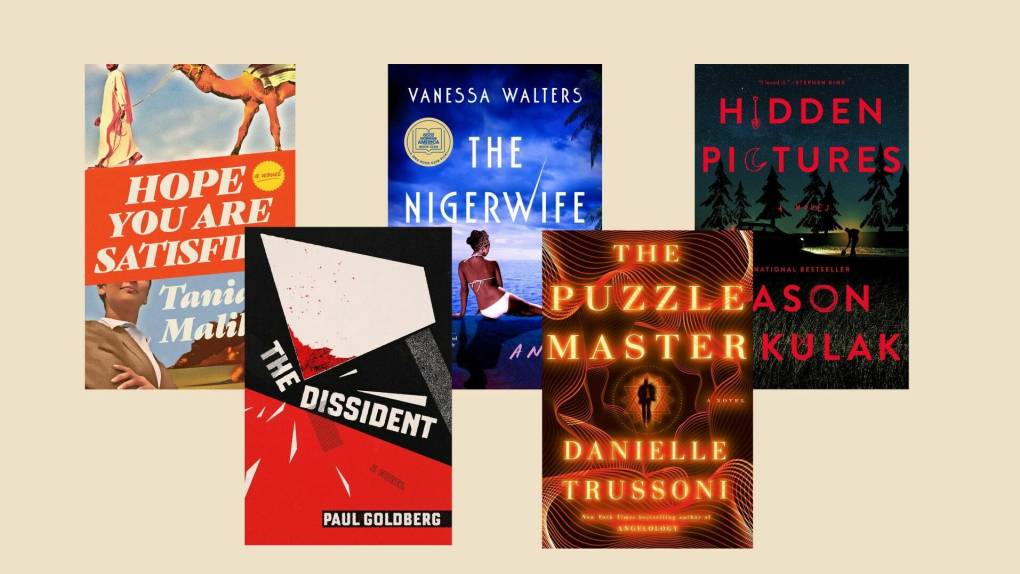
window.__IS_SSR__=true
window.__INITIAL_STATE__={
"attachmentsReducer": {
"audio_0": {
"type": "attachments",
"id": "audio_0",
"imgSizes": {
"kqedFullSize": {
"file": "https://ww2.kqed.org/news/wp-content/themes/KQED-unified/img/audio_bgs/background0.jpg"
}
}
},
"audio_1": {
"type": "attachments",
"id": "audio_1",
"imgSizes": {
"kqedFullSize": {
"file": "https://ww2.kqed.org/news/wp-content/themes/KQED-unified/img/audio_bgs/background1.jpg"
}
}
},
"audio_2": {
"type": "attachments",
"id": "audio_2",
"imgSizes": {
"kqedFullSize": {
"file": "https://ww2.kqed.org/news/wp-content/themes/KQED-unified/img/audio_bgs/background2.jpg"
}
}
},
"audio_3": {
"type": "attachments",
"id": "audio_3",
"imgSizes": {
"kqedFullSize": {
"file": "https://ww2.kqed.org/news/wp-content/themes/KQED-unified/img/audio_bgs/background3.jpg"
}
}
},
"audio_4": {
"type": "attachments",
"id": "audio_4",
"imgSizes": {
"kqedFullSize": {
"file": "https://ww2.kqed.org/news/wp-content/themes/KQED-unified/img/audio_bgs/background4.jpg"
}
}
},
"placeholder": {
"type": "attachments",
"id": "placeholder",
"imgSizes": {
"thumbnail": {
"file": "https://cdn.kqed.org/wp-content/uploads/2024/12/KQED-Default-Image-816638274-2000x1333-1-160x107.jpg",
"width": 160,
"height": 107,
"mimeType": "image/jpeg"
},
"medium": {
"file": "https://cdn.kqed.org/wp-content/uploads/2024/12/KQED-Default-Image-816638274-2000x1333-1-800x533.jpg",
"width": 800,
"height": 533,
"mimeType": "image/jpeg"
},
"medium_large": {
"file": "https://cdn.kqed.org/wp-content/uploads/2024/12/KQED-Default-Image-816638274-2000x1333-1-768x512.jpg",
"width": 768,
"height": 512,
"mimeType": "image/jpeg"
},
"large": {
"file": "https://cdn.kqed.org/wp-content/uploads/2024/12/KQED-Default-Image-816638274-2000x1333-1-1020x680.jpg",
"width": 1020,
"height": 680,
"mimeType": "image/jpeg"
},
"1536x1536": {
"file": "https://cdn.kqed.org/wp-content/uploads/2024/12/KQED-Default-Image-816638274-2000x1333-1-1536x1024.jpg",
"width": 1536,
"height": 1024,
"mimeType": "image/jpeg"
},
"fd-lrg": {
"file": "https://cdn.kqed.org/wp-content/uploads/2024/12/KQED-Default-Image-816638274-2000x1333-1-1536x1024.jpg",
"width": 1536,
"height": 1024,
"mimeType": "image/jpeg"
},
"fd-med": {
"file": "https://cdn.kqed.org/wp-content/uploads/2024/12/KQED-Default-Image-816638274-2000x1333-1-1020x680.jpg",
"width": 1020,
"height": 680,
"mimeType": "image/jpeg"
},
"fd-sm": {
"file": "https://cdn.kqed.org/wp-content/uploads/2024/12/KQED-Default-Image-816638274-2000x1333-1-800x533.jpg",
"width": 800,
"height": 533,
"mimeType": "image/jpeg"
},
"post-thumbnail": {
"file": "https://cdn.kqed.org/wp-content/uploads/2024/12/KQED-Default-Image-816638274-2000x1333-1-672x372.jpg",
"width": 672,
"height": 372,
"mimeType": "image/jpeg"
},
"twentyfourteen-full-width": {
"file": "https://cdn.kqed.org/wp-content/uploads/2024/12/KQED-Default-Image-816638274-2000x1333-1-1038x576.jpg",
"width": 1038,
"height": 576,
"mimeType": "image/jpeg"
},
"xxsmall": {
"file": "https://cdn.kqed.org/wp-content/uploads/2024/12/KQED-Default-Image-816638274-2000x1333-1-160x107.jpg",
"width": 160,
"height": 107,
"mimeType": "image/jpeg"
},
"xsmall": {
"file": "https://cdn.kqed.org/wp-content/uploads/2024/12/KQED-Default-Image-816638274-2000x1333-1-672x372.jpg",
"width": 672,
"height": 372,
"mimeType": "image/jpeg"
},
"small": {
"file": "https://cdn.kqed.org/wp-content/uploads/2024/12/KQED-Default-Image-816638274-2000x1333-1-672x372.jpg",
"width": 672,
"height": 372,
"mimeType": "image/jpeg"
},
"xlarge": {
"file": "https://cdn.kqed.org/wp-content/uploads/2024/12/KQED-Default-Image-816638274-2000x1333-1-1020x680.jpg",
"width": 1020,
"height": 680,
"mimeType": "image/jpeg"
},
"full-width": {
"file": "https://cdn.kqed.org/wp-content/uploads/2024/12/KQED-Default-Image-816638274-2000x1333-1-1920x1280.jpg",
"width": 1920,
"height": 1280,
"mimeType": "image/jpeg"
},
"guest-author-32": {
"file": "https://cdn.kqed.org/wp-content/uploads/2025/01/KQED-Default-Image-816638274-1333x1333-1-160x160.jpg",
"width": 32,
"height": 32,
"mimeType": "image/jpeg"
},
"guest-author-50": {
"file": "https://cdn.kqed.org/wp-content/uploads/2025/01/KQED-Default-Image-816638274-1333x1333-1-160x160.jpg",
"width": 50,
"height": 50,
"mimeType": "image/jpeg"
},
"guest-author-64": {
"file": "https://cdn.kqed.org/wp-content/uploads/2025/01/KQED-Default-Image-816638274-1333x1333-1-160x160.jpg",
"width": 64,
"height": 64,
"mimeType": "image/jpeg"
},
"guest-author-96": {
"file": "https://cdn.kqed.org/wp-content/uploads/2025/01/KQED-Default-Image-816638274-1333x1333-1-160x160.jpg",
"width": 96,
"height": 96,
"mimeType": "image/jpeg"
},
"guest-author-128": {
"file": "https://cdn.kqed.org/wp-content/uploads/2025/01/KQED-Default-Image-816638274-1333x1333-1-160x160.jpg",
"width": 128,
"height": 128,
"mimeType": "image/jpeg"
},
"detail": {
"file": "https://cdn.kqed.org/wp-content/uploads/2025/01/KQED-Default-Image-816638274-1333x1333-1-160x160.jpg",
"width": 160,
"height": 160,
"mimeType": "image/jpeg"
},
"kqedFullSize": {
"file": "https://cdn.kqed.org/wp-content/uploads/2024/12/KQED-Default-Image-816638274-2000x1333-1.jpg",
"width": 2000,
"height": 1333
}
}
},
"arts_13930585": {
"type": "attachments",
"id": "arts_13930585",
"meta": {
"index": "attachments_1716263798",
"site": "arts",
"id": "13930585",
"found": true
},
"parent": 13930584,
"imgSizes": {
"twentyfourteen-full-width": {
"file": "https://ww2.kqed.org/app/uploads/sites/2/2023/06/untitled-design-31-_wide-d3e87576e479043e478b25d93f0904118fbd4c6a-1038x576.jpg",
"width": 1038,
"mimeType": "image/jpeg",
"height": 576
},
"thumbnail": {
"file": "https://ww2.kqed.org/app/uploads/sites/2/2023/06/untitled-design-31-_wide-d3e87576e479043e478b25d93f0904118fbd4c6a-160x90.jpg",
"width": 160,
"mimeType": "image/jpeg",
"height": 90
},
"post-thumbnail": {
"file": "https://ww2.kqed.org/app/uploads/sites/2/2023/06/untitled-design-31-_wide-d3e87576e479043e478b25d93f0904118fbd4c6a-672x372.jpg",
"width": 672,
"mimeType": "image/jpeg",
"height": 372
},
"kqedFullSize": {
"file": "https://ww2.kqed.org/app/uploads/sites/2/2023/06/untitled-design-31-_wide-d3e87576e479043e478b25d93f0904118fbd4c6a.jpg",
"width": 1913,
"height": 1076
},
"large": {
"file": "https://ww2.kqed.org/app/uploads/sites/2/2023/06/untitled-design-31-_wide-d3e87576e479043e478b25d93f0904118fbd4c6a-1020x574.jpg",
"width": 1020,
"mimeType": "image/jpeg",
"height": 574
},
"1536x1536": {
"file": "https://ww2.kqed.org/app/uploads/sites/2/2023/06/untitled-design-31-_wide-d3e87576e479043e478b25d93f0904118fbd4c6a-1536x864.jpg",
"width": 1536,
"mimeType": "image/jpeg",
"height": 864
},
"medium": {
"file": "https://ww2.kqed.org/app/uploads/sites/2/2023/06/untitled-design-31-_wide-d3e87576e479043e478b25d93f0904118fbd4c6a-800x450.jpg",
"width": 800,
"mimeType": "image/jpeg",
"height": 450
},
"medium_large": {
"file": "https://ww2.kqed.org/app/uploads/sites/2/2023/06/untitled-design-31-_wide-d3e87576e479043e478b25d93f0904118fbd4c6a-768x432.jpg",
"width": 768,
"mimeType": "image/jpeg",
"height": 432
}
},
"publishDate": 1686863284,
"modified": 1686863865,
"caption": "5 mysteries and thrillers heading into summer.",
"description": null,
"title": "5 mysteries and thrillers heading into summer.",
"credit": "Meghan Collins Sullivan/NPR",
"status": "inherit",
"altTag": "The covers of five novels, three in the back row, two in the front.",
"isLoading": false,
"fetchFailed": false
},
"arts_13930288": {
"type": "attachments",
"id": "arts_13930288",
"meta": {
"index": "attachments_1716263798",
"site": "arts",
"id": "13930288",
"found": true
},
"parent": 13930279,
"imgSizes": {
"twentyfourteen-full-width": {
"file": "https://ww2.kqed.org/app/uploads/sites/2/2023/06/Screen-Shot-2023-06-08-at-10.06.04-AM-1038x576.png",
"width": 1038,
"mimeType": "image/png",
"height": 576
},
"thumbnail": {
"file": "https://ww2.kqed.org/app/uploads/sites/2/2023/06/Screen-Shot-2023-06-08-at-10.06.04-AM-160x93.png",
"width": 160,
"mimeType": "image/png",
"height": 93
},
"post-thumbnail": {
"file": "https://ww2.kqed.org/app/uploads/sites/2/2023/06/Screen-Shot-2023-06-08-at-10.06.04-AM-672x372.png",
"width": 672,
"mimeType": "image/png",
"height": 372
},
"kqedFullSize": {
"file": "https://ww2.kqed.org/app/uploads/sites/2/2023/06/Screen-Shot-2023-06-08-at-10.06.04-AM.png",
"width": 1310,
"height": 762
},
"large": {
"file": "https://ww2.kqed.org/app/uploads/sites/2/2023/06/Screen-Shot-2023-06-08-at-10.06.04-AM-1020x593.png",
"width": 1020,
"mimeType": "image/png",
"height": 593
},
"medium": {
"file": "https://ww2.kqed.org/app/uploads/sites/2/2023/06/Screen-Shot-2023-06-08-at-10.06.04-AM-800x465.png",
"width": 800,
"mimeType": "image/png",
"height": 465
},
"medium_large": {
"file": "https://ww2.kqed.org/app/uploads/sites/2/2023/06/Screen-Shot-2023-06-08-at-10.06.04-AM-768x447.png",
"width": 768,
"mimeType": "image/png",
"height": 447
}
},
"publishDate": 1686244022,
"modified": 1686244589,
"caption": "’The Talk’ by Darrin Bell.",
"description": null,
"title": "’The Talk’ by Darrin Bell.",
"credit": "Henry Holt & Co.",
"status": "inherit",
"altTag": "An illustration depicting a young Black man wearing a grey hoodie, head cocked pensively to one side.",
"isLoading": false,
"fetchFailed": false
},
"arts_13930198": {
"type": "attachments",
"id": "arts_13930198",
"meta": {
"index": "attachments_1716263798",
"site": "arts",
"id": "13930198",
"found": true
},
"parent": 13930083,
"imgSizes": {
"twentyfourteen-full-width": {
"file": "https://ww2.kqed.org/app/uploads/sites/2/2023/06/EP-1038x576.jpg",
"width": 1038,
"mimeType": "image/jpeg",
"height": 576
},
"thumbnail": {
"file": "https://ww2.kqed.org/app/uploads/sites/2/2023/06/EP-160x99.jpg",
"width": 160,
"mimeType": "image/jpeg",
"height": 99
},
"post-thumbnail": {
"file": "https://ww2.kqed.org/app/uploads/sites/2/2023/06/EP-672x372.jpg",
"width": 672,
"mimeType": "image/jpeg",
"height": 372
},
"kqedFullSize": {
"file": "https://ww2.kqed.org/app/uploads/sites/2/2023/06/EP.jpg",
"width": 2062,
"height": 1279
},
"2048x2048": {
"file": "https://ww2.kqed.org/app/uploads/sites/2/2023/06/EP-2048x1270.jpg",
"width": 2048,
"mimeType": "image/jpeg",
"height": 1270
},
"large": {
"file": "https://ww2.kqed.org/app/uploads/sites/2/2023/06/EP-1020x633.jpg",
"width": 1020,
"mimeType": "image/jpeg",
"height": 633
},
"1536x1536": {
"file": "https://ww2.kqed.org/app/uploads/sites/2/2023/06/EP-1536x953.jpg",
"width": 1536,
"mimeType": "image/jpeg",
"height": 953
},
"full-width": {
"file": "https://ww2.kqed.org/app/uploads/sites/2/2023/06/EP-1920x1191.jpg",
"width": 1920,
"mimeType": "image/jpeg",
"height": 1191
},
"medium": {
"file": "https://ww2.kqed.org/app/uploads/sites/2/2023/06/EP-800x496.jpg",
"width": 800,
"mimeType": "image/jpeg",
"height": 496
},
"medium_large": {
"file": "https://ww2.kqed.org/app/uploads/sites/2/2023/06/EP-768x476.jpg",
"width": 768,
"mimeType": "image/jpeg",
"height": 476
}
},
"publishDate": 1686092871,
"modified": 1686092951,
"caption": "Elliot Page, as seen on the cover of his new book, ‘Pageboy: A Memoir.’",
"description": null,
"title": "Elliot Page, as seen on the cover of his new book, ‘Pageboy: A Memoir.’",
"credit": "Flatiron Books",
"status": "inherit",
"altTag": "A transgender man sits, expression plain, in front of a red background. He is wearing a white tank.",
"isLoading": false,
"fetchFailed": false
},
"arts_13930110": {
"type": "attachments",
"id": "arts_13930110",
"meta": {
"index": "attachments_1716263798",
"site": "arts",
"id": "13930110",
"found": true
},
"parent": 13930106,
"imgSizes": {
"twentyfourteen-full-width": {
"file": "https://ww2.kqed.org/app/uploads/sites/2/2023/06/Screen-Shot-2023-06-06-at-10.37.18-AM-1038x576.png",
"width": 1038,
"mimeType": "image/png",
"height": 576
},
"thumbnail": {
"file": "https://ww2.kqed.org/app/uploads/sites/2/2023/06/Screen-Shot-2023-06-06-at-10.37.18-AM-160x98.png",
"width": 160,
"mimeType": "image/png",
"height": 98
},
"post-thumbnail": {
"file": "https://ww2.kqed.org/app/uploads/sites/2/2023/06/Screen-Shot-2023-06-06-at-10.37.18-AM-672x372.png",
"width": 672,
"mimeType": "image/png",
"height": 372
},
"kqedFullSize": {
"file": "https://ww2.kqed.org/app/uploads/sites/2/2023/06/Screen-Shot-2023-06-06-at-10.37.18-AM.png",
"width": 1166,
"height": 716
},
"large": {
"file": "https://ww2.kqed.org/app/uploads/sites/2/2023/06/Screen-Shot-2023-06-06-at-10.37.18-AM-1020x626.png",
"width": 1020,
"mimeType": "image/png",
"height": 626
},
"medium": {
"file": "https://ww2.kqed.org/app/uploads/sites/2/2023/06/Screen-Shot-2023-06-06-at-10.37.18-AM-800x491.png",
"width": 800,
"mimeType": "image/png",
"height": 491
},
"medium_large": {
"file": "https://ww2.kqed.org/app/uploads/sites/2/2023/06/Screen-Shot-2023-06-06-at-10.37.18-AM-768x472.png",
"width": 768,
"mimeType": "image/png",
"height": 472
}
},
"publishDate": 1686073053,
"modified": 1686073089,
"caption": "‘Lesbian Love Story: A Memoir in Archives’ by Amelia Possanza.",
"description": null,
"title": "‘Lesbian Love Story: A Memoir in Archives’ by Amelia Possanza.",
"credit": "Catapult",
"status": "inherit",
"altTag": "A peach-toned background with Lesbian Love Story written in block letters on top.",
"isLoading": false,
"fetchFailed": false
},
"arts_13912226": {
"type": "attachments",
"id": "arts_13912226",
"meta": {
"index": "attachments_1716263798",
"site": "arts",
"id": "13912226",
"found": true
},
"parent": 13912206,
"imgSizes": {
"twentyfourteen-full-width": {
"file": "https://ww2.kqed.org/app/uploads/sites/2/2022/04/download-5-1000x576.jpg",
"width": 1000,
"mimeType": "image/jpeg",
"height": 576
},
"thumbnail": {
"file": "https://ww2.kqed.org/app/uploads/sites/2/2022/04/download-5-160x107.jpg",
"width": 160,
"mimeType": "image/jpeg",
"height": 107
},
"post-thumbnail": {
"file": "https://ww2.kqed.org/app/uploads/sites/2/2022/04/download-5-672x372.jpg",
"width": 672,
"mimeType": "image/jpeg",
"height": 372
},
"kqedFullSize": {
"file": "https://ww2.kqed.org/app/uploads/sites/2/2022/04/download-5.jpg",
"width": 1000,
"height": 666
},
"medium": {
"file": "https://ww2.kqed.org/app/uploads/sites/2/2022/04/download-5-800x533.jpg",
"width": 800,
"mimeType": "image/jpeg",
"height": 533
},
"medium_large": {
"file": "https://ww2.kqed.org/app/uploads/sites/2/2022/04/download-5-768x511.jpg",
"width": 768,
"mimeType": "image/jpeg",
"height": 511
}
},
"publishDate": 1650545657,
"modified": 1650545762,
"caption": "Poet Terisa Siagatonu poses while sitting amongst the trees.",
"description": "Poet Terisa Siagatonu poses while sitting amongst the trees.",
"title": "Poet Terisa Siagatonu poses while sitting amongst the trees.",
"credit": "Courtesy of Terisa Siagatonu ",
"status": "inherit",
"altTag": "Poet Terisa Siagatonu poses while sitting amongst the trees.",
"isLoading": false,
"fetchFailed": false
},
"arts_13929822": {
"type": "attachments",
"id": "arts_13929822",
"meta": {
"index": "attachments_1716263798",
"site": "arts",
"id": "13929822",
"found": true
},
"parent": 13929802,
"imgSizes": {
"twentyfourteen-full-width": {
"file": "https://ww2.kqed.org/app/uploads/sites/2/2023/05/2023-05-summer-reads-isleniamil-edit_wide-91992096d43567eeabc7a8cc46217b0c26e6e448-scaled-e1685476930832-1038x576.jpg",
"width": 1038,
"mimeType": "image/jpeg",
"height": 576
},
"thumbnail": {
"file": "https://ww2.kqed.org/app/uploads/sites/2/2023/05/2023-05-summer-reads-isleniamil-edit_wide-91992096d43567eeabc7a8cc46217b0c26e6e448-scaled-e1685476930832-160x90.jpg",
"width": 160,
"mimeType": "image/jpeg",
"height": 90
},
"post-thumbnail": {
"file": "https://ww2.kqed.org/app/uploads/sites/2/2023/05/2023-05-summer-reads-isleniamil-edit_wide-91992096d43567eeabc7a8cc46217b0c26e6e448-scaled-e1685476930832-672x372.jpg",
"width": 672,
"mimeType": "image/jpeg",
"height": 372
},
"kqedFullSize": {
"file": "https://ww2.kqed.org/app/uploads/sites/2/2023/05/2023-05-summer-reads-isleniamil-edit_wide-91992096d43567eeabc7a8cc46217b0c26e6e448-scaled-e1685476930832.jpg",
"width": 1920,
"height": 1080
},
"2048x2048": {
"file": "https://ww2.kqed.org/app/uploads/sites/2/2023/05/2023-05-summer-reads-isleniamil-edit_wide-91992096d43567eeabc7a8cc46217b0c26e6e448-2048x1152.jpg",
"width": 2048,
"mimeType": "image/jpeg",
"height": 1152
},
"large": {
"file": "https://ww2.kqed.org/app/uploads/sites/2/2023/05/2023-05-summer-reads-isleniamil-edit_wide-91992096d43567eeabc7a8cc46217b0c26e6e448-scaled-e1685476930832-1020x574.jpg",
"width": 1020,
"mimeType": "image/jpeg",
"height": 574
},
"1536x1536": {
"file": "https://ww2.kqed.org/app/uploads/sites/2/2023/05/2023-05-summer-reads-isleniamil-edit_wide-91992096d43567eeabc7a8cc46217b0c26e6e448-scaled-e1685476930832-1536x864.jpg",
"width": 1536,
"mimeType": "image/jpeg",
"height": 864
},
"full-width": {
"file": "https://ww2.kqed.org/app/uploads/sites/2/2023/05/2023-05-summer-reads-isleniamil-edit_wide-91992096d43567eeabc7a8cc46217b0c26e6e448-1920x1080.jpg",
"width": 1920,
"mimeType": "image/jpeg",
"height": 1080
},
"medium": {
"file": "https://ww2.kqed.org/app/uploads/sites/2/2023/05/2023-05-summer-reads-isleniamil-edit_wide-91992096d43567eeabc7a8cc46217b0c26e6e448-scaled-e1685476930832-800x450.jpg",
"width": 800,
"mimeType": "image/jpeg",
"height": 450
},
"medium_large": {
"file": "https://ww2.kqed.org/app/uploads/sites/2/2023/05/2023-05-summer-reads-isleniamil-edit_wide-91992096d43567eeabc7a8cc46217b0c26e6e448-scaled-e1685476930832-768x432.jpg",
"width": 768,
"mimeType": "image/jpeg",
"height": 432
}
},
"publishDate": 1685474428,
"modified": 1685477030,
"caption": "Critics share their picks for summer reads to enjoy poolside.",
"description": null,
"title": "Critics share their picks for summer reads to enjoy poolside.",
"credit": "Islenia Mil for NPR",
"status": "inherit",
"altTag": "a illustration of a tangle of bodies on their own individual towels, each finding a space next to a pool.",
"isLoading": false,
"fetchFailed": false
},
"arts_13929063": {
"type": "attachments",
"id": "arts_13929063",
"meta": {
"index": "attachments_1716263798",
"site": "arts",
"id": "13929063",
"found": true
},
"parent": 13929021,
"imgSizes": {
"twentyfourteen-full-width": {
"file": "https://ww2.kqed.org/app/uploads/sites/2/2023/05/LandOfBrokenPromises_Cover3-1038x576.jpg",
"width": 1038,
"mimeType": "image/jpeg",
"height": 576
},
"thumbnail": {
"file": "https://ww2.kqed.org/app/uploads/sites/2/2023/05/LandOfBrokenPromises_Cover3-160x90.jpg",
"width": 160,
"mimeType": "image/jpeg",
"height": 90
},
"post-thumbnail": {
"file": "https://ww2.kqed.org/app/uploads/sites/2/2023/05/LandOfBrokenPromises_Cover3-672x372.jpg",
"width": 672,
"mimeType": "image/jpeg",
"height": 372
},
"kqedFullSize": {
"file": "https://ww2.kqed.org/app/uploads/sites/2/2023/05/LandOfBrokenPromises_Cover3.jpg",
"width": 1920,
"height": 1080
},
"large": {
"file": "https://ww2.kqed.org/app/uploads/sites/2/2023/05/LandOfBrokenPromises_Cover3-1020x574.jpg",
"width": 1020,
"mimeType": "image/jpeg",
"height": 574
},
"1536x1536": {
"file": "https://ww2.kqed.org/app/uploads/sites/2/2023/05/LandOfBrokenPromises_Cover3-1536x864.jpg",
"width": 1536,
"mimeType": "image/jpeg",
"height": 864
},
"medium": {
"file": "https://ww2.kqed.org/app/uploads/sites/2/2023/05/LandOfBrokenPromises_Cover3-800x450.jpg",
"width": 800,
"mimeType": "image/jpeg",
"height": 450
},
"medium_large": {
"file": "https://ww2.kqed.org/app/uploads/sites/2/2023/05/LandOfBrokenPromises_Cover3-768x432.jpg",
"width": 768,
"mimeType": "image/jpeg",
"height": 432
}
},
"publishDate": 1683845509,
"modified": 1683845564,
"caption": "Jan Kuo's 'Land of Broken Promises,' with a cover illustrated by Julia Kuo, comes out June 6.",
"description": null,
"title": "LandOfBrokenPromises_Cover3",
"credit": "Cover courtesy of Harper Collins; author photo by Jon Paris",
"status": "inherit",
"altTag": "Composite image with pastel-hued illustrated book cover of young girl on beach and photograph of Asian American woman with bob haircut",
"isLoading": false,
"fetchFailed": false
},
"arts_13929704": {
"type": "attachments",
"id": "arts_13929704",
"meta": {
"index": "attachments_1716263798",
"site": "arts",
"id": "13929704",
"found": true
},
"parent": 13929679,
"imgSizes": {
"twentyfourteen-full-width": {
"file": "https://ww2.kqed.org/app/uploads/sites/2/2023/05/FIG_1_Baldwin_FilmCave_Box23_002-1038x576.jpg",
"width": 1038,
"mimeType": "image/jpeg",
"height": 576
},
"thumbnail": {
"file": "https://ww2.kqed.org/app/uploads/sites/2/2023/05/FIG_1_Baldwin_FilmCave_Box23_002-160x118.jpg",
"width": 160,
"mimeType": "image/jpeg",
"height": 118
},
"post-thumbnail": {
"file": "https://ww2.kqed.org/app/uploads/sites/2/2023/05/FIG_1_Baldwin_FilmCave_Box23_002-672x372.jpg",
"width": 672,
"mimeType": "image/jpeg",
"height": 372
},
"kqedFullSize": {
"file": "https://ww2.kqed.org/app/uploads/sites/2/2023/05/FIG_1_Baldwin_FilmCave_Box23_002.jpg",
"width": 2166,
"height": 1598
},
"2048x2048": {
"file": "https://ww2.kqed.org/app/uploads/sites/2/2023/05/FIG_1_Baldwin_FilmCave_Box23_002-2048x1511.jpg",
"width": 2048,
"mimeType": "image/jpeg",
"height": 1511
},
"large": {
"file": "https://ww2.kqed.org/app/uploads/sites/2/2023/05/FIG_1_Baldwin_FilmCave_Box23_002-1020x753.jpg",
"width": 1020,
"mimeType": "image/jpeg",
"height": 753
},
"1536x1536": {
"file": "https://ww2.kqed.org/app/uploads/sites/2/2023/05/FIG_1_Baldwin_FilmCave_Box23_002-1536x1133.jpg",
"width": 1536,
"mimeType": "image/jpeg",
"height": 1133
},
"full-width": {
"file": "https://ww2.kqed.org/app/uploads/sites/2/2023/05/FIG_1_Baldwin_FilmCave_Box23_002-1920x1417.jpg",
"width": 1920,
"mimeType": "image/jpeg",
"height": 1417
},
"medium": {
"file": "https://ww2.kqed.org/app/uploads/sites/2/2023/05/FIG_1_Baldwin_FilmCave_Box23_002-800x590.jpg",
"width": 800,
"mimeType": "image/jpeg",
"height": 590
},
"medium_large": {
"file": "https://ww2.kqed.org/app/uploads/sites/2/2023/05/FIG_1_Baldwin_FilmCave_Box23_002-768x567.jpg",
"width": 768,
"mimeType": "image/jpeg",
"height": 567
}
},
"publishDate": 1685055809,
"modified": 1685059193,
"caption": "Craig Baldwin in the Other Cinema Archives, 992 Valencia Street, San Francisco, circa 2005.",
"description": null,
"title": "_FIG_1_Baldwin_FilmCave_Box23_002",
"credit": "Alice G. Patterson",
"status": "inherit",
"altTag": "a black and white photo of a man in a white suit jacket peering out from behind a stack of film reels",
"isLoading": false,
"fetchFailed": false
},
"arts_13929554": {
"type": "attachments",
"id": "arts_13929554",
"meta": {
"index": "attachments_1716263798",
"site": "arts",
"id": "13929554",
"found": true
},
"parent": 13929396,
"imgSizes": {
"twentyfourteen-full-width": {
"file": "https://ww2.kqed.org/app/uploads/sites/2/2023/05/SFABF2019_photoAirykaRockefeller-200-1-1038x576.jpeg",
"width": 1038,
"mimeType": "image/jpeg",
"height": 576
},
"thumbnail": {
"file": "https://ww2.kqed.org/app/uploads/sites/2/2023/05/SFABF2019_photoAirykaRockefeller-200-1-160x107.jpeg",
"width": 160,
"mimeType": "image/jpeg",
"height": 107
},
"post-thumbnail": {
"file": "https://ww2.kqed.org/app/uploads/sites/2/2023/05/SFABF2019_photoAirykaRockefeller-200-1-672x372.jpeg",
"width": 672,
"mimeType": "image/jpeg",
"height": 372
},
"kqedFullSize": {
"file": "https://ww2.kqed.org/app/uploads/sites/2/2023/05/SFABF2019_photoAirykaRockefeller-200-1.jpeg",
"width": 2000,
"height": 1333
},
"large": {
"file": "https://ww2.kqed.org/app/uploads/sites/2/2023/05/SFABF2019_photoAirykaRockefeller-200-1-1020x680.jpeg",
"width": 1020,
"mimeType": "image/jpeg",
"height": 680
},
"1536x1536": {
"file": "https://ww2.kqed.org/app/uploads/sites/2/2023/05/SFABF2019_photoAirykaRockefeller-200-1-1536x1024.jpeg",
"width": 1536,
"mimeType": "image/jpeg",
"height": 1024
},
"full-width": {
"file": "https://ww2.kqed.org/app/uploads/sites/2/2023/05/SFABF2019_photoAirykaRockefeller-200-1-1920x1280.jpeg",
"width": 1920,
"mimeType": "image/jpeg",
"height": 1280
},
"medium": {
"file": "https://ww2.kqed.org/app/uploads/sites/2/2023/05/SFABF2019_photoAirykaRockefeller-200-1-800x533.jpeg",
"width": 800,
"mimeType": "image/jpeg",
"height": 533
},
"medium_large": {
"file": "https://ww2.kqed.org/app/uploads/sites/2/2023/05/SFABF2019_photoAirykaRockefeller-200-1-768x512.jpeg",
"width": 768,
"mimeType": "image/jpeg",
"height": 512
}
},
"publishDate": 1684878168,
"modified": 1684879282,
"caption": "People browse at the 2019 SF Art Book Fair.",
"description": null,
"title": "SFABF2019_photoAirykaRockefeller-200 (1)",
"credit": "Airyka Rockefeller",
"status": "inherit",
"altTag": "people browse at a book fair",
"isLoading": false,
"fetchFailed": false
},
"arts_13929350": {
"type": "attachments",
"id": "arts_13929350",
"meta": {
"index": "attachments_1716263798",
"site": "arts",
"id": "13929350",
"found": true
},
"parent": 13929345,
"imgSizes": {
"twentyfourteen-full-width": {
"file": "https://ww2.kqed.org/app/uploads/sites/2/2023/05/Screen-Shot-2023-05-18-at-12.33.41-PM-1038x576.png",
"width": 1038,
"mimeType": "image/png",
"height": 576
},
"thumbnail": {
"file": "https://ww2.kqed.org/app/uploads/sites/2/2023/05/Screen-Shot-2023-05-18-at-12.33.41-PM-160x92.png",
"width": 160,
"mimeType": "image/png",
"height": 92
},
"post-thumbnail": {
"file": "https://ww2.kqed.org/app/uploads/sites/2/2023/05/Screen-Shot-2023-05-18-at-12.33.41-PM-672x372.png",
"width": 672,
"mimeType": "image/png",
"height": 372
},
"kqedFullSize": {
"file": "https://ww2.kqed.org/app/uploads/sites/2/2023/05/Screen-Shot-2023-05-18-at-12.33.41-PM.png",
"width": 1954,
"height": 1120
},
"large": {
"file": "https://ww2.kqed.org/app/uploads/sites/2/2023/05/Screen-Shot-2023-05-18-at-12.33.41-PM-1020x585.png",
"width": 1020,
"mimeType": "image/png",
"height": 585
},
"1536x1536": {
"file": "https://ww2.kqed.org/app/uploads/sites/2/2023/05/Screen-Shot-2023-05-18-at-12.33.41-PM-1536x880.png",
"width": 1536,
"mimeType": "image/png",
"height": 880
},
"full-width": {
"file": "https://ww2.kqed.org/app/uploads/sites/2/2023/05/Screen-Shot-2023-05-18-at-12.33.41-PM-1920x1101.png",
"width": 1920,
"mimeType": "image/png",
"height": 1101
},
"medium": {
"file": "https://ww2.kqed.org/app/uploads/sites/2/2023/05/Screen-Shot-2023-05-18-at-12.33.41-PM-800x459.png",
"width": 800,
"mimeType": "image/png",
"height": 459
},
"medium_large": {
"file": "https://ww2.kqed.org/app/uploads/sites/2/2023/05/Screen-Shot-2023-05-18-at-12.33.41-PM-768x440.png",
"width": 768,
"mimeType": "image/png",
"height": 440
}
},
"publishDate": 1684438446,
"modified": 1684438485,
"caption": "Book covers of 5 new fantasy novels.",
"description": null,
"title": "Book covers of 5 new fantasy novels.",
"credit": "Meghan Collins Sullivan/NPR",
"status": "inherit",
"altTag": null,
"isLoading": false,
"fetchFailed": false
},
"arts_13929029": {
"type": "attachments",
"id": "arts_13929029",
"meta": {
"index": "attachments_1716263798",
"site": "arts",
"id": "13929029",
"found": true
},
"parent": 13929024,
"imgSizes": {
"twentyfourteen-full-width": {
"file": "https://ww2.kqed.org/app/uploads/sites/2/2023/05/Tempestt-1038x576.jpeg",
"width": 1038,
"mimeType": "image/jpeg",
"height": 576
},
"thumbnail": {
"file": "https://ww2.kqed.org/app/uploads/sites/2/2023/05/Tempestt-160x53.jpeg",
"width": 160,
"mimeType": "image/jpeg",
"height": 53
},
"post-thumbnail": {
"file": "https://ww2.kqed.org/app/uploads/sites/2/2023/05/Tempestt-672x372.jpeg",
"width": 672,
"mimeType": "image/jpeg",
"height": 372
},
"kqedFullSize": {
"file": "https://ww2.kqed.org/app/uploads/sites/2/2023/05/Tempestt-scaled.jpeg",
"width": 2560,
"height": 853
},
"2048x2048": {
"file": "https://ww2.kqed.org/app/uploads/sites/2/2023/05/Tempestt-2048x683.jpeg",
"width": 2048,
"mimeType": "image/jpeg",
"height": 683
},
"large": {
"file": "https://ww2.kqed.org/app/uploads/sites/2/2023/05/Tempestt-1020x340.jpeg",
"width": 1020,
"mimeType": "image/jpeg",
"height": 340
},
"1536x1536": {
"file": "https://ww2.kqed.org/app/uploads/sites/2/2023/05/Tempestt-1536x512.jpeg",
"width": 1536,
"mimeType": "image/jpeg",
"height": 512
},
"full-width": {
"file": "https://ww2.kqed.org/app/uploads/sites/2/2023/05/Tempestt-1920x640.jpeg",
"width": 1920,
"mimeType": "image/jpeg",
"height": 640
},
"medium": {
"file": "https://ww2.kqed.org/app/uploads/sites/2/2023/05/Tempestt-800x267.jpeg",
"width": 800,
"mimeType": "image/jpeg",
"height": 267
},
"medium_large": {
"file": "https://ww2.kqed.org/app/uploads/sites/2/2023/05/Tempestt-768x256.jpeg",
"width": 768,
"mimeType": "image/jpeg",
"height": 256
}
},
"publishDate": 1683832816,
"modified": 1683838287,
"caption": "Brian Kwon, 'Time is the Act of Looking Back.'",
"description": null,
"title": "Tempestt",
"credit": "Small Press Traffic",
"status": "inherit",
"altTag": "Wide painting with line of dancers patterned in figure-8",
"isLoading": false,
"fetchFailed": false
},
"arts_13928981": {
"type": "attachments",
"id": "arts_13928981",
"meta": {
"index": "attachments_1716263798",
"site": "arts",
"id": "13928981",
"found": true
},
"parent": 13928974,
"imgSizes": {
"twentyfourteen-full-width": {
"file": "https://ww2.kqed.org/app/uploads/sites/2/2023/05/Screen-Shot-2023-05-10-at-3.04.24-PM-1038x576.png",
"width": 1038,
"mimeType": "image/png",
"height": 576
},
"thumbnail": {
"file": "https://ww2.kqed.org/app/uploads/sites/2/2023/05/Screen-Shot-2023-05-10-at-3.04.24-PM-160x96.png",
"width": 160,
"mimeType": "image/png",
"height": 96
},
"post-thumbnail": {
"file": "https://ww2.kqed.org/app/uploads/sites/2/2023/05/Screen-Shot-2023-05-10-at-3.04.24-PM-672x372.png",
"width": 672,
"mimeType": "image/png",
"height": 372
},
"kqedFullSize": {
"file": "https://ww2.kqed.org/app/uploads/sites/2/2023/05/Screen-Shot-2023-05-10-at-3.04.24-PM.png",
"width": 1898,
"height": 1142
},
"large": {
"file": "https://ww2.kqed.org/app/uploads/sites/2/2023/05/Screen-Shot-2023-05-10-at-3.04.24-PM-1020x614.png",
"width": 1020,
"mimeType": "image/png",
"height": 614
},
"1536x1536": {
"file": "https://ww2.kqed.org/app/uploads/sites/2/2023/05/Screen-Shot-2023-05-10-at-3.04.24-PM-1536x924.png",
"width": 1536,
"mimeType": "image/png",
"height": 924
},
"medium": {
"file": "https://ww2.kqed.org/app/uploads/sites/2/2023/05/Screen-Shot-2023-05-10-at-3.04.24-PM-800x481.png",
"width": 800,
"mimeType": "image/png",
"height": 481
},
"medium_large": {
"file": "https://ww2.kqed.org/app/uploads/sites/2/2023/05/Screen-Shot-2023-05-10-at-3.04.24-PM-768x462.png",
"width": 768,
"mimeType": "image/png",
"height": 462
}
},
"publishDate": 1683756660,
"modified": 1683756716,
"caption": "‘Monsters: A Fan’s Dilemma,’ by Claire Dederer.",
"description": null,
"title": "‘Monsters: A Fan’s Dilemma,’ by Claire Dederer.",
"credit": "Penguin Random House",
"status": "inherit",
"altTag": "A shirtless man standing on a beach wearing a horned mask.",
"isLoading": false,
"fetchFailed": false
}
},
"audioPlayerReducer": {
"postId": "stream_live",
"isPaused": true,
"isPlaying": false,
"pfsActive": false,
"pledgeModalIsOpen": true,
"playerDrawerIsOpen": false,
"liveAudioPlayStartedAt": 0,
"liveAudioPlayContext": ""
},
"authorsReducer": {
"byline_arts_13930584": {
"type": "authors",
"id": "byline_arts_13930584",
"meta": {
"override": true
},
"slug": "byline_arts_13930584",
"name": "Bethanne Patrick",
"isLoading": false
},
"byline_arts_13930279": {
"type": "authors",
"id": "byline_arts_13930279",
"meta": {
"override": true
},
"slug": "byline_arts_13930279",
"name": "Thaneer Oksman",
"isLoading": false
},
"byline_arts_13930106": {
"type": "authors",
"id": "byline_arts_13930106",
"meta": {
"override": true
},
"slug": "byline_arts_13930106",
"name": "Julie Depenbrock",
"isLoading": false
},
"byline_arts_13929802": {
"type": "authors",
"id": "byline_arts_13929802",
"meta": {
"override": true
},
"slug": "byline_arts_13929802",
"name": "Meghan Collins Sullivan",
"isLoading": false
},
"byline_arts_13929345": {
"type": "authors",
"id": "byline_arts_13929345",
"meta": {
"override": true
},
"slug": "byline_arts_13929345",
"name": "Caitlyn Paxson",
"isLoading": false
},
"byline_arts_13928974": {
"type": "authors",
"id": "byline_arts_13928974",
"meta": {
"override": true
},
"slug": "byline_arts_13928974",
"name": "Maureen Corrigan",
"isLoading": false
},
"mfox": {
"type": "authors",
"id": "22",
"meta": {
"index": "authors_1716337520",
"id": "22",
"found": true
},
"name": "Michael Fox",
"firstName": "Michael",
"lastName": "Fox",
"slug": "mfox",
"email": "foxonfilm@yahoo.com",
"display_author_email": false,
"staff_mastheads": [],
"title": "KQED Contributor",
"bio": "Michael Fox has written about film for dozens of publications since 1987. He is a founding member of the San Francisco Bay Area Film Critics Circle.",
"avatar": "https://secure.gravatar.com/avatar/d9849d6c659c41414795c471d907bb97b396e2a32b88e20e6ff66f65fbdd6dcd?s=600&d=blank&r=g",
"twitter": null,
"bluesky": null,
"facebook": null,
"instagram": null,
"linkedin": null,
"sites": [
{
"site": "arts",
"roles": [
"Contributor",
"contributor"
]
}
],
"headData": {
"title": "Michael Fox | KQED",
"description": "KQED Contributor",
"ogImgSrc": "https://secure.gravatar.com/avatar/d9849d6c659c41414795c471d907bb97b396e2a32b88e20e6ff66f65fbdd6dcd?s=600&d=blank&r=g",
"twImgSrc": "https://secure.gravatar.com/avatar/d9849d6c659c41414795c471d907bb97b396e2a32b88e20e6ff66f65fbdd6dcd?s=600&d=blank&r=g"
},
"isLoading": false,
"link": "/author/mfox"
},
"ralexandra": {
"type": "authors",
"id": "11242",
"meta": {
"index": "authors_1716337520",
"id": "11242",
"found": true
},
"name": "Rae Alexandra",
"firstName": "Rae",
"lastName": "Alexandra",
"slug": "ralexandra",
"email": "ralexandra@kqed.org",
"display_author_email": true,
"staff_mastheads": [],
"title": "Reporter/Producer",
"bio": "Rae Alexandra is a Reporter/Producer for KQED Arts & Culture, and the creator/author of the \u003ca href=\"https://www.kqed.org/arts/program/rebel-girls-from-bay-area-history\">Rebel Girls From Bay Area History\u003c/a> and \u003ca href=\"https://www.kqed.org/bizarrebayarea\">Bizarre Bay Area\u003c/a> series. Her debut book, \u003ca href=\"https://citylights.com/politics-current-events-history/unsung-heroines35-women-who-changed/\">Unsung Heroines: 35 Women Who Changed the Bay Area\u003c/a> was published by City Lights in March 2026. In 2023, Rae was awarded an SPJ Excellence in Journalism Award for Arts & Culture. Rae was born and raised in Wales and subsequently — even after two decades in Northern California — still uses phrases that regularly baffle her coworkers.",
"avatar": "https://secure.gravatar.com/avatar/edfee8176c80cc0a382b051190f5341997df378a934a5774dcb0977732dfd401?s=600&d=blank&r=g",
"twitter": null,
"bluesky": null,
"facebook": null,
"instagram": null,
"linkedin": null,
"sites": [
{
"site": "arts",
"roles": [
"subscriber"
]
},
{
"site": "news",
"roles": [
"subscriber"
]
},
{
"site": "pop",
"roles": [
"subscriber"
]
},
{
"site": "bayareabites",
"roles": [
"subscriber"
]
},
{
"site": "science",
"roles": [
"subscriber"
]
}
],
"headData": {
"title": "Rae Alexandra | KQED",
"description": "Reporter/Producer",
"ogImgSrc": "https://secure.gravatar.com/avatar/edfee8176c80cc0a382b051190f5341997df378a934a5774dcb0977732dfd401?s=600&d=blank&r=g",
"twImgSrc": "https://secure.gravatar.com/avatar/edfee8176c80cc0a382b051190f5341997df378a934a5774dcb0977732dfd401?s=600&d=blank&r=g"
},
"isLoading": false,
"link": "/author/ralexandra"
},
"ogpenn": {
"type": "authors",
"id": "11491",
"meta": {
"index": "authors_1716337520",
"id": "11491",
"found": true
},
"name": "Pendarvis Harshaw",
"firstName": "Pendarvis",
"lastName": "Harshaw",
"slug": "ogpenn",
"email": "ogpenn@gmail.com",
"display_author_email": false,
"staff_mastheads": [
"arts"
],
"title": "Community Engagement Reporter",
"bio": "Pendarvis Harshaw is an educator, host and writer with KQED Arts.",
"avatar": "https://secure.gravatar.com/avatar/972b77ee8e3f346ae2b00622661187fbfabd059b5693bbdc1475ea7a722fd4cd?s=600&d=blank&r=g",
"twitter": null,
"bluesky": null,
"facebook": null,
"instagram": "ogpenn",
"linkedin": null,
"sites": [
{
"site": "arts",
"roles": [
"administrator"
]
},
{
"site": "news",
"roles": [
"editor"
]
},
{
"site": "bayareabites",
"roles": [
"author"
]
},
{
"site": "hiphop",
"roles": [
"editor"
]
}
],
"headData": {
"title": "Pendarvis Harshaw | KQED",
"description": "Community Engagement Reporter",
"ogImgSrc": "https://secure.gravatar.com/avatar/972b77ee8e3f346ae2b00622661187fbfabd059b5693bbdc1475ea7a722fd4cd?s=600&d=blank&r=g",
"twImgSrc": "https://secure.gravatar.com/avatar/972b77ee8e3f346ae2b00622661187fbfabd059b5693bbdc1475ea7a722fd4cd?s=600&d=blank&r=g"
},
"isLoading": false,
"link": "/author/ogpenn"
},
"mmedina": {
"type": "authors",
"id": "11528",
"meta": {
"index": "authors_1716337520",
"id": "11528",
"found": true
},
"name": "Marisol Medina-Cadena",
"firstName": "Marisol",
"lastName": "Medina-Cadena",
"slug": "mmedina",
"email": "mmedina@KQED.org",
"display_author_email": true,
"staff_mastheads": [],
"title": "Producer, Rightnowish Podcast",
"bio": "Marisol Medina-Cadena is a radio reporter and podcast producer. Before working at KQED, she produced for PBS member station, KCET, in Los Angeles. In 2017, Marisol won an Emmy Award for her work on the televised documentary, \u003cem>City Rising\u003c/em>, examining California's affordable housing crisis and the historical roots of gentrification.",
"avatar": "https://secure.gravatar.com/avatar/6c3db46a1cabb5e1fe9a365b5f4e681e?s=600&d=blank&r=g",
"twitter": "marisolreports",
"facebook": null,
"instagram": null,
"linkedin": null,
"sites": [
{
"site": "arts",
"roles": []
},
{
"site": "news",
"roles": [
"edit_others_posts"
]
}
],
"headData": {
"title": "Marisol Medina-Cadena | KQED",
"description": "Producer, Rightnowish Podcast",
"ogImgSrc": "https://secure.gravatar.com/avatar/6c3db46a1cabb5e1fe9a365b5f4e681e?s=600&d=blank&r=g",
"twImgSrc": "https://secure.gravatar.com/avatar/6c3db46a1cabb5e1fe9a365b5f4e681e?s=600&d=blank&r=g"
},
"isLoading": false,
"link": "/author/mmedina"
},
"achazaro": {
"type": "authors",
"id": "11748",
"meta": {
"index": "authors_1716337520",
"id": "11748",
"found": true
},
"name": "Alan Chazaro",
"firstName": "Alan",
"lastName": "Chazaro",
"slug": "achazaro",
"email": "agchazaro@gmail.com",
"display_author_email": true,
"staff_mastheads": [],
"title": "Food Writer and Reporter",
"bio": "Alan Chazaro is the author of \u003cem>This Is Not a Frank Ocean Cover Album\u003c/em> (Black Lawrence Press, 2019), \u003cem>Piñata Theory\u003c/em> (Black Lawrence Press, 2020), and \u003cem>Notes from the Eastern Span of the Bay Bridge\u003c/em> (Ghost City Press, 2021). He is a graduate of June Jordan’s Poetry for the People program at UC Berkeley and a former Lawrence Ferlinghetti Fellow at the University of San Francisco. He writes about sports, food, art, music, education, and culture while repping the Bay on \u003ca href=\"https://twitter.com/alan_chazaro\">Twitter\u003c/a> and \u003ca href=\"https://www.instagram.com/alan_chazaro/?hl=en\">Instagram\u003c/a> at @alan_chazaro.",
"avatar": "https://secure.gravatar.com/avatar/ea8b6dd970fc5c29e7a188e7d5861df7?s=600&d=blank&r=g",
"twitter": "alan_chazaro",
"facebook": null,
"instagram": null,
"linkedin": null,
"sites": [
{
"site": "arts",
"roles": [
"contributor"
]
},
{
"site": "news",
"roles": [
"editor"
]
}
],
"headData": {
"title": "Alan Chazaro | KQED",
"description": "Food Writer and Reporter",
"ogImgSrc": "https://secure.gravatar.com/avatar/ea8b6dd970fc5c29e7a188e7d5861df7?s=600&d=blank&r=g",
"twImgSrc": "https://secure.gravatar.com/avatar/ea8b6dd970fc5c29e7a188e7d5861df7?s=600&d=blank&r=g"
},
"isLoading": false,
"link": "/author/achazaro"
},
"ksong": {
"type": "authors",
"id": "11813",
"meta": {
"index": "authors_1716337520",
"id": "11813",
"found": true
},
"name": "Kristie Song",
"firstName": "Kristie",
"lastName": "Song",
"slug": "ksong",
"email": "ksong@kqed.org",
"display_author_email": false,
"staff_mastheads": [],
"title": "Editorial Intern ",
"bio": "Kristie Song is an Arts & Culture Intern at KQED. She is currently a graduate student at UC Berkeley, where she studies audio and multimedia journalism. Previously, she covered the local community for Oakland North, produced episodes for The Science of Happiness, and served as news director for KUCI, UC Irvine’s radio station. Outside of reporting, she likes drawing comics, listening to angsty rock, and practicing the guitar.",
"avatar": "https://secure.gravatar.com/avatar/c1149e78c3c44f92d4945a8ab0711af6?s=600&d=blank&r=g",
"twitter": null,
"facebook": null,
"instagram": null,
"linkedin": null,
"sites": [
{
"site": "arts",
"roles": [
"editor"
]
}
],
"headData": {
"title": "Kristie Song | KQED",
"description": "Editorial Intern ",
"ogImgSrc": "https://secure.gravatar.com/avatar/c1149e78c3c44f92d4945a8ab0711af6?s=600&d=blank&r=g",
"twImgSrc": "https://secure.gravatar.com/avatar/c1149e78c3c44f92d4945a8ab0711af6?s=600&d=blank&r=g"
},
"isLoading": false,
"link": "/author/ksong"
},
"nelias": {
"type": "authors",
"id": "11990",
"meta": {
"index": "authors_1716337520",
"id": "11990",
"found": true
},
"name": "Naomi Elias",
"firstName": "Naomi",
"lastName": "Elias",
"slug": "nelias",
"email": "naomielias09@gmail.com",
"display_author_email": false,
"staff_mastheads": [],
"title": "KQED Contributor",
"bio": null,
"avatar": "https://secure.gravatar.com/avatar/182770e03ab93f0fdf3c264ad3d088daf0198dd3bc8e1ccd1a008b81387410c1?s=600&d=blank&r=g",
"twitter": null,
"bluesky": null,
"facebook": null,
"instagram": null,
"linkedin": null,
"sites": [
{
"site": "arts",
"roles": [
"contributor"
]
}
],
"headData": {
"title": "Naomi Elias | KQED",
"description": "KQED Contributor",
"ogImgSrc": "https://secure.gravatar.com/avatar/182770e03ab93f0fdf3c264ad3d088daf0198dd3bc8e1ccd1a008b81387410c1?s=600&d=blank&r=g",
"twImgSrc": "https://secure.gravatar.com/avatar/182770e03ab93f0fdf3c264ad3d088daf0198dd3bc8e1ccd1a008b81387410c1?s=600&d=blank&r=g"
},
"isLoading": false,
"link": "/author/nelias"
}
},
"pagesReducer": {
"arts_category_literature": {
"type": "terms",
"id": "arts_73",
"meta": {
"index": "terms_1716263798",
"site": "arts",
"id": "73",
"score": 12.797476
},
"featImg": null,
"name": "Books",
"description": null,
"taxonomy": "category",
"headData": {
"twImgId": null,
"twTitle": null,
"ogTitle": null,
"ogImgId": null,
"twDescription": null,
"description": null,
"title": "Books Archives | KQED Arts",
"ogDescription": null
},
"ttid": 74,
"slug": "literature",
"isLoading": false,
"title": "Books",
"pageMeta": {
"site": "arts",
"WpPageTemplate": "page-topic-editorial",
"currentPage": 34
},
"blocks": [
{
"blockName": "kqed/post-list",
"attrs": {
"layout": "cardArticle2",
"query": "posts/arts?category=literature",
"seeMore": false,
"paginated": true,
"page": 34
}
},
{
"blockName": "kqed/ad"
}
]
}
},
"pfsSessionReducer": {},
"postsReducer": {
"stream_live": {
"type": "live",
"id": "stream_live",
"audioUrl": "https://streams.kqed.org/kqedradio",
"title": "Live Stream",
"excerpt": "Live Stream information currently unavailable.",
"link": "/radio",
"featImg": "",
"label": {
"name": "KQED Live",
"link": "/"
}
},
"stream_kqedNewscast": {
"type": "posts",
"id": "stream_kqedNewscast",
"audioUrl": "https://www.kqed.org/.stream/anon/radio/RDnews/newscast.mp3?_=1",
"title": "KQED Newscast",
"featImg": "",
"label": {
"name": "88.5 FM",
"link": "/"
}
},
"arts_13930584": {
"type": "posts",
"id": "arts_13930584",
"meta": {
"index": "posts_1716263798",
"site": "arts",
"id": "13930584",
"score": null,
"sort": [
1686864043000
]
},
"parent": 0,
"labelTerm": {
"site": "arts",
"term": 140
},
"blocks": [],
"publishDate": 1686864043,
"format": "standard",
"title": "5 New Mysteries and Thrillers for the Start of Summer",
"headTitle": "5 New Mysteries and Thrillers for the Start of Summer | KQED",
"content": "\u003cp>Misery, I tell you, it was misery having to choose just five from the incredible number of great mysteries and thrillers publishing in May and June.\u003c/p>\n\u003cp>In this batch below, you might travel from Europe to Africa to the Middle East to Russia and the United States — without leaving your hammock. I hope you are able to read them — and five (or 10 or 20) more.\u003c/p>\n\u003ch3>\u003cem>The Nigerwife\u003c/em> by Vanessa Walters\u003c/h3>\n\u003cp>[aside postid='arts_13929802']Walters sets her debut amid the glamorous people of Lagos, Nigeria. There “Nigerwife” (a foreign-born woman who marries a Nigerian man) Nicole Oruwari’s life seems as well tended as her hair and skin — until she’s kidnapped, and her Auntie Claudine must step in from England to find out why. Nicole and Claudine both have secrets that will wash up as surely as the tide, but only Claudine can choose whether or not hers will remain hidden. The snap-crackle-pop dialogue is a treat, as is Claudine herself, a dignified woman who never lets encounters with both a modernizing world and a country that confuses her get in the way of doing right by her family.\u003c/p>\n\u003ch3>\u003cem>Hope You Are Satisfied\u003c/em> by Tania Malik\u003c/h3>\n\u003cp>Malik (whose \u003cem>Three Bargains\u003c/em> got a starred \u003cem>Publishers Weekly\u003c/em> review) tells the story of guest workers in 1990 Dubai from the perspective of Riya, a young woman from India whose guide position with Discover Arabia Tours keeps her family back home afloat. Saddam Hussein has just invaded Kuwait, and no one knows what comes next, but even with disaster closing in, Riya and her friends have jobs to do and time to fill — and no chance of ever gaining citizenship in a city filled with money. A sketchy import/export magnate offers Riya the chance to make a killing, but the chance carries a lot of risk. As she processes the choice between tequila shots with her fellow young professionals, Riya begins to understand that the gap between them and the rich vacationers they cater to will never really close.\u003c/p>\n\u003ch3>\u003cem>Hidden Pictures \u003c/em>by Jason Rekulak\u003c/h3>\n\u003cp>[aside postid='arts_13929396']Mallory’s chance for a new and stable life post-rehab takes a sinister turn when Teddy, her 5-year-old charge, starts drawing creepy scenes of violence that seem to center on his family’s New Jersey house. Rekulak, who has won an Edgar for \u003cem>The Impossible Fortress\u003c/em>, works in the supernatural vein of Stephen King and Lauren Beukes, bringing readers close to Mallory’s search through Teddy’s sketches. If this were merely a ghost story it would be enough, especially with Teddy’s imaginary friend Anya in the mix, but Rekulak has the chops to push a bit deeper and make readers think about class distinctions and how they affect the people we believe about things we don’t understand.\u003c/p>\n\u003ch3>\u003cem>The Puzzle Master\u003c/em> by Danielle Trussoni\u003c/h3>\n\u003cp>Trussoni’s last novel, \u003cem>The Ancestor,\u003c/em> was wholly unexpected, a gothic horror story set in the remotest mountains of Italy. And her new novel, \u003cem>The Puzzle Master\u003c/em>, which starts in New York’s Hudson Valley (but ventures far afield), is also wholly unexpected, almost three books in one — but three books blended so seamlessly that readers won’t even notice the author’s sleight of hand in turning what seems to be a book about cryptography into a book about hunting down a priceless artifact into a book about monsters. I’ll stop there so as not to risk spoilers. Mike Brink’s post-traumatic-brain-injury Acquired Savant Syndrome expertise in deciphering codes and puzzles makes him a good choice to help a young woman named Jess who is in prison for murdering her boyfriend. He connects a drawing by Jess to an ancient mystery, and then all bets are off, and your summer beach read is a lock.\u003c/p>\n\u003ch3>\u003cem>The Dissident \u003c/em>by Paul Goldberg\u003c/h3>\n\u003cp>[aside postid='arts_13929225']Jewish refusenik Viktor Moroz and his wife Oksana would be living happily in Israel if only the 1976 Soviet Union would allow them to leave. Moroz gets his chance at an exit visa after he’s seen leaving the murder scene of a gay man and a CIA operative; the KGB tells him if he’ll go on trial for the crime, he’ll wind up deported because U. S. Secretary of State Henry Kissinger is about to make a visit to Moscow. Goldberg’s perspective on the realpolitik of his adolescence has plenty of mordant humor to carry readers through long discursive sections on almost everything related to his characters and their milieu; it’s the kind of book you’ll want to savor, and then will wind up finishing too soon. There’s no need to have it set in a near-future dystopia, because late-20th-century Russia actually was a dystopia populated by spies, samizdat publishers, secret police, and citizens so world weary it’s a wonder they can wait in line for a case of vodka.\u003c/p>\n\u003cp>[ad fullwidth]\u003c/p>\n\u003cp>\u003c/p>\n\u003cp>\u003cem>Bethanne Patrick is a freelance writer and critic who tweets \u003ca href=\"https://twitter.com/thebookmaven\">@TheBookMaven\u003c/a> and hosts the podcast Missing Pages.\u003c/em>\u003c/p>\n\u003cdiv class=\"fullattribution\">\u003cem>Copyright 2023 NPR. To see more, \u003ca href=\"https://www.npr.org\">visit NPR\u003c/a>.\u003cimg decoding=\"async\" src=\"https://www.google-analytics.com/__utm.gif?utmac=UA-5828686-4&utmdt=5+new+mysteries+and+thrillers+for+the+start+of+summer&utme=8(APIKey)9(MDAxOTAwOTE4MDEyMTkxMDAzNjczZDljZA004)\">\u003c/em>\u003c/div>\n\n",
"stats": {
"hasVideo": false,
"hasChartOrMap": false,
"hasAudio": false,
"hasPolis": false,
"wordCount": 882,
"hasGoogleForm": false,
"hasGallery": false,
"hasHearkenModule": false,
"iframeSrcs": [],
"paragraphCount": 10
},
"modified": 1705005370,
"excerpt": "These new releases will take you from Europe to Africa to the Middle East to Russia to the US — without leaving your hammock.",
"headData": {
"twImgId": "",
"twTitle": "",
"ogTitle": "",
"ogImgId": "",
"twDescription": "",
"description": "These new releases will take you from Europe to Africa to the Middle East to Russia to the US — without leaving your hammock.",
"title": "5 New Mysteries and Thrillers for the Start of Summer | KQED",
"ogDescription": "",
"schema": {
"@context": "https://schema.org",
"@type": "Article",
"headline": "5 New Mysteries and Thrillers for the Start of Summer",
"datePublished": "2023-06-15T14:20:43-07:00",
"dateModified": "2024-01-11T12:36:10-08:00",
"image": "https://cdn.kqed.org/wp-content/uploads/2020/02/KQED-OG-Image@1x.png"
}
},
"guestAuthors": [],
"slug": "5-new-mysteries-and-thrillers-for-the-start-of-summer",
"status": "publish",
"nprApiLink": "http://api.npr.org/query?id=1181241764&apiKey=MDAxOTAwOTE4MDEyMTkxMDAzNjczZDljZA004",
"templateType": "standard",
"nprStoryDate": "Mon, 12 Jun 2023 09:56:00 -0400",
"excludeFromSiteSearch": "Include",
"nprLastModifiedDate": "Mon, 12 Jun 2023 09:59:56 -0400",
"featuredImageType": "standard",
"nprHtmlLink": "https://www.npr.org/2023/06/12/1181241764/books-5-new-mysteries-and-thrillers-for-the-start-of-summer?ft=nprml&f=1181241764",
"nprImageAgency": "NPR",
"nprStoryId": "1181241764",
"nprByline": "Bethanne Patrick",
"sticky": false,
"nprImageCredit": "Meghan Collins Sullivan",
"showOnAuthorArchivePages": "No",
"articleAge": "0",
"nprRetrievedStory": "1",
"nprPubDate": "Mon, 12 Jun 2023 09:59:00 -0400",
"path": "/arts/13930584/5-new-mysteries-and-thrillers-for-the-start-of-summer",
"audioTrackLength": null,
"parsedContent": [
{
"type": "contentString",
"content": "\u003cdiv class=\"post-body\">\u003cp>\u003cp>Misery, I tell you, it was misery having to choose just five from the incredible number of great mysteries and thrillers publishing in May and June.\u003c/p>\n\u003cp>In this batch below, you might travel from Europe to Africa to the Middle East to Russia and the United States — without leaving your hammock. I hope you are able to read them — and five (or 10 or 20) more.\u003c/p>\n\u003ch3>\u003cem>The Nigerwife\u003c/em> by Vanessa Walters\u003c/h3>\n\u003cp>\u003c/p>\u003c/div>",
"attributes": {
"named": {},
"numeric": []
}
},
{
"type": "component",
"content": "",
"name": "aside",
"attributes": {
"named": {
"postid": "arts_13929802",
"label": ""
},
"numeric": []
}
},
{
"type": "contentString",
"content": "\u003cdiv class=\"post-body\">\u003cp>Walters sets her debut amid the glamorous people of Lagos, Nigeria. There “Nigerwife” (a foreign-born woman who marries a Nigerian man) Nicole Oruwari’s life seems as well tended as her hair and skin — until she’s kidnapped, and her Auntie Claudine must step in from England to find out why. Nicole and Claudine both have secrets that will wash up as surely as the tide, but only Claudine can choose whether or not hers will remain hidden. The snap-crackle-pop dialogue is a treat, as is Claudine herself, a dignified woman who never lets encounters with both a modernizing world and a country that confuses her get in the way of doing right by her family.\u003c/p>\n\u003ch3>\u003cem>Hope You Are Satisfied\u003c/em> by Tania Malik\u003c/h3>\n\u003cp>Malik (whose \u003cem>Three Bargains\u003c/em> got a starred \u003cem>Publishers Weekly\u003c/em> review) tells the story of guest workers in 1990 Dubai from the perspective of Riya, a young woman from India whose guide position with Discover Arabia Tours keeps her family back home afloat. Saddam Hussein has just invaded Kuwait, and no one knows what comes next, but even with disaster closing in, Riya and her friends have jobs to do and time to fill — and no chance of ever gaining citizenship in a city filled with money. A sketchy import/export magnate offers Riya the chance to make a killing, but the chance carries a lot of risk. As she processes the choice between tequila shots with her fellow young professionals, Riya begins to understand that the gap between them and the rich vacationers they cater to will never really close.\u003c/p>\n\u003ch3>\u003cem>Hidden Pictures \u003c/em>by Jason Rekulak\u003c/h3>\n\u003cp>\u003c/p>\u003c/div>",
"attributes": {
"named": {},
"numeric": []
}
},
{
"type": "component",
"content": "",
"name": "aside",
"attributes": {
"named": {
"postid": "arts_13929396",
"label": ""
},
"numeric": []
}
},
{
"type": "contentString",
"content": "\u003cdiv class=\"post-body\">\u003cp>Mallory’s chance for a new and stable life post-rehab takes a sinister turn when Teddy, her 5-year-old charge, starts drawing creepy scenes of violence that seem to center on his family’s New Jersey house. Rekulak, who has won an Edgar for \u003cem>The Impossible Fortress\u003c/em>, works in the supernatural vein of Stephen King and Lauren Beukes, bringing readers close to Mallory’s search through Teddy’s sketches. If this were merely a ghost story it would be enough, especially with Teddy’s imaginary friend Anya in the mix, but Rekulak has the chops to push a bit deeper and make readers think about class distinctions and how they affect the people we believe about things we don’t understand.\u003c/p>\n\u003ch3>\u003cem>The Puzzle Master\u003c/em> by Danielle Trussoni\u003c/h3>\n\u003cp>Trussoni’s last novel, \u003cem>The Ancestor,\u003c/em> was wholly unexpected, a gothic horror story set in the remotest mountains of Italy. And her new novel, \u003cem>The Puzzle Master\u003c/em>, which starts in New York’s Hudson Valley (but ventures far afield), is also wholly unexpected, almost three books in one — but three books blended so seamlessly that readers won’t even notice the author’s sleight of hand in turning what seems to be a book about cryptography into a book about hunting down a priceless artifact into a book about monsters. I’ll stop there so as not to risk spoilers. Mike Brink’s post-traumatic-brain-injury Acquired Savant Syndrome expertise in deciphering codes and puzzles makes him a good choice to help a young woman named Jess who is in prison for murdering her boyfriend. He connects a drawing by Jess to an ancient mystery, and then all bets are off, and your summer beach read is a lock.\u003c/p>\n\u003ch3>\u003cem>The Dissident \u003c/em>by Paul Goldberg\u003c/h3>\n\u003cp>\u003c/p>\u003c/div>",
"attributes": {
"named": {},
"numeric": []
}
},
{
"type": "component",
"content": "",
"name": "aside",
"attributes": {
"named": {
"postid": "arts_13929225",
"label": ""
},
"numeric": []
}
},
{
"type": "contentString",
"content": "\u003cdiv class=\"post-body\">\u003cp>Jewish refusenik Viktor Moroz and his wife Oksana would be living happily in Israel if only the 1976 Soviet Union would allow them to leave. Moroz gets his chance at an exit visa after he’s seen leaving the murder scene of a gay man and a CIA operative; the KGB tells him if he’ll go on trial for the crime, he’ll wind up deported because U. S. Secretary of State Henry Kissinger is about to make a visit to Moscow. Goldberg’s perspective on the realpolitik of his adolescence has plenty of mordant humor to carry readers through long discursive sections on almost everything related to his characters and their milieu; it’s the kind of book you’ll want to savor, and then will wind up finishing too soon. There’s no need to have it set in a near-future dystopia, because late-20th-century Russia actually was a dystopia populated by spies, samizdat publishers, secret police, and citizens so world weary it’s a wonder they can wait in line for a case of vodka.\u003c/p>\n\u003cp>\u003c/p>\u003c/div>",
"attributes": {
"named": {},
"numeric": []
}
},
{
"type": "component",
"content": "",
"name": "ad",
"attributes": {
"named": {
"label": "fullwidth"
},
"numeric": [
"fullwidth"
]
}
},
{
"type": "contentString",
"content": "\u003cdiv class=\"post-body\">\u003cp>\u003c/p>\n\u003cp>\u003c/p>\n\u003cp>\u003cem>Bethanne Patrick is a freelance writer and critic who tweets \u003ca href=\"https://twitter.com/thebookmaven\">@TheBookMaven\u003c/a> and hosts the podcast Missing Pages.\u003c/em>\u003c/p>\n\u003cdiv class=\"fullattribution\">\u003cem>Copyright 2023 NPR. To see more, \u003ca href=\"https://www.npr.org\">visit NPR\u003c/a>.\u003cimg decoding=\"async\" src=\"https://www.google-analytics.com/__utm.gif?utmac=UA-5828686-4&utmdt=5+new+mysteries+and+thrillers+for+the+start+of+summer&utme=8(APIKey)9(MDAxOTAwOTE4MDEyMTkxMDAzNjczZDljZA004)\">\u003c/em>\u003c/div>\n\n\u003c/div>\u003c/p>",
"attributes": {
"named": {},
"numeric": []
}
}
],
"link": "/arts/13930584/5-new-mysteries-and-thrillers-for-the-start-of-summer",
"authors": [
"byline_arts_13930584"
],
"programs": [
"arts_140"
],
"categories": [
"arts_1",
"arts_73",
"arts_75"
],
"tags": [
"arts_5221",
"arts_4567",
"arts_20565",
"arts_585"
],
"affiliates": [
"arts_137"
],
"featImg": "arts_13930585",
"label": "arts_140"
},
"arts_13930279": {
"type": "posts",
"id": "arts_13930279",
"meta": {
"index": "posts_1716263798",
"site": "arts",
"id": "13930279",
"score": null,
"sort": [
1686245128000
]
},
"guestAuthors": [],
"slug": "the-talk-darrin-bell-graphic-novel-review-uc-berkeley-los-angeles",
"title": "'The Talk' is an Epic Portrait of an Artist Making His Way Through Hardships",
"publishDate": 1686245128,
"format": "aside",
"headTitle": "‘The Talk’ is an Epic Portrait of an Artist Making His Way Through Hardships | KQED",
"labelTerm": {
"term": 140,
"site": "arts"
},
"content": "\u003cfigure id=\"attachment_13930280\" class=\"wp-caption aligncenter\" style=\"max-width: 800px\">\u003cimg loading=\"lazy\" decoding=\"async\" class=\"size-medium wp-image-13930280\" src=\"https://ww2.kqed.org/app/uploads/sites/2/2023/06/bell_custom-e04492cfa2bdfacc2d1d692703410d3b9267d784-800x1124.jpg\" alt=\"The cover of a graphic novel titled 'The Talk' features an illustration of a Black boy wearing a grey hoodie. \" width=\"800\" height=\"1124\" srcset=\"https://cdn.kqed.org/wp-content/uploads/sites/2/2023/06/bell_custom-e04492cfa2bdfacc2d1d692703410d3b9267d784-800x1124.jpg 800w, https://cdn.kqed.org/wp-content/uploads/sites/2/2023/06/bell_custom-e04492cfa2bdfacc2d1d692703410d3b9267d784-1020x1434.jpg 1020w, https://cdn.kqed.org/wp-content/uploads/sites/2/2023/06/bell_custom-e04492cfa2bdfacc2d1d692703410d3b9267d784-160x225.jpg 160w, https://cdn.kqed.org/wp-content/uploads/sites/2/2023/06/bell_custom-e04492cfa2bdfacc2d1d692703410d3b9267d784-768x1080.jpg 768w, https://cdn.kqed.org/wp-content/uploads/sites/2/2023/06/bell_custom-e04492cfa2bdfacc2d1d692703410d3b9267d784-1093x1536.jpg 1093w, https://cdn.kqed.org/wp-content/uploads/sites/2/2023/06/bell_custom-e04492cfa2bdfacc2d1d692703410d3b9267d784-1457x2048.jpg 1457w, https://cdn.kqed.org/wp-content/uploads/sites/2/2023/06/bell_custom-e04492cfa2bdfacc2d1d692703410d3b9267d784.jpg 1817w\" sizes=\"auto, (max-width: 800px) 100vw, 800px\">\u003cfigcaption class=\"wp-caption-text\">’The Talk’ by Darrin Bell. \u003ccite>(Henry Holt & Co.)\u003c/cite>\u003c/figcaption>\u003c/figure>\n\u003cp>In the prologue to Darrin Bell’s expansive debut graphic memoir, \u003cem>The Talk\u003c/em>, he illustrates, in comics, his memory of being six years old and coming face to face with a pack of snarling, snaggle-toothed dogs. The children around him kneel and hold out their hands to the terrifying animals, but in the moment young Bell can only freeze.\u003c/p>\n\u003cp>[aside postid='arts_13929396']His wide eyes, drawn in simple cartoonish lines that seem nearly to jump off the page, enmesh readers in the scene. The child senses the dogs’ continued pursuit of him for weeks after, though his older brother, Steven, assures him he is just imagining the threat. At the conclusion to this prescient opening, the curly haired boy is drawn sitting safely on a school bus, riding away from what he most fears. He crouches over a piece of paper, red crayon in hand, as the adult Bell recounts of his young self, speaking in the present tense: “I draw the beast I know I saw.”\u003c/p>\n\u003cp>Bell’s galvanizing new work is all about those two interjecting words, “I know.” \u003cem>The Talk \u003c/em>explores the question of how people — in this case, a precocious, geeky, and artistic young man, the child of a white mother and Black father — know what they know. How can you make sense of the world around you when your lived experiences don’t match up with the conflicting things people around you, particularly adults, say or do?\u003c/p>\n\u003cfigure id=\"attachment_13930289\" class=\"wp-caption aligncenter\" style=\"max-width: 800px\">\u003cimg loading=\"lazy\" decoding=\"async\" class=\"size-medium wp-image-13930289\" src=\"https://ww2.kqed.org/app/uploads/sites/2/2023/06/Screen-Shot-2023-06-08-at-10.10.31-AM-800x1143.png\" alt=\"A page from 'The Talk' in which a young Black boy asks his mom why his new water pistol is green and doesn't look anything like a real gun.\" width=\"800\" height=\"1143\" srcset=\"https://cdn.kqed.org/wp-content/uploads/sites/2/2023/06/Screen-Shot-2023-06-08-at-10.10.31-AM-800x1143.png 800w, https://cdn.kqed.org/wp-content/uploads/sites/2/2023/06/Screen-Shot-2023-06-08-at-10.10.31-AM-160x229.png 160w, https://cdn.kqed.org/wp-content/uploads/sites/2/2023/06/Screen-Shot-2023-06-08-at-10.10.31-AM-768x1098.png 768w, https://cdn.kqed.org/wp-content/uploads/sites/2/2023/06/Screen-Shot-2023-06-08-at-10.10.31-AM.png 834w\" sizes=\"auto, (max-width: 800px) 100vw, 800px\">\u003cfigcaption class=\"wp-caption-text\">A page from ‘The Talk.’ \u003ccite>(Darrin Bell/ Henry Holt & Co.)\u003c/cite>\u003c/figcaption>\u003c/figure>\n\u003cp>The first chapter tracks another pivotal, horrifying moment from the same year in the boy’s young life. Bell’s mom holds off on buying her son a water gun for fear of the racialized violence that daily puts Black boys and men disproportionately at risk. When she finally succumbs to her young son’s pleas to join in on the children’s games he sees on the playground, the result, unbeknownst to her, is as disastrous as it is devastating. He is refilling his neon green water gun in a puddle on a street corner, imagining himself a heroic Luke Skywalker in hot pursuit, when a police officer descends on him. The incident stuns the child out of play and into paralysis, and he cannot talk about it for years after. That day, he goes home, dismisses his mother’s inquiries, and sits alone to draw.\u003c/p>\n\u003cp>[aside postid='arts_13929802']\u003cem>The Talk \u003c/em>goes on to trace decisive moments in the cartoonist’s childhood and adolescence as he navigates his way through Los Angeles and Berkeley in the 1980s and ’90s, and into his adult life as a successful professional, a husband and a father. It’s a portrait of an artist coming into his own — Bell is a Pulitzer-prize winning editorial cartoonist as well as the creator of a number of hugely popular syndicated comic strips, including \u003cem>Candorville.\u003c/em> Like Ta-Nehisi Coates’s \u003cem>Between the World and Me\u003c/em>, and Kwame Alexander’s more recent \u003cem>Why Fathers Cry at Night\u003c/em>, the book is in part premised on a parent’s desire to address hard subjects with his young children in mind. He wants not so much to explain how, or why, the world works as it does — though Bell’s imaginative, deeply thoughtful metaphors and analogies for racism and prejudice consistently pepper the book in trenchant ways. Instead readers might think of \u003cem>The Talk \u003c/em>in keeping with Bell’s description of editorial cartooning. Soon after he wins the Pulitzer for his work satirizing Trump and his political machinations, he narrates: “My son asks if I won for saying how to fix it. I tell him, no, I won for pointing out what’s broken.”\u003c/p>\n\u003cfigure id=\"attachment_13930290\" class=\"wp-caption aligncenter\" style=\"max-width: 800px\">\u003cimg loading=\"lazy\" decoding=\"async\" class=\"size-medium wp-image-13930290\" src=\"https://ww2.kqed.org/app/uploads/sites/2/2023/06/Screen-Shot-2023-06-08-at-10.13.33-AM-800x768.png\" alt=\"An illustration of a Black man staring at his reflection in a window. Instead of himself, he sees Trayvon Martin.\" width=\"800\" height=\"768\" srcset=\"https://cdn.kqed.org/wp-content/uploads/sites/2/2023/06/Screen-Shot-2023-06-08-at-10.13.33-AM-800x768.png 800w, https://cdn.kqed.org/wp-content/uploads/sites/2/2023/06/Screen-Shot-2023-06-08-at-10.13.33-AM-1020x979.png 1020w, https://cdn.kqed.org/wp-content/uploads/sites/2/2023/06/Screen-Shot-2023-06-08-at-10.13.33-AM-160x154.png 160w, https://cdn.kqed.org/wp-content/uploads/sites/2/2023/06/Screen-Shot-2023-06-08-at-10.13.33-AM-768x737.png 768w, https://cdn.kqed.org/wp-content/uploads/sites/2/2023/06/Screen-Shot-2023-06-08-at-10.13.33-AM.png 1292w\" sizes=\"auto, (max-width: 800px) 100vw, 800px\">\u003cfigcaption class=\"wp-caption-text\">A page from ‘The Talk.’ \u003ccite>(Darrin Bell/ Henry Holt & Co.)\u003c/cite>\u003c/figcaption>\u003c/figure>\n\u003cp>The book is visually stunning, and propulsive, with an absorbing narrative voice. Divided into almost two dozen chapters, its drawings fluctuate from the whimsically cartoonish to the delightfully painterly. The page layouts are complex and often surprising, with illustrations sometimes splitting at the seams to suggest confusion, or fluctuation. At other times single images swell across pages to convey the overwhelming atmosphere of a caustic memory.\u003c/p>\n\u003cp>[ad fullwidth]\u003c/p>\n\u003cp>[aside postid='arts_13929021']The subject matter is often difficult, as the book gathers episodes taken from years and years of micro and macro aggressions as experienced by the narrator. They are violent words and acts accrued from strangers as well as those who have known him over the years, from a school friend to a white female professor at Berkeley who baselessly accuses Bell of plagiarism at the very end of his senior year.\u003c/p>\n\u003cp>Despite its weighty, multi-tiered approach — this is not, on multiple levels, an easy read — \u003cem>The Talk \u003c/em>is difficult to put down. Reminiscent of longform comics memoirs such as Alison Bechdel’s \u003cem>Fun Home \u003c/em>and Marjane Satrapi’s \u003cem>Persepolis\u003c/em>, stories about young writers and artists finding their ways through both personal and structural hardships and strife, this epic portrait of an artist is a masterpiece. Like the effects of an unduly perceptive editorial cartoon, \u003cem>The Talk \u003c/em>makes a penetrative, and lasting, impression.\u003c/p>\n\u003cfigure id=\"attachment_13930291\" class=\"wp-caption aligncenter\" style=\"max-width: 800px\">\u003cimg loading=\"lazy\" decoding=\"async\" class=\"size-medium wp-image-13930291\" src=\"https://ww2.kqed.org/app/uploads/sites/2/2023/06/Screen-Shot-2023-06-08-at-10.17.13-AM-800x1069.png\" alt=\"An illustration depicts a close up view of an eyeball and eyelashes. Reflected in the eye is a Black man closely embracing an infant. \" width=\"800\" height=\"1069\" srcset=\"https://cdn.kqed.org/wp-content/uploads/sites/2/2023/06/Screen-Shot-2023-06-08-at-10.17.13-AM-800x1069.png 800w, https://cdn.kqed.org/wp-content/uploads/sites/2/2023/06/Screen-Shot-2023-06-08-at-10.17.13-AM-160x214.png 160w, https://cdn.kqed.org/wp-content/uploads/sites/2/2023/06/Screen-Shot-2023-06-08-at-10.17.13-AM-768x1026.png 768w, https://cdn.kqed.org/wp-content/uploads/sites/2/2023/06/Screen-Shot-2023-06-08-at-10.17.13-AM.png 964w\" sizes=\"auto, (max-width: 800px) 100vw, 800px\">\u003cfigcaption class=\"wp-caption-text\">’The Talk’ by Darrin Bell. \u003ccite>(Darrin Bell/Henry Holt & Co.)\u003c/cite>\u003c/figcaption>\u003c/figure>\n\u003cp>\u003c/p>\n\u003cp>\u003cem>Tahneer Oksman is a writer, teacher, and scholar specializing in memoir as well as graphic novels and comics. She lives in Brooklyn, NY.\u003c/em>\u003c/p>\n\u003cdiv class=\"fullattribution\">\u003cem>Copyright 2023 NPR. To see more, \u003ca href=\"https://www.npr.org\">visit NPR\u003c/a>.\u003cimg decoding=\"async\" src=\"https://www.google-analytics.com/__utm.gif?utmac=UA-5828686-4&utmdt=%27The+Talk%27+is+an+epic+portrait+of+an+artist+making+his+way+through+hardships&utme=8(APIKey)9(MDAxOTAwOTE4MDEyMTkxMDAzNjczZDljZA004)\">\u003c/em>\u003c/div>\n\n",
"blocks": [],
"excerpt": "UC Berkeley graduate Darrin Bell has created an expansive, perceptive and impactful debut graphic memoir.",
"status": "publish",
"parent": 0,
"modified": 1769638150,
"stats": {
"hasAudio": false,
"hasVideo": false,
"hasChartOrMap": false,
"iframeSrcs": [],
"hasGoogleForm": false,
"hasGallery": false,
"hasHearkenModule": false,
"hasPolis": false,
"paragraphCount": 11,
"wordCount": 944
},
"headData": {
"title": "‘The Talk‘ by Darrin Bell: A Review of the New Graphic Memoir | KQED",
"description": "UC Berkeley graduate Darrin Bell has created an expansive, perceptive and impactful debut graphic memoir.",
"ogTitle": "'The Talk' is an Epic Portrait of an Artist Making His Way Through Hardships",
"ogDescription": "",
"ogImgId": "",
"twTitle": "'The Talk' is an Epic Portrait of an Artist Making His Way Through Hardships",
"twDescription": "",
"twImgId": "",
"socialTitle": "‘The Talk‘ by Darrin Bell: A Review of the New Graphic Memoir %%page%% %%sep%% KQED",
"schema": {
"@context": "https://schema.org",
"@type": "Article",
"headline": "'The Talk' is an Epic Portrait of an Artist Making His Way Through Hardships",
"datePublished": "2023-06-08T10:25:28-07:00",
"dateModified": "2026-01-28T14:09:10-08:00",
"image": "https://cdn.kqed.org/wp-content/uploads/2020/02/KQED-OG-Image@1x.png"
}
},
"primaryCategory": {
"termId": 73,
"slug": "literature",
"name": "Books"
},
"sticky": false,
"nprByline": "Thaneer Oksman",
"nprImageAgency": "Henry Holt & Co. ",
"nprStoryId": "1180103649",
"nprApiLink": "http://api.npr.org/query?id=1180103649&apiKey=MDAxOTAwOTE4MDEyMTkxMDAzNjczZDljZA004",
"nprHtmlLink": "https://www.npr.org/2023/06/08/1180103649/the-talk-is-an-epic-portrait-of-an-artist-making-his-way-through-hardships?ft=nprml&f=1180103649",
"nprRetrievedStory": "1",
"nprPubDate": "Thu, 08 Jun 2023 06:44:00 -0400",
"nprStoryDate": "Thu, 08 Jun 2023 06:40:00 -0400",
"nprLastModifiedDate": "Thu, 08 Jun 2023 06:44:50 -0400",
"templateType": "standard",
"featuredImageType": "standard",
"excludeFromSiteSearch": "Include",
"showOnAuthorArchivePages": "No",
"articleAge": "0",
"path": "/arts/13930279/the-talk-darrin-bell-graphic-novel-review-uc-berkeley-los-angeles",
"audioTrackLength": null,
"parsedContent": [
{
"type": "contentString",
"content": "\u003cdiv class=\"post-body\">\u003cp>\u003cfigure id=\"attachment_13930280\" class=\"wp-caption aligncenter\" style=\"max-width: 800px\">\u003cimg loading=\"lazy\" decoding=\"async\" class=\"size-medium wp-image-13930280\" src=\"https://ww2.kqed.org/app/uploads/sites/2/2023/06/bell_custom-e04492cfa2bdfacc2d1d692703410d3b9267d784-800x1124.jpg\" alt=\"The cover of a graphic novel titled 'The Talk' features an illustration of a Black boy wearing a grey hoodie. \" width=\"800\" height=\"1124\" srcset=\"https://cdn.kqed.org/wp-content/uploads/sites/2/2023/06/bell_custom-e04492cfa2bdfacc2d1d692703410d3b9267d784-800x1124.jpg 800w, https://cdn.kqed.org/wp-content/uploads/sites/2/2023/06/bell_custom-e04492cfa2bdfacc2d1d692703410d3b9267d784-1020x1434.jpg 1020w, https://cdn.kqed.org/wp-content/uploads/sites/2/2023/06/bell_custom-e04492cfa2bdfacc2d1d692703410d3b9267d784-160x225.jpg 160w, https://cdn.kqed.org/wp-content/uploads/sites/2/2023/06/bell_custom-e04492cfa2bdfacc2d1d692703410d3b9267d784-768x1080.jpg 768w, https://cdn.kqed.org/wp-content/uploads/sites/2/2023/06/bell_custom-e04492cfa2bdfacc2d1d692703410d3b9267d784-1093x1536.jpg 1093w, https://cdn.kqed.org/wp-content/uploads/sites/2/2023/06/bell_custom-e04492cfa2bdfacc2d1d692703410d3b9267d784-1457x2048.jpg 1457w, https://cdn.kqed.org/wp-content/uploads/sites/2/2023/06/bell_custom-e04492cfa2bdfacc2d1d692703410d3b9267d784.jpg 1817w\" sizes=\"auto, (max-width: 800px) 100vw, 800px\">\u003cfigcaption class=\"wp-caption-text\">’The Talk’ by Darrin Bell. \u003ccite>(Henry Holt & Co.)\u003c/cite>\u003c/figcaption>\u003c/figure>\n\u003cp>In the prologue to Darrin Bell’s expansive debut graphic memoir, \u003cem>The Talk\u003c/em>, he illustrates, in comics, his memory of being six years old and coming face to face with a pack of snarling, snaggle-toothed dogs. The children around him kneel and hold out their hands to the terrifying animals, but in the moment young Bell can only freeze.\u003c/p>\n\u003cp>\u003c/p>\u003c/div>",
"attributes": {
"named": {},
"numeric": []
}
},
{
"type": "component",
"content": "",
"name": "aside",
"attributes": {
"named": {
"postid": "arts_13929396",
"label": ""
},
"numeric": []
}
},
{
"type": "contentString",
"content": "\u003cdiv class=\"post-body\">\u003cp>His wide eyes, drawn in simple cartoonish lines that seem nearly to jump off the page, enmesh readers in the scene. The child senses the dogs’ continued pursuit of him for weeks after, though his older brother, Steven, assures him he is just imagining the threat. At the conclusion to this prescient opening, the curly haired boy is drawn sitting safely on a school bus, riding away from what he most fears. He crouches over a piece of paper, red crayon in hand, as the adult Bell recounts of his young self, speaking in the present tense: “I draw the beast I know I saw.”\u003c/p>\n\u003cp>Bell’s galvanizing new work is all about those two interjecting words, “I know.” \u003cem>The Talk \u003c/em>explores the question of how people — in this case, a precocious, geeky, and artistic young man, the child of a white mother and Black father — know what they know. How can you make sense of the world around you when your lived experiences don’t match up with the conflicting things people around you, particularly adults, say or do?\u003c/p>\n\u003cfigure id=\"attachment_13930289\" class=\"wp-caption aligncenter\" style=\"max-width: 800px\">\u003cimg loading=\"lazy\" decoding=\"async\" class=\"size-medium wp-image-13930289\" src=\"https://ww2.kqed.org/app/uploads/sites/2/2023/06/Screen-Shot-2023-06-08-at-10.10.31-AM-800x1143.png\" alt=\"A page from 'The Talk' in which a young Black boy asks his mom why his new water pistol is green and doesn't look anything like a real gun.\" width=\"800\" height=\"1143\" srcset=\"https://cdn.kqed.org/wp-content/uploads/sites/2/2023/06/Screen-Shot-2023-06-08-at-10.10.31-AM-800x1143.png 800w, https://cdn.kqed.org/wp-content/uploads/sites/2/2023/06/Screen-Shot-2023-06-08-at-10.10.31-AM-160x229.png 160w, https://cdn.kqed.org/wp-content/uploads/sites/2/2023/06/Screen-Shot-2023-06-08-at-10.10.31-AM-768x1098.png 768w, https://cdn.kqed.org/wp-content/uploads/sites/2/2023/06/Screen-Shot-2023-06-08-at-10.10.31-AM.png 834w\" sizes=\"auto, (max-width: 800px) 100vw, 800px\">\u003cfigcaption class=\"wp-caption-text\">A page from ‘The Talk.’ \u003ccite>(Darrin Bell/ Henry Holt & Co.)\u003c/cite>\u003c/figcaption>\u003c/figure>\n\u003cp>The first chapter tracks another pivotal, horrifying moment from the same year in the boy’s young life. Bell’s mom holds off on buying her son a water gun for fear of the racialized violence that daily puts Black boys and men disproportionately at risk. When she finally succumbs to her young son’s pleas to join in on the children’s games he sees on the playground, the result, unbeknownst to her, is as disastrous as it is devastating. He is refilling his neon green water gun in a puddle on a street corner, imagining himself a heroic Luke Skywalker in hot pursuit, when a police officer descends on him. The incident stuns the child out of play and into paralysis, and he cannot talk about it for years after. That day, he goes home, dismisses his mother’s inquiries, and sits alone to draw.\u003c/p>\n\u003cp>\u003c/p>\u003c/div>",
"attributes": {
"named": {},
"numeric": []
}
},
{
"type": "component",
"content": "",
"name": "aside",
"attributes": {
"named": {
"postid": "arts_13929802",
"label": ""
},
"numeric": []
}
},
{
"type": "contentString",
"content": "\u003cdiv class=\"post-body\">\u003cp>\u003cem>The Talk \u003c/em>goes on to trace decisive moments in the cartoonist’s childhood and adolescence as he navigates his way through Los Angeles and Berkeley in the 1980s and ’90s, and into his adult life as a successful professional, a husband and a father. It’s a portrait of an artist coming into his own — Bell is a Pulitzer-prize winning editorial cartoonist as well as the creator of a number of hugely popular syndicated comic strips, including \u003cem>Candorville.\u003c/em> Like Ta-Nehisi Coates’s \u003cem>Between the World and Me\u003c/em>, and Kwame Alexander’s more recent \u003cem>Why Fathers Cry at Night\u003c/em>, the book is in part premised on a parent’s desire to address hard subjects with his young children in mind. He wants not so much to explain how, or why, the world works as it does — though Bell’s imaginative, deeply thoughtful metaphors and analogies for racism and prejudice consistently pepper the book in trenchant ways. Instead readers might think of \u003cem>The Talk \u003c/em>in keeping with Bell’s description of editorial cartooning. Soon after he wins the Pulitzer for his work satirizing Trump and his political machinations, he narrates: “My son asks if I won for saying how to fix it. I tell him, no, I won for pointing out what’s broken.”\u003c/p>\n\u003cfigure id=\"attachment_13930290\" class=\"wp-caption aligncenter\" style=\"max-width: 800px\">\u003cimg loading=\"lazy\" decoding=\"async\" class=\"size-medium wp-image-13930290\" src=\"https://ww2.kqed.org/app/uploads/sites/2/2023/06/Screen-Shot-2023-06-08-at-10.13.33-AM-800x768.png\" alt=\"An illustration of a Black man staring at his reflection in a window. Instead of himself, he sees Trayvon Martin.\" width=\"800\" height=\"768\" srcset=\"https://cdn.kqed.org/wp-content/uploads/sites/2/2023/06/Screen-Shot-2023-06-08-at-10.13.33-AM-800x768.png 800w, https://cdn.kqed.org/wp-content/uploads/sites/2/2023/06/Screen-Shot-2023-06-08-at-10.13.33-AM-1020x979.png 1020w, https://cdn.kqed.org/wp-content/uploads/sites/2/2023/06/Screen-Shot-2023-06-08-at-10.13.33-AM-160x154.png 160w, https://cdn.kqed.org/wp-content/uploads/sites/2/2023/06/Screen-Shot-2023-06-08-at-10.13.33-AM-768x737.png 768w, https://cdn.kqed.org/wp-content/uploads/sites/2/2023/06/Screen-Shot-2023-06-08-at-10.13.33-AM.png 1292w\" sizes=\"auto, (max-width: 800px) 100vw, 800px\">\u003cfigcaption class=\"wp-caption-text\">A page from ‘The Talk.’ \u003ccite>(Darrin Bell/ Henry Holt & Co.)\u003c/cite>\u003c/figcaption>\u003c/figure>\n\u003cp>The book is visually stunning, and propulsive, with an absorbing narrative voice. Divided into almost two dozen chapters, its drawings fluctuate from the whimsically cartoonish to the delightfully painterly. The page layouts are complex and often surprising, with illustrations sometimes splitting at the seams to suggest confusion, or fluctuation. At other times single images swell across pages to convey the overwhelming atmosphere of a caustic memory.\u003c/p>\n\u003cp>\u003c/p>\u003c/div>",
"attributes": {
"named": {},
"numeric": []
}
},
{
"type": "component",
"content": "",
"name": "ad",
"attributes": {
"named": {
"label": "fullwidth"
},
"numeric": [
"fullwidth"
]
}
},
{
"type": "contentString",
"content": "\u003cdiv class=\"post-body\">\u003cp>\u003c/p>\n\u003cp>\u003c/p>\u003c/div>",
"attributes": {
"named": {},
"numeric": []
}
},
{
"type": "component",
"content": "",
"name": "aside",
"attributes": {
"named": {
"postid": "arts_13929021",
"label": ""
},
"numeric": []
}
},
{
"type": "contentString",
"content": "\u003cdiv class=\"post-body\">\u003cp>The subject matter is often difficult, as the book gathers episodes taken from years and years of micro and macro aggressions as experienced by the narrator. They are violent words and acts accrued from strangers as well as those who have known him over the years, from a school friend to a white female professor at Berkeley who baselessly accuses Bell of plagiarism at the very end of his senior year.\u003c/p>\n\u003cp>Despite its weighty, multi-tiered approach — this is not, on multiple levels, an easy read — \u003cem>The Talk \u003c/em>is difficult to put down. Reminiscent of longform comics memoirs such as Alison Bechdel’s \u003cem>Fun Home \u003c/em>and Marjane Satrapi’s \u003cem>Persepolis\u003c/em>, stories about young writers and artists finding their ways through both personal and structural hardships and strife, this epic portrait of an artist is a masterpiece. Like the effects of an unduly perceptive editorial cartoon, \u003cem>The Talk \u003c/em>makes a penetrative, and lasting, impression.\u003c/p>\n\u003cfigure id=\"attachment_13930291\" class=\"wp-caption aligncenter\" style=\"max-width: 800px\">\u003cimg loading=\"lazy\" decoding=\"async\" class=\"size-medium wp-image-13930291\" src=\"https://ww2.kqed.org/app/uploads/sites/2/2023/06/Screen-Shot-2023-06-08-at-10.17.13-AM-800x1069.png\" alt=\"An illustration depicts a close up view of an eyeball and eyelashes. Reflected in the eye is a Black man closely embracing an infant. \" width=\"800\" height=\"1069\" srcset=\"https://cdn.kqed.org/wp-content/uploads/sites/2/2023/06/Screen-Shot-2023-06-08-at-10.17.13-AM-800x1069.png 800w, https://cdn.kqed.org/wp-content/uploads/sites/2/2023/06/Screen-Shot-2023-06-08-at-10.17.13-AM-160x214.png 160w, https://cdn.kqed.org/wp-content/uploads/sites/2/2023/06/Screen-Shot-2023-06-08-at-10.17.13-AM-768x1026.png 768w, https://cdn.kqed.org/wp-content/uploads/sites/2/2023/06/Screen-Shot-2023-06-08-at-10.17.13-AM.png 964w\" sizes=\"auto, (max-width: 800px) 100vw, 800px\">\u003cfigcaption class=\"wp-caption-text\">’The Talk’ by Darrin Bell. \u003ccite>(Darrin Bell/Henry Holt & Co.)\u003c/cite>\u003c/figcaption>\u003c/figure>\n\u003cp>\u003c/p>\n\u003cp>\u003cem>Tahneer Oksman is a writer, teacher, and scholar specializing in memoir as well as graphic novels and comics. She lives in Brooklyn, NY.\u003c/em>\u003c/p>\n\u003cdiv class=\"fullattribution\">\u003cem>Copyright 2023 NPR. To see more, \u003ca href=\"https://www.npr.org\">visit NPR\u003c/a>.\u003cimg decoding=\"async\" src=\"https://www.google-analytics.com/__utm.gif?utmac=UA-5828686-4&utmdt=%27The+Talk%27+is+an+epic+portrait+of+an+artist+making+his+way+through+hardships&utme=8(APIKey)9(MDAxOTAwOTE4MDEyMTkxMDAzNjczZDljZA004)\">\u003c/em>\u003c/div>\n\n\u003c/div>\u003c/p>",
"attributes": {
"named": {},
"numeric": []
}
}
],
"link": "/arts/13930279/the-talk-darrin-bell-graphic-novel-review-uc-berkeley-los-angeles",
"authors": [
"byline_arts_13930279"
],
"programs": [
"arts_140"
],
"categories": [
"arts_1",
"arts_73",
"arts_75"
],
"tags": [
"arts_1270",
"arts_10629",
"arts_9054",
"arts_585"
],
"affiliates": [
"arts_137"
],
"featImg": "arts_13930288",
"label": "arts_140"
},
"arts_13930083": {
"type": "posts",
"id": "arts_13930083",
"meta": {
"index": "posts_1716263798",
"site": "arts",
"id": "13930083",
"score": null,
"sort": [
1686159786000
]
},
"parent": 0,
"labelTerm": {
"site": "arts",
"term": 140
},
"blocks": [],
"publishDate": 1686159786,
"format": "standard",
"title": "Elliot Page Shares Struggles and Former Selves in Engaging New Memoir",
"headTitle": "Elliot Page Shares Struggles and Former Selves in Engaging New Memoir | KQED",
"content": "\u003cp>Reading \u003cem>Pageboy,\u003c/em> Elliot Page’s memoir, I found myself hoping and praying that the world might treat queer kids with more kindness today than it did when the actor was growing up.\u003c/p>\n\u003cp>“Dennis, what are you gonna do if Ellen’s a dyke?” Page recalls his grandmother asking his father, knowing full well that Page was in the room.\u003c/p>\n\u003cp>At six years old, when Page asked his mom if he could be a boy, she matter-of-factly responded: “No, hon, you can’t, you’re a girl … But you can do anything a boy can do.”\u003c/p>\n\u003cp>[aside postid='arts_13929913']That same conversation between parent and child might play out a little differently in the current climate, now that trans and gender non-conforming communities and issues are more visible than ever before. Then again, with legal attacks being waged on transgender rights across the country, perhaps it wouldn’t. What\u003cem> Pageboy\u003c/em> does very well over the course of its 29 chapters is hammer home the damage done — and the pain endured — by kids like Page who aren’t given the full support they need to be who they are from a young age.\u003c/p>\n\u003cp>\u003cem>Pageboy\u003c/em> flits back and forth in time, bouncing between various movie sets, awkward childhood moments and multiple relationships. The nonlinear structure can be dizzying (and not always successful), but if there is a theme that runs throughout the memoir, it’s of pain endured and survival fought for. And there is not a small amount of either here.\u003c/p>\n\u003cp>[ad fullwidth]\u003c/p>\n\u003cp>Page describes navigating exploitation as a teen actor and being preyed on by multiple men and one woman on a variety of sets. He recounts his nerve-rattling experience with a stalker while just 16 years old. Turning 18, Page writes, didn’t improve his situation. Rather, it created “an unspoken permission slip I didn’t consent to” — a notion that won’t be lost on many girls and women reading.\u003c/p>\n\u003cfigure id=\"attachment_13930202\" class=\"wp-caption aligncenter\" style=\"max-width: 800px\">\u003cimg loading=\"lazy\" decoding=\"async\" class=\"size-medium wp-image-13930202\" src=\"https://ww2.kqed.org/app/uploads/sites/2/2023/06/Elliot-Page-800x1236.jpg\" alt=\"A book cover showing a youthful transgender man wearing blue jeans and a white tank top, and sitting in front of a red backdrop.\" width=\"800\" height=\"1236\" srcset=\"https://cdn.kqed.org/wp-content/uploads/sites/2/2023/06/Elliot-Page-800x1236.jpg 800w, https://cdn.kqed.org/wp-content/uploads/sites/2/2023/06/Elliot-Page-1020x1576.jpg 1020w, https://cdn.kqed.org/wp-content/uploads/sites/2/2023/06/Elliot-Page-160x247.jpg 160w, https://cdn.kqed.org/wp-content/uploads/sites/2/2023/06/Elliot-Page-768x1187.jpg 768w, https://cdn.kqed.org/wp-content/uploads/sites/2/2023/06/Elliot-Page-994x1536.jpg 994w, https://cdn.kqed.org/wp-content/uploads/sites/2/2023/06/Elliot-Page-1325x2048.jpg 1325w, https://cdn.kqed.org/wp-content/uploads/sites/2/2023/06/Elliot-Page-1920x2967.jpg 1920w, https://cdn.kqed.org/wp-content/uploads/sites/2/2023/06/Elliot-Page-scaled.jpg 1656w\" sizes=\"(max-width: 800px) 100vw, 800px\">\u003cfigcaption class=\"wp-caption-text\">‘Pageboy’ by Elliot Page. \u003ccite>(Flatiron Books)\u003c/cite>\u003c/figcaption>\u003c/figure>\n\u003cp>Dotted throughout are also Page’s painful memories of homophobic attacks, starting in adolescence and running well past the point of fame. After coming out in 2014, for example, Page was accosted at a party by “one of the most famous actors in the world.” This man, drunk at the time, unfurled a torrent of abuse on Page, telling him that he wasn’t really attracted to women, he was “just afraid of men.” In one particularly disturbing moment, the actor told Page “I’m going to fuck you to make you realize you aren’t gay.”\u003c/p>\n\u003cp>[aside postid='arts_13930106']It’s an enormous shame — and likely a legally prescribed one — that Page doesn’t name names here.\u003c/p>\n\u003cp>The party incident is not the only time Page doesn’t point fingers as directly as I wish he could. Page writes extensively of a closeted actress that he met while making a movie together. They had a prolonged secret affair that ended in heartbreak for Page — a pain made worse by running into her at a party while she was on a date with a man. I would be lying if I said I didn’t go straight to IMDB to try and figure out which costar Page was describing. (I failed.)\u003c/p>\n\u003cp>Thankfully, it’s much easier to discern which “world-renowned photographer” once gave Page a hard time at a magazine shoot. Based on the clues in the story, it’s almost certainly about a \u003cem>Vanity Fair\u003c/em> shoot with Annie Liebovitz in which Page was forced to don a tight blue dress and red heels. Looking back at the photos now, it’s impossible not to notice \u003ca href=\"https://www.searchlightpictures.com/news/ellen-on-ew-and-vanity-fair-covers-kimya-on-abc/\">his defeated slump\u003c/a>.\u003c/p>\n\u003cp>What makes reading all of the hardships in \u003cem>Pageboy\u003c/em> bearable are the passages celebrating the relief of slowly finding the strength and support to be his authentic self. Describing his coming out in 2014, Page’s newfound feeling of liberation screams out from the page. (“I had a burgeoning sense of ease in the world, a confidence … This time of firsts and newfound boldness was also, unsurprisingly perhaps, the most promiscuous period of my life.”)\u003c/p>\n\u003cp>Similarly, the relief after Page’s first gender-affirming surgery is blissful to read after so many sections about fear and the struggle to come out as transgender. “Mark picked me up after the three-or-so-hour procedure,” Page relays in the book’s penultimate chapter. “He took a photo of me … high as fuck, wearing a black compression vest, my nipples just removed and slapped back on. The smile on my face, in my eyes, the degree of contentment glowing off me, phew.”\u003c/p>\n\u003cp>[aside postid='arts_13926077']\u003cem>Pageboy\u003c/em> is not always an easy read. But there is a blunt honesty in Page’s writing that makes this memoir an important testimony, especially for queer and gender non-conforming kids, that things can and do get better. In many ways, the most painful periods of Page’s life stand as a testament to what happens to people unable to live as they wish and love who they want. Having endured years in the public eye while closeted, and experienced homophobia since coming out, Page has an unflinching clarity about which one was worse.\u003c/p>\n\u003cp>“I’d rather feel pain while living,” Page asserts in Chapter 8, “than hiding.”\u003c/p>\n\u003cp>Amen to that.\u003c/p>\n\u003cp>\u003cimg loading=\"lazy\" decoding=\"async\" class=\"aligncenter size-medium wp-image-12127869\" src=\"https://ww2.kqed.org/arts/wp-content/uploads/sites/2/2016/09/Q.Logo_.Break_-800x78.jpg\" alt=\"\" width=\"800\" height=\"78\" srcset=\"https://cdn.kqed.org/wp-content/uploads/sites/2/2016/09/Q.Logo_.Break_.jpg 800w, https://cdn.kqed.org/wp-content/uploads/sites/2/2016/09/Q.Logo_.Break_-400x39.jpg 400w, https://cdn.kqed.org/wp-content/uploads/sites/2/2016/09/Q.Logo_.Break_-768x75.jpg 768w\" sizes=\"(max-width: 800px) 100vw, 800px\">\u003c/p>\n\u003cp>\u003c/p>\n\u003cp>\u003cem>‘Pageboy’ by Elliot Page is out now, via \u003ca href=\"https://www.flatironbooks.com/\">Flatiron Books\u003c/a>. Page will be appearing at San Francisco’s Sydney Goldstein Theater (275 Hayes St.) as part of the City Arts & Lectures series, on Saturday, June 10, 2023 at 7:30pm. A recording of the event will be broadcast on KQED on Aug. 6, 2023. \u003ca href=\"https://www.cityarts.net/event/elliot-page/\">Details here\u003c/a>.\u003c/em>\u003c/p>\n\n",
"stats": {
"hasVideo": false,
"hasChartOrMap": false,
"hasAudio": false,
"hasPolis": false,
"wordCount": 1008,
"hasGoogleForm": false,
"hasGallery": false,
"hasHearkenModule": false,
"iframeSrcs": [],
"paragraphCount": 19
},
"modified": 1705005407,
"excerpt": "Page is appearing in San Francisco on June 10 to discuss his new book as part of KQED’s City Arts & Lectures series.",
"headData": {
"twImgId": "",
"twTitle": "Elliot Page Shares Struggles and Former Selves in Engaging New Memoir",
"socialTitle": "‘Pageboy: A Memoir’ Review: Elliot Page Shares His Life Story %%page%% %%sep%% KQED",
"ogTitle": "Elliot Page Shares Struggles and Former Selves in Engaging New Memoir",
"ogImgId": "",
"twDescription": "",
"description": "Page is appearing in San Francisco on June 10 to discuss his new book as part of KQED’s City Arts & Lectures series.",
"title": "‘Pageboy: A Memoir’ Review: Elliot Page Shares His Life Story | KQED",
"ogDescription": "",
"schema": {
"@context": "https://schema.org",
"@type": "Article",
"headline": "Elliot Page Shares Struggles and Former Selves in Engaging New Memoir",
"datePublished": "2023-06-07T10:43:06-07:00",
"dateModified": "2024-01-11T12:36:47-08:00",
"image": "https://cdn.kqed.org/wp-content/uploads/2020/02/KQED-OG-Image@1x.png"
}
},
"guestAuthors": [],
"slug": "elliot-page-shares-struggles-and-former-selves-in-engaging-new-memoir",
"status": "publish",
"templateType": "standard",
"excludeFromSiteSearch": "Include",
"featuredImageType": "standard",
"sticky": false,
"articleAge": "1",
"path": "/arts/13930083/elliot-page-shares-struggles-and-former-selves-in-engaging-new-memoir",
"audioTrackLength": null,
"parsedContent": [
{
"type": "contentString",
"content": "\u003cdiv class=\"post-body\">\u003cp>\u003cp>Reading \u003cem>Pageboy,\u003c/em> Elliot Page’s memoir, I found myself hoping and praying that the world might treat queer kids with more kindness today than it did when the actor was growing up.\u003c/p>\n\u003cp>“Dennis, what are you gonna do if Ellen’s a dyke?” Page recalls his grandmother asking his father, knowing full well that Page was in the room.\u003c/p>\n\u003cp>At six years old, when Page asked his mom if he could be a boy, she matter-of-factly responded: “No, hon, you can’t, you’re a girl … But you can do anything a boy can do.”\u003c/p>\n\u003cp>\u003c/p>\u003c/div>",
"attributes": {
"named": {},
"numeric": []
}
},
{
"type": "component",
"content": "",
"name": "aside",
"attributes": {
"named": {
"postid": "arts_13929913",
"label": ""
},
"numeric": []
}
},
{
"type": "contentString",
"content": "\u003cdiv class=\"post-body\">\u003cp>That same conversation between parent and child might play out a little differently in the current climate, now that trans and gender non-conforming communities and issues are more visible than ever before. Then again, with legal attacks being waged on transgender rights across the country, perhaps it wouldn’t. What\u003cem> Pageboy\u003c/em> does very well over the course of its 29 chapters is hammer home the damage done — and the pain endured — by kids like Page who aren’t given the full support they need to be who they are from a young age.\u003c/p>\n\u003cp>\u003cem>Pageboy\u003c/em> flits back and forth in time, bouncing between various movie sets, awkward childhood moments and multiple relationships. The nonlinear structure can be dizzying (and not always successful), but if there is a theme that runs throughout the memoir, it’s of pain endured and survival fought for. And there is not a small amount of either here.\u003c/p>\n\u003cp>\u003c/p>\u003c/div>",
"attributes": {
"named": {},
"numeric": []
}
},
{
"type": "component",
"content": "",
"name": "ad",
"attributes": {
"named": {
"label": "fullwidth"
},
"numeric": [
"fullwidth"
]
}
},
{
"type": "contentString",
"content": "\u003cdiv class=\"post-body\">\u003cp>\u003c/p>\n\u003cp>Page describes navigating exploitation as a teen actor and being preyed on by multiple men and one woman on a variety of sets. He recounts his nerve-rattling experience with a stalker while just 16 years old. Turning 18, Page writes, didn’t improve his situation. Rather, it created “an unspoken permission slip I didn’t consent to” — a notion that won’t be lost on many girls and women reading.\u003c/p>\n\u003cfigure id=\"attachment_13930202\" class=\"wp-caption aligncenter\" style=\"max-width: 800px\">\u003cimg loading=\"lazy\" decoding=\"async\" class=\"size-medium wp-image-13930202\" src=\"https://ww2.kqed.org/app/uploads/sites/2/2023/06/Elliot-Page-800x1236.jpg\" alt=\"A book cover showing a youthful transgender man wearing blue jeans and a white tank top, and sitting in front of a red backdrop.\" width=\"800\" height=\"1236\" srcset=\"https://cdn.kqed.org/wp-content/uploads/sites/2/2023/06/Elliot-Page-800x1236.jpg 800w, https://cdn.kqed.org/wp-content/uploads/sites/2/2023/06/Elliot-Page-1020x1576.jpg 1020w, https://cdn.kqed.org/wp-content/uploads/sites/2/2023/06/Elliot-Page-160x247.jpg 160w, https://cdn.kqed.org/wp-content/uploads/sites/2/2023/06/Elliot-Page-768x1187.jpg 768w, https://cdn.kqed.org/wp-content/uploads/sites/2/2023/06/Elliot-Page-994x1536.jpg 994w, https://cdn.kqed.org/wp-content/uploads/sites/2/2023/06/Elliot-Page-1325x2048.jpg 1325w, https://cdn.kqed.org/wp-content/uploads/sites/2/2023/06/Elliot-Page-1920x2967.jpg 1920w, https://cdn.kqed.org/wp-content/uploads/sites/2/2023/06/Elliot-Page-scaled.jpg 1656w\" sizes=\"(max-width: 800px) 100vw, 800px\">\u003cfigcaption class=\"wp-caption-text\">‘Pageboy’ by Elliot Page. \u003ccite>(Flatiron Books)\u003c/cite>\u003c/figcaption>\u003c/figure>\n\u003cp>Dotted throughout are also Page’s painful memories of homophobic attacks, starting in adolescence and running well past the point of fame. After coming out in 2014, for example, Page was accosted at a party by “one of the most famous actors in the world.” This man, drunk at the time, unfurled a torrent of abuse on Page, telling him that he wasn’t really attracted to women, he was “just afraid of men.” In one particularly disturbing moment, the actor told Page “I’m going to fuck you to make you realize you aren’t gay.”\u003c/p>\n\u003cp>\u003c/p>\u003c/div>",
"attributes": {
"named": {},
"numeric": []
}
},
{
"type": "component",
"content": "",
"name": "aside",
"attributes": {
"named": {
"postid": "arts_13930106",
"label": ""
},
"numeric": []
}
},
{
"type": "contentString",
"content": "\u003cdiv class=\"post-body\">\u003cp>It’s an enormous shame — and likely a legally prescribed one — that Page doesn’t name names here.\u003c/p>\n\u003cp>The party incident is not the only time Page doesn’t point fingers as directly as I wish he could. Page writes extensively of a closeted actress that he met while making a movie together. They had a prolonged secret affair that ended in heartbreak for Page — a pain made worse by running into her at a party while she was on a date with a man. I would be lying if I said I didn’t go straight to IMDB to try and figure out which costar Page was describing. (I failed.)\u003c/p>\n\u003cp>Thankfully, it’s much easier to discern which “world-renowned photographer” once gave Page a hard time at a magazine shoot. Based on the clues in the story, it’s almost certainly about a \u003cem>Vanity Fair\u003c/em> shoot with Annie Liebovitz in which Page was forced to don a tight blue dress and red heels. Looking back at the photos now, it’s impossible not to notice \u003ca href=\"https://www.searchlightpictures.com/news/ellen-on-ew-and-vanity-fair-covers-kimya-on-abc/\">his defeated slump\u003c/a>.\u003c/p>\n\u003cp>What makes reading all of the hardships in \u003cem>Pageboy\u003c/em> bearable are the passages celebrating the relief of slowly finding the strength and support to be his authentic self. Describing his coming out in 2014, Page’s newfound feeling of liberation screams out from the page. (“I had a burgeoning sense of ease in the world, a confidence … This time of firsts and newfound boldness was also, unsurprisingly perhaps, the most promiscuous period of my life.”)\u003c/p>\n\u003cp>Similarly, the relief after Page’s first gender-affirming surgery is blissful to read after so many sections about fear and the struggle to come out as transgender. “Mark picked me up after the three-or-so-hour procedure,” Page relays in the book’s penultimate chapter. “He took a photo of me … high as fuck, wearing a black compression vest, my nipples just removed and slapped back on. The smile on my face, in my eyes, the degree of contentment glowing off me, phew.”\u003c/p>\n\u003cp>\u003c/p>\u003c/div>",
"attributes": {
"named": {},
"numeric": []
}
},
{
"type": "component",
"content": "",
"name": "aside",
"attributes": {
"named": {
"postid": "arts_13926077",
"label": ""
},
"numeric": []
}
},
{
"type": "contentString",
"content": "\u003cdiv class=\"post-body\">\u003cp>\u003cem>Pageboy\u003c/em> is not always an easy read. But there is a blunt honesty in Page’s writing that makes this memoir an important testimony, especially for queer and gender non-conforming kids, that things can and do get better. In many ways, the most painful periods of Page’s life stand as a testament to what happens to people unable to live as they wish and love who they want. Having endured years in the public eye while closeted, and experienced homophobia since coming out, Page has an unflinching clarity about which one was worse.\u003c/p>\n\u003cp>“I’d rather feel pain while living,” Page asserts in Chapter 8, “than hiding.”\u003c/p>\n\u003cp>Amen to that.\u003c/p>\n\u003cp>\u003cimg loading=\"lazy\" decoding=\"async\" class=\"aligncenter size-medium wp-image-12127869\" src=\"https://ww2.kqed.org/arts/wp-content/uploads/sites/2/2016/09/Q.Logo_.Break_-800x78.jpg\" alt=\"\" width=\"800\" height=\"78\" srcset=\"https://cdn.kqed.org/wp-content/uploads/sites/2/2016/09/Q.Logo_.Break_.jpg 800w, https://cdn.kqed.org/wp-content/uploads/sites/2/2016/09/Q.Logo_.Break_-400x39.jpg 400w, https://cdn.kqed.org/wp-content/uploads/sites/2/2016/09/Q.Logo_.Break_-768x75.jpg 768w\" sizes=\"(max-width: 800px) 100vw, 800px\">\u003c/p>\n\u003cp>\u003c/p>\n\u003cp>\u003cem>‘Pageboy’ by Elliot Page is out now, via \u003ca href=\"https://www.flatironbooks.com/\">Flatiron Books\u003c/a>. Page will be appearing at San Francisco’s Sydney Goldstein Theater (275 Hayes St.) as part of the City Arts & Lectures series, on Saturday, June 10, 2023 at 7:30pm. A recording of the event will be broadcast on KQED on Aug. 6, 2023. \u003ca href=\"https://www.cityarts.net/event/elliot-page/\">Details here\u003c/a>.\u003c/em>\u003c/p>\n\n\u003c/div>\u003c/p>",
"attributes": {
"named": {},
"numeric": []
}
}
],
"link": "/arts/13930083/elliot-page-shares-struggles-and-former-selves-in-engaging-new-memoir",
"authors": [
"11242"
],
"programs": [
"arts_140"
],
"categories": [
"arts_1",
"arts_73",
"arts_74",
"arts_75"
],
"tags": [
"arts_928",
"arts_12863",
"arts_3226",
"arts_9054",
"arts_585",
"arts_702"
],
"featImg": "arts_13930198",
"label": "arts_140"
},
"arts_13930106": {
"type": "posts",
"id": "arts_13930106",
"meta": {
"index": "posts_1716263798",
"site": "arts",
"id": "13930106",
"score": null,
"sort": [
1686073479000
]
},
"parent": 0,
"labelTerm": {
"site": "arts",
"term": 140
},
"blocks": [],
"publishDate": 1686073479,
"format": "standard",
"title": "'Lesbian Love Story' Unearths a Century of Queer Romance",
"headTitle": "‘Lesbian Love Story’ Unearths a Century of Queer Romance | KQED",
"content": "\u003cp>When publicist and writer Amelia Possanza moved to Brooklyn, N.Y., she found herself, for the first time, surrounded by queer stories — on historical placards, on her LGBTQ swim team and on her television screen.\u003c/p>\n\u003cp>But these stories were rarely about lesbians — and even more rarely — lesbians \u003cem>in love\u003c/em>. So began Possanza’s journey into the archives to uncover the romances and role models written out of history.\u003c/p>\n\u003cp>[aside postid='arts_13930047']“I like to think of this project as me taking on being the publicist for lesbians,” Possanza tells me.\u003c/p>\n\u003cp>Possanza’s book\u003cem> Lesbian Love Story: A Memoir in Archives\u003c/em> focuses on seven couples, each representing a different era in the 20th century. And, for the most part, they are not well-known figures.\u003c/p>\n\u003cp>“It’s not, ‘Oh, here’s the story of how Eleanor Roosevelt was secretly a lesbian,’ or ‘Here is the story of Emily Dickinson, who was maybe in love with her brother’s wife,'” Possanza says.\u003c/p>\n\u003cp>[ad fullwidth]\u003c/p>\n\u003cp>For her research, Possanza dove into the archives, searching for people who, she says, “lived daringly and left some record of living a queer life.”\u003c/p>\n\u003cfigure id=\"attachment_13930108\" class=\"wp-caption aligncenter\" style=\"max-width: 800px\">\u003cimg loading=\"lazy\" decoding=\"async\" class=\"size-medium wp-image-13930108\" src=\"https://ww2.kqed.org/app/uploads/sites/2/2023/06/amelia-possanza-author-photo-c-becca-farsace-for-arcs-and-final-copies-1-ce5cbd23237f9f48a668ae7f329cf30f189455f0-800x600.jpg\" alt=\"A young woman with messy brown shoulder-length hair faces the camera. She is wearing round spectacles.\" width=\"800\" height=\"600\" srcset=\"https://cdn.kqed.org/wp-content/uploads/sites/2/2023/06/amelia-possanza-author-photo-c-becca-farsace-for-arcs-and-final-copies-1-ce5cbd23237f9f48a668ae7f329cf30f189455f0-800x600.jpg 800w, https://cdn.kqed.org/wp-content/uploads/sites/2/2023/06/amelia-possanza-author-photo-c-becca-farsace-for-arcs-and-final-copies-1-ce5cbd23237f9f48a668ae7f329cf30f189455f0-1020x765.jpg 1020w, https://cdn.kqed.org/wp-content/uploads/sites/2/2023/06/amelia-possanza-author-photo-c-becca-farsace-for-arcs-and-final-copies-1-ce5cbd23237f9f48a668ae7f329cf30f189455f0-160x120.jpg 160w, https://cdn.kqed.org/wp-content/uploads/sites/2/2023/06/amelia-possanza-author-photo-c-becca-farsace-for-arcs-and-final-copies-1-ce5cbd23237f9f48a668ae7f329cf30f189455f0-768x576.jpg 768w, https://cdn.kqed.org/wp-content/uploads/sites/2/2023/06/amelia-possanza-author-photo-c-becca-farsace-for-arcs-and-final-copies-1-ce5cbd23237f9f48a668ae7f329cf30f189455f0-1536x1151.jpg 1536w, https://cdn.kqed.org/wp-content/uploads/sites/2/2023/06/amelia-possanza-author-photo-c-becca-farsace-for-arcs-and-final-copies-1-ce5cbd23237f9f48a668ae7f329cf30f189455f0.jpg 1645w\" sizes=\"(max-width: 800px) 100vw, 800px\">\u003cfigcaption class=\"wp-caption-text\">Author Amelia Possanza. \u003ccite>(Catapult)\u003c/cite>\u003c/figcaption>\u003c/figure>\n\u003cp>There’s also a surprising amount about swimming in the book. Part of that, Possanza says, could be her own bias. She swims for a gay and lesbian aquatic team in New York \u003ca href=\"https://www.tnya.org/\">(it’s actually the largest LGBTQ swim team in the world)\u003c/a>.\u003c/p>\n\u003cp>Another part is just feeling free in your own body.\u003c/p>\n\u003cp>[aside postid='arts_13930013']“One sort of unexpected thing that came up for me in writing is there’s so much policing of what women, lesbians, queer people wore — and that policing actually became a way of just policing queerness in general,” Possanza says. “Today we have \u003ca href=\"https://www.npr.org/2023/05/25/1177727539/hamburger-marys-orlando-lawsuit-florida-desantis-drag-show\">drag bans in certain states\u003c/a>. And before those existed — before explicit terminology to ban these things — a lot of it was based on what you wore. And I think the beach was somewhere to be free of that, especially if you found a nude beach, if you could be in the water.”\u003c/p>\n\u003cp>Possanza did not grow up with many stories about lesbians. But, she says they’re right there, even when the word is not used, even when that part of their story is erased.\u003c/p>\n\u003cp>“I come from a really nerdy family of readers. My father is a classicist and my mother is a librarian. And I think they very much raised me to believe that if you’re going to have an experience and you’re nervous about it or you don’t know about it, you can go read a book about it,” she says.\u003c/p>\n\u003cp>It’s easy to find books about transitions that everyone goes through — getting ready for school or moving away from home. Now Possanza’s memoir fills a space long absent from bookshelves.\u003c/p>\n\u003cp>“I realized that there actually weren’t a lot of stories that I had about lesbians to guide me. And so I think doing this project made me start thinking about what gets you remembered, what generates records,” Possanza says. “You know, prisons generate records, governments generate records. Sometimes being in love doesn’t generate records.”\u003c/p>\n\u003cp>[aside postid='arts_13929396']But \u003ca href=\"https://outhistory.org/exhibits/show/casal\">Mary Casal\u003c/a> and \u003ca href=\"https://www.nyclgbtsites.org/site/mabel-hampton-residence/\">Mabel Hampton\u003c/a> did leave records. Casal met the love of her life in a hotel lobby in 1892 — and then wrote her own memoir. Hampton stayed with her partner for 40 years — and lent her voice to the \u003ca href=\"https://lesbianherstoryarchives.org/\">Lesbian Herstory Archives\u003c/a>, a New York City-based museum dedicated to preserving lesbian history.\u003c/p>\n\u003cp>Too often, queer stories end in tragedy. What binds these stories together is how these lesbians create pockets of safety, security and community, even in the most hostile circumstances.\u003c/p>\n\u003cp>\u003c/p>\n\u003cp>\u003cem>The audio and web versions of this story were edited by Reena Advani.\u003c/em>\u003c/p>\n\u003cdiv class=\"fullattribution\">\u003cem>Copyright 2023 NPR. To see more, \u003ca href=\"https://www.npr.org\">visit NPR\u003c/a>\u003cimg decoding=\"async\" src=\"https://www.google-analytics.com/__utm.gif?utmac=UA-5828686-4&utmdt=%27Lesbian+Love+Story%27+unearths+a+century+of+queer+romance&utme=8(APIKey)9(MDAxOTAwOTE4MDEyMTkxMDAzNjczZDljZA004)\">.\u003c/em>\u003c/div>\n\n",
"stats": {
"hasVideo": false,
"hasChartOrMap": false,
"hasAudio": false,
"hasPolis": false,
"wordCount": 679,
"hasGoogleForm": false,
"hasGallery": false,
"hasHearkenModule": false,
"iframeSrcs": [],
"paragraphCount": 18
},
"modified": 1705005413,
"excerpt": "Amelia Possanza's debut book ‘Lesbian Love Story: A Memoir in Archives’ chronicles queer couples throughout the 20th century.",
"headData": {
"twImgId": "",
"twTitle": "",
"ogTitle": "",
"ogImgId": "",
"twDescription": "",
"description": "Amelia Possanza's debut book ‘Lesbian Love Story: A Memoir in Archives’ chronicles queer couples throughout the 20th century.",
"title": "'Lesbian Love Story' Unearths a Century of Queer Romance | KQED",
"ogDescription": "",
"schema": {
"@context": "https://schema.org",
"@type": "Article",
"headline": "'Lesbian Love Story' Unearths a Century of Queer Romance",
"datePublished": "2023-06-06T10:44:39-07:00",
"dateModified": "2024-01-11T12:36:53-08:00",
"image": "https://cdn.kqed.org/wp-content/uploads/2020/02/KQED-OG-Image@1x.png"
}
},
"guestAuthors": [],
"slug": "lesbian-love-story-unearths-a-century-of-queer-romance",
"status": "publish",
"nprApiLink": "http://api.npr.org/query?id=1179622122&apiKey=MDAxOTAwOTE4MDEyMTkxMDAzNjczZDljZA004",
"templateType": "standard",
"nprStoryDate": "Tue, 06 Jun 2023 05:00:29 -0400",
"excludeFromSiteSearch": "Include",
"nprLastModifiedDate": "Tue, 06 Jun 2023 05:00:29 -0400",
"featuredImageType": "standard",
"nprHtmlLink": "https://www.npr.org/2023/06/06/1179622122/lesbian-love-story-unearths-a-century-of-queer-romance?ft=nprml&f=1179622122",
"nprImageAgency": "Catapult",
"nprStoryId": "1179622122",
"nprByline": "Julie Depenbrock",
"sticky": false,
"showOnAuthorArchivePages": "No",
"articleAge": "0",
"nprRetrievedStory": "1",
"nprPubDate": "Tue, 06 Jun 2023 05:00:00 -0400",
"path": "/arts/13930106/lesbian-love-story-unearths-a-century-of-queer-romance",
"audioTrackLength": null,
"parsedContent": [
{
"type": "contentString",
"content": "\u003cdiv class=\"post-body\">\u003cp>\u003cp>When publicist and writer Amelia Possanza moved to Brooklyn, N.Y., she found herself, for the first time, surrounded by queer stories — on historical placards, on her LGBTQ swim team and on her television screen.\u003c/p>\n\u003cp>But these stories were rarely about lesbians — and even more rarely — lesbians \u003cem>in love\u003c/em>. So began Possanza’s journey into the archives to uncover the romances and role models written out of history.\u003c/p>\n\u003cp>\u003c/p>\u003c/div>",
"attributes": {
"named": {},
"numeric": []
}
},
{
"type": "component",
"content": "",
"name": "aside",
"attributes": {
"named": {
"postid": "arts_13930047",
"label": ""
},
"numeric": []
}
},
{
"type": "contentString",
"content": "\u003cdiv class=\"post-body\">\u003cp>“I like to think of this project as me taking on being the publicist for lesbians,” Possanza tells me.\u003c/p>\n\u003cp>Possanza’s book\u003cem> Lesbian Love Story: A Memoir in Archives\u003c/em> focuses on seven couples, each representing a different era in the 20th century. And, for the most part, they are not well-known figures.\u003c/p>\n\u003cp>“It’s not, ‘Oh, here’s the story of how Eleanor Roosevelt was secretly a lesbian,’ or ‘Here is the story of Emily Dickinson, who was maybe in love with her brother’s wife,'” Possanza says.\u003c/p>\n\u003cp>\u003c/p>\u003c/div>",
"attributes": {
"named": {},
"numeric": []
}
},
{
"type": "component",
"content": "",
"name": "ad",
"attributes": {
"named": {
"label": "fullwidth"
},
"numeric": [
"fullwidth"
]
}
},
{
"type": "contentString",
"content": "\u003cdiv class=\"post-body\">\u003cp>\u003c/p>\n\u003cp>For her research, Possanza dove into the archives, searching for people who, she says, “lived daringly and left some record of living a queer life.”\u003c/p>\n\u003cfigure id=\"attachment_13930108\" class=\"wp-caption aligncenter\" style=\"max-width: 800px\">\u003cimg loading=\"lazy\" decoding=\"async\" class=\"size-medium wp-image-13930108\" src=\"https://ww2.kqed.org/app/uploads/sites/2/2023/06/amelia-possanza-author-photo-c-becca-farsace-for-arcs-and-final-copies-1-ce5cbd23237f9f48a668ae7f329cf30f189455f0-800x600.jpg\" alt=\"A young woman with messy brown shoulder-length hair faces the camera. She is wearing round spectacles.\" width=\"800\" height=\"600\" srcset=\"https://cdn.kqed.org/wp-content/uploads/sites/2/2023/06/amelia-possanza-author-photo-c-becca-farsace-for-arcs-and-final-copies-1-ce5cbd23237f9f48a668ae7f329cf30f189455f0-800x600.jpg 800w, https://cdn.kqed.org/wp-content/uploads/sites/2/2023/06/amelia-possanza-author-photo-c-becca-farsace-for-arcs-and-final-copies-1-ce5cbd23237f9f48a668ae7f329cf30f189455f0-1020x765.jpg 1020w, https://cdn.kqed.org/wp-content/uploads/sites/2/2023/06/amelia-possanza-author-photo-c-becca-farsace-for-arcs-and-final-copies-1-ce5cbd23237f9f48a668ae7f329cf30f189455f0-160x120.jpg 160w, https://cdn.kqed.org/wp-content/uploads/sites/2/2023/06/amelia-possanza-author-photo-c-becca-farsace-for-arcs-and-final-copies-1-ce5cbd23237f9f48a668ae7f329cf30f189455f0-768x576.jpg 768w, https://cdn.kqed.org/wp-content/uploads/sites/2/2023/06/amelia-possanza-author-photo-c-becca-farsace-for-arcs-and-final-copies-1-ce5cbd23237f9f48a668ae7f329cf30f189455f0-1536x1151.jpg 1536w, https://cdn.kqed.org/wp-content/uploads/sites/2/2023/06/amelia-possanza-author-photo-c-becca-farsace-for-arcs-and-final-copies-1-ce5cbd23237f9f48a668ae7f329cf30f189455f0.jpg 1645w\" sizes=\"(max-width: 800px) 100vw, 800px\">\u003cfigcaption class=\"wp-caption-text\">Author Amelia Possanza. \u003ccite>(Catapult)\u003c/cite>\u003c/figcaption>\u003c/figure>\n\u003cp>There’s also a surprising amount about swimming in the book. Part of that, Possanza says, could be her own bias. She swims for a gay and lesbian aquatic team in New York \u003ca href=\"https://www.tnya.org/\">(it’s actually the largest LGBTQ swim team in the world)\u003c/a>.\u003c/p>\n\u003cp>Another part is just feeling free in your own body.\u003c/p>\n\u003cp>\u003c/p>\u003c/div>",
"attributes": {
"named": {},
"numeric": []
}
},
{
"type": "component",
"content": "",
"name": "aside",
"attributes": {
"named": {
"postid": "arts_13930013",
"label": ""
},
"numeric": []
}
},
{
"type": "contentString",
"content": "\u003cdiv class=\"post-body\">\u003cp>“One sort of unexpected thing that came up for me in writing is there’s so much policing of what women, lesbians, queer people wore — and that policing actually became a way of just policing queerness in general,” Possanza says. “Today we have \u003ca href=\"https://www.npr.org/2023/05/25/1177727539/hamburger-marys-orlando-lawsuit-florida-desantis-drag-show\">drag bans in certain states\u003c/a>. And before those existed — before explicit terminology to ban these things — a lot of it was based on what you wore. And I think the beach was somewhere to be free of that, especially if you found a nude beach, if you could be in the water.”\u003c/p>\n\u003cp>Possanza did not grow up with many stories about lesbians. But, she says they’re right there, even when the word is not used, even when that part of their story is erased.\u003c/p>\n\u003cp>“I come from a really nerdy family of readers. My father is a classicist and my mother is a librarian. And I think they very much raised me to believe that if you’re going to have an experience and you’re nervous about it or you don’t know about it, you can go read a book about it,” she says.\u003c/p>\n\u003cp>It’s easy to find books about transitions that everyone goes through — getting ready for school or moving away from home. Now Possanza’s memoir fills a space long absent from bookshelves.\u003c/p>\n\u003cp>“I realized that there actually weren’t a lot of stories that I had about lesbians to guide me. And so I think doing this project made me start thinking about what gets you remembered, what generates records,” Possanza says. “You know, prisons generate records, governments generate records. Sometimes being in love doesn’t generate records.”\u003c/p>\n\u003cp>\u003c/p>\u003c/div>",
"attributes": {
"named": {},
"numeric": []
}
},
{
"type": "component",
"content": "",
"name": "aside",
"attributes": {
"named": {
"postid": "arts_13929396",
"label": ""
},
"numeric": []
}
},
{
"type": "contentString",
"content": "\u003cdiv class=\"post-body\">\u003cp>But \u003ca href=\"https://outhistory.org/exhibits/show/casal\">Mary Casal\u003c/a> and \u003ca href=\"https://www.nyclgbtsites.org/site/mabel-hampton-residence/\">Mabel Hampton\u003c/a> did leave records. Casal met the love of her life in a hotel lobby in 1892 — and then wrote her own memoir. Hampton stayed with her partner for 40 years — and lent her voice to the \u003ca href=\"https://lesbianherstoryarchives.org/\">Lesbian Herstory Archives\u003c/a>, a New York City-based museum dedicated to preserving lesbian history.\u003c/p>\n\u003cp>Too often, queer stories end in tragedy. What binds these stories together is how these lesbians create pockets of safety, security and community, even in the most hostile circumstances.\u003c/p>\n\u003cp>\u003c/p>\n\u003cp>\u003cem>The audio and web versions of this story were edited by Reena Advani.\u003c/em>\u003c/p>\n\u003cdiv class=\"fullattribution\">\u003cem>Copyright 2023 NPR. To see more, \u003ca href=\"https://www.npr.org\">visit NPR\u003c/a>\u003cimg decoding=\"async\" src=\"https://www.google-analytics.com/__utm.gif?utmac=UA-5828686-4&utmdt=%27Lesbian+Love+Story%27+unearths+a+century+of+queer+romance&utme=8(APIKey)9(MDAxOTAwOTE4MDEyMTkxMDAzNjczZDljZA004)\">.\u003c/em>\u003c/div>\n\n\u003c/div>\u003c/p>",
"attributes": {
"named": {},
"numeric": []
}
}
],
"link": "/arts/13930106/lesbian-love-story-unearths-a-century-of-queer-romance",
"authors": [
"byline_arts_13930106"
],
"programs": [
"arts_140"
],
"categories": [
"arts_1",
"arts_73",
"arts_7862"
],
"tags": [
"arts_3226",
"arts_3931",
"arts_9054",
"arts_4506",
"arts_585"
],
"affiliates": [
"arts_137"
],
"featImg": "arts_13930110",
"label": "arts_140"
},
"arts_13929983": {
"type": "posts",
"id": "arts_13929983",
"meta": {
"index": "posts_1716263798",
"site": "arts",
"id": "13929983",
"score": null,
"sort": [
1685700032000
]
},
"guestAuthors": [],
"slug": "poetry-of-the-pacific-with-terisa-siagatonu",
"title": "Poetry of the Pacific with Terisa Siagatonu",
"publishDate": 1685700032,
"format": "standard",
"headTitle": "Poetry of the Pacific with Terisa Siagatonu | KQED",
"labelTerm": {},
"content": "\u003cp> \u003c/p>\n\u003cp style=\"text-align: center\">\u003cstrong>\u003cem>So many of us come from water but\u003c/em>\u003c/strong>\u003cbr>\n\u003cstrong>\u003cem>when you come from water\u003c/em>\u003c/strong>\u003cbr>\n\u003cstrong>\u003cem>no one believes you.\u003c/em>\u003c/strong>\u003cbr>\n\u003cstrong>\u003cem>Colonization keeps laughing.\u003c/em>\u003c/strong>\u003cbr>\n\u003cstrong>\u003cem>Global warming is grinning\u003c/em>\u003c/strong>\u003cbr>\n\u003cstrong>\u003cem>at all your grief.\u003c/em>\u003c/strong>\u003cbr>\n\u003cstrong>\u003cem>How you mourn the loss of a home\u003c/em>\u003c/strong>\u003cbr>\n\u003cstrong>\u003cem>that isn’t even gone yet.\u003c/em>\u003c/strong>\u003cbr>\n\u003cstrong>\u003cem>That no one believes you’re from.\u003c/em>\u003c/strong>\u003c/p>\n\u003cp>This is an excerpt from \u003ca href=\"https://www.instagram.com/terisasiagatonu/\" target=\"_blank\" rel=\"noopener noreferrer\">Terisa Siagatonu’s\u003c/a> poem “\u003ca href=\"https://www.poetryfoundation.org/poetrymagazine/poems/146222/atlas-5aa944cf31dad\">Atlas\u003c/a>.”\u003c/p>\n\u003cp>Terisa’s poetry navigates climate change and its impact on marginalized communities, from the lens of someone who was proudly raised in San Francisco by a family with deep Samoan roots.\u003c/p>\n\u003cp>In our conversation, Terisa looks back at January 2022’s \u003ca href=\"https://www.kqed.org/news/11901877/bay-area-tongans-wait-in-hope-and-fear-for-news-of-family-after-tsunami\" target=\"_blank\" rel=\"noopener noreferrer\">underwater eruption\u003c/a> that caused massive tsunamis in Samoa, Tonga, Fiji and other nations in Oceania. Initially, the disaster made headlines and relief efforts filled social media feeds, but Terisa questions what sustained care looks like for those impacted by a changing global climate.\u003c/p>\n\u003cp>She’s currently an \u003ca href=\"https://www.emersoncollective.com/persons/terisa-siagatonu\" target=\"_blank\" rel=\"noopener\">Emerson Collective Fellow\u003c/a>, where she’s working with a group of “Climate Pivoters” and penning a novel about the hidden costs of climate change. That’s in addition to a forthcoming children’s book about Oceania.\u003c/p>\n\u003cp>Her latest work comes on the heels of years of speaking on this topic at venues across the country and around the world, even addressing members of the United Nations. This week on Rightnowish, Terisa Siagatonu discusses climate justice and how she “languages” her experience.\u003c/p>\n\u003cfigure id=\"attachment_13912228\" class=\"wp-caption aligncenter\" style=\"max-width: 800px\">\u003cimg loading=\"lazy\" decoding=\"async\" class=\"size-medium wp-image-13912228\" src=\"https://ww2.kqed.org/app/uploads/sites/2/2022/04/download-4-800x1203.jpg\" alt=\"Poet Terisa Siagatonu looks off to the side as she sits on a set of stairs.\" width=\"800\" height=\"1203\" srcset=\"https://cdn.kqed.org/wp-content/uploads/sites/2/2022/04/download-4-800x1203.jpg 800w, https://cdn.kqed.org/wp-content/uploads/sites/2/2022/04/download-4-160x241.jpg 160w, https://cdn.kqed.org/wp-content/uploads/sites/2/2022/04/download-4-768x1155.jpg 768w, https://cdn.kqed.org/wp-content/uploads/sites/2/2022/04/download-4.jpg 851w\" sizes=\"(max-width: 800px) 100vw, 800px\">\u003cfigcaption class=\"wp-caption-text\">Poet Terisa Siagatonu looks off to the side as she sits on a set of stairs. \u003ccite>(Courtesy of Terisa Siagatonu )\u003c/cite>\u003c/figcaption>\u003c/figure>\n\u003cp>\u003cem>This episode originally aired on April 22, 2022 .\u003c/em>\u003c/p>\n\u003cp>\u003c!-- iframe plugin v.4.3 wordpress.org/plugins/iframe/ -->\u003cbr>\n\u003ciframe loading=\"lazy\" frameborder=\"0\" height=\"200\" scrolling=\"no\" src=\"https://playlist.megaphone.fm/?e=KQINC3839630834&light=true\" width=\"100%\" class=\"iframe-class\">\u003c/iframe>\u003c/p>\n\u003cp>\u003cstrong>Below are some lightly edited excerpts of the episode with Terisa Siagatonu.\u003c/strong>\u003c/p>\n\u003cp>Terisa: For those who don’t know, [in January 2022,] there was an underwater volcanic eruption right on the coast of the island and Kingdom of Tonga… I saw a lot of Tongan friends of mine really nervous about not getting a hold of family members. I also saw the power of the Pacific Ocean herself, in terms of how the waves of eruption could reach our coast here in the US. And it speaks to this notion that I hold with me all the time that Hawaiian scholar, activist poet, Haunani-Kay Trask talks about in her work, “upon the survival of the Pacific depends the survival of the world.”\u003c/p>\n\u003cp>Terisa: Because so many times the world kind of relegates [Pacific Islanders] to the margins of their consciousness and of world maps and forgets that there are people from water – like my people – that are only heard about when it comes to natural disasters or when it comes to tragedy. What happens in the Pacific should matter to all of us.\u003c/p>\n\u003cp>\u003cem>Pen: When I thought about speaking to you it was about how can we keep this story alive? Make sure that [devastation from the volcanic eruption] is not just something tragic that happens and we move on, because we know that this will impact people for some time to come. So how do you keep that in people’s foresight?\u003c/em>\u003c/p>\n\u003cp>Terisa: I think social media helps… I think it’s also a great time to talk about what do people know about Pacific Islanders outside of devastation and climate change outside of your honeymoon vacations? … If we’re talking about what happened in Tonga, let’s talk about Tongans. Let’s talk about how the Pacific migration even came to the U.S. Let’s have more nuanced conversations about it. A lot of times my lane is to help language, and stand in the gap between what people know and what people don’t know using art.\u003c/p>\n\u003cp>\u003cem>Pen: …Your poem titled “Atlas” you wrote that over 5 years ago still has huge implications today….for example, where you \u003cspan style=\"font-weight: 400\">talk about identifying with bodies of water…\u003c/span>\u003c/em>\u003cem> Growing up in the Bay Area, I’m so accustomed to identifying with land. Like I know somebody from the neighborhood. It’s Chris from 73rd, he’s from a piece of land. But I don’t talk about the creek that runs through his neighborhood or the body of water that the community was built around. And so this Atlas poem, you do a wonderful job of identifying water with people. Do people receive it that way?\u003c/em>\u003c/p>\n\u003cp>Terisa: You’re really hitting it on the head with the reasons I wrote it… expanding our notions of where we come from, that not all of us just come from land, but it is the water that surrounds us too, and it runs through us and our communities. Because I come from an island and my community comes from an island, water is of importance to us, but water is important to all of us! Being from the Bay, we are water people, we’re here on California’s coast and how much do we know about the quality of the water right here in our backyards?\u003c/p>\n\u003cp>Teresa (reading excerpt of Atlas):\u003c/p>\n\u003cp style=\"text-align: center\">\u003cstrong>\u003cem>How everyone is beginning\u003c/em>\u003c/strong>\u003cbr>\n\u003cstrong>\u003cem>to hear more about your island\u003c/em>\u003c/strong>\u003cbr>\n\u003cstrong>\u003cem>but only in the context of\u003c/em>\u003c/strong>\u003cbr>\n\u003cstrong>\u003cem>vacations and honeymoons,\u003c/em>\u003c/strong>\u003cbr>\n\u003cstrong>\u003cem>football and military life,\u003c/em>\u003c/strong>\u003cbr>\n\u003cstrong>\u003cem>exotic women exotic fruit exotic beaches\u003c/em>\u003c/strong>\u003cbr>\n\u003cstrong>\u003cem>but never asks about the rest of its body.\u003c/em>\u003c/strong>\u003c/p>\n\u003cp>Terisa: I don’t even think people realize that Samoa is actually two separate islands because of colonization in that the eastern island, called American Samoa, it’s a U.S. territory. I don’t think a lot of people even know that. I don’t even think people know what a U.S. territory is, which isn’t to shame them because I once didn’t know it either… And so my hope is for people to at least get curious. I don’t expect people to be experts and be supremely knowledgeable about who Samoans are… So much about being Samoan can also be linked directly to what it means to be American. I say that because of Samoan’s high rates in the U.S. military. I say that because so many of people’s insight into who Samoans are come from the NFL… I want people to care enough about helping to connect those dots for themselves because there’s a deep colonial history to why that is, why Samoans are who we are\u003c/p>\n\u003cp>Teresa (reading excerpt of Atlas):\u003c/p>\n\u003cp style=\"text-align: center\">\u003cstrong>\u003cem>When people ask me where I’m from,\u003c/em>\u003c/strong>\u003cbr>\n\u003cstrong>\u003cem>they don’t believe me when I say water.\u003c/em>\u003c/strong>\u003cbr>\n\u003cstrong>\u003cem>So instead, I tell them that home is a machete\u003c/em>\u003c/strong>\u003cbr>\n\u003cstrong>\u003cem>and that I belong to places\u003c/em>\u003c/strong>\u003cbr>\n\u003cstrong>\u003cem>that don’t belong to themselves anymore,\u003c/em>\u003c/strong>\u003cbr>\n\u003cstrong>\u003cem>broken and butchered places that have made me\u003c/em>\u003c/strong>\u003cbr>\n\u003cstrong>\u003cem>a hyphen of a woman:\u003c/em>\u003c/strong>\u003cbr>\n\u003cstrong>\u003cem>a Samoan-American that carries the weight of both\u003c/em>\u003c/strong>\u003cbr>\n\u003cstrong>\u003cem>colonizer and colonized,\u003c/em>\u003c/strong>\u003cbr>\n\u003cstrong>\u003cem>both blade and blood.\u003c/em>\u003c/strong>\u003c/p>\n\u003cp>Terisa: It sometimes feels like the hyphen itself is like this bridge with no railings. So you just don’t know if you’re safe. You don’t know how to traverse it all the time. And I think part of being a bicultural kid in diaspora is that I am always yearning for a sense of belonging in being samoan enough to claim my Samoan identity, but sometimes not feeling adequate and living up to what that means, because of things like language loss and how I don’t fully know my language anymore, or I never learned it because my family was in survival mode when they immigrated here and thought teaching me English was going to be more helpful for for me and my upbringing.\u003c/p>\n\u003cp>Terisa: It’s also rejecting my Americanness sometimes because of U.S. imperialism and how much it has desecrated not just the Pacific, but so many of our countries. And so sometimes that identity is so hard for me to really reckon with… So I got deeper into exploring my indigeneity as a Samoan. And also making peace with: maybe I live on this hyphen. Maybe it’s not a matter of like equalizing my Samoaness and my Americanness, and I just stand on this hyphen and write my poems over here, over the water [laughs]\u003c/p>\n\u003cp>Teresa (reading excerpt of Atlas):\u003c/p>\n\u003cp style=\"text-align: center\">\u003cstrong>\u003cem>California, nestled on the western coast of the most powerful\u003c/em>\u003c/strong>\u003cbr>\n\u003cstrong>\u003cem>country on this planet.\u003c/em>\u003c/strong>\u003cbr>\n\u003cstrong>\u003cem>Samoa, an island so microscopic on a map, it’s no wonder\u003c/em>\u003c/strong>\u003cbr>\n\u003cstrong>\u003cem>people doubt its existence.\u003c/em>\u003c/strong>\u003cbr>\n\u003cstrong>\u003cem>California, a state of emergency away from having the drought\u003c/em>\u003c/strong>\u003cbr>\n\u003cstrong>\u003cem>rid it of all its water.\u003c/em>\u003c/strong>\u003cbr>\n\u003cstrong>\u003cem>Samoa, a state of emergency away from becoming a saltwater cemetery\u003c/em>\u003c/strong>\u003cbr>\n\u003cstrong>\u003cem>if the sea level doesn’t stop rising.\u003c/em>\u003c/strong>\u003c/p>\n\u003cp>\u003cem>Pen: Since writing this piece five years ago where has it taken you?\u003c/em>\u003c/p>\n\u003cp>Terisa: It was one of the poems that I took with me to the U.N. Conference on Climate Change in Paris, where the Paris Agreement was created back in 2015. It has been the door that has remained open to many opportunities that I’ve gotten to expand the conversation of who Pacific Islanders are, what is at stake, and what is the cost of not knowing what’s what’s happening in the Pacific in terms of the climate and why people should care. And so that little poem means a lot to me. [laughs]\u003c/p>\n\u003cp>\u003cem>Pen: What did it feel like [presenting the poem to the United Nations]?\u003c/em>\u003c/p>\n\u003cp>Terisa: It felt exhilarating because it’s a global stage, people came from around the world to spend a few weeks together to talk about how are we going to get ourselves out of this climate devastation and what are our best solutions.. I am grateful for the times in which I can share work about the Pacific, about being Samoan. Something that maybe they didn’t have any knowledge of before. And I’m always thankful for those opportunities to share work in those ways… But there is this element of tokenization that happens often people want to hear your story… They for sure want to hear the tragic, traumatic parts of it so that they can feel something so that they can be stirred up with emotions in order to care and change and act. But then there’s this gross feeling to it sometimes too, where there’s this extraction… extracting people for their trauma, for their most devastating parts and not like seeing them as these whole human communities that deserve more.\u003c/p>\n\u003cp>Terisa: And so these climate convenings are interesting in those ways. I try to manage how much energy I give, to who and why… It’s like trying to heal the system within the system. I mean, we don’t even have to be at a global convening to feel that. I think that’s a daily thing for me, to ask what are people’s intentions? Am I clear on my own values? Am I aligned with them?\u003c/p>\n\u003cp>\u003cem>Pen: You mentioned value. How do you show your value as an artist in this line of work?\u003c/em>\u003c/p>\n\u003cp>Terisa: There was a moment where I was in a Bay Area organizing space in which the facilitator was asking us, “like what our values were? And in asking us more importantly, like, do we know what our values are? and how do we know what they are? And she was asking us, like, Do you write them down? Do you review them? Do you adjust them? And I had to get real of myself around like, No, I don’t do a lot of those things. I think we in our head theoretically is like, Yeah, I have values. Of course I have them. Who do you think I am? But it’s like, how do I measure if I’m aligned with my values?… I think it’s a daily practice and I’m not an expert at it at all. Every day I’m trying to figure out how to do it better.\u003c/p>\n\u003cp>\u003cem>Pen: Mannnn. I never write down my values, as much as a write. It’s like duh! I write everything else down: to do list, shopping list. Anything else is like targeted intention.\u003c/em>\u003c/p>\n\u003cp>Terisa: now that we’re talking about it, I actually should revisit it because I haven’t looked at them in a while\u003c/p>\n\u003cp>\u003cem>Pen: I mean, it makes sense to revisit it now. Right? as you take on new journeys, right?\u003c/em>\u003c/p>\n\u003cp>Terisa: right!\u003c/p>\n\u003cp>\u003cem>Pen: Do you ever think of yourself as a climate changer?\u003c/em>\u003c/p>\n\u003cp>Terisa: Yeah, I do now! It took me a while to really own that I’m an environmentalist or I’m a climate change organizer because I had a perception of like, you had to care about this work in a particular way to deem yourself as a real and true climate changer… But then I realized, not only do I think that’s not true, we’re literally running out of time, so I don’t actually care. I’m just going to put my head down and do my work in this narrow lane that I know and trust that enough of us are in our own lanes with our own gifts trying our best to try everything!\u003c/p>\n\u003cp>\u003cimg loading=\"lazy\" decoding=\"async\" class=\"aligncenter size-full wp-image-12127869\" src=\"https://ww2.kqed.org/app/uploads/sites/2/2016/09/Q.Logo_.Break_.jpg\" alt=\"\" width=\"800\" height=\"78\" srcset=\"https://cdn.kqed.org/wp-content/uploads/sites/2/2016/09/Q.Logo_.Break_.jpg 800w, https://cdn.kqed.org/wp-content/uploads/sites/2/2016/09/Q.Logo_.Break_-400x39.jpg 400w, https://cdn.kqed.org/wp-content/uploads/sites/2/2016/09/Q.Logo_.Break_-768x75.jpg 768w\" sizes=\"(max-width: 800px) 100vw, 800px\">\u003c/p>\n\u003cp>\u003cstrong>\u003cem>Rightnowish is an arts and culture podcast produced at KQED. Listen to it wherever you get your podcasts or click the play button at the top of this page and subscribe to the show on \u003ca href=\"https://www.npr.org/podcasts/721590300/rightnowish\">NPR One\u003c/a>, \u003ca href=\"https://open.spotify.com/show/7kEJuafTzTVan7B78ttz1I\">Spotify\u003c/a>, \u003ca href=\"https://podcasts.apple.com/us/podcast/rightnowish/id1482187648\">Apple Podcasts\u003c/a>, \u003ca href=\"https://tunein.com/podcasts/Arts--Culture-Podcasts/Rightnowish-p1258245/\">TuneIn\u003c/a>, \u003ca href=\"https://www.stitcher.com/podcast/kqed/rightnowish\">Stitcher\u003c/a> or wherever you get your podcasts. \u003c/em>\u003c/strong>\u003c/p>\n\u003cp>[ad fullwidth]\u003c/p>\n\u003cp>[ad floatright]\u003c/p>\n",
"blocks": [],
"excerpt": "Terisa Siagatonu writes poetry from atop her hyphen as a Tongan-American. ",
"status": "publish",
"parent": 0,
"modified": 1729111663,
"stats": {
"hasAudio": true,
"hasVideo": false,
"hasChartOrMap": false,
"iframeSrcs": [],
"hasGoogleForm": false,
"hasGallery": false,
"hasHearkenModule": false,
"hasPolis": false,
"paragraphCount": 37,
"wordCount": 2316
},
"headData": {
"title": "Poetry of the Pacific with Terisa Siagatonu | KQED",
"description": "Terisa Siagatonu's poetry navigates climate change and its impact on marginalized communities, from the lens of someone who was proudly raised in San Francisco by a family with deep Samoan roots.",
"ogTitle": "",
"ogDescription": "",
"ogImgId": "",
"twTitle": "",
"twDescription": "",
"twImgId": "",
"socialDescription": "Terisa Siagatonu's poetry navigates climate change and its impact on marginalized communities, from the lens of someone who was proudly raised in San Francisco by a family with deep Samoan roots.",
"schema": {
"@context": "https://schema.org",
"@type": "Article",
"headline": "Poetry of the Pacific with Terisa Siagatonu",
"datePublished": "2023-06-02T03:00:32-07:00",
"dateModified": "2024-10-16T13:47:43-07:00",
"image": "https://cdn.kqed.org/wp-content/uploads/2020/02/KQED-OG-Image@1x.png"
}
},
"source": "Rightnowish",
"sourceUrl": "https://www.kqed.org/podcasts/rightnowish",
"audioUrl": "https://www.podtrac.com/pts/redirect.mp3/chrt.fm/track/G6C7C3/traffic.megaphone.fm/KQINC3839630834.mp3?updated=1685665599",
"sticky": false,
"excludeFromSiteSearch": "Include",
"articleAge": "0",
"path": "/arts/13929983/poetry-of-the-pacific-with-terisa-siagatonu",
"audioTrackLength": null,
"parsedContent": [
{
"type": "contentString",
"content": "\u003cdiv class=\"post-body\">\u003cp>\u003cp> \u003c/p>\n\u003cp style=\"text-align: center\">\u003cstrong>\u003cem>So many of us come from water but\u003c/em>\u003c/strong>\u003cbr>\n\u003cstrong>\u003cem>when you come from water\u003c/em>\u003c/strong>\u003cbr>\n\u003cstrong>\u003cem>no one believes you.\u003c/em>\u003c/strong>\u003cbr>\n\u003cstrong>\u003cem>Colonization keeps laughing.\u003c/em>\u003c/strong>\u003cbr>\n\u003cstrong>\u003cem>Global warming is grinning\u003c/em>\u003c/strong>\u003cbr>\n\u003cstrong>\u003cem>at all your grief.\u003c/em>\u003c/strong>\u003cbr>\n\u003cstrong>\u003cem>How you mourn the loss of a home\u003c/em>\u003c/strong>\u003cbr>\n\u003cstrong>\u003cem>that isn’t even gone yet.\u003c/em>\u003c/strong>\u003cbr>\n\u003cstrong>\u003cem>That no one believes you’re from.\u003c/em>\u003c/strong>\u003c/p>\n\u003cp>This is an excerpt from \u003ca href=\"https://www.instagram.com/terisasiagatonu/\" target=\"_blank\" rel=\"noopener noreferrer\">Terisa Siagatonu’s\u003c/a> poem “\u003ca href=\"https://www.poetryfoundation.org/poetrymagazine/poems/146222/atlas-5aa944cf31dad\">Atlas\u003c/a>.”\u003c/p>\n\u003cp>Terisa’s poetry navigates climate change and its impact on marginalized communities, from the lens of someone who was proudly raised in San Francisco by a family with deep Samoan roots.\u003c/p>\n\u003cp>In our conversation, Terisa looks back at January 2022’s \u003ca href=\"https://www.kqed.org/news/11901877/bay-area-tongans-wait-in-hope-and-fear-for-news-of-family-after-tsunami\" target=\"_blank\" rel=\"noopener noreferrer\">underwater eruption\u003c/a> that caused massive tsunamis in Samoa, Tonga, Fiji and other nations in Oceania. Initially, the disaster made headlines and relief efforts filled social media feeds, but Terisa questions what sustained care looks like for those impacted by a changing global climate.\u003c/p>\n\u003cp>She’s currently an \u003ca href=\"https://www.emersoncollective.com/persons/terisa-siagatonu\" target=\"_blank\" rel=\"noopener\">Emerson Collective Fellow\u003c/a>, where she’s working with a group of “Climate Pivoters” and penning a novel about the hidden costs of climate change. That’s in addition to a forthcoming children’s book about Oceania.\u003c/p>\n\u003cp>Her latest work comes on the heels of years of speaking on this topic at venues across the country and around the world, even addressing members of the United Nations. This week on Rightnowish, Terisa Siagatonu discusses climate justice and how she “languages” her experience.\u003c/p>\n\u003cfigure id=\"attachment_13912228\" class=\"wp-caption aligncenter\" style=\"max-width: 800px\">\u003cimg loading=\"lazy\" decoding=\"async\" class=\"size-medium wp-image-13912228\" src=\"https://ww2.kqed.org/app/uploads/sites/2/2022/04/download-4-800x1203.jpg\" alt=\"Poet Terisa Siagatonu looks off to the side as she sits on a set of stairs.\" width=\"800\" height=\"1203\" srcset=\"https://cdn.kqed.org/wp-content/uploads/sites/2/2022/04/download-4-800x1203.jpg 800w, https://cdn.kqed.org/wp-content/uploads/sites/2/2022/04/download-4-160x241.jpg 160w, https://cdn.kqed.org/wp-content/uploads/sites/2/2022/04/download-4-768x1155.jpg 768w, https://cdn.kqed.org/wp-content/uploads/sites/2/2022/04/download-4.jpg 851w\" sizes=\"(max-width: 800px) 100vw, 800px\">\u003cfigcaption class=\"wp-caption-text\">Poet Terisa Siagatonu looks off to the side as she sits on a set of stairs. \u003ccite>(Courtesy of Terisa Siagatonu )\u003c/cite>\u003c/figcaption>\u003c/figure>\n\u003cp>\u003cem>This episode originally aired on April 22, 2022 .\u003c/em>\u003c/p>\n\u003cp>\u003c!-- iframe plugin v.4.3 wordpress.org/plugins/iframe/ -->\u003cbr>\n\u003ciframe loading=\"lazy\" frameborder=\"0\" height=\"200\" scrolling=\"no\" src=\"https://playlist.megaphone.fm/?e=KQINC3839630834&light=true\" width=\"100%\" class=\"iframe-class\">\u003c/iframe>\u003c/p>\n\u003cp>\u003cstrong>Below are some lightly edited excerpts of the episode with Terisa Siagatonu.\u003c/strong>\u003c/p>\n\u003cp>Terisa: For those who don’t know, [in January 2022,] there was an underwater volcanic eruption right on the coast of the island and Kingdom of Tonga… I saw a lot of Tongan friends of mine really nervous about not getting a hold of family members. I also saw the power of the Pacific Ocean herself, in terms of how the waves of eruption could reach our coast here in the US. And it speaks to this notion that I hold with me all the time that Hawaiian scholar, activist poet, Haunani-Kay Trask talks about in her work, “upon the survival of the Pacific depends the survival of the world.”\u003c/p>\n\u003cp>Terisa: Because so many times the world kind of relegates [Pacific Islanders] to the margins of their consciousness and of world maps and forgets that there are people from water – like my people – that are only heard about when it comes to natural disasters or when it comes to tragedy. What happens in the Pacific should matter to all of us.\u003c/p>\n\u003cp>\u003cem>Pen: When I thought about speaking to you it was about how can we keep this story alive? Make sure that [devastation from the volcanic eruption] is not just something tragic that happens and we move on, because we know that this will impact people for some time to come. So how do you keep that in people’s foresight?\u003c/em>\u003c/p>\n\u003cp>Terisa: I think social media helps… I think it’s also a great time to talk about what do people know about Pacific Islanders outside of devastation and climate change outside of your honeymoon vacations? … If we’re talking about what happened in Tonga, let’s talk about Tongans. Let’s talk about how the Pacific migration even came to the U.S. Let’s have more nuanced conversations about it. A lot of times my lane is to help language, and stand in the gap between what people know and what people don’t know using art.\u003c/p>\n\u003cp>\u003cem>Pen: …Your poem titled “Atlas” you wrote that over 5 years ago still has huge implications today….for example, where you \u003cspan style=\"font-weight: 400\">talk about identifying with bodies of water…\u003c/span>\u003c/em>\u003cem> Growing up in the Bay Area, I’m so accustomed to identifying with land. Like I know somebody from the neighborhood. It’s Chris from 73rd, he’s from a piece of land. But I don’t talk about the creek that runs through his neighborhood or the body of water that the community was built around. And so this Atlas poem, you do a wonderful job of identifying water with people. Do people receive it that way?\u003c/em>\u003c/p>\n\u003cp>Terisa: You’re really hitting it on the head with the reasons I wrote it… expanding our notions of where we come from, that not all of us just come from land, but it is the water that surrounds us too, and it runs through us and our communities. Because I come from an island and my community comes from an island, water is of importance to us, but water is important to all of us! Being from the Bay, we are water people, we’re here on California’s coast and how much do we know about the quality of the water right here in our backyards?\u003c/p>\n\u003cp>Teresa (reading excerpt of Atlas):\u003c/p>\n\u003cp style=\"text-align: center\">\u003cstrong>\u003cem>How everyone is beginning\u003c/em>\u003c/strong>\u003cbr>\n\u003cstrong>\u003cem>to hear more about your island\u003c/em>\u003c/strong>\u003cbr>\n\u003cstrong>\u003cem>but only in the context of\u003c/em>\u003c/strong>\u003cbr>\n\u003cstrong>\u003cem>vacations and honeymoons,\u003c/em>\u003c/strong>\u003cbr>\n\u003cstrong>\u003cem>football and military life,\u003c/em>\u003c/strong>\u003cbr>\n\u003cstrong>\u003cem>exotic women exotic fruit exotic beaches\u003c/em>\u003c/strong>\u003cbr>\n\u003cstrong>\u003cem>but never asks about the rest of its body.\u003c/em>\u003c/strong>\u003c/p>\n\u003cp>Terisa: I don’t even think people realize that Samoa is actually two separate islands because of colonization in that the eastern island, called American Samoa, it’s a U.S. territory. I don’t think a lot of people even know that. I don’t even think people know what a U.S. territory is, which isn’t to shame them because I once didn’t know it either… And so my hope is for people to at least get curious. I don’t expect people to be experts and be supremely knowledgeable about who Samoans are… So much about being Samoan can also be linked directly to what it means to be American. I say that because of Samoan’s high rates in the U.S. military. I say that because so many of people’s insight into who Samoans are come from the NFL… I want people to care enough about helping to connect those dots for themselves because there’s a deep colonial history to why that is, why Samoans are who we are\u003c/p>\n\u003cp>Teresa (reading excerpt of Atlas):\u003c/p>\n\u003cp style=\"text-align: center\">\u003cstrong>\u003cem>When people ask me where I’m from,\u003c/em>\u003c/strong>\u003cbr>\n\u003cstrong>\u003cem>they don’t believe me when I say water.\u003c/em>\u003c/strong>\u003cbr>\n\u003cstrong>\u003cem>So instead, I tell them that home is a machete\u003c/em>\u003c/strong>\u003cbr>\n\u003cstrong>\u003cem>and that I belong to places\u003c/em>\u003c/strong>\u003cbr>\n\u003cstrong>\u003cem>that don’t belong to themselves anymore,\u003c/em>\u003c/strong>\u003cbr>\n\u003cstrong>\u003cem>broken and butchered places that have made me\u003c/em>\u003c/strong>\u003cbr>\n\u003cstrong>\u003cem>a hyphen of a woman:\u003c/em>\u003c/strong>\u003cbr>\n\u003cstrong>\u003cem>a Samoan-American that carries the weight of both\u003c/em>\u003c/strong>\u003cbr>\n\u003cstrong>\u003cem>colonizer and colonized,\u003c/em>\u003c/strong>\u003cbr>\n\u003cstrong>\u003cem>both blade and blood.\u003c/em>\u003c/strong>\u003c/p>\n\u003cp>Terisa: It sometimes feels like the hyphen itself is like this bridge with no railings. So you just don’t know if you’re safe. You don’t know how to traverse it all the time. And I think part of being a bicultural kid in diaspora is that I am always yearning for a sense of belonging in being samoan enough to claim my Samoan identity, but sometimes not feeling adequate and living up to what that means, because of things like language loss and how I don’t fully know my language anymore, or I never learned it because my family was in survival mode when they immigrated here and thought teaching me English was going to be more helpful for for me and my upbringing.\u003c/p>\n\u003cp>Terisa: It’s also rejecting my Americanness sometimes because of U.S. imperialism and how much it has desecrated not just the Pacific, but so many of our countries. And so sometimes that identity is so hard for me to really reckon with… So I got deeper into exploring my indigeneity as a Samoan. And also making peace with: maybe I live on this hyphen. Maybe it’s not a matter of like equalizing my Samoaness and my Americanness, and I just stand on this hyphen and write my poems over here, over the water [laughs]\u003c/p>\n\u003cp>Teresa (reading excerpt of Atlas):\u003c/p>\n\u003cp style=\"text-align: center\">\u003cstrong>\u003cem>California, nestled on the western coast of the most powerful\u003c/em>\u003c/strong>\u003cbr>\n\u003cstrong>\u003cem>country on this planet.\u003c/em>\u003c/strong>\u003cbr>\n\u003cstrong>\u003cem>Samoa, an island so microscopic on a map, it’s no wonder\u003c/em>\u003c/strong>\u003cbr>\n\u003cstrong>\u003cem>people doubt its existence.\u003c/em>\u003c/strong>\u003cbr>\n\u003cstrong>\u003cem>California, a state of emergency away from having the drought\u003c/em>\u003c/strong>\u003cbr>\n\u003cstrong>\u003cem>rid it of all its water.\u003c/em>\u003c/strong>\u003cbr>\n\u003cstrong>\u003cem>Samoa, a state of emergency away from becoming a saltwater cemetery\u003c/em>\u003c/strong>\u003cbr>\n\u003cstrong>\u003cem>if the sea level doesn’t stop rising.\u003c/em>\u003c/strong>\u003c/p>\n\u003cp>\u003cem>Pen: Since writing this piece five years ago where has it taken you?\u003c/em>\u003c/p>\n\u003cp>Terisa: It was one of the poems that I took with me to the U.N. Conference on Climate Change in Paris, where the Paris Agreement was created back in 2015. It has been the door that has remained open to many opportunities that I’ve gotten to expand the conversation of who Pacific Islanders are, what is at stake, and what is the cost of not knowing what’s what’s happening in the Pacific in terms of the climate and why people should care. And so that little poem means a lot to me. [laughs]\u003c/p>\n\u003cp>\u003cem>Pen: What did it feel like [presenting the poem to the United Nations]?\u003c/em>\u003c/p>\n\u003cp>Terisa: It felt exhilarating because it’s a global stage, people came from around the world to spend a few weeks together to talk about how are we going to get ourselves out of this climate devastation and what are our best solutions.. I am grateful for the times in which I can share work about the Pacific, about being Samoan. Something that maybe they didn’t have any knowledge of before. And I’m always thankful for those opportunities to share work in those ways… But there is this element of tokenization that happens often people want to hear your story… They for sure want to hear the tragic, traumatic parts of it so that they can feel something so that they can be stirred up with emotions in order to care and change and act. But then there’s this gross feeling to it sometimes too, where there’s this extraction… extracting people for their trauma, for their most devastating parts and not like seeing them as these whole human communities that deserve more.\u003c/p>\n\u003cp>Terisa: And so these climate convenings are interesting in those ways. I try to manage how much energy I give, to who and why… It’s like trying to heal the system within the system. I mean, we don’t even have to be at a global convening to feel that. I think that’s a daily thing for me, to ask what are people’s intentions? Am I clear on my own values? Am I aligned with them?\u003c/p>\n\u003cp>\u003cem>Pen: You mentioned value. How do you show your value as an artist in this line of work?\u003c/em>\u003c/p>\n\u003cp>Terisa: There was a moment where I was in a Bay Area organizing space in which the facilitator was asking us, “like what our values were? And in asking us more importantly, like, do we know what our values are? and how do we know what they are? And she was asking us, like, Do you write them down? Do you review them? Do you adjust them? And I had to get real of myself around like, No, I don’t do a lot of those things. I think we in our head theoretically is like, Yeah, I have values. Of course I have them. Who do you think I am? But it’s like, how do I measure if I’m aligned with my values?… I think it’s a daily practice and I’m not an expert at it at all. Every day I’m trying to figure out how to do it better.\u003c/p>\n\u003cp>\u003cem>Pen: Mannnn. I never write down my values, as much as a write. It’s like duh! I write everything else down: to do list, shopping list. Anything else is like targeted intention.\u003c/em>\u003c/p>\n\u003cp>Terisa: now that we’re talking about it, I actually should revisit it because I haven’t looked at them in a while\u003c/p>\n\u003cp>\u003cem>Pen: I mean, it makes sense to revisit it now. Right? as you take on new journeys, right?\u003c/em>\u003c/p>\n\u003cp>Terisa: right!\u003c/p>\n\u003cp>\u003cem>Pen: Do you ever think of yourself as a climate changer?\u003c/em>\u003c/p>\n\u003cp>Terisa: Yeah, I do now! It took me a while to really own that I’m an environmentalist or I’m a climate change organizer because I had a perception of like, you had to care about this work in a particular way to deem yourself as a real and true climate changer… But then I realized, not only do I think that’s not true, we’re literally running out of time, so I don’t actually care. I’m just going to put my head down and do my work in this narrow lane that I know and trust that enough of us are in our own lanes with our own gifts trying our best to try everything!\u003c/p>\n\u003cp>\u003cimg loading=\"lazy\" decoding=\"async\" class=\"aligncenter size-full wp-image-12127869\" src=\"https://ww2.kqed.org/app/uploads/sites/2/2016/09/Q.Logo_.Break_.jpg\" alt=\"\" width=\"800\" height=\"78\" srcset=\"https://cdn.kqed.org/wp-content/uploads/sites/2/2016/09/Q.Logo_.Break_.jpg 800w, https://cdn.kqed.org/wp-content/uploads/sites/2/2016/09/Q.Logo_.Break_-400x39.jpg 400w, https://cdn.kqed.org/wp-content/uploads/sites/2/2016/09/Q.Logo_.Break_-768x75.jpg 768w\" sizes=\"(max-width: 800px) 100vw, 800px\">\u003c/p>\n\u003cp>\u003cstrong>\u003cem>Rightnowish is an arts and culture podcast produced at KQED. Listen to it wherever you get your podcasts or click the play button at the top of this page and subscribe to the show on \u003ca href=\"https://www.npr.org/podcasts/721590300/rightnowish\">NPR One\u003c/a>, \u003ca href=\"https://open.spotify.com/show/7kEJuafTzTVan7B78ttz1I\">Spotify\u003c/a>, \u003ca href=\"https://podcasts.apple.com/us/podcast/rightnowish/id1482187648\">Apple Podcasts\u003c/a>, \u003ca href=\"https://tunein.com/podcasts/Arts--Culture-Podcasts/Rightnowish-p1258245/\">TuneIn\u003c/a>, \u003ca href=\"https://www.stitcher.com/podcast/kqed/rightnowish\">Stitcher\u003c/a> or wherever you get your podcasts. \u003c/em>\u003c/strong>\u003c/p>\n\u003cp>\u003c/p>\u003c/div>",
"attributes": {
"named": {},
"numeric": []
}
},
{
"type": "component",
"content": "",
"name": "ad",
"attributes": {
"named": {
"label": "fullwidth"
},
"numeric": [
"fullwidth"
]
}
},
{
"type": "contentString",
"content": "\u003cdiv class=\"post-body\">\u003cp>\u003c/p>\n\u003cp>\u003c/p>\u003c/div>",
"attributes": {
"named": {},
"numeric": []
}
},
{
"type": "component",
"content": "",
"name": "ad",
"attributes": {
"named": {
"label": "floatright"
},
"numeric": [
"floatright"
]
}
},
{
"type": "contentString",
"content": "\u003cdiv class=\"post-body\">\u003cp>\u003c/p>\n\u003c/div>\u003c/p>",
"attributes": {
"named": {},
"numeric": []
}
}
],
"link": "/arts/13929983/poetry-of-the-pacific-with-terisa-siagatonu",
"authors": [
"11491",
"11528"
],
"programs": [
"arts_8720"
],
"categories": [
"arts_1",
"arts_73",
"arts_22351",
"arts_21759"
],
"tags": [
"arts_1407",
"arts_7215",
"arts_1118",
"arts_13982",
"arts_6764",
"arts_1146"
],
"featImg": "arts_13912226",
"label": "source_arts_13929983"
},
"arts_13929802": {
"type": "posts",
"id": "arts_13929802",
"meta": {
"index": "posts_1716263798",
"site": "arts",
"id": "13929802",
"score": null,
"sort": [
1685478120000
]
},
"parent": 0,
"labelTerm": {
"site": "arts",
"term": 137
},
"blocks": [],
"publishDate": 1685478120,
"format": "standard",
"title": "19 Summer Books That NPR Critics Are Excited About",
"headTitle": "19 Summer Books That NPR Critics Are Excited About | KQED",
"content": "\u003cp>[aside postid='arts_13929396']Memorial Day is often considered the unofficial start to summer. Many kids are entering the last weeks of school, pools start to open, and vacations from work are on the horizon. It’s a time of the year that many associate with a somewhat slower pace affording, maybe, a little more free time to read. NPR asked some of its regular book critics what soon-to-be-published titles they are most looking forward to reading this summer. Here’s what they said.\u003c/p>\n\u003cdiv class=\"fullattribution\">\n\u003cp>Copyright 2023 NPR. To see more, \u003ca href=\"https://www.npr.org\">visit NPR\u003c/a>.\u003cimg decoding=\"async\" src=\"https://www.google-analytics.com/__utm.gif?utmac=UA-5828686-4&utmdt=Here+are+19+books+our+critics+are+excited+for+this+summer&utme=8(APIKey)9(MDAxOTAwOTE4MDEyMTkxMDAzNjczZDljZA004)\">\u003c/p>\n\u003c/div>\n\u003cdiv>\u003c/div>\n\u003cdiv>\n\u003cp>\u003cstrong>June\u003c/strong>\u003c/p>\n\u003cp>\u003cstrong>\u003cem>Ink Blood Sister Scribe\u003c/em> by Emma Törzs\u003c/strong>\u003c/p>\n\u003cp>As a book person, is there anything more alluring than a book about people who are obsessed with books? I was immediately intrigued by the premise of \u003cem>Ink Blood Sister Scribe\u003c/em>: Estranged sisters are reunited when mysterious forces threaten their family’s library of magic books. It took only a few pages for this stellar debut to put me completely under its spell. Genres entwine to form the cleverly paced narrative as we travel from thriller to murder mystery to romance, while always keeping a foot in the deliciously fantastical. (May 30) — Caitlyn Paxson\u003c/p>\n\u003cp>\u003cstrong>\u003cem>The Wind Knows My Name\u003c/em> by Isabel Allende\u003c/strong>\u003c/p>\n\u003cp>When I learned Isabel Allende’s new book, \u003cem>The Wind Knows My Name\u003c/em>, is set in my hometown of Nogales, Ariz., among other places real and mystical, I put it on the top of my reading list. Allende’s artistry shapes a lyrical romanticism around social political history and global turmoil. I’m eager to find what she discovers in our borderlands. (June 6) — Marcela Davison Avilés\u003c/p>\n\u003cp>\u003cstrong>\u003cem>A Quitter’s Paradise\u003c/em> by Elysha Chang\u003c/strong>\u003c/p>\n\u003cp>\u003cimg loading=\"lazy\" decoding=\"async\" class=\"size-full wp-image-13929807 alignleft\" src=\"https://ww2.kqed.org/app/uploads/sites/2/2023/05/quitter_custom-cd6cc4fa5bbbc58b1871c27d00c7dea8a9078e95.jpg\" alt=\"\" width=\"200\" height=\"304\" srcset=\"https://cdn.kqed.org/wp-content/uploads/sites/2/2023/05/quitter_custom-cd6cc4fa5bbbc58b1871c27d00c7dea8a9078e95.jpg 200w, https://cdn.kqed.org/wp-content/uploads/sites/2/2023/05/quitter_custom-cd6cc4fa5bbbc58b1871c27d00c7dea8a9078e95-160x243.jpg 160w\" sizes=\"(max-width: 200px) 100vw, 200px\">When Sarah Jessica Parker launched her literary imprint SJP Lit, she promised it would publish “big-hearted literary and commercial works … inclusive of … underrepresented voices.” The first book on the actor’s imprint is Elysha Chang’s debut novel \u003cem>A Quitter’s Paradise\u003c/em>, a drolly comedic tale about a young Taiwanese American scientist doing all the wrong things at work and in her personal life, while trying to avoid what her parents’ immigrant story and her mother’s death might mean to her. Reminiscent of Rachel Khong’s \u003cem>Goodbye, Vitamin\u003c/em> and Weike Wang’s \u003cem>Chemistry\u003c/em>, Chang’s debut seems to check all of Sarah Jessica Parker the Publisher’s boxes. (June 6) — Leland Cheuk\u003c/p>\n\u003cp>\u003cstrong>\u003cem>Kairos\u003c/em> by Jenny Erpenbeck\u003c/strong>\u003c/p>\n\u003cp>As Erpenbeck fans go, I’m a latecomer. It took her “memoir in pieces” \u003cem>Not a Novel\u003c/em> for me to see the novelist-historian. Her sentences are ascetic and plainspoken, easily mistaken as needle drops, when really they’re short stories. They stretch far into the horizon. “I can still picture the hand of a friend of mine who died of cancer,” she once ended a speech about time. Her newest, \u003cem>Kairos\u003c/em>, translated by Michael Hofmann, marries her philosophy of time with her childhood in East Berlin. It’s somehow both Sebaldian and anti-Sebaldian. In historical clarity, it brims. (June 6) — Kamil Ahsan\u003c/p>\n\u003cp>\u003cstrong>\u003cem>The Talk\u003c/em> by Darrin Bell\u003c/strong>\u003c/p>\n\u003cp>\u003cimg loading=\"lazy\" decoding=\"async\" class=\"size-full wp-image-13929813 alignleft\" src=\"https://ww2.kqed.org/app/uploads/sites/2/2023/05/talk_custom-53aea21a8046f25a516ab1931065b27230ede2d9.jpg\" alt=\"\" width=\"200\" height=\"281\" srcset=\"https://cdn.kqed.org/wp-content/uploads/sites/2/2023/05/talk_custom-53aea21a8046f25a516ab1931065b27230ede2d9.jpg 200w, https://cdn.kqed.org/wp-content/uploads/sites/2/2023/05/talk_custom-53aea21a8046f25a516ab1931065b27230ede2d9-160x225.jpg 160w\" sizes=\"(max-width: 200px) 100vw, 200px\">Darrin Bell is 6 years old, playing alone, when a police officer yells at him to freeze. He doesn’t share the disturbing event for years. \u003cem>The Talk\u003c/em> is Pulitzer-prize winning editorial cartoonist Bell’s debut graphic memoir, a stunning account of a young Black man navigating his way through Los Angeles and Berkeley in the 1980s and ’90s, into life as a successful professional and father. The illustrations, fluctuating from the whimsically cartoonish to the painterly, are as multi-tiered and engrossing as Bell’s narrative voice. Like Alison Bechdel’s \u003cem>Fun Home\u003c/em> and Marjane Satrapi’s \u003cem>Persepolis\u003c/em>, this epic portrait of an artist is destined for iconic status. (June 6) — Tahneer Oksman\u003c/p>\n\u003cp>\u003cstrong>\u003cem>All the Sinners Bleed\u003c/em> by S.A. Cosby\u003c/strong>\u003c/p>\n\u003cp>I can’t wait to get my hands on S.A. Cosby’s \u003cem>All the Sinners Bleed\u003c/em>. The setting is a county in rural Virginia with Confederate sensibilities that aren’t completely in the past, the new sheriff in town is Black, and a serial killer is afoot. Cosby’s last novel, \u003cem>Razorblade Tears\u003c/em>, rocketed right from President Barack Obama’s 2022 “summer favorites” list onto my stack of most-admired fiction. Based on those unforgettable characters, I anticipate in Cosby’s new book a highly propulsive story with issues of social justice at its heart. (June 6) — Barbara J. King\u003c/p>\n\u003cp>\u003cstrong>\u003cem>Loot\u003c/em> by Tania James\u003c/strong>\u003c/p>\n\u003cp>\u003cimg loading=\"lazy\" decoding=\"async\" class=\"size-full wp-image-13929803 alignleft\" src=\"https://ww2.kqed.org/app/uploads/sites/2/2023/05/loot_custom-79a42db46a893c811fe954706737edab2e26d629.jpg\" alt=\"\" width=\"200\" height=\"298\" srcset=\"https://cdn.kqed.org/wp-content/uploads/sites/2/2023/05/loot_custom-79a42db46a893c811fe954706737edab2e26d629.jpg 200w, https://cdn.kqed.org/wp-content/uploads/sites/2/2023/05/loot_custom-79a42db46a893c811fe954706737edab2e26d629-160x238.jpg 160w\" sizes=\"(max-width: 200px) 100vw, 200px\">The legendary Tipu Sultan, Tiger of Mysore, was killed by British armies in 1799. Among his many creations was a life-size wooden tiger automaton mauling a British soldier. Tania James’ latest novel, \u003cem>Loot\u003c/em>, gives us a spirited imagining of this tiger’s origins and how the British besieged and looted Tipu’s capital. With carefully engineered plotlines and epigrammatic flourishes, James molds the tiger’s fascinating, fictional journey from India to London’s Victoria & Albert Museum — and the singular lives of those who were connected with it. It’s a historical novel I’ve been looking forward to because it subtly problematizes the very historicity of what has been enshrined in the grand halls of eternal record. (June 13) — Jenny Bhatt\u003c/p>\n\u003cp>\u003cstrong>\u003cem>You’re Not Supposed to Die Tonight\u003c/em> by Kalynn Bayron\u003c/strong>\u003c/p>\n\u003cp>Charity works at a horror simulation tourist trap based on a cheesy 1980s teen slasher movie, Camp Mirror Lake. It’s all fun and games until the staff start going missing. Something monstrous is stalking Charity and her terrified friends, and it won’t stop until they’re all dead. Like any good horror movie, this one is full of twists and turns, with one heck of a kicker at the end. (June 20) — Alex Brown\u003c/p>\n\u003cp>\u003cstrong>\u003cem>The Fear of Too Much Justice\u003c/em> by Stephen Bright and James Kwak\u003c/strong>\u003c/p>\n\u003cp>\u003cimg loading=\"lazy\" decoding=\"async\" class=\"size-full wp-image-13929819 alignleft\" src=\"https://ww2.kqed.org/app/uploads/sites/2/2023/05/justicebright_custom-a9d6c32a7be04a2a4883b88985af398a9b6eeacf.jpg\" alt=\"\" width=\"200\" height=\"299\" srcset=\"https://cdn.kqed.org/wp-content/uploads/sites/2/2023/05/justicebright_custom-a9d6c32a7be04a2a4883b88985af398a9b6eeacf.jpg 200w, https://cdn.kqed.org/wp-content/uploads/sites/2/2023/05/justicebright_custom-a9d6c32a7be04a2a4883b88985af398a9b6eeacf-160x239.jpg 160w\" sizes=\"(max-width: 200px) 100vw, 200px\">Americans have begun to see the gross injustices in our criminal “justice” system, which favors wealthy white people over Black people, other people of color, and poor people. We have one of the largest prison systems in the world, and some of the longest sentences. Stephen Bright, co-author with James Kwak, has spent his life shining a bright light on these problems and addressing them through the courts. He’s trained generations of lawyers, including Bryan Stevenson. I look forward to this book for what is sure to be a searing, no-holds-barred analysis about where we stand and how we can go forward. (June 20) — Martha Anne Toll\u003c/p>\n\u003cp>\u003cstrong>\u003cem>The Archive Undying\u003c/em> by Emma Mieko Candon\u003c/strong>\u003c/p>\n\u003cp>When I first heard of \u003cem>The Archive Undying\u003c/em> I was stoked — in our age of AI discourse and terrifying robot dogs, it’s exciting to see a writer exploring these concepts in a way that’s fresh and nuanced. That the book is also about bodies — how we use them, how they betray or disappoint us, and how we survive in them nonetheless — only made me more excited. I can’t wait to dive in headfirst and explore Emma Mieko Candon’s Downworld. (June 27) — Ilana Masad\u003c/p>\n\u003cp>\u003cstrong>July\u003cbr>\n\u003c/strong>\u003cbr>\n\u003cstrong>\u003cem>Owner of a Lonely Heart\u003c/em> by Beth Nguyen\u003c/strong>\u003c/p>\n\u003cp>\u003cem>Owner of a Lonely Heart\u003c/em> offers indelible insights on biological and surrogate motherhood, informed by the author’s upbringing in a chaotic yet emotionally repressed family led by a Vietnamese refugee father and a second-generation Mexican stepmother in white-centric Grand Rapids, Mich. Referencing yet subverting the swaggering lyrics of a 1983 Yes song, Nguyen’s memoir, a taut, contemplative sequel to \u003cem>Stealing Buddha’s Dinner\u003c/em>, reconciles the apparent gaps in her family history with the need for sufficient space and time to redefine the past. (July 4) — Thúy Đinh\u003c/p>\n\u003cp>\u003cstrong>\u003cem>Nothing Special\u003c/em> by Nicole Flattery\u003c/strong>\u003c/p>\n\u003cp>\u003cimg loading=\"lazy\" decoding=\"async\" class=\"size-full wp-image-13929811 alignleft\" src=\"https://ww2.kqed.org/app/uploads/sites/2/2023/05/nothing_custom-22fc05226f711d44f18df0631f2c8f5bde29697c.jpg\" alt=\"\" width=\"200\" height=\"304\" srcset=\"https://cdn.kqed.org/wp-content/uploads/sites/2/2023/05/nothing_custom-22fc05226f711d44f18df0631f2c8f5bde29697c.jpg 200w, https://cdn.kqed.org/wp-content/uploads/sites/2/2023/05/nothing_custom-22fc05226f711d44f18df0631f2c8f5bde29697c-160x243.jpg 160w\" sizes=\"(max-width: 200px) 100vw, 200px\">In \u003cem>Nothing Special\u003c/em>, Nicole Flattery — known for bringing young women’s stories to life — chose to explore the fascinating moment in the ’60s when Andy Warhol composed his unconventional book, \u003cem>a, A Novel\u003c/em>, by recording the conversations and experiences of his many famous friends at The Factory. Here, 17-year-old high school dropout Mae is one of the girls tasked with transcribing these tapes. I’m eager to delve into this story. What happens to a young girl coming of age in New York City when innocent voyeurism and the famous space known for art, celebrity and debauchery clash? (July 11) — Keishel A. Williams\u003c/p>\n\u003cp>\u003cstrong>\u003cem>Silver Nitrate\u003c/em> by Silvia Moreno-Garcia\u003c/strong>\u003c/p>\n\u003cp>A curse, magic, an old movie director whose career vanished, an unfinished cursed film, Nazi occultism and a woman who discovers she has special powers may sound like a wild mix of elements. But Silvia Moreno-Garcia is one of the most unique and exciting voices in contemporary fiction, so when it comes to Silver Nitrate, each of these things only makes me want to read the novel even more. Moreno-Garcia makes darkness shine, and this one promises to be very dark. (July 18) — Gabino Iglesias\u003c/p>\n\u003cp>\u003cstrong>August\u003c/strong>\u003c/p>\n\u003cp>\u003cstrong>\u003cem>Tom Lake\u003c/em> by Ann Patchett\u003c/strong>\u003c/p>\n\u003cp>Three sisters stuck in a cherry orchard, far from the excitements of society. Sound familiar? Can’t wait to see how Ann Patchett channels Chekhov in her new novel, \u003cem>Tom Lake\u003c/em>. Set during the first summer of the COVID-19 pandemic, the sisters seek shelter on their family’s Michigan farm and, for entertainment while picking cherries, persuade their mother to tell them about a summer-stock romance decades earlier with a now-famous actor. Patchett, beloved bookseller and chronicler of people thrown together in patched families and hostage situations, turns her attention to love — youthful, marital, fleeting, enduring. (Aug. 1) — Heller McAlpin\u003c/p>\n\u003cp>\u003cstrong>\u003cem>Family Lore\u003c/em> by Elizabeth Acevedo\u003c/strong>\u003c/p>\n\u003cp>\u003cimg loading=\"lazy\" decoding=\"async\" class=\"size-full wp-image-13929820 alignleft\" src=\"https://ww2.kqed.org/app/uploads/sites/2/2023/05/lore_custom-f1befb287c275839af0f34101dd549dd62cd14f5.jpg\" alt=\"\" width=\"200\" height=\"302\" srcset=\"https://cdn.kqed.org/wp-content/uploads/sites/2/2023/05/lore_custom-f1befb287c275839af0f34101dd549dd62cd14f5.jpg 200w, https://cdn.kqed.org/wp-content/uploads/sites/2/2023/05/lore_custom-f1befb287c275839af0f34101dd549dd62cd14f5-160x242.jpg 160w\" sizes=\"(max-width: 200px) 100vw, 200px\">As one of the brightest stars in the literary firmament, YA superstar Elizabeth Acevedo has won a slew of the book world’s most coveted prizes, including a National Book Award and Carnegie Medal for Poet X. Spanning the past and present and locations from Santo Domingo to New York City, \u003cem>Family Lore\u003c/em>, her first novel for adults, is a lush and lyrical Dominican American drama about four supernaturally gifted sisters on the occasion of a living wake for one of them. It’s also one of the author’s most personal creations — inspired in part by her eight inimitable aunts and fascination with how culture and traditions are made. (Aug. 1) — Carole Bell\u003c/p>\n\u003cp>\u003cstrong>\u003cem>Witness: Stories\u003c/em> by Jamel Brinkley\u003c/strong>\u003c/p>\n\u003cp>Jamel Brinkley’s 2018 debut, \u003cem>A Lucky Man\u003c/em>, was one of the best books of the year, filled with short stories that deftly looked at family, identity and desire. His follow-up collection, set in New York City, contains stories about people who choose to speak on behalf of others — or fail to do so. Brinkley is immensely talented, making this one of the year’s most anticipated works of American fiction. (Aug. 1) — Michael Schaub\u003c/p>\n\u003cp>\u003cstrong>\u003cem>Mobility\u003c/em> by Lydia Kiesling\u003c/strong>\u003c/p>\n\u003cp>\u003cimg loading=\"lazy\" decoding=\"async\" class=\"size-full wp-image-13929809 alignleft\" src=\"https://ww2.kqed.org/app/uploads/sites/2/2023/05/mobility_custom-9a671180eaca3057fa1f6fed387ddd4cd77159ca.jpg\" alt=\"\" width=\"200\" height=\"310\" srcset=\"https://cdn.kqed.org/wp-content/uploads/sites/2/2023/05/mobility_custom-9a671180eaca3057fa1f6fed387ddd4cd77159ca.jpg 200w, https://cdn.kqed.org/wp-content/uploads/sites/2/2023/05/mobility_custom-9a671180eaca3057fa1f6fed387ddd4cd77159ca-160x248.jpg 160w\" sizes=\"(max-width: 200px) 100vw, 200px\">Lydia Kiesling’s debut novel, \u003cem>The Golden State\u003c/em>, sucked me in with its tight portrait of a woman on edge in a town on edge — it unspools over 10 days as a young mother decamps to a town in the high desert of California with secessionist dreams. In \u003cem>Mobility\u003c/em>, Kiesling applies her sharp pairing of politics and the personal to a wider scale, encompassing decades in the life of a hapless onetime foreign service brat named Bunny. As Bunny languishes in Azerbaijan as a 1990s teenager oblivious to the global scramble for oil, stumbles into an oil career in Texas in young adulthood, and grapples with our climate-wrecked future, Kiesling explores individual complicity with late capitalism. (Aug. 1) — Kristen Martin\u003c/p>\n\u003cp>\u003cstrong>\u003cem>Time’s Mouth\u003c/em> by Edan Lepucki\u003c/strong>\u003c/p>\n\u003cp>Edan Lepucki’s third novel, \u003cem>Time’s Mouth\u003c/em>, is a time-travel story that feels shatteringly real. It bounces from goddess-praising feminism to Reichian therapy, from a cult in the woods to the suburban side of Hollywood, exploring parenthood — often, but not always, motherhood — from a new angle in every chapter. Like all of Lepucki’s work, it’s both gripping and moving, and promises at least one burst of cathartic tears. (Aug. 1) — Lily Meyer\u003c/p>\n\u003cp>\u003cstrong>\u003cem>Fever House\u003c/em> by Keith Rosson\u003c/strong>\u003c/p>\n\u003cp>\u003cimg loading=\"lazy\" decoding=\"async\" class=\"size-full wp-image-13929812 alignleft\" src=\"https://ww2.kqed.org/app/uploads/sites/2/2023/05/fever_custom-6bb462eef3645234a0095bdb8484eeec3823bb15.jpg\" alt=\"\" width=\"200\" height=\"305\" srcset=\"https://cdn.kqed.org/wp-content/uploads/sites/2/2023/05/fever_custom-6bb462eef3645234a0095bdb8484eeec3823bb15.jpg 200w, https://cdn.kqed.org/wp-content/uploads/sites/2/2023/05/fever_custom-6bb462eef3645234a0095bdb8484eeec3823bb15-160x244.jpg 160w\" sizes=\"(max-width: 200px) 100vw, 200px\">Keith Rosson has been quietly, humbly releasing a string of exceptional novels via small indie presses over the past few years. But with his upcoming book\u003cem> Fever House\u003c/em>, he’s making the leap to Random House. Accordingly, he’s bringing the heat. \u003cem>Fever House\u003c/em> skimps not one bit on weirdness, darkness or suspense: It’s a whirlwind mystery that involves rock stars, mob enforcers, cursed body parts and conspiracies. Rosson’s books have always wielded a punk-rock edge — he’s also a graphic designer who’s worked with Green Day and Against Me! — and \u003cem>Fever House\u003c/em> is no different. What sets it above and beyond his past offerings is a global scope that hurls his genre-slashing ambition into the stratosphere. (Aug. 15) — Jason Heller\u003c/p>\n\u003c/div>\n\u003cp>[ad fullwidth]\u003c/p>\u003cp>[ad floatright]\u003c/p>\n",
"stats": {
"hasVideo": false,
"hasChartOrMap": false,
"hasAudio": false,
"hasPolis": false,
"wordCount": 2238,
"hasGoogleForm": false,
"hasGallery": false,
"hasHearkenModule": false,
"iframeSrcs": [],
"paragraphCount": 44
},
"modified": 1705005440,
"excerpt": "NPR asked some of its book critics what titles they’re most looking forward to reading this summer. Here's what they said.",
"headData": {
"twImgId": "",
"twTitle": "",
"ogTitle": "",
"ogImgId": "",
"twDescription": "",
"description": "NPR asked some of its book critics what titles they’re most looking forward to reading this summer. Here's what they said.",
"title": "19 Summer Books That NPR Critics Are Excited About | KQED",
"ogDescription": "",
"schema": {
"@context": "https://schema.org",
"@type": "Article",
"headline": "19 Summer Books That NPR Critics Are Excited About",
"datePublished": "2023-05-30T13:22:00-07:00",
"dateModified": "2024-01-11T12:37:20-08:00",
"image": "https://cdn.kqed.org/wp-content/uploads/2020/02/KQED-OG-Image@1x.png"
}
},
"guestAuthors": [],
"slug": "19-books-npr-critics-are-excited-for-this-summer",
"status": "publish",
"nprApiLink": "http://api.npr.org/query?id=1176823812&apiKey=MDAxOTAwOTE4MDEyMTkxMDAzNjczZDljZA004",
"templateType": "standard",
"nprStoryDate": "Fri, 26 May 2023 05:01:00 -0400",
"excludeFromSiteSearch": "Include",
"nprLastModifiedDate": "Fri, 26 May 2023 11:09:01 -0400",
"featuredImageType": "standard",
"nprHtmlLink": "https://www.npr.org/2023/05/26/1176823812/summer-books-list-2023?ft=nprml&f=1176823812",
"nprImageAgency": "Islenia Mil for NPR",
"nprStoryId": "1176823812",
"nprByline": "Meghan Collins Sullivan",
"sticky": false,
"showOnAuthorArchivePages": "No",
"articleAge": "0",
"nprRetrievedStory": "1",
"nprPubDate": "Fri, 26 May 2023 11:09:00 -0400",
"path": "/arts/13929802/19-books-npr-critics-are-excited-for-this-summer",
"audioTrackLength": null,
"parsedContent": [
{
"type": "contentString",
"content": "\u003cdiv class=\"post-body\">\u003cp>\u003cp>\u003c/p>\u003c/div>",
"attributes": {
"named": {},
"numeric": []
}
},
{
"type": "component",
"content": "",
"name": "aside",
"attributes": {
"named": {
"postid": "arts_13929396",
"label": ""
},
"numeric": []
}
},
{
"type": "contentString",
"content": "\u003cdiv class=\"post-body\">\u003cp>Memorial Day is often considered the unofficial start to summer. Many kids are entering the last weeks of school, pools start to open, and vacations from work are on the horizon. It’s a time of the year that many associate with a somewhat slower pace affording, maybe, a little more free time to read. NPR asked some of its regular book critics what soon-to-be-published titles they are most looking forward to reading this summer. Here’s what they said.\u003c/p>\n\u003cdiv class=\"fullattribution\">\n\u003cp>Copyright 2023 NPR. To see more, \u003ca href=\"https://www.npr.org\">visit NPR\u003c/a>.\u003cimg decoding=\"async\" src=\"https://www.google-analytics.com/__utm.gif?utmac=UA-5828686-4&utmdt=Here+are+19+books+our+critics+are+excited+for+this+summer&utme=8(APIKey)9(MDAxOTAwOTE4MDEyMTkxMDAzNjczZDljZA004)\">\u003c/p>\n\u003c/div>\n\u003cdiv>\u003c/div>\n\u003cdiv>\n\u003cp>\u003cstrong>June\u003c/strong>\u003c/p>\n\u003cp>\u003cstrong>\u003cem>Ink Blood Sister Scribe\u003c/em> by Emma Törzs\u003c/strong>\u003c/p>\n\u003cp>As a book person, is there anything more alluring than a book about people who are obsessed with books? I was immediately intrigued by the premise of \u003cem>Ink Blood Sister Scribe\u003c/em>: Estranged sisters are reunited when mysterious forces threaten their family’s library of magic books. It took only a few pages for this stellar debut to put me completely under its spell. Genres entwine to form the cleverly paced narrative as we travel from thriller to murder mystery to romance, while always keeping a foot in the deliciously fantastical. (May 30) — Caitlyn Paxson\u003c/p>\n\u003cp>\u003cstrong>\u003cem>The Wind Knows My Name\u003c/em> by Isabel Allende\u003c/strong>\u003c/p>\n\u003cp>When I learned Isabel Allende’s new book, \u003cem>The Wind Knows My Name\u003c/em>, is set in my hometown of Nogales, Ariz., among other places real and mystical, I put it on the top of my reading list. Allende’s artistry shapes a lyrical romanticism around social political history and global turmoil. I’m eager to find what she discovers in our borderlands. (June 6) — Marcela Davison Avilés\u003c/p>\n\u003cp>\u003cstrong>\u003cem>A Quitter’s Paradise\u003c/em> by Elysha Chang\u003c/strong>\u003c/p>\n\u003cp>\u003cimg loading=\"lazy\" decoding=\"async\" class=\"size-full wp-image-13929807 alignleft\" src=\"https://ww2.kqed.org/app/uploads/sites/2/2023/05/quitter_custom-cd6cc4fa5bbbc58b1871c27d00c7dea8a9078e95.jpg\" alt=\"\" width=\"200\" height=\"304\" srcset=\"https://cdn.kqed.org/wp-content/uploads/sites/2/2023/05/quitter_custom-cd6cc4fa5bbbc58b1871c27d00c7dea8a9078e95.jpg 200w, https://cdn.kqed.org/wp-content/uploads/sites/2/2023/05/quitter_custom-cd6cc4fa5bbbc58b1871c27d00c7dea8a9078e95-160x243.jpg 160w\" sizes=\"(max-width: 200px) 100vw, 200px\">When Sarah Jessica Parker launched her literary imprint SJP Lit, she promised it would publish “big-hearted literary and commercial works … inclusive of … underrepresented voices.” The first book on the actor’s imprint is Elysha Chang’s debut novel \u003cem>A Quitter’s Paradise\u003c/em>, a drolly comedic tale about a young Taiwanese American scientist doing all the wrong things at work and in her personal life, while trying to avoid what her parents’ immigrant story and her mother’s death might mean to her. Reminiscent of Rachel Khong’s \u003cem>Goodbye, Vitamin\u003c/em> and Weike Wang’s \u003cem>Chemistry\u003c/em>, Chang’s debut seems to check all of Sarah Jessica Parker the Publisher’s boxes. (June 6) — Leland Cheuk\u003c/p>\n\u003cp>\u003cstrong>\u003cem>Kairos\u003c/em> by Jenny Erpenbeck\u003c/strong>\u003c/p>\n\u003cp>As Erpenbeck fans go, I’m a latecomer. It took her “memoir in pieces” \u003cem>Not a Novel\u003c/em> for me to see the novelist-historian. Her sentences are ascetic and plainspoken, easily mistaken as needle drops, when really they’re short stories. They stretch far into the horizon. “I can still picture the hand of a friend of mine who died of cancer,” she once ended a speech about time. Her newest, \u003cem>Kairos\u003c/em>, translated by Michael Hofmann, marries her philosophy of time with her childhood in East Berlin. It’s somehow both Sebaldian and anti-Sebaldian. In historical clarity, it brims. (June 6) — Kamil Ahsan\u003c/p>\n\u003cp>\u003cstrong>\u003cem>The Talk\u003c/em> by Darrin Bell\u003c/strong>\u003c/p>\n\u003cp>\u003cimg loading=\"lazy\" decoding=\"async\" class=\"size-full wp-image-13929813 alignleft\" src=\"https://ww2.kqed.org/app/uploads/sites/2/2023/05/talk_custom-53aea21a8046f25a516ab1931065b27230ede2d9.jpg\" alt=\"\" width=\"200\" height=\"281\" srcset=\"https://cdn.kqed.org/wp-content/uploads/sites/2/2023/05/talk_custom-53aea21a8046f25a516ab1931065b27230ede2d9.jpg 200w, https://cdn.kqed.org/wp-content/uploads/sites/2/2023/05/talk_custom-53aea21a8046f25a516ab1931065b27230ede2d9-160x225.jpg 160w\" sizes=\"(max-width: 200px) 100vw, 200px\">Darrin Bell is 6 years old, playing alone, when a police officer yells at him to freeze. He doesn’t share the disturbing event for years. \u003cem>The Talk\u003c/em> is Pulitzer-prize winning editorial cartoonist Bell’s debut graphic memoir, a stunning account of a young Black man navigating his way through Los Angeles and Berkeley in the 1980s and ’90s, into life as a successful professional and father. The illustrations, fluctuating from the whimsically cartoonish to the painterly, are as multi-tiered and engrossing as Bell’s narrative voice. Like Alison Bechdel’s \u003cem>Fun Home\u003c/em> and Marjane Satrapi’s \u003cem>Persepolis\u003c/em>, this epic portrait of an artist is destined for iconic status. (June 6) — Tahneer Oksman\u003c/p>\n\u003cp>\u003cstrong>\u003cem>All the Sinners Bleed\u003c/em> by S.A. Cosby\u003c/strong>\u003c/p>\n\u003cp>I can’t wait to get my hands on S.A. Cosby’s \u003cem>All the Sinners Bleed\u003c/em>. The setting is a county in rural Virginia with Confederate sensibilities that aren’t completely in the past, the new sheriff in town is Black, and a serial killer is afoot. Cosby’s last novel, \u003cem>Razorblade Tears\u003c/em>, rocketed right from President Barack Obama’s 2022 “summer favorites” list onto my stack of most-admired fiction. Based on those unforgettable characters, I anticipate in Cosby’s new book a highly propulsive story with issues of social justice at its heart. (June 6) — Barbara J. King\u003c/p>\n\u003cp>\u003cstrong>\u003cem>Loot\u003c/em> by Tania James\u003c/strong>\u003c/p>\n\u003cp>\u003cimg loading=\"lazy\" decoding=\"async\" class=\"size-full wp-image-13929803 alignleft\" src=\"https://ww2.kqed.org/app/uploads/sites/2/2023/05/loot_custom-79a42db46a893c811fe954706737edab2e26d629.jpg\" alt=\"\" width=\"200\" height=\"298\" srcset=\"https://cdn.kqed.org/wp-content/uploads/sites/2/2023/05/loot_custom-79a42db46a893c811fe954706737edab2e26d629.jpg 200w, https://cdn.kqed.org/wp-content/uploads/sites/2/2023/05/loot_custom-79a42db46a893c811fe954706737edab2e26d629-160x238.jpg 160w\" sizes=\"(max-width: 200px) 100vw, 200px\">The legendary Tipu Sultan, Tiger of Mysore, was killed by British armies in 1799. Among his many creations was a life-size wooden tiger automaton mauling a British soldier. Tania James’ latest novel, \u003cem>Loot\u003c/em>, gives us a spirited imagining of this tiger’s origins and how the British besieged and looted Tipu’s capital. With carefully engineered plotlines and epigrammatic flourishes, James molds the tiger’s fascinating, fictional journey from India to London’s Victoria & Albert Museum — and the singular lives of those who were connected with it. It’s a historical novel I’ve been looking forward to because it subtly problematizes the very historicity of what has been enshrined in the grand halls of eternal record. (June 13) — Jenny Bhatt\u003c/p>\n\u003cp>\u003cstrong>\u003cem>You’re Not Supposed to Die Tonight\u003c/em> by Kalynn Bayron\u003c/strong>\u003c/p>\n\u003cp>Charity works at a horror simulation tourist trap based on a cheesy 1980s teen slasher movie, Camp Mirror Lake. It’s all fun and games until the staff start going missing. Something monstrous is stalking Charity and her terrified friends, and it won’t stop until they’re all dead. Like any good horror movie, this one is full of twists and turns, with one heck of a kicker at the end. (June 20) — Alex Brown\u003c/p>\n\u003cp>\u003cstrong>\u003cem>The Fear of Too Much Justice\u003c/em> by Stephen Bright and James Kwak\u003c/strong>\u003c/p>\n\u003cp>\u003cimg loading=\"lazy\" decoding=\"async\" class=\"size-full wp-image-13929819 alignleft\" src=\"https://ww2.kqed.org/app/uploads/sites/2/2023/05/justicebright_custom-a9d6c32a7be04a2a4883b88985af398a9b6eeacf.jpg\" alt=\"\" width=\"200\" height=\"299\" srcset=\"https://cdn.kqed.org/wp-content/uploads/sites/2/2023/05/justicebright_custom-a9d6c32a7be04a2a4883b88985af398a9b6eeacf.jpg 200w, https://cdn.kqed.org/wp-content/uploads/sites/2/2023/05/justicebright_custom-a9d6c32a7be04a2a4883b88985af398a9b6eeacf-160x239.jpg 160w\" sizes=\"(max-width: 200px) 100vw, 200px\">Americans have begun to see the gross injustices in our criminal “justice” system, which favors wealthy white people over Black people, other people of color, and poor people. We have one of the largest prison systems in the world, and some of the longest sentences. Stephen Bright, co-author with James Kwak, has spent his life shining a bright light on these problems and addressing them through the courts. He’s trained generations of lawyers, including Bryan Stevenson. I look forward to this book for what is sure to be a searing, no-holds-barred analysis about where we stand and how we can go forward. (June 20) — Martha Anne Toll\u003c/p>\n\u003cp>\u003cstrong>\u003cem>The Archive Undying\u003c/em> by Emma Mieko Candon\u003c/strong>\u003c/p>\n\u003cp>When I first heard of \u003cem>The Archive Undying\u003c/em> I was stoked — in our age of AI discourse and terrifying robot dogs, it’s exciting to see a writer exploring these concepts in a way that’s fresh and nuanced. That the book is also about bodies — how we use them, how they betray or disappoint us, and how we survive in them nonetheless — only made me more excited. I can’t wait to dive in headfirst and explore Emma Mieko Candon’s Downworld. (June 27) — Ilana Masad\u003c/p>\n\u003cp>\u003cstrong>July\u003cbr>\n\u003c/strong>\u003cbr>\n\u003cstrong>\u003cem>Owner of a Lonely Heart\u003c/em> by Beth Nguyen\u003c/strong>\u003c/p>\n\u003cp>\u003cem>Owner of a Lonely Heart\u003c/em> offers indelible insights on biological and surrogate motherhood, informed by the author’s upbringing in a chaotic yet emotionally repressed family led by a Vietnamese refugee father and a second-generation Mexican stepmother in white-centric Grand Rapids, Mich. Referencing yet subverting the swaggering lyrics of a 1983 Yes song, Nguyen’s memoir, a taut, contemplative sequel to \u003cem>Stealing Buddha’s Dinner\u003c/em>, reconciles the apparent gaps in her family history with the need for sufficient space and time to redefine the past. (July 4) — Thúy Đinh\u003c/p>\n\u003cp>\u003cstrong>\u003cem>Nothing Special\u003c/em> by Nicole Flattery\u003c/strong>\u003c/p>\n\u003cp>\u003cimg loading=\"lazy\" decoding=\"async\" class=\"size-full wp-image-13929811 alignleft\" src=\"https://ww2.kqed.org/app/uploads/sites/2/2023/05/nothing_custom-22fc05226f711d44f18df0631f2c8f5bde29697c.jpg\" alt=\"\" width=\"200\" height=\"304\" srcset=\"https://cdn.kqed.org/wp-content/uploads/sites/2/2023/05/nothing_custom-22fc05226f711d44f18df0631f2c8f5bde29697c.jpg 200w, https://cdn.kqed.org/wp-content/uploads/sites/2/2023/05/nothing_custom-22fc05226f711d44f18df0631f2c8f5bde29697c-160x243.jpg 160w\" sizes=\"(max-width: 200px) 100vw, 200px\">In \u003cem>Nothing Special\u003c/em>, Nicole Flattery — known for bringing young women’s stories to life — chose to explore the fascinating moment in the ’60s when Andy Warhol composed his unconventional book, \u003cem>a, A Novel\u003c/em>, by recording the conversations and experiences of his many famous friends at The Factory. Here, 17-year-old high school dropout Mae is one of the girls tasked with transcribing these tapes. I’m eager to delve into this story. What happens to a young girl coming of age in New York City when innocent voyeurism and the famous space known for art, celebrity and debauchery clash? (July 11) — Keishel A. Williams\u003c/p>\n\u003cp>\u003cstrong>\u003cem>Silver Nitrate\u003c/em> by Silvia Moreno-Garcia\u003c/strong>\u003c/p>\n\u003cp>A curse, magic, an old movie director whose career vanished, an unfinished cursed film, Nazi occultism and a woman who discovers she has special powers may sound like a wild mix of elements. But Silvia Moreno-Garcia is one of the most unique and exciting voices in contemporary fiction, so when it comes to Silver Nitrate, each of these things only makes me want to read the novel even more. Moreno-Garcia makes darkness shine, and this one promises to be very dark. (July 18) — Gabino Iglesias\u003c/p>\n\u003cp>\u003cstrong>August\u003c/strong>\u003c/p>\n\u003cp>\u003cstrong>\u003cem>Tom Lake\u003c/em> by Ann Patchett\u003c/strong>\u003c/p>\n\u003cp>Three sisters stuck in a cherry orchard, far from the excitements of society. Sound familiar? Can’t wait to see how Ann Patchett channels Chekhov in her new novel, \u003cem>Tom Lake\u003c/em>. Set during the first summer of the COVID-19 pandemic, the sisters seek shelter on their family’s Michigan farm and, for entertainment while picking cherries, persuade their mother to tell them about a summer-stock romance decades earlier with a now-famous actor. Patchett, beloved bookseller and chronicler of people thrown together in patched families and hostage situations, turns her attention to love — youthful, marital, fleeting, enduring. (Aug. 1) — Heller McAlpin\u003c/p>\n\u003cp>\u003cstrong>\u003cem>Family Lore\u003c/em> by Elizabeth Acevedo\u003c/strong>\u003c/p>\n\u003cp>\u003cimg loading=\"lazy\" decoding=\"async\" class=\"size-full wp-image-13929820 alignleft\" src=\"https://ww2.kqed.org/app/uploads/sites/2/2023/05/lore_custom-f1befb287c275839af0f34101dd549dd62cd14f5.jpg\" alt=\"\" width=\"200\" height=\"302\" srcset=\"https://cdn.kqed.org/wp-content/uploads/sites/2/2023/05/lore_custom-f1befb287c275839af0f34101dd549dd62cd14f5.jpg 200w, https://cdn.kqed.org/wp-content/uploads/sites/2/2023/05/lore_custom-f1befb287c275839af0f34101dd549dd62cd14f5-160x242.jpg 160w\" sizes=\"(max-width: 200px) 100vw, 200px\">As one of the brightest stars in the literary firmament, YA superstar Elizabeth Acevedo has won a slew of the book world’s most coveted prizes, including a National Book Award and Carnegie Medal for Poet X. Spanning the past and present and locations from Santo Domingo to New York City, \u003cem>Family Lore\u003c/em>, her first novel for adults, is a lush and lyrical Dominican American drama about four supernaturally gifted sisters on the occasion of a living wake for one of them. It’s also one of the author’s most personal creations — inspired in part by her eight inimitable aunts and fascination with how culture and traditions are made. (Aug. 1) — Carole Bell\u003c/p>\n\u003cp>\u003cstrong>\u003cem>Witness: Stories\u003c/em> by Jamel Brinkley\u003c/strong>\u003c/p>\n\u003cp>Jamel Brinkley’s 2018 debut, \u003cem>A Lucky Man\u003c/em>, was one of the best books of the year, filled with short stories that deftly looked at family, identity and desire. His follow-up collection, set in New York City, contains stories about people who choose to speak on behalf of others — or fail to do so. Brinkley is immensely talented, making this one of the year’s most anticipated works of American fiction. (Aug. 1) — Michael Schaub\u003c/p>\n\u003cp>\u003cstrong>\u003cem>Mobility\u003c/em> by Lydia Kiesling\u003c/strong>\u003c/p>\n\u003cp>\u003cimg loading=\"lazy\" decoding=\"async\" class=\"size-full wp-image-13929809 alignleft\" src=\"https://ww2.kqed.org/app/uploads/sites/2/2023/05/mobility_custom-9a671180eaca3057fa1f6fed387ddd4cd77159ca.jpg\" alt=\"\" width=\"200\" height=\"310\" srcset=\"https://cdn.kqed.org/wp-content/uploads/sites/2/2023/05/mobility_custom-9a671180eaca3057fa1f6fed387ddd4cd77159ca.jpg 200w, https://cdn.kqed.org/wp-content/uploads/sites/2/2023/05/mobility_custom-9a671180eaca3057fa1f6fed387ddd4cd77159ca-160x248.jpg 160w\" sizes=\"(max-width: 200px) 100vw, 200px\">Lydia Kiesling’s debut novel, \u003cem>The Golden State\u003c/em>, sucked me in with its tight portrait of a woman on edge in a town on edge — it unspools over 10 days as a young mother decamps to a town in the high desert of California with secessionist dreams. In \u003cem>Mobility\u003c/em>, Kiesling applies her sharp pairing of politics and the personal to a wider scale, encompassing decades in the life of a hapless onetime foreign service brat named Bunny. As Bunny languishes in Azerbaijan as a 1990s teenager oblivious to the global scramble for oil, stumbles into an oil career in Texas in young adulthood, and grapples with our climate-wrecked future, Kiesling explores individual complicity with late capitalism. (Aug. 1) — Kristen Martin\u003c/p>\n\u003cp>\u003cstrong>\u003cem>Time’s Mouth\u003c/em> by Edan Lepucki\u003c/strong>\u003c/p>\n\u003cp>Edan Lepucki’s third novel, \u003cem>Time’s Mouth\u003c/em>, is a time-travel story that feels shatteringly real. It bounces from goddess-praising feminism to Reichian therapy, from a cult in the woods to the suburban side of Hollywood, exploring parenthood — often, but not always, motherhood — from a new angle in every chapter. Like all of Lepucki’s work, it’s both gripping and moving, and promises at least one burst of cathartic tears. (Aug. 1) — Lily Meyer\u003c/p>\n\u003cp>\u003cstrong>\u003cem>Fever House\u003c/em> by Keith Rosson\u003c/strong>\u003c/p>\n\u003cp>\u003cimg loading=\"lazy\" decoding=\"async\" class=\"size-full wp-image-13929812 alignleft\" src=\"https://ww2.kqed.org/app/uploads/sites/2/2023/05/fever_custom-6bb462eef3645234a0095bdb8484eeec3823bb15.jpg\" alt=\"\" width=\"200\" height=\"305\" srcset=\"https://cdn.kqed.org/wp-content/uploads/sites/2/2023/05/fever_custom-6bb462eef3645234a0095bdb8484eeec3823bb15.jpg 200w, https://cdn.kqed.org/wp-content/uploads/sites/2/2023/05/fever_custom-6bb462eef3645234a0095bdb8484eeec3823bb15-160x244.jpg 160w\" sizes=\"(max-width: 200px) 100vw, 200px\">Keith Rosson has been quietly, humbly releasing a string of exceptional novels via small indie presses over the past few years. But with his upcoming book\u003cem> Fever House\u003c/em>, he’s making the leap to Random House. Accordingly, he’s bringing the heat. \u003cem>Fever House\u003c/em> skimps not one bit on weirdness, darkness or suspense: It’s a whirlwind mystery that involves rock stars, mob enforcers, cursed body parts and conspiracies. Rosson’s books have always wielded a punk-rock edge — he’s also a graphic designer who’s worked with Green Day and Against Me! — and \u003cem>Fever House\u003c/em> is no different. What sets it above and beyond his past offerings is a global scope that hurls his genre-slashing ambition into the stratosphere. (Aug. 15) — Jason Heller\u003c/p>\n\u003c/div>\n\u003cp>\u003c/p>\u003c/div>",
"attributes": {
"named": {},
"numeric": []
}
},
{
"type": "component",
"content": "",
"name": "ad",
"attributes": {
"named": {
"label": "fullwidth"
},
"numeric": [
"fullwidth"
]
}
},
{
"type": "contentString",
"content": "\u003cdiv class=\"post-body\">\u003cp>\u003c/p>\u003cp>\u003c/p>\u003c/div>",
"attributes": {
"named": {},
"numeric": []
}
},
{
"type": "component",
"content": "",
"name": "ad",
"attributes": {
"named": {
"label": "floatright"
},
"numeric": [
"floatright"
]
}
},
{
"type": "contentString",
"content": "\u003cdiv class=\"post-body\">\u003cp>\u003c/p>\n\u003c/div>\u003c/p>",
"attributes": {
"named": {},
"numeric": []
}
}
],
"link": "/arts/13929802/19-books-npr-critics-are-excited-for-this-summer",
"authors": [
"byline_arts_13929802"
],
"categories": [
"arts_1",
"arts_73"
],
"tags": [
"arts_20565"
],
"affiliates": [
"arts_137"
],
"featImg": "arts_13929822",
"label": "arts_137"
},
"arts_13929021": {
"type": "posts",
"id": "arts_13929021",
"meta": {
"index": "posts_1716263798",
"site": "arts",
"id": "13929021",
"score": null,
"sort": [
1685462440000
]
},
"guestAuthors": [],
"slug": "jane-kuo-land-of-broken-promises-undocumented-immigrant-1980s",
"title": "Jane Kuo’s New Novel Captures What It’s Like to be an Undocumented Child",
"publishDate": 1685462440,
"format": "standard",
"headTitle": "Jane Kuo’s New Novel Captures What It’s Like to be an Undocumented Child | KQED",
"labelTerm": {},
"content": "\u003cp>It can be hard to make your way to a new country, but sometimes even harder to stay in it. Both of these travails are the subject of Chinese and Taiwanese American writer \u003ca href=\"https://janekuo.com/\">Jane Kuo\u003c/a>’s most recent middle grade novels. In 2022 she released \u003cem>\u003ca href=\"https://www.harpercollins.com/products/in-the-beautiful-country-jane-kuo?variant=40744992473122\">In the Beautiful Country\u003c/a>\u003c/em>, a story of a Taiwanese family who leaves their home country to relocate to the United States — referred to in Chinese as ‘meiguo,’ literally, “the beautiful country.” The story is set in 1980 and told from the first-person perspective of their 10-year-old daughter Zhang Ai Shi as she experiences the highs and lows of forging a new life and identity as Anna Zhang. In a town northeast of Los Angeles, her parents have poured all of their life savings and hope into owning and operating a fast-food restaurant. \u003c/p>\n\u003cp>Now, Kuo is following up on Anna’s story with \u003cem>\u003ca href=\"https://www.harpercollins.com/products/land-of-broken-promises-jane-kuo?variant=40693938946082\">Land of Broken Promises\u003c/a>\u003c/em>, set in 1982, nearly two years after the events of \u003cem>In the Beautiful Country\u003c/em>. \u003cem>Land of Broken Promises\u003c/em> charts the rich emotional landscape of a now-11-year-old Anna and her parents — whom she refers to only as Ma and Ba. The family thought they had settled into a routine in America only to one day realize that their immigration visas had expired. The news hits like an earthquake, destabilizing the household as they process the guilt of forgetting to renew something so important, and the swamping fear of what it means to live in the country illegally, their young daughter now undocumented. \u003c/p>\n\u003cp>The story is close to home for Kuo, who lives with her family in the Bay Area but once lived the experience she is writing about. For a period in the 1980s Kuo was an undocumented immigrant. “Anything that’s really significant, any emotional resonance in the book, all of those things are true,” Kuo explains. “I just move dates around.” \u003c/p>\n\u003cfigure id=\"attachment_13929065\" class=\"wp-caption aligncenter\" style=\"max-width: 2560px\">\u003cimg loading=\"lazy\" decoding=\"async\" src=\"https://ww2.kqed.org/app/uploads/sites/2/2023/05/unnamed-scaled.jpg\" alt=\"Blurry photograph of five people standing in front of a Dino's Bar-B-Q sign.\" width=\"2560\" height=\"1824\" class=\"size-full wp-image-13929065\" srcset=\"https://cdn.kqed.org/wp-content/uploads/sites/2/2023/05/unnamed-scaled.jpg 2560w, https://cdn.kqed.org/wp-content/uploads/sites/2/2023/05/unnamed-800x570.jpg 800w, https://cdn.kqed.org/wp-content/uploads/sites/2/2023/05/unnamed-1020x727.jpg 1020w, https://cdn.kqed.org/wp-content/uploads/sites/2/2023/05/unnamed-160x114.jpg 160w, https://cdn.kqed.org/wp-content/uploads/sites/2/2023/05/unnamed-768x547.jpg 768w, https://cdn.kqed.org/wp-content/uploads/sites/2/2023/05/unnamed-1536x1095.jpg 1536w, https://cdn.kqed.org/wp-content/uploads/sites/2/2023/05/unnamed-2048x1460.jpg 2048w, https://cdn.kqed.org/wp-content/uploads/sites/2/2023/05/unnamed-1920x1368.jpg 1920w\" sizes=\"auto, (max-width: 2560px) 100vw, 2560px\">\u003cfigcaption class=\"wp-caption-text\">The author as a child in front of the family restaurant; Jane Kuo is second from right. \u003ccite>(Courtesy the author)\u003c/cite>\u003c/figcaption>\u003c/figure>\n\u003cp>But the dates are significant too; Kuo’s writing is informed by both her personal experience and real historical events. In 1986 then-president Ronald Reagan signed the Immigration Reform and Control Act into law, extending temporary legal status to millions of undocumented people in the country — including Kuo and her family — so long as they had entered the country before 1982. \u003c/p>\n\u003cp>“In the story it’s really just a year in the girl’s life,” Kuo says of the book’s timeline, “but I’ve condensed down probably five or six years of experience.” Though fictional, Anna’s story grants readers entry into a very real circumstance for undocumented people: living in an indefinitely liminal space while waiting to get their immigration status approved, renewed or denied.\u003c/p>\n\u003cp>[ad fullwidth]\u003c/p>\n\u003cp>[aside postID='arts_13923665,arts_13921830,arts_13918778' label='More book reviews']Also helping to tell this condensed story is its stylization. The book is written as a novel-in-verse with short lyrical pages. “I’m interested in just saying what I have to say, and allowing for a lot of white space on the page for that to sit with folks,” says Kuo. Each page packs an emotional punch. Simple sentences encapsulate oceans of meaning: “We try to outdo each other’s worry, as if worrying is just another way to say \u003cem>I love you\u003c/em>.” \u003c/p>\n\u003cp>Realizations like “sadness is a part of love” which may seem axiomatic to adults, feel particularly melancholy when they come from Anna, who is arriving at them after experiencing far too much far too young. “I’m illegal,” Anna says after hearing a lawyer explain their family situation as “fei fa” and translating it. “English words are like riddles in small type.”\u003c/p>\n\u003cp>The results of Kuo’s verbal economy are remarkable. Place is set swiftly and effectively. Kuo vividly evokes Los Angeles’ sprawl by using the city’s extensive freeway network to tell a short but full story. Anna’s memorization of the route from their home to the lawyer’s office, “210 to 110 then 10 to downtown LA,” is a reminder that belonging is established through repetition, but also of how far her family has to travel daily even now, even after thinking they’ve arrived. Anna and her family will always be travelers.\u003c/p>\n\u003cp>Though both of her most recent books are middle grade fiction, Kuo doesn’t defer to her audience. The story wasn’t tailored to young people, it’s just being told to them. “To tell you the truth, I just write,” Kuo explains. “I’m not trying to write down or dumb it down at all. A lot of folks in young people’s literature talk about, ‘Hey, if a kid’s experienced it, then you can write about it.’ Actually, kids have experienced a lot of things.” \u003c/p>\n\u003cp>[pullquote size='large' align='right' citation='Jane Kuo']‘Because of my immigration background and the people that I associate with, I wanted to make the book as accessible as possible.’[/pullquote]Though told entirely via Anna’s interior life, the book deals in heavy subject matter that includes the complexities of the naturalization process, navigating cross-cultural friendship, the isolation and fear attached to the ‘undocumented’ label, and even an explanation of how American immigration policy was explicitly Sinophobic in the 1800s. \u003c/p>\n\u003cp>Still, Kuo distinguishes between what she calls ‘kid voice’ and ‘adult voice’ and explains why she values the approachability of the former. “Because of my immigration background and the people that I associate with, I wanted to make the book as accessible as possible,” she says. “For example, my mom’s read [the first] book, and she’s understood it. She never would’ve been able to if I had written it as a memoir with a lot of musing and a lot of summary and a lot of adult voice looking back on my experience.”\u003c/p>\n\u003cp>Seeing through the eyes of a child, rather than hampering the book’s lyrical tone, actually magnifies it. There’s a certain kind of accidental poetry children create when they want to express more than their limited vocabularies and understandings of the world will allow. While brushing up on Chinese characters to respond to her father’s fear that her Chinese is fading, Anna notes, incidentally, and beautifully, “Sky is \u003cem>tian\u003c/em>, 天 / a line with a big person, 大, / underneath.” \u003c/p>\n\u003cp>\u003cimg loading=\"lazy\" decoding=\"async\" src=\"https://ww2.kqed.org/app/uploads/sites/2/2016/09/Q.Logo_.Break_.jpg\" alt=\"\" width=\"800\" height=\"78\" class=\"aligncenter size-full wp-image-12127869\" srcset=\"https://cdn.kqed.org/wp-content/uploads/sites/2/2016/09/Q.Logo_.Break_.jpg 800w, https://cdn.kqed.org/wp-content/uploads/sites/2/2016/09/Q.Logo_.Break_-400x39.jpg 400w, https://cdn.kqed.org/wp-content/uploads/sites/2/2016/09/Q.Logo_.Break_-768x75.jpg 768w\" sizes=\"auto, (max-width: 800px) 100vw, 800px\">\u003c/p>\n\u003cp>[ad floatright]\u003c/p>\n\u003cp>\u003ci>‘Land of Broken Promises’ is out from Harper Collins on June 6. \u003ca href=\"https://www.harpercollins.com/products/land-of-broken-promises-jane-kuo?variant=40693938946082\">Details here\u003c/a>.\u003c/i>\u003c/p>\n\n",
"blocks": [],
"excerpt": "‘Land of Broken Promises’ draws from firsthand experience to depict the inner life of a young Taiwanese immigrant in 1980s LA.",
"status": "publish",
"parent": 0,
"modified": 1769540535,
"stats": {
"hasAudio": false,
"hasVideo": false,
"hasChartOrMap": false,
"iframeSrcs": [],
"hasGoogleForm": false,
"hasGallery": false,
"hasHearkenModule": false,
"hasPolis": false,
"paragraphCount": 16,
"wordCount": 1165
},
"headData": {
"title": "‘Land of Broken Promises’: Growing Up Undocumented in 80s LA | KQED",
"description": "‘Land of Broken Promises’ draws from firsthand experience to depict the inner life of a young Taiwanese immigrant in 1980s LA.",
"ogTitle": "Jane Kuo’s New Novel Captures What It’s Like to be an Undocumented Child",
"ogDescription": "",
"ogImgId": "",
"twTitle": "Jane Kuo’s New Novel Captures What It’s Like to be an Undocumented Child",
"twDescription": "",
"twImgId": "",
"socialTitle": "‘Land of Broken Promises’: Growing Up Undocumented in 80s LA %%page%% %%sep%% KQED",
"schema": {
"@context": "https://schema.org",
"@type": "Article",
"headline": "Jane Kuo’s New Novel Captures What It’s Like to be an Undocumented Child",
"datePublished": "2023-05-30T09:00:40-07:00",
"dateModified": "2026-01-27T11:02:15-08:00",
"image": "https://cdn.kqed.org/wp-content/uploads/2020/02/KQED-OG-Image@1x.png"
}
},
"primaryCategory": {
"termId": 1,
"slug": "arts",
"name": "Arts"
},
"source": "Food",
"sourceUrl": "https://www.kqed.org/food",
"sticky": false,
"templateType": "standard",
"featuredImageType": "standard",
"excludeFromSiteSearch": "Include",
"showOnAuthorArchivePages": "Yes",
"articleAge": "0",
"path": "/arts/13929021/jane-kuo-land-of-broken-promises-undocumented-immigrant-1980s",
"audioTrackLength": null,
"parsedContent": [
{
"type": "contentString",
"content": "\u003cdiv class=\"post-body\">\u003cp>\u003cp>It can be hard to make your way to a new country, but sometimes even harder to stay in it. Both of these travails are the subject of Chinese and Taiwanese American writer \u003ca href=\"https://janekuo.com/\">Jane Kuo\u003c/a>’s most recent middle grade novels. In 2022 she released \u003cem>\u003ca href=\"https://www.harpercollins.com/products/in-the-beautiful-country-jane-kuo?variant=40744992473122\">In the Beautiful Country\u003c/a>\u003c/em>, a story of a Taiwanese family who leaves their home country to relocate to the United States — referred to in Chinese as ‘meiguo,’ literally, “the beautiful country.” The story is set in 1980 and told from the first-person perspective of their 10-year-old daughter Zhang Ai Shi as she experiences the highs and lows of forging a new life and identity as Anna Zhang. In a town northeast of Los Angeles, her parents have poured all of their life savings and hope into owning and operating a fast-food restaurant. \u003c/p>\n\u003cp>Now, Kuo is following up on Anna’s story with \u003cem>\u003ca href=\"https://www.harpercollins.com/products/land-of-broken-promises-jane-kuo?variant=40693938946082\">Land of Broken Promises\u003c/a>\u003c/em>, set in 1982, nearly two years after the events of \u003cem>In the Beautiful Country\u003c/em>. \u003cem>Land of Broken Promises\u003c/em> charts the rich emotional landscape of a now-11-year-old Anna and her parents — whom she refers to only as Ma and Ba. The family thought they had settled into a routine in America only to one day realize that their immigration visas had expired. The news hits like an earthquake, destabilizing the household as they process the guilt of forgetting to renew something so important, and the swamping fear of what it means to live in the country illegally, their young daughter now undocumented. \u003c/p>\n\u003cp>The story is close to home for Kuo, who lives with her family in the Bay Area but once lived the experience she is writing about. For a period in the 1980s Kuo was an undocumented immigrant. “Anything that’s really significant, any emotional resonance in the book, all of those things are true,” Kuo explains. “I just move dates around.” \u003c/p>\n\u003cfigure id=\"attachment_13929065\" class=\"wp-caption aligncenter\" style=\"max-width: 2560px\">\u003cimg loading=\"lazy\" decoding=\"async\" src=\"https://ww2.kqed.org/app/uploads/sites/2/2023/05/unnamed-scaled.jpg\" alt=\"Blurry photograph of five people standing in front of a Dino's Bar-B-Q sign.\" width=\"2560\" height=\"1824\" class=\"size-full wp-image-13929065\" srcset=\"https://cdn.kqed.org/wp-content/uploads/sites/2/2023/05/unnamed-scaled.jpg 2560w, https://cdn.kqed.org/wp-content/uploads/sites/2/2023/05/unnamed-800x570.jpg 800w, https://cdn.kqed.org/wp-content/uploads/sites/2/2023/05/unnamed-1020x727.jpg 1020w, https://cdn.kqed.org/wp-content/uploads/sites/2/2023/05/unnamed-160x114.jpg 160w, https://cdn.kqed.org/wp-content/uploads/sites/2/2023/05/unnamed-768x547.jpg 768w, https://cdn.kqed.org/wp-content/uploads/sites/2/2023/05/unnamed-1536x1095.jpg 1536w, https://cdn.kqed.org/wp-content/uploads/sites/2/2023/05/unnamed-2048x1460.jpg 2048w, https://cdn.kqed.org/wp-content/uploads/sites/2/2023/05/unnamed-1920x1368.jpg 1920w\" sizes=\"auto, (max-width: 2560px) 100vw, 2560px\">\u003cfigcaption class=\"wp-caption-text\">The author as a child in front of the family restaurant; Jane Kuo is second from right. \u003ccite>(Courtesy the author)\u003c/cite>\u003c/figcaption>\u003c/figure>\n\u003cp>But the dates are significant too; Kuo’s writing is informed by both her personal experience and real historical events. In 1986 then-president Ronald Reagan signed the Immigration Reform and Control Act into law, extending temporary legal status to millions of undocumented people in the country — including Kuo and her family — so long as they had entered the country before 1982. \u003c/p>\n\u003cp>“In the story it’s really just a year in the girl’s life,” Kuo says of the book’s timeline, “but I’ve condensed down probably five or six years of experience.” Though fictional, Anna’s story grants readers entry into a very real circumstance for undocumented people: living in an indefinitely liminal space while waiting to get their immigration status approved, renewed or denied.\u003c/p>\n\u003cp>\u003c/p>\u003c/div>",
"attributes": {
"named": {},
"numeric": []
}
},
{
"type": "component",
"content": "",
"name": "ad",
"attributes": {
"named": {
"label": "fullwidth"
},
"numeric": [
"fullwidth"
]
}
},
{
"type": "contentString",
"content": "\u003cdiv class=\"post-body\">\u003cp>\u003c/p>\n\u003cp>\u003c/p>\u003c/div>",
"attributes": {
"named": {},
"numeric": []
}
},
{
"type": "component",
"content": "",
"name": "aside",
"attributes": {
"named": {
"postid": "arts_13923665,arts_13921830,arts_13918778",
"label": "More book reviews "
},
"numeric": []
}
},
{
"type": "contentString",
"content": "\u003cdiv class=\"post-body\">\u003cp>Also helping to tell this condensed story is its stylization. The book is written as a novel-in-verse with short lyrical pages. “I’m interested in just saying what I have to say, and allowing for a lot of white space on the page for that to sit with folks,” says Kuo. Each page packs an emotional punch. Simple sentences encapsulate oceans of meaning: “We try to outdo each other’s worry, as if worrying is just another way to say \u003cem>I love you\u003c/em>.” \u003c/p>\n\u003cp>Realizations like “sadness is a part of love” which may seem axiomatic to adults, feel particularly melancholy when they come from Anna, who is arriving at them after experiencing far too much far too young. “I’m illegal,” Anna says after hearing a lawyer explain their family situation as “fei fa” and translating it. “English words are like riddles in small type.”\u003c/p>\n\u003cp>The results of Kuo’s verbal economy are remarkable. Place is set swiftly and effectively. Kuo vividly evokes Los Angeles’ sprawl by using the city’s extensive freeway network to tell a short but full story. Anna’s memorization of the route from their home to the lawyer’s office, “210 to 110 then 10 to downtown LA,” is a reminder that belonging is established through repetition, but also of how far her family has to travel daily even now, even after thinking they’ve arrived. Anna and her family will always be travelers.\u003c/p>\n\u003cp>Though both of her most recent books are middle grade fiction, Kuo doesn’t defer to her audience. The story wasn’t tailored to young people, it’s just being told to them. “To tell you the truth, I just write,” Kuo explains. “I’m not trying to write down or dumb it down at all. A lot of folks in young people’s literature talk about, ‘Hey, if a kid’s experienced it, then you can write about it.’ Actually, kids have experienced a lot of things.” \u003c/p>\n\u003cp>\u003c/p>\u003c/div>",
"attributes": {
"named": {},
"numeric": []
}
},
{
"type": "component",
"content": "‘Because of my immigration background and the people that I associate with, I wanted to make the book as accessible as possible.’",
"name": "pullquote",
"attributes": {
"named": {
"size": "large",
"align": "right",
"citation": "Jane Kuo",
"label": ""
},
"numeric": []
}
},
{
"type": "contentString",
"content": "\u003cdiv class=\"post-body\">\u003cp>Though told entirely via Anna’s interior life, the book deals in heavy subject matter that includes the complexities of the naturalization process, navigating cross-cultural friendship, the isolation and fear attached to the ‘undocumented’ label, and even an explanation of how American immigration policy was explicitly Sinophobic in the 1800s. \u003c/p>\n\u003cp>Still, Kuo distinguishes between what she calls ‘kid voice’ and ‘adult voice’ and explains why she values the approachability of the former. “Because of my immigration background and the people that I associate with, I wanted to make the book as accessible as possible,” she says. “For example, my mom’s read [the first] book, and she’s understood it. She never would’ve been able to if I had written it as a memoir with a lot of musing and a lot of summary and a lot of adult voice looking back on my experience.”\u003c/p>\n\u003cp>Seeing through the eyes of a child, rather than hampering the book’s lyrical tone, actually magnifies it. There’s a certain kind of accidental poetry children create when they want to express more than their limited vocabularies and understandings of the world will allow. While brushing up on Chinese characters to respond to her father’s fear that her Chinese is fading, Anna notes, incidentally, and beautifully, “Sky is \u003cem>tian\u003c/em>, 天 / a line with a big person, 大, / underneath.” \u003c/p>\n\u003cp>\u003cimg loading=\"lazy\" decoding=\"async\" src=\"https://ww2.kqed.org/app/uploads/sites/2/2016/09/Q.Logo_.Break_.jpg\" alt=\"\" width=\"800\" height=\"78\" class=\"aligncenter size-full wp-image-12127869\" srcset=\"https://cdn.kqed.org/wp-content/uploads/sites/2/2016/09/Q.Logo_.Break_.jpg 800w, https://cdn.kqed.org/wp-content/uploads/sites/2/2016/09/Q.Logo_.Break_-400x39.jpg 400w, https://cdn.kqed.org/wp-content/uploads/sites/2/2016/09/Q.Logo_.Break_-768x75.jpg 768w\" sizes=\"auto, (max-width: 800px) 100vw, 800px\">\u003c/p>\n\u003cp>\u003c/p>\u003c/div>",
"attributes": {
"named": {},
"numeric": []
}
},
{
"type": "component",
"content": "",
"name": "ad",
"attributes": {
"named": {
"label": "floatright"
},
"numeric": [
"floatright"
]
}
},
{
"type": "contentString",
"content": "\u003cdiv class=\"post-body\">\u003cp>\u003c/p>\n\u003cp>\u003ci>‘Land of Broken Promises’ is out from Harper Collins on June 6. \u003ca href=\"https://www.harpercollins.com/products/land-of-broken-promises-jane-kuo?variant=40693938946082\">Details here\u003c/a>.\u003c/i>\u003c/p>\n\n\u003c/div>\u003c/p>",
"attributes": {
"named": {},
"numeric": []
}
}
],
"link": "/arts/13929021/jane-kuo-land-of-broken-promises-undocumented-immigrant-1980s",
"authors": [
"11990"
],
"categories": [
"arts_1",
"arts_73",
"arts_22352"
],
"tags": [
"arts_7446",
"arts_10278",
"arts_1773"
],
"featImg": "arts_13929063",
"label": "source_arts_13929021"
},
"arts_13929679": {
"type": "posts",
"id": "arts_13929679",
"meta": {
"index": "posts_1716263798",
"site": "arts",
"id": "13929679",
"score": null,
"sort": [
1685123449000
]
},
"parent": 0,
"labelTerm": {
"site": "arts",
"term": 140
},
"blocks": [],
"publishDate": 1685123449,
"format": "standard",
"title": "‘Avant to Live’ Is a Monument to Beloved Mission Filmmaker Craig Baldwin",
"headTitle": "‘Avant to Live’ Is a Monument to Beloved Mission Filmmaker Craig Baldwin | KQED",
"content": "\u003cp>An enjoyable exception to the usual prestige books about artists, \u003cem>Craig Baldwin: Avant to Live!\u003c/em> evokes the iconoclastic personality of San Francisco’s preeminent underground filmmaker and The Other Cinema curator.\u003c/p>\n\u003cp>Written and compiled by Bay Area artists and curators Brett Kashmere and Steve Polta (and just published by their respective organizations, INCITE Journal of Experimental Media and \u003ca href=\"https://www.sfcinematheque.org/avant-to-live-events/\" target=\"_blank\" rel=\"noopener\">San Francisco Cinematheque\u003c/a>), the massive tome frontloads a veritable trove of reminiscences, anecdotes, interviews and tributes before presenting an array of critical analyses.\u003c/p>\n\u003cp>For more than 40 years, Craig Baldwin has reappropriated images from discarded and forgotten educational and industrial movies (found footage, in the vernacular of experimental film) to craft brilliant, hyper-dense 16mm films critiquing U.S. exceptionalism, colonialism, capitalism and moviemaking. Given that his works — \u003cem>Tribulation 99: Alien Anomalies Under America\u003c/em>, \u003cem>¡O No Coronado!\u003c/em>, \u003cem>Sonic Outlaws\u003c/em>, \u003cem>Spectres of the Spectrum\u003c/em>, \u003cem>Mock Up on Mu \u003c/em>— are subversive mashups of experimental documentary, science-fiction fantasia and essay film, it’s fitting that \u003cem>Craig Baldwin: Avant to Live\u003c/em> is a hybrid zine, scrapbook, academic treatise and alternate social history of post-1970s San Francisco.\u003c/p>\n\u003cp>The \u003ca href=\"https://roxie.com/series/craig-baldwin-avant-to-live/\" target=\"_blank\" rel=\"noopener\">Roxie\u003c/a> hosts a celebration of the book Sunday, May 28 and a retrospective of Baldwin’s films May 30–31. I met the Mission’s whirling dervish at his home base, the Artists’ Television Access space on Valencia St., for a typically chatty, digressive conversation. Baldwin greeted me with a lament about the current state of the building, where he’s screened thousands of alternative films since the ‘80s, and a brief history of the punk artists who preceded him.\u003c/p>\n\u003cfigure id=\"attachment_13929714\" class=\"wp-caption aligncenter\" style=\"max-width: 800px\">\u003ca href=\"https://ww2.kqed.org/app/uploads/sites/2/2023/05/AVANT_FrontCover-900x1148-1.png\">\u003cimg loading=\"lazy\" decoding=\"async\" class=\"size-medium wp-image-13929714\" src=\"https://ww2.kqed.org/app/uploads/sites/2/2023/05/AVANT_FrontCover-900x1148-1-800x1020.png\" alt=\"a book cover in black and white that reads 'Craig Baldwin' in white and in red 'Avant to live!'\" width=\"800\" height=\"1020\" srcset=\"https://cdn.kqed.org/wp-content/uploads/sites/2/2023/05/AVANT_FrontCover-900x1148-1-800x1020.png 800w, https://cdn.kqed.org/wp-content/uploads/sites/2/2023/05/AVANT_FrontCover-900x1148-1-160x204.png 160w, https://cdn.kqed.org/wp-content/uploads/sites/2/2023/05/AVANT_FrontCover-900x1148-1-768x980.png 768w, https://cdn.kqed.org/wp-content/uploads/sites/2/2023/05/AVANT_FrontCover-900x1148-1.png 900w\" sizes=\"(max-width: 800px) 100vw, 800px\">\u003c/a>\u003cfigcaption class=\"wp-caption-text\">‘Craig Baldwin: Avant to Live!’ was recently published by San Francisco Cinematheque and INCITE: Journal of Experimental Media. \u003ccite>(Courtesy San Francisco Cinematheque)\u003c/cite>\u003c/figcaption>\u003c/figure>\n\u003cp>\u003cstrong>Craig Baldwin:\u003c/strong> The history of this space [is that] it was too big — I think it was a bakery and a family could live here.\u003c/p>\n\u003cp>\u003cstrong>KQED Arts:\u003c/strong> \u003cstrong>A business in the front and the family lived upstairs.\u003c/strong>\u003c/p>\n\u003cp>I think it’s a brilliant idea. And you know what I call it? Live/work. [ATA and The Other] happened to be the destination space for people from the ‘burbs who would check this place out on a Saturday. You can’t get down the sidewalk. I’m not putting that down, by the way. I’m glad they come to the city. It’s too bad it doesn’t happen in their own neighborhoods but I’m glad to be presenting an alternative.\u003c/p>\n\u003cp>But we can hardly afford the rent. You know what’s two doors down? Dogue. If you want to serve your dog a $75 meal. Do you believe that? That is just m************ outrageous.\u003c/p>\n\u003cp>\u003cstrong>I’m here on account of \u003cem>Avant to Live\u003c/em>, which has more love per page than the Kama Sutra.\u003c/strong>\u003c/p>\n\u003cp>I like that. The writers are pouring love on me, if that’s what you mean.\u003c/p>\n\u003cfigure id=\"attachment_13929710\" class=\"wp-caption aligncenter\" style=\"max-width: 800px\">\u003ca href=\"https://ww2.kqed.org/app/uploads/sites/2/2023/05/FIG_13_FlickSkin_018-1.jpg\">\u003cimg loading=\"lazy\" decoding=\"async\" class=\"size-medium wp-image-13929710\" src=\"https://ww2.kqed.org/app/uploads/sites/2/2023/05/FIG_13_FlickSkin_018-1-800x581.jpg\" alt=\"a still from a black and white film of a young woman with light hair\" width=\"800\" height=\"581\" srcset=\"https://cdn.kqed.org/wp-content/uploads/sites/2/2023/05/FIG_13_FlickSkin_018-1-800x581.jpg 800w, https://cdn.kqed.org/wp-content/uploads/sites/2/2023/05/FIG_13_FlickSkin_018-1-1020x741.jpg 1020w, https://cdn.kqed.org/wp-content/uploads/sites/2/2023/05/FIG_13_FlickSkin_018-1-160x116.jpg 160w, https://cdn.kqed.org/wp-content/uploads/sites/2/2023/05/FIG_13_FlickSkin_018-1-768x558.jpg 768w, https://cdn.kqed.org/wp-content/uploads/sites/2/2023/05/FIG_13_FlickSkin_018-1-1536x1116.jpg 1536w, https://cdn.kqed.org/wp-content/uploads/sites/2/2023/05/FIG_13_FlickSkin_018-1-1920x1395.jpg 1920w, https://cdn.kqed.org/wp-content/uploads/sites/2/2023/05/FIG_13_FlickSkin_018-1.jpg 1922w\" sizes=\"(max-width: 800px) 100vw, 800px\">\u003c/a>\u003cfigcaption class=\"wp-caption-text\">A still from Craig Baldwin’s ‘FlickSkin.’ \u003ccite>(Courtesy of San Francisco Cinematheque)\u003c/cite>\u003c/figcaption>\u003c/figure>\n\u003cp>\u003cstrong>Do you recall a formative moment when motion pictures, moving images, captured you more than theater, sports writing and your other adolescent creative pursuits?\u003c/strong>\u003c/p>\n\u003cp>The first movie I ever saw, at the Village Theater when I was growing up in Sacramento. \u003cem>Lorna Doone\u003c/em>. You could look it up. Black-and-white. Anyone can come up with an anecdote like that. There’s nothing particularly meaningful about that … that probably happens to every kid who goes to see their first movie. But I remember that moment to this day.\u003c/p>\n\u003cp>\u003cstrong>But that experience didn’t make you a filmmaker.\u003c/strong>\u003c/p>\n\u003cp>What made me a maker was Super 8. The generation coming up now, they don’t have their Super 8. It was the tractability, flexibility, mutability, portability, ease, comfort of Super 8 that anyone in high school would be doing.\u003c/p>\n\u003cp>You could borrow your best friend’s camera, or your parents might have a camera, and just go out and shoot. That’s probably it. But the found-footage thing, the Craig Baldwin thing, there is a story in the book about \u003cem>Stolen Movie\u003c/em>, which is playing at the Roxie [May 30] and \u003cem>FlickSkin\u003c/em>, the film that I made to get into the film program at [SF] State. I had my paintings in the Crocker Art Gallery in Sacramento. My mother probably sensed something, and she would drive me on a Saturday … many mothers do that, take their kids to art classes.\u003c/p>\n\u003cfigure id=\"attachment_13929709\" class=\"wp-caption aligncenter\" style=\"max-width: 800px\">\u003ca href=\"https://ww2.kqed.org/app/uploads/sites/2/2023/05/StolenMovie.jpg\">\u003cimg loading=\"lazy\" decoding=\"async\" class=\"size-medium wp-image-13929709\" src=\"https://ww2.kqed.org/app/uploads/sites/2/2023/05/StolenMovie-800x573.jpg\" alt=\"A blurry still from a movie, with a man in a red shirt with long blond hair\" width=\"800\" height=\"573\" srcset=\"https://cdn.kqed.org/wp-content/uploads/sites/2/2023/05/StolenMovie-800x573.jpg 800w, https://cdn.kqed.org/wp-content/uploads/sites/2/2023/05/StolenMovie-1020x731.jpg 1020w, https://cdn.kqed.org/wp-content/uploads/sites/2/2023/05/StolenMovie-160x115.jpg 160w, https://cdn.kqed.org/wp-content/uploads/sites/2/2023/05/StolenMovie-768x550.jpg 768w, https://cdn.kqed.org/wp-content/uploads/sites/2/2023/05/StolenMovie-1536x1101.jpg 1536w, https://cdn.kqed.org/wp-content/uploads/sites/2/2023/05/StolenMovie-2048x1468.jpg 2048w, https://cdn.kqed.org/wp-content/uploads/sites/2/2023/05/StolenMovie-1920x1376.jpg 1920w\" sizes=\"(max-width: 800px) 100vw, 800px\">\u003c/a>\u003cfigcaption class=\"wp-caption-text\">A still from ‘Stolen Movie.’ \u003ccite>(Courtesy of San Francisco Cinematheque)\u003c/cite>\u003c/figcaption>\u003c/figure>\n\u003cp>\u003cstrong>Then what made you different?\u003c/strong>\u003c/p>\n\u003cp>Good question. The subcultural thing [for one] … I was impoverished the whole time. I never went the pro route. Accident or nature or coincidence or God or whatever, I ended up having a roommate who had an uncle who ran a porn theater. I ended up sleeping in the projection booth. I saw what film was. Found film, to me —\u003c/p>\n\u003cp>\u003cstrong>That is, film intended for one purpose —\u003c/strong>\u003c/p>\n\u003cp>That I could re-use. But it was more the materiality. It could have been another way but I was in the porn field, I was close to the film, I was demystified, I was radicalized, I understood what it was, just light through a strip of celluloid. This was a public thing that people paid money to see, and it was nothing but that. And the way it was treated in that porn theater was not professional, you understand? It was devalued. It was degraded. It was the lowest, the gutter, and that’s what radicalized me. As a found-footage maker, I realized I could do that. For me, [film was] the artistic opportunity, the potential, the attraction, the allure, the eros, the desire to get your hands on it.\u003c/p>\n\u003cfigure id=\"attachment_13929717\" class=\"wp-caption aligncenter\" style=\"max-width: 800px\">\u003ca href=\"https://ww2.kqed.org/app/uploads/sites/2/2023/05/FIG_78_Baldwin_editing.jpg\">\u003cimg loading=\"lazy\" decoding=\"async\" class=\"wp-image-13929717 size-medium\" src=\"https://ww2.kqed.org/app/uploads/sites/2/2023/05/FIG_78_Baldwin_editing-800x549.jpg\" alt=\"a young man in a black and white striped shirt is seen looking at film \" width=\"800\" height=\"549\" srcset=\"https://cdn.kqed.org/wp-content/uploads/sites/2/2023/05/FIG_78_Baldwin_editing-800x549.jpg 800w, https://cdn.kqed.org/wp-content/uploads/sites/2/2023/05/FIG_78_Baldwin_editing-1020x700.jpg 1020w, https://cdn.kqed.org/wp-content/uploads/sites/2/2023/05/FIG_78_Baldwin_editing-160x110.jpg 160w, https://cdn.kqed.org/wp-content/uploads/sites/2/2023/05/FIG_78_Baldwin_editing-768x527.jpg 768w, https://cdn.kqed.org/wp-content/uploads/sites/2/2023/05/FIG_78_Baldwin_editing.jpg 1494w\" sizes=\"(max-width: 800px) 100vw, 800px\">\u003c/a>\u003cfigcaption class=\"wp-caption-text\">Craig Baldwin in his editing niche at the Russians, cutting RocketKitKongoKit (1986), circa 1984. \u003ccite>(Photographer unknown)\u003c/cite>\u003c/figcaption>\u003c/figure>\n\u003cp>\u003cstrong>Anything else you recall about that porn house?\u003c/strong>\u003c/p>\n\u003cp>It was a very famous theater on the corner of Jones and Golden Gate. It was more like a pickup joint. People would just be standing, the screen would be there and people would be walking around. There were seats, but you weren’t expected to sit down. I said, ‘This is almost like an installation.’ Naïve, you understand. [I realized] film is not untouchable, film is not above me, not something I can’t reach. It is something at my level, it is free, cheap, like what I do here. [Baldwin waves his hand.] All these pieces of furniture were just found on the street. I wouldn’t buy a piece of furniture. It was just the way our generation lived. [Or at least] the way I did.\u003c/p>\n\u003cp>\u003cstrong>The tactile experience of shooting and editing film has been replaced by digital equipment. So what is the meaning of an image now? How does a 20-year-old maker connect with image-making, and does it matter?\u003c/strong>\u003c/p>\n\u003cp>I just don’t know. It’s a rhetorical question. It’s more difficult for me to personally connect, which has something to do with my generation, but also has to do with my sensibility, which is more like a sculptor or a painter. It’s more assemblage.\u003c/p>\n\u003cp>That’s why Bruce Conner connected with me. \u003cem>A Movie\u003c/em> (Conner’s 1958 collage film that became a touchstone of experimental film) was part of an assemblage, part of an installation, of which there were a million things, the projector was part of it and the film was running on the projector. And he just said, “Let’s make this a standalone, let’s take the projector and the film and show it in a theater as opposed to a gallery.” That’s kind of an “aha” moment. Conner always identified himself as a sculptor, a visual artist. Moviemaker came way later in his career.\u003c/p>\n\u003cp>\u003cstrong>Viewers are somewhat more media-savvy than when you were editing shots from 1950s films into \u003cem>Tribulation 99\u003c/em> (1991). Do you think people trust images less than when you started out?\u003c/strong>\u003c/p>\n\u003cp>I never did trust it. I was always doing the fake news thing. Industrial films, educational films — for me the word is ideology. I was always trying to see through, X-ray, strip the whatever: capitalism, sexism, blah blah blah. I was radicalized. I happened to see the Bank of America burn in Isla Vista [in 1970] when I was 17 years old. I lived through it. For me, it was indulgent, silly, trivial to make films that weren’t addressing class war. That’s the dialectical materialism, that’s what you’re talking about. Class war almost seems like a quaint term, though I still believe in it. That’s what I’m still trying to get to.\u003c/p>\n\u003cfigure id=\"attachment_13929711\" class=\"wp-caption aligncenter\" style=\"max-width: 800px\">\u003ca href=\"https://ww2.kqed.org/app/uploads/sites/2/2023/05/TRIB99_creature-scaled.jpg\">\u003cimg loading=\"lazy\" decoding=\"async\" class=\"size-medium wp-image-13929711\" src=\"https://ww2.kqed.org/app/uploads/sites/2/2023/05/TRIB99_creature-800x552.jpg\" alt=\"a still from a black and white movie with a sea monster\" width=\"800\" height=\"552\" srcset=\"https://cdn.kqed.org/wp-content/uploads/sites/2/2023/05/TRIB99_creature-800x552.jpg 800w, https://cdn.kqed.org/wp-content/uploads/sites/2/2023/05/TRIB99_creature-1020x704.jpg 1020w, https://cdn.kqed.org/wp-content/uploads/sites/2/2023/05/TRIB99_creature-160x110.jpg 160w, https://cdn.kqed.org/wp-content/uploads/sites/2/2023/05/TRIB99_creature-768x530.jpg 768w, https://cdn.kqed.org/wp-content/uploads/sites/2/2023/05/TRIB99_creature-1536x1060.jpg 1536w, https://cdn.kqed.org/wp-content/uploads/sites/2/2023/05/TRIB99_creature-2048x1413.jpg 2048w, https://cdn.kqed.org/wp-content/uploads/sites/2/2023/05/TRIB99_creature-1920x1325.jpg 1920w\" sizes=\"(max-width: 800px) 100vw, 800px\">\u003c/a>\u003cfigcaption class=\"wp-caption-text\">A still from Craig Baldwin’s ‘Tribulation 99.’ \u003ccite>(Courtesy of San Francisco Cinematheque)\u003c/cite>\u003c/figcaption>\u003c/figure>\n\u003cp>\u003cstrong>One of the pieces in the book describes a lifestyle that you came to embrace called “masochism on the margins.” \u003c/strong>\u003c/p>\n\u003cp>I’m not saying I change the world, or culture jam. Not that there’s just two paths, but by engagement with the more corporate model, which is the larger model, that doesn’t necessarily guarantee that you are going to be able to make a difference, either. It’s a lose-lose situation, I guess you could say. So I choose the grind-me-up, self-sacrifice, marginal, the first guy they shoot kind of thing.\u003c/p>\n\u003cp>I always point to Jonas Salk, my hero. My father had polio. Big deal. He got through. And I did, because we had our polio shots. A small group of people can make a big difference. It’s not just elite people, like Salk certainly was. But people can propose ideas, and those people themselves might not be “successful,” but their ideas can live a little bit, down the line.\u003c/p>\n\u003cp>\u003cstrong>I learned from the book that you have a work in progress called \u003cem>Invisible Insurrection\u003c/em>. What can you tell me about it?\u003c/strong>\u003c/p>\n\u003cp>I’m not very far along. I’ll finish that film. It’s all down there [points to the basement]. I just haven’t had the time. I’m just crying, screaming, raging overwhelmed right now. It’s a little bit of a review of a cultural history, and this moment where there was a resistance against the Bomb and then there was the move to suburbia, which I’m a product of, and then there were the beatniks, and so on.\u003c/p>\n\u003cp>What happened is, there are particular humans that we can point to and say, “Well, that guy had a pretty good idea what was going on,” and [one] was William Burroughs. Now, how many movies are there about William Burroughs? A lot. In France, the same postwar, the same malaise, “something’s wrong, something’s being screwed up.” The generation there that comes up, that’s the same as Burroughs, had their coterie of thinkers that we might call the Situationists. So it’s a Situationist film.\u003c/p>\n\u003cp>What happens is Burroughs shoots his wife, ends up in Africa, writes \u003cem>Naked Lunch\u003c/em>, puts it together in Paris. Here’s Guy Debord, the guy who wrote \u003cem>The Society of the Spectacle\u003c/em> (1967), which is also filled with quotes and aphorisms and citations — just like Burroughs. So these guys are developing a style which is a little bit reminiscent of everything we’ve been talking about today, which is this acknowledgement of philosophy and ideas that we have inherited that we think might be good, and putting together new combinations postwar, post-Bomb. They’re both writing [what] are arguably the most important books of our generation: \u003cem>Naked Lunch\u003c/em> and \u003cem>The Society of the Spectacle\u003c/em>.\u003c/p>\n\u003cfigure id=\"attachment_13929715\" class=\"wp-caption aligncenter\" style=\"max-width: 800px\">\u003ca href=\"https://ww2.kqed.org/app/uploads/sites/2/2023/05/Spectres-of-the-Spectrum-1.png\">\u003cimg loading=\"lazy\" decoding=\"async\" class=\"size-medium wp-image-13929715\" src=\"https://ww2.kqed.org/app/uploads/sites/2/2023/05/Spectres-of-the-Spectrum-1-800x611.png\" alt=\"a still from a black and white movie of a woman sitting looking into a microsope\" width=\"800\" height=\"611\" srcset=\"https://cdn.kqed.org/wp-content/uploads/sites/2/2023/05/Spectres-of-the-Spectrum-1-800x611.png 800w, https://cdn.kqed.org/wp-content/uploads/sites/2/2023/05/Spectres-of-the-Spectrum-1-1020x779.png 1020w, https://cdn.kqed.org/wp-content/uploads/sites/2/2023/05/Spectres-of-the-Spectrum-1-160x122.png 160w, https://cdn.kqed.org/wp-content/uploads/sites/2/2023/05/Spectres-of-the-Spectrum-1-768x587.png 768w, https://cdn.kqed.org/wp-content/uploads/sites/2/2023/05/Spectres-of-the-Spectrum-1-1536x1173.png 1536w, https://cdn.kqed.org/wp-content/uploads/sites/2/2023/05/Spectres-of-the-Spectrum-1-1920x1466.png 1920w, https://cdn.kqed.org/wp-content/uploads/sites/2/2023/05/Spectres-of-the-Spectrum-1.png 2040w\" sizes=\"(max-width: 800px) 100vw, 800px\">\u003c/a>\u003cfigcaption class=\"wp-caption-text\">A still from Baldwin’s ‘Spectres of the Spectrum.’ \u003ccite>(Courtesy of San Francisco Cinematheque)\u003c/cite>\u003c/figcaption>\u003c/figure>\n\u003cp>\u003cstrong>What does your project do with those works?\u003c/strong>\u003c/p>\n\u003cp>What I am doing is having a conversation, a fistfight, between Burroughs and Debord, set in ’59 in France. I have a trillion French-language films, you understand. The right period, but also a little bit self-reflexive and hilarious. But I could use the voices of Debord and Burroughs. And I can certainly use the actual words, that is to say, what they wrote. Technology has provided that for us: You can get more text than you want.\u003c/p>\n\u003cp>So I can actually have those guys talking. I could recreate something that never happened. They never met. The point is I’m bringing them together. I will be able to have this discussion about intellectual history, about philosophical discourse, but in a para-narrative way. I [just] made that up. We see not only the discussion between Burroughs and Debord that never happened, but also the meeting of these two generations, the subcultures, the undergrounds, the progenitors of the ‘60s. Planting the seeds of resistance. A way of creating this moment postwar, our generation, in which these guys hash it out, in an essay form but not in a written linguistic form — in an enacted, embodied, imagistic form.\u003c/p>\n\u003cp>\u003cimg loading=\"lazy\" decoding=\"async\" class=\"aligncenter size-full wp-image-12127869\" src=\"https://ww2.kqed.org/app/uploads/sites/2/2016/09/Q.Logo_.Break_.jpg\" alt=\"\" width=\"800\" height=\"78\" srcset=\"https://cdn.kqed.org/wp-content/uploads/sites/2/2016/09/Q.Logo_.Break_.jpg 800w, https://cdn.kqed.org/wp-content/uploads/sites/2/2016/09/Q.Logo_.Break_-400x39.jpg 400w, https://cdn.kqed.org/wp-content/uploads/sites/2/2016/09/Q.Logo_.Break_-768x75.jpg 768w\" sizes=\"(max-width: 800px) 100vw, 800px\">\u003c/p>\n\u003cp>\u003cem>‘Craig Baldwin: Avant to Live!’ takes place May 28–31 at the Roxie Theater in San Francisco, kicking off with a book launch on May 28, screenings of Baldwin’s work May 30–31, and in-person appearances by the filmmaker at all events. \u003ca href=\"https://roxie.com/series/craig-baldwin-avant-to-live/\">Tickets and more info here\u003c/a>. \u003c/em>\u003c/p>\n\u003cp>[ad fullwidth]\u003c/p>\n\u003cp>[ad floatright]\u003c/p>\n",
"stats": {
"hasVideo": false,
"hasChartOrMap": false,
"hasAudio": false,
"hasPolis": false,
"wordCount": 2309,
"hasGoogleForm": false,
"hasGallery": false,
"hasHearkenModule": false,
"iframeSrcs": [],
"paragraphCount": 40
},
"modified": 1705005448,
"excerpt": "The publication of a career-spanning book is marked with a retrospective at the Roxie. ",
"headData": {
"twImgId": "",
"twTitle": "",
"ogTitle": "",
"ogImgId": "",
"twDescription": "",
"description": "The publication of a career-spanning book is marked with a retrospective at the Roxie. ",
"title": "‘Avant to Live’ Is a Monument to Beloved Mission Filmmaker Craig Baldwin | KQED",
"ogDescription": "",
"schema": {
"@context": "https://schema.org",
"@type": "Article",
"headline": "‘Avant to Live’ Is a Monument to Beloved Mission Filmmaker Craig Baldwin",
"datePublished": "2023-05-26T10:50:49-07:00",
"dateModified": "2024-01-11T12:37:28-08:00",
"image": "https://cdn.kqed.org/wp-content/uploads/2020/02/KQED-OG-Image@1x.png"
}
},
"guestAuthors": [],
"slug": "avant-to-live-is-a-monument-to-beloved-mission-filmmaker-craig-baldwin",
"status": "publish",
"excludeFromSiteSearch": "Include",
"sticky": false,
"articleAge": "0",
"path": "/arts/13929679/avant-to-live-is-a-monument-to-beloved-mission-filmmaker-craig-baldwin",
"audioTrackLength": null,
"parsedContent": [
{
"type": "contentString",
"content": "\u003cdiv class=\"post-body\">\u003cp>\u003cp>An enjoyable exception to the usual prestige books about artists, \u003cem>Craig Baldwin: Avant to Live!\u003c/em> evokes the iconoclastic personality of San Francisco’s preeminent underground filmmaker and The Other Cinema curator.\u003c/p>\n\u003cp>Written and compiled by Bay Area artists and curators Brett Kashmere and Steve Polta (and just published by their respective organizations, INCITE Journal of Experimental Media and \u003ca href=\"https://www.sfcinematheque.org/avant-to-live-events/\" target=\"_blank\" rel=\"noopener\">San Francisco Cinematheque\u003c/a>), the massive tome frontloads a veritable trove of reminiscences, anecdotes, interviews and tributes before presenting an array of critical analyses.\u003c/p>\n\u003cp>For more than 40 years, Craig Baldwin has reappropriated images from discarded and forgotten educational and industrial movies (found footage, in the vernacular of experimental film) to craft brilliant, hyper-dense 16mm films critiquing U.S. exceptionalism, colonialism, capitalism and moviemaking. Given that his works — \u003cem>Tribulation 99: Alien Anomalies Under America\u003c/em>, \u003cem>¡O No Coronado!\u003c/em>, \u003cem>Sonic Outlaws\u003c/em>, \u003cem>Spectres of the Spectrum\u003c/em>, \u003cem>Mock Up on Mu \u003c/em>— are subversive mashups of experimental documentary, science-fiction fantasia and essay film, it’s fitting that \u003cem>Craig Baldwin: Avant to Live\u003c/em> is a hybrid zine, scrapbook, academic treatise and alternate social history of post-1970s San Francisco.\u003c/p>\n\u003cp>The \u003ca href=\"https://roxie.com/series/craig-baldwin-avant-to-live/\" target=\"_blank\" rel=\"noopener\">Roxie\u003c/a> hosts a celebration of the book Sunday, May 28 and a retrospective of Baldwin’s films May 30–31. I met the Mission’s whirling dervish at his home base, the Artists’ Television Access space on Valencia St., for a typically chatty, digressive conversation. Baldwin greeted me with a lament about the current state of the building, where he’s screened thousands of alternative films since the ‘80s, and a brief history of the punk artists who preceded him.\u003c/p>\n\u003cfigure id=\"attachment_13929714\" class=\"wp-caption aligncenter\" style=\"max-width: 800px\">\u003ca href=\"https://ww2.kqed.org/app/uploads/sites/2/2023/05/AVANT_FrontCover-900x1148-1.png\">\u003cimg loading=\"lazy\" decoding=\"async\" class=\"size-medium wp-image-13929714\" src=\"https://ww2.kqed.org/app/uploads/sites/2/2023/05/AVANT_FrontCover-900x1148-1-800x1020.png\" alt=\"a book cover in black and white that reads 'Craig Baldwin' in white and in red 'Avant to live!'\" width=\"800\" height=\"1020\" srcset=\"https://cdn.kqed.org/wp-content/uploads/sites/2/2023/05/AVANT_FrontCover-900x1148-1-800x1020.png 800w, https://cdn.kqed.org/wp-content/uploads/sites/2/2023/05/AVANT_FrontCover-900x1148-1-160x204.png 160w, https://cdn.kqed.org/wp-content/uploads/sites/2/2023/05/AVANT_FrontCover-900x1148-1-768x980.png 768w, https://cdn.kqed.org/wp-content/uploads/sites/2/2023/05/AVANT_FrontCover-900x1148-1.png 900w\" sizes=\"(max-width: 800px) 100vw, 800px\">\u003c/a>\u003cfigcaption class=\"wp-caption-text\">‘Craig Baldwin: Avant to Live!’ was recently published by San Francisco Cinematheque and INCITE: Journal of Experimental Media. \u003ccite>(Courtesy San Francisco Cinematheque)\u003c/cite>\u003c/figcaption>\u003c/figure>\n\u003cp>\u003cstrong>Craig Baldwin:\u003c/strong> The history of this space [is that] it was too big — I think it was a bakery and a family could live here.\u003c/p>\n\u003cp>\u003cstrong>KQED Arts:\u003c/strong> \u003cstrong>A business in the front and the family lived upstairs.\u003c/strong>\u003c/p>\n\u003cp>I think it’s a brilliant idea. And you know what I call it? Live/work. [ATA and The Other] happened to be the destination space for people from the ‘burbs who would check this place out on a Saturday. You can’t get down the sidewalk. I’m not putting that down, by the way. I’m glad they come to the city. It’s too bad it doesn’t happen in their own neighborhoods but I’m glad to be presenting an alternative.\u003c/p>\n\u003cp>But we can hardly afford the rent. You know what’s two doors down? Dogue. If you want to serve your dog a $75 meal. Do you believe that? That is just m************ outrageous.\u003c/p>\n\u003cp>\u003cstrong>I’m here on account of \u003cem>Avant to Live\u003c/em>, which has more love per page than the Kama Sutra.\u003c/strong>\u003c/p>\n\u003cp>I like that. The writers are pouring love on me, if that’s what you mean.\u003c/p>\n\u003cfigure id=\"attachment_13929710\" class=\"wp-caption aligncenter\" style=\"max-width: 800px\">\u003ca href=\"https://ww2.kqed.org/app/uploads/sites/2/2023/05/FIG_13_FlickSkin_018-1.jpg\">\u003cimg loading=\"lazy\" decoding=\"async\" class=\"size-medium wp-image-13929710\" src=\"https://ww2.kqed.org/app/uploads/sites/2/2023/05/FIG_13_FlickSkin_018-1-800x581.jpg\" alt=\"a still from a black and white film of a young woman with light hair\" width=\"800\" height=\"581\" srcset=\"https://cdn.kqed.org/wp-content/uploads/sites/2/2023/05/FIG_13_FlickSkin_018-1-800x581.jpg 800w, https://cdn.kqed.org/wp-content/uploads/sites/2/2023/05/FIG_13_FlickSkin_018-1-1020x741.jpg 1020w, https://cdn.kqed.org/wp-content/uploads/sites/2/2023/05/FIG_13_FlickSkin_018-1-160x116.jpg 160w, https://cdn.kqed.org/wp-content/uploads/sites/2/2023/05/FIG_13_FlickSkin_018-1-768x558.jpg 768w, https://cdn.kqed.org/wp-content/uploads/sites/2/2023/05/FIG_13_FlickSkin_018-1-1536x1116.jpg 1536w, https://cdn.kqed.org/wp-content/uploads/sites/2/2023/05/FIG_13_FlickSkin_018-1-1920x1395.jpg 1920w, https://cdn.kqed.org/wp-content/uploads/sites/2/2023/05/FIG_13_FlickSkin_018-1.jpg 1922w\" sizes=\"(max-width: 800px) 100vw, 800px\">\u003c/a>\u003cfigcaption class=\"wp-caption-text\">A still from Craig Baldwin’s ‘FlickSkin.’ \u003ccite>(Courtesy of San Francisco Cinematheque)\u003c/cite>\u003c/figcaption>\u003c/figure>\n\u003cp>\u003cstrong>Do you recall a formative moment when motion pictures, moving images, captured you more than theater, sports writing and your other adolescent creative pursuits?\u003c/strong>\u003c/p>\n\u003cp>The first movie I ever saw, at the Village Theater when I was growing up in Sacramento. \u003cem>Lorna Doone\u003c/em>. You could look it up. Black-and-white. Anyone can come up with an anecdote like that. There’s nothing particularly meaningful about that … that probably happens to every kid who goes to see their first movie. But I remember that moment to this day.\u003c/p>\n\u003cp>\u003cstrong>But that experience didn’t make you a filmmaker.\u003c/strong>\u003c/p>\n\u003cp>What made me a maker was Super 8. The generation coming up now, they don’t have their Super 8. It was the tractability, flexibility, mutability, portability, ease, comfort of Super 8 that anyone in high school would be doing.\u003c/p>\n\u003cp>You could borrow your best friend’s camera, or your parents might have a camera, and just go out and shoot. That’s probably it. But the found-footage thing, the Craig Baldwin thing, there is a story in the book about \u003cem>Stolen Movie\u003c/em>, which is playing at the Roxie [May 30] and \u003cem>FlickSkin\u003c/em>, the film that I made to get into the film program at [SF] State. I had my paintings in the Crocker Art Gallery in Sacramento. My mother probably sensed something, and she would drive me on a Saturday … many mothers do that, take their kids to art classes.\u003c/p>\n\u003cfigure id=\"attachment_13929709\" class=\"wp-caption aligncenter\" style=\"max-width: 800px\">\u003ca href=\"https://ww2.kqed.org/app/uploads/sites/2/2023/05/StolenMovie.jpg\">\u003cimg loading=\"lazy\" decoding=\"async\" class=\"size-medium wp-image-13929709\" src=\"https://ww2.kqed.org/app/uploads/sites/2/2023/05/StolenMovie-800x573.jpg\" alt=\"A blurry still from a movie, with a man in a red shirt with long blond hair\" width=\"800\" height=\"573\" srcset=\"https://cdn.kqed.org/wp-content/uploads/sites/2/2023/05/StolenMovie-800x573.jpg 800w, https://cdn.kqed.org/wp-content/uploads/sites/2/2023/05/StolenMovie-1020x731.jpg 1020w, https://cdn.kqed.org/wp-content/uploads/sites/2/2023/05/StolenMovie-160x115.jpg 160w, https://cdn.kqed.org/wp-content/uploads/sites/2/2023/05/StolenMovie-768x550.jpg 768w, https://cdn.kqed.org/wp-content/uploads/sites/2/2023/05/StolenMovie-1536x1101.jpg 1536w, https://cdn.kqed.org/wp-content/uploads/sites/2/2023/05/StolenMovie-2048x1468.jpg 2048w, https://cdn.kqed.org/wp-content/uploads/sites/2/2023/05/StolenMovie-1920x1376.jpg 1920w\" sizes=\"(max-width: 800px) 100vw, 800px\">\u003c/a>\u003cfigcaption class=\"wp-caption-text\">A still from ‘Stolen Movie.’ \u003ccite>(Courtesy of San Francisco Cinematheque)\u003c/cite>\u003c/figcaption>\u003c/figure>\n\u003cp>\u003cstrong>Then what made you different?\u003c/strong>\u003c/p>\n\u003cp>Good question. The subcultural thing [for one] … I was impoverished the whole time. I never went the pro route. Accident or nature or coincidence or God or whatever, I ended up having a roommate who had an uncle who ran a porn theater. I ended up sleeping in the projection booth. I saw what film was. Found film, to me —\u003c/p>\n\u003cp>\u003cstrong>That is, film intended for one purpose —\u003c/strong>\u003c/p>\n\u003cp>That I could re-use. But it was more the materiality. It could have been another way but I was in the porn field, I was close to the film, I was demystified, I was radicalized, I understood what it was, just light through a strip of celluloid. This was a public thing that people paid money to see, and it was nothing but that. And the way it was treated in that porn theater was not professional, you understand? It was devalued. It was degraded. It was the lowest, the gutter, and that’s what radicalized me. As a found-footage maker, I realized I could do that. For me, [film was] the artistic opportunity, the potential, the attraction, the allure, the eros, the desire to get your hands on it.\u003c/p>\n\u003cfigure id=\"attachment_13929717\" class=\"wp-caption aligncenter\" style=\"max-width: 800px\">\u003ca href=\"https://ww2.kqed.org/app/uploads/sites/2/2023/05/FIG_78_Baldwin_editing.jpg\">\u003cimg loading=\"lazy\" decoding=\"async\" class=\"wp-image-13929717 size-medium\" src=\"https://ww2.kqed.org/app/uploads/sites/2/2023/05/FIG_78_Baldwin_editing-800x549.jpg\" alt=\"a young man in a black and white striped shirt is seen looking at film \" width=\"800\" height=\"549\" srcset=\"https://cdn.kqed.org/wp-content/uploads/sites/2/2023/05/FIG_78_Baldwin_editing-800x549.jpg 800w, https://cdn.kqed.org/wp-content/uploads/sites/2/2023/05/FIG_78_Baldwin_editing-1020x700.jpg 1020w, https://cdn.kqed.org/wp-content/uploads/sites/2/2023/05/FIG_78_Baldwin_editing-160x110.jpg 160w, https://cdn.kqed.org/wp-content/uploads/sites/2/2023/05/FIG_78_Baldwin_editing-768x527.jpg 768w, https://cdn.kqed.org/wp-content/uploads/sites/2/2023/05/FIG_78_Baldwin_editing.jpg 1494w\" sizes=\"(max-width: 800px) 100vw, 800px\">\u003c/a>\u003cfigcaption class=\"wp-caption-text\">Craig Baldwin in his editing niche at the Russians, cutting RocketKitKongoKit (1986), circa 1984. \u003ccite>(Photographer unknown)\u003c/cite>\u003c/figcaption>\u003c/figure>\n\u003cp>\u003cstrong>Anything else you recall about that porn house?\u003c/strong>\u003c/p>\n\u003cp>It was a very famous theater on the corner of Jones and Golden Gate. It was more like a pickup joint. People would just be standing, the screen would be there and people would be walking around. There were seats, but you weren’t expected to sit down. I said, ‘This is almost like an installation.’ Naïve, you understand. [I realized] film is not untouchable, film is not above me, not something I can’t reach. It is something at my level, it is free, cheap, like what I do here. [Baldwin waves his hand.] All these pieces of furniture were just found on the street. I wouldn’t buy a piece of furniture. It was just the way our generation lived. [Or at least] the way I did.\u003c/p>\n\u003cp>\u003cstrong>The tactile experience of shooting and editing film has been replaced by digital equipment. So what is the meaning of an image now? How does a 20-year-old maker connect with image-making, and does it matter?\u003c/strong>\u003c/p>\n\u003cp>I just don’t know. It’s a rhetorical question. It’s more difficult for me to personally connect, which has something to do with my generation, but also has to do with my sensibility, which is more like a sculptor or a painter. It’s more assemblage.\u003c/p>\n\u003cp>That’s why Bruce Conner connected with me. \u003cem>A Movie\u003c/em> (Conner’s 1958 collage film that became a touchstone of experimental film) was part of an assemblage, part of an installation, of which there were a million things, the projector was part of it and the film was running on the projector. And he just said, “Let’s make this a standalone, let’s take the projector and the film and show it in a theater as opposed to a gallery.” That’s kind of an “aha” moment. Conner always identified himself as a sculptor, a visual artist. Moviemaker came way later in his career.\u003c/p>\n\u003cp>\u003cstrong>Viewers are somewhat more media-savvy than when you were editing shots from 1950s films into \u003cem>Tribulation 99\u003c/em> (1991). Do you think people trust images less than when you started out?\u003c/strong>\u003c/p>\n\u003cp>I never did trust it. I was always doing the fake news thing. Industrial films, educational films — for me the word is ideology. I was always trying to see through, X-ray, strip the whatever: capitalism, sexism, blah blah blah. I was radicalized. I happened to see the Bank of America burn in Isla Vista [in 1970] when I was 17 years old. I lived through it. For me, it was indulgent, silly, trivial to make films that weren’t addressing class war. That’s the dialectical materialism, that’s what you’re talking about. Class war almost seems like a quaint term, though I still believe in it. That’s what I’m still trying to get to.\u003c/p>\n\u003cfigure id=\"attachment_13929711\" class=\"wp-caption aligncenter\" style=\"max-width: 800px\">\u003ca href=\"https://ww2.kqed.org/app/uploads/sites/2/2023/05/TRIB99_creature-scaled.jpg\">\u003cimg loading=\"lazy\" decoding=\"async\" class=\"size-medium wp-image-13929711\" src=\"https://ww2.kqed.org/app/uploads/sites/2/2023/05/TRIB99_creature-800x552.jpg\" alt=\"a still from a black and white movie with a sea monster\" width=\"800\" height=\"552\" srcset=\"https://cdn.kqed.org/wp-content/uploads/sites/2/2023/05/TRIB99_creature-800x552.jpg 800w, https://cdn.kqed.org/wp-content/uploads/sites/2/2023/05/TRIB99_creature-1020x704.jpg 1020w, https://cdn.kqed.org/wp-content/uploads/sites/2/2023/05/TRIB99_creature-160x110.jpg 160w, https://cdn.kqed.org/wp-content/uploads/sites/2/2023/05/TRIB99_creature-768x530.jpg 768w, https://cdn.kqed.org/wp-content/uploads/sites/2/2023/05/TRIB99_creature-1536x1060.jpg 1536w, https://cdn.kqed.org/wp-content/uploads/sites/2/2023/05/TRIB99_creature-2048x1413.jpg 2048w, https://cdn.kqed.org/wp-content/uploads/sites/2/2023/05/TRIB99_creature-1920x1325.jpg 1920w\" sizes=\"(max-width: 800px) 100vw, 800px\">\u003c/a>\u003cfigcaption class=\"wp-caption-text\">A still from Craig Baldwin’s ‘Tribulation 99.’ \u003ccite>(Courtesy of San Francisco Cinematheque)\u003c/cite>\u003c/figcaption>\u003c/figure>\n\u003cp>\u003cstrong>One of the pieces in the book describes a lifestyle that you came to embrace called “masochism on the margins.” \u003c/strong>\u003c/p>\n\u003cp>I’m not saying I change the world, or culture jam. Not that there’s just two paths, but by engagement with the more corporate model, which is the larger model, that doesn’t necessarily guarantee that you are going to be able to make a difference, either. It’s a lose-lose situation, I guess you could say. So I choose the grind-me-up, self-sacrifice, marginal, the first guy they shoot kind of thing.\u003c/p>\n\u003cp>I always point to Jonas Salk, my hero. My father had polio. Big deal. He got through. And I did, because we had our polio shots. A small group of people can make a big difference. It’s not just elite people, like Salk certainly was. But people can propose ideas, and those people themselves might not be “successful,” but their ideas can live a little bit, down the line.\u003c/p>\n\u003cp>\u003cstrong>I learned from the book that you have a work in progress called \u003cem>Invisible Insurrection\u003c/em>. What can you tell me about it?\u003c/strong>\u003c/p>\n\u003cp>I’m not very far along. I’ll finish that film. It’s all down there [points to the basement]. I just haven’t had the time. I’m just crying, screaming, raging overwhelmed right now. It’s a little bit of a review of a cultural history, and this moment where there was a resistance against the Bomb and then there was the move to suburbia, which I’m a product of, and then there were the beatniks, and so on.\u003c/p>\n\u003cp>What happened is, there are particular humans that we can point to and say, “Well, that guy had a pretty good idea what was going on,” and [one] was William Burroughs. Now, how many movies are there about William Burroughs? A lot. In France, the same postwar, the same malaise, “something’s wrong, something’s being screwed up.” The generation there that comes up, that’s the same as Burroughs, had their coterie of thinkers that we might call the Situationists. So it’s a Situationist film.\u003c/p>\n\u003cp>What happens is Burroughs shoots his wife, ends up in Africa, writes \u003cem>Naked Lunch\u003c/em>, puts it together in Paris. Here’s Guy Debord, the guy who wrote \u003cem>The Society of the Spectacle\u003c/em> (1967), which is also filled with quotes and aphorisms and citations — just like Burroughs. So these guys are developing a style which is a little bit reminiscent of everything we’ve been talking about today, which is this acknowledgement of philosophy and ideas that we have inherited that we think might be good, and putting together new combinations postwar, post-Bomb. They’re both writing [what] are arguably the most important books of our generation: \u003cem>Naked Lunch\u003c/em> and \u003cem>The Society of the Spectacle\u003c/em>.\u003c/p>\n\u003cfigure id=\"attachment_13929715\" class=\"wp-caption aligncenter\" style=\"max-width: 800px\">\u003ca href=\"https://ww2.kqed.org/app/uploads/sites/2/2023/05/Spectres-of-the-Spectrum-1.png\">\u003cimg loading=\"lazy\" decoding=\"async\" class=\"size-medium wp-image-13929715\" src=\"https://ww2.kqed.org/app/uploads/sites/2/2023/05/Spectres-of-the-Spectrum-1-800x611.png\" alt=\"a still from a black and white movie of a woman sitting looking into a microsope\" width=\"800\" height=\"611\" srcset=\"https://cdn.kqed.org/wp-content/uploads/sites/2/2023/05/Spectres-of-the-Spectrum-1-800x611.png 800w, https://cdn.kqed.org/wp-content/uploads/sites/2/2023/05/Spectres-of-the-Spectrum-1-1020x779.png 1020w, https://cdn.kqed.org/wp-content/uploads/sites/2/2023/05/Spectres-of-the-Spectrum-1-160x122.png 160w, https://cdn.kqed.org/wp-content/uploads/sites/2/2023/05/Spectres-of-the-Spectrum-1-768x587.png 768w, https://cdn.kqed.org/wp-content/uploads/sites/2/2023/05/Spectres-of-the-Spectrum-1-1536x1173.png 1536w, https://cdn.kqed.org/wp-content/uploads/sites/2/2023/05/Spectres-of-the-Spectrum-1-1920x1466.png 1920w, https://cdn.kqed.org/wp-content/uploads/sites/2/2023/05/Spectres-of-the-Spectrum-1.png 2040w\" sizes=\"(max-width: 800px) 100vw, 800px\">\u003c/a>\u003cfigcaption class=\"wp-caption-text\">A still from Baldwin’s ‘Spectres of the Spectrum.’ \u003ccite>(Courtesy of San Francisco Cinematheque)\u003c/cite>\u003c/figcaption>\u003c/figure>\n\u003cp>\u003cstrong>What does your project do with those works?\u003c/strong>\u003c/p>\n\u003cp>What I am doing is having a conversation, a fistfight, between Burroughs and Debord, set in ’59 in France. I have a trillion French-language films, you understand. The right period, but also a little bit self-reflexive and hilarious. But I could use the voices of Debord and Burroughs. And I can certainly use the actual words, that is to say, what they wrote. Technology has provided that for us: You can get more text than you want.\u003c/p>\n\u003cp>So I can actually have those guys talking. I could recreate something that never happened. They never met. The point is I’m bringing them together. I will be able to have this discussion about intellectual history, about philosophical discourse, but in a para-narrative way. I [just] made that up. We see not only the discussion between Burroughs and Debord that never happened, but also the meeting of these two generations, the subcultures, the undergrounds, the progenitors of the ‘60s. Planting the seeds of resistance. A way of creating this moment postwar, our generation, in which these guys hash it out, in an essay form but not in a written linguistic form — in an enacted, embodied, imagistic form.\u003c/p>\n\u003cp>\u003cimg loading=\"lazy\" decoding=\"async\" class=\"aligncenter size-full wp-image-12127869\" src=\"https://ww2.kqed.org/app/uploads/sites/2/2016/09/Q.Logo_.Break_.jpg\" alt=\"\" width=\"800\" height=\"78\" srcset=\"https://cdn.kqed.org/wp-content/uploads/sites/2/2016/09/Q.Logo_.Break_.jpg 800w, https://cdn.kqed.org/wp-content/uploads/sites/2/2016/09/Q.Logo_.Break_-400x39.jpg 400w, https://cdn.kqed.org/wp-content/uploads/sites/2/2016/09/Q.Logo_.Break_-768x75.jpg 768w\" sizes=\"(max-width: 800px) 100vw, 800px\">\u003c/p>\n\u003cp>\u003cem>‘Craig Baldwin: Avant to Live!’ takes place May 28–31 at the Roxie Theater in San Francisco, kicking off with a book launch on May 28, screenings of Baldwin’s work May 30–31, and in-person appearances by the filmmaker at all events. \u003ca href=\"https://roxie.com/series/craig-baldwin-avant-to-live/\">Tickets and more info here\u003c/a>. \u003c/em>\u003c/p>\n\u003cp>\u003c/p>\u003c/div>",
"attributes": {
"named": {},
"numeric": []
}
},
{
"type": "component",
"content": "",
"name": "ad",
"attributes": {
"named": {
"label": "fullwidth"
},
"numeric": [
"fullwidth"
]
}
},
{
"type": "contentString",
"content": "\u003cdiv class=\"post-body\">\u003cp>\u003c/p>\n\u003cp>\u003c/p>\u003c/div>",
"attributes": {
"named": {},
"numeric": []
}
},
{
"type": "component",
"content": "",
"name": "ad",
"attributes": {
"named": {
"label": "floatright"
},
"numeric": [
"floatright"
]
}
},
{
"type": "contentString",
"content": "\u003cdiv class=\"post-body\">\u003cp>\u003c/p>\n\u003c/div>\u003c/p>",
"attributes": {
"named": {},
"numeric": []
}
}
],
"link": "/arts/13929679/avant-to-live-is-a-monument-to-beloved-mission-filmmaker-craig-baldwin",
"authors": [
"22"
],
"programs": [
"arts_140"
],
"categories": [
"arts_73",
"arts_74"
],
"tags": [
"arts_5053",
"arts_977",
"arts_1050",
"arts_1257",
"arts_989",
"arts_9879",
"arts_585"
],
"featImg": "arts_13929704",
"label": "arts_140"
},
"arts_13929396": {
"type": "posts",
"id": "arts_13929396",
"meta": {
"index": "posts_1716263798",
"site": "arts",
"id": "13929396",
"score": null,
"sort": [
1684958412000
]
},
"guestAuthors": [],
"slug": "books-readings-summer-bay-area",
"title": "Get Lit: 8 Bay Area Events to Help You Discover Your Next Summer Read",
"publishDate": 1684958412,
"format": "aside",
"headTitle": "Get Lit: 8 Bay Area Events to Help You Discover Your Next Summer Read | KQED",
"labelTerm": {},
"content": "\u003cp>\u003cem>\u003cstrong>Be sure to check out our full \u003ca href=\"https://www.kqed.org/summerguide2023\">2023 Summer Arts Guide to live music, movies, art, theater, festivals and more\u003c/a> in the Bay Area.\u003c/strong> \u003c/em>\u003c/p>\n\u003cp>Summer heat always brings me back to being a young student, eager to reconnect with joy during breaks from school. It’s the perfect time to get back into reading for pleasure — to dust off the books you’ve shoved into the corners of your desk or visit the local bookstore or library for something new. There are also plenty of chances to get out and explore the Bay Area’s literary scene, with a wave of author talks, book fairs and zine fests offering spaces for bookworms to gather and discover new reads.\u003c/p>\n\u003cfigure id=\"attachment_13929398\" class=\"wp-caption aligncenter\" style=\"max-width: 800px\">\u003ca href=\"https://ww2.kqed.org/app/uploads/sites/2/2023/05/Oakland-2023-youth-poet-laureate-finalists-Sharon-Mckellar-scaled.jpg\">\u003cimg loading=\"lazy\" decoding=\"async\" class=\"size-medium wp-image-13929398\" src=\"https://ww2.kqed.org/app/uploads/sites/2/2023/05/Oakland-2023-youth-poet-laureate-finalists-Sharon-Mckellar-800x533.jpg\" alt=\"a diverse group of seven young women pose and smile while sitting on a stoop\" width=\"800\" height=\"533\" srcset=\"https://cdn.kqed.org/wp-content/uploads/sites/2/2023/05/Oakland-2023-youth-poet-laureate-finalists-Sharon-Mckellar-800x533.jpg 800w, https://cdn.kqed.org/wp-content/uploads/sites/2/2023/05/Oakland-2023-youth-poet-laureate-finalists-Sharon-Mckellar-1020x680.jpg 1020w, https://cdn.kqed.org/wp-content/uploads/sites/2/2023/05/Oakland-2023-youth-poet-laureate-finalists-Sharon-Mckellar-160x107.jpg 160w, https://cdn.kqed.org/wp-content/uploads/sites/2/2023/05/Oakland-2023-youth-poet-laureate-finalists-Sharon-Mckellar-768x512.jpg 768w, https://cdn.kqed.org/wp-content/uploads/sites/2/2023/05/Oakland-2023-youth-poet-laureate-finalists-Sharon-Mckellar-1536x1024.jpg 1536w, https://cdn.kqed.org/wp-content/uploads/sites/2/2023/05/Oakland-2023-youth-poet-laureate-finalists-Sharon-Mckellar-2048x1365.jpg 2048w, https://cdn.kqed.org/wp-content/uploads/sites/2/2023/05/Oakland-2023-youth-poet-laureate-finalists-Sharon-Mckellar-1920x1280.jpg 1920w\" sizes=\"(max-width: 800px) 100vw, 800px\">\u003c/a>\u003cfigcaption class=\"wp-caption-text\">2023 Oakland Youth Poet Laureate finalists Serafina Mackintosh, Maya Raveneu-Bey, Aniylah (Niy) Dixon, Michelle Vong, Ella Gordon, Isabel Park and Nairobi Barnes. \u003ccite>(Sharon Mckellar)\u003c/cite>\u003c/figcaption>\u003c/figure>\n\u003ch2>\u003ca href=\"https://oaklandlibrary.bibliocommons.com/events/640f576581da764500c35abb\" target=\"_blank\" rel=\"noopener\">Oakland’s Youth Poet Laureate Reading\u003c/a>\u003c/h2>\n\u003cp>\u003cem>Oakstop, Oakland \u003c/em>\u003cbr>\n\u003cem>June 2\u003c/em>\u003c/p>\n\u003cp>In high school, I joined a small literary group to find camaraderie with other bookworms. We met weekly, \u003cem>Dead Poets Society\u003c/em>-style, in a secluded part of campus, sharing excerpts from our favorite reads (a good amount was fan fiction) and our own writing projects. I think back on this time as a tender era of exploration, when I was first understanding writing as a way to process my deepest curiosities. It’s always heartening, then, for me to see younger generations come into their own through this form of expression.\u003c/p>\n\u003cp>The Oakland Youth Poet Laureate program was created to help promising young writers do just that, connecting youth ages 13 to 18 with opportunities and community to foster their passions for poetry and literature. On June 2, Oakland Public Library hosts a reading and announcement of this year’s 12th Oakland Youth Poet Laureate and Vice Youth Poet Laureate, selected from a group of seven finalists that includes Aniylah (Niy) Dixon, Ella Gordon, Isabel Park, Maya Raveneau-Bey, Michelle Vong, Nairobi Barnes and Serafina Mackintosh.\u003c/p>\n\u003cp>[ad fullwidth]\u003c/p>\n\u003cp>Each of these writers has already developed a distinct voice and unique delivery. Watching a recent online series of their readings, I was struck by their composure as they recited poems drawing inspiration from Oakland, while holding space for grief and pain, rebellion against sexism and the power and anxieties of Black womanhood.\u003c/p>\n\u003cfigure id=\"attachment_13929576\" class=\"wp-caption aligncenter\" style=\"max-width: 800px\">\u003ca href=\"https://ww2.kqed.org/app/uploads/sites/2/2023/05/Screen-Shot-2023-05-24-at-10.39.51-AM.png\">\u003cimg loading=\"lazy\" decoding=\"async\" class=\"size-medium wp-image-13929576\" src=\"https://ww2.kqed.org/app/uploads/sites/2/2023/05/Screen-Shot-2023-05-24-at-10.39.51-AM-800x488.png\" alt=\"a young Asian American person in a black and white headshot and a Black man with a beard and glasses in a headshot\" width=\"800\" height=\"488\" srcset=\"https://cdn.kqed.org/wp-content/uploads/sites/2/2023/05/Screen-Shot-2023-05-24-at-10.39.51-AM-800x488.png 800w, https://cdn.kqed.org/wp-content/uploads/sites/2/2023/05/Screen-Shot-2023-05-24-at-10.39.51-AM-1020x622.png 1020w, https://cdn.kqed.org/wp-content/uploads/sites/2/2023/05/Screen-Shot-2023-05-24-at-10.39.51-AM-160x98.png 160w, https://cdn.kqed.org/wp-content/uploads/sites/2/2023/05/Screen-Shot-2023-05-24-at-10.39.51-AM-768x468.png 768w, https://cdn.kqed.org/wp-content/uploads/sites/2/2023/05/Screen-Shot-2023-05-24-at-10.39.51-AM.png 1142w\" sizes=\"(max-width: 800px) 100vw, 800px\">\u003c/a>\u003cfigcaption class=\"wp-caption-text\">L to R: Writers Brandon Taylor and Ocean Vuong. \u003ccite>(Tom Hines; H. Xu)\u003c/cite>\u003c/figcaption>\u003c/figure>\n\u003ch2>City Arts & Lectures: \u003ca href=\"https://www.cityarts.net/event/brandon-taylor/\" target=\"_blank\" rel=\"noopener\">Brandon Taylor\u003c/a> and \u003ca href=\"https://www.cityarts.net/event/ocean-vuong-2/\">Ocean Vuong\u003c/a>\u003c/h2>\n\u003cp>\u003cem>Sydney Goldstein Theater, San Francisco \u003c/em>\u003cbr>\n\u003cem>June 2 (Brandon Taylor) and June 9 (Ocean Vuong)\u003c/em>\u003c/p>\n\u003cp>Around two years ago, I began reading more queer literature from contemporary writers of color, scouring the internet for short stories and poems, and saving as much as I could. The world was in the midst of lockdown chaos, and questions of identity felt more pressing than ever before.\u003c/p>\n\u003cp>This is how I discovered the works of \u003ca href=\"https://www.instagram.com/brandonlgtaylor/?hl=en\">Brandon Taylor\u003c/a> and \u003ca href=\"https://www.instagram.com/ocean_vuong/\">Ocean Vuong\u003c/a>. I devoured Taylor’s essays on his \u003ca href=\"https://lithub.com/who-cares-what-straight-people-think/\">conflictedness in reading and writing queer narratives\u003c/a> and on \u003ca href=\"https://lithub.com/being-gay-vs-being-southern-a-false-choice/\">being gay in the South\u003c/a>; and spent hours underlining quotes from Vuong’s debut novel, \u003cem>On Earth We’re Briefly Gorgeous\u003c/em>. Taylor’s writing encouraged me to think more critically about craft, while Vuong’s prose presented new and unconventional ways to use language in vulnerable stories.\u003c/p>\n\u003cp>At Taylor’s and Vuong’s City Arts & Lectures talks, each writer will discuss their most recent works — Taylor’s upcoming book \u003cem>The Late Americans\u003c/em>, and Vuong’s latest poetry collection, \u003cem>Time is a Mother\u003c/em>.\u003c/p>\n\u003cfigure id=\"attachment_13929544\" class=\"wp-caption aligncenter\" style=\"max-width: 800px\">\u003ca href=\"https://ww2.kqed.org/app/uploads/sites/2/2023/05/Peter-Limata-MDX-REPCO-2020-049.jpeg\">\u003cimg loading=\"lazy\" decoding=\"async\" class=\"size-medium wp-image-13929544\" src=\"https://ww2.kqed.org/app/uploads/sites/2/2023/05/Peter-Limata-MDX-REPCO-2020-049-800x533.jpeg\" alt=\"a young Black man in a denim button up shirt smiles while holding a children's book in a bookstore\" width=\"800\" height=\"533\" srcset=\"https://cdn.kqed.org/wp-content/uploads/sites/2/2023/05/Peter-Limata-MDX-REPCO-2020-049-800x533.jpeg 800w, https://cdn.kqed.org/wp-content/uploads/sites/2/2023/05/Peter-Limata-MDX-REPCO-2020-049-1020x680.jpeg 1020w, https://cdn.kqed.org/wp-content/uploads/sites/2/2023/05/Peter-Limata-MDX-REPCO-2020-049-160x107.jpeg 160w, https://cdn.kqed.org/wp-content/uploads/sites/2/2023/05/Peter-Limata-MDX-REPCO-2020-049-768x512.jpeg 768w, https://cdn.kqed.org/wp-content/uploads/sites/2/2023/05/Peter-Limata-MDX-REPCO-2020-049.jpeg 1500w\" sizes=\"(max-width: 800px) 100vw, 800px\">\u003c/a>\u003cfigcaption class=\"wp-caption-text\">Peter Limata, seen here at Marcus Books, is an Oakland educator who’s become nationally known for his live book readings. He’ll host this year’s book festival at Children’s Fairyland. \u003ccite>(Molly DeCoudreaux Photography)\u003c/cite>\u003c/figcaption>\u003c/figure>\n\u003ch2>\u003ca href=\"https://fairyland.org/events-and-performances/book-festival/\">The Children’s Fairyland Book Festival\u003c/a>\u003c/h2>\n\u003cp>\u003cem>Children’s Fairyland, Oakland\u003cbr>\nJune 3\u003c/em>\u003c/p>\n\u003cp>At this family-friendly event, local youth are invited to celebrate literature and reading with a lineup of author talks, book-making activities, a puppet show, meet-and-greets and more. The speaker lineup features illustrators and authors including Angela Dalton, Christian Robinson, Gennifer Choldenko, JaNay Brown-Wood, Mac Barnett, Nidhi Chanani, Shawn Harris and members of Fairyland’s \u003ca href=\"https://www.fairyland.org/education-and-community/youth-writers-workshop/\">Youth Writers Workshop\u003c/a>. The festival will be hosted by Oakland educator\u003ca href=\"https://www.storytimewithmrlimata.com/\"> Mr. Limata\u003c/a>, who is known for his live children’s book readings.\u003c/p>\n\u003cfigure id=\"attachment_13929400\" class=\"wp-caption aligncenter\" style=\"max-width: 800px\">\u003ca href=\"https://ww2.kqed.org/app/uploads/sites/2/2023/05/Screen-Shot-2023-05-19-at-12.00.51-PM.png\">\u003cimg loading=\"lazy\" decoding=\"async\" class=\"size-medium wp-image-13929400\" src=\"https://ww2.kqed.org/app/uploads/sites/2/2023/05/Screen-Shot-2023-05-19-at-12.00.51-PM-800x506.png\" alt=\"a diptych of an author, a woman with brown hair and glasses and a book cover for a graphic novel called 'impossible people'\" width=\"800\" height=\"506\" srcset=\"https://cdn.kqed.org/wp-content/uploads/sites/2/2023/05/Screen-Shot-2023-05-19-at-12.00.51-PM-800x506.png 800w, https://cdn.kqed.org/wp-content/uploads/sites/2/2023/05/Screen-Shot-2023-05-19-at-12.00.51-PM-1020x645.png 1020w, https://cdn.kqed.org/wp-content/uploads/sites/2/2023/05/Screen-Shot-2023-05-19-at-12.00.51-PM-160x101.png 160w, https://cdn.kqed.org/wp-content/uploads/sites/2/2023/05/Screen-Shot-2023-05-19-at-12.00.51-PM-768x485.png 768w, https://cdn.kqed.org/wp-content/uploads/sites/2/2023/05/Screen-Shot-2023-05-19-at-12.00.51-PM.png 1190w\" sizes=\"(max-width: 800px) 100vw, 800px\">\u003c/a>\u003cfigcaption class=\"wp-caption-text\">Author Julia Wertz and the cover of her latest book, ‘Impossible People.’ \u003ccite>(Author photo by Oliver Trixl; book cover courtesy of the artist)\u003c/cite>\u003c/figcaption>\u003c/figure>\n\u003ch2>\u003ca href=\"https://www.juliawertz.com/events/\">Cartoonist Julia Wertz’s ‘Impossible People’\u003c/a>\u003c/h2>\n\u003cp>\u003cem>Pegasus Books, Berkeley, June 8\u003cbr>\nBookmine, Napa, June 15\u003cbr>\nSilver Sprocket, San Francisco, Aug. 11 (with \u003ca href=\"https://www.instagram.com/janelleblarg\">Janelle Hessig\u003c/a>!)\u003c/em>\u003c/p>\n\u003cp>As both a nosy person and comics lover, my favorite subcategory of the artform has always been diary comics and graphic memoirs. They don’t have to be notable public figures, nor do their recollections need to be magnificent or fanciful for me to be invested — I’m just entranced by people being people, navigating their doubts and fears as they search for their own versions of peace.\u003c/p>\n\u003cp>When I first read Sonoma County cartoonist Julia Wertz’s comics, I immediately fell in love with her storytelling. Wertz has an illustrative style that is cute, simple and detailed; a witty and reflective approach to dialogue and narrative; and an openness that is intimate and relatable. In her latest book, \u003cem>Impossible People\u003c/em>, she details her five-year sobriety journey in all its chaos. Digging into stories of group therapy sessions, relapses, relationship troubles, an eviction and other trials, she tells the story of how she succeeded, failed and picked herself back up throughout her recovery process. Reflective and honest, Wertz’s take on recovery is filled with ups, downs and unexpected turns. Through each winding revelation, she comes to see herself in a new light — one that forces her to care more deeply for herself.\u003c/p>\n\u003cfigure id=\"attachment_13929403\" class=\"wp-caption aligncenter\" style=\"max-width: 800px\">\u003ca href=\"https://ww2.kqed.org/app/uploads/sites/2/2023/05/image10.png\">\u003cimg loading=\"lazy\" decoding=\"async\" class=\"size-medium wp-image-13929403\" src=\"https://ww2.kqed.org/app/uploads/sites/2/2023/05/image10-800x824.png\" alt=\"a young Asian woman poses behind a table full of zines and stickers and tshirts at a book fair\" width=\"800\" height=\"824\" srcset=\"https://cdn.kqed.org/wp-content/uploads/sites/2/2023/05/image10-800x824.png 800w, https://cdn.kqed.org/wp-content/uploads/sites/2/2023/05/image10-1020x1051.png 1020w, https://cdn.kqed.org/wp-content/uploads/sites/2/2023/05/image10-160x165.png 160w, https://cdn.kqed.org/wp-content/uploads/sites/2/2023/05/image10-768x791.png 768w, https://cdn.kqed.org/wp-content/uploads/sites/2/2023/05/image10.png 1246w\" sizes=\"(max-width: 800px) 100vw, 800px\">\u003c/a>\u003cfigcaption class=\"wp-caption-text\">Local illustrator HAETAE will be tabling at the San Jose Art, Zine & Book Fair. \u003ccite>(Courtesy of the artit)\u003c/cite>\u003c/figcaption>\u003c/figure>\n\u003ch2>\u003ca href=\"https://www.empiresevenstudios.com/sj-art-zine-book-fair\">San Jose Art, Zine & Book Fair\u003c/a>\u003c/h2>\n\u003cp>\u003cem>Japantown, San Jose\u003cbr>\nJune 10–11\u003c/em>\u003c/p>\n\u003cp>A newer addition to the local DIY arts scene, this two-day event is organized by art gallery \u003ca href=\"https://www.instagram.com/empire7studios/\">Empire Seven Studios\u003c/a> and community arts organization \u003ca href=\"https://www.instagram.com/sj.makers/\">SJ Makers\u003c/a>. The event will feature local indie creators tabling with their art, a pop-up market and artist panelists, including Sean Barton, creator of \u003cem>Indecent Exposure\u003c/em>, a 300-page graffiti zine published in San Jose.\u003c/p>\n\u003cp>While the event is relatively new, its presence proves that the South Bay — a region often overlooked in Bay Area arts events — is a thriving hotspot for underground zine culture.\u003c/p>\n\u003cfigure id=\"attachment_13929543\" class=\"wp-caption aligncenter\" style=\"max-width: 800px\">\u003ca href=\"https://ww2.kqed.org/app/uploads/sites/2/2023/05/image7.png\">\u003cimg loading=\"lazy\" decoding=\"async\" class=\"size-medium wp-image-13929543\" src=\"https://ww2.kqed.org/app/uploads/sites/2/2023/05/image7-800x738.png\" alt=\"a young Black woman wearing a coat and red lipstick laughs in a portrait\" width=\"800\" height=\"738\" srcset=\"https://cdn.kqed.org/wp-content/uploads/sites/2/2023/05/image7-800x738.png 800w, https://cdn.kqed.org/wp-content/uploads/sites/2/2023/05/image7-1020x941.png 1020w, https://cdn.kqed.org/wp-content/uploads/sites/2/2023/05/image7-160x148.png 160w, https://cdn.kqed.org/wp-content/uploads/sites/2/2023/05/image7-768x709.png 768w, https://cdn.kqed.org/wp-content/uploads/sites/2/2023/05/image7.png 1062w\" sizes=\"(max-width: 800px) 100vw, 800px\">\u003c/a>\u003cfigcaption class=\"wp-caption-text\">Author and NPR podcast host Aisha Harris. \u003ccite>(Sheilby Macena)\u003c/cite>\u003c/figcaption>\u003c/figure>\n\u003ch2>\u003ca href=\"https://www.eventbrite.com/e/aisha-harris-in-store-launch-and-signing-for-her-new-book-wannabe-tickets-610208669557\">Aisha Harris’ ‘Wannabe: Reckonings with the Pop Culture That Shapes Me’\u003c/a>\u003c/h2>\n\u003cp>\u003cem>Mrs. Dalloway’s, Berkeley\u003c/em>\u003cbr>\n\u003cem>June 14\u003c/em>\u003c/p>\n\u003cp>I’ve often tuned into NPR’s Pop Culture Happy Hour during long walks, finding solace in the lively conversations of its hosts, a warm, funny and knowledgeable group of arts journalists. In bite-sized episodes, the hosts and guests banter and discuss the intricacies of popular shows, films and pop culture events, while dissecting their significance.\u003c/p>\n\u003cp>Host and culture critic \u003ca href=\"https://www.instagram.com/aha88/\">Aisha Harris\u003c/a> is touring this summer with her debut essay collection, \u003cem>Wannabe: Reckonings with the Pop Culture That Shapes Me\u003c/em>. In it, she takes readers through her adolescence, and the pop-culture figures, moments and concepts that impacted her growing up. On Instagram, Harris offers snippets of some of her chapters and the “mood boards” behind them, with one focusing on her relationship with being the “cool girl,” writing that this journey is “the story of a girl who sought power through exception and various posturings of masculinity.”\u003c/p>\n\u003cp>The book is a more intimate look into Harris’ life: a treat for those, like myself, who have grown to savor her wisdom and humor on Pop Culture Happy Hour.\u003c/p>\n\u003cfigure id=\"attachment_13929542\" class=\"wp-caption aligncenter\" style=\"max-width: 509px\">\u003ca href=\"https://ww2.kqed.org/app/uploads/sites/2/2023/05/image9.jpg\">\u003cimg loading=\"lazy\" decoding=\"async\" class=\" wp-image-13929542\" src=\"https://ww2.kqed.org/app/uploads/sites/2/2023/05/image9-800x534.jpg\" alt=\"people gather at a book fair, scene in an aerial shot\" width=\"509\" height=\"339\" srcset=\"https://cdn.kqed.org/wp-content/uploads/sites/2/2023/05/image9-800x534.jpg 800w, https://cdn.kqed.org/wp-content/uploads/sites/2/2023/05/image9-1020x681.jpg 1020w, https://cdn.kqed.org/wp-content/uploads/sites/2/2023/05/image9-160x107.jpg 160w, https://cdn.kqed.org/wp-content/uploads/sites/2/2023/05/image9-768x513.jpg 768w, https://cdn.kqed.org/wp-content/uploads/sites/2/2023/05/image9-1536x1025.jpg 1536w, https://cdn.kqed.org/wp-content/uploads/sites/2/2023/05/image9-1920x1281.jpg 1920w, https://cdn.kqed.org/wp-content/uploads/sites/2/2023/05/image9.jpg 1999w\" sizes=\"(max-width: 509px) 100vw, 509px\">\u003c/a>\u003cfigcaption class=\"wp-caption-text\">Attendees and artists gather at SF Art Book Fair 2022. \u003ccite>(Jenna Garrett)\u003c/cite>\u003c/figcaption>\u003c/figure>\n\u003ch2>\u003ca href=\"https://sfartbookfair.com/\">The San Francisco Art Book Fair\u003c/a>\u003c/h2>\n\u003cp>\u003cem>Minnesota Street Project, San Francisco\u003c/em>\u003cbr>\n\u003cem>July 14-16 (Preview July 13)\u003c/em>\u003c/p>\n\u003cp>Zine fests and book fairs are staples amongst local artists and enthusiasts in the Bay Area: each one a new treasure trove of colorful, eclectic items to add to one’s ever-growing personal collection. The San Francisco Art Book Fair is one of these essential events, and offers a large range of independent artists, publishers and designers who will sell prints, zines, books, apparel and other wares over the course of four days.\u003c/p>\n\u003cp>The fair, currently in its sixth year, also includes artist talks, book presentations, performances, lectures and other special events. In previous years, they’ve hosted a documentary screening on Bay Area zine culture, collaborative drawing sessions and an exhibition showcasing unseen work from cultural icons John Waters and Andy Warhol. Best of all, it retains the spirit of the humble book fair, where accessibility and inclusivity are key. In this place, there is truly something for everyone.\u003c/p>\n\u003cfigure id=\"attachment_13929541\" class=\"wp-caption aligncenter\" style=\"max-width: 800px\">\u003ca href=\"https://ww2.kqed.org/app/uploads/sites/2/2023/05/Screen-Shot-2023-05-23-at-1.15.24-PM.png\">\u003cimg loading=\"lazy\" decoding=\"async\" class=\"size-medium wp-image-13929541\" src=\"https://ww2.kqed.org/app/uploads/sites/2/2023/05/Screen-Shot-2023-05-23-at-1.15.24-PM-800x803.png\" alt=\"a collage of an Asian-American woman with two book covers, with titles 'In the Beautiful Country' and 'Land of Broken Promises'\" width=\"800\" height=\"803\" srcset=\"https://cdn.kqed.org/wp-content/uploads/sites/2/2023/05/Screen-Shot-2023-05-23-at-1.15.24-PM-800x803.png 800w, https://cdn.kqed.org/wp-content/uploads/sites/2/2023/05/Screen-Shot-2023-05-23-at-1.15.24-PM-1020x1023.png 1020w, https://cdn.kqed.org/wp-content/uploads/sites/2/2023/05/Screen-Shot-2023-05-23-at-1.15.24-PM-160x161.png 160w, https://cdn.kqed.org/wp-content/uploads/sites/2/2023/05/Screen-Shot-2023-05-23-at-1.15.24-PM-768x771.png 768w, https://cdn.kqed.org/wp-content/uploads/sites/2/2023/05/Screen-Shot-2023-05-23-at-1.15.24-PM.png 1212w\" sizes=\"(max-width: 800px) 100vw, 800px\">\u003c/a>\u003cfigcaption class=\"wp-caption-text\">Author Jane Kuo with her two novels, ‘In the Beautiful Country,’ and ‘Land of Broken Promises.’ \u003ccite>(Jane Kuo photo by Jon Paris; collage courtesy Palo Alto City Library)\u003c/cite>\u003c/figcaption>\u003c/figure>\n\u003ch2>\u003ca href=\"https://paloalto.bibliocommons.com/events/6463ce250e0afc41007480ba\">Jane Kuo’s ‘Land of Broken Promises’\u003c/a>\u003c/h2>\n\u003cp>\u003cem>Rinconada Library, Palo Alto\u003c/em>\u003cbr>\n\u003cem>July 15\u003c/em>\u003c/p>\n\u003cp>[ad floatright]\u003c/p>\n\u003cp>Novelist Jane Kuo’s latest book follows Anna, a young Taiwanese immigrant who struggles to adjust to 1980s Los Angeles. Drawn from Kuo’s own life, the book is a tribute to the author’s experience immigrating to the U.S. and her subsequent explorations of identity, language, family and the concept of the American Dream. The novel is a sequel to Kuo’s first book, \u003cem>In the Beautiful Country\u003c/em>, and similarly explores the lesser-told coming-of-age narrative of a young Taiwanese immigrant. Here, Kuo will appear for a craft talk and book signing.\u003c/p>\n\n",
"blocks": [],
"excerpt": "Hear from Oakland's finest youth poets, browse at a zine fest in San Jose, and enjoy local authors' book launches all around the Bay. ",
"status": "publish",
"parent": 0,
"modified": 1726758614,
"stats": {
"hasAudio": false,
"hasVideo": false,
"hasChartOrMap": false,
"iframeSrcs": [],
"hasGoogleForm": false,
"hasGallery": false,
"hasHearkenModule": false,
"hasPolis": false,
"paragraphCount": 29,
"wordCount": 1675
},
"headData": {
"title": "Get Lit: 8 Bay Area Events to Help You Discover Your Next Summer Read | KQED",
"description": "Hear from Oakland's finest youth poets, browse at a zine fest in San Jose, and enjoy local authors' book launches all around the Bay. ",
"ogTitle": "",
"ogDescription": "",
"ogImgId": "",
"twTitle": "",
"twDescription": "",
"twImgId": "",
"schema": {
"@context": "https://schema.org",
"@type": "Article",
"headline": "Get Lit: 8 Bay Area Events to Help You Discover Your Next Summer Read",
"datePublished": "2023-05-24T13:00:12-07:00",
"dateModified": "2024-09-19T08:10:14-07:00",
"image": "https://cdn.kqed.org/wp-content/uploads/2020/02/KQED-OG-Image@1x.png"
}
},
"source": "Hot Summer Guide 2023",
"sourceUrl": "/summerguide2023",
"sticky": false,
"WpOldSlug": "get-lit-8-bay-area-events-to-help-you-discover-your-next-summer-read",
"templateType": "standard",
"featuredImageType": "standard",
"excludeFromSiteSearch": "Include",
"articleAge": "0",
"path": "/arts/13929396/books-readings-summer-bay-area",
"audioTrackLength": null,
"parsedContent": [
{
"type": "contentString",
"content": "\u003cdiv class=\"post-body\">\u003cp>\u003cp>\u003cem>\u003cstrong>Be sure to check out our full \u003ca href=\"https://www.kqed.org/summerguide2023\">2023 Summer Arts Guide to live music, movies, art, theater, festivals and more\u003c/a> in the Bay Area.\u003c/strong> \u003c/em>\u003c/p>\n\u003cp>Summer heat always brings me back to being a young student, eager to reconnect with joy during breaks from school. It’s the perfect time to get back into reading for pleasure — to dust off the books you’ve shoved into the corners of your desk or visit the local bookstore or library for something new. There are also plenty of chances to get out and explore the Bay Area’s literary scene, with a wave of author talks, book fairs and zine fests offering spaces for bookworms to gather and discover new reads.\u003c/p>\n\u003cfigure id=\"attachment_13929398\" class=\"wp-caption aligncenter\" style=\"max-width: 800px\">\u003ca href=\"https://ww2.kqed.org/app/uploads/sites/2/2023/05/Oakland-2023-youth-poet-laureate-finalists-Sharon-Mckellar-scaled.jpg\">\u003cimg loading=\"lazy\" decoding=\"async\" class=\"size-medium wp-image-13929398\" src=\"https://ww2.kqed.org/app/uploads/sites/2/2023/05/Oakland-2023-youth-poet-laureate-finalists-Sharon-Mckellar-800x533.jpg\" alt=\"a diverse group of seven young women pose and smile while sitting on a stoop\" width=\"800\" height=\"533\" srcset=\"https://cdn.kqed.org/wp-content/uploads/sites/2/2023/05/Oakland-2023-youth-poet-laureate-finalists-Sharon-Mckellar-800x533.jpg 800w, https://cdn.kqed.org/wp-content/uploads/sites/2/2023/05/Oakland-2023-youth-poet-laureate-finalists-Sharon-Mckellar-1020x680.jpg 1020w, https://cdn.kqed.org/wp-content/uploads/sites/2/2023/05/Oakland-2023-youth-poet-laureate-finalists-Sharon-Mckellar-160x107.jpg 160w, https://cdn.kqed.org/wp-content/uploads/sites/2/2023/05/Oakland-2023-youth-poet-laureate-finalists-Sharon-Mckellar-768x512.jpg 768w, https://cdn.kqed.org/wp-content/uploads/sites/2/2023/05/Oakland-2023-youth-poet-laureate-finalists-Sharon-Mckellar-1536x1024.jpg 1536w, https://cdn.kqed.org/wp-content/uploads/sites/2/2023/05/Oakland-2023-youth-poet-laureate-finalists-Sharon-Mckellar-2048x1365.jpg 2048w, https://cdn.kqed.org/wp-content/uploads/sites/2/2023/05/Oakland-2023-youth-poet-laureate-finalists-Sharon-Mckellar-1920x1280.jpg 1920w\" sizes=\"(max-width: 800px) 100vw, 800px\">\u003c/a>\u003cfigcaption class=\"wp-caption-text\">2023 Oakland Youth Poet Laureate finalists Serafina Mackintosh, Maya Raveneu-Bey, Aniylah (Niy) Dixon, Michelle Vong, Ella Gordon, Isabel Park and Nairobi Barnes. \u003ccite>(Sharon Mckellar)\u003c/cite>\u003c/figcaption>\u003c/figure>\n\u003ch2>\u003ca href=\"https://oaklandlibrary.bibliocommons.com/events/640f576581da764500c35abb\" target=\"_blank\" rel=\"noopener\">Oakland’s Youth Poet Laureate Reading\u003c/a>\u003c/h2>\n\u003cp>\u003cem>Oakstop, Oakland \u003c/em>\u003cbr>\n\u003cem>June 2\u003c/em>\u003c/p>\n\u003cp>In high school, I joined a small literary group to find camaraderie with other bookworms. We met weekly, \u003cem>Dead Poets Society\u003c/em>-style, in a secluded part of campus, sharing excerpts from our favorite reads (a good amount was fan fiction) and our own writing projects. I think back on this time as a tender era of exploration, when I was first understanding writing as a way to process my deepest curiosities. It’s always heartening, then, for me to see younger generations come into their own through this form of expression.\u003c/p>\n\u003cp>The Oakland Youth Poet Laureate program was created to help promising young writers do just that, connecting youth ages 13 to 18 with opportunities and community to foster their passions for poetry and literature. On June 2, Oakland Public Library hosts a reading and announcement of this year’s 12th Oakland Youth Poet Laureate and Vice Youth Poet Laureate, selected from a group of seven finalists that includes Aniylah (Niy) Dixon, Ella Gordon, Isabel Park, Maya Raveneau-Bey, Michelle Vong, Nairobi Barnes and Serafina Mackintosh.\u003c/p>\n\u003cp>\u003c/p>\u003c/div>",
"attributes": {
"named": {},
"numeric": []
}
},
{
"type": "component",
"content": "",
"name": "ad",
"attributes": {
"named": {
"label": "fullwidth"
},
"numeric": [
"fullwidth"
]
}
},
{
"type": "contentString",
"content": "\u003cdiv class=\"post-body\">\u003cp>\u003c/p>\n\u003cp>Each of these writers has already developed a distinct voice and unique delivery. Watching a recent online series of their readings, I was struck by their composure as they recited poems drawing inspiration from Oakland, while holding space for grief and pain, rebellion against sexism and the power and anxieties of Black womanhood.\u003c/p>\n\u003cfigure id=\"attachment_13929576\" class=\"wp-caption aligncenter\" style=\"max-width: 800px\">\u003ca href=\"https://ww2.kqed.org/app/uploads/sites/2/2023/05/Screen-Shot-2023-05-24-at-10.39.51-AM.png\">\u003cimg loading=\"lazy\" decoding=\"async\" class=\"size-medium wp-image-13929576\" src=\"https://ww2.kqed.org/app/uploads/sites/2/2023/05/Screen-Shot-2023-05-24-at-10.39.51-AM-800x488.png\" alt=\"a young Asian American person in a black and white headshot and a Black man with a beard and glasses in a headshot\" width=\"800\" height=\"488\" srcset=\"https://cdn.kqed.org/wp-content/uploads/sites/2/2023/05/Screen-Shot-2023-05-24-at-10.39.51-AM-800x488.png 800w, https://cdn.kqed.org/wp-content/uploads/sites/2/2023/05/Screen-Shot-2023-05-24-at-10.39.51-AM-1020x622.png 1020w, https://cdn.kqed.org/wp-content/uploads/sites/2/2023/05/Screen-Shot-2023-05-24-at-10.39.51-AM-160x98.png 160w, https://cdn.kqed.org/wp-content/uploads/sites/2/2023/05/Screen-Shot-2023-05-24-at-10.39.51-AM-768x468.png 768w, https://cdn.kqed.org/wp-content/uploads/sites/2/2023/05/Screen-Shot-2023-05-24-at-10.39.51-AM.png 1142w\" sizes=\"(max-width: 800px) 100vw, 800px\">\u003c/a>\u003cfigcaption class=\"wp-caption-text\">L to R: Writers Brandon Taylor and Ocean Vuong. \u003ccite>(Tom Hines; H. Xu)\u003c/cite>\u003c/figcaption>\u003c/figure>\n\u003ch2>City Arts & Lectures: \u003ca href=\"https://www.cityarts.net/event/brandon-taylor/\" target=\"_blank\" rel=\"noopener\">Brandon Taylor\u003c/a> and \u003ca href=\"https://www.cityarts.net/event/ocean-vuong-2/\">Ocean Vuong\u003c/a>\u003c/h2>\n\u003cp>\u003cem>Sydney Goldstein Theater, San Francisco \u003c/em>\u003cbr>\n\u003cem>June 2 (Brandon Taylor) and June 9 (Ocean Vuong)\u003c/em>\u003c/p>\n\u003cp>Around two years ago, I began reading more queer literature from contemporary writers of color, scouring the internet for short stories and poems, and saving as much as I could. The world was in the midst of lockdown chaos, and questions of identity felt more pressing than ever before.\u003c/p>\n\u003cp>This is how I discovered the works of \u003ca href=\"https://www.instagram.com/brandonlgtaylor/?hl=en\">Brandon Taylor\u003c/a> and \u003ca href=\"https://www.instagram.com/ocean_vuong/\">Ocean Vuong\u003c/a>. I devoured Taylor’s essays on his \u003ca href=\"https://lithub.com/who-cares-what-straight-people-think/\">conflictedness in reading and writing queer narratives\u003c/a> and on \u003ca href=\"https://lithub.com/being-gay-vs-being-southern-a-false-choice/\">being gay in the South\u003c/a>; and spent hours underlining quotes from Vuong’s debut novel, \u003cem>On Earth We’re Briefly Gorgeous\u003c/em>. Taylor’s writing encouraged me to think more critically about craft, while Vuong’s prose presented new and unconventional ways to use language in vulnerable stories.\u003c/p>\n\u003cp>At Taylor’s and Vuong’s City Arts & Lectures talks, each writer will discuss their most recent works — Taylor’s upcoming book \u003cem>The Late Americans\u003c/em>, and Vuong’s latest poetry collection, \u003cem>Time is a Mother\u003c/em>.\u003c/p>\n\u003cfigure id=\"attachment_13929544\" class=\"wp-caption aligncenter\" style=\"max-width: 800px\">\u003ca href=\"https://ww2.kqed.org/app/uploads/sites/2/2023/05/Peter-Limata-MDX-REPCO-2020-049.jpeg\">\u003cimg loading=\"lazy\" decoding=\"async\" class=\"size-medium wp-image-13929544\" src=\"https://ww2.kqed.org/app/uploads/sites/2/2023/05/Peter-Limata-MDX-REPCO-2020-049-800x533.jpeg\" alt=\"a young Black man in a denim button up shirt smiles while holding a children's book in a bookstore\" width=\"800\" height=\"533\" srcset=\"https://cdn.kqed.org/wp-content/uploads/sites/2/2023/05/Peter-Limata-MDX-REPCO-2020-049-800x533.jpeg 800w, https://cdn.kqed.org/wp-content/uploads/sites/2/2023/05/Peter-Limata-MDX-REPCO-2020-049-1020x680.jpeg 1020w, https://cdn.kqed.org/wp-content/uploads/sites/2/2023/05/Peter-Limata-MDX-REPCO-2020-049-160x107.jpeg 160w, https://cdn.kqed.org/wp-content/uploads/sites/2/2023/05/Peter-Limata-MDX-REPCO-2020-049-768x512.jpeg 768w, https://cdn.kqed.org/wp-content/uploads/sites/2/2023/05/Peter-Limata-MDX-REPCO-2020-049.jpeg 1500w\" sizes=\"(max-width: 800px) 100vw, 800px\">\u003c/a>\u003cfigcaption class=\"wp-caption-text\">Peter Limata, seen here at Marcus Books, is an Oakland educator who’s become nationally known for his live book readings. He’ll host this year’s book festival at Children’s Fairyland. \u003ccite>(Molly DeCoudreaux Photography)\u003c/cite>\u003c/figcaption>\u003c/figure>\n\u003ch2>\u003ca href=\"https://fairyland.org/events-and-performances/book-festival/\">The Children’s Fairyland Book Festival\u003c/a>\u003c/h2>\n\u003cp>\u003cem>Children’s Fairyland, Oakland\u003cbr>\nJune 3\u003c/em>\u003c/p>\n\u003cp>At this family-friendly event, local youth are invited to celebrate literature and reading with a lineup of author talks, book-making activities, a puppet show, meet-and-greets and more. The speaker lineup features illustrators and authors including Angela Dalton, Christian Robinson, Gennifer Choldenko, JaNay Brown-Wood, Mac Barnett, Nidhi Chanani, Shawn Harris and members of Fairyland’s \u003ca href=\"https://www.fairyland.org/education-and-community/youth-writers-workshop/\">Youth Writers Workshop\u003c/a>. The festival will be hosted by Oakland educator\u003ca href=\"https://www.storytimewithmrlimata.com/\"> Mr. Limata\u003c/a>, who is known for his live children’s book readings.\u003c/p>\n\u003cfigure id=\"attachment_13929400\" class=\"wp-caption aligncenter\" style=\"max-width: 800px\">\u003ca href=\"https://ww2.kqed.org/app/uploads/sites/2/2023/05/Screen-Shot-2023-05-19-at-12.00.51-PM.png\">\u003cimg loading=\"lazy\" decoding=\"async\" class=\"size-medium wp-image-13929400\" src=\"https://ww2.kqed.org/app/uploads/sites/2/2023/05/Screen-Shot-2023-05-19-at-12.00.51-PM-800x506.png\" alt=\"a diptych of an author, a woman with brown hair and glasses and a book cover for a graphic novel called 'impossible people'\" width=\"800\" height=\"506\" srcset=\"https://cdn.kqed.org/wp-content/uploads/sites/2/2023/05/Screen-Shot-2023-05-19-at-12.00.51-PM-800x506.png 800w, https://cdn.kqed.org/wp-content/uploads/sites/2/2023/05/Screen-Shot-2023-05-19-at-12.00.51-PM-1020x645.png 1020w, https://cdn.kqed.org/wp-content/uploads/sites/2/2023/05/Screen-Shot-2023-05-19-at-12.00.51-PM-160x101.png 160w, https://cdn.kqed.org/wp-content/uploads/sites/2/2023/05/Screen-Shot-2023-05-19-at-12.00.51-PM-768x485.png 768w, https://cdn.kqed.org/wp-content/uploads/sites/2/2023/05/Screen-Shot-2023-05-19-at-12.00.51-PM.png 1190w\" sizes=\"(max-width: 800px) 100vw, 800px\">\u003c/a>\u003cfigcaption class=\"wp-caption-text\">Author Julia Wertz and the cover of her latest book, ‘Impossible People.’ \u003ccite>(Author photo by Oliver Trixl; book cover courtesy of the artist)\u003c/cite>\u003c/figcaption>\u003c/figure>\n\u003ch2>\u003ca href=\"https://www.juliawertz.com/events/\">Cartoonist Julia Wertz’s ‘Impossible People’\u003c/a>\u003c/h2>\n\u003cp>\u003cem>Pegasus Books, Berkeley, June 8\u003cbr>\nBookmine, Napa, June 15\u003cbr>\nSilver Sprocket, San Francisco, Aug. 11 (with \u003ca href=\"https://www.instagram.com/janelleblarg\">Janelle Hessig\u003c/a>!)\u003c/em>\u003c/p>\n\u003cp>As both a nosy person and comics lover, my favorite subcategory of the artform has always been diary comics and graphic memoirs. They don’t have to be notable public figures, nor do their recollections need to be magnificent or fanciful for me to be invested — I’m just entranced by people being people, navigating their doubts and fears as they search for their own versions of peace.\u003c/p>\n\u003cp>When I first read Sonoma County cartoonist Julia Wertz’s comics, I immediately fell in love with her storytelling. Wertz has an illustrative style that is cute, simple and detailed; a witty and reflective approach to dialogue and narrative; and an openness that is intimate and relatable. In her latest book, \u003cem>Impossible People\u003c/em>, she details her five-year sobriety journey in all its chaos. Digging into stories of group therapy sessions, relapses, relationship troubles, an eviction and other trials, she tells the story of how she succeeded, failed and picked herself back up throughout her recovery process. Reflective and honest, Wertz’s take on recovery is filled with ups, downs and unexpected turns. Through each winding revelation, she comes to see herself in a new light — one that forces her to care more deeply for herself.\u003c/p>\n\u003cfigure id=\"attachment_13929403\" class=\"wp-caption aligncenter\" style=\"max-width: 800px\">\u003ca href=\"https://ww2.kqed.org/app/uploads/sites/2/2023/05/image10.png\">\u003cimg loading=\"lazy\" decoding=\"async\" class=\"size-medium wp-image-13929403\" src=\"https://ww2.kqed.org/app/uploads/sites/2/2023/05/image10-800x824.png\" alt=\"a young Asian woman poses behind a table full of zines and stickers and tshirts at a book fair\" width=\"800\" height=\"824\" srcset=\"https://cdn.kqed.org/wp-content/uploads/sites/2/2023/05/image10-800x824.png 800w, https://cdn.kqed.org/wp-content/uploads/sites/2/2023/05/image10-1020x1051.png 1020w, https://cdn.kqed.org/wp-content/uploads/sites/2/2023/05/image10-160x165.png 160w, https://cdn.kqed.org/wp-content/uploads/sites/2/2023/05/image10-768x791.png 768w, https://cdn.kqed.org/wp-content/uploads/sites/2/2023/05/image10.png 1246w\" sizes=\"(max-width: 800px) 100vw, 800px\">\u003c/a>\u003cfigcaption class=\"wp-caption-text\">Local illustrator HAETAE will be tabling at the San Jose Art, Zine & Book Fair. \u003ccite>(Courtesy of the artit)\u003c/cite>\u003c/figcaption>\u003c/figure>\n\u003ch2>\u003ca href=\"https://www.empiresevenstudios.com/sj-art-zine-book-fair\">San Jose Art, Zine & Book Fair\u003c/a>\u003c/h2>\n\u003cp>\u003cem>Japantown, San Jose\u003cbr>\nJune 10–11\u003c/em>\u003c/p>\n\u003cp>A newer addition to the local DIY arts scene, this two-day event is organized by art gallery \u003ca href=\"https://www.instagram.com/empire7studios/\">Empire Seven Studios\u003c/a> and community arts organization \u003ca href=\"https://www.instagram.com/sj.makers/\">SJ Makers\u003c/a>. The event will feature local indie creators tabling with their art, a pop-up market and artist panelists, including Sean Barton, creator of \u003cem>Indecent Exposure\u003c/em>, a 300-page graffiti zine published in San Jose.\u003c/p>\n\u003cp>While the event is relatively new, its presence proves that the South Bay — a region often overlooked in Bay Area arts events — is a thriving hotspot for underground zine culture.\u003c/p>\n\u003cfigure id=\"attachment_13929543\" class=\"wp-caption aligncenter\" style=\"max-width: 800px\">\u003ca href=\"https://ww2.kqed.org/app/uploads/sites/2/2023/05/image7.png\">\u003cimg loading=\"lazy\" decoding=\"async\" class=\"size-medium wp-image-13929543\" src=\"https://ww2.kqed.org/app/uploads/sites/2/2023/05/image7-800x738.png\" alt=\"a young Black woman wearing a coat and red lipstick laughs in a portrait\" width=\"800\" height=\"738\" srcset=\"https://cdn.kqed.org/wp-content/uploads/sites/2/2023/05/image7-800x738.png 800w, https://cdn.kqed.org/wp-content/uploads/sites/2/2023/05/image7-1020x941.png 1020w, https://cdn.kqed.org/wp-content/uploads/sites/2/2023/05/image7-160x148.png 160w, https://cdn.kqed.org/wp-content/uploads/sites/2/2023/05/image7-768x709.png 768w, https://cdn.kqed.org/wp-content/uploads/sites/2/2023/05/image7.png 1062w\" sizes=\"(max-width: 800px) 100vw, 800px\">\u003c/a>\u003cfigcaption class=\"wp-caption-text\">Author and NPR podcast host Aisha Harris. \u003ccite>(Sheilby Macena)\u003c/cite>\u003c/figcaption>\u003c/figure>\n\u003ch2>\u003ca href=\"https://www.eventbrite.com/e/aisha-harris-in-store-launch-and-signing-for-her-new-book-wannabe-tickets-610208669557\">Aisha Harris’ ‘Wannabe: Reckonings with the Pop Culture That Shapes Me’\u003c/a>\u003c/h2>\n\u003cp>\u003cem>Mrs. Dalloway’s, Berkeley\u003c/em>\u003cbr>\n\u003cem>June 14\u003c/em>\u003c/p>\n\u003cp>I’ve often tuned into NPR’s Pop Culture Happy Hour during long walks, finding solace in the lively conversations of its hosts, a warm, funny and knowledgeable group of arts journalists. In bite-sized episodes, the hosts and guests banter and discuss the intricacies of popular shows, films and pop culture events, while dissecting their significance.\u003c/p>\n\u003cp>Host and culture critic \u003ca href=\"https://www.instagram.com/aha88/\">Aisha Harris\u003c/a> is touring this summer with her debut essay collection, \u003cem>Wannabe: Reckonings with the Pop Culture That Shapes Me\u003c/em>. In it, she takes readers through her adolescence, and the pop-culture figures, moments and concepts that impacted her growing up. On Instagram, Harris offers snippets of some of her chapters and the “mood boards” behind them, with one focusing on her relationship with being the “cool girl,” writing that this journey is “the story of a girl who sought power through exception and various posturings of masculinity.”\u003c/p>\n\u003cp>The book is a more intimate look into Harris’ life: a treat for those, like myself, who have grown to savor her wisdom and humor on Pop Culture Happy Hour.\u003c/p>\n\u003cfigure id=\"attachment_13929542\" class=\"wp-caption aligncenter\" style=\"max-width: 509px\">\u003ca href=\"https://ww2.kqed.org/app/uploads/sites/2/2023/05/image9.jpg\">\u003cimg loading=\"lazy\" decoding=\"async\" class=\" wp-image-13929542\" src=\"https://ww2.kqed.org/app/uploads/sites/2/2023/05/image9-800x534.jpg\" alt=\"people gather at a book fair, scene in an aerial shot\" width=\"509\" height=\"339\" srcset=\"https://cdn.kqed.org/wp-content/uploads/sites/2/2023/05/image9-800x534.jpg 800w, https://cdn.kqed.org/wp-content/uploads/sites/2/2023/05/image9-1020x681.jpg 1020w, https://cdn.kqed.org/wp-content/uploads/sites/2/2023/05/image9-160x107.jpg 160w, https://cdn.kqed.org/wp-content/uploads/sites/2/2023/05/image9-768x513.jpg 768w, https://cdn.kqed.org/wp-content/uploads/sites/2/2023/05/image9-1536x1025.jpg 1536w, https://cdn.kqed.org/wp-content/uploads/sites/2/2023/05/image9-1920x1281.jpg 1920w, https://cdn.kqed.org/wp-content/uploads/sites/2/2023/05/image9.jpg 1999w\" sizes=\"(max-width: 509px) 100vw, 509px\">\u003c/a>\u003cfigcaption class=\"wp-caption-text\">Attendees and artists gather at SF Art Book Fair 2022. \u003ccite>(Jenna Garrett)\u003c/cite>\u003c/figcaption>\u003c/figure>\n\u003ch2>\u003ca href=\"https://sfartbookfair.com/\">The San Francisco Art Book Fair\u003c/a>\u003c/h2>\n\u003cp>\u003cem>Minnesota Street Project, San Francisco\u003c/em>\u003cbr>\n\u003cem>July 14-16 (Preview July 13)\u003c/em>\u003c/p>\n\u003cp>Zine fests and book fairs are staples amongst local artists and enthusiasts in the Bay Area: each one a new treasure trove of colorful, eclectic items to add to one’s ever-growing personal collection. The San Francisco Art Book Fair is one of these essential events, and offers a large range of independent artists, publishers and designers who will sell prints, zines, books, apparel and other wares over the course of four days.\u003c/p>\n\u003cp>The fair, currently in its sixth year, also includes artist talks, book presentations, performances, lectures and other special events. In previous years, they’ve hosted a documentary screening on Bay Area zine culture, collaborative drawing sessions and an exhibition showcasing unseen work from cultural icons John Waters and Andy Warhol. Best of all, it retains the spirit of the humble book fair, where accessibility and inclusivity are key. In this place, there is truly something for everyone.\u003c/p>\n\u003cfigure id=\"attachment_13929541\" class=\"wp-caption aligncenter\" style=\"max-width: 800px\">\u003ca href=\"https://ww2.kqed.org/app/uploads/sites/2/2023/05/Screen-Shot-2023-05-23-at-1.15.24-PM.png\">\u003cimg loading=\"lazy\" decoding=\"async\" class=\"size-medium wp-image-13929541\" src=\"https://ww2.kqed.org/app/uploads/sites/2/2023/05/Screen-Shot-2023-05-23-at-1.15.24-PM-800x803.png\" alt=\"a collage of an Asian-American woman with two book covers, with titles 'In the Beautiful Country' and 'Land of Broken Promises'\" width=\"800\" height=\"803\" srcset=\"https://cdn.kqed.org/wp-content/uploads/sites/2/2023/05/Screen-Shot-2023-05-23-at-1.15.24-PM-800x803.png 800w, https://cdn.kqed.org/wp-content/uploads/sites/2/2023/05/Screen-Shot-2023-05-23-at-1.15.24-PM-1020x1023.png 1020w, https://cdn.kqed.org/wp-content/uploads/sites/2/2023/05/Screen-Shot-2023-05-23-at-1.15.24-PM-160x161.png 160w, https://cdn.kqed.org/wp-content/uploads/sites/2/2023/05/Screen-Shot-2023-05-23-at-1.15.24-PM-768x771.png 768w, https://cdn.kqed.org/wp-content/uploads/sites/2/2023/05/Screen-Shot-2023-05-23-at-1.15.24-PM.png 1212w\" sizes=\"(max-width: 800px) 100vw, 800px\">\u003c/a>\u003cfigcaption class=\"wp-caption-text\">Author Jane Kuo with her two novels, ‘In the Beautiful Country,’ and ‘Land of Broken Promises.’ \u003ccite>(Jane Kuo photo by Jon Paris; collage courtesy Palo Alto City Library)\u003c/cite>\u003c/figcaption>\u003c/figure>\n\u003ch2>\u003ca href=\"https://paloalto.bibliocommons.com/events/6463ce250e0afc41007480ba\">Jane Kuo’s ‘Land of Broken Promises’\u003c/a>\u003c/h2>\n\u003cp>\u003cem>Rinconada Library, Palo Alto\u003c/em>\u003cbr>\n\u003cem>July 15\u003c/em>\u003c/p>\n\u003cp>\u003c/p>\u003c/div>",
"attributes": {
"named": {},
"numeric": []
}
},
{
"type": "component",
"content": "",
"name": "ad",
"attributes": {
"named": {
"label": "floatright"
},
"numeric": [
"floatright"
]
}
},
{
"type": "contentString",
"content": "\u003cdiv class=\"post-body\">\u003cp>\u003c/p>\n\u003cp>Novelist Jane Kuo’s latest book follows Anna, a young Taiwanese immigrant who struggles to adjust to 1980s Los Angeles. Drawn from Kuo’s own life, the book is a tribute to the author’s experience immigrating to the U.S. and her subsequent explorations of identity, language, family and the concept of the American Dream. The novel is a sequel to Kuo’s first book, \u003cem>In the Beautiful Country\u003c/em>, and similarly explores the lesser-told coming-of-age narrative of a young Taiwanese immigrant. Here, Kuo will appear for a craft talk and book signing.\u003c/p>\n\n\u003c/div>\u003c/p>",
"attributes": {
"named": {},
"numeric": []
}
}
],
"link": "/arts/13929396/books-readings-summer-bay-area",
"authors": [
"11813"
],
"programs": [
"arts_140"
],
"categories": [
"arts_1",
"arts_73"
],
"tags": [
"arts_928",
"arts_10629",
"arts_1143",
"arts_1496",
"arts_20565",
"arts_585",
"arts_914"
],
"featImg": "arts_13929554",
"label": "source_arts_13929396"
},
"arts_13929345": {
"type": "posts",
"id": "arts_13929345",
"meta": {
"index": "posts_1716263798",
"site": "arts",
"id": "13929345",
"score": null,
"sort": [
1684440193000
]
},
"parent": 0,
"labelTerm": {
"site": "arts",
"term": 137
},
"blocks": [],
"publishDate": 1684440193,
"format": "standard",
"title": "5 New Fantasy Novels Invigorate Old Tropes",
"headTitle": "5 New Fantasy Novels Invigorate Old Tropes | KQED",
"content": "\u003cp>The fantasy genre is known for its standard motifs — the magical elements derived from lore and history that turn up again and again whenever such tales are told.\u003c/p>\n\u003cp>Spell books, dragons, mermaids, fairies and a magic circus all take on new life in the pages of these five enchanting tales hitting shelves in May and June.\u003c/p>\n\u003ch3>‘Ink Blood Sister Scribe’ by Emma Törzs\u003c/h3>\n\u003cp>You could say that sisters Joanna and Esther are estranged. They grew up together, hidden away with their family’s collection of magical books. Each book is a spell, written in blood. Now Joanna tends to the collection, alone and isolated. Esther fled years before when she found out she was endangering her family with her presence. Tired of living on the run, she decides to risk everything and remain at the Antarctic station where she spent the past year and finally began to put down roots. But almost immediately, magic catches up with her, putting her, Joanna, and their family’s books at risk. Soon they realize that the spells controlling their lives go back further and have much more complicated origins than they could have imagined.\u003c/p>\n\u003cp>[aside postid='arts_13654506']Confident, compassionate, and incredibly engrossing, \u003cem>Ink Blood Sister Scribe\u003c/em> grabbed me with its first pages and put me completely under its spell — despite not being written in blood. Elements of many different genres entwine to form the cleverly paced narrative as we travel from Antarctic station thriller to new England murder mystery to the secret society intrigues of Europe’s magical elite. The characters are all delightfully warm in their own weird ways, despite being traumatized and frazzled, and the plot zigs and zags along with just the right amount of twists and reveals. \u003cem>Ink Blood Sister Scribe\u003c/em> stands out as a stellar and original debut novel.\u003c/p>\n\u003ch3>‘To Shape a Dragon’s Breath’ by Moniquill Blackgoose\u003c/h3>\n\u003cp>Anequs has grown up on the Island of Masquapaug with her family, and would have happily stayed there forever. But when a dragon hatches among her people for the first time in recent memory, it chooses her to bond with. She soon finds out that the Anglish settlers who have colonized the lands around Masquapaug have rules about who can have dragons and how they must be trained to shape the dragon’s breath and hone its powers. With her community and her dragon under threat, she has no choice but to enrol at an Anglish school for dragoneers on the mainland. But it soon becomes clear that there are many people who want Anequs to fail, and she realizes that shaping her dragon’s breath and her own sense of self based on Anglish values could destroy everything she cares about.\u003c/p>\n\u003cp>[ad fullwidth]\u003c/p>\n\u003cp>[aside postid='arts_13819831']Magical schools have always been a staple of the fantasy genre, but these days, I find that it’s hard to read a boarding school setting without considering the inherent colonial undertones of such institutions, even when they’re imaginary. \u003cem>To Shape a Dragon’s Breath \u003c/em>cuts right to the chase and is \u003cem>about\u003c/em> that, offering a scathing rejection of the idea that there is one right way for a person to be educated. The idea that a creature like a dragon is also something that could be colonized, and that there is power in honoring Indigenous ways of knowledge keeping and working harmoniously with the forces of nature, rather than seeking to dominate them, is a brilliant approach that brings something truly current to the genre.\u003c/p>\n\u003cp>\u003cem>To Shape a Dragon’s Breath\u003c/em> is also a very entertaining and fun read, full of loveable characters and intricate, original worldbuilding. I tore through it, caught up in an enthusiasm for dragons that I hadn’t experienced since I was a teenager obsessed with Ursula K. Le Guin’s Earthsea and Anne McCaffrey’s Pern. I can only hope that there will be more stories set in this engaging new world.\u003c/p>\n\u003ch3>‘The Salt Grows Heavy’ by Cassandra Khaw\u003c/h3>\n\u003cp>In this story, a king takes a mermaid as a wife and their children are born with a ravenous hunger. The mermaid departs her former husband’s ravaged kingdom and travels the land with a strange but gentle plague doctor, seeking a new story — but it may prove to be even more harrowing than the one they left behind.\u003c/p>\n\u003cp>This slip of a novella reads more like a poem or a fireside oration recited by some bard of old than it does like a traditional fantasy or horror novel. It is gory and grotesque, full of severed body parts and the sort of people who consume them. But it is also beautiful in its darkness; much like the mermaids of lore — before they were transformed into manatee-sweet, soft-haired sirens — it has teeth. Readers in the mood to savor a silver-tongued little nightmare will sink happily into its depths.\u003c/p>\n\u003ch3>‘Mortal Follies’ by Alexis Hall\u003c/h3>\n\u003cp>This sapphic historical romance with a supernatural twist is narrated by none other than that shrewd and knavish sprite called Robin Goodfellow, servant of the fairy king. Or rather, former servant. Out of favor, our narrator is forced to live as a mortal and (ugh) make a living telling tales…\u003c/p>\n\u003cp>[aside postid='arts_13928174']In an England rife with little but powerful gods and spirits around every corner, a certain Miss Mitchelmore finds herself under the power of a curse that seeks to ruin her. Her ballgown dissolves into shreds around her, swarms of bees chase her into dangerous waterways — it’s clear that someone wishes her to meet with great, or even fatal, misfortune. Could it be the mysterious Lady Georgiana, whom everyone calls the Duke of Annadale, seeing as she (purportedly) murdered her own father and brothers via magical means in order to seize their estate? If the Duke is the cause of Miss Mitchelmore’s misfortunes, then she certainly ought not to be attracted to the prickly, impossible woman! But if the curse has some other source, it may be that the Duke is the only one who can help her be free of it.\u003c/p>\n\u003cp>Alexis Hall can always be counted on to deliver a sweet and compelling historical romance that explores the paths that queer people forged to find love in the past. \u003cem>Mortal Follies\u003c/em> definitely fits this brief, though it does stray a bit from the traditional romance framework, relying on the observations of its third-party narrator to tell us how the characters are feeling rather than delving directly into their thoughts. And while this conceit does keep both Miss Mitchelmore and the Duke at a bit more of a distance from the reader, Robin Goodfellow’s hilarious asides and grumbles more than make up for it. Also worth noting are the secondary characters, who are so compelling that I rather hope Hall intends to give several of them their own follow-up books — most especially Miss Mitchelmore’s best friend, Miss Bickle, who truly deserves some romantic escapades of her own. In the meantime, \u003cem>Mortal Follies\u003c/em> more than satisfies.\u003c/p>\n\u003ch3>‘The First Bright Thing’ by J.R. Dawson\u003c/h3>\n\u003cp>When Windy Van Hooten’s Circus of the Fantasticals rolls into town, it is always with purpose. The management, lead by the Ringmaster, can see the future and even travel back and forth through time using powers called Sparks, which manifested in a chosen few in the wake of the Great War. Everyone in the circus is a Spark, and by performing for the right people on the right nights, they hope to set the world on a path to a better future. Because the Ringmaster knows that another war is coming, somehow even worse than the one that was meant to end all wars. And she also knows that another Spark circus is on their heels — one led by a man who once sought to dominate her with his power.\u003c/p>\n\u003cp>[aside postid='arts_13924682']Over the years, magical circus books have become a staple of the fantasy genre, and it can be difficult for a new example to really distinguish itself. \u003cem>The First Bright Thing’s\u003c/em> use of time travel and its characters’ dedication to shaping the future they hope for is where it shines. Themes of found family, faith, queerness, and free will weave in and out of the timelines along with the Ringmaster and her crew. The circus itself serves, as it often does, as a symbol of a place where the impossible becomes reality — and the power of that is the reason why circus stories will continue to enchant readers for years to come.\u003c/p>\n\u003cp>[ad floatright]\u003c/p>\n\u003cp>\u003cem>Caitlyn Paxson is a writer and performer. She is a regular reviewer for NPR Books and\u003c/em> \u003ca href=\"http://www.quillandquire.com/\">Quill & Quire\u003c/a>.\u003c/p>\n\u003cdiv class=\"fullattribution\">\u003cem>Copyright 2023 NPR. To see more, \u003ca href=\"https://www.npr.org\">visit NPR\u003c/a>.\u003cimg decoding=\"async\" src=\"https://www.google-analytics.com/__utm.gif?utmac=UA-5828686-4&utmdt=5+new+fantasy+novels+invigorate+old+tropes&utme=8(APIKey)9(MDAxOTAwOTE4MDEyMTkxMDAzNjczZDljZA004)\">\u003c/em>\u003c/div>\n\n",
"stats": {
"hasVideo": false,
"hasChartOrMap": false,
"hasAudio": false,
"hasPolis": false,
"wordCount": 1501,
"hasGoogleForm": false,
"hasGallery": false,
"hasHearkenModule": false,
"iframeSrcs": [],
"paragraphCount": 17
},
"modified": 1705005482,
"excerpt": "Spell books, dragons, mermaids, fairies and a magic circus all take on new life in the pages of these five enchanting tales.",
"headData": {
"twImgId": "",
"twTitle": "5 New Fantasy Novels Invigorate Old Tropes",
"socialTitle": "Best New Fantasy Novels of 2023 %%page%% %%sep%% KQED",
"ogTitle": "5 New Fantasy Novels Invigorate Old Tropes",
"ogImgId": "",
"twDescription": "",
"description": "Spell books, dragons, mermaids, fairies and a magic circus all take on new life in the pages of these five enchanting tales.",
"title": "Best New Fantasy Novels of 2023 | KQED",
"ogDescription": "",
"schema": {
"@context": "https://schema.org",
"@type": "Article",
"headline": "5 New Fantasy Novels Invigorate Old Tropes",
"datePublished": "2023-05-18T13:03:13-07:00",
"dateModified": "2024-01-11T12:38:02-08:00",
"image": "https://cdn.kqed.org/wp-content/uploads/2020/02/KQED-OG-Image@1x.png"
}
},
"guestAuthors": [],
"slug": "5-new-fantasy-novels-invigorate-old-tropes",
"status": "publish",
"nprApiLink": "http://api.npr.org/query?id=1172698983&apiKey=MDAxOTAwOTE4MDEyMTkxMDAzNjczZDljZA004",
"templateType": "standard",
"nprStoryDate": "Thu, 18 May 2023 09:24:00 -0400",
"excludeFromSiteSearch": "Include",
"nprLastModifiedDate": "Thu, 18 May 2023 09:25:36 -0400",
"featuredImageType": "standard",
"nprHtmlLink": "https://www.npr.org/2023/05/18/1172698983/5-new-fantasy-novels-invigorate-old-tropes?ft=nprml&f=1172698983",
"nprImageAgency": "NPR",
"nprStoryId": "1172698983",
"nprByline": "Caitlyn Paxson",
"sticky": false,
"nprImageCredit": "Meghan Collins Sullivan",
"showOnAuthorArchivePages": "No",
"articleAge": "0",
"nprRetrievedStory": "1",
"nprPubDate": "Thu, 18 May 2023 09:25:00 -0400",
"path": "/arts/13929345/5-new-fantasy-novels-invigorate-old-tropes",
"audioTrackLength": null,
"parsedContent": [
{
"type": "contentString",
"content": "\u003cdiv class=\"post-body\">\u003cp>\u003cp>The fantasy genre is known for its standard motifs — the magical elements derived from lore and history that turn up again and again whenever such tales are told.\u003c/p>\n\u003cp>Spell books, dragons, mermaids, fairies and a magic circus all take on new life in the pages of these five enchanting tales hitting shelves in May and June.\u003c/p>\n\u003ch3>‘Ink Blood Sister Scribe’ by Emma Törzs\u003c/h3>\n\u003cp>You could say that sisters Joanna and Esther are estranged. They grew up together, hidden away with their family’s collection of magical books. Each book is a spell, written in blood. Now Joanna tends to the collection, alone and isolated. Esther fled years before when she found out she was endangering her family with her presence. Tired of living on the run, she decides to risk everything and remain at the Antarctic station where she spent the past year and finally began to put down roots. But almost immediately, magic catches up with her, putting her, Joanna, and their family’s books at risk. Soon they realize that the spells controlling their lives go back further and have much more complicated origins than they could have imagined.\u003c/p>\n\u003cp>\u003c/p>\u003c/div>",
"attributes": {
"named": {},
"numeric": []
}
},
{
"type": "component",
"content": "",
"name": "aside",
"attributes": {
"named": {
"postid": "arts_13654506",
"label": ""
},
"numeric": []
}
},
{
"type": "contentString",
"content": "\u003cdiv class=\"post-body\">\u003cp>Confident, compassionate, and incredibly engrossing, \u003cem>Ink Blood Sister Scribe\u003c/em> grabbed me with its first pages and put me completely under its spell — despite not being written in blood. Elements of many different genres entwine to form the cleverly paced narrative as we travel from Antarctic station thriller to new England murder mystery to the secret society intrigues of Europe’s magical elite. The characters are all delightfully warm in their own weird ways, despite being traumatized and frazzled, and the plot zigs and zags along with just the right amount of twists and reveals. \u003cem>Ink Blood Sister Scribe\u003c/em> stands out as a stellar and original debut novel.\u003c/p>\n\u003ch3>‘To Shape a Dragon’s Breath’ by Moniquill Blackgoose\u003c/h3>\n\u003cp>Anequs has grown up on the Island of Masquapaug with her family, and would have happily stayed there forever. But when a dragon hatches among her people for the first time in recent memory, it chooses her to bond with. She soon finds out that the Anglish settlers who have colonized the lands around Masquapaug have rules about who can have dragons and how they must be trained to shape the dragon’s breath and hone its powers. With her community and her dragon under threat, she has no choice but to enrol at an Anglish school for dragoneers on the mainland. But it soon becomes clear that there are many people who want Anequs to fail, and she realizes that shaping her dragon’s breath and her own sense of self based on Anglish values could destroy everything she cares about.\u003c/p>\n\u003cp>\u003c/p>\u003c/div>",
"attributes": {
"named": {},
"numeric": []
}
},
{
"type": "component",
"content": "",
"name": "ad",
"attributes": {
"named": {
"label": "fullwidth"
},
"numeric": [
"fullwidth"
]
}
},
{
"type": "contentString",
"content": "\u003cdiv class=\"post-body\">\u003cp>\u003c/p>\n\u003cp>\u003c/p>\u003c/div>",
"attributes": {
"named": {},
"numeric": []
}
},
{
"type": "component",
"content": "",
"name": "aside",
"attributes": {
"named": {
"postid": "arts_13819831",
"label": ""
},
"numeric": []
}
},
{
"type": "contentString",
"content": "\u003cdiv class=\"post-body\">\u003cp>Magical schools have always been a staple of the fantasy genre, but these days, I find that it’s hard to read a boarding school setting without considering the inherent colonial undertones of such institutions, even when they’re imaginary. \u003cem>To Shape a Dragon’s Breath \u003c/em>cuts right to the chase and is \u003cem>about\u003c/em> that, offering a scathing rejection of the idea that there is one right way for a person to be educated. The idea that a creature like a dragon is also something that could be colonized, and that there is power in honoring Indigenous ways of knowledge keeping and working harmoniously with the forces of nature, rather than seeking to dominate them, is a brilliant approach that brings something truly current to the genre.\u003c/p>\n\u003cp>\u003cem>To Shape a Dragon’s Breath\u003c/em> is also a very entertaining and fun read, full of loveable characters and intricate, original worldbuilding. I tore through it, caught up in an enthusiasm for dragons that I hadn’t experienced since I was a teenager obsessed with Ursula K. Le Guin’s Earthsea and Anne McCaffrey’s Pern. I can only hope that there will be more stories set in this engaging new world.\u003c/p>\n\u003ch3>‘The Salt Grows Heavy’ by Cassandra Khaw\u003c/h3>\n\u003cp>In this story, a king takes a mermaid as a wife and their children are born with a ravenous hunger. The mermaid departs her former husband’s ravaged kingdom and travels the land with a strange but gentle plague doctor, seeking a new story — but it may prove to be even more harrowing than the one they left behind.\u003c/p>\n\u003cp>This slip of a novella reads more like a poem or a fireside oration recited by some bard of old than it does like a traditional fantasy or horror novel. It is gory and grotesque, full of severed body parts and the sort of people who consume them. But it is also beautiful in its darkness; much like the mermaids of lore — before they were transformed into manatee-sweet, soft-haired sirens — it has teeth. Readers in the mood to savor a silver-tongued little nightmare will sink happily into its depths.\u003c/p>\n\u003ch3>‘Mortal Follies’ by Alexis Hall\u003c/h3>\n\u003cp>This sapphic historical romance with a supernatural twist is narrated by none other than that shrewd and knavish sprite called Robin Goodfellow, servant of the fairy king. Or rather, former servant. Out of favor, our narrator is forced to live as a mortal and (ugh) make a living telling tales…\u003c/p>\n\u003cp>\u003c/p>\u003c/div>",
"attributes": {
"named": {},
"numeric": []
}
},
{
"type": "component",
"content": "",
"name": "aside",
"attributes": {
"named": {
"postid": "arts_13928174",
"label": ""
},
"numeric": []
}
},
{
"type": "contentString",
"content": "\u003cdiv class=\"post-body\">\u003cp>In an England rife with little but powerful gods and spirits around every corner, a certain Miss Mitchelmore finds herself under the power of a curse that seeks to ruin her. Her ballgown dissolves into shreds around her, swarms of bees chase her into dangerous waterways — it’s clear that someone wishes her to meet with great, or even fatal, misfortune. Could it be the mysterious Lady Georgiana, whom everyone calls the Duke of Annadale, seeing as she (purportedly) murdered her own father and brothers via magical means in order to seize their estate? If the Duke is the cause of Miss Mitchelmore’s misfortunes, then she certainly ought not to be attracted to the prickly, impossible woman! But if the curse has some other source, it may be that the Duke is the only one who can help her be free of it.\u003c/p>\n\u003cp>Alexis Hall can always be counted on to deliver a sweet and compelling historical romance that explores the paths that queer people forged to find love in the past. \u003cem>Mortal Follies\u003c/em> definitely fits this brief, though it does stray a bit from the traditional romance framework, relying on the observations of its third-party narrator to tell us how the characters are feeling rather than delving directly into their thoughts. And while this conceit does keep both Miss Mitchelmore and the Duke at a bit more of a distance from the reader, Robin Goodfellow’s hilarious asides and grumbles more than make up for it. Also worth noting are the secondary characters, who are so compelling that I rather hope Hall intends to give several of them their own follow-up books — most especially Miss Mitchelmore’s best friend, Miss Bickle, who truly deserves some romantic escapades of her own. In the meantime, \u003cem>Mortal Follies\u003c/em> more than satisfies.\u003c/p>\n\u003ch3>‘The First Bright Thing’ by J.R. Dawson\u003c/h3>\n\u003cp>When Windy Van Hooten’s Circus of the Fantasticals rolls into town, it is always with purpose. The management, lead by the Ringmaster, can see the future and even travel back and forth through time using powers called Sparks, which manifested in a chosen few in the wake of the Great War. Everyone in the circus is a Spark, and by performing for the right people on the right nights, they hope to set the world on a path to a better future. Because the Ringmaster knows that another war is coming, somehow even worse than the one that was meant to end all wars. And she also knows that another Spark circus is on their heels — one led by a man who once sought to dominate her with his power.\u003c/p>\n\u003cp>\u003c/p>\u003c/div>",
"attributes": {
"named": {},
"numeric": []
}
},
{
"type": "component",
"content": "",
"name": "aside",
"attributes": {
"named": {
"postid": "arts_13924682",
"label": ""
},
"numeric": []
}
},
{
"type": "contentString",
"content": "\u003cdiv class=\"post-body\">\u003cp>Over the years, magical circus books have become a staple of the fantasy genre, and it can be difficult for a new example to really distinguish itself. \u003cem>The First Bright Thing’s\u003c/em> use of time travel and its characters’ dedication to shaping the future they hope for is where it shines. Themes of found family, faith, queerness, and free will weave in and out of the timelines along with the Ringmaster and her crew. The circus itself serves, as it often does, as a symbol of a place where the impossible becomes reality — and the power of that is the reason why circus stories will continue to enchant readers for years to come.\u003c/p>\n\u003cp>\u003c/p>\u003c/div>",
"attributes": {
"named": {},
"numeric": []
}
},
{
"type": "component",
"content": "",
"name": "ad",
"attributes": {
"named": {
"label": "floatright"
},
"numeric": [
"floatright"
]
}
},
{
"type": "contentString",
"content": "\u003cdiv class=\"post-body\">\u003cp>\u003c/p>\n\u003cp>\u003cem>Caitlyn Paxson is a writer and performer. She is a regular reviewer for NPR Books and\u003c/em> \u003ca href=\"http://www.quillandquire.com/\">Quill & Quire\u003c/a>.\u003c/p>\n\u003cdiv class=\"fullattribution\">\u003cem>Copyright 2023 NPR. To see more, \u003ca href=\"https://www.npr.org\">visit NPR\u003c/a>.\u003cimg decoding=\"async\" src=\"https://www.google-analytics.com/__utm.gif?utmac=UA-5828686-4&utmdt=5+new+fantasy+novels+invigorate+old+tropes&utme=8(APIKey)9(MDAxOTAwOTE4MDEyMTkxMDAzNjczZDljZA004)\">\u003c/em>\u003c/div>\n\n\u003c/div>\u003c/p>",
"attributes": {
"named": {},
"numeric": []
}
}
],
"link": "/arts/13929345/5-new-fantasy-novels-invigorate-old-tropes",
"authors": [
"byline_arts_13929345"
],
"categories": [
"arts_1",
"arts_73"
],
"tags": [
"arts_4567",
"arts_3930"
],
"affiliates": [
"arts_137"
],
"featImg": "arts_13929350",
"label": "arts_137"
},
"arts_13929024": {
"type": "posts",
"id": "arts_13929024",
"meta": {
"index": "posts_1716263798",
"site": "arts",
"id": "13929024",
"score": null,
"sort": [
1683838452000
]
},
"parent": 0,
"labelTerm": {
"site": "arts",
"term": 140
},
"blocks": [],
"publishDate": 1683838452,
"format": "standard",
"title": "Decolonized Poetry Takes Center Stage in an Exhibit at Good Mother Gallery",
"headTitle": "Decolonized Poetry Takes Center Stage in an Exhibit at Good Mother Gallery | KQED",
"content": "\u003cp>Since arriving on the Bay Area’s literary scene in 2017, \u003ca href=\"https://www.instagram.com/mimi.tempestt/\">Mimi Tempestt\u003c/a> has lived up to her name — at open mics and poetry readings, she’s a tempestuous force of nature.\u003c/p>\n\u003cp>The Mills College graduate and future City Lights author knows how to harness a storm of language and imagery with her magnetic presence, reciting rapid-fire poems that often explore themes of womanhood and diasporic liberation. Now, for the first time in her career, the verbal spellcaster will be curating an art exhibit at \u003ca href=\"https://goodmothergallery.com/\">Good Mother Gallery\u003c/a>: \u003ci>whistling \u003cs>the avant-garde\u003c/s>\u003c/i>.\u003c/p>\n\u003cp>The exhibit (which borrows its name after a line of poetry in Tempestt’s forthcoming book, \u003ca href=\"https://citylights.com/poetry-published-by-city-lights/delicacy-of-emracing-spirals/\">\u003ci>the delicacy of embracing spirals\u003c/i>\u003c/a>) will showcase the powerfully kaleidoscopic energy of poets like herself who are living — and fearlessly breaking barriers — in the Bay Area. This isn’t your grandma’s tea-sipping poetry by the fireside, though; it’s poetry forged from the modern fires of a hyper-fragmented, violently gentrified Bay Area.\u003c/p>\n\u003cp>“I’m not a fan of popular rhetorical redundancies. I loathe perfectionists,” Tempestt says. “I’m interested in nuances, complexities, contradictions, chaos, experiments, discomforts and ideological confrontations. Art that makes you take a second glance or forces you to look away.”\u003c/p>\n\u003cp>[aside postID='arts_13913436']Having started out as a “2 a.m. street rat” who coordinated punk and hip-hop events around Los Angeles, Tempestt is drawn to the rawness of creative expression and hopes to display that as part of her year-long curatorial residency with \u003ca href=\"https://www.instagram.com/smallpresstraffic/\">Small Press Traffic\u003c/a>, who tapped her for this debut collaboration, with the support of the \u003ca href=\"https://arts.ca.gov/\">California Arts Council\u003c/a> and \u003ca href=\"https://performingarts.mills.edu/programs/we-are-the-voices/index.php\" target=\"_blank\" rel=\"noopener\" data-saferedirecturl=\"https://www.google.com/url?q=https://performingarts.mills.edu/programs/we-are-the-voices/index.php&source=gmail&ust=1683993622625000&usg=AOvVaw0hQv94DsM6Ws_22_NPIyF6\">We Are The Voices\u003c/a>.\u003c/p>\n\u003cp>[ad fullwidth]\u003c/p>\n\u003cp>With representation and reclamation at the forefront of \u003ci>whistling \u003cs>the avant-garde\u003c/s>\u003c/i>, Tempestt is interested in blurring — and completely erasing — the lines between Eurocentric art values.\u003c/p>\n\u003cp>“Because ‘avant-garde’ is French, it’s allotted to whiteness,” she says. “By crossing out the term and simultaneously using it, I’m queering and reclaiming it. My vision is to showcase and celebrate that artists and poets of color don’t have to wait for others to catch up. We’re going to take up space, claim what’s rightfully ours and power forward.”\u003c/p>\n\u003cp>In addition to art contributions from Thad Higa, Brian Kwon, Tatiana Luboviski-Acosta, Lyn Patterson, Crismerly Santibañez and Alexandra Velasco, the space will offer generative sessions, poetry workshops and discussions on craft and poetics — including “\u003ca href=\"https://www.smallpresstraffic.org/event/look-at-the-moon-intuition-for-artists-of-color-with-mihee-kim\">Look at the Moon! Intuition for Artists of Color Workshop\u003c/a>” with the poet Mihee Kim.\u003c/p>\n\u003cp>Though aimed at uplifting marginalized voices, particularly women, femme and trans writers, the gallery is open to everyone, and encourages cross-cultural discussions by engaging with poems presented as visual art, performance and multimedia practices.\u003c/p>\n\u003cp>“I got curious about what [these poets] would do if I offered them the playground of the exhibition,” Tempestt says. “Some of the artists I’ve worked with or known for years. Others were beautiful accidents that landed on my lap.”\u003c/p>\n\u003cp>\u003cimg loading=\"lazy\" decoding=\"async\" class=\"alignnone size-medium wp-image-12127869\" src=\"https://ww2.kqed.org/app/uploads/sites/2/2016/09/Q.Logo_.Break_-800x78.jpg\" alt=\"\" width=\"800\" height=\"78\" srcset=\"https://cdn.kqed.org/wp-content/uploads/sites/2/2016/09/Q.Logo_.Break_.jpg 800w, https://cdn.kqed.org/wp-content/uploads/sites/2/2016/09/Q.Logo_.Break_-400x39.jpg 400w, https://cdn.kqed.org/wp-content/uploads/sites/2/2016/09/Q.Logo_.Break_-768x75.jpg 768w\" sizes=\"(max-width: 800px) 100vw, 800px\">\u003c/p>\n\u003cp>\u003c/p>\n\u003cp>\u003ci>‘\u003ca href=\"https://www.smallpresstraffic.org/currently-post/whistling-the-avant-garde\">whistling \u003cs>the avant-garde\u003c/s>\u003c/a>’ will be on view May 13–June 2 at Good Mother Gallery (408 13th St., Oakland). The series kicks off with a \u003ca href=\"https://www.smallpresstraffic.org/event/whistling-the-avant-garde-opening-dynasties-of-street-rats\">poetry reading\u003c/a> on Wednesday, May 17 at 7 p.m. and the \u003ca href=\"https://www.smallpresstraffic.org/event/whistling-the-avant-garde-closing-and-the-beat-goes-on\">closing event\u003c/a> will take place Friday, June 2 at 7 p.m.\u003c/i>\u003c/p>\n\n",
"stats": {
"hasVideo": false,
"hasChartOrMap": false,
"hasAudio": false,
"hasPolis": false,
"wordCount": 587,
"hasGoogleForm": false,
"hasGallery": false,
"hasHearkenModule": false,
"iframeSrcs": [],
"paragraphCount": 14
},
"modified": 1705005508,
"excerpt": "A show curated by poet Mimi Tempestt features eight multimedia artists of color and a slate of events and workshops.",
"headData": {
"twImgId": "",
"twTitle": "Decolonized Poetry Takes Center Stage in an Exhibit at Good Mother Gallery",
"socialTitle": "Poetry Takes Center Stage in an Art Show at Good Mother Gallery %%page%% %%sep%% KQED",
"ogTitle": "Decolonized Poetry Takes Center Stage in an Exhibit at Good Mother Gallery",
"ogImgId": "",
"twDescription": "",
"description": "A show curated by poet Mimi Tempestt features eight multimedia artists of color and a slate of events and workshops.",
"title": "Poetry Takes Center Stage in an Art Show at Good Mother Gallery | KQED",
"ogDescription": "",
"schema": {
"@context": "https://schema.org",
"@type": "Article",
"headline": "Decolonized Poetry Takes Center Stage in an Exhibit at Good Mother Gallery",
"datePublished": "2023-05-11T13:54:12-07:00",
"dateModified": "2024-01-11T12:38:28-08:00",
"image": "https://cdn.kqed.org/wp-content/uploads/2020/02/KQED-OG-Image@1x.png"
}
},
"guestAuthors": [],
"slug": "whistling-the-avant-garde-small-press-traffic-good-mother-gallery",
"status": "publish",
"templateType": "standard",
"excludeFromSiteSearch": "Include",
"featuredImageType": "standard",
"sticky": false,
"articleAge": "0",
"path": "/arts/13929024/whistling-the-avant-garde-small-press-traffic-good-mother-gallery",
"audioTrackLength": null,
"parsedContent": [
{
"type": "contentString",
"content": "\u003cdiv class=\"post-body\">\u003cp>\u003cp>Since arriving on the Bay Area’s literary scene in 2017, \u003ca href=\"https://www.instagram.com/mimi.tempestt/\">Mimi Tempestt\u003c/a> has lived up to her name — at open mics and poetry readings, she’s a tempestuous force of nature.\u003c/p>\n\u003cp>The Mills College graduate and future City Lights author knows how to harness a storm of language and imagery with her magnetic presence, reciting rapid-fire poems that often explore themes of womanhood and diasporic liberation. Now, for the first time in her career, the verbal spellcaster will be curating an art exhibit at \u003ca href=\"https://goodmothergallery.com/\">Good Mother Gallery\u003c/a>: \u003ci>whistling \u003cs>the avant-garde\u003c/s>\u003c/i>.\u003c/p>\n\u003cp>The exhibit (which borrows its name after a line of poetry in Tempestt’s forthcoming book, \u003ca href=\"https://citylights.com/poetry-published-by-city-lights/delicacy-of-emracing-spirals/\">\u003ci>the delicacy of embracing spirals\u003c/i>\u003c/a>) will showcase the powerfully kaleidoscopic energy of poets like herself who are living — and fearlessly breaking barriers — in the Bay Area. This isn’t your grandma’s tea-sipping poetry by the fireside, though; it’s poetry forged from the modern fires of a hyper-fragmented, violently gentrified Bay Area.\u003c/p>\n\u003cp>“I’m not a fan of popular rhetorical redundancies. I loathe perfectionists,” Tempestt says. “I’m interested in nuances, complexities, contradictions, chaos, experiments, discomforts and ideological confrontations. Art that makes you take a second glance or forces you to look away.”\u003c/p>\n\u003cp>\u003c/p>\u003c/div>",
"attributes": {
"named": {},
"numeric": []
}
},
{
"type": "component",
"content": "",
"name": "aside",
"attributes": {
"named": {
"postid": "arts_13913436",
"label": ""
},
"numeric": []
}
},
{
"type": "contentString",
"content": "\u003cdiv class=\"post-body\">\u003cp>Having started out as a “2 a.m. street rat” who coordinated punk and hip-hop events around Los Angeles, Tempestt is drawn to the rawness of creative expression and hopes to display that as part of her year-long curatorial residency with \u003ca href=\"https://www.instagram.com/smallpresstraffic/\">Small Press Traffic\u003c/a>, who tapped her for this debut collaboration, with the support of the \u003ca href=\"https://arts.ca.gov/\">California Arts Council\u003c/a> and \u003ca href=\"https://performingarts.mills.edu/programs/we-are-the-voices/index.php\" target=\"_blank\" rel=\"noopener\" data-saferedirecturl=\"https://www.google.com/url?q=https://performingarts.mills.edu/programs/we-are-the-voices/index.php&source=gmail&ust=1683993622625000&usg=AOvVaw0hQv94DsM6Ws_22_NPIyF6\">We Are The Voices\u003c/a>.\u003c/p>\n\u003cp>\u003c/p>\u003c/div>",
"attributes": {
"named": {},
"numeric": []
}
},
{
"type": "component",
"content": "",
"name": "ad",
"attributes": {
"named": {
"label": "fullwidth"
},
"numeric": [
"fullwidth"
]
}
},
{
"type": "contentString",
"content": "\u003cdiv class=\"post-body\">\u003cp>\u003c/p>\n\u003cp>With representation and reclamation at the forefront of \u003ci>whistling \u003cs>the avant-garde\u003c/s>\u003c/i>, Tempestt is interested in blurring — and completely erasing — the lines between Eurocentric art values.\u003c/p>\n\u003cp>“Because ‘avant-garde’ is French, it’s allotted to whiteness,” she says. “By crossing out the term and simultaneously using it, I’m queering and reclaiming it. My vision is to showcase and celebrate that artists and poets of color don’t have to wait for others to catch up. We’re going to take up space, claim what’s rightfully ours and power forward.”\u003c/p>\n\u003cp>In addition to art contributions from Thad Higa, Brian Kwon, Tatiana Luboviski-Acosta, Lyn Patterson, Crismerly Santibañez and Alexandra Velasco, the space will offer generative sessions, poetry workshops and discussions on craft and poetics — including “\u003ca href=\"https://www.smallpresstraffic.org/event/look-at-the-moon-intuition-for-artists-of-color-with-mihee-kim\">Look at the Moon! Intuition for Artists of Color Workshop\u003c/a>” with the poet Mihee Kim.\u003c/p>\n\u003cp>Though aimed at uplifting marginalized voices, particularly women, femme and trans writers, the gallery is open to everyone, and encourages cross-cultural discussions by engaging with poems presented as visual art, performance and multimedia practices.\u003c/p>\n\u003cp>“I got curious about what [these poets] would do if I offered them the playground of the exhibition,” Tempestt says. “Some of the artists I’ve worked with or known for years. Others were beautiful accidents that landed on my lap.”\u003c/p>\n\u003cp>\u003cimg loading=\"lazy\" decoding=\"async\" class=\"alignnone size-medium wp-image-12127869\" src=\"https://ww2.kqed.org/app/uploads/sites/2/2016/09/Q.Logo_.Break_-800x78.jpg\" alt=\"\" width=\"800\" height=\"78\" srcset=\"https://cdn.kqed.org/wp-content/uploads/sites/2/2016/09/Q.Logo_.Break_.jpg 800w, https://cdn.kqed.org/wp-content/uploads/sites/2/2016/09/Q.Logo_.Break_-400x39.jpg 400w, https://cdn.kqed.org/wp-content/uploads/sites/2/2016/09/Q.Logo_.Break_-768x75.jpg 768w\" sizes=\"(max-width: 800px) 100vw, 800px\">\u003c/p>\n\u003cp>\u003c/p>\n\u003cp>\u003ci>‘\u003ca href=\"https://www.smallpresstraffic.org/currently-post/whistling-the-avant-garde\">whistling \u003cs>the avant-garde\u003c/s>\u003c/a>’ will be on view May 13–June 2 at Good Mother Gallery (408 13th St., Oakland). The series kicks off with a \u003ca href=\"https://www.smallpresstraffic.org/event/whistling-the-avant-garde-opening-dynasties-of-street-rats\">poetry reading\u003c/a> on Wednesday, May 17 at 7 p.m. and the \u003ca href=\"https://www.smallpresstraffic.org/event/whistling-the-avant-garde-closing-and-the-beat-goes-on\">closing event\u003c/a> will take place Friday, June 2 at 7 p.m.\u003c/i>\u003c/p>\n\n\u003c/div>\u003c/p>",
"attributes": {
"named": {},
"numeric": []
}
}
],
"link": "/arts/13929024/whistling-the-avant-garde-small-press-traffic-good-mother-gallery",
"authors": [
"11748"
],
"programs": [
"arts_140"
],
"categories": [
"arts_1",
"arts_73",
"arts_70"
],
"tags": [
"arts_4837",
"arts_2208",
"arts_3226",
"arts_1496",
"arts_5498",
"arts_585"
],
"featImg": "arts_13929029",
"label": "arts_140"
},
"arts_13928974": {
"type": "posts",
"id": "arts_13928974",
"meta": {
"index": "posts_1716263798",
"site": "arts",
"id": "13928974",
"score": null,
"sort": [
1683821377000
]
},
"parent": 0,
"labelTerm": {
"site": "arts",
"term": 140
},
"blocks": [],
"publishDate": 1683821377,
"format": "aside",
"title": "When Art You Love Was Made by ‘Monsters’: A Critic Lays Out the ‘Fan’s Dilemma’",
"headTitle": "When Art You Love Was Made by ‘Monsters’: A Critic Lays Out the ‘Fan’s Dilemma’ | KQED",
"content": "\u003cfigure id=\"attachment_13928975\" class=\"wp-caption aligncenter\" style=\"max-width: 800px\">\u003cimg loading=\"lazy\" decoding=\"async\" class=\"size-medium wp-image-13928975\" src=\"https://ww2.kqed.org/app/uploads/sites/2/2023/05/9780525655114_custom-6207346a1004c379f66a37b2236d641be08625ba-800x1184.jpg\" alt=\"A book cover depicting a shirtless man standing on a beach wearing a horned mask.\" width=\"800\" height=\"1184\" srcset=\"https://cdn.kqed.org/wp-content/uploads/sites/2/2023/05/9780525655114_custom-6207346a1004c379f66a37b2236d641be08625ba-800x1184.jpg 800w, https://cdn.kqed.org/wp-content/uploads/sites/2/2023/05/9780525655114_custom-6207346a1004c379f66a37b2236d641be08625ba-1020x1510.jpg 1020w, https://cdn.kqed.org/wp-content/uploads/sites/2/2023/05/9780525655114_custom-6207346a1004c379f66a37b2236d641be08625ba-160x237.jpg 160w, https://cdn.kqed.org/wp-content/uploads/sites/2/2023/05/9780525655114_custom-6207346a1004c379f66a37b2236d641be08625ba-768x1137.jpg 768w, https://cdn.kqed.org/wp-content/uploads/sites/2/2023/05/9780525655114_custom-6207346a1004c379f66a37b2236d641be08625ba-1038x1536.jpg 1038w, https://cdn.kqed.org/wp-content/uploads/sites/2/2023/05/9780525655114_custom-6207346a1004c379f66a37b2236d641be08625ba.jpg 1206w\" sizes=\"(max-width: 800px) 100vw, 800px\">\u003cfigcaption class=\"wp-caption-text\">‘Monsters: A Fan’s Dilemma,’ by Claire Dederer. \u003ccite>(Penguin Random House)\u003c/cite>\u003c/figcaption>\u003c/figure>\n\u003cp>Last month, I gave a talk at a conference in honor of the late writer \u003ca href=\"https://www.npr.org/2007/11/10/15573385/norman-mailer-author-and-social-critic-dies-at-84\">Norman Mailer\u003c/a>. When I mentioned this conference in class to my Georgetown students, a couple of them blurted out, “But, he stabbed his wife.” I could feel the mood in that classroom shifting: The students seemed puzzled, disappointed even. What was I doing speaking at a conference in honor of a man capable of such an act?\u003c/p>\n\u003cp>[aside postid='forum_2010101892940']The situation was reversed at the conference itself: When I confessed in my talk that, much as I revere Mailer’s nonfiction writing, I was just as glad never to have met him, some audience members were taken aback, offended on Mailer’s behalf.\u003c/p>\n\u003cp>If Mailer’s writing had always been as bad as his \u003ca href=\"https://www.npr.org/2013/10/26/240289747/norman-mailer-warts-and-all-in-a-double-life\">sporadic behavior\u003c/a> there would be no problem. But as \u003ca href=\"https://www.kqed.org/forum/2010101892940/can-you-love-the-art-of-a-person-you-loathe\">Claire Dederer\u003c/a> points out in her superb new book, \u003cem>Monsters\u003c/em>, the problem arises when great art is made by men who’ve done bad things: men like Picasso, \u003ca href=\"https://www.npr.org/2021/03/30/982637327/ken-burns-hemingway-docuseries-dives-into-the-writers-complicated-life\">Hemingway\u003c/a>, \u003ca href=\"https://www.npr.org/2022/07/18/1112004834/polanski-sex-case-sentencing\">Roman Polanski\u003c/a>, Miles Davis, \u003ca href=\"https://www.npr.org/2020/03/06/812687472/after-woody-allens-memoir-was-signed-book-publisher-s-employees-walk-out\">Woody Allen\u003c/a> and, yes, Mailer.\u003c/p>\n\u003cp>Do we put blinders on and just focus on the work? Do geniuses, as Dederer asks, get a “hall pass” for their behavior? Or, do we “cancel” the art of men — and some women — who’ve done “monstrous” things?\u003c/p>\n\u003cp>I hope that Dederer herself doesn’t turn out to be a monster because I flat-out admire her book and want to share it with my students. As a thinker, Dederer is smart, informed, nuanced and very funny. She started out as a film critic and credits Pauline Kael as a model for grounding her judgments in her own subjectivity, her own emotions.\u003c/p>\n\u003cp>[ad fullwidth]\u003c/p>\n\u003cp>[aside postid='arts_13923921']The subtitle of \u003cem>Monsters \u003c/em>is \u003cem>A Fan’s Dilemma\u003c/em>: the dilemma being still loving, say, the music of Wagner or \u003ca href=\"https://www.npr.org/2019/03/05/699995484/michael-jackson-a-quarter-century-of-sexual-abuse-allegations\">Michael Jackson\u003c/a>; still being caught up in movies like \u003cem>Chinatown\u003c/em> or maybe even \u003cem>Manhattan\u003c/em>. In short, Dederer wants to dive deep into the murk of being “unwilling to give up the work [of art you love], and [yet, also being] unwilling to look away from the stain [of the monster who created it].”\u003c/p>\n\u003cp>The \u003ca href=\"https://www.npr.org/2022/10/28/1131500833/me-too-harvey-weinstein-anniversary\">#MeToo \u003c/a>movement propels this exploration but so, too, does our own social media, biography-saturated moment: “When I was young,” Dederer writes, “it was hard to find information about artists whose work I loved. Record albums and books appeared before us as if they had arrived after hurtling through space’s black reaches, unmoored from all context.”\u003c/p>\n\u003cp>These days, however, “[w]e turn on \u003cem>Seinfeld\u003c/em>, and whether we want to or not, we think of Michael Richard’s racist rant … Biography used to be something you sought out, yearned for, actively pursued. Now it falls on your head all day long.”\u003c/p>\n\u003cp>Maybe you can hear in those quotes how alive Dederer’s own critical language is. She also frequently flings open the door of the stuffy seminar room, so to speak, to take her readers along on field trips: There’s a swank dinner in New York with an intimidating “man of letters” who, she says, likes to play the part, “ironically but not — ties and blazers and low-key misogyny and brown alcohol in a tumbler.”\u003c/p>\n\u003cp>When she expresses distaste for Allen’s \u003cem>Manhattan \u003c/em>normalizing a middle-aged man in a relationship with a 17-year-old he tells her to “Get over it. You really need to judge it strictly on aesthetics.” Dederer confesses to finding herself put off-balance in that conversation, doubting herself.\u003c/p>\n\u003cp>[aside postid='arts_13928256']We also march through a Picasso show at the Vancouver Art Gallery in the company of Dederer and her children. At the time, she says they “possessed the fierce moral sense to be found in teenagers and maniacs, [and] were starting to look a bit nettled” at the exhibit’s disclosures of Picasso’s abusive treatment of the women in his life.\u003c/p>\n\u003cp>So where does all this walking and talking and thinking and reacting get us on the issues of monsters and their art? Still in the murk, perhaps, but maybe buoyed up a bit by a sharp question Dederer tosses out in the middle of her book:\u003c/p>\n\u003cblockquote>\u003cp>What if criticism involves trusting our feelings — not just about the crime, which we deplore, but about the work we love.\u003c/p>\u003c/blockquote>\n\u003cp>\u003c/p>\n\u003cp>To do that we’ll have to think \u003cem>and \u003c/em>feel with much greater urgency and, yet, more care than we are currently doing. As Dederer suggests — and \u003ca href=\"https://www.npr.org/2011/11/03/140824540/a-critic-to-remember-pauline-kael-at-the-movies\">Pauline Kael \u003c/a>famously did — we should go ahead and lose it at the movies and then think hard about what we’ve lost.\u003c/p>\n\u003cdiv class=\"fullattribution\">\u003cem>Copyright 2023 Fresh Air. To see more, visit \u003ca href=\"http://www.npr.org/programs/fresh-air/\">Fresh Air\u003c/a>.\u003cimg decoding=\"async\" src=\"https://www.google-analytics.com/__utm.gif?utmac=UA-5828686-4&utmdt=When+art+you+love+was+made+by+%27Monsters%27%3A+A+critic+lays+out+the+%27Fan%27s+Dilemma%27&utme=8(APIKey)9(MDAxOTAwOTE4MDEyMTkxMDAzNjczZDljZA004)\">\u003c/em>\u003c/div>\n\n",
"stats": {
"hasVideo": false,
"hasChartOrMap": false,
"hasAudio": false,
"hasPolis": false,
"wordCount": 839,
"hasGoogleForm": false,
"hasGallery": false,
"hasHearkenModule": false,
"iframeSrcs": [],
"paragraphCount": 16
},
"modified": 1705005513,
"excerpt": "Do geniuses get a hall pass for their behavior? Or, do we cancel the art of artists who've done monstrous things?",
"headData": {
"twImgId": "",
"twTitle": "When Art You Love Was Made by ‘Monsters’: A Critic Lays Out the ‘Fan’s Dilemma’",
"socialTitle": "‘Monsters’ by Claire Dederer Explores the Art vs. Artist Dilemma %%page%% %%sep%% KQED",
"ogTitle": "When Art You Love Was Made by ‘Monsters’: A Critic Lays Out the ‘Fan’s Dilemma’",
"ogImgId": "",
"twDescription": "",
"description": "Do geniuses get a hall pass for their behavior? Or, do we cancel the art of artists who've done monstrous things?",
"title": "‘Monsters’ by Claire Dederer Explores the Art vs. Artist Dilemma | KQED",
"ogDescription": "",
"schema": {
"@context": "https://schema.org",
"@type": "Article",
"headline": "When Art You Love Was Made by ‘Monsters’: A Critic Lays Out the ‘Fan’s Dilemma’",
"datePublished": "2023-05-11T09:09:37-07:00",
"dateModified": "2024-01-11T12:38:33-08:00",
"image": "https://cdn.kqed.org/wp-content/uploads/2020/02/KQED-OG-Image@1x.png"
}
},
"guestAuthors": [],
"slug": "when-art-you-love-was-made-by-monsters-a-critic-lays-out-the-fans-dilemma",
"status": "publish",
"nprApiLink": "http://api.npr.org/query?id=1174293359&apiKey=MDAxOTAwOTE4MDEyMTkxMDAzNjczZDljZA004",
"templateType": "standard",
"nprStoryDate": "Wed, 10 May 2023 05:00:08 -0400",
"excludeFromSiteSearch": "Include",
"nprLastModifiedDate": "Wed, 10 May 2023 10:12:52 -0400",
"featuredImageType": "standard",
"nprHtmlLink": "https://www.npr.org/2023/05/10/1174293359/monsters-a-fans-dilemma-review-claire-dederer?ft=nprml&f=1174293359",
"nprAudio": "https://ondemand.npr.org/anon.npr-mp3/npr/fa/2023/05/20230510_fa_a78cf4bb-7d14-404b-b2be-b67746be2f8a.mp3?orgId=427869011&topicId=1034&d=449&p=13&story=1174293359&ft=nprml&f=1174293359",
"nprImageAgency": "Penguin Random House",
"nprAudioM3u": "http://api.npr.org/m3u/11175261198-5c64e6.m3u?orgId=427869011&topicId=1034&d=449&p=13&story=1174293359&ft=nprml&f=1174293359",
"nprStoryId": "1174293359",
"nprByline": "Maureen Corrigan",
"sticky": false,
"showOnAuthorArchivePages": "No",
"articleAge": "0",
"nprRetrievedStory": "1",
"nprPubDate": "Wed, 10 May 2023 13:50:00 -0400",
"path": "/arts/13928974/when-art-you-love-was-made-by-monsters-a-critic-lays-out-the-fans-dilemma",
"audioUrl": "https://ondemand.npr.org/anon.npr-mp3/npr/fa/2023/05/20230510_fa_a78cf4bb-7d14-404b-b2be-b67746be2f8a.mp3?orgId=427869011&topicId=1034&d=449&p=13&story=1174293359&ft=nprml&f=1174293359",
"audioTrackLength": null,
"parsedContent": [
{
"type": "contentString",
"content": "\u003cdiv class=\"post-body\">\u003cp>\u003cfigure id=\"attachment_13928975\" class=\"wp-caption aligncenter\" style=\"max-width: 800px\">\u003cimg loading=\"lazy\" decoding=\"async\" class=\"size-medium wp-image-13928975\" src=\"https://ww2.kqed.org/app/uploads/sites/2/2023/05/9780525655114_custom-6207346a1004c379f66a37b2236d641be08625ba-800x1184.jpg\" alt=\"A book cover depicting a shirtless man standing on a beach wearing a horned mask.\" width=\"800\" height=\"1184\" srcset=\"https://cdn.kqed.org/wp-content/uploads/sites/2/2023/05/9780525655114_custom-6207346a1004c379f66a37b2236d641be08625ba-800x1184.jpg 800w, https://cdn.kqed.org/wp-content/uploads/sites/2/2023/05/9780525655114_custom-6207346a1004c379f66a37b2236d641be08625ba-1020x1510.jpg 1020w, https://cdn.kqed.org/wp-content/uploads/sites/2/2023/05/9780525655114_custom-6207346a1004c379f66a37b2236d641be08625ba-160x237.jpg 160w, https://cdn.kqed.org/wp-content/uploads/sites/2/2023/05/9780525655114_custom-6207346a1004c379f66a37b2236d641be08625ba-768x1137.jpg 768w, https://cdn.kqed.org/wp-content/uploads/sites/2/2023/05/9780525655114_custom-6207346a1004c379f66a37b2236d641be08625ba-1038x1536.jpg 1038w, https://cdn.kqed.org/wp-content/uploads/sites/2/2023/05/9780525655114_custom-6207346a1004c379f66a37b2236d641be08625ba.jpg 1206w\" sizes=\"(max-width: 800px) 100vw, 800px\">\u003cfigcaption class=\"wp-caption-text\">‘Monsters: A Fan’s Dilemma,’ by Claire Dederer. \u003ccite>(Penguin Random House)\u003c/cite>\u003c/figcaption>\u003c/figure>\n\u003cp>Last month, I gave a talk at a conference in honor of the late writer \u003ca href=\"https://www.npr.org/2007/11/10/15573385/norman-mailer-author-and-social-critic-dies-at-84\">Norman Mailer\u003c/a>. When I mentioned this conference in class to my Georgetown students, a couple of them blurted out, “But, he stabbed his wife.” I could feel the mood in that classroom shifting: The students seemed puzzled, disappointed even. What was I doing speaking at a conference in honor of a man capable of such an act?\u003c/p>\n\u003cp>\u003c/p>\u003c/div>",
"attributes": {
"named": {},
"numeric": []
}
},
{
"type": "component",
"content": "",
"name": "aside",
"attributes": {
"named": {
"postid": "forum_2010101892940",
"label": ""
},
"numeric": []
}
},
{
"type": "contentString",
"content": "\u003cdiv class=\"post-body\">\u003cp>The situation was reversed at the conference itself: When I confessed in my talk that, much as I revere Mailer’s nonfiction writing, I was just as glad never to have met him, some audience members were taken aback, offended on Mailer’s behalf.\u003c/p>\n\u003cp>If Mailer’s writing had always been as bad as his \u003ca href=\"https://www.npr.org/2013/10/26/240289747/norman-mailer-warts-and-all-in-a-double-life\">sporadic behavior\u003c/a> there would be no problem. But as \u003ca href=\"https://www.kqed.org/forum/2010101892940/can-you-love-the-art-of-a-person-you-loathe\">Claire Dederer\u003c/a> points out in her superb new book, \u003cem>Monsters\u003c/em>, the problem arises when great art is made by men who’ve done bad things: men like Picasso, \u003ca href=\"https://www.npr.org/2021/03/30/982637327/ken-burns-hemingway-docuseries-dives-into-the-writers-complicated-life\">Hemingway\u003c/a>, \u003ca href=\"https://www.npr.org/2022/07/18/1112004834/polanski-sex-case-sentencing\">Roman Polanski\u003c/a>, Miles Davis, \u003ca href=\"https://www.npr.org/2020/03/06/812687472/after-woody-allens-memoir-was-signed-book-publisher-s-employees-walk-out\">Woody Allen\u003c/a> and, yes, Mailer.\u003c/p>\n\u003cp>Do we put blinders on and just focus on the work? Do geniuses, as Dederer asks, get a “hall pass” for their behavior? Or, do we “cancel” the art of men — and some women — who’ve done “monstrous” things?\u003c/p>\n\u003cp>I hope that Dederer herself doesn’t turn out to be a monster because I flat-out admire her book and want to share it with my students. As a thinker, Dederer is smart, informed, nuanced and very funny. She started out as a film critic and credits Pauline Kael as a model for grounding her judgments in her own subjectivity, her own emotions.\u003c/p>\n\u003cp>\u003c/p>\u003c/div>",
"attributes": {
"named": {},
"numeric": []
}
},
{
"type": "component",
"content": "",
"name": "ad",
"attributes": {
"named": {
"label": "fullwidth"
},
"numeric": [
"fullwidth"
]
}
},
{
"type": "contentString",
"content": "\u003cdiv class=\"post-body\">\u003cp>\u003c/p>\n\u003cp>\u003c/p>\u003c/div>",
"attributes": {
"named": {},
"numeric": []
}
},
{
"type": "component",
"content": "",
"name": "aside",
"attributes": {
"named": {
"postid": "arts_13923921",
"label": ""
},
"numeric": []
}
},
{
"type": "contentString",
"content": "\u003cdiv class=\"post-body\">\u003cp>The subtitle of \u003cem>Monsters \u003c/em>is \u003cem>A Fan’s Dilemma\u003c/em>: the dilemma being still loving, say, the music of Wagner or \u003ca href=\"https://www.npr.org/2019/03/05/699995484/michael-jackson-a-quarter-century-of-sexual-abuse-allegations\">Michael Jackson\u003c/a>; still being caught up in movies like \u003cem>Chinatown\u003c/em> or maybe even \u003cem>Manhattan\u003c/em>. In short, Dederer wants to dive deep into the murk of being “unwilling to give up the work [of art you love], and [yet, also being] unwilling to look away from the stain [of the monster who created it].”\u003c/p>\n\u003cp>The \u003ca href=\"https://www.npr.org/2022/10/28/1131500833/me-too-harvey-weinstein-anniversary\">#MeToo \u003c/a>movement propels this exploration but so, too, does our own social media, biography-saturated moment: “When I was young,” Dederer writes, “it was hard to find information about artists whose work I loved. Record albums and books appeared before us as if they had arrived after hurtling through space’s black reaches, unmoored from all context.”\u003c/p>\n\u003cp>These days, however, “[w]e turn on \u003cem>Seinfeld\u003c/em>, and whether we want to or not, we think of Michael Richard’s racist rant … Biography used to be something you sought out, yearned for, actively pursued. Now it falls on your head all day long.”\u003c/p>\n\u003cp>Maybe you can hear in those quotes how alive Dederer’s own critical language is. She also frequently flings open the door of the stuffy seminar room, so to speak, to take her readers along on field trips: There’s a swank dinner in New York with an intimidating “man of letters” who, she says, likes to play the part, “ironically but not — ties and blazers and low-key misogyny and brown alcohol in a tumbler.”\u003c/p>\n\u003cp>When she expresses distaste for Allen’s \u003cem>Manhattan \u003c/em>normalizing a middle-aged man in a relationship with a 17-year-old he tells her to “Get over it. You really need to judge it strictly on aesthetics.” Dederer confesses to finding herself put off-balance in that conversation, doubting herself.\u003c/p>\n\u003cp>\u003c/p>\u003c/div>",
"attributes": {
"named": {},
"numeric": []
}
},
{
"type": "component",
"content": "",
"name": "aside",
"attributes": {
"named": {
"postid": "arts_13928256",
"label": ""
},
"numeric": []
}
},
{
"type": "contentString",
"content": "\u003cdiv class=\"post-body\">\u003cp>We also march through a Picasso show at the Vancouver Art Gallery in the company of Dederer and her children. At the time, she says they “possessed the fierce moral sense to be found in teenagers and maniacs, [and] were starting to look a bit nettled” at the exhibit’s disclosures of Picasso’s abusive treatment of the women in his life.\u003c/p>\n\u003cp>So where does all this walking and talking and thinking and reacting get us on the issues of monsters and their art? Still in the murk, perhaps, but maybe buoyed up a bit by a sharp question Dederer tosses out in the middle of her book:\u003c/p>\n\u003cblockquote>\u003cp>What if criticism involves trusting our feelings — not just about the crime, which we deplore, but about the work we love.\u003c/p>\u003c/blockquote>\n\u003cp>\u003c/p>\n\u003cp>To do that we’ll have to think \u003cem>and \u003c/em>feel with much greater urgency and, yet, more care than we are currently doing. As Dederer suggests — and \u003ca href=\"https://www.npr.org/2011/11/03/140824540/a-critic-to-remember-pauline-kael-at-the-movies\">Pauline Kael \u003c/a>famously did — we should go ahead and lose it at the movies and then think hard about what we’ve lost.\u003c/p>\n\u003cdiv class=\"fullattribution\">\u003cem>Copyright 2023 Fresh Air. To see more, visit \u003ca href=\"http://www.npr.org/programs/fresh-air/\">Fresh Air\u003c/a>.\u003cimg decoding=\"async\" src=\"https://www.google-analytics.com/__utm.gif?utmac=UA-5828686-4&utmdt=When+art+you+love+was+made+by+%27Monsters%27%3A+A+critic+lays+out+the+%27Fan%27s+Dilemma%27&utme=8(APIKey)9(MDAxOTAwOTE4MDEyMTkxMDAzNjczZDljZA004)\">\u003c/em>\u003c/div>\n\n\u003c/div>\u003c/p>",
"attributes": {
"named": {},
"numeric": []
}
}
],
"link": "/arts/13928974/when-art-you-love-was-made-by-monsters-a-critic-lays-out-the-fans-dilemma",
"authors": [
"byline_arts_13928974"
],
"programs": [
"arts_140"
],
"categories": [
"arts_1",
"arts_73",
"arts_75"
],
"tags": [
"arts_2798",
"arts_928",
"arts_977",
"arts_1420",
"arts_4919",
"arts_901",
"arts_5050"
],
"affiliates": [
"arts_137"
],
"featImg": "arts_13928981",
"label": "arts_140"
}
},
"podcastsReducer": {
"isFetching": false,
"fetchFailed": false,
"hasFetched": false,
"podcasts": {}
},
"radioProgramsReducer": {
"isFetching": false,
"fetchFailed": false,
"hasFetched": false,
"radioPrograms": {}
},
"radioSearchSegmentsReducer": {},
"programsReducer": {
"all-things-considered": {
"id": "all-things-considered",
"title": "All Things Considered",
"info": "Every weekday, \u003cem>All Things Considered\u003c/em> hosts Robert Siegel, Audie Cornish, Ari Shapiro, and Kelly McEvers present the program's trademark mix of news, interviews, commentaries, reviews, and offbeat features. Michel Martin hosts on the weekends.",
"airtime": "MON-FRI 1pm-2pm, 4:30pm-6:30pm\u003cbr />SAT-SUN 5pm-6pm",
"imageSrc": "https://cdn.kqed.org/wp-content/uploads/2024/04/All-Things-Considered-Podcast-Tile-360x360-1.jpg",
"officialWebsiteLink": "https://www.npr.org/programs/all-things-considered/",
"meta": {
"site": "news",
"source": "npr"
},
"link": "/radio/program/all-things-considered"
},
"american-suburb-podcast": {
"id": "american-suburb-podcast",
"title": "American Suburb: The Podcast",
"tagline": "The flip side of gentrification, told through one town",
"info": "Gentrification is changing cities across America, forcing people from neighborhoods they have long called home. Call them the displaced. Now those priced out of the Bay Area are looking for a better life in an unlikely place. American Suburb follows this migration to one California town along the Delta, 45 miles from San Francisco. But is this once sleepy suburb ready for them?",
"imageSrc": "https://cdn.kqed.org/wp-content/uploads/2024/04/American-Suburb-Podcast-Tile-703x703-1.jpg",
"officialWebsiteLink": "/news/series/american-suburb-podcast",
"meta": {
"site": "news",
"source": "kqed",
"order": 19
},
"link": "/news/series/american-suburb-podcast/",
"subscribe": {
"npr": "https://rpb3r.app.goo.gl/RBrW",
"apple": "https://itunes.apple.com/WebObjects/MZStore.woa/wa/viewPodcast?mt=2&id=1287748328",
"tuneIn": "https://tunein.com/radio/American-Suburb-p1086805/",
"rss": "https://ww2.kqed.org/news/series/american-suburb-podcast/feed/podcast",
"google": "https://podcasts.google.com/feed/aHR0cHM6Ly9mZWVkcy5tZWdhcGhvbmUuZm0vS1FJTkMzMDExODgxNjA5"
}
},
"baycurious": {
"id": "baycurious",
"title": "Bay Curious",
"tagline": "Exploring the Bay Area, one question at a time",
"info": "KQED’s new podcast, Bay Curious, gets to the bottom of the mysteries — both profound and peculiar — that give the Bay Area its unique identity. And we’ll do it with your help! You ask the questions. You decide what Bay Curious investigates. And you join us on the journey to find the answers.",
"imageSrc": "https://cdn.kqed.org/wp-content/uploads/2024/04/Bay-Curious-Podcast-Tile-703x703-1.jpg",
"imageAlt": "KQED Bay Curious",
"officialWebsiteLink": "/news/series/baycurious",
"meta": {
"site": "news",
"source": "kqed",
"order": 3
},
"link": "/podcasts/baycurious",
"subscribe": {
"apple": "https://podcasts.apple.com/us/podcast/bay-curious/id1172473406",
"npr": "https://www.npr.org/podcasts/500557090/bay-curious",
"rss": "https://ww2.kqed.org/news/category/bay-curious-podcast/feed/podcast",
"amazon": "https://music.amazon.com/podcasts/9a90d476-aa04-455d-9a4c-0871ed6216d4/bay-curious",
"stitcher": "https://www.stitcher.com/podcast/kqed/bay-curious",
"spotify": "https://open.spotify.com/show/6O76IdmhixfijmhTZLIJ8k"
}
},
"bbc-world-service": {
"id": "bbc-world-service",
"title": "BBC World Service",
"info": "The day's top stories from BBC News compiled twice daily in the week, once at weekends.",
"airtime": "MON-FRI 9pm-10pm, TUE-FRI 1am-2am",
"imageSrc": "https://cdn.kqed.org/wp-content/uploads/2024/04/BBC-World-Service-Podcast-Tile-360x360-1.jpg",
"officialWebsiteLink": "https://www.bbc.co.uk/sounds/play/live:bbc_world_service",
"meta": {
"site": "news",
"source": "BBC World Service"
},
"link": "/radio/program/bbc-world-service",
"subscribe": {
"apple": "https://itunes.apple.com/us/podcast/global-news-podcast/id135067274?mt=2",
"tuneIn": "https://tunein.com/radio/BBC-World-Service-p455581/",
"rss": "https://podcasts.files.bbci.co.uk/p02nq0gn.rss"
}
},
"californiareport": {
"id": "californiareport",
"title": "The California Report",
"tagline": "California, day by day",
"info": "KQED’s statewide radio news program providing daily coverage of issues, trends and public policy decisions.",
"imageSrc": "https://cdn.kqed.org/wp-content/uploads/2024/04/The-California-Report-Podcast-Tile-703x703-1.jpg",
"imageAlt": "KQED The California Report",
"officialWebsiteLink": "/californiareport",
"meta": {
"site": "news",
"source": "kqed",
"order": 8
},
"link": "/californiareport",
"subscribe": {
"apple": "https://podcasts.apple.com/us/podcast/kqeds-the-california-report/id79681292",
"amazon": "https://music.amazon.com/podcasts/26099305-72af-4542-9dde-ac1807fe36d5/kqed-s-the-california-report",
"npr": "https://www.npr.org/podcasts/432285393/the-california-report",
"stitcher": "https://www.stitcher.com/podcast/kqedfm-kqeds-the-california-report-podcast-8838",
"rss": "https://ww2.kqed.org/news/tag/tcram/feed/podcast"
}
},
"californiareportmagazine": {
"id": "californiareportmagazine",
"title": "The California Report Magazine",
"tagline": "Your state, your stories",
"info": "Every week, The California Report Magazine takes you on a road trip for the ears: to visit the places and meet the people who make California unique. The in-depth storytelling podcast from the California Report.",
"airtime": "FRI 4:30pm-5pm, 6:30pm-7pm, 11pm-11:30pm",
"imageSrc": "https://cdn.kqed.org/wp-content/uploads/2024/04/The-California-Report-Magazine-Podcast-Tile-703x703-1.jpg",
"imageAlt": "KQED The California Report Magazine",
"officialWebsiteLink": "/californiareportmagazine",
"meta": {
"site": "news",
"source": "kqed",
"order": 10
},
"link": "/californiareportmagazine",
"subscribe": {
"apple": "https://podcasts.apple.com/us/podcast/the-california-report-magazine/id1314750545",
"google": "https://podcasts.google.com/feed/aHR0cHM6Ly9mZWVkcy5tZWdhcGhvbmUuZm0vS1FJTkM3NjkwNjk1OTAz",
"npr": "https://www.npr.org/podcasts/564733126/the-california-report-magazine",
"stitcher": "https://www.stitcher.com/podcast/kqed/the-california-report-magazine",
"rss": "https://ww2.kqed.org/news/tag/tcrmag/feed/podcast"
}
},
"city-arts": {
"id": "city-arts",
"title": "City Arts & Lectures",
"info": "A one-hour radio program to hear celebrated writers, artists and thinkers address contemporary ideas and values, often discussing the creative process. Please note: tapes or transcripts are not available",
"imageSrc": "https://ww2.kqed.org/radio/wp-content/uploads/sites/50/2018/05/cityartsandlecture-300x300.jpg",
"officialWebsiteLink": "https://www.cityarts.net/",
"airtime": "SUN 1pm-2pm, TUE 10pm, WED 1am",
"meta": {
"site": "news",
"source": "City Arts & Lectures"
},
"link": "https://www.cityarts.net",
"subscribe": {
"tuneIn": "https://tunein.com/radio/City-Arts-and-Lectures-p692/",
"rss": "https://www.cityarts.net/feed/"
}
},
"closealltabs": {
"id": "closealltabs",
"title": "Close All Tabs",
"tagline": "Your irreverent guide to the trends redefining our world",
"info": "Close All Tabs breaks down how digital culture shapes our world through thoughtful insights and irreverent humor.",
"imageSrc": "https://cdn.kqed.org/wp-content/uploads/2025/02/CAT_2_Tile-scaled.jpg",
"imageAlt": "KQED Close All Tabs",
"officialWebsiteLink": "/podcasts/closealltabs",
"meta": {
"site": "news",
"source": "kqed",
"order": 1
},
"link": "/podcasts/closealltabs",
"subscribe": {
"apple": "https://podcasts.apple.com/us/podcast/close-all-tabs/id214663465",
"rss": "https://feeds.megaphone.fm/KQINC6993880386",
"amazon": "https://music.amazon.com/podcasts/92d9d4ac-67a3-4eed-b10a-fb45d45b1ef2/close-all-tabs",
"spotify": "https://open.spotify.com/show/6LAJFHnGK1pYXYzv6SIol6?si=deb0cae19813417c"
}
},
"code-switch-life-kit": {
"id": "code-switch-life-kit",
"title": "Code Switch / Life Kit",
"info": "\u003cem>Code Switch\u003c/em>, which listeners will hear in the first part of the hour, has fearless and much-needed conversations about race. Hosted by journalists of color, the show tackles the subject of race head-on, exploring how it impacts every part of society — from politics and pop culture to history, sports and more.\u003cbr />\u003cbr />\u003cem>Life Kit\u003c/em>, which will be in the second part of the hour, guides you through spaces and feelings no one prepares you for — from finances to mental health, from workplace microaggressions to imposter syndrome, from relationships to parenting. The show features experts with real world experience and shares their knowledge. Because everyone needs a little help being human.\u003cbr />\u003cbr />\u003ca href=\"https://www.npr.org/podcasts/510312/codeswitch\">\u003cem>Code Switch\u003c/em> offical site and podcast\u003c/a>\u003cbr />\u003ca href=\"https://www.npr.org/lifekit\">\u003cem>Life Kit\u003c/em> offical site and podcast\u003c/a>\u003cbr />",
"airtime": "SUN 9pm-10pm",
"imageSrc": "https://cdn.kqed.org/wp-content/uploads/2024/04/Code-Switch-Life-Kit-Podcast-Tile-360x360-1.jpg",
"meta": {
"site": "radio",
"source": "npr"
},
"link": "/radio/program/code-switch-life-kit",
"subscribe": {
"apple": "https://podcasts.apple.com/podcast/1112190608?mt=2&at=11l79Y&ct=nprdirectory",
"google": "https://podcasts.google.com/feed/aHR0cHM6Ly93d3cubnByLm9yZy9yc3MvcG9kY2FzdC5waHA_aWQ9NTEwMzEy",
"spotify": "https://open.spotify.com/show/3bExJ9JQpkwNhoHvaIIuyV",
"rss": "https://feeds.npr.org/510312/podcast.xml"
}
},
"commonwealth-club": {
"id": "commonwealth-club",
"title": "Commonwealth Club of California Podcast",
"info": "The Commonwealth Club of California is the nation's oldest and largest public affairs forum. As a non-partisan forum, The Club brings to the public airwaves diverse viewpoints on important topics. The Club's weekly radio broadcast - the oldest in the U.S., dating back to 1924 - is carried across the nation on public radio stations and is now podcasting. Our website archive features audio of our recent programs, as well as selected speeches from our long and distinguished history. This podcast feed is usually updated twice a week and is always un-edited.",
"airtime": "THU 10pm, FRI 1am",
"imageSrc": "https://cdn.kqed.org/wp-content/uploads/2024/04/Commonwealth-Club-Podcast-Tile-360x360-1.jpg",
"officialWebsiteLink": "https://www.commonwealthclub.org/podcasts",
"meta": {
"site": "news",
"source": "Commonwealth Club of California"
},
"link": "/radio/program/commonwealth-club",
"subscribe": {
"apple": "https://itunes.apple.com/us/podcast/commonwealth-club-of-california-podcast/id976334034?mt=2",
"google": "https://podcasts.google.com/feed/aHR0cDovL3d3dy5jb21tb253ZWFsdGhjbHViLm9yZy9hdWRpby9wb2RjYXN0L3dlZWtseS54bWw",
"tuneIn": "https://tunein.com/radio/Commonwealth-Club-of-California-p1060/"
}
},
"forum": {
"id": "forum",
"title": "Forum",
"tagline": "The conversation starts here",
"info": "KQED’s live call-in program discussing local, state, national and international issues, as well as in-depth interviews.",
"airtime": "MON-FRI 9am-11am, 10pm-11pm",
"imageSrc": "https://cdn.kqed.org/wp-content/uploads/2024/04/Forum-Podcast-Tile-703x703-1.jpg",
"imageAlt": "KQED Forum with Mina Kim and Alexis Madrigal",
"officialWebsiteLink": "/forum",
"meta": {
"site": "news",
"source": "kqed",
"order": 9
},
"link": "/forum",
"subscribe": {
"apple": "https://podcasts.apple.com/us/podcast/kqeds-forum/id73329719",
"google": "https://podcasts.google.com/feed/aHR0cHM6Ly9mZWVkcy5tZWdhcGhvbmUuZm0vS1FJTkM5NTU3MzgxNjMz",
"npr": "https://www.npr.org/podcasts/432307980/forum",
"stitcher": "https://www.stitcher.com/podcast/kqedfm-kqeds-forum-podcast",
"rss": "https://feeds.megaphone.fm/KQINC9557381633"
}
},
"freakonomics-radio": {
"id": "freakonomics-radio",
"title": "Freakonomics Radio",
"info": "Freakonomics Radio is a one-hour award-winning podcast and public-radio project hosted by Stephen Dubner, with co-author Steve Levitt as a regular guest. It is produced in partnership with WNYC.",
"imageSrc": "https://ww2.kqed.org/news/wp-content/uploads/sites/10/2018/05/freakonomicsRadio.png",
"officialWebsiteLink": "http://freakonomics.com/",
"airtime": "SUN 1am-2am, SAT 3pm-4pm",
"meta": {
"site": "radio",
"source": "WNYC"
},
"link": "/radio/program/freakonomics-radio",
"subscribe": {
"npr": "https://rpb3r.app.goo.gl/4s8b",
"apple": "https://itunes.apple.com/us/podcast/freakonomics-radio/id354668519",
"tuneIn": "https://tunein.com/podcasts/WNYC-Podcasts/Freakonomics-Radio-p272293/",
"rss": "https://feeds.feedburner.com/freakonomicsradio"
}
},
"fresh-air": {
"id": "fresh-air",
"title": "Fresh Air",
"info": "Hosted by Terry Gross, \u003cem>Fresh Air from WHYY\u003c/em> is the Peabody Award-winning weekday magazine of contemporary arts and issues. One of public radio's most popular programs, Fresh Air features intimate conversations with today's biggest luminaries.",
"airtime": "MON-FRI 7pm-8pm",
"imageSrc": "https://cdn.kqed.org/wp-content/uploads/2024/04/Fresh-Air-Podcast-Tile-360x360-1.jpg",
"officialWebsiteLink": "https://www.npr.org/programs/fresh-air/",
"meta": {
"site": "radio",
"source": "npr"
},
"link": "/radio/program/fresh-air",
"subscribe": {
"npr": "https://rpb3r.app.goo.gl/4s8b",
"apple": "https://itunes.apple.com/WebObjects/MZStore.woa/wa/viewPodcast?s=143441&mt=2&id=214089682&at=11l79Y&ct=nprdirectory",
"tuneIn": "https://tunein.com/radio/Fresh-Air-p17/",
"rss": "https://feeds.npr.org/381444908/podcast.xml"
}
},
"here-and-now": {
"id": "here-and-now",
"title": "Here & Now",
"info": "A live production of NPR and WBUR Boston, in collaboration with stations across the country, Here & Now reflects the fluid world of news as it's happening in the middle of the day, with timely, in-depth news, interviews and conversation. Hosted by Robin Young, Jeremy Hobson and Tonya Mosley.",
"airtime": "MON-THU 11am-12pm",
"imageSrc": "https://cdn.kqed.org/wp-content/uploads/2024/04/Here-And-Now-Podcast-Tile-360x360-1.jpg",
"officialWebsiteLink": "http://www.wbur.org/hereandnow",
"meta": {
"site": "news",
"source": "npr"
},
"link": "/radio/program/here-and-now",
"subsdcribe": {
"apple": "https://itunes.apple.com/WebObjects/MZStore.woa/wa/viewPodcast?mt=2&id=426698661",
"tuneIn": "https://tunein.com/radio/Here--Now-p211/",
"rss": "https://feeds.npr.org/510051/podcast.xml"
}
},
"hidden-brain": {
"id": "hidden-brain",
"title": "Hidden Brain",
"info": "Shankar Vedantam uses science and storytelling to reveal the unconscious patterns that drive human behavior, shape our choices and direct our relationships.",
"imageSrc": "https://ww2.kqed.org/radio/wp-content/uploads/sites/50/2018/05/hiddenbrain.jpg",
"officialWebsiteLink": "https://www.npr.org/series/423302056/hidden-brain",
"airtime": "SUN 7pm-8pm",
"meta": {
"site": "news",
"source": "NPR"
},
"link": "/radio/program/hidden-brain",
"subscribe": {
"apple": "https://itunes.apple.com/us/podcast/hidden-brain/id1028908750?mt=2",
"tuneIn": "https://tunein.com/podcasts/Science-Podcasts/Hidden-Brain-p787503/",
"rss": "https://feeds.npr.org/510308/podcast.xml"
}
},
"how-i-built-this": {
"id": "how-i-built-this",
"title": "How I Built This with Guy Raz",
"info": "Guy Raz dives into the stories behind some of the world's best known companies. How I Built This weaves a narrative journey about innovators, entrepreneurs and idealists—and the movements they built.",
"imageSrc": "https://ww2.kqed.org/news/wp-content/uploads/sites/10/2018/05/howIBuiltThis.png",
"officialWebsiteLink": "https://www.npr.org/podcasts/510313/how-i-built-this",
"airtime": "SUN 7:30pm-8pm",
"meta": {
"site": "news",
"source": "npr"
},
"link": "/radio/program/how-i-built-this",
"subscribe": {
"npr": "https://rpb3r.app.goo.gl/3zxy",
"apple": "https://itunes.apple.com/us/podcast/how-i-built-this-with-guy-raz/id1150510297?mt=2",
"tuneIn": "https://tunein.com/podcasts/Arts--Culture-Podcasts/How-I-Built-This-p910896/",
"rss": "https://feeds.npr.org/510313/podcast.xml"
}
},
"hyphenacion": {
"id": "hyphenacion",
"title": "Hyphenación",
"tagline": "Where conversation and cultura meet",
"info": "What kind of no sabo word is Hyphenación? For us, it’s about living within a hyphenation. Like being a third-gen Mexican-American from the Texas border now living that Bay Area Chicano life. Like Xorje! Each week we bring together a couple of hyphenated Latinos to talk all about personal life choices: family, careers, relationships, belonging … everything is on the table. ",
"imageSrc": "https://cdn.kqed.org/wp-content/uploads/2025/03/Hyphenacion_FinalAssets_PodcastTile.png",
"imageAlt": "KQED Hyphenación",
"officialWebsiteLink": "/podcasts/hyphenacion",
"meta": {
"site": "news",
"source": "kqed",
"order": 15
},
"link": "/podcasts/hyphenacion",
"subscribe": {
"apple": "https://podcasts.apple.com/us/podcast/hyphenaci%C3%B3n/id1191591838",
"spotify": "https://open.spotify.com/show/2p3Fifq96nw9BPcmFdIq0o?si=39209f7b25774f38",
"youtube": "https://www.youtube.com/c/kqedarts",
"amazon": "https://music.amazon.com/podcasts/6c3dd23c-93fb-4aab-97ba-1725fa6315f1/hyphenaci%C3%B3n",
"rss": "https://feeds.megaphone.fm/KQINC2275451163"
}
},
"jerrybrown": {
"id": "jerrybrown",
"title": "The Political Mind of Jerry Brown",
"tagline": "Lessons from a lifetime in politics",
"info": "The Political Mind of Jerry Brown brings listeners the wisdom of the former Governor, Mayor, and presidential candidate. Scott Shafer interviewed Brown for more than 40 hours, covering the former governor's life and half-century in the political game – and Brown has some lessons he'd like to share. ",
"imageSrc": "https://cdn.kqed.org/wp-content/uploads/2024/04/The-Political-Mind-of-Jerry-Brown-Podcast-Tile-703x703-1.jpg",
"imageAlt": "KQED The Political Mind of Jerry Brown",
"officialWebsiteLink": "/podcasts/jerrybrown",
"meta": {
"site": "news",
"source": "kqed",
"order": 18
},
"link": "/podcasts/jerrybrown",
"subscribe": {
"npr": "https://www.npr.org/podcasts/790253322/the-political-mind-of-jerry-brown",
"apple": "https://itunes.apple.com/us/podcast/id1492194549",
"rss": "https://ww2.kqed.org/news/series/jerrybrown/feed/podcast/",
"tuneIn": "http://tun.in/pjGcK",
"stitcher": "https://www.stitcher.com/podcast/kqed/the-political-mind-of-jerry-brown",
"spotify": "https://open.spotify.com/show/54C1dmuyFyKMFttY6X2j6r?si=K8SgRCoISNK6ZbjpXrX5-w",
"amazon": "https://music.amazon.com/podcasts/44420f75-3b0e-4301-ab3b-16da6b09e543/the-political-mind-of-jerry-brown"
}
},
"latino-usa": {
"id": "latino-usa",
"title": "Latino USA",
"airtime": "MON 1am-2am, SUN 6pm-7pm",
"info": "Latino USA, the radio journal of news and culture, is the only national, English-language radio program produced from a Latino perspective.",
"imageSrc": "https://ww2.kqed.org/radio/wp-content/uploads/sites/50/2018/04/latinoUsa.jpg",
"officialWebsiteLink": "http://latinousa.org/",
"meta": {
"site": "news",
"source": "npr"
},
"link": "/radio/program/latino-usa",
"subscribe": {
"npr": "https://rpb3r.app.goo.gl/xtTd",
"apple": "https://itunes.apple.com/WebObjects/MZStore.woa/wa/viewPodcast?s=143441&mt=2&id=79681317&at=11l79Y&ct=nprdirectory",
"tuneIn": "https://tunein.com/radio/Latino-USA-p621/",
"rss": "https://feeds.npr.org/510016/podcast.xml"
}
},
"marketplace": {
"id": "marketplace",
"title": "Marketplace",
"info": "Our flagship program, helmed by Kai Ryssdal, examines what the day in money delivered, through stories, conversations, newsworthy numbers and more. Updated Monday through Friday at about 3:30 p.m. PT.",
"airtime": "MON-FRI 4pm-4:30pm, MON-WED 6:30pm-7pm",
"imageSrc": "https://cdn.kqed.org/wp-content/uploads/2024/04/Marketplace-Podcast-Tile-360x360-1.jpg",
"officialWebsiteLink": "https://www.marketplace.org/",
"meta": {
"site": "news",
"source": "American Public Media"
},
"link": "/radio/program/marketplace",
"subscribe": {
"apple": "https://itunes.apple.com/WebObjects/MZStore.woa/wa/viewPodcast?s=143441&mt=2&id=201853034&at=11l79Y&ct=nprdirectory",
"tuneIn": "https://tunein.com/radio/APM-Marketplace-p88/",
"rss": "https://feeds.publicradio.org/public_feeds/marketplace-pm/rss/rss"
}
},
"masters-of-scale": {
"id": "masters-of-scale",
"title": "Masters of Scale",
"info": "Masters of Scale is an original podcast in which LinkedIn co-founder and Greylock Partner Reid Hoffman sets out to describe and prove theories that explain how great entrepreneurs take their companies from zero to a gazillion in ingenious fashion.",
"airtime": "Every other Wednesday June 12 through October 16 at 8pm (repeats Thursdays at 2am)",
"imageSrc": "https://cdn.kqed.org/wp-content/uploads/2024/04/Masters-of-Scale-Podcast-Tile-360x360-1.jpg",
"officialWebsiteLink": "https://mastersofscale.com/",
"meta": {
"site": "radio",
"source": "WaitWhat"
},
"link": "/radio/program/masters-of-scale",
"subscribe": {
"apple": "http://mastersofscale.app.link/",
"rss": "https://rss.art19.com/masters-of-scale"
}
},
"mindshift": {
"id": "mindshift",
"title": "MindShift",
"tagline": "A podcast about the future of learning and how we raise our kids",
"info": "The MindShift podcast explores the innovations in education that are shaping how kids learn. Hosts Ki Sung and Katrina Schwartz introduce listeners to educators, researchers, parents and students who are developing effective ways to improve how kids learn. We cover topics like how fed-up administrators are developing surprising tactics to deal with classroom disruptions; how listening to podcasts are helping kids develop reading skills; the consequences of overparenting; and why interdisciplinary learning can engage students on all ends of the traditional achievement spectrum. This podcast is part of the MindShift education site, a division of KQED News. KQED is an NPR/PBS member station based in San Francisco. You can also visit the MindShift website for episodes and supplemental blog posts or tweet us \u003ca href=\"https://twitter.com/MindShiftKQED\">@MindShiftKQED\u003c/a> or visit us at \u003ca href=\"/mindshift\">MindShift.KQED.org\u003c/a>",
"imageSrc": "https://cdn.kqed.org/wp-content/uploads/2024/04/Mindshift-Podcast-Tile-703x703-1.jpg",
"imageAlt": "KQED MindShift: How We Will Learn",
"officialWebsiteLink": "/mindshift/",
"meta": {
"site": "news",
"source": "kqed",
"order": 12
},
"link": "/podcasts/mindshift",
"subscribe": {
"apple": "https://podcasts.apple.com/us/podcast/mindshift-podcast/id1078765985",
"google": "https://podcasts.google.com/feed/aHR0cHM6Ly9mZWVkcy5tZWdhcGhvbmUuZm0vS1FJTkM1NzY0NjAwNDI5",
"npr": "https://www.npr.org/podcasts/464615685/mind-shift-podcast",
"stitcher": "https://www.stitcher.com/podcast/kqed/stories-teachers-share",
"spotify": "https://open.spotify.com/show/0MxSpNYZKNprFLCl7eEtyx"
}
},
"morning-edition": {
"id": "morning-edition",
"title": "Morning Edition",
"info": "\u003cem>Morning Edition\u003c/em> takes listeners around the country and the world with multi-faceted stories and commentaries every weekday. Hosts Steve Inskeep, David Greene and Rachel Martin bring you the latest breaking news and features to prepare you for the day.",
"airtime": "MON-FRI 3am-9am",
"imageSrc": "https://cdn.kqed.org/wp-content/uploads/2024/04/Morning-Edition-Podcast-Tile-360x360-1.jpg",
"officialWebsiteLink": "https://www.npr.org/programs/morning-edition/",
"meta": {
"site": "news",
"source": "npr"
},
"link": "/radio/program/morning-edition"
},
"onourwatch": {
"id": "onourwatch",
"title": "On Our Watch",
"tagline": "Deeply-reported investigative journalism",
"info": "For decades, the process for how police police themselves has been inconsistent – if not opaque. In some states, like California, these proceedings were completely hidden. After a new police transparency law unsealed scores of internal affairs files, our reporters set out to examine these cases and the shadow world of police discipline. On Our Watch brings listeners into the rooms where officers are questioned and witnesses are interrogated to find out who this system is really protecting. Is it the officers, or the public they've sworn to serve?",
"imageSrc": "https://cdn.kqed.org/wp-content/uploads/2024/04/On-Our-Watch-Podcast-Tile-703x703-1.jpg",
"imageAlt": "On Our Watch from NPR and KQED",
"officialWebsiteLink": "/podcasts/onourwatch",
"meta": {
"site": "news",
"source": "kqed",
"order": 11
},
"link": "/podcasts/onourwatch",
"subscribe": {
"apple": "https://podcasts.apple.com/podcast/id1567098962",
"google": "https://podcasts.google.com/feed/aHR0cHM6Ly9mZWVkcy5ucHIub3JnLzUxMDM2MC9wb2RjYXN0LnhtbD9zYz1nb29nbGVwb2RjYXN0cw",
"npr": "https://rpb3r.app.goo.gl/onourwatch",
"spotify": "https://open.spotify.com/show/0OLWoyizopu6tY1XiuX70x",
"tuneIn": "https://tunein.com/radio/On-Our-Watch-p1436229/",
"stitcher": "https://www.stitcher.com/show/on-our-watch",
"rss": "https://feeds.npr.org/510360/podcast.xml"
}
},
"on-the-media": {
"id": "on-the-media",
"title": "On The Media",
"info": "Our weekly podcast explores how the media 'sausage' is made, casts an incisive eye on fluctuations in the marketplace of ideas, and examines threats to the freedom of information and expression in America and abroad. For one hour a week, the show tries to lift the veil from the process of \"making media,\" especially news media, because it's through that lens that we see the world and the world sees us",
"airtime": "SUN 2pm-3pm, MON 12am-1am",
"imageSrc": "https://ww2.kqed.org/radio/wp-content/uploads/sites/50/2018/04/onTheMedia.png",
"officialWebsiteLink": "https://www.wnycstudios.org/shows/otm",
"meta": {
"site": "news",
"source": "wnyc"
},
"link": "/radio/program/on-the-media",
"subscribe": {
"apple": "https://itunes.apple.com/us/podcast/on-the-media/id73330715?mt=2",
"tuneIn": "https://tunein.com/radio/On-the-Media-p69/",
"rss": "http://feeds.wnyc.org/onthemedia"
}
},
"pbs-newshour": {
"id": "pbs-newshour",
"title": "PBS NewsHour",
"info": "Analysis, background reports and updates from the PBS NewsHour putting today's news in context.",
"airtime": "MON-FRI 3pm-4pm",
"imageSrc": "https://cdn.kqed.org/wp-content/uploads/2024/04/PBS-News-Hour-Podcast-Tile-360x360-1.jpg",
"officialWebsiteLink": "https://www.pbs.org/newshour/",
"meta": {
"site": "news",
"source": "pbs"
},
"link": "/radio/program/pbs-newshour",
"subscribe": {
"apple": "https://itunes.apple.com/us/podcast/pbs-newshour-full-show/id394432287?mt=2",
"tuneIn": "https://tunein.com/radio/PBS-NewsHour---Full-Show-p425698/",
"rss": "https://www.pbs.org/newshour/feeds/rss/podcasts/show"
}
},
"perspectives": {
"id": "perspectives",
"title": "Perspectives",
"tagline": "KQED's series of daily listener commentaries since 1991",
"info": "KQED's series of daily listener commentaries since 1991.",
"imageSrc": "https://cdn.kqed.org/wp-content/uploads/2025/01/Perspectives_Tile_Final.jpg",
"imageAlt": "KQED Perspectives",
"officialWebsiteLink": "/perspectives/",
"meta": {
"site": "radio",
"source": "kqed",
"order": 14
},
"link": "/perspectives",
"subscribe": {
"apple": "https://podcasts.apple.com/us/podcast/id73801135",
"npr": "https://www.npr.org/podcasts/432309616/perspectives",
"rss": "https://ww2.kqed.org/perspectives/category/perspectives/feed/",
"google": "https://podcasts.google.com/feed/aHR0cHM6Ly93dzIua3FlZC5vcmcvcGVyc3BlY3RpdmVzL2NhdGVnb3J5L3BlcnNwZWN0aXZlcy9mZWVkLw"
}
},
"planet-money": {
"id": "planet-money",
"title": "Planet Money",
"info": "The economy explained. Imagine you could call up a friend and say, Meet me at the bar and tell me what's going on with the economy. Now imagine that's actually a fun evening.",
"airtime": "SUN 3pm-4pm",
"imageSrc": "https://ww2.kqed.org/radio/wp-content/uploads/sites/50/2018/04/planetmoney.jpg",
"officialWebsiteLink": "https://www.npr.org/sections/money/",
"meta": {
"site": "news",
"source": "npr"
},
"link": "/radio/program/planet-money",
"subscribe": {
"npr": "https://rpb3r.app.goo.gl/M4f5",
"apple": "https://itunes.apple.com/us/podcast/planet-money/id290783428?mt=2",
"tuneIn": "https://tunein.com/podcasts/Business--Economics-Podcasts/Planet-Money-p164680/",
"rss": "https://feeds.npr.org/510289/podcast.xml"
}
},
"politicalbreakdown": {
"id": "politicalbreakdown",
"title": "Political Breakdown",
"tagline": "Politics from a personal perspective",
"info": "Political Breakdown is a new series that explores the political intersection of California and the nation. Each week hosts Scott Shafer and Marisa Lagos are joined with a new special guest to unpack politics -- with personality — and offer an insider’s glimpse at how politics happens.",
"airtime": "THU 6:30pm-7pm",
"imageSrc": "https://cdn.kqed.org/wp-content/uploads/2024/04/Political-Breakdown-2024-Podcast-Tile-703x703-1.jpg",
"imageAlt": "KQED Political Breakdown",
"officialWebsiteLink": "/podcasts/politicalbreakdown",
"meta": {
"site": "radio",
"source": "kqed",
"order": 5
},
"link": "/podcasts/politicalbreakdown",
"subscribe": {
"apple": "https://podcasts.apple.com/us/podcast/political-breakdown/id1327641087",
"amazon": "https://music.amazon.com/podcasts/e0c2d153-ad36-4c8d-901d-f1da6a724824/political-breakdown",
"npr": "https://www.npr.org/podcasts/572155894/political-breakdown",
"stitcher": "https://www.stitcher.com/podcast/kqed/political-breakdown",
"spotify": "https://open.spotify.com/show/07RVyIjIdk2WDuVehvBMoN",
"rss": "https://ww2.kqed.org/news/tag/political-breakdown/feed/podcast"
}
},
"possible": {
"id": "possible",
"title": "Possible",
"info": "Possible is hosted by entrepreneur Reid Hoffman and writer Aria Finger. Together in Possible, Hoffman and Finger lead enlightening discussions about building a brighter collective future. The show features interviews with visionary guests like Trevor Noah, Sam Altman and Janette Sadik-Khan. Possible paints an optimistic portrait of the world we can create through science, policy, business, art and our shared humanity. It asks: What if everything goes right for once? How can we get there? Each episode also includes a short fiction story generated by advanced AI GPT-4, serving as a thought-provoking springboard to speculate how humanity could leverage technology for good.",
"airtime": "SUN 2pm",
"imageSrc": "https://cdn.kqed.org/wp-content/uploads/2024/04/Possible-Podcast-Tile-360x360-1.jpg",
"officialWebsiteLink": "https://www.possible.fm/",
"meta": {
"site": "news",
"source": "Possible"
},
"link": "/radio/program/possible",
"subscribe": {
"apple": "https://podcasts.apple.com/us/podcast/possible/id1677184070",
"spotify": "https://open.spotify.com/show/730YpdUSNlMyPQwNnyjp4k"
}
},
"pri-the-world": {
"id": "pri-the-world",
"title": "PRI's The World: Latest Edition",
"info": "Each weekday, host Marco Werman and his team of producers bring you the world's most interesting stories in an hour of radio that reminds us just how small our planet really is.",
"airtime": "MON-FRI 2pm-3pm",
"imageSrc": "https://cdn.kqed.org/wp-content/uploads/2024/04/The-World-Podcast-Tile-360x360-1.jpg",
"officialWebsiteLink": "https://www.pri.org/programs/the-world",
"meta": {
"site": "news",
"source": "PRI"
},
"link": "/radio/program/pri-the-world",
"subscribe": {
"apple": "https://itunes.apple.com/us/podcast/pris-the-world-latest-edition/id278196007?mt=2",
"tuneIn": "https://tunein.com/podcasts/News--Politics-Podcasts/PRIs-The-World-p24/",
"rss": "http://feeds.feedburner.com/pri/theworld"
}
},
"radiolab": {
"id": "radiolab",
"title": "Radiolab",
"info": "A two-time Peabody Award-winner, Radiolab is an investigation told through sounds and stories, and centered around one big idea. In the Radiolab world, information sounds like music and science and culture collide. Hosted by Jad Abumrad and Robert Krulwich, the show is designed for listeners who demand skepticism, but appreciate wonder. WNYC Studios is the producer of other leading podcasts including Freakonomics Radio, Death, Sex & Money, On the Media and many more.",
"airtime": "SUN 12am-1am, SAT 2pm-3pm",
"imageSrc": "https://ww2.kqed.org/radio/wp-content/uploads/sites/50/2018/04/radiolab1400.png",
"officialWebsiteLink": "https://www.wnycstudios.org/shows/radiolab/",
"meta": {
"site": "science",
"source": "WNYC"
},
"link": "/radio/program/radiolab",
"subscribe": {
"apple": "https://itunes.apple.com/us/podcast/radiolab/id152249110?mt=2",
"tuneIn": "https://tunein.com/radio/RadioLab-p68032/",
"rss": "https://feeds.wnyc.org/radiolab"
}
},
"reveal": {
"id": "reveal",
"title": "Reveal",
"info": "Created by The Center for Investigative Reporting and PRX, Reveal is public radios first one-hour weekly radio show and podcast dedicated to investigative reporting. Credible, fact based and without a partisan agenda, Reveal combines the power and artistry of driveway moment storytelling with data-rich reporting on critically important issues. The result is stories that inform and inspire, arming our listeners with information to right injustices, hold the powerful accountable and improve lives.Reveal is hosted by Al Letson and showcases the award-winning work of CIR and newsrooms large and small across the nation. In a radio and podcast market crowded with choices, Reveal focuses on important and often surprising stories that illuminate the world for our listeners.",
"airtime": "SAT 4pm-5pm",
"imageSrc": "https://ww2.kqed.org/radio/wp-content/uploads/sites/50/2018/04/reveal300px.png",
"officialWebsiteLink": "https://www.revealnews.org/episodes/",
"meta": {
"site": "news",
"source": "npr"
},
"link": "/radio/program/reveal",
"subscribe": {
"apple": "https://itunes.apple.com/us/podcast/reveal/id886009669",
"tuneIn": "https://tunein.com/radio/Reveal-p679597/",
"rss": "http://feeds.revealradio.org/revealpodcast"
}
},
"rightnowish": {
"id": "rightnowish",
"title": "Rightnowish",
"tagline": "Art is where you find it",
"info": "Rightnowish digs into life in the Bay Area right now… ish. Journalist Pendarvis Harshaw takes us to galleries painted on the sides of liquor stores in West Oakland. We'll dance in warehouses in the Bayview, make smoothies with kids in South Berkeley, and listen to classical music in a 1984 Cutlass Supreme in Richmond. Every week, Pen talks to movers and shakers about how the Bay Area shapes what they create, and how they shape the place we call home.",
"imageSrc": "https://cdn.kqed.org/wp-content/uploads/2024/04/Rightnowish-Podcast-Tile-500x500-1.jpg",
"imageAlt": "KQED Rightnowish with Pendarvis Harshaw",
"officialWebsiteLink": "/podcasts/rightnowish",
"meta": {
"site": "arts",
"source": "kqed",
"order": 16
},
"link": "/podcasts/rightnowish",
"subscribe": {
"npr": "https://www.npr.org/podcasts/721590300/rightnowish",
"rss": "https://ww2.kqed.org/arts/programs/rightnowish/feed/podcast",
"apple": "https://podcasts.apple.com/us/podcast/rightnowish/id1482187648",
"stitcher": "https://www.stitcher.com/podcast/kqed/rightnowish",
"google": "https://podcasts.google.com/feed/aHR0cHM6Ly9mZWVkcy5tZWdhcGhvbmUuZm0vS1FJTkMxMjU5MTY3NDc4",
"spotify": "https://open.spotify.com/show/7kEJuafTzTVan7B78ttz1I"
}
},
"science-friday": {
"id": "science-friday",
"title": "Science Friday",
"info": "Science Friday is a weekly science talk show, broadcast live over public radio stations nationwide. Each week, the show focuses on science topics that are in the news and tries to bring an educated, balanced discussion to bear on the scientific issues at hand. Panels of expert guests join host Ira Flatow, a veteran science journalist, to discuss science and to take questions from listeners during the call-in portion of the program.",
"airtime": "FRI 11am-1pm",
"imageSrc": "https://cdn.kqed.org/wp-content/uploads/2024/04/Science-Friday-Podcast-Tile-360x360-1.jpg",
"officialWebsiteLink": "https://www.wnycstudios.org/shows/science-friday",
"meta": {
"site": "news",
"source": "npr"
},
"link": "/radio/program/science-friday",
"subscribe": {
"apple": "https://itunes.apple.com/WebObjects/MZStore.woa/wa/viewPodcast?s=143441&mt=2&id=73329284&at=11l79Y&ct=nprdirectory",
"tuneIn": "https://tunein.com/radio/Science-Friday-p394/",
"rss": "http://feeds.wnyc.org/science-friday"
}
},
"snap-judgment": {
"id": "snap-judgment",
"title": "Snap Judgment",
"tagline": "Real stories with killer beats",
"info": "The Snap Judgment radio show and podcast mixes real stories with killer beats to produce cinematic, dramatic radio. Snap's musical brand of storytelling dares listeners to see the world through the eyes of another. This is storytelling... with a BEAT!! Snap first aired on public radio stations nationwide in July 2010. Today, Snap Judgment airs on over 450 public radio stations and is brought to the airwaves by KQED & PRX.",
"airtime": "SAT 1pm-2pm, 9pm-10pm",
"imageSrc": "https://cdn.kqed.org/wp-content/uploads/2024/05/Snap-Judgment-Podcast-Tile-703x703-1.jpg",
"imageAlt": "KQED Snap Judgment",
"officialWebsiteLink": "https://snapjudgment.org",
"meta": {
"site": "arts",
"source": "kqed",
"order": 4
},
"link": "https://snapjudgment.org",
"subscribe": {
"apple": "https://podcasts.apple.com/us/podcast/snap-judgment/id283657561",
"npr": "https://www.npr.org/podcasts/449018144/snap-judgment",
"stitcher": "https://www.pandora.com/podcast/snap-judgment/PC:241?source=stitcher-sunset",
"spotify": "https://open.spotify.com/show/3Cct7ZWmxHNAtLgBTqjC5v",
"rss": "https://snap.feed.snapjudgment.org/"
}
},
"soldout": {
"id": "soldout",
"title": "SOLD OUT: Rethinking Housing in America",
"tagline": "A new future for housing",
"info": "Sold Out: Rethinking Housing in America",
"imageSrc": "https://cdn.kqed.org/wp-content/uploads/2024/04/Sold-Out-Podcast-Tile-703x703-1.jpg",
"imageAlt": "KQED Sold Out: Rethinking Housing in America",
"officialWebsiteLink": "/podcasts/soldout",
"meta": {
"site": "news",
"source": "kqed",
"order": 13
},
"link": "/podcasts/soldout",
"subscribe": {
"npr": "https://www.npr.org/podcasts/911586047/s-o-l-d-o-u-t-a-new-future-for-housing",
"apple": "https://podcasts.apple.com/us/podcast/introducing-sold-out-rethinking-housing-in-america/id1531354937",
"rss": "https://feeds.megaphone.fm/soldout",
"spotify": "https://open.spotify.com/show/38dTBSk2ISFoPiyYNoKn1X",
"stitcher": "https://www.stitcher.com/podcast/kqed/sold-out-rethinking-housing-in-america",
"tunein": "https://tunein.com/radio/SOLD-OUT-Rethinking-Housing-in-America-p1365871/"
}
},
"spooked": {
"id": "spooked",
"title": "Spooked",
"tagline": "True-life supernatural stories",
"info": "",
"imageSrc": "https://cdn.kqed.org/wp-content/uploads/2024/10/Spooked-Podcast-Tile-703x703-1.jpg",
"imageAlt": "KQED Spooked",
"officialWebsiteLink": "https://spookedpodcast.org/",
"meta": {
"site": "news",
"source": "kqed",
"order": 7
},
"link": "https://spookedpodcast.org/",
"subscribe": {
"apple": "https://podcasts.apple.com/us/podcast/spooked/id1279361017",
"npr": "https://www.npr.org/podcasts/549547848/snap-judgment-presents-spooked",
"spotify": "https://open.spotify.com/show/76571Rfl3m7PLJQZKQIGCT",
"rss": "https://feeds.simplecast.com/TBotaapn"
}
},
"tech-nation": {
"id": "tech-nation",
"title": "Tech Nation Radio Podcast",
"info": "Tech Nation is a weekly public radio program, hosted by Dr. Moira Gunn. Founded in 1993, it has grown from a simple interview show to a multi-faceted production, featuring conversations with noted technology and science leaders, and a weekly science and technology-related commentary.",
"airtime": "FRI 10pm",
"imageSrc": "https://cdn.kqed.org/wp-content/uploads/2024/04/Tech-Nation-Radio-Podcast-Tile-360x360-1.jpg",
"officialWebsiteLink": "http://technation.podomatic.com/",
"meta": {
"site": "science",
"source": "Tech Nation Media"
},
"link": "/radio/program/tech-nation",
"subscribe": {
"rss": "https://technation.podomatic.com/rss2.xml"
}
},
"ted-radio-hour": {
"id": "ted-radio-hour",
"title": "TED Radio Hour",
"info": "The TED Radio Hour is a journey through fascinating ideas, astonishing inventions, fresh approaches to old problems, and new ways to think and create.",
"airtime": "SUN 3pm-4pm, SAT 10pm-11pm",
"imageSrc": "https://ww2.kqed.org/radio/wp-content/uploads/sites/50/2018/04/tedRadioHour.jpg",
"officialWebsiteLink": "https://www.npr.org/programs/ted-radio-hour/?showDate=2018-06-22",
"meta": {
"site": "news",
"source": "npr"
},
"link": "/radio/program/ted-radio-hour",
"subscribe": {
"npr": "https://rpb3r.app.goo.gl/8vsS",
"apple": "https://itunes.apple.com/WebObjects/MZStore.woa/wa/viewPodcast?s=143441&mt=2&id=523121474&at=11l79Y&ct=nprdirectory",
"tuneIn": "https://tunein.com/radio/TED-Radio-Hour-p418021/",
"rss": "https://feeds.npr.org/510298/podcast.xml"
}
},
"thebay": {
"id": "thebay",
"title": "The Bay",
"tagline": "Local news to keep you rooted",
"info": "Host Devin Katayama walks you through the biggest story of the day with reporters and newsmakers.",
"imageSrc": "https://cdn.kqed.org/wp-content/uploads/2024/04/The-Bay-Podcast-Tile-703x703-1.jpg",
"imageAlt": "KQED The Bay",
"officialWebsiteLink": "/podcasts/thebay",
"meta": {
"site": "radio",
"source": "kqed",
"order": 2
},
"link": "/podcasts/thebay",
"subscribe": {
"apple": "https://podcasts.apple.com/us/podcast/the-bay/id1350043452",
"amazon": "https://music.amazon.com/podcasts/d800ea4c-7a2c-42f2-b861-edaf78a5db0b/the-bay",
"npr": "https://www.npr.org/podcasts/586725995/the-bay",
"stitcher": "https://www.stitcher.com/podcast/kqed/the-bay",
"spotify": "https://open.spotify.com/show/4BIKBKIujizLHlIlBNaAqQ",
"rss": "https://feeds.megaphone.fm/KQINC8259786327"
}
},
"thelatest": {
"id": "thelatest",
"title": "The Latest",
"tagline": "Trusted local news in real time",
"info": "",
"imageSrc": "https://cdn.kqed.org/wp-content/uploads/2025/05/The-Latest-2025-Podcast-Tile-703x703-1.jpg",
"imageAlt": "KQED The Latest",
"officialWebsiteLink": "/thelatest",
"meta": {
"site": "news",
"source": "kqed",
"order": 6
},
"link": "/thelatest",
"subscribe": {
"apple": "https://podcasts.apple.com/us/podcast/the-latest-from-kqed/id1197721799",
"npr": "https://www.npr.org/podcasts/1257949365/the-latest-from-k-q-e-d",
"spotify": "https://open.spotify.com/show/5KIIXMgM9GTi5AepwOYvIZ?si=bd3053fec7244dba",
"rss": "https://feeds.megaphone.fm/KQINC9137121918"
}
},
"theleap": {
"id": "theleap",
"title": "The Leap",
"tagline": "What if you closed your eyes, and jumped?",
"info": "Stories about people making dramatic, risky changes, told by award-winning public radio reporter Judy Campbell.",
"imageSrc": "https://cdn.kqed.org/wp-content/uploads/2024/04/The-Leap-Podcast-Tile-703x703-1.jpg",
"imageAlt": "KQED The Leap",
"officialWebsiteLink": "/podcasts/theleap",
"meta": {
"site": "news",
"source": "kqed",
"order": 17
},
"link": "/podcasts/theleap",
"subscribe": {
"apple": "https://podcasts.apple.com/us/podcast/the-leap/id1046668171",
"npr": "https://www.npr.org/podcasts/447248267/the-leap",
"stitcher": "https://www.stitcher.com/podcast/kqed/the-leap",
"spotify": "https://open.spotify.com/show/3sSlVHHzU0ytLwuGs1SD1U",
"rss": "https://ww2.kqed.org/news/programs/the-leap/feed/podcast"
}
},
"the-moth-radio-hour": {
"id": "the-moth-radio-hour",
"title": "The Moth Radio Hour",
"info": "Since its launch in 1997, The Moth has presented thousands of true stories, told live and without notes, to standing-room-only crowds worldwide. Moth storytellers stand alone, under a spotlight, with only a microphone and a roomful of strangers. The storyteller and the audience embark on a high-wire act of shared experience which is both terrifying and exhilarating. Since 2008, The Moth podcast has featured many of our favorite stories told live on Moth stages around the country. For information on all of our programs and live events, visit themoth.org.",
"airtime": "SAT 8pm-9pm and SUN 11am-12pm",
"imageSrc": "https://ww2.kqed.org/radio/wp-content/uploads/sites/50/2018/04/theMoth.jpg",
"officialWebsiteLink": "https://themoth.org/",
"meta": {
"site": "arts",
"source": "prx"
},
"link": "/radio/program/the-moth-radio-hour",
"subscribe": {
"apple": "https://itunes.apple.com/us/podcast/the-moth-podcast/id275699983?mt=2",
"tuneIn": "https://tunein.com/radio/The-Moth-p273888/",
"rss": "http://feeds.themoth.org/themothpodcast"
}
},
"the-new-yorker-radio-hour": {
"id": "the-new-yorker-radio-hour",
"title": "The New Yorker Radio Hour",
"info": "The New Yorker Radio Hour is a weekly program presented by the magazine's editor, David Remnick, and produced by WNYC Studios and The New Yorker. Each episode features a diverse mix of interviews, profiles, storytelling, and an occasional burst of humor inspired by the magazine, and shaped by its writers, artists, and editors. This isn't a radio version of a magazine, but something all its own, reflecting the rich possibilities of audio storytelling and conversation. Theme music for the show was composed and performed by Merrill Garbus of tUnE-YArDs.",
"airtime": "SAT 10am-11am",
"imageSrc": "https://cdn.kqed.org/wp-content/uploads/2024/04/The-New-Yorker-Podcast-Tile-360x360-1.jpg",
"officialWebsiteLink": "https://www.wnycstudios.org/shows/tnyradiohour",
"meta": {
"site": "arts",
"source": "WNYC"
},
"link": "/radio/program/the-new-yorker-radio-hour",
"subscribe": {
"apple": "https://itunes.apple.com/us/podcast/id1050430296",
"tuneIn": "https://tunein.com/podcasts/WNYC-Podcasts/New-Yorker-Radio-Hour-p803804/",
"rss": "https://feeds.feedburner.com/newyorkerradiohour"
}
},
"the-sam-sanders-show": {
"id": "the-sam-sanders-show",
"title": "The Sam Sanders Show",
"info": "One of public radio's most dynamic voices, Sam Sanders helped launch The NPR Politics Podcast and hosted NPR's hit show It's Been A Minute. Now, the award-winning host returns with something brand new, The Sam Sanders Show. Every week, Sam Sanders and friends dig into the culture that shapes our lives: what's driving the biggest trends, how artists really think, and even the memes you can't stop scrolling past. Sam is beloved for his way of unpacking the world and bringing you up close to fresh currents and engaging conversations. The Sam Sanders Show is smart, funny and always a good time.",
"airtime": "FRI 12-1pm AND SAT 11am-12pm",
"imageSrc": "https://cdn.kqed.org/wp-content/uploads/2025/11/The-Sam-Sanders-Show-Podcast-Tile-400x400-1.jpg",
"officialWebsiteLink": "https://www.kcrw.com/shows/the-sam-sanders-show/latest",
"meta": {
"site": "arts",
"source": "KCRW"
},
"link": "https://www.kcrw.com/shows/the-sam-sanders-show/latest",
"subscribe": {
"rss": "https://feed.cdnstream1.com/zjb/feed/download/ac/28/59/ac28594c-e1d0-4231-8728-61865cdc80e8.xml"
}
},
"the-splendid-table": {
"id": "the-splendid-table",
"title": "The Splendid Table",
"info": "\u003cem>The Splendid Table\u003c/em> hosts our nation's conversations about cooking, sustainability and food culture.",
"imageSrc": "https://cdn.kqed.org/wp-content/uploads/2024/04/The-Splendid-Table-Podcast-Tile-360x360-1.jpg",
"officialWebsiteLink": "https://www.splendidtable.org/",
"airtime": "SUN 10-11 pm",
"meta": {
"site": "radio",
"source": "npr"
},
"link": "/radio/program/the-splendid-table"
},
"this-american-life": {
"id": "this-american-life",
"title": "This American Life",
"info": "This American Life is a weekly public radio show, heard by 2.2 million people on more than 500 stations. Another 2.5 million people download the weekly podcast. It is hosted by Ira Glass, produced in collaboration with Chicago Public Media, delivered to stations by PRX The Public Radio Exchange, and has won all of the major broadcasting awards.",
"airtime": "SAT 12pm-1pm, 7pm-8pm",
"imageSrc": "https://ww2.kqed.org/radio/wp-content/uploads/sites/50/2018/04/thisAmericanLife.png",
"officialWebsiteLink": "https://www.thisamericanlife.org/",
"meta": {
"site": "news",
"source": "wbez"
},
"link": "/radio/program/this-american-life",
"subscribe": {
"apple": "https://itunes.apple.com/WebObjects/MZStore.woa/wa/viewPodcast?s=143441&mt=2&id=201671138&at=11l79Y&ct=nprdirectory",
"rss": "https://www.thisamericanlife.org/podcast/rss.xml"
}
},
"tinydeskradio": {
"id": "tinydeskradio",
"title": "Tiny Desk Radio",
"info": "We're bringing the best of Tiny Desk to the airwaves, only on public radio.",
"airtime": "SUN 8pm and SAT 9pm",
"imageSrc": "https://cdn.kqed.org/wp-content/uploads/2025/04/300x300-For-Member-Station-Logo-Tiny-Desk-Radio-@2x.png",
"officialWebsiteLink": "https://www.npr.org/series/g-s1-52030/tiny-desk-radio",
"meta": {
"site": "news",
"source": "npr"
},
"link": "/radio/program/tinydeskradio",
"subscribe": {
"rss": "https://feeds.npr.org/g-s1-52030/rss.xml"
}
},
"wait-wait-dont-tell-me": {
"id": "wait-wait-dont-tell-me",
"title": "Wait Wait... Don't Tell Me!",
"info": "Peter Sagal and Bill Kurtis host the weekly NPR News quiz show alongside some of the best and brightest news and entertainment personalities.",
"airtime": "SUN 10am-11am, SAT 11am-12pm, SAT 6pm-7pm",
"imageSrc": "https://cdn.kqed.org/wp-content/uploads/2024/04/Wait-Wait-Podcast-Tile-300x300-1.jpg",
"officialWebsiteLink": "https://www.npr.org/programs/wait-wait-dont-tell-me/",
"meta": {
"site": "news",
"source": "npr"
},
"link": "/radio/program/wait-wait-dont-tell-me",
"subscribe": {
"npr": "https://rpb3r.app.goo.gl/Xogv",
"apple": "https://itunes.apple.com/WebObjects/MZStore.woa/wa/viewPodcast?s=143441&mt=2&id=121493804&at=11l79Y&ct=nprdirectory",
"tuneIn": "https://tunein.com/radio/Wait-Wait-Dont-Tell-Me-p46/",
"rss": "https://feeds.npr.org/344098539/podcast.xml"
}
},
"weekend-edition-saturday": {
"id": "weekend-edition-saturday",
"title": "Weekend Edition Saturday",
"info": "Weekend Edition Saturday wraps up the week's news and offers a mix of analysis and features on a wide range of topics, including arts, sports, entertainment, and human interest stories. The two-hour program is hosted by NPR's Peabody Award-winning Scott Simon.",
"airtime": "SAT 5am-10am",
"imageSrc": "https://cdn.kqed.org/wp-content/uploads/2024/04/Weekend-Edition-Podcast-Tile-360x360-1.jpg",
"officialWebsiteLink": "https://www.npr.org/programs/weekend-edition-saturday/",
"meta": {
"site": "news",
"source": "npr"
},
"link": "/radio/program/weekend-edition-saturday"
},
"weekend-edition-sunday": {
"id": "weekend-edition-sunday",
"title": "Weekend Edition Sunday",
"info": "Weekend Edition Sunday features interviews with newsmakers, artists, scientists, politicians, musicians, writers, theologians and historians. The program has covered news events from Nelson Mandela's 1990 release from a South African prison to the capture of Saddam Hussein.",
"airtime": "SUN 5am-10am",
"imageSrc": "https://cdn.kqed.org/wp-content/uploads/2024/04/Weekend-Edition-Podcast-Tile-360x360-1.jpg",
"officialWebsiteLink": "https://www.npr.org/programs/weekend-edition-sunday/",
"meta": {
"site": "news",
"source": "npr"
},
"link": "/radio/program/weekend-edition-sunday"
}
},
"racesReducer": {},
"racesGenElectionReducer": {},
"racesGenElection2026Reducer": {},
"racesGenElection2026PresidentialReducer": {},
"radioSchedulesReducer": {},
"listsReducer": {
"posts/arts?category=literature": {
"isFetching": false,
"latestQuery": {
"from": 396,
"size": 12
},
"vitalsOnly": false,
"totalRequested": 12,
"isLoading": false,
"isLoadingMore": true,
"total": {
"value": 1928,
"relation": "eq"
},
"items": [
"arts_13930584",
"arts_13930279",
"arts_13930083",
"arts_13930106",
"arts_13929983",
"arts_13929802",
"arts_13929021",
"arts_13929679",
"arts_13929396",
"arts_13929345",
"arts_13929024",
"arts_13928974"
],
"complete": true
}
},
"recallGuideReducer": {
"intros": {},
"policy": {},
"candidates": {}
},
"savedArticleReducer": {
"articles": [],
"status": {}
},
"newslettersReducer": {
"isFetching": false,
"fetchFailed": false,
"hasFetched": false,
"newsletters": {},
"isSubscribing": false,
"isUnsubscribing": false,
"subscribedNewsletters": {}
},
"termsReducer": {
"about": {
"name": "About",
"type": "terms",
"id": "about",
"slug": "about",
"link": "/about",
"taxonomy": "site"
},
"arts": {
"name": "Arts & Culture",
"grouping": [
"arts",
"pop",
"trulyca"
],
"description": "KQED Arts provides daily in-depth coverage of the Bay Area's music, art, film, performing arts, literature and arts news, as well as cultural commentary and criticism.",
"type": "terms",
"id": "arts",
"slug": "arts",
"link": "/arts",
"taxonomy": "site"
},
"artschool": {
"name": "Art School",
"parent": "arts",
"type": "terms",
"id": "artschool",
"slug": "artschool",
"link": "/artschool",
"taxonomy": "site"
},
"bayareabites": {
"name": "KQED food",
"grouping": [
"food",
"bayareabites",
"checkplease"
],
"parent": "food",
"type": "terms",
"id": "bayareabites",
"slug": "bayareabites",
"link": "/food",
"taxonomy": "site"
},
"bayareahiphop": {
"name": "Bay Area Hiphop",
"type": "terms",
"id": "bayareahiphop",
"slug": "bayareahiphop",
"link": "/bayareahiphop",
"taxonomy": "site"
},
"campaign21": {
"name": "Campaign 21",
"type": "terms",
"id": "campaign21",
"slug": "campaign21",
"link": "/campaign21",
"taxonomy": "site"
},
"careers": {
"name": "Careers",
"type": "terms",
"id": "careers",
"slug": "careers",
"link": "/careers",
"taxonomy": "site"
},
"checkplease": {
"name": "KQED food",
"grouping": [
"food",
"bayareabites",
"checkplease"
],
"parent": "food",
"type": "terms",
"id": "checkplease",
"slug": "checkplease",
"link": "/food",
"taxonomy": "site"
},
"education": {
"name": "Education",
"grouping": [
"education"
],
"type": "terms",
"id": "education",
"slug": "education",
"link": "/education",
"taxonomy": "site"
},
"elections": {
"name": "Elections",
"type": "terms",
"id": "elections",
"slug": "elections",
"link": "/elections",
"taxonomy": "site"
},
"events": {
"name": "Events",
"type": "terms",
"id": "events",
"slug": "events",
"link": "/events",
"taxonomy": "site"
},
"event": {
"name": "Event",
"alias": "events",
"type": "terms",
"id": "event",
"slug": "event",
"link": "/event",
"taxonomy": "site"
},
"filmschoolshorts": {
"name": "Film School Shorts",
"type": "terms",
"id": "filmschoolshorts",
"slug": "filmschoolshorts",
"link": "/filmschoolshorts",
"taxonomy": "site"
},
"food": {
"name": "KQED food",
"grouping": [
"food",
"bayareabites",
"checkplease"
],
"type": "terms",
"id": "food",
"slug": "food",
"link": "/food",
"taxonomy": "site"
},
"forum": {
"name": "Forum",
"relatedContentQuery": "posts/forum?",
"parent": "news",
"type": "terms",
"id": "forum",
"slug": "forum",
"link": "/forum",
"taxonomy": "site"
},
"futureofyou": {
"name": "Future of You",
"grouping": [
"science",
"futureofyou"
],
"parent": "science",
"type": "terms",
"id": "futureofyou",
"slug": "futureofyou",
"link": "/futureofyou",
"taxonomy": "site"
},
"jpepinheart": {
"name": "KQED food",
"relatedContentQuery": "posts/food,bayareabites,checkplease",
"parent": "food",
"type": "terms",
"id": "jpepinheart",
"slug": "jpepinheart",
"link": "/food",
"taxonomy": "site"
},
"liveblog": {
"name": "Live Blog",
"type": "terms",
"id": "liveblog",
"slug": "liveblog",
"link": "/liveblog",
"taxonomy": "site"
},
"livetv": {
"name": "Live TV",
"parent": "tv",
"type": "terms",
"id": "livetv",
"slug": "livetv",
"link": "/livetv",
"taxonomy": "site"
},
"lowdown": {
"name": "The Lowdown",
"relatedContentQuery": "posts/lowdown?",
"parent": "news",
"type": "terms",
"id": "lowdown",
"slug": "lowdown",
"link": "/lowdown",
"taxonomy": "site"
},
"mindshift": {
"name": "Mindshift",
"parent": "news",
"description": "MindShift explores the future of education by highlighting the innovative – and sometimes counterintuitive – ways educators and parents are helping all children succeed.",
"type": "terms",
"id": "mindshift",
"slug": "mindshift",
"link": "/mindshift",
"taxonomy": "site"
},
"news": {
"name": "News",
"grouping": [
"news",
"forum"
],
"type": "terms",
"id": "news",
"slug": "news",
"link": "/news",
"taxonomy": "site"
},
"newsletters": {
"name": "newsletters",
"type": "terms",
"id": "newsletters",
"slug": "newsletters",
"link": "/newsletters",
"taxonomy": "site"
},
"perspectives": {
"name": "Perspectives",
"parent": "radio",
"type": "terms",
"id": "perspectives",
"slug": "perspectives",
"link": "/perspectives",
"taxonomy": "site"
},
"podcasts": {
"name": "Podcasts",
"type": "terms",
"id": "podcasts",
"slug": "podcasts",
"link": "/podcasts",
"taxonomy": "site"
},
"pop": {
"name": "Pop",
"parent": "arts",
"type": "terms",
"id": "pop",
"slug": "pop",
"link": "/pop",
"taxonomy": "site"
},
"pressroom": {
"name": "Pressroom",
"type": "terms",
"id": "pressroom",
"slug": "pressroom",
"link": "/pressroom",
"taxonomy": "site"
},
"quest": {
"name": "Quest",
"parent": "science",
"type": "terms",
"id": "quest",
"slug": "quest",
"link": "/quest",
"taxonomy": "site"
},
"radio": {
"name": "Radio",
"grouping": [
"forum",
"perspectives"
],
"description": "Listen to KQED Public Radio – home of Forum and The California Report – on 88.5 FM in San Francisco, 89.3 FM in Sacramento, 88.3 FM in Santa Rosa and 88.1 FM in Martinez.",
"type": "terms",
"id": "radio",
"slug": "radio",
"link": "/radio",
"taxonomy": "site"
},
"root": {
"name": "KQED",
"image": "https://ww2.kqed.org/app/uploads/2020/02/KQED-OG-Image@1x.png",
"imageWidth": 1200,
"imageHeight": 630,
"headData": {
"title": "KQED | News, Radio, Podcasts, TV | Public Media for Northern California",
"description": "KQED provides public radio, television, and independent reporting on issues that matter to the Bay Area. We’re the NPR and PBS member station for Northern California."
},
"type": "terms",
"id": "root",
"slug": "root",
"link": "/root",
"taxonomy": "site"
},
"science": {
"name": "Science",
"grouping": [
"science",
"futureofyou"
],
"description": "KQED Science brings you award-winning science and environment coverage from the Bay Area and beyond.",
"type": "terms",
"id": "science",
"slug": "science",
"link": "/science",
"taxonomy": "site"
},
"stateofhealth": {
"name": "State of Health",
"parent": "science",
"type": "terms",
"id": "stateofhealth",
"slug": "stateofhealth",
"link": "/stateofhealth",
"taxonomy": "site"
},
"support": {
"name": "Support",
"type": "terms",
"id": "support",
"slug": "support",
"link": "/support",
"taxonomy": "site"
},
"thedolist": {
"name": "The Do List",
"parent": "arts",
"type": "terms",
"id": "thedolist",
"slug": "thedolist",
"link": "/thedolist",
"taxonomy": "site"
},
"trulyca": {
"name": "Truly CA",
"grouping": [
"arts",
"pop",
"trulyca"
],
"parent": "arts",
"type": "terms",
"id": "trulyca",
"slug": "trulyca",
"link": "/trulyca",
"taxonomy": "site"
},
"tv": {
"name": "TV",
"type": "terms",
"id": "tv",
"slug": "tv",
"link": "/tv",
"taxonomy": "site"
},
"voterguide": {
"name": "Voter Guide",
"parent": "elections",
"alias": "elections",
"type": "terms",
"id": "voterguide",
"slug": "voterguide",
"link": "/voterguide",
"taxonomy": "site"
},
"guiaelectoral": {
"name": "Guia Electoral",
"parent": "elections",
"alias": "elections",
"type": "terms",
"id": "guiaelectoral",
"slug": "guiaelectoral",
"link": "/guiaelectoral",
"taxonomy": "site"
},
"arts_category_literature": {
"isLoading": true
},
"arts_73": {
"type": "terms",
"id": "arts_73",
"meta": {
"index": "terms_1716263798",
"site": "arts",
"id": "73",
"found": true
},
"relationships": {},
"featImg": null,
"name": "Books",
"description": null,
"taxonomy": "category",
"headData": {
"twImgId": null,
"twTitle": null,
"ogTitle": null,
"ogImgId": null,
"twDescription": null,
"description": null,
"title": "Books Archives | KQED Arts",
"ogDescription": null
},
"ttid": 74,
"slug": "literature",
"isLoading": false,
"link": "/arts/category/literature"
},
"source_arts_13929983": {
"type": "terms",
"id": "source_arts_13929983",
"meta": {
"override": true
},
"name": "Rightnowish",
"link": "https://www.kqed.org/podcasts/rightnowish",
"isLoading": false
},
"source_arts_13929021": {
"type": "terms",
"id": "source_arts_13929021",
"meta": {
"override": true
},
"name": "Food",
"link": "https://www.kqed.org/food",
"isLoading": false
},
"source_arts_13929396": {
"type": "terms",
"id": "source_arts_13929396",
"meta": {
"override": true
},
"name": "Hot Summer Guide 2023",
"link": "/summerguide2023",
"isLoading": false
},
"arts_140": {
"type": "terms",
"id": "arts_140",
"meta": {
"index": "terms_1716263798",
"site": "arts",
"id": "140",
"found": true
},
"relationships": {},
"name": "The Do List",
"slug": "the-do-list",
"taxonomy": "program",
"description": null,
"featImg": "https://cdn.kqed.org/wp-content/uploads/sites/2/2015/11/The-Do-LIst-logo-2014-horizontal-015.png",
"headData": {
"title": "The Do List Archives | KQED Arts",
"description": null,
"ogTitle": null,
"ogDescription": null,
"ogImgId": null,
"twTitle": null,
"twDescription": null,
"twImgId": null
},
"ttid": 141,
"isLoading": false,
"link": "/arts/program/the-do-list"
},
"arts_1": {
"type": "terms",
"id": "arts_1",
"meta": {
"index": "terms_1716263798",
"site": "arts",
"id": "1",
"found": true
},
"relationships": {},
"featImg": null,
"name": "Arts",
"description": null,
"taxonomy": "category",
"headData": {
"twImgId": null,
"twTitle": null,
"ogTitle": null,
"ogImgId": null,
"twDescription": null,
"description": null,
"title": "Arts Archives | KQED Arts",
"ogDescription": null
},
"ttid": 1,
"slug": "arts",
"isLoading": false,
"link": "/arts/category/arts"
},
"arts_75": {
"type": "terms",
"id": "arts_75",
"meta": {
"index": "terms_1716263798",
"site": "arts",
"id": "75",
"found": true
},
"relationships": {},
"featImg": null,
"name": "Pop Culture",
"description": null,
"taxonomy": "category",
"headData": {
"twImgId": null,
"twTitle": null,
"ogTitle": null,
"ogImgId": null,
"twDescription": null,
"description": null,
"title": "Pop Culture Archives | KQED Arts",
"ogDescription": null
},
"ttid": 76,
"slug": "popculture",
"isLoading": false,
"link": "/arts/category/popculture"
},
"arts_5221": {
"type": "terms",
"id": "arts_5221",
"meta": {
"index": "terms_1716263798",
"site": "arts",
"id": "5221",
"found": true
},
"relationships": {},
"featImg": null,
"name": "fiction",
"description": null,
"taxonomy": "tag",
"headData": {
"twImgId": null,
"twTitle": null,
"ogTitle": null,
"ogImgId": null,
"twDescription": null,
"description": null,
"title": "fiction Archives | KQED Arts",
"ogDescription": null
},
"ttid": 5233,
"slug": "fiction",
"isLoading": false,
"link": "/arts/tag/fiction"
},
"arts_4567": {
"type": "terms",
"id": "arts_4567",
"meta": {
"index": "terms_1716263798",
"site": "arts",
"id": "4567",
"found": true
},
"relationships": {},
"featImg": null,
"name": "novels",
"description": null,
"taxonomy": "tag",
"headData": {
"twImgId": null,
"twTitle": null,
"ogTitle": null,
"ogImgId": null,
"twDescription": null,
"description": null,
"title": "novels Archives | KQED Arts",
"ogDescription": null
},
"ttid": 4579,
"slug": "novels",
"isLoading": false,
"link": "/arts/tag/novels"
},
"arts_20565": {
"type": "terms",
"id": "arts_20565",
"meta": {
"index": "terms_1716263798",
"site": "arts",
"id": "20565",
"found": true
},
"relationships": {},
"featImg": null,
"name": "summerguide2023",
"description": null,
"taxonomy": "tag",
"headData": {
"twImgId": null,
"twTitle": null,
"ogTitle": null,
"ogImgId": null,
"twDescription": null,
"description": null,
"title": "summerguide2023 Archives | KQED Arts",
"ogDescription": null
},
"ttid": 20577,
"slug": "summerguide2023",
"isLoading": false,
"link": "/arts/tag/summerguide2023"
},
"arts_585": {
"type": "terms",
"id": "arts_585",
"meta": {
"index": "terms_1716263798",
"site": "arts",
"id": "585",
"found": true
},
"relationships": {},
"featImg": null,
"name": "thedolist",
"description": null,
"taxonomy": "tag",
"headData": {
"twImgId": null,
"twTitle": null,
"ogTitle": null,
"ogImgId": null,
"twDescription": null,
"description": null,
"title": "thedolist Archives | KQED Arts",
"ogDescription": null
},
"ttid": 590,
"slug": "thedolist",
"isLoading": false,
"link": "/arts/tag/thedolist"
},
"arts_137": {
"type": "terms",
"id": "arts_137",
"meta": {
"index": "terms_1716263798",
"site": "arts",
"id": "137",
"found": true
},
"relationships": {},
"featImg": "https://ww2.kqed.org/app/uploads/sites/2/2014/04/logo-npr-lg1.png",
"name": "NPR",
"description": null,
"taxonomy": "affiliate",
"headData": {
"twImgId": null,
"twTitle": null,
"ogTitle": null,
"ogImgId": null,
"twDescription": null,
"description": null,
"title": "NPR Archives | KQED Arts",
"ogDescription": null
},
"ttid": 138,
"slug": "npr",
"isLoading": false,
"link": "/arts/affiliate/npr"
},
"arts_1270": {
"type": "terms",
"id": "arts_1270",
"meta": {
"index": "terms_1716263798",
"site": "arts",
"id": "1270",
"found": true
},
"relationships": {},
"featImg": null,
"name": "Berkeley",
"description": null,
"taxonomy": "tag",
"headData": {
"twImgId": null,
"twTitle": null,
"ogTitle": null,
"ogImgId": null,
"twDescription": null,
"description": null,
"title": "Berkeley Archives | KQED Arts",
"ogDescription": null
},
"ttid": 1282,
"slug": "berkeley",
"isLoading": false,
"link": "/arts/tag/berkeley"
},
"arts_10629": {
"type": "terms",
"id": "arts_10629",
"meta": {
"index": "terms_1716263798",
"site": "arts",
"id": "10629",
"found": true
},
"relationships": {},
"name": "Graphic Novels",
"slug": "graphic-novels",
"taxonomy": "tag",
"description": null,
"featImg": null,
"headData": {
"title": "Graphic Novels | KQED Arts",
"description": null,
"ogTitle": null,
"ogDescription": null,
"ogImgId": null,
"twTitle": null,
"twDescription": null,
"twImgId": null
},
"ttid": 10641,
"isLoading": false,
"link": "/arts/tag/graphic-novels"
},
"arts_9054": {
"type": "terms",
"id": "arts_9054",
"meta": {
"index": "terms_1716263798",
"site": "arts",
"id": "9054",
"found": true
},
"relationships": {},
"featImg": null,
"name": "memoir",
"description": null,
"taxonomy": "tag",
"headData": {
"twImgId": null,
"twTitle": null,
"ogTitle": null,
"ogImgId": null,
"twDescription": null,
"description": null,
"title": "memoir Archives | KQED Arts",
"ogDescription": null
},
"ttid": 9066,
"slug": "memoir",
"isLoading": false,
"link": "/arts/tag/memoir"
},
"arts_74": {
"type": "terms",
"id": "arts_74",
"meta": {
"index": "terms_1716263798",
"site": "arts",
"id": "74",
"found": true
},
"relationships": {},
"featImg": null,
"name": "Movies",
"description": null,
"taxonomy": "category",
"headData": {
"twImgId": null,
"twTitle": null,
"ogTitle": null,
"ogImgId": null,
"twDescription": null,
"description": null,
"title": "Movies Archives | KQED Arts",
"ogDescription": null
},
"ttid": 75,
"slug": "movies",
"isLoading": false,
"link": "/arts/category/movies"
},
"arts_928": {
"type": "terms",
"id": "arts_928",
"meta": {
"index": "terms_1716263798",
"site": "arts",
"id": "928",
"found": true
},
"relationships": {},
"featImg": null,
"name": "books",
"description": null,
"taxonomy": "tag",
"headData": {
"twImgId": null,
"twTitle": null,
"ogTitle": null,
"ogImgId": null,
"twDescription": null,
"description": null,
"title": "books Archives | KQED Arts",
"ogDescription": null
},
"ttid": 946,
"slug": "books",
"isLoading": false,
"link": "/arts/tag/books"
},
"arts_12863": {
"type": "terms",
"id": "arts_12863",
"meta": {
"index": "terms_1716263798",
"site": "arts",
"id": "12863",
"found": true
},
"relationships": {},
"featImg": null,
"name": "Elliot Page",
"description": null,
"taxonomy": "tag",
"headData": {
"twImgId": null,
"twTitle": null,
"ogTitle": null,
"ogImgId": null,
"twDescription": null,
"description": null,
"title": "Elliot Page Archives | KQED Arts",
"ogDescription": null
},
"ttid": 12875,
"slug": "elliot-page",
"isLoading": false,
"link": "/arts/tag/elliot-page"
},
"arts_3226": {
"type": "terms",
"id": "arts_3226",
"meta": {
"index": "terms_1716263798",
"site": "arts",
"id": "3226",
"found": true
},
"relationships": {},
"name": "LGBTQ+",
"slug": "lgbtq",
"taxonomy": "tag",
"description": null,
"featImg": null,
"headData": {
"title": "LGBTQ+ | KQED Arts",
"description": null,
"ogTitle": null,
"ogDescription": null,
"ogImgId": null,
"twTitle": null,
"twDescription": null,
"twImgId": null
},
"ttid": 3238,
"isLoading": false,
"link": "/arts/tag/lgbtq"
},
"arts_702": {
"type": "terms",
"id": "arts_702",
"meta": {
"index": "terms_1716263798",
"site": "arts",
"id": "702",
"found": true
},
"relationships": {},
"featImg": null,
"name": "transgender",
"description": null,
"taxonomy": "tag",
"headData": {
"twImgId": null,
"twTitle": null,
"ogTitle": null,
"ogImgId": null,
"twDescription": null,
"description": null,
"title": "transgender Archives | KQED Arts",
"ogDescription": null
},
"ttid": 713,
"slug": "transgender",
"isLoading": false,
"link": "/arts/tag/transgender"
},
"arts_7862": {
"type": "terms",
"id": "arts_7862",
"meta": {
"index": "terms_1716263798",
"site": "arts",
"id": "7862",
"found": true
},
"relationships": {},
"featImg": null,
"name": "History",
"description": null,
"taxonomy": "category",
"headData": {
"twImgId": null,
"twTitle": null,
"ogTitle": null,
"ogImgId": null,
"twDescription": null,
"description": null,
"title": "History Archives | KQED Arts",
"ogDescription": null
},
"ttid": 7874,
"slug": "history",
"isLoading": false,
"link": "/arts/category/history"
},
"arts_3931": {
"type": "terms",
"id": "arts_3931",
"meta": {
"index": "terms_1716263798",
"site": "arts",
"id": "3931",
"found": true
},
"relationships": {},
"featImg": null,
"name": "love",
"description": null,
"taxonomy": "tag",
"headData": {
"twImgId": null,
"twTitle": null,
"ogTitle": null,
"ogImgId": null,
"twDescription": null,
"description": null,
"title": "love Archives | KQED Arts",
"ogDescription": null
},
"ttid": 3943,
"slug": "love",
"isLoading": false,
"link": "/arts/tag/love"
},
"arts_4506": {
"type": "terms",
"id": "arts_4506",
"meta": {
"index": "terms_1716263798",
"site": "arts",
"id": "4506",
"found": true
},
"relationships": {},
"featImg": null,
"name": "Sports",
"description": null,
"taxonomy": "tag",
"headData": {
"twImgId": null,
"twTitle": null,
"ogTitle": null,
"ogImgId": null,
"twDescription": null,
"description": null,
"title": "Sports Archives | KQED Arts",
"ogDescription": null
},
"ttid": 4518,
"slug": "sports",
"isLoading": false,
"link": "/arts/tag/sports"
},
"arts_8720": {
"type": "terms",
"id": "arts_8720",
"meta": {
"index": "terms_1716263798",
"site": "arts",
"id": "8720",
"found": true
},
"relationships": {},
"featImg": null,
"name": "Rightnowish",
"description": null,
"taxonomy": "program",
"headData": {
"twImgId": null,
"twTitle": null,
"ogTitle": null,
"ogImgId": null,
"twDescription": null,
"description": null,
"title": "Rightnowish Archives | KQED Arts",
"ogDescription": null
},
"ttid": 8732,
"slug": "rightnowish",
"isLoading": false,
"link": "/arts/program/rightnowish"
},
"arts_22351": {
"type": "terms",
"id": "arts_22351",
"meta": {
"index": "terms_1716263798",
"site": "arts",
"id": "22351",
"found": true
},
"relationships": {},
"name": "Climate",
"slug": "climate",
"taxonomy": "category",
"description": null,
"featImg": null,
"headData": {
"title": "Climate | KQED Arts",
"description": null,
"ogTitle": null,
"ogDescription": null,
"ogImgId": null,
"twTitle": null,
"twDescription": null,
"twImgId": null
},
"ttid": 22363,
"isLoading": false,
"link": "/arts/category/climate"
},
"arts_21759": {
"type": "terms",
"id": "arts_21759",
"meta": {
"index": "terms_1716263798",
"site": "arts",
"id": "21759",
"found": true
},
"relationships": {},
"featImg": null,
"name": "Podcast",
"description": null,
"taxonomy": "category",
"headData": {
"twImgId": null,
"twTitle": null,
"ogTitle": null,
"ogImgId": null,
"twDescription": null,
"description": null,
"title": "Podcast Archives | KQED Arts",
"ogDescription": null
},
"ttid": 21771,
"slug": "podcast",
"isLoading": false,
"link": "/arts/category/podcast"
},
"arts_1407": {
"type": "terms",
"id": "arts_1407",
"meta": {
"index": "terms_1716263798",
"site": "arts",
"id": "1407",
"found": true
},
"relationships": {},
"featImg": null,
"name": "climate change",
"description": null,
"taxonomy": "tag",
"headData": {
"twImgId": null,
"twTitle": null,
"ogTitle": null,
"ogImgId": null,
"twDescription": null,
"description": null,
"title": "climate change Archives | KQED Arts",
"ogDescription": null
},
"ttid": 1419,
"slug": "climate-change",
"isLoading": false,
"link": "/arts/tag/climate-change"
},
"arts_7215": {
"type": "terms",
"id": "arts_7215",
"meta": {
"index": "terms_1716263798",
"site": "arts",
"id": "7215",
"found": true
},
"relationships": {},
"featImg": null,
"name": "Earth Day",
"description": null,
"taxonomy": "tag",
"headData": {
"twImgId": null,
"twTitle": null,
"ogTitle": null,
"ogImgId": null,
"twDescription": null,
"description": null,
"title": "Earth Day Archives | KQED Arts",
"ogDescription": null
},
"ttid": 7227,
"slug": "earth-day",
"isLoading": false,
"link": "/arts/tag/earth-day"
},
"arts_1118": {
"type": "terms",
"id": "arts_1118",
"meta": {
"index": "terms_1716263798",
"site": "arts",
"id": "1118",
"found": true
},
"relationships": {},
"featImg": null,
"name": "featured",
"description": null,
"taxonomy": "tag",
"headData": {
"twImgId": null,
"twTitle": null,
"ogTitle": null,
"ogImgId": null,
"twDescription": null,
"description": null,
"title": "featured Archives | KQED Arts",
"ogDescription": null
},
"ttid": 1135,
"slug": "featured",
"isLoading": false,
"link": "/arts/tag/featured"
},
"arts_13982": {
"type": "terms",
"id": "arts_13982",
"meta": {
"index": "terms_1716263798",
"site": "arts",
"id": "13982",
"found": true
},
"relationships": {},
"featImg": null,
"name": "National Poetry Month",
"description": null,
"taxonomy": "tag",
"headData": {
"twImgId": null,
"twTitle": null,
"ogTitle": null,
"ogImgId": null,
"twDescription": null,
"description": null,
"title": "National Poetry Month Archives | KQED Arts",
"ogDescription": null
},
"ttid": 13994,
"slug": "national-poetry-month",
"isLoading": false,
"link": "/arts/tag/national-poetry-month"
},
"arts_6764": {
"type": "terms",
"id": "arts_6764",
"meta": {
"index": "terms_1716263798",
"site": "arts",
"id": "6764",
"found": true
},
"relationships": {},
"featImg": "https://ww2.kqed.org/app/uploads/sites/2/2019/02/Rightnowish-Link-for-Social.jpg",
"name": "Rightnowish",
"description": "Art is where you find it. Each week, follow lifelong Oaklander, Pendarvis Harshaw, on a brief but memorable trip through the Bay Area’s creative hubs. ",
"taxonomy": "tag",
"headData": {
"twImgId": null,
"twTitle": null,
"ogTitle": null,
"ogImgId": null,
"twDescription": null,
"description": "Art is where you find it. Each week, follow lifelong Oaklander, Pendarvis Harshaw, on a brief but memorable trip through the Bay Area’s creative hubs.",
"title": "Rightnowish Archives | KQED Arts",
"ogDescription": null
},
"ttid": 6776,
"slug": "rightnowish",
"isLoading": false,
"link": "/arts/tag/rightnowish"
},
"arts_1146": {
"type": "terms",
"id": "arts_1146",
"meta": {
"index": "terms_1716263798",
"site": "arts",
"id": "1146",
"found": true
},
"relationships": {},
"featImg": null,
"name": "San Francisco",
"description": null,
"taxonomy": "tag",
"headData": {
"twImgId": null,
"twTitle": null,
"ogTitle": null,
"ogImgId": null,
"twDescription": null,
"description": null,
"title": "San Francisco Archives | KQED Arts",
"ogDescription": null
},
"ttid": 701,
"slug": "san-francisco",
"isLoading": false,
"link": "/arts/tag/san-francisco"
},
"arts_22352": {
"type": "terms",
"id": "arts_22352",
"meta": {
"index": "terms_1716263798",
"site": "arts",
"id": "22352",
"found": true
},
"relationships": {},
"name": "Immigration",
"slug": "immigration",
"taxonomy": "category",
"description": null,
"featImg": null,
"headData": {
"title": "Immigration | KQED Arts",
"description": null,
"ogTitle": null,
"ogDescription": null,
"ogImgId": null,
"twTitle": null,
"twDescription": null,
"twImgId": null
},
"ttid": 22364,
"isLoading": false,
"link": "/arts/category/immigration"
},
"arts_7446": {
"type": "terms",
"id": "arts_7446",
"meta": {
"index": "terms_1716263798",
"site": "arts",
"id": "7446",
"found": true
},
"relationships": {},
"featImg": null,
"name": "book review",
"description": null,
"taxonomy": "tag",
"headData": {
"twImgId": null,
"twTitle": null,
"socialTitle": "Bay Area's Literary Lens: KQED Unpacks Top Reads & Hidden Gems",
"ogTitle": null,
"ogImgId": null,
"twDescription": null,
"description": "Bay Area's literary scene comes alive on KQED! Dive into reviews of local authors, uncover regional voices, and explore themes that resonate with the Bay Area.",
"metaRobotsNoIndex": "index",
"title": "Bay Area's Literary Lens: KQED Unpacks Top Reads & Hidden Gems",
"ogDescription": null
},
"ttid": 7458,
"slug": "book-review",
"isLoading": false,
"link": "/arts/tag/book-review"
},
"arts_10278": {
"type": "terms",
"id": "arts_10278",
"meta": {
"index": "terms_1716263798",
"site": "arts",
"id": "10278",
"found": true
},
"relationships": {},
"featImg": null,
"name": "featured-arts",
"description": null,
"taxonomy": "tag",
"headData": {
"twImgId": null,
"twTitle": null,
"ogTitle": null,
"ogImgId": null,
"twDescription": null,
"description": null,
"title": "featured-arts Archives | KQED Arts",
"ogDescription": null
},
"ttid": 10290,
"slug": "featured-arts",
"isLoading": false,
"link": "/arts/tag/featured-arts"
},
"arts_1773": {
"type": "terms",
"id": "arts_1773",
"meta": {
"index": "terms_1716263798",
"site": "arts",
"id": "1773",
"found": true
},
"relationships": {},
"featImg": null,
"name": "immigration",
"description": null,
"taxonomy": "tag",
"headData": {
"twImgId": null,
"twTitle": null,
"ogTitle": null,
"ogImgId": null,
"twDescription": null,
"description": null,
"title": "immigration Archives | KQED Arts",
"ogDescription": null
},
"ttid": 1785,
"slug": "immigration",
"isLoading": false,
"link": "/arts/tag/immigration"
},
"arts_5053": {
"type": "terms",
"id": "arts_5053",
"meta": {
"index": "terms_1716263798",
"site": "arts",
"id": "5053",
"found": true
},
"relationships": {},
"featImg": null,
"name": "experimental film",
"description": null,
"taxonomy": "tag",
"headData": {
"twImgId": null,
"twTitle": null,
"ogTitle": null,
"ogImgId": null,
"twDescription": null,
"description": null,
"title": "experimental film Archives | KQED Arts",
"ogDescription": null
},
"ttid": 5065,
"slug": "experimental-film",
"isLoading": false,
"link": "/arts/tag/experimental-film"
},
"arts_977": {
"type": "terms",
"id": "arts_977",
"meta": {
"index": "terms_1716263798",
"site": "arts",
"id": "977",
"found": true
},
"relationships": {},
"name": "Film",
"slug": "film",
"taxonomy": "tag",
"description": null,
"featImg": null,
"headData": {
"title": "Film Archives | KQED Arts",
"description": null,
"ogTitle": null,
"ogDescription": null,
"ogImgId": null,
"twTitle": null,
"twDescription": null,
"twImgId": null
},
"ttid": 995,
"isLoading": false,
"link": "/arts/tag/film"
},
"arts_1050": {
"type": "terms",
"id": "arts_1050",
"meta": {
"index": "terms_1716263798",
"site": "arts",
"id": "1050",
"found": true
},
"relationships": {},
"featImg": null,
"name": "interview",
"description": null,
"taxonomy": "tag",
"headData": {
"twImgId": null,
"twTitle": null,
"ogTitle": null,
"ogImgId": null,
"twDescription": null,
"description": null,
"title": "interview Archives | KQED Arts",
"ogDescription": null
},
"ttid": 1067,
"slug": "interview",
"isLoading": false,
"link": "/arts/tag/interview"
},
"arts_1257": {
"type": "terms",
"id": "arts_1257",
"meta": {
"index": "terms_1716263798",
"site": "arts",
"id": "1257",
"found": true
},
"relationships": {},
"featImg": null,
"name": "Mission District",
"description": null,
"taxonomy": "tag",
"headData": {
"twImgId": null,
"twTitle": null,
"ogTitle": null,
"ogImgId": null,
"twDescription": null,
"description": null,
"title": "Mission District Archives | KQED Arts",
"ogDescription": null
},
"ttid": 1269,
"slug": "mission-district",
"isLoading": false,
"link": "/arts/tag/mission-district"
},
"arts_989": {
"type": "terms",
"id": "arts_989",
"meta": {
"index": "terms_1716263798",
"site": "arts",
"id": "989",
"found": true
},
"relationships": {},
"featImg": null,
"name": "Q&A",
"description": null,
"taxonomy": "tag",
"headData": {
"twImgId": null,
"twTitle": null,
"ogTitle": null,
"ogImgId": null,
"twDescription": null,
"description": null,
"title": "Q&A Archives | KQED Arts",
"ogDescription": null
},
"ttid": 1007,
"slug": "qa",
"isLoading": false,
"link": "/arts/tag/qa"
},
"arts_9879": {
"type": "terms",
"id": "arts_9879",
"meta": {
"index": "terms_1716263798",
"site": "arts",
"id": "9879",
"found": true
},
"relationships": {},
"featImg": null,
"name": "steve polta",
"description": null,
"taxonomy": "tag",
"headData": {
"twImgId": null,
"twTitle": null,
"ogTitle": null,
"ogImgId": null,
"twDescription": null,
"description": null,
"title": "steve polta Archives | KQED Arts",
"ogDescription": null
},
"ttid": 9891,
"slug": "steve-polta",
"isLoading": false,
"link": "/arts/tag/steve-polta"
},
"arts_1143": {
"type": "terms",
"id": "arts_1143",
"meta": {
"index": "terms_1716263798",
"site": "arts",
"id": "1143",
"found": true
},
"relationships": {},
"featImg": null,
"name": "Oakland",
"description": null,
"taxonomy": "tag",
"headData": {
"twImgId": null,
"twTitle": null,
"ogTitle": null,
"ogImgId": null,
"twDescription": null,
"description": null,
"title": "Oakland Archives | KQED Arts",
"ogDescription": null
},
"ttid": 692,
"slug": "oakland",
"isLoading": false,
"link": "/arts/tag/oakland"
},
"arts_1496": {
"type": "terms",
"id": "arts_1496",
"meta": {
"index": "terms_1716263798",
"site": "arts",
"id": "1496",
"found": true
},
"relationships": {},
"featImg": null,
"name": "Poetry",
"description": null,
"taxonomy": "tag",
"headData": {
"twImgId": null,
"twTitle": null,
"ogTitle": null,
"ogImgId": null,
"twDescription": null,
"description": null,
"title": "Poetry Archives | KQED Arts",
"ogDescription": null
},
"ttid": 1508,
"slug": "poetry",
"isLoading": false,
"link": "/arts/tag/poetry"
},
"arts_914": {
"type": "terms",
"id": "arts_914",
"meta": {
"index": "terms_1716263798",
"site": "arts",
"id": "914",
"found": true
},
"relationships": {},
"featImg": null,
"name": "zines",
"description": null,
"taxonomy": "tag",
"headData": {
"twImgId": null,
"twTitle": null,
"ogTitle": null,
"ogImgId": null,
"twDescription": null,
"description": null,
"title": "zines Archives | KQED Arts",
"ogDescription": null
},
"ttid": 932,
"slug": "zines",
"isLoading": false,
"link": "/arts/tag/zines"
},
"arts_3930": {
"type": "terms",
"id": "arts_3930",
"meta": {
"index": "terms_1716263798",
"site": "arts",
"id": "3930",
"found": true
},
"relationships": {},
"featImg": null,
"name": "romance",
"description": null,
"taxonomy": "tag",
"headData": {
"twImgId": null,
"twTitle": null,
"ogTitle": null,
"ogImgId": null,
"twDescription": null,
"description": null,
"title": "romance Archives | KQED Arts",
"ogDescription": null
},
"ttid": 3942,
"slug": "romance",
"isLoading": false,
"link": "/arts/tag/romance"
},
"arts_70": {
"type": "terms",
"id": "arts_70",
"meta": {
"index": "terms_1716263798",
"site": "arts",
"id": "70",
"found": true
},
"relationships": {},
"featImg": null,
"name": "Visual Arts",
"description": null,
"taxonomy": "category",
"headData": {
"twImgId": null,
"twTitle": null,
"ogTitle": null,
"ogImgId": null,
"twDescription": null,
"description": null,
"title": "Visual Arts Archives | KQED Arts",
"ogDescription": null
},
"ttid": 71,
"slug": "visualarts",
"isLoading": false,
"link": "/arts/category/visualarts"
},
"arts_4837": {
"type": "terms",
"id": "arts_4837",
"meta": {
"index": "terms_1716263798",
"site": "arts",
"id": "4837",
"found": true
},
"relationships": {},
"featImg": null,
"name": "california arts council",
"description": null,
"taxonomy": "tag",
"headData": {
"twImgId": null,
"twTitle": null,
"ogTitle": null,
"ogImgId": null,
"twDescription": null,
"description": null,
"title": "california arts council Archives | KQED Arts",
"ogDescription": null
},
"ttid": 4849,
"slug": "california-arts-council",
"isLoading": false,
"link": "/arts/tag/california-arts-council"
},
"arts_2208": {
"type": "terms",
"id": "arts_2208",
"meta": {
"index": "terms_1716263798",
"site": "arts",
"id": "2208",
"found": true
},
"relationships": {},
"featImg": null,
"name": "city lights",
"description": null,
"taxonomy": "tag",
"headData": {
"twImgId": null,
"twTitle": null,
"ogTitle": null,
"ogImgId": null,
"twDescription": null,
"description": null,
"title": "city lights Archives | KQED Arts",
"ogDescription": null
},
"ttid": 2220,
"slug": "city-lights",
"isLoading": false,
"link": "/arts/tag/city-lights"
},
"arts_5498": {
"type": "terms",
"id": "arts_5498",
"meta": {
"index": "terms_1716263798",
"site": "arts",
"id": "5498",
"found": true
},
"relationships": {},
"featImg": null,
"name": "Queer and Trans Artists of Color",
"description": null,
"taxonomy": "tag",
"headData": {
"twImgId": null,
"twTitle": null,
"ogTitle": null,
"ogImgId": null,
"twDescription": null,
"description": null,
"title": "Queer and Trans Artists of Color Archives | KQED Arts",
"ogDescription": null
},
"ttid": 5510,
"slug": "queer-and-trans-artists-of-color",
"isLoading": false,
"link": "/arts/tag/queer-and-trans-artists-of-color"
},
"arts_2798": {
"type": "terms",
"id": "arts_2798",
"meta": {
"index": "terms_1716263798",
"site": "arts",
"id": "2798",
"found": true
},
"relationships": {},
"name": "#MeToo",
"slug": "metoo",
"taxonomy": "tag",
"description": null,
"featImg": null,
"headData": {
"title": "#MeToo | KQED Arts",
"description": null,
"ogTitle": null,
"ogDescription": null,
"ogImgId": null,
"twTitle": null,
"twDescription": null,
"twImgId": null
},
"ttid": 2810,
"isLoading": false,
"link": "/arts/tag/metoo"
},
"arts_1420": {
"type": "terms",
"id": "arts_1420",
"meta": {
"index": "terms_1716263798",
"site": "arts",
"id": "1420",
"found": true
},
"relationships": {},
"featImg": null,
"name": "jazz",
"description": null,
"taxonomy": "tag",
"headData": {
"twImgId": null,
"twTitle": null,
"ogTitle": null,
"ogImgId": null,
"twDescription": null,
"description": null,
"title": "jazz Archives | KQED Arts",
"ogDescription": null
},
"ttid": 1432,
"slug": "jazz",
"isLoading": false,
"link": "/arts/tag/jazz"
},
"arts_4919": {
"type": "terms",
"id": "arts_4919",
"meta": {
"index": "terms_1716263798",
"site": "arts",
"id": "4919",
"found": true
},
"relationships": {},
"featImg": null,
"name": "Michael Jackson",
"description": null,
"taxonomy": "tag",
"headData": {
"twImgId": null,
"twTitle": null,
"ogTitle": null,
"ogImgId": null,
"twDescription": null,
"description": null,
"title": "Michael Jackson Archives | KQED Arts",
"ogDescription": null
},
"ttid": 4931,
"slug": "michael-jackson",
"isLoading": false,
"link": "/arts/tag/michael-jackson"
},
"arts_901": {
"type": "terms",
"id": "arts_901",
"meta": {
"index": "terms_1716263798",
"site": "arts",
"id": "901",
"found": true
},
"relationships": {},
"featImg": null,
"name": "visual art",
"description": null,
"taxonomy": "tag",
"headData": {
"twImgId": null,
"twTitle": null,
"ogTitle": null,
"ogImgId": null,
"twDescription": null,
"description": null,
"title": "visual art Archives | KQED Arts",
"ogDescription": null
},
"ttid": 919,
"slug": "visual-art",
"isLoading": false,
"link": "/arts/tag/visual-art"
},
"arts_5050": {
"type": "terms",
"id": "arts_5050",
"meta": {
"index": "terms_1716263798",
"site": "arts",
"id": "5050",
"found": true
},
"relationships": {},
"featImg": null,
"name": "Woody Allen",
"description": null,
"taxonomy": "tag",
"headData": {
"twImgId": null,
"twTitle": null,
"ogTitle": null,
"ogImgId": null,
"twDescription": null,
"description": null,
"title": "Woody Allen Archives | KQED Arts",
"ogDescription": null
},
"ttid": 5062,
"slug": "woody-allen",
"isLoading": false,
"link": "/arts/tag/woody-allen"
}
},
"userPermissionsReducer": {
"wpLoggedIn": false
},
"eventsReducer": {},
"fssReducer": {},
"tvDailyScheduleReducer": {},
"tvWeeklyScheduleReducer": {},
"tvPrimetimeScheduleReducer": {},
"tvMonthlyScheduleReducer": {},
"userAccountReducer": {
"user": {
"email": null,
"emailStatus": "EMAIL_UNVALIDATED",
"loggedStatus": "LOGGED_OUT",
"loggingChecked": false,
"articles": [],
"firstName": null,
"lastName": null,
"phoneNumber": null,
"fetchingMembership": false,
"membershipError": false,
"memberships": [
{
"id": null,
"startDate": null,
"firstName": null,
"lastName": null,
"familyNumber": null,
"memberNumber": null,
"memberSince": null,
"expirationDate": null,
"pfsEligible": false,
"isSustaining": false,
"membershipLevel": "Prospect",
"membershipStatus": "Non Member",
"lastGiftDate": null,
"renewalDate": null,
"lastDonationAmount": null
}
]
},
"authModal": {
"isOpen": false,
"view": "LANDING_VIEW"
},
"error": null
},
"youthMediaReducer": {},
"checkPleaseReducer": {
"filterData": {
"region": {
"key": "Restaurant Region",
"filters": [
"Any Region"
]
},
"cuisine": {
"key": "Restaurant Cuisine",
"filters": [
"Any Cuisine"
]
}
},
"restaurantDataById": {},
"restaurantIdsSorted": [],
"error": null
},
"userAgentReducer": {
"userAgent": "Mozilla/5.0 AppleWebKit/537.36 (KHTML, like Gecko; compatible; ClaudeBot/1.0; +claudebot@anthropic.com)",
"isBot": true
},
"requestOutcomesReducer": {
"notFound": []
}
}