window.__IS_SSR__=true
window.__INITIAL_STATE__={
"attachmentsReducer": {
"audio_0": {
"type": "attachments",
"id": "audio_0",
"imgSizes": {
"kqedFullSize": {
"file": "https://ww2.kqed.org/news/wp-content/themes/KQED-unified/img/audio_bgs/background0.jpg"
}
}
},
"audio_1": {
"type": "attachments",
"id": "audio_1",
"imgSizes": {
"kqedFullSize": {
"file": "https://ww2.kqed.org/news/wp-content/themes/KQED-unified/img/audio_bgs/background1.jpg"
}
}
},
"audio_2": {
"type": "attachments",
"id": "audio_2",
"imgSizes": {
"kqedFullSize": {
"file": "https://ww2.kqed.org/news/wp-content/themes/KQED-unified/img/audio_bgs/background2.jpg"
}
}
},
"audio_3": {
"type": "attachments",
"id": "audio_3",
"imgSizes": {
"kqedFullSize": {
"file": "https://ww2.kqed.org/news/wp-content/themes/KQED-unified/img/audio_bgs/background3.jpg"
}
}
},
"audio_4": {
"type": "attachments",
"id": "audio_4",
"imgSizes": {
"kqedFullSize": {
"file": "https://ww2.kqed.org/news/wp-content/themes/KQED-unified/img/audio_bgs/background4.jpg"
}
}
},
"placeholder": {
"type": "attachments",
"id": "placeholder",
"imgSizes": {
"thumbnail": {
"file": "https://cdn.kqed.org/wp-content/uploads/2024/12/KQED-Default-Image-816638274-2000x1333-1-160x107.jpg",
"width": 160,
"height": 107,
"mimeType": "image/jpeg"
},
"medium": {
"file": "https://cdn.kqed.org/wp-content/uploads/2024/12/KQED-Default-Image-816638274-2000x1333-1-800x533.jpg",
"width": 800,
"height": 533,
"mimeType": "image/jpeg"
},
"medium_large": {
"file": "https://cdn.kqed.org/wp-content/uploads/2024/12/KQED-Default-Image-816638274-2000x1333-1-768x512.jpg",
"width": 768,
"height": 512,
"mimeType": "image/jpeg"
},
"large": {
"file": "https://cdn.kqed.org/wp-content/uploads/2024/12/KQED-Default-Image-816638274-2000x1333-1-1020x680.jpg",
"width": 1020,
"height": 680,
"mimeType": "image/jpeg"
},
"1536x1536": {
"file": "https://cdn.kqed.org/wp-content/uploads/2024/12/KQED-Default-Image-816638274-2000x1333-1-1536x1024.jpg",
"width": 1536,
"height": 1024,
"mimeType": "image/jpeg"
},
"fd-lrg": {
"file": "https://cdn.kqed.org/wp-content/uploads/2024/12/KQED-Default-Image-816638274-2000x1333-1-1536x1024.jpg",
"width": 1536,
"height": 1024,
"mimeType": "image/jpeg"
},
"fd-med": {
"file": "https://cdn.kqed.org/wp-content/uploads/2024/12/KQED-Default-Image-816638274-2000x1333-1-1020x680.jpg",
"width": 1020,
"height": 680,
"mimeType": "image/jpeg"
},
"fd-sm": {
"file": "https://cdn.kqed.org/wp-content/uploads/2024/12/KQED-Default-Image-816638274-2000x1333-1-800x533.jpg",
"width": 800,
"height": 533,
"mimeType": "image/jpeg"
},
"post-thumbnail": {
"file": "https://cdn.kqed.org/wp-content/uploads/2024/12/KQED-Default-Image-816638274-2000x1333-1-672x372.jpg",
"width": 672,
"height": 372,
"mimeType": "image/jpeg"
},
"twentyfourteen-full-width": {
"file": "https://cdn.kqed.org/wp-content/uploads/2024/12/KQED-Default-Image-816638274-2000x1333-1-1038x576.jpg",
"width": 1038,
"height": 576,
"mimeType": "image/jpeg"
},
"xxsmall": {
"file": "https://cdn.kqed.org/wp-content/uploads/2024/12/KQED-Default-Image-816638274-2000x1333-1-160x107.jpg",
"width": 160,
"height": 107,
"mimeType": "image/jpeg"
},
"xsmall": {
"file": "https://cdn.kqed.org/wp-content/uploads/2024/12/KQED-Default-Image-816638274-2000x1333-1-672x372.jpg",
"width": 672,
"height": 372,
"mimeType": "image/jpeg"
},
"small": {
"file": "https://cdn.kqed.org/wp-content/uploads/2024/12/KQED-Default-Image-816638274-2000x1333-1-672x372.jpg",
"width": 672,
"height": 372,
"mimeType": "image/jpeg"
},
"xlarge": {
"file": "https://cdn.kqed.org/wp-content/uploads/2024/12/KQED-Default-Image-816638274-2000x1333-1-1020x680.jpg",
"width": 1020,
"height": 680,
"mimeType": "image/jpeg"
},
"full-width": {
"file": "https://cdn.kqed.org/wp-content/uploads/2024/12/KQED-Default-Image-816638274-2000x1333-1-1920x1280.jpg",
"width": 1920,
"height": 1280,
"mimeType": "image/jpeg"
},
"guest-author-32": {
"file": "https://cdn.kqed.org/wp-content/uploads/2025/01/KQED-Default-Image-816638274-1333x1333-1-160x160.jpg",
"width": 32,
"height": 32,
"mimeType": "image/jpeg"
},
"guest-author-50": {
"file": "https://cdn.kqed.org/wp-content/uploads/2025/01/KQED-Default-Image-816638274-1333x1333-1-160x160.jpg",
"width": 50,
"height": 50,
"mimeType": "image/jpeg"
},
"guest-author-64": {
"file": "https://cdn.kqed.org/wp-content/uploads/2025/01/KQED-Default-Image-816638274-1333x1333-1-160x160.jpg",
"width": 64,
"height": 64,
"mimeType": "image/jpeg"
},
"guest-author-96": {
"file": "https://cdn.kqed.org/wp-content/uploads/2025/01/KQED-Default-Image-816638274-1333x1333-1-160x160.jpg",
"width": 96,
"height": 96,
"mimeType": "image/jpeg"
},
"guest-author-128": {
"file": "https://cdn.kqed.org/wp-content/uploads/2025/01/KQED-Default-Image-816638274-1333x1333-1-160x160.jpg",
"width": 128,
"height": 128,
"mimeType": "image/jpeg"
},
"detail": {
"file": "https://cdn.kqed.org/wp-content/uploads/2025/01/KQED-Default-Image-816638274-1333x1333-1-160x160.jpg",
"width": 160,
"height": 160,
"mimeType": "image/jpeg"
},
"kqedFullSize": {
"file": "https://cdn.kqed.org/wp-content/uploads/2024/12/KQED-Default-Image-816638274-2000x1333-1.jpg",
"width": 2000,
"height": 1333
}
}
},
"arts_13904762": {
"type": "attachments",
"id": "arts_13904762",
"meta": {
"index": "attachments_1716263798",
"site": "arts",
"id": "13904762",
"found": true
},
"parent": 13904761,
"imgSizes": {
"twentyfourteen-full-width": {
"file": "https://ww2.kqed.org/app/uploads/sites/2/2021/10/last-duel-photo_wide-d2d74c7d0737a998ecad60ae03b1f1303670981b-1038x576.jpg",
"width": 1038,
"mimeType": "image/jpeg",
"height": 576
},
"thumbnail": {
"file": "https://ww2.kqed.org/app/uploads/sites/2/2021/10/last-duel-photo_wide-d2d74c7d0737a998ecad60ae03b1f1303670981b-160x90.jpg",
"width": 160,
"mimeType": "image/jpeg",
"height": 90
},
"post-thumbnail": {
"file": "https://ww2.kqed.org/app/uploads/sites/2/2021/10/last-duel-photo_wide-d2d74c7d0737a998ecad60ae03b1f1303670981b-672x372.jpg",
"width": 672,
"mimeType": "image/jpeg",
"height": 372
},
"kqedFullSize": {
"file": "https://ww2.kqed.org/app/uploads/sites/2/2021/10/last-duel-photo_wide-d2d74c7d0737a998ecad60ae03b1f1303670981b.jpg",
"width": 1069,
"height": 601
},
"large": {
"file": "https://ww2.kqed.org/app/uploads/sites/2/2021/10/last-duel-photo_wide-d2d74c7d0737a998ecad60ae03b1f1303670981b-1020x573.jpg",
"width": 1020,
"mimeType": "image/jpeg",
"height": 573
},
"medium": {
"file": "https://ww2.kqed.org/app/uploads/sites/2/2021/10/last-duel-photo_wide-d2d74c7d0737a998ecad60ae03b1f1303670981b-800x450.jpg",
"width": 800,
"mimeType": "image/jpeg",
"height": 450
},
"medium_large": {
"file": "https://ww2.kqed.org/app/uploads/sites/2/2021/10/last-duel-photo_wide-d2d74c7d0737a998ecad60ae03b1f1303670981b-768x432.jpg",
"width": 768,
"mimeType": "image/jpeg",
"height": 432
}
},
"publishDate": 1634323542,
"modified": 1634326869,
"caption": "Adam Driver and Matt Damon play real-life combatants Jacques Le Gris and Sir Jean de Carrouges in 'The Last Duel.'",
"description": "Adam Driver and Matt Damon play real-life combatants Jacques Le Gris and Sir Jean de Carrouges in 'The Last Duel.'",
"title": "Adam Driver and Matt Damon play real-life combatants Jacques Le Gris and Sir Jean de Carrouges in 'The Last Duel.'",
"credit": "Patrick Redmond/20th Century Studios via AP",
"status": "inherit",
"altTag": "Two men, wearing armor and riding horses, face off as a crowd gathers atop a castle wall behind them.",
"isLoading": false,
"fetchFailed": false
},
"arts_13904557": {
"type": "attachments",
"id": "arts_13904557",
"meta": {
"index": "attachments_1716263798",
"site": "arts",
"id": "13904557",
"found": true
},
"parent": 13904550,
"imgSizes": {
"twentyfourteen-full-width": {
"file": "https://ww2.kqed.org/app/uploads/sites/2/2021/10/Lowrider.Mission-1038x576.jpg",
"width": 1038,
"mimeType": "image/jpeg",
"height": 576
},
"thumbnail": {
"file": "https://ww2.kqed.org/app/uploads/sites/2/2021/10/Lowrider.Mission-160x90.jpg",
"width": 160,
"mimeType": "image/jpeg",
"height": 90
},
"post-thumbnail": {
"file": "https://ww2.kqed.org/app/uploads/sites/2/2021/10/Lowrider.Mission-672x372.jpg",
"width": 672,
"mimeType": "image/jpeg",
"height": 372
},
"kqedFullSize": {
"file": "https://ww2.kqed.org/app/uploads/sites/2/2021/10/Lowrider.Mission.jpg",
"width": 1415,
"height": 796
},
"large": {
"file": "https://ww2.kqed.org/app/uploads/sites/2/2021/10/Lowrider.Mission-1020x574.jpg",
"width": 1020,
"mimeType": "image/jpeg",
"height": 574
},
"medium": {
"file": "https://ww2.kqed.org/app/uploads/sites/2/2021/10/Lowrider.Mission-800x450.jpg",
"width": 800,
"mimeType": "image/jpeg",
"height": 450
},
"medium_large": {
"file": "https://ww2.kqed.org/app/uploads/sites/2/2021/10/Lowrider.Mission-768x432.jpg",
"width": 768,
"mimeType": "image/jpeg",
"height": 432
}
},
"publishDate": 1634141347,
"modified": 1634141397,
"caption": "A lowrider rides on three wheels in the Mission District in 2016.",
"description": "A lowrider rides on three wheels in the Mission District in 2016.",
"title": "Lowrider.Mission",
"credit": "Claudia Escobar/KQED",
"status": "inherit",
"altTag": "A lowrider rides on three wheels in the Mission District in 2016.",
"isLoading": false,
"fetchFailed": false
},
"arts_13904503": {
"type": "attachments",
"id": "arts_13904503",
"meta": {
"index": "attachments_1716263798",
"site": "arts",
"id": "13904503",
"found": true
},
"parent": 13902953,
"imgSizes": {
"twentyfourteen-full-width": {
"file": "https://ww2.kqed.org/app/uploads/sites/2/2021/10/Screen-Shot-2021-10-12-at-12.26.08-PM-1038x576.png",
"width": 1038,
"mimeType": "image/png",
"height": 576
},
"thumbnail": {
"file": "https://ww2.kqed.org/app/uploads/sites/2/2021/10/Screen-Shot-2021-10-12-at-12.26.08-PM-160x107.png",
"width": 160,
"mimeType": "image/png",
"height": 107
},
"post-thumbnail": {
"file": "https://ww2.kqed.org/app/uploads/sites/2/2021/10/Screen-Shot-2021-10-12-at-12.26.08-PM-672x372.png",
"width": 672,
"mimeType": "image/png",
"height": 372
},
"kqedFullSize": {
"file": "https://ww2.kqed.org/app/uploads/sites/2/2021/10/Screen-Shot-2021-10-12-at-12.26.08-PM.png",
"width": 1892,
"height": 1268
},
"large": {
"file": "https://ww2.kqed.org/app/uploads/sites/2/2021/10/Screen-Shot-2021-10-12-at-12.26.08-PM-1020x684.png",
"width": 1020,
"mimeType": "image/png",
"height": 684
},
"1536x1536": {
"file": "https://ww2.kqed.org/app/uploads/sites/2/2021/10/Screen-Shot-2021-10-12-at-12.26.08-PM-1536x1029.png",
"width": 1536,
"mimeType": "image/png",
"height": 1029
},
"medium": {
"file": "https://ww2.kqed.org/app/uploads/sites/2/2021/10/Screen-Shot-2021-10-12-at-12.26.08-PM-800x536.png",
"width": 800,
"mimeType": "image/png",
"height": 536
},
"medium_large": {
"file": "https://ww2.kqed.org/app/uploads/sites/2/2021/10/Screen-Shot-2021-10-12-at-12.26.08-PM-768x515.png",
"width": 768,
"mimeType": "image/png",
"height": 515
}
},
"publishDate": 1634066795,
"modified": 1634066879,
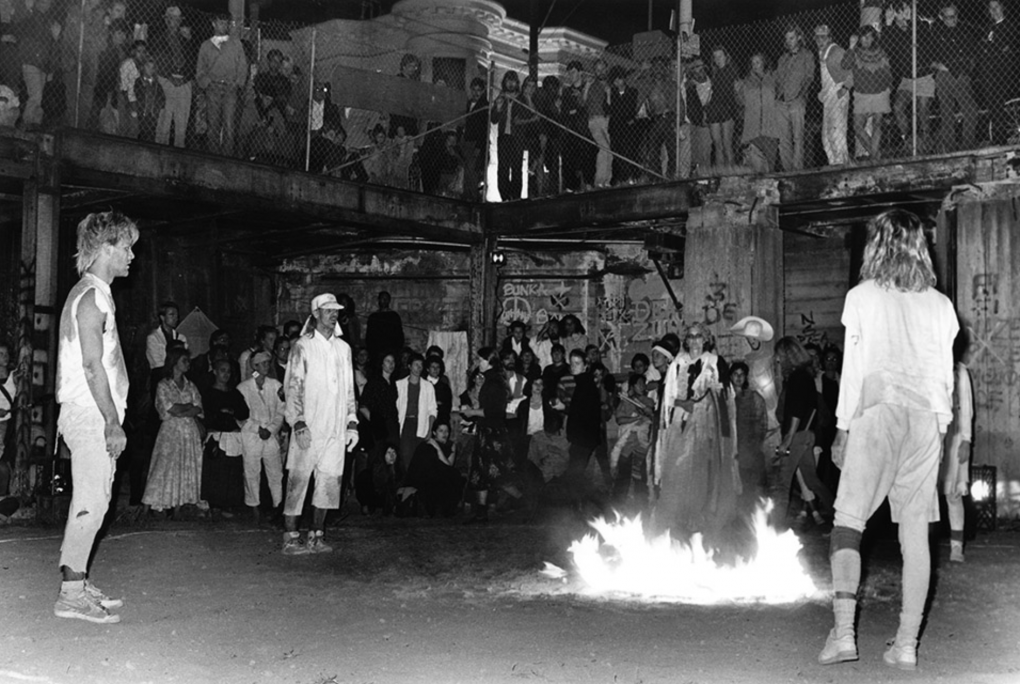
"caption": "Performance group Contraband, in the Mission's Gartland Pit, 1986. (L-R) Jess Curtis, Keith Hennessy, Brenda Munnell, Sara Shelton Mann.",
"description": "Performance group Contraband, in the Mission's Gartland Pit, 1986. (L-R) Jess Curtis, Keith Hennessy, Brenda Munnell, Sara Shelton Mann.",
"title": "Performance group Contraband, in the Mission's Gartland Pit, 1986. (L-R) Jess Curtis, Keith Hennessy, Brenda Munnell, Sara Shelton Mann.",
"credit": "Jeanne Hansen",
"status": "inherit",
"altTag": null,
"isLoading": false,
"fetchFailed": false
},
"arts_13904475": {
"type": "attachments",
"id": "arts_13904475",
"meta": {
"index": "attachments_1716263798",
"site": "arts",
"id": "13904475",
"found": true
},
"parent": 13904467,
"imgSizes": {
"twentyfourteen-full-width": {
"file": "https://ww2.kqed.org/app/uploads/sites/2/2021/10/RS51834_Frank-Sinatra-Pat-Chin-and-club-owner-Andy-Wong-qut-960x576.jpg",
"width": 960,
"mimeType": "image/jpeg",
"height": 576
},
"thumbnail": {
"file": "https://ww2.kqed.org/app/uploads/sites/2/2021/10/RS51834_Frank-Sinatra-Pat-Chin-and-club-owner-Andy-Wong-qut-160x100.jpg",
"width": 160,
"mimeType": "image/jpeg",
"height": 100
},
"post-thumbnail": {
"file": "https://ww2.kqed.org/app/uploads/sites/2/2021/10/RS51834_Frank-Sinatra-Pat-Chin-and-club-owner-Andy-Wong-qut-672x372.jpg",
"width": 672,
"mimeType": "image/jpeg",
"height": 372
},
"kqedFullSize": {
"file": "https://ww2.kqed.org/app/uploads/sites/2/2021/10/RS51834_Frank-Sinatra-Pat-Chin-and-club-owner-Andy-Wong-qut.jpg",
"width": 960,
"height": 598
},
"medium": {
"file": "https://ww2.kqed.org/app/uploads/sites/2/2021/10/RS51834_Frank-Sinatra-Pat-Chin-and-club-owner-Andy-Wong-qut-800x498.jpg",
"width": 800,
"mimeType": "image/jpeg",
"height": 498
},
"medium_large": {
"file": "https://ww2.kqed.org/app/uploads/sites/2/2021/10/RS51834_Frank-Sinatra-Pat-Chin-and-club-owner-Andy-Wong-qut-768x478.jpg",
"width": 768,
"mimeType": "image/jpeg",
"height": 478
}
},
"publishDate": 1633995847,
"modified": 1633996300,
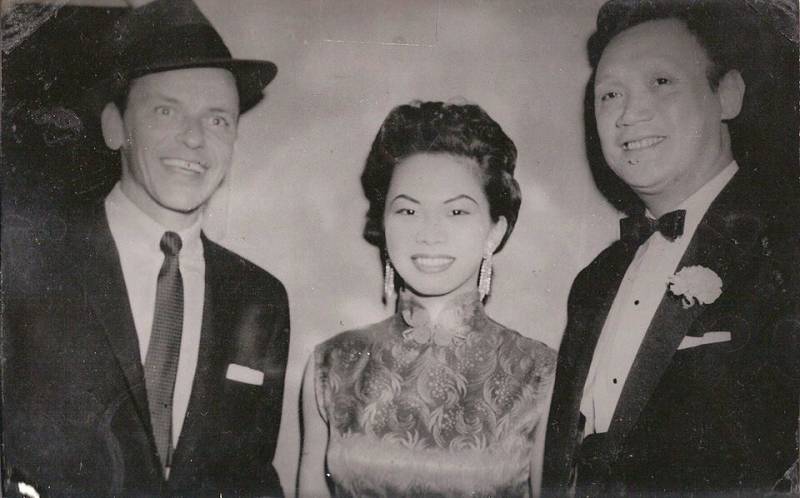
"caption": "Former Chinese Sky Room chorus Girl Pat Chin poses with Frank Sinatra and club owner Andy Wong, circa 1957. The photo hangs on the wall at The Showgirl Magic Museum -- one of many souvenirs from Chinatown's glory days as a nightlife destination.",
"description": "Male figure on left in a suit - Frank Sinatra. Center figure is chorus girl Pat Chin. On the right, also in a suit, is male club owner Andy Wong.",
"title": "RS51834_Frank Sinatra Pat Chin and club owner Andy Wong-qut",
"credit": "Courtesy Pat Chin/Showgirl Magic Museum",
"status": "inherit",
"altTag": null,
"isLoading": false,
"fetchFailed": false
},
"arts_13904276": {
"type": "attachments",
"id": "arts_13904276",
"meta": {
"index": "attachments_1716263798",
"site": "arts",
"id": "13904276",
"found": true
},
"parent": 13904265,
"imgSizes": {
"twentyfourteen-full-width": {
"file": "https://ww2.kqed.org/app/uploads/sites/2/2021/10/Screen-Shot-2021-10-06-at-4.46.11-PM-1038x576.png",
"width": 1038,
"mimeType": "image/png",
"height": 576
},
"thumbnail": {
"file": "https://ww2.kqed.org/app/uploads/sites/2/2021/10/Screen-Shot-2021-10-06-at-4.46.11-PM-160x109.png",
"width": 160,
"mimeType": "image/png",
"height": 109
},
"post-thumbnail": {
"file": "https://ww2.kqed.org/app/uploads/sites/2/2021/10/Screen-Shot-2021-10-06-at-4.46.11-PM-672x372.png",
"width": 672,
"mimeType": "image/png",
"height": 372
},
"kqedFullSize": {
"file": "https://ww2.kqed.org/app/uploads/sites/2/2021/10/Screen-Shot-2021-10-06-at-4.46.11-PM.png",
"width": 1518,
"height": 1034
},
"large": {
"file": "https://ww2.kqed.org/app/uploads/sites/2/2021/10/Screen-Shot-2021-10-06-at-4.46.11-PM-1020x695.png",
"width": 1020,
"mimeType": "image/png",
"height": 695
},
"medium": {
"file": "https://ww2.kqed.org/app/uploads/sites/2/2021/10/Screen-Shot-2021-10-06-at-4.46.11-PM-800x545.png",
"width": 800,
"mimeType": "image/png",
"height": 545
},
"medium_large": {
"file": "https://ww2.kqed.org/app/uploads/sites/2/2021/10/Screen-Shot-2021-10-06-at-4.46.11-PM-768x523.png",
"width": 768,
"mimeType": "image/png",
"height": 523
}
},
"publishDate": 1633563989,
"modified": 1633564024,
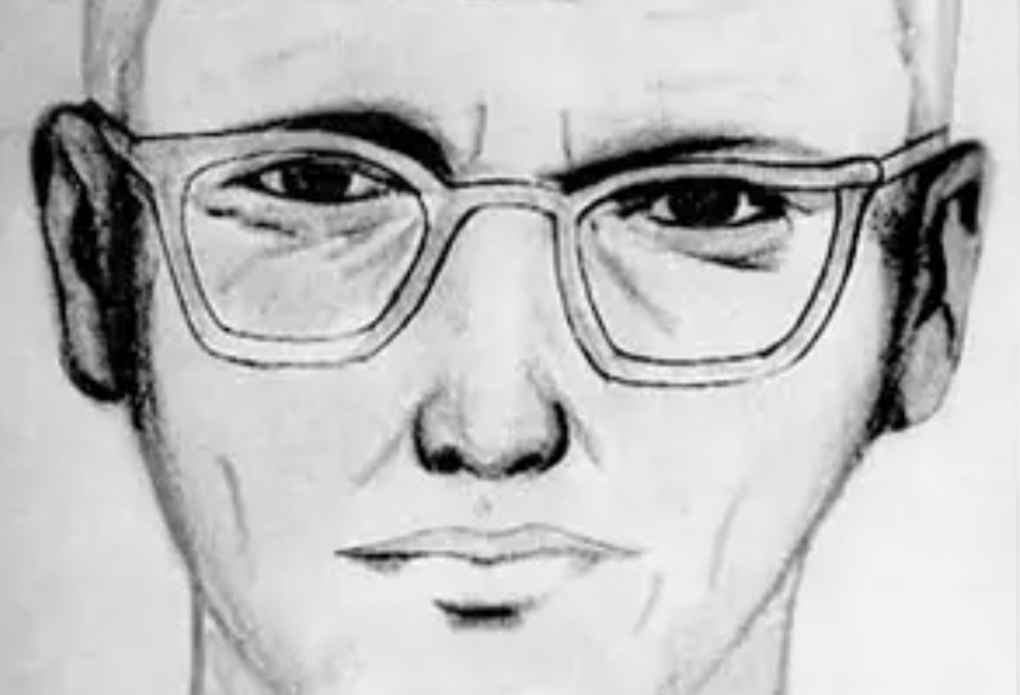
"caption": "The now-infamous police sketch of the Zodiac Killer.",
"description": "The now-infamous police sketch of the Zodiac Killer.",
"title": "The now-infamous police sketch of the Zodiac Killer.",
"credit": null,
"status": "inherit",
"altTag": null,
"isLoading": false,
"fetchFailed": false
},
"arts_13904060": {
"type": "attachments",
"id": "arts_13904060",
"meta": {
"index": "attachments_1716263798",
"site": "arts",
"id": "13904060",
"found": true
},
"parent": 13902628,
"imgSizes": {
"twentyfourteen-full-width": {
"file": "https://ww2.kqed.org/app/uploads/sites/2/2021/09/Sally-Rand-1038x576.jpg",
"width": 1038,
"mimeType": "image/jpeg",
"height": 576
},
"thumbnail": {
"file": "https://ww2.kqed.org/app/uploads/sites/2/2021/09/Sally-Rand-160x90.jpg",
"width": 160,
"mimeType": "image/jpeg",
"height": 90
},
"post-thumbnail": {
"file": "https://ww2.kqed.org/app/uploads/sites/2/2021/09/Sally-Rand-672x372.jpg",
"width": 672,
"mimeType": "image/jpeg",
"height": 372
},
"kqedFullSize": {
"file": "https://ww2.kqed.org/app/uploads/sites/2/2021/09/Sally-Rand.jpg",
"width": 1920,
"height": 1080
},
"large": {
"file": "https://ww2.kqed.org/app/uploads/sites/2/2021/09/Sally-Rand-1020x574.jpg",
"width": 1020,
"mimeType": "image/jpeg",
"height": 574
},
"1536x1536": {
"file": "https://ww2.kqed.org/app/uploads/sites/2/2021/09/Sally-Rand-1536x864.jpg",
"width": 1536,
"mimeType": "image/jpeg",
"height": 864
},
"medium": {
"file": "https://ww2.kqed.org/app/uploads/sites/2/2021/09/Sally-Rand-800x450.jpg",
"width": 800,
"mimeType": "image/jpeg",
"height": 450
},
"medium_large": {
"file": "https://ww2.kqed.org/app/uploads/sites/2/2021/09/Sally-Rand-768x432.jpg",
"width": 768,
"mimeType": "image/jpeg",
"height": 432
}
},
"publishDate": 1633047243,
"modified": 1636502142,
"caption": null,
"description": null,
"title": "Sally Rand",
"credit": null,
"status": "inherit",
"altTag": "A beautiful blond woman with shoulder-length hair reveals a naked shoulder, arm and side, sandwiched between two large white feathers concealing the rest of her body.",
"isLoading": false,
"fetchFailed": false
},
"arts_13903864": {
"type": "attachments",
"id": "arts_13903864",
"meta": {
"index": "attachments_1716263798",
"site": "arts",
"id": "13903864",
"found": true
},
"parent": 13903828,
"imgSizes": {
"twentyfourteen-full-width": {
"file": "https://ww2.kqed.org/app/uploads/sites/2/2021/09/0-2-1038x576.jpg",
"width": 1038,
"mimeType": "image/jpeg",
"height": 576
},
"thumbnail": {
"file": "https://ww2.kqed.org/app/uploads/sites/2/2021/09/0-2-160x100.jpg",
"width": 160,
"mimeType": "image/jpeg",
"height": 100
},
"post-thumbnail": {
"file": "https://ww2.kqed.org/app/uploads/sites/2/2021/09/0-2-672x372.jpg",
"width": 672,
"mimeType": "image/jpeg",
"height": 372
},
"kqedFullSize": {
"file": "https://ww2.kqed.org/app/uploads/sites/2/2021/09/0-2.jpg",
"width": 1500,
"height": 933
},
"large": {
"file": "https://ww2.kqed.org/app/uploads/sites/2/2021/09/0-2-1020x634.jpg",
"width": 1020,
"mimeType": "image/jpeg",
"height": 634
},
"medium": {
"file": "https://ww2.kqed.org/app/uploads/sites/2/2021/09/0-2-800x498.jpg",
"width": 800,
"mimeType": "image/jpeg",
"height": 498
},
"medium_large": {
"file": "https://ww2.kqed.org/app/uploads/sites/2/2021/09/0-2-768x478.jpg",
"width": 768,
"mimeType": "image/jpeg",
"height": 478
}
},
"publishDate": 1632844169,
"modified": 1632844584,
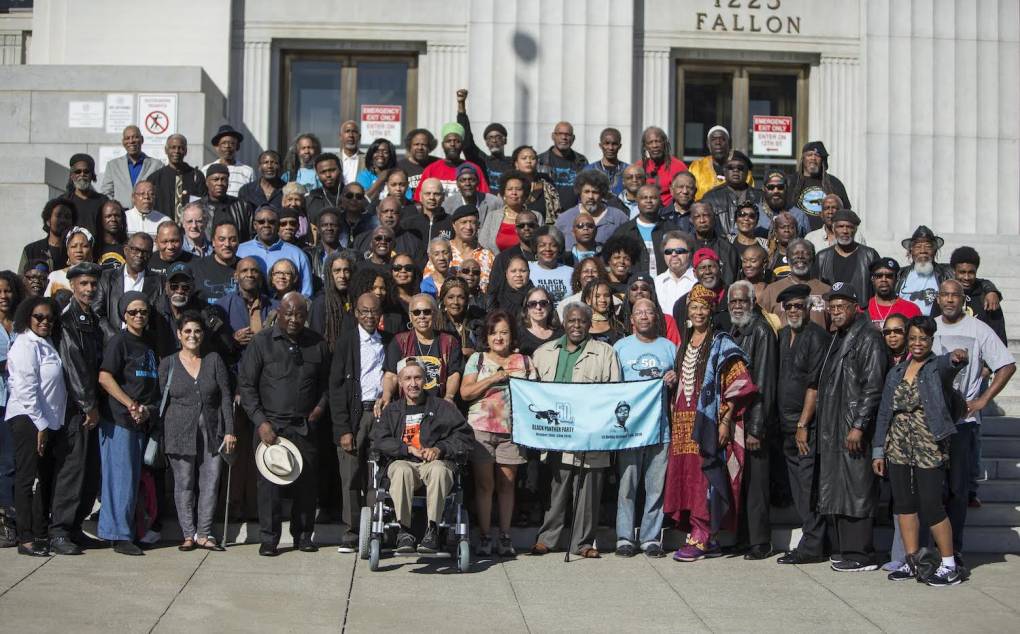
"caption": "Black Panther Alumni gathering and celebrating the 50th anniversary of the founding of the Black Panther Party as they stand on the steps of the Alameda County Court House.",
"description": "Black Panther Alumni gathering and celebrating the 50th anniversary of the founding of the Black Panther Party as they stand on the steps of the Alameda County Court House.",
"title": "Black Panther Alumni gathering and celebrating the 50th anniversary of the founding of the Black Panther Party as they stand on the steps of the Alameda County Court House.",
"credit": "It's About Time Archive",
"status": "inherit",
"altTag": "Black Panther Alumni gathering and celebrating the 50th anniversary of the founding of the Black Panther Party as they stand on the steps of the Alameda County Court House.",
"isLoading": false,
"fetchFailed": false
},
"arts_13902452": {
"type": "attachments",
"id": "arts_13902452",
"meta": {
"index": "attachments_1716263798",
"site": "arts",
"id": "13902452",
"found": true
},
"parent": 13902056,
"imgSizes": {
"twentyfourteen-full-width": {
"file": "https://ww2.kqed.org/app/uploads/sites/2/2021/09/GettyImages-76664071-1038x576.jpg",
"width": 1038,
"mimeType": "image/jpeg",
"height": 576
},
"thumbnail": {
"file": "https://ww2.kqed.org/app/uploads/sites/2/2021/09/GettyImages-76664071-160x107.jpg",
"width": 160,
"mimeType": "image/jpeg",
"height": 107
},
"post-thumbnail": {
"file": "https://ww2.kqed.org/app/uploads/sites/2/2021/09/GettyImages-76664071-672x372.jpg",
"width": 672,
"mimeType": "image/jpeg",
"height": 372
},
"kqedFullSize": {
"file": "https://ww2.kqed.org/app/uploads/sites/2/2021/09/GettyImages-76664071-scaled-e1630622779657.jpg",
"width": 1920,
"height": 1280
},
"2048x2048": {
"file": "https://ww2.kqed.org/app/uploads/sites/2/2021/09/GettyImages-76664071-2048x1365.jpg",
"width": 2048,
"mimeType": "image/jpeg",
"height": 1365
},
"large": {
"file": "https://ww2.kqed.org/app/uploads/sites/2/2021/09/GettyImages-76664071-1020x680.jpg",
"width": 1020,
"mimeType": "image/jpeg",
"height": 680
},
"1536x1536": {
"file": "https://ww2.kqed.org/app/uploads/sites/2/2021/09/GettyImages-76664071-1536x1024.jpg",
"width": 1536,
"mimeType": "image/jpeg",
"height": 1024
},
"full-width": {
"file": "https://ww2.kqed.org/app/uploads/sites/2/2021/09/GettyImages-76664071-1920x1280.jpg",
"width": 1920,
"mimeType": "image/jpeg",
"height": 1280
},
"medium": {
"file": "https://ww2.kqed.org/app/uploads/sites/2/2021/09/GettyImages-76664071-800x533.jpg",
"width": 800,
"mimeType": "image/jpeg",
"height": 533
},
"medium_large": {
"file": "https://ww2.kqed.org/app/uploads/sites/2/2021/09/GettyImages-76664071-768x512.jpg",
"width": 768,
"mimeType": "image/jpeg",
"height": 512
}
},
"publishDate": 1630622223,
"modified": 1631126678,
"caption": "A protestor holds a sign claiming the 9/11 attacks were an inside job in Washington DC, Sept. 11, 2007. The epicenter of the so-called 'truther' movement is in San Francisco—an organization called Architects & Engineers for 9/11 Truth.",
"description": "A protestor holds a sign claiming the 9/11 attacks were an inside job in Washington DC, Sept. 11, 2007. The epicenter of the so-called 'truther' movement is in San Francisco—an organization called Architects & Engineers for 9/11 Truth.",
"title": "A protestor holds a sign claiming the 9/11 attacks were an inside job in Washington DC, Sept. 11, 2007. The epicenter of the so-called 'truther' movement is in San Francisco—an organization called Architects & Engineers for 9/11 Truth.",
"credit": "NICHOLAS KAMM/AFP via Getty Images",
"status": "inherit",
"altTag": null,
"isLoading": false,
"fetchFailed": false
},
"arts_13902267": {
"type": "attachments",
"id": "arts_13902267",
"meta": {
"index": "attachments_1716263798",
"site": "arts",
"id": "13902267",
"found": true
},
"parent": 13902166,
"imgSizes": {
"twentyfourteen-full-width": {
"file": "https://ww2.kqed.org/app/uploads/sites/2/2021/08/Charley-Humphrey-1038x576.png",
"width": 1038,
"mimeType": "image/png",
"height": 576
},
"thumbnail": {
"file": "https://ww2.kqed.org/app/uploads/sites/2/2021/08/Charley-Humphrey-160x98.png",
"width": 160,
"mimeType": "image/png",
"height": 98
},
"post-thumbnail": {
"file": "https://ww2.kqed.org/app/uploads/sites/2/2021/08/Charley-Humphrey-672x372.png",
"width": 672,
"mimeType": "image/png",
"height": 372
},
"kqedFullSize": {
"file": "https://ww2.kqed.org/app/uploads/sites/2/2021/08/Charley-Humphrey.png",
"width": 3052,
"height": 1872
},
"2048x2048": {
"file": "https://ww2.kqed.org/app/uploads/sites/2/2021/08/Charley-Humphrey-2048x1256.png",
"width": 2048,
"mimeType": "image/png",
"height": 1256
},
"large": {
"file": "https://ww2.kqed.org/app/uploads/sites/2/2021/08/Charley-Humphrey-1020x626.png",
"width": 1020,
"mimeType": "image/png",
"height": 626
},
"1536x1536": {
"file": "https://ww2.kqed.org/app/uploads/sites/2/2021/08/Charley-Humphrey-1536x942.png",
"width": 1536,
"mimeType": "image/png",
"height": 942
},
"full-width": {
"file": "https://ww2.kqed.org/app/uploads/sites/2/2021/08/Charley-Humphrey-1920x1178.png",
"width": 1920,
"mimeType": "image/png",
"height": 1178
},
"medium": {
"file": "https://ww2.kqed.org/app/uploads/sites/2/2021/08/Charley-Humphrey-800x491.png",
"width": 800,
"mimeType": "image/png",
"height": 491
},
"medium_large": {
"file": "https://ww2.kqed.org/app/uploads/sites/2/2021/08/Charley-Humphrey-768x471.png",
"width": 768,
"mimeType": "image/png",
"height": 471
}
},
"publishDate": 1630449959,
"modified": 1630450005,
"caption": "Charley and Humphrey teaching the kids, back in the day.",
"description": "Charley and Humphrey teaching the kids, back in the day.",
"title": "Charley and Humphrey teaching the kids, back in the day.",
"credit": null,
"status": "inherit",
"altTag": null,
"isLoading": false,
"fetchFailed": false
},
"arts_13902401": {
"type": "attachments",
"id": "arts_13902401",
"meta": {
"index": "attachments_1716263798",
"site": "arts",
"id": "13902401",
"found": true
},
"parent": 13902315,
"imgSizes": {
"twentyfourteen-full-width": {
"file": "https://ww2.kqed.org/app/uploads/sites/2/2021/09/GabrielaOrtiz-1038x576.jpg",
"width": 1038,
"mimeType": "image/jpeg",
"height": 576
},
"thumbnail": {
"file": "https://ww2.kqed.org/app/uploads/sites/2/2021/09/GabrielaOrtiz-160x90.jpg",
"width": 160,
"mimeType": "image/jpeg",
"height": 90
},
"post-thumbnail": {
"file": "https://ww2.kqed.org/app/uploads/sites/2/2021/09/GabrielaOrtiz-672x372.jpg",
"width": 672,
"mimeType": "image/jpeg",
"height": 372
},
"kqedFullSize": {
"file": "https://ww2.kqed.org/app/uploads/sites/2/2021/09/GabrielaOrtiz.jpg",
"width": 1920,
"height": 1080
},
"large": {
"file": "https://ww2.kqed.org/app/uploads/sites/2/2021/09/GabrielaOrtiz-1020x574.jpg",
"width": 1020,
"mimeType": "image/jpeg",
"height": 574
},
"1536x1536": {
"file": "https://ww2.kqed.org/app/uploads/sites/2/2021/09/GabrielaOrtiz-1536x864.jpg",
"width": 1536,
"mimeType": "image/jpeg",
"height": 864
},
"medium": {
"file": "https://ww2.kqed.org/app/uploads/sites/2/2021/09/GabrielaOrtiz-800x450.jpg",
"width": 800,
"mimeType": "image/jpeg",
"height": 450
},
"medium_large": {
"file": "https://ww2.kqed.org/app/uploads/sites/2/2021/09/GabrielaOrtiz-768x432.jpg",
"width": 768,
"mimeType": "image/jpeg",
"height": 432
}
},
"publishDate": 1630610136,
"modified": 1630611275,
"caption": "Gabriela Ortiz.",
"description": "A woman next to a lamp.",
"title": "GabrielaOrtiz",
"credit": "Artist Photo",
"status": "inherit",
"altTag": null,
"isLoading": false,
"fetchFailed": false
},
"arts_13901786": {
"type": "attachments",
"id": "arts_13901786",
"meta": {
"index": "attachments_1716263798",
"site": "arts",
"id": "13901786",
"found": true
},
"parent": 13897608,
"imgSizes": {
"twentyfourteen-full-width": {
"file": "https://ww2.kqed.org/app/uploads/sites/2/2021/08/MargaretChung_Final-1038x576.jpg",
"width": 1038,
"mimeType": "image/jpeg",
"height": 576
},
"thumbnail": {
"file": "https://ww2.kqed.org/app/uploads/sites/2/2021/08/MargaretChung_Final-160x90.jpg",
"width": 160,
"mimeType": "image/jpeg",
"height": 90
},
"post-thumbnail": {
"file": "https://ww2.kqed.org/app/uploads/sites/2/2021/08/MargaretChung_Final-672x372.jpg",
"width": 672,
"mimeType": "image/jpeg",
"height": 372
},
"kqedFullSize": {
"file": "https://ww2.kqed.org/app/uploads/sites/2/2021/08/MargaretChung_Final.jpg",
"width": 1920,
"height": 1080
},
"large": {
"file": "https://ww2.kqed.org/app/uploads/sites/2/2021/08/MargaretChung_Final-1020x574.jpg",
"width": 1020,
"mimeType": "image/jpeg",
"height": 574
},
"1536x1536": {
"file": "https://ww2.kqed.org/app/uploads/sites/2/2021/08/MargaretChung_Final-1536x864.jpg",
"width": 1536,
"mimeType": "image/jpeg",
"height": 864
},
"medium": {
"file": "https://ww2.kqed.org/app/uploads/sites/2/2021/08/MargaretChung_Final-800x450.jpg",
"width": 800,
"mimeType": "image/jpeg",
"height": 450
},
"medium_large": {
"file": "https://ww2.kqed.org/app/uploads/sites/2/2021/08/MargaretChung_Final-768x432.jpg",
"width": 768,
"mimeType": "image/jpeg",
"height": 432
}
},
"publishDate": 1629842673,
"modified": 1636502286,
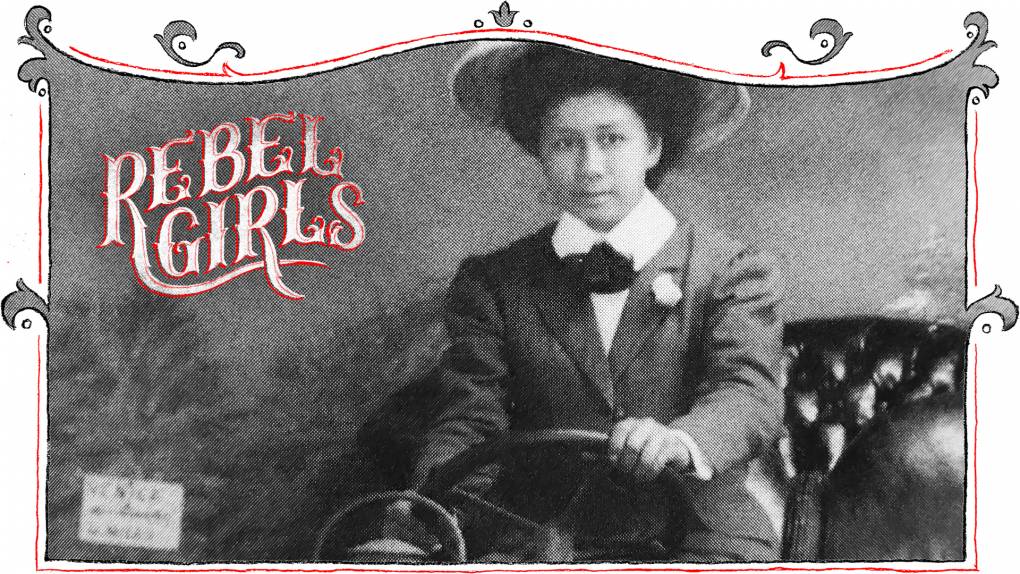
"caption": "Margaret Chung in 1909, posing in an automobile. Her love of sports cars would later become common knowledge around San Francisco. ",
"description": "Margaret Chung in 1909, posing in an automobile. Her love of sports cars would later become common knowledge around San Francisco. ",
"title": "Margaret Chung in 1909, posing in an automobile. Her love of sports cars would later become common knowledge around San Francisco.",
"credit": "Shades of L.A. Archives, Los Angeles Public Library",
"status": "inherit",
"altTag": "A Chinese American woman in her twenties sits behind the steering wheel of a vintage car, wearing a smart hat and grey suit, a small bow tied at her neck.",
"isLoading": false,
"fetchFailed": false
},
"arts_13901297": {
"type": "attachments",
"id": "arts_13901297",
"meta": {
"index": "attachments_1716263798",
"site": "arts",
"id": "13901297",
"found": true
},
"parent": 13900997,
"imgSizes": {
"twentyfourteen-full-width": {
"file": "https://ww2.kqed.org/app/uploads/sites/2/2021/08/GettyImages-1202804262-1038x576.jpg",
"width": 1038,
"mimeType": "image/jpeg",
"height": 576
},
"thumbnail": {
"file": "https://ww2.kqed.org/app/uploads/sites/2/2021/08/GettyImages-1202804262-160x107.jpg",
"width": 160,
"mimeType": "image/jpeg",
"height": 107
},
"post-thumbnail": {
"file": "https://ww2.kqed.org/app/uploads/sites/2/2021/08/GettyImages-1202804262-672x372.jpg",
"width": 672,
"mimeType": "image/jpeg",
"height": 372
},
"kqedFullSize": {
"file": "https://ww2.kqed.org/app/uploads/sites/2/2021/08/GettyImages-1202804262-scaled.jpg",
"width": 2560,
"height": 1707
},
"2048x2048": {
"file": "https://ww2.kqed.org/app/uploads/sites/2/2021/08/GettyImages-1202804262-2048x1365.jpg",
"width": 2048,
"mimeType": "image/jpeg",
"height": 1365
},
"large": {
"file": "https://ww2.kqed.org/app/uploads/sites/2/2021/08/GettyImages-1202804262-1020x680.jpg",
"width": 1020,
"mimeType": "image/jpeg",
"height": 680
},
"1536x1536": {
"file": "https://ww2.kqed.org/app/uploads/sites/2/2021/08/GettyImages-1202804262-1536x1024.jpg",
"width": 1536,
"mimeType": "image/jpeg",
"height": 1024
},
"full-width": {
"file": "https://ww2.kqed.org/app/uploads/sites/2/2021/08/GettyImages-1202804262-1920x1280.jpg",
"width": 1920,
"mimeType": "image/jpeg",
"height": 1280
},
"medium": {
"file": "https://ww2.kqed.org/app/uploads/sites/2/2021/08/GettyImages-1202804262-800x533.jpg",
"width": 800,
"mimeType": "image/jpeg",
"height": 533
},
"medium_large": {
"file": "https://ww2.kqed.org/app/uploads/sites/2/2021/08/GettyImages-1202804262-768x512.jpg",
"width": 768,
"mimeType": "image/jpeg",
"height": 512
}
},
"publishDate": 1628890127,
"modified": 1628890351,
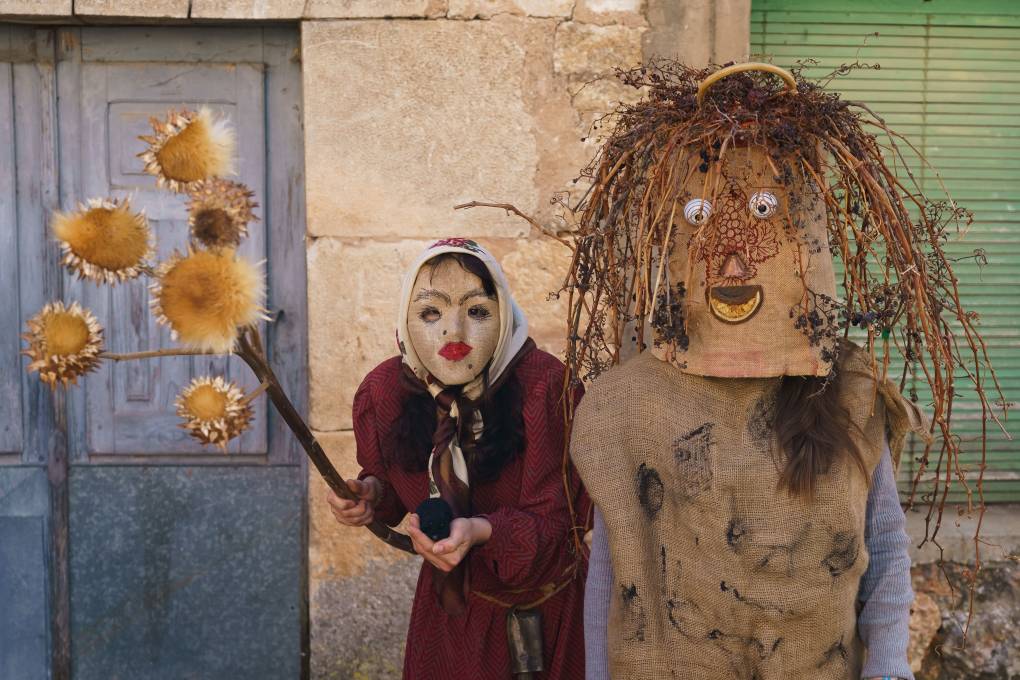
"caption": "Just the kinds of attendees we most enjoy at Bay Area festivals! These two are actually at \"El Gallo de Carnaval\" (the Carnival Rooster) in Mecerreyes, Spain. Shame.",
"description": "Just the kinds of attendees we most enjoy at Bay Area festivals! These two are actually at \"El Gallo de Carnaval\" (the Carnival Rooster) in Mecerreyes, Spain. Shame.",
"title": "Just the kinds of attendees we most enjoy at Bay Area festivals! These two are actually at \"El Gallo de Carnaval\" (the Carnival Rooster) in Mecerreyes, Spain. Shame.",
"credit": "CESAR MANSO/AFP via Getty Images",
"status": "inherit",
"altTag": "Just the kinds of attendees we most enjoy at Bay Area festivals! These two are actually at \"El Gallo de Carnaval\" (the Carnival Rooster) in Mecerreyes, Spain. Shame.",
"isLoading": false,
"fetchFailed": false
}
},
"audioPlayerReducer": {
"postId": "stream_live",
"isPaused": true,
"isPlaying": false,
"pfsActive": false,
"pledgeModalIsOpen": true,
"playerDrawerIsOpen": false,
"liveAudioPlayStartedAt": 0,
"liveAudioPlayContext": ""
},
"authorsReducer": {
"byline_arts_13904761": {
"type": "authors",
"id": "byline_arts_13904761",
"meta": {
"override": true
},
"slug": "byline_arts_13904761",
"name": "Justin Chang",
"isLoading": false
},
"byline_arts_13904550": {
"type": "authors",
"id": "byline_arts_13904550",
"meta": {
"override": true
},
"slug": "byline_arts_13904550",
"name": "Joe Hernandez",
"isLoading": false
},
"gmeline": {
"type": "authors",
"id": "185",
"meta": {
"index": "authors_1716337520",
"id": "185",
"found": true
},
"name": "Gabe Meline",
"firstName": "Gabe",
"lastName": "Meline",
"slug": "gmeline",
"email": "gmeline@kqed.org",
"display_author_email": true,
"staff_mastheads": [
"arts"
],
"title": "Senior Editor, KQED Arts & Culture",
"bio": "Gabe Meline entered journalism at age 15 making photocopied zines, and has since earned awards from the Edward R. Murrow Awards, the Society for Professional Journalists, the Online Journalism Awards, the Association of Alternative Newsweeklies and the California Newspaper Publishers Association. Prior to KQED, he was the editor of the \u003cem>North Bay Bohemian\u003c/em> and a touring musician. He lives with his wife and daughter in his hometown of Santa Rosa, CA.",
"avatar": "https://secure.gravatar.com/avatar/5bebe57be0d8bc2dd318934feb47299e2d2d10cba28d09d8d7afb389a2ce2bdd?s=600&d=blank&r=g",
"twitter": null,
"bluesky": null,
"facebook": null,
"instagram": null,
"linkedin": null,
"sites": [
{
"site": "",
"roles": [
"editor"
]
},
{
"site": "arts",
"roles": [
"administrator"
]
},
{
"site": "artschool",
"roles": [
"editor"
]
},
{
"site": "news",
"roles": [
"author"
]
},
{
"site": "pop",
"roles": [
"editor"
]
},
{
"site": "bayareabites",
"roles": [
"editor"
]
},
{
"site": "food",
"roles": [
"editor"
]
},
{
"site": "forum",
"roles": [
"administrator"
]
},
{
"site": "liveblog",
"roles": [
"editor"
]
},
{
"site": "hiphop",
"roles": [
"editor"
]
}
],
"headData": {
"title": "Gabe Meline | KQED",
"description": "Senior Editor, KQED Arts & Culture",
"ogImgSrc": "https://secure.gravatar.com/avatar/5bebe57be0d8bc2dd318934feb47299e2d2d10cba28d09d8d7afb389a2ce2bdd?s=600&d=blank&r=g",
"twImgSrc": "https://secure.gravatar.com/avatar/5bebe57be0d8bc2dd318934feb47299e2d2d10cba28d09d8d7afb389a2ce2bdd?s=600&d=blank&r=g"
},
"isLoading": false,
"link": "/author/gmeline"
},
"cveltman": {
"type": "authors",
"id": "8608",
"meta": {
"index": "authors_1716337520",
"id": "8608",
"found": true
},
"name": "Chloe Veltman",
"firstName": "Chloe",
"lastName": "Veltman",
"slug": "cveltman",
"email": "cveltman@kqed.org",
"display_author_email": true,
"staff_mastheads": [],
"title": "Arts and Culture Reporter",
"bio": "Chloe Veltman is a former arts and culture reporter for KQED. Prior to joining the organization, she launched and led the arts bureau at Colorado Public Radio, served as the Bay Area's culture columnist for the New York Times, and was the founder, host and executive producer of VoiceBox, a national award-winning weekly podcast/radio show and live events series all about the human voice. Chloe is the recipient of numerous prizes, grants and fellowships including a Webby Award for her work on interactive storytelling, both the John S Knight Journalism Fellowship and Humanities Center Fellowship at Stanford University, the Sundance Arts Writing Fellowship and a Library of Congress Research Fellowship. She is the author of the book \"On Acting\" and has appeared as a guest lecturer at Yale University and the San Francisco Conservatory of Music among other institutions. She holds a BA in english literature from King's College, Cambridge, and a Masters in Dramaturgy from the Central School of Speech and Drama/Harvard Institute for Advanced Theater Training.\r\n\u003ca href=\"https://www.chloeveltman.com\">www.chloeveltman.com\u003c/a>",
"avatar": "https://secure.gravatar.com/avatar/55403394b00a1ddab683952c2eb2cf85?s=600&d=blank&r=g",
"twitter": "chloeveltman",
"facebook": null,
"instagram": null,
"linkedin": null,
"sites": [
{
"site": "arts",
"roles": []
},
{
"site": "news",
"roles": [
"author"
]
},
{
"site": "pop",
"roles": [
"editor"
]
},
{
"site": "science",
"roles": []
}
],
"headData": {
"title": "Chloe Veltman | KQED",
"description": "Arts and Culture Reporter",
"ogImgSrc": "https://secure.gravatar.com/avatar/55403394b00a1ddab683952c2eb2cf85?s=600&d=blank&r=g",
"twImgSrc": "https://secure.gravatar.com/avatar/55403394b00a1ddab683952c2eb2cf85?s=600&d=blank&r=g"
},
"isLoading": false,
"link": "/author/cveltman"
},
"ralexandra": {
"type": "authors",
"id": "11242",
"meta": {
"index": "authors_1716337520",
"id": "11242",
"found": true
},
"name": "Rae Alexandra",
"firstName": "Rae",
"lastName": "Alexandra",
"slug": "ralexandra",
"email": "ralexandra@kqed.org",
"display_author_email": true,
"staff_mastheads": [],
"title": "Reporter/Producer",
"bio": "Rae Alexandra is a Reporter/Producer for KQED Arts & Culture, and the creator/author of the \u003ca href=\"https://www.kqed.org/arts/program/rebel-girls-from-bay-area-history\">Rebel Girls From Bay Area History\u003c/a> and \u003ca href=\"https://www.kqed.org/bizarrebayarea\">Bizarre Bay Area\u003c/a> series. Her debut book, \u003ca href=\"https://citylights.com/politics-current-events-history/unsung-heroines35-women-who-changed/\">Unsung Heroines: 35 Women Who Changed the Bay Area\u003c/a> was published by City Lights in March 2026. In 2023, Rae was awarded an SPJ Excellence in Journalism Award for Arts & Culture. Rae was born and raised in Wales and subsequently — even after two decades in Northern California — still uses phrases that regularly baffle her coworkers.",
"avatar": "https://secure.gravatar.com/avatar/edfee8176c80cc0a382b051190f5341997df378a934a5774dcb0977732dfd401?s=600&d=blank&r=g",
"twitter": null,
"bluesky": null,
"facebook": null,
"instagram": null,
"linkedin": null,
"sites": [
{
"site": "arts",
"roles": [
"subscriber"
]
},
{
"site": "news",
"roles": [
"subscriber"
]
},
{
"site": "pop",
"roles": [
"subscriber"
]
},
{
"site": "bayareabites",
"roles": [
"subscriber"
]
},
{
"site": "science",
"roles": [
"subscriber"
]
}
],
"headData": {
"title": "Rae Alexandra | KQED",
"description": "Reporter/Producer",
"ogImgSrc": "https://secure.gravatar.com/avatar/edfee8176c80cc0a382b051190f5341997df378a934a5774dcb0977732dfd401?s=600&d=blank&r=g",
"twImgSrc": "https://secure.gravatar.com/avatar/edfee8176c80cc0a382b051190f5341997df378a934a5774dcb0977732dfd401?s=600&d=blank&r=g"
},
"isLoading": false,
"link": "/author/ralexandra"
},
"ogpenn": {
"type": "authors",
"id": "11491",
"meta": {
"index": "authors_1716337520",
"id": "11491",
"found": true
},
"name": "Pendarvis Harshaw",
"firstName": "Pendarvis",
"lastName": "Harshaw",
"slug": "ogpenn",
"email": "ogpenn@gmail.com",
"display_author_email": false,
"staff_mastheads": [
"arts"
],
"title": "Community Engagement Reporter",
"bio": "Pendarvis Harshaw is an educator, host and writer with KQED Arts.",
"avatar": "https://secure.gravatar.com/avatar/972b77ee8e3f346ae2b00622661187fbfabd059b5693bbdc1475ea7a722fd4cd?s=600&d=blank&r=g",
"twitter": null,
"bluesky": null,
"facebook": null,
"instagram": "ogpenn",
"linkedin": null,
"sites": [
{
"site": "arts",
"roles": [
"administrator"
]
},
{
"site": "news",
"roles": [
"editor"
]
},
{
"site": "bayareabites",
"roles": [
"author"
]
},
{
"site": "hiphop",
"roles": [
"editor"
]
}
],
"headData": {
"title": "Pendarvis Harshaw | KQED",
"description": "Community Engagement Reporter",
"ogImgSrc": "https://secure.gravatar.com/avatar/972b77ee8e3f346ae2b00622661187fbfabd059b5693bbdc1475ea7a722fd4cd?s=600&d=blank&r=g",
"twImgSrc": "https://secure.gravatar.com/avatar/972b77ee8e3f346ae2b00622661187fbfabd059b5693bbdc1475ea7a722fd4cd?s=600&d=blank&r=g"
},
"isLoading": false,
"link": "/author/ogpenn"
}
},
"pagesReducer": {
"arts_category_history": {
"type": "terms",
"id": "arts_7862",
"meta": {
"index": "terms_1716263798",
"site": "arts",
"id": "7862",
"score": 12.208633
},
"featImg": null,
"name": "History",
"description": null,
"taxonomy": "category",
"headData": {
"twImgId": null,
"twTitle": null,
"ogTitle": null,
"ogImgId": null,
"twDescription": null,
"description": null,
"title": "History Archives | KQED Arts",
"ogDescription": null
},
"ttid": 7874,
"slug": "history",
"isLoading": false,
"title": "History",
"pageMeta": {
"site": "arts",
"WpPageTemplate": "page-topic-editorial",
"currentPage": 23
},
"blocks": [
{
"blockName": "kqed/post-list",
"attrs": {
"layout": "cardArticle2",
"query": "posts/arts?category=history",
"seeMore": false,
"paginated": true,
"page": 23
}
},
{
"blockName": "kqed/ad"
}
]
}
},
"pfsSessionReducer": {},
"postsReducer": {
"stream_live": {
"type": "live",
"id": "stream_live",
"audioUrl": "https://streams.kqed.org/kqedradio",
"title": "Live Stream",
"excerpt": "Live Stream information currently unavailable.",
"link": "/radio",
"featImg": "",
"label": {
"name": "KQED Live",
"link": "/"
}
},
"stream_kqedNewscast": {
"type": "posts",
"id": "stream_kqedNewscast",
"audioUrl": "https://www.kqed.org/.stream/anon/radio/RDnews/newscast.mp3?_=1",
"title": "KQED Newscast",
"featImg": "",
"label": {
"name": "88.5 FM",
"link": "/"
}
},
"arts_13904761": {
"type": "posts",
"id": "arts_13904761",
"meta": {
"index": "posts_1716263798",
"site": "arts",
"id": "13904761",
"score": null,
"sort": [
1634333140000
]
},
"parent": 0,
"labelTerm": {
"site": "arts",
"term": 137
},
"blocks": [],
"publishDate": 1634333140,
"format": "standard",
"title": "'The Last Duel' is a 'Rashomon'-Style #MeToo Story—and a Messy Medieval Epic",
"headTitle": "‘The Last Duel’ is a ‘Rashomon’-Style #MeToo Story—and a Messy Medieval Epic | KQED",
"content": "\u003cp>\u003cem>The Last Duel \u003c/em>is a sprawling, often ungainly movie—a talky, three-part \u003ca href=\"https://www.youtube.com/watch?v=Zqoyl2p8_lw\" target=\"_blank\" rel=\"noopener noreferrer\">\u003cem>Rashomon\u003c/em>\u003c/a>-style drama that mixes past and present-day politics—but there’s a bracing intelligence to its messiness. It opens the way a lot of Ridley Scott period epics do, on a gloomy day with two sides preparing for battle.\u003c/p>\n\u003cp>[aside postid='arts_13894842']We’re in Paris in the year 1386, and the combatants are the dashing squire Jacques Le Gris—that’s \u003ca href=\"https://www.npr.org/2015/08/26/434868775/former-marine-adam-driver-on-what-acting-and-the-military-have-in-common\" target=\"_blank\" rel=\"noopener noreferrer\">Adam Driver\u003c/a>—and the sullen knight Sir Jean de Carrouges—that’s \u003ca href=\"https://www.kqed.org/pop/96702/even-when-matt-damon-is-apologizing-he-gets-it-wrong\" target=\"_blank\" rel=\"noopener noreferrer\">Matt Damon\u003c/a>. Jean’s wife, Marguerite, played by Jodie Comer, watches anxiously from her seat. Just as the two men are about to clash lances, the movie cuts away and rewinds several years to show what brought these three characters to this moment.\u003c/p>\n\u003cp>There’s a lot more rewinding to come. \u003cem>The Last Duel\u003c/em> is based on a true story that it tells no fewer than three times, each time from a different character’s perspective. The script, adapted from Eric Jager’s \u003ca href=\"https://www.npr.org/templates/story/story.php?storyId=4245183\" target=\"_blank\" rel=\"noopener noreferrer\">nonfiction book\u003c/a>, emerged from a unique collaboration among three writers. Damon and \u003ca href=\"https://www.npr.org/2014/10/04/352772313/affleck-gone-girl-was-freeing-and-batman-will-be-no-daredevil\" target=\"_blank\" rel=\"noopener noreferrer\">Ben Affleck\u003c/a> wrote the first two chapters focusing on the men, while \u003ca href=\"https://www.npr.org/2019/02/22/696961097/oscar-nominated-filmmaker-nicole-holofcener\">Nicole Holofcener\u003c/a> wrote the third chapter centering on Marguerite. It’s an ingenious approach to what plays like a medieval #MeToo story, tackling the dynamics of power, class and gender in an era when women were regarded as little more than male property.\u003c/p>\n\u003cp>https://www.youtube.com/watch?v=mgygUwPJvYk\u003c/p>\n\u003cp>The opening chapter focuses on Carrouges, played by Damon with a righteous scowl and a mullet so hideous it almost immediately turns you against him. Carrouges is a brave warrior from a long line of brave warriors, but also a proud, petty man with a chip on his shoulder. We first see him and Le Gris in 1370, fighting valiantly against the English and becoming close friends. But Carrouges begins to feel resentful when their superior—Count Pierre d’Alençon, a saucy libertine played hilariously by Affleck—takes Le Gris under his wing. The count even gives Le Gris a coveted piece of land that was originally intended for Carrouges as part of his wife Marguerite’s dowry, leading to years of legal struggles.\u003c/p>\n\u003cp>[ad fullwidth]\u003c/p>\n\u003cp>Then one evening, Marguerite comes forward and tells her husband that while he was away, Le Gris came to their castle in Normandy and raped her. Carrouges takes the accusation public, setting in motion a duel between himself and Le Gris, which would become the last trial by combat officially recognized in France.\u003c/p>\n\u003cp>At this point, the first chapter ends and the movie returns to the beginning, this time replaying events from Le Gris’ perspective. As one of the count’s closest allies, Le Gris has come to enjoy a life of privilege and debauchery, and Driver basically plays him as God’s gift to women. That stokes his tensions with Carrouges, who eventually is made a knight and demands that Le Gris show him respect.\u003c/p>\n\u003cp>Around this time, Le Gris falls madly in love with Marguerite and becomes certain that she reciprocates his feelings. That brings us to their fateful encounter, in which Le Gris convinces himself that Marguerite’s protests are merely the signs of a guilty conscience. But even though the movie is showing us his version of events, it rejects his delusion completely: What we see is unmistakably a sexual assault, in which Marguerite repeatedly says no and tries to push him away.\u003c/p>\n\u003cp>[aside postid='arts_13903966']The third chapter, which unfolds from Marguerite’s perspective, revisits the rape scene, and for some viewers—fair warning—it may seem like one grueling replay too many, especially since Marguerite’s trauma is now even more apparent. But this is also the chapter in which the moral arc of the story snaps into focus. After so much boorish male behavior, fully embodied by Damon and Driver, the fierce intelligence and humanity of Comer’s performance is like a balm. Marguerite emerges as by far the most honest and clear-eyed of the movie’s three leads, heroic in her refusal to stay silent about what she endured.\u003c/p>\n\u003cp>\u003c/p>\n\u003cp>Near the end of the film, Marguerite finds herself on trial, forced to defend her rape allegation in a court full of men trying to discredit her. The sequence plays like dark satire, suggesting how much has changed and also how much hasn’t. And then there’s the duel, which feels almost subversively anticlimactic: It delivers all the gory virtuosity you’d expect from Ridley Scott, but something about it rings deliberately hollow. It hardly matters which man wins, the movie seems to be saying, in a world where women are destined to lose.\u003c/p>\n\u003cdiv class=\"fullattribution\">\u003cem>Copyright 2021 Fresh Air. To see more, visit \u003ca href=\"http://www.npr.org/programs/fresh-air/\" target=\"_blank\" rel=\"noopener noreferrer\">Fresh Air\u003c/a>.\u003cimg decoding=\"async\" src=\"https://www.google-analytics.com/__utm.gif?utmac=UA-5828686-4&utmdt=%27The+Last+Duel%27+is+a+%27Rashomon%27-style+%23MeToo+story+%E2%80%94+and+a+messy+medieval+epic&utme=8(APIKey)9(MDAxOTAwOTE4MDEyMTkxMDAzNjczZDljZA004)\">\u003c/em>\u003c/div>\n\n",
"stats": {
"hasVideo": true,
"hasChartOrMap": false,
"hasAudio": false,
"hasPolis": false,
"wordCount": 828,
"hasGoogleForm": false,
"hasGallery": false,
"hasHearkenModule": false,
"iframeSrcs": [],
"paragraphCount": 11
},
"modified": 1705007600,
"excerpt": "Ridley Scott's epic, set in 1380s Paris, tells the true story of a historic duel from three points of view.",
"headData": {
"twImgId": "",
"twTitle": "",
"ogTitle": "",
"ogImgId": "",
"twDescription": "",
"description": "Ridley Scott's epic, set in 1380s Paris, tells the true story of a historic duel from three points of view.",
"title": "'The Last Duel' is a 'Rashomon'-Style #MeToo Story—and a Messy Medieval Epic | KQED",
"ogDescription": "",
"schema": {
"@context": "https://schema.org",
"@type": "Article",
"headline": "'The Last Duel' is a 'Rashomon'-Style #MeToo Story—and a Messy Medieval Epic",
"datePublished": "2021-10-15T14:25:40-07:00",
"dateModified": "2024-01-11T13:13:20-08:00",
"image": "https://cdn.kqed.org/wp-content/uploads/2020/02/KQED-OG-Image@1x.png"
}
},
"guestAuthors": [],
"slug": "the-last-duel-is-a-rashomon-style-metoo-story-and-a-messy-medieval-epic",
"status": "publish",
"nprApiLink": "http://api.npr.org/query?id=1045633461&apiKey=MDAxOTAwOTE4MDEyMTkxMDAzNjczZDljZA004",
"templateType": "standard",
"nprStoryDate": "Thu, 14 Oct 2021 12:05:06 -0400",
"nprLastModifiedDate": "Thu, 14 Oct 2021 14:38:01 -0400",
"featuredImageType": "standard",
"nprHtmlLink": "https://www.npr.org/2021/10/15/1045633461/the-last-duel-movie-review?ft=nprml&f=1045633461",
"nprAudio": "https://ondemand.npr.org/anon.npr-mp3/npr/fa/2021/10/20211015_fa_02.mp3?orgId=427869011&topicId=4467349&d=378&p=13&story=1045633461&ft=nprml&f=1045633461",
"nprImageAgency": "20th Century Studios via AP",
"nprAudioM3u": "http://api.npr.org/m3u/11046436117-791a0c.m3u?orgId=427869011&topicId=4467349&d=378&p=13&story=1045633461&ft=nprml&f=1045633461",
"nprStoryId": "1045633461",
"nprByline": "Justin Chang",
"sticky": false,
"nprImageCredit": "Patrick Redmond",
"nprRetrievedStory": "1",
"nprPubDate": "Fri, 15 Oct 2021 13:34:00 -0400",
"path": "/arts/13904761/the-last-duel-is-a-rashomon-style-metoo-story-and-a-messy-medieval-epic",
"audioUrl": "https://ondemand.npr.org/anon.npr-mp3/npr/fa/2021/10/20211015_fa_02.mp3?orgId=427869011&topicId=4467349&d=378&p=13&story=1045633461&ft=nprml&f=1045633461",
"audioTrackLength": null,
"parsedContent": [
{
"type": "contentString",
"content": "\u003cdiv class=\"post-body\">\u003cp>\u003cp>\u003cem>The Last Duel \u003c/em>is a sprawling, often ungainly movie—a talky, three-part \u003ca href=\"https://www.youtube.com/watch?v=Zqoyl2p8_lw\" target=\"_blank\" rel=\"noopener noreferrer\">\u003cem>Rashomon\u003c/em>\u003c/a>-style drama that mixes past and present-day politics—but there’s a bracing intelligence to its messiness. It opens the way a lot of Ridley Scott period epics do, on a gloomy day with two sides preparing for battle.\u003c/p>\n\u003cp>\u003c/p>\u003c/div>",
"attributes": {
"named": {},
"numeric": []
}
},
{
"type": "component",
"content": "",
"name": "aside",
"attributes": {
"named": {
"postid": "arts_13894842",
"label": ""
},
"numeric": []
}
},
{
"type": "contentString",
"content": "\u003cdiv class=\"post-body\">\u003cp>We’re in Paris in the year 1386, and the combatants are the dashing squire Jacques Le Gris—that’s \u003ca href=\"https://www.npr.org/2015/08/26/434868775/former-marine-adam-driver-on-what-acting-and-the-military-have-in-common\" target=\"_blank\" rel=\"noopener noreferrer\">Adam Driver\u003c/a>—and the sullen knight Sir Jean de Carrouges—that’s \u003ca href=\"https://www.kqed.org/pop/96702/even-when-matt-damon-is-apologizing-he-gets-it-wrong\" target=\"_blank\" rel=\"noopener noreferrer\">Matt Damon\u003c/a>. Jean’s wife, Marguerite, played by Jodie Comer, watches anxiously from her seat. Just as the two men are about to clash lances, the movie cuts away and rewinds several years to show what brought these three characters to this moment.\u003c/p>\n\u003cp>There’s a lot more rewinding to come. \u003cem>The Last Duel\u003c/em> is based on a true story that it tells no fewer than three times, each time from a different character’s perspective. The script, adapted from Eric Jager’s \u003ca href=\"https://www.npr.org/templates/story/story.php?storyId=4245183\" target=\"_blank\" rel=\"noopener noreferrer\">nonfiction book\u003c/a>, emerged from a unique collaboration among three writers. Damon and \u003ca href=\"https://www.npr.org/2014/10/04/352772313/affleck-gone-girl-was-freeing-and-batman-will-be-no-daredevil\" target=\"_blank\" rel=\"noopener noreferrer\">Ben Affleck\u003c/a> wrote the first two chapters focusing on the men, while \u003ca href=\"https://www.npr.org/2019/02/22/696961097/oscar-nominated-filmmaker-nicole-holofcener\">Nicole Holofcener\u003c/a> wrote the third chapter centering on Marguerite. It’s an ingenious approach to what plays like a medieval #MeToo story, tackling the dynamics of power, class and gender in an era when women were regarded as little more than male property.\u003c/p>\u003c/p>\u003cp>\u003cspan class='utils-parseShortcode-shortcodes-__youtubeShortcode__embedYoutube'>\n \u003cspan class='utils-parseShortcode-shortcodes-__youtubeShortcode__embedYoutubeInside'>\n \u003ciframe\n loading='lazy'\n class='utils-parseShortcode-shortcodes-__youtubeShortcode__youtubePlayer'\n type='text/html'\n src='//www.youtube.com/embed/mgygUwPJvYk'\n title='//www.youtube.com/embed/mgygUwPJvYk'\n allowfullscreen='true'\n style='border:0;'>\u003c/iframe>\n \u003c/span>\n \u003c/span>\u003c/p>\u003cp>\u003cp>The opening chapter focuses on Carrouges, played by Damon with a righteous scowl and a mullet so hideous it almost immediately turns you against him. Carrouges is a brave warrior from a long line of brave warriors, but also a proud, petty man with a chip on his shoulder. We first see him and Le Gris in 1370, fighting valiantly against the English and becoming close friends. But Carrouges begins to feel resentful when their superior—Count Pierre d’Alençon, a saucy libertine played hilariously by Affleck—takes Le Gris under his wing. The count even gives Le Gris a coveted piece of land that was originally intended for Carrouges as part of his wife Marguerite’s dowry, leading to years of legal struggles.\u003c/p>\n\u003cp>\u003c/p>\u003c/div>",
"attributes": {
"named": {},
"numeric": []
}
},
{
"type": "component",
"content": "",
"name": "ad",
"attributes": {
"named": {
"label": "fullwidth"
},
"numeric": [
"fullwidth"
]
}
},
{
"type": "contentString",
"content": "\u003cdiv class=\"post-body\">\u003cp>\u003c/p>\n\u003cp>Then one evening, Marguerite comes forward and tells her husband that while he was away, Le Gris came to their castle in Normandy and raped her. Carrouges takes the accusation public, setting in motion a duel between himself and Le Gris, which would become the last trial by combat officially recognized in France.\u003c/p>\n\u003cp>At this point, the first chapter ends and the movie returns to the beginning, this time replaying events from Le Gris’ perspective. As one of the count’s closest allies, Le Gris has come to enjoy a life of privilege and debauchery, and Driver basically plays him as God’s gift to women. That stokes his tensions with Carrouges, who eventually is made a knight and demands that Le Gris show him respect.\u003c/p>\n\u003cp>Around this time, Le Gris falls madly in love with Marguerite and becomes certain that she reciprocates his feelings. That brings us to their fateful encounter, in which Le Gris convinces himself that Marguerite’s protests are merely the signs of a guilty conscience. But even though the movie is showing us his version of events, it rejects his delusion completely: What we see is unmistakably a sexual assault, in which Marguerite repeatedly says no and tries to push him away.\u003c/p>\n\u003cp>\u003c/p>\u003c/div>",
"attributes": {
"named": {},
"numeric": []
}
},
{
"type": "component",
"content": "",
"name": "aside",
"attributes": {
"named": {
"postid": "arts_13903966",
"label": ""
},
"numeric": []
}
},
{
"type": "contentString",
"content": "\u003cdiv class=\"post-body\">\u003cp>The third chapter, which unfolds from Marguerite’s perspective, revisits the rape scene, and for some viewers—fair warning—it may seem like one grueling replay too many, especially since Marguerite’s trauma is now even more apparent. But this is also the chapter in which the moral arc of the story snaps into focus. After so much boorish male behavior, fully embodied by Damon and Driver, the fierce intelligence and humanity of Comer’s performance is like a balm. Marguerite emerges as by far the most honest and clear-eyed of the movie’s three leads, heroic in her refusal to stay silent about what she endured.\u003c/p>\n\u003cp>\u003c/p>\n\u003cp>Near the end of the film, Marguerite finds herself on trial, forced to defend her rape allegation in a court full of men trying to discredit her. The sequence plays like dark satire, suggesting how much has changed and also how much hasn’t. And then there’s the duel, which feels almost subversively anticlimactic: It delivers all the gory virtuosity you’d expect from Ridley Scott, but something about it rings deliberately hollow. It hardly matters which man wins, the movie seems to be saying, in a world where women are destined to lose.\u003c/p>\n\u003cdiv class=\"fullattribution\">\u003cem>Copyright 2021 Fresh Air. To see more, visit \u003ca href=\"http://www.npr.org/programs/fresh-air/\" target=\"_blank\" rel=\"noopener noreferrer\">Fresh Air\u003c/a>.\u003cimg decoding=\"async\" src=\"https://www.google-analytics.com/__utm.gif?utmac=UA-5828686-4&utmdt=%27The+Last+Duel%27+is+a+%27Rashomon%27-style+%23MeToo+story+%E2%80%94+and+a+messy+medieval+epic&utme=8(APIKey)9(MDAxOTAwOTE4MDEyMTkxMDAzNjczZDljZA004)\">\u003c/em>\u003c/div>\n\n\u003c/div>\u003c/p>",
"attributes": {
"named": {},
"numeric": []
}
}
],
"link": "/arts/13904761/the-last-duel-is-a-rashomon-style-metoo-story-and-a-messy-medieval-epic",
"authors": [
"byline_arts_13904761"
],
"categories": [
"arts_1",
"arts_7862",
"arts_74"
],
"tags": [
"arts_2798",
"arts_977",
"arts_10443"
],
"affiliates": [
"arts_137"
],
"featImg": "arts_13904762",
"label": "arts_137"
},
"arts_13904550": {
"type": "posts",
"id": "arts_13904550",
"meta": {
"index": "posts_1716263798",
"site": "arts",
"id": "13904550",
"score": null,
"sort": [
1634141956000
]
},
"guestAuthors": [],
"slug": "40-years-ago-san-francisco-lowriders-organized-to-fight-police-harassment-and-won",
"title": "40 Years Ago, San Francisco Lowriders Organized to Fight Police Harassment—and Won",
"publishDate": 1634141956,
"format": "standard",
"headTitle": "40 Years Ago, San Francisco Lowriders Organized to Fight Police Harassment—and Won | KQED",
"labelTerm": {
"site": "arts"
},
"content": "\u003cp>Growing up in San Francisco’s Mission District, Roberto Hernandez loved zoot suits. He loved art, too. It was only a matter of time before he started lowriding.\u003c/p>\n\u003cp>“It was in my DNA,” Hernandez said.\u003c/p>\n\u003cp>As soon as he could, he bought his neighbor’s 1964 Chevy Impala and began to cruise “low and slow.”\u003c/p>\n\u003cp>Hernandez was drawn to the elaborate paintings on the hoods and trunks of other lowriders, which had lowered bodies that hovered just above the street, and the hydraulic systems that made them bounce a few feet off the ground. He remembers the “joy of being able to cruise with a couple other lowriders and then just have people whistle at you or wave at you.”\u003c/p>\n\u003cp>But in the late 1970s, as lowriding was rising in popularity among Latinos in Southern California, lowriders were also becoming the targets of police.\u003c/p>\n\u003cfigure id=\"attachment_13904552\" class=\"wp-caption aligncenter\" style=\"max-width: 800px\">\u003cimg loading=\"lazy\" decoding=\"async\" class=\"size-medium wp-image-13904552\" src=\"https://ww2.kqed.org/app/uploads/sites/2/2021/10/sflc-2_custom-75b5405a247ca2484e4cc0260762e95f785ab24c-800x598.jpg\" alt=\"\" width=\"800\" height=\"598\" srcset=\"https://cdn.kqed.org/wp-content/uploads/sites/2/2021/10/sflc-2_custom-75b5405a247ca2484e4cc0260762e95f785ab24c-800x598.jpg 800w, https://cdn.kqed.org/wp-content/uploads/sites/2/2021/10/sflc-2_custom-75b5405a247ca2484e4cc0260762e95f785ab24c-1020x763.jpg 1020w, https://cdn.kqed.org/wp-content/uploads/sites/2/2021/10/sflc-2_custom-75b5405a247ca2484e4cc0260762e95f785ab24c-160x120.jpg 160w, https://cdn.kqed.org/wp-content/uploads/sites/2/2021/10/sflc-2_custom-75b5405a247ca2484e4cc0260762e95f785ab24c-768x574.jpg 768w, https://cdn.kqed.org/wp-content/uploads/sites/2/2021/10/sflc-2_custom-75b5405a247ca2484e4cc0260762e95f785ab24c.jpg 1158w\" sizes=\"auto, (max-width: 800px) 100vw, 800px\">\u003cfigcaption class=\"wp-caption-text\">Roberto Y. Hernandez, founder and president of the San Francisco Lowrider Council, stands at the entrance to an exhibit about the council at the Mission Cultural Center for Latino Arts. \u003ccite>(Courtesy Roberto Y. Hernandez)\u003c/cite>\u003c/figcaption>\u003c/figure>\n\u003cp>“At one point it was bumper to bumper for 20 blocks. It was like a parade every Friday and Saturday night,” Hernandez said. “It was something that the police just weren’t able to manage.”\u003c/p>\n\u003cp>[ad fullwidth]\u003c/p>\n\u003cp>Police issued citations, made arrests and even shut down Mission Street, the neighborhood’s main drag where the lowriders went to cruise.\u003c/p>\n\u003cp>But enforcement of the local laws wasn’t always equal. The lowriders were mostly Latino, and Hernandez said that explains the ferocity of the police crackdown.\u003c/p>\n\u003cp>[aside postid='news_11885160']“It was racial profiling at its worst, and it was discrimination,” he said. “Across the city, on the west side of the city, they had white kids racing for pink slips. And they never messed with them.”\u003c/p>\n\u003cp>Eventually Hernandez, who said he was arrested 113 times and beaten up by the police more than once, had had it. He and several other lowriders filed a lawsuit against then-San Francisco Mayor Dianne Feinstein and the police, alleging violations of their civil rights.\u003c/p>\n\u003cp>In 1981, Hernandez united a group of car clubs to form the San Francisco Lowrider Council, an advocacy organization that helped lowriders stand up to police brutality then — and which just marked its 40th year in operation.\u003c/p>\n\u003ch3>How lowriding has evolved over the years\u003c/h3>\n\u003cp>The exact origin of lowriding is a matter of debate, but generally, it was a Chicano invention in and around Southern California after World War II.\u003c/p>\n\u003cp>“It begins in the Mexican-American southwestern experience of the United States, in the barrios,” said John Ulloa, a professor of history and anthropology at Skyline College and a lowrider.\u003c/p>\n\u003cp>It started as a blue-collar pastime. Gas was cheap, so lowriding was an inexpensive way to have fun with friends. It also united the Chicano communities in the Southwest and became a vehicle for local community organizing.\u003c/p>\n\u003cfigure id=\"attachment_13904553\" class=\"wp-caption aligncenter\" style=\"max-width: 800px\">\u003cimg loading=\"lazy\" decoding=\"async\" class=\"size-medium wp-image-13904553\" src=\"https://ww2.kqed.org/app/uploads/sites/2/2021/10/ap080210181535_custom-1e6159db1f7d7ac8ac4affcae09c3eaac9270bdd-800x533.jpg\" alt=\"Visitors to the Peterson Automobile Museum in Los Angeles examine the Gypsy Rose, a 1964 Chevrolet Impala and one of the most famous lowriders in history, in this 2008 file photo.\" width=\"800\" height=\"533\" srcset=\"https://cdn.kqed.org/wp-content/uploads/sites/2/2021/10/ap080210181535_custom-1e6159db1f7d7ac8ac4affcae09c3eaac9270bdd-800x533.jpg 800w, https://cdn.kqed.org/wp-content/uploads/sites/2/2021/10/ap080210181535_custom-1e6159db1f7d7ac8ac4affcae09c3eaac9270bdd-1020x679.jpg 1020w, https://cdn.kqed.org/wp-content/uploads/sites/2/2021/10/ap080210181535_custom-1e6159db1f7d7ac8ac4affcae09c3eaac9270bdd-160x107.jpg 160w, https://cdn.kqed.org/wp-content/uploads/sites/2/2021/10/ap080210181535_custom-1e6159db1f7d7ac8ac4affcae09c3eaac9270bdd-768x511.jpg 768w, https://cdn.kqed.org/wp-content/uploads/sites/2/2021/10/ap080210181535_custom-1e6159db1f7d7ac8ac4affcae09c3eaac9270bdd-1536x1023.jpg 1536w, https://cdn.kqed.org/wp-content/uploads/sites/2/2021/10/ap080210181535_custom-1e6159db1f7d7ac8ac4affcae09c3eaac9270bdd-2048x1364.jpg 2048w, https://cdn.kqed.org/wp-content/uploads/sites/2/2021/10/ap080210181535_custom-1e6159db1f7d7ac8ac4affcae09c3eaac9270bdd-1920x1279.jpg 1920w\" sizes=\"auto, (max-width: 800px) 100vw, 800px\">\u003cfigcaption class=\"wp-caption-text\">Visitors to the Peterson Automobile Museum in Los Angeles examine the Gypsy Rose, a 1964 Chevrolet Impala and one of the most famous lowriders in history, in this 2008 file photo. \u003ccite>(Ric Francis/AP)\u003c/cite>\u003c/figcaption>\u003c/figure>\n\u003cp>For many years it was a Latino subculture, but lowriding grew in popularity in 1979 when the film \u003cem>Boulevard Nights \u003c/em>was released, plastering the low-slung cruisers across the silver screen. The movie brought renewed attention to lowriding, but it also reinforced a stereotype that lowriding was associated with gangs and crime.\u003c/p>\n\u003cp>[aside postid='arts_11670552']“You had a lot of cops who just didn’t like lowriders, and they exercised their authority to write any ticket or any violation or make up anything that they wanted,” Don Alonzo, vice president of Low Creations Car Club, said of the tensions between lowriders and police.\u003c/p>\n\u003cp>But lowriding only continued to bounce higher in the public consciousness. Rappers Dr. Dre and Snoop Dogg cruised through music videos in lowriders to promote Dr. Dre’s 1992 hit album, \u003cem>The Chronic\u003c/em>. Ramone, a character in the Disney movie \u003cem>Cars\u003c/em>, is a lowrider. Just this year, there were lowriders in a \u003ca href=\"https://www.dailymail.co.uk/video/news/video-2350526/Video-Mister-Cartoon-stars-Super-Bowl-2021-Modelo-spot.html\">Model commercial\u003c/a> featuring the artist Mister Cartoon that aired during the Super Bowl, TV’s most coveted ad space.\u003c/p>\n\u003cfigure id=\"attachment_13904554\" class=\"wp-caption aligncenter\" style=\"max-width: 800px\">\u003cimg loading=\"lazy\" decoding=\"async\" class=\"size-medium wp-image-13904554\" src=\"https://ww2.kqed.org/app/uploads/sites/2/2021/10/gettyimages-1143236_custom-b8a858e1f6d24826f95d6d41830752e92db0f2c7-800x521.jpg\" alt=\"Lowriders bounce as high as possible during a car hopping contest at the Los Angeles Coliseum in 1996.\" width=\"800\" height=\"521\" srcset=\"https://cdn.kqed.org/wp-content/uploads/sites/2/2021/10/gettyimages-1143236_custom-b8a858e1f6d24826f95d6d41830752e92db0f2c7-800x521.jpg 800w, https://cdn.kqed.org/wp-content/uploads/sites/2/2021/10/gettyimages-1143236_custom-b8a858e1f6d24826f95d6d41830752e92db0f2c7-1020x665.jpg 1020w, https://cdn.kqed.org/wp-content/uploads/sites/2/2021/10/gettyimages-1143236_custom-b8a858e1f6d24826f95d6d41830752e92db0f2c7-160x104.jpg 160w, https://cdn.kqed.org/wp-content/uploads/sites/2/2021/10/gettyimages-1143236_custom-b8a858e1f6d24826f95d6d41830752e92db0f2c7-768x501.jpg 768w, https://cdn.kqed.org/wp-content/uploads/sites/2/2021/10/gettyimages-1143236_custom-b8a858e1f6d24826f95d6d41830752e92db0f2c7-1536x1001.jpg 1536w, https://cdn.kqed.org/wp-content/uploads/sites/2/2021/10/gettyimages-1143236_custom-b8a858e1f6d24826f95d6d41830752e92db0f2c7-2048x1335.jpg 2048w, https://cdn.kqed.org/wp-content/uploads/sites/2/2021/10/gettyimages-1143236_custom-b8a858e1f6d24826f95d6d41830752e92db0f2c7-1920x1251.jpg 1920w\" sizes=\"auto, (max-width: 800px) 100vw, 800px\">\u003cfigcaption class=\"wp-caption-text\">Lowriders bounce as high as possible during a car hopping contest at the Los Angeles Coliseum in 1996. \u003ccite>(Stewart Cook/Getty Images)\u003c/cite>\u003c/figcaption>\u003c/figure>\n\u003cp>“I was mapping for my forthcoming publication on the global diffusion of lowriding, the globalization of lowriding, [and] I started to map where lowriding is, and I think the more accurate map is … where it isn’t,” Ulloa said. “Where is lowriding now? It’s everywhere.”\u003c/p>\n\u003cp>Lowriding has moved from a local custom to a worldwide phenomenon, from Japan to Germany to Brazil.\u003c/p>\n\u003ch3>Cruising was taboo—now it’s treasured\u003c/h3>\n\u003cp>The city settled the lawsuit filed by Hernandez and other lowriders several years after it was filed.\u003c/p>\n\u003cp>Hernandez said he refused the city’s offer of a monetary payout, and that the final settlement guaranteed the lowriders’ right to cruise, led to a park and a gym being built and saw several police officers leave the force.\u003c/p>\n\u003cp>“It wasn’t about money,” Hernandez said. “It was about the whole discrimination and blatant selective racism and use of excessive force by the police department.”\u003c/p>\n\u003cfigure id=\"attachment_13904558\" class=\"wp-caption aligncenter\" style=\"max-width: 800px\">\u003cimg loading=\"lazy\" decoding=\"async\" class=\"size-medium wp-image-13904558\" src=\"https://ww2.kqed.org/app/uploads/sites/2/2021/10/Screen-Shot-2021-10-13-at-9.14.57-AM-800x573.png\" alt=\"\" width=\"800\" height=\"573\" srcset=\"https://cdn.kqed.org/wp-content/uploads/sites/2/2021/10/Screen-Shot-2021-10-13-at-9.14.57-AM-800x573.png 800w, https://cdn.kqed.org/wp-content/uploads/sites/2/2021/10/Screen-Shot-2021-10-13-at-9.14.57-AM-1020x731.png 1020w, https://cdn.kqed.org/wp-content/uploads/sites/2/2021/10/Screen-Shot-2021-10-13-at-9.14.57-AM-160x115.png 160w, https://cdn.kqed.org/wp-content/uploads/sites/2/2021/10/Screen-Shot-2021-10-13-at-9.14.57-AM-768x550.png 768w, https://cdn.kqed.org/wp-content/uploads/sites/2/2021/10/Screen-Shot-2021-10-13-at-9.14.57-AM.png 1228w\" sizes=\"auto, (max-width: 800px) 100vw, 800px\">\u003cfigcaption class=\"wp-caption-text\">The San Francisco Lowrider Council plaque on display at the Mission Cultural Center for Latino Arts. \u003ccite>(Roberto Y. Hernandez)\u003c/cite>\u003c/figcaption>\u003c/figure>\n\u003cp>The San Francisco Lowrider Council’s 40-year trajectory was just memorialized in \u003ca href=\"https://missionculturalcenter.org/event/40th-anniversary-san-francisco-lowrider-councill-exhibit/\">an exhibit\u003c/a> at the Mission Cultural Center for Latino Arts. San Francisco city officials even \u003ca href=\"https://sanfrancisco.cbslocal.com/2021/09/18/san-francisco-celebrates-lowrider-rise/\">proclaimed\u003c/a> a recent Saturday as “Lowrider Day.”\u003c/p>\n\u003cp>According to Alonzo, who is also a member of the council, lowriders are viewed much differently now than they were in decades past.\u003c/p>\n\u003cp>“I got pulled over a couple times by some cops, and it wasn’t because I was riding dirty or anything like that or I had any violations or anything like that or my registration was invalid or anything like that,” Alonzo said. “They pulled me over because they wanted to see my hydraulic setup.”\u003c/p>\n\u003cp>[aside postid='arts_13899992']Ulloa, who hosted a virtual \u003ca href=\"https://savethekidsgroup.org/jan-29-2021-1st-annual-international-lowrider-studies-conference/\">academic conference on lowrider culture\u003c/a> this year, said that growing popularity has come with a catch: the cost to participate in the once blue-collar hobby has jumped. “It’s redefining who can get in, where and under what circumstances people are quote unquote buying into the culture,” he said. “That is causing some dissonance from within the culture as well, because people are getting priced out of the game.”\u003c/p>\n\u003cp>These days, the San Francisco Lowrider Council remains a diverse organization, Hernandez said.\u003c/p>\n\u003cp>“We were stereotyped by the media and by a lot of people as being drug dealers and gangbangers and whatnot,” said Hernandez, who is also a community organizer and \u003ca href=\"https://abc7news.com/roberto-hernandez-mission-food-hub-district-sf-cana/11044799/\">launched \u003c/a>the Mission Food Hub during the COVID-19 pandemic.\u003c/p>\n\u003cp>“Part of that stereotype went like, ‘Well, how could they afford these kinds of cars and put all that money into cars?'” he added. “Well, we work!”\u003c/p>\n\u003cp>[ad floatright]\u003c/p>\n\u003cp>Members of the council include university professors, teachers, lawyers, construction workers, dishwashers and a sheriff.\u003c/p>\n\u003cdiv class=\"fullattribution\">\u003cem>Copyright 2021 NPR. To see more, visit \u003ca href=\"https://www.npr.org\" target=\"_blank\" rel=\"noopener noreferrer\">NPR\u003c/a>.\u003c/em>\u003cimg decoding=\"async\" src=\"https://www.google-analytics.com/__utm.gif?utmac=UA-5828686-4&utmdt=40+years+ago%2C+San+Francisco+lowriders+organized+to+fight+police+harassment+%E2%80%94+and+won&utme=8(APIKey)9(MDAxOTAwOTE4MDEyMTkxMDAzNjczZDljZA004)\">\u003c/div>\n\n",
"blocks": [],
"excerpt": "\"At one point it was bumper to bumper for 20 blocks,\" Roberto Hernandez said. \"It was something that the police just weren't able to manage.\"",
"status": "publish",
"parent": 0,
"modified": 1773609662,
"stats": {
"hasAudio": false,
"hasVideo": false,
"hasChartOrMap": false,
"iframeSrcs": [],
"hasGoogleForm": false,
"hasGallery": false,
"hasHearkenModule": false,
"hasPolis": false,
"paragraphCount": 32,
"wordCount": 1246
},
"headData": {
"title": "40 Years Ago, San Francisco Lowriders Organized to Fight Police Harassment—and Won | KQED",
"description": ""At one point it was bumper to bumper for 20 blocks," Roberto Hernandez said. "It was something that the police just weren't able to manage."",
"ogTitle": "",
"ogDescription": "",
"ogImgId": "",
"twTitle": "",
"twDescription": "",
"twImgId": "",
"schema": {
"@context": "https://schema.org",
"@type": "Article",
"headline": "40 Years Ago, San Francisco Lowriders Organized to Fight Police Harassment—and Won",
"datePublished": "2021-10-13T09:19:16-07:00",
"dateModified": "2026-03-15T14:21:02-07:00",
"image": "https://cdn.kqed.org/wp-content/uploads/2020/02/KQED-OG-Image@1x.png"
}
},
"primaryCategory": {
"termId": 1,
"slug": "arts",
"name": "Arts"
},
"sticky": false,
"nprImageCredit": "Damian Dovarganes",
"nprByline": "Joe Hernandez",
"nprImageAgency": "AP",
"nprStoryId": "1045255052",
"nprApiLink": "http://api.npr.org/query?id=1045255052&apiKey=MDAxOTAwOTE4MDEyMTkxMDAzNjczZDljZA004",
"nprHtmlLink": "https://www.npr.org/2021/10/13/1045255052/san-francisco-lowriders-police?ft=nprml&f=1045255052",
"nprRetrievedStory": "1",
"nprPubDate": "Wed, 13 Oct 2021 06:00:00 -0400",
"nprStoryDate": "Wed, 13 Oct 2021 06:00:23 -0400",
"nprLastModifiedDate": "Wed, 13 Oct 2021 06:00:23 -0400",
"templateType": "standard",
"featuredImageType": "standard",
"excludeFromSiteSearch": "Include",
"showOnAuthorArchivePages": "No",
"articleAge": "0",
"path": "/arts/13904550/40-years-ago-san-francisco-lowriders-organized-to-fight-police-harassment-and-won",
"audioTrackLength": null,
"parsedContent": [
{
"type": "contentString",
"content": "\u003cdiv class=\"post-body\">\u003cp>\u003cp>Growing up in San Francisco’s Mission District, Roberto Hernandez loved zoot suits. He loved art, too. It was only a matter of time before he started lowriding.\u003c/p>\n\u003cp>“It was in my DNA,” Hernandez said.\u003c/p>\n\u003cp>As soon as he could, he bought his neighbor’s 1964 Chevy Impala and began to cruise “low and slow.”\u003c/p>\n\u003cp>Hernandez was drawn to the elaborate paintings on the hoods and trunks of other lowriders, which had lowered bodies that hovered just above the street, and the hydraulic systems that made them bounce a few feet off the ground. He remembers the “joy of being able to cruise with a couple other lowriders and then just have people whistle at you or wave at you.”\u003c/p>\n\u003cp>But in the late 1970s, as lowriding was rising in popularity among Latinos in Southern California, lowriders were also becoming the targets of police.\u003c/p>\n\u003cfigure id=\"attachment_13904552\" class=\"wp-caption aligncenter\" style=\"max-width: 800px\">\u003cimg loading=\"lazy\" decoding=\"async\" class=\"size-medium wp-image-13904552\" src=\"https://ww2.kqed.org/app/uploads/sites/2/2021/10/sflc-2_custom-75b5405a247ca2484e4cc0260762e95f785ab24c-800x598.jpg\" alt=\"\" width=\"800\" height=\"598\" srcset=\"https://cdn.kqed.org/wp-content/uploads/sites/2/2021/10/sflc-2_custom-75b5405a247ca2484e4cc0260762e95f785ab24c-800x598.jpg 800w, https://cdn.kqed.org/wp-content/uploads/sites/2/2021/10/sflc-2_custom-75b5405a247ca2484e4cc0260762e95f785ab24c-1020x763.jpg 1020w, https://cdn.kqed.org/wp-content/uploads/sites/2/2021/10/sflc-2_custom-75b5405a247ca2484e4cc0260762e95f785ab24c-160x120.jpg 160w, https://cdn.kqed.org/wp-content/uploads/sites/2/2021/10/sflc-2_custom-75b5405a247ca2484e4cc0260762e95f785ab24c-768x574.jpg 768w, https://cdn.kqed.org/wp-content/uploads/sites/2/2021/10/sflc-2_custom-75b5405a247ca2484e4cc0260762e95f785ab24c.jpg 1158w\" sizes=\"auto, (max-width: 800px) 100vw, 800px\">\u003cfigcaption class=\"wp-caption-text\">Roberto Y. Hernandez, founder and president of the San Francisco Lowrider Council, stands at the entrance to an exhibit about the council at the Mission Cultural Center for Latino Arts. \u003ccite>(Courtesy Roberto Y. Hernandez)\u003c/cite>\u003c/figcaption>\u003c/figure>\n\u003cp>“At one point it was bumper to bumper for 20 blocks. It was like a parade every Friday and Saturday night,” Hernandez said. “It was something that the police just weren’t able to manage.”\u003c/p>\n\u003cp>\u003c/p>\u003c/div>",
"attributes": {
"named": {},
"numeric": []
}
},
{
"type": "component",
"content": "",
"name": "ad",
"attributes": {
"named": {
"label": "fullwidth"
},
"numeric": [
"fullwidth"
]
}
},
{
"type": "contentString",
"content": "\u003cdiv class=\"post-body\">\u003cp>\u003c/p>\n\u003cp>Police issued citations, made arrests and even shut down Mission Street, the neighborhood’s main drag where the lowriders went to cruise.\u003c/p>\n\u003cp>But enforcement of the local laws wasn’t always equal. The lowriders were mostly Latino, and Hernandez said that explains the ferocity of the police crackdown.\u003c/p>\n\u003cp>\u003c/p>\u003c/div>",
"attributes": {
"named": {},
"numeric": []
}
},
{
"type": "component",
"content": "",
"name": "aside",
"attributes": {
"named": {
"postid": "news_11885160",
"label": ""
},
"numeric": []
}
},
{
"type": "contentString",
"content": "\u003cdiv class=\"post-body\">\u003cp>“It was racial profiling at its worst, and it was discrimination,” he said. “Across the city, on the west side of the city, they had white kids racing for pink slips. And they never messed with them.”\u003c/p>\n\u003cp>Eventually Hernandez, who said he was arrested 113 times and beaten up by the police more than once, had had it. He and several other lowriders filed a lawsuit against then-San Francisco Mayor Dianne Feinstein and the police, alleging violations of their civil rights.\u003c/p>\n\u003cp>In 1981, Hernandez united a group of car clubs to form the San Francisco Lowrider Council, an advocacy organization that helped lowriders stand up to police brutality then — and which just marked its 40th year in operation.\u003c/p>\n\u003ch3>How lowriding has evolved over the years\u003c/h3>\n\u003cp>The exact origin of lowriding is a matter of debate, but generally, it was a Chicano invention in and around Southern California after World War II.\u003c/p>\n\u003cp>“It begins in the Mexican-American southwestern experience of the United States, in the barrios,” said John Ulloa, a professor of history and anthropology at Skyline College and a lowrider.\u003c/p>\n\u003cp>It started as a blue-collar pastime. Gas was cheap, so lowriding was an inexpensive way to have fun with friends. It also united the Chicano communities in the Southwest and became a vehicle for local community organizing.\u003c/p>\n\u003cfigure id=\"attachment_13904553\" class=\"wp-caption aligncenter\" style=\"max-width: 800px\">\u003cimg loading=\"lazy\" decoding=\"async\" class=\"size-medium wp-image-13904553\" src=\"https://ww2.kqed.org/app/uploads/sites/2/2021/10/ap080210181535_custom-1e6159db1f7d7ac8ac4affcae09c3eaac9270bdd-800x533.jpg\" alt=\"Visitors to the Peterson Automobile Museum in Los Angeles examine the Gypsy Rose, a 1964 Chevrolet Impala and one of the most famous lowriders in history, in this 2008 file photo.\" width=\"800\" height=\"533\" srcset=\"https://cdn.kqed.org/wp-content/uploads/sites/2/2021/10/ap080210181535_custom-1e6159db1f7d7ac8ac4affcae09c3eaac9270bdd-800x533.jpg 800w, https://cdn.kqed.org/wp-content/uploads/sites/2/2021/10/ap080210181535_custom-1e6159db1f7d7ac8ac4affcae09c3eaac9270bdd-1020x679.jpg 1020w, https://cdn.kqed.org/wp-content/uploads/sites/2/2021/10/ap080210181535_custom-1e6159db1f7d7ac8ac4affcae09c3eaac9270bdd-160x107.jpg 160w, https://cdn.kqed.org/wp-content/uploads/sites/2/2021/10/ap080210181535_custom-1e6159db1f7d7ac8ac4affcae09c3eaac9270bdd-768x511.jpg 768w, https://cdn.kqed.org/wp-content/uploads/sites/2/2021/10/ap080210181535_custom-1e6159db1f7d7ac8ac4affcae09c3eaac9270bdd-1536x1023.jpg 1536w, https://cdn.kqed.org/wp-content/uploads/sites/2/2021/10/ap080210181535_custom-1e6159db1f7d7ac8ac4affcae09c3eaac9270bdd-2048x1364.jpg 2048w, https://cdn.kqed.org/wp-content/uploads/sites/2/2021/10/ap080210181535_custom-1e6159db1f7d7ac8ac4affcae09c3eaac9270bdd-1920x1279.jpg 1920w\" sizes=\"auto, (max-width: 800px) 100vw, 800px\">\u003cfigcaption class=\"wp-caption-text\">Visitors to the Peterson Automobile Museum in Los Angeles examine the Gypsy Rose, a 1964 Chevrolet Impala and one of the most famous lowriders in history, in this 2008 file photo. \u003ccite>(Ric Francis/AP)\u003c/cite>\u003c/figcaption>\u003c/figure>\n\u003cp>For many years it was a Latino subculture, but lowriding grew in popularity in 1979 when the film \u003cem>Boulevard Nights \u003c/em>was released, plastering the low-slung cruisers across the silver screen. The movie brought renewed attention to lowriding, but it also reinforced a stereotype that lowriding was associated with gangs and crime.\u003c/p>\n\u003cp>\u003c/p>\u003c/div>",
"attributes": {
"named": {},
"numeric": []
}
},
{
"type": "component",
"content": "",
"name": "aside",
"attributes": {
"named": {
"postid": "arts_11670552",
"label": ""
},
"numeric": []
}
},
{
"type": "contentString",
"content": "\u003cdiv class=\"post-body\">\u003cp>“You had a lot of cops who just didn’t like lowriders, and they exercised their authority to write any ticket or any violation or make up anything that they wanted,” Don Alonzo, vice president of Low Creations Car Club, said of the tensions between lowriders and police.\u003c/p>\n\u003cp>But lowriding only continued to bounce higher in the public consciousness. Rappers Dr. Dre and Snoop Dogg cruised through music videos in lowriders to promote Dr. Dre’s 1992 hit album, \u003cem>The Chronic\u003c/em>. Ramone, a character in the Disney movie \u003cem>Cars\u003c/em>, is a lowrider. Just this year, there were lowriders in a \u003ca href=\"https://www.dailymail.co.uk/video/news/video-2350526/Video-Mister-Cartoon-stars-Super-Bowl-2021-Modelo-spot.html\">Model commercial\u003c/a> featuring the artist Mister Cartoon that aired during the Super Bowl, TV’s most coveted ad space.\u003c/p>\n\u003cfigure id=\"attachment_13904554\" class=\"wp-caption aligncenter\" style=\"max-width: 800px\">\u003cimg loading=\"lazy\" decoding=\"async\" class=\"size-medium wp-image-13904554\" src=\"https://ww2.kqed.org/app/uploads/sites/2/2021/10/gettyimages-1143236_custom-b8a858e1f6d24826f95d6d41830752e92db0f2c7-800x521.jpg\" alt=\"Lowriders bounce as high as possible during a car hopping contest at the Los Angeles Coliseum in 1996.\" width=\"800\" height=\"521\" srcset=\"https://cdn.kqed.org/wp-content/uploads/sites/2/2021/10/gettyimages-1143236_custom-b8a858e1f6d24826f95d6d41830752e92db0f2c7-800x521.jpg 800w, https://cdn.kqed.org/wp-content/uploads/sites/2/2021/10/gettyimages-1143236_custom-b8a858e1f6d24826f95d6d41830752e92db0f2c7-1020x665.jpg 1020w, https://cdn.kqed.org/wp-content/uploads/sites/2/2021/10/gettyimages-1143236_custom-b8a858e1f6d24826f95d6d41830752e92db0f2c7-160x104.jpg 160w, https://cdn.kqed.org/wp-content/uploads/sites/2/2021/10/gettyimages-1143236_custom-b8a858e1f6d24826f95d6d41830752e92db0f2c7-768x501.jpg 768w, https://cdn.kqed.org/wp-content/uploads/sites/2/2021/10/gettyimages-1143236_custom-b8a858e1f6d24826f95d6d41830752e92db0f2c7-1536x1001.jpg 1536w, https://cdn.kqed.org/wp-content/uploads/sites/2/2021/10/gettyimages-1143236_custom-b8a858e1f6d24826f95d6d41830752e92db0f2c7-2048x1335.jpg 2048w, https://cdn.kqed.org/wp-content/uploads/sites/2/2021/10/gettyimages-1143236_custom-b8a858e1f6d24826f95d6d41830752e92db0f2c7-1920x1251.jpg 1920w\" sizes=\"auto, (max-width: 800px) 100vw, 800px\">\u003cfigcaption class=\"wp-caption-text\">Lowriders bounce as high as possible during a car hopping contest at the Los Angeles Coliseum in 1996. \u003ccite>(Stewart Cook/Getty Images)\u003c/cite>\u003c/figcaption>\u003c/figure>\n\u003cp>“I was mapping for my forthcoming publication on the global diffusion of lowriding, the globalization of lowriding, [and] I started to map where lowriding is, and I think the more accurate map is … where it isn’t,” Ulloa said. “Where is lowriding now? It’s everywhere.”\u003c/p>\n\u003cp>Lowriding has moved from a local custom to a worldwide phenomenon, from Japan to Germany to Brazil.\u003c/p>\n\u003ch3>Cruising was taboo—now it’s treasured\u003c/h3>\n\u003cp>The city settled the lawsuit filed by Hernandez and other lowriders several years after it was filed.\u003c/p>\n\u003cp>Hernandez said he refused the city’s offer of a monetary payout, and that the final settlement guaranteed the lowriders’ right to cruise, led to a park and a gym being built and saw several police officers leave the force.\u003c/p>\n\u003cp>“It wasn’t about money,” Hernandez said. “It was about the whole discrimination and blatant selective racism and use of excessive force by the police department.”\u003c/p>\n\u003cfigure id=\"attachment_13904558\" class=\"wp-caption aligncenter\" style=\"max-width: 800px\">\u003cimg loading=\"lazy\" decoding=\"async\" class=\"size-medium wp-image-13904558\" src=\"https://ww2.kqed.org/app/uploads/sites/2/2021/10/Screen-Shot-2021-10-13-at-9.14.57-AM-800x573.png\" alt=\"\" width=\"800\" height=\"573\" srcset=\"https://cdn.kqed.org/wp-content/uploads/sites/2/2021/10/Screen-Shot-2021-10-13-at-9.14.57-AM-800x573.png 800w, https://cdn.kqed.org/wp-content/uploads/sites/2/2021/10/Screen-Shot-2021-10-13-at-9.14.57-AM-1020x731.png 1020w, https://cdn.kqed.org/wp-content/uploads/sites/2/2021/10/Screen-Shot-2021-10-13-at-9.14.57-AM-160x115.png 160w, https://cdn.kqed.org/wp-content/uploads/sites/2/2021/10/Screen-Shot-2021-10-13-at-9.14.57-AM-768x550.png 768w, https://cdn.kqed.org/wp-content/uploads/sites/2/2021/10/Screen-Shot-2021-10-13-at-9.14.57-AM.png 1228w\" sizes=\"auto, (max-width: 800px) 100vw, 800px\">\u003cfigcaption class=\"wp-caption-text\">The San Francisco Lowrider Council plaque on display at the Mission Cultural Center for Latino Arts. \u003ccite>(Roberto Y. Hernandez)\u003c/cite>\u003c/figcaption>\u003c/figure>\n\u003cp>The San Francisco Lowrider Council’s 40-year trajectory was just memorialized in \u003ca href=\"https://missionculturalcenter.org/event/40th-anniversary-san-francisco-lowrider-councill-exhibit/\">an exhibit\u003c/a> at the Mission Cultural Center for Latino Arts. San Francisco city officials even \u003ca href=\"https://sanfrancisco.cbslocal.com/2021/09/18/san-francisco-celebrates-lowrider-rise/\">proclaimed\u003c/a> a recent Saturday as “Lowrider Day.”\u003c/p>\n\u003cp>According to Alonzo, who is also a member of the council, lowriders are viewed much differently now than they were in decades past.\u003c/p>\n\u003cp>“I got pulled over a couple times by some cops, and it wasn’t because I was riding dirty or anything like that or I had any violations or anything like that or my registration was invalid or anything like that,” Alonzo said. “They pulled me over because they wanted to see my hydraulic setup.”\u003c/p>\n\u003cp>\u003c/p>\u003c/div>",
"attributes": {
"named": {},
"numeric": []
}
},
{
"type": "component",
"content": "",
"name": "aside",
"attributes": {
"named": {
"postid": "arts_13899992",
"label": ""
},
"numeric": []
}
},
{
"type": "contentString",
"content": "\u003cdiv class=\"post-body\">\u003cp>Ulloa, who hosted a virtual \u003ca href=\"https://savethekidsgroup.org/jan-29-2021-1st-annual-international-lowrider-studies-conference/\">academic conference on lowrider culture\u003c/a> this year, said that growing popularity has come with a catch: the cost to participate in the once blue-collar hobby has jumped. “It’s redefining who can get in, where and under what circumstances people are quote unquote buying into the culture,” he said. “That is causing some dissonance from within the culture as well, because people are getting priced out of the game.”\u003c/p>\n\u003cp>These days, the San Francisco Lowrider Council remains a diverse organization, Hernandez said.\u003c/p>\n\u003cp>“We were stereotyped by the media and by a lot of people as being drug dealers and gangbangers and whatnot,” said Hernandez, who is also a community organizer and \u003ca href=\"https://abc7news.com/roberto-hernandez-mission-food-hub-district-sf-cana/11044799/\">launched \u003c/a>the Mission Food Hub during the COVID-19 pandemic.\u003c/p>\n\u003cp>“Part of that stereotype went like, ‘Well, how could they afford these kinds of cars and put all that money into cars?'” he added. “Well, we work!”\u003c/p>\n\u003cp>\u003c/p>\u003c/div>",
"attributes": {
"named": {},
"numeric": []
}
},
{
"type": "component",
"content": "",
"name": "ad",
"attributes": {
"named": {
"label": "floatright"
},
"numeric": [
"floatright"
]
}
},
{
"type": "contentString",
"content": "\u003cdiv class=\"post-body\">\u003cp>\u003c/p>\n\u003cp>Members of the council include university professors, teachers, lawyers, construction workers, dishwashers and a sheriff.\u003c/p>\n\u003cdiv class=\"fullattribution\">\u003cem>Copyright 2021 NPR. To see more, visit \u003ca href=\"https://www.npr.org\" target=\"_blank\" rel=\"noopener noreferrer\">NPR\u003c/a>.\u003c/em>\u003cimg decoding=\"async\" src=\"https://www.google-analytics.com/__utm.gif?utmac=UA-5828686-4&utmdt=40+years+ago%2C+San+Francisco+lowriders+organized+to+fight+police+harassment+%E2%80%94+and+won&utme=8(APIKey)9(MDAxOTAwOTE4MDEyMTkxMDAzNjczZDljZA004)\">\u003c/div>\n\n\u003c/div>\u003c/p>",
"attributes": {
"named": {},
"numeric": []
}
}
],
"link": "/arts/13904550/40-years-ago-san-francisco-lowriders-organized-to-fight-police-harassment-and-won",
"authors": [
"byline_arts_13904550"
],
"categories": [
"arts_1",
"arts_7862"
],
"tags": [
"arts_3419",
"arts_22092",
"arts_1257"
],
"featImg": "arts_13904557",
"label": "arts"
},
"arts_13902953": {
"type": "posts",
"id": "arts_13902953",
"meta": {
"index": "posts_1716263798",
"site": "arts",
"id": "13902953",
"score": null,
"sort": [
1634140852000
]
},
"guestAuthors": [],
"slug": "alternative-voices-1980s-san-francisco-punk-jeanne-hansen-photography-jonah-raskin",
"title": "A Portal to San Francisco’s Punk Rock Past",
"publishDate": 1634140852,
"format": "standard",
"headTitle": "A Portal to San Francisco’s Punk Rock Past | KQED",
"labelTerm": {
"site": "arts"
},
"content": "\u003cp>A topless bride entering a nightclub, bouquet in one hand, cigarette in the other. Performance art presented in a literal pit on Valencia Street. A band meeting held in the sliver of space between two houses. All are moments from \u003cem>Alternative Voices—\u003c/em>an exhibit featuring black-and-white photos by \u003ca href=\"https://www.jeannemhansen.com/\" target=\"_blank\" rel=\"noopener noreferrer\">Jeanne Hansen\u003c/a>, taken in and around San Francisco’s underground 1980s punk scene.\u003c/p>\n\u003cp>Displayed on the lower level of the San Francisco Public Library and accompanied by interviews by \u003ca href=\"http://jonahraskinwriter.com/\" target=\"_blank\" rel=\"noopener noreferrer\">Jonah Raskin\u003c/a> with 16 scene regulars from the era, \u003cem>Alternative Voices\u003c/em> offers snippets from \u003ca href=\"https://www.jeannemhansen.com/books/alternative-voices\" target=\"_blank\" rel=\"noopener noreferrer\">Hansen and Raskin’s new book\u003c/a> of the same name, alongside zines, flyers and other ephemera. The exhibit works as a time machine back to a San Francisco long since vanished, and a window into the shows, protests, punk houses and venues of the period.\u003c/p>\n\u003cfigure id=\"attachment_13904502\" class=\"wp-caption alignnone\" style=\"max-width: 800px\">\u003cimg loading=\"lazy\" decoding=\"async\" class=\"size-medium wp-image-13904502\" src=\"https://ww2.kqed.org/app/uploads/sites/2/2021/10/Screen-Shot-2021-10-12-at-11.59.30-AM-800x532.png\" alt=\"\" width=\"800\" height=\"532\" srcset=\"https://cdn.kqed.org/wp-content/uploads/sites/2/2021/10/Screen-Shot-2021-10-12-at-11.59.30-AM-800x532.png 800w, https://cdn.kqed.org/wp-content/uploads/sites/2/2021/10/Screen-Shot-2021-10-12-at-11.59.30-AM-1020x678.png 1020w, https://cdn.kqed.org/wp-content/uploads/sites/2/2021/10/Screen-Shot-2021-10-12-at-11.59.30-AM-160x106.png 160w, https://cdn.kqed.org/wp-content/uploads/sites/2/2021/10/Screen-Shot-2021-10-12-at-11.59.30-AM-768x510.png 768w, https://cdn.kqed.org/wp-content/uploads/sites/2/2021/10/Screen-Shot-2021-10-12-at-11.59.30-AM-1536x1021.png 1536w, https://cdn.kqed.org/wp-content/uploads/sites/2/2021/10/Screen-Shot-2021-10-12-at-11.59.30-AM.png 1890w\" sizes=\"(max-width: 800px) 100vw, 800px\">\u003cfigcaption class=\"wp-caption-text\">A protest incorporating street theater by The Urban Rats, Valencia and 16th, 1983. \u003ccite>(Jeanne Hansen)\u003c/cite>\u003c/figcaption>\u003c/figure>\n\u003cp>[aside postid='arts_13871151']The venues, in particular, offer vivid context for where all the action used to be. Before The Stud became a beloved landmark, it was Club Nine, punk rock venue. Where Amado’s now stands at 998 Valencia, there was The Offensive—a venue perfectly in line with its next-door neighbor, the (still standing) \u003ca href=\"http://www.atasite.org/about/\" target=\"_blank\" rel=\"noopener noreferrer\">Artists’ Television Access\u003c/a> performance space. There was Club Foot in the Bayview, which spawned a house band called the \u003ca href=\"https://en.wikipedia.org/wiki/Club_Foot_Orchestra\" target=\"_blank\" rel=\"noopener noreferrer\">Club Foot Orchestra\u003c/a> that still performs today. What was once The Sound of Music at 162 Turk Street is now just another \u003ca href=\"https://www.loopnet.com/property/162-Turk-St-San-Francisco-CA-94102/06075-0339%20009/\" target=\"_blank\" rel=\"noopener noreferrer\">nondescript building\u003c/a> in the Tenderloin. And one has to wonder which apartment block on 15th and Ramona once housed a club named Attitude.\u003c/p>\n\u003cp>Most fascinating of all was The Deaf Club, upstairs at 530 Valencia (now \u003ca href=\"https://www.yelp.com/biz/los-amigos-s-f-cuisine-san-francisco\" target=\"_blank\" rel=\"noopener noreferrer\">Los Amigos\u003c/a> restaurant). By day, the venue was a community center for the deaf. By night, Daphne Hanrahan, then-manager of The Offs, would rent the club to put on punk shows. Deaf patrons quickly discovered that they loved the genre, and became regular attendees. \u003ca href=\"https://dangerousminds.net/comments/the_roots_of_san_francisco_punk_the_deaf_club_1978-1980\" target=\"_blank\" rel=\"noopener noreferrer\">Penelope Houston of The Avengers\u003c/a> (not featured in \u003cem>Alternative Voices\u003c/em>) once said of the club: “It was kind of amazing. I think they were dancing to the vibrations. The deaf people were amused that all these punks wanted to come in and rent their room and have these shows.” \u003cem>Alternative Voices\u003c/em> features footage of a 1979 show at the club, borrowed from BAMPFA.\u003c/p>\n\u003cp>https://www.youtube.com/watch?v=cuteRr0eq5s&t=65s\u003c/p>\n\u003cp>[ad fullwidth]\u003c/p>\n\u003cp>Where this exhibit gets stymied, however, is in its presentation of the interviews from the book. The photos lose some of their immediacy and impact because of the sheer length—and number—of interview texts also on the walls. \u003cem>Alternative Voices\u003c/em> would have greatly benefited by using select quotes from these conversations under each of the photos to contextualize them. Instead, attendees are met with scores of paragraphs from people they’ve likely never heard of.\u003c/p>\n\u003cp>The issue is exacerbated by the narrow demographics of the interview pool. Eleven of the subjects are men, five are women (two of whom come from the same band, Frightwig), and all of them appear to be white, undercutting many of their mid-interview assertions about diversity within the scene.\u003c/p>\n\u003cfigure id=\"attachment_13902959\" class=\"wp-caption aligncenter\" style=\"max-width: 800px\">\u003cimg loading=\"lazy\" decoding=\"async\" class=\"size-medium wp-image-13902959\" src=\"https://ww2.kqed.org/app/uploads/sites/2/2021/09/Screen-Shot-2021-09-13-at-2.47.13-PM-800x526.png\" alt=\"A woman with very short, cropped hair sits behind a radio mic and audio equipment, including an old fashioned switchboard telephone. Two men stand in front of her, also with radio microphones.\" width=\"800\" height=\"526\" srcset=\"https://cdn.kqed.org/wp-content/uploads/sites/2/2021/09/Screen-Shot-2021-09-13-at-2.47.13-PM-800x526.png 800w, https://cdn.kqed.org/wp-content/uploads/sites/2/2021/09/Screen-Shot-2021-09-13-at-2.47.13-PM-1020x671.png 1020w, https://cdn.kqed.org/wp-content/uploads/sites/2/2021/09/Screen-Shot-2021-09-13-at-2.47.13-PM-160x105.png 160w, https://cdn.kqed.org/wp-content/uploads/sites/2/2021/09/Screen-Shot-2021-09-13-at-2.47.13-PM-768x505.png 768w, https://cdn.kqed.org/wp-content/uploads/sites/2/2021/09/Screen-Shot-2021-09-13-at-2.47.13-PM-1536x1010.png 1536w, https://cdn.kqed.org/wp-content/uploads/sites/2/2021/09/Screen-Shot-2021-09-13-at-2.47.13-PM.png 1894w\" sizes=\"(max-width: 800px) 100vw, 800px\">\u003cfigcaption class=\"wp-caption-text\">Maximumrocknroll on KPFA. (L–R) Ruth Schwartz, Jeff Bale and Tim Yohannan in Berkeley, 1983. Yohannan founded the now legendary punk fanzine in 1982. MRR Radio still puts out weekly episodes. \u003ccite>(Courtesy of San Francisco Public Library/ Jeanne M. Hansen )\u003c/cite>\u003c/figcaption>\u003c/figure>\n\u003cp>“When the punk scene first started, it meant everything from three-chord hardcore bands to the most experimental performance art and everything in between,” says Robin Balliger from The Appliances in her displayed interview. “There was a lot of crossover with Black music and hip-hop. That’s missing from the history.”\u003c/p>\n\u003cp>It’s also missing from this exhibition.\u003c/p>\n\u003cp>In his interview, Matt Callahan from \u003ca href=\"https://www.youtube.com/watch?v=Uv1MGqznwjA\" target=\"_blank\" rel=\"noopener noreferrer\">The Looters\u003c/a> says, “We did our best to break the music industry’s rules and undermine white supremacy, which Reagan helped to boost.” It would have been significantly more meaningful to hear more about this—and about operating in a white-dominated scene—from one of Callahan’s Black bandmates. Drummer Ahaguna Sun, for example, who currently resides in Sacramento.\u003c/p>\n\u003cfigure id=\"attachment_13904478\" class=\"wp-caption aligncenter\" style=\"max-width: 800px\">\u003cimg loading=\"lazy\" decoding=\"async\" class=\"size-medium wp-image-13904478\" src=\"https://ww2.kqed.org/app/uploads/sites/2/2021/10/Screen-Shot-2021-10-11-at-4.50.37-PM-800x546.png\" alt=\"\" width=\"800\" height=\"546\" srcset=\"https://cdn.kqed.org/wp-content/uploads/sites/2/2021/10/Screen-Shot-2021-10-11-at-4.50.37-PM-800x546.png 800w, https://cdn.kqed.org/wp-content/uploads/sites/2/2021/10/Screen-Shot-2021-10-11-at-4.50.37-PM-1020x696.png 1020w, https://cdn.kqed.org/wp-content/uploads/sites/2/2021/10/Screen-Shot-2021-10-11-at-4.50.37-PM-160x109.png 160w, https://cdn.kqed.org/wp-content/uploads/sites/2/2021/10/Screen-Shot-2021-10-11-at-4.50.37-PM-768x524.png 768w, https://cdn.kqed.org/wp-content/uploads/sites/2/2021/10/Screen-Shot-2021-10-11-at-4.50.37-PM-1536x1049.png 1536w, https://cdn.kqed.org/wp-content/uploads/sites/2/2021/10/Screen-Shot-2021-10-11-at-4.50.37-PM.png 1778w\" sizes=\"(max-width: 800px) 100vw, 800px\">\u003cfigcaption class=\"wp-caption-text\">Stannous Flouride attracts attention on a BART escalator, sometime in the early 1980s. \u003ccite>(Jeanne Hansen)\u003c/cite>\u003c/figcaption>\u003c/figure>\n\u003cp>If you’re patient enough to wade through information about people’s hometowns and schools—details best left in the book—some of the stories in \u003cem>Alternative Voices\u003c/em>‘ interviews are very entertaining.\u003c/p>\n\u003cp>Tony Labat, a local artist, shares a tale about one of the most terrifying nights of his life. “When Club Nine was about to open, I decided to do a kind of stunt, and bring attention to the event,” he says. “I climbed a flagpole about twelve feet high with the help of a ladder, and sat on a little platform for about six hours. I’m super afraid of heights and was shaking the whole time.”\u003c/p>\n\u003cp>One of Hansen’s photos captures Labat perched precariously on the top of the flagpole.\u003c/p>\n\u003cp>[aside postid='arts_13894169']\u003cem>Damage\u003c/em> writer and Deaf Club door guy Stannous Flouride offers some colorful notes about squatting. “I was part of the Suicide Club,” Flouride explains, “an early expression of urban spelunkers, who went on outings at the abandoned National Guard Armory at 15th and Mission and at the Hamm’s Brewery on 16th and Potrero. Someone got a hold of a jackhammer, which we used to take out the doors and open holes in the giant tanks, and make living spaces. Punks moved in and squatted. It became known as The Vats.” \u003cem>[Editor’s note: Punk rock memories are famously fallible. The Hamm’s brewery, and The Vats squat, was not at 16th and Potrero; it was at 1550 Bryant. The Armory was not 15th and Mission, but was and still stands at 14th and Mission.] \u003c/em>\u003c/p>\n\u003cp>Ultimately, \u003cem>Alternative Voices\u003c/em> does do a very good job at encapsulating a very specific underground moment in San Francisco history—and it benefits from staying focused on the periphery. Though Dead Kennedys and Flipper get passing mentions, the better-known San Francisco punk artists of the era are decidedly not the focus here. Hansen’s lens was, instead, trained on the scrappers and rabble-rousers at the back of the room. Because of that, the scene she presents here still feels fresh, even after 40 years.\u003c/p>\n\u003cp>\u003cimg loading=\"lazy\" decoding=\"async\" class=\"aligncenter size-medium wp-image-12127869\" src=\"https://ww2.kqed.org/arts/wp-content/uploads/sites/2/2016/09/Q.Logo_.Break_-800x78.jpg\" alt=\"\" width=\"800\" height=\"78\" srcset=\"https://cdn.kqed.org/wp-content/uploads/sites/2/2016/09/Q.Logo_.Break_.jpg 800w, https://cdn.kqed.org/wp-content/uploads/sites/2/2016/09/Q.Logo_.Break_-400x39.jpg 400w, https://cdn.kqed.org/wp-content/uploads/sites/2/2016/09/Q.Logo_.Break_-768x75.jpg 768w\" sizes=\"(max-width: 800px) 100vw, 800px\">\u003c/p>\n\u003cp>[ad floatright]\u003c/p>\n\u003cp>\u003cem>‘Alternative Voices’ is on display at the Central Library’s Jewett Gallery through Jan. 23, 2022. \u003ca href=\"https://sfpl.org/exhibits/alternative-voices\" target=\"_blank\" rel=\"noopener noreferrer\">Exhibition details here\u003c/a>. The \u003ca href=\"https://www.jeannemhansen.com/books/alternative-voices\" target=\"_blank\" rel=\"noopener noreferrer\">‘Alternative Voices’ book\u003c/a> is out now.\u003c/em>\u003c/p>\n\n",
"blocks": [],
"excerpt": "'Alternative Voices' offers an insider's look at 1980s San Francisco subculture through photos and interviews. ",
"status": "publish",
"parent": 0,
"modified": 1726771261,
"stats": {
"hasAudio": false,
"hasVideo": true,
"hasChartOrMap": false,
"iframeSrcs": [],
"hasGoogleForm": false,
"hasGallery": false,
"hasHearkenModule": false,
"hasPolis": false,
"paragraphCount": 18,
"wordCount": 1139
},
"headData": {
"title": "Punk Rock Photos from 1980s San Francisco on View | KQED",
"description": "'Alternative Voices' offers an insider's look at 1980s San Francisco subculture through photos and interviews. ",
"ogTitle": "A Portal to San Francisco’s Punk Rock Past",
"ogDescription": "",
"ogImgId": "",
"twTitle": "A Portal to San Francisco’s Punk Rock Past",
"twDescription": "",
"twImgId": "",
"socialTitle": "Punk Rock Photos from 1980s San Francisco on View %%page%% %%sep%% KQED",
"schema": {
"@context": "https://schema.org",
"@type": "Article",
"headline": "A Portal to San Francisco’s Punk Rock Past",
"datePublished": "2021-10-13T09:00:52-07:00",
"dateModified": "2024-09-19T11:41:01-07:00",
"image": "https://cdn.kqed.org/wp-content/uploads/2020/02/KQED-OG-Image@1x.png"
}
},
"sticky": false,
"templateType": "standard",
"featuredImageType": "standard",
"excludeFromSiteSearch": "Include",
"path": "/arts/13902953/alternative-voices-1980s-san-francisco-punk-jeanne-hansen-photography-jonah-raskin",
"audioTrackLength": null,
"parsedContent": [
{
"type": "contentString",
"content": "\u003cdiv class=\"post-body\">\u003cp>\u003cp>A topless bride entering a nightclub, bouquet in one hand, cigarette in the other. Performance art presented in a literal pit on Valencia Street. A band meeting held in the sliver of space between two houses. All are moments from \u003cem>Alternative Voices—\u003c/em>an exhibit featuring black-and-white photos by \u003ca href=\"https://www.jeannemhansen.com/\" target=\"_blank\" rel=\"noopener noreferrer\">Jeanne Hansen\u003c/a>, taken in and around San Francisco’s underground 1980s punk scene.\u003c/p>\n\u003cp>Displayed on the lower level of the San Francisco Public Library and accompanied by interviews by \u003ca href=\"http://jonahraskinwriter.com/\" target=\"_blank\" rel=\"noopener noreferrer\">Jonah Raskin\u003c/a> with 16 scene regulars from the era, \u003cem>Alternative Voices\u003c/em> offers snippets from \u003ca href=\"https://www.jeannemhansen.com/books/alternative-voices\" target=\"_blank\" rel=\"noopener noreferrer\">Hansen and Raskin’s new book\u003c/a> of the same name, alongside zines, flyers and other ephemera. The exhibit works as a time machine back to a San Francisco long since vanished, and a window into the shows, protests, punk houses and venues of the period.\u003c/p>\n\u003cfigure id=\"attachment_13904502\" class=\"wp-caption alignnone\" style=\"max-width: 800px\">\u003cimg loading=\"lazy\" decoding=\"async\" class=\"size-medium wp-image-13904502\" src=\"https://ww2.kqed.org/app/uploads/sites/2/2021/10/Screen-Shot-2021-10-12-at-11.59.30-AM-800x532.png\" alt=\"\" width=\"800\" height=\"532\" srcset=\"https://cdn.kqed.org/wp-content/uploads/sites/2/2021/10/Screen-Shot-2021-10-12-at-11.59.30-AM-800x532.png 800w, https://cdn.kqed.org/wp-content/uploads/sites/2/2021/10/Screen-Shot-2021-10-12-at-11.59.30-AM-1020x678.png 1020w, https://cdn.kqed.org/wp-content/uploads/sites/2/2021/10/Screen-Shot-2021-10-12-at-11.59.30-AM-160x106.png 160w, https://cdn.kqed.org/wp-content/uploads/sites/2/2021/10/Screen-Shot-2021-10-12-at-11.59.30-AM-768x510.png 768w, https://cdn.kqed.org/wp-content/uploads/sites/2/2021/10/Screen-Shot-2021-10-12-at-11.59.30-AM-1536x1021.png 1536w, https://cdn.kqed.org/wp-content/uploads/sites/2/2021/10/Screen-Shot-2021-10-12-at-11.59.30-AM.png 1890w\" sizes=\"(max-width: 800px) 100vw, 800px\">\u003cfigcaption class=\"wp-caption-text\">A protest incorporating street theater by The Urban Rats, Valencia and 16th, 1983. \u003ccite>(Jeanne Hansen)\u003c/cite>\u003c/figcaption>\u003c/figure>\n\u003cp>\u003c/p>\u003c/div>",
"attributes": {
"named": {},
"numeric": []
}
},
{
"type": "component",
"content": "",
"name": "aside",
"attributes": {
"named": {
"postid": "arts_13871151",
"label": ""
},
"numeric": []
}
},
{
"type": "contentString",
"content": "\u003cdiv class=\"post-body\">\u003cp>The venues, in particular, offer vivid context for where all the action used to be. Before The Stud became a beloved landmark, it was Club Nine, punk rock venue. Where Amado’s now stands at 998 Valencia, there was The Offensive—a venue perfectly in line with its next-door neighbor, the (still standing) \u003ca href=\"http://www.atasite.org/about/\" target=\"_blank\" rel=\"noopener noreferrer\">Artists’ Television Access\u003c/a> performance space. There was Club Foot in the Bayview, which spawned a house band called the \u003ca href=\"https://en.wikipedia.org/wiki/Club_Foot_Orchestra\" target=\"_blank\" rel=\"noopener noreferrer\">Club Foot Orchestra\u003c/a> that still performs today. What was once The Sound of Music at 162 Turk Street is now just another \u003ca href=\"https://www.loopnet.com/property/162-Turk-St-San-Francisco-CA-94102/06075-0339%20009/\" target=\"_blank\" rel=\"noopener noreferrer\">nondescript building\u003c/a> in the Tenderloin. And one has to wonder which apartment block on 15th and Ramona once housed a club named Attitude.\u003c/p>\n\u003cp>Most fascinating of all was The Deaf Club, upstairs at 530 Valencia (now \u003ca href=\"https://www.yelp.com/biz/los-amigos-s-f-cuisine-san-francisco\" target=\"_blank\" rel=\"noopener noreferrer\">Los Amigos\u003c/a> restaurant). By day, the venue was a community center for the deaf. By night, Daphne Hanrahan, then-manager of The Offs, would rent the club to put on punk shows. Deaf patrons quickly discovered that they loved the genre, and became regular attendees. \u003ca href=\"https://dangerousminds.net/comments/the_roots_of_san_francisco_punk_the_deaf_club_1978-1980\" target=\"_blank\" rel=\"noopener noreferrer\">Penelope Houston of The Avengers\u003c/a> (not featured in \u003cem>Alternative Voices\u003c/em>) once said of the club: “It was kind of amazing. I think they were dancing to the vibrations. The deaf people were amused that all these punks wanted to come in and rent their room and have these shows.” \u003cem>Alternative Voices\u003c/em> features footage of a 1979 show at the club, borrowed from BAMPFA.\u003c/p>\u003c/p>\u003cp>\u003cspan class='utils-parseShortcode-shortcodes-__youtubeShortcode__embedYoutube'>\n \u003cspan class='utils-parseShortcode-shortcodes-__youtubeShortcode__embedYoutubeInside'>\n \u003ciframe\n loading='lazy'\n class='utils-parseShortcode-shortcodes-__youtubeShortcode__youtubePlayer'\n type='text/html'\n src='//www.youtube.com/embed/cuteRr0eq5s'\n title='//www.youtube.com/embed/cuteRr0eq5s'\n allowfullscreen='true'\n style='border:0;'>\u003c/iframe>\n \u003c/span>\n \u003c/span>\u003c/p>\u003cp>\u003cp>\u003c/p>\u003c/div>",
"attributes": {
"named": {},
"numeric": []
}
},
{
"type": "component",
"content": "",
"name": "ad",
"attributes": {
"named": {
"label": "fullwidth"
},
"numeric": [
"fullwidth"
]
}
},
{
"type": "contentString",
"content": "\u003cdiv class=\"post-body\">\u003cp>\u003c/p>\n\u003cp>Where this exhibit gets stymied, however, is in its presentation of the interviews from the book. The photos lose some of their immediacy and impact because of the sheer length—and number—of interview texts also on the walls. \u003cem>Alternative Voices\u003c/em> would have greatly benefited by using select quotes from these conversations under each of the photos to contextualize them. Instead, attendees are met with scores of paragraphs from people they’ve likely never heard of.\u003c/p>\n\u003cp>The issue is exacerbated by the narrow demographics of the interview pool. Eleven of the subjects are men, five are women (two of whom come from the same band, Frightwig), and all of them appear to be white, undercutting many of their mid-interview assertions about diversity within the scene.\u003c/p>\n\u003cfigure id=\"attachment_13902959\" class=\"wp-caption aligncenter\" style=\"max-width: 800px\">\u003cimg loading=\"lazy\" decoding=\"async\" class=\"size-medium wp-image-13902959\" src=\"https://ww2.kqed.org/app/uploads/sites/2/2021/09/Screen-Shot-2021-09-13-at-2.47.13-PM-800x526.png\" alt=\"A woman with very short, cropped hair sits behind a radio mic and audio equipment, including an old fashioned switchboard telephone. Two men stand in front of her, also with radio microphones.\" width=\"800\" height=\"526\" srcset=\"https://cdn.kqed.org/wp-content/uploads/sites/2/2021/09/Screen-Shot-2021-09-13-at-2.47.13-PM-800x526.png 800w, https://cdn.kqed.org/wp-content/uploads/sites/2/2021/09/Screen-Shot-2021-09-13-at-2.47.13-PM-1020x671.png 1020w, https://cdn.kqed.org/wp-content/uploads/sites/2/2021/09/Screen-Shot-2021-09-13-at-2.47.13-PM-160x105.png 160w, https://cdn.kqed.org/wp-content/uploads/sites/2/2021/09/Screen-Shot-2021-09-13-at-2.47.13-PM-768x505.png 768w, https://cdn.kqed.org/wp-content/uploads/sites/2/2021/09/Screen-Shot-2021-09-13-at-2.47.13-PM-1536x1010.png 1536w, https://cdn.kqed.org/wp-content/uploads/sites/2/2021/09/Screen-Shot-2021-09-13-at-2.47.13-PM.png 1894w\" sizes=\"(max-width: 800px) 100vw, 800px\">\u003cfigcaption class=\"wp-caption-text\">Maximumrocknroll on KPFA. (L–R) Ruth Schwartz, Jeff Bale and Tim Yohannan in Berkeley, 1983. Yohannan founded the now legendary punk fanzine in 1982. MRR Radio still puts out weekly episodes. \u003ccite>(Courtesy of San Francisco Public Library/ Jeanne M. Hansen )\u003c/cite>\u003c/figcaption>\u003c/figure>\n\u003cp>“When the punk scene first started, it meant everything from three-chord hardcore bands to the most experimental performance art and everything in between,” says Robin Balliger from The Appliances in her displayed interview. “There was a lot of crossover with Black music and hip-hop. That’s missing from the history.”\u003c/p>\n\u003cp>It’s also missing from this exhibition.\u003c/p>\n\u003cp>In his interview, Matt Callahan from \u003ca href=\"https://www.youtube.com/watch?v=Uv1MGqznwjA\" target=\"_blank\" rel=\"noopener noreferrer\">The Looters\u003c/a> says, “We did our best to break the music industry’s rules and undermine white supremacy, which Reagan helped to boost.” It would have been significantly more meaningful to hear more about this—and about operating in a white-dominated scene—from one of Callahan’s Black bandmates. Drummer Ahaguna Sun, for example, who currently resides in Sacramento.\u003c/p>\n\u003cfigure id=\"attachment_13904478\" class=\"wp-caption aligncenter\" style=\"max-width: 800px\">\u003cimg loading=\"lazy\" decoding=\"async\" class=\"size-medium wp-image-13904478\" src=\"https://ww2.kqed.org/app/uploads/sites/2/2021/10/Screen-Shot-2021-10-11-at-4.50.37-PM-800x546.png\" alt=\"\" width=\"800\" height=\"546\" srcset=\"https://cdn.kqed.org/wp-content/uploads/sites/2/2021/10/Screen-Shot-2021-10-11-at-4.50.37-PM-800x546.png 800w, https://cdn.kqed.org/wp-content/uploads/sites/2/2021/10/Screen-Shot-2021-10-11-at-4.50.37-PM-1020x696.png 1020w, https://cdn.kqed.org/wp-content/uploads/sites/2/2021/10/Screen-Shot-2021-10-11-at-4.50.37-PM-160x109.png 160w, https://cdn.kqed.org/wp-content/uploads/sites/2/2021/10/Screen-Shot-2021-10-11-at-4.50.37-PM-768x524.png 768w, https://cdn.kqed.org/wp-content/uploads/sites/2/2021/10/Screen-Shot-2021-10-11-at-4.50.37-PM-1536x1049.png 1536w, https://cdn.kqed.org/wp-content/uploads/sites/2/2021/10/Screen-Shot-2021-10-11-at-4.50.37-PM.png 1778w\" sizes=\"(max-width: 800px) 100vw, 800px\">\u003cfigcaption class=\"wp-caption-text\">Stannous Flouride attracts attention on a BART escalator, sometime in the early 1980s. \u003ccite>(Jeanne Hansen)\u003c/cite>\u003c/figcaption>\u003c/figure>\n\u003cp>If you’re patient enough to wade through information about people’s hometowns and schools—details best left in the book—some of the stories in \u003cem>Alternative Voices\u003c/em>‘ interviews are very entertaining.\u003c/p>\n\u003cp>Tony Labat, a local artist, shares a tale about one of the most terrifying nights of his life. “When Club Nine was about to open, I decided to do a kind of stunt, and bring attention to the event,” he says. “I climbed a flagpole about twelve feet high with the help of a ladder, and sat on a little platform for about six hours. I’m super afraid of heights and was shaking the whole time.”\u003c/p>\n\u003cp>One of Hansen’s photos captures Labat perched precariously on the top of the flagpole.\u003c/p>\n\u003cp>\u003c/p>\u003c/div>",
"attributes": {
"named": {},
"numeric": []
}
},
{
"type": "component",
"content": "",
"name": "aside",
"attributes": {
"named": {
"postid": "arts_13894169",
"label": ""
},
"numeric": []
}
},
{
"type": "contentString",
"content": "\u003cdiv class=\"post-body\">\u003cp>\u003cem>Damage\u003c/em> writer and Deaf Club door guy Stannous Flouride offers some colorful notes about squatting. “I was part of the Suicide Club,” Flouride explains, “an early expression of urban spelunkers, who went on outings at the abandoned National Guard Armory at 15th and Mission and at the Hamm’s Brewery on 16th and Potrero. Someone got a hold of a jackhammer, which we used to take out the doors and open holes in the giant tanks, and make living spaces. Punks moved in and squatted. It became known as The Vats.” \u003cem>[Editor’s note: Punk rock memories are famously fallible. The Hamm’s brewery, and The Vats squat, was not at 16th and Potrero; it was at 1550 Bryant. The Armory was not 15th and Mission, but was and still stands at 14th and Mission.] \u003c/em>\u003c/p>\n\u003cp>Ultimately, \u003cem>Alternative Voices\u003c/em> does do a very good job at encapsulating a very specific underground moment in San Francisco history—and it benefits from staying focused on the periphery. Though Dead Kennedys and Flipper get passing mentions, the better-known San Francisco punk artists of the era are decidedly not the focus here. Hansen’s lens was, instead, trained on the scrappers and rabble-rousers at the back of the room. Because of that, the scene she presents here still feels fresh, even after 40 years.\u003c/p>\n\u003cp>\u003cimg loading=\"lazy\" decoding=\"async\" class=\"aligncenter size-medium wp-image-12127869\" src=\"https://ww2.kqed.org/arts/wp-content/uploads/sites/2/2016/09/Q.Logo_.Break_-800x78.jpg\" alt=\"\" width=\"800\" height=\"78\" srcset=\"https://cdn.kqed.org/wp-content/uploads/sites/2/2016/09/Q.Logo_.Break_.jpg 800w, https://cdn.kqed.org/wp-content/uploads/sites/2/2016/09/Q.Logo_.Break_-400x39.jpg 400w, https://cdn.kqed.org/wp-content/uploads/sites/2/2016/09/Q.Logo_.Break_-768x75.jpg 768w\" sizes=\"(max-width: 800px) 100vw, 800px\">\u003c/p>\n\u003cp>\u003c/p>\u003c/div>",
"attributes": {
"named": {},
"numeric": []
}
},
{
"type": "component",
"content": "",
"name": "ad",
"attributes": {
"named": {
"label": "floatright"
},
"numeric": [
"floatright"
]
}
},
{
"type": "contentString",
"content": "\u003cdiv class=\"post-body\">\u003cp>\u003c/p>\n\u003cp>\u003cem>‘Alternative Voices’ is on display at the Central Library’s Jewett Gallery through Jan. 23, 2022. \u003ca href=\"https://sfpl.org/exhibits/alternative-voices\" target=\"_blank\" rel=\"noopener noreferrer\">Exhibition details here\u003c/a>. The \u003ca href=\"https://www.jeannemhansen.com/books/alternative-voices\" target=\"_blank\" rel=\"noopener noreferrer\">‘Alternative Voices’ book\u003c/a> is out now.\u003c/em>\u003c/p>\n\n\u003c/div>\u003c/p>",
"attributes": {
"named": {},
"numeric": []
}
}
],
"link": "/arts/13902953/alternative-voices-1980s-san-francisco-punk-jeanne-hansen-photography-jonah-raskin",
"authors": [
"11242"
],
"categories": [
"arts_1",
"arts_7862",
"arts_75"
],
"tags": [
"arts_9964",
"arts_10278",
"arts_822",
"arts_913",
"arts_1146",
"arts_3573"
],
"featImg": "arts_13904503",
"label": "arts"
},
"arts_13904467": {
"type": "posts",
"id": "arts_13904467",
"meta": {
"index": "posts_1716263798",
"site": "arts",
"id": "13904467",
"score": null,
"sort": [
1634078857000
]
},
"guestAuthors": [],
"slug": "chinatown-nightclubs-showgirl-magic-museum",
"title": "Former Chorus Girls Recall Chinatown's Storied Nightlife Scene",
"publishDate": 1634078857,
"format": "audio",
"headTitle": "Former Chorus Girls Recall Chinatown’s Storied Nightlife Scene | KQED",
"labelTerm": {
"site": "arts"
},
"content": "\u003cp>The \u003ca href=\"https://clarionmusic.com/showgirl-magic-museum/\" target=\"_blank\" rel=\"noopener noreferrer\">Showgirl Magic Museum\u003c/a> occupies the basement of the \u003ca href=\"https://clarionmusic.com/\" target=\"_blank\" rel=\"noopener noreferrer\">Clarion Performing Arts Center\u003c/a>, located down a back alley in San Francisco’s Chinatown. In the corner of the unassuming space, crammed with costumes, hats, jewelry and other memorabilia dedicated to the neighborhood’s nightclub history, there’s a photo of Pat Chin posing with Frank Sinatra.\u003c/p>\n\u003cp>“That picture was taken after he filmed \u003cem>Pal Joey\u003c/em> here in San Francisco,” says Chin, who worked as a chorus girl at Chinese Sky Room, one of around eight local nightspots, in the 1950s. “Sinatra rushed over to help me off the stage, lit my cigarette and did a lot of small talk. He was a complete gentleman.”\u003c/p>\n\u003cp>\u003cstrong>A Nightlife Destination\u003c/strong>\u003c/p>\n\u003cp>From the 1930s to the 1960s, San Francisco’s Chinatown was a nightlife destination, where celebrity sightings, if not full-on flirting opportunities, were commonplace.\u003c/p>\n\u003cp>The sidewalks bustled at 3 a.m. Busloads of tourists came through, and the neighborhood thrived with an array of glitzy supper clubs like \u003ca href=\"https://en.wikipedia.org/wiki/Forbidden_City_(nightclub)\" target=\"_blank\" rel=\"noopener noreferrer\">Forbidden City\u003c/a>, Chinese Sky Room and Club Mandalay, where you might run into the likes of Sinatra, Bing Crosby, Humphrey Bogart and Lauren Bacall.\u003c/p>\n\u003cp>[ad fullwidth]\u003c/p>\n\u003cp>The recently opened Showgirl Magic Museum aims to memorialize this glamorous past, with the support and from the viewpoint of the Asian American entertainers who put Chinatown on the international nightlife map.\u003c/p>\n\u003cp>“I was a dancer during the ’60s,” says museum founder and Clarion Performing Arts Center vice president Cynthia Yee. “And so it only made sense to me that I would try to bring back the history of Chinatown.”\u003c/p>\n\u003cfigure id=\"attachment_13904476\" class=\"wp-caption aligncenter\" style=\"max-width: 800px\">\u003cimg loading=\"lazy\" decoding=\"async\" class=\"size-medium wp-image-13904476\" src=\"https://ww2.kqed.org/app/uploads/sites/2/2021/10/RS51835_IMG_5744-qut-800x600.jpg\" alt=\"\" width=\"800\" height=\"600\" srcset=\"https://cdn.kqed.org/wp-content/uploads/sites/2/2021/10/RS51835_IMG_5744-qut-800x600.jpg 800w, https://cdn.kqed.org/wp-content/uploads/sites/2/2021/10/RS51835_IMG_5744-qut-1020x765.jpg 1020w, https://cdn.kqed.org/wp-content/uploads/sites/2/2021/10/RS51835_IMG_5744-qut-160x120.jpg 160w, https://cdn.kqed.org/wp-content/uploads/sites/2/2021/10/RS51835_IMG_5744-qut-768x576.jpg 768w, https://cdn.kqed.org/wp-content/uploads/sites/2/2021/10/RS51835_IMG_5744-qut-1536x1152.jpg 1536w, https://cdn.kqed.org/wp-content/uploads/sites/2/2021/10/RS51835_IMG_5744-qut.jpg 1920w\" sizes=\"(max-width: 800px) 100vw, 800px\">\u003cfigcaption class=\"wp-caption-text\">Inside the Showgirl Magic Museum in San Francisco’s Chinatown. \u003ccite>(Chloe Veltman/KQED)\u003c/cite>\u003c/figcaption>\u003c/figure>\n\u003cp>\u003cstrong>Asian Discrimination Abounds\u003c/strong>\u003c/p>\n\u003cp>Yee says discrimination against Asian residents in San Francisco was rampant during the days when the clubs flourished. Remnants of the \u003ca href=\"https://en.wikipedia.org/wiki/Chinese_Exclusion_Act\" target=\"_blank\" rel=\"noopener noreferrer\">Chinese Exclusion Act\u003c/a>, which barred many Chinese people from living and working in the U.S., were still in effect. Even the bands that played the Chinese nightclubs were predominantly white.\u003c/p>\n\u003cp>“In those days, the musicians union was very strong,” Yee says. “Chinese musicians were not allowed to join the union.”\u003c/p>\n\u003cp>There were especially few professional opportunities for women, Yee adds. The burgeoning Chinatown club scene gave some measure of financial independence to the young Asian American women who worked in these nightspots.\u003c/p>\n\u003cfigure id=\"attachment_13904480\" class=\"wp-caption aligncenter\" style=\"max-width: 600px\">\u003cimg loading=\"lazy\" decoding=\"async\" class=\"size-medium wp-image-13904480\" src=\"https://ww2.kqed.org/app/uploads/sites/2/2021/10/RS51844_cynthia-yee-ms-chinatown-1967-qut-800x1067.jpg\" alt=\"\" width=\"600\" height=\"772\">\u003cfigcaption class=\"wp-caption-text\">Cynthia Yee as ‘Miss Chinatown,’ in 1967. \u003ccite>(Courtesy of Cynthia Yee)\u003c/cite>\u003c/figcaption>\u003c/figure>\n\u003cp>Yee found herself hitting the road with famous dancer \u003ca href=\"https://www.washingtonpost.com/local/obituaries/dorothy-toy-dazzling-dancer-known-as-the-asian-ginger-rogers-dies-at-102/2019/07/27/73722096-b08b-11e9-bc5c-e73b603e7f38_story.html\" target=\"_blank\" rel=\"noopener noreferrer\">Dorothy Toy\u003c/a> (a.k.a “The Asian Ginger Rogers”) as a teenager, after Toy—whose family owned the building in Chinatown where Yee lived as a child—needed to hire a replacement dancer for her troupe at short notice. Yee had been inspired by Toy to take dancing classes as a girl, and jumped at the tantalizing offer.\u003c/p>\n\u003cp>“We traveled throughout the United States, to the Caribbean, and Europe,” Yee says. “We used to run around in a checker limousine and it would hold 12 of us with all of our luggage and all of our wardrobe.”\u003c/p>\n\u003cp>Meanwhile, Chin got her start as a dancer after quitting a low-rung job at the stock exchange and facing few prospects except cafe or restaurant work. Chin says the clubs were clamoring for talent, and soon found herself treading the boards at Chinese Sky Room after responding to an ad she saw one day in a local paper.\u003c/p>\n\u003cp>“They hired me immediately because they couldn’t find too many Chinese girls who would be willing to reveal their legs in public,” Chin says.\u003c/p>\n\u003cfigure id=\"attachment_13904474\" class=\"wp-caption aligncenter\" style=\"max-width: 800px\">\u003cimg loading=\"lazy\" decoding=\"async\" class=\"size-medium wp-image-13904474\" src=\"https://ww2.kqed.org/app/uploads/sites/2/2021/10/RS51840_Toy-and-Wings-Oriental-Playgirl-Revue-publicity-for-Chinese-Skyroom-Nightclub-circa-early-1960s-qut-800x568.jpg\" alt=\"\" width=\"800\" height=\"568\" srcset=\"https://cdn.kqed.org/wp-content/uploads/sites/2/2021/10/RS51840_Toy-and-Wings-Oriental-Playgirl-Revue-publicity-for-Chinese-Skyroom-Nightclub-circa-early-1960s-qut-800x568.jpg 800w, https://cdn.kqed.org/wp-content/uploads/sites/2/2021/10/RS51840_Toy-and-Wings-Oriental-Playgirl-Revue-publicity-for-Chinese-Skyroom-Nightclub-circa-early-1960s-qut-1020x724.jpg 1020w, https://cdn.kqed.org/wp-content/uploads/sites/2/2021/10/RS51840_Toy-and-Wings-Oriental-Playgirl-Revue-publicity-for-Chinese-Skyroom-Nightclub-circa-early-1960s-qut-160x114.jpg 160w, https://cdn.kqed.org/wp-content/uploads/sites/2/2021/10/RS51840_Toy-and-Wings-Oriental-Playgirl-Revue-publicity-for-Chinese-Skyroom-Nightclub-circa-early-1960s-qut-768x545.jpg 768w, https://cdn.kqed.org/wp-content/uploads/sites/2/2021/10/RS51840_Toy-and-Wings-Oriental-Playgirl-Revue-publicity-for-Chinese-Skyroom-Nightclub-circa-early-1960s-qut-1536x1090.jpg 1536w, https://cdn.kqed.org/wp-content/uploads/sites/2/2021/10/RS51840_Toy-and-Wings-Oriental-Playgirl-Revue-publicity-for-Chinese-Skyroom-Nightclub-circa-early-1960s-qut.jpg 1920w\" sizes=\"(max-width: 800px) 100vw, 800px\">\u003cfigcaption class=\"wp-caption-text\">Advertising for ‘Toy and Wing’s Oriental Playgirl Revue’ at Chinese Sky Room, circa 1960s. Dorothy Toy and Paul Wing were famous dancers on San Francisco’s Chinese nightclub scene, which flourished from the 1930s to 60s. \u003ccite>(Courtesy Showgirl Magic Museum)\u003c/cite>\u003c/figcaption>\u003c/figure>\n\u003cp>Like many other Chinatown chorus girls, who performed three shows a night in skimpy sequined outfits before predominantly white audiences, Chin didn’t tell her family about her line of work.\u003c/p>\n\u003cp>“I kept it a secret for a long time,” she says.\u003c/p>\n\u003cp>Chin says her parents eventually found out when they saw her picture in the paper, by which time they didn’t have the will to do anything about it.\u003c/p>\n\u003cp>“By then it’s too late,” Chin says. “Because here I am earning a living and sending money home. And there’s no complaints there.”\u003c/p>\n\u003cp>Yee’s family, meanwhile, took a more benign view.\u003c/p>\n\u003cp>“Most families would shun at the idea of joining the show,” she says. “But I was lucky because Dorothy Toy had promised my mom that she would take care of me. And she did.”\u003c/p>\n\u003cp>\u003cstrong>A Scene in Decline\u003c/strong>\u003c/p>\n\u003cp>In the late 1960s, the elegant showgirls and big bands of Chinatown’s nightclubs started to fall out of fashion.\u003c/p>\n\u003cp>Chin and Yee blame the topless venues that started to proliferate in nearby North Beach, like the \u003ca href=\"https://en.wikipedia.org/wiki/Condor_Club\" target=\"_blank\" rel=\"noopener noreferrer\">Condor Club\u003c/a>, which became notorious after a cocktail waitress named \u003ca href=\"https://en.wikipedia.org/wiki/Carol_Doda\" target=\"_blank\" rel=\"noopener noreferrer\">Carol Doda\u003c/a> first danced in a topless swimsuit in 1964.\u003c/p>\n\u003cfigure id=\"attachment_13904481\" class=\"wp-caption aligncenter\" style=\"max-width: 800px\">\u003cimg loading=\"lazy\" decoding=\"async\" class=\"size-medium wp-image-13904481\" src=\"https://ww2.kqed.org/app/uploads/sites/2/2021/10/RS51838_pat-chin-qut-800x600.jpg\" alt=\"\" width=\"800\" height=\"600\" srcset=\"https://cdn.kqed.org/wp-content/uploads/sites/2/2021/10/RS51838_pat-chin-qut-800x600.jpg 800w, https://cdn.kqed.org/wp-content/uploads/sites/2/2021/10/RS51838_pat-chin-qut-1020x765.jpg 1020w, https://cdn.kqed.org/wp-content/uploads/sites/2/2021/10/RS51838_pat-chin-qut-160x120.jpg 160w, https://cdn.kqed.org/wp-content/uploads/sites/2/2021/10/RS51838_pat-chin-qut-768x576.jpg 768w, https://cdn.kqed.org/wp-content/uploads/sites/2/2021/10/RS51838_pat-chin-qut-1536x1152.jpg 1536w, https://cdn.kqed.org/wp-content/uploads/sites/2/2021/10/RS51838_pat-chin-qut.jpg 1920w\" sizes=\"(max-width: 800px) 100vw, 800px\">\u003cfigcaption class=\"wp-caption-text\">Pat Chin chats with KQED at the Showgirl Magic Museum. \u003ccite>(Chloe Veltman/KQED)\u003c/cite>\u003c/figcaption>\u003c/figure>\n\u003cp>“I guess people would rather go see the topless performers and go-go dancers who danced inside of cages on Broadway,” says Chin.\u003c/p>\n\u003cp>“It killed a lot of the business,” adds Yee.\u003c/p>\n\u003cp>Toughening zoning laws in the neighborhood also played a role in the dwindling of the scene.\u003c/p>\n\u003cp>[aside postid='arts_13914487']“The community leaders changed the zoning to protect Chinatown,” says \u003ca href=\"https://sfgov.org/entertainment/entertainment-representative-steven-lee\" target=\"_blank\" rel=\"noopener noreferrer\">Steven Lee\u003c/a>, a member of \u003ca href=\"https://sf.gov/departments/city-administrator/entertainment-commission\" target=\"_blank\" rel=\"noopener noreferrer\">San Francisco’s Entertainment Commission\u003c/a> and the owner of \u003ca href=\"https://www.lionsdenbarandlounge.com/\" target=\"_blank\" rel=\"noopener noreferrer\">Lion’s Den Bar and Lounge\u003c/a>, one of very few new nightclubs to have opened in Chinatown in the last few years. “There was a lot of bars in Chinatown at the time and they didn’t want them to become strip clubs. They wanted to keep Chinatown historic. So after a while, the entertainment scene in Chinatown was near nothing.”\u003c/p>\n\u003cp>For decades, according to the San Francisco Entertainment Commission, entertainment could only be offered in the neighborhood in conjunction with an existing restaurant permit. That requirement was lifted as part of Chinatown’s zoning reorganization legislation in 2019, and Lee says he’s eager to see Chinatown’s nightlife scene spring back to life. Lion’s Den, which offers food as well as live music and DJs, opened its doors in March of this year.\u003c/p>\n\u003cp>“And that’s why I wanted to open Lion’s Den,” Lee says. “It’s trying to show that we can maybe help Chinatown a different way than just having a store selling back scratchers.”\u003c/p>\n\u003cfigure id=\"attachment_13904482\" class=\"wp-caption aligncenter\" style=\"max-width: 600px\">\u003cimg loading=\"lazy\" decoding=\"async\" class=\"wp-image-13904482 size-medium\" src=\"https://ww2.kqed.org/app/uploads/sites/2/2021/10/RS51845_lions-den-qut-e1633997514794-800x1067.jpg\" alt=\"\" width=\"600\" height=\"772\">\u003cfigcaption class=\"wp-caption-text\">Outside the Lion’s Den Bar and Lounge, one of very few new nightspots to have opened in Chinatown in recent years. \u003ccite>(Chloe Veltman/KQED)\u003c/cite>\u003c/figcaption>\u003c/figure>\n\u003cp>\u003cstrong>Chinatown’s Nightlife Prospects\u003c/strong>\u003c/p>\n\u003cp>Running a nightclub today is different than it was in the 1950s. There are parking issues, and car break-ins are on the rise. The yo-yoing COVID-19 restrictions of the past 18 months have added a further layer of challenges.\u003c/p>\n\u003cp>“People were starting to come out,” Lee says. But as soon as the Delta variant caused new restrictions, “tables were canceling and bands were canceling, because we’re requiring vaccine cards now.”\u003c/p>\n\u003cp>Then there’s the recent spate of racially motivated attacks against the local Asian population to contend with.\u003c/p>\n\u003cp>Former showgirl Chin, who’s now in her 80s and lives in the Richmond but spends a lot of time in her old neighborhood, says she misses the Chinatown of her youth—not just because of the bustle, but also because of its safety.\u003c/p>\n\u003cp>“It was so lovely then. I would go out at midnight just to pick up the \u003cem>Examiner\u003c/em> for my mother. So here I am, a little girl, about 9 or 10 years old, still walking the streets and it’s safe.” Chin says. “We didn’t have to worry about people hitting us over the head or robbing us.”\u003c/p>\n\u003cp>Not that this former chorus girl plans to stay home anytime soon.\u003c/p>\n\u003cp>Since 2004, Chin and Yee have been members of the \u003ca href=\"http://grantavenuefollies.com/\" target=\"_blank\" rel=\"noopener noreferrer\">Grant Avenue Follies\u003c/a>, a performance group that focuses on vintage tap dance routines. It’s a way of bringing back the glory days of the Chinatown nightclub scene, along with preserving its artifacts at the Showgirl Magic Museum.\u003c/p>\n\u003cp>https://www.youtube.com/watch?v=_gzk0fQhV9I\u003c/p>\n\u003cp>Earlier this year the group made an artistic departure. They got political, creating a rap in response to racist attacks against Asian elders with impassioned lyrics like, \u003cem>“The elders are your teachers, the elders are your guides / When you mess with them, you’re committing suicide.”\u003c/em>\u003c/p>\n\u003cp>The high-energy video for the “Gai Mou Sou Rap” racked up over 80,000 views on YouTube and made the evening news.\u003c/p>\n\u003cp>“We want to show people that you can’t bully us,” Chin says. “Because we will fight back.”\u003c/p>\n\u003cp>\u003cimg loading=\"lazy\" decoding=\"async\" class=\"aligncenter size-full wp-image-12904247\" src=\"https://ww2.kqed.org/app/uploads/sites/2/2017/03/Q.Logo_.Break_-400x39.jpg\" alt=\"\" width=\"400\" height=\"39\" srcset=\"https://cdn.kqed.org/wp-content/uploads/sites/2/2017/03/Q.Logo_.Break_-400x39.jpg 400w, https://cdn.kqed.org/wp-content/uploads/sites/2/2017/03/Q.Logo_.Break_-400x39-160x16.jpg 160w, https://cdn.kqed.org/wp-content/uploads/sites/2/2017/03/Q.Logo_.Break_-400x39-240x23.jpg 240w, https://cdn.kqed.org/wp-content/uploads/sites/2/2017/03/Q.Logo_.Break_-400x39-375x37.jpg 375w\" sizes=\"(max-width: 400px) 100vw, 400px\">\u003c/p>\n\u003cp>[ad floatright]\u003c/p>\n\u003cp>\u003cem>Learn \u003ca href=\"https://clarionmusic.com/showgirl-magic-museum/\" target=\"_blank\" rel=\"noopener noreferrer\">more about the Showgirl Magic Museum here\u003c/a>. \u003c/em>\u003c/p>\n\n",
"blocks": [],
"excerpt": "From the 1930s to the 1960s, San Francisco’s Chinatown was a nightlife destination. Now neighborhood leaders are working to memorialize the past and bring some of its energy back. ",
"status": "publish",
"parent": 0,
"modified": 1726759780,
"stats": {
"hasAudio": false,
"hasVideo": true,
"hasChartOrMap": false,
"iframeSrcs": [],
"hasGoogleForm": false,
"hasGallery": false,
"hasHearkenModule": false,
"hasPolis": false,
"paragraphCount": 45,
"wordCount": 1571
},
"headData": {
"title": "Chinatown Nightclubs Remembered at Showgirl Magic Museum | KQED",
"description": "From the 1930s to the 1960s, San Francisco’s Chinatown was a nightlife destination. Now neighborhood leaders are working to memorialize the past and bring some of its energy back.",
"ogTitle": "Former Chorus Girls Recall Chinatown's Storied Nightlife Scene",
"ogDescription": "",
"ogImgId": "",
"twTitle": "Former Chorus Girls Recall Chinatown's Storied Nightlife Scene",
"twDescription": "",
"twImgId": "",
"socialTitle": "Chinatown Nightclubs Remembered at Showgirl Magic Museum %%page%% %%sep%% KQED",
"socialDescription": "From the 1930s to the 1960s, San Francisco’s Chinatown was a nightlife destination. Now neighborhood leaders are working to memorialize the past and bring some of its energy back.",
"schema": {
"@context": "https://schema.org",
"@type": "Article",
"headline": "Former Chorus Girls Recall Chinatown's Storied Nightlife Scene",
"datePublished": "2021-10-12T15:47:37-07:00",
"dateModified": "2024-09-19T08:29:40-07:00",
"image": "https://cdn.kqed.org/wp-content/uploads/2020/02/KQED-OG-Image@1x.png"
}
},
"audioUrl": "https://traffic.omny.fm/d/clips/0af137ef-751e-4b19-a055-aaef00d2d578/ffca7e9f-6831-41c5-bcaf-aaef00f5a073/be4a6af8-6a2f-4768-8bef-adc3001fc724/audio.mp3",
"sticky": false,
"templateType": "standard",
"featuredImageType": "standard",
"excludeFromSiteSearch": "Include",
"path": "/arts/13904467/chinatown-nightclubs-showgirl-magic-museum",
"audioTrackLength": null,
"parsedContent": [
{
"type": "contentString",
"content": "\u003cdiv class=\"post-body\">\u003cp>\u003cp>The \u003ca href=\"https://clarionmusic.com/showgirl-magic-museum/\" target=\"_blank\" rel=\"noopener noreferrer\">Showgirl Magic Museum\u003c/a> occupies the basement of the \u003ca href=\"https://clarionmusic.com/\" target=\"_blank\" rel=\"noopener noreferrer\">Clarion Performing Arts Center\u003c/a>, located down a back alley in San Francisco’s Chinatown. In the corner of the unassuming space, crammed with costumes, hats, jewelry and other memorabilia dedicated to the neighborhood’s nightclub history, there’s a photo of Pat Chin posing with Frank Sinatra.\u003c/p>\n\u003cp>“That picture was taken after he filmed \u003cem>Pal Joey\u003c/em> here in San Francisco,” says Chin, who worked as a chorus girl at Chinese Sky Room, one of around eight local nightspots, in the 1950s. “Sinatra rushed over to help me off the stage, lit my cigarette and did a lot of small talk. He was a complete gentleman.”\u003c/p>\n\u003cp>\u003cstrong>A Nightlife Destination\u003c/strong>\u003c/p>\n\u003cp>From the 1930s to the 1960s, San Francisco’s Chinatown was a nightlife destination, where celebrity sightings, if not full-on flirting opportunities, were commonplace.\u003c/p>\n\u003cp>The sidewalks bustled at 3 a.m. Busloads of tourists came through, and the neighborhood thrived with an array of glitzy supper clubs like \u003ca href=\"https://en.wikipedia.org/wiki/Forbidden_City_(nightclub)\" target=\"_blank\" rel=\"noopener noreferrer\">Forbidden City\u003c/a>, Chinese Sky Room and Club Mandalay, where you might run into the likes of Sinatra, Bing Crosby, Humphrey Bogart and Lauren Bacall.\u003c/p>\n\u003cp>\u003c/p>\u003c/div>",
"attributes": {
"named": {},
"numeric": []
}
},
{
"type": "component",
"content": "",
"name": "ad",
"attributes": {
"named": {
"label": "fullwidth"
},
"numeric": [
"fullwidth"
]
}
},
{
"type": "contentString",
"content": "\u003cdiv class=\"post-body\">\u003cp>\u003c/p>\n\u003cp>The recently opened Showgirl Magic Museum aims to memorialize this glamorous past, with the support and from the viewpoint of the Asian American entertainers who put Chinatown on the international nightlife map.\u003c/p>\n\u003cp>“I was a dancer during the ’60s,” says museum founder and Clarion Performing Arts Center vice president Cynthia Yee. “And so it only made sense to me that I would try to bring back the history of Chinatown.”\u003c/p>\n\u003cfigure id=\"attachment_13904476\" class=\"wp-caption aligncenter\" style=\"max-width: 800px\">\u003cimg loading=\"lazy\" decoding=\"async\" class=\"size-medium wp-image-13904476\" src=\"https://ww2.kqed.org/app/uploads/sites/2/2021/10/RS51835_IMG_5744-qut-800x600.jpg\" alt=\"\" width=\"800\" height=\"600\" srcset=\"https://cdn.kqed.org/wp-content/uploads/sites/2/2021/10/RS51835_IMG_5744-qut-800x600.jpg 800w, https://cdn.kqed.org/wp-content/uploads/sites/2/2021/10/RS51835_IMG_5744-qut-1020x765.jpg 1020w, https://cdn.kqed.org/wp-content/uploads/sites/2/2021/10/RS51835_IMG_5744-qut-160x120.jpg 160w, https://cdn.kqed.org/wp-content/uploads/sites/2/2021/10/RS51835_IMG_5744-qut-768x576.jpg 768w, https://cdn.kqed.org/wp-content/uploads/sites/2/2021/10/RS51835_IMG_5744-qut-1536x1152.jpg 1536w, https://cdn.kqed.org/wp-content/uploads/sites/2/2021/10/RS51835_IMG_5744-qut.jpg 1920w\" sizes=\"(max-width: 800px) 100vw, 800px\">\u003cfigcaption class=\"wp-caption-text\">Inside the Showgirl Magic Museum in San Francisco’s Chinatown. \u003ccite>(Chloe Veltman/KQED)\u003c/cite>\u003c/figcaption>\u003c/figure>\n\u003cp>\u003cstrong>Asian Discrimination Abounds\u003c/strong>\u003c/p>\n\u003cp>Yee says discrimination against Asian residents in San Francisco was rampant during the days when the clubs flourished. Remnants of the \u003ca href=\"https://en.wikipedia.org/wiki/Chinese_Exclusion_Act\" target=\"_blank\" rel=\"noopener noreferrer\">Chinese Exclusion Act\u003c/a>, which barred many Chinese people from living and working in the U.S., were still in effect. Even the bands that played the Chinese nightclubs were predominantly white.\u003c/p>\n\u003cp>“In those days, the musicians union was very strong,” Yee says. “Chinese musicians were not allowed to join the union.”\u003c/p>\n\u003cp>There were especially few professional opportunities for women, Yee adds. The burgeoning Chinatown club scene gave some measure of financial independence to the young Asian American women who worked in these nightspots.\u003c/p>\n\u003cfigure id=\"attachment_13904480\" class=\"wp-caption aligncenter\" style=\"max-width: 600px\">\u003cimg loading=\"lazy\" decoding=\"async\" class=\"size-medium wp-image-13904480\" src=\"https://ww2.kqed.org/app/uploads/sites/2/2021/10/RS51844_cynthia-yee-ms-chinatown-1967-qut-800x1067.jpg\" alt=\"\" width=\"600\" height=\"772\">\u003cfigcaption class=\"wp-caption-text\">Cynthia Yee as ‘Miss Chinatown,’ in 1967. \u003ccite>(Courtesy of Cynthia Yee)\u003c/cite>\u003c/figcaption>\u003c/figure>\n\u003cp>Yee found herself hitting the road with famous dancer \u003ca href=\"https://www.washingtonpost.com/local/obituaries/dorothy-toy-dazzling-dancer-known-as-the-asian-ginger-rogers-dies-at-102/2019/07/27/73722096-b08b-11e9-bc5c-e73b603e7f38_story.html\" target=\"_blank\" rel=\"noopener noreferrer\">Dorothy Toy\u003c/a> (a.k.a “The Asian Ginger Rogers”) as a teenager, after Toy—whose family owned the building in Chinatown where Yee lived as a child—needed to hire a replacement dancer for her troupe at short notice. Yee had been inspired by Toy to take dancing classes as a girl, and jumped at the tantalizing offer.\u003c/p>\n\u003cp>“We traveled throughout the United States, to the Caribbean, and Europe,” Yee says. “We used to run around in a checker limousine and it would hold 12 of us with all of our luggage and all of our wardrobe.”\u003c/p>\n\u003cp>Meanwhile, Chin got her start as a dancer after quitting a low-rung job at the stock exchange and facing few prospects except cafe or restaurant work. Chin says the clubs were clamoring for talent, and soon found herself treading the boards at Chinese Sky Room after responding to an ad she saw one day in a local paper.\u003c/p>\n\u003cp>“They hired me immediately because they couldn’t find too many Chinese girls who would be willing to reveal their legs in public,” Chin says.\u003c/p>\n\u003cfigure id=\"attachment_13904474\" class=\"wp-caption aligncenter\" style=\"max-width: 800px\">\u003cimg loading=\"lazy\" decoding=\"async\" class=\"size-medium wp-image-13904474\" src=\"https://ww2.kqed.org/app/uploads/sites/2/2021/10/RS51840_Toy-and-Wings-Oriental-Playgirl-Revue-publicity-for-Chinese-Skyroom-Nightclub-circa-early-1960s-qut-800x568.jpg\" alt=\"\" width=\"800\" height=\"568\" srcset=\"https://cdn.kqed.org/wp-content/uploads/sites/2/2021/10/RS51840_Toy-and-Wings-Oriental-Playgirl-Revue-publicity-for-Chinese-Skyroom-Nightclub-circa-early-1960s-qut-800x568.jpg 800w, https://cdn.kqed.org/wp-content/uploads/sites/2/2021/10/RS51840_Toy-and-Wings-Oriental-Playgirl-Revue-publicity-for-Chinese-Skyroom-Nightclub-circa-early-1960s-qut-1020x724.jpg 1020w, https://cdn.kqed.org/wp-content/uploads/sites/2/2021/10/RS51840_Toy-and-Wings-Oriental-Playgirl-Revue-publicity-for-Chinese-Skyroom-Nightclub-circa-early-1960s-qut-160x114.jpg 160w, https://cdn.kqed.org/wp-content/uploads/sites/2/2021/10/RS51840_Toy-and-Wings-Oriental-Playgirl-Revue-publicity-for-Chinese-Skyroom-Nightclub-circa-early-1960s-qut-768x545.jpg 768w, https://cdn.kqed.org/wp-content/uploads/sites/2/2021/10/RS51840_Toy-and-Wings-Oriental-Playgirl-Revue-publicity-for-Chinese-Skyroom-Nightclub-circa-early-1960s-qut-1536x1090.jpg 1536w, https://cdn.kqed.org/wp-content/uploads/sites/2/2021/10/RS51840_Toy-and-Wings-Oriental-Playgirl-Revue-publicity-for-Chinese-Skyroom-Nightclub-circa-early-1960s-qut.jpg 1920w\" sizes=\"(max-width: 800px) 100vw, 800px\">\u003cfigcaption class=\"wp-caption-text\">Advertising for ‘Toy and Wing’s Oriental Playgirl Revue’ at Chinese Sky Room, circa 1960s. Dorothy Toy and Paul Wing were famous dancers on San Francisco’s Chinese nightclub scene, which flourished from the 1930s to 60s. \u003ccite>(Courtesy Showgirl Magic Museum)\u003c/cite>\u003c/figcaption>\u003c/figure>\n\u003cp>Like many other Chinatown chorus girls, who performed three shows a night in skimpy sequined outfits before predominantly white audiences, Chin didn’t tell her family about her line of work.\u003c/p>\n\u003cp>“I kept it a secret for a long time,” she says.\u003c/p>\n\u003cp>Chin says her parents eventually found out when they saw her picture in the paper, by which time they didn’t have the will to do anything about it.\u003c/p>\n\u003cp>“By then it’s too late,” Chin says. “Because here I am earning a living and sending money home. And there’s no complaints there.”\u003c/p>\n\u003cp>Yee’s family, meanwhile, took a more benign view.\u003c/p>\n\u003cp>“Most families would shun at the idea of joining the show,” she says. “But I was lucky because Dorothy Toy had promised my mom that she would take care of me. And she did.”\u003c/p>\n\u003cp>\u003cstrong>A Scene in Decline\u003c/strong>\u003c/p>\n\u003cp>In the late 1960s, the elegant showgirls and big bands of Chinatown’s nightclubs started to fall out of fashion.\u003c/p>\n\u003cp>Chin and Yee blame the topless venues that started to proliferate in nearby North Beach, like the \u003ca href=\"https://en.wikipedia.org/wiki/Condor_Club\" target=\"_blank\" rel=\"noopener noreferrer\">Condor Club\u003c/a>, which became notorious after a cocktail waitress named \u003ca href=\"https://en.wikipedia.org/wiki/Carol_Doda\" target=\"_blank\" rel=\"noopener noreferrer\">Carol Doda\u003c/a> first danced in a topless swimsuit in 1964.\u003c/p>\n\u003cfigure id=\"attachment_13904481\" class=\"wp-caption aligncenter\" style=\"max-width: 800px\">\u003cimg loading=\"lazy\" decoding=\"async\" class=\"size-medium wp-image-13904481\" src=\"https://ww2.kqed.org/app/uploads/sites/2/2021/10/RS51838_pat-chin-qut-800x600.jpg\" alt=\"\" width=\"800\" height=\"600\" srcset=\"https://cdn.kqed.org/wp-content/uploads/sites/2/2021/10/RS51838_pat-chin-qut-800x600.jpg 800w, https://cdn.kqed.org/wp-content/uploads/sites/2/2021/10/RS51838_pat-chin-qut-1020x765.jpg 1020w, https://cdn.kqed.org/wp-content/uploads/sites/2/2021/10/RS51838_pat-chin-qut-160x120.jpg 160w, https://cdn.kqed.org/wp-content/uploads/sites/2/2021/10/RS51838_pat-chin-qut-768x576.jpg 768w, https://cdn.kqed.org/wp-content/uploads/sites/2/2021/10/RS51838_pat-chin-qut-1536x1152.jpg 1536w, https://cdn.kqed.org/wp-content/uploads/sites/2/2021/10/RS51838_pat-chin-qut.jpg 1920w\" sizes=\"(max-width: 800px) 100vw, 800px\">\u003cfigcaption class=\"wp-caption-text\">Pat Chin chats with KQED at the Showgirl Magic Museum. \u003ccite>(Chloe Veltman/KQED)\u003c/cite>\u003c/figcaption>\u003c/figure>\n\u003cp>“I guess people would rather go see the topless performers and go-go dancers who danced inside of cages on Broadway,” says Chin.\u003c/p>\n\u003cp>“It killed a lot of the business,” adds Yee.\u003c/p>\n\u003cp>Toughening zoning laws in the neighborhood also played a role in the dwindling of the scene.\u003c/p>\n\u003cp>\u003c/p>\u003c/div>",
"attributes": {
"named": {},
"numeric": []
}
},
{
"type": "component",
"content": "",
"name": "aside",
"attributes": {
"named": {
"postid": "arts_13914487",
"label": ""
},
"numeric": []
}
},
{
"type": "contentString",
"content": "\u003cdiv class=\"post-body\">\u003cp>“The community leaders changed the zoning to protect Chinatown,” says \u003ca href=\"https://sfgov.org/entertainment/entertainment-representative-steven-lee\" target=\"_blank\" rel=\"noopener noreferrer\">Steven Lee\u003c/a>, a member of \u003ca href=\"https://sf.gov/departments/city-administrator/entertainment-commission\" target=\"_blank\" rel=\"noopener noreferrer\">San Francisco’s Entertainment Commission\u003c/a> and the owner of \u003ca href=\"https://www.lionsdenbarandlounge.com/\" target=\"_blank\" rel=\"noopener noreferrer\">Lion’s Den Bar and Lounge\u003c/a>, one of very few new nightclubs to have opened in Chinatown in the last few years. “There was a lot of bars in Chinatown at the time and they didn’t want them to become strip clubs. They wanted to keep Chinatown historic. So after a while, the entertainment scene in Chinatown was near nothing.”\u003c/p>\n\u003cp>For decades, according to the San Francisco Entertainment Commission, entertainment could only be offered in the neighborhood in conjunction with an existing restaurant permit. That requirement was lifted as part of Chinatown’s zoning reorganization legislation in 2019, and Lee says he’s eager to see Chinatown’s nightlife scene spring back to life. Lion’s Den, which offers food as well as live music and DJs, opened its doors in March of this year.\u003c/p>\n\u003cp>“And that’s why I wanted to open Lion’s Den,” Lee says. “It’s trying to show that we can maybe help Chinatown a different way than just having a store selling back scratchers.”\u003c/p>\n\u003cfigure id=\"attachment_13904482\" class=\"wp-caption aligncenter\" style=\"max-width: 600px\">\u003cimg loading=\"lazy\" decoding=\"async\" class=\"wp-image-13904482 size-medium\" src=\"https://ww2.kqed.org/app/uploads/sites/2/2021/10/RS51845_lions-den-qut-e1633997514794-800x1067.jpg\" alt=\"\" width=\"600\" height=\"772\">\u003cfigcaption class=\"wp-caption-text\">Outside the Lion’s Den Bar and Lounge, one of very few new nightspots to have opened in Chinatown in recent years. \u003ccite>(Chloe Veltman/KQED)\u003c/cite>\u003c/figcaption>\u003c/figure>\n\u003cp>\u003cstrong>Chinatown’s Nightlife Prospects\u003c/strong>\u003c/p>\n\u003cp>Running a nightclub today is different than it was in the 1950s. There are parking issues, and car break-ins are on the rise. The yo-yoing COVID-19 restrictions of the past 18 months have added a further layer of challenges.\u003c/p>\n\u003cp>“People were starting to come out,” Lee says. But as soon as the Delta variant caused new restrictions, “tables were canceling and bands were canceling, because we’re requiring vaccine cards now.”\u003c/p>\n\u003cp>Then there’s the recent spate of racially motivated attacks against the local Asian population to contend with.\u003c/p>\n\u003cp>Former showgirl Chin, who’s now in her 80s and lives in the Richmond but spends a lot of time in her old neighborhood, says she misses the Chinatown of her youth—not just because of the bustle, but also because of its safety.\u003c/p>\n\u003cp>“It was so lovely then. I would go out at midnight just to pick up the \u003cem>Examiner\u003c/em> for my mother. So here I am, a little girl, about 9 or 10 years old, still walking the streets and it’s safe.” Chin says. “We didn’t have to worry about people hitting us over the head or robbing us.”\u003c/p>\n\u003cp>Not that this former chorus girl plans to stay home anytime soon.\u003c/p>\n\u003cp>Since 2004, Chin and Yee have been members of the \u003ca href=\"http://grantavenuefollies.com/\" target=\"_blank\" rel=\"noopener noreferrer\">Grant Avenue Follies\u003c/a>, a performance group that focuses on vintage tap dance routines. It’s a way of bringing back the glory days of the Chinatown nightclub scene, along with preserving its artifacts at the Showgirl Magic Museum.\u003c/p>\u003c/p>\u003cp>\u003cspan class='utils-parseShortcode-shortcodes-__youtubeShortcode__embedYoutube'>\n \u003cspan class='utils-parseShortcode-shortcodes-__youtubeShortcode__embedYoutubeInside'>\n \u003ciframe\n loading='lazy'\n class='utils-parseShortcode-shortcodes-__youtubeShortcode__youtubePlayer'\n type='text/html'\n src='//www.youtube.com/embed/_gzk0fQhV9I'\n title='//www.youtube.com/embed/_gzk0fQhV9I'\n allowfullscreen='true'\n style='border:0;'>\u003c/iframe>\n \u003c/span>\n \u003c/span>\u003c/p>\u003cp>\u003cp>Earlier this year the group made an artistic departure. They got political, creating a rap in response to racist attacks against Asian elders with impassioned lyrics like, \u003cem>“The elders are your teachers, the elders are your guides / When you mess with them, you’re committing suicide.”\u003c/em>\u003c/p>\n\u003cp>The high-energy video for the “Gai Mou Sou Rap” racked up over 80,000 views on YouTube and made the evening news.\u003c/p>\n\u003cp>“We want to show people that you can’t bully us,” Chin says. “Because we will fight back.”\u003c/p>\n\u003cp>\u003cimg loading=\"lazy\" decoding=\"async\" class=\"aligncenter size-full wp-image-12904247\" src=\"https://ww2.kqed.org/app/uploads/sites/2/2017/03/Q.Logo_.Break_-400x39.jpg\" alt=\"\" width=\"400\" height=\"39\" srcset=\"https://cdn.kqed.org/wp-content/uploads/sites/2/2017/03/Q.Logo_.Break_-400x39.jpg 400w, https://cdn.kqed.org/wp-content/uploads/sites/2/2017/03/Q.Logo_.Break_-400x39-160x16.jpg 160w, https://cdn.kqed.org/wp-content/uploads/sites/2/2017/03/Q.Logo_.Break_-400x39-240x23.jpg 240w, https://cdn.kqed.org/wp-content/uploads/sites/2/2017/03/Q.Logo_.Break_-400x39-375x37.jpg 375w\" sizes=\"(max-width: 400px) 100vw, 400px\">\u003c/p>\n\u003cp>\u003c/p>\u003c/div>",
"attributes": {
"named": {},
"numeric": []
}
},
{
"type": "component",
"content": "",
"name": "ad",
"attributes": {
"named": {
"label": "floatright"
},
"numeric": [
"floatright"
]
}
},
{
"type": "contentString",
"content": "\u003cdiv class=\"post-body\">\u003cp>\u003c/p>\n\u003cp>\u003cem>Learn \u003ca href=\"https://clarionmusic.com/showgirl-magic-museum/\" target=\"_blank\" rel=\"noopener noreferrer\">more about the Showgirl Magic Museum here\u003c/a>. \u003c/em>\u003c/p>\n\n\u003c/div>\u003c/p>",
"attributes": {
"named": {},
"numeric": []
}
}
],
"link": "/arts/13904467/chinatown-nightclubs-showgirl-magic-museum",
"authors": [
"8608"
],
"categories": [
"arts_1",
"arts_966",
"arts_7862",
"arts_69"
],
"tags": [
"arts_2654",
"arts_5351"
],
"featImg": "arts_13904475",
"label": "arts"
},
"arts_13904265": {
"type": "posts",
"id": "arts_13904265",
"meta": {
"index": "posts_1716263798",
"site": "arts",
"id": "13904265",
"score": null,
"sort": [
1633628719000
]
},
"parent": 0,
"labelTerm": {
"site": "arts"
},
"blocks": [],
"publishDate": 1633628719,
"format": "standard",
"title": "5 Other Times We Learned the Zodiac Killer's 'True' Identity",
"headTitle": "5 Other Times We Learned the Zodiac Killer’s ‘True’ Identity | KQED",
"content": "\u003cp>In October 2021, an investigative group calling themselves the Case Breakers announced that they’d found the true identity of the Zodiac Killer. The group, comprised of of 40 former police officers, journalists, and military intelligence personnel, assert that the notorious Bay Area serial killer was, in fact, a man named Gary Francis Poste. Poste apparently shared certain identifying marks with the Zodiac—forehead scars and a shoe size—and one witness that spoke to the team said that he saw Poste burying weapons in the woods.\u003c/p>\n\u003cp>The Case Breakers also report that one former neighbor of Poste’s is now convinced that he was the serial killer, and recalls him being controlling and abusive to his wife. “He lived a double life,” the neighbor said. “As I’m an adult thinking back, it all kind of makes sense now. At the time when I was a teenager, I didn’t put two and two together until I got older. It hit me full-blown that Gary’s the Zodiac.”\u003c/p>\n\u003cp>[aside postid='arts_13891998']Much of the investigative team’s claims hinge on DNA found at the site of Cheri Jo Bates’ 1966 murder, in Riverside. The Case Breakers say that the DNA matches Poste’s, but police maintain that \u003ca href=\"https://fox4kc.com/news/police-in-california-refute-investigators-claims-they-found-zodiac-killer/\" target=\"_blank\" rel=\"noopener noreferrer\">Bates wasn’t a victim of the Zodiac\u003c/a>. Only five murders are considered confirmed Zodiac slayings—those of David Arthur Faraday and Betty Lou Jensen, Cecelia Ann Shepard, Paul Lee Stine, and Darlene Elizabeth Ferrin.\u003c/p>\n\u003cp>Announcements like yesterday’s are not new. Due to ongoing public fascination with the true identity of the Zodiac, home sleuths, family members of suspects, and investigative groups have been coming forward with pointed fingers for years. The \u003ca href=\"https://zodiackiller.fandom.com/wiki/Suspects\" target=\"_blank\" rel=\"noopener noreferrer\">Zodiac Killer Wiki page\u003c/a> alone lists 21 potential suspects (not including \u003ca href=\"https://knowyourmeme.com/memes/ted-cruz-zodiac-killer\" target=\"_blank\" rel=\"noopener noreferrer\">Ted Cruz\u003c/a>).\u003c/p>\n\u003cp>Here, then, are five men who were accused of being the Zodiac Killer before Gary Francis Poste, and who in many ways make even more convincing Zodiac Killers than he does.\u003c/p>\n\u003ch2>Jack Tarrance\u003c/h2>\n\u003cfigure id=\"attachment_13904271\" class=\"wp-caption aligncenter\" style=\"max-width: 800px\">\u003cimg loading=\"lazy\" decoding=\"async\" class=\"size-medium wp-image-13904271\" src=\"https://ww2.kqed.org/app/uploads/sites/2/2021/10/Jack-Tarrance-800x400.jpg\" alt=\"\" width=\"800\" height=\"400\" srcset=\"https://cdn.kqed.org/wp-content/uploads/sites/2/2021/10/Jack-Tarrance-800x400.jpg 800w, https://cdn.kqed.org/wp-content/uploads/sites/2/2021/10/Jack-Tarrance-1020x510.jpg 1020w, https://cdn.kqed.org/wp-content/uploads/sites/2/2021/10/Jack-Tarrance-160x80.jpg 160w, https://cdn.kqed.org/wp-content/uploads/sites/2/2021/10/Jack-Tarrance-768x384.jpg 768w, https://cdn.kqed.org/wp-content/uploads/sites/2/2021/10/Jack-Tarrance-1536x768.jpg 1536w, https://cdn.kqed.org/wp-content/uploads/sites/2/2021/10/Jack-Tarrance-2048x1024.jpg 2048w, https://cdn.kqed.org/wp-content/uploads/sites/2/2021/10/Jack-Tarrance-1920x960.jpg 1920w\" sizes=\"(max-width: 800px) 100vw, 800px\">\u003cfigcaption class=\"wp-caption-text\">A side-by-side of the famous Zodiac Killer police sketch and Jack Tarrance.\u003c/figcaption>\u003c/figure>\n\u003cp>In 2007, a man named Dennis Kaufman accused his stepfather, Jack Tarrance, of being the Zodiac Killer. He handed over several of his stepdad’s belongings to the FBI, including writing samples, a bloody knife, a black hood with the Zodiac’s symbol on it, and camera rolls. Sacramento’s \u003ca href=\"https://www.youtube.com/watch?v=WrsCdanT8-8\" target=\"_blank\" rel=\"noopener noreferrer\">CBS 13 featured a news report\u003c/a> at the time that described the images from one of the rolls as “gruesome.”\u003c/p>\n\u003cp>[ad fullwidth]\u003c/p>\n\u003cp>Kaufman asserted that Tarrance had also killed his wife, Kaufman’s mother. He also shared a phone conversation he’d recorded, in which he said to Tarrance, “If I wrote a book and said ‘I think my stepdad is the Zodiac Killer,’ they wouldn’t fucking believe me anyway.” In response, Tarrance laughed and replied, “Why would you put that ‘I think’ on there?”\u003c/p>\n\u003cp>[aside postid='pop_97277']Tarrance, who died in 2006, had served in the Air Force and Navy and was trained in the kinds of cryptograms and codes used by the Zodiac in his letters to the press. One forensic expert, Nanette Barto, believed Tarrance and the Zodiac’s handwriting to be a match.\u003c/p>\n\u003cp>In 2019, the FBI compared Tarrance’s DNA with that of the Zodiac Killer, but results were inconclusive.\u003c/p>\n\u003ch2>Guy Ward Hendrickson\u003c/h2>\n\u003cp>In 2015, Hendrickson’s daughter Deborah Perez claimed that she had assisted her stepfather in writing the Zodiac’s infamous letters, including cypher letters to the \u003cem>San Francisco Chronicle\u003c/em>. She also said she sewed one of the masks the killer wore. Perez’s assertions were backed by a lawyer named Kevin McLean, who’d investigated her claims about her dad. Hendrickson, McLean concluded, “was a Jekyll and Hyde. He was nuts. He set out to kill people. Some of these killings were not random.”\u003c/p>\n\u003cp>Perez’s sister \u003ca href=\"https://www.sfgate.com/news/article/Dad-was-not-the-Zodiac-second-daughter-insists-3163166.php\" target=\"_blank\" rel=\"noopener noreferrer\">Janice Hendrickson strongly refuted the allegations\u003c/a>, telling the \u003cem>Chronicle\u003c/em>, “My father was real bullheaded, and he did have a temper, and he did hit me… slapped the crap out of me. But did he kill people? I don’t believe he did.”\u003c/p>\n\u003ch2>Arthur Leigh Allen\u003c/h2>\n\u003cp>https://www.youtube.com/watch?v=DSuUJ-Scbeg\u003c/p>\n\u003cp>Most famously implicated in David Fincher’s 2007 movie \u003cem>Zodiac\u003c/em>, and in Robert Graysmith’s 1986 book of the same name, Allen is perhaps the best known of all Zodiac Killer suspects. Allen was a problem child who, relatives say, killed animals for fun, and who grew up to be a convicted child molester. He was dishonorably discharged from the Navy in 1958. Not only was Allen positively identified by Mike Mageau, who survived an attack by the Zodiac, he had a voice and appearance that another survivor, Bryan Hartnell, said were similar to the killer. Allen also shared the same glove and shoe size as the murderer.\u003c/p>\n\u003cp>[aside postid='arts_13833330']Allen was in the vicinity of several of the murders when they took place, and the only day off from work he took in 1966 was the day after Cheri Jo Bates had been killed. Allen also owned a typewriter of the same brand that the Zodiac used, and a car he regularly drove was similar to one spotted at the scene of the Darlene Ferrin murder. An associate of Allen’s, Ralph Spinelli, claimed Allen had admitted being the Zodiac. Another friend, Donald Cheney, told police that Allen had spoken of a desire to kill people.\u003c/p>\n\u003cp>Allen was interviewed by police, but ultimately cleared as a suspect through a combination of DNA samples and other forensic evidence. His fingerprints, palm prints, and handwriting did not match the Zodiac’s. Despite this, some of the police officers working the case remained convinced Allen was their man. Allen died in 1992 of a heart attack at home in Vallejo.\u003c/p>\n\u003ch2>Earl Van Best Jr.\u003c/h2>\n\u003cp>https://www.youtube.com/watch?v=aoOEWv3FZIw\u003c/p>\n\u003cp>In 2014, a man named Gary Stewart released a book—co-written by Susan D. Mustafa—titled \u003cem>The Most Dangerous Animal of All\u003c/em>. It asserted that his biological father, Earl Van Best Jr., was the Zodiac Killer. Stewart, who was raised by adoptive parents, reached his conclusion after being contacted by his birth mother and researching his birth father. In addition to having similar handwriting and facial scars, Van Best bore a resemblance to the police sketch of the Zodiac. Stewart also resolutely believes he’s successfully cracked the Zodiac’s cypher, and that Earl Van Best’s name is hidden within it. Stewart further claims that a DNA test comparing the Zodiac to Van Best was unable to exclude Van Best as a suspect.\u003c/p>\n\u003cp>In 2020, FX adapted the book into a four-part documentary series of the same name. In it, Stewart’s mother details getting involved with Van Best when she was 14 and he was 27. She says Van Best was abusive. Stewart initially makes some convincing arguments about his father, but by the end of the series, there are holes quite thoroughly poked in all of them.\u003c/p>\n\u003ch2>Joseph “Giuseppe” Bevilacqua\u003c/h2>\n\u003cp>[aside postid='arts_13832568']Bevilacqua is alleged to have confessed to a journalist to being both the Zodiac Killer and the Monster of Florence, who murdered 14 people in Italy between 1974 and 1985, targeting couples in particular. However, Bevilacqua quickly recanted those statements. Bevilacqua was born in New Jersey, spent 20 years in the Army, and is said to have worked as a CID agent in San Francisco in the late 1960s. He moved to Florence in 1974—the same year that the Zodiac sent his final letter to the \u003cem>San Francisco Chronicle\u003c/em>, and the same year the first Monster of Florence killing occurred in Italy.\u003c/p>\n\u003cp>Bevilacqua’s handwriting is said to bear a resemblance to that of the Zodiac’s, and one translation of the Zodiac’s cypher found the word “Bevilacqua” within it. Some true crime sleuths have also taken the Zodiac’s reference to water in his final letter to the \u003cem>Chronicle\u003c/em>—the “billowy wave”—as a nod to the “acqua” in Bevilacqua’s last name.\u003c/p>\n\u003cp>[ad floatright]\u003c/p>\n\u003cp>The Florence Public Prosecutor’s Office acquired Bevilacqua’s DNA in late 2020—meaning that there may be yet another “Zodiac Killer” named soon.\u003c/p>\n\n",
"stats": {
"hasVideo": true,
"hasChartOrMap": false,
"hasAudio": false,
"hasPolis": false,
"wordCount": 1439,
"hasGoogleForm": false,
"hasGallery": false,
"hasHearkenModule": false,
"iframeSrcs": [],
"paragraphCount": 21
},
"modified": 1705007646,
"excerpt": "A group called the Case Breakers think they know who the Zodiac Killer is. So do a lot of other people.",
"headData": {
"twImgId": "",
"twTitle": "5 Other Times We Learned the Zodiac Killer's 'True' Identity",
"socialTitle": "Gary Francis Poste, 'Zodiac Killer'? Learn About 5 Others Suspected Throughout History %%page%% %%sep%% KQED",
"ogTitle": "5 Other Times We Learned the Zodiac Killer's 'True' Identity",
"ogImgId": "",
"twDescription": "A group called the Case Breakers think they know who the Zodiac Killer is. So do a lot of other people.",
"description": "A group calling themselves the Case Breakers think they know who the Zodiac Killer is. So do a lot of other people.",
"socialDescription": "A group calling themselves the Case Breakers think they know who the Zodiac Killer is. So do a lot of other people.",
"title": "Gary Francis Poste, 'Zodiac Killer'? Learn About 5 Others Suspected Throughout History | KQED",
"ogDescription": "A group called the Case Breakers think they know who the Zodiac Killer is. So do a lot of other people.",
"schema": {
"@context": "https://schema.org",
"@type": "Article",
"headline": "5 Other Times We Learned the Zodiac Killer's 'True' Identity",
"datePublished": "2021-10-07T10:45:19-07:00",
"dateModified": "2024-01-11T13:14:06-08:00",
"image": "https://cdn.kqed.org/wp-content/uploads/2020/02/KQED-OG-Image@1x.png"
}
},
"guestAuthors": [],
"slug": "zodiac-killer-gary-francis-poste-cypher-dna-other-suspects",
"status": "publish",
"templateType": "standard",
"excludeFromSiteSearch": "Include",
"featuredImageType": "standard",
"sticky": false,
"path": "/arts/13904265/zodiac-killer-gary-francis-poste-cypher-dna-other-suspects",
"audioTrackLength": null,
"parsedContent": [
{
"type": "contentString",
"content": "\u003cdiv class=\"post-body\">\u003cp>\u003cp>In October 2021, an investigative group calling themselves the Case Breakers announced that they’d found the true identity of the Zodiac Killer. The group, comprised of of 40 former police officers, journalists, and military intelligence personnel, assert that the notorious Bay Area serial killer was, in fact, a man named Gary Francis Poste. Poste apparently shared certain identifying marks with the Zodiac—forehead scars and a shoe size—and one witness that spoke to the team said that he saw Poste burying weapons in the woods.\u003c/p>\n\u003cp>The Case Breakers also report that one former neighbor of Poste’s is now convinced that he was the serial killer, and recalls him being controlling and abusive to his wife. “He lived a double life,” the neighbor said. “As I’m an adult thinking back, it all kind of makes sense now. At the time when I was a teenager, I didn’t put two and two together until I got older. It hit me full-blown that Gary’s the Zodiac.”\u003c/p>\n\u003cp>\u003c/p>\u003c/div>",
"attributes": {
"named": {},
"numeric": []
}
},
{
"type": "component",
"content": "",
"name": "aside",
"attributes": {
"named": {
"postid": "arts_13891998",
"label": ""
},
"numeric": []
}
},
{
"type": "contentString",
"content": "\u003cdiv class=\"post-body\">\u003cp>Much of the investigative team’s claims hinge on DNA found at the site of Cheri Jo Bates’ 1966 murder, in Riverside. The Case Breakers say that the DNA matches Poste’s, but police maintain that \u003ca href=\"https://fox4kc.com/news/police-in-california-refute-investigators-claims-they-found-zodiac-killer/\" target=\"_blank\" rel=\"noopener noreferrer\">Bates wasn’t a victim of the Zodiac\u003c/a>. Only five murders are considered confirmed Zodiac slayings—those of David Arthur Faraday and Betty Lou Jensen, Cecelia Ann Shepard, Paul Lee Stine, and Darlene Elizabeth Ferrin.\u003c/p>\n\u003cp>Announcements like yesterday’s are not new. Due to ongoing public fascination with the true identity of the Zodiac, home sleuths, family members of suspects, and investigative groups have been coming forward with pointed fingers for years. The \u003ca href=\"https://zodiackiller.fandom.com/wiki/Suspects\" target=\"_blank\" rel=\"noopener noreferrer\">Zodiac Killer Wiki page\u003c/a> alone lists 21 potential suspects (not including \u003ca href=\"https://knowyourmeme.com/memes/ted-cruz-zodiac-killer\" target=\"_blank\" rel=\"noopener noreferrer\">Ted Cruz\u003c/a>).\u003c/p>\n\u003cp>Here, then, are five men who were accused of being the Zodiac Killer before Gary Francis Poste, and who in many ways make even more convincing Zodiac Killers than he does.\u003c/p>\n\u003ch2>Jack Tarrance\u003c/h2>\n\u003cfigure id=\"attachment_13904271\" class=\"wp-caption aligncenter\" style=\"max-width: 800px\">\u003cimg loading=\"lazy\" decoding=\"async\" class=\"size-medium wp-image-13904271\" src=\"https://ww2.kqed.org/app/uploads/sites/2/2021/10/Jack-Tarrance-800x400.jpg\" alt=\"\" width=\"800\" height=\"400\" srcset=\"https://cdn.kqed.org/wp-content/uploads/sites/2/2021/10/Jack-Tarrance-800x400.jpg 800w, https://cdn.kqed.org/wp-content/uploads/sites/2/2021/10/Jack-Tarrance-1020x510.jpg 1020w, https://cdn.kqed.org/wp-content/uploads/sites/2/2021/10/Jack-Tarrance-160x80.jpg 160w, https://cdn.kqed.org/wp-content/uploads/sites/2/2021/10/Jack-Tarrance-768x384.jpg 768w, https://cdn.kqed.org/wp-content/uploads/sites/2/2021/10/Jack-Tarrance-1536x768.jpg 1536w, https://cdn.kqed.org/wp-content/uploads/sites/2/2021/10/Jack-Tarrance-2048x1024.jpg 2048w, https://cdn.kqed.org/wp-content/uploads/sites/2/2021/10/Jack-Tarrance-1920x960.jpg 1920w\" sizes=\"(max-width: 800px) 100vw, 800px\">\u003cfigcaption class=\"wp-caption-text\">A side-by-side of the famous Zodiac Killer police sketch and Jack Tarrance.\u003c/figcaption>\u003c/figure>\n\u003cp>In 2007, a man named Dennis Kaufman accused his stepfather, Jack Tarrance, of being the Zodiac Killer. He handed over several of his stepdad’s belongings to the FBI, including writing samples, a bloody knife, a black hood with the Zodiac’s symbol on it, and camera rolls. Sacramento’s \u003ca href=\"https://www.youtube.com/watch?v=WrsCdanT8-8\" target=\"_blank\" rel=\"noopener noreferrer\">CBS 13 featured a news report\u003c/a> at the time that described the images from one of the rolls as “gruesome.”\u003c/p>\n\u003cp>\u003c/p>\u003c/div>",
"attributes": {
"named": {},
"numeric": []
}
},
{
"type": "component",
"content": "",
"name": "ad",
"attributes": {
"named": {
"label": "fullwidth"
},
"numeric": [
"fullwidth"
]
}
},
{
"type": "contentString",
"content": "\u003cdiv class=\"post-body\">\u003cp>\u003c/p>\n\u003cp>Kaufman asserted that Tarrance had also killed his wife, Kaufman’s mother. He also shared a phone conversation he’d recorded, in which he said to Tarrance, “If I wrote a book and said ‘I think my stepdad is the Zodiac Killer,’ they wouldn’t fucking believe me anyway.” In response, Tarrance laughed and replied, “Why would you put that ‘I think’ on there?”\u003c/p>\n\u003cp>\u003c/p>\u003c/div>",
"attributes": {
"named": {},
"numeric": []
}
},
{
"type": "component",
"content": "",
"name": "aside",
"attributes": {
"named": {
"postid": "pop_97277",
"label": ""
},
"numeric": []
}
},
{
"type": "contentString",
"content": "\u003cdiv class=\"post-body\">\u003cp>Tarrance, who died in 2006, had served in the Air Force and Navy and was trained in the kinds of cryptograms and codes used by the Zodiac in his letters to the press. One forensic expert, Nanette Barto, believed Tarrance and the Zodiac’s handwriting to be a match.\u003c/p>\n\u003cp>In 2019, the FBI compared Tarrance’s DNA with that of the Zodiac Killer, but results were inconclusive.\u003c/p>\n\u003ch2>Guy Ward Hendrickson\u003c/h2>\n\u003cp>In 2015, Hendrickson’s daughter Deborah Perez claimed that she had assisted her stepfather in writing the Zodiac’s infamous letters, including cypher letters to the \u003cem>San Francisco Chronicle\u003c/em>. She also said she sewed one of the masks the killer wore. Perez’s assertions were backed by a lawyer named Kevin McLean, who’d investigated her claims about her dad. Hendrickson, McLean concluded, “was a Jekyll and Hyde. He was nuts. He set out to kill people. Some of these killings were not random.”\u003c/p>\n\u003cp>Perez’s sister \u003ca href=\"https://www.sfgate.com/news/article/Dad-was-not-the-Zodiac-second-daughter-insists-3163166.php\" target=\"_blank\" rel=\"noopener noreferrer\">Janice Hendrickson strongly refuted the allegations\u003c/a>, telling the \u003cem>Chronicle\u003c/em>, “My father was real bullheaded, and he did have a temper, and he did hit me… slapped the crap out of me. But did he kill people? I don’t believe he did.”\u003c/p>\n\u003ch2>Arthur Leigh Allen\u003c/h2>\u003c/p>\u003cp>\u003cspan class='utils-parseShortcode-shortcodes-__youtubeShortcode__embedYoutube'>\n \u003cspan class='utils-parseShortcode-shortcodes-__youtubeShortcode__embedYoutubeInside'>\n \u003ciframe\n loading='lazy'\n class='utils-parseShortcode-shortcodes-__youtubeShortcode__youtubePlayer'\n type='text/html'\n src='//www.youtube.com/embed/DSuUJ-Scbeg'\n title='//www.youtube.com/embed/DSuUJ-Scbeg'\n allowfullscreen='true'\n style='border:0;'>\u003c/iframe>\n \u003c/span>\n \u003c/span>\u003c/p>\u003cp>\u003cp>Most famously implicated in David Fincher’s 2007 movie \u003cem>Zodiac\u003c/em>, and in Robert Graysmith’s 1986 book of the same name, Allen is perhaps the best known of all Zodiac Killer suspects. Allen was a problem child who, relatives say, killed animals for fun, and who grew up to be a convicted child molester. He was dishonorably discharged from the Navy in 1958. Not only was Allen positively identified by Mike Mageau, who survived an attack by the Zodiac, he had a voice and appearance that another survivor, Bryan Hartnell, said were similar to the killer. Allen also shared the same glove and shoe size as the murderer.\u003c/p>\n\u003cp>\u003c/p>\u003c/div>",
"attributes": {
"named": {},
"numeric": []
}
},
{
"type": "component",
"content": "",
"name": "aside",
"attributes": {
"named": {
"postid": "arts_13833330",
"label": ""
},
"numeric": []
}
},
{
"type": "contentString",
"content": "\u003cdiv class=\"post-body\">\u003cp>Allen was in the vicinity of several of the murders when they took place, and the only day off from work he took in 1966 was the day after Cheri Jo Bates had been killed. Allen also owned a typewriter of the same brand that the Zodiac used, and a car he regularly drove was similar to one spotted at the scene of the Darlene Ferrin murder. An associate of Allen’s, Ralph Spinelli, claimed Allen had admitted being the Zodiac. Another friend, Donald Cheney, told police that Allen had spoken of a desire to kill people.\u003c/p>\n\u003cp>Allen was interviewed by police, but ultimately cleared as a suspect through a combination of DNA samples and other forensic evidence. His fingerprints, palm prints, and handwriting did not match the Zodiac’s. Despite this, some of the police officers working the case remained convinced Allen was their man. Allen died in 1992 of a heart attack at home in Vallejo.\u003c/p>\n\u003ch2>Earl Van Best Jr.\u003c/h2>\u003c/p>\u003cp>\u003cspan class='utils-parseShortcode-shortcodes-__youtubeShortcode__embedYoutube'>\n \u003cspan class='utils-parseShortcode-shortcodes-__youtubeShortcode__embedYoutubeInside'>\n \u003ciframe\n loading='lazy'\n class='utils-parseShortcode-shortcodes-__youtubeShortcode__youtubePlayer'\n type='text/html'\n src='//www.youtube.com/embed/aoOEWv3FZIw'\n title='//www.youtube.com/embed/aoOEWv3FZIw'\n allowfullscreen='true'\n style='border:0;'>\u003c/iframe>\n \u003c/span>\n \u003c/span>\u003c/p>\u003cp>\u003cp>In 2014, a man named Gary Stewart released a book—co-written by Susan D. Mustafa—titled \u003cem>The Most Dangerous Animal of All\u003c/em>. It asserted that his biological father, Earl Van Best Jr., was the Zodiac Killer. Stewart, who was raised by adoptive parents, reached his conclusion after being contacted by his birth mother and researching his birth father. In addition to having similar handwriting and facial scars, Van Best bore a resemblance to the police sketch of the Zodiac. Stewart also resolutely believes he’s successfully cracked the Zodiac’s cypher, and that Earl Van Best’s name is hidden within it. Stewart further claims that a DNA test comparing the Zodiac to Van Best was unable to exclude Van Best as a suspect.\u003c/p>\n\u003cp>In 2020, FX adapted the book into a four-part documentary series of the same name. In it, Stewart’s mother details getting involved with Van Best when she was 14 and he was 27. She says Van Best was abusive. Stewart initially makes some convincing arguments about his father, but by the end of the series, there are holes quite thoroughly poked in all of them.\u003c/p>\n\u003ch2>Joseph “Giuseppe” Bevilacqua\u003c/h2>\n\u003cp>\u003c/p>\u003c/div>",
"attributes": {
"named": {},
"numeric": []
}
},
{
"type": "component",
"content": "",
"name": "aside",
"attributes": {
"named": {
"postid": "arts_13832568",
"label": ""
},
"numeric": []
}
},
{
"type": "contentString",
"content": "\u003cdiv class=\"post-body\">\u003cp>Bevilacqua is alleged to have confessed to a journalist to being both the Zodiac Killer and the Monster of Florence, who murdered 14 people in Italy between 1974 and 1985, targeting couples in particular. However, Bevilacqua quickly recanted those statements. Bevilacqua was born in New Jersey, spent 20 years in the Army, and is said to have worked as a CID agent in San Francisco in the late 1960s. He moved to Florence in 1974—the same year that the Zodiac sent his final letter to the \u003cem>San Francisco Chronicle\u003c/em>, and the same year the first Monster of Florence killing occurred in Italy.\u003c/p>\n\u003cp>Bevilacqua’s handwriting is said to bear a resemblance to that of the Zodiac’s, and one translation of the Zodiac’s cypher found the word “Bevilacqua” within it. Some true crime sleuths have also taken the Zodiac’s reference to water in his final letter to the \u003cem>Chronicle\u003c/em>—the “billowy wave”—as a nod to the “acqua” in Bevilacqua’s last name.\u003c/p>\n\u003cp>\u003c/p>\u003c/div>",
"attributes": {
"named": {},
"numeric": []
}
},
{
"type": "component",
"content": "",
"name": "ad",
"attributes": {
"named": {
"label": "floatright"
},
"numeric": [
"floatright"
]
}
},
{
"type": "contentString",
"content": "\u003cdiv class=\"post-body\">\u003cp>\u003c/p>\n\u003cp>The Florence Public Prosecutor’s Office acquired Bevilacqua’s DNA in late 2020—meaning that there may be yet another “Zodiac Killer” named soon.\u003c/p>\n\n\u003c/div>\u003c/p>",
"attributes": {
"named": {},
"numeric": []
}
}
],
"link": "/arts/13904265/zodiac-killer-gary-francis-poste-cypher-dna-other-suspects",
"authors": [
"11242"
],
"categories": [
"arts_1",
"arts_7862"
],
"tags": [
"arts_10342",
"arts_10278",
"arts_4885"
],
"featImg": "arts_13904276",
"label": "arts"
},
"arts_13902628": {
"type": "posts",
"id": "arts_13902628",
"meta": {
"index": "posts_1716263798",
"site": "arts",
"id": "13902628",
"score": null,
"sort": [
1633038964000
]
},
"guestAuthors": [],
"slug": "the-burlesque-pioneer-who-fought-censorship-and-multiple-arrests",
"title": "The Burlesque Pioneer Who Fought Censorship and Multiple Arrests",
"publishDate": 1633038964,
"format": "standard",
"headTitle": "The Burlesque Pioneer Who Fought Censorship and Multiple Arrests | KQED",
"labelTerm": {},
"content": "\u003cp>[dropcap]O[/dropcap]n Feb. 17, 1939, scores of beautiful, scantily clad women rode horses in formation through downtown San Francisco. The pedestrian-stopping trot down Market Street was an unmissable promotional stunt masterminded by Sally Rand—by then, one of the most notorious women in America. Rand was advertising her new Nude Ranch on Treasure Island—a 40-acre attraction that opened as part of the 1939 Golden Gate International Exposition. (She also had an attraction at the expo named Gay Paree.)\u003c/p>\n\u003cp>At Sally Rand’s Nude Ranch, between the hours of 1pm and 2am, visitors could observe beautiful women participating “vigorously” in an array of “outdoor sports.” By the end of the expo, the ranch had out-grossed almost every other attraction on Treasure Island. It was no wonder. Rand already had a firm handle on what San Francisco audiences wanted. She’d transformed the Music Box—today’s Great American Music Hall—into a burlesque revue three years earlier. But she’d also spent the better part of the decade scandalizing and titillating audiences around the country with, first, her legendary fan dance and, later, her bubble dance.\u003c/p>\n\u003cp>Also a licensed pilot, Rand inherently understood the power of spectacle. She chose her Nude Ranch as the starting point when she broke the light plane speed record, flying from San Francisco to Reno.\u003c/p>\n\u003cfigure id=\"attachment_13903920\" class=\"wp-caption alignnone\" style=\"max-width: 800px\">\u003cimg loading=\"lazy\" decoding=\"async\" class=\"size-medium wp-image-13903920\" src=\"https://ww2.kqed.org/app/uploads/sites/2/2021/09/Screen-Shot-2021-09-28-at-2.55.20-PM-800x625.png\" alt=\"\" width=\"800\" height=\"625\" srcset=\"https://cdn.kqed.org/wp-content/uploads/sites/2/2021/09/Screen-Shot-2021-09-28-at-2.55.20-PM-800x625.png 800w, https://cdn.kqed.org/wp-content/uploads/sites/2/2021/09/Screen-Shot-2021-09-28-at-2.55.20-PM-1020x797.png 1020w, https://cdn.kqed.org/wp-content/uploads/sites/2/2021/09/Screen-Shot-2021-09-28-at-2.55.20-PM-160x125.png 160w, https://cdn.kqed.org/wp-content/uploads/sites/2/2021/09/Screen-Shot-2021-09-28-at-2.55.20-PM-768x600.png 768w, https://cdn.kqed.org/wp-content/uploads/sites/2/2021/09/Screen-Shot-2021-09-28-at-2.55.20-PM-1536x1201.png 1536w, https://cdn.kqed.org/wp-content/uploads/sites/2/2021/09/Screen-Shot-2021-09-28-at-2.55.20-PM-2048x1601.png 2048w, https://cdn.kqed.org/wp-content/uploads/sites/2/2021/09/Screen-Shot-2021-09-28-at-2.55.20-PM-1920x1501.png 1920w\" sizes=\"auto, (max-width: 800px) 100vw, 800px\">\u003cfigcaption class=\"wp-caption-text\">Sally Rand on Aug. 1 1939, outside her Nude Ranch, preparing to break the light plane speed record, flying from San Francisco to Reno. She did it in 1hr and 54 minutes. After completing the journey, she bought the airplane. \u003ccite>(Courtesy of the San Francisco Public Library)\u003c/cite>\u003c/figcaption>\u003c/figure>\n\u003cp>Rand had dated \u003ca href=\"https://en.wikipedia.org/wiki/Charles_Lindbergh\" target=\"_blank\" rel=\"noopener noreferrer\">Charles Lindbergh\u003c/a> in 1923 and it was he who first taught her how to fly a plane. By 1934, Rand had 240 hours of flying under her belt, in part because of her preference of flying herself to her own gigs. (“It’s the quickest, cleanest and most comfortable mode of travel,” she once asserted.) In 1943, during an \u003ca href=\"https://calgaryherald.com/news/local-news/stampede-100-day-countdown-1943\" target=\"_blank\" rel=\"noopener noreferrer\">interview with the \u003cem>Calgary Herald\u003c/em>\u003c/a>, Rand even expressed the desire to join the Air Force, to do her part for the war effort.\u003c/p>\n\u003cp>Even with her record-breaking flight planned, Rand knew the girls on horses parading up Market Street would provide the most effective kind of publicity of all: controversy. The horses were a nice touch too—Rand had gotten her first big break six years earlier, as a direct result of a stunt on a horse.\u003c/p>\n\u003cp>[ad fullwidth]\u003c/p>\n\u003cp>[dropcap]A[/dropcap]round the opening of the 1933 World’s Fair in Chicago, Rand had been hired to make an appearance as Lady Godiva at the Chicago Artists Ball dinner—a high-end affair hosted by \u003ca href=\"https://en.wikipedia.org/wiki/Millicent_Hearst\" target=\"_blank\" rel=\"noopener noreferrer\">Millicent Hearst\u003c/a> at the Stevens Hotel. But instead of merely taking her $25 fee and going straight there, Rand decided to trust her gut and take a gamble. She used $10 of it to rent a white horse, and then hired a barge to take them both to a yacht landing at the World’s Fair. She arrived at the Streets of Paris attraction and was promptly waved into the fair by a security guard. Sally later said that he’d “figured that a broad that arrives on a boat with a horse is supposed to be there.”\u003c/p>\n\u003cp>[aside postid='arts_13871297']Rand, wearing only a long blonde wig and a white velvet cape, rode the entire expanse of the fair, before arriving at the hotel on South Michigan Avenue. (It was situated just outside the southeast corner of the fairgrounds.) Though Lady Godiva impersonators had been a staple at the Chicago Artists Ball for years, never had one shown up on an actual real-life horse before. When security refused to let the stallion enter the hotel with her, Rand cajoled four artists from the dinner into carrying her into the ball seated on a table, hoisted above their heads. Three thousand attendees erupted as Sally made her triumphant entrance.\u003c/p>\n\u003cp>The following morning, Rand found herself splashed across newspaper pages around the city. Visitors to the fair, meanwhile, were demanding to see Lady Godiva. Resourceful as always, Rand ran to the Cafe de la Paix—part of the Streets of Paris concession—declared who she was, and was hired on the spot. She quickly began performing her fan dance—a routine she had perfected while dancing at Chicago’s Paramount Club—12 to 16 times a day. In the first four weeks alone, 70,000 people came to see her tease the audience with her 20-pound ostrich feather props.\u003c/p>\n\u003cp>Highlights from Rand’s fan dance at the Street of Paris can be seen in the clip below, starting from 2:36.\u003c/p>\n\u003cp>https://www.youtube.com/watch?v=9nxUt9M2rVw\u003c/p>\n\u003cp>By the end of the fair, the Streets of Paris had proven to be the most popular and profitable attraction there, thanks in large part to Rand’s contributions. Though at various points during and after the World’s Fair, Rand claimed audiences thought they were seeing more of her than they really were, the surviving footage proves that her nudity was not all an illusion. Still, she always insisted with a wink and a smile, “The Rand is quicker than the eye.”\u003c/p>\n\u003cp>The scrappy resourcefulness Rand displayed when securing her position at the World’s Fair was the product of years of struggle. Sally Rand was born Harriet Helen Gould Beck on April 3, 1904 in Elkton, Missouri, a tiny village in the Ozarks. Her mother was a teacher, registered nurse and a correspondent for newspapers in Kansas and Missouri. Her father was a post office clerk who was outwardly religious and strict, but who also abandoned Rand, her little brother and her mother to be with a woman he met while stationed in France during World War I. Rand later said that she never recovered from the heartbreak of losing her father this way.\u003c/p>\n\u003cp>Rand was a tomboy with a penchant for fishing and riding horses until, at the age of 10, she saw Russian prima ballerina Anna Pavlova perform. The little girl threw herself into dance lessons and by 13, Rand was dancing in the chorus of Kansas City’s Empress Theater. At 14, she ran away with the Ringling Brothers Circus. She lied and told them she was 16 so she could train as an acrobat.\u003c/p>\n\u003cp>[aside postid='arts_13895374']Her circus life was short-lived, and Rand spent the rest of her teens hustling her way through a variety of jobs—as a nude or swimsuit model, a hat check girl and a cigarette girl. She danced at amusement parks, clubs and ballet companies, and sometimes entered beauty contests—including one put on by the Ziegfeld Follies on Broadway. Around that time, Rand was so impoverished, she even spent some time sleeping rough in Central Park.\u003c/p>\n\u003cp>At 18, Rand found a way to put a roof over her head, dancing with \u003ca href=\"https://www.youtube.com/watch?v=2rYrwrHsEoc\" target=\"_blank\" rel=\"noopener noreferrer\">Lew Leslie’s Blackbirds Orchestra\u003c/a>—a mostly Black revue on Broadway featuring Cab Calloway and Bill “Bojangles” Robinson. This was the show that first took Rand to California and gave her the idea of trying to make it in Hollywood. Once in L.A., Rand found work as an extra, was hired to do a 15-foot dive in a \u003ca href=\"https://www.imdb.com/name/nm0784407/?ref_=fn_al_nm_2\" target=\"_blank\" rel=\"noopener noreferrer\">Mack Sennett\u003c/a> movie, then got spotted by \u003ca href=\"https://www.imdb.com/name/nm0001124/?ref_=fn_al_nm_1\" target=\"_blank\" rel=\"noopener noreferrer\">Cecil B. DeMille\u003c/a>, who was the one who gave her the stage name, Sally Rand. He once called her “the most beautiful girl in America.”\u003c/p>\n\u003cp>Despite her best efforts—in 1927’s \u003ca href=\"https://www.imdb.com/title/tt0017986/?ref_=nm_flmg_act_13\" target=\"_blank\" rel=\"noopener noreferrer\">\u003cem>Heroes in Blue\u003c/em>\u003c/a>, Rand performed a stunt that involved jumping from the fourth floor of a burning building—she found herself relegated to bit parts. Throughout her early 20s, Rand was still posing for ads, doing vaudeville performances and, sadly, still sometimes forced to sleep in alleyways. For a time, she danced in a traveling burlesque show called Sweethearts on Parade, and soon she found herself back in Chicago. The clubs where she danced in the windy city were kind to her—in part because she handled gangsters so well. She was friends with Al Capone’s bodyguard, \u003ca href=\"https://en.wikipedia.org/wiki/Jack_McGurn\" target=\"_blank\" rel=\"noopener noreferrer\">“Machine Gun Jack” McGurn\u003c/a>, and palled around with bootleggers on their yachts.\u003c/p>\n\u003cp>Rand’s World’s Fair success, then, felt both long overdue and hard won. After the fair, things were looking up. She earned $5,000 a week on tour, and was paid $20,000 to appear in 1934’s \u003cem>Bolero\u003c/em>. Once more, she wasn’t the star of the movie, but her grace and beauty lit up the screen, and her fan dance was immortalized forever. (The camera panned all the way to the back of the room for her “big reveal” at the end of the routine.)\u003c/p>\n\u003cp>https://www.youtube.com/watch?v=ahldaCK0DDI&t=73s\u003c/p>\n\u003cp>Rand’s new-found fame made her popular with both men and women. Men were enthralled by her beauty; women were inspired by her devil-may-care attitude, resilience and independent spirit. After \u003cem>Bolero\u003c/em>, in addition to touring America with a troupe of roller skating, dancing girls, Rand was also a popular speaker at women’s groups, conventions, luncheons, rotary clubs and colleges. At one point, she spoke at the Junior Chamber of Commerce. At another, she addressed the Class of ’41 at Harvard. Her wise-cracks and sense of humor made her enormously endearing at these events. She once joked, “I’m a girl from the Ozarks who likes going barefooted… up to the chin.”\u003c/p>\n\u003cp>In 1938, Rand found herself back on the big screen in \u003cem>Sunset Murder Case—\u003c/em>this time, with top billing. The movie also served to immortalize her bubble dance, albeit a PG-13 version of it.\u003c/p>\n\u003cp>https://www.youtube.com/watch?v=40Gvhu-Q4VQ\u003c/p>\n\u003cp>Rand never did become a true star in Hollywood, probably because it was while she was performing burlesque that Rand was at her most alluring. She resolutely believed in it as an art form, and as an expression of female empowerment. Not only did Rand continue to perform her classic burlesque routines well into her senior years, she spent much of her life in and out of police stations and courtrooms in defense of it.\u003c/p>\n\u003cp>[dropcap]R[/dropcap]and was arrested too many times to count, for a litany of offenses related to her onstage nudity. It cost her a fortune in legal costs and fines. At the World’s Fair, because people filed complaints against the fair’s “lewd and lascivious dances and exhibits,” she was arrested repeatedly, and charged with obscenity. At Balaban and Katz’s Chicago Theater, where Rand performed between shows at the World’s Fair, she was arrested four times on her first day alone. Later, one New York judge called Rand’s act “repulsive to public decency,” prompting her to openly weep in court. It was rare for her to show such vulnerability. After one club in Rhode Island banned her, she merely said: “It’s just a shame that there are narrow-minded persons who can’t differentiate between art and indecency.”\u003c/p>\n\u003cp>In 1933, the \u003cem>San Francisco Examiner\u003c/em> reported on an incident in which Rand was confronted by a female police officer before a performance at a movie theater. The officer, Bessie McShane, insisted Rand wear strategically placed gauze on her body. As soon as Rand hit the stage, she ripped the gauze off and used her fans for coverage, as usual. After the performance, chaos broke out as McShane and a male sergeant tried to arrest Rand.\u003c/p>\n\u003cp>“Arresting a lithe, naked dancer covered in grease paint,” the \u003cem>Examiner\u003c/em> reported, “is about as hard as catching a greased pig.” After the police caught up with her, Rand was taken to the station wearing blue silk pajamas, booked for indecent exposure, and released on $400 bail. Rand later accused McShane of breaking one of her toes.\u003c/p>\n\u003cp>[aside postid='arts_13894842']In 1946, Sally was arrested in North Beach, while performing at the \u003ca href=\"https://www.facebook.com/The-Savoy-Tivoli-165996010894/\" target=\"_blank\" rel=\"noopener noreferrer\">Savoy Tivoli\u003c/a>. She was charged with indecent exposure, corrupting the morals of an audience and conducting an obscene show. During her subsequent trial, she continued to perform in the evening, sometimes while wearing a sign that read: “CENSORED. SFPD.” In the end, the judge in the case insisted that he couldn’t pass judgement until he’d seen Rand’s show himself. He attended the club one night, mid-trial, and concluded, “Anyone who could find something lewd about the dance as she puts it on, has to have a perverted idea of morals.” Rand was found not guilty.\u003c/p>\n\u003cp>It wasn’t just the law that got Rand into trouble. She had to tolerate unruly audience members trying to pop the giant balloon she danced with. Worse, on one occasion, a male audience member stuck his camera under the transparent curtain she was performing behind and snapped a photo. Rand—all five feet and 105 pounds of her—was so incensed, she threw on a robe, chased him down, smashed his camera and exposed his film. The man’s female companion claimed Rand bit her during the ensuing melee. Rand was convicted of assault and fined $100.\u003c/p>\n\u003cp>Rand was also sued repeatedly. Once by Billy Rose, who said he was the originator of the Nude Ranch. And, more infamously by Faith Bacon who had been performing a fan dance for two years when Rand started hers. Rand was forced to declare bankruptcy at least once.\u003c/p>\n\u003cp>It was these kinds of non-stop legal issues that contributed to Rand’s financial woes. By the end of her life, she had burned through her fortune. She supported many of the people close to her, including her mother, lovers and half-brothers. Her accountant failed to pay her taxes on time. She often spent too much on costumes and scenery. Rand was excellent at bringing money in, but terrible at managing it once she had it. The Music Box, at least, survived until the end of the war in 1946, probably thanks in no small part to the management of her partner, George Riccomi.\u003c/p>\n\u003cfigure id=\"attachment_13904097\" class=\"wp-caption aligncenter\" style=\"max-width: 800px\">\u003cimg loading=\"lazy\" decoding=\"async\" class=\"size-medium wp-image-13904097\" src=\"https://ww2.kqed.org/app/uploads/sites/2/2021/10/Gay-Paree-passport-800x371.jpg\" alt=\"\" width=\"800\" height=\"371\" srcset=\"https://cdn.kqed.org/wp-content/uploads/sites/2/2021/10/Gay-Paree-passport-800x371.jpg 800w, https://cdn.kqed.org/wp-content/uploads/sites/2/2021/10/Gay-Paree-passport-1020x473.jpg 1020w, https://cdn.kqed.org/wp-content/uploads/sites/2/2021/10/Gay-Paree-passport-160x74.jpg 160w, https://cdn.kqed.org/wp-content/uploads/sites/2/2021/10/Gay-Paree-passport-768x356.jpg 768w, https://cdn.kqed.org/wp-content/uploads/sites/2/2021/10/Gay-Paree-passport-1536x713.jpg 1536w, https://cdn.kqed.org/wp-content/uploads/sites/2/2021/10/Gay-Paree-passport-2048x951.jpg 2048w, https://cdn.kqed.org/wp-content/uploads/sites/2/2021/10/Gay-Paree-passport-1920x891.jpg 1920w\" sizes=\"auto, (max-width: 800px) 100vw, 800px\">\u003cfigcaption class=\"wp-caption-text\">A souvenir passport from Sally Rand’s Gay Paree attraction at the 1939 Golden Gate International Exposition. Because of Rand’s commitment to these kinds of delightful but expensive details, Gay Paree was not a profitable attraction despite being very popular. \u003ccite>(Rae Alexandra/ Courtesy of the History Center, San Francisco Public Library )\u003c/cite>\u003c/figcaption>\u003c/figure>\n\u003cp>Rand’s personal life was messy too. She had three failed marriages—to her agent, a rodeo cowboy and a contractor. At 44, and still single, she adopted her son Sean from an unwed showgirl. The adoption, however, was not made legal until Sean turned 21.\u003c/p>\n\u003cp>Later in life, Rand’s base was a ranch in Glendora, near Los Angeles, that she purchased for her mother. Rand managed to acquire a college degree at the age of 52, but she never, ever stopped working the clubs. In the 1960s, when appearing at a Las Vegas casino, she told a reporter she was there because of “problems with the tax boys.” In the early 1970s, she appeared in \u003cem>This Was Burlesque\u003c/em> at San Francisco’s Mitchell Brothers strip club. Age to Rand was simply a number, and onlookers often marveled at how youthful she remained even in her sixties. “What in heaven’s name is strange about a grandmother dancing nude?” she once said. “I’ll bet lots of grandmothers do it.”\u003c/p>\n\u003cp>Sally Rand died of congestive heart failure at the Foothill Presbyterian Hospital in Glendora, on Aug. 31, 1979. But her legendary routines live on in burlesque today, with high profile dancers like \u003ca href=\"https://www.youtube.com/watch?v=fHM2nOE5LsE&list=RDfHM2nOE5LsE&start_radio=1\" target=\"_blank\" rel=\"noopener noreferrer\">Dita Von Teese still paying tribute\u003c/a> to her. At the time of Rand’s death, one \u003cem>Petaluma Argus\u003c/em> reporter recalled a conversation he had had with her in 1965.\u003c/p>\n\u003cp>“Whenever you introduce something new,” she said, “there are those who try to find a moral reason against it. I proved that my type of dancing was art—and that I was artistic.”\u003c/p>\n\u003cp>\u003cimg loading=\"lazy\" decoding=\"async\" class=\"aligncenter size-medium wp-image-12127869\" src=\"https://ww2.kqed.org/arts/wp-content/uploads/sites/2/2016/09/Q.Logo_.Break_-800x78.jpg\" alt=\"\" width=\"800\" height=\"78\" srcset=\"https://cdn.kqed.org/wp-content/uploads/sites/2/2016/09/Q.Logo_.Break_.jpg 800w, https://cdn.kqed.org/wp-content/uploads/sites/2/2016/09/Q.Logo_.Break_-400x39.jpg 400w, https://cdn.kqed.org/wp-content/uploads/sites/2/2016/09/Q.Logo_.Break_-768x75.jpg 768w\" sizes=\"auto, (max-width: 800px) 100vw, 800px\">\u003c/p>\n\u003cp>\u003cem>To learn about other Rebel Girls from Bay Area History, visit the \u003ca href=\"https://www.kqed.org/rebelgirls\" target=\"_blank\" rel=\"noopener noreferrer\">Rebel Girls homepage\u003c/a>.\u003c/em>\u003c/p>\n\u003cp>[ad floatright]\u003c/p>\n\u003cp>\u003cem>A book celebrating women from the Rebel Girls series, \u003ca href=\"https://citylights.com/politics-current-events-history/unsung-heroines35-women-who-changed/\">‘Unsung Heroines: 35 Women Who Changed the Bay Area,’\u003c/a> is available now from City Lights.\u003c/em>\u003c/p>\n\n",
"blocks": [],
"excerpt": "Controversy followed Sally Rand wherever she went. She responded by holding her head high, cracking a joke and refusing to stop.",
"status": "publish",
"parent": 0,
"modified": 1769720270,
"stats": {
"hasAudio": false,
"hasVideo": true,
"hasChartOrMap": false,
"iframeSrcs": [],
"hasGoogleForm": false,
"hasGallery": false,
"hasHearkenModule": false,
"hasPolis": false,
"paragraphCount": 35,
"wordCount": 2813
},
"headData": {
"title": "The Burlesque Pioneer Who Fought Censorship and Multiple Arrests | KQED",
"description": "Controversy followed Sally Rand wherever she went. She responded by holding her head high, cracking a joke and refusing to stop.",
"ogTitle": "",
"ogDescription": "",
"ogImgId": "",
"twTitle": "",
"twDescription": "",
"twImgId": "",
"schema": {
"@context": "https://schema.org",
"@type": "Article",
"headline": "The Burlesque Pioneer Who Fought Censorship and Multiple Arrests",
"datePublished": "2021-09-30T14:56:04-07:00",
"dateModified": "2026-01-29T12:57:50-08:00",
"image": "https://cdn.kqed.org/wp-content/uploads/2020/02/KQED-OG-Image@1x.png"
}
},
"primaryCategory": {
"termId": 7862,
"slug": "history",
"name": "History"
},
"source": "Rebel Girls",
"sourceUrl": "https://www.kqed.org/rebelgirls",
"audioUrl": "https://traffic.omny.fm/d/clips/0af137ef-751e-4b19-a055-aaef00d2d578/ffca7e9f-6831-4[…]f-aaef00f5a073/12208366-41e3-4b11-9065-add600fd741c/audio.mp3",
"sticky": false,
"templateType": "standard",
"featuredImageType": "standard",
"excludeFromSiteSearch": "Include",
"articleAge": "0",
"path": "/arts/13902628/the-burlesque-pioneer-who-fought-censorship-and-multiple-arrests",
"audioTrackLength": null,
"parsedContent": [
{
"type": "contentString",
"content": "\u003cdiv class=\"post-body\">\u003cp>\u003cp>\u003c/p>\u003cp>\u003cspan class=\"utils-parseShortcode-shortcodes-__dropcapShortcode__dropcap\">O\u003c/span>\u003c/p>\u003cp>n Feb. 17, 1939, scores of beautiful, scantily clad women rode horses in formation through downtown San Francisco. The pedestrian-stopping trot down Market Street was an unmissable promotional stunt masterminded by Sally Rand—by then, one of the most notorious women in America. Rand was advertising her new Nude Ranch on Treasure Island—a 40-acre attraction that opened as part of the 1939 Golden Gate International Exposition. (She also had an attraction at the expo named Gay Paree.)\u003c/p>\n\u003cp>At Sally Rand’s Nude Ranch, between the hours of 1pm and 2am, visitors could observe beautiful women participating “vigorously” in an array of “outdoor sports.” By the end of the expo, the ranch had out-grossed almost every other attraction on Treasure Island. It was no wonder. Rand already had a firm handle on what San Francisco audiences wanted. She’d transformed the Music Box—today’s Great American Music Hall—into a burlesque revue three years earlier. But she’d also spent the better part of the decade scandalizing and titillating audiences around the country with, first, her legendary fan dance and, later, her bubble dance.\u003c/p>\n\u003cp>Also a licensed pilot, Rand inherently understood the power of spectacle. She chose her Nude Ranch as the starting point when she broke the light plane speed record, flying from San Francisco to Reno.\u003c/p>\n\u003cfigure id=\"attachment_13903920\" class=\"wp-caption alignnone\" style=\"max-width: 800px\">\u003cimg loading=\"lazy\" decoding=\"async\" class=\"size-medium wp-image-13903920\" src=\"https://ww2.kqed.org/app/uploads/sites/2/2021/09/Screen-Shot-2021-09-28-at-2.55.20-PM-800x625.png\" alt=\"\" width=\"800\" height=\"625\" srcset=\"https://cdn.kqed.org/wp-content/uploads/sites/2/2021/09/Screen-Shot-2021-09-28-at-2.55.20-PM-800x625.png 800w, https://cdn.kqed.org/wp-content/uploads/sites/2/2021/09/Screen-Shot-2021-09-28-at-2.55.20-PM-1020x797.png 1020w, https://cdn.kqed.org/wp-content/uploads/sites/2/2021/09/Screen-Shot-2021-09-28-at-2.55.20-PM-160x125.png 160w, https://cdn.kqed.org/wp-content/uploads/sites/2/2021/09/Screen-Shot-2021-09-28-at-2.55.20-PM-768x600.png 768w, https://cdn.kqed.org/wp-content/uploads/sites/2/2021/09/Screen-Shot-2021-09-28-at-2.55.20-PM-1536x1201.png 1536w, https://cdn.kqed.org/wp-content/uploads/sites/2/2021/09/Screen-Shot-2021-09-28-at-2.55.20-PM-2048x1601.png 2048w, https://cdn.kqed.org/wp-content/uploads/sites/2/2021/09/Screen-Shot-2021-09-28-at-2.55.20-PM-1920x1501.png 1920w\" sizes=\"auto, (max-width: 800px) 100vw, 800px\">\u003cfigcaption class=\"wp-caption-text\">Sally Rand on Aug. 1 1939, outside her Nude Ranch, preparing to break the light plane speed record, flying from San Francisco to Reno. She did it in 1hr and 54 minutes. After completing the journey, she bought the airplane. \u003ccite>(Courtesy of the San Francisco Public Library)\u003c/cite>\u003c/figcaption>\u003c/figure>\n\u003cp>Rand had dated \u003ca href=\"https://en.wikipedia.org/wiki/Charles_Lindbergh\" target=\"_blank\" rel=\"noopener noreferrer\">Charles Lindbergh\u003c/a> in 1923 and it was he who first taught her how to fly a plane. By 1934, Rand had 240 hours of flying under her belt, in part because of her preference of flying herself to her own gigs. (“It’s the quickest, cleanest and most comfortable mode of travel,” she once asserted.) In 1943, during an \u003ca href=\"https://calgaryherald.com/news/local-news/stampede-100-day-countdown-1943\" target=\"_blank\" rel=\"noopener noreferrer\">interview with the \u003cem>Calgary Herald\u003c/em>\u003c/a>, Rand even expressed the desire to join the Air Force, to do her part for the war effort.\u003c/p>\n\u003cp>Even with her record-breaking flight planned, Rand knew the girls on horses parading up Market Street would provide the most effective kind of publicity of all: controversy. The horses were a nice touch too—Rand had gotten her first big break six years earlier, as a direct result of a stunt on a horse.\u003c/p>\n\u003cp>\u003c/p>\u003c/div>",
"attributes": {
"named": {},
"numeric": []
}
},
{
"type": "component",
"content": "",
"name": "ad",
"attributes": {
"named": {
"label": "fullwidth"
},
"numeric": [
"fullwidth"
]
}
},
{
"type": "contentString",
"content": "\u003cdiv class=\"post-body\">\u003cp>\u003c/p>\n\u003cp>\u003c/p>\u003cp>\u003cspan class=\"utils-parseShortcode-shortcodes-__dropcapShortcode__dropcap\">A\u003c/span>\u003c/p>\u003cp>round the opening of the 1933 World’s Fair in Chicago, Rand had been hired to make an appearance as Lady Godiva at the Chicago Artists Ball dinner—a high-end affair hosted by \u003ca href=\"https://en.wikipedia.org/wiki/Millicent_Hearst\" target=\"_blank\" rel=\"noopener noreferrer\">Millicent Hearst\u003c/a> at the Stevens Hotel. But instead of merely taking her $25 fee and going straight there, Rand decided to trust her gut and take a gamble. She used $10 of it to rent a white horse, and then hired a barge to take them both to a yacht landing at the World’s Fair. She arrived at the Streets of Paris attraction and was promptly waved into the fair by a security guard. Sally later said that he’d “figured that a broad that arrives on a boat with a horse is supposed to be there.”\u003c/p>\n\u003cp>\u003c/p>\u003c/div>",
"attributes": {
"named": {},
"numeric": []
}
},
{
"type": "component",
"content": "",
"name": "aside",
"attributes": {
"named": {
"postid": "arts_13871297",
"label": ""
},
"numeric": []
}
},
{
"type": "contentString",
"content": "\u003cdiv class=\"post-body\">\u003cp>Rand, wearing only a long blonde wig and a white velvet cape, rode the entire expanse of the fair, before arriving at the hotel on South Michigan Avenue. (It was situated just outside the southeast corner of the fairgrounds.) Though Lady Godiva impersonators had been a staple at the Chicago Artists Ball for years, never had one shown up on an actual real-life horse before. When security refused to let the stallion enter the hotel with her, Rand cajoled four artists from the dinner into carrying her into the ball seated on a table, hoisted above their heads. Three thousand attendees erupted as Sally made her triumphant entrance.\u003c/p>\n\u003cp>The following morning, Rand found herself splashed across newspaper pages around the city. Visitors to the fair, meanwhile, were demanding to see Lady Godiva. Resourceful as always, Rand ran to the Cafe de la Paix—part of the Streets of Paris concession—declared who she was, and was hired on the spot. She quickly began performing her fan dance—a routine she had perfected while dancing at Chicago’s Paramount Club—12 to 16 times a day. In the first four weeks alone, 70,000 people came to see her tease the audience with her 20-pound ostrich feather props.\u003c/p>\n\u003cp>Highlights from Rand’s fan dance at the Street of Paris can be seen in the clip below, starting from 2:36.\u003c/p>\u003c/p>\u003cp>\u003cspan class='utils-parseShortcode-shortcodes-__youtubeShortcode__embedYoutube'>\n \u003cspan class='utils-parseShortcode-shortcodes-__youtubeShortcode__embedYoutubeInside'>\n \u003ciframe\n loading='lazy'\n class='utils-parseShortcode-shortcodes-__youtubeShortcode__youtubePlayer'\n type='text/html'\n src='//www.youtube.com/embed/9nxUt9M2rVw'\n title='//www.youtube.com/embed/9nxUt9M2rVw'\n allowfullscreen='true'\n style='border:0;'>\u003c/iframe>\n \u003c/span>\n \u003c/span>\u003c/p>\u003cp>\u003cp>By the end of the fair, the Streets of Paris had proven to be the most popular and profitable attraction there, thanks in large part to Rand’s contributions. Though at various points during and after the World’s Fair, Rand claimed audiences thought they were seeing more of her than they really were, the surviving footage proves that her nudity was not all an illusion. Still, she always insisted with a wink and a smile, “The Rand is quicker than the eye.”\u003c/p>\n\u003cp>The scrappy resourcefulness Rand displayed when securing her position at the World’s Fair was the product of years of struggle. Sally Rand was born Harriet Helen Gould Beck on April 3, 1904 in Elkton, Missouri, a tiny village in the Ozarks. Her mother was a teacher, registered nurse and a correspondent for newspapers in Kansas and Missouri. Her father was a post office clerk who was outwardly religious and strict, but who also abandoned Rand, her little brother and her mother to be with a woman he met while stationed in France during World War I. Rand later said that she never recovered from the heartbreak of losing her father this way.\u003c/p>\n\u003cp>Rand was a tomboy with a penchant for fishing and riding horses until, at the age of 10, she saw Russian prima ballerina Anna Pavlova perform. The little girl threw herself into dance lessons and by 13, Rand was dancing in the chorus of Kansas City’s Empress Theater. At 14, she ran away with the Ringling Brothers Circus. She lied and told them she was 16 so she could train as an acrobat.\u003c/p>\n\u003cp>\u003c/p>\u003c/div>",
"attributes": {
"named": {},
"numeric": []
}
},
{
"type": "component",
"content": "",
"name": "aside",
"attributes": {
"named": {
"postid": "arts_13895374",
"label": ""
},
"numeric": []
}
},
{
"type": "contentString",
"content": "\u003cdiv class=\"post-body\">\u003cp>Her circus life was short-lived, and Rand spent the rest of her teens hustling her way through a variety of jobs—as a nude or swimsuit model, a hat check girl and a cigarette girl. She danced at amusement parks, clubs and ballet companies, and sometimes entered beauty contests—including one put on by the Ziegfeld Follies on Broadway. Around that time, Rand was so impoverished, she even spent some time sleeping rough in Central Park.\u003c/p>\n\u003cp>At 18, Rand found a way to put a roof over her head, dancing with \u003ca href=\"https://www.youtube.com/watch?v=2rYrwrHsEoc\" target=\"_blank\" rel=\"noopener noreferrer\">Lew Leslie’s Blackbirds Orchestra\u003c/a>—a mostly Black revue on Broadway featuring Cab Calloway and Bill “Bojangles” Robinson. This was the show that first took Rand to California and gave her the idea of trying to make it in Hollywood. Once in L.A., Rand found work as an extra, was hired to do a 15-foot dive in a \u003ca href=\"https://www.imdb.com/name/nm0784407/?ref_=fn_al_nm_2\" target=\"_blank\" rel=\"noopener noreferrer\">Mack Sennett\u003c/a> movie, then got spotted by \u003ca href=\"https://www.imdb.com/name/nm0001124/?ref_=fn_al_nm_1\" target=\"_blank\" rel=\"noopener noreferrer\">Cecil B. DeMille\u003c/a>, who was the one who gave her the stage name, Sally Rand. He once called her “the most beautiful girl in America.”\u003c/p>\n\u003cp>Despite her best efforts—in 1927’s \u003ca href=\"https://www.imdb.com/title/tt0017986/?ref_=nm_flmg_act_13\" target=\"_blank\" rel=\"noopener noreferrer\">\u003cem>Heroes in Blue\u003c/em>\u003c/a>, Rand performed a stunt that involved jumping from the fourth floor of a burning building—she found herself relegated to bit parts. Throughout her early 20s, Rand was still posing for ads, doing vaudeville performances and, sadly, still sometimes forced to sleep in alleyways. For a time, she danced in a traveling burlesque show called Sweethearts on Parade, and soon she found herself back in Chicago. The clubs where she danced in the windy city were kind to her—in part because she handled gangsters so well. She was friends with Al Capone’s bodyguard, \u003ca href=\"https://en.wikipedia.org/wiki/Jack_McGurn\" target=\"_blank\" rel=\"noopener noreferrer\">“Machine Gun Jack” McGurn\u003c/a>, and palled around with bootleggers on their yachts.\u003c/p>\n\u003cp>Rand’s World’s Fair success, then, felt both long overdue and hard won. After the fair, things were looking up. She earned $5,000 a week on tour, and was paid $20,000 to appear in 1934’s \u003cem>Bolero\u003c/em>. Once more, she wasn’t the star of the movie, but her grace and beauty lit up the screen, and her fan dance was immortalized forever. (The camera panned all the way to the back of the room for her “big reveal” at the end of the routine.)\u003c/p>\u003c/p>\u003cp>\u003cspan class='utils-parseShortcode-shortcodes-__youtubeShortcode__embedYoutube'>\n \u003cspan class='utils-parseShortcode-shortcodes-__youtubeShortcode__embedYoutubeInside'>\n \u003ciframe\n loading='lazy'\n class='utils-parseShortcode-shortcodes-__youtubeShortcode__youtubePlayer'\n type='text/html'\n src='//www.youtube.com/embed/ahldaCK0DDI'\n title='//www.youtube.com/embed/ahldaCK0DDI'\n allowfullscreen='true'\n style='border:0;'>\u003c/iframe>\n \u003c/span>\n \u003c/span>\u003c/p>\u003cp>\u003cp>Rand’s new-found fame made her popular with both men and women. Men were enthralled by her beauty; women were inspired by her devil-may-care attitude, resilience and independent spirit. After \u003cem>Bolero\u003c/em>, in addition to touring America with a troupe of roller skating, dancing girls, Rand was also a popular speaker at women’s groups, conventions, luncheons, rotary clubs and colleges. At one point, she spoke at the Junior Chamber of Commerce. At another, she addressed the Class of ’41 at Harvard. Her wise-cracks and sense of humor made her enormously endearing at these events. She once joked, “I’m a girl from the Ozarks who likes going barefooted… up to the chin.”\u003c/p>\n\u003cp>In 1938, Rand found herself back on the big screen in \u003cem>Sunset Murder Case—\u003c/em>this time, with top billing. The movie also served to immortalize her bubble dance, albeit a PG-13 version of it.\u003c/p>\u003c/p>\u003cp>\u003cspan class='utils-parseShortcode-shortcodes-__youtubeShortcode__embedYoutube'>\n \u003cspan class='utils-parseShortcode-shortcodes-__youtubeShortcode__embedYoutubeInside'>\n \u003ciframe\n loading='lazy'\n class='utils-parseShortcode-shortcodes-__youtubeShortcode__youtubePlayer'\n type='text/html'\n src='//www.youtube.com/embed/40Gvhu-Q4VQ'\n title='//www.youtube.com/embed/40Gvhu-Q4VQ'\n allowfullscreen='true'\n style='border:0;'>\u003c/iframe>\n \u003c/span>\n \u003c/span>\u003c/p>\u003cp>\u003cp>Rand never did become a true star in Hollywood, probably because it was while she was performing burlesque that Rand was at her most alluring. She resolutely believed in it as an art form, and as an expression of female empowerment. Not only did Rand continue to perform her classic burlesque routines well into her senior years, she spent much of her life in and out of police stations and courtrooms in defense of it.\u003c/p>\n\u003cp>\u003c/p>\u003cp>\u003cspan class=\"utils-parseShortcode-shortcodes-__dropcapShortcode__dropcap\">R\u003c/span>\u003c/p>\u003cp>and was arrested too many times to count, for a litany of offenses related to her onstage nudity. It cost her a fortune in legal costs and fines. At the World’s Fair, because people filed complaints against the fair’s “lewd and lascivious dances and exhibits,” she was arrested repeatedly, and charged with obscenity. At Balaban and Katz’s Chicago Theater, where Rand performed between shows at the World’s Fair, she was arrested four times on her first day alone. Later, one New York judge called Rand’s act “repulsive to public decency,” prompting her to openly weep in court. It was rare for her to show such vulnerability. After one club in Rhode Island banned her, she merely said: “It’s just a shame that there are narrow-minded persons who can’t differentiate between art and indecency.”\u003c/p>\n\u003cp>In 1933, the \u003cem>San Francisco Examiner\u003c/em> reported on an incident in which Rand was confronted by a female police officer before a performance at a movie theater. The officer, Bessie McShane, insisted Rand wear strategically placed gauze on her body. As soon as Rand hit the stage, she ripped the gauze off and used her fans for coverage, as usual. After the performance, chaos broke out as McShane and a male sergeant tried to arrest Rand.\u003c/p>\n\u003cp>“Arresting a lithe, naked dancer covered in grease paint,” the \u003cem>Examiner\u003c/em> reported, “is about as hard as catching a greased pig.” After the police caught up with her, Rand was taken to the station wearing blue silk pajamas, booked for indecent exposure, and released on $400 bail. Rand later accused McShane of breaking one of her toes.\u003c/p>\n\u003cp>\u003c/p>\u003c/div>",
"attributes": {
"named": {},
"numeric": []
}
},
{
"type": "component",
"content": "",
"name": "aside",
"attributes": {
"named": {
"postid": "arts_13894842",
"label": ""
},
"numeric": []
}
},
{
"type": "contentString",
"content": "\u003cdiv class=\"post-body\">\u003cp>In 1946, Sally was arrested in North Beach, while performing at the \u003ca href=\"https://www.facebook.com/The-Savoy-Tivoli-165996010894/\" target=\"_blank\" rel=\"noopener noreferrer\">Savoy Tivoli\u003c/a>. She was charged with indecent exposure, corrupting the morals of an audience and conducting an obscene show. During her subsequent trial, she continued to perform in the evening, sometimes while wearing a sign that read: “CENSORED. SFPD.” In the end, the judge in the case insisted that he couldn’t pass judgement until he’d seen Rand’s show himself. He attended the club one night, mid-trial, and concluded, “Anyone who could find something lewd about the dance as she puts it on, has to have a perverted idea of morals.” Rand was found not guilty.\u003c/p>\n\u003cp>It wasn’t just the law that got Rand into trouble. She had to tolerate unruly audience members trying to pop the giant balloon she danced with. Worse, on one occasion, a male audience member stuck his camera under the transparent curtain she was performing behind and snapped a photo. Rand—all five feet and 105 pounds of her—was so incensed, she threw on a robe, chased him down, smashed his camera and exposed his film. The man’s female companion claimed Rand bit her during the ensuing melee. Rand was convicted of assault and fined $100.\u003c/p>\n\u003cp>Rand was also sued repeatedly. Once by Billy Rose, who said he was the originator of the Nude Ranch. And, more infamously by Faith Bacon who had been performing a fan dance for two years when Rand started hers. Rand was forced to declare bankruptcy at least once.\u003c/p>\n\u003cp>It was these kinds of non-stop legal issues that contributed to Rand’s financial woes. By the end of her life, she had burned through her fortune. She supported many of the people close to her, including her mother, lovers and half-brothers. Her accountant failed to pay her taxes on time. She often spent too much on costumes and scenery. Rand was excellent at bringing money in, but terrible at managing it once she had it. The Music Box, at least, survived until the end of the war in 1946, probably thanks in no small part to the management of her partner, George Riccomi.\u003c/p>\n\u003cfigure id=\"attachment_13904097\" class=\"wp-caption aligncenter\" style=\"max-width: 800px\">\u003cimg loading=\"lazy\" decoding=\"async\" class=\"size-medium wp-image-13904097\" src=\"https://ww2.kqed.org/app/uploads/sites/2/2021/10/Gay-Paree-passport-800x371.jpg\" alt=\"\" width=\"800\" height=\"371\" srcset=\"https://cdn.kqed.org/wp-content/uploads/sites/2/2021/10/Gay-Paree-passport-800x371.jpg 800w, https://cdn.kqed.org/wp-content/uploads/sites/2/2021/10/Gay-Paree-passport-1020x473.jpg 1020w, https://cdn.kqed.org/wp-content/uploads/sites/2/2021/10/Gay-Paree-passport-160x74.jpg 160w, https://cdn.kqed.org/wp-content/uploads/sites/2/2021/10/Gay-Paree-passport-768x356.jpg 768w, https://cdn.kqed.org/wp-content/uploads/sites/2/2021/10/Gay-Paree-passport-1536x713.jpg 1536w, https://cdn.kqed.org/wp-content/uploads/sites/2/2021/10/Gay-Paree-passport-2048x951.jpg 2048w, https://cdn.kqed.org/wp-content/uploads/sites/2/2021/10/Gay-Paree-passport-1920x891.jpg 1920w\" sizes=\"auto, (max-width: 800px) 100vw, 800px\">\u003cfigcaption class=\"wp-caption-text\">A souvenir passport from Sally Rand’s Gay Paree attraction at the 1939 Golden Gate International Exposition. Because of Rand’s commitment to these kinds of delightful but expensive details, Gay Paree was not a profitable attraction despite being very popular. \u003ccite>(Rae Alexandra/ Courtesy of the History Center, San Francisco Public Library )\u003c/cite>\u003c/figcaption>\u003c/figure>\n\u003cp>Rand’s personal life was messy too. She had three failed marriages—to her agent, a rodeo cowboy and a contractor. At 44, and still single, she adopted her son Sean from an unwed showgirl. The adoption, however, was not made legal until Sean turned 21.\u003c/p>\n\u003cp>Later in life, Rand’s base was a ranch in Glendora, near Los Angeles, that she purchased for her mother. Rand managed to acquire a college degree at the age of 52, but she never, ever stopped working the clubs. In the 1960s, when appearing at a Las Vegas casino, she told a reporter she was there because of “problems with the tax boys.” In the early 1970s, she appeared in \u003cem>This Was Burlesque\u003c/em> at San Francisco’s Mitchell Brothers strip club. Age to Rand was simply a number, and onlookers often marveled at how youthful she remained even in her sixties. “What in heaven’s name is strange about a grandmother dancing nude?” she once said. “I’ll bet lots of grandmothers do it.”\u003c/p>\n\u003cp>Sally Rand died of congestive heart failure at the Foothill Presbyterian Hospital in Glendora, on Aug. 31, 1979. But her legendary routines live on in burlesque today, with high profile dancers like \u003ca href=\"https://www.youtube.com/watch?v=fHM2nOE5LsE&list=RDfHM2nOE5LsE&start_radio=1\" target=\"_blank\" rel=\"noopener noreferrer\">Dita Von Teese still paying tribute\u003c/a> to her. At the time of Rand’s death, one \u003cem>Petaluma Argus\u003c/em> reporter recalled a conversation he had had with her in 1965.\u003c/p>\n\u003cp>“Whenever you introduce something new,” she said, “there are those who try to find a moral reason against it. I proved that my type of dancing was art—and that I was artistic.”\u003c/p>\n\u003cp>\u003cimg loading=\"lazy\" decoding=\"async\" class=\"aligncenter size-medium wp-image-12127869\" src=\"https://ww2.kqed.org/arts/wp-content/uploads/sites/2/2016/09/Q.Logo_.Break_-800x78.jpg\" alt=\"\" width=\"800\" height=\"78\" srcset=\"https://cdn.kqed.org/wp-content/uploads/sites/2/2016/09/Q.Logo_.Break_.jpg 800w, https://cdn.kqed.org/wp-content/uploads/sites/2/2016/09/Q.Logo_.Break_-400x39.jpg 400w, https://cdn.kqed.org/wp-content/uploads/sites/2/2016/09/Q.Logo_.Break_-768x75.jpg 768w\" sizes=\"auto, (max-width: 800px) 100vw, 800px\">\u003c/p>\n\u003cp>\u003cem>To learn about other Rebel Girls from Bay Area History, visit the \u003ca href=\"https://www.kqed.org/rebelgirls\" target=\"_blank\" rel=\"noopener noreferrer\">Rebel Girls homepage\u003c/a>.\u003c/em>\u003c/p>\n\u003cp>\u003c/p>\u003c/div>",
"attributes": {
"named": {},
"numeric": []
}
},
{
"type": "component",
"content": "",
"name": "ad",
"attributes": {
"named": {
"label": "floatright"
},
"numeric": [
"floatright"
]
}
},
{
"type": "contentString",
"content": "\u003cdiv class=\"post-body\">\u003cp>\u003c/p>\n\u003cp>\u003cem>A book celebrating women from the Rebel Girls series, \u003ca href=\"https://citylights.com/politics-current-events-history/unsung-heroines35-women-who-changed/\">‘Unsung Heroines: 35 Women Who Changed the Bay Area,’\u003c/a> is available now from City Lights.\u003c/em>\u003c/p>\n\n\u003c/div>\u003c/p>",
"attributes": {
"named": {},
"numeric": []
}
}
],
"link": "/arts/13902628/the-burlesque-pioneer-who-fought-censorship-and-multiple-arrests",
"authors": [
"11242"
],
"series": [
"arts_22303"
],
"categories": [
"arts_1",
"arts_7862"
],
"tags": [
"arts_879",
"arts_10278",
"arts_2187",
"arts_21841"
],
"featImg": "arts_13904060",
"label": "source_arts_13902628"
},
"arts_13903828": {
"type": "posts",
"id": "arts_13903828",
"meta": {
"index": "posts_1716263798",
"site": "arts",
"id": "13903828",
"score": null,
"sort": [
1632849475000
]
},
"guestAuthors": [],
"slug": "black-panther-party-55th-anniversary-oakland",
"title": "A Full Month of Events for the Black Panther Party's 55th Anniversary",
"publishDate": 1632849475,
"format": "standard",
"headTitle": "A Full Month of Events for the Black Panther Party’s 55th Anniversary | KQED",
"labelTerm": {
"term": 140,
"site": "arts"
},
"content": "\u003cp>This October marks 55 years since Dr. Huey P. Newton and Bobby Seale co-founded the revolutionary organization known as the Black Panther Party for Self-Defense.\u003c/p>\n\u003cp>In honor of the organization’s contributions to societal change through community activism, \u003ca href=\"https://www.bpp55thyearcelebration.com/\" target=\"_blank\" rel=\"noopener noreferrer\">multiple events\u003c/a> are scheduled throughout the month. The itinerary includes visual arts, social gatherings, live performances and the unveiling of a Dr. Huey P. Newtown bust.\u003c/p>\n\u003cp>The first event, on Friday, Oct. 1, at Oakland’s Joyce Gordon Art Gallery, is the \u003ca href=\"https://www.facebook.com/JoyceGordonGallery/posts/4846888492008400\" target=\"_blank\" rel=\"noopener noreferrer\">opening of a visual art exhibition\u003c/a> featuring the works of Emory Douglas, M. Gayle “Asali” Dickson, Malik Edwards and REFA 1. The four artists are also scheduled for a panel discussion on Oct. 9.\u003c/p>\n\u003cfigure id=\"attachment_13903866\" class=\"wp-caption alignnone\" style=\"max-width: 800px\">\u003cimg loading=\"lazy\" decoding=\"async\" class=\"size-medium wp-image-13903866\" src=\"https://ww2.kqed.org/app/uploads/sites/2/2021/09/0-3-800x538.jpg\" alt=\"People gathered for the 30th anniversary of the founding of the Black Panther Party.\" width=\"800\" height=\"538\" srcset=\"https://cdn.kqed.org/wp-content/uploads/sites/2/2021/09/0-3-800x538.jpg 800w, https://cdn.kqed.org/wp-content/uploads/sites/2/2021/09/0-3-1020x686.jpg 1020w, https://cdn.kqed.org/wp-content/uploads/sites/2/2021/09/0-3-160x108.jpg 160w, https://cdn.kqed.org/wp-content/uploads/sites/2/2021/09/0-3-768x516.jpg 768w, https://cdn.kqed.org/wp-content/uploads/sites/2/2021/09/0-3-1536x1033.jpg 1536w, https://cdn.kqed.org/wp-content/uploads/sites/2/2021/09/0-3.jpg 1746w\" sizes=\"auto, (max-width: 800px) 100vw, 800px\">\u003cfigcaption class=\"wp-caption-text\">A 1996 gathering to mark the 30th anniversary of the founding of the Black Panther Party. \u003ccite>(It's About Time Archive)\u003c/cite>\u003c/figcaption>\u003c/figure>\n\u003cp>Billy X Jennings, Black Panther Party archivist, will also display photos and artwork from his collection. Jennings says attendees can expect to see “historical artwork, as well as artwork from artists who did work in the ’70s, and what they’ve done since that time.” Jennings adds: “Keep in mind a lot of them were artists when they were 18 to 20 years old. This exhibition will show how they’ve grown since then.”\u003c/p>\n\u003cp>The growth of the members of the Party, as well as the evolution of the Party’s principles showing up in popular culture and politics, is a theme in many of the events scheduled throughout Panther History Month.\u003c/p>\n\u003cp>[ad fullwidth]\u003c/p>\n\u003cp>On Thursday, Oct. 21, the New Parkway Theatre will host a Black Panther Party-centric film festival. Among other films and clips, the schedule includes a newly recorded speech from Pete O’Neal, the exiled former chairman of the Kansas City Chapter of the Black Panther Party.\u003c/p>\n\u003cfigure id=\"attachment_13903865\" class=\"wp-caption alignnone\" style=\"max-width: 800px\">\u003cimg loading=\"lazy\" decoding=\"async\" class=\"size-medium wp-image-13903865\" src=\"https://ww2.kqed.org/app/uploads/sites/2/2021/09/0-1-800x730.jpg\" alt=\"Charlotte Hill O'Neal wears sunglasses as she poses, showing her forearm tattoos and jewelry as she stands in front of the Alameda County Court House. \" width=\"800\" height=\"730\" srcset=\"https://cdn.kqed.org/wp-content/uploads/sites/2/2021/09/0-1-800x730.jpg 800w, https://cdn.kqed.org/wp-content/uploads/sites/2/2021/09/0-1-1020x931.jpg 1020w, https://cdn.kqed.org/wp-content/uploads/sites/2/2021/09/0-1-160x146.jpg 160w, https://cdn.kqed.org/wp-content/uploads/sites/2/2021/09/0-1-768x701.jpg 768w, https://cdn.kqed.org/wp-content/uploads/sites/2/2021/09/0-1-1536x1401.jpg 1536w, https://cdn.kqed.org/wp-content/uploads/sites/2/2021/09/0-1.jpg 1564w\" sizes=\"auto, (max-width: 800px) 100vw, 800px\">\u003cfigcaption class=\"wp-caption-text\">Charlotte Hill O’Neal in front of the Alameda County Court House. \u003ccite>(It's About Time Archive)\u003c/cite>\u003c/figcaption>\u003c/figure>\n\u003cp>On Friday, Oct. 22, North Oakland’s It’s All Good Bakery, located at the site of the first Black Panther Party office, will install a plaque to commemorate the historic grounds. Replacing an earlier sign, the new plaque will have a virtual reality component allowing viewers to become more deeply immersed in the story of the Black Panther Party.\u003c/p>\n\u003cp>[aside postID='arts_13884294,arts_13902383']\u003c/p>\n\u003cp>On Saturday, Oct. 23, Black Panther Party alumni and community members will gather at Bobby Hutton Park (also known as DeFremery Park) for the month’s centerpiece celebration. Starting the day’s events will be Black Panther leader and co-founder of Tanzania’s United African Alliance Community Center, Charlotte Hill O’Neal, who will preside over a healing circle where the names of ancestors and the stories of fallen comrades will be acknowledged.\u003c/p>\n\u003cp>The healing circle will be followed by a series of speakers, including former head of the Black Panther Party’s school Ericka Huggins and radio host and author Rickey Vincent. Across the street from the park at the West Oakland Library, a walk-through exhibit will feature archival photos of the Black Panther Party.\u003c/p>\n\u003cp>https://www.instagram.com/p/CO81sx6htMa/\u003c/p>\n\u003cp>The month-long celebration concludes on Sunday, Oct. 24, when the \u003ca href=\"https://hueypnewtonfoundation.org/\" target=\"_blank\" rel=\"noopener noreferrer\">Dr. Huey P. Newton Foundation\u003c/a> will unveil a new bust made in the image of Dr. Huey P. Newton. The sculpture, created by artist Dana King, will be located on the corner of Mandela Parkway and 9th Street—or, as it has recently been renamed, Dr. Huey P. Newtown Way.\u003c/p>\n\u003cp>\u003c/p>\n\u003cp>\u003cem>A full \u003ca href=\"https://www.bpp55thyearcelebration.com/\" target=\"_blank\" rel=\"noopener noreferrer\">schedule for the Black Panther Party’s 55th Anniversary\u003c/a> can be found \u003ca href=\"https://www.bpp55thyearcelebration.com/\" target=\"_blank\" rel=\"noopener noreferrer\">here\u003c/a>.\u003c/em>\u003c/p>\n\n",
"blocks": [],
"excerpt": "Art exhibitions, social gatherings, live performances and the unveiling of a Dr. Huey P. Newtown bust help commemorate the founding of the Black Panther Party for Self-Defense.",
"status": "publish",
"parent": 0,
"modified": 1787684129,
"stats": {
"hasAudio": false,
"hasVideo": false,
"hasChartOrMap": false,
"iframeSrcs": [],
"hasGoogleForm": false,
"hasGallery": false,
"hasHearkenModule": false,
"hasPolis": false,
"paragraphCount": 14,
"wordCount": 612
},
"headData": {
"title": "Black Panther Party's 55th Anniversary Celebrated in Oakland Throughout October | KQED",
"description": "Art exhibitions, social gatherings, live performances and the unveiling of a Dr. Huey P. Newtown bust commemorate the founding of the Black Panther Party for Self-Defense.",
"ogTitle": "A Full Month of Events for the Black Panther Party's 55th Anniversary",
"ogDescription": "",
"ogImgId": "",
"twTitle": "Black Panther Party's 55th Anniversary Celebrated in Oakland Throughout October",
"twDescription": "",
"twImgId": "",
"socialTitle": "Black Panther Party's 55th Anniversary Celebrated in Oakland Throughout October %%page%% %%sep%% KQED",
"socialDescription": "Art exhibitions, social gatherings, live performances and the unveiling of a Dr. Huey P. Newtown bust commemorate the founding of the Black Panther Party for Self-Defense.",
"schema": {
"@context": "https://schema.org",
"@type": "Article",
"headline": "A Full Month of Events for the Black Panther Party's 55th Anniversary",
"datePublished": "2021-09-28T10:17:55-07:00",
"dateModified": "2026-08-25T11:55:29-07:00",
"image": "https://cdn.kqed.org/wp-content/uploads/2020/02/KQED-OG-Image@1x.png"
}
},
"primaryCategory": {
"termId": 1,
"slug": "arts",
"name": "Arts"
},
"sticky": false,
"WpOldSlug": "a-full-month-of-events-for-the-black-panther-partys-55th-anniversary",
"templateType": "standard",
"featuredImageType": "standard",
"path": "/arts/13903828/black-panther-party-55th-anniversary-oakland",
"audioTrackLength": null,
"parsedContent": [
{
"type": "contentString",
"content": "\u003cdiv class=\"post-body\">\u003cp>\u003cp>This October marks 55 years since Dr. Huey P. Newton and Bobby Seale co-founded the revolutionary organization known as the Black Panther Party for Self-Defense.\u003c/p>\n\u003cp>In honor of the organization’s contributions to societal change through community activism, \u003ca href=\"https://www.bpp55thyearcelebration.com/\" target=\"_blank\" rel=\"noopener noreferrer\">multiple events\u003c/a> are scheduled throughout the month. The itinerary includes visual arts, social gatherings, live performances and the unveiling of a Dr. Huey P. Newtown bust.\u003c/p>\n\u003cp>The first event, on Friday, Oct. 1, at Oakland’s Joyce Gordon Art Gallery, is the \u003ca href=\"https://www.facebook.com/JoyceGordonGallery/posts/4846888492008400\" target=\"_blank\" rel=\"noopener noreferrer\">opening of a visual art exhibition\u003c/a> featuring the works of Emory Douglas, M. Gayle “Asali” Dickson, Malik Edwards and REFA 1. The four artists are also scheduled for a panel discussion on Oct. 9.\u003c/p>\n\u003cfigure id=\"attachment_13903866\" class=\"wp-caption alignnone\" style=\"max-width: 800px\">\u003cimg loading=\"lazy\" decoding=\"async\" class=\"size-medium wp-image-13903866\" src=\"https://ww2.kqed.org/app/uploads/sites/2/2021/09/0-3-800x538.jpg\" alt=\"People gathered for the 30th anniversary of the founding of the Black Panther Party.\" width=\"800\" height=\"538\" srcset=\"https://cdn.kqed.org/wp-content/uploads/sites/2/2021/09/0-3-800x538.jpg 800w, https://cdn.kqed.org/wp-content/uploads/sites/2/2021/09/0-3-1020x686.jpg 1020w, https://cdn.kqed.org/wp-content/uploads/sites/2/2021/09/0-3-160x108.jpg 160w, https://cdn.kqed.org/wp-content/uploads/sites/2/2021/09/0-3-768x516.jpg 768w, https://cdn.kqed.org/wp-content/uploads/sites/2/2021/09/0-3-1536x1033.jpg 1536w, https://cdn.kqed.org/wp-content/uploads/sites/2/2021/09/0-3.jpg 1746w\" sizes=\"auto, (max-width: 800px) 100vw, 800px\">\u003cfigcaption class=\"wp-caption-text\">A 1996 gathering to mark the 30th anniversary of the founding of the Black Panther Party. \u003ccite>(It's About Time Archive)\u003c/cite>\u003c/figcaption>\u003c/figure>\n\u003cp>Billy X Jennings, Black Panther Party archivist, will also display photos and artwork from his collection. Jennings says attendees can expect to see “historical artwork, as well as artwork from artists who did work in the ’70s, and what they’ve done since that time.” Jennings adds: “Keep in mind a lot of them were artists when they were 18 to 20 years old. This exhibition will show how they’ve grown since then.”\u003c/p>\n\u003cp>The growth of the members of the Party, as well as the evolution of the Party’s principles showing up in popular culture and politics, is a theme in many of the events scheduled throughout Panther History Month.\u003c/p>\n\u003cp>\u003c/p>\u003c/div>",
"attributes": {
"named": {},
"numeric": []
}
},
{
"type": "component",
"content": "",
"name": "ad",
"attributes": {
"named": {
"label": "fullwidth"
},
"numeric": [
"fullwidth"
]
}
},
{
"type": "contentString",
"content": "\u003cdiv class=\"post-body\">\u003cp>\u003c/p>\n\u003cp>On Thursday, Oct. 21, the New Parkway Theatre will host a Black Panther Party-centric film festival. Among other films and clips, the schedule includes a newly recorded speech from Pete O’Neal, the exiled former chairman of the Kansas City Chapter of the Black Panther Party.\u003c/p>\n\u003cfigure id=\"attachment_13903865\" class=\"wp-caption alignnone\" style=\"max-width: 800px\">\u003cimg loading=\"lazy\" decoding=\"async\" class=\"size-medium wp-image-13903865\" src=\"https://ww2.kqed.org/app/uploads/sites/2/2021/09/0-1-800x730.jpg\" alt=\"Charlotte Hill O'Neal wears sunglasses as she poses, showing her forearm tattoos and jewelry as she stands in front of the Alameda County Court House. \" width=\"800\" height=\"730\" srcset=\"https://cdn.kqed.org/wp-content/uploads/sites/2/2021/09/0-1-800x730.jpg 800w, https://cdn.kqed.org/wp-content/uploads/sites/2/2021/09/0-1-1020x931.jpg 1020w, https://cdn.kqed.org/wp-content/uploads/sites/2/2021/09/0-1-160x146.jpg 160w, https://cdn.kqed.org/wp-content/uploads/sites/2/2021/09/0-1-768x701.jpg 768w, https://cdn.kqed.org/wp-content/uploads/sites/2/2021/09/0-1-1536x1401.jpg 1536w, https://cdn.kqed.org/wp-content/uploads/sites/2/2021/09/0-1.jpg 1564w\" sizes=\"auto, (max-width: 800px) 100vw, 800px\">\u003cfigcaption class=\"wp-caption-text\">Charlotte Hill O’Neal in front of the Alameda County Court House. \u003ccite>(It's About Time Archive)\u003c/cite>\u003c/figcaption>\u003c/figure>\n\u003cp>On Friday, Oct. 22, North Oakland’s It’s All Good Bakery, located at the site of the first Black Panther Party office, will install a plaque to commemorate the historic grounds. Replacing an earlier sign, the new plaque will have a virtual reality component allowing viewers to become more deeply immersed in the story of the Black Panther Party.\u003c/p>\n\u003cp>\u003c/p>\u003c/div>",
"attributes": {
"named": {},
"numeric": []
}
},
{
"type": "component",
"content": "",
"name": "aside",
"attributes": {
"named": {
"postid": "arts_13884294,arts_13902383",
"label": ""
},
"numeric": []
}
},
{
"type": "contentString",
"content": "\u003cdiv class=\"post-body\">\u003cp>\u003c/p>\n\u003cp>On Saturday, Oct. 23, Black Panther Party alumni and community members will gather at Bobby Hutton Park (also known as DeFremery Park) for the month’s centerpiece celebration. Starting the day’s events will be Black Panther leader and co-founder of Tanzania’s United African Alliance Community Center, Charlotte Hill O’Neal, who will preside over a healing circle where the names of ancestors and the stories of fallen comrades will be acknowledged.\u003c/p>\n\u003cp>The healing circle will be followed by a series of speakers, including former head of the Black Panther Party’s school Ericka Huggins and radio host and author Rickey Vincent. Across the street from the park at the West Oakland Library, a walk-through exhibit will feature archival photos of the Black Panther Party.\u003c/p>\u003c/p>\u003c/div>",
"attributes": {
"named": {},
"numeric": []
}
},
{
"type": "component",
"content": "",
"name": "instagramLink",
"attributes": {
"named": {
"instagramUrl": "https://www.instagram.com/p/CO81sx6htMa/"
},
"numeric": []
}
},
{
"type": "contentString",
"content": "\u003cdiv class=\"post-body\">\u003cp>\u003cp>The month-long celebration concludes on Sunday, Oct. 24, when the \u003ca href=\"https://hueypnewtonfoundation.org/\" target=\"_blank\" rel=\"noopener noreferrer\">Dr. Huey P. Newton Foundation\u003c/a> will unveil a new bust made in the image of Dr. Huey P. Newton. The sculpture, created by artist Dana King, will be located on the corner of Mandela Parkway and 9th Street—or, as it has recently been renamed, Dr. Huey P. Newtown Way.\u003c/p>\n\u003cp>\u003c/p>\n\u003cp>\u003cem>A full \u003ca href=\"https://www.bpp55thyearcelebration.com/\" target=\"_blank\" rel=\"noopener noreferrer\">schedule for the Black Panther Party’s 55th Anniversary\u003c/a> can be found \u003ca href=\"https://www.bpp55thyearcelebration.com/\" target=\"_blank\" rel=\"noopener noreferrer\">here\u003c/a>.\u003c/em>\u003c/p>\n\n\u003c/div>\u003c/p>",
"attributes": {
"named": {},
"numeric": []
}
}
],
"link": "/arts/13903828/black-panther-party-55th-anniversary-oakland",
"authors": [
"11491"
],
"programs": [
"arts_140"
],
"categories": [
"arts_1",
"arts_7862",
"arts_235"
],
"tags": [
"arts_6775",
"arts_1346",
"arts_12555",
"arts_2640",
"arts_5035",
"arts_1143"
],
"featImg": "arts_13903864",
"label": "arts_140"
},
"arts_13902056": {
"type": "posts",
"id": "arts_13902056",
"meta": {
"index": "posts_1716263798",
"site": "arts",
"id": "13902056",
"score": null,
"sort": [
1631221206000
]
},
"parent": 0,
"labelTerm": {},
"blocks": [],
"publishDate": 1631221206,
"format": "standard",
"title": "How 9/11 Truthers and Conspiracy Theorists Got a Foothold—Even in the Bay Area",
"headTitle": "How 9/11 Truthers and Conspiracy Theorists Got a Foothold—Even in the Bay Area | KQED",
"content": "\u003cp>[dropcap]L[/dropcap]ast month, Spike Lee came under fire for including the voices of 9/11 conspiracy theorists in his four-part HBO series, \u003cem>\u003ca href=\"https://www.imdb.com/title/tt14324128/?ref_=fn_al_tt_1\" target=\"_blank\" rel=\"noopener noreferrer\">NYC Epicenters 9/11-2021½\u003c/a>. \u003c/em>Lee hastily edited his documentary after objections poured in from journalists who had seen previews, and who had expressed dismay at the inclusion of interviewees expressing the view that the official narrative of Sept. 11, 2001 was false. Chief among these interview subjects was Richard Gage, a San Francisco-based architect, and the founder of \u003ca href=\"https://www.ae911truth.org/\" target=\"_blank\" rel=\"noopener noreferrer\">\u003cem>Architects & Engineers for 9/11 Truth\u003c/em>\u003c/a>.\u003c/p>\n\u003cp>\u003cimg loading=\"lazy\" decoding=\"async\" class=\"alignright size-full wp-image-13882786\" src=\"https://ww2.kqed.org/app/uploads/sites/2/2020/07/Rae-Alexandra-KQED_180_final.jpg\" alt=\"\" width=\"180\" height=\"198\" srcset=\"https://cdn.kqed.org/wp-content/uploads/sites/2/2020/07/Rae-Alexandra-KQED_180_final.jpg 180w, https://cdn.kqed.org/wp-content/uploads/sites/2/2020/07/Rae-Alexandra-KQED_180_final-160x176.jpg 160w\" sizes=\"(max-width: 180px) 100vw, 180px\">\u003ca href=\"https://slate.com/news-and-politics/2021/08/spike-lee-hbo-documentary-richard-gage.html\" target=\"_blank\" rel=\"noopener noreferrer\">\u003cem>Slate\u003c/em>‘s Jeremy Stahl\u003c/a> called Gage’s segment, “surreal and demoralizing.” Stahl noted that “Gage is responsible for peddling some of the most pernicious and long-running lies about the 9/11 attacks, which is why I was surprised that Lee, HBO, and WarnerMedia might be lending his group any amount of time.” Stahl continued, “In terms of conveying facts, this is a bit like presenting COVID-19 vaccine skeptics in a debate alongside Anthony Fauci.”\u003c/p>\n\u003cp>Gage has been at the helm of \u003cem>Architects & Engineers for 9/11 Truth \u003c/em>since founding the group in 2006. Since that time, he has brought together a group of almost 3,500 architects and engineers who continue to argue publicly that planes alone could not have been responsible for the collapse of the World Trade Center’s Twin Towers and Tower 7.\u003c/p>\n\u003cp>Under pressure, Lee removed the 30-minute segment from Episode 4 that gave voice to Gage, alongside other 9/11 conspiracy theorists. (Lee did not take the time, however, to cut a moment in Episode 3 in which a flight attendant who knew the crew of United 93—the plane that crashed in Shanksville—expressed his belief that the plane was shot down.) Also cut from Episode 4 was Shyam Sunder, who led a three-year, $16 million investigation for the National Institute of Standards and Technology. Sunder was originally seen explaining how the commercial flights did, in fact, bring down the three World Trade Center structures. He got cut when the truthers did.\u003c/p>\n\u003cp>In his\u003cem> Vanity Fair \u003c/em>review of the series\u003cem>,\u003c/em> \u003ca href=\"https://www.vanityfair.com/hollywood/2021/08/spike-lees-911-doc-promoted-conspiracy-theories\" target=\"_blank\" rel=\"noopener noreferrer\">Jordan Hoffman\u003c/a> asserted that both sides of the conversation had not been equally represented in the original episode anyway. “The initial cut of \u003cem>Epicenters\u003c/em> didn’t merely touch upon conspiracy mongers and so-called 9/11 truthers—it exalted them.” Hoffman reported, “In the original version of the film, we see footage of buildings on fire that don’t come down, then controlled implosions that, on the surface, certainly look similar to what happened at the World Trade Center. It all zooms by rather quickly, but the images are striking … There’s no mention, meanwhile, that journalists have been debunking 9/11 conspiracies since at least 2005.”\u003c/p>\n\u003cp>[ad fullwidth]\u003c/p>\n\u003cp>[dropcap]T[/dropcap]wenty years after the tragedy, there is a broad sense that 9/11 conspiracies are as nonsensical and absurd as QAnon narratives about Satanic politicians and cannibalistic pedophiles. That one of the key leaders in the truther movement is from the Bay Area might come as a surprise to many who currently live here. Especially after the Bay’s Area’s COVID response solidified the region’s reputation for well-informed and rational responses to crises. What many have forgotten, however, is the atmosphere that originally gave birth to 9/11 conspiracies in the first place.\u003c/p>\n\u003cp>[aside postid='arts_12086811']September 11, 2001 was the first major event in American history to have its narrative guided by the internet in addition to mainstream news coverage. Social media as we know it today may not have existed, but people found new and creative ways to freak each other out online. At one point, eBay even had to ban any and all sales of items that sellers claimed came from the World Trade Center rubble.\u003c/p>\n\u003cp>\u003ca href=\"https://911digitalarchive.org/search?query=mark+d+philips&query_type=keyword&record_types%5B%5D=Item&record_types%5B%5D=File&record_types%5B%5D=Collection&submit_search=Search\" target=\"_blank\" rel=\"noopener noreferrer\">\u003cem>The September 11 Archive\u003c/em> has emails\u003c/a> on its website that capture the uniquely strange mood of the time. In some of those messages, internet sleuths shared photos of the attack’s aftermath, claiming to see the faces of both Satan and Osama Bin Laden in the smoke pouring from the towers. \u003ca href=\"https://www.markdphillips.com/satan-in-the-smoke/\" target=\"_blank\" rel=\"noopener noreferrer\">One of the most infamous pictures\u003c/a> was taken by then-\u003cem>Associated Press\u003c/em> photographer Mark D. Phillips. His website still features what he refers to as his “Satan in the Smoke” image and claims it was “one of the first electronic viral images.” A\u003ca href=\"https://twitter.com/TomKludt/status/907209357846355968\" target=\"_blank\" rel=\"noopener noreferrer\"> similar image by Carmen Taylor\u003c/a> was also shared widely.\u003c/p>\n\u003cp>False stories and conspiracies spread with such ubiquity in the weeks after the attacks that, on Sept. 28, 2001, the \u003cem>San Francisco Examiner\u003c/em> felt the need to post an entire column debunking them. Among other things, the paper clarified that a commuter train was not buried in the World Trade Center subway station, and that a rescue worker did not survive an 82-story fall by clinging to debris. The \u003cem>Examiner\u003c/em> also confirmed that a photo of a man purportedly standing on the North tower’s observation deck, as a plane approached behind him, was a total fabrication. It was easy to debunk—the North tower didn’t even have an observation deck. The spread of these rumors via email and hastily made websites was a precursor to the memes and falsehoods we see spread on social media today.\u003c/p>\n\u003cfigure id=\"attachment_13902670\" class=\"wp-caption aligncenter\" style=\"max-width: 800px\">\u003cimg loading=\"lazy\" decoding=\"async\" class=\"size-medium wp-image-13902670\" src=\"https://ww2.kqed.org/app/uploads/sites/2/2021/09/Screen-Shot-2021-09-07-at-6.12.48-PM-800x551.png\" alt=\"A man stands on the World Trade Center's observation deck with New York City's skyline behind him. In the left of the photo is an approaching commercial airplane. \" width=\"800\" height=\"551\" srcset=\"https://cdn.kqed.org/wp-content/uploads/sites/2/2021/09/Screen-Shot-2021-09-07-at-6.12.48-PM-800x551.png 800w, https://cdn.kqed.org/wp-content/uploads/sites/2/2021/09/Screen-Shot-2021-09-07-at-6.12.48-PM-1020x702.png 1020w, https://cdn.kqed.org/wp-content/uploads/sites/2/2021/09/Screen-Shot-2021-09-07-at-6.12.48-PM-160x110.png 160w, https://cdn.kqed.org/wp-content/uploads/sites/2/2021/09/Screen-Shot-2021-09-07-at-6.12.48-PM-768x529.png 768w, https://cdn.kqed.org/wp-content/uploads/sites/2/2021/09/Screen-Shot-2021-09-07-at-6.12.48-PM-1536x1057.png 1536w, https://cdn.kqed.org/wp-content/uploads/sites/2/2021/09/Screen-Shot-2021-09-07-at-6.12.48-PM.png 1700w\" sizes=\"(max-width: 800px) 100vw, 800px\">\u003cfigcaption class=\"wp-caption-text\">This image, dubbed “Tourist Guy” by the internet, was purported to have been taken on 9/11. It was a fake. That didn’t stop it making the rounds online in the weeks following the Sept. 11 attacks. \u003ccite>(Wikipedia/ \"Tourist Guy\")\u003c/cite>\u003c/figcaption>\u003c/figure>\n\u003cp>[dropcap]S[/dropcap]an Francisco, like major cities all over the country, was immediately on edge following 9/11. In the two days after the attacks, there were 30 bomb scares in San Francisco alone, including at several mosques and the Embarcadero Center. The crisis was unlike anything most Americans had ever experienced and the public response was often deeply irrational as a result. As Spike Lee notes in his HBO series, in the year that followed 9/11, five California-based Muslim, Sikh and Christian men lost their lives in hate crimes that targeted just about anyone with brown skin. Similar attacks occurred around the country.\u003c/p>\n\u003cp>[aside postid='arts_13891175']All of this was taking place less than a year after the agonizing—and contested—election that saw Bush elected over Al Gore, who had won the popular vote. After the 9/11 attacks, and subsequent racial profiling and wars, the political splits that had formed in the aftermath of the 2000 election became even more pronounced. On one side, there was a \u003ca href=\"https://johnsimonds.files.wordpress.com/2013/09/9-11-eagle-crying.gif\" target=\"_blank\" rel=\"noopener noreferrer\">flag-waving fervor\u003c/a> that bordered on the jingoistic. On the other, there was a deep sense of suspicion that bordered on outright paranoia. That mood was aggravated further in 2004 with the release of Michael Moore’s \u003cem>Fahrenheit 9/11\u003c/em> documentary.\u003c/p>\n\u003cp>Moore’s film began with the assertion that George W. Bush stole the 2000 election. It then made business links between the Bush and Bin Laden families, before breaking down the various ways members of the Bush administration financially benefited from the wars that followed Sept. 11. The film pointed to the tragedy in New York as an excuse to invade Iraq and, additionally, to violate American civil liberties with the Patriot Act. Moore’s weren’t brand new concepts, but putting them all together in one film gave conspiracy theorists a compact list of motives to point to when trying to argue that “9/11 was an inside job.”\u003c/p>\n\u003cp>https://www.youtube.com/watch?v=yg-be2r7ouc\u003c/p>\n\u003cp>\u003cem> Fahrenheit 9/11\u003c/em> was not a movie that existed on the margins. It is, to this day, the largest grossing documentary of all time. It won the prestigious Palme d’Or at Cannes, and the Best Documentary prize at the San Francisco Film Critics Circle. And while it didn’t question whether or not those planes could have brought down the World Trade Center, it did tell America, in no uncertain terms, not to trust the government. It told viewers that their worst suspicions about the Bush administration were true. And it primed audiences for a conspiracy movie that emerged online less than a year later, that would prove to be a major foundation for the truther movement.\u003c/p>\n\u003cp>\u003cem>Loose Change—\u003c/em>a film that was made by three young men with $6,000—reached four million people in four months. It attempted to prove that the three World Trade Center buildings were brought down by controlled demolitions, not planes (among many other theories) and it was treated by a great many viewers as a serious piece of filmmaking. A\u003ca href=\"https://www.vanityfair.com/news/2006/08/loosechange200608\" target=\"_blank\" rel=\"noopener noreferrer\"> May 2006 article in \u003cem>Vanity Fair\u003c/em>\u003c/a> wondered aloud if \u003cem>Loose Change \u003c/em>was “the first internet blockbuster.” The magazine also made links between the film’s success and polls that claimed: “42% of Americans now believe that the U.S. government and the 9/11 commission ‘concealed or refused to investigate critical evidence that contradicts their official explanation of the September 11th attacks.'” One \u003cem>New York Times\u003c/em>/CBS News poll from that year found that 53% of respondents thought “the Bush administration was hiding something.”\u003c/p>\n\u003cp>[aside postid='arts_25472']Those conspiratorial notions were, at the time, fairly mainstream. And that was reflected all over the Bay Area by a sudden preponderance of flyers, bumper stickers and stenciled messages that declared that “9/11 was an inside job.” That narrative was further pushed by a 2004 book by California-based scholar David Ray Griffin. Richard Gage has cited Griffin’s \u003cem>The New Pearl Harbor: Disturbing Questions About the Bush Administration and 9/11 \u003c/em>as a key inspiration.\u003c/p>\n\u003cp>[dropcap]T[/dropcap]his, then, was the atmosphere in which \u003cem>Architects & Engineers for 9/11 Truth\u003c/em> sprang up in San Francisco. It was born from a terrifying and uncertain period in which indulging and exploring conspiracy theories helped Americans wrestle back a sense of control. But as Spike Lee just discovered, most Americans who lived through 9/11 and the fraught years that followed are now desperate to move on. Many of the Gen Z teens who grew up in the shadow of 9/11 treat \u003ca href=\"http://www.slate.com/articles/technology/users/2015/07/teenagers_and_9_11_trutherism_jokes_how_these_memes_became_a_phenomenon.html\" target=\"_blank\" rel=\"noopener noreferrer\">truther narratives as far more worthy of mockery\u003c/a> than serious analysis. And in 2021, when election disinformation can inspire a violent raid on the nation’s capitol, conspiracy theories seem the almost exclusive domain of dangerous fringe groups.\u003c/p>\n\u003cp>That one of the biggest truther organizations in America sprang up out of San Francisco does, on some level, reflect the independent spirit and suspicious minds that have always had a niche in the city. But more than that, organizations like \u003cem>Architects & Engineers for 9/11 Truth\u003c/em> are an echo of the rabbit hole America fell into after Sept. 11, 2001. They are a bygone reflection of our nation as it tried desperately to make sense out of an event that inherently couldn’t be made sense of. And they are a time capsule of how traumatized people tried to regain a sense of their own power during a period where many felt powerless.\u003c/p>\n\u003cp>[ad floatright]\u003c/p>\n\u003cp>Spike Lee, ultimately, was right to remove those outdated conspiratorial narratives from \u003cem>NYC Epicenters. \u003c/em>But the truthers themselves should not be erased from history. They remain a reminder to us all of what mass trauma can do to a national psyche.\u003c/p>\n\n",
"stats": {
"hasVideo": true,
"hasChartOrMap": false,
"hasAudio": false,
"hasPolis": false,
"wordCount": 1940,
"hasGoogleForm": false,
"hasGallery": false,
"hasHearkenModule": false,
"iframeSrcs": [],
"paragraphCount": 20
},
"modified": 1705007772,
"excerpt": "'Architects & Engineers for 9/11 Truth' was founded in San Francisco in 2006. It's now central to the truther movement.",
"headData": {
"twImgId": "",
"twTitle": "",
"ogTitle": "",
"ogImgId": "",
"twDescription": "",
"description": "'Architects & Engineers for 9/11 Truth' was founded in San Francisco in 2006. It's now central to the truther movement.",
"title": "How 9/11 Truthers and Conspiracy Theorists Got a Foothold—Even in the Bay Area | KQED",
"ogDescription": "",
"schema": {
"@context": "https://schema.org",
"@type": "Article",
"headline": "How 9/11 Truthers and Conspiracy Theorists Got a Foothold—Even in the Bay Area",
"datePublished": "2021-09-09T14:00:06-07:00",
"dateModified": "2024-01-11T13:16:12-08:00",
"image": "https://cdn.kqed.org/wp-content/uploads/2020/02/KQED-OG-Image@1x.png"
}
},
"guestAuthors": [],
"slug": "how-9-11-truthers-and-conspiracy-theorists-got-a-foothold-even-in-the-bay-area",
"status": "publish",
"sourceUrl": "https://www.kqed.org/artscommentary",
"templateType": "standard",
"excludeFromSiteSearch": "Include",
"featuredImageType": "standard",
"sticky": false,
"source": "Commentary",
"path": "/arts/13902056/how-9-11-truthers-and-conspiracy-theorists-got-a-foothold-even-in-the-bay-area",
"audioTrackLength": null,
"parsedContent": [
{
"type": "contentString",
"content": "\u003cdiv class=\"post-body\">\u003cp>\u003cp>\u003c/p>\u003cp>\u003cspan class=\"utils-parseShortcode-shortcodes-__dropcapShortcode__dropcap\">L\u003c/span>\u003c/p>\u003cp>ast month, Spike Lee came under fire for including the voices of 9/11 conspiracy theorists in his four-part HBO series, \u003cem>\u003ca href=\"https://www.imdb.com/title/tt14324128/?ref_=fn_al_tt_1\" target=\"_blank\" rel=\"noopener noreferrer\">NYC Epicenters 9/11-2021½\u003c/a>. \u003c/em>Lee hastily edited his documentary after objections poured in from journalists who had seen previews, and who had expressed dismay at the inclusion of interviewees expressing the view that the official narrative of Sept. 11, 2001 was false. Chief among these interview subjects was Richard Gage, a San Francisco-based architect, and the founder of \u003ca href=\"https://www.ae911truth.org/\" target=\"_blank\" rel=\"noopener noreferrer\">\u003cem>Architects & Engineers for 9/11 Truth\u003c/em>\u003c/a>.\u003c/p>\n\u003cp>\u003cimg loading=\"lazy\" decoding=\"async\" class=\"alignright size-full wp-image-13882786\" src=\"https://ww2.kqed.org/app/uploads/sites/2/2020/07/Rae-Alexandra-KQED_180_final.jpg\" alt=\"\" width=\"180\" height=\"198\" srcset=\"https://cdn.kqed.org/wp-content/uploads/sites/2/2020/07/Rae-Alexandra-KQED_180_final.jpg 180w, https://cdn.kqed.org/wp-content/uploads/sites/2/2020/07/Rae-Alexandra-KQED_180_final-160x176.jpg 160w\" sizes=\"(max-width: 180px) 100vw, 180px\">\u003ca href=\"https://slate.com/news-and-politics/2021/08/spike-lee-hbo-documentary-richard-gage.html\" target=\"_blank\" rel=\"noopener noreferrer\">\u003cem>Slate\u003c/em>‘s Jeremy Stahl\u003c/a> called Gage’s segment, “surreal and demoralizing.” Stahl noted that “Gage is responsible for peddling some of the most pernicious and long-running lies about the 9/11 attacks, which is why I was surprised that Lee, HBO, and WarnerMedia might be lending his group any amount of time.” Stahl continued, “In terms of conveying facts, this is a bit like presenting COVID-19 vaccine skeptics in a debate alongside Anthony Fauci.”\u003c/p>\n\u003cp>Gage has been at the helm of \u003cem>Architects & Engineers for 9/11 Truth \u003c/em>since founding the group in 2006. Since that time, he has brought together a group of almost 3,500 architects and engineers who continue to argue publicly that planes alone could not have been responsible for the collapse of the World Trade Center’s Twin Towers and Tower 7.\u003c/p>\n\u003cp>Under pressure, Lee removed the 30-minute segment from Episode 4 that gave voice to Gage, alongside other 9/11 conspiracy theorists. (Lee did not take the time, however, to cut a moment in Episode 3 in which a flight attendant who knew the crew of United 93—the plane that crashed in Shanksville—expressed his belief that the plane was shot down.) Also cut from Episode 4 was Shyam Sunder, who led a three-year, $16 million investigation for the National Institute of Standards and Technology. Sunder was originally seen explaining how the commercial flights did, in fact, bring down the three World Trade Center structures. He got cut when the truthers did.\u003c/p>\n\u003cp>In his\u003cem> Vanity Fair \u003c/em>review of the series\u003cem>,\u003c/em> \u003ca href=\"https://www.vanityfair.com/hollywood/2021/08/spike-lees-911-doc-promoted-conspiracy-theories\" target=\"_blank\" rel=\"noopener noreferrer\">Jordan Hoffman\u003c/a> asserted that both sides of the conversation had not been equally represented in the original episode anyway. “The initial cut of \u003cem>Epicenters\u003c/em> didn’t merely touch upon conspiracy mongers and so-called 9/11 truthers—it exalted them.” Hoffman reported, “In the original version of the film, we see footage of buildings on fire that don’t come down, then controlled implosions that, on the surface, certainly look similar to what happened at the World Trade Center. It all zooms by rather quickly, but the images are striking … There’s no mention, meanwhile, that journalists have been debunking 9/11 conspiracies since at least 2005.”\u003c/p>\n\u003cp>\u003c/p>\u003c/div>",
"attributes": {
"named": {},
"numeric": []
}
},
{
"type": "component",
"content": "",
"name": "ad",
"attributes": {
"named": {
"label": "fullwidth"
},
"numeric": [
"fullwidth"
]
}
},
{
"type": "contentString",
"content": "\u003cdiv class=\"post-body\">\u003cp>\u003c/p>\n\u003cp>\u003c/p>\u003cp>\u003cspan class=\"utils-parseShortcode-shortcodes-__dropcapShortcode__dropcap\">T\u003c/span>\u003c/p>\u003cp>wenty years after the tragedy, there is a broad sense that 9/11 conspiracies are as nonsensical and absurd as QAnon narratives about Satanic politicians and cannibalistic pedophiles. That one of the key leaders in the truther movement is from the Bay Area might come as a surprise to many who currently live here. Especially after the Bay’s Area’s COVID response solidified the region’s reputation for well-informed and rational responses to crises. What many have forgotten, however, is the atmosphere that originally gave birth to 9/11 conspiracies in the first place.\u003c/p>\n\u003cp>\u003c/p>\u003c/div>",
"attributes": {
"named": {},
"numeric": []
}
},
{
"type": "component",
"content": "",
"name": "aside",
"attributes": {
"named": {
"postid": "arts_12086811",
"label": ""
},
"numeric": []
}
},
{
"type": "contentString",
"content": "\u003cdiv class=\"post-body\">\u003cp>September 11, 2001 was the first major event in American history to have its narrative guided by the internet in addition to mainstream news coverage. Social media as we know it today may not have existed, but people found new and creative ways to freak each other out online. At one point, eBay even had to ban any and all sales of items that sellers claimed came from the World Trade Center rubble.\u003c/p>\n\u003cp>\u003ca href=\"https://911digitalarchive.org/search?query=mark+d+philips&query_type=keyword&record_types%5B%5D=Item&record_types%5B%5D=File&record_types%5B%5D=Collection&submit_search=Search\" target=\"_blank\" rel=\"noopener noreferrer\">\u003cem>The September 11 Archive\u003c/em> has emails\u003c/a> on its website that capture the uniquely strange mood of the time. In some of those messages, internet sleuths shared photos of the attack’s aftermath, claiming to see the faces of both Satan and Osama Bin Laden in the smoke pouring from the towers. \u003ca href=\"https://www.markdphillips.com/satan-in-the-smoke/\" target=\"_blank\" rel=\"noopener noreferrer\">One of the most infamous pictures\u003c/a> was taken by then-\u003cem>Associated Press\u003c/em> photographer Mark D. Phillips. His website still features what he refers to as his “Satan in the Smoke” image and claims it was “one of the first electronic viral images.” A\u003ca href=\"https://twitter.com/TomKludt/status/907209357846355968\" target=\"_blank\" rel=\"noopener noreferrer\"> similar image by Carmen Taylor\u003c/a> was also shared widely.\u003c/p>\n\u003cp>False stories and conspiracies spread with such ubiquity in the weeks after the attacks that, on Sept. 28, 2001, the \u003cem>San Francisco Examiner\u003c/em> felt the need to post an entire column debunking them. Among other things, the paper clarified that a commuter train was not buried in the World Trade Center subway station, and that a rescue worker did not survive an 82-story fall by clinging to debris. The \u003cem>Examiner\u003c/em> also confirmed that a photo of a man purportedly standing on the North tower’s observation deck, as a plane approached behind him, was a total fabrication. It was easy to debunk—the North tower didn’t even have an observation deck. The spread of these rumors via email and hastily made websites was a precursor to the memes and falsehoods we see spread on social media today.\u003c/p>\n\u003cfigure id=\"attachment_13902670\" class=\"wp-caption aligncenter\" style=\"max-width: 800px\">\u003cimg loading=\"lazy\" decoding=\"async\" class=\"size-medium wp-image-13902670\" src=\"https://ww2.kqed.org/app/uploads/sites/2/2021/09/Screen-Shot-2021-09-07-at-6.12.48-PM-800x551.png\" alt=\"A man stands on the World Trade Center's observation deck with New York City's skyline behind him. In the left of the photo is an approaching commercial airplane. \" width=\"800\" height=\"551\" srcset=\"https://cdn.kqed.org/wp-content/uploads/sites/2/2021/09/Screen-Shot-2021-09-07-at-6.12.48-PM-800x551.png 800w, https://cdn.kqed.org/wp-content/uploads/sites/2/2021/09/Screen-Shot-2021-09-07-at-6.12.48-PM-1020x702.png 1020w, https://cdn.kqed.org/wp-content/uploads/sites/2/2021/09/Screen-Shot-2021-09-07-at-6.12.48-PM-160x110.png 160w, https://cdn.kqed.org/wp-content/uploads/sites/2/2021/09/Screen-Shot-2021-09-07-at-6.12.48-PM-768x529.png 768w, https://cdn.kqed.org/wp-content/uploads/sites/2/2021/09/Screen-Shot-2021-09-07-at-6.12.48-PM-1536x1057.png 1536w, https://cdn.kqed.org/wp-content/uploads/sites/2/2021/09/Screen-Shot-2021-09-07-at-6.12.48-PM.png 1700w\" sizes=\"(max-width: 800px) 100vw, 800px\">\u003cfigcaption class=\"wp-caption-text\">This image, dubbed “Tourist Guy” by the internet, was purported to have been taken on 9/11. It was a fake. That didn’t stop it making the rounds online in the weeks following the Sept. 11 attacks. \u003ccite>(Wikipedia/ \"Tourist Guy\")\u003c/cite>\u003c/figcaption>\u003c/figure>\n\u003cp>\u003c/p>\u003cp>\u003cspan class=\"utils-parseShortcode-shortcodes-__dropcapShortcode__dropcap\">S\u003c/span>\u003c/p>\u003cp>an Francisco, like major cities all over the country, was immediately on edge following 9/11. In the two days after the attacks, there were 30 bomb scares in San Francisco alone, including at several mosques and the Embarcadero Center. The crisis was unlike anything most Americans had ever experienced and the public response was often deeply irrational as a result. As Spike Lee notes in his HBO series, in the year that followed 9/11, five California-based Muslim, Sikh and Christian men lost their lives in hate crimes that targeted just about anyone with brown skin. Similar attacks occurred around the country.\u003c/p>\n\u003cp>\u003c/p>\u003c/div>",
"attributes": {
"named": {},
"numeric": []
}
},
{
"type": "component",
"content": "",
"name": "aside",
"attributes": {
"named": {
"postid": "arts_13891175",
"label": ""
},
"numeric": []
}
},
{
"type": "contentString",
"content": "\u003cdiv class=\"post-body\">\u003cp>All of this was taking place less than a year after the agonizing—and contested—election that saw Bush elected over Al Gore, who had won the popular vote. After the 9/11 attacks, and subsequent racial profiling and wars, the political splits that had formed in the aftermath of the 2000 election became even more pronounced. On one side, there was a \u003ca href=\"https://johnsimonds.files.wordpress.com/2013/09/9-11-eagle-crying.gif\" target=\"_blank\" rel=\"noopener noreferrer\">flag-waving fervor\u003c/a> that bordered on the jingoistic. On the other, there was a deep sense of suspicion that bordered on outright paranoia. That mood was aggravated further in 2004 with the release of Michael Moore’s \u003cem>Fahrenheit 9/11\u003c/em> documentary.\u003c/p>\n\u003cp>Moore’s film began with the assertion that George W. Bush stole the 2000 election. It then made business links between the Bush and Bin Laden families, before breaking down the various ways members of the Bush administration financially benefited from the wars that followed Sept. 11. The film pointed to the tragedy in New York as an excuse to invade Iraq and, additionally, to violate American civil liberties with the Patriot Act. Moore’s weren’t brand new concepts, but putting them all together in one film gave conspiracy theorists a compact list of motives to point to when trying to argue that “9/11 was an inside job.”\u003c/p>\u003c/p>\u003cp>\u003cspan class='utils-parseShortcode-shortcodes-__youtubeShortcode__embedYoutube'>\n \u003cspan class='utils-parseShortcode-shortcodes-__youtubeShortcode__embedYoutubeInside'>\n \u003ciframe\n loading='lazy'\n class='utils-parseShortcode-shortcodes-__youtubeShortcode__youtubePlayer'\n type='text/html'\n src='//www.youtube.com/embed/yg-be2r7ouc'\n title='//www.youtube.com/embed/yg-be2r7ouc'\n allowfullscreen='true'\n style='border:0;'>\u003c/iframe>\n \u003c/span>\n \u003c/span>\u003c/p>\u003cp>\u003cp>\u003cem> Fahrenheit 9/11\u003c/em> was not a movie that existed on the margins. It is, to this day, the largest grossing documentary of all time. It won the prestigious Palme d’Or at Cannes, and the Best Documentary prize at the San Francisco Film Critics Circle. And while it didn’t question whether or not those planes could have brought down the World Trade Center, it did tell America, in no uncertain terms, not to trust the government. It told viewers that their worst suspicions about the Bush administration were true. And it primed audiences for a conspiracy movie that emerged online less than a year later, that would prove to be a major foundation for the truther movement.\u003c/p>\n\u003cp>\u003cem>Loose Change—\u003c/em>a film that was made by three young men with $6,000—reached four million people in four months. It attempted to prove that the three World Trade Center buildings were brought down by controlled demolitions, not planes (among many other theories) and it was treated by a great many viewers as a serious piece of filmmaking. A\u003ca href=\"https://www.vanityfair.com/news/2006/08/loosechange200608\" target=\"_blank\" rel=\"noopener noreferrer\"> May 2006 article in \u003cem>Vanity Fair\u003c/em>\u003c/a> wondered aloud if \u003cem>Loose Change \u003c/em>was “the first internet blockbuster.” The magazine also made links between the film’s success and polls that claimed: “42% of Americans now believe that the U.S. government and the 9/11 commission ‘concealed or refused to investigate critical evidence that contradicts their official explanation of the September 11th attacks.'” One \u003cem>New York Times\u003c/em>/CBS News poll from that year found that 53% of respondents thought “the Bush administration was hiding something.”\u003c/p>\n\u003cp>\u003c/p>\u003c/div>",
"attributes": {
"named": {},
"numeric": []
}
},
{
"type": "component",
"content": "",
"name": "aside",
"attributes": {
"named": {
"postid": "arts_25472",
"label": ""
},
"numeric": []
}
},
{
"type": "contentString",
"content": "\u003cdiv class=\"post-body\">\u003cp>Those conspiratorial notions were, at the time, fairly mainstream. And that was reflected all over the Bay Area by a sudden preponderance of flyers, bumper stickers and stenciled messages that declared that “9/11 was an inside job.” That narrative was further pushed by a 2004 book by California-based scholar David Ray Griffin. Richard Gage has cited Griffin’s \u003cem>The New Pearl Harbor: Disturbing Questions About the Bush Administration and 9/11 \u003c/em>as a key inspiration.\u003c/p>\n\u003cp>\u003c/p>\u003cp>\u003cspan class=\"utils-parseShortcode-shortcodes-__dropcapShortcode__dropcap\">T\u003c/span>\u003c/p>\u003cp>his, then, was the atmosphere in which \u003cem>Architects & Engineers for 9/11 Truth\u003c/em> sprang up in San Francisco. It was born from a terrifying and uncertain period in which indulging and exploring conspiracy theories helped Americans wrestle back a sense of control. But as Spike Lee just discovered, most Americans who lived through 9/11 and the fraught years that followed are now desperate to move on. Many of the Gen Z teens who grew up in the shadow of 9/11 treat \u003ca href=\"http://www.slate.com/articles/technology/users/2015/07/teenagers_and_9_11_trutherism_jokes_how_these_memes_became_a_phenomenon.html\" target=\"_blank\" rel=\"noopener noreferrer\">truther narratives as far more worthy of mockery\u003c/a> than serious analysis. And in 2021, when election disinformation can inspire a violent raid on the nation’s capitol, conspiracy theories seem the almost exclusive domain of dangerous fringe groups.\u003c/p>\n\u003cp>That one of the biggest truther organizations in America sprang up out of San Francisco does, on some level, reflect the independent spirit and suspicious minds that have always had a niche in the city. But more than that, organizations like \u003cem>Architects & Engineers for 9/11 Truth\u003c/em> are an echo of the rabbit hole America fell into after Sept. 11, 2001. They are a bygone reflection of our nation as it tried desperately to make sense out of an event that inherently couldn’t be made sense of. And they are a time capsule of how traumatized people tried to regain a sense of their own power during a period where many felt powerless.\u003c/p>\n\u003cp>\u003c/p>\u003c/div>",
"attributes": {
"named": {},
"numeric": []
}
},
{
"type": "component",
"content": "",
"name": "ad",
"attributes": {
"named": {
"label": "floatright"
},
"numeric": [
"floatright"
]
}
},
{
"type": "contentString",
"content": "\u003cdiv class=\"post-body\">\u003cp>\u003c/p>\n\u003cp>Spike Lee, ultimately, was right to remove those outdated conspiratorial narratives from \u003cem>NYC Epicenters. \u003c/em>But the truthers themselves should not be erased from history. They remain a reminder to us all of what mass trauma can do to a national psyche.\u003c/p>\n\n\u003c/div>\u003c/p>",
"attributes": {
"named": {},
"numeric": []
}
}
],
"link": "/arts/13902056/how-9-11-truthers-and-conspiracy-theorists-got-a-foothold-even-in-the-bay-area",
"authors": [
"11242"
],
"categories": [
"arts_1",
"arts_2303",
"arts_7862",
"arts_75"
],
"tags": [
"arts_10061",
"arts_14452",
"arts_2767",
"arts_15169",
"arts_6463"
],
"featImg": "arts_13902452",
"label": "source_arts_13902056"
},
"arts_13902166": {
"type": "posts",
"id": "arts_13902166",
"meta": {
"index": "posts_1716263798",
"site": "arts",
"id": "13902166",
"score": null,
"sort": [
1630692873000
]
},
"guestAuthors": [],
"slug": "the-inside-story-of-charley-and-humphrey-and-the-brilliance-of-pat-mccormick",
"title": "The Inside Story of ‘Charley and Humphrey’—and the Brilliance of Pat McCormick",
"publishDate": 1630692873,
"format": "standard",
"headTitle": "The Inside Story of ‘Charley and Humphrey’—and the Brilliance of Pat McCormick | KQED",
"labelTerm": {
"site": "arts"
},
"content": "\u003cp>One is a felt horse wearing a sea captain’s hat. The other is a rubber-faced bulldog in an Oakland Raiders shirt. And throughout the ’60s and ’70s, this unlikely duo dominated Bay Area children’s television. First on San Francisco’s KGO-TV, then on Oakland’s KTVU. Charley Horse and Humphrey Hambone haven’t had a regular show on the air since 1976, but they—and their creator, Pat McCormick—remain beloved by those who remember them. And \u003cem>a lot\u003c/em> of people remember them.\u003c/p>\n\u003cp>Charley and Humphrey are one of the most-posted-about topics in Facebook’s wide variety of Bay Area history groups. Fans share artwork, places to buy \u003ca href=\"https://www.psapress.com/products/charley-and-humphrey-enamel-pin-set?fbclid=IwAR39V6QVXQuCITBK6EpzR4dILCmUK8eZ0GMTHJ42SHMiUUZqRefN6XGHi-M\" target=\"_blank\" rel=\"noopener noreferrer\">Charley and Humphrey merch\u003c/a>, and clips from the 1970s. One-minute-long PSAs featuring the characters often do the rounds in these groups—and it’s easy to understand why. These short TV segments remain a perfect encapsulation of how McCormick’s characters so deftly used goofy humor to help children learn, think independently, and do the right thing.\u003c/p>\n\u003cp>https://www.youtube.com/watch?v=aKowhEtpCbo\u003c/p>\n\u003cp>Humphrey was the wild one, always getting into scrapes and trouble, and Charley was the wise one, always there to assist and advise his friend.\u003c/p>\n\u003cp>https://www.youtube.com/watch?v=E12y1LGifj0\u003c/p>\n\u003cp>[ad fullwidth]\u003c/p>\n\u003cp>It didn’t always turn out well for Charley, but his mishaps sure made the kids laugh.\u003c/p>\n\u003cp>https://www.youtube.com/watch?v=bGZNjnuGLBw\u003c/p>\n\u003cp>Charley and Humphrey had friends too. \u003cem>The Charley Horse Show\u003c/em> featured Shagnasty the Friendly Bear, an impartial referee between Charley and Humphrey whose voice was modeled after Louis Armstrong. Then there was \u003ca href=\"https://www.youtube.com/watch?v=WDcVIOnyqsA\" target=\"_blank\" rel=\"noopener noreferrer\">Pussyfoot\u003c/a>, a yellow cat who played classical music on the piano.\u003c/p>\n\u003cp>https://www.youtube.com/watch?v=WDcVIOnyqsA\u003c/p>\n\u003cp>The story of how Pat McCormick brought these puppets to life is as scrappy as the show’s sets, but it also reflects the puppeteer’s tenacity, creativity and oddball sense of humor.\u003c/p>\n\u003cp>[aside postid='arts_13905423']McCormick was born in Myrtle Creek (a town of 1,700 people in southern Oregon), did a stint in the Air Force in his teens, then decided he wanted to break into showbiz. In 1952, aged 20, he moved to Hollywood and spent seven years bouncing around jobs on the bottom rung of the entertainment ladder. He worked in the mail department of Allied Artists, he chauffeured studio execs from Warner Bros. and Universal, and he worked in guest relations for CBS and ABC. For a time, he was an assistant film cutter at Disney. But it was a chance encounter at ABC that would change McCormick’s life.\u003c/p>\n\u003cp>It was there that McCormick befriended Jack Shaften, a respected puppeteer who had a cast of characters on \u003ca href=\"https://www.imdb.com/title/tt0046604/?ref_=nm_knf_t1\" target=\"_blank\" rel=\"noopener noreferrer\">\u003cem>The George Gobel Show\u003c/em>\u003c/a> and countless commercials. One day, Shaften showed McCormick the horse puppet that would go on to become Charley. Disney had created it for a movie pilot, but ultimately decided the horse didn’t fit in with their other characters. McCormick saw the puppet’s potential and bought it from Shaften. After he came up with Charley’s persona—he was loosely inspired by Chester Goode, the funniest character on the 1950s TV show \u003cem>Gunsmoke—\u003c/em>McCormick co-designed and created Humphrey with Shaften. Amusingly, they originally imagined the bulldog with a high-pitched, squeaky voice.\u003c/p>\n\u003cp>In 1960, McCormick told the \u003cem>Petaluma Argus-Courier\u003c/em>: “Humphrey was designed with the hope of obtaining at least two different expressions. We were amazed to find, when the puppet was finished, that Humphrey had virtually become a dog with a million faces.”\u003c/p>\n\u003cp>In the end, that expressive face would prove to be a bit of a burden for McCormick. He told the \u003cem>Arizona Republic\u003c/em> in 1962 that while Charley was built to last, Humphrey’s head would wear out every six months, meaning repairs and replacements were needed on an ongoing basis.\u003c/p>\n\u003cp>https://www.youtube.com/watch?v=cazKlQPULz8\u003c/p>\n\u003cp>McCormick’s big break came in 1959, after auditioning for KFRE-TV in Fresno. \u003cem>The Charley Horse Show\u003c/em> was born, and became an overnight success—kids loved its humor and parents appreciated its positive messages and lessons. McCormick quickly perfected his puppeteering style.\u003c/p>\n\u003cp>“I sit on a movable Renault automobile seat under a large table and work the animals over my head,” he told the \u003cem>Arizona Republic\u003c/em> in 1962. “I have a monitor set down on the floor in front of me, so I’m always able to watch how they’re projecting on the home sets.”\u003c/p>\n\u003cp>Word spread about the the show, and on Aug. 1, 1960, Charley and Humphrey came to San Francisco to join KGO-TV. They received a warm welcome right off the bat. “Welcome to town, Patrick,” one reporter at the \u003cem>San Francisco Examiner\u003c/em> wrote, “and I hope your Charley Horse never develops a limp.”\u003c/p>\n\u003cp>[aside postid='arts_13894169']McCormick and his characters initially helmed a weekday morning show, but half-hour evening and four-hour Saturday morning shows soon followed. In 1968, Oakland’s KTVU Channel 2 snapped up McCormick and gave him \u003cem>The Charley and Humphrey Show\u003c/em>. It was at KTVU that Humphrey first acquired his Oakland shirt—a gift from \u003ca href=\"https://en.wikipedia.org/wiki/Sonny_Barger\" target=\"_blank\" rel=\"noopener noreferrer\">Sonny Barger\u003c/a>, co-founder of the Oakland chapter of the Hells Angels. KTVU also gave McCormick the opportunity to expand into other programming. He hosted telethons and the daily quiz \u003cem>\u003ca href=\"https://www.youtube.com/watch?v=w-WHJ9kYzoI\" target=\"_blank\" rel=\"noopener noreferrer\">Dialing For Dollars\u003c/a>\u003c/em>, and even acted as the nightly news weatherman for a while. But a sign over McCormick’s office was careful to give his characters credit for his success. It read: “Shagnasty Productions. Charles Horse, President. Humphrey Hambone, Public Relations.”\u003c/p>\n\u003cp>Meanwhile, in Arizona, McCormick’s \u003cem>Shagnasty Show\u003c/em> and \u003cem>The Charley Horse Show\u003c/em> began broadcasting in 1961. McCormick said the former was strictly for kids, but the latter was for the whole family. “I work in a lot of satire,” McCormick told the \u003cem>Arizona Republic\u003c/em>. “I can’t express all these viewpoints as one person, so I do it through friends like Charley.” He continued, “I suppose there are many sides to my personality. I know I have many points of view on humor.” Elsewhere in the interview, McCormick objected to Charley and Humphrey being referred to as puppets. His preferred moniker was “the boys.”\u003c/p>\n\u003cp>McCormick and his characters enjoyed decades of popularity. By 1972, they were hosting KTVU’s afternoon block of kids’ shows under the title \u003cem>The Charley and Humphrey Good Time House\u003c/em>. “In addition to introducing the cartoons,” the \u003cem>Oakland Tribune\u003c/em> reported, “they give brief news reports adapted for little ones; a nice idea.”\u003c/p>\n\u003cfigure id=\"attachment_13902285\" class=\"wp-caption aligncenter\" style=\"max-width: 800px\">\u003cimg loading=\"lazy\" decoding=\"async\" class=\"size-medium wp-image-13902285\" src=\"https://ww2.kqed.org/app/uploads/sites/2/2021/08/Screen-Shot-2021-08-31-at-5.40.16-PM-800x699.png\" alt=\"\" width=\"800\" height=\"699\" srcset=\"https://cdn.kqed.org/wp-content/uploads/sites/2/2021/08/Screen-Shot-2021-08-31-at-5.40.16-PM-800x699.png 800w, https://cdn.kqed.org/wp-content/uploads/sites/2/2021/08/Screen-Shot-2021-08-31-at-5.40.16-PM-1020x892.png 1020w, https://cdn.kqed.org/wp-content/uploads/sites/2/2021/08/Screen-Shot-2021-08-31-at-5.40.16-PM-160x140.png 160w, https://cdn.kqed.org/wp-content/uploads/sites/2/2021/08/Screen-Shot-2021-08-31-at-5.40.16-PM-768x671.png 768w, https://cdn.kqed.org/wp-content/uploads/sites/2/2021/08/Screen-Shot-2021-08-31-at-5.40.16-PM.png 1352w\" sizes=\"(max-width: 800px) 100vw, 800px\">\u003cfigcaption class=\"wp-caption-text\">Courtesy of the ‘Oakland History’ group page on Facebook.\u003c/figcaption>\u003c/figure>\n\u003cp>Little has been heard of Pat McCormick since 1995, when he retired to a five-acre wooded property in Gold Beach, Oregon with his wife Flora. In 2015, he re-emerged briefly when the \u003cem>San Francisco Chronicle\u003c/em> falsely reported his death. McCormick immediately called KTVU to explain he was alive and well; he and his wife had faked his death as part of an ongoing feud with their son, Steve. Thoroughly convinced his father was dead, Steve he sent word to the \u003cem>Chronicle\u003c/em>, which dutifully reported it.\u003c/p>\n\u003cp>“I want to emphasize, I recognize the absolute stupidity of [the incident],” McCormick told KTVU. “Whether [Steve] had exposed me or not, that was a dumb piece of business on my part. So what I managed to do is chalk it up to old age.”\u003c/p>\n\u003cp>Tom Hanks, who grew up watching Charley and Humphrey, was so relieved to find out McCormick was still alive he gave him a call. According to Wikipedia, McCormick is now approximately 88 years old.\u003c/p>\n\u003cp>Though McCormick has said in interviews he left his characters behind because he was “all TV-ed out,” he also admitted to \u003cem>SF Gate\u003c/em> in 2008 that he missed Charley and Humphrey just as much as the public does. Perhaps even more so.\u003c/p>\n\u003cp>[ad floatright]\u003c/p>\n\u003cp>“All the other things I did on television were just jobs,” he said. “It was my work. By contrast, Charley and Humphrey were my passion. They were me. I miss working with them more than I can describe.”\u003c/p>\n\n",
"blocks": [],
"excerpt": "Forty years after they left the Bay Area airwaves, this horse and bulldog still have a huge following. Here’s why.",
"status": "publish",
"parent": 0,
"modified": 1726771265,
"stats": {
"hasAudio": false,
"hasVideo": true,
"hasChartOrMap": false,
"iframeSrcs": [],
"hasGoogleForm": false,
"hasGallery": false,
"hasHearkenModule": false,
"hasPolis": false,
"paragraphCount": 23,
"wordCount": 1412
},
"headData": {
"title": "The Inside Story of ‘Charley and Humphrey’—and the Brilliance of Pat McCormick | KQED",
"description": "Forty years after they left the Bay Area airwaves, this horse and bulldog still have a huge following. Here’s why.",
"ogTitle": "",
"ogDescription": "",
"ogImgId": "",
"twTitle": "",
"twDescription": "",
"twImgId": "",
"schema": {
"@context": "https://schema.org",
"@type": "Article",
"headline": "The Inside Story of ‘Charley and Humphrey’—and the Brilliance of Pat McCormick",
"datePublished": "2021-09-03T11:14:33-07:00",
"dateModified": "2024-09-19T11:41:05-07:00",
"image": "https://cdn.kqed.org/wp-content/uploads/2020/02/KQED-OG-Image@1x.png"
}
},
"sticky": false,
"templateType": "standard",
"featuredImageType": "standard",
"excludeFromSiteSearch": "Include",
"articleAge": "0",
"path": "/arts/13902166/the-inside-story-of-charley-and-humphrey-and-the-brilliance-of-pat-mccormick",
"audioTrackLength": null,
"parsedContent": [
{
"type": "contentString",
"content": "\u003cdiv class=\"post-body\">\u003cp>\u003cp>One is a felt horse wearing a sea captain’s hat. The other is a rubber-faced bulldog in an Oakland Raiders shirt. And throughout the ’60s and ’70s, this unlikely duo dominated Bay Area children’s television. First on San Francisco’s KGO-TV, then on Oakland’s KTVU. Charley Horse and Humphrey Hambone haven’t had a regular show on the air since 1976, but they—and their creator, Pat McCormick—remain beloved by those who remember them. And \u003cem>a lot\u003c/em> of people remember them.\u003c/p>\n\u003cp>Charley and Humphrey are one of the most-posted-about topics in Facebook’s wide variety of Bay Area history groups. Fans share artwork, places to buy \u003ca href=\"https://www.psapress.com/products/charley-and-humphrey-enamel-pin-set?fbclid=IwAR39V6QVXQuCITBK6EpzR4dILCmUK8eZ0GMTHJ42SHMiUUZqRefN6XGHi-M\" target=\"_blank\" rel=\"noopener noreferrer\">Charley and Humphrey merch\u003c/a>, and clips from the 1970s. One-minute-long PSAs featuring the characters often do the rounds in these groups—and it’s easy to understand why. These short TV segments remain a perfect encapsulation of how McCormick’s characters so deftly used goofy humor to help children learn, think independently, and do the right thing.\u003c/p>\u003c/p>\u003cp>\u003cspan class='utils-parseShortcode-shortcodes-__youtubeShortcode__embedYoutube'>\n \u003cspan class='utils-parseShortcode-shortcodes-__youtubeShortcode__embedYoutubeInside'>\n \u003ciframe\n loading='lazy'\n class='utils-parseShortcode-shortcodes-__youtubeShortcode__youtubePlayer'\n type='text/html'\n src='//www.youtube.com/embed/aKowhEtpCbo'\n title='//www.youtube.com/embed/aKowhEtpCbo'\n allowfullscreen='true'\n style='border:0;'>\u003c/iframe>\n \u003c/span>\n \u003c/span>\u003c/p>\u003cp>\u003cp>Humphrey was the wild one, always getting into scrapes and trouble, and Charley was the wise one, always there to assist and advise his friend.\u003c/p>\u003c/p>\u003cp>\u003cspan class='utils-parseShortcode-shortcodes-__youtubeShortcode__embedYoutube'>\n \u003cspan class='utils-parseShortcode-shortcodes-__youtubeShortcode__embedYoutubeInside'>\n \u003ciframe\n loading='lazy'\n class='utils-parseShortcode-shortcodes-__youtubeShortcode__youtubePlayer'\n type='text/html'\n src='//www.youtube.com/embed/E12y1LGifj0'\n title='//www.youtube.com/embed/E12y1LGifj0'\n allowfullscreen='true'\n style='border:0;'>\u003c/iframe>\n \u003c/span>\n \u003c/span>\u003c/p>\u003cp>\u003cp>\u003c/p>\u003c/div>",
"attributes": {
"named": {},
"numeric": []
}
},
{
"type": "component",
"content": "",
"name": "ad",
"attributes": {
"named": {
"label": "fullwidth"
},
"numeric": [
"fullwidth"
]
}
},
{
"type": "contentString",
"content": "\u003cdiv class=\"post-body\">\u003cp>\u003c/p>\n\u003cp>It didn’t always turn out well for Charley, but his mishaps sure made the kids laugh.\u003c/p>\u003c/p>\u003cp>\u003cspan class='utils-parseShortcode-shortcodes-__youtubeShortcode__embedYoutube'>\n \u003cspan class='utils-parseShortcode-shortcodes-__youtubeShortcode__embedYoutubeInside'>\n \u003ciframe\n loading='lazy'\n class='utils-parseShortcode-shortcodes-__youtubeShortcode__youtubePlayer'\n type='text/html'\n src='//www.youtube.com/embed/bGZNjnuGLBw'\n title='//www.youtube.com/embed/bGZNjnuGLBw'\n allowfullscreen='true'\n style='border:0;'>\u003c/iframe>\n \u003c/span>\n \u003c/span>\u003c/p>\u003cp>\u003cp>Charley and Humphrey had friends too. \u003cem>The Charley Horse Show\u003c/em> featured Shagnasty the Friendly Bear, an impartial referee between Charley and Humphrey whose voice was modeled after Louis Armstrong. Then there was \u003ca href=\"https://www.youtube.com/watch?v=WDcVIOnyqsA\" target=\"_blank\" rel=\"noopener noreferrer\">Pussyfoot\u003c/a>, a yellow cat who played classical music on the piano.\u003c/p>\u003c/p>\u003cp>\u003cspan class='utils-parseShortcode-shortcodes-__youtubeShortcode__embedYoutube'>\n \u003cspan class='utils-parseShortcode-shortcodes-__youtubeShortcode__embedYoutubeInside'>\n \u003ciframe\n loading='lazy'\n class='utils-parseShortcode-shortcodes-__youtubeShortcode__youtubePlayer'\n type='text/html'\n src='//www.youtube.com/embed/WDcVIOnyqsA'\n title='//www.youtube.com/embed/WDcVIOnyqsA'\n allowfullscreen='true'\n style='border:0;'>\u003c/iframe>\n \u003c/span>\n \u003c/span>\u003c/p>\u003cp>\u003cp>The story of how Pat McCormick brought these puppets to life is as scrappy as the show’s sets, but it also reflects the puppeteer’s tenacity, creativity and oddball sense of humor.\u003c/p>\n\u003cp>\u003c/p>\u003c/div>",
"attributes": {
"named": {},
"numeric": []
}
},
{
"type": "component",
"content": "",
"name": "aside",
"attributes": {
"named": {
"postid": "arts_13905423",
"label": ""
},
"numeric": []
}
},
{
"type": "contentString",
"content": "\u003cdiv class=\"post-body\">\u003cp>McCormick was born in Myrtle Creek (a town of 1,700 people in southern Oregon), did a stint in the Air Force in his teens, then decided he wanted to break into showbiz. In 1952, aged 20, he moved to Hollywood and spent seven years bouncing around jobs on the bottom rung of the entertainment ladder. He worked in the mail department of Allied Artists, he chauffeured studio execs from Warner Bros. and Universal, and he worked in guest relations for CBS and ABC. For a time, he was an assistant film cutter at Disney. But it was a chance encounter at ABC that would change McCormick’s life.\u003c/p>\n\u003cp>It was there that McCormick befriended Jack Shaften, a respected puppeteer who had a cast of characters on \u003ca href=\"https://www.imdb.com/title/tt0046604/?ref_=nm_knf_t1\" target=\"_blank\" rel=\"noopener noreferrer\">\u003cem>The George Gobel Show\u003c/em>\u003c/a> and countless commercials. One day, Shaften showed McCormick the horse puppet that would go on to become Charley. Disney had created it for a movie pilot, but ultimately decided the horse didn’t fit in with their other characters. McCormick saw the puppet’s potential and bought it from Shaften. After he came up with Charley’s persona—he was loosely inspired by Chester Goode, the funniest character on the 1950s TV show \u003cem>Gunsmoke—\u003c/em>McCormick co-designed and created Humphrey with Shaften. Amusingly, they originally imagined the bulldog with a high-pitched, squeaky voice.\u003c/p>\n\u003cp>In 1960, McCormick told the \u003cem>Petaluma Argus-Courier\u003c/em>: “Humphrey was designed with the hope of obtaining at least two different expressions. We were amazed to find, when the puppet was finished, that Humphrey had virtually become a dog with a million faces.”\u003c/p>\n\u003cp>In the end, that expressive face would prove to be a bit of a burden for McCormick. He told the \u003cem>Arizona Republic\u003c/em> in 1962 that while Charley was built to last, Humphrey’s head would wear out every six months, meaning repairs and replacements were needed on an ongoing basis.\u003c/p>\u003c/p>\u003cp>\u003cspan class='utils-parseShortcode-shortcodes-__youtubeShortcode__embedYoutube'>\n \u003cspan class='utils-parseShortcode-shortcodes-__youtubeShortcode__embedYoutubeInside'>\n \u003ciframe\n loading='lazy'\n class='utils-parseShortcode-shortcodes-__youtubeShortcode__youtubePlayer'\n type='text/html'\n src='//www.youtube.com/embed/cazKlQPULz8'\n title='//www.youtube.com/embed/cazKlQPULz8'\n allowfullscreen='true'\n style='border:0;'>\u003c/iframe>\n \u003c/span>\n \u003c/span>\u003c/p>\u003cp>\u003cp>McCormick’s big break came in 1959, after auditioning for KFRE-TV in Fresno. \u003cem>The Charley Horse Show\u003c/em> was born, and became an overnight success—kids loved its humor and parents appreciated its positive messages and lessons. McCormick quickly perfected his puppeteering style.\u003c/p>\n\u003cp>“I sit on a movable Renault automobile seat under a large table and work the animals over my head,” he told the \u003cem>Arizona Republic\u003c/em> in 1962. “I have a monitor set down on the floor in front of me, so I’m always able to watch how they’re projecting on the home sets.”\u003c/p>\n\u003cp>Word spread about the the show, and on Aug. 1, 1960, Charley and Humphrey came to San Francisco to join KGO-TV. They received a warm welcome right off the bat. “Welcome to town, Patrick,” one reporter at the \u003cem>San Francisco Examiner\u003c/em> wrote, “and I hope your Charley Horse never develops a limp.”\u003c/p>\n\u003cp>\u003c/p>\u003c/div>",
"attributes": {
"named": {},
"numeric": []
}
},
{
"type": "component",
"content": "",
"name": "aside",
"attributes": {
"named": {
"postid": "arts_13894169",
"label": ""
},
"numeric": []
}
},
{
"type": "contentString",
"content": "\u003cdiv class=\"post-body\">\u003cp>McCormick and his characters initially helmed a weekday morning show, but half-hour evening and four-hour Saturday morning shows soon followed. In 1968, Oakland’s KTVU Channel 2 snapped up McCormick and gave him \u003cem>The Charley and Humphrey Show\u003c/em>. It was at KTVU that Humphrey first acquired his Oakland shirt—a gift from \u003ca href=\"https://en.wikipedia.org/wiki/Sonny_Barger\" target=\"_blank\" rel=\"noopener noreferrer\">Sonny Barger\u003c/a>, co-founder of the Oakland chapter of the Hells Angels. KTVU also gave McCormick the opportunity to expand into other programming. He hosted telethons and the daily quiz \u003cem>\u003ca href=\"https://www.youtube.com/watch?v=w-WHJ9kYzoI\" target=\"_blank\" rel=\"noopener noreferrer\">Dialing For Dollars\u003c/a>\u003c/em>, and even acted as the nightly news weatherman for a while. But a sign over McCormick’s office was careful to give his characters credit for his success. It read: “Shagnasty Productions. Charles Horse, President. Humphrey Hambone, Public Relations.”\u003c/p>\n\u003cp>Meanwhile, in Arizona, McCormick’s \u003cem>Shagnasty Show\u003c/em> and \u003cem>The Charley Horse Show\u003c/em> began broadcasting in 1961. McCormick said the former was strictly for kids, but the latter was for the whole family. “I work in a lot of satire,” McCormick told the \u003cem>Arizona Republic\u003c/em>. “I can’t express all these viewpoints as one person, so I do it through friends like Charley.” He continued, “I suppose there are many sides to my personality. I know I have many points of view on humor.” Elsewhere in the interview, McCormick objected to Charley and Humphrey being referred to as puppets. His preferred moniker was “the boys.”\u003c/p>\n\u003cp>McCormick and his characters enjoyed decades of popularity. By 1972, they were hosting KTVU’s afternoon block of kids’ shows under the title \u003cem>The Charley and Humphrey Good Time House\u003c/em>. “In addition to introducing the cartoons,” the \u003cem>Oakland Tribune\u003c/em> reported, “they give brief news reports adapted for little ones; a nice idea.”\u003c/p>\n\u003cfigure id=\"attachment_13902285\" class=\"wp-caption aligncenter\" style=\"max-width: 800px\">\u003cimg loading=\"lazy\" decoding=\"async\" class=\"size-medium wp-image-13902285\" src=\"https://ww2.kqed.org/app/uploads/sites/2/2021/08/Screen-Shot-2021-08-31-at-5.40.16-PM-800x699.png\" alt=\"\" width=\"800\" height=\"699\" srcset=\"https://cdn.kqed.org/wp-content/uploads/sites/2/2021/08/Screen-Shot-2021-08-31-at-5.40.16-PM-800x699.png 800w, https://cdn.kqed.org/wp-content/uploads/sites/2/2021/08/Screen-Shot-2021-08-31-at-5.40.16-PM-1020x892.png 1020w, https://cdn.kqed.org/wp-content/uploads/sites/2/2021/08/Screen-Shot-2021-08-31-at-5.40.16-PM-160x140.png 160w, https://cdn.kqed.org/wp-content/uploads/sites/2/2021/08/Screen-Shot-2021-08-31-at-5.40.16-PM-768x671.png 768w, https://cdn.kqed.org/wp-content/uploads/sites/2/2021/08/Screen-Shot-2021-08-31-at-5.40.16-PM.png 1352w\" sizes=\"(max-width: 800px) 100vw, 800px\">\u003cfigcaption class=\"wp-caption-text\">Courtesy of the ‘Oakland History’ group page on Facebook.\u003c/figcaption>\u003c/figure>\n\u003cp>Little has been heard of Pat McCormick since 1995, when he retired to a five-acre wooded property in Gold Beach, Oregon with his wife Flora. In 2015, he re-emerged briefly when the \u003cem>San Francisco Chronicle\u003c/em> falsely reported his death. McCormick immediately called KTVU to explain he was alive and well; he and his wife had faked his death as part of an ongoing feud with their son, Steve. Thoroughly convinced his father was dead, Steve he sent word to the \u003cem>Chronicle\u003c/em>, which dutifully reported it.\u003c/p>\n\u003cp>“I want to emphasize, I recognize the absolute stupidity of [the incident],” McCormick told KTVU. “Whether [Steve] had exposed me or not, that was a dumb piece of business on my part. So what I managed to do is chalk it up to old age.”\u003c/p>\n\u003cp>Tom Hanks, who grew up watching Charley and Humphrey, was so relieved to find out McCormick was still alive he gave him a call. According to Wikipedia, McCormick is now approximately 88 years old.\u003c/p>\n\u003cp>Though McCormick has said in interviews he left his characters behind because he was “all TV-ed out,” he also admitted to \u003cem>SF Gate\u003c/em> in 2008 that he missed Charley and Humphrey just as much as the public does. Perhaps even more so.\u003c/p>\n\u003cp>\u003c/p>\u003c/div>",
"attributes": {
"named": {},
"numeric": []
}
},
{
"type": "component",
"content": "",
"name": "ad",
"attributes": {
"named": {
"label": "floatright"
},
"numeric": [
"floatright"
]
}
},
{
"type": "contentString",
"content": "\u003cdiv class=\"post-body\">\u003cp>\u003c/p>\n\u003cp>“All the other things I did on television were just jobs,” he said. “It was my work. By contrast, Charley and Humphrey were my passion. They were me. I miss working with them more than I can describe.”\u003c/p>\n\n\u003c/div>\u003c/p>",
"attributes": {
"named": {},
"numeric": []
}
}
],
"link": "/arts/13902166/the-inside-story-of-charley-and-humphrey-and-the-brilliance-of-pat-mccormick",
"authors": [
"11242"
],
"categories": [
"arts_1",
"arts_7862",
"arts_990"
],
"tags": [
"arts_6660",
"arts_10342",
"arts_10278",
"arts_15375",
"arts_2792"
],
"featImg": "arts_13902267",
"label": "arts"
},
"arts_13903078": {
"type": "posts",
"id": "arts_13903078",
"meta": {
"index": "posts_1716263798",
"site": "arts",
"id": "13903078",
"score": null,
"sort": [
1630616950000
]
},
"parent": 0,
"labelTerm": {
"site": "arts",
"term": 140
},
"blocks": [],
"publishDate": 1630616950,
"format": "standard",
"title": "In Gabriela Ortiz's 'D'Colonial Californio,' a Contemplation of El Camino Real",
"headTitle": "In Gabriela Ortiz’s ‘D’Colonial Californio,’ a Contemplation of El Camino Real | KQED",
"content": "\u003cp>The Silicon Valley Symphony kicks off its season with two favorites: Dvorak’s New World Symphony and Mendelssohn’s \u003cem>A Midsummer Night’s Dream Overture\u003c/em> and \u003cem>Scherzo\u003c/em>. What makes the program special is a world premiere by the Mexican composer Gabriela Ortiz, whose work stretches back 30 years. \u003cem>D’Colonial Californio\u003c/em> is a concerto for flute and orchestra, performed here by soloist Marisa Canales and under the direction of JoAnn Falletta. Inspired by the Peninsula’s main route El Camino Real—part of \u003ca href=\"https://www.kqed.org/news/11621122/el-camino-not-so-real-the-true-story-of-the-ancient-road\" rel=\"noopener noreferrer\" target=\"_blank\">a fraught, revisionist history\u003c/a>—the piece promises to bring contemplation among the celebration at the California Theater.\u003c/p>\n\u003cp>\u003cem>The Silicon Valley Symphony performs Saturday and Sunday, Oct. 2 and 3, at the California Theater in San Jose. \u003ca href=\"https://www.symphonysiliconvalley.org/show/celebration/\" rel=\"noopener noreferrer\" target=\"_blank\">Details here\u003c/a>. \u003c/em>\u003c/p>\n\u003cp>[ad fullwidth]\u003c/p>\u003cp>\u003c/p>\n",
"stats": {
"hasVideo": false,
"hasChartOrMap": false,
"hasAudio": false,
"hasPolis": false,
"wordCount": 130,
"hasGoogleForm": false,
"hasGallery": false,
"hasHearkenModule": false,
"iframeSrcs": [],
"paragraphCount": 4
},
"modified": 1705007807,
"excerpt": "The Mexican composer's upcoming premiere is inspired by the Peninsula's main route and its fraught history.",
"headData": {
"twImgId": "",
"twTitle": "",
"ogTitle": "",
"ogImgId": "",
"twDescription": "",
"description": "The Mexican composer's upcoming premiere is inspired by the Peninsula's main route and its fraught history.",
"title": "In Gabriela Ortiz's 'D'Colonial Californio,' a Contemplation of El Camino Real | KQED",
"ogDescription": "",
"schema": {
"@context": "https://schema.org",
"@type": "Article",
"headline": "In Gabriela Ortiz's 'D'Colonial Californio,' a Contemplation of El Camino Real",
"datePublished": "2021-09-02T14:09:10-07:00",
"dateModified": "2024-01-11T13:16:47-08:00",
"image": "https://cdn.kqed.org/wp-content/uploads/2020/02/KQED-OG-Image@1x.png"
}
},
"guestAuthors": [],
"slug": "in-gabriela-ortizs-dcolonial-californio-a-contemplation-of-el-camino-real",
"status": "publish",
"templateType": "standard",
"featuredImageType": "standard",
"sticky": false,
"path": "/arts/13903078/in-gabriela-ortizs-dcolonial-californio-a-contemplation-of-el-camino-real",
"audioTrackLength": null,
"parsedContent": [
{
"type": "contentString",
"content": "\u003cdiv class=\"post-body\">\u003cp>\u003cp>The Silicon Valley Symphony kicks off its season with two favorites: Dvorak’s New World Symphony and Mendelssohn’s \u003cem>A Midsummer Night’s Dream Overture\u003c/em> and \u003cem>Scherzo\u003c/em>. What makes the program special is a world premiere by the Mexican composer Gabriela Ortiz, whose work stretches back 30 years. \u003cem>D’Colonial Californio\u003c/em> is a concerto for flute and orchestra, performed here by soloist Marisa Canales and under the direction of JoAnn Falletta. Inspired by the Peninsula’s main route El Camino Real—part of \u003ca href=\"https://www.kqed.org/news/11621122/el-camino-not-so-real-the-true-story-of-the-ancient-road\" rel=\"noopener noreferrer\" target=\"_blank\">a fraught, revisionist history\u003c/a>—the piece promises to bring contemplation among the celebration at the California Theater.\u003c/p>\n\u003cp>\u003cem>The Silicon Valley Symphony performs Saturday and Sunday, Oct. 2 and 3, at the California Theater in San Jose. \u003ca href=\"https://www.symphonysiliconvalley.org/show/celebration/\" rel=\"noopener noreferrer\" target=\"_blank\">Details here\u003c/a>. \u003c/em>\u003c/p>\n\u003cp>\u003c/p>\u003c/div>",
"attributes": {
"named": {},
"numeric": []
}
},
{
"type": "component",
"content": "",
"name": "ad",
"attributes": {
"named": {
"label": "fullwidth"
},
"numeric": [
"fullwidth"
]
}
},
{
"type": "contentString",
"content": "\u003cdiv class=\"post-body\">\u003cp>\u003c/p>\u003cp>\u003c/p>\n\u003c/div>\u003c/p>",
"attributes": {
"named": {},
"numeric": []
}
}
],
"link": "/arts/13903078/in-gabriela-ortizs-dcolonial-californio-a-contemplation-of-el-camino-real",
"authors": [
"185"
],
"programs": [
"arts_140"
],
"categories": [
"arts_1",
"arts_7862",
"arts_69"
],
"tags": [
"arts_15393",
"arts_585"
],
"featImg": "arts_13902401",
"label": "arts_140"
},
"arts_13897608": {
"type": "posts",
"id": "arts_13897608",
"meta": {
"index": "posts_1716263798",
"site": "arts",
"id": "13897608",
"score": null,
"sort": [
1630099019000
]
},
"guestAuthors": [],
"slug": "the-chinese-american-doctor-who-raised-hell-and-1500-ww2-servicemen",
"title": "The Chinese-American Doctor Who Raised Hell—and 1,500 WW2 Servicemen",
"publishDate": 1630099019,
"format": "standard",
"headTitle": "The Chinese-American Doctor Who Raised Hell—and 1,500 WW2 Servicemen | KQED",
"labelTerm": {},
"content": "\u003cp>[dropcap]M[/dropcap]argaret Chung spent her entire life defying stereotypes. She defied them when she became the first American-born Chinese woman to become a doctor. She defied them when she opened the first Western clinic in San Francisco’s Chinatown. And she subverted them in her personal life—whether she was donning masculine clothes, or taking care of countless “military sons.” Chung knew exactly what she was doing—she often made fun of stereotypes with her particular brand of humor. Stereotype-bucking was a lifelong pursuit for Chung—and it also made her enormously popular.\u003c/p>\n\u003cp>[aside postid='arts_13880286']Margaret Jessie Chung was born in Santa Barbara in 1889, the oldest of 11 children. Her mother, Ah Yane, had been trafficked from China to San Francisco at the age of five and rescued by the \u003ca href=\"https://www.kqed.org/arts/13880286/the-child-slave-who-helped-rescue-thousands-of-women-in-chinatown\" target=\"_blank\" rel=\"noopener noreferrer\">Presbyterian Mission House in Chinatown\u003c/a> six years later. Chung’s father, Chung Wong, was a merchant who suffered repeated business failures. Her childhood was spent bouncing around Southern California towns, as her family tried—and failed—to claw their way out of poverty.\u003c/p>\n\u003cp>At 12, Chung starting working herself, slogging her way through long, grueling shifts at a restaurant, after school. Her strong work ethic was evident from the beginning, but being grossly underpaid imbued her with a fiery ambition. Chung even battled her way into a private, prestigious high school by winning a competition to sell the most \u003cem>Los Angeles Times\u003c/em> subscriptions. (The paper then paid her school fees.)\u003c/p>\n\u003cp>After that, Chung went on to attend medical school at USC. One of only two women in her class during most of her time there, she told the\u003cem> Los Angeles Evening Post Record\u003c/em> in 1914, “As the only Chinese girl in the USC Medical School, I am compelled to be different.” And while that was the period she first began wearing men’s suits—sometimes even referring to herself as “Mike”—she was also responsible for founding the first medical sorority at the university. (There were four fraternities when she arrived, but nothing for the female med students.)\u003c/p>\n\u003cfigure id=\"attachment_13901609\" class=\"wp-caption aligncenter\" style=\"max-width: 800px\">\u003cimg loading=\"lazy\" decoding=\"async\" class=\"size-medium wp-image-13901609\" src=\"https://ww2.kqed.org/app/uploads/sites/2/2021/08/20210820_154226-800x597.jpg\" alt=\"\" width=\"800\" height=\"597\" srcset=\"https://cdn.kqed.org/wp-content/uploads/sites/2/2021/08/20210820_154226-800x597.jpg 800w, https://cdn.kqed.org/wp-content/uploads/sites/2/2021/08/20210820_154226-1020x762.jpg 1020w, https://cdn.kqed.org/wp-content/uploads/sites/2/2021/08/20210820_154226-160x119.jpg 160w, https://cdn.kqed.org/wp-content/uploads/sites/2/2021/08/20210820_154226-768x574.jpg 768w, https://cdn.kqed.org/wp-content/uploads/sites/2/2021/08/20210820_154226-1536x1147.jpg 1536w, https://cdn.kqed.org/wp-content/uploads/sites/2/2021/08/20210820_154226-2048x1529.jpg 2048w, https://cdn.kqed.org/wp-content/uploads/sites/2/2021/08/20210820_154226-1920x1434.jpg 1920w\" sizes=\"auto, (max-width: 800px) 100vw, 800px\">\u003cfigcaption class=\"wp-caption-text\">Margaret Chung (front row, center) with her USC classmates, sophomore year, 1915. \u003ccite>(University of Southern California, on behalf of the USC University Archives.)\u003c/cite>\u003c/figcaption>\u003c/figure>\n\u003cp>Throughout her schooling, Chung’s ultimate goal had been to become a Presbyterian missionary. She admired the women who’d rescued her mother from a life of servitude, but wanted to incorporate her medical training into the job to be of even greater service. But after graduation, at the age of 26, Chung’s plans were foiled by racist policy. Her three applications to become a medical missionary were turned down purely because she was of Chinese descent. Between 1875 and 1920, all Presbyterian missionaries were white. Chung was so devastated that she abandoned the church altogether.\u003c/p>\n\u003cp>[ad fullwidth]\u003c/p>\n\u003cp>To make matters more frustrating, Chung also struggled to get a hospital internship because of her gender, so she initially went to work as a surgical nurse in Chicago. It was there that she found the Mary Thompson Hospital—an institution specializing in the care of female patients by female doctors. After three years interning there, she moved onto Los Angeles’ Santa Fe Railroad hospital in 1916, where she became an accomplished surgeon. Chung was so popular there, one of her colleagues once suggested that “some of the men were deliberately getting hurt so that Dr. Chung could take care of them.”\u003c/p>\n\u003cp>This was particularly remarkable given that in 1917, Chung’s father, his leg severed in a car crash, was refused admittance by a local hospital on account of his being Chinese. He died from the blood loss, unable to acquire medical assistance.\u003c/p>\n\u003cp>Looking back in 1939 about her time at Santa Fe Railroad, Chung told the \u003cem>Los Angeles Times\u003c/em>: “I think that the [male patients] were so anxious to see what made the wheels go ’round in a woman doctor, much less a Chinese one, that they didn’t feel anything but curiosity for the first few days.”\u003c/p>\n\u003cp>[dropcap]C[/dropcap]hung’s move to San Francisco came in 1921. She was invited to accompany two of her Hollywood patients there on vacation, and found herself immediately smitten with the city. She also saw great opportunity. “There were no Chinese doctors practicing American medicine and surgery in Chinatown,” she noted later, “and I thought I saw a great future here.” She opened her office on Sacramento Street, a short walk from where her mother grew up in the Presbyterian Mission House.\u003c/p>\n\u003cp>Chung struggled to get her office off the ground until fate stepped in. After saving the life of a local businesswoman, Chung found herself overrun with new patients—mostly Chinese women for whom the businesswoman had translated at prior doctor’s appointments. Chung also benefited from the fact that many of these women had been uncomfortable getting physically examined by a male doctor. Soon, because of her office’s proximity to the Hall of Justice, she also had a large clientele of white male police officers.\u003c/p>\n\u003cp>[aside postid='arts_13884082']Once Chung’s practice was successful, she began the business of transforming healthcare in Chinatown. She volunteered at a local school, teaching and giving free wellness checks to the 178 children there. Then, in 1925, she co-founded the Chinese Hospital and helmed the Gynecology, Obstetrics and Pediatrics unit there. She also participated in women’s organizations, including the San Francisco Medical Women’s Club and the San Francisco Women’s City Club.\u003c/p>\n\u003cp>As Chung became a well-known local figure, scandalous rumors spread about her sexuality and loose morals—she was known to date both women and men, and many of them were white. While this prompted some of her more old-fashioned patients to abandon her care, her reputation attracted lesbian couples who could not be open about their relationship status at other medical offices. In addition, her reputation as a thoroughly modern woman—she drank in speakeasys and was often seen zipping around the city in smart suits and flashy sports cars—also attracted women seeking birth control, sterilizations and abortions. While Chung did not perform the latter, she offered referrals to trustworthy doctors who did.\u003c/p>\n\u003cp>“Around Dr. Margaret Chung has clustered the glamour and romance of both east and west,” an issue of \u003cem>The Californian\u003c/em> noted in 1934. “Still well under middle age, this quiet voiced, attractive woman has achieved national fame as a physician and surgeon.” The article also noted that “every inch of wall space” in her consultation room was covered by signed photos of her most famous patients. They included Greta Garbo, Clark Gable and Joan Crawford.\u003c/p>\n\u003cp>[dropcap]I[/dropcap]t was a chance encounter, however, that would most raise Chung’s public profile. In 1931, after Japan invaded Northeast China and bombed Shanghai, a member of the U.S. Navy Reserves, Steven G. Bancroft, approached Chung to see if she knew a way for him to join the Chinese military. She didn’t. But, taking a shine to Bancroft, she invited him and six friends—all pilots—over for dinner. Chung hit it off to such a degree with the men that they were soon all eating, camping and hunting together on a regular basis.\u003c/p>\n\u003cp>One night, joking with Chung, one of the pilots said, “You’re as understanding as a mother … but hell, you’re an old maid and you haven’t got a father for us.”\u003c/p>\n\u003cp>Chung replied, “Well, that makes you a lot of fair-haired bastards, doesn’t it?” It was a moniker that stuck. And as word spread about “Mom Chung” and the “Fair-Haired Bastards,” the group became a sort of social club that many other military men quickly joined.\u003c/p>\n\u003cp>By 1937, Chung had over 500 “sons” serving in the RAF, Army, Navy and Marines. By the end of World War II, there were over 1,500—those of which who served on the sea, she nicknamed “Golden Dolphins.” She lived vicariously through the servicemen, and provided maternal love and support in return, often feeding and housing them before and after missions. She also gave each of them a small jade Buddha pendant, as a means to recognize one another while serving overseas. During the war, she sent care packages and daily letters to raise their spirits. Each Sunday, she held a huge dinner party for her “sons,” their guests, and a variety of celebrities, including John Wayne and Tennessee Williams. Up to 100 people attended each week and, at Thanksgiving, that number increased to 175.\u003c/p>\n\u003cfigure id=\"attachment_13901618\" class=\"wp-caption aligncenter\" style=\"max-width: 371px\">\u003cimg loading=\"lazy\" decoding=\"async\" class=\"size-full wp-image-13901618\" src=\"https://ww2.kqed.org/app/uploads/sites/2/2021/08/unnamed.jpg\" alt=\"A 1943 comic book, 'Real Heroes', featured a story about "Mom Chung and her 509 Fair-Haired Foster Sons."\" width=\"371\" height=\"512\" srcset=\"https://cdn.kqed.org/wp-content/uploads/sites/2/2021/08/unnamed.jpg 371w, https://cdn.kqed.org/wp-content/uploads/sites/2/2021/08/unnamed-160x221.jpg 160w\" sizes=\"auto, (max-width: 371px) 100vw, 371px\">\u003cfigcaption class=\"wp-caption-text\">A 1943 comic book, ‘Real Heroes,’ featured a story about “Mom Chung and her 509 Fair-Haired Foster Sons.” \u003ccite>(Parents' Magazine Institute)\u003c/cite>\u003c/figcaption>\u003c/figure>\n\u003cp>Chung’s figurative adoptions of so many servicemen attracted a lot of positive press attention, even spawning a story in the \u003cem>Real Heroes\u003c/em> comic book series in 1943. All of which raised her profile enough to make huge strides in her charitable campaigns. She co-founded Rice Bowl Parties—fundraising festivals held in seven hundred cities, including San Francisco. These parties went on to raise $235,000—the equivalent of $3.5 million today—to send aid to China. During the war, she also helped create the Women’s Naval Reserve, co-founded the San Francisco downtown Disaster Station, volunteered on its medical staff, and was an active member the Red Cross. In 1942, one newspaper, the \u003cem>Gustine Standard\u003c/em>, called her “San Francisco’s Number One United States citizen.”\u003c/p>\n\u003cp>[aside postid='arts_13893514']At the end of the war, Chung became the first American woman to receive the People’s Award of China. She also received a citation, signed by President Truman, from the Red Cross for “meritorious personal service performed in behalf of the nation.” She continued to look after her “sons” as they adjusted back to civilian life and even personally secured jobs for 20 of them. Her door remained open to them all until her death in 1959, aged 69, from ovarian cancer. Mayor George Christopher was one of her pallbearers.\u003c/p>\n\u003cp>After her death, one of her “Fair-Haired Bastards” paid tribute to her in his diary. “God bless and rest her very beautiful soul,” Vice Admiral Charles Lockwood wrote. “There will never be another Mom Chung.”\u003c/p>\n\u003cp>\u003cimg loading=\"lazy\" decoding=\"async\" class=\"aligncenter size-medium wp-image-12127869\" src=\"https://ww2.kqed.org/arts/wp-content/uploads/sites/2/2016/09/Q.Logo_.Break_-800x78.jpg\" alt=\"\" width=\"800\" height=\"78\" srcset=\"https://cdn.kqed.org/wp-content/uploads/sites/2/2016/09/Q.Logo_.Break_.jpg 800w, https://cdn.kqed.org/wp-content/uploads/sites/2/2016/09/Q.Logo_.Break_-400x39.jpg 400w, https://cdn.kqed.org/wp-content/uploads/sites/2/2016/09/Q.Logo_.Break_-768x75.jpg 768w\" sizes=\"auto, (max-width: 800px) 100vw, 800px\">\u003c/p>\n\u003cp>\u003cem>To learn about other Rebel Girls from Bay Area History, visit the \u003ca href=\"https://www.kqed.org/rebelgirls\" target=\"_blank\" rel=\"noopener noreferrer\">Rebel Girls homepage\u003c/a>.\u003c/em>\u003c/p>\n\u003cp>[ad floatright]\u003c/p>\n\u003cp>\u003cem>A book celebrating women from the Rebel Girls series, \u003ca href=\"https://citylights.com/politics-current-events-history/unsung-heroines35-women-who-changed/\">‘Unsung Heroines: 35 Women Who Changed the Bay Area,’\u003c/a> is available now from City Lights.\u003c/em>\u003c/p>\n\n",
"blocks": [],
"excerpt": "Margaret Chung was judged for her 'loose morals' and love of sports cars during a remarkable life of service to others.",
"status": "publish",
"parent": 0,
"modified": 1769720306,
"stats": {
"hasAudio": false,
"hasVideo": false,
"hasChartOrMap": false,
"iframeSrcs": [],
"hasGoogleForm": false,
"hasGallery": false,
"hasHearkenModule": false,
"hasPolis": false,
"paragraphCount": 25,
"wordCount": 1840
},
"headData": {
"title": "The Chinese-American Doctor Who Raised Hell—and 1,500 WW2 Servicemen | KQED",
"description": "Margaret Chung was judged for her 'loose morals' and love of sports cars during a remarkable life of service to others.",
"ogTitle": "",
"ogDescription": "",
"ogImgId": "",
"twTitle": "",
"twDescription": "",
"twImgId": "",
"schema": {
"@context": "https://schema.org",
"@type": "Article",
"headline": "The Chinese-American Doctor Who Raised Hell—and 1,500 WW2 Servicemen",
"datePublished": "2021-08-27T14:16:59-07:00",
"dateModified": "2026-01-29T12:58:26-08:00",
"image": "https://cdn.kqed.org/wp-content/uploads/2020/02/KQED-OG-Image@1x.png"
}
},
"primaryCategory": {
"termId": 7862,
"slug": "history",
"name": "History"
},
"source": "Rebel Girls",
"sourceUrl": "https://www.kqed.org/rebelgirls",
"audioUrl": "https://traffic.omny.fm/d/clips/0af137ef-751e-4b19-a055-aaef00d2d578/ffca7e9f-6831-4[…]f-aaef00f5a073/257e550f-53ae-461d-8bdc-ad8f01677a2d/audio.mp3",
"sticky": false,
"templateType": "standard",
"featuredImageType": "standard",
"excludeFromSiteSearch": "Include",
"articleAge": "0",
"path": "/arts/13897608/the-chinese-american-doctor-who-raised-hell-and-1500-ww2-servicemen",
"audioTrackLength": null,
"parsedContent": [
{
"type": "contentString",
"content": "\u003cdiv class=\"post-body\">\u003cp>\u003cp>\u003c/p>\u003cp>\u003cspan class=\"utils-parseShortcode-shortcodes-__dropcapShortcode__dropcap\">M\u003c/span>\u003c/p>\u003cp>argaret Chung spent her entire life defying stereotypes. She defied them when she became the first American-born Chinese woman to become a doctor. She defied them when she opened the first Western clinic in San Francisco’s Chinatown. And she subverted them in her personal life—whether she was donning masculine clothes, or taking care of countless “military sons.” Chung knew exactly what she was doing—she often made fun of stereotypes with her particular brand of humor. Stereotype-bucking was a lifelong pursuit for Chung—and it also made her enormously popular.\u003c/p>\n\u003cp>\u003c/p>\u003c/div>",
"attributes": {
"named": {},
"numeric": []
}
},
{
"type": "component",
"content": "",
"name": "aside",
"attributes": {
"named": {
"postid": "arts_13880286",
"label": ""
},
"numeric": []
}
},
{
"type": "contentString",
"content": "\u003cdiv class=\"post-body\">\u003cp>Margaret Jessie Chung was born in Santa Barbara in 1889, the oldest of 11 children. Her mother, Ah Yane, had been trafficked from China to San Francisco at the age of five and rescued by the \u003ca href=\"https://www.kqed.org/arts/13880286/the-child-slave-who-helped-rescue-thousands-of-women-in-chinatown\" target=\"_blank\" rel=\"noopener noreferrer\">Presbyterian Mission House in Chinatown\u003c/a> six years later. Chung’s father, Chung Wong, was a merchant who suffered repeated business failures. Her childhood was spent bouncing around Southern California towns, as her family tried—and failed—to claw their way out of poverty.\u003c/p>\n\u003cp>At 12, Chung starting working herself, slogging her way through long, grueling shifts at a restaurant, after school. Her strong work ethic was evident from the beginning, but being grossly underpaid imbued her with a fiery ambition. Chung even battled her way into a private, prestigious high school by winning a competition to sell the most \u003cem>Los Angeles Times\u003c/em> subscriptions. (The paper then paid her school fees.)\u003c/p>\n\u003cp>After that, Chung went on to attend medical school at USC. One of only two women in her class during most of her time there, she told the\u003cem> Los Angeles Evening Post Record\u003c/em> in 1914, “As the only Chinese girl in the USC Medical School, I am compelled to be different.” And while that was the period she first began wearing men’s suits—sometimes even referring to herself as “Mike”—she was also responsible for founding the first medical sorority at the university. (There were four fraternities when she arrived, but nothing for the female med students.)\u003c/p>\n\u003cfigure id=\"attachment_13901609\" class=\"wp-caption aligncenter\" style=\"max-width: 800px\">\u003cimg loading=\"lazy\" decoding=\"async\" class=\"size-medium wp-image-13901609\" src=\"https://ww2.kqed.org/app/uploads/sites/2/2021/08/20210820_154226-800x597.jpg\" alt=\"\" width=\"800\" height=\"597\" srcset=\"https://cdn.kqed.org/wp-content/uploads/sites/2/2021/08/20210820_154226-800x597.jpg 800w, https://cdn.kqed.org/wp-content/uploads/sites/2/2021/08/20210820_154226-1020x762.jpg 1020w, https://cdn.kqed.org/wp-content/uploads/sites/2/2021/08/20210820_154226-160x119.jpg 160w, https://cdn.kqed.org/wp-content/uploads/sites/2/2021/08/20210820_154226-768x574.jpg 768w, https://cdn.kqed.org/wp-content/uploads/sites/2/2021/08/20210820_154226-1536x1147.jpg 1536w, https://cdn.kqed.org/wp-content/uploads/sites/2/2021/08/20210820_154226-2048x1529.jpg 2048w, https://cdn.kqed.org/wp-content/uploads/sites/2/2021/08/20210820_154226-1920x1434.jpg 1920w\" sizes=\"auto, (max-width: 800px) 100vw, 800px\">\u003cfigcaption class=\"wp-caption-text\">Margaret Chung (front row, center) with her USC classmates, sophomore year, 1915. \u003ccite>(University of Southern California, on behalf of the USC University Archives.)\u003c/cite>\u003c/figcaption>\u003c/figure>\n\u003cp>Throughout her schooling, Chung’s ultimate goal had been to become a Presbyterian missionary. She admired the women who’d rescued her mother from a life of servitude, but wanted to incorporate her medical training into the job to be of even greater service. But after graduation, at the age of 26, Chung’s plans were foiled by racist policy. Her three applications to become a medical missionary were turned down purely because she was of Chinese descent. Between 1875 and 1920, all Presbyterian missionaries were white. Chung was so devastated that she abandoned the church altogether.\u003c/p>\n\u003cp>\u003c/p>\u003c/div>",
"attributes": {
"named": {},
"numeric": []
}
},
{
"type": "component",
"content": "",
"name": "ad",
"attributes": {
"named": {
"label": "fullwidth"
},
"numeric": [
"fullwidth"
]
}
},
{
"type": "contentString",
"content": "\u003cdiv class=\"post-body\">\u003cp>\u003c/p>\n\u003cp>To make matters more frustrating, Chung also struggled to get a hospital internship because of her gender, so she initially went to work as a surgical nurse in Chicago. It was there that she found the Mary Thompson Hospital—an institution specializing in the care of female patients by female doctors. After three years interning there, she moved onto Los Angeles’ Santa Fe Railroad hospital in 1916, where she became an accomplished surgeon. Chung was so popular there, one of her colleagues once suggested that “some of the men were deliberately getting hurt so that Dr. Chung could take care of them.”\u003c/p>\n\u003cp>This was particularly remarkable given that in 1917, Chung’s father, his leg severed in a car crash, was refused admittance by a local hospital on account of his being Chinese. He died from the blood loss, unable to acquire medical assistance.\u003c/p>\n\u003cp>Looking back in 1939 about her time at Santa Fe Railroad, Chung told the \u003cem>Los Angeles Times\u003c/em>: “I think that the [male patients] were so anxious to see what made the wheels go ’round in a woman doctor, much less a Chinese one, that they didn’t feel anything but curiosity for the first few days.”\u003c/p>\n\u003cp>\u003c/p>\u003cp>\u003cspan class=\"utils-parseShortcode-shortcodes-__dropcapShortcode__dropcap\">C\u003c/span>\u003c/p>\u003cp>hung’s move to San Francisco came in 1921. She was invited to accompany two of her Hollywood patients there on vacation, and found herself immediately smitten with the city. She also saw great opportunity. “There were no Chinese doctors practicing American medicine and surgery in Chinatown,” she noted later, “and I thought I saw a great future here.” She opened her office on Sacramento Street, a short walk from where her mother grew up in the Presbyterian Mission House.\u003c/p>\n\u003cp>Chung struggled to get her office off the ground until fate stepped in. After saving the life of a local businesswoman, Chung found herself overrun with new patients—mostly Chinese women for whom the businesswoman had translated at prior doctor’s appointments. Chung also benefited from the fact that many of these women had been uncomfortable getting physically examined by a male doctor. Soon, because of her office’s proximity to the Hall of Justice, she also had a large clientele of white male police officers.\u003c/p>\n\u003cp>\u003c/p>\u003c/div>",
"attributes": {
"named": {},
"numeric": []
}
},
{
"type": "component",
"content": "",
"name": "aside",
"attributes": {
"named": {
"postid": "arts_13884082",
"label": ""
},
"numeric": []
}
},
{
"type": "contentString",
"content": "\u003cdiv class=\"post-body\">\u003cp>Once Chung’s practice was successful, she began the business of transforming healthcare in Chinatown. She volunteered at a local school, teaching and giving free wellness checks to the 178 children there. Then, in 1925, she co-founded the Chinese Hospital and helmed the Gynecology, Obstetrics and Pediatrics unit there. She also participated in women’s organizations, including the San Francisco Medical Women’s Club and the San Francisco Women’s City Club.\u003c/p>\n\u003cp>As Chung became a well-known local figure, scandalous rumors spread about her sexuality and loose morals—she was known to date both women and men, and many of them were white. While this prompted some of her more old-fashioned patients to abandon her care, her reputation attracted lesbian couples who could not be open about their relationship status at other medical offices. In addition, her reputation as a thoroughly modern woman—she drank in speakeasys and was often seen zipping around the city in smart suits and flashy sports cars—also attracted women seeking birth control, sterilizations and abortions. While Chung did not perform the latter, she offered referrals to trustworthy doctors who did.\u003c/p>\n\u003cp>“Around Dr. Margaret Chung has clustered the glamour and romance of both east and west,” an issue of \u003cem>The Californian\u003c/em> noted in 1934. “Still well under middle age, this quiet voiced, attractive woman has achieved national fame as a physician and surgeon.” The article also noted that “every inch of wall space” in her consultation room was covered by signed photos of her most famous patients. They included Greta Garbo, Clark Gable and Joan Crawford.\u003c/p>\n\u003cp>\u003c/p>\u003cp>\u003cspan class=\"utils-parseShortcode-shortcodes-__dropcapShortcode__dropcap\">I\u003c/span>\u003c/p>\u003cp>t was a chance encounter, however, that would most raise Chung’s public profile. In 1931, after Japan invaded Northeast China and bombed Shanghai, a member of the U.S. Navy Reserves, Steven G. Bancroft, approached Chung to see if she knew a way for him to join the Chinese military. She didn’t. But, taking a shine to Bancroft, she invited him and six friends—all pilots—over for dinner. Chung hit it off to such a degree with the men that they were soon all eating, camping and hunting together on a regular basis.\u003c/p>\n\u003cp>One night, joking with Chung, one of the pilots said, “You’re as understanding as a mother … but hell, you’re an old maid and you haven’t got a father for us.”\u003c/p>\n\u003cp>Chung replied, “Well, that makes you a lot of fair-haired bastards, doesn’t it?” It was a moniker that stuck. And as word spread about “Mom Chung” and the “Fair-Haired Bastards,” the group became a sort of social club that many other military men quickly joined.\u003c/p>\n\u003cp>By 1937, Chung had over 500 “sons” serving in the RAF, Army, Navy and Marines. By the end of World War II, there were over 1,500—those of which who served on the sea, she nicknamed “Golden Dolphins.” She lived vicariously through the servicemen, and provided maternal love and support in return, often feeding and housing them before and after missions. She also gave each of them a small jade Buddha pendant, as a means to recognize one another while serving overseas. During the war, she sent care packages and daily letters to raise their spirits. Each Sunday, she held a huge dinner party for her “sons,” their guests, and a variety of celebrities, including John Wayne and Tennessee Williams. Up to 100 people attended each week and, at Thanksgiving, that number increased to 175.\u003c/p>\n\u003cfigure id=\"attachment_13901618\" class=\"wp-caption aligncenter\" style=\"max-width: 371px\">\u003cimg loading=\"lazy\" decoding=\"async\" class=\"size-full wp-image-13901618\" src=\"https://ww2.kqed.org/app/uploads/sites/2/2021/08/unnamed.jpg\" alt=\"A 1943 comic book, 'Real Heroes', featured a story about "Mom Chung and her 509 Fair-Haired Foster Sons."\" width=\"371\" height=\"512\" srcset=\"https://cdn.kqed.org/wp-content/uploads/sites/2/2021/08/unnamed.jpg 371w, https://cdn.kqed.org/wp-content/uploads/sites/2/2021/08/unnamed-160x221.jpg 160w\" sizes=\"auto, (max-width: 371px) 100vw, 371px\">\u003cfigcaption class=\"wp-caption-text\">A 1943 comic book, ‘Real Heroes,’ featured a story about “Mom Chung and her 509 Fair-Haired Foster Sons.” \u003ccite>(Parents' Magazine Institute)\u003c/cite>\u003c/figcaption>\u003c/figure>\n\u003cp>Chung’s figurative adoptions of so many servicemen attracted a lot of positive press attention, even spawning a story in the \u003cem>Real Heroes\u003c/em> comic book series in 1943. All of which raised her profile enough to make huge strides in her charitable campaigns. She co-founded Rice Bowl Parties—fundraising festivals held in seven hundred cities, including San Francisco. These parties went on to raise $235,000—the equivalent of $3.5 million today—to send aid to China. During the war, she also helped create the Women’s Naval Reserve, co-founded the San Francisco downtown Disaster Station, volunteered on its medical staff, and was an active member the Red Cross. In 1942, one newspaper, the \u003cem>Gustine Standard\u003c/em>, called her “San Francisco’s Number One United States citizen.”\u003c/p>\n\u003cp>\u003c/p>\u003c/div>",
"attributes": {
"named": {},
"numeric": []
}
},
{
"type": "component",
"content": "",
"name": "aside",
"attributes": {
"named": {
"postid": "arts_13893514",
"label": ""
},
"numeric": []
}
},
{
"type": "contentString",
"content": "\u003cdiv class=\"post-body\">\u003cp>At the end of the war, Chung became the first American woman to receive the People’s Award of China. She also received a citation, signed by President Truman, from the Red Cross for “meritorious personal service performed in behalf of the nation.” She continued to look after her “sons” as they adjusted back to civilian life and even personally secured jobs for 20 of them. Her door remained open to them all until her death in 1959, aged 69, from ovarian cancer. Mayor George Christopher was one of her pallbearers.\u003c/p>\n\u003cp>After her death, one of her “Fair-Haired Bastards” paid tribute to her in his diary. “God bless and rest her very beautiful soul,” Vice Admiral Charles Lockwood wrote. “There will never be another Mom Chung.”\u003c/p>\n\u003cp>\u003cimg loading=\"lazy\" decoding=\"async\" class=\"aligncenter size-medium wp-image-12127869\" src=\"https://ww2.kqed.org/arts/wp-content/uploads/sites/2/2016/09/Q.Logo_.Break_-800x78.jpg\" alt=\"\" width=\"800\" height=\"78\" srcset=\"https://cdn.kqed.org/wp-content/uploads/sites/2/2016/09/Q.Logo_.Break_.jpg 800w, https://cdn.kqed.org/wp-content/uploads/sites/2/2016/09/Q.Logo_.Break_-400x39.jpg 400w, https://cdn.kqed.org/wp-content/uploads/sites/2/2016/09/Q.Logo_.Break_-768x75.jpg 768w\" sizes=\"auto, (max-width: 800px) 100vw, 800px\">\u003c/p>\n\u003cp>\u003cem>To learn about other Rebel Girls from Bay Area History, visit the \u003ca href=\"https://www.kqed.org/rebelgirls\" target=\"_blank\" rel=\"noopener noreferrer\">Rebel Girls homepage\u003c/a>.\u003c/em>\u003c/p>\n\u003cp>\u003c/p>\u003c/div>",
"attributes": {
"named": {},
"numeric": []
}
},
{
"type": "component",
"content": "",
"name": "ad",
"attributes": {
"named": {
"label": "floatright"
},
"numeric": [
"floatright"
]
}
},
{
"type": "contentString",
"content": "\u003cdiv class=\"post-body\">\u003cp>\u003c/p>\n\u003cp>\u003cem>A book celebrating women from the Rebel Girls series, \u003ca href=\"https://citylights.com/politics-current-events-history/unsung-heroines35-women-who-changed/\">‘Unsung Heroines: 35 Women Who Changed the Bay Area,’\u003c/a> is available now from City Lights.\u003c/em>\u003c/p>\n\n\u003c/div>\u003c/p>",
"attributes": {
"named": {},
"numeric": []
}
}
],
"link": "/arts/13897608/the-chinese-american-doctor-who-raised-hell-and-1500-ww2-servicemen",
"authors": [
"11242"
],
"series": [
"arts_22303"
],
"categories": [
"arts_1",
"arts_7862"
],
"tags": [
"arts_2654",
"arts_10278",
"arts_9598",
"arts_3226",
"arts_21841",
"arts_3038"
],
"featImg": "arts_13901786",
"label": "source_arts_13897608"
},
"arts_13900997": {
"type": "posts",
"id": "arts_13900997",
"meta": {
"index": "posts_1716263798",
"site": "arts",
"id": "13900997",
"score": null,
"sort": [
1629126030000
]
},
"guestAuthors": [],
"slug": "3-exceptionally-weird-bay-area-festivals-we-should-bring-back",
"title": "3 Exceptionally Weird Bay Area Festivals We Should Bring Back",
"publishDate": 1629126030,
"format": "standard",
"headTitle": "3 Exceptionally Weird Bay Area Festivals We Should Bring Back | KQED",
"labelTerm": {
"site": "arts"
},
"content": "\u003cp>As we all know, the Bay Area is one of those very special little corners of Earth where surreal niches don’t just survive—they often thrive. Just ask the \u003ca href=\"https://www.thesisters.org/\" target=\"_blank\" rel=\"noopener noreferrer\">Sisters of Perpetual Indulgence\u003c/a>. Or the \u003ca href=\"https://thebolditalic.com/hanging-out-with-sf-s-naked-guys-the-bold-italic-san-francisco-10c2dd8c1f08\" target=\"_blank\" rel=\"noopener noreferrer\">Naked Guys\u003c/a>. Or even \u003ca href=\"https://en.wikipedia.org/wiki/Frank_Chu\" target=\"_blank\" rel=\"noopener noreferrer\">Frank Chu\u003c/a>, the 12 Galaxies protest dude. Our inherent love of the unusual is why we have a \u003ca href=\"https://en.wikipedia.org/wiki/Folsom_Street_Fair\" target=\"_blank\" rel=\"noopener noreferrer\">BDSM festival\u003c/a>. And it’s \u003cem>definitely\u003c/em> why we have a \u003ca href=\"https://en.wikipedia.org/wiki/Up_Your_Alley_Fair\" target=\"_blank\" rel=\"noopener noreferrer\">second BDSM festival\u003c/a> for people who think the first BDSM festival is too mainstream.\u003c/p>\n\u003cp>In truth though, we could be doing more, because—for reasons I cannot fathom—some of the strangest festivals in Bay Area history are no longer with us.\u003c/p>\n\u003cp>Without further ado, I present three festivals that we almost certainly should bring back. One of the strangest things about all of them is that they ever fell out of favor here in the first place…\u003c/p>\n\u003cp style=\"text-align: center\">\u003cstrong>The Annual Humming Toadfish Festival, Sausalito\u003c/strong>\u003c/p>\n\u003cfigure id=\"attachment_13901207\" class=\"wp-caption aligncenter\" style=\"max-width: 780px\">\u003cimg loading=\"lazy\" decoding=\"async\" class=\"size-full wp-image-13901207\" src=\"https://ww2.kqed.org/app/uploads/sites/2/2021/08/Screen-Shot-2021-08-12-at-3.10.48-PM.png\" alt=\"Local cartoonist Phil Frank designed this promo poster for Sausalito's Annual Humming Toadfish Festival, in 1988.\" width=\"780\" height=\"972\" srcset=\"https://cdn.kqed.org/wp-content/uploads/sites/2/2021/08/Screen-Shot-2021-08-12-at-3.10.48-PM.png 780w, https://cdn.kqed.org/wp-content/uploads/sites/2/2021/08/Screen-Shot-2021-08-12-at-3.10.48-PM-160x199.png 160w, https://cdn.kqed.org/wp-content/uploads/sites/2/2021/08/Screen-Shot-2021-08-12-at-3.10.48-PM-768x957.png 768w\" sizes=\"(max-width: 780px) 100vw, 780px\">\u003cfigcaption class=\"wp-caption-text\">Local cartoonist Phil Frank (of ‘Farley’ fame) designed this promo poster for Sausalito’s Annual Humming Toadfish Festival, in 1988. \u003ccite>(Courtesy of Sausalito Historical Society)\u003c/cite>\u003c/figcaption>\u003c/figure>\n\u003cp>In the summer of 1981, houseboat residents in Sausalito began hearing a strange hum coming from the water. It came only at night, it prompted residents to check their electrical boxes for faulty wires, and it was compared by one witness to the sound of a distant air raid. “The humming is so strong,” South Dakota’s \u003cem>Argus-Leader\u003c/em> once reported, “it is able to penetrate even the steel-reinforced concrete hulls of some houseboats.”\u003c/p>\n\u003cp>[ad fullwidth]\u003c/p>\n\u003cp>Speculation was rife about the source of the disturbing audio vibrations. Locals pointed fingers at Russian submarines, CIA surveillance, a secret sewage plant, unknown mechanical devices, and—of course—aliens. For a while, many people’s best guess was that it was just another example of “\u003ca href=\"https://en.wikipedia.org/wiki/The_Hum\" target=\"_blank\" rel=\"noopener noreferrer\">The Hum\u003c/a>“—a throbbing noise of unknown origin heard in remote locations around the world.\u003c/p>\n\u003cp>Then, in 1985, after years of disturbances, the then-director of Golden Gate Park’s Steinhart Aquarium, John McCosker, finally figured out the source of the nocturnal humming. It was the plainfish midshipman—a.k.a. porichthys notatus\u003cem>—\u003c/em>a.k.a. the humming toadfish. The noise came specifically from amorous male toadfish trying to attract mates. “It may be the mating call of the toadfish,” an unimpressed Yellow Ferry Harbor resident \u003ca href=\"http://www.sausalitohistoricalsociety.com/2019-columns/2019/3/27/the-humming-toadfish-festival\" target=\"_blank\" rel=\"noopener noreferrer\">told \u003cem>United Press International\u003c/em>\u003c/a>, “but it plays havoc with the sex lives of people living here.’”\u003c/p>\n\u003cp>[aside postid='arts_13886018']Regardless, for Sausalito residents who’d spent years puzzling over the mystery, McCosker’s answer came as such a welcome relief that they decided to honor all that aquatic \u003cem>amor\u003c/em> with a festival at the Sausalito Bay Model. Attractions at the preposterous Annual Humming Toadfish festival included: attendees dressed as fish, sea monsters and fauna; a parade of hundreds of kazoo players mimicking the underwater hum; audio recordings of toadfish calls; and a “living, hands-on” display of the animals by McCosker. According to the \u003cem>Petaluma Argus-Courier\u003c/em>, the 1988 edition also included a marching band, Presbyterian church choirs, food stands, and beer from 20 California microbreweries. Plus? Each year a special attendee was crowned King of the Humming Toadfish.\u003c/p>\n\u003cp>Sadly, I can find no existing footage of any of this nonsense.\u003c/p>\n\u003cp style=\"text-align: center\">\u003cstrong>Oakland’s Wild Duck Festival, Lake Merritt\u003c/strong>\u003c/p>\n\u003cfigure id=\"attachment_13900999\" class=\"wp-caption aligncenter\" style=\"max-width: 800px\">\u003cimg loading=\"lazy\" decoding=\"async\" class=\"size-medium wp-image-13900999\" src=\"https://ww2.kqed.org/app/uploads/sites/2/2021/08/Screen-Shot-2021-08-10-at-12.36.56-PM-800x628.png\" alt=\"Girls dance, while ducks fly overhead at Lake Merritt's Annual Duck Festival, New Year's Day 1923.\" width=\"800\" height=\"628\" srcset=\"https://cdn.kqed.org/wp-content/uploads/sites/2/2021/08/Screen-Shot-2021-08-10-at-12.36.56-PM-800x628.png 800w, https://cdn.kqed.org/wp-content/uploads/sites/2/2021/08/Screen-Shot-2021-08-10-at-12.36.56-PM-1020x801.png 1020w, https://cdn.kqed.org/wp-content/uploads/sites/2/2021/08/Screen-Shot-2021-08-10-at-12.36.56-PM-160x126.png 160w, https://cdn.kqed.org/wp-content/uploads/sites/2/2021/08/Screen-Shot-2021-08-10-at-12.36.56-PM-768x603.png 768w, https://cdn.kqed.org/wp-content/uploads/sites/2/2021/08/Screen-Shot-2021-08-10-at-12.36.56-PM-1536x1206.png 1536w, https://cdn.kqed.org/wp-content/uploads/sites/2/2021/08/Screen-Shot-2021-08-10-at-12.36.56-PM.png 1890w\" sizes=\"(max-width: 800px) 100vw, 800px\">\u003cfigcaption class=\"wp-caption-text\">An outtake from ‘The Wicker Man.’ Just kidding. It’s a scene from 1923’s Annual Duck Festival, held on New Year’s Day at Lake Merritt. \u003ccite>(Courtesy of the California Historical Society)\u003c/cite>\u003c/figcaption>\u003c/figure>\n\u003cp>The photo, taken on the shores of Lake Merritt on New Year’s Day 1923, looks positively pagan. A circle of girls, dressed in white tights, bonnets and frilly dresses, dancing while clutching an extra long feather boa. Behind them in the lake and flying over their heads is the reason for their strange dance: scores of ducks. This was the Annual Wild Duck Festival in Oakland and—just look at that photo, man—it was pretty eccentric.\u003c/p>\n\u003cp>[aside postid='arts_13879301']Given under the direction of the Oakland Playground Department, and funded by the Oakland City Council ($460 was provided for it in 1921), the duck festival was first held in 1920. That year also marked the \u003ca href=\"https://localwiki.org/oakland/Lake_Merritt_Wild_Duck_Refuge\" target=\"_blank\" rel=\"noopener noreferrer\">50th anniversary\u003c/a> of Lake Merritt’s wild duck refuge—a sanctuary first conceived by Dr. Samuel Merritt. Merritt wanted to protect both the birds and surrounding residents from hunters’ gunfire, as well as from dogs and cats, which were subsequently banned. By 1915, organized feeding of the ducks—with corn, wheat and crumbled loaves of bread—had also begun.\u003c/p>\n\u003cp>In 1921, an estimated 15,000 people came to greet the wild ducks on New Year’s Day. The following year, the neighborhood celebration was described by newspapers around the country as “A pageant of decorated boats on the lake, and a parade of decorated automobiles on the drives surrounding the bird sanctuary.” As the above photo illustrates, “hundreds of children from the Oakland public schools, all in costume, danced folk and outdoor dances on the lawn bordering the lake.”\u003c/p>\n\u003cp>Kansas newspaper the \u003cem>Phillipsburg News\u003c/em> even compared the Wild Duck Festival to “what the Tournament of Roses is to Pasadena, or Shrove Tuesday is in New Orleans.” The paper reported that “the entire city took a holiday” to go to the park. There are worse ways to get rid of a New Year’s Day hangover, I guess.\u003c/p>\n\u003cp style=\"text-align: center\">\u003cstrong>Banana Slug Festival, Guerneville\u003c/strong>\u003c/p>\n\u003cfigure id=\"attachment_13901248\" class=\"wp-caption aligncenter\" style=\"max-width: 800px\">\u003cimg loading=\"lazy\" decoding=\"async\" class=\"size-medium wp-image-13901248\" src=\"https://ww2.kqed.org/app/uploads/sites/2/2021/08/Screen-Shot-2021-08-12-at-11.33.16-PM-800x1260.png\" alt=\"A banana slug race in action, as seen in the 'Press Democrat' on Oct. 15, 1987.\" width=\"800\" height=\"1260\" srcset=\"https://cdn.kqed.org/wp-content/uploads/sites/2/2021/08/Screen-Shot-2021-08-12-at-11.33.16-PM-800x1260.png 800w, https://cdn.kqed.org/wp-content/uploads/sites/2/2021/08/Screen-Shot-2021-08-12-at-11.33.16-PM-160x252.png 160w, https://cdn.kqed.org/wp-content/uploads/sites/2/2021/08/Screen-Shot-2021-08-12-at-11.33.16-PM-768x1209.png 768w, https://cdn.kqed.org/wp-content/uploads/sites/2/2021/08/Screen-Shot-2021-08-12-at-11.33.16-PM.png 926w\" sizes=\"(max-width: 800px) 100vw, 800px\">\u003cfigcaption class=\"wp-caption-text\">A banana slug race in action, as seen in the ‘Press Democrat’ on Oct. 15, 1987. \u003ccite>('The Press Democrat')\u003c/cite>\u003c/figcaption>\u003c/figure>\n\u003cp>This outlandish celebration of Northern California banana slugs was born from the fact that—as one Monte Rio resident told the \u003cem>Los Angeles Times\u003c/em> in 1987—”Other small towns had something to celebrate, but nothing will grow under our redwoods … except the banana slug.”\u003c/p>\n\u003cp>Cue a festival that became infamous in the late ’80s for combining slug races for kids at one end, and slug tastings for grossed out grown-ups at the other. Inspired by the knowledge that Yurok indigenous people once ate the slimy yellow friends (fried, apparently), competitors in the festival’s cooking competition tried endlessly to make the dead slugs more palatable. Dishes offered up over the years included slug Wellington, slug enchiladas, slug sushi and slug focaccia bread.\u003c/p>\n\u003cp>[aside postid='arts_13892672']In some years, the festival also held a competition to find a “Super Slug”—though all the winning slug had to do was weigh more than of all the other slugs in the category. According to Tacoma, Washington’s \u003cem>News Tribune\u003c/em> newspaper, after the 1990 winner was announced, the slug was “dressed in a velveteen cape, presented on a purple pillow, and carried to theme music from \u003cem>Rocky\u003c/em>.”\u003c/p>\n\u003cp>Slugfest became so infamous that, in 1989, the \u003cem>New York Times\u003c/em> printed an extensive report about it. That year, the festival was picketed by protesters who were alarmed at all the slug consumption. The newspaper of record reported:\u003c/p>\n\u003cblockquote>\u003cp>Bearing placards that read ‘Animals Suffering For Petty Human Amusement,’ the protesters took particular offense at an advertisement in a local weekly newspaper that explained how to prepare a slug for cooking. The instructions included … feeding the slug corn meal for a week to purge it of whatever else it’s been eating and soaking it in vinegar to remove the mucous that coats its body. But what really infuriated the protesters was the assurance that live slugs thrown into boiling water ‘scream a lot less than lobsters.’\u003c/p>\u003c/blockquote>\n\u003cp>\u003cem>The Times\u003c/em> went on:\u003c/p>\n\u003cblockquote>\u003cp>Some of the protesters abandoned their principles long enough to watch the slug races, which were won by Slimer, who is owned and trained by 12-year-old Nina King. … How, Nina was asked, had she trained Slimer for the big race? ‘I played with him after school a lot,’ she said. ‘And today I just yelled ‘C’mon, C’mon.’\u003c/p>\u003c/blockquote>\n\u003cp>The \u003cem>Times\u003c/em> also acknowledged an unfortunate incident one year when one of the culinary judges was inspired to go rogue. Mid-tasting, he crossed the room, snatched one of the racing slugs off a table and ate it alive. “It’s the only time I ever saw a man turn green,” one witness reported.\u003c/p>\n\u003cp>In short, the Slugfest was anarchy. And while costume competitions for the slugs would probably be significantly more fun than eating them, the Banana Slug Festival is definitely something we should bring back. In 2009, a \u003ca href=\"https://www.facebook.com/Banana-Slugs-77517356203/\" target=\"_blank\" rel=\"noopener noreferrer\">Banana Slugs Facebook\u003c/a> account wrestled with the same thought, and reached a similar conclusion.\u003c/p>\n\u003cp>[ad floatright]\u003c/p>\n\u003cp>“They eat the banana slugs, and that feels wrong,” the post said. “But at the same time, those slugs are being celebrated in a way, and their lives are contributing happiness to the people around them. What would Kant say?”\u003c/p>\n\n",
"blocks": [],
"excerpt": "For your consideration: A kazoo parade, a banana slug cooking competition, and pagan dancing for ducks by Lake Merritt. ",
"status": "publish",
"parent": 0,
"modified": 1726771269,
"stats": {
"hasAudio": false,
"hasVideo": false,
"hasChartOrMap": false,
"iframeSrcs": [],
"hasGoogleForm": false,
"hasGallery": false,
"hasHearkenModule": false,
"hasPolis": false,
"paragraphCount": 24,
"wordCount": 1539
},
"headData": {
"title": "3 Exceptionally Weird Bay Area Festivals We Should Bring Back | KQED",
"description": "For your consideration: A kazoo parade, a banana slug cooking competition, and pagan dancing for ducks by Lake Merritt. ",
"ogTitle": "",
"ogDescription": "",
"ogImgId": "",
"twTitle": "",
"twDescription": "",
"twImgId": "",
"schema": {
"@context": "https://schema.org",
"@type": "Article",
"headline": "3 Exceptionally Weird Bay Area Festivals We Should Bring Back",
"datePublished": "2021-08-16T08:00:30-07:00",
"dateModified": "2024-09-19T11:41:09-07:00",
"image": "https://cdn.kqed.org/wp-content/uploads/2020/02/KQED-OG-Image@1x.png"
}
},
"sticky": false,
"templateType": "standard",
"featuredImageType": "standard",
"path": "/arts/13900997/3-exceptionally-weird-bay-area-festivals-we-should-bring-back",
"audioTrackLength": null,
"parsedContent": [
{
"type": "contentString",
"content": "\u003cdiv class=\"post-body\">\u003cp>\u003cp>As we all know, the Bay Area is one of those very special little corners of Earth where surreal niches don’t just survive—they often thrive. Just ask the \u003ca href=\"https://www.thesisters.org/\" target=\"_blank\" rel=\"noopener noreferrer\">Sisters of Perpetual Indulgence\u003c/a>. Or the \u003ca href=\"https://thebolditalic.com/hanging-out-with-sf-s-naked-guys-the-bold-italic-san-francisco-10c2dd8c1f08\" target=\"_blank\" rel=\"noopener noreferrer\">Naked Guys\u003c/a>. Or even \u003ca href=\"https://en.wikipedia.org/wiki/Frank_Chu\" target=\"_blank\" rel=\"noopener noreferrer\">Frank Chu\u003c/a>, the 12 Galaxies protest dude. Our inherent love of the unusual is why we have a \u003ca href=\"https://en.wikipedia.org/wiki/Folsom_Street_Fair\" target=\"_blank\" rel=\"noopener noreferrer\">BDSM festival\u003c/a>. And it’s \u003cem>definitely\u003c/em> why we have a \u003ca href=\"https://en.wikipedia.org/wiki/Up_Your_Alley_Fair\" target=\"_blank\" rel=\"noopener noreferrer\">second BDSM festival\u003c/a> for people who think the first BDSM festival is too mainstream.\u003c/p>\n\u003cp>In truth though, we could be doing more, because—for reasons I cannot fathom—some of the strangest festivals in Bay Area history are no longer with us.\u003c/p>\n\u003cp>Without further ado, I present three festivals that we almost certainly should bring back. One of the strangest things about all of them is that they ever fell out of favor here in the first place…\u003c/p>\n\u003cp style=\"text-align: center\">\u003cstrong>The Annual Humming Toadfish Festival, Sausalito\u003c/strong>\u003c/p>\n\u003cfigure id=\"attachment_13901207\" class=\"wp-caption aligncenter\" style=\"max-width: 780px\">\u003cimg loading=\"lazy\" decoding=\"async\" class=\"size-full wp-image-13901207\" src=\"https://ww2.kqed.org/app/uploads/sites/2/2021/08/Screen-Shot-2021-08-12-at-3.10.48-PM.png\" alt=\"Local cartoonist Phil Frank designed this promo poster for Sausalito's Annual Humming Toadfish Festival, in 1988.\" width=\"780\" height=\"972\" srcset=\"https://cdn.kqed.org/wp-content/uploads/sites/2/2021/08/Screen-Shot-2021-08-12-at-3.10.48-PM.png 780w, https://cdn.kqed.org/wp-content/uploads/sites/2/2021/08/Screen-Shot-2021-08-12-at-3.10.48-PM-160x199.png 160w, https://cdn.kqed.org/wp-content/uploads/sites/2/2021/08/Screen-Shot-2021-08-12-at-3.10.48-PM-768x957.png 768w\" sizes=\"(max-width: 780px) 100vw, 780px\">\u003cfigcaption class=\"wp-caption-text\">Local cartoonist Phil Frank (of ‘Farley’ fame) designed this promo poster for Sausalito’s Annual Humming Toadfish Festival, in 1988. \u003ccite>(Courtesy of Sausalito Historical Society)\u003c/cite>\u003c/figcaption>\u003c/figure>\n\u003cp>In the summer of 1981, houseboat residents in Sausalito began hearing a strange hum coming from the water. It came only at night, it prompted residents to check their electrical boxes for faulty wires, and it was compared by one witness to the sound of a distant air raid. “The humming is so strong,” South Dakota’s \u003cem>Argus-Leader\u003c/em> once reported, “it is able to penetrate even the steel-reinforced concrete hulls of some houseboats.”\u003c/p>\n\u003cp>\u003c/p>\u003c/div>",
"attributes": {
"named": {},
"numeric": []
}
},
{
"type": "component",
"content": "",
"name": "ad",
"attributes": {
"named": {
"label": "fullwidth"
},
"numeric": [
"fullwidth"
]
}
},
{
"type": "contentString",
"content": "\u003cdiv class=\"post-body\">\u003cp>\u003c/p>\n\u003cp>Speculation was rife about the source of the disturbing audio vibrations. Locals pointed fingers at Russian submarines, CIA surveillance, a secret sewage plant, unknown mechanical devices, and—of course—aliens. For a while, many people’s best guess was that it was just another example of “\u003ca href=\"https://en.wikipedia.org/wiki/The_Hum\" target=\"_blank\" rel=\"noopener noreferrer\">The Hum\u003c/a>“—a throbbing noise of unknown origin heard in remote locations around the world.\u003c/p>\n\u003cp>Then, in 1985, after years of disturbances, the then-director of Golden Gate Park’s Steinhart Aquarium, John McCosker, finally figured out the source of the nocturnal humming. It was the plainfish midshipman—a.k.a. porichthys notatus\u003cem>—\u003c/em>a.k.a. the humming toadfish. The noise came specifically from amorous male toadfish trying to attract mates. “It may be the mating call of the toadfish,” an unimpressed Yellow Ferry Harbor resident \u003ca href=\"http://www.sausalitohistoricalsociety.com/2019-columns/2019/3/27/the-humming-toadfish-festival\" target=\"_blank\" rel=\"noopener noreferrer\">told \u003cem>United Press International\u003c/em>\u003c/a>, “but it plays havoc with the sex lives of people living here.’”\u003c/p>\n\u003cp>\u003c/p>\u003c/div>",
"attributes": {
"named": {},
"numeric": []
}
},
{
"type": "component",
"content": "",
"name": "aside",
"attributes": {
"named": {
"postid": "arts_13886018",
"label": ""
},
"numeric": []
}
},
{
"type": "contentString",
"content": "\u003cdiv class=\"post-body\">\u003cp>Regardless, for Sausalito residents who’d spent years puzzling over the mystery, McCosker’s answer came as such a welcome relief that they decided to honor all that aquatic \u003cem>amor\u003c/em> with a festival at the Sausalito Bay Model. Attractions at the preposterous Annual Humming Toadfish festival included: attendees dressed as fish, sea monsters and fauna; a parade of hundreds of kazoo players mimicking the underwater hum; audio recordings of toadfish calls; and a “living, hands-on” display of the animals by McCosker. According to the \u003cem>Petaluma Argus-Courier\u003c/em>, the 1988 edition also included a marching band, Presbyterian church choirs, food stands, and beer from 20 California microbreweries. Plus? Each year a special attendee was crowned King of the Humming Toadfish.\u003c/p>\n\u003cp>Sadly, I can find no existing footage of any of this nonsense.\u003c/p>\n\u003cp style=\"text-align: center\">\u003cstrong>Oakland’s Wild Duck Festival, Lake Merritt\u003c/strong>\u003c/p>\n\u003cfigure id=\"attachment_13900999\" class=\"wp-caption aligncenter\" style=\"max-width: 800px\">\u003cimg loading=\"lazy\" decoding=\"async\" class=\"size-medium wp-image-13900999\" src=\"https://ww2.kqed.org/app/uploads/sites/2/2021/08/Screen-Shot-2021-08-10-at-12.36.56-PM-800x628.png\" alt=\"Girls dance, while ducks fly overhead at Lake Merritt's Annual Duck Festival, New Year's Day 1923.\" width=\"800\" height=\"628\" srcset=\"https://cdn.kqed.org/wp-content/uploads/sites/2/2021/08/Screen-Shot-2021-08-10-at-12.36.56-PM-800x628.png 800w, https://cdn.kqed.org/wp-content/uploads/sites/2/2021/08/Screen-Shot-2021-08-10-at-12.36.56-PM-1020x801.png 1020w, https://cdn.kqed.org/wp-content/uploads/sites/2/2021/08/Screen-Shot-2021-08-10-at-12.36.56-PM-160x126.png 160w, https://cdn.kqed.org/wp-content/uploads/sites/2/2021/08/Screen-Shot-2021-08-10-at-12.36.56-PM-768x603.png 768w, https://cdn.kqed.org/wp-content/uploads/sites/2/2021/08/Screen-Shot-2021-08-10-at-12.36.56-PM-1536x1206.png 1536w, https://cdn.kqed.org/wp-content/uploads/sites/2/2021/08/Screen-Shot-2021-08-10-at-12.36.56-PM.png 1890w\" sizes=\"(max-width: 800px) 100vw, 800px\">\u003cfigcaption class=\"wp-caption-text\">An outtake from ‘The Wicker Man.’ Just kidding. It’s a scene from 1923’s Annual Duck Festival, held on New Year’s Day at Lake Merritt. \u003ccite>(Courtesy of the California Historical Society)\u003c/cite>\u003c/figcaption>\u003c/figure>\n\u003cp>The photo, taken on the shores of Lake Merritt on New Year’s Day 1923, looks positively pagan. A circle of girls, dressed in white tights, bonnets and frilly dresses, dancing while clutching an extra long feather boa. Behind them in the lake and flying over their heads is the reason for their strange dance: scores of ducks. This was the Annual Wild Duck Festival in Oakland and—just look at that photo, man—it was pretty eccentric.\u003c/p>\n\u003cp>\u003c/p>\u003c/div>",
"attributes": {
"named": {},
"numeric": []
}
},
{
"type": "component",
"content": "",
"name": "aside",
"attributes": {
"named": {
"postid": "arts_13879301",
"label": ""
},
"numeric": []
}
},
{
"type": "contentString",
"content": "\u003cdiv class=\"post-body\">\u003cp>Given under the direction of the Oakland Playground Department, and funded by the Oakland City Council ($460 was provided for it in 1921), the duck festival was first held in 1920. That year also marked the \u003ca href=\"https://localwiki.org/oakland/Lake_Merritt_Wild_Duck_Refuge\" target=\"_blank\" rel=\"noopener noreferrer\">50th anniversary\u003c/a> of Lake Merritt’s wild duck refuge—a sanctuary first conceived by Dr. Samuel Merritt. Merritt wanted to protect both the birds and surrounding residents from hunters’ gunfire, as well as from dogs and cats, which were subsequently banned. By 1915, organized feeding of the ducks—with corn, wheat and crumbled loaves of bread—had also begun.\u003c/p>\n\u003cp>In 1921, an estimated 15,000 people came to greet the wild ducks on New Year’s Day. The following year, the neighborhood celebration was described by newspapers around the country as “A pageant of decorated boats on the lake, and a parade of decorated automobiles on the drives surrounding the bird sanctuary.” As the above photo illustrates, “hundreds of children from the Oakland public schools, all in costume, danced folk and outdoor dances on the lawn bordering the lake.”\u003c/p>\n\u003cp>Kansas newspaper the \u003cem>Phillipsburg News\u003c/em> even compared the Wild Duck Festival to “what the Tournament of Roses is to Pasadena, or Shrove Tuesday is in New Orleans.” The paper reported that “the entire city took a holiday” to go to the park. There are worse ways to get rid of a New Year’s Day hangover, I guess.\u003c/p>\n\u003cp style=\"text-align: center\">\u003cstrong>Banana Slug Festival, Guerneville\u003c/strong>\u003c/p>\n\u003cfigure id=\"attachment_13901248\" class=\"wp-caption aligncenter\" style=\"max-width: 800px\">\u003cimg loading=\"lazy\" decoding=\"async\" class=\"size-medium wp-image-13901248\" src=\"https://ww2.kqed.org/app/uploads/sites/2/2021/08/Screen-Shot-2021-08-12-at-11.33.16-PM-800x1260.png\" alt=\"A banana slug race in action, as seen in the 'Press Democrat' on Oct. 15, 1987.\" width=\"800\" height=\"1260\" srcset=\"https://cdn.kqed.org/wp-content/uploads/sites/2/2021/08/Screen-Shot-2021-08-12-at-11.33.16-PM-800x1260.png 800w, https://cdn.kqed.org/wp-content/uploads/sites/2/2021/08/Screen-Shot-2021-08-12-at-11.33.16-PM-160x252.png 160w, https://cdn.kqed.org/wp-content/uploads/sites/2/2021/08/Screen-Shot-2021-08-12-at-11.33.16-PM-768x1209.png 768w, https://cdn.kqed.org/wp-content/uploads/sites/2/2021/08/Screen-Shot-2021-08-12-at-11.33.16-PM.png 926w\" sizes=\"(max-width: 800px) 100vw, 800px\">\u003cfigcaption class=\"wp-caption-text\">A banana slug race in action, as seen in the ‘Press Democrat’ on Oct. 15, 1987. \u003ccite>('The Press Democrat')\u003c/cite>\u003c/figcaption>\u003c/figure>\n\u003cp>This outlandish celebration of Northern California banana slugs was born from the fact that—as one Monte Rio resident told the \u003cem>Los Angeles Times\u003c/em> in 1987—”Other small towns had something to celebrate, but nothing will grow under our redwoods … except the banana slug.”\u003c/p>\n\u003cp>Cue a festival that became infamous in the late ’80s for combining slug races for kids at one end, and slug tastings for grossed out grown-ups at the other. Inspired by the knowledge that Yurok indigenous people once ate the slimy yellow friends (fried, apparently), competitors in the festival’s cooking competition tried endlessly to make the dead slugs more palatable. Dishes offered up over the years included slug Wellington, slug enchiladas, slug sushi and slug focaccia bread.\u003c/p>\n\u003cp>\u003c/p>\u003c/div>",
"attributes": {
"named": {},
"numeric": []
}
},
{
"type": "component",
"content": "",
"name": "aside",
"attributes": {
"named": {
"postid": "arts_13892672",
"label": ""
},
"numeric": []
}
},
{
"type": "contentString",
"content": "\u003cdiv class=\"post-body\">\u003cp>In some years, the festival also held a competition to find a “Super Slug”—though all the winning slug had to do was weigh more than of all the other slugs in the category. According to Tacoma, Washington’s \u003cem>News Tribune\u003c/em> newspaper, after the 1990 winner was announced, the slug was “dressed in a velveteen cape, presented on a purple pillow, and carried to theme music from \u003cem>Rocky\u003c/em>.”\u003c/p>\n\u003cp>Slugfest became so infamous that, in 1989, the \u003cem>New York Times\u003c/em> printed an extensive report about it. That year, the festival was picketed by protesters who were alarmed at all the slug consumption. The newspaper of record reported:\u003c/p>\n\u003cblockquote>\u003cp>Bearing placards that read ‘Animals Suffering For Petty Human Amusement,’ the protesters took particular offense at an advertisement in a local weekly newspaper that explained how to prepare a slug for cooking. The instructions included … feeding the slug corn meal for a week to purge it of whatever else it’s been eating and soaking it in vinegar to remove the mucous that coats its body. But what really infuriated the protesters was the assurance that live slugs thrown into boiling water ‘scream a lot less than lobsters.’\u003c/p>\u003c/blockquote>\n\u003cp>\u003cem>The Times\u003c/em> went on:\u003c/p>\n\u003cblockquote>\u003cp>Some of the protesters abandoned their principles long enough to watch the slug races, which were won by Slimer, who is owned and trained by 12-year-old Nina King. … How, Nina was asked, had she trained Slimer for the big race? ‘I played with him after school a lot,’ she said. ‘And today I just yelled ‘C’mon, C’mon.’\u003c/p>\u003c/blockquote>\n\u003cp>The \u003cem>Times\u003c/em> also acknowledged an unfortunate incident one year when one of the culinary judges was inspired to go rogue. Mid-tasting, he crossed the room, snatched one of the racing slugs off a table and ate it alive. “It’s the only time I ever saw a man turn green,” one witness reported.\u003c/p>\n\u003cp>In short, the Slugfest was anarchy. And while costume competitions for the slugs would probably be significantly more fun than eating them, the Banana Slug Festival is definitely something we should bring back. In 2009, a \u003ca href=\"https://www.facebook.com/Banana-Slugs-77517356203/\" target=\"_blank\" rel=\"noopener noreferrer\">Banana Slugs Facebook\u003c/a> account wrestled with the same thought, and reached a similar conclusion.\u003c/p>\n\u003cp>\u003c/p>\u003c/div>",
"attributes": {
"named": {},
"numeric": []
}
},
{
"type": "component",
"content": "",
"name": "ad",
"attributes": {
"named": {
"label": "floatright"
},
"numeric": [
"floatright"
]
}
},
{
"type": "contentString",
"content": "\u003cdiv class=\"post-body\">\u003cp>\u003c/p>\n\u003cp>“They eat the banana slugs, and that feels wrong,” the post said. “But at the same time, those slugs are being celebrated in a way, and their lives are contributing happiness to the people around them. What would Kant say?”\u003c/p>\n\n\u003c/div>\u003c/p>",
"attributes": {
"named": {},
"numeric": []
}
}
],
"link": "/arts/13900997/3-exceptionally-weird-bay-area-festivals-we-should-bring-back",
"authors": [
"11242"
],
"categories": [
"arts_1",
"arts_7862"
],
"tags": [
"arts_14353",
"arts_10342",
"arts_10278",
"arts_1785"
],
"featImg": "arts_13901297",
"label": "arts"
}
},
"podcastsReducer": {
"isFetching": false,
"fetchFailed": false,
"hasFetched": false,
"podcasts": {}
},
"radioProgramsReducer": {
"isFetching": false,
"fetchFailed": false,
"hasFetched": false,
"radioPrograms": {}
},
"radioSearchSegmentsReducer": {},
"programsReducer": {
"all-things-considered": {
"id": "all-things-considered",
"title": "All Things Considered",
"info": "Every weekday, \u003cem>All Things Considered\u003c/em> hosts Robert Siegel, Audie Cornish, Ari Shapiro, and Kelly McEvers present the program's trademark mix of news, interviews, commentaries, reviews, and offbeat features. Michel Martin hosts on the weekends.",
"airtime": "MON-FRI 1pm-2pm, 4:30pm-6:30pm\u003cbr />SAT-SUN 5pm-6pm",
"imageSrc": "https://cdn.kqed.org/wp-content/uploads/2024/04/All-Things-Considered-Podcast-Tile-360x360-1.jpg",
"officialWebsiteLink": "https://www.npr.org/programs/all-things-considered/",
"meta": {
"site": "news",
"source": "npr"
},
"link": "/radio/program/all-things-considered"
},
"american-suburb-podcast": {
"id": "american-suburb-podcast",
"title": "American Suburb: The Podcast",
"tagline": "The flip side of gentrification, told through one town",
"info": "Gentrification is changing cities across America, forcing people from neighborhoods they have long called home. Call them the displaced. Now those priced out of the Bay Area are looking for a better life in an unlikely place. American Suburb follows this migration to one California town along the Delta, 45 miles from San Francisco. But is this once sleepy suburb ready for them?",
"imageSrc": "https://cdn.kqed.org/wp-content/uploads/2024/04/American-Suburb-Podcast-Tile-703x703-1.jpg",
"officialWebsiteLink": "/news/series/american-suburb-podcast",
"meta": {
"site": "news",
"source": "kqed",
"order": 19
},
"link": "/news/series/american-suburb-podcast/",
"subscribe": {
"npr": "https://rpb3r.app.goo.gl/RBrW",
"apple": "https://itunes.apple.com/WebObjects/MZStore.woa/wa/viewPodcast?mt=2&id=1287748328",
"tuneIn": "https://tunein.com/radio/American-Suburb-p1086805/",
"rss": "https://ww2.kqed.org/news/series/american-suburb-podcast/feed/podcast",
"google": "https://podcasts.google.com/feed/aHR0cHM6Ly9mZWVkcy5tZWdhcGhvbmUuZm0vS1FJTkMzMDExODgxNjA5"
}
},
"baycurious": {
"id": "baycurious",
"title": "Bay Curious",
"tagline": "Exploring the Bay Area, one question at a time",
"info": "KQED’s new podcast, Bay Curious, gets to the bottom of the mysteries — both profound and peculiar — that give the Bay Area its unique identity. And we’ll do it with your help! You ask the questions. You decide what Bay Curious investigates. And you join us on the journey to find the answers.",
"imageSrc": "https://cdn.kqed.org/wp-content/uploads/2024/04/Bay-Curious-Podcast-Tile-703x703-1.jpg",
"imageAlt": "KQED Bay Curious",
"officialWebsiteLink": "/news/series/baycurious",
"meta": {
"site": "news",
"source": "kqed",
"order": 3
},
"link": "/podcasts/baycurious",
"subscribe": {
"apple": "https://podcasts.apple.com/us/podcast/bay-curious/id1172473406",
"npr": "https://www.npr.org/podcasts/500557090/bay-curious",
"rss": "https://ww2.kqed.org/news/category/bay-curious-podcast/feed/podcast",
"amazon": "https://music.amazon.com/podcasts/9a90d476-aa04-455d-9a4c-0871ed6216d4/bay-curious",
"stitcher": "https://www.stitcher.com/podcast/kqed/bay-curious",
"spotify": "https://open.spotify.com/show/6O76IdmhixfijmhTZLIJ8k"
}
},
"bbc-world-service": {
"id": "bbc-world-service",
"title": "BBC World Service",
"info": "The day's top stories from BBC News compiled twice daily in the week, once at weekends.",
"airtime": "MON-FRI 9pm-10pm, TUE-FRI 1am-2am",
"imageSrc": "https://cdn.kqed.org/wp-content/uploads/2024/04/BBC-World-Service-Podcast-Tile-360x360-1.jpg",
"officialWebsiteLink": "https://www.bbc.co.uk/sounds/play/live:bbc_world_service",
"meta": {
"site": "news",
"source": "BBC World Service"
},
"link": "/radio/program/bbc-world-service",
"subscribe": {
"apple": "https://itunes.apple.com/us/podcast/global-news-podcast/id135067274?mt=2",
"tuneIn": "https://tunein.com/radio/BBC-World-Service-p455581/",
"rss": "https://podcasts.files.bbci.co.uk/p02nq0gn.rss"
}
},
"californiareport": {
"id": "californiareport",
"title": "The California Report",
"tagline": "California, day by day",
"info": "KQED’s statewide radio news program providing daily coverage of issues, trends and public policy decisions.",
"imageSrc": "https://cdn.kqed.org/wp-content/uploads/2024/04/The-California-Report-Podcast-Tile-703x703-1.jpg",
"imageAlt": "KQED The California Report",
"officialWebsiteLink": "/californiareport",
"meta": {
"site": "news",
"source": "kqed",
"order": 8
},
"link": "/californiareport",
"subscribe": {
"apple": "https://podcasts.apple.com/us/podcast/kqeds-the-california-report/id79681292",
"amazon": "https://music.amazon.com/podcasts/26099305-72af-4542-9dde-ac1807fe36d5/kqed-s-the-california-report",
"npr": "https://www.npr.org/podcasts/432285393/the-california-report",
"stitcher": "https://www.stitcher.com/podcast/kqedfm-kqeds-the-california-report-podcast-8838",
"rss": "https://ww2.kqed.org/news/tag/tcram/feed/podcast"
}
},
"californiareportmagazine": {
"id": "californiareportmagazine",
"title": "The California Report Magazine",
"tagline": "Your state, your stories",
"info": "Every week, The California Report Magazine takes you on a road trip for the ears: to visit the places and meet the people who make California unique. The in-depth storytelling podcast from the California Report.",
"airtime": "FRI 4:30pm-5pm, 6:30pm-7pm, 11pm-11:30pm",
"imageSrc": "https://cdn.kqed.org/wp-content/uploads/2024/04/The-California-Report-Magazine-Podcast-Tile-703x703-1.jpg",
"imageAlt": "KQED The California Report Magazine",
"officialWebsiteLink": "/californiareportmagazine",
"meta": {
"site": "news",
"source": "kqed",
"order": 10
},
"link": "/californiareportmagazine",
"subscribe": {
"apple": "https://podcasts.apple.com/us/podcast/the-california-report-magazine/id1314750545",
"google": "https://podcasts.google.com/feed/aHR0cHM6Ly9mZWVkcy5tZWdhcGhvbmUuZm0vS1FJTkM3NjkwNjk1OTAz",
"npr": "https://www.npr.org/podcasts/564733126/the-california-report-magazine",
"stitcher": "https://www.stitcher.com/podcast/kqed/the-california-report-magazine",
"rss": "https://ww2.kqed.org/news/tag/tcrmag/feed/podcast"
}
},
"city-arts": {
"id": "city-arts",
"title": "City Arts & Lectures",
"info": "A one-hour radio program to hear celebrated writers, artists and thinkers address contemporary ideas and values, often discussing the creative process. Please note: tapes or transcripts are not available",
"imageSrc": "https://ww2.kqed.org/radio/wp-content/uploads/sites/50/2018/05/cityartsandlecture-300x300.jpg",
"officialWebsiteLink": "https://www.cityarts.net/",
"airtime": "SUN 1pm-2pm, TUE 10pm, WED 1am",
"meta": {
"site": "news",
"source": "City Arts & Lectures"
},
"link": "https://www.cityarts.net",
"subscribe": {
"tuneIn": "https://tunein.com/radio/City-Arts-and-Lectures-p692/",
"rss": "https://www.cityarts.net/feed/"
}
},
"closealltabs": {
"id": "closealltabs",
"title": "Close All Tabs",
"tagline": "Your irreverent guide to the trends redefining our world",
"info": "Close All Tabs breaks down how digital culture shapes our world through thoughtful insights and irreverent humor.",
"imageSrc": "https://cdn.kqed.org/wp-content/uploads/2025/02/CAT_2_Tile-scaled.jpg",
"imageAlt": "KQED Close All Tabs",
"officialWebsiteLink": "/podcasts/closealltabs",
"meta": {
"site": "news",
"source": "kqed",
"order": 1
},
"link": "/podcasts/closealltabs",
"subscribe": {
"apple": "https://podcasts.apple.com/us/podcast/close-all-tabs/id214663465",
"rss": "https://feeds.megaphone.fm/KQINC6993880386",
"amazon": "https://music.amazon.com/podcasts/92d9d4ac-67a3-4eed-b10a-fb45d45b1ef2/close-all-tabs",
"spotify": "https://open.spotify.com/show/6LAJFHnGK1pYXYzv6SIol6?si=deb0cae19813417c"
}
},
"code-switch-life-kit": {
"id": "code-switch-life-kit",
"title": "Code Switch / Life Kit",
"info": "\u003cem>Code Switch\u003c/em>, which listeners will hear in the first part of the hour, has fearless and much-needed conversations about race. Hosted by journalists of color, the show tackles the subject of race head-on, exploring how it impacts every part of society — from politics and pop culture to history, sports and more.\u003cbr />\u003cbr />\u003cem>Life Kit\u003c/em>, which will be in the second part of the hour, guides you through spaces and feelings no one prepares you for — from finances to mental health, from workplace microaggressions to imposter syndrome, from relationships to parenting. The show features experts with real world experience and shares their knowledge. Because everyone needs a little help being human.\u003cbr />\u003cbr />\u003ca href=\"https://www.npr.org/podcasts/510312/codeswitch\">\u003cem>Code Switch\u003c/em> offical site and podcast\u003c/a>\u003cbr />\u003ca href=\"https://www.npr.org/lifekit\">\u003cem>Life Kit\u003c/em> offical site and podcast\u003c/a>\u003cbr />",
"airtime": "SUN 9pm-10pm",
"imageSrc": "https://cdn.kqed.org/wp-content/uploads/2024/04/Code-Switch-Life-Kit-Podcast-Tile-360x360-1.jpg",
"meta": {
"site": "radio",
"source": "npr"
},
"link": "/radio/program/code-switch-life-kit",
"subscribe": {
"apple": "https://podcasts.apple.com/podcast/1112190608?mt=2&at=11l79Y&ct=nprdirectory",
"google": "https://podcasts.google.com/feed/aHR0cHM6Ly93d3cubnByLm9yZy9yc3MvcG9kY2FzdC5waHA_aWQ9NTEwMzEy",
"spotify": "https://open.spotify.com/show/3bExJ9JQpkwNhoHvaIIuyV",
"rss": "https://feeds.npr.org/510312/podcast.xml"
}
},
"commonwealth-club": {
"id": "commonwealth-club",
"title": "Commonwealth Club of California Podcast",
"info": "The Commonwealth Club of California is the nation's oldest and largest public affairs forum. As a non-partisan forum, The Club brings to the public airwaves diverse viewpoints on important topics. The Club's weekly radio broadcast - the oldest in the U.S., dating back to 1924 - is carried across the nation on public radio stations and is now podcasting. Our website archive features audio of our recent programs, as well as selected speeches from our long and distinguished history. This podcast feed is usually updated twice a week and is always un-edited.",
"airtime": "THU 10pm, FRI 1am",
"imageSrc": "https://cdn.kqed.org/wp-content/uploads/2024/04/Commonwealth-Club-Podcast-Tile-360x360-1.jpg",
"officialWebsiteLink": "https://www.commonwealthclub.org/podcasts",
"meta": {
"site": "news",
"source": "Commonwealth Club of California"
},
"link": "/radio/program/commonwealth-club",
"subscribe": {
"apple": "https://itunes.apple.com/us/podcast/commonwealth-club-of-california-podcast/id976334034?mt=2",
"google": "https://podcasts.google.com/feed/aHR0cDovL3d3dy5jb21tb253ZWFsdGhjbHViLm9yZy9hdWRpby9wb2RjYXN0L3dlZWtseS54bWw",
"tuneIn": "https://tunein.com/radio/Commonwealth-Club-of-California-p1060/"
}
},
"forum": {
"id": "forum",
"title": "Forum",
"tagline": "The conversation starts here",
"info": "KQED’s live call-in program discussing local, state, national and international issues, as well as in-depth interviews.",
"airtime": "MON-FRI 9am-11am, 10pm-11pm",
"imageSrc": "https://cdn.kqed.org/wp-content/uploads/2024/04/Forum-Podcast-Tile-703x703-1.jpg",
"imageAlt": "KQED Forum with Mina Kim and Alexis Madrigal",
"officialWebsiteLink": "/forum",
"meta": {
"site": "news",
"source": "kqed",
"order": 9
},
"link": "/forum",
"subscribe": {
"apple": "https://podcasts.apple.com/us/podcast/kqeds-forum/id73329719",
"google": "https://podcasts.google.com/feed/aHR0cHM6Ly9mZWVkcy5tZWdhcGhvbmUuZm0vS1FJTkM5NTU3MzgxNjMz",
"npr": "https://www.npr.org/podcasts/432307980/forum",
"stitcher": "https://www.stitcher.com/podcast/kqedfm-kqeds-forum-podcast",
"rss": "https://feeds.megaphone.fm/KQINC9557381633"
}
},
"freakonomics-radio": {
"id": "freakonomics-radio",
"title": "Freakonomics Radio",
"info": "Freakonomics Radio is a one-hour award-winning podcast and public-radio project hosted by Stephen Dubner, with co-author Steve Levitt as a regular guest. It is produced in partnership with WNYC.",
"imageSrc": "https://ww2.kqed.org/news/wp-content/uploads/sites/10/2018/05/freakonomicsRadio.png",
"officialWebsiteLink": "http://freakonomics.com/",
"airtime": "SUN 1am-2am, SAT 3pm-4pm",
"meta": {
"site": "radio",
"source": "WNYC"
},
"link": "/radio/program/freakonomics-radio",
"subscribe": {
"npr": "https://rpb3r.app.goo.gl/4s8b",
"apple": "https://itunes.apple.com/us/podcast/freakonomics-radio/id354668519",
"tuneIn": "https://tunein.com/podcasts/WNYC-Podcasts/Freakonomics-Radio-p272293/",
"rss": "https://feeds.feedburner.com/freakonomicsradio"
}
},
"fresh-air": {
"id": "fresh-air",
"title": "Fresh Air",
"info": "Hosted by Terry Gross, \u003cem>Fresh Air from WHYY\u003c/em> is the Peabody Award-winning weekday magazine of contemporary arts and issues. One of public radio's most popular programs, Fresh Air features intimate conversations with today's biggest luminaries.",
"airtime": "MON-FRI 7pm-8pm",
"imageSrc": "https://cdn.kqed.org/wp-content/uploads/2024/04/Fresh-Air-Podcast-Tile-360x360-1.jpg",
"officialWebsiteLink": "https://www.npr.org/programs/fresh-air/",
"meta": {
"site": "radio",
"source": "npr"
},
"link": "/radio/program/fresh-air",
"subscribe": {
"npr": "https://rpb3r.app.goo.gl/4s8b",
"apple": "https://itunes.apple.com/WebObjects/MZStore.woa/wa/viewPodcast?s=143441&mt=2&id=214089682&at=11l79Y&ct=nprdirectory",
"tuneIn": "https://tunein.com/radio/Fresh-Air-p17/",
"rss": "https://feeds.npr.org/381444908/podcast.xml"
}
},
"here-and-now": {
"id": "here-and-now",
"title": "Here & Now",
"info": "A live production of NPR and WBUR Boston, in collaboration with stations across the country, Here & Now reflects the fluid world of news as it's happening in the middle of the day, with timely, in-depth news, interviews and conversation. Hosted by Robin Young, Jeremy Hobson and Tonya Mosley.",
"airtime": "MON-THU 11am-12pm",
"imageSrc": "https://cdn.kqed.org/wp-content/uploads/2024/04/Here-And-Now-Podcast-Tile-360x360-1.jpg",
"officialWebsiteLink": "http://www.wbur.org/hereandnow",
"meta": {
"site": "news",
"source": "npr"
},
"link": "/radio/program/here-and-now",
"subsdcribe": {
"apple": "https://itunes.apple.com/WebObjects/MZStore.woa/wa/viewPodcast?mt=2&id=426698661",
"tuneIn": "https://tunein.com/radio/Here--Now-p211/",
"rss": "https://feeds.npr.org/510051/podcast.xml"
}
},
"hidden-brain": {
"id": "hidden-brain",
"title": "Hidden Brain",
"info": "Shankar Vedantam uses science and storytelling to reveal the unconscious patterns that drive human behavior, shape our choices and direct our relationships.",
"imageSrc": "https://ww2.kqed.org/radio/wp-content/uploads/sites/50/2018/05/hiddenbrain.jpg",
"officialWebsiteLink": "https://www.npr.org/series/423302056/hidden-brain",
"airtime": "SUN 7pm-8pm",
"meta": {
"site": "news",
"source": "NPR"
},
"link": "/radio/program/hidden-brain",
"subscribe": {
"apple": "https://itunes.apple.com/us/podcast/hidden-brain/id1028908750?mt=2",
"tuneIn": "https://tunein.com/podcasts/Science-Podcasts/Hidden-Brain-p787503/",
"rss": "https://feeds.npr.org/510308/podcast.xml"
}
},
"how-i-built-this": {
"id": "how-i-built-this",
"title": "How I Built This with Guy Raz",
"info": "Guy Raz dives into the stories behind some of the world's best known companies. How I Built This weaves a narrative journey about innovators, entrepreneurs and idealists—and the movements they built.",
"imageSrc": "https://ww2.kqed.org/news/wp-content/uploads/sites/10/2018/05/howIBuiltThis.png",
"officialWebsiteLink": "https://www.npr.org/podcasts/510313/how-i-built-this",
"airtime": "SUN 7:30pm-8pm",
"meta": {
"site": "news",
"source": "npr"
},
"link": "/radio/program/how-i-built-this",
"subscribe": {
"npr": "https://rpb3r.app.goo.gl/3zxy",
"apple": "https://itunes.apple.com/us/podcast/how-i-built-this-with-guy-raz/id1150510297?mt=2",
"tuneIn": "https://tunein.com/podcasts/Arts--Culture-Podcasts/How-I-Built-This-p910896/",
"rss": "https://feeds.npr.org/510313/podcast.xml"
}
},
"hyphenacion": {
"id": "hyphenacion",
"title": "Hyphenación",
"tagline": "Where conversation and cultura meet",
"info": "What kind of no sabo word is Hyphenación? For us, it’s about living within a hyphenation. Like being a third-gen Mexican-American from the Texas border now living that Bay Area Chicano life. Like Xorje! Each week we bring together a couple of hyphenated Latinos to talk all about personal life choices: family, careers, relationships, belonging … everything is on the table. ",
"imageSrc": "https://cdn.kqed.org/wp-content/uploads/2025/03/Hyphenacion_FinalAssets_PodcastTile.png",
"imageAlt": "KQED Hyphenación",
"officialWebsiteLink": "/podcasts/hyphenacion",
"meta": {
"site": "news",
"source": "kqed",
"order": 15
},
"link": "/podcasts/hyphenacion",
"subscribe": {
"apple": "https://podcasts.apple.com/us/podcast/hyphenaci%C3%B3n/id1191591838",
"spotify": "https://open.spotify.com/show/2p3Fifq96nw9BPcmFdIq0o?si=39209f7b25774f38",
"youtube": "https://www.youtube.com/c/kqedarts",
"amazon": "https://music.amazon.com/podcasts/6c3dd23c-93fb-4aab-97ba-1725fa6315f1/hyphenaci%C3%B3n",
"rss": "https://feeds.megaphone.fm/KQINC2275451163"
}
},
"jerrybrown": {
"id": "jerrybrown",
"title": "The Political Mind of Jerry Brown",
"tagline": "Lessons from a lifetime in politics",
"info": "The Political Mind of Jerry Brown brings listeners the wisdom of the former Governor, Mayor, and presidential candidate. Scott Shafer interviewed Brown for more than 40 hours, covering the former governor's life and half-century in the political game – and Brown has some lessons he'd like to share. ",
"imageSrc": "https://cdn.kqed.org/wp-content/uploads/2024/04/The-Political-Mind-of-Jerry-Brown-Podcast-Tile-703x703-1.jpg",
"imageAlt": "KQED The Political Mind of Jerry Brown",
"officialWebsiteLink": "/podcasts/jerrybrown",
"meta": {
"site": "news",
"source": "kqed",
"order": 18
},
"link": "/podcasts/jerrybrown",
"subscribe": {
"npr": "https://www.npr.org/podcasts/790253322/the-political-mind-of-jerry-brown",
"apple": "https://itunes.apple.com/us/podcast/id1492194549",
"rss": "https://ww2.kqed.org/news/series/jerrybrown/feed/podcast/",
"tuneIn": "http://tun.in/pjGcK",
"stitcher": "https://www.stitcher.com/podcast/kqed/the-political-mind-of-jerry-brown",
"spotify": "https://open.spotify.com/show/54C1dmuyFyKMFttY6X2j6r?si=K8SgRCoISNK6ZbjpXrX5-w",
"amazon": "https://music.amazon.com/podcasts/44420f75-3b0e-4301-ab3b-16da6b09e543/the-political-mind-of-jerry-brown"
}
},
"latino-usa": {
"id": "latino-usa",
"title": "Latino USA",
"airtime": "MON 1am-2am, SUN 6pm-7pm",
"info": "Latino USA, the radio journal of news and culture, is the only national, English-language radio program produced from a Latino perspective.",
"imageSrc": "https://ww2.kqed.org/radio/wp-content/uploads/sites/50/2018/04/latinoUsa.jpg",
"officialWebsiteLink": "http://latinousa.org/",
"meta": {
"site": "news",
"source": "npr"
},
"link": "/radio/program/latino-usa",
"subscribe": {
"npr": "https://rpb3r.app.goo.gl/xtTd",
"apple": "https://itunes.apple.com/WebObjects/MZStore.woa/wa/viewPodcast?s=143441&mt=2&id=79681317&at=11l79Y&ct=nprdirectory",
"tuneIn": "https://tunein.com/radio/Latino-USA-p621/",
"rss": "https://feeds.npr.org/510016/podcast.xml"
}
},
"marketplace": {
"id": "marketplace",
"title": "Marketplace",
"info": "Our flagship program, helmed by Kai Ryssdal, examines what the day in money delivered, through stories, conversations, newsworthy numbers and more. Updated Monday through Friday at about 3:30 p.m. PT.",
"airtime": "MON-FRI 4pm-4:30pm, MON-WED 6:30pm-7pm",
"imageSrc": "https://cdn.kqed.org/wp-content/uploads/2024/04/Marketplace-Podcast-Tile-360x360-1.jpg",
"officialWebsiteLink": "https://www.marketplace.org/",
"meta": {
"site": "news",
"source": "American Public Media"
},
"link": "/radio/program/marketplace",
"subscribe": {
"apple": "https://itunes.apple.com/WebObjects/MZStore.woa/wa/viewPodcast?s=143441&mt=2&id=201853034&at=11l79Y&ct=nprdirectory",
"tuneIn": "https://tunein.com/radio/APM-Marketplace-p88/",
"rss": "https://feeds.publicradio.org/public_feeds/marketplace-pm/rss/rss"
}
},
"masters-of-scale": {
"id": "masters-of-scale",
"title": "Masters of Scale",
"info": "Masters of Scale is an original podcast in which LinkedIn co-founder and Greylock Partner Reid Hoffman sets out to describe and prove theories that explain how great entrepreneurs take their companies from zero to a gazillion in ingenious fashion.",
"airtime": "Every other Wednesday June 12 through October 16 at 8pm (repeats Thursdays at 2am)",
"imageSrc": "https://cdn.kqed.org/wp-content/uploads/2024/04/Masters-of-Scale-Podcast-Tile-360x360-1.jpg",
"officialWebsiteLink": "https://mastersofscale.com/",
"meta": {
"site": "radio",
"source": "WaitWhat"
},
"link": "/radio/program/masters-of-scale",
"subscribe": {
"apple": "http://mastersofscale.app.link/",
"rss": "https://rss.art19.com/masters-of-scale"
}
},
"mindshift": {
"id": "mindshift",
"title": "MindShift",
"tagline": "A podcast about the future of learning and how we raise our kids",
"info": "The MindShift podcast explores the innovations in education that are shaping how kids learn. Hosts Ki Sung and Katrina Schwartz introduce listeners to educators, researchers, parents and students who are developing effective ways to improve how kids learn. We cover topics like how fed-up administrators are developing surprising tactics to deal with classroom disruptions; how listening to podcasts are helping kids develop reading skills; the consequences of overparenting; and why interdisciplinary learning can engage students on all ends of the traditional achievement spectrum. This podcast is part of the MindShift education site, a division of KQED News. KQED is an NPR/PBS member station based in San Francisco. You can also visit the MindShift website for episodes and supplemental blog posts or tweet us \u003ca href=\"https://twitter.com/MindShiftKQED\">@MindShiftKQED\u003c/a> or visit us at \u003ca href=\"/mindshift\">MindShift.KQED.org\u003c/a>",
"imageSrc": "https://cdn.kqed.org/wp-content/uploads/2024/04/Mindshift-Podcast-Tile-703x703-1.jpg",
"imageAlt": "KQED MindShift: How We Will Learn",
"officialWebsiteLink": "/mindshift/",
"meta": {
"site": "news",
"source": "kqed",
"order": 12
},
"link": "/podcasts/mindshift",
"subscribe": {
"apple": "https://podcasts.apple.com/us/podcast/mindshift-podcast/id1078765985",
"google": "https://podcasts.google.com/feed/aHR0cHM6Ly9mZWVkcy5tZWdhcGhvbmUuZm0vS1FJTkM1NzY0NjAwNDI5",
"npr": "https://www.npr.org/podcasts/464615685/mind-shift-podcast",
"stitcher": "https://www.stitcher.com/podcast/kqed/stories-teachers-share",
"spotify": "https://open.spotify.com/show/0MxSpNYZKNprFLCl7eEtyx"
}
},
"morning-edition": {
"id": "morning-edition",
"title": "Morning Edition",
"info": "\u003cem>Morning Edition\u003c/em> takes listeners around the country and the world with multi-faceted stories and commentaries every weekday. Hosts Steve Inskeep, David Greene and Rachel Martin bring you the latest breaking news and features to prepare you for the day.",
"airtime": "MON-FRI 3am-9am",
"imageSrc": "https://cdn.kqed.org/wp-content/uploads/2024/04/Morning-Edition-Podcast-Tile-360x360-1.jpg",
"officialWebsiteLink": "https://www.npr.org/programs/morning-edition/",
"meta": {
"site": "news",
"source": "npr"
},
"link": "/radio/program/morning-edition"
},
"onourwatch": {
"id": "onourwatch",
"title": "On Our Watch",
"tagline": "Deeply-reported investigative journalism",
"info": "For decades, the process for how police police themselves has been inconsistent – if not opaque. In some states, like California, these proceedings were completely hidden. After a new police transparency law unsealed scores of internal affairs files, our reporters set out to examine these cases and the shadow world of police discipline. On Our Watch brings listeners into the rooms where officers are questioned and witnesses are interrogated to find out who this system is really protecting. Is it the officers, or the public they've sworn to serve?",
"imageSrc": "https://cdn.kqed.org/wp-content/uploads/2024/04/On-Our-Watch-Podcast-Tile-703x703-1.jpg",
"imageAlt": "On Our Watch from NPR and KQED",
"officialWebsiteLink": "/podcasts/onourwatch",
"meta": {
"site": "news",
"source": "kqed",
"order": 11
},
"link": "/podcasts/onourwatch",
"subscribe": {
"apple": "https://podcasts.apple.com/podcast/id1567098962",
"google": "https://podcasts.google.com/feed/aHR0cHM6Ly9mZWVkcy5ucHIub3JnLzUxMDM2MC9wb2RjYXN0LnhtbD9zYz1nb29nbGVwb2RjYXN0cw",
"npr": "https://rpb3r.app.goo.gl/onourwatch",
"spotify": "https://open.spotify.com/show/0OLWoyizopu6tY1XiuX70x",
"tuneIn": "https://tunein.com/radio/On-Our-Watch-p1436229/",
"stitcher": "https://www.stitcher.com/show/on-our-watch",
"rss": "https://feeds.npr.org/510360/podcast.xml"
}
},
"on-the-media": {
"id": "on-the-media",
"title": "On The Media",
"info": "Our weekly podcast explores how the media 'sausage' is made, casts an incisive eye on fluctuations in the marketplace of ideas, and examines threats to the freedom of information and expression in America and abroad. For one hour a week, the show tries to lift the veil from the process of \"making media,\" especially news media, because it's through that lens that we see the world and the world sees us",
"airtime": "SUN 2pm-3pm, MON 12am-1am",
"imageSrc": "https://ww2.kqed.org/radio/wp-content/uploads/sites/50/2018/04/onTheMedia.png",
"officialWebsiteLink": "https://www.wnycstudios.org/shows/otm",
"meta": {
"site": "news",
"source": "wnyc"
},
"link": "/radio/program/on-the-media",
"subscribe": {
"apple": "https://itunes.apple.com/us/podcast/on-the-media/id73330715?mt=2",
"tuneIn": "https://tunein.com/radio/On-the-Media-p69/",
"rss": "http://feeds.wnyc.org/onthemedia"
}
},
"pbs-newshour": {
"id": "pbs-newshour",
"title": "PBS NewsHour",
"info": "Analysis, background reports and updates from the PBS NewsHour putting today's news in context.",
"airtime": "MON-FRI 3pm-4pm",
"imageSrc": "https://cdn.kqed.org/wp-content/uploads/2024/04/PBS-News-Hour-Podcast-Tile-360x360-1.jpg",
"officialWebsiteLink": "https://www.pbs.org/newshour/",
"meta": {
"site": "news",
"source": "pbs"
},
"link": "/radio/program/pbs-newshour",
"subscribe": {
"apple": "https://itunes.apple.com/us/podcast/pbs-newshour-full-show/id394432287?mt=2",
"tuneIn": "https://tunein.com/radio/PBS-NewsHour---Full-Show-p425698/",
"rss": "https://www.pbs.org/newshour/feeds/rss/podcasts/show"
}
},
"perspectives": {
"id": "perspectives",
"title": "Perspectives",
"tagline": "KQED's series of daily listener commentaries since 1991",
"info": "KQED's series of daily listener commentaries since 1991.",
"imageSrc": "https://cdn.kqed.org/wp-content/uploads/2025/01/Perspectives_Tile_Final.jpg",
"imageAlt": "KQED Perspectives",
"officialWebsiteLink": "/perspectives/",
"meta": {
"site": "radio",
"source": "kqed",
"order": 14
},
"link": "/perspectives",
"subscribe": {
"apple": "https://podcasts.apple.com/us/podcast/id73801135",
"npr": "https://www.npr.org/podcasts/432309616/perspectives",
"rss": "https://ww2.kqed.org/perspectives/category/perspectives/feed/",
"google": "https://podcasts.google.com/feed/aHR0cHM6Ly93dzIua3FlZC5vcmcvcGVyc3BlY3RpdmVzL2NhdGVnb3J5L3BlcnNwZWN0aXZlcy9mZWVkLw"
}
},
"planet-money": {
"id": "planet-money",
"title": "Planet Money",
"info": "The economy explained. Imagine you could call up a friend and say, Meet me at the bar and tell me what's going on with the economy. Now imagine that's actually a fun evening.",
"airtime": "SUN 3pm-4pm",
"imageSrc": "https://ww2.kqed.org/radio/wp-content/uploads/sites/50/2018/04/planetmoney.jpg",
"officialWebsiteLink": "https://www.npr.org/sections/money/",
"meta": {
"site": "news",
"source": "npr"
},
"link": "/radio/program/planet-money",
"subscribe": {
"npr": "https://rpb3r.app.goo.gl/M4f5",
"apple": "https://itunes.apple.com/us/podcast/planet-money/id290783428?mt=2",
"tuneIn": "https://tunein.com/podcasts/Business--Economics-Podcasts/Planet-Money-p164680/",
"rss": "https://feeds.npr.org/510289/podcast.xml"
}
},
"politicalbreakdown": {
"id": "politicalbreakdown",
"title": "Political Breakdown",
"tagline": "Politics from a personal perspective",
"info": "Political Breakdown is a new series that explores the political intersection of California and the nation. Each week hosts Scott Shafer and Marisa Lagos are joined with a new special guest to unpack politics -- with personality — and offer an insider’s glimpse at how politics happens.",
"airtime": "THU 6:30pm-7pm",
"imageSrc": "https://cdn.kqed.org/wp-content/uploads/2024/04/Political-Breakdown-2024-Podcast-Tile-703x703-1.jpg",
"imageAlt": "KQED Political Breakdown",
"officialWebsiteLink": "/podcasts/politicalbreakdown",
"meta": {
"site": "radio",
"source": "kqed",
"order": 5
},
"link": "/podcasts/politicalbreakdown",
"subscribe": {
"apple": "https://podcasts.apple.com/us/podcast/political-breakdown/id1327641087",
"amazon": "https://music.amazon.com/podcasts/e0c2d153-ad36-4c8d-901d-f1da6a724824/political-breakdown",
"npr": "https://www.npr.org/podcasts/572155894/political-breakdown",
"stitcher": "https://www.stitcher.com/podcast/kqed/political-breakdown",
"spotify": "https://open.spotify.com/show/07RVyIjIdk2WDuVehvBMoN",
"rss": "https://ww2.kqed.org/news/tag/political-breakdown/feed/podcast"
}
},
"possible": {
"id": "possible",
"title": "Possible",
"info": "Possible is hosted by entrepreneur Reid Hoffman and writer Aria Finger. Together in Possible, Hoffman and Finger lead enlightening discussions about building a brighter collective future. The show features interviews with visionary guests like Trevor Noah, Sam Altman and Janette Sadik-Khan. Possible paints an optimistic portrait of the world we can create through science, policy, business, art and our shared humanity. It asks: What if everything goes right for once? How can we get there? Each episode also includes a short fiction story generated by advanced AI GPT-4, serving as a thought-provoking springboard to speculate how humanity could leverage technology for good.",
"airtime": "SUN 2pm",
"imageSrc": "https://cdn.kqed.org/wp-content/uploads/2024/04/Possible-Podcast-Tile-360x360-1.jpg",
"officialWebsiteLink": "https://www.possible.fm/",
"meta": {
"site": "news",
"source": "Possible"
},
"link": "/radio/program/possible",
"subscribe": {
"apple": "https://podcasts.apple.com/us/podcast/possible/id1677184070",
"spotify": "https://open.spotify.com/show/730YpdUSNlMyPQwNnyjp4k"
}
},
"pri-the-world": {
"id": "pri-the-world",
"title": "PRI's The World: Latest Edition",
"info": "Each weekday, host Marco Werman and his team of producers bring you the world's most interesting stories in an hour of radio that reminds us just how small our planet really is.",
"airtime": "MON-FRI 2pm-3pm",
"imageSrc": "https://cdn.kqed.org/wp-content/uploads/2024/04/The-World-Podcast-Tile-360x360-1.jpg",
"officialWebsiteLink": "https://www.pri.org/programs/the-world",
"meta": {
"site": "news",
"source": "PRI"
},
"link": "/radio/program/pri-the-world",
"subscribe": {
"apple": "https://itunes.apple.com/us/podcast/pris-the-world-latest-edition/id278196007?mt=2",
"tuneIn": "https://tunein.com/podcasts/News--Politics-Podcasts/PRIs-The-World-p24/",
"rss": "http://feeds.feedburner.com/pri/theworld"
}
},
"radiolab": {
"id": "radiolab",
"title": "Radiolab",
"info": "A two-time Peabody Award-winner, Radiolab is an investigation told through sounds and stories, and centered around one big idea. In the Radiolab world, information sounds like music and science and culture collide. Hosted by Jad Abumrad and Robert Krulwich, the show is designed for listeners who demand skepticism, but appreciate wonder. WNYC Studios is the producer of other leading podcasts including Freakonomics Radio, Death, Sex & Money, On the Media and many more.",
"airtime": "SUN 12am-1am, SAT 2pm-3pm",
"imageSrc": "https://ww2.kqed.org/radio/wp-content/uploads/sites/50/2018/04/radiolab1400.png",
"officialWebsiteLink": "https://www.wnycstudios.org/shows/radiolab/",
"meta": {
"site": "science",
"source": "WNYC"
},
"link": "/radio/program/radiolab",
"subscribe": {
"apple": "https://itunes.apple.com/us/podcast/radiolab/id152249110?mt=2",
"tuneIn": "https://tunein.com/radio/RadioLab-p68032/",
"rss": "https://feeds.wnyc.org/radiolab"
}
},
"reveal": {
"id": "reveal",
"title": "Reveal",
"info": "Created by The Center for Investigative Reporting and PRX, Reveal is public radios first one-hour weekly radio show and podcast dedicated to investigative reporting. Credible, fact based and without a partisan agenda, Reveal combines the power and artistry of driveway moment storytelling with data-rich reporting on critically important issues. The result is stories that inform and inspire, arming our listeners with information to right injustices, hold the powerful accountable and improve lives.Reveal is hosted by Al Letson and showcases the award-winning work of CIR and newsrooms large and small across the nation. In a radio and podcast market crowded with choices, Reveal focuses on important and often surprising stories that illuminate the world for our listeners.",
"airtime": "SAT 4pm-5pm",
"imageSrc": "https://ww2.kqed.org/radio/wp-content/uploads/sites/50/2018/04/reveal300px.png",
"officialWebsiteLink": "https://www.revealnews.org/episodes/",
"meta": {
"site": "news",
"source": "npr"
},
"link": "/radio/program/reveal",
"subscribe": {
"apple": "https://itunes.apple.com/us/podcast/reveal/id886009669",
"tuneIn": "https://tunein.com/radio/Reveal-p679597/",
"rss": "http://feeds.revealradio.org/revealpodcast"
}
},
"rightnowish": {
"id": "rightnowish",
"title": "Rightnowish",
"tagline": "Art is where you find it",
"info": "Rightnowish digs into life in the Bay Area right now… ish. Journalist Pendarvis Harshaw takes us to galleries painted on the sides of liquor stores in West Oakland. We'll dance in warehouses in the Bayview, make smoothies with kids in South Berkeley, and listen to classical music in a 1984 Cutlass Supreme in Richmond. Every week, Pen talks to movers and shakers about how the Bay Area shapes what they create, and how they shape the place we call home.",
"imageSrc": "https://cdn.kqed.org/wp-content/uploads/2024/04/Rightnowish-Podcast-Tile-500x500-1.jpg",
"imageAlt": "KQED Rightnowish with Pendarvis Harshaw",
"officialWebsiteLink": "/podcasts/rightnowish",
"meta": {
"site": "arts",
"source": "kqed",
"order": 16
},
"link": "/podcasts/rightnowish",
"subscribe": {
"npr": "https://www.npr.org/podcasts/721590300/rightnowish",
"rss": "https://ww2.kqed.org/arts/programs/rightnowish/feed/podcast",
"apple": "https://podcasts.apple.com/us/podcast/rightnowish/id1482187648",
"stitcher": "https://www.stitcher.com/podcast/kqed/rightnowish",
"google": "https://podcasts.google.com/feed/aHR0cHM6Ly9mZWVkcy5tZWdhcGhvbmUuZm0vS1FJTkMxMjU5MTY3NDc4",
"spotify": "https://open.spotify.com/show/7kEJuafTzTVan7B78ttz1I"
}
},
"science-friday": {
"id": "science-friday",
"title": "Science Friday",
"info": "Science Friday is a weekly science talk show, broadcast live over public radio stations nationwide. Each week, the show focuses on science topics that are in the news and tries to bring an educated, balanced discussion to bear on the scientific issues at hand. Panels of expert guests join host Ira Flatow, a veteran science journalist, to discuss science and to take questions from listeners during the call-in portion of the program.",
"airtime": "FRI 11am-1pm",
"imageSrc": "https://cdn.kqed.org/wp-content/uploads/2024/04/Science-Friday-Podcast-Tile-360x360-1.jpg",
"officialWebsiteLink": "https://www.wnycstudios.org/shows/science-friday",
"meta": {
"site": "news",
"source": "npr"
},
"link": "/radio/program/science-friday",
"subscribe": {
"apple": "https://itunes.apple.com/WebObjects/MZStore.woa/wa/viewPodcast?s=143441&mt=2&id=73329284&at=11l79Y&ct=nprdirectory",
"tuneIn": "https://tunein.com/radio/Science-Friday-p394/",
"rss": "http://feeds.wnyc.org/science-friday"
}
},
"snap-judgment": {
"id": "snap-judgment",
"title": "Snap Judgment",
"tagline": "Real stories with killer beats",
"info": "The Snap Judgment radio show and podcast mixes real stories with killer beats to produce cinematic, dramatic radio. Snap's musical brand of storytelling dares listeners to see the world through the eyes of another. This is storytelling... with a BEAT!! Snap first aired on public radio stations nationwide in July 2010. Today, Snap Judgment airs on over 450 public radio stations and is brought to the airwaves by KQED & PRX.",
"airtime": "SAT 1pm-2pm, 9pm-10pm",
"imageSrc": "https://cdn.kqed.org/wp-content/uploads/2024/05/Snap-Judgment-Podcast-Tile-703x703-1.jpg",
"imageAlt": "KQED Snap Judgment",
"officialWebsiteLink": "https://snapjudgment.org",
"meta": {
"site": "arts",
"source": "kqed",
"order": 4
},
"link": "https://snapjudgment.org",
"subscribe": {
"apple": "https://podcasts.apple.com/us/podcast/snap-judgment/id283657561",
"npr": "https://www.npr.org/podcasts/449018144/snap-judgment",
"stitcher": "https://www.pandora.com/podcast/snap-judgment/PC:241?source=stitcher-sunset",
"spotify": "https://open.spotify.com/show/3Cct7ZWmxHNAtLgBTqjC5v",
"rss": "https://snap.feed.snapjudgment.org/"
}
},
"soldout": {
"id": "soldout",
"title": "SOLD OUT: Rethinking Housing in America",
"tagline": "A new future for housing",
"info": "Sold Out: Rethinking Housing in America",
"imageSrc": "https://cdn.kqed.org/wp-content/uploads/2024/04/Sold-Out-Podcast-Tile-703x703-1.jpg",
"imageAlt": "KQED Sold Out: Rethinking Housing in America",
"officialWebsiteLink": "/podcasts/soldout",
"meta": {
"site": "news",
"source": "kqed",
"order": 13
},
"link": "/podcasts/soldout",
"subscribe": {
"npr": "https://www.npr.org/podcasts/911586047/s-o-l-d-o-u-t-a-new-future-for-housing",
"apple": "https://podcasts.apple.com/us/podcast/introducing-sold-out-rethinking-housing-in-america/id1531354937",
"rss": "https://feeds.megaphone.fm/soldout",
"spotify": "https://open.spotify.com/show/38dTBSk2ISFoPiyYNoKn1X",
"stitcher": "https://www.stitcher.com/podcast/kqed/sold-out-rethinking-housing-in-america",
"tunein": "https://tunein.com/radio/SOLD-OUT-Rethinking-Housing-in-America-p1365871/"
}
},
"spooked": {
"id": "spooked",
"title": "Spooked",
"tagline": "True-life supernatural stories",
"info": "",
"imageSrc": "https://cdn.kqed.org/wp-content/uploads/2024/10/Spooked-Podcast-Tile-703x703-1.jpg",
"imageAlt": "KQED Spooked",
"officialWebsiteLink": "https://spookedpodcast.org/",
"meta": {
"site": "news",
"source": "kqed",
"order": 7
},
"link": "https://spookedpodcast.org/",
"subscribe": {
"apple": "https://podcasts.apple.com/us/podcast/spooked/id1279361017",
"npr": "https://www.npr.org/podcasts/549547848/snap-judgment-presents-spooked",
"spotify": "https://open.spotify.com/show/76571Rfl3m7PLJQZKQIGCT",
"rss": "https://feeds.simplecast.com/TBotaapn"
}
},
"tech-nation": {
"id": "tech-nation",
"title": "Tech Nation Radio Podcast",
"info": "Tech Nation is a weekly public radio program, hosted by Dr. Moira Gunn. Founded in 1993, it has grown from a simple interview show to a multi-faceted production, featuring conversations with noted technology and science leaders, and a weekly science and technology-related commentary.",
"airtime": "FRI 10pm",
"imageSrc": "https://cdn.kqed.org/wp-content/uploads/2024/04/Tech-Nation-Radio-Podcast-Tile-360x360-1.jpg",
"officialWebsiteLink": "http://technation.podomatic.com/",
"meta": {
"site": "science",
"source": "Tech Nation Media"
},
"link": "/radio/program/tech-nation",
"subscribe": {
"rss": "https://technation.podomatic.com/rss2.xml"
}
},
"ted-radio-hour": {
"id": "ted-radio-hour",
"title": "TED Radio Hour",
"info": "The TED Radio Hour is a journey through fascinating ideas, astonishing inventions, fresh approaches to old problems, and new ways to think and create.",
"airtime": "SUN 3pm-4pm, SAT 10pm-11pm",
"imageSrc": "https://ww2.kqed.org/radio/wp-content/uploads/sites/50/2018/04/tedRadioHour.jpg",
"officialWebsiteLink": "https://www.npr.org/programs/ted-radio-hour/?showDate=2018-06-22",
"meta": {
"site": "news",
"source": "npr"
},
"link": "/radio/program/ted-radio-hour",
"subscribe": {
"npr": "https://rpb3r.app.goo.gl/8vsS",
"apple": "https://itunes.apple.com/WebObjects/MZStore.woa/wa/viewPodcast?s=143441&mt=2&id=523121474&at=11l79Y&ct=nprdirectory",
"tuneIn": "https://tunein.com/radio/TED-Radio-Hour-p418021/",
"rss": "https://feeds.npr.org/510298/podcast.xml"
}
},
"thebay": {
"id": "thebay",
"title": "The Bay",
"tagline": "Local news to keep you rooted",
"info": "Host Devin Katayama walks you through the biggest story of the day with reporters and newsmakers.",
"imageSrc": "https://cdn.kqed.org/wp-content/uploads/2024/04/The-Bay-Podcast-Tile-703x703-1.jpg",
"imageAlt": "KQED The Bay",
"officialWebsiteLink": "/podcasts/thebay",
"meta": {
"site": "radio",
"source": "kqed",
"order": 2
},
"link": "/podcasts/thebay",
"subscribe": {
"apple": "https://podcasts.apple.com/us/podcast/the-bay/id1350043452",
"amazon": "https://music.amazon.com/podcasts/d800ea4c-7a2c-42f2-b861-edaf78a5db0b/the-bay",
"npr": "https://www.npr.org/podcasts/586725995/the-bay",
"stitcher": "https://www.stitcher.com/podcast/kqed/the-bay",
"spotify": "https://open.spotify.com/show/4BIKBKIujizLHlIlBNaAqQ",
"rss": "https://feeds.megaphone.fm/KQINC8259786327"
}
},
"thelatest": {
"id": "thelatest",
"title": "The Latest",
"tagline": "Trusted local news in real time",
"info": "",
"imageSrc": "https://cdn.kqed.org/wp-content/uploads/2025/05/The-Latest-2025-Podcast-Tile-703x703-1.jpg",
"imageAlt": "KQED The Latest",
"officialWebsiteLink": "/thelatest",
"meta": {
"site": "news",
"source": "kqed",
"order": 6
},
"link": "/thelatest",
"subscribe": {
"apple": "https://podcasts.apple.com/us/podcast/the-latest-from-kqed/id1197721799",
"npr": "https://www.npr.org/podcasts/1257949365/the-latest-from-k-q-e-d",
"spotify": "https://open.spotify.com/show/5KIIXMgM9GTi5AepwOYvIZ?si=bd3053fec7244dba",
"rss": "https://feeds.megaphone.fm/KQINC9137121918"
}
},
"theleap": {
"id": "theleap",
"title": "The Leap",
"tagline": "What if you closed your eyes, and jumped?",
"info": "Stories about people making dramatic, risky changes, told by award-winning public radio reporter Judy Campbell.",
"imageSrc": "https://cdn.kqed.org/wp-content/uploads/2024/04/The-Leap-Podcast-Tile-703x703-1.jpg",
"imageAlt": "KQED The Leap",
"officialWebsiteLink": "/podcasts/theleap",
"meta": {
"site": "news",
"source": "kqed",
"order": 17
},
"link": "/podcasts/theleap",
"subscribe": {
"apple": "https://podcasts.apple.com/us/podcast/the-leap/id1046668171",
"npr": "https://www.npr.org/podcasts/447248267/the-leap",
"stitcher": "https://www.stitcher.com/podcast/kqed/the-leap",
"spotify": "https://open.spotify.com/show/3sSlVHHzU0ytLwuGs1SD1U",
"rss": "https://ww2.kqed.org/news/programs/the-leap/feed/podcast"
}
},
"the-moth-radio-hour": {
"id": "the-moth-radio-hour",
"title": "The Moth Radio Hour",
"info": "Since its launch in 1997, The Moth has presented thousands of true stories, told live and without notes, to standing-room-only crowds worldwide. Moth storytellers stand alone, under a spotlight, with only a microphone and a roomful of strangers. The storyteller and the audience embark on a high-wire act of shared experience which is both terrifying and exhilarating. Since 2008, The Moth podcast has featured many of our favorite stories told live on Moth stages around the country. For information on all of our programs and live events, visit themoth.org.",
"airtime": "SAT 8pm-9pm and SUN 11am-12pm",
"imageSrc": "https://ww2.kqed.org/radio/wp-content/uploads/sites/50/2018/04/theMoth.jpg",
"officialWebsiteLink": "https://themoth.org/",
"meta": {
"site": "arts",
"source": "prx"
},
"link": "/radio/program/the-moth-radio-hour",
"subscribe": {
"apple": "https://itunes.apple.com/us/podcast/the-moth-podcast/id275699983?mt=2",
"tuneIn": "https://tunein.com/radio/The-Moth-p273888/",
"rss": "http://feeds.themoth.org/themothpodcast"
}
},
"the-new-yorker-radio-hour": {
"id": "the-new-yorker-radio-hour",
"title": "The New Yorker Radio Hour",
"info": "The New Yorker Radio Hour is a weekly program presented by the magazine's editor, David Remnick, and produced by WNYC Studios and The New Yorker. Each episode features a diverse mix of interviews, profiles, storytelling, and an occasional burst of humor inspired by the magazine, and shaped by its writers, artists, and editors. This isn't a radio version of a magazine, but something all its own, reflecting the rich possibilities of audio storytelling and conversation. Theme music for the show was composed and performed by Merrill Garbus of tUnE-YArDs.",
"airtime": "SAT 10am-11am",
"imageSrc": "https://cdn.kqed.org/wp-content/uploads/2024/04/The-New-Yorker-Podcast-Tile-360x360-1.jpg",
"officialWebsiteLink": "https://www.wnycstudios.org/shows/tnyradiohour",
"meta": {
"site": "arts",
"source": "WNYC"
},
"link": "/radio/program/the-new-yorker-radio-hour",
"subscribe": {
"apple": "https://itunes.apple.com/us/podcast/id1050430296",
"tuneIn": "https://tunein.com/podcasts/WNYC-Podcasts/New-Yorker-Radio-Hour-p803804/",
"rss": "https://feeds.feedburner.com/newyorkerradiohour"
}
},
"the-sam-sanders-show": {
"id": "the-sam-sanders-show",
"title": "The Sam Sanders Show",
"info": "One of public radio's most dynamic voices, Sam Sanders helped launch The NPR Politics Podcast and hosted NPR's hit show It's Been A Minute. Now, the award-winning host returns with something brand new, The Sam Sanders Show. Every week, Sam Sanders and friends dig into the culture that shapes our lives: what's driving the biggest trends, how artists really think, and even the memes you can't stop scrolling past. Sam is beloved for his way of unpacking the world and bringing you up close to fresh currents and engaging conversations. The Sam Sanders Show is smart, funny and always a good time.",
"airtime": "FRI 12-1pm AND SAT 11am-12pm",
"imageSrc": "https://cdn.kqed.org/wp-content/uploads/2025/11/The-Sam-Sanders-Show-Podcast-Tile-400x400-1.jpg",
"officialWebsiteLink": "https://www.kcrw.com/shows/the-sam-sanders-show/latest",
"meta": {
"site": "arts",
"source": "KCRW"
},
"link": "https://www.kcrw.com/shows/the-sam-sanders-show/latest",
"subscribe": {
"rss": "https://feed.cdnstream1.com/zjb/feed/download/ac/28/59/ac28594c-e1d0-4231-8728-61865cdc80e8.xml"
}
},
"the-splendid-table": {
"id": "the-splendid-table",
"title": "The Splendid Table",
"info": "\u003cem>The Splendid Table\u003c/em> hosts our nation's conversations about cooking, sustainability and food culture.",
"imageSrc": "https://cdn.kqed.org/wp-content/uploads/2024/04/The-Splendid-Table-Podcast-Tile-360x360-1.jpg",
"officialWebsiteLink": "https://www.splendidtable.org/",
"airtime": "SUN 10-11 pm",
"meta": {
"site": "radio",
"source": "npr"
},
"link": "/radio/program/the-splendid-table"
},
"this-american-life": {
"id": "this-american-life",
"title": "This American Life",
"info": "This American Life is a weekly public radio show, heard by 2.2 million people on more than 500 stations. Another 2.5 million people download the weekly podcast. It is hosted by Ira Glass, produced in collaboration with Chicago Public Media, delivered to stations by PRX The Public Radio Exchange, and has won all of the major broadcasting awards.",
"airtime": "SAT 12pm-1pm, 7pm-8pm",
"imageSrc": "https://ww2.kqed.org/radio/wp-content/uploads/sites/50/2018/04/thisAmericanLife.png",
"officialWebsiteLink": "https://www.thisamericanlife.org/",
"meta": {
"site": "news",
"source": "wbez"
},
"link": "/radio/program/this-american-life",
"subscribe": {
"apple": "https://itunes.apple.com/WebObjects/MZStore.woa/wa/viewPodcast?s=143441&mt=2&id=201671138&at=11l79Y&ct=nprdirectory",
"rss": "https://www.thisamericanlife.org/podcast/rss.xml"
}
},
"tinydeskradio": {
"id": "tinydeskradio",
"title": "Tiny Desk Radio",
"info": "We're bringing the best of Tiny Desk to the airwaves, only on public radio.",
"airtime": "SUN 8pm and SAT 9pm",
"imageSrc": "https://cdn.kqed.org/wp-content/uploads/2025/04/300x300-For-Member-Station-Logo-Tiny-Desk-Radio-@2x.png",
"officialWebsiteLink": "https://www.npr.org/series/g-s1-52030/tiny-desk-radio",
"meta": {
"site": "news",
"source": "npr"
},
"link": "/radio/program/tinydeskradio",
"subscribe": {
"rss": "https://feeds.npr.org/g-s1-52030/rss.xml"
}
},
"wait-wait-dont-tell-me": {
"id": "wait-wait-dont-tell-me",
"title": "Wait Wait... Don't Tell Me!",
"info": "Peter Sagal and Bill Kurtis host the weekly NPR News quiz show alongside some of the best and brightest news and entertainment personalities.",
"airtime": "SUN 10am-11am, SAT 11am-12pm, SAT 6pm-7pm",
"imageSrc": "https://cdn.kqed.org/wp-content/uploads/2024/04/Wait-Wait-Podcast-Tile-300x300-1.jpg",
"officialWebsiteLink": "https://www.npr.org/programs/wait-wait-dont-tell-me/",
"meta": {
"site": "news",
"source": "npr"
},
"link": "/radio/program/wait-wait-dont-tell-me",
"subscribe": {
"npr": "https://rpb3r.app.goo.gl/Xogv",
"apple": "https://itunes.apple.com/WebObjects/MZStore.woa/wa/viewPodcast?s=143441&mt=2&id=121493804&at=11l79Y&ct=nprdirectory",
"tuneIn": "https://tunein.com/radio/Wait-Wait-Dont-Tell-Me-p46/",
"rss": "https://feeds.npr.org/344098539/podcast.xml"
}
},
"weekend-edition-saturday": {
"id": "weekend-edition-saturday",
"title": "Weekend Edition Saturday",
"info": "Weekend Edition Saturday wraps up the week's news and offers a mix of analysis and features on a wide range of topics, including arts, sports, entertainment, and human interest stories. The two-hour program is hosted by NPR's Peabody Award-winning Scott Simon.",
"airtime": "SAT 5am-10am",
"imageSrc": "https://cdn.kqed.org/wp-content/uploads/2024/04/Weekend-Edition-Podcast-Tile-360x360-1.jpg",
"officialWebsiteLink": "https://www.npr.org/programs/weekend-edition-saturday/",
"meta": {
"site": "news",
"source": "npr"
},
"link": "/radio/program/weekend-edition-saturday"
},
"weekend-edition-sunday": {
"id": "weekend-edition-sunday",
"title": "Weekend Edition Sunday",
"info": "Weekend Edition Sunday features interviews with newsmakers, artists, scientists, politicians, musicians, writers, theologians and historians. The program has covered news events from Nelson Mandela's 1990 release from a South African prison to the capture of Saddam Hussein.",
"airtime": "SUN 5am-10am",
"imageSrc": "https://cdn.kqed.org/wp-content/uploads/2024/04/Weekend-Edition-Podcast-Tile-360x360-1.jpg",
"officialWebsiteLink": "https://www.npr.org/programs/weekend-edition-sunday/",
"meta": {
"site": "news",
"source": "npr"
},
"link": "/radio/program/weekend-edition-sunday"
}
},
"racesReducer": {},
"racesGenElectionReducer": {},
"racesGenElection2026Reducer": {},
"radioSchedulesReducer": {},
"listsReducer": {
"posts/arts?category=history": {
"isFetching": false,
"latestQuery": {
"from": 264,
"size": 12
},
"vitalsOnly": false,
"totalRequested": 12,
"isLoading": false,
"isLoadingMore": true,
"total": {
"value": 397,
"relation": "eq"
},
"items": [
"arts_13904761",
"arts_13904550",
"arts_13902953",
"arts_13904467",
"arts_13904265",
"arts_13902628",
"arts_13903828",
"arts_13902056",
"arts_13902166",
"arts_13903078",
"arts_13897608",
"arts_13900997"
],
"complete": true
}
},
"recallGuideReducer": {
"intros": {},
"policy": {},
"candidates": {}
},
"savedArticleReducer": {
"articles": [],
"status": {}
},
"newslettersReducer": {
"isFetching": false,
"fetchFailed": false,
"hasFetched": false,
"newsletters": {},
"isSubscribing": false,
"isUnsubscribing": false,
"subscribedNewsletters": {}
},
"termsReducer": {
"about": {
"name": "About",
"type": "terms",
"id": "about",
"slug": "about",
"link": "/about",
"taxonomy": "site"
},
"arts": {
"name": "Arts & Culture",
"grouping": [
"arts",
"pop",
"trulyca"
],
"description": "KQED Arts provides daily in-depth coverage of the Bay Area's music, art, film, performing arts, literature and arts news, as well as cultural commentary and criticism.",
"type": "terms",
"id": "arts",
"slug": "arts",
"link": "/arts",
"taxonomy": "site"
},
"artschool": {
"name": "Art School",
"parent": "arts",
"type": "terms",
"id": "artschool",
"slug": "artschool",
"link": "/artschool",
"taxonomy": "site"
},
"bayareabites": {
"name": "KQED food",
"grouping": [
"food",
"bayareabites",
"checkplease"
],
"parent": "food",
"type": "terms",
"id": "bayareabites",
"slug": "bayareabites",
"link": "/food",
"taxonomy": "site"
},
"bayareahiphop": {
"name": "Bay Area Hiphop",
"type": "terms",
"id": "bayareahiphop",
"slug": "bayareahiphop",
"link": "/bayareahiphop",
"taxonomy": "site"
},
"campaign21": {
"name": "Campaign 21",
"type": "terms",
"id": "campaign21",
"slug": "campaign21",
"link": "/campaign21",
"taxonomy": "site"
},
"careers": {
"name": "Careers",
"type": "terms",
"id": "careers",
"slug": "careers",
"link": "/careers",
"taxonomy": "site"
},
"checkplease": {
"name": "KQED food",
"grouping": [
"food",
"bayareabites",
"checkplease"
],
"parent": "food",
"type": "terms",
"id": "checkplease",
"slug": "checkplease",
"link": "/food",
"taxonomy": "site"
},
"education": {
"name": "Education",
"grouping": [
"education"
],
"type": "terms",
"id": "education",
"slug": "education",
"link": "/education",
"taxonomy": "site"
},
"elections": {
"name": "Elections",
"type": "terms",
"id": "elections",
"slug": "elections",
"link": "/elections",
"taxonomy": "site"
},
"events": {
"name": "Events",
"type": "terms",
"id": "events",
"slug": "events",
"link": "/events",
"taxonomy": "site"
},
"event": {
"name": "Event",
"alias": "events",
"type": "terms",
"id": "event",
"slug": "event",
"link": "/event",
"taxonomy": "site"
},
"filmschoolshorts": {
"name": "Film School Shorts",
"type": "terms",
"id": "filmschoolshorts",
"slug": "filmschoolshorts",
"link": "/filmschoolshorts",
"taxonomy": "site"
},
"food": {
"name": "KQED food",
"grouping": [
"food",
"bayareabites",
"checkplease"
],
"type": "terms",
"id": "food",
"slug": "food",
"link": "/food",
"taxonomy": "site"
},
"forum": {
"name": "Forum",
"relatedContentQuery": "posts/forum?",
"parent": "news",
"type": "terms",
"id": "forum",
"slug": "forum",
"link": "/forum",
"taxonomy": "site"
},
"futureofyou": {
"name": "Future of You",
"grouping": [
"science",
"futureofyou"
],
"parent": "science",
"type": "terms",
"id": "futureofyou",
"slug": "futureofyou",
"link": "/futureofyou",
"taxonomy": "site"
},
"jpepinheart": {
"name": "KQED food",
"relatedContentQuery": "posts/food,bayareabites,checkplease",
"parent": "food",
"type": "terms",
"id": "jpepinheart",
"slug": "jpepinheart",
"link": "/food",
"taxonomy": "site"
},
"liveblog": {
"name": "Live Blog",
"type": "terms",
"id": "liveblog",
"slug": "liveblog",
"link": "/liveblog",
"taxonomy": "site"
},
"livetv": {
"name": "Live TV",
"parent": "tv",
"type": "terms",
"id": "livetv",
"slug": "livetv",
"link": "/livetv",
"taxonomy": "site"
},
"lowdown": {
"name": "The Lowdown",
"relatedContentQuery": "posts/lowdown?",
"parent": "news",
"type": "terms",
"id": "lowdown",
"slug": "lowdown",
"link": "/lowdown",
"taxonomy": "site"
},
"mindshift": {
"name": "Mindshift",
"parent": "news",
"description": "MindShift explores the future of education by highlighting the innovative – and sometimes counterintuitive – ways educators and parents are helping all children succeed.",
"type": "terms",
"id": "mindshift",
"slug": "mindshift",
"link": "/mindshift",
"taxonomy": "site"
},
"news": {
"name": "News",
"grouping": [
"news",
"forum"
],
"type": "terms",
"id": "news",
"slug": "news",
"link": "/news",
"taxonomy": "site"
},
"newsletters": {
"name": "newsletters",
"type": "terms",
"id": "newsletters",
"slug": "newsletters",
"link": "/newsletters",
"taxonomy": "site"
},
"perspectives": {
"name": "Perspectives",
"parent": "radio",
"type": "terms",
"id": "perspectives",
"slug": "perspectives",
"link": "/perspectives",
"taxonomy": "site"
},
"podcasts": {
"name": "Podcasts",
"type": "terms",
"id": "podcasts",
"slug": "podcasts",
"link": "/podcasts",
"taxonomy": "site"
},
"pop": {
"name": "Pop",
"parent": "arts",
"type": "terms",
"id": "pop",
"slug": "pop",
"link": "/pop",
"taxonomy": "site"
},
"pressroom": {
"name": "Pressroom",
"type": "terms",
"id": "pressroom",
"slug": "pressroom",
"link": "/pressroom",
"taxonomy": "site"
},
"quest": {
"name": "Quest",
"parent": "science",
"type": "terms",
"id": "quest",
"slug": "quest",
"link": "/quest",
"taxonomy": "site"
},
"radio": {
"name": "Radio",
"grouping": [
"forum",
"perspectives"
],
"description": "Listen to KQED Public Radio – home of Forum and The California Report – on 88.5 FM in San Francisco, 89.3 FM in Sacramento, 88.3 FM in Santa Rosa and 88.1 FM in Martinez.",
"type": "terms",
"id": "radio",
"slug": "radio",
"link": "/radio",
"taxonomy": "site"
},
"root": {
"name": "KQED",
"image": "https://ww2.kqed.org/app/uploads/2020/02/KQED-OG-Image@1x.png",
"imageWidth": 1200,
"imageHeight": 630,
"headData": {
"title": "KQED | News, Radio, Podcasts, TV | Public Media for Northern California",
"description": "KQED provides public radio, television, and independent reporting on issues that matter to the Bay Area. We’re the NPR and PBS member station for Northern California."
},
"type": "terms",
"id": "root",
"slug": "root",
"link": "/root",
"taxonomy": "site"
},
"science": {
"name": "Science",
"grouping": [
"science",
"futureofyou"
],
"description": "KQED Science brings you award-winning science and environment coverage from the Bay Area and beyond.",
"type": "terms",
"id": "science",
"slug": "science",
"link": "/science",
"taxonomy": "site"
},
"stateofhealth": {
"name": "State of Health",
"parent": "science",
"type": "terms",
"id": "stateofhealth",
"slug": "stateofhealth",
"link": "/stateofhealth",
"taxonomy": "site"
},
"support": {
"name": "Support",
"type": "terms",
"id": "support",
"slug": "support",
"link": "/support",
"taxonomy": "site"
},
"thedolist": {
"name": "The Do List",
"parent": "arts",
"type": "terms",
"id": "thedolist",
"slug": "thedolist",
"link": "/thedolist",
"taxonomy": "site"
},
"trulyca": {
"name": "Truly CA",
"grouping": [
"arts",
"pop",
"trulyca"
],
"parent": "arts",
"type": "terms",
"id": "trulyca",
"slug": "trulyca",
"link": "/trulyca",
"taxonomy": "site"
},
"tv": {
"name": "TV",
"type": "terms",
"id": "tv",
"slug": "tv",
"link": "/tv",
"taxonomy": "site"
},
"voterguide": {
"name": "Voter Guide",
"parent": "elections",
"alias": "elections",
"type": "terms",
"id": "voterguide",
"slug": "voterguide",
"link": "/voterguide",
"taxonomy": "site"
},
"guiaelectoral": {
"name": "Guia Electoral",
"parent": "elections",
"alias": "elections",
"type": "terms",
"id": "guiaelectoral",
"slug": "guiaelectoral",
"link": "/guiaelectoral",
"taxonomy": "site"
},
"arts_category_history": {
"isLoading": true
},
"arts_7862": {
"type": "terms",
"id": "arts_7862",
"meta": {
"index": "terms_1716263798",
"site": "arts",
"id": "7862",
"found": true
},
"relationships": {},
"featImg": null,
"name": "History",
"description": null,
"taxonomy": "category",
"headData": {
"twImgId": null,
"twTitle": null,
"ogTitle": null,
"ogImgId": null,
"twDescription": null,
"description": null,
"title": "History Archives | KQED Arts",
"ogDescription": null
},
"ttid": 7874,
"slug": "history",
"isLoading": false,
"link": "/arts/category/history"
},
"source_arts_13902628": {
"type": "terms",
"id": "source_arts_13902628",
"meta": {
"override": true
},
"name": "Rebel Girls",
"link": "https://www.kqed.org/rebelgirls",
"isLoading": false
},
"source_arts_13902056": {
"type": "terms",
"id": "source_arts_13902056",
"meta": {
"override": true
},
"name": "Commentary",
"link": "https://www.kqed.org/artscommentary",
"isLoading": false
},
"source_arts_13897608": {
"type": "terms",
"id": "source_arts_13897608",
"meta": {
"override": true
},
"name": "Rebel Girls",
"link": "https://www.kqed.org/rebelgirls",
"isLoading": false
},
"arts_1": {
"type": "terms",
"id": "arts_1",
"meta": {
"index": "terms_1716263798",
"site": "arts",
"id": "1",
"found": true
},
"relationships": {},
"featImg": null,
"name": "Arts",
"description": null,
"taxonomy": "category",
"headData": {
"twImgId": null,
"twTitle": null,
"ogTitle": null,
"ogImgId": null,
"twDescription": null,
"description": null,
"title": "Arts Archives | KQED Arts",
"ogDescription": null
},
"ttid": 1,
"slug": "arts",
"isLoading": false,
"link": "/arts/category/arts"
},
"arts_74": {
"type": "terms",
"id": "arts_74",
"meta": {
"index": "terms_1716263798",
"site": "arts",
"id": "74",
"found": true
},
"relationships": {},
"featImg": null,
"name": "Movies",
"description": null,
"taxonomy": "category",
"headData": {
"twImgId": null,
"twTitle": null,
"ogTitle": null,
"ogImgId": null,
"twDescription": null,
"description": null,
"title": "Movies Archives | KQED Arts",
"ogDescription": null
},
"ttid": 75,
"slug": "movies",
"isLoading": false,
"link": "/arts/category/movies"
},
"arts_2798": {
"type": "terms",
"id": "arts_2798",
"meta": {
"index": "terms_1716263798",
"site": "arts",
"id": "2798",
"found": true
},
"relationships": {},
"name": "#MeToo",
"slug": "metoo",
"taxonomy": "tag",
"description": null,
"featImg": null,
"headData": {
"title": "#MeToo | KQED Arts",
"description": null,
"ogTitle": null,
"ogDescription": null,
"ogImgId": null,
"twTitle": null,
"twDescription": null,
"twImgId": null
},
"ttid": 2810,
"isLoading": false,
"link": "/arts/tag/metoo"
},
"arts_977": {
"type": "terms",
"id": "arts_977",
"meta": {
"index": "terms_1716263798",
"site": "arts",
"id": "977",
"found": true
},
"relationships": {},
"name": "Film",
"slug": "film",
"taxonomy": "tag",
"description": null,
"featImg": null,
"headData": {
"title": "Film Archives | KQED Arts",
"description": null,
"ogTitle": null,
"ogDescription": null,
"ogImgId": null,
"twTitle": null,
"twDescription": null,
"twImgId": null
},
"ttid": 995,
"isLoading": false,
"link": "/arts/tag/film"
},
"arts_10443": {
"type": "terms",
"id": "arts_10443",
"meta": {
"index": "terms_1716263798",
"site": "arts",
"id": "10443",
"found": true
},
"relationships": {},
"featImg": null,
"name": "France",
"description": null,
"taxonomy": "tag",
"headData": {
"twImgId": null,
"twTitle": null,
"ogTitle": null,
"ogImgId": null,
"twDescription": null,
"description": null,
"title": "France Archives | KQED Arts",
"ogDescription": null
},
"ttid": 10455,
"slug": "france",
"isLoading": false,
"link": "/arts/tag/france"
},
"arts_137": {
"type": "terms",
"id": "arts_137",
"meta": {
"index": "terms_1716263798",
"site": "arts",
"id": "137",
"found": true
},
"relationships": {},
"featImg": "https://ww2.kqed.org/app/uploads/sites/2/2014/04/logo-npr-lg1.png",
"name": "NPR",
"description": null,
"taxonomy": "affiliate",
"headData": {
"twImgId": null,
"twTitle": null,
"ogTitle": null,
"ogImgId": null,
"twDescription": null,
"description": null,
"title": "NPR Archives | KQED Arts",
"ogDescription": null
},
"ttid": 138,
"slug": "npr",
"isLoading": false,
"link": "/arts/affiliate/npr"
},
"arts_3419": {
"type": "terms",
"id": "arts_3419",
"meta": {
"index": "terms_1716263798",
"site": "arts",
"id": "3419",
"found": true
},
"relationships": {},
"featImg": null,
"name": "Chicano",
"description": null,
"taxonomy": "tag",
"headData": {
"twImgId": null,
"twTitle": null,
"ogTitle": null,
"ogImgId": null,
"twDescription": null,
"description": null,
"title": "Chicano Archives | KQED Arts",
"ogDescription": null
},
"ttid": 3431,
"slug": "chicano",
"isLoading": false,
"link": "/arts/tag/chicano"
},
"arts_22092": {
"type": "terms",
"id": "arts_22092",
"meta": {
"index": "terms_1716263798",
"site": "arts",
"id": "22092",
"found": true
},
"relationships": {},
"featImg": null,
"name": "lowriders",
"description": null,
"taxonomy": "tag",
"headData": {
"twImgId": null,
"twTitle": null,
"ogTitle": null,
"ogImgId": null,
"twDescription": null,
"description": null,
"title": "lowriders Archives | KQED Arts",
"ogDescription": null
},
"ttid": 22104,
"slug": "lowriders",
"isLoading": false,
"link": "/arts/tag/lowriders"
},
"arts_1257": {
"type": "terms",
"id": "arts_1257",
"meta": {
"index": "terms_1716263798",
"site": "arts",
"id": "1257",
"found": true
},
"relationships": {},
"featImg": null,
"name": "Mission District",
"description": null,
"taxonomy": "tag",
"headData": {
"twImgId": null,
"twTitle": null,
"ogTitle": null,
"ogImgId": null,
"twDescription": null,
"description": null,
"title": "Mission District Archives | KQED Arts",
"ogDescription": null
},
"ttid": 1269,
"slug": "mission-district",
"isLoading": false,
"link": "/arts/tag/mission-district"
},
"arts_75": {
"type": "terms",
"id": "arts_75",
"meta": {
"index": "terms_1716263798",
"site": "arts",
"id": "75",
"found": true
},
"relationships": {},
"featImg": null,
"name": "Pop Culture",
"description": null,
"taxonomy": "category",
"headData": {
"twImgId": null,
"twTitle": null,
"ogTitle": null,
"ogImgId": null,
"twDescription": null,
"description": null,
"title": "Pop Culture Archives | KQED Arts",
"ogDescription": null
},
"ttid": 76,
"slug": "popculture",
"isLoading": false,
"link": "/arts/category/popculture"
},
"arts_9964": {
"type": "terms",
"id": "arts_9964",
"meta": {
"index": "terms_1716263798",
"site": "arts",
"id": "9964",
"found": true
},
"relationships": {},
"featImg": null,
"name": "bay area punk",
"description": null,
"taxonomy": "tag",
"headData": {
"twImgId": null,
"twTitle": null,
"ogTitle": null,
"ogImgId": null,
"twDescription": null,
"description": null,
"title": "bay area punk Archives | KQED Arts",
"ogDescription": null
},
"ttid": 9976,
"slug": "bay-area-punk",
"isLoading": false,
"link": "/arts/tag/bay-area-punk"
},
"arts_10278": {
"type": "terms",
"id": "arts_10278",
"meta": {
"index": "terms_1716263798",
"site": "arts",
"id": "10278",
"found": true
},
"relationships": {},
"featImg": null,
"name": "featured-arts",
"description": null,
"taxonomy": "tag",
"headData": {
"twImgId": null,
"twTitle": null,
"ogTitle": null,
"ogImgId": null,
"twDescription": null,
"description": null,
"title": "featured-arts Archives | KQED Arts",
"ogDescription": null
},
"ttid": 10290,
"slug": "featured-arts",
"isLoading": false,
"link": "/arts/tag/featured-arts"
},
"arts_822": {
"type": "terms",
"id": "arts_822",
"meta": {
"index": "terms_1716263798",
"site": "arts",
"id": "822",
"found": true
},
"relationships": {},
"featImg": null,
"name": "photography",
"description": null,
"taxonomy": "tag",
"headData": {
"twImgId": null,
"twTitle": null,
"ogTitle": null,
"ogImgId": null,
"twDescription": null,
"description": null,
"title": "photography Archives | KQED Arts",
"ogDescription": null
},
"ttid": 840,
"slug": "photography",
"isLoading": false,
"link": "/arts/tag/photography"
},
"arts_913": {
"type": "terms",
"id": "arts_913",
"meta": {
"index": "terms_1716263798",
"site": "arts",
"id": "913",
"found": true
},
"relationships": {},
"featImg": null,
"name": "punk",
"description": null,
"taxonomy": "tag",
"headData": {
"twImgId": null,
"twTitle": null,
"ogTitle": null,
"ogImgId": null,
"twDescription": null,
"description": null,
"title": "punk Archives | KQED Arts",
"ogDescription": null
},
"ttid": 931,
"slug": "punk",
"isLoading": false,
"link": "/arts/tag/punk"
},
"arts_1146": {
"type": "terms",
"id": "arts_1146",
"meta": {
"index": "terms_1716263798",
"site": "arts",
"id": "1146",
"found": true
},
"relationships": {},
"featImg": null,
"name": "San Francisco",
"description": null,
"taxonomy": "tag",
"headData": {
"twImgId": null,
"twTitle": null,
"ogTitle": null,
"ogImgId": null,
"twDescription": null,
"description": null,
"title": "San Francisco Archives | KQED Arts",
"ogDescription": null
},
"ttid": 701,
"slug": "san-francisco",
"isLoading": false,
"link": "/arts/tag/san-francisco"
},
"arts_3573": {
"type": "terms",
"id": "arts_3573",
"meta": {
"index": "terms_1716263798",
"site": "arts",
"id": "3573",
"found": true
},
"relationships": {},
"featImg": null,
"name": "San Francisco Public Library",
"description": null,
"taxonomy": "tag",
"headData": {
"twImgId": null,
"twTitle": null,
"ogTitle": null,
"ogImgId": null,
"twDescription": null,
"description": null,
"title": "San Francisco Public Library Archives | KQED Arts",
"ogDescription": null
},
"ttid": 3585,
"slug": "san-francisco-public-library",
"isLoading": false,
"link": "/arts/tag/san-francisco-public-library"
},
"arts_966": {
"type": "terms",
"id": "arts_966",
"meta": {
"index": "terms_1716263798",
"site": "arts",
"id": "966",
"found": true
},
"relationships": {},
"featImg": null,
"name": "Dance",
"description": null,
"taxonomy": "category",
"headData": {
"twImgId": null,
"twTitle": null,
"ogTitle": null,
"ogImgId": null,
"twDescription": null,
"description": null,
"title": "Dance Archives | KQED Arts",
"ogDescription": null
},
"ttid": 984,
"slug": "dance",
"isLoading": false,
"link": "/arts/category/dance"
},
"arts_69": {
"type": "terms",
"id": "arts_69",
"meta": {
"index": "terms_1716263798",
"site": "arts",
"id": "69",
"found": true
},
"relationships": {},
"featImg": null,
"name": "Music",
"description": null,
"taxonomy": "category",
"headData": {
"twImgId": null,
"twTitle": null,
"ogTitle": null,
"ogImgId": null,
"twDescription": null,
"description": null,
"title": "Music Archives | KQED Arts",
"ogDescription": null
},
"ttid": 70,
"slug": "music",
"isLoading": false,
"link": "/arts/category/music"
},
"arts_2654": {
"type": "terms",
"id": "arts_2654",
"meta": {
"index": "terms_1716263798",
"site": "arts",
"id": "2654",
"found": true
},
"relationships": {},
"featImg": null,
"name": "chinatown",
"description": null,
"taxonomy": "tag",
"headData": {
"twImgId": null,
"twTitle": null,
"ogTitle": null,
"ogImgId": null,
"twDescription": null,
"description": null,
"title": "chinatown Archives | KQED Arts",
"ogDescription": null
},
"ttid": 2666,
"slug": "chinatown",
"isLoading": false,
"link": "/arts/tag/chinatown"
},
"arts_5351": {
"type": "terms",
"id": "arts_5351",
"meta": {
"index": "terms_1716263798",
"site": "arts",
"id": "5351",
"found": true
},
"relationships": {},
"featImg": null,
"name": "nightlife",
"description": null,
"taxonomy": "tag",
"headData": {
"twImgId": null,
"twTitle": null,
"ogTitle": null,
"ogImgId": null,
"twDescription": null,
"description": null,
"title": "nightlife Archives | KQED Arts",
"ogDescription": null
},
"ttid": 5363,
"slug": "nightlife",
"isLoading": false,
"link": "/arts/tag/nightlife"
},
"arts_10342": {
"type": "terms",
"id": "arts_10342",
"meta": {
"index": "terms_1716263798",
"site": "arts",
"id": "10342",
"found": true
},
"relationships": {},
"featImg": null,
"name": "editorspick",
"description": null,
"taxonomy": "tag",
"headData": {
"twImgId": null,
"twTitle": null,
"ogTitle": null,
"ogImgId": null,
"twDescription": null,
"description": null,
"title": "editorspick Archives | KQED Arts",
"ogDescription": null
},
"ttid": 10354,
"slug": "editorspick",
"isLoading": false,
"link": "/arts/tag/editorspick"
},
"arts_4885": {
"type": "terms",
"id": "arts_4885",
"meta": {
"index": "terms_1716263798",
"site": "arts",
"id": "4885",
"found": true
},
"relationships": {},
"featImg": null,
"name": "zodiac killer",
"description": null,
"taxonomy": "tag",
"headData": {
"twImgId": null,
"twTitle": null,
"ogTitle": null,
"ogImgId": null,
"twDescription": null,
"description": null,
"title": "zodiac killer Archives | KQED Arts",
"ogDescription": null
},
"ttid": 4897,
"slug": "zodiac-killer",
"isLoading": false,
"link": "/arts/tag/zodiac-killer"
},
"arts_22303": {
"type": "terms",
"id": "arts_22303",
"meta": {
"index": "terms_1716263798",
"site": "arts",
"id": "22303",
"found": true
},
"relationships": {},
"name": "Rebel Girls from Bay Area History",
"slug": "rebelgirls",
"taxonomy": "series",
"description": null,
"featImg": null,
"headData": {
"title": "Rebel Girls from Bay Area History | KQED Arts",
"description": null,
"ogTitle": null,
"ogDescription": null,
"ogImgId": null,
"twTitle": null,
"twDescription": null,
"twImgId": null
},
"ttid": 22315,
"isLoading": false,
"link": "/arts/series/rebelgirls"
},
"arts_879": {
"type": "terms",
"id": "arts_879",
"meta": {
"index": "terms_1716263798",
"site": "arts",
"id": "879",
"found": true
},
"relationships": {},
"featImg": null,
"name": "dance",
"description": "Covering dance events in the Bay Area and more.",
"taxonomy": "tag",
"headData": {
"twImgId": null,
"twTitle": null,
"ogTitle": null,
"ogImgId": null,
"twDescription": null,
"description": "Covering dance events in the Bay Area and more.",
"title": "dance Archives | KQED Arts",
"ogDescription": null
},
"ttid": 897,
"slug": "dance",
"isLoading": false,
"link": "/arts/tag/dance"
},
"arts_2187": {
"type": "terms",
"id": "arts_2187",
"meta": {
"index": "terms_1716263798",
"site": "arts",
"id": "2187",
"found": true
},
"relationships": {},
"featImg": null,
"name": "Great American Music Hall",
"description": null,
"taxonomy": "tag",
"headData": {
"twImgId": null,
"twTitle": null,
"ogTitle": null,
"ogImgId": null,
"twDescription": null,
"description": null,
"title": "Great American Music Hall Archives | KQED Arts",
"ogDescription": null
},
"ttid": 2199,
"slug": "great-american-music-hall",
"isLoading": false,
"link": "/arts/tag/great-american-music-hall"
},
"arts_21841": {
"type": "terms",
"id": "arts_21841",
"meta": {
"index": "terms_1716263798",
"site": "arts",
"id": "21841",
"found": true
},
"relationships": {},
"featImg": null,
"name": "rebelgirls",
"description": null,
"taxonomy": "tag",
"headData": {
"twImgId": null,
"twTitle": null,
"ogTitle": null,
"ogImgId": null,
"twDescription": null,
"description": null,
"title": "rebelgirls Archives | KQED Arts",
"ogDescription": null
},
"ttid": 21853,
"slug": "rebelgirls",
"isLoading": false,
"link": "/arts/tag/rebelgirls"
},
"arts_140": {
"type": "terms",
"id": "arts_140",
"meta": {
"index": "terms_1716263798",
"site": "arts",
"id": "140",
"found": true
},
"relationships": {},
"name": "The Do List",
"slug": "the-do-list",
"taxonomy": "program",
"description": null,
"featImg": "https://cdn.kqed.org/wp-content/uploads/sites/2/2015/11/The-Do-LIst-logo-2014-horizontal-015.png",
"headData": {
"title": "The Do List Archives | KQED Arts",
"description": null,
"ogTitle": null,
"ogDescription": null,
"ogImgId": null,
"twTitle": null,
"twDescription": null,
"twImgId": null
},
"ttid": 141,
"isLoading": false,
"link": "/arts/program/the-do-list"
},
"arts_235": {
"type": "terms",
"id": "arts_235",
"meta": {
"index": "terms_1716263798",
"site": "arts",
"id": "235",
"found": true
},
"relationships": {},
"featImg": null,
"name": "News",
"description": null,
"taxonomy": "category",
"headData": {
"twImgId": null,
"twTitle": null,
"ogTitle": null,
"ogImgId": null,
"twDescription": null,
"description": null,
"title": "News Archives | KQED Arts",
"ogDescription": null
},
"ttid": 236,
"slug": "news",
"isLoading": false,
"link": "/arts/category/news"
},
"arts_6775": {
"type": "terms",
"id": "arts_6775",
"meta": {
"index": "terms_1716263798",
"site": "arts",
"id": "6775",
"found": true
},
"relationships": {},
"featImg": null,
"name": "black panther party",
"description": null,
"taxonomy": "tag",
"headData": {
"twImgId": null,
"twTitle": null,
"ogTitle": null,
"ogImgId": null,
"twDescription": null,
"description": null,
"title": "black panther party Archives | KQED Arts",
"ogDescription": null
},
"ttid": 6787,
"slug": "black-panther-party",
"isLoading": false,
"link": "/arts/tag/black-panther-party"
},
"arts_1346": {
"type": "terms",
"id": "arts_1346",
"meta": {
"index": "terms_1716263798",
"site": "arts",
"id": "1346",
"found": true
},
"relationships": {},
"featImg": null,
"name": "Black Panthers",
"description": null,
"taxonomy": "tag",
"headData": {
"twImgId": null,
"twTitle": null,
"ogTitle": null,
"ogImgId": null,
"twDescription": null,
"description": null,
"title": "Black Panthers Archives | KQED Arts",
"ogDescription": null
},
"ttid": 1358,
"slug": "black-panthers",
"isLoading": false,
"link": "/arts/tag/black-panthers"
},
"arts_12555": {
"type": "terms",
"id": "arts_12555",
"meta": {
"index": "terms_1716263798",
"site": "arts",
"id": "12555",
"found": true
},
"relationships": {},
"featImg": null,
"name": "Bobby Seale",
"description": null,
"taxonomy": "tag",
"headData": {
"twImgId": null,
"twTitle": null,
"ogTitle": null,
"ogImgId": null,
"twDescription": null,
"description": null,
"title": "Bobby Seale Archives | KQED Arts",
"ogDescription": null
},
"ttid": 12567,
"slug": "bobby-seale",
"isLoading": false,
"link": "/arts/tag/bobby-seale"
},
"arts_2640": {
"type": "terms",
"id": "arts_2640",
"meta": {
"index": "terms_1716263798",
"site": "arts",
"id": "2640",
"found": true
},
"relationships": {},
"featImg": null,
"name": "history",
"description": null,
"taxonomy": "tag",
"headData": {
"twImgId": null,
"twTitle": null,
"ogTitle": null,
"ogImgId": null,
"twDescription": null,
"description": null,
"title": "history Archives | KQED Arts",
"ogDescription": null
},
"ttid": 2652,
"slug": "history",
"isLoading": false,
"link": "/arts/tag/history"
},
"arts_5035": {
"type": "terms",
"id": "arts_5035",
"meta": {
"index": "terms_1716263798",
"site": "arts",
"id": "5035",
"found": true
},
"relationships": {},
"featImg": null,
"name": "Huey Newton",
"description": null,
"taxonomy": "tag",
"headData": {
"twImgId": null,
"twTitle": null,
"ogTitle": null,
"ogImgId": null,
"twDescription": null,
"description": null,
"title": "Huey Newton Archives | KQED Arts",
"ogDescription": null
},
"ttid": 5047,
"slug": "huey-newton",
"isLoading": false,
"link": "/arts/tag/huey-newton"
},
"arts_1143": {
"type": "terms",
"id": "arts_1143",
"meta": {
"index": "terms_1716263798",
"site": "arts",
"id": "1143",
"found": true
},
"relationships": {},
"featImg": null,
"name": "Oakland",
"description": null,
"taxonomy": "tag",
"headData": {
"twImgId": null,
"twTitle": null,
"ogTitle": null,
"ogImgId": null,
"twDescription": null,
"description": null,
"title": "Oakland Archives | KQED Arts",
"ogDescription": null
},
"ttid": 692,
"slug": "oakland",
"isLoading": false,
"link": "/arts/tag/oakland"
},
"arts_2303": {
"type": "terms",
"id": "arts_2303",
"meta": {
"index": "terms_1716263798",
"site": "arts",
"id": "2303",
"found": true
},
"relationships": {},
"featImg": null,
"name": "Commentary",
"description": null,
"taxonomy": "category",
"headData": {
"twImgId": null,
"twTitle": null,
"ogTitle": null,
"ogImgId": null,
"twDescription": null,
"description": null,
"title": "Commentary Archives | KQED Arts",
"ogDescription": null
},
"ttid": 2315,
"slug": "commentary",
"isLoading": false,
"link": "/arts/category/commentary"
},
"arts_10061": {
"type": "terms",
"id": "arts_10061",
"meta": {
"index": "terms_1716263798",
"site": "arts",
"id": "10061",
"found": true
},
"relationships": {},
"featImg": null,
"name": "9-11",
"description": null,
"taxonomy": "tag",
"headData": {
"twImgId": null,
"twTitle": null,
"ogTitle": null,
"ogImgId": null,
"twDescription": null,
"description": null,
"title": "9-11 Archives | KQED Arts",
"ogDescription": null
},
"ttid": 10073,
"slug": "9-11",
"isLoading": false,
"link": "/arts/tag/9-11"
},
"arts_14452": {
"type": "terms",
"id": "arts_14452",
"meta": {
"index": "terms_1716263798",
"site": "arts",
"id": "14452",
"found": true
},
"relationships": {},
"featImg": null,
"name": "artscommentary",
"description": null,
"taxonomy": "tag",
"headData": {
"twImgId": null,
"twTitle": null,
"ogTitle": null,
"ogImgId": null,
"twDescription": null,
"description": null,
"title": "artscommentary Archives | KQED Arts",
"ogDescription": null
},
"ttid": 14464,
"slug": "artscommentary",
"isLoading": false,
"link": "/arts/tag/artscommentary"
},
"arts_2767": {
"type": "terms",
"id": "arts_2767",
"meta": {
"index": "terms_1716263798",
"site": "arts",
"id": "2767",
"found": true
},
"relationships": {},
"featImg": null,
"name": "commentary",
"description": null,
"taxonomy": "tag",
"headData": {
"twImgId": null,
"twTitle": null,
"ogTitle": null,
"ogImgId": null,
"twDescription": null,
"description": null,
"title": "commentary Archives | KQED Arts",
"ogDescription": null
},
"ttid": 2779,
"slug": "commentary",
"isLoading": false,
"link": "/arts/tag/commentary"
},
"arts_15169": {
"type": "terms",
"id": "arts_15169",
"meta": {
"index": "terms_1716263798",
"site": "arts",
"id": "15169",
"found": true
},
"relationships": {},
"featImg": null,
"name": "September 11",
"description": null,
"taxonomy": "tag",
"headData": {
"twImgId": null,
"twTitle": null,
"ogTitle": null,
"ogImgId": null,
"twDescription": null,
"description": null,
"title": "September 11 Archives | KQED Arts",
"ogDescription": null
},
"ttid": 15181,
"slug": "september-11",
"isLoading": false,
"link": "/arts/tag/september-11"
},
"arts_6463": {
"type": "terms",
"id": "arts_6463",
"meta": {
"index": "terms_1716263798",
"site": "arts",
"id": "6463",
"found": true
},
"relationships": {},
"featImg": null,
"name": "spike lee",
"description": null,
"taxonomy": "tag",
"headData": {
"twImgId": null,
"twTitle": null,
"ogTitle": null,
"ogImgId": null,
"twDescription": null,
"description": null,
"title": "spike lee Archives | KQED Arts",
"ogDescription": null
},
"ttid": 6475,
"slug": "spike-lee",
"isLoading": false,
"link": "/arts/tag/spike-lee"
},
"arts_990": {
"type": "terms",
"id": "arts_990",
"meta": {
"index": "terms_1716263798",
"site": "arts",
"id": "990",
"found": true
},
"relationships": {},
"featImg": null,
"name": "TV",
"description": null,
"taxonomy": "category",
"headData": {
"twImgId": null,
"twTitle": null,
"ogTitle": null,
"ogImgId": null,
"twDescription": null,
"description": null,
"title": "TV Archives | KQED Arts",
"ogDescription": null
},
"ttid": 1008,
"slug": "tv",
"isLoading": false,
"link": "/arts/category/tv"
},
"arts_6660": {
"type": "terms",
"id": "arts_6660",
"meta": {
"index": "terms_1716263798",
"site": "arts",
"id": "6660",
"found": true
},
"relationships": {},
"featImg": null,
"name": "bay area history",
"description": null,
"taxonomy": "tag",
"headData": {
"twImgId": null,
"twTitle": null,
"ogTitle": null,
"ogImgId": null,
"twDescription": null,
"description": null,
"title": "bay area history Archives | KQED Arts",
"ogDescription": null
},
"ttid": 6672,
"slug": "bay-area-history",
"isLoading": false,
"link": "/arts/tag/bay-area-history"
},
"arts_15375": {
"type": "terms",
"id": "arts_15375",
"meta": {
"index": "terms_1716263798",
"site": "arts",
"id": "15375",
"found": true
},
"relationships": {},
"featImg": null,
"name": "KGO-TV",
"description": null,
"taxonomy": "tag",
"headData": {
"twImgId": null,
"twTitle": null,
"ogTitle": null,
"ogImgId": null,
"twDescription": null,
"description": null,
"title": "KGO-TV Archives | KQED Arts",
"ogDescription": null
},
"ttid": 15387,
"slug": "kgo-tv",
"isLoading": false,
"link": "/arts/tag/kgo-tv"
},
"arts_2792": {
"type": "terms",
"id": "arts_2792",
"meta": {
"index": "terms_1716263798",
"site": "arts",
"id": "2792",
"found": true
},
"relationships": {},
"featImg": null,
"name": "tv",
"description": null,
"taxonomy": "tag",
"headData": {
"twImgId": null,
"twTitle": null,
"ogTitle": null,
"ogImgId": null,
"twDescription": null,
"description": null,
"title": "tv Archives | KQED Arts",
"ogDescription": null
},
"ttid": 2804,
"slug": "tv",
"isLoading": false,
"link": "/arts/tag/tv"
},
"arts_15393": {
"type": "terms",
"id": "arts_15393",
"meta": {
"index": "terms_1716263798",
"site": "arts",
"id": "15393",
"found": true
},
"relationships": {},
"featImg": null,
"name": "classical",
"description": null,
"taxonomy": "tag",
"headData": {
"twImgId": null,
"twTitle": null,
"ogTitle": null,
"ogImgId": null,
"twDescription": null,
"description": null,
"title": "classical Archives | KQED Arts",
"ogDescription": null
},
"ttid": 15405,
"slug": "classical",
"isLoading": false,
"link": "/arts/tag/classical"
},
"arts_585": {
"type": "terms",
"id": "arts_585",
"meta": {
"index": "terms_1716263798",
"site": "arts",
"id": "585",
"found": true
},
"relationships": {},
"featImg": null,
"name": "thedolist",
"description": null,
"taxonomy": "tag",
"headData": {
"twImgId": null,
"twTitle": null,
"ogTitle": null,
"ogImgId": null,
"twDescription": null,
"description": null,
"title": "thedolist Archives | KQED Arts",
"ogDescription": null
},
"ttid": 590,
"slug": "thedolist",
"isLoading": false,
"link": "/arts/tag/thedolist"
},
"arts_9598": {
"type": "terms",
"id": "arts_9598",
"meta": {
"index": "terms_1716263798",
"site": "arts",
"id": "9598",
"found": true
},
"relationships": {},
"featImg": null,
"name": "health",
"description": null,
"taxonomy": "tag",
"headData": {
"twImgId": null,
"twTitle": null,
"ogTitle": null,
"ogImgId": null,
"twDescription": null,
"description": null,
"title": "health Archives | KQED Arts",
"ogDescription": null
},
"ttid": 9610,
"slug": "health",
"isLoading": false,
"link": "/arts/tag/health"
},
"arts_3226": {
"type": "terms",
"id": "arts_3226",
"meta": {
"index": "terms_1716263798",
"site": "arts",
"id": "3226",
"found": true
},
"relationships": {},
"name": "LGBTQ+",
"slug": "lgbtq",
"taxonomy": "tag",
"description": null,
"featImg": null,
"headData": {
"title": "LGBTQ+ | KQED Arts",
"description": null,
"ogTitle": null,
"ogDescription": null,
"ogImgId": null,
"twTitle": null,
"twDescription": null,
"twImgId": null
},
"ttid": 3238,
"isLoading": false,
"link": "/arts/tag/lgbtq"
},
"arts_3038": {
"type": "terms",
"id": "arts_3038",
"meta": {
"index": "terms_1716263798",
"site": "arts",
"id": "3038",
"found": true
},
"relationships": {},
"featImg": null,
"name": "World War II",
"description": null,
"taxonomy": "tag",
"headData": {
"twImgId": null,
"twTitle": null,
"ogTitle": null,
"ogImgId": null,
"twDescription": null,
"description": null,
"title": "World War II Archives | KQED Arts",
"ogDescription": null
},
"ttid": 3050,
"slug": "world-war-ii",
"isLoading": false,
"link": "/arts/tag/world-war-ii"
},
"arts_14353": {
"type": "terms",
"id": "arts_14353",
"meta": {
"index": "terms_1716263798",
"site": "arts",
"id": "14353",
"found": true
},
"relationships": {},
"featImg": null,
"name": "bizarrebayarea",
"description": null,
"taxonomy": "tag",
"headData": {
"twImgId": null,
"twTitle": null,
"ogTitle": null,
"ogImgId": null,
"twDescription": null,
"description": null,
"title": "bizarrebayarea Archives | KQED Arts",
"ogDescription": null
},
"ttid": 14365,
"slug": "bizarrebayarea",
"isLoading": false,
"link": "/arts/tag/bizarrebayarea"
},
"arts_1785": {
"type": "terms",
"id": "arts_1785",
"meta": {
"index": "terms_1716263798",
"site": "arts",
"id": "1785",
"found": true
},
"relationships": {},
"featImg": null,
"name": "lake merritt",
"description": null,
"taxonomy": "tag",
"headData": {
"twImgId": null,
"twTitle": null,
"ogTitle": null,
"ogImgId": null,
"twDescription": null,
"description": null,
"title": "lake merritt Archives | KQED Arts",
"ogDescription": null
},
"ttid": 1797,
"slug": "lake-merritt",
"isLoading": false,
"link": "/arts/tag/lake-merritt"
}
},
"userPermissionsReducer": {
"wpLoggedIn": false
},
"eventsReducer": {},
"fssReducer": {},
"tvDailyScheduleReducer": {},
"tvWeeklyScheduleReducer": {},
"tvPrimetimeScheduleReducer": {},
"tvMonthlyScheduleReducer": {},
"userAccountReducer": {
"user": {
"email": null,
"emailStatus": "EMAIL_UNVALIDATED",
"loggedStatus": "LOGGED_OUT",
"loggingChecked": false,
"articles": [],
"firstName": null,
"lastName": null,
"phoneNumber": null,
"fetchingMembership": false,
"membershipError": false,
"memberships": [
{
"id": null,
"startDate": null,
"firstName": null,
"lastName": null,
"familyNumber": null,
"memberNumber": null,
"memberSince": null,
"expirationDate": null,
"pfsEligible": false,
"isSustaining": false,
"membershipLevel": "Prospect",
"membershipStatus": "Non Member",
"lastGiftDate": null,
"renewalDate": null,
"lastDonationAmount": null
}
]
},
"authModal": {
"isOpen": false,
"view": "LANDING_VIEW"
},
"error": null
},
"youthMediaReducer": {},
"checkPleaseReducer": {
"filterData": {
"region": {
"key": "Restaurant Region",
"filters": [
"Any Region"
]
},
"cuisine": {
"key": "Restaurant Cuisine",
"filters": [
"Any Cuisine"
]
}
},
"restaurantDataById": {},
"restaurantIdsSorted": [],
"error": null
},
"userAgentReducer": {
"userAgent": "Mozilla/5.0 AppleWebKit/537.36 (KHTML, like Gecko; compatible; ClaudeBot/1.0; +claudebot@anthropic.com)",
"isBot": true
},
"requestOutcomesReducer": {
"notFound": []
}
}