window.__IS_SSR__=true
window.__INITIAL_STATE__={
"attachmentsReducer": {
"audio_0": {
"type": "attachments",
"id": "audio_0",
"imgSizes": {
"kqedFullSize": {
"file": "https://ww2.kqed.org/news/wp-content/themes/KQED-unified/img/audio_bgs/background0.jpg"
}
}
},
"audio_1": {
"type": "attachments",
"id": "audio_1",
"imgSizes": {
"kqedFullSize": {
"file": "https://ww2.kqed.org/news/wp-content/themes/KQED-unified/img/audio_bgs/background1.jpg"
}
}
},
"audio_2": {
"type": "attachments",
"id": "audio_2",
"imgSizes": {
"kqedFullSize": {
"file": "https://ww2.kqed.org/news/wp-content/themes/KQED-unified/img/audio_bgs/background2.jpg"
}
}
},
"audio_3": {
"type": "attachments",
"id": "audio_3",
"imgSizes": {
"kqedFullSize": {
"file": "https://ww2.kqed.org/news/wp-content/themes/KQED-unified/img/audio_bgs/background3.jpg"
}
}
},
"audio_4": {
"type": "attachments",
"id": "audio_4",
"imgSizes": {
"kqedFullSize": {
"file": "https://ww2.kqed.org/news/wp-content/themes/KQED-unified/img/audio_bgs/background4.jpg"
}
}
},
"placeholder": {
"type": "attachments",
"id": "placeholder",
"imgSizes": {
"thumbnail": {
"file": "https://cdn.kqed.org/wp-content/uploads/2024/12/KQED-Default-Image-816638274-2000x1333-1-160x107.jpg",
"width": 160,
"height": 107,
"mimeType": "image/jpeg"
},
"medium": {
"file": "https://cdn.kqed.org/wp-content/uploads/2024/12/KQED-Default-Image-816638274-2000x1333-1-800x533.jpg",
"width": 800,
"height": 533,
"mimeType": "image/jpeg"
},
"medium_large": {
"file": "https://cdn.kqed.org/wp-content/uploads/2024/12/KQED-Default-Image-816638274-2000x1333-1-768x512.jpg",
"width": 768,
"height": 512,
"mimeType": "image/jpeg"
},
"large": {
"file": "https://cdn.kqed.org/wp-content/uploads/2024/12/KQED-Default-Image-816638274-2000x1333-1-1020x680.jpg",
"width": 1020,
"height": 680,
"mimeType": "image/jpeg"
},
"1536x1536": {
"file": "https://cdn.kqed.org/wp-content/uploads/2024/12/KQED-Default-Image-816638274-2000x1333-1-1536x1024.jpg",
"width": 1536,
"height": 1024,
"mimeType": "image/jpeg"
},
"fd-lrg": {
"file": "https://cdn.kqed.org/wp-content/uploads/2024/12/KQED-Default-Image-816638274-2000x1333-1-1536x1024.jpg",
"width": 1536,
"height": 1024,
"mimeType": "image/jpeg"
},
"fd-med": {
"file": "https://cdn.kqed.org/wp-content/uploads/2024/12/KQED-Default-Image-816638274-2000x1333-1-1020x680.jpg",
"width": 1020,
"height": 680,
"mimeType": "image/jpeg"
},
"fd-sm": {
"file": "https://cdn.kqed.org/wp-content/uploads/2024/12/KQED-Default-Image-816638274-2000x1333-1-800x533.jpg",
"width": 800,
"height": 533,
"mimeType": "image/jpeg"
},
"post-thumbnail": {
"file": "https://cdn.kqed.org/wp-content/uploads/2024/12/KQED-Default-Image-816638274-2000x1333-1-672x372.jpg",
"width": 672,
"height": 372,
"mimeType": "image/jpeg"
},
"twentyfourteen-full-width": {
"file": "https://cdn.kqed.org/wp-content/uploads/2024/12/KQED-Default-Image-816638274-2000x1333-1-1038x576.jpg",
"width": 1038,
"height": 576,
"mimeType": "image/jpeg"
},
"xxsmall": {
"file": "https://cdn.kqed.org/wp-content/uploads/2024/12/KQED-Default-Image-816638274-2000x1333-1-160x107.jpg",
"width": 160,
"height": 107,
"mimeType": "image/jpeg"
},
"xsmall": {
"file": "https://cdn.kqed.org/wp-content/uploads/2024/12/KQED-Default-Image-816638274-2000x1333-1-672x372.jpg",
"width": 672,
"height": 372,
"mimeType": "image/jpeg"
},
"small": {
"file": "https://cdn.kqed.org/wp-content/uploads/2024/12/KQED-Default-Image-816638274-2000x1333-1-672x372.jpg",
"width": 672,
"height": 372,
"mimeType": "image/jpeg"
},
"xlarge": {
"file": "https://cdn.kqed.org/wp-content/uploads/2024/12/KQED-Default-Image-816638274-2000x1333-1-1020x680.jpg",
"width": 1020,
"height": 680,
"mimeType": "image/jpeg"
},
"full-width": {
"file": "https://cdn.kqed.org/wp-content/uploads/2024/12/KQED-Default-Image-816638274-2000x1333-1-1920x1280.jpg",
"width": 1920,
"height": 1280,
"mimeType": "image/jpeg"
},
"guest-author-32": {
"file": "https://cdn.kqed.org/wp-content/uploads/2025/01/KQED-Default-Image-816638274-1333x1333-1-160x160.jpg",
"width": 32,
"height": 32,
"mimeType": "image/jpeg"
},
"guest-author-50": {
"file": "https://cdn.kqed.org/wp-content/uploads/2025/01/KQED-Default-Image-816638274-1333x1333-1-160x160.jpg",
"width": 50,
"height": 50,
"mimeType": "image/jpeg"
},
"guest-author-64": {
"file": "https://cdn.kqed.org/wp-content/uploads/2025/01/KQED-Default-Image-816638274-1333x1333-1-160x160.jpg",
"width": 64,
"height": 64,
"mimeType": "image/jpeg"
},
"guest-author-96": {
"file": "https://cdn.kqed.org/wp-content/uploads/2025/01/KQED-Default-Image-816638274-1333x1333-1-160x160.jpg",
"width": 96,
"height": 96,
"mimeType": "image/jpeg"
},
"guest-author-128": {
"file": "https://cdn.kqed.org/wp-content/uploads/2025/01/KQED-Default-Image-816638274-1333x1333-1-160x160.jpg",
"width": 128,
"height": 128,
"mimeType": "image/jpeg"
},
"detail": {
"file": "https://cdn.kqed.org/wp-content/uploads/2025/01/KQED-Default-Image-816638274-1333x1333-1-160x160.jpg",
"width": 160,
"height": 160,
"mimeType": "image/jpeg"
},
"kqedFullSize": {
"file": "https://cdn.kqed.org/wp-content/uploads/2024/12/KQED-Default-Image-816638274-2000x1333-1.jpg",
"width": 2000,
"height": 1333
}
}
},
"stateofhealth_21582": {
"type": "attachments",
"id": "stateofhealth_21582",
"meta": {
"index": "attachments_1716263798",
"site": "stateofhealth",
"id": "21582",
"found": true
},
"parent": 21575,
"imgSizes": {
"twentyfourteen-full-width": {
"file": "https://ww2.kqed.org/app/uploads/sites/27/2014/09/photo-e1410998460649-1038x576.jpg",
"width": 1038,
"mimeType": "image/jpeg",
"height": 576
},
"thumbnail": {
"file": "https://ww2.kqed.org/app/uploads/sites/27/2014/09/photo-e1410998460649-400x300.jpg",
"width": 400,
"mimeType": "image/jpeg",
"height": 300
},
"fd-sm": {
"file": "https://ww2.kqed.org/app/uploads/sites/27/2014/09/photo-e1410998460649-320x240.jpg",
"width": 320,
"mimeType": "image/jpeg",
"height": 240
},
"post-thumbnail": {
"file": "https://ww2.kqed.org/app/uploads/sites/27/2014/09/photo-e1410998460649-672x372.jpg",
"width": 672,
"mimeType": "image/jpeg",
"height": 372
},
"kqedFullSize": {
"file": "https://ww2.kqed.org/app/uploads/sites/27/2014/09/photo-e1410998460649.jpg",
"width": 1440,
"height": 1080
},
"large": {
"file": "https://ww2.kqed.org/app/uploads/sites/27/2014/09/photo-e1410998460649-1440x1080.jpg",
"width": 1440,
"mimeType": "image/jpeg",
"height": 1080
},
"guest-author-96": {
"file": "https://ww2.kqed.org/app/uploads/sites/27/2014/09/photo-e1410998460649-96x96.jpg",
"width": 96,
"mimeType": "image/jpeg",
"height": 96
},
"medium": {
"file": "https://ww2.kqed.org/app/uploads/sites/27/2014/09/photo-e1410998460649-800x600.jpg",
"width": 800,
"mimeType": "image/jpeg",
"height": 600
},
"guest-author-64": {
"file": "https://ww2.kqed.org/app/uploads/sites/27/2014/09/photo-e1410998460649-64x64.jpg",
"width": 64,
"mimeType": "image/jpeg",
"height": 64
},
"guest-author-32": {
"file": "https://ww2.kqed.org/app/uploads/sites/27/2014/09/photo-e1410998460649-32x32.jpg",
"width": 32,
"mimeType": "image/jpeg",
"height": 32
},
"fd-lrg": {
"file": "https://ww2.kqed.org/app/uploads/sites/27/2014/09/photo-e1410998460649-1180x885.jpg",
"width": 1180,
"mimeType": "image/jpeg",
"height": 885
},
"fd-med": {
"file": "https://ww2.kqed.org/app/uploads/sites/27/2014/09/photo-e1410998460649-768x576.jpg",
"width": 768,
"mimeType": "image/jpeg",
"height": 576
},
"detail": {
"file": "https://ww2.kqed.org/app/uploads/sites/27/2014/09/photo-e1410998460649-75x75.jpg",
"width": 75,
"mimeType": "image/jpeg",
"height": 75
},
"guest-author-128": {
"file": "https://ww2.kqed.org/app/uploads/sites/27/2014/09/photo-e1410998460649-128x128.jpg",
"width": 128,
"mimeType": "image/jpeg",
"height": 128
}
},
"publishDate": 1410998439,
"modified": 1410998439,
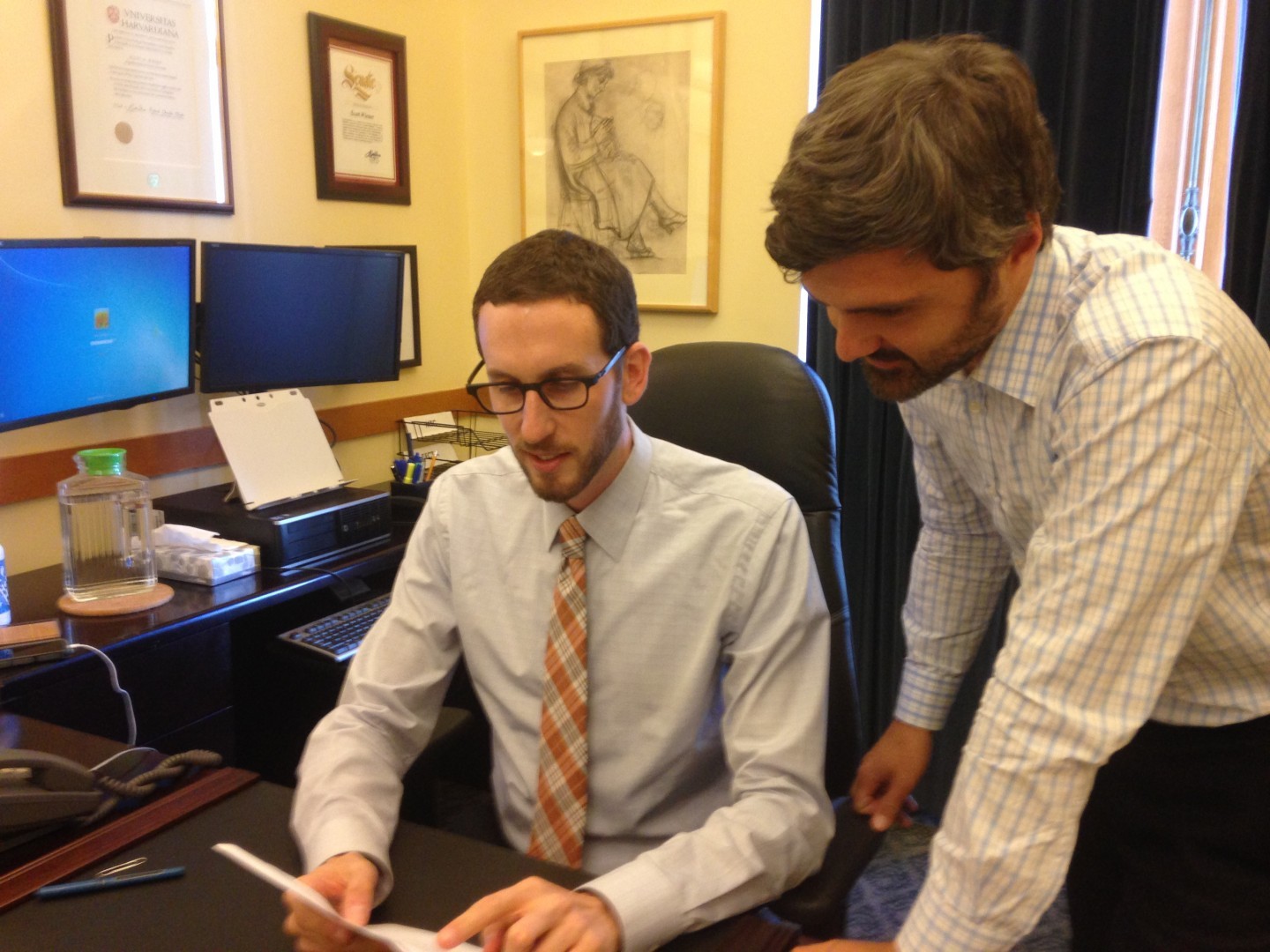
"caption": "San Francisco Supervisor Scott Wiener (left) says he started taking a drug to prevent HIV infection earlier this year. (Lisa Aliferis/KQED)",
"description": "San Francisco Supervisor Scott Wiener (left) says he started taking a drug to prevent HIV infection earlier this year. (Lisa Aliferis/KQED)",
"title": "photo",
"credit": null,
"status": "inherit",
"isLoading": false,
"fetchFailed": false
},
"stateofhealth_21548": {
"type": "attachments",
"id": "stateofhealth_21548",
"meta": {
"index": "attachments_1716263798",
"site": "stateofhealth",
"id": "21548",
"found": true
},
"parent": 21535,
"imgSizes": {
"thumbnail": {
"file": "https://ww2.kqed.org/app/uploads/sites/27/2014/09/RS12003_Jazzmon-and-Bubba-hpf-400x225.jpg",
"width": 400,
"mimeType": "image/jpeg",
"height": 225
},
"fd-sm": {
"file": "https://ww2.kqed.org/app/uploads/sites/27/2014/09/RS12003_Jazzmon-and-Bubba-hpf-320x180.jpg",
"width": 320,
"mimeType": "image/jpeg",
"height": 180
},
"kqedFullSize": {
"file": "https://ww2.kqed.org/app/uploads/sites/27/2014/09/RS12003_Jazzmon-and-Bubba-hpf.jpg",
"width": 640,
"height": 360
},
"guest-author-96": {
"file": "https://ww2.kqed.org/app/uploads/sites/27/2014/09/RS12003_Jazzmon-and-Bubba-hpf-96x96.jpg",
"width": 96,
"mimeType": "image/jpeg",
"height": 96
},
"guest-author-64": {
"file": "https://ww2.kqed.org/app/uploads/sites/27/2014/09/RS12003_Jazzmon-and-Bubba-hpf-64x64.jpg",
"width": 64,
"mimeType": "image/jpeg",
"height": 64
},
"detail": {
"file": "https://ww2.kqed.org/app/uploads/sites/27/2014/09/RS12003_Jazzmon-and-Bubba-hpf-75x75.jpg",
"width": 75,
"mimeType": "image/jpeg",
"height": 75
},
"guest-author-32": {
"file": "https://ww2.kqed.org/app/uploads/sites/27/2014/09/RS12003_Jazzmon-and-Bubba-hpf-32x32.jpg",
"width": 32,
"mimeType": "image/jpeg",
"height": 32
},
"guest-author-128": {
"file": "https://ww2.kqed.org/app/uploads/sites/27/2014/09/RS12003_Jazzmon-and-Bubba-hpf-128x128.jpg",
"width": 128,
"mimeType": "image/jpeg",
"height": 128
}
},
"publishDate": 1410564438,
"modified": 1410564438,
"caption": "Jazzmon Wilson with her son Timothy, 6, who has autism. (Jeremy Raff/KQED)",
"description": "Jazzmon Wilson with her son Timothy, 6, who has autism. On September 15, 2014 Medi-Cal expands access to applied behavioral analysis therapy, the standard-of-care for autism.",
"title": "RS12003_Jazzmon and Bubba-hpf",
"credit": null,
"status": "inherit",
"isLoading": false,
"fetchFailed": false
},
"stateofhealth_21524": {
"type": "attachments",
"id": "stateofhealth_21524",
"meta": {
"index": "attachments_1716263798",
"site": "stateofhealth",
"id": "21524",
"found": true
},
"parent": 21509,
"imgSizes": {
"thumbnail": {
"file": "https://ww2.kqed.org/app/uploads/sites/27/2014/09/LeaburnAlexander-e1410531393794-400x267.jpg",
"width": 400,
"mimeType": "image/jpeg",
"height": 267
},
"fd-sm": {
"file": "https://ww2.kqed.org/app/uploads/sites/27/2014/09/LeaburnAlexander-e1410531393794-320x214.jpg",
"width": 320,
"mimeType": "image/jpeg",
"height": 214
},
"post-thumbnail": {
"file": "https://ww2.kqed.org/app/uploads/sites/27/2014/09/LeaburnAlexander-e1410531393794-640x372.jpg",
"width": 640,
"mimeType": "image/jpeg",
"height": 372
},
"kqedFullSize": {
"file": "https://ww2.kqed.org/app/uploads/sites/27/2014/09/LeaburnAlexander-e1410531393794.jpg",
"width": 640,
"height": 427
},
"guest-author-96": {
"file": "https://ww2.kqed.org/app/uploads/sites/27/2014/09/LeaburnAlexander-e1410531393794-96x96.jpg",
"width": 96,
"mimeType": "image/jpeg",
"height": 96
},
"guest-author-64": {
"file": "https://ww2.kqed.org/app/uploads/sites/27/2014/09/LeaburnAlexander-e1410531393794-64x64.jpg",
"width": 64,
"mimeType": "image/jpeg",
"height": 64
},
"detail": {
"file": "https://ww2.kqed.org/app/uploads/sites/27/2014/09/LeaburnAlexander-e1410531393794-75x75.jpg",
"width": 75,
"mimeType": "image/jpeg",
"height": 75
},
"guest-author-32": {
"file": "https://ww2.kqed.org/app/uploads/sites/27/2014/09/LeaburnAlexander-e1410531393794-32x32.jpg",
"width": 32,
"mimeType": "image/jpeg",
"height": 32
},
"guest-author-128": {
"file": "https://ww2.kqed.org/app/uploads/sites/27/2014/09/LeaburnAlexander-e1410531393794-128x128.jpg",
"width": 128,
"mimeType": "image/jpeg",
"height": 128
}
},
"publishDate": 1410531379,
"modified": 1410531379,
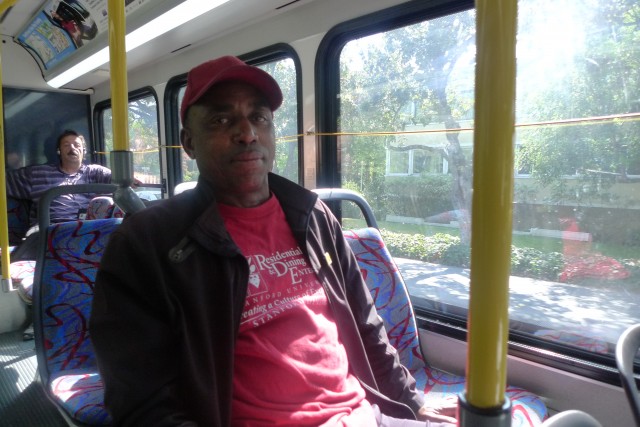
"caption": "Leaburn Alexander works two jobs and does not have health insurance. Here, he is on the start of his 3-hour commute home from the job he works as an overnight hotel janitor. (Lisa Morehouse/KQED)",
"description": "Leaburn Alexander works two jobs and does not have health insurance. Here, he is on the start of his 3-hour commute home from the job he works as an overnight hotel janitor. (Lisa Morehouse/KQED)",
"title": "LeaburnAlexander",
"credit": null,
"status": "inherit",
"isLoading": false,
"fetchFailed": false
},
"stateofhealth_15266": {
"type": "attachments",
"id": "stateofhealth_15266",
"meta": {
"index": "attachments_1716263798",
"site": "stateofhealth",
"id": "15266",
"found": true
},
"parent": 15263,
"imgSizes": {
"thumbnail": {
"file": "https://ww2.kqed.org/app/uploads/sites/27/2013/09/149948672-e1380559925587-400x283.jpg",
"width": 400,
"mimeType": "image/jpeg",
"height": 283
},
"fd-sm": {
"file": "https://ww2.kqed.org/app/uploads/sites/27/2013/09/149948672-e1380559925587-320x226.jpg",
"width": 320,
"mimeType": "image/jpeg",
"height": 226
},
"post-thumbnail": {
"file": "https://ww2.kqed.org/app/uploads/sites/27/2013/09/149948672-e1380559925587-641x372.jpg",
"width": 641,
"mimeType": "image/jpeg",
"height": 372
},
"kqedFullSize": {
"file": "https://ww2.kqed.org/app/uploads/sites/27/2013/09/149948672-e1380559925587.jpg",
"width": 641,
"height": 453
},
"guest-author-96": {
"file": "https://ww2.kqed.org/app/uploads/sites/27/2013/09/149948672-e1380559925587-96x96.jpg",
"width": 96,
"mimeType": "image/jpeg",
"height": 96
},
"guest-author-64": {
"file": "https://ww2.kqed.org/app/uploads/sites/27/2013/09/149948672-e1380559925587-64x64.jpg",
"width": 64,
"mimeType": "image/jpeg",
"height": 64
},
"detail": {
"file": "https://ww2.kqed.org/app/uploads/sites/27/2013/09/149948672-e1380559925587-75x75.jpg",
"width": 75,
"mimeType": "image/jpeg",
"height": 75
},
"guest-author-32": {
"file": "https://ww2.kqed.org/app/uploads/sites/27/2013/09/149948672-e1380559925587-32x32.jpg",
"width": 32,
"mimeType": "image/jpeg",
"height": 32
},
"guest-author-128": {
"file": "https://ww2.kqed.org/app/uploads/sites/27/2013/09/149948672-e1380559925587-128x128.jpg",
"width": 128,
"mimeType": "image/jpeg",
"height": 128
}
},
"publishDate": 1380559911,
"modified": 1380559911,
"caption": "Students leaving a vaccine clinic after being vaccinated against whooping cough at a middle school in Los Angeles. (Kevork Djansezian/Getty Images)",
"description": "vaccine clinic",
"title": "149948672",
"credit": null,
"status": "inherit",
"isLoading": false,
"fetchFailed": false
},
"stateofhealth_21404": {
"type": "attachments",
"id": "stateofhealth_21404",
"meta": {
"index": "attachments_1716263798",
"site": "stateofhealth",
"id": "21404",
"found": true
},
"parent": 21402,
"imgSizes": {
"thumbnail": {
"file": "https://ww2.kqed.org/app/uploads/sites/27/2014/09/RS11826_photo-1-hpf-400x300.jpg",
"width": 400,
"mimeType": "image/jpeg",
"height": 300
},
"fd-sm": {
"file": "https://ww2.kqed.org/app/uploads/sites/27/2014/09/RS11826_photo-1-hpf-320x240.jpg",
"width": 320,
"mimeType": "image/jpeg",
"height": 240
},
"post-thumbnail": {
"file": "https://ww2.kqed.org/app/uploads/sites/27/2014/09/RS11826_photo-1-hpf-640x372.jpg",
"width": 640,
"mimeType": "image/jpeg",
"height": 372
},
"kqedFullSize": {
"file": "https://ww2.kqed.org/app/uploads/sites/27/2014/09/RS11826_photo-1-hpf.jpg",
"width": 640,
"height": 480
},
"guest-author-96": {
"file": "https://ww2.kqed.org/app/uploads/sites/27/2014/09/RS11826_photo-1-hpf-96x96.jpg",
"width": 96,
"mimeType": "image/jpeg",
"height": 96
},
"guest-author-64": {
"file": "https://ww2.kqed.org/app/uploads/sites/27/2014/09/RS11826_photo-1-hpf-64x64.jpg",
"width": 64,
"mimeType": "image/jpeg",
"height": 64
},
"detail": {
"file": "https://ww2.kqed.org/app/uploads/sites/27/2014/09/RS11826_photo-1-hpf-75x75.jpg",
"width": 75,
"mimeType": "image/jpeg",
"height": 75
},
"guest-author-32": {
"file": "https://ww2.kqed.org/app/uploads/sites/27/2014/09/RS11826_photo-1-hpf-32x32.jpg",
"width": 32,
"mimeType": "image/jpeg",
"height": 32
},
"guest-author-128": {
"file": "https://ww2.kqed.org/app/uploads/sites/27/2014/09/RS11826_photo-1-hpf-128x128.jpg",
"width": 128,
"mimeType": "image/jpeg",
"height": 128
}
},
"publishDate": 1410375058,
"modified": 1410375058,
"caption": "The magnitude-6.0 earthquake struck Aug. 24. (Craig Miller/KQED)",
"description": "napa quake, earthquake",
"title": "RS11826_photo 1-hpf",
"credit": null,
"status": "inherit",
"isLoading": false,
"fetchFailed": false
},
"stateofhealth_21328": {
"type": "attachments",
"id": "stateofhealth_21328",
"meta": {
"index": "attachments_1716263798",
"site": "stateofhealth",
"id": "21328",
"found": true
},
"parent": 21311,
"imgSizes": {
"twentyfourteen-full-width": {
"file": "https://ww2.kqed.org/app/uploads/sites/27/2014/09/Jirayut_New_Latthivongskorn--e1410207297503-640x576.jpg",
"width": 640,
"mimeType": "image/jpeg",
"height": 576
},
"thumbnail": {
"file": "https://ww2.kqed.org/app/uploads/sites/27/2014/09/Jirayut_New_Latthivongskorn--e1410207297503-400x444.jpg",
"width": 400,
"mimeType": "image/jpeg",
"height": 444
},
"fd-sm": {
"file": "https://ww2.kqed.org/app/uploads/sites/27/2014/09/Jirayut_New_Latthivongskorn--e1410207297503-320x356.jpg",
"width": 320,
"mimeType": "image/jpeg",
"height": 356
},
"post-thumbnail": {
"file": "https://ww2.kqed.org/app/uploads/sites/27/2014/09/Jirayut_New_Latthivongskorn--e1410207297503-640x372.jpg",
"width": 640,
"mimeType": "image/jpeg",
"height": 372
},
"kqedFullSize": {
"file": "https://ww2.kqed.org/app/uploads/sites/27/2014/09/Jirayut_New_Latthivongskorn--e1410207297503.jpg",
"width": 640,
"height": 711
},
"guest-author-96": {
"file": "https://ww2.kqed.org/app/uploads/sites/27/2014/09/Jirayut_New_Latthivongskorn--e1410207297503-96x96.jpg",
"width": 96,
"mimeType": "image/jpeg",
"height": 96
},
"guest-author-64": {
"file": "https://ww2.kqed.org/app/uploads/sites/27/2014/09/Jirayut_New_Latthivongskorn--e1410207297503-64x64.jpg",
"width": 64,
"mimeType": "image/jpeg",
"height": 64
},
"detail": {
"file": "https://ww2.kqed.org/app/uploads/sites/27/2014/09/Jirayut_New_Latthivongskorn--e1410207297503-75x75.jpg",
"width": 75,
"mimeType": "image/jpeg",
"height": 75
},
"guest-author-32": {
"file": "https://ww2.kqed.org/app/uploads/sites/27/2014/09/Jirayut_New_Latthivongskorn--e1410207297503-32x32.jpg",
"width": 32,
"mimeType": "image/jpeg",
"height": 32
},
"guest-author-128": {
"file": "https://ww2.kqed.org/app/uploads/sites/27/2014/09/Jirayut_New_Latthivongskorn--e1410207297503-128x128.jpg",
"width": 128,
"mimeType": "image/jpeg",
"height": 128
}
},
"publishDate": 1410207282,
"modified": 1410207282,
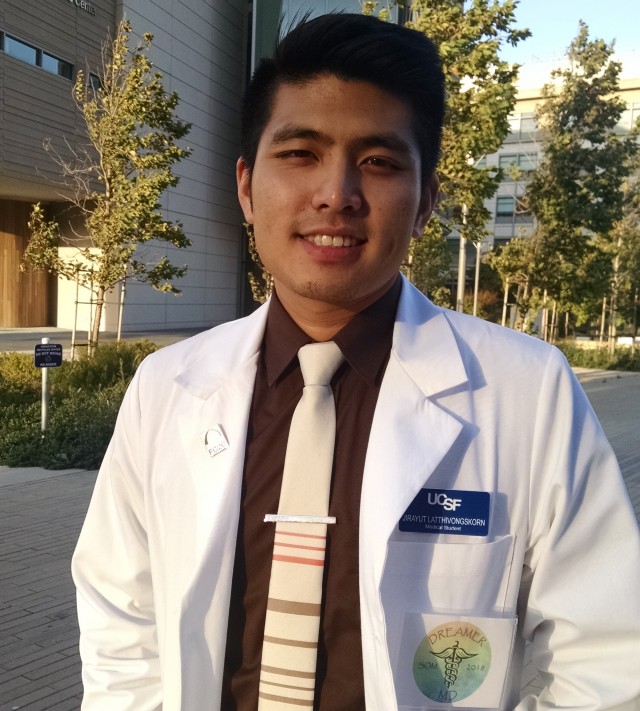
"caption": "Jirayut \"New\" Latthivongskorn, a newly-minted medical student at UCSF. ",
"description": "Jirayut \"New\" Latthivongskorn, DACA, undocumented medical student, ucsf",
"title": "Jirayut_New_Latthivongskorn",
"credit": null,
"status": "inherit",
"isLoading": false,
"fetchFailed": false
},
"stateofhealth_17341": {
"type": "attachments",
"id": "stateofhealth_17341",
"meta": {
"index": "attachments_1716263798",
"site": "stateofhealth",
"id": "17341",
"found": true
},
"parent": 17339,
"imgSizes": {
"thumbnail": {
"file": "https://ww2.kqed.org/app/uploads/sites/27/2014/01/96525183-e1390846077644-400x266.jpg",
"width": 400,
"mimeType": "image/jpeg",
"height": 266
},
"fd-sm": {
"file": "https://ww2.kqed.org/app/uploads/sites/27/2014/01/96525183-e1390846077644-320x213.jpg",
"width": 320,
"mimeType": "image/jpeg",
"height": 213
},
"post-thumbnail": {
"file": "https://ww2.kqed.org/app/uploads/sites/27/2014/01/96525183-e1390846077644-641x372.jpg",
"width": 641,
"mimeType": "image/jpeg",
"height": 372
},
"kqedFullSize": {
"file": "https://ww2.kqed.org/app/uploads/sites/27/2014/01/96525183-e1390846077644.jpg",
"width": 641,
"height": 427
},
"guest-author-96": {
"file": "https://ww2.kqed.org/app/uploads/sites/27/2014/01/96525183-e1390846077644-96x96.jpg",
"width": 96,
"mimeType": "image/jpeg",
"height": 96
},
"guest-author-64": {
"file": "https://ww2.kqed.org/app/uploads/sites/27/2014/01/96525183-e1390846077644-64x64.jpg",
"width": 64,
"mimeType": "image/jpeg",
"height": 64
},
"detail": {
"file": "https://ww2.kqed.org/app/uploads/sites/27/2014/01/96525183-e1390846077644-75x75.jpg",
"width": 75,
"mimeType": "image/jpeg",
"height": 75
},
"guest-author-32": {
"file": "https://ww2.kqed.org/app/uploads/sites/27/2014/01/96525183-e1390846077644-32x32.jpg",
"width": 32,
"mimeType": "image/jpeg",
"height": 32
},
"guest-author-128": {
"file": "https://ww2.kqed.org/app/uploads/sites/27/2014/01/96525183-e1390846077644-128x128.jpg",
"width": 128,
"mimeType": "image/jpeg",
"height": 128
}
},
"publishDate": 1390846066,
"modified": 1510855532,
"caption": "The Anthem Blue Cross headquarters in Woodland Hills, California.",
"description": "The Anthem Blue Cross headquarters in Woodland Hills, California.",
"title": "96525183",
"credit": "David McNew/Getty Images",
"status": "inherit",
"isLoading": false,
"fetchFailed": false
},
"stateofhealth_21306": {
"type": "attachments",
"id": "stateofhealth_21306",
"meta": {
"index": "attachments_1716263798",
"site": "stateofhealth",
"id": "21306",
"found": true
},
"parent": 21299,
"imgSizes": {
"thumbnail": {
"file": "https://ww2.kqed.org/app/uploads/sites/27/2014/09/137165920-e1410035335722-400x268.jpg",
"width": 400,
"mimeType": "image/jpeg",
"height": 268
},
"fd-sm": {
"file": "https://ww2.kqed.org/app/uploads/sites/27/2014/09/137165920-e1410035335722-320x215.jpg",
"width": 320,
"mimeType": "image/jpeg",
"height": 215
},
"post-thumbnail": {
"file": "https://ww2.kqed.org/app/uploads/sites/27/2014/09/137165920-e1410035335722-640x372.jpg",
"width": 640,
"mimeType": "image/jpeg",
"height": 372
},
"kqedFullSize": {
"file": "https://ww2.kqed.org/app/uploads/sites/27/2014/09/137165920-e1410035335722.jpg",
"width": 640,
"height": 429
},
"guest-author-96": {
"file": "https://ww2.kqed.org/app/uploads/sites/27/2014/09/137165920-e1410035335722-96x96.jpg",
"width": 96,
"mimeType": "image/jpeg",
"height": 96
},
"guest-author-64": {
"file": "https://ww2.kqed.org/app/uploads/sites/27/2014/09/137165920-e1410035335722-64x64.jpg",
"width": 64,
"mimeType": "image/jpeg",
"height": 64
},
"detail": {
"file": "https://ww2.kqed.org/app/uploads/sites/27/2014/09/137165920-e1410035335722-75x75.jpg",
"width": 75,
"mimeType": "image/jpeg",
"height": 75
},
"guest-author-32": {
"file": "https://ww2.kqed.org/app/uploads/sites/27/2014/09/137165920-e1410035335722-32x32.jpg",
"width": 32,
"mimeType": "image/jpeg",
"height": 32
},
"guest-author-128": {
"file": "https://ww2.kqed.org/app/uploads/sites/27/2014/09/137165920-e1410035335722-128x128.jpg",
"width": 128,
"mimeType": "image/jpeg",
"height": 128
}
},
"publishDate": 1410035323,
"modified": 1410035323,
"caption": " (Philippe Hugue/AFP/Getty Images)",
"description": "Picture taken on January 15, 2012 in Lille, northern France, of drug capsules. AFP PHOTO PHILIPPE HUGUEN (Photo credit should read PHILIPPE HUGUEN/AFP/Getty Images)",
"title": "Picture taken on January 15, 2012 in Lil",
"credit": null,
"status": "inherit",
"isLoading": false,
"fetchFailed": false
},
"stateofhealth_21288": {
"type": "attachments",
"id": "stateofhealth_21288",
"meta": {
"index": "attachments_1716263798",
"site": "stateofhealth",
"id": "21288",
"found": true
},
"parent": 21285,
"imgSizes": {
"thumbnail": {
"file": "https://ww2.kqed.org/app/uploads/sites/27/2014/09/Stanford_Medical_Center-e1409984018119-400x294.jpg",
"width": 400,
"mimeType": "image/jpeg",
"height": 294
},
"fd-sm": {
"file": "https://ww2.kqed.org/app/uploads/sites/27/2014/09/Stanford_Medical_Center-e1409984018119-320x236.jpg",
"width": 320,
"mimeType": "image/jpeg",
"height": 236
},
"post-thumbnail": {
"file": "https://ww2.kqed.org/app/uploads/sites/27/2014/09/Stanford_Medical_Center-e1409984018119-640x372.jpg",
"width": 640,
"mimeType": "image/jpeg",
"height": 372
},
"kqedFullSize": {
"file": "https://ww2.kqed.org/app/uploads/sites/27/2014/09/Stanford_Medical_Center-e1409984018119.jpg",
"width": 640,
"height": 471
},
"guest-author-96": {
"file": "https://ww2.kqed.org/app/uploads/sites/27/2014/09/Stanford_Medical_Center-e1409984018119-96x96.jpg",
"width": 96,
"mimeType": "image/jpeg",
"height": 96
},
"guest-author-64": {
"file": "https://ww2.kqed.org/app/uploads/sites/27/2014/09/Stanford_Medical_Center-e1409984018119-64x64.jpg",
"width": 64,
"mimeType": "image/jpeg",
"height": 64
},
"detail": {
"file": "https://ww2.kqed.org/app/uploads/sites/27/2014/09/Stanford_Medical_Center-e1409984018119-75x75.jpg",
"width": 75,
"mimeType": "image/jpeg",
"height": 75
},
"guest-author-32": {
"file": "https://ww2.kqed.org/app/uploads/sites/27/2014/09/Stanford_Medical_Center-e1409984018119-32x32.jpg",
"width": 32,
"mimeType": "image/jpeg",
"height": 32
},
"guest-author-128": {
"file": "https://ww2.kqed.org/app/uploads/sites/27/2014/09/Stanford_Medical_Center-e1409984018119-128x128.jpg",
"width": 128,
"mimeType": "image/jpeg",
"height": 128
}
},
"publishDate": 1409984004,
"modified": 1409984004,
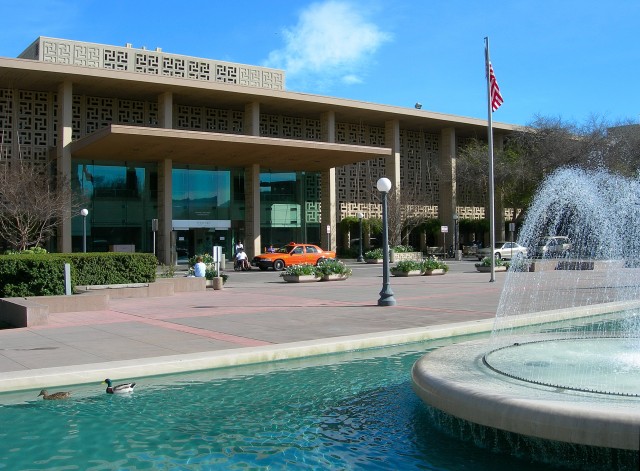
"caption": "As many as 10,000 patients may be affected by Stanford Health Care's termination of its contract with Anthem Blue Cross. (Robert Skolmen/Wikimedia Commons)",
"description": "stanford hospital exterior",
"title": "Stanford_Medical_Center",
"credit": null,
"status": "inherit",
"isLoading": false,
"fetchFailed": false
},
"stateofhealth_21273": {
"type": "attachments",
"id": "stateofhealth_21273",
"meta": {
"index": "attachments_1716263798",
"site": "stateofhealth",
"id": "21273",
"found": true
},
"parent": 21266,
"imgSizes": {
"twentyfourteen-full-width": {
"file": "https://ww2.kqed.org/app/uploads/sites/27/2014/09/RS11418_photo-1038x576.jpg",
"width": 1038,
"mimeType": "image/jpeg",
"height": 576
},
"thumbnail": {
"file": "https://ww2.kqed.org/app/uploads/sites/27/2014/09/RS11418_photo-400x300.jpg",
"width": 400,
"mimeType": "image/jpeg",
"height": 300
},
"fd-sm": {
"file": "https://ww2.kqed.org/app/uploads/sites/27/2014/09/RS11418_photo-320x240.jpg",
"width": 320,
"mimeType": "image/jpeg",
"height": 240
},
"post-thumbnail": {
"file": "https://ww2.kqed.org/app/uploads/sites/27/2014/09/RS11418_photo-672x372.jpg",
"width": 672,
"mimeType": "image/jpeg",
"height": 372
},
"kqedFullSize": {
"file": "https://ww2.kqed.org/app/uploads/sites/27/2014/09/RS11418_photo.jpg",
"width": 3264,
"height": 2448
},
"large": {
"file": "https://ww2.kqed.org/app/uploads/sites/27/2014/09/RS11418_photo-1440x1080.jpg",
"width": 1440,
"mimeType": "image/jpeg",
"height": 1080
},
"guest-author-96": {
"file": "https://ww2.kqed.org/app/uploads/sites/27/2014/09/RS11418_photo-96x96.jpg",
"width": 96,
"mimeType": "image/jpeg",
"height": 96
},
"medium": {
"file": "https://ww2.kqed.org/app/uploads/sites/27/2014/09/RS11418_photo-800x600.jpg",
"width": 800,
"mimeType": "image/jpeg",
"height": 600
},
"guest-author-64": {
"file": "https://ww2.kqed.org/app/uploads/sites/27/2014/09/RS11418_photo-64x64.jpg",
"width": 64,
"mimeType": "image/jpeg",
"height": 64
},
"guest-author-32": {
"file": "https://ww2.kqed.org/app/uploads/sites/27/2014/09/RS11418_photo-32x32.jpg",
"width": 32,
"mimeType": "image/jpeg",
"height": 32
},
"fd-lrg": {
"file": "https://ww2.kqed.org/app/uploads/sites/27/2014/09/RS11418_photo-1180x885.jpg",
"width": 1180,
"mimeType": "image/jpeg",
"height": 885
},
"fd-med": {
"file": "https://ww2.kqed.org/app/uploads/sites/27/2014/09/RS11418_photo-768x576.jpg",
"width": 768,
"mimeType": "image/jpeg",
"height": 576
},
"detail": {
"file": "https://ww2.kqed.org/app/uploads/sites/27/2014/09/RS11418_photo-75x75.jpg",
"width": 75,
"mimeType": "image/jpeg",
"height": 75
},
"guest-author-128": {
"file": "https://ww2.kqed.org/app/uploads/sites/27/2014/09/RS11418_photo-128x128.jpg",
"width": 128,
"mimeType": "image/jpeg",
"height": 128
}
},
"publishDate": 1409950042,
"modified": 1409950042,
"caption": "Christina Selder and Chris Murphy of Consumer Advocates for RCFE Reform in San Diego conduct their crusade from a modest home office. (Rachael Myrow/KQED)",
"description": "Christina Selder and Chris Murphy of Consumer Advocates for RCFE Reformin San Diego conduct their crusade from a modest home office. (Rachael Myrow/KQED)",
"title": "Christina Selder and Chris Murphy ",
"credit": null,
"status": "inherit",
"isLoading": false,
"fetchFailed": false
}
},
"audioPlayerReducer": {
"postId": "stream_live",
"isPaused": true,
"isPlaying": false,
"pfsActive": false,
"pledgeModalIsOpen": true,
"playerDrawerIsOpen": false,
"liveAudioPlayStartedAt": 0,
"liveAudioPlayContext": ""
},
"authorsReducer": {
"kqednewsstaffandwires": {
"type": "authors",
"id": "237",
"meta": {
"index": "authors_1716337520",
"id": "237",
"found": true
},
"name": "KQED News Staff and Wires",
"firstName": "KQED News Staff and Wires",
"lastName": null,
"slug": "kqednewsstaffandwires",
"email": "onlinenewsstaff@kqed.org",
"display_author_email": false,
"staff_mastheads": [],
"title": null,
"bio": null,
"avatar": "https://secure.gravatar.com/avatar/72295af8ebbfbd19a4948f5271285664?s=600&d=blank&r=g",
"twitter": null,
"facebook": null,
"instagram": null,
"linkedin": null,
"sites": [
{
"site": "arts",
"roles": [
"contributor"
]
},
{
"site": "news",
"roles": [
"contributor"
]
},
{
"site": "lowdown",
"roles": [
"author"
]
},
{
"site": "stateofhealth",
"roles": [
"contributor"
]
},
{
"site": "food",
"roles": [
"author"
]
}
],
"headData": {
"title": "KQED News Staff and Wires | KQED",
"description": null,
"ogImgSrc": "https://secure.gravatar.com/avatar/72295af8ebbfbd19a4948f5271285664?s=600&d=blank&r=g",
"twImgSrc": "https://secure.gravatar.com/avatar/72295af8ebbfbd19a4948f5271285664?s=600&d=blank&r=g"
},
"isLoading": false,
"link": "/author/kqednewsstaffandwires"
},
"lisaaliferis": {
"type": "authors",
"id": "240",
"meta": {
"index": "authors_1716337520",
"id": "240",
"found": true
},
"name": "Lisa Aliferis",
"firstName": "Lisa",
"lastName": "Aliferis",
"slug": "lisaaliferis",
"email": "laliferis@kqed.org",
"display_author_email": false,
"staff_mastheads": [],
"title": "KQED Contributor",
"bio": "Lisa Aliferis is the founding editor of KQED's \u003cem>State of Health\u003c/em> blog. Since 2011, she's been writing and editing stories for the site. Before taking up blogging, she toiled for many years (more than we can count) producing health stories for television, including\u003cem> Dateline NBC\u003c/em> and San Francisco's CBS affiliate, KPIX-TV. She also wrote up a \u003ca title=\"http://www.kqed.org/news/health/obamacare/obamacare-guide.jsp\" href=\"http://www.kqed.org/news/health/obamacare/obamacare-guide.jsp\">handy guide to the Affordable Care Act\u003c/a>, especially for Californians. Her work has been honored for many awards. Most recently she was a finalist for \"Best Topical Reporting\" from the Online News Association. You can follow her on Twitter: \u003ca title=\"https://twitter.com/laliferis\" href=\"https://twitter.com/laliferis\">@laliferis\u003c/a>",
"avatar": "https://secure.gravatar.com/avatar/86c339d5cdcb0dcd2b6cf5d7c3f5886b?s=600&d=mm&r=g",
"twitter": "laliferis",
"facebook": null,
"instagram": null,
"linkedin": null,
"sites": [
{
"site": "news",
"roles": [
"subscriber"
]
},
{
"site": "futureofyou",
"roles": [
"subscriber"
]
},
{
"site": "stateofhealth",
"roles": [
"subscriber"
]
},
{
"site": "science",
"roles": [
"subscriber"
]
},
{
"site": "food",
"roles": []
}
],
"headData": {
"title": "Lisa Aliferis | KQED",
"description": "KQED Contributor",
"ogImgSrc": "https://secure.gravatar.com/avatar/86c339d5cdcb0dcd2b6cf5d7c3f5886b?s=600&d=mm&r=g",
"twImgSrc": "https://secure.gravatar.com/avatar/86c339d5cdcb0dcd2b6cf5d7c3f5886b?s=600&d=mm&r=g"
},
"isLoading": false,
"link": "/author/lisaaliferis"
},
"rachael-myrow": {
"type": "authors",
"id": "251",
"meta": {
"index": "authors_1716337520",
"id": "251",
"found": true
},
"name": "Rachael Myrow",
"firstName": "Rachael",
"lastName": "Myrow",
"slug": "rachael-myrow",
"email": "rmyrow@kqed.org",
"display_author_email": true,
"staff_mastheads": [
"news"
],
"title": "Senior Editor of KQED's Silicon Valley News Desk",
"bio": "• I write and edit stories about how Silicon Valley power and policies shape everyday life in California. I’m also passionate about making Bay Area history and culture more accessible to a broad public. • I’ve been a journalist for most of my life, starting in high school with The Franklin Press in Los Angeles, where I grew up. While earning my first degree in English at UC Berkeley, I got my start in public radio at KALX-FM. After completing a second degree in journalism at Cal, I landed my first professional job at Marketplace, then moved on to KPCC (now LAist), and then KQED, where I hosted The California Report for more than seven years. • My reporting has appeared on NPR, The World, WBUR’s \u003ci>Here & Now\u003c/i>, and the BBC. I also guest host for KQED’s \u003ci>Forum\u003c/i>, as well as the Commonwealth Club in San Francisco. • I speak periodically on media, democracy and technology issues, and do voiceover work for documentaries and educational video projects. • Outside of the studio, you'll find me hiking Bay Area trails and whipping up Insta-ready meals in my kitchen. • I do not accept gifts, money, or favors from anyone connected to my reporting, I don't pay people for information, and I do not support or donate to political causes. • I strive to treat the people I report on with fairness, honesty, and respect. I also recognize there are often multiple sides to a story and work to verify information through multiple sources and documentation. If I get something wrong, I correct it.",
"avatar": "https://secure.gravatar.com/avatar/3ed8a3c5f26025e4a805ba634cda8cd764906b97438a6d9ce216b044e340da4e?s=600&d=blank&r=g",
"twitter": "rachaelmyrow",
"bluesky": null,
"facebook": null,
"instagram": null,
"linkedin": "https://www.linkedin.com/in/rachaelmyrow/",
"sites": [
{
"site": "arts",
"roles": [
"administrator"
]
},
{
"site": "news",
"roles": [
"edit_others_posts",
"editor"
]
},
{
"site": "futureofyou",
"roles": [
"editor"
]
},
{
"site": "bayareabites",
"roles": [
"editor"
]
},
{
"site": "stateofhealth",
"roles": [
"editor"
]
},
{
"site": "science",
"roles": [
"editor"
]
},
{
"site": "food",
"roles": [
"editor"
]
},
{
"site": "forum",
"roles": [
"editor"
]
},
{
"site": "liveblog",
"roles": [
"author"
]
}
],
"headData": {
"title": "Rachael Myrow | KQED",
"description": "Senior Editor of KQED's Silicon Valley News Desk",
"ogImgSrc": "https://secure.gravatar.com/avatar/3ed8a3c5f26025e4a805ba634cda8cd764906b97438a6d9ce216b044e340da4e?s=600&d=blank&r=g",
"twImgSrc": "https://secure.gravatar.com/avatar/3ed8a3c5f26025e4a805ba634cda8cd764906b97438a6d9ce216b044e340da4e?s=600&d=blank&r=g"
},
"isLoading": false,
"link": "/author/rachael-myrow"
},
"state-of-health": {
"type": "authors",
"id": "8344",
"meta": {
"index": "authors_1716337520",
"id": "8344",
"found": true
},
"name": "State of Health",
"firstName": "State of Health",
"lastName": null,
"slug": "state-of-health",
"email": "stateofhealth@kqed.org",
"display_author_email": false,
"staff_mastheads": [],
"title": null,
"bio": null,
"avatar": "https://secure.gravatar.com/avatar/66de4bf6d331fa7402bba1ffe8135e17?s=600&d=blank&r=g",
"twitter": null,
"facebook": null,
"instagram": null,
"linkedin": null,
"sites": [
{
"site": "arts",
"roles": [
"author"
]
},
{
"site": "stateofhealth",
"roles": [
"editor"
]
}
],
"headData": {
"title": "State of Health | KQED",
"description": null,
"ogImgSrc": "https://secure.gravatar.com/avatar/66de4bf6d331fa7402bba1ffe8135e17?s=600&d=blank&r=g",
"twImgSrc": "https://secure.gravatar.com/avatar/66de4bf6d331fa7402bba1ffe8135e17?s=600&d=blank&r=g"
},
"isLoading": false,
"link": "/author/state-of-health"
}
},
"pagesReducer": {
"stateofhealth_category_place-matters": {
"type": "terms",
"id": "stateofhealth_11",
"meta": {
"index": "terms_1716263798",
"site": "stateofhealth",
"id": "11",
"score": 14.406237
},
"featImg": null,
"name": "Community Health",
"description": "\r\n\r\nFrom rural California to urban neighborhoods, where you live affects your health",
"taxonomy": "category",
"headData": {
"twImgId": null,
"twTitle": null,
"ogTitle": null,
"ogImgId": null,
"twDescription": null,
"description": "From rural California to urban neighborhoods, where you live affects your health",
"title": "Community Health Archives | KQED Arts",
"ogDescription": null
},
"ttid": 11,
"slug": "place-matters",
"isLoading": false,
"title": "Community Health",
"pageMeta": {
"site": "stateofhealth",
"WpPageTemplate": "page-topic-editorial",
"currentPage": 35
},
"blocks": [
{
"blockName": "kqed/company-paragraph",
"content": "\r\n\r\nFrom rural California to urban neighborhoods, where you live affects your health"
},
{
"blockName": "kqed/post-list",
"attrs": {
"layout": "cardArticle2",
"query": "posts/stateofhealth?category=place-matters",
"seeMore": false,
"paginated": true,
"page": 35
}
},
{
"blockName": "kqed/ad"
}
]
}
},
"pfsSessionReducer": {},
"postsReducer": {
"stream_live": {
"type": "live",
"id": "stream_live",
"audioUrl": "https://streams.kqed.org/kqedradio",
"title": "Live Stream",
"excerpt": "Live Stream information currently unavailable.",
"link": "/radio",
"featImg": "",
"label": {
"name": "KQED Live",
"link": "/"
}
},
"stream_kqedNewscast": {
"type": "posts",
"id": "stream_kqedNewscast",
"audioUrl": "https://www.kqed.org/.stream/anon/radio/RDnews/newscast.mp3?_=1",
"title": "KQED Newscast",
"featImg": "",
"label": {
"name": "88.5 FM",
"link": "/"
}
},
"stateofhealth_21575": {
"type": "posts",
"id": "stateofhealth_21575",
"meta": {
"index": "posts_1716263798",
"site": "stateofhealth",
"id": "21575",
"score": null,
"sort": [
1410998538000
]
},
"parent": 0,
"labelTerm": {
"site": "stateofhealth"
},
"blocks": [],
"publishDate": 1410998538,
"format": "aside",
"disqusTitle": "S.F. Supervisor Wiener Announces He's Taking HIV Preventive Drug",
"title": "S.F. Supervisor Wiener Announces He's Taking HIV Preventive Drug",
"headTitle": "State of Health | KQED News",
"content": "\u003cfigure id=\"attachment_21582\" class=\"wp-caption aligncenter\" style=\"max-width: 640px\">\u003ca href=\"http://ww2.kqed.org/stateofhealth/wp-content/uploads/sites/27/2014/09/photo-e1410998460649.jpg\">\u003cimg class=\"size-large wp-image-21582\" title=\"\" src=\"http://ww2.kqed.org/stateofhealth/wp-content/uploads/sites/27/2014/09/photo-640x480.jpg\" alt=\"San Francisco Supervisor Scott Wiener (left) says he started taking a drug to prevent HIV infection earlier this year. (Lisa Aliferis/KQED)\" width=\"640\" height=\"480\">\u003c/a>\u003cfigcaption class=\"wp-caption-text\">San Francisco Supervisor Scott Wiener (left) says he started taking a drug to prevent HIV infection earlier this year. (Lisa Aliferis/KQED)\u003c/figcaption>\u003c/figure>\n\u003cp>San Francisco Supervisor Scott Wiener publicly announced Wednesday afternoon that he is taking Truvada, an FDA-approved drug that dramatically reduces the risk of HIV infection. He appears to be the first public official to make such an announcement.\u003c/p>\n\u003caside class=\"pullquote alignleft\">\"My hope is that by disclosing my PrEP use… I can get more people thinking about PrEP as a possibility.\" \u003c/aside>\n\u003cp>Wiener said he began taking the medication earlier this year. This preventive approach is also referred to as pre-exposure prophylaxis or PrEP.\u003c/p>\n\u003cp>\"I am using PrEP as a personal health choice that I made in consultation with my physician,\" he said in an interview at his office at City Hall. \"My hope is that by disclosing my PrEP use publicly that I can help move the conversation forward and get more people thinking about PrEP as a possibility, and encouraging people to consult with their medical provider.\"\u003c/p>\n\u003cp>Truvada combines two different drugs into a single pill that, when taken daily, can reduce the risk of HIV infection by more than 90 percent. It was approved by the FDA in 2012, and was developed by the Foster City company Gilead. Both the \u003ca title=\"Pre-Exposure Prophylaxis\" href=\"http://www.cdc.gov/hiv/pdf/PrEP_fact_sheet_final.pdf\" target=\"_blank\">Centers for Disease Control\u003c/a> and the \u003ca title=\"WHO Consolidated Guidelines\" href=\"http://www.who.int/hiv/pub/guidelines/keypopulations/en/\" target=\"_blank\">World Health Organization\u003c/a> recommend its use by people who are at high risk of HIV infection. Still, it is the subject of debate, especially within the gay community.\u003c!--more-->\u003c/p>\n\u003cp>[soundcloud url=\"https://api.soundcloud.com/tracks/168221334\" params=\"color=ff5500&auto_play=false&hide_related=false&show_comments=true&show_user=true&show_reposts=false\" width=\"100%\" height='166' iframe=\"true\" /]\u003c/p>\n\u003cp>Wiener, 44, was first elected to the Board of Supervisors in 2011 representing the Castro district. He says he started coming out as a gay man in 1990, at what he called the height of the AIDS epidemic.\u003c/p>\n\u003cp>[ad fullwidth]\u003c/p>\n\u003cp>\"Coming out in that environment was challenging and stressful,\" he said. \"Immediately associating sex with illness and death was very stressful and many, many people, I think, had that same experience.\" He spoke of friends who have started using PrEP recently who \"have told me that their general anxiety level around intimacy has gone down significantly.\"\u003c/p>\n\u003cp>Wiener said that only a few people knew that he was taking PrEP. James Loduca, vice president of philanthropy for the San Francisco AIDS Foundation, called Wiener's disclosure \"incredibly courageous.\"\u003c/p>\n\u003cp>\"We need more people like Supervisor Wiener,\" Loduca said. \"In my own personal network, many of my HIV-negative gay male friends are on PrEP. None of them talk about it publicly, and that is a reflection of the enormous stigma and shame that we still have around sex, around a desire to have intimacy. … It's an important watershed moment for our community that someone so visible steps forward and says 'PrEP is helping me.'\"\u003c/p>\n\u003cp>Wiener spoke openly of people availing themselves of all options to prevent acquiring the virus, including the use of condoms and being tested regularly. If someone becomes infected with HIV, identifying the infection sooner yields more immediate treatment, which can lead to improved long-term health outcomes.\u003c/p>\n\u003cp>\u003cspan style=\"color: #111111\">When taken to prevent HIV infection, Truvada\u003c/span>\u003ca style=\"color: #4774cc\" title=\"Truvada\" href=\"http://start.truvada.com/\" target=\"_blank\"> carries a risk of side effects\u003c/a>\u003cspan style=\"color: #111111\"> that include headache, abdominal pain and weight loss. Potentially serious side effects include kidney problems, liver damage and a buildup of lactic acid in the blood. Not everyone is affected. Wiener says he is not suffering from any side effects of the treatment.\u003c/span>\u003c/p>\n\u003cp>\u003cstrong>Move to Subsidize PrEP Treatment\u003c/strong>\u003c/p>\n\u003cp>Wiener's announcement comes on the eve of a rally to be held Thursday, coordinated by San Francisco Supervisor David Campos. Campos is calling for San Francisco to make PrEP available to San Franciscans regardless of income. New York Gov. Andrew Cuomo has made a\u003ca title=\"End AIDS in New York State\" href=\"https://www.governor.ny.gov/press/06292014-end-aids-epidemic\" target=\"_blank\"> similar proposal\u003c/a> for his state.\u003c/p>\n\u003cp>Despite a massive public health campaign to fight the spread of HIV, nationally there have been 50,000 new HIV infections every year for the last 20 years. \"PrEP is the first new tool in our fight to protect ourselves from HIV since the epidemic began,\" Campos said in a release.\u003c/p>\n\u003cp>Wiener backs the effort. \"In order for PrEP to be successful, we have to do three things,\" he said. \"We need to raise awareness about it, make sure people know about it. … We need to secondly remove the stigma around it, so people are able to talk about it, are able to consider it, and finally, we need to expand access.\"\u003c/p>\n\u003cp>But that kind of community-wide campaign is exactly the wrong idea, some advocates say.\u003c/p>\n\u003cp>\"To deploy (PrEP) as a community-wide preventive is a public health disaster in the making,\" said Ged Kenslea, spokesman for AIDS Healthcare Foundation, a global advocacy group. He stressed the organization is not opposed to the use of PrEP on a case-by-case basis.\u003c/p>\n\u003cp>\"The crucial problem is adherence to the medication,\" he said. He also pointed out that condoms are not only effective against protecting against HIV infection, but also against other sexually transmitted diseases \"for which PrEP does nothing.\" Kenslea said that he's worried that people \"seem to be throwing condoms out the window.\"\u003c/p>\n\u003cp>Dr. Robert Grant with the UCSF Gladstone Institute \u003ca href=\"http://www.ncbi.nlm.nih.gov/pubmed/21091279\" target=\"_blank\">led the research \u003c/a>that ultimately showed Truvada's effectiveness as a preventive agent against HIV and has followed it since.\u003c/p>\n\u003cp>He said that there's \u003ca title=\"No Link Between Truvada and High Risk Sexual Behavior\" href=\"http://www.ucsf.edu/news/2013/12/110831/no-link-between-hiv-prevention-pill-truvada-and-increased-sexual-risk-behavior\" target=\"_blank\">no link \u003c/a>between PrEP and increasing high-risk sexual behavior. He also supports efforts to make PrEP available more widely and compared having a variety of tools to fight HIV with having a variety of methods of birth control available.\u003c/p>\n\u003cp>\"Just like contraception,\" he said. \"We're happy to have people using different methods. Same way with HIV. We have to have lots of different methods for people to use, so people can find one that's attractive to them.\"\u003c/p>\n\u003cp>Grant said that in his research \"we have not seen anyone become infected who has taken PrEP daily or nearly daily.\"\u003c/p>\n\u003cp>\u003cem>Wiener published an essay in the \u003ca title=\"Coming out of the PrEP Closet\" href=\"http://www.huffingtonpost.com/scott-wiener/coming-out-of-the-prep-closet_b_5832370.html\" target=\"_blank\">Huffington Post \u003c/a>Wednesday about his decision to use Truvada.\u003c/em>\u003c/p>\n\u003cp>[ad floatright]\u003c/p>\n\u003cp>\u003cem>UPDATE: The headline in an earlier version of this story inaccurately described the medication as an \"AIDS preventive.\" The drug protects against acquiring HIV, the virus that causes AIDS. KQED regrets the error.\u003c/em>\u003c/p>\n\n",
"disqusIdentifier": "21575 http://blogs.kqed.org/stateofhealth/?p=21575",
"disqusUrl": "https://ww2.kqed.org/stateofhealth/2014/09/17/san-francisco-supervisor-announces-hes-taking-aids-preventive-drug-prep-truvada/",
"stats": {
"hasVideo": false,
"hasChartOrMap": false,
"hasAudio": false,
"hasPolis": false,
"wordCount": 1064,
"hasGoogleForm": false,
"hasGallery": false,
"hasHearkenModule": false,
"iframeSrcs": [],
"paragraphCount": 26
},
"modified": 1456269618,
"excerpt": "The drug, Truvada, can reduce risk of HIV infection by more than 90 percent. ",
"headData": {
"twImgId": "",
"twTitle": "",
"ogTitle": "",
"ogImgId": "",
"twDescription": "",
"description": "The drug, Truvada, can reduce risk of HIV infection by more than 90 percent. ",
"title": "S.F. Supervisor Wiener Announces He's Taking HIV Preventive Drug | KQED",
"ogDescription": "",
"schema": {
"@context": "https://schema.org",
"@type": "Article",
"headline": "S.F. Supervisor Wiener Announces He's Taking HIV Preventive Drug",
"datePublished": "2014-09-17T17:02:18-07:00",
"dateModified": "2016-02-23T15:20:18-08:00",
"image": "https://cdn.kqed.org/wp-content/uploads/2020/02/KQED-OG-Image@1x.png"
}
},
"guestAuthors": [],
"slug": "san-francisco-supervisor-announces-hes-taking-aids-preventive-drug-prep-truvada",
"status": "publish",
"path": "/stateofhealth/21575/san-francisco-supervisor-announces-hes-taking-aids-preventive-drug-prep-truvada",
"audioTrackLength": null,
"parsedContent": [
{
"type": "contentString",
"content": "\u003cdiv class=\"post-body\">\u003cp>\u003cfigure id=\"attachment_21582\" class=\"wp-caption aligncenter\" style=\"max-width: 640px\">\u003ca href=\"http://ww2.kqed.org/stateofhealth/wp-content/uploads/sites/27/2014/09/photo-e1410998460649.jpg\">\u003cimg class=\"size-large wp-image-21582\" title=\"\" src=\"http://ww2.kqed.org/stateofhealth/wp-content/uploads/sites/27/2014/09/photo-640x480.jpg\" alt=\"San Francisco Supervisor Scott Wiener (left) says he started taking a drug to prevent HIV infection earlier this year. (Lisa Aliferis/KQED)\" width=\"640\" height=\"480\">\u003c/a>\u003cfigcaption class=\"wp-caption-text\">San Francisco Supervisor Scott Wiener (left) says he started taking a drug to prevent HIV infection earlier this year. (Lisa Aliferis/KQED)\u003c/figcaption>\u003c/figure>\n\u003cp>San Francisco Supervisor Scott Wiener publicly announced Wednesday afternoon that he is taking Truvada, an FDA-approved drug that dramatically reduces the risk of HIV infection. He appears to be the first public official to make such an announcement.\u003c/p>\n\u003caside class=\"pullquote alignleft\">\"My hope is that by disclosing my PrEP use… I can get more people thinking about PrEP as a possibility.\" \u003c/aside>\n\u003cp>Wiener said he began taking the medication earlier this year. This preventive approach is also referred to as pre-exposure prophylaxis or PrEP.\u003c/p>\n\u003cp>\"I am using PrEP as a personal health choice that I made in consultation with my physician,\" he said in an interview at his office at City Hall. \"My hope is that by disclosing my PrEP use publicly that I can help move the conversation forward and get more people thinking about PrEP as a possibility, and encouraging people to consult with their medical provider.\"\u003c/p>\n\u003cp>Truvada combines two different drugs into a single pill that, when taken daily, can reduce the risk of HIV infection by more than 90 percent. It was approved by the FDA in 2012, and was developed by the Foster City company Gilead. Both the \u003ca title=\"Pre-Exposure Prophylaxis\" href=\"http://www.cdc.gov/hiv/pdf/PrEP_fact_sheet_final.pdf\" target=\"_blank\">Centers for Disease Control\u003c/a> and the \u003ca title=\"WHO Consolidated Guidelines\" href=\"http://www.who.int/hiv/pub/guidelines/keypopulations/en/\" target=\"_blank\">World Health Organization\u003c/a> recommend its use by people who are at high risk of HIV infection. Still, it is the subject of debate, especially within the gay community.\u003c!--more-->\u003c/p>\n\u003cp>\u003c/p>\u003cp>\u003cdiv class='utils-parseShortcode-shortcodes-__shortcodes__shortcodeWrapper'>\n \u003ciframe width='100%' height='166'\n scrolling='no' frameborder='no'\n src='https://w.soundcloud.com/player/?url=https://api.soundcloud.com/tracks/168221334&visual=true&color=ff5500&auto_play=false&hide_related=false&show_comments=true&show_user=true&show_reposts=false'\n title='https://api.soundcloud.com/tracks/168221334'>\n \u003c/iframe>\n \u003c/div>\u003c/p>\u003cp>\u003c/p>\n\u003cp>Wiener, 44, was first elected to the Board of Supervisors in 2011 representing the Castro district. He says he started coming out as a gay man in 1990, at what he called the height of the AIDS epidemic.\u003c/p>\n\u003cp>\u003c/p>\u003c/div>",
"attributes": {
"named": {},
"numeric": []
}
},
{
"type": "component",
"content": "",
"name": "ad",
"attributes": {
"named": {
"label": "fullwidth"
},
"numeric": [
"fullwidth"
]
}
},
{
"type": "contentString",
"content": "\u003cdiv class=\"post-body\">\u003cp>\u003c/p>\n\u003cp>\"Coming out in that environment was challenging and stressful,\" he said. \"Immediately associating sex with illness and death was very stressful and many, many people, I think, had that same experience.\" He spoke of friends who have started using PrEP recently who \"have told me that their general anxiety level around intimacy has gone down significantly.\"\u003c/p>\n\u003cp>Wiener said that only a few people knew that he was taking PrEP. James Loduca, vice president of philanthropy for the San Francisco AIDS Foundation, called Wiener's disclosure \"incredibly courageous.\"\u003c/p>\n\u003cp>\"We need more people like Supervisor Wiener,\" Loduca said. \"In my own personal network, many of my HIV-negative gay male friends are on PrEP. None of them talk about it publicly, and that is a reflection of the enormous stigma and shame that we still have around sex, around a desire to have intimacy. … It's an important watershed moment for our community that someone so visible steps forward and says 'PrEP is helping me.'\"\u003c/p>\n\u003cp>Wiener spoke openly of people availing themselves of all options to prevent acquiring the virus, including the use of condoms and being tested regularly. If someone becomes infected with HIV, identifying the infection sooner yields more immediate treatment, which can lead to improved long-term health outcomes.\u003c/p>\n\u003cp>\u003cspan style=\"color: #111111\">When taken to prevent HIV infection, Truvada\u003c/span>\u003ca style=\"color: #4774cc\" title=\"Truvada\" href=\"http://start.truvada.com/\" target=\"_blank\"> carries a risk of side effects\u003c/a>\u003cspan style=\"color: #111111\"> that include headache, abdominal pain and weight loss. Potentially serious side effects include kidney problems, liver damage and a buildup of lactic acid in the blood. Not everyone is affected. Wiener says he is not suffering from any side effects of the treatment.\u003c/span>\u003c/p>\n\u003cp>\u003cstrong>Move to Subsidize PrEP Treatment\u003c/strong>\u003c/p>\n\u003cp>Wiener's announcement comes on the eve of a rally to be held Thursday, coordinated by San Francisco Supervisor David Campos. Campos is calling for San Francisco to make PrEP available to San Franciscans regardless of income. New York Gov. Andrew Cuomo has made a\u003ca title=\"End AIDS in New York State\" href=\"https://www.governor.ny.gov/press/06292014-end-aids-epidemic\" target=\"_blank\"> similar proposal\u003c/a> for his state.\u003c/p>\n\u003cp>Despite a massive public health campaign to fight the spread of HIV, nationally there have been 50,000 new HIV infections every year for the last 20 years. \"PrEP is the first new tool in our fight to protect ourselves from HIV since the epidemic began,\" Campos said in a release.\u003c/p>\n\u003cp>Wiener backs the effort. \"In order for PrEP to be successful, we have to do three things,\" he said. \"We need to raise awareness about it, make sure people know about it. … We need to secondly remove the stigma around it, so people are able to talk about it, are able to consider it, and finally, we need to expand access.\"\u003c/p>\n\u003cp>But that kind of community-wide campaign is exactly the wrong idea, some advocates say.\u003c/p>\n\u003cp>\"To deploy (PrEP) as a community-wide preventive is a public health disaster in the making,\" said Ged Kenslea, spokesman for AIDS Healthcare Foundation, a global advocacy group. He stressed the organization is not opposed to the use of PrEP on a case-by-case basis.\u003c/p>\n\u003cp>\"The crucial problem is adherence to the medication,\" he said. He also pointed out that condoms are not only effective against protecting against HIV infection, but also against other sexually transmitted diseases \"for which PrEP does nothing.\" Kenslea said that he's worried that people \"seem to be throwing condoms out the window.\"\u003c/p>\n\u003cp>Dr. Robert Grant with the UCSF Gladstone Institute \u003ca href=\"http://www.ncbi.nlm.nih.gov/pubmed/21091279\" target=\"_blank\">led the research \u003c/a>that ultimately showed Truvada's effectiveness as a preventive agent against HIV and has followed it since.\u003c/p>\n\u003cp>He said that there's \u003ca title=\"No Link Between Truvada and High Risk Sexual Behavior\" href=\"http://www.ucsf.edu/news/2013/12/110831/no-link-between-hiv-prevention-pill-truvada-and-increased-sexual-risk-behavior\" target=\"_blank\">no link \u003c/a>between PrEP and increasing high-risk sexual behavior. He also supports efforts to make PrEP available more widely and compared having a variety of tools to fight HIV with having a variety of methods of birth control available.\u003c/p>\n\u003cp>\"Just like contraception,\" he said. \"We're happy to have people using different methods. Same way with HIV. We have to have lots of different methods for people to use, so people can find one that's attractive to them.\"\u003c/p>\n\u003cp>Grant said that in his research \"we have not seen anyone become infected who has taken PrEP daily or nearly daily.\"\u003c/p>\n\u003cp>\u003cem>Wiener published an essay in the \u003ca title=\"Coming out of the PrEP Closet\" href=\"http://www.huffingtonpost.com/scott-wiener/coming-out-of-the-prep-closet_b_5832370.html\" target=\"_blank\">Huffington Post \u003c/a>Wednesday about his decision to use Truvada.\u003c/em>\u003c/p>\n\u003cp>\u003c/p>\u003c/div>",
"attributes": {
"named": {},
"numeric": []
}
},
{
"type": "component",
"content": "",
"name": "ad",
"attributes": {
"named": {
"label": "floatright"
},
"numeric": [
"floatright"
]
}
},
{
"type": "contentString",
"content": "\u003cdiv class=\"post-body\">\u003cp>\u003c/p>\n\u003cp>\u003cem>UPDATE: The headline in an earlier version of this story inaccurately described the medication as an \"AIDS preventive.\" The drug protects against acquiring HIV, the virus that causes AIDS. KQED regrets the error.\u003c/em>\u003c/p>\n\n\u003c/div>\u003c/p>",
"attributes": {
"named": {},
"numeric": []
}
}
],
"link": "/stateofhealth/21575/san-francisco-supervisor-announces-hes-taking-aids-preventive-drug-prep-truvada",
"authors": [
"240"
],
"categories": [
"stateofhealth_11",
"stateofhealth_12",
"stateofhealth_14"
],
"tags": [
"stateofhealth_65",
"stateofhealth_64",
"stateofhealth_320"
],
"featImg": "stateofhealth_21582",
"label": "stateofhealth"
},
"stateofhealth_21535": {
"type": "posts",
"id": "stateofhealth_21535",
"meta": {
"index": "posts_1716263798",
"site": "stateofhealth",
"id": "21535",
"score": null,
"sort": [
1410765137000
]
},
"parent": 0,
"labelTerm": {
"site": "stateofhealth"
},
"blocks": [],
"publishDate": 1410765137,
"format": "aside",
"disqusTitle": "Autism Benefit Finally a Reality for Children on Medi-Cal",
"title": "Autism Benefit Finally a Reality for Children on Medi-Cal",
"headTitle": "State of Health | KQED News",
"content": "\u003cfigure id=\"attachment_21548\" class=\"wp-caption aligncenter\" style=\"max-width: 640px\">\u003ca href=\"http://ww2.kqed.org/stateofhealth/wp-content/uploads/sites/27/2014/09/RS12003_Jazzmon-and-Bubba-hpf.jpg\">\u003cimg class=\"size-full wp-image-21548\" title=\"\" src=\"http://ww2.kqed.org/stateofhealth/wp-content/uploads/sites/27/2014/09/RS12003_Jazzmon-and-Bubba-hpf.jpg\" alt=\"Jazzmon Wilson with her son Timothy, 6, who has autism. (Jeremy Raff/KQED)\" width=\"640\" height=\"360\" srcset=\"https://ww2.kqed.org/app/uploads/sites/27/2014/09/RS12003_Jazzmon-and-Bubba-hpf.jpg 640w, https://ww2.kqed.org/app/uploads/sites/27/2014/09/RS12003_Jazzmon-and-Bubba-hpf-400x225.jpg 400w, https://ww2.kqed.org/app/uploads/sites/27/2014/09/RS12003_Jazzmon-and-Bubba-hpf-320x180.jpg 320w\" sizes=\"(max-width: 640px) 100vw, 640px\">\u003c/a>\u003cfigcaption class=\"wp-caption-text\">Jazzmon Wilson with her son Timothy, 6, who has autism and has benefited greatly, Wilson says, from Applied Behavior Analysis therapy, now covered by Medi-Cal. (Jeremy Raff/KQED)\u003c/figcaption>\u003c/figure>\n\u003cp>\u003cstrong>By David Gorn\u003c/strong>\u003c/p>\n\u003cp>California health officials Monday are launching a new benefit for thousands of children with autism who are covered by Medi-Cal, California's low-income health program.\u003c/p>\n\u003caside class=\"pullquote alignleft\">\"He's doing things other kids can do. And it's those little moments, it makes you just so grateful.\"\u003c/aside>\n\u003cp>That makes California the first state in the nation to implement new federal standards on autism care.\u003c/p>\n\u003cp>The new benefit includes coverage of the clinical standard of care for autism treatment -- Applied Behavior Analysis, also known as ABA therapy. That treatment has shown significant results for a cross-section of children with autism.\u003c/p>\n\u003cp>Of the 5 million children on Medi-Cal in California -- that's roughly half the state's total children -- there are an estimated 75,000 who likely have autism spectrum disorder. Of those children, experts expect about 12,000 children to access the new benefit, based on utilization figures from programs in other states.\u003c!--more-->\u003c/p>\n\u003cp>[ad fullwidth]\u003c/p>\n\u003cp>One of those families is Jazzmon Wilson and her son Timothy. I recently met with them at their home in Rancho Cordova, outside of Sacramento. Timothy was playing a video game.\u003c/p>\n\u003cp>For most families, it was a familiar scene, the 6-year-old glued to his Super Mario game, leaping and dodging virtual pitfalls. But his mom, Jazzmon, still couldn't quite believe what she was seeing.\u003c/p>\n\u003cp>\"It's amazing, he's 6 now, and I never thought this was going to happen,\" she said, \"but he plays Mario. He can play it!\"\u003c/p>\n\u003cp>The fact that Timothy can understand how the video game works, and interact with it -- let alone sit still long enough to figure anything out in the game -- is a major accomplishment, she said.\u003c/p>\n\u003cp>\"He's doing things other kids can do, too,\" she said. \"And it's those little moments, it makes you just so grateful.\"\u003c/p>\n\u003cp>It wasn't always this way. Timothy has autism, and his mom described it as having a brain that was wired a little differently. She compared it to one of those frustrating cell phone conversations where there's a couple of seconds delay and people can't communicate with each other. She says her son Timothy had an 8-second delay.\u003c/p>\n\u003cp>And that's not all. At two-years-old he couldn't speak a single word. Not mama, not Dada, nothing. He would spin around. He would yell, constantly.\u003c/p>\n\u003cp>But once he started ABA therapy, his mom says, he was a different kid.\u003c/p>\n\u003cp>\"ABA is giving back to you the typical experiences you dreamed you were going to have when your kid was born,\" Wilson said said. \"All those LITTLE things.\"\u003c/p>\n\u003cp>Little things like sitting still, or making eye contact with his mother.\u003c/p>\n\u003cp>[contextly_sidebar id=\"8HS5mIp1dWbby2CCtkglRASdTy29I9kx\"]\u003c/p>\n\u003cp>The basic idea of ABA therapy is to rewire all the little steps most people take for granted. For example, an ABA therapist will reward a child for sitting down with so-called \"quiet hands\" for two seconds. Then a reward for five seconds, then 10, and so on.\u003c/p>\n\u003cp>After all of that, said Gregory Buch -- a behavorial psychologist in Roseville, north of Sacramento -- comes the arduous process of actually learning words.\u003c/p>\n\u003cp>\"The challenge is, if you have a child who is 3-years-old and has no language whatsoever, you've got about two years' of communications skills at least to teach them,\" Buch said.\u003c/p>\n\u003cp>\"So not only do they have to learn everything that an average child learns that they didn't learn,\" he said, \"they have to learn it faster than the average child learned it.\"\u003c/p>\n\u003cp>When you combine a slow learning process with starting out way behind, you need an intensive program to catch up, Buch said. But, he added, that's what works.\u003c/p>\n\u003cp>\"I think most kids [with autism] will benefit from some kind of ABA intervention,\" he said. \"And for some kids, that's a really dramatic gain.\"\u003c/p>\n\u003cp>This type of therapy has been a clinical standard of care for more than a decade, but that doesn't always mean people could access it.\u003c/p>\n\u003cp>The Legislature had to order private insurance companies two years ago to pay for it. But with Medi-Cal, coverage remained blocked. Until now.\u003c/p>\n\u003cp>\"We are extremely pleased and excited that we're adding this benefit,\" said Toby Douglas, director of the state Department of Health Care Services.\u003c/p>\n\u003cp>Douglas said California is first in the nation to act on new federal rules on autism care. California was just waiting for the federal go-ahead, he said.\u003c/p>\n\u003cp>\"It has been something that stakeholders [and] the state have been exploring for a long time,\" Douglas said.\u003c/p>\n\u003cp>Earlier this month, \u003ca title=\"Details of Autism Benefit Coming\" href=\"http://ww2.kqed.org/stateofhealth/2014/09/08/details-of-autism-benefits-like-provider-rates-coming-after-rollout/\" target=\"_blank\">hundreds of stakeholders gathered\u003c/a> in a Sacramento auditorium to hash out the devilish details of implementing the benefit.\u003c/p>\n\u003cp>\u003ciframe src=\"https://w.soundcloud.com/player/?url=https%3A//api.soundcloud.com/tracks/167855668&color=ff5500&auto_play=false&hide_related=false&show_comments=true&show_user=true&show_reposts=false\" width=\"100%\" height=\"166\" frameborder=\"no\" scrolling=\"no\">\u003c/iframe>\u003c/p>\n\u003cp>Kristin Jacobson, president of \u003ca title=\"Autism Deserves Equal Coverage home page\" href=\"http://www.autismdeservesequalcoverage.com\" target=\"_blank\">Autism Deserves Equal Coverage\u003c/a>, was at that meeting, and she says there are still miles to go before everyone eligible for therapy gets the therapy.\u003c/p>\n\u003cp>\"This has been a really, really long struggle. We've been fighting for such a long time. We're encouraged, but we are going to remain very vigilant,\" she said.\u003c/p>\n\u003cp>\"If Medi-Cal doesn't make sure to contract with the vast majority of current existing providers, they will not have enough providers,\" Jacobson said. \"They will not be able to actually provide the benefit that they're saying.\"\u003c/p>\n\u003cp>However, she said, the bottom line is: After years of telling her autism clients \"No, no, no, no,\" now she's finally able to say \"Yes,\" Jacobson said. Her organization has p\u003ca title=\"How-To Guide to ABA Benefit\" href=\"http://autismdeservesequalcoverage.com/uploads/Medi-Cal_Autism_Benefit_How-To-Guide.pdf\" target=\"_blank\">roduced a fact sheet \u003c/a>to answer questions about the new benefit.\u003c/p>\n\u003cp>Jazzmon Wilson, back in her living room with Timothy, said the state's coverage couldn't have come at a better time. Timothy had a short course of therapy paid with proceeds from a legal settlement, but that's about to run out. Without the new Medi-Cal benefit, she said she didn't know what she would have done.\u003c/p>\n\u003cp>\"To have something that can bring a little bit of hope, it makes all the difference in the world,\" Wilson said. \"And so when he can do those things now, it makes … It makes life worth living, which is hard to say. It really is hard to say that.\"\u003c/p>\n\u003cp>The state still has plenty of work to do, as\u003ca title=\"Details Coming in Autism Benefit Rollout\" href=\"http://ww2.kqed.org/stateofhealth/2014/09/08/details-of-autism-benefits-like-provider-rates-coming-after-rollout/\" target=\"_blank\"> it hasn't yet set provider rates or eligibility standards\u003c/a>. But for thousands of families across California, the coverage for ABA therapy may mean a taste of fresh hope in their lives.\u003c/p>\n\u003cp>[ad floatright]\u003c/p>\n\u003cp>\u003cem>David Gorn is a senior news editor with \u003ca title=\"California Healthline\" href=\"http://www.californiahealthline.org/\" target=\"_blank\">California Healthline\u003c/a>.\u003c/em>\u003c/p>\n\n",
"disqusIdentifier": "21535 http://blogs.kqed.org/stateofhealth/?p=21535",
"disqusUrl": "https://ww2.kqed.org/stateofhealth/2014/09/15/autism-benefit-finally-a-reality-for-children-on-medi-cal/",
"stats": {
"hasVideo": false,
"hasChartOrMap": true,
"hasAudio": true,
"hasPolis": false,
"wordCount": 1125,
"hasGoogleForm": false,
"hasGallery": false,
"hasHearkenModule": false,
"iframeSrcs": [
"https://w.soundcloud.com/player/"
],
"paragraphCount": 39
},
"modified": 1411515126,
"excerpt": "Private insurers were required to cover a special therapy, but Medi-Cal kids were excluded. Until today.",
"headData": {
"twImgId": "",
"twTitle": "",
"ogTitle": "",
"ogImgId": "",
"twDescription": "",
"description": "Private insurers were required to cover a special therapy, but Medi-Cal kids were excluded. Until today.",
"title": "Autism Benefit Finally a Reality for Children on Medi-Cal | KQED",
"ogDescription": "",
"schema": {
"@context": "https://schema.org",
"@type": "Article",
"headline": "Autism Benefit Finally a Reality for Children on Medi-Cal",
"datePublished": "2014-09-15T00:12:17-07:00",
"dateModified": "2014-09-23T16:32:06-07:00",
"image": "https://cdn.kqed.org/wp-content/uploads/2020/02/KQED-OG-Image@1x.png"
}
},
"guestAuthors": [],
"slug": "autism-benefit-finally-a-reality-for-children-on-medi-cal",
"status": "publish",
"path": "/stateofhealth/21535/autism-benefit-finally-a-reality-for-children-on-medi-cal",
"audioTrackLength": null,
"parsedContent": [
{
"type": "contentString",
"content": "\u003cdiv class=\"post-body\">\u003cp>\u003cfigure id=\"attachment_21548\" class=\"wp-caption aligncenter\" style=\"max-width: 640px\">\u003ca href=\"http://ww2.kqed.org/stateofhealth/wp-content/uploads/sites/27/2014/09/RS12003_Jazzmon-and-Bubba-hpf.jpg\">\u003cimg class=\"size-full wp-image-21548\" title=\"\" src=\"http://ww2.kqed.org/stateofhealth/wp-content/uploads/sites/27/2014/09/RS12003_Jazzmon-and-Bubba-hpf.jpg\" alt=\"Jazzmon Wilson with her son Timothy, 6, who has autism. (Jeremy Raff/KQED)\" width=\"640\" height=\"360\" srcset=\"https://ww2.kqed.org/app/uploads/sites/27/2014/09/RS12003_Jazzmon-and-Bubba-hpf.jpg 640w, https://ww2.kqed.org/app/uploads/sites/27/2014/09/RS12003_Jazzmon-and-Bubba-hpf-400x225.jpg 400w, https://ww2.kqed.org/app/uploads/sites/27/2014/09/RS12003_Jazzmon-and-Bubba-hpf-320x180.jpg 320w\" sizes=\"(max-width: 640px) 100vw, 640px\">\u003c/a>\u003cfigcaption class=\"wp-caption-text\">Jazzmon Wilson with her son Timothy, 6, who has autism and has benefited greatly, Wilson says, from Applied Behavior Analysis therapy, now covered by Medi-Cal. (Jeremy Raff/KQED)\u003c/figcaption>\u003c/figure>\n\u003cp>\u003cstrong>By David Gorn\u003c/strong>\u003c/p>\n\u003cp>California health officials Monday are launching a new benefit for thousands of children with autism who are covered by Medi-Cal, California's low-income health program.\u003c/p>\n\u003caside class=\"pullquote alignleft\">\"He's doing things other kids can do. And it's those little moments, it makes you just so grateful.\"\u003c/aside>\n\u003cp>That makes California the first state in the nation to implement new federal standards on autism care.\u003c/p>\n\u003cp>The new benefit includes coverage of the clinical standard of care for autism treatment -- Applied Behavior Analysis, also known as ABA therapy. That treatment has shown significant results for a cross-section of children with autism.\u003c/p>\n\u003cp>Of the 5 million children on Medi-Cal in California -- that's roughly half the state's total children -- there are an estimated 75,000 who likely have autism spectrum disorder. Of those children, experts expect about 12,000 children to access the new benefit, based on utilization figures from programs in other states.\u003c!--more-->\u003c/p>\n\u003cp>\u003c/p>\u003c/div>",
"attributes": {
"named": {},
"numeric": []
}
},
{
"type": "component",
"content": "",
"name": "ad",
"attributes": {
"named": {
"label": "fullwidth"
},
"numeric": [
"fullwidth"
]
}
},
{
"type": "contentString",
"content": "\u003cdiv class=\"post-body\">\u003cp>\u003c/p>\n\u003cp>One of those families is Jazzmon Wilson and her son Timothy. I recently met with them at their home in Rancho Cordova, outside of Sacramento. Timothy was playing a video game.\u003c/p>\n\u003cp>For most families, it was a familiar scene, the 6-year-old glued to his Super Mario game, leaping and dodging virtual pitfalls. But his mom, Jazzmon, still couldn't quite believe what she was seeing.\u003c/p>\n\u003cp>\"It's amazing, he's 6 now, and I never thought this was going to happen,\" she said, \"but he plays Mario. He can play it!\"\u003c/p>\n\u003cp>The fact that Timothy can understand how the video game works, and interact with it -- let alone sit still long enough to figure anything out in the game -- is a major accomplishment, she said.\u003c/p>\n\u003cp>\"He's doing things other kids can do, too,\" she said. \"And it's those little moments, it makes you just so grateful.\"\u003c/p>\n\u003cp>It wasn't always this way. Timothy has autism, and his mom described it as having a brain that was wired a little differently. She compared it to one of those frustrating cell phone conversations where there's a couple of seconds delay and people can't communicate with each other. She says her son Timothy had an 8-second delay.\u003c/p>\n\u003cp>And that's not all. At two-years-old he couldn't speak a single word. Not mama, not Dada, nothing. He would spin around. He would yell, constantly.\u003c/p>\n\u003cp>But once he started ABA therapy, his mom says, he was a different kid.\u003c/p>\n\u003cp>\"ABA is giving back to you the typical experiences you dreamed you were going to have when your kid was born,\" Wilson said said. \"All those LITTLE things.\"\u003c/p>\n\u003cp>Little things like sitting still, or making eye contact with his mother.\u003c/p>\n\u003cp>\u003c/p>\u003cp>\u003c/p>\u003cp>\u003c/p>\n\u003cp>The basic idea of ABA therapy is to rewire all the little steps most people take for granted. For example, an ABA therapist will reward a child for sitting down with so-called \"quiet hands\" for two seconds. Then a reward for five seconds, then 10, and so on.\u003c/p>\n\u003cp>After all of that, said Gregory Buch -- a behavorial psychologist in Roseville, north of Sacramento -- comes the arduous process of actually learning words.\u003c/p>\n\u003cp>\"The challenge is, if you have a child who is 3-years-old and has no language whatsoever, you've got about two years' of communications skills at least to teach them,\" Buch said.\u003c/p>\n\u003cp>\"So not only do they have to learn everything that an average child learns that they didn't learn,\" he said, \"they have to learn it faster than the average child learned it.\"\u003c/p>\n\u003cp>When you combine a slow learning process with starting out way behind, you need an intensive program to catch up, Buch said. But, he added, that's what works.\u003c/p>\n\u003cp>\"I think most kids [with autism] will benefit from some kind of ABA intervention,\" he said. \"And for some kids, that's a really dramatic gain.\"\u003c/p>\n\u003cp>This type of therapy has been a clinical standard of care for more than a decade, but that doesn't always mean people could access it.\u003c/p>\n\u003cp>The Legislature had to order private insurance companies two years ago to pay for it. But with Medi-Cal, coverage remained blocked. Until now.\u003c/p>\n\u003cp>\"We are extremely pleased and excited that we're adding this benefit,\" said Toby Douglas, director of the state Department of Health Care Services.\u003c/p>\n\u003cp>Douglas said California is first in the nation to act on new federal rules on autism care. California was just waiting for the federal go-ahead, he said.\u003c/p>\n\u003cp>\"It has been something that stakeholders [and] the state have been exploring for a long time,\" Douglas said.\u003c/p>\n\u003cp>Earlier this month, \u003ca title=\"Details of Autism Benefit Coming\" href=\"http://ww2.kqed.org/stateofhealth/2014/09/08/details-of-autism-benefits-like-provider-rates-coming-after-rollout/\" target=\"_blank\">hundreds of stakeholders gathered\u003c/a> in a Sacramento auditorium to hash out the devilish details of implementing the benefit.\u003c/p>\n\u003cp>\u003ciframe src=\"https://w.soundcloud.com/player/?url=https%3A//api.soundcloud.com/tracks/167855668&color=ff5500&auto_play=false&hide_related=false&show_comments=true&show_user=true&show_reposts=false\" width=\"100%\" height=\"166\" frameborder=\"no\" scrolling=\"no\">\u003c/iframe>\u003c/p>\n\u003cp>Kristin Jacobson, president of \u003ca title=\"Autism Deserves Equal Coverage home page\" href=\"http://www.autismdeservesequalcoverage.com\" target=\"_blank\">Autism Deserves Equal Coverage\u003c/a>, was at that meeting, and she says there are still miles to go before everyone eligible for therapy gets the therapy.\u003c/p>\n\u003cp>\"This has been a really, really long struggle. We've been fighting for such a long time. We're encouraged, but we are going to remain very vigilant,\" she said.\u003c/p>\n\u003cp>\"If Medi-Cal doesn't make sure to contract with the vast majority of current existing providers, they will not have enough providers,\" Jacobson said. \"They will not be able to actually provide the benefit that they're saying.\"\u003c/p>\n\u003cp>However, she said, the bottom line is: After years of telling her autism clients \"No, no, no, no,\" now she's finally able to say \"Yes,\" Jacobson said. Her organization has p\u003ca title=\"How-To Guide to ABA Benefit\" href=\"http://autismdeservesequalcoverage.com/uploads/Medi-Cal_Autism_Benefit_How-To-Guide.pdf\" target=\"_blank\">roduced a fact sheet \u003c/a>to answer questions about the new benefit.\u003c/p>\n\u003cp>Jazzmon Wilson, back in her living room with Timothy, said the state's coverage couldn't have come at a better time. Timothy had a short course of therapy paid with proceeds from a legal settlement, but that's about to run out. Without the new Medi-Cal benefit, she said she didn't know what she would have done.\u003c/p>\n\u003cp>\"To have something that can bring a little bit of hope, it makes all the difference in the world,\" Wilson said. \"And so when he can do those things now, it makes … It makes life worth living, which is hard to say. It really is hard to say that.\"\u003c/p>\n\u003cp>The state still has plenty of work to do, as\u003ca title=\"Details Coming in Autism Benefit Rollout\" href=\"http://ww2.kqed.org/stateofhealth/2014/09/08/details-of-autism-benefits-like-provider-rates-coming-after-rollout/\" target=\"_blank\"> it hasn't yet set provider rates or eligibility standards\u003c/a>. But for thousands of families across California, the coverage for ABA therapy may mean a taste of fresh hope in their lives.\u003c/p>\n\u003cp>\u003c/p>\u003c/div>",
"attributes": {
"named": {},
"numeric": []
}
},
{
"type": "component",
"content": "",
"name": "ad",
"attributes": {
"named": {
"label": "floatright"
},
"numeric": [
"floatright"
]
}
},
{
"type": "contentString",
"content": "\u003cdiv class=\"post-body\">\u003cp>\u003c/p>\n\u003cp>\u003cem>David Gorn is a senior news editor with \u003ca title=\"California Healthline\" href=\"http://www.californiahealthline.org/\" target=\"_blank\">California Healthline\u003c/a>.\u003c/em>\u003c/p>\n\n\u003c/div>\u003c/p>",
"attributes": {
"named": {},
"numeric": []
}
}
],
"link": "/stateofhealth/21535/autism-benefit-finally-a-reality-for-children-on-medi-cal",
"authors": [
"8344"
],
"categories": [
"stateofhealth_11",
"stateofhealth_14"
],
"tags": [
"stateofhealth_155",
"stateofhealth_96",
"stateofhealth_99"
],
"featImg": "stateofhealth_21548",
"label": "stateofhealth"
},
"stateofhealth_21509": {
"type": "posts",
"id": "stateofhealth_21509",
"meta": {
"index": "posts_1716263798",
"site": "stateofhealth",
"id": "21509",
"score": null,
"sort": [
1410533322000
]
},
"parent": 0,
"labelTerm": {
"site": "stateofhealth"
},
"blocks": [],
"publishDate": 1410533322,
"format": "aside",
"disqusTitle": "Remaining Uninsured Face Challenges in Cost and Simply Signing Up",
"title": "Remaining Uninsured Face Challenges in Cost and Simply Signing Up",
"headTitle": "State of Health | KQED News",
"content": "\u003cfigure id=\"attachment_21524\" class=\"wp-caption aligncenter\" style=\"max-width: 640px\">\u003ca href=\"http://ww2.kqed.org/stateofhealth/wp-content/uploads/sites/27/2014/09/LeaburnAlexander-e1410531393794.jpg\">\u003cimg class=\"size-large wp-image-21524\" title=\"\" src=\"http://ww2.kqed.org/stateofhealth/wp-content/uploads/sites/27/2014/09/LeaburnAlexander-640x427.jpg\" alt=\"Leaburn Alexander works two jobs and does not have health insurance. Here, he is on the start of his 3-hour commute home from the job he works as an overnight hotel janitor. (Lisa Morehouse/KQED)\" width=\"640\" height=\"427\">\u003c/a>\u003cfigcaption class=\"wp-caption-text\">Leaburn Alexander works two jobs and does not have health insurance. Here, he is on the start of his 3-hour commute home from the job he works as an overnight hotel janitor. (Lisa Morehouse/KQED)\u003c/figcaption>\u003c/figure>\n\u003cp>\u003cstrong>By Lisa Morehouse\u003c/strong>\u003c/p>\n\u003cp>When the Affordable Care Act rolled out last fall, Californians enrolled in both Covered California and expanded Medi-Cal\u003ca title=\"Obamacare: More than 3.3 Million Californians Signed Up\" href=\"http://ww2.kqed.org/stateofhealth/2014/04/17/final-obamacare-open-enrollment-more-than-3-3-million-californians-signed-up/\" target=\"_blank\"> in high numbers\u003c/a>. But there are still millions in the state without health insurance. Undocumented people don’t qualify for Obamacare benefits. Many others still find coverage too expensive, or face other obstacles in enrolling.\u003c/p>\n\u003cp>One of those people is Leaburn Alexander. I meet up with him at 6 a.m. as he is finishing his shift as the night janitor at a hotel near the San Francisco Airport. He clocks out just in time to catch the hotel's shuttle back to SFO, where he will catch a bus.\u003c/p>\n\u003cp>\"Right now I’m on the beginning of my commute,\" he tells me. \"After an eight hour shift, my commute is like 2 and a half hours.\"\u003c/p>\n\u003cp>I accompany Alexander on his commute to East Palo Alto, about 20 miles south. It actually takes three hours, on the hotel shuttle plus three more buses. He does this commute 5 days a week.\u003c!--more-->\u003c/p>\n\u003cp>[ad fullwidth]\u003c/p>\n\u003cp>Alexander doesn't have a car. The train would be faster, but cost three times as much. Alexander has no wiggle room in his budget.\u003c/p>\n\u003cp>He says he makes just under $11 an hour, and after taxes, child support and other expenses, he brings home just enough to cover rent. And all the other bills? He has a second job to cover those. His wife has been looking for work for over a year, and his oldest daughter is in college. Alexander doesn’t have health insurance.\u003c/p>\n\u003cp>\"When I first got this job,\" he says, of his night janitor position, \"they informed me about different employee packages, different benefits and all that.\u003c/p>\n\u003cp>But Alexander says he can’t afford the employee portion of the health insurance premium. Many people who are working lower wage jobs may qualify for Medi-Cal, California's version of Medicaid, if their incomes are low enough. But because Alexander had been turned down for Medi-Cal in the past, he presumed he still wouldn’t qualify, even under Obamacare.\u003c/p>\n\u003cp>Earlier this year, he went to get a physical at a community clinic, and they tried to sign him up for a county program. But even the $20 a month payment was too steep for his budget.\u003c/p>\n\u003cp>While he'd like to be insured, Alexander, 53, says he feels pretty healthy.\u003c/p>\n\u003cp>\"I mean, there’s times where I’d be tired from fatigue and my age, a little arthritis, but I still feel pretty good,\" he says. \"But what might be going on inside of me is a different story.\"\u003c/p>\n\u003cp>\u003ciframe width=\"100%\" height=\"166\" scrolling=\"no\" frameborder=\"no\" src=\"https://w.soundcloud.com/player/?url=https%3A//api.soundcloud.com/tracks/167433325&color=ff5500&auto_play=false&hide_related=false&show_comments=true&show_user=true&show_reposts=false\">\u003c/iframe>\u003c/p>\n\u003cp>Alexander’s blood pressure is high. He got free pills free from a clinic and plans to return when he runs out.\u003c/p>\n\u003cp>The only time in his adult life when he had health care was when he was incarcerated. He had substance abuse issues and was involved in a bank robbery. He says he had tried recovery programs, but didn't succeed, until he became a born-again Christian.\u003c/p>\n\u003cp>\"That was divine intervention. It really happened,\" he says. \"I been clean and sober since July, 2011.\"\u003c/p>\n\u003cp>And so he’s grateful for what he’s got. He just doesn’t know how he’d get insurance right now.\u003c/p>\n\u003cp>\u003cstrong>The Remaining Uninsured\u003c/strong>\u003c/p>\n\u003cp>Uninsured Californians fall into a few categories, says Laurel Lucia with the U.C. Berkeley Labor Center. One is called the \"family glitch.\"\u003c/p>\n\u003cp>\"Basically spouses and children who can get coverage through a family member’s employer but it’s too expensive,\" she says.\u003c/p>\n\u003cp>Sometimes the employee part of the premium is affordable, but the family coverage is much higher. But because the employer made an offer of insurance to family members, \"(w)hen they go to Covered California they’re told they’re ineligible for subsidies,\" Lucia says. It's part of federal policy.\u003c/p>\n\u003cp>A second uninsured group is Californians who are eligible for subsidies through Covered California -- but still find the premiums unaffordable.\u003c/p>\n\u003cp>Finally, Lucia says there may be nearly one million Californians who are eligible for Medi-Cal but don’t know it, or have had difficulties enrolling.\u003c/p>\n\u003cp>It's unclear exactly which category Alexander may fit into.\u003c/p>\n\u003cp>\u003cstrong>The Enrollment Counselor's Perspective\u003c/strong>\u003c/p>\n\u003cp>Over in East Palo Alto, Irais Bazan is an enrollment and eligibility manager at the Ravenswood Family Health Clinic. Bazan has met people in all of those uninsured categories -- and more.\u003c/p>\n\u003cp>\"Situations can change at any minute,\" she said. \"So we’re adamant with clients, any changes, as little as you may think\" must be reported right away. Things like adding a dependent -- or subtracting one, if you are no longer declaring a child as a dependent on your taxes. Or even small changes in income may make a difference.\u003c/p>\n\u003cp>\"You have to come back, let us know,\" she says. \"Sometimes these rules for these programs change.\"\u003c/p>\n\u003cp>And someone who thought they weren’t eligible for Medi-Cal or Covered California subsidies before may be eligible now. That may describe Leaburn Alexander. But while coming back to the clinic sounds like a minor hassle, for him, it's a big barrier.\u003c/p>\n\u003cp>\"Scheduling time to do that, an appointment. It’s kind of rough, kind of hard right now,\" Alexander says.\u003c/p>\n\u003cp>Just as Alexander has no wiggle room in his budget, he has precious little wiggle room in his schedule. After he wraps his overnight janitor job, he heads to a second job, washing dishes at a Stanford dining hall. He says he gets his sleep in 20 and 30 minute naps on his hours-long daily commute.\u003c/p>\n\u003cp>He has one full morning off each week, the only time he could meet with an enrollment counselor to update his family status, present income verification for himself and his wife, and see if he qualifies for health coverage. But that time is taken up with other needs of daily life.\u003c/p>\n\u003cp>\"Come Wednesday,\" he says, about his morning off, \"that’s when my pastor comes and gets us and takes us grocery shopping.\"\u003c/p>\n\u003cp>Alexander remains optimistic that his situation will improve.\u003c/p>\n\u003cp>\"I’m hopeful that through prayer that God will bless me with a better paying job,\" he told me. \"I got a feeling, that’s coming. Because He knows my situation.\"\u003c/p>\n\u003cp>Alexander hopes that job will be closer to home, and that he’ll have the time and money to get health coverage.\u003c/p>\n\u003cp>[ad floatright]\u003c/p>\n\u003cp>\u003cem>Lisa Morehouse produced this story while participating in \u003ca title=\"Health Journalism Fellowships\" href=\"http://www.reportingonhealth.org/fellowships/seminars\" target=\"_blank\">The California Endowment Health Journalism Fellowships\u003c/a>, a program of USC's Annenberg School of Journalism.\u003c/em>\u003c/p>\n\n",
"disqusIdentifier": "21509 http://blogs.kqed.org/stateofhealth/?p=21509",
"disqusUrl": "https://ww2.kqed.org/stateofhealth/2014/09/12/remaining-uninsured-face-challenges-in-cost-and-simply-signing-up/",
"stats": {
"hasVideo": false,
"hasChartOrMap": true,
"hasAudio": true,
"hasPolis": false,
"wordCount": 1157,
"hasGoogleForm": false,
"hasGallery": false,
"hasHearkenModule": false,
"iframeSrcs": [
"https://w.soundcloud.com/player/"
],
"paragraphCount": 39
},
"modified": 1411515103,
"excerpt": "Meet an East Palo Alto man who works two jobs. $20 a month for health insurance was too expensive for him.",
"headData": {
"twImgId": "",
"twTitle": "",
"ogTitle": "",
"ogImgId": "",
"twDescription": "",
"description": "Meet an East Palo Alto man who works two jobs. $20 a month for health insurance was too expensive for him.",
"title": "Remaining Uninsured Face Challenges in Cost and Simply Signing Up | KQED",
"ogDescription": "",
"schema": {
"@context": "https://schema.org",
"@type": "Article",
"headline": "Remaining Uninsured Face Challenges in Cost and Simply Signing Up",
"datePublished": "2014-09-12T07:48:42-07:00",
"dateModified": "2014-09-23T16:31:43-07:00",
"image": "https://cdn.kqed.org/wp-content/uploads/2020/02/KQED-OG-Image@1x.png"
}
},
"guestAuthors": [],
"slug": "remaining-uninsured-face-challenges-in-cost-and-simply-signing-up",
"status": "publish",
"path": "/stateofhealth/21509/remaining-uninsured-face-challenges-in-cost-and-simply-signing-up",
"audioTrackLength": null,
"parsedContent": [
{
"type": "contentString",
"content": "\u003cdiv class=\"post-body\">\u003cp>\u003cfigure id=\"attachment_21524\" class=\"wp-caption aligncenter\" style=\"max-width: 640px\">\u003ca href=\"http://ww2.kqed.org/stateofhealth/wp-content/uploads/sites/27/2014/09/LeaburnAlexander-e1410531393794.jpg\">\u003cimg class=\"size-large wp-image-21524\" title=\"\" src=\"http://ww2.kqed.org/stateofhealth/wp-content/uploads/sites/27/2014/09/LeaburnAlexander-640x427.jpg\" alt=\"Leaburn Alexander works two jobs and does not have health insurance. Here, he is on the start of his 3-hour commute home from the job he works as an overnight hotel janitor. (Lisa Morehouse/KQED)\" width=\"640\" height=\"427\">\u003c/a>\u003cfigcaption class=\"wp-caption-text\">Leaburn Alexander works two jobs and does not have health insurance. Here, he is on the start of his 3-hour commute home from the job he works as an overnight hotel janitor. (Lisa Morehouse/KQED)\u003c/figcaption>\u003c/figure>\n\u003cp>\u003cstrong>By Lisa Morehouse\u003c/strong>\u003c/p>\n\u003cp>When the Affordable Care Act rolled out last fall, Californians enrolled in both Covered California and expanded Medi-Cal\u003ca title=\"Obamacare: More than 3.3 Million Californians Signed Up\" href=\"http://ww2.kqed.org/stateofhealth/2014/04/17/final-obamacare-open-enrollment-more-than-3-3-million-californians-signed-up/\" target=\"_blank\"> in high numbers\u003c/a>. But there are still millions in the state without health insurance. Undocumented people don’t qualify for Obamacare benefits. Many others still find coverage too expensive, or face other obstacles in enrolling.\u003c/p>\n\u003cp>One of those people is Leaburn Alexander. I meet up with him at 6 a.m. as he is finishing his shift as the night janitor at a hotel near the San Francisco Airport. He clocks out just in time to catch the hotel's shuttle back to SFO, where he will catch a bus.\u003c/p>\n\u003cp>\"Right now I’m on the beginning of my commute,\" he tells me. \"After an eight hour shift, my commute is like 2 and a half hours.\"\u003c/p>\n\u003cp>I accompany Alexander on his commute to East Palo Alto, about 20 miles south. It actually takes three hours, on the hotel shuttle plus three more buses. He does this commute 5 days a week.\u003c!--more-->\u003c/p>\n\u003cp>\u003c/p>\u003c/div>",
"attributes": {
"named": {},
"numeric": []
}
},
{
"type": "component",
"content": "",
"name": "ad",
"attributes": {
"named": {
"label": "fullwidth"
},
"numeric": [
"fullwidth"
]
}
},
{
"type": "contentString",
"content": "\u003cdiv class=\"post-body\">\u003cp>\u003c/p>\n\u003cp>Alexander doesn't have a car. The train would be faster, but cost three times as much. Alexander has no wiggle room in his budget.\u003c/p>\n\u003cp>He says he makes just under $11 an hour, and after taxes, child support and other expenses, he brings home just enough to cover rent. And all the other bills? He has a second job to cover those. His wife has been looking for work for over a year, and his oldest daughter is in college. Alexander doesn’t have health insurance.\u003c/p>\n\u003cp>\"When I first got this job,\" he says, of his night janitor position, \"they informed me about different employee packages, different benefits and all that.\u003c/p>\n\u003cp>But Alexander says he can’t afford the employee portion of the health insurance premium. Many people who are working lower wage jobs may qualify for Medi-Cal, California's version of Medicaid, if their incomes are low enough. But because Alexander had been turned down for Medi-Cal in the past, he presumed he still wouldn’t qualify, even under Obamacare.\u003c/p>\n\u003cp>Earlier this year, he went to get a physical at a community clinic, and they tried to sign him up for a county program. But even the $20 a month payment was too steep for his budget.\u003c/p>\n\u003cp>While he'd like to be insured, Alexander, 53, says he feels pretty healthy.\u003c/p>\n\u003cp>\"I mean, there’s times where I’d be tired from fatigue and my age, a little arthritis, but I still feel pretty good,\" he says. \"But what might be going on inside of me is a different story.\"\u003c/p>\n\u003cp>\u003ciframe width=\"100%\" height=\"166\" scrolling=\"no\" frameborder=\"no\" src=\"https://w.soundcloud.com/player/?url=https%3A//api.soundcloud.com/tracks/167433325&color=ff5500&auto_play=false&hide_related=false&show_comments=true&show_user=true&show_reposts=false\">\u003c/iframe>\u003c/p>\n\u003cp>Alexander’s blood pressure is high. He got free pills free from a clinic and plans to return when he runs out.\u003c/p>\n\u003cp>The only time in his adult life when he had health care was when he was incarcerated. He had substance abuse issues and was involved in a bank robbery. He says he had tried recovery programs, but didn't succeed, until he became a born-again Christian.\u003c/p>\n\u003cp>\"That was divine intervention. It really happened,\" he says. \"I been clean and sober since July, 2011.\"\u003c/p>\n\u003cp>And so he’s grateful for what he’s got. He just doesn’t know how he’d get insurance right now.\u003c/p>\n\u003cp>\u003cstrong>The Remaining Uninsured\u003c/strong>\u003c/p>\n\u003cp>Uninsured Californians fall into a few categories, says Laurel Lucia with the U.C. Berkeley Labor Center. One is called the \"family glitch.\"\u003c/p>\n\u003cp>\"Basically spouses and children who can get coverage through a family member’s employer but it’s too expensive,\" she says.\u003c/p>\n\u003cp>Sometimes the employee part of the premium is affordable, but the family coverage is much higher. But because the employer made an offer of insurance to family members, \"(w)hen they go to Covered California they’re told they’re ineligible for subsidies,\" Lucia says. It's part of federal policy.\u003c/p>\n\u003cp>A second uninsured group is Californians who are eligible for subsidies through Covered California -- but still find the premiums unaffordable.\u003c/p>\n\u003cp>Finally, Lucia says there may be nearly one million Californians who are eligible for Medi-Cal but don’t know it, or have had difficulties enrolling.\u003c/p>\n\u003cp>It's unclear exactly which category Alexander may fit into.\u003c/p>\n\u003cp>\u003cstrong>The Enrollment Counselor's Perspective\u003c/strong>\u003c/p>\n\u003cp>Over in East Palo Alto, Irais Bazan is an enrollment and eligibility manager at the Ravenswood Family Health Clinic. Bazan has met people in all of those uninsured categories -- and more.\u003c/p>\n\u003cp>\"Situations can change at any minute,\" she said. \"So we’re adamant with clients, any changes, as little as you may think\" must be reported right away. Things like adding a dependent -- or subtracting one, if you are no longer declaring a child as a dependent on your taxes. Or even small changes in income may make a difference.\u003c/p>\n\u003cp>\"You have to come back, let us know,\" she says. \"Sometimes these rules for these programs change.\"\u003c/p>\n\u003cp>And someone who thought they weren’t eligible for Medi-Cal or Covered California subsidies before may be eligible now. That may describe Leaburn Alexander. But while coming back to the clinic sounds like a minor hassle, for him, it's a big barrier.\u003c/p>\n\u003cp>\"Scheduling time to do that, an appointment. It’s kind of rough, kind of hard right now,\" Alexander says.\u003c/p>\n\u003cp>Just as Alexander has no wiggle room in his budget, he has precious little wiggle room in his schedule. After he wraps his overnight janitor job, he heads to a second job, washing dishes at a Stanford dining hall. He says he gets his sleep in 20 and 30 minute naps on his hours-long daily commute.\u003c/p>\n\u003cp>He has one full morning off each week, the only time he could meet with an enrollment counselor to update his family status, present income verification for himself and his wife, and see if he qualifies for health coverage. But that time is taken up with other needs of daily life.\u003c/p>\n\u003cp>\"Come Wednesday,\" he says, about his morning off, \"that’s when my pastor comes and gets us and takes us grocery shopping.\"\u003c/p>\n\u003cp>Alexander remains optimistic that his situation will improve.\u003c/p>\n\u003cp>\"I’m hopeful that through prayer that God will bless me with a better paying job,\" he told me. \"I got a feeling, that’s coming. Because He knows my situation.\"\u003c/p>\n\u003cp>Alexander hopes that job will be closer to home, and that he’ll have the time and money to get health coverage.\u003c/p>\n\u003cp>\u003c/p>\u003c/div>",
"attributes": {
"named": {},
"numeric": []
}
},
{
"type": "component",
"content": "",
"name": "ad",
"attributes": {
"named": {
"label": "floatright"
},
"numeric": [
"floatright"
]
}
},
{
"type": "contentString",
"content": "\u003cdiv class=\"post-body\">\u003cp>\u003c/p>\n\u003cp>\u003cem>Lisa Morehouse produced this story while participating in \u003ca title=\"Health Journalism Fellowships\" href=\"http://www.reportingonhealth.org/fellowships/seminars\" target=\"_blank\">The California Endowment Health Journalism Fellowships\u003c/a>, a program of USC's Annenberg School of Journalism.\u003c/em>\u003c/p>\n\n\u003c/div>\u003c/p>",
"attributes": {
"named": {},
"numeric": []
}
}
],
"link": "/stateofhealth/21509/remaining-uninsured-face-challenges-in-cost-and-simply-signing-up",
"authors": [
"8344"
],
"categories": [
"stateofhealth_11",
"stateofhealth_15"
],
"tags": [
"stateofhealth_368",
"stateofhealth_79"
],
"featImg": "stateofhealth_21524",
"label": "stateofhealth"
},
"stateofhealth_21730": {
"type": "posts",
"id": "stateofhealth_21730",
"meta": {
"index": "posts_1716263798",
"site": "stateofhealth",
"id": "21730",
"score": null,
"sort": [
1410422932000
]
},
"parent": 0,
"labelTerm": {
"site": "stateofhealth"
},
"blocks": [],
"publishDate": 1410422932,
"format": "aside",
"disqusTitle": "Our Vaccine Database Methodology",
"title": "Our Vaccine Database Methodology",
"headTitle": "State of Health | KQED News",
"content": "\u003cp>\u003cstrong>By Olivia Allen-Price and Lisa Aliferis\u003c/strong>\u003c/p>\n\u003cp>Entering kindergarteners in California are required by state law to be vaccinated against a range of diseases. While the overwhelming majority of children are vaccinated, some parents opt-out of vaccines for their children. In California, this \"personal belief exemption rate\" (PBE) has doubled over seven years.\u003c/p>\n\u003cp>\u003ca title=\"Vaccine Opt-Out Rates Doubled in Last 7 Years\" href=\"http://ww2.kqed.org/stateofhealth/2015/01/30/look-up-the-vaccine-opt-out-rate-at-your-childs-school/\" target=\"_blank\">State of Health published a database\u003c/a> where people can look up any school in the state to see the PBE rate for its kindergarteners.\u003c/p>\n\u003cp>We\u003ca title=\"http://www.cdph.ca.gov/programs/immunize/pages/immunizationlevels.aspx\" href=\"http://www.cdph.ca.gov/programs/immunize/pages/immunizationlevels.aspx\" target=\"_blank\"> obtained data\u003c/a> from the state from its kindergarten assessment of vaccination rates which is conducted each fall. The data shown \u003ca title=\"http://ww2.kqed.org/stateofhealth/2014/09/11/vaccine-opt-out-rate-doubled-in-7-years-look-up-your-school-online/\" href=\"http://ww2.kqed.org/stateofhealth/2015/01/30/look-up-the-vaccine-opt-out-rate-at-your-childs-school/\" target=\"_blank\">in our post \u003c/a>cover eight years, from the 2007-2008 school year through the 2014-2015 school year, the most recent year for which survey data are available. More than 500,000 children in 8,000 public, private and parochial kindergartens in California are included in the survey annually. The assessment is done at the school level and reported to local health departments and to the state.\u003c!--more-->\u003c/p>\n\u003cp>The state then compiles a report of the immunization status of all kindergarteners, a table with dozens of columns of information. More than 90 percent of kindergarteners in the state start school fully immunized. But some children have “conditional” status, meaning they are lacking some vaccines, and schools are obligated to follow up with those children to ensure their vaccination. Officials told us they do not want to deny entrance to school because the child is not fully up-to-date, but is expected to be soon.\u003c/p>\n\u003cp>[ad fullwidth]\u003c/p>\n\u003cp>\u003c/p>\n\u003cp>To make it easier for readers to look up the PBE rate at their own school, we simplified \u003ca title=\"CDPH Vaccine Data\" href=\"http://www.cdph.ca.gov/programs/immunize/pages/immunizationlevels.aspx\" target=\"_blank\">the state’s table.\u003c/a> We did not alter the data in any individual column. Instead, we selected six of the columns that we thought readers would find most interesting. In addition, we made the data sortable by county, city, school district and PBE rate.\u003c/p>\n\n",
"disqusIdentifier": "21730 http://blogs.kqed.org/stateofhealth/?p=21730",
"disqusUrl": "https://ww2.kqed.org/stateofhealth/2014/09/11/our-vaccine-database-methodology/",
"stats": {
"hasVideo": false,
"hasChartOrMap": false,
"hasAudio": false,
"hasPolis": false,
"wordCount": 321,
"hasGoogleForm": false,
"hasGallery": false,
"hasHearkenModule": false,
"iframeSrcs": [],
"paragraphCount": 8
},
"modified": 1422669588,
"excerpt": "We obtained data from the state from its kindergarten assessment of vaccination rates which is conducted each fall. ",
"headData": {
"twImgId": "",
"twTitle": "",
"ogTitle": "",
"ogImgId": "",
"twDescription": "",
"description": "We obtained data from the state from its kindergarten assessment of vaccination rates which is conducted each fall. ",
"title": "Our Vaccine Database Methodology | KQED",
"ogDescription": "",
"schema": {
"@context": "https://schema.org",
"@type": "Article",
"headline": "Our Vaccine Database Methodology",
"datePublished": "2014-09-11T01:08:52-07:00",
"dateModified": "2015-01-30T17:59:48-08:00",
"image": "https://cdn.kqed.org/wp-content/uploads/2020/02/KQED-OG-Image@1x.png"
}
},
"guestAuthors": [],
"slug": "our-vaccine-database-methodology",
"status": "publish",
"path": "/stateofhealth/21730/our-vaccine-database-methodology",
"audioTrackLength": null,
"parsedContent": [
{
"type": "contentString",
"content": "\u003cdiv class=\"post-body\">\u003cp>\u003cp>\u003cstrong>By Olivia Allen-Price and Lisa Aliferis\u003c/strong>\u003c/p>\n\u003cp>Entering kindergarteners in California are required by state law to be vaccinated against a range of diseases. While the overwhelming majority of children are vaccinated, some parents opt-out of vaccines for their children. In California, this \"personal belief exemption rate\" (PBE) has doubled over seven years.\u003c/p>\n\u003cp>\u003ca title=\"Vaccine Opt-Out Rates Doubled in Last 7 Years\" href=\"http://ww2.kqed.org/stateofhealth/2015/01/30/look-up-the-vaccine-opt-out-rate-at-your-childs-school/\" target=\"_blank\">State of Health published a database\u003c/a> where people can look up any school in the state to see the PBE rate for its kindergarteners.\u003c/p>\n\u003cp>We\u003ca title=\"http://www.cdph.ca.gov/programs/immunize/pages/immunizationlevels.aspx\" href=\"http://www.cdph.ca.gov/programs/immunize/pages/immunizationlevels.aspx\" target=\"_blank\"> obtained data\u003c/a> from the state from its kindergarten assessment of vaccination rates which is conducted each fall. The data shown \u003ca title=\"http://ww2.kqed.org/stateofhealth/2014/09/11/vaccine-opt-out-rate-doubled-in-7-years-look-up-your-school-online/\" href=\"http://ww2.kqed.org/stateofhealth/2015/01/30/look-up-the-vaccine-opt-out-rate-at-your-childs-school/\" target=\"_blank\">in our post \u003c/a>cover eight years, from the 2007-2008 school year through the 2014-2015 school year, the most recent year for which survey data are available. More than 500,000 children in 8,000 public, private and parochial kindergartens in California are included in the survey annually. The assessment is done at the school level and reported to local health departments and to the state.\u003c!--more-->\u003c/p>\n\u003cp>The state then compiles a report of the immunization status of all kindergarteners, a table with dozens of columns of information. More than 90 percent of kindergarteners in the state start school fully immunized. But some children have “conditional” status, meaning they are lacking some vaccines, and schools are obligated to follow up with those children to ensure their vaccination. Officials told us they do not want to deny entrance to school because the child is not fully up-to-date, but is expected to be soon.\u003c/p>\n\u003cp>\u003c/p>\u003c/div>",
"attributes": {
"named": {},
"numeric": []
}
},
{
"type": "component",
"content": "",
"name": "ad",
"attributes": {
"named": {
"label": "fullwidth"
},
"numeric": [
"fullwidth"
]
}
},
{
"type": "contentString",
"content": "\u003cdiv class=\"post-body\">\u003cp>\u003c/p>\n\u003cp>\u003c/p>\n\u003cp>To make it easier for readers to look up the PBE rate at their own school, we simplified \u003ca title=\"CDPH Vaccine Data\" href=\"http://www.cdph.ca.gov/programs/immunize/pages/immunizationlevels.aspx\" target=\"_blank\">the state’s table.\u003c/a> We did not alter the data in any individual column. Instead, we selected six of the columns that we thought readers would find most interesting. In addition, we made the data sortable by county, city, school district and PBE rate.\u003c/p>\n\n\u003c/div>\u003c/p>",
"attributes": {
"named": {},
"numeric": []
}
}
],
"link": "/stateofhealth/21730/our-vaccine-database-methodology",
"authors": [
"8344"
],
"categories": [
"stateofhealth_11",
"stateofhealth_166",
"stateofhealth_12"
],
"label": "stateofhealth"
},
"stateofhealth_21424": {
"type": "posts",
"id": "stateofhealth_21424",
"meta": {
"index": "posts_1716263798",
"site": "stateofhealth",
"id": "21424",
"score": null,
"sort": [
1410420636000
]
},
"parent": 0,
"labelTerm": {
"site": "stateofhealth"
},
"blocks": [],
"publishDate": 1410420636,
"format": "aside",
"disqusTitle": "Vaccine Opt-Out Rate Doubled in 7 Years; Look Up Your School Online",
"title": "Vaccine Opt-Out Rate Doubled in 7 Years; Look Up Your School Online",
"headTitle": "State of Health | KQED News",
"content": "\u003cp>\u003cstrong>By Olivia Allen-Price and Lisa Aliferis\u003c/strong>\u003c/p>\n\u003cp>\u003cstrong>Update, Feb. 2, 2015:\u003c/strong> The state of California has released opt-out rates at schools statewide for the 2014-2015 school year. \u003ca title=\"http://ww2.kqed.org/stateofhealth/2015/01/30/vaccine-opt-out-rate-drops-first-time-since-1998-look-up-your-calif-school/#lookup\" href=\"http://ww2.kqed.org/stateofhealth/2015/01/30/vaccine-opt-out-rate-drops-first-time-since-1998-look-up-your-calif-school/#lookup\" target=\"_blank\">They have dropped for the first time since 1998.\u003c/a>\u003c/p>\n\u003cp>\u003cstrong>Original Post:\u003c/strong>\u003c/p>\n\u003cp>California law requires that children entering kindergarten be fully vaccinated against a range of diseases. But despite overwhelming evidence that vaccines are safe and effective, the rate of parents opting out of vaccines for their children has doubled since 2007.\u003c/p>\n\u003cp>To opt out, parents must file a personal belief exemption, or PBE, a signed statement that vaccines are against their personal beliefs. In the 2007-2008 school year, the statewide PBE rate was 1.56 percent. By 2013-2014, the most recent year statistics are available, the rate had jumped to 3.15 percent.\u003c/p>\n\u003cp>[ad fullwidth]\u003c/p>\n\u003cp>\u003ca href=\"#find\">\u003cimg class=\"alignright size-full wp-image-21513\" title=\"\" src=\"http://ww2.kqed.org/stateofhealth/wp-content/uploads/sites/27/2014/09/lookup.jpg\" alt=\"lookup\" width=\"300\" height=\"151\">\u003c/a>\u003c/p>\n\u003cp>PBE rates vary by county and by individual school. In the Bay Area, Marin has the highest PBE rate by far -- 7.57 percent. (Marin was \u003ca title=\"Vaccine Opt Out Rates in Marin\" href=\"http://ww2.kqed.org/news/2013/08/21/marin-vaccinations/\" target=\"_blank\">highest in the Bay Area last year too.\u003c/a>) The PBE rate at private schools tends to be higher, overall, then that at public schools. In the 2013-2014 school year, only 85 percent of private school kindergarten students statewide were fully vaccinated when school started, compared to about 90 percent of public school students. Other students enter on \"conditional\" status, meaning the school is to follow up with these children to make sure they receive all their vaccines.\u003cbr>\n\u003c!--more-->\u003cbr>\nThe California Department of Public Health \u003ca title=\"California Department of Public Health Immunization page\" href=\"http://www.cdph.ca.gov/programs/immunize/pages/immunizationlevels.aspx\" target=\"_blank\">collects vaccination rates\u003c/a> and PBE rates at every kindergarten in the state with more than 10 students -- both public and private schools. Further below, we've made it easy for you to look up your own school.\u003c/p>\n\u003cp>Entering kindergarten children are required to be vaccinated against:\u003c/p>\n\u003cul>\n\u003cli>Polio\u003c/li>\n\u003cli>Diphtheria, Tetanus, and Pertussis (DTaP)\u003c/li>\n\u003cli>Measles, Mumps, and Rubella (MMR)\u003c/li>\n\u003cli>Hepatitis B\u003c/li>\n\u003cli>Varicella (Chickenpox)\u003c/li>\n\u003c/ul>\n\u003cp>\"We're definitely concerned\" about the increasing PBE rates, said Dr. James Watt, chief of the state's division of communicable disease control. \"We've been monitoring that. We've been increasing our analysis of the data to try to understand what's happening with that trend.\"\u003c/p>\n\u003cp>The biggest concern, he said, is not the overall statewide rate. But that growing rate signals that individual schools or areas may have very high PBE rates. \"When those exemptions congregate in settings,\" Watt said, \"that's the risk where disease transmission is greatest.\"\u003c/p>\n\u003cp>In 2014 alone, California has seen outbreaks of vaccine-preventable disease. \"We've been grappling earlier this year with a lot of \u003ca title=\"Measles Cases on Rise Statewide\" href=\"http://ww2.kqed.org/stateofhealth/2014/03/14/measles-cases-on-rise-statewide/\" target=\"_blank\">measles brought back in from other countries\u003c/a>,\" Watt said. \"We're in the middle of a whooping cough epidemic.\" The latest data from the state shows \u003ca title=\"Sept. 2 Whooping Cough Report\" href=\"http://www.cdph.ca.gov/programs/immunize/Documents/Pertussis_report_9-2-2014.pdf\" target=\"_blank\">nearly 8,000 cases so far this year\u003c/a>, and more than two-thirds of those hospitalized are infants younger than four months.\u003c/p>\n\u003cp>The state also experienced a whooping cough epidemic in 2010. Later research proved that vaccine refusal was \u003ca title=\"Vaccine Refusal Fueled Whooping Cough Epidemic\" href=\"http://ww2.kqed.org/stateofhealth/2013/09/30/vaccine-refusals-fueled-california-whooping-cough-epidemic-personal-belief-exemption/\" target=\"_blank\">a factor in the epidemic\u003c/a>.\u003c/p>\n\u003cp>\u003ca title=\"Requirement for Vaccine Exemption Passed by Senate\" href=\"http://ww2.kqed.org/stateofhealth/2012/08/23/new-requirement-for-vaccine-exemption-passed-by-senate/\" target=\"_blank\">Under a new state law\u003c/a> that went into effect on Jan. 1, parents who don't want to have their children vaccinated now must meet with a health care provider to discuss risks and benefits of vaccines. The provider must sign a form that the conversation has happened and the parent must provide a written statement.\u003c/p>\n\u003cp>After a similar law passed in Washington state in 2011, the PBE rate dropped 25 percent in 18 months. In California, the school year that is just starting is the first that makes this additional requirement of the PBE.\u003c/p>\n\u003cp>Watts said he hopes that the conversation with a health care provider \"will help (parents) to come to decisions that will enable children to be protected against disease.\"\u003c/p>\n\u003cp>In comparison to Marin's 7.57 percent PBE rate, five other Bay Area counties have a significantly lower opt-out rates:\u003c/p>\n\u003cul>\n\u003cli>San Francisco: 1.64 percent\u003c/li>\n\u003cli>Santa Clara: 1.72 percent\u003c/li>\n\u003cli>Alameda: 1.78 percent\u003c/li>\n\u003cli>San Mateo: 2.26 percent\u003c/li>\n\u003cli>Contra Costa: 2.32 percent\u003c/li>\n\u003c/ul>\n\u003cp>\u003ca id=\"find\">\u003c/a>\u003c/p>\n\u003cp>\u003cstrong>Find Any School in California\u003c/strong>\u003c/p>\n\u003cp>You can look up the personal belief exemption rate at your own school below. So you can see the trend, \u003ca href=\"http://ww2.kqed.org/stateofhealth/2014/09/11/our-vaccine-database-methodology/\" target=\"_blank\">we include data\u003c/a> from the 2007-2008 school year through the 2013-2014 school year, the most recent year for which data are available. This tool includes data from every kindergarten in the state, public or private, with 10 or more students.\u003c/p>\n\u003cp>The column to the far right — “PBE” — shows the percentage of children at a kindergarten with a personal belief exemption on file. The higher the number, the more children are not receiving vaccines. \u003cstrong>Enter your child's school in the search box:\u003c/strong>\u003c/p>\n\u003cp>\u003c/p>\n\u003cp>\u003ciframe src=\"http://projects1.kqed.org/vaccines/pbe2014-6.html\" width=\"100%\" height=\"700px\" frameborder=\"0\">\u003c/iframe>\u003cbr>\nSee the \u003ca href=\"http://projects1.kqed.org/vaccines/pbe2014-6.html\" target=\"_blank\">search tool on its own page\u003c/a>. \u003c/p>\n\n",
"disqusIdentifier": "21424 http://blogs.kqed.org/stateofhealth/?p=21424",
"disqusUrl": "https://ww2.kqed.org/stateofhealth/2014/09/11/vaccine-opt-out-rate-doubled-in-7-years-look-up-your-school-online/",
"stats": {
"hasVideo": false,
"hasChartOrMap": true,
"hasAudio": false,
"hasPolis": false,
"wordCount": 785,
"hasGoogleForm": false,
"hasGallery": false,
"hasHearkenModule": false,
"iframeSrcs": [
"http://projects1.kqed.org/vaccines/pbe2014-6.html"
],
"paragraphCount": 23
},
"modified": 1445382076,
"excerpt": "Parents must now meet with a health provider before opting out of vaccines. ",
"headData": {
"twImgId": "",
"twTitle": "",
"ogTitle": "",
"ogImgId": "",
"twDescription": "",
"description": "Parents must now meet with a health provider before opting out of vaccines. ",
"title": "Vaccine Opt-Out Rate Doubled in 7 Years; Look Up Your School Online | KQED",
"ogDescription": "",
"schema": {
"@context": "https://schema.org",
"@type": "Article",
"headline": "Vaccine Opt-Out Rate Doubled in 7 Years; Look Up Your School Online",
"datePublished": "2014-09-11T00:30:36-07:00",
"dateModified": "2015-10-20T16:01:16-07:00",
"image": "https://cdn.kqed.org/wp-content/uploads/2020/02/KQED-OG-Image@1x.png"
}
},
"guestAuthors": [],
"slug": "vaccine-opt-out-rate-doubled-in-7-years-look-up-your-school-online",
"status": "publish",
"path": "/stateofhealth/21424/vaccine-opt-out-rate-doubled-in-7-years-look-up-your-school-online",
"audioTrackLength": null,
"parsedContent": [
{
"type": "contentString",
"content": "\u003cdiv class=\"post-body\">\u003cp>\u003cp>\u003cstrong>By Olivia Allen-Price and Lisa Aliferis\u003c/strong>\u003c/p>\n\u003cp>\u003cstrong>Update, Feb. 2, 2015:\u003c/strong> The state of California has released opt-out rates at schools statewide for the 2014-2015 school year. \u003ca title=\"http://ww2.kqed.org/stateofhealth/2015/01/30/vaccine-opt-out-rate-drops-first-time-since-1998-look-up-your-calif-school/#lookup\" href=\"http://ww2.kqed.org/stateofhealth/2015/01/30/vaccine-opt-out-rate-drops-first-time-since-1998-look-up-your-calif-school/#lookup\" target=\"_blank\">They have dropped for the first time since 1998.\u003c/a>\u003c/p>\n\u003cp>\u003cstrong>Original Post:\u003c/strong>\u003c/p>\n\u003cp>California law requires that children entering kindergarten be fully vaccinated against a range of diseases. But despite overwhelming evidence that vaccines are safe and effective, the rate of parents opting out of vaccines for their children has doubled since 2007.\u003c/p>\n\u003cp>To opt out, parents must file a personal belief exemption, or PBE, a signed statement that vaccines are against their personal beliefs. In the 2007-2008 school year, the statewide PBE rate was 1.56 percent. By 2013-2014, the most recent year statistics are available, the rate had jumped to 3.15 percent.\u003c/p>\n\u003cp>\u003c/p>\u003c/div>",
"attributes": {
"named": {},
"numeric": []
}
},
{
"type": "component",
"content": "",
"name": "ad",
"attributes": {
"named": {
"label": "fullwidth"
},
"numeric": [
"fullwidth"
]
}
},
{
"type": "contentString",
"content": "\u003cdiv class=\"post-body\">\u003cp>\u003c/p>\n\u003cp>\u003ca href=\"#find\">\u003cimg class=\"alignright size-full wp-image-21513\" title=\"\" src=\"http://ww2.kqed.org/stateofhealth/wp-content/uploads/sites/27/2014/09/lookup.jpg\" alt=\"lookup\" width=\"300\" height=\"151\">\u003c/a>\u003c/p>\n\u003cp>PBE rates vary by county and by individual school. In the Bay Area, Marin has the highest PBE rate by far -- 7.57 percent. (Marin was \u003ca title=\"Vaccine Opt Out Rates in Marin\" href=\"http://ww2.kqed.org/news/2013/08/21/marin-vaccinations/\" target=\"_blank\">highest in the Bay Area last year too.\u003c/a>) The PBE rate at private schools tends to be higher, overall, then that at public schools. In the 2013-2014 school year, only 85 percent of private school kindergarten students statewide were fully vaccinated when school started, compared to about 90 percent of public school students. Other students enter on \"conditional\" status, meaning the school is to follow up with these children to make sure they receive all their vaccines.\u003cbr>\n\u003c!--more-->\u003cbr>\nThe California Department of Public Health \u003ca title=\"California Department of Public Health Immunization page\" href=\"http://www.cdph.ca.gov/programs/immunize/pages/immunizationlevels.aspx\" target=\"_blank\">collects vaccination rates\u003c/a> and PBE rates at every kindergarten in the state with more than 10 students -- both public and private schools. Further below, we've made it easy for you to look up your own school.\u003c/p>\n\u003cp>Entering kindergarten children are required to be vaccinated against:\u003c/p>\n\u003cul>\n\u003cli>Polio\u003c/li>\n\u003cli>Diphtheria, Tetanus, and Pertussis (DTaP)\u003c/li>\n\u003cli>Measles, Mumps, and Rubella (MMR)\u003c/li>\n\u003cli>Hepatitis B\u003c/li>\n\u003cli>Varicella (Chickenpox)\u003c/li>\n\u003c/ul>\n\u003cp>\"We're definitely concerned\" about the increasing PBE rates, said Dr. James Watt, chief of the state's division of communicable disease control. \"We've been monitoring that. We've been increasing our analysis of the data to try to understand what's happening with that trend.\"\u003c/p>\n\u003cp>The biggest concern, he said, is not the overall statewide rate. But that growing rate signals that individual schools or areas may have very high PBE rates. \"When those exemptions congregate in settings,\" Watt said, \"that's the risk where disease transmission is greatest.\"\u003c/p>\n\u003cp>In 2014 alone, California has seen outbreaks of vaccine-preventable disease. \"We've been grappling earlier this year with a lot of \u003ca title=\"Measles Cases on Rise Statewide\" href=\"http://ww2.kqed.org/stateofhealth/2014/03/14/measles-cases-on-rise-statewide/\" target=\"_blank\">measles brought back in from other countries\u003c/a>,\" Watt said. \"We're in the middle of a whooping cough epidemic.\" The latest data from the state shows \u003ca title=\"Sept. 2 Whooping Cough Report\" href=\"http://www.cdph.ca.gov/programs/immunize/Documents/Pertussis_report_9-2-2014.pdf\" target=\"_blank\">nearly 8,000 cases so far this year\u003c/a>, and more than two-thirds of those hospitalized are infants younger than four months.\u003c/p>\n\u003cp>The state also experienced a whooping cough epidemic in 2010. Later research proved that vaccine refusal was \u003ca title=\"Vaccine Refusal Fueled Whooping Cough Epidemic\" href=\"http://ww2.kqed.org/stateofhealth/2013/09/30/vaccine-refusals-fueled-california-whooping-cough-epidemic-personal-belief-exemption/\" target=\"_blank\">a factor in the epidemic\u003c/a>.\u003c/p>\n\u003cp>\u003ca title=\"Requirement for Vaccine Exemption Passed by Senate\" href=\"http://ww2.kqed.org/stateofhealth/2012/08/23/new-requirement-for-vaccine-exemption-passed-by-senate/\" target=\"_blank\">Under a new state law\u003c/a> that went into effect on Jan. 1, parents who don't want to have their children vaccinated now must meet with a health care provider to discuss risks and benefits of vaccines. The provider must sign a form that the conversation has happened and the parent must provide a written statement.\u003c/p>\n\u003cp>After a similar law passed in Washington state in 2011, the PBE rate dropped 25 percent in 18 months. In California, the school year that is just starting is the first that makes this additional requirement of the PBE.\u003c/p>\n\u003cp>Watts said he hopes that the conversation with a health care provider \"will help (parents) to come to decisions that will enable children to be protected against disease.\"\u003c/p>\n\u003cp>In comparison to Marin's 7.57 percent PBE rate, five other Bay Area counties have a significantly lower opt-out rates:\u003c/p>\n\u003cul>\n\u003cli>San Francisco: 1.64 percent\u003c/li>\n\u003cli>Santa Clara: 1.72 percent\u003c/li>\n\u003cli>Alameda: 1.78 percent\u003c/li>\n\u003cli>San Mateo: 2.26 percent\u003c/li>\n\u003cli>Contra Costa: 2.32 percent\u003c/li>\n\u003c/ul>\n\u003cp>\u003ca id=\"find\">\u003c/a>\u003c/p>\n\u003cp>\u003cstrong>Find Any School in California\u003c/strong>\u003c/p>\n\u003cp>You can look up the personal belief exemption rate at your own school below. So you can see the trend, \u003ca href=\"http://ww2.kqed.org/stateofhealth/2014/09/11/our-vaccine-database-methodology/\" target=\"_blank\">we include data\u003c/a> from the 2007-2008 school year through the 2013-2014 school year, the most recent year for which data are available. This tool includes data from every kindergarten in the state, public or private, with 10 or more students.\u003c/p>\n\u003cp>The column to the far right — “PBE” — shows the percentage of children at a kindergarten with a personal belief exemption on file. The higher the number, the more children are not receiving vaccines. \u003cstrong>Enter your child's school in the search box:\u003c/strong>\u003c/p>\n\u003cp>\u003c/p>\n\u003cp>\u003ciframe src=\"http://projects1.kqed.org/vaccines/pbe2014-6.html\" width=\"100%\" height=\"700px\" frameborder=\"0\">\u003c/iframe>\u003cbr>\nSee the \u003ca href=\"http://projects1.kqed.org/vaccines/pbe2014-6.html\" target=\"_blank\">search tool on its own page\u003c/a>. \u003c/p>\n\n\u003c/div>\u003c/p>",
"attributes": {
"named": {},
"numeric": []
}
}
],
"link": "/stateofhealth/21424/vaccine-opt-out-rate-doubled-in-7-years-look-up-your-school-online",
"authors": [
"8344"
],
"categories": [
"stateofhealth_11",
"stateofhealth_12"
],
"tags": [
"stateofhealth_96",
"stateofhealth_461",
"stateofhealth_31"
],
"featImg": "stateofhealth_15266",
"label": "stateofhealth"
},
"stateofhealth_21402": {
"type": "posts",
"id": "stateofhealth_21402",
"meta": {
"index": "posts_1716263798",
"site": "stateofhealth",
"id": "21402",
"score": null,
"sort": [
1410375461000
]
},
"parent": 0,
"labelTerm": {
"site": "stateofhealth"
},
"blocks": [],
"publishDate": 1410375461,
"format": "aside",
"disqusTitle": "First Death Reported from the Napa Quake",
"title": "First Death Reported from the Napa Quake",
"headTitle": "State of Health | KQED News",
"content": "\u003cfigure id=\"attachment_21404\" class=\"wp-caption aligncenter\" style=\"max-width: 640px\">\u003ca href=\"http://ww2.kqed.org/stateofhealth/wp-content/uploads/sites/27/2014/09/RS11826_photo-1-hpf.jpg\">\u003cimg class=\"size-full wp-image-21404\" title=\"\" src=\"http://ww2.kqed.org/stateofhealth/wp-content/uploads/sites/27/2014/09/RS11826_photo-1-hpf.jpg\" alt=\"The magnitude-6.0 earthquake struck Aug. 24. (Craig Miller/KQED)\" width=\"640\" height=\"480\" srcset=\"https://ww2.kqed.org/app/uploads/sites/27/2014/09/RS11826_photo-1-hpf.jpg 640w, https://ww2.kqed.org/app/uploads/sites/27/2014/09/RS11826_photo-1-hpf-400x300.jpg 400w, https://ww2.kqed.org/app/uploads/sites/27/2014/09/RS11826_photo-1-hpf-320x240.jpg 320w\" sizes=\"(max-width: 640px) 100vw, 640px\">\u003c/a>\u003cfigcaption class=\"wp-caption-text\">The magnitude-6.0 earthquake struck Aug. 24. (Craig Miller/KQED)\u003c/figcaption>\u003c/figure>\n\u003cp>A 65-year-old woman who suffered a head injury when a television struck her during last month's earthquake in California's wine country has died — the first death attributed to the magnitude-6.0 quake, sheriff's officials said.\u003c/p>\n\u003cp>Laurie Anne Thompson was at her Napa home during the Aug. 24 earthquake when she was hit, according to the Napa County Sheriff's Office. She did not go to the hospital until the next day when she felt dizzy and experienced a decline in mental function.\u003c/p>\n\u003cp>Sheriff's officials said she died Friday at a hospital of an intracranial hemorrhage.\u003c/p>\n\u003cp>\"Her condition continued to deteriorate over time and, unfortunately, she passed away,\" Sheriff's Capt. Doug Pike said.\u003c!--more-->\u003c/p>\n\u003cp>The earthquake has not claimed any other lives, but left scores of people injured, among them a 13-year-old boy who broke his pelvis in several places when part of a chimney collapsed on him.\u003c/p>\n\u003cp>[ad fullwidth]\u003c/p>\n\u003cp>It was the strongest quake to hit the San Francisco Bay area since a magnitude-6.9 quake in 1989.\u003c/p>\n\u003cp>The quake was centered near the city of Napa and broke water mains and gas lines and sparked gas-fed fires that destroyed several mobile homes. The worst damage and disruption was confined to downtown Napa, where a post office, library and a 141-room hotel were among 150 homes and buildings deemed unsafe to occupy.\u003c/p>\n\u003cp>\u003c/p>\n\u003cp> \u003c/p>\n\n",
"disqusIdentifier": "21402 http://blogs.kqed.org/stateofhealth/?p=21402",
"disqusUrl": "https://ww2.kqed.org/stateofhealth/2014/09/10/first-death-reported-from-the-napa-quake/",
"stats": {
"hasVideo": false,
"hasChartOrMap": false,
"hasAudio": false,
"hasPolis": false,
"wordCount": 245,
"hasGoogleForm": false,
"hasGallery": false,
"hasHearkenModule": false,
"iframeSrcs": [],
"paragraphCount": 9
},
"modified": 1410375461,
"excerpt": "A 65-year-old woman suffered a head injury when she was struck by a television.",
"headData": {
"twImgId": "",
"twTitle": "",
"ogTitle": "",
"ogImgId": "",
"twDescription": "",
"description": "A 65-year-old woman suffered a head injury when she was struck by a television.",
"title": "First Death Reported from the Napa Quake | KQED",
"ogDescription": "",
"schema": {
"@context": "https://schema.org",
"@type": "Article",
"headline": "First Death Reported from the Napa Quake",
"datePublished": "2014-09-10T11:57:41-07:00",
"dateModified": "2014-09-10T11:57:41-07:00",
"image": "https://cdn.kqed.org/wp-content/uploads/2020/02/KQED-OG-Image@1x.png"
}
},
"guestAuthors": [],
"slug": "first-death-reported-from-the-napa-quake",
"status": "publish",
"path": "/stateofhealth/21402/first-death-reported-from-the-napa-quake",
"audioTrackLength": null,
"parsedContent": [
{
"type": "contentString",
"content": "\u003cdiv class=\"post-body\">\u003cp>\u003cfigure id=\"attachment_21404\" class=\"wp-caption aligncenter\" style=\"max-width: 640px\">\u003ca href=\"http://ww2.kqed.org/stateofhealth/wp-content/uploads/sites/27/2014/09/RS11826_photo-1-hpf.jpg\">\u003cimg class=\"size-full wp-image-21404\" title=\"\" src=\"http://ww2.kqed.org/stateofhealth/wp-content/uploads/sites/27/2014/09/RS11826_photo-1-hpf.jpg\" alt=\"The magnitude-6.0 earthquake struck Aug. 24. (Craig Miller/KQED)\" width=\"640\" height=\"480\" srcset=\"https://ww2.kqed.org/app/uploads/sites/27/2014/09/RS11826_photo-1-hpf.jpg 640w, https://ww2.kqed.org/app/uploads/sites/27/2014/09/RS11826_photo-1-hpf-400x300.jpg 400w, https://ww2.kqed.org/app/uploads/sites/27/2014/09/RS11826_photo-1-hpf-320x240.jpg 320w\" sizes=\"(max-width: 640px) 100vw, 640px\">\u003c/a>\u003cfigcaption class=\"wp-caption-text\">The magnitude-6.0 earthquake struck Aug. 24. (Craig Miller/KQED)\u003c/figcaption>\u003c/figure>\n\u003cp>A 65-year-old woman who suffered a head injury when a television struck her during last month's earthquake in California's wine country has died — the first death attributed to the magnitude-6.0 quake, sheriff's officials said.\u003c/p>\n\u003cp>Laurie Anne Thompson was at her Napa home during the Aug. 24 earthquake when she was hit, according to the Napa County Sheriff's Office. She did not go to the hospital until the next day when she felt dizzy and experienced a decline in mental function.\u003c/p>\n\u003cp>Sheriff's officials said she died Friday at a hospital of an intracranial hemorrhage.\u003c/p>\n\u003cp>\"Her condition continued to deteriorate over time and, unfortunately, she passed away,\" Sheriff's Capt. Doug Pike said.\u003c!--more-->\u003c/p>\n\u003cp>The earthquake has not claimed any other lives, but left scores of people injured, among them a 13-year-old boy who broke his pelvis in several places when part of a chimney collapsed on him.\u003c/p>\n\u003cp>\u003c/p>\u003c/div>",
"attributes": {
"named": {},
"numeric": []
}
},
{
"type": "component",
"content": "",
"name": "ad",
"attributes": {
"named": {
"label": "fullwidth"
},
"numeric": [
"fullwidth"
]
}
},
{
"type": "contentString",
"content": "\u003cdiv class=\"post-body\">\u003cp>\u003c/p>\n\u003cp>It was the strongest quake to hit the San Francisco Bay area since a magnitude-6.9 quake in 1989.\u003c/p>\n\u003cp>The quake was centered near the city of Napa and broke water mains and gas lines and sparked gas-fed fires that destroyed several mobile homes. The worst damage and disruption was confined to downtown Napa, where a post office, library and a 141-room hotel were among 150 homes and buildings deemed unsafe to occupy.\u003c/p>\n\u003cp>\u003c/p>\n\u003cp> \u003c/p>\n\n\u003c/div>\u003c/p>",
"attributes": {
"named": {},
"numeric": []
}
}
],
"link": "/stateofhealth/21402/first-death-reported-from-the-napa-quake",
"authors": [
"237"
],
"categories": [
"stateofhealth_11"
],
"tags": [
"stateofhealth_461"
],
"featImg": "stateofhealth_21404",
"label": "stateofhealth"
},
"stateofhealth_21311": {
"type": "posts",
"id": "stateofhealth_21311",
"meta": {
"index": "posts_1716263798",
"site": "stateofhealth",
"id": "21311",
"score": null,
"sort": [
1410212617000
]
},
"parent": 0,
"labelTerm": {
"site": "stateofhealth"
},
"blocks": [],
"publishDate": 1410212617,
"format": "aside",
"disqusTitle": "UCSF's First Undocumented Medical Student Begins Training",
"title": "UCSF's First Undocumented Medical Student Begins Training",
"headTitle": "State of Health | KQED News",
"content": "\u003cfigure id=\"attachment_21328\" class=\"wp-caption aligncenter\" style=\"max-width: 640px\">\u003ca href=\"http://ww2.kqed.org/stateofhealth/wp-content/uploads/sites/27/2014/09/Jirayut_New_Latthivongskorn--e1410207297503.jpg\">\u003cimg class=\"wp-image-21328 size-large\" src=\"http://ww2.kqed.org/stateofhealth/wp-content/uploads/sites/27/2014/09/Jirayut_New_Latthivongskorn--640x711.jpg\" alt='Jirayut \"New\" Latthivongskorn, a newly-minted medical student at UCSF. ' width=\"640\" height=\"711\">\u003c/a>\u003cfigcaption class=\"wp-caption-text\">Jirayut \"New\" Latthivongskorn, a newly minted medical student at UCSF. (Courtesy: Jirayut Latthivongskorn)\u003c/figcaption>\u003c/figure>\n\u003cp>\u003cstrong>By Mina Kim\u003c/strong>\u003c/p>\n\u003cp>I first met Jirayut “New” Latthivongskorn a little over two years ago. He was completing his undergraduate degree at UC Berkeley and had dreams of going to medical school.\u003c/p>\n\u003cp>But he had no idea if he’d ever get there. Latthivongskorn is an undocumented immigrant.\u003c/p>\n\u003cp>His parents brought him to the U.S. from Thailand on a tourist visa when he was 9 years old, and the family never left.\u003c!--more-->\u003c/p>\n\u003cp>Latthivongskorn had good reason to be worried about going to medical school in the U.S. He had already had his admission to a \u003ca title=\"Travelers Summer Research Fellowship Program\" href=\"http://weill.cornell.edu/education/programs/tra_sum_res.html\" target=\"_blank\">research fellowship program\u003c/a> at Weill Cornell Medical College rescinded -- after the school learned of his immigration status.\u003c/p>\n\u003cp>[ad fullwidth]\u003c/p>\n\u003cp>Although Cornell later readmitted him to the program, Latthivongskorn worried that medical schools would not want to admit a student who was living in the country illegally. He feared that schools might balk at a student who would have no guarantee of being able to practice medicine in the future.\u003c/p>\n\u003cp>Speed forward two years to last Friday. UCSF formally admitted its new medical school class, and one of the 149 students is Latthivongskorn. UCSF says he is its first undocumented immigrant student. Along with the other students, he was ceremoniously awarded a physician's white coat.\u003c/p>\n\u003cp>The ceremony marks the official start of a student's medical training. I talked to New about his achievement and the obstacles that lie ahead.\u003c/p>\n\u003cp>\u003ciframe src=\"https://w.soundcloud.com/player/?url=https%3A//api.soundcloud.com/tracks/166437404&color=ff5500&auto_play=false&hide_related=false&show_comments=true&show_user=true&show_reposts=false\" width=\"100%\" height=\"166\" frameborder=\"no\" scrolling=\"no\">\u003c/iframe>\u003c/p>\n\u003cp>\u003cem>(Below are excerpts from our conversation; questions and comments edited for clarity.)\u003c/em>\u003c/p>\n\u003cp>\u003cstrong>Mina Kim: What does it mean to you to reach this milestone?\u003c/strong>\u003c/p>\n\u003cp>\u003cstrong>New Latthivongskorn:\u003c/strong> Definitely surreal, thinking about how much work it took to get here and how many people and family friends and community really supported me.\u003c/p>\n\u003cp>\u003cstrong>MK: Are you guaranteed to do your residency, at which point you’ll need to be employed by a hospital?\u003c/strong>\u003c/p>\n\u003cp>\u003cstrong>NL:\u003c/strong> With Deferred Action for Childhood Arrivals, DACA, I have a work permit so I would be able to. However, there is always uncertainty with immigration and policy, and what would happen to [DACA] two years, five years down the road.\u003c/p>\n\u003cp>\u003cstrong>MK: How are you financing medical school when you're not eligible for federal loans?\u003c/strong>\u003c/p>\n\u003cp>\u003cstrong>NL: \u003c/strong>I am very fortunate that the university is able to provide some form of grant funding, private funding that the university has, donations from alumni or various funding sources that the university has. And that’s only possible because of the California DREAM Act, which is a state law that provides for private funding to be accessible by a person like myself.\u003c/p>\n\u003cp>That helps with a chunk of my tuition. (But) housing and other fees, I essentially have to come up with on my own. I’ve been looking into private loans. I am applying vigorously for private scholarships.\u003c/p>\n\u003cp>\u003cstrong>MK: How do you respond to the issue of fairness? Is it fair to give a spot at a top medical school to an undocumented student, the child of a family that broke the law?\u003c/strong>\u003c/p>\n\u003cp>\u003cstrong>NL: \u003c/strong>Now, DACA means students are able to get a work permit, they're able to get residency, they're able to get licensed, so what are the real practical concerns of admitting an undocumented immigrant. Financial aid is a big issue.\u003c/p>\n\u003cp>The real purpose is being able to train someone who will be able to effect change and improve health for the communities around us. Myself and other folks who are undocumented understand these communities. We have grown up here, we have experienced being at the edge of no access to health care. I think that we bring a really important perspective that can be seen as a positive and as an added perspective, instead of immigration status being seen as a minus.\u003c/p>\n\u003cp>\u003cstrong>MK: Two years ago, after you were re-accepted as the first undocumented student to a Cornell internship, \u003ca title=\"Undocumented Grad Chases Medical Dreams\" href=\"http://www.kqed.org/news/story/2012/06/06/96569/undocumented_grad_chases_medical_dreams?category=education\" target=\"_blank\">you told me\u003c/a>:\u003c/strong>\u003c/p>\n\u003cblockquote>\u003cp>\"It's not just about myself anymore; it's bigger than myself. If I go and I do well and they really see this is what is possible from an undocumented student, it could potentially open up a lot more doors for a lot of other students who right now are in the same boat as me.\"\u003c/p>\u003c/blockquote>\n\u003cp>\u003cstrong>MK: Is that a pressure you continue to feel, and has it intensified by being the first undocumented medical student at UCSF?\u003c/strong>\u003c/p>\n\u003cp>\u003cstrong>NL: \u003c/strong>It definitely is still very much present, and in many ways the stakes have gone up now that I am in medical school. I’ll try to not only do well in school, but I’m always conscious of how it will be for the next undocumented student coming through the door.\u003c/p>\n\u003cp>\u003c/p>\n\u003cp>\u003cem>Jirayut Latthivongskorn helped\u003ca title=\"Pre-Health Dreamers\" href=\"http://www.phdreamers.org\" target=\"_blank\"> create a website that's a resource\u003c/a> for other undocumented immigrants who want to pursue health careers.\u003c/em>\u003c/p>\n\n",
"disqusIdentifier": "21311 http://blogs.kqed.org/stateofhealth/?p=21311",
"disqusUrl": "https://ww2.kqed.org/stateofhealth/2014/09/08/ucsfs-first-undocumented-medical-student-begins-training/",
"stats": {
"hasVideo": false,
"hasChartOrMap": true,
"hasAudio": true,
"hasPolis": false,
"wordCount": 819,
"hasGoogleForm": false,
"hasGallery": false,
"hasHearkenModule": false,
"iframeSrcs": [
"https://w.soundcloud.com/player/"
],
"paragraphCount": 27
},
"modified": 1410298965,
"excerpt": "Jirayut Latthivongskorn's parents brought him to the U.S, from Thailand on a tourist visa when he was 9.",
"headData": {
"twImgId": "",
"twTitle": "",
"ogTitle": "",
"ogImgId": "",
"twDescription": "",
"description": "Jirayut Latthivongskorn's parents brought him to the U.S, from Thailand on a tourist visa when he was 9.",
"title": "UCSF's First Undocumented Medical Student Begins Training | KQED",
"ogDescription": "",
"schema": {
"@context": "https://schema.org",
"@type": "Article",
"headline": "UCSF's First Undocumented Medical Student Begins Training",
"datePublished": "2014-09-08T14:43:37-07:00",
"dateModified": "2014-09-09T14:42:45-07:00",
"image": "https://cdn.kqed.org/wp-content/uploads/2020/02/KQED-OG-Image@1x.png"
}
},
"guestAuthors": [],
"slug": "ucsfs-first-undocumented-medical-student-begins-training",
"status": "publish",
"path": "/stateofhealth/21311/ucsfs-first-undocumented-medical-student-begins-training",
"audioTrackLength": null,
"parsedContent": [
{
"type": "contentString",
"content": "\u003cdiv class=\"post-body\">\u003cp>\u003cfigure id=\"attachment_21328\" class=\"wp-caption aligncenter\" style=\"max-width: 640px\">\u003ca href=\"http://ww2.kqed.org/stateofhealth/wp-content/uploads/sites/27/2014/09/Jirayut_New_Latthivongskorn--e1410207297503.jpg\">\u003cimg class=\"wp-image-21328 size-large\" src=\"http://ww2.kqed.org/stateofhealth/wp-content/uploads/sites/27/2014/09/Jirayut_New_Latthivongskorn--640x711.jpg\" alt='Jirayut \"New\" Latthivongskorn, a newly-minted medical student at UCSF. ' width=\"640\" height=\"711\">\u003c/a>\u003cfigcaption class=\"wp-caption-text\">Jirayut \"New\" Latthivongskorn, a newly minted medical student at UCSF. (Courtesy: Jirayut Latthivongskorn)\u003c/figcaption>\u003c/figure>\n\u003cp>\u003cstrong>By Mina Kim\u003c/strong>\u003c/p>\n\u003cp>I first met Jirayut “New” Latthivongskorn a little over two years ago. He was completing his undergraduate degree at UC Berkeley and had dreams of going to medical school.\u003c/p>\n\u003cp>But he had no idea if he’d ever get there. Latthivongskorn is an undocumented immigrant.\u003c/p>\n\u003cp>His parents brought him to the U.S. from Thailand on a tourist visa when he was 9 years old, and the family never left.\u003c!--more-->\u003c/p>\n\u003cp>Latthivongskorn had good reason to be worried about going to medical school in the U.S. He had already had his admission to a \u003ca title=\"Travelers Summer Research Fellowship Program\" href=\"http://weill.cornell.edu/education/programs/tra_sum_res.html\" target=\"_blank\">research fellowship program\u003c/a> at Weill Cornell Medical College rescinded -- after the school learned of his immigration status.\u003c/p>\n\u003cp>\u003c/p>\u003c/div>",
"attributes": {
"named": {},
"numeric": []
}
},
{
"type": "component",
"content": "",
"name": "ad",
"attributes": {
"named": {
"label": "fullwidth"
},
"numeric": [
"fullwidth"
]
}
},
{
"type": "contentString",
"content": "\u003cdiv class=\"post-body\">\u003cp>\u003c/p>\n\u003cp>Although Cornell later readmitted him to the program, Latthivongskorn worried that medical schools would not want to admit a student who was living in the country illegally. He feared that schools might balk at a student who would have no guarantee of being able to practice medicine in the future.\u003c/p>\n\u003cp>Speed forward two years to last Friday. UCSF formally admitted its new medical school class, and one of the 149 students is Latthivongskorn. UCSF says he is its first undocumented immigrant student. Along with the other students, he was ceremoniously awarded a physician's white coat.\u003c/p>\n\u003cp>The ceremony marks the official start of a student's medical training. I talked to New about his achievement and the obstacles that lie ahead.\u003c/p>\n\u003cp>\u003ciframe src=\"https://w.soundcloud.com/player/?url=https%3A//api.soundcloud.com/tracks/166437404&color=ff5500&auto_play=false&hide_related=false&show_comments=true&show_user=true&show_reposts=false\" width=\"100%\" height=\"166\" frameborder=\"no\" scrolling=\"no\">\u003c/iframe>\u003c/p>\n\u003cp>\u003cem>(Below are excerpts from our conversation; questions and comments edited for clarity.)\u003c/em>\u003c/p>\n\u003cp>\u003cstrong>Mina Kim: What does it mean to you to reach this milestone?\u003c/strong>\u003c/p>\n\u003cp>\u003cstrong>New Latthivongskorn:\u003c/strong> Definitely surreal, thinking about how much work it took to get here and how many people and family friends and community really supported me.\u003c/p>\n\u003cp>\u003cstrong>MK: Are you guaranteed to do your residency, at which point you’ll need to be employed by a hospital?\u003c/strong>\u003c/p>\n\u003cp>\u003cstrong>NL:\u003c/strong> With Deferred Action for Childhood Arrivals, DACA, I have a work permit so I would be able to. However, there is always uncertainty with immigration and policy, and what would happen to [DACA] two years, five years down the road.\u003c/p>\n\u003cp>\u003cstrong>MK: How are you financing medical school when you're not eligible for federal loans?\u003c/strong>\u003c/p>\n\u003cp>\u003cstrong>NL: \u003c/strong>I am very fortunate that the university is able to provide some form of grant funding, private funding that the university has, donations from alumni or various funding sources that the university has. And that’s only possible because of the California DREAM Act, which is a state law that provides for private funding to be accessible by a person like myself.\u003c/p>\n\u003cp>That helps with a chunk of my tuition. (But) housing and other fees, I essentially have to come up with on my own. I’ve been looking into private loans. I am applying vigorously for private scholarships.\u003c/p>\n\u003cp>\u003cstrong>MK: How do you respond to the issue of fairness? Is it fair to give a spot at a top medical school to an undocumented student, the child of a family that broke the law?\u003c/strong>\u003c/p>\n\u003cp>\u003cstrong>NL: \u003c/strong>Now, DACA means students are able to get a work permit, they're able to get residency, they're able to get licensed, so what are the real practical concerns of admitting an undocumented immigrant. Financial aid is a big issue.\u003c/p>\n\u003cp>The real purpose is being able to train someone who will be able to effect change and improve health for the communities around us. Myself and other folks who are undocumented understand these communities. We have grown up here, we have experienced being at the edge of no access to health care. I think that we bring a really important perspective that can be seen as a positive and as an added perspective, instead of immigration status being seen as a minus.\u003c/p>\n\u003cp>\u003cstrong>MK: Two years ago, after you were re-accepted as the first undocumented student to a Cornell internship, \u003ca title=\"Undocumented Grad Chases Medical Dreams\" href=\"http://www.kqed.org/news/story/2012/06/06/96569/undocumented_grad_chases_medical_dreams?category=education\" target=\"_blank\">you told me\u003c/a>:\u003c/strong>\u003c/p>\n\u003cblockquote>\u003cp>\"It's not just about myself anymore; it's bigger than myself. If I go and I do well and they really see this is what is possible from an undocumented student, it could potentially open up a lot more doors for a lot of other students who right now are in the same boat as me.\"\u003c/p>\u003c/blockquote>\n\u003cp>\u003cstrong>MK: Is that a pressure you continue to feel, and has it intensified by being the first undocumented medical student at UCSF?\u003c/strong>\u003c/p>\n\u003cp>\u003cstrong>NL: \u003c/strong>It definitely is still very much present, and in many ways the stakes have gone up now that I am in medical school. I’ll try to not only do well in school, but I’m always conscious of how it will be for the next undocumented student coming through the door.\u003c/p>\n\u003cp>\u003c/p>\n\u003cp>\u003cem>Jirayut Latthivongskorn helped\u003ca title=\"Pre-Health Dreamers\" href=\"http://www.phdreamers.org\" target=\"_blank\"> create a website that's a resource\u003c/a> for other undocumented immigrants who want to pursue health careers.\u003c/em>\u003c/p>\n\n\u003c/div>\u003c/p>",
"attributes": {
"named": {},
"numeric": []
}
}
],
"link": "/stateofhealth/21311/ucsfs-first-undocumented-medical-student-begins-training",
"authors": [
"8344"
],
"categories": [
"stateofhealth_11"
],
"tags": [
"stateofhealth_791",
"stateofhealth_461",
"stateofhealth_489"
],
"featImg": "stateofhealth_21328",
"label": "stateofhealth"
},
"stateofhealth_21313": {
"type": "posts",
"id": "stateofhealth_21313",
"meta": {
"index": "posts_1716263798",
"site": "stateofhealth",
"id": "21313",
"score": null,
"sort": [
1410201806000
]
},
"parent": 0,
"labelTerm": {
"site": "stateofhealth"
},
"blocks": [],
"publishDate": 1410201806,
"format": "aside",
"disqusTitle": "Stanford Terminates Anthem's Contract; Anthem Uses KQED Data to Cite Stanford's Cost",
"title": "Stanford Terminates Anthem's Contract; Anthem Uses KQED Data to Cite Stanford's Cost",
"headTitle": "State of Health | KQED News",
"content": "\u003cfigure id=\"attachment_17341\" class=\"wp-caption aligncenter\" style=\"max-width: 640px\">\u003ca href=\"http://ww2.kqed.org/stateofhealth/wp-content/uploads/sites/27/2014/01/96525183-e1390846077644.jpg\">\u003cimg class=\"size-large wp-image-17341\" title=\"\" src=\"http://ww2.kqed.org/stateofhealth/wp-content/uploads/sites/27/2014/01/96525183-640x426.jpg\" alt=\"The Anthem Blue Cross headquarters in Woodland Hills, California. (David McNew/Getty Images)\" width=\"640\" height=\"426\">\u003c/a>\u003cfigcaption class=\"wp-caption-text\">The Anthem Blue Cross headquarters in Woodland Hills, California. (David McNew/Getty Images) \u003ccite>(David McNew/Getty Images)\u003c/cite>\u003c/figcaption>\u003c/figure>\n\u003cp>Effective Monday at 12:01a.m., Stanford Health Care terminated its contract with Anthem Blue Cross. Anthem says that roughly 10,000 of its policyholders have used Stanford services in the last year.\u003c/p>\n\u003caside class=\"pullquote alignleft\">Anthem used \u003ca title=\"PriceCheck\" href=\"http://ww2.kqed.org/stateofhealth/2014/06/23/share-your-bill-make-health-costs-transparent-in-california/\" target=\"_blank\">PriceCheck, KQED's crowdsourced guide to health costs\u003c/a>. \u003c/aside>\n\u003cp>In a statement, Anthem said it had requested that \"Stanford agree to a two-week extension of the terminated contract at existing rates.\" Both parties say negotiations are ongoing.\u003c/p>\n\u003cp>Stanford had notified the insurer on Feb. 28, Anthem says, that it intended to terminate the contract.\u003c/p>\n\u003cp>The sticking point appears to be the duration of the contract. Both sides say that they reached agreement on rates for a two-year contract, but Stanford seeks a three-year contract. Because no agreement has been reached on the third year, and because Stanford did not extend its current contract, no contract is in force.\u003c!--more-->\u003c/p>\n\u003cp>James Larkin, spokesman for Stanford, said patients should not worry. \"While our contract did expire last night,\" Larkin said in an email, \"I want to reiterate that Stanford Health Care will continue to welcome Anthem members and honor Anthem¹s in-network co-payment amounts for all of our services and care.\"\u003c/p>\n\u003cp>[ad fullwidth]\u003c/p>\n\u003cp>But Larkin would not say whether Stanford would pick up the costs that had been covered by Anthem.\u003c/p>\n\u003cp>Darrel Ng, spokesman for Anthem, said that Anthem patients are potentially responsible for chargemaster rates -- essentially the list price, usually multiples higher than what insurers pay to providers. While Stanford may not charge those high prices, Ng said that if there were later a billing dispute, \"patients would have to hire their own lawyers to advocate on their behalf.\"\u003c/p>\n\u003cp>CalPERS, the California Public Employees' Retirement System, was critical of Stanford's move. In a statement, Ann Boynton, a deputy executive director, said:\u003c/p>\n\u003cblockquote>\u003cp>\"We are deeply disappointed\u003cspan class=\"Apple-style-span\" style=\"color: #000000\">\u003cspan class=\"Apple-style-span\"> with Stanford Hospital's refusal to agree to reasonable terms that allow our members access to Stanford Hospital's services. Anthem Blue Cross and Stanford Hospital agreed to terms for a 2-year contract and we urge Stanford to sign this agreement. Improving the affordability of health care is critical to all Californians and every part of the delivery system must do its part. Stanford Hospital must become part of this effort.\"\u003c/span>\u003c/span>\u003c/p>\u003c/blockquote>\n\u003cp>\u003cstrong>Use of KQED PriceCheck Data\u003c/strong>\u003c/p>\n\u003cp>On Friday, \u003ca title=\"Stanford Set to Terminate Anthem Blue Cross Contract\" href=\"http://ww2.kqed.org/stateofhealth/2014/09/05/stanford-health-care-terminates-anthem-blue-cross-contract/\" target=\"_blank\">Anthem made public a letter \u003c/a>from its president, Mark Morgan, to the president of Stanford Health Care, Amir Dan Rubin. In the letter Morgan acknowledged that Stanford “does provide excellent care,” but he also noted that Stanford is “one of the most expensive hospitals in the state.”\u003c/p>\n\u003cp>Morgan went on to cite specific\u003ca title=\"Stanford Terminates Contract with Anthem Blue Cross\" href=\"http://ww2.kqed.org/stateofhealth/2014/09/05/stanford-health-care-terminates-anthem-blue-cross-contract/\" target=\"_blank\"> \u003c/a>data about Stanford's costs using KQED \u003ca title=\"PriceCheck\" href=\"http://ww2.kqed.org/stateofhealth/2014/06/23/share-your-bill-make-health-costs-transparent-in-california/\" target=\"_blank\">PriceCheck, a health costs transparency tool\u003c/a> launched in June.\u003c/p>\n\u003cp>From Morgan's letter:\u003c/p>\n\u003cblockquote>\u003cp>According to KQED’s Price Check tool, a lower back MRI (72158 MRI-Lower back/lumbar spine w/ and w/o contrast) cost $5,647 at Stanford, which is nearly eight times what an imaging center in nearby San Jose charges at $724.\u003c/p>\u003c/blockquote>\n\u003cp>Contracts between insurers and providers are typically sealed. So while Anthem certainly has information about Stanford's costs in comparison to other providers, it cannot publicize them without violating its own contracts.\u003c/p>\n\u003cp>\u003c/p>\n\u003cp>But there is no such bar around \u003ca title=\"PriceCheck\" href=\"http://ww2.kqed.org/stateofhealth/2014/06/23/share-your-bill-make-health-costs-transparent-in-california/\" target=\"_blank\">PriceCheck\u003c/a>, which gives patients an easy way to upload their true costs, including what their insurers paid, to the database. \"The market seems to react when these prices are brought to light,\" Ng said.\u003c/p>\n\n",
"disqusIdentifier": "21313 http://blogs.kqed.org/stateofhealth/?p=21313",
"disqusUrl": "https://ww2.kqed.org/stateofhealth/2014/09/08/stanford-terminates-anthems-contract-anthem-uses-kqed-data-to-cite-stanfords-cost/",
"stats": {
"hasVideo": false,
"hasChartOrMap": false,
"hasAudio": false,
"hasPolis": false,
"wordCount": 600,
"hasGoogleForm": false,
"hasGallery": false,
"hasHearkenModule": false,
"iframeSrcs": [],
"paragraphCount": 18
},
"modified": 1414177212,
"excerpt": "Both sides say negotiations are ongoing, but 10,000 patients are potentially affected in the meantime.",
"headData": {
"twImgId": "",
"twTitle": "",
"ogTitle": "",
"ogImgId": "",
"twDescription": "",
"description": "Both sides say negotiations are ongoing, but 10,000 patients are potentially affected in the meantime.",
"title": "Stanford Terminates Anthem's Contract; Anthem Uses KQED Data to Cite Stanford's Cost | KQED",
"ogDescription": "",
"schema": {
"@context": "https://schema.org",
"@type": "Article",
"headline": "Stanford Terminates Anthem's Contract; Anthem Uses KQED Data to Cite Stanford's Cost",
"datePublished": "2014-09-08T11:43:26-07:00",
"dateModified": "2014-10-24T12:00:12-07:00",
"image": "https://cdn.kqed.org/wp-content/uploads/2020/02/KQED-OG-Image@1x.png"
}
},
"guestAuthors": [],
"slug": "stanford-terminates-anthems-contract-anthem-uses-kqed-data-to-cite-stanfords-cost",
"status": "publish",
"path": "/stateofhealth/21313/stanford-terminates-anthems-contract-anthem-uses-kqed-data-to-cite-stanfords-cost",
"audioTrackLength": null,
"parsedContent": [
{
"type": "contentString",
"content": "\u003cdiv class=\"post-body\">\u003cp>\u003cfigure id=\"attachment_17341\" class=\"wp-caption aligncenter\" style=\"max-width: 640px\">\u003ca href=\"http://ww2.kqed.org/stateofhealth/wp-content/uploads/sites/27/2014/01/96525183-e1390846077644.jpg\">\u003cimg class=\"size-large wp-image-17341\" title=\"\" src=\"http://ww2.kqed.org/stateofhealth/wp-content/uploads/sites/27/2014/01/96525183-640x426.jpg\" alt=\"The Anthem Blue Cross headquarters in Woodland Hills, California. (David McNew/Getty Images)\" width=\"640\" height=\"426\">\u003c/a>\u003cfigcaption class=\"wp-caption-text\">The Anthem Blue Cross headquarters in Woodland Hills, California. (David McNew/Getty Images) \u003ccite>(David McNew/Getty Images)\u003c/cite>\u003c/figcaption>\u003c/figure>\n\u003cp>Effective Monday at 12:01a.m., Stanford Health Care terminated its contract with Anthem Blue Cross. Anthem says that roughly 10,000 of its policyholders have used Stanford services in the last year.\u003c/p>\n\u003caside class=\"pullquote alignleft\">Anthem used \u003ca title=\"PriceCheck\" href=\"http://ww2.kqed.org/stateofhealth/2014/06/23/share-your-bill-make-health-costs-transparent-in-california/\" target=\"_blank\">PriceCheck, KQED's crowdsourced guide to health costs\u003c/a>. \u003c/aside>\n\u003cp>In a statement, Anthem said it had requested that \"Stanford agree to a two-week extension of the terminated contract at existing rates.\" Both parties say negotiations are ongoing.\u003c/p>\n\u003cp>Stanford had notified the insurer on Feb. 28, Anthem says, that it intended to terminate the contract.\u003c/p>\n\u003cp>The sticking point appears to be the duration of the contract. Both sides say that they reached agreement on rates for a two-year contract, but Stanford seeks a three-year contract. Because no agreement has been reached on the third year, and because Stanford did not extend its current contract, no contract is in force.\u003c!--more-->\u003c/p>\n\u003cp>James Larkin, spokesman for Stanford, said patients should not worry. \"While our contract did expire last night,\" Larkin said in an email, \"I want to reiterate that Stanford Health Care will continue to welcome Anthem members and honor Anthem¹s in-network co-payment amounts for all of our services and care.\"\u003c/p>\n\u003cp>\u003c/p>\u003c/div>",
"attributes": {
"named": {},
"numeric": []
}
},
{
"type": "component",
"content": "",
"name": "ad",
"attributes": {
"named": {
"label": "fullwidth"
},
"numeric": [
"fullwidth"
]
}
},
{
"type": "contentString",
"content": "\u003cdiv class=\"post-body\">\u003cp>\u003c/p>\n\u003cp>But Larkin would not say whether Stanford would pick up the costs that had been covered by Anthem.\u003c/p>\n\u003cp>Darrel Ng, spokesman for Anthem, said that Anthem patients are potentially responsible for chargemaster rates -- essentially the list price, usually multiples higher than what insurers pay to providers. While Stanford may not charge those high prices, Ng said that if there were later a billing dispute, \"patients would have to hire their own lawyers to advocate on their behalf.\"\u003c/p>\n\u003cp>CalPERS, the California Public Employees' Retirement System, was critical of Stanford's move. In a statement, Ann Boynton, a deputy executive director, said:\u003c/p>\n\u003cblockquote>\u003cp>\"We are deeply disappointed\u003cspan class=\"Apple-style-span\" style=\"color: #000000\">\u003cspan class=\"Apple-style-span\"> with Stanford Hospital's refusal to agree to reasonable terms that allow our members access to Stanford Hospital's services. Anthem Blue Cross and Stanford Hospital agreed to terms for a 2-year contract and we urge Stanford to sign this agreement. Improving the affordability of health care is critical to all Californians and every part of the delivery system must do its part. Stanford Hospital must become part of this effort.\"\u003c/span>\u003c/span>\u003c/p>\u003c/blockquote>\n\u003cp>\u003cstrong>Use of KQED PriceCheck Data\u003c/strong>\u003c/p>\n\u003cp>On Friday, \u003ca title=\"Stanford Set to Terminate Anthem Blue Cross Contract\" href=\"http://ww2.kqed.org/stateofhealth/2014/09/05/stanford-health-care-terminates-anthem-blue-cross-contract/\" target=\"_blank\">Anthem made public a letter \u003c/a>from its president, Mark Morgan, to the president of Stanford Health Care, Amir Dan Rubin. In the letter Morgan acknowledged that Stanford “does provide excellent care,” but he also noted that Stanford is “one of the most expensive hospitals in the state.”\u003c/p>\n\u003cp>Morgan went on to cite specific\u003ca title=\"Stanford Terminates Contract with Anthem Blue Cross\" href=\"http://ww2.kqed.org/stateofhealth/2014/09/05/stanford-health-care-terminates-anthem-blue-cross-contract/\" target=\"_blank\"> \u003c/a>data about Stanford's costs using KQED \u003ca title=\"PriceCheck\" href=\"http://ww2.kqed.org/stateofhealth/2014/06/23/share-your-bill-make-health-costs-transparent-in-california/\" target=\"_blank\">PriceCheck, a health costs transparency tool\u003c/a> launched in June.\u003c/p>\n\u003cp>From Morgan's letter:\u003c/p>\n\u003cblockquote>\u003cp>According to KQED’s Price Check tool, a lower back MRI (72158 MRI-Lower back/lumbar spine w/ and w/o contrast) cost $5,647 at Stanford, which is nearly eight times what an imaging center in nearby San Jose charges at $724.\u003c/p>\u003c/blockquote>\n\u003cp>Contracts between insurers and providers are typically sealed. So while Anthem certainly has information about Stanford's costs in comparison to other providers, it cannot publicize them without violating its own contracts.\u003c/p>\n\u003cp>\u003c/p>\n\u003cp>But there is no such bar around \u003ca title=\"PriceCheck\" href=\"http://ww2.kqed.org/stateofhealth/2014/06/23/share-your-bill-make-health-costs-transparent-in-california/\" target=\"_blank\">PriceCheck\u003c/a>, which gives patients an easy way to upload their true costs, including what their insurers paid, to the database. \"The market seems to react when these prices are brought to light,\" Ng said.\u003c/p>\n\n\u003c/div>\u003c/p>",
"attributes": {
"named": {},
"numeric": []
}
}
],
"link": "/stateofhealth/21313/stanford-terminates-anthems-contract-anthem-uses-kqed-data-to-cite-stanfords-cost",
"authors": [
"240"
],
"categories": [
"stateofhealth_11"
],
"tags": [
"stateofhealth_116",
"stateofhealth_28",
"stateofhealth_841"
],
"featImg": "stateofhealth_17341",
"label": "stateofhealth"
},
"stateofhealth_21299": {
"type": "posts",
"id": "stateofhealth_21299",
"meta": {
"index": "posts_1716263798",
"site": "stateofhealth",
"id": "21299",
"score": null,
"sort": [
1410035407000
]
},
"parent": 0,
"labelTerm": {
"site": "stateofhealth"
},
"blocks": [],
"publishDate": 1410035407,
"format": "aside",
"disqusTitle": "Watsonville Nursing Home Lawsuit May Drive Effort to Reduce Overmedication",
"title": "Watsonville Nursing Home Lawsuit May Drive Effort to Reduce Overmedication",
"headTitle": "State of Health | KQED News",
"content": "\u003cfigure id=\"attachment_21306\" class=\"wp-caption aligncenter\" style=\"max-width: 640px\">\u003ca href=\"http://ww2.kqed.org/stateofhealth/wp-content/uploads/sites/27/2014/09/137165920-e1410035335722.jpg\">\u003cimg class=\"size-large wp-image-21306\" title=\"\" src=\"http://ww2.kqed.org/stateofhealth/wp-content/uploads/sites/27/2014/09/137165920-640x429.jpg\" alt=\" (Philippe Hugue/AFP/Getty Images)\" width=\"640\" height=\"429\">\u003c/a>\u003cfigcaption class=\"wp-caption-text\">(Philippe Hugue/AFP/Getty Images)\u003c/figcaption>\u003c/figure>\n\u003cp>\u003cstrong>By Ina Jaffe,\u003c/strong>\u003ca href=\"http://www.npr.org/blogs/health/2014/09/05/346137537/feds-hope-hitting-nursing-homes-in-the-wallet-will-cut-overmedication\" target=\"_blank\"> NPR\u003c/a>\u003c/p>\n\u003cp>A federal lawsuit against two Watsonville nursing homes may offer a new approach to dealing with the persistent problem of such facilities overmedicating their residents.\u003c/p>\n\u003cp>\u003ca title=\"U.S. v. the Arba group, et al.\" href=\"https://s3.amazonaws.com/s3.documentcloud.org/documents/1284195/united-states-v-the-arba-group-et-al-complaint.pdf\" target=\"_blank\">The lawsuit\u003c/a> details multiple cases when the government says these drugs were inappropriately administered to patients. Watsonville is northeast of Monterey, in Santa Cruz County.\u003c/p>\n\u003cp>For instance when an 86-year-old man identified in the lawsuit as Patient 1 was admitted to Country Villa Watsonville West, he could speak clearly and walked in under his own power. Within days the facility began giving him Haldol and Risperdal, drugs used to treat schizophrenia and bipolar disorder, and he became bedridden, stopped eating and developed bedsores and infections.\u003c!--more-->\u003c/p>\n\u003cp>\"Within days he declined precipitously, to the point where he was read his last rites in the hospital,\" says Tony Chicotel, a staff attorney with California Advocates for Nursing Home Reform who represented the man and his family in a private suit that was settled out of court.\u003c/p>\n\u003cp>[ad fullwidth]\u003c/p>\n\u003cp>\"He subsequently recovered,\" says Chicotel, \"but all this had been done without his family's knowledge, without his informed consent, without real good clinical indications for the use of the drug.\"\u003c/p>\n\u003cp>Antipsychotics like Risperdal and Haldol come with so-called black box warnings that say they could hasten death in elderly patients or people with dementia. Nevertheless, about a fifth of nursing home patients nationwide are prescribed antipsychotic drugs.\u003c/p>\n\u003cp>The U.S. attorney for Northern California declined to comment on the lawsuit, but it claims that the two nursing homes provided \"grossly inadequate, materially substandard and/or worthless services.\" Meanwhile, the nursing homes received about $20 million from Medicare and Medicaid for those services. So now the government wants its money back, and then some.\u003c/p>\n\u003cp>\"Under the False Claims Act, the government can ask for triple damages,\" explains Kelly Bagby, a senior attorney with the AARP Foundation. The nursing homes also could be fined, she says, for each incidence of filing a false report.\u003c/p>\n\u003cp>\"So every time they submitted a form that said, 'Here is Mrs. Jones' needs' and Mrs. Jones' needs were different than that, each one of those forms is a violation,\" says Bagby.\u003c/p>\n\u003cp>In a statement, the companies that own the two nursing homes called the charges \"untrue and without merit.\" They also filed their own lawsuit blaming the company they hired to manage the two facilities.\u003c/p>\n\u003cp>Deborah Pacyna, public affairs director for the California Association of Health Facilities, says that in the past couple years the federal government, in partnership with organizations like hers, has succeeded in \u003ca title=\"CMS nursing home report 2013\" href=\"http://www.cms.gov/Medicare/Provider-Enrollment-and-Certification/CertificationandComplianc/downloads/nursinghomedatacompendium_508.pdf#page=171\" target=\"_blank\">reducing the use of antipsychotic drugs\u003c/a> in nursing homes.\u003c/p>\n\u003cp>\"But a lot of the regulators, a lot of our critics seem to be ignoring the fact that antipsychotics are being widely prescribed to patients who have dementia \u003ca title=\"Medicare Nursing Home Compendium\" href=\"http://www.cms.gov/Medicare/Provider-Enrollment-and-Certification/CertificationandComplianc/downloads/nursinghomedatacompendium_508.pdf#page=190\" target=\"_blank\">who are living at home\u003c/a>, who are in the hospital or who are in assisted living settings,\" Pacyna says. \"Skilled nursing (homes) represents a fraction of those that have been impacted by this practice, yet we remain the focus.\"\u003c/p>\n\u003cp>Bagby, the AARP attorney, would like to maintain that focus, and thinks this lawsuit can help do that. \"If you're going to hit their bottom line, that's really where you change behavior.\"\u003c/p>\n\u003cp>\u003c/p>\n\u003cp>Bagby adds that with antipsychotic drugs still so widely prescribed for nursing home residents, there's the potential for more cases like this one across the country.\u003c/p>\n\n",
"disqusIdentifier": "21299 http://blogs.kqed.org/stateofhealth/?p=21299",
"disqusUrl": "https://ww2.kqed.org/stateofhealth/2014/09/06/watsonville-nursing-home-lawsuit-may-drive-effort-to-reduce-overmedication/",
"stats": {
"hasVideo": false,
"hasChartOrMap": false,
"hasAudio": false,
"hasPolis": false,
"wordCount": 569,
"hasGoogleForm": false,
"hasGallery": false,
"hasHearkenModule": false,
"iframeSrcs": [],
"paragraphCount": 17
},
"modified": 1410105965,
"excerpt": "Federal attorneys say the two home provided \"grossly inadequate\" services.",
"headData": {
"twImgId": "",
"twTitle": "",
"ogTitle": "",
"ogImgId": "",
"twDescription": "",
"description": "Federal attorneys say the two home provided "grossly inadequate" services.",
"title": "Watsonville Nursing Home Lawsuit May Drive Effort to Reduce Overmedication | KQED",
"ogDescription": "",
"schema": {
"@context": "https://schema.org",
"@type": "Article",
"headline": "Watsonville Nursing Home Lawsuit May Drive Effort to Reduce Overmedication",
"datePublished": "2014-09-06T13:30:07-07:00",
"dateModified": "2014-09-07T09:06:05-07:00",
"image": "https://cdn.kqed.org/wp-content/uploads/2020/02/KQED-OG-Image@1x.png"
}
},
"guestAuthors": [],
"slug": "watsonville-nursing-home-lawsuit-may-drive-effort-to-reduce-overmedication",
"status": "publish",
"path": "/stateofhealth/21299/watsonville-nursing-home-lawsuit-may-drive-effort-to-reduce-overmedication",
"audioTrackLength": null,
"parsedContent": [
{
"type": "contentString",
"content": "\u003cdiv class=\"post-body\">\u003cp>\u003cfigure id=\"attachment_21306\" class=\"wp-caption aligncenter\" style=\"max-width: 640px\">\u003ca href=\"http://ww2.kqed.org/stateofhealth/wp-content/uploads/sites/27/2014/09/137165920-e1410035335722.jpg\">\u003cimg class=\"size-large wp-image-21306\" title=\"\" src=\"http://ww2.kqed.org/stateofhealth/wp-content/uploads/sites/27/2014/09/137165920-640x429.jpg\" alt=\" (Philippe Hugue/AFP/Getty Images)\" width=\"640\" height=\"429\">\u003c/a>\u003cfigcaption class=\"wp-caption-text\">(Philippe Hugue/AFP/Getty Images)\u003c/figcaption>\u003c/figure>\n\u003cp>\u003cstrong>By Ina Jaffe,\u003c/strong>\u003ca href=\"http://www.npr.org/blogs/health/2014/09/05/346137537/feds-hope-hitting-nursing-homes-in-the-wallet-will-cut-overmedication\" target=\"_blank\"> NPR\u003c/a>\u003c/p>\n\u003cp>A federal lawsuit against two Watsonville nursing homes may offer a new approach to dealing with the persistent problem of such facilities overmedicating their residents.\u003c/p>\n\u003cp>\u003ca title=\"U.S. v. the Arba group, et al.\" href=\"https://s3.amazonaws.com/s3.documentcloud.org/documents/1284195/united-states-v-the-arba-group-et-al-complaint.pdf\" target=\"_blank\">The lawsuit\u003c/a> details multiple cases when the government says these drugs were inappropriately administered to patients. Watsonville is northeast of Monterey, in Santa Cruz County.\u003c/p>\n\u003cp>For instance when an 86-year-old man identified in the lawsuit as Patient 1 was admitted to Country Villa Watsonville West, he could speak clearly and walked in under his own power. Within days the facility began giving him Haldol and Risperdal, drugs used to treat schizophrenia and bipolar disorder, and he became bedridden, stopped eating and developed bedsores and infections.\u003c!--more-->\u003c/p>\n\u003cp>\"Within days he declined precipitously, to the point where he was read his last rites in the hospital,\" says Tony Chicotel, a staff attorney with California Advocates for Nursing Home Reform who represented the man and his family in a private suit that was settled out of court.\u003c/p>\n\u003cp>\u003c/p>\u003c/div>",
"attributes": {
"named": {},
"numeric": []
}
},
{
"type": "component",
"content": "",
"name": "ad",
"attributes": {
"named": {
"label": "fullwidth"
},
"numeric": [
"fullwidth"
]
}
},
{
"type": "contentString",
"content": "\u003cdiv class=\"post-body\">\u003cp>\u003c/p>\n\u003cp>\"He subsequently recovered,\" says Chicotel, \"but all this had been done without his family's knowledge, without his informed consent, without real good clinical indications for the use of the drug.\"\u003c/p>\n\u003cp>Antipsychotics like Risperdal and Haldol come with so-called black box warnings that say they could hasten death in elderly patients or people with dementia. Nevertheless, about a fifth of nursing home patients nationwide are prescribed antipsychotic drugs.\u003c/p>\n\u003cp>The U.S. attorney for Northern California declined to comment on the lawsuit, but it claims that the two nursing homes provided \"grossly inadequate, materially substandard and/or worthless services.\" Meanwhile, the nursing homes received about $20 million from Medicare and Medicaid for those services. So now the government wants its money back, and then some.\u003c/p>\n\u003cp>\"Under the False Claims Act, the government can ask for triple damages,\" explains Kelly Bagby, a senior attorney with the AARP Foundation. The nursing homes also could be fined, she says, for each incidence of filing a false report.\u003c/p>\n\u003cp>\"So every time they submitted a form that said, 'Here is Mrs. Jones' needs' and Mrs. Jones' needs were different than that, each one of those forms is a violation,\" says Bagby.\u003c/p>\n\u003cp>In a statement, the companies that own the two nursing homes called the charges \"untrue and without merit.\" They also filed their own lawsuit blaming the company they hired to manage the two facilities.\u003c/p>\n\u003cp>Deborah Pacyna, public affairs director for the California Association of Health Facilities, says that in the past couple years the federal government, in partnership with organizations like hers, has succeeded in \u003ca title=\"CMS nursing home report 2013\" href=\"http://www.cms.gov/Medicare/Provider-Enrollment-and-Certification/CertificationandComplianc/downloads/nursinghomedatacompendium_508.pdf#page=171\" target=\"_blank\">reducing the use of antipsychotic drugs\u003c/a> in nursing homes.\u003c/p>\n\u003cp>\"But a lot of the regulators, a lot of our critics seem to be ignoring the fact that antipsychotics are being widely prescribed to patients who have dementia \u003ca title=\"Medicare Nursing Home Compendium\" href=\"http://www.cms.gov/Medicare/Provider-Enrollment-and-Certification/CertificationandComplianc/downloads/nursinghomedatacompendium_508.pdf#page=190\" target=\"_blank\">who are living at home\u003c/a>, who are in the hospital or who are in assisted living settings,\" Pacyna says. \"Skilled nursing (homes) represents a fraction of those that have been impacted by this practice, yet we remain the focus.\"\u003c/p>\n\u003cp>Bagby, the AARP attorney, would like to maintain that focus, and thinks this lawsuit can help do that. \"If you're going to hit their bottom line, that's really where you change behavior.\"\u003c/p>\n\u003cp>\u003c/p>\n\u003cp>Bagby adds that with antipsychotic drugs still so widely prescribed for nursing home residents, there's the potential for more cases like this one across the country.\u003c/p>\n\n\u003c/div>\u003c/p>",
"attributes": {
"named": {},
"numeric": []
}
}
],
"link": "/stateofhealth/21299/watsonville-nursing-home-lawsuit-may-drive-effort-to-reduce-overmedication",
"authors": [
"8344"
],
"categories": [
"stateofhealth_11",
"stateofhealth_14",
"stateofhealth_13"
],
"tags": [
"stateofhealth_606",
"stateofhealth_591"
],
"featImg": "stateofhealth_21306",
"label": "stateofhealth"
},
"stateofhealth_21285": {
"type": "posts",
"id": "stateofhealth_21285",
"meta": {
"index": "posts_1716263798",
"site": "stateofhealth",
"id": "21285",
"score": null,
"sort": [
1409985773000
]
},
"parent": 0,
"labelTerm": {
"site": "stateofhealth",
"term": 2492
},
"blocks": [],
"publishDate": 1409985773,
"format": "aside",
"disqusTitle": "Stanford Health Care Terminates Anthem Blue Cross Contract",
"title": "Stanford Health Care Terminates Anthem Blue Cross Contract",
"headTitle": "Price Check | State of Health | KQED News",
"content": "\u003cfigure id=\"attachment_21288\" class=\"wp-caption aligncenter\" style=\"max-width: 640px\">\u003ca href=\"http://commons.wikimedia.org/wiki/File:Stanford_Medical_Center.JPG\">\u003cimg class=\"size-large wp-image-21288\" title=\"\" src=\"http://ww2.kqed.org/stateofhealth/wp-content/uploads/sites/27/2014/09/Stanford_Medical_Center-640x470.jpg\" alt=\"As many as 10,000 patients may be affected by Stanford Health Care's termination of its contract with Anthem Blue Cross. (Robert Skolmen/Wikimedia Commons)\" width=\"640\" height=\"470\">\u003c/a>\u003cfigcaption class=\"wp-caption-text\">As many as 10,000 patients may be affected by Stanford Health Care's termination of its contract with Anthem Blue Cross. (Robert Skolmen/Wikimedia Commons)\u003c/figcaption>\u003c/figure>\n\u003cp>Stanford Hospital and Clinics -- now known as Stanford Health Care -- is ending its contract with Anthem Blue Cross effective Sunday night at midnight. The move could affect 10,000 patients.\u003c/p>\n\u003cp>According to both Stanford and Anthem spokespersons the two sides had reached agreement on a two-year contract. But Stanford seeks a third year; Anthem does not. The two parties could not come to terms as of Friday, so there is no new contract.\u003c/p>\n\u003cp>Stanford said the current contract ends Sunday, and since they do not have a deal for a new contract, they opted to terminate.\u003c/p>\n\u003cp>But, Anthem sees the termination of the contract as unnecessary. \"Nothing compels (Stanford) to terminate on Sunday night,\" said Anthem spokesman Darrel Ng.\u003c!--more-->\u003c/p>\n\u003cp>In a letter sent Friday to Stanford Health Care president Amir Dan Rubin, Anthem's president Mark Morgan wrote:\u003c/p>\n\u003cblockquote>\u003cp>\"I respectfully request that Stanford Health Care rescind its contract termination so that our members can have uninterrupted care. We have already agreed on terms for the next two years, and it would be unfortunate to subject our members to any disruption in their care during prolonged negotiations.\"\u003c/p>\u003c/blockquote>\n\u003cp>Morgan also wrote that if Stanford moves forward with termination of its contract, \"Anthem members will be liable for chargemaster rates.\" Chargemaster rates are essentially the list price, usually multiples higher than what insurers pay to providers.\u003c/p>\n\u003cp>[ad fullwidth]\u003c/p>\n\u003cp>Stanford spokesman James Larkin insisted there would \"be no impact on Anthem's patients\" treated at Stanford, and that Anthem patients would continue to pay in-network rates.\u003c/p>\n\u003cp>While Morgan acknowledged that Stanford \"does provide excellent care,\" he also noted that Stanford is \"one of the most expensive hospitals in the state.\"\u003c/p>\n\u003cp>In his letter, Morgan cited data from KQED's \u003ca href=\"http://ww2.kqed.org/stateofhealth/2014/06/23/share-your-bill-make-health-costs-transparent-in-california/\" target=\"_blank\">PriceCheck project\u003c/a> where patients can share health care costs they have paid and that their insurers have paid. Morgan noted:\u003c/p>\n\u003cblockquote>\u003cp>According to KQED's Price Check tool, a lower back MRI (72158 MRI-Lower back/lumbar spine w/ and w/o contrast) cost $5,647 at Stanford, which is nearly eight times what an imaging center in nearby San Jose charges at $724.\u003c/p>\u003c/blockquote>\n\u003cp>Indeed, there is an entry in PriceCheck for a $5,647 lower back MRI at Stanford. This appears to be the chargemaster price, as the person who uploaded the information noted that the rate paid by the insurer (in this case, Aetna) was $2925.15. Here's a screenshot of the entry:\u003c/p>\n\u003cfigure id=\"attachment_21291\" class=\"wp-caption aligncenter\" style=\"max-width: 483px\">\u003ca href=\"http://ww2.kqed.org/stateofhealth/wp-content/uploads/sites/27/2014/09/Screen-Shot-2014-09-05-at-11.36.52-PM.png\">\u003cimg class=\"size-full wp-image-21291\" title=\"\" src=\"http://ww2.kqed.org/stateofhealth/wp-content/uploads/sites/27/2014/09/Screen-Shot-2014-09-05-at-11.36.52-PM.png\" alt=\"A screenshot of a consumer's price charged for a lower back MRI at Stanford, from KQED's PriceCheck project. \" width=\"483\" height=\"235\" srcset=\"https://ww2.kqed.org/app/uploads/sites/27/2014/09/Screen-Shot-2014-09-05-at-11.36.52-PM.png 483w, https://ww2.kqed.org/app/uploads/sites/27/2014/09/Screen-Shot-2014-09-05-at-11.36.52-PM-400x195.png 400w, https://ww2.kqed.org/app/uploads/sites/27/2014/09/Screen-Shot-2014-09-05-at-11.36.52-PM-320x156.png 320w\" sizes=\"(max-width: 483px) 100vw, 483px\">\u003c/a>\u003cfigcaption class=\"wp-caption-text\">A screenshot of a consumer's price charged for a lower back MRI at Stanford, from KQED's PriceCheck project.\u003c/figcaption>\u003c/figure>\n\u003cp>It's unclear if the termination will truly come to pass. \"This will almost certainly be resolved by Sunday,\" Larkin told the \u003ca href=\"http://www.mercurynews.com/health/ci_26477782/health-insurance-spat-surfaces-between-anthem-and-stanford\" target=\"_blank\">San Jose Mercury News\u003c/a>.\u003c/p>\n\u003cp>Long and fraught negotiations between major hospitals and giant insurance companies are common. Stanford terminated its contract with Anthem \u003ca href=\"http://www.paloaltoonline.com/news/2011/09/02/stanford-hospitals-terminate-blue-cross-coverage\" target=\"_blank\">in 2011\u003c/a>, and Larkin told State of Health that Stanford was \"three months out of contract\" with significant disruptions to patients at that time.\u003c/p>\n\u003cp>\u003c/p>\n\u003cp>Lucille Packard Children's Hospital is not affected. Anthem and Stanford Health Care had previously reached agreement on a two-year deal.\u003c/p>\n\n",
"disqusIdentifier": "21285 http://blogs.kqed.org/stateofhealth/?p=21285",
"disqusUrl": "https://ww2.kqed.org/stateofhealth/2014/09/05/stanford-health-care-terminates-anthem-blue-cross-contract/",
"stats": {
"hasVideo": false,
"hasChartOrMap": false,
"hasAudio": false,
"hasPolis": false,
"wordCount": 540,
"hasGoogleForm": false,
"hasGallery": false,
"hasHearkenModule": false,
"iframeSrcs": [],
"paragraphCount": 17
},
"modified": 1410221480,
"excerpt": "The termination takes effect Sunday at midnight; 10,000 patients are potentially affected.",
"headData": {
"twImgId": "",
"twTitle": "",
"ogTitle": "",
"ogImgId": "",
"twDescription": "",
"description": "The termination takes effect Sunday at midnight; 10,000 patients are potentially affected.",
"title": "Stanford Health Care Terminates Anthem Blue Cross Contract | KQED",
"ogDescription": "",
"schema": {
"@context": "https://schema.org",
"@type": "Article",
"headline": "Stanford Health Care Terminates Anthem Blue Cross Contract",
"datePublished": "2014-09-05T23:42:53-07:00",
"dateModified": "2014-09-08T17:11:20-07:00",
"image": "https://cdn.kqed.org/wp-content/uploads/2020/02/KQED-OG-Image@1x.png"
}
},
"guestAuthors": [],
"slug": "stanford-health-care-terminates-anthem-blue-cross-contract",
"status": "publish",
"path": "/stateofhealth/21285/stanford-health-care-terminates-anthem-blue-cross-contract",
"audioTrackLength": null,
"parsedContent": [
{
"type": "contentString",
"content": "\u003cdiv class=\"post-body\">\u003cp>\u003cfigure id=\"attachment_21288\" class=\"wp-caption aligncenter\" style=\"max-width: 640px\">\u003ca href=\"http://commons.wikimedia.org/wiki/File:Stanford_Medical_Center.JPG\">\u003cimg class=\"size-large wp-image-21288\" title=\"\" src=\"http://ww2.kqed.org/stateofhealth/wp-content/uploads/sites/27/2014/09/Stanford_Medical_Center-640x470.jpg\" alt=\"As many as 10,000 patients may be affected by Stanford Health Care's termination of its contract with Anthem Blue Cross. (Robert Skolmen/Wikimedia Commons)\" width=\"640\" height=\"470\">\u003c/a>\u003cfigcaption class=\"wp-caption-text\">As many as 10,000 patients may be affected by Stanford Health Care's termination of its contract with Anthem Blue Cross. (Robert Skolmen/Wikimedia Commons)\u003c/figcaption>\u003c/figure>\n\u003cp>Stanford Hospital and Clinics -- now known as Stanford Health Care -- is ending its contract with Anthem Blue Cross effective Sunday night at midnight. The move could affect 10,000 patients.\u003c/p>\n\u003cp>According to both Stanford and Anthem spokespersons the two sides had reached agreement on a two-year contract. But Stanford seeks a third year; Anthem does not. The two parties could not come to terms as of Friday, so there is no new contract.\u003c/p>\n\u003cp>Stanford said the current contract ends Sunday, and since they do not have a deal for a new contract, they opted to terminate.\u003c/p>\n\u003cp>But, Anthem sees the termination of the contract as unnecessary. \"Nothing compels (Stanford) to terminate on Sunday night,\" said Anthem spokesman Darrel Ng.\u003c!--more-->\u003c/p>\n\u003cp>In a letter sent Friday to Stanford Health Care president Amir Dan Rubin, Anthem's president Mark Morgan wrote:\u003c/p>\n\u003cblockquote>\u003cp>\"I respectfully request that Stanford Health Care rescind its contract termination so that our members can have uninterrupted care. We have already agreed on terms for the next two years, and it would be unfortunate to subject our members to any disruption in their care during prolonged negotiations.\"\u003c/p>\u003c/blockquote>\n\u003cp>Morgan also wrote that if Stanford moves forward with termination of its contract, \"Anthem members will be liable for chargemaster rates.\" Chargemaster rates are essentially the list price, usually multiples higher than what insurers pay to providers.\u003c/p>\n\u003cp>\u003c/p>\u003c/div>",
"attributes": {
"named": {},
"numeric": []
}
},
{
"type": "component",
"content": "",
"name": "ad",
"attributes": {
"named": {
"label": "fullwidth"
},
"numeric": [
"fullwidth"
]
}
},
{
"type": "contentString",
"content": "\u003cdiv class=\"post-body\">\u003cp>\u003c/p>\n\u003cp>Stanford spokesman James Larkin insisted there would \"be no impact on Anthem's patients\" treated at Stanford, and that Anthem patients would continue to pay in-network rates.\u003c/p>\n\u003cp>While Morgan acknowledged that Stanford \"does provide excellent care,\" he also noted that Stanford is \"one of the most expensive hospitals in the state.\"\u003c/p>\n\u003cp>In his letter, Morgan cited data from KQED's \u003ca href=\"http://ww2.kqed.org/stateofhealth/2014/06/23/share-your-bill-make-health-costs-transparent-in-california/\" target=\"_blank\">PriceCheck project\u003c/a> where patients can share health care costs they have paid and that their insurers have paid. Morgan noted:\u003c/p>\n\u003cblockquote>\u003cp>According to KQED's Price Check tool, a lower back MRI (72158 MRI-Lower back/lumbar spine w/ and w/o contrast) cost $5,647 at Stanford, which is nearly eight times what an imaging center in nearby San Jose charges at $724.\u003c/p>\u003c/blockquote>\n\u003cp>Indeed, there is an entry in PriceCheck for a $5,647 lower back MRI at Stanford. This appears to be the chargemaster price, as the person who uploaded the information noted that the rate paid by the insurer (in this case, Aetna) was $2925.15. Here's a screenshot of the entry:\u003c/p>\n\u003cfigure id=\"attachment_21291\" class=\"wp-caption aligncenter\" style=\"max-width: 483px\">\u003ca href=\"http://ww2.kqed.org/stateofhealth/wp-content/uploads/sites/27/2014/09/Screen-Shot-2014-09-05-at-11.36.52-PM.png\">\u003cimg class=\"size-full wp-image-21291\" title=\"\" src=\"http://ww2.kqed.org/stateofhealth/wp-content/uploads/sites/27/2014/09/Screen-Shot-2014-09-05-at-11.36.52-PM.png\" alt=\"A screenshot of a consumer's price charged for a lower back MRI at Stanford, from KQED's PriceCheck project. \" width=\"483\" height=\"235\" srcset=\"https://ww2.kqed.org/app/uploads/sites/27/2014/09/Screen-Shot-2014-09-05-at-11.36.52-PM.png 483w, https://ww2.kqed.org/app/uploads/sites/27/2014/09/Screen-Shot-2014-09-05-at-11.36.52-PM-400x195.png 400w, https://ww2.kqed.org/app/uploads/sites/27/2014/09/Screen-Shot-2014-09-05-at-11.36.52-PM-320x156.png 320w\" sizes=\"(max-width: 483px) 100vw, 483px\">\u003c/a>\u003cfigcaption class=\"wp-caption-text\">A screenshot of a consumer's price charged for a lower back MRI at Stanford, from KQED's PriceCheck project.\u003c/figcaption>\u003c/figure>\n\u003cp>It's unclear if the termination will truly come to pass. \"This will almost certainly be resolved by Sunday,\" Larkin told the \u003ca href=\"http://www.mercurynews.com/health/ci_26477782/health-insurance-spat-surfaces-between-anthem-and-stanford\" target=\"_blank\">San Jose Mercury News\u003c/a>.\u003c/p>\n\u003cp>Long and fraught negotiations between major hospitals and giant insurance companies are common. Stanford terminated its contract with Anthem \u003ca href=\"http://www.paloaltoonline.com/news/2011/09/02/stanford-hospitals-terminate-blue-cross-coverage\" target=\"_blank\">in 2011\u003c/a>, and Larkin told State of Health that Stanford was \"three months out of contract\" with significant disruptions to patients at that time.\u003c/p>\n\u003cp>\u003c/p>\n\u003cp>Lucille Packard Children's Hospital is not affected. Anthem and Stanford Health Care had previously reached agreement on a two-year deal.\u003c/p>\n\n\u003c/div>\u003c/p>",
"attributes": {
"named": {},
"numeric": []
}
}
],
"link": "/stateofhealth/21285/stanford-health-care-terminates-anthem-blue-cross-contract",
"authors": [
"240"
],
"series": [
"stateofhealth_2492"
],
"categories": [
"stateofhealth_11"
],
"tags": [
"stateofhealth_116",
"stateofhealth_28",
"stateofhealth_841"
],
"featImg": "stateofhealth_21288",
"label": "stateofhealth_2492"
},
"stateofhealth_21266": {
"type": "posts",
"id": "stateofhealth_21266",
"meta": {
"index": "posts_1716263798",
"site": "stateofhealth",
"id": "21266",
"score": null,
"sort": [
1409954586000
]
},
"parent": 0,
"labelTerm": {
"site": "stateofhealth"
},
"blocks": [],
"publishDate": 1409954586,
"format": "aside",
"disqusTitle": "Two Women on a Mission to Reform Assisted Living in California",
"title": "Two Women on a Mission to Reform Assisted Living in California",
"headTitle": "State of Health | KQED News",
"content": "\u003cfigure id=\"attachment_21273\" class=\"wp-caption aligncenter\" style=\"max-width: 640px\">\u003ca href=\"http://ww2.kqed.org/stateofhealth/wp-content/uploads/sites/27/2014/09/RS11418_photo.jpg\">\u003cimg class=\"size-large wp-image-21273\" title=\"\" src=\"http://ww2.kqed.org/stateofhealth/wp-content/uploads/sites/27/2014/09/RS11418_photo-640x480.jpg\" alt=\"Chris Murphy (L) and Christina Selder (R) of Consumer Advocates for RCFE Reform in San Diego conduct their crusade from a modest home office. (Rachael Myrow/KQED)\" width=\"640\" height=\"480\">\u003c/a>\u003cfigcaption class=\"wp-caption-text\">Christina Selder and Chris Murphy of Consumer Advocates for RCFE Reform in San Diego conduct their crusade from a modest home office. (Rachael Myrow/KQED)\u003c/figcaption>\u003c/figure>\n\u003cp>Many of us dream of starting a revolution. Few of us make it happen. One of the most dramatic stories of the last year belongs to a loose collection of activists, working to reform assisted living oversight in California. Together with lawmakers, these activists launched 17 bills in Sacramento, 12 of which passed, 2 of which have become law, so far.\u003c/p>\n\u003cp>It’s a big story, but let’s break off one piece, involving a couple women in San Diego with a passion for raw data, strong coffee and home-baked muffins.\u003c/p>\n\u003cp>About a decade ago, Chris Murphy’s mom was suffering from Stage 4 ovarian cancer. She couldn't live on her own. Someone suggested Murphy check out an assisted living facility, and so she took a tour.\u003c/p>\n\u003cp>“This is really a cool place,\" Murphy says she thought at the time. \"Maybe my mother would like to live here. I would like to live here. I was sucked in by the chandeliers, and by the garden, and by the apparent appearance of the facility.\"\u003c/p>\n\u003cp>\u003c!--more-->Sitting in her home office today, with a fan going to hold off the summer heat, Murphy declines to go into detail about how, exactly, her mom died. Murphy eventually sued and settled.\u003c/p>\n\u003cp>[ad fullwidth]\u003c/p>\n\u003cp>But she continued to stew over it.\u003c/p>\n\u003cp>\"I didn’t know that there was a public record that I could review,\" she says. \"I didn’t know that the facility had had a wrongful death lawsuit against it. That was not in the public record, even when I was able to review the public record, after the lawsuit. I figured that because they were licensed that the state had some meaningful oversight of this facility, only to discover that it was haphazard, in my view, at best.\"\u003c/p>\n\u003cp>Murphy was retired from a career in defense contracting, but she decided to go back to school at San Diego State and study gerontology -- the social and psychological aspects of aging. That’s where she met Chrisy Selder. Selder was doing her thesis on the idea that people who don’t need round-the-clock, licensed nursing care would be happier in homier assisted living -- which happens to be significantly less expensive than skilled nursing care. It’s a commonly accepted idea in California, where the number of assisted living facilities has doubled in the last 25 years. But Selder's thesis fell apart after she worked in a few facilities and interned in the local ombudsman’s office. The more research she did, she says, the less she thought that assisted living really was a good alternative to nursing homes.\u003c/p>\n\u003cp>Recognizing a kindred spirit, Selder joined Murphy to launch a non-profit called \u003ca href=\"http://www.rcfereform.org/\" target=\"_blank\">Consumer Advocates for RCFE Reform\u003c/a>, or CARR. (An RCFE is regulator-speak for Residential Care Facilities for the Elderly. Most of us call them \"assisted living facilities.\")\u003c/p>\n\u003cp>\"There were a lot of things that I learned in that process,\" Murphy says, \"that if I had known at the front end, I may have made better placement choices for my mother. And then I decided I had a lot of information that could be leveraged for the consumer.\u003c/p>\n\u003cp>What CARR did was create an online database of facilities and public records to give consumers \"immediate access to a facility's public documents,\" it says\u003ca href=\"http://www.rcfereform.org/About-Us\" target=\"_blank\"> on CARR's website\u003c/a>. Before CARR, this online access did not exist.\u003c/p>\n\u003cp>There are more than 700 facilities on CARR's website today, including about 30,000 public documents \"harvested\" by Murphy, Selder and volunteer student interns from San Diego State's programs in criminal justice, gerontology, social services, and public health.\u003c/p>\n\u003cp>Except for the website administrator, everyone at CARR is a volunteer. It’s going to take them a long time to get the whole state catalogued. So far, they’ve got San Diego and Imperial Counties, parts of Orange County, and several small, rural counties in Northern California. They've also got \u003ca href=\"https://www.calvet.ca.gov/VetHomes/Pages/Residential-Care.aspx\" target=\"_blank\">CalVet\u003c/a> facilities. Given their non-existent public relations department, the database was a bit of a trade secret, until the day a health reporter named Deborah Schoch did a Google search and turned up CARR’s site. Schoch is with the \u003ca href=\"http://centerforhealthreporting.org/\" target=\"_blank\">Center for Health Reporting\u003c/a> at USC, and she spotted the raw material for a series of investigative reports.\u003c/p>\n\u003cp>\"They went in and hand scanned thousands and thousands of documents,\" Schoch says. \"We were able to use those to detect certain homes and then went in and scanned our own records, and found more homes like that. But (CARR) gave us an entry point. I have to tell you, some of these folders are 3 inches thick, and there may be two of them, and they’re very difficult to navigate. You just have to go through it page by page by page. There’s nothing that says right up front 'somebody died here.'\"\u003c/p>\n\u003cp>Schoch joined forces with \u003ca href=\"http://www.utsandiego.com/news/2013/Sep/09/deadly-neglect-assisted-living-homes-san-diego/\" target=\"_blank\">\u003cem>UT San Diego\u003c/em>\u003c/a> to detail 27 deaths in San Diego County assisted living -- deaths caused by neglect and abuse. The series they published, “\u003ca href=\"http://centerforhealthreporting.org/topics/elderly-care\" target=\"_blank\">Deadly Neglect\u003c/a>,” was one of several media exposes that inspired those 17 bills in Sacramento.\u003c/p>\n\u003cp>You might think it odd CARR collects the same data the state does, but if you want to get at state data, you have to call your local \u003ca href=\"http://www.cdss.ca.gov/cdssweb/PG12.htm\" target=\"_blank\">Department of Social Services\u003c/a> office, and wait for staffers to pull the data on the facilities you're interested in. Murphy says people don’t realize how hard it is to research -- until time is tight and the stakes are high.\u003c/p>\n\u003cp>\"You’re going to take off three days worth of work,\" Murphy says. \"You’re going to make a California records act request. The state of California is going to tell you when you can come in and look at that file.\" Meanwhile she says, your dad is leaving the gas on after he cooks. Or the facility he’s living in now has issued a discharge notice with a deadline.\u003c/p>\n\u003cp>That, and the files are edited to remove data considered \"non-public\" by somebody in Sacramento. Schoch, who put in a Public Records Act request for some facility files, discovered some of the records removed included those detailing injuries and deaths.\u003c/p>\n\u003cp>CARR’s database makes all the inspection, complaint, and civil penalty reports it collects available online for a small fee ($25 a month). Murphy says they have about 30 subscribers at any given time, including placement agencies and attorneys, as well as families looking to place their parents.\u003c/p>\n\u003cp>\"We needed a little bit of revenue. And a little bit of revenue is all we’re getting!\" Murphy says and explodes into laughter.\u003c/p>\n\u003cp>Over the years, Murphy and Selder’s jaundiced opinions have only hardened. From their vantage point, elbow deep in documents, the profit motive leads managers to cut corners. Regulations are enforced unevenly. The problems afflict facilities of all sizes, not just the big, corporate ones. Lobbyists in Sacramento will argue small facilities shouldn’t be regulated as tightly as large ones. Selder disagrees. \"There’s no cluster. [Facilities with] 6 beds are having just as much problems as the125 beds.\"\u003c/p>\n\u003cp>Murphy and Selder don’t rate facilities, because, they say, individual needs are so different. They prefer to upload raw data. This year, they did something they've never done before: sponsor a bill. \u003ca href=\"http://leginfo.legislature.ca.gov/faces/billNavClient.xhtml?bill_id=201320140AB1523\" target=\"_blank\">AB 1523\u003c/a>, now signed into law by Gov. Jerry Brown, mandates all assisted living facilities carry liability insurance. While some owners of small facilities protested they won’t be able to afford the coverage, there’s wide agreement consumers have little recourse to address serious concerns given what many describe as light oversight from state regulators.\u003c/p>\n\u003cp>In a statement CARR issued after the governor signed AB 1523 into law, Murphy and Selder wrote that they hope the law encourages insurance companies to “weed out the poor performers” the state hasn’t managed to, and lead to the closure of facilities that are “un-insurable.”\u003c/p>\n\u003cp>The legislation was co-authored by \u003ca href=\"http://asmdc.org/speaker/\" target=\"_blank\">State Assembly Speaker Toni Atkins\u003c/a>, who represents San Diego.\u003c/p>\n\u003cp>\"I was absolutely shocked to learn that facilities didn’t carry liability insurance,\" Atkins says. \"I had a hard time understanding how any business, in this day and time, and particularly a business that deals with frail, elderly people, could not have liability insurance.\"\u003c/p>\n\u003cp>Speaker Atkins says the evidence presented by “the Chrises” helped build a data-driven case in Sacramento for substantive reform. \"Typically, as a legislator, you want to see the data,\" Atkins says. Murphy and Selder, she says, \"Set about compiling that data, and putting it front of people.\"\u003c/p>\n\u003cp>For those who wanted to see substantive reform of assisted living facilities in California, it's not clear yet how many of the original 17 measures will make it into law, how many were de-fanged in 11th hour rewrites. Schoch has drawn up a handy \u003ca href=\"http://centerforhealthreporting.org/article/bill-bill-assisted-living-reform-package\" target=\"_blank\">scorecard\u003c/a>.\u003c/p>\n\u003cp>\"A lot of it had to do with cost,\" Speaker Atkins says about what killed or altered reform bills in the waning days of the legislative session. She offers up \u003ca href=\"http://leginfo.legislature.ca.gov/faces/billNavClient.xhtml?bill_id=201320140AB1454\" target=\"_blank\">AB 1454\u003c/a> by Assemblymember Ian Calderon (D-Whittier) as an example. It would have mandated annual, unannounced inspections of all licensed community care facilities, including assisted living homes. This would require more staff at the Department of Social Services, and thus, more money in the agency's budget. The Brown Administration did approve a bigger budget for DSS this year, but it's not a given it would be enough to guarantee annual visits. Atkins holds out hope for future budget boosts, though. \"California's making a turnaround as it relates to health and human service issues, but it's taking awhile,\" she said.\u003c/p>\n\u003cp>Murphy worries about how those bills that do make it into law will be interpreted by regulators. \"If it’s not clearly stipulated within the bill, then it’s left to the regulators, and then the regulators are going to come up with whatever they come up with.\" She wants to see the California Department of Social Services set up stakeholders meetings across the state, to ask what families and activists want to see happen next.\u003c/p>\n\u003cp>[ad floatright]\u003c/p>\n\u003cp>[soundcloud url=\"https://api.soundcloud.com/tracks/268203311\" params=\"color=ff5500&auto_play=false&hide_related=false&show_comments=true&show_user=true&show_reposts=false\" width=\"100%\" height=\"166\" iframe=\"true\" /]\u003c/p>\n\n",
"disqusIdentifier": "21266 http://blogs.kqed.org/stateofhealth/?p=21266",
"disqusUrl": "https://ww2.kqed.org/stateofhealth/2014/09/05/two-women-on-a-mission-to-reform-assisted-living-in-california/",
"stats": {
"hasVideo": false,
"hasChartOrMap": false,
"hasAudio": false,
"hasPolis": false,
"wordCount": 1790,
"hasGoogleForm": false,
"hasGallery": false,
"hasHearkenModule": false,
"iframeSrcs": [],
"paragraphCount": 32
},
"modified": 1465490735,
"excerpt": "Two women started what the state would not: online access to unfiltered information about assisted living facilities.",
"headData": {
"twImgId": "",
"twTitle": "",
"ogTitle": "",
"ogImgId": "",
"twDescription": "",
"description": "Two women started what the state would not: online access to unfiltered information about assisted living facilities.",
"title": "Two Women on a Mission to Reform Assisted Living in California | KQED",
"ogDescription": "",
"schema": {
"@context": "https://schema.org",
"@type": "Article",
"headline": "Two Women on a Mission to Reform Assisted Living in California",
"datePublished": "2014-09-05T15:03:06-07:00",
"dateModified": "2016-06-09T09:45:35-07:00",
"image": "https://cdn.kqed.org/wp-content/uploads/2020/02/KQED-OG-Image@1x.png"
}
},
"guestAuthors": [],
"slug": "two-women-on-a-mission-to-reform-assisted-living-in-california",
"status": "publish",
"path": "/stateofhealth/21266/two-women-on-a-mission-to-reform-assisted-living-in-california",
"audioTrackLength": null,
"parsedContent": [
{
"type": "contentString",
"content": "\u003cdiv class=\"post-body\">\u003cp>\u003cfigure id=\"attachment_21273\" class=\"wp-caption aligncenter\" style=\"max-width: 640px\">\u003ca href=\"http://ww2.kqed.org/stateofhealth/wp-content/uploads/sites/27/2014/09/RS11418_photo.jpg\">\u003cimg class=\"size-large wp-image-21273\" title=\"\" src=\"http://ww2.kqed.org/stateofhealth/wp-content/uploads/sites/27/2014/09/RS11418_photo-640x480.jpg\" alt=\"Chris Murphy (L) and Christina Selder (R) of Consumer Advocates for RCFE Reform in San Diego conduct their crusade from a modest home office. (Rachael Myrow/KQED)\" width=\"640\" height=\"480\">\u003c/a>\u003cfigcaption class=\"wp-caption-text\">Christina Selder and Chris Murphy of Consumer Advocates for RCFE Reform in San Diego conduct their crusade from a modest home office. (Rachael Myrow/KQED)\u003c/figcaption>\u003c/figure>\n\u003cp>Many of us dream of starting a revolution. Few of us make it happen. One of the most dramatic stories of the last year belongs to a loose collection of activists, working to reform assisted living oversight in California. Together with lawmakers, these activists launched 17 bills in Sacramento, 12 of which passed, 2 of which have become law, so far.\u003c/p>\n\u003cp>It’s a big story, but let’s break off one piece, involving a couple women in San Diego with a passion for raw data, strong coffee and home-baked muffins.\u003c/p>\n\u003cp>About a decade ago, Chris Murphy’s mom was suffering from Stage 4 ovarian cancer. She couldn't live on her own. Someone suggested Murphy check out an assisted living facility, and so she took a tour.\u003c/p>\n\u003cp>“This is really a cool place,\" Murphy says she thought at the time. \"Maybe my mother would like to live here. I would like to live here. I was sucked in by the chandeliers, and by the garden, and by the apparent appearance of the facility.\"\u003c/p>\n\u003cp>\u003c!--more-->Sitting in her home office today, with a fan going to hold off the summer heat, Murphy declines to go into detail about how, exactly, her mom died. Murphy eventually sued and settled.\u003c/p>\n\u003cp>\u003c/p>\u003c/div>",
"attributes": {
"named": {},
"numeric": []
}
},
{
"type": "component",
"content": "",
"name": "ad",
"attributes": {
"named": {
"label": "fullwidth"
},
"numeric": [
"fullwidth"
]
}
},
{
"type": "contentString",
"content": "\u003cdiv class=\"post-body\">\u003cp>\u003c/p>\n\u003cp>But she continued to stew over it.\u003c/p>\n\u003cp>\"I didn’t know that there was a public record that I could review,\" she says. \"I didn’t know that the facility had had a wrongful death lawsuit against it. That was not in the public record, even when I was able to review the public record, after the lawsuit. I figured that because they were licensed that the state had some meaningful oversight of this facility, only to discover that it was haphazard, in my view, at best.\"\u003c/p>\n\u003cp>Murphy was retired from a career in defense contracting, but she decided to go back to school at San Diego State and study gerontology -- the social and psychological aspects of aging. That’s where she met Chrisy Selder. Selder was doing her thesis on the idea that people who don’t need round-the-clock, licensed nursing care would be happier in homier assisted living -- which happens to be significantly less expensive than skilled nursing care. It’s a commonly accepted idea in California, where the number of assisted living facilities has doubled in the last 25 years. But Selder's thesis fell apart after she worked in a few facilities and interned in the local ombudsman’s office. The more research she did, she says, the less she thought that assisted living really was a good alternative to nursing homes.\u003c/p>\n\u003cp>Recognizing a kindred spirit, Selder joined Murphy to launch a non-profit called \u003ca href=\"http://www.rcfereform.org/\" target=\"_blank\">Consumer Advocates for RCFE Reform\u003c/a>, or CARR. (An RCFE is regulator-speak for Residential Care Facilities for the Elderly. Most of us call them \"assisted living facilities.\")\u003c/p>\n\u003cp>\"There were a lot of things that I learned in that process,\" Murphy says, \"that if I had known at the front end, I may have made better placement choices for my mother. And then I decided I had a lot of information that could be leveraged for the consumer.\u003c/p>\n\u003cp>What CARR did was create an online database of facilities and public records to give consumers \"immediate access to a facility's public documents,\" it says\u003ca href=\"http://www.rcfereform.org/About-Us\" target=\"_blank\"> on CARR's website\u003c/a>. Before CARR, this online access did not exist.\u003c/p>\n\u003cp>There are more than 700 facilities on CARR's website today, including about 30,000 public documents \"harvested\" by Murphy, Selder and volunteer student interns from San Diego State's programs in criminal justice, gerontology, social services, and public health.\u003c/p>\n\u003cp>Except for the website administrator, everyone at CARR is a volunteer. It’s going to take them a long time to get the whole state catalogued. So far, they’ve got San Diego and Imperial Counties, parts of Orange County, and several small, rural counties in Northern California. They've also got \u003ca href=\"https://www.calvet.ca.gov/VetHomes/Pages/Residential-Care.aspx\" target=\"_blank\">CalVet\u003c/a> facilities. Given their non-existent public relations department, the database was a bit of a trade secret, until the day a health reporter named Deborah Schoch did a Google search and turned up CARR’s site. Schoch is with the \u003ca href=\"http://centerforhealthreporting.org/\" target=\"_blank\">Center for Health Reporting\u003c/a> at USC, and she spotted the raw material for a series of investigative reports.\u003c/p>\n\u003cp>\"They went in and hand scanned thousands and thousands of documents,\" Schoch says. \"We were able to use those to detect certain homes and then went in and scanned our own records, and found more homes like that. But (CARR) gave us an entry point. I have to tell you, some of these folders are 3 inches thick, and there may be two of them, and they’re very difficult to navigate. You just have to go through it page by page by page. There’s nothing that says right up front 'somebody died here.'\"\u003c/p>\n\u003cp>Schoch joined forces with \u003ca href=\"http://www.utsandiego.com/news/2013/Sep/09/deadly-neglect-assisted-living-homes-san-diego/\" target=\"_blank\">\u003cem>UT San Diego\u003c/em>\u003c/a> to detail 27 deaths in San Diego County assisted living -- deaths caused by neglect and abuse. The series they published, “\u003ca href=\"http://centerforhealthreporting.org/topics/elderly-care\" target=\"_blank\">Deadly Neglect\u003c/a>,” was one of several media exposes that inspired those 17 bills in Sacramento.\u003c/p>\n\u003cp>You might think it odd CARR collects the same data the state does, but if you want to get at state data, you have to call your local \u003ca href=\"http://www.cdss.ca.gov/cdssweb/PG12.htm\" target=\"_blank\">Department of Social Services\u003c/a> office, and wait for staffers to pull the data on the facilities you're interested in. Murphy says people don’t realize how hard it is to research -- until time is tight and the stakes are high.\u003c/p>\n\u003cp>\"You’re going to take off three days worth of work,\" Murphy says. \"You’re going to make a California records act request. The state of California is going to tell you when you can come in and look at that file.\" Meanwhile she says, your dad is leaving the gas on after he cooks. Or the facility he’s living in now has issued a discharge notice with a deadline.\u003c/p>\n\u003cp>That, and the files are edited to remove data considered \"non-public\" by somebody in Sacramento. Schoch, who put in a Public Records Act request for some facility files, discovered some of the records removed included those detailing injuries and deaths.\u003c/p>\n\u003cp>CARR’s database makes all the inspection, complaint, and civil penalty reports it collects available online for a small fee ($25 a month). Murphy says they have about 30 subscribers at any given time, including placement agencies and attorneys, as well as families looking to place their parents.\u003c/p>\n\u003cp>\"We needed a little bit of revenue. And a little bit of revenue is all we’re getting!\" Murphy says and explodes into laughter.\u003c/p>\n\u003cp>Over the years, Murphy and Selder’s jaundiced opinions have only hardened. From their vantage point, elbow deep in documents, the profit motive leads managers to cut corners. Regulations are enforced unevenly. The problems afflict facilities of all sizes, not just the big, corporate ones. Lobbyists in Sacramento will argue small facilities shouldn’t be regulated as tightly as large ones. Selder disagrees. \"There’s no cluster. [Facilities with] 6 beds are having just as much problems as the125 beds.\"\u003c/p>\n\u003cp>Murphy and Selder don’t rate facilities, because, they say, individual needs are so different. They prefer to upload raw data. This year, they did something they've never done before: sponsor a bill. \u003ca href=\"http://leginfo.legislature.ca.gov/faces/billNavClient.xhtml?bill_id=201320140AB1523\" target=\"_blank\">AB 1523\u003c/a>, now signed into law by Gov. Jerry Brown, mandates all assisted living facilities carry liability insurance. While some owners of small facilities protested they won’t be able to afford the coverage, there’s wide agreement consumers have little recourse to address serious concerns given what many describe as light oversight from state regulators.\u003c/p>\n\u003cp>In a statement CARR issued after the governor signed AB 1523 into law, Murphy and Selder wrote that they hope the law encourages insurance companies to “weed out the poor performers” the state hasn’t managed to, and lead to the closure of facilities that are “un-insurable.”\u003c/p>\n\u003cp>The legislation was co-authored by \u003ca href=\"http://asmdc.org/speaker/\" target=\"_blank\">State Assembly Speaker Toni Atkins\u003c/a>, who represents San Diego.\u003c/p>\n\u003cp>\"I was absolutely shocked to learn that facilities didn’t carry liability insurance,\" Atkins says. \"I had a hard time understanding how any business, in this day and time, and particularly a business that deals with frail, elderly people, could not have liability insurance.\"\u003c/p>\n\u003cp>Speaker Atkins says the evidence presented by “the Chrises” helped build a data-driven case in Sacramento for substantive reform. \"Typically, as a legislator, you want to see the data,\" Atkins says. Murphy and Selder, she says, \"Set about compiling that data, and putting it front of people.\"\u003c/p>\n\u003cp>For those who wanted to see substantive reform of assisted living facilities in California, it's not clear yet how many of the original 17 measures will make it into law, how many were de-fanged in 11th hour rewrites. Schoch has drawn up a handy \u003ca href=\"http://centerforhealthreporting.org/article/bill-bill-assisted-living-reform-package\" target=\"_blank\">scorecard\u003c/a>.\u003c/p>\n\u003cp>\"A lot of it had to do with cost,\" Speaker Atkins says about what killed or altered reform bills in the waning days of the legislative session. She offers up \u003ca href=\"http://leginfo.legislature.ca.gov/faces/billNavClient.xhtml?bill_id=201320140AB1454\" target=\"_blank\">AB 1454\u003c/a> by Assemblymember Ian Calderon (D-Whittier) as an example. It would have mandated annual, unannounced inspections of all licensed community care facilities, including assisted living homes. This would require more staff at the Department of Social Services, and thus, more money in the agency's budget. The Brown Administration did approve a bigger budget for DSS this year, but it's not a given it would be enough to guarantee annual visits. Atkins holds out hope for future budget boosts, though. \"California's making a turnaround as it relates to health and human service issues, but it's taking awhile,\" she said.\u003c/p>\n\u003cp>Murphy worries about how those bills that do make it into law will be interpreted by regulators. \"If it’s not clearly stipulated within the bill, then it’s left to the regulators, and then the regulators are going to come up with whatever they come up with.\" She wants to see the California Department of Social Services set up stakeholders meetings across the state, to ask what families and activists want to see happen next.\u003c/p>\n\u003cp>\u003c/p>\u003c/div>",
"attributes": {
"named": {},
"numeric": []
}
},
{
"type": "component",
"content": "",
"name": "ad",
"attributes": {
"named": {
"label": "floatright"
},
"numeric": [
"floatright"
]
}
},
{
"type": "contentString",
"content": "\u003cdiv class=\"post-body\">\u003cp>\u003c/p>\n\u003cp>\u003c/p>\u003cp>\u003cdiv class='utils-parseShortcode-shortcodes-__shortcodes__shortcodeWrapper'>\n \u003ciframe width='100%' height='166'\n scrolling='no' frameborder='no'\n src='https://w.soundcloud.com/player/?url=https://api.soundcloud.com/tracks/268203311&visual=true&color=ff5500&auto_play=false&hide_related=false&show_comments=true&show_user=true&show_reposts=false'\n title='https://api.soundcloud.com/tracks/268203311'>\n \u003c/iframe>\n \u003c/div>\u003c/p>\u003cp>\u003c/p>\n\n\u003c/div>\u003c/p>",
"attributes": {
"named": {},
"numeric": []
}
}
],
"link": "/stateofhealth/21266/two-women-on-a-mission-to-reform-assisted-living-in-california",
"authors": [
"251"
],
"categories": [
"stateofhealth_11",
"stateofhealth_14"
],
"tags": [
"stateofhealth_186",
"stateofhealth_825",
"stateofhealth_591"
],
"featImg": "stateofhealth_21273",
"label": "stateofhealth"
},
"stateofhealth_21069": {
"type": "posts",
"id": "stateofhealth_21069",
"meta": {
"index": "posts_1716263798",
"site": "stateofhealth",
"id": "21069",
"score": null,
"sort": [
1409248450000
]
},
"parent": 0,
"labelTerm": {
"site": "stateofhealth"
},
"blocks": [],
"publishDate": 1409248450,
"format": "aside",
"disqusTitle": "Options Outlined in Doctors Medical Center Court Hearing",
"title": "Options Outlined in Doctors Medical Center Court Hearing",
"headTitle": "State of Health | KQED News",
"content": "\u003cfigure id=\"attachment_2574\" class=\"wp-caption aligncenter\" style=\"max-width: 620px\">\u003ca href=\"http://ww2.kqed.org/stateofhealth/wp-content/uploads/sites/27/2012/01/Gavel-20111114-e1409248436930.jpg\">\u003cimg class=\"size-large wp-image-2574\" title=\"\" src=\"http://ww2.kqed.org/stateofhealth/wp-content/uploads/sites/27/2012/01/Gavel-20111114-620x411.jpg\" alt=\"(s_falkow: Flickr)\" width=\"620\" height=\"411\">\u003c/a>\u003cfigcaption class=\"wp-caption-text\">(s_falkow: Flickr)\u003c/figcaption>\u003c/figure>\n\u003cp>\u003cstrong>(Bay City News)\u003c/strong> A federal judge in San Francisco today heard arguments Wednesday for -- and against -- court intervention that would force financially embattled Doctors Medical Center in San Pablo to restore recently cut emergency services.\u003c/p>\n\u003cp>The U.S. District Court hearing came amid an ongoing fight to keep the hospital open. Officials have reduced services and shed more than 80 staff members there after multiple failed attempts to cover the hospital's $18 million deficit.\u003c/p>\n\u003cp>Earlier this month, the hospital stopped accepting emergency ambulances, closed its heart attack intervention unit and reduced its number of inpatient beds to 50. Emergency ambulances that would normally go to DMC are now re-routed to other area hospitals.\u003c/p>\n\u003cp>A group of doctors, nurses and community advocates\u003ca href=\"http://ww2.kqed.org/stateofhealth/2014/08/14/lawsuit-claims-service-reductions-at-san-pablo-hospital-violate-civil-rights-act/\" target=\"_blank\"> filed a lawsuit \u003c/a>in federal court on Aug. 12 against Contra Costa County, each member of the Board of Supervisors and West Contra Costa County Healthcare District and district board chairman Eric Zell.\u003c!--more-->\u003c/p>\n\u003cp>Judge William Orrick rejected a motion earlier this month to grant a temporary restraining order that would stop the diversion of ambulance services from the hospital but today heard additional arguments from Price and attorneys representing the county and healthcare district.\u003c/p>\n\u003cp>[ad fullwidth]\u003c/p>\n\u003cp>\"The county is a full participant in the decision to close this hospital,\" said Price, who has argued that county officials could provide the funding DMC needs. The county also made the decision to divert emergency ambulance service from the hospital earlier this month, she noted.\u003c/p>\n\u003cp>County officials have maintained that the county isn't in a financial position to keep the hospital afloat, and has already given more than $30 million over the years to bail the hospital out.\u003c/p>\n\u003cp>But Price today argued that by not using its authority to keep the hospital open, the county is failing to comply with federal law, which states that counties must ensure prompt services and equal access to care for Medicaid patients, called Medi-Cal in California. Medi-Cal patients make up about 80 percent of the patient population at DMC.\u003c/p>\n\u003cp>\"To say that the quality of care in Contra Costa County right now is the standard is a fallacy,\" she told the court.\u003c/p>\n\u003cp>\"The standard of care is not for people to die,\" she said, citing a Richmond man who died last Wednesday of an apparent heart attack after an ambulance brought him to Alta Bates Medical Center in Berkeley instead of to nearby DMC.\u003c/p>\n\u003cp>Price also alleged that healthcare district officials are accelerating the hospital's closure by \"dismembering\" it unit by unit. She noted that a medical-surgical unit at the hospital closed on Tuesday night, ahead of its previously scheduled closure on Sept. 5.\u003c/p>\n\u003cp>DMC spokesman Doug Finnie said today that the unit was consolidated from two floors to one floor due to a dwindling patient population and a lack of need.\u003c/p>\n\u003cp>The decision is also meant to save money and ultimately to keep the hospital open longer, he said.\u003c/p>\n\u003cp>Doug Straus, an attorney for the healthcare district, countered that death is not an uncommon outcome for patients and cannot be attributed to the diversion of ambulance service from DMC.\u003c/p>\n\u003cp>\"The evidence doesn't support the conclusion that people are dying at any greater rate than before,\" he said.\u003c/p>\n\u003cp>He also argued that the healthcare district has fought for years to keep the hospital open and continues to, despite its deepening financial deficit.\u003c/p>\n\u003cp>Straus said the decision to divert ambulance service and reduce other services was made in the interest of patient safety and at the recommendation of emergency medical staff at the hospital.\u003c/p>\n\u003cp>Monika Cooper, an attorney representing the county, said county officials have worked for years to keep the hospital open and are continuing to work to find a solution to keep DMC functional.\u003c/p>\n\u003cp>That solution, according to Supervisor John Gioia, may be to convert DMC into a satellite hospital with an emergency room. As the\u003ca href=\"http://www.contracostatimes.com/west-county-times/ci_26421879/options-doctors-medical-center-become-clearer-giving-renewed\" target=\"_blank\"> Contra Costa Times reports\u003c/a>:\u003c/p>\n\u003cblockquote>\u003cp>If the emergency department is absorbed as a satellite facility in the county system, patients would still have to be taken to other hospitals in the area if they need specialized care, as in the case of trauma and heart attacks. But a satellite emergency department has advantages over a freestanding unit because it could include better reimbursement rates under the county license and county subsidies. A satellite facility could also benefit from better integration with the resources of the county medical system.\u003c/p>\n\u003cp>\"A satellite and a freestanding (emergency department) are pretty similar in some ways operationally,\" said Dr. Joseph Barger, director of Contra Costa Emergency Medical Services. \"While there could be an advantage of having an associated medical staff of another entity, there would still be the challenge of making sure that patients who need additional care can be promptly and efficiently transported elsewhere.\"\u003c/p>\u003c/blockquote>\n\u003cp>County officials are also encouraged by a bill introduced last week by state Assemblywoman Nancy Skinner that would place the hospital in California's public health system, making it eligible for higher reimbursement rates from the state.\u003c/p>\n\u003cp>For now, the plaintiffs in the lawsuit, which call themselves the DMC Closure Aversion Committee, are hoping Orrick will rule in their favor.\u003c/p>\n\u003cp>In court today were dozens of hospital workers and West Contra Costa County residents, many of whom voiced concerns about what will happen to them and their families if the hospital closes for good.\u003c/p>\n\u003cp>One attendee, El Sobrante resident Alberto Ramon, 72, said he survived a heart attack 10 years ago thanks to the prompt care he received at DMC.\u003c/p>\n\u003cp>\u003c/p>\n\u003cp>\"If I had to go to another hospital I'm not sure I'd be here,\" he said.\u003c/p>\n\n",
"disqusIdentifier": "21069 http://blogs.kqed.org/stateofhealth/?p=21069",
"disqusUrl": "https://ww2.kqed.org/stateofhealth/2014/08/28/options-outlined-in-doctors-medical-center-court-hearing/",
"stats": {
"hasVideo": false,
"hasChartOrMap": false,
"hasAudio": false,
"hasPolis": false,
"wordCount": 938,
"hasGoogleForm": false,
"hasGallery": false,
"hasHearkenModule": false,
"iframeSrcs": [],
"paragraphCount": 28
},
"modified": 1409269529,
"excerpt": "The judge heard arguments for, and against, forcing the San Pablo Hospital to restore ER service.",
"headData": {
"twImgId": "",
"twTitle": "",
"ogTitle": "",
"ogImgId": "",
"twDescription": "",
"description": "The judge heard arguments for, and against, forcing the San Pablo Hospital to restore ER service.",
"title": "Options Outlined in Doctors Medical Center Court Hearing | KQED",
"ogDescription": "",
"schema": {
"@context": "https://schema.org",
"@type": "Article",
"headline": "Options Outlined in Doctors Medical Center Court Hearing",
"datePublished": "2014-08-28T10:54:10-07:00",
"dateModified": "2014-08-28T16:45:29-07:00",
"image": "https://cdn.kqed.org/wp-content/uploads/2020/02/KQED-OG-Image@1x.png"
}
},
"guestAuthors": [],
"slug": "options-outlined-in-doctors-medical-center-court-hearing",
"status": "publish",
"path": "/stateofhealth/21069/options-outlined-in-doctors-medical-center-court-hearing",
"audioTrackLength": null,
"parsedContent": [
{
"type": "contentString",
"content": "\u003cdiv class=\"post-body\">\u003cp>\u003cfigure id=\"attachment_2574\" class=\"wp-caption aligncenter\" style=\"max-width: 620px\">\u003ca href=\"http://ww2.kqed.org/stateofhealth/wp-content/uploads/sites/27/2012/01/Gavel-20111114-e1409248436930.jpg\">\u003cimg class=\"size-large wp-image-2574\" title=\"\" src=\"http://ww2.kqed.org/stateofhealth/wp-content/uploads/sites/27/2012/01/Gavel-20111114-620x411.jpg\" alt=\"(s_falkow: Flickr)\" width=\"620\" height=\"411\">\u003c/a>\u003cfigcaption class=\"wp-caption-text\">(s_falkow: Flickr)\u003c/figcaption>\u003c/figure>\n\u003cp>\u003cstrong>(Bay City News)\u003c/strong> A federal judge in San Francisco today heard arguments Wednesday for -- and against -- court intervention that would force financially embattled Doctors Medical Center in San Pablo to restore recently cut emergency services.\u003c/p>\n\u003cp>The U.S. District Court hearing came amid an ongoing fight to keep the hospital open. Officials have reduced services and shed more than 80 staff members there after multiple failed attempts to cover the hospital's $18 million deficit.\u003c/p>\n\u003cp>Earlier this month, the hospital stopped accepting emergency ambulances, closed its heart attack intervention unit and reduced its number of inpatient beds to 50. Emergency ambulances that would normally go to DMC are now re-routed to other area hospitals.\u003c/p>\n\u003cp>A group of doctors, nurses and community advocates\u003ca href=\"http://ww2.kqed.org/stateofhealth/2014/08/14/lawsuit-claims-service-reductions-at-san-pablo-hospital-violate-civil-rights-act/\" target=\"_blank\"> filed a lawsuit \u003c/a>in federal court on Aug. 12 against Contra Costa County, each member of the Board of Supervisors and West Contra Costa County Healthcare District and district board chairman Eric Zell.\u003c!--more-->\u003c/p>\n\u003cp>Judge William Orrick rejected a motion earlier this month to grant a temporary restraining order that would stop the diversion of ambulance services from the hospital but today heard additional arguments from Price and attorneys representing the county and healthcare district.\u003c/p>\n\u003cp>\u003c/p>\u003c/div>",
"attributes": {
"named": {},
"numeric": []
}
},
{
"type": "component",
"content": "",
"name": "ad",
"attributes": {
"named": {
"label": "fullwidth"
},
"numeric": [
"fullwidth"
]
}
},
{
"type": "contentString",
"content": "\u003cdiv class=\"post-body\">\u003cp>\u003c/p>\n\u003cp>\"The county is a full participant in the decision to close this hospital,\" said Price, who has argued that county officials could provide the funding DMC needs. The county also made the decision to divert emergency ambulance service from the hospital earlier this month, she noted.\u003c/p>\n\u003cp>County officials have maintained that the county isn't in a financial position to keep the hospital afloat, and has already given more than $30 million over the years to bail the hospital out.\u003c/p>\n\u003cp>But Price today argued that by not using its authority to keep the hospital open, the county is failing to comply with federal law, which states that counties must ensure prompt services and equal access to care for Medicaid patients, called Medi-Cal in California. Medi-Cal patients make up about 80 percent of the patient population at DMC.\u003c/p>\n\u003cp>\"To say that the quality of care in Contra Costa County right now is the standard is a fallacy,\" she told the court.\u003c/p>\n\u003cp>\"The standard of care is not for people to die,\" she said, citing a Richmond man who died last Wednesday of an apparent heart attack after an ambulance brought him to Alta Bates Medical Center in Berkeley instead of to nearby DMC.\u003c/p>\n\u003cp>Price also alleged that healthcare district officials are accelerating the hospital's closure by \"dismembering\" it unit by unit. She noted that a medical-surgical unit at the hospital closed on Tuesday night, ahead of its previously scheduled closure on Sept. 5.\u003c/p>\n\u003cp>DMC spokesman Doug Finnie said today that the unit was consolidated from two floors to one floor due to a dwindling patient population and a lack of need.\u003c/p>\n\u003cp>The decision is also meant to save money and ultimately to keep the hospital open longer, he said.\u003c/p>\n\u003cp>Doug Straus, an attorney for the healthcare district, countered that death is not an uncommon outcome for patients and cannot be attributed to the diversion of ambulance service from DMC.\u003c/p>\n\u003cp>\"The evidence doesn't support the conclusion that people are dying at any greater rate than before,\" he said.\u003c/p>\n\u003cp>He also argued that the healthcare district has fought for years to keep the hospital open and continues to, despite its deepening financial deficit.\u003c/p>\n\u003cp>Straus said the decision to divert ambulance service and reduce other services was made in the interest of patient safety and at the recommendation of emergency medical staff at the hospital.\u003c/p>\n\u003cp>Monika Cooper, an attorney representing the county, said county officials have worked for years to keep the hospital open and are continuing to work to find a solution to keep DMC functional.\u003c/p>\n\u003cp>That solution, according to Supervisor John Gioia, may be to convert DMC into a satellite hospital with an emergency room. As the\u003ca href=\"http://www.contracostatimes.com/west-county-times/ci_26421879/options-doctors-medical-center-become-clearer-giving-renewed\" target=\"_blank\"> Contra Costa Times reports\u003c/a>:\u003c/p>\n\u003cblockquote>\u003cp>If the emergency department is absorbed as a satellite facility in the county system, patients would still have to be taken to other hospitals in the area if they need specialized care, as in the case of trauma and heart attacks. But a satellite emergency department has advantages over a freestanding unit because it could include better reimbursement rates under the county license and county subsidies. A satellite facility could also benefit from better integration with the resources of the county medical system.\u003c/p>\n\u003cp>\"A satellite and a freestanding (emergency department) are pretty similar in some ways operationally,\" said Dr. Joseph Barger, director of Contra Costa Emergency Medical Services. \"While there could be an advantage of having an associated medical staff of another entity, there would still be the challenge of making sure that patients who need additional care can be promptly and efficiently transported elsewhere.\"\u003c/p>\u003c/blockquote>\n\u003cp>County officials are also encouraged by a bill introduced last week by state Assemblywoman Nancy Skinner that would place the hospital in California's public health system, making it eligible for higher reimbursement rates from the state.\u003c/p>\n\u003cp>For now, the plaintiffs in the lawsuit, which call themselves the DMC Closure Aversion Committee, are hoping Orrick will rule in their favor.\u003c/p>\n\u003cp>In court today were dozens of hospital workers and West Contra Costa County residents, many of whom voiced concerns about what will happen to them and their families if the hospital closes for good.\u003c/p>\n\u003cp>One attendee, El Sobrante resident Alberto Ramon, 72, said he survived a heart attack 10 years ago thanks to the prompt care he received at DMC.\u003c/p>\n\u003cp>\u003c/p>\n\u003cp>\"If I had to go to another hospital I'm not sure I'd be here,\" he said.\u003c/p>\n\n\u003c/div>\u003c/p>",
"attributes": {
"named": {},
"numeric": []
}
}
],
"link": "/stateofhealth/21069/options-outlined-in-doctors-medical-center-court-hearing",
"authors": [
"237"
],
"categories": [
"stateofhealth_11"
],
"tags": [
"stateofhealth_839"
],
"label": "stateofhealth"
}
},
"podcastsReducer": {
"isFetching": false,
"fetchFailed": false,
"hasFetched": false,
"podcasts": {}
},
"radioProgramsReducer": {
"isFetching": false,
"fetchFailed": false,
"hasFetched": false,
"radioPrograms": {}
},
"radioSearchSegmentsReducer": {},
"programsReducer": {
"all-things-considered": {
"id": "all-things-considered",
"title": "All Things Considered",
"info": "Every weekday, \u003cem>All Things Considered\u003c/em> hosts Robert Siegel, Audie Cornish, Ari Shapiro, and Kelly McEvers present the program's trademark mix of news, interviews, commentaries, reviews, and offbeat features. Michel Martin hosts on the weekends.",
"airtime": "MON-FRI 1pm-2pm, 4:30pm-6:30pm\u003cbr />SAT-SUN 5pm-6pm",
"imageSrc": "https://cdn.kqed.org/wp-content/uploads/2024/04/All-Things-Considered-Podcast-Tile-360x360-1.jpg",
"officialWebsiteLink": "https://www.npr.org/programs/all-things-considered/",
"meta": {
"site": "news",
"source": "npr"
},
"link": "/radio/program/all-things-considered"
},
"american-suburb-podcast": {
"id": "american-suburb-podcast",
"title": "American Suburb: The Podcast",
"tagline": "The flip side of gentrification, told through one town",
"info": "Gentrification is changing cities across America, forcing people from neighborhoods they have long called home. Call them the displaced. Now those priced out of the Bay Area are looking for a better life in an unlikely place. American Suburb follows this migration to one California town along the Delta, 45 miles from San Francisco. But is this once sleepy suburb ready for them?",
"imageSrc": "https://cdn.kqed.org/wp-content/uploads/2024/04/American-Suburb-Podcast-Tile-703x703-1.jpg",
"officialWebsiteLink": "/news/series/american-suburb-podcast",
"meta": {
"site": "news",
"source": "kqed",
"order": 19
},
"link": "/news/series/american-suburb-podcast/",
"subscribe": {
"npr": "https://rpb3r.app.goo.gl/RBrW",
"apple": "https://itunes.apple.com/WebObjects/MZStore.woa/wa/viewPodcast?mt=2&id=1287748328",
"tuneIn": "https://tunein.com/radio/American-Suburb-p1086805/",
"rss": "https://ww2.kqed.org/news/series/american-suburb-podcast/feed/podcast",
"google": "https://podcasts.google.com/feed/aHR0cHM6Ly9mZWVkcy5tZWdhcGhvbmUuZm0vS1FJTkMzMDExODgxNjA5"
}
},
"baycurious": {
"id": "baycurious",
"title": "Bay Curious",
"tagline": "Exploring the Bay Area, one question at a time",
"info": "KQED’s new podcast, Bay Curious, gets to the bottom of the mysteries — both profound and peculiar — that give the Bay Area its unique identity. And we’ll do it with your help! You ask the questions. You decide what Bay Curious investigates. And you join us on the journey to find the answers.",
"imageSrc": "https://cdn.kqed.org/wp-content/uploads/2024/04/Bay-Curious-Podcast-Tile-703x703-1.jpg",
"imageAlt": "KQED Bay Curious",
"officialWebsiteLink": "/news/series/baycurious",
"meta": {
"site": "news",
"source": "kqed",
"order": 3
},
"link": "/podcasts/baycurious",
"subscribe": {
"apple": "https://podcasts.apple.com/us/podcast/bay-curious/id1172473406",
"npr": "https://www.npr.org/podcasts/500557090/bay-curious",
"rss": "https://ww2.kqed.org/news/category/bay-curious-podcast/feed/podcast",
"amazon": "https://music.amazon.com/podcasts/9a90d476-aa04-455d-9a4c-0871ed6216d4/bay-curious",
"stitcher": "https://www.stitcher.com/podcast/kqed/bay-curious",
"spotify": "https://open.spotify.com/show/6O76IdmhixfijmhTZLIJ8k"
}
},
"bbc-world-service": {
"id": "bbc-world-service",
"title": "BBC World Service",
"info": "The day's top stories from BBC News compiled twice daily in the week, once at weekends.",
"airtime": "MON-FRI 9pm-10pm, TUE-FRI 1am-2am",
"imageSrc": "https://cdn.kqed.org/wp-content/uploads/2024/04/BBC-World-Service-Podcast-Tile-360x360-1.jpg",
"officialWebsiteLink": "https://www.bbc.co.uk/sounds/play/live:bbc_world_service",
"meta": {
"site": "news",
"source": "BBC World Service"
},
"link": "/radio/program/bbc-world-service",
"subscribe": {
"apple": "https://itunes.apple.com/us/podcast/global-news-podcast/id135067274?mt=2",
"tuneIn": "https://tunein.com/radio/BBC-World-Service-p455581/",
"rss": "https://podcasts.files.bbci.co.uk/p02nq0gn.rss"
}
},
"californiareport": {
"id": "californiareport",
"title": "The California Report",
"tagline": "California, day by day",
"info": "KQED’s statewide radio news program providing daily coverage of issues, trends and public policy decisions.",
"imageSrc": "https://cdn.kqed.org/wp-content/uploads/2024/04/The-California-Report-Podcast-Tile-703x703-1.jpg",
"imageAlt": "KQED The California Report",
"officialWebsiteLink": "/californiareport",
"meta": {
"site": "news",
"source": "kqed",
"order": 8
},
"link": "/californiareport",
"subscribe": {
"apple": "https://podcasts.apple.com/us/podcast/kqeds-the-california-report/id79681292",
"amazon": "https://music.amazon.com/podcasts/26099305-72af-4542-9dde-ac1807fe36d5/kqed-s-the-california-report",
"npr": "https://www.npr.org/podcasts/432285393/the-california-report",
"stitcher": "https://www.stitcher.com/podcast/kqedfm-kqeds-the-california-report-podcast-8838",
"rss": "https://ww2.kqed.org/news/tag/tcram/feed/podcast"
}
},
"californiareportmagazine": {
"id": "californiareportmagazine",
"title": "The California Report Magazine",
"tagline": "Your state, your stories",
"info": "Every week, The California Report Magazine takes you on a road trip for the ears: to visit the places and meet the people who make California unique. The in-depth storytelling podcast from the California Report.",
"airtime": "FRI 4:30pm-5pm, 6:30pm-7pm, 11pm-11:30pm",
"imageSrc": "https://cdn.kqed.org/wp-content/uploads/2024/04/The-California-Report-Magazine-Podcast-Tile-703x703-1.jpg",
"imageAlt": "KQED The California Report Magazine",
"officialWebsiteLink": "/californiareportmagazine",
"meta": {
"site": "news",
"source": "kqed",
"order": 10
},
"link": "/californiareportmagazine",
"subscribe": {
"apple": "https://podcasts.apple.com/us/podcast/the-california-report-magazine/id1314750545",
"google": "https://podcasts.google.com/feed/aHR0cHM6Ly9mZWVkcy5tZWdhcGhvbmUuZm0vS1FJTkM3NjkwNjk1OTAz",
"npr": "https://www.npr.org/podcasts/564733126/the-california-report-magazine",
"stitcher": "https://www.stitcher.com/podcast/kqed/the-california-report-magazine",
"rss": "https://ww2.kqed.org/news/tag/tcrmag/feed/podcast"
}
},
"city-arts": {
"id": "city-arts",
"title": "City Arts & Lectures",
"info": "A one-hour radio program to hear celebrated writers, artists and thinkers address contemporary ideas and values, often discussing the creative process. Please note: tapes or transcripts are not available",
"imageSrc": "https://ww2.kqed.org/radio/wp-content/uploads/sites/50/2018/05/cityartsandlecture-300x300.jpg",
"officialWebsiteLink": "https://www.cityarts.net/",
"airtime": "SUN 1pm-2pm, TUE 10pm, WED 1am",
"meta": {
"site": "news",
"source": "City Arts & Lectures"
},
"link": "https://www.cityarts.net",
"subscribe": {
"tuneIn": "https://tunein.com/radio/City-Arts-and-Lectures-p692/",
"rss": "https://www.cityarts.net/feed/"
}
},
"closealltabs": {
"id": "closealltabs",
"title": "Close All Tabs",
"tagline": "Your irreverent guide to the trends redefining our world",
"info": "Close All Tabs breaks down how digital culture shapes our world through thoughtful insights and irreverent humor.",
"imageSrc": "https://cdn.kqed.org/wp-content/uploads/2025/02/CAT_2_Tile-scaled.jpg",
"imageAlt": "KQED Close All Tabs",
"officialWebsiteLink": "/podcasts/closealltabs",
"meta": {
"site": "news",
"source": "kqed",
"order": 1
},
"link": "/podcasts/closealltabs",
"subscribe": {
"apple": "https://podcasts.apple.com/us/podcast/close-all-tabs/id214663465",
"rss": "https://feeds.megaphone.fm/KQINC6993880386",
"amazon": "https://music.amazon.com/podcasts/92d9d4ac-67a3-4eed-b10a-fb45d45b1ef2/close-all-tabs",
"spotify": "https://open.spotify.com/show/6LAJFHnGK1pYXYzv6SIol6?si=deb0cae19813417c"
}
},
"code-switch-life-kit": {
"id": "code-switch-life-kit",
"title": "Code Switch / Life Kit",
"info": "\u003cem>Code Switch\u003c/em>, which listeners will hear in the first part of the hour, has fearless and much-needed conversations about race. Hosted by journalists of color, the show tackles the subject of race head-on, exploring how it impacts every part of society — from politics and pop culture to history, sports and more.\u003cbr />\u003cbr />\u003cem>Life Kit\u003c/em>, which will be in the second part of the hour, guides you through spaces and feelings no one prepares you for — from finances to mental health, from workplace microaggressions to imposter syndrome, from relationships to parenting. The show features experts with real world experience and shares their knowledge. Because everyone needs a little help being human.\u003cbr />\u003cbr />\u003ca href=\"https://www.npr.org/podcasts/510312/codeswitch\">\u003cem>Code Switch\u003c/em> offical site and podcast\u003c/a>\u003cbr />\u003ca href=\"https://www.npr.org/lifekit\">\u003cem>Life Kit\u003c/em> offical site and podcast\u003c/a>\u003cbr />",
"airtime": "SUN 9pm-10pm",
"imageSrc": "https://cdn.kqed.org/wp-content/uploads/2024/04/Code-Switch-Life-Kit-Podcast-Tile-360x360-1.jpg",
"meta": {
"site": "radio",
"source": "npr"
},
"link": "/radio/program/code-switch-life-kit",
"subscribe": {
"apple": "https://podcasts.apple.com/podcast/1112190608?mt=2&at=11l79Y&ct=nprdirectory",
"google": "https://podcasts.google.com/feed/aHR0cHM6Ly93d3cubnByLm9yZy9yc3MvcG9kY2FzdC5waHA_aWQ9NTEwMzEy",
"spotify": "https://open.spotify.com/show/3bExJ9JQpkwNhoHvaIIuyV",
"rss": "https://feeds.npr.org/510312/podcast.xml"
}
},
"commonwealth-club": {
"id": "commonwealth-club",
"title": "Commonwealth Club of California Podcast",
"info": "The Commonwealth Club of California is the nation's oldest and largest public affairs forum. As a non-partisan forum, The Club brings to the public airwaves diverse viewpoints on important topics. The Club's weekly radio broadcast - the oldest in the U.S., dating back to 1924 - is carried across the nation on public radio stations and is now podcasting. Our website archive features audio of our recent programs, as well as selected speeches from our long and distinguished history. This podcast feed is usually updated twice a week and is always un-edited.",
"airtime": "THU 10pm, FRI 1am",
"imageSrc": "https://cdn.kqed.org/wp-content/uploads/2024/04/Commonwealth-Club-Podcast-Tile-360x360-1.jpg",
"officialWebsiteLink": "https://www.commonwealthclub.org/podcasts",
"meta": {
"site": "news",
"source": "Commonwealth Club of California"
},
"link": "/radio/program/commonwealth-club",
"subscribe": {
"apple": "https://itunes.apple.com/us/podcast/commonwealth-club-of-california-podcast/id976334034?mt=2",
"google": "https://podcasts.google.com/feed/aHR0cDovL3d3dy5jb21tb253ZWFsdGhjbHViLm9yZy9hdWRpby9wb2RjYXN0L3dlZWtseS54bWw",
"tuneIn": "https://tunein.com/radio/Commonwealth-Club-of-California-p1060/"
}
},
"forum": {
"id": "forum",
"title": "Forum",
"tagline": "The conversation starts here",
"info": "KQED’s live call-in program discussing local, state, national and international issues, as well as in-depth interviews.",
"airtime": "MON-FRI 9am-11am, 10pm-11pm",
"imageSrc": "https://cdn.kqed.org/wp-content/uploads/2024/04/Forum-Podcast-Tile-703x703-1.jpg",
"imageAlt": "KQED Forum with Mina Kim and Alexis Madrigal",
"officialWebsiteLink": "/forum",
"meta": {
"site": "news",
"source": "kqed",
"order": 9
},
"link": "/forum",
"subscribe": {
"apple": "https://podcasts.apple.com/us/podcast/kqeds-forum/id73329719",
"google": "https://podcasts.google.com/feed/aHR0cHM6Ly9mZWVkcy5tZWdhcGhvbmUuZm0vS1FJTkM5NTU3MzgxNjMz",
"npr": "https://www.npr.org/podcasts/432307980/forum",
"stitcher": "https://www.stitcher.com/podcast/kqedfm-kqeds-forum-podcast",
"rss": "https://feeds.megaphone.fm/KQINC9557381633"
}
},
"freakonomics-radio": {
"id": "freakonomics-radio",
"title": "Freakonomics Radio",
"info": "Freakonomics Radio is a one-hour award-winning podcast and public-radio project hosted by Stephen Dubner, with co-author Steve Levitt as a regular guest. It is produced in partnership with WNYC.",
"imageSrc": "https://ww2.kqed.org/news/wp-content/uploads/sites/10/2018/05/freakonomicsRadio.png",
"officialWebsiteLink": "http://freakonomics.com/",
"airtime": "SUN 1am-2am, SAT 3pm-4pm",
"meta": {
"site": "radio",
"source": "WNYC"
},
"link": "/radio/program/freakonomics-radio",
"subscribe": {
"npr": "https://rpb3r.app.goo.gl/4s8b",
"apple": "https://itunes.apple.com/us/podcast/freakonomics-radio/id354668519",
"tuneIn": "https://tunein.com/podcasts/WNYC-Podcasts/Freakonomics-Radio-p272293/",
"rss": "https://feeds.feedburner.com/freakonomicsradio"
}
},
"fresh-air": {
"id": "fresh-air",
"title": "Fresh Air",
"info": "Hosted by Terry Gross, \u003cem>Fresh Air from WHYY\u003c/em> is the Peabody Award-winning weekday magazine of contemporary arts and issues. One of public radio's most popular programs, Fresh Air features intimate conversations with today's biggest luminaries.",
"airtime": "MON-FRI 7pm-8pm",
"imageSrc": "https://cdn.kqed.org/wp-content/uploads/2024/04/Fresh-Air-Podcast-Tile-360x360-1.jpg",
"officialWebsiteLink": "https://www.npr.org/programs/fresh-air/",
"meta": {
"site": "radio",
"source": "npr"
},
"link": "/radio/program/fresh-air",
"subscribe": {
"npr": "https://rpb3r.app.goo.gl/4s8b",
"apple": "https://itunes.apple.com/WebObjects/MZStore.woa/wa/viewPodcast?s=143441&mt=2&id=214089682&at=11l79Y&ct=nprdirectory",
"tuneIn": "https://tunein.com/radio/Fresh-Air-p17/",
"rss": "https://feeds.npr.org/381444908/podcast.xml"
}
},
"here-and-now": {
"id": "here-and-now",
"title": "Here & Now",
"info": "A live production of NPR and WBUR Boston, in collaboration with stations across the country, Here & Now reflects the fluid world of news as it's happening in the middle of the day, with timely, in-depth news, interviews and conversation. Hosted by Robin Young, Jeremy Hobson and Tonya Mosley.",
"airtime": "MON-THU 11am-12pm",
"imageSrc": "https://cdn.kqed.org/wp-content/uploads/2024/04/Here-And-Now-Podcast-Tile-360x360-1.jpg",
"officialWebsiteLink": "http://www.wbur.org/hereandnow",
"meta": {
"site": "news",
"source": "npr"
},
"link": "/radio/program/here-and-now",
"subsdcribe": {
"apple": "https://itunes.apple.com/WebObjects/MZStore.woa/wa/viewPodcast?mt=2&id=426698661",
"tuneIn": "https://tunein.com/radio/Here--Now-p211/",
"rss": "https://feeds.npr.org/510051/podcast.xml"
}
},
"hidden-brain": {
"id": "hidden-brain",
"title": "Hidden Brain",
"info": "Shankar Vedantam uses science and storytelling to reveal the unconscious patterns that drive human behavior, shape our choices and direct our relationships.",
"imageSrc": "https://ww2.kqed.org/radio/wp-content/uploads/sites/50/2018/05/hiddenbrain.jpg",
"officialWebsiteLink": "https://www.npr.org/series/423302056/hidden-brain",
"airtime": "SUN 7pm-8pm",
"meta": {
"site": "news",
"source": "NPR"
},
"link": "/radio/program/hidden-brain",
"subscribe": {
"apple": "https://itunes.apple.com/us/podcast/hidden-brain/id1028908750?mt=2",
"tuneIn": "https://tunein.com/podcasts/Science-Podcasts/Hidden-Brain-p787503/",
"rss": "https://feeds.npr.org/510308/podcast.xml"
}
},
"how-i-built-this": {
"id": "how-i-built-this",
"title": "How I Built This with Guy Raz",
"info": "Guy Raz dives into the stories behind some of the world's best known companies. How I Built This weaves a narrative journey about innovators, entrepreneurs and idealists—and the movements they built.",
"imageSrc": "https://ww2.kqed.org/news/wp-content/uploads/sites/10/2018/05/howIBuiltThis.png",
"officialWebsiteLink": "https://www.npr.org/podcasts/510313/how-i-built-this",
"airtime": "SUN 7:30pm-8pm",
"meta": {
"site": "news",
"source": "npr"
},
"link": "/radio/program/how-i-built-this",
"subscribe": {
"npr": "https://rpb3r.app.goo.gl/3zxy",
"apple": "https://itunes.apple.com/us/podcast/how-i-built-this-with-guy-raz/id1150510297?mt=2",
"tuneIn": "https://tunein.com/podcasts/Arts--Culture-Podcasts/How-I-Built-This-p910896/",
"rss": "https://feeds.npr.org/510313/podcast.xml"
}
},
"hyphenacion": {
"id": "hyphenacion",
"title": "Hyphenación",
"tagline": "Where conversation and cultura meet",
"info": "What kind of no sabo word is Hyphenación? For us, it’s about living within a hyphenation. Like being a third-gen Mexican-American from the Texas border now living that Bay Area Chicano life. Like Xorje! Each week we bring together a couple of hyphenated Latinos to talk all about personal life choices: family, careers, relationships, belonging … everything is on the table. ",
"imageSrc": "https://cdn.kqed.org/wp-content/uploads/2025/03/Hyphenacion_FinalAssets_PodcastTile.png",
"imageAlt": "KQED Hyphenación",
"officialWebsiteLink": "/podcasts/hyphenacion",
"meta": {
"site": "news",
"source": "kqed",
"order": 15
},
"link": "/podcasts/hyphenacion",
"subscribe": {
"apple": "https://podcasts.apple.com/us/podcast/hyphenaci%C3%B3n/id1191591838",
"spotify": "https://open.spotify.com/show/2p3Fifq96nw9BPcmFdIq0o?si=39209f7b25774f38",
"youtube": "https://www.youtube.com/c/kqedarts",
"amazon": "https://music.amazon.com/podcasts/6c3dd23c-93fb-4aab-97ba-1725fa6315f1/hyphenaci%C3%B3n",
"rss": "https://feeds.megaphone.fm/KQINC2275451163"
}
},
"jerrybrown": {
"id": "jerrybrown",
"title": "The Political Mind of Jerry Brown",
"tagline": "Lessons from a lifetime in politics",
"info": "The Political Mind of Jerry Brown brings listeners the wisdom of the former Governor, Mayor, and presidential candidate. Scott Shafer interviewed Brown for more than 40 hours, covering the former governor's life and half-century in the political game – and Brown has some lessons he'd like to share. ",
"imageSrc": "https://cdn.kqed.org/wp-content/uploads/2024/04/The-Political-Mind-of-Jerry-Brown-Podcast-Tile-703x703-1.jpg",
"imageAlt": "KQED The Political Mind of Jerry Brown",
"officialWebsiteLink": "/podcasts/jerrybrown",
"meta": {
"site": "news",
"source": "kqed",
"order": 18
},
"link": "/podcasts/jerrybrown",
"subscribe": {
"npr": "https://www.npr.org/podcasts/790253322/the-political-mind-of-jerry-brown",
"apple": "https://itunes.apple.com/us/podcast/id1492194549",
"rss": "https://ww2.kqed.org/news/series/jerrybrown/feed/podcast/",
"tuneIn": "http://tun.in/pjGcK",
"stitcher": "https://www.stitcher.com/podcast/kqed/the-political-mind-of-jerry-brown",
"spotify": "https://open.spotify.com/show/54C1dmuyFyKMFttY6X2j6r?si=K8SgRCoISNK6ZbjpXrX5-w",
"amazon": "https://music.amazon.com/podcasts/44420f75-3b0e-4301-ab3b-16da6b09e543/the-political-mind-of-jerry-brown"
}
},
"latino-usa": {
"id": "latino-usa",
"title": "Latino USA",
"airtime": "MON 1am-2am, SUN 6pm-7pm",
"info": "Latino USA, the radio journal of news and culture, is the only national, English-language radio program produced from a Latino perspective.",
"imageSrc": "https://ww2.kqed.org/radio/wp-content/uploads/sites/50/2018/04/latinoUsa.jpg",
"officialWebsiteLink": "http://latinousa.org/",
"meta": {
"site": "news",
"source": "npr"
},
"link": "/radio/program/latino-usa",
"subscribe": {
"npr": "https://rpb3r.app.goo.gl/xtTd",
"apple": "https://itunes.apple.com/WebObjects/MZStore.woa/wa/viewPodcast?s=143441&mt=2&id=79681317&at=11l79Y&ct=nprdirectory",
"tuneIn": "https://tunein.com/radio/Latino-USA-p621/",
"rss": "https://feeds.npr.org/510016/podcast.xml"
}
},
"marketplace": {
"id": "marketplace",
"title": "Marketplace",
"info": "Our flagship program, helmed by Kai Ryssdal, examines what the day in money delivered, through stories, conversations, newsworthy numbers and more. Updated Monday through Friday at about 3:30 p.m. PT.",
"airtime": "MON-FRI 4pm-4:30pm, MON-WED 6:30pm-7pm",
"imageSrc": "https://cdn.kqed.org/wp-content/uploads/2024/04/Marketplace-Podcast-Tile-360x360-1.jpg",
"officialWebsiteLink": "https://www.marketplace.org/",
"meta": {
"site": "news",
"source": "American Public Media"
},
"link": "/radio/program/marketplace",
"subscribe": {
"apple": "https://itunes.apple.com/WebObjects/MZStore.woa/wa/viewPodcast?s=143441&mt=2&id=201853034&at=11l79Y&ct=nprdirectory",
"tuneIn": "https://tunein.com/radio/APM-Marketplace-p88/",
"rss": "https://feeds.publicradio.org/public_feeds/marketplace-pm/rss/rss"
}
},
"masters-of-scale": {
"id": "masters-of-scale",
"title": "Masters of Scale",
"info": "Masters of Scale is an original podcast in which LinkedIn co-founder and Greylock Partner Reid Hoffman sets out to describe and prove theories that explain how great entrepreneurs take their companies from zero to a gazillion in ingenious fashion.",
"airtime": "Every other Wednesday June 12 through October 16 at 8pm (repeats Thursdays at 2am)",
"imageSrc": "https://cdn.kqed.org/wp-content/uploads/2024/04/Masters-of-Scale-Podcast-Tile-360x360-1.jpg",
"officialWebsiteLink": "https://mastersofscale.com/",
"meta": {
"site": "radio",
"source": "WaitWhat"
},
"link": "/radio/program/masters-of-scale",
"subscribe": {
"apple": "http://mastersofscale.app.link/",
"rss": "https://rss.art19.com/masters-of-scale"
}
},
"mindshift": {
"id": "mindshift",
"title": "MindShift",
"tagline": "A podcast about the future of learning and how we raise our kids",
"info": "The MindShift podcast explores the innovations in education that are shaping how kids learn. Hosts Ki Sung and Katrina Schwartz introduce listeners to educators, researchers, parents and students who are developing effective ways to improve how kids learn. We cover topics like how fed-up administrators are developing surprising tactics to deal with classroom disruptions; how listening to podcasts are helping kids develop reading skills; the consequences of overparenting; and why interdisciplinary learning can engage students on all ends of the traditional achievement spectrum. This podcast is part of the MindShift education site, a division of KQED News. KQED is an NPR/PBS member station based in San Francisco. You can also visit the MindShift website for episodes and supplemental blog posts or tweet us \u003ca href=\"https://twitter.com/MindShiftKQED\">@MindShiftKQED\u003c/a> or visit us at \u003ca href=\"/mindshift\">MindShift.KQED.org\u003c/a>",
"imageSrc": "https://cdn.kqed.org/wp-content/uploads/2024/04/Mindshift-Podcast-Tile-703x703-1.jpg",
"imageAlt": "KQED MindShift: How We Will Learn",
"officialWebsiteLink": "/mindshift/",
"meta": {
"site": "news",
"source": "kqed",
"order": 12
},
"link": "/podcasts/mindshift",
"subscribe": {
"apple": "https://podcasts.apple.com/us/podcast/mindshift-podcast/id1078765985",
"google": "https://podcasts.google.com/feed/aHR0cHM6Ly9mZWVkcy5tZWdhcGhvbmUuZm0vS1FJTkM1NzY0NjAwNDI5",
"npr": "https://www.npr.org/podcasts/464615685/mind-shift-podcast",
"stitcher": "https://www.stitcher.com/podcast/kqed/stories-teachers-share",
"spotify": "https://open.spotify.com/show/0MxSpNYZKNprFLCl7eEtyx"
}
},
"morning-edition": {
"id": "morning-edition",
"title": "Morning Edition",
"info": "\u003cem>Morning Edition\u003c/em> takes listeners around the country and the world with multi-faceted stories and commentaries every weekday. Hosts Steve Inskeep, David Greene and Rachel Martin bring you the latest breaking news and features to prepare you for the day.",
"airtime": "MON-FRI 3am-9am",
"imageSrc": "https://cdn.kqed.org/wp-content/uploads/2024/04/Morning-Edition-Podcast-Tile-360x360-1.jpg",
"officialWebsiteLink": "https://www.npr.org/programs/morning-edition/",
"meta": {
"site": "news",
"source": "npr"
},
"link": "/radio/program/morning-edition"
},
"onourwatch": {
"id": "onourwatch",
"title": "On Our Watch",
"tagline": "Deeply-reported investigative journalism",
"info": "For decades, the process for how police police themselves has been inconsistent – if not opaque. In some states, like California, these proceedings were completely hidden. After a new police transparency law unsealed scores of internal affairs files, our reporters set out to examine these cases and the shadow world of police discipline. On Our Watch brings listeners into the rooms where officers are questioned and witnesses are interrogated to find out who this system is really protecting. Is it the officers, or the public they've sworn to serve?",
"imageSrc": "https://cdn.kqed.org/wp-content/uploads/2024/04/On-Our-Watch-Podcast-Tile-703x703-1.jpg",
"imageAlt": "On Our Watch from NPR and KQED",
"officialWebsiteLink": "/podcasts/onourwatch",
"meta": {
"site": "news",
"source": "kqed",
"order": 11
},
"link": "/podcasts/onourwatch",
"subscribe": {
"apple": "https://podcasts.apple.com/podcast/id1567098962",
"google": "https://podcasts.google.com/feed/aHR0cHM6Ly9mZWVkcy5ucHIub3JnLzUxMDM2MC9wb2RjYXN0LnhtbD9zYz1nb29nbGVwb2RjYXN0cw",
"npr": "https://rpb3r.app.goo.gl/onourwatch",
"spotify": "https://open.spotify.com/show/0OLWoyizopu6tY1XiuX70x",
"tuneIn": "https://tunein.com/radio/On-Our-Watch-p1436229/",
"stitcher": "https://www.stitcher.com/show/on-our-watch",
"rss": "https://feeds.npr.org/510360/podcast.xml"
}
},
"on-the-media": {
"id": "on-the-media",
"title": "On The Media",
"info": "Our weekly podcast explores how the media 'sausage' is made, casts an incisive eye on fluctuations in the marketplace of ideas, and examines threats to the freedom of information and expression in America and abroad. For one hour a week, the show tries to lift the veil from the process of \"making media,\" especially news media, because it's through that lens that we see the world and the world sees us",
"airtime": "SUN 2pm-3pm, MON 12am-1am",
"imageSrc": "https://ww2.kqed.org/radio/wp-content/uploads/sites/50/2018/04/onTheMedia.png",
"officialWebsiteLink": "https://www.wnycstudios.org/shows/otm",
"meta": {
"site": "news",
"source": "wnyc"
},
"link": "/radio/program/on-the-media",
"subscribe": {
"apple": "https://itunes.apple.com/us/podcast/on-the-media/id73330715?mt=2",
"tuneIn": "https://tunein.com/radio/On-the-Media-p69/",
"rss": "http://feeds.wnyc.org/onthemedia"
}
},
"pbs-newshour": {
"id": "pbs-newshour",
"title": "PBS NewsHour",
"info": "Analysis, background reports and updates from the PBS NewsHour putting today's news in context.",
"airtime": "MON-FRI 3pm-4pm",
"imageSrc": "https://cdn.kqed.org/wp-content/uploads/2024/04/PBS-News-Hour-Podcast-Tile-360x360-1.jpg",
"officialWebsiteLink": "https://www.pbs.org/newshour/",
"meta": {
"site": "news",
"source": "pbs"
},
"link": "/radio/program/pbs-newshour",
"subscribe": {
"apple": "https://itunes.apple.com/us/podcast/pbs-newshour-full-show/id394432287?mt=2",
"tuneIn": "https://tunein.com/radio/PBS-NewsHour---Full-Show-p425698/",
"rss": "https://www.pbs.org/newshour/feeds/rss/podcasts/show"
}
},
"perspectives": {
"id": "perspectives",
"title": "Perspectives",
"tagline": "KQED's series of daily listener commentaries since 1991",
"info": "KQED's series of daily listener commentaries since 1991.",
"imageSrc": "https://cdn.kqed.org/wp-content/uploads/2025/01/Perspectives_Tile_Final.jpg",
"imageAlt": "KQED Perspectives",
"officialWebsiteLink": "/perspectives/",
"meta": {
"site": "radio",
"source": "kqed",
"order": 14
},
"link": "/perspectives",
"subscribe": {
"apple": "https://podcasts.apple.com/us/podcast/id73801135",
"npr": "https://www.npr.org/podcasts/432309616/perspectives",
"rss": "https://ww2.kqed.org/perspectives/category/perspectives/feed/",
"google": "https://podcasts.google.com/feed/aHR0cHM6Ly93dzIua3FlZC5vcmcvcGVyc3BlY3RpdmVzL2NhdGVnb3J5L3BlcnNwZWN0aXZlcy9mZWVkLw"
}
},
"planet-money": {
"id": "planet-money",
"title": "Planet Money",
"info": "The economy explained. Imagine you could call up a friend and say, Meet me at the bar and tell me what's going on with the economy. Now imagine that's actually a fun evening.",
"airtime": "SUN 3pm-4pm",
"imageSrc": "https://ww2.kqed.org/radio/wp-content/uploads/sites/50/2018/04/planetmoney.jpg",
"officialWebsiteLink": "https://www.npr.org/sections/money/",
"meta": {
"site": "news",
"source": "npr"
},
"link": "/radio/program/planet-money",
"subscribe": {
"npr": "https://rpb3r.app.goo.gl/M4f5",
"apple": "https://itunes.apple.com/us/podcast/planet-money/id290783428?mt=2",
"tuneIn": "https://tunein.com/podcasts/Business--Economics-Podcasts/Planet-Money-p164680/",
"rss": "https://feeds.npr.org/510289/podcast.xml"
}
},
"politicalbreakdown": {
"id": "politicalbreakdown",
"title": "Political Breakdown",
"tagline": "Politics from a personal perspective",
"info": "Political Breakdown is a new series that explores the political intersection of California and the nation. Each week hosts Scott Shafer and Marisa Lagos are joined with a new special guest to unpack politics -- with personality — and offer an insider’s glimpse at how politics happens.",
"airtime": "THU 6:30pm-7pm",
"imageSrc": "https://cdn.kqed.org/wp-content/uploads/2024/04/Political-Breakdown-2024-Podcast-Tile-703x703-1.jpg",
"imageAlt": "KQED Political Breakdown",
"officialWebsiteLink": "/podcasts/politicalbreakdown",
"meta": {
"site": "radio",
"source": "kqed",
"order": 5
},
"link": "/podcasts/politicalbreakdown",
"subscribe": {
"apple": "https://podcasts.apple.com/us/podcast/political-breakdown/id1327641087",
"amazon": "https://music.amazon.com/podcasts/e0c2d153-ad36-4c8d-901d-f1da6a724824/political-breakdown",
"npr": "https://www.npr.org/podcasts/572155894/political-breakdown",
"stitcher": "https://www.stitcher.com/podcast/kqed/political-breakdown",
"spotify": "https://open.spotify.com/show/07RVyIjIdk2WDuVehvBMoN",
"rss": "https://ww2.kqed.org/news/tag/political-breakdown/feed/podcast"
}
},
"possible": {
"id": "possible",
"title": "Possible",
"info": "Possible is hosted by entrepreneur Reid Hoffman and writer Aria Finger. Together in Possible, Hoffman and Finger lead enlightening discussions about building a brighter collective future. The show features interviews with visionary guests like Trevor Noah, Sam Altman and Janette Sadik-Khan. Possible paints an optimistic portrait of the world we can create through science, policy, business, art and our shared humanity. It asks: What if everything goes right for once? How can we get there? Each episode also includes a short fiction story generated by advanced AI GPT-4, serving as a thought-provoking springboard to speculate how humanity could leverage technology for good.",
"airtime": "SUN 2pm",
"imageSrc": "https://cdn.kqed.org/wp-content/uploads/2024/04/Possible-Podcast-Tile-360x360-1.jpg",
"officialWebsiteLink": "https://www.possible.fm/",
"meta": {
"site": "news",
"source": "Possible"
},
"link": "/radio/program/possible",
"subscribe": {
"apple": "https://podcasts.apple.com/us/podcast/possible/id1677184070",
"spotify": "https://open.spotify.com/show/730YpdUSNlMyPQwNnyjp4k"
}
},
"pri-the-world": {
"id": "pri-the-world",
"title": "PRI's The World: Latest Edition",
"info": "Each weekday, host Marco Werman and his team of producers bring you the world's most interesting stories in an hour of radio that reminds us just how small our planet really is.",
"airtime": "MON-FRI 2pm-3pm",
"imageSrc": "https://cdn.kqed.org/wp-content/uploads/2024/04/The-World-Podcast-Tile-360x360-1.jpg",
"officialWebsiteLink": "https://www.pri.org/programs/the-world",
"meta": {
"site": "news",
"source": "PRI"
},
"link": "/radio/program/pri-the-world",
"subscribe": {
"apple": "https://itunes.apple.com/us/podcast/pris-the-world-latest-edition/id278196007?mt=2",
"tuneIn": "https://tunein.com/podcasts/News--Politics-Podcasts/PRIs-The-World-p24/",
"rss": "http://feeds.feedburner.com/pri/theworld"
}
},
"radiolab": {
"id": "radiolab",
"title": "Radiolab",
"info": "A two-time Peabody Award-winner, Radiolab is an investigation told through sounds and stories, and centered around one big idea. In the Radiolab world, information sounds like music and science and culture collide. Hosted by Jad Abumrad and Robert Krulwich, the show is designed for listeners who demand skepticism, but appreciate wonder. WNYC Studios is the producer of other leading podcasts including Freakonomics Radio, Death, Sex & Money, On the Media and many more.",
"airtime": "SUN 12am-1am, SAT 2pm-3pm",
"imageSrc": "https://ww2.kqed.org/radio/wp-content/uploads/sites/50/2018/04/radiolab1400.png",
"officialWebsiteLink": "https://www.wnycstudios.org/shows/radiolab/",
"meta": {
"site": "science",
"source": "WNYC"
},
"link": "/radio/program/radiolab",
"subscribe": {
"apple": "https://itunes.apple.com/us/podcast/radiolab/id152249110?mt=2",
"tuneIn": "https://tunein.com/radio/RadioLab-p68032/",
"rss": "https://feeds.wnyc.org/radiolab"
}
},
"reveal": {
"id": "reveal",
"title": "Reveal",
"info": "Created by The Center for Investigative Reporting and PRX, Reveal is public radios first one-hour weekly radio show and podcast dedicated to investigative reporting. Credible, fact based and without a partisan agenda, Reveal combines the power and artistry of driveway moment storytelling with data-rich reporting on critically important issues. The result is stories that inform and inspire, arming our listeners with information to right injustices, hold the powerful accountable and improve lives.Reveal is hosted by Al Letson and showcases the award-winning work of CIR and newsrooms large and small across the nation. In a radio and podcast market crowded with choices, Reveal focuses on important and often surprising stories that illuminate the world for our listeners.",
"airtime": "SAT 4pm-5pm",
"imageSrc": "https://ww2.kqed.org/radio/wp-content/uploads/sites/50/2018/04/reveal300px.png",
"officialWebsiteLink": "https://www.revealnews.org/episodes/",
"meta": {
"site": "news",
"source": "npr"
},
"link": "/radio/program/reveal",
"subscribe": {
"apple": "https://itunes.apple.com/us/podcast/reveal/id886009669",
"tuneIn": "https://tunein.com/radio/Reveal-p679597/",
"rss": "http://feeds.revealradio.org/revealpodcast"
}
},
"rightnowish": {
"id": "rightnowish",
"title": "Rightnowish",
"tagline": "Art is where you find it",
"info": "Rightnowish digs into life in the Bay Area right now… ish. Journalist Pendarvis Harshaw takes us to galleries painted on the sides of liquor stores in West Oakland. We'll dance in warehouses in the Bayview, make smoothies with kids in South Berkeley, and listen to classical music in a 1984 Cutlass Supreme in Richmond. Every week, Pen talks to movers and shakers about how the Bay Area shapes what they create, and how they shape the place we call home.",
"imageSrc": "https://cdn.kqed.org/wp-content/uploads/2024/04/Rightnowish-Podcast-Tile-500x500-1.jpg",
"imageAlt": "KQED Rightnowish with Pendarvis Harshaw",
"officialWebsiteLink": "/podcasts/rightnowish",
"meta": {
"site": "arts",
"source": "kqed",
"order": 16
},
"link": "/podcasts/rightnowish",
"subscribe": {
"npr": "https://www.npr.org/podcasts/721590300/rightnowish",
"rss": "https://ww2.kqed.org/arts/programs/rightnowish/feed/podcast",
"apple": "https://podcasts.apple.com/us/podcast/rightnowish/id1482187648",
"stitcher": "https://www.stitcher.com/podcast/kqed/rightnowish",
"google": "https://podcasts.google.com/feed/aHR0cHM6Ly9mZWVkcy5tZWdhcGhvbmUuZm0vS1FJTkMxMjU5MTY3NDc4",
"spotify": "https://open.spotify.com/show/7kEJuafTzTVan7B78ttz1I"
}
},
"science-friday": {
"id": "science-friday",
"title": "Science Friday",
"info": "Science Friday is a weekly science talk show, broadcast live over public radio stations nationwide. Each week, the show focuses on science topics that are in the news and tries to bring an educated, balanced discussion to bear on the scientific issues at hand. Panels of expert guests join host Ira Flatow, a veteran science journalist, to discuss science and to take questions from listeners during the call-in portion of the program.",
"airtime": "FRI 11am-1pm",
"imageSrc": "https://cdn.kqed.org/wp-content/uploads/2024/04/Science-Friday-Podcast-Tile-360x360-1.jpg",
"officialWebsiteLink": "https://www.wnycstudios.org/shows/science-friday",
"meta": {
"site": "news",
"source": "npr"
},
"link": "/radio/program/science-friday",
"subscribe": {
"apple": "https://itunes.apple.com/WebObjects/MZStore.woa/wa/viewPodcast?s=143441&mt=2&id=73329284&at=11l79Y&ct=nprdirectory",
"tuneIn": "https://tunein.com/radio/Science-Friday-p394/",
"rss": "http://feeds.wnyc.org/science-friday"
}
},
"snap-judgment": {
"id": "snap-judgment",
"title": "Snap Judgment",
"tagline": "Real stories with killer beats",
"info": "The Snap Judgment radio show and podcast mixes real stories with killer beats to produce cinematic, dramatic radio. Snap's musical brand of storytelling dares listeners to see the world through the eyes of another. This is storytelling... with a BEAT!! Snap first aired on public radio stations nationwide in July 2010. Today, Snap Judgment airs on over 450 public radio stations and is brought to the airwaves by KQED & PRX.",
"airtime": "SAT 1pm-2pm, 9pm-10pm",
"imageSrc": "https://cdn.kqed.org/wp-content/uploads/2024/05/Snap-Judgment-Podcast-Tile-703x703-1.jpg",
"imageAlt": "KQED Snap Judgment",
"officialWebsiteLink": "https://snapjudgment.org",
"meta": {
"site": "arts",
"source": "kqed",
"order": 4
},
"link": "https://snapjudgment.org",
"subscribe": {
"apple": "https://podcasts.apple.com/us/podcast/snap-judgment/id283657561",
"npr": "https://www.npr.org/podcasts/449018144/snap-judgment",
"stitcher": "https://www.pandora.com/podcast/snap-judgment/PC:241?source=stitcher-sunset",
"spotify": "https://open.spotify.com/show/3Cct7ZWmxHNAtLgBTqjC5v",
"rss": "https://snap.feed.snapjudgment.org/"
}
},
"soldout": {
"id": "soldout",
"title": "SOLD OUT: Rethinking Housing in America",
"tagline": "A new future for housing",
"info": "Sold Out: Rethinking Housing in America",
"imageSrc": "https://cdn.kqed.org/wp-content/uploads/2024/04/Sold-Out-Podcast-Tile-703x703-1.jpg",
"imageAlt": "KQED Sold Out: Rethinking Housing in America",
"officialWebsiteLink": "/podcasts/soldout",
"meta": {
"site": "news",
"source": "kqed",
"order": 13
},
"link": "/podcasts/soldout",
"subscribe": {
"npr": "https://www.npr.org/podcasts/911586047/s-o-l-d-o-u-t-a-new-future-for-housing",
"apple": "https://podcasts.apple.com/us/podcast/introducing-sold-out-rethinking-housing-in-america/id1531354937",
"rss": "https://feeds.megaphone.fm/soldout",
"spotify": "https://open.spotify.com/show/38dTBSk2ISFoPiyYNoKn1X",
"stitcher": "https://www.stitcher.com/podcast/kqed/sold-out-rethinking-housing-in-america",
"tunein": "https://tunein.com/radio/SOLD-OUT-Rethinking-Housing-in-America-p1365871/"
}
},
"spooked": {
"id": "spooked",
"title": "Spooked",
"tagline": "True-life supernatural stories",
"info": "",
"imageSrc": "https://cdn.kqed.org/wp-content/uploads/2024/10/Spooked-Podcast-Tile-703x703-1.jpg",
"imageAlt": "KQED Spooked",
"officialWebsiteLink": "https://spookedpodcast.org/",
"meta": {
"site": "news",
"source": "kqed",
"order": 7
},
"link": "https://spookedpodcast.org/",
"subscribe": {
"apple": "https://podcasts.apple.com/us/podcast/spooked/id1279361017",
"npr": "https://www.npr.org/podcasts/549547848/snap-judgment-presents-spooked",
"spotify": "https://open.spotify.com/show/76571Rfl3m7PLJQZKQIGCT",
"rss": "https://feeds.simplecast.com/TBotaapn"
}
},
"tech-nation": {
"id": "tech-nation",
"title": "Tech Nation Radio Podcast",
"info": "Tech Nation is a weekly public radio program, hosted by Dr. Moira Gunn. Founded in 1993, it has grown from a simple interview show to a multi-faceted production, featuring conversations with noted technology and science leaders, and a weekly science and technology-related commentary.",
"airtime": "FRI 10pm",
"imageSrc": "https://cdn.kqed.org/wp-content/uploads/2024/04/Tech-Nation-Radio-Podcast-Tile-360x360-1.jpg",
"officialWebsiteLink": "http://technation.podomatic.com/",
"meta": {
"site": "science",
"source": "Tech Nation Media"
},
"link": "/radio/program/tech-nation",
"subscribe": {
"rss": "https://technation.podomatic.com/rss2.xml"
}
},
"ted-radio-hour": {
"id": "ted-radio-hour",
"title": "TED Radio Hour",
"info": "The TED Radio Hour is a journey through fascinating ideas, astonishing inventions, fresh approaches to old problems, and new ways to think and create.",
"airtime": "SUN 3pm-4pm, SAT 10pm-11pm",
"imageSrc": "https://ww2.kqed.org/radio/wp-content/uploads/sites/50/2018/04/tedRadioHour.jpg",
"officialWebsiteLink": "https://www.npr.org/programs/ted-radio-hour/?showDate=2018-06-22",
"meta": {
"site": "news",
"source": "npr"
},
"link": "/radio/program/ted-radio-hour",
"subscribe": {
"npr": "https://rpb3r.app.goo.gl/8vsS",
"apple": "https://itunes.apple.com/WebObjects/MZStore.woa/wa/viewPodcast?s=143441&mt=2&id=523121474&at=11l79Y&ct=nprdirectory",
"tuneIn": "https://tunein.com/radio/TED-Radio-Hour-p418021/",
"rss": "https://feeds.npr.org/510298/podcast.xml"
}
},
"thebay": {
"id": "thebay",
"title": "The Bay",
"tagline": "Local news to keep you rooted",
"info": "Host Devin Katayama walks you through the biggest story of the day with reporters and newsmakers.",
"imageSrc": "https://cdn.kqed.org/wp-content/uploads/2024/04/The-Bay-Podcast-Tile-703x703-1.jpg",
"imageAlt": "KQED The Bay",
"officialWebsiteLink": "/podcasts/thebay",
"meta": {
"site": "radio",
"source": "kqed",
"order": 2
},
"link": "/podcasts/thebay",
"subscribe": {
"apple": "https://podcasts.apple.com/us/podcast/the-bay/id1350043452",
"amazon": "https://music.amazon.com/podcasts/d800ea4c-7a2c-42f2-b861-edaf78a5db0b/the-bay",
"npr": "https://www.npr.org/podcasts/586725995/the-bay",
"stitcher": "https://www.stitcher.com/podcast/kqed/the-bay",
"spotify": "https://open.spotify.com/show/4BIKBKIujizLHlIlBNaAqQ",
"rss": "https://feeds.megaphone.fm/KQINC8259786327"
}
},
"thelatest": {
"id": "thelatest",
"title": "The Latest",
"tagline": "Trusted local news in real time",
"info": "",
"imageSrc": "https://cdn.kqed.org/wp-content/uploads/2025/05/The-Latest-2025-Podcast-Tile-703x703-1.jpg",
"imageAlt": "KQED The Latest",
"officialWebsiteLink": "/thelatest",
"meta": {
"site": "news",
"source": "kqed",
"order": 6
},
"link": "/thelatest",
"subscribe": {
"apple": "https://podcasts.apple.com/us/podcast/the-latest-from-kqed/id1197721799",
"npr": "https://www.npr.org/podcasts/1257949365/the-latest-from-k-q-e-d",
"spotify": "https://open.spotify.com/show/5KIIXMgM9GTi5AepwOYvIZ?si=bd3053fec7244dba",
"rss": "https://feeds.megaphone.fm/KQINC9137121918"
}
},
"theleap": {
"id": "theleap",
"title": "The Leap",
"tagline": "What if you closed your eyes, and jumped?",
"info": "Stories about people making dramatic, risky changes, told by award-winning public radio reporter Judy Campbell.",
"imageSrc": "https://cdn.kqed.org/wp-content/uploads/2024/04/The-Leap-Podcast-Tile-703x703-1.jpg",
"imageAlt": "KQED The Leap",
"officialWebsiteLink": "/podcasts/theleap",
"meta": {
"site": "news",
"source": "kqed",
"order": 17
},
"link": "/podcasts/theleap",
"subscribe": {
"apple": "https://podcasts.apple.com/us/podcast/the-leap/id1046668171",
"npr": "https://www.npr.org/podcasts/447248267/the-leap",
"stitcher": "https://www.stitcher.com/podcast/kqed/the-leap",
"spotify": "https://open.spotify.com/show/3sSlVHHzU0ytLwuGs1SD1U",
"rss": "https://ww2.kqed.org/news/programs/the-leap/feed/podcast"
}
},
"the-moth-radio-hour": {
"id": "the-moth-radio-hour",
"title": "The Moth Radio Hour",
"info": "Since its launch in 1997, The Moth has presented thousands of true stories, told live and without notes, to standing-room-only crowds worldwide. Moth storytellers stand alone, under a spotlight, with only a microphone and a roomful of strangers. The storyteller and the audience embark on a high-wire act of shared experience which is both terrifying and exhilarating. Since 2008, The Moth podcast has featured many of our favorite stories told live on Moth stages around the country. For information on all of our programs and live events, visit themoth.org.",
"airtime": "SAT 8pm-9pm and SUN 11am-12pm",
"imageSrc": "https://ww2.kqed.org/radio/wp-content/uploads/sites/50/2018/04/theMoth.jpg",
"officialWebsiteLink": "https://themoth.org/",
"meta": {
"site": "arts",
"source": "prx"
},
"link": "/radio/program/the-moth-radio-hour",
"subscribe": {
"apple": "https://itunes.apple.com/us/podcast/the-moth-podcast/id275699983?mt=2",
"tuneIn": "https://tunein.com/radio/The-Moth-p273888/",
"rss": "http://feeds.themoth.org/themothpodcast"
}
},
"the-new-yorker-radio-hour": {
"id": "the-new-yorker-radio-hour",
"title": "The New Yorker Radio Hour",
"info": "The New Yorker Radio Hour is a weekly program presented by the magazine's editor, David Remnick, and produced by WNYC Studios and The New Yorker. Each episode features a diverse mix of interviews, profiles, storytelling, and an occasional burst of humor inspired by the magazine, and shaped by its writers, artists, and editors. This isn't a radio version of a magazine, but something all its own, reflecting the rich possibilities of audio storytelling and conversation. Theme music for the show was composed and performed by Merrill Garbus of tUnE-YArDs.",
"airtime": "SAT 10am-11am",
"imageSrc": "https://cdn.kqed.org/wp-content/uploads/2024/04/The-New-Yorker-Podcast-Tile-360x360-1.jpg",
"officialWebsiteLink": "https://www.wnycstudios.org/shows/tnyradiohour",
"meta": {
"site": "arts",
"source": "WNYC"
},
"link": "/radio/program/the-new-yorker-radio-hour",
"subscribe": {
"apple": "https://itunes.apple.com/us/podcast/id1050430296",
"tuneIn": "https://tunein.com/podcasts/WNYC-Podcasts/New-Yorker-Radio-Hour-p803804/",
"rss": "https://feeds.feedburner.com/newyorkerradiohour"
}
},
"the-sam-sanders-show": {
"id": "the-sam-sanders-show",
"title": "The Sam Sanders Show",
"info": "One of public radio's most dynamic voices, Sam Sanders helped launch The NPR Politics Podcast and hosted NPR's hit show It's Been A Minute. Now, the award-winning host returns with something brand new, The Sam Sanders Show. Every week, Sam Sanders and friends dig into the culture that shapes our lives: what's driving the biggest trends, how artists really think, and even the memes you can't stop scrolling past. Sam is beloved for his way of unpacking the world and bringing you up close to fresh currents and engaging conversations. The Sam Sanders Show is smart, funny and always a good time.",
"airtime": "FRI 12-1pm AND SAT 11am-12pm",
"imageSrc": "https://cdn.kqed.org/wp-content/uploads/2025/11/The-Sam-Sanders-Show-Podcast-Tile-400x400-1.jpg",
"officialWebsiteLink": "https://www.kcrw.com/shows/the-sam-sanders-show/latest",
"meta": {
"site": "arts",
"source": "KCRW"
},
"link": "https://www.kcrw.com/shows/the-sam-sanders-show/latest",
"subscribe": {
"rss": "https://feed.cdnstream1.com/zjb/feed/download/ac/28/59/ac28594c-e1d0-4231-8728-61865cdc80e8.xml"
}
},
"the-splendid-table": {
"id": "the-splendid-table",
"title": "The Splendid Table",
"info": "\u003cem>The Splendid Table\u003c/em> hosts our nation's conversations about cooking, sustainability and food culture.",
"imageSrc": "https://cdn.kqed.org/wp-content/uploads/2024/04/The-Splendid-Table-Podcast-Tile-360x360-1.jpg",
"officialWebsiteLink": "https://www.splendidtable.org/",
"airtime": "SUN 10-11 pm",
"meta": {
"site": "radio",
"source": "npr"
},
"link": "/radio/program/the-splendid-table"
},
"this-american-life": {
"id": "this-american-life",
"title": "This American Life",
"info": "This American Life is a weekly public radio show, heard by 2.2 million people on more than 500 stations. Another 2.5 million people download the weekly podcast. It is hosted by Ira Glass, produced in collaboration with Chicago Public Media, delivered to stations by PRX The Public Radio Exchange, and has won all of the major broadcasting awards.",
"airtime": "SAT 12pm-1pm, 7pm-8pm",
"imageSrc": "https://ww2.kqed.org/radio/wp-content/uploads/sites/50/2018/04/thisAmericanLife.png",
"officialWebsiteLink": "https://www.thisamericanlife.org/",
"meta": {
"site": "news",
"source": "wbez"
},
"link": "/radio/program/this-american-life",
"subscribe": {
"apple": "https://itunes.apple.com/WebObjects/MZStore.woa/wa/viewPodcast?s=143441&mt=2&id=201671138&at=11l79Y&ct=nprdirectory",
"rss": "https://www.thisamericanlife.org/podcast/rss.xml"
}
},
"tinydeskradio": {
"id": "tinydeskradio",
"title": "Tiny Desk Radio",
"info": "We're bringing the best of Tiny Desk to the airwaves, only on public radio.",
"airtime": "SUN 8pm and SAT 9pm",
"imageSrc": "https://cdn.kqed.org/wp-content/uploads/2025/04/300x300-For-Member-Station-Logo-Tiny-Desk-Radio-@2x.png",
"officialWebsiteLink": "https://www.npr.org/series/g-s1-52030/tiny-desk-radio",
"meta": {
"site": "news",
"source": "npr"
},
"link": "/radio/program/tinydeskradio",
"subscribe": {
"rss": "https://feeds.npr.org/g-s1-52030/rss.xml"
}
},
"wait-wait-dont-tell-me": {
"id": "wait-wait-dont-tell-me",
"title": "Wait Wait... Don't Tell Me!",
"info": "Peter Sagal and Bill Kurtis host the weekly NPR News quiz show alongside some of the best and brightest news and entertainment personalities.",
"airtime": "SUN 10am-11am, SAT 11am-12pm, SAT 6pm-7pm",
"imageSrc": "https://cdn.kqed.org/wp-content/uploads/2024/04/Wait-Wait-Podcast-Tile-300x300-1.jpg",
"officialWebsiteLink": "https://www.npr.org/programs/wait-wait-dont-tell-me/",
"meta": {
"site": "news",
"source": "npr"
},
"link": "/radio/program/wait-wait-dont-tell-me",
"subscribe": {
"npr": "https://rpb3r.app.goo.gl/Xogv",
"apple": "https://itunes.apple.com/WebObjects/MZStore.woa/wa/viewPodcast?s=143441&mt=2&id=121493804&at=11l79Y&ct=nprdirectory",
"tuneIn": "https://tunein.com/radio/Wait-Wait-Dont-Tell-Me-p46/",
"rss": "https://feeds.npr.org/344098539/podcast.xml"
}
},
"weekend-edition-saturday": {
"id": "weekend-edition-saturday",
"title": "Weekend Edition Saturday",
"info": "Weekend Edition Saturday wraps up the week's news and offers a mix of analysis and features on a wide range of topics, including arts, sports, entertainment, and human interest stories. The two-hour program is hosted by NPR's Peabody Award-winning Scott Simon.",
"airtime": "SAT 5am-10am",
"imageSrc": "https://cdn.kqed.org/wp-content/uploads/2024/04/Weekend-Edition-Podcast-Tile-360x360-1.jpg",
"officialWebsiteLink": "https://www.npr.org/programs/weekend-edition-saturday/",
"meta": {
"site": "news",
"source": "npr"
},
"link": "/radio/program/weekend-edition-saturday"
},
"weekend-edition-sunday": {
"id": "weekend-edition-sunday",
"title": "Weekend Edition Sunday",
"info": "Weekend Edition Sunday features interviews with newsmakers, artists, scientists, politicians, musicians, writers, theologians and historians. The program has covered news events from Nelson Mandela's 1990 release from a South African prison to the capture of Saddam Hussein.",
"airtime": "SUN 5am-10am",
"imageSrc": "https://cdn.kqed.org/wp-content/uploads/2024/04/Weekend-Edition-Podcast-Tile-360x360-1.jpg",
"officialWebsiteLink": "https://www.npr.org/programs/weekend-edition-sunday/",
"meta": {
"site": "news",
"source": "npr"
},
"link": "/radio/program/weekend-edition-sunday"
}
},
"racesReducer": {},
"racesGenElectionReducer": {},
"racesGenElection2026Reducer": {},
"racesGenElection2026PresidentialReducer": {},
"radioSchedulesReducer": {},
"listsReducer": {
"posts/stateofhealth?category=place-matters": {
"isFetching": false,
"latestQuery": {
"from": 408,
"size": 12
},
"vitalsOnly": false,
"totalRequested": 12,
"isLoading": false,
"isLoadingMore": true,
"total": {
"value": 676,
"relation": "eq"
},
"items": [
"stateofhealth_21575",
"stateofhealth_21535",
"stateofhealth_21509",
"stateofhealth_21730",
"stateofhealth_21424",
"stateofhealth_21402",
"stateofhealth_21311",
"stateofhealth_21313",
"stateofhealth_21299",
"stateofhealth_21285",
"stateofhealth_21266",
"stateofhealth_21069"
],
"complete": true
}
},
"recallGuideReducer": {
"intros": {},
"policy": {},
"candidates": {}
},
"savedArticleReducer": {
"articles": [],
"status": {}
},
"newslettersReducer": {
"isFetching": false,
"fetchFailed": false,
"hasFetched": false,
"newsletters": {},
"isSubscribing": false,
"isUnsubscribing": false,
"subscribedNewsletters": {}
},
"termsReducer": {
"about": {
"name": "About",
"type": "terms",
"id": "about",
"slug": "about",
"link": "/about",
"taxonomy": "site"
},
"arts": {
"name": "Arts & Culture",
"grouping": [
"arts",
"pop",
"trulyca"
],
"description": "KQED Arts provides daily in-depth coverage of the Bay Area's music, art, film, performing arts, literature and arts news, as well as cultural commentary and criticism.",
"type": "terms",
"id": "arts",
"slug": "arts",
"link": "/arts",
"taxonomy": "site"
},
"artschool": {
"name": "Art School",
"parent": "arts",
"type": "terms",
"id": "artschool",
"slug": "artschool",
"link": "/artschool",
"taxonomy": "site"
},
"bayareabites": {
"name": "KQED food",
"grouping": [
"food",
"bayareabites",
"checkplease"
],
"parent": "food",
"type": "terms",
"id": "bayareabites",
"slug": "bayareabites",
"link": "/food",
"taxonomy": "site"
},
"bayareahiphop": {
"name": "Bay Area Hiphop",
"type": "terms",
"id": "bayareahiphop",
"slug": "bayareahiphop",
"link": "/bayareahiphop",
"taxonomy": "site"
},
"campaign21": {
"name": "Campaign 21",
"type": "terms",
"id": "campaign21",
"slug": "campaign21",
"link": "/campaign21",
"taxonomy": "site"
},
"careers": {
"name": "Careers",
"type": "terms",
"id": "careers",
"slug": "careers",
"link": "/careers",
"taxonomy": "site"
},
"checkplease": {
"name": "KQED food",
"grouping": [
"food",
"bayareabites",
"checkplease"
],
"parent": "food",
"type": "terms",
"id": "checkplease",
"slug": "checkplease",
"link": "/food",
"taxonomy": "site"
},
"education": {
"name": "Education",
"grouping": [
"education"
],
"type": "terms",
"id": "education",
"slug": "education",
"link": "/education",
"taxonomy": "site"
},
"elections": {
"name": "Elections",
"type": "terms",
"id": "elections",
"slug": "elections",
"link": "/elections",
"taxonomy": "site"
},
"events": {
"name": "Events",
"type": "terms",
"id": "events",
"slug": "events",
"link": "/events",
"taxonomy": "site"
},
"event": {
"name": "Event",
"alias": "events",
"type": "terms",
"id": "event",
"slug": "event",
"link": "/event",
"taxonomy": "site"
},
"filmschoolshorts": {
"name": "Film School Shorts",
"type": "terms",
"id": "filmschoolshorts",
"slug": "filmschoolshorts",
"link": "/filmschoolshorts",
"taxonomy": "site"
},
"food": {
"name": "KQED food",
"grouping": [
"food",
"bayareabites",
"checkplease"
],
"type": "terms",
"id": "food",
"slug": "food",
"link": "/food",
"taxonomy": "site"
},
"forum": {
"name": "Forum",
"relatedContentQuery": "posts/forum?",
"parent": "news",
"type": "terms",
"id": "forum",
"slug": "forum",
"link": "/forum",
"taxonomy": "site"
},
"futureofyou": {
"name": "Future of You",
"grouping": [
"science",
"futureofyou"
],
"parent": "science",
"type": "terms",
"id": "futureofyou",
"slug": "futureofyou",
"link": "/futureofyou",
"taxonomy": "site"
},
"jpepinheart": {
"name": "KQED food",
"relatedContentQuery": "posts/food,bayareabites,checkplease",
"parent": "food",
"type": "terms",
"id": "jpepinheart",
"slug": "jpepinheart",
"link": "/food",
"taxonomy": "site"
},
"liveblog": {
"name": "Live Blog",
"type": "terms",
"id": "liveblog",
"slug": "liveblog",
"link": "/liveblog",
"taxonomy": "site"
},
"livetv": {
"name": "Live TV",
"parent": "tv",
"type": "terms",
"id": "livetv",
"slug": "livetv",
"link": "/livetv",
"taxonomy": "site"
},
"lowdown": {
"name": "The Lowdown",
"relatedContentQuery": "posts/lowdown?",
"parent": "news",
"type": "terms",
"id": "lowdown",
"slug": "lowdown",
"link": "/lowdown",
"taxonomy": "site"
},
"mindshift": {
"name": "Mindshift",
"parent": "news",
"description": "MindShift explores the future of education by highlighting the innovative – and sometimes counterintuitive – ways educators and parents are helping all children succeed.",
"type": "terms",
"id": "mindshift",
"slug": "mindshift",
"link": "/mindshift",
"taxonomy": "site"
},
"news": {
"name": "News",
"grouping": [
"news",
"forum"
],
"type": "terms",
"id": "news",
"slug": "news",
"link": "/news",
"taxonomy": "site"
},
"newsletters": {
"name": "newsletters",
"type": "terms",
"id": "newsletters",
"slug": "newsletters",
"link": "/newsletters",
"taxonomy": "site"
},
"perspectives": {
"name": "Perspectives",
"parent": "radio",
"type": "terms",
"id": "perspectives",
"slug": "perspectives",
"link": "/perspectives",
"taxonomy": "site"
},
"podcasts": {
"name": "Podcasts",
"type": "terms",
"id": "podcasts",
"slug": "podcasts",
"link": "/podcasts",
"taxonomy": "site"
},
"pop": {
"name": "Pop",
"parent": "arts",
"type": "terms",
"id": "pop",
"slug": "pop",
"link": "/pop",
"taxonomy": "site"
},
"pressroom": {
"name": "Pressroom",
"type": "terms",
"id": "pressroom",
"slug": "pressroom",
"link": "/pressroom",
"taxonomy": "site"
},
"quest": {
"name": "Quest",
"parent": "science",
"type": "terms",
"id": "quest",
"slug": "quest",
"link": "/quest",
"taxonomy": "site"
},
"radio": {
"name": "Radio",
"grouping": [
"forum",
"perspectives"
],
"description": "Listen to KQED Public Radio – home of Forum and The California Report – on 88.5 FM in San Francisco, 89.3 FM in Sacramento, 88.3 FM in Santa Rosa and 88.1 FM in Martinez.",
"type": "terms",
"id": "radio",
"slug": "radio",
"link": "/radio",
"taxonomy": "site"
},
"root": {
"name": "KQED",
"image": "https://ww2.kqed.org/app/uploads/2020/02/KQED-OG-Image@1x.png",
"imageWidth": 1200,
"imageHeight": 630,
"headData": {
"title": "KQED | News, Radio, Podcasts, TV | Public Media for Northern California",
"description": "KQED provides public radio, television, and independent reporting on issues that matter to the Bay Area. We’re the NPR and PBS member station for Northern California."
},
"type": "terms",
"id": "root",
"slug": "root",
"link": "/root",
"taxonomy": "site"
},
"science": {
"name": "Science",
"grouping": [
"science",
"futureofyou"
],
"description": "KQED Science brings you award-winning science and environment coverage from the Bay Area and beyond.",
"type": "terms",
"id": "science",
"slug": "science",
"link": "/science",
"taxonomy": "site"
},
"stateofhealth": {
"name": "State of Health",
"parent": "science",
"type": "terms",
"id": "stateofhealth",
"slug": "stateofhealth",
"link": "/stateofhealth",
"taxonomy": "site"
},
"support": {
"name": "Support",
"type": "terms",
"id": "support",
"slug": "support",
"link": "/support",
"taxonomy": "site"
},
"thedolist": {
"name": "The Do List",
"parent": "arts",
"type": "terms",
"id": "thedolist",
"slug": "thedolist",
"link": "/thedolist",
"taxonomy": "site"
},
"trulyca": {
"name": "Truly CA",
"grouping": [
"arts",
"pop",
"trulyca"
],
"parent": "arts",
"type": "terms",
"id": "trulyca",
"slug": "trulyca",
"link": "/trulyca",
"taxonomy": "site"
},
"tv": {
"name": "TV",
"type": "terms",
"id": "tv",
"slug": "tv",
"link": "/tv",
"taxonomy": "site"
},
"voterguide": {
"name": "Voter Guide",
"parent": "elections",
"alias": "elections",
"type": "terms",
"id": "voterguide",
"slug": "voterguide",
"link": "/voterguide",
"taxonomy": "site"
},
"guiaelectoral": {
"name": "Guia Electoral",
"parent": "elections",
"alias": "elections",
"type": "terms",
"id": "guiaelectoral",
"slug": "guiaelectoral",
"link": "/guiaelectoral",
"taxonomy": "site"
},
"stateofhealth_category_place-matters": {
"isLoading": true
},
"stateofhealth_11": {
"type": "terms",
"id": "stateofhealth_11",
"meta": {
"index": "terms_1716263798",
"site": "stateofhealth",
"id": "11",
"found": true
},
"relationships": {},
"featImg": null,
"name": "Community Health",
"description": "\r\n\r\nFrom rural California to urban neighborhoods, where you live affects your health",
"taxonomy": "category",
"headData": {
"twImgId": null,
"twTitle": null,
"ogTitle": null,
"ogImgId": null,
"twDescription": null,
"description": "From rural California to urban neighborhoods, where you live affects your health",
"title": "Community Health Archives | KQED Arts",
"ogDescription": null
},
"ttid": 11,
"slug": "place-matters",
"isLoading": false,
"link": "/stateofhealth/category/place-matters"
},
"stateofhealth_12": {
"type": "terms",
"id": "stateofhealth_12",
"meta": {
"index": "terms_1716263798",
"site": "stateofhealth",
"id": "12",
"found": true
},
"relationships": {},
"featImg": null,
"name": "Living Healthy",
"description": "Health is about much more than medicine. We show you what's new to help you attain and maintain a healthy life",
"taxonomy": "category",
"headData": {
"twImgId": null,
"twTitle": null,
"ogTitle": null,
"ogImgId": null,
"twDescription": null,
"description": "Health is about much more than medicine. We show you what's new to help you attain and maintain a healthy life",
"title": "Living Healthy Archives | KQED Arts",
"ogDescription": null
},
"ttid": 12,
"slug": "living-healthy",
"isLoading": false,
"link": "/stateofhealth/category/living-healthy"
},
"stateofhealth_14": {
"type": "terms",
"id": "stateofhealth_14",
"meta": {
"index": "terms_1716263798",
"site": "stateofhealth",
"id": "14",
"found": true
},
"relationships": {},
"featImg": null,
"name": "Policy",
"description": "Actions by people in power – lawmakers, regulators and the like – can make a difference to your health, for better or for worse. We keep you informed",
"taxonomy": "category",
"headData": {
"twImgId": null,
"twTitle": null,
"ogTitle": null,
"ogImgId": null,
"twDescription": null,
"description": "Actions by people in power – lawmakers, regulators and the like – can make a difference to your health, for better or for worse. We keep you informed",
"title": "Policy Archives | KQED Arts",
"ogDescription": null
},
"ttid": 14,
"slug": "policy",
"isLoading": false,
"link": "/stateofhealth/category/policy"
},
"stateofhealth_65": {
"type": "terms",
"id": "stateofhealth_65",
"meta": {
"index": "terms_1716263798",
"site": "stateofhealth",
"id": "65",
"found": true
},
"relationships": {},
"featImg": null,
"name": "AIDS",
"description": null,
"taxonomy": "tag",
"headData": {
"twImgId": null,
"twTitle": null,
"ogTitle": null,
"ogImgId": null,
"twDescription": null,
"description": null,
"title": "AIDS Archives | KQED Arts",
"ogDescription": null
},
"ttid": 65,
"slug": "aids",
"isLoading": false,
"link": "/stateofhealth/tag/aids"
},
"stateofhealth_64": {
"type": "terms",
"id": "stateofhealth_64",
"meta": {
"index": "terms_1716263798",
"site": "stateofhealth",
"id": "64",
"found": true
},
"relationships": {},
"featImg": null,
"name": "HIV",
"description": null,
"taxonomy": "tag",
"headData": {
"twImgId": null,
"twTitle": null,
"ogTitle": null,
"ogImgId": null,
"twDescription": null,
"description": null,
"title": "HIV Archives | KQED Arts",
"ogDescription": null
},
"ttid": 64,
"slug": "hiv",
"isLoading": false,
"link": "/stateofhealth/tag/hiv"
},
"stateofhealth_320": {
"type": "terms",
"id": "stateofhealth_320",
"meta": {
"index": "terms_1716263798",
"site": "stateofhealth",
"id": "320",
"found": true
},
"relationships": {},
"featImg": null,
"name": "Truvada",
"description": null,
"taxonomy": "tag",
"headData": {
"twImgId": null,
"twTitle": null,
"ogTitle": null,
"ogImgId": null,
"twDescription": null,
"description": null,
"title": "Truvada Archives | KQED Arts",
"ogDescription": null
},
"ttid": 321,
"slug": "truvada",
"isLoading": false,
"link": "/stateofhealth/tag/truvada"
},
"stateofhealth_155": {
"type": "terms",
"id": "stateofhealth_155",
"meta": {
"index": "terms_1716263798",
"site": "stateofhealth",
"id": "155",
"found": true
},
"relationships": {},
"featImg": null,
"name": "Autism",
"description": null,
"taxonomy": "tag",
"headData": {
"twImgId": null,
"twTitle": null,
"ogTitle": null,
"ogImgId": null,
"twDescription": null,
"description": null,
"title": "Autism Archives | KQED Arts",
"ogDescription": null
},
"ttid": 155,
"slug": "autism",
"isLoading": false,
"link": "/stateofhealth/tag/autism"
},
"stateofhealth_96": {
"type": "terms",
"id": "stateofhealth_96",
"meta": {
"index": "terms_1716263798",
"site": "stateofhealth",
"id": "96",
"found": true
},
"relationships": {},
"featImg": null,
"name": "Children's Health",
"description": null,
"taxonomy": "tag",
"headData": {
"twImgId": null,
"twTitle": null,
"ogTitle": null,
"ogImgId": null,
"twDescription": null,
"description": null,
"title": "Children's Health Archives | KQED Arts",
"ogDescription": null
},
"ttid": 96,
"slug": "childrens-health",
"isLoading": false,
"link": "/stateofhealth/tag/childrens-health"
},
"stateofhealth_99": {
"type": "terms",
"id": "stateofhealth_99",
"meta": {
"index": "terms_1716263798",
"site": "stateofhealth",
"id": "99",
"found": true
},
"relationships": {},
"featImg": null,
"name": "Medi-Cal",
"description": null,
"taxonomy": "tag",
"headData": {
"twImgId": null,
"twTitle": null,
"ogTitle": null,
"ogImgId": null,
"twDescription": null,
"description": null,
"title": "Medi-Cal Archives | KQED Arts",
"ogDescription": null
},
"ttid": 99,
"slug": "medi-cal",
"isLoading": false,
"link": "/stateofhealth/tag/medi-cal"
},
"stateofhealth_15": {
"type": "terms",
"id": "stateofhealth_15",
"meta": {
"index": "terms_1716263798",
"site": "stateofhealth",
"id": "15",
"found": true
},
"relationships": {},
"featImg": null,
"name": "Obamacare",
"description": "The Affordable Care Act celebrates its seventh birthday this year. California has embraced the law, but will it survive a new Congress and President? \r\n",
"taxonomy": "category",
"headData": {
"twImgId": null,
"twTitle": null,
"ogTitle": null,
"ogImgId": null,
"twDescription": null,
"description": "The Affordable Care Act celebrates its seventh birthday this year. California has embraced the law, but will it survive a new Congress and President?",
"title": "Obamacare Archives | KQED Arts",
"ogDescription": null
},
"ttid": 15,
"slug": "reform",
"isLoading": false,
"link": "/stateofhealth/category/reform"
},
"stateofhealth_368": {
"type": "terms",
"id": "stateofhealth_368",
"meta": {
"index": "terms_1716263798",
"site": "stateofhealth",
"id": "368",
"found": true
},
"relationships": {},
"featImg": null,
"name": "Covered California",
"description": null,
"taxonomy": "tag",
"headData": {
"twImgId": null,
"twTitle": null,
"ogTitle": null,
"ogImgId": null,
"twDescription": null,
"description": null,
"title": "Covered California Archives | KQED Arts",
"ogDescription": null
},
"ttid": 369,
"slug": "covered-california",
"isLoading": false,
"link": "/stateofhealth/tag/covered-california"
},
"stateofhealth_79": {
"type": "terms",
"id": "stateofhealth_79",
"meta": {
"index": "terms_1716263798",
"site": "stateofhealth",
"id": "79",
"found": true
},
"relationships": {},
"featImg": null,
"name": "Uninsured",
"description": null,
"taxonomy": "tag",
"headData": {
"twImgId": null,
"twTitle": null,
"ogTitle": null,
"ogImgId": null,
"twDescription": null,
"description": null,
"title": "Uninsured Archives | KQED Arts",
"ogDescription": null
},
"ttid": 79,
"slug": "uninsured",
"isLoading": false,
"link": "/stateofhealth/tag/uninsured"
},
"stateofhealth_166": {
"type": "terms",
"id": "stateofhealth_166",
"meta": {
"index": "terms_1716263798",
"site": "stateofhealth",
"id": "166",
"found": true
},
"relationships": {},
"featImg": null,
"name": "KQED blogs",
"description": null,
"taxonomy": "category",
"headData": {
"twImgId": null,
"twTitle": null,
"ogTitle": null,
"ogImgId": null,
"twDescription": null,
"description": null,
"title": "KQED blogs Archives | KQED Arts",
"ogDescription": null
},
"ttid": 166,
"slug": "kqed-blogs",
"isLoading": false,
"link": "/stateofhealth/category/kqed-blogs"
},
"stateofhealth_461": {
"type": "terms",
"id": "stateofhealth_461",
"meta": {
"index": "terms_1716263798",
"site": "stateofhealth",
"id": "461",
"found": true
},
"relationships": {},
"featImg": null,
"name": "Science",
"description": null,
"taxonomy": "tag",
"headData": {
"twImgId": null,
"twTitle": null,
"ogTitle": null,
"ogImgId": null,
"twDescription": null,
"description": null,
"title": "Science Archives | KQED Arts",
"ogDescription": null
},
"ttid": 462,
"slug": "science",
"isLoading": false,
"link": "/stateofhealth/tag/science"
},
"stateofhealth_31": {
"type": "terms",
"id": "stateofhealth_31",
"meta": {
"index": "terms_1716263798",
"site": "stateofhealth",
"id": "31",
"found": true
},
"relationships": {},
"featImg": null,
"name": "Vaccines",
"description": null,
"taxonomy": "tag",
"headData": {
"twImgId": null,
"twTitle": null,
"ogTitle": null,
"ogImgId": null,
"twDescription": null,
"description": null,
"title": "Vaccines Archives | KQED Arts",
"ogDescription": null
},
"ttid": 31,
"slug": "vaccines",
"isLoading": false,
"link": "/stateofhealth/tag/vaccines"
},
"stateofhealth_791": {
"type": "terms",
"id": "stateofhealth_791",
"meta": {
"index": "terms_1716263798",
"site": "stateofhealth",
"id": "791",
"found": true
},
"relationships": {},
"featImg": null,
"name": "Physician Workforce",
"description": null,
"taxonomy": "tag",
"headData": {
"twImgId": null,
"twTitle": null,
"ogTitle": null,
"ogImgId": null,
"twDescription": null,
"description": null,
"title": "Physician Workforce Archives | KQED Arts",
"ogDescription": null
},
"ttid": 793,
"slug": "physician-workforce",
"isLoading": false,
"link": "/stateofhealth/tag/physician-workforce"
},
"stateofhealth_489": {
"type": "terms",
"id": "stateofhealth_489",
"meta": {
"index": "terms_1716263798",
"site": "stateofhealth",
"id": "489",
"found": true
},
"relationships": {},
"featImg": null,
"name": "Undocumented Immigrants",
"description": null,
"taxonomy": "tag",
"headData": {
"twImgId": null,
"twTitle": null,
"ogTitle": null,
"ogImgId": null,
"twDescription": null,
"description": null,
"title": "Undocumented Immigrants Archives | KQED Arts",
"ogDescription": null
},
"ttid": 490,
"slug": "undocumented-immigrants",
"isLoading": false,
"link": "/stateofhealth/tag/undocumented-immigrants"
},
"stateofhealth_116": {
"type": "terms",
"id": "stateofhealth_116",
"meta": {
"index": "terms_1716263798",
"site": "stateofhealth",
"id": "116",
"found": true
},
"relationships": {},
"featImg": null,
"name": "Anthem Blue Cross",
"description": null,
"taxonomy": "tag",
"headData": {
"twImgId": null,
"twTitle": null,
"ogTitle": null,
"ogImgId": null,
"twDescription": null,
"description": null,
"title": "Anthem Blue Cross Archives | KQED Arts",
"ogDescription": null
},
"ttid": 116,
"slug": "anthem-blue-cross",
"isLoading": false,
"link": "/stateofhealth/tag/anthem-blue-cross"
},
"stateofhealth_28": {
"type": "terms",
"id": "stateofhealth_28",
"meta": {
"index": "terms_1716263798",
"site": "stateofhealth",
"id": "28",
"found": true
},
"relationships": {},
"featImg": null,
"name": "health insurance",
"description": null,
"taxonomy": "tag",
"headData": {
"twImgId": null,
"twTitle": null,
"ogTitle": null,
"ogImgId": null,
"twDescription": null,
"description": null,
"title": "health insurance Archives | KQED Arts",
"ogDescription": null
},
"ttid": 28,
"slug": "health-insurance",
"isLoading": false,
"link": "/stateofhealth/tag/health-insurance"
},
"stateofhealth_841": {
"type": "terms",
"id": "stateofhealth_841",
"meta": {
"index": "terms_1716263798",
"site": "stateofhealth",
"id": "841",
"found": true
},
"relationships": {},
"featImg": null,
"name": "PriceCheck",
"description": null,
"taxonomy": "tag",
"headData": {
"twImgId": null,
"twTitle": null,
"ogTitle": null,
"ogImgId": null,
"twDescription": null,
"description": null,
"title": "PriceCheck Archives | KQED Arts",
"ogDescription": null
},
"ttid": 844,
"slug": "pricecheck",
"isLoading": false,
"link": "/stateofhealth/tag/pricecheck"
},
"stateofhealth_13": {
"type": "terms",
"id": "stateofhealth_13",
"meta": {
"index": "terms_1716263798",
"site": "stateofhealth",
"id": "13",
"found": true
},
"relationships": {},
"featImg": null,
"name": "Tests & Treatments",
"description": "Information and new research about advances in discovering and treating diseases and conditions.",
"taxonomy": "category",
"headData": {
"twImgId": null,
"twTitle": null,
"ogTitle": null,
"ogImgId": null,
"twDescription": null,
"description": "Information and new research about advances in discovering and treating diseases and conditions.",
"title": "Tests & Treatments Archives | KQED Arts",
"ogDescription": null
},
"ttid": 13,
"slug": "tests-treatments",
"isLoading": false,
"link": "/stateofhealth/category/tests-treatments"
},
"stateofhealth_606": {
"type": "terms",
"id": "stateofhealth_606",
"meta": {
"index": "terms_1716263798",
"site": "stateofhealth",
"id": "606",
"found": true
},
"relationships": {},
"featImg": null,
"name": "Elder Care",
"description": null,
"taxonomy": "tag",
"headData": {
"twImgId": null,
"twTitle": null,
"ogTitle": null,
"ogImgId": null,
"twDescription": null,
"description": null,
"title": "Elder Care Archives | KQED Arts",
"ogDescription": null
},
"ttid": 607,
"slug": "elder-care",
"isLoading": false,
"link": "/stateofhealth/tag/elder-care"
},
"stateofhealth_591": {
"type": "terms",
"id": "stateofhealth_591",
"meta": {
"index": "terms_1716263798",
"site": "stateofhealth",
"id": "591",
"found": true
},
"relationships": {},
"featImg": null,
"name": "Senior Health",
"description": null,
"taxonomy": "tag",
"headData": {
"twImgId": null,
"twTitle": null,
"ogTitle": null,
"ogImgId": null,
"twDescription": null,
"description": null,
"title": "Senior Health Archives | KQED Arts",
"ogDescription": null
},
"ttid": 592,
"slug": "senior-health",
"isLoading": false,
"link": "/stateofhealth/tag/senior-health"
},
"stateofhealth_2492": {
"type": "terms",
"id": "stateofhealth_2492",
"meta": {
"index": "terms_1716263798",
"site": "stateofhealth",
"id": "2492",
"found": true
},
"relationships": {},
"featImg": null,
"name": "Price Check",
"description": null,
"taxonomy": "series",
"headData": {
"twImgId": null,
"twTitle": null,
"ogTitle": null,
"ogImgId": null,
"twDescription": null,
"description": null,
"title": "Price Check Archives | KQED Arts",
"ogDescription": null
},
"ttid": 802,
"slug": "price-check",
"isLoading": false,
"link": "/stateofhealth/series/price-check"
},
"stateofhealth_186": {
"type": "terms",
"id": "stateofhealth_186",
"meta": {
"index": "terms_1716263798",
"site": "stateofhealth",
"id": "186",
"found": true
},
"relationships": {},
"featImg": null,
"name": "Aging",
"description": null,
"taxonomy": "tag",
"headData": {
"twImgId": null,
"twTitle": null,
"ogTitle": null,
"ogImgId": null,
"twDescription": null,
"description": null,
"title": "Aging Archives | KQED Arts",
"ogDescription": null
},
"ttid": 186,
"slug": "aging",
"isLoading": false,
"link": "/stateofhealth/tag/aging"
},
"stateofhealth_825": {
"type": "terms",
"id": "stateofhealth_825",
"meta": {
"index": "terms_1716263798",
"site": "stateofhealth",
"id": "825",
"found": true
},
"relationships": {},
"featImg": null,
"name": "Assisted Living Facilities",
"description": null,
"taxonomy": "tag",
"headData": {
"twImgId": null,
"twTitle": null,
"ogTitle": null,
"ogImgId": null,
"twDescription": null,
"description": null,
"title": "Assisted Living Facilities Archives | KQED Arts",
"ogDescription": null
},
"ttid": 828,
"slug": "assisted-living-facilities",
"isLoading": false,
"link": "/stateofhealth/tag/assisted-living-facilities"
},
"stateofhealth_839": {
"type": "terms",
"id": "stateofhealth_839",
"meta": {
"index": "terms_1716263798",
"site": "stateofhealth",
"id": "839",
"found": true
},
"relationships": {},
"featImg": null,
"name": "Doctor's Medical Center",
"description": null,
"taxonomy": "tag",
"headData": {
"twImgId": null,
"twTitle": null,
"ogTitle": null,
"ogImgId": null,
"twDescription": null,
"description": null,
"title": "Doctor's Medical Center Archives | KQED Arts",
"ogDescription": null
},
"ttid": 842,
"slug": "doctors-medical-center",
"isLoading": false,
"link": "/stateofhealth/tag/doctors-medical-center"
}
},
"userPermissionsReducer": {
"wpLoggedIn": false
},
"eventsReducer": {},
"fssReducer": {},
"tvDailyScheduleReducer": {},
"tvWeeklyScheduleReducer": {},
"tvPrimetimeScheduleReducer": {},
"tvMonthlyScheduleReducer": {},
"userAccountReducer": {
"user": {
"email": null,
"emailStatus": "EMAIL_UNVALIDATED",
"loggedStatus": "LOGGED_OUT",
"loggingChecked": false,
"articles": [],
"firstName": null,
"lastName": null,
"phoneNumber": null,
"fetchingMembership": false,
"membershipError": false,
"memberships": [
{
"id": null,
"startDate": null,
"firstName": null,
"lastName": null,
"familyNumber": null,
"memberNumber": null,
"memberSince": null,
"expirationDate": null,
"pfsEligible": false,
"isSustaining": false,
"membershipLevel": "Prospect",
"membershipStatus": "Non Member",
"lastGiftDate": null,
"renewalDate": null,
"lastDonationAmount": null
}
]
},
"authModal": {
"isOpen": false,
"view": "LANDING_VIEW"
},
"error": null
},
"youthMediaReducer": {},
"checkPleaseReducer": {
"filterData": {
"region": {
"key": "Restaurant Region",
"filters": [
"Any Region"
]
},
"cuisine": {
"key": "Restaurant Cuisine",
"filters": [
"Any Cuisine"
]
}
},
"restaurantDataById": {},
"restaurantIdsSorted": [],
"error": null
},
"userAgentReducer": {
"userAgent": "Mozilla/5.0 AppleWebKit/537.36 (KHTML, like Gecko; compatible; ClaudeBot/1.0; +claudebot@anthropic.com)",
"isBot": true
},
"requestOutcomesReducer": {
"notFound": []
}
}