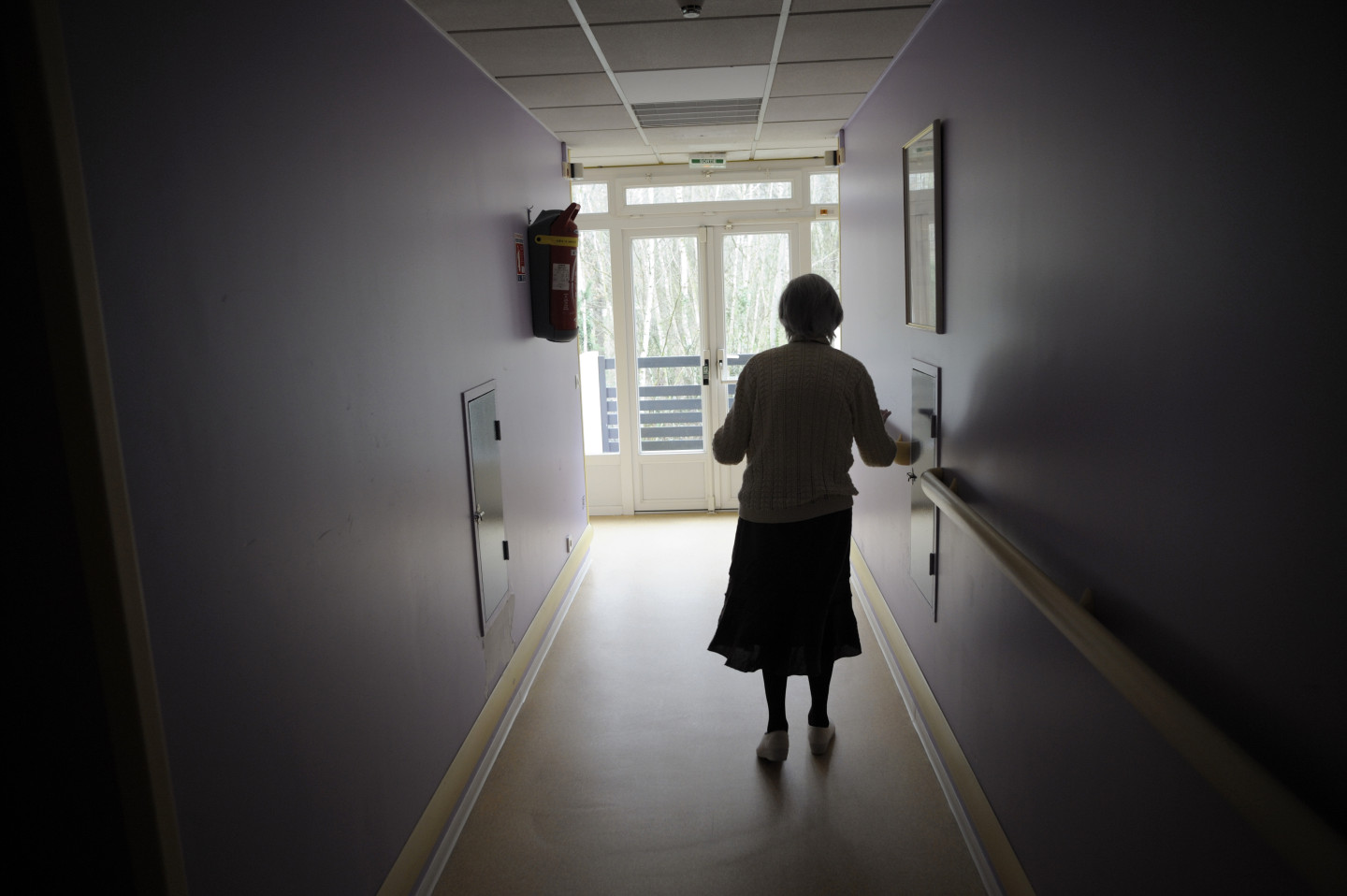
window.__IS_SSR__=true
window.__INITIAL_STATE__={
"attachmentsReducer": {
"audio_0": {
"type": "attachments",
"id": "audio_0",
"imgSizes": {
"kqedFullSize": {
"file": "https://ww2.kqed.org/news/wp-content/themes/KQED-unified/img/audio_bgs/background0.jpg"
}
}
},
"audio_1": {
"type": "attachments",
"id": "audio_1",
"imgSizes": {
"kqedFullSize": {
"file": "https://ww2.kqed.org/news/wp-content/themes/KQED-unified/img/audio_bgs/background1.jpg"
}
}
},
"audio_2": {
"type": "attachments",
"id": "audio_2",
"imgSizes": {
"kqedFullSize": {
"file": "https://ww2.kqed.org/news/wp-content/themes/KQED-unified/img/audio_bgs/background2.jpg"
}
}
},
"audio_3": {
"type": "attachments",
"id": "audio_3",
"imgSizes": {
"kqedFullSize": {
"file": "https://ww2.kqed.org/news/wp-content/themes/KQED-unified/img/audio_bgs/background3.jpg"
}
}
},
"audio_4": {
"type": "attachments",
"id": "audio_4",
"imgSizes": {
"kqedFullSize": {
"file": "https://ww2.kqed.org/news/wp-content/themes/KQED-unified/img/audio_bgs/background4.jpg"
}
}
},
"placeholder": {
"type": "attachments",
"id": "placeholder",
"imgSizes": {
"thumbnail": {
"file": "https://cdn.kqed.org/wp-content/uploads/2024/12/KQED-Default-Image-816638274-2000x1333-1-160x107.jpg",
"width": 160,
"height": 107,
"mimeType": "image/jpeg"
},
"medium": {
"file": "https://cdn.kqed.org/wp-content/uploads/2024/12/KQED-Default-Image-816638274-2000x1333-1-800x533.jpg",
"width": 800,
"height": 533,
"mimeType": "image/jpeg"
},
"medium_large": {
"file": "https://cdn.kqed.org/wp-content/uploads/2024/12/KQED-Default-Image-816638274-2000x1333-1-768x512.jpg",
"width": 768,
"height": 512,
"mimeType": "image/jpeg"
},
"large": {
"file": "https://cdn.kqed.org/wp-content/uploads/2024/12/KQED-Default-Image-816638274-2000x1333-1-1020x680.jpg",
"width": 1020,
"height": 680,
"mimeType": "image/jpeg"
},
"1536x1536": {
"file": "https://cdn.kqed.org/wp-content/uploads/2024/12/KQED-Default-Image-816638274-2000x1333-1-1536x1024.jpg",
"width": 1536,
"height": 1024,
"mimeType": "image/jpeg"
},
"fd-lrg": {
"file": "https://cdn.kqed.org/wp-content/uploads/2024/12/KQED-Default-Image-816638274-2000x1333-1-1536x1024.jpg",
"width": 1536,
"height": 1024,
"mimeType": "image/jpeg"
},
"fd-med": {
"file": "https://cdn.kqed.org/wp-content/uploads/2024/12/KQED-Default-Image-816638274-2000x1333-1-1020x680.jpg",
"width": 1020,
"height": 680,
"mimeType": "image/jpeg"
},
"fd-sm": {
"file": "https://cdn.kqed.org/wp-content/uploads/2024/12/KQED-Default-Image-816638274-2000x1333-1-800x533.jpg",
"width": 800,
"height": 533,
"mimeType": "image/jpeg"
},
"post-thumbnail": {
"file": "https://cdn.kqed.org/wp-content/uploads/2024/12/KQED-Default-Image-816638274-2000x1333-1-672x372.jpg",
"width": 672,
"height": 372,
"mimeType": "image/jpeg"
},
"twentyfourteen-full-width": {
"file": "https://cdn.kqed.org/wp-content/uploads/2024/12/KQED-Default-Image-816638274-2000x1333-1-1038x576.jpg",
"width": 1038,
"height": 576,
"mimeType": "image/jpeg"
},
"xxsmall": {
"file": "https://cdn.kqed.org/wp-content/uploads/2024/12/KQED-Default-Image-816638274-2000x1333-1-160x107.jpg",
"width": 160,
"height": 107,
"mimeType": "image/jpeg"
},
"xsmall": {
"file": "https://cdn.kqed.org/wp-content/uploads/2024/12/KQED-Default-Image-816638274-2000x1333-1-672x372.jpg",
"width": 672,
"height": 372,
"mimeType": "image/jpeg"
},
"small": {
"file": "https://cdn.kqed.org/wp-content/uploads/2024/12/KQED-Default-Image-816638274-2000x1333-1-672x372.jpg",
"width": 672,
"height": 372,
"mimeType": "image/jpeg"
},
"xlarge": {
"file": "https://cdn.kqed.org/wp-content/uploads/2024/12/KQED-Default-Image-816638274-2000x1333-1-1020x680.jpg",
"width": 1020,
"height": 680,
"mimeType": "image/jpeg"
},
"full-width": {
"file": "https://cdn.kqed.org/wp-content/uploads/2024/12/KQED-Default-Image-816638274-2000x1333-1-1920x1280.jpg",
"width": 1920,
"height": 1280,
"mimeType": "image/jpeg"
},
"guest-author-32": {
"file": "https://cdn.kqed.org/wp-content/uploads/2025/01/KQED-Default-Image-816638274-1333x1333-1-160x160.jpg",
"width": 32,
"height": 32,
"mimeType": "image/jpeg"
},
"guest-author-50": {
"file": "https://cdn.kqed.org/wp-content/uploads/2025/01/KQED-Default-Image-816638274-1333x1333-1-160x160.jpg",
"width": 50,
"height": 50,
"mimeType": "image/jpeg"
},
"guest-author-64": {
"file": "https://cdn.kqed.org/wp-content/uploads/2025/01/KQED-Default-Image-816638274-1333x1333-1-160x160.jpg",
"width": 64,
"height": 64,
"mimeType": "image/jpeg"
},
"guest-author-96": {
"file": "https://cdn.kqed.org/wp-content/uploads/2025/01/KQED-Default-Image-816638274-1333x1333-1-160x160.jpg",
"width": 96,
"height": 96,
"mimeType": "image/jpeg"
},
"guest-author-128": {
"file": "https://cdn.kqed.org/wp-content/uploads/2025/01/KQED-Default-Image-816638274-1333x1333-1-160x160.jpg",
"width": 128,
"height": 128,
"mimeType": "image/jpeg"
},
"detail": {
"file": "https://cdn.kqed.org/wp-content/uploads/2025/01/KQED-Default-Image-816638274-1333x1333-1-160x160.jpg",
"width": 160,
"height": 160,
"mimeType": "image/jpeg"
},
"kqedFullSize": {
"file": "https://cdn.kqed.org/wp-content/uploads/2024/12/KQED-Default-Image-816638274-2000x1333-1.jpg",
"width": 2000,
"height": 1333
}
}
},
"stateofhealth_21011": {
"type": "attachments",
"id": "stateofhealth_21011",
"meta": {
"index": "attachments_1716263798",
"site": "stateofhealth",
"id": "21011",
"found": true
},
"parent": 21007,
"imgSizes": {
"thumbnail": {
"file": "https://ww2.kqed.org/app/uploads/sites/27/2014/08/PhotoAnne-e1408992079757-400x299.jpg",
"width": 400,
"mimeType": "image/jpeg",
"height": 299
},
"fd-sm": {
"file": "https://ww2.kqed.org/app/uploads/sites/27/2014/08/PhotoAnne-e1408992079757-320x239.jpg",
"width": 320,
"mimeType": "image/jpeg",
"height": 239
},
"post-thumbnail": {
"file": "https://ww2.kqed.org/app/uploads/sites/27/2014/08/PhotoAnne-e1408992079757-640x372.jpg",
"width": 640,
"mimeType": "image/jpeg",
"height": 372
},
"kqedFullSize": {
"file": "https://ww2.kqed.org/app/uploads/sites/27/2014/08/PhotoAnne-e1408992079757.jpg",
"width": 640,
"height": 478
},
"guest-author-96": {
"file": "https://ww2.kqed.org/app/uploads/sites/27/2014/08/PhotoAnne-e1408992079757-96x96.jpg",
"width": 96,
"mimeType": "image/jpeg",
"height": 96
},
"guest-author-64": {
"file": "https://ww2.kqed.org/app/uploads/sites/27/2014/08/PhotoAnne-e1408992079757-64x64.jpg",
"width": 64,
"mimeType": "image/jpeg",
"height": 64
},
"detail": {
"file": "https://ww2.kqed.org/app/uploads/sites/27/2014/08/PhotoAnne-e1408992079757-75x75.jpg",
"width": 75,
"mimeType": "image/jpeg",
"height": 75
},
"guest-author-32": {
"file": "https://ww2.kqed.org/app/uploads/sites/27/2014/08/PhotoAnne-e1408992079757-32x32.jpg",
"width": 32,
"mimeType": "image/jpeg",
"height": 32
},
"guest-author-128": {
"file": "https://ww2.kqed.org/app/uploads/sites/27/2014/08/PhotoAnne-e1408992079757-128x128.jpg",
"width": 128,
"mimeType": "image/jpeg",
"height": 128
}
},
"publishDate": 1408992067,
"modified": 1408992067,
"caption": "Anne-Louise Vernon in front of her home in Campbell. (Photo: Pauline Bartolone)",
"description": "Anne-Louise Vernon in front of her home in Campbell. (Pauline Bartolone)",
"title": "PhotoAnne",
"credit": null,
"status": "inherit",
"isLoading": false,
"fetchFailed": false
},
"stateofhealth_20919": {
"type": "attachments",
"id": "stateofhealth_20919",
"meta": {
"index": "attachments_1716263798",
"site": "stateofhealth",
"id": "20919",
"found": true
},
"parent": 20914,
"imgSizes": {
"thumbnail": {
"file": "https://ww2.kqed.org/app/uploads/sites/27/2014/08/79997774-e1408556674718-400x266.jpg",
"width": 400,
"mimeType": "image/jpeg",
"height": 266
},
"fd-sm": {
"file": "https://ww2.kqed.org/app/uploads/sites/27/2014/08/79997774-e1408556674718-320x213.jpg",
"width": 320,
"mimeType": "image/jpeg",
"height": 213
},
"post-thumbnail": {
"file": "https://ww2.kqed.org/app/uploads/sites/27/2014/08/79997774-e1408556674718-641x372.jpg",
"width": 641,
"mimeType": "image/jpeg",
"height": 372
},
"kqedFullSize": {
"file": "https://ww2.kqed.org/app/uploads/sites/27/2014/08/79997774-e1408556674718.jpg",
"width": 641,
"height": 427
},
"guest-author-96": {
"file": "https://ww2.kqed.org/app/uploads/sites/27/2014/08/79997774-e1408556674718-96x96.jpg",
"width": 96,
"mimeType": "image/jpeg",
"height": 96
},
"guest-author-64": {
"file": "https://ww2.kqed.org/app/uploads/sites/27/2014/08/79997774-e1408556674718-64x64.jpg",
"width": 64,
"mimeType": "image/jpeg",
"height": 64
},
"detail": {
"file": "https://ww2.kqed.org/app/uploads/sites/27/2014/08/79997774-e1408556674718-75x75.jpg",
"width": 75,
"mimeType": "image/jpeg",
"height": 75
},
"guest-author-32": {
"file": "https://ww2.kqed.org/app/uploads/sites/27/2014/08/79997774-e1408556674718-32x32.jpg",
"width": 32,
"mimeType": "image/jpeg",
"height": 32
},
"guest-author-128": {
"file": "https://ww2.kqed.org/app/uploads/sites/27/2014/08/79997774-e1408556674718-128x128.jpg",
"width": 128,
"mimeType": "image/jpeg",
"height": 128
}
},
"publishDate": 1408556644,
"modified": 1408556644,
"caption": "Ebola virus magnified 108,000 times. (Getty Images)",
"description": "Ebola Virus at 108,000 Magnification",
"title": "79997774",
"credit": null,
"status": "inherit",
"isLoading": false,
"fetchFailed": false
},
"stateofhealth_20877": {
"type": "attachments",
"id": "stateofhealth_20877",
"meta": {
"index": "attachments_1716263798",
"site": "stateofhealth",
"id": "20877",
"found": true
},
"parent": 20876,
"imgSizes": {
"thumbnail": {
"file": "https://ww2.kqed.org/app/uploads/sites/27/2014/08/Health4All.-e1408470223786-400x268.jpg",
"width": 400,
"mimeType": "image/jpeg",
"height": 268
},
"fd-sm": {
"file": "https://ww2.kqed.org/app/uploads/sites/27/2014/08/Health4All.-e1408470223786-320x214.jpg",
"width": 320,
"mimeType": "image/jpeg",
"height": 214
},
"post-thumbnail": {
"file": "https://ww2.kqed.org/app/uploads/sites/27/2014/08/Health4All.-e1408470223786-640x372.jpg",
"width": 640,
"mimeType": "image/jpeg",
"height": 372
},
"kqedFullSize": {
"file": "https://ww2.kqed.org/app/uploads/sites/27/2014/08/Health4All.-e1408470223786.jpg",
"width": 640,
"height": 428
},
"guest-author-96": {
"file": "https://ww2.kqed.org/app/uploads/sites/27/2014/08/Health4All.-e1408470223786-96x96.jpg",
"width": 96,
"mimeType": "image/jpeg",
"height": 96
},
"guest-author-64": {
"file": "https://ww2.kqed.org/app/uploads/sites/27/2014/08/Health4All.-e1408470223786-64x64.jpg",
"width": 64,
"mimeType": "image/jpeg",
"height": 64
},
"detail": {
"file": "https://ww2.kqed.org/app/uploads/sites/27/2014/08/Health4All.-e1408470223786-75x75.jpg",
"width": 75,
"mimeType": "image/jpeg",
"height": 75
},
"guest-author-32": {
"file": "https://ww2.kqed.org/app/uploads/sites/27/2014/08/Health4All.-e1408470223786-32x32.jpg",
"width": 32,
"mimeType": "image/jpeg",
"height": 32
},
"guest-author-128": {
"file": "https://ww2.kqed.org/app/uploads/sites/27/2014/08/Health4All.-e1408470223786-128x128.jpg",
"width": 128,
"mimeType": "image/jpeg",
"height": 128
}
},
"publishDate": 1408409526,
"modified": 1408409526,
"caption": "Fresno residents demonstrate their support for a county health program that covers care for undocumented immigrants (Courtesy: Fresno Building Healthy Communities)",
"description": null,
"title": "Health4All.",
"credit": null,
"status": "inherit",
"isLoading": false,
"fetchFailed": false
},
"stateofhealth_20831": {
"type": "attachments",
"id": "stateofhealth_20831",
"meta": {
"index": "attachments_1716263798",
"site": "stateofhealth",
"id": "20831",
"found": true
},
"parent": 20825,
"imgSizes": {
"twentyfourteen-full-width": {
"file": "https://ww2.kqed.org/app/uploads/sites/27/2014/08/RS11379_photo-scr-850x576.jpg",
"width": 850,
"mimeType": "image/jpeg",
"height": 576
},
"thumbnail": {
"file": "https://ww2.kqed.org/app/uploads/sites/27/2014/08/RS11379_photo-scr-400x300.jpg",
"width": 400,
"mimeType": "image/jpeg",
"height": 300
},
"fd-sm": {
"file": "https://ww2.kqed.org/app/uploads/sites/27/2014/08/RS11379_photo-scr-320x240.jpg",
"width": 320,
"mimeType": "image/jpeg",
"height": 240
},
"post-thumbnail": {
"file": "https://ww2.kqed.org/app/uploads/sites/27/2014/08/RS11379_photo-scr-672x372.jpg",
"width": 672,
"mimeType": "image/jpeg",
"height": 372
},
"kqedFullSize": {
"file": "https://ww2.kqed.org/app/uploads/sites/27/2014/08/RS11379_photo-scr.jpg",
"width": 850,
"height": 638
},
"fd-med": {
"file": "https://ww2.kqed.org/app/uploads/sites/27/2014/08/RS11379_photo-scr-768x576.jpg",
"width": 768,
"mimeType": "image/jpeg",
"height": 576
},
"guest-author-96": {
"file": "https://ww2.kqed.org/app/uploads/sites/27/2014/08/RS11379_photo-scr-96x96.jpg",
"width": 96,
"mimeType": "image/jpeg",
"height": 96
},
"medium": {
"file": "https://ww2.kqed.org/app/uploads/sites/27/2014/08/RS11379_photo-scr-800x600.jpg",
"width": 800,
"mimeType": "image/jpeg",
"height": 600
},
"guest-author-64": {
"file": "https://ww2.kqed.org/app/uploads/sites/27/2014/08/RS11379_photo-scr-64x64.jpg",
"width": 64,
"mimeType": "image/jpeg",
"height": 64
},
"detail": {
"file": "https://ww2.kqed.org/app/uploads/sites/27/2014/08/RS11379_photo-scr-75x75.jpg",
"width": 75,
"mimeType": "image/jpeg",
"height": 75
},
"guest-author-32": {
"file": "https://ww2.kqed.org/app/uploads/sites/27/2014/08/RS11379_photo-scr-32x32.jpg",
"width": 32,
"mimeType": "image/jpeg",
"height": 32
},
"guest-author-128": {
"file": "https://ww2.kqed.org/app/uploads/sites/27/2014/08/RS11379_photo-scr-128x128.jpg",
"width": 128,
"mimeType": "image/jpeg",
"height": 128
}
},
"publishDate": 1408147968,
"modified": 1408147968,
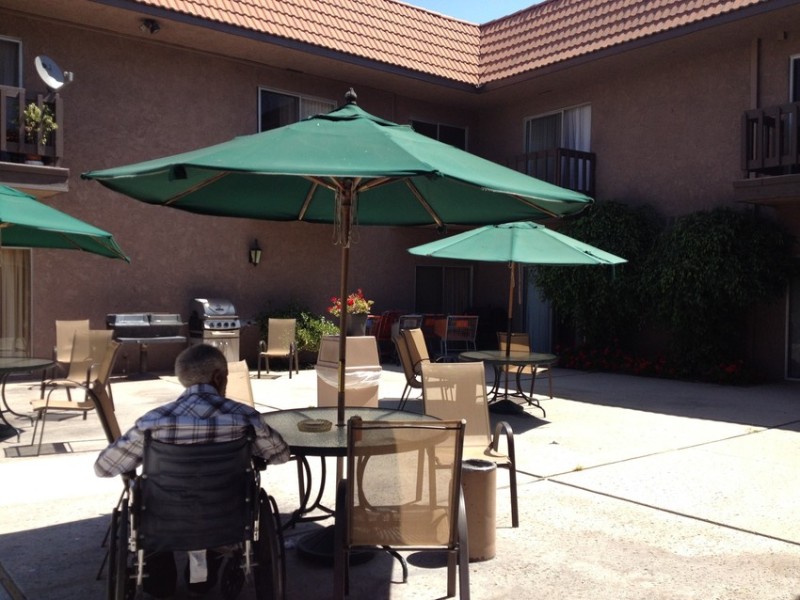
"caption": "Taking some fresh air in the courtyard at Westchester Villa, an assisted facility in Inglewood. (Rachael Myrow/KQED)",
"description": "Taking some fresh air in the courtyard at Westchester Villa, an assisted facility in Inglewood. (Rachael Myrow/KQED)",
"title": "RS11379_photo-scr",
"credit": null,
"status": "inherit",
"isLoading": false,
"fetchFailed": false
},
"stateofhealth_20652": {
"type": "attachments",
"id": "stateofhealth_20652",
"meta": {
"index": "attachments_1716263798",
"site": "stateofhealth",
"id": "20652",
"found": true
},
"parent": 20600,
"imgSizes": {
"thumbnail": {
"file": "https://ww2.kqed.org/app/uploads/sites/27/2014/08/LavaMae-e1407548749650-400x266.jpg",
"width": 400,
"mimeType": "image/jpeg",
"height": 266
},
"fd-sm": {
"file": "https://ww2.kqed.org/app/uploads/sites/27/2014/08/LavaMae-e1407548749650-320x213.jpg",
"width": 320,
"mimeType": "image/jpeg",
"height": 213
},
"post-thumbnail": {
"file": "https://ww2.kqed.org/app/uploads/sites/27/2014/08/LavaMae-e1407548749650-641x372.jpg",
"width": 641,
"mimeType": "image/jpeg",
"height": 372
},
"kqedFullSize": {
"file": "https://ww2.kqed.org/app/uploads/sites/27/2014/08/LavaMae-e1407548749650.jpg",
"width": 641,
"height": 427
},
"guest-author-96": {
"file": "https://ww2.kqed.org/app/uploads/sites/27/2014/08/LavaMae-e1407548749650-96x96.jpg",
"width": 96,
"mimeType": "image/jpeg",
"height": 96
},
"guest-author-64": {
"file": "https://ww2.kqed.org/app/uploads/sites/27/2014/08/LavaMae-e1407548749650-64x64.jpg",
"width": 64,
"mimeType": "image/jpeg",
"height": 64
},
"detail": {
"file": "https://ww2.kqed.org/app/uploads/sites/27/2014/08/LavaMae-e1407548749650-75x75.jpg",
"width": 75,
"mimeType": "image/jpeg",
"height": 75
},
"guest-author-32": {
"file": "https://ww2.kqed.org/app/uploads/sites/27/2014/08/LavaMae-e1407548749650-32x32.jpg",
"width": 32,
"mimeType": "image/jpeg",
"height": 32
},
"guest-author-128": {
"file": "https://ww2.kqed.org/app/uploads/sites/27/2014/08/LavaMae-e1407548749650-128x128.jpg",
"width": 128,
"mimeType": "image/jpeg",
"height": 128
}
},
"publishDate": 1407548731,
"modified": 1407548731,
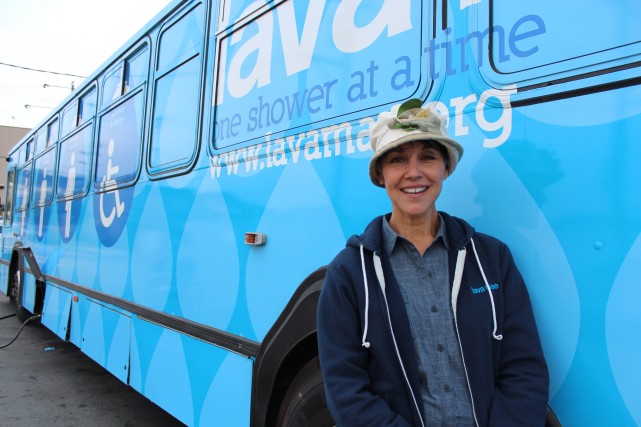
"caption": "Doniece Sandoval, founder of Lava Mae, a mobile shower service for homeless people.",
"description": "Lava Mae",
"title": "LavaMae",
"credit": null,
"status": "inherit",
"isLoading": false,
"fetchFailed": false
},
"stateofhealth_20634": {
"type": "attachments",
"id": "stateofhealth_20634",
"meta": {
"index": "attachments_1716263798",
"site": "stateofhealth",
"id": "20634",
"found": true
},
"parent": 20618,
"imgSizes": {
"thumbnail": {
"file": "https://ww2.kqed.org/app/uploads/sites/27/2014/08/RS11410_photo-hpf-400x300.jpg",
"width": 400,
"mimeType": "image/jpeg",
"height": 300
},
"fd-sm": {
"file": "https://ww2.kqed.org/app/uploads/sites/27/2014/08/RS11410_photo-hpf-320x240.jpg",
"width": 320,
"mimeType": "image/jpeg",
"height": 240
},
"post-thumbnail": {
"file": "https://ww2.kqed.org/app/uploads/sites/27/2014/08/RS11410_photo-hpf-640x372.jpg",
"width": 640,
"mimeType": "image/jpeg",
"height": 372
},
"kqedFullSize": {
"file": "https://ww2.kqed.org/app/uploads/sites/27/2014/08/RS11410_photo-hpf.jpg",
"width": 640,
"height": 480
},
"guest-author-96": {
"file": "https://ww2.kqed.org/app/uploads/sites/27/2014/08/RS11410_photo-hpf-96x96.jpg",
"width": 96,
"mimeType": "image/jpeg",
"height": 96
},
"guest-author-64": {
"file": "https://ww2.kqed.org/app/uploads/sites/27/2014/08/RS11410_photo-hpf-64x64.jpg",
"width": 64,
"mimeType": "image/jpeg",
"height": 64
},
"detail": {
"file": "https://ww2.kqed.org/app/uploads/sites/27/2014/08/RS11410_photo-hpf-75x75.jpg",
"width": 75,
"mimeType": "image/jpeg",
"height": 75
},
"guest-author-32": {
"file": "https://ww2.kqed.org/app/uploads/sites/27/2014/08/RS11410_photo-hpf-32x32.jpg",
"width": 32,
"mimeType": "image/jpeg",
"height": 32
},
"guest-author-128": {
"file": "https://ww2.kqed.org/app/uploads/sites/27/2014/08/RS11410_photo-hpf-128x128.jpg",
"width": 128,
"mimeType": "image/jpeg",
"height": 128
}
},
"publishDate": 1407519385,
"modified": 1407519385,
"caption": "CAPTION COMING (Rachael Myrow/KQED)",
"description": null,
"title": "RS11410_photo-hpf",
"credit": null,
"status": "inherit",
"isLoading": false,
"fetchFailed": false
},
"stateofhealth_20568": {
"type": "attachments",
"id": "stateofhealth_20568",
"meta": {
"index": "attachments_1716263798",
"site": "stateofhealth",
"id": "20568",
"found": true
},
"parent": 20563,
"imgSizes": {
"thumbnail": {
"file": "https://ww2.kqed.org/app/uploads/sites/27/2014/08/13556198874_fdf70c448e_z-400x299.jpg",
"width": 400,
"mimeType": "image/jpeg",
"height": 299
},
"fd-sm": {
"file": "https://ww2.kqed.org/app/uploads/sites/27/2014/08/13556198874_fdf70c448e_z-320x239.jpg",
"width": 320,
"mimeType": "image/jpeg",
"height": 239
},
"post-thumbnail": {
"file": "https://ww2.kqed.org/app/uploads/sites/27/2014/08/13556198874_fdf70c448e_z-640x372.jpg",
"width": 640,
"mimeType": "image/jpeg",
"height": 372
},
"kqedFullSize": {
"file": "https://ww2.kqed.org/app/uploads/sites/27/2014/08/13556198874_fdf70c448e_z.jpg",
"width": 640,
"height": 478
},
"guest-author-96": {
"file": "https://ww2.kqed.org/app/uploads/sites/27/2014/08/13556198874_fdf70c448e_z-96x96.jpg",
"width": 96,
"mimeType": "image/jpeg",
"height": 96
},
"guest-author-64": {
"file": "https://ww2.kqed.org/app/uploads/sites/27/2014/08/13556198874_fdf70c448e_z-64x64.jpg",
"width": 64,
"mimeType": "image/jpeg",
"height": 64
},
"detail": {
"file": "https://ww2.kqed.org/app/uploads/sites/27/2014/08/13556198874_fdf70c448e_z-75x75.jpg",
"width": 75,
"mimeType": "image/jpeg",
"height": 75
},
"guest-author-32": {
"file": "https://ww2.kqed.org/app/uploads/sites/27/2014/08/13556198874_fdf70c448e_z-32x32.jpg",
"width": 32,
"mimeType": "image/jpeg",
"height": 32
},
"guest-author-128": {
"file": "https://ww2.kqed.org/app/uploads/sites/27/2014/08/13556198874_fdf70c448e_z-128x128.jpg",
"width": 128,
"mimeType": "image/jpeg",
"height": 128
}
},
"publishDate": 1407292234,
"modified": 1407292234,
"caption": "Gatorade was one of the 21 beverages analyzed in the study. (Mike Mozart/Flickr)",
"description": "gatorade, energy drink, sports drink",
"title": "13556198874_fdf70c448e_z",
"credit": null,
"status": "inherit",
"isLoading": false,
"fetchFailed": false
},
"stateofhealth_20534": {
"type": "attachments",
"id": "stateofhealth_20534",
"meta": {
"index": "attachments_1716263798",
"site": "stateofhealth",
"id": "20534",
"found": true
},
"parent": 20532,
"imgSizes": {
"thumbnail": {
"file": "https://ww2.kqed.org/app/uploads/sites/27/2014/08/1Lorchid-e1407196062837-400x300.jpg",
"width": 400,
"mimeType": "image/jpeg",
"height": 300
},
"fd-sm": {
"file": "https://ww2.kqed.org/app/uploads/sites/27/2014/08/1Lorchid-e1407196062837-320x240.jpg",
"width": 320,
"mimeType": "image/jpeg",
"height": 240
},
"post-thumbnail": {
"file": "https://ww2.kqed.org/app/uploads/sites/27/2014/08/1Lorchid-e1407196062837-640x372.jpg",
"width": 640,
"mimeType": "image/jpeg",
"height": 372
},
"kqedFullSize": {
"file": "https://ww2.kqed.org/app/uploads/sites/27/2014/08/1Lorchid-e1407196062837.jpg",
"width": 640,
"height": 480
},
"guest-author-96": {
"file": "https://ww2.kqed.org/app/uploads/sites/27/2014/08/1Lorchid-e1407196062837-96x96.jpg",
"width": 96,
"mimeType": "image/jpeg",
"height": 96
},
"guest-author-64": {
"file": "https://ww2.kqed.org/app/uploads/sites/27/2014/08/1Lorchid-e1407196062837-64x64.jpg",
"width": 64,
"mimeType": "image/jpeg",
"height": 64
},
"detail": {
"file": "https://ww2.kqed.org/app/uploads/sites/27/2014/08/1Lorchid-e1407196062837-75x75.jpg",
"width": 75,
"mimeType": "image/jpeg",
"height": 75
},
"guest-author-32": {
"file": "https://ww2.kqed.org/app/uploads/sites/27/2014/08/1Lorchid-e1407196062837-32x32.jpg",
"width": 32,
"mimeType": "image/jpeg",
"height": 32
},
"guest-author-128": {
"file": "https://ww2.kqed.org/app/uploads/sites/27/2014/08/1Lorchid-e1407196062837-128x128.jpg",
"width": 128,
"mimeType": "image/jpeg",
"height": 128
}
},
"publishDate": 1407196018,
"modified": 1407196018,
"caption": "Lorchid Macri, 70, says she couldn't find any information online when she had to find an assisted living facility for her mother in California. (April Dembosky/KQED)",
"description": "Lorchid Macri, 70, says she couldn't find any information online when she had to find an assisted living facility for her mother in California. ",
"title": "1Lorchid",
"credit": null,
"status": "inherit",
"isLoading": false,
"fetchFailed": false
},
"stateofhealth_20515": {
"type": "attachments",
"id": "stateofhealth_20515",
"meta": {
"index": "attachments_1716263798",
"site": "stateofhealth",
"id": "20515",
"found": true
},
"parent": 20500,
"imgSizes": {
"thumbnail": {
"file": "https://ww2.kqed.org/app/uploads/sites/27/2014/08/RS11381_photo-hpf-400x300.jpg",
"width": 400,
"mimeType": "image/jpeg",
"height": 300
},
"fd-sm": {
"file": "https://ww2.kqed.org/app/uploads/sites/27/2014/08/RS11381_photo-hpf-320x240.jpg",
"width": 320,
"mimeType": "image/jpeg",
"height": 240
},
"post-thumbnail": {
"file": "https://ww2.kqed.org/app/uploads/sites/27/2014/08/RS11381_photo-hpf-640x372.jpg",
"width": 640,
"mimeType": "image/jpeg",
"height": 372
},
"kqedFullSize": {
"file": "https://ww2.kqed.org/app/uploads/sites/27/2014/08/RS11381_photo-hpf.jpg",
"width": 640,
"height": 480
},
"guest-author-96": {
"file": "https://ww2.kqed.org/app/uploads/sites/27/2014/08/RS11381_photo-hpf-96x96.jpg",
"width": 96,
"mimeType": "image/jpeg",
"height": 96
},
"guest-author-64": {
"file": "https://ww2.kqed.org/app/uploads/sites/27/2014/08/RS11381_photo-hpf-64x64.jpg",
"width": 64,
"mimeType": "image/jpeg",
"height": 64
},
"detail": {
"file": "https://ww2.kqed.org/app/uploads/sites/27/2014/08/RS11381_photo-hpf-75x75.jpg",
"width": 75,
"mimeType": "image/jpeg",
"height": 75
},
"guest-author-32": {
"file": "https://ww2.kqed.org/app/uploads/sites/27/2014/08/RS11381_photo-hpf-32x32.jpg",
"width": 32,
"mimeType": "image/jpeg",
"height": 32
},
"guest-author-128": {
"file": "https://ww2.kqed.org/app/uploads/sites/27/2014/08/RS11381_photo-hpf-128x128.jpg",
"width": 128,
"mimeType": "image/jpeg",
"height": 128
}
},
"publishDate": 1407131185,
"modified": 1407131185,
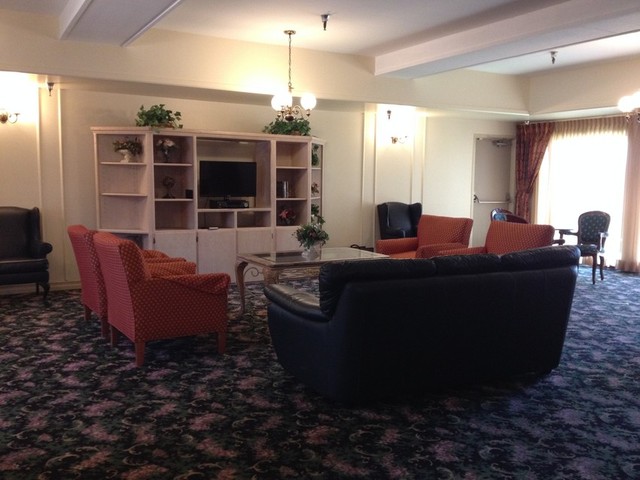
"caption": "TV lounge at Westchester Villa, an assisted living facility in Inglewood, near Los Angeles. (Rachael Myrow/KQED)",
"description": "TV lounge at Westchester Villa, an assisted living facility in Inglewood",
"title": "RS11381_photo-hpf",
"credit": null,
"status": "inherit",
"isLoading": false,
"fetchFailed": false
},
"stateofhealth_20482": {
"type": "attachments",
"id": "stateofhealth_20482",
"meta": {
"index": "attachments_1716263798",
"site": "stateofhealth",
"id": "20482",
"found": true
},
"parent": 20449,
"imgSizes": {
"twentyfourteen-full-width": {
"file": "https://ww2.kqed.org/app/uploads/sites/27/2014/08/110688608-1038x576.jpg",
"width": 1038,
"mimeType": "image/jpeg",
"height": 576
},
"thumbnail": {
"file": "https://ww2.kqed.org/app/uploads/sites/27/2014/08/110688608-400x266.jpg",
"width": 400,
"mimeType": "image/jpeg",
"height": 266
},
"fd-sm": {
"file": "https://ww2.kqed.org/app/uploads/sites/27/2014/08/110688608-320x213.jpg",
"width": 320,
"mimeType": "image/jpeg",
"height": 213
},
"post-thumbnail": {
"file": "https://ww2.kqed.org/app/uploads/sites/27/2014/08/110688608-672x372.jpg",
"width": 672,
"mimeType": "image/jpeg",
"height": 372
},
"kqedFullSize": {
"file": "https://ww2.kqed.org/app/uploads/sites/27/2014/08/110688608.jpg",
"width": 4256,
"height": 2832
},
"large": {
"file": "https://ww2.kqed.org/app/uploads/sites/27/2014/08/110688608-1440x958.jpg",
"width": 1440,
"mimeType": "image/jpeg",
"height": 958
},
"guest-author-96": {
"file": "https://ww2.kqed.org/app/uploads/sites/27/2014/08/110688608-96x96.jpg",
"width": 96,
"mimeType": "image/jpeg",
"height": 96
},
"medium": {
"file": "https://ww2.kqed.org/app/uploads/sites/27/2014/08/110688608-800x532.jpg",
"width": 800,
"mimeType": "image/jpeg",
"height": 532
},
"guest-author-64": {
"file": "https://ww2.kqed.org/app/uploads/sites/27/2014/08/110688608-64x64.jpg",
"width": 64,
"mimeType": "image/jpeg",
"height": 64
},
"guest-author-32": {
"file": "https://ww2.kqed.org/app/uploads/sites/27/2014/08/110688608-32x32.jpg",
"width": 32,
"mimeType": "image/jpeg",
"height": 32
},
"fd-lrg": {
"file": "https://ww2.kqed.org/app/uploads/sites/27/2014/08/110688608-1180x785.jpg",
"width": 1180,
"mimeType": "image/jpeg",
"height": 785
},
"fd-med": {
"file": "https://ww2.kqed.org/app/uploads/sites/27/2014/08/110688608-768x511.jpg",
"width": 768,
"mimeType": "image/jpeg",
"height": 511
},
"detail": {
"file": "https://ww2.kqed.org/app/uploads/sites/27/2014/08/110688608-75x75.jpg",
"width": 75,
"mimeType": "image/jpeg",
"height": 75
},
"guest-author-128": {
"file": "https://ww2.kqed.org/app/uploads/sites/27/2014/08/110688608-128x128.jpg",
"width": 128,
"mimeType": "image/jpeg",
"height": 128
}
},
"publishDate": 1406936718,
"modified": 1499377560,
"caption": null,
"description": null,
"title": "Woman with Alzheimer's",
"credit": "Sebastien Bozon/AFP/Getty Images",
"status": "inherit",
"isLoading": false,
"fetchFailed": false
}
},
"audioPlayerReducer": {
"postId": "stream_live",
"isPaused": true,
"isPlaying": false,
"pfsActive": false,
"pledgeModalIsOpen": true,
"playerDrawerIsOpen": false,
"liveAudioPlayStartedAt": 0,
"liveAudioPlayContext": ""
},
"authorsReducer": {
"kqednewsstaffandwires": {
"type": "authors",
"id": "237",
"meta": {
"index": "authors_1716337520",
"id": "237",
"found": true
},
"name": "KQED News Staff and Wires",
"firstName": "KQED News Staff and Wires",
"lastName": null,
"slug": "kqednewsstaffandwires",
"email": "onlinenewsstaff@kqed.org",
"display_author_email": false,
"staff_mastheads": [],
"title": null,
"bio": null,
"avatar": "https://secure.gravatar.com/avatar/72295af8ebbfbd19a4948f5271285664?s=600&d=blank&r=g",
"twitter": null,
"facebook": null,
"instagram": null,
"linkedin": null,
"sites": [
{
"site": "arts",
"roles": [
"contributor"
]
},
{
"site": "news",
"roles": [
"contributor"
]
},
{
"site": "lowdown",
"roles": [
"author"
]
},
{
"site": "stateofhealth",
"roles": [
"contributor"
]
},
{
"site": "food",
"roles": [
"author"
]
}
],
"headData": {
"title": "KQED News Staff and Wires | KQED",
"description": null,
"ogImgSrc": "https://secure.gravatar.com/avatar/72295af8ebbfbd19a4948f5271285664?s=600&d=blank&r=g",
"twImgSrc": "https://secure.gravatar.com/avatar/72295af8ebbfbd19a4948f5271285664?s=600&d=blank&r=g"
},
"isLoading": false,
"link": "/author/kqednewsstaffandwires"
},
"lisaaliferis": {
"type": "authors",
"id": "240",
"meta": {
"index": "authors_1716337520",
"id": "240",
"found": true
},
"name": "Lisa Aliferis",
"firstName": "Lisa",
"lastName": "Aliferis",
"slug": "lisaaliferis",
"email": "laliferis@kqed.org",
"display_author_email": false,
"staff_mastheads": [],
"title": "KQED Contributor",
"bio": "Lisa Aliferis is the founding editor of KQED's \u003cem>State of Health\u003c/em> blog. Since 2011, she's been writing and editing stories for the site. Before taking up blogging, she toiled for many years (more than we can count) producing health stories for television, including\u003cem> Dateline NBC\u003c/em> and San Francisco's CBS affiliate, KPIX-TV. She also wrote up a \u003ca title=\"http://www.kqed.org/news/health/obamacare/obamacare-guide.jsp\" href=\"http://www.kqed.org/news/health/obamacare/obamacare-guide.jsp\">handy guide to the Affordable Care Act\u003c/a>, especially for Californians. Her work has been honored for many awards. Most recently she was a finalist for \"Best Topical Reporting\" from the Online News Association. You can follow her on Twitter: \u003ca title=\"https://twitter.com/laliferis\" href=\"https://twitter.com/laliferis\">@laliferis\u003c/a>",
"avatar": "https://secure.gravatar.com/avatar/86c339d5cdcb0dcd2b6cf5d7c3f5886b?s=600&d=mm&r=g",
"twitter": "laliferis",
"facebook": null,
"instagram": null,
"linkedin": null,
"sites": [
{
"site": "news",
"roles": [
"subscriber"
]
},
{
"site": "futureofyou",
"roles": [
"subscriber"
]
},
{
"site": "stateofhealth",
"roles": [
"subscriber"
]
},
{
"site": "science",
"roles": [
"subscriber"
]
},
{
"site": "food",
"roles": []
}
],
"headData": {
"title": "Lisa Aliferis | KQED",
"description": "KQED Contributor",
"ogImgSrc": "https://secure.gravatar.com/avatar/86c339d5cdcb0dcd2b6cf5d7c3f5886b?s=600&d=mm&r=g",
"twImgSrc": "https://secure.gravatar.com/avatar/86c339d5cdcb0dcd2b6cf5d7c3f5886b?s=600&d=mm&r=g"
},
"isLoading": false,
"link": "/author/lisaaliferis"
},
"rachael-myrow": {
"type": "authors",
"id": "251",
"meta": {
"index": "authors_1716337520",
"id": "251",
"found": true
},
"name": "Rachael Myrow",
"firstName": "Rachael",
"lastName": "Myrow",
"slug": "rachael-myrow",
"email": "rmyrow@kqed.org",
"display_author_email": true,
"staff_mastheads": [
"news"
],
"title": "Senior Editor of KQED's Silicon Valley News Desk",
"bio": "• I write and edit stories about how Silicon Valley power and policies shape everyday life in California. I’m also passionate about making Bay Area history and culture more accessible to a broad public. • I’ve been a journalist for most of my life, starting in high school with The Franklin Press in Los Angeles, where I grew up. While earning my first degree in English at UC Berkeley, I got my start in public radio at KALX-FM. After completing a second degree in journalism at Cal, I landed my first professional job at Marketplace, then moved on to KPCC (now LAist), and then KQED, where I hosted The California Report for more than seven years. • My reporting has appeared on NPR, The World, WBUR’s \u003ci>Here & Now\u003c/i>, and the BBC. I also guest host for KQED’s \u003ci>Forum\u003c/i>, as well as the Commonwealth Club in San Francisco. • I speak periodically on media, democracy and technology issues, and do voiceover work for documentaries and educational video projects. • Outside of the studio, you'll find me hiking Bay Area trails and whipping up Insta-ready meals in my kitchen. • I do not accept gifts, money, or favors from anyone connected to my reporting, I don't pay people for information, and I do not support or donate to political causes. • I strive to treat the people I report on with fairness, honesty, and respect. I also recognize there are often multiple sides to a story and work to verify information through multiple sources and documentation. If I get something wrong, I correct it.",
"avatar": "https://secure.gravatar.com/avatar/3ed8a3c5f26025e4a805ba634cda8cd764906b97438a6d9ce216b044e340da4e?s=600&d=blank&r=g",
"twitter": "rachaelmyrow",
"bluesky": null,
"facebook": null,
"instagram": null,
"linkedin": "https://www.linkedin.com/in/rachaelmyrow/",
"sites": [
{
"site": "arts",
"roles": [
"administrator"
]
},
{
"site": "news",
"roles": [
"edit_others_posts",
"editor"
]
},
{
"site": "futureofyou",
"roles": [
"editor"
]
},
{
"site": "bayareabites",
"roles": [
"editor"
]
},
{
"site": "stateofhealth",
"roles": [
"editor"
]
},
{
"site": "science",
"roles": [
"editor"
]
},
{
"site": "food",
"roles": [
"editor"
]
},
{
"site": "forum",
"roles": [
"editor"
]
},
{
"site": "liveblog",
"roles": [
"author"
]
}
],
"headData": {
"title": "Rachael Myrow | KQED",
"description": "Senior Editor of KQED's Silicon Valley News Desk",
"ogImgSrc": "https://secure.gravatar.com/avatar/3ed8a3c5f26025e4a805ba634cda8cd764906b97438a6d9ce216b044e340da4e?s=600&d=blank&r=g",
"twImgSrc": "https://secure.gravatar.com/avatar/3ed8a3c5f26025e4a805ba634cda8cd764906b97438a6d9ce216b044e340da4e?s=600&d=blank&r=g"
},
"isLoading": false,
"link": "/author/rachael-myrow"
},
"adembosky": {
"type": "authors",
"id": "3205",
"meta": {
"index": "authors_1716337520",
"id": "3205",
"found": true
},
"name": "April Dembosky",
"firstName": "April",
"lastName": "Dembosky",
"slug": "adembosky",
"email": "adembosky@kqed.org",
"display_author_email": false,
"staff_mastheads": [
"news",
"science"
],
"title": "KQED Health Correspondent",
"bio": "April Dembosky is the health correspondent for KQED News and a regular contributor to NPR. She specializes in covering altered states of mind, from postpartum depression to methamphetamine-induced psychosis to the insanity defense. Her investigative series on insurance companies sidestepping mental health laws won multiple awards, including first place in beat reporting from the national Association of Health Care Journalists. She is the recipient of numerous other prizes and fellowships, including a national Edward R. Murrow award for investigative reporting, a Society of Professional Journalists award for long-form storytelling, and a Carter Center Fellowship for Mental Health Journalism.\r\n\r\nDembosky reported and produced \u003cem>Soundtrack of Silence\u003c/em>, an audio documentary about music and memory that is currently being made into a feature film by Paramount Pictures.\r\n\r\nBefore joining KQED in 2013, Dembosky covered technology and Silicon Valley for \u003cem>The Financial Times of London,\u003c/em> and contributed business and arts stories to \u003cem>Marketplace \u003c/em>and \u003cem>The New York Times.\u003c/em> She got her undergraduate degree in philosophy from Smith College and her master's in journalism from the University of California, Berkeley. She is a classically trained violinist and proud alum of the first symphony orchestra at Burning Man.",
"avatar": "https://secure.gravatar.com/avatar/ef92999be4ceb9ea60701e7dc276f813?s=600&d=blank&r=g",
"twitter": "adembosky",
"facebook": null,
"instagram": null,
"linkedin": null,
"sites": [
{
"site": "arts",
"roles": [
"author"
]
},
{
"site": "news",
"roles": [
"editor"
]
},
{
"site": "futureofyou",
"roles": [
"author"
]
},
{
"site": "stateofhealth",
"roles": [
"editor"
]
},
{
"site": "science",
"roles": [
"editor"
]
},
{
"site": "forum",
"roles": [
"editor"
]
}
],
"headData": {
"title": "April Dembosky | KQED",
"description": "KQED Health Correspondent",
"ogImgSrc": "https://secure.gravatar.com/avatar/ef92999be4ceb9ea60701e7dc276f813?s=600&d=blank&r=g",
"twImgSrc": "https://secure.gravatar.com/avatar/ef92999be4ceb9ea60701e7dc276f813?s=600&d=blank&r=g"
},
"isLoading": false,
"link": "/author/adembosky"
},
"state-of-health": {
"type": "authors",
"id": "8344",
"meta": {
"index": "authors_1716337520",
"id": "8344",
"found": true
},
"name": "State of Health",
"firstName": "State of Health",
"lastName": null,
"slug": "state-of-health",
"email": "stateofhealth@kqed.org",
"display_author_email": false,
"staff_mastheads": [],
"title": null,
"bio": null,
"avatar": "https://secure.gravatar.com/avatar/66de4bf6d331fa7402bba1ffe8135e17?s=600&d=blank&r=g",
"twitter": null,
"facebook": null,
"instagram": null,
"linkedin": null,
"sites": [
{
"site": "arts",
"roles": [
"author"
]
},
{
"site": "stateofhealth",
"roles": [
"editor"
]
}
],
"headData": {
"title": "State of Health | KQED",
"description": null,
"ogImgSrc": "https://secure.gravatar.com/avatar/66de4bf6d331fa7402bba1ffe8135e17?s=600&d=blank&r=g",
"twImgSrc": "https://secure.gravatar.com/avatar/66de4bf6d331fa7402bba1ffe8135e17?s=600&d=blank&r=g"
},
"isLoading": false,
"link": "/author/state-of-health"
}
},
"pagesReducer": {
"stateofhealth_category_place-matters": {
"type": "terms",
"id": "stateofhealth_11",
"meta": {
"index": "terms_1716263798",
"site": "stateofhealth",
"id": "11",
"score": 14.406237
},
"featImg": null,
"name": "Community Health",
"description": "\r\n\r\nFrom rural California to urban neighborhoods, where you live affects your health",
"taxonomy": "category",
"headData": {
"twImgId": null,
"twTitle": null,
"ogTitle": null,
"ogImgId": null,
"twDescription": null,
"description": "From rural California to urban neighborhoods, where you live affects your health",
"title": "Community Health Archives | KQED Arts",
"ogDescription": null
},
"ttid": 11,
"slug": "place-matters",
"isLoading": false,
"title": "Community Health",
"pageMeta": {
"site": "stateofhealth",
"WpPageTemplate": "page-topic-editorial",
"currentPage": 36
},
"blocks": [
{
"blockName": "kqed/company-paragraph",
"content": "\r\n\r\nFrom rural California to urban neighborhoods, where you live affects your health"
},
{
"blockName": "kqed/post-list",
"attrs": {
"layout": "cardArticle2",
"query": "posts/stateofhealth?category=place-matters",
"seeMore": false,
"paginated": true,
"page": 36
}
},
{
"blockName": "kqed/ad"
}
]
}
},
"pfsSessionReducer": {},
"postsReducer": {
"stream_live": {
"type": "live",
"id": "stream_live",
"audioUrl": "https://streams.kqed.org/kqedradio",
"title": "Live Stream",
"excerpt": "Live Stream information currently unavailable.",
"link": "/radio",
"featImg": "",
"label": {
"name": "KQED Live",
"link": "/"
}
},
"stream_kqedNewscast": {
"type": "posts",
"id": "stream_kqedNewscast",
"audioUrl": "https://www.kqed.org/.stream/anon/radio/RDnews/newscast.mp3?_=1",
"title": "KQED Newscast",
"featImg": "",
"label": {
"name": "88.5 FM",
"link": "/"
}
},
"stateofhealth_21007": {
"type": "posts",
"id": "stateofhealth_21007",
"meta": {
"index": "posts_1716263798",
"site": "stateofhealth",
"id": "21007",
"score": null,
"sort": [
1408992498000
]
},
"parent": 0,
"labelTerm": {
"site": "stateofhealth"
},
"blocks": [],
"publishDate": 1408992498,
"format": "aside",
"disqusTitle": "For Some, Medi-Cal Might Mean Ultimately Losing Their Homes",
"title": "For Some, Medi-Cal Might Mean Ultimately Losing Their Homes",
"headTitle": "State of Health | KQED News",
"content": "\u003cfigure id=\"attachment_21011\" class=\"wp-caption aligncenter\" style=\"max-width: 640px\">\u003ca href=\"http://ww2.kqed.org/stateofhealth/wp-content/uploads/sites/27/2014/08/PhotoAnne-e1408992079757.jpg\">\u003cimg class=\"size-large wp-image-21011\" title=\"\" src=\"http://ww2.kqed.org/stateofhealth/wp-content/uploads/sites/27/2014/08/PhotoAnne-640x478.jpg\" alt=\"Anne-Louise Vernon in front of her home in Campbell. (Photo: Pauline Bartolone)\" width=\"640\" height=\"478\">\u003c/a>\u003cfigcaption class=\"wp-caption-text\">Anne-Louise Vernon in front of her home in Campbell. She recently enrolled in Medi-Cal then found out the state could use proceeds from her home to recover costs of her health care. (Photo: Pauline Bartolone)\u003c/figcaption>\u003c/figure>\n\u003cp>\u003cstrong>By Pauline Bartolone,\u003c/strong> \u003ca href=\"http://www.kaiserhealthnews.org/Stories/2014/August/28/Calif-Bill-Would-Protect-Estates-Of-Many-Receiving-Medicaid-Services.aspx\" target=\"_blank\">\u003cb>Kaiser Health News\u003c/b>\u003c/a>\u003c/p>\n\u003cp>Anne-Louise Vernon had been looking forward to signing up for health insurance under Covered California. She was hoping to save hundreds of dollars a month. But when she called to enroll, she was told her income wasn’t high enough to purchase a subsidized plan.\u003c/p>\n\u003cp>“It never even occurred to me I might be on Medi-Cal,\" she said, in reference to the state's version of Medicaid, \"and I didn’t know anything about it.\"\u003c/p>\n\u003cp>She says she asked whether there were any strings attached.\u003c/p>\n\u003cp>\"And the woman said very cheerfully, \"Oh no, no, it’s all free. There's nothing you have to worry about, this is your lucky day.'” she recounts.\u003c/p>\n\u003cp>[ad fullwidth]\u003c/p>\n\u003cp>Vernon signed up for Medi-Cal on the phone from her home in Campbell. But months later, she learned online about a state law that allows California to take assets of people who die if they received health care through Medi-Cal after the age of 55.\u003c!--more-->\u003c/p>\n\u003cp>“So I called Medi-Cal and asked specifically, 'Does this mean what I think it means?'” she says.\u003c/p>\n\u003cp>It means Medi-Cal managers can take part of her estate later for health care costs she’s accruing now. A \u003ca href=\"http://aspe.hhs.gov/daltcp/reports/estaterec.htm\" target=\"_blank\">1993 federal law \u003c/a>requires states to recoup Medicaid money spent on institutional care, such as nursing homes, and it gives states the option to recover all health costs from people 55 and over. California took that option.\u003c/p>\n\u003cp>Vernon says she’s panicked and worried. She doesn’t get a monthly bill –- so she’s not sure what she’ll be accountable for.\u003c/p>\n\u003cp>“I feel as though right now, if I could go to do the doctor and I felt I knew where I stood, there are a number of appointments that I’d be making right now,\" says Vernon. \"But I feel so unsettled about this whole estate recovery thing, that I’m afraid to go to the doctor.\"\u003c/p>\n\u003cp>The California law has now been on the books for two decades. Elizabeth Landsberg of the Western Center on Law and Poverty says it turns what was intended to be a safety net program into a long-term loan program. It undermines the security that families might pass on to the next generation.\u003c/p>\n\u003cp>“So in most cases it's modest family homes that we’re talking about, and so the state will most often come back and put a lien on that home, and unfortunately it does force the kids to sell the homes sometimes, ” says Landsberg.\u003c/p>\n\u003cp>Landsberg says the law is complicating Medi-Cal enrollment. Some people have refused to sign up, or have terminated enrollment for fear of losing their estate. She says it’s unfair because people buying insurance through Covered California aren’t subject to the same rules.\u003c/p>\n\u003cp>“For the first time people have to have health coverage. So it’s created an inequity where the lowest income people could lose their assets, and other higher income people who are also getting publicly-subsidized health coverage have no worries, ” says Landsberg.\u003c/p>\n\u003cp>Over the past 20 years, the state of California has recovered almost a billion dollars that paid for long-term care and basic health services through Medi-Cal.\u003c/p>\n\u003cp>Norman Williams of the California Department of Health Care Services says that’s just a very small fraction of the overall Medi-Cal budget during that time.\u003c/p>\n\u003cp>“The funds are collected and returned to the state general fund and along with federal matching funds, that’s used to provide care for members beyond what we have now,\" says Williams.\u003c/p>\n\u003cp>Williams says the average claim is about $95,000.\u003c/p>\n\u003cp>“But the average amount collected is about $15,000,\" he says. \"There are many exceptions available. Hardship exemptions for instance. If there are children who are living and under 21, there is no claim against the Medi-Cal member's estate.\"\u003c/p>\n\u003cp>A bill in the California legislature, \u003ca href=\"http://leginfo.legislature.ca.gov/faces/billNavClient.xhtml?bill_id=201320140SB1124\" target=\"_blank\">SB 1124\u003c/a>, would eliminate state recovery for basic Medi-Cal services for older Californians. It would also require the state to provide health claim information for free, so enrollees can keep track of their expenses.\u003c/p>\n\u003cp>That’s something Anne-Louise Vernon is advocating for.\u003c/p>\n\u003cp>“I don’t understand why someone my age, in my situation has been singled out to be a cash cow for the state of California, when this is not required by the federal government,” says Vernon.\u003c/p>\n\u003cp>If the measure is approved by lawmakers, it might have a tough time getting the governor’s signature. The California Department of Finance says it would remove $30 million in revenue that helps pay for the health care of other low-income Californians.\u003c/p>\n\u003cp>\u003c/p>\n\u003cp>\u003cstrong>Learn more:\u003c/strong>\u003c/p>\n\u003cul>\n\u003cli>\u003ca style=\"font-size: medium\" href=\"http://www.canhr.org/factsheets/medi-cal_fs/html/fs_medcal_recovery_FAQ.htm\" target=\"_blank\">Medi-Cal Recovery FAQ\u003c/a> (California Advocates for Nursing Home Reform)\u003c/li>\n\u003cli>\u003ca style=\"font-size: medium\" href=\"http://www.chcf.org/~/media/MEDIA%20LIBRARY%20Files/PDF/E/PDF%20EstateRecoveryMediCal.pdf\" target=\"_blank\">Estate Recovery Under Medi-Cal \u003c/a>(California HealthCare Foundation)\u003c/li>\n\u003c/ul>\n\n",
"disqusIdentifier": "21007 http://blogs.kqed.org/stateofhealth/?p=21007",
"disqusUrl": "https://ww2.kqed.org/stateofhealth/2014/08/25/for-some-medi-cal-might-mean-ultimately-losing-their-homes-estate-recovery/",
"stats": {
"hasVideo": false,
"hasChartOrMap": false,
"hasAudio": false,
"hasPolis": false,
"wordCount": 872,
"hasGoogleForm": false,
"hasGallery": false,
"hasHearkenModule": false,
"iframeSrcs": [],
"paragraphCount": 26
},
"modified": 1409864161,
"excerpt": "Law would change state's ability to recovery homes from estates of some beneficiaries over age 55.",
"headData": {
"twImgId": "",
"twTitle": "",
"ogTitle": "",
"ogImgId": "",
"twDescription": "",
"description": "Law would change state's ability to recovery homes from estates of some beneficiaries over age 55.",
"title": "For Some, Medi-Cal Might Mean Ultimately Losing Their Homes | KQED",
"ogDescription": "",
"schema": {
"@context": "https://schema.org",
"@type": "Article",
"headline": "For Some, Medi-Cal Might Mean Ultimately Losing Their Homes",
"datePublished": "2014-08-25T11:48:18-07:00",
"dateModified": "2014-09-04T13:56:01-07:00",
"image": "https://cdn.kqed.org/wp-content/uploads/2020/02/KQED-OG-Image@1x.png"
}
},
"guestAuthors": [],
"slug": "for-some-medi-cal-might-mean-ultimately-losing-their-homes-estate-recovery",
"status": "publish",
"path": "/stateofhealth/21007/for-some-medi-cal-might-mean-ultimately-losing-their-homes-estate-recovery",
"audioTrackLength": null,
"parsedContent": [
{
"type": "contentString",
"content": "\u003cdiv class=\"post-body\">\u003cp>\u003cfigure id=\"attachment_21011\" class=\"wp-caption aligncenter\" style=\"max-width: 640px\">\u003ca href=\"http://ww2.kqed.org/stateofhealth/wp-content/uploads/sites/27/2014/08/PhotoAnne-e1408992079757.jpg\">\u003cimg class=\"size-large wp-image-21011\" title=\"\" src=\"http://ww2.kqed.org/stateofhealth/wp-content/uploads/sites/27/2014/08/PhotoAnne-640x478.jpg\" alt=\"Anne-Louise Vernon in front of her home in Campbell. (Photo: Pauline Bartolone)\" width=\"640\" height=\"478\">\u003c/a>\u003cfigcaption class=\"wp-caption-text\">Anne-Louise Vernon in front of her home in Campbell. She recently enrolled in Medi-Cal then found out the state could use proceeds from her home to recover costs of her health care. (Photo: Pauline Bartolone)\u003c/figcaption>\u003c/figure>\n\u003cp>\u003cstrong>By Pauline Bartolone,\u003c/strong> \u003ca href=\"http://www.kaiserhealthnews.org/Stories/2014/August/28/Calif-Bill-Would-Protect-Estates-Of-Many-Receiving-Medicaid-Services.aspx\" target=\"_blank\">\u003cb>Kaiser Health News\u003c/b>\u003c/a>\u003c/p>\n\u003cp>Anne-Louise Vernon had been looking forward to signing up for health insurance under Covered California. She was hoping to save hundreds of dollars a month. But when she called to enroll, she was told her income wasn’t high enough to purchase a subsidized plan.\u003c/p>\n\u003cp>“It never even occurred to me I might be on Medi-Cal,\" she said, in reference to the state's version of Medicaid, \"and I didn’t know anything about it.\"\u003c/p>\n\u003cp>She says she asked whether there were any strings attached.\u003c/p>\n\u003cp>\"And the woman said very cheerfully, \"Oh no, no, it’s all free. There's nothing you have to worry about, this is your lucky day.'” she recounts.\u003c/p>\n\u003cp>\u003c/p>\u003c/div>",
"attributes": {
"named": {},
"numeric": []
}
},
{
"type": "component",
"content": "",
"name": "ad",
"attributes": {
"named": {
"label": "fullwidth"
},
"numeric": [
"fullwidth"
]
}
},
{
"type": "contentString",
"content": "\u003cdiv class=\"post-body\">\u003cp>\u003c/p>\n\u003cp>Vernon signed up for Medi-Cal on the phone from her home in Campbell. But months later, she learned online about a state law that allows California to take assets of people who die if they received health care through Medi-Cal after the age of 55.\u003c!--more-->\u003c/p>\n\u003cp>“So I called Medi-Cal and asked specifically, 'Does this mean what I think it means?'” she says.\u003c/p>\n\u003cp>It means Medi-Cal managers can take part of her estate later for health care costs she’s accruing now. A \u003ca href=\"http://aspe.hhs.gov/daltcp/reports/estaterec.htm\" target=\"_blank\">1993 federal law \u003c/a>requires states to recoup Medicaid money spent on institutional care, such as nursing homes, and it gives states the option to recover all health costs from people 55 and over. California took that option.\u003c/p>\n\u003cp>Vernon says she’s panicked and worried. She doesn’t get a monthly bill –- so she’s not sure what she’ll be accountable for.\u003c/p>\n\u003cp>“I feel as though right now, if I could go to do the doctor and I felt I knew where I stood, there are a number of appointments that I’d be making right now,\" says Vernon. \"But I feel so unsettled about this whole estate recovery thing, that I’m afraid to go to the doctor.\"\u003c/p>\n\u003cp>The California law has now been on the books for two decades. Elizabeth Landsberg of the Western Center on Law and Poverty says it turns what was intended to be a safety net program into a long-term loan program. It undermines the security that families might pass on to the next generation.\u003c/p>\n\u003cp>“So in most cases it's modest family homes that we’re talking about, and so the state will most often come back and put a lien on that home, and unfortunately it does force the kids to sell the homes sometimes, ” says Landsberg.\u003c/p>\n\u003cp>Landsberg says the law is complicating Medi-Cal enrollment. Some people have refused to sign up, or have terminated enrollment for fear of losing their estate. She says it’s unfair because people buying insurance through Covered California aren’t subject to the same rules.\u003c/p>\n\u003cp>“For the first time people have to have health coverage. So it’s created an inequity where the lowest income people could lose their assets, and other higher income people who are also getting publicly-subsidized health coverage have no worries, ” says Landsberg.\u003c/p>\n\u003cp>Over the past 20 years, the state of California has recovered almost a billion dollars that paid for long-term care and basic health services through Medi-Cal.\u003c/p>\n\u003cp>Norman Williams of the California Department of Health Care Services says that’s just a very small fraction of the overall Medi-Cal budget during that time.\u003c/p>\n\u003cp>“The funds are collected and returned to the state general fund and along with federal matching funds, that’s used to provide care for members beyond what we have now,\" says Williams.\u003c/p>\n\u003cp>Williams says the average claim is about $95,000.\u003c/p>\n\u003cp>“But the average amount collected is about $15,000,\" he says. \"There are many exceptions available. Hardship exemptions for instance. If there are children who are living and under 21, there is no claim against the Medi-Cal member's estate.\"\u003c/p>\n\u003cp>A bill in the California legislature, \u003ca href=\"http://leginfo.legislature.ca.gov/faces/billNavClient.xhtml?bill_id=201320140SB1124\" target=\"_blank\">SB 1124\u003c/a>, would eliminate state recovery for basic Medi-Cal services for older Californians. It would also require the state to provide health claim information for free, so enrollees can keep track of their expenses.\u003c/p>\n\u003cp>That’s something Anne-Louise Vernon is advocating for.\u003c/p>\n\u003cp>“I don’t understand why someone my age, in my situation has been singled out to be a cash cow for the state of California, when this is not required by the federal government,” says Vernon.\u003c/p>\n\u003cp>If the measure is approved by lawmakers, it might have a tough time getting the governor’s signature. The California Department of Finance says it would remove $30 million in revenue that helps pay for the health care of other low-income Californians.\u003c/p>\n\u003cp>\u003c/p>\n\u003cp>\u003cstrong>Learn more:\u003c/strong>\u003c/p>\n\u003cul>\n\u003cli>\u003ca style=\"font-size: medium\" href=\"http://www.canhr.org/factsheets/medi-cal_fs/html/fs_medcal_recovery_FAQ.htm\" target=\"_blank\">Medi-Cal Recovery FAQ\u003c/a> (California Advocates for Nursing Home Reform)\u003c/li>\n\u003cli>\u003ca style=\"font-size: medium\" href=\"http://www.chcf.org/~/media/MEDIA%20LIBRARY%20Files/PDF/E/PDF%20EstateRecoveryMediCal.pdf\" target=\"_blank\">Estate Recovery Under Medi-Cal \u003c/a>(California HealthCare Foundation)\u003c/li>\n\u003c/ul>\n\n\u003c/div>\u003c/p>",
"attributes": {
"named": {},
"numeric": []
}
}
],
"link": "/stateofhealth/21007/for-some-medi-cal-might-mean-ultimately-losing-their-homes-estate-recovery",
"authors": [
"8344"
],
"categories": [
"stateofhealth_11",
"stateofhealth_14"
],
"tags": [
"stateofhealth_99"
],
"featImg": "stateofhealth_21011",
"label": "stateofhealth"
},
"stateofhealth_20914": {
"type": "posts",
"id": "stateofhealth_20914",
"meta": {
"index": "posts_1716263798",
"site": "stateofhealth",
"id": "20914",
"score": null,
"sort": [
1408556772000
]
},
"parent": 0,
"labelTerm": {
"site": "stateofhealth"
},
"blocks": [],
"publishDate": 1408556772,
"format": "aside",
"disqusTitle": "Sacramento Patient Being Tested for Possible Exposure to Ebola",
"title": "Sacramento Patient Being Tested for Possible Exposure to Ebola",
"headTitle": "State of Health | KQED News",
"content": "\u003cfigure id=\"attachment_20919\" class=\"wp-caption aligncenter\" style=\"max-width: 640px\">\u003ca href=\"http://ww2.kqed.org/stateofhealth/wp-content/uploads/sites/27/2014/08/79997774.jpg\">\u003cimg class=\"size-large wp-image-20919\" title=\"\" src=\"http://ww2.kqed.org/stateofhealth/wp-content/uploads/sites/27/2014/08/79997774-640x426.jpg\" alt=\"Ebola virus magnified 108,000 times. (Getty Images)\" width=\"640\" height=\"426\">\u003c/a>\u003cfigcaption class=\"wp-caption-text\">Ebola virus magnified 108,000 times. (Getty Images)\u003c/figcaption>\u003c/figure>\n\u003cp>\u003cstrong>By Lisa Aliferis and April Dembosky\u003c/strong>\u003c/p>\n\u003cp>Don't panic, folks. Really.\u003c/p>\n\u003cp>A patient who \u003cem>may\u003c/em> have been exposed to the Ebola virus is being tested at Kaiser's South Sacramento Hospital.\u003c/p>\n\u003cp>The other key information here is that California Department of Public Health officials call the unidentified patient \u003ca href=\"http://www.cdph.ca.gov/Pages/NR14-073.aspx\" target=\"_blank\">\"low risk,\"\u003c/a> \u003cspan class=\"Apple-style-span\">\u003cspan style=\"color: #000000\">according to criteria established by the CDC that considers travel history, exposure to infection, and clinical features. \u003c/span>\u003c/span>\u003c/p>\n\u003cp>In a call with reporters Wednesday afternoon, CDPH deputy Dr. Gil Chavez said the state has received no reports of any high risk patients. CDPH said the patient is being tested out of an \"abundance of caution.\"\u003c/p>\n\u003cp>[ad fullwidth]\u003c/p>\n\u003cp>\u003ca href=\"http://share.kaiserpermanente.org/article/kaiser-permanente-comments-on-patient-being-tested-for-ebola-virus/\" target=\"_blank\">In a statement\u003c/a>, Dr. Stephen Parodi, director of hospital operations for Kaiser Northern California, said the unidentified patient is being kept in a specially equipped negative pressure room, and staff working with the patient are using \"personal protective equipment.\"\u003c!--more-->\u003c/p>\n\u003cp>Samples from the patient are on their way to the Centers for Disease Control and Prevention for testing, and the results will take several days. No other information about the patient was readily available, including whether the person had recently traveled to any of the West African countries where an Ebola outbreak is ongoing.\u003c/p>\n\u003cp>The CDPH said there are no confirmed cases of Ebola in California. \u003ca href=\"http://www.abqjournal.com/447619/abqnewsseeker/health-department-cdc-testing-new-mexico-woman-for-ebola.html\" target=\"_blank\">One woman in New Mexico\u003c/a> who recently returned from Sierra Leone, one of the countries with an Ebola outbreak, is also in quarantine, awaiting results of testing for Ebola. Two patients who were flown in from West Africa are being treated in Atlanta.\u003c/p>\n\u003cp>While Ebola is very deadly, it is difficult to transmit. The virus is passed only through direct contact with bodily fluids, and a person is only infectious once they become very ill.\u003c/p>\n\u003cp>\"Those characteristics of the disease make it very unlikely that it would be something that would spread across the world,” said San Francisco public health officer Tomas Aragon. “We're not going to have a pandemic with Ebola.\"\u003c/p>\n\u003cp>He says any suspected cases that turn up in California will be quickly contained under American infectious disease protocols.\u003c/p>\n\u003cp>“It's not rocket science. It's not high tech,” Aragon said. “But it has to be very disciplined. In the U.S., people are very well trained, and they have the resources to be able to do this kind of work.”\u003c/p>\n\u003cp>Unlike the West African countries hard hit by Ebola, isolation units are widely available in hospitals throughout the state. Any patients would be cared for by specially trained health care workers. And the public has a greater trust of public health officials, so warnings to family members or any other people that may have come in contact with an infected person are much more likely to be heeded.\u003c/p>\n\u003cp>Chavez says the Sacramento case is an example of how quickly the system can identify and isolate potential infections.\u003c/p>\n\u003cp>“We knew it was a matter of time before we had a patient in California. California is a place with much international exposure and travel,” he said. “The case in Sacramento county really exemplifies how well our system is working.”\u003c/p>\n\u003cp>\u003c/p>\n\u003cp>\u003cstrong>\u003cem>This post has been updated with details from a press conference with the California Department of Public Health and an interview with the San Francisco Department of Public Health.\u003c/em>\u003c/strong>\u003c/p>\n\n",
"disqusIdentifier": "20914 http://blogs.kqed.org/stateofhealth/?p=20914",
"disqusUrl": "https://ww2.kqed.org/stateofhealth/2014/08/20/kaiser-sacramento-patient-being-tested-for-possible-exposure-to-ebola/",
"stats": {
"hasVideo": false,
"hasChartOrMap": false,
"hasAudio": false,
"hasPolis": false,
"wordCount": 566,
"hasGoogleForm": false,
"hasGallery": false,
"hasHearkenModule": false,
"iframeSrcs": [],
"paragraphCount": 18
},
"modified": 1408737354,
"excerpt": "Don't panic. Officials say the patient is low risk and they are testing out of an 'abundance of caution.'",
"headData": {
"twImgId": "",
"twTitle": "",
"ogTitle": "",
"ogImgId": "",
"twDescription": "",
"description": "Don't panic. Officials say the patient is low risk and they are testing out of an 'abundance of caution.'",
"title": "Sacramento Patient Being Tested for Possible Exposure to Ebola | KQED",
"ogDescription": "",
"schema": {
"@context": "https://schema.org",
"@type": "Article",
"headline": "Sacramento Patient Being Tested for Possible Exposure to Ebola",
"datePublished": "2014-08-20T10:46:12-07:00",
"dateModified": "2014-08-22T12:55:54-07:00",
"image": "https://cdn.kqed.org/wp-content/uploads/2020/02/KQED-OG-Image@1x.png"
}
},
"guestAuthors": [],
"slug": "kaiser-sacramento-patient-being-tested-for-possible-exposure-to-ebola",
"status": "publish",
"path": "/stateofhealth/20914/kaiser-sacramento-patient-being-tested-for-possible-exposure-to-ebola",
"audioTrackLength": null,
"parsedContent": [
{
"type": "contentString",
"content": "\u003cdiv class=\"post-body\">\u003cp>\u003cfigure id=\"attachment_20919\" class=\"wp-caption aligncenter\" style=\"max-width: 640px\">\u003ca href=\"http://ww2.kqed.org/stateofhealth/wp-content/uploads/sites/27/2014/08/79997774.jpg\">\u003cimg class=\"size-large wp-image-20919\" title=\"\" src=\"http://ww2.kqed.org/stateofhealth/wp-content/uploads/sites/27/2014/08/79997774-640x426.jpg\" alt=\"Ebola virus magnified 108,000 times. (Getty Images)\" width=\"640\" height=\"426\">\u003c/a>\u003cfigcaption class=\"wp-caption-text\">Ebola virus magnified 108,000 times. (Getty Images)\u003c/figcaption>\u003c/figure>\n\u003cp>\u003cstrong>By Lisa Aliferis and April Dembosky\u003c/strong>\u003c/p>\n\u003cp>Don't panic, folks. Really.\u003c/p>\n\u003cp>A patient who \u003cem>may\u003c/em> have been exposed to the Ebola virus is being tested at Kaiser's South Sacramento Hospital.\u003c/p>\n\u003cp>The other key information here is that California Department of Public Health officials call the unidentified patient \u003ca href=\"http://www.cdph.ca.gov/Pages/NR14-073.aspx\" target=\"_blank\">\"low risk,\"\u003c/a> \u003cspan class=\"Apple-style-span\">\u003cspan style=\"color: #000000\">according to criteria established by the CDC that considers travel history, exposure to infection, and clinical features. \u003c/span>\u003c/span>\u003c/p>\n\u003cp>In a call with reporters Wednesday afternoon, CDPH deputy Dr. Gil Chavez said the state has received no reports of any high risk patients. CDPH said the patient is being tested out of an \"abundance of caution.\"\u003c/p>\n\u003cp>\u003c/p>\u003c/div>",
"attributes": {
"named": {},
"numeric": []
}
},
{
"type": "component",
"content": "",
"name": "ad",
"attributes": {
"named": {
"label": "fullwidth"
},
"numeric": [
"fullwidth"
]
}
},
{
"type": "contentString",
"content": "\u003cdiv class=\"post-body\">\u003cp>\u003c/p>\n\u003cp>\u003ca href=\"http://share.kaiserpermanente.org/article/kaiser-permanente-comments-on-patient-being-tested-for-ebola-virus/\" target=\"_blank\">In a statement\u003c/a>, Dr. Stephen Parodi, director of hospital operations for Kaiser Northern California, said the unidentified patient is being kept in a specially equipped negative pressure room, and staff working with the patient are using \"personal protective equipment.\"\u003c!--more-->\u003c/p>\n\u003cp>Samples from the patient are on their way to the Centers for Disease Control and Prevention for testing, and the results will take several days. No other information about the patient was readily available, including whether the person had recently traveled to any of the West African countries where an Ebola outbreak is ongoing.\u003c/p>\n\u003cp>The CDPH said there are no confirmed cases of Ebola in California. \u003ca href=\"http://www.abqjournal.com/447619/abqnewsseeker/health-department-cdc-testing-new-mexico-woman-for-ebola.html\" target=\"_blank\">One woman in New Mexico\u003c/a> who recently returned from Sierra Leone, one of the countries with an Ebola outbreak, is also in quarantine, awaiting results of testing for Ebola. Two patients who were flown in from West Africa are being treated in Atlanta.\u003c/p>\n\u003cp>While Ebola is very deadly, it is difficult to transmit. The virus is passed only through direct contact with bodily fluids, and a person is only infectious once they become very ill.\u003c/p>\n\u003cp>\"Those characteristics of the disease make it very unlikely that it would be something that would spread across the world,” said San Francisco public health officer Tomas Aragon. “We're not going to have a pandemic with Ebola.\"\u003c/p>\n\u003cp>He says any suspected cases that turn up in California will be quickly contained under American infectious disease protocols.\u003c/p>\n\u003cp>“It's not rocket science. It's not high tech,” Aragon said. “But it has to be very disciplined. In the U.S., people are very well trained, and they have the resources to be able to do this kind of work.”\u003c/p>\n\u003cp>Unlike the West African countries hard hit by Ebola, isolation units are widely available in hospitals throughout the state. Any patients would be cared for by specially trained health care workers. And the public has a greater trust of public health officials, so warnings to family members or any other people that may have come in contact with an infected person are much more likely to be heeded.\u003c/p>\n\u003cp>Chavez says the Sacramento case is an example of how quickly the system can identify and isolate potential infections.\u003c/p>\n\u003cp>“We knew it was a matter of time before we had a patient in California. California is a place with much international exposure and travel,” he said. “The case in Sacramento county really exemplifies how well our system is working.”\u003c/p>\n\u003cp>\u003c/p>\n\u003cp>\u003cstrong>\u003cem>This post has been updated with details from a press conference with the California Department of Public Health and an interview with the San Francisco Department of Public Health.\u003c/em>\u003c/strong>\u003c/p>\n\n\u003c/div>\u003c/p>",
"attributes": {
"named": {},
"numeric": []
}
}
],
"link": "/stateofhealth/20914/kaiser-sacramento-patient-being-tested-for-possible-exposure-to-ebola",
"authors": [
"8344"
],
"categories": [
"stateofhealth_11",
"stateofhealth_13"
],
"tags": [
"stateofhealth_840",
"stateofhealth_461"
],
"featImg": "stateofhealth_20919",
"label": "stateofhealth"
},
"stateofhealth_20876": {
"type": "posts",
"id": "stateofhealth_20876",
"meta": {
"index": "posts_1716263798",
"site": "stateofhealth",
"id": "20876",
"score": null,
"sort": [
1408438847000
]
},
"parent": 0,
"labelTerm": {
"site": "stateofhealth"
},
"blocks": [],
"publishDate": 1408438847,
"format": "aside",
"disqusTitle": "Fresno Considers Ending Health Services for the Undocumented",
"title": "Fresno Considers Ending Health Services for the Undocumented",
"headTitle": "State of Health | KQED News",
"content": "\u003cfigure id=\"attachment_20877\" class=\"wp-caption alignleft\" style=\"max-width: 640px\">\u003ca href=\"http://ww2.kqed.org/stateofhealth/wp-content/uploads/sites/27/2014/08/Health4All.-e1408409981550.jpg\">\u003cimg class=\"size-large wp-image-20877\" title=\"\" src=\"http://ww2.kqed.org/stateofhealth/wp-content/uploads/sites/27/2014/08/Health4All.-640x428.jpg\" alt=\"Fresno residents demonstrate their support for a county health program that covers care for undocumented immigrants (Courtesy: Fresno Building Healthy Communities)\" width=\"640\" height=\"428\">\u003c/a>\u003cfigcaption class=\"wp-caption-text\">Fresno residents demonstrate their support for a county health program that covers care for undocumented immigrants (Courtesy: Fresno Building Healthy Communities)\u003c/figcaption>\u003c/figure>\n\u003cp>\u003cem>\u003cstrong>Update\u003c/strong>: Fresno County's Board of Supervisors \u003ca href=\"http://www.fresnobee.com/2014/08/19/4077428_fresno-county-to-end-contract.html?sp=/99/217/&rh=1\" target=\"_blank\">voted 4-1\u003c/a> to end the contract providing care to the poor and to undocumented immigrants. \u003c/em>\u003c/p>\n\u003cp>\u003cstrong>Original Post:\u003c/strong>\u003c/p>\n\u003cp>Brandon Hauk’s job is about to get a lot harder. The health of about 7,000 patients he helps at Clinica Sierra Vista in Fresno is in the hands of the county board of supervisors – they are set to vote Tuesday whether or not to shut down a program that covers specialty care for the undocumented.\u003c/p>\n\u003cp>Hauk doesn’t want to think about how he’s going to explain that to people when their primary care doctor says they need to see a cardiologist, pulmonologist, or endocrinologist.\u003c/p>\n\u003cp>“What do you say to somebody that has chronic illness and we can’t refer them out? Sorry?” says Hauk. “I mean, how can you tell someone that has abdominal bleeds, I’m sorry, but we can’t help you.”\u003c/p>\n\u003cp>[ad fullwidth]\u003c/p>\n\u003cp>Fresno’s Medically Indigent Services Program was set up decades ago to provide health coverage for the poor, and later, the undocumented. But now that the Affordable Care Act has gone into effect, the county says it doesn’t need the program anymore. Now tens of thousands of uninsured Fresnans have health coverage through Obamacare. More than that, the county says it can’t afford to keep the program going. \u003c!--more-->\u003c/p>\n\u003cp>“With the reduction in the number of individuals who need to seek services in the Medically Indigent Services Program, there’s also a reduction in funding used to support that program,” says David Pomaville, director of Fresno county’s department of public health.\u003c/p>\n\u003cp>Closing or restricting the program could leave 6,000 undocumented Fresnans without care. The Affordable Care Act does not cover the undocumented. And, after a recent court battle, the county no longer has a legal obligation to cover them.\u003c/p>\n\u003cp>Pomaville says it would cost the county up to $21 million to continue coverage for the undocumented, but the county is short about $10 million. He says his department has already trimmed everywhere else possible.\u003c/p>\n\u003cp>“It is a balancing act,” he says. “The communicable disease investigators that are out investigating cases and trying to identify sources, we are stretched. The public health laboratory that we operate here; the sexually transmitted disease programs are really stretched as far as we can stretch them.”\u003c/p>\n\u003cp>\u003ciframe src=\"https://w.soundcloud.com/player/?url=https%3A//api.soundcloud.com/tracks/163862246&color=ff5500&auto_play=false&hide_related=false&show_comments=true&show_user=true&show_reposts=false\" width=\"100%\" height=\"166\" frameborder=\"no\" scrolling=\"no\">\u003c/iframe>\u003c/p>\n\u003cp>Most counties in California do not provide health care services to the undocumented. Only about half a dozen do, mainly in urban areas like the Bay Area and Los Angeles. When the recession hit in 2008, Sacramento and Yolo counties dropped their coverage for the undocumented, and Contra Costa discontinued it for undocumented adults.\u003c/p>\n\u003cp>“In Fresno county, we’ve been able to hold on and deliver those services for longer than most counties have been able to,” Pomaville says.\u003c/p>\n\u003cp>But health care advocates say Fresno isn’t like most other counties. The economy depends on undocumented farm workers. Advocates say canceling the program ignores the contributions farm workers have made to the community.\u003c/p>\n\u003cp>“The question has become, does Fresno County value their farm workers?” says Sandra Celedon-Castro, manager of the advocacy group Fresno Building Healthy Communities. “Disease does not know immigration status. We’re going to be left with a population of folks in our community that are really sick, that are left to fend for themselves. What kind of community are we if we’re okay with that happening?”\u003c/p>\n\u003cp>The group organized a \"Health4All\" event earlier this month, where two hundred people gathered to protest the closure of the health program to undocumented immigrants.\u003c/p>\n\u003cp>“It would be really, really bad news,” says Grisanti Valencia. Her mother, who is undocumented, has terrible pain and numbness in her leg from a series of work injuries. Her neighbor is recovering from leukemia. “My mother, she’s already scared. She knows a lot of people, and those people are scared.”\u003c/p>\n\u003cp>Undocumented people can still get some care at Fresno’s community clinics, or the Emergency Room. But it’s the specialty care that gets lost if this program shuts down. That means no neurological consults, no cancer treatment.\u003c/p>\n\u003cp>“To me, it’s committing murder – getting rid of this program,” Valencia says. “Because you’re just letting these people die.”\u003c/p>\n\u003cp>The final decision rests with the county’s five supervisors. Most of them do not see it as the county’s responsibility to pay for care for the undocumented.\u003c/p>\n\u003cp>“If we are having a difficult time providing social services and a safety net for individuals that are documented American citizens, what allows individuals who are here illegally to derive and obtain that benefit?” says Andreas Borgeas, chairman of the board.\u003c/p>\n\u003cp>He asks why Fresno should do what Congress refused to.\u003c/p>\n\u003cp>“The onus seems to be on the county to provide undocumented coverage when the Affordable Care Act does not. It specifically does not,” he says.\u003c/p>\n\u003cp>He acknowledged that health care for farm workers is a good idea, in theory. It makes economic sense for Fresno. But farmers and lawmakers at every level point at each other when it comes down to who should pay for it.\u003c/p>\n\u003cp>Borgeas says community clinics that receive federal funding, like Clinica Sierra Vista, should be the ones to pick up the slack.\u003c/p>\n\u003cp>“I would be willing to explore that,” says Schilling, Sierra’s CEO. “It’s an issue of who would work for the kind of compensation I can offer?”\u003c/p>\n\u003cp>Fresno, like many other rural counties, has a shortage of specialist doctors in the area. Getting them to work for the reimbursement rates provided by state and federal programs is an even bigger challenge, Schilling says.\u003c/p>\n\u003cp>\u003c/p>\n\u003cp>“If $125 or $150 buys a surgical consult, or a neurological consult, I’m game. Come on over,” he says. “The problem is, no one’s going to come work for me for that kind of money. They want substantially more than that.”\u003c/p>\n\n",
"disqusIdentifier": "20876 http://blogs.kqed.org/stateofhealth/?p=20876",
"disqusUrl": "https://ww2.kqed.org/stateofhealth/2014/08/19/fresno-considers-ending-health-services-for-the-undocumented/",
"stats": {
"hasVideo": false,
"hasChartOrMap": true,
"hasAudio": true,
"hasPolis": false,
"wordCount": 1066,
"hasGoogleForm": false,
"hasGallery": false,
"hasHearkenModule": false,
"iframeSrcs": [
"https://w.soundcloud.com/player/"
],
"paragraphCount": 30
},
"modified": 1408560628,
"excerpt": "Closing the program would leave 6,000 undocumented Fresnans without care. ",
"headData": {
"twImgId": "",
"twTitle": "",
"ogTitle": "",
"ogImgId": "",
"twDescription": "",
"description": "Closing the program would leave 6,000 undocumented Fresnans without care. ",
"title": "Fresno Considers Ending Health Services for the Undocumented | KQED",
"ogDescription": "",
"schema": {
"@context": "https://schema.org",
"@type": "Article",
"headline": "Fresno Considers Ending Health Services for the Undocumented",
"datePublished": "2014-08-19T02:00:47-07:00",
"dateModified": "2014-08-20T11:50:28-07:00",
"image": "https://cdn.kqed.org/wp-content/uploads/2020/02/KQED-OG-Image@1x.png"
}
},
"guestAuthors": [],
"slug": "fresno-considers-ending-health-services-for-the-undocumented",
"status": "publish",
"path": "/stateofhealth/20876/fresno-considers-ending-health-services-for-the-undocumented",
"audioTrackLength": null,
"parsedContent": [
{
"type": "contentString",
"content": "\u003cdiv class=\"post-body\">\u003cp>\u003cfigure id=\"attachment_20877\" class=\"wp-caption alignleft\" style=\"max-width: 640px\">\u003ca href=\"http://ww2.kqed.org/stateofhealth/wp-content/uploads/sites/27/2014/08/Health4All.-e1408409981550.jpg\">\u003cimg class=\"size-large wp-image-20877\" title=\"\" src=\"http://ww2.kqed.org/stateofhealth/wp-content/uploads/sites/27/2014/08/Health4All.-640x428.jpg\" alt=\"Fresno residents demonstrate their support for a county health program that covers care for undocumented immigrants (Courtesy: Fresno Building Healthy Communities)\" width=\"640\" height=\"428\">\u003c/a>\u003cfigcaption class=\"wp-caption-text\">Fresno residents demonstrate their support for a county health program that covers care for undocumented immigrants (Courtesy: Fresno Building Healthy Communities)\u003c/figcaption>\u003c/figure>\n\u003cp>\u003cem>\u003cstrong>Update\u003c/strong>: Fresno County's Board of Supervisors \u003ca href=\"http://www.fresnobee.com/2014/08/19/4077428_fresno-county-to-end-contract.html?sp=/99/217/&rh=1\" target=\"_blank\">voted 4-1\u003c/a> to end the contract providing care to the poor and to undocumented immigrants. \u003c/em>\u003c/p>\n\u003cp>\u003cstrong>Original Post:\u003c/strong>\u003c/p>\n\u003cp>Brandon Hauk’s job is about to get a lot harder. The health of about 7,000 patients he helps at Clinica Sierra Vista in Fresno is in the hands of the county board of supervisors – they are set to vote Tuesday whether or not to shut down a program that covers specialty care for the undocumented.\u003c/p>\n\u003cp>Hauk doesn’t want to think about how he’s going to explain that to people when their primary care doctor says they need to see a cardiologist, pulmonologist, or endocrinologist.\u003c/p>\n\u003cp>“What do you say to somebody that has chronic illness and we can’t refer them out? Sorry?” says Hauk. “I mean, how can you tell someone that has abdominal bleeds, I’m sorry, but we can’t help you.”\u003c/p>\n\u003cp>\u003c/p>\u003c/div>",
"attributes": {
"named": {},
"numeric": []
}
},
{
"type": "component",
"content": "",
"name": "ad",
"attributes": {
"named": {
"label": "fullwidth"
},
"numeric": [
"fullwidth"
]
}
},
{
"type": "contentString",
"content": "\u003cdiv class=\"post-body\">\u003cp>\u003c/p>\n\u003cp>Fresno’s Medically Indigent Services Program was set up decades ago to provide health coverage for the poor, and later, the undocumented. But now that the Affordable Care Act has gone into effect, the county says it doesn’t need the program anymore. Now tens of thousands of uninsured Fresnans have health coverage through Obamacare. More than that, the county says it can’t afford to keep the program going. \u003c!--more-->\u003c/p>\n\u003cp>“With the reduction in the number of individuals who need to seek services in the Medically Indigent Services Program, there’s also a reduction in funding used to support that program,” says David Pomaville, director of Fresno county’s department of public health.\u003c/p>\n\u003cp>Closing or restricting the program could leave 6,000 undocumented Fresnans without care. The Affordable Care Act does not cover the undocumented. And, after a recent court battle, the county no longer has a legal obligation to cover them.\u003c/p>\n\u003cp>Pomaville says it would cost the county up to $21 million to continue coverage for the undocumented, but the county is short about $10 million. He says his department has already trimmed everywhere else possible.\u003c/p>\n\u003cp>“It is a balancing act,” he says. “The communicable disease investigators that are out investigating cases and trying to identify sources, we are stretched. The public health laboratory that we operate here; the sexually transmitted disease programs are really stretched as far as we can stretch them.”\u003c/p>\n\u003cp>\u003ciframe src=\"https://w.soundcloud.com/player/?url=https%3A//api.soundcloud.com/tracks/163862246&color=ff5500&auto_play=false&hide_related=false&show_comments=true&show_user=true&show_reposts=false\" width=\"100%\" height=\"166\" frameborder=\"no\" scrolling=\"no\">\u003c/iframe>\u003c/p>\n\u003cp>Most counties in California do not provide health care services to the undocumented. Only about half a dozen do, mainly in urban areas like the Bay Area and Los Angeles. When the recession hit in 2008, Sacramento and Yolo counties dropped their coverage for the undocumented, and Contra Costa discontinued it for undocumented adults.\u003c/p>\n\u003cp>“In Fresno county, we’ve been able to hold on and deliver those services for longer than most counties have been able to,” Pomaville says.\u003c/p>\n\u003cp>But health care advocates say Fresno isn’t like most other counties. The economy depends on undocumented farm workers. Advocates say canceling the program ignores the contributions farm workers have made to the community.\u003c/p>\n\u003cp>“The question has become, does Fresno County value their farm workers?” says Sandra Celedon-Castro, manager of the advocacy group Fresno Building Healthy Communities. “Disease does not know immigration status. We’re going to be left with a population of folks in our community that are really sick, that are left to fend for themselves. What kind of community are we if we’re okay with that happening?”\u003c/p>\n\u003cp>The group organized a \"Health4All\" event earlier this month, where two hundred people gathered to protest the closure of the health program to undocumented immigrants.\u003c/p>\n\u003cp>“It would be really, really bad news,” says Grisanti Valencia. Her mother, who is undocumented, has terrible pain and numbness in her leg from a series of work injuries. Her neighbor is recovering from leukemia. “My mother, she’s already scared. She knows a lot of people, and those people are scared.”\u003c/p>\n\u003cp>Undocumented people can still get some care at Fresno’s community clinics, or the Emergency Room. But it’s the specialty care that gets lost if this program shuts down. That means no neurological consults, no cancer treatment.\u003c/p>\n\u003cp>“To me, it’s committing murder – getting rid of this program,” Valencia says. “Because you’re just letting these people die.”\u003c/p>\n\u003cp>The final decision rests with the county’s five supervisors. Most of them do not see it as the county’s responsibility to pay for care for the undocumented.\u003c/p>\n\u003cp>“If we are having a difficult time providing social services and a safety net for individuals that are documented American citizens, what allows individuals who are here illegally to derive and obtain that benefit?” says Andreas Borgeas, chairman of the board.\u003c/p>\n\u003cp>He asks why Fresno should do what Congress refused to.\u003c/p>\n\u003cp>“The onus seems to be on the county to provide undocumented coverage when the Affordable Care Act does not. It specifically does not,” he says.\u003c/p>\n\u003cp>He acknowledged that health care for farm workers is a good idea, in theory. It makes economic sense for Fresno. But farmers and lawmakers at every level point at each other when it comes down to who should pay for it.\u003c/p>\n\u003cp>Borgeas says community clinics that receive federal funding, like Clinica Sierra Vista, should be the ones to pick up the slack.\u003c/p>\n\u003cp>“I would be willing to explore that,” says Schilling, Sierra’s CEO. “It’s an issue of who would work for the kind of compensation I can offer?”\u003c/p>\n\u003cp>Fresno, like many other rural counties, has a shortage of specialist doctors in the area. Getting them to work for the reimbursement rates provided by state and federal programs is an even bigger challenge, Schilling says.\u003c/p>\n\u003cp>\u003c/p>\n\u003cp>“If $125 or $150 buys a surgical consult, or a neurological consult, I’m game. Come on over,” he says. “The problem is, no one’s going to come work for me for that kind of money. They want substantially more than that.”\u003c/p>\n\n\u003c/div>\u003c/p>",
"attributes": {
"named": {},
"numeric": []
}
}
],
"link": "/stateofhealth/20876/fresno-considers-ending-health-services-for-the-undocumented",
"authors": [
"3205"
],
"categories": [
"stateofhealth_11",
"stateofhealth_14"
],
"tags": [
"stateofhealth_280",
"stateofhealth_489"
],
"featImg": "stateofhealth_20877",
"label": "stateofhealth"
},
"stateofhealth_20825": {
"type": "posts",
"id": "stateofhealth_20825",
"meta": {
"index": "posts_1716263798",
"site": "stateofhealth",
"id": "20825",
"score": null,
"sort": [
1408382135000
]
},
"parent": 0,
"labelTerm": {
"site": "stateofhealth"
},
"blocks": [],
"publishDate": 1408382135,
"format": "aside",
"disqusTitle": "The Assisted Living Reform Bills That Died",
"title": "The Assisted Living Reform Bills That Died",
"headTitle": "State of Health | KQED News",
"content": "\u003cp>\u003cstrong>By Polly Stryker\u003c/strong>\u003c/p>\n\u003cfigure id=\"attachment_20831\" class=\"wp-caption aligncenter\" style=\"max-width: 640px\">\u003ca href=\"http://ww2.kqed.org/stateofhealth/wp-content/uploads/sites/27/2014/08/RS11379_photo-scr.jpg\">\u003cimg class=\"size-large wp-image-20831\" title=\"\" src=\"http://ww2.kqed.org/stateofhealth/wp-content/uploads/sites/27/2014/08/RS11379_photo-scr-640x480.jpg\" alt=\"Taking some fresh air in the courtyard at Westchester Villa, an assisted facility in Inglewood. (Rachael Myrow/KQED)\" width=\"640\" height=\"480\">\u003c/a>\u003cfigcaption class=\"wp-caption-text\">Taking some fresh air in the courtyard at Westchester Villa, an assisted facility in Inglewood. (Rachael Myrow/KQED)\u003c/figcaption>\u003c/figure>\n\u003cp>Last Thursday, August 14, was the day that bills still in the state Senate Appropriations Committee sank or swam. The Senate Appropriations Committee is where bills costing $150,000 or more go for consideration. If bills make it out of this committee, then bills are still in play and could make it to the governor’s desk, albeit with potential amendments along the way. If not, they die.\u003c/p>\n\u003cp>Going into the home stretch of this legislative session, 16 bills were on the table that, altogether, constituted the first major overhaul of the assisted living industry in nearly 30 years.\u003c/p>\n\u003cp>Two have already made it to the governor’s desk. \u003ca href=\"http://leginfo.legislature.ca.gov/faces/billNavClient.xhtml?bill_id=201320140AB1523\" target=\"_blank\" rel=\"noopener\">AB1523\u003c/a> mandates liability insurance for all assisted living facilities. Advocates say liability insurance is one of the best ways to improve conditions in the industry. Operators whose violations make buying insurance too expensive will be simply forced out of business. The industry group \u003ca href=\"http://caassistedliving.org/\" target=\"_blank\" rel=\"noopener\">California Assisted Living Association\u003c/a> supported AB1523. \u003ca href=\"http://leginfo.legislature.ca.gov/faces/billNavClient.xhtml?bill_id=201320140AB1572\" target=\"_blank\" rel=\"noopener\">AB1572\u003c/a> mandates facility operators allow and support resident and family councils at assisted living facilities. CALA supported that one as well.\u003c/p>\n\u003cp>Most of the rest of the bills are still swimming. But what about the bills that died?\u003c/p>\n\u003cp>[ad fullwidth]\u003c/p>\n\u003cp>\u003c!--more-->\u003ca href=\"http://leginfo.legislature.ca.gov/faces/billNavClient.xhtml?bill_id=201320140AB1571\" target=\"_blank\" rel=\"noopener\">AB1571\u003c/a> (Eggman D-Stockton) would have created a more robust online consumer information system than \u003ca href=\"https://secure.dss.ca.gov/CareFacilitySearch/home/selecttype/\" target=\"_blank\" rel=\"noopener\">the one currently offered\u003c/a> by the Department of Social Services.\u003c/p>\n\u003cp style=\"text-align: center\">[\u003cstrong>Related:\u003c/strong> \u003ca href=\"http://ww2.kqed.org/stateofhealth/2014/08/05/online-information-about-assisted-living-facilities-hard-to-come-by/\" target=\"_blank\" rel=\"noopener\">Online Information About Assisted Living Facilities Hard to Come By\u003c/a>]\u003c/p>\n\u003cp>“It is very disappointing,\" says Pat McGinnis, executive director of \u003ca href=\"http://www.canhr.org/\" target=\"_blank\" rel=\"noopener\">California Advocates for Nursing Home Reform\u003c/a>, one of the key advocacy organizations sponsoring legislation this year. McGinnis says that there are more than 7,500 licensed facilities in California, \"and absolutely no way for consumers to compare one facility with another. It will be impossible for consumers to try to look up 348 [facilities] in Alameda County, for example, to try to see what violations, deficiencies, et cetera, they might have.”\u003c/p>\n\u003cp>\"I am not at all finished with this issue,” says the bill’s author, Assemblywoman Susan Eggman (D-Stockton). Though she says the DSS has already made changes to its website in response to AB1571, Eggman says she is considering reintroducing similar legislation in the next session. The DSS declined to comment.\u003c/p>\n\u003cp>\u003ca href=\"http://leginfo.legislature.ca.gov/faces/billNavClient.xhtml?bill_id=201320140AB1454\" target=\"_blank\" rel=\"noopener\">AB1454\u003c/a> (Calderon D-Industry) would have required every facility licensed by the Department of Social Services to be subject to annual, unannounced inspections. DSS licenses many different types of facilities, not just assisted living facilities. Currently, state law requires DSS to visit a facility every five years, barring a complaint which generates a separate visit. The agency says in practice it has an investigator visit about every 2 and a half years.\u003c/p>\n\u003cp>Bill watchers say two concerns appear to have spiked this bill. For one thing, AB1454 would have changed the inspection frequency for \u003cem>every\u003c/em> type of facility DSS visits. For another, that would cost a pretty penny: $20 million, by one state estimate.\u003c/p>\n\u003cp>In a written response, Assemblyman Ian Calderon said, “Although the Legislature provided an increase in funding to the Department of Social Services in the 2014-2015 Budget to protect our children and elderly, annual inspections continue to be urgently needed as part of the oversight process. Without increasing the frequency of unannounced visits, our state will continue to put our most vulnerable populations – children and elderly – at risk.”\u003c/p>\n\u003cp>But there's another bill that addresses this issue, in part. \u003ca href=\"http://leginfo.legislature.ca.gov/faces/billNavClient.xhtml?bill_id=201320140SB895\" target=\"_blank\" rel=\"noopener\">SB895\u003c/a> (Corbett D-Alameda) would phase in unannounced annual visits for assisted living facilities only, by July 1, 2018. That passed out of the Senate Appropriations Committee with amendments.\u003c/p>\n\u003cp>Finally,\u003ca href=\"http://leginfo.legislature.ca.gov/faces/billNavClient.xhtml?bill_id=201320140AB1554\" target=\"_blank\" rel=\"noopener\"> AB1554\u003c/a> (Skinner D-East Bay) would have required the DSS to investigate complaints that alleged physical or sexual abuse, or imminent physical danger, at assisted living facilities within one working day, instead of 10 -- and report to the complainant promptly.\u003c/p>\n\u003cp style=\"text-align: center\">[\u003cstrong>Related: \u003ca href=\"http://ww2.kqed.org/stateofhealth/2014/08/11/crime-in-assisted-living-what-happens-after/\" target=\"_blank\" rel=\"noopener\">Crime in Assisted Living: What Happens After\u003c/a>\u003c/strong>]\u003c/p>\n\u003cp>Assemblywoman Skinner remarks the bills that made it out of the Senate Appropriations Committee put the onus on the industry itself, as opposed to the DSS.\u003c/p>\n\u003cp>“My frustration is, if we have higher expectations on the facilities, if we don’t have responsibility of the agency to enforce, then how are we going to feel assured that these facilities are complying?” Skinner is termed out, so she won’t introduce a similar bill next legislative session. But she adds, note how many legislators were involved in trying to reform assisted living facilities. This issue, Skinner says, isn’t going to go away.\u003c/p>\n\u003cp>\u003c/p>\n\u003cp>\u003cem>Rachael Myrow contributed to this report.\u003c/em>\u003c/p>\n\n",
"disqusIdentifier": "20825 http://blogs.kqed.org/stateofhealth/?p=20825",
"disqusUrl": "https://ww2.kqed.org/stateofhealth/2014/08/18/the-assisted-living-reform-bills-that-died/",
"stats": {
"hasVideo": false,
"hasChartOrMap": false,
"hasAudio": false,
"hasPolis": false,
"wordCount": 783,
"hasGoogleForm": false,
"hasGallery": false,
"hasHearkenModule": false,
"iframeSrcs": [],
"paragraphCount": 18
},
"modified": 1525451712,
"excerpt": "Bills that made it out of the Senate Appropriations Committee put the onus on assisted living industry.",
"headData": {
"twImgId": "",
"twTitle": "",
"ogTitle": "",
"ogImgId": "",
"twDescription": "",
"description": "Bills that made it out of the Senate Appropriations Committee put the onus on assisted living industry.",
"title": "The Assisted Living Reform Bills That Died | KQED",
"ogDescription": "",
"schema": {
"@context": "https://schema.org",
"@type": "Article",
"headline": "The Assisted Living Reform Bills That Died",
"datePublished": "2014-08-18T10:15:35-07:00",
"dateModified": "2018-05-04T09:35:12-07:00",
"image": "https://cdn.kqed.org/wp-content/uploads/2020/02/KQED-OG-Image@1x.png"
}
},
"guestAuthors": [],
"slug": "the-assisted-living-reform-bills-that-died",
"status": "publish",
"path": "/stateofhealth/20825/the-assisted-living-reform-bills-that-died",
"audioTrackLength": null,
"parsedContent": [
{
"type": "contentString",
"content": "\u003cdiv class=\"post-body\">\u003cp>\u003cp>\u003cstrong>By Polly Stryker\u003c/strong>\u003c/p>\n\u003cfigure id=\"attachment_20831\" class=\"wp-caption aligncenter\" style=\"max-width: 640px\">\u003ca href=\"http://ww2.kqed.org/stateofhealth/wp-content/uploads/sites/27/2014/08/RS11379_photo-scr.jpg\">\u003cimg class=\"size-large wp-image-20831\" title=\"\" src=\"http://ww2.kqed.org/stateofhealth/wp-content/uploads/sites/27/2014/08/RS11379_photo-scr-640x480.jpg\" alt=\"Taking some fresh air in the courtyard at Westchester Villa, an assisted facility in Inglewood. (Rachael Myrow/KQED)\" width=\"640\" height=\"480\">\u003c/a>\u003cfigcaption class=\"wp-caption-text\">Taking some fresh air in the courtyard at Westchester Villa, an assisted facility in Inglewood. (Rachael Myrow/KQED)\u003c/figcaption>\u003c/figure>\n\u003cp>Last Thursday, August 14, was the day that bills still in the state Senate Appropriations Committee sank or swam. The Senate Appropriations Committee is where bills costing $150,000 or more go for consideration. If bills make it out of this committee, then bills are still in play and could make it to the governor’s desk, albeit with potential amendments along the way. If not, they die.\u003c/p>\n\u003cp>Going into the home stretch of this legislative session, 16 bills were on the table that, altogether, constituted the first major overhaul of the assisted living industry in nearly 30 years.\u003c/p>\n\u003cp>Two have already made it to the governor’s desk. \u003ca href=\"http://leginfo.legislature.ca.gov/faces/billNavClient.xhtml?bill_id=201320140AB1523\" target=\"_blank\" rel=\"noopener\">AB1523\u003c/a> mandates liability insurance for all assisted living facilities. Advocates say liability insurance is one of the best ways to improve conditions in the industry. Operators whose violations make buying insurance too expensive will be simply forced out of business. The industry group \u003ca href=\"http://caassistedliving.org/\" target=\"_blank\" rel=\"noopener\">California Assisted Living Association\u003c/a> supported AB1523. \u003ca href=\"http://leginfo.legislature.ca.gov/faces/billNavClient.xhtml?bill_id=201320140AB1572\" target=\"_blank\" rel=\"noopener\">AB1572\u003c/a> mandates facility operators allow and support resident and family councils at assisted living facilities. CALA supported that one as well.\u003c/p>\n\u003cp>Most of the rest of the bills are still swimming. But what about the bills that died?\u003c/p>\n\u003cp>\u003c/p>\u003c/div>",
"attributes": {
"named": {},
"numeric": []
}
},
{
"type": "component",
"content": "",
"name": "ad",
"attributes": {
"named": {
"label": "fullwidth"
},
"numeric": [
"fullwidth"
]
}
},
{
"type": "contentString",
"content": "\u003cdiv class=\"post-body\">\u003cp>\u003c/p>\n\u003cp>\u003c!--more-->\u003ca href=\"http://leginfo.legislature.ca.gov/faces/billNavClient.xhtml?bill_id=201320140AB1571\" target=\"_blank\" rel=\"noopener\">AB1571\u003c/a> (Eggman D-Stockton) would have created a more robust online consumer information system than \u003ca href=\"https://secure.dss.ca.gov/CareFacilitySearch/home/selecttype/\" target=\"_blank\" rel=\"noopener\">the one currently offered\u003c/a> by the Department of Social Services.\u003c/p>\n\u003cp style=\"text-align: center\">[\u003cstrong>Related:\u003c/strong> \u003ca href=\"http://ww2.kqed.org/stateofhealth/2014/08/05/online-information-about-assisted-living-facilities-hard-to-come-by/\" target=\"_blank\" rel=\"noopener\">Online Information About Assisted Living Facilities Hard to Come By\u003c/a>]\u003c/p>\n\u003cp>“It is very disappointing,\" says Pat McGinnis, executive director of \u003ca href=\"http://www.canhr.org/\" target=\"_blank\" rel=\"noopener\">California Advocates for Nursing Home Reform\u003c/a>, one of the key advocacy organizations sponsoring legislation this year. McGinnis says that there are more than 7,500 licensed facilities in California, \"and absolutely no way for consumers to compare one facility with another. It will be impossible for consumers to try to look up 348 [facilities] in Alameda County, for example, to try to see what violations, deficiencies, et cetera, they might have.”\u003c/p>\n\u003cp>\"I am not at all finished with this issue,” says the bill’s author, Assemblywoman Susan Eggman (D-Stockton). Though she says the DSS has already made changes to its website in response to AB1571, Eggman says she is considering reintroducing similar legislation in the next session. The DSS declined to comment.\u003c/p>\n\u003cp>\u003ca href=\"http://leginfo.legislature.ca.gov/faces/billNavClient.xhtml?bill_id=201320140AB1454\" target=\"_blank\" rel=\"noopener\">AB1454\u003c/a> (Calderon D-Industry) would have required every facility licensed by the Department of Social Services to be subject to annual, unannounced inspections. DSS licenses many different types of facilities, not just assisted living facilities. Currently, state law requires DSS to visit a facility every five years, barring a complaint which generates a separate visit. The agency says in practice it has an investigator visit about every 2 and a half years.\u003c/p>\n\u003cp>Bill watchers say two concerns appear to have spiked this bill. For one thing, AB1454 would have changed the inspection frequency for \u003cem>every\u003c/em> type of facility DSS visits. For another, that would cost a pretty penny: $20 million, by one state estimate.\u003c/p>\n\u003cp>In a written response, Assemblyman Ian Calderon said, “Although the Legislature provided an increase in funding to the Department of Social Services in the 2014-2015 Budget to protect our children and elderly, annual inspections continue to be urgently needed as part of the oversight process. Without increasing the frequency of unannounced visits, our state will continue to put our most vulnerable populations – children and elderly – at risk.”\u003c/p>\n\u003cp>But there's another bill that addresses this issue, in part. \u003ca href=\"http://leginfo.legislature.ca.gov/faces/billNavClient.xhtml?bill_id=201320140SB895\" target=\"_blank\" rel=\"noopener\">SB895\u003c/a> (Corbett D-Alameda) would phase in unannounced annual visits for assisted living facilities only, by July 1, 2018. That passed out of the Senate Appropriations Committee with amendments.\u003c/p>\n\u003cp>Finally,\u003ca href=\"http://leginfo.legislature.ca.gov/faces/billNavClient.xhtml?bill_id=201320140AB1554\" target=\"_blank\" rel=\"noopener\"> AB1554\u003c/a> (Skinner D-East Bay) would have required the DSS to investigate complaints that alleged physical or sexual abuse, or imminent physical danger, at assisted living facilities within one working day, instead of 10 -- and report to the complainant promptly.\u003c/p>\n\u003cp style=\"text-align: center\">[\u003cstrong>Related: \u003ca href=\"http://ww2.kqed.org/stateofhealth/2014/08/11/crime-in-assisted-living-what-happens-after/\" target=\"_blank\" rel=\"noopener\">Crime in Assisted Living: What Happens After\u003c/a>\u003c/strong>]\u003c/p>\n\u003cp>Assemblywoman Skinner remarks the bills that made it out of the Senate Appropriations Committee put the onus on the industry itself, as opposed to the DSS.\u003c/p>\n\u003cp>“My frustration is, if we have higher expectations on the facilities, if we don’t have responsibility of the agency to enforce, then how are we going to feel assured that these facilities are complying?” Skinner is termed out, so she won’t introduce a similar bill next legislative session. But she adds, note how many legislators were involved in trying to reform assisted living facilities. This issue, Skinner says, isn’t going to go away.\u003c/p>\n\u003cp>\u003c/p>\n\u003cp>\u003cem>Rachael Myrow contributed to this report.\u003c/em>\u003c/p>\n\n\u003c/div>\u003c/p>",
"attributes": {
"named": {},
"numeric": []
}
}
],
"link": "/stateofhealth/20825/the-assisted-living-reform-bills-that-died",
"authors": [
"8344"
],
"categories": [
"stateofhealth_11",
"stateofhealth_14"
],
"tags": [
"stateofhealth_186",
"stateofhealth_825",
"stateofhealth_2829",
"stateofhealth_3245",
"stateofhealth_591"
],
"featImg": "stateofhealth_20831",
"label": "stateofhealth"
},
"stateofhealth_20600": {
"type": "posts",
"id": "stateofhealth_20600",
"meta": {
"index": "posts_1716263798",
"site": "stateofhealth",
"id": "20600",
"score": null,
"sort": [
1408111243000
]
},
"guestAuthors": [],
"slug": "old-muni-buses-reborn-as-mobile-showers-for-homeless",
"title": "Old Muni Buses Are Reborn as Mobile Showers for the Homeless",
"publishDate": 1408111243,
"format": "aside",
"headTitle": "Old Muni Buses Are Reborn as Mobile Showers for the Homeless | KQED",
"labelTerm": {
"site": "stateofhealth"
},
"content": "\u003cfigure id=\"attachment_20652\" class=\"wp-caption aligncenter\" style=\"max-width: 640px\">\u003ca href=\"http://ww2.kqed.org/stateofhealth/wp-content/uploads/sites/27/2014/08/LavaMae-e1407548749650.jpg\">\u003cimg loading=\"lazy\" decoding=\"async\" class=\"size-large wp-image-20652\" title=\"\" src=\"http://ww2.kqed.org/stateofhealth/wp-content/uploads/sites/27/2014/08/LavaMae-640x426.jpg\" alt=\"Doniece Sandoval is the founder of Lava Mae, a mobile shower service for homeless people.\" width=\"640\" height=\"426\">\u003c/a>\u003cfigcaption class=\"wp-caption-text\">Doniece Sandoval is the founder of Lava Mae, a mobile shower service for homeless people. (Lynne Shallcross/KQED)\u003c/figcaption>\u003c/figure>\n\u003cp>\u003cstrong>By Lynne Shallcross\u003c/strong>\u003c/p>\n\u003cp>Showering is a daily routine that most of us probably take for granted. But for people living on the streets or in shelters in San Francisco, finding a shower can be one of the biggest daily challenges.\u003c/p>\n\u003caside class=\"pullquote alignleft\">‘Then no one has to know you’re homeless unless you tell them.’\u003c/aside>\n\u003cp>For the more than 3,000 unsheltered homeless people in San Francisco, there are only roughly 20 showers available — fewer if any are out of service. Then there are the logistics of sign-up lists, limited hours, waiting lines and figuring out how to get there.\u003c/p>\n\u003cp>Doniece Sandoval, a marketing and communications professional and South Texas native, had seen plenty of shower-less homeless in her two decades in San Francisco. But when she passed a young homeless woman on the street who was crying that she’d never be clean, Sandoval decided to do something about it.\u003c/p>\n\u003cp>So she hatched the idea for \u003ca href=\"http://www.lavamae.org\" target=\"_blank\" rel=\"noopener\">Lava Mae\u003c/a>, a new service that provides showers in a retrofitted, retired Muni bus. Lava Mae, a play on the Spanish word for “wash me,” is in the pilot phase of its service.\u003c!--more-->\u003c/p>\n\u003cp>[ad fullwidth]\u003c/p>\n\u003cp>Lava Mae’s first day in the Bayview District was last week, and 52-year-old Demetri, who declined to give his last name, was among the first to shower. Demetri said he has been homeless on and off for a decade.\u003c/p>\n\u003cp>“I think a lot of times, homeless people get depressed because those things that people take for granted — having a place to lay down, having a place to wash your clothes, having a place to shower — if they’re not available, it can really bring your spirits down,” he said.\u003c/p>\n\u003cp>After 20 minutes inside the retrofitted 1993 N-Judah bus — which now has two separate shower-and-bathroom stations — Demetri stepped out refreshed. “It was like showering in a nice hotel,” he said. “On a scale of 1 to 10, it’s 11.”\u003c/p>\n\u003cfigure id=\"attachment_20818\" class=\"wp-caption alignright\" style=\"max-width: 300px\">\u003ca href=\"http://ww2.kqed.org/stateofhealth/wp-content/uploads/sites/27/2014/08/IMG_2032.jpeg\">\u003cimg loading=\"lazy\" decoding=\"async\" class=\"size-medium wp-image-20818\" title=\"\" src=\"http://ww2.kqed.org/stateofhealth/wp-content/uploads/sites/27/2014/08/IMG_2032-300x200.jpeg\" alt=\"San Francisco donated four retired Muni buses to Lava Mae. (Lynne Shallcross/KQED)\" width=\"300\" height=\"200\">\u003c/a>\u003cfigcaption class=\"wp-caption-text\">San Francisco donated four retired Muni buses to Lava Mae. (Lynne Shallcross/KQED)\u003c/figcaption>\u003c/figure>\n\u003cp>While showers are “extremely important,” Demetri said, they can be a logistical challenge. And when you go days without showering or washing your clothes, it wears on you mentally, he said.\u003c/p>\n\u003cp>“You start to avoid people subconsciously. You don’t go to the library or you don’t go for the job interviews or you don’t go for the resources. So what happens is that you just start to pull away. But you know, if you can wash your clothes and take a shower and brush your teeth, then no one has to know you’re homeless unless you tell them. So it’s a huge thing. Huge.”\u003c/p>\n\u003cp>Demetri’s comment points straight to Lava Mae’s mission, which is to bring dignity through hygiene — and opportunity through dignity. “We’re doing this because we think people have the right to be clean,” Sandoval said. “But at the end of the day, if what that does is remove barriers for people to interview for jobs, to apply for housing, then that is amazing.”\u003c/p>\n\u003cp>In October, soon after she launched a fundraising campaign to raise the $75,000 needed to retrofit the first Muni bus, Sandoval challenged herself \u003ca href=\"http://ww2.kqed.org/stateofhealth/2013/10/10/empathizing-with-the-homeless-san-francisco-woman-goes-a-week-without-a-shower/\" target=\"_blank\" rel=\"noopener\">to go a week without a shower\u003c/a>. “You’re supposed to think about these publicity stunts to raise visibility, but it was also a chance for me to kind of step in, in a very small way, to the shoes of the people that we would be serving.”\u003c/p>\n\u003cp>A self-described “clean freak,” Sandoval said she was already feeling “unsettled” by Day Two. When Day Seven arrived and she was able to take a shower, she cried.\u003c/p>\n\u003cp>[soundcloud url=”https://api.soundcloud.com/tracks/162166256″]\u003c/p>\n\u003cp>“In a small way, I really understood what it was like. I kept thinking, what if I was sleeping on the sidewalks, what if I had to put on the same clothes? All of these things occurred to me, and it was just so powerful. And so, when we’re out here with our guests and making it possible for them to have a shower, it drives it home for me every single time.”\u003c/p>\n\u003cp>The idea for Lava Mae came together as Sandoval thought about the popularity of food trucks, wondering why gourmet food could travel on wheels but not showers. As she researched the idea, she found other communities in the country that had transformed horse trailers and mobile homes into mobile showers.\u003c/p>\n\u003cp>At the same time, Sandoval read in the news that San Francisco was planning to replace its old Muni diesel buses. “That’s when everything went, ‘Ding, ding, ding, ding, ding!’ We’ve got to get a Muni bus.”\u003c/p>\n\u003cp>The city donated four retired buses to Lava Mae, and Sandoval is hoping to do more fundraising this fall, with the goal of retrofitting at least one more bus.\u003c/p>\n\u003cfigure id=\"attachment_20813\" class=\"wp-caption alignright\" style=\"max-width: 640px\">\u003ca href=\"http://ww2.kqed.org/stateofhealth/wp-content/uploads/sites/27/2014/08/shower.jpeg\">\u003cimg loading=\"lazy\" decoding=\"async\" class=\"wp-image-20813 size-large\" src=\"http://ww2.kqed.org/stateofhealth/wp-content/uploads/sites/27/2014/08/shower-640x426.jpeg\" alt=\"The bus is equipped with two shower suites. This one is accessible for the disabled. (Lynne Shallcross/KQED)\" width=\"640\" height=\"426\">\u003c/a>\u003cfigcaption class=\"wp-caption-text\">The bus is equipped with two shower suites. This one is accessible for the disabled. (Lynne Shallcross/KQED)\u003c/figcaption>\u003c/figure>\n\u003cp>Retrofitting the buses means adding two shower “suites,” one of which is accessible for the disabled. Each has a shower, toilet, sink and hair dryer. Dr. Bronner’s is donating the soap, and Kohler donated and installed the bathroom fixtures. For water, Lava Mae hooks up to city fire hydrants at each location and uses an on-board water heater.\u003c/p>\n\u003cp>Lava Mae is now serving the Tenderloin, Bayview and Mission districts and is operating three days a week. After the pilot phase wraps up at the end of the year, Sandoval hopes to increase service to five days a week.\u003c/p>\n\u003cp>\u003c/p>\n\u003cp>In addition to planning the expansion of Lava Mae within San Francisco, Sandoval is also spending time replying to people from all over the country and the world who have heard about Lava Mae and want to bring it to their cities. More than 50 cities have reached out to Sandoval so far — everywhere from Sao Paolo and Sydney to Washington, D.C., and Orlando, Florida.\u003c/p>\n\n",
"blocks": [],
"excerpt": "When Doniece Sandoval passed a homeless woman who was crying that she’d never be clean, she took action.",
"status": "publish",
"parent": 0,
"modified": 1721149118,
"stats": {
"hasAudio": false,
"hasVideo": false,
"hasChartOrMap": false,
"iframeSrcs": [],
"hasGoogleForm": false,
"hasGallery": false,
"hasHearkenModule": false,
"hasPolis": false,
"paragraphCount": 23,
"wordCount": 1076
},
"headData": {
"title": "Old Muni Buses Are Reborn as Mobile Showers for the Homeless",
"description": "When Doniece Sandoval passed a homeless woman who was crying that she’d never be clean, she took action.",
"ogTitle": "",
"ogDescription": "",
"ogImgId": "",
"twTitle": "",
"twDescription": "",
"twImgId": "",
"schema": {
"@context": "https://schema.org",
"@type": "Article",
"headline": "Old Muni Buses Are Reborn as Mobile Showers for the Homeless",
"datePublished": "2014-08-15T07:00:43-07:00",
"dateModified": "2024-07-16T09:58:38-07:00",
"image": "https://cdn.kqed.org/wp-content/uploads/2020/02/KQED-OG-Image@1x.png"
}
},
"sticky": false,
"path": "/stateofhealth/20600/old-muni-buses-reborn-as-mobile-showers-for-homeless",
"audioTrackLength": null,
"parsedContent": [
{
"type": "contentString",
"content": "\u003cdiv class=\"post-body\">\u003cp>\u003cfigure id=\"attachment_20652\" class=\"wp-caption aligncenter\" style=\"max-width: 640px\">\u003ca href=\"http://ww2.kqed.org/stateofhealth/wp-content/uploads/sites/27/2014/08/LavaMae-e1407548749650.jpg\">\u003cimg loading=\"lazy\" decoding=\"async\" class=\"size-large wp-image-20652\" title=\"\" src=\"http://ww2.kqed.org/stateofhealth/wp-content/uploads/sites/27/2014/08/LavaMae-640x426.jpg\" alt=\"Doniece Sandoval is the founder of Lava Mae, a mobile shower service for homeless people.\" width=\"640\" height=\"426\">\u003c/a>\u003cfigcaption class=\"wp-caption-text\">Doniece Sandoval is the founder of Lava Mae, a mobile shower service for homeless people. (Lynne Shallcross/KQED)\u003c/figcaption>\u003c/figure>\n\u003cp>\u003cstrong>By Lynne Shallcross\u003c/strong>\u003c/p>\n\u003cp>Showering is a daily routine that most of us probably take for granted. But for people living on the streets or in shelters in San Francisco, finding a shower can be one of the biggest daily challenges.\u003c/p>\n\u003caside class=\"pullquote alignleft\">‘Then no one has to know you’re homeless unless you tell them.’\u003c/aside>\n\u003cp>For the more than 3,000 unsheltered homeless people in San Francisco, there are only roughly 20 showers available — fewer if any are out of service. Then there are the logistics of sign-up lists, limited hours, waiting lines and figuring out how to get there.\u003c/p>\n\u003cp>Doniece Sandoval, a marketing and communications professional and South Texas native, had seen plenty of shower-less homeless in her two decades in San Francisco. But when she passed a young homeless woman on the street who was crying that she’d never be clean, Sandoval decided to do something about it.\u003c/p>\n\u003cp>So she hatched the idea for \u003ca href=\"http://www.lavamae.org\" target=\"_blank\" rel=\"noopener\">Lava Mae\u003c/a>, a new service that provides showers in a retrofitted, retired Muni bus. Lava Mae, a play on the Spanish word for “wash me,” is in the pilot phase of its service.\u003c!--more-->\u003c/p>\n\u003cp>\u003c/p>\u003c/div>",
"attributes": {
"named": {},
"numeric": []
}
},
{
"type": "component",
"content": "",
"name": "ad",
"attributes": {
"named": {
"label": "fullwidth"
},
"numeric": [
"fullwidth"
]
}
},
{
"type": "contentString",
"content": "\u003cdiv class=\"post-body\">\u003cp>\u003c/p>\n\u003cp>Lava Mae’s first day in the Bayview District was last week, and 52-year-old Demetri, who declined to give his last name, was among the first to shower. Demetri said he has been homeless on and off for a decade.\u003c/p>\n\u003cp>“I think a lot of times, homeless people get depressed because those things that people take for granted — having a place to lay down, having a place to wash your clothes, having a place to shower — if they’re not available, it can really bring your spirits down,” he said.\u003c/p>\n\u003cp>After 20 minutes inside the retrofitted 1993 N-Judah bus — which now has two separate shower-and-bathroom stations — Demetri stepped out refreshed. “It was like showering in a nice hotel,” he said. “On a scale of 1 to 10, it’s 11.”\u003c/p>\n\u003cfigure id=\"attachment_20818\" class=\"wp-caption alignright\" style=\"max-width: 300px\">\u003ca href=\"http://ww2.kqed.org/stateofhealth/wp-content/uploads/sites/27/2014/08/IMG_2032.jpeg\">\u003cimg loading=\"lazy\" decoding=\"async\" class=\"size-medium wp-image-20818\" title=\"\" src=\"http://ww2.kqed.org/stateofhealth/wp-content/uploads/sites/27/2014/08/IMG_2032-300x200.jpeg\" alt=\"San Francisco donated four retired Muni buses to Lava Mae. (Lynne Shallcross/KQED)\" width=\"300\" height=\"200\">\u003c/a>\u003cfigcaption class=\"wp-caption-text\">San Francisco donated four retired Muni buses to Lava Mae. (Lynne Shallcross/KQED)\u003c/figcaption>\u003c/figure>\n\u003cp>While showers are “extremely important,” Demetri said, they can be a logistical challenge. And when you go days without showering or washing your clothes, it wears on you mentally, he said.\u003c/p>\n\u003cp>“You start to avoid people subconsciously. You don’t go to the library or you don’t go for the job interviews or you don’t go for the resources. So what happens is that you just start to pull away. But you know, if you can wash your clothes and take a shower and brush your teeth, then no one has to know you’re homeless unless you tell them. So it’s a huge thing. Huge.”\u003c/p>\n\u003cp>Demetri’s comment points straight to Lava Mae’s mission, which is to bring dignity through hygiene — and opportunity through dignity. “We’re doing this because we think people have the right to be clean,” Sandoval said. “But at the end of the day, if what that does is remove barriers for people to interview for jobs, to apply for housing, then that is amazing.”\u003c/p>\n\u003cp>In October, soon after she launched a fundraising campaign to raise the $75,000 needed to retrofit the first Muni bus, Sandoval challenged herself \u003ca href=\"http://ww2.kqed.org/stateofhealth/2013/10/10/empathizing-with-the-homeless-san-francisco-woman-goes-a-week-without-a-shower/\" target=\"_blank\" rel=\"noopener\">to go a week without a shower\u003c/a>. “You’re supposed to think about these publicity stunts to raise visibility, but it was also a chance for me to kind of step in, in a very small way, to the shoes of the people that we would be serving.”\u003c/p>\n\u003cp>A self-described “clean freak,” Sandoval said she was already feeling “unsettled” by Day Two. When Day Seven arrived and she was able to take a shower, she cried.\u003c/p>\n\u003cp>\u003c/p>\u003cp>\u003cdiv class='utils-parseShortcode-shortcodes-__shortcodes__shortcodeWrapper'>\n \u003ciframe width='undefined' height='undefined'\n scrolling='no' frameborder='no'\n src='https://w.soundcloud.com/player/?url=”https://api.soundcloud.com/tracks/162166256″&visual=true&undefined'\n title='”https://api.soundcloud.com/tracks/162166256″'>\n \u003c/iframe>\n \u003c/div>\u003c/p>\u003cp>\u003c/p>\n\u003cp>“In a small way, I really understood what it was like. I kept thinking, what if I was sleeping on the sidewalks, what if I had to put on the same clothes? All of these things occurred to me, and it was just so powerful. And so, when we’re out here with our guests and making it possible for them to have a shower, it drives it home for me every single time.”\u003c/p>\n\u003cp>The idea for Lava Mae came together as Sandoval thought about the popularity of food trucks, wondering why gourmet food could travel on wheels but not showers. As she researched the idea, she found other communities in the country that had transformed horse trailers and mobile homes into mobile showers.\u003c/p>\n\u003cp>At the same time, Sandoval read in the news that San Francisco was planning to replace its old Muni diesel buses. “That’s when everything went, ‘Ding, ding, ding, ding, ding!’ We’ve got to get a Muni bus.”\u003c/p>\n\u003cp>The city donated four retired buses to Lava Mae, and Sandoval is hoping to do more fundraising this fall, with the goal of retrofitting at least one more bus.\u003c/p>\n\u003cfigure id=\"attachment_20813\" class=\"wp-caption alignright\" style=\"max-width: 640px\">\u003ca href=\"http://ww2.kqed.org/stateofhealth/wp-content/uploads/sites/27/2014/08/shower.jpeg\">\u003cimg loading=\"lazy\" decoding=\"async\" class=\"wp-image-20813 size-large\" src=\"http://ww2.kqed.org/stateofhealth/wp-content/uploads/sites/27/2014/08/shower-640x426.jpeg\" alt=\"The bus is equipped with two shower suites. This one is accessible for the disabled. (Lynne Shallcross/KQED)\" width=\"640\" height=\"426\">\u003c/a>\u003cfigcaption class=\"wp-caption-text\">The bus is equipped with two shower suites. This one is accessible for the disabled. (Lynne Shallcross/KQED)\u003c/figcaption>\u003c/figure>\n\u003cp>Retrofitting the buses means adding two shower “suites,” one of which is accessible for the disabled. Each has a shower, toilet, sink and hair dryer. Dr. Bronner’s is donating the soap, and Kohler donated and installed the bathroom fixtures. For water, Lava Mae hooks up to city fire hydrants at each location and uses an on-board water heater.\u003c/p>\n\u003cp>Lava Mae is now serving the Tenderloin, Bayview and Mission districts and is operating three days a week. After the pilot phase wraps up at the end of the year, Sandoval hopes to increase service to five days a week.\u003c/p>\n\u003cp>\u003c/p>\n\u003cp>In addition to planning the expansion of Lava Mae within San Francisco, Sandoval is also spending time replying to people from all over the country and the world who have heard about Lava Mae and want to bring it to their cities. More than 50 cities have reached out to Sandoval so far — everywhere from Sao Paolo and Sydney to Washington, D.C., and Orlando, Florida.\u003c/p>\n\n\u003c/div>\u003c/p>",
"attributes": {
"named": {},
"numeric": []
}
}
],
"link": "/stateofhealth/20600/old-muni-buses-reborn-as-mobile-showers-for-homeless",
"authors": [
"8344"
],
"categories": [
"stateofhealth_11"
],
"tags": [
"stateofhealth_333"
],
"featImg": "stateofhealth_20652",
"label": "stateofhealth"
},
"stateofhealth_20763": {
"type": "posts",
"id": "stateofhealth_20763",
"meta": {
"index": "posts_1716263798",
"site": "stateofhealth",
"id": "20763",
"score": null,
"sort": [
1408037585000
]
},
"parent": 0,
"labelTerm": {
"site": "stateofhealth"
},
"blocks": [],
"publishDate": 1408037585,
"format": "aside",
"disqusTitle": "Lawsuit Claims Service Reductions at San Pablo Hospital Violate Civil Rights Act",
"title": "Lawsuit Claims Service Reductions at San Pablo Hospital Violate Civil Rights Act",
"headTitle": "State of Health | KQED News",
"content": "\u003cfigure id=\"attachment_20771\" class=\"wp-caption aligncenter\" style=\"max-width: 640px\">\u003cimg class=\"wp-image-20771 size-full\" src=\"http://ww2.kqed.org/stateofhealth/wp-content/uploads/sites/27/2014/08/doctorsmedicalcenter-e1408037032891.jpg\" alt=\"Photo: Doctor's Medical Center\" width=\"640\" height=\"480\" srcset=\"https://ww2.kqed.org/app/uploads/sites/27/2014/08/doctorsmedicalcenter-e1408037032891.jpg 640w, https://ww2.kqed.org/app/uploads/sites/27/2014/08/doctorsmedicalcenter-e1408037032891-400x300.jpg 400w, https://ww2.kqed.org/app/uploads/sites/27/2014/08/doctorsmedicalcenter-e1408037032891-320x240.jpg 320w\" sizes=\"(max-width: 640px) 100vw, 640px\">\u003cfigcaption class=\"wp-caption-text\">Photo: Doctors Medical Center\u003c/figcaption>\u003c/figure>\n\u003cp>\u003cstrong>by Alexandra Garreton, Jon Brooks, and Bay City News\u003c/strong>\u003c/p>\n\u003cp>Contra Costa County officials say they're doing their best to keep the largest hospital in west Contra Costa County from going under. And that means cutting patient services.\u003c/p>\n\u003cp>This month Doctors Medical Center in San Pablo stopped accepting ambulances and reduced the number of in-patient beds to 50. County Health Services officials said last week that the 22 to 24 emergency ambulance patients normally seen at DMC each day -- including three to four considered to be in critical condition -- are now being diverted to other area hospitals.\u003c/p>\n\u003cp>Last fall, Doctor's Medical Center announced a fiscal emergency and planned closure of the hospital. In recent months, at least 88 doctors, nurses and other hospital staffers have left, according to DMC spokesman Chuck Finney.\u003c/p>\n\u003cp>The hospital plans to cut more beds and close their cardiac unit in September.\u003c/p>\n\u003cp>[ad fullwidth]\u003c/p>\n\u003cp>\u003c!--more-->\u003c/p>\n\u003caside class=\"pullquote alignleft\">Lawsuit alleges cutting services at Doctors Medical Center disproportionately affects senior and black residents.\u003c/aside>\n\u003cp>Hospital advocates say reducing services to the medical center's patients, many of whom are poor and uninsured, is a violation of civil rights.\u003c/p>\n\u003cp>On Tuesday, health care providers and community members filed a federal lawsuit to stop the downsizing and potential closure. U.S. District Court Judge William Orrick denied a motion for a temporary restraining order to stop the diversion of emergency ambulances from DMC, but set a hearing for the case in San Francisco on Aug. 27.\u003c/p>\n\u003cp>\"There is no question that there will be a medical emergency if this hospital closes down, and we must do everything in our power to keep it a full service hospital,\" said Liz Jacobs, a spokeswoman for the California Nurses Association and National Nurses United.\u003c/p>\n\u003cp>The lawsuit alleges that cutting services at DMC, West Contra Costa County's only public hospital, disproportionately affects the area's seniors and black residents.\u003c/p>\n\u003cp>The suit also alleges that reduced services and the hospital's possible closure violate the U.S. Constitution's 14th Amendment, the Civil Rights Act of 1964 and the Age Discrimination Act of 1975.\u003c/p>\n\u003cp>Many of the plaintiffs listed in the suit are black residents of West Contra Costa County over 60 years old who suffer from various chronic illnesses, according to the complaint.\u003c/p>\n\u003cp>Contra Costa County, members of the county Board of Supervisors, county Health Services director Dr. William Walker, the West Contra Costa County Healthcare District and district board chairman Eric Zell are all named as defendants in the suit.\u003c/p>\n\u003cp>The county's Board of Supervisors in June agreed to grant the hospital a $6 million loan to prevent it from closing completely but said it has too many financial obligations to take on the hospital's $18 million deficit.\u003c/p>\n\u003cp>In May, voters rejected Measure C, which would have provided about $20 million per year to the hospital. The measure needed two-thirds approval to pass, but garnered just under 52 percent.\u003c/p>\n\u003cp>As reported in the \u003ca href=\"http://www.contracostatimes.com/contra-costa-times/ci_25711650/san-pablo-voters-reject-tax-fund-doctors-medical\">Contra Costa Times\u003c/a>, parcel taxes already provide $10.9 million annually to the hospital. The rejected parcel tax would have cost taxpayers about $210 per year on a 2,000-square-foot house, the Times said.\u003c/p>\n\u003cp>The hospital's financial problems stem from the low reimbursement rates offered for services provided to Medi-Cal and Medicare patients Patients relying on those programs dominate the patient mix at DMC, the \u003ca href=\"http://www.contracostatimes.com/News/ci_26324463/Doctors-Medical-Center-advocates-sue-in-federal-court-to-halt-closure-ambulance-diversions\" target=\"_blank\">Times \u003c/a>said.\u003c/p>\n\u003cp>For now, Contra Costa County Supervisor John Gioia says, the county is trying to keep at least some of the hospital's services going.\u003c/p>\n\u003cp>\u003c/p>\n\u003cp>\"We have been able to pull a rabbit out of a hat over the last seven years when every time we thought the hospital would close we were able to find some short-term solutions to keep it open. It's clearly much more challenging now than it was before.\"\u003c/p>\n\n",
"disqusIdentifier": "20763 http://blogs.kqed.org/stateofhealth/?p=20763",
"disqusUrl": "https://ww2.kqed.org/stateofhealth/2014/08/14/lawsuit-claims-service-reductions-at-san-pablo-hospital-violate-civil-rights-act/",
"stats": {
"hasVideo": false,
"hasChartOrMap": false,
"hasAudio": false,
"hasPolis": false,
"wordCount": 642,
"hasGoogleForm": false,
"hasGallery": false,
"hasHearkenModule": false,
"iframeSrcs": [],
"paragraphCount": 21
},
"modified": 1409247797,
"excerpt": "Suit alleges services cuts at Doctors Medical Center disproportionately affect senior and black residents.",
"headData": {
"twImgId": "",
"twTitle": "",
"ogTitle": "",
"ogImgId": "",
"twDescription": "",
"description": "Suit alleges services cuts at Doctors Medical Center disproportionately affect senior and black residents.",
"title": "Lawsuit Claims Service Reductions at San Pablo Hospital Violate Civil Rights Act | KQED",
"ogDescription": "",
"schema": {
"@context": "https://schema.org",
"@type": "Article",
"headline": "Lawsuit Claims Service Reductions at San Pablo Hospital Violate Civil Rights Act",
"datePublished": "2014-08-14T10:33:05-07:00",
"dateModified": "2014-08-28T10:43:17-07:00",
"image": "https://cdn.kqed.org/wp-content/uploads/2020/02/KQED-OG-Image@1x.png"
}
},
"guestAuthors": [],
"slug": "lawsuit-claims-service-reductions-at-san-pablo-hospital-violate-civil-rights-act",
"status": "publish",
"path": "/stateofhealth/20763/lawsuit-claims-service-reductions-at-san-pablo-hospital-violate-civil-rights-act",
"audioTrackLength": null,
"parsedContent": [
{
"type": "contentString",
"content": "\u003cdiv class=\"post-body\">\u003cp>\u003cfigure id=\"attachment_20771\" class=\"wp-caption aligncenter\" style=\"max-width: 640px\">\u003cimg class=\"wp-image-20771 size-full\" src=\"http://ww2.kqed.org/stateofhealth/wp-content/uploads/sites/27/2014/08/doctorsmedicalcenter-e1408037032891.jpg\" alt=\"Photo: Doctor's Medical Center\" width=\"640\" height=\"480\" srcset=\"https://ww2.kqed.org/app/uploads/sites/27/2014/08/doctorsmedicalcenter-e1408037032891.jpg 640w, https://ww2.kqed.org/app/uploads/sites/27/2014/08/doctorsmedicalcenter-e1408037032891-400x300.jpg 400w, https://ww2.kqed.org/app/uploads/sites/27/2014/08/doctorsmedicalcenter-e1408037032891-320x240.jpg 320w\" sizes=\"(max-width: 640px) 100vw, 640px\">\u003cfigcaption class=\"wp-caption-text\">Photo: Doctors Medical Center\u003c/figcaption>\u003c/figure>\n\u003cp>\u003cstrong>by Alexandra Garreton, Jon Brooks, and Bay City News\u003c/strong>\u003c/p>\n\u003cp>Contra Costa County officials say they're doing their best to keep the largest hospital in west Contra Costa County from going under. And that means cutting patient services.\u003c/p>\n\u003cp>This month Doctors Medical Center in San Pablo stopped accepting ambulances and reduced the number of in-patient beds to 50. County Health Services officials said last week that the 22 to 24 emergency ambulance patients normally seen at DMC each day -- including three to four considered to be in critical condition -- are now being diverted to other area hospitals.\u003c/p>\n\u003cp>Last fall, Doctor's Medical Center announced a fiscal emergency and planned closure of the hospital. In recent months, at least 88 doctors, nurses and other hospital staffers have left, according to DMC spokesman Chuck Finney.\u003c/p>\n\u003cp>The hospital plans to cut more beds and close their cardiac unit in September.\u003c/p>\n\u003cp>\u003c/p>\u003c/div>",
"attributes": {
"named": {},
"numeric": []
}
},
{
"type": "component",
"content": "",
"name": "ad",
"attributes": {
"named": {
"label": "fullwidth"
},
"numeric": [
"fullwidth"
]
}
},
{
"type": "contentString",
"content": "\u003cdiv class=\"post-body\">\u003cp>\u003c/p>\n\u003cp>\u003c!--more-->\u003c/p>\n\u003caside class=\"pullquote alignleft\">Lawsuit alleges cutting services at Doctors Medical Center disproportionately affects senior and black residents.\u003c/aside>\n\u003cp>Hospital advocates say reducing services to the medical center's patients, many of whom are poor and uninsured, is a violation of civil rights.\u003c/p>\n\u003cp>On Tuesday, health care providers and community members filed a federal lawsuit to stop the downsizing and potential closure. U.S. District Court Judge William Orrick denied a motion for a temporary restraining order to stop the diversion of emergency ambulances from DMC, but set a hearing for the case in San Francisco on Aug. 27.\u003c/p>\n\u003cp>\"There is no question that there will be a medical emergency if this hospital closes down, and we must do everything in our power to keep it a full service hospital,\" said Liz Jacobs, a spokeswoman for the California Nurses Association and National Nurses United.\u003c/p>\n\u003cp>The lawsuit alleges that cutting services at DMC, West Contra Costa County's only public hospital, disproportionately affects the area's seniors and black residents.\u003c/p>\n\u003cp>The suit also alleges that reduced services and the hospital's possible closure violate the U.S. Constitution's 14th Amendment, the Civil Rights Act of 1964 and the Age Discrimination Act of 1975.\u003c/p>\n\u003cp>Many of the plaintiffs listed in the suit are black residents of West Contra Costa County over 60 years old who suffer from various chronic illnesses, according to the complaint.\u003c/p>\n\u003cp>Contra Costa County, members of the county Board of Supervisors, county Health Services director Dr. William Walker, the West Contra Costa County Healthcare District and district board chairman Eric Zell are all named as defendants in the suit.\u003c/p>\n\u003cp>The county's Board of Supervisors in June agreed to grant the hospital a $6 million loan to prevent it from closing completely but said it has too many financial obligations to take on the hospital's $18 million deficit.\u003c/p>\n\u003cp>In May, voters rejected Measure C, which would have provided about $20 million per year to the hospital. The measure needed two-thirds approval to pass, but garnered just under 52 percent.\u003c/p>\n\u003cp>As reported in the \u003ca href=\"http://www.contracostatimes.com/contra-costa-times/ci_25711650/san-pablo-voters-reject-tax-fund-doctors-medical\">Contra Costa Times\u003c/a>, parcel taxes already provide $10.9 million annually to the hospital. The rejected parcel tax would have cost taxpayers about $210 per year on a 2,000-square-foot house, the Times said.\u003c/p>\n\u003cp>The hospital's financial problems stem from the low reimbursement rates offered for services provided to Medi-Cal and Medicare patients Patients relying on those programs dominate the patient mix at DMC, the \u003ca href=\"http://www.contracostatimes.com/News/ci_26324463/Doctors-Medical-Center-advocates-sue-in-federal-court-to-halt-closure-ambulance-diversions\" target=\"_blank\">Times \u003c/a>said.\u003c/p>\n\u003cp>For now, Contra Costa County Supervisor John Gioia says, the county is trying to keep at least some of the hospital's services going.\u003c/p>\n\u003cp>\u003c/p>\n\u003cp>\"We have been able to pull a rabbit out of a hat over the last seven years when every time we thought the hospital would close we were able to find some short-term solutions to keep it open. It's clearly much more challenging now than it was before.\"\u003c/p>\n\n\u003c/div>\u003c/p>",
"attributes": {
"named": {},
"numeric": []
}
}
],
"link": "/stateofhealth/20763/lawsuit-claims-service-reductions-at-san-pablo-hospital-violate-civil-rights-act",
"authors": [
"237"
],
"categories": [
"stateofhealth_11"
],
"tags": [
"stateofhealth_839"
],
"label": "stateofhealth"
},
"stateofhealth_20618": {
"type": "posts",
"id": "stateofhealth_20618",
"meta": {
"index": "posts_1716263798",
"site": "stateofhealth",
"id": "20618",
"score": null,
"sort": [
1407847856000
]
},
"guestAuthors": [],
"slug": "are-the-proposed-assisted-living-reforms-in-california-enough",
"title": "Are The Proposed Assisted Living Reforms in California Enough?",
"publishDate": 1407847856,
"format": "aside",
"headTitle": "Are The Proposed Assisted Living Reforms in California Enough? | KQED",
"labelTerm": {
"site": "stateofhealth"
},
"content": "\u003cfigure id=\"attachment_20634\" class=\"wp-caption aligncenter\" style=\"max-width: 640px\">\u003ca href=\"http://ww2.kqed.org/stateofhealth/wp-content/uploads/sites/27/2014/08/RS11410_photo-hpf.jpg\">\u003cimg loading=\"lazy\" decoding=\"async\" class=\"size-full wp-image-20634\" title=\"\" src=\"http://ww2.kqed.org/stateofhealth/wp-content/uploads/sites/27/2014/08/RS11410_photo-hpf.jpg\" alt=\"CAPTION COMING (Rachael Myrow/KQED)\" width=\"640\" height=\"480\" srcset=\"https://cdn.kqed.org/wp-content/uploads/sites/27/2014/08/RS11410_photo-hpf.jpg 640w, https://cdn.kqed.org/wp-content/uploads/sites/27/2014/08/RS11410_photo-hpf-400x300.jpg 400w, https://cdn.kqed.org/wp-content/uploads/sites/27/2014/08/RS11410_photo-hpf-320x240.jpg 320w\" sizes=\"(max-width: 640px) 100vw, 640px\">\u003c/a>\u003cfigcaption class=\"wp-caption-text\">A “crime book” maintained by the San Diego advocacy group Consumer Advocates for RCFE Reform. (RCFE is short for Residential Care Facility for the Elderly.) This book contains cases of what CARR calls “egregious neglect” at San Diego assisted living facilities. (Rachael Myrow/KQED)\u003c/figcaption>\u003c/figure>\n\u003cp>Over the last 25 years, the number of assisted living facilities in California has nearly doubled. The homes are intended to care for relatively independent, healthy seniors, but that doesn’t describe a lot of the people living in them today.\u003c/p>\n\u003cp>“There’s been a seismic shift in the population they serve,” says Deborah Schoch of the California HealthCare Foundation\u003ca href=\"http://centerforhealthreporting.org/project/medical-errors-weaker-rules-signal-safety-problems-ca-assisted-living-homes\" target=\"_blank\" rel=\"noopener\"> Center for Health Reporting\u003c/a>. Schoch says the system was set up to meet the needs of people who could use some extra help with the tasks of daily living –- and it does. But many of those people need a lot of help.\u003c/p>\n\u003cp>The system, she says, is caring for people “who are frail, who may have dementia, who may be wheelchair bound, who may not be able to turn on their own in bed.”\u003c/p>\n\u003cp>\u003c!--more-->Assisted living facilities are not designed to deliver skilled nursing care, and they do not typically have people with those qualifications on staff. There are no staff-to-resident ratios or many of the other rules that govern nursing homes. While many assisted living facilities do a fine job of delivering care, others are overwhelmed –- or worse. Schoch was the lead reporter for \u003cspan style=\"color: #20497d\">a \u003c/span>series called “\u003ca href=\"http://centerforhealthreporting.org/project/medical-errors-weaker-rules-signal-safety-problems-ca-assisted-living-homes\" target=\"_blank\" rel=\"noopener\">Deadly Neglect\u003c/a>” that detailed 27 deaths in San Diego County assisted living facilities from abuse and neglect.\u003c/p>\n\u003cp>“I worked with \u003ca href=\"http://www.utsandiego.com\" target=\"_blank\" rel=\"noopener\">UT San Diego\u003c/a>, and we were able to get access to a lot of inspection reports: deaths, injuries, elder abuse, people left on the floor for 48 hours in assisted living facilities in San Diego County.”\u003c/p>\n\u003cp>[ad fullwidth]\u003c/p>\n\u003cp>She’s since come out with more stories detailing more troubling incidents, but that first series had a politically explosive effect. In San Diego, Supervisors voted to fund a special unit in the District Attorney’s office to target crime in the facilities.\u003c/p>\n\u003cp style=\"text-align: center\">[\u003cstrong>Related: \u003c/strong>\u003ca href=\"http://ww2.kqed.org/stateofhealth/2014/08/11/crime-in-assisted-living-what-happens-after/\">Crime in Assisted Living: What Happens After\u003c/a>]\u003c/p>\n\u003cp>In Sacramento, where regulations haven’t changed much in close to 30 years, lawmakers held hearings featuring reform advocates like Aaron Byzak, who started a group called “\u003ca href=\"https://www.facebook.com/HazelsArmy\" target=\"_blank\" rel=\"noopener\">Hazel’s Army\u003c/a>” after his grandmother Hazel died in assisted living. “If somebody parked in my grandmother’s disabled parking lot illegally, they’d be fined $450,” he told reporters in the state capitol. “But they kill her, and it’s $150.”\u003c/p>\n\u003cp style=\"color: #20497d\">\u003cspan style=\"color: #333333\">Lawmakers were also keenly aware of recent headlines from Castro Valley, where 14 bed-ridden residents were \u003ca href=\"http://www.sfgate.com/bayarea/article/Castro-Valley-care-home-patients-abandoned-4929583.php\" target=\"_blank\" rel=\"noopener\">discovered abandoned\u003c/a> after the state ordered the facility closed. It turned out the operators had a long list of violations.\u003c/span>\u003c/p>\n\u003cp>You’ll get no argument from the agency charged with oversight of these facilities that it’s time for a revamp. A number of recommendations made in its last annual budget proposal mirror reform bills now pending in the legislature, such as raising the $150 maximum fine to $15,000, and upgrading the online database available to the public. That’s not all. Pat Leary is the Chief Deputy Director of the California Department of Social Services.\u003c/p>\n\u003cp>[soundcloud url=”https://api.soundcloud.com/tracks/162846042″ params=”color=ff5500&auto_play=false&hide_related=false&show_comments=true&show_user=true&show_reposts=false” width=”100%” height=”166″ iframe=”true” /]\u003c/p>\n\u003cp>“They’re going to create a medical expertise unit, with a nurse,” Leary said. “We’re establishing a corporate accountability unit. There are a number of these facilities that are owned by corporations that are making decisions on a statewide basis. But the way that we track facilities is on a one-facility-at-a-time basis — we’ve been missing trends.”\u003c/p>\n\u003cp>Two women in San Diego were so frustrated with the lack of data and analysis, they created their own non-profit, and their own database for roughly 700 assisted living facilities in San Diego and Imperial Counties, as well as rural Northern California. CARR, the \u003ca href=\"http://www.rcfereform.org\" target=\"_blank\" rel=\"noopener\">Consumer Advocates for RCFE Reform\u003c/a>, (RCFE stands for residential care facility for the elderly) has managed to do what the state hasn’t yet – build a publicly accessible online database with 30,000 documents\u003ci>, \u003c/i>including inspection, complaint, and civil penalty reports. Their documents formed the basis of “Deadly Neglect.”\u003c/p>\n\u003cp>CARR co-founder Christina Selder echoes a sentiment heard commonly among consumer advocates. “We find that they’re more of a facility protection agency than a consumer protection agency.”\u003c/p>\n\u003cp>“There are a number of cases where facilities will have repeat noncompliance meetings for atrocious activities,” Selder said.\u003c/p>\n\u003cp>Without providing its name, she mentions a facility CARR uses as an example.\u003c/p>\n\u003cp>“This particular facility had one resident who was left on the floor in their apartment for more than 24 hours and bled to death,” she said. “Same facility, a dementia resident who was unable to consent to have sexual relations with another resident but that repeatedly went on. There was a culture of fear among the staff, and so they weren’t cooperating during the investigation with Department of Social Services. That was the third one for this facility. Now, this facility remains open today. There’s no caution tape on the door.”\u003c/p>\n\u003cp>Her partner in CARR, Chris Murphy, chimes in. “I mean it’s almost like ‘what do you have to do to get closed?'”\u003c/p>\n\u003cp>They’ve developed some strong opinions after reviewing so many DSS reports. For instance, despite the claims of some that the worst abuses are likely to be more common in big facilities, especially those owned by corporate chains, Selder and Murphy say small homes are just as likely to fail their residents.\u003c/p>\n\u003cp>Both Murphy and Selder have degrees in gerontology. Both say they’re heartened by all the legislation in Sacramento, especially \u003ca href=\"http://leginfo.legislature.ca.gov/faces/billNavClient.xhtml?bill_id=201320140AB1523\" target=\"_blank\" rel=\"noopener\">the bill they sponsored\u003c/a>, AB 1523, requiring all facilities to carry liability insurance. [UPDATE: That bill passed, and Governor Jerry Brown signed it into law.] But Murphy worries about the fine print on all the legislation. “If it’s not clearly stipulated within the bill, then it’s left to the regulators, then the regulators are going to come up with whatever they come up with. So I would hope that they get serious about having stakeholders meetings, using all of the expertise that’s available in this state.”\u003c/p>\n\u003cp>Selder worries lawmakers are tweaking a system that is fundamentally dysfunctional. If a growing number of elderly need medical care, Selder says, maybe they shouldn’t be in assisted living. Or maybe assisted living should deliver tiered levels of care, with tiered levels of regulation. But that’s not the discussion on the table in Sacramento – at least, not this year.\u003c/p>\n\u003cp>“We are behind the curve,” Selder says. “Other states have rating systems. Other states have assisted living regulated under the Department of Public Health. We’re not there. We’re not even talking about it in the right way yet.”\u003c/p>\n\u003cp>[ad floatright]\u003c/p>\n\u003cp>\u003cem>Polly Stryker contributed to this report.\u003c/em>\u003c/p>\n\n",
"blocks": [],
"excerpt": "\"We are behind the curve. Other states have rating systems. Other states have assisted living regulated under the Department of Public Health. We’re not there. We’re not even talking about it in the right way yet.\"",
"status": "publish",
"parent": 0,
"modified": 1721107711,
"stats": {
"hasAudio": false,
"hasVideo": false,
"hasChartOrMap": false,
"iframeSrcs": [],
"hasGoogleForm": false,
"hasGallery": false,
"hasHearkenModule": false,
"hasPolis": false,
"paragraphCount": 23,
"wordCount": 1268
},
"headData": {
"title": "Are The Proposed Assisted Living Reforms in California Enough?",
"description": ""We are behind the curve. Other states have rating systems. Other states have assisted living regulated under the Department of Public Health. We’re not there. We’re not even talking about it in the right way yet."",
"ogTitle": "",
"ogDescription": "",
"ogImgId": "",
"twTitle": "",
"twDescription": "",
"twImgId": "",
"schema": {
"@context": "https://schema.org",
"@type": "Article",
"headline": "Are The Proposed Assisted Living Reforms in California Enough?",
"datePublished": "2014-08-12T05:50:56-07:00",
"dateModified": "2024-07-15T22:28:31-07:00",
"image": "https://cdn.kqed.org/wp-content/uploads/2020/02/KQED-OG-Image@1x.png"
}
},
"sticky": false,
"path": "/stateofhealth/20618/are-the-proposed-assisted-living-reforms-in-california-enough",
"audioTrackLength": null,
"parsedContent": [
{
"type": "contentString",
"content": "\u003cdiv class=\"post-body\">\u003cp>\u003cfigure id=\"attachment_20634\" class=\"wp-caption aligncenter\" style=\"max-width: 640px\">\u003ca href=\"http://ww2.kqed.org/stateofhealth/wp-content/uploads/sites/27/2014/08/RS11410_photo-hpf.jpg\">\u003cimg loading=\"lazy\" decoding=\"async\" class=\"size-full wp-image-20634\" title=\"\" src=\"http://ww2.kqed.org/stateofhealth/wp-content/uploads/sites/27/2014/08/RS11410_photo-hpf.jpg\" alt=\"CAPTION COMING (Rachael Myrow/KQED)\" width=\"640\" height=\"480\" srcset=\"https://cdn.kqed.org/wp-content/uploads/sites/27/2014/08/RS11410_photo-hpf.jpg 640w, https://cdn.kqed.org/wp-content/uploads/sites/27/2014/08/RS11410_photo-hpf-400x300.jpg 400w, https://cdn.kqed.org/wp-content/uploads/sites/27/2014/08/RS11410_photo-hpf-320x240.jpg 320w\" sizes=\"(max-width: 640px) 100vw, 640px\">\u003c/a>\u003cfigcaption class=\"wp-caption-text\">A “crime book” maintained by the San Diego advocacy group Consumer Advocates for RCFE Reform. (RCFE is short for Residential Care Facility for the Elderly.) This book contains cases of what CARR calls “egregious neglect” at San Diego assisted living facilities. (Rachael Myrow/KQED)\u003c/figcaption>\u003c/figure>\n\u003cp>Over the last 25 years, the number of assisted living facilities in California has nearly doubled. The homes are intended to care for relatively independent, healthy seniors, but that doesn’t describe a lot of the people living in them today.\u003c/p>\n\u003cp>“There’s been a seismic shift in the population they serve,” says Deborah Schoch of the California HealthCare Foundation\u003ca href=\"http://centerforhealthreporting.org/project/medical-errors-weaker-rules-signal-safety-problems-ca-assisted-living-homes\" target=\"_blank\" rel=\"noopener\"> Center for Health Reporting\u003c/a>. Schoch says the system was set up to meet the needs of people who could use some extra help with the tasks of daily living –- and it does. But many of those people need a lot of help.\u003c/p>\n\u003cp>The system, she says, is caring for people “who are frail, who may have dementia, who may be wheelchair bound, who may not be able to turn on their own in bed.”\u003c/p>\n\u003cp>\u003c!--more-->Assisted living facilities are not designed to deliver skilled nursing care, and they do not typically have people with those qualifications on staff. There are no staff-to-resident ratios or many of the other rules that govern nursing homes. While many assisted living facilities do a fine job of delivering care, others are overwhelmed –- or worse. Schoch was the lead reporter for \u003cspan style=\"color: #20497d\">a \u003c/span>series called “\u003ca href=\"http://centerforhealthreporting.org/project/medical-errors-weaker-rules-signal-safety-problems-ca-assisted-living-homes\" target=\"_blank\" rel=\"noopener\">Deadly Neglect\u003c/a>” that detailed 27 deaths in San Diego County assisted living facilities from abuse and neglect.\u003c/p>\n\u003cp>“I worked with \u003ca href=\"http://www.utsandiego.com\" target=\"_blank\" rel=\"noopener\">UT San Diego\u003c/a>, and we were able to get access to a lot of inspection reports: deaths, injuries, elder abuse, people left on the floor for 48 hours in assisted living facilities in San Diego County.”\u003c/p>\n\u003cp>\u003c/p>\u003c/div>",
"attributes": {
"named": {},
"numeric": []
}
},
{
"type": "component",
"content": "",
"name": "ad",
"attributes": {
"named": {
"label": "fullwidth"
},
"numeric": [
"fullwidth"
]
}
},
{
"type": "contentString",
"content": "\u003cdiv class=\"post-body\">\u003cp>\u003c/p>\n\u003cp>She’s since come out with more stories detailing more troubling incidents, but that first series had a politically explosive effect. In San Diego, Supervisors voted to fund a special unit in the District Attorney’s office to target crime in the facilities.\u003c/p>\n\u003cp style=\"text-align: center\">[\u003cstrong>Related: \u003c/strong>\u003ca href=\"http://ww2.kqed.org/stateofhealth/2014/08/11/crime-in-assisted-living-what-happens-after/\">Crime in Assisted Living: What Happens After\u003c/a>]\u003c/p>\n\u003cp>In Sacramento, where regulations haven’t changed much in close to 30 years, lawmakers held hearings featuring reform advocates like Aaron Byzak, who started a group called “\u003ca href=\"https://www.facebook.com/HazelsArmy\" target=\"_blank\" rel=\"noopener\">Hazel’s Army\u003c/a>” after his grandmother Hazel died in assisted living. “If somebody parked in my grandmother’s disabled parking lot illegally, they’d be fined $450,” he told reporters in the state capitol. “But they kill her, and it’s $150.”\u003c/p>\n\u003cp style=\"color: #20497d\">\u003cspan style=\"color: #333333\">Lawmakers were also keenly aware of recent headlines from Castro Valley, where 14 bed-ridden residents were \u003ca href=\"http://www.sfgate.com/bayarea/article/Castro-Valley-care-home-patients-abandoned-4929583.php\" target=\"_blank\" rel=\"noopener\">discovered abandoned\u003c/a> after the state ordered the facility closed. It turned out the operators had a long list of violations.\u003c/span>\u003c/p>\n\u003cp>You’ll get no argument from the agency charged with oversight of these facilities that it’s time for a revamp. A number of recommendations made in its last annual budget proposal mirror reform bills now pending in the legislature, such as raising the $150 maximum fine to $15,000, and upgrading the online database available to the public. That’s not all. Pat Leary is the Chief Deputy Director of the California Department of Social Services.\u003c/p>\n\u003cp>\u003c/p>\u003cp>\u003cdiv class='utils-parseShortcode-shortcodes-__shortcodes__shortcodeWrapper'>\n \u003ciframe width='”100%”' height='”166″'\n scrolling='no' frameborder='no'\n src='https://w.soundcloud.com/player/?url=”https://api.soundcloud.com/tracks/162846042″&visual=true&”color=ff5500&auto_play=false&hide_related=false&show_comments=true&show_user=true&show_reposts=false”'\n title='”https://api.soundcloud.com/tracks/162846042″'>\n \u003c/iframe>\n \u003c/div>\u003c/p>\u003cp>\u003c/p>\n\u003cp>“They’re going to create a medical expertise unit, with a nurse,” Leary said. “We’re establishing a corporate accountability unit. There are a number of these facilities that are owned by corporations that are making decisions on a statewide basis. But the way that we track facilities is on a one-facility-at-a-time basis — we’ve been missing trends.”\u003c/p>\n\u003cp>Two women in San Diego were so frustrated with the lack of data and analysis, they created their own non-profit, and their own database for roughly 700 assisted living facilities in San Diego and Imperial Counties, as well as rural Northern California. CARR, the \u003ca href=\"http://www.rcfereform.org\" target=\"_blank\" rel=\"noopener\">Consumer Advocates for RCFE Reform\u003c/a>, (RCFE stands for residential care facility for the elderly) has managed to do what the state hasn’t yet – build a publicly accessible online database with 30,000 documents\u003ci>, \u003c/i>including inspection, complaint, and civil penalty reports. Their documents formed the basis of “Deadly Neglect.”\u003c/p>\n\u003cp>CARR co-founder Christina Selder echoes a sentiment heard commonly among consumer advocates. “We find that they’re more of a facility protection agency than a consumer protection agency.”\u003c/p>\n\u003cp>“There are a number of cases where facilities will have repeat noncompliance meetings for atrocious activities,” Selder said.\u003c/p>\n\u003cp>Without providing its name, she mentions a facility CARR uses as an example.\u003c/p>\n\u003cp>“This particular facility had one resident who was left on the floor in their apartment for more than 24 hours and bled to death,” she said. “Same facility, a dementia resident who was unable to consent to have sexual relations with another resident but that repeatedly went on. There was a culture of fear among the staff, and so they weren’t cooperating during the investigation with Department of Social Services. That was the third one for this facility. Now, this facility remains open today. There’s no caution tape on the door.”\u003c/p>\n\u003cp>Her partner in CARR, Chris Murphy, chimes in. “I mean it’s almost like ‘what do you have to do to get closed?'”\u003c/p>\n\u003cp>They’ve developed some strong opinions after reviewing so many DSS reports. For instance, despite the claims of some that the worst abuses are likely to be more common in big facilities, especially those owned by corporate chains, Selder and Murphy say small homes are just as likely to fail their residents.\u003c/p>\n\u003cp>Both Murphy and Selder have degrees in gerontology. Both say they’re heartened by all the legislation in Sacramento, especially \u003ca href=\"http://leginfo.legislature.ca.gov/faces/billNavClient.xhtml?bill_id=201320140AB1523\" target=\"_blank\" rel=\"noopener\">the bill they sponsored\u003c/a>, AB 1523, requiring all facilities to carry liability insurance. [UPDATE: That bill passed, and Governor Jerry Brown signed it into law.] But Murphy worries about the fine print on all the legislation. “If it’s not clearly stipulated within the bill, then it’s left to the regulators, then the regulators are going to come up with whatever they come up with. So I would hope that they get serious about having stakeholders meetings, using all of the expertise that’s available in this state.”\u003c/p>\n\u003cp>Selder worries lawmakers are tweaking a system that is fundamentally dysfunctional. If a growing number of elderly need medical care, Selder says, maybe they shouldn’t be in assisted living. Or maybe assisted living should deliver tiered levels of care, with tiered levels of regulation. But that’s not the discussion on the table in Sacramento – at least, not this year.\u003c/p>\n\u003cp>“We are behind the curve,” Selder says. “Other states have rating systems. Other states have assisted living regulated under the Department of Public Health. We’re not there. We’re not even talking about it in the right way yet.”\u003c/p>\n\u003cp>\u003c/p>\u003c/div>",
"attributes": {
"named": {},
"numeric": []
}
},
{
"type": "component",
"content": "",
"name": "ad",
"attributes": {
"named": {
"label": "floatright"
},
"numeric": [
"floatright"
]
}
},
{
"type": "contentString",
"content": "\u003cdiv class=\"post-body\">\u003cp>\u003c/p>\n\u003cp>\u003cem>Polly Stryker contributed to this report.\u003c/em>\u003c/p>\n\n\u003c/div>\u003c/p>",
"attributes": {
"named": {},
"numeric": []
}
}
],
"link": "/stateofhealth/20618/are-the-proposed-assisted-living-reforms-in-california-enough",
"authors": [
"251"
],
"categories": [
"stateofhealth_11",
"stateofhealth_14"
],
"tags": [
"stateofhealth_186",
"stateofhealth_825",
"stateofhealth_2829",
"stateofhealth_3245",
"stateofhealth_591"
],
"featImg": "stateofhealth_20634",
"label": "stateofhealth"
},
"stateofhealth_20625": {
"type": "posts",
"id": "stateofhealth_20625",
"meta": {
"index": "posts_1716263798",
"site": "stateofhealth",
"id": "20625",
"score": null,
"sort": [
1407518853000
]
},
"parent": 0,
"labelTerm": {
"site": "stateofhealth"
},
"blocks": [],
"publishDate": 1407518853,
"format": "aside",
"disqusTitle": "Unions Fight Sale of Safety-Net Hospitals",
"title": "Unions Fight Sale of Safety-Net Hospitals",
"headTitle": "State of Health | KQED News",
"content": "\u003cp>Six safety-net hospitals owned by the Daughters of Charity Health System -- four in the Bay Area and two in Los Angeles -- are for sale. The company says it's out of money and needs another organization to take over.\u003c/p>\n\u003cp>The mission of Daughters of Charity hospitals is to take care of the poor and needy. CEO Robert Issai says that three-quarters of the patients are covered by government health programs, which pay significantly less than private insurers.\u003c/p>\n\u003cp>\"We’ve always had that 25 percent of commercial business to make ends meet,\" he said.\u003c/p>\n\u003cp>But a lot of that dried up when the recession hit in 2008. People lost their jobs and their insurance. Then the government cut back too, slashing reimbursement rates.\u003c!--more-->\u003c/p>\n\u003cp>\"End result is, 2014, now we are in a situation where we cannot sustain this operation going forward.\"\u003c/p>\n\u003cp>[ad fullwidth]\u003c/p>\n\u003cp>Daughters decided its only option was to sell its six hospitals. Issai says he has two or three solid bidders but he doesn't want to rush into a deal.\u003c/p>\n\u003cp>\"The goal is to get the best buyer,\" he said.\u003c/p>\n\u003cp>\u003ciframe src=\"https://w.soundcloud.com/player/?url=https%3A//api.soundcloud.com/tracks/162307288&color=ff5500&auto_play=false&hide_related=false&show_comments=true&show_user=true&show_reposts=false\" width=\"100%\" height=\"166\" frameborder=\"no\" scrolling=\"no\">\u003c/iframe>\u003c/p>\n\u003cp>That hasn’t stopped the health workers' union from voicing its opposition to one of the potential buyers, Prime Healthcare. Prime is a Southern California hospital chain currently being investigated by the federal government for overbilling Medicare.\u003c/p>\n\u003cp>SEIU’s David Miller says Prime told the union that if it won the bid, it planned to put the hospitals through bankruptcy.\u003c/p>\n\u003cp>Miller said a bankruptcy would be \"catastrophic,\" because employees' pensions would be on the chopping block in restructuring.\u003c/p>\n\u003cp>\"People may lose 50 to 70 percent of their accrued benefit unexpectedly,\" he said.\u003c/p>\n\u003cp>Prime Healthcare declined to comment.\u003c/p>\n\u003cp>Health economist Ben Umansky says hospital sales like this one have grown more common as hospitals across the country face similar economic pressures and demographic shifts.\u003c/p>\n\u003cp>\"The simple fact that the country is getting older, and you're going to have 10 million more Medicare beneficiaries by 2020 than you have today, that is a threat to hospital finances,\" Umansky said.\u003c/p>\n\u003cp>\u003c/p>\n\u003cp>There is hope that the Affordable Care Act will ease some of these pressures. But Umansky thinks it could be years before hospitals see tangible financial benefits.\u003c/p>\n\n",
"disqusIdentifier": "20625 http://blogs.kqed.org/stateofhealth/?p=20625",
"disqusUrl": "https://ww2.kqed.org/stateofhealth/2014/08/08/unions-fight-sale-of-safety-net-hospitals-daughters-of-charity/",
"stats": {
"hasVideo": false,
"hasChartOrMap": true,
"hasAudio": true,
"hasPolis": false,
"wordCount": 373,
"hasGoogleForm": false,
"hasGallery": false,
"hasHearkenModule": false,
"iframeSrcs": [
"https://w.soundcloud.com/player/"
],
"paragraphCount": 18
},
"modified": 1407788969,
"excerpt": "One potential buyer is Prime Healthcare, which the SEIU says would promptly declare bankruptcy.",
"headData": {
"twImgId": "",
"twTitle": "",
"ogTitle": "",
"ogImgId": "",
"twDescription": "",
"description": "One potential buyer is Prime Healthcare, which the SEIU says would promptly declare bankruptcy.",
"title": "Unions Fight Sale of Safety-Net Hospitals | KQED",
"ogDescription": "",
"schema": {
"@context": "https://schema.org",
"@type": "Article",
"headline": "Unions Fight Sale of Safety-Net Hospitals",
"datePublished": "2014-08-08T10:27:33-07:00",
"dateModified": "2014-08-11T13:29:29-07:00",
"image": "https://cdn.kqed.org/wp-content/uploads/2020/02/KQED-OG-Image@1x.png"
}
},
"guestAuthors": [],
"slug": "unions-fight-sale-of-safety-net-hospitals-daughters-of-charity",
"status": "publish",
"path": "/stateofhealth/20625/unions-fight-sale-of-safety-net-hospitals-daughters-of-charity",
"audioTrackLength": null,
"parsedContent": [
{
"type": "contentString",
"content": "\u003cdiv class=\"post-body\">\u003cp>\u003cp>Six safety-net hospitals owned by the Daughters of Charity Health System -- four in the Bay Area and two in Los Angeles -- are for sale. The company says it's out of money and needs another organization to take over.\u003c/p>\n\u003cp>The mission of Daughters of Charity hospitals is to take care of the poor and needy. CEO Robert Issai says that three-quarters of the patients are covered by government health programs, which pay significantly less than private insurers.\u003c/p>\n\u003cp>\"We’ve always had that 25 percent of commercial business to make ends meet,\" he said.\u003c/p>\n\u003cp>But a lot of that dried up when the recession hit in 2008. People lost their jobs and their insurance. Then the government cut back too, slashing reimbursement rates.\u003c!--more-->\u003c/p>\n\u003cp>\"End result is, 2014, now we are in a situation where we cannot sustain this operation going forward.\"\u003c/p>\n\u003cp>\u003c/p>\u003c/div>",
"attributes": {
"named": {},
"numeric": []
}
},
{
"type": "component",
"content": "",
"name": "ad",
"attributes": {
"named": {
"label": "fullwidth"
},
"numeric": [
"fullwidth"
]
}
},
{
"type": "contentString",
"content": "\u003cdiv class=\"post-body\">\u003cp>\u003c/p>\n\u003cp>Daughters decided its only option was to sell its six hospitals. Issai says he has two or three solid bidders but he doesn't want to rush into a deal.\u003c/p>\n\u003cp>\"The goal is to get the best buyer,\" he said.\u003c/p>\n\u003cp>\u003ciframe src=\"https://w.soundcloud.com/player/?url=https%3A//api.soundcloud.com/tracks/162307288&color=ff5500&auto_play=false&hide_related=false&show_comments=true&show_user=true&show_reposts=false\" width=\"100%\" height=\"166\" frameborder=\"no\" scrolling=\"no\">\u003c/iframe>\u003c/p>\n\u003cp>That hasn’t stopped the health workers' union from voicing its opposition to one of the potential buyers, Prime Healthcare. Prime is a Southern California hospital chain currently being investigated by the federal government for overbilling Medicare.\u003c/p>\n\u003cp>SEIU’s David Miller says Prime told the union that if it won the bid, it planned to put the hospitals through bankruptcy.\u003c/p>\n\u003cp>Miller said a bankruptcy would be \"catastrophic,\" because employees' pensions would be on the chopping block in restructuring.\u003c/p>\n\u003cp>\"People may lose 50 to 70 percent of their accrued benefit unexpectedly,\" he said.\u003c/p>\n\u003cp>Prime Healthcare declined to comment.\u003c/p>\n\u003cp>Health economist Ben Umansky says hospital sales like this one have grown more common as hospitals across the country face similar economic pressures and demographic shifts.\u003c/p>\n\u003cp>\"The simple fact that the country is getting older, and you're going to have 10 million more Medicare beneficiaries by 2020 than you have today, that is a threat to hospital finances,\" Umansky said.\u003c/p>\n\u003cp>\u003c/p>\n\u003cp>There is hope that the Affordable Care Act will ease some of these pressures. But Umansky thinks it could be years before hospitals see tangible financial benefits.\u003c/p>\n\n\u003c/div>\u003c/p>",
"attributes": {
"named": {},
"numeric": []
}
}
],
"link": "/stateofhealth/20625/unions-fight-sale-of-safety-net-hospitals-daughters-of-charity",
"authors": [
"3205"
],
"categories": [
"stateofhealth_11",
"stateofhealth_166"
],
"label": "stateofhealth"
},
"stateofhealth_20563": {
"type": "posts",
"id": "stateofhealth_20563",
"meta": {
"index": "posts_1716263798",
"site": "stateofhealth",
"id": "20563",
"score": null,
"sort": [
1407312535000
]
},
"parent": 0,
"labelTerm": {
"site": "stateofhealth"
},
"blocks": [],
"publishDate": 1407312535,
"format": "aside",
"disqusTitle": "UC Berkeley Study: Sports, Energy Drinks as Unhealthy as Soda",
"title": "UC Berkeley Study: Sports, Energy Drinks as Unhealthy as Soda",
"headTitle": "State of Health | KQED News",
"content": "\u003cfigure id=\"attachment_20568\" class=\"wp-caption aligncenter\" style=\"max-width: 640px\">\u003ca href=\"http://ww2.kqed.org/stateofhealth/wp-content/uploads/sites/27/2014/08/13556198874_fdf70c448e_z.jpg\">\u003cimg class=\"size-full wp-image-20568\" title=\"\" src=\"http://ww2.kqed.org/stateofhealth/wp-content/uploads/sites/27/2014/08/13556198874_fdf70c448e_z.jpg\" alt=\"Gatorade was one of the 21 beverages analyzed in the study. (Mike Mozart/Flickr)\" width=\"640\" height=\"478\" srcset=\"https://ww2.kqed.org/app/uploads/sites/27/2014/08/13556198874_fdf70c448e_z.jpg 640w, https://ww2.kqed.org/app/uploads/sites/27/2014/08/13556198874_fdf70c448e_z-400x299.jpg 400w, https://ww2.kqed.org/app/uploads/sites/27/2014/08/13556198874_fdf70c448e_z-320x239.jpg 320w\" sizes=\"(max-width: 640px) 100vw, 640px\">\u003c/a>\u003cfigcaption class=\"wp-caption-text\">Gatorade was one of the 21 beverages analyzed in the study. (Mike Mozart/Flickr)\u003c/figcaption>\u003c/figure>\n\u003cp>Because of their very name, sports and energy drinks are often viewed by consumers as a healthier alternative to sugar-sweetened sodas. A study out Wednesday from UC Berkeley researchers disputes that view, finding that 21 popular beverages have high sugar content and other additives including caffeine and sodium, which may be harmful to children and teens.\u003c/p>\n\u003cp>\"All of these beverages that are marketed to kids and teens … as if they're healthy, are just packed with sugar,\" said Harold Goldstein, executive director of the California Center for Public Health Advocacy which commissioned the study.\u003c/p>\n\u003cp>In the \u003ca href=\"http://www.publichealthadvocacy.org/healthhalo.html\" target=\"_blank\">report\u003c/a> researchers at UC Berkeley's Atkins Center of Weight and Health looked not only at sugar and caffeine in these 21 beverages but also scrutinized additives such as guarana, ginseng, taurine, gingko biloba and ginger extract.\u003c!--more-->\u003c/p>\n\u003cp>Dr. Patricia Crawford, the study's lead author, said of all these additives, only ginger extract is classified as \"likely safe\" by the NIH National Center for Complementary and Alternative Medicine. She called it \"troubling\" that the other additives have not been widely studied in children and teens, yet are added to these drinks.\u003c/p>\n\u003cp>\u003ciframe width=\"100%\" height=\"166\" scrolling=\"no\" frameborder=\"no\" src=\"https://w.soundcloud.com/player/?url=https%3A//api.soundcloud.com/tracks/162178786&color=ff5500&auto_play=false&hide_related=false&show_comments=true&show_user=true&show_reposts=false\">\u003c/iframe>\u003c/p>\n\u003cp>[ad fullwidth]\u003c/p>\n\u003cp>Crawford also expressed concern about the amount of caffeine in some of the beverages. Guarana is a plant that contains caffeine and is used as an energy supplement. It's hard for people to know how much caffeine they might be consuming, Crawford said.\u003c/p>\n\u003cp>\"Increasingly there are reports about children drinking too much caffeine and being admitted to emergency rooms for heart palpitation and problems they didn't associate with the beverages,\" Crawford said.\u003c/p>\n\u003cp>Christopher Gindlesperger, a spokesman with the American Beverage Association, called the study \"spin and attempted fear mongering \u003cspan class=\"Apple-style-span\" style=\"color: #000000\">from a group that is aggressively advocating to impose taxes on sugar-sweetened beverages in California\u003c/span>.\" The California Center for Public Health Advocacy \u003ca href=\"http://publichealthadvocacy.org/legislation13.html\" target=\"_blank\">sponsored a statewide soda tax bill \u003c/a>last year in the California legislature. It died in committee. Gindlesperger said the industry goes \"above and beyond what is required when it comes to labeling and information\" and referred me to \u003ca href=\"http://energydrinkinformation.com\" target=\"_blank\">two \u003c/a>\u003ca href=\"http://www.deliveringchoices.org/#calorielabels\" target=\"_blank\">websites\u003c/a>.\u003c/p>\n\u003cp>Goldstein says that sports beverages were meant for athletes working out for an hour -- and sweating -- in the hot sun. \"That is not most of who is drinking sports drinks,\" he said. \"Most of (those) drinking sports drinks are people who are -- more than anything -- drawn to the marketing of these products, who have been convinced they need to replace their electrolytes.\"\u003c/p>\n\u003cp>The Robert Wood Johnson Foundation surveyed the evidence and \u003ca href=\"http://www.rwjf.org/content/dam/farm/reports/issue_briefs/2013/rwjf404852\" target=\"_blank\">reported last year\u003c/a> that children and teens should drink water or milk that is either low-fat or nonfat.\u003c/p>\n\u003cp>\"The big message of this study,\" Goldstein said, \"is our kids and our teens should not be drinking sports drinks, energy drinks, vitamin water, even though the beverage industry is trying so hard to convince people that these are healthier products, they're really nothing other than a wolf in sheep's clothing.\"\u003c/p>\n\u003cp>\u003c/p>\n\u003cp>\u003cem>This post has been updated to clarify CCPHA's role as an advocate for soda taxes.\u003c/em>\u003c/p>\n\n",
"disqusIdentifier": "20563 http://blogs.kqed.org/stateofhealth/?p=20563",
"disqusUrl": "https://ww2.kqed.org/stateofhealth/2014/08/06/sports-energy-drinks-as-unhealthful-as-soda-study-says/",
"stats": {
"hasVideo": false,
"hasChartOrMap": true,
"hasAudio": true,
"hasPolis": false,
"wordCount": 521,
"hasGoogleForm": false,
"hasGallery": false,
"hasHearkenModule": false,
"iframeSrcs": [
"https://w.soundcloud.com/player/"
],
"paragraphCount": 14
},
"modified": 1407451352,
"excerpt": "Sports and energy drinks often contain high amounts of sugar and caffeine.",
"headData": {
"twImgId": "",
"twTitle": "",
"ogTitle": "",
"ogImgId": "",
"twDescription": "",
"description": "Sports and energy drinks often contain high amounts of sugar and caffeine.",
"title": "UC Berkeley Study: Sports, Energy Drinks as Unhealthy as Soda | KQED",
"ogDescription": "",
"schema": {
"@context": "https://schema.org",
"@type": "Article",
"headline": "UC Berkeley Study: Sports, Energy Drinks as Unhealthy as Soda",
"datePublished": "2014-08-06T01:08:55-07:00",
"dateModified": "2014-08-07T15:42:32-07:00",
"image": "https://cdn.kqed.org/wp-content/uploads/2020/02/KQED-OG-Image@1x.png"
}
},
"guestAuthors": [],
"slug": "sports-energy-drinks-as-unhealthful-as-soda-study-says",
"status": "publish",
"path": "/stateofhealth/20563/sports-energy-drinks-as-unhealthful-as-soda-study-says",
"audioTrackLength": null,
"parsedContent": [
{
"type": "contentString",
"content": "\u003cdiv class=\"post-body\">\u003cp>\u003cfigure id=\"attachment_20568\" class=\"wp-caption aligncenter\" style=\"max-width: 640px\">\u003ca href=\"http://ww2.kqed.org/stateofhealth/wp-content/uploads/sites/27/2014/08/13556198874_fdf70c448e_z.jpg\">\u003cimg class=\"size-full wp-image-20568\" title=\"\" src=\"http://ww2.kqed.org/stateofhealth/wp-content/uploads/sites/27/2014/08/13556198874_fdf70c448e_z.jpg\" alt=\"Gatorade was one of the 21 beverages analyzed in the study. (Mike Mozart/Flickr)\" width=\"640\" height=\"478\" srcset=\"https://ww2.kqed.org/app/uploads/sites/27/2014/08/13556198874_fdf70c448e_z.jpg 640w, https://ww2.kqed.org/app/uploads/sites/27/2014/08/13556198874_fdf70c448e_z-400x299.jpg 400w, https://ww2.kqed.org/app/uploads/sites/27/2014/08/13556198874_fdf70c448e_z-320x239.jpg 320w\" sizes=\"(max-width: 640px) 100vw, 640px\">\u003c/a>\u003cfigcaption class=\"wp-caption-text\">Gatorade was one of the 21 beverages analyzed in the study. (Mike Mozart/Flickr)\u003c/figcaption>\u003c/figure>\n\u003cp>Because of their very name, sports and energy drinks are often viewed by consumers as a healthier alternative to sugar-sweetened sodas. A study out Wednesday from UC Berkeley researchers disputes that view, finding that 21 popular beverages have high sugar content and other additives including caffeine and sodium, which may be harmful to children and teens.\u003c/p>\n\u003cp>\"All of these beverages that are marketed to kids and teens … as if they're healthy, are just packed with sugar,\" said Harold Goldstein, executive director of the California Center for Public Health Advocacy which commissioned the study.\u003c/p>\n\u003cp>In the \u003ca href=\"http://www.publichealthadvocacy.org/healthhalo.html\" target=\"_blank\">report\u003c/a> researchers at UC Berkeley's Atkins Center of Weight and Health looked not only at sugar and caffeine in these 21 beverages but also scrutinized additives such as guarana, ginseng, taurine, gingko biloba and ginger extract.\u003c!--more-->\u003c/p>\n\u003cp>Dr. Patricia Crawford, the study's lead author, said of all these additives, only ginger extract is classified as \"likely safe\" by the NIH National Center for Complementary and Alternative Medicine. She called it \"troubling\" that the other additives have not been widely studied in children and teens, yet are added to these drinks.\u003c/p>\n\u003cp>\u003ciframe width=\"100%\" height=\"166\" scrolling=\"no\" frameborder=\"no\" src=\"https://w.soundcloud.com/player/?url=https%3A//api.soundcloud.com/tracks/162178786&color=ff5500&auto_play=false&hide_related=false&show_comments=true&show_user=true&show_reposts=false\">\u003c/iframe>\u003c/p>\n\u003cp>\u003c/p>\u003c/div>",
"attributes": {
"named": {},
"numeric": []
}
},
{
"type": "component",
"content": "",
"name": "ad",
"attributes": {
"named": {
"label": "fullwidth"
},
"numeric": [
"fullwidth"
]
}
},
{
"type": "contentString",
"content": "\u003cdiv class=\"post-body\">\u003cp>\u003c/p>\n\u003cp>Crawford also expressed concern about the amount of caffeine in some of the beverages. Guarana is a plant that contains caffeine and is used as an energy supplement. It's hard for people to know how much caffeine they might be consuming, Crawford said.\u003c/p>\n\u003cp>\"Increasingly there are reports about children drinking too much caffeine and being admitted to emergency rooms for heart palpitation and problems they didn't associate with the beverages,\" Crawford said.\u003c/p>\n\u003cp>Christopher Gindlesperger, a spokesman with the American Beverage Association, called the study \"spin and attempted fear mongering \u003cspan class=\"Apple-style-span\" style=\"color: #000000\">from a group that is aggressively advocating to impose taxes on sugar-sweetened beverages in California\u003c/span>.\" The California Center for Public Health Advocacy \u003ca href=\"http://publichealthadvocacy.org/legislation13.html\" target=\"_blank\">sponsored a statewide soda tax bill \u003c/a>last year in the California legislature. It died in committee. Gindlesperger said the industry goes \"above and beyond what is required when it comes to labeling and information\" and referred me to \u003ca href=\"http://energydrinkinformation.com\" target=\"_blank\">two \u003c/a>\u003ca href=\"http://www.deliveringchoices.org/#calorielabels\" target=\"_blank\">websites\u003c/a>.\u003c/p>\n\u003cp>Goldstein says that sports beverages were meant for athletes working out for an hour -- and sweating -- in the hot sun. \"That is not most of who is drinking sports drinks,\" he said. \"Most of (those) drinking sports drinks are people who are -- more than anything -- drawn to the marketing of these products, who have been convinced they need to replace their electrolytes.\"\u003c/p>\n\u003cp>The Robert Wood Johnson Foundation surveyed the evidence and \u003ca href=\"http://www.rwjf.org/content/dam/farm/reports/issue_briefs/2013/rwjf404852\" target=\"_blank\">reported last year\u003c/a> that children and teens should drink water or milk that is either low-fat or nonfat.\u003c/p>\n\u003cp>\"The big message of this study,\" Goldstein said, \"is our kids and our teens should not be drinking sports drinks, energy drinks, vitamin water, even though the beverage industry is trying so hard to convince people that these are healthier products, they're really nothing other than a wolf in sheep's clothing.\"\u003c/p>\n\u003cp>\u003c/p>\n\u003cp>\u003cem>This post has been updated to clarify CCPHA's role as an advocate for soda taxes.\u003c/em>\u003c/p>\n\n\u003c/div>\u003c/p>",
"attributes": {
"named": {},
"numeric": []
}
}
],
"link": "/stateofhealth/20563/sports-energy-drinks-as-unhealthful-as-soda-study-says",
"authors": [
"240"
],
"categories": [
"stateofhealth_11"
],
"tags": [
"stateofhealth_580",
"stateofhealth_438"
],
"featImg": "stateofhealth_20568",
"label": "stateofhealth"
},
"stateofhealth_20532": {
"type": "posts",
"id": "stateofhealth_20532",
"meta": {
"index": "posts_1716263798",
"site": "stateofhealth",
"id": "20532",
"score": null,
"sort": [
1407241804000
]
},
"guestAuthors": [],
"slug": "online-information-about-assisted-living-facilities-hard-to-come-by",
"title": "Online Information About Assisted Living Facilities Hard to Come By",
"publishDate": 1407241804,
"format": "aside",
"headTitle": "Online Information About Assisted Living Facilities Hard to Come By | KQED",
"labelTerm": {
"site": "stateofhealth"
},
"content": "\u003cfigure id=\"attachment_20534\" class=\"wp-caption aligncenter\" style=\"max-width: 640px\">\u003ca href=\"http://ww2.kqed.org/stateofhealth/wp-content/uploads/sites/27/2014/08/1Lorchid.jpg\">\u003cimg loading=\"lazy\" decoding=\"async\" class=\"size-large wp-image-20534\" title=\"\" src=\"http://ww2.kqed.org/stateofhealth/wp-content/uploads/sites/27/2014/08/1Lorchid-640x480.jpg\" alt=\"Lorchid Macri, 70, says she couldn't find any information online when she had to find an assisted living facility for her mother in California. (April Dembosky/KQED)\" width=\"640\" height=\"480\">\u003c/a>\u003cfigcaption class=\"wp-caption-text\">Lorchid Macri, 70, says she couldn’t find any information online when she had to find an assisted living facility for her mother in California. (April Dembosky/KQED)\u003c/figcaption>\u003c/figure>\n\u003cp>Lorchid Macri wasn’t sleeping. Her elderly mother was wandering out of the house in the middle of the night, forgetting to turn the stove off. Macri had to keep watch over her 24/7.\u003c/p>\n\u003cp>“Dementia is a cruel disease,” Macri says.\u003c/p>\n\u003cp>She says the stress of caring for her mother was overwhelming. It wasn’t until she landed in the hospital herself — losing the sight in her right eye for 10 days — that she was ready to confront the fact that it was time to place her mother in assisted living.\u003c/p>\n\u003cp>“It’s gut wrenching to put someone that you love and who has cared for you in a facility with strangers,” she says.\u003c!--more-->\u003c/p>\n\u003cp>Macri lives in central Oregon. But she wanted to find a home for her mother in Southern California where all of her friends and extended family live. Her search started where all consumer searches start these days: on the internet. She wanted to make sure the places she considered had no complaints lodged against them, no violations for neglect or abuse.\u003c/p>\n\u003cp>[ad fullwidth]\u003c/p>\n\u003cp>“There’s nothing,” she says. “You cannot find anything.”\u003c/p>\n\u003cp>Macri would have had to travel to a regional state office in Southern California and request paper copies of these reports. But from her home in Oregon, California’s website proved useless. \u003c/p>\n\u003cp>“I was dumbfounded at the fact that there were no methods to see if there were any reasons that I would not want to put my mom in any of these facilities,” she says.\u003c/p>\n\u003cp>She says the lack of meaningful information made an already difficult decision even more painful.\u003c/p>\n\u003cp>“You’re placing this individual that you love in a situation where you can only hope and pray that they’re going to be safe, secure, and well cared for.”\u003c/p>\n\u003cp>\u003ciframe loading=\"lazy\" width=\"100%\" height=\"166\" scrolling=\"no\" frameborder=\"no\" src=\"https://w.soundcloud.com/player/?url=https%3A//api.soundcloud.com/tracks/161847361&color=ff5500&auto_play=false&hide_related=false&show_comments=true&show_user=true&show_reposts=false\">\u003c/iframe>\u003c/p>\n\u003cp>About a dozen states in the U.S. — including North Carolina, Florida and Ohio — make details about facility violations readily available online. California lawmakers say it’s an embarrassment that a state with the technical genius of Silicon Valley is so far behind.\u003c/p>\n\u003cp>At a press conference in January, Assemblymember Susan Eggman (D-Stockton) introduced a bill, \u003ca href=\"http://leginfo.legislature.ca.gov/faces/billNavClient.xhtml?bill_id=201320140AB1571\" target=\"_blank\" rel=\"noopener\">AB 1571\u003c/a>, that would require the state to build an online rating system where consumers can compare facilities on quality.\u003c/p>\n\u003cp>“We should not depend on Yelp when a loved one needs help,” she said.\u003c/p>\n\u003cp>The bill is one of \u003ca href=\"http://ww2.kqed.org/stateofhealth/2014/08/01/down-to-the-wire-lawmakers-have-4-weeks-to-act-on-assisted-living-reforms/\" target=\"_blank\" rel=\"noopener\">several proposed assisted living reforms\u003c/a> currently pending at the State Capital. Lawmakers will vote on it this month, but it’s unclear if they –- or the governor –- will sign off on the million-dollar price tag.\u003c/p>\n\u003cp>“I don’t see how we afford not to do this,” Eggman says, though she conceded that the political will to back technology projects is lacking. “There’s always more needs than there is money. And the state’s encountered budget problems for awhile now. So upgrading technology is not at the top of anyone’s list.”\u003c/p>\n\u003cp>\u003cstrong>Prior Attempt ‘Mind-blowingly Bad”\u003c/strong>\u003c/p>\n\u003cp>This isn’t the first time the state has tried to build a consumer website for assisted living facilities. Several years ago, the Department of Social Services (DSS) received a grant to help collect information from facilities that could be posted online.\u003c/p>\n\u003cp>“The result was mind-blowingly bad,” says Tony Chicotel, an attorney with California Advocates for Nursing Home Reform, an advocacy group that monitors the assisted living industry and \u003ca href=\"http://www.canhr.org/legislation/rcfe_reform_act.html\" target=\"_blank\" rel=\"noopener\">is backing more than a dozen reform bills\u003c/a>.\u003c/p>\n\u003cp>The site only listed names and addresses of facilities. There were no details on services, cost, or past problems.\u003c/p>\n\u003cp>“For consumers, it was completely useless,” Chicotel says.\u003c/p>\n\u003cp>Part of the problem was resistance from the assisted living industry. Most facilities refused to provide information for a website, partly because the technology deployed by the Department of Social Services to collect the information was so bad. But facilities also objected to publishing anything about their rates, says Benson Nadell, program director for the San Francisco \u003ca href=\"http://www.sanfranciscoltcombudsman.org\" target=\"_blank\" rel=\"noopener\">Long-Term Care Ombudsman Program\u003c/a>.\u003c/p>\n\u003cp>“They want interested parties to call up and have an appointment with their marketing person,” \u003cspan class=\"Apple-style-span\" style=\"color: #000000\">\u003cspan class=\"Apple-style-span\"> he says, adding that some sweet-talking salesmen want to prey on peoples’ guilt around placing their parents in a facility. “It’s like buying a car, particularly the nice looking places. They are quite enticing. And suddenly, money is no object.”\u003c/span>\u003c/span>\u003c/p>\n\u003cp>\u003cstrong>Will Lawmakers Greenlight the Funding?\u003c/strong>\u003c/p>\n\u003cp>After more than eight years, the California’s Department of Social Services finally added a new feature to its website in June. It now lists the number of complaints and citations lodged against a facility, but doesn’t say for what.\u003c/p>\n\u003cp>“It lacks specificity,” Nadell says.\u003c/p>\n\u003cp>Nadell says a database is only as good as the information entered into it. And here California has another problem. Current law only requires inspections of assisted living facilities every five years — more frequently only if there’s a complaint. But there’s a constant backlog of complaints that haven’t been investigated. So a lot of helpful information isn’t even being gathered.\u003c/p>\n\u003cp>“Right now it’s pretty hopeless,” Nadell says.\u003c/p>\n\u003cp>The Department of Social Services says it’s trying. Chief deputy director Pat Leary says the agency wants to post more information online, but it’s hamstrung by outdated technology. The department uses Lotus Notes, a database program developed before the internet took off.\u003c/p>\n\u003cp>“We have an antiquated computer system that requires human beings to go in and collect data and create reports by hand,” Leary says.\u003c/p>\n\u003cp>A complete overhaul of the entire system is what’s really needed, advocates say, but the cost of that far exceeds what lawmakers are willing to spend.\u003c/p>\n\u003cp>So consumers like Lorchid Macri are basically on their own. She found a facility in San Bernardino that she thought would be okay for her mother. But it wasn’t.\u003c/p>\n\u003cp>“She lost 17 pounds in 6 months,” she says. “She was not showered daily as she was supposed to be. We often found her in room still in her nightgown at 2 or 3 in the afternoon.”\u003c/p>\n\u003cp>After two facilities in two years, Macri was fed up. She moved her mom back up to a place in Oregon.\u003c/p>\n\u003cp>“I did not want to see another facility in California, because I couldn’t research it,” she says.\u003c/p>\n\u003cp>[ad floatright]\u003c/p>\n\u003cp>Macri says she knows her mother is doing well now, because she’s stopped asking if she can come home.\u003c/p>\n\n",
"blocks": [],
"excerpt": "A dozen states have information readily available online. California is far behind.",
"status": "publish",
"parent": 0,
"modified": 1721107713,
"stats": {
"hasAudio": true,
"hasVideo": false,
"hasChartOrMap": false,
"iframeSrcs": [],
"hasGoogleForm": false,
"hasGallery": false,
"hasHearkenModule": false,
"hasPolis": false,
"paragraphCount": 38,
"wordCount": 1173
},
"headData": {
"title": "Online Information About Assisted Living Facilities Hard to Come By",
"description": "A dozen states have information readily available online. California is far behind.",
"ogTitle": "",
"ogDescription": "",
"ogImgId": "",
"twTitle": "",
"twDescription": "",
"twImgId": "",
"schema": {
"@context": "https://schema.org",
"@type": "Article",
"headline": "Online Information About Assisted Living Facilities Hard to Come By",
"datePublished": "2014-08-05T05:30:04-07:00",
"dateModified": "2024-07-15T22:28:33-07:00",
"image": "https://cdn.kqed.org/wp-content/uploads/2020/02/KQED-OG-Image@1x.png"
}
},
"sticky": false,
"path": "/stateofhealth/20532/online-information-about-assisted-living-facilities-hard-to-come-by",
"audioTrackLength": null,
"parsedContent": [
{
"type": "contentString",
"content": "\u003cdiv class=\"post-body\">\u003cp>\u003cfigure id=\"attachment_20534\" class=\"wp-caption aligncenter\" style=\"max-width: 640px\">\u003ca href=\"http://ww2.kqed.org/stateofhealth/wp-content/uploads/sites/27/2014/08/1Lorchid.jpg\">\u003cimg loading=\"lazy\" decoding=\"async\" class=\"size-large wp-image-20534\" title=\"\" src=\"http://ww2.kqed.org/stateofhealth/wp-content/uploads/sites/27/2014/08/1Lorchid-640x480.jpg\" alt=\"Lorchid Macri, 70, says she couldn't find any information online when she had to find an assisted living facility for her mother in California. (April Dembosky/KQED)\" width=\"640\" height=\"480\">\u003c/a>\u003cfigcaption class=\"wp-caption-text\">Lorchid Macri, 70, says she couldn’t find any information online when she had to find an assisted living facility for her mother in California. (April Dembosky/KQED)\u003c/figcaption>\u003c/figure>\n\u003cp>Lorchid Macri wasn’t sleeping. Her elderly mother was wandering out of the house in the middle of the night, forgetting to turn the stove off. Macri had to keep watch over her 24/7.\u003c/p>\n\u003cp>“Dementia is a cruel disease,” Macri says.\u003c/p>\n\u003cp>She says the stress of caring for her mother was overwhelming. It wasn’t until she landed in the hospital herself — losing the sight in her right eye for 10 days — that she was ready to confront the fact that it was time to place her mother in assisted living.\u003c/p>\n\u003cp>“It’s gut wrenching to put someone that you love and who has cared for you in a facility with strangers,” she says.\u003c!--more-->\u003c/p>\n\u003cp>Macri lives in central Oregon. But she wanted to find a home for her mother in Southern California where all of her friends and extended family live. Her search started where all consumer searches start these days: on the internet. She wanted to make sure the places she considered had no complaints lodged against them, no violations for neglect or abuse.\u003c/p>\n\u003cp>\u003c/p>\u003c/div>",
"attributes": {
"named": {},
"numeric": []
}
},
{
"type": "component",
"content": "",
"name": "ad",
"attributes": {
"named": {
"label": "fullwidth"
},
"numeric": [
"fullwidth"
]
}
},
{
"type": "contentString",
"content": "\u003cdiv class=\"post-body\">\u003cp>\u003c/p>\n\u003cp>“There’s nothing,” she says. “You cannot find anything.”\u003c/p>\n\u003cp>Macri would have had to travel to a regional state office in Southern California and request paper copies of these reports. But from her home in Oregon, California’s website proved useless. \u003c/p>\n\u003cp>“I was dumbfounded at the fact that there were no methods to see if there were any reasons that I would not want to put my mom in any of these facilities,” she says.\u003c/p>\n\u003cp>She says the lack of meaningful information made an already difficult decision even more painful.\u003c/p>\n\u003cp>“You’re placing this individual that you love in a situation where you can only hope and pray that they’re going to be safe, secure, and well cared for.”\u003c/p>\n\u003cp>\u003ciframe loading=\"lazy\" width=\"100%\" height=\"166\" scrolling=\"no\" frameborder=\"no\" src=\"https://w.soundcloud.com/player/?url=https%3A//api.soundcloud.com/tracks/161847361&color=ff5500&auto_play=false&hide_related=false&show_comments=true&show_user=true&show_reposts=false\">\u003c/iframe>\u003c/p>\n\u003cp>About a dozen states in the U.S. — including North Carolina, Florida and Ohio — make details about facility violations readily available online. California lawmakers say it’s an embarrassment that a state with the technical genius of Silicon Valley is so far behind.\u003c/p>\n\u003cp>At a press conference in January, Assemblymember Susan Eggman (D-Stockton) introduced a bill, \u003ca href=\"http://leginfo.legislature.ca.gov/faces/billNavClient.xhtml?bill_id=201320140AB1571\" target=\"_blank\" rel=\"noopener\">AB 1571\u003c/a>, that would require the state to build an online rating system where consumers can compare facilities on quality.\u003c/p>\n\u003cp>“We should not depend on Yelp when a loved one needs help,” she said.\u003c/p>\n\u003cp>The bill is one of \u003ca href=\"http://ww2.kqed.org/stateofhealth/2014/08/01/down-to-the-wire-lawmakers-have-4-weeks-to-act-on-assisted-living-reforms/\" target=\"_blank\" rel=\"noopener\">several proposed assisted living reforms\u003c/a> currently pending at the State Capital. Lawmakers will vote on it this month, but it’s unclear if they –- or the governor –- will sign off on the million-dollar price tag.\u003c/p>\n\u003cp>“I don’t see how we afford not to do this,” Eggman says, though she conceded that the political will to back technology projects is lacking. “There’s always more needs than there is money. And the state’s encountered budget problems for awhile now. So upgrading technology is not at the top of anyone’s list.”\u003c/p>\n\u003cp>\u003cstrong>Prior Attempt ‘Mind-blowingly Bad”\u003c/strong>\u003c/p>\n\u003cp>This isn’t the first time the state has tried to build a consumer website for assisted living facilities. Several years ago, the Department of Social Services (DSS) received a grant to help collect information from facilities that could be posted online.\u003c/p>\n\u003cp>“The result was mind-blowingly bad,” says Tony Chicotel, an attorney with California Advocates for Nursing Home Reform, an advocacy group that monitors the assisted living industry and \u003ca href=\"http://www.canhr.org/legislation/rcfe_reform_act.html\" target=\"_blank\" rel=\"noopener\">is backing more than a dozen reform bills\u003c/a>.\u003c/p>\n\u003cp>The site only listed names and addresses of facilities. There were no details on services, cost, or past problems.\u003c/p>\n\u003cp>“For consumers, it was completely useless,” Chicotel says.\u003c/p>\n\u003cp>Part of the problem was resistance from the assisted living industry. Most facilities refused to provide information for a website, partly because the technology deployed by the Department of Social Services to collect the information was so bad. But facilities also objected to publishing anything about their rates, says Benson Nadell, program director for the San Francisco \u003ca href=\"http://www.sanfranciscoltcombudsman.org\" target=\"_blank\" rel=\"noopener\">Long-Term Care Ombudsman Program\u003c/a>.\u003c/p>\n\u003cp>“They want interested parties to call up and have an appointment with their marketing person,” \u003cspan class=\"Apple-style-span\" style=\"color: #000000\">\u003cspan class=\"Apple-style-span\"> he says, adding that some sweet-talking salesmen want to prey on peoples’ guilt around placing their parents in a facility. “It’s like buying a car, particularly the nice looking places. They are quite enticing. And suddenly, money is no object.”\u003c/span>\u003c/span>\u003c/p>\n\u003cp>\u003cstrong>Will Lawmakers Greenlight the Funding?\u003c/strong>\u003c/p>\n\u003cp>After more than eight years, the California’s Department of Social Services finally added a new feature to its website in June. It now lists the number of complaints and citations lodged against a facility, but doesn’t say for what.\u003c/p>\n\u003cp>“It lacks specificity,” Nadell says.\u003c/p>\n\u003cp>Nadell says a database is only as good as the information entered into it. And here California has another problem. Current law only requires inspections of assisted living facilities every five years — more frequently only if there’s a complaint. But there’s a constant backlog of complaints that haven’t been investigated. So a lot of helpful information isn’t even being gathered.\u003c/p>\n\u003cp>“Right now it’s pretty hopeless,” Nadell says.\u003c/p>\n\u003cp>The Department of Social Services says it’s trying. Chief deputy director Pat Leary says the agency wants to post more information online, but it’s hamstrung by outdated technology. The department uses Lotus Notes, a database program developed before the internet took off.\u003c/p>\n\u003cp>“We have an antiquated computer system that requires human beings to go in and collect data and create reports by hand,” Leary says.\u003c/p>\n\u003cp>A complete overhaul of the entire system is what’s really needed, advocates say, but the cost of that far exceeds what lawmakers are willing to spend.\u003c/p>\n\u003cp>So consumers like Lorchid Macri are basically on their own. She found a facility in San Bernardino that she thought would be okay for her mother. But it wasn’t.\u003c/p>\n\u003cp>“She lost 17 pounds in 6 months,” she says. “She was not showered daily as she was supposed to be. We often found her in room still in her nightgown at 2 or 3 in the afternoon.”\u003c/p>\n\u003cp>After two facilities in two years, Macri was fed up. She moved her mom back up to a place in Oregon.\u003c/p>\n\u003cp>“I did not want to see another facility in California, because I couldn’t research it,” she says.\u003c/p>\n\u003cp>\u003c/p>\u003c/div>",
"attributes": {
"named": {},
"numeric": []
}
},
{
"type": "component",
"content": "",
"name": "ad",
"attributes": {
"named": {
"label": "floatright"
},
"numeric": [
"floatright"
]
}
},
{
"type": "contentString",
"content": "\u003cdiv class=\"post-body\">\u003cp>\u003c/p>\n\u003cp>Macri says she knows her mother is doing well now, because she’s stopped asking if she can come home.\u003c/p>\n\n\u003c/div>\u003c/p>",
"attributes": {
"named": {},
"numeric": []
}
}
],
"link": "/stateofhealth/20532/online-information-about-assisted-living-facilities-hard-to-come-by",
"authors": [
"3205"
],
"categories": [
"stateofhealth_11",
"stateofhealth_14"
],
"tags": [
"stateofhealth_186",
"stateofhealth_591"
],
"featImg": "stateofhealth_20534",
"label": "stateofhealth"
},
"stateofhealth_20500": {
"type": "posts",
"id": "stateofhealth_20500",
"meta": {
"index": "posts_1716263798",
"site": "stateofhealth",
"id": "20500",
"score": null,
"sort": [
1407156636000
]
},
"parent": 0,
"labelTerm": {
"site": "stateofhealth"
},
"blocks": [],
"publishDate": 1407156636,
"format": "aside",
"disqusTitle": "A Walk Through Assisted Living Facilities in California",
"title": "A Walk Through Assisted Living Facilities in California",
"headTitle": "State of Health | KQED News",
"content": "\u003cfigure id=\"attachment_20515\" class=\"wp-caption aligncenter\" style=\"max-width: 640px\">\u003ca href=\"http://ww2.kqed.org/stateofhealth/wp-content/uploads/sites/27/2014/08/RS11381_photo-hpf.jpg\">\u003cimg class=\"size-full wp-image-20515\" title=\"\" src=\"http://ww2.kqed.org/stateofhealth/wp-content/uploads/sites/27/2014/08/RS11381_photo-hpf.jpg\" alt=\"TV lounge at Westchester Villa, an assisted living facility in Inglewood, near Los Angeles. (Rachael Myrow/KQED)\" width=\"640\" height=\"480\" srcset=\"https://ww2.kqed.org/app/uploads/sites/27/2014/08/RS11381_photo-hpf.jpg 640w, https://ww2.kqed.org/app/uploads/sites/27/2014/08/RS11381_photo-hpf-400x300.jpg 400w, https://ww2.kqed.org/app/uploads/sites/27/2014/08/RS11381_photo-hpf-320x240.jpg 320w\" sizes=\"(max-width: 640px) 100vw, 640px\">\u003c/a>\u003cfigcaption class=\"wp-caption-text\">TV lounge at Westchester Villa, an assisted living facility in Inglewood, in Los Angeles County. (Rachael Myrow/KQED)\u003c/figcaption>\u003c/figure>\n\u003cp>This week, lawmakers in Sacramento \u003ca href=\"http://ww2.kqed.org/stateofhealth/2014/08/01/down-to-the-wire-lawmakers-have-4-weeks-to-act-on-assisted-living-reforms/\" target=\"_blank\">get busy\u003c/a> on 15 bills that together constitute the most comprehensive overhaul of assisted living facility regulation in three decades. But for many Californians, it's not even clear what an assisted living facility is. People often ask if assisted living is the same thing as a nursing home. It's not.\u003c/p>\n\u003cp>In nursing homes, people get round-the-clock medical care from licensed nurses. Assisted living comes in because not everyone who needs help also needs that level of care. Sometimes that assistance doesn't even involve a facility. Sometimes people can receive assistance and remain living in their own homes.\u003c/p>\n\u003cp>Say you've noticed your mother is walking with a new shuffle and dropping things, or that dad is mixing up his medications -- and getting argumentative when you bring it up. Something is going on that must be addressed, even though your parent is still physically healthy and wants to be independent.\u003c!--more-->\u003c/p>\n\u003cp>Heather Angel-Collin is deeply familiar with this scenario. A 25-year veteran social worker, she runs a couple senior-focused programs for \u003ca href=\"http://www.jfsla.org/page.aspx?pid=213\">Jewish Family Service for Los Angeles\u003c/a>, a non-profit social service agency that serves 100,000 people a year, regardless of religion or ability to pay.\u003c/p>\n\u003cp>\"It’s a slow progression of, you know, becoming more frail, or becoming more forgetful.\" she says. \"And those things can be very subtle, especially if you’re not seeing that person on a day-to-day basis.\"\u003c/p>\n\u003cp>[ad fullwidth]\u003c/p>\n\u003cp>Angel-Collin says it helps to think of tiers of care. Few people want to move out of their homes. They may not have to -- ever -- if domestic or medical support can be arranged.\u003c/p>\n\u003cp>\"Maybe they need to have medications given every day,\" she says. \"Maybe they need some assistance with taking a shower or bath or getting dressed.\" In California, \u003ca href=\"http://www.cdss.ca.gov/agedblinddisabled/pg1296.htm\" target=\"_blank\">In-Home Supportive Services\u003c/a> provides in-home support for several hours a week, and there are people older than 100 drawing on the services to continue living at home, mostly independently and significantly less expensively than a nursing home would be.\u003c/p>\n\u003cp>Still, there may come a time when your parent's care needs are no longer feasible with continuing to live at home. California has more than 7,500 licensed facilities you can choose from, but where do you start?\u003c/p>\n\u003cp>\u003cstrong>Finding the Right Assisted Living Facility\u003c/strong>\u003c/p>\n\u003cp>There's no one right answer as to the kind of assisted facility you choose. What's available in your area? What can you afford? Does size matter? Many people prefer something small and homey, but larger facilities may offer more services and activities. Your parent may feel more comfortable in a facility that makes a special effort to make people of a certain cultural or career background feel at home. For example, Angel-Collins notes there's a waiting list of Armenian-Americans keen to live at \u003ca href=\"http://ararathome.org/\">Ararat Home of Los Angeles\u003c/a>.\u003c/p>\n\u003cp>Remember that assisted living facilities -- unlike nursing homes -- do not provide skilled medical care. What they can offer includes services like meals and housekeeping, as well as supervised pill distribution, extra attention for patients with dementia, and transportation to the doctor’s office. In California, most families pay for assisted living out-of-pocket.\u003c/p>\n\u003cp>While most assisted living facilities are small, serving six people or less, most Californians who choose assisted living, especially in urban areas, live in large facilities, like \u003ca href=\"http://www.westchestervilla.com/public/\" target=\"_blank\">Westchester Villa\u003c/a>, a 174-bed residential care facility for the elderly in Inglewood, south of Los Angeles.\u003c/p>\n\u003cp style=\"text-align: center\">[\u003cstrong>Related:\u003c/strong> \u003ca href=\"http://ww2.kqed.org/stateofhealth/2014/08/01/down-to-the-wire-lawmakers-have-4-weeks-to-act-on-assisted-living-reforms/\" target=\"_blank\">Lawmakers Have 4 Weeks to Act on Assisted Living Reforms\u003c/a>]\u003c/p>\n\u003cp>\u003ciframe src=\"https://w.soundcloud.com/player/?url=https%3A//api.soundcloud.com/tracks/161679382&color=ff5500&auto_play=false&hide_related=false&show_comments=true&show_user=true&show_reposts=false\" width=\"100%\" height=\"166\" frameborder=\"no\" scrolling=\"no\">\u003c/iframe>\u003c/p>\n\u003cp>Westchester Villa is centrally located -- just down the street from Inglewood High School, within easy driving distance to restaurants, shopping malls and LAX. It's a modest neighborhood, and the facility reflects that. From the lobby, Westchester Villa looks a lot like a Best Western.\u003c/p>\n\u003cp>Matthew Chinichian is the chief administrator, a soft-spoken, amiable man who is one of three administrators at this facility. That in itself marks Westchester as a cut above many facilities in Los Angeles serving lower income populations, but there are other ways this place stands out. The first thing he notes about Westchester Villa is that it was purpose-built. More commonly, assisted living facilities are in retrofitted apartment buildings or smaller facilities are re-purposed single-family homes.\u003c/p>\n\u003cp>The cafeteria is huge. There are several lounges, not just one, featuring comfortable couches, big screen TVs, book collections, pianos and pool tables. For anybody who's lived in communal situation, the appeal is obvious. If you want a quiet space to think outside your bedroom, you'll find one. If you don't like what's on one TV, you can find another with nobody hogging the remote control.\u003c/p>\n\u003cp>Westchester caters to African-Americans. You don’t have to be black, but three out of four residents are, reflecting the neighborhood and positive word-of-mouth from local churches. In a community room for Bible study, local pastors from various denominations lead sessions \"at least four times a week,\" Chinichian says. \"Actually, our residents enjoy that more than any other type of activity. We have Bible study going all the time.\"\u003c/p>\n\u003cp>If you have the money, there are some fabulous places in California -- with breathtaking views, heated indoor swimming pools, and more. Those can cost $4,000-10,000 a month. A private room at Westchester is more modest: $2,340 a month. A double is $1,750. While most residents cover their own costs, there are some beds available for residents who rely on government support.\u003c/p>\n\u003cp>\u003cstrong>Regulation Lacking\u003c/strong>\u003c/p>\n\u003cp>So let’s imagine you are trying to decide on a place for your mom or dad. How can you be confident in the quality of care? Who regulates assisted living facilities? Critics like Angel-Collin's colleague, Nancy Volpert, say oversight from the state is nowhere near as robust as it needs to be. Volpert is director of public policy at Jewish Family Service of LA, which is co-sponsoring eight of the bills pending in Sacramento. Volpert supports all 15 bills pending.\u003c/p>\n\u003cp>\"We need to have regular inspections,\" Volpert says. \"We need to have a robust complaint process. We need to have staffing sufficient to meet the need. We need to have training. These are facilities that serve all of us and all of our families. Neglect doesn’t know an income bracket.\"\u003c/p>\n\u003cp>Neglect can mean all sorts of things: from simple disorganization to willful failure to protect against injury, or follow up after injury. A series of reports last year from multiple media outlets – \u003ca href=\"http://ww2.kqed.org/news/2013/09/09/whos-protecting-the-abused-elderly/\" target=\"_blank\">KQED/Center for Investigative Reporting\u003c/a>, \u003ca href=\"http://www.utsandiego.com/news/2013/Sep/09/deadly-neglect-assisted-living-homes-san-diego/\" target=\"_blank\">San Diego Union Tribune/Center for Health Reporting\u003c/a> and the \u003ca href=\"http://www.sfgate.com/bayarea/article/Castro-Valley-Janitor-saw-elderly-become-weak-4944795.php#photo-5400480\" target=\"_blank\">San Francisco Chronicle\u003c/a> – all found abuse and neglect, sometimes leading to death, at assisted living facilities around the state.\u003c/p>\n\u003cp>Advocacy groups like \u003ca href=\"http://www.canhr.org/\" target=\"_blank\">California Advocates for Nursing Home Reform\u003c/a> and \u003ca href=\"www.rcfereform.org\" target=\"_blank\">Consumer Advocates for RCFE Reform\u003c/a> seized the momentum these reports created in Sacramento to \u003ca href=\"http://www.californiareport.org/archive/R201401140850/c\">push for reform\u003c/a>. The question now is whether there's enough momentum to carry most of the reforms all the way through and change the laws.\u003c/p>\n\u003cp>Already, Governor Jerry Brown has signed one bill into law, \u003ca href=\"http://leginfo.legislature.ca.gov/faces/billNavClient.xhtml?bill_id=201320140AB1572&search_keywords=\">AB 1572\u003c/a> which requires every assisted living facility, at the request of just two or more residents, to assist in establishing and maintaining a resident council that could bring in family members, advocates, long-term care ombudsmen and others. The new law requires facilities to respond in writing within 14 calendar days regarding any action or inaction taken in response to written concerns or recommendations.\u003c/p>\n\u003cp>While many of the bills sailed through initial hearings and votes uncontested, arguments are \u003ca href=\"http://www.utsandiego.com/news/2014/aug/01/assisted-living-bills-hurdles/?Watchdog\" target=\"_blank\">heating up\u003c/a> over the details as those who back them fight to get the bills through the legislature and on to Gov. Brown's desk for signature.\u003c/p>\n\u003cp>[ad floatright]\u003c/p>\n\u003cp>\u003cem>Polly Stryker contributed to this report.\u003c/em>\u003c/p>\n\n",
"disqusIdentifier": "20500 http://blogs.kqed.org/stateofhealth/?p=20500",
"disqusUrl": "https://ww2.kqed.org/stateofhealth/2014/08/04/a-walk-through-assisted-living-facilities-in-california/",
"stats": {
"hasVideo": false,
"hasChartOrMap": true,
"hasAudio": true,
"hasPolis": false,
"wordCount": 1343,
"hasGoogleForm": false,
"hasGallery": false,
"hasHearkenModule": false,
"iframeSrcs": [
"https://w.soundcloud.com/player/"
],
"paragraphCount": 28
},
"modified": 1407256356,
"excerpt": "California legislators are considering 15 bills to overhaul regulation of the state's 7,500 assisted living facilities.",
"headData": {
"twImgId": "",
"twTitle": "",
"ogTitle": "",
"ogImgId": "",
"twDescription": "",
"description": "California legislators are considering 15 bills to overhaul regulation of the state's 7,500 assisted living facilities.",
"title": "A Walk Through Assisted Living Facilities in California | KQED",
"ogDescription": "",
"schema": {
"@context": "https://schema.org",
"@type": "Article",
"headline": "A Walk Through Assisted Living Facilities in California",
"datePublished": "2014-08-04T05:50:36-07:00",
"dateModified": "2014-08-05T09:32:36-07:00",
"image": "https://cdn.kqed.org/wp-content/uploads/2020/02/KQED-OG-Image@1x.png"
}
},
"guestAuthors": [],
"slug": "a-walk-through-assisted-living-facilities-in-california",
"status": "publish",
"path": "/stateofhealth/20500/a-walk-through-assisted-living-facilities-in-california",
"audioTrackLength": null,
"parsedContent": [
{
"type": "contentString",
"content": "\u003cdiv class=\"post-body\">\u003cp>\u003cfigure id=\"attachment_20515\" class=\"wp-caption aligncenter\" style=\"max-width: 640px\">\u003ca href=\"http://ww2.kqed.org/stateofhealth/wp-content/uploads/sites/27/2014/08/RS11381_photo-hpf.jpg\">\u003cimg class=\"size-full wp-image-20515\" title=\"\" src=\"http://ww2.kqed.org/stateofhealth/wp-content/uploads/sites/27/2014/08/RS11381_photo-hpf.jpg\" alt=\"TV lounge at Westchester Villa, an assisted living facility in Inglewood, near Los Angeles. (Rachael Myrow/KQED)\" width=\"640\" height=\"480\" srcset=\"https://ww2.kqed.org/app/uploads/sites/27/2014/08/RS11381_photo-hpf.jpg 640w, https://ww2.kqed.org/app/uploads/sites/27/2014/08/RS11381_photo-hpf-400x300.jpg 400w, https://ww2.kqed.org/app/uploads/sites/27/2014/08/RS11381_photo-hpf-320x240.jpg 320w\" sizes=\"(max-width: 640px) 100vw, 640px\">\u003c/a>\u003cfigcaption class=\"wp-caption-text\">TV lounge at Westchester Villa, an assisted living facility in Inglewood, in Los Angeles County. (Rachael Myrow/KQED)\u003c/figcaption>\u003c/figure>\n\u003cp>This week, lawmakers in Sacramento \u003ca href=\"http://ww2.kqed.org/stateofhealth/2014/08/01/down-to-the-wire-lawmakers-have-4-weeks-to-act-on-assisted-living-reforms/\" target=\"_blank\">get busy\u003c/a> on 15 bills that together constitute the most comprehensive overhaul of assisted living facility regulation in three decades. But for many Californians, it's not even clear what an assisted living facility is. People often ask if assisted living is the same thing as a nursing home. It's not.\u003c/p>\n\u003cp>In nursing homes, people get round-the-clock medical care from licensed nurses. Assisted living comes in because not everyone who needs help also needs that level of care. Sometimes that assistance doesn't even involve a facility. Sometimes people can receive assistance and remain living in their own homes.\u003c/p>\n\u003cp>Say you've noticed your mother is walking with a new shuffle and dropping things, or that dad is mixing up his medications -- and getting argumentative when you bring it up. Something is going on that must be addressed, even though your parent is still physically healthy and wants to be independent.\u003c!--more-->\u003c/p>\n\u003cp>Heather Angel-Collin is deeply familiar with this scenario. A 25-year veteran social worker, she runs a couple senior-focused programs for \u003ca href=\"http://www.jfsla.org/page.aspx?pid=213\">Jewish Family Service for Los Angeles\u003c/a>, a non-profit social service agency that serves 100,000 people a year, regardless of religion or ability to pay.\u003c/p>\n\u003cp>\"It’s a slow progression of, you know, becoming more frail, or becoming more forgetful.\" she says. \"And those things can be very subtle, especially if you’re not seeing that person on a day-to-day basis.\"\u003c/p>\n\u003cp>\u003c/p>\u003c/div>",
"attributes": {
"named": {},
"numeric": []
}
},
{
"type": "component",
"content": "",
"name": "ad",
"attributes": {
"named": {
"label": "fullwidth"
},
"numeric": [
"fullwidth"
]
}
},
{
"type": "contentString",
"content": "\u003cdiv class=\"post-body\">\u003cp>\u003c/p>\n\u003cp>Angel-Collin says it helps to think of tiers of care. Few people want to move out of their homes. They may not have to -- ever -- if domestic or medical support can be arranged.\u003c/p>\n\u003cp>\"Maybe they need to have medications given every day,\" she says. \"Maybe they need some assistance with taking a shower or bath or getting dressed.\" In California, \u003ca href=\"http://www.cdss.ca.gov/agedblinddisabled/pg1296.htm\" target=\"_blank\">In-Home Supportive Services\u003c/a> provides in-home support for several hours a week, and there are people older than 100 drawing on the services to continue living at home, mostly independently and significantly less expensively than a nursing home would be.\u003c/p>\n\u003cp>Still, there may come a time when your parent's care needs are no longer feasible with continuing to live at home. California has more than 7,500 licensed facilities you can choose from, but where do you start?\u003c/p>\n\u003cp>\u003cstrong>Finding the Right Assisted Living Facility\u003c/strong>\u003c/p>\n\u003cp>There's no one right answer as to the kind of assisted facility you choose. What's available in your area? What can you afford? Does size matter? Many people prefer something small and homey, but larger facilities may offer more services and activities. Your parent may feel more comfortable in a facility that makes a special effort to make people of a certain cultural or career background feel at home. For example, Angel-Collins notes there's a waiting list of Armenian-Americans keen to live at \u003ca href=\"http://ararathome.org/\">Ararat Home of Los Angeles\u003c/a>.\u003c/p>\n\u003cp>Remember that assisted living facilities -- unlike nursing homes -- do not provide skilled medical care. What they can offer includes services like meals and housekeeping, as well as supervised pill distribution, extra attention for patients with dementia, and transportation to the doctor’s office. In California, most families pay for assisted living out-of-pocket.\u003c/p>\n\u003cp>While most assisted living facilities are small, serving six people or less, most Californians who choose assisted living, especially in urban areas, live in large facilities, like \u003ca href=\"http://www.westchestervilla.com/public/\" target=\"_blank\">Westchester Villa\u003c/a>, a 174-bed residential care facility for the elderly in Inglewood, south of Los Angeles.\u003c/p>\n\u003cp style=\"text-align: center\">[\u003cstrong>Related:\u003c/strong> \u003ca href=\"http://ww2.kqed.org/stateofhealth/2014/08/01/down-to-the-wire-lawmakers-have-4-weeks-to-act-on-assisted-living-reforms/\" target=\"_blank\">Lawmakers Have 4 Weeks to Act on Assisted Living Reforms\u003c/a>]\u003c/p>\n\u003cp>\u003ciframe src=\"https://w.soundcloud.com/player/?url=https%3A//api.soundcloud.com/tracks/161679382&color=ff5500&auto_play=false&hide_related=false&show_comments=true&show_user=true&show_reposts=false\" width=\"100%\" height=\"166\" frameborder=\"no\" scrolling=\"no\">\u003c/iframe>\u003c/p>\n\u003cp>Westchester Villa is centrally located -- just down the street from Inglewood High School, within easy driving distance to restaurants, shopping malls and LAX. It's a modest neighborhood, and the facility reflects that. From the lobby, Westchester Villa looks a lot like a Best Western.\u003c/p>\n\u003cp>Matthew Chinichian is the chief administrator, a soft-spoken, amiable man who is one of three administrators at this facility. That in itself marks Westchester as a cut above many facilities in Los Angeles serving lower income populations, but there are other ways this place stands out. The first thing he notes about Westchester Villa is that it was purpose-built. More commonly, assisted living facilities are in retrofitted apartment buildings or smaller facilities are re-purposed single-family homes.\u003c/p>\n\u003cp>The cafeteria is huge. There are several lounges, not just one, featuring comfortable couches, big screen TVs, book collections, pianos and pool tables. For anybody who's lived in communal situation, the appeal is obvious. If you want a quiet space to think outside your bedroom, you'll find one. If you don't like what's on one TV, you can find another with nobody hogging the remote control.\u003c/p>\n\u003cp>Westchester caters to African-Americans. You don’t have to be black, but three out of four residents are, reflecting the neighborhood and positive word-of-mouth from local churches. In a community room for Bible study, local pastors from various denominations lead sessions \"at least four times a week,\" Chinichian says. \"Actually, our residents enjoy that more than any other type of activity. We have Bible study going all the time.\"\u003c/p>\n\u003cp>If you have the money, there are some fabulous places in California -- with breathtaking views, heated indoor swimming pools, and more. Those can cost $4,000-10,000 a month. A private room at Westchester is more modest: $2,340 a month. A double is $1,750. While most residents cover their own costs, there are some beds available for residents who rely on government support.\u003c/p>\n\u003cp>\u003cstrong>Regulation Lacking\u003c/strong>\u003c/p>\n\u003cp>So let’s imagine you are trying to decide on a place for your mom or dad. How can you be confident in the quality of care? Who regulates assisted living facilities? Critics like Angel-Collin's colleague, Nancy Volpert, say oversight from the state is nowhere near as robust as it needs to be. Volpert is director of public policy at Jewish Family Service of LA, which is co-sponsoring eight of the bills pending in Sacramento. Volpert supports all 15 bills pending.\u003c/p>\n\u003cp>\"We need to have regular inspections,\" Volpert says. \"We need to have a robust complaint process. We need to have staffing sufficient to meet the need. We need to have training. These are facilities that serve all of us and all of our families. Neglect doesn’t know an income bracket.\"\u003c/p>\n\u003cp>Neglect can mean all sorts of things: from simple disorganization to willful failure to protect against injury, or follow up after injury. A series of reports last year from multiple media outlets – \u003ca href=\"http://ww2.kqed.org/news/2013/09/09/whos-protecting-the-abused-elderly/\" target=\"_blank\">KQED/Center for Investigative Reporting\u003c/a>, \u003ca href=\"http://www.utsandiego.com/news/2013/Sep/09/deadly-neglect-assisted-living-homes-san-diego/\" target=\"_blank\">San Diego Union Tribune/Center for Health Reporting\u003c/a> and the \u003ca href=\"http://www.sfgate.com/bayarea/article/Castro-Valley-Janitor-saw-elderly-become-weak-4944795.php#photo-5400480\" target=\"_blank\">San Francisco Chronicle\u003c/a> – all found abuse and neglect, sometimes leading to death, at assisted living facilities around the state.\u003c/p>\n\u003cp>Advocacy groups like \u003ca href=\"http://www.canhr.org/\" target=\"_blank\">California Advocates for Nursing Home Reform\u003c/a> and \u003ca href=\"www.rcfereform.org\" target=\"_blank\">Consumer Advocates for RCFE Reform\u003c/a> seized the momentum these reports created in Sacramento to \u003ca href=\"http://www.californiareport.org/archive/R201401140850/c\">push for reform\u003c/a>. The question now is whether there's enough momentum to carry most of the reforms all the way through and change the laws.\u003c/p>\n\u003cp>Already, Governor Jerry Brown has signed one bill into law, \u003ca href=\"http://leginfo.legislature.ca.gov/faces/billNavClient.xhtml?bill_id=201320140AB1572&search_keywords=\">AB 1572\u003c/a> which requires every assisted living facility, at the request of just two or more residents, to assist in establishing and maintaining a resident council that could bring in family members, advocates, long-term care ombudsmen and others. The new law requires facilities to respond in writing within 14 calendar days regarding any action or inaction taken in response to written concerns or recommendations.\u003c/p>\n\u003cp>While many of the bills sailed through initial hearings and votes uncontested, arguments are \u003ca href=\"http://www.utsandiego.com/news/2014/aug/01/assisted-living-bills-hurdles/?Watchdog\" target=\"_blank\">heating up\u003c/a> over the details as those who back them fight to get the bills through the legislature and on to Gov. Brown's desk for signature.\u003c/p>\n\u003cp>\u003c/p>\u003c/div>",
"attributes": {
"named": {},
"numeric": []
}
},
{
"type": "component",
"content": "",
"name": "ad",
"attributes": {
"named": {
"label": "floatright"
},
"numeric": [
"floatright"
]
}
},
{
"type": "contentString",
"content": "\u003cdiv class=\"post-body\">\u003cp>\u003c/p>\n\u003cp>\u003cem>Polly Stryker contributed to this report.\u003c/em>\u003c/p>\n\n\u003c/div>\u003c/p>",
"attributes": {
"named": {},
"numeric": []
}
}
],
"link": "/stateofhealth/20500/a-walk-through-assisted-living-facilities-in-california",
"authors": [
"251"
],
"categories": [
"stateofhealth_11",
"stateofhealth_14"
],
"tags": [
"stateofhealth_186",
"stateofhealth_825",
"stateofhealth_591"
],
"featImg": "stateofhealth_20515",
"label": "stateofhealth"
},
"stateofhealth_20449": {
"type": "posts",
"id": "stateofhealth_20449",
"meta": {
"index": "posts_1716263798",
"site": "stateofhealth",
"id": "20449",
"score": null,
"sort": [
1406915697000
]
},
"guestAuthors": [],
"slug": "down-to-the-wire-lawmakers-have-4-weeks-to-act-on-assisted-living-reforms",
"title": "Down to the Wire: Lawmakers Have 4 Weeks to Act on Assisted Living Reforms",
"publishDate": 1406915697,
"format": "aside",
"headTitle": "Down to the Wire: Lawmakers Have 4 Weeks to Act on Assisted Living Reforms | KQED",
"labelTerm": {
"site": "stateofhealth"
},
"content": "\u003cfigure id=\"attachment_2438\" class=\"wp-caption aligncenter\" style=\"max-width: 640px\">\u003ca href=\"http://ww2.kqed.org/stateofhealth/wp-content/uploads/sites/27/2012/01/Alzheimers0404-e1406915625176.jpg\">\u003cimg loading=\"lazy\" decoding=\"async\" class=\"size-full wp-image-2438\" title=\"\" src=\"http://ww2.kqed.org/stateofhealth/wp-content/uploads/sites/27/2012/01/Alzheimers0404-e1406915625176.jpg\" alt=\"A woman, suffering from Alzheimer's Disease, in a retirement home corridor. (Sebastien Bozon/AFP/Getty Images)\" width=\"640\" height=\"426\" srcset=\"https://cdn.kqed.org/wp-content/uploads/sites/27/2012/01/Alzheimers0404-e1406915625176.jpg 640w, https://cdn.kqed.org/wp-content/uploads/sites/27/2012/01/Alzheimers0404-e1406915625176-400x266.jpg 400w, https://cdn.kqed.org/wp-content/uploads/sites/27/2012/01/Alzheimers0404-e1406915625176-320x213.jpg 320w\" sizes=\"(max-width: 640px) 100vw, 640px\">\u003c/a>\u003cfigcaption class=\"wp-caption-text\">(Sebastien Bozon/AFP/Getty Images)\u003c/figcaption>\u003c/figure>\n\u003cp>\u003cstrong>By Polly Stryker\u003c/strong>\u003c/p>\n\u003cp>The assisted living industry in California is big business: More than 7,500 licensed facilities provide care for more than 175,000 people statewide. Starting Monday, and over the next two weeks, \u003cem>The California Report\u003c/em> will bring stories about \u003ca href=\"http://www.ccld.ca.gov/PG543.htm\" target=\"_blank\" rel=\"noopener\">assisted living facilities\u003c/a> in the state.\u003c/p>\n\u003cp>Assisted living is an alternative to more expensive — and often more institutional — care in a skilled nursing facility. In assisted living, staff help seniors with daily needs, such as meals, medicine-taking and bathing. The homes range from small mom-and-pop places with six beds to corporate chains with over 100 beds. A growing number offer dementia care.\u003c/p>\n\u003cp>But while these facilities are licensed, the laws regulating them have not had a major update since 1985, and California has lagged behind other states in updating its rules.\u003c!--more-->\u003c/p>\n\u003cp>A series of reports last year from multiple media outlets — \u003ca href=\"http://ww2.kqed.org/news/2013/09/09/whos-protecting-the-abused-elderly/\" target=\"_blank\" rel=\"noopener\">KQED/Center for Investigative Reporting\u003c/a>, \u003ca href=\"http://www.utsandiego.com/news/2013/Sep/09/deadly-neglect-assisted-living-homes-san-diego/\" target=\"_blank\" rel=\"noopener\">San Diego Union Tribune/Center for Health Reporting\u003c/a> and the \u003ca href=\"http://www.sfgate.com/bayarea/article/Castro-Valley-Janitor-saw-elderly-become-weak-4944795.php#photo-5400480\" target=\"_blank\" rel=\"noopener\">San Francisco Chronicle\u003c/a> — all found abuse and neglect, sometimes leading to death, at assisted living facilities around the state.\u003c/p>\n\u003cp>[ad fullwidth]\u003c/p>\n\u003cp>These reports, combined with advocacy momentum, coalesced to spur legislators to try and create the first major update of assisted living facility laws in nearly 30 years.\u003c/p>\n\u003cp>And an update is desperately needed. For example, if someone in an assisted living facility dies from abuse or neglect, the law allows for a meager fine of $150. The main regulatory agency for the industry, the Department of Social Services, is only required to inspect facilities every five years unless there is a complaint.\u003c/p>\n\u003cp style=\"text-align: center\">\u003cstrong>[Related:\u003c/strong> \u003ca href=\"http://ww2.kqed.org/stateofhealth/2013/09/11/5-things-to-remember-when-choosing-a-nursing-home/\" target=\"_blank\" rel=\"noopener\">5 Things to Remember When Choosing A Nursing Home\u003c/a>]\u003c/p>\n\u003cp>Fifteen bills are making their way through the state Legislature, and the month of August is key. The Legislature has until Aug. 29 to move bills to the governor’s desk. If passed, the package of legislation would bring changes that include: increasing possible fines from $150 to $15,000; mandating annual inspections; creating a Resident Bill of Rights; mandating liability insurance; and creating a better online database for consumers. You can read summaries of all the bills from the\u003ca href=\"http://caassistedliving.org/advocacy/legislation/legislative-update/\" target=\"_blank\" rel=\"noopener\"> California Assisted Living Association\u003c/a>, the \u003ca href=\"http://www.canhr.org/legislation/rcfe_reform_act.html\" target=\"_blank\" rel=\"noopener\">California Advocates for Nursing Home Reform\u003c/a> or the \u003ca href=\"http://rcfereform.org/CARRs_Advocacy_Platform\" target=\"_blank\" rel=\"noopener\">Consumer Advocates for RCFE Reform\u003c/a>.\u003c/p>\n\u003cp>Here’s our take on three of the bills:\u003c/p>\n\u003cp>\u003ca href=\"http://leginfo.legislature.ca.gov/faces/billNavClient.xhtml?bill_id=201320140AB1571\" target=\"_blank\" rel=\"noopener\">AB1571\u003c/a>, introduced by Assemblywoman Susan Eggman (D-Stockton), would create a better online consumer information system. Right now, if you want to compare assisted living facilities, there’s no easy way to do so, The DSS website doesn’t include specifics of violations. If this bill passes, improvements, including a rating system, would be online by 2019. The California Advocates for Nursing Home Reform (CANHR) is one of the bill’s sponsors.\u003c/p>\n\u003cp>\u003ca href=\"http://leginfo.legislature.ca.gov/faces/billNavClient.xhtml?bill_id=201320140AB2171\" target=\"_blank\" rel=\"noopener\">AB2171\u003c/a>, from Assemblyman Bob Wieckowski (D-Fremont), would create a residents’ bill of rights, giving people rights similar to those that people in nursing homes have. Sponsors include CANHR and the Consumer Attorneys of California. They say it would give residents of assisted living facilities rights they could protect in court with an injunction proactively — like the right to live in a safe environment and to be free from neglect or exploitation — instead of having to show proof of injury after the fact. CALA, the assisted living industry group, sees things differently. It fears the bill would open the floodgates for “shakedown lawsuits” by trial lawyers to sue assisted living facilities. It is the only bill the group opposes.\u003c/p>\n\u003cp>\u003ca href=\"http://leginfo.legislature.ca.gov/faces/billNavClient.xhtml?bill_id=201320140AB1523\" target=\"_blank\" rel=\"noopener\">AB1523\u003c/a>, from Speaker of the Assembly Toni Atkins (D-San Diego), would require assisted living facilities to carry liability insurance. It’s sponsored by \u003ca href=\"http://www.rcfereform.org\" target=\"_blank\" rel=\"noopener\">Consumer Advocates for RCFE Reform\u003c/a>. If citations and legal actions equal higher insurance rates, the thinking goes that the bad places will be weeded out by the high cost of insurance. CALA, the industry group, supports this bill and says its members carry liability insurance already.\u003c/p>\n\u003cp>Ultimately, it’s up to Gov. Jerry Brown to sign or veto the bills that make it to his desk by the time the Legislature wraps up its session Aug. 29. Stakeholders say the governor’s office has given little indication as to what he will do. Pat McGinnis, executive director of CANHR says, “I know he doesn’t think of himself as elderly, but he is at an age where he would be eligible for (assisted living) care, so he ought to be thinking about that. Or think if his mother was in one of these places.”\u003c/p>\n\u003cp>\u003c/p>\n\u003cp>\u003cem>Rachael Myrow and April Dembosky contributed to this report.\u003c/em>\u003c/p>\n\n",
"blocks": [],
"excerpt": "The current regulations were passed in 1985. ",
"status": "publish",
"parent": 0,
"modified": 1721107664,
"stats": {
"hasAudio": false,
"hasVideo": false,
"hasChartOrMap": false,
"iframeSrcs": [],
"hasGoogleForm": false,
"hasGallery": false,
"hasHearkenModule": false,
"hasPolis": false,
"paragraphCount": 16,
"wordCount": 779
},
"headData": {
"title": "Down to the Wire: Lawmakers Have 4 Weeks to Act on Assisted Living Reforms",
"description": "The current regulations were passed in 1985. ",
"ogTitle": "",
"ogDescription": "",
"ogImgId": "",
"twTitle": "",
"twDescription": "",
"twImgId": "",
"schema": {
"@context": "https://schema.org",
"@type": "Article",
"headline": "Down to the Wire: Lawmakers Have 4 Weeks to Act on Assisted Living Reforms",
"datePublished": "2014-08-01T10:54:57-07:00",
"dateModified": "2024-07-15T22:27:44-07:00",
"image": "https://cdn.kqed.org/wp-content/uploads/2020/02/KQED-OG-Image@1x.png"
}
},
"sticky": false,
"path": "/stateofhealth/20449/down-to-the-wire-lawmakers-have-4-weeks-to-act-on-assisted-living-reforms",
"audioTrackLength": null,
"parsedContent": [
{
"type": "contentString",
"content": "\u003cdiv class=\"post-body\">\u003cp>\u003cfigure id=\"attachment_2438\" class=\"wp-caption aligncenter\" style=\"max-width: 640px\">\u003ca href=\"http://ww2.kqed.org/stateofhealth/wp-content/uploads/sites/27/2012/01/Alzheimers0404-e1406915625176.jpg\">\u003cimg loading=\"lazy\" decoding=\"async\" class=\"size-full wp-image-2438\" title=\"\" src=\"http://ww2.kqed.org/stateofhealth/wp-content/uploads/sites/27/2012/01/Alzheimers0404-e1406915625176.jpg\" alt=\"A woman, suffering from Alzheimer's Disease, in a retirement home corridor. (Sebastien Bozon/AFP/Getty Images)\" width=\"640\" height=\"426\" srcset=\"https://cdn.kqed.org/wp-content/uploads/sites/27/2012/01/Alzheimers0404-e1406915625176.jpg 640w, https://cdn.kqed.org/wp-content/uploads/sites/27/2012/01/Alzheimers0404-e1406915625176-400x266.jpg 400w, https://cdn.kqed.org/wp-content/uploads/sites/27/2012/01/Alzheimers0404-e1406915625176-320x213.jpg 320w\" sizes=\"(max-width: 640px) 100vw, 640px\">\u003c/a>\u003cfigcaption class=\"wp-caption-text\">(Sebastien Bozon/AFP/Getty Images)\u003c/figcaption>\u003c/figure>\n\u003cp>\u003cstrong>By Polly Stryker\u003c/strong>\u003c/p>\n\u003cp>The assisted living industry in California is big business: More than 7,500 licensed facilities provide care for more than 175,000 people statewide. Starting Monday, and over the next two weeks, \u003cem>The California Report\u003c/em> will bring stories about \u003ca href=\"http://www.ccld.ca.gov/PG543.htm\" target=\"_blank\" rel=\"noopener\">assisted living facilities\u003c/a> in the state.\u003c/p>\n\u003cp>Assisted living is an alternative to more expensive — and often more institutional — care in a skilled nursing facility. In assisted living, staff help seniors with daily needs, such as meals, medicine-taking and bathing. The homes range from small mom-and-pop places with six beds to corporate chains with over 100 beds. A growing number offer dementia care.\u003c/p>\n\u003cp>But while these facilities are licensed, the laws regulating them have not had a major update since 1985, and California has lagged behind other states in updating its rules.\u003c!--more-->\u003c/p>\n\u003cp>A series of reports last year from multiple media outlets — \u003ca href=\"http://ww2.kqed.org/news/2013/09/09/whos-protecting-the-abused-elderly/\" target=\"_blank\" rel=\"noopener\">KQED/Center for Investigative Reporting\u003c/a>, \u003ca href=\"http://www.utsandiego.com/news/2013/Sep/09/deadly-neglect-assisted-living-homes-san-diego/\" target=\"_blank\" rel=\"noopener\">San Diego Union Tribune/Center for Health Reporting\u003c/a> and the \u003ca href=\"http://www.sfgate.com/bayarea/article/Castro-Valley-Janitor-saw-elderly-become-weak-4944795.php#photo-5400480\" target=\"_blank\" rel=\"noopener\">San Francisco Chronicle\u003c/a> — all found abuse and neglect, sometimes leading to death, at assisted living facilities around the state.\u003c/p>\n\u003cp>\u003c/p>\u003c/div>",
"attributes": {
"named": {},
"numeric": []
}
},
{
"type": "component",
"content": "",
"name": "ad",
"attributes": {
"named": {
"label": "fullwidth"
},
"numeric": [
"fullwidth"
]
}
},
{
"type": "contentString",
"content": "\u003cdiv class=\"post-body\">\u003cp>\u003c/p>\n\u003cp>These reports, combined with advocacy momentum, coalesced to spur legislators to try and create the first major update of assisted living facility laws in nearly 30 years.\u003c/p>\n\u003cp>And an update is desperately needed. For example, if someone in an assisted living facility dies from abuse or neglect, the law allows for a meager fine of $150. The main regulatory agency for the industry, the Department of Social Services, is only required to inspect facilities every five years unless there is a complaint.\u003c/p>\n\u003cp style=\"text-align: center\">\u003cstrong>[Related:\u003c/strong> \u003ca href=\"http://ww2.kqed.org/stateofhealth/2013/09/11/5-things-to-remember-when-choosing-a-nursing-home/\" target=\"_blank\" rel=\"noopener\">5 Things to Remember When Choosing A Nursing Home\u003c/a>]\u003c/p>\n\u003cp>Fifteen bills are making their way through the state Legislature, and the month of August is key. The Legislature has until Aug. 29 to move bills to the governor’s desk. If passed, the package of legislation would bring changes that include: increasing possible fines from $150 to $15,000; mandating annual inspections; creating a Resident Bill of Rights; mandating liability insurance; and creating a better online database for consumers. You can read summaries of all the bills from the\u003ca href=\"http://caassistedliving.org/advocacy/legislation/legislative-update/\" target=\"_blank\" rel=\"noopener\"> California Assisted Living Association\u003c/a>, the \u003ca href=\"http://www.canhr.org/legislation/rcfe_reform_act.html\" target=\"_blank\" rel=\"noopener\">California Advocates for Nursing Home Reform\u003c/a> or the \u003ca href=\"http://rcfereform.org/CARRs_Advocacy_Platform\" target=\"_blank\" rel=\"noopener\">Consumer Advocates for RCFE Reform\u003c/a>.\u003c/p>\n\u003cp>Here’s our take on three of the bills:\u003c/p>\n\u003cp>\u003ca href=\"http://leginfo.legislature.ca.gov/faces/billNavClient.xhtml?bill_id=201320140AB1571\" target=\"_blank\" rel=\"noopener\">AB1571\u003c/a>, introduced by Assemblywoman Susan Eggman (D-Stockton), would create a better online consumer information system. Right now, if you want to compare assisted living facilities, there’s no easy way to do so, The DSS website doesn’t include specifics of violations. If this bill passes, improvements, including a rating system, would be online by 2019. The California Advocates for Nursing Home Reform (CANHR) is one of the bill’s sponsors.\u003c/p>\n\u003cp>\u003ca href=\"http://leginfo.legislature.ca.gov/faces/billNavClient.xhtml?bill_id=201320140AB2171\" target=\"_blank\" rel=\"noopener\">AB2171\u003c/a>, from Assemblyman Bob Wieckowski (D-Fremont), would create a residents’ bill of rights, giving people rights similar to those that people in nursing homes have. Sponsors include CANHR and the Consumer Attorneys of California. They say it would give residents of assisted living facilities rights they could protect in court with an injunction proactively — like the right to live in a safe environment and to be free from neglect or exploitation — instead of having to show proof of injury after the fact. CALA, the assisted living industry group, sees things differently. It fears the bill would open the floodgates for “shakedown lawsuits” by trial lawyers to sue assisted living facilities. It is the only bill the group opposes.\u003c/p>\n\u003cp>\u003ca href=\"http://leginfo.legislature.ca.gov/faces/billNavClient.xhtml?bill_id=201320140AB1523\" target=\"_blank\" rel=\"noopener\">AB1523\u003c/a>, from Speaker of the Assembly Toni Atkins (D-San Diego), would require assisted living facilities to carry liability insurance. It’s sponsored by \u003ca href=\"http://www.rcfereform.org\" target=\"_blank\" rel=\"noopener\">Consumer Advocates for RCFE Reform\u003c/a>. If citations and legal actions equal higher insurance rates, the thinking goes that the bad places will be weeded out by the high cost of insurance. CALA, the industry group, supports this bill and says its members carry liability insurance already.\u003c/p>\n\u003cp>Ultimately, it’s up to Gov. Jerry Brown to sign or veto the bills that make it to his desk by the time the Legislature wraps up its session Aug. 29. Stakeholders say the governor’s office has given little indication as to what he will do. Pat McGinnis, executive director of CANHR says, “I know he doesn’t think of himself as elderly, but he is at an age where he would be eligible for (assisted living) care, so he ought to be thinking about that. Or think if his mother was in one of these places.”\u003c/p>\n\u003cp>\u003c/p>\n\u003cp>\u003cem>Rachael Myrow and April Dembosky contributed to this report.\u003c/em>\u003c/p>\n\n\u003c/div>\u003c/p>",
"attributes": {
"named": {},
"numeric": []
}
}
],
"link": "/stateofhealth/20449/down-to-the-wire-lawmakers-have-4-weeks-to-act-on-assisted-living-reforms",
"authors": [
"8344"
],
"categories": [
"stateofhealth_11",
"stateofhealth_14"
],
"tags": [
"stateofhealth_825"
],
"featImg": "stateofhealth_20482",
"label": "stateofhealth"
}
},
"podcastsReducer": {
"isFetching": false,
"fetchFailed": false,
"hasFetched": false,
"podcasts": {}
},
"radioProgramsReducer": {
"isFetching": false,
"fetchFailed": false,
"hasFetched": false,
"radioPrograms": {}
},
"radioSearchSegmentsReducer": {},
"programsReducer": {
"all-things-considered": {
"id": "all-things-considered",
"title": "All Things Considered",
"info": "Every weekday, \u003cem>All Things Considered\u003c/em> hosts Robert Siegel, Audie Cornish, Ari Shapiro, and Kelly McEvers present the program's trademark mix of news, interviews, commentaries, reviews, and offbeat features. Michel Martin hosts on the weekends.",
"airtime": "MON-FRI 1pm-2pm, 4:30pm-6:30pm\u003cbr />SAT-SUN 5pm-6pm",
"imageSrc": "https://cdn.kqed.org/wp-content/uploads/2024/04/All-Things-Considered-Podcast-Tile-360x360-1.jpg",
"officialWebsiteLink": "https://www.npr.org/programs/all-things-considered/",
"meta": {
"site": "news",
"source": "npr"
},
"link": "/radio/program/all-things-considered"
},
"american-suburb-podcast": {
"id": "american-suburb-podcast",
"title": "American Suburb: The Podcast",
"tagline": "The flip side of gentrification, told through one town",
"info": "Gentrification is changing cities across America, forcing people from neighborhoods they have long called home. Call them the displaced. Now those priced out of the Bay Area are looking for a better life in an unlikely place. American Suburb follows this migration to one California town along the Delta, 45 miles from San Francisco. But is this once sleepy suburb ready for them?",
"imageSrc": "https://cdn.kqed.org/wp-content/uploads/2024/04/American-Suburb-Podcast-Tile-703x703-1.jpg",
"officialWebsiteLink": "/news/series/american-suburb-podcast",
"meta": {
"site": "news",
"source": "kqed",
"order": 19
},
"link": "/news/series/american-suburb-podcast/",
"subscribe": {
"npr": "https://rpb3r.app.goo.gl/RBrW",
"apple": "https://itunes.apple.com/WebObjects/MZStore.woa/wa/viewPodcast?mt=2&id=1287748328",
"tuneIn": "https://tunein.com/radio/American-Suburb-p1086805/",
"rss": "https://ww2.kqed.org/news/series/american-suburb-podcast/feed/podcast",
"google": "https://podcasts.google.com/feed/aHR0cHM6Ly9mZWVkcy5tZWdhcGhvbmUuZm0vS1FJTkMzMDExODgxNjA5"
}
},
"baycurious": {
"id": "baycurious",
"title": "Bay Curious",
"tagline": "Exploring the Bay Area, one question at a time",
"info": "KQED’s new podcast, Bay Curious, gets to the bottom of the mysteries — both profound and peculiar — that give the Bay Area its unique identity. And we’ll do it with your help! You ask the questions. You decide what Bay Curious investigates. And you join us on the journey to find the answers.",
"imageSrc": "https://cdn.kqed.org/wp-content/uploads/2024/04/Bay-Curious-Podcast-Tile-703x703-1.jpg",
"imageAlt": "KQED Bay Curious",
"officialWebsiteLink": "/news/series/baycurious",
"meta": {
"site": "news",
"source": "kqed",
"order": 3
},
"link": "/podcasts/baycurious",
"subscribe": {
"apple": "https://podcasts.apple.com/us/podcast/bay-curious/id1172473406",
"npr": "https://www.npr.org/podcasts/500557090/bay-curious",
"rss": "https://ww2.kqed.org/news/category/bay-curious-podcast/feed/podcast",
"amazon": "https://music.amazon.com/podcasts/9a90d476-aa04-455d-9a4c-0871ed6216d4/bay-curious",
"stitcher": "https://www.stitcher.com/podcast/kqed/bay-curious",
"spotify": "https://open.spotify.com/show/6O76IdmhixfijmhTZLIJ8k"
}
},
"bbc-world-service": {
"id": "bbc-world-service",
"title": "BBC World Service",
"info": "The day's top stories from BBC News compiled twice daily in the week, once at weekends.",
"airtime": "MON-FRI 9pm-10pm, TUE-FRI 1am-2am",
"imageSrc": "https://cdn.kqed.org/wp-content/uploads/2024/04/BBC-World-Service-Podcast-Tile-360x360-1.jpg",
"officialWebsiteLink": "https://www.bbc.co.uk/sounds/play/live:bbc_world_service",
"meta": {
"site": "news",
"source": "BBC World Service"
},
"link": "/radio/program/bbc-world-service",
"subscribe": {
"apple": "https://itunes.apple.com/us/podcast/global-news-podcast/id135067274?mt=2",
"tuneIn": "https://tunein.com/radio/BBC-World-Service-p455581/",
"rss": "https://podcasts.files.bbci.co.uk/p02nq0gn.rss"
}
},
"californiareport": {
"id": "californiareport",
"title": "The California Report",
"tagline": "California, day by day",
"info": "KQED’s statewide radio news program providing daily coverage of issues, trends and public policy decisions.",
"imageSrc": "https://cdn.kqed.org/wp-content/uploads/2024/04/The-California-Report-Podcast-Tile-703x703-1.jpg",
"imageAlt": "KQED The California Report",
"officialWebsiteLink": "/californiareport",
"meta": {
"site": "news",
"source": "kqed",
"order": 8
},
"link": "/californiareport",
"subscribe": {
"apple": "https://podcasts.apple.com/us/podcast/kqeds-the-california-report/id79681292",
"amazon": "https://music.amazon.com/podcasts/26099305-72af-4542-9dde-ac1807fe36d5/kqed-s-the-california-report",
"npr": "https://www.npr.org/podcasts/432285393/the-california-report",
"stitcher": "https://www.stitcher.com/podcast/kqedfm-kqeds-the-california-report-podcast-8838",
"rss": "https://ww2.kqed.org/news/tag/tcram/feed/podcast"
}
},
"californiareportmagazine": {
"id": "californiareportmagazine",
"title": "The California Report Magazine",
"tagline": "Your state, your stories",
"info": "Every week, The California Report Magazine takes you on a road trip for the ears: to visit the places and meet the people who make California unique. The in-depth storytelling podcast from the California Report.",
"airtime": "FRI 4:30pm-5pm, 6:30pm-7pm, 11pm-11:30pm",
"imageSrc": "https://cdn.kqed.org/wp-content/uploads/2024/04/The-California-Report-Magazine-Podcast-Tile-703x703-1.jpg",
"imageAlt": "KQED The California Report Magazine",
"officialWebsiteLink": "/californiareportmagazine",
"meta": {
"site": "news",
"source": "kqed",
"order": 10
},
"link": "/californiareportmagazine",
"subscribe": {
"apple": "https://podcasts.apple.com/us/podcast/the-california-report-magazine/id1314750545",
"google": "https://podcasts.google.com/feed/aHR0cHM6Ly9mZWVkcy5tZWdhcGhvbmUuZm0vS1FJTkM3NjkwNjk1OTAz",
"npr": "https://www.npr.org/podcasts/564733126/the-california-report-magazine",
"stitcher": "https://www.stitcher.com/podcast/kqed/the-california-report-magazine",
"rss": "https://ww2.kqed.org/news/tag/tcrmag/feed/podcast"
}
},
"city-arts": {
"id": "city-arts",
"title": "City Arts & Lectures",
"info": "A one-hour radio program to hear celebrated writers, artists and thinkers address contemporary ideas and values, often discussing the creative process. Please note: tapes or transcripts are not available",
"imageSrc": "https://ww2.kqed.org/radio/wp-content/uploads/sites/50/2018/05/cityartsandlecture-300x300.jpg",
"officialWebsiteLink": "https://www.cityarts.net/",
"airtime": "SUN 1pm-2pm, TUE 10pm, WED 1am",
"meta": {
"site": "news",
"source": "City Arts & Lectures"
},
"link": "https://www.cityarts.net",
"subscribe": {
"tuneIn": "https://tunein.com/radio/City-Arts-and-Lectures-p692/",
"rss": "https://www.cityarts.net/feed/"
}
},
"closealltabs": {
"id": "closealltabs",
"title": "Close All Tabs",
"tagline": "Your irreverent guide to the trends redefining our world",
"info": "Close All Tabs breaks down how digital culture shapes our world through thoughtful insights and irreverent humor.",
"imageSrc": "https://cdn.kqed.org/wp-content/uploads/2025/02/CAT_2_Tile-scaled.jpg",
"imageAlt": "KQED Close All Tabs",
"officialWebsiteLink": "/podcasts/closealltabs",
"meta": {
"site": "news",
"source": "kqed",
"order": 1
},
"link": "/podcasts/closealltabs",
"subscribe": {
"apple": "https://podcasts.apple.com/us/podcast/close-all-tabs/id214663465",
"rss": "https://feeds.megaphone.fm/KQINC6993880386",
"amazon": "https://music.amazon.com/podcasts/92d9d4ac-67a3-4eed-b10a-fb45d45b1ef2/close-all-tabs",
"spotify": "https://open.spotify.com/show/6LAJFHnGK1pYXYzv6SIol6?si=deb0cae19813417c"
}
},
"code-switch-life-kit": {
"id": "code-switch-life-kit",
"title": "Code Switch / Life Kit",
"info": "\u003cem>Code Switch\u003c/em>, which listeners will hear in the first part of the hour, has fearless and much-needed conversations about race. Hosted by journalists of color, the show tackles the subject of race head-on, exploring how it impacts every part of society — from politics and pop culture to history, sports and more.\u003cbr />\u003cbr />\u003cem>Life Kit\u003c/em>, which will be in the second part of the hour, guides you through spaces and feelings no one prepares you for — from finances to mental health, from workplace microaggressions to imposter syndrome, from relationships to parenting. The show features experts with real world experience and shares their knowledge. Because everyone needs a little help being human.\u003cbr />\u003cbr />\u003ca href=\"https://www.npr.org/podcasts/510312/codeswitch\">\u003cem>Code Switch\u003c/em> offical site and podcast\u003c/a>\u003cbr />\u003ca href=\"https://www.npr.org/lifekit\">\u003cem>Life Kit\u003c/em> offical site and podcast\u003c/a>\u003cbr />",
"airtime": "SUN 9pm-10pm",
"imageSrc": "https://cdn.kqed.org/wp-content/uploads/2024/04/Code-Switch-Life-Kit-Podcast-Tile-360x360-1.jpg",
"meta": {
"site": "radio",
"source": "npr"
},
"link": "/radio/program/code-switch-life-kit",
"subscribe": {
"apple": "https://podcasts.apple.com/podcast/1112190608?mt=2&at=11l79Y&ct=nprdirectory",
"google": "https://podcasts.google.com/feed/aHR0cHM6Ly93d3cubnByLm9yZy9yc3MvcG9kY2FzdC5waHA_aWQ9NTEwMzEy",
"spotify": "https://open.spotify.com/show/3bExJ9JQpkwNhoHvaIIuyV",
"rss": "https://feeds.npr.org/510312/podcast.xml"
}
},
"commonwealth-club": {
"id": "commonwealth-club",
"title": "Commonwealth Club of California Podcast",
"info": "The Commonwealth Club of California is the nation's oldest and largest public affairs forum. As a non-partisan forum, The Club brings to the public airwaves diverse viewpoints on important topics. The Club's weekly radio broadcast - the oldest in the U.S., dating back to 1924 - is carried across the nation on public radio stations and is now podcasting. Our website archive features audio of our recent programs, as well as selected speeches from our long and distinguished history. This podcast feed is usually updated twice a week and is always un-edited.",
"airtime": "THU 10pm, FRI 1am",
"imageSrc": "https://cdn.kqed.org/wp-content/uploads/2024/04/Commonwealth-Club-Podcast-Tile-360x360-1.jpg",
"officialWebsiteLink": "https://www.commonwealthclub.org/podcasts",
"meta": {
"site": "news",
"source": "Commonwealth Club of California"
},
"link": "/radio/program/commonwealth-club",
"subscribe": {
"apple": "https://itunes.apple.com/us/podcast/commonwealth-club-of-california-podcast/id976334034?mt=2",
"google": "https://podcasts.google.com/feed/aHR0cDovL3d3dy5jb21tb253ZWFsdGhjbHViLm9yZy9hdWRpby9wb2RjYXN0L3dlZWtseS54bWw",
"tuneIn": "https://tunein.com/radio/Commonwealth-Club-of-California-p1060/"
}
},
"forum": {
"id": "forum",
"title": "Forum",
"tagline": "The conversation starts here",
"info": "KQED’s live call-in program discussing local, state, national and international issues, as well as in-depth interviews.",
"airtime": "MON-FRI 9am-11am, 10pm-11pm",
"imageSrc": "https://cdn.kqed.org/wp-content/uploads/2024/04/Forum-Podcast-Tile-703x703-1.jpg",
"imageAlt": "KQED Forum with Mina Kim and Alexis Madrigal",
"officialWebsiteLink": "/forum",
"meta": {
"site": "news",
"source": "kqed",
"order": 9
},
"link": "/forum",
"subscribe": {
"apple": "https://podcasts.apple.com/us/podcast/kqeds-forum/id73329719",
"google": "https://podcasts.google.com/feed/aHR0cHM6Ly9mZWVkcy5tZWdhcGhvbmUuZm0vS1FJTkM5NTU3MzgxNjMz",
"npr": "https://www.npr.org/podcasts/432307980/forum",
"stitcher": "https://www.stitcher.com/podcast/kqedfm-kqeds-forum-podcast",
"rss": "https://feeds.megaphone.fm/KQINC9557381633"
}
},
"freakonomics-radio": {
"id": "freakonomics-radio",
"title": "Freakonomics Radio",
"info": "Freakonomics Radio is a one-hour award-winning podcast and public-radio project hosted by Stephen Dubner, with co-author Steve Levitt as a regular guest. It is produced in partnership with WNYC.",
"imageSrc": "https://ww2.kqed.org/news/wp-content/uploads/sites/10/2018/05/freakonomicsRadio.png",
"officialWebsiteLink": "http://freakonomics.com/",
"airtime": "SUN 1am-2am, SAT 3pm-4pm",
"meta": {
"site": "radio",
"source": "WNYC"
},
"link": "/radio/program/freakonomics-radio",
"subscribe": {
"npr": "https://rpb3r.app.goo.gl/4s8b",
"apple": "https://itunes.apple.com/us/podcast/freakonomics-radio/id354668519",
"tuneIn": "https://tunein.com/podcasts/WNYC-Podcasts/Freakonomics-Radio-p272293/",
"rss": "https://feeds.feedburner.com/freakonomicsradio"
}
},
"fresh-air": {
"id": "fresh-air",
"title": "Fresh Air",
"info": "Hosted by Terry Gross, \u003cem>Fresh Air from WHYY\u003c/em> is the Peabody Award-winning weekday magazine of contemporary arts and issues. One of public radio's most popular programs, Fresh Air features intimate conversations with today's biggest luminaries.",
"airtime": "MON-FRI 7pm-8pm",
"imageSrc": "https://cdn.kqed.org/wp-content/uploads/2024/04/Fresh-Air-Podcast-Tile-360x360-1.jpg",
"officialWebsiteLink": "https://www.npr.org/programs/fresh-air/",
"meta": {
"site": "radio",
"source": "npr"
},
"link": "/radio/program/fresh-air",
"subscribe": {
"npr": "https://rpb3r.app.goo.gl/4s8b",
"apple": "https://itunes.apple.com/WebObjects/MZStore.woa/wa/viewPodcast?s=143441&mt=2&id=214089682&at=11l79Y&ct=nprdirectory",
"tuneIn": "https://tunein.com/radio/Fresh-Air-p17/",
"rss": "https://feeds.npr.org/381444908/podcast.xml"
}
},
"here-and-now": {
"id": "here-and-now",
"title": "Here & Now",
"info": "A live production of NPR and WBUR Boston, in collaboration with stations across the country, Here & Now reflects the fluid world of news as it's happening in the middle of the day, with timely, in-depth news, interviews and conversation. Hosted by Robin Young, Jeremy Hobson and Tonya Mosley.",
"airtime": "MON-THU 11am-12pm",
"imageSrc": "https://cdn.kqed.org/wp-content/uploads/2024/04/Here-And-Now-Podcast-Tile-360x360-1.jpg",
"officialWebsiteLink": "http://www.wbur.org/hereandnow",
"meta": {
"site": "news",
"source": "npr"
},
"link": "/radio/program/here-and-now",
"subsdcribe": {
"apple": "https://itunes.apple.com/WebObjects/MZStore.woa/wa/viewPodcast?mt=2&id=426698661",
"tuneIn": "https://tunein.com/radio/Here--Now-p211/",
"rss": "https://feeds.npr.org/510051/podcast.xml"
}
},
"hidden-brain": {
"id": "hidden-brain",
"title": "Hidden Brain",
"info": "Shankar Vedantam uses science and storytelling to reveal the unconscious patterns that drive human behavior, shape our choices and direct our relationships.",
"imageSrc": "https://ww2.kqed.org/radio/wp-content/uploads/sites/50/2018/05/hiddenbrain.jpg",
"officialWebsiteLink": "https://www.npr.org/series/423302056/hidden-brain",
"airtime": "SUN 7pm-8pm",
"meta": {
"site": "news",
"source": "NPR"
},
"link": "/radio/program/hidden-brain",
"subscribe": {
"apple": "https://itunes.apple.com/us/podcast/hidden-brain/id1028908750?mt=2",
"tuneIn": "https://tunein.com/podcasts/Science-Podcasts/Hidden-Brain-p787503/",
"rss": "https://feeds.npr.org/510308/podcast.xml"
}
},
"how-i-built-this": {
"id": "how-i-built-this",
"title": "How I Built This with Guy Raz",
"info": "Guy Raz dives into the stories behind some of the world's best known companies. How I Built This weaves a narrative journey about innovators, entrepreneurs and idealists—and the movements they built.",
"imageSrc": "https://ww2.kqed.org/news/wp-content/uploads/sites/10/2018/05/howIBuiltThis.png",
"officialWebsiteLink": "https://www.npr.org/podcasts/510313/how-i-built-this",
"airtime": "SUN 7:30pm-8pm",
"meta": {
"site": "news",
"source": "npr"
},
"link": "/radio/program/how-i-built-this",
"subscribe": {
"npr": "https://rpb3r.app.goo.gl/3zxy",
"apple": "https://itunes.apple.com/us/podcast/how-i-built-this-with-guy-raz/id1150510297?mt=2",
"tuneIn": "https://tunein.com/podcasts/Arts--Culture-Podcasts/How-I-Built-This-p910896/",
"rss": "https://feeds.npr.org/510313/podcast.xml"
}
},
"hyphenacion": {
"id": "hyphenacion",
"title": "Hyphenación",
"tagline": "Where conversation and cultura meet",
"info": "What kind of no sabo word is Hyphenación? For us, it’s about living within a hyphenation. Like being a third-gen Mexican-American from the Texas border now living that Bay Area Chicano life. Like Xorje! Each week we bring together a couple of hyphenated Latinos to talk all about personal life choices: family, careers, relationships, belonging … everything is on the table. ",
"imageSrc": "https://cdn.kqed.org/wp-content/uploads/2025/03/Hyphenacion_FinalAssets_PodcastTile.png",
"imageAlt": "KQED Hyphenación",
"officialWebsiteLink": "/podcasts/hyphenacion",
"meta": {
"site": "news",
"source": "kqed",
"order": 15
},
"link": "/podcasts/hyphenacion",
"subscribe": {
"apple": "https://podcasts.apple.com/us/podcast/hyphenaci%C3%B3n/id1191591838",
"spotify": "https://open.spotify.com/show/2p3Fifq96nw9BPcmFdIq0o?si=39209f7b25774f38",
"youtube": "https://www.youtube.com/c/kqedarts",
"amazon": "https://music.amazon.com/podcasts/6c3dd23c-93fb-4aab-97ba-1725fa6315f1/hyphenaci%C3%B3n",
"rss": "https://feeds.megaphone.fm/KQINC2275451163"
}
},
"jerrybrown": {
"id": "jerrybrown",
"title": "The Political Mind of Jerry Brown",
"tagline": "Lessons from a lifetime in politics",
"info": "The Political Mind of Jerry Brown brings listeners the wisdom of the former Governor, Mayor, and presidential candidate. Scott Shafer interviewed Brown for more than 40 hours, covering the former governor's life and half-century in the political game – and Brown has some lessons he'd like to share. ",
"imageSrc": "https://cdn.kqed.org/wp-content/uploads/2024/04/The-Political-Mind-of-Jerry-Brown-Podcast-Tile-703x703-1.jpg",
"imageAlt": "KQED The Political Mind of Jerry Brown",
"officialWebsiteLink": "/podcasts/jerrybrown",
"meta": {
"site": "news",
"source": "kqed",
"order": 18
},
"link": "/podcasts/jerrybrown",
"subscribe": {
"npr": "https://www.npr.org/podcasts/790253322/the-political-mind-of-jerry-brown",
"apple": "https://itunes.apple.com/us/podcast/id1492194549",
"rss": "https://ww2.kqed.org/news/series/jerrybrown/feed/podcast/",
"tuneIn": "http://tun.in/pjGcK",
"stitcher": "https://www.stitcher.com/podcast/kqed/the-political-mind-of-jerry-brown",
"spotify": "https://open.spotify.com/show/54C1dmuyFyKMFttY6X2j6r?si=K8SgRCoISNK6ZbjpXrX5-w",
"amazon": "https://music.amazon.com/podcasts/44420f75-3b0e-4301-ab3b-16da6b09e543/the-political-mind-of-jerry-brown"
}
},
"latino-usa": {
"id": "latino-usa",
"title": "Latino USA",
"airtime": "MON 1am-2am, SUN 6pm-7pm",
"info": "Latino USA, the radio journal of news and culture, is the only national, English-language radio program produced from a Latino perspective.",
"imageSrc": "https://ww2.kqed.org/radio/wp-content/uploads/sites/50/2018/04/latinoUsa.jpg",
"officialWebsiteLink": "http://latinousa.org/",
"meta": {
"site": "news",
"source": "npr"
},
"link": "/radio/program/latino-usa",
"subscribe": {
"npr": "https://rpb3r.app.goo.gl/xtTd",
"apple": "https://itunes.apple.com/WebObjects/MZStore.woa/wa/viewPodcast?s=143441&mt=2&id=79681317&at=11l79Y&ct=nprdirectory",
"tuneIn": "https://tunein.com/radio/Latino-USA-p621/",
"rss": "https://feeds.npr.org/510016/podcast.xml"
}
},
"marketplace": {
"id": "marketplace",
"title": "Marketplace",
"info": "Our flagship program, helmed by Kai Ryssdal, examines what the day in money delivered, through stories, conversations, newsworthy numbers and more. Updated Monday through Friday at about 3:30 p.m. PT.",
"airtime": "MON-FRI 4pm-4:30pm, MON-WED 6:30pm-7pm",
"imageSrc": "https://cdn.kqed.org/wp-content/uploads/2024/04/Marketplace-Podcast-Tile-360x360-1.jpg",
"officialWebsiteLink": "https://www.marketplace.org/",
"meta": {
"site": "news",
"source": "American Public Media"
},
"link": "/radio/program/marketplace",
"subscribe": {
"apple": "https://itunes.apple.com/WebObjects/MZStore.woa/wa/viewPodcast?s=143441&mt=2&id=201853034&at=11l79Y&ct=nprdirectory",
"tuneIn": "https://tunein.com/radio/APM-Marketplace-p88/",
"rss": "https://feeds.publicradio.org/public_feeds/marketplace-pm/rss/rss"
}
},
"masters-of-scale": {
"id": "masters-of-scale",
"title": "Masters of Scale",
"info": "Masters of Scale is an original podcast in which LinkedIn co-founder and Greylock Partner Reid Hoffman sets out to describe and prove theories that explain how great entrepreneurs take their companies from zero to a gazillion in ingenious fashion.",
"airtime": "Every other Wednesday June 12 through October 16 at 8pm (repeats Thursdays at 2am)",
"imageSrc": "https://cdn.kqed.org/wp-content/uploads/2024/04/Masters-of-Scale-Podcast-Tile-360x360-1.jpg",
"officialWebsiteLink": "https://mastersofscale.com/",
"meta": {
"site": "radio",
"source": "WaitWhat"
},
"link": "/radio/program/masters-of-scale",
"subscribe": {
"apple": "http://mastersofscale.app.link/",
"rss": "https://rss.art19.com/masters-of-scale"
}
},
"mindshift": {
"id": "mindshift",
"title": "MindShift",
"tagline": "A podcast about the future of learning and how we raise our kids",
"info": "The MindShift podcast explores the innovations in education that are shaping how kids learn. Hosts Ki Sung and Katrina Schwartz introduce listeners to educators, researchers, parents and students who are developing effective ways to improve how kids learn. We cover topics like how fed-up administrators are developing surprising tactics to deal with classroom disruptions; how listening to podcasts are helping kids develop reading skills; the consequences of overparenting; and why interdisciplinary learning can engage students on all ends of the traditional achievement spectrum. This podcast is part of the MindShift education site, a division of KQED News. KQED is an NPR/PBS member station based in San Francisco. You can also visit the MindShift website for episodes and supplemental blog posts or tweet us \u003ca href=\"https://twitter.com/MindShiftKQED\">@MindShiftKQED\u003c/a> or visit us at \u003ca href=\"/mindshift\">MindShift.KQED.org\u003c/a>",
"imageSrc": "https://cdn.kqed.org/wp-content/uploads/2024/04/Mindshift-Podcast-Tile-703x703-1.jpg",
"imageAlt": "KQED MindShift: How We Will Learn",
"officialWebsiteLink": "/mindshift/",
"meta": {
"site": "news",
"source": "kqed",
"order": 12
},
"link": "/podcasts/mindshift",
"subscribe": {
"apple": "https://podcasts.apple.com/us/podcast/mindshift-podcast/id1078765985",
"google": "https://podcasts.google.com/feed/aHR0cHM6Ly9mZWVkcy5tZWdhcGhvbmUuZm0vS1FJTkM1NzY0NjAwNDI5",
"npr": "https://www.npr.org/podcasts/464615685/mind-shift-podcast",
"stitcher": "https://www.stitcher.com/podcast/kqed/stories-teachers-share",
"spotify": "https://open.spotify.com/show/0MxSpNYZKNprFLCl7eEtyx"
}
},
"morning-edition": {
"id": "morning-edition",
"title": "Morning Edition",
"info": "\u003cem>Morning Edition\u003c/em> takes listeners around the country and the world with multi-faceted stories and commentaries every weekday. Hosts Steve Inskeep, David Greene and Rachel Martin bring you the latest breaking news and features to prepare you for the day.",
"airtime": "MON-FRI 3am-9am",
"imageSrc": "https://cdn.kqed.org/wp-content/uploads/2024/04/Morning-Edition-Podcast-Tile-360x360-1.jpg",
"officialWebsiteLink": "https://www.npr.org/programs/morning-edition/",
"meta": {
"site": "news",
"source": "npr"
},
"link": "/radio/program/morning-edition"
},
"onourwatch": {
"id": "onourwatch",
"title": "On Our Watch",
"tagline": "Deeply-reported investigative journalism",
"info": "For decades, the process for how police police themselves has been inconsistent – if not opaque. In some states, like California, these proceedings were completely hidden. After a new police transparency law unsealed scores of internal affairs files, our reporters set out to examine these cases and the shadow world of police discipline. On Our Watch brings listeners into the rooms where officers are questioned and witnesses are interrogated to find out who this system is really protecting. Is it the officers, or the public they've sworn to serve?",
"imageSrc": "https://cdn.kqed.org/wp-content/uploads/2024/04/On-Our-Watch-Podcast-Tile-703x703-1.jpg",
"imageAlt": "On Our Watch from NPR and KQED",
"officialWebsiteLink": "/podcasts/onourwatch",
"meta": {
"site": "news",
"source": "kqed",
"order": 11
},
"link": "/podcasts/onourwatch",
"subscribe": {
"apple": "https://podcasts.apple.com/podcast/id1567098962",
"google": "https://podcasts.google.com/feed/aHR0cHM6Ly9mZWVkcy5ucHIub3JnLzUxMDM2MC9wb2RjYXN0LnhtbD9zYz1nb29nbGVwb2RjYXN0cw",
"npr": "https://rpb3r.app.goo.gl/onourwatch",
"spotify": "https://open.spotify.com/show/0OLWoyizopu6tY1XiuX70x",
"tuneIn": "https://tunein.com/radio/On-Our-Watch-p1436229/",
"stitcher": "https://www.stitcher.com/show/on-our-watch",
"rss": "https://feeds.npr.org/510360/podcast.xml"
}
},
"on-the-media": {
"id": "on-the-media",
"title": "On The Media",
"info": "Our weekly podcast explores how the media 'sausage' is made, casts an incisive eye on fluctuations in the marketplace of ideas, and examines threats to the freedom of information and expression in America and abroad. For one hour a week, the show tries to lift the veil from the process of \"making media,\" especially news media, because it's through that lens that we see the world and the world sees us",
"airtime": "SUN 2pm-3pm, MON 12am-1am",
"imageSrc": "https://ww2.kqed.org/radio/wp-content/uploads/sites/50/2018/04/onTheMedia.png",
"officialWebsiteLink": "https://www.wnycstudios.org/shows/otm",
"meta": {
"site": "news",
"source": "wnyc"
},
"link": "/radio/program/on-the-media",
"subscribe": {
"apple": "https://itunes.apple.com/us/podcast/on-the-media/id73330715?mt=2",
"tuneIn": "https://tunein.com/radio/On-the-Media-p69/",
"rss": "http://feeds.wnyc.org/onthemedia"
}
},
"pbs-newshour": {
"id": "pbs-newshour",
"title": "PBS NewsHour",
"info": "Analysis, background reports and updates from the PBS NewsHour putting today's news in context.",
"airtime": "MON-FRI 3pm-4pm",
"imageSrc": "https://cdn.kqed.org/wp-content/uploads/2024/04/PBS-News-Hour-Podcast-Tile-360x360-1.jpg",
"officialWebsiteLink": "https://www.pbs.org/newshour/",
"meta": {
"site": "news",
"source": "pbs"
},
"link": "/radio/program/pbs-newshour",
"subscribe": {
"apple": "https://itunes.apple.com/us/podcast/pbs-newshour-full-show/id394432287?mt=2",
"tuneIn": "https://tunein.com/radio/PBS-NewsHour---Full-Show-p425698/",
"rss": "https://www.pbs.org/newshour/feeds/rss/podcasts/show"
}
},
"perspectives": {
"id": "perspectives",
"title": "Perspectives",
"tagline": "KQED's series of daily listener commentaries since 1991",
"info": "KQED's series of daily listener commentaries since 1991.",
"imageSrc": "https://cdn.kqed.org/wp-content/uploads/2025/01/Perspectives_Tile_Final.jpg",
"imageAlt": "KQED Perspectives",
"officialWebsiteLink": "/perspectives/",
"meta": {
"site": "radio",
"source": "kqed",
"order": 14
},
"link": "/perspectives",
"subscribe": {
"apple": "https://podcasts.apple.com/us/podcast/id73801135",
"npr": "https://www.npr.org/podcasts/432309616/perspectives",
"rss": "https://ww2.kqed.org/perspectives/category/perspectives/feed/",
"google": "https://podcasts.google.com/feed/aHR0cHM6Ly93dzIua3FlZC5vcmcvcGVyc3BlY3RpdmVzL2NhdGVnb3J5L3BlcnNwZWN0aXZlcy9mZWVkLw"
}
},
"planet-money": {
"id": "planet-money",
"title": "Planet Money",
"info": "The economy explained. Imagine you could call up a friend and say, Meet me at the bar and tell me what's going on with the economy. Now imagine that's actually a fun evening.",
"airtime": "SUN 3pm-4pm",
"imageSrc": "https://ww2.kqed.org/radio/wp-content/uploads/sites/50/2018/04/planetmoney.jpg",
"officialWebsiteLink": "https://www.npr.org/sections/money/",
"meta": {
"site": "news",
"source": "npr"
},
"link": "/radio/program/planet-money",
"subscribe": {
"npr": "https://rpb3r.app.goo.gl/M4f5",
"apple": "https://itunes.apple.com/us/podcast/planet-money/id290783428?mt=2",
"tuneIn": "https://tunein.com/podcasts/Business--Economics-Podcasts/Planet-Money-p164680/",
"rss": "https://feeds.npr.org/510289/podcast.xml"
}
},
"politicalbreakdown": {
"id": "politicalbreakdown",
"title": "Political Breakdown",
"tagline": "Politics from a personal perspective",
"info": "Political Breakdown is a new series that explores the political intersection of California and the nation. Each week hosts Scott Shafer and Marisa Lagos are joined with a new special guest to unpack politics -- with personality — and offer an insider’s glimpse at how politics happens.",
"airtime": "THU 6:30pm-7pm",
"imageSrc": "https://cdn.kqed.org/wp-content/uploads/2024/04/Political-Breakdown-2024-Podcast-Tile-703x703-1.jpg",
"imageAlt": "KQED Political Breakdown",
"officialWebsiteLink": "/podcasts/politicalbreakdown",
"meta": {
"site": "radio",
"source": "kqed",
"order": 5
},
"link": "/podcasts/politicalbreakdown",
"subscribe": {
"apple": "https://podcasts.apple.com/us/podcast/political-breakdown/id1327641087",
"amazon": "https://music.amazon.com/podcasts/e0c2d153-ad36-4c8d-901d-f1da6a724824/political-breakdown",
"npr": "https://www.npr.org/podcasts/572155894/political-breakdown",
"stitcher": "https://www.stitcher.com/podcast/kqed/political-breakdown",
"spotify": "https://open.spotify.com/show/07RVyIjIdk2WDuVehvBMoN",
"rss": "https://ww2.kqed.org/news/tag/political-breakdown/feed/podcast"
}
},
"possible": {
"id": "possible",
"title": "Possible",
"info": "Possible is hosted by entrepreneur Reid Hoffman and writer Aria Finger. Together in Possible, Hoffman and Finger lead enlightening discussions about building a brighter collective future. The show features interviews with visionary guests like Trevor Noah, Sam Altman and Janette Sadik-Khan. Possible paints an optimistic portrait of the world we can create through science, policy, business, art and our shared humanity. It asks: What if everything goes right for once? How can we get there? Each episode also includes a short fiction story generated by advanced AI GPT-4, serving as a thought-provoking springboard to speculate how humanity could leverage technology for good.",
"airtime": "SUN 2pm",
"imageSrc": "https://cdn.kqed.org/wp-content/uploads/2024/04/Possible-Podcast-Tile-360x360-1.jpg",
"officialWebsiteLink": "https://www.possible.fm/",
"meta": {
"site": "news",
"source": "Possible"
},
"link": "/radio/program/possible",
"subscribe": {
"apple": "https://podcasts.apple.com/us/podcast/possible/id1677184070",
"spotify": "https://open.spotify.com/show/730YpdUSNlMyPQwNnyjp4k"
}
},
"pri-the-world": {
"id": "pri-the-world",
"title": "PRI's The World: Latest Edition",
"info": "Each weekday, host Marco Werman and his team of producers bring you the world's most interesting stories in an hour of radio that reminds us just how small our planet really is.",
"airtime": "MON-FRI 2pm-3pm",
"imageSrc": "https://cdn.kqed.org/wp-content/uploads/2024/04/The-World-Podcast-Tile-360x360-1.jpg",
"officialWebsiteLink": "https://www.pri.org/programs/the-world",
"meta": {
"site": "news",
"source": "PRI"
},
"link": "/radio/program/pri-the-world",
"subscribe": {
"apple": "https://itunes.apple.com/us/podcast/pris-the-world-latest-edition/id278196007?mt=2",
"tuneIn": "https://tunein.com/podcasts/News--Politics-Podcasts/PRIs-The-World-p24/",
"rss": "http://feeds.feedburner.com/pri/theworld"
}
},
"radiolab": {
"id": "radiolab",
"title": "Radiolab",
"info": "A two-time Peabody Award-winner, Radiolab is an investigation told through sounds and stories, and centered around one big idea. In the Radiolab world, information sounds like music and science and culture collide. Hosted by Jad Abumrad and Robert Krulwich, the show is designed for listeners who demand skepticism, but appreciate wonder. WNYC Studios is the producer of other leading podcasts including Freakonomics Radio, Death, Sex & Money, On the Media and many more.",
"airtime": "SUN 12am-1am, SAT 2pm-3pm",
"imageSrc": "https://ww2.kqed.org/radio/wp-content/uploads/sites/50/2018/04/radiolab1400.png",
"officialWebsiteLink": "https://www.wnycstudios.org/shows/radiolab/",
"meta": {
"site": "science",
"source": "WNYC"
},
"link": "/radio/program/radiolab",
"subscribe": {
"apple": "https://itunes.apple.com/us/podcast/radiolab/id152249110?mt=2",
"tuneIn": "https://tunein.com/radio/RadioLab-p68032/",
"rss": "https://feeds.wnyc.org/radiolab"
}
},
"reveal": {
"id": "reveal",
"title": "Reveal",
"info": "Created by The Center for Investigative Reporting and PRX, Reveal is public radios first one-hour weekly radio show and podcast dedicated to investigative reporting. Credible, fact based and without a partisan agenda, Reveal combines the power and artistry of driveway moment storytelling with data-rich reporting on critically important issues. The result is stories that inform and inspire, arming our listeners with information to right injustices, hold the powerful accountable and improve lives.Reveal is hosted by Al Letson and showcases the award-winning work of CIR and newsrooms large and small across the nation. In a radio and podcast market crowded with choices, Reveal focuses on important and often surprising stories that illuminate the world for our listeners.",
"airtime": "SAT 4pm-5pm",
"imageSrc": "https://ww2.kqed.org/radio/wp-content/uploads/sites/50/2018/04/reveal300px.png",
"officialWebsiteLink": "https://www.revealnews.org/episodes/",
"meta": {
"site": "news",
"source": "npr"
},
"link": "/radio/program/reveal",
"subscribe": {
"apple": "https://itunes.apple.com/us/podcast/reveal/id886009669",
"tuneIn": "https://tunein.com/radio/Reveal-p679597/",
"rss": "http://feeds.revealradio.org/revealpodcast"
}
},
"rightnowish": {
"id": "rightnowish",
"title": "Rightnowish",
"tagline": "Art is where you find it",
"info": "Rightnowish digs into life in the Bay Area right now… ish. Journalist Pendarvis Harshaw takes us to galleries painted on the sides of liquor stores in West Oakland. We'll dance in warehouses in the Bayview, make smoothies with kids in South Berkeley, and listen to classical music in a 1984 Cutlass Supreme in Richmond. Every week, Pen talks to movers and shakers about how the Bay Area shapes what they create, and how they shape the place we call home.",
"imageSrc": "https://cdn.kqed.org/wp-content/uploads/2024/04/Rightnowish-Podcast-Tile-500x500-1.jpg",
"imageAlt": "KQED Rightnowish with Pendarvis Harshaw",
"officialWebsiteLink": "/podcasts/rightnowish",
"meta": {
"site": "arts",
"source": "kqed",
"order": 16
},
"link": "/podcasts/rightnowish",
"subscribe": {
"npr": "https://www.npr.org/podcasts/721590300/rightnowish",
"rss": "https://ww2.kqed.org/arts/programs/rightnowish/feed/podcast",
"apple": "https://podcasts.apple.com/us/podcast/rightnowish/id1482187648",
"stitcher": "https://www.stitcher.com/podcast/kqed/rightnowish",
"google": "https://podcasts.google.com/feed/aHR0cHM6Ly9mZWVkcy5tZWdhcGhvbmUuZm0vS1FJTkMxMjU5MTY3NDc4",
"spotify": "https://open.spotify.com/show/7kEJuafTzTVan7B78ttz1I"
}
},
"science-friday": {
"id": "science-friday",
"title": "Science Friday",
"info": "Science Friday is a weekly science talk show, broadcast live over public radio stations nationwide. Each week, the show focuses on science topics that are in the news and tries to bring an educated, balanced discussion to bear on the scientific issues at hand. Panels of expert guests join host Ira Flatow, a veteran science journalist, to discuss science and to take questions from listeners during the call-in portion of the program.",
"airtime": "FRI 11am-1pm",
"imageSrc": "https://cdn.kqed.org/wp-content/uploads/2024/04/Science-Friday-Podcast-Tile-360x360-1.jpg",
"officialWebsiteLink": "https://www.wnycstudios.org/shows/science-friday",
"meta": {
"site": "news",
"source": "npr"
},
"link": "/radio/program/science-friday",
"subscribe": {
"apple": "https://itunes.apple.com/WebObjects/MZStore.woa/wa/viewPodcast?s=143441&mt=2&id=73329284&at=11l79Y&ct=nprdirectory",
"tuneIn": "https://tunein.com/radio/Science-Friday-p394/",
"rss": "http://feeds.wnyc.org/science-friday"
}
},
"snap-judgment": {
"id": "snap-judgment",
"title": "Snap Judgment",
"tagline": "Real stories with killer beats",
"info": "The Snap Judgment radio show and podcast mixes real stories with killer beats to produce cinematic, dramatic radio. Snap's musical brand of storytelling dares listeners to see the world through the eyes of another. This is storytelling... with a BEAT!! Snap first aired on public radio stations nationwide in July 2010. Today, Snap Judgment airs on over 450 public radio stations and is brought to the airwaves by KQED & PRX.",
"airtime": "SAT 1pm-2pm, 9pm-10pm",
"imageSrc": "https://cdn.kqed.org/wp-content/uploads/2024/05/Snap-Judgment-Podcast-Tile-703x703-1.jpg",
"imageAlt": "KQED Snap Judgment",
"officialWebsiteLink": "https://snapjudgment.org",
"meta": {
"site": "arts",
"source": "kqed",
"order": 4
},
"link": "https://snapjudgment.org",
"subscribe": {
"apple": "https://podcasts.apple.com/us/podcast/snap-judgment/id283657561",
"npr": "https://www.npr.org/podcasts/449018144/snap-judgment",
"stitcher": "https://www.pandora.com/podcast/snap-judgment/PC:241?source=stitcher-sunset",
"spotify": "https://open.spotify.com/show/3Cct7ZWmxHNAtLgBTqjC5v",
"rss": "https://snap.feed.snapjudgment.org/"
}
},
"soldout": {
"id": "soldout",
"title": "SOLD OUT: Rethinking Housing in America",
"tagline": "A new future for housing",
"info": "Sold Out: Rethinking Housing in America",
"imageSrc": "https://cdn.kqed.org/wp-content/uploads/2024/04/Sold-Out-Podcast-Tile-703x703-1.jpg",
"imageAlt": "KQED Sold Out: Rethinking Housing in America",
"officialWebsiteLink": "/podcasts/soldout",
"meta": {
"site": "news",
"source": "kqed",
"order": 13
},
"link": "/podcasts/soldout",
"subscribe": {
"npr": "https://www.npr.org/podcasts/911586047/s-o-l-d-o-u-t-a-new-future-for-housing",
"apple": "https://podcasts.apple.com/us/podcast/introducing-sold-out-rethinking-housing-in-america/id1531354937",
"rss": "https://feeds.megaphone.fm/soldout",
"spotify": "https://open.spotify.com/show/38dTBSk2ISFoPiyYNoKn1X",
"stitcher": "https://www.stitcher.com/podcast/kqed/sold-out-rethinking-housing-in-america",
"tunein": "https://tunein.com/radio/SOLD-OUT-Rethinking-Housing-in-America-p1365871/"
}
},
"spooked": {
"id": "spooked",
"title": "Spooked",
"tagline": "True-life supernatural stories",
"info": "",
"imageSrc": "https://cdn.kqed.org/wp-content/uploads/2024/10/Spooked-Podcast-Tile-703x703-1.jpg",
"imageAlt": "KQED Spooked",
"officialWebsiteLink": "https://spookedpodcast.org/",
"meta": {
"site": "news",
"source": "kqed",
"order": 7
},
"link": "https://spookedpodcast.org/",
"subscribe": {
"apple": "https://podcasts.apple.com/us/podcast/spooked/id1279361017",
"npr": "https://www.npr.org/podcasts/549547848/snap-judgment-presents-spooked",
"spotify": "https://open.spotify.com/show/76571Rfl3m7PLJQZKQIGCT",
"rss": "https://feeds.simplecast.com/TBotaapn"
}
},
"tech-nation": {
"id": "tech-nation",
"title": "Tech Nation Radio Podcast",
"info": "Tech Nation is a weekly public radio program, hosted by Dr. Moira Gunn. Founded in 1993, it has grown from a simple interview show to a multi-faceted production, featuring conversations with noted technology and science leaders, and a weekly science and technology-related commentary.",
"airtime": "FRI 10pm",
"imageSrc": "https://cdn.kqed.org/wp-content/uploads/2024/04/Tech-Nation-Radio-Podcast-Tile-360x360-1.jpg",
"officialWebsiteLink": "http://technation.podomatic.com/",
"meta": {
"site": "science",
"source": "Tech Nation Media"
},
"link": "/radio/program/tech-nation",
"subscribe": {
"rss": "https://technation.podomatic.com/rss2.xml"
}
},
"ted-radio-hour": {
"id": "ted-radio-hour",
"title": "TED Radio Hour",
"info": "The TED Radio Hour is a journey through fascinating ideas, astonishing inventions, fresh approaches to old problems, and new ways to think and create.",
"airtime": "SUN 3pm-4pm, SAT 10pm-11pm",
"imageSrc": "https://ww2.kqed.org/radio/wp-content/uploads/sites/50/2018/04/tedRadioHour.jpg",
"officialWebsiteLink": "https://www.npr.org/programs/ted-radio-hour/?showDate=2018-06-22",
"meta": {
"site": "news",
"source": "npr"
},
"link": "/radio/program/ted-radio-hour",
"subscribe": {
"npr": "https://rpb3r.app.goo.gl/8vsS",
"apple": "https://itunes.apple.com/WebObjects/MZStore.woa/wa/viewPodcast?s=143441&mt=2&id=523121474&at=11l79Y&ct=nprdirectory",
"tuneIn": "https://tunein.com/radio/TED-Radio-Hour-p418021/",
"rss": "https://feeds.npr.org/510298/podcast.xml"
}
},
"thebay": {
"id": "thebay",
"title": "The Bay",
"tagline": "Local news to keep you rooted",
"info": "Host Devin Katayama walks you through the biggest story of the day with reporters and newsmakers.",
"imageSrc": "https://cdn.kqed.org/wp-content/uploads/2024/04/The-Bay-Podcast-Tile-703x703-1.jpg",
"imageAlt": "KQED The Bay",
"officialWebsiteLink": "/podcasts/thebay",
"meta": {
"site": "radio",
"source": "kqed",
"order": 2
},
"link": "/podcasts/thebay",
"subscribe": {
"apple": "https://podcasts.apple.com/us/podcast/the-bay/id1350043452",
"amazon": "https://music.amazon.com/podcasts/d800ea4c-7a2c-42f2-b861-edaf78a5db0b/the-bay",
"npr": "https://www.npr.org/podcasts/586725995/the-bay",
"stitcher": "https://www.stitcher.com/podcast/kqed/the-bay",
"spotify": "https://open.spotify.com/show/4BIKBKIujizLHlIlBNaAqQ",
"rss": "https://feeds.megaphone.fm/KQINC8259786327"
}
},
"thelatest": {
"id": "thelatest",
"title": "The Latest",
"tagline": "Trusted local news in real time",
"info": "",
"imageSrc": "https://cdn.kqed.org/wp-content/uploads/2025/05/The-Latest-2025-Podcast-Tile-703x703-1.jpg",
"imageAlt": "KQED The Latest",
"officialWebsiteLink": "/thelatest",
"meta": {
"site": "news",
"source": "kqed",
"order": 6
},
"link": "/thelatest",
"subscribe": {
"apple": "https://podcasts.apple.com/us/podcast/the-latest-from-kqed/id1197721799",
"npr": "https://www.npr.org/podcasts/1257949365/the-latest-from-k-q-e-d",
"spotify": "https://open.spotify.com/show/5KIIXMgM9GTi5AepwOYvIZ?si=bd3053fec7244dba",
"rss": "https://feeds.megaphone.fm/KQINC9137121918"
}
},
"theleap": {
"id": "theleap",
"title": "The Leap",
"tagline": "What if you closed your eyes, and jumped?",
"info": "Stories about people making dramatic, risky changes, told by award-winning public radio reporter Judy Campbell.",
"imageSrc": "https://cdn.kqed.org/wp-content/uploads/2024/04/The-Leap-Podcast-Tile-703x703-1.jpg",
"imageAlt": "KQED The Leap",
"officialWebsiteLink": "/podcasts/theleap",
"meta": {
"site": "news",
"source": "kqed",
"order": 17
},
"link": "/podcasts/theleap",
"subscribe": {
"apple": "https://podcasts.apple.com/us/podcast/the-leap/id1046668171",
"npr": "https://www.npr.org/podcasts/447248267/the-leap",
"stitcher": "https://www.stitcher.com/podcast/kqed/the-leap",
"spotify": "https://open.spotify.com/show/3sSlVHHzU0ytLwuGs1SD1U",
"rss": "https://ww2.kqed.org/news/programs/the-leap/feed/podcast"
}
},
"the-moth-radio-hour": {
"id": "the-moth-radio-hour",
"title": "The Moth Radio Hour",
"info": "Since its launch in 1997, The Moth has presented thousands of true stories, told live and without notes, to standing-room-only crowds worldwide. Moth storytellers stand alone, under a spotlight, with only a microphone and a roomful of strangers. The storyteller and the audience embark on a high-wire act of shared experience which is both terrifying and exhilarating. Since 2008, The Moth podcast has featured many of our favorite stories told live on Moth stages around the country. For information on all of our programs and live events, visit themoth.org.",
"airtime": "SAT 8pm-9pm and SUN 11am-12pm",
"imageSrc": "https://ww2.kqed.org/radio/wp-content/uploads/sites/50/2018/04/theMoth.jpg",
"officialWebsiteLink": "https://themoth.org/",
"meta": {
"site": "arts",
"source": "prx"
},
"link": "/radio/program/the-moth-radio-hour",
"subscribe": {
"apple": "https://itunes.apple.com/us/podcast/the-moth-podcast/id275699983?mt=2",
"tuneIn": "https://tunein.com/radio/The-Moth-p273888/",
"rss": "http://feeds.themoth.org/themothpodcast"
}
},
"the-new-yorker-radio-hour": {
"id": "the-new-yorker-radio-hour",
"title": "The New Yorker Radio Hour",
"info": "The New Yorker Radio Hour is a weekly program presented by the magazine's editor, David Remnick, and produced by WNYC Studios and The New Yorker. Each episode features a diverse mix of interviews, profiles, storytelling, and an occasional burst of humor inspired by the magazine, and shaped by its writers, artists, and editors. This isn't a radio version of a magazine, but something all its own, reflecting the rich possibilities of audio storytelling and conversation. Theme music for the show was composed and performed by Merrill Garbus of tUnE-YArDs.",
"airtime": "SAT 10am-11am",
"imageSrc": "https://cdn.kqed.org/wp-content/uploads/2024/04/The-New-Yorker-Podcast-Tile-360x360-1.jpg",
"officialWebsiteLink": "https://www.wnycstudios.org/shows/tnyradiohour",
"meta": {
"site": "arts",
"source": "WNYC"
},
"link": "/radio/program/the-new-yorker-radio-hour",
"subscribe": {
"apple": "https://itunes.apple.com/us/podcast/id1050430296",
"tuneIn": "https://tunein.com/podcasts/WNYC-Podcasts/New-Yorker-Radio-Hour-p803804/",
"rss": "https://feeds.feedburner.com/newyorkerradiohour"
}
},
"the-sam-sanders-show": {
"id": "the-sam-sanders-show",
"title": "The Sam Sanders Show",
"info": "One of public radio's most dynamic voices, Sam Sanders helped launch The NPR Politics Podcast and hosted NPR's hit show It's Been A Minute. Now, the award-winning host returns with something brand new, The Sam Sanders Show. Every week, Sam Sanders and friends dig into the culture that shapes our lives: what's driving the biggest trends, how artists really think, and even the memes you can't stop scrolling past. Sam is beloved for his way of unpacking the world and bringing you up close to fresh currents and engaging conversations. The Sam Sanders Show is smart, funny and always a good time.",
"airtime": "FRI 12-1pm AND SAT 11am-12pm",
"imageSrc": "https://cdn.kqed.org/wp-content/uploads/2025/11/The-Sam-Sanders-Show-Podcast-Tile-400x400-1.jpg",
"officialWebsiteLink": "https://www.kcrw.com/shows/the-sam-sanders-show/latest",
"meta": {
"site": "arts",
"source": "KCRW"
},
"link": "https://www.kcrw.com/shows/the-sam-sanders-show/latest",
"subscribe": {
"rss": "https://feed.cdnstream1.com/zjb/feed/download/ac/28/59/ac28594c-e1d0-4231-8728-61865cdc80e8.xml"
}
},
"the-splendid-table": {
"id": "the-splendid-table",
"title": "The Splendid Table",
"info": "\u003cem>The Splendid Table\u003c/em> hosts our nation's conversations about cooking, sustainability and food culture.",
"imageSrc": "https://cdn.kqed.org/wp-content/uploads/2024/04/The-Splendid-Table-Podcast-Tile-360x360-1.jpg",
"officialWebsiteLink": "https://www.splendidtable.org/",
"airtime": "SUN 10-11 pm",
"meta": {
"site": "radio",
"source": "npr"
},
"link": "/radio/program/the-splendid-table"
},
"this-american-life": {
"id": "this-american-life",
"title": "This American Life",
"info": "This American Life is a weekly public radio show, heard by 2.2 million people on more than 500 stations. Another 2.5 million people download the weekly podcast. It is hosted by Ira Glass, produced in collaboration with Chicago Public Media, delivered to stations by PRX The Public Radio Exchange, and has won all of the major broadcasting awards.",
"airtime": "SAT 12pm-1pm, 7pm-8pm",
"imageSrc": "https://ww2.kqed.org/radio/wp-content/uploads/sites/50/2018/04/thisAmericanLife.png",
"officialWebsiteLink": "https://www.thisamericanlife.org/",
"meta": {
"site": "news",
"source": "wbez"
},
"link": "/radio/program/this-american-life",
"subscribe": {
"apple": "https://itunes.apple.com/WebObjects/MZStore.woa/wa/viewPodcast?s=143441&mt=2&id=201671138&at=11l79Y&ct=nprdirectory",
"rss": "https://www.thisamericanlife.org/podcast/rss.xml"
}
},
"tinydeskradio": {
"id": "tinydeskradio",
"title": "Tiny Desk Radio",
"info": "We're bringing the best of Tiny Desk to the airwaves, only on public radio.",
"airtime": "SUN 8pm and SAT 9pm",
"imageSrc": "https://cdn.kqed.org/wp-content/uploads/2025/04/300x300-For-Member-Station-Logo-Tiny-Desk-Radio-@2x.png",
"officialWebsiteLink": "https://www.npr.org/series/g-s1-52030/tiny-desk-radio",
"meta": {
"site": "news",
"source": "npr"
},
"link": "/radio/program/tinydeskradio",
"subscribe": {
"rss": "https://feeds.npr.org/g-s1-52030/rss.xml"
}
},
"wait-wait-dont-tell-me": {
"id": "wait-wait-dont-tell-me",
"title": "Wait Wait... Don't Tell Me!",
"info": "Peter Sagal and Bill Kurtis host the weekly NPR News quiz show alongside some of the best and brightest news and entertainment personalities.",
"airtime": "SUN 10am-11am, SAT 11am-12pm, SAT 6pm-7pm",
"imageSrc": "https://cdn.kqed.org/wp-content/uploads/2024/04/Wait-Wait-Podcast-Tile-300x300-1.jpg",
"officialWebsiteLink": "https://www.npr.org/programs/wait-wait-dont-tell-me/",
"meta": {
"site": "news",
"source": "npr"
},
"link": "/radio/program/wait-wait-dont-tell-me",
"subscribe": {
"npr": "https://rpb3r.app.goo.gl/Xogv",
"apple": "https://itunes.apple.com/WebObjects/MZStore.woa/wa/viewPodcast?s=143441&mt=2&id=121493804&at=11l79Y&ct=nprdirectory",
"tuneIn": "https://tunein.com/radio/Wait-Wait-Dont-Tell-Me-p46/",
"rss": "https://feeds.npr.org/344098539/podcast.xml"
}
},
"weekend-edition-saturday": {
"id": "weekend-edition-saturday",
"title": "Weekend Edition Saturday",
"info": "Weekend Edition Saturday wraps up the week's news and offers a mix of analysis and features on a wide range of topics, including arts, sports, entertainment, and human interest stories. The two-hour program is hosted by NPR's Peabody Award-winning Scott Simon.",
"airtime": "SAT 5am-10am",
"imageSrc": "https://cdn.kqed.org/wp-content/uploads/2024/04/Weekend-Edition-Podcast-Tile-360x360-1.jpg",
"officialWebsiteLink": "https://www.npr.org/programs/weekend-edition-saturday/",
"meta": {
"site": "news",
"source": "npr"
},
"link": "/radio/program/weekend-edition-saturday"
},
"weekend-edition-sunday": {
"id": "weekend-edition-sunday",
"title": "Weekend Edition Sunday",
"info": "Weekend Edition Sunday features interviews with newsmakers, artists, scientists, politicians, musicians, writers, theologians and historians. The program has covered news events from Nelson Mandela's 1990 release from a South African prison to the capture of Saddam Hussein.",
"airtime": "SUN 5am-10am",
"imageSrc": "https://cdn.kqed.org/wp-content/uploads/2024/04/Weekend-Edition-Podcast-Tile-360x360-1.jpg",
"officialWebsiteLink": "https://www.npr.org/programs/weekend-edition-sunday/",
"meta": {
"site": "news",
"source": "npr"
},
"link": "/radio/program/weekend-edition-sunday"
}
},
"racesReducer": {},
"racesGenElectionReducer": {},
"racesGenElection2026Reducer": {},
"racesGenElection2026PresidentialReducer": {},
"radioSchedulesReducer": {},
"listsReducer": {
"posts/stateofhealth?category=place-matters": {
"isFetching": false,
"latestQuery": {
"from": 420,
"size": 12
},
"vitalsOnly": false,
"totalRequested": 12,
"isLoading": false,
"isLoadingMore": true,
"total": {
"value": 676,
"relation": "eq"
},
"items": [
"stateofhealth_21007",
"stateofhealth_20914",
"stateofhealth_20876",
"stateofhealth_20825",
"stateofhealth_20600",
"stateofhealth_20763",
"stateofhealth_20618",
"stateofhealth_20625",
"stateofhealth_20563",
"stateofhealth_20532",
"stateofhealth_20500",
"stateofhealth_20449"
],
"complete": true
}
},
"recallGuideReducer": {
"intros": {},
"policy": {},
"candidates": {}
},
"savedArticleReducer": {
"articles": [],
"status": {}
},
"newslettersReducer": {
"isFetching": false,
"fetchFailed": false,
"hasFetched": false,
"newsletters": {},
"isSubscribing": false,
"isUnsubscribing": false,
"subscribedNewsletters": {}
},
"termsReducer": {
"about": {
"name": "About",
"type": "terms",
"id": "about",
"slug": "about",
"link": "/about",
"taxonomy": "site"
},
"arts": {
"name": "Arts & Culture",
"grouping": [
"arts",
"pop",
"trulyca"
],
"description": "KQED Arts provides daily in-depth coverage of the Bay Area's music, art, film, performing arts, literature and arts news, as well as cultural commentary and criticism.",
"type": "terms",
"id": "arts",
"slug": "arts",
"link": "/arts",
"taxonomy": "site"
},
"artschool": {
"name": "Art School",
"parent": "arts",
"type": "terms",
"id": "artschool",
"slug": "artschool",
"link": "/artschool",
"taxonomy": "site"
},
"bayareabites": {
"name": "KQED food",
"grouping": [
"food",
"bayareabites",
"checkplease"
],
"parent": "food",
"type": "terms",
"id": "bayareabites",
"slug": "bayareabites",
"link": "/food",
"taxonomy": "site"
},
"bayareahiphop": {
"name": "Bay Area Hiphop",
"type": "terms",
"id": "bayareahiphop",
"slug": "bayareahiphop",
"link": "/bayareahiphop",
"taxonomy": "site"
},
"campaign21": {
"name": "Campaign 21",
"type": "terms",
"id": "campaign21",
"slug": "campaign21",
"link": "/campaign21",
"taxonomy": "site"
},
"careers": {
"name": "Careers",
"type": "terms",
"id": "careers",
"slug": "careers",
"link": "/careers",
"taxonomy": "site"
},
"checkplease": {
"name": "KQED food",
"grouping": [
"food",
"bayareabites",
"checkplease"
],
"parent": "food",
"type": "terms",
"id": "checkplease",
"slug": "checkplease",
"link": "/food",
"taxonomy": "site"
},
"education": {
"name": "Education",
"grouping": [
"education"
],
"type": "terms",
"id": "education",
"slug": "education",
"link": "/education",
"taxonomy": "site"
},
"elections": {
"name": "Elections",
"type": "terms",
"id": "elections",
"slug": "elections",
"link": "/elections",
"taxonomy": "site"
},
"events": {
"name": "Events",
"type": "terms",
"id": "events",
"slug": "events",
"link": "/events",
"taxonomy": "site"
},
"event": {
"name": "Event",
"alias": "events",
"type": "terms",
"id": "event",
"slug": "event",
"link": "/event",
"taxonomy": "site"
},
"filmschoolshorts": {
"name": "Film School Shorts",
"type": "terms",
"id": "filmschoolshorts",
"slug": "filmschoolshorts",
"link": "/filmschoolshorts",
"taxonomy": "site"
},
"food": {
"name": "KQED food",
"grouping": [
"food",
"bayareabites",
"checkplease"
],
"type": "terms",
"id": "food",
"slug": "food",
"link": "/food",
"taxonomy": "site"
},
"forum": {
"name": "Forum",
"relatedContentQuery": "posts/forum?",
"parent": "news",
"type": "terms",
"id": "forum",
"slug": "forum",
"link": "/forum",
"taxonomy": "site"
},
"futureofyou": {
"name": "Future of You",
"grouping": [
"science",
"futureofyou"
],
"parent": "science",
"type": "terms",
"id": "futureofyou",
"slug": "futureofyou",
"link": "/futureofyou",
"taxonomy": "site"
},
"jpepinheart": {
"name": "KQED food",
"relatedContentQuery": "posts/food,bayareabites,checkplease",
"parent": "food",
"type": "terms",
"id": "jpepinheart",
"slug": "jpepinheart",
"link": "/food",
"taxonomy": "site"
},
"liveblog": {
"name": "Live Blog",
"type": "terms",
"id": "liveblog",
"slug": "liveblog",
"link": "/liveblog",
"taxonomy": "site"
},
"livetv": {
"name": "Live TV",
"parent": "tv",
"type": "terms",
"id": "livetv",
"slug": "livetv",
"link": "/livetv",
"taxonomy": "site"
},
"lowdown": {
"name": "The Lowdown",
"relatedContentQuery": "posts/lowdown?",
"parent": "news",
"type": "terms",
"id": "lowdown",
"slug": "lowdown",
"link": "/lowdown",
"taxonomy": "site"
},
"mindshift": {
"name": "Mindshift",
"parent": "news",
"description": "MindShift explores the future of education by highlighting the innovative – and sometimes counterintuitive – ways educators and parents are helping all children succeed.",
"type": "terms",
"id": "mindshift",
"slug": "mindshift",
"link": "/mindshift",
"taxonomy": "site"
},
"news": {
"name": "News",
"grouping": [
"news",
"forum"
],
"type": "terms",
"id": "news",
"slug": "news",
"link": "/news",
"taxonomy": "site"
},
"newsletters": {
"name": "newsletters",
"type": "terms",
"id": "newsletters",
"slug": "newsletters",
"link": "/newsletters",
"taxonomy": "site"
},
"perspectives": {
"name": "Perspectives",
"parent": "radio",
"type": "terms",
"id": "perspectives",
"slug": "perspectives",
"link": "/perspectives",
"taxonomy": "site"
},
"podcasts": {
"name": "Podcasts",
"type": "terms",
"id": "podcasts",
"slug": "podcasts",
"link": "/podcasts",
"taxonomy": "site"
},
"pop": {
"name": "Pop",
"parent": "arts",
"type": "terms",
"id": "pop",
"slug": "pop",
"link": "/pop",
"taxonomy": "site"
},
"pressroom": {
"name": "Pressroom",
"type": "terms",
"id": "pressroom",
"slug": "pressroom",
"link": "/pressroom",
"taxonomy": "site"
},
"quest": {
"name": "Quest",
"parent": "science",
"type": "terms",
"id": "quest",
"slug": "quest",
"link": "/quest",
"taxonomy": "site"
},
"radio": {
"name": "Radio",
"grouping": [
"forum",
"perspectives"
],
"description": "Listen to KQED Public Radio – home of Forum and The California Report – on 88.5 FM in San Francisco, 89.3 FM in Sacramento, 88.3 FM in Santa Rosa and 88.1 FM in Martinez.",
"type": "terms",
"id": "radio",
"slug": "radio",
"link": "/radio",
"taxonomy": "site"
},
"root": {
"name": "KQED",
"image": "https://ww2.kqed.org/app/uploads/2020/02/KQED-OG-Image@1x.png",
"imageWidth": 1200,
"imageHeight": 630,
"headData": {
"title": "KQED | News, Radio, Podcasts, TV | Public Media for Northern California",
"description": "KQED provides public radio, television, and independent reporting on issues that matter to the Bay Area. We’re the NPR and PBS member station for Northern California."
},
"type": "terms",
"id": "root",
"slug": "root",
"link": "/root",
"taxonomy": "site"
},
"science": {
"name": "Science",
"grouping": [
"science",
"futureofyou"
],
"description": "KQED Science brings you award-winning science and environment coverage from the Bay Area and beyond.",
"type": "terms",
"id": "science",
"slug": "science",
"link": "/science",
"taxonomy": "site"
},
"stateofhealth": {
"name": "State of Health",
"parent": "science",
"type": "terms",
"id": "stateofhealth",
"slug": "stateofhealth",
"link": "/stateofhealth",
"taxonomy": "site"
},
"support": {
"name": "Support",
"type": "terms",
"id": "support",
"slug": "support",
"link": "/support",
"taxonomy": "site"
},
"thedolist": {
"name": "The Do List",
"parent": "arts",
"type": "terms",
"id": "thedolist",
"slug": "thedolist",
"link": "/thedolist",
"taxonomy": "site"
},
"trulyca": {
"name": "Truly CA",
"grouping": [
"arts",
"pop",
"trulyca"
],
"parent": "arts",
"type": "terms",
"id": "trulyca",
"slug": "trulyca",
"link": "/trulyca",
"taxonomy": "site"
},
"tv": {
"name": "TV",
"type": "terms",
"id": "tv",
"slug": "tv",
"link": "/tv",
"taxonomy": "site"
},
"voterguide": {
"name": "Voter Guide",
"parent": "elections",
"alias": "elections",
"type": "terms",
"id": "voterguide",
"slug": "voterguide",
"link": "/voterguide",
"taxonomy": "site"
},
"guiaelectoral": {
"name": "Guia Electoral",
"parent": "elections",
"alias": "elections",
"type": "terms",
"id": "guiaelectoral",
"slug": "guiaelectoral",
"link": "/guiaelectoral",
"taxonomy": "site"
},
"stateofhealth_category_place-matters": {
"isLoading": true
},
"stateofhealth_11": {
"type": "terms",
"id": "stateofhealth_11",
"meta": {
"index": "terms_1716263798",
"site": "stateofhealth",
"id": "11",
"found": true
},
"relationships": {},
"featImg": null,
"name": "Community Health",
"description": "\r\n\r\nFrom rural California to urban neighborhoods, where you live affects your health",
"taxonomy": "category",
"headData": {
"twImgId": null,
"twTitle": null,
"ogTitle": null,
"ogImgId": null,
"twDescription": null,
"description": "From rural California to urban neighborhoods, where you live affects your health",
"title": "Community Health Archives | KQED Arts",
"ogDescription": null
},
"ttid": 11,
"slug": "place-matters",
"isLoading": false,
"link": "/stateofhealth/category/place-matters"
},
"stateofhealth_14": {
"type": "terms",
"id": "stateofhealth_14",
"meta": {
"index": "terms_1716263798",
"site": "stateofhealth",
"id": "14",
"found": true
},
"relationships": {},
"featImg": null,
"name": "Policy",
"description": "Actions by people in power – lawmakers, regulators and the like – can make a difference to your health, for better or for worse. We keep you informed",
"taxonomy": "category",
"headData": {
"twImgId": null,
"twTitle": null,
"ogTitle": null,
"ogImgId": null,
"twDescription": null,
"description": "Actions by people in power – lawmakers, regulators and the like – can make a difference to your health, for better or for worse. We keep you informed",
"title": "Policy Archives | KQED Arts",
"ogDescription": null
},
"ttid": 14,
"slug": "policy",
"isLoading": false,
"link": "/stateofhealth/category/policy"
},
"stateofhealth_99": {
"type": "terms",
"id": "stateofhealth_99",
"meta": {
"index": "terms_1716263798",
"site": "stateofhealth",
"id": "99",
"found": true
},
"relationships": {},
"featImg": null,
"name": "Medi-Cal",
"description": null,
"taxonomy": "tag",
"headData": {
"twImgId": null,
"twTitle": null,
"ogTitle": null,
"ogImgId": null,
"twDescription": null,
"description": null,
"title": "Medi-Cal Archives | KQED Arts",
"ogDescription": null
},
"ttid": 99,
"slug": "medi-cal",
"isLoading": false,
"link": "/stateofhealth/tag/medi-cal"
},
"stateofhealth_13": {
"type": "terms",
"id": "stateofhealth_13",
"meta": {
"index": "terms_1716263798",
"site": "stateofhealth",
"id": "13",
"found": true
},
"relationships": {},
"featImg": null,
"name": "Tests & Treatments",
"description": "Information and new research about advances in discovering and treating diseases and conditions.",
"taxonomy": "category",
"headData": {
"twImgId": null,
"twTitle": null,
"ogTitle": null,
"ogImgId": null,
"twDescription": null,
"description": "Information and new research about advances in discovering and treating diseases and conditions.",
"title": "Tests & Treatments Archives | KQED Arts",
"ogDescription": null
},
"ttid": 13,
"slug": "tests-treatments",
"isLoading": false,
"link": "/stateofhealth/category/tests-treatments"
},
"stateofhealth_840": {
"type": "terms",
"id": "stateofhealth_840",
"meta": {
"index": "terms_1716263798",
"site": "stateofhealth",
"id": "840",
"found": true
},
"relationships": {},
"featImg": null,
"name": "Ebola",
"description": null,
"taxonomy": "tag",
"headData": {
"twImgId": null,
"twTitle": null,
"ogTitle": null,
"ogImgId": null,
"twDescription": null,
"description": null,
"title": "Ebola Archives | KQED Arts",
"ogDescription": null
},
"ttid": 843,
"slug": "ebola",
"isLoading": false,
"link": "/stateofhealth/tag/ebola"
},
"stateofhealth_461": {
"type": "terms",
"id": "stateofhealth_461",
"meta": {
"index": "terms_1716263798",
"site": "stateofhealth",
"id": "461",
"found": true
},
"relationships": {},
"featImg": null,
"name": "Science",
"description": null,
"taxonomy": "tag",
"headData": {
"twImgId": null,
"twTitle": null,
"ogTitle": null,
"ogImgId": null,
"twDescription": null,
"description": null,
"title": "Science Archives | KQED Arts",
"ogDescription": null
},
"ttid": 462,
"slug": "science",
"isLoading": false,
"link": "/stateofhealth/tag/science"
},
"stateofhealth_280": {
"type": "terms",
"id": "stateofhealth_280",
"meta": {
"index": "terms_1716263798",
"site": "stateofhealth",
"id": "280",
"found": true
},
"relationships": {},
"featImg": null,
"name": "Central Valley",
"description": null,
"taxonomy": "tag",
"headData": {
"twImgId": null,
"twTitle": null,
"ogTitle": null,
"ogImgId": null,
"twDescription": null,
"description": null,
"title": "Central Valley Archives | KQED Arts",
"ogDescription": null
},
"ttid": 280,
"slug": "central-valley",
"isLoading": false,
"link": "/stateofhealth/tag/central-valley"
},
"stateofhealth_489": {
"type": "terms",
"id": "stateofhealth_489",
"meta": {
"index": "terms_1716263798",
"site": "stateofhealth",
"id": "489",
"found": true
},
"relationships": {},
"featImg": null,
"name": "Undocumented Immigrants",
"description": null,
"taxonomy": "tag",
"headData": {
"twImgId": null,
"twTitle": null,
"ogTitle": null,
"ogImgId": null,
"twDescription": null,
"description": null,
"title": "Undocumented Immigrants Archives | KQED Arts",
"ogDescription": null
},
"ttid": 490,
"slug": "undocumented-immigrants",
"isLoading": false,
"link": "/stateofhealth/tag/undocumented-immigrants"
},
"stateofhealth_186": {
"type": "terms",
"id": "stateofhealth_186",
"meta": {
"index": "terms_1716263798",
"site": "stateofhealth",
"id": "186",
"found": true
},
"relationships": {},
"featImg": null,
"name": "Aging",
"description": null,
"taxonomy": "tag",
"headData": {
"twImgId": null,
"twTitle": null,
"ogTitle": null,
"ogImgId": null,
"twDescription": null,
"description": null,
"title": "Aging Archives | KQED Arts",
"ogDescription": null
},
"ttid": 186,
"slug": "aging",
"isLoading": false,
"link": "/stateofhealth/tag/aging"
},
"stateofhealth_825": {
"type": "terms",
"id": "stateofhealth_825",
"meta": {
"index": "terms_1716263798",
"site": "stateofhealth",
"id": "825",
"found": true
},
"relationships": {},
"featImg": null,
"name": "Assisted Living Facilities",
"description": null,
"taxonomy": "tag",
"headData": {
"twImgId": null,
"twTitle": null,
"ogTitle": null,
"ogImgId": null,
"twDescription": null,
"description": null,
"title": "Assisted Living Facilities Archives | KQED Arts",
"ogDescription": null
},
"ttid": 828,
"slug": "assisted-living-facilities",
"isLoading": false,
"link": "/stateofhealth/tag/assisted-living-facilities"
},
"stateofhealth_2829": {
"type": "terms",
"id": "stateofhealth_2829",
"meta": {
"index": "terms_1716263798",
"site": "stateofhealth",
"id": "2829",
"found": true
},
"relationships": {},
"featImg": null,
"name": "Nursing Homes",
"description": null,
"taxonomy": "tag",
"headData": {
"twImgId": null,
"twTitle": null,
"ogTitle": null,
"ogImgId": null,
"twDescription": null,
"description": null,
"title": "Nursing Homes Archives | KQED Arts",
"ogDescription": null
},
"ttid": 2838,
"slug": "nursing-homes",
"isLoading": false,
"link": "/stateofhealth/tag/nursing-homes"
},
"stateofhealth_3245": {
"type": "terms",
"id": "stateofhealth_3245",
"meta": {
"index": "terms_1716263798",
"site": "stateofhealth",
"id": "3245",
"found": true
},
"relationships": {},
"featImg": null,
"name": "Rachael Myrow",
"description": null,
"taxonomy": "tag",
"headData": {
"twImgId": null,
"twTitle": null,
"ogTitle": null,
"ogImgId": null,
"twDescription": null,
"description": null,
"title": "Rachael Myrow Archives | KQED Arts",
"ogDescription": null
},
"ttid": 3254,
"slug": "rachael-myrow",
"isLoading": false,
"link": "/stateofhealth/tag/rachael-myrow"
},
"stateofhealth_591": {
"type": "terms",
"id": "stateofhealth_591",
"meta": {
"index": "terms_1716263798",
"site": "stateofhealth",
"id": "591",
"found": true
},
"relationships": {},
"featImg": null,
"name": "Senior Health",
"description": null,
"taxonomy": "tag",
"headData": {
"twImgId": null,
"twTitle": null,
"ogTitle": null,
"ogImgId": null,
"twDescription": null,
"description": null,
"title": "Senior Health Archives | KQED Arts",
"ogDescription": null
},
"ttid": 592,
"slug": "senior-health",
"isLoading": false,
"link": "/stateofhealth/tag/senior-health"
},
"stateofhealth_333": {
"type": "terms",
"id": "stateofhealth_333",
"meta": {
"index": "terms_1716263798",
"site": "stateofhealth",
"id": "333",
"found": true
},
"relationships": {},
"featImg": null,
"name": "Homeless",
"description": null,
"taxonomy": "tag",
"headData": {
"twImgId": null,
"twTitle": null,
"ogTitle": null,
"ogImgId": null,
"twDescription": null,
"description": null,
"title": "Homeless Archives | KQED Arts",
"ogDescription": null
},
"ttid": 334,
"slug": "homeless",
"isLoading": false,
"link": "/stateofhealth/tag/homeless"
},
"stateofhealth_839": {
"type": "terms",
"id": "stateofhealth_839",
"meta": {
"index": "terms_1716263798",
"site": "stateofhealth",
"id": "839",
"found": true
},
"relationships": {},
"featImg": null,
"name": "Doctor's Medical Center",
"description": null,
"taxonomy": "tag",
"headData": {
"twImgId": null,
"twTitle": null,
"ogTitle": null,
"ogImgId": null,
"twDescription": null,
"description": null,
"title": "Doctor's Medical Center Archives | KQED Arts",
"ogDescription": null
},
"ttid": 842,
"slug": "doctors-medical-center",
"isLoading": false,
"link": "/stateofhealth/tag/doctors-medical-center"
},
"stateofhealth_166": {
"type": "terms",
"id": "stateofhealth_166",
"meta": {
"index": "terms_1716263798",
"site": "stateofhealth",
"id": "166",
"found": true
},
"relationships": {},
"featImg": null,
"name": "KQED blogs",
"description": null,
"taxonomy": "category",
"headData": {
"twImgId": null,
"twTitle": null,
"ogTitle": null,
"ogImgId": null,
"twDescription": null,
"description": null,
"title": "KQED blogs Archives | KQED Arts",
"ogDescription": null
},
"ttid": 166,
"slug": "kqed-blogs",
"isLoading": false,
"link": "/stateofhealth/category/kqed-blogs"
},
"stateofhealth_580": {
"type": "terms",
"id": "stateofhealth_580",
"meta": {
"index": "terms_1716263798",
"site": "stateofhealth",
"id": "580",
"found": true
},
"relationships": {},
"featImg": null,
"name": "Soda",
"description": null,
"taxonomy": "tag",
"headData": {
"twImgId": null,
"twTitle": null,
"ogTitle": null,
"ogImgId": null,
"twDescription": null,
"description": null,
"title": "Soda Archives | KQED Arts",
"ogDescription": null
},
"ttid": 581,
"slug": "soda",
"isLoading": false,
"link": "/stateofhealth/tag/soda"
},
"stateofhealth_438": {
"type": "terms",
"id": "stateofhealth_438",
"meta": {
"index": "terms_1716263798",
"site": "stateofhealth",
"id": "438",
"found": true
},
"relationships": {},
"featImg": null,
"name": "Sugar-Sweetend Beverages",
"description": null,
"taxonomy": "tag",
"headData": {
"twImgId": null,
"twTitle": null,
"ogTitle": null,
"ogImgId": null,
"twDescription": null,
"description": null,
"title": "Sugar-Sweetend Beverages Archives | KQED Arts",
"ogDescription": null
},
"ttid": 439,
"slug": "sugar-sweetend-beverages",
"isLoading": false,
"link": "/stateofhealth/tag/sugar-sweetend-beverages"
}
},
"userPermissionsReducer": {
"wpLoggedIn": false
},
"eventsReducer": {},
"fssReducer": {},
"tvDailyScheduleReducer": {},
"tvWeeklyScheduleReducer": {},
"tvPrimetimeScheduleReducer": {},
"tvMonthlyScheduleReducer": {},
"userAccountReducer": {
"user": {
"email": null,
"emailStatus": "EMAIL_UNVALIDATED",
"loggedStatus": "LOGGED_OUT",
"loggingChecked": false,
"articles": [],
"firstName": null,
"lastName": null,
"phoneNumber": null,
"fetchingMembership": false,
"membershipError": false,
"memberships": [
{
"id": null,
"startDate": null,
"firstName": null,
"lastName": null,
"familyNumber": null,
"memberNumber": null,
"memberSince": null,
"expirationDate": null,
"pfsEligible": false,
"isSustaining": false,
"membershipLevel": "Prospect",
"membershipStatus": "Non Member",
"lastGiftDate": null,
"renewalDate": null,
"lastDonationAmount": null
}
]
},
"authModal": {
"isOpen": false,
"view": "LANDING_VIEW"
},
"error": null
},
"youthMediaReducer": {},
"checkPleaseReducer": {
"filterData": {
"region": {
"key": "Restaurant Region",
"filters": [
"Any Region"
]
},
"cuisine": {
"key": "Restaurant Cuisine",
"filters": [
"Any Cuisine"
]
}
},
"restaurantDataById": {},
"restaurantIdsSorted": [],
"error": null
},
"userAgentReducer": {
"userAgent": "Mozilla/5.0 AppleWebKit/537.36 (KHTML, like Gecko; compatible; ClaudeBot/1.0; +claudebot@anthropic.com)",
"isBot": true
},
"requestOutcomesReducer": {
"notFound": []
}
}