window.__IS_SSR__=true
window.__INITIAL_STATE__={
"attachmentsReducer": {
"audio_0": {
"type": "attachments",
"id": "audio_0",
"imgSizes": {
"kqedFullSize": {
"file": "https://ww2.kqed.org/news/wp-content/themes/KQED-unified/img/audio_bgs/background0.jpg"
}
}
},
"audio_1": {
"type": "attachments",
"id": "audio_1",
"imgSizes": {
"kqedFullSize": {
"file": "https://ww2.kqed.org/news/wp-content/themes/KQED-unified/img/audio_bgs/background1.jpg"
}
}
},
"audio_2": {
"type": "attachments",
"id": "audio_2",
"imgSizes": {
"kqedFullSize": {
"file": "https://ww2.kqed.org/news/wp-content/themes/KQED-unified/img/audio_bgs/background2.jpg"
}
}
},
"audio_3": {
"type": "attachments",
"id": "audio_3",
"imgSizes": {
"kqedFullSize": {
"file": "https://ww2.kqed.org/news/wp-content/themes/KQED-unified/img/audio_bgs/background3.jpg"
}
}
},
"audio_4": {
"type": "attachments",
"id": "audio_4",
"imgSizes": {
"kqedFullSize": {
"file": "https://ww2.kqed.org/news/wp-content/themes/KQED-unified/img/audio_bgs/background4.jpg"
}
}
},
"placeholder": {
"type": "attachments",
"id": "placeholder",
"imgSizes": {
"thumbnail": {
"file": "https://cdn.kqed.org/wp-content/uploads/2024/12/KQED-Default-Image-816638274-2000x1333-1-160x107.jpg",
"width": 160,
"height": 107,
"mimeType": "image/jpeg"
},
"medium": {
"file": "https://cdn.kqed.org/wp-content/uploads/2024/12/KQED-Default-Image-816638274-2000x1333-1-800x533.jpg",
"width": 800,
"height": 533,
"mimeType": "image/jpeg"
},
"medium_large": {
"file": "https://cdn.kqed.org/wp-content/uploads/2024/12/KQED-Default-Image-816638274-2000x1333-1-768x512.jpg",
"width": 768,
"height": 512,
"mimeType": "image/jpeg"
},
"large": {
"file": "https://cdn.kqed.org/wp-content/uploads/2024/12/KQED-Default-Image-816638274-2000x1333-1-1020x680.jpg",
"width": 1020,
"height": 680,
"mimeType": "image/jpeg"
},
"1536x1536": {
"file": "https://cdn.kqed.org/wp-content/uploads/2024/12/KQED-Default-Image-816638274-2000x1333-1-1536x1024.jpg",
"width": 1536,
"height": 1024,
"mimeType": "image/jpeg"
},
"fd-lrg": {
"file": "https://cdn.kqed.org/wp-content/uploads/2024/12/KQED-Default-Image-816638274-2000x1333-1-1536x1024.jpg",
"width": 1536,
"height": 1024,
"mimeType": "image/jpeg"
},
"fd-med": {
"file": "https://cdn.kqed.org/wp-content/uploads/2024/12/KQED-Default-Image-816638274-2000x1333-1-1020x680.jpg",
"width": 1020,
"height": 680,
"mimeType": "image/jpeg"
},
"fd-sm": {
"file": "https://cdn.kqed.org/wp-content/uploads/2024/12/KQED-Default-Image-816638274-2000x1333-1-800x533.jpg",
"width": 800,
"height": 533,
"mimeType": "image/jpeg"
},
"post-thumbnail": {
"file": "https://cdn.kqed.org/wp-content/uploads/2024/12/KQED-Default-Image-816638274-2000x1333-1-672x372.jpg",
"width": 672,
"height": 372,
"mimeType": "image/jpeg"
},
"twentyfourteen-full-width": {
"file": "https://cdn.kqed.org/wp-content/uploads/2024/12/KQED-Default-Image-816638274-2000x1333-1-1038x576.jpg",
"width": 1038,
"height": 576,
"mimeType": "image/jpeg"
},
"xxsmall": {
"file": "https://cdn.kqed.org/wp-content/uploads/2024/12/KQED-Default-Image-816638274-2000x1333-1-160x107.jpg",
"width": 160,
"height": 107,
"mimeType": "image/jpeg"
},
"xsmall": {
"file": "https://cdn.kqed.org/wp-content/uploads/2024/12/KQED-Default-Image-816638274-2000x1333-1-672x372.jpg",
"width": 672,
"height": 372,
"mimeType": "image/jpeg"
},
"small": {
"file": "https://cdn.kqed.org/wp-content/uploads/2024/12/KQED-Default-Image-816638274-2000x1333-1-672x372.jpg",
"width": 672,
"height": 372,
"mimeType": "image/jpeg"
},
"xlarge": {
"file": "https://cdn.kqed.org/wp-content/uploads/2024/12/KQED-Default-Image-816638274-2000x1333-1-1020x680.jpg",
"width": 1020,
"height": 680,
"mimeType": "image/jpeg"
},
"full-width": {
"file": "https://cdn.kqed.org/wp-content/uploads/2024/12/KQED-Default-Image-816638274-2000x1333-1-1920x1280.jpg",
"width": 1920,
"height": 1280,
"mimeType": "image/jpeg"
},
"guest-author-32": {
"file": "https://cdn.kqed.org/wp-content/uploads/2025/01/KQED-Default-Image-816638274-1333x1333-1-160x160.jpg",
"width": 32,
"height": 32,
"mimeType": "image/jpeg"
},
"guest-author-50": {
"file": "https://cdn.kqed.org/wp-content/uploads/2025/01/KQED-Default-Image-816638274-1333x1333-1-160x160.jpg",
"width": 50,
"height": 50,
"mimeType": "image/jpeg"
},
"guest-author-64": {
"file": "https://cdn.kqed.org/wp-content/uploads/2025/01/KQED-Default-Image-816638274-1333x1333-1-160x160.jpg",
"width": 64,
"height": 64,
"mimeType": "image/jpeg"
},
"guest-author-96": {
"file": "https://cdn.kqed.org/wp-content/uploads/2025/01/KQED-Default-Image-816638274-1333x1333-1-160x160.jpg",
"width": 96,
"height": 96,
"mimeType": "image/jpeg"
},
"guest-author-128": {
"file": "https://cdn.kqed.org/wp-content/uploads/2025/01/KQED-Default-Image-816638274-1333x1333-1-160x160.jpg",
"width": 128,
"height": 128,
"mimeType": "image/jpeg"
},
"detail": {
"file": "https://cdn.kqed.org/wp-content/uploads/2025/01/KQED-Default-Image-816638274-1333x1333-1-160x160.jpg",
"width": 160,
"height": 160,
"mimeType": "image/jpeg"
},
"kqedFullSize": {
"file": "https://cdn.kqed.org/wp-content/uploads/2024/12/KQED-Default-Image-816638274-2000x1333-1.jpg",
"width": 2000,
"height": 1333
}
}
},
"science_1982602": {
"type": "attachments",
"id": "science_1982602",
"meta": {
"index": "attachments_1716263798",
"site": "science",
"id": "1982602",
"found": true
},
"parent": 0,
"imgSizes": {
"twentyfourteen-full-width": {
"file": "https://ww2.kqed.org/app/uploads/sites/35/2023/05/Sonoma_Fire_Assessment007-1038x576.jpg",
"width": 1038,
"mimeType": "image/jpeg",
"height": 576
},
"thumbnail": {
"file": "https://ww2.kqed.org/app/uploads/sites/35/2023/05/Sonoma_Fire_Assessment007-160x107.jpg",
"width": 160,
"mimeType": "image/jpeg",
"height": 107
},
"post-thumbnail": {
"file": "https://ww2.kqed.org/app/uploads/sites/35/2023/05/Sonoma_Fire_Assessment007-672x372.jpg",
"width": 672,
"mimeType": "image/jpeg",
"height": 372
},
"kqedFullSize": {
"file": "https://ww2.kqed.org/app/uploads/sites/35/2023/05/Sonoma_Fire_Assessment007-scaled.jpg",
"width": 2560,
"height": 1707
},
"2048x2048": {
"file": "https://ww2.kqed.org/app/uploads/sites/35/2023/05/Sonoma_Fire_Assessment007-2048x1365.jpg",
"width": 2048,
"mimeType": "image/jpeg",
"height": 1365
},
"large": {
"file": "https://ww2.kqed.org/app/uploads/sites/35/2023/05/Sonoma_Fire_Assessment007-1020x680.jpg",
"width": 1020,
"mimeType": "image/jpeg",
"height": 680
},
"1536x1536": {
"file": "https://ww2.kqed.org/app/uploads/sites/35/2023/05/Sonoma_Fire_Assessment007-1536x1024.jpg",
"width": 1536,
"mimeType": "image/jpeg",
"height": 1024
},
"full-width": {
"file": "https://ww2.kqed.org/app/uploads/sites/35/2023/05/Sonoma_Fire_Assessment007-1920x1280.jpg",
"width": 1920,
"mimeType": "image/jpeg",
"height": 1280
},
"medium": {
"file": "https://ww2.kqed.org/app/uploads/sites/35/2023/05/Sonoma_Fire_Assessment007-800x533.jpg",
"width": 800,
"mimeType": "image/jpeg",
"height": 533
},
"medium_large": {
"file": "https://ww2.kqed.org/app/uploads/sites/35/2023/05/Sonoma_Fire_Assessment007-768x512.jpg",
"width": 768,
"mimeType": "image/jpeg",
"height": 512
}
},
"publishDate": 1683323247,
"modified": 1683578192,
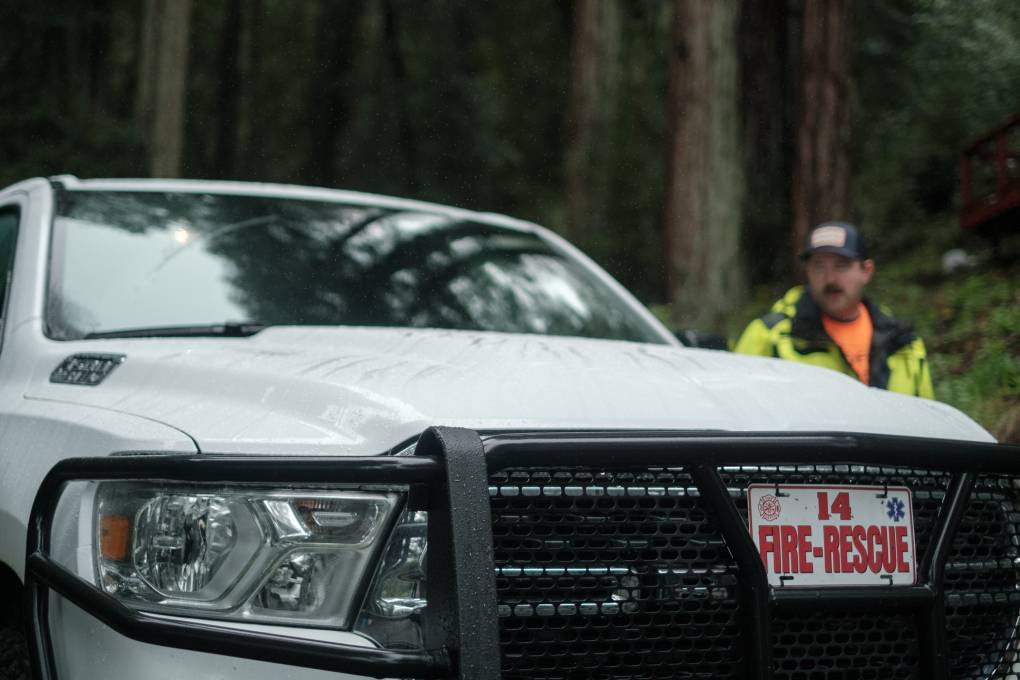
"caption": "Wildfire Services worker Brandon North stands behind his truck during a fire safety assessment in Occidental, Sonoma County, on March 13, 2023.",
"description": null,
"title": "Sonoma_Fire_Assessment007",
"credit": "Isaac Ceja/KQED",
"status": "inherit",
"altTag": "A man in a fluorescent yellow and black jacket with a black cap stands next to a white pickup truck that has a \"Fire Rescue\" sign on the grill.",
"isLoading": false,
"fetchFailed": false
},
"science_1982488": {
"type": "attachments",
"id": "science_1982488",
"meta": {
"index": "attachments_1716263798",
"site": "science",
"id": "1982488",
"found": true
},
"parent": 1982486,
"imgSizes": {
"twentyfourteen-full-width": {
"file": "https://ww2.kqed.org/app/uploads/sites/35/2023/04/GettyImages-1162213575-1038x576.jpg",
"width": 1038,
"mimeType": "image/jpeg",
"height": 576
},
"thumbnail": {
"file": "https://ww2.kqed.org/app/uploads/sites/35/2023/04/GettyImages-1162213575-160x107.jpg",
"width": 160,
"mimeType": "image/jpeg",
"height": 107
},
"post-thumbnail": {
"file": "https://ww2.kqed.org/app/uploads/sites/35/2023/04/GettyImages-1162213575-672x372.jpg",
"width": 672,
"mimeType": "image/jpeg",
"height": 372
},
"kqedFullSize": {
"file": "https://ww2.kqed.org/app/uploads/sites/35/2023/04/GettyImages-1162213575-scaled.jpg",
"width": 2560,
"height": 1707
},
"2048x2048": {
"file": "https://ww2.kqed.org/app/uploads/sites/35/2023/04/GettyImages-1162213575-2048x1365.jpg",
"width": 2048,
"mimeType": "image/jpeg",
"height": 1365
},
"large": {
"file": "https://ww2.kqed.org/app/uploads/sites/35/2023/04/GettyImages-1162213575-1020x680.jpg",
"width": 1020,
"mimeType": "image/jpeg",
"height": 680
},
"1536x1536": {
"file": "https://ww2.kqed.org/app/uploads/sites/35/2023/04/GettyImages-1162213575-1536x1024.jpg",
"width": 1536,
"mimeType": "image/jpeg",
"height": 1024
},
"full-width": {
"file": "https://ww2.kqed.org/app/uploads/sites/35/2023/04/GettyImages-1162213575-1920x1280.jpg",
"width": 1920,
"mimeType": "image/jpeg",
"height": 1280
},
"medium": {
"file": "https://ww2.kqed.org/app/uploads/sites/35/2023/04/GettyImages-1162213575-800x533.jpg",
"width": 800,
"mimeType": "image/jpeg",
"height": 533
},
"medium_large": {
"file": "https://ww2.kqed.org/app/uploads/sites/35/2023/04/GettyImages-1162213575-768x512.jpg",
"width": 768,
"mimeType": "image/jpeg",
"height": 512
}
},
"publishDate": 1682700080,
"modified": 1682726557,
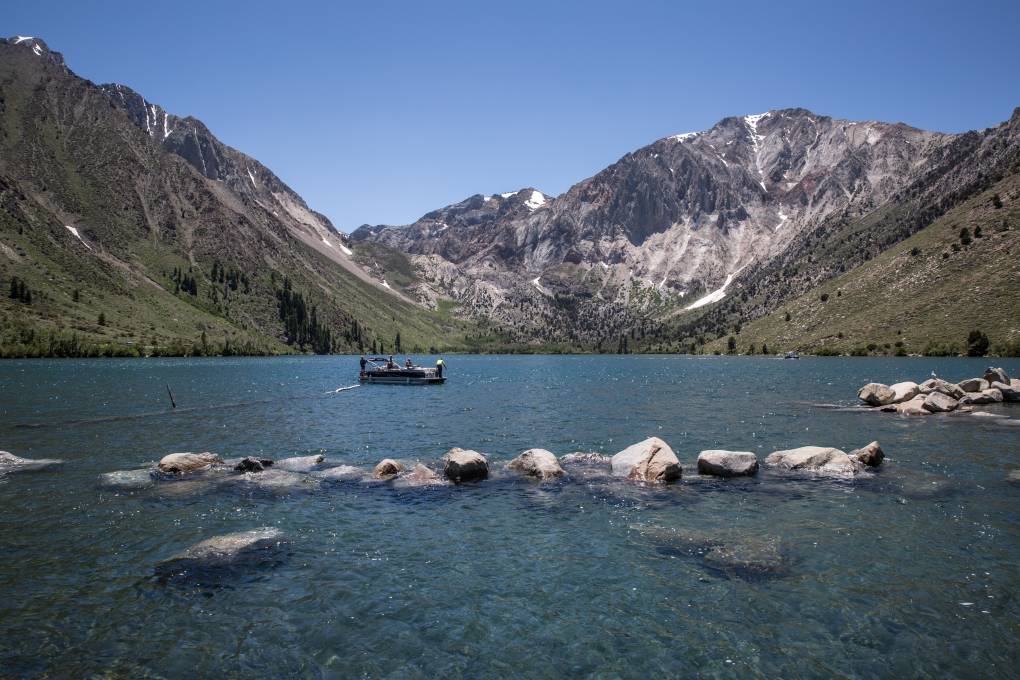
"caption": "Convict Lake is a popular trout-fishing hole near Mammoth Lakes. ",
"description": "A boat floats in the middle of a lake with steep mountains surrounding it.",
"title": "Exploring the Eastern High Sierra Mountain Range",
"credit": "George Rose/Getty Images",
"status": "inherit",
"altTag": "A boat floats in the middle of a lake with steep mountains surrounding it.",
"isLoading": false,
"fetchFailed": false
},
"science_1982200": {
"type": "attachments",
"id": "science_1982200",
"meta": {
"index": "attachments_1716263798",
"site": "science",
"id": "1982200",
"found": true
},
"parent": 1982166,
"imgSizes": {
"twentyfourteen-full-width": {
"file": "https://ww2.kqed.org/app/uploads/sites/35/2023/04/RS33811_camp-fire-traffic-0217-qut-1-1038x576.jpg",
"width": 1038,
"mimeType": "image/jpeg",
"height": 576
},
"thumbnail": {
"file": "https://ww2.kqed.org/app/uploads/sites/35/2023/04/RS33811_camp-fire-traffic-0217-qut-1-160x107.jpg",
"width": 160,
"mimeType": "image/jpeg",
"height": 107
},
"post-thumbnail": {
"file": "https://ww2.kqed.org/app/uploads/sites/35/2023/04/RS33811_camp-fire-traffic-0217-qut-1-672x372.jpg",
"width": 672,
"mimeType": "image/jpeg",
"height": 372
},
"kqedFullSize": {
"file": "https://ww2.kqed.org/app/uploads/sites/35/2023/04/RS33811_camp-fire-traffic-0217-qut-1.jpg",
"width": 1920,
"height": 1280
},
"large": {
"file": "https://ww2.kqed.org/app/uploads/sites/35/2023/04/RS33811_camp-fire-traffic-0217-qut-1-1020x680.jpg",
"width": 1020,
"mimeType": "image/jpeg",
"height": 680
},
"1536x1536": {
"file": "https://ww2.kqed.org/app/uploads/sites/35/2023/04/RS33811_camp-fire-traffic-0217-qut-1-1536x1024.jpg",
"width": 1536,
"mimeType": "image/jpeg",
"height": 1024
},
"medium": {
"file": "https://ww2.kqed.org/app/uploads/sites/35/2023/04/RS33811_camp-fire-traffic-0217-qut-1-800x533.jpg",
"width": 800,
"mimeType": "image/jpeg",
"height": 533
},
"medium_large": {
"file": "https://ww2.kqed.org/app/uploads/sites/35/2023/04/RS33811_camp-fire-traffic-0217-qut-1-768x512.jpg",
"width": 768,
"mimeType": "image/jpeg",
"height": 512
}
},
"publishDate": 1680821667,
"modified": 1680828719,
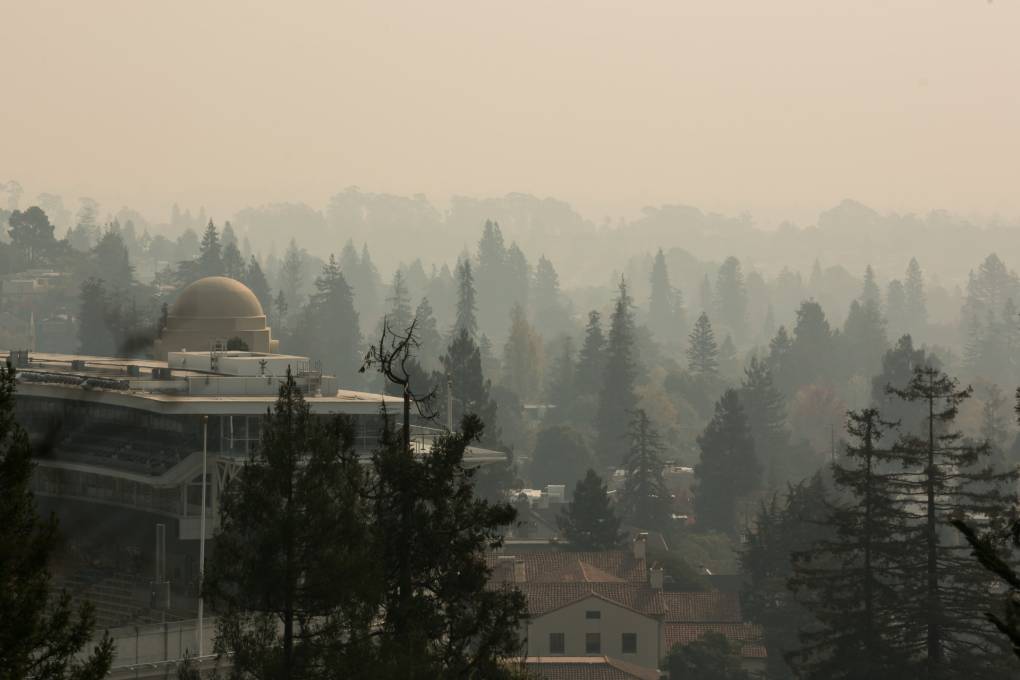
"caption": "The Berkeley Hills filled with smoke from the Butte County fire on Friday Nov. 9, 2018.",
"description": null,
"title": "RS33811_camp-fire-traffic-0217-qut (1)",
"credit": "JP Dobrin/KQED",
"status": "inherit",
"altTag": "Smokey and hazy hillside.",
"isLoading": false,
"fetchFailed": false
},
"science_1980774": {
"type": "attachments",
"id": "science_1980774",
"meta": {
"index": "attachments_1716263798",
"site": "science",
"id": "1980774",
"found": true
},
"parent": 1980766,
"imgSizes": {
"thumbnail": {
"file": "https://ww2.kqed.org/app/uploads/sites/35/2022/11/RS58620_002_KQED_FireFoundryMarin_09152022-sfi-2-160x107.jpeg",
"width": 160,
"mimeType": "image/jpeg",
"height": 107
},
"kqedFullSize": {
"file": "https://ww2.kqed.org/app/uploads/sites/35/2022/11/RS58620_002_KQED_FireFoundryMarin_09152022-sfi-2.jpeg",
"width": 540,
"height": 360
}
},
"publishDate": 1668095577,
"modified": 1668712975,
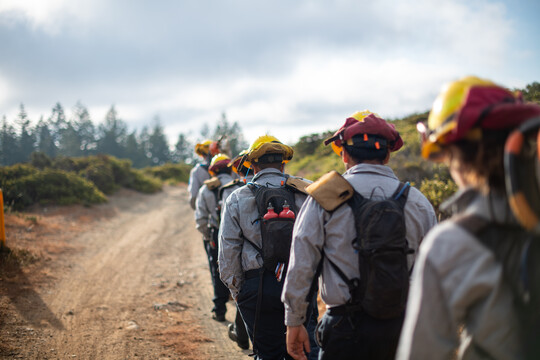
"caption": "The Fire Foundry team on a hike near the Marin County Fire Department in Woodacre on Sept. 15, 2022. ",
"description": null,
"title": "RS58620_002_KQED_FireFoundryMarin_09152022-sfi",
"credit": "Beth LaBerge/KQED",
"status": "inherit",
"altTag": "Men wearing grey shirts, black backpacks, yellow hats walk in a line along a brown fire road.",
"isLoading": false,
"fetchFailed": false
},
"science_1980794": {
"type": "attachments",
"id": "science_1980794",
"meta": {
"index": "attachments_1716263798",
"site": "science",
"id": "1980794",
"found": true
},
"parent": 1980792,
"imgSizes": {
"twentyfourteen-full-width": {
"file": "https://ww2.kqed.org/app/uploads/sites/35/2022/11/RS60159_GettyImages-94155086-qut-1038x576.jpg",
"width": 1038,
"mimeType": "image/jpeg",
"height": 576
},
"thumbnail": {
"file": "https://ww2.kqed.org/app/uploads/sites/35/2022/11/RS60159_GettyImages-94155086-qut-160x107.jpg",
"width": 160,
"mimeType": "image/jpeg",
"height": 107
},
"post-thumbnail": {
"file": "https://ww2.kqed.org/app/uploads/sites/35/2022/11/RS60159_GettyImages-94155086-qut-672x372.jpg",
"width": 672,
"mimeType": "image/jpeg",
"height": 372
},
"kqedFullSize": {
"file": "https://ww2.kqed.org/app/uploads/sites/35/2022/11/RS60159_GettyImages-94155086-qut.jpg",
"width": 1920,
"height": 1280
},
"large": {
"file": "https://ww2.kqed.org/app/uploads/sites/35/2022/11/RS60159_GettyImages-94155086-qut-1020x680.jpg",
"width": 1020,
"mimeType": "image/jpeg",
"height": 680
},
"1536x1536": {
"file": "https://ww2.kqed.org/app/uploads/sites/35/2022/11/RS60159_GettyImages-94155086-qut-1536x1024.jpg",
"width": 1536,
"mimeType": "image/jpeg",
"height": 1024
},
"medium": {
"file": "https://ww2.kqed.org/app/uploads/sites/35/2022/11/RS60159_GettyImages-94155086-qut-800x533.jpg",
"width": 800,
"mimeType": "image/jpeg",
"height": 533
},
"medium_large": {
"file": "https://ww2.kqed.org/app/uploads/sites/35/2022/11/RS60159_GettyImages-94155086-qut-768x512.jpg",
"width": 768,
"mimeType": "image/jpeg",
"height": 512
}
},
"publishDate": 1668579475,
"modified": 1668630661,
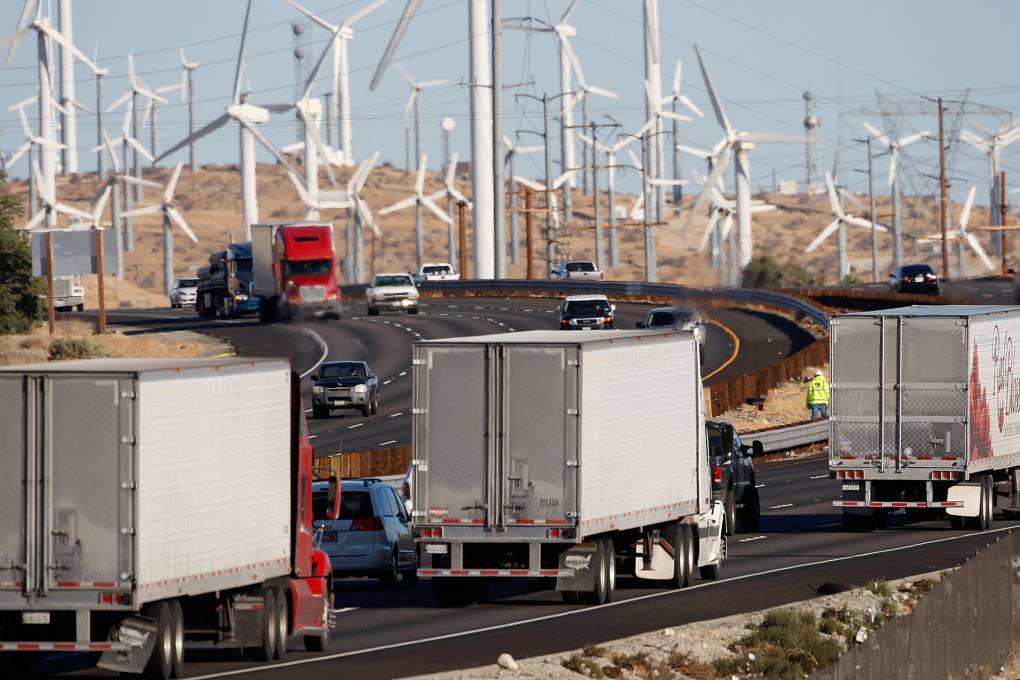
"caption": "Emissions-producing diesel trucks and cars pass non-polluting windmills along the 10 freeway on Dec. 8, 2009, near Banning. ",
"description": null,
"title": "New Climate Report Names Current Decade As Warmest On Record",
"credit": "David McNew/Getty Images",
"status": "inherit",
"altTag": "White wind turbnines in the background of a highway with big red semi-trucks.",
"isLoading": false,
"fetchFailed": false
},
"science_1979850": {
"type": "attachments",
"id": "science_1979850",
"meta": {
"index": "attachments_1716263798",
"site": "science",
"id": "1979850",
"found": true
},
"parent": 1979849,
"imgSizes": {
"twentyfourteen-full-width": {
"file": "https://ww2.kqed.org/app/uploads/sites/35/2022/07/gettyimages-1241848353_slide-0054bfe18b064a873240cfdf22cd059dd3bf93df-1038x576.jpg",
"width": 1038,
"mimeType": "image/jpeg",
"height": 576
},
"thumbnail": {
"file": "https://ww2.kqed.org/app/uploads/sites/35/2022/07/gettyimages-1241848353_slide-0054bfe18b064a873240cfdf22cd059dd3bf93df-160x107.jpg",
"width": 160,
"mimeType": "image/jpeg",
"height": 107
},
"post-thumbnail": {
"file": "https://ww2.kqed.org/app/uploads/sites/35/2022/07/gettyimages-1241848353_slide-0054bfe18b064a873240cfdf22cd059dd3bf93df-672x372.jpg",
"width": 672,
"mimeType": "image/jpeg",
"height": 372
},
"kqedFullSize": {
"file": "https://ww2.kqed.org/app/uploads/sites/35/2022/07/gettyimages-1241848353_slide-0054bfe18b064a873240cfdf22cd059dd3bf93df-scaled.jpg",
"width": 2560,
"height": 1707
},
"2048x2048": {
"file": "https://ww2.kqed.org/app/uploads/sites/35/2022/07/gettyimages-1241848353_slide-0054bfe18b064a873240cfdf22cd059dd3bf93df-2048x1365.jpg",
"width": 2048,
"mimeType": "image/jpeg",
"height": 1365
},
"large": {
"file": "https://ww2.kqed.org/app/uploads/sites/35/2022/07/gettyimages-1241848353_slide-0054bfe18b064a873240cfdf22cd059dd3bf93df-1020x680.jpg",
"width": 1020,
"mimeType": "image/jpeg",
"height": 680
},
"1536x1536": {
"file": "https://ww2.kqed.org/app/uploads/sites/35/2022/07/gettyimages-1241848353_slide-0054bfe18b064a873240cfdf22cd059dd3bf93df-1536x1024.jpg",
"width": 1536,
"mimeType": "image/jpeg",
"height": 1024
},
"full-width": {
"file": "https://ww2.kqed.org/app/uploads/sites/35/2022/07/gettyimages-1241848353_slide-0054bfe18b064a873240cfdf22cd059dd3bf93df-1920x1280.jpg",
"width": 1920,
"mimeType": "image/jpeg",
"height": 1280
},
"medium": {
"file": "https://ww2.kqed.org/app/uploads/sites/35/2022/07/gettyimages-1241848353_slide-0054bfe18b064a873240cfdf22cd059dd3bf93df-800x533.jpg",
"width": 800,
"mimeType": "image/jpeg",
"height": 533
},
"medium_large": {
"file": "https://ww2.kqed.org/app/uploads/sites/35/2022/07/gettyimages-1241848353_slide-0054bfe18b064a873240cfdf22cd059dd3bf93df-768x512.jpg",
"width": 768,
"mimeType": "image/jpeg",
"height": 512
}
},
"publishDate": 1658253232,
"modified": 1658253902,
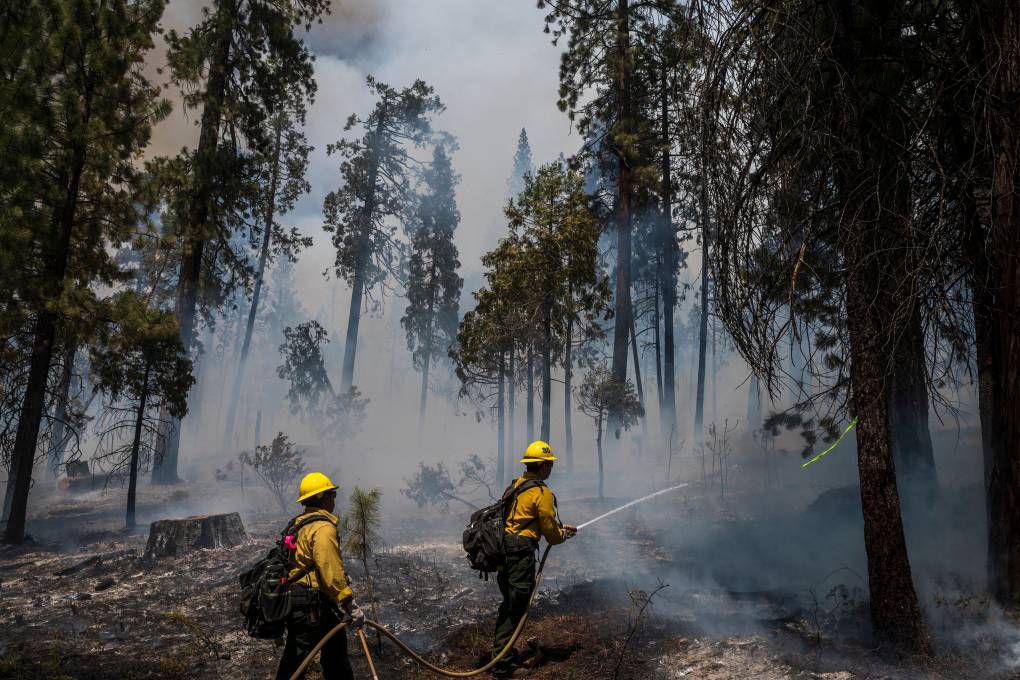
"caption": "TOPSHOT - Firefighters put out hot spots from the Washburn Fire in Yosemite National Park, California, July 11, 2022. - Hundreds of firefighters scrambled Monday to prevent a wildfire engulfing an area of rare giant sequoia trees in California's Yosemite National Park.\nThe Washburn fire, in the Mariposa Grove of giant sequoias, was first reported on July 7 and doubled in size over the weekend to 2,340 acres (946 hectares), according to a park report.\nYosemite's fire management service said 545 firefighters were battling the blaze, including \"proactively protecting\" the grove -- the largest sequoia grove in Yosemite, with over 500 mature trees. ",
"description": "TOPSHOT - Firefighters put out hot spots from the Washburn Fire in Yosemite National Park, California, July 11, 2022. - Hundreds of firefighters scrambled Monday to prevent a wildfire engulfing an area of rare giant sequoia trees in California's Yosemite National Park.\nThe Washburn fire, in the Mariposa Grove of giant sequoias, was first reported on July 7 and doubled in size over the weekend to 2,340 acres (946 hectares), according to a park report.\nYosemite's fire management service said 545 firefighters were battling the blaze, including \"proactively protecting\" the grove -- the largest sequoia grove in Yosemite, with over 500 mature trees. ",
"title": "Firefighters put out hot spots from the Washburn Fire in Yosemite National Park, Calif., on July 11.",
"credit": "NIC COURY/AFP via Getty Images",
"status": "inherit",
"altTag": "TOPSHOT - Firefighters put out hot spots from the Washburn Fire in Yosemite National Park, California, July 11, 2022. - Hundreds of firefighters scrambled Monday to prevent a wildfire engulfing an area of rare giant sequoia trees in California's Yosemite National Park. The Washburn fire, in the Mariposa Grove of giant sequoias, was first reported on July 7 and doubled in size over the weekend to 2,340 acres (946 hectares), according to a park report. Yosemite's fire management service said 545 firefighters were battling the blaze, including \"proactively protecting\" the grove -- the largest sequoia grove in Yosemite, with over 500 mature trees.",
"isLoading": false,
"fetchFailed": false
},
"science_1979564": {
"type": "attachments",
"id": "science_1979564",
"meta": {
"index": "attachments_1716263798",
"site": "science",
"id": "1979564",
"found": true
},
"parent": 1979560,
"imgSizes": {
"twentyfourteen-full-width": {
"file": "https://ww2.kqed.org/app/uploads/sites/35/2022/06/RS56647_DSCF7611-qut-1038x576.jpg",
"width": 1038,
"mimeType": "image/jpeg",
"height": 576
},
"thumbnail": {
"file": "https://ww2.kqed.org/app/uploads/sites/35/2022/06/RS56647_DSCF7611-qut-160x107.jpg",
"width": 160,
"mimeType": "image/jpeg",
"height": 107
},
"post-thumbnail": {
"file": "https://ww2.kqed.org/app/uploads/sites/35/2022/06/RS56647_DSCF7611-qut-672x372.jpg",
"width": 672,
"mimeType": "image/jpeg",
"height": 372
},
"kqedFullSize": {
"file": "https://ww2.kqed.org/app/uploads/sites/35/2022/06/RS56647_DSCF7611-qut.jpg",
"width": 1920,
"height": 1280
},
"large": {
"file": "https://ww2.kqed.org/app/uploads/sites/35/2022/06/RS56647_DSCF7611-qut-1020x680.jpg",
"width": 1020,
"mimeType": "image/jpeg",
"height": 680
},
"1536x1536": {
"file": "https://ww2.kqed.org/app/uploads/sites/35/2022/06/RS56647_DSCF7611-qut-1536x1024.jpg",
"width": 1536,
"mimeType": "image/jpeg",
"height": 1024
},
"medium": {
"file": "https://ww2.kqed.org/app/uploads/sites/35/2022/06/RS56647_DSCF7611-qut-800x533.jpg",
"width": 800,
"mimeType": "image/jpeg",
"height": 533
},
"medium_large": {
"file": "https://ww2.kqed.org/app/uploads/sites/35/2022/06/RS56647_DSCF7611-qut-768x512.jpg",
"width": 768,
"mimeType": "image/jpeg",
"height": 512
}
},
"publishDate": 1655751114,
"modified": 1655751810,
"caption": "Cal Fire is struggling to focus on fire mitigation while also protecting communities from historic wildfires. ",
"description": null,
"title": "RS56647_DSCF7611-qut",
"credit": "The California Newsroom",
"status": "inherit",
"altTag": null,
"isLoading": false,
"fetchFailed": false
},
"science_1979352": {
"type": "attachments",
"id": "science_1979352",
"meta": {
"index": "attachments_1716263798",
"site": "science",
"id": "1979352",
"found": true
},
"title": "Wildfires are causing billions in damage every year and yet many homebuyers have little idea whether their house is at risk.",
"publishDate": 1652719879,
"status": "inherit",
"parent": 1979351,
"modified": 1747245275,
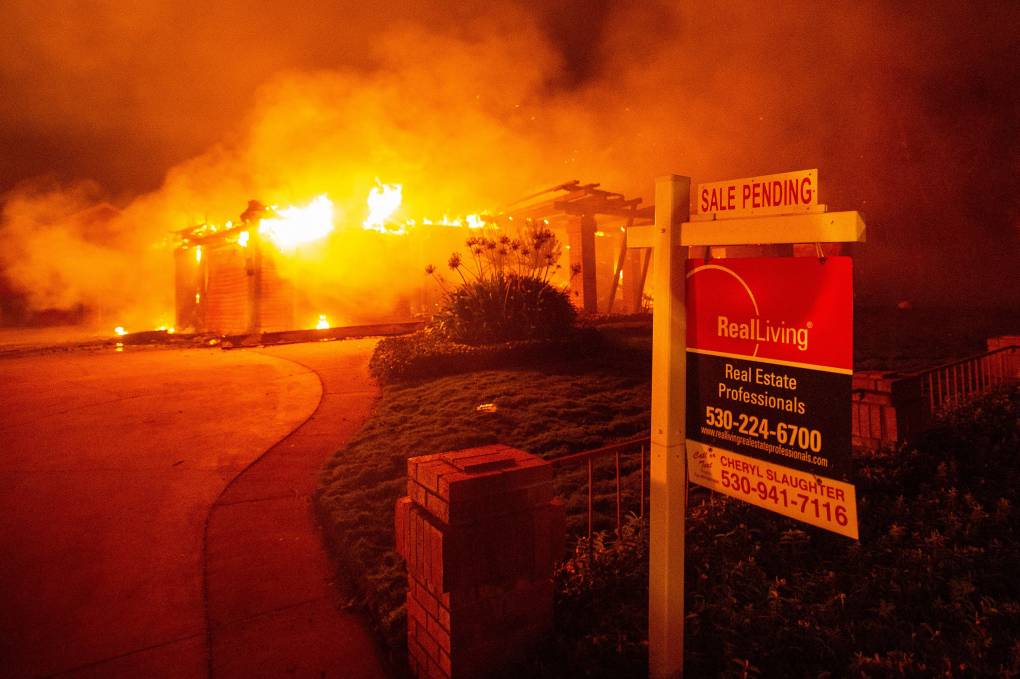
"caption": "A real estate sign is seen in front of a burning home during the Carr fire in Redding, California, on July 27, 2018. ",
"credit": "Josh Edelson/AFP via Getty Images",
"altTag": "A photo taken at night that is mostly orange. A real estate sign hangs on a white post in front of the lush lawn of a burning home. The sign says \"Sale Pending.\" In the background, a house is encased in fire, with bright flames and smoke, lit orange by the fire, billowing all around it.",
"description": "A real estate sign is seen in front of a burning home during the Carr fire in Redding, California on July 27, 2018. - One firefighter has died and at least two others have been injured as wind-whipped flames tore through the region. ",
"imgSizes": {
"medium": {
"file": "https://cdn.kqed.org/wp-content/uploads/sites/35/2022/05/gettyimages-1005970176_custom-e3718a4d74a19b50e920101d606d921a359a5879-800x533.jpg",
"width": 800,
"height": 533,
"mimeType": "image/jpeg"
},
"large": {
"file": "https://cdn.kqed.org/wp-content/uploads/sites/35/2022/05/gettyimages-1005970176_custom-e3718a4d74a19b50e920101d606d921a359a5879-1020x679.jpg",
"width": 1020,
"height": 679,
"mimeType": "image/jpeg"
},
"thumbnail": {
"file": "https://cdn.kqed.org/wp-content/uploads/sites/35/2022/05/gettyimages-1005970176_custom-e3718a4d74a19b50e920101d606d921a359a5879-160x107.jpg",
"width": 160,
"height": 107,
"mimeType": "image/jpeg"
},
"medium_large": {
"file": "https://cdn.kqed.org/wp-content/uploads/sites/35/2022/05/gettyimages-1005970176_custom-e3718a4d74a19b50e920101d606d921a359a5879-768x511.jpg",
"width": 768,
"height": 511,
"mimeType": "image/jpeg"
},
"1536x1536": {
"file": "https://cdn.kqed.org/wp-content/uploads/sites/35/2022/05/gettyimages-1005970176_custom-e3718a4d74a19b50e920101d606d921a359a5879-1536x1023.jpg",
"width": 1536,
"height": 1023,
"mimeType": "image/jpeg"
},
"2048x2048": {
"file": "https://cdn.kqed.org/wp-content/uploads/sites/35/2022/05/gettyimages-1005970176_custom-e3718a4d74a19b50e920101d606d921a359a5879-2048x1364.jpg",
"width": 2048,
"height": 1364,
"mimeType": "image/jpeg"
},
"post-thumbnail": {
"file": "https://cdn.kqed.org/wp-content/uploads/sites/35/2022/05/gettyimages-1005970176_custom-e3718a4d74a19b50e920101d606d921a359a5879-672x372.jpg",
"width": 672,
"height": 372,
"mimeType": "image/jpeg"
},
"twentyfourteen-full-width": {
"file": "https://cdn.kqed.org/wp-content/uploads/sites/35/2022/05/gettyimages-1005970176_custom-e3718a4d74a19b50e920101d606d921a359a5879-1038x576.jpg",
"width": 1038,
"height": 576,
"mimeType": "image/jpeg"
},
"full-width": {
"file": "https://cdn.kqed.org/wp-content/uploads/sites/35/2022/05/gettyimages-1005970176_custom-e3718a4d74a19b50e920101d606d921a359a5879-1920x1279.jpg",
"width": 1920,
"height": 1279,
"mimeType": "image/jpeg"
},
"kqedFullSize": {
"file": "https://cdn.kqed.org/wp-content/uploads/sites/35/2022/05/gettyimages-1005970176_custom-e3718a4d74a19b50e920101d606d921a359a5879-scaled.jpg",
"width": 2560,
"height": 1705
}
},
"isLoading": false,
"fetchFailed": false
},
"science_1979164": {
"type": "attachments",
"id": "science_1979164",
"meta": {
"index": "attachments_1716263798",
"site": "science",
"id": "1979164",
"found": true
},
"parent": 0,
"imgSizes": {
"twentyfourteen-full-width": {
"file": "https://ww2.kqed.org/app/uploads/sites/35/2022/04/Brooktrails3-1038x576.jpg",
"width": 1038,
"mimeType": "image/jpeg",
"height": 576
},
"thumbnail": {
"file": "https://ww2.kqed.org/app/uploads/sites/35/2022/04/Brooktrails3-160x107.jpg",
"width": 160,
"mimeType": "image/jpeg",
"height": 107
},
"post-thumbnail": {
"file": "https://ww2.kqed.org/app/uploads/sites/35/2022/04/Brooktrails3-672x372.jpg",
"width": 672,
"mimeType": "image/jpeg",
"height": 372
},
"kqedFullSize": {
"file": "https://ww2.kqed.org/app/uploads/sites/35/2022/04/Brooktrails3.jpg",
"width": 1344,
"height": 896
},
"large": {
"file": "https://ww2.kqed.org/app/uploads/sites/35/2022/04/Brooktrails3-1020x680.jpg",
"width": 1020,
"mimeType": "image/jpeg",
"height": 680
},
"medium": {
"file": "https://ww2.kqed.org/app/uploads/sites/35/2022/04/Brooktrails3-800x533.jpg",
"width": 800,
"mimeType": "image/jpeg",
"height": 533
},
"medium_large": {
"file": "https://ww2.kqed.org/app/uploads/sites/35/2022/04/Brooktrails3-768x512.jpg",
"width": 768,
"mimeType": "image/jpeg",
"height": 512
}
},
"publishDate": 1649711400,
"modified": 1649785260,
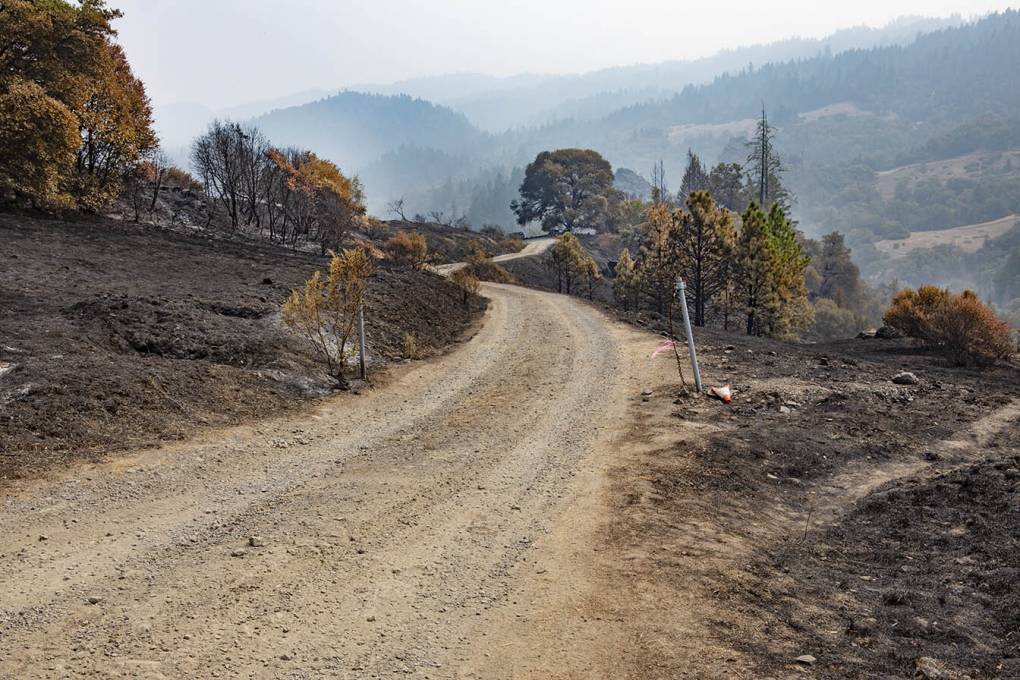
"caption": "Sky View Road, near the epicenter of the Oak Fire, which destroyed 56 structures in Mendocino County, as seen on Sept. 15, 2020. ",
"description": "Sky View Road, near the epicenter of the Oak Fire, which destroyed 56 structures in Mendocino County, as seen on September 15, 2020. ",
"title": "controlled burn, wildfires",
"credit": "Mathew Caine/Willits Weekly",
"status": "inherit",
"altTag": "A dirt road curves from the lower left to the center of the image and around a bend. On either side of the road, the soil is blackened. Some nearby trees are burnt, while others have golden fall leaves. In the distance are dark green forested hillsides, shrouded in white smoke..",
"isLoading": false,
"fetchFailed": false
},
"science_1978966": {
"type": "attachments",
"id": "science_1978966",
"meta": {
"index": "attachments_1716263798",
"site": "science",
"id": "1978966",
"found": true
},
"parent": 1978941,
"imgSizes": {
"twentyfourteen-full-width": {
"file": "https://ww2.kqed.org/app/uploads/sites/35/2022/03/RS54932_GettyImages-1059658744-qut-1038x576.jpg",
"width": 1038,
"mimeType": "image/jpeg",
"height": 576
},
"thumbnail": {
"file": "https://ww2.kqed.org/app/uploads/sites/35/2022/03/RS54932_GettyImages-1059658744-qut-160x105.jpg",
"width": 160,
"mimeType": "image/jpeg",
"height": 105
},
"post-thumbnail": {
"file": "https://ww2.kqed.org/app/uploads/sites/35/2022/03/RS54932_GettyImages-1059658744-qut-672x372.jpg",
"width": 672,
"mimeType": "image/jpeg",
"height": 372
},
"kqedFullSize": {
"file": "https://ww2.kqed.org/app/uploads/sites/35/2022/03/RS54932_GettyImages-1059658744-qut.jpg",
"width": 1920,
"height": 1262
},
"large": {
"file": "https://ww2.kqed.org/app/uploads/sites/35/2022/03/RS54932_GettyImages-1059658744-qut-1020x670.jpg",
"width": 1020,
"mimeType": "image/jpeg",
"height": 670
},
"1536x1536": {
"file": "https://ww2.kqed.org/app/uploads/sites/35/2022/03/RS54932_GettyImages-1059658744-qut-1536x1010.jpg",
"width": 1536,
"mimeType": "image/jpeg",
"height": 1010
},
"medium": {
"file": "https://ww2.kqed.org/app/uploads/sites/35/2022/03/RS54932_GettyImages-1059658744-qut-800x526.jpg",
"width": 800,
"mimeType": "image/jpeg",
"height": 526
},
"medium_large": {
"file": "https://ww2.kqed.org/app/uploads/sites/35/2022/03/RS54932_GettyImages-1059658744-qut-768x505.jpg",
"width": 768,
"mimeType": "image/jpeg",
"height": 505
}
},
"publishDate": 1648772257,
"modified": 1649119157,
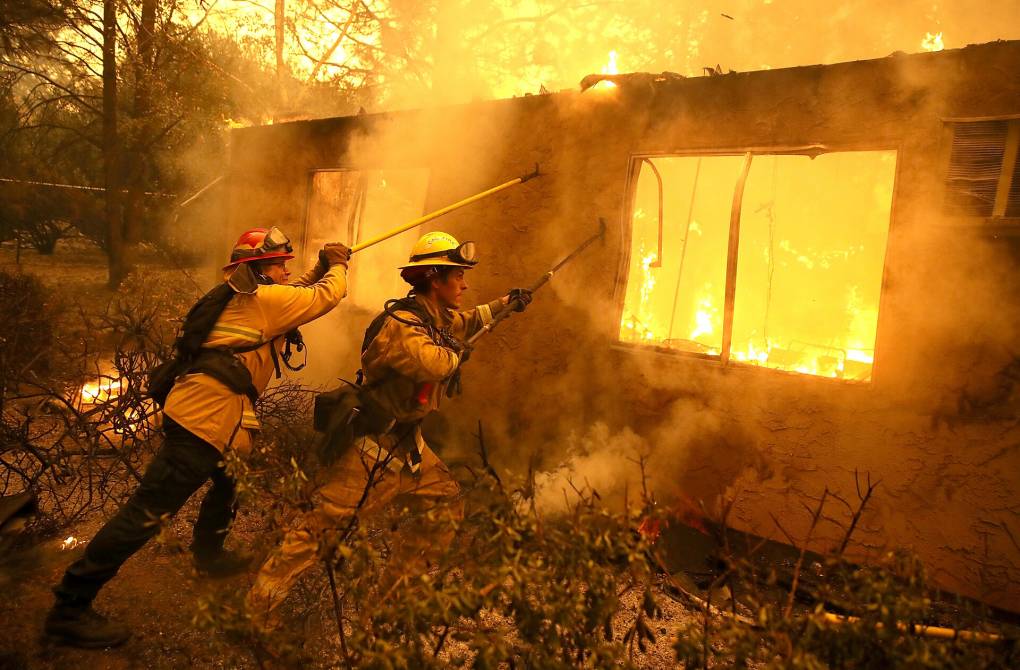
"caption": "Firefighters try to keep flames from a burning home from spreading to a neighboring apartment complex as they battle the Camp Fire on November 9, 2018, in Paradise. ",
"description": "Firefighters try to keep flames from burning home from spreading to a neighboring apartment complex as they battle the Camp Fire on November 9, 2018 in Paradise. ",
"title": "Wildfire Paradise",
"credit": "Justin Sullivan/Getty Images",
"status": "inherit",
"altTag": "Two firefighters use long-handled tools to push against the wall of a burning home. Their wide-legged stance shows the back leg pressing against the ground and the front knee bent to hold the stance. Through the window of the wall the fire burns white-hot, washing the trees behind in a yellow glaze.",
"isLoading": false,
"fetchFailed": false
},
"science_1978440": {
"type": "attachments",
"id": "science_1978440",
"meta": {
"index": "attachments_1716263798",
"site": "science",
"id": "1978440",
"found": true
},
"parent": 1978439,
"imgSizes": {
"twentyfourteen-full-width": {
"file": "https://ww2.kqed.org/app/uploads/sites/35/2022/02/Paloma-Reyes-1038x576.jpg",
"width": 1038,
"mimeType": "image/jpeg",
"height": 576
},
"thumbnail": {
"file": "https://ww2.kqed.org/app/uploads/sites/35/2022/02/Paloma-Reyes-160x120.jpg",
"width": 160,
"mimeType": "image/jpeg",
"height": 120
},
"post-thumbnail": {
"file": "https://ww2.kqed.org/app/uploads/sites/35/2022/02/Paloma-Reyes-672x372.jpg",
"width": 672,
"mimeType": "image/jpeg",
"height": 372
},
"kqedFullSize": {
"file": "https://ww2.kqed.org/app/uploads/sites/35/2022/02/Paloma-Reyes-scaled.jpg",
"width": 2560,
"height": 1921
},
"2048x2048": {
"file": "https://ww2.kqed.org/app/uploads/sites/35/2022/02/Paloma-Reyes-2048x1537.jpg",
"width": 2048,
"mimeType": "image/jpeg",
"height": 1537
},
"large": {
"file": "https://ww2.kqed.org/app/uploads/sites/35/2022/02/Paloma-Reyes-1020x765.jpg",
"width": 1020,
"mimeType": "image/jpeg",
"height": 765
},
"1536x1536": {
"file": "https://ww2.kqed.org/app/uploads/sites/35/2022/02/Paloma-Reyes-1536x1153.jpg",
"width": 1536,
"mimeType": "image/jpeg",
"height": 1153
},
"full-width": {
"file": "https://ww2.kqed.org/app/uploads/sites/35/2022/02/Paloma-Reyes-1920x1441.jpg",
"width": 1920,
"mimeType": "image/jpeg",
"height": 1441
},
"medium": {
"file": "https://ww2.kqed.org/app/uploads/sites/35/2022/02/Paloma-Reyes-800x600.jpg",
"width": 800,
"mimeType": "image/jpeg",
"height": 600
},
"medium_large": {
"file": "https://ww2.kqed.org/app/uploads/sites/35/2022/02/Paloma-Reyes-768x576.jpg",
"width": 768,
"mimeType": "image/jpeg",
"height": 576
}
},
"publishDate": 1644453657,
"modified": 1644523056,
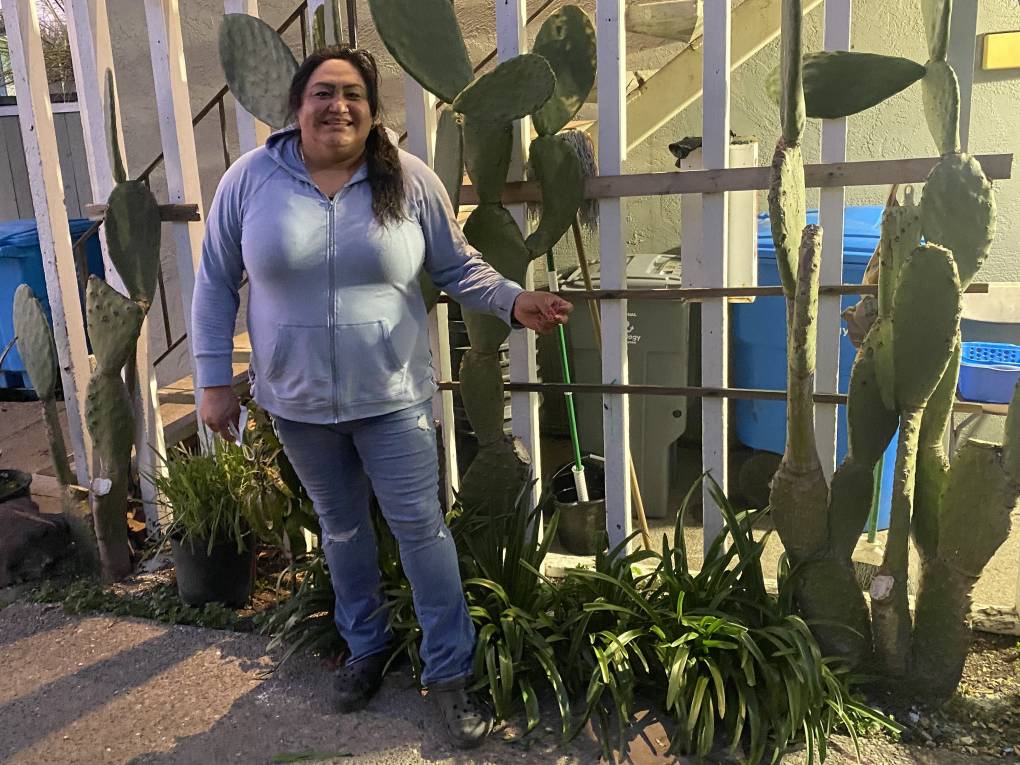
"caption": "Paloma Reyes, a trans woman and farmworker based in Santa Rosa, helps run a group that advocates for trans farmworkers. ",
"description": "Paloma Reyes, a trans woman and farmworker based in Santa Rosa, helps run a group that advocates for trans farmworkers. ",
"title": "Paloma Reyes",
"credit": "Ezra David Romero/KQED",
"status": "inherit",
"altTag": "A smiling Mexican woman wearing blue jeans and a light blue hoodie stands smiling in front of the two story apartment building where she lives. Tall cactus plants hug the fence behind her.",
"isLoading": false,
"fetchFailed": false
},
"science_1978095": {
"type": "attachments",
"id": "science_1978095",
"meta": {
"index": "attachments_1716263798",
"site": "science",
"id": "1978095",
"found": true
},
"parent": 1978094,
"imgSizes": {
"twentyfourteen-full-width": {
"file": "https://ww2.kqed.org/app/uploads/sites/35/2021/12/MountainLion_19077N_2016_0110-1038x576.jpg",
"width": 1038,
"mimeType": "image/jpeg",
"height": 576
},
"thumbnail": {
"file": "https://ww2.kqed.org/app/uploads/sites/35/2021/12/MountainLion_19077N_2016_0110-160x120.jpg",
"width": 160,
"mimeType": "image/jpeg",
"height": 120
},
"post-thumbnail": {
"file": "https://ww2.kqed.org/app/uploads/sites/35/2021/12/MountainLion_19077N_2016_0110-672x372.jpg",
"width": 672,
"mimeType": "image/jpeg",
"height": 372
},
"kqedFullSize": {
"file": "https://ww2.kqed.org/app/uploads/sites/35/2021/12/MountainLion_19077N_2016_0110.jpg",
"width": 2048,
"height": 1536
},
"large": {
"file": "https://ww2.kqed.org/app/uploads/sites/35/2021/12/MountainLion_19077N_2016_0110-1020x765.jpg",
"width": 1020,
"mimeType": "image/jpeg",
"height": 765
},
"1536x1536": {
"file": "https://ww2.kqed.org/app/uploads/sites/35/2021/12/MountainLion_19077N_2016_0110-1536x1152.jpg",
"width": 1536,
"mimeType": "image/jpeg",
"height": 1152
},
"full-width": {
"file": "https://ww2.kqed.org/app/uploads/sites/35/2021/12/MountainLion_19077N_2016_0110-1920x1440.jpg",
"width": 1920,
"mimeType": "image/jpeg",
"height": 1440
},
"medium": {
"file": "https://ww2.kqed.org/app/uploads/sites/35/2021/12/MountainLion_19077N_2016_0110-800x600.jpg",
"width": 800,
"mimeType": "image/jpeg",
"height": 600
},
"medium_large": {
"file": "https://ww2.kqed.org/app/uploads/sites/35/2021/12/MountainLion_19077N_2016_0110-768x576.jpg",
"width": 768,
"mimeType": "image/jpeg",
"height": 576
}
},
"publishDate": 1640303808,
"modified": 1641254982,
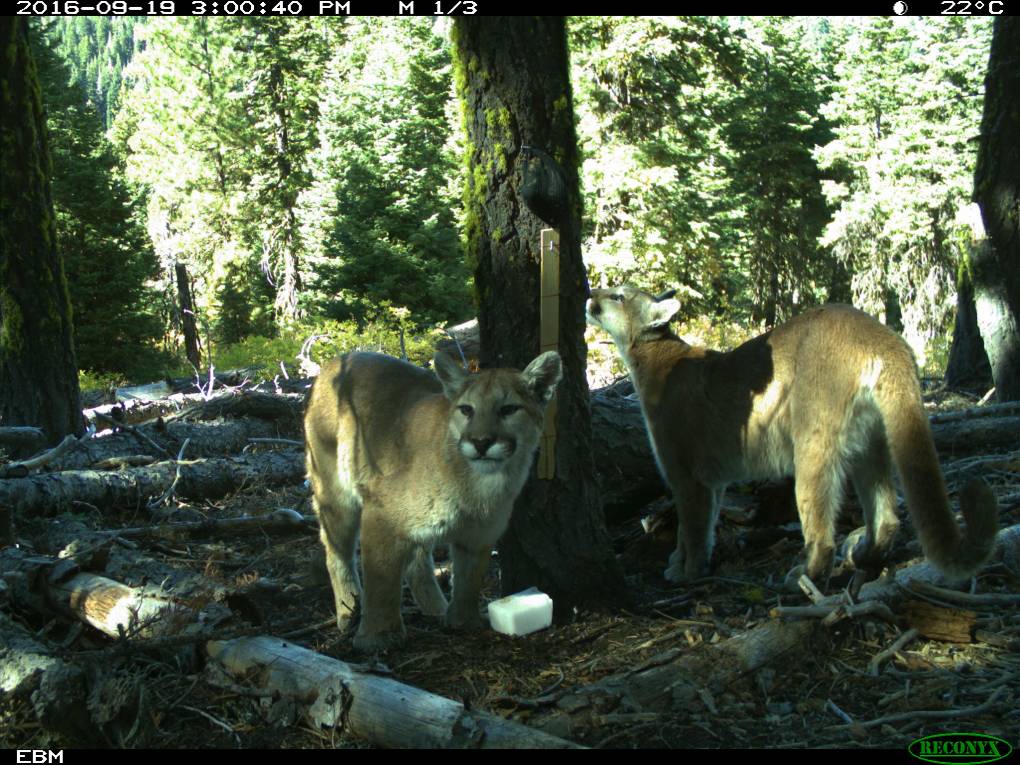
"caption": "Two mountain lions, likely a mother and her cub, inspect the site of a camera trap set by the California Department of Fish and Wildlife. ",
"description": "Two mountain lions stand under the shade of forest. ",
"title": "MountainLion_19077N_2016_0110",
"credit": "California Department of Fish and Wildlife",
"status": "inherit",
"altTag": "Forest carnivores return after wildfires",
"isLoading": false,
"fetchFailed": false
}
},
"audioPlayerReducer": {
"postId": "stream_live",
"isPaused": true,
"isPlaying": false,
"pfsActive": false,
"pledgeModalIsOpen": true,
"playerDrawerIsOpen": false,
"liveAudioPlayStartedAt": 0,
"liveAudioPlayContext": ""
},
"authorsReducer": {
"byline_science_1982594": {
"type": "authors",
"id": "byline_science_1982594",
"meta": {
"override": true
},
"slug": "byline_science_1982594",
"name": "\u003ca href=\"https://journalism.berkeley.edu/person/kate_raphael/\">Kate Raphael\u003c/a>",
"isLoading": false
},
"byline_science_1979849": {
"type": "authors",
"id": "byline_science_1979849",
"meta": {
"override": true
},
"slug": "byline_science_1979849",
"name": "Eric Westervelt \u003cbr>NPR",
"isLoading": false
},
"byline_science_1979560": {
"type": "authors",
"id": "byline_science_1979560",
"meta": {
"override": true
},
"slug": "byline_science_1979560",
"name": "Scott Rodd (CapRadio) and Danielle Venton (KQED)",
"isLoading": false
},
"byline_science_1979351": {
"type": "authors",
"id": "byline_science_1979351",
"meta": {
"override": true
},
"slug": "byline_science_1979351",
"name": "Lauren Sommer\u003cbr> NPR",
"isLoading": false
},
"byline_science_1979155": {
"type": "authors",
"id": "byline_science_1979155",
"meta": {
"override": true
},
"slug": "byline_science_1979155",
"name": "Scott Rodd, CapRadio",
"isLoading": false
},
"byline_science_1978941": {
"type": "authors",
"id": "byline_science_1978941",
"meta": {
"override": true
},
"slug": "byline_science_1978941",
"name": "Liza Gross, Inside Climate News",
"isLoading": false
},
"dventon": {
"type": "authors",
"id": "11088",
"meta": {
"index": "authors_1716337520",
"id": "11088",
"found": true
},
"name": "Danielle Venton",
"firstName": "Danielle",
"lastName": "Venton",
"slug": "dventon",
"email": "dventon@kqed.org",
"display_author_email": true,
"staff_mastheads": [
"science"
],
"title": "Science reporter",
"bio": "Danielle Venton is a reporter for KQED Science. She covers wildfires, space and oceans (though she is prone to sea sickness).\r\n\r\nBefore joining KQED in 2015, Danielle was a staff reporter at KRCB in Sonoma County and a freelancer. She studied science communication at UC Santa Cruz and formerly worked at CERN in Geneva, Switzerland where she wrote about computing. She lives in Sonoma County and enjoys backpacking.",
"avatar": "https://secure.gravatar.com/avatar/37b292b5c40c8d93959c4f48d73b5286f41b7abd8588277e941905a3ed4c801c?s=600&d=blank&r=g",
"twitter": "DanielleVenton",
"bluesky": null,
"facebook": null,
"instagram": null,
"linkedin": null,
"sites": [
{
"site": "arts",
"roles": [
"contributor"
]
},
{
"site": "news",
"roles": [
"editor"
]
},
{
"site": "futureofyou",
"roles": [
"editor"
]
},
{
"site": "science",
"roles": [
"editor"
]
},
{
"site": "liveblog",
"roles": [
"contributor"
]
}
],
"headData": {
"title": "Danielle Venton | KQED",
"description": "Science reporter",
"ogImgSrc": "https://secure.gravatar.com/avatar/37b292b5c40c8d93959c4f48d73b5286f41b7abd8588277e941905a3ed4c801c?s=600&d=blank&r=g",
"twImgSrc": "https://secure.gravatar.com/avatar/37b292b5c40c8d93959c4f48d73b5286f41b7abd8588277e941905a3ed4c801c?s=600&d=blank&r=g"
},
"isLoading": false,
"link": "/author/dventon"
},
"kevinstark": {
"type": "authors",
"id": "11608",
"meta": {
"index": "authors_1716337520",
"id": "11608",
"found": true
},
"name": "Kevin Stark",
"firstName": "Kevin",
"lastName": "Stark",
"slug": "kevinstark",
"email": "kstark@kqed.org",
"display_author_email": true,
"staff_mastheads": [
"science"
],
"title": "Senior Editor",
"bio": "Kevin is a senior editor for KQED Science, managing the station's health and climate desks. His journalism career began in the Pacific Northwest, and he later became a lead reporter for the San Francisco Public Press. His work has appeared in Pacific Standard magazine, the Energy News Network, the Center for Investigative Reporting's Reveal and WBEZ in Chicago. Kevin joined KQED in 2019, and has covered issues related to energy, wildfire, climate change and the environment.",
"avatar": "https://secure.gravatar.com/avatar/365aaa4b597d3a8374f67504ff0facd323d7906e8eb4be0a7efd2427408e802c?s=600&d=blank&r=g",
"twitter": "starkkev",
"bluesky": null,
"facebook": null,
"instagram": null,
"linkedin": null,
"sites": [
{
"site": "",
"roles": [
"editor"
]
},
{
"site": "news",
"roles": [
"editor"
]
},
{
"site": "science",
"roles": [
"administrator"
]
}
],
"headData": {
"title": "Kevin Stark | KQED",
"description": "Senior Editor",
"ogImgSrc": "https://secure.gravatar.com/avatar/365aaa4b597d3a8374f67504ff0facd323d7906e8eb4be0a7efd2427408e802c?s=600&d=blank&r=g",
"twImgSrc": "https://secure.gravatar.com/avatar/365aaa4b597d3a8374f67504ff0facd323d7906e8eb4be0a7efd2427408e802c?s=600&d=blank&r=g"
},
"isLoading": false,
"link": "/author/kevinstark"
},
"eromero": {
"type": "authors",
"id": "11746",
"meta": {
"index": "authors_1716337520",
"id": "11746",
"found": true
},
"name": "Ezra David Romero",
"firstName": "Ezra David",
"lastName": "Romero",
"slug": "eromero",
"email": "eromero@kqed.org",
"display_author_email": true,
"staff_mastheads": [
"news",
"science"
],
"title": "Climate Reporter",
"bio": "Ezra David Romero is a climate reporter for KQED News. He covers the absence and excess of water in the Bay Area — think sea level rise, flooding and drought. For nearly a decade he’s covered how warming temperatures are altering the lives of Californians. He’s reported on farmers worried their pistachio trees aren’t getting enough sleep, families desperate for water, scientists studying dying giant sequoias, and alongside firefighters containing wildfires. His work has appeared on local stations across California and nationally on public radio shows like Morning Edition, Here and Now, All Things Considered and Science Friday. ",
"avatar": "https://secure.gravatar.com/avatar/c76404d287c10ed40224227551ac36e24352c7306f106632caf6fead76f8801f?s=600&d=blank&r=g",
"twitter": "ezraromero",
"bluesky": null,
"facebook": null,
"instagram": null,
"linkedin": null,
"sites": [
{
"site": "arts",
"roles": [
"editor"
]
},
{
"site": "news",
"roles": [
"editor"
]
},
{
"site": "science",
"roles": [
"editor"
]
},
{
"site": "liveblog",
"roles": [
"author"
]
}
],
"headData": {
"title": "Ezra David Romero | KQED",
"description": "Climate Reporter",
"ogImgSrc": "https://secure.gravatar.com/avatar/c76404d287c10ed40224227551ac36e24352c7306f106632caf6fead76f8801f?s=600&d=blank&r=g",
"twImgSrc": "https://secure.gravatar.com/avatar/c76404d287c10ed40224227551ac36e24352c7306f106632caf6fead76f8801f?s=600&d=blank&r=g"
},
"isLoading": false,
"link": "/author/eromero"
}
},
"pagesReducer": {
"science_category_wildfires": {
"type": "terms",
"id": "science_3730",
"meta": {
"index": "terms_1716263798",
"site": "science",
"id": "3730",
"score": 12.461002
},
"featImg": null,
"name": "Wildfires",
"description": null,
"taxonomy": "category",
"headData": {
"twImgId": null,
"twTitle": null,
"ogTitle": null,
"ogImgId": null,
"twDescription": null,
"description": null,
"title": "Wildfires Archives | KQED Science",
"ogDescription": null
},
"ttid": 3730,
"slug": "wildfires",
"isLoading": false,
"title": "Wildfires",
"pageMeta": {
"site": "science",
"WpPageTemplate": "page-topic-editorial",
"currentPage": 4
},
"blocks": [
{
"blockName": "kqed/post-list",
"attrs": {
"layout": "cardArticle2",
"query": "posts/science?category=wildfires",
"seeMore": false,
"paginated": true,
"page": 4
}
},
{
"blockName": "kqed/ad"
}
]
}
},
"pfsSessionReducer": {},
"postsReducer": {
"stream_live": {
"type": "live",
"id": "stream_live",
"audioUrl": "https://streams.kqed.org/kqedradio",
"title": "Live Stream",
"excerpt": "Live Stream information currently unavailable.",
"link": "/radio",
"featImg": "",
"label": {
"name": "KQED Live",
"link": "/"
}
},
"stream_kqedNewscast": {
"type": "posts",
"id": "stream_kqedNewscast",
"audioUrl": "https://www.kqed.org/.stream/anon/radio/RDnews/newscast.mp3?_=1",
"title": "KQED Newscast",
"featImg": "",
"label": {
"name": "88.5 FM",
"link": "/"
}
},
"science_1982594": {
"type": "posts",
"id": "science_1982594",
"meta": {
"index": "posts_1716263798",
"site": "science",
"id": "1982594",
"score": null,
"sort": [
1683646533000
]
},
"parent": 0,
"labelTerm": {
"site": "science"
},
"blocks": [],
"publishDate": 1683646533,
"format": "standard",
"title": "Older Adults in Sonoma County to Get Fire-Safety Home Retrofits — for Free",
"headTitle": "Older Adults in Sonoma County to Get Fire-Safety Home Retrofits — for Free | KQED",
"content": "\u003cp>In August 2020, the Walbridge Fire was spreading dangerously close to Franceen Levy’s home in Monte Rio, a town nestled in a bend of Sonoma County’s Russian River. Just a few miles north, Armstrong Woods was already burning, and across the street, Levy’s neighbor was about to hightail it.\u003c/p>\n\u003cp>“Normally, I don’t evacuate,” said Levy, who lives alone at age 76. “I didn’t evacuate during any of the other fires or floods.” She stayed in her house in 1986 and 2019 when the Russian River turned her neighborhood into an island. She stayed in 2017 when the Tubbs Fire ravaged nearby Santa Rosa.\u003c/p>\n\u003cp>But for the first time in the 25 years she has lived in her Monte Rio house, Levy grabbed her two cats and drove to a hotel room in Bodega Bay. She sheltered there for two days before returning to her home, which survived.\u003c/p>\n\u003cfigure id=\"attachment_1982596\" class=\"wp-caption alignnone\" style=\"max-width: 2560px\">\u003cimg loading=\"lazy\" decoding=\"async\" class=\"size-full wp-image-1982596\" src=\"https://ww2.kqed.org/app/uploads/sites/35/2023/05/Sonoma_Fire_Assessment001-scaled.jpg\" alt=\"An older white woman with boots, jeans and jacket sits on the front steps leading to the porch of her house as she looks at the camera with a sullen expression.\" width=\"2560\" height=\"1707\" srcset=\"https://cdn.kqed.org/wp-content/uploads/sites/35/2023/05/Sonoma_Fire_Assessment001-scaled.jpg 2560w, https://cdn.kqed.org/wp-content/uploads/sites/35/2023/05/Sonoma_Fire_Assessment001-800x533.jpg 800w, https://cdn.kqed.org/wp-content/uploads/sites/35/2023/05/Sonoma_Fire_Assessment001-1020x680.jpg 1020w, https://cdn.kqed.org/wp-content/uploads/sites/35/2023/05/Sonoma_Fire_Assessment001-160x107.jpg 160w, https://cdn.kqed.org/wp-content/uploads/sites/35/2023/05/Sonoma_Fire_Assessment001-768x512.jpg 768w, https://cdn.kqed.org/wp-content/uploads/sites/35/2023/05/Sonoma_Fire_Assessment001-1536x1024.jpg 1536w, https://cdn.kqed.org/wp-content/uploads/sites/35/2023/05/Sonoma_Fire_Assessment001-2048x1365.jpg 2048w, https://cdn.kqed.org/wp-content/uploads/sites/35/2023/05/Sonoma_Fire_Assessment001-1920x1280.jpg 1920w\" sizes=\"(max-width: 2560px) 100vw, 2560px\">\u003cfigcaption class=\"wp-caption-text\">Franceen Levy sits on the steps outside her home in Monte Rio in Sonoma County, on March 13, 2023. \u003ccite>(Isaac Ceja/KQED)\u003c/cite>\u003c/figcaption>\u003c/figure>\n\u003cp>Despite the risk of fire, Levy intends to continue aging in her home, and she is far from the only one. In fire-prone Sonoma County, 20% of residents are over the age of 65, a higher proportion than the state average of 15%.\u003c/p>\n\u003cp>As the youngest baby boomers reach retirement age in the next decade, the entire nation will mirror Sonoma County’s population of older adults, most of whom will want to age in their homes. But without home modifications, they will be forced to leave their communities and enter nursing homes and retirement facilities. And in places like Sonoma County, where forests cut through and around many towns, the dangers of wildfire are especially great for older people, who are less mobile and more likely to die in a fire. To mitigate that threat, \u003ca href=\"https://www.firesafesonoma.org/\">Fire Safe Sonoma\u003c/a>, a nonprofit serving Sonoma County, forged a rare partnership with Sonoma County’s \u003ca href=\"https://www.habitat.org/\">Habitat for Humanity\u003c/a> chapter, using a county grant to retrofit the homes of older lower-income Sonoma residents so they could age more safely in place.[aside label=\"Related Stories\" postID=\"science_1968093,news_11844521,science_1968174\"]On a misty March afternoon, two fire assessors contracted by Fire Safe Sonoma surveyed Levy’s property. In a practiced routine, they circled her home and identified the most pressing fire risks: flammable shrubs and leaf debris; uncovered vents, eaves and gaps that could allow embers into the house; single-pane windows that could explode under extreme heat; and a heavily overgrown canopy of bay and Douglas fir trees.\u003c/p>\n\u003cp>Levy still does some maintenance of her property, but the manual work gets harder with age. “I get out there with my weed eater, and me and the battery last about the same amount of time,” she said.\u003c/p>\n\u003cp>The fire assessors worked radially out from the structure, first recommending home-hardening improvements, or fire-resistant modifications made directly to the house, and then suggesting ways to increase defensible space, the buffer zone between a home and combustible material like shrubs and trees.\u003c/p>\n\u003cp>The assessors made a list of more than a dozen safety upgrades, including removing leaf debris from the deck and roof, cutting down several trees to create separation in the canopy, and installing metal mesh over gaps in the house’s structure. But by design, Levy, who is retired, will not have to pay for any of it.\u003c/p>\n\u003cp>After the destructive Tubbs Fire of 2017, Sonoma County received a $149 million settlement from PG&E, which was found at fault for the damages. Part of that settlement funds Fire Safe Sonoma’s \u003ca href=\"https://www.firesafesonoma.org/wfap-and-habitat-for-humanity/\">Wildland Fire Assessment Program\u003c/a>. But when Fire Safe Sonoma first rolled it out in 2021, it was a “self-defeating program,” said Roberta MacIntyre, Fire Safe Sonoma’s executive director.\u003c/p>\n\u003cfigure id=\"attachment_1982606\" class=\"wp-caption alignnone\" style=\"max-width: 2560px\">\u003cimg loading=\"lazy\" decoding=\"async\" class=\"size-full wp-image-1982606\" src=\"https://ww2.kqed.org/app/uploads/sites/35/2023/05/Sonoma_Fire_Assessment011-scaled.jpg\" alt=\"A man with a cap and a fluorescent yellow and black rain jacket points a flashlight during an inspection with trees in the background.\" width=\"2560\" height=\"1707\" srcset=\"https://cdn.kqed.org/wp-content/uploads/sites/35/2023/05/Sonoma_Fire_Assessment011-scaled.jpg 2560w, https://cdn.kqed.org/wp-content/uploads/sites/35/2023/05/Sonoma_Fire_Assessment011-800x533.jpg 800w, https://cdn.kqed.org/wp-content/uploads/sites/35/2023/05/Sonoma_Fire_Assessment011-1020x680.jpg 1020w, https://cdn.kqed.org/wp-content/uploads/sites/35/2023/05/Sonoma_Fire_Assessment011-160x107.jpg 160w, https://cdn.kqed.org/wp-content/uploads/sites/35/2023/05/Sonoma_Fire_Assessment011-768x512.jpg 768w, https://cdn.kqed.org/wp-content/uploads/sites/35/2023/05/Sonoma_Fire_Assessment011-1536x1024.jpg 1536w, https://cdn.kqed.org/wp-content/uploads/sites/35/2023/05/Sonoma_Fire_Assessment011-2048x1365.jpg 2048w, https://cdn.kqed.org/wp-content/uploads/sites/35/2023/05/Sonoma_Fire_Assessment011-1920x1280.jpg 1920w\" sizes=\"(max-width: 2560px) 100vw, 2560px\">\u003cfigcaption class=\"wp-caption-text\">Wildfire Services worker Brandon North inspects a unit on Occidental resident Shawn Connally’s property. \u003ccite>(Isaac Ceja/KQED)\u003c/cite>\u003c/figcaption>\u003c/figure>\n\u003cp>“We were going out to homes where residents are low-income and telling them what they need to do to make their home safer for wildfire when they have no money to do it,” she said.\u003c/p>\n\u003ch2>‘Very, very, very worried’\u003c/h2>\n\u003cp>To be more useful, Fire Safe Sonoma collaborated with the local Sonoma Habitat affiliate to modify the county grant and revamp the program. Instead of providing free home assessments to a large number of homeowners, the revised program allocates the total grant award of $37,100 to 18 homes, with a budget of up to $2,500 per property. This way, Habitat Sonoma can carry out the recommended fire-safety improvements in tandem with aging-in-place modifications, all paid for by the county.[pullquote align=\"right\" size=\"medium\" citation=\"Andrew Scharlach, professor of aging, UC Berkeley\"]‘Rural and semi-rural communities, which are among the oldest in age in the state of California, tend to be some of the most vulnerable.’[/pullquote]A few weeks after the fire assessors’ survey, a team from Habitat will return to Monte Rio and work with Levy to identify needed improvements, such as grab bars, ramps and low-threshold showers, that will allow her to age at home for years to come. As a final step, the Habitat team will schedule a workday to carry out the improvements Levy needs, as well as home hardening — like replacing old windows with tempered glass — and defensible space, such as removing a combustible pile of firewood from her front porch.\u003c/p>\n\u003cp>Megan Hennessy, program manager at Habitat Sonoma, sees firsthand how critical these repairs are for older residents, especially in the wake of three major fires in the last four years in Sonoma County.\u003c/p>\n\u003cp>“I’ve noticed that the elderly homeowners are very, very, very worried about what would happen if a fire happens,” Hennessy said.\u003c/p>\n\u003cfigure id=\"attachment_1982603\" class=\"wp-caption alignnone\" style=\"max-width: 2560px\">\u003cimg loading=\"lazy\" decoding=\"async\" class=\"size-full wp-image-1982603\" src=\"https://ww2.kqed.org/app/uploads/sites/35/2023/05/Sonoma_Fire_Assessment008-scaled.jpg\" alt=\"A middle aged white woman with shoulder-length blonde hair stands outside a house and looks into the distance with a mug of coffee in her hand.\" width=\"2560\" height=\"1707\" srcset=\"https://cdn.kqed.org/wp-content/uploads/sites/35/2023/05/Sonoma_Fire_Assessment008-scaled.jpg 2560w, https://cdn.kqed.org/wp-content/uploads/sites/35/2023/05/Sonoma_Fire_Assessment008-800x533.jpg 800w, https://cdn.kqed.org/wp-content/uploads/sites/35/2023/05/Sonoma_Fire_Assessment008-1020x680.jpg 1020w, https://cdn.kqed.org/wp-content/uploads/sites/35/2023/05/Sonoma_Fire_Assessment008-160x107.jpg 160w, https://cdn.kqed.org/wp-content/uploads/sites/35/2023/05/Sonoma_Fire_Assessment008-768x512.jpg 768w, https://cdn.kqed.org/wp-content/uploads/sites/35/2023/05/Sonoma_Fire_Assessment008-1536x1024.jpg 1536w, https://cdn.kqed.org/wp-content/uploads/sites/35/2023/05/Sonoma_Fire_Assessment008-2048x1365.jpg 2048w, https://cdn.kqed.org/wp-content/uploads/sites/35/2023/05/Sonoma_Fire_Assessment008-1920x1280.jpg 1920w\" sizes=\"(max-width: 2560px) 100vw, 2560px\">\u003cfigcaption class=\"wp-caption-text\">Shawn Connally stands in front of her home in Occidental. \u003ccite>(Isaac Ceja/KQED)\u003c/cite>\u003c/figcaption>\u003c/figure>\n\u003cp>\u003ca href=\"https://www.usfa.fema.gov/statistics/deaths-injuries/older-adults.html\">Adults over the age of 65 are more than twice as likely to die in a fire compared to the general population\u003c/a>, according to the U.S. Fire Administration. “Rural and semi-rural communities, which are among the oldest in age in the state of California, tend to be some of the most vulnerable,” said Andrew Scharlach, professor of aging at UC Berkeley. Older rural homeowners, particularly lower-income homeowners, are less able to make firesafe home improvements, move to a lower-risk area before a fire, and evacuate when a fire inevitably starts, he said.\u003c/p>\n\u003cp>Shawn Connally, a 56-year-old resident of Occidental in Sonoma County, often worries about fire. She keeps her car backed in so she’s ready to evacuate at a moment’s notice. She has a go bag in her mudroom, packed with a small keepsake statue from New Zealand, two sets of salt and pepper shakers (selected from the hundreds she inherited from her grandmother), several family rings and her important paper documents.\u003c/p>\n\u003cfigure id=\"attachment_1982600\" class=\"wp-caption alignnone\" style=\"max-width: 2560px\">\u003cimg loading=\"lazy\" decoding=\"async\" class=\"size-full wp-image-1982600\" src=\"https://ww2.kqed.org/app/uploads/sites/35/2023/05/Sonoma_Fire_Assessment005-scaled.jpg\" alt=\"Two man wearing caps smile with trees in the background.\" width=\"2560\" height=\"1707\" srcset=\"https://cdn.kqed.org/wp-content/uploads/sites/35/2023/05/Sonoma_Fire_Assessment005-scaled.jpg 2560w, https://cdn.kqed.org/wp-content/uploads/sites/35/2023/05/Sonoma_Fire_Assessment005-800x533.jpg 800w, https://cdn.kqed.org/wp-content/uploads/sites/35/2023/05/Sonoma_Fire_Assessment005-1020x680.jpg 1020w, https://cdn.kqed.org/wp-content/uploads/sites/35/2023/05/Sonoma_Fire_Assessment005-160x107.jpg 160w, https://cdn.kqed.org/wp-content/uploads/sites/35/2023/05/Sonoma_Fire_Assessment005-768x512.jpg 768w, https://cdn.kqed.org/wp-content/uploads/sites/35/2023/05/Sonoma_Fire_Assessment005-1536x1024.jpg 1536w, https://cdn.kqed.org/wp-content/uploads/sites/35/2023/05/Sonoma_Fire_Assessment005-2048x1365.jpg 2048w, https://cdn.kqed.org/wp-content/uploads/sites/35/2023/05/Sonoma_Fire_Assessment005-1920x1280.jpg 1920w\" sizes=\"(max-width: 2560px) 100vw, 2560px\">\u003cfigcaption class=\"wp-caption-text\">Wildfire Services lead Andrew Carrillo (left) and Brandon North work together to assess a home for fire safety in Monte Rio. \u003ccite>(Isaac Ceja/KQED)\u003c/cite>\u003c/figcaption>\u003c/figure>\n\u003cp>Connally lives on a sprawling property shaded by towering trees and perched atop a steep, winding driveway. She used to maintain the overgrown brush on her property herself, but multiple sclerosis has made that impossible.\u003c/p>\n\u003cp>“If I would try to do that, then it would probably knock me out for a couple of days,” she said. That’s why she is also taking part in the program led by Fire Safe Sonoma and Habitat for Humanity.\u003c/p>\n\u003cp>Connally’s hope is that Fire Safe Sonoma and Habitat can add railings to the steep steps leading up to her house and down to her basement, as well as clear out the combustible vegetation that has accumulated around her property. The winding driveway presents a problem, too, because it would be difficult for a fire engine to navigate the narrow path. Habitat will aim to make her house as resilient as possible, so that even if firefighters can’t reach Connally’s home, it still has a good chance of surviving a fire.\u003c/p>\n\u003ch2>No sweat, no cost\u003c/h2>\n\u003cp>Sonoma’s Habitat affiliate has been building and repairing homes for 35 years and has one of the more robust aging-in-place programs in California. Although Habitat affiliates across California facilitate aging-in-place work, the offerings of these programs vary widely, and many affiliates require beneficiaries to provide “sweat equity” in the form of labor or participate in a payback program. Habitat and Fire Safe Sonoma, on the other hand, are able to provide this work at no cost to the homeowner.\u003c/p>\n\u003cfigure id=\"attachment_1982619\" class=\"wp-caption alignright\" style=\"max-width: 800px\">\u003cimg loading=\"lazy\" decoding=\"async\" class=\"size-medium wp-image-1982619\" src=\"https://ww2.kqed.org/app/uploads/sites/35/2050/05/Sonoma_Fire_Assessment010-scaled-e1683325745447-800x641.jpg\" alt=\"A man rights on a checklist titled Wildland Fire Assessment Program\" width=\"800\" height=\"641\" srcset=\"https://cdn.kqed.org/wp-content/uploads/sites/35/2050/05/Sonoma_Fire_Assessment010-scaled-e1683325745447-800x641.jpg 800w, https://cdn.kqed.org/wp-content/uploads/sites/35/2050/05/Sonoma_Fire_Assessment010-scaled-e1683325745447-1020x818.jpg 1020w, https://cdn.kqed.org/wp-content/uploads/sites/35/2050/05/Sonoma_Fire_Assessment010-scaled-e1683325745447-160x128.jpg 160w, https://cdn.kqed.org/wp-content/uploads/sites/35/2050/05/Sonoma_Fire_Assessment010-scaled-e1683325745447-768x616.jpg 768w, https://cdn.kqed.org/wp-content/uploads/sites/35/2050/05/Sonoma_Fire_Assessment010-scaled-e1683325745447-1536x1231.jpg 1536w, https://cdn.kqed.org/wp-content/uploads/sites/35/2050/05/Sonoma_Fire_Assessment010-scaled-e1683325745447.jpg 1708w\" sizes=\"(max-width: 800px) 100vw, 800px\">\u003cfigcaption class=\"wp-caption-text\">Wildfire Services lead Andrew Carrillo fills out a home assessment checklist for the Wildland Fire Assessment Program in Occidental. \u003ccite>(Isaac Ceja/KQED)\u003c/cite>\u003c/figcaption>\u003c/figure>\n\u003cp>In 2020–21, the California Legislature allocated $25 million to home hardening and defensible space, and appropriated an additional $25 million over the next two budget years. The California Office of Emergency Services then selected pilot counties with a high fire risk and other criteria, including proportion of the population over age 65.\u003c/p>\n\u003cp>But the program has been slow to roll out, and homeowners are still waiting to receive grants and support. Until the state’s investment in fire safety materializes, local programs have to fill the gaps.\u003c/p>\n\u003cp>As the fire assessors dispatched by Fire Safe Sonoma looped around Levy’s house, she recalled her early years in California. At the age of 19, Levy left her job as a library assistant in her hometown of Philadelphia and came to San Francisco for the “Summer of Love” in 1967.\u003c/p>\n\u003cp>A few years later, she went camping near her current home on the Russian River and fell in love with the open expanse of land and cheap rents. There, she began working as a bookkeeper for a resource and referral agency for child care in Guerneville.\u003c/p>\n\u003cp>“Growing up in the city, I always wanted a farm,” Levy said, reminiscing about the chickens she used to keep — until the raccoons gobbled them up.\u003c/p>\n\u003cfigure id=\"attachment_1982598\" class=\"wp-caption alignnone\" style=\"max-width: 2560px\">\u003cimg loading=\"lazy\" decoding=\"async\" class=\"size-full wp-image-1982598\" src=\"https://ww2.kqed.org/app/uploads/sites/35/2023/05/Sonoma_Fire_Assessment003-scaled.jpg\" alt=\"A man with a jacket and black cap points at something as an older white woman looks on.\" width=\"2560\" height=\"1707\" srcset=\"https://cdn.kqed.org/wp-content/uploads/sites/35/2023/05/Sonoma_Fire_Assessment003-scaled.jpg 2560w, https://cdn.kqed.org/wp-content/uploads/sites/35/2023/05/Sonoma_Fire_Assessment003-800x533.jpg 800w, https://cdn.kqed.org/wp-content/uploads/sites/35/2023/05/Sonoma_Fire_Assessment003-1020x680.jpg 1020w, https://cdn.kqed.org/wp-content/uploads/sites/35/2023/05/Sonoma_Fire_Assessment003-160x107.jpg 160w, https://cdn.kqed.org/wp-content/uploads/sites/35/2023/05/Sonoma_Fire_Assessment003-768x512.jpg 768w, https://cdn.kqed.org/wp-content/uploads/sites/35/2023/05/Sonoma_Fire_Assessment003-1536x1024.jpg 1536w, https://cdn.kqed.org/wp-content/uploads/sites/35/2023/05/Sonoma_Fire_Assessment003-2048x1365.jpg 2048w, https://cdn.kqed.org/wp-content/uploads/sites/35/2023/05/Sonoma_Fire_Assessment003-1920x1280.jpg 1920w\" sizes=\"(max-width: 2560px) 100vw, 2560px\">\u003cfigcaption class=\"wp-caption-text\">Andrew Carrillo points at trees he recommends removing to help improve fire safety outside Franceen Levy’s home. \u003ccite>(Isaac Ceja/KQED)\u003c/cite>\u003c/figcaption>\u003c/figure>\n\u003cp>Levy’s chickens and cheap rent are in the rearview mirror. Now she has new things to worry about — namely, fire. Levy knows she has to live with that risk because she never wants to leave her bucolic setting. With her new home modifications, she expects to do just that.\u003c/p>\n\u003cp>\u003cem>Reporter Kate Raphael and photographer Isaac Ceja are with the Investigative Reporting Program at the UC Berkeley Graduate School of Journalism. They covered this story through a grant from The SCAN Foundation. \u003c/em>\u003c/p>\n\u003cp>[ad fullwidth]\u003c/p>\n\u003cp>[ad floatright]\u003c/p>\n",
"stats": {
"hasVideo": false,
"hasChartOrMap": false,
"hasAudio": false,
"hasPolis": false,
"wordCount": 1823,
"hasGoogleForm": false,
"hasGallery": false,
"hasHearkenModule": false,
"iframeSrcs": [],
"paragraphCount": 28
},
"modified": 1704846018,
"excerpt": "Nonprofits Fire Safe Sonoma and Habitat for Humanity forged a rare partnership to retrofit the homes of older lower-income Sonoma residents so they could age more safely in place in the county, where 20% of residents are over the age of 65.",
"headData": {
"twImgId": "",
"twTitle": "",
"ogTitle": "",
"ogImgId": "",
"twDescription": "",
"description": "Nonprofits Fire Safe Sonoma and Habitat for Humanity forged a rare partnership to retrofit the homes of older lower-income Sonoma residents so they could age more safely in place in the county, where 20% of residents are over the age of 65.",
"title": "Older Adults in Sonoma County to Get Fire-Safety Home Retrofits — for Free | KQED",
"ogDescription": "",
"schema": {
"@context": "https://schema.org",
"@type": "Article",
"headline": "Older Adults in Sonoma County to Get Fire-Safety Home Retrofits — for Free",
"datePublished": "2023-05-09T08:35:33-07:00",
"dateModified": "2024-01-09T16:20:18-08:00",
"image": "https://cdn.kqed.org/wp-content/uploads/2020/02/KQED-OG-Image@1x.png"
}
},
"guestAuthors": [],
"slug": "older-adults-in-sonoma-county-to-get-fire-safety-home-retrofits-for-free",
"status": "publish",
"nprByline": "\u003ca href=\"https://journalism.berkeley.edu/person/kate_raphael/\">Kate Raphael\u003c/a>",
"excludeFromSiteSearch": "Include",
"sticky": false,
"showOnAuthorArchivePages": "No",
"articleAge": "0",
"path": "/science/1982594/older-adults-in-sonoma-county-to-get-fire-safety-home-retrofits-for-free",
"audioTrackLength": null,
"parsedContent": [
{
"type": "contentString",
"content": "\u003cdiv class=\"post-body\">\u003cp>\u003cp>In August 2020, the Walbridge Fire was spreading dangerously close to Franceen Levy’s home in Monte Rio, a town nestled in a bend of Sonoma County’s Russian River. Just a few miles north, Armstrong Woods was already burning, and across the street, Levy’s neighbor was about to hightail it.\u003c/p>\n\u003cp>“Normally, I don’t evacuate,” said Levy, who lives alone at age 76. “I didn’t evacuate during any of the other fires or floods.” She stayed in her house in 1986 and 2019 when the Russian River turned her neighborhood into an island. She stayed in 2017 when the Tubbs Fire ravaged nearby Santa Rosa.\u003c/p>\n\u003cp>But for the first time in the 25 years she has lived in her Monte Rio house, Levy grabbed her two cats and drove to a hotel room in Bodega Bay. She sheltered there for two days before returning to her home, which survived.\u003c/p>\n\u003cfigure id=\"attachment_1982596\" class=\"wp-caption alignnone\" style=\"max-width: 2560px\">\u003cimg loading=\"lazy\" decoding=\"async\" class=\"size-full wp-image-1982596\" src=\"https://ww2.kqed.org/app/uploads/sites/35/2023/05/Sonoma_Fire_Assessment001-scaled.jpg\" alt=\"An older white woman with boots, jeans and jacket sits on the front steps leading to the porch of her house as she looks at the camera with a sullen expression.\" width=\"2560\" height=\"1707\" srcset=\"https://cdn.kqed.org/wp-content/uploads/sites/35/2023/05/Sonoma_Fire_Assessment001-scaled.jpg 2560w, https://cdn.kqed.org/wp-content/uploads/sites/35/2023/05/Sonoma_Fire_Assessment001-800x533.jpg 800w, https://cdn.kqed.org/wp-content/uploads/sites/35/2023/05/Sonoma_Fire_Assessment001-1020x680.jpg 1020w, https://cdn.kqed.org/wp-content/uploads/sites/35/2023/05/Sonoma_Fire_Assessment001-160x107.jpg 160w, https://cdn.kqed.org/wp-content/uploads/sites/35/2023/05/Sonoma_Fire_Assessment001-768x512.jpg 768w, https://cdn.kqed.org/wp-content/uploads/sites/35/2023/05/Sonoma_Fire_Assessment001-1536x1024.jpg 1536w, https://cdn.kqed.org/wp-content/uploads/sites/35/2023/05/Sonoma_Fire_Assessment001-2048x1365.jpg 2048w, https://cdn.kqed.org/wp-content/uploads/sites/35/2023/05/Sonoma_Fire_Assessment001-1920x1280.jpg 1920w\" sizes=\"(max-width: 2560px) 100vw, 2560px\">\u003cfigcaption class=\"wp-caption-text\">Franceen Levy sits on the steps outside her home in Monte Rio in Sonoma County, on March 13, 2023. \u003ccite>(Isaac Ceja/KQED)\u003c/cite>\u003c/figcaption>\u003c/figure>\n\u003cp>Despite the risk of fire, Levy intends to continue aging in her home, and she is far from the only one. In fire-prone Sonoma County, 20% of residents are over the age of 65, a higher proportion than the state average of 15%.\u003c/p>\n\u003cp>As the youngest baby boomers reach retirement age in the next decade, the entire nation will mirror Sonoma County’s population of older adults, most of whom will want to age in their homes. But without home modifications, they will be forced to leave their communities and enter nursing homes and retirement facilities. And in places like Sonoma County, where forests cut through and around many towns, the dangers of wildfire are especially great for older people, who are less mobile and more likely to die in a fire. To mitigate that threat, \u003ca href=\"https://www.firesafesonoma.org/\">Fire Safe Sonoma\u003c/a>, a nonprofit serving Sonoma County, forged a rare partnership with Sonoma County’s \u003ca href=\"https://www.habitat.org/\">Habitat for Humanity\u003c/a> chapter, using a county grant to retrofit the homes of older lower-income Sonoma residents so they could age more safely in place.\u003c/p>\u003c/div>",
"attributes": {
"named": {},
"numeric": []
}
},
{
"type": "component",
"content": "",
"name": "aside",
"attributes": {
"named": {
"label": "Related Stories ",
"postid": "science_1968093,news_11844521,science_1968174"
},
"numeric": []
}
},
{
"type": "contentString",
"content": "\u003cdiv class=\"post-body\">\u003cp>On a misty March afternoon, two fire assessors contracted by Fire Safe Sonoma surveyed Levy’s property. In a practiced routine, they circled her home and identified the most pressing fire risks: flammable shrubs and leaf debris; uncovered vents, eaves and gaps that could allow embers into the house; single-pane windows that could explode under extreme heat; and a heavily overgrown canopy of bay and Douglas fir trees.\u003c/p>\n\u003cp>Levy still does some maintenance of her property, but the manual work gets harder with age. “I get out there with my weed eater, and me and the battery last about the same amount of time,” she said.\u003c/p>\n\u003cp>The fire assessors worked radially out from the structure, first recommending home-hardening improvements, or fire-resistant modifications made directly to the house, and then suggesting ways to increase defensible space, the buffer zone between a home and combustible material like shrubs and trees.\u003c/p>\n\u003cp>The assessors made a list of more than a dozen safety upgrades, including removing leaf debris from the deck and roof, cutting down several trees to create separation in the canopy, and installing metal mesh over gaps in the house’s structure. But by design, Levy, who is retired, will not have to pay for any of it.\u003c/p>\n\u003cp>After the destructive Tubbs Fire of 2017, Sonoma County received a $149 million settlement from PG&E, which was found at fault for the damages. Part of that settlement funds Fire Safe Sonoma’s \u003ca href=\"https://www.firesafesonoma.org/wfap-and-habitat-for-humanity/\">Wildland Fire Assessment Program\u003c/a>. But when Fire Safe Sonoma first rolled it out in 2021, it was a “self-defeating program,” said Roberta MacIntyre, Fire Safe Sonoma’s executive director.\u003c/p>\n\u003cfigure id=\"attachment_1982606\" class=\"wp-caption alignnone\" style=\"max-width: 2560px\">\u003cimg loading=\"lazy\" decoding=\"async\" class=\"size-full wp-image-1982606\" src=\"https://ww2.kqed.org/app/uploads/sites/35/2023/05/Sonoma_Fire_Assessment011-scaled.jpg\" alt=\"A man with a cap and a fluorescent yellow and black rain jacket points a flashlight during an inspection with trees in the background.\" width=\"2560\" height=\"1707\" srcset=\"https://cdn.kqed.org/wp-content/uploads/sites/35/2023/05/Sonoma_Fire_Assessment011-scaled.jpg 2560w, https://cdn.kqed.org/wp-content/uploads/sites/35/2023/05/Sonoma_Fire_Assessment011-800x533.jpg 800w, https://cdn.kqed.org/wp-content/uploads/sites/35/2023/05/Sonoma_Fire_Assessment011-1020x680.jpg 1020w, https://cdn.kqed.org/wp-content/uploads/sites/35/2023/05/Sonoma_Fire_Assessment011-160x107.jpg 160w, https://cdn.kqed.org/wp-content/uploads/sites/35/2023/05/Sonoma_Fire_Assessment011-768x512.jpg 768w, https://cdn.kqed.org/wp-content/uploads/sites/35/2023/05/Sonoma_Fire_Assessment011-1536x1024.jpg 1536w, https://cdn.kqed.org/wp-content/uploads/sites/35/2023/05/Sonoma_Fire_Assessment011-2048x1365.jpg 2048w, https://cdn.kqed.org/wp-content/uploads/sites/35/2023/05/Sonoma_Fire_Assessment011-1920x1280.jpg 1920w\" sizes=\"(max-width: 2560px) 100vw, 2560px\">\u003cfigcaption class=\"wp-caption-text\">Wildfire Services worker Brandon North inspects a unit on Occidental resident Shawn Connally’s property. \u003ccite>(Isaac Ceja/KQED)\u003c/cite>\u003c/figcaption>\u003c/figure>\n\u003cp>“We were going out to homes where residents are low-income and telling them what they need to do to make their home safer for wildfire when they have no money to do it,” she said.\u003c/p>\n\u003ch2>‘Very, very, very worried’\u003c/h2>\n\u003cp>To be more useful, Fire Safe Sonoma collaborated with the local Sonoma Habitat affiliate to modify the county grant and revamp the program. Instead of providing free home assessments to a large number of homeowners, the revised program allocates the total grant award of $37,100 to 18 homes, with a budget of up to $2,500 per property. This way, Habitat Sonoma can carry out the recommended fire-safety improvements in tandem with aging-in-place modifications, all paid for by the county.\u003c/p>\u003c/div>",
"attributes": {
"named": {},
"numeric": []
}
},
{
"type": "component",
"content": "‘Rural and semi-rural communities, which are among the oldest in age in the state of California, tend to be some of the most vulnerable.’",
"name": "pullquote",
"attributes": {
"named": {
"align": "right",
"size": "medium",
"citation": "Andrew Scharlach, professor of aging, UC Berkeley",
"label": ""
},
"numeric": []
}
},
{
"type": "contentString",
"content": "\u003cdiv class=\"post-body\">\u003cp>A few weeks after the fire assessors’ survey, a team from Habitat will return to Monte Rio and work with Levy to identify needed improvements, such as grab bars, ramps and low-threshold showers, that will allow her to age at home for years to come. As a final step, the Habitat team will schedule a workday to carry out the improvements Levy needs, as well as home hardening — like replacing old windows with tempered glass — and defensible space, such as removing a combustible pile of firewood from her front porch.\u003c/p>\n\u003cp>Megan Hennessy, program manager at Habitat Sonoma, sees firsthand how critical these repairs are for older residents, especially in the wake of three major fires in the last four years in Sonoma County.\u003c/p>\n\u003cp>“I’ve noticed that the elderly homeowners are very, very, very worried about what would happen if a fire happens,” Hennessy said.\u003c/p>\n\u003cfigure id=\"attachment_1982603\" class=\"wp-caption alignnone\" style=\"max-width: 2560px\">\u003cimg loading=\"lazy\" decoding=\"async\" class=\"size-full wp-image-1982603\" src=\"https://ww2.kqed.org/app/uploads/sites/35/2023/05/Sonoma_Fire_Assessment008-scaled.jpg\" alt=\"A middle aged white woman with shoulder-length blonde hair stands outside a house and looks into the distance with a mug of coffee in her hand.\" width=\"2560\" height=\"1707\" srcset=\"https://cdn.kqed.org/wp-content/uploads/sites/35/2023/05/Sonoma_Fire_Assessment008-scaled.jpg 2560w, https://cdn.kqed.org/wp-content/uploads/sites/35/2023/05/Sonoma_Fire_Assessment008-800x533.jpg 800w, https://cdn.kqed.org/wp-content/uploads/sites/35/2023/05/Sonoma_Fire_Assessment008-1020x680.jpg 1020w, https://cdn.kqed.org/wp-content/uploads/sites/35/2023/05/Sonoma_Fire_Assessment008-160x107.jpg 160w, https://cdn.kqed.org/wp-content/uploads/sites/35/2023/05/Sonoma_Fire_Assessment008-768x512.jpg 768w, https://cdn.kqed.org/wp-content/uploads/sites/35/2023/05/Sonoma_Fire_Assessment008-1536x1024.jpg 1536w, https://cdn.kqed.org/wp-content/uploads/sites/35/2023/05/Sonoma_Fire_Assessment008-2048x1365.jpg 2048w, https://cdn.kqed.org/wp-content/uploads/sites/35/2023/05/Sonoma_Fire_Assessment008-1920x1280.jpg 1920w\" sizes=\"(max-width: 2560px) 100vw, 2560px\">\u003cfigcaption class=\"wp-caption-text\">Shawn Connally stands in front of her home in Occidental. \u003ccite>(Isaac Ceja/KQED)\u003c/cite>\u003c/figcaption>\u003c/figure>\n\u003cp>\u003ca href=\"https://www.usfa.fema.gov/statistics/deaths-injuries/older-adults.html\">Adults over the age of 65 are more than twice as likely to die in a fire compared to the general population\u003c/a>, according to the U.S. Fire Administration. “Rural and semi-rural communities, which are among the oldest in age in the state of California, tend to be some of the most vulnerable,” said Andrew Scharlach, professor of aging at UC Berkeley. Older rural homeowners, particularly lower-income homeowners, are less able to make firesafe home improvements, move to a lower-risk area before a fire, and evacuate when a fire inevitably starts, he said.\u003c/p>\n\u003cp>Shawn Connally, a 56-year-old resident of Occidental in Sonoma County, often worries about fire. She keeps her car backed in so she’s ready to evacuate at a moment’s notice. She has a go bag in her mudroom, packed with a small keepsake statue from New Zealand, two sets of salt and pepper shakers (selected from the hundreds she inherited from her grandmother), several family rings and her important paper documents.\u003c/p>\n\u003cfigure id=\"attachment_1982600\" class=\"wp-caption alignnone\" style=\"max-width: 2560px\">\u003cimg loading=\"lazy\" decoding=\"async\" class=\"size-full wp-image-1982600\" src=\"https://ww2.kqed.org/app/uploads/sites/35/2023/05/Sonoma_Fire_Assessment005-scaled.jpg\" alt=\"Two man wearing caps smile with trees in the background.\" width=\"2560\" height=\"1707\" srcset=\"https://cdn.kqed.org/wp-content/uploads/sites/35/2023/05/Sonoma_Fire_Assessment005-scaled.jpg 2560w, https://cdn.kqed.org/wp-content/uploads/sites/35/2023/05/Sonoma_Fire_Assessment005-800x533.jpg 800w, https://cdn.kqed.org/wp-content/uploads/sites/35/2023/05/Sonoma_Fire_Assessment005-1020x680.jpg 1020w, https://cdn.kqed.org/wp-content/uploads/sites/35/2023/05/Sonoma_Fire_Assessment005-160x107.jpg 160w, https://cdn.kqed.org/wp-content/uploads/sites/35/2023/05/Sonoma_Fire_Assessment005-768x512.jpg 768w, https://cdn.kqed.org/wp-content/uploads/sites/35/2023/05/Sonoma_Fire_Assessment005-1536x1024.jpg 1536w, https://cdn.kqed.org/wp-content/uploads/sites/35/2023/05/Sonoma_Fire_Assessment005-2048x1365.jpg 2048w, https://cdn.kqed.org/wp-content/uploads/sites/35/2023/05/Sonoma_Fire_Assessment005-1920x1280.jpg 1920w\" sizes=\"(max-width: 2560px) 100vw, 2560px\">\u003cfigcaption class=\"wp-caption-text\">Wildfire Services lead Andrew Carrillo (left) and Brandon North work together to assess a home for fire safety in Monte Rio. \u003ccite>(Isaac Ceja/KQED)\u003c/cite>\u003c/figcaption>\u003c/figure>\n\u003cp>Connally lives on a sprawling property shaded by towering trees and perched atop a steep, winding driveway. She used to maintain the overgrown brush on her property herself, but multiple sclerosis has made that impossible.\u003c/p>\n\u003cp>“If I would try to do that, then it would probably knock me out for a couple of days,” she said. That’s why she is also taking part in the program led by Fire Safe Sonoma and Habitat for Humanity.\u003c/p>\n\u003cp>Connally’s hope is that Fire Safe Sonoma and Habitat can add railings to the steep steps leading up to her house and down to her basement, as well as clear out the combustible vegetation that has accumulated around her property. The winding driveway presents a problem, too, because it would be difficult for a fire engine to navigate the narrow path. Habitat will aim to make her house as resilient as possible, so that even if firefighters can’t reach Connally’s home, it still has a good chance of surviving a fire.\u003c/p>\n\u003ch2>No sweat, no cost\u003c/h2>\n\u003cp>Sonoma’s Habitat affiliate has been building and repairing homes for 35 years and has one of the more robust aging-in-place programs in California. Although Habitat affiliates across California facilitate aging-in-place work, the offerings of these programs vary widely, and many affiliates require beneficiaries to provide “sweat equity” in the form of labor or participate in a payback program. Habitat and Fire Safe Sonoma, on the other hand, are able to provide this work at no cost to the homeowner.\u003c/p>\n\u003cfigure id=\"attachment_1982619\" class=\"wp-caption alignright\" style=\"max-width: 800px\">\u003cimg loading=\"lazy\" decoding=\"async\" class=\"size-medium wp-image-1982619\" src=\"https://ww2.kqed.org/app/uploads/sites/35/2050/05/Sonoma_Fire_Assessment010-scaled-e1683325745447-800x641.jpg\" alt=\"A man rights on a checklist titled Wildland Fire Assessment Program\" width=\"800\" height=\"641\" srcset=\"https://cdn.kqed.org/wp-content/uploads/sites/35/2050/05/Sonoma_Fire_Assessment010-scaled-e1683325745447-800x641.jpg 800w, https://cdn.kqed.org/wp-content/uploads/sites/35/2050/05/Sonoma_Fire_Assessment010-scaled-e1683325745447-1020x818.jpg 1020w, https://cdn.kqed.org/wp-content/uploads/sites/35/2050/05/Sonoma_Fire_Assessment010-scaled-e1683325745447-160x128.jpg 160w, https://cdn.kqed.org/wp-content/uploads/sites/35/2050/05/Sonoma_Fire_Assessment010-scaled-e1683325745447-768x616.jpg 768w, https://cdn.kqed.org/wp-content/uploads/sites/35/2050/05/Sonoma_Fire_Assessment010-scaled-e1683325745447-1536x1231.jpg 1536w, https://cdn.kqed.org/wp-content/uploads/sites/35/2050/05/Sonoma_Fire_Assessment010-scaled-e1683325745447.jpg 1708w\" sizes=\"(max-width: 800px) 100vw, 800px\">\u003cfigcaption class=\"wp-caption-text\">Wildfire Services lead Andrew Carrillo fills out a home assessment checklist for the Wildland Fire Assessment Program in Occidental. \u003ccite>(Isaac Ceja/KQED)\u003c/cite>\u003c/figcaption>\u003c/figure>\n\u003cp>In 2020–21, the California Legislature allocated $25 million to home hardening and defensible space, and appropriated an additional $25 million over the next two budget years. The California Office of Emergency Services then selected pilot counties with a high fire risk and other criteria, including proportion of the population over age 65.\u003c/p>\n\u003cp>But the program has been slow to roll out, and homeowners are still waiting to receive grants and support. Until the state’s investment in fire safety materializes, local programs have to fill the gaps.\u003c/p>\n\u003cp>As the fire assessors dispatched by Fire Safe Sonoma looped around Levy’s house, she recalled her early years in California. At the age of 19, Levy left her job as a library assistant in her hometown of Philadelphia and came to San Francisco for the “Summer of Love” in 1967.\u003c/p>\n\u003cp>A few years later, she went camping near her current home on the Russian River and fell in love with the open expanse of land and cheap rents. There, she began working as a bookkeeper for a resource and referral agency for child care in Guerneville.\u003c/p>\n\u003cp>“Growing up in the city, I always wanted a farm,” Levy said, reminiscing about the chickens she used to keep — until the raccoons gobbled them up.\u003c/p>\n\u003cfigure id=\"attachment_1982598\" class=\"wp-caption alignnone\" style=\"max-width: 2560px\">\u003cimg loading=\"lazy\" decoding=\"async\" class=\"size-full wp-image-1982598\" src=\"https://ww2.kqed.org/app/uploads/sites/35/2023/05/Sonoma_Fire_Assessment003-scaled.jpg\" alt=\"A man with a jacket and black cap points at something as an older white woman looks on.\" width=\"2560\" height=\"1707\" srcset=\"https://cdn.kqed.org/wp-content/uploads/sites/35/2023/05/Sonoma_Fire_Assessment003-scaled.jpg 2560w, https://cdn.kqed.org/wp-content/uploads/sites/35/2023/05/Sonoma_Fire_Assessment003-800x533.jpg 800w, https://cdn.kqed.org/wp-content/uploads/sites/35/2023/05/Sonoma_Fire_Assessment003-1020x680.jpg 1020w, https://cdn.kqed.org/wp-content/uploads/sites/35/2023/05/Sonoma_Fire_Assessment003-160x107.jpg 160w, https://cdn.kqed.org/wp-content/uploads/sites/35/2023/05/Sonoma_Fire_Assessment003-768x512.jpg 768w, https://cdn.kqed.org/wp-content/uploads/sites/35/2023/05/Sonoma_Fire_Assessment003-1536x1024.jpg 1536w, https://cdn.kqed.org/wp-content/uploads/sites/35/2023/05/Sonoma_Fire_Assessment003-2048x1365.jpg 2048w, https://cdn.kqed.org/wp-content/uploads/sites/35/2023/05/Sonoma_Fire_Assessment003-1920x1280.jpg 1920w\" sizes=\"(max-width: 2560px) 100vw, 2560px\">\u003cfigcaption class=\"wp-caption-text\">Andrew Carrillo points at trees he recommends removing to help improve fire safety outside Franceen Levy’s home. \u003ccite>(Isaac Ceja/KQED)\u003c/cite>\u003c/figcaption>\u003c/figure>\n\u003cp>Levy’s chickens and cheap rent are in the rearview mirror. Now she has new things to worry about — namely, fire. Levy knows she has to live with that risk because she never wants to leave her bucolic setting. With her new home modifications, she expects to do just that.\u003c/p>\n\u003cp>\u003cem>Reporter Kate Raphael and photographer Isaac Ceja are with the Investigative Reporting Program at the UC Berkeley Graduate School of Journalism. They covered this story through a grant from The SCAN Foundation. \u003c/em>\u003c/p>\n\u003cp>\u003c/p>\u003c/div>",
"attributes": {
"named": {},
"numeric": []
}
},
{
"type": "component",
"content": "",
"name": "ad",
"attributes": {
"named": {
"label": "fullwidth"
},
"numeric": [
"fullwidth"
]
}
},
{
"type": "contentString",
"content": "\u003cdiv class=\"post-body\">\u003cp>\u003c/p>\n\u003cp>\u003c/p>\u003c/div>",
"attributes": {
"named": {},
"numeric": []
}
},
{
"type": "component",
"content": "",
"name": "ad",
"attributes": {
"named": {
"label": "floatright"
},
"numeric": [
"floatright"
]
}
},
{
"type": "contentString",
"content": "\u003cdiv class=\"post-body\">\u003cp>\u003c/p>\n\u003c/div>\u003c/p>",
"attributes": {
"named": {},
"numeric": []
}
}
],
"link": "/science/1982594/older-adults-in-sonoma-county-to-get-fire-safety-home-retrofits-for-free",
"authors": [
"byline_science_1982594"
],
"categories": [
"science_35",
"science_40",
"science_4450",
"science_3730"
],
"tags": [
"science_4877",
"science_112",
"science_113"
],
"featImg": "science_1982602",
"label": "science"
},
"science_1982486": {
"type": "posts",
"id": "science_1982486",
"meta": {
"index": "posts_1716263798",
"site": "science",
"id": "1982486",
"score": null,
"sort": [
1682938828000
]
},
"parent": 0,
"labelTerm": {},
"blocks": [],
"publishDate": 1682938828,
"format": "image",
"title": "Big Wildfires Can Devastate California’s Fish. But They Thrive With Frequent, Small Burns",
"headTitle": "Big Wildfires Can Devastate California’s Fish. But They Thrive With Frequent, Small Burns | KQED",
"content": "\u003cp>It’s ingrained in the minds of many fish biologists and conservationists — and many more members of the public — that fire is a destructive force. When fire burns an area, that will be bad.\u003c/p>\n\u003cp>But a burgeoning area of research shows that wildfires can stimulate growth and abundance in freshwater creeks and rivers — particularly low- to moderate-severity fires.\u003c/p>\n\u003cp>“If we don’t have a good grasp of what’s going on with fire, there’s no way we can manage for things like fish, for people, for communities or anything, really,” said Lenya Quinn-Davidson, director of the University of California Agriculture and Natural Resources’ Fire Network, addressing a crowd gathered for a healthy fire and fish workshop at the \u003ca href=\"https://www.calsalmon.org/conferences/40th-annual-salmonid-restoration-conference\">40th Annual Salmonid Restoration Conference\u003c/a> last week in Fortuna.\u003c/p>\n\u003cp>The crowd, composed primarily of fish devotees from nonprofits, regulatory agencies and universities, had gathered to spend the day discussing how the fates of fire and California’s beloved charismatic aquafauna are intertwined.\u003c/p>\n\u003cp>“The future of fire is the future of fish,” said Quinn-Davidson.\u003c/p>\n\u003ch2>Frequent burning and abundant life\u003c/h2>\n\u003cp>Fires can help fish by killing off some trees, leaving fewer straws in the ground and thus more water to flow in streams and rivers. Fires can also improve the quality of fish habitat by providing a little disturbance in the watershed: A little turbidity can make it easier for small fish to hide from other fish or birds that want to eat them; more erosion can mean more rocks and gravel in the stream, useful for spawning; and bigger rocks and downed logs in the water can help create pools and riffles, which help with feeding and hiding. And smoke can dramatically cool down land and water temperatures, a benefit as most California native river fish like cold water.\u003c/p>\n\u003cp>[ad fullwidth]\u003c/p>\n\u003cp>The most frequently burned watersheds in the Sierra Nevada (likely because they are remote and hard to access) have something in common: The fish seem to thrive with the fire. That was a striking finding from a study commissioned by Congress involving several research teams in the 1990s to \u003ca href=\"https://www.fs.usda.gov/research/treesearch/6664\">evaluate the health of the Sierra Nevada\u003c/a>.\u003c/p>\n\u003cp>Carl Skinner, retired research geographer with the U.S. Forest Service, was part of that research group.\u003c/p>\n\u003cp>“What was interesting is that there were aquatic biologists that were studying these creeks also, independent of us,” he said, referring to Deer Creek and Mill Creek, “and they determined that these watersheds contained an intact native fish and amphibian fauna.”\u003c/p>\n\u003cp>In other words, the life in these streams were doing great. They were operating naturally, as they would have prior to the colonization of California by Europeans and the rapid development of the state.\u003c/p>\n\u003cp>A \u003ca href=\"https://www.sciencedirect.com/science/article/abs/pii/S0378112705000599\">2005 study of fish and fire\u003c/a> in Idaho by Bureau of Land Management researcher Timothy Burton found that “even in the most severely impacted streams, habitat conditions and trout populations improved dramatically within 5-10 years.”\u003c/p>\n\u003cp>Floods that followed fires “rejuvenated stream habits” by delivering fine sediments and large amounts of gravel, cobble, woody debris and nutrients that resulted in “higher fish productivities than before the fire,” the study found.\u003c/p>\n\u003ch2>Severe fire prompts a devastating fish kill\u003c/h2>\n\u003cp>The link between fish and fire is not always beneficial.\u003c/p>\n\u003cp>Severe fires, especially with the big debris flows that can follow when rains come, can kill large numbers of fish. Last August the McKinney Fire prompted a devastating fish kill along 50 miles of the Klamath River.\u003c/p>\n\u003cfigure id=\"attachment_1982489\" class=\"wp-caption alignleft\" style=\"max-width: 800px\">\u003cimg loading=\"lazy\" decoding=\"async\" class=\"size-medium wp-image-1982489\" src=\"https://ww2.kqed.org/app/uploads/sites/35/2023/04/GettyImages-1242292458-800x534.jpg\" alt=\"Image shows the conditions of the Klamath River post McKinney fire, which promoted a large fish kill\" width=\"800\" height=\"534\" srcset=\"https://cdn.kqed.org/wp-content/uploads/sites/35/2023/04/GettyImages-1242292458-800x534.jpg 800w, https://cdn.kqed.org/wp-content/uploads/sites/35/2023/04/GettyImages-1242292458-1020x680.jpg 1020w, https://cdn.kqed.org/wp-content/uploads/sites/35/2023/04/GettyImages-1242292458-160x107.jpg 160w, https://cdn.kqed.org/wp-content/uploads/sites/35/2023/04/GettyImages-1242292458-768x512.jpg 768w, https://cdn.kqed.org/wp-content/uploads/sites/35/2023/04/GettyImages-1242292458-1536x1025.jpg 1536w, https://cdn.kqed.org/wp-content/uploads/sites/35/2023/04/GettyImages-1242292458-2048x1366.jpg 2048w, https://cdn.kqed.org/wp-content/uploads/sites/35/2023/04/GettyImages-1242292458-1920x1281.jpg 1920w\" sizes=\"(max-width: 800px) 100vw, 800px\">\u003cfigcaption class=\"wp-caption-text\">The Klamath River runs brown with mud after flash floods hit the McKinney Fire in the Klamath National Forest near Yreka. \u003ccite>(David McNew/AFP via Getty Images)\u003c/cite>\u003c/figcaption>\u003c/figure>\n\u003cp>“It was kind of a combo of worst-case scenarios,” said Toz Soto, fisheries program manager for the Karuk Tribe. “I’ve lived in the Klamath my entire life, and I’ve seen a lot of fires and I’ve seen a lot of debris flows and flood effects and things of this sort. But we’ve never experienced anything quite like this.”\u003c/p>\n\u003cp>The McKinney Fire, which took the lives of four people, broke out in steep territory in a dry area of the mid-Klamath mountains and burned fast and hot, driven by winds. Within days, isolated heavy rains dumped over the burn scar, releasing enormous amounts of mud and rock into the river. The flow of the Klamath River, as measured by a stream gauge, doubled within a matter of hours.\u003c/p>\n\u003cp>Soto said he first noticed a change in the sound of the river. “The rapids weren’t making any noise — they were gurgling, but they weren’t roaring,” he said. “The white water wasn’t white. Things were different.”\u003c/p>\n\u003cp>The extremely muddy, “eerily quiet” water saw big drops in its oxygen content, “pretty much down to zero,” he said.\u003c/p>\n\u003cp>When it’s that low, Soto said, “you might as well just throw the fish up on the bank.”\u003c/p>\n\u003cp>Soto worries that as climate change accelerates the intensity of wildfires and rainstorms, these sorts of events will become more common.\u003c/p>\n\u003cfigure id=\"attachment_1982490\" class=\"wp-caption alignright\" style=\"max-width: 800px\">\u003cimg loading=\"lazy\" decoding=\"async\" class=\"wp-image-1982490 size-medium\" src=\"https://ww2.kqed.org/app/uploads/sites/35/2023/04/GettyImages-1321913919-800x525.jpg\" alt=\"A man with orange bibs hangs over the side of a boat collecting large dead fish from the river. \" width=\"800\" height=\"525\" srcset=\"https://cdn.kqed.org/wp-content/uploads/sites/35/2023/04/GettyImages-1321913919-800x525.jpg 800w, https://cdn.kqed.org/wp-content/uploads/sites/35/2023/04/GettyImages-1321913919-1020x669.jpg 1020w, https://cdn.kqed.org/wp-content/uploads/sites/35/2023/04/GettyImages-1321913919-160x105.jpg 160w, https://cdn.kqed.org/wp-content/uploads/sites/35/2023/04/GettyImages-1321913919-768x504.jpg 768w, https://cdn.kqed.org/wp-content/uploads/sites/35/2023/04/GettyImages-1321913919-1536x1008.jpg 1536w, https://cdn.kqed.org/wp-content/uploads/sites/35/2023/04/GettyImages-1321913919-2048x1344.jpg 2048w, https://cdn.kqed.org/wp-content/uploads/sites/35/2023/04/GettyImages-1321913919-1920x1260.jpg 1920w\" sizes=\"(max-width: 800px) 100vw, 800px\">\u003cfigcaption class=\"wp-caption-text\">Yurok tribe member Thomas Willson of Weitchpec fishes on the Klamath River within Yurok tribal lands in this 2008 photograph. \u003ccite>(Michael Macor/The San Francisco Chronicle via Getty Images)\u003c/cite>\u003c/figcaption>\u003c/figure>\n\u003cp>But there are solutions. Traditional Indigenous knowledge points to the value of using fire to stave off the worst wildfires and to promote health in the forests and aquatic ecosystems.\u003c/p>\n\u003cp>“If we want healthy water for salmon or for drinking or for planting fruits and vegetables, we need to take care of our forest,” said Margo Robbins, Yurok tribal member and executive director of the \u003ca href=\"https://www.culturalfire.org/\">Cultural Fire Management Council\u003c/a>, “and the most efficient, most cost-effective way to take care of the forest is with fire.”\u003c/p>\n\u003cp>“It’s critical for us as Native people to restore those things back into a healthy state,” she said.\u003c/p>\n\u003cp>\u003c/p>\n\u003cp>And, she stressed, everyone has a role: “It’s critical for non-Native people to also take their part in restoring the land to a healthy state, too.”\u003c/p>\n\n",
"stats": {
"hasVideo": false,
"hasChartOrMap": false,
"hasAudio": false,
"hasPolis": false,
"wordCount": 1052,
"hasGoogleForm": false,
"hasGallery": false,
"hasHearkenModule": false,
"iframeSrcs": [],
"paragraphCount": 26
},
"modified": 1704846027,
"excerpt": "A burgeoning area of research shows that wildfires can stimulate growth and abundance in freshwater creeks and rivers — particularly low- to moderate-severity fires.",
"headData": {
"twImgId": "",
"twTitle": "",
"ogTitle": "",
"ogImgId": "",
"twDescription": "",
"description": "A burgeoning area of research shows that wildfires can stimulate growth and abundance in freshwater creeks and rivers — particularly low- to moderate-severity fires.",
"title": "Big Wildfires Can Devastate California’s Fish. But They Thrive With Frequent, Small Burns | KQED",
"ogDescription": "",
"schema": {
"@context": "https://schema.org",
"@type": "Article",
"headline": "Big Wildfires Can Devastate California’s Fish. But They Thrive With Frequent, Small Burns",
"datePublished": "2023-05-01T04:00:28-07:00",
"dateModified": "2024-01-09T16:20:27-08:00",
"image": "https://cdn.kqed.org/wp-content/uploads/2020/02/KQED-OG-Image@1x.png"
}
},
"guestAuthors": [],
"slug": "big-wildfires-devastate-californias-fish-but-they-thrive-with-frequent-small-burns",
"status": "publish",
"excludeFromSiteSearch": "Include",
"sticky": false,
"subhead": "What's good for forest health and fire safety is also good for fish",
"source": "Wildfire ",
"articleAge": "0",
"path": "/science/1982486/big-wildfires-devastate-californias-fish-but-they-thrive-with-frequent-small-burns",
"audioTrackLength": null,
"parsedContent": [
{
"type": "contentString",
"content": "\u003cdiv class=\"post-body\">\u003cp>\u003cp>It’s ingrained in the minds of many fish biologists and conservationists — and many more members of the public — that fire is a destructive force. When fire burns an area, that will be bad.\u003c/p>\n\u003cp>But a burgeoning area of research shows that wildfires can stimulate growth and abundance in freshwater creeks and rivers — particularly low- to moderate-severity fires.\u003c/p>\n\u003cp>“If we don’t have a good grasp of what’s going on with fire, there’s no way we can manage for things like fish, for people, for communities or anything, really,” said Lenya Quinn-Davidson, director of the University of California Agriculture and Natural Resources’ Fire Network, addressing a crowd gathered for a healthy fire and fish workshop at the \u003ca href=\"https://www.calsalmon.org/conferences/40th-annual-salmonid-restoration-conference\">40th Annual Salmonid Restoration Conference\u003c/a> last week in Fortuna.\u003c/p>\n\u003cp>The crowd, composed primarily of fish devotees from nonprofits, regulatory agencies and universities, had gathered to spend the day discussing how the fates of fire and California’s beloved charismatic aquafauna are intertwined.\u003c/p>\n\u003cp>“The future of fire is the future of fish,” said Quinn-Davidson.\u003c/p>\n\u003ch2>Frequent burning and abundant life\u003c/h2>\n\u003cp>Fires can help fish by killing off some trees, leaving fewer straws in the ground and thus more water to flow in streams and rivers. Fires can also improve the quality of fish habitat by providing a little disturbance in the watershed: A little turbidity can make it easier for small fish to hide from other fish or birds that want to eat them; more erosion can mean more rocks and gravel in the stream, useful for spawning; and bigger rocks and downed logs in the water can help create pools and riffles, which help with feeding and hiding. And smoke can dramatically cool down land and water temperatures, a benefit as most California native river fish like cold water.\u003c/p>\n\u003cp>\u003c/p>\u003c/div>",
"attributes": {
"named": {},
"numeric": []
}
},
{
"type": "component",
"content": "",
"name": "ad",
"attributes": {
"named": {
"label": "fullwidth"
},
"numeric": [
"fullwidth"
]
}
},
{
"type": "contentString",
"content": "\u003cdiv class=\"post-body\">\u003cp>\u003c/p>\n\u003cp>The most frequently burned watersheds in the Sierra Nevada (likely because they are remote and hard to access) have something in common: The fish seem to thrive with the fire. That was a striking finding from a study commissioned by Congress involving several research teams in the 1990s to \u003ca href=\"https://www.fs.usda.gov/research/treesearch/6664\">evaluate the health of the Sierra Nevada\u003c/a>.\u003c/p>\n\u003cp>Carl Skinner, retired research geographer with the U.S. Forest Service, was part of that research group.\u003c/p>\n\u003cp>“What was interesting is that there were aquatic biologists that were studying these creeks also, independent of us,” he said, referring to Deer Creek and Mill Creek, “and they determined that these watersheds contained an intact native fish and amphibian fauna.”\u003c/p>\n\u003cp>In other words, the life in these streams were doing great. They were operating naturally, as they would have prior to the colonization of California by Europeans and the rapid development of the state.\u003c/p>\n\u003cp>A \u003ca href=\"https://www.sciencedirect.com/science/article/abs/pii/S0378112705000599\">2005 study of fish and fire\u003c/a> in Idaho by Bureau of Land Management researcher Timothy Burton found that “even in the most severely impacted streams, habitat conditions and trout populations improved dramatically within 5-10 years.”\u003c/p>\n\u003cp>Floods that followed fires “rejuvenated stream habits” by delivering fine sediments and large amounts of gravel, cobble, woody debris and nutrients that resulted in “higher fish productivities than before the fire,” the study found.\u003c/p>\n\u003ch2>Severe fire prompts a devastating fish kill\u003c/h2>\n\u003cp>The link between fish and fire is not always beneficial.\u003c/p>\n\u003cp>Severe fires, especially with the big debris flows that can follow when rains come, can kill large numbers of fish. Last August the McKinney Fire prompted a devastating fish kill along 50 miles of the Klamath River.\u003c/p>\n\u003cfigure id=\"attachment_1982489\" class=\"wp-caption alignleft\" style=\"max-width: 800px\">\u003cimg loading=\"lazy\" decoding=\"async\" class=\"size-medium wp-image-1982489\" src=\"https://ww2.kqed.org/app/uploads/sites/35/2023/04/GettyImages-1242292458-800x534.jpg\" alt=\"Image shows the conditions of the Klamath River post McKinney fire, which promoted a large fish kill\" width=\"800\" height=\"534\" srcset=\"https://cdn.kqed.org/wp-content/uploads/sites/35/2023/04/GettyImages-1242292458-800x534.jpg 800w, https://cdn.kqed.org/wp-content/uploads/sites/35/2023/04/GettyImages-1242292458-1020x680.jpg 1020w, https://cdn.kqed.org/wp-content/uploads/sites/35/2023/04/GettyImages-1242292458-160x107.jpg 160w, https://cdn.kqed.org/wp-content/uploads/sites/35/2023/04/GettyImages-1242292458-768x512.jpg 768w, https://cdn.kqed.org/wp-content/uploads/sites/35/2023/04/GettyImages-1242292458-1536x1025.jpg 1536w, https://cdn.kqed.org/wp-content/uploads/sites/35/2023/04/GettyImages-1242292458-2048x1366.jpg 2048w, https://cdn.kqed.org/wp-content/uploads/sites/35/2023/04/GettyImages-1242292458-1920x1281.jpg 1920w\" sizes=\"(max-width: 800px) 100vw, 800px\">\u003cfigcaption class=\"wp-caption-text\">The Klamath River runs brown with mud after flash floods hit the McKinney Fire in the Klamath National Forest near Yreka. \u003ccite>(David McNew/AFP via Getty Images)\u003c/cite>\u003c/figcaption>\u003c/figure>\n\u003cp>“It was kind of a combo of worst-case scenarios,” said Toz Soto, fisheries program manager for the Karuk Tribe. “I’ve lived in the Klamath my entire life, and I’ve seen a lot of fires and I’ve seen a lot of debris flows and flood effects and things of this sort. But we’ve never experienced anything quite like this.”\u003c/p>\n\u003cp>The McKinney Fire, which took the lives of four people, broke out in steep territory in a dry area of the mid-Klamath mountains and burned fast and hot, driven by winds. Within days, isolated heavy rains dumped over the burn scar, releasing enormous amounts of mud and rock into the river. The flow of the Klamath River, as measured by a stream gauge, doubled within a matter of hours.\u003c/p>\n\u003cp>Soto said he first noticed a change in the sound of the river. “The rapids weren’t making any noise — they were gurgling, but they weren’t roaring,” he said. “The white water wasn’t white. Things were different.”\u003c/p>\n\u003cp>The extremely muddy, “eerily quiet” water saw big drops in its oxygen content, “pretty much down to zero,” he said.\u003c/p>\n\u003cp>When it’s that low, Soto said, “you might as well just throw the fish up on the bank.”\u003c/p>\n\u003cp>Soto worries that as climate change accelerates the intensity of wildfires and rainstorms, these sorts of events will become more common.\u003c/p>\n\u003cfigure id=\"attachment_1982490\" class=\"wp-caption alignright\" style=\"max-width: 800px\">\u003cimg loading=\"lazy\" decoding=\"async\" class=\"wp-image-1982490 size-medium\" src=\"https://ww2.kqed.org/app/uploads/sites/35/2023/04/GettyImages-1321913919-800x525.jpg\" alt=\"A man with orange bibs hangs over the side of a boat collecting large dead fish from the river. \" width=\"800\" height=\"525\" srcset=\"https://cdn.kqed.org/wp-content/uploads/sites/35/2023/04/GettyImages-1321913919-800x525.jpg 800w, https://cdn.kqed.org/wp-content/uploads/sites/35/2023/04/GettyImages-1321913919-1020x669.jpg 1020w, https://cdn.kqed.org/wp-content/uploads/sites/35/2023/04/GettyImages-1321913919-160x105.jpg 160w, https://cdn.kqed.org/wp-content/uploads/sites/35/2023/04/GettyImages-1321913919-768x504.jpg 768w, https://cdn.kqed.org/wp-content/uploads/sites/35/2023/04/GettyImages-1321913919-1536x1008.jpg 1536w, https://cdn.kqed.org/wp-content/uploads/sites/35/2023/04/GettyImages-1321913919-2048x1344.jpg 2048w, https://cdn.kqed.org/wp-content/uploads/sites/35/2023/04/GettyImages-1321913919-1920x1260.jpg 1920w\" sizes=\"(max-width: 800px) 100vw, 800px\">\u003cfigcaption class=\"wp-caption-text\">Yurok tribe member Thomas Willson of Weitchpec fishes on the Klamath River within Yurok tribal lands in this 2008 photograph. \u003ccite>(Michael Macor/The San Francisco Chronicle via Getty Images)\u003c/cite>\u003c/figcaption>\u003c/figure>\n\u003cp>But there are solutions. Traditional Indigenous knowledge points to the value of using fire to stave off the worst wildfires and to promote health in the forests and aquatic ecosystems.\u003c/p>\n\u003cp>“If we want healthy water for salmon or for drinking or for planting fruits and vegetables, we need to take care of our forest,” said Margo Robbins, Yurok tribal member and executive director of the \u003ca href=\"https://www.culturalfire.org/\">Cultural Fire Management Council\u003c/a>, “and the most efficient, most cost-effective way to take care of the forest is with fire.”\u003c/p>\n\u003cp>“It’s critical for us as Native people to restore those things back into a healthy state,” she said.\u003c/p>\n\u003cp>\u003c/p>\n\u003cp>And, she stressed, everyone has a role: “It’s critical for non-Native people to also take their part in restoring the land to a healthy state, too.”\u003c/p>\n\n\u003c/div>\u003c/p>",
"attributes": {
"named": {},
"numeric": []
}
}
],
"link": "/science/1982486/big-wildfires-devastate-californias-fish-but-they-thrive-with-frequent-small-burns",
"authors": [
"11088"
],
"categories": [
"science_2874",
"science_35",
"science_40",
"science_4450",
"science_98",
"science_3730"
],
"tags": [
"science_5178",
"science_192",
"science_4417",
"science_112",
"science_248",
"science_113"
],
"featImg": "science_1982488",
"label": "source_science_1982486"
},
"science_1982166": {
"type": "posts",
"id": "science_1982166",
"meta": {
"index": "posts_1716263798",
"site": "science",
"id": "1982166",
"score": null,
"sort": [
1680872451000
]
},
"parent": 0,
"labelTerm": {
"site": "science"
},
"blocks": [],
"publishDate": 1680872451,
"format": "standard",
"title": "Here's Why Wildfire Experts Are Worried About an EPA Plan for Cleaner Air",
"headTitle": "Here’s Why Wildfire Experts Are Worried About an EPA Plan for Cleaner Air | KQED",
"content": "\u003cp>Few laws have been as successful, or saved the United States as much money, as the \u003ca href=\"https://crsreports.congress.gov/product/pdf/RL/RL30853\">Clean Air Act (PDF)\u003c/a>. First enacted in 1955, the act was a response to alarming disasters like the \u003ca href=\"https://www.ncbi.nlm.nih.gov/pmc/articles/PMC5922205/\">Donora Smog\u003c/a> of 1948 in Western Pennsylvania and 1952’s \u003ca href=\"https://www.bbc.com/news/av/uk-england-london-20615186\">Great Smog of London\u003c/a>, where thick dirty air from factories and vehicles enveloped communities for days and caused widespread deaths.\u003c/p>\n\u003cp>Congress intended for the act to be frequently reevaluated and, if necessary, updated. The Environmental Protection Agency sets legal limits for how much pollution air districts are allowed to let into the air. Currently, the EPA is proposing tightening the standard for tiny particulates floating in the air, originating from motors, engines and fires.\u003c/p>\n\u003cp>Updating and tightening the standard is very popular among public health professionals, air regulators and the environmental justice community, who point to a mountain of evidence that this pollution takes lives early.\u003c/p>\n\u003cp>California Attorney General Rob Bonta, along \u003ca href=\"https://oag.ca.gov/system/files/attachments/press-docs/2023-03-28%20AGO%20Coalition%20-%20PM%20NAAQS%20Comment%20Letter.pdf\">with 17 other attorneys general, also supports limit tightening (PDF)\u003c/a>.\u003c/p>\n\u003cp>Many in the environmental justice community, concerned about the disproportionate air pollution burden that many lower-income communities and communities of color live with, would like to see standards tightened even further. In California, that’s especially true in the San Joaquin Valley and the South Coast Air Basin.\u003c/p>\n\u003cp>[ad fullwidth]\u003c/p>\n\u003cp>“We should have had lowered standards years ago. It’s a relief to see it now being proposed,” said Genevieve Amsalem, research and policy director at the Central California Environmental Justice Network. “Any time that you lower that standard, you’re going to be saving lives.”\u003c/p>\n\u003cp>She considers bad air the region’s biggest environmental public health threat, one that especially affects communities of color.[pullquote size='medium' align='left' citation=\"Genevieve Amsalem, research and policy director, Central California Environmental Justice Network\"]‘Everyone knows a parent who has brought their baby, or their 2-year-old, into the ER because they couldn’t breathe. You know, the baby’s turning blue. It’s a story you hear across generations.’[/pullquote]“Everyone knows a parent who has brought their baby, or their 2-year-old, into the ER because they couldn’t breathe. You know, the baby’s turning blue,” Amsalem said. “It’s a story you hear across generations.”\u003c/p>\n\u003cp>Data backs up this impression: Counties in the San Joaquin Valley consistently have among the \u003ca href=\"https://californiahealthline.org/news/dirty-air-and-disasters-sending-kids-to-the-er-for-asthma/\">worst rates of childhood asthma\u003c/a> in the state.\u003c/p>\n\u003cp>But there are worries among the fire science community that the EPA’s proposed rule could have its opposite intended effect. They worry it may leave the state with ultimately worse air in the long run by stifling the use of prescribed fire. The ultimate outcome will affect everyone living in California and beyond.\u003c/p>\n\u003cp>“Wildfire is really challenging the paradigm that is at the core of the Clean Air Act — that emissions can be controlled,” said Michael Wara, an energy and climate scholar at Stanford University in \u003ca href=\"https://www.youtube.com/watch?v=uA1wg9yzGxM&t=32s\">a presentation to students and researchers\u003c/a>.\u003c/p>\n\u003cp>“Wildfire emissions are not being successfully controlled. They’re growing,” he said.\u003c/p>\n\u003cp>The Clean Air Act was written during a time when smokestack air pollution was the key problem standing in the way of healthy air, and the U.S. Forest Service could seemingly put any wildfire out by \u003ca href=\"https://foresthistory.org/research-explore/us-forest-service-history/policy-and-law/fire-u-s-forest-service/u-s-forest-service-fire-suppression/#:~:text=In%201935%2C%20the%20Forest%20Service,eliminate%20fire%20from%20the%20landscape.\">10 a.m. the next day\u003c/a>. All over the country, wildfires bent more or less easily to the will of firefighters, and the big sources of pollution could be regulated at the emission’s source. But that was a different climate reality.\u003c/p>\n\u003ch2>Clean air keeps people out of hospitals\u003c/h2>\n\u003cp>Today, with \u003ca href=\"https://crsreports.congress.gov/product/pdf/R/R44840/4\">emissions from the worst pollutants down by more than 70% (PDF)\u003c/a>, the EPA estimates \u003ca href=\"https://www.epa.gov/clean-air-act-overview/benefits-and-costs-clean-air-act-1990-2020-second-prospective-study#:~:text=In%202020%2C%20the%20Clean%20Air,reductions%20in%20ambient%20particulate%20matter\">the Clean Air Act saves 230,000 lives annually\u003c/a> and hundreds of thousands more from asthma, bronchitis and heart attacks. Public health experts estimate the benefits of all these lives saved and hospital visits avoided into the \u003ca href=\"https://www.epa.gov/clean-air-act-overview/benefits-and-costs-clean-air-act-1970-1990-study-design-and-summary-results\">many trillions of dollars\u003c/a>.\u003c/p>\n\u003cp>Wildfires are now a major producer of both carbon emissions and tiny specks of sooty pollutants known as PM 2.5. A 2022 study from the National Center for Atmospheric Research found that \u003ca href=\"https://www.nature.com/articles/s41467-022-29623-8\">wildfire pollution was beginning to reverse decades of clean air gains\u003c/a>. (Researchers at Stanford in 2020 had \u003ca href=\"https://escholarship.org/content/qt5134m9d8/qt5134m9d8.pdf?t=qpc4ro\">similar findings [PDF]\u003c/a>.)\u003c/p>\n\u003cp>The EPA’s plan would update its standard for PM 2.5.[aside label=\"Related Stories\" tag=\"air-quality\"]Shorthand for “particulate matter of 2.5 microns in size or less,” PM 2.5 is a class of pollutants based on dimensions rather than origin or chemical makeup. It would take about 30 of them lined up to cross the width of a human hair. It’s their size that’s the key problem: It allows them to get deep into the lungs and even cross into the bloodstream, causing heart and respiratory problems. In short, it’s a terrible pollutant.\u003c/p>\n\u003cp>Public comment on the proposal closed late last month, and the EPA is now deciding whether and how to implement revisions.\u003c/p>\n\u003cp>The EPA estimates \u003ca href=\"https://www.epa.gov/sciencematters/epa-researchers-contribute-american-thoracic-society-workshop-report-wildland-fire\">a third of the PM 2.5 we breathe in this country is from wildfires\u003c/a>. For those in the West during wildfire season, it can be 90%.\u003c/p>\n\u003cp>And if wildfire trends continue and worsen, as climate models suggest they will, then we’ve seen nothing yet.\u003c/p>\n\u003cp>To avoid the worst outcomes, Wara of Stanford points to the need to dramatically increase the use of prescribed fire in pyro-adapted landscapes.\u003c/p>\n\u003cp>“Some of the best hopes that we have for reducing public health impacts from wildfire and [general] impacts from wildfire have to do with substituting prescribed fire emission for high-intensity wildfire emission,” he said.\u003c/p>\n\u003ch2>The rub: Wildfire smoke vs. prescribed fire smoke\u003c/h2>\n\u003cp>The EPA enforces its clean air standards. If air districts do not achieve these clean-air goals, then the EPA can take over air permitting within a district and even impose a ban on new federal highway grants.\u003c/p>\n\u003cp>However, EPA officials recognize that sometimes air districts are out of compliance through no fault of their own. In this case, they are allowed to file for an “exceptional event.” In this bureaucratic process, the “event” is linked to the cause of pollution going over the legal limit. It is meant for events that are unforeseeable and are unlikely to occur in the same location again, like a volcanic explosion. If the link can be made, then emissions from that event can be subtracted from the total, and the air district is no longer in trouble with the EPA.\u003c/p>\n\u003cp>To use an analogy, if you couldn’t pay off your credit card bill some month because you had an unforeseen emergency expense, this would be the process by which you might convince the credit card company to waive that charge.\u003c/p>\n\u003cfigure id=\"attachment_1970817\" class=\"wp-caption aligncenter\" style=\"max-width: 2560px\">\u003cimg loading=\"lazy\" decoding=\"async\" class=\"size-full wp-image-1970817\" src=\"https://ww2.kqed.org/app/uploads/sites/35/2020/11/gettyimages-1228496051-11803c34ee7e287ff491ad1597467efb869d819a-scaled.jpg\" alt=\"An aerial view shows neighborhoods enshrouded in smoke as the Bobcat Fire advances toward foothill cities and new evacuation order go into effect on September 13, 2020 in Monrovia, California.\" width=\"2560\" height=\"1920\" srcset=\"https://cdn.kqed.org/wp-content/uploads/sites/35/2020/11/gettyimages-1228496051-11803c34ee7e287ff491ad1597467efb869d819a-scaled.jpg 2560w, https://cdn.kqed.org/wp-content/uploads/sites/35/2020/11/gettyimages-1228496051-11803c34ee7e287ff491ad1597467efb869d819a-800x600.jpg 800w, https://cdn.kqed.org/wp-content/uploads/sites/35/2020/11/gettyimages-1228496051-11803c34ee7e287ff491ad1597467efb869d819a-1020x765.jpg 1020w, https://cdn.kqed.org/wp-content/uploads/sites/35/2020/11/gettyimages-1228496051-11803c34ee7e287ff491ad1597467efb869d819a-160x120.jpg 160w, https://cdn.kqed.org/wp-content/uploads/sites/35/2020/11/gettyimages-1228496051-11803c34ee7e287ff491ad1597467efb869d819a-768x576.jpg 768w, https://cdn.kqed.org/wp-content/uploads/sites/35/2020/11/gettyimages-1228496051-11803c34ee7e287ff491ad1597467efb869d819a-1536x1152.jpg 1536w, https://cdn.kqed.org/wp-content/uploads/sites/35/2020/11/gettyimages-1228496051-11803c34ee7e287ff491ad1597467efb869d819a-2048x1536.jpg 2048w, https://cdn.kqed.org/wp-content/uploads/sites/35/2020/11/gettyimages-1228496051-11803c34ee7e287ff491ad1597467efb869d819a-1920x1440.jpg 1920w\" sizes=\"(max-width: 2560px) 100vw, 2560px\">\u003cfigcaption class=\"wp-caption-text\">An aerial view shows neighborhoods in Monrovia enshrouded in smoke from the Bobcat Fire on Sept. 13, 2020. \u003ccite>(David McNew/Getty Images)\u003c/cite>\u003c/figcaption>\u003c/figure>\n\u003cp>It is a long, technically involved process. A California Air Resources Board (CARB) \u003ca href=\"https://ww2.arb.ca.gov/sites/default/files/2021-11/2020_Northern_California_EE_Full_Demo_Final.pdf\">exceptional events filing (PDF)\u003c/a> for ozone concentrations during the Northern California wildfires of 2020 runs 228 pages.\u003c/p>\n\u003cp>The problem, as seen by many in the wildfire science community, is that while this process essentially means air districts are not on the hook for wildfire smoke, they are on the hook for prescribed fire smoke. And prescribed fire — the most affordable, effective inoculation against future wildfires — has never been used as a basis for an exceptional event in California.\u003c/p>\n\u003cp>But fire scientists and those in fire agencies worry this new rule will stifle the state and federal plans to expand the use of prescribed fire as a core strategy to stem out-of-control wildfires.\u003c/p>\n\u003cp>“We’ve got to start doing larger prescribed burns if we want to make a difference to what is actually happening on our landscape,” said Scott Stephens, fire science professor at UC Berkeley. “That just means there’s going to be more smoke.”\u003c/p>\n\u003cp>Pro-prescribed-fire groups, including the National Association of Forest Service Retirees, have \u003ca href=\"https://nafsr.org/advocacy/2023/031023%20NAFSR%20response%20to%20EPA%20PM2.5%20rule%20change.pdf\">submitted comments detailing their concern (PDF)\u003c/a> that the proposed rule “will reduce the Nation’s ability to implement strategies intended to reduce unwanted wildfire effects on communities and wildlands, including barriers to increasing the pace and scale of prescribed burning.”\u003c/p>\n\u003cfigure id=\"attachment_1976585\" class=\"wp-caption aligncenter\" style=\"max-width: 1998px\">\u003cimg loading=\"lazy\" decoding=\"async\" class=\"size-full wp-image-1976585\" src=\"https://ww2.kqed.org/app/uploads/sites/35/2021/08/winter-oak-woodland-burning-2b67dc9298069f3e95da35a79dcd1b2aa432876f.jpg\" alt=\"A firefighter lights a prescribed burn in Humboldt County to reduce the underbrush without killing trees.\" width=\"1998\" height=\"1499\" srcset=\"https://cdn.kqed.org/wp-content/uploads/sites/35/2021/08/winter-oak-woodland-burning-2b67dc9298069f3e95da35a79dcd1b2aa432876f.jpg 1998w, https://cdn.kqed.org/wp-content/uploads/sites/35/2021/08/winter-oak-woodland-burning-2b67dc9298069f3e95da35a79dcd1b2aa432876f-800x600.jpg 800w, https://cdn.kqed.org/wp-content/uploads/sites/35/2021/08/winter-oak-woodland-burning-2b67dc9298069f3e95da35a79dcd1b2aa432876f-1020x765.jpg 1020w, https://cdn.kqed.org/wp-content/uploads/sites/35/2021/08/winter-oak-woodland-burning-2b67dc9298069f3e95da35a79dcd1b2aa432876f-160x120.jpg 160w, https://cdn.kqed.org/wp-content/uploads/sites/35/2021/08/winter-oak-woodland-burning-2b67dc9298069f3e95da35a79dcd1b2aa432876f-768x576.jpg 768w, https://cdn.kqed.org/wp-content/uploads/sites/35/2021/08/winter-oak-woodland-burning-2b67dc9298069f3e95da35a79dcd1b2aa432876f-1536x1152.jpg 1536w, https://cdn.kqed.org/wp-content/uploads/sites/35/2021/08/winter-oak-woodland-burning-2b67dc9298069f3e95da35a79dcd1b2aa432876f-1920x1440.jpg 1920w\" sizes=\"(max-width: 1998px) 100vw, 1998px\">\u003cfigcaption class=\"wp-caption-text\">Prescribed burns, like this one in Humboldt County, reduce the underbrush without destroying trees. \u003ccite>(Lenya Quinn-Davidson/NPR)\u003c/cite>\u003c/figcaption>\u003c/figure>\n\u003cp>A large group of fire specialists, including professors, cultural burners and ecologists, wrote in a comment letter to the EPA that its plan “would put the EPA on the wrong side of policies and actions planned by federal, state, local and Tribal entities to address the wildfire crisis and ultimately, to reduce harmful PM2.5 emissions and impacts by reducing wildfire smoke.”\u003c/p>\n\u003cp>Smoke from prescribed fires is less intense and less damaging than smoke from wildfires. Many scientists view it as \u003ca href=\"https://www.lung.org/policy-advocacy/healthy-air-campaign/prescribed-fire-report#:~:text=Prescribed%20burns%20can%20be%20used,supporting%20ecosystem%20health%20and%20resiliency.\">a protective trade-off\u003c/a> — some pollution now in exchange for greater fire safety (and less pollution) in the future.\u003c/p>\n\u003ch2>Air districts supportive, with qualifications\u003c/h2>\n\u003cp>Both the \u003ca href=\"https://ww2.arb.ca.gov/news/carb-statement-us-epa-proposal-strengthen-health-based-standards-fine-particulate-matter\">California Air Resources Board\u003c/a> and the \u003ca href=\"https://www.baaqmd.gov/~/media/files/communications-and-outreach/publications/news-releases/2023/pmnaaqs_230105_2023_001-pdf.pdf?la=en\">Bay Area Air Quality Management District (PDF)\u003c/a> have submitted comments supporting a tightening of the PM 2.5 standard. In interviews with KQED, regulators from both organizations also expressed support for prescribed burning.\u003c/p>\n\u003cp>Charles Knoderer, meteorologist at BAAQMD, said that the air district views prescribed burning as a partner and ally in lowering the risk of wildfires.\u003c/p>\n\u003cp>“We can control when they’re doing the burning and we can minimize the amount of smoke that’s released,” he said. “Wildfires will put out a ton more smoke, and at that point there’s really no controlling it.”\u003c/p>\n\u003cp>Neither Bay Area nor California air regulators seem to share the worries of the fire community that the EPA will hamper the increased use of prescribed fire, however.[pullquote size='medium' align='left' citation=\"Charles Knoderer, meteorologist, Bay Area Air Quality Management District\"]‘We can control when they’re doing the burning and we can minimize the amount of smoke that’s released. Wildfires will put out a ton more smoke, and at that point there’s really no controlling it.’[/pullquote]Edie Chang, deputy executive officer at CARB, said her agency has heard from the prescribed-fire community and has brought up the issue in comments to the EPA.\u003c/p>\n\u003cp>“We’re trying to see how we can streamline or make suggestions for how EPA might modify their policies or their guidance to help us be able to balance the increased use of prescribed fire that we need for forest management, for managing and reducing the catastrophic wildfires that we experience in California,” said Chang.\u003c/p>\n\u003cp>She expressed hope that the rule’s implementation phase, which it now heads into, would be the time for nitty-gritty details to be worked out.\u003c/p>\n\u003cp>“Even though they can be expunged from the data, residents are still feeling [the effects of wildfire] very much so,” said Amsalem, of the Central California Environmental Justice Network. She hopes agencies will work out this issue, she said, “because we do need to do more prescribed burning to reduce the catastrophic events.”\u003c/p>\n\u003ch2>EPA’s proposed workaround leaves burners skeptical\u003c/h2>\n\u003cp>The EPA also seems aware of these concerns. In its proposed rule, it says it acknowledges stakeholder concerns about the importance of prescribed fire and intends to work with stakeholders to address these issues. It also says \u003ca href=\"https://www.epa.gov/sites/default/files/2019-08/documents/ee_prescribed_fire_final_guidance_-_august_2019.pdf\">prescribed fires have the potential to qualify for exceptional events (PDF)\u003c/a>, which could encourage their continued and expanded use.\u003c/p>\n\u003cp>However, this has environmental lawyers very concerned. Sara Clark of the law firm Shute, Mihaly and Weinberger works with nonprofit organizations and supports prescribed fire and Indigenous cultural burners. She thinks the EPA’s reasoning as written might not hold up under a judge’s evaluation.[aside label=\"More Stories\" tag=\"prescribed-burning\"]“[The EPA] does a lot of linguistic acrobatics to try and clarify how a prescribed fire is … not reasonably preventable or controllable. But it’s called a ‘controlled burn,’” said Clark. “I’m concerned about the legal underpinnings there.”\u003c/p>\n\u003cp>She also believes that the time and technical expertise needed to file for an exceptional event exemption would make air regulators wary of using it. Extensive documentation and analysis is needed to submit for an exceptional events determination from CARB or the EPA.\u003c/p>\n\u003cp>A recent Government Accountability Office report echoes these concerns. The report says \u003ca href=\"https://www.gao.gov/assets/gao-23-104723.pdf\">the EPA could do a better job working with other agencies to reduce impacts from wildfires (PDF)\u003c/a>, including making it easier to conduct prescribed fires.\u003c/p>\n\u003cp>Stakeholders interviewed by the GAO said that state and local agencies aren’t likely to use the exceptional events provision for prescribed burns because “the agencies would not likely approve prescribed burns that could cause National Ambient Air Quality Standards exceedances in the first place.” And they said that “exceptional event demonstrations are technically complicated and resource intensive.”\u003c/p>\n\u003cp>Put another way, it’s more likely that prescribed burns would never happen if air regulators thought they might have to file for an exceptional event.\u003c/p>\n\u003cp>It is also legally uncharted, or nearly uncharted, territory. \u003ca href=\"https://www.gao.gov/assets/gao-23-104723.pdf\">The EPA has received only one exceptional events demonstration for a prescribed burn (PDF)\u003c/a> — too much ozone was associated with prescribed burns in the Flint Hills of Kansas in December 2012. But since then, no tribal, state or local agency has submitted an exceptional event demonstration for a prescribed burn, according to EPA officials.\u003c/p>\n\u003ch2>Should wildfires be considered exceptional?\u003c/h2>\n\u003cp>The EPA’s proposed rule is based in part on the recommendations of the Clean Air Scientific Advisory Committee, a collection of public health experts. In their \u003ca href=\"https://www.lawandenvironment.com/wp-content/uploads/sites/5/2022/03/casac-review-of-the-epas-policy-assessment-for-the-reconsideration-of-the-national-ambient-air-quality-standards-for-particulate-matter-external-review-draft-october-2021.pdf?utm_source=mondaq&utm_medium=syndication&utm_content=inarticlelink&utm_campaign=article\">letter sent last spring to EPA administrator Michael Regan (PDF)\u003c/a>, they questioned whether even wildfires ought to be routinely considered exceptional events, considering they are the result of human-caused climate change, fire suppression and forest management policies and, often, problems with equipment.\u003c/p>\n\u003cp>“In some parts of the country, wildfires are no longer ‘exceptional’ The dramatic increase in wildfires over the last decade is not natural,” the authors write, pointing to forest management, climate change and utility power lines. “These are (in theory) at least partially controllable.”\u003c/p>\n\u003cp>In UC Berkeley’s Stephens’ view, the rule as proposed is an unacceptable passing of the buck.[pullquote size='medium' align='left' citation=\"Scott Stephens, fire science professor, UC Berkeley\"]‘If you do proactive work like prescribed burning, you have to justify it through a rule that is onerous. But if a wildfire is occurring, causing damage to people, burning down homes, no one’s accountable. I just don’t see how that can work.’[/pullquote]“If you do proactive work like prescribed burning, you have to justify it through a rule that is onerous,” he said. “But if a wildfire is occurring, causing damage to people, burning down homes, no one’s accountable. I just don’t see how that can work.”\u003c/p>\n\u003cp>Of course, for those affected by the worst air quality in the state, pollution is damaging whether it’s from a diesel engine, a prescribed fire or a catastrophic wildfire.\u003c/p>\n\u003cp>Most people interviewed for this story said they hope that as the EPA decides how to implement the rule over the course of this year, it will find a route that both protects public health from human-made sources like smokestacks and tailpipes and encourages proactive wildfire protection.\u003c/p>\n\u003cp>“The key decision is going to be what happens in the U.S. EPA, PM 2.5 rulemaking. It’s really going to set the course for what is allowed or not allowed on the part of air districts over the next five to 10 years,” said Stanford’s Wara. He hopes for a path that can support both priorities.\u003c/p>\n\u003cp>[ad floatright]\u003c/p>\n\u003cp>“But if we just act as if it’s the year 2000 or sometime in the 1990s or even 1970 and the U.S. Forest Service reigned supreme over wildfire in the West?” he said. “We are not going to get this outcome.”\u003c/p>\n\n",
"stats": {
"hasVideo": false,
"hasChartOrMap": false,
"hasAudio": false,
"hasPolis": false,
"wordCount": 2766,
"hasGoogleForm": false,
"hasGallery": false,
"hasHearkenModule": false,
"iframeSrcs": [],
"paragraphCount": 53
},
"modified": 1704846055,
"excerpt": "The EPA is planning to tighten standards within the Clean Air Act, but a difference in how wildfire and prescribed fire smoke are accounted for could lead to perverse incentives.",
"headData": {
"twImgId": "",
"twTitle": "",
"ogTitle": "",
"ogImgId": "",
"twDescription": "",
"description": "The EPA is planning to tighten standards within the Clean Air Act, but a difference in how wildfire and prescribed fire smoke are accounted for could lead to perverse incentives.",
"title": "Here's Why Wildfire Experts Are Worried About an EPA Plan for Cleaner Air | KQED",
"ogDescription": "",
"schema": {
"@context": "https://schema.org",
"@type": "Article",
"headline": "Here's Why Wildfire Experts Are Worried About an EPA Plan for Cleaner Air",
"datePublished": "2023-04-07T06:00:51-07:00",
"dateModified": "2024-01-09T16:20:55-08:00",
"image": "https://cdn.kqed.org/wp-content/uploads/2020/02/KQED-OG-Image@1x.png"
}
},
"guestAuthors": [],
"slug": "the-epa-wants-cleaner-air-but-fire-experts-worry-new-rule-risks-making-it-worse",
"status": "publish",
"excludeFromSiteSearch": "Include",
"sticky": false,
"subhead": "The EPA is planning to tighten standards within the Clean Air Act, but a difference in how wildfire and prescribed fire smoke is accounted for could lead to perverse incentives.",
"articleAge": "0",
"path": "/science/1982166/the-epa-wants-cleaner-air-but-fire-experts-worry-new-rule-risks-making-it-worse",
"audioTrackLength": null,
"parsedContent": [
{
"type": "contentString",
"content": "\u003cdiv class=\"post-body\">\u003cp>\u003cp>Few laws have been as successful, or saved the United States as much money, as the \u003ca href=\"https://crsreports.congress.gov/product/pdf/RL/RL30853\">Clean Air Act (PDF)\u003c/a>. First enacted in 1955, the act was a response to alarming disasters like the \u003ca href=\"https://www.ncbi.nlm.nih.gov/pmc/articles/PMC5922205/\">Donora Smog\u003c/a> of 1948 in Western Pennsylvania and 1952’s \u003ca href=\"https://www.bbc.com/news/av/uk-england-london-20615186\">Great Smog of London\u003c/a>, where thick dirty air from factories and vehicles enveloped communities for days and caused widespread deaths.\u003c/p>\n\u003cp>Congress intended for the act to be frequently reevaluated and, if necessary, updated. The Environmental Protection Agency sets legal limits for how much pollution air districts are allowed to let into the air. Currently, the EPA is proposing tightening the standard for tiny particulates floating in the air, originating from motors, engines and fires.\u003c/p>\n\u003cp>Updating and tightening the standard is very popular among public health professionals, air regulators and the environmental justice community, who point to a mountain of evidence that this pollution takes lives early.\u003c/p>\n\u003cp>California Attorney General Rob Bonta, along \u003ca href=\"https://oag.ca.gov/system/files/attachments/press-docs/2023-03-28%20AGO%20Coalition%20-%20PM%20NAAQS%20Comment%20Letter.pdf\">with 17 other attorneys general, also supports limit tightening (PDF)\u003c/a>.\u003c/p>\n\u003cp>Many in the environmental justice community, concerned about the disproportionate air pollution burden that many lower-income communities and communities of color live with, would like to see standards tightened even further. In California, that’s especially true in the San Joaquin Valley and the South Coast Air Basin.\u003c/p>\n\u003cp>\u003c/p>\u003c/div>",
"attributes": {
"named": {},
"numeric": []
}
},
{
"type": "component",
"content": "",
"name": "ad",
"attributes": {
"named": {
"label": "fullwidth"
},
"numeric": [
"fullwidth"
]
}
},
{
"type": "contentString",
"content": "\u003cdiv class=\"post-body\">\u003cp>\u003c/p>\n\u003cp>“We should have had lowered standards years ago. It’s a relief to see it now being proposed,” said Genevieve Amsalem, research and policy director at the Central California Environmental Justice Network. “Any time that you lower that standard, you’re going to be saving lives.”\u003c/p>\n\u003cp>She considers bad air the region’s biggest environmental public health threat, one that especially affects communities of color.\u003c/p>\u003c/div>",
"attributes": {
"named": {},
"numeric": []
}
},
{
"type": "component",
"content": "‘Everyone knows a parent who has brought their baby, or their 2-year-old, into the ER because they couldn’t breathe. You know, the baby’s turning blue. It’s a story you hear across generations.’",
"name": "pullquote",
"attributes": {
"named": {
"size": "medium",
"align": "left",
"citation": "Genevieve Amsalem, research and policy director, Central California Environmental Justice Network",
"label": ""
},
"numeric": []
}
},
{
"type": "contentString",
"content": "\u003cdiv class=\"post-body\">\u003cp>“Everyone knows a parent who has brought their baby, or their 2-year-old, into the ER because they couldn’t breathe. You know, the baby’s turning blue,” Amsalem said. “It’s a story you hear across generations.”\u003c/p>\n\u003cp>Data backs up this impression: Counties in the San Joaquin Valley consistently have among the \u003ca href=\"https://californiahealthline.org/news/dirty-air-and-disasters-sending-kids-to-the-er-for-asthma/\">worst rates of childhood asthma\u003c/a> in the state.\u003c/p>\n\u003cp>But there are worries among the fire science community that the EPA’s proposed rule could have its opposite intended effect. They worry it may leave the state with ultimately worse air in the long run by stifling the use of prescribed fire. The ultimate outcome will affect everyone living in California and beyond.\u003c/p>\n\u003cp>“Wildfire is really challenging the paradigm that is at the core of the Clean Air Act — that emissions can be controlled,” said Michael Wara, an energy and climate scholar at Stanford University in \u003ca href=\"https://www.youtube.com/watch?v=uA1wg9yzGxM&t=32s\">a presentation to students and researchers\u003c/a>.\u003c/p>\n\u003cp>“Wildfire emissions are not being successfully controlled. They’re growing,” he said.\u003c/p>\n\u003cp>The Clean Air Act was written during a time when smokestack air pollution was the key problem standing in the way of healthy air, and the U.S. Forest Service could seemingly put any wildfire out by \u003ca href=\"https://foresthistory.org/research-explore/us-forest-service-history/policy-and-law/fire-u-s-forest-service/u-s-forest-service-fire-suppression/#:~:text=In%201935%2C%20the%20Forest%20Service,eliminate%20fire%20from%20the%20landscape.\">10 a.m. the next day\u003c/a>. All over the country, wildfires bent more or less easily to the will of firefighters, and the big sources of pollution could be regulated at the emission’s source. But that was a different climate reality.\u003c/p>\n\u003ch2>Clean air keeps people out of hospitals\u003c/h2>\n\u003cp>Today, with \u003ca href=\"https://crsreports.congress.gov/product/pdf/R/R44840/4\">emissions from the worst pollutants down by more than 70% (PDF)\u003c/a>, the EPA estimates \u003ca href=\"https://www.epa.gov/clean-air-act-overview/benefits-and-costs-clean-air-act-1990-2020-second-prospective-study#:~:text=In%202020%2C%20the%20Clean%20Air,reductions%20in%20ambient%20particulate%20matter\">the Clean Air Act saves 230,000 lives annually\u003c/a> and hundreds of thousands more from asthma, bronchitis and heart attacks. Public health experts estimate the benefits of all these lives saved and hospital visits avoided into the \u003ca href=\"https://www.epa.gov/clean-air-act-overview/benefits-and-costs-clean-air-act-1970-1990-study-design-and-summary-results\">many trillions of dollars\u003c/a>.\u003c/p>\n\u003cp>Wildfires are now a major producer of both carbon emissions and tiny specks of sooty pollutants known as PM 2.5. A 2022 study from the National Center for Atmospheric Research found that \u003ca href=\"https://www.nature.com/articles/s41467-022-29623-8\">wildfire pollution was beginning to reverse decades of clean air gains\u003c/a>. (Researchers at Stanford in 2020 had \u003ca href=\"https://escholarship.org/content/qt5134m9d8/qt5134m9d8.pdf?t=qpc4ro\">similar findings [PDF]\u003c/a>.)\u003c/p>\n\u003cp>The EPA’s plan would update its standard for PM 2.5.\u003c/p>\u003c/div>",
"attributes": {
"named": {},
"numeric": []
}
},
{
"type": "component",
"content": "",
"name": "aside",
"attributes": {
"named": {
"label": "Related Stories ",
"tag": "air-quality"
},
"numeric": []
}
},
{
"type": "contentString",
"content": "\u003cdiv class=\"post-body\">\u003cp>Shorthand for “particulate matter of 2.5 microns in size or less,” PM 2.5 is a class of pollutants based on dimensions rather than origin or chemical makeup. It would take about 30 of them lined up to cross the width of a human hair. It’s their size that’s the key problem: It allows them to get deep into the lungs and even cross into the bloodstream, causing heart and respiratory problems. In short, it’s a terrible pollutant.\u003c/p>\n\u003cp>Public comment on the proposal closed late last month, and the EPA is now deciding whether and how to implement revisions.\u003c/p>\n\u003cp>The EPA estimates \u003ca href=\"https://www.epa.gov/sciencematters/epa-researchers-contribute-american-thoracic-society-workshop-report-wildland-fire\">a third of the PM 2.5 we breathe in this country is from wildfires\u003c/a>. For those in the West during wildfire season, it can be 90%.\u003c/p>\n\u003cp>And if wildfire trends continue and worsen, as climate models suggest they will, then we’ve seen nothing yet.\u003c/p>\n\u003cp>To avoid the worst outcomes, Wara of Stanford points to the need to dramatically increase the use of prescribed fire in pyro-adapted landscapes.\u003c/p>\n\u003cp>“Some of the best hopes that we have for reducing public health impacts from wildfire and [general] impacts from wildfire have to do with substituting prescribed fire emission for high-intensity wildfire emission,” he said.\u003c/p>\n\u003ch2>The rub: Wildfire smoke vs. prescribed fire smoke\u003c/h2>\n\u003cp>The EPA enforces its clean air standards. If air districts do not achieve these clean-air goals, then the EPA can take over air permitting within a district and even impose a ban on new federal highway grants.\u003c/p>\n\u003cp>However, EPA officials recognize that sometimes air districts are out of compliance through no fault of their own. In this case, they are allowed to file for an “exceptional event.” In this bureaucratic process, the “event” is linked to the cause of pollution going over the legal limit. It is meant for events that are unforeseeable and are unlikely to occur in the same location again, like a volcanic explosion. If the link can be made, then emissions from that event can be subtracted from the total, and the air district is no longer in trouble with the EPA.\u003c/p>\n\u003cp>To use an analogy, if you couldn’t pay off your credit card bill some month because you had an unforeseen emergency expense, this would be the process by which you might convince the credit card company to waive that charge.\u003c/p>\n\u003cfigure id=\"attachment_1970817\" class=\"wp-caption aligncenter\" style=\"max-width: 2560px\">\u003cimg loading=\"lazy\" decoding=\"async\" class=\"size-full wp-image-1970817\" src=\"https://ww2.kqed.org/app/uploads/sites/35/2020/11/gettyimages-1228496051-11803c34ee7e287ff491ad1597467efb869d819a-scaled.jpg\" alt=\"An aerial view shows neighborhoods enshrouded in smoke as the Bobcat Fire advances toward foothill cities and new evacuation order go into effect on September 13, 2020 in Monrovia, California.\" width=\"2560\" height=\"1920\" srcset=\"https://cdn.kqed.org/wp-content/uploads/sites/35/2020/11/gettyimages-1228496051-11803c34ee7e287ff491ad1597467efb869d819a-scaled.jpg 2560w, https://cdn.kqed.org/wp-content/uploads/sites/35/2020/11/gettyimages-1228496051-11803c34ee7e287ff491ad1597467efb869d819a-800x600.jpg 800w, https://cdn.kqed.org/wp-content/uploads/sites/35/2020/11/gettyimages-1228496051-11803c34ee7e287ff491ad1597467efb869d819a-1020x765.jpg 1020w, https://cdn.kqed.org/wp-content/uploads/sites/35/2020/11/gettyimages-1228496051-11803c34ee7e287ff491ad1597467efb869d819a-160x120.jpg 160w, https://cdn.kqed.org/wp-content/uploads/sites/35/2020/11/gettyimages-1228496051-11803c34ee7e287ff491ad1597467efb869d819a-768x576.jpg 768w, https://cdn.kqed.org/wp-content/uploads/sites/35/2020/11/gettyimages-1228496051-11803c34ee7e287ff491ad1597467efb869d819a-1536x1152.jpg 1536w, https://cdn.kqed.org/wp-content/uploads/sites/35/2020/11/gettyimages-1228496051-11803c34ee7e287ff491ad1597467efb869d819a-2048x1536.jpg 2048w, https://cdn.kqed.org/wp-content/uploads/sites/35/2020/11/gettyimages-1228496051-11803c34ee7e287ff491ad1597467efb869d819a-1920x1440.jpg 1920w\" sizes=\"(max-width: 2560px) 100vw, 2560px\">\u003cfigcaption class=\"wp-caption-text\">An aerial view shows neighborhoods in Monrovia enshrouded in smoke from the Bobcat Fire on Sept. 13, 2020. \u003ccite>(David McNew/Getty Images)\u003c/cite>\u003c/figcaption>\u003c/figure>\n\u003cp>It is a long, technically involved process. A California Air Resources Board (CARB) \u003ca href=\"https://ww2.arb.ca.gov/sites/default/files/2021-11/2020_Northern_California_EE_Full_Demo_Final.pdf\">exceptional events filing (PDF)\u003c/a> for ozone concentrations during the Northern California wildfires of 2020 runs 228 pages.\u003c/p>\n\u003cp>The problem, as seen by many in the wildfire science community, is that while this process essentially means air districts are not on the hook for wildfire smoke, they are on the hook for prescribed fire smoke. And prescribed fire — the most affordable, effective inoculation against future wildfires — has never been used as a basis for an exceptional event in California.\u003c/p>\n\u003cp>But fire scientists and those in fire agencies worry this new rule will stifle the state and federal plans to expand the use of prescribed fire as a core strategy to stem out-of-control wildfires.\u003c/p>\n\u003cp>“We’ve got to start doing larger prescribed burns if we want to make a difference to what is actually happening on our landscape,” said Scott Stephens, fire science professor at UC Berkeley. “That just means there’s going to be more smoke.”\u003c/p>\n\u003cp>Pro-prescribed-fire groups, including the National Association of Forest Service Retirees, have \u003ca href=\"https://nafsr.org/advocacy/2023/031023%20NAFSR%20response%20to%20EPA%20PM2.5%20rule%20change.pdf\">submitted comments detailing their concern (PDF)\u003c/a> that the proposed rule “will reduce the Nation’s ability to implement strategies intended to reduce unwanted wildfire effects on communities and wildlands, including barriers to increasing the pace and scale of prescribed burning.”\u003c/p>\n\u003cfigure id=\"attachment_1976585\" class=\"wp-caption aligncenter\" style=\"max-width: 1998px\">\u003cimg loading=\"lazy\" decoding=\"async\" class=\"size-full wp-image-1976585\" src=\"https://ww2.kqed.org/app/uploads/sites/35/2021/08/winter-oak-woodland-burning-2b67dc9298069f3e95da35a79dcd1b2aa432876f.jpg\" alt=\"A firefighter lights a prescribed burn in Humboldt County to reduce the underbrush without killing trees.\" width=\"1998\" height=\"1499\" srcset=\"https://cdn.kqed.org/wp-content/uploads/sites/35/2021/08/winter-oak-woodland-burning-2b67dc9298069f3e95da35a79dcd1b2aa432876f.jpg 1998w, https://cdn.kqed.org/wp-content/uploads/sites/35/2021/08/winter-oak-woodland-burning-2b67dc9298069f3e95da35a79dcd1b2aa432876f-800x600.jpg 800w, https://cdn.kqed.org/wp-content/uploads/sites/35/2021/08/winter-oak-woodland-burning-2b67dc9298069f3e95da35a79dcd1b2aa432876f-1020x765.jpg 1020w, https://cdn.kqed.org/wp-content/uploads/sites/35/2021/08/winter-oak-woodland-burning-2b67dc9298069f3e95da35a79dcd1b2aa432876f-160x120.jpg 160w, https://cdn.kqed.org/wp-content/uploads/sites/35/2021/08/winter-oak-woodland-burning-2b67dc9298069f3e95da35a79dcd1b2aa432876f-768x576.jpg 768w, https://cdn.kqed.org/wp-content/uploads/sites/35/2021/08/winter-oak-woodland-burning-2b67dc9298069f3e95da35a79dcd1b2aa432876f-1536x1152.jpg 1536w, https://cdn.kqed.org/wp-content/uploads/sites/35/2021/08/winter-oak-woodland-burning-2b67dc9298069f3e95da35a79dcd1b2aa432876f-1920x1440.jpg 1920w\" sizes=\"(max-width: 1998px) 100vw, 1998px\">\u003cfigcaption class=\"wp-caption-text\">Prescribed burns, like this one in Humboldt County, reduce the underbrush without destroying trees. \u003ccite>(Lenya Quinn-Davidson/NPR)\u003c/cite>\u003c/figcaption>\u003c/figure>\n\u003cp>A large group of fire specialists, including professors, cultural burners and ecologists, wrote in a comment letter to the EPA that its plan “would put the EPA on the wrong side of policies and actions planned by federal, state, local and Tribal entities to address the wildfire crisis and ultimately, to reduce harmful PM2.5 emissions and impacts by reducing wildfire smoke.”\u003c/p>\n\u003cp>Smoke from prescribed fires is less intense and less damaging than smoke from wildfires. Many scientists view it as \u003ca href=\"https://www.lung.org/policy-advocacy/healthy-air-campaign/prescribed-fire-report#:~:text=Prescribed%20burns%20can%20be%20used,supporting%20ecosystem%20health%20and%20resiliency.\">a protective trade-off\u003c/a> — some pollution now in exchange for greater fire safety (and less pollution) in the future.\u003c/p>\n\u003ch2>Air districts supportive, with qualifications\u003c/h2>\n\u003cp>Both the \u003ca href=\"https://ww2.arb.ca.gov/news/carb-statement-us-epa-proposal-strengthen-health-based-standards-fine-particulate-matter\">California Air Resources Board\u003c/a> and the \u003ca href=\"https://www.baaqmd.gov/~/media/files/communications-and-outreach/publications/news-releases/2023/pmnaaqs_230105_2023_001-pdf.pdf?la=en\">Bay Area Air Quality Management District (PDF)\u003c/a> have submitted comments supporting a tightening of the PM 2.5 standard. In interviews with KQED, regulators from both organizations also expressed support for prescribed burning.\u003c/p>\n\u003cp>Charles Knoderer, meteorologist at BAAQMD, said that the air district views prescribed burning as a partner and ally in lowering the risk of wildfires.\u003c/p>\n\u003cp>“We can control when they’re doing the burning and we can minimize the amount of smoke that’s released,” he said. “Wildfires will put out a ton more smoke, and at that point there’s really no controlling it.”\u003c/p>\n\u003cp>Neither Bay Area nor California air regulators seem to share the worries of the fire community that the EPA will hamper the increased use of prescribed fire, however.\u003c/p>\u003c/div>",
"attributes": {
"named": {},
"numeric": []
}
},
{
"type": "component",
"content": "‘We can control when they’re doing the burning and we can minimize the amount of smoke that’s released. Wildfires will put out a ton more smoke, and at that point there’s really no controlling it.’",
"name": "pullquote",
"attributes": {
"named": {
"size": "medium",
"align": "left",
"citation": "Charles Knoderer, meteorologist, Bay Area Air Quality Management District",
"label": ""
},
"numeric": []
}
},
{
"type": "contentString",
"content": "\u003cdiv class=\"post-body\">\u003cp>Edie Chang, deputy executive officer at CARB, said her agency has heard from the prescribed-fire community and has brought up the issue in comments to the EPA.\u003c/p>\n\u003cp>“We’re trying to see how we can streamline or make suggestions for how EPA might modify their policies or their guidance to help us be able to balance the increased use of prescribed fire that we need for forest management, for managing and reducing the catastrophic wildfires that we experience in California,” said Chang.\u003c/p>\n\u003cp>She expressed hope that the rule’s implementation phase, which it now heads into, would be the time for nitty-gritty details to be worked out.\u003c/p>\n\u003cp>“Even though they can be expunged from the data, residents are still feeling [the effects of wildfire] very much so,” said Amsalem, of the Central California Environmental Justice Network. She hopes agencies will work out this issue, she said, “because we do need to do more prescribed burning to reduce the catastrophic events.”\u003c/p>\n\u003ch2>EPA’s proposed workaround leaves burners skeptical\u003c/h2>\n\u003cp>The EPA also seems aware of these concerns. In its proposed rule, it says it acknowledges stakeholder concerns about the importance of prescribed fire and intends to work with stakeholders to address these issues. It also says \u003ca href=\"https://www.epa.gov/sites/default/files/2019-08/documents/ee_prescribed_fire_final_guidance_-_august_2019.pdf\">prescribed fires have the potential to qualify for exceptional events (PDF)\u003c/a>, which could encourage their continued and expanded use.\u003c/p>\n\u003cp>However, this has environmental lawyers very concerned. Sara Clark of the law firm Shute, Mihaly and Weinberger works with nonprofit organizations and supports prescribed fire and Indigenous cultural burners. She thinks the EPA’s reasoning as written might not hold up under a judge’s evaluation.\u003c/p>\u003c/div>",
"attributes": {
"named": {},
"numeric": []
}
},
{
"type": "component",
"content": "",
"name": "aside",
"attributes": {
"named": {
"label": "More Stories ",
"tag": "prescribed-burning"
},
"numeric": []
}
},
{
"type": "contentString",
"content": "\u003cdiv class=\"post-body\">\u003cp>“[The EPA] does a lot of linguistic acrobatics to try and clarify how a prescribed fire is … not reasonably preventable or controllable. But it’s called a ‘controlled burn,’” said Clark. “I’m concerned about the legal underpinnings there.”\u003c/p>\n\u003cp>She also believes that the time and technical expertise needed to file for an exceptional event exemption would make air regulators wary of using it. Extensive documentation and analysis is needed to submit for an exceptional events determination from CARB or the EPA.\u003c/p>\n\u003cp>A recent Government Accountability Office report echoes these concerns. The report says \u003ca href=\"https://www.gao.gov/assets/gao-23-104723.pdf\">the EPA could do a better job working with other agencies to reduce impacts from wildfires (PDF)\u003c/a>, including making it easier to conduct prescribed fires.\u003c/p>\n\u003cp>Stakeholders interviewed by the GAO said that state and local agencies aren’t likely to use the exceptional events provision for prescribed burns because “the agencies would not likely approve prescribed burns that could cause National Ambient Air Quality Standards exceedances in the first place.” And they said that “exceptional event demonstrations are technically complicated and resource intensive.”\u003c/p>\n\u003cp>Put another way, it’s more likely that prescribed burns would never happen if air regulators thought they might have to file for an exceptional event.\u003c/p>\n\u003cp>It is also legally uncharted, or nearly uncharted, territory. \u003ca href=\"https://www.gao.gov/assets/gao-23-104723.pdf\">The EPA has received only one exceptional events demonstration for a prescribed burn (PDF)\u003c/a> — too much ozone was associated with prescribed burns in the Flint Hills of Kansas in December 2012. But since then, no tribal, state or local agency has submitted an exceptional event demonstration for a prescribed burn, according to EPA officials.\u003c/p>\n\u003ch2>Should wildfires be considered exceptional?\u003c/h2>\n\u003cp>The EPA’s proposed rule is based in part on the recommendations of the Clean Air Scientific Advisory Committee, a collection of public health experts. In their \u003ca href=\"https://www.lawandenvironment.com/wp-content/uploads/sites/5/2022/03/casac-review-of-the-epas-policy-assessment-for-the-reconsideration-of-the-national-ambient-air-quality-standards-for-particulate-matter-external-review-draft-october-2021.pdf?utm_source=mondaq&utm_medium=syndication&utm_content=inarticlelink&utm_campaign=article\">letter sent last spring to EPA administrator Michael Regan (PDF)\u003c/a>, they questioned whether even wildfires ought to be routinely considered exceptional events, considering they are the result of human-caused climate change, fire suppression and forest management policies and, often, problems with equipment.\u003c/p>\n\u003cp>“In some parts of the country, wildfires are no longer ‘exceptional’ The dramatic increase in wildfires over the last decade is not natural,” the authors write, pointing to forest management, climate change and utility power lines. “These are (in theory) at least partially controllable.”\u003c/p>\n\u003cp>In UC Berkeley’s Stephens’ view, the rule as proposed is an unacceptable passing of the buck.\u003c/p>\u003c/div>",
"attributes": {
"named": {},
"numeric": []
}
},
{
"type": "component",
"content": "‘If you do proactive work like prescribed burning, you have to justify it through a rule that is onerous. But if a wildfire is occurring, causing damage to people, burning down homes, no one’s accountable. I just don’t see how that can work.’",
"name": "pullquote",
"attributes": {
"named": {
"size": "medium",
"align": "left",
"citation": "Scott Stephens, fire science professor, UC Berkeley",
"label": ""
},
"numeric": []
}
},
{
"type": "contentString",
"content": "\u003cdiv class=\"post-body\">\u003cp>“If you do proactive work like prescribed burning, you have to justify it through a rule that is onerous,” he said. “But if a wildfire is occurring, causing damage to people, burning down homes, no one’s accountable. I just don’t see how that can work.”\u003c/p>\n\u003cp>Of course, for those affected by the worst air quality in the state, pollution is damaging whether it’s from a diesel engine, a prescribed fire or a catastrophic wildfire.\u003c/p>\n\u003cp>Most people interviewed for this story said they hope that as the EPA decides how to implement the rule over the course of this year, it will find a route that both protects public health from human-made sources like smokestacks and tailpipes and encourages proactive wildfire protection.\u003c/p>\n\u003cp>“The key decision is going to be what happens in the U.S. EPA, PM 2.5 rulemaking. It’s really going to set the course for what is allowed or not allowed on the part of air districts over the next five to 10 years,” said Stanford’s Wara. He hopes for a path that can support both priorities.\u003c/p>\n\u003cp>\u003c/p>\u003c/div>",
"attributes": {
"named": {},
"numeric": []
}
},
{
"type": "component",
"content": "",
"name": "ad",
"attributes": {
"named": {
"label": "floatright"
},
"numeric": [
"floatright"
]
}
},
{
"type": "contentString",
"content": "\u003cdiv class=\"post-body\">\u003cp>\u003c/p>\n\u003cp>“But if we just act as if it’s the year 2000 or sometime in the 1990s or even 1970 and the U.S. Forest Service reigned supreme over wildfire in the West?” he said. “We are not going to get this outcome.”\u003c/p>\n\n\u003c/div>\u003c/p>",
"attributes": {
"named": {},
"numeric": []
}
}
],
"link": "/science/1982166/the-epa-wants-cleaner-air-but-fire-experts-worry-new-rule-risks-making-it-worse",
"authors": [
"11088"
],
"categories": [
"science_31",
"science_39",
"science_40",
"science_4450",
"science_3730"
],
"tags": [
"science_524",
"science_2080",
"science_4414",
"science_959",
"science_113"
],
"featImg": "science_1982200",
"label": "science"
},
"science_1980766": {
"type": "posts",
"id": "science_1980766",
"meta": {
"index": "posts_1716263798",
"site": "science",
"id": "1980766",
"score": null,
"sort": [
1668716137000
]
},
"parent": 0,
"labelTerm": {},
"blocks": [],
"publishDate": 1668716137,
"format": "standard",
"title": "Forging a More Diverse Generation of Firefighters in Marin County",
"headTitle": "Forging a More Diverse Generation of Firefighters in Marin County | KQED",
"content": "\u003cp>All morning, Armando Jimenez and Jesus Chavez shoveled loads of brush into a wood chipper, the sharp smell of bay trees wafting around a playground, parking lot and baseball field in San Anselmo’s Memorial Park. If a fire were to approach, it would approach from a steep, wooded hill that was, until this morning, covered in eucalyptus, acacia and other brush but now looks clean-shaven, cleared of small trees, branches and twigs — all good fuel for a fire.\u003c/p>\n\u003cp>Thanks to the work of Jimenez and Chavez, if a spark were to hit this hillside and start a fire, it is now much less likely to climb up the brush like a ladder and start a crown fire in the tops of the big trees, threatening nearby homes.\u003c/p>\n\u003cp>Jimenez and Chavez, and the other members of their crew, are part of the first cohort of \u003ca href=\"https://www.firefoundry.org/\">Fire Foundry\u003c/a>, a job-training program seeking to change the way firefighters are recruited in Marin County — one of California’s richest counties, \u003ca href=\"https://belonging.berkeley.edu/most-segregated-and-integrated-cities-sf-bay-area\">yet also one of its most segregated\u003c/a>.\u003c/p>\n\u003cfigure id=\"attachment_1980770\" class=\"wp-caption alignright\" style=\"max-width: 2560px\">\u003cimg loading=\"lazy\" decoding=\"async\" class=\"size-full wp-image-1980770\" src=\"https://ww2.kqed.org/app/uploads/sites/35/2022/11/RS58654_035_KQED_FireFoundryMarin_09152022-scaled.jpeg\" alt=\"A man in a yellow hard hat wrestles with a large pile of twigs and brush.\" width=\"2560\" height=\"1707\" srcset=\"https://cdn.kqed.org/wp-content/uploads/sites/35/2022/11/RS58654_035_KQED_FireFoundryMarin_09152022-scaled.jpeg 2560w, https://cdn.kqed.org/wp-content/uploads/sites/35/2022/11/RS58654_035_KQED_FireFoundryMarin_09152022-800x533.jpeg 800w, https://cdn.kqed.org/wp-content/uploads/sites/35/2022/11/RS58654_035_KQED_FireFoundryMarin_09152022-1020x680.jpeg 1020w, https://cdn.kqed.org/wp-content/uploads/sites/35/2022/11/RS58654_035_KQED_FireFoundryMarin_09152022-160x107.jpeg 160w, https://cdn.kqed.org/wp-content/uploads/sites/35/2022/11/RS58654_035_KQED_FireFoundryMarin_09152022-768x512.jpeg 768w, https://cdn.kqed.org/wp-content/uploads/sites/35/2022/11/RS58654_035_KQED_FireFoundryMarin_09152022-1536x1024.jpeg 1536w, https://cdn.kqed.org/wp-content/uploads/sites/35/2022/11/RS58654_035_KQED_FireFoundryMarin_09152022-2048x1365.jpeg 2048w, https://cdn.kqed.org/wp-content/uploads/sites/35/2022/11/RS58654_035_KQED_FireFoundryMarin_09152022-1920x1280.jpeg 1920w\" sizes=\"(max-width: 2560px) 100vw, 2560px\">\u003cfigcaption class=\"wp-caption-text\">Fire Foundry student Jesus Chavez clears brush for a wildfire hazard mitigation project near the Marin County Fire Department in Woodacre on Sept. 15, 2022. \u003ccite>(Beth LaBerge/KQED)\u003c/cite>\u003c/figcaption>\u003c/figure>\n\u003cp>The program offers full-time employment (mostly clearing vegetation and other fuels work to protect against future fires), temporary housing at the fire station, assistance with food, mental health support, tutoring, free uniforms and boots, free tuition at the College of Marin and training in using emerging fire technology, like remote sensing programs and predictive services. The goal is to get more people of color and women into the Marin County Fire Department and the field at large.\u003c/p>\n\u003cp>Laying his hard hat aside, Jimenez sits down at a wood picnic table. “I really want to see more minorities in the fire service,” he said. “That’s the major thing [that] made me want to join.”\u003c/p>\n\u003cp>The 21-year-old was born and raised in Mexico and came to the U.S. in 2010.\u003c/p>\n\u003cp>Both in Marin County and nationwide, fire department diversity is dismal. Of the county’s 80 full-time firefighters, nearly 83% are white men. Approximately 7.5% are white women, an equal percentage are Latino, and Asian firefighters account for just 2%. None of the department’s full-time firefighters are African American. In the county, 3% of the population is Black, 16% Latino and 6% Asian. Slightly more than half the population is female. According to the Bureau of Labor Statistics in 2019, 96% of U.S. career firefighters were men and 82% were white.\u003c/p>\n\u003cp>The feeder programs that funnel people into fire academies are largely the same. That’s despite a \u003ca href=\"https://www.air.org/sites/default/files/2021-06/FirstResponders_Full_Report.pdf\"> body of research literature (PDF)\u003c/a> suggesting that communities are better served if first responders look like the community they’re serving.\u003c/p>\n\u003cp>“We’re trying to break that mold,” said Marin County Fire Chief Jason Weber, who initiated the idea for Fire Foundry, which helps trainees build the skills for long-term, well-paying jobs. “We’re trying to break systemic cycles of poverty, generational poverty, and that has to do with the importance of a sustainable wage career.”\u003c/p>\n\u003cp>The reality of climate change, said Rhea Suh, current president of the Marin Community Foundation, is that the adaptation and mitigation it’ll require will incur phenomenal costs. There’s an opportunity, she said, for governments and organizations to connect middle-class, union jobs — firefighters, pipe fitters, track workers — with people who need them.\u003c/p>\n\u003cp>“We know the fires are coming. We know sea level rise is happening. Why can’t we really think about the pipeline for these positions?” she said. “These can be the great jobs of the next century.”\u003c/p>\n\u003cfigure id=\"attachment_1980782\" class=\"wp-caption alignleft\" style=\"max-width: 540px\">\u003cimg loading=\"lazy\" decoding=\"async\" class=\"wp-image-1980782 size-full\" src=\"https://ww2.kqed.org/app/uploads/sites/35/2022/11/RS58639_021_KQED_FireFoundryMarin_09152022-sfi.jpeg\" alt=\"Several men in grey shirts and yellow hard hats circle around a man leaning on a chainsaw. \" width=\"540\" height=\"360\" srcset=\"https://cdn.kqed.org/wp-content/uploads/sites/35/2022/11/RS58639_021_KQED_FireFoundryMarin_09152022-sfi.jpeg 540w, https://cdn.kqed.org/wp-content/uploads/sites/35/2022/11/RS58639_021_KQED_FireFoundryMarin_09152022-sfi-160x107.jpeg 160w\" sizes=\"(max-width: 540px) 100vw, 540px\">\u003cfigcaption class=\"wp-caption-text\">Field Supervisor Darrell Galli leads a training lesson for the Fire Foundry team in Woodacre on Sept. 15, 2022. \u003ccite>(Beth LaBerge/KQED)\u003c/cite>\u003c/figcaption>\u003c/figure>\n\u003ch2>Forged by many hands\u003c/h2>\n\u003cp>It was during the turbulent times of 2020 — COVID-19, a presidential election, the worst wildfire year in recorded history, and a summer of racial reckoning that followed a white Minneapolis police officer killing George Floyd, a Black man — that discussions about Fire Foundry gained speed.\u003c/p>\n\u003cp>It took cooperation from a suite of partners to form the program. Those partners included Conservation Corps North Bay, College of Marin, Marin County, the Marin Wildfire Prevention Authority and others.\u003c/p>\n\u003cp>“It was a moment of momentum. All of these groups came together to build something,” said Sofia Martinez, equity analyst with Marin County, one of the co-founders of the program. “People are calling for representation in all sectors of life. Especially when it comes to emergency medical response or disaster response in general, they want to see people out in the field and they want to be interacting with people that understand their lived experiences.”\u003c/p>\n\u003cp>College of Marin, Stanford University and UC Berkeley also are partners in Fire Foundry. Martinez said the program benefits from their researchers who are “passionate about changing the way things have historically been done,” and from proximity to Sonoma and Napa counties, where the destructive Glass, Kincade and Tubbs fires burned.\u003c/p>\n\u003cp>Sukh Singh is lab manager at the \u003ca href=\"https://disasterlab.berkeley.edu/\" target=\"_blank\" rel=\"noopener noreferrer\">UC Berkeley Disaster Lab\u003c/a>, which seeks to use technology and innovation to address the problems facing humankind. He heard about the idea for the program in early 2021 and was part of the development team, designing marketing and communications materials and helping with recruitment.\u003c/p>\n\u003cp>“I immigrated from India,” Singh said. “I had never thought about becoming a firefighter.”\u003c/p>\n\u003cp>He was surprised to learn firefighters can make good money, especially for those who also administer emergency medical aid, and thinks that if more people knew, they might be drawn to the profession. Depending on the city or county, starting salaries for a firefighter paramedic can range from $80,000 to $140,000 a year.\u003c/p>\n\u003cp>Knowing that could have made the job more interesting to him growing up, Singh said. “And it would have been one of the things [that] could have convinced my family,” Singh said, “because we were very low-income growing up — that this could be a valid and important career field.”\u003c/p>\n\u003cfigure id=\"attachment_1980775\" class=\"wp-caption alignright\" style=\"max-width: 540px\">\u003cimg loading=\"lazy\" decoding=\"async\" class=\"size-full wp-image-1980775\" src=\"https://ww2.kqed.org/app/uploads/sites/35/2022/11/RS58656_037_KQED_FireFoundryMarin_09152022-sfi.jpeg\" alt=\"\" width=\"540\" height=\"360\" srcset=\"https://cdn.kqed.org/wp-content/uploads/sites/35/2022/11/RS58656_037_KQED_FireFoundryMarin_09152022-sfi.jpeg 540w, https://cdn.kqed.org/wp-content/uploads/sites/35/2022/11/RS58656_037_KQED_FireFoundryMarin_09152022-sfi-160x107.jpeg 160w\" sizes=\"(max-width: 540px) 100vw, 540px\">\u003cfigcaption class=\"wp-caption-text\">Fire Foundry student Jesus Flores (left) puts his arm around fellow student Luis Alducin during a break from their work on a wildfire hazard mitigation project near the Marin County Fire Department in Woodacre on Sept. 15, 2022. \u003ccite>(Beth LaBerge/KQED)\u003c/cite>\u003c/figcaption>\u003c/figure>\n\u003ch2>Successes and loss\u003c/h2>\n\u003cp>Fire Foundry is in its infancy and is untested. This year the program was not able to retain the full roster of female recruits. Seven started the program and two remain: One is now in the Santa Rosa Junior College Firefighter Academy. The other took a job doing defensible space inspections in the Marin County Fire Department.\u003c/p>\n\u003cp>Nationwide 96% of career firefighters are men, so increasing the ranks of women is a high priority for Fire Foundry. Architects of the program are planning to make some changes for next year: more flexibility in schedules, earlier and more frequent mentoring and more tailoring to individuals’ specific needs. Weber hopes that changes will help with retention and that the program catches on around the state.\u003c/p>\n\u003cp>Observers and supporters within the county are heartened by the wraparound approach Fire Foundry offers compared to other training programs.\u003c/p>\n\u003cp>“I know the [conservation] world really well,” said Suh, of the Marin Community Foundation, “and it is and always has been dominated by white men.” She formerly led diversity programs at the Department of the Interior, nominated by former President Barack Obama.\u003c/p>\n\u003cp>“I am fascinated that there are people on the ground like the Marin fire chief who’s saying to himself, without any kind of outside pressure, ‘We have to figure out a sustainable way to maintain our pipeline and […] if we are going to attract more people of color, more women, we need to have a different attitude and posture.'”\u003c/p>\n\u003cp>For his part, Chief Weber hopes the model for the program gains ground. They tried to build it using mostly existing funds and staff.\u003c/p>\n\u003cp>“We’re trying to create something new that can be either reproduced or recreated across the state,” he said.\u003c/p>\n\u003cp>Back at the wood picnic table, Jesus Chavez, 23, said school was a struggle for him in the past. Now, he’s back in classes learning to be an EMT. “I have to face it. It’s something that I want to do — to become a better person for myself,” he said.\u003c/p>\n\u003cp>As a kid he wanted to join the fire service, but didn’t know how to get in. He applied for Fire Foundry after seeing an Instagram ad. He fell in love with the hard work outside, alongside other firefighters.\u003c/p>\n\u003cp>“They get down and dirty,” he said. “I like that. Everyone’s close, like a whole family.”\u003c/p>\n\u003cp>[ad fullwidth]\u003c/p>\n\u003cp>[ad floatright]\u003c/p>\n",
"stats": {
"hasVideo": false,
"hasChartOrMap": false,
"hasAudio": false,
"hasPolis": false,
"wordCount": 1534,
"hasGoogleForm": false,
"hasGallery": false,
"hasHearkenModule": false,
"iframeSrcs": [],
"paragraphCount": 31
},
"modified": 1704846154,
"excerpt": "In wealthy, highly segregated Marin County, a fire department seeks to break down barriers to recruitment, training and retention.",
"headData": {
"twImgId": "",
"twTitle": "",
"ogTitle": "",
"ogImgId": "",
"twDescription": "",
"description": "In wealthy, highly segregated Marin County, a fire department seeks to break down barriers to recruitment, training and retention.",
"title": "Forging a More Diverse Generation of Firefighters in Marin County | KQED",
"ogDescription": "",
"schema": {
"@context": "https://schema.org",
"@type": "Article",
"headline": "Forging a More Diverse Generation of Firefighters in Marin County",
"datePublished": "2022-11-17T12:15:37-08:00",
"dateModified": "2024-01-09T16:22:34-08:00",
"image": "https://cdn.kqed.org/wp-content/uploads/2020/02/KQED-OG-Image@1x.png"
}
},
"guestAuthors": [],
"slug": "forging-a-more-diverse-generation-of-firefighters-in-marin-county",
"status": "publish",
"audioUrl": "https://traffic.omny.fm/d/clips/0af137ef-751e-4b19-a055-aaef00d2d578/ffca7e9f-6831-4[…]f-aaef00f5a073/e5449176-bc17-4cea-8e3c-af4e0144b66c/audio.mp3",
"excludeFromSiteSearch": "Include",
"sticky": false,
"source": "Wildfire",
"path": "/science/1980766/forging-a-more-diverse-generation-of-firefighters-in-marin-county",
"audioTrackLength": null,
"parsedContent": [
{
"type": "contentString",
"content": "\u003cdiv class=\"post-body\">\u003cp>\u003cp>All morning, Armando Jimenez and Jesus Chavez shoveled loads of brush into a wood chipper, the sharp smell of bay trees wafting around a playground, parking lot and baseball field in San Anselmo’s Memorial Park. If a fire were to approach, it would approach from a steep, wooded hill that was, until this morning, covered in eucalyptus, acacia and other brush but now looks clean-shaven, cleared of small trees, branches and twigs — all good fuel for a fire.\u003c/p>\n\u003cp>Thanks to the work of Jimenez and Chavez, if a spark were to hit this hillside and start a fire, it is now much less likely to climb up the brush like a ladder and start a crown fire in the tops of the big trees, threatening nearby homes.\u003c/p>\n\u003cp>Jimenez and Chavez, and the other members of their crew, are part of the first cohort of \u003ca href=\"https://www.firefoundry.org/\">Fire Foundry\u003c/a>, a job-training program seeking to change the way firefighters are recruited in Marin County — one of California’s richest counties, \u003ca href=\"https://belonging.berkeley.edu/most-segregated-and-integrated-cities-sf-bay-area\">yet also one of its most segregated\u003c/a>.\u003c/p>\n\u003cfigure id=\"attachment_1980770\" class=\"wp-caption alignright\" style=\"max-width: 2560px\">\u003cimg loading=\"lazy\" decoding=\"async\" class=\"size-full wp-image-1980770\" src=\"https://ww2.kqed.org/app/uploads/sites/35/2022/11/RS58654_035_KQED_FireFoundryMarin_09152022-scaled.jpeg\" alt=\"A man in a yellow hard hat wrestles with a large pile of twigs and brush.\" width=\"2560\" height=\"1707\" srcset=\"https://cdn.kqed.org/wp-content/uploads/sites/35/2022/11/RS58654_035_KQED_FireFoundryMarin_09152022-scaled.jpeg 2560w, https://cdn.kqed.org/wp-content/uploads/sites/35/2022/11/RS58654_035_KQED_FireFoundryMarin_09152022-800x533.jpeg 800w, https://cdn.kqed.org/wp-content/uploads/sites/35/2022/11/RS58654_035_KQED_FireFoundryMarin_09152022-1020x680.jpeg 1020w, https://cdn.kqed.org/wp-content/uploads/sites/35/2022/11/RS58654_035_KQED_FireFoundryMarin_09152022-160x107.jpeg 160w, https://cdn.kqed.org/wp-content/uploads/sites/35/2022/11/RS58654_035_KQED_FireFoundryMarin_09152022-768x512.jpeg 768w, https://cdn.kqed.org/wp-content/uploads/sites/35/2022/11/RS58654_035_KQED_FireFoundryMarin_09152022-1536x1024.jpeg 1536w, https://cdn.kqed.org/wp-content/uploads/sites/35/2022/11/RS58654_035_KQED_FireFoundryMarin_09152022-2048x1365.jpeg 2048w, https://cdn.kqed.org/wp-content/uploads/sites/35/2022/11/RS58654_035_KQED_FireFoundryMarin_09152022-1920x1280.jpeg 1920w\" sizes=\"(max-width: 2560px) 100vw, 2560px\">\u003cfigcaption class=\"wp-caption-text\">Fire Foundry student Jesus Chavez clears brush for a wildfire hazard mitigation project near the Marin County Fire Department in Woodacre on Sept. 15, 2022. \u003ccite>(Beth LaBerge/KQED)\u003c/cite>\u003c/figcaption>\u003c/figure>\n\u003cp>The program offers full-time employment (mostly clearing vegetation and other fuels work to protect against future fires), temporary housing at the fire station, assistance with food, mental health support, tutoring, free uniforms and boots, free tuition at the College of Marin and training in using emerging fire technology, like remote sensing programs and predictive services. The goal is to get more people of color and women into the Marin County Fire Department and the field at large.\u003c/p>\n\u003cp>Laying his hard hat aside, Jimenez sits down at a wood picnic table. “I really want to see more minorities in the fire service,” he said. “That’s the major thing [that] made me want to join.”\u003c/p>\n\u003cp>The 21-year-old was born and raised in Mexico and came to the U.S. in 2010.\u003c/p>\n\u003cp>Both in Marin County and nationwide, fire department diversity is dismal. Of the county’s 80 full-time firefighters, nearly 83% are white men. Approximately 7.5% are white women, an equal percentage are Latino, and Asian firefighters account for just 2%. None of the department’s full-time firefighters are African American. In the county, 3% of the population is Black, 16% Latino and 6% Asian. Slightly more than half the population is female. According to the Bureau of Labor Statistics in 2019, 96% of U.S. career firefighters were men and 82% were white.\u003c/p>\n\u003cp>The feeder programs that funnel people into fire academies are largely the same. That’s despite a \u003ca href=\"https://www.air.org/sites/default/files/2021-06/FirstResponders_Full_Report.pdf\"> body of research literature (PDF)\u003c/a> suggesting that communities are better served if first responders look like the community they’re serving.\u003c/p>\n\u003cp>“We’re trying to break that mold,” said Marin County Fire Chief Jason Weber, who initiated the idea for Fire Foundry, which helps trainees build the skills for long-term, well-paying jobs. “We’re trying to break systemic cycles of poverty, generational poverty, and that has to do with the importance of a sustainable wage career.”\u003c/p>\n\u003cp>The reality of climate change, said Rhea Suh, current president of the Marin Community Foundation, is that the adaptation and mitigation it’ll require will incur phenomenal costs. There’s an opportunity, she said, for governments and organizations to connect middle-class, union jobs — firefighters, pipe fitters, track workers — with people who need them.\u003c/p>\n\u003cp>“We know the fires are coming. We know sea level rise is happening. Why can’t we really think about the pipeline for these positions?” she said. “These can be the great jobs of the next century.”\u003c/p>\n\u003cfigure id=\"attachment_1980782\" class=\"wp-caption alignleft\" style=\"max-width: 540px\">\u003cimg loading=\"lazy\" decoding=\"async\" class=\"wp-image-1980782 size-full\" src=\"https://ww2.kqed.org/app/uploads/sites/35/2022/11/RS58639_021_KQED_FireFoundryMarin_09152022-sfi.jpeg\" alt=\"Several men in grey shirts and yellow hard hats circle around a man leaning on a chainsaw. \" width=\"540\" height=\"360\" srcset=\"https://cdn.kqed.org/wp-content/uploads/sites/35/2022/11/RS58639_021_KQED_FireFoundryMarin_09152022-sfi.jpeg 540w, https://cdn.kqed.org/wp-content/uploads/sites/35/2022/11/RS58639_021_KQED_FireFoundryMarin_09152022-sfi-160x107.jpeg 160w\" sizes=\"(max-width: 540px) 100vw, 540px\">\u003cfigcaption class=\"wp-caption-text\">Field Supervisor Darrell Galli leads a training lesson for the Fire Foundry team in Woodacre on Sept. 15, 2022. \u003ccite>(Beth LaBerge/KQED)\u003c/cite>\u003c/figcaption>\u003c/figure>\n\u003ch2>Forged by many hands\u003c/h2>\n\u003cp>It was during the turbulent times of 2020 — COVID-19, a presidential election, the worst wildfire year in recorded history, and a summer of racial reckoning that followed a white Minneapolis police officer killing George Floyd, a Black man — that discussions about Fire Foundry gained speed.\u003c/p>\n\u003cp>It took cooperation from a suite of partners to form the program. Those partners included Conservation Corps North Bay, College of Marin, Marin County, the Marin Wildfire Prevention Authority and others.\u003c/p>\n\u003cp>“It was a moment of momentum. All of these groups came together to build something,” said Sofia Martinez, equity analyst with Marin County, one of the co-founders of the program. “People are calling for representation in all sectors of life. Especially when it comes to emergency medical response or disaster response in general, they want to see people out in the field and they want to be interacting with people that understand their lived experiences.”\u003c/p>\n\u003cp>College of Marin, Stanford University and UC Berkeley also are partners in Fire Foundry. Martinez said the program benefits from their researchers who are “passionate about changing the way things have historically been done,” and from proximity to Sonoma and Napa counties, where the destructive Glass, Kincade and Tubbs fires burned.\u003c/p>\n\u003cp>Sukh Singh is lab manager at the \u003ca href=\"https://disasterlab.berkeley.edu/\" target=\"_blank\" rel=\"noopener noreferrer\">UC Berkeley Disaster Lab\u003c/a>, which seeks to use technology and innovation to address the problems facing humankind. He heard about the idea for the program in early 2021 and was part of the development team, designing marketing and communications materials and helping with recruitment.\u003c/p>\n\u003cp>“I immigrated from India,” Singh said. “I had never thought about becoming a firefighter.”\u003c/p>\n\u003cp>He was surprised to learn firefighters can make good money, especially for those who also administer emergency medical aid, and thinks that if more people knew, they might be drawn to the profession. Depending on the city or county, starting salaries for a firefighter paramedic can range from $80,000 to $140,000 a year.\u003c/p>\n\u003cp>Knowing that could have made the job more interesting to him growing up, Singh said. “And it would have been one of the things [that] could have convinced my family,” Singh said, “because we were very low-income growing up — that this could be a valid and important career field.”\u003c/p>\n\u003cfigure id=\"attachment_1980775\" class=\"wp-caption alignright\" style=\"max-width: 540px\">\u003cimg loading=\"lazy\" decoding=\"async\" class=\"size-full wp-image-1980775\" src=\"https://ww2.kqed.org/app/uploads/sites/35/2022/11/RS58656_037_KQED_FireFoundryMarin_09152022-sfi.jpeg\" alt=\"\" width=\"540\" height=\"360\" srcset=\"https://cdn.kqed.org/wp-content/uploads/sites/35/2022/11/RS58656_037_KQED_FireFoundryMarin_09152022-sfi.jpeg 540w, https://cdn.kqed.org/wp-content/uploads/sites/35/2022/11/RS58656_037_KQED_FireFoundryMarin_09152022-sfi-160x107.jpeg 160w\" sizes=\"(max-width: 540px) 100vw, 540px\">\u003cfigcaption class=\"wp-caption-text\">Fire Foundry student Jesus Flores (left) puts his arm around fellow student Luis Alducin during a break from their work on a wildfire hazard mitigation project near the Marin County Fire Department in Woodacre on Sept. 15, 2022. \u003ccite>(Beth LaBerge/KQED)\u003c/cite>\u003c/figcaption>\u003c/figure>\n\u003ch2>Successes and loss\u003c/h2>\n\u003cp>Fire Foundry is in its infancy and is untested. This year the program was not able to retain the full roster of female recruits. Seven started the program and two remain: One is now in the Santa Rosa Junior College Firefighter Academy. The other took a job doing defensible space inspections in the Marin County Fire Department.\u003c/p>\n\u003cp>Nationwide 96% of career firefighters are men, so increasing the ranks of women is a high priority for Fire Foundry. Architects of the program are planning to make some changes for next year: more flexibility in schedules, earlier and more frequent mentoring and more tailoring to individuals’ specific needs. Weber hopes that changes will help with retention and that the program catches on around the state.\u003c/p>\n\u003cp>Observers and supporters within the county are heartened by the wraparound approach Fire Foundry offers compared to other training programs.\u003c/p>\n\u003cp>“I know the [conservation] world really well,” said Suh, of the Marin Community Foundation, “and it is and always has been dominated by white men.” She formerly led diversity programs at the Department of the Interior, nominated by former President Barack Obama.\u003c/p>\n\u003cp>“I am fascinated that there are people on the ground like the Marin fire chief who’s saying to himself, without any kind of outside pressure, ‘We have to figure out a sustainable way to maintain our pipeline and […] if we are going to attract more people of color, more women, we need to have a different attitude and posture.'”\u003c/p>\n\u003cp>For his part, Chief Weber hopes the model for the program gains ground. They tried to build it using mostly existing funds and staff.\u003c/p>\n\u003cp>“We’re trying to create something new that can be either reproduced or recreated across the state,” he said.\u003c/p>\n\u003cp>Back at the wood picnic table, Jesus Chavez, 23, said school was a struggle for him in the past. Now, he’s back in classes learning to be an EMT. “I have to face it. It’s something that I want to do — to become a better person for myself,” he said.\u003c/p>\n\u003cp>As a kid he wanted to join the fire service, but didn’t know how to get in. He applied for Fire Foundry after seeing an Instagram ad. He fell in love with the hard work outside, alongside other firefighters.\u003c/p>\n\u003cp>“They get down and dirty,” he said. “I like that. Everyone’s close, like a whole family.”\u003c/p>\n\u003cp>\u003c/p>\u003c/div>",
"attributes": {
"named": {},
"numeric": []
}
},
{
"type": "component",
"content": "",
"name": "ad",
"attributes": {
"named": {
"label": "fullwidth"
},
"numeric": [
"fullwidth"
]
}
},
{
"type": "contentString",
"content": "\u003cdiv class=\"post-body\">\u003cp>\u003c/p>\n\u003cp>\u003c/p>\u003c/div>",
"attributes": {
"named": {},
"numeric": []
}
},
{
"type": "component",
"content": "",
"name": "ad",
"attributes": {
"named": {
"label": "floatright"
},
"numeric": [
"floatright"
]
}
},
{
"type": "contentString",
"content": "\u003cdiv class=\"post-body\">\u003cp>\u003c/p>\n\u003c/div>\u003c/p>",
"attributes": {
"named": {},
"numeric": []
}
}
],
"link": "/science/1980766/forging-a-more-diverse-generation-of-firefighters-in-marin-county",
"authors": [
"11088"
],
"categories": [
"science_31",
"science_32",
"science_40",
"science_4450",
"science_3730"
],
"tags": [
"science_4414",
"science_112",
"science_113"
],
"featImg": "science_1980774",
"label": "source_science_1980766"
},
"science_1980792": {
"type": "posts",
"id": "science_1980792",
"meta": {
"index": "posts_1716263798",
"site": "science",
"id": "1980792",
"score": null,
"sort": [
1668625289000
]
},
"parent": 0,
"labelTerm": {},
"blocks": [],
"publishDate": 1668625289,
"format": "standard",
"title": "California Releases Sweeping New Climate Action Plan to Reach Carbon Neutrality",
"headTitle": "California Releases Sweeping New Climate Action Plan to Reach Carbon Neutrality | KQED",
"content": "\u003cp>California air regulators on Wednesday released a final draft of the state’s new climate blueprint, charting an ambitious path to dramatically reduce planet-warming gas emissions over the next two decades.[pullquote size=\"medium\" align=\"right\" citation=\"Gov. Gavin Newsom\"]‘It’s the most ambitious set of climate goals of any jurisdiction in the world, and it’ll spur an economic transformation akin to the industrial revolution.’[/pullquote]\u003c/p>\n\u003cp>The plan would siphon down the state’s use of fossil fuels almost entirely and paints a not-too-distant picture of what Gov. Gavin Newsom said is a “pollution-free future.”\u003c/p>\n\u003cp>“It’s the most ambitious set of climate goals of any jurisdiction in the world, and if adopted, it’ll spur an economic transformation akin to the industrial revolution,” Newsom said in a statement emailed to reporters.\u003c/p>\n\u003cp>His administration is billing it as the world’s first “achievable roadmap to implement carbon neutrality,” from a major economy. But nothing in this document will be easy for California. Nor is it guaranteed to succeed.\u003c/p>\n\u003cp>The plan, drafted by the state Air Resources Board, calls for slashing greenhouse gas emissions below 1990 levels by 48% by the year 2030 and 85% by 2045 (so far, the state has cut its carbon pollution by just 3% — and recent research from a UCLA-led \u003ca href=\"https://www.sciencedirect.com/science/article/pii/S0269749122011022#:~:text=In%20this%20short%20communication%2C%20we,GHG)%20emission%20reductions%20since%202003.\">study suggests those gains might have been wiped out by the firestorms of 2020\u003c/a>).\u003c/p>\n\u003cp>California would need to add tens of millions of electric cars to its roads and be using a tenth of the liquid petroleum, gas and diesel it uses today in a little more than two decades.[aside postID=\"news_11930288,science_1980725\" label=\"Related Posts\"]State officials said the backbone of the transition is a “clean, affordable and reliable grid,” and the policy framework includes a commitment to build no new gas plants. Instead, the state will meet the increased demand for electricity with renewable energy. To do that, California will need to build more wind and solar at a highly expedited rate, quadrupling its current capacity.\u003c/p>\n\u003cp>To keep the lights on, California will need to double its existing electricity generation capacity. The state narrowly avoided rolling blackouts this year after electricity demand nearly surpassed supply during a heat wave that baked the state for 10 days in September.\u003c/p>\n\u003cp>Lauren Sanchez, the governor’s climate adviser, acknowledged on a call with reporters that “this plan will indeed be very difficult to achieve because of the scale of the task and the speed with which it needs to be delivered.”\u003c/p>\n\u003cp>But, she said, “the governor will not take failure as an option, and neither should any of us.”\u003c/p>\n\u003ch2>A more aggressive plan\u003c/h2>\n\u003cp>The state’s powerful air board circulated a preliminary draft of the plan early in the year with the goal of 40% emissions reductions by 2030, but Gov. Newsom asked the agency to be more aggressive.\u003c/p>\n\u003cp>While the board hashed out the details over the course of months, California passed regulations to phase out the sale of new gasoline-powered cars.\u003c/p>\n\u003cp>And Newsom signed a series of aggressive climate bills into law setting new targets for clean energy and carbon sequestration on natural and working lands, establishing new rules on existing oil wells near neighborhoods and schools and expanding carbon capture and removal.\u003c/p>\n\u003cp>The latest draft incorporates these new efforts and others on offshore wind, clean fuels and climate-friendly housing construction.\u003c/p>\n\u003cp>But advocates and environmentalists want the state to move even faster, and have pressed for more aggressive targets.\u003c/p>\n\u003cp>Ellie Cohen, CEO of policy nonprofit The Climate Center, and UC Berkeley professor Dan Kammen \u003ca href=\"https://calmatters.org/commentary/2022/11/california-climate-air-resources-board-scoping-plan/\">argued in an opinion piece\u003c/a> last week for California’s target to be “at least 55% below 1990 levels by 2030.”\u003c/p>\n\u003cp>They also criticized the state for what they said is “gambling on carbon capture and storage, a failed and expensive technology that perpetuates pollution in frontline communities.”\u003c/p>\n\u003cp>Reached by email on his way back from the COP27 climate summit in Egypt, Kammen said that the state’s latest version still relies too much on these technologies.\u003c/p>\n\u003ch2>‘The harsh grip of petroleum’\u003c/h2>\n\u003cp>In 2006, Republican Gov. Arnold Schwarzenegger signed AB 32, the Global Warming Solutions Act, into law, which mandated that the state produce a climate change road map every five years. The air board released the first plan in 2008, and this is its third update.\u003c/p>\n\u003cp>Board Chair Liane Randolph told reporters that this update “is far and away the most important and the one with the most ambitious targets.”\u003c/p>\n\u003cp>“We need to take action to reduce the worst impacts of a changing climate,” Randolph said. “And there is only one way to do that: Break forever our dependance on fossil fuels, the harsh grip of petroleum, and move as fast as we can to a clean energy economy. And that’s what this plan does. It delivers a massive reduction of climate-warming pollution.”\u003c/p>\n\u003cp>The state estimates it would cut air pollution by 71% and save Californians $200 billion in health costs due to pollution, while creating 4 million new jobs.\u003c/p>\n\u003cp>[ad fullwidth]\u003c/p>\n\u003cp>\u003c/p>\n",
"stats": {
"hasVideo": false,
"hasChartOrMap": false,
"hasAudio": false,
"hasPolis": false,
"wordCount": 884,
"hasGoogleForm": false,
"hasGallery": false,
"hasHearkenModule": false,
"iframeSrcs": [],
"paragraphCount": 23
},
"modified": 1704846156,
"excerpt": "The plan would siphon down the state's use of fossil fuels almost entirely by 2045.",
"headData": {
"twImgId": "",
"twTitle": "",
"ogTitle": "",
"ogImgId": "",
"twDescription": "",
"description": "The plan would siphon down the state's use of fossil fuels almost entirely by 2045.",
"title": "California Releases Sweeping New Climate Action Plan to Reach Carbon Neutrality | KQED",
"ogDescription": "",
"schema": {
"@context": "https://schema.org",
"@type": "Article",
"headline": "California Releases Sweeping New Climate Action Plan to Reach Carbon Neutrality",
"datePublished": "2022-11-16T11:01:29-08:00",
"dateModified": "2024-01-09T16:22:36-08:00",
"image": "https://cdn.kqed.org/wp-content/uploads/2020/02/KQED-OG-Image@1x.png"
}
},
"guestAuthors": [],
"slug": "a-roadmap-to-carbon-neutrality-california-releases-sweeping-new-climate-action-plan",
"status": "publish",
"audioUrl": "https://traffic.omny.fm/d/clips/0af137ef-751e-4b19-a055-aaef00d2d578/ffca7e9f-6831-41c5-bcaf-aaef00f5a073/10d4ec7a-fb41-46d3-8dcc-af5001193eaa/audio.mp3",
"excludeFromSiteSearch": "Include",
"sticky": false,
"source": "Climate Change",
"path": "/science/1980792/a-roadmap-to-carbon-neutrality-california-releases-sweeping-new-climate-action-plan",
"audioTrackLength": null,
"parsedContent": [
{
"type": "contentString",
"content": "\u003cdiv class=\"post-body\">\u003cp>\u003cp>California air regulators on Wednesday released a final draft of the state’s new climate blueprint, charting an ambitious path to dramatically reduce planet-warming gas emissions over the next two decades.\u003c/p>\u003c/div>",
"attributes": {
"named": {},
"numeric": []
}
},
{
"type": "component",
"content": "‘It’s the most ambitious set of climate goals of any jurisdiction in the world, and it’ll spur an economic transformation akin to the industrial revolution.’",
"name": "pullquote",
"attributes": {
"named": {
"size": "medium",
"align": "right",
"citation": "Gov. Gavin Newsom",
"label": ""
},
"numeric": []
}
},
{
"type": "contentString",
"content": "\u003cdiv class=\"post-body\">\u003cp>\u003c/p>\n\u003cp>The plan would siphon down the state’s use of fossil fuels almost entirely and paints a not-too-distant picture of what Gov. Gavin Newsom said is a “pollution-free future.”\u003c/p>\n\u003cp>“It’s the most ambitious set of climate goals of any jurisdiction in the world, and if adopted, it’ll spur an economic transformation akin to the industrial revolution,” Newsom said in a statement emailed to reporters.\u003c/p>\n\u003cp>His administration is billing it as the world’s first “achievable roadmap to implement carbon neutrality,” from a major economy. But nothing in this document will be easy for California. Nor is it guaranteed to succeed.\u003c/p>\n\u003cp>The plan, drafted by the state Air Resources Board, calls for slashing greenhouse gas emissions below 1990 levels by 48% by the year 2030 and 85% by 2045 (so far, the state has cut its carbon pollution by just 3% — and recent research from a UCLA-led \u003ca href=\"https://www.sciencedirect.com/science/article/pii/S0269749122011022#:~:text=In%20this%20short%20communication%2C%20we,GHG)%20emission%20reductions%20since%202003.\">study suggests those gains might have been wiped out by the firestorms of 2020\u003c/a>).\u003c/p>\n\u003cp>California would need to add tens of millions of electric cars to its roads and be using a tenth of the liquid petroleum, gas and diesel it uses today in a little more than two decades.\u003c/p>\u003c/div>",
"attributes": {
"named": {},
"numeric": []
}
},
{
"type": "component",
"content": "",
"name": "aside",
"attributes": {
"named": {
"postid": "news_11930288,science_1980725",
"label": "Related Posts "
},
"numeric": []
}
},
{
"type": "contentString",
"content": "\u003cdiv class=\"post-body\">\u003cp>State officials said the backbone of the transition is a “clean, affordable and reliable grid,” and the policy framework includes a commitment to build no new gas plants. Instead, the state will meet the increased demand for electricity with renewable energy. To do that, California will need to build more wind and solar at a highly expedited rate, quadrupling its current capacity.\u003c/p>\n\u003cp>To keep the lights on, California will need to double its existing electricity generation capacity. The state narrowly avoided rolling blackouts this year after electricity demand nearly surpassed supply during a heat wave that baked the state for 10 days in September.\u003c/p>\n\u003cp>Lauren Sanchez, the governor’s climate adviser, acknowledged on a call with reporters that “this plan will indeed be very difficult to achieve because of the scale of the task and the speed with which it needs to be delivered.”\u003c/p>\n\u003cp>But, she said, “the governor will not take failure as an option, and neither should any of us.”\u003c/p>\n\u003ch2>A more aggressive plan\u003c/h2>\n\u003cp>The state’s powerful air board circulated a preliminary draft of the plan early in the year with the goal of 40% emissions reductions by 2030, but Gov. Newsom asked the agency to be more aggressive.\u003c/p>\n\u003cp>While the board hashed out the details over the course of months, California passed regulations to phase out the sale of new gasoline-powered cars.\u003c/p>\n\u003cp>And Newsom signed a series of aggressive climate bills into law setting new targets for clean energy and carbon sequestration on natural and working lands, establishing new rules on existing oil wells near neighborhoods and schools and expanding carbon capture and removal.\u003c/p>\n\u003cp>The latest draft incorporates these new efforts and others on offshore wind, clean fuels and climate-friendly housing construction.\u003c/p>\n\u003cp>But advocates and environmentalists want the state to move even faster, and have pressed for more aggressive targets.\u003c/p>\n\u003cp>Ellie Cohen, CEO of policy nonprofit The Climate Center, and UC Berkeley professor Dan Kammen \u003ca href=\"https://calmatters.org/commentary/2022/11/california-climate-air-resources-board-scoping-plan/\">argued in an opinion piece\u003c/a> last week for California’s target to be “at least 55% below 1990 levels by 2030.”\u003c/p>\n\u003cp>They also criticized the state for what they said is “gambling on carbon capture and storage, a failed and expensive technology that perpetuates pollution in frontline communities.”\u003c/p>\n\u003cp>Reached by email on his way back from the COP27 climate summit in Egypt, Kammen said that the state’s latest version still relies too much on these technologies.\u003c/p>\n\u003ch2>‘The harsh grip of petroleum’\u003c/h2>\n\u003cp>In 2006, Republican Gov. Arnold Schwarzenegger signed AB 32, the Global Warming Solutions Act, into law, which mandated that the state produce a climate change road map every five years. The air board released the first plan in 2008, and this is its third update.\u003c/p>\n\u003cp>Board Chair Liane Randolph told reporters that this update “is far and away the most important and the one with the most ambitious targets.”\u003c/p>\n\u003cp>“We need to take action to reduce the worst impacts of a changing climate,” Randolph said. “And there is only one way to do that: Break forever our dependance on fossil fuels, the harsh grip of petroleum, and move as fast as we can to a clean energy economy. And that’s what this plan does. It delivers a massive reduction of climate-warming pollution.”\u003c/p>\n\u003cp>The state estimates it would cut air pollution by 71% and save Californians $200 billion in health costs due to pollution, while creating 4 million new jobs.\u003c/p>\n\u003cp>\u003c/p>\u003c/div>",
"attributes": {
"named": {},
"numeric": []
}
},
{
"type": "component",
"content": "",
"name": "ad",
"attributes": {
"named": {
"label": "fullwidth"
},
"numeric": [
"fullwidth"
]
}
},
{
"type": "contentString",
"content": "\u003cdiv class=\"post-body\">\u003cp>\u003c/p>\n\u003cp>\u003c/p>\n\u003c/div>\u003c/p>",
"attributes": {
"named": {},
"numeric": []
}
}
],
"link": "/science/1980792/a-roadmap-to-carbon-neutrality-california-releases-sweeping-new-climate-action-plan",
"authors": [
"11608"
],
"categories": [
"science_31",
"science_33",
"science_35",
"science_40",
"science_4450",
"science_3730"
],
"tags": [
"science_5178",
"science_194",
"science_134",
"science_4417"
],
"featImg": "science_1980794",
"label": "source_science_1980792"
},
"science_1979849": {
"type": "posts",
"id": "science_1979849",
"meta": {
"index": "posts_1716263798",
"site": "science",
"id": "1979849",
"score": null,
"sort": [
1658254042000
]
},
"parent": 0,
"labelTerm": {},
"blocks": [],
"publishDate": 1658254042,
"format": "standard",
"title": "Decades of 'Good Fires' Save Yosemite's Iconic Grove of Ancient Sequoia Trees",
"headTitle": "Decades of ‘Good Fires’ Save Yosemite’s Iconic Grove of Ancient Sequoia Trees | KQED",
"content": "\u003cp>BERKELEY, Calif. — The iconic grove of giant and ancient sequoia trees in California’s Yosemite National Park is no longer under direct threat from the wildfire still burning through a southern section of the park and the nearby Sierra National Forest.\u003c/p>\n\u003cp>The Washburn Fire is more than 50% contained and officials said Sunday that residents of the mountain community of Wawona could begin returning to their homes.\u003c/p>\n\u003cp>But it took more than the hard work of wildland firefighters, luck or a shift in the wind to protect the majestic trees in the Mariposa Grove, many of them 2,000 years old with several, including the Grizzly Giant, well over 3,000 years.\u003c/p>\n\u003cp>Instead, foresters and ecologists say a half-century of intentional burning or ”prescribed fire” practices in and around the area dramatically reduced forest ”fuel” there, allowing the blaze to pass through the grove with the trees unscathed.\u003c/p>\n\u003cp>“The fire entered the grove and luckily we had 50 years of prescribed fire history” there, says Garrett Dickman, a forest ecologist with Yosemite National Park. The park began regular intentional burns in the area in the early 1970s. “So it could have been a very different outcome if we hadn’t been preparing for this fire for decades,” he says.\u003c/p>\n\u003cp>[ad fullwidth]\u003c/p>\n\u003cp>Indeed, other old-growth sequoia groves in recent years \u003ca href=\"https://www.npr.org/2021/06/03/1002894521/a-single-fire-killed-at-least-10-of-the-worlds-giant-sequoias-study-says\">were not so fortunate.\u003c/a>\u003c/p>\n\u003cp>Native American tribes \u003ca href=\"https://www.npr.org/2020/08/24/899422710/to-manage-wildfire-california-looks-to-what-tribes-have-known-all-along\">have long cultivated and continue to champion\u003c/a> intentional fire practices to reduce fuels. This ”good fire” along with mechanical and other forest thinning practices \u003ca href=\"https://www.npr.org/2020/10/27/927901189/experts-to-western-states-time-to-finally-fight-wildfires-with-more-fire\">are vital tools\u003c/a> to help avoid disastrous wildfires, fire ecologists say. That’s because these intentional blazes reduce combustible ”fuel loads” amassed over a century-long policy that prioritized putting out most every wildfire.\u003c/p>\n\u003ch3>Climate change threatens giant trees\u003c/h3>\n\u003cp>Human-caused \u003ca href=\"https://www.npr.org/2022/06/21/1102389274/climate-change-costs-extreme-weather\">climate change is only worsening\u003c/a> the danger from these built-up fuels, experts say, as it’s driving more severe drought and higher temperatures and contributing to increasingly volatile weather.\u003c/p>\n\u003cp>The Washburn Fire is driven by dry, built-up forest fuel. But when the blaze swept into Mariposa Grove, the biggest and best known of the park’s three old-growth sequoia clusters, it ran smack into the area of the most recent prescribed fire, slowing its advance and ferocity.\u003c/p>\n\u003cp>Once it hit that area, “the fire intensity decreased dramatically, rate of spread decreased, and firefighters were able to rapidly engage and start immediately putting in hand line and hose lays and kind of steer the fire around the grove,” ecologist Dickman says.\u003c/p>\n\u003cp>Fire crews also set up large sprinkler systems, removed smaller trees that could help spread the fire and cleared away forest debris to protect the grove.\u003c/p>\n\u003cp>But the “good fire” was perhaps the biggest factor. Dickman uses a doughnut analogy. The Mariposa Grove and immediate surrounding area is the doughnut hole, where they’ve concentrated their prescribed fire program for decades. But the area on the outer edges of the doughnut, he says, hasn’t burned in well over 100 to 130 years.\u003c/p>\n\u003cp>So it was striking how just beyond the grove area, in the doughy part of the “doughnut,” if you will, the fuels were far greater and the fire behavior far more intense, fast-spreading and volatile.\u003c/p>\n\u003cp>“The flame lengths we saw in the interior of the [Washburn] fire were dozens of feet, if not hundreds of feet” in the air, he says. It was so hot that branches were getting tossed far into the air and \u003ca href=\"https://wildfiretoday.com/2022/07/10/lead-plane-and-air-tanker-avoid-falling-tree-branch/?hilite=branch+aircraft\">one nearly hit aircraft\u003c/a> working the fire.\u003c/p>\n\u003cp>“That’s a lot of heat to put branches into the air. Firefighters can’t really engage when, you know, there’s 125 tons of fuel on fire,” Dickman says. “It’s way, way, way too hot.”\u003c/p>\n\u003cp>Old-growth sequoias are among the most fire-resilient and fire-adapted trees on Earth. They’re built to withstand fire and need it to reproduce. But today’s blazes are often bigger, burn hotter, and move faster due to a warming Earth and those fuel loads from that history of wildfire suppression.\u003c/p>\n\u003cp>“The fires they’ve evolved to withstand are very, very different than the fires of today,” Dickman says.\u003c/p>\n\u003ch3>Sequoias need fire, just not too much\u003c/h3>\n\u003cp>Old-growth sequoias’ thick bark and towering canopies high above the forest floor all help protect them from wildfire. And they rely on low-intensity wildfire to reproduce as heat opens their cones and spreads their seeds across the forest floor below to start the life cycle anew.\u003c/p>\n\u003cp>But the current “high-severity fire” reality is putting California’s sequoias under increasing threat. Since 2015, a series of crippling wildfires, including \u003ca href=\"https://www.npr.org/2019/05/29/724407043/after-paradise-living-with-fire-means-redefining-resilience\">the deadly Camp Fire\u003c/a>, have battered the state, destroying homes, businesses, lives and scores of old-growth trees. In the last two years alone, fire has killed off nearly 20% of all mature giant sequoias.\u003c/p>\n\u003cp>The successful protection of Mariposa Grove is a striking example and potential case study, experts say, of the power of consistent intentional fire.\u003c/p>\n\u003cp>In contrast, thousands of large sequoias were killed in 2020’s Castle Fire in Sequoia National Forest and in blazes in other parts of the state, including the \u003ca href=\"https://www.nps.gov/seki/learn/nature/knp-complex-fire.htm\">KNP Complex fire\u003c/a> and the Windy Fire. Some of those areas had a history of prescribed fires to reduce forest fuel. But the difference is in those areas it was not done as often or as widespread and consistently as in the Mariposa Grove area, Dickman says.\u003c/p>\n\u003cp>“Those groves [in the Castle fire] are kind of deep in wilderness. There’s not very good access. It’s very difficult to get fire on the ground … from a straight logistics standpoint,” he says.\u003c/p>\n\u003cp>If there’s a silver lining from this fire, Dickman says, it’s that federal, state and nongovernmental organizations are \u003ca href=\"https://www.nps.gov/seki/learn/gslc.htm\">working more closely\u003c/a> than ever sharing information, lessons learned as well as research tools and techniques on intentional fire and how to help reduce the threat of catastrophic wildfire and to preserve these spectacular trees.\u003c/p>\n\u003cp>“We’re all working together to try to do what we can to do more of the actions that we know we need to do to protect giant sequoias in the future.”\u003c/p>\n\u003cp>[ad floatright]\u003c/p>\n\u003cp>Another federal lands agency, the Forest Service, has stopped all prescribed fire across the U.S. for a 90-day safety review after \u003ca href=\"https://www.npr.org/2022/05/20/1099625787/new-mexico-wildfire-sparks-backlash-against-controlled-burns-thats-bad-for-the-w\">intentional fires in New Mexico got out of control\u003c/a> and sparked the largest wildfires in that state’s recorded history. \u003ca href=\"https://www.npr.org/2022/07/03/1108748259/ecologists-wildfire-plans-climate-change\">Critics have called that nationwide pause\u003c/a> a politically driven overreaction that also underscores how the agency’s wildfire policies are out of sync with the realty of climate-changed fueled fires now ravaging the West every year. Ecologists are calling for the Forest Service to accelerate the pace, scale and support for its intentional fire program.\u003c/p>\n\u003cdiv class=\"fullattribution\">Copyright 2022 NPR. To see more, visit https://www.npr.org.\u003cimg decoding=\"async\" src=\"https://www.google-analytics.com/__utm.gif?utmac=UA-5828686-4&utmdt=Decades+of+%27good+fires%27+save+Yosemite%27s+iconic+grove+of+ancient+sequoia+trees&utme=8(APIKey)9(MDAxOTAwOTE4MDEyMTkxMDAzNjczZDljZA004)\">\u003c/div>\n\n",
"stats": {
"hasVideo": false,
"hasChartOrMap": false,
"hasAudio": false,
"hasPolis": false,
"wordCount": 1193,
"hasGoogleForm": false,
"hasGallery": false,
"hasHearkenModule": false,
"iframeSrcs": [],
"paragraphCount": 27
},
"modified": 1704846229,
"excerpt": "Saving the centuries-old trees in Yosemite's famed Mariposa Grove took hard work from firefighters but also half a century of intentional fires.",
"headData": {
"twImgId": "",
"twTitle": "",
"ogTitle": "",
"ogImgId": "",
"twDescription": "",
"description": "Saving the centuries-old trees in Yosemite's famed Mariposa Grove took hard work from firefighters but also half a century of intentional fires.",
"title": "Decades of 'Good Fires' Save Yosemite's Iconic Grove of Ancient Sequoia Trees | KQED",
"ogDescription": "",
"schema": {
"@context": "https://schema.org",
"@type": "Article",
"headline": "Decades of 'Good Fires' Save Yosemite's Iconic Grove of Ancient Sequoia Trees",
"datePublished": "2022-07-19T11:07:22-07:00",
"dateModified": "2024-01-09T16:23:49-08:00",
"image": "https://cdn.kqed.org/wp-content/uploads/2020/02/KQED-OG-Image@1x.png"
}
},
"guestAuthors": [],
"slug": "decades-of-good-fires-save-yosemites-iconic-grove-of-ancient-sequoia-trees",
"status": "publish",
"nprApiLink": "http://api.npr.org/query?id=1111807299&apiKey=MDAxOTAwOTE4MDEyMTkxMDAzNjczZDljZA004",
"nprStoryDate": "Tue, 19 Jul 2022 05:28:00 -0400",
"excludeFromSiteSearch": "Include",
"nprLastModifiedDate": "Tue, 19 Jul 2022 05:28:06 -0400",
"nprHtmlLink": "https://www.npr.org/2022/07/19/1111807299/yosemite-national-park-mariposa-grove-sequoia-trees-wildfire-california?ft=nprml&f=1111807299",
"nprImageAgency": "AFP via Getty Images",
"source": "NPR",
"nprStoryId": "1111807299",
"nprByline": "Eric Westervelt \u003cbr>NPR",
"sticky": false,
"nprImageCredit": "Nic Coury ",
"showOnAuthorArchivePages": "No",
"nprRetrievedStory": "1",
"nprPubDate": "Tue, 19 Jul 2022 05:28:00 -0400",
"path": "/science/1979849/decades-of-good-fires-save-yosemites-iconic-grove-of-ancient-sequoia-trees",
"audioTrackLength": null,
"parsedContent": [
{
"type": "contentString",
"content": "\u003cdiv class=\"post-body\">\u003cp>\u003cp>BERKELEY, Calif. — The iconic grove of giant and ancient sequoia trees in California’s Yosemite National Park is no longer under direct threat from the wildfire still burning through a southern section of the park and the nearby Sierra National Forest.\u003c/p>\n\u003cp>The Washburn Fire is more than 50% contained and officials said Sunday that residents of the mountain community of Wawona could begin returning to their homes.\u003c/p>\n\u003cp>But it took more than the hard work of wildland firefighters, luck or a shift in the wind to protect the majestic trees in the Mariposa Grove, many of them 2,000 years old with several, including the Grizzly Giant, well over 3,000 years.\u003c/p>\n\u003cp>Instead, foresters and ecologists say a half-century of intentional burning or ”prescribed fire” practices in and around the area dramatically reduced forest ”fuel” there, allowing the blaze to pass through the grove with the trees unscathed.\u003c/p>\n\u003cp>“The fire entered the grove and luckily we had 50 years of prescribed fire history” there, says Garrett Dickman, a forest ecologist with Yosemite National Park. The park began regular intentional burns in the area in the early 1970s. “So it could have been a very different outcome if we hadn’t been preparing for this fire for decades,” he says.\u003c/p>\n\u003cp>\u003c/p>\u003c/div>",
"attributes": {
"named": {},
"numeric": []
}
},
{
"type": "component",
"content": "",
"name": "ad",
"attributes": {
"named": {
"label": "fullwidth"
},
"numeric": [
"fullwidth"
]
}
},
{
"type": "contentString",
"content": "\u003cdiv class=\"post-body\">\u003cp>\u003c/p>\n\u003cp>Indeed, other old-growth sequoia groves in recent years \u003ca href=\"https://www.npr.org/2021/06/03/1002894521/a-single-fire-killed-at-least-10-of-the-worlds-giant-sequoias-study-says\">were not so fortunate.\u003c/a>\u003c/p>\n\u003cp>Native American tribes \u003ca href=\"https://www.npr.org/2020/08/24/899422710/to-manage-wildfire-california-looks-to-what-tribes-have-known-all-along\">have long cultivated and continue to champion\u003c/a> intentional fire practices to reduce fuels. This ”good fire” along with mechanical and other forest thinning practices \u003ca href=\"https://www.npr.org/2020/10/27/927901189/experts-to-western-states-time-to-finally-fight-wildfires-with-more-fire\">are vital tools\u003c/a> to help avoid disastrous wildfires, fire ecologists say. That’s because these intentional blazes reduce combustible ”fuel loads” amassed over a century-long policy that prioritized putting out most every wildfire.\u003c/p>\n\u003ch3>Climate change threatens giant trees\u003c/h3>\n\u003cp>Human-caused \u003ca href=\"https://www.npr.org/2022/06/21/1102389274/climate-change-costs-extreme-weather\">climate change is only worsening\u003c/a> the danger from these built-up fuels, experts say, as it’s driving more severe drought and higher temperatures and contributing to increasingly volatile weather.\u003c/p>\n\u003cp>The Washburn Fire is driven by dry, built-up forest fuel. But when the blaze swept into Mariposa Grove, the biggest and best known of the park’s three old-growth sequoia clusters, it ran smack into the area of the most recent prescribed fire, slowing its advance and ferocity.\u003c/p>\n\u003cp>Once it hit that area, “the fire intensity decreased dramatically, rate of spread decreased, and firefighters were able to rapidly engage and start immediately putting in hand line and hose lays and kind of steer the fire around the grove,” ecologist Dickman says.\u003c/p>\n\u003cp>Fire crews also set up large sprinkler systems, removed smaller trees that could help spread the fire and cleared away forest debris to protect the grove.\u003c/p>\n\u003cp>But the “good fire” was perhaps the biggest factor. Dickman uses a doughnut analogy. The Mariposa Grove and immediate surrounding area is the doughnut hole, where they’ve concentrated their prescribed fire program for decades. But the area on the outer edges of the doughnut, he says, hasn’t burned in well over 100 to 130 years.\u003c/p>\n\u003cp>So it was striking how just beyond the grove area, in the doughy part of the “doughnut,” if you will, the fuels were far greater and the fire behavior far more intense, fast-spreading and volatile.\u003c/p>\n\u003cp>“The flame lengths we saw in the interior of the [Washburn] fire were dozens of feet, if not hundreds of feet” in the air, he says. It was so hot that branches were getting tossed far into the air and \u003ca href=\"https://wildfiretoday.com/2022/07/10/lead-plane-and-air-tanker-avoid-falling-tree-branch/?hilite=branch+aircraft\">one nearly hit aircraft\u003c/a> working the fire.\u003c/p>\n\u003cp>“That’s a lot of heat to put branches into the air. Firefighters can’t really engage when, you know, there’s 125 tons of fuel on fire,” Dickman says. “It’s way, way, way too hot.”\u003c/p>\n\u003cp>Old-growth sequoias are among the most fire-resilient and fire-adapted trees on Earth. They’re built to withstand fire and need it to reproduce. But today’s blazes are often bigger, burn hotter, and move faster due to a warming Earth and those fuel loads from that history of wildfire suppression.\u003c/p>\n\u003cp>“The fires they’ve evolved to withstand are very, very different than the fires of today,” Dickman says.\u003c/p>\n\u003ch3>Sequoias need fire, just not too much\u003c/h3>\n\u003cp>Old-growth sequoias’ thick bark and towering canopies high above the forest floor all help protect them from wildfire. And they rely on low-intensity wildfire to reproduce as heat opens their cones and spreads their seeds across the forest floor below to start the life cycle anew.\u003c/p>\n\u003cp>But the current “high-severity fire” reality is putting California’s sequoias under increasing threat. Since 2015, a series of crippling wildfires, including \u003ca href=\"https://www.npr.org/2019/05/29/724407043/after-paradise-living-with-fire-means-redefining-resilience\">the deadly Camp Fire\u003c/a>, have battered the state, destroying homes, businesses, lives and scores of old-growth trees. In the last two years alone, fire has killed off nearly 20% of all mature giant sequoias.\u003c/p>\n\u003cp>The successful protection of Mariposa Grove is a striking example and potential case study, experts say, of the power of consistent intentional fire.\u003c/p>\n\u003cp>In contrast, thousands of large sequoias were killed in 2020’s Castle Fire in Sequoia National Forest and in blazes in other parts of the state, including the \u003ca href=\"https://www.nps.gov/seki/learn/nature/knp-complex-fire.htm\">KNP Complex fire\u003c/a> and the Windy Fire. Some of those areas had a history of prescribed fires to reduce forest fuel. But the difference is in those areas it was not done as often or as widespread and consistently as in the Mariposa Grove area, Dickman says.\u003c/p>\n\u003cp>“Those groves [in the Castle fire] are kind of deep in wilderness. There’s not very good access. It’s very difficult to get fire on the ground … from a straight logistics standpoint,” he says.\u003c/p>\n\u003cp>If there’s a silver lining from this fire, Dickman says, it’s that federal, state and nongovernmental organizations are \u003ca href=\"https://www.nps.gov/seki/learn/gslc.htm\">working more closely\u003c/a> than ever sharing information, lessons learned as well as research tools and techniques on intentional fire and how to help reduce the threat of catastrophic wildfire and to preserve these spectacular trees.\u003c/p>\n\u003cp>“We’re all working together to try to do what we can to do more of the actions that we know we need to do to protect giant sequoias in the future.”\u003c/p>\n\u003cp>\u003c/p>\u003c/div>",
"attributes": {
"named": {},
"numeric": []
}
},
{
"type": "component",
"content": "",
"name": "ad",
"attributes": {
"named": {
"label": "floatright"
},
"numeric": [
"floatright"
]
}
},
{
"type": "contentString",
"content": "\u003cdiv class=\"post-body\">\u003cp>\u003c/p>\n\u003cp>Another federal lands agency, the Forest Service, has stopped all prescribed fire across the U.S. for a 90-day safety review after \u003ca href=\"https://www.npr.org/2022/05/20/1099625787/new-mexico-wildfire-sparks-backlash-against-controlled-burns-thats-bad-for-the-w\">intentional fires in New Mexico got out of control\u003c/a> and sparked the largest wildfires in that state’s recorded history. \u003ca href=\"https://www.npr.org/2022/07/03/1108748259/ecologists-wildfire-plans-climate-change\">Critics have called that nationwide pause\u003c/a> a politically driven overreaction that also underscores how the agency’s wildfire policies are out of sync with the realty of climate-changed fueled fires now ravaging the West every year. Ecologists are calling for the Forest Service to accelerate the pace, scale and support for its intentional fire program.\u003c/p>\n\u003cdiv class=\"fullattribution\">Copyright 2022 NPR. To see more, visit https://www.npr.org.\u003cimg decoding=\"async\" src=\"https://www.google-analytics.com/__utm.gif?utmac=UA-5828686-4&utmdt=Decades+of+%27good+fires%27+save+Yosemite%27s+iconic+grove+of+ancient+sequoia+trees&utme=8(APIKey)9(MDAxOTAwOTE4MDEyMTkxMDAzNjczZDljZA004)\">\u003c/div>\n\n\u003c/div>\u003c/p>",
"attributes": {
"named": {},
"numeric": []
}
}
],
"link": "/science/1979849/decades-of-good-fires-save-yosemites-iconic-grove-of-ancient-sequoia-trees",
"authors": [
"byline_science_1979849"
],
"categories": [
"science_40",
"science_4450",
"science_3730"
],
"tags": [
"science_4414"
],
"featImg": "science_1979850",
"label": "source_science_1979849"
},
"science_1979560": {
"type": "posts",
"id": "science_1979560",
"meta": {
"index": "posts_1716263798",
"site": "science",
"id": "1979560",
"score": null,
"sort": [
1655794897000
]
},
"guestAuthors": [],
"slug": "cal-fire-fumbles-key-responsibilities-to-prevent-catastrophic-wildfires-despite-historic-budget",
"title": "Cal Fire Fumbles Key Responsibilities to Prevent Catastrophic Wildfires Despite Historic Budget",
"publishDate": 1655794897,
"format": "standard",
"headTitle": "Cal Fire Fumbles Key Responsibilities to Prevent Catastrophic Wildfires Despite Historic Budget | KQED",
"labelTerm": {},
"content": "\u003cp>Richard A. Wilson is worried about wildfires this summer, amid dry conditions, extreme temperatures, punishing winds and the amplification of climate change.\u003c/p>\n\u003cp>“We are very vulnerable,” the 90-year-old said while looking out the window of his house on Buck Mountain, part of a 3,000-acre cattle ranch spanning Mendocino and Trinity counties that has been in his family for 80 years.\u003c/p>\n\u003cp>Wilson estimates about 70% of his land — the whole northern end, including grassland, and pine and Douglas fir timberland — has burned in recent years. It was hit by the 2018 Mendocino Complex Fire and the 2020 August Complex Fire, both among the largest fires in state history.\u003c/p>\n\u003cp>“The scale of the fires covered the country in a way we hadn’t seen, in size or intensity,” Wilson recalled.[pullquote align='right' citation='Richard Wilson, former head of Cal Fire']‘Their business [now] is putting fires out. The bigger the fires, the more people they need to put the fires out. That’s a complete reverse of somebody trying to deal with the forest so if there is a fire, it doesn’t get out of control and burn the whole thing down.’[/pullquote]\u003c/p>\n\u003cp>Wildfires in California have burned nearly 7 million acres in the last two years alone. It is not only the size of the fires but also the destruction that’s breathtaking. In just the 2021 fire season, the Dixie Fire destroyed the town of Greenville and the Caldor Fire devastated the foothills community of Grizzly Flats. Both were the first fires in modern state history to burn across the Sierra Nevada.\u003c/p>\n\u003cp>[ad fullwidth]\u003c/p>\n\u003cp>This year, Wilson fears, will be dangerous, as well: “We are headed into a tenuous time.”\u003c/p>\n\u003cp>Wilson is not just any worried landowner: He’s the former head of Cal Fire, the state department responsible for fighting wildfires and managing forestland.\u003c/p>\n\u003cp>And while Cal Fire is broadly recognized as a leader in firefighting, Wilson says it is also partly to blame for the looming danger.\u003c/p>\n\u003cp>When he led the department in the 1990s, he claims it viewed caring for forest health as a primary mission. Foresters are trained to see wooded areas as living ecosystems, and know how to make them more fire-resilient.\u003c/p>\n\u003cp>But in the years after his tenure, he says the culture changed. Firefighting, not forestry, became the route to advancement.\u003c/p>\n\u003cp>“And it’s now a fire department. A very good fire department. But it’s not a forestry department,” Wilson said.\u003c/p>\n\u003cp>Today, Cal Fire is at an inflection point: trying to return to a greater emphasis on fire mitigation and forest health, while still working to protect communities from historic and deadly wildfires. Last year, Gov. Gavin Newsom and the Legislature lavished the department with record amounts of money for prescribed burns, brush clearing and cutting fuel breaks. But money alone does not solve the problem.\u003c/p>\n\u003cp>Cal Fire has publicly signaled a commitment to rebalancing its priorities. But a monthslong investigation by The California Newsroom, a public media collaboration, found that the department continues to fumble key responsibilities related to forest management and wildfire mitigation, potentially leaving the state at greater risk of catastrophic fires.\u003c/p>\n\u003cp>The investigation found:\u003c/p>\n\u003cul>\n\u003cli>The state set aside a record $1.5 billion for wildfire prevention and forest health in 2021. However, Cal Fire’s forest management hiring remains stagnant, while its firefighting staffing has ballooned.\u003c/li>\n\u003cli>Cal Fire is struggling to track wildfire prevention projects that experts say are desperately needed to protect communities from destructive wildfires. The department still can’t determine how many acres of work it completed and funded through grants in the fiscal year ending in June 2021.\u003c/li>\n\u003cli>Cal Fire has taken years to implement laws passed by the state Legislature. A program, required under state law to bolster the prescribed-burn workforce, suffered nearly a year of delay. So far, only two burn bosses have been certified, slowing the pace of protective projects. Experts say this delay has caused a loss of opportunities to enact community-protecting work.\u003c/li>\n\u003cli>For at least four years, Cal Fire has failed to send its annual report to the Legislature detailing the department’s fire prevention efforts. The report, required by law, is an inventory of Cal Fire’s efforts and helps lawmakers understand the state’s progress on protecting vulnerable communities.\u003c/li>\n\u003c/ul>\n\u003cp>Cal Fire has increased its output during the past five years. It completed fire prevention work — directly or through grants — on 105,000 acres in the fiscal year that ended in June 2020. The department could not provide a more current total.\u003c/p>\n\u003cp>In 2020, Newsom \u003ca href=\"https://www.gov.ca.gov/wp-content/uploads/2020/08/8.12.20-CA-Shared-Stewardship-MOU.pdf\" target=\"_blank\" rel=\"noopener noreferrer\">tasked\u003c/a> Cal Fire, along with partners that control state and private land, with performing 500,000 acres of forest management and fire mitigation work every year by 2025. But progress toward that goal has been slow, in part because a key state program \u003ca href=\"https://www.capradio.org/articles/2022/04/12/newsom-hailed-this-critical-wildfire-prevention-program-two-years-on-it-hasnt-completed-a-single-project/\" target=\"_blank\" rel=\"noopener noreferrer\">failed to increase project completions\u003c/a>. [pullquote align='right' citation='Cal Fire Chief Joe Tyler']‘Watching these fires get larger and more damaging since 2014, I sincerely recognize the need to change the way we do — and have changed the way that we do — business.’[/pullquote]\u003c/p>\n\u003cp>In an interview, Cal Fire’s Joe Tyler, who was appointed chief in March, said the department is making progress on improving forest health and protecting communities in advance of catastrophic fires by “investing in community preparedness and mitigation” and “continuing to do those fuels projects across the board.”\u003c/p>\n\u003cp>He points to this year’s creation of the \u003ca href=\"https://www.fire.ca.gov/media/p24fmjyg/cwpm-news-release_2022.pdf?utm_medium=email&utm_source=govdelivery\" target=\"_blank\" rel=\"noopener noreferrer\">Community Wildfire Preparedness and Mitigation division\u003c/a>, which aims to “develop, prioritize and implement strategies and projects that create fire adapted communities and landscapes.”\u003c/p>\n\u003cp>But Tyler said the longer, more extreme wildfire seasons — coupled with the pandemic — have left the department’s workforce “fatigued.” That has affected Cal Fire’s administrative, forest management and fire suppression capabilities.\u003c/p>\n\u003cp>Tyler also acknowledged the need to change Cal Fire’s culture so it focuses more on prevention.\u003c/p>\n\u003cp>“Watching these fires get larger and more damaging since 2014, I sincerely recognize the need to change the way we do — and have changed the way that we do — business,” he said.\u003c/p>\n\u003cp>Fire practitioners like Margo Robbins, executive director of the Cultural Fire Management Council, argue this change at Cal Fire is long overdue.\u003c/p>\n\u003cp>“I think that they have forgotten that forestry is part of their responsibility, quite frankly,” said Robbins, whose expertise is in setting intentional fires that benefit the landscape and can protect communities.\u003c/p>\n\u003cp>She noted that Cal Fire is “moving in the right direction” by boosting investment in fire mitigation and fuel reduction. And the department has helped accommodate cultural prescribed burning led by Native American communities.\u003c/p>\n\u003cp>But “they have a ways to go,” Robbins added.\u003c/p>\n\u003cp>“If they would focus more on that management piece, I think we would be seeing a very different scenario on our landscapes and a very different scenario in terms of wildfires,” she said.\u003c/p>\n\u003ch3>Rebranding the department, changing the culture\u003c/h3>\n\u003cfigure id=\"attachment_1979580\" class=\"wp-caption alignright\" style=\"max-width: 1920px\">\u003cimg loading=\"lazy\" decoding=\"async\" class=\"size-full wp-image-1979580\" src=\"https://ww2.kqed.org/app/uploads/sites/35/2022/06/RS56650_GettyImages-567393319-qut.jpg\" alt=\"Firefighters in orange and yellow uniforms stand in front of a burning hillside.\" width=\"1920\" height=\"1450\" srcset=\"https://cdn.kqed.org/wp-content/uploads/sites/35/2022/06/RS56650_GettyImages-567393319-qut.jpg 1920w, https://cdn.kqed.org/wp-content/uploads/sites/35/2022/06/RS56650_GettyImages-567393319-qut-800x604.jpg 800w, https://cdn.kqed.org/wp-content/uploads/sites/35/2022/06/RS56650_GettyImages-567393319-qut-1020x770.jpg 1020w, https://cdn.kqed.org/wp-content/uploads/sites/35/2022/06/RS56650_GettyImages-567393319-qut-160x121.jpg 160w, https://cdn.kqed.org/wp-content/uploads/sites/35/2022/06/RS56650_GettyImages-567393319-qut-768x580.jpg 768w, https://cdn.kqed.org/wp-content/uploads/sites/35/2022/06/RS56650_GettyImages-567393319-qut-1536x1160.jpg 1536w\" sizes=\"(max-width: 1920px) 100vw, 1920px\">\u003cfigcaption class=\"wp-caption-text\">Firefighters from the State of California and the Orange County Fire Authority on a controlled burn in Crystal Cove State Park, June 27, 1998. \u003ccite>(Mark Boster/Los Angeles Times via Getty Images)\u003c/cite>\u003c/figcaption>\u003c/figure>\n\u003cp>Back when Wilson ran Cal Fire in the 1990s, it was known by its official name: the Department of Forestry and Fire Protection. He says during those years he made sure foresters — who are trained in managing forest health — had a lot of say. He feels their voice has disappeared.\u003c/p>\n\u003cp>In the \u003ca href=\"https://www.fire.ca.gov/media/jwpajqnx/foresters-and-directors.pdf\" target=\"_blank\" rel=\"noopener noreferrer\">photo lineup of Cal Fire’s past executive roster\u003c/a> , Wilson is the last chief wearing a suit and tie. All subsequent chiefs are wearing uniforms with badges.\u003c/p>\n\u003cp>“Their business [now] is putting fires out,” Wilson said. “The bigger the fires, the more people they need to put the fires out. That’s a complete reverse of somebody trying to deal with the forest so if there is a fire, it doesn’t get out of control and burn the whole thing down.”\u003c/p>\n\u003cp>The new chief, Tyler, is a 30-year veteran of the department who previously oversaw aspects of Cal Fire’s firefighting and emergency response. He said he witnessed the culture change, as well.\u003c/p>\n\u003cp>“I recall far ago in my career, in the ’90s, where fuels treatment, fuels reduction, vegetation management was an extremely high priority of the department,” Tyler said.\u003c/p>\n\u003cfigure id=\"attachment_1979575\" class=\"wp-caption alignright\" style=\"max-width: 800px\">\u003cimg loading=\"lazy\" decoding=\"async\" class=\"size-medium wp-image-1979575\" src=\"https://ww2.kqed.org/app/uploads/sites/35/2022/06/Screen-Shot-2022-06-20-at-12.49.08-PM-800x642.png\" alt=\"\" width=\"800\" height=\"642\" srcset=\"https://cdn.kqed.org/wp-content/uploads/sites/35/2022/06/Screen-Shot-2022-06-20-at-12.49.08-PM-800x642.png 800w, https://cdn.kqed.org/wp-content/uploads/sites/35/2022/06/Screen-Shot-2022-06-20-at-12.49.08-PM-1020x818.png 1020w, https://cdn.kqed.org/wp-content/uploads/sites/35/2022/06/Screen-Shot-2022-06-20-at-12.49.08-PM-160x128.png 160w, https://cdn.kqed.org/wp-content/uploads/sites/35/2022/06/Screen-Shot-2022-06-20-at-12.49.08-PM-768x616.png 768w, https://cdn.kqed.org/wp-content/uploads/sites/35/2022/06/Screen-Shot-2022-06-20-at-12.49.08-PM-1536x1232.png 1536w, https://cdn.kqed.org/wp-content/uploads/sites/35/2022/06/Screen-Shot-2022-06-20-at-12.49.08-PM.png 1588w\" sizes=\"(max-width: 800px) 100vw, 800px\">\u003cfigcaption class=\"wp-caption-text\">Photoline up of Cal Fire’s \u003ca href=\"https://www.fire.ca.gov/media/jwpajqnx/foresters-and-directors.pdf\" target=\"_blank\" rel=\"noopener noreferrer\">executive roster\u003c/a> from 1990 to the present. \u003ccite>(Cal Fire )\u003c/cite>\u003c/figcaption>\u003c/figure>\n\u003cp>But then, with the onset of larger and more damaging fires, the department’s focus increasingly shifted to suppression.\u003c/p>\n\u003cp>The name “Cal Fire” embodies this tension. In 2006, the Legislature passed a \u003ca href=\"https://leginfo.legislature.ca.gov/faces/billTextClient.xhtml?bill_id=200520060AB1423\" target=\"_blank\" rel=\"noopener noreferrer\">law\u003c/a> allowing The Department of Forestry and Fire Protection to rebrand.\u003c/p>\n\u003cp>Supporters of the bill — including the department’s firefighters union — argued the change was “\u003ca href=\"https://www.documentcloud.org/documents/22015888-ab-1423-assembly-bill-bill-analysis\" target=\"_blank\" rel=\"noopener noreferrer\">necessary to reflect [the department’s] primary role as a fire-fighting agency.\u003c/a> ” But the department itself had opposed the legislation, worried that the new moniker would obscure its forest management mandate.\u003c/p>\n\u003cp>These tensions are once again at the fore as California faces a new wildfire reality.\u003c/p>\n\u003ch3>Record investment, few new fire-prevention hires\u003c/h3>\n\u003cp>Last year, Newsom and lawmakers allocated a record $1.5 billion for wildfire prevention and forest management, with the bulk of it going to Cal Fire.\u003c/p>\n\u003cp>It’s a record amount. As of April, about half of the $1.5 billion had been “committed” to specific projects and initiatives, \u003ca href=\"https://resources.ca.gov/-/media/CNRA-Website/Files/Initiatives/Forest-Stewardship/Wildfire-Resilience-Program/2022-04-29-Wildfire-Resilience-Budget-Report.pdf\">according\u003c/a> to a recent report from the Natural Resources Agency, which oversees Cal Fire. The state has up to seven years to spend the bulk of the investment; some money may have to be spent sooner.\u003c/p>\n\u003cp>The agency says the committed money is going to good use. “We’ve launched over 550 new projects with that funding,” said Jessica Morse, deputy secretary for forest and wildland resilience with the Natural Resources Agency. “Which is pretty fast — for bureaucracy, from appropriation — within less than a year.”\u003c/p>\n\u003cp>Hundreds of these projects are specific wildfire prevention and forest health efforts, according to a chart on the agency’s \u003ca href=\"https://resources.ca.gov/Initiatives/Forest-Stewardship/Wildfire-Resilience-Program?utm_medium=email&utm_source=govdelivery\" target=\"_blank\" rel=\"noopener noreferrer\">website\u003c/a>. For example, the Tuolumne County Resource Conservation District is planning a 641-acre fuel break to protect the communities of Groveland and Big Oak Flat.\u003c/p>\n\u003cp>A number of projects don’t turn dirt or remove dangerous brush. Some fund studies of mitigation techniques and vegetation types. Another pays a consulting firm half-a-million dollars to develop a communications strategy for the governor’s Wildfire and Forest Resilience Task Force.\u003c/p>\n\u003cp>Dozens of other projects are related to climate change resilience, but have no immediate connection to wildfires. For example, a $600,000 allocation will help the city of Glendale, in Los Angeles County, plant 500 trees within the most “tree-poor area of the City.”\u003c/p>\n\u003cp>Part of that money would go to distributing pamphlets to urban property owners on “the benefits of trees and tree care,” the project description reads.\u003c/p>\n\u003cfigure id=\"attachment_1979578\" class=\"wp-caption alignleft\" style=\"max-width: 800px\">\u003cimg loading=\"lazy\" decoding=\"async\" class=\"wp-image-1979578 size-medium\" src=\"https://ww2.kqed.org/app/uploads/sites/35/2022/06/Screen-Shot-2022-06-20-at-1.14.20-PM-800x541.png\" alt=\"Chart showing rising costs of responding to wildfires.\" width=\"800\" height=\"541\" srcset=\"https://cdn.kqed.org/wp-content/uploads/sites/35/2022/06/Screen-Shot-2022-06-20-at-1.14.20-PM-800x541.png 800w, https://cdn.kqed.org/wp-content/uploads/sites/35/2022/06/Screen-Shot-2022-06-20-at-1.14.20-PM-1020x690.png 1020w, https://cdn.kqed.org/wp-content/uploads/sites/35/2022/06/Screen-Shot-2022-06-20-at-1.14.20-PM-160x108.png 160w, https://cdn.kqed.org/wp-content/uploads/sites/35/2022/06/Screen-Shot-2022-06-20-at-1.14.20-PM-768x520.png 768w, https://cdn.kqed.org/wp-content/uploads/sites/35/2022/06/Screen-Shot-2022-06-20-at-1.14.20-PM.png 1076w\" sizes=\"(max-width: 800px) 100vw, 800px\">\u003cfigcaption class=\"wp-caption-text\">State spending on firefighting has more than tripled since 2005, according to the \u003ca href=\"https://lao.ca.gov/Publications/Report/4457\" target=\"_blank\" rel=\"noopener noreferrer\">Legislative Analyst’s Office\u003c/a>. Despite recent increases, spending on resource management and fire prevention is still a small fraction of the total. \u003ccite>(LAO)\u003c/cite>\u003c/figcaption>\u003c/figure>\n\u003cp>In spite of last year’s investment, the bulk of Cal Fire’s overall spending remains focused on fire suppression.\u003c/p>\n\u003cp>In the last three fiscal years, Cal Fire allocated nearly $8 billion for “fire protection,” according to figures provided by the Legislative Analyst’s Office, or LAO. That money is used “to attack fires quickly and aggressively … until the fire is under control,” according to \u003ca href=\"https://www.ebudget.ca.gov/2022-23/pdf/GovernorsBudget/3000/3540.pdf\" target=\"_blank\" rel=\"noopener noreferrer\">the department’s budget\u003c/a>.\u003c/p>\n\u003cp>During those three years, the department allocated about $1.5 billion for “resource management,” which according to the department’s budget is for the “regulation of timber harvesting,” “coordination of climate and forest restoration” and “vegetation management projects.”\u003c/p>\n\u003cp>Staffing and new hires also heavily favor fire suppression. In the last three years, “fire protection” positions jumped from 7,076 to 8,187, according to figures provided by the state Department of Finance.\u003c/p>\n\u003cp>(In an interview, senior Cal Fire officials noted that some positions in the department’s “fire protection” division focus on fire prevention work. About 3% of the division’s staff are described as “fire prevention” positions, according to Department of Finance figures.)\u003c/p>\n\u003cp>During that same time period, Cal Fire’s “resource management” division increased by 31 positions to a total of 518 — despite the massive investment in forest health and wildfire mitigation last year.\u003c/p>\n\u003cp>(Note: Every department’s budget includes staffing figures, but the Department of Finance cautioned that some of the numbers for Cal Fire in recent years needed to be updated. The Department of Finance provided updated, accurate figures in response to a request from The California Newsroom.)\u003c/p>\n\u003cp>Experts acknowledge the need to ramp up fire suppression forces in the face of extreme wildfires. But they argue there needs to be a complementary increase in resource management hiring to prevent catastrophic wildfires in the first place.\u003c/p>\n\u003cp>Robbins, with the Cultural Fire Management Council, called the hiring disparity “startling.”\u003c/p>\n\u003cp>“Looking at these numbers,” she said, “it is very obvious to me that they’re not putting as much focus as they should be on prevention as opposed to reactionary suppression.”\u003c/p>\n\u003cp>Paul Mason, vice president of policy and incentives with Pacific Forest Trust, a conservation group focused on sustainable forests, said the need for more resource management staffing is “substantial.”\u003c/p>\n\u003cp>“Cal Fire needs dozens, if not hundreds, of additional people working on the resource management side of the organization,” he said.\u003c/p>\n\u003cp>He added that Cal Fire can’t achieve forest sustainability alone, and should build up its workforce alongside other agencies focused on water resources, climate resilience and biodiversity.\u003c/p>\n\u003cp>One challenge, according to Morse with the Natural Resources Agency, is that last year’s historic investment in wildfire resilience is mostly one-time spending, meaning the agency cannot count on it in future budgets.\u003c/p>\n\u003cp>“Because it’s not permanent funding, it’s hard to get permanent positions,” she said.\u003c/p>\n\u003cp>Much of the money can be spent for up to seven years, Morse said. Some might have to be spent sooner. That would put a time limit on any positions created.\u003c/p>\n\u003cp>Advocates like Robbins and Mason are pushing for \u003ca href=\"https://www.pacificforest.org/wildfire-resiliency-group-budget-letter/\" target=\"_blank\" rel=\"noopener noreferrer\">at least $1 billion in annual\u003c/a> for the next five years — totaling a minimum of $5 billion — for wildfire resilience.\u003c/p>\n\u003cfigure id=\"attachment_1979582\" class=\"wp-caption aligncenter\" style=\"max-width: 1920px\">\u003cimg loading=\"lazy\" decoding=\"async\" class=\"wp-image-1979582 size-full\" src=\"https://ww2.kqed.org/app/uploads/sites/35/2022/06/RS56652_51207660423_ab9176b089_o-qut.jpg\" alt=\"A firefighter in a yellow uniform drips flame from a torch onto a pile of brush. \" width=\"1920\" height=\"1280\" srcset=\"https://cdn.kqed.org/wp-content/uploads/sites/35/2022/06/RS56652_51207660423_ab9176b089_o-qut.jpg 1920w, https://cdn.kqed.org/wp-content/uploads/sites/35/2022/06/RS56652_51207660423_ab9176b089_o-qut-800x533.jpg 800w, https://cdn.kqed.org/wp-content/uploads/sites/35/2022/06/RS56652_51207660423_ab9176b089_o-qut-1020x680.jpg 1020w, https://cdn.kqed.org/wp-content/uploads/sites/35/2022/06/RS56652_51207660423_ab9176b089_o-qut-160x107.jpg 160w, https://cdn.kqed.org/wp-content/uploads/sites/35/2022/06/RS56652_51207660423_ab9176b089_o-qut-768x512.jpg 768w, https://cdn.kqed.org/wp-content/uploads/sites/35/2022/06/RS56652_51207660423_ab9176b089_o-qut-1536x1024.jpg 1536w\" sizes=\"(max-width: 1920px) 100vw, 1920px\">\u003cfigcaption class=\"wp-caption-text\">Cal Fire crews conduct a prescribed burn as part of its vegetation management program in February 2020. \u003ccite>(Cal Fire )\u003c/cite>\u003c/figcaption>\u003c/figure>\n\u003ch3>Struggling to track progress\u003c/h3>\n\u003cp>An overarching initiative driving the state’s fire prevention efforts is an \u003ca href=\"https://www.gov.ca.gov/wp-content/uploads/2020/08/8.12.20-CA-Shared-Stewardship-MOU.pdf\" target=\"_blank\" rel=\"noopener noreferrer\">agreement\u003c/a> Newsom forged with the federal government in the summer of 2020.\u003c/p>\n\u003cp>Under the plan, California and the U.S. Forest Service each committed to completing 500,000 acres of forest management work annually in the state by 2025.\u003c/p>\n\u003cp>Shortly after signing the agreement, Newsom held a press conference in Butte County amid ruins of the North Complex Fire. Peering through the smoky air and clad in a vintage-style military jacket, he called the plan “\u003ca href=\"https://www.youtube.com/watch?v=CXga8CM_uuk\" target=\"_blank\" rel=\"noopener noreferrer\">a significant milestone, a significant step forward\u003c/a> .”\u003c/p>\n\u003cp>(In 2018, in an \u003ca href=\"https://www.ca.gov/archive/gov39/wp-content/uploads/2018/05/5.10.18-Forest-EO.pdf\" target=\"_blank\" rel=\"noopener noreferrer\">executive order\u003c/a>, former Gov. Jerry Brown set an annual 500,000-acre goal for California agencies, with a deadline of 2023, but Newsom’s agreement with the federal government \u003ca href=\"https://www.capradio.org/articles/2021/06/29/gov-gavin-newsom-retreats-on-1-billion-wildfire-prevention-plan-ahead-of-meeting-with-president-biden/\" target=\"_blank\" rel=\"noopener noreferrer\">pushed \u003c/a>the target back two years.)\u003c/p>\n\u003cp>Measuring progress toward this goal is murky at best.\u003c/p>\n\u003cp>The California Newsroom requested data on the number of fire prevention acres Cal Fire itself completed, or funded through grants, in recent years. The department provided a chart showing a steady increase in total acreage, reaching over 105,000 acres in the fiscal year ending in June 2020.\u003c/p>\n\u003cp>But Cal Fire is still figuring out the total number it completed and funded through grants between July 2020 and June 2021. And the department did not provide any data on the current fiscal year.\u003c/p>\n\u003cp>To achieve its 500,000-acre goal, the state will count wildfire prevention work performed by Cal Fire, its grantees and private landowners, which can include large properties such as logging companies.\u003c/p>\n\u003cp>But currently, Cal Fire does not have a way to track work completed by many private landowners.\u003c/p>\n\u003cp>“It highlights something pretty basic, which is we need an accounting system that works,” said Max Moritz, a wildfire specialist with University of California Cooperative Extension.\u003c/p>\n\u003cp>He notes that tabulating total fire mitigation acres is a limited method of measuring risk reduction. He and other experts advocate for a system that takes into consideration factors like proximity to vulnerable communities and topography. But quantifying total acres of completed work is a basic step toward a more sophisticated assessment system, according to Moritz.\u003c/p>\n\u003cp>The state is aiming to develop an online dashboard to track progress on forest management and fire prevention work. The goal is to show “the public where these projects are occurring” by putting “all this data at their fingertips,” said Daniel Berlant, deputy director of the department’s newly created Community Wildfire Preparedness and Mitigation division.\u003c/p>\n\u003cp>The Newsom administration has come under \u003ca href=\"https://www.capradio.org/articles/2021/06/23/newsom-misled-the-public-about-wildfire-prevention-efforts-ahead-of-worst-fire-season-on-record/\">criticism in the past for overstating the state’s wildfire prevention accomplishments,\u003c/a> first uncovered in an investigation by The California Newsroom last year.\u003c/p>\n\u003cp>The state has teased the new system — an upgrade of its existing, inconsistent \u003ca href=\"https://www.arcgis.com/home/webmap/viewer.html?url=https%3A%2F%2Fegis.fire.ca.gov%2Farcgis%2Frest%2Fservices%2FCalMapper%2FCalMAPPER_Public%2FMapServer&source=sd\" target=\"_blank\" rel=\"noopener noreferrer\">CalMAPPER\u003c/a> database — since last summer. But it hasn’t committed to a release date. At a meeting of the Wildfire and Forest Resilience Task Force last month, director Patrick Wright said it would offer “an initial flavor” of the dashboard in July.\u003c/p>\n\u003cp>An additional challenge stands in the way of measuring progress toward the 1 million acre goal. While the target seems straightforward, Cal Fire and the federal government haven’t arrived at an agreed-upon definition of what counts as an “acre.”\u003c/p>\n\u003cp>There are differing perspectives over which types of fuel reduction should be eligible. For example, if an area has to be hand-thinned prior to a prescribed burn, should that area be tallied twice? Is salvage-logging, the process of removing damaged trees after a fire, eligible? What if the federal and state governments work together on the same project — could they both count it?\u003c/p>\n\u003cp>Cal Fire says it has internal definitions of how to measure and count acres of forest management work. But an agreed-upon definition with the Forest Service remains elusive.\u003c/p>\n\u003cp>In an interview, senior Cal Fire officials told The California Newsroom that the governor’s Wildfire and Forest Resilience Task Force is taking the lead on crafting this definition. The task force is made up of representatives from the state and federal governments, tribal leaders and other groups that do forest health projects.\u003c/p>\n\u003cp>“We want to make sure that we’re talking apples to apples,” Berlant said. When pressed, he and other senior officials did not provide a timeline for when that definition would be finalized.\u003c/p>\n\u003cfigure id=\"attachment_1979583\" class=\"wp-caption aligncenter\" style=\"max-width: 1920px\">\u003cimg loading=\"lazy\" decoding=\"async\" class=\"wp-image-1979583 size-full\" src=\"https://ww2.kqed.org/app/uploads/sites/35/2022/06/RS56653_51342881697_e3f59cf6dd_o-1-qut.jpg\" alt=\"A man wearing a helmet tosses a dead branch down a dry, yellow hill. \" width=\"1920\" height=\"1280\" srcset=\"https://cdn.kqed.org/wp-content/uploads/sites/35/2022/06/RS56653_51342881697_e3f59cf6dd_o-1-qut.jpg 1920w, https://cdn.kqed.org/wp-content/uploads/sites/35/2022/06/RS56653_51342881697_e3f59cf6dd_o-1-qut-800x533.jpg 800w, https://cdn.kqed.org/wp-content/uploads/sites/35/2022/06/RS56653_51342881697_e3f59cf6dd_o-1-qut-1020x680.jpg 1020w, https://cdn.kqed.org/wp-content/uploads/sites/35/2022/06/RS56653_51342881697_e3f59cf6dd_o-1-qut-160x107.jpg 160w, https://cdn.kqed.org/wp-content/uploads/sites/35/2022/06/RS56653_51342881697_e3f59cf6dd_o-1-qut-768x512.jpg 768w, https://cdn.kqed.org/wp-content/uploads/sites/35/2022/06/RS56653_51342881697_e3f59cf6dd_o-1-qut-1536x1024.jpg 1536w\" sizes=\"(max-width: 1920px) 100vw, 1920px\">\u003cfigcaption class=\"wp-caption-text\">Cal Fire crews cleared brush to create a fuel break in San Diego County. \u003ccite>(Cal Fire)\u003c/cite>\u003c/figcaption>\u003c/figure>\n\u003ch3>A ‘messy, confusing process’ to certify ‘burn bosses’ and expand prescribed fire\u003c/h3>\n\u003cp>Cal Fire’s prescribed fire guidebook says setting controlled, beneficial fire “is a key tool for the Department and its cooperators to use in reducing fuels at a landscape scale while improving ecosystem health in California.”\u003c/p>\n\u003cp>But the workforce needed to meaningfully scale up prescribed fire, and protect forests and communities, is still largely lacking.\u003c/p>\n\u003cp>Usually “burn bosses” — those qualified to plan and lead controlled burns — need to work for many years for fire suppression agencies, such as Cal Fire or the U.S. Forest Service, to get enough experience for certification. But being so busy fighting fires for much of the year, they struggle to get many burns done.\u003c/p>\n\u003cp>However, burns remain a key strategy, and the state’s goal has been to increase the workforce. To that end, the Legislature passed a bill in 2018 meant to increase the number of people trained to run burns. The law created a state-led training and certification program called State-Certified Prescribed-Fire Burn Boss, or CA-RX. It signaled a shift in direction — and a hope that burn bosses who do not work for government agencies in suppression, but may work for nonprofits, will have more freedom to conduct burns.\u003c/p>\n\u003cp>However, it took four years — until mid-April 2022 — for the first burn boss to be certified.\u003c/p>\n\u003cp>Emails obtained through a Public Records Act request make it clear that some Cal Fire unit chiefs, whose signoff was required to advance the certification process, did not fully support the program.\u003c/p>\n\u003cp>Delays in issuing and signing paperwork prevented the certification of trainees for the better part of a year. For example, course participants were not issued training checklists known as “task books,” which are used to evaluate their abilities. And trainees suggest these delays may have come at a cost.\u003c/p>\n\u003cp>“I am deeply concerned that I have still not been issued a task book to finalize my CARX certification,” wrote trainee Will Harling, director of the Mid Klamath Watershed Council, in an early January 2022 email to Cal Fire’s State Fire Training division. “This sense of urgency is shared by myself and others who have seen first-hand towns nearly wiped off the map in the time we have been waiting for this CARX certification process to be finalized, and have the skills and knowledge to safely implement prescribed burns that can help save homes and protect resources.”\u003c/p>\n\u003cp>Harling wasn’t the only one to write in frustration to the division. In response to a December 2021 email from another trainee, Battalion Chief Mark Bisbee within Cal Fire’s State Fire Training division acknowledged the program’s problems.\u003c/p>\n\u003cp>“I guess the best way to characterize this entire process is messy, confusing,” Bisbee wrote. “The next step is in flux because […] not all Unit Chiefs are on board.”\u003c/p>\n\u003cp>Bisbee acknowledged in his email that the certification program “has been a very long, drawn out process,” but said he would continue to advocate for the program.\u003c/p>\n\u003cp>In an interview in April, Bisbee said the slow start was partially due to only a few people being authorized to teach the program, but also to “bottlenecks within the bureaucracy.” While he said he saw progress within the department of accepting prescribed fire — which can be a hard adjustment for those trained only to put out fire — the paradigm shift was like a huge ship moving sideways: slow.\u003c/p>\n\u003cp>He also acknowledged the push from lawmakers to take a new direction: “Whether Cal Fire is ready or not, the legislation is saying this is what we need to do.”\u003c/p>\n\u003cp>In a legislative oversight hearing last December, Lenya Quinn-Davidson — a fire adviser with the University of California who helped write the legislation and the curriculum and who hosted the first course — told lawmakers:\u003c/p>\n\u003cp>“We’ve missed a ton of opportunities for project implementation. There is a huge need for qualified burn bosses to plan and implement projects and to partner with the state and to partner with landowners. But without the state certification and the protections that it can provide, many of those folks are not willing to go out and do that work.”\u003c/p>\n\u003cp>Quinn-Davidson wrote a \u003ca href=\"https://fireadaptednetwork.org/california-burn-boss-program-new-path-forward-or-dead-end-street/\" target=\"_blank\" rel=\"noopener noreferrer\">blog post \u003c/a>in mid-January about the delays in the certification process. Soon after it published, Cal Fire issued task books to almost all participants, according to a blog update. Will Harling confirmed receiving his.\u003c/p>\n\u003cp>“We need to see this work happen more quickly,” Quinn-Davidson told The California Newsroom.\u003c/p>\n\u003cp>Matthew Reischman, Cal Fire’s deputy director of resource management, said he believes the program will prove a success.\u003c/p>\n\u003cp>“It’s a new course for us, so there’s a lot of changes and things that we had to do to get it up and running,” he said. “It’s a process.”\u003c/p>\n\u003ch3>Missing reports and safety inspections\u003c/h3>\n\u003cp>In some instances, The California Newsroom discovered, Cal Fire is altogether neglecting oversight requirements.\u003c/p>\n\u003cp>For over a decade, the Legislature has mandated that the department file an annual report detailing its fire prevention activities for the previous year, and its plans for improving prevention efforts moving forward. The report is an inventory of the department’s accomplishments, and lawmakers rely on it to understand the state’s progress on protecting vulnerable communities.\u003c/p>\n\u003cp>But an exhaustive search by the State Library, carried out at The California Newsroom’s request, found that the department has not filed this report in at least four years. The library’s most recent copy covers fiscal year 2014-15. The state’s website for \u003ca href=\"https://agencyreports.ca.gov/rep13922308081004\" target=\"_blank\" rel=\"noopener noreferrer\">agency reports\u003c/a> indicates the department may have filed a report for 2017, but the library does not have a copy.\u003c/p>\n\u003cp>In the last two state budgets, the Legislature also required Cal Fire to file reports on grants awarded to local governments and nonprofits for fire prevention, including the number of applications received and grants awarded. The reports were due in February of this year, according to the state’s website for agency reports. A search by the State Library turned up no copies.\u003c/p>\n\u003cp>Cal Fire did not provide copies of the reports in response to an email request. In an interview, Berlant said “the reports are in the works,” adding the department took its responsibilities seriously but had been delayed by the pandemic and that “fighting fire in the middle of December, January, February — that becomes a bit of our priority.”\u003c/p>\n\u003cp>Chief Tyler said the department is actively working on completing them.\u003c/p>\n\u003cp>“When I myself learned about those reports to the Legislature that are due, I put a task in my own calendar to start checking up on those to ensure that those are getting submitted timely,” he said.\u003c/p>\n\u003cp>While some legislation lays out clear mandates for Cal Fire, other bills establish goals for the department to meet. For example, a law passed in 2019 set a goal for Cal Fire to inspect homes within its responsibility area once every three years. These inspections are designed to educate homeowners about dangers with vegetation near the home and structural vulnerabilities to wildfire.\u003c/p>\n\u003cp>But Cal Fire is struggling to hit its inspection targets.\u003c/p>\n\u003cp>According to a \u003ca href=\"https://lao.ca.gov/Publications/Report/4457\" target=\"_blank\" rel=\"noopener noreferrer\">2021 report\u003c/a> from the nonpartisan Legislative Analyst’s Office, “CalFire was not able to provide data on how many unique properties were inspected each year or how many properties had not been inspected within the past three years.”\u003c/p>\n\u003cp>As a result, the LAO concluded, “[I]t is unclear what share of properties have received recent inspections.”\u003c/p>\n\u003cp>The department provided some information, and indicated some local Cal Fire units inspected 10% or fewer of their parcels each year.\u003c/p>\n\u003cp>Berlant said the department is working to hit its goals and plans to hire more defensible space inspectors.\u003c/p>\n\u003cp>“We will be working to not only increase those [inspection] numbers, but to make sure that those numbers are being reported to the public to see exactly where that work is being done,” he said.\u003c/p>\n\u003cp>Moritz, the wildfire specialist with University of California Cooperative Extension, said the inspections are essential.\u003c/p>\n\u003cp>“Clearly if Cal Fire was able to follow through and inspect 100% of the parcels that need it,” said Moritz, “presumably those inspections would lead to a great benefit, a great reduction in risk for both the firefighters and for the homeowners.”\u003c/p>\n\u003cp>Cal Fire also is supposed to update fire hazard severity maps every five years, but they were last updated in 2007. The agency told CapRadio in December that \u003ca href=\"https://www.capradio.org/articles/2021/12/20/after-years-of-delays-calfire-says-updated-and-expanded-wildfire-hazard-maps-are-on-their-way/\" target=\"_blank\" rel=\"noopener noreferrer\">the new ones would be released in the next few months\u003c/a> — at that time, ostensibly February or March.\u003c/p>\n\u003cp>In a recent interview, Cal Fire staff now says the new maps likely will roll out in the summer and fall.\u003c/p>\n\u003cp>The maps are “a really important tool that we have for smarter building and design of our communities, because the building codes are attached to those maps,” according to Moritz.\u003c/p>\n\u003cp>Delaying the map updates, Moritz said, could lead to places still being identified at a lower hazard level than they should be. “You could have building going on that would not be at the building codes that are necessary for the hazard in that location,” he said.\u003c/p>\n\u003cp>The department’s modeling has struggled to keep pace with the conditions feeding California’s extreme wildfires. Berlant says the department is now using science that “tracks extreme wind events at a much smaller scale, so that we can better mirror conditions that we’ve been experiencing in these last couple of fire seasons.”\u003c/p>\n\u003ch3>Cal Fire’s chief responds\u003c/h3>\n\u003cp>The California Newsroom presented Chief Tyler with its findings, and he expounded on ways he plans to change the culture and structure of Cal Fire. He also reiterated his belief that Cal Fire can — and under his leadership will — balance its firefighting and forestry responsibilities.\u003c/p>\n\u003cfigure id=\"attachment_1979588\" class=\"wp-caption alignright\" style=\"max-width: 1920px\">\u003cimg loading=\"lazy\" decoding=\"async\" class=\"size-full wp-image-1979588\" src=\"https://ww2.kqed.org/app/uploads/sites/35/2022/06/RS56654_52052067027_34755aed5d_o-qut.jpg\" alt=\"A man in a blue uniform stands at a podium in front of a bulldozer. \" width=\"1920\" height=\"1280\" srcset=\"https://cdn.kqed.org/wp-content/uploads/sites/35/2022/06/RS56654_52052067027_34755aed5d_o-qut.jpg 1920w, https://cdn.kqed.org/wp-content/uploads/sites/35/2022/06/RS56654_52052067027_34755aed5d_o-qut-800x533.jpg 800w, https://cdn.kqed.org/wp-content/uploads/sites/35/2022/06/RS56654_52052067027_34755aed5d_o-qut-1020x680.jpg 1020w, https://cdn.kqed.org/wp-content/uploads/sites/35/2022/06/RS56654_52052067027_34755aed5d_o-qut-160x107.jpg 160w, https://cdn.kqed.org/wp-content/uploads/sites/35/2022/06/RS56654_52052067027_34755aed5d_o-qut-768x512.jpg 768w, https://cdn.kqed.org/wp-content/uploads/sites/35/2022/06/RS56654_52052067027_34755aed5d_o-qut-1536x1024.jpg 1536w\" sizes=\"(max-width: 1920px) 100vw, 1920px\">\u003cfigcaption class=\"wp-caption-text\">Cal Fire Chief Joe Tyler speaks in Santa Rosa for Wildfire Preparedness Week, May 5, 2022. \u003ccite>(Cal Fire)\u003c/cite>\u003c/figcaption>\u003c/figure>\n\u003cp>For example, experts and practitioners in the world of fire resilience have told The California Newsroom they feel an inability to publicly criticize or offer scrutiny of Cal Fire for fear of damaging their relationship with the department, being cut out of grants or not getting their permits signed.\u003c/p>\n\u003cp>Tyler acknowledged this fear is a real problem.\u003c/p>\n\u003cp>“That disappoints me,” he said. “I have heard that in the past.”\u003c/p>\n\u003cp>In his short time as chief, Tyler said he has been working to create an environment that welcomes open communication and collaboration. He said in his first weeks as the head of Cal Fire, he spent about six days a week soliciting input from stakeholders.\u003c/p>\n\u003cp>Morse, with the state’s Natural Resources Agency, added that Cal Fire’s participation in the governor’s Wildfire and Forest Resilience Task Force brought the department to the table with representatives from nongovernment organizations, tribes and local governments.\u003c/p>\n\u003cp>While he’s open to some changes, Tyler stopped short of advocating for radical overhauls to the department’s structure.\u003c/p>\n\u003cp>Cal Fire uses a top-down organizational structure called the “incident command system.” This organizational model is often used by public agencies to manage emergencies.\u003c/p>\n\u003cp>Tyler believes this structure is effective for fighting fires — and planning to prevent them.\u003c/p>\n\u003cp>“Cal Fire is a very paramilitary organization,” the chief said. “You can use that system for applying anything to this organization, whether that be fuels reduction, vegetation management, prescribed fire or full suppression.”\u003c/p>\n\u003cp>Tyler also pushed back on \u003ca href=\"https://leginfo.legislature.ca.gov/faces/billTextClient.xhtml?bill_id=202120220AB2377\" target=\"_blank\" rel=\"noopener noreferrer\">handing over fire prevention responsibilities\u003c/a> , such as prescribed burns and other mitigation efforts, to a cabinet-level position appointed by the governor — a proposal floated by one lawmaker.\u003c/p>\n\u003cp>“I do not believe that there is a need to split this department,” Tyler said.\u003c/p>\n\u003cp>He emphasized his expectation that, when firefighters “are not actively suppressing fires and going to emergencies, they are doing defensible space inspections, they are doing fuels reduction [and] they are investing in prescribed fire.”\u003c/p>\n\u003cp>“It is important that these employees are doing the entire mission of the department,” he said.\u003c/p>\n\u003cp>[ad floatright]\u003c/p>\n\u003cp>\u003cem>The California Newsroom is a collaboration of public radio stations, NPR and CalMatters.\u003c/em>\u003c/p>\n\n",
"blocks": [],
"excerpt": "An investigation by The California Newsroom found that Cal Fire continues to mishandle key responsibilities related to forest management and wildfire mitigation.",
"status": "publish",
"parent": 0,
"modified": 1725576847,
"stats": {
"hasAudio": false,
"hasVideo": false,
"hasChartOrMap": false,
"iframeSrcs": [],
"hasGoogleForm": false,
"hasGallery": false,
"hasHearkenModule": false,
"hasPolis": false,
"paragraphCount": 135,
"wordCount": 5414
},
"headData": {
"title": "Cal Fire Fumbles Key Responsibilities to Prevent Catastrophic Wildfires Despite Historic Budget | KQED",
"description": "An investigation by The California Newsroom found that Cal Fire continues to mishandle key responsibilities related to forest management and wildfire mitigation.",
"ogTitle": "",
"ogDescription": "",
"ogImgId": "",
"twTitle": "",
"twDescription": "",
"twImgId": "",
"schema": {
"@context": "https://schema.org",
"@type": "Article",
"headline": "Cal Fire Fumbles Key Responsibilities to Prevent Catastrophic Wildfires Despite Historic Budget",
"datePublished": "2022-06-21T00:01:37-07:00",
"dateModified": "2024-09-05T15:54:07-07:00",
"image": "https://cdn.kqed.org/wp-content/uploads/2020/02/KQED-OG-Image@1x.png"
}
},
"source": "The California Newsroom",
"sticky": false,
"nprByline": "Scott Rodd (CapRadio) and Danielle Venton (KQED)",
"excludeFromSiteSearch": "Include",
"showOnAuthorArchivePages": "No",
"path": "/science/1979560/cal-fire-fumbles-key-responsibilities-to-prevent-catastrophic-wildfires-despite-historic-budget",
"audioTrackLength": null,
"parsedContent": [
{
"type": "contentString",
"content": "\u003cdiv class=\"post-body\">\u003cp>\u003cp>Richard A. Wilson is worried about wildfires this summer, amid dry conditions, extreme temperatures, punishing winds and the amplification of climate change.\u003c/p>\n\u003cp>“We are very vulnerable,” the 90-year-old said while looking out the window of his house on Buck Mountain, part of a 3,000-acre cattle ranch spanning Mendocino and Trinity counties that has been in his family for 80 years.\u003c/p>\n\u003cp>Wilson estimates about 70% of his land — the whole northern end, including grassland, and pine and Douglas fir timberland — has burned in recent years. It was hit by the 2018 Mendocino Complex Fire and the 2020 August Complex Fire, both among the largest fires in state history.\u003c/p>\n\u003cp>“The scale of the fires covered the country in a way we hadn’t seen, in size or intensity,” Wilson recalled.\u003c/p>\u003c/div>",
"attributes": {
"named": {},
"numeric": []
}
},
{
"type": "component",
"content": "‘Their business [now] is putting fires out. The bigger the fires, the more people they need to put the fires out. That’s a complete reverse of somebody trying to deal with the forest so if there is a fire, it doesn’t get out of control and burn the whole thing down.’",
"name": "pullquote",
"attributes": {
"named": {
"align": "right",
"citation": "Richard Wilson, former head of Cal Fire",
"label": ""
},
"numeric": []
}
},
{
"type": "contentString",
"content": "\u003cdiv class=\"post-body\">\u003cp>\u003c/p>\n\u003cp>Wildfires in California have burned nearly 7 million acres in the last two years alone. It is not only the size of the fires but also the destruction that’s breathtaking. In just the 2021 fire season, the Dixie Fire destroyed the town of Greenville and the Caldor Fire devastated the foothills community of Grizzly Flats. Both were the first fires in modern state history to burn across the Sierra Nevada.\u003c/p>\n\u003cp>\u003c/p>\u003c/div>",
"attributes": {
"named": {},
"numeric": []
}
},
{
"type": "component",
"content": "",
"name": "ad",
"attributes": {
"named": {
"label": "fullwidth"
},
"numeric": [
"fullwidth"
]
}
},
{
"type": "contentString",
"content": "\u003cdiv class=\"post-body\">\u003cp>\u003c/p>\n\u003cp>This year, Wilson fears, will be dangerous, as well: “We are headed into a tenuous time.”\u003c/p>\n\u003cp>Wilson is not just any worried landowner: He’s the former head of Cal Fire, the state department responsible for fighting wildfires and managing forestland.\u003c/p>\n\u003cp>And while Cal Fire is broadly recognized as a leader in firefighting, Wilson says it is also partly to blame for the looming danger.\u003c/p>\n\u003cp>When he led the department in the 1990s, he claims it viewed caring for forest health as a primary mission. Foresters are trained to see wooded areas as living ecosystems, and know how to make them more fire-resilient.\u003c/p>\n\u003cp>But in the years after his tenure, he says the culture changed. Firefighting, not forestry, became the route to advancement.\u003c/p>\n\u003cp>“And it’s now a fire department. A very good fire department. But it’s not a forestry department,” Wilson said.\u003c/p>\n\u003cp>Today, Cal Fire is at an inflection point: trying to return to a greater emphasis on fire mitigation and forest health, while still working to protect communities from historic and deadly wildfires. Last year, Gov. Gavin Newsom and the Legislature lavished the department with record amounts of money for prescribed burns, brush clearing and cutting fuel breaks. But money alone does not solve the problem.\u003c/p>\n\u003cp>Cal Fire has publicly signaled a commitment to rebalancing its priorities. But a monthslong investigation by The California Newsroom, a public media collaboration, found that the department continues to fumble key responsibilities related to forest management and wildfire mitigation, potentially leaving the state at greater risk of catastrophic fires.\u003c/p>\n\u003cp>The investigation found:\u003c/p>\n\u003cul>\n\u003cli>The state set aside a record $1.5 billion for wildfire prevention and forest health in 2021. However, Cal Fire’s forest management hiring remains stagnant, while its firefighting staffing has ballooned.\u003c/li>\n\u003cli>Cal Fire is struggling to track wildfire prevention projects that experts say are desperately needed to protect communities from destructive wildfires. The department still can’t determine how many acres of work it completed and funded through grants in the fiscal year ending in June 2021.\u003c/li>\n\u003cli>Cal Fire has taken years to implement laws passed by the state Legislature. A program, required under state law to bolster the prescribed-burn workforce, suffered nearly a year of delay. So far, only two burn bosses have been certified, slowing the pace of protective projects. Experts say this delay has caused a loss of opportunities to enact community-protecting work.\u003c/li>\n\u003cli>For at least four years, Cal Fire has failed to send its annual report to the Legislature detailing the department’s fire prevention efforts. The report, required by law, is an inventory of Cal Fire’s efforts and helps lawmakers understand the state’s progress on protecting vulnerable communities.\u003c/li>\n\u003c/ul>\n\u003cp>Cal Fire has increased its output during the past five years. It completed fire prevention work — directly or through grants — on 105,000 acres in the fiscal year that ended in June 2020. The department could not provide a more current total.\u003c/p>\n\u003cp>In 2020, Newsom \u003ca href=\"https://www.gov.ca.gov/wp-content/uploads/2020/08/8.12.20-CA-Shared-Stewardship-MOU.pdf\" target=\"_blank\" rel=\"noopener noreferrer\">tasked\u003c/a> Cal Fire, along with partners that control state and private land, with performing 500,000 acres of forest management and fire mitigation work every year by 2025. But progress toward that goal has been slow, in part because a key state program \u003ca href=\"https://www.capradio.org/articles/2022/04/12/newsom-hailed-this-critical-wildfire-prevention-program-two-years-on-it-hasnt-completed-a-single-project/\" target=\"_blank\" rel=\"noopener noreferrer\">failed to increase project completions\u003c/a>. \u003c/p>\u003c/div>",
"attributes": {
"named": {},
"numeric": []
}
},
{
"type": "component",
"content": "‘Watching these fires get larger and more damaging since 2014, I sincerely recognize the need to change the way we do — and have changed the way that we do — business.’",
"name": "pullquote",
"attributes": {
"named": {
"align": "right",
"citation": "Cal Fire Chief Joe Tyler",
"label": ""
},
"numeric": []
}
},
{
"type": "contentString",
"content": "\u003cdiv class=\"post-body\">\u003cp>\u003c/p>\n\u003cp>In an interview, Cal Fire’s Joe Tyler, who was appointed chief in March, said the department is making progress on improving forest health and protecting communities in advance of catastrophic fires by “investing in community preparedness and mitigation” and “continuing to do those fuels projects across the board.”\u003c/p>\n\u003cp>He points to this year’s creation of the \u003ca href=\"https://www.fire.ca.gov/media/p24fmjyg/cwpm-news-release_2022.pdf?utm_medium=email&utm_source=govdelivery\" target=\"_blank\" rel=\"noopener noreferrer\">Community Wildfire Preparedness and Mitigation division\u003c/a>, which aims to “develop, prioritize and implement strategies and projects that create fire adapted communities and landscapes.”\u003c/p>\n\u003cp>But Tyler said the longer, more extreme wildfire seasons — coupled with the pandemic — have left the department’s workforce “fatigued.” That has affected Cal Fire’s administrative, forest management and fire suppression capabilities.\u003c/p>\n\u003cp>Tyler also acknowledged the need to change Cal Fire’s culture so it focuses more on prevention.\u003c/p>\n\u003cp>“Watching these fires get larger and more damaging since 2014, I sincerely recognize the need to change the way we do — and have changed the way that we do — business,” he said.\u003c/p>\n\u003cp>Fire practitioners like Margo Robbins, executive director of the Cultural Fire Management Council, argue this change at Cal Fire is long overdue.\u003c/p>\n\u003cp>“I think that they have forgotten that forestry is part of their responsibility, quite frankly,” said Robbins, whose expertise is in setting intentional fires that benefit the landscape and can protect communities.\u003c/p>\n\u003cp>She noted that Cal Fire is “moving in the right direction” by boosting investment in fire mitigation and fuel reduction. And the department has helped accommodate cultural prescribed burning led by Native American communities.\u003c/p>\n\u003cp>But “they have a ways to go,” Robbins added.\u003c/p>\n\u003cp>“If they would focus more on that management piece, I think we would be seeing a very different scenario on our landscapes and a very different scenario in terms of wildfires,” she said.\u003c/p>\n\u003ch3>Rebranding the department, changing the culture\u003c/h3>\n\u003cfigure id=\"attachment_1979580\" class=\"wp-caption alignright\" style=\"max-width: 1920px\">\u003cimg loading=\"lazy\" decoding=\"async\" class=\"size-full wp-image-1979580\" src=\"https://ww2.kqed.org/app/uploads/sites/35/2022/06/RS56650_GettyImages-567393319-qut.jpg\" alt=\"Firefighters in orange and yellow uniforms stand in front of a burning hillside.\" width=\"1920\" height=\"1450\" srcset=\"https://cdn.kqed.org/wp-content/uploads/sites/35/2022/06/RS56650_GettyImages-567393319-qut.jpg 1920w, https://cdn.kqed.org/wp-content/uploads/sites/35/2022/06/RS56650_GettyImages-567393319-qut-800x604.jpg 800w, https://cdn.kqed.org/wp-content/uploads/sites/35/2022/06/RS56650_GettyImages-567393319-qut-1020x770.jpg 1020w, https://cdn.kqed.org/wp-content/uploads/sites/35/2022/06/RS56650_GettyImages-567393319-qut-160x121.jpg 160w, https://cdn.kqed.org/wp-content/uploads/sites/35/2022/06/RS56650_GettyImages-567393319-qut-768x580.jpg 768w, https://cdn.kqed.org/wp-content/uploads/sites/35/2022/06/RS56650_GettyImages-567393319-qut-1536x1160.jpg 1536w\" sizes=\"(max-width: 1920px) 100vw, 1920px\">\u003cfigcaption class=\"wp-caption-text\">Firefighters from the State of California and the Orange County Fire Authority on a controlled burn in Crystal Cove State Park, June 27, 1998. \u003ccite>(Mark Boster/Los Angeles Times via Getty Images)\u003c/cite>\u003c/figcaption>\u003c/figure>\n\u003cp>Back when Wilson ran Cal Fire in the 1990s, it was known by its official name: the Department of Forestry and Fire Protection. He says during those years he made sure foresters — who are trained in managing forest health — had a lot of say. He feels their voice has disappeared.\u003c/p>\n\u003cp>In the \u003ca href=\"https://www.fire.ca.gov/media/jwpajqnx/foresters-and-directors.pdf\" target=\"_blank\" rel=\"noopener noreferrer\">photo lineup of Cal Fire’s past executive roster\u003c/a> , Wilson is the last chief wearing a suit and tie. All subsequent chiefs are wearing uniforms with badges.\u003c/p>\n\u003cp>“Their business [now] is putting fires out,” Wilson said. “The bigger the fires, the more people they need to put the fires out. That’s a complete reverse of somebody trying to deal with the forest so if there is a fire, it doesn’t get out of control and burn the whole thing down.”\u003c/p>\n\u003cp>The new chief, Tyler, is a 30-year veteran of the department who previously oversaw aspects of Cal Fire’s firefighting and emergency response. He said he witnessed the culture change, as well.\u003c/p>\n\u003cp>“I recall far ago in my career, in the ’90s, where fuels treatment, fuels reduction, vegetation management was an extremely high priority of the department,” Tyler said.\u003c/p>\n\u003cfigure id=\"attachment_1979575\" class=\"wp-caption alignright\" style=\"max-width: 800px\">\u003cimg loading=\"lazy\" decoding=\"async\" class=\"size-medium wp-image-1979575\" src=\"https://ww2.kqed.org/app/uploads/sites/35/2022/06/Screen-Shot-2022-06-20-at-12.49.08-PM-800x642.png\" alt=\"\" width=\"800\" height=\"642\" srcset=\"https://cdn.kqed.org/wp-content/uploads/sites/35/2022/06/Screen-Shot-2022-06-20-at-12.49.08-PM-800x642.png 800w, https://cdn.kqed.org/wp-content/uploads/sites/35/2022/06/Screen-Shot-2022-06-20-at-12.49.08-PM-1020x818.png 1020w, https://cdn.kqed.org/wp-content/uploads/sites/35/2022/06/Screen-Shot-2022-06-20-at-12.49.08-PM-160x128.png 160w, https://cdn.kqed.org/wp-content/uploads/sites/35/2022/06/Screen-Shot-2022-06-20-at-12.49.08-PM-768x616.png 768w, https://cdn.kqed.org/wp-content/uploads/sites/35/2022/06/Screen-Shot-2022-06-20-at-12.49.08-PM-1536x1232.png 1536w, https://cdn.kqed.org/wp-content/uploads/sites/35/2022/06/Screen-Shot-2022-06-20-at-12.49.08-PM.png 1588w\" sizes=\"(max-width: 800px) 100vw, 800px\">\u003cfigcaption class=\"wp-caption-text\">Photoline up of Cal Fire’s \u003ca href=\"https://www.fire.ca.gov/media/jwpajqnx/foresters-and-directors.pdf\" target=\"_blank\" rel=\"noopener noreferrer\">executive roster\u003c/a> from 1990 to the present. \u003ccite>(Cal Fire )\u003c/cite>\u003c/figcaption>\u003c/figure>\n\u003cp>But then, with the onset of larger and more damaging fires, the department’s focus increasingly shifted to suppression.\u003c/p>\n\u003cp>The name “Cal Fire” embodies this tension. In 2006, the Legislature passed a \u003ca href=\"https://leginfo.legislature.ca.gov/faces/billTextClient.xhtml?bill_id=200520060AB1423\" target=\"_blank\" rel=\"noopener noreferrer\">law\u003c/a> allowing The Department of Forestry and Fire Protection to rebrand.\u003c/p>\n\u003cp>Supporters of the bill — including the department’s firefighters union — argued the change was “\u003ca href=\"https://www.documentcloud.org/documents/22015888-ab-1423-assembly-bill-bill-analysis\" target=\"_blank\" rel=\"noopener noreferrer\">necessary to reflect [the department’s] primary role as a fire-fighting agency.\u003c/a> ” But the department itself had opposed the legislation, worried that the new moniker would obscure its forest management mandate.\u003c/p>\n\u003cp>These tensions are once again at the fore as California faces a new wildfire reality.\u003c/p>\n\u003ch3>Record investment, few new fire-prevention hires\u003c/h3>\n\u003cp>Last year, Newsom and lawmakers allocated a record $1.5 billion for wildfire prevention and forest management, with the bulk of it going to Cal Fire.\u003c/p>\n\u003cp>It’s a record amount. As of April, about half of the $1.5 billion had been “committed” to specific projects and initiatives, \u003ca href=\"https://resources.ca.gov/-/media/CNRA-Website/Files/Initiatives/Forest-Stewardship/Wildfire-Resilience-Program/2022-04-29-Wildfire-Resilience-Budget-Report.pdf\">according\u003c/a> to a recent report from the Natural Resources Agency, which oversees Cal Fire. The state has up to seven years to spend the bulk of the investment; some money may have to be spent sooner.\u003c/p>\n\u003cp>The agency says the committed money is going to good use. “We’ve launched over 550 new projects with that funding,” said Jessica Morse, deputy secretary for forest and wildland resilience with the Natural Resources Agency. “Which is pretty fast — for bureaucracy, from appropriation — within less than a year.”\u003c/p>\n\u003cp>Hundreds of these projects are specific wildfire prevention and forest health efforts, according to a chart on the agency’s \u003ca href=\"https://resources.ca.gov/Initiatives/Forest-Stewardship/Wildfire-Resilience-Program?utm_medium=email&utm_source=govdelivery\" target=\"_blank\" rel=\"noopener noreferrer\">website\u003c/a>. For example, the Tuolumne County Resource Conservation District is planning a 641-acre fuel break to protect the communities of Groveland and Big Oak Flat.\u003c/p>\n\u003cp>A number of projects don’t turn dirt or remove dangerous brush. Some fund studies of mitigation techniques and vegetation types. Another pays a consulting firm half-a-million dollars to develop a communications strategy for the governor’s Wildfire and Forest Resilience Task Force.\u003c/p>\n\u003cp>Dozens of other projects are related to climate change resilience, but have no immediate connection to wildfires. For example, a $600,000 allocation will help the city of Glendale, in Los Angeles County, plant 500 trees within the most “tree-poor area of the City.”\u003c/p>\n\u003cp>Part of that money would go to distributing pamphlets to urban property owners on “the benefits of trees and tree care,” the project description reads.\u003c/p>\n\u003cfigure id=\"attachment_1979578\" class=\"wp-caption alignleft\" style=\"max-width: 800px\">\u003cimg loading=\"lazy\" decoding=\"async\" class=\"wp-image-1979578 size-medium\" src=\"https://ww2.kqed.org/app/uploads/sites/35/2022/06/Screen-Shot-2022-06-20-at-1.14.20-PM-800x541.png\" alt=\"Chart showing rising costs of responding to wildfires.\" width=\"800\" height=\"541\" srcset=\"https://cdn.kqed.org/wp-content/uploads/sites/35/2022/06/Screen-Shot-2022-06-20-at-1.14.20-PM-800x541.png 800w, https://cdn.kqed.org/wp-content/uploads/sites/35/2022/06/Screen-Shot-2022-06-20-at-1.14.20-PM-1020x690.png 1020w, https://cdn.kqed.org/wp-content/uploads/sites/35/2022/06/Screen-Shot-2022-06-20-at-1.14.20-PM-160x108.png 160w, https://cdn.kqed.org/wp-content/uploads/sites/35/2022/06/Screen-Shot-2022-06-20-at-1.14.20-PM-768x520.png 768w, https://cdn.kqed.org/wp-content/uploads/sites/35/2022/06/Screen-Shot-2022-06-20-at-1.14.20-PM.png 1076w\" sizes=\"(max-width: 800px) 100vw, 800px\">\u003cfigcaption class=\"wp-caption-text\">State spending on firefighting has more than tripled since 2005, according to the \u003ca href=\"https://lao.ca.gov/Publications/Report/4457\" target=\"_blank\" rel=\"noopener noreferrer\">Legislative Analyst’s Office\u003c/a>. Despite recent increases, spending on resource management and fire prevention is still a small fraction of the total. \u003ccite>(LAO)\u003c/cite>\u003c/figcaption>\u003c/figure>\n\u003cp>In spite of last year’s investment, the bulk of Cal Fire’s overall spending remains focused on fire suppression.\u003c/p>\n\u003cp>In the last three fiscal years, Cal Fire allocated nearly $8 billion for “fire protection,” according to figures provided by the Legislative Analyst’s Office, or LAO. That money is used “to attack fires quickly and aggressively … until the fire is under control,” according to \u003ca href=\"https://www.ebudget.ca.gov/2022-23/pdf/GovernorsBudget/3000/3540.pdf\" target=\"_blank\" rel=\"noopener noreferrer\">the department’s budget\u003c/a>.\u003c/p>\n\u003cp>During those three years, the department allocated about $1.5 billion for “resource management,” which according to the department’s budget is for the “regulation of timber harvesting,” “coordination of climate and forest restoration” and “vegetation management projects.”\u003c/p>\n\u003cp>Staffing and new hires also heavily favor fire suppression. In the last three years, “fire protection” positions jumped from 7,076 to 8,187, according to figures provided by the state Department of Finance.\u003c/p>\n\u003cp>(In an interview, senior Cal Fire officials noted that some positions in the department’s “fire protection” division focus on fire prevention work. About 3% of the division’s staff are described as “fire prevention” positions, according to Department of Finance figures.)\u003c/p>\n\u003cp>During that same time period, Cal Fire’s “resource management” division increased by 31 positions to a total of 518 — despite the massive investment in forest health and wildfire mitigation last year.\u003c/p>\n\u003cp>(Note: Every department’s budget includes staffing figures, but the Department of Finance cautioned that some of the numbers for Cal Fire in recent years needed to be updated. The Department of Finance provided updated, accurate figures in response to a request from The California Newsroom.)\u003c/p>\n\u003cp>Experts acknowledge the need to ramp up fire suppression forces in the face of extreme wildfires. But they argue there needs to be a complementary increase in resource management hiring to prevent catastrophic wildfires in the first place.\u003c/p>\n\u003cp>Robbins, with the Cultural Fire Management Council, called the hiring disparity “startling.”\u003c/p>\n\u003cp>“Looking at these numbers,” she said, “it is very obvious to me that they’re not putting as much focus as they should be on prevention as opposed to reactionary suppression.”\u003c/p>\n\u003cp>Paul Mason, vice president of policy and incentives with Pacific Forest Trust, a conservation group focused on sustainable forests, said the need for more resource management staffing is “substantial.”\u003c/p>\n\u003cp>“Cal Fire needs dozens, if not hundreds, of additional people working on the resource management side of the organization,” he said.\u003c/p>\n\u003cp>He added that Cal Fire can’t achieve forest sustainability alone, and should build up its workforce alongside other agencies focused on water resources, climate resilience and biodiversity.\u003c/p>\n\u003cp>One challenge, according to Morse with the Natural Resources Agency, is that last year’s historic investment in wildfire resilience is mostly one-time spending, meaning the agency cannot count on it in future budgets.\u003c/p>\n\u003cp>“Because it’s not permanent funding, it’s hard to get permanent positions,” she said.\u003c/p>\n\u003cp>Much of the money can be spent for up to seven years, Morse said. Some might have to be spent sooner. That would put a time limit on any positions created.\u003c/p>\n\u003cp>Advocates like Robbins and Mason are pushing for \u003ca href=\"https://www.pacificforest.org/wildfire-resiliency-group-budget-letter/\" target=\"_blank\" rel=\"noopener noreferrer\">at least $1 billion in annual\u003c/a> for the next five years — totaling a minimum of $5 billion — for wildfire resilience.\u003c/p>\n\u003cfigure id=\"attachment_1979582\" class=\"wp-caption aligncenter\" style=\"max-width: 1920px\">\u003cimg loading=\"lazy\" decoding=\"async\" class=\"wp-image-1979582 size-full\" src=\"https://ww2.kqed.org/app/uploads/sites/35/2022/06/RS56652_51207660423_ab9176b089_o-qut.jpg\" alt=\"A firefighter in a yellow uniform drips flame from a torch onto a pile of brush. \" width=\"1920\" height=\"1280\" srcset=\"https://cdn.kqed.org/wp-content/uploads/sites/35/2022/06/RS56652_51207660423_ab9176b089_o-qut.jpg 1920w, https://cdn.kqed.org/wp-content/uploads/sites/35/2022/06/RS56652_51207660423_ab9176b089_o-qut-800x533.jpg 800w, https://cdn.kqed.org/wp-content/uploads/sites/35/2022/06/RS56652_51207660423_ab9176b089_o-qut-1020x680.jpg 1020w, https://cdn.kqed.org/wp-content/uploads/sites/35/2022/06/RS56652_51207660423_ab9176b089_o-qut-160x107.jpg 160w, https://cdn.kqed.org/wp-content/uploads/sites/35/2022/06/RS56652_51207660423_ab9176b089_o-qut-768x512.jpg 768w, https://cdn.kqed.org/wp-content/uploads/sites/35/2022/06/RS56652_51207660423_ab9176b089_o-qut-1536x1024.jpg 1536w\" sizes=\"(max-width: 1920px) 100vw, 1920px\">\u003cfigcaption class=\"wp-caption-text\">Cal Fire crews conduct a prescribed burn as part of its vegetation management program in February 2020. \u003ccite>(Cal Fire )\u003c/cite>\u003c/figcaption>\u003c/figure>\n\u003ch3>Struggling to track progress\u003c/h3>\n\u003cp>An overarching initiative driving the state’s fire prevention efforts is an \u003ca href=\"https://www.gov.ca.gov/wp-content/uploads/2020/08/8.12.20-CA-Shared-Stewardship-MOU.pdf\" target=\"_blank\" rel=\"noopener noreferrer\">agreement\u003c/a> Newsom forged with the federal government in the summer of 2020.\u003c/p>\n\u003cp>Under the plan, California and the U.S. Forest Service each committed to completing 500,000 acres of forest management work annually in the state by 2025.\u003c/p>\n\u003cp>Shortly after signing the agreement, Newsom held a press conference in Butte County amid ruins of the North Complex Fire. Peering through the smoky air and clad in a vintage-style military jacket, he called the plan “\u003ca href=\"https://www.youtube.com/watch?v=CXga8CM_uuk\" target=\"_blank\" rel=\"noopener noreferrer\">a significant milestone, a significant step forward\u003c/a> .”\u003c/p>\n\u003cp>(In 2018, in an \u003ca href=\"https://www.ca.gov/archive/gov39/wp-content/uploads/2018/05/5.10.18-Forest-EO.pdf\" target=\"_blank\" rel=\"noopener noreferrer\">executive order\u003c/a>, former Gov. Jerry Brown set an annual 500,000-acre goal for California agencies, with a deadline of 2023, but Newsom’s agreement with the federal government \u003ca href=\"https://www.capradio.org/articles/2021/06/29/gov-gavin-newsom-retreats-on-1-billion-wildfire-prevention-plan-ahead-of-meeting-with-president-biden/\" target=\"_blank\" rel=\"noopener noreferrer\">pushed \u003c/a>the target back two years.)\u003c/p>\n\u003cp>Measuring progress toward this goal is murky at best.\u003c/p>\n\u003cp>The California Newsroom requested data on the number of fire prevention acres Cal Fire itself completed, or funded through grants, in recent years. The department provided a chart showing a steady increase in total acreage, reaching over 105,000 acres in the fiscal year ending in June 2020.\u003c/p>\n\u003cp>But Cal Fire is still figuring out the total number it completed and funded through grants between July 2020 and June 2021. And the department did not provide any data on the current fiscal year.\u003c/p>\n\u003cp>To achieve its 500,000-acre goal, the state will count wildfire prevention work performed by Cal Fire, its grantees and private landowners, which can include large properties such as logging companies.\u003c/p>\n\u003cp>But currently, Cal Fire does not have a way to track work completed by many private landowners.\u003c/p>\n\u003cp>“It highlights something pretty basic, which is we need an accounting system that works,” said Max Moritz, a wildfire specialist with University of California Cooperative Extension.\u003c/p>\n\u003cp>He notes that tabulating total fire mitigation acres is a limited method of measuring risk reduction. He and other experts advocate for a system that takes into consideration factors like proximity to vulnerable communities and topography. But quantifying total acres of completed work is a basic step toward a more sophisticated assessment system, according to Moritz.\u003c/p>\n\u003cp>The state is aiming to develop an online dashboard to track progress on forest management and fire prevention work. The goal is to show “the public where these projects are occurring” by putting “all this data at their fingertips,” said Daniel Berlant, deputy director of the department’s newly created Community Wildfire Preparedness and Mitigation division.\u003c/p>\n\u003cp>The Newsom administration has come under \u003ca href=\"https://www.capradio.org/articles/2021/06/23/newsom-misled-the-public-about-wildfire-prevention-efforts-ahead-of-worst-fire-season-on-record/\">criticism in the past for overstating the state’s wildfire prevention accomplishments,\u003c/a> first uncovered in an investigation by The California Newsroom last year.\u003c/p>\n\u003cp>The state has teased the new system — an upgrade of its existing, inconsistent \u003ca href=\"https://www.arcgis.com/home/webmap/viewer.html?url=https%3A%2F%2Fegis.fire.ca.gov%2Farcgis%2Frest%2Fservices%2FCalMapper%2FCalMAPPER_Public%2FMapServer&source=sd\" target=\"_blank\" rel=\"noopener noreferrer\">CalMAPPER\u003c/a> database — since last summer. But it hasn’t committed to a release date. At a meeting of the Wildfire and Forest Resilience Task Force last month, director Patrick Wright said it would offer “an initial flavor” of the dashboard in July.\u003c/p>\n\u003cp>An additional challenge stands in the way of measuring progress toward the 1 million acre goal. While the target seems straightforward, Cal Fire and the federal government haven’t arrived at an agreed-upon definition of what counts as an “acre.”\u003c/p>\n\u003cp>There are differing perspectives over which types of fuel reduction should be eligible. For example, if an area has to be hand-thinned prior to a prescribed burn, should that area be tallied twice? Is salvage-logging, the process of removing damaged trees after a fire, eligible? What if the federal and state governments work together on the same project — could they both count it?\u003c/p>\n\u003cp>Cal Fire says it has internal definitions of how to measure and count acres of forest management work. But an agreed-upon definition with the Forest Service remains elusive.\u003c/p>\n\u003cp>In an interview, senior Cal Fire officials told The California Newsroom that the governor’s Wildfire and Forest Resilience Task Force is taking the lead on crafting this definition. The task force is made up of representatives from the state and federal governments, tribal leaders and other groups that do forest health projects.\u003c/p>\n\u003cp>“We want to make sure that we’re talking apples to apples,” Berlant said. When pressed, he and other senior officials did not provide a timeline for when that definition would be finalized.\u003c/p>\n\u003cfigure id=\"attachment_1979583\" class=\"wp-caption aligncenter\" style=\"max-width: 1920px\">\u003cimg loading=\"lazy\" decoding=\"async\" class=\"wp-image-1979583 size-full\" src=\"https://ww2.kqed.org/app/uploads/sites/35/2022/06/RS56653_51342881697_e3f59cf6dd_o-1-qut.jpg\" alt=\"A man wearing a helmet tosses a dead branch down a dry, yellow hill. \" width=\"1920\" height=\"1280\" srcset=\"https://cdn.kqed.org/wp-content/uploads/sites/35/2022/06/RS56653_51342881697_e3f59cf6dd_o-1-qut.jpg 1920w, https://cdn.kqed.org/wp-content/uploads/sites/35/2022/06/RS56653_51342881697_e3f59cf6dd_o-1-qut-800x533.jpg 800w, https://cdn.kqed.org/wp-content/uploads/sites/35/2022/06/RS56653_51342881697_e3f59cf6dd_o-1-qut-1020x680.jpg 1020w, https://cdn.kqed.org/wp-content/uploads/sites/35/2022/06/RS56653_51342881697_e3f59cf6dd_o-1-qut-160x107.jpg 160w, https://cdn.kqed.org/wp-content/uploads/sites/35/2022/06/RS56653_51342881697_e3f59cf6dd_o-1-qut-768x512.jpg 768w, https://cdn.kqed.org/wp-content/uploads/sites/35/2022/06/RS56653_51342881697_e3f59cf6dd_o-1-qut-1536x1024.jpg 1536w\" sizes=\"(max-width: 1920px) 100vw, 1920px\">\u003cfigcaption class=\"wp-caption-text\">Cal Fire crews cleared brush to create a fuel break in San Diego County. \u003ccite>(Cal Fire)\u003c/cite>\u003c/figcaption>\u003c/figure>\n\u003ch3>A ‘messy, confusing process’ to certify ‘burn bosses’ and expand prescribed fire\u003c/h3>\n\u003cp>Cal Fire’s prescribed fire guidebook says setting controlled, beneficial fire “is a key tool for the Department and its cooperators to use in reducing fuels at a landscape scale while improving ecosystem health in California.”\u003c/p>\n\u003cp>But the workforce needed to meaningfully scale up prescribed fire, and protect forests and communities, is still largely lacking.\u003c/p>\n\u003cp>Usually “burn bosses” — those qualified to plan and lead controlled burns — need to work for many years for fire suppression agencies, such as Cal Fire or the U.S. Forest Service, to get enough experience for certification. But being so busy fighting fires for much of the year, they struggle to get many burns done.\u003c/p>\n\u003cp>However, burns remain a key strategy, and the state’s goal has been to increase the workforce. To that end, the Legislature passed a bill in 2018 meant to increase the number of people trained to run burns. The law created a state-led training and certification program called State-Certified Prescribed-Fire Burn Boss, or CA-RX. It signaled a shift in direction — and a hope that burn bosses who do not work for government agencies in suppression, but may work for nonprofits, will have more freedom to conduct burns.\u003c/p>\n\u003cp>However, it took four years — until mid-April 2022 — for the first burn boss to be certified.\u003c/p>\n\u003cp>Emails obtained through a Public Records Act request make it clear that some Cal Fire unit chiefs, whose signoff was required to advance the certification process, did not fully support the program.\u003c/p>\n\u003cp>Delays in issuing and signing paperwork prevented the certification of trainees for the better part of a year. For example, course participants were not issued training checklists known as “task books,” which are used to evaluate their abilities. And trainees suggest these delays may have come at a cost.\u003c/p>\n\u003cp>“I am deeply concerned that I have still not been issued a task book to finalize my CARX certification,” wrote trainee Will Harling, director of the Mid Klamath Watershed Council, in an early January 2022 email to Cal Fire’s State Fire Training division. “This sense of urgency is shared by myself and others who have seen first-hand towns nearly wiped off the map in the time we have been waiting for this CARX certification process to be finalized, and have the skills and knowledge to safely implement prescribed burns that can help save homes and protect resources.”\u003c/p>\n\u003cp>Harling wasn’t the only one to write in frustration to the division. In response to a December 2021 email from another trainee, Battalion Chief Mark Bisbee within Cal Fire’s State Fire Training division acknowledged the program’s problems.\u003c/p>\n\u003cp>“I guess the best way to characterize this entire process is messy, confusing,” Bisbee wrote. “The next step is in flux because […] not all Unit Chiefs are on board.”\u003c/p>\n\u003cp>Bisbee acknowledged in his email that the certification program “has been a very long, drawn out process,” but said he would continue to advocate for the program.\u003c/p>\n\u003cp>In an interview in April, Bisbee said the slow start was partially due to only a few people being authorized to teach the program, but also to “bottlenecks within the bureaucracy.” While he said he saw progress within the department of accepting prescribed fire — which can be a hard adjustment for those trained only to put out fire — the paradigm shift was like a huge ship moving sideways: slow.\u003c/p>\n\u003cp>He also acknowledged the push from lawmakers to take a new direction: “Whether Cal Fire is ready or not, the legislation is saying this is what we need to do.”\u003c/p>\n\u003cp>In a legislative oversight hearing last December, Lenya Quinn-Davidson — a fire adviser with the University of California who helped write the legislation and the curriculum and who hosted the first course — told lawmakers:\u003c/p>\n\u003cp>“We’ve missed a ton of opportunities for project implementation. There is a huge need for qualified burn bosses to plan and implement projects and to partner with the state and to partner with landowners. But without the state certification and the protections that it can provide, many of those folks are not willing to go out and do that work.”\u003c/p>\n\u003cp>Quinn-Davidson wrote a \u003ca href=\"https://fireadaptednetwork.org/california-burn-boss-program-new-path-forward-or-dead-end-street/\" target=\"_blank\" rel=\"noopener noreferrer\">blog post \u003c/a>in mid-January about the delays in the certification process. Soon after it published, Cal Fire issued task books to almost all participants, according to a blog update. Will Harling confirmed receiving his.\u003c/p>\n\u003cp>“We need to see this work happen more quickly,” Quinn-Davidson told The California Newsroom.\u003c/p>\n\u003cp>Matthew Reischman, Cal Fire’s deputy director of resource management, said he believes the program will prove a success.\u003c/p>\n\u003cp>“It’s a new course for us, so there’s a lot of changes and things that we had to do to get it up and running,” he said. “It’s a process.”\u003c/p>\n\u003ch3>Missing reports and safety inspections\u003c/h3>\n\u003cp>In some instances, The California Newsroom discovered, Cal Fire is altogether neglecting oversight requirements.\u003c/p>\n\u003cp>For over a decade, the Legislature has mandated that the department file an annual report detailing its fire prevention activities for the previous year, and its plans for improving prevention efforts moving forward. The report is an inventory of the department’s accomplishments, and lawmakers rely on it to understand the state’s progress on protecting vulnerable communities.\u003c/p>\n\u003cp>But an exhaustive search by the State Library, carried out at The California Newsroom’s request, found that the department has not filed this report in at least four years. The library’s most recent copy covers fiscal year 2014-15. The state’s website for \u003ca href=\"https://agencyreports.ca.gov/rep13922308081004\" target=\"_blank\" rel=\"noopener noreferrer\">agency reports\u003c/a> indicates the department may have filed a report for 2017, but the library does not have a copy.\u003c/p>\n\u003cp>In the last two state budgets, the Legislature also required Cal Fire to file reports on grants awarded to local governments and nonprofits for fire prevention, including the number of applications received and grants awarded. The reports were due in February of this year, according to the state’s website for agency reports. A search by the State Library turned up no copies.\u003c/p>\n\u003cp>Cal Fire did not provide copies of the reports in response to an email request. In an interview, Berlant said “the reports are in the works,” adding the department took its responsibilities seriously but had been delayed by the pandemic and that “fighting fire in the middle of December, January, February — that becomes a bit of our priority.”\u003c/p>\n\u003cp>Chief Tyler said the department is actively working on completing them.\u003c/p>\n\u003cp>“When I myself learned about those reports to the Legislature that are due, I put a task in my own calendar to start checking up on those to ensure that those are getting submitted timely,” he said.\u003c/p>\n\u003cp>While some legislation lays out clear mandates for Cal Fire, other bills establish goals for the department to meet. For example, a law passed in 2019 set a goal for Cal Fire to inspect homes within its responsibility area once every three years. These inspections are designed to educate homeowners about dangers with vegetation near the home and structural vulnerabilities to wildfire.\u003c/p>\n\u003cp>But Cal Fire is struggling to hit its inspection targets.\u003c/p>\n\u003cp>According to a \u003ca href=\"https://lao.ca.gov/Publications/Report/4457\" target=\"_blank\" rel=\"noopener noreferrer\">2021 report\u003c/a> from the nonpartisan Legislative Analyst’s Office, “CalFire was not able to provide data on how many unique properties were inspected each year or how many properties had not been inspected within the past three years.”\u003c/p>\n\u003cp>As a result, the LAO concluded, “[I]t is unclear what share of properties have received recent inspections.”\u003c/p>\n\u003cp>The department provided some information, and indicated some local Cal Fire units inspected 10% or fewer of their parcels each year.\u003c/p>\n\u003cp>Berlant said the department is working to hit its goals and plans to hire more defensible space inspectors.\u003c/p>\n\u003cp>“We will be working to not only increase those [inspection] numbers, but to make sure that those numbers are being reported to the public to see exactly where that work is being done,” he said.\u003c/p>\n\u003cp>Moritz, the wildfire specialist with University of California Cooperative Extension, said the inspections are essential.\u003c/p>\n\u003cp>“Clearly if Cal Fire was able to follow through and inspect 100% of the parcels that need it,” said Moritz, “presumably those inspections would lead to a great benefit, a great reduction in risk for both the firefighters and for the homeowners.”\u003c/p>\n\u003cp>Cal Fire also is supposed to update fire hazard severity maps every five years, but they were last updated in 2007. The agency told CapRadio in December that \u003ca href=\"https://www.capradio.org/articles/2021/12/20/after-years-of-delays-calfire-says-updated-and-expanded-wildfire-hazard-maps-are-on-their-way/\" target=\"_blank\" rel=\"noopener noreferrer\">the new ones would be released in the next few months\u003c/a> — at that time, ostensibly February or March.\u003c/p>\n\u003cp>In a recent interview, Cal Fire staff now says the new maps likely will roll out in the summer and fall.\u003c/p>\n\u003cp>The maps are “a really important tool that we have for smarter building and design of our communities, because the building codes are attached to those maps,” according to Moritz.\u003c/p>\n\u003cp>Delaying the map updates, Moritz said, could lead to places still being identified at a lower hazard level than they should be. “You could have building going on that would not be at the building codes that are necessary for the hazard in that location,” he said.\u003c/p>\n\u003cp>The department’s modeling has struggled to keep pace with the conditions feeding California’s extreme wildfires. Berlant says the department is now using science that “tracks extreme wind events at a much smaller scale, so that we can better mirror conditions that we’ve been experiencing in these last couple of fire seasons.”\u003c/p>\n\u003ch3>Cal Fire’s chief responds\u003c/h3>\n\u003cp>The California Newsroom presented Chief Tyler with its findings, and he expounded on ways he plans to change the culture and structure of Cal Fire. He also reiterated his belief that Cal Fire can — and under his leadership will — balance its firefighting and forestry responsibilities.\u003c/p>\n\u003cfigure id=\"attachment_1979588\" class=\"wp-caption alignright\" style=\"max-width: 1920px\">\u003cimg loading=\"lazy\" decoding=\"async\" class=\"size-full wp-image-1979588\" src=\"https://ww2.kqed.org/app/uploads/sites/35/2022/06/RS56654_52052067027_34755aed5d_o-qut.jpg\" alt=\"A man in a blue uniform stands at a podium in front of a bulldozer. \" width=\"1920\" height=\"1280\" srcset=\"https://cdn.kqed.org/wp-content/uploads/sites/35/2022/06/RS56654_52052067027_34755aed5d_o-qut.jpg 1920w, https://cdn.kqed.org/wp-content/uploads/sites/35/2022/06/RS56654_52052067027_34755aed5d_o-qut-800x533.jpg 800w, https://cdn.kqed.org/wp-content/uploads/sites/35/2022/06/RS56654_52052067027_34755aed5d_o-qut-1020x680.jpg 1020w, https://cdn.kqed.org/wp-content/uploads/sites/35/2022/06/RS56654_52052067027_34755aed5d_o-qut-160x107.jpg 160w, https://cdn.kqed.org/wp-content/uploads/sites/35/2022/06/RS56654_52052067027_34755aed5d_o-qut-768x512.jpg 768w, https://cdn.kqed.org/wp-content/uploads/sites/35/2022/06/RS56654_52052067027_34755aed5d_o-qut-1536x1024.jpg 1536w\" sizes=\"(max-width: 1920px) 100vw, 1920px\">\u003cfigcaption class=\"wp-caption-text\">Cal Fire Chief Joe Tyler speaks in Santa Rosa for Wildfire Preparedness Week, May 5, 2022. \u003ccite>(Cal Fire)\u003c/cite>\u003c/figcaption>\u003c/figure>\n\u003cp>For example, experts and practitioners in the world of fire resilience have told The California Newsroom they feel an inability to publicly criticize or offer scrutiny of Cal Fire for fear of damaging their relationship with the department, being cut out of grants or not getting their permits signed.\u003c/p>\n\u003cp>Tyler acknowledged this fear is a real problem.\u003c/p>\n\u003cp>“That disappoints me,” he said. “I have heard that in the past.”\u003c/p>\n\u003cp>In his short time as chief, Tyler said he has been working to create an environment that welcomes open communication and collaboration. He said in his first weeks as the head of Cal Fire, he spent about six days a week soliciting input from stakeholders.\u003c/p>\n\u003cp>Morse, with the state’s Natural Resources Agency, added that Cal Fire’s participation in the governor’s Wildfire and Forest Resilience Task Force brought the department to the table with representatives from nongovernment organizations, tribes and local governments.\u003c/p>\n\u003cp>While he’s open to some changes, Tyler stopped short of advocating for radical overhauls to the department’s structure.\u003c/p>\n\u003cp>Cal Fire uses a top-down organizational structure called the “incident command system.” This organizational model is often used by public agencies to manage emergencies.\u003c/p>\n\u003cp>Tyler believes this structure is effective for fighting fires — and planning to prevent them.\u003c/p>\n\u003cp>“Cal Fire is a very paramilitary organization,” the chief said. “You can use that system for applying anything to this organization, whether that be fuels reduction, vegetation management, prescribed fire or full suppression.”\u003c/p>\n\u003cp>Tyler also pushed back on \u003ca href=\"https://leginfo.legislature.ca.gov/faces/billTextClient.xhtml?bill_id=202120220AB2377\" target=\"_blank\" rel=\"noopener noreferrer\">handing over fire prevention responsibilities\u003c/a> , such as prescribed burns and other mitigation efforts, to a cabinet-level position appointed by the governor — a proposal floated by one lawmaker.\u003c/p>\n\u003cp>“I do not believe that there is a need to split this department,” Tyler said.\u003c/p>\n\u003cp>He emphasized his expectation that, when firefighters “are not actively suppressing fires and going to emergencies, they are doing defensible space inspections, they are doing fuels reduction [and] they are investing in prescribed fire.”\u003c/p>\n\u003cp>“It is important that these employees are doing the entire mission of the department,” he said.\u003c/p>\n\u003cp>\u003c/p>\u003c/div>",
"attributes": {
"named": {},
"numeric": []
}
},
{
"type": "component",
"content": "",
"name": "ad",
"attributes": {
"named": {
"label": "floatright"
},
"numeric": [
"floatright"
]
}
},
{
"type": "contentString",
"content": "\u003cdiv class=\"post-body\">\u003cp>\u003c/p>\n\u003cp>\u003cem>The California Newsroom is a collaboration of public radio stations, NPR and CalMatters.\u003c/em>\u003c/p>\n\n\u003c/div>\u003c/p>",
"attributes": {
"named": {},
"numeric": []
}
}
],
"link": "/science/1979560/cal-fire-fumbles-key-responsibilities-to-prevent-catastrophic-wildfires-despite-historic-budget",
"authors": [
"byline_science_1979560"
],
"categories": [
"science_31",
"science_35",
"science_40",
"science_4450",
"science_3730"
],
"tags": [
"science_5194",
"science_4877",
"science_194",
"science_4414",
"science_4008",
"science_113"
],
"featImg": "science_1979564",
"label": "source_science_1979560"
},
"science_1979351": {
"type": "posts",
"id": "science_1979351",
"meta": {
"index": "posts_1716263798",
"site": "science",
"id": "1979351",
"score": null,
"sort": [
1652802465000
]
},
"parent": 0,
"labelTerm": {},
"blocks": [],
"publishDate": 1652802465,
"format": "standard",
"title": "Is Your House at Risk of a Wildfire? This Online Tool Could Tell You",
"headTitle": "Is Your House at Risk of a Wildfire? This Online Tool Could Tell You | KQED",
"content": "\u003cp>For more than 50 years, anyone buying or renting a house could look up how vulnerable it is to flooding. But for wildfire risk, homeowners were mostly in the dark.\u003c/p>\n\u003cp>Even with thousands of homes destroyed by wildfires every year, most people who move \u003ca href=\"https://www.npr.org/2020/10/21/924507691/millions-of-homes-are-at-risk-of-wildfires-but-its-rarely-disclosed\">receive little or no information\u003c/a> about the risk they’re taking on.\u003c/p>\n\u003cp>Now, a non-profit research group is releasing a \u003ca href=\"https://www.riskfactor.com/\">first-of-its-kind tool for homeowners\u003c/a>. Produced by First Street Foundation, the ratings tool shows the wildfire risk for properties across the lower 48 states, and shows how that risk will change as the climate gets hotter. The information will be shown on Realtor.com, expanding to other real estate sites later.\u003c/p>\n\u003cp>The information fills a gap left by government. Only a handful of states have mapped where communities are most at risk to wildfire. \u003ca href=\"https://wildfirerisk.org/\">Federal maps\u003c/a> from the U.S. Forest Service aren’t meant to be used for individual properties.\u003c/p>\n\u003cp>Knowing about wildfire risk may not necessarily dissuade buyers, especially where housing is in short supply. But wildfire experts say that there are \u003ca href=\"https://www.readyforwildfire.org/prepare-for-wildfire/get-ready/\">many steps homeowners can still take\u003c/a> to make their homes safer, like trimming back flammable vegetation and using fire-resistant building materials.\u003c/p>\n\u003cp>[ad fullwidth]\u003c/p>\n\u003cp>“We’re not going to be able to stop all wildfires,” says Kelly Pohl, associate director of Headwaters Economics, a land use think tank. “We have a lot of work to do and understanding where a hazard is, across the landscape and to individual homes, is the first step.”\u003c/p>\n\u003ch3>In a bidding war, it’s easy to forget\u003c/h3>\n\u003cp>In 1991, Tom Grossman got a tough assignment. The Oakland hills firestorm hit the Bay Area, destroying more than 3,000 homes. Grossman’s search and rescue team was called in to systematically comb through the area, looking for human remains.\u003c/p>\n\u003cp>“It looked like a war zone,” Grossmans says. “It’s flattened. Everything is burned. Everything you’re used to is destroyed.”\u003c/p>\n\u003cp>In the rubble, his team found people who didn’t make it. Twenty-five people died in the fire, many as they were trying to escape down narrow, winding roads.\u003c/p>\n\u003cp>More than two decades later, Grossman was on the hunt for a new home in the Oakland Hills, navigating the Bay Area’s hyper-competitive housing market. After bidding on several and losing out, he and his spouse finally closed on a house. It sits on a tree-covered hillside, just a few miles from where the Oakland fire burned. But that didn’t cross Grossman’s mind.\u003c/p>\n\u003cp>“We totally didn’t make that connection,” he says. “We were just going: another freaking bidding war!”\u003c/p>\n\u003cp>Like many other homeowners and renters around the country, Grossman received little information about the dangers of wildfires in the process of deciding where to move. California is \u003ca href=\"https://www.npr.org/2020/10/21/924507691/millions-of-homes-are-at-risk-of-wildfires-but-its-rarely-disclosed\">one of the few states requiring that wildfire risk be disclosed\u003c/a> during a home sale, but the one-page form is easily overlooked in the piles of papers that home buyers have to review.\u003c/p>\n\u003cp>“It’s just pages and pages and pages of boring legalese and minutiae,” Grossman says. “And what’s important gets lost in the blur.”\u003c/p>\n\u003ch3>Wildfire risk ratings, now next to remodeled kitchen photos\u003c/h3>\n\u003cp>First Street Foundation set out to map wildfire risk after releasing \u003ca href=\"https://floodfactor.com/\">similar home ratings for flooding\u003c/a>, which currently appear on Redfin and Realtor.com. The \u003ca href=\"https://www.riskfactor.com/\">wildfire ratings\u003c/a>, ranked one through 10, take climate change into account, which is fueling the extreme heat and dry conditions that have helped create record-breaking wildfires.\u003c/p>\n\u003cp>“The results are going to be surprising for some folks to say the least,” says Matthew Eby, executive director of First Street Foundation. “What we see is that in some areas that risk will double, triple, quadruple. And in areas that really have high levels of risk already, like California, we see almost a 50% increase.”\u003c/p>\n\u003cp>More than 30 million homes in the lower 48 states – some 20% of houses – have a measurable risk of being hit with a wildfire. Some 1.5 million properties have a greater than 26% chance of burning over the next 30 years.\u003c/p>\n\u003cp>Eby says even a small risk of wildfire adds up over the life of a 30-year mortgage, but that cumulative probability is difficult to grasp. Most disasters are framed by their annual risk, like a 1-in-100 year storm.\u003c/p>\n\u003cp>To do the analysis, First Street ran complex computer models, simulating how wildfire spreads across different landscapes. Then, to determine how vulnerable each house is, they used satellite imagery and created computer algorithms to assess how much vegetation surrounds a home and what the roof material is, based on its color.\u003c/p>\n\u003cp>While wildfire risk maps can fill an informational void, experts warn that maps are imperfect. Homeowners living just outside risky areas on a map may feel a false sense of security. And wildfire maps are most accurate when communities can fill in details about local conditions. Wildfire experts also warn that the computer models that simulate wildfire spread are also in need of an update, given the complex dynamics of weather and fire.\u003c/p>\n\u003ch3>Government maps flood risk, but not wildfire risk\u003c/h3>\n\u003cp>For fifty years, city planners and homeowners have had a clearer view of the dangers posed by floods. In 1968, after a series of destructive hurricanes, Congress created a landmark program that has shaped cities ever since. The National Flood Insurance Program provided insurance to properties at risk, and as part of that, FEMA released \u003ca href=\"https://www.fema.gov/flood-maps\">maps showing where floods were likely to happen\u003c/a>.\u003c/p>\n\u003cp>“For many communities across the nation, it’s the primary resource they have to understand what areas are prone to flood hazards,” says David Bascom, who leads FEMA’s Engineering Resources Branch. “In many instances, it’s the only tool that they have to make decisions with.”\u003c/p>\n\u003cp>But even as wildfires have taken an increasing toll across the country, few states or communities have mapped their wildfire risk. \u003ca href=\"https://www.kqed.org/news/11759209/map-do-you-live-in-a-high-risk-fire-zone\">California created maps\u003c/a> in 2007, but they’re now considered out of date, and state fire officials are working on a long-awaited update. \u003ca href=\"https://www.opb.org/article/2022/04/18/oregon-wildfire-risk-map-property-damage-department-of-forestry/\">Oregon is in the process\u003c/a> of creating its first comprehensive statewide maps.\u003c/p>\n\u003cp>For states that have maps, the risk zones are a foundational tool in helping communities prepare for wildfire. In California, they determine \u003ca href=\"https://www.npr.org/2020/11/25/936685629/rebuilding-after-a-wildfire-most-states-dont-require-fire-resistant-materials\">whether new homes must be constructed to meet wildfire building codes\u003c/a>, which require fire-resistant building materials that reduce the chances a home will ignite. Many cities and counties receive state and federal grants based on their wildfire risk rating.\u003c/p>\n\u003cp>In 2018, Congress mandated that the U.S. Forest Service create nationwide wildfire maps. The result, \u003ca href=\"https://wildfirerisk.org/\">Wildfire Risk to Communities\u003c/a>, shows how cities and neighborhoods are vulnerable to wildfire, but isn’t detailed enough to be used for individual properties and homes.\u003c/p>\n\u003cp>“Because it’s a broad, national mapping project where we don’t have property level data on how susceptible each person’s home is –what the siding material, roofing material is, et cetera – we take a very coarse look at that,” says Greg Dillion, director of the Fire Modeling Institute with the U.S. Forest Service.\u003c/p>\n\u003ch3>How knowing wildfire risk could help homeowners\u003c/h3>\n\u003cp>While seeing that a home has a substantial chance of burning may dissuade some buyers or renters, others may have to overlook it in favor of finding somewhere to live. Millions of houses are already built in wildfire-prone areas, \u003ca href=\"https://apps.npr.org/us-wildfires-impact-environment-climate-change/\">not just in the Western U.S.\u003c/a>, and a national housing shortage often leaves people with few options.\u003c/p>\n\u003cp>“We already live in these places that have a lot of risk, so we need to think about how we can become better fire-adapted and build our homes and communities safer,” Pohl says.\u003c/p>\n\u003cp>Simply knowing that wildfire is a risk can still help homeowners. Many houses are \u003ca href=\"https://www.npr.org/2019/04/02/704854496/step-1-build-a-house-step-2-set-it-on-fire\">ignited by embers that can be blown far ahead of actual fire\u003c/a>. Studies show that even affordable home projects can improve the chances that a home survives.\u003c/p>\n\u003cp>In the Oakland hills, Grossman has been doing just that. He worked with his neighbors to clear overgrown vegetation on an empty lot nearby. At his own home, he cut down a large hedge of cypress and replaced the wood mulch with gravel within five feet of his house. Now, he’s turning his attention to making sure evacuation routes are also clear, so they’re not overwhelmed with flames before people can get out.\u003c/p>\n\u003cp>[ad floatright]\u003c/p>\n\u003cp>“We need to find a way collectively to shift away from a mindset of ‘me, me, me’ to a mindset of ‘we’re in this together,” Grossman says. “Let’s partner and help each other.”\u003c/p>\n\u003cdiv class=\"fullattribution\">Copyright 2022 NPR. To see more, visit https://www.npr.org.\u003cimg decoding=\"async\" src=\"https://www.google-analytics.com/__utm.gif?utmac=UA-5828686-4&utmdt=Is+your+house+at+risk+of+a+wildfire%3F+This+online+tool+could+tell+you&utme=8(APIKey)9(MDAxOTAwOTE4MDEyMTkxMDAzNjczZDljZA004)\">\u003c/div>\n\n",
"stats": {
"hasVideo": false,
"hasChartOrMap": false,
"hasAudio": false,
"hasPolis": false,
"wordCount": 1513,
"hasGoogleForm": false,
"hasGallery": false,
"hasHearkenModule": false,
"iframeSrcs": [],
"paragraphCount": 32
},
"modified": 1704846258,
"excerpt": "Many people move without realizing the danger that wildfires pose to their new home. A new risk rating system could help buyers learn more on real estate sites.",
"headData": {
"twImgId": "",
"twTitle": "",
"ogTitle": "",
"ogImgId": "",
"twDescription": "",
"description": "Many people move without realizing the danger that wildfires pose to their new home. A new risk rating system could help buyers learn more on real estate sites.",
"title": "Is Your House at Risk of a Wildfire? This Online Tool Could Tell You | KQED",
"ogDescription": "",
"schema": {
"@context": "https://schema.org",
"@type": "Article",
"headline": "Is Your House at Risk of a Wildfire? This Online Tool Could Tell You",
"datePublished": "2022-05-17T08:47:45-07:00",
"dateModified": "2024-01-09T16:24:18-08:00",
"image": "https://cdn.kqed.org/wp-content/uploads/2020/02/KQED-OG-Image@1x.png"
}
},
"guestAuthors": [],
"slug": "is-your-house-at-risk-of-a-wildfire-this-online-tool-could-tell-you",
"status": "publish",
"nprApiLink": "http://api.npr.org/query?id=1098813861&apiKey=MDAxOTAwOTE4MDEyMTkxMDAzNjczZDljZA004",
"nprStoryDate": "Mon, 16 May 2022 05:01:16 -0400",
"excludeFromSiteSearch": "Include",
"nprLastModifiedDate": "Mon, 16 May 2022 11:50:27 -0400",
"nprHtmlLink": "https://www.npr.org/2022/05/16/1098813861/wildfire-home-real-estate-risk-climate-change?ft=nprml&f=1098813861",
"nprAudio": "https://ondemand.npr.org/anon.npr-mp3/npr/me/2022/05/20220516_me_is_your_house_at_risk_of_a_wildfire_this_online_tool_could_tell_you.mp3?orgId=1&topicId=1167&d=222&p=3&story=1098813861&ft=nprml&f=1098813861",
"nprImageAgency": "AFP via Getty Images",
"source": "NPR",
"nprAudioM3u": "http://api.npr.org/m3u/11099070475-d57d24.m3u?orgId=1&topicId=1167&d=222&p=3&story=1098813861&ft=nprml&f=1098813861",
"nprStoryId": "1098813861",
"nprByline": "Lauren Sommer\u003cbr> NPR",
"sticky": false,
"nprImageCredit": "Josh Edelson",
"showOnAuthorArchivePages": "No",
"nprRetrievedStory": "1",
"nprPubDate": "Mon, 16 May 2022 11:54:00 -0400",
"path": "/science/1979351/is-your-house-at-risk-of-a-wildfire-this-online-tool-could-tell-you",
"audioUrl": "https://ondemand.npr.org/anon.npr-mp3/npr/me/2022/05/20220516_me_is_your_house_at_risk_of_a_wildfire_this_online_tool_could_tell_you.mp3?orgId=1&topicId=1167&d=222&p=3&story=1098813861&ft=nprml&f=1098813861",
"audioTrackLength": null,
"parsedContent": [
{
"type": "contentString",
"content": "\u003cdiv class=\"post-body\">\u003cp>\u003cp>For more than 50 years, anyone buying or renting a house could look up how vulnerable it is to flooding. But for wildfire risk, homeowners were mostly in the dark.\u003c/p>\n\u003cp>Even with thousands of homes destroyed by wildfires every year, most people who move \u003ca href=\"https://www.npr.org/2020/10/21/924507691/millions-of-homes-are-at-risk-of-wildfires-but-its-rarely-disclosed\">receive little or no information\u003c/a> about the risk they’re taking on.\u003c/p>\n\u003cp>Now, a non-profit research group is releasing a \u003ca href=\"https://www.riskfactor.com/\">first-of-its-kind tool for homeowners\u003c/a>. Produced by First Street Foundation, the ratings tool shows the wildfire risk for properties across the lower 48 states, and shows how that risk will change as the climate gets hotter. The information will be shown on Realtor.com, expanding to other real estate sites later.\u003c/p>\n\u003cp>The information fills a gap left by government. Only a handful of states have mapped where communities are most at risk to wildfire. \u003ca href=\"https://wildfirerisk.org/\">Federal maps\u003c/a> from the U.S. Forest Service aren’t meant to be used for individual properties.\u003c/p>\n\u003cp>Knowing about wildfire risk may not necessarily dissuade buyers, especially where housing is in short supply. But wildfire experts say that there are \u003ca href=\"https://www.readyforwildfire.org/prepare-for-wildfire/get-ready/\">many steps homeowners can still take\u003c/a> to make their homes safer, like trimming back flammable vegetation and using fire-resistant building materials.\u003c/p>\n\u003cp>\u003c/p>\u003c/div>",
"attributes": {
"named": {},
"numeric": []
}
},
{
"type": "component",
"content": "",
"name": "ad",
"attributes": {
"named": {
"label": "fullwidth"
},
"numeric": [
"fullwidth"
]
}
},
{
"type": "contentString",
"content": "\u003cdiv class=\"post-body\">\u003cp>\u003c/p>\n\u003cp>“We’re not going to be able to stop all wildfires,” says Kelly Pohl, associate director of Headwaters Economics, a land use think tank. “We have a lot of work to do and understanding where a hazard is, across the landscape and to individual homes, is the first step.”\u003c/p>\n\u003ch3>In a bidding war, it’s easy to forget\u003c/h3>\n\u003cp>In 1991, Tom Grossman got a tough assignment. The Oakland hills firestorm hit the Bay Area, destroying more than 3,000 homes. Grossman’s search and rescue team was called in to systematically comb through the area, looking for human remains.\u003c/p>\n\u003cp>“It looked like a war zone,” Grossmans says. “It’s flattened. Everything is burned. Everything you’re used to is destroyed.”\u003c/p>\n\u003cp>In the rubble, his team found people who didn’t make it. Twenty-five people died in the fire, many as they were trying to escape down narrow, winding roads.\u003c/p>\n\u003cp>More than two decades later, Grossman was on the hunt for a new home in the Oakland Hills, navigating the Bay Area’s hyper-competitive housing market. After bidding on several and losing out, he and his spouse finally closed on a house. It sits on a tree-covered hillside, just a few miles from where the Oakland fire burned. But that didn’t cross Grossman’s mind.\u003c/p>\n\u003cp>“We totally didn’t make that connection,” he says. “We were just going: another freaking bidding war!”\u003c/p>\n\u003cp>Like many other homeowners and renters around the country, Grossman received little information about the dangers of wildfires in the process of deciding where to move. California is \u003ca href=\"https://www.npr.org/2020/10/21/924507691/millions-of-homes-are-at-risk-of-wildfires-but-its-rarely-disclosed\">one of the few states requiring that wildfire risk be disclosed\u003c/a> during a home sale, but the one-page form is easily overlooked in the piles of papers that home buyers have to review.\u003c/p>\n\u003cp>“It’s just pages and pages and pages of boring legalese and minutiae,” Grossman says. “And what’s important gets lost in the blur.”\u003c/p>\n\u003ch3>Wildfire risk ratings, now next to remodeled kitchen photos\u003c/h3>\n\u003cp>First Street Foundation set out to map wildfire risk after releasing \u003ca href=\"https://floodfactor.com/\">similar home ratings for flooding\u003c/a>, which currently appear on Redfin and Realtor.com. The \u003ca href=\"https://www.riskfactor.com/\">wildfire ratings\u003c/a>, ranked one through 10, take climate change into account, which is fueling the extreme heat and dry conditions that have helped create record-breaking wildfires.\u003c/p>\n\u003cp>“The results are going to be surprising for some folks to say the least,” says Matthew Eby, executive director of First Street Foundation. “What we see is that in some areas that risk will double, triple, quadruple. And in areas that really have high levels of risk already, like California, we see almost a 50% increase.”\u003c/p>\n\u003cp>More than 30 million homes in the lower 48 states – some 20% of houses – have a measurable risk of being hit with a wildfire. Some 1.5 million properties have a greater than 26% chance of burning over the next 30 years.\u003c/p>\n\u003cp>Eby says even a small risk of wildfire adds up over the life of a 30-year mortgage, but that cumulative probability is difficult to grasp. Most disasters are framed by their annual risk, like a 1-in-100 year storm.\u003c/p>\n\u003cp>To do the analysis, First Street ran complex computer models, simulating how wildfire spreads across different landscapes. Then, to determine how vulnerable each house is, they used satellite imagery and created computer algorithms to assess how much vegetation surrounds a home and what the roof material is, based on its color.\u003c/p>\n\u003cp>While wildfire risk maps can fill an informational void, experts warn that maps are imperfect. Homeowners living just outside risky areas on a map may feel a false sense of security. And wildfire maps are most accurate when communities can fill in details about local conditions. Wildfire experts also warn that the computer models that simulate wildfire spread are also in need of an update, given the complex dynamics of weather and fire.\u003c/p>\n\u003ch3>Government maps flood risk, but not wildfire risk\u003c/h3>\n\u003cp>For fifty years, city planners and homeowners have had a clearer view of the dangers posed by floods. In 1968, after a series of destructive hurricanes, Congress created a landmark program that has shaped cities ever since. The National Flood Insurance Program provided insurance to properties at risk, and as part of that, FEMA released \u003ca href=\"https://www.fema.gov/flood-maps\">maps showing where floods were likely to happen\u003c/a>.\u003c/p>\n\u003cp>“For many communities across the nation, it’s the primary resource they have to understand what areas are prone to flood hazards,” says David Bascom, who leads FEMA’s Engineering Resources Branch. “In many instances, it’s the only tool that they have to make decisions with.”\u003c/p>\n\u003cp>But even as wildfires have taken an increasing toll across the country, few states or communities have mapped their wildfire risk. \u003ca href=\"https://www.kqed.org/news/11759209/map-do-you-live-in-a-high-risk-fire-zone\">California created maps\u003c/a> in 2007, but they’re now considered out of date, and state fire officials are working on a long-awaited update. \u003ca href=\"https://www.opb.org/article/2022/04/18/oregon-wildfire-risk-map-property-damage-department-of-forestry/\">Oregon is in the process\u003c/a> of creating its first comprehensive statewide maps.\u003c/p>\n\u003cp>For states that have maps, the risk zones are a foundational tool in helping communities prepare for wildfire. In California, they determine \u003ca href=\"https://www.npr.org/2020/11/25/936685629/rebuilding-after-a-wildfire-most-states-dont-require-fire-resistant-materials\">whether new homes must be constructed to meet wildfire building codes\u003c/a>, which require fire-resistant building materials that reduce the chances a home will ignite. Many cities and counties receive state and federal grants based on their wildfire risk rating.\u003c/p>\n\u003cp>In 2018, Congress mandated that the U.S. Forest Service create nationwide wildfire maps. The result, \u003ca href=\"https://wildfirerisk.org/\">Wildfire Risk to Communities\u003c/a>, shows how cities and neighborhoods are vulnerable to wildfire, but isn’t detailed enough to be used for individual properties and homes.\u003c/p>\n\u003cp>“Because it’s a broad, national mapping project where we don’t have property level data on how susceptible each person’s home is –what the siding material, roofing material is, et cetera – we take a very coarse look at that,” says Greg Dillion, director of the Fire Modeling Institute with the U.S. Forest Service.\u003c/p>\n\u003ch3>How knowing wildfire risk could help homeowners\u003c/h3>\n\u003cp>While seeing that a home has a substantial chance of burning may dissuade some buyers or renters, others may have to overlook it in favor of finding somewhere to live. Millions of houses are already built in wildfire-prone areas, \u003ca href=\"https://apps.npr.org/us-wildfires-impact-environment-climate-change/\">not just in the Western U.S.\u003c/a>, and a national housing shortage often leaves people with few options.\u003c/p>\n\u003cp>“We already live in these places that have a lot of risk, so we need to think about how we can become better fire-adapted and build our homes and communities safer,” Pohl says.\u003c/p>\n\u003cp>Simply knowing that wildfire is a risk can still help homeowners. Many houses are \u003ca href=\"https://www.npr.org/2019/04/02/704854496/step-1-build-a-house-step-2-set-it-on-fire\">ignited by embers that can be blown far ahead of actual fire\u003c/a>. Studies show that even affordable home projects can improve the chances that a home survives.\u003c/p>\n\u003cp>In the Oakland hills, Grossman has been doing just that. He worked with his neighbors to clear overgrown vegetation on an empty lot nearby. At his own home, he cut down a large hedge of cypress and replaced the wood mulch with gravel within five feet of his house. Now, he’s turning his attention to making sure evacuation routes are also clear, so they’re not overwhelmed with flames before people can get out.\u003c/p>\n\u003cp>\u003c/p>\u003c/div>",
"attributes": {
"named": {},
"numeric": []
}
},
{
"type": "component",
"content": "",
"name": "ad",
"attributes": {
"named": {
"label": "floatright"
},
"numeric": [
"floatright"
]
}
},
{
"type": "contentString",
"content": "\u003cdiv class=\"post-body\">\u003cp>\u003c/p>\n\u003cp>“We need to find a way collectively to shift away from a mindset of ‘me, me, me’ to a mindset of ‘we’re in this together,” Grossman says. “Let’s partner and help each other.”\u003c/p>\n\u003cdiv class=\"fullattribution\">Copyright 2022 NPR. To see more, visit https://www.npr.org.\u003cimg decoding=\"async\" src=\"https://www.google-analytics.com/__utm.gif?utmac=UA-5828686-4&utmdt=Is+your+house+at+risk+of+a+wildfire%3F+This+online+tool+could+tell+you&utme=8(APIKey)9(MDAxOTAwOTE4MDEyMTkxMDAzNjczZDljZA004)\">\u003c/div>\n\n\u003c/div>\u003c/p>",
"attributes": {
"named": {},
"numeric": []
}
}
],
"link": "/science/1979351/is-your-house-at-risk-of-a-wildfire-this-online-tool-could-tell-you",
"authors": [
"byline_science_1979351"
],
"categories": [
"science_40",
"science_4450",
"science_3730"
],
"tags": [
"science_4414",
"science_113"
],
"featImg": "science_1979352",
"label": "source_science_1979351"
},
"science_1979155": {
"type": "posts",
"id": "science_1979155",
"meta": {
"index": "posts_1716263798",
"site": "science",
"id": "1979155",
"score": null,
"sort": [
1649764835000
]
},
"parent": 0,
"labelTerm": {},
"blocks": [],
"publishDate": 1649764835,
"format": "standard",
"title": "Newsom Hailed This 'Critical' Wildfire-Prevention Program. Two Years On, It Hasn't Completed a Single Project",
"headTitle": "Newsom Hailed This ‘Critical’ Wildfire-Prevention Program. Two Years On, It Hasn’t Completed a Single Project | KQED",
"content": "\u003cp>\u003cspan style=\"font-weight: 400\">In the foothills of Mendocino County, where stretches of flat grazing land give way to thick brush and towering conifers, sits the community of Brooktrails.\u003c/span>\u003c/p>\n\u003cp>\u003cspan style=\"font-weight: 400\">Idyllic, picturesque — and primed for burning. Most of its 3,800 residents fled their homes in 2020 when the Oak Fire ignited north of town. Evacuees funneled onto Sherwood Road, the only route down the hillside and away from the flames.\u003c/span>\u003c/p>\n\u003cp>\u003cspan style=\"font-weight: 400\">[pullquote size='medium' citation='Gov. Gavin Newsom']‘The scale of the wildfire crisis in California is unprecedented, and we need a response to match the scale and severity of this challenge.’[/pullquote]Residents fear the next blaze could burn straight across the community and the town’s only evacuation route won’t be enough. \u003c/span>\u003c/p>\n\u003cp>\u003cspan style=\"font-weight: 400\">But the people of Brooktrails don’t need to fear being trapped. For two years, a local wildfire safety nonprofit, Sherwood Firewise Communities, has sought to clear a series of old, overgrown logging and emergency access roads that could provide alternative paths out of town. The roads also would allow fire engines into the community, easing congestion on existing evacuation routes. In March 2020, months before the Oak Fire, the nonprofit secured a grant from Cal Fire for over $447,000 to complete the project. But as of March, only four of the 20-plus miles of planned evacuation and access roads have been cleared. Most of the project is still waiting on paperwork and approvals.\u003c/span>\u003c/p>\n\u003cp>\u003cspan style=\"font-weight: 400\">Area residents, who had to evacuate before, are worried about \u003c/span>\u003cspan style=\"font-weight: 400\">the slow progress.\u003c/span>\u003c/p>\n\u003cp>\u003cspan style=\"font-weight: 400\">“It makes me very angry, very cynical, [and] frustrated,” said Brooktrails retiree Luis Celaya, 85. “This is something that is so important and the potential is so high that a fire could happen.” \u003c/span>\u003c/p>\n\u003cp>[ad fullwidth]\u003c/p>\n\u003cp>\u003cspan style=\"font-weight: 400\">A monthslong investigation by CapRadio and The California Newsroom found that projects across the state, like the one in Brooktrails, are encountering a bureaucratic bottleneck before shovels can even break ground. The state’s byzantine environmental approval process, required under the California Environmental Quality Act (CEQA), is slowing projects from Mendocino County to the Sierra Nevada to the Central Coast. The landmark environmental law was intended to protect ecologically and environmentally sensitive landscapes. But foresters worry that the glacial pace of environmental approvals under CEQA may lead to a much worse outcome — extreme wildfires obliterating these areas. \u003c/span>\u003c/p>\n\u003cp>\u003cspan style=\"font-weight: 400\">To combat this, Gov. Gavin Newsom’s administration launched a program more than two years ago that promised to break the logjam, by fast-tracking environmental reviews. But that program, called the California Vegetation Treatment Program (CalVTP), hasn’t led to the completion of a single project so far. This stands in stark contrast to projections by the state Board of Forestry and Fire Protection, which anticipated CalVTP would lead to 45,000 acres of completed work in its first year. \u003c/span>\u003c/p>\n\u003cfigure id=\"attachment_1979163\" class=\"wp-caption alignright\" style=\"max-width: 800px\">\u003ca href=\"https://ww2.kqed.org/app/uploads/sites/35/2022/04/Brooktrails2.jpg\">\u003cimg loading=\"lazy\" decoding=\"async\" class=\"size-medium wp-image-1979163\" src=\"https://ww2.kqed.org/app/uploads/sites/35/2022/04/Brooktrails2-800x533.jpg\" alt=\"A huge pile of bent and twisted metal fills the image, with blackened tree trunks in the background. A rusty, once-white car is behind the remains of a huge storage building. \" width=\"800\" height=\"533\" srcset=\"https://cdn.kqed.org/wp-content/uploads/sites/35/2022/04/Brooktrails2-800x533.jpg 800w, https://cdn.kqed.org/wp-content/uploads/sites/35/2022/04/Brooktrails2-1020x680.jpg 1020w, https://cdn.kqed.org/wp-content/uploads/sites/35/2022/04/Brooktrails2-160x107.jpg 160w, https://cdn.kqed.org/wp-content/uploads/sites/35/2022/04/Brooktrails2-768x512.jpg 768w, https://cdn.kqed.org/wp-content/uploads/sites/35/2022/04/Brooktrails2.jpg 1344w\" sizes=\"(max-width: 800px) 100vw, 800px\">\u003c/a>\u003cfigcaption class=\"wp-caption-text\">Just a few yards off Highway 101, a huge storage building was reduced to ash and twisted metal on Oct. 5, 2020. Property owner Rochelle Harn barely escaped the flames. \u003ccite>(Mathew Caine/Willits Weekly)\u003c/cite>\u003c/figcaption>\u003c/figure>\n\u003cp>\u003cspan style=\"font-weight: 400\">Keith Rutledge, project manager for Sherwood Firewise Communities in Brooktrails, told CapRadio and The California Newsroom that he had never heard of CalVTP. The nonprofit instead used the established system to satisfy CEQA to clear the first few miles of road, which took over a year. When they later asked a Cal Fire representative about using CalVTP on the rest of the project, the representative discouraged them from using the new program, cautioning it would be even more burdensome, according to multiple sources familiar with the matter.\u003c/span>\u003c/p>\n\u003cp>\u003cspan style=\"font-weight: 400\">Other experienced foresters said they didn’t know how to use the new system, which includes many new bureaucratic processes. The Board of Forestry did not respond to inquiries about its outreach and training for CalVTP; the earliest training webinar available on the board’s website is dated more than a year after the program’s launch. As a result, many foresters use the sluggish CEQA system they already understand.\u003c/span>\u003c/p>\n\u003cp>\u003cspan style=\"font-weight: 400\">Money is not the problem. The state set aside roughly \u003c/span>\u003ca href=\"https://apnews.com/article/business-health-fires-climate-california-eec48e6279099449851b3c7f150cda33\">$1.5 billion for fire mitigation and forest resilience\u003c/a> last year. Cal Fire is \u003ca href=\"https://lao.ca.gov/Publications/Report/4495\">scrambling to get this money out the door\u003c/a>, and many projects across the state are funded. But the clock is ticking. Without the green light to complete prescribed burns, fuel breaks and vegetation thinning, nearby communities are at the mercy of another wildfire season that threatens to be just as devastating as the last two, which burned nearly 7 million acres combined.\u003c/p>\n\u003cp>\u003cspan style=\"font-weight: 400\">Though not a single CalVTP project has been completed, Lisa Lien-Mager, deputy secretary for communications at the California Natural Resources Agency, claimed in a series of emails that the state’s efforts to speed up environmental reviews have shown early signs of success. She declined repeated requests for an interview. \u003c/span>\u003c/p>\n\u003cp>\u003cspan style=\"font-weight: 400\">Newsom did not respond to an interview request, though a spokesperson acknowledged receiving the inquiry. \u003c/span>\u003c/p>\n\u003ch2>New program, same problems\u003c/h2>\n\u003cp>\u003cspan style=\"font-weight: 400\">In 2020, Newsom signed an agreement with the U.S. Forest Service, in which \u003c/span>\u003ca href=\"https://www.gov.ca.gov/wp-content/uploads/2020/08/8.12.20-CA-Shared-Stewardship-MOU.pdf\">USFS and California each promised to perform 500,000 acres of fire prevention\u003c/a> and forest management work in the state every year by 2025.\u003c/p>\n\u003cp>\u003cspan style=\"font-weight: 400\">To help meet the state’s responsibility, the Newsom administration launched CalVTP in late 2019. The program promised to streamline the time-consuming environmental approval process for forest management projects. CalVTP completed a massive environmental review on more than 20 million acres in California. The idea was for new projects to cut through red tape by using this existing environmental review template instead of starting from scratch. \u003c/span>\u003c/p>\n\u003cp>When the program launched, \u003ca href=\"https://www.gov.ca.gov/2019/12/31/california-certifies-statewide-programmatic-environmental-impact-review-to-protect-californians-from-catastrophic-wildfires/\">Newsom hailed it\u003c/a> as a way to “increase the pace and scale of critical vegetation treatment in a way that safely and responsibly protects our environment.”\u003c/p>\n\u003cp>\u003cspan style=\"font-weight: 400\">“The scale of the wildfire crisis in California is unprecedented, and we need a response to match the scale and severity of this challenge,” he said.\u003c/span>\u003c/p>\n\u003cp>\u003cspan style=\"font-weight: 400\">The Board of Forestry projected CalVTP’s output would skyrocket after its first year, \u003c/span>\u003cspan style=\"font-weight: 400\">setting a goal of accomplishing approximately 250,000 acres through CalVTP — half the state’s annual target — every year by 2024. Achieving this lofty target would mean completing hundreds of projects annually, according to the board’s estimates.\u003c/span>\u003c/p>\n\u003cp>\u003cspan style=\"font-weight: 400\">But more than two years into the program, it hasn’t resulted in a single completed project. A handful of local groups have begun projects using CalVTP, but it’s unclear how much progress they’ve made, because the Board of Forestry only collects data on a project when it’s finished. As of late March, the Natural Resources Agency said only 26 projects had been approved and another 45 proposals were being reviewed. \u003c/span>\u003c/p>\n\u003cp>\u003cspan style=\"font-weight: 400\">The agency did not provide current figures on the number of project acres approved through CalVTP. In December, it told CapRadio and The California Newsroom that the program had approved 28,000 acres. \u003c/span>\u003c/p>\n\u003cp>\u003cspan style=\"font-weight: 400\">“This is not enough by any stretch of the imagination,” said Char Miller, professor of environmental analysis and history at Pomona College, who has monitored the development of CalVTP. He says California has millions of acres in desperate need of forest management and fuel reduction. \u003c/span>\u003c/p>\n\u003cp>\u003cspan style=\"font-weight: 400\">Nevertheless, officials in the Newsom administration have continued to gloss over CalVTP falling dramatically short of its goals.\u003c/span>\u003c/p>\n\u003cp>\u003cspan style=\"font-weight: 400\">“The California Vegetation Treatment Program, this one-stop shop for permitting … is now in action,” said Wade Crowfoot, California Natural Resources Agency secretary, at a \u003c/span>\u003ca href=\"https://www.assembly.ca.gov/media/assembly-budget-subcommittee-3-20220202/video\">\u003cspan style=\"font-weight: 400\">legislative oversight hearing\u003c/span>\u003c/a>\u003cspan style=\"font-weight: 400\"> in early February. “And it’s starting to be used.”\u003c/span>\u003c/p>\n\u003cp>\u003cspan style=\"font-weight: 400\">Lien-Mager, with the Natural Resources Agency, did not address specific requests for comment regarding Crowfoot’s remarks. \u003c/span>\u003c/p>\n\u003cp>\u003cspan style=\"font-weight: 400\">In interviews, foresters and fire prevention experts around the state said they still don’t fully understand how the program is supposed to work. Others were turned off by the large amount of unfamiliar paperwork required under the program. \u003ca href=\"https://bof.fire.ca.gov/media/extnp0al/psa-flow-chart_ada.pdf\">CalVTP’s official workflow template\u003c/a>, published\u003cspan style=\"font-weight: 400\"> on the Board of Forestry and Fire Protection’s website\u003c/span>\u003cb>, \u003c/b>\u003cspan style=\"font-weight: 400\">includes a dizzying decision tree of acronyms.\u003c/span>\u003c/span>\u003c/p>\n\u003cfigure id=\"attachment_1979165\" class=\"wp-caption alignright\" style=\"max-width: 800px\">\u003ca href=\"https://ww2.kqed.org/app/uploads/sites/35/2022/04/CalVTP_flowchart.png\">\u003cimg loading=\"lazy\" decoding=\"async\" class=\"size-medium wp-image-1979165\" src=\"https://ww2.kqed.org/app/uploads/sites/35/2022/04/CalVTP_flowchart-800x688.png\" alt='A green rectangle named \"Planned Project\" starts off a decision tree with 9 layers of approvals and multiple arrows categorizing the project status, ending at the bottom with a green rectangle called \"Completed Projects.\"' width=\"800\" height=\"688\" srcset=\"https://cdn.kqed.org/wp-content/uploads/sites/35/2022/04/CalVTP_flowchart-800x688.png 800w, https://cdn.kqed.org/wp-content/uploads/sites/35/2022/04/CalVTP_flowchart-160x138.png 160w, https://cdn.kqed.org/wp-content/uploads/sites/35/2022/04/CalVTP_flowchart-768x660.png 768w, https://cdn.kqed.org/wp-content/uploads/sites/35/2022/04/CalVTP_flowchart.png 814w\" sizes=\"(max-width: 800px) 100vw, 800px\">\u003c/a>\u003cfigcaption class=\"wp-caption-text\">CalVTP’s official workflow template, published on the Board of Forestry and Fire Protection’s website, includes nine layers of decision-making and marks the process with multiple arrows. \u003ccite>(Board of Forestry and Fire Protection)\u003c/cite>\u003c/figcaption>\u003c/figure>\n\u003cp>\u003cspan style=\"font-weight: 400\">Fire prevention project managers who’ve tried to use the program have faced unforeseen hurdles. For example, the Central Coast Prescribed Burn Association wanted to use a single CalVTP application for a series of controlled burns across Santa Cruz, San Benito and Monterey counties. The 10 prescribed burn sites would help protect homes and ecologically sensitive habitats, including freshwater wetlands. The threat of fire isn’t hypothetical in this area — just two years ago, the 48,000-acre \u003c/span>\u003ca href=\"https://www.fire.ca.gov/incidents/2020/8/16/river-fire/\">\u003cspan style=\"font-weight: 400\">River Fire\u003c/span>\u003c/a>\u003cspan style=\"font-weight: 400\"> burned within 15 miles of one project site.\u003c/span>\u003c/p>\n\u003cp>\u003cspan style=\"font-weight: 400\">But the projects straddle two Cal Fire units, according to Nadia Hamey, a forester and environmental consultant working with the burn association. She said each unit wanted a separate CalVTP application for the proposed burns in their area. Completing two versions of the new, unfamiliar paperwork proved too burdensome.\u003c/span>\u003c/p>\n\u003cp>\u003cspan style=\"font-weight: 400\">So the burn association decided to use the traditional environmental review process. That required 10 separate project applications. As of this winter, two burns had been completed, with the rest moving through the development and approval process.\u003c/span>\u003c/p>\n\u003cp>\u003cspan style=\"font-weight: 400\">Hamey said she would love to use CalVTP — “if it was a straightforward path for the projects we’re trying to do.”\u003c/span>\u003c/p>\n\u003ch2>A few projects breaking ground\u003c/h2>\n\u003cp>\u003cspan style=\"font-weight: 400\">In an email, Lien-Mager said the number of projects approved is not the best way to gauge CalVTP’s success.\u003c/span>\u003c/p>\n\u003cp>\u003cspan style=\"font-weight: 400\">“The measure of CalVTP’s success is the time it takes to get projects cleared and on the ground,” she said. “The physical work of fuels treatment is an entirely separate exercise.” \u003c/span>\u003c/p>\n\u003cp>\u003cspan style=\"font-weight: 400\">“Based on the early data available, CalVTP has significantly expedited projects,” she added. \u003c/span>\u003c/p>\n\u003cp>\u003cspan style=\"font-weight: 400\">That claim is at odds with an initial review by the nonpartisan Legislative Analyst’s Office. \u003c/span>\u003c/p>\n\u003cp>\u003cspan style=\"font-weight: 400\">“We didn’t find clear data showing that it had significantly expedited projects,” Helen Kerstein, an analyst with the LAO, told lawmakers during a \u003c/span>\u003ca href=\"https://www.capradio.org/articles/2021/12/07/after-long-delay-california-lawmakers-hold-wildfire-oversight-hearing/\">\u003cspan style=\"font-weight: 400\">wildfire oversight hearing\u003c/span>\u003c/a>\u003cspan style=\"font-weight: 400\"> late last year.\u003c/span>\u003c/p>\n\u003cp>\u003cspan style=\"font-weight: 400\">Although two years had passed since Newsom formally launched the program, Kerstein told lawmakers that “it’s very early days” for CalVTP. \u003c/span>\u003c/p>\n\u003cp>\u003cspan style=\"font-weight: 400\">There are other potential complications. A \u003ca href=\"https://bof.fire.ca.gov/media/dannit4m/calvtp-faqs.pdf\">lawsuit brought by two groups opposed to CalVTP’s expedited environmental review\u003c/a> — the California Chaparral Institute and the Endangered Habitats League — could invalidate CalVTP completely or introduce more burdensome and timely hoops for forest managers to jump through, according to a \u003c/span>memo\u003cspan style=\"font-weight: 400\"> from the Board of Forestry.\u003c/span>\u003c/p>\n\u003cp>\u003cspan style=\"font-weight: 400\">While the lawsuit isn’t preventing any projects from moving forward right now, the board memo cautions that project managers should consider the “uncertainty” posed by the litigation before using CalVTP.\u003c/span>\u003c/p>\n\u003cp>\u003cspan style=\"font-weight: 400\">Some people using the new program say it is accomplishing what it set out to do. While no CalVTP project has been completed, a few are making progress on the ground. \u003c/span>\u003c/p>\n\u003cp>\u003cspan style=\"font-weight: 400\">JoAnna Lessard, manager of the Yuba Water Agency’s Watershed Resilience and Forest Health Program, said CalVTP “allowed us to get out there in the field probably a year faster than we would have otherwise.” The program has helped expedite \u003c/span>\u003ca href=\"https://www.yubawater.org/337/Yuba-Foothills-Healthy-Forest-Project%5D\">a 5,400-acre project in Yuba County\u003c/a>, she said. So far, about 3,000 acres of vegetation thinning and removal have been completed.\u003c/p>\n\u003cp>\u003cspan style=\"font-weight: 400\">Wood chippers have started thinning ladder fuels between stands of looming trees in the Yuba River watershed in the Sierra foothills, north of Sacramento. Prescribed burning also is planned to help reintroduce low-intensity fire to the landscape. The project aims to protect an essential ecological feature of the foothills, as well as surrounding communities.\u003c/span>\u003c/p>\n\u003cp>\u003cspan style=\"font-weight: 400\">The Yuba Water Agency hired the same consulting firm that crafted the giant environmental review document for CalVTP. Lessard said that decision also helped the agency navigate the new approval process. \u003c/span>\u003c/p>\n\u003cp>\u003cspan style=\"font-weight: 400\">“We had the money, we had the people — we just needed the ability to get out there by completing environmental compliance,” Lessard said. “And [CalVTP] really did streamline that.”\u003c/span>\u003c/p>\n\u003cp>\u003cspan style=\"font-weight: 400\">Wolfy Rougle, forest health watershed coordinator for the Butte County Resource Conservation District, also is using CalVTP for a roughly 1,200-acre prescribed burn.\u003c/span>\u003c/p>\n\u003cp>\u003cspan style=\"font-weight: 400\">In an email, Rougle said that the program helped save the district $2,000 in fees. And she believes it could be useful for “\u003c/span>\u003cspan style=\"font-weight: 400\">smaller organizations [without] experience or confidence creating their own” projects.\u003c/span>\u003c/p>\n\u003cp>\u003cspan style=\"font-weight: 400\">But, in an email, she noted that “it’s not *necessarily* faster” than the traditional project review process.\u003c/span>\u003c/p>\n\u003ch2>Still waiting for approval\u003c/h2>\n\u003cp>\u003cspan style=\"font-weight: 400\">Still, most project managers are using the old environmental review process. And even relatively simple, low-impact projects can get bogged down. \u003c/span>\u003c/p>\n\u003cp>\u003cspan style=\"font-weight: 400\">Back in the Mendocino County community of Brooktrails, workers have started clearing brush on a few miles of planned access and evacuation routes. But most roads remain overgrown and impassable.\u003c/span>\u003c/p>\n\u003cfigure id=\"attachment_1979162\" class=\"wp-caption aligncenter\" style=\"max-width: 800px\">\u003ca href=\"https://ww2.kqed.org/app/uploads/sites/35/2022/04/Brooktrails1.jpg\">\u003cimg loading=\"lazy\" decoding=\"async\" class=\"size-medium wp-image-1979162\" src=\"https://ww2.kqed.org/app/uploads/sites/35/2022/04/Brooktrails1-800x533.jpg\" alt=\"Five men in work clothes and blue hardhats clear brush and saw small tree trunks. They are working on a hillside, with larger trees in the background.\" width=\"800\" height=\"533\" srcset=\"https://cdn.kqed.org/wp-content/uploads/sites/35/2022/04/Brooktrails1-800x533.jpg 800w, https://cdn.kqed.org/wp-content/uploads/sites/35/2022/04/Brooktrails1-1020x680.jpg 1020w, https://cdn.kqed.org/wp-content/uploads/sites/35/2022/04/Brooktrails1-160x107.jpg 160w, https://cdn.kqed.org/wp-content/uploads/sites/35/2022/04/Brooktrails1-768x512.jpg 768w, https://cdn.kqed.org/wp-content/uploads/sites/35/2022/04/Brooktrails1.jpg 1248w\" sizes=\"(max-width: 800px) 100vw, 800px\">\u003c/a>\u003cfigcaption class=\"wp-caption-text\">A California Conservation Corps crew works on mitigating small-diameter trees and branches off Spring Creek Road near Brooktrails atop the ridge in the Sherwood Corridor, in February 2022. The work will help provide a safe exit to Highway 101 in case Sherwood Road becomes impassible. \u003ccite>(Mathew Caine/Willits Weekly)\u003c/cite>\u003c/figcaption>\u003c/figure>\n\u003cp>\u003cspan style=\"font-weight: 400\">After awarding the grant nearly two years ago, Cal Fire advised Sherwood Firewise Communities that the project’s environmental impact was likely so minimal that it could apply for a “notice of exemption” — what is supposed to be the most efficient way of satisfying CEQA under the established system. The nonprofit would still have to clear a few hurdles, such as a plant survey and archaeological review — but that process, for only the first part of the project, took over a year. \u003c/span>\u003c/p>\n\u003cp>\u003cspan style=\"font-weight: 400\">They’re now preparing the notice of exemption paperwork for the second leg of the project — after Cal Fire discouraged them from using CalVTP.\u003c/span>\u003c/p>\n\u003cp>\u003cspan style=\"font-weight: 400\">Rutledge, the project manager, said he understands that approvals for fire prevention projects can’t be completed overnight. But he added that he’d like to see the state “step up and streamline their process” for environmental review, especially as it pumps more money into proposed projects.\u003c/span>\u003c/p>\n\u003cp>\u003cspan style=\"font-weight: 400\"> “Our No. 1 goal,” he said, “is to try to keep people from dying.”\u003c/span>\u003c/p>\n\u003cp>\u003ci>\u003cspan style=\"font-weight: 400\">The California Newsroom is a collaboration of public radio stations, NPR and CalMatters.\u003c/span>\u003c/i>\u003c/p>\n\u003cp>[ad floatright]\u003c/p>\n",
"stats": {
"hasVideo": false,
"hasChartOrMap": false,
"hasAudio": false,
"hasPolis": false,
"wordCount": 2462,
"hasGoogleForm": false,
"hasGallery": false,
"hasHearkenModule": false,
"iframeSrcs": [],
"paragraphCount": 53
},
"modified": 1704846272,
"excerpt": "In late 2019, Gov. Gavin Newsom announced a new program to dramatically speed up the state's wildfire prevention work. But a monthslong investigation found that a bureaucratic bottleneck is holding up projects before shovels can even break ground.",
"headData": {
"twImgId": "",
"twTitle": "",
"ogTitle": "",
"ogImgId": "",
"twDescription": "",
"description": "In late 2019, Gov. Gavin Newsom announced a new program to dramatically speed up the state's wildfire prevention work. But a monthslong investigation found that a bureaucratic bottleneck is holding up projects before shovels can even break ground.",
"title": "Newsom Hailed This 'Critical' Wildfire-Prevention Program. Two Years On, It Hasn't Completed a Single Project | KQED",
"ogDescription": "",
"schema": {
"@context": "https://schema.org",
"@type": "Article",
"headline": "Newsom Hailed This 'Critical' Wildfire-Prevention Program. Two Years On, It Hasn't Completed a Single Project",
"datePublished": "2022-04-12T05:00:35-07:00",
"dateModified": "2024-01-09T16:24:32-08:00",
"image": "https://cdn.kqed.org/wp-content/uploads/2020/02/KQED-OG-Image@1x.png"
}
},
"guestAuthors": [],
"slug": "newsom-hailed-this-critical-wildfire-prevention-program-two-years-on-it-hasnt-completed-a-single-project",
"status": "publish",
"audioUrl": "https://traffic.omny.fm/d/clips/0af137ef-751e-4b19-a055-aaef00d2d578/ffca7e9f-6831-4[…]f-aaef00f5a073/6a38f528-7751-4f6d-bd24-ae7500f1e219/audio.mp3",
"nprByline": "Scott Rodd, CapRadio",
"excludeFromSiteSearch": "Include",
"sticky": false,
"source": "Wildfires",
"showOnAuthorArchivePages": "No",
"path": "/science/1979155/newsom-hailed-this-critical-wildfire-prevention-program-two-years-on-it-hasnt-completed-a-single-project",
"audioTrackLength": null,
"parsedContent": [
{
"type": "contentString",
"content": "\u003cdiv class=\"post-body\">\u003cp>\u003cp>\u003cspan style=\"font-weight: 400\">In the foothills of Mendocino County, where stretches of flat grazing land give way to thick brush and towering conifers, sits the community of Brooktrails.\u003c/span>\u003c/p>\n\u003cp>\u003cspan style=\"font-weight: 400\">Idyllic, picturesque — and primed for burning. Most of its 3,800 residents fled their homes in 2020 when the Oak Fire ignited north of town. Evacuees funneled onto Sherwood Road, the only route down the hillside and away from the flames.\u003c/span>\u003c/p>\n\u003cp>\u003cspan style=\"font-weight: 400\">\u003c/p>\u003c/div>",
"attributes": {
"named": {},
"numeric": []
}
},
{
"type": "component",
"content": "‘The scale of the wildfire crisis in California is unprecedented, and we need a response to match the scale and severity of this challenge.’",
"name": "pullquote",
"attributes": {
"named": {
"size": "medium",
"citation": "Gov. Gavin Newsom",
"label": ""
},
"numeric": []
}
},
{
"type": "contentString",
"content": "\u003cdiv class=\"post-body\">\u003cp>Residents fear the next blaze could burn straight across the community and the town’s only evacuation route won’t be enough. \u003c/span>\u003c/p>\n\u003cp>\u003cspan style=\"font-weight: 400\">But the people of Brooktrails don’t need to fear being trapped. For two years, a local wildfire safety nonprofit, Sherwood Firewise Communities, has sought to clear a series of old, overgrown logging and emergency access roads that could provide alternative paths out of town. The roads also would allow fire engines into the community, easing congestion on existing evacuation routes. In March 2020, months before the Oak Fire, the nonprofit secured a grant from Cal Fire for over $447,000 to complete the project. But as of March, only four of the 20-plus miles of planned evacuation and access roads have been cleared. Most of the project is still waiting on paperwork and approvals.\u003c/span>\u003c/p>\n\u003cp>\u003cspan style=\"font-weight: 400\">Area residents, who had to evacuate before, are worried about \u003c/span>\u003cspan style=\"font-weight: 400\">the slow progress.\u003c/span>\u003c/p>\n\u003cp>\u003cspan style=\"font-weight: 400\">“It makes me very angry, very cynical, [and] frustrated,” said Brooktrails retiree Luis Celaya, 85. “This is something that is so important and the potential is so high that a fire could happen.” \u003c/span>\u003c/p>\n\u003cp>\u003c/p>\u003c/div>",
"attributes": {
"named": {},
"numeric": []
}
},
{
"type": "component",
"content": "",
"name": "ad",
"attributes": {
"named": {
"label": "fullwidth"
},
"numeric": [
"fullwidth"
]
}
},
{
"type": "contentString",
"content": "\u003cdiv class=\"post-body\">\u003cp>\u003c/p>\n\u003cp>\u003cspan style=\"font-weight: 400\">A monthslong investigation by CapRadio and The California Newsroom found that projects across the state, like the one in Brooktrails, are encountering a bureaucratic bottleneck before shovels can even break ground. The state’s byzantine environmental approval process, required under the California Environmental Quality Act (CEQA), is slowing projects from Mendocino County to the Sierra Nevada to the Central Coast. The landmark environmental law was intended to protect ecologically and environmentally sensitive landscapes. But foresters worry that the glacial pace of environmental approvals under CEQA may lead to a much worse outcome — extreme wildfires obliterating these areas. \u003c/span>\u003c/p>\n\u003cp>\u003cspan style=\"font-weight: 400\">To combat this, Gov. Gavin Newsom’s administration launched a program more than two years ago that promised to break the logjam, by fast-tracking environmental reviews. But that program, called the California Vegetation Treatment Program (CalVTP), hasn’t led to the completion of a single project so far. This stands in stark contrast to projections by the state Board of Forestry and Fire Protection, which anticipated CalVTP would lead to 45,000 acres of completed work in its first year. \u003c/span>\u003c/p>\n\u003cfigure id=\"attachment_1979163\" class=\"wp-caption alignright\" style=\"max-width: 800px\">\u003ca href=\"https://ww2.kqed.org/app/uploads/sites/35/2022/04/Brooktrails2.jpg\">\u003cimg loading=\"lazy\" decoding=\"async\" class=\"size-medium wp-image-1979163\" src=\"https://ww2.kqed.org/app/uploads/sites/35/2022/04/Brooktrails2-800x533.jpg\" alt=\"A huge pile of bent and twisted metal fills the image, with blackened tree trunks in the background. A rusty, once-white car is behind the remains of a huge storage building. \" width=\"800\" height=\"533\" srcset=\"https://cdn.kqed.org/wp-content/uploads/sites/35/2022/04/Brooktrails2-800x533.jpg 800w, https://cdn.kqed.org/wp-content/uploads/sites/35/2022/04/Brooktrails2-1020x680.jpg 1020w, https://cdn.kqed.org/wp-content/uploads/sites/35/2022/04/Brooktrails2-160x107.jpg 160w, https://cdn.kqed.org/wp-content/uploads/sites/35/2022/04/Brooktrails2-768x512.jpg 768w, https://cdn.kqed.org/wp-content/uploads/sites/35/2022/04/Brooktrails2.jpg 1344w\" sizes=\"(max-width: 800px) 100vw, 800px\">\u003c/a>\u003cfigcaption class=\"wp-caption-text\">Just a few yards off Highway 101, a huge storage building was reduced to ash and twisted metal on Oct. 5, 2020. Property owner Rochelle Harn barely escaped the flames. \u003ccite>(Mathew Caine/Willits Weekly)\u003c/cite>\u003c/figcaption>\u003c/figure>\n\u003cp>\u003cspan style=\"font-weight: 400\">Keith Rutledge, project manager for Sherwood Firewise Communities in Brooktrails, told CapRadio and The California Newsroom that he had never heard of CalVTP. The nonprofit instead used the established system to satisfy CEQA to clear the first few miles of road, which took over a year. When they later asked a Cal Fire representative about using CalVTP on the rest of the project, the representative discouraged them from using the new program, cautioning it would be even more burdensome, according to multiple sources familiar with the matter.\u003c/span>\u003c/p>\n\u003cp>\u003cspan style=\"font-weight: 400\">Other experienced foresters said they didn’t know how to use the new system, which includes many new bureaucratic processes. The Board of Forestry did not respond to inquiries about its outreach and training for CalVTP; the earliest training webinar available on the board’s website is dated more than a year after the program’s launch. As a result, many foresters use the sluggish CEQA system they already understand.\u003c/span>\u003c/p>\n\u003cp>\u003cspan style=\"font-weight: 400\">Money is not the problem. The state set aside roughly \u003c/span>\u003ca href=\"https://apnews.com/article/business-health-fires-climate-california-eec48e6279099449851b3c7f150cda33\">$1.5 billion for fire mitigation and forest resilience\u003c/a> last year. Cal Fire is \u003ca href=\"https://lao.ca.gov/Publications/Report/4495\">scrambling to get this money out the door\u003c/a>, and many projects across the state are funded. But the clock is ticking. Without the green light to complete prescribed burns, fuel breaks and vegetation thinning, nearby communities are at the mercy of another wildfire season that threatens to be just as devastating as the last two, which burned nearly 7 million acres combined.\u003c/p>\n\u003cp>\u003cspan style=\"font-weight: 400\">Though not a single CalVTP project has been completed, Lisa Lien-Mager, deputy secretary for communications at the California Natural Resources Agency, claimed in a series of emails that the state’s efforts to speed up environmental reviews have shown early signs of success. She declined repeated requests for an interview. \u003c/span>\u003c/p>\n\u003cp>\u003cspan style=\"font-weight: 400\">Newsom did not respond to an interview request, though a spokesperson acknowledged receiving the inquiry. \u003c/span>\u003c/p>\n\u003ch2>New program, same problems\u003c/h2>\n\u003cp>\u003cspan style=\"font-weight: 400\">In 2020, Newsom signed an agreement with the U.S. Forest Service, in which \u003c/span>\u003ca href=\"https://www.gov.ca.gov/wp-content/uploads/2020/08/8.12.20-CA-Shared-Stewardship-MOU.pdf\">USFS and California each promised to perform 500,000 acres of fire prevention\u003c/a> and forest management work in the state every year by 2025.\u003c/p>\n\u003cp>\u003cspan style=\"font-weight: 400\">To help meet the state’s responsibility, the Newsom administration launched CalVTP in late 2019. The program promised to streamline the time-consuming environmental approval process for forest management projects. CalVTP completed a massive environmental review on more than 20 million acres in California. The idea was for new projects to cut through red tape by using this existing environmental review template instead of starting from scratch. \u003c/span>\u003c/p>\n\u003cp>When the program launched, \u003ca href=\"https://www.gov.ca.gov/2019/12/31/california-certifies-statewide-programmatic-environmental-impact-review-to-protect-californians-from-catastrophic-wildfires/\">Newsom hailed it\u003c/a> as a way to “increase the pace and scale of critical vegetation treatment in a way that safely and responsibly protects our environment.”\u003c/p>\n\u003cp>\u003cspan style=\"font-weight: 400\">“The scale of the wildfire crisis in California is unprecedented, and we need a response to match the scale and severity of this challenge,” he said.\u003c/span>\u003c/p>\n\u003cp>\u003cspan style=\"font-weight: 400\">The Board of Forestry projected CalVTP’s output would skyrocket after its first year, \u003c/span>\u003cspan style=\"font-weight: 400\">setting a goal of accomplishing approximately 250,000 acres through CalVTP — half the state’s annual target — every year by 2024. Achieving this lofty target would mean completing hundreds of projects annually, according to the board’s estimates.\u003c/span>\u003c/p>\n\u003cp>\u003cspan style=\"font-weight: 400\">But more than two years into the program, it hasn’t resulted in a single completed project. A handful of local groups have begun projects using CalVTP, but it’s unclear how much progress they’ve made, because the Board of Forestry only collects data on a project when it’s finished. As of late March, the Natural Resources Agency said only 26 projects had been approved and another 45 proposals were being reviewed. \u003c/span>\u003c/p>\n\u003cp>\u003cspan style=\"font-weight: 400\">The agency did not provide current figures on the number of project acres approved through CalVTP. In December, it told CapRadio and The California Newsroom that the program had approved 28,000 acres. \u003c/span>\u003c/p>\n\u003cp>\u003cspan style=\"font-weight: 400\">“This is not enough by any stretch of the imagination,” said Char Miller, professor of environmental analysis and history at Pomona College, who has monitored the development of CalVTP. He says California has millions of acres in desperate need of forest management and fuel reduction. \u003c/span>\u003c/p>\n\u003cp>\u003cspan style=\"font-weight: 400\">Nevertheless, officials in the Newsom administration have continued to gloss over CalVTP falling dramatically short of its goals.\u003c/span>\u003c/p>\n\u003cp>\u003cspan style=\"font-weight: 400\">“The California Vegetation Treatment Program, this one-stop shop for permitting … is now in action,” said Wade Crowfoot, California Natural Resources Agency secretary, at a \u003c/span>\u003ca href=\"https://www.assembly.ca.gov/media/assembly-budget-subcommittee-3-20220202/video\">\u003cspan style=\"font-weight: 400\">legislative oversight hearing\u003c/span>\u003c/a>\u003cspan style=\"font-weight: 400\"> in early February. “And it’s starting to be used.”\u003c/span>\u003c/p>\n\u003cp>\u003cspan style=\"font-weight: 400\">Lien-Mager, with the Natural Resources Agency, did not address specific requests for comment regarding Crowfoot’s remarks. \u003c/span>\u003c/p>\n\u003cp>\u003cspan style=\"font-weight: 400\">In interviews, foresters and fire prevention experts around the state said they still don’t fully understand how the program is supposed to work. Others were turned off by the large amount of unfamiliar paperwork required under the program. \u003ca href=\"https://bof.fire.ca.gov/media/extnp0al/psa-flow-chart_ada.pdf\">CalVTP’s official workflow template\u003c/a>, published\u003cspan style=\"font-weight: 400\"> on the Board of Forestry and Fire Protection’s website\u003c/span>\u003cb>, \u003c/b>\u003cspan style=\"font-weight: 400\">includes a dizzying decision tree of acronyms.\u003c/span>\u003c/span>\u003c/p>\n\u003cfigure id=\"attachment_1979165\" class=\"wp-caption alignright\" style=\"max-width: 800px\">\u003ca href=\"https://ww2.kqed.org/app/uploads/sites/35/2022/04/CalVTP_flowchart.png\">\u003cimg loading=\"lazy\" decoding=\"async\" class=\"size-medium wp-image-1979165\" src=\"https://ww2.kqed.org/app/uploads/sites/35/2022/04/CalVTP_flowchart-800x688.png\" alt='A green rectangle named \"Planned Project\" starts off a decision tree with 9 layers of approvals and multiple arrows categorizing the project status, ending at the bottom with a green rectangle called \"Completed Projects.\"' width=\"800\" height=\"688\" srcset=\"https://cdn.kqed.org/wp-content/uploads/sites/35/2022/04/CalVTP_flowchart-800x688.png 800w, https://cdn.kqed.org/wp-content/uploads/sites/35/2022/04/CalVTP_flowchart-160x138.png 160w, https://cdn.kqed.org/wp-content/uploads/sites/35/2022/04/CalVTP_flowchart-768x660.png 768w, https://cdn.kqed.org/wp-content/uploads/sites/35/2022/04/CalVTP_flowchart.png 814w\" sizes=\"(max-width: 800px) 100vw, 800px\">\u003c/a>\u003cfigcaption class=\"wp-caption-text\">CalVTP’s official workflow template, published on the Board of Forestry and Fire Protection’s website, includes nine layers of decision-making and marks the process with multiple arrows. \u003ccite>(Board of Forestry and Fire Protection)\u003c/cite>\u003c/figcaption>\u003c/figure>\n\u003cp>\u003cspan style=\"font-weight: 400\">Fire prevention project managers who’ve tried to use the program have faced unforeseen hurdles. For example, the Central Coast Prescribed Burn Association wanted to use a single CalVTP application for a series of controlled burns across Santa Cruz, San Benito and Monterey counties. The 10 prescribed burn sites would help protect homes and ecologically sensitive habitats, including freshwater wetlands. The threat of fire isn’t hypothetical in this area — just two years ago, the 48,000-acre \u003c/span>\u003ca href=\"https://www.fire.ca.gov/incidents/2020/8/16/river-fire/\">\u003cspan style=\"font-weight: 400\">River Fire\u003c/span>\u003c/a>\u003cspan style=\"font-weight: 400\"> burned within 15 miles of one project site.\u003c/span>\u003c/p>\n\u003cp>\u003cspan style=\"font-weight: 400\">But the projects straddle two Cal Fire units, according to Nadia Hamey, a forester and environmental consultant working with the burn association. She said each unit wanted a separate CalVTP application for the proposed burns in their area. Completing two versions of the new, unfamiliar paperwork proved too burdensome.\u003c/span>\u003c/p>\n\u003cp>\u003cspan style=\"font-weight: 400\">So the burn association decided to use the traditional environmental review process. That required 10 separate project applications. As of this winter, two burns had been completed, with the rest moving through the development and approval process.\u003c/span>\u003c/p>\n\u003cp>\u003cspan style=\"font-weight: 400\">Hamey said she would love to use CalVTP — “if it was a straightforward path for the projects we’re trying to do.”\u003c/span>\u003c/p>\n\u003ch2>A few projects breaking ground\u003c/h2>\n\u003cp>\u003cspan style=\"font-weight: 400\">In an email, Lien-Mager said the number of projects approved is not the best way to gauge CalVTP’s success.\u003c/span>\u003c/p>\n\u003cp>\u003cspan style=\"font-weight: 400\">“The measure of CalVTP’s success is the time it takes to get projects cleared and on the ground,” she said. “The physical work of fuels treatment is an entirely separate exercise.” \u003c/span>\u003c/p>\n\u003cp>\u003cspan style=\"font-weight: 400\">“Based on the early data available, CalVTP has significantly expedited projects,” she added. \u003c/span>\u003c/p>\n\u003cp>\u003cspan style=\"font-weight: 400\">That claim is at odds with an initial review by the nonpartisan Legislative Analyst’s Office. \u003c/span>\u003c/p>\n\u003cp>\u003cspan style=\"font-weight: 400\">“We didn’t find clear data showing that it had significantly expedited projects,” Helen Kerstein, an analyst with the LAO, told lawmakers during a \u003c/span>\u003ca href=\"https://www.capradio.org/articles/2021/12/07/after-long-delay-california-lawmakers-hold-wildfire-oversight-hearing/\">\u003cspan style=\"font-weight: 400\">wildfire oversight hearing\u003c/span>\u003c/a>\u003cspan style=\"font-weight: 400\"> late last year.\u003c/span>\u003c/p>\n\u003cp>\u003cspan style=\"font-weight: 400\">Although two years had passed since Newsom formally launched the program, Kerstein told lawmakers that “it’s very early days” for CalVTP. \u003c/span>\u003c/p>\n\u003cp>\u003cspan style=\"font-weight: 400\">There are other potential complications. A \u003ca href=\"https://bof.fire.ca.gov/media/dannit4m/calvtp-faqs.pdf\">lawsuit brought by two groups opposed to CalVTP’s expedited environmental review\u003c/a> — the California Chaparral Institute and the Endangered Habitats League — could invalidate CalVTP completely or introduce more burdensome and timely hoops for forest managers to jump through, according to a \u003c/span>memo\u003cspan style=\"font-weight: 400\"> from the Board of Forestry.\u003c/span>\u003c/p>\n\u003cp>\u003cspan style=\"font-weight: 400\">While the lawsuit isn’t preventing any projects from moving forward right now, the board memo cautions that project managers should consider the “uncertainty” posed by the litigation before using CalVTP.\u003c/span>\u003c/p>\n\u003cp>\u003cspan style=\"font-weight: 400\">Some people using the new program say it is accomplishing what it set out to do. While no CalVTP project has been completed, a few are making progress on the ground. \u003c/span>\u003c/p>\n\u003cp>\u003cspan style=\"font-weight: 400\">JoAnna Lessard, manager of the Yuba Water Agency’s Watershed Resilience and Forest Health Program, said CalVTP “allowed us to get out there in the field probably a year faster than we would have otherwise.” The program has helped expedite \u003c/span>\u003ca href=\"https://www.yubawater.org/337/Yuba-Foothills-Healthy-Forest-Project%5D\">a 5,400-acre project in Yuba County\u003c/a>, she said. So far, about 3,000 acres of vegetation thinning and removal have been completed.\u003c/p>\n\u003cp>\u003cspan style=\"font-weight: 400\">Wood chippers have started thinning ladder fuels between stands of looming trees in the Yuba River watershed in the Sierra foothills, north of Sacramento. Prescribed burning also is planned to help reintroduce low-intensity fire to the landscape. The project aims to protect an essential ecological feature of the foothills, as well as surrounding communities.\u003c/span>\u003c/p>\n\u003cp>\u003cspan style=\"font-weight: 400\">The Yuba Water Agency hired the same consulting firm that crafted the giant environmental review document for CalVTP. Lessard said that decision also helped the agency navigate the new approval process. \u003c/span>\u003c/p>\n\u003cp>\u003cspan style=\"font-weight: 400\">“We had the money, we had the people — we just needed the ability to get out there by completing environmental compliance,” Lessard said. “And [CalVTP] really did streamline that.”\u003c/span>\u003c/p>\n\u003cp>\u003cspan style=\"font-weight: 400\">Wolfy Rougle, forest health watershed coordinator for the Butte County Resource Conservation District, also is using CalVTP for a roughly 1,200-acre prescribed burn.\u003c/span>\u003c/p>\n\u003cp>\u003cspan style=\"font-weight: 400\">In an email, Rougle said that the program helped save the district $2,000 in fees. And she believes it could be useful for “\u003c/span>\u003cspan style=\"font-weight: 400\">smaller organizations [without] experience or confidence creating their own” projects.\u003c/span>\u003c/p>\n\u003cp>\u003cspan style=\"font-weight: 400\">But, in an email, she noted that “it’s not *necessarily* faster” than the traditional project review process.\u003c/span>\u003c/p>\n\u003ch2>Still waiting for approval\u003c/h2>\n\u003cp>\u003cspan style=\"font-weight: 400\">Still, most project managers are using the old environmental review process. And even relatively simple, low-impact projects can get bogged down. \u003c/span>\u003c/p>\n\u003cp>\u003cspan style=\"font-weight: 400\">Back in the Mendocino County community of Brooktrails, workers have started clearing brush on a few miles of planned access and evacuation routes. But most roads remain overgrown and impassable.\u003c/span>\u003c/p>\n\u003cfigure id=\"attachment_1979162\" class=\"wp-caption aligncenter\" style=\"max-width: 800px\">\u003ca href=\"https://ww2.kqed.org/app/uploads/sites/35/2022/04/Brooktrails1.jpg\">\u003cimg loading=\"lazy\" decoding=\"async\" class=\"size-medium wp-image-1979162\" src=\"https://ww2.kqed.org/app/uploads/sites/35/2022/04/Brooktrails1-800x533.jpg\" alt=\"Five men in work clothes and blue hardhats clear brush and saw small tree trunks. They are working on a hillside, with larger trees in the background.\" width=\"800\" height=\"533\" srcset=\"https://cdn.kqed.org/wp-content/uploads/sites/35/2022/04/Brooktrails1-800x533.jpg 800w, https://cdn.kqed.org/wp-content/uploads/sites/35/2022/04/Brooktrails1-1020x680.jpg 1020w, https://cdn.kqed.org/wp-content/uploads/sites/35/2022/04/Brooktrails1-160x107.jpg 160w, https://cdn.kqed.org/wp-content/uploads/sites/35/2022/04/Brooktrails1-768x512.jpg 768w, https://cdn.kqed.org/wp-content/uploads/sites/35/2022/04/Brooktrails1.jpg 1248w\" sizes=\"(max-width: 800px) 100vw, 800px\">\u003c/a>\u003cfigcaption class=\"wp-caption-text\">A California Conservation Corps crew works on mitigating small-diameter trees and branches off Spring Creek Road near Brooktrails atop the ridge in the Sherwood Corridor, in February 2022. The work will help provide a safe exit to Highway 101 in case Sherwood Road becomes impassible. \u003ccite>(Mathew Caine/Willits Weekly)\u003c/cite>\u003c/figcaption>\u003c/figure>\n\u003cp>\u003cspan style=\"font-weight: 400\">After awarding the grant nearly two years ago, Cal Fire advised Sherwood Firewise Communities that the project’s environmental impact was likely so minimal that it could apply for a “notice of exemption” — what is supposed to be the most efficient way of satisfying CEQA under the established system. The nonprofit would still have to clear a few hurdles, such as a plant survey and archaeological review — but that process, for only the first part of the project, took over a year. \u003c/span>\u003c/p>\n\u003cp>\u003cspan style=\"font-weight: 400\">They’re now preparing the notice of exemption paperwork for the second leg of the project — after Cal Fire discouraged them from using CalVTP.\u003c/span>\u003c/p>\n\u003cp>\u003cspan style=\"font-weight: 400\">Rutledge, the project manager, said he understands that approvals for fire prevention projects can’t be completed overnight. But he added that he’d like to see the state “step up and streamline their process” for environmental review, especially as it pumps more money into proposed projects.\u003c/span>\u003c/p>\n\u003cp>\u003cspan style=\"font-weight: 400\"> “Our No. 1 goal,” he said, “is to try to keep people from dying.”\u003c/span>\u003c/p>\n\u003cp>\u003ci>\u003cspan style=\"font-weight: 400\">The California Newsroom is a collaboration of public radio stations, NPR and CalMatters.\u003c/span>\u003c/i>\u003c/p>\n\u003cp>\u003c/p>\u003c/div>",
"attributes": {
"named": {},
"numeric": []
}
},
{
"type": "component",
"content": "",
"name": "ad",
"attributes": {
"named": {
"label": "floatright"
},
"numeric": [
"floatright"
]
}
},
{
"type": "contentString",
"content": "\u003cdiv class=\"post-body\">\u003cp>\u003c/p>\n\u003c/div>\u003c/p>",
"attributes": {
"named": {},
"numeric": []
}
}
],
"link": "/science/1979155/newsom-hailed-this-critical-wildfire-prevention-program-two-years-on-it-hasnt-completed-a-single-project",
"authors": [
"byline_science_1979155"
],
"categories": [
"science_46",
"science_40",
"science_43",
"science_4450",
"science_3730"
],
"tags": [
"science_113"
],
"featImg": "science_1979164",
"label": "source_science_1979155"
},
"science_1978941": {
"type": "posts",
"id": "science_1978941",
"meta": {
"index": "posts_1716263798",
"site": "science",
"id": "1978941",
"score": null,
"sort": [
1649163640000
]
},
"parent": 0,
"labelTerm": {},
"blocks": [],
"publishDate": 1649163640,
"format": "standard",
"title": "As Fires Intensify, Psychologists Are Concerned About Suicide Risk Among Firefighters",
"headTitle": "As Fires Intensify, Psychologists Are Concerned About Suicide Risk Among Firefighters | KQED",
"content": "\u003cp>As climate change fuels \u003ca href=\"https://agupubs.onlinelibrary.wiley.com/doi/10.1029/2020GL089858\">more severe wildfires\u003c/a> that burn through larger swaths of forestland and homes each year, firefighters are facing increasingly unpredictable, catastrophic blazes, leading many to speak out about suicide among their ranks, an occupational hazard they once kept to themselves. But a dearth of studies investigating the psychological costs of battling these blazes is hindering efforts to provide firefighters with help.\u003c/p>\n\u003cp>Wildland firefighters routinely endure treacherous, emotionally taxing conditions. But those conditions have become increasingly untenable as fires grow bigger and fiercer, and keep firefighters battling erratic blazes with no relief for weeks on end.\u003c/p>\n\u003cp>“The current federal wildland fire workforce is understaffed and overworked,” Riva Duncan, a retired U.S. Forest Service fire staff officer and executive secretary of the nonprofit Grassroots Wildland Firefighters, testified before the House Natural Resources Committee last April.\u003c/p>\n\u003cp>[pullquote size='small']\u003cem>If you or someone you love is having thoughts of suicide, please call the National Suicide Prevention Lifeline at (800) 273-TALK (8255) or text 741741 to connect with a trained crisis counselor.\u003c/em>[/pullquote]People are “at their breaking point,” Duncan said, “leaving a wake of mental health issues, suicides, high divorce rates and very concerning numbers surrounding high incidences of cancer and cardiovascular disease, all from a career of undocumented exposure to smoke, particulate matter and other effects from hazardous conditions we face every operational shift.”\u003c/p>\n\u003cp>Wildfires across the West Coast reached historic proportions during the 2020 fire season, burning an unprecedented 4 million acres in California and leaving a dozen Oregon counties battling “\u003ca href=\"https://www.oregon.gov/gov/policies/Documents/sep2020-wildfires-aar-execsumm-050521.pdf\">conflagrations\u003c/a>” during a single day. That year, Duncan testified, “I had more firefighters reach out for help with thoughts of suicide, depression and traumatic events than at any other time in my career.”\u003c/p>\n\u003cp>Yet, despite anecdotal reports of a rising mental health crisis among wildland firefighters, surprisingly few studies have investigated suicide risk among the people who put their lives on the line to fight increasingly devastating infernos. In a \u003ca href=\"https://bmjopen.bmj.com/content/12/2/e051227\">small survey of wildland firefighters\u003c/a> in British Columbia, published in the journal \u003ca href=\"https://bmjopen.bmj.com/\">BMJ Open\u003c/a> in February, 78% of respondents identified mental health risks associated with their job as one of the most important research priorities.\u003c/p>\n\u003cp>“We don’t have hard numbers on completed suicides among wildland firefighters,” said Patricia O’Brien, an Oregon psychologist who worked as a wildland firefighter for 15 years, including a decade with the specially trained Lolo “\u003ca href=\"https://gacc.nifc.gov/swcc/dc/nmsdc/documents/Crews/NMSDC_Hotshot_Crew_History_2013.pdf\">hotshots\u003c/a>” in Missoula, Montana.\u003c/p>\n\u003ch2>\u003cstrong>Studying a quiet epidemic\u003c/strong>\u003c/h2>\n\u003cp>Part of the reason it’s hard to get accurate numbers, said Marilyn Wooley, a California psychologist who specializes in treating first responders, is because there’s still a “huge stigma” around suicide.\u003c/p>\n\u003cp>Stigma persists partly because of enduring misperceptions surrounding suicide, including the notion that it’s a weak or selfish act, when in fact people who take their own lives often believe the world would be better off without them. These myths make people reluctant to seek help and prevent some families from reporting a loved one’s suicide. “There may be a lot of suicides that nobody knows about,” Wooley said.\u003c/p>\n\u003cp>[pullquote size=\"small\" citation=\"Patricia O'Brien, psychologist and former 'hotshot' firefighter\"]‘It’s a job skill to be able to manage personal discomfort, physical discomfort, emotional discomfort and stress while working in high-demand, high-consequence occupations. But it can be really difficult to shift gears and switch that off.’[/pullquote]A large body of research on other first responders, including police officers, urban firefighters and emergency medical technicians, \u003ca href=\"https://pubmed.ncbi.nlm.nih.gov/26719976/\">reveals an elevated risk for suicide\u003c/a>. More than half of the firefighters who responded in a \u003ca href=\"https://pubmed.ncbi.nlm.nih.gov/29573853/#:~:text=A%20total%20of%201.8%25%20(n,burdensomeness%2C%20statistically%20explained%20this%20link.\">2018 study\u003c/a> said they’d considered suicide, but only 20 wildland firefighters participated in that survey.\u003c/p>\n\u003cp>The nature of wildland firefighting makes it difficult to study the people who risk their lives to keep communities safe. Wildland firefighters are employed by numerous federal, state, local and tribal agencies whose crews expand and contract in response to need over the fire season. Many are seasonal workers or volunteers. As a result, no one knows exactly how many people fight wildfires in a given year, though estimates range from 35,000 to 50,000.\u003c/p>\n\u003cp>“It’s a population that’s really hard to track, to describe, even just to get some numbers on,” said O’Brien.\u003c/p>\n\u003cp>\u003cstrong>Skip to: \u003ca href=\"#legislation\">A bill proposing mental health services for federal wildland firefighters\u003c/a>\u003c/strong>\u003c/p>\n\u003cp>The number of firefighters killed in the line of duty fighting fires in forests and grasslands averaged around 13 per year between 2010 and 2019, according to the U.S. Fire Administration. At some point, suicides seemed to surpass that, said Charles Palmer, a University of Montana professor who worked nearly two decades as a wildland firefighter. If the number of people who died doing the job is now lower than the number of individuals who took their own lives, Palmer said, “that should be extremely well publicized, well researched and validated.”\u003c/p>\n\u003cp>But Palmer hasn’t seen the type of investments needed to determine whether the data support what has become conventional wisdom. If it were any other problem related to wildland firefighting, he said, it would be well funded and researched.\u003c/p>\n\u003cp>Palmer attributes the dearth of data partly to the way suicide is treated in general. “It’s just this elephant in the room that nobody seems to want to talk about,” he said. “It touches everyone in some way, yet we seem reluctant to sit down and figure out a plan to address it, to find out more about it.”\u003c/p>\n\u003cp>Even if researchers never get accurate numbers on how many wildland firefighters are taking their own lives, O’Brien said, it’s clear that they’re exposed to trauma and other factors that increase risk.\u003c/p>\n\u003cp>And it’s safe to assume that as climate change drives higher-intensity fires, more frequent fires and longer fire seasons, firefighters will experience changes in their working conditions that affect how much time they can spend with family and doing things that are important to them “outside of fire,” she said. “And it’s those kinds of family connections and community involvement that buffer people from negative mental health experiences.”\u003c/p>\n\u003ch2>\u003cstrong>Understanding risks\u003c/strong>\u003c/h2>\n\u003cp>People are attracted to wildland firefighting for “a multitude of different reasons,” Palmer said, but the quick bonds people forge working in high-risk, remote environments is part of the allure.\u003c/p>\n\u003cp>“It’s a brotherhood and a sisterhood,” said Palmer, who spent several years parachuting from planes into fire zones as part of a rarified cadre of highly trained “smokejumpers.”\u003c/p>\n\u003cp>Palmer loved going to work “every single day,” even when he got banged up. He recalled one jump when he steered his parachute into a fire north of Yellowstone National Park. “I made some mistakes on my flight,” he said. His right side crashed into a log, followed by his ribs and leg. “The log didn’t give,” Palmer said. “My body did.”\u003c/p>\n\u003cp>At first Palmer didn’t let on that he was hurt. “I limped myself up the hill with my gear, then realized I had done more damage than I thought,” he said.\u003c/p>\n\u003cp>Palmer alerted one of his “brothers,” who had trained as an emergency medical technician, that he needed help. The EMT did what he could and radioed for an emergency evacuation, but they were in such a remote area that the medivac didn’t reach Palmer until the middle of the night.\u003c/p>\n\u003cp>Like most wildland firefighters, Palmer relied on an iron will and steely resolve to get through his ordeal.\u003c/p>\n\u003cp>“It’s a job skill to be able to manage personal discomfort, physical discomfort, emotional discomfort and stress while working in high-demand, high-consequence occupations,” O’Brien said. “But it can be really difficult to shift gears and switch that off.”\u003c/p>\n\u003cp>The same ability to bury distress that helps firefighters manage emergency situations can prove counterproductive in the long run, especially when traumatic events, persistent injuries and chronic illnesses from the job begin to take a psychological toll.\u003c/p>\n\u003cp>In what may be the largest study of its kind, O’Brien surveyed more than 2,600 wildland firefighters about factors related to physical and mental health. Although O’Brien’s research, completed in 2019 as part of her doctoral program, has not yet been published in a peer-reviewed journal, it remains \u003ca href=\"https://scholarworks.umt.edu/etd/11445/\">the most extensive investigation of wildland firefighters’ health and psychological challenges\u003c/a>.\u003c/p>\n\u003cp>Wildland firefighters are at increased risk of heart disease, so a primary aim of O’Brien’s work was to identify risk factors for those illnesses. But she also wanted to gauge the prevalence of mental health problems and unhealthy behaviors that could increase cardiovascular risk, including depression, poor diet and substance abuse.\u003c/p>\n\u003cp>She found that binge-drinking rates for wildland firefighters were twice as high as those reported in the general population, while smokeless tobacco use was 10 times higher. Depression, anxiety and PTSD, all risk factors for suicide, were common among her survey respondents.\u003c/p>\n\u003cp>Close to 1 in 5 firefighters had “probable” depression — that is, they had not been diagnosed but reported feeling down and having trouble sleeping and concentrating, among other symptoms. That’s about twice the rate observed in the general population, O’Brien said.\u003c/p>\n\u003cp>The fact that there’s so much undiagnosed depression is concerning because it’s treatable, she said. And wildland firefighters, at least those working in federal agencies, can access treatment through programs like the \u003ca href=\"https://www.nifc.gov/resources/taking-care-of-our-own/employee-assistance-program\">Employee Assistance Program\u003c/a>.\u003c/p>\n\u003cp>Nearly a third of O’Brien’s respondents had considered killing themselves since starting to work as a wildland firefighter. Close to 40% reported knowing someone well in the wildland fire service who died by suicide.\u003c/p>\n\u003cp>Legislation now in Congress would provide mental health education and services for federal wildland firefighters. \u003ca href=\"https://www.congress.gov/bill/117th-congress/house-bill/5631/text?r=1&s=1\">HR 5631\u003c/a>, co-sponsored by five California Democrats, is currently in the Subcommittee on Conservation and Forestry and would include:\u003c/p>\n\u003cul>\n\u003cli>mental health education and training;\u003c/li>\n\u003cli>a peer-to-peer mental health support network for firefighters and their families;\u003c/li>\n\u003cli>services from skilled mental health professionals who are readily available to firefighters and their families; and\u003c/li>\n\u003cli>seven days of mental health leave for federal firefighters.\u003c/li>\n\u003c/ul>\n\u003ch2>\u003cstrong>A call for support\u003c/strong>\u003c/h2>\n\u003cp>Palmer lost a fellow smokejumper to suicide in 2017. Ian Pohowsky was 42 years old when he took his life. He was the fifth smokejumper to die by suicide in the seven years prior. Only two smokejumpers died on the job over the same period.\u003c/p>\n\u003cp>“Ian was unbelievably talented,” Palmer said. “He was extremely interested in giving back and helping young firefighters develop. He was a beautiful person, as are too many of the people that end up taking their own lives.”\u003c/p>\n\u003cp>In the tight-knit world of wildland firefighters, when someone dies or gets injured, Palmer said, “it strikes the community hard.”\u003c/p>\n\u003cp>First responders are naturally resilient, said Wooley, the California psychologist. “But with these epic fires, they’re out for weeks, they don’t see their families and they’re just exhausted.”\u003c/p>\n\u003cp>Some firefighters who feel suicidal told her they’ve lost hope. They feel like they’ve “been in hell forever,” said Wooley, who survived the Carr Fire “tornado” that incinerated two California towns in 2018. Then they go home, and it’s hard to adjust to the mundane rhythms of daily life.\u003c/p>\n\u003cp>When it gets to the point that they’re feeling isolated and exhausted, and engaging in behaviors that alienate people, that’s when they can feel suicidal, Wooley said: “And they stop seeing other options.”\u003c/p>\n\u003cp>It’s time for suicide to move from being “the elephant in the room” to something that’s recognized as a risk to the workforce and finally gets the attention and resources it deserves, Palmer said.\u003c/p>\n\u003cp>There should be a slot on crews for people trained to provide psychological support just like there is for EMTs, he said. “We’ve been trying hard to get an athletic trainer for every crew,” he said, referring to someone who’s trained to prevent injuries. “But even that hasn’t happened.”\u003c/p>\n\u003cp>O’Brien said that even though she’s seen a shift in willingness in talk about suicide, “I don’t really know of any formalized interventions that have been done with wildland firefighters.”\u003c/p>\n\u003cp>She would like to see programs that focus on depression, anxiety, PTSD and substance abuse treated as if they’re no different from firefighters’ physical drills. And firefighting crew members need to be \u003ca href=\"https://www.nimh.nih.gov/health/publications/warning-signs-of-suicide\">trained to spot warning signs\u003c/a>, such as colleagues’ increasing use of alcohol or drugs, sleeping issues or talking about being a burden to others.\u003c/p>\n\u003cp>The psychological demands of the job will only grow as warmer, drier conditions fuel more severe, unpredictable fires, experts say. And the boom in destructive wildfires is increasing the demand for wildland firefighters, even as agencies scramble to fill vacancies, placing an even greater burden on crews.\u003c/p>\n\u003cp>Yet researchers are just starting to understand wildland firefighters’ unique mental health challenges, O’Brien said. Because people volunteered in her study and self-reported their symptoms, the results could be skewed based on who responded. “But it’s the best data that we have at this point,” she said.\u003c/p>\n\u003cp>And it’s worrying that 20% of those who responded reported having thoughts of suicide in the past year. “That alone, whether it’s worse or lower than anyone else,” she said, “is worthy of attention.”\u003c/p>\n\u003cp>\u003cem>If you or someone you love is having thoughts of suicide, please call the National Suicide Prevention Lifeline at (800) 273-TALK (8255) or text 741741 to connect with a trained crisis counselor.\u003c/em>\u003c/p>\n\u003cp>\u003cem>\u003ca href=\"https://insideclimatenews.org/\">Inside Climate News\u003c/a> is a nonprofit, independent news organization that covers climate, energy and the environment. \u003ca href=\"https://insideclimatenews.org/newsletter/\">Sign up for the ICN newsletter here.\u003c/a>\u003c/em>\u003cbr>\n[ad fullwidth]\u003c/p>\n\u003cp>[ad floatright]\u003c/p>\n",
"stats": {
"hasVideo": false,
"hasChartOrMap": false,
"hasAudio": false,
"hasPolis": false,
"wordCount": 2426,
"hasGoogleForm": false,
"hasGallery": false,
"hasHearkenModule": false,
"iframeSrcs": [],
"paragraphCount": 49
},
"modified": 1704846284,
"excerpt": "Amid reports of rising suicides, researchers say there's an urgent need to assess the risks facing an understudied population.",
"headData": {
"twImgId": "",
"twTitle": "",
"ogTitle": "",
"ogImgId": "",
"twDescription": "",
"description": "Amid reports of rising suicides, researchers say there's an urgent need to assess the risks facing an understudied population.",
"title": "As Fires Intensify, Psychologists Are Concerned About Suicide Risk Among Firefighters | KQED",
"ogDescription": "",
"schema": {
"@context": "https://schema.org",
"@type": "Article",
"headline": "As Fires Intensify, Psychologists Are Concerned About Suicide Risk Among Firefighters",
"datePublished": "2022-04-05T06:00:40-07:00",
"dateModified": "2024-01-09T16:24:44-08:00",
"image": "https://cdn.kqed.org/wp-content/uploads/2020/02/KQED-OG-Image@1x.png"
}
},
"guestAuthors": [],
"slug": "as-fires-intensify-psychologists-are-concerned-about-suicide-risk-among-firefighters",
"status": "publish",
"audioUrl": "https://traffic.omny.fm/d/clips/0af137ef-751e-4b19-a055-aaef00d2d578/ffca7e9f-6831-4[…]f-aaef00f5a073/ff7ffbaf-1717-46bc-935d-ae750131a5de/audio.mp3",
"nprByline": "Liza Gross, Inside Climate News",
"excludeFromSiteSearch": "Include",
"sticky": false,
"source": "Inside Climate News",
"showOnAuthorArchivePages": "No",
"path": "/science/1978941/as-fires-intensify-psychologists-are-concerned-about-suicide-risk-among-firefighters",
"audioTrackLength": null,
"parsedContent": [
{
"type": "contentString",
"content": "\u003cdiv class=\"post-body\">\u003cp>\u003cp>As climate change fuels \u003ca href=\"https://agupubs.onlinelibrary.wiley.com/doi/10.1029/2020GL089858\">more severe wildfires\u003c/a> that burn through larger swaths of forestland and homes each year, firefighters are facing increasingly unpredictable, catastrophic blazes, leading many to speak out about suicide among their ranks, an occupational hazard they once kept to themselves. But a dearth of studies investigating the psychological costs of battling these blazes is hindering efforts to provide firefighters with help.\u003c/p>\n\u003cp>Wildland firefighters routinely endure treacherous, emotionally taxing conditions. But those conditions have become increasingly untenable as fires grow bigger and fiercer, and keep firefighters battling erratic blazes with no relief for weeks on end.\u003c/p>\n\u003cp>“The current federal wildland fire workforce is understaffed and overworked,” Riva Duncan, a retired U.S. Forest Service fire staff officer and executive secretary of the nonprofit Grassroots Wildland Firefighters, testified before the House Natural Resources Committee last April.\u003c/p>\n\u003cp>\u003c/p>\u003c/div>",
"attributes": {
"named": {},
"numeric": []
}
},
{
"type": "component",
"content": "\u003cem>If you or someone you love is having thoughts of suicide, please call the National Suicide Prevention Lifeline at (800) 273-TALK (8255) or text 741741 to connect with a trained crisis counselor.\u003c/em>",
"name": "pullquote",
"attributes": {
"named": {
"size": "small",
"label": ""
},
"numeric": []
}
},
{
"type": "contentString",
"content": "\u003cdiv class=\"post-body\">\u003cp>People are “at their breaking point,” Duncan said, “leaving a wake of mental health issues, suicides, high divorce rates and very concerning numbers surrounding high incidences of cancer and cardiovascular disease, all from a career of undocumented exposure to smoke, particulate matter and other effects from hazardous conditions we face every operational shift.”\u003c/p>\n\u003cp>Wildfires across the West Coast reached historic proportions during the 2020 fire season, burning an unprecedented 4 million acres in California and leaving a dozen Oregon counties battling “\u003ca href=\"https://www.oregon.gov/gov/policies/Documents/sep2020-wildfires-aar-execsumm-050521.pdf\">conflagrations\u003c/a>” during a single day. That year, Duncan testified, “I had more firefighters reach out for help with thoughts of suicide, depression and traumatic events than at any other time in my career.”\u003c/p>\n\u003cp>Yet, despite anecdotal reports of a rising mental health crisis among wildland firefighters, surprisingly few studies have investigated suicide risk among the people who put their lives on the line to fight increasingly devastating infernos. In a \u003ca href=\"https://bmjopen.bmj.com/content/12/2/e051227\">small survey of wildland firefighters\u003c/a> in British Columbia, published in the journal \u003ca href=\"https://bmjopen.bmj.com/\">BMJ Open\u003c/a> in February, 78% of respondents identified mental health risks associated with their job as one of the most important research priorities.\u003c/p>\n\u003cp>“We don’t have hard numbers on completed suicides among wildland firefighters,” said Patricia O’Brien, an Oregon psychologist who worked as a wildland firefighter for 15 years, including a decade with the specially trained Lolo “\u003ca href=\"https://gacc.nifc.gov/swcc/dc/nmsdc/documents/Crews/NMSDC_Hotshot_Crew_History_2013.pdf\">hotshots\u003c/a>” in Missoula, Montana.\u003c/p>\n\u003ch2>\u003cstrong>Studying a quiet epidemic\u003c/strong>\u003c/h2>\n\u003cp>Part of the reason it’s hard to get accurate numbers, said Marilyn Wooley, a California psychologist who specializes in treating first responders, is because there’s still a “huge stigma” around suicide.\u003c/p>\n\u003cp>Stigma persists partly because of enduring misperceptions surrounding suicide, including the notion that it’s a weak or selfish act, when in fact people who take their own lives often believe the world would be better off without them. These myths make people reluctant to seek help and prevent some families from reporting a loved one’s suicide. “There may be a lot of suicides that nobody knows about,” Wooley said.\u003c/p>\n\u003cp>\u003c/p>\u003c/div>",
"attributes": {
"named": {},
"numeric": []
}
},
{
"type": "component",
"content": "‘It’s a job skill to be able to manage personal discomfort, physical discomfort, emotional discomfort and stress while working in high-demand, high-consequence occupations. But it can be really difficult to shift gears and switch that off.’",
"name": "pullquote",
"attributes": {
"named": {
"size": "small",
"citation": "Patricia O'Brien, psychologist and former 'hotshot' firefighter",
"label": ""
},
"numeric": []
}
},
{
"type": "contentString",
"content": "\u003cdiv class=\"post-body\">\u003cp>A large body of research on other first responders, including police officers, urban firefighters and emergency medical technicians, \u003ca href=\"https://pubmed.ncbi.nlm.nih.gov/26719976/\">reveals an elevated risk for suicide\u003c/a>. More than half of the firefighters who responded in a \u003ca href=\"https://pubmed.ncbi.nlm.nih.gov/29573853/#:~:text=A%20total%20of%201.8%25%20(n,burdensomeness%2C%20statistically%20explained%20this%20link.\">2018 study\u003c/a> said they’d considered suicide, but only 20 wildland firefighters participated in that survey.\u003c/p>\n\u003cp>The nature of wildland firefighting makes it difficult to study the people who risk their lives to keep communities safe. Wildland firefighters are employed by numerous federal, state, local and tribal agencies whose crews expand and contract in response to need over the fire season. Many are seasonal workers or volunteers. As a result, no one knows exactly how many people fight wildfires in a given year, though estimates range from 35,000 to 50,000.\u003c/p>\n\u003cp>“It’s a population that’s really hard to track, to describe, even just to get some numbers on,” said O’Brien.\u003c/p>\n\u003cp>\u003cstrong>Skip to: \u003ca href=\"#legislation\">A bill proposing mental health services for federal wildland firefighters\u003c/a>\u003c/strong>\u003c/p>\n\u003cp>The number of firefighters killed in the line of duty fighting fires in forests and grasslands averaged around 13 per year between 2010 and 2019, according to the U.S. Fire Administration. At some point, suicides seemed to surpass that, said Charles Palmer, a University of Montana professor who worked nearly two decades as a wildland firefighter. If the number of people who died doing the job is now lower than the number of individuals who took their own lives, Palmer said, “that should be extremely well publicized, well researched and validated.”\u003c/p>\n\u003cp>But Palmer hasn’t seen the type of investments needed to determine whether the data support what has become conventional wisdom. If it were any other problem related to wildland firefighting, he said, it would be well funded and researched.\u003c/p>\n\u003cp>Palmer attributes the dearth of data partly to the way suicide is treated in general. “It’s just this elephant in the room that nobody seems to want to talk about,” he said. “It touches everyone in some way, yet we seem reluctant to sit down and figure out a plan to address it, to find out more about it.”\u003c/p>\n\u003cp>Even if researchers never get accurate numbers on how many wildland firefighters are taking their own lives, O’Brien said, it’s clear that they’re exposed to trauma and other factors that increase risk.\u003c/p>\n\u003cp>And it’s safe to assume that as climate change drives higher-intensity fires, more frequent fires and longer fire seasons, firefighters will experience changes in their working conditions that affect how much time they can spend with family and doing things that are important to them “outside of fire,” she said. “And it’s those kinds of family connections and community involvement that buffer people from negative mental health experiences.”\u003c/p>\n\u003ch2>\u003cstrong>Understanding risks\u003c/strong>\u003c/h2>\n\u003cp>People are attracted to wildland firefighting for “a multitude of different reasons,” Palmer said, but the quick bonds people forge working in high-risk, remote environments is part of the allure.\u003c/p>\n\u003cp>“It’s a brotherhood and a sisterhood,” said Palmer, who spent several years parachuting from planes into fire zones as part of a rarified cadre of highly trained “smokejumpers.”\u003c/p>\n\u003cp>Palmer loved going to work “every single day,” even when he got banged up. He recalled one jump when he steered his parachute into a fire north of Yellowstone National Park. “I made some mistakes on my flight,” he said. His right side crashed into a log, followed by his ribs and leg. “The log didn’t give,” Palmer said. “My body did.”\u003c/p>\n\u003cp>At first Palmer didn’t let on that he was hurt. “I limped myself up the hill with my gear, then realized I had done more damage than I thought,” he said.\u003c/p>\n\u003cp>Palmer alerted one of his “brothers,” who had trained as an emergency medical technician, that he needed help. The EMT did what he could and radioed for an emergency evacuation, but they were in such a remote area that the medivac didn’t reach Palmer until the middle of the night.\u003c/p>\n\u003cp>Like most wildland firefighters, Palmer relied on an iron will and steely resolve to get through his ordeal.\u003c/p>\n\u003cp>“It’s a job skill to be able to manage personal discomfort, physical discomfort, emotional discomfort and stress while working in high-demand, high-consequence occupations,” O’Brien said. “But it can be really difficult to shift gears and switch that off.”\u003c/p>\n\u003cp>The same ability to bury distress that helps firefighters manage emergency situations can prove counterproductive in the long run, especially when traumatic events, persistent injuries and chronic illnesses from the job begin to take a psychological toll.\u003c/p>\n\u003cp>In what may be the largest study of its kind, O’Brien surveyed more than 2,600 wildland firefighters about factors related to physical and mental health. Although O’Brien’s research, completed in 2019 as part of her doctoral program, has not yet been published in a peer-reviewed journal, it remains \u003ca href=\"https://scholarworks.umt.edu/etd/11445/\">the most extensive investigation of wildland firefighters’ health and psychological challenges\u003c/a>.\u003c/p>\n\u003cp>Wildland firefighters are at increased risk of heart disease, so a primary aim of O’Brien’s work was to identify risk factors for those illnesses. But she also wanted to gauge the prevalence of mental health problems and unhealthy behaviors that could increase cardiovascular risk, including depression, poor diet and substance abuse.\u003c/p>\n\u003cp>She found that binge-drinking rates for wildland firefighters were twice as high as those reported in the general population, while smokeless tobacco use was 10 times higher. Depression, anxiety and PTSD, all risk factors for suicide, were common among her survey respondents.\u003c/p>\n\u003cp>Close to 1 in 5 firefighters had “probable” depression — that is, they had not been diagnosed but reported feeling down and having trouble sleeping and concentrating, among other symptoms. That’s about twice the rate observed in the general population, O’Brien said.\u003c/p>\n\u003cp>The fact that there’s so much undiagnosed depression is concerning because it’s treatable, she said. And wildland firefighters, at least those working in federal agencies, can access treatment through programs like the \u003ca href=\"https://www.nifc.gov/resources/taking-care-of-our-own/employee-assistance-program\">Employee Assistance Program\u003c/a>.\u003c/p>\n\u003cp>Nearly a third of O’Brien’s respondents had considered killing themselves since starting to work as a wildland firefighter. Close to 40% reported knowing someone well in the wildland fire service who died by suicide.\u003c/p>\n\u003cp>Legislation now in Congress would provide mental health education and services for federal wildland firefighters. \u003ca href=\"https://www.congress.gov/bill/117th-congress/house-bill/5631/text?r=1&s=1\">HR 5631\u003c/a>, co-sponsored by five California Democrats, is currently in the Subcommittee on Conservation and Forestry and would include:\u003c/p>\n\u003cul>\n\u003cli>mental health education and training;\u003c/li>\n\u003cli>a peer-to-peer mental health support network for firefighters and their families;\u003c/li>\n\u003cli>services from skilled mental health professionals who are readily available to firefighters and their families; and\u003c/li>\n\u003cli>seven days of mental health leave for federal firefighters.\u003c/li>\n\u003c/ul>\n\u003ch2>\u003cstrong>A call for support\u003c/strong>\u003c/h2>\n\u003cp>Palmer lost a fellow smokejumper to suicide in 2017. Ian Pohowsky was 42 years old when he took his life. He was the fifth smokejumper to die by suicide in the seven years prior. Only two smokejumpers died on the job over the same period.\u003c/p>\n\u003cp>“Ian was unbelievably talented,” Palmer said. “He was extremely interested in giving back and helping young firefighters develop. He was a beautiful person, as are too many of the people that end up taking their own lives.”\u003c/p>\n\u003cp>In the tight-knit world of wildland firefighters, when someone dies or gets injured, Palmer said, “it strikes the community hard.”\u003c/p>\n\u003cp>First responders are naturally resilient, said Wooley, the California psychologist. “But with these epic fires, they’re out for weeks, they don’t see their families and they’re just exhausted.”\u003c/p>\n\u003cp>Some firefighters who feel suicidal told her they’ve lost hope. They feel like they’ve “been in hell forever,” said Wooley, who survived the Carr Fire “tornado” that incinerated two California towns in 2018. Then they go home, and it’s hard to adjust to the mundane rhythms of daily life.\u003c/p>\n\u003cp>When it gets to the point that they’re feeling isolated and exhausted, and engaging in behaviors that alienate people, that’s when they can feel suicidal, Wooley said: “And they stop seeing other options.”\u003c/p>\n\u003cp>It’s time for suicide to move from being “the elephant in the room” to something that’s recognized as a risk to the workforce and finally gets the attention and resources it deserves, Palmer said.\u003c/p>\n\u003cp>There should be a slot on crews for people trained to provide psychological support just like there is for EMTs, he said. “We’ve been trying hard to get an athletic trainer for every crew,” he said, referring to someone who’s trained to prevent injuries. “But even that hasn’t happened.”\u003c/p>\n\u003cp>O’Brien said that even though she’s seen a shift in willingness in talk about suicide, “I don’t really know of any formalized interventions that have been done with wildland firefighters.”\u003c/p>\n\u003cp>She would like to see programs that focus on depression, anxiety, PTSD and substance abuse treated as if they’re no different from firefighters’ physical drills. And firefighting crew members need to be \u003ca href=\"https://www.nimh.nih.gov/health/publications/warning-signs-of-suicide\">trained to spot warning signs\u003c/a>, such as colleagues’ increasing use of alcohol or drugs, sleeping issues or talking about being a burden to others.\u003c/p>\n\u003cp>The psychological demands of the job will only grow as warmer, drier conditions fuel more severe, unpredictable fires, experts say. And the boom in destructive wildfires is increasing the demand for wildland firefighters, even as agencies scramble to fill vacancies, placing an even greater burden on crews.\u003c/p>\n\u003cp>Yet researchers are just starting to understand wildland firefighters’ unique mental health challenges, O’Brien said. Because people volunteered in her study and self-reported their symptoms, the results could be skewed based on who responded. “But it’s the best data that we have at this point,” she said.\u003c/p>\n\u003cp>And it’s worrying that 20% of those who responded reported having thoughts of suicide in the past year. “That alone, whether it’s worse or lower than anyone else,” she said, “is worthy of attention.”\u003c/p>\n\u003cp>\u003cem>If you or someone you love is having thoughts of suicide, please call the National Suicide Prevention Lifeline at (800) 273-TALK (8255) or text 741741 to connect with a trained crisis counselor.\u003c/em>\u003c/p>\n\u003cp>\u003cem>\u003ca href=\"https://insideclimatenews.org/\">Inside Climate News\u003c/a> is a nonprofit, independent news organization that covers climate, energy and the environment. \u003ca href=\"https://insideclimatenews.org/newsletter/\">Sign up for the ICN newsletter here.\u003c/a>\u003c/em>\u003cbr>\n\u003c/p>\u003c/div>",
"attributes": {
"named": {},
"numeric": []
}
},
{
"type": "component",
"content": "",
"name": "ad",
"attributes": {
"named": {
"label": "fullwidth"
},
"numeric": [
"fullwidth"
]
}
},
{
"type": "contentString",
"content": "\u003cdiv class=\"post-body\">\u003cp>\u003c/p>\n\u003cp>\u003c/p>\u003c/div>",
"attributes": {
"named": {},
"numeric": []
}
},
{
"type": "component",
"content": "",
"name": "ad",
"attributes": {
"named": {
"label": "floatright"
},
"numeric": [
"floatright"
]
}
},
{
"type": "contentString",
"content": "\u003cdiv class=\"post-body\">\u003cp>\u003c/p>\n\u003c/div>\u003c/p>",
"attributes": {
"named": {},
"numeric": []
}
}
],
"link": "/science/1978941/as-fires-intensify-psychologists-are-concerned-about-suicide-risk-among-firefighters",
"authors": [
"byline_science_1978941"
],
"categories": [
"science_46",
"science_40",
"science_43",
"science_4450",
"science_3730"
],
"tags": [
"science_4414",
"science_113"
],
"featImg": "science_1978966",
"label": "source_science_1978941"
},
"science_1978439": {
"type": "posts",
"id": "science_1978439",
"meta": {
"index": "posts_1716263798",
"site": "science",
"id": "1978439",
"score": null,
"sort": [
1644847237000
]
},
"parent": 0,
"labelTerm": {
"site": "science"
},
"blocks": [],
"publishDate": 1644847237,
"format": "standard",
"title": "Queer Communities Often Left Out of Disaster Planning, Research Shows",
"headTitle": "Queer Communities Often Left Out of Disaster Planning, Research Shows | KQED",
"content": "\u003cp>\u003ca href=\"https://www.kqed.org/news/11906800/comunidades-lgbtq-quedan-fuera-de-la-planificacion-de-catastrofes\">\u003cem>Leer en español\u003c/em>\u003c/a>\u003c/p>\n\u003cp>When the Tubbs Fire ignited in 2017, Paloma Reyes’s gloved hands didn’t brush against the smooth skin of grape clusters on vines for weeks.\u003c/p>\n\u003cp>“In that time of the fires, we did not work,” said Reyes, speaking in Spanish. She had just come from a vineyard in Napa where she’d been preparing vines for spring.\u003c/p>\n\u003cp>For months, the smoke-filled air and the threat of fires burning vineyards kept Reyes and other farmworkers out of the fields for long enough that it hurt.\u003c/p>\n\u003cp>“In those months when the fire happened, we did not save enough money to sustain ourselves through winter,” she said.\u003c/p>\n\u003cp>The Tubbs Fire was the first blaze to force Reyes out of smoke-crowded vineyards and into the safety of her apartment near a commuter rail line in Santa Rosa in Sonoma County.\u003c/p>\n\u003cp>“2017 was the year that marked all of us girls,” she said.\u003c/p>\n\u003cp>\u003cspan style=\"font-weight: 400\">[pullquote size='small' align='right' citation='Paloma Reyes']‘The group has given me a lot of strength to be able to speak, not to lose myself in fear. I am no longer a prisoner.\u003c/span>‘[/pullquote]\u003c/p>\n\u003cp>What held Reyes together during that fire — and a slog of fires in the years to come — is the community she worked for six years to foster: \u003ca href=\"https://www.facebook.com/santarosatranslatinas\">Santa Rosa Trans Latinas\u003c/a>, a grassroots network of transgender people, including farmworkers, who advocate for each other in California’s wine country. Reyes has called Santa Rosa home for more than two decades.\u003c/p>\n\u003cp>“We were supporting each other,” she said of the weeks after the Tubbs Fire cut her community from work. “It was not easy for us trans girls who work in agriculture.”\u003c/p>\n\u003cp>Reyes’s life is one example of how queer people often have to create space for themselves, especially during climate disasters, because the services offered to most people may not be or feel available to them. And when there’s a climate disaster, LGBTQ+ people are often more vulnerable because of intersecting factors like poverty, incarceration, homelessness, immigration status and discrimination.\u003c/p>\n\u003cp>[ad fullwidth]\u003cbr>\n“When people are planning for social vulnerability, they totally discount the LGBTQ+ community because it’s characterized as being white and wealthy,” said \u003ca href=\"http://www.michaelanthonymendez.com/\">Michael Méndez\u003c/a>, an environmental policy and planning professor at UC Irvine.\u003c/p>\n\u003cp>Méndez is part of a group of LGBTQ+ professors whose \u003ca href=\"https://protect-us.mimecast.com/s/NZN8Czpn0ys8PW3pSXMYjM?domain=onlinelibrary.wiley.com\">new research\u003c/a> shows that \u003ca href=\"https://drive.google.com/file/d/1T2vODQCT_XOXvXW4q61WZ5ksus0fDm2A/view\">efforts to prepare for and recover from disasters regularly exclude queer people\u003c/a>. The researchers from Yale University, the University of Georgia and UC Irvine outline policy recommendations on how government and relief groups can make disaster preparation and recovery inclusive and safe for LGBTQ+ people.\u003c/p>\n\u003cp>[youtube https://www.youtube.com/watch?v=0xHTa7dAwkE]\u003c/p>\n\u003ch2>‘Rendered invisible’\u003c/h2>\n\u003cp>Méndez says there are too many cases of queer people being neglected, mistreated or outright discriminated against when trying to get aid. In one instance, a lesbian couple pretended they were sisters to share a room in an emergency shelter.\u003c/p>\n\u003cp>“There were also several cases showing that transgender people were arrested during some of the hurricanes for using a shower that did not match their biological birth,” he said.\u003c/p>\n\u003cp>In 2012, the Human Rights Campaign detailed \u003ca href=\"https://www.hrc.org/press-releases/hrc-releases-competency-guide-for-emergency-responders\">how best to work collaboratively with LGBTQ+ people\u003c/a> and eliminate discrimination in disaster preparation and response. Méndez says that, nationwide, very few assistance groups use the guidance.\u003c/p>\n\u003cp>In 2019 California passed a law mandating that local governments include \u003ca href=\"https://leginfo.legislature.ca.gov/faces/billTextClient.xhtml?bill_id=201920200SB160\">cultural competency in disaster preparedness planning\u003c/a>. Méndez says it provides “nominal LGBTQ+ protections.”\u003c/p>\n\u003cp>He says the law isn’t explicit enough and has little accountability baked into it. For example, it doesn’t require disaster planners to know where queer communities are concentrated. He would like lawmakers to come up with a bill that would require governments to analyze where LGBTQ+ people live and then use that data for disaster planning.\u003c/p>\n\u003cp>“Those are the blind spots that even California has,” he said. “Essentially, the LGBTQ+ community here in California and throughout the nation are rendered invisible in the context of disasters, public policy and planning.”\u003c/p>\n\u003ch2>Home is a ‘hard-fought’ thing\u003c/h2>\n\u003cp>Méndez and the other researchers also strongly suggest that disaster plans reflect the unique structures of queer families.\u003c/p>\n\u003cp>“Some LGBTQ+ individuals are still shunned from their family members,” he said. “They have a chosen family they consider part of their immediate family, and it should be acknowledged.”\u003c/p>\n\u003cp>When queer communities are involved in reducing their own risk, Méndez says there’s significantly less loss from a disaster. He says preventing further damage is vital for queer people because they often already don’t have a sense of home.\u003c/p>\n\u003cp>\u003cspan style=\"font-weight: 400\">[pullquote size='small' align='left' citation='Freddie Francis']‘\u003c/span>There’s really a value of having each other’s backs. Feeling that connection is a good antidote to the isolation and desperation at times, and trying to cultivate little moments of joy.’[/pullquote]\u003c/p>\n\u003cp>Fires in Sonoma County have further rekindled the need for community and home for \u003ca href=\"https://twitter.com/silverspeakers\">Freddie Francis\u003c/a>, who moved to the queer-friendly Sebastopol area from Butte County in 2017.\u003c/p>\n\u003cp>“As a trans person, I’ve always kind of felt on the outside of things,” Francis said. “When I find home and place, that’s a hard-fought thing. So, to have that threatened by something so globally out of my control definitely taps on those deep fears and wounds of not having a stable home in place.”\u003c/p>\n\u003cp>What’s safeguarded Francis during the yearly trauma of evacuating to the Bay Area when the skies darken with smoke is a community of queer friends in rural Western Sonoma County.\u003c/p>\n\u003cp>“There’s really a value of having each other’s backs,” Francis said. “Feeling that connection is a good antidote to the isolation and desperation at times, and trying to cultivate little moments of joy and connection throughout it all.”\u003c/p>\n\u003cp>As the climate emergency continues, Francis says the built-in queer culture of mutual aid only makes the LGBTQ+ community more resilient in the face of a warming world.\u003c/p>\n\u003cp>“I’m working on building a stronger community, friendships, and cultivating those relationships,” Francis said. “I do think if anything is going to get us through, it’s gonna be that connection.”\u003c/p>\n\u003ch2>Beyond religion as a relief tool\u003c/h2>\n\u003cp>The authors also recommend that services be provided by a wide range of community sources that aren’t only faith-based, especially by groups already working with LGBTQ+ populations. This could include funding and training for existing LGBTQ+ community centers to allow them to qualify as federal and state emergency shelters.\u003c/p>\n\u003cp>The study points out how much aid is religion-based and that many queer people don’t feel comfortable getting assistance from people who don’t believe they exist.\u003c/p>\n\u003cp>\u003cspan style=\"font-weight: 400\">[pullquote size='small' align='right' citation='Rev. Lindsey Bell-Kerr']‘\u003c/span>It’s actually really helpful for me to be visibly identifiable as a queer person. Because I don’t look like the kind of person that’s gonna make them repent before they get a sandwich.’[/pullquote]The authors refer to a \u003ca href=\"https://www.pewresearch.org/social-trends/2013/06/13/a-survey-of-lgbt-americans/\">2013 Pew Research Center survey\u003c/a> where most respondents “by overwhelming margins” rated all six major U.S. religions “as more unfriendly than friendly” toward the LGBTQ+ community. They also found that 73% of respondents say Evangelical churches are unfriendly.\u003c/p>\n\u003cp>The Reverend Lindsey Bell-Kerr, a pastor at \u003ca href=\"https://www.srchristchurch.org/\">Christ Church United Methodist\u003c/a> in Santa Rosa, is actively working to undermine stereotypes about churches and queer people so they can easily access aid when disasters happen.\u003c/p>\n\u003cfigure id=\"attachment_1978442\" class=\"wp-caption alignright\" style=\"max-width: 400px\">\u003cimg loading=\"lazy\" decoding=\"async\" class=\"size-full wp-image-1978442\" src=\"https://ww2.kqed.org/app/uploads/sites/35/2022/02/IMG_7226-scaled-e1644456820236.jpg\" alt=\"A person standing in the foreground of the inside of a church sanctuary. White strands of cloth hang from the center of the room creating draping and a brown cross and chairs in the background.\" width=\"400\" height=\"290\">\u003cfigcaption class=\"wp-caption-text\">Rev. Lindsey Bell-Kerr says they go out of their way to work with people across Santa Rosa, so that when needs come up they know they can reach out to their congregation for help. \u003ccite>(Ezra David Romero/KQED)\u003c/cite>\u003c/figcaption>\u003c/figure>\n\u003cp>“Santa Rosa is a place where I will still run into folks who are asking me what those letters in LGBTQAI+ mean,” they said. “It’s an opportunity to teach. It’s an opportunity to move the needle on acceptance.”\u003c/p>\n\u003cp>Bell-Kerr understands that even though their church is queer-friendly, many LGBTQ+ people remain hesitant to receive aid from any religion-based entity.\u003c/p>\n\u003cp>“It’s actually really helpful for me to be visibly identifiable as a queer person,” they said. “Because I don’t look like the kind of person that’s gonna make them repent before they get a sandwich.”\u003c/p>\n\u003cp>Nobody needs to believe in any higher power to receive aid through this church. Its parking lot is always open for unhoused people to stay overnight in vehicles, and the church feeds and shelters people in need during wildfires.\u003c/p>\n\u003cp>“If people don’t feel safe coming into a church building, and we’re offering meals, we have to-go containers on hand, and I’ll bring it out to them,” Bell-Kerr said. “That kind of accommodation just requires paying attention to how people are feeling and how people are showing up in a space.”\u003c/p>\n\u003ch2>‘I am no longer a prisoner’\u003c/h2>\n\u003cp>After the fires in 2017, Reyes, the Santa Rosa-based farmworker, and some of her friends eventually received food and funds from a few local organizations to pay bills.\u003c/p>\n\u003cfigure id=\"attachment_1978443\" class=\"wp-caption alignleft\" style=\"max-width: 265px\">\u003ca href=\"https://ww2.kqed.org/app/uploads/sites/35/2022/02/IMG_5589-e1644532026156.jpg\">\u003cimg loading=\"lazy\" decoding=\"async\" class=\" wp-image-1978443\" src=\"https://ww2.kqed.org/app/uploads/sites/35/2022/02/IMG_5589-800x1067.jpg\" alt=\"A Mexican woman wearing a lavender hoodie sweatshirt, orange worker's vest and a white wide brimmed hat stands amongst naked grapevines.\" width=\"265\" height=\"354\">\u003c/a>\u003cfigcaption class=\"wp-caption-text\">Paloma Reyes says she isn’t mentally ready for another wildfire, but knows when the next fire ignites she will rally around her group of trans friends. \u003ccite>(Courtesy Paloma Reyes)\u003c/cite>\u003c/figcaption>\u003c/figure>\n\u003cp>But after four years of constant wildfire threat, the lingering pandemic, and discrimination as a queer person, Reyes says the thought of another fire is daunting.\u003c/p>\n\u003cp>“I don’t think I’m mentally prepared for another fire,” she said. “Neither my colleagues nor my trans group is prepared for another fire of the magnitude of the one that happened in 2017.”\u003c/p>\n\u003cp>No matter how unprepared for the very real likelihood of a fire clouding the skies in Sonoma County, Reyes says her community of trans peers and friends is the network she’ll rely on and provide for during moments of crisis.\u003c/p>\n\u003cp>She says her work of welcoming other trans farmworkers into her group has, in turn, liberated her even more.\u003c/p>\n\u003cp>“I’m not afraid anymore,” she said. “The group has given me a lot of strength to be able to speak, not to lose myself in fear. I am no longer a prisoner. I will continue doing it as long as I live.”\u003c/p>\n\u003cp>[ad floatright]\u003c/p>\n",
"stats": {
"hasVideo": true,
"hasChartOrMap": false,
"hasAudio": false,
"hasPolis": false,
"wordCount": 1828,
"hasGoogleForm": false,
"hasGallery": false,
"hasHearkenModule": false,
"iframeSrcs": [],
"paragraphCount": 46
},
"modified": 1704846313,
"excerpt": "Queer communities can be especially vulnerable to the affects of climate disasters because of discrimination, poverty and other intersecting conditions.",
"headData": {
"twImgId": "",
"twTitle": "",
"ogTitle": "",
"ogImgId": "",
"twDescription": "",
"description": "Queer communities can be especially vulnerable to the affects of climate disasters because of discrimination, poverty and other intersecting conditions.",
"title": "Queer Communities Often Left Out of Disaster Planning, Research Shows | KQED",
"ogDescription": "",
"schema": {
"@context": "https://schema.org",
"@type": "Article",
"headline": "Queer Communities Often Left Out of Disaster Planning, Research Shows",
"datePublished": "2022-02-14T06:00:37-08:00",
"dateModified": "2024-01-09T16:25:13-08:00",
"image": "https://cdn.kqed.org/wp-content/uploads/2020/02/KQED-OG-Image@1x.png"
}
},
"guestAuthors": [],
"slug": "queer-communities-often-left-out-of-disaster-planning-research-shows",
"status": "publish",
"audioUrl": "https://omny.fm/shows/kqed-segmented-audio/new-research-shows-when-disaster-strikes-lgbtq-fol",
"excludeFromSiteSearch": "Include",
"sticky": false,
"path": "/science/1978439/queer-communities-often-left-out-of-disaster-planning-research-shows",
"audioTrackLength": null,
"parsedContent": [
{
"type": "contentString",
"content": "\u003cdiv class=\"post-body\">\u003cp>\u003cp>\u003ca href=\"https://www.kqed.org/news/11906800/comunidades-lgbtq-quedan-fuera-de-la-planificacion-de-catastrofes\">\u003cem>Leer en español\u003c/em>\u003c/a>\u003c/p>\n\u003cp>When the Tubbs Fire ignited in 2017, Paloma Reyes’s gloved hands didn’t brush against the smooth skin of grape clusters on vines for weeks.\u003c/p>\n\u003cp>“In that time of the fires, we did not work,” said Reyes, speaking in Spanish. She had just come from a vineyard in Napa where she’d been preparing vines for spring.\u003c/p>\n\u003cp>For months, the smoke-filled air and the threat of fires burning vineyards kept Reyes and other farmworkers out of the fields for long enough that it hurt.\u003c/p>\n\u003cp>“In those months when the fire happened, we did not save enough money to sustain ourselves through winter,” she said.\u003c/p>\n\u003cp>The Tubbs Fire was the first blaze to force Reyes out of smoke-crowded vineyards and into the safety of her apartment near a commuter rail line in Santa Rosa in Sonoma County.\u003c/p>\n\u003cp>“2017 was the year that marked all of us girls,” she said.\u003c/p>\n\u003cp>\u003cspan style=\"font-weight: 400\">\u003c/p>\u003c/div>",
"attributes": {
"named": {},
"numeric": []
}
},
{
"type": "component",
"content": "‘The group has given me a lot of strength to be able to speak, not to lose myself in fear. I am no longer a prisoner.\u003c/span>‘",
"name": "pullquote",
"attributes": {
"named": {
"size": "small",
"align": "right",
"citation": "Paloma Reyes",
"label": ""
},
"numeric": []
}
},
{
"type": "contentString",
"content": "\u003cdiv class=\"post-body\">\u003cp>\u003c/p>\n\u003cp>What held Reyes together during that fire — and a slog of fires in the years to come — is the community she worked for six years to foster: \u003ca href=\"https://www.facebook.com/santarosatranslatinas\">Santa Rosa Trans Latinas\u003c/a>, a grassroots network of transgender people, including farmworkers, who advocate for each other in California’s wine country. Reyes has called Santa Rosa home for more than two decades.\u003c/p>\n\u003cp>“We were supporting each other,” she said of the weeks after the Tubbs Fire cut her community from work. “It was not easy for us trans girls who work in agriculture.”\u003c/p>\n\u003cp>Reyes’s life is one example of how queer people often have to create space for themselves, especially during climate disasters, because the services offered to most people may not be or feel available to them. And when there’s a climate disaster, LGBTQ+ people are often more vulnerable because of intersecting factors like poverty, incarceration, homelessness, immigration status and discrimination.\u003c/p>\n\u003cp>\u003c/p>\u003c/div>",
"attributes": {
"named": {},
"numeric": []
}
},
{
"type": "component",
"content": "",
"name": "ad",
"attributes": {
"named": {
"label": "fullwidth"
},
"numeric": [
"fullwidth"
]
}
},
{
"type": "contentString",
"content": "\u003cdiv class=\"post-body\">\u003cp>\u003cbr>\n“When people are planning for social vulnerability, they totally discount the LGBTQ+ community because it’s characterized as being white and wealthy,” said \u003ca href=\"http://www.michaelanthonymendez.com/\">Michael Méndez\u003c/a>, an environmental policy and planning professor at UC Irvine.\u003c/p>\n\u003cp>Méndez is part of a group of LGBTQ+ professors whose \u003ca href=\"https://protect-us.mimecast.com/s/NZN8Czpn0ys8PW3pSXMYjM?domain=onlinelibrary.wiley.com\">new research\u003c/a> shows that \u003ca href=\"https://drive.google.com/file/d/1T2vODQCT_XOXvXW4q61WZ5ksus0fDm2A/view\">efforts to prepare for and recover from disasters regularly exclude queer people\u003c/a>. The researchers from Yale University, the University of Georgia and UC Irvine outline policy recommendations on how government and relief groups can make disaster preparation and recovery inclusive and safe for LGBTQ+ people.\u003c/p>\n\u003cp>\u003c/p>\u003cp>\u003cspan class='utils-parseShortcode-shortcodes-__youtubeShortcode__embedYoutube'>\n \u003cspan class='utils-parseShortcode-shortcodes-__youtubeShortcode__embedYoutubeInside'>\n \u003ciframe\n loading='lazy'\n class='utils-parseShortcode-shortcodes-__youtubeShortcode__youtubePlayer'\n type='text/html'\n src='//www.youtube.com/embed/0xHTa7dAwkE'\n title='//www.youtube.com/embed/0xHTa7dAwkE'\n allowfullscreen='true'\n style='border:0;'>\u003c/iframe>\n \u003c/span>\n \u003c/span>\u003c/p>\u003cp>\u003c/p>\n\u003ch2>‘Rendered invisible’\u003c/h2>\n\u003cp>Méndez says there are too many cases of queer people being neglected, mistreated or outright discriminated against when trying to get aid. In one instance, a lesbian couple pretended they were sisters to share a room in an emergency shelter.\u003c/p>\n\u003cp>“There were also several cases showing that transgender people were arrested during some of the hurricanes for using a shower that did not match their biological birth,” he said.\u003c/p>\n\u003cp>In 2012, the Human Rights Campaign detailed \u003ca href=\"https://www.hrc.org/press-releases/hrc-releases-competency-guide-for-emergency-responders\">how best to work collaboratively with LGBTQ+ people\u003c/a> and eliminate discrimination in disaster preparation and response. Méndez says that, nationwide, very few assistance groups use the guidance.\u003c/p>\n\u003cp>In 2019 California passed a law mandating that local governments include \u003ca href=\"https://leginfo.legislature.ca.gov/faces/billTextClient.xhtml?bill_id=201920200SB160\">cultural competency in disaster preparedness planning\u003c/a>. Méndez says it provides “nominal LGBTQ+ protections.”\u003c/p>\n\u003cp>He says the law isn’t explicit enough and has little accountability baked into it. For example, it doesn’t require disaster planners to know where queer communities are concentrated. He would like lawmakers to come up with a bill that would require governments to analyze where LGBTQ+ people live and then use that data for disaster planning.\u003c/p>\n\u003cp>“Those are the blind spots that even California has,” he said. “Essentially, the LGBTQ+ community here in California and throughout the nation are rendered invisible in the context of disasters, public policy and planning.”\u003c/p>\n\u003ch2>Home is a ‘hard-fought’ thing\u003c/h2>\n\u003cp>Méndez and the other researchers also strongly suggest that disaster plans reflect the unique structures of queer families.\u003c/p>\n\u003cp>“Some LGBTQ+ individuals are still shunned from their family members,” he said. “They have a chosen family they consider part of their immediate family, and it should be acknowledged.”\u003c/p>\n\u003cp>When queer communities are involved in reducing their own risk, Méndez says there’s significantly less loss from a disaster. He says preventing further damage is vital for queer people because they often already don’t have a sense of home.\u003c/p>\n\u003cp>\u003cspan style=\"font-weight: 400\">\u003c/p>\u003c/div>",
"attributes": {
"named": {},
"numeric": []
}
},
{
"type": "component",
"content": "‘\u003c/span>There’s really a value of having each other’s backs. Feeling that connection is a good antidote to the isolation and desperation at times, and trying to cultivate little moments of joy.’",
"name": "pullquote",
"attributes": {
"named": {
"size": "small",
"align": "left",
"citation": "Freddie Francis",
"label": ""
},
"numeric": []
}
},
{
"type": "contentString",
"content": "\u003cdiv class=\"post-body\">\u003cp>\u003c/p>\n\u003cp>Fires in Sonoma County have further rekindled the need for community and home for \u003ca href=\"https://twitter.com/silverspeakers\">Freddie Francis\u003c/a>, who moved to the queer-friendly Sebastopol area from Butte County in 2017.\u003c/p>\n\u003cp>“As a trans person, I’ve always kind of felt on the outside of things,” Francis said. “When I find home and place, that’s a hard-fought thing. So, to have that threatened by something so globally out of my control definitely taps on those deep fears and wounds of not having a stable home in place.”\u003c/p>\n\u003cp>What’s safeguarded Francis during the yearly trauma of evacuating to the Bay Area when the skies darken with smoke is a community of queer friends in rural Western Sonoma County.\u003c/p>\n\u003cp>“There’s really a value of having each other’s backs,” Francis said. “Feeling that connection is a good antidote to the isolation and desperation at times, and trying to cultivate little moments of joy and connection throughout it all.”\u003c/p>\n\u003cp>As the climate emergency continues, Francis says the built-in queer culture of mutual aid only makes the LGBTQ+ community more resilient in the face of a warming world.\u003c/p>\n\u003cp>“I’m working on building a stronger community, friendships, and cultivating those relationships,” Francis said. “I do think if anything is going to get us through, it’s gonna be that connection.”\u003c/p>\n\u003ch2>Beyond religion as a relief tool\u003c/h2>\n\u003cp>The authors also recommend that services be provided by a wide range of community sources that aren’t only faith-based, especially by groups already working with LGBTQ+ populations. This could include funding and training for existing LGBTQ+ community centers to allow them to qualify as federal and state emergency shelters.\u003c/p>\n\u003cp>The study points out how much aid is religion-based and that many queer people don’t feel comfortable getting assistance from people who don’t believe they exist.\u003c/p>\n\u003cp>\u003cspan style=\"font-weight: 400\">\u003c/p>\u003c/div>",
"attributes": {
"named": {},
"numeric": []
}
},
{
"type": "component",
"content": "‘\u003c/span>It’s actually really helpful for me to be visibly identifiable as a queer person. Because I don’t look like the kind of person that’s gonna make them repent before they get a sandwich.’",
"name": "pullquote",
"attributes": {
"named": {
"size": "small",
"align": "right",
"citation": "Rev. Lindsey Bell-Kerr",
"label": ""
},
"numeric": []
}
},
{
"type": "contentString",
"content": "\u003cdiv class=\"post-body\">\u003cp>The authors refer to a \u003ca href=\"https://www.pewresearch.org/social-trends/2013/06/13/a-survey-of-lgbt-americans/\">2013 Pew Research Center survey\u003c/a> where most respondents “by overwhelming margins” rated all six major U.S. religions “as more unfriendly than friendly” toward the LGBTQ+ community. They also found that 73% of respondents say Evangelical churches are unfriendly.\u003c/p>\n\u003cp>The Reverend Lindsey Bell-Kerr, a pastor at \u003ca href=\"https://www.srchristchurch.org/\">Christ Church United Methodist\u003c/a> in Santa Rosa, is actively working to undermine stereotypes about churches and queer people so they can easily access aid when disasters happen.\u003c/p>\n\u003cfigure id=\"attachment_1978442\" class=\"wp-caption alignright\" style=\"max-width: 400px\">\u003cimg loading=\"lazy\" decoding=\"async\" class=\"size-full wp-image-1978442\" src=\"https://ww2.kqed.org/app/uploads/sites/35/2022/02/IMG_7226-scaled-e1644456820236.jpg\" alt=\"A person standing in the foreground of the inside of a church sanctuary. White strands of cloth hang from the center of the room creating draping and a brown cross and chairs in the background.\" width=\"400\" height=\"290\">\u003cfigcaption class=\"wp-caption-text\">Rev. Lindsey Bell-Kerr says they go out of their way to work with people across Santa Rosa, so that when needs come up they know they can reach out to their congregation for help. \u003ccite>(Ezra David Romero/KQED)\u003c/cite>\u003c/figcaption>\u003c/figure>\n\u003cp>“Santa Rosa is a place where I will still run into folks who are asking me what those letters in LGBTQAI+ mean,” they said. “It’s an opportunity to teach. It’s an opportunity to move the needle on acceptance.”\u003c/p>\n\u003cp>Bell-Kerr understands that even though their church is queer-friendly, many LGBTQ+ people remain hesitant to receive aid from any religion-based entity.\u003c/p>\n\u003cp>“It’s actually really helpful for me to be visibly identifiable as a queer person,” they said. “Because I don’t look like the kind of person that’s gonna make them repent before they get a sandwich.”\u003c/p>\n\u003cp>Nobody needs to believe in any higher power to receive aid through this church. Its parking lot is always open for unhoused people to stay overnight in vehicles, and the church feeds and shelters people in need during wildfires.\u003c/p>\n\u003cp>“If people don’t feel safe coming into a church building, and we’re offering meals, we have to-go containers on hand, and I’ll bring it out to them,” Bell-Kerr said. “That kind of accommodation just requires paying attention to how people are feeling and how people are showing up in a space.”\u003c/p>\n\u003ch2>‘I am no longer a prisoner’\u003c/h2>\n\u003cp>After the fires in 2017, Reyes, the Santa Rosa-based farmworker, and some of her friends eventually received food and funds from a few local organizations to pay bills.\u003c/p>\n\u003cfigure id=\"attachment_1978443\" class=\"wp-caption alignleft\" style=\"max-width: 265px\">\u003ca href=\"https://ww2.kqed.org/app/uploads/sites/35/2022/02/IMG_5589-e1644532026156.jpg\">\u003cimg loading=\"lazy\" decoding=\"async\" class=\" wp-image-1978443\" src=\"https://ww2.kqed.org/app/uploads/sites/35/2022/02/IMG_5589-800x1067.jpg\" alt=\"A Mexican woman wearing a lavender hoodie sweatshirt, orange worker's vest and a white wide brimmed hat stands amongst naked grapevines.\" width=\"265\" height=\"354\">\u003c/a>\u003cfigcaption class=\"wp-caption-text\">Paloma Reyes says she isn’t mentally ready for another wildfire, but knows when the next fire ignites she will rally around her group of trans friends. \u003ccite>(Courtesy Paloma Reyes)\u003c/cite>\u003c/figcaption>\u003c/figure>\n\u003cp>But after four years of constant wildfire threat, the lingering pandemic, and discrimination as a queer person, Reyes says the thought of another fire is daunting.\u003c/p>\n\u003cp>“I don’t think I’m mentally prepared for another fire,” she said. “Neither my colleagues nor my trans group is prepared for another fire of the magnitude of the one that happened in 2017.”\u003c/p>\n\u003cp>No matter how unprepared for the very real likelihood of a fire clouding the skies in Sonoma County, Reyes says her community of trans peers and friends is the network she’ll rely on and provide for during moments of crisis.\u003c/p>\n\u003cp>She says her work of welcoming other trans farmworkers into her group has, in turn, liberated her even more.\u003c/p>\n\u003cp>“I’m not afraid anymore,” she said. “The group has given me a lot of strength to be able to speak, not to lose myself in fear. I am no longer a prisoner. I will continue doing it as long as I live.”\u003c/p>\n\u003cp>\u003c/p>\u003c/div>",
"attributes": {
"named": {},
"numeric": []
}
},
{
"type": "component",
"content": "",
"name": "ad",
"attributes": {
"named": {
"label": "floatright"
},
"numeric": [
"floatright"
]
}
},
{
"type": "contentString",
"content": "\u003cdiv class=\"post-body\">\u003cp>\u003c/p>\n\u003c/div>\u003c/p>",
"attributes": {
"named": {},
"numeric": []
}
}
],
"link": "/science/1978439/queer-communities-often-left-out-of-disaster-planning-research-shows",
"authors": [
"11746"
],
"categories": [
"science_40",
"science_4450",
"science_3730"
],
"tags": [
"science_4414",
"science_113",
"science_393"
],
"featImg": "science_1978440",
"label": "science"
},
"science_1978094": {
"type": "posts",
"id": "science_1978094",
"meta": {
"index": "posts_1716263798",
"site": "science",
"id": "1978094",
"score": null,
"sort": [
1641586386000
]
},
"parent": 0,
"labelTerm": {
"site": "science"
},
"blocks": [],
"publishDate": 1641586386,
"format": "aside",
"title": "See California Wildlife Return to Wildfire Zones, Courtesy of Hidden Cameras",
"headTitle": "See California Wildlife Return to Wildfire Zones, Courtesy of Hidden Cameras | KQED",
"content": "\u003cp>[gallery ids=\"1978095,1978107,1978108,1978104,1978102,1978103,1978100,1978105,1978106\"]\u003c/p>\n\u003cp>When a wildfire blazes through a forest, animals need to fly or run away or burrow underground and hide. Larger animals like \u003ca href=\"https://myodfw.com/articles/wildfire-and-its-impact-fish-and-wildlife\">deer and elk may seek safety in a lake or river\u003c/a>. During the most ferocious fires, some animals die.\u003c/p>\n\u003cp>What do California’s worsening fires mean for the state’s wildlife? Researchers at the California Department of Fish and Wildlife, or CDFW, and UC Berkeley asked this question, and offer some answers in a \u003ca href=\"https://onlinelibrary.wiley.com/doi/full/10.1111/ddi.13374\" target=\"_blank\" rel=\"noopener noreferrer\">recent study published\u003c/a> in Diversity and Distributions.\u003c/p>\n\u003cp>Using some 1,500 camera traps set mostly in Northern California forests, and gathering nearly half a million images over a decade, the researchers found that areas where fires were less severe tend to have an increase in biodiversity, particularly in forest carnivores like bears and bobcats.\u003c/p>\n\u003cp>“It makes sense if you look [at] what these forests have evolved and adapted to over millennia — that fire was much more common,” said lead author Brett Furnas, a quantitative ecologist with CDFW. “And more of that fire was low-severity than high-severity.”\u003c/p>\n\u003cp>[ad fullwidth]\u003c/p>\n\u003cp>Low-severity fire probably helps carnivores hunt because the regrowth of understory plants, like grasses, flowers and shrubs, support the small mammals that carnivores prey upon.\u003c/p>\n\u003cp>Furnas says seeing (through the camera traps) how animals use areas after fire shows that moving back to a more natural, pre-colonial, pre-suppression fire regime, where fires are more frequent and less intense, would benefit plants and animals in forest ecosystems.\u003c/p>\n\u003cfigure id=\"attachment_1978119\" class=\"wp-caption alignright\" style=\"max-width: 800px\">\u003cimg loading=\"lazy\" decoding=\"async\" class=\"wp-image-1978119 size-medium\" title=\"Image from figure in Diversity and Distributions\" src=\"https://ww2.kqed.org/app/uploads/sites/35/2021/12/Screen-Shot-2021-12-23-at-3.43.43-PM-800x632.png\" alt=\"Showing location of camera traps.\" width=\"800\" height=\"632\" srcset=\"https://cdn.kqed.org/wp-content/uploads/sites/35/2021/12/Screen-Shot-2021-12-23-at-3.43.43-PM-800x632.png 800w, https://cdn.kqed.org/wp-content/uploads/sites/35/2021/12/Screen-Shot-2021-12-23-at-3.43.43-PM-160x126.png 160w, https://cdn.kqed.org/wp-content/uploads/sites/35/2021/12/Screen-Shot-2021-12-23-at-3.43.43-PM-768x607.png 768w, https://cdn.kqed.org/wp-content/uploads/sites/35/2021/12/Screen-Shot-2021-12-23-at-3.43.43-PM.png 1018w\" sizes=\"(max-width: 800px) 100vw, 800px\">\u003cfigcaption class=\"wp-caption-text\">Map of the camera trap locations in Northern California from figure in study supported by the California Department of Fish and Wildlife and the U.S. Fish and Wildlife Service.\u003c/figcaption>\u003c/figure>\n\u003cp>One way to achieve this is by using prescribed fires or controlled burns. This is a win for wildlife, says Furnas, and a win for public safety.\u003c/p>\n\u003cp>Native people in California (and all over the world) have \u003ca href=\"https://www.kqed.org/science/1973196/the-karuk-used-fire-to-manage-the-forest-for-centuries-now-they-want-to-do-that-again\">set fires on the landscape since time immemorial\u003c/a> to increase biodiversity and protect against catastrophic fires. California is in the midst of a movement to restore more native burning and prescribed burning.\u003c/p>\n\u003cp>“We can use controlled burning to mimic a lot of these same effects that we get from low-severity fire. That’s good for wildlife. But we know it’s also good for a lot of things,” Furnas says. “It mitigates the air pollution and also the risk to people’s homes and all the other things that we see with these really large fires that are out of control.”\u003c/p>\n\u003cp>Adding some nuance, Furnas says it’s ultimately best for an ecosystem to have a variety of types of fire, including small patches of severe fire and small patches that have not burned for a long time. Unburned areas, for example, can provide higher forest cover suitable for breeding, resting or hiding. Patches of high-severity fire can be good for restarting forest succession.\u003c/p>\n\u003cp>“A diversity of fire is important,” he says. “We know that wildlife likes diversity, not just one thing.”\u003c/p>\n\u003cp>\u003c/p>\n\u003cp>The camera traps captured many thousands of images of wildlife, including 15 species of carnivores, such as foxes, martens, badgers and weasels. We asked Furnas to send us some of his favorite images from the camera traps. Please enjoy (above).\u003c/p>\n\n",
"stats": {
"hasVideo": false,
"hasChartOrMap": false,
"hasAudio": false,
"hasPolis": false,
"wordCount": 567,
"hasGoogleForm": false,
"hasGallery": true,
"hasHearkenModule": false,
"iframeSrcs": [],
"paragraphCount": 15
},
"modified": 1704846334,
"excerpt": "These bears, mountain lions, bobcats, martens and other forest carnivores, such as foxes and badgers, find good habitat in forests where fires burn with low severity. ",
"headData": {
"twImgId": "",
"twTitle": "",
"ogTitle": "",
"ogImgId": "",
"twDescription": "",
"description": "These bears, mountain lions, bobcats, martens and other forest carnivores, such as foxes and badgers, find good habitat in forests where fires burn with low severity. ",
"title": "See California Wildlife Return to Wildfire Zones, Courtesy of Hidden Cameras | KQED",
"ogDescription": "",
"schema": {
"@context": "https://schema.org",
"@type": "Article",
"headline": "See California Wildlife Return to Wildfire Zones, Courtesy of Hidden Cameras",
"datePublished": "2022-01-07T12:13:06-08:00",
"dateModified": "2024-01-09T16:25:34-08:00",
"image": "https://cdn.kqed.org/wp-content/uploads/2020/02/KQED-OG-Image@1x.png"
}
},
"guestAuthors": [],
"slug": "see-california-wildlife-return-to-hidden-cameras-courtesy-of-hidden-cameras",
"status": "publish",
"excludeFromSiteSearch": "Include",
"sticky": false,
"path": "/science/1978094/see-california-wildlife-return-to-hidden-cameras-courtesy-of-hidden-cameras",
"audioTrackLength": null,
"parsedContent": [
{
"type": "contentString",
"content": "\u003cdiv class=\"post-body\">\u003cp>\u003cp>\u003c/p>\u003c/div>",
"attributes": {
"named": {},
"numeric": []
}
},
{
"type": "component",
"content": "",
"name": "gallery",
"attributes": {
"named": {
"ids": "1978095,1978107,1978108,1978104,1978102,1978103,1978100,1978105,1978106",
"label": ""
},
"numeric": []
}
},
{
"type": "contentString",
"content": "\u003cdiv class=\"post-body\">\u003cp>\u003c/p>\n\u003cp>When a wildfire blazes through a forest, animals need to fly or run away or burrow underground and hide. Larger animals like \u003ca href=\"https://myodfw.com/articles/wildfire-and-its-impact-fish-and-wildlife\">deer and elk may seek safety in a lake or river\u003c/a>. During the most ferocious fires, some animals die.\u003c/p>\n\u003cp>What do California’s worsening fires mean for the state’s wildlife? Researchers at the California Department of Fish and Wildlife, or CDFW, and UC Berkeley asked this question, and offer some answers in a \u003ca href=\"https://onlinelibrary.wiley.com/doi/full/10.1111/ddi.13374\" target=\"_blank\" rel=\"noopener noreferrer\">recent study published\u003c/a> in Diversity and Distributions.\u003c/p>\n\u003cp>Using some 1,500 camera traps set mostly in Northern California forests, and gathering nearly half a million images over a decade, the researchers found that areas where fires were less severe tend to have an increase in biodiversity, particularly in forest carnivores like bears and bobcats.\u003c/p>\n\u003cp>“It makes sense if you look [at] what these forests have evolved and adapted to over millennia — that fire was much more common,” said lead author Brett Furnas, a quantitative ecologist with CDFW. “And more of that fire was low-severity than high-severity.”\u003c/p>\n\u003cp>\u003c/p>\u003c/div>",
"attributes": {
"named": {},
"numeric": []
}
},
{
"type": "component",
"content": "",
"name": "ad",
"attributes": {
"named": {
"label": "fullwidth"
},
"numeric": [
"fullwidth"
]
}
},
{
"type": "contentString",
"content": "\u003cdiv class=\"post-body\">\u003cp>\u003c/p>\n\u003cp>Low-severity fire probably helps carnivores hunt because the regrowth of understory plants, like grasses, flowers and shrubs, support the small mammals that carnivores prey upon.\u003c/p>\n\u003cp>Furnas says seeing (through the camera traps) how animals use areas after fire shows that moving back to a more natural, pre-colonial, pre-suppression fire regime, where fires are more frequent and less intense, would benefit plants and animals in forest ecosystems.\u003c/p>\n\u003cfigure id=\"attachment_1978119\" class=\"wp-caption alignright\" style=\"max-width: 800px\">\u003cimg loading=\"lazy\" decoding=\"async\" class=\"wp-image-1978119 size-medium\" title=\"Image from figure in Diversity and Distributions\" src=\"https://ww2.kqed.org/app/uploads/sites/35/2021/12/Screen-Shot-2021-12-23-at-3.43.43-PM-800x632.png\" alt=\"Showing location of camera traps.\" width=\"800\" height=\"632\" srcset=\"https://cdn.kqed.org/wp-content/uploads/sites/35/2021/12/Screen-Shot-2021-12-23-at-3.43.43-PM-800x632.png 800w, https://cdn.kqed.org/wp-content/uploads/sites/35/2021/12/Screen-Shot-2021-12-23-at-3.43.43-PM-160x126.png 160w, https://cdn.kqed.org/wp-content/uploads/sites/35/2021/12/Screen-Shot-2021-12-23-at-3.43.43-PM-768x607.png 768w, https://cdn.kqed.org/wp-content/uploads/sites/35/2021/12/Screen-Shot-2021-12-23-at-3.43.43-PM.png 1018w\" sizes=\"(max-width: 800px) 100vw, 800px\">\u003cfigcaption class=\"wp-caption-text\">Map of the camera trap locations in Northern California from figure in study supported by the California Department of Fish and Wildlife and the U.S. Fish and Wildlife Service.\u003c/figcaption>\u003c/figure>\n\u003cp>One way to achieve this is by using prescribed fires or controlled burns. This is a win for wildlife, says Furnas, and a win for public safety.\u003c/p>\n\u003cp>Native people in California (and all over the world) have \u003ca href=\"https://www.kqed.org/science/1973196/the-karuk-used-fire-to-manage-the-forest-for-centuries-now-they-want-to-do-that-again\">set fires on the landscape since time immemorial\u003c/a> to increase biodiversity and protect against catastrophic fires. California is in the midst of a movement to restore more native burning and prescribed burning.\u003c/p>\n\u003cp>“We can use controlled burning to mimic a lot of these same effects that we get from low-severity fire. That’s good for wildlife. But we know it’s also good for a lot of things,” Furnas says. “It mitigates the air pollution and also the risk to people’s homes and all the other things that we see with these really large fires that are out of control.”\u003c/p>\n\u003cp>Adding some nuance, Furnas says it’s ultimately best for an ecosystem to have a variety of types of fire, including small patches of severe fire and small patches that have not burned for a long time. Unburned areas, for example, can provide higher forest cover suitable for breeding, resting or hiding. Patches of high-severity fire can be good for restarting forest succession.\u003c/p>\n\u003cp>“A diversity of fire is important,” he says. “We know that wildlife likes diversity, not just one thing.”\u003c/p>\n\u003cp>\u003c/p>\n\u003cp>The camera traps captured many thousands of images of wildlife, including 15 species of carnivores, such as foxes, martens, badgers and weasels. We asked Furnas to send us some of his favorite images from the camera traps. Please enjoy (above).\u003c/p>\n\n\u003c/div>\u003c/p>",
"attributes": {
"named": {},
"numeric": []
}
}
],
"link": "/science/1978094/see-california-wildlife-return-to-hidden-cameras-courtesy-of-hidden-cameras",
"authors": [
"11088"
],
"categories": [
"science_2874",
"science_40",
"science_4450",
"science_3730"
],
"tags": [
"science_2259",
"science_4414",
"science_959",
"science_804"
],
"featImg": "science_1978095",
"label": "science"
}
},
"podcastsReducer": {
"isFetching": false,
"fetchFailed": false,
"hasFetched": false,
"podcasts": {}
},
"radioProgramsReducer": {
"isFetching": false,
"fetchFailed": false,
"hasFetched": false,
"radioPrograms": {}
},
"radioSearchSegmentsReducer": {},
"programsReducer": {
"all-things-considered": {
"id": "all-things-considered",
"title": "All Things Considered",
"info": "Every weekday, \u003cem>All Things Considered\u003c/em> hosts Robert Siegel, Audie Cornish, Ari Shapiro, and Kelly McEvers present the program's trademark mix of news, interviews, commentaries, reviews, and offbeat features. Michel Martin hosts on the weekends.",
"airtime": "MON-FRI 1pm-2pm, 4:30pm-6:30pm\u003cbr />SAT-SUN 5pm-6pm",
"imageSrc": "https://cdn.kqed.org/wp-content/uploads/2024/04/All-Things-Considered-Podcast-Tile-360x360-1.jpg",
"officialWebsiteLink": "https://www.npr.org/programs/all-things-considered/",
"meta": {
"site": "news",
"source": "npr"
},
"link": "/radio/program/all-things-considered"
},
"american-suburb-podcast": {
"id": "american-suburb-podcast",
"title": "American Suburb: The Podcast",
"tagline": "The flip side of gentrification, told through one town",
"info": "Gentrification is changing cities across America, forcing people from neighborhoods they have long called home. Call them the displaced. Now those priced out of the Bay Area are looking for a better life in an unlikely place. American Suburb follows this migration to one California town along the Delta, 45 miles from San Francisco. But is this once sleepy suburb ready for them?",
"imageSrc": "https://cdn.kqed.org/wp-content/uploads/2024/04/American-Suburb-Podcast-Tile-703x703-1.jpg",
"officialWebsiteLink": "/news/series/american-suburb-podcast",
"meta": {
"site": "news",
"source": "kqed",
"order": 19
},
"link": "/news/series/american-suburb-podcast/",
"subscribe": {
"npr": "https://rpb3r.app.goo.gl/RBrW",
"apple": "https://itunes.apple.com/WebObjects/MZStore.woa/wa/viewPodcast?mt=2&id=1287748328",
"tuneIn": "https://tunein.com/radio/American-Suburb-p1086805/",
"rss": "https://ww2.kqed.org/news/series/american-suburb-podcast/feed/podcast",
"google": "https://podcasts.google.com/feed/aHR0cHM6Ly9mZWVkcy5tZWdhcGhvbmUuZm0vS1FJTkMzMDExODgxNjA5"
}
},
"baycurious": {
"id": "baycurious",
"title": "Bay Curious",
"tagline": "Exploring the Bay Area, one question at a time",
"info": "KQED’s new podcast, Bay Curious, gets to the bottom of the mysteries — both profound and peculiar — that give the Bay Area its unique identity. And we’ll do it with your help! You ask the questions. You decide what Bay Curious investigates. And you join us on the journey to find the answers.",
"imageSrc": "https://cdn.kqed.org/wp-content/uploads/2024/04/Bay-Curious-Podcast-Tile-703x703-1.jpg",
"imageAlt": "KQED Bay Curious",
"officialWebsiteLink": "/news/series/baycurious",
"meta": {
"site": "news",
"source": "kqed",
"order": 3
},
"link": "/podcasts/baycurious",
"subscribe": {
"apple": "https://podcasts.apple.com/us/podcast/bay-curious/id1172473406",
"npr": "https://www.npr.org/podcasts/500557090/bay-curious",
"rss": "https://ww2.kqed.org/news/category/bay-curious-podcast/feed/podcast",
"amazon": "https://music.amazon.com/podcasts/9a90d476-aa04-455d-9a4c-0871ed6216d4/bay-curious",
"stitcher": "https://www.stitcher.com/podcast/kqed/bay-curious",
"spotify": "https://open.spotify.com/show/6O76IdmhixfijmhTZLIJ8k"
}
},
"bbc-world-service": {
"id": "bbc-world-service",
"title": "BBC World Service",
"info": "The day's top stories from BBC News compiled twice daily in the week, once at weekends.",
"airtime": "MON-FRI 9pm-10pm, TUE-FRI 1am-2am",
"imageSrc": "https://cdn.kqed.org/wp-content/uploads/2024/04/BBC-World-Service-Podcast-Tile-360x360-1.jpg",
"officialWebsiteLink": "https://www.bbc.co.uk/sounds/play/live:bbc_world_service",
"meta": {
"site": "news",
"source": "BBC World Service"
},
"link": "/radio/program/bbc-world-service",
"subscribe": {
"apple": "https://itunes.apple.com/us/podcast/global-news-podcast/id135067274?mt=2",
"tuneIn": "https://tunein.com/radio/BBC-World-Service-p455581/",
"rss": "https://podcasts.files.bbci.co.uk/p02nq0gn.rss"
}
},
"californiareport": {
"id": "californiareport",
"title": "The California Report",
"tagline": "California, day by day",
"info": "KQED’s statewide radio news program providing daily coverage of issues, trends and public policy decisions.",
"imageSrc": "https://cdn.kqed.org/wp-content/uploads/2024/04/The-California-Report-Podcast-Tile-703x703-1.jpg",
"imageAlt": "KQED The California Report",
"officialWebsiteLink": "/californiareport",
"meta": {
"site": "news",
"source": "kqed",
"order": 8
},
"link": "/californiareport",
"subscribe": {
"apple": "https://podcasts.apple.com/us/podcast/kqeds-the-california-report/id79681292",
"amazon": "https://music.amazon.com/podcasts/26099305-72af-4542-9dde-ac1807fe36d5/kqed-s-the-california-report",
"npr": "https://www.npr.org/podcasts/432285393/the-california-report",
"stitcher": "https://www.stitcher.com/podcast/kqedfm-kqeds-the-california-report-podcast-8838",
"rss": "https://ww2.kqed.org/news/tag/tcram/feed/podcast"
}
},
"californiareportmagazine": {
"id": "californiareportmagazine",
"title": "The California Report Magazine",
"tagline": "Your state, your stories",
"info": "Every week, The California Report Magazine takes you on a road trip for the ears: to visit the places and meet the people who make California unique. The in-depth storytelling podcast from the California Report.",
"airtime": "FRI 4:30pm-5pm, 6:30pm-7pm, 11pm-11:30pm",
"imageSrc": "https://cdn.kqed.org/wp-content/uploads/2024/04/The-California-Report-Magazine-Podcast-Tile-703x703-1.jpg",
"imageAlt": "KQED The California Report Magazine",
"officialWebsiteLink": "/californiareportmagazine",
"meta": {
"site": "news",
"source": "kqed",
"order": 10
},
"link": "/californiareportmagazine",
"subscribe": {
"apple": "https://podcasts.apple.com/us/podcast/the-california-report-magazine/id1314750545",
"google": "https://podcasts.google.com/feed/aHR0cHM6Ly9mZWVkcy5tZWdhcGhvbmUuZm0vS1FJTkM3NjkwNjk1OTAz",
"npr": "https://www.npr.org/podcasts/564733126/the-california-report-magazine",
"stitcher": "https://www.stitcher.com/podcast/kqed/the-california-report-magazine",
"rss": "https://ww2.kqed.org/news/tag/tcrmag/feed/podcast"
}
},
"city-arts": {
"id": "city-arts",
"title": "City Arts & Lectures",
"info": "A one-hour radio program to hear celebrated writers, artists and thinkers address contemporary ideas and values, often discussing the creative process. Please note: tapes or transcripts are not available",
"imageSrc": "https://ww2.kqed.org/radio/wp-content/uploads/sites/50/2018/05/cityartsandlecture-300x300.jpg",
"officialWebsiteLink": "https://www.cityarts.net/",
"airtime": "SUN 1pm-2pm, TUE 10pm, WED 1am",
"meta": {
"site": "news",
"source": "City Arts & Lectures"
},
"link": "https://www.cityarts.net",
"subscribe": {
"tuneIn": "https://tunein.com/radio/City-Arts-and-Lectures-p692/",
"rss": "https://www.cityarts.net/feed/"
}
},
"closealltabs": {
"id": "closealltabs",
"title": "Close All Tabs",
"tagline": "Your irreverent guide to the trends redefining our world",
"info": "Close All Tabs breaks down how digital culture shapes our world through thoughtful insights and irreverent humor.",
"imageSrc": "https://cdn.kqed.org/wp-content/uploads/2025/02/CAT_2_Tile-scaled.jpg",
"imageAlt": "KQED Close All Tabs",
"officialWebsiteLink": "/podcasts/closealltabs",
"meta": {
"site": "news",
"source": "kqed",
"order": 1
},
"link": "/podcasts/closealltabs",
"subscribe": {
"apple": "https://podcasts.apple.com/us/podcast/close-all-tabs/id214663465",
"rss": "https://feeds.megaphone.fm/KQINC6993880386",
"amazon": "https://music.amazon.com/podcasts/92d9d4ac-67a3-4eed-b10a-fb45d45b1ef2/close-all-tabs",
"spotify": "https://open.spotify.com/show/6LAJFHnGK1pYXYzv6SIol6?si=deb0cae19813417c"
}
},
"code-switch-life-kit": {
"id": "code-switch-life-kit",
"title": "Code Switch / Life Kit",
"info": "\u003cem>Code Switch\u003c/em>, which listeners will hear in the first part of the hour, has fearless and much-needed conversations about race. Hosted by journalists of color, the show tackles the subject of race head-on, exploring how it impacts every part of society — from politics and pop culture to history, sports and more.\u003cbr />\u003cbr />\u003cem>Life Kit\u003c/em>, which will be in the second part of the hour, guides you through spaces and feelings no one prepares you for — from finances to mental health, from workplace microaggressions to imposter syndrome, from relationships to parenting. The show features experts with real world experience and shares their knowledge. Because everyone needs a little help being human.\u003cbr />\u003cbr />\u003ca href=\"https://www.npr.org/podcasts/510312/codeswitch\">\u003cem>Code Switch\u003c/em> offical site and podcast\u003c/a>\u003cbr />\u003ca href=\"https://www.npr.org/lifekit\">\u003cem>Life Kit\u003c/em> offical site and podcast\u003c/a>\u003cbr />",
"airtime": "SUN 9pm-10pm",
"imageSrc": "https://cdn.kqed.org/wp-content/uploads/2024/04/Code-Switch-Life-Kit-Podcast-Tile-360x360-1.jpg",
"meta": {
"site": "radio",
"source": "npr"
},
"link": "/radio/program/code-switch-life-kit",
"subscribe": {
"apple": "https://podcasts.apple.com/podcast/1112190608?mt=2&at=11l79Y&ct=nprdirectory",
"google": "https://podcasts.google.com/feed/aHR0cHM6Ly93d3cubnByLm9yZy9yc3MvcG9kY2FzdC5waHA_aWQ9NTEwMzEy",
"spotify": "https://open.spotify.com/show/3bExJ9JQpkwNhoHvaIIuyV",
"rss": "https://feeds.npr.org/510312/podcast.xml"
}
},
"commonwealth-club": {
"id": "commonwealth-club",
"title": "Commonwealth Club of California Podcast",
"info": "The Commonwealth Club of California is the nation's oldest and largest public affairs forum. As a non-partisan forum, The Club brings to the public airwaves diverse viewpoints on important topics. The Club's weekly radio broadcast - the oldest in the U.S., dating back to 1924 - is carried across the nation on public radio stations and is now podcasting. Our website archive features audio of our recent programs, as well as selected speeches from our long and distinguished history. This podcast feed is usually updated twice a week and is always un-edited.",
"airtime": "THU 10pm, FRI 1am",
"imageSrc": "https://cdn.kqed.org/wp-content/uploads/2024/04/Commonwealth-Club-Podcast-Tile-360x360-1.jpg",
"officialWebsiteLink": "https://www.commonwealthclub.org/podcasts",
"meta": {
"site": "news",
"source": "Commonwealth Club of California"
},
"link": "/radio/program/commonwealth-club",
"subscribe": {
"apple": "https://itunes.apple.com/us/podcast/commonwealth-club-of-california-podcast/id976334034?mt=2",
"google": "https://podcasts.google.com/feed/aHR0cDovL3d3dy5jb21tb253ZWFsdGhjbHViLm9yZy9hdWRpby9wb2RjYXN0L3dlZWtseS54bWw",
"tuneIn": "https://tunein.com/radio/Commonwealth-Club-of-California-p1060/"
}
},
"forum": {
"id": "forum",
"title": "Forum",
"tagline": "The conversation starts here",
"info": "KQED’s live call-in program discussing local, state, national and international issues, as well as in-depth interviews.",
"airtime": "MON-FRI 9am-11am, 10pm-11pm",
"imageSrc": "https://cdn.kqed.org/wp-content/uploads/2024/04/Forum-Podcast-Tile-703x703-1.jpg",
"imageAlt": "KQED Forum with Mina Kim and Alexis Madrigal",
"officialWebsiteLink": "/forum",
"meta": {
"site": "news",
"source": "kqed",
"order": 9
},
"link": "/forum",
"subscribe": {
"apple": "https://podcasts.apple.com/us/podcast/kqeds-forum/id73329719",
"google": "https://podcasts.google.com/feed/aHR0cHM6Ly9mZWVkcy5tZWdhcGhvbmUuZm0vS1FJTkM5NTU3MzgxNjMz",
"npr": "https://www.npr.org/podcasts/432307980/forum",
"stitcher": "https://www.stitcher.com/podcast/kqedfm-kqeds-forum-podcast",
"rss": "https://feeds.megaphone.fm/KQINC9557381633"
}
},
"freakonomics-radio": {
"id": "freakonomics-radio",
"title": "Freakonomics Radio",
"info": "Freakonomics Radio is a one-hour award-winning podcast and public-radio project hosted by Stephen Dubner, with co-author Steve Levitt as a regular guest. It is produced in partnership with WNYC.",
"imageSrc": "https://ww2.kqed.org/news/wp-content/uploads/sites/10/2018/05/freakonomicsRadio.png",
"officialWebsiteLink": "http://freakonomics.com/",
"airtime": "SUN 1am-2am, SAT 3pm-4pm",
"meta": {
"site": "radio",
"source": "WNYC"
},
"link": "/radio/program/freakonomics-radio",
"subscribe": {
"npr": "https://rpb3r.app.goo.gl/4s8b",
"apple": "https://itunes.apple.com/us/podcast/freakonomics-radio/id354668519",
"tuneIn": "https://tunein.com/podcasts/WNYC-Podcasts/Freakonomics-Radio-p272293/",
"rss": "https://feeds.feedburner.com/freakonomicsradio"
}
},
"fresh-air": {
"id": "fresh-air",
"title": "Fresh Air",
"info": "Hosted by Terry Gross, \u003cem>Fresh Air from WHYY\u003c/em> is the Peabody Award-winning weekday magazine of contemporary arts and issues. One of public radio's most popular programs, Fresh Air features intimate conversations with today's biggest luminaries.",
"airtime": "MON-FRI 7pm-8pm",
"imageSrc": "https://cdn.kqed.org/wp-content/uploads/2024/04/Fresh-Air-Podcast-Tile-360x360-1.jpg",
"officialWebsiteLink": "https://www.npr.org/programs/fresh-air/",
"meta": {
"site": "radio",
"source": "npr"
},
"link": "/radio/program/fresh-air",
"subscribe": {
"npr": "https://rpb3r.app.goo.gl/4s8b",
"apple": "https://itunes.apple.com/WebObjects/MZStore.woa/wa/viewPodcast?s=143441&mt=2&id=214089682&at=11l79Y&ct=nprdirectory",
"tuneIn": "https://tunein.com/radio/Fresh-Air-p17/",
"rss": "https://feeds.npr.org/381444908/podcast.xml"
}
},
"here-and-now": {
"id": "here-and-now",
"title": "Here & Now",
"info": "A live production of NPR and WBUR Boston, in collaboration with stations across the country, Here & Now reflects the fluid world of news as it's happening in the middle of the day, with timely, in-depth news, interviews and conversation. Hosted by Robin Young, Jeremy Hobson and Tonya Mosley.",
"airtime": "MON-THU 11am-12pm",
"imageSrc": "https://cdn.kqed.org/wp-content/uploads/2024/04/Here-And-Now-Podcast-Tile-360x360-1.jpg",
"officialWebsiteLink": "http://www.wbur.org/hereandnow",
"meta": {
"site": "news",
"source": "npr"
},
"link": "/radio/program/here-and-now",
"subsdcribe": {
"apple": "https://itunes.apple.com/WebObjects/MZStore.woa/wa/viewPodcast?mt=2&id=426698661",
"tuneIn": "https://tunein.com/radio/Here--Now-p211/",
"rss": "https://feeds.npr.org/510051/podcast.xml"
}
},
"hidden-brain": {
"id": "hidden-brain",
"title": "Hidden Brain",
"info": "Shankar Vedantam uses science and storytelling to reveal the unconscious patterns that drive human behavior, shape our choices and direct our relationships.",
"imageSrc": "https://ww2.kqed.org/radio/wp-content/uploads/sites/50/2018/05/hiddenbrain.jpg",
"officialWebsiteLink": "https://www.npr.org/series/423302056/hidden-brain",
"airtime": "SUN 7pm-8pm",
"meta": {
"site": "news",
"source": "NPR"
},
"link": "/radio/program/hidden-brain",
"subscribe": {
"apple": "https://itunes.apple.com/us/podcast/hidden-brain/id1028908750?mt=2",
"tuneIn": "https://tunein.com/podcasts/Science-Podcasts/Hidden-Brain-p787503/",
"rss": "https://feeds.npr.org/510308/podcast.xml"
}
},
"how-i-built-this": {
"id": "how-i-built-this",
"title": "How I Built This with Guy Raz",
"info": "Guy Raz dives into the stories behind some of the world's best known companies. How I Built This weaves a narrative journey about innovators, entrepreneurs and idealists—and the movements they built.",
"imageSrc": "https://ww2.kqed.org/news/wp-content/uploads/sites/10/2018/05/howIBuiltThis.png",
"officialWebsiteLink": "https://www.npr.org/podcasts/510313/how-i-built-this",
"airtime": "SUN 7:30pm-8pm",
"meta": {
"site": "news",
"source": "npr"
},
"link": "/radio/program/how-i-built-this",
"subscribe": {
"npr": "https://rpb3r.app.goo.gl/3zxy",
"apple": "https://itunes.apple.com/us/podcast/how-i-built-this-with-guy-raz/id1150510297?mt=2",
"tuneIn": "https://tunein.com/podcasts/Arts--Culture-Podcasts/How-I-Built-This-p910896/",
"rss": "https://feeds.npr.org/510313/podcast.xml"
}
},
"hyphenacion": {
"id": "hyphenacion",
"title": "Hyphenación",
"tagline": "Where conversation and cultura meet",
"info": "What kind of no sabo word is Hyphenación? For us, it’s about living within a hyphenation. Like being a third-gen Mexican-American from the Texas border now living that Bay Area Chicano life. Like Xorje! Each week we bring together a couple of hyphenated Latinos to talk all about personal life choices: family, careers, relationships, belonging … everything is on the table. ",
"imageSrc": "https://cdn.kqed.org/wp-content/uploads/2025/03/Hyphenacion_FinalAssets_PodcastTile.png",
"imageAlt": "KQED Hyphenación",
"officialWebsiteLink": "/podcasts/hyphenacion",
"meta": {
"site": "news",
"source": "kqed",
"order": 15
},
"link": "/podcasts/hyphenacion",
"subscribe": {
"apple": "https://podcasts.apple.com/us/podcast/hyphenaci%C3%B3n/id1191591838",
"spotify": "https://open.spotify.com/show/2p3Fifq96nw9BPcmFdIq0o?si=39209f7b25774f38",
"youtube": "https://www.youtube.com/c/kqedarts",
"amazon": "https://music.amazon.com/podcasts/6c3dd23c-93fb-4aab-97ba-1725fa6315f1/hyphenaci%C3%B3n",
"rss": "https://feeds.megaphone.fm/KQINC2275451163"
}
},
"jerrybrown": {
"id": "jerrybrown",
"title": "The Political Mind of Jerry Brown",
"tagline": "Lessons from a lifetime in politics",
"info": "The Political Mind of Jerry Brown brings listeners the wisdom of the former Governor, Mayor, and presidential candidate. Scott Shafer interviewed Brown for more than 40 hours, covering the former governor's life and half-century in the political game – and Brown has some lessons he'd like to share. ",
"imageSrc": "https://cdn.kqed.org/wp-content/uploads/2024/04/The-Political-Mind-of-Jerry-Brown-Podcast-Tile-703x703-1.jpg",
"imageAlt": "KQED The Political Mind of Jerry Brown",
"officialWebsiteLink": "/podcasts/jerrybrown",
"meta": {
"site": "news",
"source": "kqed",
"order": 18
},
"link": "/podcasts/jerrybrown",
"subscribe": {
"npr": "https://www.npr.org/podcasts/790253322/the-political-mind-of-jerry-brown",
"apple": "https://itunes.apple.com/us/podcast/id1492194549",
"rss": "https://ww2.kqed.org/news/series/jerrybrown/feed/podcast/",
"tuneIn": "http://tun.in/pjGcK",
"stitcher": "https://www.stitcher.com/podcast/kqed/the-political-mind-of-jerry-brown",
"spotify": "https://open.spotify.com/show/54C1dmuyFyKMFttY6X2j6r?si=K8SgRCoISNK6ZbjpXrX5-w",
"amazon": "https://music.amazon.com/podcasts/44420f75-3b0e-4301-ab3b-16da6b09e543/the-political-mind-of-jerry-brown"
}
},
"latino-usa": {
"id": "latino-usa",
"title": "Latino USA",
"airtime": "MON 1am-2am, SUN 6pm-7pm",
"info": "Latino USA, the radio journal of news and culture, is the only national, English-language radio program produced from a Latino perspective.",
"imageSrc": "https://ww2.kqed.org/radio/wp-content/uploads/sites/50/2018/04/latinoUsa.jpg",
"officialWebsiteLink": "http://latinousa.org/",
"meta": {
"site": "news",
"source": "npr"
},
"link": "/radio/program/latino-usa",
"subscribe": {
"npr": "https://rpb3r.app.goo.gl/xtTd",
"apple": "https://itunes.apple.com/WebObjects/MZStore.woa/wa/viewPodcast?s=143441&mt=2&id=79681317&at=11l79Y&ct=nprdirectory",
"tuneIn": "https://tunein.com/radio/Latino-USA-p621/",
"rss": "https://feeds.npr.org/510016/podcast.xml"
}
},
"marketplace": {
"id": "marketplace",
"title": "Marketplace",
"info": "Our flagship program, helmed by Kai Ryssdal, examines what the day in money delivered, through stories, conversations, newsworthy numbers and more. Updated Monday through Friday at about 3:30 p.m. PT.",
"airtime": "MON-FRI 4pm-4:30pm, MON-WED 6:30pm-7pm",
"imageSrc": "https://cdn.kqed.org/wp-content/uploads/2024/04/Marketplace-Podcast-Tile-360x360-1.jpg",
"officialWebsiteLink": "https://www.marketplace.org/",
"meta": {
"site": "news",
"source": "American Public Media"
},
"link": "/radio/program/marketplace",
"subscribe": {
"apple": "https://itunes.apple.com/WebObjects/MZStore.woa/wa/viewPodcast?s=143441&mt=2&id=201853034&at=11l79Y&ct=nprdirectory",
"tuneIn": "https://tunein.com/radio/APM-Marketplace-p88/",
"rss": "https://feeds.publicradio.org/public_feeds/marketplace-pm/rss/rss"
}
},
"masters-of-scale": {
"id": "masters-of-scale",
"title": "Masters of Scale",
"info": "Masters of Scale is an original podcast in which LinkedIn co-founder and Greylock Partner Reid Hoffman sets out to describe and prove theories that explain how great entrepreneurs take their companies from zero to a gazillion in ingenious fashion.",
"airtime": "Every other Wednesday June 12 through October 16 at 8pm (repeats Thursdays at 2am)",
"imageSrc": "https://cdn.kqed.org/wp-content/uploads/2024/04/Masters-of-Scale-Podcast-Tile-360x360-1.jpg",
"officialWebsiteLink": "https://mastersofscale.com/",
"meta": {
"site": "radio",
"source": "WaitWhat"
},
"link": "/radio/program/masters-of-scale",
"subscribe": {
"apple": "http://mastersofscale.app.link/",
"rss": "https://rss.art19.com/masters-of-scale"
}
},
"mindshift": {
"id": "mindshift",
"title": "MindShift",
"tagline": "A podcast about the future of learning and how we raise our kids",
"info": "The MindShift podcast explores the innovations in education that are shaping how kids learn. Hosts Ki Sung and Katrina Schwartz introduce listeners to educators, researchers, parents and students who are developing effective ways to improve how kids learn. We cover topics like how fed-up administrators are developing surprising tactics to deal with classroom disruptions; how listening to podcasts are helping kids develop reading skills; the consequences of overparenting; and why interdisciplinary learning can engage students on all ends of the traditional achievement spectrum. This podcast is part of the MindShift education site, a division of KQED News. KQED is an NPR/PBS member station based in San Francisco. You can also visit the MindShift website for episodes and supplemental blog posts or tweet us \u003ca href=\"https://twitter.com/MindShiftKQED\">@MindShiftKQED\u003c/a> or visit us at \u003ca href=\"/mindshift\">MindShift.KQED.org\u003c/a>",
"imageSrc": "https://cdn.kqed.org/wp-content/uploads/2024/04/Mindshift-Podcast-Tile-703x703-1.jpg",
"imageAlt": "KQED MindShift: How We Will Learn",
"officialWebsiteLink": "/mindshift/",
"meta": {
"site": "news",
"source": "kqed",
"order": 12
},
"link": "/podcasts/mindshift",
"subscribe": {
"apple": "https://podcasts.apple.com/us/podcast/mindshift-podcast/id1078765985",
"google": "https://podcasts.google.com/feed/aHR0cHM6Ly9mZWVkcy5tZWdhcGhvbmUuZm0vS1FJTkM1NzY0NjAwNDI5",
"npr": "https://www.npr.org/podcasts/464615685/mind-shift-podcast",
"stitcher": "https://www.stitcher.com/podcast/kqed/stories-teachers-share",
"spotify": "https://open.spotify.com/show/0MxSpNYZKNprFLCl7eEtyx"
}
},
"morning-edition": {
"id": "morning-edition",
"title": "Morning Edition",
"info": "\u003cem>Morning Edition\u003c/em> takes listeners around the country and the world with multi-faceted stories and commentaries every weekday. Hosts Steve Inskeep, David Greene and Rachel Martin bring you the latest breaking news and features to prepare you for the day.",
"airtime": "MON-FRI 3am-9am",
"imageSrc": "https://cdn.kqed.org/wp-content/uploads/2024/04/Morning-Edition-Podcast-Tile-360x360-1.jpg",
"officialWebsiteLink": "https://www.npr.org/programs/morning-edition/",
"meta": {
"site": "news",
"source": "npr"
},
"link": "/radio/program/morning-edition"
},
"onourwatch": {
"id": "onourwatch",
"title": "On Our Watch",
"tagline": "Deeply-reported investigative journalism",
"info": "For decades, the process for how police police themselves has been inconsistent – if not opaque. In some states, like California, these proceedings were completely hidden. After a new police transparency law unsealed scores of internal affairs files, our reporters set out to examine these cases and the shadow world of police discipline. On Our Watch brings listeners into the rooms where officers are questioned and witnesses are interrogated to find out who this system is really protecting. Is it the officers, or the public they've sworn to serve?",
"imageSrc": "https://cdn.kqed.org/wp-content/uploads/2024/04/On-Our-Watch-Podcast-Tile-703x703-1.jpg",
"imageAlt": "On Our Watch from NPR and KQED",
"officialWebsiteLink": "/podcasts/onourwatch",
"meta": {
"site": "news",
"source": "kqed",
"order": 11
},
"link": "/podcasts/onourwatch",
"subscribe": {
"apple": "https://podcasts.apple.com/podcast/id1567098962",
"google": "https://podcasts.google.com/feed/aHR0cHM6Ly9mZWVkcy5ucHIub3JnLzUxMDM2MC9wb2RjYXN0LnhtbD9zYz1nb29nbGVwb2RjYXN0cw",
"npr": "https://rpb3r.app.goo.gl/onourwatch",
"spotify": "https://open.spotify.com/show/0OLWoyizopu6tY1XiuX70x",
"tuneIn": "https://tunein.com/radio/On-Our-Watch-p1436229/",
"stitcher": "https://www.stitcher.com/show/on-our-watch",
"rss": "https://feeds.npr.org/510360/podcast.xml"
}
},
"on-the-media": {
"id": "on-the-media",
"title": "On The Media",
"info": "Our weekly podcast explores how the media 'sausage' is made, casts an incisive eye on fluctuations in the marketplace of ideas, and examines threats to the freedom of information and expression in America and abroad. For one hour a week, the show tries to lift the veil from the process of \"making media,\" especially news media, because it's through that lens that we see the world and the world sees us",
"airtime": "SUN 2pm-3pm, MON 12am-1am",
"imageSrc": "https://ww2.kqed.org/radio/wp-content/uploads/sites/50/2018/04/onTheMedia.png",
"officialWebsiteLink": "https://www.wnycstudios.org/shows/otm",
"meta": {
"site": "news",
"source": "wnyc"
},
"link": "/radio/program/on-the-media",
"subscribe": {
"apple": "https://itunes.apple.com/us/podcast/on-the-media/id73330715?mt=2",
"tuneIn": "https://tunein.com/radio/On-the-Media-p69/",
"rss": "http://feeds.wnyc.org/onthemedia"
}
},
"pbs-newshour": {
"id": "pbs-newshour",
"title": "PBS NewsHour",
"info": "Analysis, background reports and updates from the PBS NewsHour putting today's news in context.",
"airtime": "MON-FRI 3pm-4pm",
"imageSrc": "https://cdn.kqed.org/wp-content/uploads/2024/04/PBS-News-Hour-Podcast-Tile-360x360-1.jpg",
"officialWebsiteLink": "https://www.pbs.org/newshour/",
"meta": {
"site": "news",
"source": "pbs"
},
"link": "/radio/program/pbs-newshour",
"subscribe": {
"apple": "https://itunes.apple.com/us/podcast/pbs-newshour-full-show/id394432287?mt=2",
"tuneIn": "https://tunein.com/radio/PBS-NewsHour---Full-Show-p425698/",
"rss": "https://www.pbs.org/newshour/feeds/rss/podcasts/show"
}
},
"perspectives": {
"id": "perspectives",
"title": "Perspectives",
"tagline": "KQED's series of daily listener commentaries since 1991",
"info": "KQED's series of daily listener commentaries since 1991.",
"imageSrc": "https://cdn.kqed.org/wp-content/uploads/2025/01/Perspectives_Tile_Final.jpg",
"imageAlt": "KQED Perspectives",
"officialWebsiteLink": "/perspectives/",
"meta": {
"site": "radio",
"source": "kqed",
"order": 14
},
"link": "/perspectives",
"subscribe": {
"apple": "https://podcasts.apple.com/us/podcast/id73801135",
"npr": "https://www.npr.org/podcasts/432309616/perspectives",
"rss": "https://ww2.kqed.org/perspectives/category/perspectives/feed/",
"google": "https://podcasts.google.com/feed/aHR0cHM6Ly93dzIua3FlZC5vcmcvcGVyc3BlY3RpdmVzL2NhdGVnb3J5L3BlcnNwZWN0aXZlcy9mZWVkLw"
}
},
"planet-money": {
"id": "planet-money",
"title": "Planet Money",
"info": "The economy explained. Imagine you could call up a friend and say, Meet me at the bar and tell me what's going on with the economy. Now imagine that's actually a fun evening.",
"airtime": "SUN 3pm-4pm",
"imageSrc": "https://ww2.kqed.org/radio/wp-content/uploads/sites/50/2018/04/planetmoney.jpg",
"officialWebsiteLink": "https://www.npr.org/sections/money/",
"meta": {
"site": "news",
"source": "npr"
},
"link": "/radio/program/planet-money",
"subscribe": {
"npr": "https://rpb3r.app.goo.gl/M4f5",
"apple": "https://itunes.apple.com/us/podcast/planet-money/id290783428?mt=2",
"tuneIn": "https://tunein.com/podcasts/Business--Economics-Podcasts/Planet-Money-p164680/",
"rss": "https://feeds.npr.org/510289/podcast.xml"
}
},
"politicalbreakdown": {
"id": "politicalbreakdown",
"title": "Political Breakdown",
"tagline": "Politics from a personal perspective",
"info": "Political Breakdown is a new series that explores the political intersection of California and the nation. Each week hosts Scott Shafer and Marisa Lagos are joined with a new special guest to unpack politics -- with personality — and offer an insider’s glimpse at how politics happens.",
"airtime": "THU 6:30pm-7pm",
"imageSrc": "https://cdn.kqed.org/wp-content/uploads/2024/04/Political-Breakdown-2024-Podcast-Tile-703x703-1.jpg",
"imageAlt": "KQED Political Breakdown",
"officialWebsiteLink": "/podcasts/politicalbreakdown",
"meta": {
"site": "radio",
"source": "kqed",
"order": 5
},
"link": "/podcasts/politicalbreakdown",
"subscribe": {
"apple": "https://podcasts.apple.com/us/podcast/political-breakdown/id1327641087",
"amazon": "https://music.amazon.com/podcasts/e0c2d153-ad36-4c8d-901d-f1da6a724824/political-breakdown",
"npr": "https://www.npr.org/podcasts/572155894/political-breakdown",
"stitcher": "https://www.stitcher.com/podcast/kqed/political-breakdown",
"spotify": "https://open.spotify.com/show/07RVyIjIdk2WDuVehvBMoN",
"rss": "https://ww2.kqed.org/news/tag/political-breakdown/feed/podcast"
}
},
"possible": {
"id": "possible",
"title": "Possible",
"info": "Possible is hosted by entrepreneur Reid Hoffman and writer Aria Finger. Together in Possible, Hoffman and Finger lead enlightening discussions about building a brighter collective future. The show features interviews with visionary guests like Trevor Noah, Sam Altman and Janette Sadik-Khan. Possible paints an optimistic portrait of the world we can create through science, policy, business, art and our shared humanity. It asks: What if everything goes right for once? How can we get there? Each episode also includes a short fiction story generated by advanced AI GPT-4, serving as a thought-provoking springboard to speculate how humanity could leverage technology for good.",
"airtime": "SUN 2pm",
"imageSrc": "https://cdn.kqed.org/wp-content/uploads/2024/04/Possible-Podcast-Tile-360x360-1.jpg",
"officialWebsiteLink": "https://www.possible.fm/",
"meta": {
"site": "news",
"source": "Possible"
},
"link": "/radio/program/possible",
"subscribe": {
"apple": "https://podcasts.apple.com/us/podcast/possible/id1677184070",
"spotify": "https://open.spotify.com/show/730YpdUSNlMyPQwNnyjp4k"
}
},
"pri-the-world": {
"id": "pri-the-world",
"title": "PRI's The World: Latest Edition",
"info": "Each weekday, host Marco Werman and his team of producers bring you the world's most interesting stories in an hour of radio that reminds us just how small our planet really is.",
"airtime": "MON-FRI 2pm-3pm",
"imageSrc": "https://cdn.kqed.org/wp-content/uploads/2024/04/The-World-Podcast-Tile-360x360-1.jpg",
"officialWebsiteLink": "https://www.pri.org/programs/the-world",
"meta": {
"site": "news",
"source": "PRI"
},
"link": "/radio/program/pri-the-world",
"subscribe": {
"apple": "https://itunes.apple.com/us/podcast/pris-the-world-latest-edition/id278196007?mt=2",
"tuneIn": "https://tunein.com/podcasts/News--Politics-Podcasts/PRIs-The-World-p24/",
"rss": "http://feeds.feedburner.com/pri/theworld"
}
},
"radiolab": {
"id": "radiolab",
"title": "Radiolab",
"info": "A two-time Peabody Award-winner, Radiolab is an investigation told through sounds and stories, and centered around one big idea. In the Radiolab world, information sounds like music and science and culture collide. Hosted by Jad Abumrad and Robert Krulwich, the show is designed for listeners who demand skepticism, but appreciate wonder. WNYC Studios is the producer of other leading podcasts including Freakonomics Radio, Death, Sex & Money, On the Media and many more.",
"airtime": "SUN 12am-1am, SAT 2pm-3pm",
"imageSrc": "https://ww2.kqed.org/radio/wp-content/uploads/sites/50/2018/04/radiolab1400.png",
"officialWebsiteLink": "https://www.wnycstudios.org/shows/radiolab/",
"meta": {
"site": "science",
"source": "WNYC"
},
"link": "/radio/program/radiolab",
"subscribe": {
"apple": "https://itunes.apple.com/us/podcast/radiolab/id152249110?mt=2",
"tuneIn": "https://tunein.com/radio/RadioLab-p68032/",
"rss": "https://feeds.wnyc.org/radiolab"
}
},
"reveal": {
"id": "reveal",
"title": "Reveal",
"info": "Created by The Center for Investigative Reporting and PRX, Reveal is public radios first one-hour weekly radio show and podcast dedicated to investigative reporting. Credible, fact based and without a partisan agenda, Reveal combines the power and artistry of driveway moment storytelling with data-rich reporting on critically important issues. The result is stories that inform and inspire, arming our listeners with information to right injustices, hold the powerful accountable and improve lives.Reveal is hosted by Al Letson and showcases the award-winning work of CIR and newsrooms large and small across the nation. In a radio and podcast market crowded with choices, Reveal focuses on important and often surprising stories that illuminate the world for our listeners.",
"airtime": "SAT 4pm-5pm",
"imageSrc": "https://ww2.kqed.org/radio/wp-content/uploads/sites/50/2018/04/reveal300px.png",
"officialWebsiteLink": "https://www.revealnews.org/episodes/",
"meta": {
"site": "news",
"source": "npr"
},
"link": "/radio/program/reveal",
"subscribe": {
"apple": "https://itunes.apple.com/us/podcast/reveal/id886009669",
"tuneIn": "https://tunein.com/radio/Reveal-p679597/",
"rss": "http://feeds.revealradio.org/revealpodcast"
}
},
"rightnowish": {
"id": "rightnowish",
"title": "Rightnowish",
"tagline": "Art is where you find it",
"info": "Rightnowish digs into life in the Bay Area right now… ish. Journalist Pendarvis Harshaw takes us to galleries painted on the sides of liquor stores in West Oakland. We'll dance in warehouses in the Bayview, make smoothies with kids in South Berkeley, and listen to classical music in a 1984 Cutlass Supreme in Richmond. Every week, Pen talks to movers and shakers about how the Bay Area shapes what they create, and how they shape the place we call home.",
"imageSrc": "https://cdn.kqed.org/wp-content/uploads/2024/04/Rightnowish-Podcast-Tile-500x500-1.jpg",
"imageAlt": "KQED Rightnowish with Pendarvis Harshaw",
"officialWebsiteLink": "/podcasts/rightnowish",
"meta": {
"site": "arts",
"source": "kqed",
"order": 16
},
"link": "/podcasts/rightnowish",
"subscribe": {
"npr": "https://www.npr.org/podcasts/721590300/rightnowish",
"rss": "https://ww2.kqed.org/arts/programs/rightnowish/feed/podcast",
"apple": "https://podcasts.apple.com/us/podcast/rightnowish/id1482187648",
"stitcher": "https://www.stitcher.com/podcast/kqed/rightnowish",
"google": "https://podcasts.google.com/feed/aHR0cHM6Ly9mZWVkcy5tZWdhcGhvbmUuZm0vS1FJTkMxMjU5MTY3NDc4",
"spotify": "https://open.spotify.com/show/7kEJuafTzTVan7B78ttz1I"
}
},
"science-friday": {
"id": "science-friday",
"title": "Science Friday",
"info": "Science Friday is a weekly science talk show, broadcast live over public radio stations nationwide. Each week, the show focuses on science topics that are in the news and tries to bring an educated, balanced discussion to bear on the scientific issues at hand. Panels of expert guests join host Ira Flatow, a veteran science journalist, to discuss science and to take questions from listeners during the call-in portion of the program.",
"airtime": "FRI 11am-1pm",
"imageSrc": "https://cdn.kqed.org/wp-content/uploads/2024/04/Science-Friday-Podcast-Tile-360x360-1.jpg",
"officialWebsiteLink": "https://www.wnycstudios.org/shows/science-friday",
"meta": {
"site": "news",
"source": "npr"
},
"link": "/radio/program/science-friday",
"subscribe": {
"apple": "https://itunes.apple.com/WebObjects/MZStore.woa/wa/viewPodcast?s=143441&mt=2&id=73329284&at=11l79Y&ct=nprdirectory",
"tuneIn": "https://tunein.com/radio/Science-Friday-p394/",
"rss": "http://feeds.wnyc.org/science-friday"
}
},
"snap-judgment": {
"id": "snap-judgment",
"title": "Snap Judgment",
"tagline": "Real stories with killer beats",
"info": "The Snap Judgment radio show and podcast mixes real stories with killer beats to produce cinematic, dramatic radio. Snap's musical brand of storytelling dares listeners to see the world through the eyes of another. This is storytelling... with a BEAT!! Snap first aired on public radio stations nationwide in July 2010. Today, Snap Judgment airs on over 450 public radio stations and is brought to the airwaves by KQED & PRX.",
"airtime": "SAT 1pm-2pm, 9pm-10pm",
"imageSrc": "https://cdn.kqed.org/wp-content/uploads/2024/05/Snap-Judgment-Podcast-Tile-703x703-1.jpg",
"imageAlt": "KQED Snap Judgment",
"officialWebsiteLink": "https://snapjudgment.org",
"meta": {
"site": "arts",
"source": "kqed",
"order": 4
},
"link": "https://snapjudgment.org",
"subscribe": {
"apple": "https://podcasts.apple.com/us/podcast/snap-judgment/id283657561",
"npr": "https://www.npr.org/podcasts/449018144/snap-judgment",
"stitcher": "https://www.pandora.com/podcast/snap-judgment/PC:241?source=stitcher-sunset",
"spotify": "https://open.spotify.com/show/3Cct7ZWmxHNAtLgBTqjC5v",
"rss": "https://snap.feed.snapjudgment.org/"
}
},
"soldout": {
"id": "soldout",
"title": "SOLD OUT: Rethinking Housing in America",
"tagline": "A new future for housing",
"info": "Sold Out: Rethinking Housing in America",
"imageSrc": "https://cdn.kqed.org/wp-content/uploads/2024/04/Sold-Out-Podcast-Tile-703x703-1.jpg",
"imageAlt": "KQED Sold Out: Rethinking Housing in America",
"officialWebsiteLink": "/podcasts/soldout",
"meta": {
"site": "news",
"source": "kqed",
"order": 13
},
"link": "/podcasts/soldout",
"subscribe": {
"npr": "https://www.npr.org/podcasts/911586047/s-o-l-d-o-u-t-a-new-future-for-housing",
"apple": "https://podcasts.apple.com/us/podcast/introducing-sold-out-rethinking-housing-in-america/id1531354937",
"rss": "https://feeds.megaphone.fm/soldout",
"spotify": "https://open.spotify.com/show/38dTBSk2ISFoPiyYNoKn1X",
"stitcher": "https://www.stitcher.com/podcast/kqed/sold-out-rethinking-housing-in-america",
"tunein": "https://tunein.com/radio/SOLD-OUT-Rethinking-Housing-in-America-p1365871/"
}
},
"spooked": {
"id": "spooked",
"title": "Spooked",
"tagline": "True-life supernatural stories",
"info": "",
"imageSrc": "https://cdn.kqed.org/wp-content/uploads/2024/10/Spooked-Podcast-Tile-703x703-1.jpg",
"imageAlt": "KQED Spooked",
"officialWebsiteLink": "https://spookedpodcast.org/",
"meta": {
"site": "news",
"source": "kqed",
"order": 7
},
"link": "https://spookedpodcast.org/",
"subscribe": {
"apple": "https://podcasts.apple.com/us/podcast/spooked/id1279361017",
"npr": "https://www.npr.org/podcasts/549547848/snap-judgment-presents-spooked",
"spotify": "https://open.spotify.com/show/76571Rfl3m7PLJQZKQIGCT",
"rss": "https://feeds.simplecast.com/TBotaapn"
}
},
"tech-nation": {
"id": "tech-nation",
"title": "Tech Nation Radio Podcast",
"info": "Tech Nation is a weekly public radio program, hosted by Dr. Moira Gunn. Founded in 1993, it has grown from a simple interview show to a multi-faceted production, featuring conversations with noted technology and science leaders, and a weekly science and technology-related commentary.",
"airtime": "FRI 10pm",
"imageSrc": "https://cdn.kqed.org/wp-content/uploads/2024/04/Tech-Nation-Radio-Podcast-Tile-360x360-1.jpg",
"officialWebsiteLink": "http://technation.podomatic.com/",
"meta": {
"site": "science",
"source": "Tech Nation Media"
},
"link": "/radio/program/tech-nation",
"subscribe": {
"rss": "https://technation.podomatic.com/rss2.xml"
}
},
"ted-radio-hour": {
"id": "ted-radio-hour",
"title": "TED Radio Hour",
"info": "The TED Radio Hour is a journey through fascinating ideas, astonishing inventions, fresh approaches to old problems, and new ways to think and create.",
"airtime": "SUN 3pm-4pm, SAT 10pm-11pm",
"imageSrc": "https://ww2.kqed.org/radio/wp-content/uploads/sites/50/2018/04/tedRadioHour.jpg",
"officialWebsiteLink": "https://www.npr.org/programs/ted-radio-hour/?showDate=2018-06-22",
"meta": {
"site": "news",
"source": "npr"
},
"link": "/radio/program/ted-radio-hour",
"subscribe": {
"npr": "https://rpb3r.app.goo.gl/8vsS",
"apple": "https://itunes.apple.com/WebObjects/MZStore.woa/wa/viewPodcast?s=143441&mt=2&id=523121474&at=11l79Y&ct=nprdirectory",
"tuneIn": "https://tunein.com/radio/TED-Radio-Hour-p418021/",
"rss": "https://feeds.npr.org/510298/podcast.xml"
}
},
"thebay": {
"id": "thebay",
"title": "The Bay",
"tagline": "Local news to keep you rooted",
"info": "Host Devin Katayama walks you through the biggest story of the day with reporters and newsmakers.",
"imageSrc": "https://cdn.kqed.org/wp-content/uploads/2024/04/The-Bay-Podcast-Tile-703x703-1.jpg",
"imageAlt": "KQED The Bay",
"officialWebsiteLink": "/podcasts/thebay",
"meta": {
"site": "radio",
"source": "kqed",
"order": 2
},
"link": "/podcasts/thebay",
"subscribe": {
"apple": "https://podcasts.apple.com/us/podcast/the-bay/id1350043452",
"amazon": "https://music.amazon.com/podcasts/d800ea4c-7a2c-42f2-b861-edaf78a5db0b/the-bay",
"npr": "https://www.npr.org/podcasts/586725995/the-bay",
"stitcher": "https://www.stitcher.com/podcast/kqed/the-bay",
"spotify": "https://open.spotify.com/show/4BIKBKIujizLHlIlBNaAqQ",
"rss": "https://feeds.megaphone.fm/KQINC8259786327"
}
},
"thelatest": {
"id": "thelatest",
"title": "The Latest",
"tagline": "Trusted local news in real time",
"info": "",
"imageSrc": "https://cdn.kqed.org/wp-content/uploads/2025/05/The-Latest-2025-Podcast-Tile-703x703-1.jpg",
"imageAlt": "KQED The Latest",
"officialWebsiteLink": "/thelatest",
"meta": {
"site": "news",
"source": "kqed",
"order": 6
},
"link": "/thelatest",
"subscribe": {
"apple": "https://podcasts.apple.com/us/podcast/the-latest-from-kqed/id1197721799",
"npr": "https://www.npr.org/podcasts/1257949365/the-latest-from-k-q-e-d",
"spotify": "https://open.spotify.com/show/5KIIXMgM9GTi5AepwOYvIZ?si=bd3053fec7244dba",
"rss": "https://feeds.megaphone.fm/KQINC9137121918"
}
},
"theleap": {
"id": "theleap",
"title": "The Leap",
"tagline": "What if you closed your eyes, and jumped?",
"info": "Stories about people making dramatic, risky changes, told by award-winning public radio reporter Judy Campbell.",
"imageSrc": "https://cdn.kqed.org/wp-content/uploads/2024/04/The-Leap-Podcast-Tile-703x703-1.jpg",
"imageAlt": "KQED The Leap",
"officialWebsiteLink": "/podcasts/theleap",
"meta": {
"site": "news",
"source": "kqed",
"order": 17
},
"link": "/podcasts/theleap",
"subscribe": {
"apple": "https://podcasts.apple.com/us/podcast/the-leap/id1046668171",
"npr": "https://www.npr.org/podcasts/447248267/the-leap",
"stitcher": "https://www.stitcher.com/podcast/kqed/the-leap",
"spotify": "https://open.spotify.com/show/3sSlVHHzU0ytLwuGs1SD1U",
"rss": "https://ww2.kqed.org/news/programs/the-leap/feed/podcast"
}
},
"the-moth-radio-hour": {
"id": "the-moth-radio-hour",
"title": "The Moth Radio Hour",
"info": "Since its launch in 1997, The Moth has presented thousands of true stories, told live and without notes, to standing-room-only crowds worldwide. Moth storytellers stand alone, under a spotlight, with only a microphone and a roomful of strangers. The storyteller and the audience embark on a high-wire act of shared experience which is both terrifying and exhilarating. Since 2008, The Moth podcast has featured many of our favorite stories told live on Moth stages around the country. For information on all of our programs and live events, visit themoth.org.",
"airtime": "SAT 8pm-9pm and SUN 11am-12pm",
"imageSrc": "https://ww2.kqed.org/radio/wp-content/uploads/sites/50/2018/04/theMoth.jpg",
"officialWebsiteLink": "https://themoth.org/",
"meta": {
"site": "arts",
"source": "prx"
},
"link": "/radio/program/the-moth-radio-hour",
"subscribe": {
"apple": "https://itunes.apple.com/us/podcast/the-moth-podcast/id275699983?mt=2",
"tuneIn": "https://tunein.com/radio/The-Moth-p273888/",
"rss": "http://feeds.themoth.org/themothpodcast"
}
},
"the-new-yorker-radio-hour": {
"id": "the-new-yorker-radio-hour",
"title": "The New Yorker Radio Hour",
"info": "The New Yorker Radio Hour is a weekly program presented by the magazine's editor, David Remnick, and produced by WNYC Studios and The New Yorker. Each episode features a diverse mix of interviews, profiles, storytelling, and an occasional burst of humor inspired by the magazine, and shaped by its writers, artists, and editors. This isn't a radio version of a magazine, but something all its own, reflecting the rich possibilities of audio storytelling and conversation. Theme music for the show was composed and performed by Merrill Garbus of tUnE-YArDs.",
"airtime": "SAT 10am-11am",
"imageSrc": "https://cdn.kqed.org/wp-content/uploads/2024/04/The-New-Yorker-Podcast-Tile-360x360-1.jpg",
"officialWebsiteLink": "https://www.wnycstudios.org/shows/tnyradiohour",
"meta": {
"site": "arts",
"source": "WNYC"
},
"link": "/radio/program/the-new-yorker-radio-hour",
"subscribe": {
"apple": "https://itunes.apple.com/us/podcast/id1050430296",
"tuneIn": "https://tunein.com/podcasts/WNYC-Podcasts/New-Yorker-Radio-Hour-p803804/",
"rss": "https://feeds.feedburner.com/newyorkerradiohour"
}
},
"the-sam-sanders-show": {
"id": "the-sam-sanders-show",
"title": "The Sam Sanders Show",
"info": "One of public radio's most dynamic voices, Sam Sanders helped launch The NPR Politics Podcast and hosted NPR's hit show It's Been A Minute. Now, the award-winning host returns with something brand new, The Sam Sanders Show. Every week, Sam Sanders and friends dig into the culture that shapes our lives: what's driving the biggest trends, how artists really think, and even the memes you can't stop scrolling past. Sam is beloved for his way of unpacking the world and bringing you up close to fresh currents and engaging conversations. The Sam Sanders Show is smart, funny and always a good time.",
"airtime": "FRI 12-1pm AND SAT 11am-12pm",
"imageSrc": "https://cdn.kqed.org/wp-content/uploads/2025/11/The-Sam-Sanders-Show-Podcast-Tile-400x400-1.jpg",
"officialWebsiteLink": "https://www.kcrw.com/shows/the-sam-sanders-show/latest",
"meta": {
"site": "arts",
"source": "KCRW"
},
"link": "https://www.kcrw.com/shows/the-sam-sanders-show/latest",
"subscribe": {
"rss": "https://feed.cdnstream1.com/zjb/feed/download/ac/28/59/ac28594c-e1d0-4231-8728-61865cdc80e8.xml"
}
},
"the-splendid-table": {
"id": "the-splendid-table",
"title": "The Splendid Table",
"info": "\u003cem>The Splendid Table\u003c/em> hosts our nation's conversations about cooking, sustainability and food culture.",
"imageSrc": "https://cdn.kqed.org/wp-content/uploads/2024/04/The-Splendid-Table-Podcast-Tile-360x360-1.jpg",
"officialWebsiteLink": "https://www.splendidtable.org/",
"airtime": "SUN 10-11 pm",
"meta": {
"site": "radio",
"source": "npr"
},
"link": "/radio/program/the-splendid-table"
},
"this-american-life": {
"id": "this-american-life",
"title": "This American Life",
"info": "This American Life is a weekly public radio show, heard by 2.2 million people on more than 500 stations. Another 2.5 million people download the weekly podcast. It is hosted by Ira Glass, produced in collaboration with Chicago Public Media, delivered to stations by PRX The Public Radio Exchange, and has won all of the major broadcasting awards.",
"airtime": "SAT 12pm-1pm, 7pm-8pm",
"imageSrc": "https://ww2.kqed.org/radio/wp-content/uploads/sites/50/2018/04/thisAmericanLife.png",
"officialWebsiteLink": "https://www.thisamericanlife.org/",
"meta": {
"site": "news",
"source": "wbez"
},
"link": "/radio/program/this-american-life",
"subscribe": {
"apple": "https://itunes.apple.com/WebObjects/MZStore.woa/wa/viewPodcast?s=143441&mt=2&id=201671138&at=11l79Y&ct=nprdirectory",
"rss": "https://www.thisamericanlife.org/podcast/rss.xml"
}
},
"tinydeskradio": {
"id": "tinydeskradio",
"title": "Tiny Desk Radio",
"info": "We're bringing the best of Tiny Desk to the airwaves, only on public radio.",
"airtime": "SUN 8pm and SAT 9pm",
"imageSrc": "https://cdn.kqed.org/wp-content/uploads/2025/04/300x300-For-Member-Station-Logo-Tiny-Desk-Radio-@2x.png",
"officialWebsiteLink": "https://www.npr.org/series/g-s1-52030/tiny-desk-radio",
"meta": {
"site": "news",
"source": "npr"
},
"link": "/radio/program/tinydeskradio",
"subscribe": {
"rss": "https://feeds.npr.org/g-s1-52030/rss.xml"
}
},
"wait-wait-dont-tell-me": {
"id": "wait-wait-dont-tell-me",
"title": "Wait Wait... Don't Tell Me!",
"info": "Peter Sagal and Bill Kurtis host the weekly NPR News quiz show alongside some of the best and brightest news and entertainment personalities.",
"airtime": "SUN 10am-11am, SAT 11am-12pm, SAT 6pm-7pm",
"imageSrc": "https://cdn.kqed.org/wp-content/uploads/2024/04/Wait-Wait-Podcast-Tile-300x300-1.jpg",
"officialWebsiteLink": "https://www.npr.org/programs/wait-wait-dont-tell-me/",
"meta": {
"site": "news",
"source": "npr"
},
"link": "/radio/program/wait-wait-dont-tell-me",
"subscribe": {
"npr": "https://rpb3r.app.goo.gl/Xogv",
"apple": "https://itunes.apple.com/WebObjects/MZStore.woa/wa/viewPodcast?s=143441&mt=2&id=121493804&at=11l79Y&ct=nprdirectory",
"tuneIn": "https://tunein.com/radio/Wait-Wait-Dont-Tell-Me-p46/",
"rss": "https://feeds.npr.org/344098539/podcast.xml"
}
},
"weekend-edition-saturday": {
"id": "weekend-edition-saturday",
"title": "Weekend Edition Saturday",
"info": "Weekend Edition Saturday wraps up the week's news and offers a mix of analysis and features on a wide range of topics, including arts, sports, entertainment, and human interest stories. The two-hour program is hosted by NPR's Peabody Award-winning Scott Simon.",
"airtime": "SAT 5am-10am",
"imageSrc": "https://cdn.kqed.org/wp-content/uploads/2024/04/Weekend-Edition-Podcast-Tile-360x360-1.jpg",
"officialWebsiteLink": "https://www.npr.org/programs/weekend-edition-saturday/",
"meta": {
"site": "news",
"source": "npr"
},
"link": "/radio/program/weekend-edition-saturday"
},
"weekend-edition-sunday": {
"id": "weekend-edition-sunday",
"title": "Weekend Edition Sunday",
"info": "Weekend Edition Sunday features interviews with newsmakers, artists, scientists, politicians, musicians, writers, theologians and historians. The program has covered news events from Nelson Mandela's 1990 release from a South African prison to the capture of Saddam Hussein.",
"airtime": "SUN 5am-10am",
"imageSrc": "https://cdn.kqed.org/wp-content/uploads/2024/04/Weekend-Edition-Podcast-Tile-360x360-1.jpg",
"officialWebsiteLink": "https://www.npr.org/programs/weekend-edition-sunday/",
"meta": {
"site": "news",
"source": "npr"
},
"link": "/radio/program/weekend-edition-sunday"
}
},
"racesReducer": {},
"racesGenElectionReducer": {},
"racesGenElection2026Reducer": {},
"racesGenElection2026PresidentialReducer": {},
"radioSchedulesReducer": {},
"listsReducer": {
"posts/science?category=wildfires": {
"isFetching": false,
"latestQuery": {
"from": 36,
"size": 12
},
"vitalsOnly": false,
"totalRequested": 12,
"isLoading": false,
"isLoadingMore": true,
"total": {
"value": 223,
"relation": "eq"
},
"items": [
"science_1982594",
"science_1982486",
"science_1982166",
"science_1980766",
"science_1980792",
"science_1979849",
"science_1979560",
"science_1979351",
"science_1979155",
"science_1978941",
"science_1978439",
"science_1978094"
],
"complete": true
}
},
"recallGuideReducer": {
"intros": {},
"policy": {},
"candidates": {}
},
"savedArticleReducer": {
"articles": [],
"status": {}
},
"newslettersReducer": {
"isFetching": false,
"fetchFailed": false,
"hasFetched": false,
"newsletters": {},
"isSubscribing": false,
"isUnsubscribing": false,
"subscribedNewsletters": {}
},
"termsReducer": {
"about": {
"name": "About",
"type": "terms",
"id": "about",
"slug": "about",
"link": "/about",
"taxonomy": "site"
},
"arts": {
"name": "Arts & Culture",
"grouping": [
"arts",
"pop",
"trulyca"
],
"description": "KQED Arts provides daily in-depth coverage of the Bay Area's music, art, film, performing arts, literature and arts news, as well as cultural commentary and criticism.",
"type": "terms",
"id": "arts",
"slug": "arts",
"link": "/arts",
"taxonomy": "site"
},
"artschool": {
"name": "Art School",
"parent": "arts",
"type": "terms",
"id": "artschool",
"slug": "artschool",
"link": "/artschool",
"taxonomy": "site"
},
"bayareabites": {
"name": "KQED food",
"grouping": [
"food",
"bayareabites",
"checkplease"
],
"parent": "food",
"type": "terms",
"id": "bayareabites",
"slug": "bayareabites",
"link": "/food",
"taxonomy": "site"
},
"bayareahiphop": {
"name": "Bay Area Hiphop",
"type": "terms",
"id": "bayareahiphop",
"slug": "bayareahiphop",
"link": "/bayareahiphop",
"taxonomy": "site"
},
"campaign21": {
"name": "Campaign 21",
"type": "terms",
"id": "campaign21",
"slug": "campaign21",
"link": "/campaign21",
"taxonomy": "site"
},
"careers": {
"name": "Careers",
"type": "terms",
"id": "careers",
"slug": "careers",
"link": "/careers",
"taxonomy": "site"
},
"checkplease": {
"name": "KQED food",
"grouping": [
"food",
"bayareabites",
"checkplease"
],
"parent": "food",
"type": "terms",
"id": "checkplease",
"slug": "checkplease",
"link": "/food",
"taxonomy": "site"
},
"education": {
"name": "Education",
"grouping": [
"education"
],
"type": "terms",
"id": "education",
"slug": "education",
"link": "/education",
"taxonomy": "site"
},
"elections": {
"name": "Elections",
"type": "terms",
"id": "elections",
"slug": "elections",
"link": "/elections",
"taxonomy": "site"
},
"events": {
"name": "Events",
"type": "terms",
"id": "events",
"slug": "events",
"link": "/events",
"taxonomy": "site"
},
"event": {
"name": "Event",
"alias": "events",
"type": "terms",
"id": "event",
"slug": "event",
"link": "/event",
"taxonomy": "site"
},
"filmschoolshorts": {
"name": "Film School Shorts",
"type": "terms",
"id": "filmschoolshorts",
"slug": "filmschoolshorts",
"link": "/filmschoolshorts",
"taxonomy": "site"
},
"food": {
"name": "KQED food",
"grouping": [
"food",
"bayareabites",
"checkplease"
],
"type": "terms",
"id": "food",
"slug": "food",
"link": "/food",
"taxonomy": "site"
},
"forum": {
"name": "Forum",
"relatedContentQuery": "posts/forum?",
"parent": "news",
"type": "terms",
"id": "forum",
"slug": "forum",
"link": "/forum",
"taxonomy": "site"
},
"futureofyou": {
"name": "Future of You",
"grouping": [
"science",
"futureofyou"
],
"parent": "science",
"type": "terms",
"id": "futureofyou",
"slug": "futureofyou",
"link": "/futureofyou",
"taxonomy": "site"
},
"jpepinheart": {
"name": "KQED food",
"relatedContentQuery": "posts/food,bayareabites,checkplease",
"parent": "food",
"type": "terms",
"id": "jpepinheart",
"slug": "jpepinheart",
"link": "/food",
"taxonomy": "site"
},
"liveblog": {
"name": "Live Blog",
"type": "terms",
"id": "liveblog",
"slug": "liveblog",
"link": "/liveblog",
"taxonomy": "site"
},
"livetv": {
"name": "Live TV",
"parent": "tv",
"type": "terms",
"id": "livetv",
"slug": "livetv",
"link": "/livetv",
"taxonomy": "site"
},
"lowdown": {
"name": "The Lowdown",
"relatedContentQuery": "posts/lowdown?",
"parent": "news",
"type": "terms",
"id": "lowdown",
"slug": "lowdown",
"link": "/lowdown",
"taxonomy": "site"
},
"mindshift": {
"name": "Mindshift",
"parent": "news",
"description": "MindShift explores the future of education by highlighting the innovative – and sometimes counterintuitive – ways educators and parents are helping all children succeed.",
"type": "terms",
"id": "mindshift",
"slug": "mindshift",
"link": "/mindshift",
"taxonomy": "site"
},
"news": {
"name": "News",
"grouping": [
"news",
"forum"
],
"type": "terms",
"id": "news",
"slug": "news",
"link": "/news",
"taxonomy": "site"
},
"newsletters": {
"name": "newsletters",
"type": "terms",
"id": "newsletters",
"slug": "newsletters",
"link": "/newsletters",
"taxonomy": "site"
},
"perspectives": {
"name": "Perspectives",
"parent": "radio",
"type": "terms",
"id": "perspectives",
"slug": "perspectives",
"link": "/perspectives",
"taxonomy": "site"
},
"podcasts": {
"name": "Podcasts",
"type": "terms",
"id": "podcasts",
"slug": "podcasts",
"link": "/podcasts",
"taxonomy": "site"
},
"pop": {
"name": "Pop",
"parent": "arts",
"type": "terms",
"id": "pop",
"slug": "pop",
"link": "/pop",
"taxonomy": "site"
},
"pressroom": {
"name": "Pressroom",
"type": "terms",
"id": "pressroom",
"slug": "pressroom",
"link": "/pressroom",
"taxonomy": "site"
},
"quest": {
"name": "Quest",
"parent": "science",
"type": "terms",
"id": "quest",
"slug": "quest",
"link": "/quest",
"taxonomy": "site"
},
"radio": {
"name": "Radio",
"grouping": [
"forum",
"perspectives"
],
"description": "Listen to KQED Public Radio – home of Forum and The California Report – on 88.5 FM in San Francisco, 89.3 FM in Sacramento, 88.3 FM in Santa Rosa and 88.1 FM in Martinez.",
"type": "terms",
"id": "radio",
"slug": "radio",
"link": "/radio",
"taxonomy": "site"
},
"root": {
"name": "KQED",
"image": "https://ww2.kqed.org/app/uploads/2020/02/KQED-OG-Image@1x.png",
"imageWidth": 1200,
"imageHeight": 630,
"headData": {
"title": "KQED | News, Radio, Podcasts, TV | Public Media for Northern California",
"description": "KQED provides public radio, television, and independent reporting on issues that matter to the Bay Area. We’re the NPR and PBS member station for Northern California."
},
"type": "terms",
"id": "root",
"slug": "root",
"link": "/root",
"taxonomy": "site"
},
"science": {
"name": "Science",
"grouping": [
"science",
"futureofyou"
],
"description": "KQED Science brings you award-winning science and environment coverage from the Bay Area and beyond.",
"type": "terms",
"id": "science",
"slug": "science",
"link": "/science",
"taxonomy": "site"
},
"stateofhealth": {
"name": "State of Health",
"parent": "science",
"type": "terms",
"id": "stateofhealth",
"slug": "stateofhealth",
"link": "/stateofhealth",
"taxonomy": "site"
},
"support": {
"name": "Support",
"type": "terms",
"id": "support",
"slug": "support",
"link": "/support",
"taxonomy": "site"
},
"thedolist": {
"name": "The Do List",
"parent": "arts",
"type": "terms",
"id": "thedolist",
"slug": "thedolist",
"link": "/thedolist",
"taxonomy": "site"
},
"trulyca": {
"name": "Truly CA",
"grouping": [
"arts",
"pop",
"trulyca"
],
"parent": "arts",
"type": "terms",
"id": "trulyca",
"slug": "trulyca",
"link": "/trulyca",
"taxonomy": "site"
},
"tv": {
"name": "TV",
"type": "terms",
"id": "tv",
"slug": "tv",
"link": "/tv",
"taxonomy": "site"
},
"voterguide": {
"name": "Voter Guide",
"parent": "elections",
"alias": "elections",
"type": "terms",
"id": "voterguide",
"slug": "voterguide",
"link": "/voterguide",
"taxonomy": "site"
},
"guiaelectoral": {
"name": "Guia Electoral",
"parent": "elections",
"alias": "elections",
"type": "terms",
"id": "guiaelectoral",
"slug": "guiaelectoral",
"link": "/guiaelectoral",
"taxonomy": "site"
},
"science_category_wildfires": {
"isLoading": true
},
"science_3730": {
"type": "terms",
"id": "science_3730",
"meta": {
"index": "terms_1716263798",
"site": "science",
"id": "3730",
"found": true
},
"relationships": {},
"featImg": null,
"name": "Wildfires",
"description": null,
"taxonomy": "category",
"headData": {
"twImgId": null,
"twTitle": null,
"ogTitle": null,
"ogImgId": null,
"twDescription": null,
"description": null,
"title": "Wildfires Archives | KQED Science",
"ogDescription": null
},
"ttid": 3730,
"slug": "wildfires",
"isLoading": false,
"link": "/science/category/wildfires"
},
"source_science_1982486": {
"type": "terms",
"id": "source_science_1982486",
"meta": {
"override": true
},
"name": "Wildfire ",
"isLoading": false
},
"source_science_1980766": {
"type": "terms",
"id": "source_science_1980766",
"meta": {
"override": true
},
"name": "Wildfire",
"isLoading": false
},
"source_science_1980792": {
"type": "terms",
"id": "source_science_1980792",
"meta": {
"override": true
},
"name": "Climate Change",
"isLoading": false
},
"source_science_1979849": {
"type": "terms",
"id": "source_science_1979849",
"meta": {
"override": true
},
"name": "NPR",
"isLoading": false
},
"source_science_1979560": {
"type": "terms",
"id": "source_science_1979560",
"meta": {
"override": true
},
"name": "The California Newsroom",
"isLoading": false
},
"source_science_1979351": {
"type": "terms",
"id": "source_science_1979351",
"meta": {
"override": true
},
"name": "NPR",
"isLoading": false
},
"source_science_1979155": {
"type": "terms",
"id": "source_science_1979155",
"meta": {
"override": true
},
"name": "Wildfires",
"isLoading": false
},
"source_science_1978941": {
"type": "terms",
"id": "source_science_1978941",
"meta": {
"override": true
},
"name": "Inside Climate News",
"isLoading": false
},
"science_35": {
"type": "terms",
"id": "science_35",
"meta": {
"index": "terms_1716263798",
"site": "science",
"id": "35",
"found": true
},
"relationships": {},
"featImg": null,
"name": "Environment",
"description": null,
"taxonomy": "category",
"headData": {
"twImgId": null,
"twTitle": null,
"ogTitle": null,
"ogImgId": null,
"twDescription": null,
"description": null,
"title": "Environment Archives | KQED Science",
"ogDescription": null
},
"ttid": 37,
"slug": "environment",
"isLoading": false,
"link": "/science/category/environment"
},
"science_40": {
"type": "terms",
"id": "science_40",
"meta": {
"index": "terms_1716263798",
"site": "science",
"id": "40",
"found": true
},
"relationships": {},
"featImg": null,
"name": "News",
"description": null,
"taxonomy": "category",
"headData": {
"twImgId": null,
"twTitle": null,
"ogTitle": null,
"ogImgId": null,
"twDescription": null,
"description": null,
"title": "News Archives | KQED Science",
"ogDescription": null
},
"ttid": 42,
"slug": "news",
"isLoading": false,
"link": "/science/category/news"
},
"science_4450": {
"type": "terms",
"id": "science_4450",
"meta": {
"index": "terms_1716263798",
"site": "science",
"id": "4450",
"found": true
},
"relationships": {},
"featImg": null,
"name": "Science",
"description": null,
"taxonomy": "category",
"headData": {
"twImgId": null,
"twTitle": null,
"ogTitle": null,
"ogImgId": null,
"twDescription": null,
"description": null,
"title": "Science Archives | KQED Science",
"ogDescription": null
},
"ttid": 4450,
"slug": "science",
"isLoading": false,
"link": "/science/category/science"
},
"science_4877": {
"type": "terms",
"id": "science_4877",
"meta": {
"index": "terms_1716263798",
"site": "science",
"id": "4877",
"found": true
},
"relationships": {},
"featImg": null,
"name": "California Wildfire",
"description": null,
"taxonomy": "tag",
"headData": {
"twImgId": null,
"twTitle": null,
"ogTitle": null,
"ogImgId": null,
"twDescription": null,
"description": null,
"title": "California Wildfire Archives | KQED Science",
"ogDescription": null
},
"ttid": 4877,
"slug": "california-wildfire",
"isLoading": false,
"link": "/science/tag/california-wildfire"
},
"science_112": {
"type": "terms",
"id": "science_112",
"meta": {
"index": "terms_1716263798",
"site": "science",
"id": "112",
"found": true
},
"relationships": {},
"featImg": null,
"name": "fire",
"description": null,
"taxonomy": "tag",
"headData": {
"twImgId": null,
"twTitle": null,
"ogTitle": null,
"ogImgId": null,
"twDescription": null,
"description": null,
"title": "fire Archives | KQED Science",
"ogDescription": null
},
"ttid": 116,
"slug": "fire",
"isLoading": false,
"link": "/science/tag/fire"
},
"science_113": {
"type": "terms",
"id": "science_113",
"meta": {
"index": "terms_1716263798",
"site": "science",
"id": "113",
"found": true
},
"relationships": {},
"featImg": null,
"name": "wildfire",
"description": null,
"taxonomy": "tag",
"headData": {
"twImgId": null,
"twTitle": null,
"ogTitle": null,
"ogImgId": null,
"twDescription": null,
"description": null,
"title": "wildfire Archives | KQED Science",
"ogDescription": null
},
"ttid": 117,
"slug": "wildfire",
"isLoading": false,
"link": "/science/tag/wildfire"
},
"science_2874": {
"type": "terms",
"id": "science_2874",
"meta": {
"index": "terms_1716263798",
"site": "science",
"id": "2874",
"found": true
},
"relationships": {},
"featImg": null,
"name": "Animals",
"description": null,
"taxonomy": "category",
"headData": {
"twImgId": null,
"twTitle": null,
"ogTitle": null,
"ogImgId": null,
"twDescription": null,
"description": null,
"title": "Animals Archives | KQED Science",
"ogDescription": null
},
"ttid": 2874,
"slug": "animals",
"isLoading": false,
"link": "/science/category/animals"
},
"science_98": {
"type": "terms",
"id": "science_98",
"meta": {
"index": "terms_1716263798",
"site": "science",
"id": "98",
"found": true
},
"relationships": {},
"featImg": null,
"name": "Water",
"description": null,
"taxonomy": "category",
"headData": {
"twImgId": null,
"twTitle": null,
"ogTitle": null,
"ogImgId": null,
"twDescription": null,
"description": null,
"title": "Water Archives | KQED Science",
"ogDescription": null
},
"ttid": 102,
"slug": "water",
"isLoading": false,
"link": "/science/category/water"
},
"science_5178": {
"type": "terms",
"id": "science_5178",
"meta": {
"index": "terms_1716263798",
"site": "science",
"id": "5178",
"found": true
},
"relationships": {},
"featImg": null,
"name": "California",
"description": null,
"taxonomy": "tag",
"headData": {
"twImgId": null,
"twTitle": null,
"ogTitle": null,
"ogImgId": null,
"twDescription": null,
"description": null,
"title": "California Archives | KQED Science",
"ogDescription": null
},
"ttid": 5178,
"slug": "california",
"isLoading": false,
"link": "/science/tag/california"
},
"science_192": {
"type": "terms",
"id": "science_192",
"meta": {
"index": "terms_1716263798",
"site": "science",
"id": "192",
"found": true
},
"relationships": {},
"featImg": null,
"name": "environment",
"description": null,
"taxonomy": "tag",
"headData": {
"twImgId": null,
"twTitle": null,
"ogTitle": null,
"ogImgId": null,
"twDescription": null,
"description": null,
"title": "environment Archives | KQED Science",
"ogDescription": null
},
"ttid": 196,
"slug": "environment-2",
"isLoading": false,
"link": "/science/tag/environment-2"
},
"science_4417": {
"type": "terms",
"id": "science_4417",
"meta": {
"index": "terms_1716263798",
"site": "science",
"id": "4417",
"found": true
},
"relationships": {},
"featImg": null,
"name": "featured-news",
"description": null,
"taxonomy": "tag",
"headData": {
"twImgId": null,
"twTitle": null,
"ogTitle": null,
"ogImgId": null,
"twDescription": null,
"description": null,
"title": "featured-news Archives | KQED Science",
"ogDescription": null
},
"ttid": 4417,
"slug": "featured-news",
"isLoading": false,
"link": "/science/tag/featured-news"
},
"science_248": {
"type": "terms",
"id": "science_248",
"meta": {
"index": "terms_1716263798",
"site": "science",
"id": "248",
"found": true
},
"relationships": {},
"featImg": null,
"name": "fish",
"description": null,
"taxonomy": "tag",
"headData": {
"twImgId": null,
"twTitle": null,
"ogTitle": null,
"ogImgId": null,
"twDescription": null,
"description": null,
"title": "fish Archives | KQED Science",
"ogDescription": null
},
"ttid": 252,
"slug": "fish",
"isLoading": false,
"link": "/science/tag/fish"
},
"science_31": {
"type": "terms",
"id": "science_31",
"meta": {
"index": "terms_1716263798",
"site": "science",
"id": "31",
"found": true
},
"relationships": {},
"featImg": null,
"name": "Climate",
"description": null,
"taxonomy": "category",
"headData": {
"twImgId": null,
"twTitle": null,
"ogTitle": null,
"ogImgId": null,
"twDescription": null,
"description": null,
"title": "Climate Archives | KQED Science",
"ogDescription": null
},
"ttid": 33,
"slug": "climate",
"isLoading": false,
"link": "/science/category/climate"
},
"science_39": {
"type": "terms",
"id": "science_39",
"meta": {
"index": "terms_1716263798",
"site": "science",
"id": "39",
"found": true
},
"relationships": {},
"featImg": null,
"name": "Health",
"description": null,
"taxonomy": "category",
"headData": {
"twImgId": null,
"twTitle": null,
"ogTitle": null,
"ogImgId": null,
"twDescription": null,
"description": null,
"title": "Health Archives | KQED Science",
"ogDescription": null
},
"ttid": 41,
"slug": "health",
"isLoading": false,
"link": "/science/category/health"
},
"science_524": {
"type": "terms",
"id": "science_524",
"meta": {
"index": "terms_1716263798",
"site": "science",
"id": "524",
"found": true
},
"relationships": {},
"featImg": null,
"name": "air quality",
"description": null,
"taxonomy": "tag",
"headData": {
"twImgId": null,
"twTitle": null,
"ogTitle": null,
"ogImgId": null,
"twDescription": null,
"description": null,
"title": "air quality Archives | KQED Science",
"ogDescription": null
},
"ttid": 530,
"slug": "air-quality",
"isLoading": false,
"link": "/science/tag/air-quality"
},
"science_2080": {
"type": "terms",
"id": "science_2080",
"meta": {
"index": "terms_1716263798",
"site": "science",
"id": "2080",
"found": true
},
"relationships": {},
"featImg": null,
"name": "EPA",
"description": null,
"taxonomy": "tag",
"headData": {
"twImgId": null,
"twTitle": null,
"ogTitle": null,
"ogImgId": null,
"twDescription": null,
"description": null,
"title": "EPA Archives | KQED Science",
"ogDescription": null
},
"ttid": 2091,
"slug": "epa",
"isLoading": false,
"link": "/science/tag/epa"
},
"science_4414": {
"type": "terms",
"id": "science_4414",
"meta": {
"index": "terms_1716263798",
"site": "science",
"id": "4414",
"found": true
},
"relationships": {},
"featImg": null,
"name": "featured-science",
"description": null,
"taxonomy": "tag",
"headData": {
"twImgId": null,
"twTitle": null,
"ogTitle": null,
"ogImgId": null,
"twDescription": null,
"description": null,
"title": "featured-science Archives | KQED Science",
"ogDescription": null
},
"ttid": 4414,
"slug": "featured-science",
"isLoading": false,
"link": "/science/tag/featured-science"
},
"science_959": {
"type": "terms",
"id": "science_959",
"meta": {
"index": "terms_1716263798",
"site": "science",
"id": "959",
"found": true
},
"relationships": {},
"featImg": null,
"name": "prescribed burning",
"description": null,
"taxonomy": "tag",
"headData": {
"twImgId": null,
"twTitle": null,
"ogTitle": null,
"ogImgId": null,
"twDescription": null,
"description": null,
"title": "prescribed burning Archives | KQED Science",
"ogDescription": null
},
"ttid": 966,
"slug": "prescribed-burning",
"isLoading": false,
"link": "/science/tag/prescribed-burning"
},
"science_32": {
"type": "terms",
"id": "science_32",
"meta": {
"index": "terms_1716263798",
"site": "science",
"id": "32",
"found": true
},
"relationships": {},
"featImg": null,
"name": "Education",
"description": null,
"taxonomy": "category",
"headData": {
"twImgId": null,
"twTitle": null,
"ogTitle": null,
"ogImgId": null,
"twDescription": null,
"description": null,
"title": "Education Archives | KQED Science",
"ogDescription": null
},
"ttid": 34,
"slug": "education",
"isLoading": false,
"link": "/science/category/education"
},
"science_33": {
"type": "terms",
"id": "science_33",
"meta": {
"index": "terms_1716263798",
"site": "science",
"id": "33",
"found": true
},
"relationships": {},
"featImg": null,
"name": "Energy",
"description": null,
"taxonomy": "category",
"headData": {
"twImgId": null,
"twTitle": null,
"ogTitle": null,
"ogImgId": null,
"twDescription": null,
"description": null,
"title": "Energy Archives | KQED Science",
"ogDescription": null
},
"ttid": 35,
"slug": "energy",
"isLoading": false,
"link": "/science/category/energy"
},
"science_194": {
"type": "terms",
"id": "science_194",
"meta": {
"index": "terms_1716263798",
"site": "science",
"id": "194",
"found": true
},
"relationships": {},
"featImg": null,
"name": "climate change",
"description": null,
"taxonomy": "tag",
"headData": {
"twImgId": null,
"twTitle": null,
"ogTitle": null,
"ogImgId": null,
"twDescription": null,
"description": null,
"title": "climate change Archives | KQED Science",
"ogDescription": null
},
"ttid": 198,
"slug": "climate-change",
"isLoading": false,
"link": "/science/tag/climate-change"
},
"science_134": {
"type": "terms",
"id": "science_134",
"meta": {
"index": "terms_1716263798",
"site": "science",
"id": "134",
"found": true
},
"relationships": {},
"featImg": null,
"name": "energy",
"description": null,
"taxonomy": "tag",
"headData": {
"twImgId": null,
"twTitle": null,
"ogTitle": null,
"ogImgId": null,
"twDescription": null,
"description": null,
"title": "energy Archives | KQED Science",
"ogDescription": null
},
"ttid": 138,
"slug": "energy-2",
"isLoading": false,
"link": "/science/tag/energy-2"
},
"science_5194": {
"type": "terms",
"id": "science_5194",
"meta": {
"index": "terms_1716263798",
"site": "science",
"id": "5194",
"found": true
},
"relationships": {},
"featImg": null,
"name": "CAL FIRE",
"description": null,
"taxonomy": "tag",
"headData": {
"twImgId": null,
"twTitle": null,
"ogTitle": null,
"ogImgId": null,
"twDescription": null,
"description": null,
"title": "CAL FIRE Archives | KQED Science",
"ogDescription": null
},
"ttid": 5194,
"slug": "cal-fire",
"isLoading": false,
"link": "/science/tag/cal-fire"
},
"science_4008": {
"type": "terms",
"id": "science_4008",
"meta": {
"index": "terms_1716263798",
"site": "science",
"id": "4008",
"found": true
},
"relationships": {},
"featImg": null,
"name": "Gov. Gavin Newsom",
"description": null,
"taxonomy": "tag",
"headData": {
"twImgId": null,
"twTitle": null,
"ogTitle": null,
"ogImgId": null,
"twDescription": null,
"description": null,
"title": "Gov. Gavin Newsom Archives | KQED Science",
"ogDescription": null
},
"ttid": 4008,
"slug": "gov-gavin-newsom",
"isLoading": false,
"link": "/science/tag/gov-gavin-newsom"
},
"science_46": {
"type": "terms",
"id": "science_46",
"meta": {
"index": "terms_1716263798",
"site": "science",
"id": "46",
"found": true
},
"relationships": {},
"featImg": null,
"name": "Audio",
"description": null,
"taxonomy": "category",
"headData": {
"twImgId": null,
"twTitle": null,
"ogTitle": null,
"ogImgId": null,
"twDescription": null,
"description": null,
"title": "Audio Archives | KQED Science",
"ogDescription": null
},
"ttid": 48,
"slug": "audio",
"isLoading": false,
"link": "/science/category/audio"
},
"science_43": {
"type": "terms",
"id": "science_43",
"meta": {
"index": "terms_1716263798",
"site": "science",
"id": "43",
"found": true
},
"relationships": {},
"featImg": null,
"name": "Radio",
"description": null,
"taxonomy": "category",
"headData": {
"twImgId": null,
"twTitle": null,
"ogTitle": null,
"ogImgId": null,
"twDescription": null,
"description": null,
"title": "Radio Archives | KQED Science",
"ogDescription": null
},
"ttid": 45,
"slug": "radio",
"isLoading": false,
"link": "/science/category/radio"
},
"science_393": {
"type": "terms",
"id": "science_393",
"meta": {
"index": "terms_1716263798",
"site": "science",
"id": "393",
"found": true
},
"relationships": {},
"featImg": null,
"name": "wine",
"description": null,
"taxonomy": "tag",
"headData": {
"twImgId": null,
"twTitle": null,
"ogTitle": null,
"ogImgId": null,
"twDescription": null,
"description": null,
"title": "wine Archives | KQED Science",
"ogDescription": null
},
"ttid": 399,
"slug": "wine",
"isLoading": false,
"link": "/science/tag/wine"
},
"science_2259": {
"type": "terms",
"id": "science_2259",
"meta": {
"index": "terms_1716263798",
"site": "science",
"id": "2259",
"found": true
},
"relationships": {},
"featImg": null,
"name": "California Department of Fish and Wildlife",
"description": null,
"taxonomy": "tag",
"headData": {
"twImgId": null,
"twTitle": null,
"ogTitle": null,
"ogImgId": null,
"twDescription": null,
"description": null,
"title": "California Department of Fish and Wildlife Archives | KQED Science",
"ogDescription": null
},
"ttid": 2271,
"slug": "california-department-of-fish-and-wildlife",
"isLoading": false,
"link": "/science/tag/california-department-of-fish-and-wildlife"
},
"science_804": {
"type": "terms",
"id": "science_804",
"meta": {
"index": "terms_1716263798",
"site": "science",
"id": "804",
"found": true
},
"relationships": {},
"featImg": null,
"name": "wildlife",
"description": null,
"taxonomy": "tag",
"headData": {
"twImgId": null,
"twTitle": null,
"ogTitle": null,
"ogImgId": null,
"twDescription": null,
"description": null,
"title": "wildlife Archives | KQED Science",
"ogDescription": null
},
"ttid": 811,
"slug": "wildlife",
"isLoading": false,
"link": "/science/tag/wildlife"
}
},
"userPermissionsReducer": {
"wpLoggedIn": false
},
"eventsReducer": {},
"fssReducer": {},
"tvDailyScheduleReducer": {},
"tvWeeklyScheduleReducer": {},
"tvPrimetimeScheduleReducer": {},
"tvMonthlyScheduleReducer": {},
"userAccountReducer": {
"user": {
"email": null,
"emailStatus": "EMAIL_UNVALIDATED",
"loggedStatus": "LOGGED_OUT",
"loggingChecked": false,
"articles": [],
"firstName": null,
"lastName": null,
"phoneNumber": null,
"fetchingMembership": false,
"membershipError": false,
"memberships": [
{
"id": null,
"startDate": null,
"firstName": null,
"lastName": null,
"familyNumber": null,
"memberNumber": null,
"memberSince": null,
"expirationDate": null,
"pfsEligible": false,
"isSustaining": false,
"membershipLevel": "Prospect",
"membershipStatus": "Non Member",
"lastGiftDate": null,
"renewalDate": null,
"lastDonationAmount": null
}
]
},
"authModal": {
"isOpen": false,
"view": "LANDING_VIEW"
},
"error": null
},
"youthMediaReducer": {},
"checkPleaseReducer": {
"filterData": {
"region": {
"key": "Restaurant Region",
"filters": [
"Any Region"
]
},
"cuisine": {
"key": "Restaurant Cuisine",
"filters": [
"Any Cuisine"
]
}
},
"restaurantDataById": {},
"restaurantIdsSorted": [],
"error": null
},
"userAgentReducer": {
"userAgent": "Mozilla/5.0 AppleWebKit/537.36 (KHTML, like Gecko; compatible; ClaudeBot/1.0; +claudebot@anthropic.com)",
"isBot": true
},
"requestOutcomesReducer": {
"notFound": []
}
}