window.__IS_SSR__=true
window.__INITIAL_STATE__={
"attachmentsReducer": {
"audio_0": {
"type": "attachments",
"id": "audio_0",
"imgSizes": {
"kqedFullSize": {
"file": "https://ww2.kqed.org/news/wp-content/themes/KQED-unified/img/audio_bgs/background0.jpg"
}
}
},
"audio_1": {
"type": "attachments",
"id": "audio_1",
"imgSizes": {
"kqedFullSize": {
"file": "https://ww2.kqed.org/news/wp-content/themes/KQED-unified/img/audio_bgs/background1.jpg"
}
}
},
"audio_2": {
"type": "attachments",
"id": "audio_2",
"imgSizes": {
"kqedFullSize": {
"file": "https://ww2.kqed.org/news/wp-content/themes/KQED-unified/img/audio_bgs/background2.jpg"
}
}
},
"audio_3": {
"type": "attachments",
"id": "audio_3",
"imgSizes": {
"kqedFullSize": {
"file": "https://ww2.kqed.org/news/wp-content/themes/KQED-unified/img/audio_bgs/background3.jpg"
}
}
},
"audio_4": {
"type": "attachments",
"id": "audio_4",
"imgSizes": {
"kqedFullSize": {
"file": "https://ww2.kqed.org/news/wp-content/themes/KQED-unified/img/audio_bgs/background4.jpg"
}
}
},
"placeholder": {
"type": "attachments",
"id": "placeholder",
"imgSizes": {
"thumbnail": {
"file": "https://cdn.kqed.org/wp-content/uploads/2024/12/KQED-Default-Image-816638274-2000x1333-1-160x107.jpg",
"width": 160,
"height": 107,
"mimeType": "image/jpeg"
},
"medium": {
"file": "https://cdn.kqed.org/wp-content/uploads/2024/12/KQED-Default-Image-816638274-2000x1333-1-800x533.jpg",
"width": 800,
"height": 533,
"mimeType": "image/jpeg"
},
"medium_large": {
"file": "https://cdn.kqed.org/wp-content/uploads/2024/12/KQED-Default-Image-816638274-2000x1333-1-768x512.jpg",
"width": 768,
"height": 512,
"mimeType": "image/jpeg"
},
"large": {
"file": "https://cdn.kqed.org/wp-content/uploads/2024/12/KQED-Default-Image-816638274-2000x1333-1-1020x680.jpg",
"width": 1020,
"height": 680,
"mimeType": "image/jpeg"
},
"1536x1536": {
"file": "https://cdn.kqed.org/wp-content/uploads/2024/12/KQED-Default-Image-816638274-2000x1333-1-1536x1024.jpg",
"width": 1536,
"height": 1024,
"mimeType": "image/jpeg"
},
"fd-lrg": {
"file": "https://cdn.kqed.org/wp-content/uploads/2024/12/KQED-Default-Image-816638274-2000x1333-1-1536x1024.jpg",
"width": 1536,
"height": 1024,
"mimeType": "image/jpeg"
},
"fd-med": {
"file": "https://cdn.kqed.org/wp-content/uploads/2024/12/KQED-Default-Image-816638274-2000x1333-1-1020x680.jpg",
"width": 1020,
"height": 680,
"mimeType": "image/jpeg"
},
"fd-sm": {
"file": "https://cdn.kqed.org/wp-content/uploads/2024/12/KQED-Default-Image-816638274-2000x1333-1-800x533.jpg",
"width": 800,
"height": 533,
"mimeType": "image/jpeg"
},
"post-thumbnail": {
"file": "https://cdn.kqed.org/wp-content/uploads/2024/12/KQED-Default-Image-816638274-2000x1333-1-672x372.jpg",
"width": 672,
"height": 372,
"mimeType": "image/jpeg"
},
"twentyfourteen-full-width": {
"file": "https://cdn.kqed.org/wp-content/uploads/2024/12/KQED-Default-Image-816638274-2000x1333-1-1038x576.jpg",
"width": 1038,
"height": 576,
"mimeType": "image/jpeg"
},
"xxsmall": {
"file": "https://cdn.kqed.org/wp-content/uploads/2024/12/KQED-Default-Image-816638274-2000x1333-1-160x107.jpg",
"width": 160,
"height": 107,
"mimeType": "image/jpeg"
},
"xsmall": {
"file": "https://cdn.kqed.org/wp-content/uploads/2024/12/KQED-Default-Image-816638274-2000x1333-1-672x372.jpg",
"width": 672,
"height": 372,
"mimeType": "image/jpeg"
},
"small": {
"file": "https://cdn.kqed.org/wp-content/uploads/2024/12/KQED-Default-Image-816638274-2000x1333-1-672x372.jpg",
"width": 672,
"height": 372,
"mimeType": "image/jpeg"
},
"xlarge": {
"file": "https://cdn.kqed.org/wp-content/uploads/2024/12/KQED-Default-Image-816638274-2000x1333-1-1020x680.jpg",
"width": 1020,
"height": 680,
"mimeType": "image/jpeg"
},
"full-width": {
"file": "https://cdn.kqed.org/wp-content/uploads/2024/12/KQED-Default-Image-816638274-2000x1333-1-1920x1280.jpg",
"width": 1920,
"height": 1280,
"mimeType": "image/jpeg"
},
"guest-author-32": {
"file": "https://cdn.kqed.org/wp-content/uploads/2025/01/KQED-Default-Image-816638274-1333x1333-1-160x160.jpg",
"width": 32,
"height": 32,
"mimeType": "image/jpeg"
},
"guest-author-50": {
"file": "https://cdn.kqed.org/wp-content/uploads/2025/01/KQED-Default-Image-816638274-1333x1333-1-160x160.jpg",
"width": 50,
"height": 50,
"mimeType": "image/jpeg"
},
"guest-author-64": {
"file": "https://cdn.kqed.org/wp-content/uploads/2025/01/KQED-Default-Image-816638274-1333x1333-1-160x160.jpg",
"width": 64,
"height": 64,
"mimeType": "image/jpeg"
},
"guest-author-96": {
"file": "https://cdn.kqed.org/wp-content/uploads/2025/01/KQED-Default-Image-816638274-1333x1333-1-160x160.jpg",
"width": 96,
"height": 96,
"mimeType": "image/jpeg"
},
"guest-author-128": {
"file": "https://cdn.kqed.org/wp-content/uploads/2025/01/KQED-Default-Image-816638274-1333x1333-1-160x160.jpg",
"width": 128,
"height": 128,
"mimeType": "image/jpeg"
},
"detail": {
"file": "https://cdn.kqed.org/wp-content/uploads/2025/01/KQED-Default-Image-816638274-1333x1333-1-160x160.jpg",
"width": 160,
"height": 160,
"mimeType": "image/jpeg"
},
"kqedFullSize": {
"file": "https://cdn.kqed.org/wp-content/uploads/2024/12/KQED-Default-Image-816638274-2000x1333-1.jpg",
"width": 2000,
"height": 1333
}
}
},
"science_1996987": {
"type": "attachments",
"id": "science_1996987",
"meta": {
"index": "attachments_1716263798",
"site": "science",
"id": "1996987",
"found": true
},
"title": "California In Third Consecutive Year Of Drought",
"publishDate": 1747945355,
"status": "inherit",
"parent": 1996980,
"modified": 1747946403,
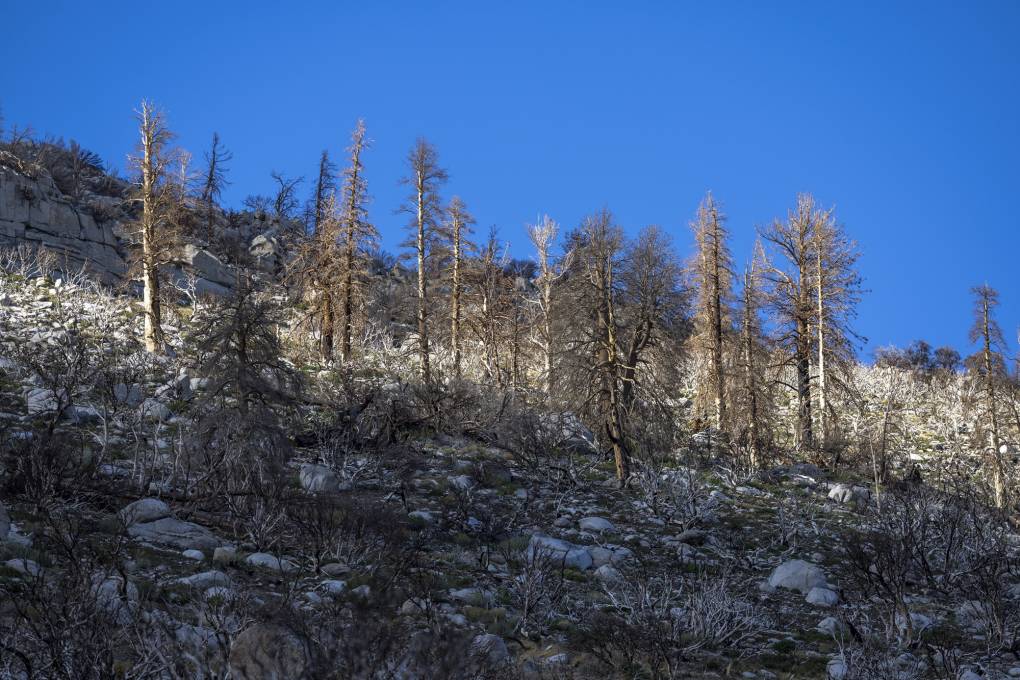
"caption": "Dead trees stand where a forest burned in 2016 near Horseshoe Meadows in the Sierra Nevada Mountains on Aug. 21, 2022 near Lone Pine, California. California’s snowpack is melting a little faster than usual, and climate scientists believe another record-breaking hot summer could be in the cards, ramping up the possibility of an early fire season.",
"credit": "David McNew/Getty Images",
"altTag": null,
"description": null,
"imgSizes": {
"medium": {
"file": "https://cdn.kqed.org/wp-content/uploads/sites/35/2025/05/CASnowpackGetty-800x534.jpg",
"width": 800,
"height": 534,
"mimeType": "image/jpeg"
},
"large": {
"file": "https://cdn.kqed.org/wp-content/uploads/sites/35/2025/05/CASnowpackGetty-1020x680.jpg",
"width": 1020,
"height": 680,
"mimeType": "image/jpeg"
},
"thumbnail": {
"file": "https://cdn.kqed.org/wp-content/uploads/sites/35/2025/05/CASnowpackGetty-160x107.jpg",
"width": 160,
"height": 107,
"mimeType": "image/jpeg"
},
"medium_large": {
"file": "https://cdn.kqed.org/wp-content/uploads/sites/35/2025/05/CASnowpackGetty-768x512.jpg",
"width": 768,
"height": 512,
"mimeType": "image/jpeg"
},
"1536x1536": {
"file": "https://cdn.kqed.org/wp-content/uploads/sites/35/2025/05/CASnowpackGetty-1536x1025.jpg",
"width": 1536,
"height": 1025,
"mimeType": "image/jpeg"
},
"post-thumbnail": {
"file": "https://cdn.kqed.org/wp-content/uploads/sites/35/2025/05/CASnowpackGetty-672x372.jpg",
"width": 672,
"height": 372,
"mimeType": "image/jpeg"
},
"twentyfourteen-full-width": {
"file": "https://cdn.kqed.org/wp-content/uploads/sites/35/2025/05/CASnowpackGetty-1038x576.jpg",
"width": 1038,
"height": 576,
"mimeType": "image/jpeg"
},
"full-width": {
"file": "https://cdn.kqed.org/wp-content/uploads/sites/35/2025/05/CASnowpackGetty-1920x1281.jpg",
"width": 1920,
"height": 1281,
"mimeType": "image/jpeg"
},
"kqedFullSize": {
"file": "https://cdn.kqed.org/wp-content/uploads/sites/35/2025/05/CASnowpackGetty.jpg",
"width": 2000,
"height": 1334
}
},
"isLoading": false,
"fetchFailed": false
},
"science_1996301": {
"type": "attachments",
"id": "science_1996301",
"meta": {
"index": "attachments_1716263798",
"site": "science",
"id": "1996301",
"found": true
},
"title": "20250312_BONNYDOON_GC-25-KQED",
"publishDate": 1741814298,
"status": "inherit",
"parent": 0,
"modified": 1741814337,
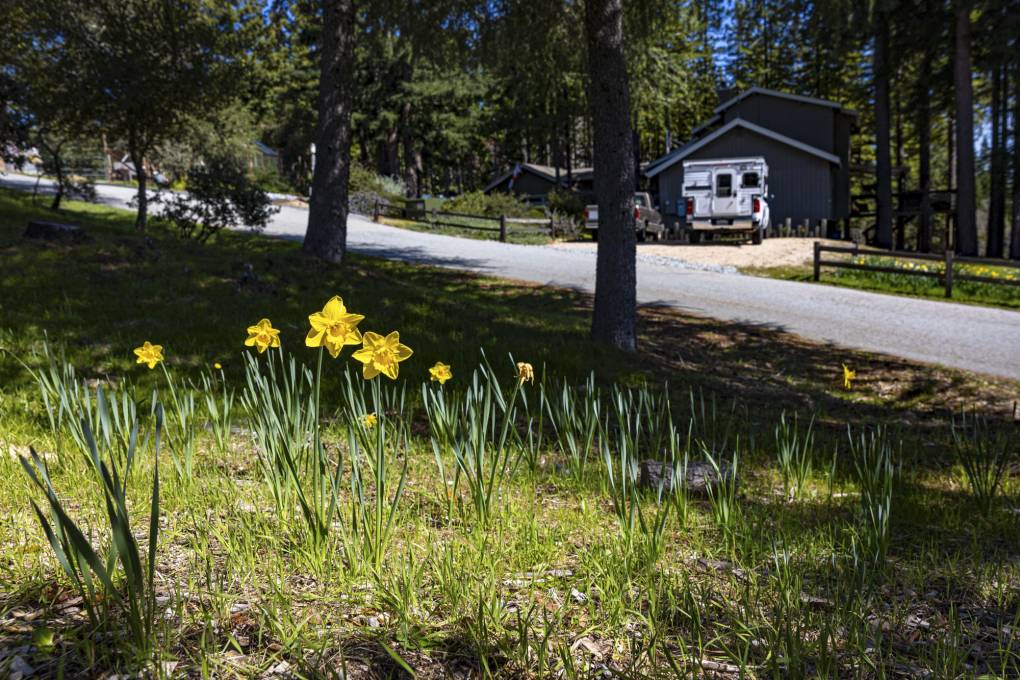
"caption": "Daffodils blooming at Kathy Astromoff’s home in Bonny Doon on March 11, 2025. Some of Astromoff’s neighbors’ homes burned down during the 2020 CZU fire and she had to evacuate for 8 weeks. The flowers were planted one year after the fire and are a symbol of recovery.",
"credit": "Gina Castro/KQED",
"altTag": null,
"description": null,
"imgSizes": {
"medium": {
"file": "https://cdn.kqed.org/wp-content/uploads/sites/35/2025/03/20250312_BONNYDOON_GC-25-KQED-800x533.jpg",
"width": 800,
"height": 533,
"mimeType": "image/jpeg"
},
"large": {
"file": "https://cdn.kqed.org/wp-content/uploads/sites/35/2025/03/20250312_BONNYDOON_GC-25-KQED-1020x680.jpg",
"width": 1020,
"height": 680,
"mimeType": "image/jpeg"
},
"thumbnail": {
"file": "https://cdn.kqed.org/wp-content/uploads/sites/35/2025/03/20250312_BONNYDOON_GC-25-KQED-160x107.jpg",
"width": 160,
"height": 107,
"mimeType": "image/jpeg"
},
"medium_large": {
"file": "https://cdn.kqed.org/wp-content/uploads/sites/35/2025/03/20250312_BONNYDOON_GC-25-KQED-768x512.jpg",
"width": 768,
"height": 512,
"mimeType": "image/jpeg"
},
"1536x1536": {
"file": "https://cdn.kqed.org/wp-content/uploads/sites/35/2025/03/20250312_BONNYDOON_GC-25-KQED-1536x1024.jpg",
"width": 1536,
"height": 1024,
"mimeType": "image/jpeg"
},
"post-thumbnail": {
"file": "https://cdn.kqed.org/wp-content/uploads/sites/35/2025/03/20250312_BONNYDOON_GC-25-KQED-672x372.jpg",
"width": 672,
"height": 372,
"mimeType": "image/jpeg"
},
"twentyfourteen-full-width": {
"file": "https://cdn.kqed.org/wp-content/uploads/sites/35/2025/03/20250312_BONNYDOON_GC-25-KQED-1038x576.jpg",
"width": 1038,
"height": 576,
"mimeType": "image/jpeg"
},
"full-width": {
"file": "https://cdn.kqed.org/wp-content/uploads/sites/35/2025/03/20250312_BONNYDOON_GC-25-KQED-1920x1280.jpg",
"width": 1920,
"height": 1280,
"mimeType": "image/jpeg"
},
"kqedFullSize": {
"file": "https://cdn.kqed.org/wp-content/uploads/sites/35/2025/03/20250312_BONNYDOON_GC-25-KQED.jpg",
"width": 2000,
"height": 1333
}
},
"isLoading": false,
"fetchFailed": false
},
"science_1985911": {
"type": "attachments",
"id": "science_1985911",
"meta": {
"index": "attachments_1716263798",
"site": "science",
"id": "1985911",
"found": true
},
"title": "A PG&E worker cuts damaged power lines on November 13, 2018.",
"publishDate": 1703007742,
"status": "inherit",
"parent": 1950931,
"modified": 1729263682,
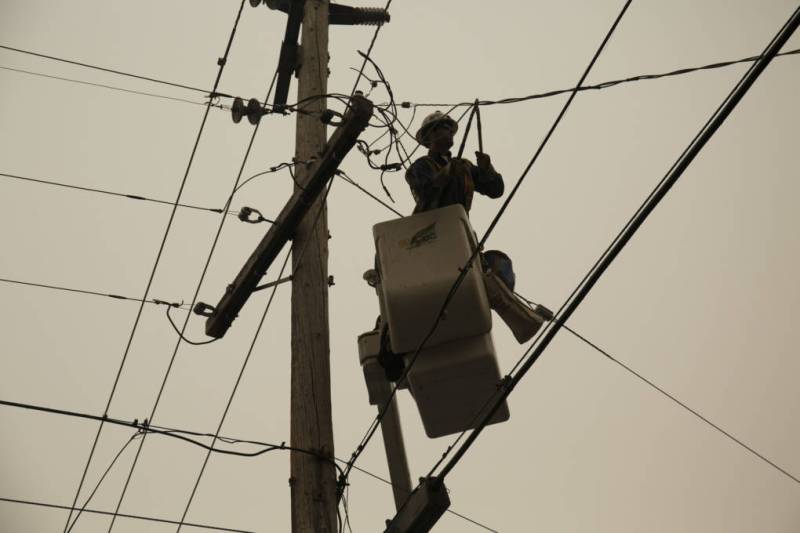
"caption": "A PG&E worker cuts damaged power lines on Nov. 13, 2018, near Paradise, California, during the Camp Fire.",
"credit": "Anne Wernikoff/KQED",
"altTag": "A worker in a cherry picker cuts a power line, with a gray sky in the background.",
"description": null,
"imgSizes": {
"medium": {
"file": "https://cdn.kqed.org/wp-content/uploads/sites/35/2023/12/RS33945_111318_AW_CampFire_32-qut-1020x680-1-800x533.jpeg",
"width": 800,
"height": 533,
"mimeType": "image/jpeg"
},
"thumbnail": {
"file": "https://cdn.kqed.org/wp-content/uploads/sites/35/2023/12/RS33945_111318_AW_CampFire_32-qut-1020x680-1-160x107.jpeg",
"width": 160,
"height": 107,
"mimeType": "image/jpeg"
},
"medium_large": {
"file": "https://cdn.kqed.org/wp-content/uploads/sites/35/2023/12/RS33945_111318_AW_CampFire_32-qut-1020x680-1-768x512.jpeg",
"width": 768,
"height": 512,
"mimeType": "image/jpeg"
},
"post-thumbnail": {
"file": "https://cdn.kqed.org/wp-content/uploads/sites/35/2023/12/RS33945_111318_AW_CampFire_32-qut-1020x680-1-672x372.jpeg",
"width": 672,
"height": 372,
"mimeType": "image/jpeg"
},
"twentyfourteen-full-width": {
"file": "https://cdn.kqed.org/wp-content/uploads/sites/35/2023/12/RS33945_111318_AW_CampFire_32-qut-1020x680-1-1020x576.jpeg",
"width": 1020,
"height": 576,
"mimeType": "image/jpeg"
},
"kqedFullSize": {
"file": "https://cdn.kqed.org/wp-content/uploads/sites/35/2023/12/RS33945_111318_AW_CampFire_32-qut-1020x680-1.jpeg",
"width": 1020,
"height": 680
}
},
"isLoading": false,
"fetchFailed": false
},
"science_1995445": {
"type": "attachments",
"id": "science_1995445",
"meta": {
"index": "attachments_1716263798",
"site": "science",
"id": "1995445",
"found": true
},
"title": "240110-CAWindStorm-025",
"publishDate": 1737070834,
"status": "inherit",
"parent": 1995438,
"modified": 1737071137,
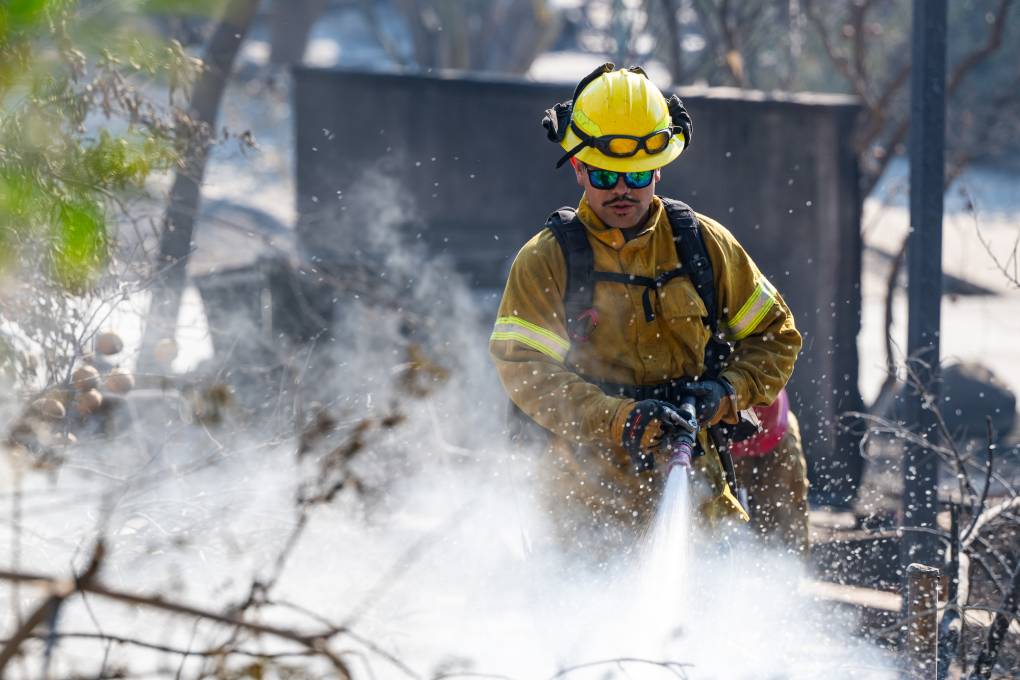
"caption": "Members of the Fallen Leaf Lake Fire Department from El Dorado County work to extinguish hot spots, known as mopping up a wildfire, in Altadena, Los Angeles County, on Jan. 10, 2025, after the Eaton Fire swept through the area earlier in the week.",
"credit": "Beth LaBerge/KQED",
"altTag": "A firefighter points a hose to the ground amid smoldering ruins.",
"description": null,
"imgSizes": {
"medium": {
"file": "https://cdn.kqed.org/wp-content/uploads/sites/35/2025/01/240110-CAWindStorm-025-800x533.jpg",
"width": 800,
"height": 533,
"mimeType": "image/jpeg"
},
"large": {
"file": "https://cdn.kqed.org/wp-content/uploads/sites/35/2025/01/240110-CAWindStorm-025-1020x680.jpg",
"width": 1020,
"height": 680,
"mimeType": "image/jpeg"
},
"thumbnail": {
"file": "https://cdn.kqed.org/wp-content/uploads/sites/35/2025/01/240110-CAWindStorm-025-160x107.jpg",
"width": 160,
"height": 107,
"mimeType": "image/jpeg"
},
"medium_large": {
"file": "https://cdn.kqed.org/wp-content/uploads/sites/35/2025/01/240110-CAWindStorm-025-768x512.jpg",
"width": 768,
"height": 512,
"mimeType": "image/jpeg"
},
"1536x1536": {
"file": "https://cdn.kqed.org/wp-content/uploads/sites/35/2025/01/240110-CAWindStorm-025-1536x1024.jpg",
"width": 1536,
"height": 1024,
"mimeType": "image/jpeg"
},
"post-thumbnail": {
"file": "https://cdn.kqed.org/wp-content/uploads/sites/35/2025/01/240110-CAWindStorm-025-672x372.jpg",
"width": 672,
"height": 372,
"mimeType": "image/jpeg"
},
"twentyfourteen-full-width": {
"file": "https://cdn.kqed.org/wp-content/uploads/sites/35/2025/01/240110-CAWindStorm-025-1038x576.jpg",
"width": 1038,
"height": 576,
"mimeType": "image/jpeg"
},
"full-width": {
"file": "https://cdn.kqed.org/wp-content/uploads/sites/35/2025/01/240110-CAWindStorm-025-1920x1280.jpg",
"width": 1920,
"height": 1280,
"mimeType": "image/jpeg"
},
"kqedFullSize": {
"file": "https://cdn.kqed.org/wp-content/uploads/sites/35/2025/01/240110-CAWindStorm-025.jpg",
"width": 2000,
"height": 1333
}
},
"isLoading": false,
"fetchFailed": false
},
"science_1994869": {
"type": "attachments",
"id": "science_1994869",
"meta": {
"index": "attachments_1716263798",
"site": "science",
"id": "1994869",
"found": true
},
"title": "image",
"publishDate": 1729281769,
"status": "inherit",
"parent": 1994867,
"modified": 1729281852,
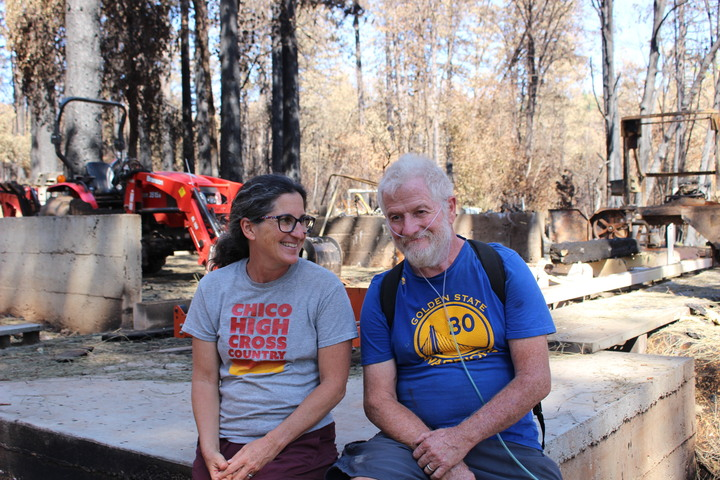
"caption": "Rachel Traficante and her husband Mark Wolford talk in front of the charred remains of their sawmill outside of Chico, Butte County. ",
"credit": "Danielle Venton/KQED",
"altTag": null,
"description": null,
"imgSizes": {
"thumbnail": {
"file": "https://cdn.kqed.org/wp-content/uploads/sites/35/2024/10/image-160x107.png",
"width": 160,
"height": 107,
"mimeType": "image/png"
},
"post-thumbnail": {
"file": "https://cdn.kqed.org/wp-content/uploads/sites/35/2024/10/image-672x372.png",
"width": 672,
"height": 372,
"mimeType": "image/png"
},
"kqedFullSize": {
"file": "https://cdn.kqed.org/wp-content/uploads/sites/35/2024/10/image.png",
"width": 720,
"height": 480
}
},
"isLoading": false,
"fetchFailed": false
},
"science_1994301": {
"type": "attachments",
"id": "science_1994301",
"meta": {
"index": "attachments_1716263798",
"site": "science",
"id": "1994301",
"found": true
},
"title": "240910-PARKFIREFOLO-13-BL-KQED",
"publishDate": 1726015722,
"status": "inherit",
"parent": 0,
"modified": 1726164957,
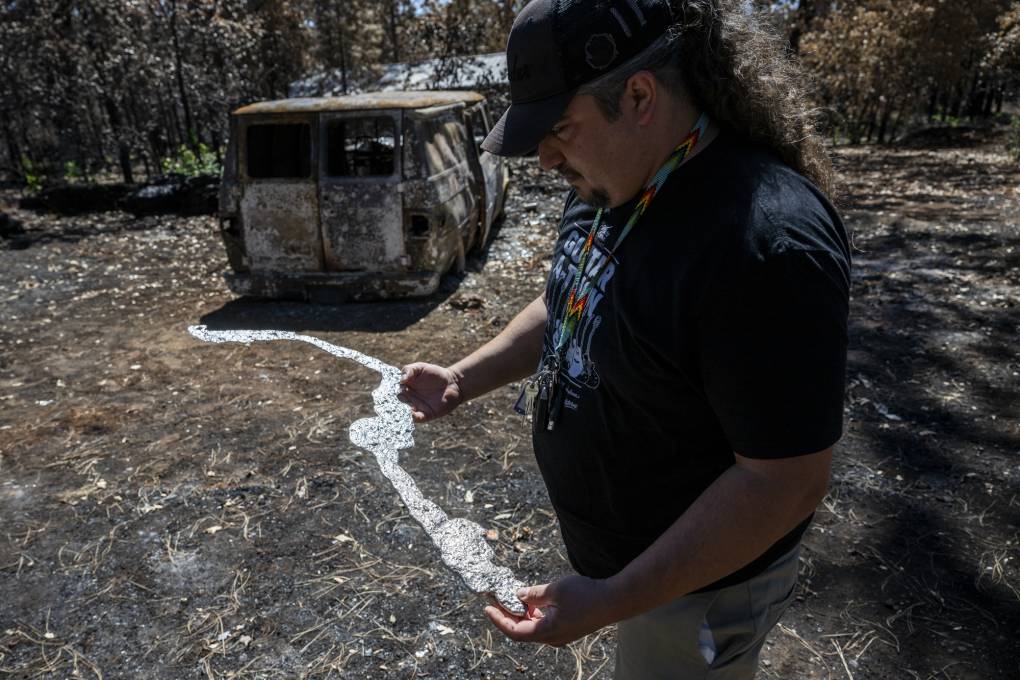
"caption": "Yahmo Ahqha holds a piece of metal from his truck that melted during the Park Fire on his property in Cohasset on Sept. 10, 2024. The Park Fire destroyed his home and scorched the trees on the property when it swept through the area on July 25.",
"credit": "Beth LaBerge/KQED",
"altTag": "A man with long hair flowing out from beneath a hat holds a piece of burned metal in his hands. In the background, a charred vehicle.",
"description": null,
"imgSizes": {
"medium": {
"file": "https://cdn.kqed.org/wp-content/uploads/sites/35/2024/09/240910-PARKFIREFOLO-13-BL-KQED-800x533.jpg",
"width": 800,
"height": 533,
"mimeType": "image/jpeg"
},
"large": {
"file": "https://cdn.kqed.org/wp-content/uploads/sites/35/2024/09/240910-PARKFIREFOLO-13-BL-KQED-1020x680.jpg",
"width": 1020,
"height": 680,
"mimeType": "image/jpeg"
},
"thumbnail": {
"file": "https://cdn.kqed.org/wp-content/uploads/sites/35/2024/09/240910-PARKFIREFOLO-13-BL-KQED-160x107.jpg",
"width": 160,
"height": 107,
"mimeType": "image/jpeg"
},
"medium_large": {
"file": "https://cdn.kqed.org/wp-content/uploads/sites/35/2024/09/240910-PARKFIREFOLO-13-BL-KQED-768x512.jpg",
"width": 768,
"height": 512,
"mimeType": "image/jpeg"
},
"1536x1536": {
"file": "https://cdn.kqed.org/wp-content/uploads/sites/35/2024/09/240910-PARKFIREFOLO-13-BL-KQED-1536x1024.jpg",
"width": 1536,
"height": 1024,
"mimeType": "image/jpeg"
},
"post-thumbnail": {
"file": "https://cdn.kqed.org/wp-content/uploads/sites/35/2024/09/240910-PARKFIREFOLO-13-BL-KQED-672x372.jpg",
"width": 672,
"height": 372,
"mimeType": "image/jpeg"
},
"twentyfourteen-full-width": {
"file": "https://cdn.kqed.org/wp-content/uploads/sites/35/2024/09/240910-PARKFIREFOLO-13-BL-KQED-1038x576.jpg",
"width": 1038,
"height": 576,
"mimeType": "image/jpeg"
},
"full-width": {
"file": "https://cdn.kqed.org/wp-content/uploads/sites/35/2024/09/240910-PARKFIREFOLO-13-BL-KQED-1920x1280.jpg",
"width": 1920,
"height": 1280,
"mimeType": "image/jpeg"
},
"kqedFullSize": {
"file": "https://cdn.kqed.org/wp-content/uploads/sites/35/2024/09/240910-PARKFIREFOLO-13-BL-KQED.jpg",
"width": 2000,
"height": 1333
}
},
"isLoading": false,
"fetchFailed": false
},
"science_1994250": {
"type": "attachments",
"id": "science_1994250",
"meta": {
"index": "attachments_1716263798",
"site": "science",
"id": "1994250",
"found": true
},
"title": "240909-BOYLESFIRE-09-BL-KQED",
"publishDate": 1725915619,
"status": "inherit",
"parent": 0,
"modified": 1725917492,
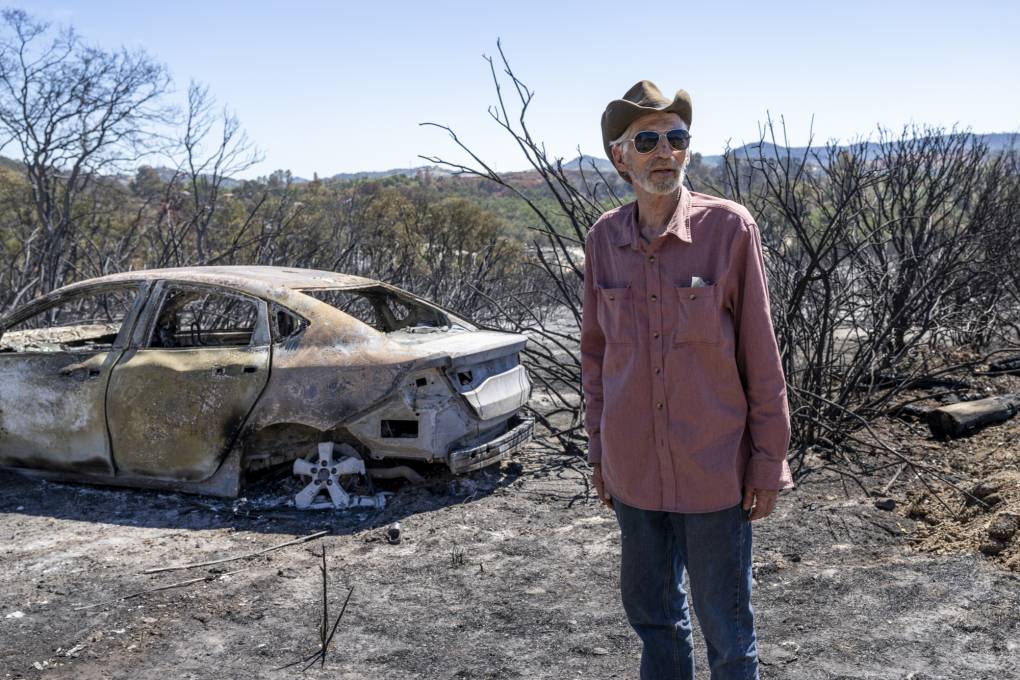
"caption": "Clearlake resident Jeff Stanley walks along 18th Avenue in Clearlake on Sept. 9, 2024.",
"credit": "Beth LaBerge/KQED",
"altTag": null,
"description": null,
"imgSizes": {
"medium": {
"file": "https://cdn.kqed.org/wp-content/uploads/sites/35/2024/09/240909-BOYLESFIRE-09-BL-KQED-800x533.jpg",
"width": 800,
"height": 533,
"mimeType": "image/jpeg"
},
"large": {
"file": "https://cdn.kqed.org/wp-content/uploads/sites/35/2024/09/240909-BOYLESFIRE-09-BL-KQED-1020x680.jpg",
"width": 1020,
"height": 680,
"mimeType": "image/jpeg"
},
"thumbnail": {
"file": "https://cdn.kqed.org/wp-content/uploads/sites/35/2024/09/240909-BOYLESFIRE-09-BL-KQED-160x107.jpg",
"width": 160,
"height": 107,
"mimeType": "image/jpeg"
},
"medium_large": {
"file": "https://cdn.kqed.org/wp-content/uploads/sites/35/2024/09/240909-BOYLESFIRE-09-BL-KQED-768x512.jpg",
"width": 768,
"height": 512,
"mimeType": "image/jpeg"
},
"1536x1536": {
"file": "https://cdn.kqed.org/wp-content/uploads/sites/35/2024/09/240909-BOYLESFIRE-09-BL-KQED-1536x1024.jpg",
"width": 1536,
"height": 1024,
"mimeType": "image/jpeg"
},
"post-thumbnail": {
"file": "https://cdn.kqed.org/wp-content/uploads/sites/35/2024/09/240909-BOYLESFIRE-09-BL-KQED-672x372.jpg",
"width": 672,
"height": 372,
"mimeType": "image/jpeg"
},
"twentyfourteen-full-width": {
"file": "https://cdn.kqed.org/wp-content/uploads/sites/35/2024/09/240909-BOYLESFIRE-09-BL-KQED-1038x576.jpg",
"width": 1038,
"height": 576,
"mimeType": "image/jpeg"
},
"full-width": {
"file": "https://cdn.kqed.org/wp-content/uploads/sites/35/2024/09/240909-BOYLESFIRE-09-BL-KQED-1920x1280.jpg",
"width": 1920,
"height": 1280,
"mimeType": "image/jpeg"
},
"kqedFullSize": {
"file": "https://cdn.kqed.org/wp-content/uploads/sites/35/2024/09/240909-BOYLESFIRE-09-BL-KQED.jpg",
"width": 2000,
"height": 1333
}
},
"isLoading": false,
"fetchFailed": false
},
"science_1994259": {
"type": "attachments",
"id": "science_1994259",
"meta": {
"index": "attachments_1716263798",
"site": "science",
"id": "1994259",
"found": true
},
"title": "240909-BOYLESFIRE-45-BL-KQED",
"publishDate": 1725925574,
"status": "inherit",
"parent": 0,
"modified": 1725996122,
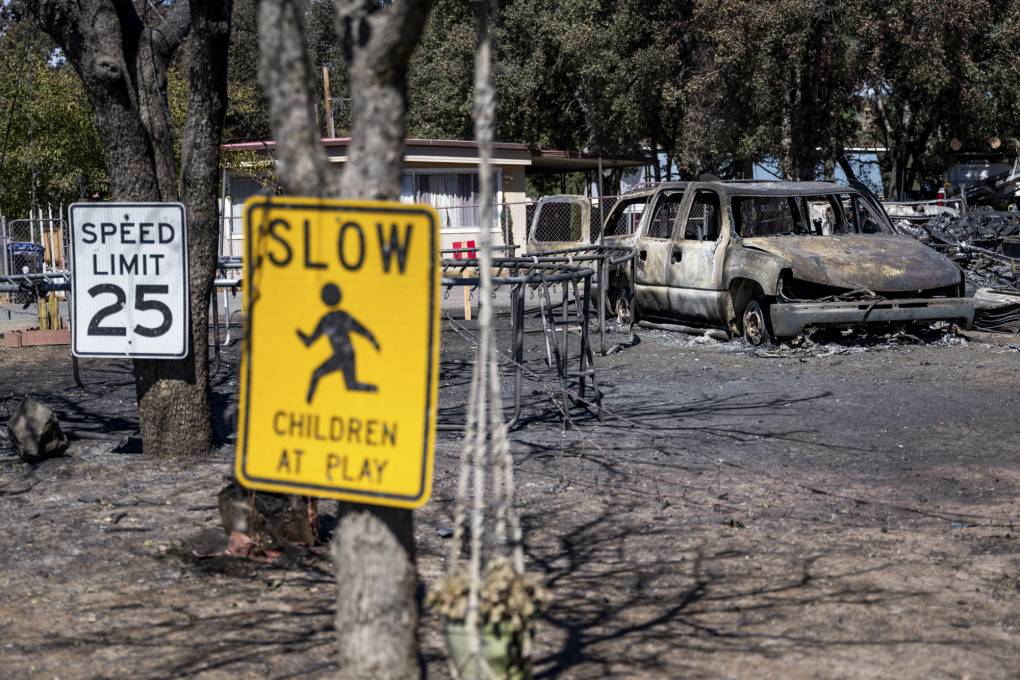
"caption": "A burned vehicle in Clearlake on Sept. 9, 2024, after the Boyles Fire swept through the area on Sept. 8.",
"credit": "Beth LaBerge/KQED",
"altTag": null,
"description": null,
"imgSizes": {
"medium": {
"file": "https://cdn.kqed.org/wp-content/uploads/sites/35/2024/09/240909-BOYLESFIRE-45-BL-KQED-800x533.jpg",
"width": 800,
"height": 533,
"mimeType": "image/jpeg"
},
"large": {
"file": "https://cdn.kqed.org/wp-content/uploads/sites/35/2024/09/240909-BOYLESFIRE-45-BL-KQED-1020x680.jpg",
"width": 1020,
"height": 680,
"mimeType": "image/jpeg"
},
"thumbnail": {
"file": "https://cdn.kqed.org/wp-content/uploads/sites/35/2024/09/240909-BOYLESFIRE-45-BL-KQED-160x107.jpg",
"width": 160,
"height": 107,
"mimeType": "image/jpeg"
},
"medium_large": {
"file": "https://cdn.kqed.org/wp-content/uploads/sites/35/2024/09/240909-BOYLESFIRE-45-BL-KQED-768x512.jpg",
"width": 768,
"height": 512,
"mimeType": "image/jpeg"
},
"1536x1536": {
"file": "https://cdn.kqed.org/wp-content/uploads/sites/35/2024/09/240909-BOYLESFIRE-45-BL-KQED-1536x1024.jpg",
"width": 1536,
"height": 1024,
"mimeType": "image/jpeg"
},
"post-thumbnail": {
"file": "https://cdn.kqed.org/wp-content/uploads/sites/35/2024/09/240909-BOYLESFIRE-45-BL-KQED-672x372.jpg",
"width": 672,
"height": 372,
"mimeType": "image/jpeg"
},
"twentyfourteen-full-width": {
"file": "https://cdn.kqed.org/wp-content/uploads/sites/35/2024/09/240909-BOYLESFIRE-45-BL-KQED-1038x576.jpg",
"width": 1038,
"height": 576,
"mimeType": "image/jpeg"
},
"full-width": {
"file": "https://cdn.kqed.org/wp-content/uploads/sites/35/2024/09/240909-BOYLESFIRE-45-BL-KQED-1920x1280.jpg",
"width": 1920,
"height": 1280,
"mimeType": "image/jpeg"
},
"kqedFullSize": {
"file": "https://cdn.kqed.org/wp-content/uploads/sites/35/2024/09/240909-BOYLESFIRE-45-BL-KQED.jpg",
"width": 2000,
"height": 1333
}
},
"isLoading": false,
"fetchFailed": false
},
"science_1994257": {
"type": "attachments",
"id": "science_1994257",
"meta": {
"index": "attachments_1716263798",
"site": "science",
"id": "1994257",
"found": true
},
"title": "240909-BOYLESFIRE-22-BL-KQED",
"publishDate": 1725925564,
"status": "inherit",
"parent": 0,
"modified": 1760123263,
"caption": "A home destroyed by the Boyles Fire in Clearlake on Sept. 9, 2024, after the wildfire swept through the area on Sept. 8, 2024.",
"credit": "Beth LaBerge/KQED",
"altTag": null,
"description": null,
"imgSizes": {
"medium": {
"file": "https://cdn.kqed.org/wp-content/uploads/sites/35/2024/09/240909-BOYLESFIRE-22-BL-KQED-800x533.jpg",
"width": 800,
"height": 533,
"mimeType": "image/jpeg"
},
"large": {
"file": "https://cdn.kqed.org/wp-content/uploads/sites/35/2024/09/240909-BOYLESFIRE-22-BL-KQED-1020x680.jpg",
"width": 1020,
"height": 680,
"mimeType": "image/jpeg"
},
"thumbnail": {
"file": "https://cdn.kqed.org/wp-content/uploads/sites/35/2024/09/240909-BOYLESFIRE-22-BL-KQED-160x107.jpg",
"width": 160,
"height": 107,
"mimeType": "image/jpeg"
},
"medium_large": {
"file": "https://cdn.kqed.org/wp-content/uploads/sites/35/2024/09/240909-BOYLESFIRE-22-BL-KQED-768x512.jpg",
"width": 768,
"height": 512,
"mimeType": "image/jpeg"
},
"1536x1536": {
"file": "https://cdn.kqed.org/wp-content/uploads/sites/35/2024/09/240909-BOYLESFIRE-22-BL-KQED-1536x1024.jpg",
"width": 1536,
"height": 1024,
"mimeType": "image/jpeg"
},
"post-thumbnail": {
"file": "https://cdn.kqed.org/wp-content/uploads/sites/35/2024/09/240909-BOYLESFIRE-22-BL-KQED-672x372.jpg",
"width": 672,
"height": 372,
"mimeType": "image/jpeg"
},
"twentyfourteen-full-width": {
"file": "https://cdn.kqed.org/wp-content/uploads/sites/35/2024/09/240909-BOYLESFIRE-22-BL-KQED-1038x576.jpg",
"width": 1038,
"height": 576,
"mimeType": "image/jpeg"
},
"full-width": {
"file": "https://cdn.kqed.org/wp-content/uploads/sites/35/2024/09/240909-BOYLESFIRE-22-BL-KQED-1920x1280.jpg",
"width": 1920,
"height": 1280,
"mimeType": "image/jpeg"
},
"kqedFullSize": {
"file": "https://cdn.kqed.org/wp-content/uploads/sites/35/2024/09/240909-BOYLESFIRE-22-BL-KQED.jpg",
"width": 2000,
"height": 1333
}
},
"isLoading": false,
"fetchFailed": false
},
"science_1993849": {
"type": "attachments",
"id": "science_1993849",
"meta": {
"index": "attachments_1716263798",
"site": "science",
"id": "1993849",
"found": true
},
"title": "wildfire-smoke-bay-area-air-quality",
"publishDate": 1722882240,
"status": "inherit",
"parent": 1930023,
"modified": 1722882240,
"caption": null,
"credit": null,
"altTag": null,
"description": null,
"imgSizes": {
"medium": {
"file": "https://cdn.kqed.org/wp-content/uploads/sites/35/2023/09/wildfire-smoke-bay-area-air-quality-800x491.jpg",
"width": 800,
"height": 491,
"mimeType": "image/jpeg"
},
"large": {
"file": "https://cdn.kqed.org/wp-content/uploads/sites/35/2023/09/wildfire-smoke-bay-area-air-quality-1020x626.jpg",
"width": 1020,
"height": 626,
"mimeType": "image/jpeg"
},
"thumbnail": {
"file": "https://cdn.kqed.org/wp-content/uploads/sites/35/2023/09/wildfire-smoke-bay-area-air-quality-160x98.jpg",
"width": 160,
"height": 98,
"mimeType": "image/jpeg"
},
"medium_large": {
"file": "https://cdn.kqed.org/wp-content/uploads/sites/35/2023/09/wildfire-smoke-bay-area-air-quality-768x472.jpg",
"width": 768,
"height": 472,
"mimeType": "image/jpeg"
},
"1536x1536": {
"file": "https://cdn.kqed.org/wp-content/uploads/sites/35/2023/09/wildfire-smoke-bay-area-air-quality-1536x943.jpg",
"width": 1536,
"height": 943,
"mimeType": "image/jpeg"
},
"2048x2048": {
"file": "https://cdn.kqed.org/wp-content/uploads/sites/35/2023/09/wildfire-smoke-bay-area-air-quality-2048x1258.jpg",
"width": 2048,
"height": 1258,
"mimeType": "image/jpeg"
},
"post-thumbnail": {
"file": "https://cdn.kqed.org/wp-content/uploads/sites/35/2023/09/wildfire-smoke-bay-area-air-quality-672x372.jpg",
"width": 672,
"height": 372,
"mimeType": "image/jpeg"
},
"twentyfourteen-full-width": {
"file": "https://cdn.kqed.org/wp-content/uploads/sites/35/2023/09/wildfire-smoke-bay-area-air-quality-1038x576.jpg",
"width": 1038,
"height": 576,
"mimeType": "image/jpeg"
},
"full-width": {
"file": "https://cdn.kqed.org/wp-content/uploads/sites/35/2023/09/wildfire-smoke-bay-area-air-quality-1920x1179.jpg",
"width": 1920,
"height": 1179,
"mimeType": "image/jpeg"
},
"kqedFullSize": {
"file": "https://cdn.kqed.org/wp-content/uploads/sites/35/2023/09/wildfire-smoke-bay-area-air-quality.jpg",
"width": 2247,
"height": 1380
}
},
"isLoading": false,
"fetchFailed": false
},
"science_1993586": {
"type": "attachments",
"id": "science_1993586",
"meta": {
"index": "attachments_1716263798",
"site": "science",
"id": "1993586",
"found": true
},
"title": "230809-SOLDOUTPARADISE-45-BL-KQED",
"publishDate": 1720649808,
"status": "inherit",
"parent": 0,
"modified": 1720652442,
"caption": "Empty lots dot the side of a residential area of Paradise, Butte County, on Aug. 9, 2023. The Camp Fire, the deadliest and most destructive fire in modern California history, swept through the area in 2018.",
"credit": "Beth LaBerge/KQED",
"altTag": null,
"description": null,
"imgSizes": {
"medium": {
"file": "https://cdn.kqed.org/wp-content/uploads/sites/35/2024/07/230809-SOLDOUTPARADISE-45-BL-KQED-800x533.jpg",
"width": 800,
"height": 533,
"mimeType": "image/jpeg"
},
"large": {
"file": "https://cdn.kqed.org/wp-content/uploads/sites/35/2024/07/230809-SOLDOUTPARADISE-45-BL-KQED-1020x680.jpg",
"width": 1020,
"height": 680,
"mimeType": "image/jpeg"
},
"thumbnail": {
"file": "https://cdn.kqed.org/wp-content/uploads/sites/35/2024/07/230809-SOLDOUTPARADISE-45-BL-KQED-160x107.jpg",
"width": 160,
"height": 107,
"mimeType": "image/jpeg"
},
"medium_large": {
"file": "https://cdn.kqed.org/wp-content/uploads/sites/35/2024/07/230809-SOLDOUTPARADISE-45-BL-KQED-768x512.jpg",
"width": 768,
"height": 512,
"mimeType": "image/jpeg"
},
"1536x1536": {
"file": "https://cdn.kqed.org/wp-content/uploads/sites/35/2024/07/230809-SOLDOUTPARADISE-45-BL-KQED-1536x1024.jpg",
"width": 1536,
"height": 1024,
"mimeType": "image/jpeg"
},
"post-thumbnail": {
"file": "https://cdn.kqed.org/wp-content/uploads/sites/35/2024/07/230809-SOLDOUTPARADISE-45-BL-KQED-672x372.jpg",
"width": 672,
"height": 372,
"mimeType": "image/jpeg"
},
"twentyfourteen-full-width": {
"file": "https://cdn.kqed.org/wp-content/uploads/sites/35/2024/07/230809-SOLDOUTPARADISE-45-BL-KQED-1038x576.jpg",
"width": 1038,
"height": 576,
"mimeType": "image/jpeg"
},
"full-width": {
"file": "https://cdn.kqed.org/wp-content/uploads/sites/35/2024/07/230809-SOLDOUTPARADISE-45-BL-KQED-1920x1280.jpg",
"width": 1920,
"height": 1280,
"mimeType": "image/jpeg"
},
"kqedFullSize": {
"file": "https://cdn.kqed.org/wp-content/uploads/sites/35/2024/07/230809-SOLDOUTPARADISE-45-BL-KQED.jpg",
"width": 2000,
"height": 1333
}
},
"isLoading": false,
"fetchFailed": false
},
"science_1992411": {
"type": "attachments",
"id": "science_1992411",
"meta": {
"index": "attachments_1716263798",
"site": "science",
"id": "1992411",
"found": true
},
"parent": 1992401,
"imgSizes": {
"twentyfourteen-full-width": {
"file": "https://cdn.kqed.org/wp-content/uploads/sites/35/2024/04/GettyImages-1247569080-1024x576.jpg",
"width": 1024,
"mimeType": "image/jpeg",
"height": 576
},
"thumbnail": {
"file": "https://cdn.kqed.org/wp-content/uploads/sites/35/2024/04/GettyImages-1247569080-160x107.jpg",
"width": 160,
"mimeType": "image/jpeg",
"height": 107
},
"post-thumbnail": {
"file": "https://cdn.kqed.org/wp-content/uploads/sites/35/2024/04/GettyImages-1247569080-672x372.jpg",
"width": 672,
"mimeType": "image/jpeg",
"height": 372
},
"kqedFullSize": {
"file": "https://cdn.kqed.org/wp-content/uploads/sites/35/2024/04/GettyImages-1247569080.jpg",
"width": 1024,
"height": 682
},
"large": {
"file": "https://cdn.kqed.org/wp-content/uploads/sites/35/2024/04/GettyImages-1247569080-1020x679.jpg",
"width": 1020,
"mimeType": "image/jpeg",
"height": 679
},
"medium": {
"file": "https://cdn.kqed.org/wp-content/uploads/sites/35/2024/04/GettyImages-1247569080-800x533.jpg",
"width": 800,
"mimeType": "image/jpeg",
"height": 533
},
"medium_large": {
"file": "https://cdn.kqed.org/wp-content/uploads/sites/35/2024/04/GettyImages-1247569080-768x512.jpg",
"width": 768,
"mimeType": "image/jpeg",
"height": 512
}
},
"publishDate": 1713486922,
"modified": 1713549968,
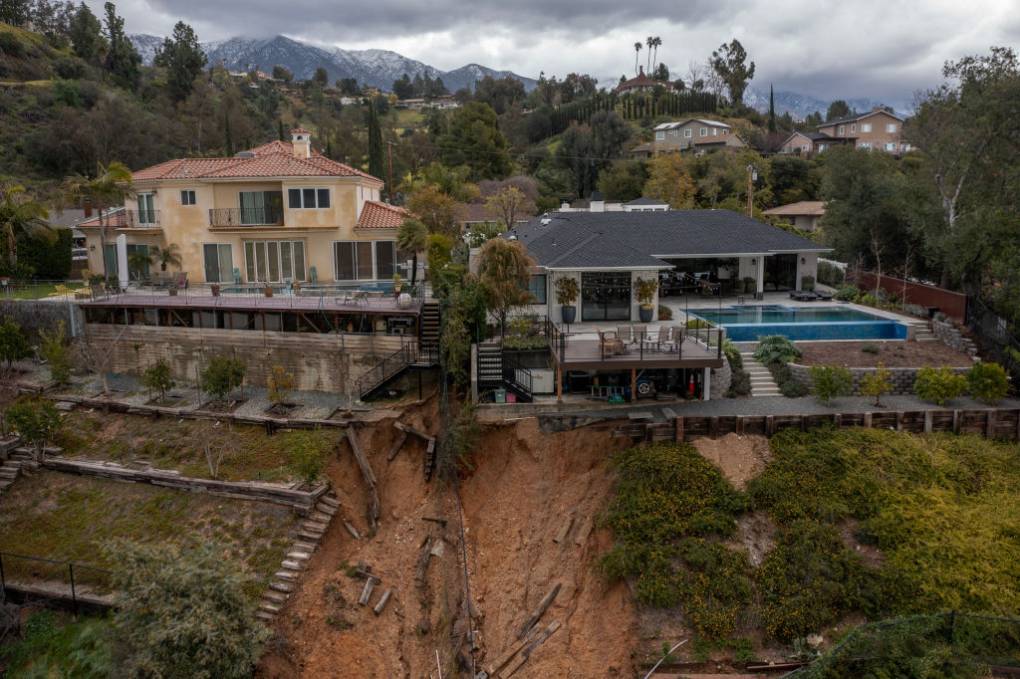
"caption": "In an aerial view, a mudslide has damaged homes after a series of storms passed through on Feb. 28, 2023, in La Cañada, Los Angeles County.",
"description": null,
"title": "Californians Across The State See Snow In Unusually Low Elevations As Massive Storm Moves East",
"credit": "David McNew/Getty Images",
"status": "inherit",
"altTag": null,
"isLoading": false,
"fetchFailed": false
}
},
"audioPlayerReducer": {
"postId": "stream_live",
"isPaused": true,
"isPlaying": false,
"pfsActive": false,
"pledgeModalIsOpen": true,
"playerDrawerIsOpen": false,
"liveAudioPlayStartedAt": 0,
"liveAudioPlayContext": ""
},
"authorsReducer": {
"byline_science_1996337": {
"type": "authors",
"id": "byline_science_1996337",
"meta": {
"override": true
},
"slug": "byline_science_1996337",
"name": "Anna FitzGerald Guth",
"isLoading": false
},
"matthewgreen": {
"type": "authors",
"id": "1263",
"meta": {
"index": "authors_1716337520",
"id": "1263",
"found": true
},
"name": "Matthew Green",
"firstName": "Matthew",
"lastName": "Green",
"slug": "matthewgreen",
"email": "mgreen@kqed.org",
"display_author_email": false,
"staff_mastheads": [],
"title": "KQED Editor/Reporter",
"bio": "Matthew Green is a digital media producer for KQED News. He previously produced \u003ca href=\"http://www.kqed.org/lowdown\">The Lowdown\u003c/a>, KQED’s multimedia news education blog. Matthew's written for numerous Bay Area publications, including the Oakland Tribune and San Francisco Chronicle. He also taught journalism classes at Fremont High School in East Oakland.\r\n\r\nEmail: mgreen@kqed.org; Twitter: @MGreenKQED",
"avatar": "https://secure.gravatar.com/avatar/3bf498d1267ca02c8494f33d8cfc575e?s=600&d=blank&r=g",
"twitter": "MGreenKQED",
"facebook": null,
"instagram": null,
"linkedin": null,
"sites": [
{
"site": "news",
"roles": []
},
{
"site": "lowdown",
"roles": []
},
{
"site": "science",
"roles": []
},
{
"site": "education",
"roles": []
},
{
"site": "quest",
"roles": []
},
{
"site": "liveblog",
"roles": []
}
],
"headData": {
"title": "Matthew Green | KQED",
"description": "KQED Editor/Reporter",
"ogImgSrc": "https://secure.gravatar.com/avatar/3bf498d1267ca02c8494f33d8cfc575e?s=600&d=blank&r=g",
"twImgSrc": "https://secure.gravatar.com/avatar/3bf498d1267ca02c8494f33d8cfc575e?s=600&d=blank&r=g"
},
"isLoading": false,
"link": "/author/matthewgreen"
},
"kqedscience": {
"type": "authors",
"id": "6387",
"meta": {
"index": "authors_1716337520",
"id": "6387",
"found": true
},
"name": "KQED Science",
"firstName": "KQED",
"lastName": "Science",
"slug": "kqedscience",
"email": "kqedscience@gmail.com",
"display_author_email": false,
"staff_mastheads": [],
"title": null,
"bio": "KQED Science brings you award-winning science and environment coverage from the Bay Area and beyond by the flagship Northern California PBS and NPR affiliate.",
"avatar": "https://secure.gravatar.com/avatar/5a295ff49cf82a8c0f30937d3f788b2f?s=600&d=blank&r=g",
"twitter": null,
"facebook": null,
"instagram": null,
"linkedin": null,
"sites": [
{
"site": "science",
"roles": [
"contributor"
]
},
{
"site": "quest",
"roles": [
"editor"
]
},
{
"site": "food",
"roles": [
"contributor"
]
}
],
"headData": {
"title": "KQED Science | KQED",
"description": null,
"ogImgSrc": "https://secure.gravatar.com/avatar/5a295ff49cf82a8c0f30937d3f788b2f?s=600&d=blank&r=g",
"twImgSrc": "https://secure.gravatar.com/avatar/5a295ff49cf82a8c0f30937d3f788b2f?s=600&d=blank&r=g"
},
"isLoading": false,
"link": "/author/kqedscience"
},
"dventon": {
"type": "authors",
"id": "11088",
"meta": {
"index": "authors_1716337520",
"id": "11088",
"found": true
},
"name": "Danielle Venton",
"firstName": "Danielle",
"lastName": "Venton",
"slug": "dventon",
"email": "dventon@kqed.org",
"display_author_email": true,
"staff_mastheads": [
"science"
],
"title": "Science reporter",
"bio": "Danielle Venton is a reporter for KQED Science. She covers wildfires, space and oceans (though she is prone to sea sickness).\r\n\r\nBefore joining KQED in 2015, Danielle was a staff reporter at KRCB in Sonoma County and a freelancer. She studied science communication at UC Santa Cruz and formerly worked at CERN in Geneva, Switzerland where she wrote about computing. She lives in Sonoma County and enjoys backpacking.",
"avatar": "https://secure.gravatar.com/avatar/37b292b5c40c8d93959c4f48d73b5286f41b7abd8588277e941905a3ed4c801c?s=600&d=blank&r=g",
"twitter": "DanielleVenton",
"bluesky": null,
"facebook": null,
"instagram": null,
"linkedin": null,
"sites": [
{
"site": "arts",
"roles": [
"contributor"
]
},
{
"site": "news",
"roles": [
"editor"
]
},
{
"site": "futureofyou",
"roles": [
"editor"
]
},
{
"site": "science",
"roles": [
"editor"
]
},
{
"site": "liveblog",
"roles": [
"contributor"
]
}
],
"headData": {
"title": "Danielle Venton | KQED",
"description": "Science reporter",
"ogImgSrc": "https://secure.gravatar.com/avatar/37b292b5c40c8d93959c4f48d73b5286f41b7abd8588277e941905a3ed4c801c?s=600&d=blank&r=g",
"twImgSrc": "https://secure.gravatar.com/avatar/37b292b5c40c8d93959c4f48d73b5286f41b7abd8588277e941905a3ed4c801c?s=600&d=blank&r=g"
},
"isLoading": false,
"link": "/author/dventon"
},
"parcuni": {
"type": "authors",
"id": "11368",
"meta": {
"index": "authors_1716337520",
"id": "11368",
"found": true
},
"name": "Peter Arcuni",
"firstName": "Peter",
"lastName": "Arcuni",
"slug": "parcuni",
"email": "parcuni@KQED.org",
"display_author_email": false,
"staff_mastheads": [
"science"
],
"title": "Reporter",
"bio": "Peter reports radio and online stories for \u003cem>KQED Science\u003c/em>. His work has also appeared on the \u003cem>The California Report\u003c/em> morning show and \u003cem>KQED News\u003c/em>. His production credits include \u003cem>The California Report, The California Report Magazine\u003c/em> and KQED's local news podcast \u003cem>The Bay\u003c/em>. Other credits include NPR's \u003cem>All Things Considered\u003c/em>, WNYC's \u003cem>Science Friday\u003c/em>, WBUR's \u003cem>Here & Now\u003c/em>, WIRED and SFGate. Peter graduated from Brown University and earned a master's degree in journalism from Stanford. He's covered everything from homelessness to wildfires, health, the environment, arts and Thanksgiving in San Quentin prison. In other lives, he played rock n roll music and studied neuroscience. You can email him at: parcuni@kqed.org",
"avatar": "https://secure.gravatar.com/avatar/d5032f6f27199d478af34ad2e1d98732?s=600&d=blank&r=g",
"twitter": "peterarcuni",
"facebook": null,
"instagram": null,
"linkedin": null,
"sites": [
{
"site": "news",
"roles": [
"editor"
]
},
{
"site": "science",
"roles": [
"editor"
]
}
],
"headData": {
"title": "Peter Arcuni | KQED",
"description": "Reporter",
"ogImgSrc": "https://secure.gravatar.com/avatar/d5032f6f27199d478af34ad2e1d98732?s=600&d=blank&r=g",
"twImgSrc": "https://secure.gravatar.com/avatar/d5032f6f27199d478af34ad2e1d98732?s=600&d=blank&r=g"
},
"isLoading": false,
"link": "/author/parcuni"
},
"eromero": {
"type": "authors",
"id": "11746",
"meta": {
"index": "authors_1716337520",
"id": "11746",
"found": true
},
"name": "Ezra David Romero",
"firstName": "Ezra David",
"lastName": "Romero",
"slug": "eromero",
"email": "eromero@kqed.org",
"display_author_email": true,
"staff_mastheads": [
"news",
"science"
],
"title": "Climate Reporter",
"bio": "Ezra David Romero is a climate reporter for KQED News. He covers the absence and excess of water in the Bay Area — think sea level rise, flooding and drought. For nearly a decade he’s covered how warming temperatures are altering the lives of Californians. He’s reported on farmers worried their pistachio trees aren’t getting enough sleep, families desperate for water, scientists studying dying giant sequoias, and alongside firefighters containing wildfires. His work has appeared on local stations across California and nationally on public radio shows like Morning Edition, Here and Now, All Things Considered and Science Friday. ",
"avatar": "https://secure.gravatar.com/avatar/c76404d287c10ed40224227551ac36e24352c7306f106632caf6fead76f8801f?s=600&d=blank&r=g",
"twitter": "ezraromero",
"bluesky": null,
"facebook": null,
"instagram": null,
"linkedin": null,
"sites": [
{
"site": "arts",
"roles": [
"editor"
]
},
{
"site": "news",
"roles": [
"editor"
]
},
{
"site": "science",
"roles": [
"editor"
]
},
{
"site": "liveblog",
"roles": [
"author"
]
}
],
"headData": {
"title": "Ezra David Romero | KQED",
"description": "Climate Reporter",
"ogImgSrc": "https://secure.gravatar.com/avatar/c76404d287c10ed40224227551ac36e24352c7306f106632caf6fead76f8801f?s=600&d=blank&r=g",
"twImgSrc": "https://secure.gravatar.com/avatar/c76404d287c10ed40224227551ac36e24352c7306f106632caf6fead76f8801f?s=600&d=blank&r=g"
},
"isLoading": false,
"link": "/author/eromero"
}
},
"pagesReducer": {
"science_category_wildfires": {
"type": "terms",
"id": "science_3730",
"meta": {
"index": "terms_1716263798",
"site": "science",
"id": "3730",
"score": 12.461045
},
"featImg": null,
"name": "Wildfires",
"description": null,
"taxonomy": "category",
"headData": {
"twImgId": null,
"twTitle": null,
"ogTitle": null,
"ogImgId": null,
"twDescription": null,
"description": null,
"title": "Wildfires Archives | KQED Science",
"ogDescription": null
},
"ttid": 3730,
"slug": "wildfires",
"isLoading": false,
"title": "Wildfires",
"pageMeta": {
"site": "science",
"WpPageTemplate": "page-topic-editorial",
"currentPage": 3
},
"blocks": [
{
"blockName": "kqed/post-list",
"attrs": {
"layout": "cardArticle2",
"query": "posts/science?category=wildfires",
"seeMore": false,
"paginated": true,
"page": 3
}
},
{
"blockName": "kqed/ad"
}
]
}
},
"pfsSessionReducer": {},
"postsReducer": {
"stream_live": {
"type": "live",
"id": "stream_live",
"audioUrl": "https://streams.kqed.org/kqedradio",
"title": "Live Stream",
"excerpt": "Live Stream information currently unavailable.",
"link": "/radio",
"featImg": "",
"label": {
"name": "KQED Live",
"link": "/"
}
},
"stream_kqedNewscast": {
"type": "posts",
"id": "stream_kqedNewscast",
"audioUrl": "https://www.kqed.org/.stream/anon/radio/RDnews/newscast.mp3?_=1",
"title": "KQED Newscast",
"featImg": "",
"label": {
"name": "88.5 FM",
"link": "/"
}
},
"science_1996980": {
"type": "posts",
"id": "science_1996980",
"meta": {
"index": "posts_1716263798",
"site": "science",
"id": "1996980",
"score": null,
"sort": [
1747945596000
]
},
"guestAuthors": [],
"slug": "californias-snowpack-shrinks-igniting-concerns-of-early-wildfires",
"title": "California's Snowpack Shrinks, Igniting Concerns of Early Wildfires",
"publishDate": 1747945596,
"format": "standard",
"headTitle": "California’s Snowpack Shrinks, Igniting Concerns of Early Wildfires | KQED",
"labelTerm": {},
"content": "\u003cp>California’s \u003ca href=\"https://www.kqed.org/news/12033983/late-storms-boost-californias-snowpack-hitting-a-3-year-streak-not-seen-in-decades\">snowpack is dwindling\u003c/a>, and climate scientists believe another record-breaking hot summer could be in the cards, ramping up the possibility of an early fire season.\u003c/p>\n\u003cp>The state’s snowpack is at \u003ca href=\"https://cww.water.ca.gov/\">14% of average\u003c/a> peak snowpack, down from 96% on April 1 — the date snow scientists consider the height of the snowpack, according to the state. The snowpack is melting a little faster than usual, but state scientists said the rate of snowmelt isn’t entirely abnormal. However, climate scientists believe early snowmelt this year could be partly due to human-caused climate change.\u003c/p>\n\u003cp>Andy Reising, manager of the California Department of Water Resources’ snow surveys and water supply forecasting unit, said it’s important to understand that snow is not melting uniformly across all watersheds.\u003c/p>\n\u003cp>[ad fullwidth]\u003c/p>\n\u003cp>With three years of around average snowfall, Reising isn’t worried about water supplies with state reservoirs at \u003ca href=\"https://cww.water.ca.gov/\">116% of normal\u003c/a> for this time of year. River forecasts in the north end of the Sierra Nevada are about 100% of normal, although that story changes further south along the range and into the mountains of Southern California.\u003c/p>\n\u003cp>But what he’s concerned about is that the faster rates of snowmelt — especially in the south — could exacerbate wildfire danger in this region.\u003c/p>\n\u003cp>“The south had a really lousy year, and the mountains are super dry,” Reising said. “That’s why we had the fires back in January. The southern part of the state, where we don’t have snow, is a really, really high-risk area.”\u003c/p>\n\u003cfigure id=\"attachment_1996985\" class=\"wp-caption aligncenter\" style=\"max-width: 2005px\">\u003cimg loading=\"lazy\" decoding=\"async\" class=\"wp-image-1996985 size-full\" src=\"https://cdn.kqed.org/wp-content/uploads/sites/35/2025/05/SnowpackMay2025.jpg\" alt=\"\" width=\"2005\" height=\"1159\" srcset=\"https://cdn.kqed.org/wp-content/uploads/sites/35/2025/05/SnowpackMay2025.jpg 2005w, https://cdn.kqed.org/wp-content/uploads/sites/35/2025/05/SnowpackMay2025-800x462.jpg 800w, https://cdn.kqed.org/wp-content/uploads/sites/35/2025/05/SnowpackMay2025-1020x590.jpg 1020w, https://cdn.kqed.org/wp-content/uploads/sites/35/2025/05/SnowpackMay2025-160x92.jpg 160w, https://cdn.kqed.org/wp-content/uploads/sites/35/2025/05/SnowpackMay2025-768x444.jpg 768w, https://cdn.kqed.org/wp-content/uploads/sites/35/2025/05/SnowpackMay2025-1536x888.jpg 1536w, https://cdn.kqed.org/wp-content/uploads/sites/35/2025/05/SnowpackMay2025-1920x1110.jpg 1920w\" sizes=\"auto, (max-width: 2005px) 100vw, 2005px\">\u003cfigcaption class=\"wp-caption-text\">California’s snowpack has plummeted to just 14% of its average peak, down from 96% on April 1. Scientists say the faster-than-usual melt may be linked to human-caused climate change — raising concerns of an early fire season amid predictions of another record-hot summer. \u003ccite>(NASA satellite image)\u003c/cite>\u003c/figcaption>\u003c/figure>\n\u003cp>Roger Bales, a hydrology and water resources engineering professor at UC Merced and UC Berkeley, said snow melting between April and June is normal. Still, when looking at the snow cover from an aerial view, he said it’s clear that the snowpack is getting thinner. He sees faster rates melt across all parts of the Sierra Nevada, but they are more pronounced in the south.\u003c/p>\n\u003cp>When looking at state historical data, Bales said the snowpack across the Sierra Nevada this year is visually and strikingly low compared to the 30-year average.[aside postID=news_12040286 hero='https://cdn.kqed.org/wp-content/uploads/sites/10/2025/05/20250203_MartinezRefineryFolo_GC-26_qed-1020x680.jpg']“You can see the difference in the data,” Bales said. “As you warm the climate by each degree Fahrenheit, the snowline goes up about 250 feet in average long-term warming. But that doesn’t mean we won’t have snow at high elevations.”\u003c/p>\n\u003cp>In the long run, despite year-to-year variability, Bales said he sees California struggling to maintain a healthy snowpack as the snowline moves higher and the snowpack eventually gets smaller.\u003c/p>\n\u003cp>That means droughts and wildfire risk could increase over time as the world continues to burn fossil fuels, causing human-caused climate change.\u003c/p>\n\u003cp>“Faster melt rates are caused by a warmer climate,” Bales said. “It’s not good for wildfire risk, and soils are going to dry out faster about a month after the snow melts.”\u003c/p>\n\u003cp>However, over the next few months, the more harmful issue isn’t just about faster snowmelt. UC Merced climatology professor John Abatzoglou worries that a hotter-than-normal summer will follow the speedier snowmelt rate. Last summer was the world’s \u003ca href=\"https://www.kqed.org/science/1994538/3-bay-area-cities-had-hottest-summer-in-history-as-climate-change-pushes-temps-up\">hottest on record\u003c/a>. The same goes for California.\u003c/p>\n\u003cp>“The combination of a little earlier-than-normal melt out of our snowpack, along with what is likely going to be another warm summer, is sort of shifting the odds for elevated fire potential across the state,” Abatzoglou said. “Over the past 50 years, summer has taken the medal in terms of the fastest warming season.”\u003c/p>\n\u003cp>\u003c/p>\n",
"blocks": [],
"excerpt": "California’s snowpack is melting a little faster than usual, and climate scientists believe another record-breaking hot summer could be in the cards, ramping up the possibility of an early fire season.",
"status": "publish",
"parent": 0,
"modified": 1747946769,
"stats": {
"hasAudio": false,
"hasVideo": false,
"hasChartOrMap": false,
"iframeSrcs": [],
"hasGoogleForm": false,
"hasGallery": false,
"hasHearkenModule": false,
"hasPolis": false,
"paragraphCount": 15,
"wordCount": 690
},
"headData": {
"title": "California's Snowpack Shrinks, Igniting Concerns of Early Wildfires | KQED",
"description": "California’s snowpack is melting a little faster than usual, and climate scientists believe another record-breaking hot summer could be in the cards, ramping up the possibility of an early fire season.",
"ogTitle": "",
"ogDescription": "",
"ogImgId": "",
"twTitle": "",
"twDescription": "",
"twImgId": "",
"schema": {
"@context": "https://schema.org",
"@type": "Article",
"headline": "California's Snowpack Shrinks, Igniting Concerns of Early Wildfires",
"datePublished": "2025-05-22T13:26:36-07:00",
"dateModified": "2025-05-22T13:46:09-07:00",
"image": "https://cdn.kqed.org/wp-content/uploads/2020/02/KQED-OG-Image@1x.png"
}
},
"source": "News",
"sticky": false,
"nprStoryId": "kqed-1996980",
"templateType": "standard",
"featuredImageType": "standard",
"excludeFromSiteSearch": "Include",
"articleAge": "0",
"path": "/science/1996980/californias-snowpack-shrinks-igniting-concerns-of-early-wildfires",
"audioTrackLength": null,
"parsedContent": [
{
"type": "contentString",
"content": "\u003cdiv class=\"post-body\">\u003cp>\u003cp>California’s \u003ca href=\"https://www.kqed.org/news/12033983/late-storms-boost-californias-snowpack-hitting-a-3-year-streak-not-seen-in-decades\">snowpack is dwindling\u003c/a>, and climate scientists believe another record-breaking hot summer could be in the cards, ramping up the possibility of an early fire season.\u003c/p>\n\u003cp>The state’s snowpack is at \u003ca href=\"https://cww.water.ca.gov/\">14% of average\u003c/a> peak snowpack, down from 96% on April 1 — the date snow scientists consider the height of the snowpack, according to the state. The snowpack is melting a little faster than usual, but state scientists said the rate of snowmelt isn’t entirely abnormal. However, climate scientists believe early snowmelt this year could be partly due to human-caused climate change.\u003c/p>\n\u003cp>Andy Reising, manager of the California Department of Water Resources’ snow surveys and water supply forecasting unit, said it’s important to understand that snow is not melting uniformly across all watersheds.\u003c/p>\n\u003cp>\u003c/p>\u003c/div>",
"attributes": {
"named": {},
"numeric": []
}
},
{
"type": "component",
"content": "",
"name": "ad",
"attributes": {
"named": {
"label": "fullwidth"
},
"numeric": [
"fullwidth"
]
}
},
{
"type": "contentString",
"content": "\u003cdiv class=\"post-body\">\u003cp>\u003c/p>\n\u003cp>With three years of around average snowfall, Reising isn’t worried about water supplies with state reservoirs at \u003ca href=\"https://cww.water.ca.gov/\">116% of normal\u003c/a> for this time of year. River forecasts in the north end of the Sierra Nevada are about 100% of normal, although that story changes further south along the range and into the mountains of Southern California.\u003c/p>\n\u003cp>But what he’s concerned about is that the faster rates of snowmelt — especially in the south — could exacerbate wildfire danger in this region.\u003c/p>\n\u003cp>“The south had a really lousy year, and the mountains are super dry,” Reising said. “That’s why we had the fires back in January. The southern part of the state, where we don’t have snow, is a really, really high-risk area.”\u003c/p>\n\u003cfigure id=\"attachment_1996985\" class=\"wp-caption aligncenter\" style=\"max-width: 2005px\">\u003cimg loading=\"lazy\" decoding=\"async\" class=\"wp-image-1996985 size-full\" src=\"https://cdn.kqed.org/wp-content/uploads/sites/35/2025/05/SnowpackMay2025.jpg\" alt=\"\" width=\"2005\" height=\"1159\" srcset=\"https://cdn.kqed.org/wp-content/uploads/sites/35/2025/05/SnowpackMay2025.jpg 2005w, https://cdn.kqed.org/wp-content/uploads/sites/35/2025/05/SnowpackMay2025-800x462.jpg 800w, https://cdn.kqed.org/wp-content/uploads/sites/35/2025/05/SnowpackMay2025-1020x590.jpg 1020w, https://cdn.kqed.org/wp-content/uploads/sites/35/2025/05/SnowpackMay2025-160x92.jpg 160w, https://cdn.kqed.org/wp-content/uploads/sites/35/2025/05/SnowpackMay2025-768x444.jpg 768w, https://cdn.kqed.org/wp-content/uploads/sites/35/2025/05/SnowpackMay2025-1536x888.jpg 1536w, https://cdn.kqed.org/wp-content/uploads/sites/35/2025/05/SnowpackMay2025-1920x1110.jpg 1920w\" sizes=\"auto, (max-width: 2005px) 100vw, 2005px\">\u003cfigcaption class=\"wp-caption-text\">California’s snowpack has plummeted to just 14% of its average peak, down from 96% on April 1. Scientists say the faster-than-usual melt may be linked to human-caused climate change — raising concerns of an early fire season amid predictions of another record-hot summer. \u003ccite>(NASA satellite image)\u003c/cite>\u003c/figcaption>\u003c/figure>\n\u003cp>Roger Bales, a hydrology and water resources engineering professor at UC Merced and UC Berkeley, said snow melting between April and June is normal. Still, when looking at the snow cover from an aerial view, he said it’s clear that the snowpack is getting thinner. He sees faster rates melt across all parts of the Sierra Nevada, but they are more pronounced in the south.\u003c/p>\n\u003cp>When looking at state historical data, Bales said the snowpack across the Sierra Nevada this year is visually and strikingly low compared to the 30-year average.\u003c/p>\u003c/div>",
"attributes": {
"named": {},
"numeric": []
}
},
{
"type": "component",
"content": "",
"name": "aside",
"attributes": {
"named": {
"postid": "news_12040286",
"hero": "https://cdn.kqed.org/wp-content/uploads/sites/10/2025/05/20250203_MartinezRefineryFolo_GC-26_qed-1020x680.jpg",
"label": ""
},
"numeric": []
}
},
{
"type": "contentString",
"content": "\u003cdiv class=\"post-body\">\u003cp>“You can see the difference in the data,” Bales said. “As you warm the climate by each degree Fahrenheit, the snowline goes up about 250 feet in average long-term warming. But that doesn’t mean we won’t have snow at high elevations.”\u003c/p>\n\u003cp>In the long run, despite year-to-year variability, Bales said he sees California struggling to maintain a healthy snowpack as the snowline moves higher and the snowpack eventually gets smaller.\u003c/p>\n\u003cp>That means droughts and wildfire risk could increase over time as the world continues to burn fossil fuels, causing human-caused climate change.\u003c/p>\n\u003cp>“Faster melt rates are caused by a warmer climate,” Bales said. “It’s not good for wildfire risk, and soils are going to dry out faster about a month after the snow melts.”\u003c/p>\n\u003cp>However, over the next few months, the more harmful issue isn’t just about faster snowmelt. UC Merced climatology professor John Abatzoglou worries that a hotter-than-normal summer will follow the speedier snowmelt rate. Last summer was the world’s \u003ca href=\"https://www.kqed.org/science/1994538/3-bay-area-cities-had-hottest-summer-in-history-as-climate-change-pushes-temps-up\">hottest on record\u003c/a>. The same goes for California.\u003c/p>\n\u003cp>“The combination of a little earlier-than-normal melt out of our snowpack, along with what is likely going to be another warm summer, is sort of shifting the odds for elevated fire potential across the state,” Abatzoglou said. “Over the past 50 years, summer has taken the medal in terms of the fastest warming season.”\u003c/p>\n\u003cp>\u003c/p>\n\u003c/div>\u003c/p>",
"attributes": {
"named": {},
"numeric": []
}
}
],
"link": "/science/1996980/californias-snowpack-shrinks-igniting-concerns-of-early-wildfires",
"authors": [
"11746"
],
"categories": [
"science_31",
"science_40",
"science_3730"
],
"tags": [
"science_5178",
"science_182",
"science_194",
"science_4414",
"science_1462",
"science_107",
"science_1243",
"science_1127",
"science_5347"
],
"featImg": "science_1996987",
"label": "source_science_1996980"
},
"science_1996337": {
"type": "posts",
"id": "science_1996337",
"meta": {
"index": "posts_1716263798",
"site": "science",
"id": "1996337",
"score": null,
"sort": [
1742216430000
]
},
"guestAuthors": [],
"slug": "daffodils-signal-resilience-in-santa-cruz-mountains-almost-5-years-after-czu-fires",
"title": "Daffodils Signal Resilience in Santa Cruz Mountains, Almost 5 Years After CZU Fires",
"publishDate": 1742216430,
"format": "standard",
"headTitle": "Daffodils Signal Resilience in Santa Cruz Mountains, Almost 5 Years After CZU Fires | KQED",
"labelTerm": {
"site": "science"
},
"content": "\u003cp>Today, Michael Geluardi still chokes up a little bit when he talks about why sunshine-yellow daffodils bloom in his garden in Bonny Doon.\u003c/p>\n\u003cp>After the CZU Lightning Complex fires \u003ca href=\"https://www.kqed.org/news/11835949/most-beautiful-place-on-earth-the-citizen-firefighters-who-stayed-behind-to-save-their-santa-cruz-mountain-paradise\">devastated this\u003c/a> Santa Cruz Mountain community in 2020, residents planted thousands of the cheerful flowers to express their resilience and hope for recovery. Now, every March, the daffodils emerge sprinkled across gardens and framed in driveways amid the rural area’s towering redwoods, still charred black in spots, and vacant lots. The \u003ca href=\"http://www.bdcsf.org/\">Bonny Doon Community School Foundation\u003c/a> spearheaded this project after the fires, selling the bulbs to benefit the local school.\u003c/p>\n\u003cp>[ad fullwidth]\u003c/p>\n\u003cp>“The ravages of the fire and of COVID were all around us, and I had this idea that there could be daffodils,” Geluardi said, who organized the effort during his time as both a school and foundation board member. “The vision was that we would plant them in the winter, after the fires, and they would come up in the spring as a symbol of renewal.\u003c/p>\n\u003cfigure id=\"attachment_1996298\" class=\"wp-caption aligncenter\" style=\"max-width: 2000px\">\u003cimg loading=\"lazy\" decoding=\"async\" class=\"size-full wp-image-1996298\" src=\"https://cdn.kqed.org/wp-content/uploads/sites/35/2025/03/20250312_BONNYDOON_GC-9-KQED.jpg\" alt=\"\" width=\"2000\" height=\"1333\" srcset=\"https://cdn.kqed.org/wp-content/uploads/sites/35/2025/03/20250312_BONNYDOON_GC-9-KQED.jpg 2000w, https://cdn.kqed.org/wp-content/uploads/sites/35/2025/03/20250312_BONNYDOON_GC-9-KQED-800x533.jpg 800w, https://cdn.kqed.org/wp-content/uploads/sites/35/2025/03/20250312_BONNYDOON_GC-9-KQED-1020x680.jpg 1020w, https://cdn.kqed.org/wp-content/uploads/sites/35/2025/03/20250312_BONNYDOON_GC-9-KQED-160x107.jpg 160w, https://cdn.kqed.org/wp-content/uploads/sites/35/2025/03/20250312_BONNYDOON_GC-9-KQED-768x512.jpg 768w, https://cdn.kqed.org/wp-content/uploads/sites/35/2025/03/20250312_BONNYDOON_GC-9-KQED-1536x1024.jpg 1536w, https://cdn.kqed.org/wp-content/uploads/sites/35/2025/03/20250312_BONNYDOON_GC-9-KQED-1920x1280.jpg 1920w\" sizes=\"auto, (max-width: 2000px) 100vw, 2000px\">\u003cfigcaption class=\"wp-caption-text\">Daffodils bloom at the entrance of Bonny Doon Elementary School in Santa Cruz on March 11, 2025. \u003ccite>(Gina Castro/KQED)\u003c/cite>\u003c/figcaption>\u003c/figure>\n\u003cp>The \u003ca href=\"https://www.kqed.org/science/1974648/last-years-santa-cruz-lightning-fires-still-causing-trouble\">CZU fires ignited in August of 2020 and burned\u003c/a> for more than 40 days, scorching north of 85,000 acres across San Mateo and Santa Cruz counties, killing one person and destroying about \u003ca href=\"https://www.fire.ca.gov/incidents/2020/8/16/czu-lightning-complex-including-warnella-fire\">1,500 structures\u003c/a>. In Bonny Doon, many homes survived, but \u003ca href=\"https://www.kqed.org/arts/13885467/after-wildfire-a-family-of-artists-faces-the-cultural-losses-of-climate-change\">some people\u003c/a> had to embark on the painful, costly process of rebuilding or they \u003ca href=\"https://www.kqed.org/news/11873396/i-cant-abandon-this-community-months-after-czu-fires-survivors-struggle-to-rebuild\">relocated permanently\u003c/a>.\u003c/p>\n\u003cp>Geluardi, who has lived in Bonny Doon for 15 years, organized a shipment of discounted flowers from a \u003ca href=\"https://www.terraceiafarms.com/product/00/2DFB51/Daffodil-Yellow-Trumpet-Mix-Bulk-Landscaping\">generous distributor\u003c/a> on the East Coast. In the winter between 2020 and 2021, residents bought more than 60,000 yellow trumpet daffodil bulbs, showing their support for the Bonny Doon Union Elementary School District students trying to learn amid the pandemic. The program continued the following year, too.\u003c/p>\n\u003cfigure id=\"attachment_1996297\" class=\"wp-caption aligncenter\" style=\"max-width: 2000px\">\u003cimg loading=\"lazy\" decoding=\"async\" class=\"size-full wp-image-1996297\" src=\"https://cdn.kqed.org/wp-content/uploads/sites/35/2025/03/20250312_BONNYDOON_GC-3-KQED.jpg\" alt=\"\" width=\"2000\" height=\"1333\" srcset=\"https://cdn.kqed.org/wp-content/uploads/sites/35/2025/03/20250312_BONNYDOON_GC-3-KQED.jpg 2000w, https://cdn.kqed.org/wp-content/uploads/sites/35/2025/03/20250312_BONNYDOON_GC-3-KQED-800x533.jpg 800w, https://cdn.kqed.org/wp-content/uploads/sites/35/2025/03/20250312_BONNYDOON_GC-3-KQED-1020x680.jpg 1020w, https://cdn.kqed.org/wp-content/uploads/sites/35/2025/03/20250312_BONNYDOON_GC-3-KQED-160x107.jpg 160w, https://cdn.kqed.org/wp-content/uploads/sites/35/2025/03/20250312_BONNYDOON_GC-3-KQED-768x512.jpg 768w, https://cdn.kqed.org/wp-content/uploads/sites/35/2025/03/20250312_BONNYDOON_GC-3-KQED-1536x1024.jpg 1536w, https://cdn.kqed.org/wp-content/uploads/sites/35/2025/03/20250312_BONNYDOON_GC-3-KQED-1920x1280.jpg 1920w\" sizes=\"auto, (max-width: 2000px) 100vw, 2000px\">\u003cfigcaption class=\"wp-caption-text\">A mural, featuring daffodils and the school’s mascot, a raccoon, made by the graduating class of 2021, at Bonny Doon Elementary School in Santa Cruz on March 11, 2025. \u003ccite>(Gina Castro/KQED)\u003c/cite>\u003c/figcaption>\u003c/figure>\n\u003cp>Today, daffodils surround the entry sign at the local school. Students also splashed a painted daffodil mural across one of the school buildings in commemoration.\u003c/p>\n\u003cp>The Bonny Doon endeavor echoes a much larger, ongoing effort from the \u003ca href=\"https://www.ny4p.org/the-daffodil-project#5856\">New Yorkers for Parks’ Daffodil Project,\u003c/a> which began distributing free daffodils in 2002 as a living memorial after 9/11. It now also honors those who died from COVID-19.[aside postID=news_11835949 hero='https://ww2.kqed.org/app/uploads/sites/10/2020/08/IMG_20200826_115025707-1020x765.jpg']Shannon Robbins, a landscape designer who has lived in Bonny Doon for two decades, said her house was the only one in her immediate, ridge-top neighborhood still standing after the fires. She planted daffodils in her garden and helped her neighbors do the same.\u003c/p>\n\u003cp>“I think because the fire knocked us down at our knees, most people just needed something for hope,” she said.\u003c/p>\n\u003cp>Although there was widespread support for the uplifting project, some members of the community would have preferred a native California species over the non-native daffodils.\u003c/p>\n\u003cp>Karen Holl, an ecologist from nearby University of California Santa Cruz, weighed in that a species like California poppies would have been her first choice, though daffodils are not listed on the \u003ca href=\"https://www.cal-ipc.org/\">California Invasive Plant Council\u003c/a>’s problem invasives list. “Daffodils should be confined to gardens,” Holl said.\u003c/p>\n\u003cfigure id=\"attachment_1996299\" class=\"wp-caption aligncenter\" style=\"max-width: 2000px\">\u003cimg loading=\"lazy\" decoding=\"async\" class=\"size-full wp-image-1996299\" src=\"https://cdn.kqed.org/wp-content/uploads/sites/35/2025/03/20250312_BONNYDOON_GC-13-KQED.jpg\" alt=\"\" width=\"2000\" height=\"1333\" srcset=\"https://cdn.kqed.org/wp-content/uploads/sites/35/2025/03/20250312_BONNYDOON_GC-13-KQED.jpg 2000w, https://cdn.kqed.org/wp-content/uploads/sites/35/2025/03/20250312_BONNYDOON_GC-13-KQED-800x533.jpg 800w, https://cdn.kqed.org/wp-content/uploads/sites/35/2025/03/20250312_BONNYDOON_GC-13-KQED-1020x680.jpg 1020w, https://cdn.kqed.org/wp-content/uploads/sites/35/2025/03/20250312_BONNYDOON_GC-13-KQED-160x107.jpg 160w, https://cdn.kqed.org/wp-content/uploads/sites/35/2025/03/20250312_BONNYDOON_GC-13-KQED-768x512.jpg 768w, https://cdn.kqed.org/wp-content/uploads/sites/35/2025/03/20250312_BONNYDOON_GC-13-KQED-1536x1024.jpg 1536w, https://cdn.kqed.org/wp-content/uploads/sites/35/2025/03/20250312_BONNYDOON_GC-13-KQED-1920x1280.jpg 1920w\" sizes=\"auto, (max-width: 2000px) 100vw, 2000px\">\u003cfigcaption class=\"wp-caption-text\">Daffodils bloom at the entrance of Bonny Doon Elementary School on March 11, 2025. \u003ccite>(Gina Castro/KQED)\u003c/cite>\u003c/figcaption>\u003c/figure>\n\u003cp>Robbins understood the ecological concern, but she said she had not seen the daffodils spreading. She actually planned to remind her neighbors to give them some fertilizer so they don’t disappear.\u003c/p>\n\u003cp>“Now, when you drive by, you see these little, tiny random clusters of daffodils, and it’s like, ‘Oh yeah,’” Robbins said. “It’s cheery.”\u003c/p>\n\u003cp>\u003c/p>\n",
"blocks": [],
"excerpt": "Residents of Bonny Doon planted the yellow flowers as a symbol of recovery following the CZU Fire. ",
"status": "publish",
"parent": 0,
"modified": 1741991144,
"stats": {
"hasAudio": false,
"hasVideo": false,
"hasChartOrMap": false,
"iframeSrcs": [],
"hasGoogleForm": false,
"hasGallery": false,
"hasHearkenModule": false,
"hasPolis": false,
"paragraphCount": 14,
"wordCount": 665
},
"headData": {
"title": "Daffodils Signal Resilience in Santa Cruz Mountains, Almost 5 Years After CZU Fires | KQED",
"description": "Residents of Bonny Doon planted the yellow flowers as a symbol of recovery following the CZU Fire. ",
"ogTitle": "",
"ogDescription": "",
"ogImgId": "",
"twTitle": "",
"twDescription": "",
"twImgId": "",
"schema": {
"@context": "https://schema.org",
"@type": "Article",
"headline": "Daffodils Signal Resilience in Santa Cruz Mountains, Almost 5 Years After CZU Fires",
"datePublished": "2025-03-17T06:00:30-07:00",
"dateModified": "2025-03-14T15:25:44-07:00",
"image": "https://cdn.kqed.org/wp-content/uploads/2020/02/KQED-OG-Image@1x.png"
}
},
"sticky": false,
"nprByline": "Anna FitzGerald Guth",
"templateType": "standard",
"featuredImageType": "standard",
"excludeFromSiteSearch": "Include",
"showOnAuthorArchivePages": "No",
"articleAge": "0",
"path": "/science/1996337/daffodils-signal-resilience-in-santa-cruz-mountains-almost-5-years-after-czu-fires",
"audioTrackLength": null,
"parsedContent": [
{
"type": "contentString",
"content": "\u003cdiv class=\"post-body\">\u003cp>\u003cp>Today, Michael Geluardi still chokes up a little bit when he talks about why sunshine-yellow daffodils bloom in his garden in Bonny Doon.\u003c/p>\n\u003cp>After the CZU Lightning Complex fires \u003ca href=\"https://www.kqed.org/news/11835949/most-beautiful-place-on-earth-the-citizen-firefighters-who-stayed-behind-to-save-their-santa-cruz-mountain-paradise\">devastated this\u003c/a> Santa Cruz Mountain community in 2020, residents planted thousands of the cheerful flowers to express their resilience and hope for recovery. Now, every March, the daffodils emerge sprinkled across gardens and framed in driveways amid the rural area’s towering redwoods, still charred black in spots, and vacant lots. The \u003ca href=\"http://www.bdcsf.org/\">Bonny Doon Community School Foundation\u003c/a> spearheaded this project after the fires, selling the bulbs to benefit the local school.\u003c/p>\n\u003cp>\u003c/p>\u003c/div>",
"attributes": {
"named": {},
"numeric": []
}
},
{
"type": "component",
"content": "",
"name": "ad",
"attributes": {
"named": {
"label": "fullwidth"
},
"numeric": [
"fullwidth"
]
}
},
{
"type": "contentString",
"content": "\u003cdiv class=\"post-body\">\u003cp>\u003c/p>\n\u003cp>“The ravages of the fire and of COVID were all around us, and I had this idea that there could be daffodils,” Geluardi said, who organized the effort during his time as both a school and foundation board member. “The vision was that we would plant them in the winter, after the fires, and they would come up in the spring as a symbol of renewal.\u003c/p>\n\u003cfigure id=\"attachment_1996298\" class=\"wp-caption aligncenter\" style=\"max-width: 2000px\">\u003cimg loading=\"lazy\" decoding=\"async\" class=\"size-full wp-image-1996298\" src=\"https://cdn.kqed.org/wp-content/uploads/sites/35/2025/03/20250312_BONNYDOON_GC-9-KQED.jpg\" alt=\"\" width=\"2000\" height=\"1333\" srcset=\"https://cdn.kqed.org/wp-content/uploads/sites/35/2025/03/20250312_BONNYDOON_GC-9-KQED.jpg 2000w, https://cdn.kqed.org/wp-content/uploads/sites/35/2025/03/20250312_BONNYDOON_GC-9-KQED-800x533.jpg 800w, https://cdn.kqed.org/wp-content/uploads/sites/35/2025/03/20250312_BONNYDOON_GC-9-KQED-1020x680.jpg 1020w, https://cdn.kqed.org/wp-content/uploads/sites/35/2025/03/20250312_BONNYDOON_GC-9-KQED-160x107.jpg 160w, https://cdn.kqed.org/wp-content/uploads/sites/35/2025/03/20250312_BONNYDOON_GC-9-KQED-768x512.jpg 768w, https://cdn.kqed.org/wp-content/uploads/sites/35/2025/03/20250312_BONNYDOON_GC-9-KQED-1536x1024.jpg 1536w, https://cdn.kqed.org/wp-content/uploads/sites/35/2025/03/20250312_BONNYDOON_GC-9-KQED-1920x1280.jpg 1920w\" sizes=\"auto, (max-width: 2000px) 100vw, 2000px\">\u003cfigcaption class=\"wp-caption-text\">Daffodils bloom at the entrance of Bonny Doon Elementary School in Santa Cruz on March 11, 2025. \u003ccite>(Gina Castro/KQED)\u003c/cite>\u003c/figcaption>\u003c/figure>\n\u003cp>The \u003ca href=\"https://www.kqed.org/science/1974648/last-years-santa-cruz-lightning-fires-still-causing-trouble\">CZU fires ignited in August of 2020 and burned\u003c/a> for more than 40 days, scorching north of 85,000 acres across San Mateo and Santa Cruz counties, killing one person and destroying about \u003ca href=\"https://www.fire.ca.gov/incidents/2020/8/16/czu-lightning-complex-including-warnella-fire\">1,500 structures\u003c/a>. In Bonny Doon, many homes survived, but \u003ca href=\"https://www.kqed.org/arts/13885467/after-wildfire-a-family-of-artists-faces-the-cultural-losses-of-climate-change\">some people\u003c/a> had to embark on the painful, costly process of rebuilding or they \u003ca href=\"https://www.kqed.org/news/11873396/i-cant-abandon-this-community-months-after-czu-fires-survivors-struggle-to-rebuild\">relocated permanently\u003c/a>.\u003c/p>\n\u003cp>Geluardi, who has lived in Bonny Doon for 15 years, organized a shipment of discounted flowers from a \u003ca href=\"https://www.terraceiafarms.com/product/00/2DFB51/Daffodil-Yellow-Trumpet-Mix-Bulk-Landscaping\">generous distributor\u003c/a> on the East Coast. In the winter between 2020 and 2021, residents bought more than 60,000 yellow trumpet daffodil bulbs, showing their support for the Bonny Doon Union Elementary School District students trying to learn amid the pandemic. The program continued the following year, too.\u003c/p>\n\u003cfigure id=\"attachment_1996297\" class=\"wp-caption aligncenter\" style=\"max-width: 2000px\">\u003cimg loading=\"lazy\" decoding=\"async\" class=\"size-full wp-image-1996297\" src=\"https://cdn.kqed.org/wp-content/uploads/sites/35/2025/03/20250312_BONNYDOON_GC-3-KQED.jpg\" alt=\"\" width=\"2000\" height=\"1333\" srcset=\"https://cdn.kqed.org/wp-content/uploads/sites/35/2025/03/20250312_BONNYDOON_GC-3-KQED.jpg 2000w, https://cdn.kqed.org/wp-content/uploads/sites/35/2025/03/20250312_BONNYDOON_GC-3-KQED-800x533.jpg 800w, https://cdn.kqed.org/wp-content/uploads/sites/35/2025/03/20250312_BONNYDOON_GC-3-KQED-1020x680.jpg 1020w, https://cdn.kqed.org/wp-content/uploads/sites/35/2025/03/20250312_BONNYDOON_GC-3-KQED-160x107.jpg 160w, https://cdn.kqed.org/wp-content/uploads/sites/35/2025/03/20250312_BONNYDOON_GC-3-KQED-768x512.jpg 768w, https://cdn.kqed.org/wp-content/uploads/sites/35/2025/03/20250312_BONNYDOON_GC-3-KQED-1536x1024.jpg 1536w, https://cdn.kqed.org/wp-content/uploads/sites/35/2025/03/20250312_BONNYDOON_GC-3-KQED-1920x1280.jpg 1920w\" sizes=\"auto, (max-width: 2000px) 100vw, 2000px\">\u003cfigcaption class=\"wp-caption-text\">A mural, featuring daffodils and the school’s mascot, a raccoon, made by the graduating class of 2021, at Bonny Doon Elementary School in Santa Cruz on March 11, 2025. \u003ccite>(Gina Castro/KQED)\u003c/cite>\u003c/figcaption>\u003c/figure>\n\u003cp>Today, daffodils surround the entry sign at the local school. Students also splashed a painted daffodil mural across one of the school buildings in commemoration.\u003c/p>\n\u003cp>The Bonny Doon endeavor echoes a much larger, ongoing effort from the \u003ca href=\"https://www.ny4p.org/the-daffodil-project#5856\">New Yorkers for Parks’ Daffodil Project,\u003c/a> which began distributing free daffodils in 2002 as a living memorial after 9/11. It now also honors those who died from COVID-19.\u003c/p>\u003c/div>",
"attributes": {
"named": {},
"numeric": []
}
},
{
"type": "component",
"content": "",
"name": "aside",
"attributes": {
"named": {
"postid": "news_11835949",
"hero": "https://ww2.kqed.org/app/uploads/sites/10/2020/08/IMG_20200826_115025707-1020x765.jpg",
"label": ""
},
"numeric": []
}
},
{
"type": "contentString",
"content": "\u003cdiv class=\"post-body\">\u003cp>Shannon Robbins, a landscape designer who has lived in Bonny Doon for two decades, said her house was the only one in her immediate, ridge-top neighborhood still standing after the fires. She planted daffodils in her garden and helped her neighbors do the same.\u003c/p>\n\u003cp>“I think because the fire knocked us down at our knees, most people just needed something for hope,” she said.\u003c/p>\n\u003cp>Although there was widespread support for the uplifting project, some members of the community would have preferred a native California species over the non-native daffodils.\u003c/p>\n\u003cp>Karen Holl, an ecologist from nearby University of California Santa Cruz, weighed in that a species like California poppies would have been her first choice, though daffodils are not listed on the \u003ca href=\"https://www.cal-ipc.org/\">California Invasive Plant Council\u003c/a>’s problem invasives list. “Daffodils should be confined to gardens,” Holl said.\u003c/p>\n\u003cfigure id=\"attachment_1996299\" class=\"wp-caption aligncenter\" style=\"max-width: 2000px\">\u003cimg loading=\"lazy\" decoding=\"async\" class=\"size-full wp-image-1996299\" src=\"https://cdn.kqed.org/wp-content/uploads/sites/35/2025/03/20250312_BONNYDOON_GC-13-KQED.jpg\" alt=\"\" width=\"2000\" height=\"1333\" srcset=\"https://cdn.kqed.org/wp-content/uploads/sites/35/2025/03/20250312_BONNYDOON_GC-13-KQED.jpg 2000w, https://cdn.kqed.org/wp-content/uploads/sites/35/2025/03/20250312_BONNYDOON_GC-13-KQED-800x533.jpg 800w, https://cdn.kqed.org/wp-content/uploads/sites/35/2025/03/20250312_BONNYDOON_GC-13-KQED-1020x680.jpg 1020w, https://cdn.kqed.org/wp-content/uploads/sites/35/2025/03/20250312_BONNYDOON_GC-13-KQED-160x107.jpg 160w, https://cdn.kqed.org/wp-content/uploads/sites/35/2025/03/20250312_BONNYDOON_GC-13-KQED-768x512.jpg 768w, https://cdn.kqed.org/wp-content/uploads/sites/35/2025/03/20250312_BONNYDOON_GC-13-KQED-1536x1024.jpg 1536w, https://cdn.kqed.org/wp-content/uploads/sites/35/2025/03/20250312_BONNYDOON_GC-13-KQED-1920x1280.jpg 1920w\" sizes=\"auto, (max-width: 2000px) 100vw, 2000px\">\u003cfigcaption class=\"wp-caption-text\">Daffodils bloom at the entrance of Bonny Doon Elementary School on March 11, 2025. \u003ccite>(Gina Castro/KQED)\u003c/cite>\u003c/figcaption>\u003c/figure>\n\u003cp>Robbins understood the ecological concern, but she said she had not seen the daffodils spreading. She actually planned to remind her neighbors to give them some fertilizer so they don’t disappear.\u003c/p>\n\u003cp>“Now, when you drive by, you see these little, tiny random clusters of daffodils, and it’s like, ‘Oh yeah,’” Robbins said. “It’s cheery.”\u003c/p>\n\u003cp>\u003c/p>\n\u003c/div>\u003c/p>",
"attributes": {
"named": {},
"numeric": []
}
}
],
"link": "/science/1996337/daffodils-signal-resilience-in-santa-cruz-mountains-almost-5-years-after-czu-fires",
"authors": [
"byline_science_1996337"
],
"categories": [
"science_31",
"science_40",
"science_4450",
"science_3730"
],
"tags": [
"science_182",
"science_2377",
"science_680",
"science_309",
"science_5347",
"science_2371"
],
"featImg": "science_1996301",
"label": "science"
},
"science_1950931": {
"type": "posts",
"id": "science_1950931",
"meta": {
"index": "posts_1716263798",
"site": "science",
"id": "1950931",
"score": null,
"sort": [
1739466932000
]
},
"guestAuthors": [],
"slug": "map-pge-power-outages",
"title": "Map: Current PG&E Power Outages in Northern California",
"publishDate": 1739466932,
"format": "aside",
"headTitle": "Map: Current PG&E Power Outages in Northern California | KQED",
"labelTerm": {},
"content": "\u003cp>\u003cem>\u003ca href=\"https://www.kqed.org/news/12002735/mapa-apagones-actuales-de-pge-en-el-norte-de-california\">Leer en español\u003c/a>\u003c/em>\u003c/p>\n\u003cp>Mouse over or click points on the map below to see all of PG&E’s current power outages, planned or otherwise, along with the number of customers impacted, the cause (if listed), and estimated time of restoration. Zoom in on each location to see a rough approximation of power outage areas.\u003c/p>\n\u003cp>Click the layers button at the top left of the map to see total number of outages per county.\u003c/p>\n\u003cp>All data \u003ca href=\"https://pgealerts.alerts.pge.com/outages/map/\">comes from PG&E\u003c/a>, via the \u003ca href=\"https://gis.data.ca.gov/datasets/CalEMA::power-outage-incidents/about\">California Governor’s Office of Emergency Services (Cal OES)\u003c/a>, and is updated every 15 minutes. Any planned safety outages, known as Public Safety Power Outages (PSPS), will be specifically labeled on the map when they occur.\u003c/p>\n\u003cp>The map also includes current power outage incidents reported by the state’s other major utilities, including Southern California Edison, San Diego Gas and Electric, Sacramento Municipal Utility District (SMUD) and the Los Angeles Department of Water & Power. The map does not include smaller, \u003ca href=\"https://www.kqed.org/news/11747148/map-public-power-providers-in-california\">locally owned utilities\u003c/a> such as those in Palo Alto and Alameda.\u003c/p>\n\u003cdiv style=\"width: 100%; height: 100%;\" align=\"center\">\n\u003c!-- iframe plugin v.4.3 wordpress.org/plugins/iframe/ -->\u003cbr>\n\u003ciframe loading=\"lazy\" src=\"https://kqedsf.maps.arcgis.com/apps/instant/basic/index.html?appid=055f514ed0a5416886cc855ddae55762\" width=\"1200\" height=\"900\" frameborder=\"0\" style=\"border:0\" scrolling=\"yes\" class=\"iframe-class\">\u003c/iframe>\n\u003c/div>\n\u003cp>[ad fullwidth]\u003c/p>\n\u003cp>\u003c/p>\n",
"blocks": [],
"excerpt": "A map of the latest power outages in the Bay Area and beyond, displayed by incident and outage area, and per county.",
"status": "publish",
"parent": 0,
"modified": 1779137008,
"stats": {
"hasAudio": false,
"hasVideo": false,
"hasChartOrMap": true,
"iframeSrcs": [
"https://kqedsf.maps.arcgis.com/apps/instant/basic/index.html"
],
"hasGoogleForm": false,
"hasGallery": false,
"hasHearkenModule": false,
"hasPolis": false,
"paragraphCount": 7,
"wordCount": 183
},
"headData": {
"title": "Map: Current PG&E Power Outages in Northern California | KQED",
"description": "A map of the latest power outages in the Bay Area and beyond, displayed by incident and outage area, and per county.",
"ogTitle": "",
"ogDescription": "",
"ogImgId": "",
"twTitle": "",
"twDescription": "",
"twImgId": "",
"schema": {
"@context": "https://schema.org",
"@type": "Article",
"headline": "Map: Current PG&E Power Outages in Northern California",
"datePublished": "2025-02-13T09:15:32-08:00",
"dateModified": "2026-05-18T13:43:28-07:00",
"image": "https://cdn.kqed.org/wp-content/uploads/2020/02/KQED-OG-Image@1x.png"
}
},
"primaryCategory": {
"termId": 40,
"slug": "news",
"name": "News"
},
"source": "PG&E Power Outages",
"sticky": false,
"WpOldSlug": "map-potential-pge-power-outage-wednesday",
"templateType": "standard",
"featuredImageType": "standard",
"excludeFromSiteSearch": "Include",
"showOnAuthorArchivePages": "No",
"articleAge": "0",
"path": "/science/1950931/map-pge-power-outages",
"audioTrackLength": null,
"parsedContent": [
{
"type": "contentString",
"content": "\u003cdiv class=\"post-body\">\u003cp>\u003cp>\u003cem>\u003ca href=\"https://www.kqed.org/news/12002735/mapa-apagones-actuales-de-pge-en-el-norte-de-california\">Leer en español\u003c/a>\u003c/em>\u003c/p>\n\u003cp>Mouse over or click points on the map below to see all of PG&E’s current power outages, planned or otherwise, along with the number of customers impacted, the cause (if listed), and estimated time of restoration. Zoom in on each location to see a rough approximation of power outage areas.\u003c/p>\n\u003cp>Click the layers button at the top left of the map to see total number of outages per county.\u003c/p>\n\u003cp>All data \u003ca href=\"https://pgealerts.alerts.pge.com/outages/map/\">comes from PG&E\u003c/a>, via the \u003ca href=\"https://gis.data.ca.gov/datasets/CalEMA::power-outage-incidents/about\">California Governor’s Office of Emergency Services (Cal OES)\u003c/a>, and is updated every 15 minutes. Any planned safety outages, known as Public Safety Power Outages (PSPS), will be specifically labeled on the map when they occur.\u003c/p>\n\u003cp>The map also includes current power outage incidents reported by the state’s other major utilities, including Southern California Edison, San Diego Gas and Electric, Sacramento Municipal Utility District (SMUD) and the Los Angeles Department of Water & Power. The map does not include smaller, \u003ca href=\"https://www.kqed.org/news/11747148/map-public-power-providers-in-california\">locally owned utilities\u003c/a> such as those in Palo Alto and Alameda.\u003c/p>\n\u003cdiv style=\"width: 100%; height: 100%;\" align=\"center\">\n\u003c!-- iframe plugin v.4.3 wordpress.org/plugins/iframe/ -->\u003cbr>\n\u003ciframe loading=\"lazy\" src=\"https://kqedsf.maps.arcgis.com/apps/instant/basic/index.html?appid=055f514ed0a5416886cc855ddae55762\" width=\"1200\" height=\"900\" frameborder=\"0\" style=\"border:0\" scrolling=\"yes\" class=\"iframe-class\">\u003c/iframe>\n\u003c/div>\n\u003cp>\u003c/p>\u003c/div>",
"attributes": {
"named": {},
"numeric": []
}
},
{
"type": "component",
"content": "",
"name": "ad",
"attributes": {
"named": {
"label": "fullwidth"
},
"numeric": [
"fullwidth"
]
}
},
{
"type": "contentString",
"content": "\u003cdiv class=\"post-body\">\u003cp>\u003c/p>\n\u003cp>\u003c/p>\n\u003c/div>\u003c/p>",
"attributes": {
"named": {},
"numeric": []
}
}
],
"link": "/science/1950931/map-pge-power-outages",
"authors": [
"1263"
],
"categories": [
"science_33",
"science_40",
"science_4450",
"science_3730"
],
"tags": [
"science_192",
"science_136"
],
"featImg": "science_1985911",
"label": "source_science_1950931"
},
"science_1995438": {
"type": "posts",
"id": "science_1995438",
"meta": {
"index": "posts_1716263798",
"site": "science",
"id": "1995438",
"score": null,
"sort": [
1737115241000
]
},
"guestAuthors": [],
"slug": "fire-evacuees-prepare-to-return-home-unsure-of-what-theyll-find",
"title": "Fire Evacuees Prepare to Return Home Unsure of What They'll Find",
"publishDate": 1737115241,
"format": "standard",
"headTitle": "Fire Evacuees Prepare to Return Home Unsure of What They’ll Find | KQED",
"labelTerm": {
"site": "science"
},
"content": "\u003cp>Ray López-Chang stays with his grandma in the El Sereno neighborhood of Los Angeles, south of Pasadena, for now. The tall, bubbly 30-year-old with glowing skin hushed his dog, Cielo, from barking when we met at this temporary home: a one-story house on a hill. He lived here off and on when he was younger.\u003c/p>\n\u003cp>López-Chang evacuated his family from their home in Altadena at 3 a.m. on Jan. 8. The \u003ca href=\"https://www.kqed.org/news/12022057/the-california-wildfires-could-be-leaving-deeper-inequality-in-their-wake\">Eaton Fire roared\u003c/a>, forcing evacuations across the town. Six hours later, he briefly returned to grab clothes, medications and valuables they didn’t want to lose.\u003c/p>\n\u003cp>“It felt very chaotic and perilous inside with cars snaking through small streets, folks running through sidewalks,” he said.\u003c/p>\n\u003cp>They also spent precious time spraying down their house with water in hopes of preventing wind-whipped embers from igniting the house. Before they left, López-Chang said his mom grabbed a figurine of a Catholic saint. But then placed the icon back “to protect the home,” López-Chang said.\u003c/p>\n\u003cfigure id=\"attachment_1995448\" class=\"wp-caption aligncenter\" style=\"max-width: 2000px\">\u003cimg loading=\"lazy\" decoding=\"async\" class=\"size-full wp-image-1995448\" src=\"https://cdn.kqed.org/wp-content/uploads/sites/35/2025/01/IMG_4641-1.jpg\" alt=\"\" width=\"2000\" height=\"1500\" srcset=\"https://cdn.kqed.org/wp-content/uploads/sites/35/2025/01/IMG_4641-1.jpg 2000w, https://cdn.kqed.org/wp-content/uploads/sites/35/2025/01/IMG_4641-1-800x600.jpg 800w, https://cdn.kqed.org/wp-content/uploads/sites/35/2025/01/IMG_4641-1-1020x765.jpg 1020w, https://cdn.kqed.org/wp-content/uploads/sites/35/2025/01/IMG_4641-1-160x120.jpg 160w, https://cdn.kqed.org/wp-content/uploads/sites/35/2025/01/IMG_4641-1-768x576.jpg 768w, https://cdn.kqed.org/wp-content/uploads/sites/35/2025/01/IMG_4641-1-1536x1152.jpg 1536w, https://cdn.kqed.org/wp-content/uploads/sites/35/2025/01/IMG_4641-1-1920x1440.jpg 1920w\" sizes=\"auto, (max-width: 2000px) 100vw, 2000px\">\u003cfigcaption class=\"wp-caption-text\">Ray López-Chang at his grandmother’s house in the El Sereno neighborhood of Los Angeles, south of Pasadena, on Tuesday, Jan. 14, 2025. \u003ccite>(Ezra David Romero/KQED)\u003c/cite>\u003c/figcaption>\u003c/figure>\n\u003cp>Salomón Huerta rents a small home in Altadena several blocks away. The \u003ca href=\"https://www.instagram.com/salomonhuerta/?hl=en\">figurative painter\u003c/a> was on his way home from work when his wife called nervously as the fire approached. “She goes: ‘You better hurry up because I can see the fire,’” he said.\u003c/p>\n\u003cp>The fires burning in Southern California have consumed more than 40,000 acres and more than 10,700 structures, as well as the lives of 25 people, at least. The Eaton Fire ripped through Altadena and is still not contained.\u003c/p>\n\u003cp>López-Chang and Huerta are two of the thousands of residents within that evacuation zone who cannot return, many who have yet to find out if their homes are still standing. KQED sent me to report on the fires, and friends connected me to them. The families tried to reach their homes multiple times after the wind and flames moderated, but the National Guard turned them around.\u003c/p>\n\u003cfigure id=\"attachment_1995450\" class=\"wp-caption aligncenter\" style=\"max-width: 2000px\">\u003cimg loading=\"lazy\" decoding=\"async\" class=\"size-full wp-image-1995450\" src=\"https://cdn.kqed.org/wp-content/uploads/sites/35/2025/01/IMG_1819.jpg\" alt=\"\" width=\"2000\" height=\"1500\" srcset=\"https://cdn.kqed.org/wp-content/uploads/sites/35/2025/01/IMG_1819.jpg 2000w, https://cdn.kqed.org/wp-content/uploads/sites/35/2025/01/IMG_1819-800x600.jpg 800w, https://cdn.kqed.org/wp-content/uploads/sites/35/2025/01/IMG_1819-1020x765.jpg 1020w, https://cdn.kqed.org/wp-content/uploads/sites/35/2025/01/IMG_1819-160x120.jpg 160w, https://cdn.kqed.org/wp-content/uploads/sites/35/2025/01/IMG_1819-768x576.jpg 768w, https://cdn.kqed.org/wp-content/uploads/sites/35/2025/01/IMG_1819-1536x1152.jpg 1536w, https://cdn.kqed.org/wp-content/uploads/sites/35/2025/01/IMG_1819-1920x1440.jpg 1920w\" sizes=\"auto, (max-width: 2000px) 100vw, 2000px\">\u003cfigcaption class=\"wp-caption-text\">Salomón Huerta in his sister’s house in the Van Nuys neighborhood of Los Angeles on Tuesday, Jan. 14, 2025. \u003ccite>(Ezra David Romero/KQED)\u003c/cite>\u003c/figcaption>\u003c/figure>\n\u003cp>Cal Fire and Los Angeles County created \u003ca href=\"https://recovery.lacounty.gov/eaton-fire/\">a website where families can check on the status of their homes. \u003c/a>When I checked, López-Chang’s home was not yet listed. On my next trip to the fire zone, I drove by to see for myself.\u003c/p>\n\u003cp>Turn off the 210 Freeway onto Lincoln Avenue and move toward the San Gabriel Mountains, and all along the road, you’ll find shops and groups of people collecting donations — boxes of clothes, stacks of bottled water and mountains of food — for fire victims, many of whom were still waiting to see what remains, if anything, of their homes.\u003c/p>\n\u003cp>[ad fullwidth]\u003c/p>\n\u003cp>I flashed my press pass to a public information officer at a National Guard station. When I arrived at López-Chang’s home, I found his one-story white house with bright green grass and a palm tree still standing, without scorch marks or piles of ash surrounding it. Later, I’d show him a photo of it, and he couldn’t stop staring at the phone, virtually expressionless.\u003c/p>\n\u003cp>“I’m just locking eyes with it,” López-Chang said. “It’s like seeing someone you haven’t seen in a long time, and I just don’t want to lose that image.”\u003c/p>\n\u003cfigure id=\"attachment_1995449\" class=\"wp-caption aligncenter\" style=\"max-width: 2000px\">\u003cimg loading=\"lazy\" decoding=\"async\" class=\"size-full wp-image-1995449\" src=\"https://cdn.kqed.org/wp-content/uploads/sites/35/2025/01/IMG_1667.jpg\" alt=\"\" width=\"2000\" height=\"1218\" srcset=\"https://cdn.kqed.org/wp-content/uploads/sites/35/2025/01/IMG_1667.jpg 2000w, https://cdn.kqed.org/wp-content/uploads/sites/35/2025/01/IMG_1667-800x487.jpg 800w, https://cdn.kqed.org/wp-content/uploads/sites/35/2025/01/IMG_1667-1020x621.jpg 1020w, https://cdn.kqed.org/wp-content/uploads/sites/35/2025/01/IMG_1667-160x97.jpg 160w, https://cdn.kqed.org/wp-content/uploads/sites/35/2025/01/IMG_1667-768x468.jpg 768w, https://cdn.kqed.org/wp-content/uploads/sites/35/2025/01/IMG_1667-1536x935.jpg 1536w, https://cdn.kqed.org/wp-content/uploads/sites/35/2025/01/IMG_1667-1920x1169.jpg 1920w\" sizes=\"auto, (max-width: 2000px) 100vw, 2000px\">\u003cfigcaption class=\"wp-caption-text\">López-Chang’s house still standing in Altadena, on Tuesday, Jan. 14, 2025. \u003ccite>(Ezra David Romero/KQED)\u003c/cite>\u003c/figcaption>\u003c/figure>\n\u003cp>López-Chang said his mom made the right decision to leave the figurine of a Catholic saint to watch over their home.\u003c/p>\n\u003cp>“Maybe the saints helped,” he said, noting that it was originally his grandmother’s figurine. “We tried as much as we could, but her hand was over the home as much as possible.”\u003c/p>\n\u003cp>He said his parents would be so relieved to learn that the house they bought about a decade ago after immigrating from Nicaragua in the 1970s is still standing.\u003c/p>\n\u003cp>“This helps clarify a lot for us about what the next several weeks look like,” López-Chang said.\u003c/p>\n\u003cp>Although the house did not burn, the smoke that enveloped the house could have rendered it uninhabitable. “At minimum, we’ll be able to access some of our belongings and memories,” he said.[aside label=\"Related Stories\" postID=\"science_1995420,news_12022532,news_12022375\"]But not all residents were so lucky.\u003c/p>\n\u003cp>Huerta and his wife, Ana Morales-Huerta, rented a small home several blocks east of López-Chang.\u003c/p>\n\u003cp>Huerta said he had five minutes to pack his belongings, selecting items he could resell in case he needed the cash. “I grabbed a large sketchbook with a David Bowie’s \u003cem>Diamond Dogs\u003c/em> album in it that’s worth a lot of money,” he said.\u003c/p>\n\u003cp>But in the evacuation frenzy, he did not even have time to think about grabbing his archives — mainly transparencies and photos of his previous work — dating back to 1992.\u003c/p>\n\u003cp>When I drove down Huerta’s street, all the homes on the block had burned. Only a pile of rubble remained of his house, surrounded by a charred hedge and a tall tree.\u003c/p>\n\u003cp>“I don’t recognize it,” Huerta said, leaning back in his chair, his face pressed into lines of confusion when I showed him photos of the burned mess. “I don’t know what I’m looking at because it doesn’t look like what I remember it to be.”\u003c/p>\n\u003cp>The fire destroyed not only his home but also his favorite cafe, the diner where he met art collectors and his gym.\u003c/p>\n\u003cp>“I don’t know anything about construction, but I don’t see how they’re going to rebuild for a very long time because the damage is just too massive,” he said.\u003c/p>\n\u003cfigure id=\"attachment_1995451\" class=\"wp-caption aligncenter\" style=\"max-width: 2000px\">\u003cimg loading=\"lazy\" decoding=\"async\" class=\"size-full wp-image-1995451\" src=\"https://cdn.kqed.org/wp-content/uploads/sites/35/2025/01/IMG_1723-1.jpg\" alt=\"\" width=\"2000\" height=\"1500\" srcset=\"https://cdn.kqed.org/wp-content/uploads/sites/35/2025/01/IMG_1723-1.jpg 2000w, https://cdn.kqed.org/wp-content/uploads/sites/35/2025/01/IMG_1723-1-800x600.jpg 800w, https://cdn.kqed.org/wp-content/uploads/sites/35/2025/01/IMG_1723-1-1020x765.jpg 1020w, https://cdn.kqed.org/wp-content/uploads/sites/35/2025/01/IMG_1723-1-160x120.jpg 160w, https://cdn.kqed.org/wp-content/uploads/sites/35/2025/01/IMG_1723-1-768x576.jpg 768w, https://cdn.kqed.org/wp-content/uploads/sites/35/2025/01/IMG_1723-1-1536x1152.jpg 1536w, https://cdn.kqed.org/wp-content/uploads/sites/35/2025/01/IMG_1723-1-1920x1440.jpg 1920w\" sizes=\"auto, (max-width: 2000px) 100vw, 2000px\">\u003cfigcaption class=\"wp-caption-text\">The burnt-out home that Salomón Huerta had rented with his wife Ana Morales-Huerta in Altadena on Tuesday, Jan. 14, 2025. \u003ccite>(Ezra David Romero/KQED)\u003c/cite>\u003c/figcaption>\u003c/figure>\n\u003cp>Huerta is looking for a new home but doesn’t have renters insurance. His art dealer started a \u003ca href=\"https://www.gofundme.com/f/help-salomon-and-ana-recover-after-fire\">GoFundMe\u003c/a> to help with relocation costs.\u003c/p>\n\u003cp>“Even if we get 50% of what we had, we’d be really happy,” he said.\u003c/p>\n\u003cp>Even though López-Chang’s home is still standing, as a young person in Los Angeles living with the effects of human-caused climate change in real time, he wasn’t too surprised the fire grew out of control. Scientists believe human-caused \u003ca href=\"https://www.kqed.org/science/1995420/climate-scientists-warn-of-growing-whiplash-effect-on-weather-patterns\">climate change exacerbated the dry conditions\u003c/a> that made the area easy to burn.\u003c/p>\n\u003cp>“If this isn’t a perfect example of what the outcome of fast climate change looks like, I don’t know what is,” López-Chang said. “This affected people’s homes, businesses, livelihoods and memories.”\u003c/p>\n\u003cp>[ad floatright]\u003c/p>\n",
"blocks": [],
"excerpt": "KQED met two of the many Angelenos waiting to find out if their homes are still standing. Los Angeles County created a website for residents to check the status of their homes.",
"status": "publish",
"parent": 0,
"modified": 1737075781,
"stats": {
"hasAudio": false,
"hasVideo": false,
"hasChartOrMap": false,
"iframeSrcs": [],
"hasGoogleForm": false,
"hasGallery": false,
"hasHearkenModule": false,
"hasPolis": false,
"paragraphCount": 29,
"wordCount": 1242
},
"headData": {
"title": "Fire Evacuees Prepare to Return Home Unsure of What They'll Find | KQED",
"description": "KQED met two of the many Angelenos waiting to find out if their homes are still standing. Los Angeles County created a website for residents to check the status of their homes.",
"ogTitle": "",
"ogDescription": "",
"ogImgId": "",
"twTitle": "",
"twDescription": "",
"twImgId": "",
"schema": {
"@context": "https://schema.org",
"@type": "Article",
"headline": "Fire Evacuees Prepare to Return Home Unsure of What They'll Find",
"datePublished": "2025-01-17T04:00:41-08:00",
"dateModified": "2025-01-16T17:03:01-08:00",
"image": "https://cdn.kqed.org/wp-content/uploads/2020/02/KQED-OG-Image@1x.png"
}
},
"sticky": false,
"excludeFromSiteSearch": "Include",
"articleAge": "0",
"path": "/science/1995438/fire-evacuees-prepare-to-return-home-unsure-of-what-theyll-find",
"audioTrackLength": null,
"parsedContent": [
{
"type": "contentString",
"content": "\u003cdiv class=\"post-body\">\u003cp>\u003cp>Ray López-Chang stays with his grandma in the El Sereno neighborhood of Los Angeles, south of Pasadena, for now. The tall, bubbly 30-year-old with glowing skin hushed his dog, Cielo, from barking when we met at this temporary home: a one-story house on a hill. He lived here off and on when he was younger.\u003c/p>\n\u003cp>López-Chang evacuated his family from their home in Altadena at 3 a.m. on Jan. 8. The \u003ca href=\"https://www.kqed.org/news/12022057/the-california-wildfires-could-be-leaving-deeper-inequality-in-their-wake\">Eaton Fire roared\u003c/a>, forcing evacuations across the town. Six hours later, he briefly returned to grab clothes, medications and valuables they didn’t want to lose.\u003c/p>\n\u003cp>“It felt very chaotic and perilous inside with cars snaking through small streets, folks running through sidewalks,” he said.\u003c/p>\n\u003cp>They also spent precious time spraying down their house with water in hopes of preventing wind-whipped embers from igniting the house. Before they left, López-Chang said his mom grabbed a figurine of a Catholic saint. But then placed the icon back “to protect the home,” López-Chang said.\u003c/p>\n\u003cfigure id=\"attachment_1995448\" class=\"wp-caption aligncenter\" style=\"max-width: 2000px\">\u003cimg loading=\"lazy\" decoding=\"async\" class=\"size-full wp-image-1995448\" src=\"https://cdn.kqed.org/wp-content/uploads/sites/35/2025/01/IMG_4641-1.jpg\" alt=\"\" width=\"2000\" height=\"1500\" srcset=\"https://cdn.kqed.org/wp-content/uploads/sites/35/2025/01/IMG_4641-1.jpg 2000w, https://cdn.kqed.org/wp-content/uploads/sites/35/2025/01/IMG_4641-1-800x600.jpg 800w, https://cdn.kqed.org/wp-content/uploads/sites/35/2025/01/IMG_4641-1-1020x765.jpg 1020w, https://cdn.kqed.org/wp-content/uploads/sites/35/2025/01/IMG_4641-1-160x120.jpg 160w, https://cdn.kqed.org/wp-content/uploads/sites/35/2025/01/IMG_4641-1-768x576.jpg 768w, https://cdn.kqed.org/wp-content/uploads/sites/35/2025/01/IMG_4641-1-1536x1152.jpg 1536w, https://cdn.kqed.org/wp-content/uploads/sites/35/2025/01/IMG_4641-1-1920x1440.jpg 1920w\" sizes=\"auto, (max-width: 2000px) 100vw, 2000px\">\u003cfigcaption class=\"wp-caption-text\">Ray López-Chang at his grandmother’s house in the El Sereno neighborhood of Los Angeles, south of Pasadena, on Tuesday, Jan. 14, 2025. \u003ccite>(Ezra David Romero/KQED)\u003c/cite>\u003c/figcaption>\u003c/figure>\n\u003cp>Salomón Huerta rents a small home in Altadena several blocks away. The \u003ca href=\"https://www.instagram.com/salomonhuerta/?hl=en\">figurative painter\u003c/a> was on his way home from work when his wife called nervously as the fire approached. “She goes: ‘You better hurry up because I can see the fire,’” he said.\u003c/p>\n\u003cp>The fires burning in Southern California have consumed more than 40,000 acres and more than 10,700 structures, as well as the lives of 25 people, at least. The Eaton Fire ripped through Altadena and is still not contained.\u003c/p>\n\u003cp>López-Chang and Huerta are two of the thousands of residents within that evacuation zone who cannot return, many who have yet to find out if their homes are still standing. KQED sent me to report on the fires, and friends connected me to them. The families tried to reach their homes multiple times after the wind and flames moderated, but the National Guard turned them around.\u003c/p>\n\u003cfigure id=\"attachment_1995450\" class=\"wp-caption aligncenter\" style=\"max-width: 2000px\">\u003cimg loading=\"lazy\" decoding=\"async\" class=\"size-full wp-image-1995450\" src=\"https://cdn.kqed.org/wp-content/uploads/sites/35/2025/01/IMG_1819.jpg\" alt=\"\" width=\"2000\" height=\"1500\" srcset=\"https://cdn.kqed.org/wp-content/uploads/sites/35/2025/01/IMG_1819.jpg 2000w, https://cdn.kqed.org/wp-content/uploads/sites/35/2025/01/IMG_1819-800x600.jpg 800w, https://cdn.kqed.org/wp-content/uploads/sites/35/2025/01/IMG_1819-1020x765.jpg 1020w, https://cdn.kqed.org/wp-content/uploads/sites/35/2025/01/IMG_1819-160x120.jpg 160w, https://cdn.kqed.org/wp-content/uploads/sites/35/2025/01/IMG_1819-768x576.jpg 768w, https://cdn.kqed.org/wp-content/uploads/sites/35/2025/01/IMG_1819-1536x1152.jpg 1536w, https://cdn.kqed.org/wp-content/uploads/sites/35/2025/01/IMG_1819-1920x1440.jpg 1920w\" sizes=\"auto, (max-width: 2000px) 100vw, 2000px\">\u003cfigcaption class=\"wp-caption-text\">Salomón Huerta in his sister’s house in the Van Nuys neighborhood of Los Angeles on Tuesday, Jan. 14, 2025. \u003ccite>(Ezra David Romero/KQED)\u003c/cite>\u003c/figcaption>\u003c/figure>\n\u003cp>Cal Fire and Los Angeles County created \u003ca href=\"https://recovery.lacounty.gov/eaton-fire/\">a website where families can check on the status of their homes. \u003c/a>When I checked, López-Chang’s home was not yet listed. On my next trip to the fire zone, I drove by to see for myself.\u003c/p>\n\u003cp>Turn off the 210 Freeway onto Lincoln Avenue and move toward the San Gabriel Mountains, and all along the road, you’ll find shops and groups of people collecting donations — boxes of clothes, stacks of bottled water and mountains of food — for fire victims, many of whom were still waiting to see what remains, if anything, of their homes.\u003c/p>\n\u003cp>\u003c/p>\u003c/div>",
"attributes": {
"named": {},
"numeric": []
}
},
{
"type": "component",
"content": "",
"name": "ad",
"attributes": {
"named": {
"label": "fullwidth"
},
"numeric": [
"fullwidth"
]
}
},
{
"type": "contentString",
"content": "\u003cdiv class=\"post-body\">\u003cp>\u003c/p>\n\u003cp>I flashed my press pass to a public information officer at a National Guard station. When I arrived at López-Chang’s home, I found his one-story white house with bright green grass and a palm tree still standing, without scorch marks or piles of ash surrounding it. Later, I’d show him a photo of it, and he couldn’t stop staring at the phone, virtually expressionless.\u003c/p>\n\u003cp>“I’m just locking eyes with it,” López-Chang said. “It’s like seeing someone you haven’t seen in a long time, and I just don’t want to lose that image.”\u003c/p>\n\u003cfigure id=\"attachment_1995449\" class=\"wp-caption aligncenter\" style=\"max-width: 2000px\">\u003cimg loading=\"lazy\" decoding=\"async\" class=\"size-full wp-image-1995449\" src=\"https://cdn.kqed.org/wp-content/uploads/sites/35/2025/01/IMG_1667.jpg\" alt=\"\" width=\"2000\" height=\"1218\" srcset=\"https://cdn.kqed.org/wp-content/uploads/sites/35/2025/01/IMG_1667.jpg 2000w, https://cdn.kqed.org/wp-content/uploads/sites/35/2025/01/IMG_1667-800x487.jpg 800w, https://cdn.kqed.org/wp-content/uploads/sites/35/2025/01/IMG_1667-1020x621.jpg 1020w, https://cdn.kqed.org/wp-content/uploads/sites/35/2025/01/IMG_1667-160x97.jpg 160w, https://cdn.kqed.org/wp-content/uploads/sites/35/2025/01/IMG_1667-768x468.jpg 768w, https://cdn.kqed.org/wp-content/uploads/sites/35/2025/01/IMG_1667-1536x935.jpg 1536w, https://cdn.kqed.org/wp-content/uploads/sites/35/2025/01/IMG_1667-1920x1169.jpg 1920w\" sizes=\"auto, (max-width: 2000px) 100vw, 2000px\">\u003cfigcaption class=\"wp-caption-text\">López-Chang’s house still standing in Altadena, on Tuesday, Jan. 14, 2025. \u003ccite>(Ezra David Romero/KQED)\u003c/cite>\u003c/figcaption>\u003c/figure>\n\u003cp>López-Chang said his mom made the right decision to leave the figurine of a Catholic saint to watch over their home.\u003c/p>\n\u003cp>“Maybe the saints helped,” he said, noting that it was originally his grandmother’s figurine. “We tried as much as we could, but her hand was over the home as much as possible.”\u003c/p>\n\u003cp>He said his parents would be so relieved to learn that the house they bought about a decade ago after immigrating from Nicaragua in the 1970s is still standing.\u003c/p>\n\u003cp>“This helps clarify a lot for us about what the next several weeks look like,” López-Chang said.\u003c/p>\n\u003cp>Although the house did not burn, the smoke that enveloped the house could have rendered it uninhabitable. “At minimum, we’ll be able to access some of our belongings and memories,” he said.\u003c/p>\u003c/div>",
"attributes": {
"named": {},
"numeric": []
}
},
{
"type": "component",
"content": "",
"name": "aside",
"attributes": {
"named": {
"label": "Related Stories ",
"postid": "science_1995420,news_12022532,news_12022375"
},
"numeric": []
}
},
{
"type": "contentString",
"content": "\u003cdiv class=\"post-body\">\u003cp>But not all residents were so lucky.\u003c/p>\n\u003cp>Huerta and his wife, Ana Morales-Huerta, rented a small home several blocks east of López-Chang.\u003c/p>\n\u003cp>Huerta said he had five minutes to pack his belongings, selecting items he could resell in case he needed the cash. “I grabbed a large sketchbook with a David Bowie’s \u003cem>Diamond Dogs\u003c/em> album in it that’s worth a lot of money,” he said.\u003c/p>\n\u003cp>But in the evacuation frenzy, he did not even have time to think about grabbing his archives — mainly transparencies and photos of his previous work — dating back to 1992.\u003c/p>\n\u003cp>When I drove down Huerta’s street, all the homes on the block had burned. Only a pile of rubble remained of his house, surrounded by a charred hedge and a tall tree.\u003c/p>\n\u003cp>“I don’t recognize it,” Huerta said, leaning back in his chair, his face pressed into lines of confusion when I showed him photos of the burned mess. “I don’t know what I’m looking at because it doesn’t look like what I remember it to be.”\u003c/p>\n\u003cp>The fire destroyed not only his home but also his favorite cafe, the diner where he met art collectors and his gym.\u003c/p>\n\u003cp>“I don’t know anything about construction, but I don’t see how they’re going to rebuild for a very long time because the damage is just too massive,” he said.\u003c/p>\n\u003cfigure id=\"attachment_1995451\" class=\"wp-caption aligncenter\" style=\"max-width: 2000px\">\u003cimg loading=\"lazy\" decoding=\"async\" class=\"size-full wp-image-1995451\" src=\"https://cdn.kqed.org/wp-content/uploads/sites/35/2025/01/IMG_1723-1.jpg\" alt=\"\" width=\"2000\" height=\"1500\" srcset=\"https://cdn.kqed.org/wp-content/uploads/sites/35/2025/01/IMG_1723-1.jpg 2000w, https://cdn.kqed.org/wp-content/uploads/sites/35/2025/01/IMG_1723-1-800x600.jpg 800w, https://cdn.kqed.org/wp-content/uploads/sites/35/2025/01/IMG_1723-1-1020x765.jpg 1020w, https://cdn.kqed.org/wp-content/uploads/sites/35/2025/01/IMG_1723-1-160x120.jpg 160w, https://cdn.kqed.org/wp-content/uploads/sites/35/2025/01/IMG_1723-1-768x576.jpg 768w, https://cdn.kqed.org/wp-content/uploads/sites/35/2025/01/IMG_1723-1-1536x1152.jpg 1536w, https://cdn.kqed.org/wp-content/uploads/sites/35/2025/01/IMG_1723-1-1920x1440.jpg 1920w\" sizes=\"auto, (max-width: 2000px) 100vw, 2000px\">\u003cfigcaption class=\"wp-caption-text\">The burnt-out home that Salomón Huerta had rented with his wife Ana Morales-Huerta in Altadena on Tuesday, Jan. 14, 2025. \u003ccite>(Ezra David Romero/KQED)\u003c/cite>\u003c/figcaption>\u003c/figure>\n\u003cp>Huerta is looking for a new home but doesn’t have renters insurance. His art dealer started a \u003ca href=\"https://www.gofundme.com/f/help-salomon-and-ana-recover-after-fire\">GoFundMe\u003c/a> to help with relocation costs.\u003c/p>\n\u003cp>“Even if we get 50% of what we had, we’d be really happy,” he said.\u003c/p>\n\u003cp>Even though López-Chang’s home is still standing, as a young person in Los Angeles living with the effects of human-caused climate change in real time, he wasn’t too surprised the fire grew out of control. Scientists believe human-caused \u003ca href=\"https://www.kqed.org/science/1995420/climate-scientists-warn-of-growing-whiplash-effect-on-weather-patterns\">climate change exacerbated the dry conditions\u003c/a> that made the area easy to burn.\u003c/p>\n\u003cp>“If this isn’t a perfect example of what the outcome of fast climate change looks like, I don’t know what is,” López-Chang said. “This affected people’s homes, businesses, livelihoods and memories.”\u003c/p>\n\u003cp>\u003c/p>\u003c/div>",
"attributes": {
"named": {},
"numeric": []
}
},
{
"type": "component",
"content": "",
"name": "ad",
"attributes": {
"named": {
"label": "floatright"
},
"numeric": [
"floatright"
]
}
},
{
"type": "contentString",
"content": "\u003cdiv class=\"post-body\">\u003cp>\u003c/p>\n\u003c/div>\u003c/p>",
"attributes": {
"named": {},
"numeric": []
}
}
],
"link": "/science/1995438/fire-evacuees-prepare-to-return-home-unsure-of-what-theyll-find",
"authors": [
"11746"
],
"categories": [
"science_31",
"science_35",
"science_40",
"science_4450",
"science_3730"
],
"tags": [
"science_4417",
"science_4414",
"science_5190",
"science_5347"
],
"featImg": "science_1995445",
"label": "science"
},
"science_1994867": {
"type": "posts",
"id": "science_1994867",
"meta": {
"index": "posts_1716263798",
"site": "science",
"id": "1994867",
"score": null,
"sort": [
1729508432000
]
},
"guestAuthors": [],
"slug": "butte-county-residents-hard-hit-by-the-park-fire-struggle-to-recover-without-insurance",
"title": "Butte County Residents Hard Hit by the Park Fire Struggle to Recover Without Insurance",
"publishDate": 1729508432,
"format": "standard",
"headTitle": "Butte County Residents Hard Hit by the Park Fire Struggle to Recover Without Insurance | KQED",
"labelTerm": {
"term": 5140,
"site": "science"
},
"content": "\u003cp>California’s twin crises of rampant wildfire and hard-to-get, unaffordable home insurance have collided in rural Butte County. Here, the fire-prone landscape has seen several record-breaking fires, including the 2020 North Complex, the million-acre 2021 Dixie Fire and the 2018 Camp Fire that took 85 lives and destroyed the town of Paradise. For those who live on the remaining unburned forested ridges of Butte County, full insurance can easily run over $10,000 a year.\u003c/p>\n\u003cp>In the last season of KQED’s podcast \u003ca href=\"https://www.kqed.org/podcasts/soldout\">Sold Out: Rethinking Housing in America\u003c/a>, we \u003ca href=\"https://www.kqed.org/science/1985175/insurance-in-california-is-changing-heres-how-it-may-affect-you\">examined the causes of California’s insurance crisis\u003c/a> and looked forward to what it might mean for homeowners. Now, a year later, as insurance has become more expensive and less available, we follow what happens when a fire moves through a community where many people and their homes aren’t covered.\u003cspan style=\"font-weight: 400\">\u003cbr>\n\u003c!-- iframe plugin v.4.3 wordpress.org/plugins/iframe/ -->\u003cbr>\n\u003ciframe loading=\"lazy\" frameborder=\"0\" height=\"200\" scrolling=\"no\" src=\"https://playlist.megaphone.fm?e=KQINC3534580718&light=true\" width=\"100%\" class=\"iframe-class\">\u003c/iframe>\u003cbr>\n\u003c/span>\u003c/p>\n\u003cp>In July, the Park Fire touched off in Bidwell Park in Chico after a man rolled a burning car into a forested gully. The flames quickly raced across the landscape, moving uphill toward the unincorporated communities of Cohasset and Forest Ranch. Cohasset was especially hard hit.\u003c/p>\n\u003cp>Rachel Traficante came to this community 25 years ago and made a life under the trees. She and her husband Mark spent the last few decades perfecting a three-story barn that housed horses on the ground floor and beautiful living apartments on the second and third floors.\u003c/p>\n\u003cfigure id=\"attachment_1994871\" class=\"wp-caption aligncenter\" style=\"max-width: 1999px\">\u003cimg loading=\"lazy\" decoding=\"async\" class=\"size-full wp-image-1994871\" src=\"https://cdn.kqed.org/wp-content/uploads/sites/35/2024/10/240726-ParkFire-100-BL_qed.jpg\" alt=\"\" width=\"1999\" height=\"1333\" srcset=\"https://cdn.kqed.org/wp-content/uploads/sites/35/2024/10/240726-ParkFire-100-BL_qed.jpg 1999w, https://cdn.kqed.org/wp-content/uploads/sites/35/2024/10/240726-ParkFire-100-BL_qed-800x533.jpg 800w, https://cdn.kqed.org/wp-content/uploads/sites/35/2024/10/240726-ParkFire-100-BL_qed-1020x680.jpg 1020w, https://cdn.kqed.org/wp-content/uploads/sites/35/2024/10/240726-ParkFire-100-BL_qed-160x107.jpg 160w, https://cdn.kqed.org/wp-content/uploads/sites/35/2024/10/240726-ParkFire-100-BL_qed-768x512.jpg 768w, https://cdn.kqed.org/wp-content/uploads/sites/35/2024/10/240726-ParkFire-100-BL_qed-1536x1024.jpg 1536w, https://cdn.kqed.org/wp-content/uploads/sites/35/2024/10/240726-ParkFire-100-BL_qed-1920x1280.jpg 1920w\" sizes=\"(max-width: 1999px) 100vw, 1999px\">\u003cfigcaption class=\"wp-caption-text\">A charred vehicle sits along Cohasset Road in Cohasset, outside of Chico, on July 26, 2024, after the Park Fire swept through the area the evening before. \u003ccite>(Beth LaBerge/KQED)\u003c/cite>\u003c/figcaption>\u003c/figure>\n\u003cp>“It was really sweet because, after 20 years, this barn that was always evolving was finally done,” Traficante said. “Then we just lost all of it.”\u003c/p>\n\u003cp>The Park Fire tore through her property, and the barn is now flattened, charred rubble. She didn’t have insurance for it, so there’s no ready payout available to help rebuild. She’s finding you need a lot of money right after a fire and is relying on a GoFundMe started by her dad.[aside postID=science_1985175 hero='https://cdn.kqed.org/wp-content/uploads/sites/35/2023/11/GettyImages-1177682057-qut.jpg']“We need the generator, we need the travel trailer. I gotta go buy hay because my $1,200 stack just got incinerated to the ground,” she said.\u003c/p>\n\u003cp>Her home was paid off, so insurance wasn’t required by a bank or lender. She’s far from alone. A report this year from the Consumer Federation of America estimated that 1 in 13 homeowners in the U.S. do not have coverage. Homeowners who make under $50,000 a year are twice as likely to be uninsured. The prevalence of noninsurance in Cohasset may be much more severe than nationally.\u003c/p>\n\u003cp>So, how do you recover from a fire when insurance is not an option? We look at Rachel’s story as she works with her husband, Mark, to get their lives back in order.\u003c/p>\n\u003cp>[ad fullwidth]\u003c/p>\n\u003cp>\u003c/p>\n",
"blocks": [],
"excerpt": "California's twin crises of rampant wildfire and hard-to-get, unaffordable home insurance have collided with Butte County’s Park Fire.",
"status": "publish",
"parent": 0,
"modified": 1729549664,
"stats": {
"hasAudio": true,
"hasVideo": false,
"hasChartOrMap": false,
"iframeSrcs": [],
"hasGoogleForm": false,
"hasGallery": false,
"hasHearkenModule": false,
"hasPolis": false,
"paragraphCount": 10,
"wordCount": 521
},
"headData": {
"title": "Butte County Residents Hard Hit by the Park Fire Struggle to Recover Without Insurance | KQED",
"description": "California's twin crises of rampant wildfire and hard-to-get, unaffordable home insurance have collided with Butte County’s Park Fire.",
"ogTitle": "",
"ogDescription": "",
"ogImgId": "",
"twTitle": "",
"twDescription": "",
"twImgId": "",
"schema": {
"@context": "https://schema.org",
"@type": "Article",
"headline": "Butte County Residents Hard Hit by the Park Fire Struggle to Recover Without Insurance",
"datePublished": "2024-10-21T04:00:32-07:00",
"dateModified": "2024-10-21T15:27:44-07:00",
"image": "https://cdn.kqed.org/wp-content/uploads/2020/02/KQED-OG-Image@1x.png"
}
},
"sticky": false,
"nprStoryId": "kqed-1994867",
"excludeFromSiteSearch": "Include",
"articleAge": "0",
"path": "/science/1994867/butte-county-residents-hard-hit-by-the-park-fire-struggle-to-recover-without-insurance",
"audioTrackLength": null,
"parsedContent": [
{
"type": "contentString",
"content": "\u003cdiv class=\"post-body\">\u003cp>\u003cp>California’s twin crises of rampant wildfire and hard-to-get, unaffordable home insurance have collided in rural Butte County. Here, the fire-prone landscape has seen several record-breaking fires, including the 2020 North Complex, the million-acre 2021 Dixie Fire and the 2018 Camp Fire that took 85 lives and destroyed the town of Paradise. For those who live on the remaining unburned forested ridges of Butte County, full insurance can easily run over $10,000 a year.\u003c/p>\n\u003cp>In the last season of KQED’s podcast \u003ca href=\"https://www.kqed.org/podcasts/soldout\">Sold Out: Rethinking Housing in America\u003c/a>, we \u003ca href=\"https://www.kqed.org/science/1985175/insurance-in-california-is-changing-heres-how-it-may-affect-you\">examined the causes of California’s insurance crisis\u003c/a> and looked forward to what it might mean for homeowners. Now, a year later, as insurance has become more expensive and less available, we follow what happens when a fire moves through a community where many people and their homes aren’t covered.\u003cspan style=\"font-weight: 400\">\u003cbr>\n\u003c!-- iframe plugin v.4.3 wordpress.org/plugins/iframe/ -->\u003cbr>\n\u003ciframe loading=\"lazy\" frameborder=\"0\" height=\"200\" scrolling=\"no\" src=\"https://playlist.megaphone.fm?e=KQINC3534580718&light=true\" width=\"100%\" class=\"iframe-class\">\u003c/iframe>\u003cbr>\n\u003c/span>\u003c/p>\n\u003cp>In July, the Park Fire touched off in Bidwell Park in Chico after a man rolled a burning car into a forested gully. The flames quickly raced across the landscape, moving uphill toward the unincorporated communities of Cohasset and Forest Ranch. Cohasset was especially hard hit.\u003c/p>\n\u003cp>Rachel Traficante came to this community 25 years ago and made a life under the trees. She and her husband Mark spent the last few decades perfecting a three-story barn that housed horses on the ground floor and beautiful living apartments on the second and third floors.\u003c/p>\n\u003cfigure id=\"attachment_1994871\" class=\"wp-caption aligncenter\" style=\"max-width: 1999px\">\u003cimg loading=\"lazy\" decoding=\"async\" class=\"size-full wp-image-1994871\" src=\"https://cdn.kqed.org/wp-content/uploads/sites/35/2024/10/240726-ParkFire-100-BL_qed.jpg\" alt=\"\" width=\"1999\" height=\"1333\" srcset=\"https://cdn.kqed.org/wp-content/uploads/sites/35/2024/10/240726-ParkFire-100-BL_qed.jpg 1999w, https://cdn.kqed.org/wp-content/uploads/sites/35/2024/10/240726-ParkFire-100-BL_qed-800x533.jpg 800w, https://cdn.kqed.org/wp-content/uploads/sites/35/2024/10/240726-ParkFire-100-BL_qed-1020x680.jpg 1020w, https://cdn.kqed.org/wp-content/uploads/sites/35/2024/10/240726-ParkFire-100-BL_qed-160x107.jpg 160w, https://cdn.kqed.org/wp-content/uploads/sites/35/2024/10/240726-ParkFire-100-BL_qed-768x512.jpg 768w, https://cdn.kqed.org/wp-content/uploads/sites/35/2024/10/240726-ParkFire-100-BL_qed-1536x1024.jpg 1536w, https://cdn.kqed.org/wp-content/uploads/sites/35/2024/10/240726-ParkFire-100-BL_qed-1920x1280.jpg 1920w\" sizes=\"(max-width: 1999px) 100vw, 1999px\">\u003cfigcaption class=\"wp-caption-text\">A charred vehicle sits along Cohasset Road in Cohasset, outside of Chico, on July 26, 2024, after the Park Fire swept through the area the evening before. \u003ccite>(Beth LaBerge/KQED)\u003c/cite>\u003c/figcaption>\u003c/figure>\n\u003cp>“It was really sweet because, after 20 years, this barn that was always evolving was finally done,” Traficante said. “Then we just lost all of it.”\u003c/p>\n\u003cp>The Park Fire tore through her property, and the barn is now flattened, charred rubble. She didn’t have insurance for it, so there’s no ready payout available to help rebuild. She’s finding you need a lot of money right after a fire and is relying on a GoFundMe started by her dad.\u003c/p>\u003c/div>",
"attributes": {
"named": {},
"numeric": []
}
},
{
"type": "component",
"content": "",
"name": "aside",
"attributes": {
"named": {
"postid": "science_1985175",
"hero": "https://cdn.kqed.org/wp-content/uploads/sites/35/2023/11/GettyImages-1177682057-qut.jpg",
"label": ""
},
"numeric": []
}
},
{
"type": "contentString",
"content": "\u003cdiv class=\"post-body\">\u003cp>“We need the generator, we need the travel trailer. I gotta go buy hay because my $1,200 stack just got incinerated to the ground,” she said.\u003c/p>\n\u003cp>Her home was paid off, so insurance wasn’t required by a bank or lender. She’s far from alone. A report this year from the Consumer Federation of America estimated that 1 in 13 homeowners in the U.S. do not have coverage. Homeowners who make under $50,000 a year are twice as likely to be uninsured. The prevalence of noninsurance in Cohasset may be much more severe than nationally.\u003c/p>\n\u003cp>So, how do you recover from a fire when insurance is not an option? We look at Rachel’s story as she works with her husband, Mark, to get their lives back in order.\u003c/p>\n\u003cp>\u003c/p>\u003c/div>",
"attributes": {
"named": {},
"numeric": []
}
},
{
"type": "component",
"content": "",
"name": "ad",
"attributes": {
"named": {
"label": "fullwidth"
},
"numeric": [
"fullwidth"
]
}
},
{
"type": "contentString",
"content": "\u003cdiv class=\"post-body\">\u003cp>\u003c/p>\n\u003cp>\u003c/p>\n\u003c/div>\u003c/p>",
"attributes": {
"named": {},
"numeric": []
}
}
],
"link": "/science/1994867/butte-county-residents-hard-hit-by-the-park-fire-struggle-to-recover-without-insurance",
"authors": [
"11088"
],
"programs": [
"science_5140"
],
"series": [
"science_5071"
],
"categories": [
"science_31",
"science_35",
"science_40",
"science_4450",
"science_3730"
],
"tags": [
"science_182",
"science_5274",
"science_3779",
"science_5072",
"science_5094",
"science_5073",
"science_113"
],
"featImg": "science_1994869",
"label": "science_5140"
},
"science_1994339": {
"type": "posts",
"id": "science_1994339",
"meta": {
"index": "posts_1716263798",
"site": "science",
"id": "1994339",
"score": null,
"sort": [
1726164944000
]
},
"guestAuthors": [],
"slug": "park-fire-survivors-stuck-in-recovery-limbo-as-officials-figure-out-what-to-do",
"title": "Park Fire Survivors Stuck in Recovery Limbo as Officials Figure Out What to Do",
"publishDate": 1726164944,
"format": "standard",
"headTitle": "Park Fire Survivors Stuck in Recovery Limbo as Officials Figure Out What to Do | KQED",
"labelTerm": {
"site": "science"
},
"content": "\u003cp>[dropcap]U[/dropcap]nder a low-slung ceiling of flashing disco lights, Yahmo Ahqha roared into the mic during his band’s practice.\u003c/p>\n\u003cp>The band, called Yahmo, is in the performance space of an independent radio station in Chico. They have shows coming up, want to record an album, and need to stay sharp.\u003c/p>\n\u003cp>It’s a moment of some normalcy in Ahqha’s week, doing what he loves. But outside of rehearsal, his life is one of uncertainty, anything but normal. Ahqha, like many of his friends, lost his Cohasset home in the hills north of Chico in the \u003ca href=\"https://www.kqed.org/news/tag/park-fire\">Park Fire,\u003c/a> which broke out on July 24.\u003c/p>\n\u003cp>Ahqha was playing with his 9-year-old son at their home when the fire touched off near Bidwell Park in Chico and roared up toward them. An alert to leave came through on his phone, and they jumped in a car and left.\u003c/p>\n\u003cp>“I’m still kind of processing, really,” he said. “I’m super happy to be alive, and my son, too.”\u003c/p>\n\u003cp>[ad fullwidth]\u003c/p>\n\u003cp>Like many affected by the Park Fire, he was uninsured. The disaster, as of right now, doesn’t clearly meet the Federal Emergency Management Agency’s threshold for aid: $73 million in structural losses. That’s when the president declares a major disaster and deems the incident beyond the combined capabilities of state and local governments to respond.\u003c/p>\n\u003cp>So, California is trying to negotiate with the federal government. But the result is that Ahqha and other survivors are left in a bureaucratic quagmire of uncertainty.\u003c/p>\n\u003cfigure id=\"attachment_1994305\" class=\"wp-caption aligncenter\" style=\"max-width: 2000px\">\u003cimg loading=\"lazy\" decoding=\"async\" class=\"size-full wp-image-1994305\" src=\"https://cdn.kqed.org/wp-content/uploads/sites/35/2024/09/240910-PARKFIREFOLO-33-BL-KQED.jpg\" alt=\"\" width=\"2000\" height=\"1333\" srcset=\"https://cdn.kqed.org/wp-content/uploads/sites/35/2024/09/240910-PARKFIREFOLO-33-BL-KQED.jpg 2000w, https://cdn.kqed.org/wp-content/uploads/sites/35/2024/09/240910-PARKFIREFOLO-33-BL-KQED-800x533.jpg 800w, https://cdn.kqed.org/wp-content/uploads/sites/35/2024/09/240910-PARKFIREFOLO-33-BL-KQED-1020x680.jpg 1020w, https://cdn.kqed.org/wp-content/uploads/sites/35/2024/09/240910-PARKFIREFOLO-33-BL-KQED-160x107.jpg 160w, https://cdn.kqed.org/wp-content/uploads/sites/35/2024/09/240910-PARKFIREFOLO-33-BL-KQED-768x512.jpg 768w, https://cdn.kqed.org/wp-content/uploads/sites/35/2024/09/240910-PARKFIREFOLO-33-BL-KQED-1536x1024.jpg 1536w, https://cdn.kqed.org/wp-content/uploads/sites/35/2024/09/240910-PARKFIREFOLO-33-BL-KQED-1920x1280.jpg 1920w\" sizes=\"(max-width: 2000px) 100vw, 2000px\">\u003cfigcaption class=\"wp-caption-text\">Yahmo Ahqha stands next to what remains of his destroyed home in Cohasset on Sept. 10. \u003ccite>(Beth LaBerge/KQED)\u003c/cite>\u003c/figcaption>\u003c/figure>\n\u003cp>With no clarity from the county, state or federal government about what victims should expect next, he is one of hundreds of survivors in a vortex of trying to help himself while asking for help through a GoFundMe, while helping others, while waiting for answers from officials.\u003c/p>\n\u003cp>It seems unbelievable, affected residents said, that after so many bad fires, there isn’t a set way to handle recovery.\u003c/p>\n\u003cp>“I’m grateful there’s a really good community here,” Ahqha said.“A lot of people are pulling together.”\u003c/p>\n\u003cp>But, he said, relief options are limited.\u003c/p>\n\u003cp>“So we’re, really, a lot of people, anybody uninsured, is in a pretty rough spot right now,” he said.\u003c/p>\n\u003cp>[aside postID=news_11998471]\u003c/p>\n\u003cp>Butte County Supervisor Doug Teeter, who represents the area affected by the Park Fire, said he understands why survivors are upset.\u003c/p>\n\u003cp>“The people don’t understand that [officials] are waiting for someone to figure out whose pocketbook this is coming out of. It’s a pretty crappy answer, isn’t it?”\u003c/p>\n\u003ch2>Officials at a loss for answers\u003c/h2>\n\u003cp>Residents of the heavily impacted community of Cohasset and nearby Forest Ranch are trying to figure out who, if anyone, will pick up the tab for even the first basic steps of recovery, like debris cleanup. Although the California Department of Toxic Substances Control has cleared many properties of immediate hazards.\u003c/p>\n\u003cp>Ahqha called his congressional representative, Doug LaMalfa, asking for his office to apply some pressure for some movement to get help.\u003c/p>\n\u003cp>“Right now, everybody is saying they’re waiting on the California Office of Emergency Services, they’re the ones responsible for validating the requirements for FEMA. It’s not my area of expertise, but I’m having a crash course in it,” Ahqha said. “It’s just a waiting game with bad odds.”\u003c/p>\n\u003cfigure id=\"attachment_1994300\" class=\"wp-caption aligncenter\" style=\"max-width: 2000px\">\u003cimg loading=\"lazy\" decoding=\"async\" class=\"size-full wp-image-1994300\" src=\"https://cdn.kqed.org/wp-content/uploads/sites/35/2024/09/240910-PARKFIREFOLO-11-BL-KQED.jpg\" alt=\"\" width=\"2000\" height=\"1333\" srcset=\"https://cdn.kqed.org/wp-content/uploads/sites/35/2024/09/240910-PARKFIREFOLO-11-BL-KQED.jpg 2000w, https://cdn.kqed.org/wp-content/uploads/sites/35/2024/09/240910-PARKFIREFOLO-11-BL-KQED-800x533.jpg 800w, https://cdn.kqed.org/wp-content/uploads/sites/35/2024/09/240910-PARKFIREFOLO-11-BL-KQED-1020x680.jpg 1020w, https://cdn.kqed.org/wp-content/uploads/sites/35/2024/09/240910-PARKFIREFOLO-11-BL-KQED-160x107.jpg 160w, https://cdn.kqed.org/wp-content/uploads/sites/35/2024/09/240910-PARKFIREFOLO-11-BL-KQED-768x512.jpg 768w, https://cdn.kqed.org/wp-content/uploads/sites/35/2024/09/240910-PARKFIREFOLO-11-BL-KQED-1536x1024.jpg 1536w, https://cdn.kqed.org/wp-content/uploads/sites/35/2024/09/240910-PARKFIREFOLO-11-BL-KQED-1920x1280.jpg 1920w\" sizes=\"(max-width: 2000px) 100vw, 2000px\">\u003cfigcaption class=\"wp-caption-text\">The remains of the garage on Yahmo Ahqha’s property in Cohasset. \u003ccite>(Beth LaBerge/KQED)\u003c/cite>\u003c/figcaption>\u003c/figure>\n\u003cp>The problem is that it is unclear what government organization will take responsibility for assistance. In personal conversations, on the Cohasset private Facebook group and in public community meetings, people are frustrated with being stuck in an information void.\u003c/p>\n\u003cp>CalOES did not respond to a KQED request for an interview.\u003c/p>\n\u003cp>Unlike the nearby 2018 Camp Fire, which \u003ca href=\"https://www.kqed.org/news/11789259/state-probe-says-pge-missed-deadly-flaw-on-line-that-sparked-camp-fire\">ignited from a PG&E transmission line\u003c/a>, officials believe the cause of the Park Fire was arson. Butte County prosecutors have charged Ronnie Dean Stout II with the crime, alleging that he pushed a flaming car off a cliff. He has told investigators that the car caught fire accidentally and that he fled the area because he was frightened. He \u003ca href=\"https://www.kqed.org/news/12001405/chico-man-pleads-not-guilty-to-starting-californias-massive-park-fire\">pled not guilty\u003c/a> in August.\u003c/p>\n\u003cp>“There’s no FEMA,” Ahqha said. “It’s not like we can sue PG&E.”\u003c/p>\n\u003cp>PG&E \u003ca href=\"https://www.norcalfirelawyers.com/pge-fire-settlements/\">settled for half a billion dollars in liabilities\u003c/a> stemming from the Camp Fire.\u003c/p>\n\u003ch2>Why isn’t there a plan that’s just ready to roll out?\u003c/h2>\n\u003cp>Supervisor Teeter, whose own home in Paradise was destroyed by the Camp Fire, said he hears the frustration.\u003c/p>\n\u003cp>“I was at the [Cohasset Community] meeting and they’re like: ‘You guys should have a plan. There’s been enough fires. You should have a plan that’s just ready to roll out,’” Teeter said.\u003c/p>\n\u003cp>Butte County has recovery plans from the Camp and North Complex fires, he explained. But if officials started doing residential waste cleanup themselves, it could risk making the county ineligible for state or federal aid because each fire is responded to uniquely depending on who is calling the shots at the time.\u003c/p>\n\u003cp>“It’s not like [agencies] go, ‘You do this, we’ll guarantee the money.’ They audit the heck out of you,” Teeter said. “So you can’t just go, ‘OK, we’re going to start, on the county dime, cleaning up these parcels and then just expect out of the blue FEMA’s going to fully fund it.”\u003c/p>\n\u003cp>It took until Wednesday, Sept. 11, for Butte County to announce they had received formal approval from CalOES to begin debris removal on private properties — almost 50 days after the fire broke out.\u003c/p>\n\u003cp>Residents do not yet have details on what that means for them.\u003c/p>\n\u003cp>“The County and State will work together to stand up the debris removal program. Information will be shared on the County website as it becomes available,” a press release said.\u003c/p>\n\u003cfigure id=\"attachment_1994303\" class=\"wp-caption aligncenter\" style=\"max-width: 2000px\">\u003cimg loading=\"lazy\" decoding=\"async\" class=\"size-full wp-image-1994303\" src=\"https://cdn.kqed.org/wp-content/uploads/sites/35/2024/09/240910-PARKFIREFOLO-30-BL-KQED.jpg\" alt=\"\" width=\"2000\" height=\"1333\" srcset=\"https://cdn.kqed.org/wp-content/uploads/sites/35/2024/09/240910-PARKFIREFOLO-30-BL-KQED.jpg 2000w, https://cdn.kqed.org/wp-content/uploads/sites/35/2024/09/240910-PARKFIREFOLO-30-BL-KQED-800x533.jpg 800w, https://cdn.kqed.org/wp-content/uploads/sites/35/2024/09/240910-PARKFIREFOLO-30-BL-KQED-1020x680.jpg 1020w, https://cdn.kqed.org/wp-content/uploads/sites/35/2024/09/240910-PARKFIREFOLO-30-BL-KQED-160x107.jpg 160w, https://cdn.kqed.org/wp-content/uploads/sites/35/2024/09/240910-PARKFIREFOLO-30-BL-KQED-768x512.jpg 768w, https://cdn.kqed.org/wp-content/uploads/sites/35/2024/09/240910-PARKFIREFOLO-30-BL-KQED-1536x1024.jpg 1536w, https://cdn.kqed.org/wp-content/uploads/sites/35/2024/09/240910-PARKFIREFOLO-30-BL-KQED-1920x1280.jpg 1920w\" sizes=\"(max-width: 2000px) 100vw, 2000px\">\u003cfigcaption class=\"wp-caption-text\">Yahmo Ahqha holds a photo of his home in Cohasset from before the Park Fire burned through the area. \u003ccite>(Beth LaBerge/KQED)\u003c/cite>\u003c/figcaption>\u003c/figure>\n\u003cp>Teeter’s belief, he said, is that state officials want to help, but they first want to exhaust all opportunities to get reimbursed by FEMA. So, the county wants the state to come in, and the state wants FEMA to come in. So that, “Ultimately, the feds are the ones on the hook for the dollars.” Currently, he does not know if FEMA will help.\u003c/p>\n\u003cp>For property owners without insurance, companies pay out money to cover debris removal. However, many homeowners use this money for other expenses, such as rebuilding costs, according to Amy Bach of United Policyholders, a nonprofit that helps people navigate insurance matters post-disaster. People might “need every dime of the insurance coverage that they have just to put their house back,” she said. “So often, the hope is that the debris removal is going to be funded by the government. That’s what people pray for, right?”\u003c/p>\n\u003cp>But there can be uncertainty, a worry that those people will be asked to pay some portion of their insurance payout back to whoever does the local cleanup. “And that’s a tricky dynamic.”\u003c/p>\n\u003cfigure id=\"attachment_1994312\" class=\"wp-caption aligncenter\" style=\"max-width: 2000px\">\u003cimg loading=\"lazy\" decoding=\"async\" class=\"size-full wp-image-1994312\" src=\"https://cdn.kqed.org/wp-content/uploads/sites/35/2024/09/240910-ParkFireFolo-17-BL.jpg\" alt=\"\" width=\"2000\" height=\"1333\" srcset=\"https://cdn.kqed.org/wp-content/uploads/sites/35/2024/09/240910-ParkFireFolo-17-BL.jpg 2000w, https://cdn.kqed.org/wp-content/uploads/sites/35/2024/09/240910-ParkFireFolo-17-BL-800x533.jpg 800w, https://cdn.kqed.org/wp-content/uploads/sites/35/2024/09/240910-ParkFireFolo-17-BL-1020x680.jpg 1020w, https://cdn.kqed.org/wp-content/uploads/sites/35/2024/09/240910-ParkFireFolo-17-BL-160x107.jpg 160w, https://cdn.kqed.org/wp-content/uploads/sites/35/2024/09/240910-ParkFireFolo-17-BL-768x512.jpg 768w, https://cdn.kqed.org/wp-content/uploads/sites/35/2024/09/240910-ParkFireFolo-17-BL-1536x1024.jpg 1536w, https://cdn.kqed.org/wp-content/uploads/sites/35/2024/09/240910-ParkFireFolo-17-BL-1920x1280.jpg 1920w\" sizes=\"(max-width: 2000px) 100vw, 2000px\">\u003cfigcaption class=\"wp-caption-text\">Yahmo Ahqha points to a pile of abalone shells in what remains of his garage in Cohasset on Sept. 10. His grandmother and mother found the abalone shells, and Ahqha, a descendent of the Pomo Nation, had planned to incorporate them into his regalia. \u003ccite>(Beth LaBerge/KQED)\u003c/cite>\u003c/figcaption>\u003c/figure>\n\u003cp>Adding to the general uncertainty and exasperation, at the moment, the county’s advice is that Park Fire survivors should not even return to their property to retrieve valuables or mementos that may have survived the flames. The county’s concern is that disturbing and spreading the ash could compromise people’s ability to be included in a government cleanup program.\u003c/p>\n\u003cp>“To me, that’s not acceptable,” Teeter said. “It’s not fair to people that believe they have stuff that they want to find, like jewelry or ceramics. That’s their right. That’s the biggest frustration that I want something solved ASAP on.”\u003c/p>\n\u003cp>Teeter has requested that CalOES issue a clear policy on retrievals, but that has not happened yet.\u003c/p>\n\u003ch2>Getting on their feet as best they can\u003c/h2>\n\u003cp>Survivors have received some aid. The American Red Cross responded quickly and set up an aid center at the invitation of the county. Several survivors spoke of receiving cash aid from the organization, which they used to pay bills, buy food or replace basic items.\u003c/p>\n\u003cp>Other community organizations have also aided in relief through gift cards, grants, food or supplies. Many, many survivors, particularly those who did not have personal or property insurance, have set up a GoFundMe online donation page.\u003c/p>\n\u003cp>“A lot of people have chipped in and helped me,” Ahqha said. “And I’m really super grateful. But that’s kind of the only thing I got going on other than some of these different organizations.”\u003c/p>\n\u003cfigure id=\"attachment_1994297\" class=\"wp-caption aligncenter\" style=\"max-width: 2000px\">\u003cimg loading=\"lazy\" decoding=\"async\" class=\"wp-image-1994297 size-full\" src=\"https://cdn.kqed.org/wp-content/uploads/sites/35/2024/09/240910-PARKFIREFOLO-01-BL-KQED.jpg\" alt=\"\" width=\"2000\" height=\"1333\" srcset=\"https://cdn.kqed.org/wp-content/uploads/sites/35/2024/09/240910-PARKFIREFOLO-01-BL-KQED.jpg 2000w, https://cdn.kqed.org/wp-content/uploads/sites/35/2024/09/240910-PARKFIREFOLO-01-BL-KQED-800x533.jpg 800w, https://cdn.kqed.org/wp-content/uploads/sites/35/2024/09/240910-PARKFIREFOLO-01-BL-KQED-1020x680.jpg 1020w, https://cdn.kqed.org/wp-content/uploads/sites/35/2024/09/240910-PARKFIREFOLO-01-BL-KQED-160x107.jpg 160w, https://cdn.kqed.org/wp-content/uploads/sites/35/2024/09/240910-PARKFIREFOLO-01-BL-KQED-768x512.jpg 768w, https://cdn.kqed.org/wp-content/uploads/sites/35/2024/09/240910-PARKFIREFOLO-01-BL-KQED-1536x1024.jpg 1536w, https://cdn.kqed.org/wp-content/uploads/sites/35/2024/09/240910-PARKFIREFOLO-01-BL-KQED-1920x1280.jpg 1920w\" sizes=\"(max-width: 2000px) 100vw, 2000px\">\u003cfigcaption class=\"wp-caption-text\">Yahmo Ahqha plays guitar in a practice space in Chico on Sept. 10, where he works giving music lessons. \u003ccite>(Beth LaBerge/KQED)\u003c/cite>\u003c/figcaption>\u003c/figure>\n\u003cp>The Sacramento Blues Society recently granted him $500. And he himself helped raise $8,000 through a \u003ca href=\"https://www.facebook.com/kaimusicandarts/\">local music and arts nonprofit\u003c/a> that put on a multiband fundraiser in Chico’s City Plaza. He helped pull together the musicians.\u003c/p>\n\u003cp>“Every single band was close personal friends of mine — some of the best bands in town. The opening band, particularly, are from Cohasset. They’re a bluegrass, country blues band named the Stump Jumpers. Virtually everybody in that band lost their house.”\u003c/p>\n\u003cp>The funds were donated to the Cohasset Community Association, which is helping organize recovery and distributing aid. Ahqha wants to help organize other fundraisers. “We’ve only got a short window, maybe a year,” before people lose interest. “If FEMA doesn’t come through in that time, it’s a small window of opportunity to try and get as much together as we can.”\u003c/p>\n\u003cp>[aside label='More Wildfire Coverage' tag='wildfires']\u003c/p>\n\u003cp>If FEMA came in, like it did after the Camp Fire destroyed the nearby town of Paradise, his life would immediately be easier. Ahqha had many friends who were affected by the Camp Fire and received thousands of dollars in the form of aid checks from FEMA.\u003c/p>\n\u003cp>“FEMA came through for pretty much every person, depending on the situation,” Ahqha recalled. “That would make a huge difference for me right now.”\u003c/p>\n\u003cp>It could allow him, for instance, to buy a vehicle. His ’93 Jeep and ’89 Toyota 4runner were lost in the fire. “They’re like the best vehicles you’d ever have living in Cohasset,” he said wistfully. He and his son drove out his dad’s car because it already had some musical equipment in it.\u003c/p>\n\u003cp>“[Now] I’m still borrowing my dad’s car and staying in my parent’s house,” he said. “So, not an ideal situation. I’m turning 40 this year. I’m like, how has this happened? How has this happened to me? I’m hoping FEMA can get it together. If not FEMA, the state.”\u003c/p>\n\u003cp>In the absence of certain aid, Ahqha relies on personal and community connections and determination.\u003c/p>\n\u003cfigure id=\"attachment_1994306\" class=\"wp-caption aligncenter\" style=\"max-width: 2000px\">\u003cimg loading=\"lazy\" decoding=\"async\" class=\"size-full wp-image-1994306\" src=\"https://cdn.kqed.org/wp-content/uploads/sites/35/2024/09/240910-PARKFIREFOLO-34-BL-KQED.jpg\" alt=\"\" width=\"2000\" height=\"1333\" srcset=\"https://cdn.kqed.org/wp-content/uploads/sites/35/2024/09/240910-PARKFIREFOLO-34-BL-KQED.jpg 2000w, https://cdn.kqed.org/wp-content/uploads/sites/35/2024/09/240910-PARKFIREFOLO-34-BL-KQED-800x533.jpg 800w, https://cdn.kqed.org/wp-content/uploads/sites/35/2024/09/240910-PARKFIREFOLO-34-BL-KQED-1020x680.jpg 1020w, https://cdn.kqed.org/wp-content/uploads/sites/35/2024/09/240910-PARKFIREFOLO-34-BL-KQED-160x107.jpg 160w, https://cdn.kqed.org/wp-content/uploads/sites/35/2024/09/240910-PARKFIREFOLO-34-BL-KQED-768x512.jpg 768w, https://cdn.kqed.org/wp-content/uploads/sites/35/2024/09/240910-PARKFIREFOLO-34-BL-KQED-1536x1024.jpg 1536w, https://cdn.kqed.org/wp-content/uploads/sites/35/2024/09/240910-PARKFIREFOLO-34-BL-KQED-1920x1280.jpg 1920w\" sizes=\"(max-width: 2000px) 100vw, 2000px\">\u003cfigcaption class=\"wp-caption-text\">Yahmo Ahqha stands next to his burned Jeep near his home in Cohasset on Sept. 10. \u003ccite>(Beth LaBerge/KQED)\u003c/cite>\u003c/figcaption>\u003c/figure>\n\u003cp>On the day of band practice, Ahqha had come from an interview for a job promotion. He teaches at a music store and was hoping to get a management position, to work more hours, make more money, get a vehicle, get his life moving again. But he was passed over for the job.\u003c/p>\n\u003cp>Prior to the fire, he was in the middle of recording an album, which he planned to use to apply for a SHIFT grant, a \u003ca href=\"https://www.nativeartsandcultures.org/programs/shift\">program for Indigenous artists that can lead to $100,000 in funding\u003c/a>. Ahqha is a descendant of the Pomo Nation. The loss of his home recording studio and musical equipment, drum sets, mic stands, cables and soundproofing is a major setback.\u003c/p>\n\u003cp>“I had things all dialed in for me to make things like this grant happen,” he said. “I felt like I was seeing light at the end of the tunnel, like, oh my god, I could really do this and make a living as a musician.”\u003c/p>\n\u003cp>[ad floatright]\u003c/p>\n\u003cp>Still, he is undaunted and \u003ca href=\"https://www.instagram.com/yahmoguitar/\">playing music\u003c/a>. The next fundraising concert will be on Oct. 19 at Maple Creek Ranch in Cohasset.\u003c/p>\n\n",
"blocks": [],
"excerpt": "You'd think we would be better at wildfire recovery by now.",
"status": "publish",
"parent": 0,
"modified": 1726172793,
"stats": {
"hasAudio": false,
"hasVideo": false,
"hasChartOrMap": false,
"iframeSrcs": [],
"hasGoogleForm": false,
"hasGallery": false,
"hasHearkenModule": false,
"hasPolis": false,
"paragraphCount": 54,
"wordCount": 2214
},
"headData": {
"title": "Park Fire Survivors Stuck in Recovery Limbo as Officials Figure Out What to Do | KQED",
"description": "You'd think we would be better at wildfire recovery by now.",
"ogTitle": "",
"ogDescription": "",
"ogImgId": "",
"twTitle": "",
"twDescription": "",
"twImgId": "",
"schema": {
"@context": "https://schema.org",
"@type": "Article",
"headline": "Park Fire Survivors Stuck in Recovery Limbo as Officials Figure Out What to Do",
"datePublished": "2024-09-12T11:15:44-07:00",
"dateModified": "2024-09-12T13:26:33-07:00",
"image": "https://cdn.kqed.org/wp-content/uploads/2020/02/KQED-OG-Image@1x.png"
}
},
"sticky": false,
"nprStoryId": "kqed-1994339",
"excludeFromSiteSearch": "Include",
"articleAge": "0",
"path": "/science/1994339/park-fire-survivors-stuck-in-recovery-limbo-as-officials-figure-out-what-to-do",
"audioTrackLength": null,
"parsedContent": [
{
"type": "contentString",
"content": "\u003cdiv class=\"post-body\">\u003cp>\u003cp>\u003c/p>\u003cp>\u003cspan class=\"utils-parseShortcode-shortcodes-__dropcapShortcode__dropcap\">U\u003c/span>\u003c/p>\u003cp>nder a low-slung ceiling of flashing disco lights, Yahmo Ahqha roared into the mic during his band’s practice.\u003c/p>\n\u003cp>The band, called Yahmo, is in the performance space of an independent radio station in Chico. They have shows coming up, want to record an album, and need to stay sharp.\u003c/p>\n\u003cp>It’s a moment of some normalcy in Ahqha’s week, doing what he loves. But outside of rehearsal, his life is one of uncertainty, anything but normal. Ahqha, like many of his friends, lost his Cohasset home in the hills north of Chico in the \u003ca href=\"https://www.kqed.org/news/tag/park-fire\">Park Fire,\u003c/a> which broke out on July 24.\u003c/p>\n\u003cp>Ahqha was playing with his 9-year-old son at their home when the fire touched off near Bidwell Park in Chico and roared up toward them. An alert to leave came through on his phone, and they jumped in a car and left.\u003c/p>\n\u003cp>“I’m still kind of processing, really,” he said. “I’m super happy to be alive, and my son, too.”\u003c/p>\n\u003cp>\u003c/p>\u003c/div>",
"attributes": {
"named": {},
"numeric": []
}
},
{
"type": "component",
"content": "",
"name": "ad",
"attributes": {
"named": {
"label": "fullwidth"
},
"numeric": [
"fullwidth"
]
}
},
{
"type": "contentString",
"content": "\u003cdiv class=\"post-body\">\u003cp>\u003c/p>\n\u003cp>Like many affected by the Park Fire, he was uninsured. The disaster, as of right now, doesn’t clearly meet the Federal Emergency Management Agency’s threshold for aid: $73 million in structural losses. That’s when the president declares a major disaster and deems the incident beyond the combined capabilities of state and local governments to respond.\u003c/p>\n\u003cp>So, California is trying to negotiate with the federal government. But the result is that Ahqha and other survivors are left in a bureaucratic quagmire of uncertainty.\u003c/p>\n\u003cfigure id=\"attachment_1994305\" class=\"wp-caption aligncenter\" style=\"max-width: 2000px\">\u003cimg loading=\"lazy\" decoding=\"async\" class=\"size-full wp-image-1994305\" src=\"https://cdn.kqed.org/wp-content/uploads/sites/35/2024/09/240910-PARKFIREFOLO-33-BL-KQED.jpg\" alt=\"\" width=\"2000\" height=\"1333\" srcset=\"https://cdn.kqed.org/wp-content/uploads/sites/35/2024/09/240910-PARKFIREFOLO-33-BL-KQED.jpg 2000w, https://cdn.kqed.org/wp-content/uploads/sites/35/2024/09/240910-PARKFIREFOLO-33-BL-KQED-800x533.jpg 800w, https://cdn.kqed.org/wp-content/uploads/sites/35/2024/09/240910-PARKFIREFOLO-33-BL-KQED-1020x680.jpg 1020w, https://cdn.kqed.org/wp-content/uploads/sites/35/2024/09/240910-PARKFIREFOLO-33-BL-KQED-160x107.jpg 160w, https://cdn.kqed.org/wp-content/uploads/sites/35/2024/09/240910-PARKFIREFOLO-33-BL-KQED-768x512.jpg 768w, https://cdn.kqed.org/wp-content/uploads/sites/35/2024/09/240910-PARKFIREFOLO-33-BL-KQED-1536x1024.jpg 1536w, https://cdn.kqed.org/wp-content/uploads/sites/35/2024/09/240910-PARKFIREFOLO-33-BL-KQED-1920x1280.jpg 1920w\" sizes=\"(max-width: 2000px) 100vw, 2000px\">\u003cfigcaption class=\"wp-caption-text\">Yahmo Ahqha stands next to what remains of his destroyed home in Cohasset on Sept. 10. \u003ccite>(Beth LaBerge/KQED)\u003c/cite>\u003c/figcaption>\u003c/figure>\n\u003cp>With no clarity from the county, state or federal government about what victims should expect next, he is one of hundreds of survivors in a vortex of trying to help himself while asking for help through a GoFundMe, while helping others, while waiting for answers from officials.\u003c/p>\n\u003cp>It seems unbelievable, affected residents said, that after so many bad fires, there isn’t a set way to handle recovery.\u003c/p>\n\u003cp>“I’m grateful there’s a really good community here,” Ahqha said.“A lot of people are pulling together.”\u003c/p>\n\u003cp>But, he said, relief options are limited.\u003c/p>\n\u003cp>“So we’re, really, a lot of people, anybody uninsured, is in a pretty rough spot right now,” he said.\u003c/p>\n\u003cp>\u003c/p>\u003c/div>",
"attributes": {
"named": {},
"numeric": []
}
},
{
"type": "component",
"content": "",
"name": "aside",
"attributes": {
"named": {
"postid": "news_11998471",
"label": ""
},
"numeric": []
}
},
{
"type": "contentString",
"content": "\u003cdiv class=\"post-body\">\u003cp>\u003c/p>\n\u003cp>Butte County Supervisor Doug Teeter, who represents the area affected by the Park Fire, said he understands why survivors are upset.\u003c/p>\n\u003cp>“The people don’t understand that [officials] are waiting for someone to figure out whose pocketbook this is coming out of. It’s a pretty crappy answer, isn’t it?”\u003c/p>\n\u003ch2>Officials at a loss for answers\u003c/h2>\n\u003cp>Residents of the heavily impacted community of Cohasset and nearby Forest Ranch are trying to figure out who, if anyone, will pick up the tab for even the first basic steps of recovery, like debris cleanup. Although the California Department of Toxic Substances Control has cleared many properties of immediate hazards.\u003c/p>\n\u003cp>Ahqha called his congressional representative, Doug LaMalfa, asking for his office to apply some pressure for some movement to get help.\u003c/p>\n\u003cp>“Right now, everybody is saying they’re waiting on the California Office of Emergency Services, they’re the ones responsible for validating the requirements for FEMA. It’s not my area of expertise, but I’m having a crash course in it,” Ahqha said. “It’s just a waiting game with bad odds.”\u003c/p>\n\u003cfigure id=\"attachment_1994300\" class=\"wp-caption aligncenter\" style=\"max-width: 2000px\">\u003cimg loading=\"lazy\" decoding=\"async\" class=\"size-full wp-image-1994300\" src=\"https://cdn.kqed.org/wp-content/uploads/sites/35/2024/09/240910-PARKFIREFOLO-11-BL-KQED.jpg\" alt=\"\" width=\"2000\" height=\"1333\" srcset=\"https://cdn.kqed.org/wp-content/uploads/sites/35/2024/09/240910-PARKFIREFOLO-11-BL-KQED.jpg 2000w, https://cdn.kqed.org/wp-content/uploads/sites/35/2024/09/240910-PARKFIREFOLO-11-BL-KQED-800x533.jpg 800w, https://cdn.kqed.org/wp-content/uploads/sites/35/2024/09/240910-PARKFIREFOLO-11-BL-KQED-1020x680.jpg 1020w, https://cdn.kqed.org/wp-content/uploads/sites/35/2024/09/240910-PARKFIREFOLO-11-BL-KQED-160x107.jpg 160w, https://cdn.kqed.org/wp-content/uploads/sites/35/2024/09/240910-PARKFIREFOLO-11-BL-KQED-768x512.jpg 768w, https://cdn.kqed.org/wp-content/uploads/sites/35/2024/09/240910-PARKFIREFOLO-11-BL-KQED-1536x1024.jpg 1536w, https://cdn.kqed.org/wp-content/uploads/sites/35/2024/09/240910-PARKFIREFOLO-11-BL-KQED-1920x1280.jpg 1920w\" sizes=\"(max-width: 2000px) 100vw, 2000px\">\u003cfigcaption class=\"wp-caption-text\">The remains of the garage on Yahmo Ahqha’s property in Cohasset. \u003ccite>(Beth LaBerge/KQED)\u003c/cite>\u003c/figcaption>\u003c/figure>\n\u003cp>The problem is that it is unclear what government organization will take responsibility for assistance. In personal conversations, on the Cohasset private Facebook group and in public community meetings, people are frustrated with being stuck in an information void.\u003c/p>\n\u003cp>CalOES did not respond to a KQED request for an interview.\u003c/p>\n\u003cp>Unlike the nearby 2018 Camp Fire, which \u003ca href=\"https://www.kqed.org/news/11789259/state-probe-says-pge-missed-deadly-flaw-on-line-that-sparked-camp-fire\">ignited from a PG&E transmission line\u003c/a>, officials believe the cause of the Park Fire was arson. Butte County prosecutors have charged Ronnie Dean Stout II with the crime, alleging that he pushed a flaming car off a cliff. He has told investigators that the car caught fire accidentally and that he fled the area because he was frightened. He \u003ca href=\"https://www.kqed.org/news/12001405/chico-man-pleads-not-guilty-to-starting-californias-massive-park-fire\">pled not guilty\u003c/a> in August.\u003c/p>\n\u003cp>“There’s no FEMA,” Ahqha said. “It’s not like we can sue PG&E.”\u003c/p>\n\u003cp>PG&E \u003ca href=\"https://www.norcalfirelawyers.com/pge-fire-settlements/\">settled for half a billion dollars in liabilities\u003c/a> stemming from the Camp Fire.\u003c/p>\n\u003ch2>Why isn’t there a plan that’s just ready to roll out?\u003c/h2>\n\u003cp>Supervisor Teeter, whose own home in Paradise was destroyed by the Camp Fire, said he hears the frustration.\u003c/p>\n\u003cp>“I was at the [Cohasset Community] meeting and they’re like: ‘You guys should have a plan. There’s been enough fires. You should have a plan that’s just ready to roll out,’” Teeter said.\u003c/p>\n\u003cp>Butte County has recovery plans from the Camp and North Complex fires, he explained. But if officials started doing residential waste cleanup themselves, it could risk making the county ineligible for state or federal aid because each fire is responded to uniquely depending on who is calling the shots at the time.\u003c/p>\n\u003cp>“It’s not like [agencies] go, ‘You do this, we’ll guarantee the money.’ They audit the heck out of you,” Teeter said. “So you can’t just go, ‘OK, we’re going to start, on the county dime, cleaning up these parcels and then just expect out of the blue FEMA’s going to fully fund it.”\u003c/p>\n\u003cp>It took until Wednesday, Sept. 11, for Butte County to announce they had received formal approval from CalOES to begin debris removal on private properties — almost 50 days after the fire broke out.\u003c/p>\n\u003cp>Residents do not yet have details on what that means for them.\u003c/p>\n\u003cp>“The County and State will work together to stand up the debris removal program. Information will be shared on the County website as it becomes available,” a press release said.\u003c/p>\n\u003cfigure id=\"attachment_1994303\" class=\"wp-caption aligncenter\" style=\"max-width: 2000px\">\u003cimg loading=\"lazy\" decoding=\"async\" class=\"size-full wp-image-1994303\" src=\"https://cdn.kqed.org/wp-content/uploads/sites/35/2024/09/240910-PARKFIREFOLO-30-BL-KQED.jpg\" alt=\"\" width=\"2000\" height=\"1333\" srcset=\"https://cdn.kqed.org/wp-content/uploads/sites/35/2024/09/240910-PARKFIREFOLO-30-BL-KQED.jpg 2000w, https://cdn.kqed.org/wp-content/uploads/sites/35/2024/09/240910-PARKFIREFOLO-30-BL-KQED-800x533.jpg 800w, https://cdn.kqed.org/wp-content/uploads/sites/35/2024/09/240910-PARKFIREFOLO-30-BL-KQED-1020x680.jpg 1020w, https://cdn.kqed.org/wp-content/uploads/sites/35/2024/09/240910-PARKFIREFOLO-30-BL-KQED-160x107.jpg 160w, https://cdn.kqed.org/wp-content/uploads/sites/35/2024/09/240910-PARKFIREFOLO-30-BL-KQED-768x512.jpg 768w, https://cdn.kqed.org/wp-content/uploads/sites/35/2024/09/240910-PARKFIREFOLO-30-BL-KQED-1536x1024.jpg 1536w, https://cdn.kqed.org/wp-content/uploads/sites/35/2024/09/240910-PARKFIREFOLO-30-BL-KQED-1920x1280.jpg 1920w\" sizes=\"(max-width: 2000px) 100vw, 2000px\">\u003cfigcaption class=\"wp-caption-text\">Yahmo Ahqha holds a photo of his home in Cohasset from before the Park Fire burned through the area. \u003ccite>(Beth LaBerge/KQED)\u003c/cite>\u003c/figcaption>\u003c/figure>\n\u003cp>Teeter’s belief, he said, is that state officials want to help, but they first want to exhaust all opportunities to get reimbursed by FEMA. So, the county wants the state to come in, and the state wants FEMA to come in. So that, “Ultimately, the feds are the ones on the hook for the dollars.” Currently, he does not know if FEMA will help.\u003c/p>\n\u003cp>For property owners without insurance, companies pay out money to cover debris removal. However, many homeowners use this money for other expenses, such as rebuilding costs, according to Amy Bach of United Policyholders, a nonprofit that helps people navigate insurance matters post-disaster. People might “need every dime of the insurance coverage that they have just to put their house back,” she said. “So often, the hope is that the debris removal is going to be funded by the government. That’s what people pray for, right?”\u003c/p>\n\u003cp>But there can be uncertainty, a worry that those people will be asked to pay some portion of their insurance payout back to whoever does the local cleanup. “And that’s a tricky dynamic.”\u003c/p>\n\u003cfigure id=\"attachment_1994312\" class=\"wp-caption aligncenter\" style=\"max-width: 2000px\">\u003cimg loading=\"lazy\" decoding=\"async\" class=\"size-full wp-image-1994312\" src=\"https://cdn.kqed.org/wp-content/uploads/sites/35/2024/09/240910-ParkFireFolo-17-BL.jpg\" alt=\"\" width=\"2000\" height=\"1333\" srcset=\"https://cdn.kqed.org/wp-content/uploads/sites/35/2024/09/240910-ParkFireFolo-17-BL.jpg 2000w, https://cdn.kqed.org/wp-content/uploads/sites/35/2024/09/240910-ParkFireFolo-17-BL-800x533.jpg 800w, https://cdn.kqed.org/wp-content/uploads/sites/35/2024/09/240910-ParkFireFolo-17-BL-1020x680.jpg 1020w, https://cdn.kqed.org/wp-content/uploads/sites/35/2024/09/240910-ParkFireFolo-17-BL-160x107.jpg 160w, https://cdn.kqed.org/wp-content/uploads/sites/35/2024/09/240910-ParkFireFolo-17-BL-768x512.jpg 768w, https://cdn.kqed.org/wp-content/uploads/sites/35/2024/09/240910-ParkFireFolo-17-BL-1536x1024.jpg 1536w, https://cdn.kqed.org/wp-content/uploads/sites/35/2024/09/240910-ParkFireFolo-17-BL-1920x1280.jpg 1920w\" sizes=\"(max-width: 2000px) 100vw, 2000px\">\u003cfigcaption class=\"wp-caption-text\">Yahmo Ahqha points to a pile of abalone shells in what remains of his garage in Cohasset on Sept. 10. His grandmother and mother found the abalone shells, and Ahqha, a descendent of the Pomo Nation, had planned to incorporate them into his regalia. \u003ccite>(Beth LaBerge/KQED)\u003c/cite>\u003c/figcaption>\u003c/figure>\n\u003cp>Adding to the general uncertainty and exasperation, at the moment, the county’s advice is that Park Fire survivors should not even return to their property to retrieve valuables or mementos that may have survived the flames. The county’s concern is that disturbing and spreading the ash could compromise people’s ability to be included in a government cleanup program.\u003c/p>\n\u003cp>“To me, that’s not acceptable,” Teeter said. “It’s not fair to people that believe they have stuff that they want to find, like jewelry or ceramics. That’s their right. That’s the biggest frustration that I want something solved ASAP on.”\u003c/p>\n\u003cp>Teeter has requested that CalOES issue a clear policy on retrievals, but that has not happened yet.\u003c/p>\n\u003ch2>Getting on their feet as best they can\u003c/h2>\n\u003cp>Survivors have received some aid. The American Red Cross responded quickly and set up an aid center at the invitation of the county. Several survivors spoke of receiving cash aid from the organization, which they used to pay bills, buy food or replace basic items.\u003c/p>\n\u003cp>Other community organizations have also aided in relief through gift cards, grants, food or supplies. Many, many survivors, particularly those who did not have personal or property insurance, have set up a GoFundMe online donation page.\u003c/p>\n\u003cp>“A lot of people have chipped in and helped me,” Ahqha said. “And I’m really super grateful. But that’s kind of the only thing I got going on other than some of these different organizations.”\u003c/p>\n\u003cfigure id=\"attachment_1994297\" class=\"wp-caption aligncenter\" style=\"max-width: 2000px\">\u003cimg loading=\"lazy\" decoding=\"async\" class=\"wp-image-1994297 size-full\" src=\"https://cdn.kqed.org/wp-content/uploads/sites/35/2024/09/240910-PARKFIREFOLO-01-BL-KQED.jpg\" alt=\"\" width=\"2000\" height=\"1333\" srcset=\"https://cdn.kqed.org/wp-content/uploads/sites/35/2024/09/240910-PARKFIREFOLO-01-BL-KQED.jpg 2000w, https://cdn.kqed.org/wp-content/uploads/sites/35/2024/09/240910-PARKFIREFOLO-01-BL-KQED-800x533.jpg 800w, https://cdn.kqed.org/wp-content/uploads/sites/35/2024/09/240910-PARKFIREFOLO-01-BL-KQED-1020x680.jpg 1020w, https://cdn.kqed.org/wp-content/uploads/sites/35/2024/09/240910-PARKFIREFOLO-01-BL-KQED-160x107.jpg 160w, https://cdn.kqed.org/wp-content/uploads/sites/35/2024/09/240910-PARKFIREFOLO-01-BL-KQED-768x512.jpg 768w, https://cdn.kqed.org/wp-content/uploads/sites/35/2024/09/240910-PARKFIREFOLO-01-BL-KQED-1536x1024.jpg 1536w, https://cdn.kqed.org/wp-content/uploads/sites/35/2024/09/240910-PARKFIREFOLO-01-BL-KQED-1920x1280.jpg 1920w\" sizes=\"(max-width: 2000px) 100vw, 2000px\">\u003cfigcaption class=\"wp-caption-text\">Yahmo Ahqha plays guitar in a practice space in Chico on Sept. 10, where he works giving music lessons. \u003ccite>(Beth LaBerge/KQED)\u003c/cite>\u003c/figcaption>\u003c/figure>\n\u003cp>The Sacramento Blues Society recently granted him $500. And he himself helped raise $8,000 through a \u003ca href=\"https://www.facebook.com/kaimusicandarts/\">local music and arts nonprofit\u003c/a> that put on a multiband fundraiser in Chico’s City Plaza. He helped pull together the musicians.\u003c/p>\n\u003cp>“Every single band was close personal friends of mine — some of the best bands in town. The opening band, particularly, are from Cohasset. They’re a bluegrass, country blues band named the Stump Jumpers. Virtually everybody in that band lost their house.”\u003c/p>\n\u003cp>The funds were donated to the Cohasset Community Association, which is helping organize recovery and distributing aid. Ahqha wants to help organize other fundraisers. “We’ve only got a short window, maybe a year,” before people lose interest. “If FEMA doesn’t come through in that time, it’s a small window of opportunity to try and get as much together as we can.”\u003c/p>\n\u003cp>\u003c/p>\u003c/div>",
"attributes": {
"named": {},
"numeric": []
}
},
{
"type": "component",
"content": "",
"name": "aside",
"attributes": {
"named": {
"label": "More Wildfire Coverage ",
"tag": "wildfires"
},
"numeric": []
}
},
{
"type": "contentString",
"content": "\u003cdiv class=\"post-body\">\u003cp>\u003c/p>\n\u003cp>If FEMA came in, like it did after the Camp Fire destroyed the nearby town of Paradise, his life would immediately be easier. Ahqha had many friends who were affected by the Camp Fire and received thousands of dollars in the form of aid checks from FEMA.\u003c/p>\n\u003cp>“FEMA came through for pretty much every person, depending on the situation,” Ahqha recalled. “That would make a huge difference for me right now.”\u003c/p>\n\u003cp>It could allow him, for instance, to buy a vehicle. His ’93 Jeep and ’89 Toyota 4runner were lost in the fire. “They’re like the best vehicles you’d ever have living in Cohasset,” he said wistfully. He and his son drove out his dad’s car because it already had some musical equipment in it.\u003c/p>\n\u003cp>“[Now] I’m still borrowing my dad’s car and staying in my parent’s house,” he said. “So, not an ideal situation. I’m turning 40 this year. I’m like, how has this happened? How has this happened to me? I’m hoping FEMA can get it together. If not FEMA, the state.”\u003c/p>\n\u003cp>In the absence of certain aid, Ahqha relies on personal and community connections and determination.\u003c/p>\n\u003cfigure id=\"attachment_1994306\" class=\"wp-caption aligncenter\" style=\"max-width: 2000px\">\u003cimg loading=\"lazy\" decoding=\"async\" class=\"size-full wp-image-1994306\" src=\"https://cdn.kqed.org/wp-content/uploads/sites/35/2024/09/240910-PARKFIREFOLO-34-BL-KQED.jpg\" alt=\"\" width=\"2000\" height=\"1333\" srcset=\"https://cdn.kqed.org/wp-content/uploads/sites/35/2024/09/240910-PARKFIREFOLO-34-BL-KQED.jpg 2000w, https://cdn.kqed.org/wp-content/uploads/sites/35/2024/09/240910-PARKFIREFOLO-34-BL-KQED-800x533.jpg 800w, https://cdn.kqed.org/wp-content/uploads/sites/35/2024/09/240910-PARKFIREFOLO-34-BL-KQED-1020x680.jpg 1020w, https://cdn.kqed.org/wp-content/uploads/sites/35/2024/09/240910-PARKFIREFOLO-34-BL-KQED-160x107.jpg 160w, https://cdn.kqed.org/wp-content/uploads/sites/35/2024/09/240910-PARKFIREFOLO-34-BL-KQED-768x512.jpg 768w, https://cdn.kqed.org/wp-content/uploads/sites/35/2024/09/240910-PARKFIREFOLO-34-BL-KQED-1536x1024.jpg 1536w, https://cdn.kqed.org/wp-content/uploads/sites/35/2024/09/240910-PARKFIREFOLO-34-BL-KQED-1920x1280.jpg 1920w\" sizes=\"(max-width: 2000px) 100vw, 2000px\">\u003cfigcaption class=\"wp-caption-text\">Yahmo Ahqha stands next to his burned Jeep near his home in Cohasset on Sept. 10. \u003ccite>(Beth LaBerge/KQED)\u003c/cite>\u003c/figcaption>\u003c/figure>\n\u003cp>On the day of band practice, Ahqha had come from an interview for a job promotion. He teaches at a music store and was hoping to get a management position, to work more hours, make more money, get a vehicle, get his life moving again. But he was passed over for the job.\u003c/p>\n\u003cp>Prior to the fire, he was in the middle of recording an album, which he planned to use to apply for a SHIFT grant, a \u003ca href=\"https://www.nativeartsandcultures.org/programs/shift\">program for Indigenous artists that can lead to $100,000 in funding\u003c/a>. Ahqha is a descendant of the Pomo Nation. The loss of his home recording studio and musical equipment, drum sets, mic stands, cables and soundproofing is a major setback.\u003c/p>\n\u003cp>“I had things all dialed in for me to make things like this grant happen,” he said. “I felt like I was seeing light at the end of the tunnel, like, oh my god, I could really do this and make a living as a musician.”\u003c/p>\n\u003cp>\u003c/p>\u003c/div>",
"attributes": {
"named": {},
"numeric": []
}
},
{
"type": "component",
"content": "",
"name": "ad",
"attributes": {
"named": {
"label": "floatright"
},
"numeric": [
"floatright"
]
}
},
{
"type": "contentString",
"content": "\u003cdiv class=\"post-body\">\u003cp>\u003c/p>\n\u003cp>Still, he is undaunted and \u003ca href=\"https://www.instagram.com/yahmoguitar/\">playing music\u003c/a>. The next fundraising concert will be on Oct. 19 at Maple Creek Ranch in Cohasset.\u003c/p>\n\n\u003c/div>\u003c/p>",
"attributes": {
"named": {},
"numeric": []
}
}
],
"link": "/science/1994339/park-fire-survivors-stuck-in-recovery-limbo-as-officials-figure-out-what-to-do",
"authors": [
"11088"
],
"categories": [
"science_35",
"science_40",
"science_4450",
"science_3730"
],
"tags": [
"science_4417",
"science_316",
"science_633",
"science_5375",
"science_5347"
],
"featImg": "science_1994301",
"label": "science"
},
"science_1994265": {
"type": "posts",
"id": "science_1994265",
"meta": {
"index": "posts_1716263798",
"site": "science",
"id": "1994265",
"score": null,
"sort": [
1726003892000
]
},
"guestAuthors": [],
"slug": "fire-weary-lake-county-again-faces-a-tough-recovery-and-questions-over-rebuilding",
"title": "Fire-Weary Lake County Again Faces a Tough Recovery and Questions Over Rebuilding",
"publishDate": 1726003892,
"format": "standard",
"headTitle": "Fire-Weary Lake County Again Faces a Tough Recovery and Questions Over Rebuilding | KQED",
"labelTerm": {
"site": "science"
},
"content": "\u003cp>Jeff Stanley watched in horror as \u003ca href=\"https://www.kqed.org/science/1994218/after-lake-county-fire-burns-dozens-of-homes-and-vehicles-crews-will-search-for-potential-casualties\">the Boyles Fire\u003c/a> enveloped his hilly Clearlake neighborhood Sunday, consuming his friends’ homes and cars. Standing near the rubble, Stanley reached down to pick up a handful of golden, dry grass.\u003c/p>\n\u003cp>“If you put a match to it, it’s almost like TNT,” he said.\u003c/p>\n\u003cp>Fire crews stopped the fire just blocks from his home in a Lake County neighborhood painted fluorescent pink with fire retardant and charred black with the short-term memory of flames. Thirty of his neighbors’ homes weren’t so lucky.\u003c/p>\n\u003cp>Stanley worries that the community won’t be able to rebound quickly due to a lack of money to rebuild.\u003c/p>\n\u003cp>[ad fullwidth]\u003c/p>\n\u003cp>“Most of us here are on government checks,” he said. “I’m on Social Security. When a house here burns to the ground, they’ve lost everything. There’s some sad stories here.”\u003c/p>\n\u003cp>Two days after the fire scorched the southern edge of Clearlake, in a region that is no stranger to wildfires, authorities are strategizing how to rebuild.\u003c/p>\n\u003cfigure id=\"attachment_1994258\" class=\"wp-caption aligncenter\" style=\"max-width: 2000px\">\u003cimg loading=\"lazy\" decoding=\"async\" class=\"size-full wp-image-1994258\" src=\"https://cdn.kqed.org/wp-content/uploads/sites/35/2024/09/240909-BOYLESFIRE-25-BL-KQED.jpg\" alt=\"\" width=\"2000\" height=\"1333\" srcset=\"https://cdn.kqed.org/wp-content/uploads/sites/35/2024/09/240909-BOYLESFIRE-25-BL-KQED.jpg 2000w, https://cdn.kqed.org/wp-content/uploads/sites/35/2024/09/240909-BOYLESFIRE-25-BL-KQED-800x533.jpg 800w, https://cdn.kqed.org/wp-content/uploads/sites/35/2024/09/240909-BOYLESFIRE-25-BL-KQED-1020x680.jpg 1020w, https://cdn.kqed.org/wp-content/uploads/sites/35/2024/09/240909-BOYLESFIRE-25-BL-KQED-160x107.jpg 160w, https://cdn.kqed.org/wp-content/uploads/sites/35/2024/09/240909-BOYLESFIRE-25-BL-KQED-768x512.jpg 768w, https://cdn.kqed.org/wp-content/uploads/sites/35/2024/09/240909-BOYLESFIRE-25-BL-KQED-1536x1024.jpg 1536w, https://cdn.kqed.org/wp-content/uploads/sites/35/2024/09/240909-BOYLESFIRE-25-BL-KQED-1920x1280.jpg 1920w\" sizes=\"(max-width: 2000px) 100vw, 2000px\">\u003cfigcaption class=\"wp-caption-text\">Fire retardant covers a home on 18th Avenue in Clearlake on Sept. 9, 2024, after the Boyles Fire swept through the area on Sept. 8. \u003ccite>(Beth LaBerge/KQED)\u003c/cite>\u003c/figcaption>\u003c/figure>\n\u003cp>The city is working with State Sen. Mike McGuire to fund temporary housing for the families who lost their homes. But the recovery won’t be easy — complicated by a potential lack of home insurance — and while the char isn’t visible from nearby Highway 53, the scar left on the community will be felt for decades, Clearlake Mayor David Claffey said.\u003c/p>\n\u003cp>“Every fire leaves a scar on the community, and a large part of that is because it’s so tough to rebuild here in California,” Claffey said. “Unfortunately, Lake County has experienced a lot of them.”\u003c/p>\n\u003cp>No other county has felt \u003ca href=\"https://www.kqed.org/science/1994263/california-fire-season-wakes-up-again-with-major-wildfires-and-hot-dry-conditions\">California’s wildfire crisis\u003c/a> like Lake County, where over 60% of land has burned since the 2015 Valley Fire, according to Claffey.\u003c/p>\n\u003cp>The destruction from the Boyles Fire could have been worse, Claffey said, attributing brush thinning near the burned area as part of the reason the fire didn’t spread farther.\u003c/p>\n\u003cfigure id=\"attachment_1994261\" class=\"wp-caption aligncenter\" style=\"max-width: 2000px\">\u003cimg loading=\"lazy\" decoding=\"async\" class=\"size-full wp-image-1994261\" src=\"https://cdn.kqed.org/wp-content/uploads/sites/35/2024/09/240909-BOYLESFIRE-67-BL-KQED.jpg\" alt=\"\" width=\"2000\" height=\"1333\" srcset=\"https://cdn.kqed.org/wp-content/uploads/sites/35/2024/09/240909-BOYLESFIRE-67-BL-KQED.jpg 2000w, https://cdn.kqed.org/wp-content/uploads/sites/35/2024/09/240909-BOYLESFIRE-67-BL-KQED-800x533.jpg 800w, https://cdn.kqed.org/wp-content/uploads/sites/35/2024/09/240909-BOYLESFIRE-67-BL-KQED-1020x680.jpg 1020w, https://cdn.kqed.org/wp-content/uploads/sites/35/2024/09/240909-BOYLESFIRE-67-BL-KQED-160x107.jpg 160w, https://cdn.kqed.org/wp-content/uploads/sites/35/2024/09/240909-BOYLESFIRE-67-BL-KQED-768x512.jpg 768w, https://cdn.kqed.org/wp-content/uploads/sites/35/2024/09/240909-BOYLESFIRE-67-BL-KQED-1536x1024.jpg 1536w, https://cdn.kqed.org/wp-content/uploads/sites/35/2024/09/240909-BOYLESFIRE-67-BL-KQED-1920x1280.jpg 1920w\" sizes=\"(max-width: 2000px) 100vw, 2000px\">\u003cfigcaption class=\"wp-caption-text\">Flames can be seen inside a tree near Boyles Avenue in Clearlake on Sept. 9, 2024, after the Boyles Fire swept through the area on Sept. 8. \u003ccite>(Beth LaBerge/KQED)\u003c/cite>\u003c/figcaption>\u003c/figure>\n\u003cp>“Only losing about 30 homes is a testament to all that work,” he said.\u003c/p>\n\u003cp>The other helpful break: a city police officer who lives nearby saw the plume of smoke and evacuated the first family out of a house that caught fire.\u003c/p>\n\u003cp>Claffey said as many as 2,300 people are still under evacuation orders, staying with family and friends or at a Red Cross shelter in the nearby city of Middletown.\u003c/p>\n\u003cp>They include Samantha Tarver and her 17-year-old son, Jeremy Cova, who stayed at a hotel Sunday night and visited the Red Cross shelter Monday to find out what aid might be available.\u003c/p>\n\u003cp>“We don’t know what we are going to do if our house burns. We just rented our place in May,” Tarver said, explaining that when the family evacuated, the fire was right across the street from their mobile home. As of Monday, she wasn’t sure if her home had burned. “I don’t want to live there anymore. I want to go somewhere that isn’t dangerous.”\u003c/p>\n\u003cfigure id=\"attachment_1994260\" class=\"wp-caption aligncenter\" style=\"max-width: 2000px\">\u003cimg loading=\"lazy\" decoding=\"async\" class=\"size-full wp-image-1994260\" src=\"https://cdn.kqed.org/wp-content/uploads/sites/35/2024/09/240909-BOYLESFIRE-57-BL-KQED.jpg\" alt=\"\" width=\"2000\" height=\"1333\" srcset=\"https://cdn.kqed.org/wp-content/uploads/sites/35/2024/09/240909-BOYLESFIRE-57-BL-KQED.jpg 2000w, https://cdn.kqed.org/wp-content/uploads/sites/35/2024/09/240909-BOYLESFIRE-57-BL-KQED-800x533.jpg 800w, https://cdn.kqed.org/wp-content/uploads/sites/35/2024/09/240909-BOYLESFIRE-57-BL-KQED-1020x680.jpg 1020w, https://cdn.kqed.org/wp-content/uploads/sites/35/2024/09/240909-BOYLESFIRE-57-BL-KQED-160x107.jpg 160w, https://cdn.kqed.org/wp-content/uploads/sites/35/2024/09/240909-BOYLESFIRE-57-BL-KQED-768x512.jpg 768w, https://cdn.kqed.org/wp-content/uploads/sites/35/2024/09/240909-BOYLESFIRE-57-BL-KQED-1536x1024.jpg 1536w, https://cdn.kqed.org/wp-content/uploads/sites/35/2024/09/240909-BOYLESFIRE-57-BL-KQED-1920x1280.jpg 1920w\" sizes=\"(max-width: 2000px) 100vw, 2000px\">\u003cfigcaption class=\"wp-caption-text\">El Cerrito Fire Department firefighter Henry Becker chainsaws a tree near Boyles Avenue in Clearlake on Sept. 9, 2024. \u003ccite>(Beth LaBerge/KQED)\u003c/cite>\u003c/figcaption>\u003c/figure>\n\u003cp>The city’s temporary housing plan in the works with McGuire would put people who lost their homes into local hotels free of charge, according to Claffey.\u003c/p>\n\u003cp>“We’re committed to getting folks out of the shelter as soon as possible,” he said. “The temporary housing could last several months or a very long time. Our goal is to get them in a more comfortable environment.”\u003c/p>\n\u003cp>Another issue the blaze surfaces is a potential lack of home insurance in the neighborhood. Claffey said the city is calculating how many people have insurance, are underinsured or are uninsured.\u003c/p>\n\u003cp>[aside postID=news_11834132 hero='https://cdn.kqed.org/wp-content/uploads/sites/10/2024/06/FireMapCap.jpg']\u003c/p>\n\u003cp>Kirsten Priebe lives several streets away from where the fire burned. Her anxiety was heightened given that Social Security checks make up most of her monthly income, and she gave up her home insurance a few years ago when the price doubled from $900 to $1,900.\u003c/p>\n\u003cp>“That’s two of my two checks,” she said. “I had to let my insurance go because I couldn’t afford it. So, it makes it extra scary.”\u003c/p>\n\u003cp>Because Priebe can’t afford home insurance, over the past few years she has prepared her home to withstand blazes like the Boyles Fire. She installed cement board siding on the home’s exterior, cut trees back, removed the grass in her yard and paved a lot of her property.\u003c/p>\n\u003cp>Still, the question remains whether staying in such a highly fire-prone area is feasible. UC Santa Cruz professor Miriam Greenberg, who studies the effects of climate catastrophes like fires on housing in the wildland-urban interface, cautioned the city and its residents to think about whether rebuilding in Clearlake is a good idea.\u003c/p>\n\u003cp>“It’s a question that should be asked sensitively because a fire may have already displaced them from an affordable housing community,” she said. “We haven’t had these conversations about fire-prone areas, but it’s beginning to happen.”\u003c/p>\n\u003cp>With all the issues that arise from living in a fire-vulnerable region like Lake County, Greenberg suggested considering the idea of managed retreat — choosing to leave because of the growing risk of wildfires fueled by human-caused climate change.\u003c/p>\n\u003cp>The idea might sound simple in theory but, in reality, is complex and can change the makeup of a community, she said, adding that for it to work, authorities must develop equitable solutions for those who want to stay and “for those individuals or families or communities that are actually interested in leaving but just can’t afford to do so.”\u003c/p>\n\u003cp>\u003c/p>\n",
"blocks": [],
"excerpt": "The Boyles Fire destroyed as many as 30 homes in Clearlake, where many are on fixed incomes and experts question whether it’s time to move out of the fire-prone area.",
"status": "publish",
"parent": 0,
"modified": 1726005654,
"stats": {
"hasAudio": false,
"hasVideo": false,
"hasChartOrMap": false,
"iframeSrcs": [],
"hasGoogleForm": false,
"hasGallery": false,
"hasHearkenModule": false,
"hasPolis": false,
"paragraphCount": 28,
"wordCount": 1076
},
"headData": {
"title": "Fire-Weary Lake County Again Faces a Tough Recovery and Questions Over Rebuilding | KQED",
"description": "The Boyles Fire destroyed as many as 30 homes in Clearlake, where many are on fixed incomes and experts question whether it’s time to move out of the fire-prone area.",
"ogTitle": "",
"ogDescription": "",
"ogImgId": "",
"twTitle": "",
"twDescription": "",
"twImgId": "",
"schema": {
"@context": "https://schema.org",
"@type": "Article",
"headline": "Fire-Weary Lake County Again Faces a Tough Recovery and Questions Over Rebuilding",
"datePublished": "2024-09-10T14:31:32-07:00",
"dateModified": "2024-09-10T15:00:54-07:00",
"image": "https://cdn.kqed.org/wp-content/uploads/2020/02/KQED-OG-Image@1x.png"
}
},
"sticky": false,
"nprStoryId": "kqed-1994265",
"excludeFromSiteSearch": "Include",
"articleAge": "0",
"path": "/science/1994265/fire-weary-lake-county-again-faces-a-tough-recovery-and-questions-over-rebuilding",
"audioTrackLength": null,
"parsedContent": [
{
"type": "contentString",
"content": "\u003cdiv class=\"post-body\">\u003cp>\u003cp>Jeff Stanley watched in horror as \u003ca href=\"https://www.kqed.org/science/1994218/after-lake-county-fire-burns-dozens-of-homes-and-vehicles-crews-will-search-for-potential-casualties\">the Boyles Fire\u003c/a> enveloped his hilly Clearlake neighborhood Sunday, consuming his friends’ homes and cars. Standing near the rubble, Stanley reached down to pick up a handful of golden, dry grass.\u003c/p>\n\u003cp>“If you put a match to it, it’s almost like TNT,” he said.\u003c/p>\n\u003cp>Fire crews stopped the fire just blocks from his home in a Lake County neighborhood painted fluorescent pink with fire retardant and charred black with the short-term memory of flames. Thirty of his neighbors’ homes weren’t so lucky.\u003c/p>\n\u003cp>Stanley worries that the community won’t be able to rebound quickly due to a lack of money to rebuild.\u003c/p>\n\u003cp>\u003c/p>\u003c/div>",
"attributes": {
"named": {},
"numeric": []
}
},
{
"type": "component",
"content": "",
"name": "ad",
"attributes": {
"named": {
"label": "fullwidth"
},
"numeric": [
"fullwidth"
]
}
},
{
"type": "contentString",
"content": "\u003cdiv class=\"post-body\">\u003cp>\u003c/p>\n\u003cp>“Most of us here are on government checks,” he said. “I’m on Social Security. When a house here burns to the ground, they’ve lost everything. There’s some sad stories here.”\u003c/p>\n\u003cp>Two days after the fire scorched the southern edge of Clearlake, in a region that is no stranger to wildfires, authorities are strategizing how to rebuild.\u003c/p>\n\u003cfigure id=\"attachment_1994258\" class=\"wp-caption aligncenter\" style=\"max-width: 2000px\">\u003cimg loading=\"lazy\" decoding=\"async\" class=\"size-full wp-image-1994258\" src=\"https://cdn.kqed.org/wp-content/uploads/sites/35/2024/09/240909-BOYLESFIRE-25-BL-KQED.jpg\" alt=\"\" width=\"2000\" height=\"1333\" srcset=\"https://cdn.kqed.org/wp-content/uploads/sites/35/2024/09/240909-BOYLESFIRE-25-BL-KQED.jpg 2000w, https://cdn.kqed.org/wp-content/uploads/sites/35/2024/09/240909-BOYLESFIRE-25-BL-KQED-800x533.jpg 800w, https://cdn.kqed.org/wp-content/uploads/sites/35/2024/09/240909-BOYLESFIRE-25-BL-KQED-1020x680.jpg 1020w, https://cdn.kqed.org/wp-content/uploads/sites/35/2024/09/240909-BOYLESFIRE-25-BL-KQED-160x107.jpg 160w, https://cdn.kqed.org/wp-content/uploads/sites/35/2024/09/240909-BOYLESFIRE-25-BL-KQED-768x512.jpg 768w, https://cdn.kqed.org/wp-content/uploads/sites/35/2024/09/240909-BOYLESFIRE-25-BL-KQED-1536x1024.jpg 1536w, https://cdn.kqed.org/wp-content/uploads/sites/35/2024/09/240909-BOYLESFIRE-25-BL-KQED-1920x1280.jpg 1920w\" sizes=\"(max-width: 2000px) 100vw, 2000px\">\u003cfigcaption class=\"wp-caption-text\">Fire retardant covers a home on 18th Avenue in Clearlake on Sept. 9, 2024, after the Boyles Fire swept through the area on Sept. 8. \u003ccite>(Beth LaBerge/KQED)\u003c/cite>\u003c/figcaption>\u003c/figure>\n\u003cp>The city is working with State Sen. Mike McGuire to fund temporary housing for the families who lost their homes. But the recovery won’t be easy — complicated by a potential lack of home insurance — and while the char isn’t visible from nearby Highway 53, the scar left on the community will be felt for decades, Clearlake Mayor David Claffey said.\u003c/p>\n\u003cp>“Every fire leaves a scar on the community, and a large part of that is because it’s so tough to rebuild here in California,” Claffey said. “Unfortunately, Lake County has experienced a lot of them.”\u003c/p>\n\u003cp>No other county has felt \u003ca href=\"https://www.kqed.org/science/1994263/california-fire-season-wakes-up-again-with-major-wildfires-and-hot-dry-conditions\">California’s wildfire crisis\u003c/a> like Lake County, where over 60% of land has burned since the 2015 Valley Fire, according to Claffey.\u003c/p>\n\u003cp>The destruction from the Boyles Fire could have been worse, Claffey said, attributing brush thinning near the burned area as part of the reason the fire didn’t spread farther.\u003c/p>\n\u003cfigure id=\"attachment_1994261\" class=\"wp-caption aligncenter\" style=\"max-width: 2000px\">\u003cimg loading=\"lazy\" decoding=\"async\" class=\"size-full wp-image-1994261\" src=\"https://cdn.kqed.org/wp-content/uploads/sites/35/2024/09/240909-BOYLESFIRE-67-BL-KQED.jpg\" alt=\"\" width=\"2000\" height=\"1333\" srcset=\"https://cdn.kqed.org/wp-content/uploads/sites/35/2024/09/240909-BOYLESFIRE-67-BL-KQED.jpg 2000w, https://cdn.kqed.org/wp-content/uploads/sites/35/2024/09/240909-BOYLESFIRE-67-BL-KQED-800x533.jpg 800w, https://cdn.kqed.org/wp-content/uploads/sites/35/2024/09/240909-BOYLESFIRE-67-BL-KQED-1020x680.jpg 1020w, https://cdn.kqed.org/wp-content/uploads/sites/35/2024/09/240909-BOYLESFIRE-67-BL-KQED-160x107.jpg 160w, https://cdn.kqed.org/wp-content/uploads/sites/35/2024/09/240909-BOYLESFIRE-67-BL-KQED-768x512.jpg 768w, https://cdn.kqed.org/wp-content/uploads/sites/35/2024/09/240909-BOYLESFIRE-67-BL-KQED-1536x1024.jpg 1536w, https://cdn.kqed.org/wp-content/uploads/sites/35/2024/09/240909-BOYLESFIRE-67-BL-KQED-1920x1280.jpg 1920w\" sizes=\"(max-width: 2000px) 100vw, 2000px\">\u003cfigcaption class=\"wp-caption-text\">Flames can be seen inside a tree near Boyles Avenue in Clearlake on Sept. 9, 2024, after the Boyles Fire swept through the area on Sept. 8. \u003ccite>(Beth LaBerge/KQED)\u003c/cite>\u003c/figcaption>\u003c/figure>\n\u003cp>“Only losing about 30 homes is a testament to all that work,” he said.\u003c/p>\n\u003cp>The other helpful break: a city police officer who lives nearby saw the plume of smoke and evacuated the first family out of a house that caught fire.\u003c/p>\n\u003cp>Claffey said as many as 2,300 people are still under evacuation orders, staying with family and friends or at a Red Cross shelter in the nearby city of Middletown.\u003c/p>\n\u003cp>They include Samantha Tarver and her 17-year-old son, Jeremy Cova, who stayed at a hotel Sunday night and visited the Red Cross shelter Monday to find out what aid might be available.\u003c/p>\n\u003cp>“We don’t know what we are going to do if our house burns. We just rented our place in May,” Tarver said, explaining that when the family evacuated, the fire was right across the street from their mobile home. As of Monday, she wasn’t sure if her home had burned. “I don’t want to live there anymore. I want to go somewhere that isn’t dangerous.”\u003c/p>\n\u003cfigure id=\"attachment_1994260\" class=\"wp-caption aligncenter\" style=\"max-width: 2000px\">\u003cimg loading=\"lazy\" decoding=\"async\" class=\"size-full wp-image-1994260\" src=\"https://cdn.kqed.org/wp-content/uploads/sites/35/2024/09/240909-BOYLESFIRE-57-BL-KQED.jpg\" alt=\"\" width=\"2000\" height=\"1333\" srcset=\"https://cdn.kqed.org/wp-content/uploads/sites/35/2024/09/240909-BOYLESFIRE-57-BL-KQED.jpg 2000w, https://cdn.kqed.org/wp-content/uploads/sites/35/2024/09/240909-BOYLESFIRE-57-BL-KQED-800x533.jpg 800w, https://cdn.kqed.org/wp-content/uploads/sites/35/2024/09/240909-BOYLESFIRE-57-BL-KQED-1020x680.jpg 1020w, https://cdn.kqed.org/wp-content/uploads/sites/35/2024/09/240909-BOYLESFIRE-57-BL-KQED-160x107.jpg 160w, https://cdn.kqed.org/wp-content/uploads/sites/35/2024/09/240909-BOYLESFIRE-57-BL-KQED-768x512.jpg 768w, https://cdn.kqed.org/wp-content/uploads/sites/35/2024/09/240909-BOYLESFIRE-57-BL-KQED-1536x1024.jpg 1536w, https://cdn.kqed.org/wp-content/uploads/sites/35/2024/09/240909-BOYLESFIRE-57-BL-KQED-1920x1280.jpg 1920w\" sizes=\"(max-width: 2000px) 100vw, 2000px\">\u003cfigcaption class=\"wp-caption-text\">El Cerrito Fire Department firefighter Henry Becker chainsaws a tree near Boyles Avenue in Clearlake on Sept. 9, 2024. \u003ccite>(Beth LaBerge/KQED)\u003c/cite>\u003c/figcaption>\u003c/figure>\n\u003cp>The city’s temporary housing plan in the works with McGuire would put people who lost their homes into local hotels free of charge, according to Claffey.\u003c/p>\n\u003cp>“We’re committed to getting folks out of the shelter as soon as possible,” he said. “The temporary housing could last several months or a very long time. Our goal is to get them in a more comfortable environment.”\u003c/p>\n\u003cp>Another issue the blaze surfaces is a potential lack of home insurance in the neighborhood. Claffey said the city is calculating how many people have insurance, are underinsured or are uninsured.\u003c/p>\n\u003cp>\u003c/p>\u003c/div>",
"attributes": {
"named": {},
"numeric": []
}
},
{
"type": "component",
"content": "",
"name": "aside",
"attributes": {
"named": {
"postid": "news_11834132",
"hero": "https://cdn.kqed.org/wp-content/uploads/sites/10/2024/06/FireMapCap.jpg",
"label": ""
},
"numeric": []
}
},
{
"type": "contentString",
"content": "\u003cdiv class=\"post-body\">\u003cp>\u003c/p>\n\u003cp>Kirsten Priebe lives several streets away from where the fire burned. Her anxiety was heightened given that Social Security checks make up most of her monthly income, and she gave up her home insurance a few years ago when the price doubled from $900 to $1,900.\u003c/p>\n\u003cp>“That’s two of my two checks,” she said. “I had to let my insurance go because I couldn’t afford it. So, it makes it extra scary.”\u003c/p>\n\u003cp>Because Priebe can’t afford home insurance, over the past few years she has prepared her home to withstand blazes like the Boyles Fire. She installed cement board siding on the home’s exterior, cut trees back, removed the grass in her yard and paved a lot of her property.\u003c/p>\n\u003cp>Still, the question remains whether staying in such a highly fire-prone area is feasible. UC Santa Cruz professor Miriam Greenberg, who studies the effects of climate catastrophes like fires on housing in the wildland-urban interface, cautioned the city and its residents to think about whether rebuilding in Clearlake is a good idea.\u003c/p>\n\u003cp>“It’s a question that should be asked sensitively because a fire may have already displaced them from an affordable housing community,” she said. “We haven’t had these conversations about fire-prone areas, but it’s beginning to happen.”\u003c/p>\n\u003cp>With all the issues that arise from living in a fire-vulnerable region like Lake County, Greenberg suggested considering the idea of managed retreat — choosing to leave because of the growing risk of wildfires fueled by human-caused climate change.\u003c/p>\n\u003cp>The idea might sound simple in theory but, in reality, is complex and can change the makeup of a community, she said, adding that for it to work, authorities must develop equitable solutions for those who want to stay and “for those individuals or families or communities that are actually interested in leaving but just can’t afford to do so.”\u003c/p>\n\u003cp>\u003c/p>\n\u003c/div>\u003c/p>",
"attributes": {
"named": {},
"numeric": []
}
}
],
"link": "/science/1994265/fire-weary-lake-county-again-faces-a-tough-recovery-and-questions-over-rebuilding",
"authors": [
"11746"
],
"categories": [
"science_40",
"science_4450",
"science_3730"
],
"tags": [
"science_5178",
"science_182",
"science_194",
"science_192",
"science_4417",
"science_4414",
"science_3464",
"science_309",
"science_5347"
],
"featImg": "science_1994250",
"label": "science"
},
"science_1994263": {
"type": "posts",
"id": "science_1994263",
"meta": {
"index": "posts_1716263798",
"site": "science",
"id": "1994263",
"score": null,
"sort": [
1725996947000
]
},
"guestAuthors": [],
"slug": "california-fire-season-wakes-up-again-with-major-wildfires-and-hot-dry-conditions",
"title": "California Fire Season Wakes Up Again With Major Wildfires and Hot, Dry Conditions",
"publishDate": 1725996947,
"format": "standard",
"headTitle": "California Fire Season Wakes Up Again With Major Wildfires and Hot, Dry Conditions | KQED",
"labelTerm": {
"site": "science"
},
"content": "\u003cp>California’s fire season has roared back to life in September after settling down somewhat during a cooler-than-average August, and forecasters warn that new powerful \u003ca href=\"https://www.kqed.org/wildfires\">wildfires could\u003c/a> still come before the winter rains.\u003c/p>\n\u003cp>In Lake County, \u003ca href=\"https://www.kqed.org/science/1994265/fire-weary-lake-county-again-faces-a-tough-recovery-and-questions-over-rebuilding\">the Boyles Fire\u003c/a> exploded Sunday afternoon amid hot, dry conditions and quickly destroyed scores of homes. Firefighters have stopped its spread as crews continue to assess the damage, but the conditions that fueled the fire are being felt around the state, as grass and brush are kept critically dry and primed to burn.\u003c/p>\n\u003cp>\u003ca href=\"https://www.kqed.org/news/11834132/see-where-wildfires-are-burning-in-california\">Several powerful wildfires\u003c/a> now burning out of control in Northern and Southern California, forcing thousands of people from their homes, closing schools and causing power outages.\u003c/p>\n\u003cp>[ad fullwidth]\u003c/p>\n\u003cp>In Southern California, three major fires — the Line, Bridge and Airport fires — threaten thousands of structures and leave populations swathed by deep smoke. Meanwhile, the region is at the tail end of a heat wave that has broken several records, with an excessive heat warning for multiple counties.\u003c/p>\n\u003cp>Gov. Gavin Newsom has \u003ca href=\"https://www.gov.ca.gov/2024/09/07/governor-newsom-proclaims-state-of-emergency-in-san-bernardino-county-secures-federal-assistance-to-support-response-to-line-fire\">proclaimed\u003c/a> a state of emergency in San Bernardino County in response to the Line Fire, which has burned over 26,000 acres and threatens over 65,000 structures, \u003ca href=\"https://www.fire.ca.gov/incidents/2024/9/5/line-fire\">according to Cal Fire\u003c/a>.\u003c/p>\n\u003cp>[aside postID=news_11834132 hero='https://cdn.kqed.org/wp-content/uploads/sites/10/2024/06/FireMapCap.jpg']\u003c/p>\n\u003cp>In Northern California, fire officials forecast above-normal conditions for bad fires between now and October.\u003c/p>\n\u003cp>Although the Bay Area in the next few days can expect a relaxing of the heat and low humidity that fed blazes like the Boyles Fire, it will come with the tradeoff of higher winds.\u003c/p>\n\u003cp>“We’re seeing that ridge that was responsible for the hot and dry conditions break down,” said Nicole Sarment, a meteorologist with the National Weather Service. It’ll be replaced by a pool of cold air sweeping into the upper atmosphere.\u003c/p>\n\u003cp>“Our main concern that we’re really trying to hammer home is wind,” Sarment said. “People should take precautions, secure objects, trash cans, etc.”\u003c/p>\n\u003cp>While this will welcome the cooler, moister marine layer, windy conditions could still pose a problem. If fires do get started, Sarment said, they will burn through fuels that are still critically dry and could be carried by the winds.\u003c/p>\n\u003cp>\u003c/p>\n",
"blocks": [],
"excerpt": "After a cooler-than-average August, a September heat wave has helped fuel major wildfires across California, and forecasters warn there could be new powerful fires still to come.",
"status": "publish",
"parent": 0,
"modified": 1727907050,
"stats": {
"hasAudio": false,
"hasVideo": false,
"hasChartOrMap": false,
"iframeSrcs": [],
"hasGoogleForm": false,
"hasGallery": false,
"hasHearkenModule": false,
"hasPolis": false,
"paragraphCount": 13,
"wordCount": 388
},
"headData": {
"title": "California Fire Season Wakes Up Again With Major Wildfires and Hot, Dry Conditions | KQED",
"description": "After a cooler-than-average August, a September heat wave has helped fuel major wildfires across California, and forecasters warn there could be new powerful fires still to come.",
"ogTitle": "",
"ogDescription": "",
"ogImgId": "",
"twTitle": "",
"twDescription": "",
"twImgId": "",
"schema": {
"@context": "https://schema.org",
"@type": "Article",
"headline": "California Fire Season Wakes Up Again With Major Wildfires and Hot, Dry Conditions",
"datePublished": "2024-09-10T12:35:47-07:00",
"dateModified": "2024-10-02T15:10:50-07:00",
"image": "https://cdn.kqed.org/wp-content/uploads/2020/02/KQED-OG-Image@1x.png"
}
},
"sticky": false,
"nprStoryId": "kqed-1994263",
"excludeFromSiteSearch": "Include",
"articleAge": "0",
"path": "/science/1994263/california-fire-season-wakes-up-again-with-major-wildfires-and-hot-dry-conditions",
"audioTrackLength": null,
"parsedContent": [
{
"type": "contentString",
"content": "\u003cdiv class=\"post-body\">\u003cp>\u003cp>California’s fire season has roared back to life in September after settling down somewhat during a cooler-than-average August, and forecasters warn that new powerful \u003ca href=\"https://www.kqed.org/wildfires\">wildfires could\u003c/a> still come before the winter rains.\u003c/p>\n\u003cp>In Lake County, \u003ca href=\"https://www.kqed.org/science/1994265/fire-weary-lake-county-again-faces-a-tough-recovery-and-questions-over-rebuilding\">the Boyles Fire\u003c/a> exploded Sunday afternoon amid hot, dry conditions and quickly destroyed scores of homes. Firefighters have stopped its spread as crews continue to assess the damage, but the conditions that fueled the fire are being felt around the state, as grass and brush are kept critically dry and primed to burn.\u003c/p>\n\u003cp>\u003ca href=\"https://www.kqed.org/news/11834132/see-where-wildfires-are-burning-in-california\">Several powerful wildfires\u003c/a> now burning out of control in Northern and Southern California, forcing thousands of people from their homes, closing schools and causing power outages.\u003c/p>\n\u003cp>\u003c/p>\u003c/div>",
"attributes": {
"named": {},
"numeric": []
}
},
{
"type": "component",
"content": "",
"name": "ad",
"attributes": {
"named": {
"label": "fullwidth"
},
"numeric": [
"fullwidth"
]
}
},
{
"type": "contentString",
"content": "\u003cdiv class=\"post-body\">\u003cp>\u003c/p>\n\u003cp>In Southern California, three major fires — the Line, Bridge and Airport fires — threaten thousands of structures and leave populations swathed by deep smoke. Meanwhile, the region is at the tail end of a heat wave that has broken several records, with an excessive heat warning for multiple counties.\u003c/p>\n\u003cp>Gov. Gavin Newsom has \u003ca href=\"https://www.gov.ca.gov/2024/09/07/governor-newsom-proclaims-state-of-emergency-in-san-bernardino-county-secures-federal-assistance-to-support-response-to-line-fire\">proclaimed\u003c/a> a state of emergency in San Bernardino County in response to the Line Fire, which has burned over 26,000 acres and threatens over 65,000 structures, \u003ca href=\"https://www.fire.ca.gov/incidents/2024/9/5/line-fire\">according to Cal Fire\u003c/a>.\u003c/p>\n\u003cp>\u003c/p>\u003c/div>",
"attributes": {
"named": {},
"numeric": []
}
},
{
"type": "component",
"content": "",
"name": "aside",
"attributes": {
"named": {
"postid": "news_11834132",
"hero": "https://cdn.kqed.org/wp-content/uploads/sites/10/2024/06/FireMapCap.jpg",
"label": ""
},
"numeric": []
}
},
{
"type": "contentString",
"content": "\u003cdiv class=\"post-body\">\u003cp>\u003c/p>\n\u003cp>In Northern California, fire officials forecast above-normal conditions for bad fires between now and October.\u003c/p>\n\u003cp>Although the Bay Area in the next few days can expect a relaxing of the heat and low humidity that fed blazes like the Boyles Fire, it will come with the tradeoff of higher winds.\u003c/p>\n\u003cp>“We’re seeing that ridge that was responsible for the hot and dry conditions break down,” said Nicole Sarment, a meteorologist with the National Weather Service. It’ll be replaced by a pool of cold air sweeping into the upper atmosphere.\u003c/p>\n\u003cp>“Our main concern that we’re really trying to hammer home is wind,” Sarment said. “People should take precautions, secure objects, trash cans, etc.”\u003c/p>\n\u003cp>While this will welcome the cooler, moister marine layer, windy conditions could still pose a problem. If fires do get started, Sarment said, they will burn through fuels that are still critically dry and could be carried by the winds.\u003c/p>\n\u003cp>\u003c/p>\n\u003c/div>\u003c/p>",
"attributes": {
"named": {},
"numeric": []
}
}
],
"link": "/science/1994263/california-fire-season-wakes-up-again-with-major-wildfires-and-hot-dry-conditions",
"authors": [
"11088"
],
"categories": [
"science_31",
"science_40",
"science_4450",
"science_3730"
],
"tags": [
"science_5178",
"science_182",
"science_194",
"science_192",
"science_4414",
"science_3464",
"science_5347"
],
"featImg": "science_1994259",
"label": "science"
},
"science_1994218": {
"type": "posts",
"id": "science_1994218",
"meta": {
"index": "posts_1716263798",
"site": "science",
"id": "1994218",
"score": null,
"sort": [
1725905039000
]
},
"guestAuthors": [],
"slug": "after-lake-county-fire-burns-dozens-of-homes-and-vehicles-crews-will-search-for-potential-casualties",
"title": "After Lake County Fire Burns Dozens of Homes and Vehicles, Crews Search for Casualties",
"publishDate": 1725905039,
"format": "standard",
"headTitle": "After Lake County Fire Burns Dozens of Homes and Vehicles, Crews Search for Casualties | KQED",
"labelTerm": {
"site": "science"
},
"content": "\u003cp>\u003cem>Updated 2:33 p.m. Monday\u003c/em>\u003c/p>\n\u003cp>A day after the Boyles Fire broke out and swept through brush into a \u003ca href=\"https://www.kqed.org/news/tag/lake-county\">Lake County\u003c/a> neighborhood, burning homes and vehicles, authorities on Monday will assess the destruction and search for any potential casualties.\u003c/p>\n\u003cp>While no injuries have been reported yet, firefighters and law enforcement struggled to get residents out of their homes before they were overtaken by flames Sunday afternoon.\u003c/p>\n\u003cp>Cadaver dogs will be brought in on Monday to sweep the area, said Senate President Pro Tem Mike McGuire, who represents Lake County. Firefighters will focus on “mopping up,” or putting out any remaining hotspots.\u003c/p>\n\u003cp>The wildfire started behind a shopping center and moved quickly uphill into the neighborhood. So far, about 30 homes and an estimated 40-60 vehicles, including RVs and trailers, are known to have been destroyed, according to a Cal Fire spokesperson. Those numbers are likely to rise.\u003c/p>\n\u003cp>[ad fullwidth]\u003c/p>\n\u003cp>“We fully expect that the damage assessment, once we get the final numbers and the number of structures damaged and or destroyed, could go up,” McGuire said.\u003c/p>\n\u003cp>About 4,000 people are out of their homes because of the fire, including Samantha Tarver, who escaped the fire Sunday with her family. It burned right next to the house she rents on 19th Avenue in the city of Clearlake.\u003c/p>\n\u003cfigure id=\"attachment_1994248\" class=\"wp-caption aligncenter\" style=\"max-width: 2000px\">\u003cimg loading=\"lazy\" decoding=\"async\" class=\"size-full wp-image-1994248\" src=\"https://cdn.kqed.org/wp-content/uploads/sites/35/2024/09/240909-BOYLESFIRE-01-BL-KQED.jpg\" alt=\"\" width=\"2000\" height=\"1333\" srcset=\"https://cdn.kqed.org/wp-content/uploads/sites/35/2024/09/240909-BOYLESFIRE-01-BL-KQED.jpg 2000w, https://cdn.kqed.org/wp-content/uploads/sites/35/2024/09/240909-BOYLESFIRE-01-BL-KQED-800x533.jpg 800w, https://cdn.kqed.org/wp-content/uploads/sites/35/2024/09/240909-BOYLESFIRE-01-BL-KQED-1020x680.jpg 1020w, https://cdn.kqed.org/wp-content/uploads/sites/35/2024/09/240909-BOYLESFIRE-01-BL-KQED-160x107.jpg 160w, https://cdn.kqed.org/wp-content/uploads/sites/35/2024/09/240909-BOYLESFIRE-01-BL-KQED-768x512.jpg 768w, https://cdn.kqed.org/wp-content/uploads/sites/35/2024/09/240909-BOYLESFIRE-01-BL-KQED-1536x1024.jpg 1536w, https://cdn.kqed.org/wp-content/uploads/sites/35/2024/09/240909-BOYLESFIRE-01-BL-KQED-1920x1280.jpg 1920w\" sizes=\"(max-width: 2000px) 100vw, 2000px\">\u003cfigcaption class=\"wp-caption-text\">Brian and Samantha Tarver and Samantha’s son Jeremy Cova, 17, enter the Red Cross evacuation center at the Twin Pine casino in Middleton on Sept. 9, 2024, after evacuating from Clearlake during the Boyles Fire on Sept. 8. \u003ccite>(Beth LaBerge/KQED)\u003c/cite>\u003c/figcaption>\u003c/figure>\n\u003cp>“We were inside watching TV and all of a sudden, my neighbor yells for me to come out and you can see the flames,” she said.\u003c/p>\n\u003cp>She and her 17-year-old son Jeremy Cova rushed to spray the home with water in an attempt to prevent embers from landing on and igniting the trailer with a blue add-on apartment. She gathered a purse and her two chihuahuas, while her son collected an Xbox and blankets. Within a half hour, they left the house.\u003c/p>\n\u003cp>“Everything’s orange all around,” Cova said. “We see people walking towards the fire, taking photos and everything. Then you start hearing the sirens go by. Evacuation sirens, getting everyone out.”\u003c/p>\n\u003cp>They spent Sunday night in a hotel and visited an evacuation shelter on Monday at the Twin Pine Casino along Highway 29 in Middletown to find out when they’d be allowed to return to Clearlake.\u003c/p>\n\u003cfigure id=\"attachment_1994249\" class=\"wp-caption aligncenter\" style=\"max-width: 2000px\">\u003cimg loading=\"lazy\" decoding=\"async\" class=\"size-full wp-image-1994249\" src=\"https://cdn.kqed.org/wp-content/uploads/sites/35/2024/09/240909-BOYLESFIRE-06-BL-KQED.jpg\" alt=\"\" width=\"2000\" height=\"1333\" srcset=\"https://cdn.kqed.org/wp-content/uploads/sites/35/2024/09/240909-BOYLESFIRE-06-BL-KQED.jpg 2000w, https://cdn.kqed.org/wp-content/uploads/sites/35/2024/09/240909-BOYLESFIRE-06-BL-KQED-800x533.jpg 800w, https://cdn.kqed.org/wp-content/uploads/sites/35/2024/09/240909-BOYLESFIRE-06-BL-KQED-1020x680.jpg 1020w, https://cdn.kqed.org/wp-content/uploads/sites/35/2024/09/240909-BOYLESFIRE-06-BL-KQED-160x107.jpg 160w, https://cdn.kqed.org/wp-content/uploads/sites/35/2024/09/240909-BOYLESFIRE-06-BL-KQED-768x512.jpg 768w, https://cdn.kqed.org/wp-content/uploads/sites/35/2024/09/240909-BOYLESFIRE-06-BL-KQED-1536x1024.jpg 1536w, https://cdn.kqed.org/wp-content/uploads/sites/35/2024/09/240909-BOYLESFIRE-06-BL-KQED-1920x1280.jpg 1920w\" sizes=\"(max-width: 2000px) 100vw, 2000px\">\u003cfigcaption class=\"wp-caption-text\">Brian Tarver checks on his family’s dogs, Scarlet and Mary, outside the Red Cross evacuation center at the Twin Pine casino in Middleton on Sept. 9, 2024, after evacuating with his family from Clearlake during the Boyles Fire on Sept. 8. \u003ccite>(Beth LaBerge/KQED)\u003c/cite>\u003c/figcaption>\u003c/figure>\n\u003cp>As the fire spread rapidly on Sunday, firefighters in helicopters and planes dumped water and retardant to slow its spread.\u003c/p>\n\u003cp>Kirsten Priebe lives on 26th Avenue in Clearlake. “I could hear those planes as soon as they started going over my house,” she said. “And as soon as I hear that, I know that something’s going on. I run outside and there’s this big smoke cloud.”\u003c/p>\n\u003cp>Priebe said she’s lived there for 10 years and recalls fires in “almost every year.”\u003c/p>\n\u003cp>Her neighbor Jeff Stanley rushed outside, too.\u003c/p>\n\u003cfigure id=\"attachment_1994251\" class=\"wp-caption aligncenter\" style=\"max-width: 2000px\">\u003cimg loading=\"lazy\" decoding=\"async\" class=\"size-full wp-image-1994251\" src=\"https://cdn.kqed.org/wp-content/uploads/sites/35/2024/09/240909-BOYLESFIRE-16-BL-KQED.jpg\" alt=\"\" width=\"2000\" height=\"1333\" srcset=\"https://cdn.kqed.org/wp-content/uploads/sites/35/2024/09/240909-BOYLESFIRE-16-BL-KQED.jpg 2000w, https://cdn.kqed.org/wp-content/uploads/sites/35/2024/09/240909-BOYLESFIRE-16-BL-KQED-800x533.jpg 800w, https://cdn.kqed.org/wp-content/uploads/sites/35/2024/09/240909-BOYLESFIRE-16-BL-KQED-1020x680.jpg 1020w, https://cdn.kqed.org/wp-content/uploads/sites/35/2024/09/240909-BOYLESFIRE-16-BL-KQED-160x107.jpg 160w, https://cdn.kqed.org/wp-content/uploads/sites/35/2024/09/240909-BOYLESFIRE-16-BL-KQED-768x512.jpg 768w, https://cdn.kqed.org/wp-content/uploads/sites/35/2024/09/240909-BOYLESFIRE-16-BL-KQED-1536x1024.jpg 1536w, https://cdn.kqed.org/wp-content/uploads/sites/35/2024/09/240909-BOYLESFIRE-16-BL-KQED-1920x1280.jpg 1920w\" sizes=\"(max-width: 2000px) 100vw, 2000px\">\u003cfigcaption class=\"wp-caption-text\">Clearlake residents Kristen Priebe stands on 18th Avenue in Clearlake on Sept. 9, 2024, after the Boyles Fire swept through the area on Sept. 8. \u003ccite>(Beth LaBerge/KQED)\u003c/cite>\u003c/figcaption>\u003c/figure>\n\u003cp>“[The planes] coming in, getting ready for the run right over the house,” he said. “The wind is shaking the trees. I could hit them with a slingshot. I got a close-up view.”\u003c/p>\n\u003cp>Priebe and Stanley are executives with the local water district and inspected the hydrants around Clearlake on Monday to see how they held up.\u003c/p>\n\u003cp>“You can see they dropped over there, that house is pink,” Priebe said, pointing to a house covered in fire retardant. “There’s pink houses all around here.”\u003c/p>\n\u003cfigure id=\"attachment_1994250\" class=\"wp-caption aligncenter\" style=\"max-width: 2000px\">\u003cimg loading=\"lazy\" decoding=\"async\" class=\"size-full wp-image-1994250\" src=\"https://cdn.kqed.org/wp-content/uploads/sites/35/2024/09/240909-BOYLESFIRE-09-BL-KQED.jpg\" alt=\"\" width=\"2000\" height=\"1333\" srcset=\"https://cdn.kqed.org/wp-content/uploads/sites/35/2024/09/240909-BOYLESFIRE-09-BL-KQED.jpg 2000w, https://cdn.kqed.org/wp-content/uploads/sites/35/2024/09/240909-BOYLESFIRE-09-BL-KQED-800x533.jpg 800w, https://cdn.kqed.org/wp-content/uploads/sites/35/2024/09/240909-BOYLESFIRE-09-BL-KQED-1020x680.jpg 1020w, https://cdn.kqed.org/wp-content/uploads/sites/35/2024/09/240909-BOYLESFIRE-09-BL-KQED-160x107.jpg 160w, https://cdn.kqed.org/wp-content/uploads/sites/35/2024/09/240909-BOYLESFIRE-09-BL-KQED-768x512.jpg 768w, https://cdn.kqed.org/wp-content/uploads/sites/35/2024/09/240909-BOYLESFIRE-09-BL-KQED-1536x1024.jpg 1536w, https://cdn.kqed.org/wp-content/uploads/sites/35/2024/09/240909-BOYLESFIRE-09-BL-KQED-1920x1280.jpg 1920w\" sizes=\"(max-width: 2000px) 100vw, 2000px\">\u003cfigcaption class=\"wp-caption-text\">Clearlake resident Jeff Stanley walks along 18th Avenue in Clearlake on Sept. 9, 2024. \u003ccite>(Beth LaBerge/KQED)\u003c/cite>\u003c/figcaption>\u003c/figure>\n\u003cp>People living in this mountainous part of Lake County have lived through numerous fires in recent years, including the massive LNU Complex fires in 2020. Tarver said she evacuated because of fires before but “they’ve never been as close to me as they were this time.”\u003c/p>\n\u003cp>About 15 people stayed over at the Twin Pine Casino shelter on Sunday night, McGuire said, and over 30 were there on Monday.\u003c/p>\n\u003cp>“We’re going to be focused on getting them into longer-term care, into hotels, in the coming hours,” he said.\u003c/p>\n\u003cp>Much of the affected area is without electricity.\u003c/p>\n\u003cp>By Monday afternoon, the fire stood at nearly 80 acres and was 40% contained, with its forward progress stopped. Still, firefighters were preparing for expected hot, dry weather.\u003c/p>\n\u003cp>[aside postID=news_11834132 hero='https://cdn.kqed.org/wp-content/uploads/sites/10/2024/06/FireMapCap.jpg']\u003c/p>\n\u003cp>Weather conditions are expected to remain favorable to fire through Wednesday due to low relative humidity and moderate winds. The hours between mid-afternoon and early evening can be especially dangerous.\u003c/p>\n\u003cp>Because of that, officials on Monday will “have a heavy complement of resources on the fire,” said Autumn Lancaster, spokesperson for the Lake County Fire Department, noting that they will have to be careful of flare-ups.\u003c/p>\n\u003cp>“We’ve had fires in the in the past, such as \u003ca href=\"https://www.kqed.org/news/11050881/wildfire-rages-on-outskirts-of-lake-county-towns\">the 2016 Clayton Fire\u003c/a>, where we have some sort of containment on it and then the next day, during what we coin the witching hour — where the [relative humidity] is lowest and the winds are highest — and you could see potential flare up,” Lancaster said.\u003c/p>\n\u003cp>Cal Fire is assisting as well as crews from neighboring Sonoma and Napa counties, with 21 fire engines, two water tankers and one dozer fighting the blaze. The cause of the fire is still under investigation.\u003c/p>\n\u003cp>No other county has felt California’s wildfire crisis like Lake County. Since \u003ca href=\"https://www.kqed.org/news/11617750/2-years-after-destructive-valley-fire-lake-county-rebuilds-and-readjusts\">the 2015 Valley Fire\u003c/a>, over 60% of the county’s land mass has burned.\u003c/p>\n\u003cp>\u003c/p>\n",
"blocks": [],
"excerpt": "The Boyles Fire moved quickly into a neighborhood on Sunday, making it difficult for authorities to get residents out. Cadaver dogs will be brought in as firefighters focus on ‘mopping up.’",
"status": "publish",
"parent": 0,
"modified": 1725925787,
"stats": {
"hasAudio": false,
"hasVideo": false,
"hasChartOrMap": false,
"iframeSrcs": [],
"hasGoogleForm": false,
"hasGallery": false,
"hasHearkenModule": false,
"hasPolis": false,
"paragraphCount": 31,
"wordCount": 1058
},
"headData": {
"title": "After Lake County Fire Burns Dozens of Homes and Vehicles, Crews Search for Casualties | KQED",
"description": "The Boyles Fire moved quickly into a neighborhood on Sunday, making it difficult for authorities to get residents out. Cadaver dogs will be brought in as firefighters focus on ‘mopping up.’",
"ogTitle": "",
"ogDescription": "",
"ogImgId": "",
"twTitle": "",
"twDescription": "",
"twImgId": "",
"schema": {
"@context": "https://schema.org",
"@type": "Article",
"headline": "After Lake County Fire Burns Dozens of Homes and Vehicles, Crews Search for Casualties",
"datePublished": "2024-09-09T11:03:59-07:00",
"dateModified": "2024-09-09T16:49:47-07:00",
"image": "https://cdn.kqed.org/wp-content/uploads/2020/02/KQED-OG-Image@1x.png"
}
},
"sticky": false,
"nprStoryId": "kqed-1994218",
"excludeFromSiteSearch": "Include",
"articleAge": "0",
"path": "/science/1994218/after-lake-county-fire-burns-dozens-of-homes-and-vehicles-crews-will-search-for-potential-casualties",
"audioTrackLength": null,
"parsedContent": [
{
"type": "contentString",
"content": "\u003cdiv class=\"post-body\">\u003cp>\u003cp>\u003cem>Updated 2:33 p.m. Monday\u003c/em>\u003c/p>\n\u003cp>A day after the Boyles Fire broke out and swept through brush into a \u003ca href=\"https://www.kqed.org/news/tag/lake-county\">Lake County\u003c/a> neighborhood, burning homes and vehicles, authorities on Monday will assess the destruction and search for any potential casualties.\u003c/p>\n\u003cp>While no injuries have been reported yet, firefighters and law enforcement struggled to get residents out of their homes before they were overtaken by flames Sunday afternoon.\u003c/p>\n\u003cp>Cadaver dogs will be brought in on Monday to sweep the area, said Senate President Pro Tem Mike McGuire, who represents Lake County. Firefighters will focus on “mopping up,” or putting out any remaining hotspots.\u003c/p>\n\u003cp>The wildfire started behind a shopping center and moved quickly uphill into the neighborhood. So far, about 30 homes and an estimated 40-60 vehicles, including RVs and trailers, are known to have been destroyed, according to a Cal Fire spokesperson. Those numbers are likely to rise.\u003c/p>\n\u003cp>\u003c/p>\u003c/div>",
"attributes": {
"named": {},
"numeric": []
}
},
{
"type": "component",
"content": "",
"name": "ad",
"attributes": {
"named": {
"label": "fullwidth"
},
"numeric": [
"fullwidth"
]
}
},
{
"type": "contentString",
"content": "\u003cdiv class=\"post-body\">\u003cp>\u003c/p>\n\u003cp>“We fully expect that the damage assessment, once we get the final numbers and the number of structures damaged and or destroyed, could go up,” McGuire said.\u003c/p>\n\u003cp>About 4,000 people are out of their homes because of the fire, including Samantha Tarver, who escaped the fire Sunday with her family. It burned right next to the house she rents on 19th Avenue in the city of Clearlake.\u003c/p>\n\u003cfigure id=\"attachment_1994248\" class=\"wp-caption aligncenter\" style=\"max-width: 2000px\">\u003cimg loading=\"lazy\" decoding=\"async\" class=\"size-full wp-image-1994248\" src=\"https://cdn.kqed.org/wp-content/uploads/sites/35/2024/09/240909-BOYLESFIRE-01-BL-KQED.jpg\" alt=\"\" width=\"2000\" height=\"1333\" srcset=\"https://cdn.kqed.org/wp-content/uploads/sites/35/2024/09/240909-BOYLESFIRE-01-BL-KQED.jpg 2000w, https://cdn.kqed.org/wp-content/uploads/sites/35/2024/09/240909-BOYLESFIRE-01-BL-KQED-800x533.jpg 800w, https://cdn.kqed.org/wp-content/uploads/sites/35/2024/09/240909-BOYLESFIRE-01-BL-KQED-1020x680.jpg 1020w, https://cdn.kqed.org/wp-content/uploads/sites/35/2024/09/240909-BOYLESFIRE-01-BL-KQED-160x107.jpg 160w, https://cdn.kqed.org/wp-content/uploads/sites/35/2024/09/240909-BOYLESFIRE-01-BL-KQED-768x512.jpg 768w, https://cdn.kqed.org/wp-content/uploads/sites/35/2024/09/240909-BOYLESFIRE-01-BL-KQED-1536x1024.jpg 1536w, https://cdn.kqed.org/wp-content/uploads/sites/35/2024/09/240909-BOYLESFIRE-01-BL-KQED-1920x1280.jpg 1920w\" sizes=\"(max-width: 2000px) 100vw, 2000px\">\u003cfigcaption class=\"wp-caption-text\">Brian and Samantha Tarver and Samantha’s son Jeremy Cova, 17, enter the Red Cross evacuation center at the Twin Pine casino in Middleton on Sept. 9, 2024, after evacuating from Clearlake during the Boyles Fire on Sept. 8. \u003ccite>(Beth LaBerge/KQED)\u003c/cite>\u003c/figcaption>\u003c/figure>\n\u003cp>“We were inside watching TV and all of a sudden, my neighbor yells for me to come out and you can see the flames,” she said.\u003c/p>\n\u003cp>She and her 17-year-old son Jeremy Cova rushed to spray the home with water in an attempt to prevent embers from landing on and igniting the trailer with a blue add-on apartment. She gathered a purse and her two chihuahuas, while her son collected an Xbox and blankets. Within a half hour, they left the house.\u003c/p>\n\u003cp>“Everything’s orange all around,” Cova said. “We see people walking towards the fire, taking photos and everything. Then you start hearing the sirens go by. Evacuation sirens, getting everyone out.”\u003c/p>\n\u003cp>They spent Sunday night in a hotel and visited an evacuation shelter on Monday at the Twin Pine Casino along Highway 29 in Middletown to find out when they’d be allowed to return to Clearlake.\u003c/p>\n\u003cfigure id=\"attachment_1994249\" class=\"wp-caption aligncenter\" style=\"max-width: 2000px\">\u003cimg loading=\"lazy\" decoding=\"async\" class=\"size-full wp-image-1994249\" src=\"https://cdn.kqed.org/wp-content/uploads/sites/35/2024/09/240909-BOYLESFIRE-06-BL-KQED.jpg\" alt=\"\" width=\"2000\" height=\"1333\" srcset=\"https://cdn.kqed.org/wp-content/uploads/sites/35/2024/09/240909-BOYLESFIRE-06-BL-KQED.jpg 2000w, https://cdn.kqed.org/wp-content/uploads/sites/35/2024/09/240909-BOYLESFIRE-06-BL-KQED-800x533.jpg 800w, https://cdn.kqed.org/wp-content/uploads/sites/35/2024/09/240909-BOYLESFIRE-06-BL-KQED-1020x680.jpg 1020w, https://cdn.kqed.org/wp-content/uploads/sites/35/2024/09/240909-BOYLESFIRE-06-BL-KQED-160x107.jpg 160w, https://cdn.kqed.org/wp-content/uploads/sites/35/2024/09/240909-BOYLESFIRE-06-BL-KQED-768x512.jpg 768w, https://cdn.kqed.org/wp-content/uploads/sites/35/2024/09/240909-BOYLESFIRE-06-BL-KQED-1536x1024.jpg 1536w, https://cdn.kqed.org/wp-content/uploads/sites/35/2024/09/240909-BOYLESFIRE-06-BL-KQED-1920x1280.jpg 1920w\" sizes=\"(max-width: 2000px) 100vw, 2000px\">\u003cfigcaption class=\"wp-caption-text\">Brian Tarver checks on his family’s dogs, Scarlet and Mary, outside the Red Cross evacuation center at the Twin Pine casino in Middleton on Sept. 9, 2024, after evacuating with his family from Clearlake during the Boyles Fire on Sept. 8. \u003ccite>(Beth LaBerge/KQED)\u003c/cite>\u003c/figcaption>\u003c/figure>\n\u003cp>As the fire spread rapidly on Sunday, firefighters in helicopters and planes dumped water and retardant to slow its spread.\u003c/p>\n\u003cp>Kirsten Priebe lives on 26th Avenue in Clearlake. “I could hear those planes as soon as they started going over my house,” she said. “And as soon as I hear that, I know that something’s going on. I run outside and there’s this big smoke cloud.”\u003c/p>\n\u003cp>Priebe said she’s lived there for 10 years and recalls fires in “almost every year.”\u003c/p>\n\u003cp>Her neighbor Jeff Stanley rushed outside, too.\u003c/p>\n\u003cfigure id=\"attachment_1994251\" class=\"wp-caption aligncenter\" style=\"max-width: 2000px\">\u003cimg loading=\"lazy\" decoding=\"async\" class=\"size-full wp-image-1994251\" src=\"https://cdn.kqed.org/wp-content/uploads/sites/35/2024/09/240909-BOYLESFIRE-16-BL-KQED.jpg\" alt=\"\" width=\"2000\" height=\"1333\" srcset=\"https://cdn.kqed.org/wp-content/uploads/sites/35/2024/09/240909-BOYLESFIRE-16-BL-KQED.jpg 2000w, https://cdn.kqed.org/wp-content/uploads/sites/35/2024/09/240909-BOYLESFIRE-16-BL-KQED-800x533.jpg 800w, https://cdn.kqed.org/wp-content/uploads/sites/35/2024/09/240909-BOYLESFIRE-16-BL-KQED-1020x680.jpg 1020w, https://cdn.kqed.org/wp-content/uploads/sites/35/2024/09/240909-BOYLESFIRE-16-BL-KQED-160x107.jpg 160w, https://cdn.kqed.org/wp-content/uploads/sites/35/2024/09/240909-BOYLESFIRE-16-BL-KQED-768x512.jpg 768w, https://cdn.kqed.org/wp-content/uploads/sites/35/2024/09/240909-BOYLESFIRE-16-BL-KQED-1536x1024.jpg 1536w, https://cdn.kqed.org/wp-content/uploads/sites/35/2024/09/240909-BOYLESFIRE-16-BL-KQED-1920x1280.jpg 1920w\" sizes=\"(max-width: 2000px) 100vw, 2000px\">\u003cfigcaption class=\"wp-caption-text\">Clearlake residents Kristen Priebe stands on 18th Avenue in Clearlake on Sept. 9, 2024, after the Boyles Fire swept through the area on Sept. 8. \u003ccite>(Beth LaBerge/KQED)\u003c/cite>\u003c/figcaption>\u003c/figure>\n\u003cp>“[The planes] coming in, getting ready for the run right over the house,” he said. “The wind is shaking the trees. I could hit them with a slingshot. I got a close-up view.”\u003c/p>\n\u003cp>Priebe and Stanley are executives with the local water district and inspected the hydrants around Clearlake on Monday to see how they held up.\u003c/p>\n\u003cp>“You can see they dropped over there, that house is pink,” Priebe said, pointing to a house covered in fire retardant. “There’s pink houses all around here.”\u003c/p>\n\u003cfigure id=\"attachment_1994250\" class=\"wp-caption aligncenter\" style=\"max-width: 2000px\">\u003cimg loading=\"lazy\" decoding=\"async\" class=\"size-full wp-image-1994250\" src=\"https://cdn.kqed.org/wp-content/uploads/sites/35/2024/09/240909-BOYLESFIRE-09-BL-KQED.jpg\" alt=\"\" width=\"2000\" height=\"1333\" srcset=\"https://cdn.kqed.org/wp-content/uploads/sites/35/2024/09/240909-BOYLESFIRE-09-BL-KQED.jpg 2000w, https://cdn.kqed.org/wp-content/uploads/sites/35/2024/09/240909-BOYLESFIRE-09-BL-KQED-800x533.jpg 800w, https://cdn.kqed.org/wp-content/uploads/sites/35/2024/09/240909-BOYLESFIRE-09-BL-KQED-1020x680.jpg 1020w, https://cdn.kqed.org/wp-content/uploads/sites/35/2024/09/240909-BOYLESFIRE-09-BL-KQED-160x107.jpg 160w, https://cdn.kqed.org/wp-content/uploads/sites/35/2024/09/240909-BOYLESFIRE-09-BL-KQED-768x512.jpg 768w, https://cdn.kqed.org/wp-content/uploads/sites/35/2024/09/240909-BOYLESFIRE-09-BL-KQED-1536x1024.jpg 1536w, https://cdn.kqed.org/wp-content/uploads/sites/35/2024/09/240909-BOYLESFIRE-09-BL-KQED-1920x1280.jpg 1920w\" sizes=\"(max-width: 2000px) 100vw, 2000px\">\u003cfigcaption class=\"wp-caption-text\">Clearlake resident Jeff Stanley walks along 18th Avenue in Clearlake on Sept. 9, 2024. \u003ccite>(Beth LaBerge/KQED)\u003c/cite>\u003c/figcaption>\u003c/figure>\n\u003cp>People living in this mountainous part of Lake County have lived through numerous fires in recent years, including the massive LNU Complex fires in 2020. Tarver said she evacuated because of fires before but “they’ve never been as close to me as they were this time.”\u003c/p>\n\u003cp>About 15 people stayed over at the Twin Pine Casino shelter on Sunday night, McGuire said, and over 30 were there on Monday.\u003c/p>\n\u003cp>“We’re going to be focused on getting them into longer-term care, into hotels, in the coming hours,” he said.\u003c/p>\n\u003cp>Much of the affected area is without electricity.\u003c/p>\n\u003cp>By Monday afternoon, the fire stood at nearly 80 acres and was 40% contained, with its forward progress stopped. Still, firefighters were preparing for expected hot, dry weather.\u003c/p>\n\u003cp>\u003c/p>\u003c/div>",
"attributes": {
"named": {},
"numeric": []
}
},
{
"type": "component",
"content": "",
"name": "aside",
"attributes": {
"named": {
"postid": "news_11834132",
"hero": "https://cdn.kqed.org/wp-content/uploads/sites/10/2024/06/FireMapCap.jpg",
"label": ""
},
"numeric": []
}
},
{
"type": "contentString",
"content": "\u003cdiv class=\"post-body\">\u003cp>\u003c/p>\n\u003cp>Weather conditions are expected to remain favorable to fire through Wednesday due to low relative humidity and moderate winds. The hours between mid-afternoon and early evening can be especially dangerous.\u003c/p>\n\u003cp>Because of that, officials on Monday will “have a heavy complement of resources on the fire,” said Autumn Lancaster, spokesperson for the Lake County Fire Department, noting that they will have to be careful of flare-ups.\u003c/p>\n\u003cp>“We’ve had fires in the in the past, such as \u003ca href=\"https://www.kqed.org/news/11050881/wildfire-rages-on-outskirts-of-lake-county-towns\">the 2016 Clayton Fire\u003c/a>, where we have some sort of containment on it and then the next day, during what we coin the witching hour — where the [relative humidity] is lowest and the winds are highest — and you could see potential flare up,” Lancaster said.\u003c/p>\n\u003cp>Cal Fire is assisting as well as crews from neighboring Sonoma and Napa counties, with 21 fire engines, two water tankers and one dozer fighting the blaze. The cause of the fire is still under investigation.\u003c/p>\n\u003cp>No other county has felt California’s wildfire crisis like Lake County. Since \u003ca href=\"https://www.kqed.org/news/11617750/2-years-after-destructive-valley-fire-lake-county-rebuilds-and-readjusts\">the 2015 Valley Fire\u003c/a>, over 60% of the county’s land mass has burned.\u003c/p>\n\u003cp>\u003c/p>\n\u003c/div>\u003c/p>",
"attributes": {
"named": {},
"numeric": []
}
}
],
"link": "/science/1994218/after-lake-county-fire-burns-dozens-of-homes-and-vehicles-crews-will-search-for-potential-casualties",
"authors": [
"11088",
"11746"
],
"categories": [
"science_40",
"science_3730"
],
"tags": [
"science_4417",
"science_4414",
"science_5347"
],
"featImg": "science_1994257",
"label": "science"
},
"science_1968622": {
"type": "posts",
"id": "science_1968622",
"meta": {
"index": "posts_1716263798",
"site": "science",
"id": "1968622",
"score": null,
"sort": [
1722881703000
]
},
"guestAuthors": [],
"slug": "mapa-reporte-actual-de-la-calidad-del-aire-en-el-area-de-la-bahia",
"title": "Mapa: Reporte actual de la calidad del aire en el Área de la Bahía",
"publishDate": 1722881703,
"format": "aside",
"headTitle": "Mapa: Reporte actual de la calidad del aire en el Área de la Bahía | KQED",
"labelTerm": {},
"content": "\u003cp>\u003ca href=\"https://www.kqed.org/science/1930023/map-heres-your-daily-air-quality-report-for-the-bay-area\">\u003cem>Read in English\u003c/em>\u003c/a>\u003c/p>\n\u003cp>\u003cem>Los círculos grandes en el mapa muestran los valores de Índice de la Calidad del Aire, o AQI por sus siglas en inglés, en ozono y AQI2.5, que se miden en sitios oficiales de monitoreo permanente al aire libre en el Área de la Bahía por el Distrito de Gestión de la Calidad del Aire y son enviados a la base de datos de AirNow de la Agencia de Protección Ambiental de Estados Unidos, o EPA por siglas en inglés. Los cuadrados más pequeños representan sensores PurpleAir de propiedad privada y de bajo costo que muestran AQI2.5 al utilizar \u003ca href=\"https://www.airnow.gov/sites/default/files/2020-05/aqi-technical-assistance-document-sept2018.pdf\">la conversión AirNow de la EPA\u003c/a>.\u003c/em>\u003c/p>\n\u003cp>\u003cem>Las información del sensor \u003ca href=\"https://map.purpleair.com/\">PurpleAir\u003c/a> se actualiza cada dos horas. Para ver los patrones del viento y del tiempo, basados en los datos de la estación meteorológica cada hora proporcionados por la NOAA, haga clic en la esquina izquierda superior y seleccione “datos actuales de la estación meteorológica y del viento.”\u003c/em>\u003c/p>\n\u003cp>\u003cem>Si el mapa no se muestra enseguida, \u003ca href=\"https://www.arcgis.com/apps/instant/basic/index.html?appid=bc0e7cbb37be4c6f97ab161d3af75b6a\">véalo aquí\u003c/a>.\u003c/em>\u003c/p>\n\u003cdiv style=\"width: 100%;\" align=\"center\">\n\u003c!-- iframe plugin v.4.3 wordpress.org/plugins/iframe/ -->\u003cbr>\n\u003ciframe loading=\"lazy\" src=\"https://kqedsf.maps.arcgis.com/apps/instant/basic/index.html?appid=a5534be2dbad4a168130942a641ab643\" width=\"100%\" height=\"700\" frameborder=\"0\" style=\"border:0\" scrolling=\"yes\" class=\"iframe-class\">\u003c/iframe>\n\u003c/div>\n\u003cp>\u003cem>Mapa producido por Matthew Green y Brendan Soulé\u003c/em>\u003c/p>\n\u003cp>\u003cem>¿Quieres más información sobre la calidad del aire y humo de incendios forestales?\u003c/em>\u003c/p>\n\u003cul>\n\u003cli>\u003cem>Cómo protegerse del humo de incendios forestales\u003c/em>\u003c/li>\n\u003cli>\u003cem>\u003ca href=\"https://www.kqed.org/news/11834866/cubrebocas-para-el-humo-y-covid-19-que-tipo-es-mejor\">Mascarillas para el humo de incendios forestales y COVID-19: ¿Cuál es la mejor opción?\u003c/a>\u003c/em>\u003c/li>\n\u003c/ul>\n\u003cp>\u003cem>Aquí tiene una lista de medidas y recursos de la calidad del aire: \u003c/em>\u003c/p>\n\u003cul>\n\u003cli>\u003cem>\u003ca href=\"https://tools.airfire.org/monitoring/v4/#!/?category=PM2.5_nowcast¢erlat=42¢erlon=-95&zoom=4\">Programa del Servicio Forestal y Monitoreo del Aire\u003c/a>\u003c/em>\u003c/li>\n\u003cli>\u003cem>\u003ca href=\"https://mobile.arb.ca.gov/breathewell/CityList.aspx\">Air Resource Board Breathewell para celulares\u003c/a>\u003c/em>\u003c/li>\n\u003cli>\u003cem>\u003ca href=\"https://aqicn.org/city/california/san-francisco/san-francisco-arkansas-street/\">World Air Quality Index\u003c/a>\u003c/em>\u003c/li>\n\u003c/ul>\n\u003cp>\u003cem>\u003ca href=\"https://fire.airnow.gov/?lat=37.7576497&lng=-122.4353884&zoom=10\">AirNow está a cargo de un proyecto\u003c/a> que agrega datos de sensores de bajo costo a un mapa de incendios y humo forestal. \u003c/em>\u003c/p>\n\u003cp>[ad fullwidth]\u003c/p>\n\u003cp>\u003c/p>\n",
"blocks": [],
"excerpt": "Con incendios sucediendo alrededor del Área de la Bahía, usted puede ver la calidad del aire aquí.",
"status": "publish",
"parent": 0,
"modified": 1740686689,
"stats": {
"hasAudio": false,
"hasVideo": false,
"hasChartOrMap": true,
"iframeSrcs": [
"https://kqedsf.maps.arcgis.com/apps/instant/basic/index.html"
],
"hasGoogleForm": false,
"hasGallery": false,
"hasHearkenModule": false,
"hasPolis": false,
"paragraphCount": 10,
"wordCount": 322
},
"headData": {
"title": "Mapa: Reporte actual de la calidad del aire en el Área de la Bahía | KQED",
"description": "Con incendios sucediendo alrededor del Área de la Bahía, usted puede ver la calidad del aire aquí.",
"ogTitle": "",
"ogDescription": "",
"ogImgId": "",
"twTitle": "",
"twDescription": "",
"twImgId": "",
"schema": {
"@context": "https://schema.org",
"@type": "Article",
"headline": "Mapa: Reporte actual de la calidad del aire en el Área de la Bahía",
"datePublished": "2024-08-05T11:15:03-07:00",
"dateModified": "2025-02-27T12:04:49-08:00",
"image": "https://cdn.kqed.org/wp-content/uploads/2020/02/KQED-OG-Image@1x.png"
}
},
"source": "KQED En Español",
"sourceUrl": "https://www.kqed.org/kqedenespanol/",
"sticky": false,
"excludeFromSiteSearch": "Include",
"articleAge": "0",
"path": "/science/1968622/mapa-reporte-actual-de-la-calidad-del-aire-en-el-area-de-la-bahia",
"audioTrackLength": null,
"parsedContent": [
{
"type": "contentString",
"content": "\u003cdiv class=\"post-body\">\u003cp>\u003cp>\u003ca href=\"https://www.kqed.org/science/1930023/map-heres-your-daily-air-quality-report-for-the-bay-area\">\u003cem>Read in English\u003c/em>\u003c/a>\u003c/p>\n\u003cp>\u003cem>Los círculos grandes en el mapa muestran los valores de Índice de la Calidad del Aire, o AQI por sus siglas en inglés, en ozono y AQI2.5, que se miden en sitios oficiales de monitoreo permanente al aire libre en el Área de la Bahía por el Distrito de Gestión de la Calidad del Aire y son enviados a la base de datos de AirNow de la Agencia de Protección Ambiental de Estados Unidos, o EPA por siglas en inglés. Los cuadrados más pequeños representan sensores PurpleAir de propiedad privada y de bajo costo que muestran AQI2.5 al utilizar \u003ca href=\"https://www.airnow.gov/sites/default/files/2020-05/aqi-technical-assistance-document-sept2018.pdf\">la conversión AirNow de la EPA\u003c/a>.\u003c/em>\u003c/p>\n\u003cp>\u003cem>Las información del sensor \u003ca href=\"https://map.purpleair.com/\">PurpleAir\u003c/a> se actualiza cada dos horas. Para ver los patrones del viento y del tiempo, basados en los datos de la estación meteorológica cada hora proporcionados por la NOAA, haga clic en la esquina izquierda superior y seleccione “datos actuales de la estación meteorológica y del viento.”\u003c/em>\u003c/p>\n\u003cp>\u003cem>Si el mapa no se muestra enseguida, \u003ca href=\"https://www.arcgis.com/apps/instant/basic/index.html?appid=bc0e7cbb37be4c6f97ab161d3af75b6a\">véalo aquí\u003c/a>.\u003c/em>\u003c/p>\n\u003cdiv style=\"width: 100%;\" align=\"center\">\n\u003c!-- iframe plugin v.4.3 wordpress.org/plugins/iframe/ -->\u003cbr>\n\u003ciframe loading=\"lazy\" src=\"https://kqedsf.maps.arcgis.com/apps/instant/basic/index.html?appid=a5534be2dbad4a168130942a641ab643\" width=\"100%\" height=\"700\" frameborder=\"0\" style=\"border:0\" scrolling=\"yes\" class=\"iframe-class\">\u003c/iframe>\n\u003c/div>\n\u003cp>\u003cem>Mapa producido por Matthew Green y Brendan Soulé\u003c/em>\u003c/p>\n\u003cp>\u003cem>¿Quieres más información sobre la calidad del aire y humo de incendios forestales?\u003c/em>\u003c/p>\n\u003cul>\n\u003cli>\u003cem>Cómo protegerse del humo de incendios forestales\u003c/em>\u003c/li>\n\u003cli>\u003cem>\u003ca href=\"https://www.kqed.org/news/11834866/cubrebocas-para-el-humo-y-covid-19-que-tipo-es-mejor\">Mascarillas para el humo de incendios forestales y COVID-19: ¿Cuál es la mejor opción?\u003c/a>\u003c/em>\u003c/li>\n\u003c/ul>\n\u003cp>\u003cem>Aquí tiene una lista de medidas y recursos de la calidad del aire: \u003c/em>\u003c/p>\n\u003cul>\n\u003cli>\u003cem>\u003ca href=\"https://tools.airfire.org/monitoring/v4/#!/?category=PM2.5_nowcast¢erlat=42¢erlon=-95&zoom=4\">Programa del Servicio Forestal y Monitoreo del Aire\u003c/a>\u003c/em>\u003c/li>\n\u003cli>\u003cem>\u003ca href=\"https://mobile.arb.ca.gov/breathewell/CityList.aspx\">Air Resource Board Breathewell para celulares\u003c/a>\u003c/em>\u003c/li>\n\u003cli>\u003cem>\u003ca href=\"https://aqicn.org/city/california/san-francisco/san-francisco-arkansas-street/\">World Air Quality Index\u003c/a>\u003c/em>\u003c/li>\n\u003c/ul>\n\u003cp>\u003cem>\u003ca href=\"https://fire.airnow.gov/?lat=37.7576497&lng=-122.4353884&zoom=10\">AirNow está a cargo de un proyecto\u003c/a> que agrega datos de sensores de bajo costo a un mapa de incendios y humo forestal. \u003c/em>\u003c/p>\n\u003cp>\u003c/p>\u003c/div>",
"attributes": {
"named": {},
"numeric": []
}
},
{
"type": "component",
"content": "",
"name": "ad",
"attributes": {
"named": {
"label": "fullwidth"
},
"numeric": [
"fullwidth"
]
}
},
{
"type": "contentString",
"content": "\u003cdiv class=\"post-body\">\u003cp>\u003c/p>\n\u003cp>\u003c/p>\n\u003c/div>\u003c/p>",
"attributes": {
"named": {},
"numeric": []
}
}
],
"link": "/science/1968622/mapa-reporte-actual-de-la-calidad-del-aire-en-el-area-de-la-bahia",
"authors": [
"6387"
],
"categories": [
"science_4450",
"science_3730"
],
"tags": [
"science_5184"
],
"featImg": "science_1993849",
"label": "source_science_1968622"
},
"science_1965575": {
"type": "posts",
"id": "science_1965575",
"meta": {
"index": "posts_1716263798",
"site": "science",
"id": "1965575",
"score": null,
"sort": [
1720695655000
]
},
"guestAuthors": [],
"slug": "and-now-fire-season-heres-how-to-prepare",
"title": "Wildfire Season Just Got Worse. Here's How to Prepare Your Home",
"publishDate": 1720695655,
"format": "standard",
"headTitle": "Wildfire Season Just Got Worse. Here’s How to Prepare Your Home | KQED",
"labelTerm": {},
"content": "\u003cp>After two relatively mild fire seasons, 2024 looks poised to reverse that trend.\u003c/p>\n\u003cp>As of early July, Cal Fire has responded to more than 3,500 wildland fires that have burned more than 207,000 acres. That’s a similar number of fires but 197,000 more acres than at this time in 2023.\u003c/p>\n\u003cp>Punishingly hot and dry conditions around the state have dried out grasses and brush, \u003ca href=\"https://www.kqed.org/news/11993386/california-heat-turned-brush-into-prime-fuel-for-fires-forests-will-be-next\">laying the conditions for fast-moving intense wildfires\u003c/a>.\u003c/p>\n\u003cp>“We are fully fuel loaded at this point,” said Brian Garcia, the National Weather Service’s warning coordination meteorologist, on \u003ca href=\"https://www.kqed.org/forum/2010101906134/hot-summer-promises-more-blazes-this-wildfire-season\" target=\"_blank\" rel=\"noopener\">KQED’s Forum\u003c/a> recently. He’s most concerned about the fall, when the Bay Area typically has its largest fires.\u003c/p>\n\u003cp>That’s when “[the weather] turns into the low humidity offshore wind, the gusty offshore wind regime that brought us fires like the Nuns, the Tubbs, the Kincade, the Camp,” said Garcia, citing some of the most destructive fires in California history, and in the history of the nation. “We need to be prepared now.”\u003c/p>\n\u003cp>[aside postID=news_11993386]Cal Fire Battalion Chief of Communications Issac Sanchez said Californians shouldn’t wait. “Preparation steps need to be done now. That way, when a fire breaks out — not \u003cem>if\u003c/em> a fire breaks out in your community, but \u003cem>when\u003c/em> a fire breaks out in your community — you’re ready to react at a moment’s notice.”\u003c/p>\n\u003cp>“The public needs to maintain a constant state of readiness,” he said.\u003c/p>\n\u003cp>Cal Fire has launched some new tools to help residents get organized. Its \u003ca href=\"https://plan.readyforwildfire.org/en\">fire\u003cem>PLANNER\u003c/em>\u003c/a> application hosts to-do checklists tailored to the user’s circumstances to prioritize safety steps. It also offers text alerts and information to track wildfires.\u003c/p>\n\u003cp>https://www.youtube.com/watch?v=kKuwfnOXHO4&t=30s\u003c/p>\n\u003cp>In any disaster, there aren’t enough emergency personnel to help everyone. So first responders depend on the majority of people being ready and able to take care of themselves and help their neighbors.\u003c/p>\n\u003cp>One of the top things to do, said Sanchez, is a \u003ca href=\"https://www.fire.ca.gov/DSpace\" target=\"_blank\" rel=\"noopener noreferrer\">self-assessment\u003c/a> of the trees, brush and other vegetation on and around your property. Learn the steps to protect your home from wildfire and start clearing brush and doing other key tasks now.\u003c/p>\n\u003cp>Cal Fire’s \u003ca href=\"https://www.readyforwildfire.org/\" target=\"_blank\" rel=\"noopener noreferrer\">Ready for Wildfire\u003c/a> website and app breaks down steps everyone can take to get prepared. Sanchez also advised people to \u003ca href=\"http://calalerts.org/signup.html\" target=\"_blank\" rel=\"noopener noreferrer\">register for emergency alerts\u003c/a> and evacuation warnings from their county’s emergency services agencies.\u003c/p>\n\u003cp>Preparing for a wildfire or other disaster can feel daunting. So the\u003ca href=\"https://www.listoscalifornia.org/\" target=\"_blank\" rel=\"noopener noreferrer\"> Listos California \u003c/a>Emergency Preparedness Campaign provides a five-step readiness plan that sends you reminders \u003ca href=\"https://listos.arist.co/courses/5f0898b34456264206dbc956\" target=\"_blank\" rel=\"noopener noreferrer\">via text\u003c/a>.\u003c/p>\n\u003cp>Here are some guidelines to help get you ready.\u003c/p>\n\u003ch2>Prepare the outside of your home\u003c/h2>\n\u003cp>If you live in a fire-prone area, sometimes called the “wildland-urban interface,” clearing brush and tree limbs close to your home is an important way to slow the spread of fires, increasing the chance of your home’s survival. This area of cleared and low vegetation is called “defensible space,” and you can think of it as a buffer zone, free of anything likely to catch fire.\u003cbr>\nhttps://www.youtube.com/watch?v=uawt5fTLU6Q&feature=youtu.be\u003c/p>\n\u003cp>Cal Fire asks homeowners to think about two zones of defensible space. The first extends 30 feet from homes, outbuildings and decks:\u003c/p>\n\u003cul>\n\u003cli>Remove overhanging and dead branches. All branches should be a minimum of 10 feet away from your chimney and other trees.\u003c/li>\n\u003cli>All dead vegetation should be removed.\u003c/li>\n\u003cli>Clear dry leaves and pine needles from the yard, roof and rain gutters.\u003c/li>\n\u003cli>Move wood piles to Zone 2.\u003c/li>\n\u003c/ul>\n\u003cp>Zone 2 extends from the end of Zone 1 to 100 feet out from your home, structures and deck:\u003c/p>\n\u003cul>\n\u003cli class=\"p1\">Here, mow annual grasses down to 4 inches or less, and create horizontal and vertical spaces between vegetation.\u003c/li>\n\u003cli class=\"p1\">Don’t let fallen leaves, needles, twigs, bark, cones and small branches accumulate more than 3 inches high.\u003c/li>\n\u003c/ul>\n\u003cp>Find detailed instructions at \u003ca href=\"https://www.readyforwildfire.org/prepare-for-wildfire/get-ready/defensible-space/\" target=\"_blank\" rel=\"noopener noreferrer\">Readyforwildfire.org\u003c/a>.\u003c/p>\n\u003cp>\u003cimg loading=\"lazy\" decoding=\"async\" class=\"aligncenter size-medium wp-image-1965579\" src=\"https://ww2.kqed.org/app/uploads/sites/35/2020/06/def_space_zones-800x555.png\" alt=\"\" width=\"800\" height=\"555\" srcset=\"https://cdn.kqed.org/wp-content/uploads/sites/35/2020/06/def_space_zones-800x555.png 800w, https://cdn.kqed.org/wp-content/uploads/sites/35/2020/06/def_space_zones-160x111.png 160w, https://cdn.kqed.org/wp-content/uploads/sites/35/2020/06/def_space_zones-768x533.png 768w, https://cdn.kqed.org/wp-content/uploads/sites/35/2020/06/def_space_zones.png 820w\" sizes=\"(max-width: 800px) 100vw, 800px\">\u003c/p>\n\u003cp>One thing people don’t think about a lot is to make sure their home address is clearly visible. You should make sure it is. That way, if you call for emergency help, responders can find you.\u003c/p>\n\u003ch2>‘Harden’ your home against wildfire\u003c/h2>\n\u003cp>Many homes that burn in a wildfire are never in the path of flames, but ignite from flying embers and firebrands that can accumulate in eaves or drift into vents. Hardening homes against fire can be as inexpensive as installing screens over vents and as pricey as installing new windows, roofing or siding.\u003c/p>\n\u003cp>Find detailed information \u003ca href=\"https://www.readyforwildfire.org/prepare-for-wildfire/get-ready/hardening-your-home/\" target=\"_blank\" rel=\"noopener noreferrer\">here\u003c/a>, including a low-cost \u003ca href=\"https://readyforwildfire.org/wp-content/uploads/2024/05/Low-Cost-Retrofit-List-Updated-5_1_2024.pdf\">retrofit list (PDF)\u003c/a>.\u003c/p>\n\u003ch2>Have a go bag ready\u003c/h2>\n\u003cp>[aside postID=news_11833686]There are three reasons people tend to put off preparing for a disaster, says Karen Baker, co-chair of Listos California. “They either find it scary, expensive, and/or time-consuming,” she said.\u003c/p>\n\u003cp>Listos tries to overcome those qualms with a simple readiness guide, available in \u003ca href=\"https://www.elsolnec.org/wp-content/uploads/2020/08/ENG-Disaster-Ready-Guide.pdf\">English (PDF)\u003c/a> and \u003ca href=\"https://www.listoscalifornia.org/wp-content/uploads/2020/07/508_LIS_DRG_19pp_1_03_ES_50520.pdf\">Spanish (PDF)\u003c/a>. Sign up for readiness text prompts \u003ca href=\"https://www.listoscalifornia.org/online-course/en/\">here\u003c/a>.\u003c/p>\n\u003cp>The organization recommends packing up some items in advance so you can get out of the house quickly if you need to. If cost is a concern, you can assemble the kits over time. Recommended items to pack beforehand:\u003c/p>\n\u003cul>\n\u003cli>Documents: copies of insurance, identification, and other important papers and photos.\u003c/li>\n\u003cli>Cash: $1 and $5 bills are best.\u003c/li>\n\u003cli>Map: with different routes out of your neighborhood marked.\u003c/li>\n\u003cli>Medications list: Include all prescriptions and other important medical information.\u003c/li>\n\u003cli>Portable radio.\u003c/li>\n\u003cli>Flashlight.\u003c/li>\n\u003c/ul>\n\u003cp>To grab on your way out the door:\u003c/p>\n\u003cul>\n\u003cli>Wallet, purse, keys.\u003c/li>\n\u003cli>Phone and charger.\u003c/li>\n\u003cli>Medicine.\u003c/li>\n\u003cli>Portable computer.\u003c/li>\n\u003cli>First-aid supplies, N95 masks, hand sanitizer, wipes.\u003c/li>\n\u003cli>Change of clothes.\u003c/li>\n\u003cli>Anything else needed by people or animals in your household.\u003c/li>\n\u003c/ul>\n\u003cp>Create a plan for your household in the event of a wildfire emergency. (See Cal Fire’s wildfire \u003ca href=\"https://www.readyforwildfire.org/prepare-for-wildfire/get-set/wildfire-action-plan/\" target=\"_blank\" rel=\"noopener noreferrer\">action plan checklist\u003c/a>.) And be sure you’re signed up to receive emergency alerts for your area. You can \u003ca href=\"http://calalerts.org/signup.html\" target=\"_blank\" rel=\"noopener noreferrer\">sign up here\u003c/a>.\u003c/p>\n\u003cp>Cal Fire also recommends mapping out your household’s fire escape route and running your own \u003ca href=\"https://readyforwildfire.org/prepare-for-wildfire/prepare-your-family/\">fire drills (PDF)\u003c/a>.\u003c/p>\n\u003ch2>Expect Smoky Days\u003c/h2>\n\u003cp>[aside postID='science_1926793']With wildfire comes smoke.\u003c/p>\n\u003cp>You can get smoke advisories, forecasts and current fire conditions through the federal government’s \u003ca href=\"https://www.airnow.gov/\">AirNow website\u003c/a>.\u003c/p>\n\u003cp>How to protect yourself from wildfire smoke:\u003c/p>\n\u003cul>\n\u003cli class=\"p3\">Keep windows and doors closed.\u003c/li>\n\u003cli class=\"p3\">Use fans, air conditioners, ice packs or a \u003ca href=\"https://www.kqed.org/news/11836824/how-to-cope-with-the-california-heat-wave#tips\" target=\"_blank\" rel=\"noopener noreferrer\">frozen bandana\u003c/a> to stay cool.\u003c/li>\n\u003cli class=\"p3\">Know how the ventilation system in your home works and close the outdoor air damper, if there is one.\u003c/li>\n\u003cli class=\"p3\">Avoid making indoor air pollution any worse by smoking cigarettes, spraying aerosols, frying food or burning candles or incense.\u003c/li>\n\u003cli class=\"p3\">Buy an air cleaner (also called an air purifier) that doesn’t produce ozone and has a HEPA filter. Designate a “clean-air room” in your home for smoky days. (The Environmental Protection Agency has a \u003ca href=\"https://www.epa.gov/sites/production/files/2018-07/documents/guide_to_air_cleaners_in_the_home_2nd_edition.pdf\" target=\"_blank\" rel=\"noopener noreferrer\">guide (PDF)\u003c/a> for air cleaners in the home).\u003c/li>\n\u003cli>If air purifiers are too costly, here’s a less expensive \u003ca href=\"https://www.kqed.org/science/1968863/helping-kids-protect-themselves-from-dirty-air-one-diy-filter-at-a-time\" target=\"_blank\" rel=\"noopener noreferrer\">DIY option\u003c/a>.\u003c/li>\n\u003c/ul>\n\u003cp>Air purifiers can range from $100 on up and can be hard to obtain during bad fires, so think about buying one in advance of fire season. In California, few resources exist to help people with low income afford these devices; one asthma intervention program in Fresno does provide enrollees with air cleaners for a year. In years past, some counties have set up “clean air shelters” during smoky days.\u003c/p>\n\u003ch2>People power\u003c/h2>\n\u003cp>One theme running through the advice of fire and emergency officials: Your social network is one of your most important safety tools.\u003c/p>\n\u003cp>“Really, when it comes down to a ‘no-notice’ event, like a fast-running wildland fire through your neighborhood, it really is neighbor helping neighbor,“ said Santa Rosa Fire Chief Gossner.\u003c/p>\n\u003caside class=\"alignright\">\n\u003ch3>Emergency Resource Websites\u003c/h3>\n\u003cp>\u003ca href=\"http://211CA.org\">211CA.org\u003c/a>\u003cbr>\nDial 211 for evacuation routes, shelters.\u003c/p>\n\u003cp>\u003ca href=\"http://CalAlerts.org\">CalAlerts.org\u003c/a>\u003cbr>\nSign up to get your county’s alerts.\u003c/p>\n\u003cp>\u003ca href=\"http://Earthquake.ca.gov\">Earthquake.ca.gov\u003c/a>\u003cbr>\nGet MyShake earthquake warning app.\u003c/p>\n\u003cp>\u003ca href=\"http://Response.ca.gov\">Response.ca.gov\u003c/a>\u003cbr>\nReal-time wildfire and shelter news.\u003c/p>\n\u003cp>\u003ca href=\"http://Ready.gov\">Ready.gov\u003c/a>\u003cbr>\nResources to prepare for any disaster.\u003c/p>\n\u003c/aside>\n\u003cp>That means it’s time to think about who in your neighborhood might need help getting ready for fire season. Maybe they’re elderly and could use some help trimming vegetation. During an evacuation order, who will you check on and who will check on you? Write down their names and contact information, pack the list in your go bag, and share it with others for backup. At least one person on your list should live outside your area to ensure you’re not relying on someone who also might be affected by the fire.\u003c/p>\n\u003cp>Even if this feels overwhelming or scary, the time to do it is \u003cem>now\u003c/em>. Every step you can take toward preparedness makes you, your family, and your community a little bit safer.\u003cbr>\n[ad fullwidth]\u003c/p>\n\u003cp>\u003cem>A version of this story originally published on June 8, 2020.\u003c/em>\u003c/p>\n\u003cp>[ad floatright]\u003c/p>\n",
"blocks": [],
"excerpt": "California's extended heat wave means some forests are primed to burn. Protect yourself, your family and your neighborhood by preparing now for wildfire.",
"status": "publish",
"parent": 0,
"modified": 1727135384,
"stats": {
"hasAudio": false,
"hasVideo": true,
"hasChartOrMap": false,
"iframeSrcs": [],
"hasGoogleForm": false,
"hasGallery": false,
"hasHearkenModule": false,
"hasPolis": false,
"paragraphCount": 42,
"wordCount": 1519
},
"headData": {
"title": "Wildfire Season Just Got Worse. Here's How to Prepare Your Home | KQED",
"description": "California's extended heat wave means some forests are primed to burn. Protect yourself, your family and your neighborhood by preparing now for wildfire.",
"ogTitle": "",
"ogDescription": "",
"ogImgId": "",
"twTitle": "",
"twDescription": "",
"twImgId": "",
"schema": {
"@context": "https://schema.org",
"@type": "Article",
"headline": "Wildfire Season Just Got Worse. Here's How to Prepare Your Home",
"datePublished": "2024-07-11T04:00:55-07:00",
"dateModified": "2024-09-23T16:49:44-07:00",
"image": "https://cdn.kqed.org/wp-content/uploads/2020/02/KQED-OG-Image@1x.png"
}
},
"source": "Wildfire",
"sticky": false,
"excludeFromSiteSearch": "Include",
"articleAge": "0",
"path": "/science/1965575/and-now-fire-season-heres-how-to-prepare",
"audioTrackLength": null,
"parsedContent": [
{
"type": "contentString",
"content": "\u003cdiv class=\"post-body\">\u003cp>\u003cp>After two relatively mild fire seasons, 2024 looks poised to reverse that trend.\u003c/p>\n\u003cp>As of early July, Cal Fire has responded to more than 3,500 wildland fires that have burned more than 207,000 acres. That’s a similar number of fires but 197,000 more acres than at this time in 2023.\u003c/p>\n\u003cp>Punishingly hot and dry conditions around the state have dried out grasses and brush, \u003ca href=\"https://www.kqed.org/news/11993386/california-heat-turned-brush-into-prime-fuel-for-fires-forests-will-be-next\">laying the conditions for fast-moving intense wildfires\u003c/a>.\u003c/p>\n\u003cp>“We are fully fuel loaded at this point,” said Brian Garcia, the National Weather Service’s warning coordination meteorologist, on \u003ca href=\"https://www.kqed.org/forum/2010101906134/hot-summer-promises-more-blazes-this-wildfire-season\" target=\"_blank\" rel=\"noopener\">KQED’s Forum\u003c/a> recently. He’s most concerned about the fall, when the Bay Area typically has its largest fires.\u003c/p>\n\u003cp>That’s when “[the weather] turns into the low humidity offshore wind, the gusty offshore wind regime that brought us fires like the Nuns, the Tubbs, the Kincade, the Camp,” said Garcia, citing some of the most destructive fires in California history, and in the history of the nation. “We need to be prepared now.”\u003c/p>\n\u003cp>\u003c/p>\u003c/div>",
"attributes": {
"named": {},
"numeric": []
}
},
{
"type": "component",
"content": "",
"name": "aside",
"attributes": {
"named": {
"postid": "news_11993386",
"label": ""
},
"numeric": []
}
},
{
"type": "contentString",
"content": "\u003cdiv class=\"post-body\">\u003cp>Cal Fire Battalion Chief of Communications Issac Sanchez said Californians shouldn’t wait. “Preparation steps need to be done now. That way, when a fire breaks out — not \u003cem>if\u003c/em> a fire breaks out in your community, but \u003cem>when\u003c/em> a fire breaks out in your community — you’re ready to react at a moment’s notice.”\u003c/p>\n\u003cp>“The public needs to maintain a constant state of readiness,” he said.\u003c/p>\n\u003cp>Cal Fire has launched some new tools to help residents get organized. Its \u003ca href=\"https://plan.readyforwildfire.org/en\">fire\u003cem>PLANNER\u003c/em>\u003c/a> application hosts to-do checklists tailored to the user’s circumstances to prioritize safety steps. It also offers text alerts and information to track wildfires.\u003c/p>\u003c/p>\u003cp>\u003cspan class='utils-parseShortcode-shortcodes-__youtubeShortcode__embedYoutube'>\n \u003cspan class='utils-parseShortcode-shortcodes-__youtubeShortcode__embedYoutubeInside'>\n \u003ciframe\n loading='lazy'\n class='utils-parseShortcode-shortcodes-__youtubeShortcode__youtubePlayer'\n type='text/html'\n src='//www.youtube.com/embed/kKuwfnOXHO4'\n title='//www.youtube.com/embed/kKuwfnOXHO4'\n allowfullscreen='true'\n style='border:0;'>\u003c/iframe>\n \u003c/span>\n \u003c/span>\u003c/p>\u003cp>\u003cp>In any disaster, there aren’t enough emergency personnel to help everyone. So first responders depend on the majority of people being ready and able to take care of themselves and help their neighbors.\u003c/p>\n\u003cp>One of the top things to do, said Sanchez, is a \u003ca href=\"https://www.fire.ca.gov/DSpace\" target=\"_blank\" rel=\"noopener noreferrer\">self-assessment\u003c/a> of the trees, brush and other vegetation on and around your property. Learn the steps to protect your home from wildfire and start clearing brush and doing other key tasks now.\u003c/p>\n\u003cp>Cal Fire’s \u003ca href=\"https://www.readyforwildfire.org/\" target=\"_blank\" rel=\"noopener noreferrer\">Ready for Wildfire\u003c/a> website and app breaks down steps everyone can take to get prepared. Sanchez also advised people to \u003ca href=\"http://calalerts.org/signup.html\" target=\"_blank\" rel=\"noopener noreferrer\">register for emergency alerts\u003c/a> and evacuation warnings from their county’s emergency services agencies.\u003c/p>\n\u003cp>Preparing for a wildfire or other disaster can feel daunting. So the\u003ca href=\"https://www.listoscalifornia.org/\" target=\"_blank\" rel=\"noopener noreferrer\"> Listos California \u003c/a>Emergency Preparedness Campaign provides a five-step readiness plan that sends you reminders \u003ca href=\"https://listos.arist.co/courses/5f0898b34456264206dbc956\" target=\"_blank\" rel=\"noopener noreferrer\">via text\u003c/a>.\u003c/p>\n\u003cp>Here are some guidelines to help get you ready.\u003c/p>\n\u003ch2>Prepare the outside of your home\u003c/h2>\n\u003cp>If you live in a fire-prone area, sometimes called the “wildland-urban interface,” clearing brush and tree limbs close to your home is an important way to slow the spread of fires, increasing the chance of your home’s survival. This area of cleared and low vegetation is called “defensible space,” and you can think of it as a buffer zone, free of anything likely to catch fire.\u003cbr>\u003c/p>\u003cp>\u003cspan class='utils-parseShortcode-shortcodes-__youtubeShortcode__embedYoutube'>\n \u003cspan class='utils-parseShortcode-shortcodes-__youtubeShortcode__embedYoutubeInside'>\n \u003ciframe\n loading='lazy'\n class='utils-parseShortcode-shortcodes-__youtubeShortcode__youtubePlayer'\n type='text/html'\n src='//www.youtube.com/embed/uawt5fTLU6Q'\n title='//www.youtube.com/embed/uawt5fTLU6Q'\n allowfullscreen='true'\n style='border:0;'>\u003c/iframe>\n \u003c/span>\n \u003c/span>\u003c/p>\u003cp>\u003cp>Cal Fire asks homeowners to think about two zones of defensible space. The first extends 30 feet from homes, outbuildings and decks:\u003c/p>\n\u003cul>\n\u003cli>Remove overhanging and dead branches. All branches should be a minimum of 10 feet away from your chimney and other trees.\u003c/li>\n\u003cli>All dead vegetation should be removed.\u003c/li>\n\u003cli>Clear dry leaves and pine needles from the yard, roof and rain gutters.\u003c/li>\n\u003cli>Move wood piles to Zone 2.\u003c/li>\n\u003c/ul>\n\u003cp>Zone 2 extends from the end of Zone 1 to 100 feet out from your home, structures and deck:\u003c/p>\n\u003cul>\n\u003cli class=\"p1\">Here, mow annual grasses down to 4 inches or less, and create horizontal and vertical spaces between vegetation.\u003c/li>\n\u003cli class=\"p1\">Don’t let fallen leaves, needles, twigs, bark, cones and small branches accumulate more than 3 inches high.\u003c/li>\n\u003c/ul>\n\u003cp>Find detailed instructions at \u003ca href=\"https://www.readyforwildfire.org/prepare-for-wildfire/get-ready/defensible-space/\" target=\"_blank\" rel=\"noopener noreferrer\">Readyforwildfire.org\u003c/a>.\u003c/p>\n\u003cp>\u003cimg loading=\"lazy\" decoding=\"async\" class=\"aligncenter size-medium wp-image-1965579\" src=\"https://ww2.kqed.org/app/uploads/sites/35/2020/06/def_space_zones-800x555.png\" alt=\"\" width=\"800\" height=\"555\" srcset=\"https://cdn.kqed.org/wp-content/uploads/sites/35/2020/06/def_space_zones-800x555.png 800w, https://cdn.kqed.org/wp-content/uploads/sites/35/2020/06/def_space_zones-160x111.png 160w, https://cdn.kqed.org/wp-content/uploads/sites/35/2020/06/def_space_zones-768x533.png 768w, https://cdn.kqed.org/wp-content/uploads/sites/35/2020/06/def_space_zones.png 820w\" sizes=\"(max-width: 800px) 100vw, 800px\">\u003c/p>\n\u003cp>One thing people don’t think about a lot is to make sure their home address is clearly visible. You should make sure it is. That way, if you call for emergency help, responders can find you.\u003c/p>\n\u003ch2>‘Harden’ your home against wildfire\u003c/h2>\n\u003cp>Many homes that burn in a wildfire are never in the path of flames, but ignite from flying embers and firebrands that can accumulate in eaves or drift into vents. Hardening homes against fire can be as inexpensive as installing screens over vents and as pricey as installing new windows, roofing or siding.\u003c/p>\n\u003cp>Find detailed information \u003ca href=\"https://www.readyforwildfire.org/prepare-for-wildfire/get-ready/hardening-your-home/\" target=\"_blank\" rel=\"noopener noreferrer\">here\u003c/a>, including a low-cost \u003ca href=\"https://readyforwildfire.org/wp-content/uploads/2024/05/Low-Cost-Retrofit-List-Updated-5_1_2024.pdf\">retrofit list (PDF)\u003c/a>.\u003c/p>\n\u003ch2>Have a go bag ready\u003c/h2>\n\u003cp>\u003c/p>\u003c/div>",
"attributes": {
"named": {},
"numeric": []
}
},
{
"type": "component",
"content": "",
"name": "aside",
"attributes": {
"named": {
"postid": "news_11833686",
"label": ""
},
"numeric": []
}
},
{
"type": "contentString",
"content": "\u003cdiv class=\"post-body\">\u003cp>There are three reasons people tend to put off preparing for a disaster, says Karen Baker, co-chair of Listos California. “They either find it scary, expensive, and/or time-consuming,” she said.\u003c/p>\n\u003cp>Listos tries to overcome those qualms with a simple readiness guide, available in \u003ca href=\"https://www.elsolnec.org/wp-content/uploads/2020/08/ENG-Disaster-Ready-Guide.pdf\">English (PDF)\u003c/a> and \u003ca href=\"https://www.listoscalifornia.org/wp-content/uploads/2020/07/508_LIS_DRG_19pp_1_03_ES_50520.pdf\">Spanish (PDF)\u003c/a>. Sign up for readiness text prompts \u003ca href=\"https://www.listoscalifornia.org/online-course/en/\">here\u003c/a>.\u003c/p>\n\u003cp>The organization recommends packing up some items in advance so you can get out of the house quickly if you need to. If cost is a concern, you can assemble the kits over time. Recommended items to pack beforehand:\u003c/p>\n\u003cul>\n\u003cli>Documents: copies of insurance, identification, and other important papers and photos.\u003c/li>\n\u003cli>Cash: $1 and $5 bills are best.\u003c/li>\n\u003cli>Map: with different routes out of your neighborhood marked.\u003c/li>\n\u003cli>Medications list: Include all prescriptions and other important medical information.\u003c/li>\n\u003cli>Portable radio.\u003c/li>\n\u003cli>Flashlight.\u003c/li>\n\u003c/ul>\n\u003cp>To grab on your way out the door:\u003c/p>\n\u003cul>\n\u003cli>Wallet, purse, keys.\u003c/li>\n\u003cli>Phone and charger.\u003c/li>\n\u003cli>Medicine.\u003c/li>\n\u003cli>Portable computer.\u003c/li>\n\u003cli>First-aid supplies, N95 masks, hand sanitizer, wipes.\u003c/li>\n\u003cli>Change of clothes.\u003c/li>\n\u003cli>Anything else needed by people or animals in your household.\u003c/li>\n\u003c/ul>\n\u003cp>Create a plan for your household in the event of a wildfire emergency. (See Cal Fire’s wildfire \u003ca href=\"https://www.readyforwildfire.org/prepare-for-wildfire/get-set/wildfire-action-plan/\" target=\"_blank\" rel=\"noopener noreferrer\">action plan checklist\u003c/a>.) And be sure you’re signed up to receive emergency alerts for your area. You can \u003ca href=\"http://calalerts.org/signup.html\" target=\"_blank\" rel=\"noopener noreferrer\">sign up here\u003c/a>.\u003c/p>\n\u003cp>Cal Fire also recommends mapping out your household’s fire escape route and running your own \u003ca href=\"https://readyforwildfire.org/prepare-for-wildfire/prepare-your-family/\">fire drills (PDF)\u003c/a>.\u003c/p>\n\u003ch2>Expect Smoky Days\u003c/h2>\n\u003cp>\u003c/p>\u003c/div>",
"attributes": {
"named": {},
"numeric": []
}
},
{
"type": "component",
"content": "",
"name": "aside",
"attributes": {
"named": {
"postid": "science_1926793",
"label": ""
},
"numeric": []
}
},
{
"type": "contentString",
"content": "\u003cdiv class=\"post-body\">\u003cp>With wildfire comes smoke.\u003c/p>\n\u003cp>You can get smoke advisories, forecasts and current fire conditions through the federal government’s \u003ca href=\"https://www.airnow.gov/\">AirNow website\u003c/a>.\u003c/p>\n\u003cp>How to protect yourself from wildfire smoke:\u003c/p>\n\u003cul>\n\u003cli class=\"p3\">Keep windows and doors closed.\u003c/li>\n\u003cli class=\"p3\">Use fans, air conditioners, ice packs or a \u003ca href=\"https://www.kqed.org/news/11836824/how-to-cope-with-the-california-heat-wave#tips\" target=\"_blank\" rel=\"noopener noreferrer\">frozen bandana\u003c/a> to stay cool.\u003c/li>\n\u003cli class=\"p3\">Know how the ventilation system in your home works and close the outdoor air damper, if there is one.\u003c/li>\n\u003cli class=\"p3\">Avoid making indoor air pollution any worse by smoking cigarettes, spraying aerosols, frying food or burning candles or incense.\u003c/li>\n\u003cli class=\"p3\">Buy an air cleaner (also called an air purifier) that doesn’t produce ozone and has a HEPA filter. Designate a “clean-air room” in your home for smoky days. (The Environmental Protection Agency has a \u003ca href=\"https://www.epa.gov/sites/production/files/2018-07/documents/guide_to_air_cleaners_in_the_home_2nd_edition.pdf\" target=\"_blank\" rel=\"noopener noreferrer\">guide (PDF)\u003c/a> for air cleaners in the home).\u003c/li>\n\u003cli>If air purifiers are too costly, here’s a less expensive \u003ca href=\"https://www.kqed.org/science/1968863/helping-kids-protect-themselves-from-dirty-air-one-diy-filter-at-a-time\" target=\"_blank\" rel=\"noopener noreferrer\">DIY option\u003c/a>.\u003c/li>\n\u003c/ul>\n\u003cp>Air purifiers can range from $100 on up and can be hard to obtain during bad fires, so think about buying one in advance of fire season. In California, few resources exist to help people with low income afford these devices; one asthma intervention program in Fresno does provide enrollees with air cleaners for a year. In years past, some counties have set up “clean air shelters” during smoky days.\u003c/p>\n\u003ch2>People power\u003c/h2>\n\u003cp>One theme running through the advice of fire and emergency officials: Your social network is one of your most important safety tools.\u003c/p>\n\u003cp>“Really, when it comes down to a ‘no-notice’ event, like a fast-running wildland fire through your neighborhood, it really is neighbor helping neighbor,“ said Santa Rosa Fire Chief Gossner.\u003c/p>\n\u003caside class=\"alignright\">\n\u003ch3>Emergency Resource Websites\u003c/h3>\n\u003cp>\u003ca href=\"http://211CA.org\">211CA.org\u003c/a>\u003cbr>\nDial 211 for evacuation routes, shelters.\u003c/p>\n\u003cp>\u003ca href=\"http://CalAlerts.org\">CalAlerts.org\u003c/a>\u003cbr>\nSign up to get your county’s alerts.\u003c/p>\n\u003cp>\u003ca href=\"http://Earthquake.ca.gov\">Earthquake.ca.gov\u003c/a>\u003cbr>\nGet MyShake earthquake warning app.\u003c/p>\n\u003cp>\u003ca href=\"http://Response.ca.gov\">Response.ca.gov\u003c/a>\u003cbr>\nReal-time wildfire and shelter news.\u003c/p>\n\u003cp>\u003ca href=\"http://Ready.gov\">Ready.gov\u003c/a>\u003cbr>\nResources to prepare for any disaster.\u003c/p>\n\u003c/aside>\n\u003cp>That means it’s time to think about who in your neighborhood might need help getting ready for fire season. Maybe they’re elderly and could use some help trimming vegetation. During an evacuation order, who will you check on and who will check on you? Write down their names and contact information, pack the list in your go bag, and share it with others for backup. At least one person on your list should live outside your area to ensure you’re not relying on someone who also might be affected by the fire.\u003c/p>\n\u003cp>Even if this feels overwhelming or scary, the time to do it is \u003cem>now\u003c/em>. Every step you can take toward preparedness makes you, your family, and your community a little bit safer.\u003cbr>\n\u003c/p>\u003c/div>",
"attributes": {
"named": {},
"numeric": []
}
},
{
"type": "component",
"content": "",
"name": "ad",
"attributes": {
"named": {
"label": "fullwidth"
},
"numeric": [
"fullwidth"
]
}
},
{
"type": "contentString",
"content": "\u003cdiv class=\"post-body\">\u003cp>\u003c/p>\n\u003cp>\u003cem>A version of this story originally published on June 8, 2020.\u003c/em>\u003c/p>\n\u003cp>\u003c/p>\u003c/div>",
"attributes": {
"named": {},
"numeric": []
}
},
{
"type": "component",
"content": "",
"name": "ad",
"attributes": {
"named": {
"label": "floatright"
},
"numeric": [
"floatright"
]
}
},
{
"type": "contentString",
"content": "\u003cdiv class=\"post-body\">\u003cp>\u003c/p>\n\u003c/div>\u003c/p>",
"attributes": {
"named": {},
"numeric": []
}
}
],
"link": "/science/1965575/and-now-fire-season-heres-how-to-prepare",
"authors": [
"11088",
"11368"
],
"programs": [
"science_5376"
],
"categories": [
"science_40",
"science_5141",
"science_4450",
"science_3423",
"science_3730"
],
"tags": [
"science_4417",
"science_3779",
"science_113",
"science_5342",
"science_5347"
],
"featImg": "science_1993586",
"label": "source_science_1965575"
},
"science_1992401": {
"type": "posts",
"id": "science_1992401",
"meta": {
"index": "posts_1716263798",
"site": "science",
"id": "1992401",
"score": null,
"sort": [
1713481250000
]
},
"parent": 0,
"labelTerm": {
"site": "science"
},
"blocks": [],
"publishDate": 1713481250,
"format": "standard",
"title": "Homeowners Insurance Market Stretched Even Thinner as 2 More Companies Leave California",
"headTitle": "Homeowners Insurance Market Stretched Even Thinner as 2 More Companies Leave California | KQED",
"content": "\u003cp>Two additional insurance companies are pulling out of California. Tokio Marine America Insurance Co. and Trans Pacific Insurance Co., will not renew their customers’ home insurance policies, the California Department of Insurance confirmed to KQED in an email. The companies will begin mailing customers nonrenewal notices this summer.\u003c/p>\n\u003cp>Compared with some high-profile departures, these companies are relatively small, together insuring around 12,000 homeowners. “Given the companies’ minimal market share, we do not expect this to affect the California market as consumers have other options,” Jazmín Ortega, deputy press secretary for the state’s insurance department, wrote to KQED.\u003c/p>\n\u003cp>However, their departure could worsen the insurance availability crisis at a time when more than 90% of companies within the admitted California insurance market are either not offering new property insurance or have heavy restrictions. Even among the companies listed in the California Department of Insurance’s \u003ca href=\"https://interactive.web.insurance.ca.gov/apex_extprd/f?p=400:50\">Home Insurance Finder tool\u003c/a>, the majority — about 70% — are not currently offering new plans, according to data gathered by the Susman Insurance Agency and shared with KQED.\u003c/p>\n\u003cp>[ad fullwidth]\u003c/p>\n\u003cp>The companies did not specify their reasons for withdrawal in filings made with the state’s Department of Insurance as opposed to some, like State Farm and Allstate, which have explicitly cited wildfire risk. Both are subsidiaries of Tokio Marine Holdings, Inc., a Japanese company and plan to get out of both the homeowners and personal umbrella insurance markets. The fact that they’re not renewing personal liability insurance may also indicate their interest in leaving California entirely, as opposed to rebalancing their risk exposure before wading back into the market.\u003c/p>\n\u003cp>“This is bad timing,” broker and insurance expert Karl Susman said. “Because there’s no place for [customers] to go other than the FAIR Plan that is already bloated and overexposed based on what they’re designed for and what they’re financed for.”\u003c/p>\n\u003cp>The FAIR Plan is California’s insurer of last resort, where customers can buy a policy when no other company will offer coverage. It’s expensive insurance and the policies are generally pretty lousy. Its ranks have also swelled enormously in the last few years.\u003c/p>\n\u003cp>“The FAIR Plan is getting a thousand applications per 24 hours, which is outrageous to even conceive of,” Susman said.\u003c/p>\n\u003cp>[aside label=\"Related Stories\" postID=\"news_11980757,science_1985175,news_11981609\"]The FAIR Plan has more than $300 billion of assets they’re insuring, about \u003ca href=\"https://www.cfpnet.com/key-statistics-data/\">three times more than it did four years ago\u003c/a>. It has a tiny fraction of that saved in the bank, so in the event of a large-scale disaster, it could become insolvent, which would have \u003ca href=\"https://www.kqed.org/science/1985175/insurance-in-california-is-changing-heres-how-it-may-affect-you\">catastrophic ripple effects\u003c/a>.\u003c/p>\n\u003cp>The timing of the latest insurance company departure is also bad and confusing to some observers because the state is amid a large overhaul of insurance regulations projected to ease conditions for insurance companies. The state’s insurance department is leading the effort and dubbed it the \u003ca href=\"https://www.insurance.ca.gov/01-consumers/180-climate-change/SustainableInsuranceStrategy.cfm\">Sustainable Insurance Strategy\u003c/a>. The proposed changes, many of which are desired by the insurance industry, are halfway rolled out, with more being announced soon and will go into effect at the end of the year. The \u003ca href=\"https://www.insurance.ca.gov/0250-insurers/0500-legal-info/0300-workshop-insurers/upload/Catastrophe-Modeling-and-Ratemaking-Invitation-to-Workshop.pdf\">next hearing\u003c/a>, on April 23, will consider catastrophe modeling.\u003c/p>\n\u003cp>“We literally are at the tail end of all of this [instability] before the carriers have the ability to underwrite, price, discount, and do all of those things and are able to come back and start competing again,” Susman said.\u003c/p>\n\u003cp>\u003c/p>\n",
"stats": {
"hasVideo": false,
"hasChartOrMap": false,
"hasAudio": false,
"hasPolis": false,
"wordCount": 596,
"hasGoogleForm": false,
"hasGallery": false,
"hasHearkenModule": false,
"iframeSrcs": [],
"paragraphCount": 12
},
"modified": 1713549976,
"excerpt": "Tokio Marine America Insurance Co. and Trans Pacific Insurance Co. together insure around 12,000 homeowners, worsening California's insurance availability crisis.",
"headData": {
"twImgId": "",
"twTitle": "",
"ogTitle": "",
"ogImgId": "",
"twDescription": "",
"description": "Tokio Marine America Insurance Co. and Trans Pacific Insurance Co. together insure around 12,000 homeowners, worsening California's insurance availability crisis.",
"title": "Homeowners Insurance Market Stretched Even Thinner as 2 More Companies Leave California | KQED",
"ogDescription": "",
"schema": {
"@context": "https://schema.org",
"@type": "Article",
"headline": "Homeowners Insurance Market Stretched Even Thinner as 2 More Companies Leave California",
"datePublished": "2024-04-18T16:00:50-07:00",
"dateModified": "2024-04-19T11:06:16-07:00",
"image": "https://cdn.kqed.org/wp-content/uploads/2020/02/KQED-OG-Image@1x.png"
}
},
"guestAuthors": [],
"slug": "homeowners-insurance-market-stretched-even-thinner-as-2-more-companies-leave-california",
"status": "publish",
"excludeFromSiteSearch": "Include",
"sticky": false,
"articleAge": "0",
"path": "/science/1992401/homeowners-insurance-market-stretched-even-thinner-as-2-more-companies-leave-california",
"audioTrackLength": null,
"parsedContent": [
{
"type": "contentString",
"content": "\u003cdiv class=\"post-body\">\u003cp>\u003cp>Two additional insurance companies are pulling out of California. Tokio Marine America Insurance Co. and Trans Pacific Insurance Co., will not renew their customers’ home insurance policies, the California Department of Insurance confirmed to KQED in an email. The companies will begin mailing customers nonrenewal notices this summer.\u003c/p>\n\u003cp>Compared with some high-profile departures, these companies are relatively small, together insuring around 12,000 homeowners. “Given the companies’ minimal market share, we do not expect this to affect the California market as consumers have other options,” Jazmín Ortega, deputy press secretary for the state’s insurance department, wrote to KQED.\u003c/p>\n\u003cp>However, their departure could worsen the insurance availability crisis at a time when more than 90% of companies within the admitted California insurance market are either not offering new property insurance or have heavy restrictions. Even among the companies listed in the California Department of Insurance’s \u003ca href=\"https://interactive.web.insurance.ca.gov/apex_extprd/f?p=400:50\">Home Insurance Finder tool\u003c/a>, the majority — about 70% — are not currently offering new plans, according to data gathered by the Susman Insurance Agency and shared with KQED.\u003c/p>\n\u003cp>\u003c/p>\u003c/div>",
"attributes": {
"named": {},
"numeric": []
}
},
{
"type": "component",
"content": "",
"name": "ad",
"attributes": {
"named": {
"label": "fullwidth"
},
"numeric": [
"fullwidth"
]
}
},
{
"type": "contentString",
"content": "\u003cdiv class=\"post-body\">\u003cp>\u003c/p>\n\u003cp>The companies did not specify their reasons for withdrawal in filings made with the state’s Department of Insurance as opposed to some, like State Farm and Allstate, which have explicitly cited wildfire risk. Both are subsidiaries of Tokio Marine Holdings, Inc., a Japanese company and plan to get out of both the homeowners and personal umbrella insurance markets. The fact that they’re not renewing personal liability insurance may also indicate their interest in leaving California entirely, as opposed to rebalancing their risk exposure before wading back into the market.\u003c/p>\n\u003cp>“This is bad timing,” broker and insurance expert Karl Susman said. “Because there’s no place for [customers] to go other than the FAIR Plan that is already bloated and overexposed based on what they’re designed for and what they’re financed for.”\u003c/p>\n\u003cp>The FAIR Plan is California’s insurer of last resort, where customers can buy a policy when no other company will offer coverage. It’s expensive insurance and the policies are generally pretty lousy. Its ranks have also swelled enormously in the last few years.\u003c/p>\n\u003cp>“The FAIR Plan is getting a thousand applications per 24 hours, which is outrageous to even conceive of,” Susman said.\u003c/p>\n\u003cp>\u003c/p>\u003c/div>",
"attributes": {
"named": {},
"numeric": []
}
},
{
"type": "component",
"content": "",
"name": "aside",
"attributes": {
"named": {
"label": "Related Stories ",
"postid": "news_11980757,science_1985175,news_11981609"
},
"numeric": []
}
},
{
"type": "contentString",
"content": "\u003cdiv class=\"post-body\">\u003cp>The FAIR Plan has more than $300 billion of assets they’re insuring, about \u003ca href=\"https://www.cfpnet.com/key-statistics-data/\">three times more than it did four years ago\u003c/a>. It has a tiny fraction of that saved in the bank, so in the event of a large-scale disaster, it could become insolvent, which would have \u003ca href=\"https://www.kqed.org/science/1985175/insurance-in-california-is-changing-heres-how-it-may-affect-you\">catastrophic ripple effects\u003c/a>.\u003c/p>\n\u003cp>The timing of the latest insurance company departure is also bad and confusing to some observers because the state is amid a large overhaul of insurance regulations projected to ease conditions for insurance companies. The state’s insurance department is leading the effort and dubbed it the \u003ca href=\"https://www.insurance.ca.gov/01-consumers/180-climate-change/SustainableInsuranceStrategy.cfm\">Sustainable Insurance Strategy\u003c/a>. The proposed changes, many of which are desired by the insurance industry, are halfway rolled out, with more being announced soon and will go into effect at the end of the year. The \u003ca href=\"https://www.insurance.ca.gov/0250-insurers/0500-legal-info/0300-workshop-insurers/upload/Catastrophe-Modeling-and-Ratemaking-Invitation-to-Workshop.pdf\">next hearing\u003c/a>, on April 23, will consider catastrophe modeling.\u003c/p>\n\u003cp>“We literally are at the tail end of all of this [instability] before the carriers have the ability to underwrite, price, discount, and do all of those things and are able to come back and start competing again,” Susman said.\u003c/p>\n\u003cp>\u003c/p>\n\u003c/div>\u003c/p>",
"attributes": {
"named": {},
"numeric": []
}
}
],
"link": "/science/1992401/homeowners-insurance-market-stretched-even-thinner-as-2-more-companies-leave-california",
"authors": [
"11088"
],
"categories": [
"science_31",
"science_35",
"science_40",
"science_4450",
"science_3730"
],
"tags": [
"science_5275",
"science_5274",
"science_3779"
],
"featImg": "science_1992411",
"label": "science"
}
},
"podcastsReducer": {
"isFetching": false,
"fetchFailed": false,
"hasFetched": false,
"podcasts": {}
},
"radioProgramsReducer": {
"isFetching": false,
"fetchFailed": false,
"hasFetched": false,
"radioPrograms": {}
},
"radioSearchSegmentsReducer": {},
"programsReducer": {
"all-things-considered": {
"id": "all-things-considered",
"title": "All Things Considered",
"info": "Every weekday, \u003cem>All Things Considered\u003c/em> hosts Robert Siegel, Audie Cornish, Ari Shapiro, and Kelly McEvers present the program's trademark mix of news, interviews, commentaries, reviews, and offbeat features. Michel Martin hosts on the weekends.",
"airtime": "MON-FRI 1pm-2pm, 4:30pm-6:30pm\u003cbr />SAT-SUN 5pm-6pm",
"imageSrc": "https://cdn.kqed.org/wp-content/uploads/2024/04/All-Things-Considered-Podcast-Tile-360x360-1.jpg",
"officialWebsiteLink": "https://www.npr.org/programs/all-things-considered/",
"meta": {
"site": "news",
"source": "npr"
},
"link": "/radio/program/all-things-considered"
},
"american-suburb-podcast": {
"id": "american-suburb-podcast",
"title": "American Suburb: The Podcast",
"tagline": "The flip side of gentrification, told through one town",
"info": "Gentrification is changing cities across America, forcing people from neighborhoods they have long called home. Call them the displaced. Now those priced out of the Bay Area are looking for a better life in an unlikely place. American Suburb follows this migration to one California town along the Delta, 45 miles from San Francisco. But is this once sleepy suburb ready for them?",
"imageSrc": "https://cdn.kqed.org/wp-content/uploads/2024/04/American-Suburb-Podcast-Tile-703x703-1.jpg",
"officialWebsiteLink": "/news/series/american-suburb-podcast",
"meta": {
"site": "news",
"source": "kqed",
"order": 19
},
"link": "/news/series/american-suburb-podcast/",
"subscribe": {
"npr": "https://rpb3r.app.goo.gl/RBrW",
"apple": "https://itunes.apple.com/WebObjects/MZStore.woa/wa/viewPodcast?mt=2&id=1287748328",
"tuneIn": "https://tunein.com/radio/American-Suburb-p1086805/",
"rss": "https://ww2.kqed.org/news/series/american-suburb-podcast/feed/podcast",
"google": "https://podcasts.google.com/feed/aHR0cHM6Ly9mZWVkcy5tZWdhcGhvbmUuZm0vS1FJTkMzMDExODgxNjA5"
}
},
"baycurious": {
"id": "baycurious",
"title": "Bay Curious",
"tagline": "Exploring the Bay Area, one question at a time",
"info": "KQED’s new podcast, Bay Curious, gets to the bottom of the mysteries — both profound and peculiar — that give the Bay Area its unique identity. And we’ll do it with your help! You ask the questions. You decide what Bay Curious investigates. And you join us on the journey to find the answers.",
"imageSrc": "https://cdn.kqed.org/wp-content/uploads/2024/04/Bay-Curious-Podcast-Tile-703x703-1.jpg",
"imageAlt": "KQED Bay Curious",
"officialWebsiteLink": "/news/series/baycurious",
"meta": {
"site": "news",
"source": "kqed",
"order": 3
},
"link": "/podcasts/baycurious",
"subscribe": {
"apple": "https://podcasts.apple.com/us/podcast/bay-curious/id1172473406",
"npr": "https://www.npr.org/podcasts/500557090/bay-curious",
"rss": "https://ww2.kqed.org/news/category/bay-curious-podcast/feed/podcast",
"amazon": "https://music.amazon.com/podcasts/9a90d476-aa04-455d-9a4c-0871ed6216d4/bay-curious",
"stitcher": "https://www.stitcher.com/podcast/kqed/bay-curious",
"spotify": "https://open.spotify.com/show/6O76IdmhixfijmhTZLIJ8k"
}
},
"bbc-world-service": {
"id": "bbc-world-service",
"title": "BBC World Service",
"info": "The day's top stories from BBC News compiled twice daily in the week, once at weekends.",
"airtime": "MON-FRI 9pm-10pm, TUE-FRI 1am-2am",
"imageSrc": "https://cdn.kqed.org/wp-content/uploads/2024/04/BBC-World-Service-Podcast-Tile-360x360-1.jpg",
"officialWebsiteLink": "https://www.bbc.co.uk/sounds/play/live:bbc_world_service",
"meta": {
"site": "news",
"source": "BBC World Service"
},
"link": "/radio/program/bbc-world-service",
"subscribe": {
"apple": "https://itunes.apple.com/us/podcast/global-news-podcast/id135067274?mt=2",
"tuneIn": "https://tunein.com/radio/BBC-World-Service-p455581/",
"rss": "https://podcasts.files.bbci.co.uk/p02nq0gn.rss"
}
},
"californiareport": {
"id": "californiareport",
"title": "The California Report",
"tagline": "California, day by day",
"info": "KQED’s statewide radio news program providing daily coverage of issues, trends and public policy decisions.",
"imageSrc": "https://cdn.kqed.org/wp-content/uploads/2024/04/The-California-Report-Podcast-Tile-703x703-1.jpg",
"imageAlt": "KQED The California Report",
"officialWebsiteLink": "/californiareport",
"meta": {
"site": "news",
"source": "kqed",
"order": 8
},
"link": "/californiareport",
"subscribe": {
"apple": "https://podcasts.apple.com/us/podcast/kqeds-the-california-report/id79681292",
"amazon": "https://music.amazon.com/podcasts/26099305-72af-4542-9dde-ac1807fe36d5/kqed-s-the-california-report",
"npr": "https://www.npr.org/podcasts/432285393/the-california-report",
"stitcher": "https://www.stitcher.com/podcast/kqedfm-kqeds-the-california-report-podcast-8838",
"rss": "https://ww2.kqed.org/news/tag/tcram/feed/podcast"
}
},
"californiareportmagazine": {
"id": "californiareportmagazine",
"title": "The California Report Magazine",
"tagline": "Your state, your stories",
"info": "Every week, The California Report Magazine takes you on a road trip for the ears: to visit the places and meet the people who make California unique. The in-depth storytelling podcast from the California Report.",
"airtime": "FRI 4:30pm-5pm, 6:30pm-7pm, 11pm-11:30pm",
"imageSrc": "https://cdn.kqed.org/wp-content/uploads/2024/04/The-California-Report-Magazine-Podcast-Tile-703x703-1.jpg",
"imageAlt": "KQED The California Report Magazine",
"officialWebsiteLink": "/californiareportmagazine",
"meta": {
"site": "news",
"source": "kqed",
"order": 10
},
"link": "/californiareportmagazine",
"subscribe": {
"apple": "https://podcasts.apple.com/us/podcast/the-california-report-magazine/id1314750545",
"google": "https://podcasts.google.com/feed/aHR0cHM6Ly9mZWVkcy5tZWdhcGhvbmUuZm0vS1FJTkM3NjkwNjk1OTAz",
"npr": "https://www.npr.org/podcasts/564733126/the-california-report-magazine",
"stitcher": "https://www.stitcher.com/podcast/kqed/the-california-report-magazine",
"rss": "https://ww2.kqed.org/news/tag/tcrmag/feed/podcast"
}
},
"city-arts": {
"id": "city-arts",
"title": "City Arts & Lectures",
"info": "A one-hour radio program to hear celebrated writers, artists and thinkers address contemporary ideas and values, often discussing the creative process. Please note: tapes or transcripts are not available",
"imageSrc": "https://ww2.kqed.org/radio/wp-content/uploads/sites/50/2018/05/cityartsandlecture-300x300.jpg",
"officialWebsiteLink": "https://www.cityarts.net/",
"airtime": "SUN 1pm-2pm, TUE 10pm, WED 1am",
"meta": {
"site": "news",
"source": "City Arts & Lectures"
},
"link": "https://www.cityarts.net",
"subscribe": {
"tuneIn": "https://tunein.com/radio/City-Arts-and-Lectures-p692/",
"rss": "https://www.cityarts.net/feed/"
}
},
"closealltabs": {
"id": "closealltabs",
"title": "Close All Tabs",
"tagline": "Your irreverent guide to the trends redefining our world",
"info": "Close All Tabs breaks down how digital culture shapes our world through thoughtful insights and irreverent humor.",
"imageSrc": "https://cdn.kqed.org/wp-content/uploads/2025/02/CAT_2_Tile-scaled.jpg",
"imageAlt": "KQED Close All Tabs",
"officialWebsiteLink": "/podcasts/closealltabs",
"meta": {
"site": "news",
"source": "kqed",
"order": 1
},
"link": "/podcasts/closealltabs",
"subscribe": {
"apple": "https://podcasts.apple.com/us/podcast/close-all-tabs/id214663465",
"rss": "https://feeds.megaphone.fm/KQINC6993880386",
"amazon": "https://music.amazon.com/podcasts/92d9d4ac-67a3-4eed-b10a-fb45d45b1ef2/close-all-tabs",
"spotify": "https://open.spotify.com/show/6LAJFHnGK1pYXYzv6SIol6?si=deb0cae19813417c"
}
},
"code-switch-life-kit": {
"id": "code-switch-life-kit",
"title": "Code Switch / Life Kit",
"info": "\u003cem>Code Switch\u003c/em>, which listeners will hear in the first part of the hour, has fearless and much-needed conversations about race. Hosted by journalists of color, the show tackles the subject of race head-on, exploring how it impacts every part of society — from politics and pop culture to history, sports and more.\u003cbr />\u003cbr />\u003cem>Life Kit\u003c/em>, which will be in the second part of the hour, guides you through spaces and feelings no one prepares you for — from finances to mental health, from workplace microaggressions to imposter syndrome, from relationships to parenting. The show features experts with real world experience and shares their knowledge. Because everyone needs a little help being human.\u003cbr />\u003cbr />\u003ca href=\"https://www.npr.org/podcasts/510312/codeswitch\">\u003cem>Code Switch\u003c/em> offical site and podcast\u003c/a>\u003cbr />\u003ca href=\"https://www.npr.org/lifekit\">\u003cem>Life Kit\u003c/em> offical site and podcast\u003c/a>\u003cbr />",
"airtime": "SUN 9pm-10pm",
"imageSrc": "https://cdn.kqed.org/wp-content/uploads/2024/04/Code-Switch-Life-Kit-Podcast-Tile-360x360-1.jpg",
"meta": {
"site": "radio",
"source": "npr"
},
"link": "/radio/program/code-switch-life-kit",
"subscribe": {
"apple": "https://podcasts.apple.com/podcast/1112190608?mt=2&at=11l79Y&ct=nprdirectory",
"google": "https://podcasts.google.com/feed/aHR0cHM6Ly93d3cubnByLm9yZy9yc3MvcG9kY2FzdC5waHA_aWQ9NTEwMzEy",
"spotify": "https://open.spotify.com/show/3bExJ9JQpkwNhoHvaIIuyV",
"rss": "https://feeds.npr.org/510312/podcast.xml"
}
},
"commonwealth-club": {
"id": "commonwealth-club",
"title": "Commonwealth Club of California Podcast",
"info": "The Commonwealth Club of California is the nation's oldest and largest public affairs forum. As a non-partisan forum, The Club brings to the public airwaves diverse viewpoints on important topics. The Club's weekly radio broadcast - the oldest in the U.S., dating back to 1924 - is carried across the nation on public radio stations and is now podcasting. Our website archive features audio of our recent programs, as well as selected speeches from our long and distinguished history. This podcast feed is usually updated twice a week and is always un-edited.",
"airtime": "THU 10pm, FRI 1am",
"imageSrc": "https://cdn.kqed.org/wp-content/uploads/2024/04/Commonwealth-Club-Podcast-Tile-360x360-1.jpg",
"officialWebsiteLink": "https://www.commonwealthclub.org/podcasts",
"meta": {
"site": "news",
"source": "Commonwealth Club of California"
},
"link": "/radio/program/commonwealth-club",
"subscribe": {
"apple": "https://itunes.apple.com/us/podcast/commonwealth-club-of-california-podcast/id976334034?mt=2",
"google": "https://podcasts.google.com/feed/aHR0cDovL3d3dy5jb21tb253ZWFsdGhjbHViLm9yZy9hdWRpby9wb2RjYXN0L3dlZWtseS54bWw",
"tuneIn": "https://tunein.com/radio/Commonwealth-Club-of-California-p1060/"
}
},
"forum": {
"id": "forum",
"title": "Forum",
"tagline": "The conversation starts here",
"info": "KQED’s live call-in program discussing local, state, national and international issues, as well as in-depth interviews.",
"airtime": "MON-FRI 9am-11am, 10pm-11pm",
"imageSrc": "https://cdn.kqed.org/wp-content/uploads/2024/04/Forum-Podcast-Tile-703x703-1.jpg",
"imageAlt": "KQED Forum with Mina Kim and Alexis Madrigal",
"officialWebsiteLink": "/forum",
"meta": {
"site": "news",
"source": "kqed",
"order": 9
},
"link": "/forum",
"subscribe": {
"apple": "https://podcasts.apple.com/us/podcast/kqeds-forum/id73329719",
"google": "https://podcasts.google.com/feed/aHR0cHM6Ly9mZWVkcy5tZWdhcGhvbmUuZm0vS1FJTkM5NTU3MzgxNjMz",
"npr": "https://www.npr.org/podcasts/432307980/forum",
"stitcher": "https://www.stitcher.com/podcast/kqedfm-kqeds-forum-podcast",
"rss": "https://feeds.megaphone.fm/KQINC9557381633"
}
},
"freakonomics-radio": {
"id": "freakonomics-radio",
"title": "Freakonomics Radio",
"info": "Freakonomics Radio is a one-hour award-winning podcast and public-radio project hosted by Stephen Dubner, with co-author Steve Levitt as a regular guest. It is produced in partnership with WNYC.",
"imageSrc": "https://ww2.kqed.org/news/wp-content/uploads/sites/10/2018/05/freakonomicsRadio.png",
"officialWebsiteLink": "http://freakonomics.com/",
"airtime": "SUN 1am-2am, SAT 3pm-4pm",
"meta": {
"site": "radio",
"source": "WNYC"
},
"link": "/radio/program/freakonomics-radio",
"subscribe": {
"npr": "https://rpb3r.app.goo.gl/4s8b",
"apple": "https://itunes.apple.com/us/podcast/freakonomics-radio/id354668519",
"tuneIn": "https://tunein.com/podcasts/WNYC-Podcasts/Freakonomics-Radio-p272293/",
"rss": "https://feeds.feedburner.com/freakonomicsradio"
}
},
"fresh-air": {
"id": "fresh-air",
"title": "Fresh Air",
"info": "Hosted by Terry Gross, \u003cem>Fresh Air from WHYY\u003c/em> is the Peabody Award-winning weekday magazine of contemporary arts and issues. One of public radio's most popular programs, Fresh Air features intimate conversations with today's biggest luminaries.",
"airtime": "MON-FRI 7pm-8pm",
"imageSrc": "https://cdn.kqed.org/wp-content/uploads/2024/04/Fresh-Air-Podcast-Tile-360x360-1.jpg",
"officialWebsiteLink": "https://www.npr.org/programs/fresh-air/",
"meta": {
"site": "radio",
"source": "npr"
},
"link": "/radio/program/fresh-air",
"subscribe": {
"npr": "https://rpb3r.app.goo.gl/4s8b",
"apple": "https://itunes.apple.com/WebObjects/MZStore.woa/wa/viewPodcast?s=143441&mt=2&id=214089682&at=11l79Y&ct=nprdirectory",
"tuneIn": "https://tunein.com/radio/Fresh-Air-p17/",
"rss": "https://feeds.npr.org/381444908/podcast.xml"
}
},
"here-and-now": {
"id": "here-and-now",
"title": "Here & Now",
"info": "A live production of NPR and WBUR Boston, in collaboration with stations across the country, Here & Now reflects the fluid world of news as it's happening in the middle of the day, with timely, in-depth news, interviews and conversation. Hosted by Robin Young, Jeremy Hobson and Tonya Mosley.",
"airtime": "MON-THU 11am-12pm",
"imageSrc": "https://cdn.kqed.org/wp-content/uploads/2024/04/Here-And-Now-Podcast-Tile-360x360-1.jpg",
"officialWebsiteLink": "http://www.wbur.org/hereandnow",
"meta": {
"site": "news",
"source": "npr"
},
"link": "/radio/program/here-and-now",
"subsdcribe": {
"apple": "https://itunes.apple.com/WebObjects/MZStore.woa/wa/viewPodcast?mt=2&id=426698661",
"tuneIn": "https://tunein.com/radio/Here--Now-p211/",
"rss": "https://feeds.npr.org/510051/podcast.xml"
}
},
"hidden-brain": {
"id": "hidden-brain",
"title": "Hidden Brain",
"info": "Shankar Vedantam uses science and storytelling to reveal the unconscious patterns that drive human behavior, shape our choices and direct our relationships.",
"imageSrc": "https://ww2.kqed.org/radio/wp-content/uploads/sites/50/2018/05/hiddenbrain.jpg",
"officialWebsiteLink": "https://www.npr.org/series/423302056/hidden-brain",
"airtime": "SUN 7pm-8pm",
"meta": {
"site": "news",
"source": "NPR"
},
"link": "/radio/program/hidden-brain",
"subscribe": {
"apple": "https://itunes.apple.com/us/podcast/hidden-brain/id1028908750?mt=2",
"tuneIn": "https://tunein.com/podcasts/Science-Podcasts/Hidden-Brain-p787503/",
"rss": "https://feeds.npr.org/510308/podcast.xml"
}
},
"how-i-built-this": {
"id": "how-i-built-this",
"title": "How I Built This with Guy Raz",
"info": "Guy Raz dives into the stories behind some of the world's best known companies. How I Built This weaves a narrative journey about innovators, entrepreneurs and idealists—and the movements they built.",
"imageSrc": "https://ww2.kqed.org/news/wp-content/uploads/sites/10/2018/05/howIBuiltThis.png",
"officialWebsiteLink": "https://www.npr.org/podcasts/510313/how-i-built-this",
"airtime": "SUN 7:30pm-8pm",
"meta": {
"site": "news",
"source": "npr"
},
"link": "/radio/program/how-i-built-this",
"subscribe": {
"npr": "https://rpb3r.app.goo.gl/3zxy",
"apple": "https://itunes.apple.com/us/podcast/how-i-built-this-with-guy-raz/id1150510297?mt=2",
"tuneIn": "https://tunein.com/podcasts/Arts--Culture-Podcasts/How-I-Built-This-p910896/",
"rss": "https://feeds.npr.org/510313/podcast.xml"
}
},
"hyphenacion": {
"id": "hyphenacion",
"title": "Hyphenación",
"tagline": "Where conversation and cultura meet",
"info": "What kind of no sabo word is Hyphenación? For us, it’s about living within a hyphenation. Like being a third-gen Mexican-American from the Texas border now living that Bay Area Chicano life. Like Xorje! Each week we bring together a couple of hyphenated Latinos to talk all about personal life choices: family, careers, relationships, belonging … everything is on the table. ",
"imageSrc": "https://cdn.kqed.org/wp-content/uploads/2025/03/Hyphenacion_FinalAssets_PodcastTile.png",
"imageAlt": "KQED Hyphenación",
"officialWebsiteLink": "/podcasts/hyphenacion",
"meta": {
"site": "news",
"source": "kqed",
"order": 15
},
"link": "/podcasts/hyphenacion",
"subscribe": {
"apple": "https://podcasts.apple.com/us/podcast/hyphenaci%C3%B3n/id1191591838",
"spotify": "https://open.spotify.com/show/2p3Fifq96nw9BPcmFdIq0o?si=39209f7b25774f38",
"youtube": "https://www.youtube.com/c/kqedarts",
"amazon": "https://music.amazon.com/podcasts/6c3dd23c-93fb-4aab-97ba-1725fa6315f1/hyphenaci%C3%B3n",
"rss": "https://feeds.megaphone.fm/KQINC2275451163"
}
},
"jerrybrown": {
"id": "jerrybrown",
"title": "The Political Mind of Jerry Brown",
"tagline": "Lessons from a lifetime in politics",
"info": "The Political Mind of Jerry Brown brings listeners the wisdom of the former Governor, Mayor, and presidential candidate. Scott Shafer interviewed Brown for more than 40 hours, covering the former governor's life and half-century in the political game – and Brown has some lessons he'd like to share. ",
"imageSrc": "https://cdn.kqed.org/wp-content/uploads/2024/04/The-Political-Mind-of-Jerry-Brown-Podcast-Tile-703x703-1.jpg",
"imageAlt": "KQED The Political Mind of Jerry Brown",
"officialWebsiteLink": "/podcasts/jerrybrown",
"meta": {
"site": "news",
"source": "kqed",
"order": 18
},
"link": "/podcasts/jerrybrown",
"subscribe": {
"npr": "https://www.npr.org/podcasts/790253322/the-political-mind-of-jerry-brown",
"apple": "https://itunes.apple.com/us/podcast/id1492194549",
"rss": "https://ww2.kqed.org/news/series/jerrybrown/feed/podcast/",
"tuneIn": "http://tun.in/pjGcK",
"stitcher": "https://www.stitcher.com/podcast/kqed/the-political-mind-of-jerry-brown",
"spotify": "https://open.spotify.com/show/54C1dmuyFyKMFttY6X2j6r?si=K8SgRCoISNK6ZbjpXrX5-w",
"amazon": "https://music.amazon.com/podcasts/44420f75-3b0e-4301-ab3b-16da6b09e543/the-political-mind-of-jerry-brown"
}
},
"latino-usa": {
"id": "latino-usa",
"title": "Latino USA",
"airtime": "MON 1am-2am, SUN 6pm-7pm",
"info": "Latino USA, the radio journal of news and culture, is the only national, English-language radio program produced from a Latino perspective.",
"imageSrc": "https://ww2.kqed.org/radio/wp-content/uploads/sites/50/2018/04/latinoUsa.jpg",
"officialWebsiteLink": "http://latinousa.org/",
"meta": {
"site": "news",
"source": "npr"
},
"link": "/radio/program/latino-usa",
"subscribe": {
"npr": "https://rpb3r.app.goo.gl/xtTd",
"apple": "https://itunes.apple.com/WebObjects/MZStore.woa/wa/viewPodcast?s=143441&mt=2&id=79681317&at=11l79Y&ct=nprdirectory",
"tuneIn": "https://tunein.com/radio/Latino-USA-p621/",
"rss": "https://feeds.npr.org/510016/podcast.xml"
}
},
"marketplace": {
"id": "marketplace",
"title": "Marketplace",
"info": "Our flagship program, helmed by Kai Ryssdal, examines what the day in money delivered, through stories, conversations, newsworthy numbers and more. Updated Monday through Friday at about 3:30 p.m. PT.",
"airtime": "MON-FRI 4pm-4:30pm, MON-WED 6:30pm-7pm",
"imageSrc": "https://cdn.kqed.org/wp-content/uploads/2024/04/Marketplace-Podcast-Tile-360x360-1.jpg",
"officialWebsiteLink": "https://www.marketplace.org/",
"meta": {
"site": "news",
"source": "American Public Media"
},
"link": "/radio/program/marketplace",
"subscribe": {
"apple": "https://itunes.apple.com/WebObjects/MZStore.woa/wa/viewPodcast?s=143441&mt=2&id=201853034&at=11l79Y&ct=nprdirectory",
"tuneIn": "https://tunein.com/radio/APM-Marketplace-p88/",
"rss": "https://feeds.publicradio.org/public_feeds/marketplace-pm/rss/rss"
}
},
"masters-of-scale": {
"id": "masters-of-scale",
"title": "Masters of Scale",
"info": "Masters of Scale is an original podcast in which LinkedIn co-founder and Greylock Partner Reid Hoffman sets out to describe and prove theories that explain how great entrepreneurs take their companies from zero to a gazillion in ingenious fashion.",
"airtime": "Every other Wednesday June 12 through October 16 at 8pm (repeats Thursdays at 2am)",
"imageSrc": "https://cdn.kqed.org/wp-content/uploads/2024/04/Masters-of-Scale-Podcast-Tile-360x360-1.jpg",
"officialWebsiteLink": "https://mastersofscale.com/",
"meta": {
"site": "radio",
"source": "WaitWhat"
},
"link": "/radio/program/masters-of-scale",
"subscribe": {
"apple": "http://mastersofscale.app.link/",
"rss": "https://rss.art19.com/masters-of-scale"
}
},
"mindshift": {
"id": "mindshift",
"title": "MindShift",
"tagline": "A podcast about the future of learning and how we raise our kids",
"info": "The MindShift podcast explores the innovations in education that are shaping how kids learn. Hosts Ki Sung and Katrina Schwartz introduce listeners to educators, researchers, parents and students who are developing effective ways to improve how kids learn. We cover topics like how fed-up administrators are developing surprising tactics to deal with classroom disruptions; how listening to podcasts are helping kids develop reading skills; the consequences of overparenting; and why interdisciplinary learning can engage students on all ends of the traditional achievement spectrum. This podcast is part of the MindShift education site, a division of KQED News. KQED is an NPR/PBS member station based in San Francisco. You can also visit the MindShift website for episodes and supplemental blog posts or tweet us \u003ca href=\"https://twitter.com/MindShiftKQED\">@MindShiftKQED\u003c/a> or visit us at \u003ca href=\"/mindshift\">MindShift.KQED.org\u003c/a>",
"imageSrc": "https://cdn.kqed.org/wp-content/uploads/2024/04/Mindshift-Podcast-Tile-703x703-1.jpg",
"imageAlt": "KQED MindShift: How We Will Learn",
"officialWebsiteLink": "/mindshift/",
"meta": {
"site": "news",
"source": "kqed",
"order": 12
},
"link": "/podcasts/mindshift",
"subscribe": {
"apple": "https://podcasts.apple.com/us/podcast/mindshift-podcast/id1078765985",
"google": "https://podcasts.google.com/feed/aHR0cHM6Ly9mZWVkcy5tZWdhcGhvbmUuZm0vS1FJTkM1NzY0NjAwNDI5",
"npr": "https://www.npr.org/podcasts/464615685/mind-shift-podcast",
"stitcher": "https://www.stitcher.com/podcast/kqed/stories-teachers-share",
"spotify": "https://open.spotify.com/show/0MxSpNYZKNprFLCl7eEtyx"
}
},
"morning-edition": {
"id": "morning-edition",
"title": "Morning Edition",
"info": "\u003cem>Morning Edition\u003c/em> takes listeners around the country and the world with multi-faceted stories and commentaries every weekday. Hosts Steve Inskeep, David Greene and Rachel Martin bring you the latest breaking news and features to prepare you for the day.",
"airtime": "MON-FRI 3am-9am",
"imageSrc": "https://cdn.kqed.org/wp-content/uploads/2024/04/Morning-Edition-Podcast-Tile-360x360-1.jpg",
"officialWebsiteLink": "https://www.npr.org/programs/morning-edition/",
"meta": {
"site": "news",
"source": "npr"
},
"link": "/radio/program/morning-edition"
},
"onourwatch": {
"id": "onourwatch",
"title": "On Our Watch",
"tagline": "Deeply-reported investigative journalism",
"info": "For decades, the process for how police police themselves has been inconsistent – if not opaque. In some states, like California, these proceedings were completely hidden. After a new police transparency law unsealed scores of internal affairs files, our reporters set out to examine these cases and the shadow world of police discipline. On Our Watch brings listeners into the rooms where officers are questioned and witnesses are interrogated to find out who this system is really protecting. Is it the officers, or the public they've sworn to serve?",
"imageSrc": "https://cdn.kqed.org/wp-content/uploads/2024/04/On-Our-Watch-Podcast-Tile-703x703-1.jpg",
"imageAlt": "On Our Watch from NPR and KQED",
"officialWebsiteLink": "/podcasts/onourwatch",
"meta": {
"site": "news",
"source": "kqed",
"order": 11
},
"link": "/podcasts/onourwatch",
"subscribe": {
"apple": "https://podcasts.apple.com/podcast/id1567098962",
"google": "https://podcasts.google.com/feed/aHR0cHM6Ly9mZWVkcy5ucHIub3JnLzUxMDM2MC9wb2RjYXN0LnhtbD9zYz1nb29nbGVwb2RjYXN0cw",
"npr": "https://rpb3r.app.goo.gl/onourwatch",
"spotify": "https://open.spotify.com/show/0OLWoyizopu6tY1XiuX70x",
"tuneIn": "https://tunein.com/radio/On-Our-Watch-p1436229/",
"stitcher": "https://www.stitcher.com/show/on-our-watch",
"rss": "https://feeds.npr.org/510360/podcast.xml"
}
},
"on-the-media": {
"id": "on-the-media",
"title": "On The Media",
"info": "Our weekly podcast explores how the media 'sausage' is made, casts an incisive eye on fluctuations in the marketplace of ideas, and examines threats to the freedom of information and expression in America and abroad. For one hour a week, the show tries to lift the veil from the process of \"making media,\" especially news media, because it's through that lens that we see the world and the world sees us",
"airtime": "SUN 2pm-3pm, MON 12am-1am",
"imageSrc": "https://ww2.kqed.org/radio/wp-content/uploads/sites/50/2018/04/onTheMedia.png",
"officialWebsiteLink": "https://www.wnycstudios.org/shows/otm",
"meta": {
"site": "news",
"source": "wnyc"
},
"link": "/radio/program/on-the-media",
"subscribe": {
"apple": "https://itunes.apple.com/us/podcast/on-the-media/id73330715?mt=2",
"tuneIn": "https://tunein.com/radio/On-the-Media-p69/",
"rss": "http://feeds.wnyc.org/onthemedia"
}
},
"pbs-newshour": {
"id": "pbs-newshour",
"title": "PBS NewsHour",
"info": "Analysis, background reports and updates from the PBS NewsHour putting today's news in context.",
"airtime": "MON-FRI 3pm-4pm",
"imageSrc": "https://cdn.kqed.org/wp-content/uploads/2024/04/PBS-News-Hour-Podcast-Tile-360x360-1.jpg",
"officialWebsiteLink": "https://www.pbs.org/newshour/",
"meta": {
"site": "news",
"source": "pbs"
},
"link": "/radio/program/pbs-newshour",
"subscribe": {
"apple": "https://itunes.apple.com/us/podcast/pbs-newshour-full-show/id394432287?mt=2",
"tuneIn": "https://tunein.com/radio/PBS-NewsHour---Full-Show-p425698/",
"rss": "https://www.pbs.org/newshour/feeds/rss/podcasts/show"
}
},
"perspectives": {
"id": "perspectives",
"title": "Perspectives",
"tagline": "KQED's series of daily listener commentaries since 1991",
"info": "KQED's series of daily listener commentaries since 1991.",
"imageSrc": "https://cdn.kqed.org/wp-content/uploads/2025/01/Perspectives_Tile_Final.jpg",
"imageAlt": "KQED Perspectives",
"officialWebsiteLink": "/perspectives/",
"meta": {
"site": "radio",
"source": "kqed",
"order": 14
},
"link": "/perspectives",
"subscribe": {
"apple": "https://podcasts.apple.com/us/podcast/id73801135",
"npr": "https://www.npr.org/podcasts/432309616/perspectives",
"rss": "https://ww2.kqed.org/perspectives/category/perspectives/feed/",
"google": "https://podcasts.google.com/feed/aHR0cHM6Ly93dzIua3FlZC5vcmcvcGVyc3BlY3RpdmVzL2NhdGVnb3J5L3BlcnNwZWN0aXZlcy9mZWVkLw"
}
},
"planet-money": {
"id": "planet-money",
"title": "Planet Money",
"info": "The economy explained. Imagine you could call up a friend and say, Meet me at the bar and tell me what's going on with the economy. Now imagine that's actually a fun evening.",
"airtime": "SUN 3pm-4pm",
"imageSrc": "https://ww2.kqed.org/radio/wp-content/uploads/sites/50/2018/04/planetmoney.jpg",
"officialWebsiteLink": "https://www.npr.org/sections/money/",
"meta": {
"site": "news",
"source": "npr"
},
"link": "/radio/program/planet-money",
"subscribe": {
"npr": "https://rpb3r.app.goo.gl/M4f5",
"apple": "https://itunes.apple.com/us/podcast/planet-money/id290783428?mt=2",
"tuneIn": "https://tunein.com/podcasts/Business--Economics-Podcasts/Planet-Money-p164680/",
"rss": "https://feeds.npr.org/510289/podcast.xml"
}
},
"politicalbreakdown": {
"id": "politicalbreakdown",
"title": "Political Breakdown",
"tagline": "Politics from a personal perspective",
"info": "Political Breakdown is a new series that explores the political intersection of California and the nation. Each week hosts Scott Shafer and Marisa Lagos are joined with a new special guest to unpack politics -- with personality — and offer an insider’s glimpse at how politics happens.",
"airtime": "THU 6:30pm-7pm",
"imageSrc": "https://cdn.kqed.org/wp-content/uploads/2024/04/Political-Breakdown-2024-Podcast-Tile-703x703-1.jpg",
"imageAlt": "KQED Political Breakdown",
"officialWebsiteLink": "/podcasts/politicalbreakdown",
"meta": {
"site": "radio",
"source": "kqed",
"order": 5
},
"link": "/podcasts/politicalbreakdown",
"subscribe": {
"apple": "https://podcasts.apple.com/us/podcast/political-breakdown/id1327641087",
"amazon": "https://music.amazon.com/podcasts/e0c2d153-ad36-4c8d-901d-f1da6a724824/political-breakdown",
"npr": "https://www.npr.org/podcasts/572155894/political-breakdown",
"stitcher": "https://www.stitcher.com/podcast/kqed/political-breakdown",
"spotify": "https://open.spotify.com/show/07RVyIjIdk2WDuVehvBMoN",
"rss": "https://ww2.kqed.org/news/tag/political-breakdown/feed/podcast"
}
},
"possible": {
"id": "possible",
"title": "Possible",
"info": "Possible is hosted by entrepreneur Reid Hoffman and writer Aria Finger. Together in Possible, Hoffman and Finger lead enlightening discussions about building a brighter collective future. The show features interviews with visionary guests like Trevor Noah, Sam Altman and Janette Sadik-Khan. Possible paints an optimistic portrait of the world we can create through science, policy, business, art and our shared humanity. It asks: What if everything goes right for once? How can we get there? Each episode also includes a short fiction story generated by advanced AI GPT-4, serving as a thought-provoking springboard to speculate how humanity could leverage technology for good.",
"airtime": "SUN 2pm",
"imageSrc": "https://cdn.kqed.org/wp-content/uploads/2024/04/Possible-Podcast-Tile-360x360-1.jpg",
"officialWebsiteLink": "https://www.possible.fm/",
"meta": {
"site": "news",
"source": "Possible"
},
"link": "/radio/program/possible",
"subscribe": {
"apple": "https://podcasts.apple.com/us/podcast/possible/id1677184070",
"spotify": "https://open.spotify.com/show/730YpdUSNlMyPQwNnyjp4k"
}
},
"pri-the-world": {
"id": "pri-the-world",
"title": "PRI's The World: Latest Edition",
"info": "Each weekday, host Marco Werman and his team of producers bring you the world's most interesting stories in an hour of radio that reminds us just how small our planet really is.",
"airtime": "MON-FRI 2pm-3pm",
"imageSrc": "https://cdn.kqed.org/wp-content/uploads/2024/04/The-World-Podcast-Tile-360x360-1.jpg",
"officialWebsiteLink": "https://www.pri.org/programs/the-world",
"meta": {
"site": "news",
"source": "PRI"
},
"link": "/radio/program/pri-the-world",
"subscribe": {
"apple": "https://itunes.apple.com/us/podcast/pris-the-world-latest-edition/id278196007?mt=2",
"tuneIn": "https://tunein.com/podcasts/News--Politics-Podcasts/PRIs-The-World-p24/",
"rss": "http://feeds.feedburner.com/pri/theworld"
}
},
"radiolab": {
"id": "radiolab",
"title": "Radiolab",
"info": "A two-time Peabody Award-winner, Radiolab is an investigation told through sounds and stories, and centered around one big idea. In the Radiolab world, information sounds like music and science and culture collide. Hosted by Jad Abumrad and Robert Krulwich, the show is designed for listeners who demand skepticism, but appreciate wonder. WNYC Studios is the producer of other leading podcasts including Freakonomics Radio, Death, Sex & Money, On the Media and many more.",
"airtime": "SUN 12am-1am, SAT 2pm-3pm",
"imageSrc": "https://ww2.kqed.org/radio/wp-content/uploads/sites/50/2018/04/radiolab1400.png",
"officialWebsiteLink": "https://www.wnycstudios.org/shows/radiolab/",
"meta": {
"site": "science",
"source": "WNYC"
},
"link": "/radio/program/radiolab",
"subscribe": {
"apple": "https://itunes.apple.com/us/podcast/radiolab/id152249110?mt=2",
"tuneIn": "https://tunein.com/radio/RadioLab-p68032/",
"rss": "https://feeds.wnyc.org/radiolab"
}
},
"reveal": {
"id": "reveal",
"title": "Reveal",
"info": "Created by The Center for Investigative Reporting and PRX, Reveal is public radios first one-hour weekly radio show and podcast dedicated to investigative reporting. Credible, fact based and without a partisan agenda, Reveal combines the power and artistry of driveway moment storytelling with data-rich reporting on critically important issues. The result is stories that inform and inspire, arming our listeners with information to right injustices, hold the powerful accountable and improve lives.Reveal is hosted by Al Letson and showcases the award-winning work of CIR and newsrooms large and small across the nation. In a radio and podcast market crowded with choices, Reveal focuses on important and often surprising stories that illuminate the world for our listeners.",
"airtime": "SAT 4pm-5pm",
"imageSrc": "https://ww2.kqed.org/radio/wp-content/uploads/sites/50/2018/04/reveal300px.png",
"officialWebsiteLink": "https://www.revealnews.org/episodes/",
"meta": {
"site": "news",
"source": "npr"
},
"link": "/radio/program/reveal",
"subscribe": {
"apple": "https://itunes.apple.com/us/podcast/reveal/id886009669",
"tuneIn": "https://tunein.com/radio/Reveal-p679597/",
"rss": "http://feeds.revealradio.org/revealpodcast"
}
},
"rightnowish": {
"id": "rightnowish",
"title": "Rightnowish",
"tagline": "Art is where you find it",
"info": "Rightnowish digs into life in the Bay Area right now… ish. Journalist Pendarvis Harshaw takes us to galleries painted on the sides of liquor stores in West Oakland. We'll dance in warehouses in the Bayview, make smoothies with kids in South Berkeley, and listen to classical music in a 1984 Cutlass Supreme in Richmond. Every week, Pen talks to movers and shakers about how the Bay Area shapes what they create, and how they shape the place we call home.",
"imageSrc": "https://cdn.kqed.org/wp-content/uploads/2024/04/Rightnowish-Podcast-Tile-500x500-1.jpg",
"imageAlt": "KQED Rightnowish with Pendarvis Harshaw",
"officialWebsiteLink": "/podcasts/rightnowish",
"meta": {
"site": "arts",
"source": "kqed",
"order": 16
},
"link": "/podcasts/rightnowish",
"subscribe": {
"npr": "https://www.npr.org/podcasts/721590300/rightnowish",
"rss": "https://ww2.kqed.org/arts/programs/rightnowish/feed/podcast",
"apple": "https://podcasts.apple.com/us/podcast/rightnowish/id1482187648",
"stitcher": "https://www.stitcher.com/podcast/kqed/rightnowish",
"google": "https://podcasts.google.com/feed/aHR0cHM6Ly9mZWVkcy5tZWdhcGhvbmUuZm0vS1FJTkMxMjU5MTY3NDc4",
"spotify": "https://open.spotify.com/show/7kEJuafTzTVan7B78ttz1I"
}
},
"science-friday": {
"id": "science-friday",
"title": "Science Friday",
"info": "Science Friday is a weekly science talk show, broadcast live over public radio stations nationwide. Each week, the show focuses on science topics that are in the news and tries to bring an educated, balanced discussion to bear on the scientific issues at hand. Panels of expert guests join host Ira Flatow, a veteran science journalist, to discuss science and to take questions from listeners during the call-in portion of the program.",
"airtime": "FRI 11am-1pm",
"imageSrc": "https://cdn.kqed.org/wp-content/uploads/2024/04/Science-Friday-Podcast-Tile-360x360-1.jpg",
"officialWebsiteLink": "https://www.wnycstudios.org/shows/science-friday",
"meta": {
"site": "news",
"source": "npr"
},
"link": "/radio/program/science-friday",
"subscribe": {
"apple": "https://itunes.apple.com/WebObjects/MZStore.woa/wa/viewPodcast?s=143441&mt=2&id=73329284&at=11l79Y&ct=nprdirectory",
"tuneIn": "https://tunein.com/radio/Science-Friday-p394/",
"rss": "http://feeds.wnyc.org/science-friday"
}
},
"snap-judgment": {
"id": "snap-judgment",
"title": "Snap Judgment",
"tagline": "Real stories with killer beats",
"info": "The Snap Judgment radio show and podcast mixes real stories with killer beats to produce cinematic, dramatic radio. Snap's musical brand of storytelling dares listeners to see the world through the eyes of another. This is storytelling... with a BEAT!! Snap first aired on public radio stations nationwide in July 2010. Today, Snap Judgment airs on over 450 public radio stations and is brought to the airwaves by KQED & PRX.",
"airtime": "SAT 1pm-2pm, 9pm-10pm",
"imageSrc": "https://cdn.kqed.org/wp-content/uploads/2024/05/Snap-Judgment-Podcast-Tile-703x703-1.jpg",
"imageAlt": "KQED Snap Judgment",
"officialWebsiteLink": "https://snapjudgment.org",
"meta": {
"site": "arts",
"source": "kqed",
"order": 4
},
"link": "https://snapjudgment.org",
"subscribe": {
"apple": "https://podcasts.apple.com/us/podcast/snap-judgment/id283657561",
"npr": "https://www.npr.org/podcasts/449018144/snap-judgment",
"stitcher": "https://www.pandora.com/podcast/snap-judgment/PC:241?source=stitcher-sunset",
"spotify": "https://open.spotify.com/show/3Cct7ZWmxHNAtLgBTqjC5v",
"rss": "https://snap.feed.snapjudgment.org/"
}
},
"soldout": {
"id": "soldout",
"title": "SOLD OUT: Rethinking Housing in America",
"tagline": "A new future for housing",
"info": "Sold Out: Rethinking Housing in America",
"imageSrc": "https://cdn.kqed.org/wp-content/uploads/2024/04/Sold-Out-Podcast-Tile-703x703-1.jpg",
"imageAlt": "KQED Sold Out: Rethinking Housing in America",
"officialWebsiteLink": "/podcasts/soldout",
"meta": {
"site": "news",
"source": "kqed",
"order": 13
},
"link": "/podcasts/soldout",
"subscribe": {
"npr": "https://www.npr.org/podcasts/911586047/s-o-l-d-o-u-t-a-new-future-for-housing",
"apple": "https://podcasts.apple.com/us/podcast/introducing-sold-out-rethinking-housing-in-america/id1531354937",
"rss": "https://feeds.megaphone.fm/soldout",
"spotify": "https://open.spotify.com/show/38dTBSk2ISFoPiyYNoKn1X",
"stitcher": "https://www.stitcher.com/podcast/kqed/sold-out-rethinking-housing-in-america",
"tunein": "https://tunein.com/radio/SOLD-OUT-Rethinking-Housing-in-America-p1365871/"
}
},
"spooked": {
"id": "spooked",
"title": "Spooked",
"tagline": "True-life supernatural stories",
"info": "",
"imageSrc": "https://cdn.kqed.org/wp-content/uploads/2024/10/Spooked-Podcast-Tile-703x703-1.jpg",
"imageAlt": "KQED Spooked",
"officialWebsiteLink": "https://spookedpodcast.org/",
"meta": {
"site": "news",
"source": "kqed",
"order": 7
},
"link": "https://spookedpodcast.org/",
"subscribe": {
"apple": "https://podcasts.apple.com/us/podcast/spooked/id1279361017",
"npr": "https://www.npr.org/podcasts/549547848/snap-judgment-presents-spooked",
"spotify": "https://open.spotify.com/show/76571Rfl3m7PLJQZKQIGCT",
"rss": "https://feeds.simplecast.com/TBotaapn"
}
},
"tech-nation": {
"id": "tech-nation",
"title": "Tech Nation Radio Podcast",
"info": "Tech Nation is a weekly public radio program, hosted by Dr. Moira Gunn. Founded in 1993, it has grown from a simple interview show to a multi-faceted production, featuring conversations with noted technology and science leaders, and a weekly science and technology-related commentary.",
"airtime": "FRI 10pm",
"imageSrc": "https://cdn.kqed.org/wp-content/uploads/2024/04/Tech-Nation-Radio-Podcast-Tile-360x360-1.jpg",
"officialWebsiteLink": "http://technation.podomatic.com/",
"meta": {
"site": "science",
"source": "Tech Nation Media"
},
"link": "/radio/program/tech-nation",
"subscribe": {
"rss": "https://technation.podomatic.com/rss2.xml"
}
},
"ted-radio-hour": {
"id": "ted-radio-hour",
"title": "TED Radio Hour",
"info": "The TED Radio Hour is a journey through fascinating ideas, astonishing inventions, fresh approaches to old problems, and new ways to think and create.",
"airtime": "SUN 3pm-4pm, SAT 10pm-11pm",
"imageSrc": "https://ww2.kqed.org/radio/wp-content/uploads/sites/50/2018/04/tedRadioHour.jpg",
"officialWebsiteLink": "https://www.npr.org/programs/ted-radio-hour/?showDate=2018-06-22",
"meta": {
"site": "news",
"source": "npr"
},
"link": "/radio/program/ted-radio-hour",
"subscribe": {
"npr": "https://rpb3r.app.goo.gl/8vsS",
"apple": "https://itunes.apple.com/WebObjects/MZStore.woa/wa/viewPodcast?s=143441&mt=2&id=523121474&at=11l79Y&ct=nprdirectory",
"tuneIn": "https://tunein.com/radio/TED-Radio-Hour-p418021/",
"rss": "https://feeds.npr.org/510298/podcast.xml"
}
},
"thebay": {
"id": "thebay",
"title": "The Bay",
"tagline": "Local news to keep you rooted",
"info": "Host Devin Katayama walks you through the biggest story of the day with reporters and newsmakers.",
"imageSrc": "https://cdn.kqed.org/wp-content/uploads/2024/04/The-Bay-Podcast-Tile-703x703-1.jpg",
"imageAlt": "KQED The Bay",
"officialWebsiteLink": "/podcasts/thebay",
"meta": {
"site": "radio",
"source": "kqed",
"order": 2
},
"link": "/podcasts/thebay",
"subscribe": {
"apple": "https://podcasts.apple.com/us/podcast/the-bay/id1350043452",
"amazon": "https://music.amazon.com/podcasts/d800ea4c-7a2c-42f2-b861-edaf78a5db0b/the-bay",
"npr": "https://www.npr.org/podcasts/586725995/the-bay",
"stitcher": "https://www.stitcher.com/podcast/kqed/the-bay",
"spotify": "https://open.spotify.com/show/4BIKBKIujizLHlIlBNaAqQ",
"rss": "https://feeds.megaphone.fm/KQINC8259786327"
}
},
"thelatest": {
"id": "thelatest",
"title": "The Latest",
"tagline": "Trusted local news in real time",
"info": "",
"imageSrc": "https://cdn.kqed.org/wp-content/uploads/2025/05/The-Latest-2025-Podcast-Tile-703x703-1.jpg",
"imageAlt": "KQED The Latest",
"officialWebsiteLink": "/thelatest",
"meta": {
"site": "news",
"source": "kqed",
"order": 6
},
"link": "/thelatest",
"subscribe": {
"apple": "https://podcasts.apple.com/us/podcast/the-latest-from-kqed/id1197721799",
"npr": "https://www.npr.org/podcasts/1257949365/the-latest-from-k-q-e-d",
"spotify": "https://open.spotify.com/show/5KIIXMgM9GTi5AepwOYvIZ?si=bd3053fec7244dba",
"rss": "https://feeds.megaphone.fm/KQINC9137121918"
}
},
"theleap": {
"id": "theleap",
"title": "The Leap",
"tagline": "What if you closed your eyes, and jumped?",
"info": "Stories about people making dramatic, risky changes, told by award-winning public radio reporter Judy Campbell.",
"imageSrc": "https://cdn.kqed.org/wp-content/uploads/2024/04/The-Leap-Podcast-Tile-703x703-1.jpg",
"imageAlt": "KQED The Leap",
"officialWebsiteLink": "/podcasts/theleap",
"meta": {
"site": "news",
"source": "kqed",
"order": 17
},
"link": "/podcasts/theleap",
"subscribe": {
"apple": "https://podcasts.apple.com/us/podcast/the-leap/id1046668171",
"npr": "https://www.npr.org/podcasts/447248267/the-leap",
"stitcher": "https://www.stitcher.com/podcast/kqed/the-leap",
"spotify": "https://open.spotify.com/show/3sSlVHHzU0ytLwuGs1SD1U",
"rss": "https://ww2.kqed.org/news/programs/the-leap/feed/podcast"
}
},
"the-moth-radio-hour": {
"id": "the-moth-radio-hour",
"title": "The Moth Radio Hour",
"info": "Since its launch in 1997, The Moth has presented thousands of true stories, told live and without notes, to standing-room-only crowds worldwide. Moth storytellers stand alone, under a spotlight, with only a microphone and a roomful of strangers. The storyteller and the audience embark on a high-wire act of shared experience which is both terrifying and exhilarating. Since 2008, The Moth podcast has featured many of our favorite stories told live on Moth stages around the country. For information on all of our programs and live events, visit themoth.org.",
"airtime": "SAT 8pm-9pm and SUN 11am-12pm",
"imageSrc": "https://ww2.kqed.org/radio/wp-content/uploads/sites/50/2018/04/theMoth.jpg",
"officialWebsiteLink": "https://themoth.org/",
"meta": {
"site": "arts",
"source": "prx"
},
"link": "/radio/program/the-moth-radio-hour",
"subscribe": {
"apple": "https://itunes.apple.com/us/podcast/the-moth-podcast/id275699983?mt=2",
"tuneIn": "https://tunein.com/radio/The-Moth-p273888/",
"rss": "http://feeds.themoth.org/themothpodcast"
}
},
"the-new-yorker-radio-hour": {
"id": "the-new-yorker-radio-hour",
"title": "The New Yorker Radio Hour",
"info": "The New Yorker Radio Hour is a weekly program presented by the magazine's editor, David Remnick, and produced by WNYC Studios and The New Yorker. Each episode features a diverse mix of interviews, profiles, storytelling, and an occasional burst of humor inspired by the magazine, and shaped by its writers, artists, and editors. This isn't a radio version of a magazine, but something all its own, reflecting the rich possibilities of audio storytelling and conversation. Theme music for the show was composed and performed by Merrill Garbus of tUnE-YArDs.",
"airtime": "SAT 10am-11am",
"imageSrc": "https://cdn.kqed.org/wp-content/uploads/2024/04/The-New-Yorker-Podcast-Tile-360x360-1.jpg",
"officialWebsiteLink": "https://www.wnycstudios.org/shows/tnyradiohour",
"meta": {
"site": "arts",
"source": "WNYC"
},
"link": "/radio/program/the-new-yorker-radio-hour",
"subscribe": {
"apple": "https://itunes.apple.com/us/podcast/id1050430296",
"tuneIn": "https://tunein.com/podcasts/WNYC-Podcasts/New-Yorker-Radio-Hour-p803804/",
"rss": "https://feeds.feedburner.com/newyorkerradiohour"
}
},
"the-sam-sanders-show": {
"id": "the-sam-sanders-show",
"title": "The Sam Sanders Show",
"info": "One of public radio's most dynamic voices, Sam Sanders helped launch The NPR Politics Podcast and hosted NPR's hit show It's Been A Minute. Now, the award-winning host returns with something brand new, The Sam Sanders Show. Every week, Sam Sanders and friends dig into the culture that shapes our lives: what's driving the biggest trends, how artists really think, and even the memes you can't stop scrolling past. Sam is beloved for his way of unpacking the world and bringing you up close to fresh currents and engaging conversations. The Sam Sanders Show is smart, funny and always a good time.",
"airtime": "FRI 12-1pm AND SAT 11am-12pm",
"imageSrc": "https://cdn.kqed.org/wp-content/uploads/2025/11/The-Sam-Sanders-Show-Podcast-Tile-400x400-1.jpg",
"officialWebsiteLink": "https://www.kcrw.com/shows/the-sam-sanders-show/latest",
"meta": {
"site": "arts",
"source": "KCRW"
},
"link": "https://www.kcrw.com/shows/the-sam-sanders-show/latest",
"subscribe": {
"rss": "https://feed.cdnstream1.com/zjb/feed/download/ac/28/59/ac28594c-e1d0-4231-8728-61865cdc80e8.xml"
}
},
"the-splendid-table": {
"id": "the-splendid-table",
"title": "The Splendid Table",
"info": "\u003cem>The Splendid Table\u003c/em> hosts our nation's conversations about cooking, sustainability and food culture.",
"imageSrc": "https://cdn.kqed.org/wp-content/uploads/2024/04/The-Splendid-Table-Podcast-Tile-360x360-1.jpg",
"officialWebsiteLink": "https://www.splendidtable.org/",
"airtime": "SUN 10-11 pm",
"meta": {
"site": "radio",
"source": "npr"
},
"link": "/radio/program/the-splendid-table"
},
"this-american-life": {
"id": "this-american-life",
"title": "This American Life",
"info": "This American Life is a weekly public radio show, heard by 2.2 million people on more than 500 stations. Another 2.5 million people download the weekly podcast. It is hosted by Ira Glass, produced in collaboration with Chicago Public Media, delivered to stations by PRX The Public Radio Exchange, and has won all of the major broadcasting awards.",
"airtime": "SAT 12pm-1pm, 7pm-8pm",
"imageSrc": "https://ww2.kqed.org/radio/wp-content/uploads/sites/50/2018/04/thisAmericanLife.png",
"officialWebsiteLink": "https://www.thisamericanlife.org/",
"meta": {
"site": "news",
"source": "wbez"
},
"link": "/radio/program/this-american-life",
"subscribe": {
"apple": "https://itunes.apple.com/WebObjects/MZStore.woa/wa/viewPodcast?s=143441&mt=2&id=201671138&at=11l79Y&ct=nprdirectory",
"rss": "https://www.thisamericanlife.org/podcast/rss.xml"
}
},
"tinydeskradio": {
"id": "tinydeskradio",
"title": "Tiny Desk Radio",
"info": "We're bringing the best of Tiny Desk to the airwaves, only on public radio.",
"airtime": "SUN 8pm and SAT 9pm",
"imageSrc": "https://cdn.kqed.org/wp-content/uploads/2025/04/300x300-For-Member-Station-Logo-Tiny-Desk-Radio-@2x.png",
"officialWebsiteLink": "https://www.npr.org/series/g-s1-52030/tiny-desk-radio",
"meta": {
"site": "news",
"source": "npr"
},
"link": "/radio/program/tinydeskradio",
"subscribe": {
"rss": "https://feeds.npr.org/g-s1-52030/rss.xml"
}
},
"wait-wait-dont-tell-me": {
"id": "wait-wait-dont-tell-me",
"title": "Wait Wait... Don't Tell Me!",
"info": "Peter Sagal and Bill Kurtis host the weekly NPR News quiz show alongside some of the best and brightest news and entertainment personalities.",
"airtime": "SUN 10am-11am, SAT 11am-12pm, SAT 6pm-7pm",
"imageSrc": "https://cdn.kqed.org/wp-content/uploads/2024/04/Wait-Wait-Podcast-Tile-300x300-1.jpg",
"officialWebsiteLink": "https://www.npr.org/programs/wait-wait-dont-tell-me/",
"meta": {
"site": "news",
"source": "npr"
},
"link": "/radio/program/wait-wait-dont-tell-me",
"subscribe": {
"npr": "https://rpb3r.app.goo.gl/Xogv",
"apple": "https://itunes.apple.com/WebObjects/MZStore.woa/wa/viewPodcast?s=143441&mt=2&id=121493804&at=11l79Y&ct=nprdirectory",
"tuneIn": "https://tunein.com/radio/Wait-Wait-Dont-Tell-Me-p46/",
"rss": "https://feeds.npr.org/344098539/podcast.xml"
}
},
"weekend-edition-saturday": {
"id": "weekend-edition-saturday",
"title": "Weekend Edition Saturday",
"info": "Weekend Edition Saturday wraps up the week's news and offers a mix of analysis and features on a wide range of topics, including arts, sports, entertainment, and human interest stories. The two-hour program is hosted by NPR's Peabody Award-winning Scott Simon.",
"airtime": "SAT 5am-10am",
"imageSrc": "https://cdn.kqed.org/wp-content/uploads/2024/04/Weekend-Edition-Podcast-Tile-360x360-1.jpg",
"officialWebsiteLink": "https://www.npr.org/programs/weekend-edition-saturday/",
"meta": {
"site": "news",
"source": "npr"
},
"link": "/radio/program/weekend-edition-saturday"
},
"weekend-edition-sunday": {
"id": "weekend-edition-sunday",
"title": "Weekend Edition Sunday",
"info": "Weekend Edition Sunday features interviews with newsmakers, artists, scientists, politicians, musicians, writers, theologians and historians. The program has covered news events from Nelson Mandela's 1990 release from a South African prison to the capture of Saddam Hussein.",
"airtime": "SUN 5am-10am",
"imageSrc": "https://cdn.kqed.org/wp-content/uploads/2024/04/Weekend-Edition-Podcast-Tile-360x360-1.jpg",
"officialWebsiteLink": "https://www.npr.org/programs/weekend-edition-sunday/",
"meta": {
"site": "news",
"source": "npr"
},
"link": "/radio/program/weekend-edition-sunday"
}
},
"racesReducer": {},
"racesGenElectionReducer": {},
"racesGenElection2026Reducer": {},
"racesGenElection2026PresidentialReducer": {},
"radioSchedulesReducer": {},
"listsReducer": {
"posts/science?category=wildfires": {
"isFetching": false,
"latestQuery": {
"from": 24,
"size": 12
},
"vitalsOnly": false,
"totalRequested": 12,
"isLoading": false,
"isLoadingMore": true,
"total": {
"value": 223,
"relation": "eq"
},
"items": [
"science_1996980",
"science_1996337",
"science_1950931",
"science_1995438",
"science_1994867",
"science_1994339",
"science_1994265",
"science_1994263",
"science_1994218",
"science_1968622",
"science_1965575",
"science_1992401"
],
"complete": true
}
},
"recallGuideReducer": {
"intros": {},
"policy": {},
"candidates": {}
},
"savedArticleReducer": {
"articles": [],
"status": {}
},
"newslettersReducer": {
"isFetching": false,
"fetchFailed": false,
"hasFetched": false,
"newsletters": {},
"isSubscribing": false,
"isUnsubscribing": false,
"subscribedNewsletters": {}
},
"termsReducer": {
"about": {
"name": "About",
"type": "terms",
"id": "about",
"slug": "about",
"link": "/about",
"taxonomy": "site"
},
"arts": {
"name": "Arts & Culture",
"grouping": [
"arts",
"pop",
"trulyca"
],
"description": "KQED Arts provides daily in-depth coverage of the Bay Area's music, art, film, performing arts, literature and arts news, as well as cultural commentary and criticism.",
"type": "terms",
"id": "arts",
"slug": "arts",
"link": "/arts",
"taxonomy": "site"
},
"artschool": {
"name": "Art School",
"parent": "arts",
"type": "terms",
"id": "artschool",
"slug": "artschool",
"link": "/artschool",
"taxonomy": "site"
},
"bayareabites": {
"name": "KQED food",
"grouping": [
"food",
"bayareabites",
"checkplease"
],
"parent": "food",
"type": "terms",
"id": "bayareabites",
"slug": "bayareabites",
"link": "/food",
"taxonomy": "site"
},
"bayareahiphop": {
"name": "Bay Area Hiphop",
"type": "terms",
"id": "bayareahiphop",
"slug": "bayareahiphop",
"link": "/bayareahiphop",
"taxonomy": "site"
},
"campaign21": {
"name": "Campaign 21",
"type": "terms",
"id": "campaign21",
"slug": "campaign21",
"link": "/campaign21",
"taxonomy": "site"
},
"careers": {
"name": "Careers",
"type": "terms",
"id": "careers",
"slug": "careers",
"link": "/careers",
"taxonomy": "site"
},
"checkplease": {
"name": "KQED food",
"grouping": [
"food",
"bayareabites",
"checkplease"
],
"parent": "food",
"type": "terms",
"id": "checkplease",
"slug": "checkplease",
"link": "/food",
"taxonomy": "site"
},
"education": {
"name": "Education",
"grouping": [
"education"
],
"type": "terms",
"id": "education",
"slug": "education",
"link": "/education",
"taxonomy": "site"
},
"elections": {
"name": "Elections",
"type": "terms",
"id": "elections",
"slug": "elections",
"link": "/elections",
"taxonomy": "site"
},
"events": {
"name": "Events",
"type": "terms",
"id": "events",
"slug": "events",
"link": "/events",
"taxonomy": "site"
},
"event": {
"name": "Event",
"alias": "events",
"type": "terms",
"id": "event",
"slug": "event",
"link": "/event",
"taxonomy": "site"
},
"filmschoolshorts": {
"name": "Film School Shorts",
"type": "terms",
"id": "filmschoolshorts",
"slug": "filmschoolshorts",
"link": "/filmschoolshorts",
"taxonomy": "site"
},
"food": {
"name": "KQED food",
"grouping": [
"food",
"bayareabites",
"checkplease"
],
"type": "terms",
"id": "food",
"slug": "food",
"link": "/food",
"taxonomy": "site"
},
"forum": {
"name": "Forum",
"relatedContentQuery": "posts/forum?",
"parent": "news",
"type": "terms",
"id": "forum",
"slug": "forum",
"link": "/forum",
"taxonomy": "site"
},
"futureofyou": {
"name": "Future of You",
"grouping": [
"science",
"futureofyou"
],
"parent": "science",
"type": "terms",
"id": "futureofyou",
"slug": "futureofyou",
"link": "/futureofyou",
"taxonomy": "site"
},
"jpepinheart": {
"name": "KQED food",
"relatedContentQuery": "posts/food,bayareabites,checkplease",
"parent": "food",
"type": "terms",
"id": "jpepinheart",
"slug": "jpepinheart",
"link": "/food",
"taxonomy": "site"
},
"liveblog": {
"name": "Live Blog",
"type": "terms",
"id": "liveblog",
"slug": "liveblog",
"link": "/liveblog",
"taxonomy": "site"
},
"livetv": {
"name": "Live TV",
"parent": "tv",
"type": "terms",
"id": "livetv",
"slug": "livetv",
"link": "/livetv",
"taxonomy": "site"
},
"lowdown": {
"name": "The Lowdown",
"relatedContentQuery": "posts/lowdown?",
"parent": "news",
"type": "terms",
"id": "lowdown",
"slug": "lowdown",
"link": "/lowdown",
"taxonomy": "site"
},
"mindshift": {
"name": "Mindshift",
"parent": "news",
"description": "MindShift explores the future of education by highlighting the innovative – and sometimes counterintuitive – ways educators and parents are helping all children succeed.",
"type": "terms",
"id": "mindshift",
"slug": "mindshift",
"link": "/mindshift",
"taxonomy": "site"
},
"news": {
"name": "News",
"grouping": [
"news",
"forum"
],
"type": "terms",
"id": "news",
"slug": "news",
"link": "/news",
"taxonomy": "site"
},
"newsletters": {
"name": "newsletters",
"type": "terms",
"id": "newsletters",
"slug": "newsletters",
"link": "/newsletters",
"taxonomy": "site"
},
"perspectives": {
"name": "Perspectives",
"parent": "radio",
"type": "terms",
"id": "perspectives",
"slug": "perspectives",
"link": "/perspectives",
"taxonomy": "site"
},
"podcasts": {
"name": "Podcasts",
"type": "terms",
"id": "podcasts",
"slug": "podcasts",
"link": "/podcasts",
"taxonomy": "site"
},
"pop": {
"name": "Pop",
"parent": "arts",
"type": "terms",
"id": "pop",
"slug": "pop",
"link": "/pop",
"taxonomy": "site"
},
"pressroom": {
"name": "Pressroom",
"type": "terms",
"id": "pressroom",
"slug": "pressroom",
"link": "/pressroom",
"taxonomy": "site"
},
"quest": {
"name": "Quest",
"parent": "science",
"type": "terms",
"id": "quest",
"slug": "quest",
"link": "/quest",
"taxonomy": "site"
},
"radio": {
"name": "Radio",
"grouping": [
"forum",
"perspectives"
],
"description": "Listen to KQED Public Radio – home of Forum and The California Report – on 88.5 FM in San Francisco, 89.3 FM in Sacramento, 88.3 FM in Santa Rosa and 88.1 FM in Martinez.",
"type": "terms",
"id": "radio",
"slug": "radio",
"link": "/radio",
"taxonomy": "site"
},
"root": {
"name": "KQED",
"image": "https://ww2.kqed.org/app/uploads/2020/02/KQED-OG-Image@1x.png",
"imageWidth": 1200,
"imageHeight": 630,
"headData": {
"title": "KQED | News, Radio, Podcasts, TV | Public Media for Northern California",
"description": "KQED provides public radio, television, and independent reporting on issues that matter to the Bay Area. We’re the NPR and PBS member station for Northern California."
},
"type": "terms",
"id": "root",
"slug": "root",
"link": "/root",
"taxonomy": "site"
},
"science": {
"name": "Science",
"grouping": [
"science",
"futureofyou"
],
"description": "KQED Science brings you award-winning science and environment coverage from the Bay Area and beyond.",
"type": "terms",
"id": "science",
"slug": "science",
"link": "/science",
"taxonomy": "site"
},
"stateofhealth": {
"name": "State of Health",
"parent": "science",
"type": "terms",
"id": "stateofhealth",
"slug": "stateofhealth",
"link": "/stateofhealth",
"taxonomy": "site"
},
"support": {
"name": "Support",
"type": "terms",
"id": "support",
"slug": "support",
"link": "/support",
"taxonomy": "site"
},
"thedolist": {
"name": "The Do List",
"parent": "arts",
"type": "terms",
"id": "thedolist",
"slug": "thedolist",
"link": "/thedolist",
"taxonomy": "site"
},
"trulyca": {
"name": "Truly CA",
"grouping": [
"arts",
"pop",
"trulyca"
],
"parent": "arts",
"type": "terms",
"id": "trulyca",
"slug": "trulyca",
"link": "/trulyca",
"taxonomy": "site"
},
"tv": {
"name": "TV",
"type": "terms",
"id": "tv",
"slug": "tv",
"link": "/tv",
"taxonomy": "site"
},
"voterguide": {
"name": "Voter Guide",
"parent": "elections",
"alias": "elections",
"type": "terms",
"id": "voterguide",
"slug": "voterguide",
"link": "/voterguide",
"taxonomy": "site"
},
"guiaelectoral": {
"name": "Guia Electoral",
"parent": "elections",
"alias": "elections",
"type": "terms",
"id": "guiaelectoral",
"slug": "guiaelectoral",
"link": "/guiaelectoral",
"taxonomy": "site"
},
"science_category_wildfires": {
"isLoading": true
},
"science_3730": {
"type": "terms",
"id": "science_3730",
"meta": {
"index": "terms_1716263798",
"site": "science",
"id": "3730",
"found": true
},
"relationships": {},
"featImg": null,
"name": "Wildfires",
"description": null,
"taxonomy": "category",
"headData": {
"twImgId": null,
"twTitle": null,
"ogTitle": null,
"ogImgId": null,
"twDescription": null,
"description": null,
"title": "Wildfires Archives | KQED Science",
"ogDescription": null
},
"ttid": 3730,
"slug": "wildfires",
"isLoading": false,
"link": "/science/category/wildfires"
},
"source_science_1996980": {
"type": "terms",
"id": "source_science_1996980",
"meta": {
"override": true
},
"name": "News",
"isLoading": false
},
"source_science_1950931": {
"type": "terms",
"id": "source_science_1950931",
"meta": {
"override": true
},
"name": "PG&E Power Outages",
"isLoading": false
},
"source_science_1968622": {
"type": "terms",
"id": "source_science_1968622",
"meta": {
"override": true
},
"name": "KQED En Español",
"link": "https://www.kqed.org/kqedenespanol/",
"isLoading": false
},
"source_science_1965575": {
"type": "terms",
"id": "source_science_1965575",
"meta": {
"override": true
},
"name": "Wildfire",
"isLoading": false
},
"science_31": {
"type": "terms",
"id": "science_31",
"meta": {
"index": "terms_1716263798",
"site": "science",
"id": "31",
"found": true
},
"relationships": {},
"featImg": null,
"name": "Climate",
"description": null,
"taxonomy": "category",
"headData": {
"twImgId": null,
"twTitle": null,
"ogTitle": null,
"ogImgId": null,
"twDescription": null,
"description": null,
"title": "Climate Archives | KQED Science",
"ogDescription": null
},
"ttid": 33,
"slug": "climate",
"isLoading": false,
"link": "/science/category/climate"
},
"science_40": {
"type": "terms",
"id": "science_40",
"meta": {
"index": "terms_1716263798",
"site": "science",
"id": "40",
"found": true
},
"relationships": {},
"featImg": null,
"name": "News",
"description": null,
"taxonomy": "category",
"headData": {
"twImgId": null,
"twTitle": null,
"ogTitle": null,
"ogImgId": null,
"twDescription": null,
"description": null,
"title": "News Archives | KQED Science",
"ogDescription": null
},
"ttid": 42,
"slug": "news",
"isLoading": false,
"link": "/science/category/news"
},
"science_5178": {
"type": "terms",
"id": "science_5178",
"meta": {
"index": "terms_1716263798",
"site": "science",
"id": "5178",
"found": true
},
"relationships": {},
"featImg": null,
"name": "California",
"description": null,
"taxonomy": "tag",
"headData": {
"twImgId": null,
"twTitle": null,
"ogTitle": null,
"ogImgId": null,
"twDescription": null,
"description": null,
"title": "California Archives | KQED Science",
"ogDescription": null
},
"ttid": 5178,
"slug": "california",
"isLoading": false,
"link": "/science/tag/california"
},
"science_182": {
"type": "terms",
"id": "science_182",
"meta": {
"index": "terms_1716263798",
"site": "science",
"id": "182",
"found": true
},
"relationships": {},
"featImg": null,
"name": "climate",
"description": null,
"taxonomy": "tag",
"headData": {
"twImgId": null,
"twTitle": null,
"ogTitle": null,
"ogImgId": null,
"twDescription": null,
"description": null,
"title": "climate Archives | KQED Science",
"ogDescription": null
},
"ttid": 186,
"slug": "climate-2",
"isLoading": false,
"link": "/science/tag/climate-2"
},
"science_194": {
"type": "terms",
"id": "science_194",
"meta": {
"index": "terms_1716263798",
"site": "science",
"id": "194",
"found": true
},
"relationships": {},
"featImg": null,
"name": "climate change",
"description": null,
"taxonomy": "tag",
"headData": {
"twImgId": null,
"twTitle": null,
"ogTitle": null,
"ogImgId": null,
"twDescription": null,
"description": null,
"title": "climate change Archives | KQED Science",
"ogDescription": null
},
"ttid": 198,
"slug": "climate-change",
"isLoading": false,
"link": "/science/tag/climate-change"
},
"science_4414": {
"type": "terms",
"id": "science_4414",
"meta": {
"index": "terms_1716263798",
"site": "science",
"id": "4414",
"found": true
},
"relationships": {},
"featImg": null,
"name": "featured-science",
"description": null,
"taxonomy": "tag",
"headData": {
"twImgId": null,
"twTitle": null,
"ogTitle": null,
"ogImgId": null,
"twDescription": null,
"description": null,
"title": "featured-science Archives | KQED Science",
"ogDescription": null
},
"ttid": 4414,
"slug": "featured-science",
"isLoading": false,
"link": "/science/tag/featured-science"
},
"science_1462": {
"type": "terms",
"id": "science_1462",
"meta": {
"index": "terms_1716263798",
"site": "science",
"id": "1462",
"found": true
},
"relationships": {},
"featImg": null,
"name": "Sierra snowpack",
"description": null,
"taxonomy": "tag",
"headData": {
"twImgId": null,
"twTitle": null,
"ogTitle": null,
"ogImgId": null,
"twDescription": null,
"description": null,
"title": "Sierra snowpack Archives | KQED Science",
"ogDescription": null
},
"ttid": 1471,
"slug": "sierra-snowpack",
"isLoading": false,
"link": "/science/tag/sierra-snowpack"
},
"science_107": {
"type": "terms",
"id": "science_107",
"meta": {
"index": "terms_1716263798",
"site": "science",
"id": "107",
"found": true
},
"relationships": {},
"featImg": null,
"name": "snow",
"description": null,
"taxonomy": "tag",
"headData": {
"twImgId": null,
"twTitle": null,
"ogTitle": null,
"ogImgId": null,
"twDescription": null,
"description": null,
"title": "snow Archives | KQED Science",
"ogDescription": null
},
"ttid": 111,
"slug": "snow",
"isLoading": false,
"link": "/science/tag/snow"
},
"science_1243": {
"type": "terms",
"id": "science_1243",
"meta": {
"index": "terms_1716263798",
"site": "science",
"id": "1243",
"found": true
},
"relationships": {},
"featImg": null,
"name": "snow survey",
"description": null,
"taxonomy": "tag",
"headData": {
"twImgId": null,
"twTitle": null,
"ogTitle": null,
"ogImgId": null,
"twDescription": null,
"description": null,
"title": "snow survey Archives | KQED Science",
"ogDescription": null
},
"ttid": 1252,
"slug": "snow-survey",
"isLoading": false,
"link": "/science/tag/snow-survey"
},
"science_1127": {
"type": "terms",
"id": "science_1127",
"meta": {
"index": "terms_1716263798",
"site": "science",
"id": "1127",
"found": true
},
"relationships": {},
"featImg": null,
"name": "snowpack",
"description": null,
"taxonomy": "tag",
"headData": {
"twImgId": null,
"twTitle": null,
"ogTitle": null,
"ogImgId": null,
"twDescription": null,
"description": null,
"title": "snowpack Archives | KQED Science",
"ogDescription": null
},
"ttid": 1135,
"slug": "snowpack",
"isLoading": false,
"link": "/science/tag/snowpack"
},
"science_5347": {
"type": "terms",
"id": "science_5347",
"meta": {
"index": "terms_1716263798",
"site": "science",
"id": "5347",
"found": true
},
"relationships": {},
"name": "wildfires",
"slug": "wildfires",
"taxonomy": "tag",
"description": null,
"featImg": null,
"headData": {
"title": "wildfires Archives | KQED Science",
"description": null,
"ogTitle": null,
"ogDescription": null,
"ogImgId": null,
"twTitle": null,
"twDescription": null,
"twImgId": null
},
"ttid": 5347,
"isLoading": false,
"link": "/science/tag/wildfires"
},
"science_5217": {
"type": "terms",
"id": "science_5217",
"meta": {
"index": "terms_1716263798",
"site": "science",
"id": "5217",
"found": true
},
"relationships": {},
"featImg": null,
"name": "California",
"description": null,
"taxonomy": "interest",
"headData": {
"twImgId": null,
"twTitle": null,
"ogTitle": null,
"ogImgId": null,
"twDescription": null,
"description": null,
"title": "California Archives | KQED Science",
"ogDescription": null
},
"ttid": 5217,
"slug": "california",
"isLoading": false,
"link": "/science/interest/california"
},
"science_5229": {
"type": "terms",
"id": "science_5229",
"meta": {
"index": "terms_1716263798",
"site": "science",
"id": "5229",
"found": true
},
"relationships": {},
"featImg": null,
"name": "Climate",
"description": null,
"taxonomy": "interest",
"headData": {
"twImgId": null,
"twTitle": null,
"ogTitle": null,
"ogImgId": null,
"twDescription": null,
"description": null,
"title": "Climate Archives | KQED Science",
"ogDescription": null
},
"ttid": 5229,
"slug": "climate",
"isLoading": false,
"link": "/science/interest/climate"
},
"science_5212": {
"type": "terms",
"id": "science_5212",
"meta": {
"index": "terms_1716263798",
"site": "science",
"id": "5212",
"found": true
},
"relationships": {},
"featImg": null,
"name": "News",
"description": null,
"taxonomy": "interest",
"headData": {
"twImgId": null,
"twTitle": null,
"ogTitle": null,
"ogImgId": null,
"twDescription": null,
"description": null,
"title": "News Archives | KQED Science",
"ogDescription": null
},
"ttid": 5212,
"slug": "news",
"isLoading": false,
"link": "/science/interest/news"
},
"science_4450": {
"type": "terms",
"id": "science_4450",
"meta": {
"index": "terms_1716263798",
"site": "science",
"id": "4450",
"found": true
},
"relationships": {},
"featImg": null,
"name": "Science",
"description": null,
"taxonomy": "category",
"headData": {
"twImgId": null,
"twTitle": null,
"ogTitle": null,
"ogImgId": null,
"twDescription": null,
"description": null,
"title": "Science Archives | KQED Science",
"ogDescription": null
},
"ttid": 4450,
"slug": "science",
"isLoading": false,
"link": "/science/category/science"
},
"science_2377": {
"type": "terms",
"id": "science_2377",
"meta": {
"index": "terms_1716263798",
"site": "science",
"id": "2377",
"found": true
},
"relationships": {},
"featImg": null,
"name": "flowers",
"description": null,
"taxonomy": "tag",
"headData": {
"twImgId": null,
"twTitle": null,
"ogTitle": null,
"ogImgId": null,
"twDescription": null,
"description": null,
"title": "flowers Archives | KQED Science",
"ogDescription": null
},
"ttid": 2389,
"slug": "flowers",
"isLoading": false,
"link": "/science/tag/flowers"
},
"science_680": {
"type": "terms",
"id": "science_680",
"meta": {
"index": "terms_1716263798",
"site": "science",
"id": "680",
"found": true
},
"relationships": {},
"featImg": null,
"name": "Santa Cruz",
"description": null,
"taxonomy": "tag",
"headData": {
"twImgId": null,
"twTitle": null,
"ogTitle": null,
"ogImgId": null,
"twDescription": null,
"description": null,
"title": "Santa Cruz Archives | KQED Science",
"ogDescription": null
},
"ttid": 686,
"slug": "santa-cruz",
"isLoading": false,
"link": "/science/tag/santa-cruz"
},
"science_309": {
"type": "terms",
"id": "science_309",
"meta": {
"index": "terms_1716263798",
"site": "science",
"id": "309",
"found": true
},
"relationships": {},
"featImg": null,
"name": "science",
"description": null,
"taxonomy": "tag",
"headData": {
"twImgId": null,
"twTitle": null,
"ogTitle": null,
"ogImgId": null,
"twDescription": null,
"description": null,
"title": "science Archives | KQED Science",
"ogDescription": null
},
"ttid": 314,
"slug": "science",
"isLoading": false,
"link": "/science/tag/science"
},
"science_2371": {
"type": "terms",
"id": "science_2371",
"meta": {
"index": "terms_1716263798",
"site": "science",
"id": "2371",
"found": true
},
"relationships": {},
"featImg": null,
"name": "wildflowers",
"description": null,
"taxonomy": "tag",
"headData": {
"twImgId": null,
"twTitle": null,
"ogTitle": null,
"ogImgId": null,
"twDescription": null,
"description": null,
"title": "wildflowers Archives | KQED Science",
"ogDescription": null
},
"ttid": 2383,
"slug": "wildflowers",
"isLoading": false,
"link": "/science/tag/wildflowers"
},
"science_5216": {
"type": "terms",
"id": "science_5216",
"meta": {
"index": "terms_1716263798",
"site": "science",
"id": "5216",
"found": true
},
"relationships": {},
"featImg": null,
"name": "Science",
"description": null,
"taxonomy": "interest",
"headData": {
"twImgId": null,
"twTitle": null,
"ogTitle": null,
"ogImgId": null,
"twDescription": null,
"description": null,
"title": "Science Archives | KQED Science",
"ogDescription": null
},
"ttid": 5216,
"slug": "science",
"isLoading": false,
"link": "/science/interest/science"
},
"science_5210": {
"type": "terms",
"id": "science_5210",
"meta": {
"index": "terms_1716263798",
"site": "science",
"id": "5210",
"found": true
},
"relationships": {},
"featImg": null,
"name": "South Bay",
"description": null,
"taxonomy": "interest",
"headData": {
"twImgId": null,
"twTitle": null,
"ogTitle": null,
"ogImgId": null,
"twDescription": null,
"description": null,
"title": "South Bay Archives | KQED Science",
"ogDescription": null
},
"ttid": 5210,
"slug": "south-bay",
"isLoading": false,
"link": "/science/interest/south-bay"
},
"science_33": {
"type": "terms",
"id": "science_33",
"meta": {
"index": "terms_1716263798",
"site": "science",
"id": "33",
"found": true
},
"relationships": {},
"featImg": null,
"name": "Energy",
"description": null,
"taxonomy": "category",
"headData": {
"twImgId": null,
"twTitle": null,
"ogTitle": null,
"ogImgId": null,
"twDescription": null,
"description": null,
"title": "Energy Archives | KQED Science",
"ogDescription": null
},
"ttid": 35,
"slug": "energy",
"isLoading": false,
"link": "/science/category/energy"
},
"science_192": {
"type": "terms",
"id": "science_192",
"meta": {
"index": "terms_1716263798",
"site": "science",
"id": "192",
"found": true
},
"relationships": {},
"featImg": null,
"name": "environment",
"description": null,
"taxonomy": "tag",
"headData": {
"twImgId": null,
"twTitle": null,
"ogTitle": null,
"ogImgId": null,
"twDescription": null,
"description": null,
"title": "environment Archives | KQED Science",
"ogDescription": null
},
"ttid": 196,
"slug": "environment-2",
"isLoading": false,
"link": "/science/tag/environment-2"
},
"science_136": {
"type": "terms",
"id": "science_136",
"meta": {
"index": "terms_1716263798",
"site": "science",
"id": "136",
"found": true
},
"relationships": {},
"featImg": null,
"name": "PG&E",
"description": null,
"taxonomy": "tag",
"headData": {
"twImgId": null,
"twTitle": null,
"ogTitle": null,
"ogImgId": null,
"twDescription": null,
"description": null,
"title": "PG&E Archives | KQED Science",
"ogDescription": null
},
"ttid": 140,
"slug": "pge",
"isLoading": false,
"link": "/science/tag/pge"
},
"science_5220": {
"type": "terms",
"id": "science_5220",
"meta": {
"index": "terms_1716263798",
"site": "science",
"id": "5220",
"found": true
},
"relationships": {},
"featImg": null,
"name": "East Bay",
"description": null,
"taxonomy": "interest",
"headData": {
"twImgId": null,
"twTitle": null,
"ogTitle": null,
"ogImgId": null,
"twDescription": null,
"description": null,
"title": "East Bay Archives | KQED Science",
"ogDescription": null
},
"ttid": 5220,
"slug": "east-bay",
"isLoading": false,
"link": "/science/interest/east-bay"
},
"science_5222": {
"type": "terms",
"id": "science_5222",
"meta": {
"index": "terms_1716263798",
"site": "science",
"id": "5222",
"found": true
},
"relationships": {},
"featImg": null,
"name": "North Bay",
"description": null,
"taxonomy": "interest",
"headData": {
"twImgId": null,
"twTitle": null,
"ogTitle": null,
"ogImgId": null,
"twDescription": null,
"description": null,
"title": "North Bay Archives | KQED Science",
"ogDescription": null
},
"ttid": 5222,
"slug": "north-bay",
"isLoading": false,
"link": "/science/interest/north-bay"
},
"science_35": {
"type": "terms",
"id": "science_35",
"meta": {
"index": "terms_1716263798",
"site": "science",
"id": "35",
"found": true
},
"relationships": {},
"featImg": null,
"name": "Environment",
"description": null,
"taxonomy": "category",
"headData": {
"twImgId": null,
"twTitle": null,
"ogTitle": null,
"ogImgId": null,
"twDescription": null,
"description": null,
"title": "Environment Archives | KQED Science",
"ogDescription": null
},
"ttid": 37,
"slug": "environment",
"isLoading": false,
"link": "/science/category/environment"
},
"science_4417": {
"type": "terms",
"id": "science_4417",
"meta": {
"index": "terms_1716263798",
"site": "science",
"id": "4417",
"found": true
},
"relationships": {},
"featImg": null,
"name": "featured-news",
"description": null,
"taxonomy": "tag",
"headData": {
"twImgId": null,
"twTitle": null,
"ogTitle": null,
"ogImgId": null,
"twDescription": null,
"description": null,
"title": "featured-news Archives | KQED Science",
"ogDescription": null
},
"ttid": 4417,
"slug": "featured-news",
"isLoading": false,
"link": "/science/tag/featured-news"
},
"science_5190": {
"type": "terms",
"id": "science_5190",
"meta": {
"index": "terms_1716263798",
"site": "science",
"id": "5190",
"found": true
},
"relationships": {},
"featImg": null,
"name": "Los Angeles",
"description": null,
"taxonomy": "tag",
"headData": {
"twImgId": null,
"twTitle": null,
"ogTitle": null,
"ogImgId": null,
"twDescription": null,
"description": null,
"title": "Los Angeles Archives | KQED Science",
"ogDescription": null
},
"ttid": 5190,
"slug": "los-angeles",
"isLoading": false,
"link": "/science/tag/los-angeles"
},
"science_5218": {
"type": "terms",
"id": "science_5218",
"meta": {
"index": "terms_1716263798",
"site": "science",
"id": "5218",
"found": true
},
"relationships": {},
"featImg": null,
"name": "Housing",
"description": null,
"taxonomy": "interest",
"headData": {
"twImgId": null,
"twTitle": null,
"ogTitle": null,
"ogImgId": null,
"twDescription": null,
"description": null,
"title": "Housing Archives | KQED Science",
"ogDescription": null
},
"ttid": 5218,
"slug": "housing",
"isLoading": false,
"link": "/science/interest/housing"
},
"science_5140": {
"type": "terms",
"id": "science_5140",
"meta": {
"index": "terms_1716263798",
"site": "science",
"id": "5140",
"found": true
},
"relationships": {},
"featImg": null,
"name": "SOLD OUT",
"description": null,
"taxonomy": "program",
"headData": {
"twImgId": null,
"twTitle": null,
"ogTitle": null,
"ogImgId": null,
"twDescription": null,
"description": null,
"title": "SOLD OUT Archives | KQED Science",
"ogDescription": null
},
"ttid": 5140,
"slug": "sold-out",
"isLoading": false,
"link": "/science/program/sold-out"
},
"science_5071": {
"type": "terms",
"id": "science_5071",
"meta": {
"index": "terms_1716263798",
"site": "science",
"id": "5071",
"found": true
},
"relationships": {},
"featImg": null,
"name": "Sold Out",
"description": null,
"taxonomy": "series",
"headData": {
"twImgId": null,
"twTitle": null,
"ogTitle": null,
"ogImgId": null,
"twDescription": null,
"description": null,
"title": "Sold Out Archives | KQED Science",
"ogDescription": null
},
"ttid": 5071,
"slug": "sold-out",
"isLoading": false,
"link": "/science/series/sold-out"
},
"science_5274": {
"type": "terms",
"id": "science_5274",
"meta": {
"index": "terms_1716263798",
"site": "science",
"id": "5274",
"found": true
},
"relationships": {},
"featImg": null,
"name": "fire insurance",
"description": null,
"taxonomy": "tag",
"headData": {
"twImgId": null,
"twTitle": null,
"ogTitle": null,
"ogImgId": null,
"twDescription": null,
"description": null,
"title": "fire insurance Archives | KQED Science",
"ogDescription": null
},
"ttid": 5274,
"slug": "fire-insurance",
"isLoading": false,
"link": "/science/tag/fire-insurance"
},
"science_3779": {
"type": "terms",
"id": "science_3779",
"meta": {
"index": "terms_1716263798",
"site": "science",
"id": "3779",
"found": true
},
"relationships": {},
"featImg": null,
"name": "housing",
"description": null,
"taxonomy": "tag",
"headData": {
"twImgId": null,
"twTitle": null,
"ogTitle": null,
"ogImgId": null,
"twDescription": null,
"description": null,
"title": "housing Archives | KQED Science",
"ogDescription": null
},
"ttid": 3779,
"slug": "housing",
"isLoading": false,
"link": "/science/tag/housing"
},
"science_5072": {
"type": "terms",
"id": "science_5072",
"meta": {
"index": "terms_1716263798",
"site": "science",
"id": "5072",
"found": true
},
"relationships": {},
"featImg": null,
"name": "Sold Out",
"description": null,
"taxonomy": "tag",
"headData": {
"twImgId": null,
"twTitle": null,
"ogTitle": null,
"ogImgId": null,
"twDescription": null,
"description": null,
"title": "Sold Out Archives | KQED Science",
"ogDescription": null
},
"ttid": 5072,
"slug": "sold-out",
"isLoading": false,
"link": "/science/tag/sold-out"
},
"science_5094": {
"type": "terms",
"id": "science_5094",
"meta": {
"index": "terms_1716263798",
"site": "science",
"id": "5094",
"found": true
},
"relationships": {},
"featImg": null,
"name": "sold out season 3",
"description": null,
"taxonomy": "tag",
"headData": {
"twImgId": null,
"twTitle": null,
"ogTitle": null,
"ogImgId": null,
"twDescription": null,
"description": null,
"title": "sold out season 3 Archives | KQED Science",
"ogDescription": null
},
"ttid": 5094,
"slug": "sold-out-season-3",
"isLoading": false,
"link": "/science/tag/sold-out-season-3"
},
"science_5073": {
"type": "terms",
"id": "science_5073",
"meta": {
"index": "terms_1716263798",
"site": "science",
"id": "5073",
"found": true
},
"relationships": {},
"featImg": null,
"name": "soldout",
"description": null,
"taxonomy": "tag",
"headData": {
"twImgId": null,
"twTitle": null,
"ogTitle": null,
"ogImgId": null,
"twDescription": null,
"description": null,
"title": "soldout Archives | KQED Science",
"ogDescription": null
},
"ttid": 5073,
"slug": "soldout",
"isLoading": false,
"link": "/science/tag/soldout"
},
"science_113": {
"type": "terms",
"id": "science_113",
"meta": {
"index": "terms_1716263798",
"site": "science",
"id": "113",
"found": true
},
"relationships": {},
"featImg": null,
"name": "wildfire",
"description": null,
"taxonomy": "tag",
"headData": {
"twImgId": null,
"twTitle": null,
"ogTitle": null,
"ogImgId": null,
"twDescription": null,
"description": null,
"title": "wildfire Archives | KQED Science",
"ogDescription": null
},
"ttid": 117,
"slug": "wildfire",
"isLoading": false,
"link": "/science/tag/wildfire"
},
"science_316": {
"type": "terms",
"id": "science_316",
"meta": {
"index": "terms_1716263798",
"site": "science",
"id": "316",
"found": true
},
"relationships": {},
"featImg": null,
"name": "FEMA",
"description": null,
"taxonomy": "tag",
"headData": {
"twImgId": null,
"twTitle": null,
"ogTitle": null,
"ogImgId": null,
"twDescription": null,
"description": null,
"title": "FEMA Archives | KQED Science",
"ogDescription": null
},
"ttid": 322,
"slug": "fema",
"isLoading": false,
"link": "/science/tag/fema"
},
"science_633": {
"type": "terms",
"id": "science_633",
"meta": {
"index": "terms_1716263798",
"site": "science",
"id": "633",
"found": true
},
"relationships": {},
"featImg": null,
"name": "photography",
"description": null,
"taxonomy": "tag",
"headData": {
"twImgId": null,
"twTitle": null,
"ogTitle": null,
"ogImgId": null,
"twDescription": null,
"description": null,
"title": "photography Archives | KQED Science",
"ogDescription": null
},
"ttid": 639,
"slug": "photography",
"isLoading": false,
"link": "/science/tag/photography"
},
"science_5375": {
"type": "terms",
"id": "science_5375",
"meta": {
"index": "terms_1716263798",
"site": "science",
"id": "5375",
"found": true
},
"relationships": {},
"name": "politics",
"slug": "politics",
"taxonomy": "tag",
"description": null,
"featImg": null,
"headData": {
"title": "politics | KQED Science",
"description": null,
"ogTitle": null,
"ogDescription": null,
"ogImgId": null,
"twTitle": null,
"twDescription": null,
"twImgId": null
},
"ttid": 5375,
"isLoading": false,
"link": "/science/tag/politics"
},
"science_3464": {
"type": "terms",
"id": "science_3464",
"meta": {
"index": "terms_1716263798",
"site": "science",
"id": "3464",
"found": true
},
"relationships": {},
"featImg": null,
"name": "northern california wildfires",
"description": null,
"taxonomy": "tag",
"headData": {
"twImgId": null,
"twTitle": null,
"ogTitle": null,
"ogImgId": null,
"twDescription": null,
"description": null,
"title": "northern california wildfires Archives | KQED Science",
"ogDescription": null
},
"ttid": 3464,
"slug": "northern-california-wildfires",
"isLoading": false,
"link": "/science/tag/northern-california-wildfires"
},
"science_5184": {
"type": "terms",
"id": "science_5184",
"meta": {
"index": "terms_1716263798",
"site": "science",
"id": "5184",
"found": true
},
"relationships": {},
"featImg": null,
"name": "KQED en español",
"description": null,
"taxonomy": "tag",
"headData": {
"twImgId": null,
"twTitle": null,
"ogTitle": null,
"ogImgId": null,
"twDescription": null,
"description": null,
"title": "KQED en español Archives | KQED Science",
"ogDescription": null
},
"ttid": 5184,
"slug": "kqed-en-espanol",
"isLoading": false,
"link": "/science/tag/kqed-en-espanol"
},
"science_5376": {
"type": "terms",
"id": "science_5376",
"meta": {
"index": "terms_1716263798",
"site": "science",
"id": "5376",
"found": true
},
"relationships": {},
"name": "Science Podcast",
"slug": "science-podcast",
"taxonomy": "program",
"description": null,
"featImg": null,
"headData": {
"title": "Science Podcast | KQED Science",
"description": null,
"ogTitle": null,
"ogDescription": null,
"ogImgId": null,
"twTitle": null,
"twDescription": null,
"twImgId": null
},
"ttid": 5376,
"isLoading": false,
"link": "/science/program/science-podcast"
},
"science_5141": {
"type": "terms",
"id": "science_5141",
"meta": {
"index": "terms_1716263798",
"site": "science",
"id": "5141",
"found": true
},
"relationships": {},
"featImg": null,
"name": "Podcast",
"description": null,
"taxonomy": "category",
"headData": {
"twImgId": null,
"twTitle": null,
"ogTitle": null,
"ogImgId": null,
"twDescription": null,
"description": null,
"title": "Podcast Archives | KQED Science",
"ogDescription": null
},
"ttid": 5141,
"slug": "podcast",
"isLoading": false,
"link": "/science/category/podcast"
},
"science_3423": {
"type": "terms",
"id": "science_3423",
"meta": {
"index": "terms_1716263798",
"site": "science",
"id": "3423",
"found": true
},
"relationships": {},
"featImg": null,
"name": "Science Podcast",
"description": null,
"taxonomy": "category",
"headData": {
"twImgId": null,
"twTitle": null,
"socialTitle": "Bay Area Science: Stories & Insights with KQED's Science Podcasts",
"ogTitle": null,
"ogImgId": null,
"twDescription": null,
"description": "Our captivating podcasts take you on a journey through the Bay Area's vibrant scientific landscape. Discover groundbreaking research & hear expert insights.",
"title": "Bay Area Science: Stories & Insights with KQED's Science Podcasts",
"ogDescription": null
},
"ttid": 3423,
"slug": "science-podcast",
"isLoading": false,
"link": "/science/category/science-podcast"
},
"science_5342": {
"type": "terms",
"id": "science_5342",
"meta": {
"index": "terms_1716263798",
"site": "science",
"id": "5342",
"found": true
},
"relationships": {},
"name": "wildfirefeature",
"slug": "wildfirefeature",
"taxonomy": "tag",
"description": null,
"featImg": null,
"headData": {
"title": "wildfirefeature Archives | KQED Science",
"description": null,
"ogTitle": null,
"ogDescription": null,
"ogImgId": null,
"twTitle": null,
"twDescription": null,
"twImgId": null
},
"ttid": 5342,
"isLoading": false,
"link": "/science/tag/wildfirefeature"
},
"science_5275": {
"type": "terms",
"id": "science_5275",
"meta": {
"index": "terms_1716263798",
"site": "science",
"id": "5275",
"found": true
},
"relationships": {},
"featImg": null,
"name": "California insurance",
"description": null,
"taxonomy": "tag",
"headData": {
"twImgId": null,
"twTitle": null,
"ogTitle": null,
"ogImgId": null,
"twDescription": null,
"description": null,
"title": "California insurance Archives | KQED Science",
"ogDescription": null
},
"ttid": 5275,
"slug": "california-insurance",
"isLoading": false,
"link": "/science/tag/california-insurance"
}
},
"userPermissionsReducer": {
"wpLoggedIn": false
},
"eventsReducer": {},
"fssReducer": {},
"tvDailyScheduleReducer": {},
"tvWeeklyScheduleReducer": {},
"tvPrimetimeScheduleReducer": {},
"tvMonthlyScheduleReducer": {},
"userAccountReducer": {
"user": {
"email": null,
"emailStatus": "EMAIL_UNVALIDATED",
"loggedStatus": "LOGGED_OUT",
"loggingChecked": false,
"articles": [],
"firstName": null,
"lastName": null,
"phoneNumber": null,
"fetchingMembership": false,
"membershipError": false,
"memberships": [
{
"id": null,
"startDate": null,
"firstName": null,
"lastName": null,
"familyNumber": null,
"memberNumber": null,
"memberSince": null,
"expirationDate": null,
"pfsEligible": false,
"isSustaining": false,
"membershipLevel": "Prospect",
"membershipStatus": "Non Member",
"lastGiftDate": null,
"renewalDate": null,
"lastDonationAmount": null
}
]
},
"authModal": {
"isOpen": false,
"view": "LANDING_VIEW"
},
"error": null
},
"youthMediaReducer": {},
"checkPleaseReducer": {
"filterData": {
"region": {
"key": "Restaurant Region",
"filters": [
"Any Region"
]
},
"cuisine": {
"key": "Restaurant Cuisine",
"filters": [
"Any Cuisine"
]
}
},
"restaurantDataById": {},
"restaurantIdsSorted": [],
"error": null
},
"userAgentReducer": {
"userAgent": "Mozilla/5.0 AppleWebKit/537.36 (KHTML, like Gecko; compatible; ClaudeBot/1.0; +claudebot@anthropic.com)",
"isBot": true
},
"requestOutcomesReducer": {
"notFound": []
}
}