window.__IS_SSR__=true
window.__INITIAL_STATE__={
"attachmentsReducer": {
"audio_0": {
"type": "attachments",
"id": "audio_0",
"imgSizes": {
"kqedFullSize": {
"file": "https://ww2.kqed.org/news/wp-content/themes/KQED-unified/img/audio_bgs/background0.jpg"
}
}
},
"audio_1": {
"type": "attachments",
"id": "audio_1",
"imgSizes": {
"kqedFullSize": {
"file": "https://ww2.kqed.org/news/wp-content/themes/KQED-unified/img/audio_bgs/background1.jpg"
}
}
},
"audio_2": {
"type": "attachments",
"id": "audio_2",
"imgSizes": {
"kqedFullSize": {
"file": "https://ww2.kqed.org/news/wp-content/themes/KQED-unified/img/audio_bgs/background2.jpg"
}
}
},
"audio_3": {
"type": "attachments",
"id": "audio_3",
"imgSizes": {
"kqedFullSize": {
"file": "https://ww2.kqed.org/news/wp-content/themes/KQED-unified/img/audio_bgs/background3.jpg"
}
}
},
"audio_4": {
"type": "attachments",
"id": "audio_4",
"imgSizes": {
"kqedFullSize": {
"file": "https://ww2.kqed.org/news/wp-content/themes/KQED-unified/img/audio_bgs/background4.jpg"
}
}
},
"placeholder": {
"type": "attachments",
"id": "placeholder",
"imgSizes": {
"thumbnail": {
"file": "https://cdn.kqed.org/wp-content/uploads/2024/12/KQED-Default-Image-816638274-2000x1333-1-160x107.jpg",
"width": 160,
"height": 107,
"mimeType": "image/jpeg"
},
"medium": {
"file": "https://cdn.kqed.org/wp-content/uploads/2024/12/KQED-Default-Image-816638274-2000x1333-1-800x533.jpg",
"width": 800,
"height": 533,
"mimeType": "image/jpeg"
},
"medium_large": {
"file": "https://cdn.kqed.org/wp-content/uploads/2024/12/KQED-Default-Image-816638274-2000x1333-1-768x512.jpg",
"width": 768,
"height": 512,
"mimeType": "image/jpeg"
},
"large": {
"file": "https://cdn.kqed.org/wp-content/uploads/2024/12/KQED-Default-Image-816638274-2000x1333-1-1020x680.jpg",
"width": 1020,
"height": 680,
"mimeType": "image/jpeg"
},
"1536x1536": {
"file": "https://cdn.kqed.org/wp-content/uploads/2024/12/KQED-Default-Image-816638274-2000x1333-1-1536x1024.jpg",
"width": 1536,
"height": 1024,
"mimeType": "image/jpeg"
},
"fd-lrg": {
"file": "https://cdn.kqed.org/wp-content/uploads/2024/12/KQED-Default-Image-816638274-2000x1333-1-1536x1024.jpg",
"width": 1536,
"height": 1024,
"mimeType": "image/jpeg"
},
"fd-med": {
"file": "https://cdn.kqed.org/wp-content/uploads/2024/12/KQED-Default-Image-816638274-2000x1333-1-1020x680.jpg",
"width": 1020,
"height": 680,
"mimeType": "image/jpeg"
},
"fd-sm": {
"file": "https://cdn.kqed.org/wp-content/uploads/2024/12/KQED-Default-Image-816638274-2000x1333-1-800x533.jpg",
"width": 800,
"height": 533,
"mimeType": "image/jpeg"
},
"post-thumbnail": {
"file": "https://cdn.kqed.org/wp-content/uploads/2024/12/KQED-Default-Image-816638274-2000x1333-1-672x372.jpg",
"width": 672,
"height": 372,
"mimeType": "image/jpeg"
},
"twentyfourteen-full-width": {
"file": "https://cdn.kqed.org/wp-content/uploads/2024/12/KQED-Default-Image-816638274-2000x1333-1-1038x576.jpg",
"width": 1038,
"height": 576,
"mimeType": "image/jpeg"
},
"xxsmall": {
"file": "https://cdn.kqed.org/wp-content/uploads/2024/12/KQED-Default-Image-816638274-2000x1333-1-160x107.jpg",
"width": 160,
"height": 107,
"mimeType": "image/jpeg"
},
"xsmall": {
"file": "https://cdn.kqed.org/wp-content/uploads/2024/12/KQED-Default-Image-816638274-2000x1333-1-672x372.jpg",
"width": 672,
"height": 372,
"mimeType": "image/jpeg"
},
"small": {
"file": "https://cdn.kqed.org/wp-content/uploads/2024/12/KQED-Default-Image-816638274-2000x1333-1-672x372.jpg",
"width": 672,
"height": 372,
"mimeType": "image/jpeg"
},
"xlarge": {
"file": "https://cdn.kqed.org/wp-content/uploads/2024/12/KQED-Default-Image-816638274-2000x1333-1-1020x680.jpg",
"width": 1020,
"height": 680,
"mimeType": "image/jpeg"
},
"full-width": {
"file": "https://cdn.kqed.org/wp-content/uploads/2024/12/KQED-Default-Image-816638274-2000x1333-1-1920x1280.jpg",
"width": 1920,
"height": 1280,
"mimeType": "image/jpeg"
},
"guest-author-32": {
"file": "https://cdn.kqed.org/wp-content/uploads/2025/01/KQED-Default-Image-816638274-1333x1333-1-160x160.jpg",
"width": 32,
"height": 32,
"mimeType": "image/jpeg"
},
"guest-author-50": {
"file": "https://cdn.kqed.org/wp-content/uploads/2025/01/KQED-Default-Image-816638274-1333x1333-1-160x160.jpg",
"width": 50,
"height": 50,
"mimeType": "image/jpeg"
},
"guest-author-64": {
"file": "https://cdn.kqed.org/wp-content/uploads/2025/01/KQED-Default-Image-816638274-1333x1333-1-160x160.jpg",
"width": 64,
"height": 64,
"mimeType": "image/jpeg"
},
"guest-author-96": {
"file": "https://cdn.kqed.org/wp-content/uploads/2025/01/KQED-Default-Image-816638274-1333x1333-1-160x160.jpg",
"width": 96,
"height": 96,
"mimeType": "image/jpeg"
},
"guest-author-128": {
"file": "https://cdn.kqed.org/wp-content/uploads/2025/01/KQED-Default-Image-816638274-1333x1333-1-160x160.jpg",
"width": 128,
"height": 128,
"mimeType": "image/jpeg"
},
"detail": {
"file": "https://cdn.kqed.org/wp-content/uploads/2025/01/KQED-Default-Image-816638274-1333x1333-1-160x160.jpg",
"width": 160,
"height": 160,
"mimeType": "image/jpeg"
},
"kqedFullSize": {
"file": "https://cdn.kqed.org/wp-content/uploads/2024/12/KQED-Default-Image-816638274-2000x1333-1.jpg",
"width": 2000,
"height": 1333
}
}
},
"science_1999756": {
"type": "attachments",
"id": "science_1999756",
"meta": {
"index": "attachments_1716263798",
"site": "science",
"id": "1999756",
"found": true
},
"title": "Construction Setup36\" Refractor DomeLick ObservatoryMount Hamilton, CA",
"publishDate": 1767805750,
"status": "inherit",
"parent": 1999754,
"modified": 1767806672,
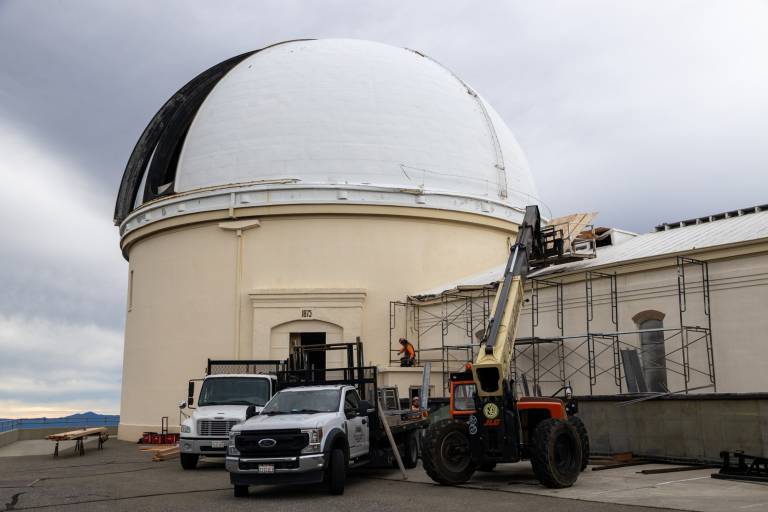
"caption": "Contractors use lifts and scaffolding to do roof repairs at Lick Observatory. A powerful winter storm damaged Lick Observatory’s Great Refractor telescope, forcing an indefinite closure as crews work to save a piece of scientific history. \r\n",
"credit": "Courtesy of University of California Observatories",
"altTag": null,
"description": null,
"imgSizes": {
"thumbnail": {
"file": "https://cdn.kqed.org/wp-content/uploads/sites/35/2026/01/Lick-damage-1-160x107.jpg",
"width": 160,
"height": 107,
"mimeType": "image/jpeg"
},
"medium_large": {
"file": "https://cdn.kqed.org/wp-content/uploads/sites/35/2026/01/Lick-damage-1-768x512.jpg",
"width": 768,
"height": 512,
"mimeType": "image/jpeg"
},
"1536x1536": {
"file": "https://cdn.kqed.org/wp-content/uploads/sites/35/2026/01/Lick-damage-1-1536x1024.jpg",
"width": 1536,
"height": 1024,
"mimeType": "image/jpeg"
},
"post-thumbnail": {
"file": "https://cdn.kqed.org/wp-content/uploads/sites/35/2026/01/Lick-damage-1-672x372.jpg",
"width": 672,
"height": 372,
"mimeType": "image/jpeg"
},
"twentyfourteen-full-width": {
"file": "https://cdn.kqed.org/wp-content/uploads/sites/35/2026/01/Lick-damage-1-1038x576.jpg",
"width": 1038,
"height": 576,
"mimeType": "image/jpeg"
},
"npr-cds-wide": {
"file": "https://cdn.kqed.org/wp-content/uploads/sites/35/2026/01/Lick-damage-1-1200x675.jpg",
"width": 1200,
"height": 675,
"mimeType": "image/jpeg"
},
"kqedFullSize": {
"file": "https://cdn.kqed.org/wp-content/uploads/sites/35/2026/01/Lick-damage-1.jpg",
"width": 2000,
"height": 1333
}
},
"isLoading": false,
"fetchFailed": false
},
"science_1999691": {
"type": "attachments",
"id": "science_1999691",
"meta": {
"index": "attachments_1716263798",
"site": "science",
"id": "1999691",
"found": true
},
"title": "DL1214_promo_still5",
"publishDate": 1766094283,
"status": "inherit",
"parent": 1999687,
"modified": 1766094283,
"caption": null,
"credit": null,
"altTag": null,
"description": null,
"imgSizes": {
"medium": {
"file": "https://cdn.kqed.org/wp-content/uploads/sites/35/2025/12/DL1214_promo_still5-2000x1125.jpg",
"width": 2000,
"height": 1125,
"mimeType": "image/jpeg"
},
"large": {
"file": "https://cdn.kqed.org/wp-content/uploads/sites/35/2025/12/DL1214_promo_still5-2000x1125.jpg",
"width": 2000,
"height": 1125,
"mimeType": "image/jpeg"
},
"thumbnail": {
"file": "https://cdn.kqed.org/wp-content/uploads/sites/35/2025/12/DL1214_promo_still5-160x90.jpg",
"width": 160,
"height": 90,
"mimeType": "image/jpeg"
},
"medium_large": {
"file": "https://cdn.kqed.org/wp-content/uploads/sites/35/2025/12/DL1214_promo_still5-768x432.jpg",
"width": 768,
"height": 432,
"mimeType": "image/jpeg"
},
"1536x1536": {
"file": "https://cdn.kqed.org/wp-content/uploads/sites/35/2025/12/DL1214_promo_still5-1536x864.jpg",
"width": 1536,
"height": 864,
"mimeType": "image/jpeg"
},
"2048x2048": {
"file": "https://cdn.kqed.org/wp-content/uploads/sites/35/2025/12/DL1214_promo_still5-2048x1152.jpg",
"width": 2048,
"height": 1152,
"mimeType": "image/jpeg"
},
"post-thumbnail": {
"file": "https://cdn.kqed.org/wp-content/uploads/sites/35/2025/12/DL1214_promo_still5-672x372.jpg",
"width": 672,
"height": 372,
"mimeType": "image/jpeg"
},
"twentyfourteen-full-width": {
"file": "https://cdn.kqed.org/wp-content/uploads/sites/35/2025/12/DL1214_promo_still5-1038x576.jpg",
"width": 1038,
"height": 576,
"mimeType": "image/jpeg"
},
"full-width": {
"file": "https://cdn.kqed.org/wp-content/uploads/sites/35/2025/12/DL1214_promo_still5-2000x1125.jpg",
"width": 2000,
"height": 1125,
"mimeType": "image/jpeg"
},
"npr-cds-wide": {
"file": "https://cdn.kqed.org/wp-content/uploads/sites/35/2025/12/DL1214_promo_still5-1200x675.jpg",
"width": 1200,
"height": 675,
"mimeType": "image/jpeg"
},
"kqedFullSize": {
"file": "https://cdn.kqed.org/wp-content/uploads/sites/35/2025/12/DL1214_promo_still5-scaled.jpg",
"width": 2560,
"height": 1440
}
},
"isLoading": false,
"fetchFailed": false
},
"science_1999677": {
"type": "attachments",
"id": "science_1999677",
"meta": {
"index": "attachments_1716263798",
"site": "science",
"id": "1999677",
"found": true
},
"title": "251211-DEATHCAPMUSHROOMS-10-BL-KQED",
"publishDate": 1765903941,
"status": "inherit",
"parent": 0,
"modified": 1768435095,
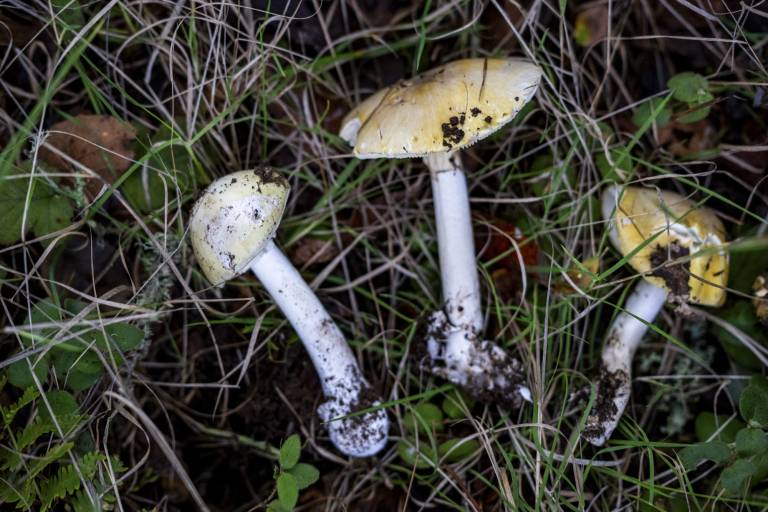
"caption": "Death cap mushrooms sit by the side of a trail during an educational mushroom walk at Anthony Chabot Regional Park in Oakland on Dec. 12, 2025. Mushroom foraging is not allowed in the park.",
"credit": "Beth LaBerge/KQED",
"altTag": null,
"description": null,
"imgSizes": {
"thumbnail": {
"file": "https://cdn.kqed.org/wp-content/uploads/sites/35/2025/12/251211-DEATHCAPMUSHROOMS-10-BL-KQED-160x107.jpg",
"width": 160,
"height": 107,
"mimeType": "image/jpeg"
},
"medium_large": {
"file": "https://cdn.kqed.org/wp-content/uploads/sites/35/2025/12/251211-DEATHCAPMUSHROOMS-10-BL-KQED-768x512.jpg",
"width": 768,
"height": 512,
"mimeType": "image/jpeg"
},
"1536x1536": {
"file": "https://cdn.kqed.org/wp-content/uploads/sites/35/2025/12/251211-DEATHCAPMUSHROOMS-10-BL-KQED-1536x1024.jpg",
"width": 1536,
"height": 1024,
"mimeType": "image/jpeg"
},
"post-thumbnail": {
"file": "https://cdn.kqed.org/wp-content/uploads/sites/35/2025/12/251211-DEATHCAPMUSHROOMS-10-BL-KQED-672x372.jpg",
"width": 672,
"height": 372,
"mimeType": "image/jpeg"
},
"twentyfourteen-full-width": {
"file": "https://cdn.kqed.org/wp-content/uploads/sites/35/2025/12/251211-DEATHCAPMUSHROOMS-10-BL-KQED-1038x576.jpg",
"width": 1038,
"height": 576,
"mimeType": "image/jpeg"
},
"npr-cds-wide": {
"file": "https://cdn.kqed.org/wp-content/uploads/sites/35/2025/12/251211-DEATHCAPMUSHROOMS-10-BL-KQED-1200x675.jpg",
"width": 1200,
"height": 675,
"mimeType": "image/jpeg"
},
"kqedFullSize": {
"file": "https://cdn.kqed.org/wp-content/uploads/sites/35/2025/12/251211-DEATHCAPMUSHROOMS-10-BL-KQED.jpg",
"width": 2000,
"height": 1333
}
},
"isLoading": false,
"fetchFailed": false
},
"science_1999718": {
"type": "attachments",
"id": "science_1999718",
"meta": {
"index": "attachments_1716263798",
"site": "science",
"id": "1999718",
"found": true
},
"title": "251113-rainfile00398_TV_qed",
"publishDate": 1766179907,
"status": "inherit",
"parent": 1999695,
"modified": 1766179916,
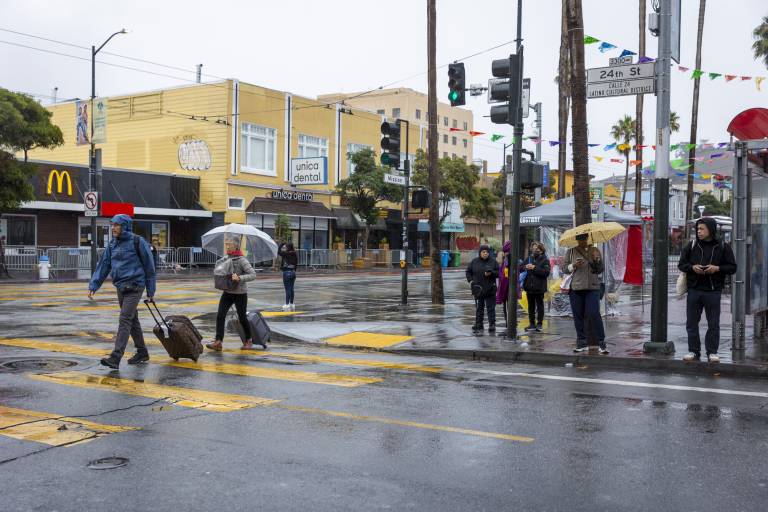
"caption": "Pedestrians wait at a bus stop in the rain in the Mission district in San Francisco on November 13, 2025.",
"credit": "Tâm Vũ/KQED",
"altTag": null,
"description": null,
"imgSizes": {
"thumbnail": {
"file": "https://cdn.kqed.org/wp-content/uploads/sites/35/2025/12/251113-rainfile00398_TV_qed-160x107.jpg",
"width": 160,
"height": 107,
"mimeType": "image/jpeg"
},
"medium_large": {
"file": "https://cdn.kqed.org/wp-content/uploads/sites/35/2025/12/251113-rainfile00398_TV_qed-768x512.jpg",
"width": 768,
"height": 512,
"mimeType": "image/jpeg"
},
"1536x1536": {
"file": "https://cdn.kqed.org/wp-content/uploads/sites/35/2025/12/251113-rainfile00398_TV_qed-1536x1024.jpg",
"width": 1536,
"height": 1024,
"mimeType": "image/jpeg"
},
"post-thumbnail": {
"file": "https://cdn.kqed.org/wp-content/uploads/sites/35/2025/12/251113-rainfile00398_TV_qed-672x372.jpg",
"width": 672,
"height": 372,
"mimeType": "image/jpeg"
},
"twentyfourteen-full-width": {
"file": "https://cdn.kqed.org/wp-content/uploads/sites/35/2025/12/251113-rainfile00398_TV_qed-1038x576.jpg",
"width": 1038,
"height": 576,
"mimeType": "image/jpeg"
},
"npr-cds-wide": {
"file": "https://cdn.kqed.org/wp-content/uploads/sites/35/2025/12/251113-rainfile00398_TV_qed-1200x675.jpg",
"width": 1200,
"height": 675,
"mimeType": "image/jpeg"
},
"kqedFullSize": {
"file": "https://cdn.kqed.org/wp-content/uploads/sites/35/2025/12/251113-rainfile00398_TV_qed.jpg",
"width": 2000,
"height": 1333
}
},
"isLoading": false,
"fetchFailed": false
},
"science_1999682": {
"type": "attachments",
"id": "science_1999682",
"meta": {
"index": "attachments_1716263798",
"site": "science",
"id": "1999682",
"found": true
},
"title": "Heavy rain in San Francisco",
"publishDate": 1765919612,
"status": "inherit",
"parent": 1999678,
"modified": 1765923225,
"caption": "A couple stands next to the Macy's Union Square Great Christmas tree during heavy rain in San Francisco, California, on Dec. 26, 2024.",
"credit": "Tayfun Coskun/Anadolu via Getty Images",
"altTag": null,
"description": null,
"imgSizes": {
"thumbnail": {
"file": "https://cdn.kqed.org/wp-content/uploads/sites/35/2025/12/RainUnionSquareSFGetty-160x106.jpg",
"width": 160,
"height": 106,
"mimeType": "image/jpeg"
},
"medium_large": {
"file": "https://cdn.kqed.org/wp-content/uploads/sites/35/2025/12/RainUnionSquareSFGetty-768x510.jpg",
"width": 768,
"height": 510,
"mimeType": "image/jpeg"
},
"1536x1536": {
"file": "https://cdn.kqed.org/wp-content/uploads/sites/35/2025/12/RainUnionSquareSFGetty-1536x1020.jpg",
"width": 1536,
"height": 1020,
"mimeType": "image/jpeg"
},
"post-thumbnail": {
"file": "https://cdn.kqed.org/wp-content/uploads/sites/35/2025/12/RainUnionSquareSFGetty-672x372.jpg",
"width": 672,
"height": 372,
"mimeType": "image/jpeg"
},
"twentyfourteen-full-width": {
"file": "https://cdn.kqed.org/wp-content/uploads/sites/35/2025/12/RainUnionSquareSFGetty-1038x576.jpg",
"width": 1038,
"height": 576,
"mimeType": "image/jpeg"
},
"npr-cds-wide": {
"file": "https://cdn.kqed.org/wp-content/uploads/sites/35/2025/12/RainUnionSquareSFGetty-1200x675.jpg",
"width": 1200,
"height": 675,
"mimeType": "image/jpeg"
},
"kqedFullSize": {
"file": "https://cdn.kqed.org/wp-content/uploads/sites/35/2025/12/RainUnionSquareSFGetty.jpg",
"width": 2000,
"height": 1328
}
},
"isLoading": false,
"fetchFailed": false
},
"science_1999656": {
"type": "attachments",
"id": "science_1999656",
"meta": {
"index": "attachments_1716263798",
"site": "science",
"id": "1999656",
"found": true
},
"title": "251215-EARTHQUAKESWARMS-12-BL-KQED",
"publishDate": 1765839038,
"status": "inherit",
"parent": 0,
"modified": 1775170245,
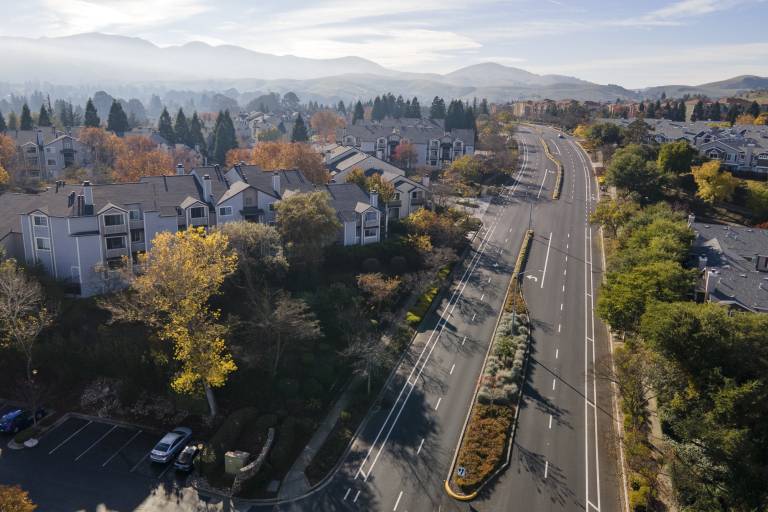
"caption": "Apartment buildings and homes line Deerwood Road in San Ramon on Dec. 15, 2025. The area sits near the Calaveras Fault, an active fault that runs underground through the East Bay.",
"credit": "Beth LaBerge/KQED",
"altTag": null,
"description": null,
"imgSizes": {
"thumbnail": {
"file": "https://cdn.kqed.org/wp-content/uploads/sites/35/2025/12/251215-EARTHQUAKESWARMS-12-BL-KQED-160x107.jpg",
"width": 160,
"height": 107,
"mimeType": "image/jpeg"
},
"medium_large": {
"file": "https://cdn.kqed.org/wp-content/uploads/sites/35/2025/12/251215-EARTHQUAKESWARMS-12-BL-KQED-768x512.jpg",
"width": 768,
"height": 512,
"mimeType": "image/jpeg"
},
"1536x1536": {
"file": "https://cdn.kqed.org/wp-content/uploads/sites/35/2025/12/251215-EARTHQUAKESWARMS-12-BL-KQED-1536x1024.jpg",
"width": 1536,
"height": 1024,
"mimeType": "image/jpeg"
},
"post-thumbnail": {
"file": "https://cdn.kqed.org/wp-content/uploads/sites/35/2025/12/251215-EARTHQUAKESWARMS-12-BL-KQED-672x372.jpg",
"width": 672,
"height": 372,
"mimeType": "image/jpeg"
},
"twentyfourteen-full-width": {
"file": "https://cdn.kqed.org/wp-content/uploads/sites/35/2025/12/251215-EARTHQUAKESWARMS-12-BL-KQED-1038x576.jpg",
"width": 1038,
"height": 576,
"mimeType": "image/jpeg"
},
"npr-cds-wide": {
"file": "https://cdn.kqed.org/wp-content/uploads/sites/35/2025/12/251215-EARTHQUAKESWARMS-12-BL-KQED-1200x675.jpg",
"width": 1200,
"height": 675,
"mimeType": "image/jpeg"
},
"kqedFullSize": {
"file": "https://cdn.kqed.org/wp-content/uploads/sites/35/2025/12/251215-EARTHQUAKESWARMS-12-BL-KQED.jpg",
"width": 2000,
"height": 1333
}
},
"isLoading": false,
"fetchFailed": false
},
"science_1999622": {
"type": "attachments",
"id": "science_1999622",
"meta": {
"index": "attachments_1716263798",
"site": "science",
"id": "1999622",
"found": true
},
"title": "The 580 freeway in Oakland on Oct. 21, 2025.",
"publishDate": 1765577401,
"status": "inherit",
"parent": 1999616,
"modified": 1765577412,
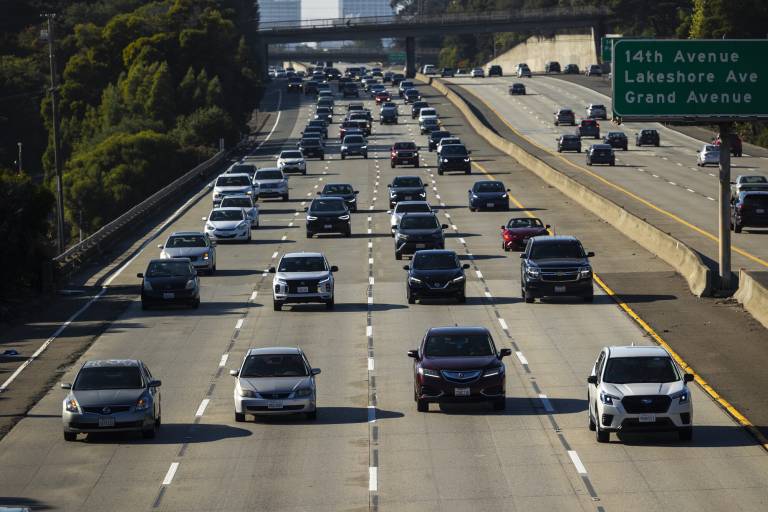
"caption": "The 580 freeway in Oakland on Oct. 21, 2025.",
"credit": "Martin do Nascimento/KQED",
"altTag": null,
"description": null,
"imgSizes": {
"thumbnail": {
"file": "https://cdn.kqed.org/wp-content/uploads/sites/35/2025/12/251021-I-580-MD-03_qed-160x107.jpg",
"width": 160,
"height": 107,
"mimeType": "image/jpeg"
},
"medium_large": {
"file": "https://cdn.kqed.org/wp-content/uploads/sites/35/2025/12/251021-I-580-MD-03_qed-768x512.jpg",
"width": 768,
"height": 512,
"mimeType": "image/jpeg"
},
"1536x1536": {
"file": "https://cdn.kqed.org/wp-content/uploads/sites/35/2025/12/251021-I-580-MD-03_qed-1536x1024.jpg",
"width": 1536,
"height": 1024,
"mimeType": "image/jpeg"
},
"post-thumbnail": {
"file": "https://cdn.kqed.org/wp-content/uploads/sites/35/2025/12/251021-I-580-MD-03_qed-672x372.jpg",
"width": 672,
"height": 372,
"mimeType": "image/jpeg"
},
"twentyfourteen-full-width": {
"file": "https://cdn.kqed.org/wp-content/uploads/sites/35/2025/12/251021-I-580-MD-03_qed-1038x576.jpg",
"width": 1038,
"height": 576,
"mimeType": "image/jpeg"
},
"npr-cds-wide": {
"file": "https://cdn.kqed.org/wp-content/uploads/sites/35/2025/12/251021-I-580-MD-03_qed-1200x675.jpg",
"width": 1200,
"height": 675,
"mimeType": "image/jpeg"
},
"kqedFullSize": {
"file": "https://cdn.kqed.org/wp-content/uploads/sites/35/2025/12/251021-I-580-MD-03_qed.jpg",
"width": 2000,
"height": 1333
}
},
"isLoading": false,
"fetchFailed": false
},
"science_1979684": {
"type": "attachments",
"id": "science_1979684",
"meta": {
"index": "attachments_1716263798",
"site": "science",
"id": "1979684",
"found": true
},
"parent": 1979614,
"imgSizes": {
"twentyfourteen-full-width": {
"file": "https://cdn.kqed.org/wp-content/uploads/sites/35/2024/06/RS54652_038_KQED_BaykeeperBayviewHuntersPoint_03082022-qut-1038x576.jpg",
"width": 1038,
"mimeType": "image/jpeg",
"height": 576
},
"thumbnail": {
"file": "https://cdn.kqed.org/wp-content/uploads/sites/35/2024/06/RS54652_038_KQED_BaykeeperBayviewHuntersPoint_03082022-qut-160x107.jpg",
"width": 160,
"mimeType": "image/jpeg",
"height": 107
},
"post-thumbnail": {
"file": "https://cdn.kqed.org/wp-content/uploads/sites/35/2024/06/RS54652_038_KQED_BaykeeperBayviewHuntersPoint_03082022-qut-672x372.jpg",
"width": 672,
"mimeType": "image/jpeg",
"height": 372
},
"kqedFullSize": {
"file": "https://cdn.kqed.org/wp-content/uploads/sites/35/2024/06/RS54652_038_KQED_BaykeeperBayviewHuntersPoint_03082022-qut.jpg",
"width": 1920,
"height": 1278
},
"large": {
"file": "https://cdn.kqed.org/wp-content/uploads/sites/35/2024/06/RS54652_038_KQED_BaykeeperBayviewHuntersPoint_03082022-qut-1020x679.jpg",
"width": 1020,
"mimeType": "image/jpeg",
"height": 679
},
"1536x1536": {
"file": "https://cdn.kqed.org/wp-content/uploads/sites/35/2024/06/RS54652_038_KQED_BaykeeperBayviewHuntersPoint_03082022-qut-1536x1022.jpg",
"width": 1536,
"mimeType": "image/jpeg",
"height": 1022
},
"medium": {
"file": "https://cdn.kqed.org/wp-content/uploads/sites/35/2024/06/RS54652_038_KQED_BaykeeperBayviewHuntersPoint_03082022-qut-800x533.jpg",
"width": 800,
"mimeType": "image/jpeg",
"height": 533
},
"medium_large": {
"file": "https://cdn.kqed.org/wp-content/uploads/sites/35/2024/06/RS54652_038_KQED_BaykeeperBayviewHuntersPoint_03082022-qut-768x511.jpg",
"width": 768,
"mimeType": "image/jpeg",
"height": 511
}
},
"publishDate": 1656458209,
"modified": 1701986154,
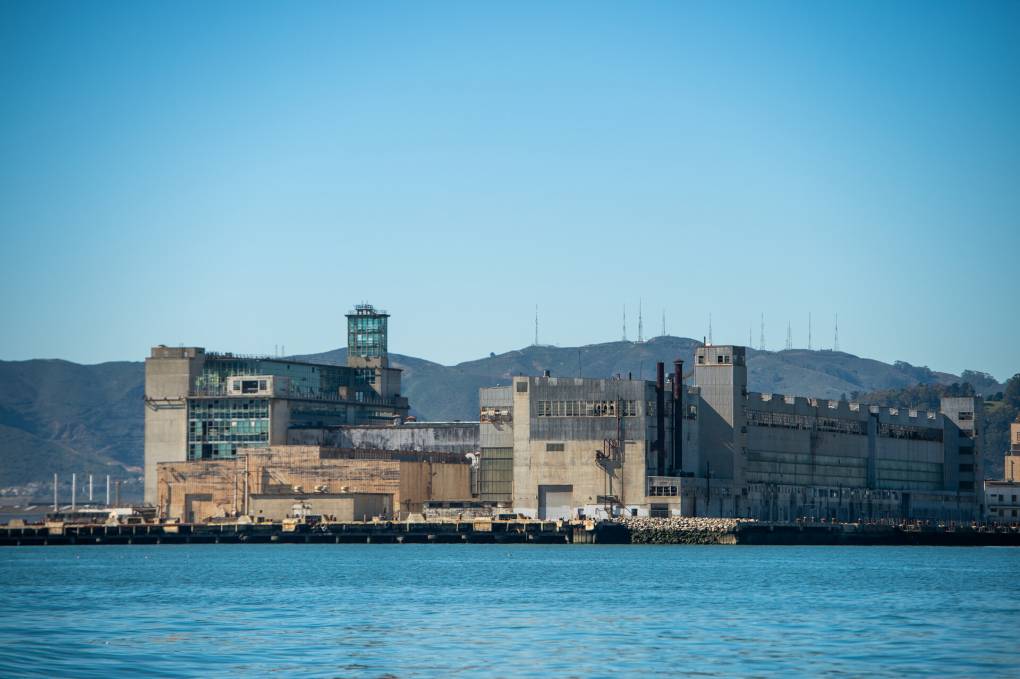
"caption": "Abandoned buildings at the Hunters Point Naval Shipyard in San Francisco on March 8, 2022.",
"description": "Much of what remains at the Hunters Point Superfund site are abandoned and broken-down buildings. Photo taken in San Francisco on March 8, 2022.",
"title": "Bayview Hunters Point",
"credit": "Beth LaBerge/KQED",
"status": "inherit",
"altTag": "Blue bay water in the foreground with gray and tan industrial buildings along the bay's edge in the background. In the distance are hills and above is a blue sky.",
"isLoading": false,
"fetchFailed": false
},
"science_373785": {
"type": "attachments",
"id": "science_373785",
"meta": {
"index": "attachments_1716263798",
"site": "science",
"id": "373785",
"found": true
},
"title": "This scales on this bristlecone pine seed cone are closed tight to protect the developing seeds",
"publishDate": 1448307179,
"status": "inherit",
"parent": 366760,
"modified": 1765574218,
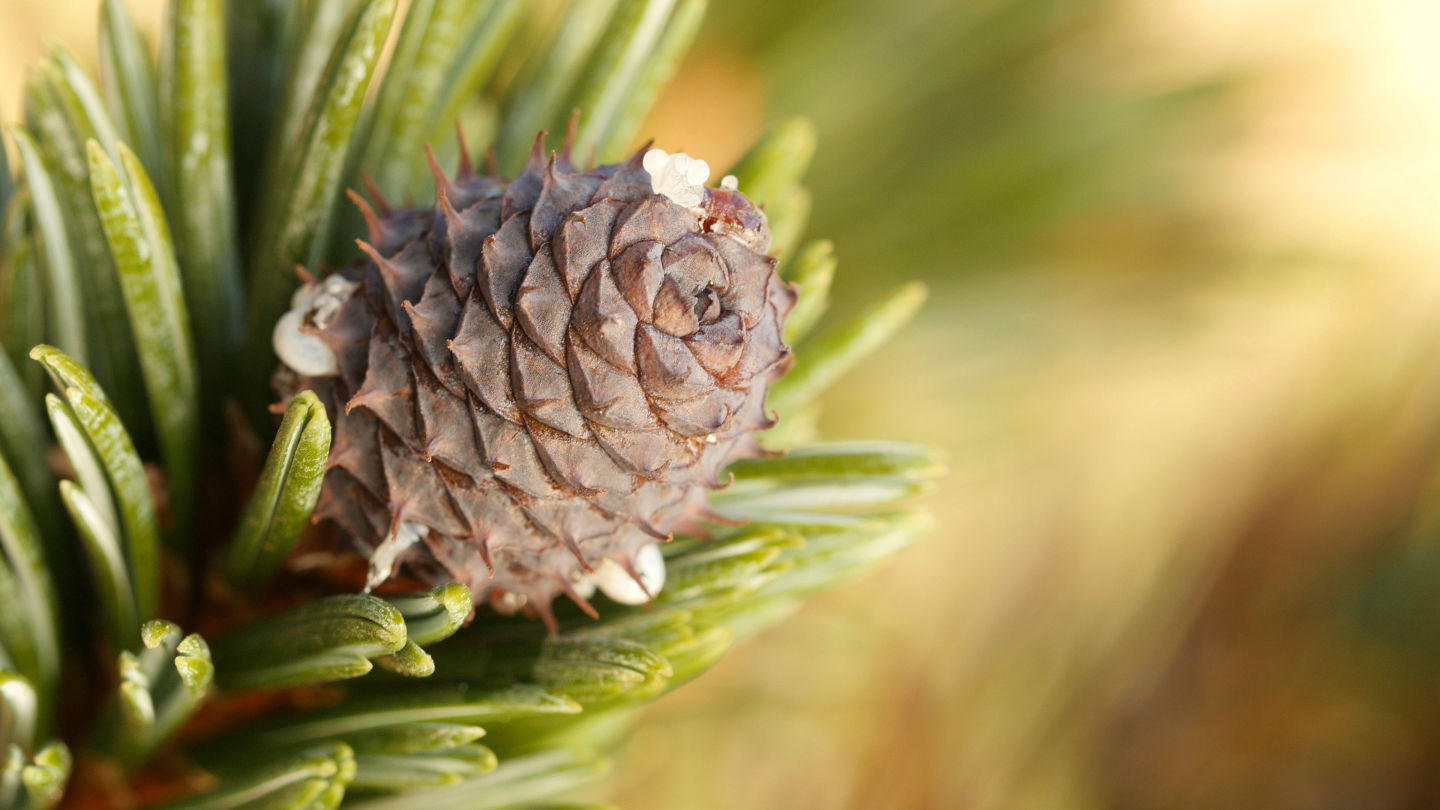
"caption": "The scales on this bristlecone pine seed cone are closed tightly to protect the developing seeds. ",
"credit": "Josh Cassidy/KQED",
"altTag": null,
"description": "This scales on this bristlecone pine seed cone are closed tight to protect the developing seeds ",
"imgSizes": {
"thumbnail": {
"file": "https://cdn.kqed.org/wp-content/uploads/sites/35/2015/11/bristlecone-pine-cone-juvenile-400x225.jpg",
"width": 400,
"height": 225,
"mimeType": "image/jpeg"
},
"medium": {
"file": "https://cdn.kqed.org/wp-content/uploads/sites/35/2015/11/bristlecone-pine-cone-juvenile-800x450.jpg",
"width": 800,
"height": 450,
"mimeType": "image/jpeg"
},
"large": {
"file": "https://cdn.kqed.org/wp-content/uploads/sites/35/2015/11/bristlecone-pine-cone-juvenile-1440x810.jpg",
"width": 1440,
"height": 810,
"mimeType": "image/jpeg"
},
"fd-lrg": {
"file": "https://cdn.kqed.org/wp-content/uploads/sites/35/2015/11/bristlecone-pine-cone-juvenile-1920x1080.jpg",
"width": 1920,
"height": 1080,
"mimeType": "image/jpeg"
},
"fd-med": {
"file": "https://cdn.kqed.org/wp-content/uploads/sites/35/2015/11/bristlecone-pine-cone-juvenile-1180x664.jpg",
"width": 1180,
"height": 664,
"mimeType": "image/jpeg"
},
"fd-sm": {
"file": "https://cdn.kqed.org/wp-content/uploads/sites/35/2015/11/bristlecone-pine-cone-juvenile-960x540.jpg",
"width": 960,
"height": 540,
"mimeType": "image/jpeg"
},
"post-thumbnail": {
"file": "https://cdn.kqed.org/wp-content/uploads/sites/35/2015/11/bristlecone-pine-cone-juvenile-672x372.jpg",
"width": 672,
"height": 372,
"mimeType": "image/jpeg"
},
"twentyfourteen-full-width": {
"file": "https://cdn.kqed.org/wp-content/uploads/sites/35/2015/11/bristlecone-pine-cone-juvenile-1038x576.jpg",
"width": 1038,
"height": 576,
"mimeType": "image/jpeg"
},
"guest-author-32": {
"file": "https://cdn.kqed.org/wp-content/uploads/sites/35/2015/11/bristlecone-pine-cone-juvenile-32x32.jpg",
"width": 32,
"height": 32,
"mimeType": "image/jpeg"
},
"guest-author-64": {
"file": "https://cdn.kqed.org/wp-content/uploads/sites/35/2015/11/bristlecone-pine-cone-juvenile-64x64.jpg",
"width": 64,
"height": 64,
"mimeType": "image/jpeg"
},
"guest-author-96": {
"file": "https://cdn.kqed.org/wp-content/uploads/sites/35/2015/11/bristlecone-pine-cone-juvenile-96x96.jpg",
"width": 96,
"height": 96,
"mimeType": "image/jpeg"
},
"guest-author-128": {
"file": "https://cdn.kqed.org/wp-content/uploads/sites/35/2015/11/bristlecone-pine-cone-juvenile-128x128.jpg",
"width": 128,
"height": 128,
"mimeType": "image/jpeg"
},
"detail": {
"file": "https://cdn.kqed.org/wp-content/uploads/sites/35/2015/11/bristlecone-pine-cone-juvenile-75x75.jpg",
"width": 75,
"height": 75,
"mimeType": "image/jpeg"
},
"kqedFullSize": {
"file": "https://cdn.kqed.org/wp-content/uploads/sites/35/2015/11/bristlecone-pine-cone-juvenile-e1765569999238.jpg",
"width": 2000,
"height": 1125
}
},
"isLoading": false,
"fetchFailed": false
},
"science_1999591": {
"type": "attachments",
"id": "science_1999591",
"meta": {
"index": "attachments_1716263798",
"site": "science",
"id": "1999591",
"found": true
},
"title": "MonarchButterfly",
"publishDate": 1765490874,
"status": "inherit",
"parent": 1999589,
"modified": 1765490903,
"caption": "A monarch butterfly wearing one of Cellular Tracking Technologies’ transmitters.",
"credit": "Courtesy of Cellular Tracking Technologies",
"altTag": null,
"description": null,
"imgSizes": {
"thumbnail": {
"file": "https://cdn.kqed.org/wp-content/uploads/sites/35/2025/12/MonarchButterfly-160x103.jpg",
"width": 160,
"height": 103,
"mimeType": "image/jpeg"
},
"medium_large": {
"file": "https://cdn.kqed.org/wp-content/uploads/sites/35/2025/12/MonarchButterfly-768x496.jpg",
"width": 768,
"height": 496,
"mimeType": "image/jpeg"
},
"1536x1536": {
"file": "https://cdn.kqed.org/wp-content/uploads/sites/35/2025/12/MonarchButterfly-1536x992.jpg",
"width": 1536,
"height": 992,
"mimeType": "image/jpeg"
},
"post-thumbnail": {
"file": "https://cdn.kqed.org/wp-content/uploads/sites/35/2025/12/MonarchButterfly-672x372.jpg",
"width": 672,
"height": 372,
"mimeType": "image/jpeg"
},
"twentyfourteen-full-width": {
"file": "https://cdn.kqed.org/wp-content/uploads/sites/35/2025/12/MonarchButterfly-1038x576.jpg",
"width": 1038,
"height": 576,
"mimeType": "image/jpeg"
},
"npr-cds-wide": {
"file": "https://cdn.kqed.org/wp-content/uploads/sites/35/2025/12/MonarchButterfly-1200x675.jpg",
"width": 1200,
"height": 675,
"mimeType": "image/jpeg"
},
"kqedFullSize": {
"file": "https://cdn.kqed.org/wp-content/uploads/sites/35/2025/12/MonarchButterfly.jpg",
"width": 2000,
"height": 1292
}
},
"isLoading": false,
"fetchFailed": false
},
"science_1999015": {
"type": "attachments",
"id": "science_1999015",
"meta": {
"index": "attachments_1716263798",
"site": "science",
"id": "1999015",
"found": true
},
"title": "20251029_VIRTUAL REALITY--_GH-7-KQED",
"publishDate": 1761911909,
"status": "inherit",
"parent": 0,
"modified": 1765487012,
"caption": "Monique Santoso wears a headset during a virtual reality test run at the Stanford Virtual Human Interaction Lab on Oct. 29, 2025, in Stanford.",
"credit": "Gustavo Hernandez/KQED",
"altTag": null,
"description": null,
"imgSizes": {
"thumbnail": {
"file": "https://cdn.kqed.org/wp-content/uploads/sites/35/2025/10/20251029_VIRTUAL-REALITY-_GH-7-KQED-160x107.jpg",
"width": 160,
"height": 107,
"mimeType": "image/jpeg"
},
"medium_large": {
"file": "https://cdn.kqed.org/wp-content/uploads/sites/35/2025/10/20251029_VIRTUAL-REALITY-_GH-7-KQED-768x512.jpg",
"width": 768,
"height": 512,
"mimeType": "image/jpeg"
},
"1536x1536": {
"file": "https://cdn.kqed.org/wp-content/uploads/sites/35/2025/10/20251029_VIRTUAL-REALITY-_GH-7-KQED-1536x1024.jpg",
"width": 1536,
"height": 1024,
"mimeType": "image/jpeg"
},
"post-thumbnail": {
"file": "https://cdn.kqed.org/wp-content/uploads/sites/35/2025/10/20251029_VIRTUAL-REALITY-_GH-7-KQED-672x372.jpg",
"width": 672,
"height": 372,
"mimeType": "image/jpeg"
},
"twentyfourteen-full-width": {
"file": "https://cdn.kqed.org/wp-content/uploads/sites/35/2025/10/20251029_VIRTUAL-REALITY-_GH-7-KQED-1038x576.jpg",
"width": 1038,
"height": 576,
"mimeType": "image/jpeg"
},
"npr-cds-wide": {
"file": "https://cdn.kqed.org/wp-content/uploads/sites/35/2025/10/20251029_VIRTUAL-REALITY-_GH-7-KQED-1200x675.jpg",
"width": 1200,
"height": 675,
"mimeType": "image/jpeg"
},
"kqedFullSize": {
"file": "https://cdn.kqed.org/wp-content/uploads/sites/35/2025/10/20251029_VIRTUAL-REALITY-_GH-7-KQED.jpg",
"width": 2000,
"height": 1333
}
},
"isLoading": false,
"fetchFailed": false
},
"science_1999408": {
"type": "attachments",
"id": "science_1999408",
"meta": {
"index": "attachments_1716263798",
"site": "science",
"id": "1999408",
"found": true
},
"title": "251126-AI KAISER-KQED_1",
"publishDate": 1764185577,
"status": "inherit",
"parent": 0,
"modified": 1764185598,
"caption": "Ilana Marcucci-Morris and other Kaiser therapists strike in Oakland in August 2022.",
"credit": "Courtesy of Karna Roa",
"altTag": null,
"description": null,
"imgSizes": {
"thumbnail": {
"file": "https://cdn.kqed.org/wp-content/uploads/sites/35/2025/11/251126-AI-KAISER-KQED_1-160x106.jpg",
"width": 160,
"height": 106,
"mimeType": "image/jpeg"
},
"medium_large": {
"file": "https://cdn.kqed.org/wp-content/uploads/sites/35/2025/11/251126-AI-KAISER-KQED_1-768x511.jpg",
"width": 768,
"height": 511,
"mimeType": "image/jpeg"
},
"1536x1536": {
"file": "https://cdn.kqed.org/wp-content/uploads/sites/35/2025/11/251126-AI-KAISER-KQED_1-1536x1022.jpg",
"width": 1536,
"height": 1022,
"mimeType": "image/jpeg"
},
"post-thumbnail": {
"file": "https://cdn.kqed.org/wp-content/uploads/sites/35/2025/11/251126-AI-KAISER-KQED_1-672x372.jpg",
"width": 672,
"height": 372,
"mimeType": "image/jpeg"
},
"twentyfourteen-full-width": {
"file": "https://cdn.kqed.org/wp-content/uploads/sites/35/2025/11/251126-AI-KAISER-KQED_1-1038x576.jpg",
"width": 1038,
"height": 576,
"mimeType": "image/jpeg"
},
"npr-cds-wide": {
"file": "https://cdn.kqed.org/wp-content/uploads/sites/35/2025/11/251126-AI-KAISER-KQED_1-1200x675.jpg",
"width": 1200,
"height": 675,
"mimeType": "image/jpeg"
},
"kqedFullSize": {
"file": "https://cdn.kqed.org/wp-content/uploads/sites/35/2025/11/251126-AI-KAISER-KQED_1.jpg",
"width": 2000,
"height": 1331
}
},
"isLoading": false,
"fetchFailed": false
}
},
"audioPlayerReducer": {
"postId": "stream_live",
"isPaused": true,
"isPlaying": false,
"pfsActive": false,
"pledgeModalIsOpen": true,
"playerDrawerIsOpen": false,
"liveAudioPlayStartedAt": 0,
"liveAudioPlayContext": ""
},
"authorsReducer": {
"adembosky": {
"type": "authors",
"id": "3205",
"meta": {
"index": "authors_1716337520",
"id": "3205",
"found": true
},
"name": "April Dembosky",
"firstName": "April",
"lastName": "Dembosky",
"slug": "adembosky",
"email": "adembosky@kqed.org",
"display_author_email": false,
"staff_mastheads": [
"news",
"science"
],
"title": "KQED Health Correspondent",
"bio": "April Dembosky is the health correspondent for KQED News and a regular contributor to NPR. She specializes in covering altered states of mind, from postpartum depression to methamphetamine-induced psychosis to the insanity defense. Her investigative series on insurance companies sidestepping mental health laws won multiple awards, including first place in beat reporting from the national Association of Health Care Journalists. She is the recipient of numerous other prizes and fellowships, including a national Edward R. Murrow award for investigative reporting, a Society of Professional Journalists award for long-form storytelling, and a Carter Center Fellowship for Mental Health Journalism.\r\n\r\nDembosky reported and produced \u003cem>Soundtrack of Silence\u003c/em>, an audio documentary about music and memory that is currently being made into a feature film by Paramount Pictures.\r\n\r\nBefore joining KQED in 2013, Dembosky covered technology and Silicon Valley for \u003cem>The Financial Times of London,\u003c/em> and contributed business and arts stories to \u003cem>Marketplace \u003c/em>and \u003cem>The New York Times.\u003c/em> She got her undergraduate degree in philosophy from Smith College and her master's in journalism from the University of California, Berkeley. She is a classically trained violinist and proud alum of the first symphony orchestra at Burning Man.",
"avatar": "https://secure.gravatar.com/avatar/ef92999be4ceb9ea60701e7dc276f813?s=600&d=blank&r=g",
"twitter": "adembosky",
"facebook": null,
"instagram": null,
"linkedin": null,
"sites": [
{
"site": "arts",
"roles": [
"author"
]
},
{
"site": "news",
"roles": [
"editor"
]
},
{
"site": "futureofyou",
"roles": [
"author"
]
},
{
"site": "stateofhealth",
"roles": [
"editor"
]
},
{
"site": "science",
"roles": [
"editor"
]
},
{
"site": "forum",
"roles": [
"editor"
]
}
],
"headData": {
"title": "April Dembosky | KQED",
"description": "KQED Health Correspondent",
"ogImgSrc": "https://secure.gravatar.com/avatar/ef92999be4ceb9ea60701e7dc276f813?s=600&d=blank&r=g",
"twImgSrc": "https://secure.gravatar.com/avatar/ef92999be4ceb9ea60701e7dc276f813?s=600&d=blank&r=g"
},
"isLoading": false,
"link": "/author/adembosky"
},
"lklivans": {
"type": "authors",
"id": "8648",
"meta": {
"index": "authors_1716337520",
"id": "8648",
"found": true
},
"name": "Laura Klivans",
"firstName": "Laura",
"lastName": "Klivans",
"slug": "lklivans",
"email": "lklivans@kqed.org",
"display_author_email": true,
"staff_mastheads": [
"news",
"science"
],
"title": "Reporter",
"bio": "Laura Klivans is an award-winning science reporter for KQED News, where she covers climate change with an eye on both groundbreaking progress and gaps in action. She is the former host of KQED's blockbuster video series about tiny, amazing animals, \u003cem>Deep Look\u003c/em>. Her work reaches national audiences through NPR, \u003cem>Here & Now, \u003c/em>PRI, and other major outlets. \r\n\r\nLaura’s won five Northern California Area Emmy Awards for Deep Look and First Place in the Greater Bay Area Journalism Awards for a podcast exploring how one Oakland neighborhood teamed up to reduce planet-heating pollution.\r\n\r\nBeyond her reporting, she hosts and moderates events. In the past, she taught audio storytelling at the UC Berkeley Graduate School of Journalism, led international education programs, worked with immigrants and refugees along the Thai-Burmese border, taught high schoolers sex ed, and was an actress. \r\n\r\nShe's a former UC Berkeley Human Rights Fellow, USC Center for Health Journalism's California Fellow and Coro Fellow in Public Affairs. Laura has a master’s in journalism from UC Berkeley, a master’s in education from Harvard, and an undergraduate degree from Northwestern University.\r\n\r\nShe loves trying to riddle the meaning out of vanity license plates.",
"avatar": "https://secure.gravatar.com/avatar/2d2ecd1550a494cc10ad4a503406965585902124739e775a9b3817eebf1d88be?s=600&d=blank&r=g",
"twitter": "lauraklivans",
"bluesky": null,
"facebook": null,
"instagram": null,
"linkedin": null,
"sites": [
{
"site": "news",
"roles": [
"editor"
]
},
{
"site": "stateofhealth",
"roles": [
"contributor",
"editor"
]
},
{
"site": "science",
"roles": [
"editor"
]
},
{
"site": "forum",
"roles": [
"editor"
]
}
],
"headData": {
"title": "Laura Klivans | KQED",
"description": "Reporter",
"ogImgSrc": "https://secure.gravatar.com/avatar/2d2ecd1550a494cc10ad4a503406965585902124739e775a9b3817eebf1d88be?s=600&d=blank&r=g",
"twImgSrc": "https://secure.gravatar.com/avatar/2d2ecd1550a494cc10ad4a503406965585902124739e775a9b3817eebf1d88be?s=600&d=blank&r=g"
},
"isLoading": false,
"link": "/author/lklivans"
},
"mseely": {
"type": "authors",
"id": "11095",
"meta": {
"index": "authors_1716337520",
"id": "11095",
"found": true
},
"name": "Mike Seely",
"firstName": "Mike",
"lastName": "Seely",
"slug": "mseely",
"email": "mseely@kqed.org",
"display_author_email": false,
"staff_mastheads": [
"science"
],
"title": "Producer",
"bio": "Mike is a Digital Media Producer for KQED Science and Post Production Coordinator for \u003ca href=\"https://www.youtube.com/user/KQEDDeepLook\" target=\"_blank\" rel=\"noopener noreferrer\">Deep Look\u003c/a>. Prior to his work at KQED, he worked independently for 15 years as a director, producer and cinematographer of documentary films about art, science, and social issues, collaborating with independent directors, corporate clients, non-profits, digital and broadcast networks. Previous to filmmaking life, he majored in biology as an undergrad at Oberlin College, and worked as a wildlife biologist on bird and seal population studies in California. He also holds an M.A. in Documentary Film Production from Stanford University.",
"avatar": "https://secure.gravatar.com/avatar/f9c5c6f7135a7c3fc0ce85114f7b05dd18e0b71af78a2d6770a1b09a921d8425?s=600&d=blank&r=g",
"twitter": null,
"bluesky": null,
"facebook": null,
"instagram": null,
"linkedin": null,
"sites": [
{
"site": "arts",
"roles": [
"subscriber"
]
},
{
"site": "science",
"roles": [
"author"
]
}
],
"headData": {
"title": "Mike Seely | KQED",
"description": "Producer",
"ogImgSrc": "https://secure.gravatar.com/avatar/f9c5c6f7135a7c3fc0ce85114f7b05dd18e0b71af78a2d6770a1b09a921d8425?s=600&d=blank&r=g",
"twImgSrc": "https://secure.gravatar.com/avatar/f9c5c6f7135a7c3fc0ce85114f7b05dd18e0b71af78a2d6770a1b09a921d8425?s=600&d=blank&r=g"
},
"isLoading": false,
"link": "/author/mseely"
},
"smohamad": {
"type": "authors",
"id": "11631",
"meta": {
"index": "authors_1716337520",
"id": "11631",
"found": true
},
"name": "Sarah Mohamad",
"firstName": "Sarah",
"lastName": "Mohamad",
"slug": "smohamad",
"email": "smohamad@KQED.org",
"display_author_email": true,
"staff_mastheads": [],
"title": "Engagement Producer and Reporter, KQED Science",
"bio": "Sarah Mohamad is an audience engagement reporter and producer for KQED Science. She reports on audience-focused science and environment stories and manages the team's social media, newsletter, and engagement efforts. Prior to this role, she played a key role as project manager for NSF's \u003ca href=\"https://www.kqed.org/crackingthecode\">\u003cem>Cracking the Code: Influencing Millennial Science Engagement\u003c/em> \u003c/a>audience research.",
"avatar": "https://secure.gravatar.com/avatar/e6224957cd82d015183756ddde1f928013a563d7ca2e4565f8c4de1ec64886c5?s=600&d=blank&r=g",
"twitter": "sarahkmohamad",
"bluesky": null,
"facebook": null,
"instagram": null,
"linkedin": null,
"sites": [
{
"site": "",
"roles": [
"editor"
]
},
{
"site": "arts",
"roles": [
"editor"
]
},
{
"site": "news",
"roles": [
"editor"
]
},
{
"site": "about",
"roles": [
"editor"
]
},
{
"site": "science",
"roles": [
"editor"
]
}
],
"headData": {
"title": "Sarah Mohamad | KQED",
"description": "Engagement Producer and Reporter, KQED Science",
"ogImgSrc": "https://secure.gravatar.com/avatar/e6224957cd82d015183756ddde1f928013a563d7ca2e4565f8c4de1ec64886c5?s=600&d=blank&r=g",
"twImgSrc": "https://secure.gravatar.com/avatar/e6224957cd82d015183756ddde1f928013a563d7ca2e4565f8c4de1ec64886c5?s=600&d=blank&r=g"
},
"isLoading": false,
"link": "/author/smohamad"
},
"eromero": {
"type": "authors",
"id": "11746",
"meta": {
"index": "authors_1716337520",
"id": "11746",
"found": true
},
"name": "Ezra David Romero",
"firstName": "Ezra David",
"lastName": "Romero",
"slug": "eromero",
"email": "eromero@kqed.org",
"display_author_email": true,
"staff_mastheads": [
"news",
"science"
],
"title": "Climate Reporter",
"bio": "Ezra David Romero is a climate reporter for KQED News. He covers the absence and excess of water in the Bay Area — think sea level rise, flooding and drought. For nearly a decade he’s covered how warming temperatures are altering the lives of Californians. He’s reported on farmers worried their pistachio trees aren’t getting enough sleep, families desperate for water, scientists studying dying giant sequoias, and alongside firefighters containing wildfires. His work has appeared on local stations across California and nationally on public radio shows like Morning Edition, Here and Now, All Things Considered and Science Friday. ",
"avatar": "https://secure.gravatar.com/avatar/c76404d287c10ed40224227551ac36e24352c7306f106632caf6fead76f8801f?s=600&d=blank&r=g",
"twitter": "ezraromero",
"bluesky": null,
"facebook": null,
"instagram": null,
"linkedin": null,
"sites": [
{
"site": "arts",
"roles": [
"editor"
]
},
{
"site": "news",
"roles": [
"editor"
]
},
{
"site": "science",
"roles": [
"editor"
]
},
{
"site": "liveblog",
"roles": [
"author"
]
}
],
"headData": {
"title": "Ezra David Romero | KQED",
"description": "Climate Reporter",
"ogImgSrc": "https://secure.gravatar.com/avatar/c76404d287c10ed40224227551ac36e24352c7306f106632caf6fead76f8801f?s=600&d=blank&r=g",
"twImgSrc": "https://secure.gravatar.com/avatar/c76404d287c10ed40224227551ac36e24352c7306f106632caf6fead76f8801f?s=600&d=blank&r=g"
},
"isLoading": false,
"link": "/author/eromero"
},
"sarahwright": {
"type": "authors",
"id": "11956",
"meta": {
"index": "authors_1716337520",
"id": "11956",
"found": true
},
"name": "Sarah Wright",
"firstName": "Sarah",
"lastName": "Wright",
"slug": "sarahwright",
"email": "swright@kqed.org",
"display_author_email": true,
"staff_mastheads": [],
"title": "Outdoors Engagement Reporter",
"bio": "Sarah Wright is KQED's Outdoors Engagement Reporter. Originally from Lake Tahoe, she completed a thru-hike of the Pacific Crest Trail in 2019 and was a U.S. Fulbright Program grantee to Argentina in 2023. Her journalism has appeared in The Guardian, The San Francisco Standard, The Palo Alto Weekly and the Half Moon Bay Review.",
"avatar": "https://secure.gravatar.com/avatar/c161a3d6441865cba25e6db4fa561099ad665799e9432e34da2b84d7e371524c?s=600&d=blank&r=g",
"twitter": null,
"bluesky": null,
"facebook": null,
"instagram": null,
"linkedin": null,
"sites": [
{
"site": "arts",
"roles": [
"editor"
]
},
{
"site": "news",
"roles": [
"editor"
]
},
{
"site": "science",
"roles": [
"contributor",
"author"
]
},
{
"site": "forum",
"roles": [
"editor"
]
}
],
"headData": {
"title": "Sarah Wright | KQED",
"description": "Outdoors Engagement Reporter",
"ogImgSrc": "https://secure.gravatar.com/avatar/c161a3d6441865cba25e6db4fa561099ad665799e9432e34da2b84d7e371524c?s=600&d=blank&r=g",
"twImgSrc": "https://secure.gravatar.com/avatar/c161a3d6441865cba25e6db4fa561099ad665799e9432e34da2b84d7e371524c?s=600&d=blank&r=g"
},
"isLoading": false,
"link": "/author/sarahwright"
}
},
"pagesReducer": {
"science_category_news": {
"type": "terms",
"id": "science_40",
"meta": {
"index": "terms_1716263798",
"site": "science",
"id": "40",
"score": 10.813291
},
"featImg": null,
"name": "News",
"description": null,
"taxonomy": "category",
"headData": {
"twImgId": null,
"twTitle": null,
"ogTitle": null,
"ogImgId": null,
"twDescription": null,
"description": null,
"title": "News Archives | KQED Science",
"ogDescription": null
},
"ttid": 42,
"slug": "news",
"isLoading": false,
"title": "News",
"pageMeta": {
"site": "science",
"WpPageTemplate": "page-topic-editorial",
"currentPage": 9
},
"blocks": [
{
"blockName": "kqed/post-list",
"attrs": {
"layout": "cardArticle2",
"query": "posts/science?category=news",
"seeMore": false,
"paginated": true,
"page": 9
}
},
{
"blockName": "kqed/ad"
}
]
}
},
"pfsSessionReducer": {},
"postsReducer": {
"stream_live": {
"type": "live",
"id": "stream_live",
"audioUrl": "https://streams.kqed.org/kqedradio",
"title": "Live Stream",
"excerpt": "Live Stream information currently unavailable.",
"link": "/radio",
"featImg": "",
"label": {
"name": "KQED Live",
"link": "/"
}
},
"stream_kqedNewscast": {
"type": "posts",
"id": "stream_kqedNewscast",
"audioUrl": "https://www.kqed.org/.stream/anon/radio/RDnews/newscast.mp3?_=1",
"title": "KQED Newscast",
"featImg": "",
"label": {
"name": "88.5 FM",
"link": "/"
}
},
"science_1999754": {
"type": "posts",
"id": "science_1999754",
"meta": {
"index": "posts_1716263798",
"site": "science",
"id": "1999754",
"score": null,
"sort": [
1767807087000
]
},
"guestAuthors": [],
"slug": "historic-lick-observatory-faces-long-road-to-recovery-after-christmas-storm",
"title": "Historic Lick Observatory Faces Long Road to Recovery After Christmas Storm",
"publishDate": 1767807087,
"format": "standard",
"headTitle": "Historic Lick Observatory Faces Long Road to Recovery After Christmas Storm | KQED",
"labelTerm": {},
"content": "\u003cp>The Christmas storm that pummeled the Bay Area also badly damaged the \u003ca href=\"https://www.kqed.org/science/1997157/this-south-bay-observatory-has-been-watching-the-stars-for-over-a-century\">South Bay’s Lick Observatory\u003c/a>, causing the worst destruction the beloved scientific institution has experienced in more than a century.\u003c/p>\n\u003cp>The powerful winter storm tore across Mount Hamilton in the early hours of Dec. 25, with steady winds reaching 100 mph and gusting up to 114 mph.\u003c/p>\n\u003cp>The \u003ca href=\"https://www.lickobservatory.org/gifts/update-on-storm-damage-at-lick-observatory/\">force ripped half the shutter off\u003c/a> the dome of \u003ca href=\"https://www.lickobservatory.org/explore/36-inch-lick-refractor/\">Lick Observatory’s Great Refractor\u003c/a> — a 140-year-old telescope that was once the most powerful in the world and remains the heart of the observatory’s public outreach.\u003c/p>\n\u003cp>[ad fullwidth]\u003c/p>\n\u003cp>After the 2- to 3-ton metal shutter was torn free, it crashed onto the roof of the main building, crushing support beams and leaving the telescope’s precision lenses and electrical systems exposed to rain and wind.\u003c/p>\n\u003cp>Bruce Macintosh, director of the University of California Observatories, said that the impact was so intense it registered on the observatory’s seismograph, allowing staff to pinpoint the exact moment the shutter fell: 3:16 a.m.\u003c/p>\n\u003cp>Thankfully, no one was hurt. Many staff who live on the mountain were off duty, and the building was empty at the time. While the historic refractor appears structurally intact, heavy rain pelted it for hours before crews could put emergency protections in place.\u003c/p>\n\u003cfigure id=\"attachment_1999757\" class=\"wp-caption aligncenter\" style=\"max-width: 2000px\">\u003cimg loading=\"lazy\" decoding=\"async\" class=\"size-full wp-image-1999757\" src=\"https://cdn.kqed.org/wp-content/uploads/sites/35/2026/01/Lick-damage-3.jpg\" alt=\"\" width=\"2000\" height=\"1500\" srcset=\"https://cdn.kqed.org/wp-content/uploads/sites/35/2026/01/Lick-damage-3.jpg 2000w, https://cdn.kqed.org/wp-content/uploads/sites/35/2026/01/Lick-damage-3-160x120.jpg 160w, https://cdn.kqed.org/wp-content/uploads/sites/35/2026/01/Lick-damage-3-768x576.jpg 768w, https://cdn.kqed.org/wp-content/uploads/sites/35/2026/01/Lick-damage-3-1536x1152.jpg 1536w\" sizes=\"auto, (max-width: 2000px) 100vw, 2000px\">\u003cfigcaption class=\"wp-caption-text\">The force ripped half the shutter off the dome of Lick Observatory’s Great Refractor — a 140-year-old telescope that was once the most powerful in the world. \u003ccite>(Courtesy of University of California Observatories)\u003c/cite>\u003c/figcaption>\u003c/figure>\n\u003cp>The storm did not affect Lick’s research telescopes, located about a mile away on the other side of the mountain, and scientists were able to resume observations within days. But the damage effectively shut down the observatory’s public education and outreach programs, a core part of Lick’s mission.\u003c/p>\n\u003cp>In the storm’s aftermath, staff moved quickly despite dangerous conditions, Macintosh said, describing their response as “heroic.” The observatory’s new superintendent, Jamie Erickson, who lives on Mount Hamilton with his family, joined other staff members Christmas morning to wrap the telescope in plastic tarp and shovel water out of the dome. Their efforts limited further damage.\u003c/p>\n\u003cp>The winds subsided by Dec. 27, the observatory brought in a crane to remove the fallen shutter. Contractors patched holes in the roof of the main building. They constructed a temporary wooden-and-plastic structure inside the dome to divert rainwater from the historic wooden floor below. The next critical step — sealing the open gap in the dome — has not yet been completed and will require several consecutive days without rain or high winds.[aside postID=science_1999608 hero='https://cdn.kqed.org/wp-content/uploads/sites/35/2015/11/bristlecone-pine-cone-juvenile-1440x810.jpg']The road to recovery remains uncertain. “We don’t know if the piece that landed on the roof is bent too badly to be reused,” Macintosh said. If a new shutter must be built, repairs could take nine months or more, likely extending into next summer. Insurance will cover part of the cost, but the observatory is also seeking donations and volunteer support to help sustain programs and staff.\u003c/p>\n\u003cp>“Restoring the dome will be a long process, measured in months, not weeks. But we know why this work matters, and we are committed to bringing people back to the experience of awe that the Great Refractor has inspired for generations,” said Matthew Shetone, deputy director of the University of California Observatories, i\u003ca href=\"https://www.lickobservatory.org/gifts/update-on-storm-damage-at-lick-observatory/\">n a statement\u003c/a>.\u003c/p>\n\u003cp>2026 marks the 150th anniversary of Lick Observatory’s founding — a milestone that was supposed to be celebrated with expanded public events. Instead, staff are reimagining outreach through temporary exhibits, portable telescopes and possible programs off the mountain, while continuing to push forward with cutting-edge research.\u003c/p>\n\u003cp>For many in the Bay Area, Lick Observatory is deeply treasured. It’s a place where generations have viewed the wonders of the night sky through historic lenses, “something they’ve only ever seen in books before, like moons of Jupiter or the rings of Saturn or clusters of stars,” Macintosh said.\u003c/p>\n\u003cfigure id=\"attachment_1997154\" class=\"wp-caption aligncenter\" style=\"max-width: 2000px\">\u003cimg loading=\"lazy\" decoding=\"async\" class=\"size-full wp-image-1997154\" src=\"https://cdn.kqed.org/wp-content/uploads/sites/35/2025/06/20250530_SouthBayObservatory_GC-4_qed.jpg\" alt=\"\" width=\"2000\" height=\"1333\" srcset=\"https://cdn.kqed.org/wp-content/uploads/sites/35/2025/06/20250530_SouthBayObservatory_GC-4_qed.jpg 2000w, https://cdn.kqed.org/wp-content/uploads/sites/35/2025/06/20250530_SouthBayObservatory_GC-4_qed-800x533.jpg 800w, https://cdn.kqed.org/wp-content/uploads/sites/35/2025/06/20250530_SouthBayObservatory_GC-4_qed-1020x680.jpg 1020w, https://cdn.kqed.org/wp-content/uploads/sites/35/2025/06/20250530_SouthBayObservatory_GC-4_qed-160x107.jpg 160w, https://cdn.kqed.org/wp-content/uploads/sites/35/2025/06/20250530_SouthBayObservatory_GC-4_qed-768x512.jpg 768w, https://cdn.kqed.org/wp-content/uploads/sites/35/2025/06/20250530_SouthBayObservatory_GC-4_qed-1536x1024.jpg 1536w, https://cdn.kqed.org/wp-content/uploads/sites/35/2025/06/20250530_SouthBayObservatory_GC-4_qed-1920x1280.jpg 1920w\" sizes=\"auto, (max-width: 2000px) 100vw, 2000px\">\u003cfigcaption class=\"wp-caption-text\">The 36-inch Great Lick Refractor at the Lick Observatory in Mount Hamilton on May 30, 2025. \u003ccite>(Gina Castro/KQED)\u003c/cite>\u003c/figcaption>\u003c/figure>\n\u003cp>Community members have flooded the \u003ca href=\"https://www.facebook.com/search/top?q=lick%20observatory\">observatory’s Facebook page\u003c/a> with memories of star parties, lectures and winter drives up Mount Hamilton. “My family and I have many great memories of looking through the telescopes, lectures and concerts at Lick,” David Woodard wrote. “So sorry this happened. Glad to hear repairs are underway. The observatory is special to so many of us,” wrote another commentator, Michelle Kaye Fitzgerald.\u003c/p>\n\u003cp>That connection is what makes the damage especially painful for those who work there.\u003c/p>\n\u003cp>“Sharing the wonders of the universe with the public is really a lot of what keeps us going,” Macintosh said. “The fact that our unique capability to do that has been damaged is just very hard to wake up in the morning and cope with. But we’re going to fix it one way or another.”\u003c/p>\n\u003cp>\u003cem>Lick Observatory remains closed until further notice. Check their \u003c/em>\u003ca href=\"https://www.lickobservatory.org/\">\u003cem>website\u003c/em>\u003c/a>\u003cem> for the latest updates.\u003c/em>\u003c/p>\n\u003cp>\u003c/p>\n",
"blocks": [],
"excerpt": " A powerful winter storm damaged Lick Observatory’s Great Refractor telescope, forcing an indefinite closure as crews work to save a piece of scientific history. ",
"status": "publish",
"parent": 0,
"modified": 1767833310,
"stats": {
"hasAudio": false,
"hasVideo": false,
"hasChartOrMap": false,
"iframeSrcs": [],
"hasGoogleForm": false,
"hasGallery": false,
"hasHearkenModule": false,
"hasPolis": false,
"paragraphCount": 18,
"wordCount": 890
},
"headData": {
"title": "Historic Lick Observatory Faces Long Road to Recovery After Christmas Storm | KQED",
"description": " A powerful winter storm damaged Lick Observatory’s Great Refractor telescope, forcing an indefinite closure as crews work to save a piece of scientific history. ",
"ogTitle": "",
"ogDescription": "",
"ogImgId": "",
"twTitle": "",
"twDescription": "",
"twImgId": "",
"schema": {
"@context": "https://schema.org",
"@type": "Article",
"headline": "Historic Lick Observatory Faces Long Road to Recovery After Christmas Storm",
"datePublished": "2026-01-07T09:31:27-08:00",
"dateModified": "2026-01-07T16:48:30-08:00",
"image": "https://cdn.kqed.org/wp-content/uploads/2020/02/KQED-OG-Image@1x.png"
}
},
"primaryCategory": {
"termId": 40,
"slug": "news",
"name": "News"
},
"source": "News",
"sticky": false,
"nprStoryId": "kqed-1999754",
"templateType": "standard",
"featuredImageType": "standard",
"excludeFromSiteSearch": "Include",
"articleAge": "0",
"path": "/science/1999754/historic-lick-observatory-faces-long-road-to-recovery-after-christmas-storm",
"audioTrackLength": null,
"parsedContent": [
{
"type": "contentString",
"content": "\u003cdiv class=\"post-body\">\u003cp>\u003cp>The Christmas storm that pummeled the Bay Area also badly damaged the \u003ca href=\"https://www.kqed.org/science/1997157/this-south-bay-observatory-has-been-watching-the-stars-for-over-a-century\">South Bay’s Lick Observatory\u003c/a>, causing the worst destruction the beloved scientific institution has experienced in more than a century.\u003c/p>\n\u003cp>The powerful winter storm tore across Mount Hamilton in the early hours of Dec. 25, with steady winds reaching 100 mph and gusting up to 114 mph.\u003c/p>\n\u003cp>The \u003ca href=\"https://www.lickobservatory.org/gifts/update-on-storm-damage-at-lick-observatory/\">force ripped half the shutter off\u003c/a> the dome of \u003ca href=\"https://www.lickobservatory.org/explore/36-inch-lick-refractor/\">Lick Observatory’s Great Refractor\u003c/a> — a 140-year-old telescope that was once the most powerful in the world and remains the heart of the observatory’s public outreach.\u003c/p>\n\u003cp>\u003c/p>\u003c/div>",
"attributes": {
"named": {},
"numeric": []
}
},
{
"type": "component",
"content": "",
"name": "ad",
"attributes": {
"named": {
"label": "fullwidth"
},
"numeric": [
"fullwidth"
]
}
},
{
"type": "contentString",
"content": "\u003cdiv class=\"post-body\">\u003cp>\u003c/p>\n\u003cp>After the 2- to 3-ton metal shutter was torn free, it crashed onto the roof of the main building, crushing support beams and leaving the telescope’s precision lenses and electrical systems exposed to rain and wind.\u003c/p>\n\u003cp>Bruce Macintosh, director of the University of California Observatories, said that the impact was so intense it registered on the observatory’s seismograph, allowing staff to pinpoint the exact moment the shutter fell: 3:16 a.m.\u003c/p>\n\u003cp>Thankfully, no one was hurt. Many staff who live on the mountain were off duty, and the building was empty at the time. While the historic refractor appears structurally intact, heavy rain pelted it for hours before crews could put emergency protections in place.\u003c/p>\n\u003cfigure id=\"attachment_1999757\" class=\"wp-caption aligncenter\" style=\"max-width: 2000px\">\u003cimg loading=\"lazy\" decoding=\"async\" class=\"size-full wp-image-1999757\" src=\"https://cdn.kqed.org/wp-content/uploads/sites/35/2026/01/Lick-damage-3.jpg\" alt=\"\" width=\"2000\" height=\"1500\" srcset=\"https://cdn.kqed.org/wp-content/uploads/sites/35/2026/01/Lick-damage-3.jpg 2000w, https://cdn.kqed.org/wp-content/uploads/sites/35/2026/01/Lick-damage-3-160x120.jpg 160w, https://cdn.kqed.org/wp-content/uploads/sites/35/2026/01/Lick-damage-3-768x576.jpg 768w, https://cdn.kqed.org/wp-content/uploads/sites/35/2026/01/Lick-damage-3-1536x1152.jpg 1536w\" sizes=\"auto, (max-width: 2000px) 100vw, 2000px\">\u003cfigcaption class=\"wp-caption-text\">The force ripped half the shutter off the dome of Lick Observatory’s Great Refractor — a 140-year-old telescope that was once the most powerful in the world. \u003ccite>(Courtesy of University of California Observatories)\u003c/cite>\u003c/figcaption>\u003c/figure>\n\u003cp>The storm did not affect Lick’s research telescopes, located about a mile away on the other side of the mountain, and scientists were able to resume observations within days. But the damage effectively shut down the observatory’s public education and outreach programs, a core part of Lick’s mission.\u003c/p>\n\u003cp>In the storm’s aftermath, staff moved quickly despite dangerous conditions, Macintosh said, describing their response as “heroic.” The observatory’s new superintendent, Jamie Erickson, who lives on Mount Hamilton with his family, joined other staff members Christmas morning to wrap the telescope in plastic tarp and shovel water out of the dome. Their efforts limited further damage.\u003c/p>\n\u003cp>The winds subsided by Dec. 27, the observatory brought in a crane to remove the fallen shutter. Contractors patched holes in the roof of the main building. They constructed a temporary wooden-and-plastic structure inside the dome to divert rainwater from the historic wooden floor below. The next critical step — sealing the open gap in the dome — has not yet been completed and will require several consecutive days without rain or high winds.\u003c/p>\u003c/div>",
"attributes": {
"named": {},
"numeric": []
}
},
{
"type": "component",
"content": "",
"name": "aside",
"attributes": {
"named": {
"postid": "science_1999608",
"hero": "https://cdn.kqed.org/wp-content/uploads/sites/35/2015/11/bristlecone-pine-cone-juvenile-1440x810.jpg",
"label": ""
},
"numeric": []
}
},
{
"type": "contentString",
"content": "\u003cdiv class=\"post-body\">\u003cp>The road to recovery remains uncertain. “We don’t know if the piece that landed on the roof is bent too badly to be reused,” Macintosh said. If a new shutter must be built, repairs could take nine months or more, likely extending into next summer. Insurance will cover part of the cost, but the observatory is also seeking donations and volunteer support to help sustain programs and staff.\u003c/p>\n\u003cp>“Restoring the dome will be a long process, measured in months, not weeks. But we know why this work matters, and we are committed to bringing people back to the experience of awe that the Great Refractor has inspired for generations,” said Matthew Shetone, deputy director of the University of California Observatories, i\u003ca href=\"https://www.lickobservatory.org/gifts/update-on-storm-damage-at-lick-observatory/\">n a statement\u003c/a>.\u003c/p>\n\u003cp>2026 marks the 150th anniversary of Lick Observatory’s founding — a milestone that was supposed to be celebrated with expanded public events. Instead, staff are reimagining outreach through temporary exhibits, portable telescopes and possible programs off the mountain, while continuing to push forward with cutting-edge research.\u003c/p>\n\u003cp>For many in the Bay Area, Lick Observatory is deeply treasured. It’s a place where generations have viewed the wonders of the night sky through historic lenses, “something they’ve only ever seen in books before, like moons of Jupiter or the rings of Saturn or clusters of stars,” Macintosh said.\u003c/p>\n\u003cfigure id=\"attachment_1997154\" class=\"wp-caption aligncenter\" style=\"max-width: 2000px\">\u003cimg loading=\"lazy\" decoding=\"async\" class=\"size-full wp-image-1997154\" src=\"https://cdn.kqed.org/wp-content/uploads/sites/35/2025/06/20250530_SouthBayObservatory_GC-4_qed.jpg\" alt=\"\" width=\"2000\" height=\"1333\" srcset=\"https://cdn.kqed.org/wp-content/uploads/sites/35/2025/06/20250530_SouthBayObservatory_GC-4_qed.jpg 2000w, https://cdn.kqed.org/wp-content/uploads/sites/35/2025/06/20250530_SouthBayObservatory_GC-4_qed-800x533.jpg 800w, https://cdn.kqed.org/wp-content/uploads/sites/35/2025/06/20250530_SouthBayObservatory_GC-4_qed-1020x680.jpg 1020w, https://cdn.kqed.org/wp-content/uploads/sites/35/2025/06/20250530_SouthBayObservatory_GC-4_qed-160x107.jpg 160w, https://cdn.kqed.org/wp-content/uploads/sites/35/2025/06/20250530_SouthBayObservatory_GC-4_qed-768x512.jpg 768w, https://cdn.kqed.org/wp-content/uploads/sites/35/2025/06/20250530_SouthBayObservatory_GC-4_qed-1536x1024.jpg 1536w, https://cdn.kqed.org/wp-content/uploads/sites/35/2025/06/20250530_SouthBayObservatory_GC-4_qed-1920x1280.jpg 1920w\" sizes=\"auto, (max-width: 2000px) 100vw, 2000px\">\u003cfigcaption class=\"wp-caption-text\">The 36-inch Great Lick Refractor at the Lick Observatory in Mount Hamilton on May 30, 2025. \u003ccite>(Gina Castro/KQED)\u003c/cite>\u003c/figcaption>\u003c/figure>\n\u003cp>Community members have flooded the \u003ca href=\"https://www.facebook.com/search/top?q=lick%20observatory\">observatory’s Facebook page\u003c/a> with memories of star parties, lectures and winter drives up Mount Hamilton. “My family and I have many great memories of looking through the telescopes, lectures and concerts at Lick,” David Woodard wrote. “So sorry this happened. Glad to hear repairs are underway. The observatory is special to so many of us,” wrote another commentator, Michelle Kaye Fitzgerald.\u003c/p>\n\u003cp>That connection is what makes the damage especially painful for those who work there.\u003c/p>\n\u003cp>“Sharing the wonders of the universe with the public is really a lot of what keeps us going,” Macintosh said. “The fact that our unique capability to do that has been damaged is just very hard to wake up in the morning and cope with. But we’re going to fix it one way or another.”\u003c/p>\n\u003cp>\u003cem>Lick Observatory remains closed until further notice. Check their \u003c/em>\u003ca href=\"https://www.lickobservatory.org/\">\u003cem>website\u003c/em>\u003c/a>\u003cem> for the latest updates.\u003c/em>\u003c/p>\n\u003cp>\u003c/p>\n\u003c/div>\u003c/p>",
"attributes": {
"named": {},
"numeric": []
}
}
],
"link": "/science/1999754/historic-lick-observatory-faces-long-road-to-recovery-after-christmas-storm",
"authors": [
"11631"
],
"categories": [
"science_28",
"science_40",
"science_4450"
],
"tags": [
"science_1073",
"science_856",
"science_182",
"science_4414",
"science_577",
"science_5250",
"science_833",
"science_365"
],
"featImg": "science_1999756",
"label": "source_science_1999754"
},
"science_1999687": {
"type": "posts",
"id": "science_1999687",
"meta": {
"index": "posts_1716263798",
"site": "science",
"id": "1999687",
"score": null,
"sort": [
1767715200000
]
},
"guestAuthors": [],
"slug": "build-borrow-or-steal-4-of-natures-weirdest-homeowners",
"title": "Build, Borrow, or Steal: 4 of Nature’s Weirdest Homeowners",
"publishDate": 1767715200,
"format": "video",
"headTitle": "Build, Borrow, or Steal: 4 of Nature’s Weirdest Homeowners | KQED",
"labelTerm": {
"term": 1935,
"site": "science"
},
"content": "\u003cp>[dl_subscribe]\u003c/p>\n\u003cp>From stone fortresses to silk hideouts, these creatures know how to make themselves at home. Meet a few remarkable builders — and one expert thief — who’ve mastered the art of making shelter.\u003c/p>\n\u003ch3>TRANSCRIPT\u003c/h3>\n\u003cdiv id=\"meta-origin\" data-coolorigin=\"https%3A%2F%2Fcloud.kqed.org%2Fapps%2Frichdocumentscode%2Fproxy.php%3Freq%3D%2Fcool%2Fclipboard%3FWOPISrc%3Dhttps%253A%252F%252Fcloud.kqed.org%252Findex.php%252Fapps%252Frichdocuments%252Fwopi%252Ffiles%252F4564844_ocdd7q04clzt%26ServerId%3D7ab1ce24%26ViewId%3D4%26Tag%3Dc8546c3b1bf78426\">\n\u003cp>These four creatures build – or steal – homes so wild, you might want to move in yourself.\u003c/p>\n\u003cp>A cozy silken tent, a rugged mobile home by the shore,\u003c/p>\n\u003cp>And a custom-built loft that serves up an all you can eat buffet.\u003c/p>\n\u003cp>\u003cb>First, caddisflies build underwater stone hideouts using organic tape.\u003c/b>\u003c/p>\n\u003cp>To us, it’s a tranquil mountain stream,\u003c/p>\n\u003cp>but if you’re a bug living on those algae-covered rocks in the water? It’s a constant underwater hurricane.\u003c/p>\n\u003cp>Powerful currents. Debris swirling all around you.\u003c/p>\n\u003cp>How do you survive?\u003c/p>\n\u003cp>Well, you build a shelter.\u003c/p>\n\u003cp>All you need are some raw materials…and a little tape.\u003c/p>\n\u003cp>That’s right. Tape. This is the larva of the caddisfly. This insect has evolved a tool that’s eluded us humans so far: Tape that stays sticky underwater.\u003c/p>\n\u003cp>As winged adults, caddisflies are a favorite food for trout. Artificial lures mimic them in painstaking detail.\u003c/p>\n\u003cp>But they spend most of their lives as larvae in shallow, turbulent water, which is rich in the oxygen they need.\u003c/p>\n\u003cp>And though its head and legs are covered in a thick layer of insect armor – or chitin – its soft, white lower body is more exposed. To the elements, and especially to any passing predators.\u003c/p>\n\u003cp>So the caddisfly has figured out how to build what’s called a case – for ballast, protection, and camouflage.\u003c/p>\n\u003cp>It does this by binding together pebbles with a special silk that looks, and acts, a lot like double-sided, waterproof tape.\u003c/p>\n\u003cp>Every case starts with one pebble. It’s like the cornerstone of a building.\u003c/p>\n\u003cp>The caddisfly adds more pebbles, one by one, like a bricklayer putting up a wall, using its tape as the mortar.\u003c/p>\n\u003cp>When he brushes the surface with his mouth, that’s his tape dispenser working. It’s in a gland under his chin. He’s sealing the pebble down.\u003c/p>\n\u003cp>These flies are VERY particular about their building stones. Only the right shape and size will do.\u003c/p>\n\u003cp>If it doesn’t fit, it’s out.\u003c/p>\n\u003cp>When he finds a match, he fits it into place.\u003c/p>\n\u003cp>Once he tapes down the basic shape of the case, he seals it up from the inside, in a series of barrel-roll maneuvers.\u003c/p>\n\u003cp>The problem with our tape is that when it’s wet, it loses its stick.\u003c/p>\n\u003cp>But caddisfly tape is selective. It sticks to pebbles, but not to water.\u003c/p>\n\u003cp>What’s more, the ribbon itself is like a rubber band. It can stretch to twice its size and return to the same shape.\u003c/p>\n\u003cp>But it snaps back slowwwwwwly. It’s a rubber band that moves like molasses.\u003c/p>\n\u003cp>So the case is resilient. No quick movements. That’s a lot safer for the vulnerable larva living inside.\u003c/p>\n\u003cp>Bio-engineers have started to figure out how we could make our own caddisfly silk. Maybe as as a kind of internal surgeon’s tape.\u003c/p>\n\u003cp>To replace the metal and string that we use to patch people up now.\u003c/p>\n\u003cp>The magical underwater tape of the caddisfly. Another example of how evolution finds radical solutions to everyday problems.\u003c/p>\n\u003cp>\u003cb>These webspinners put your knitting projects to shame. They craft their sprawling homes with their feet!\u003c/b>\u003c/p>\n\u003cp>Ok, under a log, you uncover a wispy white web. You’re thinking: spider.\u003c/p>\n\u003cp>Not so fast.\u003c/p>\n\u003cp>This maze of woven silk has nothing to do with arachnids.\u003c/p>\n\u003cp>It’s actually created by a kind of insect called a webspinner. They’re related to stick insects and praying mantises. Never heard of ’em? Not surprised.\u003c/p>\n\u003cp>They give spiders a run for their money. Their handiwork is a tent, umbrella, and invisibility cloak all-in-one.\u003c/p>\n\u003cp>But while spiders produce silk from their backends, a webspinner’s silk comes from her feet. Yep, her front feet.\u003c/p>\n\u003cp>She intertwines the strands, waving back and forth, back and forth.\u003c/p>\n\u003cp>She has tiny hair-like ejectors on the bottom of each foot, which shoot out the silk.\u003c/p>\n\u003cp>It’s the thinnest silk of any animal.\u003c/p>\n\u003cp>The work is painstaking. But the result is pretty cozy – kinda like a quilted roof.\u003c/p>\n\u003cp>Their home – also known as a gallery – is their only defense, hiding their soft bodies from predators. There’s also plenty of moss and lichen to eat inside. So why leave?\u003c/p>\n\u003cp>And if they need to do some housekeeping, it’s easy to take out the trash. They just stick it to the roof, and forget about it.\u003c/p>\n\u003cp>The silk also keeps out something they really like to avoid: rain. Webspinners can easily drown if a downpour floods their gallery.\u003c/p>\n\u003cp>Luckily, they’ve got exceptional weather-proofing.\u003c/p>\n\u003cp>Water just beads up on the silk’s surface, like on a rose petal.\u003c/p>\n\u003cp>And that water actually changes the silk, making the surface more slippery by transforming the proteins. So it becomes extra waterproof.\u003c/p>\n\u003cp>But having silk-slinging front feet has a downside.\u003c/p>\n\u003cp>Say an unwanted visitor comes along.\u003c/p>\n\u003cp>If they want to get away, webspinners have to tiptoe to avoid triggering their silk ejectors.\u003c/p>\n\u003cp>Not exactly the fastest runner.\u003c/p>\n\u003cp>So to get away, webspinners dart backwards, to avoid getting tangled up.\u003c/p>\n\u003cp>They’re much faster in reverse.\u003c/p>\n\u003cp>Small price to pay for the ability to weave an entire hidden world.\u003c/p>\n\u003cp>One that will keep the webspinners – and their young – safe for generations to come.\u003c/p>\n\u003cp>\u003cb>Hermit crabs are always looking to upgrade their homes. \u003c/b>\u003cb>And if they find one they really like they won’t hesitate to give their neighbor the boot.\u003c/b>\u003c/p>\n\u003cp>Hermit crabs are obsessed with snail shells.\u003c/p>\n\u003cp>And these crafty little crabs are more than happy to let the snails do all the work to make their future homes.\u003c/p>\n\u003cp>In these Northern California tide pools, turban snails invest years, sometimes decades, growing their shells.\u003c/p>\n\u003cp>They pull calcium carbonate right out of the water to do it.\u003c/p>\n\u003cp>They spend their days eating the algae that coats pretty much everything in these rocky, shallow pools.\u003c/p>\n\u003cp>The rugged shells protect the snails’ squishy bodies from the relentless surf.\u003c/p>\n\u003cp>They’re way stronger than your average garden snail shell.\u003c/p>\n\u003cp>Those sturdy curves catch the attention of these grainyhand hermit crabs.\u003c/p>\n\u003cp>But hermit crabs won’t kill the snails to get them.\u003c/p>\n\u003cp>They wait for a snail to die and then rush in.\u003c/p>\n\u003cp>This new home comes with a free meal.\u003c/p>\n\u003cp>Escargot, anyone?\u003c/p>\n\u003cp>It’s a competitive market.\u003c/p>\n\u003cp>And they’re constantly looking to upgrade.\u003c/p>\n\u003cp>Maybe they’ve outgrown their current place.\u003c/p>\n\u003cp>A shell that’s too small hampers growth.\u003c/p>\n\u003cp>And a damaged shell like this one just isn’t safe.\u003c/p>\n\u003cp>While the front of their body is covered in stiff armor, their elongated back half is soft.\u003c/p>\n\u003cp>It curves to match the shell’s spiral shape.\u003c/p>\n\u003cp>At the very end of its body, deep inside the shell, modified legs called uropods grab on, like the arms of an anchor.\u003c/p>\n\u003cp>Before they make any big moves, they usually inspect their new potential digs.\u003c/p>\n\u003cp>If they like what they see, they make sure the coast is clear, hold on to both shells, and…\u003c/p>\n\u003cp>Much better, now to get this place cleaned up.\u003c/p>\n\u003cp>But the crabs never get too attached.\u003c/p>\n\u003cp>They might occupy this shell for just a few hours, if they find something better.\u003c/p>\n\u003cp>Sometimes hermit crabs will squabble over a particularly desirable abode.\u003c/p>\n\u003cp>Or bully the current occupant into abandoning its shell by banging against it.\u003c/p>\n\u003cp>But the tenant hiding inside won’t give up its most prized possession easily.\u003c/p>\n\u003cp>If there’s one thing they can count on, though, there will always be another shell.\u003c/p>\n\u003cp>And another, and another, and another.\u003c/p>\n\u003cp>\u003cb>An orb weaver spider builds a web that’s more than a home. \u003c/b>\u003cb>It’s an extension of the spider’s senses.\u003c/b>\u003c/p>\n\u003cp>Some of nature’s most mesmerizing works of art might just be hanging in your backyard.\u003c/p>\n\u003cp>The artist is an orb weaver spider. Though it has eight eyes, it’s practically blind.\u003c/p>\n\u003cp>And its sublime compositions aren’t just deadly traps, they’re an extension of the spider’s senses.\u003c/p>\n\u003cp>Spider creations come in many forms: tangles, funnels, sheets, even mixed media.\u003c/p>\n\u003cp>Intricate spirals are an orb weaver’s signature design.\u003c/p>\n\u003cp>There are thousands of orb weaver species, each with its own style – like this trash-line orb weaver. It hides out in its string of past victims.\u003c/p>\n\u003cp>Spiders are born web spinners. See these spiderlings, testing out their skills?\u003c/p>\n\u003cp>To weave these webs, the spider secretes silk through organs called spinnerets.\u003c/p>\n\u003cp>Spider silk is made mostly of proteins.\u003c/p>\n\u003cp>The spider uses different types of silk for different purposes.\u003c/p>\n\u003cp>To start, the orb weaver lays down a scaffolding using a smooth, structural silk.\u003c/p>\n\u003cp>Then the spider switches to a sticky silk for its main motif: circle after circle of this tenacious thread.\u003c/p>\n\u003cp>Its eyes only see light, dark, and a little movement, so the orb weaver builds by feel.\u003c/p>\n\u003cp>The spider constructs its ephemeral home in a few hours or less.\u003c/p>\n\u003cp>The delicate-looking web is actually five times stronger than steel. If it were scaled up to human size, you couldn’t just sweep that away.\u003c/p>\n\u003cp>If the spider’s hungry, it can tighten the strands of its web – making it easier to sense prey.\u003c/p>\n\u003cp>When a fly crashes into the sticky web, its impact reverberates. Since the spider can’t see well, it feels nearby spokes to zero in on its meal.\u003c/p>\n\u003cp>It uses sharp fangs to inject a paralyzing venom. Then the orb weaver basically shrink-wraps its prey, using a wide sheet of silk.\u003c/p>\n\u003cp>When it feeds, it repeatedly bites the wrapped-up prey, liquefying it so it can suck up all the juices.\u003c/p>\n\u003cp>Once a meal is all wrapped up, the spider may store it in its pantry for later – it has no problem finding it again.\u003c/p>\n\u003cp>Only a handful of invertebrates can remember where things are like this.\u003c/p>\n\u003cp>So how does an orb weaver do all these things with a brain the size of a poppy seed?\u003c/p>\n\u003cp>Some scientists think a spider’s mind radiates out through the strands of its web, beyond the limits of its body.\u003c/p>\n\u003cp>It seems this exquisite creation is not just a home, a sophisticated net, or a place to keep food. It’s a map of the spider’s memories.\u003c/p>\n\u003c/div>\n\u003cp>[ad fullwidth]\u003c/p>\u003cp>[ad floatright]\u003c/p>\n",
"blocks": [],
"excerpt": "These four creatures have mastered the art of making shelter.",
"status": "publish",
"parent": 0,
"modified": 1766094815,
"stats": {
"hasAudio": false,
"hasVideo": false,
"hasChartOrMap": false,
"iframeSrcs": [],
"hasGoogleForm": false,
"hasGallery": false,
"hasHearkenModule": false,
"hasPolis": false,
"paragraphCount": 116,
"wordCount": 1806
},
"headData": {
"title": "Build, Borrow, or Steal: 4 of Nature’s Weirdest Homeowners | KQED",
"description": "These four creatures have mastered the art of making shelter.",
"ogTitle": "",
"ogDescription": "",
"ogImgId": "",
"twTitle": "",
"twDescription": "",
"twImgId": "",
"schema": {
"@context": "https://schema.org",
"@type": "Article",
"headline": "Build, Borrow, or Steal: 4 of Nature’s Weirdest Homeowners",
"datePublished": "2026-01-06T08:00:00-08:00",
"dateModified": "2025-12-18T13:53:35-08:00",
"image": "https://cdn.kqed.org/wp-content/uploads/2020/02/KQED-OG-Image@1x.png"
}
},
"primaryCategory": {
"termId": 4450,
"slug": "science",
"name": "Science"
},
"videoEmbed": "https://youtu.be/oNDU6IYH3Eo",
"sticky": false,
"templateType": "standard",
"featuredImageType": "video",
"excludeFromSiteSearch": "Include",
"articleAge": "0",
"path": "/science/1999687/build-borrow-or-steal-4-of-natures-weirdest-homeowners",
"audioTrackLength": null,
"parsedContent": [
{
"type": "contentString",
"content": "\u003cdiv class=\"post-body\">\u003cp>\u003cp>\u003c/p>\u003c/div>",
"attributes": {
"named": {},
"numeric": []
}
},
{
"type": "component",
"content": "",
"name": "dl_subscribe",
"attributes": {
"named": {
"label": ""
},
"numeric": []
}
},
{
"type": "contentString",
"content": "\u003cdiv class=\"post-body\">\u003cp>\u003c/p>\n\u003cp>From stone fortresses to silk hideouts, these creatures know how to make themselves at home. Meet a few remarkable builders — and one expert thief — who’ve mastered the art of making shelter.\u003c/p>\n\u003ch3>TRANSCRIPT\u003c/h3>\n\u003cdiv id=\"meta-origin\" data-coolorigin=\"https%3A%2F%2Fcloud.kqed.org%2Fapps%2Frichdocumentscode%2Fproxy.php%3Freq%3D%2Fcool%2Fclipboard%3FWOPISrc%3Dhttps%253A%252F%252Fcloud.kqed.org%252Findex.php%252Fapps%252Frichdocuments%252Fwopi%252Ffiles%252F4564844_ocdd7q04clzt%26ServerId%3D7ab1ce24%26ViewId%3D4%26Tag%3Dc8546c3b1bf78426\">\n\u003cp>These four creatures build – or steal – homes so wild, you might want to move in yourself.\u003c/p>\n\u003cp>A cozy silken tent, a rugged mobile home by the shore,\u003c/p>\n\u003cp>And a custom-built loft that serves up an all you can eat buffet.\u003c/p>\n\u003cp>\u003cb>First, caddisflies build underwater stone hideouts using organic tape.\u003c/b>\u003c/p>\n\u003cp>To us, it’s a tranquil mountain stream,\u003c/p>\n\u003cp>but if you’re a bug living on those algae-covered rocks in the water? It’s a constant underwater hurricane.\u003c/p>\n\u003cp>Powerful currents. Debris swirling all around you.\u003c/p>\n\u003cp>How do you survive?\u003c/p>\n\u003cp>Well, you build a shelter.\u003c/p>\n\u003cp>All you need are some raw materials…and a little tape.\u003c/p>\n\u003cp>That’s right. Tape. This is the larva of the caddisfly. This insect has evolved a tool that’s eluded us humans so far: Tape that stays sticky underwater.\u003c/p>\n\u003cp>As winged adults, caddisflies are a favorite food for trout. Artificial lures mimic them in painstaking detail.\u003c/p>\n\u003cp>But they spend most of their lives as larvae in shallow, turbulent water, which is rich in the oxygen they need.\u003c/p>\n\u003cp>And though its head and legs are covered in a thick layer of insect armor – or chitin – its soft, white lower body is more exposed. To the elements, and especially to any passing predators.\u003c/p>\n\u003cp>So the caddisfly has figured out how to build what’s called a case – for ballast, protection, and camouflage.\u003c/p>\n\u003cp>It does this by binding together pebbles with a special silk that looks, and acts, a lot like double-sided, waterproof tape.\u003c/p>\n\u003cp>Every case starts with one pebble. It’s like the cornerstone of a building.\u003c/p>\n\u003cp>The caddisfly adds more pebbles, one by one, like a bricklayer putting up a wall, using its tape as the mortar.\u003c/p>\n\u003cp>When he brushes the surface with his mouth, that’s his tape dispenser working. It’s in a gland under his chin. He’s sealing the pebble down.\u003c/p>\n\u003cp>These flies are VERY particular about their building stones. Only the right shape and size will do.\u003c/p>\n\u003cp>If it doesn’t fit, it’s out.\u003c/p>\n\u003cp>When he finds a match, he fits it into place.\u003c/p>\n\u003cp>Once he tapes down the basic shape of the case, he seals it up from the inside, in a series of barrel-roll maneuvers.\u003c/p>\n\u003cp>The problem with our tape is that when it’s wet, it loses its stick.\u003c/p>\n\u003cp>But caddisfly tape is selective. It sticks to pebbles, but not to water.\u003c/p>\n\u003cp>What’s more, the ribbon itself is like a rubber band. It can stretch to twice its size and return to the same shape.\u003c/p>\n\u003cp>But it snaps back slowwwwwwly. It’s a rubber band that moves like molasses.\u003c/p>\n\u003cp>So the case is resilient. No quick movements. That’s a lot safer for the vulnerable larva living inside.\u003c/p>\n\u003cp>Bio-engineers have started to figure out how we could make our own caddisfly silk. Maybe as as a kind of internal surgeon’s tape.\u003c/p>\n\u003cp>To replace the metal and string that we use to patch people up now.\u003c/p>\n\u003cp>The magical underwater tape of the caddisfly. Another example of how evolution finds radical solutions to everyday problems.\u003c/p>\n\u003cp>\u003cb>These webspinners put your knitting projects to shame. They craft their sprawling homes with their feet!\u003c/b>\u003c/p>\n\u003cp>Ok, under a log, you uncover a wispy white web. You’re thinking: spider.\u003c/p>\n\u003cp>Not so fast.\u003c/p>\n\u003cp>This maze of woven silk has nothing to do with arachnids.\u003c/p>\n\u003cp>It’s actually created by a kind of insect called a webspinner. They’re related to stick insects and praying mantises. Never heard of ’em? Not surprised.\u003c/p>\n\u003cp>They give spiders a run for their money. Their handiwork is a tent, umbrella, and invisibility cloak all-in-one.\u003c/p>\n\u003cp>But while spiders produce silk from their backends, a webspinner’s silk comes from her feet. Yep, her front feet.\u003c/p>\n\u003cp>She intertwines the strands, waving back and forth, back and forth.\u003c/p>\n\u003cp>She has tiny hair-like ejectors on the bottom of each foot, which shoot out the silk.\u003c/p>\n\u003cp>It’s the thinnest silk of any animal.\u003c/p>\n\u003cp>The work is painstaking. But the result is pretty cozy – kinda like a quilted roof.\u003c/p>\n\u003cp>Their home – also known as a gallery – is their only defense, hiding their soft bodies from predators. There’s also plenty of moss and lichen to eat inside. So why leave?\u003c/p>\n\u003cp>And if they need to do some housekeeping, it’s easy to take out the trash. They just stick it to the roof, and forget about it.\u003c/p>\n\u003cp>The silk also keeps out something they really like to avoid: rain. Webspinners can easily drown if a downpour floods their gallery.\u003c/p>\n\u003cp>Luckily, they’ve got exceptional weather-proofing.\u003c/p>\n\u003cp>Water just beads up on the silk’s surface, like on a rose petal.\u003c/p>\n\u003cp>And that water actually changes the silk, making the surface more slippery by transforming the proteins. So it becomes extra waterproof.\u003c/p>\n\u003cp>But having silk-slinging front feet has a downside.\u003c/p>\n\u003cp>Say an unwanted visitor comes along.\u003c/p>\n\u003cp>If they want to get away, webspinners have to tiptoe to avoid triggering their silk ejectors.\u003c/p>\n\u003cp>Not exactly the fastest runner.\u003c/p>\n\u003cp>So to get away, webspinners dart backwards, to avoid getting tangled up.\u003c/p>\n\u003cp>They’re much faster in reverse.\u003c/p>\n\u003cp>Small price to pay for the ability to weave an entire hidden world.\u003c/p>\n\u003cp>One that will keep the webspinners – and their young – safe for generations to come.\u003c/p>\n\u003cp>\u003cb>Hermit crabs are always looking to upgrade their homes. \u003c/b>\u003cb>And if they find one they really like they won’t hesitate to give their neighbor the boot.\u003c/b>\u003c/p>\n\u003cp>Hermit crabs are obsessed with snail shells.\u003c/p>\n\u003cp>And these crafty little crabs are more than happy to let the snails do all the work to make their future homes.\u003c/p>\n\u003cp>In these Northern California tide pools, turban snails invest years, sometimes decades, growing their shells.\u003c/p>\n\u003cp>They pull calcium carbonate right out of the water to do it.\u003c/p>\n\u003cp>They spend their days eating the algae that coats pretty much everything in these rocky, shallow pools.\u003c/p>\n\u003cp>The rugged shells protect the snails’ squishy bodies from the relentless surf.\u003c/p>\n\u003cp>They’re way stronger than your average garden snail shell.\u003c/p>\n\u003cp>Those sturdy curves catch the attention of these grainyhand hermit crabs.\u003c/p>\n\u003cp>But hermit crabs won’t kill the snails to get them.\u003c/p>\n\u003cp>They wait for a snail to die and then rush in.\u003c/p>\n\u003cp>This new home comes with a free meal.\u003c/p>\n\u003cp>Escargot, anyone?\u003c/p>\n\u003cp>It’s a competitive market.\u003c/p>\n\u003cp>And they’re constantly looking to upgrade.\u003c/p>\n\u003cp>Maybe they’ve outgrown their current place.\u003c/p>\n\u003cp>A shell that’s too small hampers growth.\u003c/p>\n\u003cp>And a damaged shell like this one just isn’t safe.\u003c/p>\n\u003cp>While the front of their body is covered in stiff armor, their elongated back half is soft.\u003c/p>\n\u003cp>It curves to match the shell’s spiral shape.\u003c/p>\n\u003cp>At the very end of its body, deep inside the shell, modified legs called uropods grab on, like the arms of an anchor.\u003c/p>\n\u003cp>Before they make any big moves, they usually inspect their new potential digs.\u003c/p>\n\u003cp>If they like what they see, they make sure the coast is clear, hold on to both shells, and…\u003c/p>\n\u003cp>Much better, now to get this place cleaned up.\u003c/p>\n\u003cp>But the crabs never get too attached.\u003c/p>\n\u003cp>They might occupy this shell for just a few hours, if they find something better.\u003c/p>\n\u003cp>Sometimes hermit crabs will squabble over a particularly desirable abode.\u003c/p>\n\u003cp>Or bully the current occupant into abandoning its shell by banging against it.\u003c/p>\n\u003cp>But the tenant hiding inside won’t give up its most prized possession easily.\u003c/p>\n\u003cp>If there’s one thing they can count on, though, there will always be another shell.\u003c/p>\n\u003cp>And another, and another, and another.\u003c/p>\n\u003cp>\u003cb>An orb weaver spider builds a web that’s more than a home. \u003c/b>\u003cb>It’s an extension of the spider’s senses.\u003c/b>\u003c/p>\n\u003cp>Some of nature’s most mesmerizing works of art might just be hanging in your backyard.\u003c/p>\n\u003cp>The artist is an orb weaver spider. Though it has eight eyes, it’s practically blind.\u003c/p>\n\u003cp>And its sublime compositions aren’t just deadly traps, they’re an extension of the spider’s senses.\u003c/p>\n\u003cp>Spider creations come in many forms: tangles, funnels, sheets, even mixed media.\u003c/p>\n\u003cp>Intricate spirals are an orb weaver’s signature design.\u003c/p>\n\u003cp>There are thousands of orb weaver species, each with its own style – like this trash-line orb weaver. It hides out in its string of past victims.\u003c/p>\n\u003cp>Spiders are born web spinners. See these spiderlings, testing out their skills?\u003c/p>\n\u003cp>To weave these webs, the spider secretes silk through organs called spinnerets.\u003c/p>\n\u003cp>Spider silk is made mostly of proteins.\u003c/p>\n\u003cp>The spider uses different types of silk for different purposes.\u003c/p>\n\u003cp>To start, the orb weaver lays down a scaffolding using a smooth, structural silk.\u003c/p>\n\u003cp>Then the spider switches to a sticky silk for its main motif: circle after circle of this tenacious thread.\u003c/p>\n\u003cp>Its eyes only see light, dark, and a little movement, so the orb weaver builds by feel.\u003c/p>\n\u003cp>The spider constructs its ephemeral home in a few hours or less.\u003c/p>\n\u003cp>The delicate-looking web is actually five times stronger than steel. If it were scaled up to human size, you couldn’t just sweep that away.\u003c/p>\n\u003cp>If the spider’s hungry, it can tighten the strands of its web – making it easier to sense prey.\u003c/p>\n\u003cp>When a fly crashes into the sticky web, its impact reverberates. Since the spider can’t see well, it feels nearby spokes to zero in on its meal.\u003c/p>\n\u003cp>It uses sharp fangs to inject a paralyzing venom. Then the orb weaver basically shrink-wraps its prey, using a wide sheet of silk.\u003c/p>\n\u003cp>When it feeds, it repeatedly bites the wrapped-up prey, liquefying it so it can suck up all the juices.\u003c/p>\n\u003cp>Once a meal is all wrapped up, the spider may store it in its pantry for later – it has no problem finding it again.\u003c/p>\n\u003cp>Only a handful of invertebrates can remember where things are like this.\u003c/p>\n\u003cp>So how does an orb weaver do all these things with a brain the size of a poppy seed?\u003c/p>\n\u003cp>Some scientists think a spider’s mind radiates out through the strands of its web, beyond the limits of its body.\u003c/p>\n\u003cp>It seems this exquisite creation is not just a home, a sophisticated net, or a place to keep food. It’s a map of the spider’s memories.\u003c/p>\n\u003c/div>\n\u003cp>\u003c/p>\u003c/div>",
"attributes": {
"named": {},
"numeric": []
}
},
{
"type": "component",
"content": "",
"name": "ad",
"attributes": {
"named": {
"label": "fullwidth"
},
"numeric": [
"fullwidth"
]
}
},
{
"type": "contentString",
"content": "\u003cdiv class=\"post-body\">\u003cp>\u003c/p>\u003cp>\u003c/p>\u003c/div>",
"attributes": {
"named": {},
"numeric": []
}
},
{
"type": "component",
"content": "",
"name": "ad",
"attributes": {
"named": {
"label": "floatright"
},
"numeric": [
"floatright"
]
}
},
{
"type": "contentString",
"content": "\u003cdiv class=\"post-body\">\u003cp>\u003c/p>\n\u003c/div>\u003c/p>",
"attributes": {
"named": {},
"numeric": []
}
}
],
"link": "/science/1999687/build-borrow-or-steal-4-of-natures-weirdest-homeowners",
"authors": [
"11095"
],
"series": [
"science_1935"
],
"categories": [
"science_2874",
"science_40",
"science_4450",
"science_86"
],
"featImg": "science_1999691",
"label": "science_1935"
},
"science_1999700": {
"type": "posts",
"id": "science_1999700",
"meta": {
"index": "posts_1716263798",
"site": "science",
"id": "1999700",
"score": null,
"sort": [
1766235643000
]
},
"guestAuthors": [],
"slug": "super-bloom-of-death-caps-sparks-largest-outbreak-of-mushroom-poisonings-in-decades",
"title": "Super Bloom of Death Caps Sparks Largest Outbreak of Mushroom Poisonings in Decades",
"publishDate": 1766235643,
"format": "standard",
"headTitle": "Super Bloom of Death Caps Sparks Largest Outbreak of Mushroom Poisonings in Decades | KQED",
"labelTerm": {},
"content": "\u003cp>\u003ca href=\"http://kqed.org/news/12070341/setas-venenosas-california\">\u003cem>Leer en español\u003c/em>\u003c/a>\u003c/p>\n\u003cp>After the first rains of the year, two Decembers ago, Noe and his brothers went hiking in the hills of Santa Rosa and\u003ca href=\"https://www.kqed.org/news/12066441/california-mushroom-poisoning-symptoms-death-cap-identification-toxic-foraging\"> found some mushrooms\u003c/a>. They fried them up that evening and kicked back a few beers.\u003c/p>\n\u003cp>Instead of sleeping, the men spent the night dizzy, vomiting, battling diarrhea. Cramps twisted Noe’s stomach like a wet rag. At the hospital the next day, doctors told him he needed a liver transplant, and fast. If they couldn’t find a donor within a week, he would die. He was 36.\u003c/p>\n\u003cp>“I got scared thinking I might not see my family again,” Noe said in Spanish. He and his clinicians asked KQED not to use his last name out of concern for his health and safety. “The mushrooms here look just like the ones we used to eat in Mexico, but they just weren’t the same.”\u003c/p>\n\u003cp>[ad fullwidth]\u003c/p>\n\u003cp>This fall, warm temperatures and early rains fueled what fungi experts are calling a “super bloom” of poisonous mushrooms known as death caps in California. Already, 24 people have been sickened, the largest outbreak of mushroom poisonings in at least three decades. Of those who fell ill so far, 18 were hospitalized for more than a week, two needed liver transplants, and one died, prompting state health officials to take the rare step of warning the public to stop all foraging for the rest of the rainy season.\u003c/p>\n\u003cp>“These cases often occur in communities that may be immigrant, may not speak English, and have experience foraging for mushrooms in another country,” said Craig Smollin, UCSF emergency physician and medical director of the San Francisco division of the California Poison Control System, adding that patients from this outbreak are from Mexico, Guatemala, and China. “It’s very easy to confuse a poisonous mushroom for an edible mushroom. That’s a very easy mistake to make.”\u003c/p>\n\u003cfigure id=\"attachment_1999537\" class=\"wp-caption aligncenter\" style=\"max-width: 2000px\">\u003cimg loading=\"lazy\" decoding=\"async\" class=\"size-full wp-image-1999537\" src=\"https://cdn.kqed.org/wp-content/uploads/sites/35/2025/12/251209-DEATHCAPMUSHROOMS-10-BL-KQED.jpg\" alt=\"\" width=\"2000\" height=\"1333\" srcset=\"https://cdn.kqed.org/wp-content/uploads/sites/35/2025/12/251209-DEATHCAPMUSHROOMS-10-BL-KQED.jpg 2000w, https://cdn.kqed.org/wp-content/uploads/sites/35/2025/12/251209-DEATHCAPMUSHROOMS-10-BL-KQED-160x107.jpg 160w, https://cdn.kqed.org/wp-content/uploads/sites/35/2025/12/251209-DEATHCAPMUSHROOMS-10-BL-KQED-768x512.jpg 768w, https://cdn.kqed.org/wp-content/uploads/sites/35/2025/12/251209-DEATHCAPMUSHROOMS-10-BL-KQED-1536x1024.jpg 1536w\" sizes=\"auto, (max-width: 2000px) 100vw, 2000px\">\u003cfigcaption class=\"wp-caption-text\">Craig Smollin, professor of emergency medicine at UCSF Medical Center and medical director of the California Poison Control System’s San Francisco division, at Zuckerberg San Francisco General Hospital in San Francisco on Dec. 9, 2025. \u003ccite>(Beth La Berge/KQED)\u003c/cite>\u003c/figcaption>\u003c/figure>\n\u003cp>But local mushroom experts and enthusiasts complained the state’s blanket guidance to stop foraging was overly broad and could lead to mycophobia, an irrational fear of fungi. When\u003ca href=\"https://www.cdc.gov/mmwr/volumes/66/wr/mm6621a1.htm\"> 14 people got sick\u003c/a> during the last death cap super bloom in 2016, California health officials advised the public to “use caution” when foraging for wild mushrooms.\u003c/p>\n\u003cp>They told people to “be careful” \u003ca href=\"https://www.fox8live.com/story/20076860/two-residents-in-elder-home-renew-mushroom-warnings/\">in 2012\u003c/a>, after a caretaker at a residential facility for the elderly in Loomis served soup made from mushrooms she picked in the backyard, accidentally killing \u003ca href=\"https://abcnews.go.com/Health/mushrooms-kill-fourth-california-senior-us-cases-rise/story?id=17826740\">four seniors.\u003c/a>[aside postID=news_12066441 hero='https://cdn.kqed.org/wp-content/uploads/sites/10/2025/12/LEDE-Amanita-phalloides-Bay-Area-2016-1.jpg']“We really think that it’s a better idea to get educated about the miraculous, amazing beings these mushrooms are,” said Sita Davis, who leads foraging trips during the winter rainy season in Northern California, then spends the summer rainy season living and foraging in Mexico.\u003c/p>\n\u003cp>For Davis, mushroom foraging is a kind of spiritual practice, a way to commune with nature and revel in the generosity of the earth. She recommends learning about one mushroom at a time, slowly “building a relationship” with it.\u003c/p>\n\u003cp>One December afternoon, on a hiking trail in Oakland, she turned over logs covered in turkey tail mushrooms, clambered up side paths to stroke a cluster of oyster mushrooms, sniff the stem of an agaricus, and scrape the spongy underside of a bolete, all to demonstrate the basics of identifying mushrooms, including poisonous ones.\u003c/p>\n\u003cp>“What tree is it growing under? How does it smell? What’s its texture? What color is it?” she asked. “All these wonderful questions to find out if a mushroom is one that you want to bring home with you or not.”\u003c/p>\n\u003cp>At the top of the hill, underneath a sprawling live oak tree, Davis pawed through a mound of leaves to uncover a mushroom with a slender white stem and drooping greenish-yellow cap. There was a whole cluster of them nearby.\u003c/p>\n\u003cp>“We found some death caps,” she announced, aka, \u003cem>amanita phalloides\u003c/em>.\u003c/p>\n\u003cfigure id=\"attachment_1999539\" class=\"wp-caption aligncenter\" style=\"max-width: 2000px\">\u003cimg loading=\"lazy\" decoding=\"async\" class=\"size-full wp-image-1999539\" src=\"https://cdn.kqed.org/wp-content/uploads/sites/35/2025/12/251209-DEATHCAPMUSHROOMS-12-BL-KQED.jpg\" alt=\"\" width=\"2000\" height=\"1333\" srcset=\"https://cdn.kqed.org/wp-content/uploads/sites/35/2025/12/251209-DEATHCAPMUSHROOMS-12-BL-KQED.jpg 2000w, https://cdn.kqed.org/wp-content/uploads/sites/35/2025/12/251209-DEATHCAPMUSHROOMS-12-BL-KQED-160x107.jpg 160w, https://cdn.kqed.org/wp-content/uploads/sites/35/2025/12/251209-DEATHCAPMUSHROOMS-12-BL-KQED-768x512.jpg 768w, https://cdn.kqed.org/wp-content/uploads/sites/35/2025/12/251209-DEATHCAPMUSHROOMS-12-BL-KQED-1536x1024.jpg 1536w\" sizes=\"auto, (max-width: 2000px) 100vw, 2000px\">\u003cfigcaption class=\"wp-caption-text\">Information hangs on the wall at the California Poison Control System offices at Zuckerberg San Francisco General Hospital in San Francisco on Dec. 9, 2025. \u003ccite>(Beth La Berge/KQED)\u003c/cite>\u003c/figcaption>\u003c/figure>\n\u003cp>They look very similar to Caesars, edible kinds of amanitas that grow in Mexico, where there is a deep cultural and culinary tradition of foraging for mushrooms, Davis said, especially among indigenous communities. One cluster of cases this fall was concentrated among Mixtec immigrants from southern Mexico now living in the Salinas Valley.\u003c/p>\n\u003cp>“They may be an expert in Mexico, but the knowledge doesn’t travel well because the species are different,” said Debbie Viess, co-founder of the\u003ca href=\"https://www.bayareamushrooms.org/\"> Bay Area Mycological Society\u003c/a>.\u003c/p>\n\u003cp>Bottom line, experts said, never ever eat a mushroom that you can’t identify with 100% certainty.\u003c/p>\n\u003cp>“That can be a deadly, deadly mistake,” Davis said.\u003c/p>\n\u003cfigure id=\"attachment_1999732\" class=\"wp-caption aligncenter\" style=\"max-width: 1999px\">\u003cimg loading=\"lazy\" decoding=\"async\" class=\"size-full wp-image-1999732\" src=\"https://cdn.kqed.org/wp-content/uploads/sites/35/2025/12/251211-DeathCapMushrooms-04-BL_qed.jpg\" alt=\"\" width=\"1999\" height=\"1333\" srcset=\"https://cdn.kqed.org/wp-content/uploads/sites/35/2025/12/251211-DeathCapMushrooms-04-BL_qed.jpg 1999w, https://cdn.kqed.org/wp-content/uploads/sites/35/2025/12/251211-DeathCapMushrooms-04-BL_qed-160x107.jpg 160w, https://cdn.kqed.org/wp-content/uploads/sites/35/2025/12/251211-DeathCapMushrooms-04-BL_qed-768x512.jpg 768w, https://cdn.kqed.org/wp-content/uploads/sites/35/2025/12/251211-DeathCapMushrooms-04-BL_qed-1536x1024.jpg 1536w\" sizes=\"auto, (max-width: 1999px) 100vw, 1999px\">\u003cfigcaption class=\"wp-caption-text\">Sita Davis holds a mushroom during an educational mushroom walk at Anthony Chabot Regional Park in Oakland on Dec. 12, 2025. Mushroom foraging is not allowed in the park. \u003ccite>(Beth LaBerge/KQED)\u003c/cite>\u003c/figcaption>\u003c/figure>\n\u003cp>A mistake health officials like Dr. Smollin don’t want on their hands, especially because mushroom poisoning is easily misdiagnosed — many ER doctors often confuse it with typical gastroenteritis, sending patients home prematurely and missing the chance to stem the progression of serious liver damage. Among those sickened this fall was a family of seven, including a toddler. Smollin stands by his blanket warning.\u003c/p>\n\u003cp>“I’d rather have the mycology community up in arms at me for coming down too hard and saying that you shouldn’t forage than have a 19-month-old who’s listed for transplant,” he said.\u003c/p>\n\u003cp>After his liver transplant, Noe said the same. He doesn’t eat wild mushrooms anymore, or any kind of mushroom, really.\u003c/p>\n\u003cp>“Just the smell of them makes me dizzy,” he said.\u003c/p>\n\u003cp>\u003c/p>\n",
"blocks": [],
"excerpt": "California health officials warned people to stop foraging after 24 people were sickened. Two needed liver transplants and one died.",
"status": "publish",
"parent": 0,
"modified": 1769547153,
"stats": {
"hasAudio": false,
"hasVideo": false,
"hasChartOrMap": false,
"iframeSrcs": [],
"hasGoogleForm": false,
"hasGallery": false,
"hasHearkenModule": false,
"hasPolis": false,
"paragraphCount": 23,
"wordCount": 1054
},
"headData": {
"title": "Super Bloom of Death Caps Sparks Largest Outbreak of Mushroom Poisonings in Decades | KQED",
"description": "California health officials warned people to stop foraging after 24 people were sickened. Two needed liver transplants and one died.",
"ogTitle": "",
"ogDescription": "",
"ogImgId": "",
"twTitle": "",
"twDescription": "",
"twImgId": "",
"translatedArticles": [
{
"path": "/science/1999700/super-bloom-of-death-caps-sparks-largest-outbreak-of-mushroom-poisonings-in-decades",
"lang": "en"
},
{
"path": "/news/12070341/setas-venenosas-california",
"lang": "es"
}
],
"schema": {
"@context": "https://schema.org",
"@type": "Article",
"headline": "Super Bloom of Death Caps Sparks Largest Outbreak of Mushroom Poisonings in Decades",
"datePublished": "2025-12-20T05:00:43-08:00",
"dateModified": "2026-01-27T12:52:33-08:00",
"image": "https://cdn.kqed.org/wp-content/uploads/2020/02/KQED-OG-Image@1x.png"
}
},
"primaryCategory": {
"termId": 39,
"slug": "health",
"name": "Health"
},
"source": "News",
"audioUrl": "https://traffic.omny.fm/d/clips/0af137ef-751e-4b19-a055-aaef00d2d578/ffca7e9f-6831-41c5-bcaf-aaef00f5a073/50997fc2-8332-48fc-8baa-b3b801195c10/audio.mp3",
"sticky": false,
"nprStoryId": "kqed-1999700",
"templateType": "standard",
"featuredImageType": "standard",
"excludeFromSiteSearch": "Include",
"articleAge": "0",
"path": "/science/1999700/super-bloom-of-death-caps-sparks-largest-outbreak-of-mushroom-poisonings-in-decades",
"audioTrackLength": null,
"parsedContent": [
{
"type": "contentString",
"content": "\u003cdiv class=\"post-body\">\u003cp>\u003cp>\u003ca href=\"http://kqed.org/news/12070341/setas-venenosas-california\">\u003cem>Leer en español\u003c/em>\u003c/a>\u003c/p>\n\u003cp>After the first rains of the year, two Decembers ago, Noe and his brothers went hiking in the hills of Santa Rosa and\u003ca href=\"https://www.kqed.org/news/12066441/california-mushroom-poisoning-symptoms-death-cap-identification-toxic-foraging\"> found some mushrooms\u003c/a>. They fried them up that evening and kicked back a few beers.\u003c/p>\n\u003cp>Instead of sleeping, the men spent the night dizzy, vomiting, battling diarrhea. Cramps twisted Noe’s stomach like a wet rag. At the hospital the next day, doctors told him he needed a liver transplant, and fast. If they couldn’t find a donor within a week, he would die. He was 36.\u003c/p>\n\u003cp>“I got scared thinking I might not see my family again,” Noe said in Spanish. He and his clinicians asked KQED not to use his last name out of concern for his health and safety. “The mushrooms here look just like the ones we used to eat in Mexico, but they just weren’t the same.”\u003c/p>\n\u003cp>\u003c/p>\u003c/div>",
"attributes": {
"named": {},
"numeric": []
}
},
{
"type": "component",
"content": "",
"name": "ad",
"attributes": {
"named": {
"label": "fullwidth"
},
"numeric": [
"fullwidth"
]
}
},
{
"type": "contentString",
"content": "\u003cdiv class=\"post-body\">\u003cp>\u003c/p>\n\u003cp>This fall, warm temperatures and early rains fueled what fungi experts are calling a “super bloom” of poisonous mushrooms known as death caps in California. Already, 24 people have been sickened, the largest outbreak of mushroom poisonings in at least three decades. Of those who fell ill so far, 18 were hospitalized for more than a week, two needed liver transplants, and one died, prompting state health officials to take the rare step of warning the public to stop all foraging for the rest of the rainy season.\u003c/p>\n\u003cp>“These cases often occur in communities that may be immigrant, may not speak English, and have experience foraging for mushrooms in another country,” said Craig Smollin, UCSF emergency physician and medical director of the San Francisco division of the California Poison Control System, adding that patients from this outbreak are from Mexico, Guatemala, and China. “It’s very easy to confuse a poisonous mushroom for an edible mushroom. That’s a very easy mistake to make.”\u003c/p>\n\u003cfigure id=\"attachment_1999537\" class=\"wp-caption aligncenter\" style=\"max-width: 2000px\">\u003cimg loading=\"lazy\" decoding=\"async\" class=\"size-full wp-image-1999537\" src=\"https://cdn.kqed.org/wp-content/uploads/sites/35/2025/12/251209-DEATHCAPMUSHROOMS-10-BL-KQED.jpg\" alt=\"\" width=\"2000\" height=\"1333\" srcset=\"https://cdn.kqed.org/wp-content/uploads/sites/35/2025/12/251209-DEATHCAPMUSHROOMS-10-BL-KQED.jpg 2000w, https://cdn.kqed.org/wp-content/uploads/sites/35/2025/12/251209-DEATHCAPMUSHROOMS-10-BL-KQED-160x107.jpg 160w, https://cdn.kqed.org/wp-content/uploads/sites/35/2025/12/251209-DEATHCAPMUSHROOMS-10-BL-KQED-768x512.jpg 768w, https://cdn.kqed.org/wp-content/uploads/sites/35/2025/12/251209-DEATHCAPMUSHROOMS-10-BL-KQED-1536x1024.jpg 1536w\" sizes=\"auto, (max-width: 2000px) 100vw, 2000px\">\u003cfigcaption class=\"wp-caption-text\">Craig Smollin, professor of emergency medicine at UCSF Medical Center and medical director of the California Poison Control System’s San Francisco division, at Zuckerberg San Francisco General Hospital in San Francisco on Dec. 9, 2025. \u003ccite>(Beth La Berge/KQED)\u003c/cite>\u003c/figcaption>\u003c/figure>\n\u003cp>But local mushroom experts and enthusiasts complained the state’s blanket guidance to stop foraging was overly broad and could lead to mycophobia, an irrational fear of fungi. When\u003ca href=\"https://www.cdc.gov/mmwr/volumes/66/wr/mm6621a1.htm\"> 14 people got sick\u003c/a> during the last death cap super bloom in 2016, California health officials advised the public to “use caution” when foraging for wild mushrooms.\u003c/p>\n\u003cp>They told people to “be careful” \u003ca href=\"https://www.fox8live.com/story/20076860/two-residents-in-elder-home-renew-mushroom-warnings/\">in 2012\u003c/a>, after a caretaker at a residential facility for the elderly in Loomis served soup made from mushrooms she picked in the backyard, accidentally killing \u003ca href=\"https://abcnews.go.com/Health/mushrooms-kill-fourth-california-senior-us-cases-rise/story?id=17826740\">four seniors.\u003c/a>\u003c/p>\u003c/div>",
"attributes": {
"named": {},
"numeric": []
}
},
{
"type": "component",
"content": "",
"name": "aside",
"attributes": {
"named": {
"postid": "news_12066441",
"hero": "https://cdn.kqed.org/wp-content/uploads/sites/10/2025/12/LEDE-Amanita-phalloides-Bay-Area-2016-1.jpg",
"label": ""
},
"numeric": []
}
},
{
"type": "contentString",
"content": "\u003cdiv class=\"post-body\">\u003cp>“We really think that it’s a better idea to get educated about the miraculous, amazing beings these mushrooms are,” said Sita Davis, who leads foraging trips during the winter rainy season in Northern California, then spends the summer rainy season living and foraging in Mexico.\u003c/p>\n\u003cp>For Davis, mushroom foraging is a kind of spiritual practice, a way to commune with nature and revel in the generosity of the earth. She recommends learning about one mushroom at a time, slowly “building a relationship” with it.\u003c/p>\n\u003cp>One December afternoon, on a hiking trail in Oakland, she turned over logs covered in turkey tail mushrooms, clambered up side paths to stroke a cluster of oyster mushrooms, sniff the stem of an agaricus, and scrape the spongy underside of a bolete, all to demonstrate the basics of identifying mushrooms, including poisonous ones.\u003c/p>\n\u003cp>“What tree is it growing under? How does it smell? What’s its texture? What color is it?” she asked. “All these wonderful questions to find out if a mushroom is one that you want to bring home with you or not.”\u003c/p>\n\u003cp>At the top of the hill, underneath a sprawling live oak tree, Davis pawed through a mound of leaves to uncover a mushroom with a slender white stem and drooping greenish-yellow cap. There was a whole cluster of them nearby.\u003c/p>\n\u003cp>“We found some death caps,” she announced, aka, \u003cem>amanita phalloides\u003c/em>.\u003c/p>\n\u003cfigure id=\"attachment_1999539\" class=\"wp-caption aligncenter\" style=\"max-width: 2000px\">\u003cimg loading=\"lazy\" decoding=\"async\" class=\"size-full wp-image-1999539\" src=\"https://cdn.kqed.org/wp-content/uploads/sites/35/2025/12/251209-DEATHCAPMUSHROOMS-12-BL-KQED.jpg\" alt=\"\" width=\"2000\" height=\"1333\" srcset=\"https://cdn.kqed.org/wp-content/uploads/sites/35/2025/12/251209-DEATHCAPMUSHROOMS-12-BL-KQED.jpg 2000w, https://cdn.kqed.org/wp-content/uploads/sites/35/2025/12/251209-DEATHCAPMUSHROOMS-12-BL-KQED-160x107.jpg 160w, https://cdn.kqed.org/wp-content/uploads/sites/35/2025/12/251209-DEATHCAPMUSHROOMS-12-BL-KQED-768x512.jpg 768w, https://cdn.kqed.org/wp-content/uploads/sites/35/2025/12/251209-DEATHCAPMUSHROOMS-12-BL-KQED-1536x1024.jpg 1536w\" sizes=\"auto, (max-width: 2000px) 100vw, 2000px\">\u003cfigcaption class=\"wp-caption-text\">Information hangs on the wall at the California Poison Control System offices at Zuckerberg San Francisco General Hospital in San Francisco on Dec. 9, 2025. \u003ccite>(Beth La Berge/KQED)\u003c/cite>\u003c/figcaption>\u003c/figure>\n\u003cp>They look very similar to Caesars, edible kinds of amanitas that grow in Mexico, where there is a deep cultural and culinary tradition of foraging for mushrooms, Davis said, especially among indigenous communities. One cluster of cases this fall was concentrated among Mixtec immigrants from southern Mexico now living in the Salinas Valley.\u003c/p>\n\u003cp>“They may be an expert in Mexico, but the knowledge doesn’t travel well because the species are different,” said Debbie Viess, co-founder of the\u003ca href=\"https://www.bayareamushrooms.org/\"> Bay Area Mycological Society\u003c/a>.\u003c/p>\n\u003cp>Bottom line, experts said, never ever eat a mushroom that you can’t identify with 100% certainty.\u003c/p>\n\u003cp>“That can be a deadly, deadly mistake,” Davis said.\u003c/p>\n\u003cfigure id=\"attachment_1999732\" class=\"wp-caption aligncenter\" style=\"max-width: 1999px\">\u003cimg loading=\"lazy\" decoding=\"async\" class=\"size-full wp-image-1999732\" src=\"https://cdn.kqed.org/wp-content/uploads/sites/35/2025/12/251211-DeathCapMushrooms-04-BL_qed.jpg\" alt=\"\" width=\"1999\" height=\"1333\" srcset=\"https://cdn.kqed.org/wp-content/uploads/sites/35/2025/12/251211-DeathCapMushrooms-04-BL_qed.jpg 1999w, https://cdn.kqed.org/wp-content/uploads/sites/35/2025/12/251211-DeathCapMushrooms-04-BL_qed-160x107.jpg 160w, https://cdn.kqed.org/wp-content/uploads/sites/35/2025/12/251211-DeathCapMushrooms-04-BL_qed-768x512.jpg 768w, https://cdn.kqed.org/wp-content/uploads/sites/35/2025/12/251211-DeathCapMushrooms-04-BL_qed-1536x1024.jpg 1536w\" sizes=\"auto, (max-width: 1999px) 100vw, 1999px\">\u003cfigcaption class=\"wp-caption-text\">Sita Davis holds a mushroom during an educational mushroom walk at Anthony Chabot Regional Park in Oakland on Dec. 12, 2025. Mushroom foraging is not allowed in the park. \u003ccite>(Beth LaBerge/KQED)\u003c/cite>\u003c/figcaption>\u003c/figure>\n\u003cp>A mistake health officials like Dr. Smollin don’t want on their hands, especially because mushroom poisoning is easily misdiagnosed — many ER doctors often confuse it with typical gastroenteritis, sending patients home prematurely and missing the chance to stem the progression of serious liver damage. Among those sickened this fall was a family of seven, including a toddler. Smollin stands by his blanket warning.\u003c/p>\n\u003cp>“I’d rather have the mycology community up in arms at me for coming down too hard and saying that you shouldn’t forage than have a 19-month-old who’s listed for transplant,” he said.\u003c/p>\n\u003cp>After his liver transplant, Noe said the same. He doesn’t eat wild mushrooms anymore, or any kind of mushroom, really.\u003c/p>\n\u003cp>“Just the smell of them makes me dizzy,” he said.\u003c/p>\n\u003cp>\u003c/p>\n\u003c/div>\u003c/p>",
"attributes": {
"named": {},
"numeric": []
}
}
],
"link": "/science/1999700/super-bloom-of-death-caps-sparks-largest-outbreak-of-mushroom-poisonings-in-decades",
"authors": [
"3205"
],
"categories": [
"science_39",
"science_4550",
"science_40"
],
"tags": [
"science_856",
"science_5178",
"science_4417",
"science_4414",
"science_5181",
"science_4729",
"science_4277"
],
"featImg": "science_1999677",
"label": "source_science_1999700"
},
"science_1999695": {
"type": "posts",
"id": "science_1999695",
"meta": {
"index": "posts_1716263798",
"site": "science",
"id": "1999695",
"score": null,
"sort": [
1766180171000
]
},
"guestAuthors": [],
"slug": "3-storms-will-bring-much-needed-rain-to-bay-area-and-snow-in-the-sierras",
"title": "3 Storms Will Bring Much-Needed Rain to Bay Area and Snow in the Sierras",
"publishDate": 1766180171,
"format": "standard",
"headTitle": "3 Storms Will Bring Much-Needed Rain to Bay Area and Snow in the Sierras | KQED",
"labelTerm": {},
"content": "\u003cp>The Bay Area could get “a December’s worth of rain” over the next week, with \u003ca href=\"https://www.kqed.org/science/1999678/bay-area-you-just-might-have-yourself-a-soggy-rainy-christmas\">a rainy Christmas Day \u003c/a>and a Sierra Nevada \u003ca href=\"https://www.kqed.org/news/12066608/lake-tahoe-things-to-do-that-arent-skiing-or-snowboarding-weather-snow-sierra\">blanketed with white\u003c/a>, the National Weather Service said Friday.\u003c/p>\n\u003cp>Forecasters said they expect a weeklong \u003ca href=\"https://www.kqed.org/science/1935067/rivers-in-the-sky-what-you-need-to-know-about-atmospheric-river-storms\">atmospheric river\u003c/a> with three distinct storms to move over Northern California next week.\u003c/p>\n\u003cp>Joe Merchant, a meteorologist with the weather service’s Bay Area office, said the first wave of precipitation will begin Friday afternoon and last through Saturday, bringing much-needed rain after around six weeks of mostly dry conditions, especially in the North Bay.\u003c/p>\n\u003cp>[ad fullwidth]\u003c/p>\n\u003cp>“What we’re seeing now is just sort of setting the stage for potential problems later in the latter half of next week, which unfortunately does include Christmas Day,” Merchant said.\u003c/p>\n\u003cp>The second wave is set to crash over the Bay Area between Saturday and next Tuesday, potentially bringing 1 to 3 inches of rain in the North Bay and the possibility of flash flooding in low-lying areas. San Francisco could receive several inches by Sunday night.\u003c/p>\n\u003cp>Forecasters wrote in their daily weather \u003ca href=\"https://forecast.weather.gov/product.php?site=mtr&issuedby=MTR&product=AFD\">discussion\u003c/a> that they expect the heaviest rain on Sunday into Monday along the North Bay coast, Santa Cruz mountains and the Big Sur coast, with winds up to 40 mph and a 15% chance of thunderstorms.\u003c/p>\n\u003cfigure id=\"attachment_1999213\" class=\"wp-caption aligncenter\" style=\"max-width: 2000px\">\u003cimg loading=\"lazy\" decoding=\"async\" class=\"size-full wp-image-1999213\" src=\"https://cdn.kqed.org/wp-content/uploads/sites/35/2025/11/007_SanFrancisco_AtmosphericRiver_12132021_qed.jpg\" alt=\"\" width=\"2000\" height=\"1331\" data-wp-editing=\"1\" srcset=\"https://cdn.kqed.org/wp-content/uploads/sites/35/2025/11/007_SanFrancisco_AtmosphericRiver_12132021_qed.jpg 2000w, https://cdn.kqed.org/wp-content/uploads/sites/35/2025/11/007_SanFrancisco_AtmosphericRiver_12132021_qed-160x106.jpg 160w, https://cdn.kqed.org/wp-content/uploads/sites/35/2025/11/007_SanFrancisco_AtmosphericRiver_12132021_qed-768x511.jpg 768w, https://cdn.kqed.org/wp-content/uploads/sites/35/2025/11/007_SanFrancisco_AtmosphericRiver_12132021_qed-1536x1022.jpg 1536w\" sizes=\"auto, (max-width: 2000px) 100vw, 2000px\">\u003cfigcaption class=\"wp-caption-text\">People wait at a Muni stop on Mission Street in the rain on Dec. 13, 2021. \u003ccite>(Beth LaBerge/KQED)\u003c/cite>\u003c/figcaption>\u003c/figure>\n\u003cp>The weather service has not yet issued a flood watch, warning or advisory. Flooding depends heavily on where the storm stalls or moves over the region, but meteorologists said urban areas and low-lying areas with poor drainage are most at risk. Flashy streams, such as Mark West Creek in Sonoma County, are also susceptible to flooding, especially as soils become saturated.\u003c/p>\n\u003cp>Forecasters said they expect the third and potentially most potent wave to make landfall on Tuesday afternoon and last through next Friday. The storm is likely to bring moderate to heavy rain, which could cause larger rivers to flood late next week.\u003c/p>\n\u003cp>“It’s not going to be raining steadily for seven days straight or anything like that,” Merchant said. “But you will have to pay attention and know when these rounds of more impactful rainfall come through your area.”[aside postID=news_12066736 hero='https://cdn.kqed.org/wp-content/uploads/sites/10/2025/12/TuleFogGetty.jpg']While it is unclear where, or even if, the atmospheric river will stall over the Bay Area, these weather systems can act like a fire hose, absolutely drenching wherever they park. In recent history, they’ve \u003ca href=\"https://www.kqed.org/science/1994168/the-pajaro-flood-forced-them-to-flee-californias-high-rents-forced-them-to-return\">caused significant flooding\u003c/a> from Guerneville to San Francisco to Watsonville.\u003c/p>\n\u003cp>Merchant said the first two waves of rain are progressive and don’t look like they’ll stick around, but it is too early to say what the third storm will bring.\u003c/p>\n\u003cp>“By Thursday, that’s where we’re going to have a little more concern about possibly more widespread impacts like fallen trees and power lines,” Merchant said. “But to be honest, it’s too far out at this point to know exactly the timing of those impacts.”\u003c/p>\n\u003cp>Because of all the wind and rain, people should allow “more time to travel through our area basically over the next week,” he said.\u003c/p>\n\u003cp>At the moment, the massive river in the sky headed towards us is building from Hawaii to the Pacific Coast. Weather experts measure the intensity of atmospheric rivers on a scale from 0 to 5. This system could reach a 3 across the North Bay and a 4 across the San Francisco peninsula and South Bay, according to \u003ca href=\"https://cw3e.ucsd.edu/arscale/\">atmospheric river-scale modeling\u003c/a> by the Center for Western Weather and Water Extremes at UC San Diego’s Scripps Institution of Oceanography.\u003c/p>\n\u003cfigure id=\"attachment_1984920\" class=\"wp-caption aligncenter\" style=\"max-width: 2000px\">\u003cimg loading=\"lazy\" decoding=\"async\" class=\"wp-image-1984920 size-full\" src=\"https://cdn.kqed.org/wp-content/uploads/sites/35/2023/10/GettyImages-1482972333-scaled-e1766179697716.jpg\" alt=\"Snow storm falls on the Sierras.\" width=\"2000\" height=\"1330\">\u003cfigcaption class=\"wp-caption-text\">Snow blows in the Sierra Nevada after yet another storm brought heavy snowfall, raising the snowpack on March 29, 2023, in Mammoth Lakes, California. \u003ccite>(Mario Tama/Getty Images)\u003c/cite>\u003c/figcaption>\u003c/figure>\n\u003cp>As for the Sierra Nevada, forecasters said the first two waves will bring mostly rain at elevations lower than 8,000 feet. But they expect the snowline to drop to around 6,000 feet during the third system, starting Tuesday afternoon. Heavy snow will likely complicate travel on Christmas Eve and Christmas Day.\u003c/p>\n\u003cp>“We’re talking multiple feet of snow above pass level and even at pass level for the Christmas holiday,” said Scott Rowe, senior service hydrologist and meteorologist with the weather service’s Sacramento office.\u003c/p>\n\u003cp>The determination of whether mountain residents or visitors will have a white Christmas depends on elevation, Rowe said. People staying in cabins above 6,000 feet in elevation will likely see snow, while those staying below about 5,500 feet will likely experience rain all week.\u003c/p>\n\u003cp>\u003c/p>\n",
"blocks": [],
"excerpt": "Thanks to a week-long atmospheric river, forecasters are predicting a rainy Christmas Day across Northern California and potentially snow in the Sierra Nevada.",
"status": "publish",
"parent": 0,
"modified": 1766183739,
"stats": {
"hasAudio": false,
"hasVideo": false,
"hasChartOrMap": false,
"iframeSrcs": [],
"hasGoogleForm": false,
"hasGallery": false,
"hasHearkenModule": false,
"hasPolis": false,
"paragraphCount": 18,
"wordCount": 813
},
"headData": {
"title": "3 Storms Will Bring Much-Needed Rain to Bay Area and Snow in the Sierras | KQED",
"description": "Thanks to a week-long atmospheric river, forecasters are predicting a rainy Christmas Day across Northern California and potentially snow in the Sierra Nevada.",
"ogTitle": "",
"ogDescription": "",
"ogImgId": "",
"twTitle": "",
"twDescription": "",
"twImgId": "",
"schema": {
"@context": "https://schema.org",
"@type": "Article",
"headline": "3 Storms Will Bring Much-Needed Rain to Bay Area and Snow in the Sierras",
"datePublished": "2025-12-19T13:36:11-08:00",
"dateModified": "2025-12-19T14:35:39-08:00",
"image": "https://cdn.kqed.org/wp-content/uploads/2020/02/KQED-OG-Image@1x.png"
}
},
"primaryCategory": {
"termId": 31,
"slug": "climate",
"name": "Climate"
},
"source": "News",
"sticky": false,
"nprStoryId": "kqed-1999695",
"templateType": "standard",
"featuredImageType": "standard",
"excludeFromSiteSearch": "Include",
"articleAge": "0",
"path": "/science/1999695/3-storms-will-bring-much-needed-rain-to-bay-area-and-snow-in-the-sierras",
"audioTrackLength": null,
"parsedContent": [
{
"type": "contentString",
"content": "\u003cdiv class=\"post-body\">\u003cp>\u003cp>The Bay Area could get “a December’s worth of rain” over the next week, with \u003ca href=\"https://www.kqed.org/science/1999678/bay-area-you-just-might-have-yourself-a-soggy-rainy-christmas\">a rainy Christmas Day \u003c/a>and a Sierra Nevada \u003ca href=\"https://www.kqed.org/news/12066608/lake-tahoe-things-to-do-that-arent-skiing-or-snowboarding-weather-snow-sierra\">blanketed with white\u003c/a>, the National Weather Service said Friday.\u003c/p>\n\u003cp>Forecasters said they expect a weeklong \u003ca href=\"https://www.kqed.org/science/1935067/rivers-in-the-sky-what-you-need-to-know-about-atmospheric-river-storms\">atmospheric river\u003c/a> with three distinct storms to move over Northern California next week.\u003c/p>\n\u003cp>Joe Merchant, a meteorologist with the weather service’s Bay Area office, said the first wave of precipitation will begin Friday afternoon and last through Saturday, bringing much-needed rain after around six weeks of mostly dry conditions, especially in the North Bay.\u003c/p>\n\u003cp>\u003c/p>\u003c/div>",
"attributes": {
"named": {},
"numeric": []
}
},
{
"type": "component",
"content": "",
"name": "ad",
"attributes": {
"named": {
"label": "fullwidth"
},
"numeric": [
"fullwidth"
]
}
},
{
"type": "contentString",
"content": "\u003cdiv class=\"post-body\">\u003cp>\u003c/p>\n\u003cp>“What we’re seeing now is just sort of setting the stage for potential problems later in the latter half of next week, which unfortunately does include Christmas Day,” Merchant said.\u003c/p>\n\u003cp>The second wave is set to crash over the Bay Area between Saturday and next Tuesday, potentially bringing 1 to 3 inches of rain in the North Bay and the possibility of flash flooding in low-lying areas. San Francisco could receive several inches by Sunday night.\u003c/p>\n\u003cp>Forecasters wrote in their daily weather \u003ca href=\"https://forecast.weather.gov/product.php?site=mtr&issuedby=MTR&product=AFD\">discussion\u003c/a> that they expect the heaviest rain on Sunday into Monday along the North Bay coast, Santa Cruz mountains and the Big Sur coast, with winds up to 40 mph and a 15% chance of thunderstorms.\u003c/p>\n\u003cfigure id=\"attachment_1999213\" class=\"wp-caption aligncenter\" style=\"max-width: 2000px\">\u003cimg loading=\"lazy\" decoding=\"async\" class=\"size-full wp-image-1999213\" src=\"https://cdn.kqed.org/wp-content/uploads/sites/35/2025/11/007_SanFrancisco_AtmosphericRiver_12132021_qed.jpg\" alt=\"\" width=\"2000\" height=\"1331\" data-wp-editing=\"1\" srcset=\"https://cdn.kqed.org/wp-content/uploads/sites/35/2025/11/007_SanFrancisco_AtmosphericRiver_12132021_qed.jpg 2000w, https://cdn.kqed.org/wp-content/uploads/sites/35/2025/11/007_SanFrancisco_AtmosphericRiver_12132021_qed-160x106.jpg 160w, https://cdn.kqed.org/wp-content/uploads/sites/35/2025/11/007_SanFrancisco_AtmosphericRiver_12132021_qed-768x511.jpg 768w, https://cdn.kqed.org/wp-content/uploads/sites/35/2025/11/007_SanFrancisco_AtmosphericRiver_12132021_qed-1536x1022.jpg 1536w\" sizes=\"auto, (max-width: 2000px) 100vw, 2000px\">\u003cfigcaption class=\"wp-caption-text\">People wait at a Muni stop on Mission Street in the rain on Dec. 13, 2021. \u003ccite>(Beth LaBerge/KQED)\u003c/cite>\u003c/figcaption>\u003c/figure>\n\u003cp>The weather service has not yet issued a flood watch, warning or advisory. Flooding depends heavily on where the storm stalls or moves over the region, but meteorologists said urban areas and low-lying areas with poor drainage are most at risk. Flashy streams, such as Mark West Creek in Sonoma County, are also susceptible to flooding, especially as soils become saturated.\u003c/p>\n\u003cp>Forecasters said they expect the third and potentially most potent wave to make landfall on Tuesday afternoon and last through next Friday. The storm is likely to bring moderate to heavy rain, which could cause larger rivers to flood late next week.\u003c/p>\n\u003cp>“It’s not going to be raining steadily for seven days straight or anything like that,” Merchant said. “But you will have to pay attention and know when these rounds of more impactful rainfall come through your area.”\u003c/p>\u003c/div>",
"attributes": {
"named": {},
"numeric": []
}
},
{
"type": "component",
"content": "",
"name": "aside",
"attributes": {
"named": {
"postid": "news_12066736",
"hero": "https://cdn.kqed.org/wp-content/uploads/sites/10/2025/12/TuleFogGetty.jpg",
"label": ""
},
"numeric": []
}
},
{
"type": "contentString",
"content": "\u003cdiv class=\"post-body\">\u003cp>While it is unclear where, or even if, the atmospheric river will stall over the Bay Area, these weather systems can act like a fire hose, absolutely drenching wherever they park. In recent history, they’ve \u003ca href=\"https://www.kqed.org/science/1994168/the-pajaro-flood-forced-them-to-flee-californias-high-rents-forced-them-to-return\">caused significant flooding\u003c/a> from Guerneville to San Francisco to Watsonville.\u003c/p>\n\u003cp>Merchant said the first two waves of rain are progressive and don’t look like they’ll stick around, but it is too early to say what the third storm will bring.\u003c/p>\n\u003cp>“By Thursday, that’s where we’re going to have a little more concern about possibly more widespread impacts like fallen trees and power lines,” Merchant said. “But to be honest, it’s too far out at this point to know exactly the timing of those impacts.”\u003c/p>\n\u003cp>Because of all the wind and rain, people should allow “more time to travel through our area basically over the next week,” he said.\u003c/p>\n\u003cp>At the moment, the massive river in the sky headed towards us is building from Hawaii to the Pacific Coast. Weather experts measure the intensity of atmospheric rivers on a scale from 0 to 5. This system could reach a 3 across the North Bay and a 4 across the San Francisco peninsula and South Bay, according to \u003ca href=\"https://cw3e.ucsd.edu/arscale/\">atmospheric river-scale modeling\u003c/a> by the Center for Western Weather and Water Extremes at UC San Diego’s Scripps Institution of Oceanography.\u003c/p>\n\u003cfigure id=\"attachment_1984920\" class=\"wp-caption aligncenter\" style=\"max-width: 2000px\">\u003cimg loading=\"lazy\" decoding=\"async\" class=\"wp-image-1984920 size-full\" src=\"https://cdn.kqed.org/wp-content/uploads/sites/35/2023/10/GettyImages-1482972333-scaled-e1766179697716.jpg\" alt=\"Snow storm falls on the Sierras.\" width=\"2000\" height=\"1330\">\u003cfigcaption class=\"wp-caption-text\">Snow blows in the Sierra Nevada after yet another storm brought heavy snowfall, raising the snowpack on March 29, 2023, in Mammoth Lakes, California. \u003ccite>(Mario Tama/Getty Images)\u003c/cite>\u003c/figcaption>\u003c/figure>\n\u003cp>As for the Sierra Nevada, forecasters said the first two waves will bring mostly rain at elevations lower than 8,000 feet. But they expect the snowline to drop to around 6,000 feet during the third system, starting Tuesday afternoon. Heavy snow will likely complicate travel on Christmas Eve and Christmas Day.\u003c/p>\n\u003cp>“We’re talking multiple feet of snow above pass level and even at pass level for the Christmas holiday,” said Scott Rowe, senior service hydrologist and meteorologist with the weather service’s Sacramento office.\u003c/p>\n\u003cp>The determination of whether mountain residents or visitors will have a white Christmas depends on elevation, Rowe said. People staying in cabins above 6,000 feet in elevation will likely see snow, while those staying below about 5,500 feet will likely experience rain all week.\u003c/p>\n\u003cp>\u003c/p>\n\u003c/div>\u003c/p>",
"attributes": {
"named": {},
"numeric": []
}
}
],
"link": "/science/1999695/3-storms-will-bring-much-needed-rain-to-bay-area-and-snow-in-the-sierras",
"authors": [
"11746"
],
"categories": [
"science_31",
"science_4550",
"science_40"
],
"tags": [
"science_2227",
"science_856",
"science_2924",
"science_182",
"science_4414",
"science_1213",
"science_1126",
"science_5183",
"science_109",
"science_1462",
"science_107",
"science_365"
],
"featImg": "science_1999718",
"label": "source_science_1999695"
},
"science_1999678": {
"type": "posts",
"id": "science_1999678",
"meta": {
"index": "posts_1716263798",
"site": "science",
"id": "1999678",
"score": null,
"sort": [
1765919816000
]
},
"guestAuthors": [],
"slug": "bay-area-you-just-might-have-yourself-a-soggy-rainy-christmas",
"title": "Bay Area: You Just Might Have Yourself a Soggy, Rainy Christmas",
"publishDate": 1765919816,
"format": "standard",
"headTitle": "Bay Area: You Just Might Have Yourself a Soggy, Rainy Christmas | KQED",
"labelTerm": {},
"content": "\u003cp>It’s beginning to look a lot like \u003ca href=\"https://www.kqed.org/news/tag/bay-area-weather\">rain\u003c/a> this Christmas.\u003c/p>\n\u003cp>As wet weather returns to the \u003ca href=\"https://www.kqed.org/news/tag/bay-area\">Bay Area\u003c/a> and persists throughout the week, there’s a 60% chance the pattern will last through Dec. 25, and a slightly lower chance it will linger through the end of the month, National Weather Service meteorologists wrote in their \u003ca href=\"https://forecast.weather.gov/product.php?site=mtr&issuedby=MTR&product=AFD\">daily forecast discussion\u003c/a> on Tuesday.\u003c/p>\n\u003cp>So, if you’re getting grandpa a drone this year, or some other flying gadget or gizmo to fly around the tree, see if you can find a waterproof one.\u003c/p>\n\u003cp>[ad fullwidth]\u003c/p>\n\u003cp>“Our dry spell looks like it is ending,” said Rachel Kennedy, a meteorologist with the weather service’s Bay Area office.\u003c/p>\n\u003cp>Meteorologists said they expect two light systems from the Gulf of Alaska this week to bring much-needed rain across the region starting Tuesday. The North Bay could get the most rainfall, with up to a quarter of an inch of rain, during the first storm. More showers arrive late Thursday and could drop up to an inch and a half in the North Bay and up to half an inch for the rest of the region.\u003c/p>\n\u003cp>The \u003ca href=\"https://www.kqed.org/news/12066736/bay-area-stuck-with-unusually-cold-weather-thanks-to-this-naturally-occurring-culprit\">frigid temperatures\u003c/a> Bay Area residents have experienced over the past week are forecast to warm up to the mid- to upper 50s and low 60s across most of the region as the storms roll in.\u003c/p>\n\u003cfigure id=\"attachment_1999213\" class=\"wp-caption aligncenter\" style=\"max-width: 2000px\">\u003cimg loading=\"lazy\" decoding=\"async\" class=\"size-full wp-image-1999213\" src=\"https://cdn.kqed.org/wp-content/uploads/sites/35/2025/11/007_SanFrancisco_AtmosphericRiver_12132021_qed.jpg\" alt=\"\" width=\"2000\" height=\"1331\" srcset=\"https://cdn.kqed.org/wp-content/uploads/sites/35/2025/11/007_SanFrancisco_AtmosphericRiver_12132021_qed.jpg 2000w, https://cdn.kqed.org/wp-content/uploads/sites/35/2025/11/007_SanFrancisco_AtmosphericRiver_12132021_qed-160x106.jpg 160w, https://cdn.kqed.org/wp-content/uploads/sites/35/2025/11/007_SanFrancisco_AtmosphericRiver_12132021_qed-768x511.jpg 768w, https://cdn.kqed.org/wp-content/uploads/sites/35/2025/11/007_SanFrancisco_AtmosphericRiver_12132021_qed-1536x1022.jpg 1536w\" sizes=\"auto, (max-width: 2000px) 100vw, 2000px\">\u003cfigcaption class=\"wp-caption-text\">People wait at a Muni stop on Mission Street in the rain on Dec. 13, 2021. \u003ccite>(Beth LaBerge/KQED)\u003c/cite>\u003c/figcaption>\u003c/figure>\n\u003cp>A third system, potentially a moderate-to-strong \u003ca href=\"https://www.kqed.org/science/1935067/rivers-in-the-sky-what-you-need-to-know-about-atmospheric-river-storms\">atmospheric river\u003c/a> fueled by tropical moisture, could arrive from the north on Sunday. These weather models are beginning to align, Kennedy said, suggesting the atmospheric river could last through the holidays.\u003c/p>\n\u003cp>“We’re looking at a moderate to strong atmospheric river next week, and it could be impactful to holiday travel like flight delays and slick roads,” Kennedy said.\u003c/p>\n\u003cp>The NWS’s Climate Prediction Center expects a high risk, \u003ca href=\"https://www.cpc.ncep.noaa.gov/products/predictions/threats/threats.php\">greater than 60% chance\u003c/a> of heavy rain between Dec. 23 and 25, for all of coastal California, with the possibility of flooding. The center also predicts a high risk of heavy snow across the Sierra Nevada next Tuesday through Friday.\u003c/p>\n\u003cp>https://twitter.com/nwscpc/status/2000678364504277467?s=12&t=zgyOPOqDqd_FEcUp9l4Z0g\u003c/p>\n\u003cp>Sara Purdue, a meteorologist with the weather service’s Sacramento office, said the storm, as of now, looks like it will be “fairly warm” and said heavier snow tends to fall at higher elevations during atmospheric rivers, and in lesser amounts than what you might think of in a typical winter storm.\u003c/p>\n\u003cp>Forecasters suggest Californians prepare for the rain by cleaning out gutters and securing outdoor items, such as Christmas inflatables.\u003c/p>\n\u003cp>“I would be prepared to get that done before Thursday,” Kennedy said. “The earlier you prepare, the better time you’re going to have when we get that potentially impactful holiday travel, as the stronger system moves in.”\u003c/p>\n\u003cp>\u003c/p>\n",
"blocks": [],
"excerpt": "The National Weather Service forecasted a wet pattern over the Golden State, and a potential atmospheric river could bring rain across the Bay Area through Christmas Day, but little snow in the Sierras.",
"status": "publish",
"parent": 0,
"modified": 1765923463,
"stats": {
"hasAudio": false,
"hasVideo": false,
"hasChartOrMap": false,
"iframeSrcs": [],
"hasGoogleForm": false,
"hasGallery": false,
"hasHearkenModule": false,
"hasPolis": false,
"paragraphCount": 14,
"wordCount": 503
},
"headData": {
"title": "Bay Area: You Just Might Have Yourself a Soggy, Rainy Christmas | KQED",
"description": "The National Weather Service forecasted a wet pattern over the Golden State, and a potential atmospheric river could bring rain across the Bay Area through Christmas Day, but little snow in the Sierras.",
"ogTitle": "",
"ogDescription": "",
"ogImgId": "",
"twTitle": "",
"twDescription": "",
"twImgId": "",
"schema": {
"@context": "https://schema.org",
"@type": "Article",
"headline": "Bay Area: You Just Might Have Yourself a Soggy, Rainy Christmas",
"datePublished": "2025-12-16T13:16:56-08:00",
"dateModified": "2025-12-16T14:17:43-08:00",
"image": "https://cdn.kqed.org/wp-content/uploads/2020/02/KQED-OG-Image@1x.png"
}
},
"primaryCategory": {
"termId": 31,
"slug": "climate",
"name": "Climate"
},
"source": "News",
"sticky": false,
"nprStoryId": "kqed-1999678",
"templateType": "standard",
"featuredImageType": "standard",
"excludeFromSiteSearch": "Include",
"articleAge": "0",
"path": "/science/1999678/bay-area-you-just-might-have-yourself-a-soggy-rainy-christmas",
"audioTrackLength": null,
"parsedContent": [
{
"type": "contentString",
"content": "\u003cdiv class=\"post-body\">\u003cp>\u003cp>It’s beginning to look a lot like \u003ca href=\"https://www.kqed.org/news/tag/bay-area-weather\">rain\u003c/a> this Christmas.\u003c/p>\n\u003cp>As wet weather returns to the \u003ca href=\"https://www.kqed.org/news/tag/bay-area\">Bay Area\u003c/a> and persists throughout the week, there’s a 60% chance the pattern will last through Dec. 25, and a slightly lower chance it will linger through the end of the month, National Weather Service meteorologists wrote in their \u003ca href=\"https://forecast.weather.gov/product.php?site=mtr&issuedby=MTR&product=AFD\">daily forecast discussion\u003c/a> on Tuesday.\u003c/p>\n\u003cp>So, if you’re getting grandpa a drone this year, or some other flying gadget or gizmo to fly around the tree, see if you can find a waterproof one.\u003c/p>\n\u003cp>\u003c/p>\u003c/div>",
"attributes": {
"named": {},
"numeric": []
}
},
{
"type": "component",
"content": "",
"name": "ad",
"attributes": {
"named": {
"label": "fullwidth"
},
"numeric": [
"fullwidth"
]
}
},
{
"type": "contentString",
"content": "\u003cdiv class=\"post-body\">\u003cp>\u003c/p>\n\u003cp>“Our dry spell looks like it is ending,” said Rachel Kennedy, a meteorologist with the weather service’s Bay Area office.\u003c/p>\n\u003cp>Meteorologists said they expect two light systems from the Gulf of Alaska this week to bring much-needed rain across the region starting Tuesday. The North Bay could get the most rainfall, with up to a quarter of an inch of rain, during the first storm. More showers arrive late Thursday and could drop up to an inch and a half in the North Bay and up to half an inch for the rest of the region.\u003c/p>\n\u003cp>The \u003ca href=\"https://www.kqed.org/news/12066736/bay-area-stuck-with-unusually-cold-weather-thanks-to-this-naturally-occurring-culprit\">frigid temperatures\u003c/a> Bay Area residents have experienced over the past week are forecast to warm up to the mid- to upper 50s and low 60s across most of the region as the storms roll in.\u003c/p>\n\u003cfigure id=\"attachment_1999213\" class=\"wp-caption aligncenter\" style=\"max-width: 2000px\">\u003cimg loading=\"lazy\" decoding=\"async\" class=\"size-full wp-image-1999213\" src=\"https://cdn.kqed.org/wp-content/uploads/sites/35/2025/11/007_SanFrancisco_AtmosphericRiver_12132021_qed.jpg\" alt=\"\" width=\"2000\" height=\"1331\" srcset=\"https://cdn.kqed.org/wp-content/uploads/sites/35/2025/11/007_SanFrancisco_AtmosphericRiver_12132021_qed.jpg 2000w, https://cdn.kqed.org/wp-content/uploads/sites/35/2025/11/007_SanFrancisco_AtmosphericRiver_12132021_qed-160x106.jpg 160w, https://cdn.kqed.org/wp-content/uploads/sites/35/2025/11/007_SanFrancisco_AtmosphericRiver_12132021_qed-768x511.jpg 768w, https://cdn.kqed.org/wp-content/uploads/sites/35/2025/11/007_SanFrancisco_AtmosphericRiver_12132021_qed-1536x1022.jpg 1536w\" sizes=\"auto, (max-width: 2000px) 100vw, 2000px\">\u003cfigcaption class=\"wp-caption-text\">People wait at a Muni stop on Mission Street in the rain on Dec. 13, 2021. \u003ccite>(Beth LaBerge/KQED)\u003c/cite>\u003c/figcaption>\u003c/figure>\n\u003cp>A third system, potentially a moderate-to-strong \u003ca href=\"https://www.kqed.org/science/1935067/rivers-in-the-sky-what-you-need-to-know-about-atmospheric-river-storms\">atmospheric river\u003c/a> fueled by tropical moisture, could arrive from the north on Sunday. These weather models are beginning to align, Kennedy said, suggesting the atmospheric river could last through the holidays.\u003c/p>\n\u003cp>“We’re looking at a moderate to strong atmospheric river next week, and it could be impactful to holiday travel like flight delays and slick roads,” Kennedy said.\u003c/p>\n\u003cp>The NWS’s Climate Prediction Center expects a high risk, \u003ca href=\"https://www.cpc.ncep.noaa.gov/products/predictions/threats/threats.php\">greater than 60% chance\u003c/a> of heavy rain between Dec. 23 and 25, for all of coastal California, with the possibility of flooding. The center also predicts a high risk of heavy snow across the Sierra Nevada next Tuesday through Friday.\u003c/p>\u003c/p>\u003c/div>",
"attributes": {
"named": {},
"numeric": []
}
},
{
"type": "component",
"content": "",
"name": "singleTwitterStatus",
"attributes": {
"named": {
"id": "2000678364504277467"
},
"numeric": []
}
},
{
"type": "contentString",
"content": "\u003cdiv class=\"post-body\">\u003cp>\n\u003cp>Sara Purdue, a meteorologist with the weather service’s Sacramento office, said the storm, as of now, looks like it will be “fairly warm” and said heavier snow tends to fall at higher elevations during atmospheric rivers, and in lesser amounts than what you might think of in a typical winter storm.\u003c/p>\n\u003cp>Forecasters suggest Californians prepare for the rain by cleaning out gutters and securing outdoor items, such as Christmas inflatables.\u003c/p>\n\u003cp>“I would be prepared to get that done before Thursday,” Kennedy said. “The earlier you prepare, the better time you’re going to have when we get that potentially impactful holiday travel, as the stronger system moves in.”\u003c/p>\n\u003cp>\u003c/p>\n\u003c/div>\u003c/p>",
"attributes": {
"named": {},
"numeric": []
}
}
],
"link": "/science/1999678/bay-area-you-just-might-have-yourself-a-soggy-rainy-christmas",
"authors": [
"11746"
],
"categories": [
"science_31",
"science_4550",
"science_40"
],
"tags": [
"science_856",
"science_2924",
"science_2455",
"science_182",
"science_1037",
"science_1213",
"science_1126",
"science_1462",
"science_107"
],
"featImg": "science_1999682",
"label": "source_science_1999678"
},
"science_1999633": {
"type": "posts",
"id": "science_1999633",
"meta": {
"index": "posts_1716263798",
"site": "science",
"id": "1999633",
"score": null,
"sort": [
1765904412000
]
},
"guestAuthors": [],
"slug": "scientists-say-san-ramons-latest-earthquake-swarm-is-normal-but-residents-are-on-edge",
"title": "Scientists Say San Ramon’s Latest Earthquake Swarm Is Normal, but Residents Are on Edge",
"publishDate": 1765904412,
"format": "standard",
"headTitle": "Scientists Say San Ramon’s Latest Earthquake Swarm Is Normal, but Residents Are on Edge | KQED",
"labelTerm": {},
"content": "\u003cp>Two \u003ca href=\"https://www.kqed.org/science/1936949/do-little-quakes-mean-the-big-one-is-close-at-hand\">earthquakes\u003c/a> shook Mona Epstein awake in the middle of the night, long before she crawled out of bed on the morning of Dec. 8.\u003c/p>\n\u003cp>But it was the rocking from the magnitude 3.6 quake just after 9 a.m. that caused the San Ramon resident to scream.\u003c/p>\n\u003cp>“There was a loud rumble,” said Epstein, who lives about a mile from where the quake hit. “The cupboard doors opened, my armoire door popped open and things popped out of the closet.”\u003c/p>\n\u003cp>[ad fullwidth]\u003c/p>\n\u003cp>Epstein said she hesitated to even shower afterward for fear of another earthquake. “If it was the big one,” then she didn’t want to “be naked and have to run out.”\u003c/p>\n\u003cp>Nearly 1,600 people as far away as San José reported they felt the quake, which occurred along the Calaveras Fault, the United States Geological Survey \u003ca href=\"https://earthquake.usgs.gov/earthquakes/eventpage/nc75276661/impact\">reported\u003c/a>.\u003c/p>\n\u003cp>Over the last month, more than 150 earthquakes jolted the San Ramon area — including \u003ca href=\"https://earthquake.usgs.gov/earthquakes/map/?currentFeatureId=nc75276661&extent=37.73196,-121.97116&extent=37.77139,-121.91623&range=week&settings=true\">10 earthquakes at or above a magnitude 2.5\u003c/a> on Dec. 8, according to Amy Williamson, a research seismologist at the \u003ca href=\"https://earthquakes.berkeley.edu/seismo.real.time.map.html\">UC Berkeley Seismology Lab\u003c/a>. On Friday, an additional half dozen quakes rocked San Ramon, including a \u003ca href=\"https://earthquake.usgs.gov/earthquakes/map/?extent=37.70936,-121.99236&extent=37.78822,-121.8825&range=week&settings=true\">magnitude 4.0 earthquake\u003c/a> just before 8 p.m.\u003c/p>\n\u003cfigure id=\"attachment_1999667\" class=\"wp-caption aligncenter\" style=\"max-width: 2000px\">\u003cimg loading=\"lazy\" decoding=\"async\" class=\"size-full wp-image-1999667\" src=\"https://cdn.kqed.org/wp-content/uploads/sites/35/2025/12/251215-EarthquakeSwarms-15-BL_qed.jpg\" alt=\"\" width=\"2000\" height=\"1333\" srcset=\"https://cdn.kqed.org/wp-content/uploads/sites/35/2025/12/251215-EarthquakeSwarms-15-BL_qed.jpg 2000w, https://cdn.kqed.org/wp-content/uploads/sites/35/2025/12/251215-EarthquakeSwarms-15-BL_qed-160x107.jpg 160w, https://cdn.kqed.org/wp-content/uploads/sites/35/2025/12/251215-EarthquakeSwarms-15-BL_qed-768x512.jpg 768w, https://cdn.kqed.org/wp-content/uploads/sites/35/2025/12/251215-EarthquakeSwarms-15-BL_qed-1536x1024.jpg 1536w\" sizes=\"auto, (max-width: 2000px) 100vw, 2000px\">\u003cfigcaption class=\"wp-caption-text\">Mona Epstein stands in her apartment in San Ramon on Dec. 15, 2025. She experienced a recent swarm of small earthquakes in the area. \u003ccite>(Beth LaBerge/KQED)\u003c/cite>\u003c/figcaption>\u003c/figure>\n\u003cp>This part of Contra Costa County is prone to earthquake swarms and has experienced these events a handful of times since the 1970s, due to a complex system of faults.\u003c/p>\n\u003cp>“They’ve had these sorts of swarms for decades now,” Williamson said. “For San Ramon to the Danville area, it’s really common.”\u003c/p>\n\u003cp>Epstein experienced an earlier swarm back in 2018 while living in San Ramon, a city with a population of nearly 80,000.\u003c/p>\n\u003cp>While these earthquake clusters aren’t out of the ordinary, they can still come as a surprise, especially if you live right above the jolt, like Rachael Heys, whose street in San Ramon is located right over the epicenter of last week’s swarm.\u003c/p>\n\u003cfigure id=\"attachment_1999657\" class=\"wp-caption aligncenter\" style=\"max-width: 2000px\">\u003cimg loading=\"lazy\" decoding=\"async\" class=\"size-full wp-image-1999657\" src=\"https://cdn.kqed.org/wp-content/uploads/sites/35/2025/12/251215-EARTHQUAKESWARMS-16-BL-KQED.jpg\" alt=\"\" width=\"2000\" height=\"1333\" srcset=\"https://cdn.kqed.org/wp-content/uploads/sites/35/2025/12/251215-EARTHQUAKESWARMS-16-BL-KQED.jpg 2000w, https://cdn.kqed.org/wp-content/uploads/sites/35/2025/12/251215-EARTHQUAKESWARMS-16-BL-KQED-160x107.jpg 160w, https://cdn.kqed.org/wp-content/uploads/sites/35/2025/12/251215-EARTHQUAKESWARMS-16-BL-KQED-768x512.jpg 768w, https://cdn.kqed.org/wp-content/uploads/sites/35/2025/12/251215-EARTHQUAKESWARMS-16-BL-KQED-1536x1024.jpg 1536w\" sizes=\"auto, (max-width: 2000px) 100vw, 2000px\">\u003cfigcaption class=\"wp-caption-text\">Mona Epstein keeps a weather radio and flashlight on her kitchen counter in her apartment in San Ramon on Dec. 15, 2025. A recent swarm of small earthquakes in the area motivated her to prepare for emergencies. \u003ccite>(Beth LaBerge/KQED)\u003c/cite>\u003c/figcaption>\u003c/figure>\n\u003cp>She credits her cat, Marshall — named after rapper Eminem — for warning her that an earthquake was about to hit in the middle of the night. He made “weird little noises” and hid under a table.\u003c/p>\n\u003cp>“Within seconds of him yelling this big loud meow, there was a big earthquake,” Heys said. “It really shook me. It sounded like a dresser hit the wall. It was like this one big bang.”\u003c/p>\n\u003cp>Heys and her boyfriend felt at least two other quakes that morning.\u003c/p>\n\u003cp>“We had all of these mini ones mostly in that one day,” Heys said. “This is insane.”\u003c/p>\n\u003cfigure id=\"attachment_1999655\" class=\"wp-caption aligncenter\" style=\"max-width: 2000px\">\u003cimg loading=\"lazy\" decoding=\"async\" class=\"size-full wp-image-1999655\" src=\"https://cdn.kqed.org/wp-content/uploads/sites/35/2025/12/251215-EARTHQUAKESWARMS-04-BL-KQED.jpg\" alt=\"\" width=\"2000\" height=\"1333\" srcset=\"https://cdn.kqed.org/wp-content/uploads/sites/35/2025/12/251215-EARTHQUAKESWARMS-04-BL-KQED.jpg 2000w, https://cdn.kqed.org/wp-content/uploads/sites/35/2025/12/251215-EARTHQUAKESWARMS-04-BL-KQED-160x107.jpg 160w, https://cdn.kqed.org/wp-content/uploads/sites/35/2025/12/251215-EARTHQUAKESWARMS-04-BL-KQED-768x512.jpg 768w, https://cdn.kqed.org/wp-content/uploads/sites/35/2025/12/251215-EARTHQUAKESWARMS-04-BL-KQED-1536x1024.jpg 1536w\" sizes=\"auto, (max-width: 2000px) 100vw, 2000px\">\u003cfigcaption class=\"wp-caption-text\">Rachael Heys holds her cat Marshall outside her apartment building in San Ramon on Dec. 15, 2025. The area recently experienced a sequence of small earthquakes that residents reported feeling over several days. \u003ccite>(Beth LaBerge/KQED)\u003c/cite>\u003c/figcaption>\u003c/figure>\n\u003cp>Earthquake swarms differ from a typical earthquake sequence, where there’s one main shock and then a series of small aftershocks, Williamson said. Swarms don’t usually have a dominant earthquake. Instead, a cluster of tiny or minor earthquakes takes place over a more extended period of time, and then the fault quiets down.\u003c/p>\n\u003cp>“The fact that there’s a swarm here doesn’t make it any more or less likely for the big one that people are always talking about in the Bay Area,” Williamson said.\u003c/p>\n\u003cp>Earthquake swarms typically occur due to changes in the liquid around a fault. They’re common in places near volcanoes and geothermal areas. But Williamson said what makes the San Ramon area “a little bit unique” is that the area isn’t volcanic or hydrothermal.[aside postID=news_12060130 hero='https://cdn.kqed.org/wp-content/uploads/sites/10/2025/10/SFFireDeptLomaPrieta1.jpg']San Ramon sits over a complex geologic environment, which is one theory, Williamson said, for why the area gets swarms every few years. The Calaveras Fault runs underneath the city in a transition zone.\u003c/p>\n\u003cp>It is part of the San Andreas Fault system and is \u003ca href=\"https://pubs.usgs.gov/publication/fs20153009\">capable of a magnitude 6.7 earthquake\u003c/a>. To the east, the Mount Diablo Thrust Fault begins.\u003c/p>\n\u003cp>“All these earthquakes happen in that transition area,” Williamson said. “Any small changes kind of cause that area to preferentially get more earthquakes.”\u003c/p>\n\u003cp>The last big quake the Calaveras Fault produced was in 1984 in Morgan Hill with a magnitude of 6.2. But if the Hayward Fault and the Calaveras Fault, which UC Berkeley scientists found are \u003ca href=\"https://www.universityofcalifornia.edu/news/calaveras-hayward-fault-link-means-potentially-larger-quakes\">connected\u003c/a>, rock simultaneously, that could result in a magnitude 7.3 earthquake.\u003c/p>\n\u003cp>Faults contain liquid that lubricates the earth, making it easier to move and causing earthquakes. Similar to a person wetting their hands and sliding them together, the fluid reduces the friction, and the rock “can slide more freely,” Williamson said.\u003c/p>\n\u003cp>Williamson said the liquid is usually a mix of water and minerals, and that there isn’t a “great model” to say exactly how it moves through cracks within the fault system. That movement can cause the quakes.\u003c/p>\n\u003cp>Williamson said the “constant rattle” should serve as a reminder that Bay Area residents live in a “really seismically active area.” She recommended \u003ca href=\"https://www.kqed.org/science/1949019/its-about-time-how-to-get-ready-for-the-next-emergency\">preparing a go bag\u003c/a> with clothes, food and water.\u003c/p>\n\u003cfigure id=\"attachment_1999661\" class=\"wp-caption aligncenter\" style=\"max-width: 2000px\">\u003cimg loading=\"lazy\" decoding=\"async\" class=\"size-full wp-image-1999661\" src=\"https://cdn.kqed.org/wp-content/uploads/sites/35/2025/12/251215-EARTHQUAKESWARMS-19-BL-KQED.jpg\" alt=\"\" width=\"2000\" height=\"1333\" srcset=\"https://cdn.kqed.org/wp-content/uploads/sites/35/2025/12/251215-EARTHQUAKESWARMS-19-BL-KQED.jpg 2000w, https://cdn.kqed.org/wp-content/uploads/sites/35/2025/12/251215-EARTHQUAKESWARMS-19-BL-KQED-160x107.jpg 160w, https://cdn.kqed.org/wp-content/uploads/sites/35/2025/12/251215-EARTHQUAKESWARMS-19-BL-KQED-768x512.jpg 768w, https://cdn.kqed.org/wp-content/uploads/sites/35/2025/12/251215-EARTHQUAKESWARMS-19-BL-KQED-1536x1024.jpg 1536w\" sizes=\"auto, (max-width: 2000px) 100vw, 2000px\">\u003cfigcaption class=\"wp-caption-text\">A sign for apartments on Deerwood Road in San Ramon on Dec. 15, 2025. The area sits near the Calaveras Fault, an active fault that runs underground through the East Bay. \u003ccite>(Beth LaBerge/KQED)\u003c/cite>\u003c/figcaption>\u003c/figure>\n\u003cp>Epstein, who is retired, said she’s started to prepare for a larger earthquake, collecting masks, gloves, water, tools, and canned food — although she needs to double-check the expiration dates to make sure the food is still good to eat.\u003c/p>\n\u003cp>“I’m not to the point where I’m gonna sleep with my shoes on or anything,” Epstein said. “I just hope if the worst happens that I can get to the bag in the closet.”\u003c/p>\n\u003cp>Heys, who works as a server in Danville, on the other hand, is very prepared. She has a supply of perishable food, flashlights, portable chargers that also act as flashlights, mini candles, gallons of water and a case of water in her car.\u003c/p>\n\u003cp>She’s talked with her friends and neighbors about the quakes and how they’ve prepared, but they don’t seem as concerned.\u003c/p>\n\u003cp>“Nobody really has any major concerns as of now,” Heys said. “I think that’s because none of us has experienced a huge one yet.”\u003c/p>\n\u003cp>[ad floatright]\u003c/p>\n",
"blocks": [],
"excerpt": "A swarm of small earthquakes jolted San Ramon over the last month. Scientists said the earthquakes are normal and aren’t indicative of the big one. ",
"status": "publish",
"parent": 0,
"modified": 1766517030,
"stats": {
"hasAudio": false,
"hasVideo": false,
"hasChartOrMap": false,
"iframeSrcs": [],
"hasGoogleForm": false,
"hasGallery": false,
"hasHearkenModule": false,
"hasPolis": false,
"paragraphCount": 30,
"wordCount": 1187
},
"headData": {
"title": "Scientists Say San Ramon’s Latest Earthquake Swarm Is Normal, but Residents Are on Edge | KQED",
"description": "A swarm of small earthquakes jolted San Ramon over the last month. Scientists said the earthquakes are normal and aren’t indicative of the big one. ",
"ogTitle": "",
"ogDescription": "",
"ogImgId": "",
"twTitle": "",
"twDescription": "",
"twImgId": "",
"schema": {
"@context": "https://schema.org",
"@type": "Article",
"headline": "Scientists Say San Ramon’s Latest Earthquake Swarm Is Normal, but Residents Are on Edge",
"datePublished": "2025-12-16T09:00:12-08:00",
"dateModified": "2025-12-23T11:10:30-08:00",
"image": "https://cdn.kqed.org/wp-content/uploads/2020/02/KQED-OG-Image@1x.png"
}
},
"primaryCategory": {
"termId": 35,
"slug": "environment",
"name": "Environment"
},
"source": "News",
"audioUrl": "https://traffic.omny.fm/d/clips/0af137ef-751e-4b19-a055-aaef00d2d578/ffca7e9f-6831-4[…]f-aaef00f5a073/4d9a1a00-9992-4f85-bebb-b3bb012b54ee/audio.mp3",
"sticky": false,
"nprStoryId": "kqed-1999633",
"templateType": "standard",
"featuredImageType": "standard",
"excludeFromSiteSearch": "Include",
"articleAge": "0",
"path": "/science/1999633/scientists-say-san-ramons-latest-earthquake-swarm-is-normal-but-residents-are-on-edge",
"audioTrackLength": null,
"parsedContent": [
{
"type": "contentString",
"content": "\u003cdiv class=\"post-body\">\u003cp>\u003cp>Two \u003ca href=\"https://www.kqed.org/science/1936949/do-little-quakes-mean-the-big-one-is-close-at-hand\">earthquakes\u003c/a> shook Mona Epstein awake in the middle of the night, long before she crawled out of bed on the morning of Dec. 8.\u003c/p>\n\u003cp>But it was the rocking from the magnitude 3.6 quake just after 9 a.m. that caused the San Ramon resident to scream.\u003c/p>\n\u003cp>“There was a loud rumble,” said Epstein, who lives about a mile from where the quake hit. “The cupboard doors opened, my armoire door popped open and things popped out of the closet.”\u003c/p>\n\u003cp>\u003c/p>\u003c/div>",
"attributes": {
"named": {},
"numeric": []
}
},
{
"type": "component",
"content": "",
"name": "ad",
"attributes": {
"named": {
"label": "fullwidth"
},
"numeric": [
"fullwidth"
]
}
},
{
"type": "contentString",
"content": "\u003cdiv class=\"post-body\">\u003cp>\u003c/p>\n\u003cp>Epstein said she hesitated to even shower afterward for fear of another earthquake. “If it was the big one,” then she didn’t want to “be naked and have to run out.”\u003c/p>\n\u003cp>Nearly 1,600 people as far away as San José reported they felt the quake, which occurred along the Calaveras Fault, the United States Geological Survey \u003ca href=\"https://earthquake.usgs.gov/earthquakes/eventpage/nc75276661/impact\">reported\u003c/a>.\u003c/p>\n\u003cp>Over the last month, more than 150 earthquakes jolted the San Ramon area — including \u003ca href=\"https://earthquake.usgs.gov/earthquakes/map/?currentFeatureId=nc75276661&extent=37.73196,-121.97116&extent=37.77139,-121.91623&range=week&settings=true\">10 earthquakes at or above a magnitude 2.5\u003c/a> on Dec. 8, according to Amy Williamson, a research seismologist at the \u003ca href=\"https://earthquakes.berkeley.edu/seismo.real.time.map.html\">UC Berkeley Seismology Lab\u003c/a>. On Friday, an additional half dozen quakes rocked San Ramon, including a \u003ca href=\"https://earthquake.usgs.gov/earthquakes/map/?extent=37.70936,-121.99236&extent=37.78822,-121.8825&range=week&settings=true\">magnitude 4.0 earthquake\u003c/a> just before 8 p.m.\u003c/p>\n\u003cfigure id=\"attachment_1999667\" class=\"wp-caption aligncenter\" style=\"max-width: 2000px\">\u003cimg loading=\"lazy\" decoding=\"async\" class=\"size-full wp-image-1999667\" src=\"https://cdn.kqed.org/wp-content/uploads/sites/35/2025/12/251215-EarthquakeSwarms-15-BL_qed.jpg\" alt=\"\" width=\"2000\" height=\"1333\" srcset=\"https://cdn.kqed.org/wp-content/uploads/sites/35/2025/12/251215-EarthquakeSwarms-15-BL_qed.jpg 2000w, https://cdn.kqed.org/wp-content/uploads/sites/35/2025/12/251215-EarthquakeSwarms-15-BL_qed-160x107.jpg 160w, https://cdn.kqed.org/wp-content/uploads/sites/35/2025/12/251215-EarthquakeSwarms-15-BL_qed-768x512.jpg 768w, https://cdn.kqed.org/wp-content/uploads/sites/35/2025/12/251215-EarthquakeSwarms-15-BL_qed-1536x1024.jpg 1536w\" sizes=\"auto, (max-width: 2000px) 100vw, 2000px\">\u003cfigcaption class=\"wp-caption-text\">Mona Epstein stands in her apartment in San Ramon on Dec. 15, 2025. She experienced a recent swarm of small earthquakes in the area. \u003ccite>(Beth LaBerge/KQED)\u003c/cite>\u003c/figcaption>\u003c/figure>\n\u003cp>This part of Contra Costa County is prone to earthquake swarms and has experienced these events a handful of times since the 1970s, due to a complex system of faults.\u003c/p>\n\u003cp>“They’ve had these sorts of swarms for decades now,” Williamson said. “For San Ramon to the Danville area, it’s really common.”\u003c/p>\n\u003cp>Epstein experienced an earlier swarm back in 2018 while living in San Ramon, a city with a population of nearly 80,000.\u003c/p>\n\u003cp>While these earthquake clusters aren’t out of the ordinary, they can still come as a surprise, especially if you live right above the jolt, like Rachael Heys, whose street in San Ramon is located right over the epicenter of last week’s swarm.\u003c/p>\n\u003cfigure id=\"attachment_1999657\" class=\"wp-caption aligncenter\" style=\"max-width: 2000px\">\u003cimg loading=\"lazy\" decoding=\"async\" class=\"size-full wp-image-1999657\" src=\"https://cdn.kqed.org/wp-content/uploads/sites/35/2025/12/251215-EARTHQUAKESWARMS-16-BL-KQED.jpg\" alt=\"\" width=\"2000\" height=\"1333\" srcset=\"https://cdn.kqed.org/wp-content/uploads/sites/35/2025/12/251215-EARTHQUAKESWARMS-16-BL-KQED.jpg 2000w, https://cdn.kqed.org/wp-content/uploads/sites/35/2025/12/251215-EARTHQUAKESWARMS-16-BL-KQED-160x107.jpg 160w, https://cdn.kqed.org/wp-content/uploads/sites/35/2025/12/251215-EARTHQUAKESWARMS-16-BL-KQED-768x512.jpg 768w, https://cdn.kqed.org/wp-content/uploads/sites/35/2025/12/251215-EARTHQUAKESWARMS-16-BL-KQED-1536x1024.jpg 1536w\" sizes=\"auto, (max-width: 2000px) 100vw, 2000px\">\u003cfigcaption class=\"wp-caption-text\">Mona Epstein keeps a weather radio and flashlight on her kitchen counter in her apartment in San Ramon on Dec. 15, 2025. A recent swarm of small earthquakes in the area motivated her to prepare for emergencies. \u003ccite>(Beth LaBerge/KQED)\u003c/cite>\u003c/figcaption>\u003c/figure>\n\u003cp>She credits her cat, Marshall — named after rapper Eminem — for warning her that an earthquake was about to hit in the middle of the night. He made “weird little noises” and hid under a table.\u003c/p>\n\u003cp>“Within seconds of him yelling this big loud meow, there was a big earthquake,” Heys said. “It really shook me. It sounded like a dresser hit the wall. It was like this one big bang.”\u003c/p>\n\u003cp>Heys and her boyfriend felt at least two other quakes that morning.\u003c/p>\n\u003cp>“We had all of these mini ones mostly in that one day,” Heys said. “This is insane.”\u003c/p>\n\u003cfigure id=\"attachment_1999655\" class=\"wp-caption aligncenter\" style=\"max-width: 2000px\">\u003cimg loading=\"lazy\" decoding=\"async\" class=\"size-full wp-image-1999655\" src=\"https://cdn.kqed.org/wp-content/uploads/sites/35/2025/12/251215-EARTHQUAKESWARMS-04-BL-KQED.jpg\" alt=\"\" width=\"2000\" height=\"1333\" srcset=\"https://cdn.kqed.org/wp-content/uploads/sites/35/2025/12/251215-EARTHQUAKESWARMS-04-BL-KQED.jpg 2000w, https://cdn.kqed.org/wp-content/uploads/sites/35/2025/12/251215-EARTHQUAKESWARMS-04-BL-KQED-160x107.jpg 160w, https://cdn.kqed.org/wp-content/uploads/sites/35/2025/12/251215-EARTHQUAKESWARMS-04-BL-KQED-768x512.jpg 768w, https://cdn.kqed.org/wp-content/uploads/sites/35/2025/12/251215-EARTHQUAKESWARMS-04-BL-KQED-1536x1024.jpg 1536w\" sizes=\"auto, (max-width: 2000px) 100vw, 2000px\">\u003cfigcaption class=\"wp-caption-text\">Rachael Heys holds her cat Marshall outside her apartment building in San Ramon on Dec. 15, 2025. The area recently experienced a sequence of small earthquakes that residents reported feeling over several days. \u003ccite>(Beth LaBerge/KQED)\u003c/cite>\u003c/figcaption>\u003c/figure>\n\u003cp>Earthquake swarms differ from a typical earthquake sequence, where there’s one main shock and then a series of small aftershocks, Williamson said. Swarms don’t usually have a dominant earthquake. Instead, a cluster of tiny or minor earthquakes takes place over a more extended period of time, and then the fault quiets down.\u003c/p>\n\u003cp>“The fact that there’s a swarm here doesn’t make it any more or less likely for the big one that people are always talking about in the Bay Area,” Williamson said.\u003c/p>\n\u003cp>Earthquake swarms typically occur due to changes in the liquid around a fault. They’re common in places near volcanoes and geothermal areas. But Williamson said what makes the San Ramon area “a little bit unique” is that the area isn’t volcanic or hydrothermal.\u003c/p>\u003c/div>",
"attributes": {
"named": {},
"numeric": []
}
},
{
"type": "component",
"content": "",
"name": "aside",
"attributes": {
"named": {
"postid": "news_12060130",
"hero": "https://cdn.kqed.org/wp-content/uploads/sites/10/2025/10/SFFireDeptLomaPrieta1.jpg",
"label": ""
},
"numeric": []
}
},
{
"type": "contentString",
"content": "\u003cdiv class=\"post-body\">\u003cp>San Ramon sits over a complex geologic environment, which is one theory, Williamson said, for why the area gets swarms every few years. The Calaveras Fault runs underneath the city in a transition zone.\u003c/p>\n\u003cp>It is part of the San Andreas Fault system and is \u003ca href=\"https://pubs.usgs.gov/publication/fs20153009\">capable of a magnitude 6.7 earthquake\u003c/a>. To the east, the Mount Diablo Thrust Fault begins.\u003c/p>\n\u003cp>“All these earthquakes happen in that transition area,” Williamson said. “Any small changes kind of cause that area to preferentially get more earthquakes.”\u003c/p>\n\u003cp>The last big quake the Calaveras Fault produced was in 1984 in Morgan Hill with a magnitude of 6.2. But if the Hayward Fault and the Calaveras Fault, which UC Berkeley scientists found are \u003ca href=\"https://www.universityofcalifornia.edu/news/calaveras-hayward-fault-link-means-potentially-larger-quakes\">connected\u003c/a>, rock simultaneously, that could result in a magnitude 7.3 earthquake.\u003c/p>\n\u003cp>Faults contain liquid that lubricates the earth, making it easier to move and causing earthquakes. Similar to a person wetting their hands and sliding them together, the fluid reduces the friction, and the rock “can slide more freely,” Williamson said.\u003c/p>\n\u003cp>Williamson said the liquid is usually a mix of water and minerals, and that there isn’t a “great model” to say exactly how it moves through cracks within the fault system. That movement can cause the quakes.\u003c/p>\n\u003cp>Williamson said the “constant rattle” should serve as a reminder that Bay Area residents live in a “really seismically active area.” She recommended \u003ca href=\"https://www.kqed.org/science/1949019/its-about-time-how-to-get-ready-for-the-next-emergency\">preparing a go bag\u003c/a> with clothes, food and water.\u003c/p>\n\u003cfigure id=\"attachment_1999661\" class=\"wp-caption aligncenter\" style=\"max-width: 2000px\">\u003cimg loading=\"lazy\" decoding=\"async\" class=\"size-full wp-image-1999661\" src=\"https://cdn.kqed.org/wp-content/uploads/sites/35/2025/12/251215-EARTHQUAKESWARMS-19-BL-KQED.jpg\" alt=\"\" width=\"2000\" height=\"1333\" srcset=\"https://cdn.kqed.org/wp-content/uploads/sites/35/2025/12/251215-EARTHQUAKESWARMS-19-BL-KQED.jpg 2000w, https://cdn.kqed.org/wp-content/uploads/sites/35/2025/12/251215-EARTHQUAKESWARMS-19-BL-KQED-160x107.jpg 160w, https://cdn.kqed.org/wp-content/uploads/sites/35/2025/12/251215-EARTHQUAKESWARMS-19-BL-KQED-768x512.jpg 768w, https://cdn.kqed.org/wp-content/uploads/sites/35/2025/12/251215-EARTHQUAKESWARMS-19-BL-KQED-1536x1024.jpg 1536w\" sizes=\"auto, (max-width: 2000px) 100vw, 2000px\">\u003cfigcaption class=\"wp-caption-text\">A sign for apartments on Deerwood Road in San Ramon on Dec. 15, 2025. The area sits near the Calaveras Fault, an active fault that runs underground through the East Bay. \u003ccite>(Beth LaBerge/KQED)\u003c/cite>\u003c/figcaption>\u003c/figure>\n\u003cp>Epstein, who is retired, said she’s started to prepare for a larger earthquake, collecting masks, gloves, water, tools, and canned food — although she needs to double-check the expiration dates to make sure the food is still good to eat.\u003c/p>\n\u003cp>“I’m not to the point where I’m gonna sleep with my shoes on or anything,” Epstein said. “I just hope if the worst happens that I can get to the bag in the closet.”\u003c/p>\n\u003cp>Heys, who works as a server in Danville, on the other hand, is very prepared. She has a supply of perishable food, flashlights, portable chargers that also act as flashlights, mini candles, gallons of water and a case of water in her car.\u003c/p>\n\u003cp>She’s talked with her friends and neighbors about the quakes and how they’ve prepared, but they don’t seem as concerned.\u003c/p>\n\u003cp>“Nobody really has any major concerns as of now,” Heys said. “I think that’s because none of us has experienced a huge one yet.”\u003c/p>\n\u003cp>\u003c/p>\u003c/div>",
"attributes": {
"named": {},
"numeric": []
}
},
{
"type": "component",
"content": "",
"name": "ad",
"attributes": {
"named": {
"label": "floatright"
},
"numeric": [
"floatright"
]
}
},
{
"type": "contentString",
"content": "\u003cdiv class=\"post-body\">\u003cp>\u003c/p>\n\u003c/div>\u003c/p>",
"attributes": {
"named": {},
"numeric": []
}
}
],
"link": "/science/1999633/scientists-say-san-ramons-latest-earthquake-swarm-is-normal-but-residents-are-on-edge",
"authors": [
"11746"
],
"categories": [
"science_31",
"science_35",
"science_4550",
"science_40"
],
"tags": [
"science_856",
"science_5178",
"science_427",
"science_192",
"science_4417",
"science_4414",
"science_5183"
],
"featImg": "science_1999656",
"label": "source_science_1999633"
},
"science_1999616": {
"type": "posts",
"id": "science_1999616",
"meta": {
"index": "posts_1716263798",
"site": "science",
"id": "1999616",
"score": null,
"sort": [
1765893651000
]
},
"guestAuthors": [],
"slug": "california-lowers-climate-pollution-by-3-report-finds",
"title": "California Lowers Climate Pollution by 3%, Report Finds",
"publishDate": 1765893651,
"format": "standard",
"headTitle": "California Lowers Climate Pollution by 3%, Report Finds | KQED",
"labelTerm": {},
"content": "\u003cp>\u003ca href=\"https://www.kqed.org/news/tag/california\">California’s\u003c/a> planet-warming pollution shrank by 3% in 2023, one of the largest year-over-year reductions the state has seen, according to a report by nonprofit Next 10. The state’s use of cleaner fuels in heavy-duty transportation, like big rigs, and its deployment of battery storage and solar energy drove this climate progress, in large part.\u003c/p>\n\u003cp>The report found that fossil fuels supplied just 36.3% of the state’s electricity in 2024, an all-time low, and renewables surpassed 50% of the energy that powers California’s grid.\u003c/p>\n\u003cp>“California is doing extremely well in reducing our carbon emissions and moving towards a low-carbon economy,” said F. Noel Perry, founder of Next 10, a nonprofit that aims to educate the public and policymakers on economic, environmental, and quality of life issues.\u003c/p>\n\u003cp>[ad fullwidth]\u003c/p>\n\u003cp>While the transportation sector comprised the state’s largest category of emissions, accounting for roughly 38% of emissions in 2023, it also saw the largest percentage decrease in emissions of any other sector, falling by 4.6%. Heavy-duty trucks relied more on biofuels, which are made from plants or other organic materials instead of fossil fuels, which account for the majority of the drop.\u003c/p>\n\u003cp>There was a dip in pollution from cars, too, although it was far smaller.\u003c/p>\n\u003cfigure id=\"attachment_1999624\" class=\"wp-caption aligncenter\" style=\"max-width: 2000px\">\u003cimg loading=\"lazy\" decoding=\"async\" class=\"size-full wp-image-1999624\" src=\"https://cdn.kqed.org/wp-content/uploads/sites/35/2025/12/251021-I-580-MD-02_qed.jpg\" alt=\"\" width=\"2000\" height=\"1333\" srcset=\"https://cdn.kqed.org/wp-content/uploads/sites/35/2025/12/251021-I-580-MD-02_qed.jpg 2000w, https://cdn.kqed.org/wp-content/uploads/sites/35/2025/12/251021-I-580-MD-02_qed-160x107.jpg 160w, https://cdn.kqed.org/wp-content/uploads/sites/35/2025/12/251021-I-580-MD-02_qed-768x512.jpg 768w, https://cdn.kqed.org/wp-content/uploads/sites/35/2025/12/251021-I-580-MD-02_qed-1536x1024.jpg 1536w\" sizes=\"auto, (max-width: 2000px) 100vw, 2000px\">\u003cfigcaption class=\"wp-caption-text\">The 580 freeway in Oakland on Oct. 21, 2025. \u003ccite>(Martin do Nascimento/KQED)\u003c/cite>\u003c/figcaption>\u003c/figure>\n\u003cp>Emissions fell in all other categories the researchers reviewed, with the exception of pollution from residential and commercial sectors, which grew by nearly 7%.\u003c/p>\n\u003cp>The large increase is from grocery stores, commercial and industrial cold storage facilities, and others, that have replaced gases in old refrigeration systems with ones that don’t harm the ozone layer, but can cause a lot of warming if they leak.\u003c/p>\n\u003cp>Researchers said that while the data is encouraging, California policymakers and regulators need to do more to hit the state’s 2030 goal of reducing greenhouse gas emissions by 40% below 1990 levels.[aside postID=news_12052390 hero='https://cdn.kqed.org/wp-content/uploads/sites/10/2025/08/230928-EAGLE-ROCK-SETTLE-MD-07_qed.jpg']That would require an average annual emissions reduction rate of 4.4%, a number far higher than historic annual reductions. For the state to reach its even more ambitious 2045 emissions goal — of 85% below 1990 levels — California would have to double that reduction rate.\u003c/p>\n\u003cp>“This is an encouraging result, especially amid the current federal administration’s hostility toward clean energy and climate change and environmental policies,” said Hoyu Chong, lead researcher on Next 10’s report.\u003c/p>\n\u003cp>“California is still not quite on track to meet its 2030 goals, but I do think it’s getting closer to within striking distance,” Chong said. “I like to use the analogy of saving money. Even if a person might not reach their savings goal by their deadline, the fact that the person has saved something is still better than nothing, right?”\u003c/p>\n\u003cp>The report echoes an oft-touted phrase by Gov. Gavin Newsom: that California’s economy grows while the state reduces emissions.\u003c/p>\n\u003cp>Authors say further phasing out of fossil fuels and electrifying the grid will be crucial, as well as more cuts to emissions from transportation, buildings and industry.\u003c/p>\n\u003cp>Next 10 has tracked California’s progress toward its 2030 climate goals since the state adopted the targets in 2006.\u003c/p>\n\u003cp>\u003c/p>\n",
"blocks": [],
"excerpt": "A report finds that California’s planet-warming emissions fell significantly in 2023, the third largest drop after the pandemic-induced economic slump and the 2008 recession.",
"status": "publish",
"parent": 0,
"modified": 1765580794,
"stats": {
"hasAudio": false,
"hasVideo": false,
"hasChartOrMap": false,
"iframeSrcs": [],
"hasGoogleForm": false,
"hasGallery": false,
"hasHearkenModule": false,
"hasPolis": false,
"paragraphCount": 15,
"wordCount": 580
},
"headData": {
"title": "California Lowers Climate Pollution by 3%, Report Finds | KQED",
"description": "A report finds that California’s planet-warming emissions fell significantly in 2023, the third largest drop after the pandemic-induced economic slump and the 2008 recession.",
"ogTitle": "",
"ogDescription": "",
"ogImgId": "",
"twTitle": "",
"twDescription": "",
"twImgId": "",
"schema": {
"@context": "https://schema.org",
"@type": "Article",
"headline": "California Lowers Climate Pollution by 3%, Report Finds",
"datePublished": "2025-12-16T06:00:51-08:00",
"dateModified": "2025-12-12T15:06:34-08:00",
"image": "https://cdn.kqed.org/wp-content/uploads/2020/02/KQED-OG-Image@1x.png"
}
},
"primaryCategory": {
"termId": 31,
"slug": "climate",
"name": "Climate"
},
"source": "News",
"sticky": false,
"templateType": "standard",
"featuredImageType": "standard",
"excludeFromSiteSearch": "Include",
"articleAge": "0",
"path": "/science/1999616/california-lowers-climate-pollution-by-3-report-finds",
"audioTrackLength": null,
"parsedContent": [
{
"type": "contentString",
"content": "\u003cdiv class=\"post-body\">\u003cp>\u003cp>\u003ca href=\"https://www.kqed.org/news/tag/california\">California’s\u003c/a> planet-warming pollution shrank by 3% in 2023, one of the largest year-over-year reductions the state has seen, according to a report by nonprofit Next 10. The state’s use of cleaner fuels in heavy-duty transportation, like big rigs, and its deployment of battery storage and solar energy drove this climate progress, in large part.\u003c/p>\n\u003cp>The report found that fossil fuels supplied just 36.3% of the state’s electricity in 2024, an all-time low, and renewables surpassed 50% of the energy that powers California’s grid.\u003c/p>\n\u003cp>“California is doing extremely well in reducing our carbon emissions and moving towards a low-carbon economy,” said F. Noel Perry, founder of Next 10, a nonprofit that aims to educate the public and policymakers on economic, environmental, and quality of life issues.\u003c/p>\n\u003cp>\u003c/p>\u003c/div>",
"attributes": {
"named": {},
"numeric": []
}
},
{
"type": "component",
"content": "",
"name": "ad",
"attributes": {
"named": {
"label": "fullwidth"
},
"numeric": [
"fullwidth"
]
}
},
{
"type": "contentString",
"content": "\u003cdiv class=\"post-body\">\u003cp>\u003c/p>\n\u003cp>While the transportation sector comprised the state’s largest category of emissions, accounting for roughly 38% of emissions in 2023, it also saw the largest percentage decrease in emissions of any other sector, falling by 4.6%. Heavy-duty trucks relied more on biofuels, which are made from plants or other organic materials instead of fossil fuels, which account for the majority of the drop.\u003c/p>\n\u003cp>There was a dip in pollution from cars, too, although it was far smaller.\u003c/p>\n\u003cfigure id=\"attachment_1999624\" class=\"wp-caption aligncenter\" style=\"max-width: 2000px\">\u003cimg loading=\"lazy\" decoding=\"async\" class=\"size-full wp-image-1999624\" src=\"https://cdn.kqed.org/wp-content/uploads/sites/35/2025/12/251021-I-580-MD-02_qed.jpg\" alt=\"\" width=\"2000\" height=\"1333\" srcset=\"https://cdn.kqed.org/wp-content/uploads/sites/35/2025/12/251021-I-580-MD-02_qed.jpg 2000w, https://cdn.kqed.org/wp-content/uploads/sites/35/2025/12/251021-I-580-MD-02_qed-160x107.jpg 160w, https://cdn.kqed.org/wp-content/uploads/sites/35/2025/12/251021-I-580-MD-02_qed-768x512.jpg 768w, https://cdn.kqed.org/wp-content/uploads/sites/35/2025/12/251021-I-580-MD-02_qed-1536x1024.jpg 1536w\" sizes=\"auto, (max-width: 2000px) 100vw, 2000px\">\u003cfigcaption class=\"wp-caption-text\">The 580 freeway in Oakland on Oct. 21, 2025. \u003ccite>(Martin do Nascimento/KQED)\u003c/cite>\u003c/figcaption>\u003c/figure>\n\u003cp>Emissions fell in all other categories the researchers reviewed, with the exception of pollution from residential and commercial sectors, which grew by nearly 7%.\u003c/p>\n\u003cp>The large increase is from grocery stores, commercial and industrial cold storage facilities, and others, that have replaced gases in old refrigeration systems with ones that don’t harm the ozone layer, but can cause a lot of warming if they leak.\u003c/p>\n\u003cp>Researchers said that while the data is encouraging, California policymakers and regulators need to do more to hit the state’s 2030 goal of reducing greenhouse gas emissions by 40% below 1990 levels.\u003c/p>\u003c/div>",
"attributes": {
"named": {},
"numeric": []
}
},
{
"type": "component",
"content": "",
"name": "aside",
"attributes": {
"named": {
"postid": "news_12052390",
"hero": "https://cdn.kqed.org/wp-content/uploads/sites/10/2025/08/230928-EAGLE-ROCK-SETTLE-MD-07_qed.jpg",
"label": ""
},
"numeric": []
}
},
{
"type": "contentString",
"content": "\u003cdiv class=\"post-body\">\u003cp>That would require an average annual emissions reduction rate of 4.4%, a number far higher than historic annual reductions. For the state to reach its even more ambitious 2045 emissions goal — of 85% below 1990 levels — California would have to double that reduction rate.\u003c/p>\n\u003cp>“This is an encouraging result, especially amid the current federal administration’s hostility toward clean energy and climate change and environmental policies,” said Hoyu Chong, lead researcher on Next 10’s report.\u003c/p>\n\u003cp>“California is still not quite on track to meet its 2030 goals, but I do think it’s getting closer to within striking distance,” Chong said. “I like to use the analogy of saving money. Even if a person might not reach their savings goal by their deadline, the fact that the person has saved something is still better than nothing, right?”\u003c/p>\n\u003cp>The report echoes an oft-touted phrase by Gov. Gavin Newsom: that California’s economy grows while the state reduces emissions.\u003c/p>\n\u003cp>Authors say further phasing out of fossil fuels and electrifying the grid will be crucial, as well as more cuts to emissions from transportation, buildings and industry.\u003c/p>\n\u003cp>Next 10 has tracked California’s progress toward its 2030 climate goals since the state adopted the targets in 2006.\u003c/p>\n\u003cp>\u003c/p>\n\u003c/div>\u003c/p>",
"attributes": {
"named": {},
"numeric": []
}
}
],
"link": "/science/1999616/california-lowers-climate-pollution-by-3-report-finds",
"authors": [
"8648"
],
"categories": [
"science_31",
"science_35",
"science_40",
"science_4450"
],
"tags": [
"science_5178",
"science_1627",
"science_182",
"science_194",
"science_354",
"science_192",
"science_4414",
"science_556"
],
"featImg": "science_1999622",
"label": "source_science_1999616"
},
"science_1999631": {
"type": "posts",
"id": "science_1999631",
"meta": {
"index": "posts_1716263798",
"site": "science",
"id": "1999631",
"score": null,
"sort": [
1765835041000
]
},
"guestAuthors": [],
"slug": "navy-apologizes-for-11-month-delay-in-reporting-radioactive-material-at-hunters-point",
"title": "Navy Apologizes for 11-Month Delay in Reporting Radioactive Material at Hunters Point",
"publishDate": 1765835041,
"format": "standard",
"headTitle": "Navy Apologizes for 11-Month Delay in Reporting Radioactive Material at Hunters Point | KQED",
"labelTerm": {},
"content": "\u003cp>The U.S. Navy apologized to city leaders during a San Francisco Board of Supervisors hearing on Monday for waiting \u003ca href=\"https://www.kqed.org/science/1999023/navy-took-11-months-to-alert-sf-to-airborne-plutonium-at-hunters-point-shipyard-site\">11 months\u003c/a> before disclosing to residents that the agency had detected airborne radioactive material at the Hunters Point Naval Shipyard.\u003c/p>\n\u003cp>The Navy alerted San Francisco health officials in October that it had discovered elevated levels of plutonium-239 in November of last year. The material is highly radioactive and used to create nuclear weapons. Breathing in tiny particles of the substance is dangerous over time and can cause health issues like lung cancer. Community groups and at least one San Francisco supervisor called the 11-month delay “unacceptable.”\u003c/p>\n\u003cp>The Navy found the sample in an area known as Parcel C, adjacent to a hill covered in condo buildings where hundreds of families live, and nearby a public park with a view of the shipyard. The Navy had previously cleared that area for redevelopment two decades ago.\u003c/p>\n\u003cp>Officials with the Navy told the supervisors that the sample posed “no health risk” to the public and said it was a hundredth of the radiation a person might receive during an X-ray.\u003c/p>\n\u003cp>[ad fullwidth]\u003c/p>\n\u003cp>Danielle Janda, base closure manager for the Navy at the Hunters Point Naval Shipyard, said the agency needed extra time to retest the sample and conduct a third-party audit of the laboratory where the test was conducted. She called the sample with a low level of plutonium an “outlier,” and said the Navy plans to improve communication by working with agencies and attending more local meetings.\u003c/p>\n\u003cp>“In this instance, we valued accuracy over timeliness,” Janda said. “It’s obvious that we lost trust in the community and are going to work with the community to get that trust back.”\u003c/p>\n\u003cp>Anthony Megliola, director of the U.S. Navy’s Base Realignment and Closure Program, acknowledged the delay created “concern and frustration” among regulators and the community.\u003c/p>\n\u003cfigure id=\"attachment_1979637\" class=\"wp-caption aligncenter\" style=\"max-width: 1920px\">\u003cimg loading=\"lazy\" decoding=\"async\" class=\"size-full wp-image-1979637\" src=\"https://cdn.kqed.org/wp-content/uploads/sites/35/2024/06/RS54632_019_KQED_BaykeeperBayviewHuntersPoint_03082022-qut.jpg\" alt=\"\" width=\"1920\" height=\"1278\" srcset=\"https://cdn.kqed.org/wp-content/uploads/sites/35/2024/06/RS54632_019_KQED_BaykeeperBayviewHuntersPoint_03082022-qut.jpg 1920w, https://cdn.kqed.org/wp-content/uploads/sites/35/2024/06/RS54632_019_KQED_BaykeeperBayviewHuntersPoint_03082022-qut-800x533.jpg 800w, https://cdn.kqed.org/wp-content/uploads/sites/35/2024/06/RS54632_019_KQED_BaykeeperBayviewHuntersPoint_03082022-qut-1020x679.jpg 1020w, https://cdn.kqed.org/wp-content/uploads/sites/35/2024/06/RS54632_019_KQED_BaykeeperBayviewHuntersPoint_03082022-qut-160x107.jpg 160w, https://cdn.kqed.org/wp-content/uploads/sites/35/2024/06/RS54632_019_KQED_BaykeeperBayviewHuntersPoint_03082022-qut-768x511.jpg 768w, https://cdn.kqed.org/wp-content/uploads/sites/35/2024/06/RS54632_019_KQED_BaykeeperBayviewHuntersPoint_03082022-qut-1536x1022.jpg 1536w\" sizes=\"auto, (max-width: 1920px) 100vw, 1920px\">\u003cfigcaption class=\"wp-caption-text\">Apartment buildings in the Bayview sit behind the Hunters Point Naval Shipyard in San Francisco on March 8, 2022. \u003ccite>(Beth LaBerge/KQED)\u003c/cite>\u003c/figcaption>\u003c/figure>\n\u003cp>“I take responsibility for this,” Megliola said. “We recognize this approach did not meet the community’s expectations for timely communication, and the long gap undermined trust.”\u003c/p>\n\u003cp>Shamman Walton, District 10 supervisor, said he appreciates the apology, but said this is “not the first time the Navy has lost the public’s trust.”\u003c/p>\n\u003cp>“I do appreciate you for coming, for owning up to the mistake, but again, apologies and admissions do not protect our community,” Walton said. “This should not happen, and we want to make sure that this does not happen.”\u003c/p>\n\u003cp>Susan Philip, health officer for the San Francisco Department of Public Health, said federal rules require the Navy to notify state and local agencies and the public when a situation may pose a threat to the public. Even though the Navy found the sample posed no immediate public health issues, she said, her “greater concern, of course, is the delay in notifying the regulators, who are the ones who are to make that determination about safety.”[aside postID=science_1999023 hero='https://cdn.kqed.org/wp-content/uploads/sites/35/2024/09/004_KQED_BayviewBloodTesting_02252022_qed-1020x680.jpg']Michael Montgomery, director of the EPA’s Superfund and Emergency Management Division, said the Navy should have come to the agency earlier because its staff could have helped with testing and communicating with the public. He said the Navy is supposed to present these sorts of findings within two weeks.\u003c/p>\n\u003cp>“Unfortunately, the lack of transparency created a much bigger concern than it would have if we’d have been engaged early on and been able to do the risk communication,” Montgomery said.\u003c/p>\n\u003cp>Within 45 days, Montgomery said his agency will conduct an independent review.\u003c/p>\n\u003cp>When Supervisor Walton asked whether there were consequences for the Navy’s delayed reporting, Montgomery said there are generally penalties that could apply. Still, he can’t discuss them in this case.\u003c/p>\n\u003cp>District 10 resident Falaofuta Satele told Navy officials during the hearing that she “doesn’t trust” them and feels like officials are trying to “cover up” their findings by not providing direct answers to the community.\u003c/p>\n\u003cp>“We’re not frustrated, we’re alert,” Satele said. “We are not stupid, and please have some courtesy when you say transparent, please disclose with integrity.”\u003c/p>\n\u003cfigure id=\"attachment_1979624\" class=\"wp-caption aligncenter\" style=\"max-width: 1920px\">\u003cimg loading=\"lazy\" decoding=\"async\" class=\"size-full wp-image-1979624\" src=\"https://cdn.kqed.org/wp-content/uploads/sites/35/2022/06/RS53937_003_KQED_BayviewBloodTesting_02252022-qut.jpg\" alt=\"\" width=\"1920\" height=\"1280\" srcset=\"https://cdn.kqed.org/wp-content/uploads/sites/35/2022/06/RS53937_003_KQED_BayviewBloodTesting_02252022-qut.jpg 1920w, https://cdn.kqed.org/wp-content/uploads/sites/35/2022/06/RS53937_003_KQED_BayviewBloodTesting_02252022-qut-800x533.jpg 800w, https://cdn.kqed.org/wp-content/uploads/sites/35/2022/06/RS53937_003_KQED_BayviewBloodTesting_02252022-qut-1020x680.jpg 1020w, https://cdn.kqed.org/wp-content/uploads/sites/35/2022/06/RS53937_003_KQED_BayviewBloodTesting_02252022-qut-160x107.jpg 160w, https://cdn.kqed.org/wp-content/uploads/sites/35/2022/06/RS53937_003_KQED_BayviewBloodTesting_02252022-qut-768x512.jpg 768w, https://cdn.kqed.org/wp-content/uploads/sites/35/2022/06/RS53937_003_KQED_BayviewBloodTesting_02252022-qut-1536x1024.jpg 1536w\" sizes=\"auto, (max-width: 1920px) 100vw, 1920px\">\u003cfigcaption class=\"wp-caption-text\">A view of the former Hunters Point Naval Shipyard from the Lennar at the Shipyard housing development on Feb. 25, 2022. \u003ccite>(Beth LaBerge/KQED)\u003c/cite>\u003c/figcaption>\u003c/figure>\n\u003cp>Joyce Armstrong, vice chair of the Hunters Point Shipyard Citizens Advisory Committee, said it doesn’t matter how low the sample reading was; the community is dissatisfied with how the Navy handled the findings. She called for an independent investigation and said the Navy’s lack of transparency is a “pattern.”\u003c/p>\n\u003cp>“It appears to us that this is a cover-up,” Armstrong said. “I don’t care how low [the levels are], we still want to know.”\u003c/p>\n\u003cp>The 866-acre Hunters Point site was home to a shipyard from 1945 to 1974 and the Naval Radiological Defense Laboratory from 1948 to 1960. By decontaminating ships after atomic bomb tests and other activities, the Navy contaminated shipyard soil and groundwater — as well as surface water and sediment in the San Francisco Bay — with radioactive chemicals, heavy metals and petroleum fuels. The base was declared one of the nation’s most contaminated sites in 1989.\u003c/p>\n\u003cp>Back in 2022, the San Francisco Civil Grand Jury issued a report\u003ca href=\"https://www.kqed.org/science/1980324/sf-supervisors-unhappy-with-citys-lack-of-action-to-protect-bayview-hunters-point-residents-from-toxic-sea-level-rise\"> alerting the public that groundwater rise\u003c/a> — a result of sea levels rising in response to global emissions melting ice caps and expanding oceans — could have significant effects on the site in the coming decades.\u003c/p>\n\u003cp>The new finding raises fresh questions about the city’s plans to build thousands of homes amid an exceedingly complex and ongoing cleanup effort. When finished, the 693-acre Candlestick Point-Hunters Point Shipyard project — which the Superfund site is part of — could have more than 10,000 housing units. The development would include two new waterfront neighborhoods with housing and retail, along with over 340 acres of parks and open space.\u003c/p>\n\u003cp>\u003c/p>\n",
"blocks": [],
"excerpt": "The U.S. Navy apologized to city leaders on Monday for waiting almost a year before disclosing that the agency found radioactive plutonium at the Hunters Point Naval Shipyard in San Francisco. ",
"status": "publish",
"parent": 0,
"modified": 1765839745,
"stats": {
"hasAudio": false,
"hasVideo": false,
"hasChartOrMap": false,
"iframeSrcs": [],
"hasGoogleForm": false,
"hasGallery": false,
"hasHearkenModule": false,
"hasPolis": false,
"paragraphCount": 23,
"wordCount": 1071
},
"headData": {
"title": "Navy Apologizes for 11-Month Delay in Reporting Radioactive Material at Hunters Point | KQED",
"description": "The U.S. Navy apologized to city leaders on Monday for waiting almost a year before disclosing that the agency found radioactive plutonium at the Hunters Point Naval Shipyard in San Francisco. ",
"ogTitle": "",
"ogDescription": "",
"ogImgId": "",
"twTitle": "",
"twDescription": "",
"twImgId": "",
"schema": {
"@context": "https://schema.org",
"@type": "Article",
"headline": "Navy Apologizes for 11-Month Delay in Reporting Radioactive Material at Hunters Point",
"datePublished": "2025-12-15T13:44:01-08:00",
"dateModified": "2025-12-15T15:02:25-08:00",
"image": "https://cdn.kqed.org/wp-content/uploads/2020/02/KQED-OG-Image@1x.png"
}
},
"primaryCategory": {
"termId": 35,
"slug": "environment",
"name": "Environment"
},
"source": "News",
"sticky": false,
"nprStoryId": "kqed-1999631",
"templateType": "standard",
"featuredImageType": "standard",
"excludeFromSiteSearch": "Include",
"articleAge": "0",
"path": "/science/1999631/navy-apologizes-for-11-month-delay-in-reporting-radioactive-material-at-hunters-point",
"audioTrackLength": null,
"parsedContent": [
{
"type": "contentString",
"content": "\u003cdiv class=\"post-body\">\u003cp>\u003cp>The U.S. Navy apologized to city leaders during a San Francisco Board of Supervisors hearing on Monday for waiting \u003ca href=\"https://www.kqed.org/science/1999023/navy-took-11-months-to-alert-sf-to-airborne-plutonium-at-hunters-point-shipyard-site\">11 months\u003c/a> before disclosing to residents that the agency had detected airborne radioactive material at the Hunters Point Naval Shipyard.\u003c/p>\n\u003cp>The Navy alerted San Francisco health officials in October that it had discovered elevated levels of plutonium-239 in November of last year. The material is highly radioactive and used to create nuclear weapons. Breathing in tiny particles of the substance is dangerous over time and can cause health issues like lung cancer. Community groups and at least one San Francisco supervisor called the 11-month delay “unacceptable.”\u003c/p>\n\u003cp>The Navy found the sample in an area known as Parcel C, adjacent to a hill covered in condo buildings where hundreds of families live, and nearby a public park with a view of the shipyard. The Navy had previously cleared that area for redevelopment two decades ago.\u003c/p>\n\u003cp>Officials with the Navy told the supervisors that the sample posed “no health risk” to the public and said it was a hundredth of the radiation a person might receive during an X-ray.\u003c/p>\n\u003cp>\u003c/p>\u003c/div>",
"attributes": {
"named": {},
"numeric": []
}
},
{
"type": "component",
"content": "",
"name": "ad",
"attributes": {
"named": {
"label": "fullwidth"
},
"numeric": [
"fullwidth"
]
}
},
{
"type": "contentString",
"content": "\u003cdiv class=\"post-body\">\u003cp>\u003c/p>\n\u003cp>Danielle Janda, base closure manager for the Navy at the Hunters Point Naval Shipyard, said the agency needed extra time to retest the sample and conduct a third-party audit of the laboratory where the test was conducted. She called the sample with a low level of plutonium an “outlier,” and said the Navy plans to improve communication by working with agencies and attending more local meetings.\u003c/p>\n\u003cp>“In this instance, we valued accuracy over timeliness,” Janda said. “It’s obvious that we lost trust in the community and are going to work with the community to get that trust back.”\u003c/p>\n\u003cp>Anthony Megliola, director of the U.S. Navy’s Base Realignment and Closure Program, acknowledged the delay created “concern and frustration” among regulators and the community.\u003c/p>\n\u003cfigure id=\"attachment_1979637\" class=\"wp-caption aligncenter\" style=\"max-width: 1920px\">\u003cimg loading=\"lazy\" decoding=\"async\" class=\"size-full wp-image-1979637\" src=\"https://cdn.kqed.org/wp-content/uploads/sites/35/2024/06/RS54632_019_KQED_BaykeeperBayviewHuntersPoint_03082022-qut.jpg\" alt=\"\" width=\"1920\" height=\"1278\" srcset=\"https://cdn.kqed.org/wp-content/uploads/sites/35/2024/06/RS54632_019_KQED_BaykeeperBayviewHuntersPoint_03082022-qut.jpg 1920w, https://cdn.kqed.org/wp-content/uploads/sites/35/2024/06/RS54632_019_KQED_BaykeeperBayviewHuntersPoint_03082022-qut-800x533.jpg 800w, https://cdn.kqed.org/wp-content/uploads/sites/35/2024/06/RS54632_019_KQED_BaykeeperBayviewHuntersPoint_03082022-qut-1020x679.jpg 1020w, https://cdn.kqed.org/wp-content/uploads/sites/35/2024/06/RS54632_019_KQED_BaykeeperBayviewHuntersPoint_03082022-qut-160x107.jpg 160w, https://cdn.kqed.org/wp-content/uploads/sites/35/2024/06/RS54632_019_KQED_BaykeeperBayviewHuntersPoint_03082022-qut-768x511.jpg 768w, https://cdn.kqed.org/wp-content/uploads/sites/35/2024/06/RS54632_019_KQED_BaykeeperBayviewHuntersPoint_03082022-qut-1536x1022.jpg 1536w\" sizes=\"auto, (max-width: 1920px) 100vw, 1920px\">\u003cfigcaption class=\"wp-caption-text\">Apartment buildings in the Bayview sit behind the Hunters Point Naval Shipyard in San Francisco on March 8, 2022. \u003ccite>(Beth LaBerge/KQED)\u003c/cite>\u003c/figcaption>\u003c/figure>\n\u003cp>“I take responsibility for this,” Megliola said. “We recognize this approach did not meet the community’s expectations for timely communication, and the long gap undermined trust.”\u003c/p>\n\u003cp>Shamman Walton, District 10 supervisor, said he appreciates the apology, but said this is “not the first time the Navy has lost the public’s trust.”\u003c/p>\n\u003cp>“I do appreciate you for coming, for owning up to the mistake, but again, apologies and admissions do not protect our community,” Walton said. “This should not happen, and we want to make sure that this does not happen.”\u003c/p>\n\u003cp>Susan Philip, health officer for the San Francisco Department of Public Health, said federal rules require the Navy to notify state and local agencies and the public when a situation may pose a threat to the public. Even though the Navy found the sample posed no immediate public health issues, she said, her “greater concern, of course, is the delay in notifying the regulators, who are the ones who are to make that determination about safety.”\u003c/p>\u003c/div>",
"attributes": {
"named": {},
"numeric": []
}
},
{
"type": "component",
"content": "",
"name": "aside",
"attributes": {
"named": {
"postid": "science_1999023",
"hero": "https://cdn.kqed.org/wp-content/uploads/sites/35/2024/09/004_KQED_BayviewBloodTesting_02252022_qed-1020x680.jpg",
"label": ""
},
"numeric": []
}
},
{
"type": "contentString",
"content": "\u003cdiv class=\"post-body\">\u003cp>Michael Montgomery, director of the EPA’s Superfund and Emergency Management Division, said the Navy should have come to the agency earlier because its staff could have helped with testing and communicating with the public. He said the Navy is supposed to present these sorts of findings within two weeks.\u003c/p>\n\u003cp>“Unfortunately, the lack of transparency created a much bigger concern than it would have if we’d have been engaged early on and been able to do the risk communication,” Montgomery said.\u003c/p>\n\u003cp>Within 45 days, Montgomery said his agency will conduct an independent review.\u003c/p>\n\u003cp>When Supervisor Walton asked whether there were consequences for the Navy’s delayed reporting, Montgomery said there are generally penalties that could apply. Still, he can’t discuss them in this case.\u003c/p>\n\u003cp>District 10 resident Falaofuta Satele told Navy officials during the hearing that she “doesn’t trust” them and feels like officials are trying to “cover up” their findings by not providing direct answers to the community.\u003c/p>\n\u003cp>“We’re not frustrated, we’re alert,” Satele said. “We are not stupid, and please have some courtesy when you say transparent, please disclose with integrity.”\u003c/p>\n\u003cfigure id=\"attachment_1979624\" class=\"wp-caption aligncenter\" style=\"max-width: 1920px\">\u003cimg loading=\"lazy\" decoding=\"async\" class=\"size-full wp-image-1979624\" src=\"https://cdn.kqed.org/wp-content/uploads/sites/35/2022/06/RS53937_003_KQED_BayviewBloodTesting_02252022-qut.jpg\" alt=\"\" width=\"1920\" height=\"1280\" srcset=\"https://cdn.kqed.org/wp-content/uploads/sites/35/2022/06/RS53937_003_KQED_BayviewBloodTesting_02252022-qut.jpg 1920w, https://cdn.kqed.org/wp-content/uploads/sites/35/2022/06/RS53937_003_KQED_BayviewBloodTesting_02252022-qut-800x533.jpg 800w, https://cdn.kqed.org/wp-content/uploads/sites/35/2022/06/RS53937_003_KQED_BayviewBloodTesting_02252022-qut-1020x680.jpg 1020w, https://cdn.kqed.org/wp-content/uploads/sites/35/2022/06/RS53937_003_KQED_BayviewBloodTesting_02252022-qut-160x107.jpg 160w, https://cdn.kqed.org/wp-content/uploads/sites/35/2022/06/RS53937_003_KQED_BayviewBloodTesting_02252022-qut-768x512.jpg 768w, https://cdn.kqed.org/wp-content/uploads/sites/35/2022/06/RS53937_003_KQED_BayviewBloodTesting_02252022-qut-1536x1024.jpg 1536w\" sizes=\"auto, (max-width: 1920px) 100vw, 1920px\">\u003cfigcaption class=\"wp-caption-text\">A view of the former Hunters Point Naval Shipyard from the Lennar at the Shipyard housing development on Feb. 25, 2022. \u003ccite>(Beth LaBerge/KQED)\u003c/cite>\u003c/figcaption>\u003c/figure>\n\u003cp>Joyce Armstrong, vice chair of the Hunters Point Shipyard Citizens Advisory Committee, said it doesn’t matter how low the sample reading was; the community is dissatisfied with how the Navy handled the findings. She called for an independent investigation and said the Navy’s lack of transparency is a “pattern.”\u003c/p>\n\u003cp>“It appears to us that this is a cover-up,” Armstrong said. “I don’t care how low [the levels are], we still want to know.”\u003c/p>\n\u003cp>The 866-acre Hunters Point site was home to a shipyard from 1945 to 1974 and the Naval Radiological Defense Laboratory from 1948 to 1960. By decontaminating ships after atomic bomb tests and other activities, the Navy contaminated shipyard soil and groundwater — as well as surface water and sediment in the San Francisco Bay — with radioactive chemicals, heavy metals and petroleum fuels. The base was declared one of the nation’s most contaminated sites in 1989.\u003c/p>\n\u003cp>Back in 2022, the San Francisco Civil Grand Jury issued a report\u003ca href=\"https://www.kqed.org/science/1980324/sf-supervisors-unhappy-with-citys-lack-of-action-to-protect-bayview-hunters-point-residents-from-toxic-sea-level-rise\"> alerting the public that groundwater rise\u003c/a> — a result of sea levels rising in response to global emissions melting ice caps and expanding oceans — could have significant effects on the site in the coming decades.\u003c/p>\n\u003cp>The new finding raises fresh questions about the city’s plans to build thousands of homes amid an exceedingly complex and ongoing cleanup effort. When finished, the 693-acre Candlestick Point-Hunters Point Shipyard project — which the Superfund site is part of — could have more than 10,000 housing units. The development would include two new waterfront neighborhoods with housing and retail, along with over 340 acres of parks and open space.\u003c/p>\n\u003cp>\u003c/p>\n\u003c/div>\u003c/p>",
"attributes": {
"named": {},
"numeric": []
}
}
],
"link": "/science/1999631/navy-apologizes-for-11-month-delay-in-reporting-radioactive-material-at-hunters-point",
"authors": [
"11746"
],
"categories": [
"science_35",
"science_39",
"science_4550",
"science_40"
],
"tags": [
"science_856",
"science_192",
"science_4414",
"science_4277",
"science_5183",
"science_381"
],
"featImg": "science_1979684",
"label": "source_science_1999631"
},
"science_1999608": {
"type": "posts",
"id": "science_1999608",
"meta": {
"index": "posts_1716263798",
"site": "science",
"id": "1999608",
"score": null,
"sort": [
1765814453000
]
},
"guestAuthors": [],
"slug": "pine-trees-reindeers-and-snowflakes-5-winter-wild-videos-from-deep-look",
"title": "Pine Trees, Reindeers and Snowflakes: 5 Winter Wild Videos From Deep Look",
"publishDate": 1765814453,
"format": "standard",
"headTitle": "Pine Trees, Reindeers and Snowflakes: 5 Winter Wild Videos From Deep Look | KQED",
"labelTerm": {},
"content": "\u003cp>Winter may seem like a season of stillness, but \u003ca href=\"https://www.kqed.org/science\">science\u003c/a> tells us a different story.\u003c/p>\n\u003cp>Even in the quiet winter months, the natural world buzzes with activity. Insect migration patterns shift, animal survival tactics kick in, and tiny engineering feats unfold as snowflakes form in the sky.\u003c/p>\n\u003cp>These five Deep Look videos bring that hidden winter world to life.\u003c/p>\n\u003cp>[ad fullwidth]\u003c/p>\n\u003ch2>The sex lives of Christmas trees\u003c/h2>\n\u003cp>When forests grow quiet in winter, pine cones emerge as the reproductive engines of conifers, with male and female cones playing distinct roles.\u003c/p>\n\u003cp>The male cones release clouds of pollen in spring, but the female cones do the real winter magic: they hold the seeds.\u003c/p>\n\u003cp>https://youtu.be/xEji9I4Tcjo?si=tMiVkVmoDQlAHI0R\u003c/p>\n\u003cp>Their armor-like scales act like tiny gates, opening just wide enough to catch pollen spread by the wind, then sealing shut for months as the seeds develop inside.\u003c/p>\n\u003cp>When conditions are just right, often during crisp, dry weather, the cones flex open again and let the seeds whirl out into the cold air, find a home in the ground and grow into the next generation of trees. Conifers survived ice ages, fires, and everything in between with this ancient system, as old as 300 million years.\u003c/p>\n\u003ch2>Why reindeer and their cousins are total boneheads\u003c/h2>\n\u003cp>Every year, male reindeer grow an entirely new set of antlers, essentially full bones that sprout from their heads in a process fueled by testosterone.\u003c/p>\n\u003cp>In summer, these antlers are wrapped in velvet, a dense skin rich in blood vessels that nourish the fast-growing bone. Come fall, the velvet sheds, revealing the smooth, polished antlers, the reindeer use to spar with rivals and impress potential mates.\u003c/p>\n\u003cp>https://youtu.be/b7LINcDwl3o?si=p8EK1dhR4O_Es6WO\u003c/p>\n\u003cp>But after this courtship season ends and hormone levels drop, the antlers simply fall off. Squirrels, mice and other winter scavengers gnaw on the cast-off antlers for calcium.\u003c/p>\n\u003cp>Within weeks, the reindeer begin growing the next set. They may not fly, but they’re winter’s most impressive bone-builders.\u003c/p>\n\u003ch2>Identical snowflakes? Scientist ruins winter for everyone\u003c/h2>\n\u003cp>Each snowflake starts as a tiny water-vapor speck freezing into an icy hexagon.\u003c/p>\n\u003cp>As it tumbles through clouds, temperature and humidity shape its branches, making each one’s journey and pattern unique.\u003c/p>\n\u003cp>https://youtu.be/Gojddrb70N8?si=T4ovTy3xaVspnedy\u003c/p>\n\u003cp>But in a lab, physicist Ken Libbrecht can actually make identical snowflakes by precisely controlling the conditions.\u003c/p>\n\u003cp>Nature may be unpredictable, but science proves it can be repeatable, at least under the right conditions.\u003c/p>\n\u003ch2>You’d never guess what an acorn woodpecker eats\u003c/h2>\n\u003cp>In the oak woodlands of the West, acorn woodpeckers spend the colder months guarding something very valuable: thousands of acorns meticulously stored in their communal granaries.\u003c/p>\n\u003cp>https://youtu.be/XvPaiDX_3JM?si=8mqRxV7jE2ARXW5R\u003c/p>\n\u003cp>These birds drill hole after hole into trees, sometimes over generations, to create a kind of pantry wall where they can tap acorns in like a wooden peg.\u003c/p>\n\u003cp>Acorn woodpeckers live in family groups and spend winter tending their stash and defending it from thieves. Come spring, they’ll shift to insects and oak flowers, but in winter, acorns fuel their lively, noisy, and highly social world.\u003c/p>\n\u003ch2>Loveliness of ladybugs\u003c/h2>\n\u003cp>Did you know that a cluster of these insects is known as a “loveliness of ladybugs”?\u003c/p>\n\u003cp>Just when the cold sets in and their favorite foods, like aphids, disappear, ladybugs join one of the most surprising winter gatherings in nature.\u003c/p>\n\u003cp>https://youtu.be/c-Z6xRexbIU?si=YBA80Nkml6wYNxAX\u003c/p>\n\u003cp>These usually solitary insects take to the air, riding wind currents toward mountain slopes where their ancestors have clustered for years. They’re guided by pheromone trails that act like tiny chemical breadcrumbs.\u003c/p>\n\u003cp>When they arrive, they pile together in rust-colored heaps, sometimes thousands strong. This communal hibernation is their best chance of surviving winter, and since most only live a year, it’s also their one shot at reproducing in spring.\u003c/p>\n\u003cp>\u003c/p>\n",
"blocks": [],
"excerpt": "How do snowflakes form? Do pine cones have seeds? What are those antlers on elk for? Dive into this and more in Deep Look’s Winter playlist.",
"status": "publish",
"parent": 0,
"modified": 1765574875,
"stats": {
"hasAudio": false,
"hasVideo": false,
"hasChartOrMap": false,
"iframeSrcs": [],
"hasGoogleForm": false,
"hasGallery": false,
"hasHearkenModule": false,
"hasPolis": false,
"paragraphCount": 24,
"wordCount": 657
},
"headData": {
"title": "Pine Trees, Reindeers and Snowflakes: 5 Winter Wild Videos From Deep Look | KQED",
"description": "How do snowflakes form? Do pine cones have seeds? What are those antlers on elk for? Dive into this and more in Deep Look’s Winter playlist.",
"ogTitle": "",
"ogDescription": "",
"ogImgId": "",
"twTitle": "",
"twDescription": "",
"twImgId": "",
"schema": {
"@context": "https://schema.org",
"@type": "Article",
"headline": "Pine Trees, Reindeers and Snowflakes: 5 Winter Wild Videos From Deep Look",
"datePublished": "2025-12-15T08:00:53-08:00",
"dateModified": "2025-12-12T13:27:55-08:00",
"image": "https://cdn.kqed.org/wp-content/uploads/2020/02/KQED-OG-Image@1x.png"
}
},
"primaryCategory": {
"termId": 4450,
"slug": "science",
"name": "Science"
},
"source": "News",
"sticky": false,
"templateType": "standard",
"featuredImageType": "standard",
"excludeFromSiteSearch": "Include",
"articleAge": "0",
"path": "/science/1999608/pine-trees-reindeers-and-snowflakes-5-winter-wild-videos-from-deep-look",
"audioTrackLength": null,
"parsedContent": [
{
"type": "contentString",
"content": "\u003cdiv class=\"post-body\">\u003cp>\u003cp>Winter may seem like a season of stillness, but \u003ca href=\"https://www.kqed.org/science\">science\u003c/a> tells us a different story.\u003c/p>\n\u003cp>Even in the quiet winter months, the natural world buzzes with activity. Insect migration patterns shift, animal survival tactics kick in, and tiny engineering feats unfold as snowflakes form in the sky.\u003c/p>\n\u003cp>These five Deep Look videos bring that hidden winter world to life.\u003c/p>\n\u003cp>\u003c/p>\u003c/div>",
"attributes": {
"named": {},
"numeric": []
}
},
{
"type": "component",
"content": "",
"name": "ad",
"attributes": {
"named": {
"label": "fullwidth"
},
"numeric": [
"fullwidth"
]
}
},
{
"type": "contentString",
"content": "\u003cdiv class=\"post-body\">\u003cp>\u003c/p>\n\u003ch2>The sex lives of Christmas trees\u003c/h2>\n\u003cp>When forests grow quiet in winter, pine cones emerge as the reproductive engines of conifers, with male and female cones playing distinct roles.\u003c/p>\n\u003cp>The male cones release clouds of pollen in spring, but the female cones do the real winter magic: they hold the seeds.\u003c/p>\u003c/p>\u003cp>\u003cspan class='utils-parseShortcode-shortcodes-__youtubeShortcode__embedYoutube'>\n \u003cspan class='utils-parseShortcode-shortcodes-__youtubeShortcode__embedYoutubeInside'>\n \u003ciframe\n loading='lazy'\n class='utils-parseShortcode-shortcodes-__youtubeShortcode__youtubePlayer'\n type='text/html'\n src='//www.youtube.com/embed/xEji9I4Tcjo'\n title='//www.youtube.com/embed/xEji9I4Tcjo'\n allowfullscreen='true'\n style='border:0;'>\u003c/iframe>\n \u003c/span>\n \u003c/span>\u003c/p>\u003cp>\u003cp>Their armor-like scales act like tiny gates, opening just wide enough to catch pollen spread by the wind, then sealing shut for months as the seeds develop inside.\u003c/p>\n\u003cp>When conditions are just right, often during crisp, dry weather, the cones flex open again and let the seeds whirl out into the cold air, find a home in the ground and grow into the next generation of trees. Conifers survived ice ages, fires, and everything in between with this ancient system, as old as 300 million years.\u003c/p>\n\u003ch2>Why reindeer and their cousins are total boneheads\u003c/h2>\n\u003cp>Every year, male reindeer grow an entirely new set of antlers, essentially full bones that sprout from their heads in a process fueled by testosterone.\u003c/p>\n\u003cp>In summer, these antlers are wrapped in velvet, a dense skin rich in blood vessels that nourish the fast-growing bone. Come fall, the velvet sheds, revealing the smooth, polished antlers, the reindeer use to spar with rivals and impress potential mates.\u003c/p>\u003c/p>\u003cp>\u003cspan class='utils-parseShortcode-shortcodes-__youtubeShortcode__embedYoutube'>\n \u003cspan class='utils-parseShortcode-shortcodes-__youtubeShortcode__embedYoutubeInside'>\n \u003ciframe\n loading='lazy'\n class='utils-parseShortcode-shortcodes-__youtubeShortcode__youtubePlayer'\n type='text/html'\n src='//www.youtube.com/embed/b7LINcDwl3o'\n title='//www.youtube.com/embed/b7LINcDwl3o'\n allowfullscreen='true'\n style='border:0;'>\u003c/iframe>\n \u003c/span>\n \u003c/span>\u003c/p>\u003cp>\u003cp>But after this courtship season ends and hormone levels drop, the antlers simply fall off. Squirrels, mice and other winter scavengers gnaw on the cast-off antlers for calcium.\u003c/p>\n\u003cp>Within weeks, the reindeer begin growing the next set. They may not fly, but they’re winter’s most impressive bone-builders.\u003c/p>\n\u003ch2>Identical snowflakes? Scientist ruins winter for everyone\u003c/h2>\n\u003cp>Each snowflake starts as a tiny water-vapor speck freezing into an icy hexagon.\u003c/p>\n\u003cp>As it tumbles through clouds, temperature and humidity shape its branches, making each one’s journey and pattern unique.\u003c/p>\u003c/p>\u003cp>\u003cspan class='utils-parseShortcode-shortcodes-__youtubeShortcode__embedYoutube'>\n \u003cspan class='utils-parseShortcode-shortcodes-__youtubeShortcode__embedYoutubeInside'>\n \u003ciframe\n loading='lazy'\n class='utils-parseShortcode-shortcodes-__youtubeShortcode__youtubePlayer'\n type='text/html'\n src='//www.youtube.com/embed/Gojddrb70N8'\n title='//www.youtube.com/embed/Gojddrb70N8'\n allowfullscreen='true'\n style='border:0;'>\u003c/iframe>\n \u003c/span>\n \u003c/span>\u003c/p>\u003cp>\u003cp>But in a lab, physicist Ken Libbrecht can actually make identical snowflakes by precisely controlling the conditions.\u003c/p>\n\u003cp>Nature may be unpredictable, but science proves it can be repeatable, at least under the right conditions.\u003c/p>\n\u003ch2>You’d never guess what an acorn woodpecker eats\u003c/h2>\n\u003cp>In the oak woodlands of the West, acorn woodpeckers spend the colder months guarding something very valuable: thousands of acorns meticulously stored in their communal granaries.\u003c/p>\u003c/p>\u003cp>\u003cspan class='utils-parseShortcode-shortcodes-__youtubeShortcode__embedYoutube'>\n \u003cspan class='utils-parseShortcode-shortcodes-__youtubeShortcode__embedYoutubeInside'>\n \u003ciframe\n loading='lazy'\n class='utils-parseShortcode-shortcodes-__youtubeShortcode__youtubePlayer'\n type='text/html'\n src='//www.youtube.com/embed/XvPaiDX_3JM'\n title='//www.youtube.com/embed/XvPaiDX_3JM'\n allowfullscreen='true'\n style='border:0;'>\u003c/iframe>\n \u003c/span>\n \u003c/span>\u003c/p>\u003cp>\u003cp>These birds drill hole after hole into trees, sometimes over generations, to create a kind of pantry wall where they can tap acorns in like a wooden peg.\u003c/p>\n\u003cp>Acorn woodpeckers live in family groups and spend winter tending their stash and defending it from thieves. Come spring, they’ll shift to insects and oak flowers, but in winter, acorns fuel their lively, noisy, and highly social world.\u003c/p>\n\u003ch2>Loveliness of ladybugs\u003c/h2>\n\u003cp>Did you know that a cluster of these insects is known as a “loveliness of ladybugs”?\u003c/p>\n\u003cp>Just when the cold sets in and their favorite foods, like aphids, disappear, ladybugs join one of the most surprising winter gatherings in nature.\u003c/p>\u003c/p>\u003cp>\u003cspan class='utils-parseShortcode-shortcodes-__youtubeShortcode__embedYoutube'>\n \u003cspan class='utils-parseShortcode-shortcodes-__youtubeShortcode__embedYoutubeInside'>\n \u003ciframe\n loading='lazy'\n class='utils-parseShortcode-shortcodes-__youtubeShortcode__youtubePlayer'\n type='text/html'\n src='//www.youtube.com/embed/c-Z6xRexbIU'\n title='//www.youtube.com/embed/c-Z6xRexbIU'\n allowfullscreen='true'\n style='border:0;'>\u003c/iframe>\n \u003c/span>\n \u003c/span>\u003c/p>\u003cp>\u003cp>These usually solitary insects take to the air, riding wind currents toward mountain slopes where their ancestors have clustered for years. They’re guided by pheromone trails that act like tiny chemical breadcrumbs.\u003c/p>\n\u003cp>When they arrive, they pile together in rust-colored heaps, sometimes thousands strong. This communal hibernation is their best chance of surviving winter, and since most only live a year, it’s also their one shot at reproducing in spring.\u003c/p>\n\u003cp>\u003c/p>\n\u003c/div>\u003c/p>",
"attributes": {
"named": {},
"numeric": []
}
}
],
"link": "/science/1999608/pine-trees-reindeers-and-snowflakes-5-winter-wild-videos-from-deep-look",
"authors": [
"11631"
],
"categories": [
"science_40",
"science_4450"
],
"tags": [
"science_1120",
"science_1970",
"science_4414",
"science_762",
"science_107",
"science_804",
"science_5243"
],
"featImg": "science_373785",
"label": "source_science_1999608"
},
"science_1999589": {
"type": "posts",
"id": "science_1999589",
"meta": {
"index": "posts_1716263798",
"site": "science",
"id": "1999589",
"score": null,
"sort": [
1765800000000
]
},
"guestAuthors": [],
"slug": "monarch-butterflies-now-wear-tiny-tags-for-scientists-to-track-them-in-real-time",
"title": "Monarch Butterflies Now Wear Tiny Tags — for Scientists to Track Them in Real Time",
"publishDate": 1765800000,
"format": "standard",
"headTitle": "Monarch Butterflies Now Wear Tiny Tags — for Scientists to Track Them in Real Time | KQED",
"labelTerm": {},
"content": "\u003cp>Thanks to \u003ca href=\"https://xerces.org/press/new-ultralight-radio-tags-are-tracking-monarch-butterflies-in-santa-cruz\">tiny new ultralight radio tags\u003c/a> small enough for a fragile butterfly to carry, scientists are getting a rare, real-time look at how western monarchs move through their winter habitat.\u003c/p>\n\u003cp>It’s part of a breakthrough tracking effort reshaping what we know about one of North America’s most iconic migrations.\u003c/p>\n\u003cp>In November, the \u003ca href=\"https://xerces.org/\">Xerces Society\u003c/a> for Invertebrate Conservation joined with scientific collaborators to deploy roughly 100 ultra-light Bluetooth tags along the Central Coast, offering an unprecedented look at how Western monarchs move through their fragmented winter habitat.\u003c/p>\n\u003cp>Eyelash glue was delicately applied to each monarch’s thorax and used to attach the tiny tag.\u003c/p>\n\u003cp>[ad fullwidth]\u003c/p>\n\u003cp>The solar-powered tag, developed by \u003ca href=\"https://celltracktech.com/\">Cellular Tracking Technologies\u003c/a>, weighs about 60 milligrams, which works out to only about a tenth of the weight of a monarch. By broadcasting its signals to billions of Bluetooth-enabled devices, the system allows researchers to follow individual butterflies through an app called \u003ca href=\"https://apps.apple.com/us/app/project-monarch-science/id6460006970\">Project Monarch Science\u003c/a>.\u003c/p>\n\u003cp>The public can follow along on the monarch’s journey, too. If you want to participate in tracking monarch populations, you can download the Project Monarch App, where you can log any sightings, and the Bluetooth technology in your phone will also help triangulate other butterflies that might be in the area.\u003c/p>\n\u003cfigure id=\"attachment_1999596\" class=\"wp-caption aligncenter\" style=\"max-width: 2000px\">\u003cimg loading=\"lazy\" decoding=\"async\" class=\"size-full wp-image-1999596\" src=\"https://cdn.kqed.org/wp-content/uploads/sites/35/2025/12/monarchTagging_overhead_cCapeMayPointArtsAndScienceCenter.jpg\" alt=\"\" width=\"2000\" height=\"1647\" srcset=\"https://cdn.kqed.org/wp-content/uploads/sites/35/2025/12/monarchTagging_overhead_cCapeMayPointArtsAndScienceCenter.jpg 2000w, https://cdn.kqed.org/wp-content/uploads/sites/35/2025/12/monarchTagging_overhead_cCapeMayPointArtsAndScienceCenter-160x132.jpg 160w, https://cdn.kqed.org/wp-content/uploads/sites/35/2025/12/monarchTagging_overhead_cCapeMayPointArtsAndScienceCenter-768x632.jpg 768w, https://cdn.kqed.org/wp-content/uploads/sites/35/2025/12/monarchTagging_overhead_cCapeMayPointArtsAndScienceCenter-1536x1265.jpg 1536w\" sizes=\"auto, (max-width: 2000px) 100vw, 2000px\">\u003cfigcaption class=\"wp-caption-text\">A monarch butterfly wearing one of Cellular Tracking Technologies’ transmitters. \u003ccite>(Courtesy of Cellular Tracking Technologies)\u003c/cite>\u003c/figcaption>\u003c/figure>\n\u003cp>In late 2024, a tagged monarch named Lionel migrated from New Jersey to Florida, logging thousands of detections along the way. “For the first time, we got a full southbound track of a monarch for over a thousand miles along that track,” said Dr. David La Puma, director of global market development at CTT.\u003c/p>\n\u003cp>More than 400 monarchs like Lionel have since been tagged, revealing detailed flight paths, unexpected detours and long-distance movements never documented before.\u003c/p>\n\u003ch2>The monarch picture in California\u003c/h2>\n\u003cp>In California, the project tagged over 40 monarchs in Santa Cruz County, covering Natural Bridges, Lighthouse Field, and Moran Lake. Additional researchers tagged monarchs in San Luis Obispo and Santa Barbara, bringing the West Coast total to about 100 individual butterflies. The effort required more than a year of preparation and buy-in from the California Department of Fish and Wildlife.\u003c/p>\n\u003cp>Early detections already hint at butterfly behavior that scientists had previously only theorized about. “We knew they moved between overwintering sites, but the frequency we’re seeing is just very quick,” said Ashley Fisher, conservation biologist at the Xerces Society.\u003c/p>\n\u003cfigure id=\"attachment_1985061\" class=\"wp-caption aligncenter\" style=\"max-width: 2121px\">\u003cimg loading=\"lazy\" decoding=\"async\" class=\"size-full wp-image-1985061\" src=\"https://cdn.kqed.org/wp-content/uploads/sites/35/2023/11/GettyImages-460036505.jpg\" alt=\"A number of brightly colored monarch butterflies in hues of orange and yellow against a bright blue backdrop\" width=\"2121\" height=\"1414\" srcset=\"https://cdn.kqed.org/wp-content/uploads/sites/35/2023/11/GettyImages-460036505.jpg 2121w, https://cdn.kqed.org/wp-content/uploads/sites/35/2023/11/GettyImages-460036505-800x533.jpg 800w, https://cdn.kqed.org/wp-content/uploads/sites/35/2023/11/GettyImages-460036505-1020x680.jpg 1020w, https://cdn.kqed.org/wp-content/uploads/sites/35/2023/11/GettyImages-460036505-160x107.jpg 160w, https://cdn.kqed.org/wp-content/uploads/sites/35/2023/11/GettyImages-460036505-768x512.jpg 768w, https://cdn.kqed.org/wp-content/uploads/sites/35/2023/11/GettyImages-460036505-1536x1024.jpg 1536w, https://cdn.kqed.org/wp-content/uploads/sites/35/2023/11/GettyImages-460036505-2048x1365.jpg 2048w, https://cdn.kqed.org/wp-content/uploads/sites/35/2023/11/GettyImages-460036505-1920x1280.jpg 1920w\" sizes=\"auto, (max-width: 2121px) 100vw, 2121px\">\u003cfigcaption class=\"wp-caption-text\">Monarch butterfly photos flying in the sky near Santa Cruz, California, during migration. \u003ccite>(Mark Miller Photos/Getty Images)\u003c/cite>\u003c/figcaption>\u003c/figure>\n\u003cp>According to the Bluetooth tracking, one monarch traveled more than 100 miles in just two days, passing several known winter sites and surprising researchers with long-distance movement during the overwintering season — when butterflies are hibernating, conserving energy for the upcoming spring migration.\u003c/p>\n\u003cp>The \u003ca href=\"https://www.kqed.org/science/1995508/monarch-butterflies-are-on-the-decline-in-california-heres-why\">Western monarch population has plummeted \u003c/a>by more than 99% since the 1980s due to habitat loss, pesticide use and human-caused climate change affecting migration and nectar sources.\u003c/p>\n\u003cp>Protecting the coastal groves where they overwinter is a cornerstone of recovery — but scientists have long lacked a clear view of how individual butterflies travel during the season.[aside postID=science_1995508 hero='https://cdn.kqed.org/wp-content/uploads/sites/35/2025/01/025_KQEDScience_IntCommunitySchoolOakland_10202022_qed-1020x680.jpg']This California deployment is key for understanding how Western monarchs use coastal habitat, especially as populations remain low, with a preliminary estimate of about \u003ca href=\"https://westernmonarchcount.org/mid-season-western-monarch-count-tally-reaches-8000/\">8,000 butterflies counted\u003c/a> so far this winter.\u003c/p>\n\u003cp>By revealing which sites monarchs rely on, how often they leave to forage and where they disperse in early spring, the data will help California agencies and conservation groups identify critical habitat, guide restoration and reduce threats like pesticide exposure.\u003c/p>\n\u003cp>“The detailed day-to-day movements are blowing the lid off our understanding” of these creatures, Fisher said.\u003c/p>\n\u003cp>The tagged butterflies will also help researchers understand when and where monarchs move \u003cem>among \u003c/em>overwintering sites and the surrounding areas, said Emma Pelton, senior conservation biologist with the Xerces Society.\u003c/p>\n\u003cp>“These details will help us identify where to prioritize conservation of western monarch habitat, as well as provide the most accurate picture of their home range to date,” she said.\u003c/p>\n\u003ch2>Where can I see monarchs in and around the Bay Area?\u003c/h2>\n\u003cp>For the best Western monarch butterfly viewing, head south along the coast to groves in Monterey, Santa Cruz and San Luis Obispo. Some exceptional viewing sites include:\u003c/p>\n\u003cul>\n\u003cli>\u003ca href=\"https://www.pgmuseum.org/monarch-viewing/\">Pacific Grove’s butterfly grove\u003c/a> near Monterey\u003c/li>\n\u003cli>\u003ca href=\"https://www.parks.ca.gov/?page_id=541\">Natural Bridges State Beach\u003c/a> in Santa Cruz\u003c/li>\n\u003cli>\u003ca href=\"https://www.parks.ca.gov/?page_id=550\">Lighthouse Field State Beach\u003c/a> in Santa Cruz\u003c/li>\n\u003cli>\u003ca href=\"http://www.parks.ca.gov/?page_id=595\">Pismo State Beach\u003c/a> in San Luis Obispo\u003c/li>\n\u003c/ul>\n\u003cp>There have also been reports of monarchs in the East Bay, at spots like:\u003c/p>\n\u003cul>\n\u003cli>\u003ca href=\"https://www.ebparks.org/parks/ardenwood\">The Ardenwood Historic Farm\u003c/a> in Fremont\u003c/li>\n\u003cli>\u003ca href=\"https://berkeleyca.gov/community-recreation/parks-recreation/parks/aquatic-park\">Berkeley Aquatic Park\u003c/a> in Berkeley\u003c/li>\n\u003cli>\u003ca href=\"https://www.ebparks.org/parks/oyster-bay\">Oyster Bay Regional Shoreline\u003c/a> and \u003ca href=\"https://www.ebparks.org/parks/point-pinole\">Point Pinole Regional Shoreline\u003c/a>\u003c/li>\n\u003cli>\u003ca href=\"https://www.albanyca.gov/Residents/Parks-Open-Space/Albany-Hill\">Albany Hill Park\u003c/a> in Albany\u003c/li>\n\u003c/ul>\n\u003cp>Xerces has a \u003ca href=\"https://westernmonarchcount.org/map-of-overwintering-sites/\">map of all the monarch butterfly overwintering sites in California\u003c/a>, but please note that some of these locations might not be open to the public.\u003c/p>\n\u003ch2>What attracts monarch butterflies to a certain spot?\u003c/h2>\n\u003cp>Monarch butterflies gravitate toward coastal areas, said Natalie Johnston, education manager at Pacific Grove Museum of Natural History, and the largest population in the state this year was recorded in Santa Cruz.\u003c/p>\n\u003cp>Martha Nitzberg, an interpreter at \u003ca href=\"https://www.parks.ca.gov/?page_id=541\">Natural Bridges State Beach\u003c/a> in Santa Cruz, said their location is an apt example of how a particular place can offer up a welcoming, attractive environment for migrating butterflies.\u003c/p>\n\u003cfigure id=\"attachment_1985064\" class=\"wp-caption aligncenter\" style=\"max-width: 2124px\">\u003cimg loading=\"lazy\" decoding=\"async\" class=\"size-full wp-image-1985064\" src=\"https://cdn.kqed.org/wp-content/uploads/sites/35/2023/11/GettyImages-184945669.jpg\" alt=\"\" width=\"2124\" height=\"1411\" srcset=\"https://cdn.kqed.org/wp-content/uploads/sites/35/2023/11/GettyImages-184945669.jpg 2124w, https://cdn.kqed.org/wp-content/uploads/sites/35/2023/11/GettyImages-184945669-800x531.jpg 800w, https://cdn.kqed.org/wp-content/uploads/sites/35/2023/11/GettyImages-184945669-1020x678.jpg 1020w, https://cdn.kqed.org/wp-content/uploads/sites/35/2023/11/GettyImages-184945669-160x106.jpg 160w, https://cdn.kqed.org/wp-content/uploads/sites/35/2023/11/GettyImages-184945669-768x510.jpg 768w, https://cdn.kqed.org/wp-content/uploads/sites/35/2023/11/GettyImages-184945669-1536x1020.jpg 1536w, https://cdn.kqed.org/wp-content/uploads/sites/35/2023/11/GettyImages-184945669-2048x1361.jpg 2048w, https://cdn.kqed.org/wp-content/uploads/sites/35/2023/11/GettyImages-184945669-1920x1275.jpg 1920w\" sizes=\"auto, (max-width: 2124px) 100vw, 2124px\">\u003cfigcaption class=\"wp-caption-text\">Monarch butterfly (Danaus plexippus) resting on a tree branch in its winter nesting area. Taken in Santa Cruz, California. \u003ccite>(GomezDavid/Getty Images)\u003c/cite>\u003c/figcaption>\u003c/figure>\n\u003cp>First, like many other top viewing spots in the state, it’s by the ocean, where winter temperatures are moderate and frost can’t permeate the ground and vegetation.\u003c/p>\n\u003cp>At Natural Bridges, monarchs find extra protection from the elements, too. Located in a canyon, a series of concentric rings of trees helps block wind and protect the monarchs.\u003c/p>\n\u003cp>“They find a microclimate, as they don’t like wind,” Nitzberg said.\u003c/p>\n\u003cp>Nitzberg said they even have owls living nearby that scare off other birds that could be potential predators for these butterflies.\u003c/p>\n\u003ch2>When is peak monarch butterfly viewing season?\u003c/h2>\n\u003cp>Nitzberg said the butterflies start to become more numerous in the middle of October, and their visit tends to peak in Santa Cruz right around Thanksgiving. This year’s peak count at Natural Bridges, Nitzberg said, was 1,700 on Nov. 28.\u003c/p>\n\u003cp>At Pacific Grove, by contrast, Johnston said they \u003ca href=\"https://www.pgmuseum.org/monarchs\">recorded fewer than 200 butterflies\u003c/a> at their peak this year.\u003c/p>\n\u003cfigure id=\"attachment_1994688\" class=\"wp-caption aligncenter\" style=\"max-width: 2048px\">\u003cimg loading=\"lazy\" decoding=\"async\" class=\"size-full wp-image-1994688\" src=\"https://cdn.kqed.org/wp-content/uploads/sites/35/2024/10/IMG_1398-2048x1365-1.jpg\" alt=\"Orange and black-colored butterflies flutter around white-petaled flower plants. The backdrop is the blue sky.\" width=\"2048\" height=\"1365\" srcset=\"https://cdn.kqed.org/wp-content/uploads/sites/35/2024/10/IMG_1398-2048x1365-1.jpg 2048w, https://cdn.kqed.org/wp-content/uploads/sites/35/2024/10/IMG_1398-2048x1365-1-800x533.jpg 800w, https://cdn.kqed.org/wp-content/uploads/sites/35/2024/10/IMG_1398-2048x1365-1-1020x680.jpg 1020w, https://cdn.kqed.org/wp-content/uploads/sites/35/2024/10/IMG_1398-2048x1365-1-160x107.jpg 160w, https://cdn.kqed.org/wp-content/uploads/sites/35/2024/10/IMG_1398-2048x1365-1-768x512.jpg 768w, https://cdn.kqed.org/wp-content/uploads/sites/35/2024/10/IMG_1398-2048x1365-1-1536x1024.jpg 1536w, https://cdn.kqed.org/wp-content/uploads/sites/35/2024/10/IMG_1398-2048x1365-1-1920x1280.jpg 1920w\" sizes=\"auto, (max-width: 2048px) 100vw, 2048px\">\u003cfigcaption class=\"wp-caption-text\">Western monarchs feed on Pacific aster nectar while overwintering in the Monarch Butterfly Sanctuary in Pacific Grove, California. \u003ccite>(Courtesy of Barry Bergman)\u003c/cite>\u003c/figcaption>\u003c/figure>\n\u003cp>Fall is also the best time to visit if you’re hoping to see a lot of action, as they’re actively hunting for flowers and nectar to build up stores for winter.\u003c/p>\n\u003cp>But keep in mind: Monarch butterflies can’t actually fly if it’s under 56 degrees Fahrenheit. So in the colder months or times of day, it’s unlikely you’ll see any fluttering around at all.\u003c/p>\n\u003ch2>What should you know about viewing monarchs?\u003c/h2>\n\u003cp>Nitzberg said it’s best to bring binoculars, although many state parks like Natural Bridges also set up spotting scopes and hand out some binoculars to visitors.\u003c/p>\n\u003cp>Without binoculars, monarchs can admittedly sometimes be hard to spot, she said. Visitors might be more likely to mistake their dark “clumps” high up in the eucalyptus trees for pinecones, until they get a closer look.\u003c/p>\n\u003cp>If you’re hoping to see them flying about, Johnston recommends visiting in the afternoon, when the sun has had time to warm their tiny bodies up a touch.\u003c/p>\n\u003ch2>Why do monarch butterflies migrate?\u003c/h2>\n\u003cp>“The sun is the key to their migration,” Nitzberg said. “The butterflies are always looking for spring.”\u003c/p>\n\u003cp>On their migration path, the butterflies are looking for milkweed and flowers. And as the seasons turn and plants dry up, the monarchs continue northward, inland, and, oftentimes, to higher elevations, in search of places where they’re most likely to find springtime conditions into summer.\u003c/p>\n\u003cfigure id=\"attachment_1999598\" class=\"wp-caption aligncenter\" style=\"max-width: 1920px\">\u003cimg loading=\"lazy\" decoding=\"async\" class=\"size-full wp-image-1999598\" src=\"https://cdn.kqed.org/wp-content/uploads/sites/35/2025/12/Monarch-cluster.jpg\" alt=\"\" width=\"1920\" height=\"1080\" srcset=\"https://cdn.kqed.org/wp-content/uploads/sites/35/2025/12/Monarch-cluster.jpg 1920w, https://cdn.kqed.org/wp-content/uploads/sites/35/2025/12/Monarch-cluster-160x90.jpg 160w, https://cdn.kqed.org/wp-content/uploads/sites/35/2025/12/Monarch-cluster-768x432.jpg 768w, https://cdn.kqed.org/wp-content/uploads/sites/35/2025/12/Monarch-cluster-1536x864.jpg 1536w, https://cdn.kqed.org/wp-content/uploads/sites/35/2025/12/Monarch-cluster-1200x675.jpg 1200w\" sizes=\"auto, (max-width: 1920px) 100vw, 1920px\">\u003cfigcaption class=\"wp-caption-text\">When monarch butterflies overwinter, they cluster on trees, making them look like orange and black chandeliers. \u003ccite>(JHVEPhoto/iStock)\u003c/cite>\u003c/figcaption>\u003c/figure>\n\u003cp>But because butterflies live only a handful of weeks, the journey north and east can see up to four generations of monarchs passing the baton to each other as the season progresses.\u003c/p>\n\u003cp>Their short lifespan makes them “like little flitting beauties,” Johnston said. ”You get a glimpse of them, and then they’re gone.”\u003c/p>\n\u003cp>The reverse is also true: In the fall, the monarchs head south, following the sun toward warmer temperatures.[aside postID=science_1985049 hero='https://cdn.kqed.org/wp-content/uploads/sites/35/2022/10/DEEP_914_This_Parasite_Is_Cramping_the_Monarch_Butterflys_Style_V2_KQED.jpg']These butterflies, Nitzberg explained, experience a hormone shift on their travels south that allows them to accumulate fat and live longer. This can extend a monarch’s lifespan to as many as 9 months: a “super generation,” Johnston said.\u003c/p>\n\u003cp>“Instead of just going dormant like most insects do when it gets cold, they all migrate down and become social, and hang out in these beautiful clusters,” she said.\u003c/p>\n\u003cp>That’s also what makes them prime for tagging, Johnston explained – not only because they live long enough to get useful tracking information, but also because one butterfly’s location can reveal that of a cluster of monarchs, which can then be counted and interpreted.\u003c/p>\n\u003cp>“By tracking the monarch butterfly population, we can essentially use that to extrapolate how other important pollinators like other species of butterflies or even bumblebees, which require the same similar conditions, how they’re doing,” she said. “We can study them and learn from them in a way that we can’t with other insects.”\u003c/p>\n\u003ch2>What can you do to aid monarchs’ migration?\u003c/h2>\n\u003cp>In your own garden, if you have \u003ca href=\"https://xerces.org/sites/default/files/publications/19-004.pdf\">milkweed plants native to your area\u003c/a>, planting them can help the butterflies find food. However, Nitzberg warned against planting \u003ca href=\"https://www.nwf.org/-/media/Documents/PDFs/Garden-for-Wildlife/Tip-Sheets/Native-vs-Tropical-Milkweed.pdf\">non-native milkweed\u003c/a>, as it remains active in winter and can therefore aid in the spread of disease and confuse monarchs’ migrations.\u003c/p>\n\u003cp>And don’t forget that protecting the caterpillar is the first step to a healthy monarch — so if you have a lot of yellow jackets or wasps, removing those can create a haven for caterpillar populations.\u003c/p>\n\u003cp>But it’s not just monarchs at risk, stressed Nitzberg, so creating a garden without pesticides can benefit all species of butterflies.\u003c/p>\n\u003cp>“Poisons are really hard on all butterflies, especially these migrating monarchs,” she said.\u003c/p>\n\u003cp>[ad floatright]\u003c/p>\n",
"blocks": [],
"excerpt": "Plus, where you can see the beauty of monarch butterflies for yourself in the Bay Area.",
"status": "publish",
"parent": 0,
"modified": 1765499269,
"stats": {
"hasAudio": false,
"hasVideo": false,
"hasChartOrMap": false,
"iframeSrcs": [],
"hasGoogleForm": false,
"hasGallery": false,
"hasHearkenModule": false,
"hasPolis": false,
"paragraphCount": 47,
"wordCount": 1812
},
"headData": {
"title": "Monarch Butterflies Now Wear Tiny Tags — for Scientists to Track Them in Real Time | KQED",
"description": "Plus, where you can see the beauty of monarch butterflies for yourself in the Bay Area.",
"ogTitle": "",
"ogDescription": "",
"ogImgId": "",
"twTitle": "",
"twDescription": "",
"twImgId": "",
"schema": {
"@context": "https://schema.org",
"@type": "Article",
"headline": "Monarch Butterflies Now Wear Tiny Tags — for Scientists to Track Them in Real Time",
"datePublished": "2025-12-15T04:00:00-08:00",
"dateModified": "2025-12-11T16:27:49-08:00",
"image": "https://cdn.kqed.org/wp-content/uploads/2020/02/KQED-OG-Image@1x.png"
}
},
"primaryCategory": {
"termId": 40,
"slug": "news",
"name": "News"
},
"source": "News",
"sticky": false,
"templateType": "standard",
"featuredImageType": "standard",
"excludeFromSiteSearch": "Include",
"articleAge": "0",
"path": "/science/1999589/monarch-butterflies-now-wear-tiny-tags-for-scientists-to-track-them-in-real-time",
"audioTrackLength": null,
"parsedContent": [
{
"type": "contentString",
"content": "\u003cdiv class=\"post-body\">\u003cp>\u003cp>Thanks to \u003ca href=\"https://xerces.org/press/new-ultralight-radio-tags-are-tracking-monarch-butterflies-in-santa-cruz\">tiny new ultralight radio tags\u003c/a> small enough for a fragile butterfly to carry, scientists are getting a rare, real-time look at how western monarchs move through their winter habitat.\u003c/p>\n\u003cp>It’s part of a breakthrough tracking effort reshaping what we know about one of North America’s most iconic migrations.\u003c/p>\n\u003cp>In November, the \u003ca href=\"https://xerces.org/\">Xerces Society\u003c/a> for Invertebrate Conservation joined with scientific collaborators to deploy roughly 100 ultra-light Bluetooth tags along the Central Coast, offering an unprecedented look at how Western monarchs move through their fragmented winter habitat.\u003c/p>\n\u003cp>Eyelash glue was delicately applied to each monarch’s thorax and used to attach the tiny tag.\u003c/p>\n\u003cp>\u003c/p>\u003c/div>",
"attributes": {
"named": {},
"numeric": []
}
},
{
"type": "component",
"content": "",
"name": "ad",
"attributes": {
"named": {
"label": "fullwidth"
},
"numeric": [
"fullwidth"
]
}
},
{
"type": "contentString",
"content": "\u003cdiv class=\"post-body\">\u003cp>\u003c/p>\n\u003cp>The solar-powered tag, developed by \u003ca href=\"https://celltracktech.com/\">Cellular Tracking Technologies\u003c/a>, weighs about 60 milligrams, which works out to only about a tenth of the weight of a monarch. By broadcasting its signals to billions of Bluetooth-enabled devices, the system allows researchers to follow individual butterflies through an app called \u003ca href=\"https://apps.apple.com/us/app/project-monarch-science/id6460006970\">Project Monarch Science\u003c/a>.\u003c/p>\n\u003cp>The public can follow along on the monarch’s journey, too. If you want to participate in tracking monarch populations, you can download the Project Monarch App, where you can log any sightings, and the Bluetooth technology in your phone will also help triangulate other butterflies that might be in the area.\u003c/p>\n\u003cfigure id=\"attachment_1999596\" class=\"wp-caption aligncenter\" style=\"max-width: 2000px\">\u003cimg loading=\"lazy\" decoding=\"async\" class=\"size-full wp-image-1999596\" src=\"https://cdn.kqed.org/wp-content/uploads/sites/35/2025/12/monarchTagging_overhead_cCapeMayPointArtsAndScienceCenter.jpg\" alt=\"\" width=\"2000\" height=\"1647\" srcset=\"https://cdn.kqed.org/wp-content/uploads/sites/35/2025/12/monarchTagging_overhead_cCapeMayPointArtsAndScienceCenter.jpg 2000w, https://cdn.kqed.org/wp-content/uploads/sites/35/2025/12/monarchTagging_overhead_cCapeMayPointArtsAndScienceCenter-160x132.jpg 160w, https://cdn.kqed.org/wp-content/uploads/sites/35/2025/12/monarchTagging_overhead_cCapeMayPointArtsAndScienceCenter-768x632.jpg 768w, https://cdn.kqed.org/wp-content/uploads/sites/35/2025/12/monarchTagging_overhead_cCapeMayPointArtsAndScienceCenter-1536x1265.jpg 1536w\" sizes=\"auto, (max-width: 2000px) 100vw, 2000px\">\u003cfigcaption class=\"wp-caption-text\">A monarch butterfly wearing one of Cellular Tracking Technologies’ transmitters. \u003ccite>(Courtesy of Cellular Tracking Technologies)\u003c/cite>\u003c/figcaption>\u003c/figure>\n\u003cp>In late 2024, a tagged monarch named Lionel migrated from New Jersey to Florida, logging thousands of detections along the way. “For the first time, we got a full southbound track of a monarch for over a thousand miles along that track,” said Dr. David La Puma, director of global market development at CTT.\u003c/p>\n\u003cp>More than 400 monarchs like Lionel have since been tagged, revealing detailed flight paths, unexpected detours and long-distance movements never documented before.\u003c/p>\n\u003ch2>The monarch picture in California\u003c/h2>\n\u003cp>In California, the project tagged over 40 monarchs in Santa Cruz County, covering Natural Bridges, Lighthouse Field, and Moran Lake. Additional researchers tagged monarchs in San Luis Obispo and Santa Barbara, bringing the West Coast total to about 100 individual butterflies. The effort required more than a year of preparation and buy-in from the California Department of Fish and Wildlife.\u003c/p>\n\u003cp>Early detections already hint at butterfly behavior that scientists had previously only theorized about. “We knew they moved between overwintering sites, but the frequency we’re seeing is just very quick,” said Ashley Fisher, conservation biologist at the Xerces Society.\u003c/p>\n\u003cfigure id=\"attachment_1985061\" class=\"wp-caption aligncenter\" style=\"max-width: 2121px\">\u003cimg loading=\"lazy\" decoding=\"async\" class=\"size-full wp-image-1985061\" src=\"https://cdn.kqed.org/wp-content/uploads/sites/35/2023/11/GettyImages-460036505.jpg\" alt=\"A number of brightly colored monarch butterflies in hues of orange and yellow against a bright blue backdrop\" width=\"2121\" height=\"1414\" srcset=\"https://cdn.kqed.org/wp-content/uploads/sites/35/2023/11/GettyImages-460036505.jpg 2121w, https://cdn.kqed.org/wp-content/uploads/sites/35/2023/11/GettyImages-460036505-800x533.jpg 800w, https://cdn.kqed.org/wp-content/uploads/sites/35/2023/11/GettyImages-460036505-1020x680.jpg 1020w, https://cdn.kqed.org/wp-content/uploads/sites/35/2023/11/GettyImages-460036505-160x107.jpg 160w, https://cdn.kqed.org/wp-content/uploads/sites/35/2023/11/GettyImages-460036505-768x512.jpg 768w, https://cdn.kqed.org/wp-content/uploads/sites/35/2023/11/GettyImages-460036505-1536x1024.jpg 1536w, https://cdn.kqed.org/wp-content/uploads/sites/35/2023/11/GettyImages-460036505-2048x1365.jpg 2048w, https://cdn.kqed.org/wp-content/uploads/sites/35/2023/11/GettyImages-460036505-1920x1280.jpg 1920w\" sizes=\"auto, (max-width: 2121px) 100vw, 2121px\">\u003cfigcaption class=\"wp-caption-text\">Monarch butterfly photos flying in the sky near Santa Cruz, California, during migration. \u003ccite>(Mark Miller Photos/Getty Images)\u003c/cite>\u003c/figcaption>\u003c/figure>\n\u003cp>According to the Bluetooth tracking, one monarch traveled more than 100 miles in just two days, passing several known winter sites and surprising researchers with long-distance movement during the overwintering season — when butterflies are hibernating, conserving energy for the upcoming spring migration.\u003c/p>\n\u003cp>The \u003ca href=\"https://www.kqed.org/science/1995508/monarch-butterflies-are-on-the-decline-in-california-heres-why\">Western monarch population has plummeted \u003c/a>by more than 99% since the 1980s due to habitat loss, pesticide use and human-caused climate change affecting migration and nectar sources.\u003c/p>\n\u003cp>Protecting the coastal groves where they overwinter is a cornerstone of recovery — but scientists have long lacked a clear view of how individual butterflies travel during the season.\u003c/p>\u003c/div>",
"attributes": {
"named": {},
"numeric": []
}
},
{
"type": "component",
"content": "",
"name": "aside",
"attributes": {
"named": {
"postid": "science_1995508",
"hero": "https://cdn.kqed.org/wp-content/uploads/sites/35/2025/01/025_KQEDScience_IntCommunitySchoolOakland_10202022_qed-1020x680.jpg",
"label": ""
},
"numeric": []
}
},
{
"type": "contentString",
"content": "\u003cdiv class=\"post-body\">\u003cp>This California deployment is key for understanding how Western monarchs use coastal habitat, especially as populations remain low, with a preliminary estimate of about \u003ca href=\"https://westernmonarchcount.org/mid-season-western-monarch-count-tally-reaches-8000/\">8,000 butterflies counted\u003c/a> so far this winter.\u003c/p>\n\u003cp>By revealing which sites monarchs rely on, how often they leave to forage and where they disperse in early spring, the data will help California agencies and conservation groups identify critical habitat, guide restoration and reduce threats like pesticide exposure.\u003c/p>\n\u003cp>“The detailed day-to-day movements are blowing the lid off our understanding” of these creatures, Fisher said.\u003c/p>\n\u003cp>The tagged butterflies will also help researchers understand when and where monarchs move \u003cem>among \u003c/em>overwintering sites and the surrounding areas, said Emma Pelton, senior conservation biologist with the Xerces Society.\u003c/p>\n\u003cp>“These details will help us identify where to prioritize conservation of western monarch habitat, as well as provide the most accurate picture of their home range to date,” she said.\u003c/p>\n\u003ch2>Where can I see monarchs in and around the Bay Area?\u003c/h2>\n\u003cp>For the best Western monarch butterfly viewing, head south along the coast to groves in Monterey, Santa Cruz and San Luis Obispo. Some exceptional viewing sites include:\u003c/p>\n\u003cul>\n\u003cli>\u003ca href=\"https://www.pgmuseum.org/monarch-viewing/\">Pacific Grove’s butterfly grove\u003c/a> near Monterey\u003c/li>\n\u003cli>\u003ca href=\"https://www.parks.ca.gov/?page_id=541\">Natural Bridges State Beach\u003c/a> in Santa Cruz\u003c/li>\n\u003cli>\u003ca href=\"https://www.parks.ca.gov/?page_id=550\">Lighthouse Field State Beach\u003c/a> in Santa Cruz\u003c/li>\n\u003cli>\u003ca href=\"http://www.parks.ca.gov/?page_id=595\">Pismo State Beach\u003c/a> in San Luis Obispo\u003c/li>\n\u003c/ul>\n\u003cp>There have also been reports of monarchs in the East Bay, at spots like:\u003c/p>\n\u003cul>\n\u003cli>\u003ca href=\"https://www.ebparks.org/parks/ardenwood\">The Ardenwood Historic Farm\u003c/a> in Fremont\u003c/li>\n\u003cli>\u003ca href=\"https://berkeleyca.gov/community-recreation/parks-recreation/parks/aquatic-park\">Berkeley Aquatic Park\u003c/a> in Berkeley\u003c/li>\n\u003cli>\u003ca href=\"https://www.ebparks.org/parks/oyster-bay\">Oyster Bay Regional Shoreline\u003c/a> and \u003ca href=\"https://www.ebparks.org/parks/point-pinole\">Point Pinole Regional Shoreline\u003c/a>\u003c/li>\n\u003cli>\u003ca href=\"https://www.albanyca.gov/Residents/Parks-Open-Space/Albany-Hill\">Albany Hill Park\u003c/a> in Albany\u003c/li>\n\u003c/ul>\n\u003cp>Xerces has a \u003ca href=\"https://westernmonarchcount.org/map-of-overwintering-sites/\">map of all the monarch butterfly overwintering sites in California\u003c/a>, but please note that some of these locations might not be open to the public.\u003c/p>\n\u003ch2>What attracts monarch butterflies to a certain spot?\u003c/h2>\n\u003cp>Monarch butterflies gravitate toward coastal areas, said Natalie Johnston, education manager at Pacific Grove Museum of Natural History, and the largest population in the state this year was recorded in Santa Cruz.\u003c/p>\n\u003cp>Martha Nitzberg, an interpreter at \u003ca href=\"https://www.parks.ca.gov/?page_id=541\">Natural Bridges State Beach\u003c/a> in Santa Cruz, said their location is an apt example of how a particular place can offer up a welcoming, attractive environment for migrating butterflies.\u003c/p>\n\u003cfigure id=\"attachment_1985064\" class=\"wp-caption aligncenter\" style=\"max-width: 2124px\">\u003cimg loading=\"lazy\" decoding=\"async\" class=\"size-full wp-image-1985064\" src=\"https://cdn.kqed.org/wp-content/uploads/sites/35/2023/11/GettyImages-184945669.jpg\" alt=\"\" width=\"2124\" height=\"1411\" srcset=\"https://cdn.kqed.org/wp-content/uploads/sites/35/2023/11/GettyImages-184945669.jpg 2124w, https://cdn.kqed.org/wp-content/uploads/sites/35/2023/11/GettyImages-184945669-800x531.jpg 800w, https://cdn.kqed.org/wp-content/uploads/sites/35/2023/11/GettyImages-184945669-1020x678.jpg 1020w, https://cdn.kqed.org/wp-content/uploads/sites/35/2023/11/GettyImages-184945669-160x106.jpg 160w, https://cdn.kqed.org/wp-content/uploads/sites/35/2023/11/GettyImages-184945669-768x510.jpg 768w, https://cdn.kqed.org/wp-content/uploads/sites/35/2023/11/GettyImages-184945669-1536x1020.jpg 1536w, https://cdn.kqed.org/wp-content/uploads/sites/35/2023/11/GettyImages-184945669-2048x1361.jpg 2048w, https://cdn.kqed.org/wp-content/uploads/sites/35/2023/11/GettyImages-184945669-1920x1275.jpg 1920w\" sizes=\"auto, (max-width: 2124px) 100vw, 2124px\">\u003cfigcaption class=\"wp-caption-text\">Monarch butterfly (Danaus plexippus) resting on a tree branch in its winter nesting area. Taken in Santa Cruz, California. \u003ccite>(GomezDavid/Getty Images)\u003c/cite>\u003c/figcaption>\u003c/figure>\n\u003cp>First, like many other top viewing spots in the state, it’s by the ocean, where winter temperatures are moderate and frost can’t permeate the ground and vegetation.\u003c/p>\n\u003cp>At Natural Bridges, monarchs find extra protection from the elements, too. Located in a canyon, a series of concentric rings of trees helps block wind and protect the monarchs.\u003c/p>\n\u003cp>“They find a microclimate, as they don’t like wind,” Nitzberg said.\u003c/p>\n\u003cp>Nitzberg said they even have owls living nearby that scare off other birds that could be potential predators for these butterflies.\u003c/p>\n\u003ch2>When is peak monarch butterfly viewing season?\u003c/h2>\n\u003cp>Nitzberg said the butterflies start to become more numerous in the middle of October, and their visit tends to peak in Santa Cruz right around Thanksgiving. This year’s peak count at Natural Bridges, Nitzberg said, was 1,700 on Nov. 28.\u003c/p>\n\u003cp>At Pacific Grove, by contrast, Johnston said they \u003ca href=\"https://www.pgmuseum.org/monarchs\">recorded fewer than 200 butterflies\u003c/a> at their peak this year.\u003c/p>\n\u003cfigure id=\"attachment_1994688\" class=\"wp-caption aligncenter\" style=\"max-width: 2048px\">\u003cimg loading=\"lazy\" decoding=\"async\" class=\"size-full wp-image-1994688\" src=\"https://cdn.kqed.org/wp-content/uploads/sites/35/2024/10/IMG_1398-2048x1365-1.jpg\" alt=\"Orange and black-colored butterflies flutter around white-petaled flower plants. The backdrop is the blue sky.\" width=\"2048\" height=\"1365\" srcset=\"https://cdn.kqed.org/wp-content/uploads/sites/35/2024/10/IMG_1398-2048x1365-1.jpg 2048w, https://cdn.kqed.org/wp-content/uploads/sites/35/2024/10/IMG_1398-2048x1365-1-800x533.jpg 800w, https://cdn.kqed.org/wp-content/uploads/sites/35/2024/10/IMG_1398-2048x1365-1-1020x680.jpg 1020w, https://cdn.kqed.org/wp-content/uploads/sites/35/2024/10/IMG_1398-2048x1365-1-160x107.jpg 160w, https://cdn.kqed.org/wp-content/uploads/sites/35/2024/10/IMG_1398-2048x1365-1-768x512.jpg 768w, https://cdn.kqed.org/wp-content/uploads/sites/35/2024/10/IMG_1398-2048x1365-1-1536x1024.jpg 1536w, https://cdn.kqed.org/wp-content/uploads/sites/35/2024/10/IMG_1398-2048x1365-1-1920x1280.jpg 1920w\" sizes=\"auto, (max-width: 2048px) 100vw, 2048px\">\u003cfigcaption class=\"wp-caption-text\">Western monarchs feed on Pacific aster nectar while overwintering in the Monarch Butterfly Sanctuary in Pacific Grove, California. \u003ccite>(Courtesy of Barry Bergman)\u003c/cite>\u003c/figcaption>\u003c/figure>\n\u003cp>Fall is also the best time to visit if you’re hoping to see a lot of action, as they’re actively hunting for flowers and nectar to build up stores for winter.\u003c/p>\n\u003cp>But keep in mind: Monarch butterflies can’t actually fly if it’s under 56 degrees Fahrenheit. So in the colder months or times of day, it’s unlikely you’ll see any fluttering around at all.\u003c/p>\n\u003ch2>What should you know about viewing monarchs?\u003c/h2>\n\u003cp>Nitzberg said it’s best to bring binoculars, although many state parks like Natural Bridges also set up spotting scopes and hand out some binoculars to visitors.\u003c/p>\n\u003cp>Without binoculars, monarchs can admittedly sometimes be hard to spot, she said. Visitors might be more likely to mistake their dark “clumps” high up in the eucalyptus trees for pinecones, until they get a closer look.\u003c/p>\n\u003cp>If you’re hoping to see them flying about, Johnston recommends visiting in the afternoon, when the sun has had time to warm their tiny bodies up a touch.\u003c/p>\n\u003ch2>Why do monarch butterflies migrate?\u003c/h2>\n\u003cp>“The sun is the key to their migration,” Nitzberg said. “The butterflies are always looking for spring.”\u003c/p>\n\u003cp>On their migration path, the butterflies are looking for milkweed and flowers. And as the seasons turn and plants dry up, the monarchs continue northward, inland, and, oftentimes, to higher elevations, in search of places where they’re most likely to find springtime conditions into summer.\u003c/p>\n\u003cfigure id=\"attachment_1999598\" class=\"wp-caption aligncenter\" style=\"max-width: 1920px\">\u003cimg loading=\"lazy\" decoding=\"async\" class=\"size-full wp-image-1999598\" src=\"https://cdn.kqed.org/wp-content/uploads/sites/35/2025/12/Monarch-cluster.jpg\" alt=\"\" width=\"1920\" height=\"1080\" srcset=\"https://cdn.kqed.org/wp-content/uploads/sites/35/2025/12/Monarch-cluster.jpg 1920w, https://cdn.kqed.org/wp-content/uploads/sites/35/2025/12/Monarch-cluster-160x90.jpg 160w, https://cdn.kqed.org/wp-content/uploads/sites/35/2025/12/Monarch-cluster-768x432.jpg 768w, https://cdn.kqed.org/wp-content/uploads/sites/35/2025/12/Monarch-cluster-1536x864.jpg 1536w, https://cdn.kqed.org/wp-content/uploads/sites/35/2025/12/Monarch-cluster-1200x675.jpg 1200w\" sizes=\"auto, (max-width: 1920px) 100vw, 1920px\">\u003cfigcaption class=\"wp-caption-text\">When monarch butterflies overwinter, they cluster on trees, making them look like orange and black chandeliers. \u003ccite>(JHVEPhoto/iStock)\u003c/cite>\u003c/figcaption>\u003c/figure>\n\u003cp>But because butterflies live only a handful of weeks, the journey north and east can see up to four generations of monarchs passing the baton to each other as the season progresses.\u003c/p>\n\u003cp>Their short lifespan makes them “like little flitting beauties,” Johnston said. ”You get a glimpse of them, and then they’re gone.”\u003c/p>\n\u003cp>The reverse is also true: In the fall, the monarchs head south, following the sun toward warmer temperatures.\u003c/p>\u003c/div>",
"attributes": {
"named": {},
"numeric": []
}
},
{
"type": "component",
"content": "",
"name": "aside",
"attributes": {
"named": {
"postid": "science_1985049",
"hero": "https://cdn.kqed.org/wp-content/uploads/sites/35/2022/10/DEEP_914_This_Parasite_Is_Cramping_the_Monarch_Butterflys_Style_V2_KQED.jpg",
"label": ""
},
"numeric": []
}
},
{
"type": "contentString",
"content": "\u003cdiv class=\"post-body\">\u003cp>These butterflies, Nitzberg explained, experience a hormone shift on their travels south that allows them to accumulate fat and live longer. This can extend a monarch’s lifespan to as many as 9 months: a “super generation,” Johnston said.\u003c/p>\n\u003cp>“Instead of just going dormant like most insects do when it gets cold, they all migrate down and become social, and hang out in these beautiful clusters,” she said.\u003c/p>\n\u003cp>That’s also what makes them prime for tagging, Johnston explained – not only because they live long enough to get useful tracking information, but also because one butterfly’s location can reveal that of a cluster of monarchs, which can then be counted and interpreted.\u003c/p>\n\u003cp>“By tracking the monarch butterfly population, we can essentially use that to extrapolate how other important pollinators like other species of butterflies or even bumblebees, which require the same similar conditions, how they’re doing,” she said. “We can study them and learn from them in a way that we can’t with other insects.”\u003c/p>\n\u003ch2>What can you do to aid monarchs’ migration?\u003c/h2>\n\u003cp>In your own garden, if you have \u003ca href=\"https://xerces.org/sites/default/files/publications/19-004.pdf\">milkweed plants native to your area\u003c/a>, planting them can help the butterflies find food. However, Nitzberg warned against planting \u003ca href=\"https://www.nwf.org/-/media/Documents/PDFs/Garden-for-Wildlife/Tip-Sheets/Native-vs-Tropical-Milkweed.pdf\">non-native milkweed\u003c/a>, as it remains active in winter and can therefore aid in the spread of disease and confuse monarchs’ migrations.\u003c/p>\n\u003cp>And don’t forget that protecting the caterpillar is the first step to a healthy monarch — so if you have a lot of yellow jackets or wasps, removing those can create a haven for caterpillar populations.\u003c/p>\n\u003cp>But it’s not just monarchs at risk, stressed Nitzberg, so creating a garden without pesticides can benefit all species of butterflies.\u003c/p>\n\u003cp>“Poisons are really hard on all butterflies, especially these migrating monarchs,” she said.\u003c/p>\n\u003cp>\u003c/p>\u003c/div>",
"attributes": {
"named": {},
"numeric": []
}
},
{
"type": "component",
"content": "",
"name": "ad",
"attributes": {
"named": {
"label": "floatright"
},
"numeric": [
"floatright"
]
}
},
{
"type": "contentString",
"content": "\u003cdiv class=\"post-body\">\u003cp>\u003c/p>\n\u003c/div>\u003c/p>",
"attributes": {
"named": {},
"numeric": []
}
}
],
"link": "/science/1999589/monarch-butterflies-now-wear-tiny-tags-for-scientists-to-track-them-in-real-time",
"authors": [
"11631",
"11956"
],
"categories": [
"science_4550",
"science_40",
"science_4450"
],
"tags": [
"science_4992",
"science_856",
"science_5178",
"science_5468",
"science_4417",
"science_4414",
"science_2053",
"science_4729"
],
"featImg": "science_1999591",
"label": "source_science_1999589"
},
"science_1999571": {
"type": "posts",
"id": "science_1999571",
"meta": {
"index": "posts_1716263798",
"site": "science",
"id": "1999571",
"score": null,
"sort": [
1765472407000
]
},
"guestAuthors": [],
"slug": "can-virtual-reality-bring-climate-change-closer-to-home-bay-area-researchers-think-so",
"title": "Can Virtual Reality Bring Climate Change Closer to Home? Bay Area Researchers Think So",
"publishDate": 1765472407,
"format": "audio",
"headTitle": "Can Virtual Reality Bring Climate Change Closer to Home? Bay Area Researchers Think So | KQED",
"labelTerm": {},
"content": "\u003cp>Imagine the first time you visit Nashville, \u003ca href=\"https://www.kqed.org/mindshift/tag/tennessee\">Tennessee\u003c/a>, you commission a private helicopter tour.\u003c/p>\n\u003cp>You gaze down on the gleaming glass buildings of its contemporary skyline, its neighborhood ball fields, the main drags with brick concert venues, and the sparkling blue pools. But then the pilot tells you some of these neighborhoods have \u003ca href=\"https://www.kqed.org/news/tag/flooding\">flooded\u003c/a>, which has been getting worse due to climate change.\u003c/p>\n\u003cp>When you go back home, do you think about Nashville? Do you care about the residents there, and how they’re dealing with climate change?\u003c/p>\n\u003cp>[ad fullwidth]\u003c/p>\n\u003cp>Researchers at a lab in Stanford have found, through \u003ca href=\"https://www.nature.com/articles/s41598-025-21098-z\">early experiments\u003c/a>, that most people say yes, regardless of their political orientation.\u003c/p>\n\u003cp>The scientists did not pony up hundreds of thousands to fly people to Nashville and hire private helicopters. Instead, they immersed them in the city by using virtual reality headsets.\u003c/p>\n\u003cfigure id=\"attachment_1999016\" class=\"wp-caption aligncenter\" style=\"max-width: 2000px\">\u003cimg loading=\"lazy\" decoding=\"async\" class=\"size-full wp-image-1999016\" src=\"https://cdn.kqed.org/wp-content/uploads/sites/35/2025/10/20251029_VIRTUAL-REALITY-_GH-12-KQED.jpg\" alt=\"\" width=\"2000\" height=\"1333\" srcset=\"https://cdn.kqed.org/wp-content/uploads/sites/35/2025/10/20251029_VIRTUAL-REALITY-_GH-12-KQED.jpg 2000w, https://cdn.kqed.org/wp-content/uploads/sites/35/2025/10/20251029_VIRTUAL-REALITY-_GH-12-KQED-160x107.jpg 160w, https://cdn.kqed.org/wp-content/uploads/sites/35/2025/10/20251029_VIRTUAL-REALITY-_GH-12-KQED-768x512.jpg 768w, https://cdn.kqed.org/wp-content/uploads/sites/35/2025/10/20251029_VIRTUAL-REALITY-_GH-12-KQED-1536x1024.jpg 1536w\" sizes=\"auto, (max-width: 2000px) 100vw, 2000px\">\u003cfigcaption class=\"wp-caption-text\">Jeremy N. Bailenson, director of Stanford’s Virtual Human Interaction Lab, holds a virtual-reality headset he designed in 1999 during a demonstration at Stanford University on Oct. 29, 2025, in Stanford. \u003ccite>(Gustavo Hernandez/KQED)\u003c/cite>\u003c/figcaption>\u003c/figure>\n\u003cp>They found people felt more connected to the places where they traveled, even if they weren’t previously familiar with them, and that climate-related impacts like flooding felt more personally relevant.\u003c/p>\n\u003cp>The study suggests that instead of trying to engage people in climate change through fear or guilt, giving people agency to explore a place through immersive virtual reality can boost their concern for it, similar to how someone may feel after actually visiting a place.\u003c/p>\n\u003cp>“This is big,” said Jeremy Bailenson, a Stanford professor who oversaw the study. “There’s lots of things we can start doing now. We can start making you care more about the people in that place. We can just make the Earth a little smaller.”\u003c/p>\n\u003ch2>Shrinking ‘psychological’ distance\u003c/h2>\n\u003cp>For social scientists studying climate change, there’s a reason why people tend to \u003ca href=\"https://pubmed.ncbi.nlm.nih.gov/21992607/\">avoid\u003c/a> these issues. Researchers call it “psychological distance.”\u003c/p>\n\u003cp>It refers to the distance we feel when it comes to climate change. With the exception of increasingly common local extreme weather, we think the impacts of climate change are happening elsewhere or feel different from the people it affects most severely. Some feel the worst effects won’t happen soon, and others are uncertain; they don’t know exactly how bad the results of inaction will be.\u003c/p>\n\u003cfigure id=\"attachment_1999017\" class=\"wp-caption aligncenter\" style=\"max-width: 2000px\">\u003cimg loading=\"lazy\" decoding=\"async\" class=\"size-full wp-image-1999017\" src=\"https://cdn.kqed.org/wp-content/uploads/sites/35/2025/10/20251029_VIRTUAL-REALITY-_GH-14-KQED.jpg\" alt=\"\" width=\"2000\" height=\"1333\" srcset=\"https://cdn.kqed.org/wp-content/uploads/sites/35/2025/10/20251029_VIRTUAL-REALITY-_GH-14-KQED.jpg 2000w, https://cdn.kqed.org/wp-content/uploads/sites/35/2025/10/20251029_VIRTUAL-REALITY-_GH-14-KQED-160x107.jpg 160w, https://cdn.kqed.org/wp-content/uploads/sites/35/2025/10/20251029_VIRTUAL-REALITY-_GH-14-KQED-768x512.jpg 768w, https://cdn.kqed.org/wp-content/uploads/sites/35/2025/10/20251029_VIRTUAL-REALITY-_GH-14-KQED-1536x1024.jpg 1536w\" sizes=\"auto, (max-width: 2000px) 100vw, 2000px\">\u003cfigcaption class=\"wp-caption-text\">Augmented-reality headsets from Microsoft, Magic Leap, and XReal sit on display inside the Virtual Human Interaction Lab as a temporary “museum” at Stanford University. Oct. 29, 2025, in Stanford. \u003ccite>(Gustavo Hernandez/KQED)\u003c/cite>\u003c/figcaption>\u003c/figure>\n\u003cp>To attempt to shrink some of that distance, at least geographically, Stanford researchers outfitted participants with VR headsets. Participants then traveled, virtually, to places they identified as either familiar or unfamiliar to them, like the North Shore of Massachusetts, Miami or Nashville. They hovered above the terrain, as though in an aircraft, as they looked down on the homes, streets, and backyards below.\u003c/p>\n\u003cp>While participants saw these regions as tranquil, sunny places, with no humans or cars disturbing the quiet, they heard a simple news story about the impacts of climate-induced flooding on the locations.\u003c/p>\n\u003cp>Afterwards, researchers found people cared more about the places they visited, even those that were unfamiliar, and the effects climate change is having on the locations. Concern for distant places carried through regardless of participants’ political orientation.[aside postID=science_1999358 hero='https://cdn.kqed.org/wp-content/uploads/sites/35/2025/11/CaliforniaLandfillMethaneGetty.jpg']Control groups heard similar news stories about flooding, but were shown still photographs of places both familiar and unfamiliar. They did not report caring in the same way as those who were immersed in VR.\u003c/p>\n\u003cp>Bailenson is the founder of Stanford’s Virtual Human Interaction Lab, a research center studying the psychological and behavioral impacts of virtual and augmented reality, the latter of which overlays digital images onto the real world. He’s worked on experiments aimed at increasing people’s focus on climate change for more than a decade, having found some success. His team discovered that when people put on a VR headset and cut down a tree, feeling the vibration of the chainsaw, they use less paper afterward.\u003c/p>\n\u003cp>He’s also spent years and “hundreds of thousands of dollars” building virtual reality films that place the participant underwater, witnessing ocean acidification. When people put on the headset, these experiences changed their attitudes and behaviors. But when researchers installed the VR in a museum or other exhibit, people chose not to engage: It was too much doom and gloom.\u003c/p>\n\u003cp>The idea to simply travel to a new place through VR, hover above it, and check it out as a way of building a sense of connection came from the mind of Monique Santoso, a third-year doctoral student in Stanford’s communication department.\u003c/p>\n\u003cfigure id=\"attachment_1999018\" class=\"wp-caption aligncenter\" style=\"max-width: 2000px\">\u003cimg loading=\"lazy\" decoding=\"async\" class=\"wp-image-1999018 size-full\" src=\"https://cdn.kqed.org/wp-content/uploads/sites/35/2025/10/20251029_VIRTUAL-REALITY-_GH-16-KQED.jpg\" alt=\"\" width=\"2000\" height=\"1333\" srcset=\"https://cdn.kqed.org/wp-content/uploads/sites/35/2025/10/20251029_VIRTUAL-REALITY-_GH-16-KQED.jpg 2000w, https://cdn.kqed.org/wp-content/uploads/sites/35/2025/10/20251029_VIRTUAL-REALITY-_GH-16-KQED-160x107.jpg 160w, https://cdn.kqed.org/wp-content/uploads/sites/35/2025/10/20251029_VIRTUAL-REALITY-_GH-16-KQED-768x512.jpg 768w, https://cdn.kqed.org/wp-content/uploads/sites/35/2025/10/20251029_VIRTUAL-REALITY-_GH-16-KQED-1536x1024.jpg 1536w\" sizes=\"auto, (max-width: 2000px) 100vw, 2000px\">\u003cfigcaption class=\"wp-caption-text\">Monique Santoso, a Ph.D. student in the Communication Department at Stanford, works with Stanford’s Virtual Human Interaction Lab. \u003ccite>(Gustavo Hernandez/KQED)\u003c/cite>\u003c/figcaption>\u003c/figure>\n\u003cp>“I’ve always been very fascinated with this idea of psychological distance,” Santoso said. “What exactly is it that makes these issues that are actually very important seem super far away from us?”\u003c/p>\n\u003cp>Santoso and her team, including her advisor Bailenson, used preexisting tools that are low-cost or free, like Google Earth and Fly, a VR app that allows you to explore the world by flying above it, plus a headset, to send people to another location.\u003c/p>\n\u003cp>With these tools, “you can poke your head over your neighbor’s fence and see what’s on the other side. You can fly through New York City,” Bailenson said.\u003c/p>\n\u003ch2>When coral bleaching feels personal\u003c/h2>\n\u003cp>Santoso’s idea came from her own life experience. She grew up in a small coastal community in Indonesia. Her backyard was a beach, and she spent hours scuba diving. She was deeply aware of ocean acidification and its effects on the coral she loved.\u003c/p>\n\u003cp>But when she went abroad to an international high school in Armenia, she was baffled when other people didn’t want to talk about climate change and its consequences, despite studying it in class.\u003c/p>\n\u003cfigure id=\"attachment_1999013\" class=\"wp-caption aligncenter\" style=\"max-width: 2000px\">\u003cimg loading=\"lazy\" decoding=\"async\" class=\"size-full wp-image-1999013\" src=\"https://cdn.kqed.org/wp-content/uploads/sites/35/2025/10/20251029_VIRTUAL-REALITY-_GH-4-KQED.jpg\" alt=\"\" width=\"2000\" height=\"1334\" srcset=\"https://cdn.kqed.org/wp-content/uploads/sites/35/2025/10/20251029_VIRTUAL-REALITY-_GH-4-KQED.jpg 2000w, https://cdn.kqed.org/wp-content/uploads/sites/35/2025/10/20251029_VIRTUAL-REALITY-_GH-4-KQED-160x107.jpg 160w, https://cdn.kqed.org/wp-content/uploads/sites/35/2025/10/20251029_VIRTUAL-REALITY-_GH-4-KQED-768x512.jpg 768w, https://cdn.kqed.org/wp-content/uploads/sites/35/2025/10/20251029_VIRTUAL-REALITY-_GH-4-KQED-1536x1025.jpg 1536w\" sizes=\"auto, (max-width: 2000px) 100vw, 2000px\">\u003cfigcaption class=\"wp-caption-text\">A WorldViz tracking camera mounted in the Stanford Virtual Human Interaction Lab enables precise motion detection for immersive VR experiences. Oct. 29, 2025, in Stanford. \u003ccite>(Gustavo Hernandez/KQED)\u003c/cite>\u003c/figcaption>\u003c/figure>\n\u003cp>“I think people just felt like it was not applicable to them,” Santoso said. She got her undergraduate degree from Middlebury College in Vermont, and further realized how far climate change was from people’s minds. Disheartened, Santoso looked for innovative ways to talk about an issue close to her heart.\u003c/p>\n\u003cp>She found storytelling was effective; she’d often tell her own stories of coral. Then she read Bailenson’s book \u003cem>Experience on Demand\u003c/em>. She was so inspired by the central idea that virtual reality can be transformative that she applied to get her PhD at Stanford, focusing on using immersive technologies to foster empathy.\u003c/p>\n\u003cp>“I thought, ‘Wow, if this media could be done in scale, that could really potentially influence how people think and care about climate change,’” she said.\u003c/p>\n\u003cp>As the first of its kind, Santoso’s work still needs to be replicated, and across a much larger spectrum of people.\u003c/p>\n\u003cfigure id=\"attachment_1999014\" class=\"wp-caption aligncenter\" style=\"max-width: 2000px\">\u003cimg loading=\"lazy\" decoding=\"async\" class=\"size-full wp-image-1999014\" src=\"https://cdn.kqed.org/wp-content/uploads/sites/35/2025/10/20251029_VIRTUAL-REALITY-_GH-5-KQED.jpg\" alt=\"\" width=\"2000\" height=\"1333\" srcset=\"https://cdn.kqed.org/wp-content/uploads/sites/35/2025/10/20251029_VIRTUAL-REALITY-_GH-5-KQED.jpg 2000w, https://cdn.kqed.org/wp-content/uploads/sites/35/2025/10/20251029_VIRTUAL-REALITY-_GH-5-KQED-160x107.jpg 160w, https://cdn.kqed.org/wp-content/uploads/sites/35/2025/10/20251029_VIRTUAL-REALITY-_GH-5-KQED-768x512.jpg 768w, https://cdn.kqed.org/wp-content/uploads/sites/35/2025/10/20251029_VIRTUAL-REALITY-_GH-5-KQED-1536x1024.jpg 1536w\" sizes=\"auto, (max-width: 2000px) 100vw, 2000px\">\u003cfigcaption class=\"wp-caption-text\">Monique Santoso helps adjust a virtual reality headset for KQED reporter Laura Klivans during a demonstration at the Stanford Virtual Human Interaction Lab on Oct. 29, 2025, in Stanford. \u003ccite>(Gustavo Hernandez/KQED)\u003c/cite>\u003c/figcaption>\u003c/figure>\n\u003cp>The research involved only 163 participants, all of whom are Stanford students. The results, therefore, “are a little bit less generalizable,” said Emiliana Simon Thomas, the science director at UC Berkeley’s Greater Good Science Center.\u003c/p>\n\u003cp>But “it’s really provocative that [the] team can get those systematic changes in kind of people’s feelings of connection to a cause or to an idea,” she said.\u003c/p>\n\u003cp>Santoso wants to look at how enduring these effects are, too, or if they would last longer if participants do this type of exercise on a few repeat occasions.\u003c/p>\n\u003cp>If the results of the first experiment hold, Santoso sees a future for this kind of VR in school curricula or for policymakers to have a better sense of the communities they represent.\u003c/p>\n\u003cp>[ad floatright]\u003c/p>\n",
"blocks": [],
"excerpt": "A Stanford lab shows that when people use virtual reality to explore an unfamiliar place, it deepens their emotional connection to, and concern about, climate change impacts far from home.",
"status": "publish",
"parent": 0,
"modified": 1768593766,
"stats": {
"hasAudio": false,
"hasVideo": false,
"hasChartOrMap": false,
"iframeSrcs": [],
"hasGoogleForm": false,
"hasGallery": false,
"hasHearkenModule": false,
"hasPolis": false,
"paragraphCount": 31,
"wordCount": 1411
},
"headData": {
"title": "Can Virtual Reality Bring Climate Change Closer to Home? Bay Area Researchers Think So | KQED",
"description": "A Stanford lab shows that when people use virtual reality to explore an unfamiliar place, it deepens their emotional connection to, and concern about, climate change impacts far from home.",
"ogTitle": "",
"ogDescription": "",
"ogImgId": "",
"twTitle": "",
"twDescription": "",
"twImgId": "",
"schema": {
"@context": "https://schema.org",
"@type": "Article",
"headline": "Can Virtual Reality Bring Climate Change Closer to Home? Bay Area Researchers Think So",
"datePublished": "2025-12-11T09:00:07-08:00",
"dateModified": "2026-01-16T12:02:46-08:00",
"image": "https://cdn.kqed.org/wp-content/uploads/2020/02/KQED-OG-Image@1x.png"
}
},
"primaryCategory": {
"termId": 31,
"slug": "climate",
"name": "Climate"
},
"source": "News",
"audioUrl": "https://traffic.omny.fm/d/clips/0af137ef-751e-4b19-a055-aaef00d2d578/ffca7e9f-6831-4[…]f-aaef00f5a073/0641986f-0433-40ed-a2c6-b3d40129e213/audio.mp3",
"sticky": false,
"nprStoryId": "kqed-1999571",
"templateType": "standard",
"featuredImageType": "standard",
"excludeFromSiteSearch": "Include",
"articleAge": "0",
"path": "/science/1999571/can-virtual-reality-bring-climate-change-closer-to-home-bay-area-researchers-think-so",
"audioTrackLength": null,
"parsedContent": [
{
"type": "contentString",
"content": "\u003cdiv class=\"post-body\">\u003cp>\u003cp>Imagine the first time you visit Nashville, \u003ca href=\"https://www.kqed.org/mindshift/tag/tennessee\">Tennessee\u003c/a>, you commission a private helicopter tour.\u003c/p>\n\u003cp>You gaze down on the gleaming glass buildings of its contemporary skyline, its neighborhood ball fields, the main drags with brick concert venues, and the sparkling blue pools. But then the pilot tells you some of these neighborhoods have \u003ca href=\"https://www.kqed.org/news/tag/flooding\">flooded\u003c/a>, which has been getting worse due to climate change.\u003c/p>\n\u003cp>When you go back home, do you think about Nashville? Do you care about the residents there, and how they’re dealing with climate change?\u003c/p>\n\u003cp>\u003c/p>\u003c/div>",
"attributes": {
"named": {},
"numeric": []
}
},
{
"type": "component",
"content": "",
"name": "ad",
"attributes": {
"named": {
"label": "fullwidth"
},
"numeric": [
"fullwidth"
]
}
},
{
"type": "contentString",
"content": "\u003cdiv class=\"post-body\">\u003cp>\u003c/p>\n\u003cp>Researchers at a lab in Stanford have found, through \u003ca href=\"https://www.nature.com/articles/s41598-025-21098-z\">early experiments\u003c/a>, that most people say yes, regardless of their political orientation.\u003c/p>\n\u003cp>The scientists did not pony up hundreds of thousands to fly people to Nashville and hire private helicopters. Instead, they immersed them in the city by using virtual reality headsets.\u003c/p>\n\u003cfigure id=\"attachment_1999016\" class=\"wp-caption aligncenter\" style=\"max-width: 2000px\">\u003cimg loading=\"lazy\" decoding=\"async\" class=\"size-full wp-image-1999016\" src=\"https://cdn.kqed.org/wp-content/uploads/sites/35/2025/10/20251029_VIRTUAL-REALITY-_GH-12-KQED.jpg\" alt=\"\" width=\"2000\" height=\"1333\" srcset=\"https://cdn.kqed.org/wp-content/uploads/sites/35/2025/10/20251029_VIRTUAL-REALITY-_GH-12-KQED.jpg 2000w, https://cdn.kqed.org/wp-content/uploads/sites/35/2025/10/20251029_VIRTUAL-REALITY-_GH-12-KQED-160x107.jpg 160w, https://cdn.kqed.org/wp-content/uploads/sites/35/2025/10/20251029_VIRTUAL-REALITY-_GH-12-KQED-768x512.jpg 768w, https://cdn.kqed.org/wp-content/uploads/sites/35/2025/10/20251029_VIRTUAL-REALITY-_GH-12-KQED-1536x1024.jpg 1536w\" sizes=\"auto, (max-width: 2000px) 100vw, 2000px\">\u003cfigcaption class=\"wp-caption-text\">Jeremy N. Bailenson, director of Stanford’s Virtual Human Interaction Lab, holds a virtual-reality headset he designed in 1999 during a demonstration at Stanford University on Oct. 29, 2025, in Stanford. \u003ccite>(Gustavo Hernandez/KQED)\u003c/cite>\u003c/figcaption>\u003c/figure>\n\u003cp>They found people felt more connected to the places where they traveled, even if they weren’t previously familiar with them, and that climate-related impacts like flooding felt more personally relevant.\u003c/p>\n\u003cp>The study suggests that instead of trying to engage people in climate change through fear or guilt, giving people agency to explore a place through immersive virtual reality can boost their concern for it, similar to how someone may feel after actually visiting a place.\u003c/p>\n\u003cp>“This is big,” said Jeremy Bailenson, a Stanford professor who oversaw the study. “There’s lots of things we can start doing now. We can start making you care more about the people in that place. We can just make the Earth a little smaller.”\u003c/p>\n\u003ch2>Shrinking ‘psychological’ distance\u003c/h2>\n\u003cp>For social scientists studying climate change, there’s a reason why people tend to \u003ca href=\"https://pubmed.ncbi.nlm.nih.gov/21992607/\">avoid\u003c/a> these issues. Researchers call it “psychological distance.”\u003c/p>\n\u003cp>It refers to the distance we feel when it comes to climate change. With the exception of increasingly common local extreme weather, we think the impacts of climate change are happening elsewhere or feel different from the people it affects most severely. Some feel the worst effects won’t happen soon, and others are uncertain; they don’t know exactly how bad the results of inaction will be.\u003c/p>\n\u003cfigure id=\"attachment_1999017\" class=\"wp-caption aligncenter\" style=\"max-width: 2000px\">\u003cimg loading=\"lazy\" decoding=\"async\" class=\"size-full wp-image-1999017\" src=\"https://cdn.kqed.org/wp-content/uploads/sites/35/2025/10/20251029_VIRTUAL-REALITY-_GH-14-KQED.jpg\" alt=\"\" width=\"2000\" height=\"1333\" srcset=\"https://cdn.kqed.org/wp-content/uploads/sites/35/2025/10/20251029_VIRTUAL-REALITY-_GH-14-KQED.jpg 2000w, https://cdn.kqed.org/wp-content/uploads/sites/35/2025/10/20251029_VIRTUAL-REALITY-_GH-14-KQED-160x107.jpg 160w, https://cdn.kqed.org/wp-content/uploads/sites/35/2025/10/20251029_VIRTUAL-REALITY-_GH-14-KQED-768x512.jpg 768w, https://cdn.kqed.org/wp-content/uploads/sites/35/2025/10/20251029_VIRTUAL-REALITY-_GH-14-KQED-1536x1024.jpg 1536w\" sizes=\"auto, (max-width: 2000px) 100vw, 2000px\">\u003cfigcaption class=\"wp-caption-text\">Augmented-reality headsets from Microsoft, Magic Leap, and XReal sit on display inside the Virtual Human Interaction Lab as a temporary “museum” at Stanford University. Oct. 29, 2025, in Stanford. \u003ccite>(Gustavo Hernandez/KQED)\u003c/cite>\u003c/figcaption>\u003c/figure>\n\u003cp>To attempt to shrink some of that distance, at least geographically, Stanford researchers outfitted participants with VR headsets. Participants then traveled, virtually, to places they identified as either familiar or unfamiliar to them, like the North Shore of Massachusetts, Miami or Nashville. They hovered above the terrain, as though in an aircraft, as they looked down on the homes, streets, and backyards below.\u003c/p>\n\u003cp>While participants saw these regions as tranquil, sunny places, with no humans or cars disturbing the quiet, they heard a simple news story about the impacts of climate-induced flooding on the locations.\u003c/p>\n\u003cp>Afterwards, researchers found people cared more about the places they visited, even those that were unfamiliar, and the effects climate change is having on the locations. Concern for distant places carried through regardless of participants’ political orientation.\u003c/p>\u003c/div>",
"attributes": {
"named": {},
"numeric": []
}
},
{
"type": "component",
"content": "",
"name": "aside",
"attributes": {
"named": {
"postid": "science_1999358",
"hero": "https://cdn.kqed.org/wp-content/uploads/sites/35/2025/11/CaliforniaLandfillMethaneGetty.jpg",
"label": ""
},
"numeric": []
}
},
{
"type": "contentString",
"content": "\u003cdiv class=\"post-body\">\u003cp>Control groups heard similar news stories about flooding, but were shown still photographs of places both familiar and unfamiliar. They did not report caring in the same way as those who were immersed in VR.\u003c/p>\n\u003cp>Bailenson is the founder of Stanford’s Virtual Human Interaction Lab, a research center studying the psychological and behavioral impacts of virtual and augmented reality, the latter of which overlays digital images onto the real world. He’s worked on experiments aimed at increasing people’s focus on climate change for more than a decade, having found some success. His team discovered that when people put on a VR headset and cut down a tree, feeling the vibration of the chainsaw, they use less paper afterward.\u003c/p>\n\u003cp>He’s also spent years and “hundreds of thousands of dollars” building virtual reality films that place the participant underwater, witnessing ocean acidification. When people put on the headset, these experiences changed their attitudes and behaviors. But when researchers installed the VR in a museum or other exhibit, people chose not to engage: It was too much doom and gloom.\u003c/p>\n\u003cp>The idea to simply travel to a new place through VR, hover above it, and check it out as a way of building a sense of connection came from the mind of Monique Santoso, a third-year doctoral student in Stanford’s communication department.\u003c/p>\n\u003cfigure id=\"attachment_1999018\" class=\"wp-caption aligncenter\" style=\"max-width: 2000px\">\u003cimg loading=\"lazy\" decoding=\"async\" class=\"wp-image-1999018 size-full\" src=\"https://cdn.kqed.org/wp-content/uploads/sites/35/2025/10/20251029_VIRTUAL-REALITY-_GH-16-KQED.jpg\" alt=\"\" width=\"2000\" height=\"1333\" srcset=\"https://cdn.kqed.org/wp-content/uploads/sites/35/2025/10/20251029_VIRTUAL-REALITY-_GH-16-KQED.jpg 2000w, https://cdn.kqed.org/wp-content/uploads/sites/35/2025/10/20251029_VIRTUAL-REALITY-_GH-16-KQED-160x107.jpg 160w, https://cdn.kqed.org/wp-content/uploads/sites/35/2025/10/20251029_VIRTUAL-REALITY-_GH-16-KQED-768x512.jpg 768w, https://cdn.kqed.org/wp-content/uploads/sites/35/2025/10/20251029_VIRTUAL-REALITY-_GH-16-KQED-1536x1024.jpg 1536w\" sizes=\"auto, (max-width: 2000px) 100vw, 2000px\">\u003cfigcaption class=\"wp-caption-text\">Monique Santoso, a Ph.D. student in the Communication Department at Stanford, works with Stanford’s Virtual Human Interaction Lab. \u003ccite>(Gustavo Hernandez/KQED)\u003c/cite>\u003c/figcaption>\u003c/figure>\n\u003cp>“I’ve always been very fascinated with this idea of psychological distance,” Santoso said. “What exactly is it that makes these issues that are actually very important seem super far away from us?”\u003c/p>\n\u003cp>Santoso and her team, including her advisor Bailenson, used preexisting tools that are low-cost or free, like Google Earth and Fly, a VR app that allows you to explore the world by flying above it, plus a headset, to send people to another location.\u003c/p>\n\u003cp>With these tools, “you can poke your head over your neighbor’s fence and see what’s on the other side. You can fly through New York City,” Bailenson said.\u003c/p>\n\u003ch2>When coral bleaching feels personal\u003c/h2>\n\u003cp>Santoso’s idea came from her own life experience. She grew up in a small coastal community in Indonesia. Her backyard was a beach, and she spent hours scuba diving. She was deeply aware of ocean acidification and its effects on the coral she loved.\u003c/p>\n\u003cp>But when she went abroad to an international high school in Armenia, she was baffled when other people didn’t want to talk about climate change and its consequences, despite studying it in class.\u003c/p>\n\u003cfigure id=\"attachment_1999013\" class=\"wp-caption aligncenter\" style=\"max-width: 2000px\">\u003cimg loading=\"lazy\" decoding=\"async\" class=\"size-full wp-image-1999013\" src=\"https://cdn.kqed.org/wp-content/uploads/sites/35/2025/10/20251029_VIRTUAL-REALITY-_GH-4-KQED.jpg\" alt=\"\" width=\"2000\" height=\"1334\" srcset=\"https://cdn.kqed.org/wp-content/uploads/sites/35/2025/10/20251029_VIRTUAL-REALITY-_GH-4-KQED.jpg 2000w, https://cdn.kqed.org/wp-content/uploads/sites/35/2025/10/20251029_VIRTUAL-REALITY-_GH-4-KQED-160x107.jpg 160w, https://cdn.kqed.org/wp-content/uploads/sites/35/2025/10/20251029_VIRTUAL-REALITY-_GH-4-KQED-768x512.jpg 768w, https://cdn.kqed.org/wp-content/uploads/sites/35/2025/10/20251029_VIRTUAL-REALITY-_GH-4-KQED-1536x1025.jpg 1536w\" sizes=\"auto, (max-width: 2000px) 100vw, 2000px\">\u003cfigcaption class=\"wp-caption-text\">A WorldViz tracking camera mounted in the Stanford Virtual Human Interaction Lab enables precise motion detection for immersive VR experiences. Oct. 29, 2025, in Stanford. \u003ccite>(Gustavo Hernandez/KQED)\u003c/cite>\u003c/figcaption>\u003c/figure>\n\u003cp>“I think people just felt like it was not applicable to them,” Santoso said. She got her undergraduate degree from Middlebury College in Vermont, and further realized how far climate change was from people’s minds. Disheartened, Santoso looked for innovative ways to talk about an issue close to her heart.\u003c/p>\n\u003cp>She found storytelling was effective; she’d often tell her own stories of coral. Then she read Bailenson’s book \u003cem>Experience on Demand\u003c/em>. She was so inspired by the central idea that virtual reality can be transformative that she applied to get her PhD at Stanford, focusing on using immersive technologies to foster empathy.\u003c/p>\n\u003cp>“I thought, ‘Wow, if this media could be done in scale, that could really potentially influence how people think and care about climate change,’” she said.\u003c/p>\n\u003cp>As the first of its kind, Santoso’s work still needs to be replicated, and across a much larger spectrum of people.\u003c/p>\n\u003cfigure id=\"attachment_1999014\" class=\"wp-caption aligncenter\" style=\"max-width: 2000px\">\u003cimg loading=\"lazy\" decoding=\"async\" class=\"size-full wp-image-1999014\" src=\"https://cdn.kqed.org/wp-content/uploads/sites/35/2025/10/20251029_VIRTUAL-REALITY-_GH-5-KQED.jpg\" alt=\"\" width=\"2000\" height=\"1333\" srcset=\"https://cdn.kqed.org/wp-content/uploads/sites/35/2025/10/20251029_VIRTUAL-REALITY-_GH-5-KQED.jpg 2000w, https://cdn.kqed.org/wp-content/uploads/sites/35/2025/10/20251029_VIRTUAL-REALITY-_GH-5-KQED-160x107.jpg 160w, https://cdn.kqed.org/wp-content/uploads/sites/35/2025/10/20251029_VIRTUAL-REALITY-_GH-5-KQED-768x512.jpg 768w, https://cdn.kqed.org/wp-content/uploads/sites/35/2025/10/20251029_VIRTUAL-REALITY-_GH-5-KQED-1536x1024.jpg 1536w\" sizes=\"auto, (max-width: 2000px) 100vw, 2000px\">\u003cfigcaption class=\"wp-caption-text\">Monique Santoso helps adjust a virtual reality headset for KQED reporter Laura Klivans during a demonstration at the Stanford Virtual Human Interaction Lab on Oct. 29, 2025, in Stanford. \u003ccite>(Gustavo Hernandez/KQED)\u003c/cite>\u003c/figcaption>\u003c/figure>\n\u003cp>The research involved only 163 participants, all of whom are Stanford students. The results, therefore, “are a little bit less generalizable,” said Emiliana Simon Thomas, the science director at UC Berkeley’s Greater Good Science Center.\u003c/p>\n\u003cp>But “it’s really provocative that [the] team can get those systematic changes in kind of people’s feelings of connection to a cause or to an idea,” she said.\u003c/p>\n\u003cp>Santoso wants to look at how enduring these effects are, too, or if they would last longer if participants do this type of exercise on a few repeat occasions.\u003c/p>\n\u003cp>If the results of the first experiment hold, Santoso sees a future for this kind of VR in school curricula or for policymakers to have a better sense of the communities they represent.\u003c/p>\n\u003cp>\u003c/p>\u003c/div>",
"attributes": {
"named": {},
"numeric": []
}
},
{
"type": "component",
"content": "",
"name": "ad",
"attributes": {
"named": {
"label": "floatright"
},
"numeric": [
"floatright"
]
}
},
{
"type": "contentString",
"content": "\u003cdiv class=\"post-body\">\u003cp>\u003c/p>\n\u003c/div>\u003c/p>",
"attributes": {
"named": {},
"numeric": []
}
}
],
"link": "/science/1999571/can-virtual-reality-bring-climate-change-closer-to-home-bay-area-researchers-think-so",
"authors": [
"8648"
],
"categories": [
"science_31",
"science_40"
],
"tags": [
"science_182",
"science_194",
"science_4417",
"science_4414",
"science_461"
],
"featImg": "science_1999015",
"label": "source_science_1999571"
},
"science_1999553": {
"type": "posts",
"id": "science_1999553",
"meta": {
"index": "posts_1716263798",
"site": "science",
"id": "1999553",
"score": null,
"sort": [
1765461605000
]
},
"guestAuthors": [],
"slug": "will-ai-replace-your-therapist-kaiser-wont-say-no",
"title": "Will AI Replace Your Therapist? Kaiser Won’t Say No",
"publishDate": 1765461605,
"format": "standard",
"headTitle": "Will AI Replace Your Therapist? Kaiser Won’t Say No | KQED",
"labelTerm": {},
"content": "\u003cp>Every day, clinical social worker Ilana Marcucci-Morris talks to her patients about the most private, most vulnerable details of their lives, and she’s not interested in having AI software listen in or sharing any of her responsibilities with\u003ca href=\"https://www.kqed.org/science/1999388/california-warns-families-to-watch-out-for-teens-as-character-ai-shuts-off-chatbot-access\"> a chatbot\u003c/a>.\u003c/p>\n\u003cp>A self-attested millennial and lover of gadgets, Marcucci-Morris knows artificial intelligence is here to stay in health care, but when it comes to therapy, she wants it to be optional and assistive, a tool that will augment human connection, not diminish it.\u003c/p>\n\u003cp>She figured that would be a simple assurance her union could win when they sat down\u003ca href=\"https://www.kqed.org/news/tag/kaiser-permanente-mental-health\"> at the bargaining table\u003c/a> last summer to hash out their next contract with Kaiser Permanente. The therapists with the \u003ca href=\"https://home.nuhw.org/\">National Union of Healthcare Workers\u003c/a> submitted their proposed contract language — that AI would be used to “assist” mental health clinicians, but not “replace” them — never expecting it to be controversial. After all, Kaiser signed a contract with their sister union in Southern California just months earlier that contained the same language.\u003c/p>\n\u003cp>[ad fullwidth]\u003c/p>\n\u003cp>But this time, Kaiser refused, sending back a counterproposal in the fall with that paragraph deleted.\u003c/p>\n\u003cp>\u003cstrong>“\u003c/strong>We have asked them point-blank about language to prevent replacing therapists with artificial intelligence, and they have been very clear that they want the ‘flexibility’ to increase AI and reduce their need for us,” Marcucci-Morris said.\u003c/p>\n\u003cp>The local contract debate taps into an existential question plaguing American workers across professions: When is AI coming for my job? As health systems embrace the technology to save money and time, and consumers increasingly consult AI chatbots for mental health support, the theoretical question has suddenly turned concrete for Kaiser therapists and they are testing their union power to see if and how they can influence the inevitable transformation of their vocation.\u003c/p>\n\u003cfigure id=\"attachment_1999559\" class=\"wp-caption aligncenter\" style=\"max-width: 1920px\">\u003cimg loading=\"lazy\" decoding=\"async\" class=\"size-full wp-image-1999559\" src=\"https://cdn.kqed.org/wp-content/uploads/sites/35/2025/12/HealthCareWorkerKQED.jpg\" alt=\"\" width=\"1920\" height=\"1440\" srcset=\"https://cdn.kqed.org/wp-content/uploads/sites/35/2025/12/HealthCareWorkerKQED.jpg 1920w, https://cdn.kqed.org/wp-content/uploads/sites/35/2025/12/HealthCareWorkerKQED-160x120.jpg 160w, https://cdn.kqed.org/wp-content/uploads/sites/35/2025/12/HealthCareWorkerKQED-768x576.jpg 768w, https://cdn.kqed.org/wp-content/uploads/sites/35/2025/12/HealthCareWorkerKQED-1536x1152.jpg 1536w\" sizes=\"auto, (max-width: 1920px) 100vw, 1920px\">\u003cfigcaption class=\"wp-caption-text\">A Kaiser clinician during the previous December 2018 strike. \u003ccite>(April Dembosky/KQED)\u003c/cite>\u003c/figcaption>\u003c/figure>\n\u003cp>“AI is not inherently good or bad. It holds promise, but it isn’t without serious risks,” said Maya Sandalow, associate director for health programs at the nonprofit \u003ca href=\"https://bipartisanpolicy.org/\">Bipartisan Policy Center\u003c/a>. “When we talk about this, we need to be asking, ‘how might this solution improve upon the status quo?’ The status quo is that we are in a mental health crisis.”\u003c/p>\n\u003cp>Worldwide prevalence of depression and anxiety\u003ca href=\"https://www.who.int/news/item/02-03-2022-covid-19-pandemic-triggers-25-increase-in-prevalence-of-anxiety-and-depression-worldwide\"> spiked 25%\u003c/a> in 2022, and today\u003ca href=\"https://bipartisanpolicy.org/article/youth-experience-survey/\"> nearly two-thirds of American youth\u003c/a> regularly experience mental health distress, though fewer than half of them seek professional help.\u003c/p>\n\u003cp>Finding a therapist, especially one who accepts insurance,\u003ca href=\"https://www.kqed.org/stateofhealth/series/state-of-mind\"> has become notoriously difficult\u003c/a> as the field contends with workforce shortages and low reimbursement rates.[aside postID=news_12063401 hero='https://cdn.kqed.org/wp-content/uploads/sites/10/2025/11/OpenAiLawsuitsGetty.jpg']Kaiser has been battling these industry dynamics for\u003ca href=\"https://www.kqed.org/stateofhealth/21358/kaiser-agrees-to-pay-4-million-fine-over-mental-health-care-drops-lawsuit\"> more than a decade\u003c/a>. California regulators have\u003ca href=\"https://www.kqed.org/news/11791527/kaiser-therapists-strike-again-over-long-wait-times\"> cited the company multiple times\u003c/a> and\u003ca href=\"https://calmatters.org/health/2023/10/kaiser-permanente-california-behavioral-health-settlement/\"> fined it twice\u003c/a> for making patients wait\u003ca href=\"https://www.kqed.org/news/11891049/california-bill-would-reduce-wait-times-for-mental-health-appointments\"> too long\u003c/a> for mental health appointments, ordering Kaiser to address understaffing.\u003c/p>\n\u003cp>Administrators are actively exploring how AI tools could help expand access to therapists, for example, by helping them spend less time on paperwork and more time with patients.\u003c/p>\n\u003cp>Kaiser declined several requests for an interview, but said in a statement that AI tools don’t make medical decisions or replace human care. Rather, they hold “significant potential to benefit health care by supporting better diagnostics, enhancing patient-clinician relationships, optimizing clinicians’ time, and ensuring fairness in care experiences and health outcomes by addressing individual needs.”\u003c/p>\n\u003cp>Kaiser contracts with mental health workers typically span two to four years. The company did not respond to specific questions about how AI could lead to job losses during that timeframe.\u003c/p>\n\u003cp>Managers told the union during negotiations that they do not “intend” to lay off therapists because of the technology, but when pressed to put that in writing in the contract, several union representatives, including Marcucci-Morris, said Kaiser told them, “We can’t predict the future. We need to maintain flexibility,” and “We want to leave our options open.”\u003c/p>\n\u003ch2>How Kaiser uses AI now in mental health care\u003c/h2>\n\u003cp>Kaiser is already deploying AI note-taking technology in mental health care. Piloted first in medical exam rooms, these digital scribes record interactions between doctors and patients, then generate summaries for the patient’s medical record. Many mental health clinicians are optimistic about this innovation, as they typically spend two and a half hours a day, often in the evenings, writing clinical notes.\u003c/p>\n\u003cp>“It’s called pajama time,” said \u003ca href=\"https://www.kqed.org/science/1999280/ai-safety-expert-warns-parents-to-watch-kids-in-wake-of-chatbot-ban\">Jodi Halpern\u003c/a>, a psychiatrist and professor of bioethics at UC Berkeley. Her research shows that paperwork is the biggest cause of burnout among clinicians. “So the idea that we could replace that so that human care could grow, I love that idea.”\u003c/p>\n\u003cfigure id=\"attachment_1999568\" class=\"wp-caption aligncenter\" style=\"max-width: 2000px\">\u003cimg loading=\"lazy\" decoding=\"async\" class=\"size-full wp-image-1999568\" src=\"https://cdn.kqed.org/wp-content/uploads/sites/35/2025/12/029_KQED_KaiserStrikeOakland_08192022_qed.jpg\" alt=\"\" width=\"2000\" height=\"1333\" srcset=\"https://cdn.kqed.org/wp-content/uploads/sites/35/2025/12/029_KQED_KaiserStrikeOakland_08192022_qed.jpg 2000w, https://cdn.kqed.org/wp-content/uploads/sites/35/2025/12/029_KQED_KaiserStrikeOakland_08192022_qed-160x107.jpg 160w, https://cdn.kqed.org/wp-content/uploads/sites/35/2025/12/029_KQED_KaiserStrikeOakland_08192022_qed-768x512.jpg 768w, https://cdn.kqed.org/wp-content/uploads/sites/35/2025/12/029_KQED_KaiserStrikeOakland_08192022_qed-1536x1024.jpg 1536w\" sizes=\"auto, (max-width: 2000px) 100vw, 2000px\">\u003cfigcaption class=\"wp-caption-text\">Kaiser mental health care workers and supporters march from Oakland Kaiser Medical Center to Kaiser’s corporate headquarters on Friday, Aug. 19, 2022, the fifth day of an open-ended strike. \u003ccite>(Beth LaBerge/KQED)\u003c/cite>\u003c/figcaption>\u003c/figure>\n\u003cp>The technology is controversial among Kaiser clinicians, though. Some appreciate digital scribe software as a time saver that also allows them to be more present with their clients, making eye contact rather than typing. But many are wary of potential privacy breaches, the ethical implications of using therapy transcripts to train AI models, and whether patients might censor themselves when they’re being recorded. Marcucci-Morris has declined to use it for these reasons, anticipating that only one out of 10 of her patients would consent to it if she asked.\u003c/p>\n\u003cp>“It’s not the same as talking to your physician about a rash or your vitamin D deficiency,” she said. “I wouldn’t want a recording of my disagreements with a family member or details of the terrible things that have happened to me.”\u003c/p>\n\u003cp>In light of the unknowns, therapists have asked Kaiser management for a contract clause that stipulates the use of digital scribes will remain optional, or at least “not mandatory,” but Kaiser declined the proposal.\u003c/p>\n\u003cp>The union is also concerned about Kaiser’s recent introduction of electronic mental health triaging, an optional tool where patients are routed into care based on how they answer questions about anxiety and depression in an online questionnaire.\u003c/p>\n\u003cfigure id=\"attachment_1999406\" class=\"wp-caption aligncenter\" style=\"max-width: 2000px\">\u003cimg loading=\"lazy\" decoding=\"async\" class=\"size-full wp-image-1999406\" src=\"https://cdn.kqed.org/wp-content/uploads/sites/35/2025/11/20251124_AIKAISER_GC-4-KQED.jpg\" alt=\"\" width=\"2000\" height=\"1333\" srcset=\"https://cdn.kqed.org/wp-content/uploads/sites/35/2025/11/20251124_AIKAISER_GC-4-KQED.jpg 2000w, https://cdn.kqed.org/wp-content/uploads/sites/35/2025/11/20251124_AIKAISER_GC-4-KQED-160x107.jpg 160w, https://cdn.kqed.org/wp-content/uploads/sites/35/2025/11/20251124_AIKAISER_GC-4-KQED-768x512.jpg 768w, https://cdn.kqed.org/wp-content/uploads/sites/35/2025/11/20251124_AIKAISER_GC-4-KQED-1536x1024.jpg 1536w\" sizes=\"auto, (max-width: 2000px) 100vw, 2000px\">\u003cfigcaption class=\"wp-caption-text\">Brittany Beard, a licensed clinical therapist at Kaiser Permanente, poses for a portrait at her home in Vallejo on Nov. 24, 2025. \u003ccite>(Gina Castro/KQED)\u003c/cite>\u003c/figcaption>\u003c/figure>\n\u003cp>Some patients won’t like this, but some will prefer it, said Merage Ghane, a clinical psychologist and director of responsible AI at the\u003ca href=\"https://www.chai.org/\"> Coalition for Health AI\u003c/a>. “There are people who really don’t like talking to a real person,” she said.\u003c/p>\n\u003cp>Vallejo-based therapist Brittany Beard used to do this triage work herself, talking to clients for 15 to 20 minutes on the phone, but after Kaiser outsourced many of those calls to an outside company and developed the e-visit, she was reassigned to a new department. Though still employed at Kaiser, she already feels replaced by an app.\u003c/p>\n\u003cp>“They sell it as accessing care faster, but I’ve seen the opposite,” Beard said. Now, when some of her patients meet her for their first appointment, “They’re frustrated. It was like they were battling just to get to me.”\u003c/p>\n\u003ch2>Is AI coming for your therapist?\u003c/h2>\n\u003cp>How much AI infiltrates mental health care will be determined, in part, by the consumer. Experts have identified a “\u003ca href=\"https://bipartisanpolicy.org/article/ai-in-health-care-administration-a-conversation-with-experts/\">trust gap\u003c/a>” between health administrators’ eagerness to roll out AI tools and patient concerns; to bridge the divide, they recommend transparency and involving patients in implementation. Qualitative studies show that patients are optimistic about the technology’s potential to improve diagnosis and treatment, but they remain skeptical of “robots” or “machines” taking over from humans.\u003c/p>\n\u003cp>“The prevailing sentiment really was that AI is at its best when it’s a tool that doctors can use to do their jobs better. Once that moved into the realm of replacing human interaction and experience, that was not a good thing,” said Michele Cordoba, a researcher at \u003ca href=\"https://cultureiq.group/\">Culture IQ\u003c/a>, which produced a \u003ca href=\"https://www.chcf.org/resource/patients-say-yes-artificial-intelligence-doctors-stay-charge/\">report\u003c/a> for the California Health Care Foundation.\u003c/p>\n\u003cfigure id=\"attachment_1999565\" class=\"wp-caption aligncenter\" style=\"max-width: 2000px\">\u003cimg loading=\"lazy\" decoding=\"async\" class=\"size-full wp-image-1999565\" src=\"https://cdn.kqed.org/wp-content/uploads/sites/35/2025/12/038_KQED_KaiserStrikeOakland_08192022_qed-1.jpg\" alt=\"\" width=\"2000\" height=\"1333\" srcset=\"https://cdn.kqed.org/wp-content/uploads/sites/35/2025/12/038_KQED_KaiserStrikeOakland_08192022_qed-1.jpg 2000w, https://cdn.kqed.org/wp-content/uploads/sites/35/2025/12/038_KQED_KaiserStrikeOakland_08192022_qed-1-160x107.jpg 160w, https://cdn.kqed.org/wp-content/uploads/sites/35/2025/12/038_KQED_KaiserStrikeOakland_08192022_qed-1-768x512.jpg 768w, https://cdn.kqed.org/wp-content/uploads/sites/35/2025/12/038_KQED_KaiserStrikeOakland_08192022_qed-1-1536x1024.jpg 1536w\" sizes=\"auto, (max-width: 2000px) 100vw, 2000px\">\u003cfigcaption class=\"wp-caption-text\">Kaiser mental health care workers and supporters march from Oakland Kaiser Medical Center to Kaiser’s corporate headquarters on Friday, Aug. 19, 2022, the fifth day of an open-ended strike. \u003ccite>(Beth LaBerge/KQED)\u003c/cite>\u003c/figcaption>\u003c/figure>\n\u003cp>At the same time, the use of commercial AI chatbots for mental health has soared.\u003ca href=\"https://psycnet.apa.org/doiLanding?doi=10.1037%2Fpri0000292\"> One study\u003c/a> surveyed AI users who have mental health conditions and found nearly half turn to their chatbot for psychological support, and of those, 63% said the advice was helpful.\u003c/p>\n\u003cp>But mental health professionals have questioned the efficacy of such advice, and \u003ca href=\"https://www.kqed.org/news/12063401/openai-faces-legal-storm-over-claims-its-ai-drove-users-to-suicide-delusions\">several families have sued\u003c/a> AI companies, alleging their chatbots encouraged suicidal and self-harming behavior.\u003c/p>\n\u003cp>In the meantime, clinical psychologists are developing evidence-based chatbots, like\u003ca href=\"https://home.dartmouth.edu/news/2025/03/first-therapy-chatbot-trial-yields-mental-health-benefits\"> TheraBot\u003c/a>, to deliver tested therapeutic guidance. The Food and Drug Administration acknowledged the broad demand for such apps at a \u003ca href=\"https://www.fda.gov/advisory-committees/advisory-committee-calendar/november-6-2025-digital-health-advisory-committee-meeting-announcement-11062025#event-information\">November meeting\u003c/a> and is exploring what kind of authority it might have to regulate them, including requiring human mental health professionals to oversee them.[aside postID=news_12066395 hero='https://cdn.kqed.org/wp-content/uploads/sites/10/2025/12/San-Francisco-General-Hospital-Getty.jpg']Kaiser therapists want to know what all these trends mean for their own job security in the immediate and long term. When one of them asked a panel of AI experts to expound on this during a statewide training webinar in October, the 200 therapists in attendance heard a wide range of answers.\u003c/p>\n\u003cp>“I would encourage you all not to fear for your profession,” said Nicholas Jacobson, a psychologist at Dartmouth and co-creator of TheraBot. “I think there is no possibility in your lifetime that you all will feel replaced by AI.”\u003c/p>\n\u003cp>But UC Berkeley’s Halpern was much more circumspect, especially in light of chatbots’ popularity among youth. \u003ca href=\"https://www.commonsensemedia.org/research/talk-trust-and-trade-offs-how-and-why-teens-use-ai-companions\">A third of teen AI users\u003c/a> said they preferred to have serious conversations with their chatbot rather than a human. “I am not sure we won’t see a tremendous loss of human interactions,” Halpern said. “I’m very worried about that.”\u003c/p>\n\u003cp>Ultimately, patients should have choices, psychologist Ghane told KQED. If they live in rural areas and can’t access a therapist, or they have a neurodevelopmental condition where human communication is more aversive than facilitative, she said it’s important they have AI options. In that version of the future, therapists are right to ask if they will be replaced.\u003c/p>\n\u003cp>“The answer is they can be,” Ghane said. “We can all be replaced at some point.”\u003c/p>\n\u003cp>[ad floatright]\u003c/p>\n",
"blocks": [],
"excerpt": "A union battle between mental health workers and Kaiser exposes the current reality and future potential of AI’s role in therapy sessions.",
"status": "publish",
"parent": 0,
"modified": 1768347241,
"stats": {
"hasAudio": false,
"hasVideo": false,
"hasChartOrMap": false,
"iframeSrcs": [],
"hasGoogleForm": false,
"hasGallery": false,
"hasHearkenModule": false,
"hasPolis": false,
"paragraphCount": 33,
"wordCount": 1829
},
"headData": {
"title": "Will AI Replace Your Therapist? Kaiser Won’t Say No | KQED",
"description": "A union battle between mental health workers and Kaiser exposes the current reality and future potential of AI’s role in therapy sessions.",
"ogTitle": "",
"ogDescription": "",
"ogImgId": "",
"twTitle": "",
"twDescription": "",
"twImgId": "",
"schema": {
"@context": "https://schema.org",
"@type": "Article",
"headline": "Will AI Replace Your Therapist? Kaiser Won’t Say No",
"datePublished": "2025-12-11T06:00:05-08:00",
"dateModified": "2026-01-13T15:34:01-08:00",
"image": "https://cdn.kqed.org/wp-content/uploads/2020/02/KQED-OG-Image@1x.png"
}
},
"primaryCategory": {
"termId": 39,
"slug": "health",
"name": "Health"
},
"source": "News",
"audioUrl": "https://traffic.omny.fm/d/clips/0af137ef-751e-4b19-a055-aaef00d2d578/ffca7e9f-6831-41c5-bcaf-aaef00f5a073/7f508555-a533-4d86-854a-b3cd011b4bf3/audio.mp3",
"sticky": false,
"nprStoryId": "kqed-1999553",
"templateType": "standard",
"featuredImageType": "standard",
"excludeFromSiteSearch": "Include",
"articleAge": "0",
"path": "/science/1999553/will-ai-replace-your-therapist-kaiser-wont-say-no",
"audioTrackLength": null,
"parsedContent": [
{
"type": "contentString",
"content": "\u003cdiv class=\"post-body\">\u003cp>\u003cp>Every day, clinical social worker Ilana Marcucci-Morris talks to her patients about the most private, most vulnerable details of their lives, and she’s not interested in having AI software listen in or sharing any of her responsibilities with\u003ca href=\"https://www.kqed.org/science/1999388/california-warns-families-to-watch-out-for-teens-as-character-ai-shuts-off-chatbot-access\"> a chatbot\u003c/a>.\u003c/p>\n\u003cp>A self-attested millennial and lover of gadgets, Marcucci-Morris knows artificial intelligence is here to stay in health care, but when it comes to therapy, she wants it to be optional and assistive, a tool that will augment human connection, not diminish it.\u003c/p>\n\u003cp>She figured that would be a simple assurance her union could win when they sat down\u003ca href=\"https://www.kqed.org/news/tag/kaiser-permanente-mental-health\"> at the bargaining table\u003c/a> last summer to hash out their next contract with Kaiser Permanente. The therapists with the \u003ca href=\"https://home.nuhw.org/\">National Union of Healthcare Workers\u003c/a> submitted their proposed contract language — that AI would be used to “assist” mental health clinicians, but not “replace” them — never expecting it to be controversial. After all, Kaiser signed a contract with their sister union in Southern California just months earlier that contained the same language.\u003c/p>\n\u003cp>\u003c/p>\u003c/div>",
"attributes": {
"named": {},
"numeric": []
}
},
{
"type": "component",
"content": "",
"name": "ad",
"attributes": {
"named": {
"label": "fullwidth"
},
"numeric": [
"fullwidth"
]
}
},
{
"type": "contentString",
"content": "\u003cdiv class=\"post-body\">\u003cp>\u003c/p>\n\u003cp>But this time, Kaiser refused, sending back a counterproposal in the fall with that paragraph deleted.\u003c/p>\n\u003cp>\u003cstrong>“\u003c/strong>We have asked them point-blank about language to prevent replacing therapists with artificial intelligence, and they have been very clear that they want the ‘flexibility’ to increase AI and reduce their need for us,” Marcucci-Morris said.\u003c/p>\n\u003cp>The local contract debate taps into an existential question plaguing American workers across professions: When is AI coming for my job? As health systems embrace the technology to save money and time, and consumers increasingly consult AI chatbots for mental health support, the theoretical question has suddenly turned concrete for Kaiser therapists and they are testing their union power to see if and how they can influence the inevitable transformation of their vocation.\u003c/p>\n\u003cfigure id=\"attachment_1999559\" class=\"wp-caption aligncenter\" style=\"max-width: 1920px\">\u003cimg loading=\"lazy\" decoding=\"async\" class=\"size-full wp-image-1999559\" src=\"https://cdn.kqed.org/wp-content/uploads/sites/35/2025/12/HealthCareWorkerKQED.jpg\" alt=\"\" width=\"1920\" height=\"1440\" srcset=\"https://cdn.kqed.org/wp-content/uploads/sites/35/2025/12/HealthCareWorkerKQED.jpg 1920w, https://cdn.kqed.org/wp-content/uploads/sites/35/2025/12/HealthCareWorkerKQED-160x120.jpg 160w, https://cdn.kqed.org/wp-content/uploads/sites/35/2025/12/HealthCareWorkerKQED-768x576.jpg 768w, https://cdn.kqed.org/wp-content/uploads/sites/35/2025/12/HealthCareWorkerKQED-1536x1152.jpg 1536w\" sizes=\"auto, (max-width: 1920px) 100vw, 1920px\">\u003cfigcaption class=\"wp-caption-text\">A Kaiser clinician during the previous December 2018 strike. \u003ccite>(April Dembosky/KQED)\u003c/cite>\u003c/figcaption>\u003c/figure>\n\u003cp>“AI is not inherently good or bad. It holds promise, but it isn’t without serious risks,” said Maya Sandalow, associate director for health programs at the nonprofit \u003ca href=\"https://bipartisanpolicy.org/\">Bipartisan Policy Center\u003c/a>. “When we talk about this, we need to be asking, ‘how might this solution improve upon the status quo?’ The status quo is that we are in a mental health crisis.”\u003c/p>\n\u003cp>Worldwide prevalence of depression and anxiety\u003ca href=\"https://www.who.int/news/item/02-03-2022-covid-19-pandemic-triggers-25-increase-in-prevalence-of-anxiety-and-depression-worldwide\"> spiked 25%\u003c/a> in 2022, and today\u003ca href=\"https://bipartisanpolicy.org/article/youth-experience-survey/\"> nearly two-thirds of American youth\u003c/a> regularly experience mental health distress, though fewer than half of them seek professional help.\u003c/p>\n\u003cp>Finding a therapist, especially one who accepts insurance,\u003ca href=\"https://www.kqed.org/stateofhealth/series/state-of-mind\"> has become notoriously difficult\u003c/a> as the field contends with workforce shortages and low reimbursement rates.\u003c/p>\u003c/div>",
"attributes": {
"named": {},
"numeric": []
}
},
{
"type": "component",
"content": "",
"name": "aside",
"attributes": {
"named": {
"postid": "news_12063401",
"hero": "https://cdn.kqed.org/wp-content/uploads/sites/10/2025/11/OpenAiLawsuitsGetty.jpg",
"label": ""
},
"numeric": []
}
},
{
"type": "contentString",
"content": "\u003cdiv class=\"post-body\">\u003cp>Kaiser has been battling these industry dynamics for\u003ca href=\"https://www.kqed.org/stateofhealth/21358/kaiser-agrees-to-pay-4-million-fine-over-mental-health-care-drops-lawsuit\"> more than a decade\u003c/a>. California regulators have\u003ca href=\"https://www.kqed.org/news/11791527/kaiser-therapists-strike-again-over-long-wait-times\"> cited the company multiple times\u003c/a> and\u003ca href=\"https://calmatters.org/health/2023/10/kaiser-permanente-california-behavioral-health-settlement/\"> fined it twice\u003c/a> for making patients wait\u003ca href=\"https://www.kqed.org/news/11891049/california-bill-would-reduce-wait-times-for-mental-health-appointments\"> too long\u003c/a> for mental health appointments, ordering Kaiser to address understaffing.\u003c/p>\n\u003cp>Administrators are actively exploring how AI tools could help expand access to therapists, for example, by helping them spend less time on paperwork and more time with patients.\u003c/p>\n\u003cp>Kaiser declined several requests for an interview, but said in a statement that AI tools don’t make medical decisions or replace human care. Rather, they hold “significant potential to benefit health care by supporting better diagnostics, enhancing patient-clinician relationships, optimizing clinicians’ time, and ensuring fairness in care experiences and health outcomes by addressing individual needs.”\u003c/p>\n\u003cp>Kaiser contracts with mental health workers typically span two to four years. The company did not respond to specific questions about how AI could lead to job losses during that timeframe.\u003c/p>\n\u003cp>Managers told the union during negotiations that they do not “intend” to lay off therapists because of the technology, but when pressed to put that in writing in the contract, several union representatives, including Marcucci-Morris, said Kaiser told them, “We can’t predict the future. We need to maintain flexibility,” and “We want to leave our options open.”\u003c/p>\n\u003ch2>How Kaiser uses AI now in mental health care\u003c/h2>\n\u003cp>Kaiser is already deploying AI note-taking technology in mental health care. Piloted first in medical exam rooms, these digital scribes record interactions between doctors and patients, then generate summaries for the patient’s medical record. Many mental health clinicians are optimistic about this innovation, as they typically spend two and a half hours a day, often in the evenings, writing clinical notes.\u003c/p>\n\u003cp>“It’s called pajama time,” said \u003ca href=\"https://www.kqed.org/science/1999280/ai-safety-expert-warns-parents-to-watch-kids-in-wake-of-chatbot-ban\">Jodi Halpern\u003c/a>, a psychiatrist and professor of bioethics at UC Berkeley. Her research shows that paperwork is the biggest cause of burnout among clinicians. “So the idea that we could replace that so that human care could grow, I love that idea.”\u003c/p>\n\u003cfigure id=\"attachment_1999568\" class=\"wp-caption aligncenter\" style=\"max-width: 2000px\">\u003cimg loading=\"lazy\" decoding=\"async\" class=\"size-full wp-image-1999568\" src=\"https://cdn.kqed.org/wp-content/uploads/sites/35/2025/12/029_KQED_KaiserStrikeOakland_08192022_qed.jpg\" alt=\"\" width=\"2000\" height=\"1333\" srcset=\"https://cdn.kqed.org/wp-content/uploads/sites/35/2025/12/029_KQED_KaiserStrikeOakland_08192022_qed.jpg 2000w, https://cdn.kqed.org/wp-content/uploads/sites/35/2025/12/029_KQED_KaiserStrikeOakland_08192022_qed-160x107.jpg 160w, https://cdn.kqed.org/wp-content/uploads/sites/35/2025/12/029_KQED_KaiserStrikeOakland_08192022_qed-768x512.jpg 768w, https://cdn.kqed.org/wp-content/uploads/sites/35/2025/12/029_KQED_KaiserStrikeOakland_08192022_qed-1536x1024.jpg 1536w\" sizes=\"auto, (max-width: 2000px) 100vw, 2000px\">\u003cfigcaption class=\"wp-caption-text\">Kaiser mental health care workers and supporters march from Oakland Kaiser Medical Center to Kaiser’s corporate headquarters on Friday, Aug. 19, 2022, the fifth day of an open-ended strike. \u003ccite>(Beth LaBerge/KQED)\u003c/cite>\u003c/figcaption>\u003c/figure>\n\u003cp>The technology is controversial among Kaiser clinicians, though. Some appreciate digital scribe software as a time saver that also allows them to be more present with their clients, making eye contact rather than typing. But many are wary of potential privacy breaches, the ethical implications of using therapy transcripts to train AI models, and whether patients might censor themselves when they’re being recorded. Marcucci-Morris has declined to use it for these reasons, anticipating that only one out of 10 of her patients would consent to it if she asked.\u003c/p>\n\u003cp>“It’s not the same as talking to your physician about a rash or your vitamin D deficiency,” she said. “I wouldn’t want a recording of my disagreements with a family member or details of the terrible things that have happened to me.”\u003c/p>\n\u003cp>In light of the unknowns, therapists have asked Kaiser management for a contract clause that stipulates the use of digital scribes will remain optional, or at least “not mandatory,” but Kaiser declined the proposal.\u003c/p>\n\u003cp>The union is also concerned about Kaiser’s recent introduction of electronic mental health triaging, an optional tool where patients are routed into care based on how they answer questions about anxiety and depression in an online questionnaire.\u003c/p>\n\u003cfigure id=\"attachment_1999406\" class=\"wp-caption aligncenter\" style=\"max-width: 2000px\">\u003cimg loading=\"lazy\" decoding=\"async\" class=\"size-full wp-image-1999406\" src=\"https://cdn.kqed.org/wp-content/uploads/sites/35/2025/11/20251124_AIKAISER_GC-4-KQED.jpg\" alt=\"\" width=\"2000\" height=\"1333\" srcset=\"https://cdn.kqed.org/wp-content/uploads/sites/35/2025/11/20251124_AIKAISER_GC-4-KQED.jpg 2000w, https://cdn.kqed.org/wp-content/uploads/sites/35/2025/11/20251124_AIKAISER_GC-4-KQED-160x107.jpg 160w, https://cdn.kqed.org/wp-content/uploads/sites/35/2025/11/20251124_AIKAISER_GC-4-KQED-768x512.jpg 768w, https://cdn.kqed.org/wp-content/uploads/sites/35/2025/11/20251124_AIKAISER_GC-4-KQED-1536x1024.jpg 1536w\" sizes=\"auto, (max-width: 2000px) 100vw, 2000px\">\u003cfigcaption class=\"wp-caption-text\">Brittany Beard, a licensed clinical therapist at Kaiser Permanente, poses for a portrait at her home in Vallejo on Nov. 24, 2025. \u003ccite>(Gina Castro/KQED)\u003c/cite>\u003c/figcaption>\u003c/figure>\n\u003cp>Some patients won’t like this, but some will prefer it, said Merage Ghane, a clinical psychologist and director of responsible AI at the\u003ca href=\"https://www.chai.org/\"> Coalition for Health AI\u003c/a>. “There are people who really don’t like talking to a real person,” she said.\u003c/p>\n\u003cp>Vallejo-based therapist Brittany Beard used to do this triage work herself, talking to clients for 15 to 20 minutes on the phone, but after Kaiser outsourced many of those calls to an outside company and developed the e-visit, she was reassigned to a new department. Though still employed at Kaiser, she already feels replaced by an app.\u003c/p>\n\u003cp>“They sell it as accessing care faster, but I’ve seen the opposite,” Beard said. Now, when some of her patients meet her for their first appointment, “They’re frustrated. It was like they were battling just to get to me.”\u003c/p>\n\u003ch2>Is AI coming for your therapist?\u003c/h2>\n\u003cp>How much AI infiltrates mental health care will be determined, in part, by the consumer. Experts have identified a “\u003ca href=\"https://bipartisanpolicy.org/article/ai-in-health-care-administration-a-conversation-with-experts/\">trust gap\u003c/a>” between health administrators’ eagerness to roll out AI tools and patient concerns; to bridge the divide, they recommend transparency and involving patients in implementation. Qualitative studies show that patients are optimistic about the technology’s potential to improve diagnosis and treatment, but they remain skeptical of “robots” or “machines” taking over from humans.\u003c/p>\n\u003cp>“The prevailing sentiment really was that AI is at its best when it’s a tool that doctors can use to do their jobs better. Once that moved into the realm of replacing human interaction and experience, that was not a good thing,” said Michele Cordoba, a researcher at \u003ca href=\"https://cultureiq.group/\">Culture IQ\u003c/a>, which produced a \u003ca href=\"https://www.chcf.org/resource/patients-say-yes-artificial-intelligence-doctors-stay-charge/\">report\u003c/a> for the California Health Care Foundation.\u003c/p>\n\u003cfigure id=\"attachment_1999565\" class=\"wp-caption aligncenter\" style=\"max-width: 2000px\">\u003cimg loading=\"lazy\" decoding=\"async\" class=\"size-full wp-image-1999565\" src=\"https://cdn.kqed.org/wp-content/uploads/sites/35/2025/12/038_KQED_KaiserStrikeOakland_08192022_qed-1.jpg\" alt=\"\" width=\"2000\" height=\"1333\" srcset=\"https://cdn.kqed.org/wp-content/uploads/sites/35/2025/12/038_KQED_KaiserStrikeOakland_08192022_qed-1.jpg 2000w, https://cdn.kqed.org/wp-content/uploads/sites/35/2025/12/038_KQED_KaiserStrikeOakland_08192022_qed-1-160x107.jpg 160w, https://cdn.kqed.org/wp-content/uploads/sites/35/2025/12/038_KQED_KaiserStrikeOakland_08192022_qed-1-768x512.jpg 768w, https://cdn.kqed.org/wp-content/uploads/sites/35/2025/12/038_KQED_KaiserStrikeOakland_08192022_qed-1-1536x1024.jpg 1536w\" sizes=\"auto, (max-width: 2000px) 100vw, 2000px\">\u003cfigcaption class=\"wp-caption-text\">Kaiser mental health care workers and supporters march from Oakland Kaiser Medical Center to Kaiser’s corporate headquarters on Friday, Aug. 19, 2022, the fifth day of an open-ended strike. \u003ccite>(Beth LaBerge/KQED)\u003c/cite>\u003c/figcaption>\u003c/figure>\n\u003cp>At the same time, the use of commercial AI chatbots for mental health has soared.\u003ca href=\"https://psycnet.apa.org/doiLanding?doi=10.1037%2Fpri0000292\"> One study\u003c/a> surveyed AI users who have mental health conditions and found nearly half turn to their chatbot for psychological support, and of those, 63% said the advice was helpful.\u003c/p>\n\u003cp>But mental health professionals have questioned the efficacy of such advice, and \u003ca href=\"https://www.kqed.org/news/12063401/openai-faces-legal-storm-over-claims-its-ai-drove-users-to-suicide-delusions\">several families have sued\u003c/a> AI companies, alleging their chatbots encouraged suicidal and self-harming behavior.\u003c/p>\n\u003cp>In the meantime, clinical psychologists are developing evidence-based chatbots, like\u003ca href=\"https://home.dartmouth.edu/news/2025/03/first-therapy-chatbot-trial-yields-mental-health-benefits\"> TheraBot\u003c/a>, to deliver tested therapeutic guidance. The Food and Drug Administration acknowledged the broad demand for such apps at a \u003ca href=\"https://www.fda.gov/advisory-committees/advisory-committee-calendar/november-6-2025-digital-health-advisory-committee-meeting-announcement-11062025#event-information\">November meeting\u003c/a> and is exploring what kind of authority it might have to regulate them, including requiring human mental health professionals to oversee them.\u003c/p>\u003c/div>",
"attributes": {
"named": {},
"numeric": []
}
},
{
"type": "component",
"content": "",
"name": "aside",
"attributes": {
"named": {
"postid": "news_12066395",
"hero": "https://cdn.kqed.org/wp-content/uploads/sites/10/2025/12/San-Francisco-General-Hospital-Getty.jpg",
"label": ""
},
"numeric": []
}
},
{
"type": "contentString",
"content": "\u003cdiv class=\"post-body\">\u003cp>Kaiser therapists want to know what all these trends mean for their own job security in the immediate and long term. When one of them asked a panel of AI experts to expound on this during a statewide training webinar in October, the 200 therapists in attendance heard a wide range of answers.\u003c/p>\n\u003cp>“I would encourage you all not to fear for your profession,” said Nicholas Jacobson, a psychologist at Dartmouth and co-creator of TheraBot. “I think there is no possibility in your lifetime that you all will feel replaced by AI.”\u003c/p>\n\u003cp>But UC Berkeley’s Halpern was much more circumspect, especially in light of chatbots’ popularity among youth. \u003ca href=\"https://www.commonsensemedia.org/research/talk-trust-and-trade-offs-how-and-why-teens-use-ai-companions\">A third of teen AI users\u003c/a> said they preferred to have serious conversations with their chatbot rather than a human. “I am not sure we won’t see a tremendous loss of human interactions,” Halpern said. “I’m very worried about that.”\u003c/p>\n\u003cp>Ultimately, patients should have choices, psychologist Ghane told KQED. If they live in rural areas and can’t access a therapist, or they have a neurodevelopmental condition where human communication is more aversive than facilitative, she said it’s important they have AI options. In that version of the future, therapists are right to ask if they will be replaced.\u003c/p>\n\u003cp>“The answer is they can be,” Ghane said. “We can all be replaced at some point.”\u003c/p>\n\u003cp>\u003c/p>\u003c/div>",
"attributes": {
"named": {},
"numeric": []
}
},
{
"type": "component",
"content": "",
"name": "ad",
"attributes": {
"named": {
"label": "floatright"
},
"numeric": [
"floatright"
]
}
},
{
"type": "contentString",
"content": "\u003cdiv class=\"post-body\">\u003cp>\u003c/p>\n\u003c/div>\u003c/p>",
"attributes": {
"named": {},
"numeric": []
}
}
],
"link": "/science/1999553/will-ai-replace-your-therapist-kaiser-wont-say-no",
"authors": [
"3205"
],
"categories": [
"science_39",
"science_4550",
"science_3890",
"science_40",
"science_4450"
],
"tags": [
"science_3663",
"science_856",
"science_5178",
"science_4417",
"science_4414",
"science_5181",
"science_249",
"science_4277"
],
"featImg": "science_1999408",
"label": "source_science_1999553"
}
},
"podcastsReducer": {
"isFetching": false,
"fetchFailed": false,
"hasFetched": false,
"podcasts": {}
},
"radioProgramsReducer": {
"isFetching": false,
"fetchFailed": false,
"hasFetched": false,
"radioPrograms": {}
},
"radioSearchSegmentsReducer": {},
"programsReducer": {
"all-things-considered": {
"id": "all-things-considered",
"title": "All Things Considered",
"info": "Every weekday, \u003cem>All Things Considered\u003c/em> hosts Robert Siegel, Audie Cornish, Ari Shapiro, and Kelly McEvers present the program's trademark mix of news, interviews, commentaries, reviews, and offbeat features. Michel Martin hosts on the weekends.",
"airtime": "MON-FRI 1pm-2pm, 4:30pm-6:30pm\u003cbr />SAT-SUN 5pm-6pm",
"imageSrc": "https://cdn.kqed.org/wp-content/uploads/2024/04/All-Things-Considered-Podcast-Tile-360x360-1.jpg",
"officialWebsiteLink": "https://www.npr.org/programs/all-things-considered/",
"meta": {
"site": "news",
"source": "npr"
},
"link": "/radio/program/all-things-considered"
},
"american-suburb-podcast": {
"id": "american-suburb-podcast",
"title": "American Suburb: The Podcast",
"tagline": "The flip side of gentrification, told through one town",
"info": "Gentrification is changing cities across America, forcing people from neighborhoods they have long called home. Call them the displaced. Now those priced out of the Bay Area are looking for a better life in an unlikely place. American Suburb follows this migration to one California town along the Delta, 45 miles from San Francisco. But is this once sleepy suburb ready for them?",
"imageSrc": "https://cdn.kqed.org/wp-content/uploads/2024/04/American-Suburb-Podcast-Tile-703x703-1.jpg",
"officialWebsiteLink": "/news/series/american-suburb-podcast",
"meta": {
"site": "news",
"source": "kqed",
"order": 19
},
"link": "/news/series/american-suburb-podcast/",
"subscribe": {
"npr": "https://rpb3r.app.goo.gl/RBrW",
"apple": "https://itunes.apple.com/WebObjects/MZStore.woa/wa/viewPodcast?mt=2&id=1287748328",
"tuneIn": "https://tunein.com/radio/American-Suburb-p1086805/",
"rss": "https://ww2.kqed.org/news/series/american-suburb-podcast/feed/podcast",
"google": "https://podcasts.google.com/feed/aHR0cHM6Ly9mZWVkcy5tZWdhcGhvbmUuZm0vS1FJTkMzMDExODgxNjA5"
}
},
"baycurious": {
"id": "baycurious",
"title": "Bay Curious",
"tagline": "Exploring the Bay Area, one question at a time",
"info": "KQED’s new podcast, Bay Curious, gets to the bottom of the mysteries — both profound and peculiar — that give the Bay Area its unique identity. And we’ll do it with your help! You ask the questions. You decide what Bay Curious investigates. And you join us on the journey to find the answers.",
"imageSrc": "https://cdn.kqed.org/wp-content/uploads/2024/04/Bay-Curious-Podcast-Tile-703x703-1.jpg",
"imageAlt": "KQED Bay Curious",
"officialWebsiteLink": "/news/series/baycurious",
"meta": {
"site": "news",
"source": "kqed",
"order": 3
},
"link": "/podcasts/baycurious",
"subscribe": {
"apple": "https://podcasts.apple.com/us/podcast/bay-curious/id1172473406",
"npr": "https://www.npr.org/podcasts/500557090/bay-curious",
"rss": "https://ww2.kqed.org/news/category/bay-curious-podcast/feed/podcast",
"amazon": "https://music.amazon.com/podcasts/9a90d476-aa04-455d-9a4c-0871ed6216d4/bay-curious",
"stitcher": "https://www.stitcher.com/podcast/kqed/bay-curious",
"spotify": "https://open.spotify.com/show/6O76IdmhixfijmhTZLIJ8k"
}
},
"bbc-world-service": {
"id": "bbc-world-service",
"title": "BBC World Service",
"info": "The day's top stories from BBC News compiled twice daily in the week, once at weekends.",
"airtime": "MON-FRI 9pm-10pm, TUE-FRI 1am-2am",
"imageSrc": "https://cdn.kqed.org/wp-content/uploads/2024/04/BBC-World-Service-Podcast-Tile-360x360-1.jpg",
"officialWebsiteLink": "https://www.bbc.co.uk/sounds/play/live:bbc_world_service",
"meta": {
"site": "news",
"source": "BBC World Service"
},
"link": "/radio/program/bbc-world-service",
"subscribe": {
"apple": "https://itunes.apple.com/us/podcast/global-news-podcast/id135067274?mt=2",
"tuneIn": "https://tunein.com/radio/BBC-World-Service-p455581/",
"rss": "https://podcasts.files.bbci.co.uk/p02nq0gn.rss"
}
},
"californiareport": {
"id": "californiareport",
"title": "The California Report",
"tagline": "California, day by day",
"info": "KQED’s statewide radio news program providing daily coverage of issues, trends and public policy decisions.",
"imageSrc": "https://cdn.kqed.org/wp-content/uploads/2024/04/The-California-Report-Podcast-Tile-703x703-1.jpg",
"imageAlt": "KQED The California Report",
"officialWebsiteLink": "/californiareport",
"meta": {
"site": "news",
"source": "kqed",
"order": 8
},
"link": "/californiareport",
"subscribe": {
"apple": "https://podcasts.apple.com/us/podcast/kqeds-the-california-report/id79681292",
"amazon": "https://music.amazon.com/podcasts/26099305-72af-4542-9dde-ac1807fe36d5/kqed-s-the-california-report",
"npr": "https://www.npr.org/podcasts/432285393/the-california-report",
"stitcher": "https://www.stitcher.com/podcast/kqedfm-kqeds-the-california-report-podcast-8838",
"rss": "https://ww2.kqed.org/news/tag/tcram/feed/podcast"
}
},
"californiareportmagazine": {
"id": "californiareportmagazine",
"title": "The California Report Magazine",
"tagline": "Your state, your stories",
"info": "Every week, The California Report Magazine takes you on a road trip for the ears: to visit the places and meet the people who make California unique. The in-depth storytelling podcast from the California Report.",
"airtime": "FRI 4:30pm-5pm, 6:30pm-7pm, 11pm-11:30pm",
"imageSrc": "https://cdn.kqed.org/wp-content/uploads/2024/04/The-California-Report-Magazine-Podcast-Tile-703x703-1.jpg",
"imageAlt": "KQED The California Report Magazine",
"officialWebsiteLink": "/californiareportmagazine",
"meta": {
"site": "news",
"source": "kqed",
"order": 10
},
"link": "/californiareportmagazine",
"subscribe": {
"apple": "https://podcasts.apple.com/us/podcast/the-california-report-magazine/id1314750545",
"google": "https://podcasts.google.com/feed/aHR0cHM6Ly9mZWVkcy5tZWdhcGhvbmUuZm0vS1FJTkM3NjkwNjk1OTAz",
"npr": "https://www.npr.org/podcasts/564733126/the-california-report-magazine",
"stitcher": "https://www.stitcher.com/podcast/kqed/the-california-report-magazine",
"rss": "https://ww2.kqed.org/news/tag/tcrmag/feed/podcast"
}
},
"city-arts": {
"id": "city-arts",
"title": "City Arts & Lectures",
"info": "A one-hour radio program to hear celebrated writers, artists and thinkers address contemporary ideas and values, often discussing the creative process. Please note: tapes or transcripts are not available",
"imageSrc": "https://ww2.kqed.org/radio/wp-content/uploads/sites/50/2018/05/cityartsandlecture-300x300.jpg",
"officialWebsiteLink": "https://www.cityarts.net/",
"airtime": "SUN 1pm-2pm, TUE 10pm, WED 1am",
"meta": {
"site": "news",
"source": "City Arts & Lectures"
},
"link": "https://www.cityarts.net",
"subscribe": {
"tuneIn": "https://tunein.com/radio/City-Arts-and-Lectures-p692/",
"rss": "https://www.cityarts.net/feed/"
}
},
"closealltabs": {
"id": "closealltabs",
"title": "Close All Tabs",
"tagline": "Your irreverent guide to the trends redefining our world",
"info": "Close All Tabs breaks down how digital culture shapes our world through thoughtful insights and irreverent humor.",
"imageSrc": "https://cdn.kqed.org/wp-content/uploads/2025/02/CAT_2_Tile-scaled.jpg",
"imageAlt": "KQED Close All Tabs",
"officialWebsiteLink": "/podcasts/closealltabs",
"meta": {
"site": "news",
"source": "kqed",
"order": 1
},
"link": "/podcasts/closealltabs",
"subscribe": {
"apple": "https://podcasts.apple.com/us/podcast/close-all-tabs/id214663465",
"rss": "https://feeds.megaphone.fm/KQINC6993880386",
"amazon": "https://music.amazon.com/podcasts/92d9d4ac-67a3-4eed-b10a-fb45d45b1ef2/close-all-tabs",
"spotify": "https://open.spotify.com/show/6LAJFHnGK1pYXYzv6SIol6?si=deb0cae19813417c"
}
},
"code-switch-life-kit": {
"id": "code-switch-life-kit",
"title": "Code Switch / Life Kit",
"info": "\u003cem>Code Switch\u003c/em>, which listeners will hear in the first part of the hour, has fearless and much-needed conversations about race. Hosted by journalists of color, the show tackles the subject of race head-on, exploring how it impacts every part of society — from politics and pop culture to history, sports and more.\u003cbr />\u003cbr />\u003cem>Life Kit\u003c/em>, which will be in the second part of the hour, guides you through spaces and feelings no one prepares you for — from finances to mental health, from workplace microaggressions to imposter syndrome, from relationships to parenting. The show features experts with real world experience and shares their knowledge. Because everyone needs a little help being human.\u003cbr />\u003cbr />\u003ca href=\"https://www.npr.org/podcasts/510312/codeswitch\">\u003cem>Code Switch\u003c/em> offical site and podcast\u003c/a>\u003cbr />\u003ca href=\"https://www.npr.org/lifekit\">\u003cem>Life Kit\u003c/em> offical site and podcast\u003c/a>\u003cbr />",
"airtime": "SUN 9pm-10pm",
"imageSrc": "https://cdn.kqed.org/wp-content/uploads/2024/04/Code-Switch-Life-Kit-Podcast-Tile-360x360-1.jpg",
"meta": {
"site": "radio",
"source": "npr"
},
"link": "/radio/program/code-switch-life-kit",
"subscribe": {
"apple": "https://podcasts.apple.com/podcast/1112190608?mt=2&at=11l79Y&ct=nprdirectory",
"google": "https://podcasts.google.com/feed/aHR0cHM6Ly93d3cubnByLm9yZy9yc3MvcG9kY2FzdC5waHA_aWQ9NTEwMzEy",
"spotify": "https://open.spotify.com/show/3bExJ9JQpkwNhoHvaIIuyV",
"rss": "https://feeds.npr.org/510312/podcast.xml"
}
},
"commonwealth-club": {
"id": "commonwealth-club",
"title": "Commonwealth Club of California Podcast",
"info": "The Commonwealth Club of California is the nation's oldest and largest public affairs forum. As a non-partisan forum, The Club brings to the public airwaves diverse viewpoints on important topics. The Club's weekly radio broadcast - the oldest in the U.S., dating back to 1924 - is carried across the nation on public radio stations and is now podcasting. Our website archive features audio of our recent programs, as well as selected speeches from our long and distinguished history. This podcast feed is usually updated twice a week and is always un-edited.",
"airtime": "THU 10pm, FRI 1am",
"imageSrc": "https://cdn.kqed.org/wp-content/uploads/2024/04/Commonwealth-Club-Podcast-Tile-360x360-1.jpg",
"officialWebsiteLink": "https://www.commonwealthclub.org/podcasts",
"meta": {
"site": "news",
"source": "Commonwealth Club of California"
},
"link": "/radio/program/commonwealth-club",
"subscribe": {
"apple": "https://itunes.apple.com/us/podcast/commonwealth-club-of-california-podcast/id976334034?mt=2",
"google": "https://podcasts.google.com/feed/aHR0cDovL3d3dy5jb21tb253ZWFsdGhjbHViLm9yZy9hdWRpby9wb2RjYXN0L3dlZWtseS54bWw",
"tuneIn": "https://tunein.com/radio/Commonwealth-Club-of-California-p1060/"
}
},
"forum": {
"id": "forum",
"title": "Forum",
"tagline": "The conversation starts here",
"info": "KQED’s live call-in program discussing local, state, national and international issues, as well as in-depth interviews.",
"airtime": "MON-FRI 9am-11am, 10pm-11pm",
"imageSrc": "https://cdn.kqed.org/wp-content/uploads/2024/04/Forum-Podcast-Tile-703x703-1.jpg",
"imageAlt": "KQED Forum with Mina Kim and Alexis Madrigal",
"officialWebsiteLink": "/forum",
"meta": {
"site": "news",
"source": "kqed",
"order": 9
},
"link": "/forum",
"subscribe": {
"apple": "https://podcasts.apple.com/us/podcast/kqeds-forum/id73329719",
"google": "https://podcasts.google.com/feed/aHR0cHM6Ly9mZWVkcy5tZWdhcGhvbmUuZm0vS1FJTkM5NTU3MzgxNjMz",
"npr": "https://www.npr.org/podcasts/432307980/forum",
"stitcher": "https://www.stitcher.com/podcast/kqedfm-kqeds-forum-podcast",
"rss": "https://feeds.megaphone.fm/KQINC9557381633"
}
},
"freakonomics-radio": {
"id": "freakonomics-radio",
"title": "Freakonomics Radio",
"info": "Freakonomics Radio is a one-hour award-winning podcast and public-radio project hosted by Stephen Dubner, with co-author Steve Levitt as a regular guest. It is produced in partnership with WNYC.",
"imageSrc": "https://ww2.kqed.org/news/wp-content/uploads/sites/10/2018/05/freakonomicsRadio.png",
"officialWebsiteLink": "http://freakonomics.com/",
"airtime": "SUN 1am-2am, SAT 3pm-4pm",
"meta": {
"site": "radio",
"source": "WNYC"
},
"link": "/radio/program/freakonomics-radio",
"subscribe": {
"npr": "https://rpb3r.app.goo.gl/4s8b",
"apple": "https://itunes.apple.com/us/podcast/freakonomics-radio/id354668519",
"tuneIn": "https://tunein.com/podcasts/WNYC-Podcasts/Freakonomics-Radio-p272293/",
"rss": "https://feeds.feedburner.com/freakonomicsradio"
}
},
"fresh-air": {
"id": "fresh-air",
"title": "Fresh Air",
"info": "Hosted by Terry Gross, \u003cem>Fresh Air from WHYY\u003c/em> is the Peabody Award-winning weekday magazine of contemporary arts and issues. One of public radio's most popular programs, Fresh Air features intimate conversations with today's biggest luminaries.",
"airtime": "MON-FRI 7pm-8pm",
"imageSrc": "https://cdn.kqed.org/wp-content/uploads/2024/04/Fresh-Air-Podcast-Tile-360x360-1.jpg",
"officialWebsiteLink": "https://www.npr.org/programs/fresh-air/",
"meta": {
"site": "radio",
"source": "npr"
},
"link": "/radio/program/fresh-air",
"subscribe": {
"npr": "https://rpb3r.app.goo.gl/4s8b",
"apple": "https://itunes.apple.com/WebObjects/MZStore.woa/wa/viewPodcast?s=143441&mt=2&id=214089682&at=11l79Y&ct=nprdirectory",
"tuneIn": "https://tunein.com/radio/Fresh-Air-p17/",
"rss": "https://feeds.npr.org/381444908/podcast.xml"
}
},
"here-and-now": {
"id": "here-and-now",
"title": "Here & Now",
"info": "A live production of NPR and WBUR Boston, in collaboration with stations across the country, Here & Now reflects the fluid world of news as it's happening in the middle of the day, with timely, in-depth news, interviews and conversation. Hosted by Robin Young, Jeremy Hobson and Tonya Mosley.",
"airtime": "MON-THU 11am-12pm",
"imageSrc": "https://cdn.kqed.org/wp-content/uploads/2024/04/Here-And-Now-Podcast-Tile-360x360-1.jpg",
"officialWebsiteLink": "http://www.wbur.org/hereandnow",
"meta": {
"site": "news",
"source": "npr"
},
"link": "/radio/program/here-and-now",
"subsdcribe": {
"apple": "https://itunes.apple.com/WebObjects/MZStore.woa/wa/viewPodcast?mt=2&id=426698661",
"tuneIn": "https://tunein.com/radio/Here--Now-p211/",
"rss": "https://feeds.npr.org/510051/podcast.xml"
}
},
"hidden-brain": {
"id": "hidden-brain",
"title": "Hidden Brain",
"info": "Shankar Vedantam uses science and storytelling to reveal the unconscious patterns that drive human behavior, shape our choices and direct our relationships.",
"imageSrc": "https://ww2.kqed.org/radio/wp-content/uploads/sites/50/2018/05/hiddenbrain.jpg",
"officialWebsiteLink": "https://www.npr.org/series/423302056/hidden-brain",
"airtime": "SUN 7pm-8pm",
"meta": {
"site": "news",
"source": "NPR"
},
"link": "/radio/program/hidden-brain",
"subscribe": {
"apple": "https://itunes.apple.com/us/podcast/hidden-brain/id1028908750?mt=2",
"tuneIn": "https://tunein.com/podcasts/Science-Podcasts/Hidden-Brain-p787503/",
"rss": "https://feeds.npr.org/510308/podcast.xml"
}
},
"how-i-built-this": {
"id": "how-i-built-this",
"title": "How I Built This with Guy Raz",
"info": "Guy Raz dives into the stories behind some of the world's best known companies. How I Built This weaves a narrative journey about innovators, entrepreneurs and idealists—and the movements they built.",
"imageSrc": "https://ww2.kqed.org/news/wp-content/uploads/sites/10/2018/05/howIBuiltThis.png",
"officialWebsiteLink": "https://www.npr.org/podcasts/510313/how-i-built-this",
"airtime": "SUN 7:30pm-8pm",
"meta": {
"site": "news",
"source": "npr"
},
"link": "/radio/program/how-i-built-this",
"subscribe": {
"npr": "https://rpb3r.app.goo.gl/3zxy",
"apple": "https://itunes.apple.com/us/podcast/how-i-built-this-with-guy-raz/id1150510297?mt=2",
"tuneIn": "https://tunein.com/podcasts/Arts--Culture-Podcasts/How-I-Built-This-p910896/",
"rss": "https://feeds.npr.org/510313/podcast.xml"
}
},
"hyphenacion": {
"id": "hyphenacion",
"title": "Hyphenación",
"tagline": "Where conversation and cultura meet",
"info": "What kind of no sabo word is Hyphenación? For us, it’s about living within a hyphenation. Like being a third-gen Mexican-American from the Texas border now living that Bay Area Chicano life. Like Xorje! Each week we bring together a couple of hyphenated Latinos to talk all about personal life choices: family, careers, relationships, belonging … everything is on the table. ",
"imageSrc": "https://cdn.kqed.org/wp-content/uploads/2025/03/Hyphenacion_FinalAssets_PodcastTile.png",
"imageAlt": "KQED Hyphenación",
"officialWebsiteLink": "/podcasts/hyphenacion",
"meta": {
"site": "news",
"source": "kqed",
"order": 15
},
"link": "/podcasts/hyphenacion",
"subscribe": {
"apple": "https://podcasts.apple.com/us/podcast/hyphenaci%C3%B3n/id1191591838",
"spotify": "https://open.spotify.com/show/2p3Fifq96nw9BPcmFdIq0o?si=39209f7b25774f38",
"youtube": "https://www.youtube.com/c/kqedarts",
"amazon": "https://music.amazon.com/podcasts/6c3dd23c-93fb-4aab-97ba-1725fa6315f1/hyphenaci%C3%B3n",
"rss": "https://feeds.megaphone.fm/KQINC2275451163"
}
},
"jerrybrown": {
"id": "jerrybrown",
"title": "The Political Mind of Jerry Brown",
"tagline": "Lessons from a lifetime in politics",
"info": "The Political Mind of Jerry Brown brings listeners the wisdom of the former Governor, Mayor, and presidential candidate. Scott Shafer interviewed Brown for more than 40 hours, covering the former governor's life and half-century in the political game – and Brown has some lessons he'd like to share. ",
"imageSrc": "https://cdn.kqed.org/wp-content/uploads/2024/04/The-Political-Mind-of-Jerry-Brown-Podcast-Tile-703x703-1.jpg",
"imageAlt": "KQED The Political Mind of Jerry Brown",
"officialWebsiteLink": "/podcasts/jerrybrown",
"meta": {
"site": "news",
"source": "kqed",
"order": 18
},
"link": "/podcasts/jerrybrown",
"subscribe": {
"npr": "https://www.npr.org/podcasts/790253322/the-political-mind-of-jerry-brown",
"apple": "https://itunes.apple.com/us/podcast/id1492194549",
"rss": "https://ww2.kqed.org/news/series/jerrybrown/feed/podcast/",
"tuneIn": "http://tun.in/pjGcK",
"stitcher": "https://www.stitcher.com/podcast/kqed/the-political-mind-of-jerry-brown",
"spotify": "https://open.spotify.com/show/54C1dmuyFyKMFttY6X2j6r?si=K8SgRCoISNK6ZbjpXrX5-w",
"amazon": "https://music.amazon.com/podcasts/44420f75-3b0e-4301-ab3b-16da6b09e543/the-political-mind-of-jerry-brown"
}
},
"latino-usa": {
"id": "latino-usa",
"title": "Latino USA",
"airtime": "MON 1am-2am, SUN 6pm-7pm",
"info": "Latino USA, the radio journal of news and culture, is the only national, English-language radio program produced from a Latino perspective.",
"imageSrc": "https://ww2.kqed.org/radio/wp-content/uploads/sites/50/2018/04/latinoUsa.jpg",
"officialWebsiteLink": "http://latinousa.org/",
"meta": {
"site": "news",
"source": "npr"
},
"link": "/radio/program/latino-usa",
"subscribe": {
"npr": "https://rpb3r.app.goo.gl/xtTd",
"apple": "https://itunes.apple.com/WebObjects/MZStore.woa/wa/viewPodcast?s=143441&mt=2&id=79681317&at=11l79Y&ct=nprdirectory",
"tuneIn": "https://tunein.com/radio/Latino-USA-p621/",
"rss": "https://feeds.npr.org/510016/podcast.xml"
}
},
"marketplace": {
"id": "marketplace",
"title": "Marketplace",
"info": "Our flagship program, helmed by Kai Ryssdal, examines what the day in money delivered, through stories, conversations, newsworthy numbers and more. Updated Monday through Friday at about 3:30 p.m. PT.",
"airtime": "MON-FRI 4pm-4:30pm, MON-WED 6:30pm-7pm",
"imageSrc": "https://cdn.kqed.org/wp-content/uploads/2024/04/Marketplace-Podcast-Tile-360x360-1.jpg",
"officialWebsiteLink": "https://www.marketplace.org/",
"meta": {
"site": "news",
"source": "American Public Media"
},
"link": "/radio/program/marketplace",
"subscribe": {
"apple": "https://itunes.apple.com/WebObjects/MZStore.woa/wa/viewPodcast?s=143441&mt=2&id=201853034&at=11l79Y&ct=nprdirectory",
"tuneIn": "https://tunein.com/radio/APM-Marketplace-p88/",
"rss": "https://feeds.publicradio.org/public_feeds/marketplace-pm/rss/rss"
}
},
"masters-of-scale": {
"id": "masters-of-scale",
"title": "Masters of Scale",
"info": "Masters of Scale is an original podcast in which LinkedIn co-founder and Greylock Partner Reid Hoffman sets out to describe and prove theories that explain how great entrepreneurs take their companies from zero to a gazillion in ingenious fashion.",
"airtime": "Every other Wednesday June 12 through October 16 at 8pm (repeats Thursdays at 2am)",
"imageSrc": "https://cdn.kqed.org/wp-content/uploads/2024/04/Masters-of-Scale-Podcast-Tile-360x360-1.jpg",
"officialWebsiteLink": "https://mastersofscale.com/",
"meta": {
"site": "radio",
"source": "WaitWhat"
},
"link": "/radio/program/masters-of-scale",
"subscribe": {
"apple": "http://mastersofscale.app.link/",
"rss": "https://rss.art19.com/masters-of-scale"
}
},
"mindshift": {
"id": "mindshift",
"title": "MindShift",
"tagline": "A podcast about the future of learning and how we raise our kids",
"info": "The MindShift podcast explores the innovations in education that are shaping how kids learn. Hosts Ki Sung and Katrina Schwartz introduce listeners to educators, researchers, parents and students who are developing effective ways to improve how kids learn. We cover topics like how fed-up administrators are developing surprising tactics to deal with classroom disruptions; how listening to podcasts are helping kids develop reading skills; the consequences of overparenting; and why interdisciplinary learning can engage students on all ends of the traditional achievement spectrum. This podcast is part of the MindShift education site, a division of KQED News. KQED is an NPR/PBS member station based in San Francisco. You can also visit the MindShift website for episodes and supplemental blog posts or tweet us \u003ca href=\"https://twitter.com/MindShiftKQED\">@MindShiftKQED\u003c/a> or visit us at \u003ca href=\"/mindshift\">MindShift.KQED.org\u003c/a>",
"imageSrc": "https://cdn.kqed.org/wp-content/uploads/2024/04/Mindshift-Podcast-Tile-703x703-1.jpg",
"imageAlt": "KQED MindShift: How We Will Learn",
"officialWebsiteLink": "/mindshift/",
"meta": {
"site": "news",
"source": "kqed",
"order": 12
},
"link": "/podcasts/mindshift",
"subscribe": {
"apple": "https://podcasts.apple.com/us/podcast/mindshift-podcast/id1078765985",
"google": "https://podcasts.google.com/feed/aHR0cHM6Ly9mZWVkcy5tZWdhcGhvbmUuZm0vS1FJTkM1NzY0NjAwNDI5",
"npr": "https://www.npr.org/podcasts/464615685/mind-shift-podcast",
"stitcher": "https://www.stitcher.com/podcast/kqed/stories-teachers-share",
"spotify": "https://open.spotify.com/show/0MxSpNYZKNprFLCl7eEtyx"
}
},
"morning-edition": {
"id": "morning-edition",
"title": "Morning Edition",
"info": "\u003cem>Morning Edition\u003c/em> takes listeners around the country and the world with multi-faceted stories and commentaries every weekday. Hosts Steve Inskeep, David Greene and Rachel Martin bring you the latest breaking news and features to prepare you for the day.",
"airtime": "MON-FRI 3am-9am",
"imageSrc": "https://cdn.kqed.org/wp-content/uploads/2024/04/Morning-Edition-Podcast-Tile-360x360-1.jpg",
"officialWebsiteLink": "https://www.npr.org/programs/morning-edition/",
"meta": {
"site": "news",
"source": "npr"
},
"link": "/radio/program/morning-edition"
},
"onourwatch": {
"id": "onourwatch",
"title": "On Our Watch",
"tagline": "Deeply-reported investigative journalism",
"info": "For decades, the process for how police police themselves has been inconsistent – if not opaque. In some states, like California, these proceedings were completely hidden. After a new police transparency law unsealed scores of internal affairs files, our reporters set out to examine these cases and the shadow world of police discipline. On Our Watch brings listeners into the rooms where officers are questioned and witnesses are interrogated to find out who this system is really protecting. Is it the officers, or the public they've sworn to serve?",
"imageSrc": "https://cdn.kqed.org/wp-content/uploads/2024/04/On-Our-Watch-Podcast-Tile-703x703-1.jpg",
"imageAlt": "On Our Watch from NPR and KQED",
"officialWebsiteLink": "/podcasts/onourwatch",
"meta": {
"site": "news",
"source": "kqed",
"order": 11
},
"link": "/podcasts/onourwatch",
"subscribe": {
"apple": "https://podcasts.apple.com/podcast/id1567098962",
"google": "https://podcasts.google.com/feed/aHR0cHM6Ly9mZWVkcy5ucHIub3JnLzUxMDM2MC9wb2RjYXN0LnhtbD9zYz1nb29nbGVwb2RjYXN0cw",
"npr": "https://rpb3r.app.goo.gl/onourwatch",
"spotify": "https://open.spotify.com/show/0OLWoyizopu6tY1XiuX70x",
"tuneIn": "https://tunein.com/radio/On-Our-Watch-p1436229/",
"stitcher": "https://www.stitcher.com/show/on-our-watch",
"rss": "https://feeds.npr.org/510360/podcast.xml"
}
},
"on-the-media": {
"id": "on-the-media",
"title": "On The Media",
"info": "Our weekly podcast explores how the media 'sausage' is made, casts an incisive eye on fluctuations in the marketplace of ideas, and examines threats to the freedom of information and expression in America and abroad. For one hour a week, the show tries to lift the veil from the process of \"making media,\" especially news media, because it's through that lens that we see the world and the world sees us",
"airtime": "SUN 2pm-3pm, MON 12am-1am",
"imageSrc": "https://ww2.kqed.org/radio/wp-content/uploads/sites/50/2018/04/onTheMedia.png",
"officialWebsiteLink": "https://www.wnycstudios.org/shows/otm",
"meta": {
"site": "news",
"source": "wnyc"
},
"link": "/radio/program/on-the-media",
"subscribe": {
"apple": "https://itunes.apple.com/us/podcast/on-the-media/id73330715?mt=2",
"tuneIn": "https://tunein.com/radio/On-the-Media-p69/",
"rss": "http://feeds.wnyc.org/onthemedia"
}
},
"pbs-newshour": {
"id": "pbs-newshour",
"title": "PBS NewsHour",
"info": "Analysis, background reports and updates from the PBS NewsHour putting today's news in context.",
"airtime": "MON-FRI 3pm-4pm",
"imageSrc": "https://cdn.kqed.org/wp-content/uploads/2024/04/PBS-News-Hour-Podcast-Tile-360x360-1.jpg",
"officialWebsiteLink": "https://www.pbs.org/newshour/",
"meta": {
"site": "news",
"source": "pbs"
},
"link": "/radio/program/pbs-newshour",
"subscribe": {
"apple": "https://itunes.apple.com/us/podcast/pbs-newshour-full-show/id394432287?mt=2",
"tuneIn": "https://tunein.com/radio/PBS-NewsHour---Full-Show-p425698/",
"rss": "https://www.pbs.org/newshour/feeds/rss/podcasts/show"
}
},
"perspectives": {
"id": "perspectives",
"title": "Perspectives",
"tagline": "KQED's series of daily listener commentaries since 1991",
"info": "KQED's series of daily listener commentaries since 1991.",
"imageSrc": "https://cdn.kqed.org/wp-content/uploads/2025/01/Perspectives_Tile_Final.jpg",
"imageAlt": "KQED Perspectives",
"officialWebsiteLink": "/perspectives/",
"meta": {
"site": "radio",
"source": "kqed",
"order": 14
},
"link": "/perspectives",
"subscribe": {
"apple": "https://podcasts.apple.com/us/podcast/id73801135",
"npr": "https://www.npr.org/podcasts/432309616/perspectives",
"rss": "https://ww2.kqed.org/perspectives/category/perspectives/feed/",
"google": "https://podcasts.google.com/feed/aHR0cHM6Ly93dzIua3FlZC5vcmcvcGVyc3BlY3RpdmVzL2NhdGVnb3J5L3BlcnNwZWN0aXZlcy9mZWVkLw"
}
},
"planet-money": {
"id": "planet-money",
"title": "Planet Money",
"info": "The economy explained. Imagine you could call up a friend and say, Meet me at the bar and tell me what's going on with the economy. Now imagine that's actually a fun evening.",
"airtime": "SUN 3pm-4pm",
"imageSrc": "https://ww2.kqed.org/radio/wp-content/uploads/sites/50/2018/04/planetmoney.jpg",
"officialWebsiteLink": "https://www.npr.org/sections/money/",
"meta": {
"site": "news",
"source": "npr"
},
"link": "/radio/program/planet-money",
"subscribe": {
"npr": "https://rpb3r.app.goo.gl/M4f5",
"apple": "https://itunes.apple.com/us/podcast/planet-money/id290783428?mt=2",
"tuneIn": "https://tunein.com/podcasts/Business--Economics-Podcasts/Planet-Money-p164680/",
"rss": "https://feeds.npr.org/510289/podcast.xml"
}
},
"politicalbreakdown": {
"id": "politicalbreakdown",
"title": "Political Breakdown",
"tagline": "Politics from a personal perspective",
"info": "Political Breakdown is a new series that explores the political intersection of California and the nation. Each week hosts Scott Shafer and Marisa Lagos are joined with a new special guest to unpack politics -- with personality — and offer an insider’s glimpse at how politics happens.",
"airtime": "THU 6:30pm-7pm",
"imageSrc": "https://cdn.kqed.org/wp-content/uploads/2024/04/Political-Breakdown-2024-Podcast-Tile-703x703-1.jpg",
"imageAlt": "KQED Political Breakdown",
"officialWebsiteLink": "/podcasts/politicalbreakdown",
"meta": {
"site": "radio",
"source": "kqed",
"order": 5
},
"link": "/podcasts/politicalbreakdown",
"subscribe": {
"apple": "https://podcasts.apple.com/us/podcast/political-breakdown/id1327641087",
"amazon": "https://music.amazon.com/podcasts/e0c2d153-ad36-4c8d-901d-f1da6a724824/political-breakdown",
"npr": "https://www.npr.org/podcasts/572155894/political-breakdown",
"stitcher": "https://www.stitcher.com/podcast/kqed/political-breakdown",
"spotify": "https://open.spotify.com/show/07RVyIjIdk2WDuVehvBMoN",
"rss": "https://ww2.kqed.org/news/tag/political-breakdown/feed/podcast"
}
},
"possible": {
"id": "possible",
"title": "Possible",
"info": "Possible is hosted by entrepreneur Reid Hoffman and writer Aria Finger. Together in Possible, Hoffman and Finger lead enlightening discussions about building a brighter collective future. The show features interviews with visionary guests like Trevor Noah, Sam Altman and Janette Sadik-Khan. Possible paints an optimistic portrait of the world we can create through science, policy, business, art and our shared humanity. It asks: What if everything goes right for once? How can we get there? Each episode also includes a short fiction story generated by advanced AI GPT-4, serving as a thought-provoking springboard to speculate how humanity could leverage technology for good.",
"airtime": "SUN 2pm",
"imageSrc": "https://cdn.kqed.org/wp-content/uploads/2024/04/Possible-Podcast-Tile-360x360-1.jpg",
"officialWebsiteLink": "https://www.possible.fm/",
"meta": {
"site": "news",
"source": "Possible"
},
"link": "/radio/program/possible",
"subscribe": {
"apple": "https://podcasts.apple.com/us/podcast/possible/id1677184070",
"spotify": "https://open.spotify.com/show/730YpdUSNlMyPQwNnyjp4k"
}
},
"pri-the-world": {
"id": "pri-the-world",
"title": "PRI's The World: Latest Edition",
"info": "Each weekday, host Marco Werman and his team of producers bring you the world's most interesting stories in an hour of radio that reminds us just how small our planet really is.",
"airtime": "MON-FRI 2pm-3pm",
"imageSrc": "https://cdn.kqed.org/wp-content/uploads/2024/04/The-World-Podcast-Tile-360x360-1.jpg",
"officialWebsiteLink": "https://www.pri.org/programs/the-world",
"meta": {
"site": "news",
"source": "PRI"
},
"link": "/radio/program/pri-the-world",
"subscribe": {
"apple": "https://itunes.apple.com/us/podcast/pris-the-world-latest-edition/id278196007?mt=2",
"tuneIn": "https://tunein.com/podcasts/News--Politics-Podcasts/PRIs-The-World-p24/",
"rss": "http://feeds.feedburner.com/pri/theworld"
}
},
"radiolab": {
"id": "radiolab",
"title": "Radiolab",
"info": "A two-time Peabody Award-winner, Radiolab is an investigation told through sounds and stories, and centered around one big idea. In the Radiolab world, information sounds like music and science and culture collide. Hosted by Jad Abumrad and Robert Krulwich, the show is designed for listeners who demand skepticism, but appreciate wonder. WNYC Studios is the producer of other leading podcasts including Freakonomics Radio, Death, Sex & Money, On the Media and many more.",
"airtime": "SUN 12am-1am, SAT 2pm-3pm",
"imageSrc": "https://ww2.kqed.org/radio/wp-content/uploads/sites/50/2018/04/radiolab1400.png",
"officialWebsiteLink": "https://www.wnycstudios.org/shows/radiolab/",
"meta": {
"site": "science",
"source": "WNYC"
},
"link": "/radio/program/radiolab",
"subscribe": {
"apple": "https://itunes.apple.com/us/podcast/radiolab/id152249110?mt=2",
"tuneIn": "https://tunein.com/radio/RadioLab-p68032/",
"rss": "https://feeds.wnyc.org/radiolab"
}
},
"reveal": {
"id": "reveal",
"title": "Reveal",
"info": "Created by The Center for Investigative Reporting and PRX, Reveal is public radios first one-hour weekly radio show and podcast dedicated to investigative reporting. Credible, fact based and without a partisan agenda, Reveal combines the power and artistry of driveway moment storytelling with data-rich reporting on critically important issues. The result is stories that inform and inspire, arming our listeners with information to right injustices, hold the powerful accountable and improve lives.Reveal is hosted by Al Letson and showcases the award-winning work of CIR and newsrooms large and small across the nation. In a radio and podcast market crowded with choices, Reveal focuses on important and often surprising stories that illuminate the world for our listeners.",
"airtime": "SAT 4pm-5pm",
"imageSrc": "https://ww2.kqed.org/radio/wp-content/uploads/sites/50/2018/04/reveal300px.png",
"officialWebsiteLink": "https://www.revealnews.org/episodes/",
"meta": {
"site": "news",
"source": "npr"
},
"link": "/radio/program/reveal",
"subscribe": {
"apple": "https://itunes.apple.com/us/podcast/reveal/id886009669",
"tuneIn": "https://tunein.com/radio/Reveal-p679597/",
"rss": "http://feeds.revealradio.org/revealpodcast"
}
},
"rightnowish": {
"id": "rightnowish",
"title": "Rightnowish",
"tagline": "Art is where you find it",
"info": "Rightnowish digs into life in the Bay Area right now… ish. Journalist Pendarvis Harshaw takes us to galleries painted on the sides of liquor stores in West Oakland. We'll dance in warehouses in the Bayview, make smoothies with kids in South Berkeley, and listen to classical music in a 1984 Cutlass Supreme in Richmond. Every week, Pen talks to movers and shakers about how the Bay Area shapes what they create, and how they shape the place we call home.",
"imageSrc": "https://cdn.kqed.org/wp-content/uploads/2024/04/Rightnowish-Podcast-Tile-500x500-1.jpg",
"imageAlt": "KQED Rightnowish with Pendarvis Harshaw",
"officialWebsiteLink": "/podcasts/rightnowish",
"meta": {
"site": "arts",
"source": "kqed",
"order": 16
},
"link": "/podcasts/rightnowish",
"subscribe": {
"npr": "https://www.npr.org/podcasts/721590300/rightnowish",
"rss": "https://ww2.kqed.org/arts/programs/rightnowish/feed/podcast",
"apple": "https://podcasts.apple.com/us/podcast/rightnowish/id1482187648",
"stitcher": "https://www.stitcher.com/podcast/kqed/rightnowish",
"google": "https://podcasts.google.com/feed/aHR0cHM6Ly9mZWVkcy5tZWdhcGhvbmUuZm0vS1FJTkMxMjU5MTY3NDc4",
"spotify": "https://open.spotify.com/show/7kEJuafTzTVan7B78ttz1I"
}
},
"science-friday": {
"id": "science-friday",
"title": "Science Friday",
"info": "Science Friday is a weekly science talk show, broadcast live over public radio stations nationwide. Each week, the show focuses on science topics that are in the news and tries to bring an educated, balanced discussion to bear on the scientific issues at hand. Panels of expert guests join host Ira Flatow, a veteran science journalist, to discuss science and to take questions from listeners during the call-in portion of the program.",
"airtime": "FRI 11am-1pm",
"imageSrc": "https://cdn.kqed.org/wp-content/uploads/2024/04/Science-Friday-Podcast-Tile-360x360-1.jpg",
"officialWebsiteLink": "https://www.wnycstudios.org/shows/science-friday",
"meta": {
"site": "news",
"source": "npr"
},
"link": "/radio/program/science-friday",
"subscribe": {
"apple": "https://itunes.apple.com/WebObjects/MZStore.woa/wa/viewPodcast?s=143441&mt=2&id=73329284&at=11l79Y&ct=nprdirectory",
"tuneIn": "https://tunein.com/radio/Science-Friday-p394/",
"rss": "http://feeds.wnyc.org/science-friday"
}
},
"snap-judgment": {
"id": "snap-judgment",
"title": "Snap Judgment",
"tagline": "Real stories with killer beats",
"info": "The Snap Judgment radio show and podcast mixes real stories with killer beats to produce cinematic, dramatic radio. Snap's musical brand of storytelling dares listeners to see the world through the eyes of another. This is storytelling... with a BEAT!! Snap first aired on public radio stations nationwide in July 2010. Today, Snap Judgment airs on over 450 public radio stations and is brought to the airwaves by KQED & PRX.",
"airtime": "SAT 1pm-2pm, 9pm-10pm",
"imageSrc": "https://cdn.kqed.org/wp-content/uploads/2024/05/Snap-Judgment-Podcast-Tile-703x703-1.jpg",
"imageAlt": "KQED Snap Judgment",
"officialWebsiteLink": "https://snapjudgment.org",
"meta": {
"site": "arts",
"source": "kqed",
"order": 4
},
"link": "https://snapjudgment.org",
"subscribe": {
"apple": "https://podcasts.apple.com/us/podcast/snap-judgment/id283657561",
"npr": "https://www.npr.org/podcasts/449018144/snap-judgment",
"stitcher": "https://www.pandora.com/podcast/snap-judgment/PC:241?source=stitcher-sunset",
"spotify": "https://open.spotify.com/show/3Cct7ZWmxHNAtLgBTqjC5v",
"rss": "https://snap.feed.snapjudgment.org/"
}
},
"soldout": {
"id": "soldout",
"title": "SOLD OUT: Rethinking Housing in America",
"tagline": "A new future for housing",
"info": "Sold Out: Rethinking Housing in America",
"imageSrc": "https://cdn.kqed.org/wp-content/uploads/2024/04/Sold-Out-Podcast-Tile-703x703-1.jpg",
"imageAlt": "KQED Sold Out: Rethinking Housing in America",
"officialWebsiteLink": "/podcasts/soldout",
"meta": {
"site": "news",
"source": "kqed",
"order": 13
},
"link": "/podcasts/soldout",
"subscribe": {
"npr": "https://www.npr.org/podcasts/911586047/s-o-l-d-o-u-t-a-new-future-for-housing",
"apple": "https://podcasts.apple.com/us/podcast/introducing-sold-out-rethinking-housing-in-america/id1531354937",
"rss": "https://feeds.megaphone.fm/soldout",
"spotify": "https://open.spotify.com/show/38dTBSk2ISFoPiyYNoKn1X",
"stitcher": "https://www.stitcher.com/podcast/kqed/sold-out-rethinking-housing-in-america",
"tunein": "https://tunein.com/radio/SOLD-OUT-Rethinking-Housing-in-America-p1365871/"
}
},
"spooked": {
"id": "spooked",
"title": "Spooked",
"tagline": "True-life supernatural stories",
"info": "",
"imageSrc": "https://cdn.kqed.org/wp-content/uploads/2024/10/Spooked-Podcast-Tile-703x703-1.jpg",
"imageAlt": "KQED Spooked",
"officialWebsiteLink": "https://spookedpodcast.org/",
"meta": {
"site": "news",
"source": "kqed",
"order": 7
},
"link": "https://spookedpodcast.org/",
"subscribe": {
"apple": "https://podcasts.apple.com/us/podcast/spooked/id1279361017",
"npr": "https://www.npr.org/podcasts/549547848/snap-judgment-presents-spooked",
"spotify": "https://open.spotify.com/show/76571Rfl3m7PLJQZKQIGCT",
"rss": "https://feeds.simplecast.com/TBotaapn"
}
},
"tech-nation": {
"id": "tech-nation",
"title": "Tech Nation Radio Podcast",
"info": "Tech Nation is a weekly public radio program, hosted by Dr. Moira Gunn. Founded in 1993, it has grown from a simple interview show to a multi-faceted production, featuring conversations with noted technology and science leaders, and a weekly science and technology-related commentary.",
"airtime": "FRI 10pm",
"imageSrc": "https://cdn.kqed.org/wp-content/uploads/2024/04/Tech-Nation-Radio-Podcast-Tile-360x360-1.jpg",
"officialWebsiteLink": "http://technation.podomatic.com/",
"meta": {
"site": "science",
"source": "Tech Nation Media"
},
"link": "/radio/program/tech-nation",
"subscribe": {
"rss": "https://technation.podomatic.com/rss2.xml"
}
},
"ted-radio-hour": {
"id": "ted-radio-hour",
"title": "TED Radio Hour",
"info": "The TED Radio Hour is a journey through fascinating ideas, astonishing inventions, fresh approaches to old problems, and new ways to think and create.",
"airtime": "SUN 3pm-4pm, SAT 10pm-11pm",
"imageSrc": "https://ww2.kqed.org/radio/wp-content/uploads/sites/50/2018/04/tedRadioHour.jpg",
"officialWebsiteLink": "https://www.npr.org/programs/ted-radio-hour/?showDate=2018-06-22",
"meta": {
"site": "news",
"source": "npr"
},
"link": "/radio/program/ted-radio-hour",
"subscribe": {
"npr": "https://rpb3r.app.goo.gl/8vsS",
"apple": "https://itunes.apple.com/WebObjects/MZStore.woa/wa/viewPodcast?s=143441&mt=2&id=523121474&at=11l79Y&ct=nprdirectory",
"tuneIn": "https://tunein.com/radio/TED-Radio-Hour-p418021/",
"rss": "https://feeds.npr.org/510298/podcast.xml"
}
},
"thebay": {
"id": "thebay",
"title": "The Bay",
"tagline": "Local news to keep you rooted",
"info": "Host Devin Katayama walks you through the biggest story of the day with reporters and newsmakers.",
"imageSrc": "https://cdn.kqed.org/wp-content/uploads/2024/04/The-Bay-Podcast-Tile-703x703-1.jpg",
"imageAlt": "KQED The Bay",
"officialWebsiteLink": "/podcasts/thebay",
"meta": {
"site": "radio",
"source": "kqed",
"order": 2
},
"link": "/podcasts/thebay",
"subscribe": {
"apple": "https://podcasts.apple.com/us/podcast/the-bay/id1350043452",
"amazon": "https://music.amazon.com/podcasts/d800ea4c-7a2c-42f2-b861-edaf78a5db0b/the-bay",
"npr": "https://www.npr.org/podcasts/586725995/the-bay",
"stitcher": "https://www.stitcher.com/podcast/kqed/the-bay",
"spotify": "https://open.spotify.com/show/4BIKBKIujizLHlIlBNaAqQ",
"rss": "https://feeds.megaphone.fm/KQINC8259786327"
}
},
"thelatest": {
"id": "thelatest",
"title": "The Latest",
"tagline": "Trusted local news in real time",
"info": "",
"imageSrc": "https://cdn.kqed.org/wp-content/uploads/2025/05/The-Latest-2025-Podcast-Tile-703x703-1.jpg",
"imageAlt": "KQED The Latest",
"officialWebsiteLink": "/thelatest",
"meta": {
"site": "news",
"source": "kqed",
"order": 6
},
"link": "/thelatest",
"subscribe": {
"apple": "https://podcasts.apple.com/us/podcast/the-latest-from-kqed/id1197721799",
"npr": "https://www.npr.org/podcasts/1257949365/the-latest-from-k-q-e-d",
"spotify": "https://open.spotify.com/show/5KIIXMgM9GTi5AepwOYvIZ?si=bd3053fec7244dba",
"rss": "https://feeds.megaphone.fm/KQINC9137121918"
}
},
"theleap": {
"id": "theleap",
"title": "The Leap",
"tagline": "What if you closed your eyes, and jumped?",
"info": "Stories about people making dramatic, risky changes, told by award-winning public radio reporter Judy Campbell.",
"imageSrc": "https://cdn.kqed.org/wp-content/uploads/2024/04/The-Leap-Podcast-Tile-703x703-1.jpg",
"imageAlt": "KQED The Leap",
"officialWebsiteLink": "/podcasts/theleap",
"meta": {
"site": "news",
"source": "kqed",
"order": 17
},
"link": "/podcasts/theleap",
"subscribe": {
"apple": "https://podcasts.apple.com/us/podcast/the-leap/id1046668171",
"npr": "https://www.npr.org/podcasts/447248267/the-leap",
"stitcher": "https://www.stitcher.com/podcast/kqed/the-leap",
"spotify": "https://open.spotify.com/show/3sSlVHHzU0ytLwuGs1SD1U",
"rss": "https://ww2.kqed.org/news/programs/the-leap/feed/podcast"
}
},
"the-moth-radio-hour": {
"id": "the-moth-radio-hour",
"title": "The Moth Radio Hour",
"info": "Since its launch in 1997, The Moth has presented thousands of true stories, told live and without notes, to standing-room-only crowds worldwide. Moth storytellers stand alone, under a spotlight, with only a microphone and a roomful of strangers. The storyteller and the audience embark on a high-wire act of shared experience which is both terrifying and exhilarating. Since 2008, The Moth podcast has featured many of our favorite stories told live on Moth stages around the country. For information on all of our programs and live events, visit themoth.org.",
"airtime": "SAT 8pm-9pm and SUN 11am-12pm",
"imageSrc": "https://ww2.kqed.org/radio/wp-content/uploads/sites/50/2018/04/theMoth.jpg",
"officialWebsiteLink": "https://themoth.org/",
"meta": {
"site": "arts",
"source": "prx"
},
"link": "/radio/program/the-moth-radio-hour",
"subscribe": {
"apple": "https://itunes.apple.com/us/podcast/the-moth-podcast/id275699983?mt=2",
"tuneIn": "https://tunein.com/radio/The-Moth-p273888/",
"rss": "http://feeds.themoth.org/themothpodcast"
}
},
"the-new-yorker-radio-hour": {
"id": "the-new-yorker-radio-hour",
"title": "The New Yorker Radio Hour",
"info": "The New Yorker Radio Hour is a weekly program presented by the magazine's editor, David Remnick, and produced by WNYC Studios and The New Yorker. Each episode features a diverse mix of interviews, profiles, storytelling, and an occasional burst of humor inspired by the magazine, and shaped by its writers, artists, and editors. This isn't a radio version of a magazine, but something all its own, reflecting the rich possibilities of audio storytelling and conversation. Theme music for the show was composed and performed by Merrill Garbus of tUnE-YArDs.",
"airtime": "SAT 10am-11am",
"imageSrc": "https://cdn.kqed.org/wp-content/uploads/2024/04/The-New-Yorker-Podcast-Tile-360x360-1.jpg",
"officialWebsiteLink": "https://www.wnycstudios.org/shows/tnyradiohour",
"meta": {
"site": "arts",
"source": "WNYC"
},
"link": "/radio/program/the-new-yorker-radio-hour",
"subscribe": {
"apple": "https://itunes.apple.com/us/podcast/id1050430296",
"tuneIn": "https://tunein.com/podcasts/WNYC-Podcasts/New-Yorker-Radio-Hour-p803804/",
"rss": "https://feeds.feedburner.com/newyorkerradiohour"
}
},
"the-sam-sanders-show": {
"id": "the-sam-sanders-show",
"title": "The Sam Sanders Show",
"info": "One of public radio's most dynamic voices, Sam Sanders helped launch The NPR Politics Podcast and hosted NPR's hit show It's Been A Minute. Now, the award-winning host returns with something brand new, The Sam Sanders Show. Every week, Sam Sanders and friends dig into the culture that shapes our lives: what's driving the biggest trends, how artists really think, and even the memes you can't stop scrolling past. Sam is beloved for his way of unpacking the world and bringing you up close to fresh currents and engaging conversations. The Sam Sanders Show is smart, funny and always a good time.",
"airtime": "FRI 12-1pm AND SAT 11am-12pm",
"imageSrc": "https://cdn.kqed.org/wp-content/uploads/2025/11/The-Sam-Sanders-Show-Podcast-Tile-400x400-1.jpg",
"officialWebsiteLink": "https://www.kcrw.com/shows/the-sam-sanders-show/latest",
"meta": {
"site": "arts",
"source": "KCRW"
},
"link": "https://www.kcrw.com/shows/the-sam-sanders-show/latest",
"subscribe": {
"rss": "https://feed.cdnstream1.com/zjb/feed/download/ac/28/59/ac28594c-e1d0-4231-8728-61865cdc80e8.xml"
}
},
"the-splendid-table": {
"id": "the-splendid-table",
"title": "The Splendid Table",
"info": "\u003cem>The Splendid Table\u003c/em> hosts our nation's conversations about cooking, sustainability and food culture.",
"imageSrc": "https://cdn.kqed.org/wp-content/uploads/2024/04/The-Splendid-Table-Podcast-Tile-360x360-1.jpg",
"officialWebsiteLink": "https://www.splendidtable.org/",
"airtime": "SUN 10-11 pm",
"meta": {
"site": "radio",
"source": "npr"
},
"link": "/radio/program/the-splendid-table"
},
"this-american-life": {
"id": "this-american-life",
"title": "This American Life",
"info": "This American Life is a weekly public radio show, heard by 2.2 million people on more than 500 stations. Another 2.5 million people download the weekly podcast. It is hosted by Ira Glass, produced in collaboration with Chicago Public Media, delivered to stations by PRX The Public Radio Exchange, and has won all of the major broadcasting awards.",
"airtime": "SAT 12pm-1pm, 7pm-8pm",
"imageSrc": "https://ww2.kqed.org/radio/wp-content/uploads/sites/50/2018/04/thisAmericanLife.png",
"officialWebsiteLink": "https://www.thisamericanlife.org/",
"meta": {
"site": "news",
"source": "wbez"
},
"link": "/radio/program/this-american-life",
"subscribe": {
"apple": "https://itunes.apple.com/WebObjects/MZStore.woa/wa/viewPodcast?s=143441&mt=2&id=201671138&at=11l79Y&ct=nprdirectory",
"rss": "https://www.thisamericanlife.org/podcast/rss.xml"
}
},
"tinydeskradio": {
"id": "tinydeskradio",
"title": "Tiny Desk Radio",
"info": "We're bringing the best of Tiny Desk to the airwaves, only on public radio.",
"airtime": "SUN 8pm and SAT 9pm",
"imageSrc": "https://cdn.kqed.org/wp-content/uploads/2025/04/300x300-For-Member-Station-Logo-Tiny-Desk-Radio-@2x.png",
"officialWebsiteLink": "https://www.npr.org/series/g-s1-52030/tiny-desk-radio",
"meta": {
"site": "news",
"source": "npr"
},
"link": "/radio/program/tinydeskradio",
"subscribe": {
"rss": "https://feeds.npr.org/g-s1-52030/rss.xml"
}
},
"wait-wait-dont-tell-me": {
"id": "wait-wait-dont-tell-me",
"title": "Wait Wait... Don't Tell Me!",
"info": "Peter Sagal and Bill Kurtis host the weekly NPR News quiz show alongside some of the best and brightest news and entertainment personalities.",
"airtime": "SUN 10am-11am, SAT 11am-12pm, SAT 6pm-7pm",
"imageSrc": "https://cdn.kqed.org/wp-content/uploads/2024/04/Wait-Wait-Podcast-Tile-300x300-1.jpg",
"officialWebsiteLink": "https://www.npr.org/programs/wait-wait-dont-tell-me/",
"meta": {
"site": "news",
"source": "npr"
},
"link": "/radio/program/wait-wait-dont-tell-me",
"subscribe": {
"npr": "https://rpb3r.app.goo.gl/Xogv",
"apple": "https://itunes.apple.com/WebObjects/MZStore.woa/wa/viewPodcast?s=143441&mt=2&id=121493804&at=11l79Y&ct=nprdirectory",
"tuneIn": "https://tunein.com/radio/Wait-Wait-Dont-Tell-Me-p46/",
"rss": "https://feeds.npr.org/344098539/podcast.xml"
}
},
"weekend-edition-saturday": {
"id": "weekend-edition-saturday",
"title": "Weekend Edition Saturday",
"info": "Weekend Edition Saturday wraps up the week's news and offers a mix of analysis and features on a wide range of topics, including arts, sports, entertainment, and human interest stories. The two-hour program is hosted by NPR's Peabody Award-winning Scott Simon.",
"airtime": "SAT 5am-10am",
"imageSrc": "https://cdn.kqed.org/wp-content/uploads/2024/04/Weekend-Edition-Podcast-Tile-360x360-1.jpg",
"officialWebsiteLink": "https://www.npr.org/programs/weekend-edition-saturday/",
"meta": {
"site": "news",
"source": "npr"
},
"link": "/radio/program/weekend-edition-saturday"
},
"weekend-edition-sunday": {
"id": "weekend-edition-sunday",
"title": "Weekend Edition Sunday",
"info": "Weekend Edition Sunday features interviews with newsmakers, artists, scientists, politicians, musicians, writers, theologians and historians. The program has covered news events from Nelson Mandela's 1990 release from a South African prison to the capture of Saddam Hussein.",
"airtime": "SUN 5am-10am",
"imageSrc": "https://cdn.kqed.org/wp-content/uploads/2024/04/Weekend-Edition-Podcast-Tile-360x360-1.jpg",
"officialWebsiteLink": "https://www.npr.org/programs/weekend-edition-sunday/",
"meta": {
"site": "news",
"source": "npr"
},
"link": "/radio/program/weekend-edition-sunday"
}
},
"racesReducer": {},
"racesGenElectionReducer": {},
"racesGenElection2026Reducer": {},
"radioSchedulesReducer": {},
"listsReducer": {
"posts/science?category=news": {
"isFetching": false,
"latestQuery": {
"from": 96,
"size": 12
},
"vitalsOnly": false,
"totalRequested": 12,
"isLoading": false,
"isLoadingMore": true,
"total": {
"value": 3378,
"relation": "eq"
},
"items": [
"science_1999754",
"science_1999687",
"science_1999700",
"science_1999695",
"science_1999678",
"science_1999633",
"science_1999616",
"science_1999631",
"science_1999608",
"science_1999589",
"science_1999571",
"science_1999553"
],
"complete": true
}
},
"recallGuideReducer": {
"intros": {},
"policy": {},
"candidates": {}
},
"savedArticleReducer": {
"articles": [],
"status": {}
},
"newslettersReducer": {
"isFetching": false,
"fetchFailed": false,
"hasFetched": false,
"newsletters": {},
"isSubscribing": false,
"isUnsubscribing": false,
"subscribedNewsletters": {}
},
"termsReducer": {
"about": {
"name": "About",
"type": "terms",
"id": "about",
"slug": "about",
"link": "/about",
"taxonomy": "site"
},
"arts": {
"name": "Arts & Culture",
"grouping": [
"arts",
"pop",
"trulyca"
],
"description": "KQED Arts provides daily in-depth coverage of the Bay Area's music, art, film, performing arts, literature and arts news, as well as cultural commentary and criticism.",
"type": "terms",
"id": "arts",
"slug": "arts",
"link": "/arts",
"taxonomy": "site"
},
"artschool": {
"name": "Art School",
"parent": "arts",
"type": "terms",
"id": "artschool",
"slug": "artschool",
"link": "/artschool",
"taxonomy": "site"
},
"bayareabites": {
"name": "KQED food",
"grouping": [
"food",
"bayareabites",
"checkplease"
],
"parent": "food",
"type": "terms",
"id": "bayareabites",
"slug": "bayareabites",
"link": "/food",
"taxonomy": "site"
},
"bayareahiphop": {
"name": "Bay Area Hiphop",
"type": "terms",
"id": "bayareahiphop",
"slug": "bayareahiphop",
"link": "/bayareahiphop",
"taxonomy": "site"
},
"campaign21": {
"name": "Campaign 21",
"type": "terms",
"id": "campaign21",
"slug": "campaign21",
"link": "/campaign21",
"taxonomy": "site"
},
"careers": {
"name": "Careers",
"type": "terms",
"id": "careers",
"slug": "careers",
"link": "/careers",
"taxonomy": "site"
},
"checkplease": {
"name": "KQED food",
"grouping": [
"food",
"bayareabites",
"checkplease"
],
"parent": "food",
"type": "terms",
"id": "checkplease",
"slug": "checkplease",
"link": "/food",
"taxonomy": "site"
},
"education": {
"name": "Education",
"grouping": [
"education"
],
"type": "terms",
"id": "education",
"slug": "education",
"link": "/education",
"taxonomy": "site"
},
"elections": {
"name": "Elections",
"type": "terms",
"id": "elections",
"slug": "elections",
"link": "/elections",
"taxonomy": "site"
},
"events": {
"name": "Events",
"type": "terms",
"id": "events",
"slug": "events",
"link": "/events",
"taxonomy": "site"
},
"event": {
"name": "Event",
"alias": "events",
"type": "terms",
"id": "event",
"slug": "event",
"link": "/event",
"taxonomy": "site"
},
"filmschoolshorts": {
"name": "Film School Shorts",
"type": "terms",
"id": "filmschoolshorts",
"slug": "filmschoolshorts",
"link": "/filmschoolshorts",
"taxonomy": "site"
},
"food": {
"name": "KQED food",
"grouping": [
"food",
"bayareabites",
"checkplease"
],
"type": "terms",
"id": "food",
"slug": "food",
"link": "/food",
"taxonomy": "site"
},
"forum": {
"name": "Forum",
"relatedContentQuery": "posts/forum?",
"parent": "news",
"type": "terms",
"id": "forum",
"slug": "forum",
"link": "/forum",
"taxonomy": "site"
},
"futureofyou": {
"name": "Future of You",
"grouping": [
"science",
"futureofyou"
],
"parent": "science",
"type": "terms",
"id": "futureofyou",
"slug": "futureofyou",
"link": "/futureofyou",
"taxonomy": "site"
},
"jpepinheart": {
"name": "KQED food",
"relatedContentQuery": "posts/food,bayareabites,checkplease",
"parent": "food",
"type": "terms",
"id": "jpepinheart",
"slug": "jpepinheart",
"link": "/food",
"taxonomy": "site"
},
"liveblog": {
"name": "Live Blog",
"type": "terms",
"id": "liveblog",
"slug": "liveblog",
"link": "/liveblog",
"taxonomy": "site"
},
"livetv": {
"name": "Live TV",
"parent": "tv",
"type": "terms",
"id": "livetv",
"slug": "livetv",
"link": "/livetv",
"taxonomy": "site"
},
"lowdown": {
"name": "The Lowdown",
"relatedContentQuery": "posts/lowdown?",
"parent": "news",
"type": "terms",
"id": "lowdown",
"slug": "lowdown",
"link": "/lowdown",
"taxonomy": "site"
},
"mindshift": {
"name": "Mindshift",
"parent": "news",
"description": "MindShift explores the future of education by highlighting the innovative – and sometimes counterintuitive – ways educators and parents are helping all children succeed.",
"type": "terms",
"id": "mindshift",
"slug": "mindshift",
"link": "/mindshift",
"taxonomy": "site"
},
"news": {
"name": "News",
"grouping": [
"news",
"forum"
],
"type": "terms",
"id": "news",
"slug": "news",
"link": "/news",
"taxonomy": "site"
},
"newsletters": {
"name": "newsletters",
"type": "terms",
"id": "newsletters",
"slug": "newsletters",
"link": "/newsletters",
"taxonomy": "site"
},
"perspectives": {
"name": "Perspectives",
"parent": "radio",
"type": "terms",
"id": "perspectives",
"slug": "perspectives",
"link": "/perspectives",
"taxonomy": "site"
},
"podcasts": {
"name": "Podcasts",
"type": "terms",
"id": "podcasts",
"slug": "podcasts",
"link": "/podcasts",
"taxonomy": "site"
},
"pop": {
"name": "Pop",
"parent": "arts",
"type": "terms",
"id": "pop",
"slug": "pop",
"link": "/pop",
"taxonomy": "site"
},
"pressroom": {
"name": "Pressroom",
"type": "terms",
"id": "pressroom",
"slug": "pressroom",
"link": "/pressroom",
"taxonomy": "site"
},
"quest": {
"name": "Quest",
"parent": "science",
"type": "terms",
"id": "quest",
"slug": "quest",
"link": "/quest",
"taxonomy": "site"
},
"radio": {
"name": "Radio",
"grouping": [
"forum",
"perspectives"
],
"description": "Listen to KQED Public Radio – home of Forum and The California Report – on 88.5 FM in San Francisco, 89.3 FM in Sacramento, 88.3 FM in Santa Rosa and 88.1 FM in Martinez.",
"type": "terms",
"id": "radio",
"slug": "radio",
"link": "/radio",
"taxonomy": "site"
},
"root": {
"name": "KQED",
"image": "https://ww2.kqed.org/app/uploads/2020/02/KQED-OG-Image@1x.png",
"imageWidth": 1200,
"imageHeight": 630,
"headData": {
"title": "KQED | News, Radio, Podcasts, TV | Public Media for Northern California",
"description": "KQED provides public radio, television, and independent reporting on issues that matter to the Bay Area. We’re the NPR and PBS member station for Northern California."
},
"type": "terms",
"id": "root",
"slug": "root",
"link": "/root",
"taxonomy": "site"
},
"science": {
"name": "Science",
"grouping": [
"science",
"futureofyou"
],
"description": "KQED Science brings you award-winning science and environment coverage from the Bay Area and beyond.",
"type": "terms",
"id": "science",
"slug": "science",
"link": "/science",
"taxonomy": "site"
},
"stateofhealth": {
"name": "State of Health",
"parent": "science",
"type": "terms",
"id": "stateofhealth",
"slug": "stateofhealth",
"link": "/stateofhealth",
"taxonomy": "site"
},
"support": {
"name": "Support",
"type": "terms",
"id": "support",
"slug": "support",
"link": "/support",
"taxonomy": "site"
},
"thedolist": {
"name": "The Do List",
"parent": "arts",
"type": "terms",
"id": "thedolist",
"slug": "thedolist",
"link": "/thedolist",
"taxonomy": "site"
},
"trulyca": {
"name": "Truly CA",
"grouping": [
"arts",
"pop",
"trulyca"
],
"parent": "arts",
"type": "terms",
"id": "trulyca",
"slug": "trulyca",
"link": "/trulyca",
"taxonomy": "site"
},
"tv": {
"name": "TV",
"type": "terms",
"id": "tv",
"slug": "tv",
"link": "/tv",
"taxonomy": "site"
},
"voterguide": {
"name": "Voter Guide",
"parent": "elections",
"alias": "elections",
"type": "terms",
"id": "voterguide",
"slug": "voterguide",
"link": "/voterguide",
"taxonomy": "site"
},
"guiaelectoral": {
"name": "Guia Electoral",
"parent": "elections",
"alias": "elections",
"type": "terms",
"id": "guiaelectoral",
"slug": "guiaelectoral",
"link": "/guiaelectoral",
"taxonomy": "site"
},
"science_category_news": {
"isLoading": true
},
"science_40": {
"type": "terms",
"id": "science_40",
"meta": {
"index": "terms_1716263798",
"site": "science",
"id": "40",
"found": true
},
"relationships": {},
"featImg": null,
"name": "News",
"description": null,
"taxonomy": "category",
"headData": {
"twImgId": null,
"twTitle": null,
"ogTitle": null,
"ogImgId": null,
"twDescription": null,
"description": null,
"title": "News Archives | KQED Science",
"ogDescription": null
},
"ttid": 42,
"slug": "news",
"isLoading": false,
"link": "/science/category/news"
},
"source_science_1999754": {
"type": "terms",
"id": "source_science_1999754",
"meta": {
"override": true
},
"name": "News",
"isLoading": false
},
"source_science_1999700": {
"type": "terms",
"id": "source_science_1999700",
"meta": {
"override": true
},
"name": "News",
"isLoading": false
},
"source_science_1999695": {
"type": "terms",
"id": "source_science_1999695",
"meta": {
"override": true
},
"name": "News",
"isLoading": false
},
"source_science_1999678": {
"type": "terms",
"id": "source_science_1999678",
"meta": {
"override": true
},
"name": "News",
"isLoading": false
},
"source_science_1999633": {
"type": "terms",
"id": "source_science_1999633",
"meta": {
"override": true
},
"name": "News",
"isLoading": false
},
"source_science_1999616": {
"type": "terms",
"id": "source_science_1999616",
"meta": {
"override": true
},
"name": "News",
"isLoading": false
},
"source_science_1999631": {
"type": "terms",
"id": "source_science_1999631",
"meta": {
"override": true
},
"name": "News",
"isLoading": false
},
"source_science_1999608": {
"type": "terms",
"id": "source_science_1999608",
"meta": {
"override": true
},
"name": "News",
"isLoading": false
},
"source_science_1999589": {
"type": "terms",
"id": "source_science_1999589",
"meta": {
"override": true
},
"name": "News",
"isLoading": false
},
"source_science_1999571": {
"type": "terms",
"id": "source_science_1999571",
"meta": {
"override": true
},
"name": "News",
"isLoading": false
},
"source_science_1999553": {
"type": "terms",
"id": "source_science_1999553",
"meta": {
"override": true
},
"name": "News",
"isLoading": false
},
"science_28": {
"type": "terms",
"id": "science_28",
"meta": {
"index": "terms_1716263798",
"site": "science",
"id": "28",
"found": true
},
"relationships": {},
"featImg": null,
"name": "Astronomy",
"description": "Explore the universe with KQED Science! Dive into the latest astronomy news, discover celestial events, and unravel the mysteries of outer space.",
"taxonomy": "category",
"headData": {
"twImgId": null,
"twTitle": null,
"ogTitle": null,
"ogImgId": null,
"twDescription": null,
"description": "Explore the universe with KQED Science! Dive into the latest astronomy news, discover celestial events, and unravel the mysteries of outer space.",
"title": "Astronomy Articles | KQED Science",
"ogDescription": null
},
"ttid": 30,
"slug": "astronomy",
"isLoading": false,
"link": "/science/category/astronomy"
},
"science_4450": {
"type": "terms",
"id": "science_4450",
"meta": {
"index": "terms_1716263798",
"site": "science",
"id": "4450",
"found": true
},
"relationships": {},
"featImg": null,
"name": "Science",
"description": null,
"taxonomy": "category",
"headData": {
"twImgId": null,
"twTitle": null,
"ogTitle": null,
"ogImgId": null,
"twDescription": null,
"description": null,
"title": "Science Archives | KQED Science",
"ogDescription": null
},
"ttid": 4450,
"slug": "science",
"isLoading": false,
"link": "/science/category/science"
},
"science_1073": {
"type": "terms",
"id": "science_1073",
"meta": {
"index": "terms_1716263798",
"site": "science",
"id": "1073",
"found": true
},
"relationships": {},
"featImg": null,
"name": "astronomy",
"description": null,
"taxonomy": "tag",
"headData": {
"twImgId": null,
"twTitle": null,
"ogTitle": null,
"ogImgId": null,
"twDescription": null,
"description": null,
"title": "astronomy Archives | KQED Science",
"ogDescription": null
},
"ttid": 1081,
"slug": "astronomy-2",
"isLoading": false,
"link": "/science/tag/astronomy-2"
},
"science_856": {
"type": "terms",
"id": "science_856",
"meta": {
"index": "terms_1716263798",
"site": "science",
"id": "856",
"found": true
},
"relationships": {},
"featImg": null,
"name": "bay area",
"description": null,
"taxonomy": "tag",
"headData": {
"twImgId": null,
"twTitle": null,
"ogTitle": null,
"ogImgId": null,
"twDescription": null,
"description": null,
"title": "bay area Archives | KQED Science",
"ogDescription": null
},
"ttid": 862,
"slug": "bay-area",
"isLoading": false,
"link": "/science/tag/bay-area"
},
"science_182": {
"type": "terms",
"id": "science_182",
"meta": {
"index": "terms_1716263798",
"site": "science",
"id": "182",
"found": true
},
"relationships": {},
"featImg": null,
"name": "climate",
"description": null,
"taxonomy": "tag",
"headData": {
"twImgId": null,
"twTitle": null,
"ogTitle": null,
"ogImgId": null,
"twDescription": null,
"description": null,
"title": "climate Archives | KQED Science",
"ogDescription": null
},
"ttid": 186,
"slug": "climate-2",
"isLoading": false,
"link": "/science/tag/climate-2"
},
"science_4414": {
"type": "terms",
"id": "science_4414",
"meta": {
"index": "terms_1716263798",
"site": "science",
"id": "4414",
"found": true
},
"relationships": {},
"featImg": null,
"name": "featured-science",
"description": null,
"taxonomy": "tag",
"headData": {
"twImgId": null,
"twTitle": null,
"ogTitle": null,
"ogImgId": null,
"twDescription": null,
"description": null,
"title": "featured-science Archives | KQED Science",
"ogDescription": null
},
"ttid": 4414,
"slug": "featured-science",
"isLoading": false,
"link": "/science/tag/featured-science"
},
"science_577": {
"type": "terms",
"id": "science_577",
"meta": {
"index": "terms_1716263798",
"site": "science",
"id": "577",
"found": true
},
"relationships": {},
"featImg": null,
"name": "space",
"description": null,
"taxonomy": "tag",
"headData": {
"twImgId": null,
"twTitle": null,
"ogTitle": null,
"ogImgId": null,
"twDescription": null,
"description": null,
"title": "space Archives | KQED Science",
"ogDescription": null
},
"ttid": 583,
"slug": "space",
"isLoading": false,
"link": "/science/tag/space"
},
"science_5250": {
"type": "terms",
"id": "science_5250",
"meta": {
"index": "terms_1716263798",
"site": "science",
"id": "5250",
"found": true
},
"relationships": {},
"featImg": null,
"name": "storm",
"description": null,
"taxonomy": "tag",
"headData": {
"twImgId": null,
"twTitle": null,
"ogTitle": null,
"ogImgId": null,
"twDescription": null,
"description": null,
"title": "storm Archives | KQED Science",
"ogDescription": null
},
"ttid": 5250,
"slug": "storm",
"isLoading": false,
"link": "/science/tag/storm"
},
"science_833": {
"type": "terms",
"id": "science_833",
"meta": {
"index": "terms_1716263798",
"site": "science",
"id": "833",
"found": true
},
"relationships": {},
"featImg": null,
"name": "telescope",
"description": null,
"taxonomy": "tag",
"headData": {
"twImgId": null,
"twTitle": null,
"ogTitle": null,
"ogImgId": null,
"twDescription": null,
"description": null,
"title": "telescope Archives | KQED Science",
"ogDescription": null
},
"ttid": 839,
"slug": "telescope",
"isLoading": false,
"link": "/science/tag/telescope"
},
"science_365": {
"type": "terms",
"id": "science_365",
"meta": {
"index": "terms_1716263798",
"site": "science",
"id": "365",
"found": true
},
"relationships": {},
"featImg": null,
"name": "weather",
"description": null,
"taxonomy": "tag",
"headData": {
"twImgId": null,
"twTitle": null,
"ogTitle": null,
"ogImgId": null,
"twDescription": null,
"description": null,
"title": "weather Archives | KQED Science",
"ogDescription": null
},
"ttid": 371,
"slug": "weather",
"isLoading": false,
"link": "/science/tag/weather"
},
"science_5212": {
"type": "terms",
"id": "science_5212",
"meta": {
"index": "terms_1716263798",
"site": "science",
"id": "5212",
"found": true
},
"relationships": {},
"featImg": null,
"name": "News",
"description": null,
"taxonomy": "interest",
"headData": {
"twImgId": null,
"twTitle": null,
"ogTitle": null,
"ogImgId": null,
"twDescription": null,
"description": null,
"title": "News Archives | KQED Science",
"ogDescription": null
},
"ttid": 5212,
"slug": "news",
"isLoading": false,
"link": "/science/interest/news"
},
"science_5216": {
"type": "terms",
"id": "science_5216",
"meta": {
"index": "terms_1716263798",
"site": "science",
"id": "5216",
"found": true
},
"relationships": {},
"featImg": null,
"name": "Science",
"description": null,
"taxonomy": "interest",
"headData": {
"twImgId": null,
"twTitle": null,
"ogTitle": null,
"ogImgId": null,
"twDescription": null,
"description": null,
"title": "Science Archives | KQED Science",
"ogDescription": null
},
"ttid": 5216,
"slug": "science",
"isLoading": false,
"link": "/science/interest/science"
},
"science_1935": {
"type": "terms",
"id": "science_1935",
"meta": {
"index": "terms_1716263798",
"site": "science",
"id": "1935",
"found": true
},
"relationships": {},
"featImg": null,
"name": "Deep Look",
"description": "[youtube https://www.youtube.com/watch?v=mpAc7SyETD4?rel=0&w=640&h=360]\r\n\r\n\u003cbr/>\r\n\r\n\u003ch2>About Deep Look\u003c/h2>\r\n\r\n[dl_subscribe]\r\n\r\n\u003cp>See the unseen at the very edge of our visible world. Get a new perspective on our place in the universe and meet extraordinary new friends. Explore big scientific mysteries by going incredibly small with Deep Look, a new ultra-HD (4K) short video series created by KQED San Francisco and presented by PBS Digital Studios.\u003c/p>\r\n\r\n\u003cp>Don't miss an episode! \u003ca href=\"http://goo.gl/8NwXqt\">SUBSCRIBE to Deep Look on YouTube.\u003c/a>\u003c/p>\r\n",
"taxonomy": "series",
"headData": {
"twImgId": null,
"twTitle": null,
"ogTitle": null,
"ogImgId": null,
"twDescription": null,
"description": "[youtube https://www.youtube.com/watch?v=mpAc7SyETD4?rel=0&w=640&h=360] About Deep Look [dl_subscribe] See the unseen at the very edge of our visible world. Get a new perspective on our place in the universe and meet extraordinary new friends. Explore big scientific mysteries by going incredibly small with Deep Look, a new ultra-HD (4K) short video series created by KQED San Francisco and presented by PBS Digital Studios. Don't miss an episode! SUBSCRIBE to Deep Look on YouTube.",
"title": "Deep Look Archives | KQED Science",
"ogDescription": null
},
"ttid": 1946,
"slug": "deep-look",
"isLoading": false,
"link": "/science/series/deep-look"
},
"science_2874": {
"type": "terms",
"id": "science_2874",
"meta": {
"index": "terms_1716263798",
"site": "science",
"id": "2874",
"found": true
},
"relationships": {},
"featImg": null,
"name": "Animals",
"description": null,
"taxonomy": "category",
"headData": {
"twImgId": null,
"twTitle": null,
"ogTitle": null,
"ogImgId": null,
"twDescription": null,
"description": null,
"title": "Animals Archives | KQED Science",
"ogDescription": null
},
"ttid": 2874,
"slug": "animals",
"isLoading": false,
"link": "/science/category/animals"
},
"science_86": {
"type": "terms",
"id": "science_86",
"meta": {
"index": "terms_1716263798",
"site": "science",
"id": "86",
"found": true
},
"relationships": {},
"featImg": null,
"name": "Video",
"description": null,
"taxonomy": "category",
"headData": {
"twImgId": null,
"twTitle": null,
"ogTitle": null,
"ogImgId": null,
"twDescription": null,
"description": null,
"title": "Video Archives | KQED Science",
"ogDescription": null
},
"ttid": 89,
"slug": "video",
"isLoading": false,
"link": "/science/category/video"
},
"science_39": {
"type": "terms",
"id": "science_39",
"meta": {
"index": "terms_1716263798",
"site": "science",
"id": "39",
"found": true
},
"relationships": {},
"featImg": null,
"name": "Health",
"description": null,
"taxonomy": "category",
"headData": {
"twImgId": null,
"twTitle": null,
"ogTitle": null,
"ogImgId": null,
"twDescription": null,
"description": null,
"title": "Health Archives | KQED Science",
"ogDescription": null
},
"ttid": 41,
"slug": "health",
"isLoading": false,
"link": "/science/category/health"
},
"science_4550": {
"type": "terms",
"id": "science_4550",
"meta": {
"index": "terms_1716263798",
"site": "science",
"id": "4550",
"found": true
},
"relationships": {},
"featImg": null,
"name": "Local",
"description": null,
"taxonomy": "category",
"headData": {
"twImgId": null,
"twTitle": null,
"ogTitle": null,
"ogImgId": null,
"twDescription": null,
"description": null,
"title": "Local Archives | KQED Science",
"ogDescription": null
},
"ttid": 4550,
"slug": "local",
"isLoading": false,
"link": "/science/category/local"
},
"science_5178": {
"type": "terms",
"id": "science_5178",
"meta": {
"index": "terms_1716263798",
"site": "science",
"id": "5178",
"found": true
},
"relationships": {},
"featImg": null,
"name": "California",
"description": null,
"taxonomy": "tag",
"headData": {
"twImgId": null,
"twTitle": null,
"ogTitle": null,
"ogImgId": null,
"twDescription": null,
"description": null,
"title": "California Archives | KQED Science",
"ogDescription": null
},
"ttid": 5178,
"slug": "california",
"isLoading": false,
"link": "/science/tag/california"
},
"science_4417": {
"type": "terms",
"id": "science_4417",
"meta": {
"index": "terms_1716263798",
"site": "science",
"id": "4417",
"found": true
},
"relationships": {},
"featImg": null,
"name": "featured-news",
"description": null,
"taxonomy": "tag",
"headData": {
"twImgId": null,
"twTitle": null,
"ogTitle": null,
"ogImgId": null,
"twDescription": null,
"description": null,
"title": "featured-news Archives | KQED Science",
"ogDescription": null
},
"ttid": 4417,
"slug": "featured-news",
"isLoading": false,
"link": "/science/tag/featured-news"
},
"science_5181": {
"type": "terms",
"id": "science_5181",
"meta": {
"index": "terms_1716263798",
"site": "science",
"id": "5181",
"found": true
},
"relationships": {},
"featImg": null,
"name": "health",
"description": null,
"taxonomy": "tag",
"headData": {
"twImgId": null,
"twTitle": null,
"ogTitle": null,
"ogImgId": null,
"twDescription": null,
"description": null,
"title": "health Archives | KQED Science",
"ogDescription": null
},
"ttid": 5181,
"slug": "health",
"isLoading": false,
"link": "/science/tag/health"
},
"science_4729": {
"type": "terms",
"id": "science_4729",
"meta": {
"index": "terms_1716263798",
"site": "science",
"id": "4729",
"found": true
},
"relationships": {},
"featImg": null,
"name": "outdoors",
"description": null,
"taxonomy": "tag",
"headData": {
"twImgId": null,
"twTitle": null,
"ogTitle": null,
"ogImgId": null,
"twDescription": null,
"description": null,
"title": "outdoors Archives | KQED Science",
"ogDescription": null
},
"ttid": 4729,
"slug": "outdoors",
"isLoading": false,
"link": "/science/tag/outdoors"
},
"science_4277": {
"type": "terms",
"id": "science_4277",
"meta": {
"index": "terms_1716263798",
"site": "science",
"id": "4277",
"found": true
},
"relationships": {},
"featImg": null,
"name": "Public health",
"description": null,
"taxonomy": "tag",
"headData": {
"twImgId": null,
"twTitle": null,
"ogTitle": null,
"ogImgId": null,
"twDescription": null,
"description": null,
"title": "Public health Archives | KQED Science",
"ogDescription": null
},
"ttid": 4277,
"slug": "public-health",
"isLoading": false,
"link": "/science/tag/public-health"
},
"science_5217": {
"type": "terms",
"id": "science_5217",
"meta": {
"index": "terms_1716263798",
"site": "science",
"id": "5217",
"found": true
},
"relationships": {},
"featImg": null,
"name": "California",
"description": null,
"taxonomy": "interest",
"headData": {
"twImgId": null,
"twTitle": null,
"ogTitle": null,
"ogImgId": null,
"twDescription": null,
"description": null,
"title": "California Archives | KQED Science",
"ogDescription": null
},
"ttid": 5217,
"slug": "california",
"isLoading": false,
"link": "/science/interest/california"
},
"science_5226": {
"type": "terms",
"id": "science_5226",
"meta": {
"index": "terms_1716263798",
"site": "science",
"id": "5226",
"found": true
},
"relationships": {},
"featImg": null,
"name": "Health",
"description": null,
"taxonomy": "interest",
"headData": {
"twImgId": null,
"twTitle": null,
"ogTitle": null,
"ogImgId": null,
"twDescription": null,
"description": null,
"title": "Health Archives | KQED Science",
"ogDescription": null
},
"ttid": 5226,
"slug": "health",
"isLoading": false,
"link": "/science/interest/health"
},
"science_31": {
"type": "terms",
"id": "science_31",
"meta": {
"index": "terms_1716263798",
"site": "science",
"id": "31",
"found": true
},
"relationships": {},
"featImg": null,
"name": "Climate",
"description": null,
"taxonomy": "category",
"headData": {
"twImgId": null,
"twTitle": null,
"ogTitle": null,
"ogImgId": null,
"twDescription": null,
"description": null,
"title": "Climate Archives | KQED Science",
"ogDescription": null
},
"ttid": 33,
"slug": "climate",
"isLoading": false,
"link": "/science/category/climate"
},
"science_2227": {
"type": "terms",
"id": "science_2227",
"meta": {
"index": "terms_1716263798",
"site": "science",
"id": "2227",
"found": true
},
"relationships": {},
"featImg": null,
"name": "atmospheric river",
"description": null,
"taxonomy": "tag",
"headData": {
"twImgId": null,
"twTitle": null,
"ogTitle": null,
"ogImgId": null,
"twDescription": null,
"description": null,
"title": "atmospheric river Archives | KQED Science",
"ogDescription": null
},
"ttid": 2239,
"slug": "atmospheric-river",
"isLoading": false,
"link": "/science/tag/atmospheric-river"
},
"science_2924": {
"type": "terms",
"id": "science_2924",
"meta": {
"index": "terms_1716263798",
"site": "science",
"id": "2924",
"found": true
},
"relationships": {},
"featImg": null,
"name": "Bay Area weather",
"description": null,
"taxonomy": "tag",
"headData": {
"twImgId": null,
"twTitle": null,
"ogTitle": null,
"ogImgId": null,
"twDescription": null,
"description": null,
"title": "Bay Area weather Archives | KQED Science",
"ogDescription": null
},
"ttid": 2924,
"slug": "bay-area-weather",
"isLoading": false,
"link": "/science/tag/bay-area-weather"
},
"science_1213": {
"type": "terms",
"id": "science_1213",
"meta": {
"index": "terms_1716263798",
"site": "science",
"id": "1213",
"found": true
},
"relationships": {},
"featImg": null,
"name": "rain",
"description": null,
"taxonomy": "tag",
"headData": {
"twImgId": null,
"twTitle": null,
"ogTitle": null,
"ogImgId": null,
"twDescription": null,
"description": null,
"title": "rain Archives | KQED Science",
"ogDescription": null
},
"ttid": 1222,
"slug": "rain",
"isLoading": false,
"link": "/science/tag/rain"
},
"science_1126": {
"type": "terms",
"id": "science_1126",
"meta": {
"index": "terms_1716263798",
"site": "science",
"id": "1126",
"found": true
},
"relationships": {},
"featImg": null,
"name": "rainfall",
"description": null,
"taxonomy": "tag",
"headData": {
"twImgId": null,
"twTitle": null,
"ogTitle": null,
"ogImgId": null,
"twDescription": null,
"description": null,
"title": "rainfall Archives | KQED Science",
"ogDescription": null
},
"ttid": 1134,
"slug": "rainfall",
"isLoading": false,
"link": "/science/tag/rainfall"
},
"science_5183": {
"type": "terms",
"id": "science_5183",
"meta": {
"index": "terms_1716263798",
"site": "science",
"id": "5183",
"found": true
},
"relationships": {},
"featImg": null,
"name": "San Francisco",
"description": null,
"taxonomy": "tag",
"headData": {
"twImgId": null,
"twTitle": null,
"ogTitle": null,
"ogImgId": null,
"twDescription": null,
"description": null,
"title": "San Francisco Archives | KQED Science",
"ogDescription": null
},
"ttid": 5183,
"slug": "san-francisco",
"isLoading": false,
"link": "/science/tag/san-francisco"
},
"science_109": {
"type": "terms",
"id": "science_109",
"meta": {
"index": "terms_1716263798",
"site": "science",
"id": "109",
"found": true
},
"relationships": {},
"featImg": null,
"name": "sierra nevada",
"description": null,
"taxonomy": "tag",
"headData": {
"twImgId": null,
"twTitle": null,
"ogTitle": null,
"ogImgId": null,
"twDescription": null,
"description": null,
"title": "sierra nevada Archives | KQED Science",
"ogDescription": null
},
"ttid": 113,
"slug": "sierra-nevada",
"isLoading": false,
"link": "/science/tag/sierra-nevada"
},
"science_1462": {
"type": "terms",
"id": "science_1462",
"meta": {
"index": "terms_1716263798",
"site": "science",
"id": "1462",
"found": true
},
"relationships": {},
"featImg": null,
"name": "Sierra snowpack",
"description": null,
"taxonomy": "tag",
"headData": {
"twImgId": null,
"twTitle": null,
"ogTitle": null,
"ogImgId": null,
"twDescription": null,
"description": null,
"title": "Sierra snowpack Archives | KQED Science",
"ogDescription": null
},
"ttid": 1471,
"slug": "sierra-snowpack",
"isLoading": false,
"link": "/science/tag/sierra-snowpack"
},
"science_107": {
"type": "terms",
"id": "science_107",
"meta": {
"index": "terms_1716263798",
"site": "science",
"id": "107",
"found": true
},
"relationships": {},
"featImg": null,
"name": "snow",
"description": null,
"taxonomy": "tag",
"headData": {
"twImgId": null,
"twTitle": null,
"ogTitle": null,
"ogImgId": null,
"twDescription": null,
"description": null,
"title": "snow Archives | KQED Science",
"ogDescription": null
},
"ttid": 111,
"slug": "snow",
"isLoading": false,
"link": "/science/tag/snow"
},
"science_5229": {
"type": "terms",
"id": "science_5229",
"meta": {
"index": "terms_1716263798",
"site": "science",
"id": "5229",
"found": true
},
"relationships": {},
"featImg": null,
"name": "Climate",
"description": null,
"taxonomy": "interest",
"headData": {
"twImgId": null,
"twTitle": null,
"ogTitle": null,
"ogImgId": null,
"twDescription": null,
"description": null,
"title": "Climate Archives | KQED Science",
"ogDescription": null
},
"ttid": 5229,
"slug": "climate",
"isLoading": false,
"link": "/science/interest/climate"
},
"science_5208": {
"type": "terms",
"id": "science_5208",
"meta": {
"index": "terms_1716263798",
"site": "science",
"id": "5208",
"found": true
},
"relationships": {},
"featImg": null,
"name": "San Francisco",
"description": null,
"taxonomy": "interest",
"headData": {
"twImgId": null,
"twTitle": null,
"ogTitle": null,
"ogImgId": null,
"twDescription": null,
"description": null,
"title": "San Francisco Archives | KQED Science",
"ogDescription": null
},
"ttid": 5208,
"slug": "san-francisco",
"isLoading": false,
"link": "/science/interest/san-francisco"
},
"science_2455": {
"type": "terms",
"id": "science_2455",
"meta": {
"index": "terms_1716263798",
"site": "science",
"id": "2455",
"found": true
},
"relationships": {},
"featImg": null,
"name": "California climate",
"description": null,
"taxonomy": "tag",
"headData": {
"twImgId": null,
"twTitle": null,
"ogTitle": null,
"ogImgId": null,
"twDescription": null,
"description": null,
"title": "California climate Archives | KQED Science",
"ogDescription": null
},
"ttid": 2467,
"slug": "california-climate",
"isLoading": false,
"link": "/science/tag/california-climate"
},
"science_1037": {
"type": "terms",
"id": "science_1037",
"meta": {
"index": "terms_1716263798",
"site": "science",
"id": "1037",
"found": true
},
"relationships": {},
"featImg": null,
"name": "holidays",
"description": null,
"taxonomy": "tag",
"headData": {
"twImgId": null,
"twTitle": null,
"ogTitle": null,
"ogImgId": null,
"twDescription": null,
"description": null,
"title": "holidays Archives | KQED Science",
"ogDescription": null
},
"ttid": 1045,
"slug": "holidays",
"isLoading": false,
"link": "/science/tag/holidays"
},
"science_35": {
"type": "terms",
"id": "science_35",
"meta": {
"index": "terms_1716263798",
"site": "science",
"id": "35",
"found": true
},
"relationships": {},
"featImg": null,
"name": "Environment",
"description": null,
"taxonomy": "category",
"headData": {
"twImgId": null,
"twTitle": null,
"ogTitle": null,
"ogImgId": null,
"twDescription": null,
"description": null,
"title": "Environment Archives | KQED Science",
"ogDescription": null
},
"ttid": 37,
"slug": "environment",
"isLoading": false,
"link": "/science/category/environment"
},
"science_427": {
"type": "terms",
"id": "science_427",
"meta": {
"index": "terms_1716263798",
"site": "science",
"id": "427",
"found": true
},
"relationships": {},
"featImg": null,
"name": "earthquakes",
"description": null,
"taxonomy": "tag",
"headData": {
"twImgId": null,
"twTitle": null,
"ogTitle": null,
"ogImgId": null,
"twDescription": null,
"description": null,
"title": "earthquakes Archives | KQED Science",
"ogDescription": null
},
"ttid": 433,
"slug": "earthquakes",
"isLoading": false,
"link": "/science/tag/earthquakes"
},
"science_192": {
"type": "terms",
"id": "science_192",
"meta": {
"index": "terms_1716263798",
"site": "science",
"id": "192",
"found": true
},
"relationships": {},
"featImg": null,
"name": "environment",
"description": null,
"taxonomy": "tag",
"headData": {
"twImgId": null,
"twTitle": null,
"ogTitle": null,
"ogImgId": null,
"twDescription": null,
"description": null,
"title": "environment Archives | KQED Science",
"ogDescription": null
},
"ttid": 196,
"slug": "environment-2",
"isLoading": false,
"link": "/science/tag/environment-2"
},
"science_1627": {
"type": "terms",
"id": "science_1627",
"meta": {
"index": "terms_1716263798",
"site": "science",
"id": "1627",
"found": true
},
"relationships": {},
"featImg": null,
"name": "carbon emissions",
"description": null,
"taxonomy": "tag",
"headData": {
"twImgId": null,
"twTitle": null,
"ogTitle": null,
"ogImgId": null,
"twDescription": null,
"description": null,
"title": "carbon emissions Archives | KQED Science",
"ogDescription": null
},
"ttid": 1636,
"slug": "carbon-emissions",
"isLoading": false,
"link": "/science/tag/carbon-emissions"
},
"science_194": {
"type": "terms",
"id": "science_194",
"meta": {
"index": "terms_1716263798",
"site": "science",
"id": "194",
"found": true
},
"relationships": {},
"featImg": null,
"name": "climate change",
"description": null,
"taxonomy": "tag",
"headData": {
"twImgId": null,
"twTitle": null,
"ogTitle": null,
"ogImgId": null,
"twDescription": null,
"description": null,
"title": "climate change Archives | KQED Science",
"ogDescription": null
},
"ttid": 198,
"slug": "climate-change",
"isLoading": false,
"link": "/science/tag/climate-change"
},
"science_354": {
"type": "terms",
"id": "science_354",
"meta": {
"index": "terms_1716263798",
"site": "science",
"id": "354",
"found": true
},
"relationships": {},
"featImg": null,
"name": "emissions",
"description": null,
"taxonomy": "tag",
"headData": {
"twImgId": null,
"twTitle": null,
"ogTitle": null,
"ogImgId": null,
"twDescription": null,
"description": null,
"title": "emissions Archives | KQED Science",
"ogDescription": null
},
"ttid": 360,
"slug": "emissions",
"isLoading": false,
"link": "/science/tag/emissions"
},
"science_556": {
"type": "terms",
"id": "science_556",
"meta": {
"index": "terms_1716263798",
"site": "science",
"id": "556",
"found": true
},
"relationships": {},
"featImg": null,
"name": "global warming",
"description": null,
"taxonomy": "tag",
"headData": {
"twImgId": null,
"twTitle": null,
"ogTitle": null,
"ogImgId": null,
"twDescription": null,
"description": null,
"title": "global warming Archives | KQED Science",
"ogDescription": null
},
"ttid": 562,
"slug": "global-warming",
"isLoading": false,
"link": "/science/tag/global-warming"
},
"science_381": {
"type": "terms",
"id": "science_381",
"meta": {
"index": "terms_1716263798",
"site": "science",
"id": "381",
"found": true
},
"relationships": {},
"featImg": null,
"name": "toxics",
"description": null,
"taxonomy": "tag",
"headData": {
"twImgId": null,
"twTitle": null,
"ogTitle": null,
"ogImgId": null,
"twDescription": null,
"description": null,
"title": "toxics Archives | KQED Science",
"ogDescription": null
},
"ttid": 387,
"slug": "toxics",
"isLoading": false,
"link": "/science/tag/toxics"
},
"science_1120": {
"type": "terms",
"id": "science_1120",
"meta": {
"index": "terms_1716263798",
"site": "science",
"id": "1120",
"found": true
},
"relationships": {},
"featImg": null,
"name": "animals",
"description": null,
"taxonomy": "tag",
"headData": {
"twImgId": null,
"twTitle": null,
"ogTitle": null,
"ogImgId": null,
"twDescription": null,
"description": null,
"title": "animals Archives | KQED Science",
"ogDescription": null
},
"ttid": 1128,
"slug": "animals",
"isLoading": false,
"link": "/science/tag/animals"
},
"science_1970": {
"type": "terms",
"id": "science_1970",
"meta": {
"index": "terms_1716263798",
"site": "science",
"id": "1970",
"found": true
},
"relationships": {},
"featImg": null,
"name": "deep look",
"description": null,
"taxonomy": "tag",
"headData": {
"twImgId": null,
"twTitle": null,
"ogTitle": null,
"ogImgId": null,
"twDescription": null,
"description": null,
"title": "deep look Archives | KQED Science",
"ogDescription": null
},
"ttid": 1981,
"slug": "deep-look-2",
"isLoading": false,
"link": "/science/tag/deep-look-2"
},
"science_762": {
"type": "terms",
"id": "science_762",
"meta": {
"index": "terms_1716263798",
"site": "science",
"id": "762",
"found": true
},
"relationships": {},
"featImg": null,
"name": "forest",
"description": null,
"taxonomy": "tag",
"headData": {
"twImgId": null,
"twTitle": null,
"ogTitle": null,
"ogImgId": null,
"twDescription": null,
"description": null,
"title": "forest Archives | KQED Science",
"ogDescription": null
},
"ttid": 769,
"slug": "forest",
"isLoading": false,
"link": "/science/tag/forest"
},
"science_804": {
"type": "terms",
"id": "science_804",
"meta": {
"index": "terms_1716263798",
"site": "science",
"id": "804",
"found": true
},
"relationships": {},
"featImg": null,
"name": "wildlife",
"description": null,
"taxonomy": "tag",
"headData": {
"twImgId": null,
"twTitle": null,
"ogTitle": null,
"ogImgId": null,
"twDescription": null,
"description": null,
"title": "wildlife Archives | KQED Science",
"ogDescription": null
},
"ttid": 811,
"slug": "wildlife",
"isLoading": false,
"link": "/science/tag/wildlife"
},
"science_5243": {
"type": "terms",
"id": "science_5243",
"meta": {
"index": "terms_1716263798",
"site": "science",
"id": "5243",
"found": true
},
"relationships": {},
"featImg": null,
"name": "winter",
"description": null,
"taxonomy": "tag",
"headData": {
"twImgId": null,
"twTitle": null,
"ogTitle": null,
"ogImgId": null,
"twDescription": null,
"description": null,
"title": "winter Archives | KQED Science",
"ogDescription": null
},
"ttid": 5243,
"slug": "winter",
"isLoading": false,
"link": "/science/tag/winter"
},
"science_5225": {
"type": "terms",
"id": "science_5225",
"meta": {
"index": "terms_1716263798",
"site": "science",
"id": "5225",
"found": true
},
"relationships": {},
"featImg": null,
"name": "Education",
"description": null,
"taxonomy": "interest",
"headData": {
"twImgId": null,
"twTitle": null,
"ogTitle": null,
"ogImgId": null,
"twDescription": null,
"description": null,
"title": "Education Archives | KQED Science",
"ogDescription": null
},
"ttid": 5225,
"slug": "education",
"isLoading": false,
"link": "/science/interest/education"
},
"science_4992": {
"type": "terms",
"id": "science_4992",
"meta": {
"index": "terms_1716263798",
"site": "science",
"id": "4992",
"found": true
},
"relationships": {},
"featImg": null,
"name": "audience-news",
"description": null,
"taxonomy": "tag",
"headData": {
"twImgId": null,
"twTitle": null,
"ogTitle": null,
"ogImgId": null,
"twDescription": null,
"description": null,
"title": "audience-news Archives | KQED Science",
"ogDescription": null
},
"ttid": 4992,
"slug": "audience-news",
"isLoading": false,
"link": "/science/tag/audience-news"
},
"science_5468": {
"type": "terms",
"id": "science_5468",
"meta": {
"index": "terms_1716263798",
"site": "science",
"id": "5468",
"found": true
},
"relationships": {},
"name": "featured-audience-news",
"slug": "featured-audience-news",
"taxonomy": "tag",
"description": null,
"featImg": null,
"headData": {
"title": "featured-audience-news | KQED Science",
"description": null,
"ogTitle": null,
"ogDescription": null,
"ogImgId": null,
"twTitle": null,
"twDescription": null,
"twImgId": null
},
"ttid": 5468,
"isLoading": false,
"link": "/science/tag/featured-audience-news"
},
"science_2053": {
"type": "terms",
"id": "science_2053",
"meta": {
"index": "terms_1716263798",
"site": "science",
"id": "2053",
"found": true
},
"relationships": {},
"featImg": null,
"name": "monarch butterflies",
"description": null,
"taxonomy": "tag",
"headData": {
"twImgId": null,
"twTitle": null,
"ogTitle": null,
"ogImgId": null,
"twDescription": null,
"description": null,
"title": "monarch butterflies Archives | KQED Science",
"ogDescription": null
},
"ttid": 2064,
"slug": "monarch-butterflies",
"isLoading": false,
"link": "/science/tag/monarch-butterflies"
},
"science_461": {
"type": "terms",
"id": "science_461",
"meta": {
"index": "terms_1716263798",
"site": "science",
"id": "461",
"found": true
},
"relationships": {},
"featImg": null,
"name": "technology",
"description": null,
"taxonomy": "tag",
"headData": {
"twImgId": null,
"twTitle": null,
"ogTitle": null,
"ogImgId": null,
"twDescription": null,
"description": null,
"title": "technology Archives | KQED Science",
"ogDescription": null
},
"ttid": 467,
"slug": "technology",
"isLoading": false,
"link": "/science/tag/technology"
},
"science_5211": {
"type": "terms",
"id": "science_5211",
"meta": {
"index": "terms_1716263798",
"site": "science",
"id": "5211",
"found": true
},
"relationships": {},
"featImg": null,
"name": "Technology",
"description": null,
"taxonomy": "interest",
"headData": {
"twImgId": null,
"twTitle": null,
"ogTitle": null,
"ogImgId": null,
"twDescription": null,
"description": null,
"title": "Technology Archives | KQED Science",
"ogDescription": null
},
"ttid": 5211,
"slug": "technology",
"isLoading": false,
"link": "/science/interest/technology"
},
"science_3890": {
"type": "terms",
"id": "science_3890",
"meta": {
"index": "terms_1716263798",
"site": "science",
"id": "3890",
"found": true
},
"relationships": {},
"featImg": null,
"name": "Medical Science",
"description": null,
"taxonomy": "category",
"headData": {
"twImgId": null,
"twTitle": null,
"ogTitle": null,
"ogImgId": null,
"twDescription": null,
"description": null,
"title": "Medical Science Archives | KQED Science",
"ogDescription": null
},
"ttid": 3890,
"slug": "medical-science",
"isLoading": false,
"link": "/science/category/medical-science"
},
"science_3663": {
"type": "terms",
"id": "science_3663",
"meta": {
"index": "terms_1716263798",
"site": "science",
"id": "3663",
"found": true
},
"relationships": {},
"featImg": null,
"name": "artificial intelligence",
"description": null,
"taxonomy": "tag",
"headData": {
"twImgId": null,
"twTitle": null,
"ogTitle": null,
"ogImgId": null,
"twDescription": null,
"description": null,
"title": "artificial intelligence Archives | KQED Science",
"ogDescription": null
},
"ttid": 3663,
"slug": "artificial-intelligence",
"isLoading": false,
"link": "/science/tag/artificial-intelligence"
},
"science_249": {
"type": "terms",
"id": "science_249",
"meta": {
"index": "terms_1716263798",
"site": "science",
"id": "249",
"found": true
},
"relationships": {},
"featImg": null,
"name": "mental health",
"description": null,
"taxonomy": "tag",
"headData": {
"twImgId": null,
"twTitle": null,
"ogTitle": null,
"ogImgId": null,
"twDescription": null,
"description": null,
"title": "mental health Archives | KQED Science",
"ogDescription": null
},
"ttid": 253,
"slug": "mental-health",
"isLoading": false,
"link": "/science/tag/mental-health"
}
},
"userPermissionsReducer": {
"wpLoggedIn": false
},
"eventsReducer": {},
"fssReducer": {},
"tvDailyScheduleReducer": {},
"tvWeeklyScheduleReducer": {},
"tvPrimetimeScheduleReducer": {},
"tvMonthlyScheduleReducer": {},
"userAccountReducer": {
"user": {
"email": null,
"emailStatus": "EMAIL_UNVALIDATED",
"loggedStatus": "LOGGED_OUT",
"loggingChecked": false,
"articles": [],
"firstName": null,
"lastName": null,
"phoneNumber": null,
"fetchingMembership": false,
"membershipError": false,
"memberships": [
{
"id": null,
"startDate": null,
"firstName": null,
"lastName": null,
"familyNumber": null,
"memberNumber": null,
"memberSince": null,
"expirationDate": null,
"pfsEligible": false,
"isSustaining": false,
"membershipLevel": "Prospect",
"membershipStatus": "Non Member",
"lastGiftDate": null,
"renewalDate": null,
"lastDonationAmount": null
}
]
},
"authModal": {
"isOpen": false,
"view": "LANDING_VIEW"
},
"error": null
},
"youthMediaReducer": {},
"checkPleaseReducer": {
"filterData": {
"region": {
"key": "Restaurant Region",
"filters": [
"Any Region"
]
},
"cuisine": {
"key": "Restaurant Cuisine",
"filters": [
"Any Cuisine"
]
}
},
"restaurantDataById": {},
"restaurantIdsSorted": [],
"error": null
},
"userAgentReducer": {
"userAgent": "Mozilla/5.0 AppleWebKit/537.36 (KHTML, like Gecko; compatible; ClaudeBot/1.0; +claudebot@anthropic.com)",
"isBot": true
},
"requestOutcomesReducer": {
"notFound": []
}
}