window.__IS_SSR__=true
window.__INITIAL_STATE__={
"attachmentsReducer": {
"audio_0": {
"type": "attachments",
"id": "audio_0",
"imgSizes": {
"kqedFullSize": {
"file": "https://ww2.kqed.org/news/wp-content/themes/KQED-unified/img/audio_bgs/background0.jpg"
}
}
},
"audio_1": {
"type": "attachments",
"id": "audio_1",
"imgSizes": {
"kqedFullSize": {
"file": "https://ww2.kqed.org/news/wp-content/themes/KQED-unified/img/audio_bgs/background1.jpg"
}
}
},
"audio_2": {
"type": "attachments",
"id": "audio_2",
"imgSizes": {
"kqedFullSize": {
"file": "https://ww2.kqed.org/news/wp-content/themes/KQED-unified/img/audio_bgs/background2.jpg"
}
}
},
"audio_3": {
"type": "attachments",
"id": "audio_3",
"imgSizes": {
"kqedFullSize": {
"file": "https://ww2.kqed.org/news/wp-content/themes/KQED-unified/img/audio_bgs/background3.jpg"
}
}
},
"audio_4": {
"type": "attachments",
"id": "audio_4",
"imgSizes": {
"kqedFullSize": {
"file": "https://ww2.kqed.org/news/wp-content/themes/KQED-unified/img/audio_bgs/background4.jpg"
}
}
},
"placeholder": {
"type": "attachments",
"id": "placeholder",
"imgSizes": {
"thumbnail": {
"file": "https://cdn.kqed.org/wp-content/uploads/2024/12/KQED-Default-Image-816638274-2000x1333-1-160x107.jpg",
"width": 160,
"height": 107,
"mimeType": "image/jpeg"
},
"medium": {
"file": "https://cdn.kqed.org/wp-content/uploads/2024/12/KQED-Default-Image-816638274-2000x1333-1-800x533.jpg",
"width": 800,
"height": 533,
"mimeType": "image/jpeg"
},
"medium_large": {
"file": "https://cdn.kqed.org/wp-content/uploads/2024/12/KQED-Default-Image-816638274-2000x1333-1-768x512.jpg",
"width": 768,
"height": 512,
"mimeType": "image/jpeg"
},
"large": {
"file": "https://cdn.kqed.org/wp-content/uploads/2024/12/KQED-Default-Image-816638274-2000x1333-1-1020x680.jpg",
"width": 1020,
"height": 680,
"mimeType": "image/jpeg"
},
"1536x1536": {
"file": "https://cdn.kqed.org/wp-content/uploads/2024/12/KQED-Default-Image-816638274-2000x1333-1-1536x1024.jpg",
"width": 1536,
"height": 1024,
"mimeType": "image/jpeg"
},
"fd-lrg": {
"file": "https://cdn.kqed.org/wp-content/uploads/2024/12/KQED-Default-Image-816638274-2000x1333-1-1536x1024.jpg",
"width": 1536,
"height": 1024,
"mimeType": "image/jpeg"
},
"fd-med": {
"file": "https://cdn.kqed.org/wp-content/uploads/2024/12/KQED-Default-Image-816638274-2000x1333-1-1020x680.jpg",
"width": 1020,
"height": 680,
"mimeType": "image/jpeg"
},
"fd-sm": {
"file": "https://cdn.kqed.org/wp-content/uploads/2024/12/KQED-Default-Image-816638274-2000x1333-1-800x533.jpg",
"width": 800,
"height": 533,
"mimeType": "image/jpeg"
},
"post-thumbnail": {
"file": "https://cdn.kqed.org/wp-content/uploads/2024/12/KQED-Default-Image-816638274-2000x1333-1-672x372.jpg",
"width": 672,
"height": 372,
"mimeType": "image/jpeg"
},
"twentyfourteen-full-width": {
"file": "https://cdn.kqed.org/wp-content/uploads/2024/12/KQED-Default-Image-816638274-2000x1333-1-1038x576.jpg",
"width": 1038,
"height": 576,
"mimeType": "image/jpeg"
},
"xxsmall": {
"file": "https://cdn.kqed.org/wp-content/uploads/2024/12/KQED-Default-Image-816638274-2000x1333-1-160x107.jpg",
"width": 160,
"height": 107,
"mimeType": "image/jpeg"
},
"xsmall": {
"file": "https://cdn.kqed.org/wp-content/uploads/2024/12/KQED-Default-Image-816638274-2000x1333-1-672x372.jpg",
"width": 672,
"height": 372,
"mimeType": "image/jpeg"
},
"small": {
"file": "https://cdn.kqed.org/wp-content/uploads/2024/12/KQED-Default-Image-816638274-2000x1333-1-672x372.jpg",
"width": 672,
"height": 372,
"mimeType": "image/jpeg"
},
"xlarge": {
"file": "https://cdn.kqed.org/wp-content/uploads/2024/12/KQED-Default-Image-816638274-2000x1333-1-1020x680.jpg",
"width": 1020,
"height": 680,
"mimeType": "image/jpeg"
},
"full-width": {
"file": "https://cdn.kqed.org/wp-content/uploads/2024/12/KQED-Default-Image-816638274-2000x1333-1-1920x1280.jpg",
"width": 1920,
"height": 1280,
"mimeType": "image/jpeg"
},
"guest-author-32": {
"file": "https://cdn.kqed.org/wp-content/uploads/2025/01/KQED-Default-Image-816638274-1333x1333-1-160x160.jpg",
"width": 32,
"height": 32,
"mimeType": "image/jpeg"
},
"guest-author-50": {
"file": "https://cdn.kqed.org/wp-content/uploads/2025/01/KQED-Default-Image-816638274-1333x1333-1-160x160.jpg",
"width": 50,
"height": 50,
"mimeType": "image/jpeg"
},
"guest-author-64": {
"file": "https://cdn.kqed.org/wp-content/uploads/2025/01/KQED-Default-Image-816638274-1333x1333-1-160x160.jpg",
"width": 64,
"height": 64,
"mimeType": "image/jpeg"
},
"guest-author-96": {
"file": "https://cdn.kqed.org/wp-content/uploads/2025/01/KQED-Default-Image-816638274-1333x1333-1-160x160.jpg",
"width": 96,
"height": 96,
"mimeType": "image/jpeg"
},
"guest-author-128": {
"file": "https://cdn.kqed.org/wp-content/uploads/2025/01/KQED-Default-Image-816638274-1333x1333-1-160x160.jpg",
"width": 128,
"height": 128,
"mimeType": "image/jpeg"
},
"detail": {
"file": "https://cdn.kqed.org/wp-content/uploads/2025/01/KQED-Default-Image-816638274-1333x1333-1-160x160.jpg",
"width": 160,
"height": 160,
"mimeType": "image/jpeg"
},
"kqedFullSize": {
"file": "https://cdn.kqed.org/wp-content/uploads/2024/12/KQED-Default-Image-816638274-2000x1333-1.jpg",
"width": 2000,
"height": 1333
}
}
},
"science_10119": {
"type": "attachments",
"id": "science_10119",
"meta": {
"index": "attachments_1716263798",
"site": "science",
"id": "10119",
"found": true
},
"parent": 10108,
"imgSizes": {
"kqedFullSize": {
"file": "https://ww2.kqed.org/app/uploads/sites/35/2013/10/tunnelfeatured.jpg",
"width": 640,
"height": 360
}
},
"publishDate": 1382055750,
"modified": 1382055750,
"caption": null,
"description": null,
"title": "tunnelfeatured",
"credit": null,
"status": "inherit",
"isLoading": false,
"fetchFailed": false
},
"science_10038": {
"type": "attachments",
"id": "science_10038",
"meta": {
"index": "attachments_1716263798",
"site": "science",
"id": "10038",
"found": true
},
"parent": 9996,
"imgSizes": {
"kqedFullSize": {
"file": "https://ww2.kqed.org/app/uploads/sites/35/2013/10/frackingprotest.jpg",
"width": 640,
"height": 360
}
},
"publishDate": 1381799651,
"modified": 1381799651,
"caption": "The group Californians Against Fracking staged a protest outside of California Gov. Jerry Brown's San Francisco offices demanding that Gov. Brown ban fracking in the state. (Justin Sullivan/Getty Images)",
"description": "SAN FRANCISCO, CA - MAY 30: Protestors stage a demonstration against fracking in California outside of the Hiram W. Johnson State Office Building on May 30, 2013 in San Francisco, California. Dozens of protesters with the group Californians Against Fracking staged a protest outside of California Gov. Jerry Brown's San Francisco offices demanding that Gov. Brown ban fracking in the state. (Photo by Justin Sullivan/Getty Images)",
"title": "169770907JS001_ACTIVISTS_PR",
"credit": null,
"status": "inherit",
"isLoading": false,
"fetchFailed": false
},
"science_10014": {
"type": "attachments",
"id": "science_10014",
"meta": {
"index": "attachments_1716263798",
"site": "science",
"id": "10014",
"found": true
},
"parent": 10002,
"imgSizes": {
"kqedFullSize": {
"file": "https://ww2.kqed.org/app/uploads/sites/35/2013/10/Tahoe_SandHarbor_7-11-13_0816_resized.jpg",
"width": 640,
"height": 360
}
},
"publishDate": 1381792347,
"modified": 1381792347,
"caption": "Visitors like these in Sand Harbor, Nevada, are some of the 3 million yearly tourists that fuel Lake Tahoe’s economy. (Arwen Curry/KQED)",
"description": null,
"title": "Tahoe_SandHarbor_7-11-13_0816_resized",
"credit": null,
"status": "inherit",
"isLoading": false,
"fetchFailed": false
},
"science_9975": {
"type": "attachments",
"id": "science_9975",
"meta": {
"index": "attachments_1716263798",
"site": "science",
"id": "9975",
"found": true
},
"parent": 9885,
"imgSizes": {
"kqedFullSize": {
"file": "https://ww2.kqed.org/app/uploads/sites/35/2013/10/Phenylketonuria_testing.jpg",
"width": 640,
"height": 360
}
},
"publishDate": 1381538041,
"modified": 1381538041,
"caption": "At birth, every infant in the US and many other countries undergoes a blood test to detect rare newborn diseases that are treatable if caught quickly. (U.S. Air Force Staff Sgt. Eric T. Sheler/Wikimedia Commons)",
"description": null,
"title": "Phenylketonuria_testing",
"credit": null,
"status": "inherit",
"isLoading": false,
"fetchFailed": false
},
"science_9941": {
"type": "attachments",
"id": "science_9941",
"meta": {
"index": "attachments_1716263798",
"site": "science",
"id": "9941",
"found": true
},
"parent": 9917,
"imgSizes": {
"kqedFullSize": {
"file": "https://ww2.kqed.org/app/uploads/sites/35/2013/10/Condor-VWS.jpg",
"width": 640,
"height": 357
}
},
"publishDate": 1381523843,
"modified": 1561823821,
"caption": "Endangered California condors are among the wildlife at risk from eating lead bullets in carrion. ",
"description": "A California condor near Big Sur with identifying numbers and a radio tag. ",
"title": "Condor-VWS",
"credit": "Tim Huntington, courtesy of the Ventana Wildlife Society",
"status": "inherit",
"isLoading": false,
"fetchFailed": false
},
"science_9305": {
"type": "attachments",
"id": "science_9305",
"meta": {
"index": "attachments_1716263798",
"site": "science",
"id": "9305",
"found": true
},
"parent": 9303,
"imgSizes": {
"kqedFullSize": {
"file": "https://ww2.kqed.org/app/uploads/sites/35/2013/09/sea-otter-USGS-Tania-Larson-e1380924981778.jpg",
"width": 640,
"height": 360
}
},
"publishDate": 1380169352,
"modified": 1380169352,
"caption": "A sea otter swims in Monterey Bay, California. \n(Tania Larson/USGS)\n",
"description": null,
"title": "sea otter - USGS Tania Larson",
"credit": null,
"status": "inherit",
"isLoading": false,
"fetchFailed": false
},
"science_9628": {
"type": "attachments",
"id": "science_9628",
"meta": {
"index": "attachments_1716263798",
"site": "science",
"id": "9628",
"found": true
},
"parent": 9626,
"imgSizes": {
"kqedFullSize": {
"file": "https://ww2.kqed.org/app/uploads/sites/35/2013/10/Rim-fire2.jpg",
"width": 640,
"height": 360
}
},
"publishDate": 1380849453,
"modified": 1380849453,
"caption": "California's dry weather could make it tough for young trees to get established after the Rim Fire. (Photo: Lauren Sommer/KQED)",
"description": null,
"title": "Rim-fire2",
"credit": null,
"status": "inherit",
"isLoading": false,
"fetchFailed": false
},
"science_9553": {
"type": "attachments",
"id": "science_9553",
"meta": {
"index": "attachments_1716263798",
"site": "science",
"id": "9553",
"found": true
},
"parent": 9492,
"imgSizes": {
"kqedFullSize": {
"file": "https://ww2.kqed.org/app/uploads/sites/35/2013/09/EEG1-e1380900088313.jpg",
"width": 640,
"height": 360
}
},
"publishDate": 1380649190,
"modified": 1380649190,
"caption": "At Stanford Hospital doctors pull up a patient's EEG showing electrical recordings from a seizure. ",
"description": null,
"title": "EEG1",
"credit": null,
"status": "inherit",
"isLoading": false,
"fetchFailed": false
},
"science_9429": {
"type": "attachments",
"id": "science_9429",
"meta": {
"index": "attachments_1716263798",
"site": "science",
"id": "9429",
"found": true
},
"parent": 9413,
"imgSizes": {
"kqedFullSize": {
"file": "https://ww2.kqed.org/app/uploads/sites/35/2013/09/DSC01010.jpg",
"width": 640,
"height": 360
}
},
"publishDate": 1380313340,
"modified": 1380313340,
"caption": "A hot spot smolders in the Rim Fire (Photo: Lauren Sommer/KQED)",
"description": null,
"title": "SONY DSC",
"credit": null,
"status": "inherit",
"isLoading": false,
"fetchFailed": false
},
"science_9352": {
"type": "attachments",
"id": "science_9352",
"meta": {
"index": "attachments_1716263798",
"site": "science",
"id": "9352",
"found": true
},
"parent": 9340,
"imgSizes": {
"kqedFullSize": {
"file": "https://ww2.kqed.org/app/uploads/sites/35/2013/09/Max_Shulaker-640.jpg",
"width": 640,
"height": 360
}
},
"publishDate": 1380241891,
"modified": 1380241891,
"caption": null,
"description": "Max Shulaker, a grad student at Stanford University, talks about the new material used to make new computers on Monday August 19,2013 at the Stanford School of Engineering. ( Photo by Norbert von der Groeben )",
"title": "PhilipWong",
"credit": null,
"status": "inherit",
"isLoading": false,
"fetchFailed": false
},
"science_9274": {
"type": "attachments",
"id": "science_9274",
"meta": {
"index": "attachments_1716263798",
"site": "science",
"id": "9274",
"found": true
},
"parent": 9270,
"imgSizes": {
"kqedFullSize": {
"file": "https://ww2.kqed.org/app/uploads/sites/35/2013/09/sofa2-e1380066374751.jpg",
"width": 640,
"height": 360
}
},
"publishDate": 1380066247,
"modified": 1380066247,
"caption": "Chemicals from flame retardants in furniture have turned up in women's breastmilk. (cabbit/Flickr)",
"description": "Chemicals from flame retardants in furniture have turned up in women's breastmilk. (cabbit/Flickr)",
"title": "sofa2",
"credit": null,
"status": "inherit",
"isLoading": false,
"fetchFailed": false
},
"science_9242": {
"type": "attachments",
"id": "science_9242",
"meta": {
"index": "attachments_1716263798",
"site": "science",
"id": "9242",
"found": true
},
"parent": 9221,
"imgSizes": {
"kqedFullSize": {
"file": "https://ww2.kqed.org/app/uploads/sites/35/2013/09/algae.jpg",
"width": 640,
"height": 360
}
},
"publishDate": 1380051485,
"modified": 1380051485,
"caption": "(Image: Robert Ketley)",
"description": "(Image: Robert Ketley)",
"title": "OLYMPUS DIGITAL CAMERA",
"credit": null,
"status": "inherit",
"isLoading": false,
"fetchFailed": false
}
},
"audioPlayerReducer": {
"postId": "stream_live",
"isPaused": true,
"isPlaying": false,
"pfsActive": false,
"pledgeModalIsOpen": true,
"playerDrawerIsOpen": false,
"liveAudioPlayStartedAt": 0,
"liveAudioPlayContext": ""
},
"authorsReducer": {
"mollysamuel": {
"type": "authors",
"id": "200",
"meta": {
"index": "authors_1716337520",
"id": "200",
"found": true
},
"name": "Molly Samuel",
"firstName": "Molly",
"lastName": "Samuel",
"slug": "mollysamuel",
"email": "msamuel@kqed.org",
"display_author_email": false,
"staff_mastheads": [],
"title": null,
"bio": "Molly Samuel joined KQED as an intern in 2007, and since then has worked here as a reporter, producer, director and blogger. Before becoming KQED Science’s Multimedia Producer, she was a producer for Climate Watch. Molly has also reported for NPR, KALW and High Country News, and has produced audio stories for The Encyclopedia of Life and the Oakland Museum of California. She was a fellow with the Middlebury Fellowships in Environmental Journalism and a journalist-in-residence at the National Evolutionary Synthesis Center. Molly has a degree in Ancient Greek from Oberlin College and is a co-founder of the record label True Panther Sounds.",
"avatar": "https://secure.gravatar.com/avatar/a6abd3b949a89fe5109fa9917631d0b6?s=600&d=blank&r=g",
"twitter": null,
"facebook": null,
"instagram": null,
"linkedin": null,
"sites": [
{
"site": "news",
"roles": [
"subscriber"
]
},
{
"site": "stateofhealth",
"roles": [
"subscriber"
]
},
{
"site": "science",
"roles": [
"subscriber"
]
},
{
"site": "quest",
"roles": [
"edit_users",
"subscriber"
]
}
],
"headData": {
"title": "Molly Samuel | KQED",
"description": null,
"ogImgSrc": "https://secure.gravatar.com/avatar/a6abd3b949a89fe5109fa9917631d0b6?s=600&d=blank&r=g",
"twImgSrc": "https://secure.gravatar.com/avatar/a6abd3b949a89fe5109fa9917631d0b6?s=600&d=blank&r=g"
},
"isLoading": false,
"link": "/author/mollysamuel"
},
"amystanden": {
"type": "authors",
"id": "210",
"meta": {
"index": "authors_1716337520",
"id": "210",
"found": true
},
"name": "Amy Standen",
"firstName": "Amy",
"lastName": "Standen",
"slug": "amystanden",
"email": "astanden@kqed.org",
"display_author_email": false,
"staff_mastheads": [],
"title": "KQED Contributor",
"bio": "Amy Standen (@amystanden) is co-host of #\u003ca href=\"https://ww2.kqed.org/news/programs/the-leap\">TheLeapPodcast\u003c/a> (subscribe on iTunes or Stitcher!) and host of KQED and PBSDigital Studios' science video series, \u003ca href=\"https://www.youtube.com/user/KQEDDeepLook\">Deep Look\u003c/a>. Her science radio stories appear on KQED and NPR.\r\n\r\nEmail her at astanden@kqed.org",
"avatar": "https://secure.gravatar.com/avatar/3d021b72de685a788b0487b059d0a6a1?s=600&d=blank&r=g",
"twitter": null,
"facebook": null,
"instagram": null,
"linkedin": null,
"sites": [
{
"site": "news",
"roles": [
"subscriber"
]
},
{
"site": "futureofyou",
"roles": [
"subscriber"
]
},
{
"site": "stateofhealth",
"roles": [
"subscriber"
]
},
{
"site": "science",
"roles": []
},
{
"site": "quest",
"roles": [
"subscriber"
]
}
],
"headData": {
"title": "Amy Standen | KQED",
"description": "KQED Contributor",
"ogImgSrc": "https://secure.gravatar.com/avatar/3d021b72de685a788b0487b059d0a6a1?s=600&d=blank&r=g",
"twImgSrc": "https://secure.gravatar.com/avatar/3d021b72de685a788b0487b059d0a6a1?s=600&d=blank&r=g"
},
"isLoading": false,
"link": "/author/amystanden"
},
"laurensommer": {
"type": "authors",
"id": "239",
"meta": {
"index": "authors_1716337520",
"id": "239",
"found": true
},
"name": "Lauren Sommer",
"firstName": "Lauren",
"lastName": "Sommer",
"slug": "laurensommer",
"email": "lsommer@kqed.org",
"display_author_email": false,
"staff_mastheads": [],
"title": "KQED Contributor",
"bio": "Lauren is a radio reporter formerly covering environment, water, and energy for KQED Science. As part of her day job, she has scaled Sierra Nevada peaks, run from charging elephant seals, and desperately tried to get her sea legs - all in pursuit of good radio. Her work has appeared on Marketplace, Living on Earth, Science Friday and NPR's Morning Edition and All Things Considered. You can find her on Twitter at \u003ca href=\"https://twitter.com/lesommer\">@lesommer\u003c/a>.",
"avatar": "https://secure.gravatar.com/avatar/33aa3772bb86c6ad45b8aca6a238bbdf?s=600&d=blank&r=g",
"twitter": null,
"facebook": null,
"instagram": null,
"linkedin": null,
"sites": [
{
"site": "news",
"roles": [
"author"
]
},
{
"site": "science",
"roles": [
"editor",
"manage_content_types",
"manage_taxonomies"
]
},
{
"site": "quest",
"roles": [
"editor"
]
}
],
"headData": {
"title": "Lauren Sommer | KQED",
"description": "KQED Contributor",
"ogImgSrc": "https://secure.gravatar.com/avatar/33aa3772bb86c6ad45b8aca6a238bbdf?s=600&d=blank&r=g",
"twImgSrc": "https://secure.gravatar.com/avatar/33aa3772bb86c6ad45b8aca6a238bbdf?s=600&d=blank&r=g"
},
"isLoading": false,
"link": "/author/laurensommer"
},
"gabriela-quiros": {
"type": "authors",
"id": "6186",
"meta": {
"index": "authors_1716337520",
"id": "6186",
"found": true
},
"name": "Gabriela Quirós",
"firstName": "Gabriela",
"lastName": "Quirós",
"slug": "gabriela-quiros",
"email": "gquiros@kqed.org",
"display_author_email": false,
"staff_mastheads": [],
"title": "Supervising Producer",
"bio": "Gabriela Quirós is the \u003cstrong>supervising producer for KQED's web science video series \u003ca href=\"https://www.kqed.org/deeplook\">Deep Look\u003c/a>\u003c/strong>. She joined KQED as a TV producer when its science series QUEST started in 2006 and has covered everything from Alzheimer’s to bee die-offs to dark energy.\r\n\r\nShe won a 2022 AAAS Kavli Science Journalism Award with a team of her Deep Look colleagues. She has won six regional Emmys as a video producer and has shared eight more as the coordinating producer of Deep Look. The episode she produced about \u003ca href=\"https://www.kqed.org/science/728086/how-mosquitoes-use-six-needles-to-suck-your-blood\">How Mosquitoes Use Six Needles to Suck Your Blood\u003c/a> won a Webby \"People's Voice\" award. She has also earned awards from the Jackson Hole Wildlife Film Festival, the Society of Professional Journalists and the Society of Environmental Journalists.\r\n\r\nHer videos for KQED have also aired on NOVA scienceNOW and the PBS NewsHour, and appeared on NPR.org.\r\n\r\nAs an independent filmmaker, she produced and directed the hour-long documentary \u003ca href=\"http://lpbp.org/beautiful-sin-qa-with-producer-gabriela-quiros/\">\u003cem>Beautiful Sin\u003c/em>\u003c/a>, about the surprising story of how Costa Rica became the only country in the world to outlaw in vitro fertilization. The film aired in 2015 on public television stations throughout the U.S., and in Costa Rica.\r\n\r\nShe started her journalism career as a newspaper reporter in Costa Rica, where she grew up. She won the National Science Journalism Award there for a series of articles about organic agriculture, and developed a life-long interest in health reporting. She moved to the Bay Area in 1996 to study documentary filmmaking at the University of California, Berkeley, where she received master’s degrees in journalism and Latin American studies.",
"avatar": "https://secure.gravatar.com/avatar/6d82c20152affd1b434c31a904c40809?s=600&d=blank&r=g",
"twitter": "gabrielaquirosr",
"facebook": null,
"instagram": null,
"linkedin": null,
"sites": [
{
"site": "science",
"roles": []
},
{
"site": "quest",
"roles": [
"ef_view_calendar",
"ef_view_story_budget"
]
}
],
"headData": {
"title": "Gabriela Quirós | KQED",
"description": "Supervising Producer",
"ogImgSrc": "https://secure.gravatar.com/avatar/6d82c20152affd1b434c31a904c40809?s=600&d=blank&r=g",
"twImgSrc": "https://secure.gravatar.com/avatar/6d82c20152affd1b434c31a904c40809?s=600&d=blank&r=g"
},
"isLoading": false,
"link": "/author/gabriela-quiros"
},
"kqedscience": {
"type": "authors",
"id": "6387",
"meta": {
"index": "authors_1716337520",
"id": "6387",
"found": true
},
"name": "KQED Science",
"firstName": "KQED",
"lastName": "Science",
"slug": "kqedscience",
"email": "kqedscience@gmail.com",
"display_author_email": false,
"staff_mastheads": [],
"title": null,
"bio": "KQED Science brings you award-winning science and environment coverage from the Bay Area and beyond by the flagship Northern California PBS and NPR affiliate.",
"avatar": "https://secure.gravatar.com/avatar/5a295ff49cf82a8c0f30937d3f788b2f?s=600&d=blank&r=g",
"twitter": null,
"facebook": null,
"instagram": null,
"linkedin": null,
"sites": [
{
"site": "science",
"roles": [
"contributor"
]
},
{
"site": "quest",
"roles": [
"editor"
]
},
{
"site": "food",
"roles": [
"contributor"
]
}
],
"headData": {
"title": "KQED Science | KQED",
"description": null,
"ogImgSrc": "https://secure.gravatar.com/avatar/5a295ff49cf82a8c0f30937d3f788b2f?s=600&d=blank&r=g",
"twImgSrc": "https://secure.gravatar.com/avatar/5a295ff49cf82a8c0f30937d3f788b2f?s=600&d=blank&r=g"
},
"isLoading": false,
"link": "/author/kqedscience"
}
},
"pagesReducer": {
"science_category_news": {
"type": "terms",
"id": "science_40",
"meta": {
"index": "terms_1716263798",
"site": "science",
"id": "40",
"score": 10.81519
},
"featImg": null,
"name": "News",
"description": null,
"taxonomy": "category",
"headData": {
"twImgId": null,
"twTitle": null,
"ogTitle": null,
"ogImgId": null,
"twDescription": null,
"description": null,
"title": "News Archives | KQED Science",
"ogDescription": null
},
"ttid": 42,
"slug": "news",
"isLoading": false,
"title": "News",
"pageMeta": {
"site": "science",
"WpPageTemplate": "page-topic-editorial",
"currentPage": 276
},
"blocks": [
{
"blockName": "kqed/post-list",
"attrs": {
"layout": "cardArticle2",
"query": "posts/science?category=news",
"seeMore": false,
"paginated": true,
"page": 276
}
},
{
"blockName": "kqed/ad"
}
]
}
},
"pfsSessionReducer": {},
"postsReducer": {
"stream_live": {
"type": "live",
"id": "stream_live",
"audioUrl": "https://streams.kqed.org/kqedradio",
"title": "Live Stream",
"excerpt": "Live Stream information currently unavailable.",
"link": "/radio",
"featImg": "",
"label": {
"name": "KQED Live",
"link": "/"
}
},
"stream_kqedNewscast": {
"type": "posts",
"id": "stream_kqedNewscast",
"audioUrl": "https://www.kqed.org/.stream/anon/radio/RDnews/newscast.mp3?_=1",
"title": "KQED Newscast",
"featImg": "",
"label": {
"name": "88.5 FM",
"link": "/"
}
},
"science_10108": {
"type": "posts",
"id": "science_10108",
"meta": {
"index": "posts_1716263798",
"site": "science",
"id": "10108",
"score": null,
"sort": [
1382057875000
]
},
"parent": 0,
"labelTerm": {
"site": "science"
},
"blocks": [],
"publishDate": 1382057875,
"format": "aside",
"title": "Inside the New Tunnel 100 Feet Below San Francisco Bay",
"headTitle": "Inside the New Tunnel 100 Feet Below San Francisco Bay | KQED",
"content": "\u003cp>By Molly Samuel and Amy Standen\u003c/p>\n\u003cp>Thursday is the 24th anniversary of the Loma Prieta Earthquake, which, aside from damaging the Bay Bridge and disrupting a World Series game, reminded Bay Area residents that our water system is on shaky ground. (Well, it probably didn’t really remind everyone of that.)\u003c/p>\n\u003cp>So in 2002, San Francisco got around to passing a ballot measure to seismically retrofit the water system. And in 2010, the San Francisco Public Utilities Commission started construction on a tunnel under the Bay that’s intended to be able to deliver our drinking water, rain or shine or earthquake. The $286 million tunnel is the first that’s actually beneath the Bay; BART’s Transbay Tube sits on the bottom of the Bay.\u003c/p>\n\u003cp>\u003ca href=\"http://ww2.kqed.org/science/wp-content/uploads/sites/35/2013/10/tunnel.jpg\">\u003cimg loading=\"lazy\" decoding=\"async\" class=\"aligncenter size-full wp-image-10111\" src=\"http://ww2.kqed.org/science/wp-content/uploads/sites/35/2013/10/tunnel.jpg\" alt=\"tunnel\" width=\"1280\" height=\"960\">\u003c/a>\u003c/p>\n\u003cp>The tunnel is five miles long and 15 feet in diameter, built with concrete and steel pipeline. (Molly Samuel/KQED)\u003c/p>\n\u003cp>[ad fullwidth]\u003c/p>\n\u003cp>It’s not quite finished, but to commemorate the earthquake anniversary, the SFPUC invited media down into the tunnel, to see the thing before it fills up with water from the Hetch Hetchy.\u003c/p>\n\u003cp>\u003ca href=\"http://ww2.kqed.org/science/wp-content/uploads/sites/35/2013/10/elevator.jpg\">\u003cimg loading=\"lazy\" decoding=\"async\" class=\"aligncenter size-full wp-image-10109\" src=\"http://ww2.kqed.org/science/wp-content/uploads/sites/35/2013/10/elevator.jpg\" alt=\"elevator\" width=\"1280\" height=\"720\">\u003c/a>\u003c/p>\n\u003cp>One end of the tunnel is in Menlo Park, the other end is in Newark. An elevator on the Menlo Park side goes down more than 100 feet to the opening of the tunnel. (Molly Samuel/KQED)\u003c/p>\n\u003cp>\u003ca href=\"http://ww2.kqed.org/science/wp-content/uploads/sites/35/2013/10/tunnel-dark.jpg\">\u003cimg loading=\"lazy\" decoding=\"async\" class=\"aligncenter size-full wp-image-10113\" src=\"http://ww2.kqed.org/science/wp-content/uploads/sites/35/2013/10/tunnel-dark.jpg\" alt=\"tunnel-dark\" width=\"640\" height=\"853\">\u003c/a>\u003c/p>\n\u003cp>Sorry for the graininess; it’s pretty dark in there. (Amy Standen/KQED)\u003c/p>\n\u003cp>\u003ca href=\"http://ww2.kqed.org/science/wp-content/uploads/sites/35/2013/10/lookingout.jpg\">\u003cimg loading=\"lazy\" decoding=\"async\" class=\"aligncenter size-full wp-image-10115\" src=\"http://ww2.kqed.org/science/wp-content/uploads/sites/35/2013/10/lookingout.jpg\" alt=\"lookingout\" width=\"640\" height=\"960\">\u003c/a>\u003c/p>\n\u003cp>To dig the tunnel, the SFPUC brought in a $10 million custom-made tunnel-boring machine from Japan. Engineers here like to say the machine “eats dirt and spits out concrete tunnel.” Driving the machine were miners who spent ten-hour work days 100 feet below daylight. When they got to the other side of the tunnel, they were less than a quarter of an inch off target — “well within the margin of error,” says Program Director Julie Labonte.\u003c/p>\n\u003cp>The SFPUC expects to finish working on the tunnel in late-2014, six months ahead of schedule. (Molly Samuel/KQED)\u003c/p>\n\u003cp>To learn more about the project, watch a TV segment we did about it:\u003c/p>\n\u003cp>\u003c/p>\n\u003cp>\u003cobject width=\"639\" height=\"359\" classid=\"d27cdb6e-ae6d-11cf-96b8-444553540000\" codebase=\"http://download.macromedia.com/pub/shockwave/cabs/flash/swflash.cab#version=6,0,40,0\">\u003cparam name=\"src\" value=\"http://science.kqed.org/quest/files/jw-player-plugin-for-wordpress/player/player.swf\">\u003cparam name=\"flashvars\" value=\"&bandwidth=2841&controlbar=over&dock=false&file=512a_hetchhetchy.flv&image=http%3A%2F%2Fscience.kqed.org%2Fquest%2Ffiles%2F2011%2F09%2F512A_HetchHetchy_ProductionStills-Sunol-TWR.jpg&gapro.accountid=UA-1538528-1&gapro.height=359&gapro.pluginmode=FLASH&gapro.trackpercentage=true&gapro.trackstarts=true&gapro.tracktime=true&gapro.visible=true&gapro.width=639&gapro.x=0&gapro.y=0&plugins=gapro-1&skin=http%3A%2F%2Fscience.kqed.org%2Fquest%2Fwp-content%2Fplugins%2Fjw-player-plugin-for-wordpress%2Fskins%2Fglow.zip&streamer=rtmp%3A%2F%2Fkqed-flash02.streamguys.us%2Fquest%2F&viral.allowmenu=true&viral.bgcolor=0x333333&viral.fgcolor=0xffffff&viral.functions=embed&viral.matchplayercolors=true&viral.oncomplete=false&viral.pluginmode=FLASH\">\u003cembed width=\"639\" height=\"359\" type=\"application/x-shockwave-flash\" src=\"http://science.kqed.org/quest/files/jw-player-plugin-for-wordpress/player/player.swf\" flashvars=\"&bandwidth=2841&controlbar=over&dock=false&file=512a_hetchhetchy.flv&image=http%3A%2F%2Fscience.kqed.org%2Fquest%2Ffiles%2F2011%2F09%2F512A_HetchHetchy_ProductionStills-Sunol-TWR.jpg&gapro.accountid=UA-1538528-1&gapro.height=359&gapro.pluginmode=FLASH&gapro.trackpercentage=true&gapro.trackstarts=true&gapro.tracktime=true&gapro.visible=true&gapro.width=639&gapro.x=0&gapro.y=0&plugins=gapro-1&skin=http%3A%2F%2Fscience.kqed.org%2Fquest%2Fwp-content%2Fplugins%2Fjw-player-plugin-for-wordpress%2Fskins%2Fglow.zip&streamer=rtmp%3A%2F%2Fkqed-flash02.streamguys.us%2Fquest%2F&viral.allowmenu=true&viral.bgcolor=0x333333&viral.fgcolor=0xffffff&viral.functions=embed&viral.matchplayercolors=true&viral.oncomplete=false&viral.pluginmode=FLASH\">\u003c/embed>\u003c/object>\u003c/p>\n\n",
"stats": {
"hasVideo": false,
"hasChartOrMap": false,
"hasAudio": false,
"hasPolis": false,
"wordCount": 355,
"hasGoogleForm": false,
"hasGallery": false,
"hasHearkenModule": false,
"iframeSrcs": [],
"paragraphCount": 17
},
"modified": 1704934861,
"excerpt": "The $286 million tunnel is the first ever to cross under the Bay, and -- once it comes online in 2015 -- will carry 300 million gallons of water a day from the Hetch Hetchy Reservoir to San Francisco and Peninsula residents.",
"headData": {
"twImgId": "",
"twTitle": "",
"ogTitle": "",
"ogImgId": "",
"twDescription": "",
"description": "The $286 million tunnel is the first ever to cross under the Bay, and -- once it comes online in 2015 -- will carry 300 million gallons of water a day from the Hetch Hetchy Reservoir to San Francisco and Peninsula residents.",
"title": "Inside the New Tunnel 100 Feet Below San Francisco Bay | KQED",
"ogDescription": "",
"schema": {
"@context": "https://schema.org",
"@type": "Article",
"headline": "Inside the New Tunnel 100 Feet Below San Francisco Bay",
"datePublished": "2013-10-17T17:57:55-07:00",
"dateModified": "2024-01-10T17:01:01-08:00",
"image": "https://cdn.kqed.org/wp-content/uploads/2020/02/KQED-OG-Image@1x.png"
}
},
"guestAuthors": [],
"slug": "inside-the-new-tunnel-100-feet-below-san-francisco-bay",
"status": "publish",
"sticky": false,
"path": "/science/10108/inside-the-new-tunnel-100-feet-below-san-francisco-bay",
"audioTrackLength": null,
"parsedContent": [
{
"type": "contentString",
"content": "\u003cdiv class=\"post-body\">\u003cp>\u003cp>By Molly Samuel and Amy Standen\u003c/p>\n\u003cp>Thursday is the 24th anniversary of the Loma Prieta Earthquake, which, aside from damaging the Bay Bridge and disrupting a World Series game, reminded Bay Area residents that our water system is on shaky ground. (Well, it probably didn’t really remind everyone of that.)\u003c/p>\n\u003cp>So in 2002, San Francisco got around to passing a ballot measure to seismically retrofit the water system. And in 2010, the San Francisco Public Utilities Commission started construction on a tunnel under the Bay that’s intended to be able to deliver our drinking water, rain or shine or earthquake. The $286 million tunnel is the first that’s actually beneath the Bay; BART’s Transbay Tube sits on the bottom of the Bay.\u003c/p>\n\u003cp>\u003ca href=\"http://ww2.kqed.org/science/wp-content/uploads/sites/35/2013/10/tunnel.jpg\">\u003cimg loading=\"lazy\" decoding=\"async\" class=\"aligncenter size-full wp-image-10111\" src=\"http://ww2.kqed.org/science/wp-content/uploads/sites/35/2013/10/tunnel.jpg\" alt=\"tunnel\" width=\"1280\" height=\"960\">\u003c/a>\u003c/p>\n\u003cp>The tunnel is five miles long and 15 feet in diameter, built with concrete and steel pipeline. (Molly Samuel/KQED)\u003c/p>\n\u003cp>\u003c/p>\u003c/div>",
"attributes": {
"named": {},
"numeric": []
}
},
{
"type": "component",
"content": "",
"name": "ad",
"attributes": {
"named": {
"label": "fullwidth"
},
"numeric": [
"fullwidth"
]
}
},
{
"type": "contentString",
"content": "\u003cdiv class=\"post-body\">\u003cp>\u003c/p>\n\u003cp>It’s not quite finished, but to commemorate the earthquake anniversary, the SFPUC invited media down into the tunnel, to see the thing before it fills up with water from the Hetch Hetchy.\u003c/p>\n\u003cp>\u003ca href=\"http://ww2.kqed.org/science/wp-content/uploads/sites/35/2013/10/elevator.jpg\">\u003cimg loading=\"lazy\" decoding=\"async\" class=\"aligncenter size-full wp-image-10109\" src=\"http://ww2.kqed.org/science/wp-content/uploads/sites/35/2013/10/elevator.jpg\" alt=\"elevator\" width=\"1280\" height=\"720\">\u003c/a>\u003c/p>\n\u003cp>One end of the tunnel is in Menlo Park, the other end is in Newark. An elevator on the Menlo Park side goes down more than 100 feet to the opening of the tunnel. (Molly Samuel/KQED)\u003c/p>\n\u003cp>\u003ca href=\"http://ww2.kqed.org/science/wp-content/uploads/sites/35/2013/10/tunnel-dark.jpg\">\u003cimg loading=\"lazy\" decoding=\"async\" class=\"aligncenter size-full wp-image-10113\" src=\"http://ww2.kqed.org/science/wp-content/uploads/sites/35/2013/10/tunnel-dark.jpg\" alt=\"tunnel-dark\" width=\"640\" height=\"853\">\u003c/a>\u003c/p>\n\u003cp>Sorry for the graininess; it’s pretty dark in there. (Amy Standen/KQED)\u003c/p>\n\u003cp>\u003ca href=\"http://ww2.kqed.org/science/wp-content/uploads/sites/35/2013/10/lookingout.jpg\">\u003cimg loading=\"lazy\" decoding=\"async\" class=\"aligncenter size-full wp-image-10115\" src=\"http://ww2.kqed.org/science/wp-content/uploads/sites/35/2013/10/lookingout.jpg\" alt=\"lookingout\" width=\"640\" height=\"960\">\u003c/a>\u003c/p>\n\u003cp>To dig the tunnel, the SFPUC brought in a $10 million custom-made tunnel-boring machine from Japan. Engineers here like to say the machine “eats dirt and spits out concrete tunnel.” Driving the machine were miners who spent ten-hour work days 100 feet below daylight. When they got to the other side of the tunnel, they were less than a quarter of an inch off target — “well within the margin of error,” says Program Director Julie Labonte.\u003c/p>\n\u003cp>The SFPUC expects to finish working on the tunnel in late-2014, six months ahead of schedule. (Molly Samuel/KQED)\u003c/p>\n\u003cp>To learn more about the project, watch a TV segment we did about it:\u003c/p>\n\u003cp>\u003c/p>\n\u003cp>\u003cobject width=\"639\" height=\"359\" classid=\"d27cdb6e-ae6d-11cf-96b8-444553540000\" codebase=\"http://download.macromedia.com/pub/shockwave/cabs/flash/swflash.cab#version=6,0,40,0\">\u003cparam name=\"src\" value=\"http://science.kqed.org/quest/files/jw-player-plugin-for-wordpress/player/player.swf\">\u003cparam name=\"flashvars\" value=\"&bandwidth=2841&controlbar=over&dock=false&file=512a_hetchhetchy.flv&image=http%3A%2F%2Fscience.kqed.org%2Fquest%2Ffiles%2F2011%2F09%2F512A_HetchHetchy_ProductionStills-Sunol-TWR.jpg&gapro.accountid=UA-1538528-1&gapro.height=359&gapro.pluginmode=FLASH&gapro.trackpercentage=true&gapro.trackstarts=true&gapro.tracktime=true&gapro.visible=true&gapro.width=639&gapro.x=0&gapro.y=0&plugins=gapro-1&skin=http%3A%2F%2Fscience.kqed.org%2Fquest%2Fwp-content%2Fplugins%2Fjw-player-plugin-for-wordpress%2Fskins%2Fglow.zip&streamer=rtmp%3A%2F%2Fkqed-flash02.streamguys.us%2Fquest%2F&viral.allowmenu=true&viral.bgcolor=0x333333&viral.fgcolor=0xffffff&viral.functions=embed&viral.matchplayercolors=true&viral.oncomplete=false&viral.pluginmode=FLASH\">\u003cembed width=\"639\" height=\"359\" type=\"application/x-shockwave-flash\" src=\"http://science.kqed.org/quest/files/jw-player-plugin-for-wordpress/player/player.swf\" flashvars=\"&bandwidth=2841&controlbar=over&dock=false&file=512a_hetchhetchy.flv&image=http%3A%2F%2Fscience.kqed.org%2Fquest%2Ffiles%2F2011%2F09%2F512A_HetchHetchy_ProductionStills-Sunol-TWR.jpg&gapro.accountid=UA-1538528-1&gapro.height=359&gapro.pluginmode=FLASH&gapro.trackpercentage=true&gapro.trackstarts=true&gapro.tracktime=true&gapro.visible=true&gapro.width=639&gapro.x=0&gapro.y=0&plugins=gapro-1&skin=http%3A%2F%2Fscience.kqed.org%2Fquest%2Fwp-content%2Fplugins%2Fjw-player-plugin-for-wordpress%2Fskins%2Fglow.zip&streamer=rtmp%3A%2F%2Fkqed-flash02.streamguys.us%2Fquest%2F&viral.allowmenu=true&viral.bgcolor=0x333333&viral.fgcolor=0xffffff&viral.functions=embed&viral.matchplayercolors=true&viral.oncomplete=false&viral.pluginmode=FLASH\">\u003c/embed>\u003c/object>\u003c/p>\n\n\u003c/div>\u003c/p>",
"attributes": {
"named": {},
"numeric": []
}
}
],
"link": "/science/10108/inside-the-new-tunnel-100-feet-below-san-francisco-bay",
"authors": [
"200"
],
"categories": [
"science_89",
"science_40",
"science_98"
],
"tags": [
"science_110"
],
"featImg": "science_10119",
"label": "science"
},
"science_9996": {
"type": "posts",
"id": "science_9996",
"meta": {
"index": "posts_1716263798",
"site": "science",
"id": "9996",
"score": null,
"sort": [
1381799908000
]
},
"parent": 0,
"labelTerm": {
"site": "science",
"term": 1022
},
"blocks": [],
"publishDate": 1381799908,
"format": "aside",
"title": "New State Laws on Fracking and Toxics: A Mixed Bag for Environmentalists",
"headTitle": "New State Laws on Fracking and Toxics: A Mixed Bag for Environmentalists | KQED",
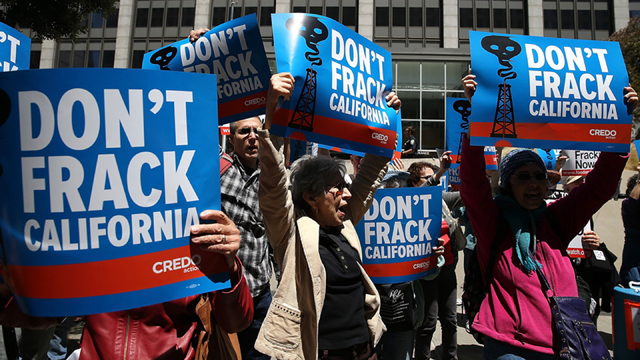
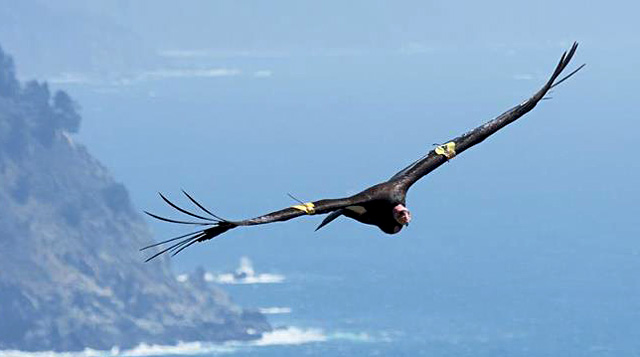
"content": "\u003cp>\u003cem>By Amy Standen and Molly Samuel\u003c/em>\u003c/p>\n\u003cfigure id=\"attachment_10027\" class=\"wp-caption alignleft\" style=\"max-width: 216px\">\u003ca href=\"http://ww2.kqed.org/science/wp-content/uploads/sites/35/2013/10/Brown-signature-216x162.jpg\">\u003cimg loading=\"lazy\" decoding=\"async\" class=\"size-medium wp-image-10027\" src=\"http://ww2.kqed.org/science/wp-content/uploads/sites/35/2013/10/Brown-signature-216x162.jpg\" alt=\"(Photo: Office of California Governor Jerry Brown)\" width=\"216\" height=\"162\">\u003c/a>\u003cfigcaption class=\"wp-caption-text\">(Photo: Office of California Governor Jerry Brown)\u003c/figcaption>\u003c/figure>\n\u003cp>Here at KQED, like a lot of news outfits, we tend to cover bills before they pass, during the often fiery debates over whether they deserve the Governor’s signature. On Sunday, those debates (at least some of them) came to an end with the winding down of the legislative season.\u003c/p>\n\u003cp>Much of the press went to the \u003ca href=\"http://ww2.kqed.org/news/2013/09/12/californias-minimum-wage/\">minimum wage boost\u003c/a> (raising workers’ hourly minimum from $8 to $10 an hour by January 2016) and a law granting \u003ca href=\"http://topics.sacbee.com/driver%27s+licenses/\">driver’s licenses\u003c/a> to undocumented immigrants. But there were a number of science and environment bills in the mix. Among California’s new environmental laws:\u003c/p>\n\u003cul>\n\u003cul>\n\u003cli>\u003cstrong>Hunters will be banned from using lead bullets. \u003c/strong>\u003ca href=\"http://ww2.kqed.org/science/2013/10/11/to-protect-wildlife-california-bans-hunting-with-lead-bullets/\">This law\u003c/a>, the first of its kind in the country, was inspired largely by efforts to protect the \u003ca href=\"http://science.kqed.org/quest/audio/with-condors-on-the-brink-california-considers-a-lead-bullet-ban-for-hunters/\">endangered California condor\u003c/a>. Scientists say condors suffer from lead poisoning when they eat carcasses left behind by hunters.\u003c/li>\n\u003c/ul>\n\u003c/ul>\n\u003cfigure id=\"attachment_9941\" class=\"wp-caption aligncenter\" style=\"max-width: 532px\">\u003ca href=\"http://ww2.kqed.org/science/wp-content/uploads/sites/35/2013/10/Condor-VWS.jpg\">\u003cimg loading=\"lazy\" decoding=\"async\" class=\" wp-image-9941 \" src=\"http://ww2.kqed.org/science/wp-content/uploads/sites/35/2013/10/Condor-VWS.jpg\" alt=\"Endangered California condors are among the wildlife at risk from eating lead bullets in carrion. (Tim Huntington, courtesy of the Ventana Wildlife Society)\" width=\"532\" height=\"297\">\u003c/a>\u003cfigcaption class=\"wp-caption-text\">Endangered California condors are among the wildlife at risk from eating lead bullets in carrion. (Tim Huntington, courtesy of the Ventana Wildlife Society) \u003ccite>(Tim Huntington, courtesy of the Ventana Wildlife Society)\u003c/cite>\u003c/figcaption>\u003c/figure>\n\u003cul>\n\u003cul>\n\u003cul>\n\u003cli>\u003cstrong>Renters will be able to choose to buy more renewable energy.\u003c/strong> \u003ca href=\"http://www.dailydemocrat.com/breakingnews/ci_24094654/wolks-community-green-energy-legislation-sent-governor\">The bill\u003c/a> makes it possible for customers of PG&E and the other big investor-owned utilities in California to buy up to 100% of their electricity from renewable sources. So if you’re a renter — or maybe your roof is just too shady for solar panels — you’ll have more access to solar and wind power.\u003c/li>\n\u003cli>\u003cstrong>Electricity rates will be overhauled. \u003c/strong>The law requires utilities to continue buying electricity generated by rooftop solar panels on people’s homes, an incentive known as \u003ca href=\"http://ww2.kqed.org/science/audio/could-rooftop-solar-kill-utilities-california-grapples-with-solars-success-2/\">net metering\u003c/a>. It also allows a fixed charge on some people’s bills to help maintain the grid, creates a\u003ca href=\"http://www.latimes.com/business/la-fi-brown-energy-bills-20131008,0,6466305.story\"> new formula\u003c/a> which is intended to lower rates for people in hotter parts of the state and allows regulators to require that utilities \u003ca href=\"http://www.sfgate.com/business/article/Law-to-change-energy-rates-aid-renewable-power-4876504.php\">generate more power from renewable sources\u003c/a>.\u003c/li>\n\u003cli>\u003cstrong>California and Nevada bury the hatchet over Tahoe. \u003c/strong>The bi-state Tahoe Regional Planning Agency was created by Congress in 1969 to end the rampant development that reduced the lake’s fabled clarity. Nevada threatened to leave the agency, but now \u003ca href=\"http://ww2.kqed.org/science/2013/10/14/new-rules-for-lake-tahoe-development-give-locals-more-leverage/\">both Brown\u003c/a> and \u003ca href=\"http://gov.nv.gov/News-and-Media/Press/2013/Sandoval-Signs-TRPA-Bill/\">Nevada Governor Brian Sandoval\u003c/a> have signed on to continue working together.\u003c/li>\n\u003c/ul>\n\u003c/ul>\n\u003c/ul>\n\u003cfigure id=\"attachment_10014\" class=\"wp-caption aligncenter\" style=\"max-width: 518px\">\u003ca href=\"http://ww2.kqed.org/science/wp-content/uploads/sites/35/2013/10/Tahoe_SandHarbor_7-11-13_0816_resized.jpg\">\u003cimg loading=\"lazy\" decoding=\"async\" class=\" wp-image-10014 \" src=\"http://ww2.kqed.org/science/wp-content/uploads/sites/35/2013/10/Tahoe_SandHarbor_7-11-13_0816_resized.jpg\" alt=\"Visitors like these in Sand Harbor, Nevada, are some of the 3 million yearly tourists that fuel Lake Tahoe’s economy. (Arwen Curry/KQED)\" width=\"518\" height=\"292\">\u003c/a>\u003cfigcaption class=\"wp-caption-text\">Visitors like these in Sand Harbor, Nevada, are some of the 3 million yearly tourists that fuel Lake Tahoe’s economy. (Arwen Curry/KQED)\u003c/figcaption>\u003c/figure>\n\u003cul>\n\u003cul>\n\u003cul>\n\u003cli>\u003cstrong>Pregnant women will be warned about toxic chemicals. \u003c/strong>Medical providers already give pregnant women a pamphlet on prenatal testing. Now they’ll also provide information about the dangers of chemical exposures.\u003c/li>\n\u003cli>\u003cstrong>Fire safety officials will weigh whether to use flame retardants in buildings. \u003c/strong>Previous laws required the use of chemical flame retardants in buildings but studies have shown that the \u003ca href=\"http://www.kqed.org/news/story/2013/03/28/118491/epa_asks_are_flame_retardants_safe?category=bay+area\">chemicals themselves could be dangerous\u003c/a>. This \u003ca href=\"http://www.sfgate.com/science/article/Law-may-cut-use-of-flame-retardants-in-buildings-4879854.php\">new law doesn’t ban their use\u003c/a>, but it does ask regulators to consider their options.\u003c/li>\n\u003c/ul>\n\u003c/ul>\n\u003c/ul>\n\u003cp>Environmentalists \u003ca href=\"http://ww2.kqed.org/news/2013/09/16/111444/environmental-bills-failing-california\">suffered some setbacks\u003c/a>, too:\u003c/p>\n\u003cul>\n\u003cul>\n\u003cul>\n\u003cul>\n\u003cli>\u003cstrong>A bill that regulates fracking in California passed, \u003c/strong>but \u003ca href=\"http://ww2.kqed.org/news/2013/09/11/110875/fracking-bill-caifornia-senate-vote\">environmentalists aren’t happy\u003c/a> about it — they say it’s a “half measure.” The law requires drillers to report what chemicals they’re using and how much water they withdraw, but it does not introduce a moratorium on fracking, which some environmental groups wanted to see until more research is done on the impacts.\u003c/li>\n\u003c/ul>\n\u003c/ul>\n\u003c/ul>\n\u003c/ul>\n\u003cfigure id=\"attachment_10038\" class=\"wp-caption aligncenter\" style=\"max-width: 512px\">\u003ca href=\"http://ww2.kqed.org/science/wp-content/uploads/sites/35/2013/10/frackingprotest.jpg\">\u003cimg loading=\"lazy\" decoding=\"async\" class=\" wp-image-10038 \" src=\"http://ww2.kqed.org/science/wp-content/uploads/sites/35/2013/10/frackingprotest.jpg\" alt=\"The group Californians Against Fracking staged a protest outside of California Gov. Jerry Brown's San Francisco offices demanding that Gov. Brown ban fracking in the state. (Justin Sullivan/Getty Images)\" width=\"512\" height=\"288\">\u003c/a>\u003cfigcaption class=\"wp-caption-text\">The group Californians Against Fracking staged a protest outside of California Gov. Jerry Brown’s San Francisco offices demanding that Gov. Brown ban fracking in the state. (Justin Sullivan/Getty Images)\u003c/figcaption>\u003c/figure>\n\u003cul>\n\u003cul>\n\u003cul>\n\u003cli>\u003cstrong>The California Coastal Commission will not be given the ability to issue fines.\u003c/strong> A bill would have \u003ca href=\"http://www.mercurynews.com/ci_23653226/california-coastal-commission-bill-could-give-commission-teeth\">allowed the Coastal Commission to issue fines\u003c/a> for building illegal structures, blocking beach access or damaging habitat (as it is now, the Commission can’t fine people for violating the law), but it \u003ca href=\"http://articles.latimes.com/2013/sep/10/local/la-me-coastal-bill-20130911\">didn’t make it past the State Assembly\u003c/a>.\u003c/li>\n\u003cli>\u003cstrong>A probe into whether California refineries are manipulating gas production and prices won’t happen. \u003c/strong>Gas prices in California are some of the highest in the country. That’s due at least in part to California’s strict \u003ca href=\"http://www.arb.ca.gov/fuels/lcfs/lcfs.htm\">air quality laws\u003c/a>. This bill would have assigned the California Energy Commission the task of tracking oil prices to find out if there is any price manipulation happening. Brown \u003ca href=\"http://gov.ca.gov/docs/SB_448_2013_Veto_Message.pdf\">vetoed the bill\u003c/a>.\u003c/li>\n\u003cli>\u003cstrong>Plastic bags won’t be banned statewide. \u003c/strong>California cities from \u003ca href=\"http://www.cawrecycles.org/issues/plastic_campaign/plastic_bags/local\">Ukiah to West Hollywood\u003c/a> have banned plastic bags, but an effort to introduce a statewide ban \u003ca href=\"http://articles.latimes.com/2013/may/30/local/la-me-pc-plastic-bag-ban-20130530\">died in the State Senate\u003c/a>.\u003c/li>\n\u003c/ul>\n\u003c/ul>\n\u003c/ul>\n\u003cp>And one new law that we don’t see landing squarely either in the environmentalists’ “wins” or “losses” list:\u003c/p>\n\u003cul>\n\u003cul>\n\u003cli>\u003cstrong>Prop. 65 will be slightly revised.\u003c/strong> The source of all those warning signs in businesses, Prop. 65 was passed by voters to reduce exposure to toxic chemicals, and it’s lead to a host of lawsuits — but \u003ca href=\"http://ww2.kqed.org/science/audio/who-profits-from-proposition-65-part-one/\">some say many of them are frivolous\u003c/a>. The \u003ca href=\"http://www.sfgate.com/business/networth/article/Prop-65-lawsuit-bill-helps-businesses-4876499.php\">new law\u003c/a> allows small businesses that are in violation of Prop. 65 to avoid an expensive lawsuit by putting up a sign and paying a fine.\u003c/li>\n\u003c/ul>\n\u003c/ul>\n\u003cp>[ad fullwidth]\u003c/p>\u003cp>\u003c/p>\n",
"stats": {
"hasVideo": false,
"hasChartOrMap": false,
"hasAudio": false,
"hasPolis": false,
"wordCount": 891,
"hasGoogleForm": false,
"hasGallery": false,
"hasHearkenModule": false,
"iframeSrcs": [],
"paragraphCount": 7
},
"modified": 1704934885,
"excerpt": "Now that California's legislative session is now over, here's a roundup of the environmental bills that passed -- and a review of some big ones that didn't.",
"headData": {
"twImgId": "",
"twTitle": "",
"ogTitle": "",
"ogImgId": "",
"twDescription": "",
"description": "Now that California's legislative session is now over, here's a roundup of the environmental bills that passed -- and a review of some big ones that didn't.",
"title": "New State Laws on Fracking and Toxics: A Mixed Bag for Environmentalists | KQED",
"ogDescription": "",
"schema": {
"@context": "https://schema.org",
"@type": "Article",
"headline": "New State Laws on Fracking and Toxics: A Mixed Bag for Environmentalists",
"datePublished": "2013-10-14T18:18:28-07:00",
"dateModified": "2024-01-10T17:01:25-08:00",
"image": "https://cdn.kqed.org/wp-content/uploads/2020/02/KQED-OG-Image@1x.png"
}
},
"guestAuthors": [],
"slug": "new-state-laws-on-fracking-and-toxics-a-mixed-bag-for-environmentalists",
"status": "publish",
"sticky": false,
"path": "/science/9996/new-state-laws-on-fracking-and-toxics-a-mixed-bag-for-environmentalists",
"audioTrackLength": null,
"parsedContent": [
{
"type": "contentString",
"content": "\u003cdiv class=\"post-body\">\u003cp>\u003cp>\u003cem>By Amy Standen and Molly Samuel\u003c/em>\u003c/p>\n\u003cfigure id=\"attachment_10027\" class=\"wp-caption alignleft\" style=\"max-width: 216px\">\u003ca href=\"http://ww2.kqed.org/science/wp-content/uploads/sites/35/2013/10/Brown-signature-216x162.jpg\">\u003cimg loading=\"lazy\" decoding=\"async\" class=\"size-medium wp-image-10027\" src=\"http://ww2.kqed.org/science/wp-content/uploads/sites/35/2013/10/Brown-signature-216x162.jpg\" alt=\"(Photo: Office of California Governor Jerry Brown)\" width=\"216\" height=\"162\">\u003c/a>\u003cfigcaption class=\"wp-caption-text\">(Photo: Office of California Governor Jerry Brown)\u003c/figcaption>\u003c/figure>\n\u003cp>Here at KQED, like a lot of news outfits, we tend to cover bills before they pass, during the often fiery debates over whether they deserve the Governor’s signature. On Sunday, those debates (at least some of them) came to an end with the winding down of the legislative season.\u003c/p>\n\u003cp>Much of the press went to the \u003ca href=\"http://ww2.kqed.org/news/2013/09/12/californias-minimum-wage/\">minimum wage boost\u003c/a> (raising workers’ hourly minimum from $8 to $10 an hour by January 2016) and a law granting \u003ca href=\"http://topics.sacbee.com/driver%27s+licenses/\">driver’s licenses\u003c/a> to undocumented immigrants. But there were a number of science and environment bills in the mix. Among California’s new environmental laws:\u003c/p>\n\u003cul>\n\u003cul>\n\u003cli>\u003cstrong>Hunters will be banned from using lead bullets. \u003c/strong>\u003ca href=\"http://ww2.kqed.org/science/2013/10/11/to-protect-wildlife-california-bans-hunting-with-lead-bullets/\">This law\u003c/a>, the first of its kind in the country, was inspired largely by efforts to protect the \u003ca href=\"http://science.kqed.org/quest/audio/with-condors-on-the-brink-california-considers-a-lead-bullet-ban-for-hunters/\">endangered California condor\u003c/a>. Scientists say condors suffer from lead poisoning when they eat carcasses left behind by hunters.\u003c/li>\n\u003c/ul>\n\u003c/ul>\n\u003cfigure id=\"attachment_9941\" class=\"wp-caption aligncenter\" style=\"max-width: 532px\">\u003ca href=\"http://ww2.kqed.org/science/wp-content/uploads/sites/35/2013/10/Condor-VWS.jpg\">\u003cimg loading=\"lazy\" decoding=\"async\" class=\" wp-image-9941 \" src=\"http://ww2.kqed.org/science/wp-content/uploads/sites/35/2013/10/Condor-VWS.jpg\" alt=\"Endangered California condors are among the wildlife at risk from eating lead bullets in carrion. (Tim Huntington, courtesy of the Ventana Wildlife Society)\" width=\"532\" height=\"297\">\u003c/a>\u003cfigcaption class=\"wp-caption-text\">Endangered California condors are among the wildlife at risk from eating lead bullets in carrion. (Tim Huntington, courtesy of the Ventana Wildlife Society) \u003ccite>(Tim Huntington, courtesy of the Ventana Wildlife Society)\u003c/cite>\u003c/figcaption>\u003c/figure>\n\u003cul>\n\u003cul>\n\u003cul>\n\u003cli>\u003cstrong>Renters will be able to choose to buy more renewable energy.\u003c/strong> \u003ca href=\"http://www.dailydemocrat.com/breakingnews/ci_24094654/wolks-community-green-energy-legislation-sent-governor\">The bill\u003c/a> makes it possible for customers of PG&E and the other big investor-owned utilities in California to buy up to 100% of their electricity from renewable sources. So if you’re a renter — or maybe your roof is just too shady for solar panels — you’ll have more access to solar and wind power.\u003c/li>\n\u003cli>\u003cstrong>Electricity rates will be overhauled. \u003c/strong>The law requires utilities to continue buying electricity generated by rooftop solar panels on people’s homes, an incentive known as \u003ca href=\"http://ww2.kqed.org/science/audio/could-rooftop-solar-kill-utilities-california-grapples-with-solars-success-2/\">net metering\u003c/a>. It also allows a fixed charge on some people’s bills to help maintain the grid, creates a\u003ca href=\"http://www.latimes.com/business/la-fi-brown-energy-bills-20131008,0,6466305.story\"> new formula\u003c/a> which is intended to lower rates for people in hotter parts of the state and allows regulators to require that utilities \u003ca href=\"http://www.sfgate.com/business/article/Law-to-change-energy-rates-aid-renewable-power-4876504.php\">generate more power from renewable sources\u003c/a>.\u003c/li>\n\u003cli>\u003cstrong>California and Nevada bury the hatchet over Tahoe. \u003c/strong>The bi-state Tahoe Regional Planning Agency was created by Congress in 1969 to end the rampant development that reduced the lake’s fabled clarity. Nevada threatened to leave the agency, but now \u003ca href=\"http://ww2.kqed.org/science/2013/10/14/new-rules-for-lake-tahoe-development-give-locals-more-leverage/\">both Brown\u003c/a> and \u003ca href=\"http://gov.nv.gov/News-and-Media/Press/2013/Sandoval-Signs-TRPA-Bill/\">Nevada Governor Brian Sandoval\u003c/a> have signed on to continue working together.\u003c/li>\n\u003c/ul>\n\u003c/ul>\n\u003c/ul>\n\u003cfigure id=\"attachment_10014\" class=\"wp-caption aligncenter\" style=\"max-width: 518px\">\u003ca href=\"http://ww2.kqed.org/science/wp-content/uploads/sites/35/2013/10/Tahoe_SandHarbor_7-11-13_0816_resized.jpg\">\u003cimg loading=\"lazy\" decoding=\"async\" class=\" wp-image-10014 \" src=\"http://ww2.kqed.org/science/wp-content/uploads/sites/35/2013/10/Tahoe_SandHarbor_7-11-13_0816_resized.jpg\" alt=\"Visitors like these in Sand Harbor, Nevada, are some of the 3 million yearly tourists that fuel Lake Tahoe’s economy. (Arwen Curry/KQED)\" width=\"518\" height=\"292\">\u003c/a>\u003cfigcaption class=\"wp-caption-text\">Visitors like these in Sand Harbor, Nevada, are some of the 3 million yearly tourists that fuel Lake Tahoe’s economy. (Arwen Curry/KQED)\u003c/figcaption>\u003c/figure>\n\u003cul>\n\u003cul>\n\u003cul>\n\u003cli>\u003cstrong>Pregnant women will be warned about toxic chemicals. \u003c/strong>Medical providers already give pregnant women a pamphlet on prenatal testing. Now they’ll also provide information about the dangers of chemical exposures.\u003c/li>\n\u003cli>\u003cstrong>Fire safety officials will weigh whether to use flame retardants in buildings. \u003c/strong>Previous laws required the use of chemical flame retardants in buildings but studies have shown that the \u003ca href=\"http://www.kqed.org/news/story/2013/03/28/118491/epa_asks_are_flame_retardants_safe?category=bay+area\">chemicals themselves could be dangerous\u003c/a>. This \u003ca href=\"http://www.sfgate.com/science/article/Law-may-cut-use-of-flame-retardants-in-buildings-4879854.php\">new law doesn’t ban their use\u003c/a>, but it does ask regulators to consider their options.\u003c/li>\n\u003c/ul>\n\u003c/ul>\n\u003c/ul>\n\u003cp>Environmentalists \u003ca href=\"http://ww2.kqed.org/news/2013/09/16/111444/environmental-bills-failing-california\">suffered some setbacks\u003c/a>, too:\u003c/p>\n\u003cul>\n\u003cul>\n\u003cul>\n\u003cul>\n\u003cli>\u003cstrong>A bill that regulates fracking in California passed, \u003c/strong>but \u003ca href=\"http://ww2.kqed.org/news/2013/09/11/110875/fracking-bill-caifornia-senate-vote\">environmentalists aren’t happy\u003c/a> about it — they say it’s a “half measure.” The law requires drillers to report what chemicals they’re using and how much water they withdraw, but it does not introduce a moratorium on fracking, which some environmental groups wanted to see until more research is done on the impacts.\u003c/li>\n\u003c/ul>\n\u003c/ul>\n\u003c/ul>\n\u003c/ul>\n\u003cfigure id=\"attachment_10038\" class=\"wp-caption aligncenter\" style=\"max-width: 512px\">\u003ca href=\"http://ww2.kqed.org/science/wp-content/uploads/sites/35/2013/10/frackingprotest.jpg\">\u003cimg loading=\"lazy\" decoding=\"async\" class=\" wp-image-10038 \" src=\"http://ww2.kqed.org/science/wp-content/uploads/sites/35/2013/10/frackingprotest.jpg\" alt=\"The group Californians Against Fracking staged a protest outside of California Gov. Jerry Brown's San Francisco offices demanding that Gov. Brown ban fracking in the state. (Justin Sullivan/Getty Images)\" width=\"512\" height=\"288\">\u003c/a>\u003cfigcaption class=\"wp-caption-text\">The group Californians Against Fracking staged a protest outside of California Gov. Jerry Brown’s San Francisco offices demanding that Gov. Brown ban fracking in the state. (Justin Sullivan/Getty Images)\u003c/figcaption>\u003c/figure>\n\u003cul>\n\u003cul>\n\u003cul>\n\u003cli>\u003cstrong>The California Coastal Commission will not be given the ability to issue fines.\u003c/strong> A bill would have \u003ca href=\"http://www.mercurynews.com/ci_23653226/california-coastal-commission-bill-could-give-commission-teeth\">allowed the Coastal Commission to issue fines\u003c/a> for building illegal structures, blocking beach access or damaging habitat (as it is now, the Commission can’t fine people for violating the law), but it \u003ca href=\"http://articles.latimes.com/2013/sep/10/local/la-me-coastal-bill-20130911\">didn’t make it past the State Assembly\u003c/a>.\u003c/li>\n\u003cli>\u003cstrong>A probe into whether California refineries are manipulating gas production and prices won’t happen. \u003c/strong>Gas prices in California are some of the highest in the country. That’s due at least in part to California’s strict \u003ca href=\"http://www.arb.ca.gov/fuels/lcfs/lcfs.htm\">air quality laws\u003c/a>. This bill would have assigned the California Energy Commission the task of tracking oil prices to find out if there is any price manipulation happening. Brown \u003ca href=\"http://gov.ca.gov/docs/SB_448_2013_Veto_Message.pdf\">vetoed the bill\u003c/a>.\u003c/li>\n\u003cli>\u003cstrong>Plastic bags won’t be banned statewide. \u003c/strong>California cities from \u003ca href=\"http://www.cawrecycles.org/issues/plastic_campaign/plastic_bags/local\">Ukiah to West Hollywood\u003c/a> have banned plastic bags, but an effort to introduce a statewide ban \u003ca href=\"http://articles.latimes.com/2013/may/30/local/la-me-pc-plastic-bag-ban-20130530\">died in the State Senate\u003c/a>.\u003c/li>\n\u003c/ul>\n\u003c/ul>\n\u003c/ul>\n\u003cp>And one new law that we don’t see landing squarely either in the environmentalists’ “wins” or “losses” list:\u003c/p>\n\u003cul>\n\u003cul>\n\u003cli>\u003cstrong>Prop. 65 will be slightly revised.\u003c/strong> The source of all those warning signs in businesses, Prop. 65 was passed by voters to reduce exposure to toxic chemicals, and it’s lead to a host of lawsuits — but \u003ca href=\"http://ww2.kqed.org/science/audio/who-profits-from-proposition-65-part-one/\">some say many of them are frivolous\u003c/a>. The \u003ca href=\"http://www.sfgate.com/business/networth/article/Prop-65-lawsuit-bill-helps-businesses-4876499.php\">new law\u003c/a> allows small businesses that are in violation of Prop. 65 to avoid an expensive lawsuit by putting up a sign and paying a fine.\u003c/li>\n\u003c/ul>\n\u003c/ul>\n\u003cp>\u003c/p>\u003c/div>",
"attributes": {
"named": {},
"numeric": []
}
},
{
"type": "component",
"content": "",
"name": "ad",
"attributes": {
"named": {
"label": "fullwidth"
},
"numeric": [
"fullwidth"
]
}
},
{
"type": "contentString",
"content": "\u003cdiv class=\"post-body\">\u003cp>\u003c/p>\u003cp>\u003c/p>\n\u003c/div>\u003c/p>",
"attributes": {
"named": {},
"numeric": []
}
}
],
"link": "/science/9996/new-state-laws-on-fracking-and-toxics-a-mixed-bag-for-environmentalists",
"authors": [
"200"
],
"series": [
"science_1022"
],
"categories": [
"science_29",
"science_31",
"science_33",
"science_35",
"science_40"
],
"tags": [
"science_101"
],
"featImg": "science_10038",
"label": "science_1022"
},
"science_10002": {
"type": "posts",
"id": "science_10002",
"meta": {
"index": "posts_1716263798",
"site": "science",
"id": "10002",
"score": null,
"sort": [
1381793342000
]
},
"parent": 0,
"labelTerm": {
"site": "science"
},
"blocks": [],
"publishDate": 1381793342,
"format": "aside",
"title": "New Rules for Lake Tahoe Development Give Locals More Leverage",
"headTitle": "New Rules for Lake Tahoe Development Give Locals More Leverage | KQED",
"content": "\u003cp>California Governor Jerry Brown \u003ca title=\"Gov Brown - release\" href=\"http://gov.ca.gov/news.php?id=18267\">signed legislation\u003c/a> over the weekend that reaffirms the state’s commitment to working with Nevada to preserve Lake Tahoe. Nevada had threatened to quit the bi-state agency that has controlled development around the lake for more than 40 years.\u003c/p>\n\u003cp>The \u003ca title=\"TRPA - main\" href=\"http://www.trpa.org/\">Tahoe Regional Planning Agency\u003c/a> (TRPA), created by Congress in 1969, reined in rampant development that reduced the lake’s fabled clarity. TRPA determines everything from the number of private residences that can be built (only 130 per year), to the color they can be painted (browns and greens are preferred). Nevada had threatened to pull out of the partnership by 2015, arguing that rules were too stringent and TRPA unresponsive to the needs of developers and homeowners.\u003c/p>\n\u003cfigure id=\"attachment_10016\" class=\"wp-caption aligncenter\" style=\"max-width: 640px\">\u003ca href=\"http://ww2.kqed.org/science/wp-content/uploads/sites/35/2013/10/Tahoe_Casinos_7-12-13_0005_resized.jpg\">\u003cimg loading=\"lazy\" decoding=\"async\" src=\"http://ww2.kqed.org/science/wp-content/uploads/sites/35/2013/10/Tahoe_Casinos_7-12-13_0005_resized.jpg\" alt=\"Four big casinos in Stateline, Nevada, Harvey’s, Harrah’s, Horizon and MontBleu, are examples of the urban development that coexists with the lake’s natural beauty. (Arwen Curry/KQED)\" width=\"640\" height=\"360\" class=\"size-full wp-image-10016\">\u003c/a>\u003cfigcaption class=\"wp-caption-text\">Four big casinos in Stateline, Nevada, Harvey’s, Harrah’s, Horizon and MontBleu, are examples of the urban development that coexists with the lake’s natural beauty. (Arwen Curry/KQED)\u003c/figcaption>\u003c/figure>\n\u003cp>A \u003ca title=\"TRPA - release\" href=\"http://www.trpa.org/renewing-lake-tahoe-partnership-increases-protections/\">new regional plan\u003c/a> approved by TRPA in 2012 has helped address Nevada’s complaints. The plan gives more control to local governments, allows for higher density of buildings in city centers and encourages developers to buy old buildings in exchange for allowances to expand newer construction.\u003c/p>\n\u003cp>Old buildings lack modern systems to keep stormwater runoff out of the lake, and are a continuous source of the microscopic dirt particles that scientists have found reduce the lake’s clarity. New construction is required to have modern filtration systems that intercept the flow of sediment on its way to the lake. TRPA also hopes to encourage developers to tear down old buildings and restore them to meadows that can filter storm runoff before it reaches the lake.\u003c/p>\n\u003cfigure id=\"attachment_10018\" class=\"wp-caption aligncenter\" style=\"max-width: 640px\">\u003ca href=\"http://ww2.kqed.org/science/wp-content/uploads/sites/35/2013/10/Tahoe_Edgewood_7-12-13_0167_resized.jpg\">\u003cimg loading=\"lazy\" decoding=\"async\" src=\"http://ww2.kqed.org/science/wp-content/uploads/sites/35/2013/10/Tahoe_Edgewood_7-12-13_0167_resized.jpg\" alt=\"Regulators hope the new regional plan for Lake Tahoe will encourage property owners to tear out parking lots near the lake. Hard surfaces allow for dirt to run into the lake and cloud it up. This parking lot at the Edgewood golf course, in Stateline, Nevada, is already scheduled for removal. (Arwen Curry/KQED)\" width=\"640\" height=\"360\" class=\"size-full wp-image-10018\">\u003c/a>\u003cfigcaption class=\"wp-caption-text\">Regulators hope the new regional plan for Lake Tahoe will encourage property owners to tear out parking lots near the lake. Hard surfaces allow for dirt to run into the lake and cloud it up. This parking lot at the Edgewood golf course, in Stateline, Nevada, is already scheduled for removal. (Arwen Curry/KQED)\u003c/figcaption>\u003c/figure>\n\u003cp>But the Sierra Club is dubious about the TRPA’s claims and is \u003ca title=\"Lk Tahoe News - post\" href=\"http://www.laketahoenews.net/2013/06/partial-ruling-favors-trpa-in-regional-plan-lawsuit/\">suing the agency\u003c/a> over the new plan. The environmental group argues that delegating more control to local governments could lead to more construction, which would cause more sediment to flow into the lake.\u003c/p>\n\u003cp>[ad fullwidth]\u003c/p>\n\u003cp>“Local governments see development as providing the local tax base. And that’s their incentive,” said Laurel Ames of the Sierra Club. “And that’s why local governments should not be in charge of protecting the lake.”\u003c/p>\n\u003cp>Gov. Brown’s signing of SB 630 follows Nevada Governor Brian Sandoval’s approval of a companion law in June.\u003c/p>\n\u003cp>A new half-hour documentary by KQED Science explains the science involved in keeping the lake clear, and explores the region’s history and politics. \u003ca href=\"http://science.kqed.org/quest/video/lake-tahoe-can-we-save-it/\">Lake Tahoe: Can We Save It?\u003c/a> airs on KQED 9 this Wednesday (10/16), at 7:30 pm. Or watch it here:\u003c/p>\n\u003cp>\u003c/p>\n\u003cp>\u003c!-- iframe plugin v.4.3 wordpress.org/plugins/iframe/ -->\u003cbr>\n\u003ciframe loading=\"lazy\" width=\"512\" height=\"376\" src=\"http://video.pbs.org/viralplayer/2365096192\" frameborder=\"0\" marginwidth=\"0\" marginheight=\"0\" scrolling=\"no\" class=\"iframe-class\">\u003c/iframe>\u003c/p>\n\n",
"stats": {
"hasVideo": false,
"hasChartOrMap": false,
"hasAudio": false,
"hasPolis": false,
"wordCount": 501,
"hasGoogleForm": false,
"hasGallery": false,
"hasHearkenModule": false,
"iframeSrcs": [],
"paragraphCount": 11
},
"modified": 1704934887,
"excerpt": "California governor Jerry Brown signed legislation over the weekend that reaffirms the state’s commitment to working with Nevada to preserve Lake Tahoe. ",
"headData": {
"twImgId": "",
"twTitle": "",
"ogTitle": "",
"ogImgId": "",
"twDescription": "",
"description": "California governor Jerry Brown signed legislation over the weekend that reaffirms the state’s commitment to working with Nevada to preserve Lake Tahoe. ",
"title": "New Rules for Lake Tahoe Development Give Locals More Leverage | KQED",
"ogDescription": "",
"schema": {
"@context": "https://schema.org",
"@type": "Article",
"headline": "New Rules for Lake Tahoe Development Give Locals More Leverage",
"datePublished": "2013-10-14T16:29:02-07:00",
"dateModified": "2024-01-10T17:01:27-08:00",
"image": "https://cdn.kqed.org/wp-content/uploads/2020/02/KQED-OG-Image@1x.png"
}
},
"guestAuthors": [],
"slug": "new-rules-for-lake-tahoe-development-give-locals-more-leverage",
"status": "publish",
"sticky": false,
"path": "/science/10002/new-rules-for-lake-tahoe-development-give-locals-more-leverage",
"audioTrackLength": null,
"parsedContent": [
{
"type": "contentString",
"content": "\u003cdiv class=\"post-body\">\u003cp>\u003cp>California Governor Jerry Brown \u003ca title=\"Gov Brown - release\" href=\"http://gov.ca.gov/news.php?id=18267\">signed legislation\u003c/a> over the weekend that reaffirms the state’s commitment to working with Nevada to preserve Lake Tahoe. Nevada had threatened to quit the bi-state agency that has controlled development around the lake for more than 40 years.\u003c/p>\n\u003cp>The \u003ca title=\"TRPA - main\" href=\"http://www.trpa.org/\">Tahoe Regional Planning Agency\u003c/a> (TRPA), created by Congress in 1969, reined in rampant development that reduced the lake’s fabled clarity. TRPA determines everything from the number of private residences that can be built (only 130 per year), to the color they can be painted (browns and greens are preferred). Nevada had threatened to pull out of the partnership by 2015, arguing that rules were too stringent and TRPA unresponsive to the needs of developers and homeowners.\u003c/p>\n\u003cfigure id=\"attachment_10016\" class=\"wp-caption aligncenter\" style=\"max-width: 640px\">\u003ca href=\"http://ww2.kqed.org/science/wp-content/uploads/sites/35/2013/10/Tahoe_Casinos_7-12-13_0005_resized.jpg\">\u003cimg loading=\"lazy\" decoding=\"async\" src=\"http://ww2.kqed.org/science/wp-content/uploads/sites/35/2013/10/Tahoe_Casinos_7-12-13_0005_resized.jpg\" alt=\"Four big casinos in Stateline, Nevada, Harvey’s, Harrah’s, Horizon and MontBleu, are examples of the urban development that coexists with the lake’s natural beauty. (Arwen Curry/KQED)\" width=\"640\" height=\"360\" class=\"size-full wp-image-10016\">\u003c/a>\u003cfigcaption class=\"wp-caption-text\">Four big casinos in Stateline, Nevada, Harvey’s, Harrah’s, Horizon and MontBleu, are examples of the urban development that coexists with the lake’s natural beauty. (Arwen Curry/KQED)\u003c/figcaption>\u003c/figure>\n\u003cp>A \u003ca title=\"TRPA - release\" href=\"http://www.trpa.org/renewing-lake-tahoe-partnership-increases-protections/\">new regional plan\u003c/a> approved by TRPA in 2012 has helped address Nevada’s complaints. The plan gives more control to local governments, allows for higher density of buildings in city centers and encourages developers to buy old buildings in exchange for allowances to expand newer construction.\u003c/p>\n\u003cp>Old buildings lack modern systems to keep stormwater runoff out of the lake, and are a continuous source of the microscopic dirt particles that scientists have found reduce the lake’s clarity. New construction is required to have modern filtration systems that intercept the flow of sediment on its way to the lake. TRPA also hopes to encourage developers to tear down old buildings and restore them to meadows that can filter storm runoff before it reaches the lake.\u003c/p>\n\u003cfigure id=\"attachment_10018\" class=\"wp-caption aligncenter\" style=\"max-width: 640px\">\u003ca href=\"http://ww2.kqed.org/science/wp-content/uploads/sites/35/2013/10/Tahoe_Edgewood_7-12-13_0167_resized.jpg\">\u003cimg loading=\"lazy\" decoding=\"async\" src=\"http://ww2.kqed.org/science/wp-content/uploads/sites/35/2013/10/Tahoe_Edgewood_7-12-13_0167_resized.jpg\" alt=\"Regulators hope the new regional plan for Lake Tahoe will encourage property owners to tear out parking lots near the lake. Hard surfaces allow for dirt to run into the lake and cloud it up. This parking lot at the Edgewood golf course, in Stateline, Nevada, is already scheduled for removal. (Arwen Curry/KQED)\" width=\"640\" height=\"360\" class=\"size-full wp-image-10018\">\u003c/a>\u003cfigcaption class=\"wp-caption-text\">Regulators hope the new regional plan for Lake Tahoe will encourage property owners to tear out parking lots near the lake. Hard surfaces allow for dirt to run into the lake and cloud it up. This parking lot at the Edgewood golf course, in Stateline, Nevada, is already scheduled for removal. (Arwen Curry/KQED)\u003c/figcaption>\u003c/figure>\n\u003cp>But the Sierra Club is dubious about the TRPA’s claims and is \u003ca title=\"Lk Tahoe News - post\" href=\"http://www.laketahoenews.net/2013/06/partial-ruling-favors-trpa-in-regional-plan-lawsuit/\">suing the agency\u003c/a> over the new plan. The environmental group argues that delegating more control to local governments could lead to more construction, which would cause more sediment to flow into the lake.\u003c/p>\n\u003cp>\u003c/p>\u003c/div>",
"attributes": {
"named": {},
"numeric": []
}
},
{
"type": "component",
"content": "",
"name": "ad",
"attributes": {
"named": {
"label": "fullwidth"
},
"numeric": [
"fullwidth"
]
}
},
{
"type": "contentString",
"content": "\u003cdiv class=\"post-body\">\u003cp>\u003c/p>\n\u003cp>“Local governments see development as providing the local tax base. And that’s their incentive,” said Laurel Ames of the Sierra Club. “And that’s why local governments should not be in charge of protecting the lake.”\u003c/p>\n\u003cp>Gov. Brown’s signing of SB 630 follows Nevada Governor Brian Sandoval’s approval of a companion law in June.\u003c/p>\n\u003cp>A new half-hour documentary by KQED Science explains the science involved in keeping the lake clear, and explores the region’s history and politics. \u003ca href=\"http://science.kqed.org/quest/video/lake-tahoe-can-we-save-it/\">Lake Tahoe: Can We Save It?\u003c/a> airs on KQED 9 this Wednesday (10/16), at 7:30 pm. Or watch it here:\u003c/p>\n\u003cp>\u003c/p>\n\u003cp>\u003c!-- iframe plugin v.4.3 wordpress.org/plugins/iframe/ -->\u003cbr>\n\u003ciframe loading=\"lazy\" width=\"512\" height=\"376\" src=\"http://video.pbs.org/viralplayer/2365096192\" frameborder=\"0\" marginwidth=\"0\" marginheight=\"0\" scrolling=\"no\" class=\"iframe-class\">\u003c/iframe>\u003c/p>\n\n\u003c/div>\u003c/p>",
"attributes": {
"named": {},
"numeric": []
}
}
],
"link": "/science/10002/new-rules-for-lake-tahoe-development-give-locals-more-leverage",
"authors": [
"6186"
],
"categories": [
"science_29",
"science_89",
"science_35",
"science_38",
"science_40",
"science_98"
],
"tags": [
"science_5185"
],
"featImg": "science_10014",
"label": "science"
},
"science_9885": {
"type": "posts",
"id": "science_9885",
"meta": {
"index": "posts_1716263798",
"site": "science",
"id": "9885",
"score": null,
"sort": [
1381538235000
]
},
"parent": 0,
"labelTerm": {
"site": "science"
},
"blocks": [],
"publishDate": 1381538235,
"format": "aside",
"title": "Should Every Newborn Undergo Genetic Testing?",
"headTitle": "Should Every Newborn Undergo Genetic Testing? | KQED",
"content": "\u003cdiv class=\"audio-wrap\">\n\u003ch2>Listen:\u003c/h2>\n\u003cp>http://www.kqed.org/.stream/anon/radio/science/2013/10/2013-10-14-science.mp3\u003c/p>\n\u003c/div>\n\u003cfigure id=\"attachment_9975\" class=\"wp-caption aligncenter\" style=\"max-width: 640px\">\u003ca href=\"http://ww2.kqed.org/science/wp-content/uploads/sites/35/2013/10/Phenylketonuria_testing.jpg\">\u003cimg loading=\"lazy\" decoding=\"async\" src=\"http://ww2.kqed.org/science/wp-content/uploads/sites/35/2013/10/Phenylketonuria_testing.jpg\" alt=\"At birth, every infant in the US and many other countries undergoes a blood test to detect rare newborn diseases that are treatable if caught quickly. (U.S. Air Force Staff Sgt. Eric T. Sheler/Wikimedia Commons)\" width=\"640\" height=\"360\" class=\"size-full wp-image-9975\">\u003c/a>\u003cfigcaption class=\"wp-caption-text\">At birth, every infant in the US and many other countries undergoes a blood test to detect rare newborn diseases that are treatable if caught quickly. (U.S. Air Force Staff Sgt. Eric T. Sheler/Wikimedia Commons)\u003c/figcaption>\u003c/figure>\n\u003cp>When a new baby is born, anything seems possible. But we now know that this potential comes with an asterisk. Written into an infant’s DNA are instructions that may make her more vulnerable than other people are to cancer, for instance, or Alzheimer’s disease.\u003c/p>\n\u003cp>So how much of that information should parents be given when their baby is born?\u003c/p>\n\u003cp>The National Institutes of Health has launched a five-year, $25 million effort to explore this question. Researchers at the University of California-San Francisco and three other sites will receive NIH funds to tackle some of the issues that could arise, should genetic testing become routine for each of the roughly four million babies born every year in the United States.\u003c/p>\n\u003caside class=\"pullquote alignleft\">\nJust because we have the technology to tell parents about diseases their children might face decades down the line, does that mean we should use it?\u003c/aside>\n\u003cp>At UCSF, researchers will focus on a relatively straightforward question: Are genetic tests more effective than the standard blood screening tests newborns currently get?\u003c/p>\n\u003cp>Barbara Koenig is a UCSF bioethicist. She says when the routine blood test became standard in the 1960s, it seemed like magic.\u003c/p>\n\u003cp>[ad fullwidth]\u003c/p>\n\u003cp>“There are a couple rare conditions — like PKU and genetic hypothyroidism — that, if you identified them early, you could do an immediate intervention with the infant and prevent a life of terrible suffering, or mental retardation.”\u003c/p>\n\u003cp>PKU is a rare metabolic disorder that, unless treated with a special diet, can lead to mental retardation. Congenital hypothyroidism, caused by an under-active thyroid, can also lead to developmental delays unless treated early on with medication. So tests like this provide a clear and obvious public health benefit, says Koenig.\u003c/p>\n\u003cp>“Someone comes in and does a little heel stick on the baby, takes the blood. Then you don’t\u003cbr>\nhear about it anymore, unless there’s a positive result.”\u003c/p>\n\u003cp>But these tests aren’t perfect. Sometimes there are false positives. And today, says UCSF geneticist Bob Nussbaum, there’s a technology that may be able to do a much better job: genetic testing.\u003c/p>\n\u003cp>“Could it possibly replace our current system?” Nussbaum says his study is asking. “Does it have added value above what we’re doing, providing information that’s useful and important?”\u003c/p>\n\u003cfigure id=\"attachment_9892\" class=\"wp-caption alignleft\" style=\"max-width: 163px\">\u003ca href=\"http://ww2.kqed.org/science/wp-content/uploads/sites/35/2013/10/Nussbaum-163x162.jpg\" rel=\"attachment wp-att-9892\">\u003cimg loading=\"lazy\" decoding=\"async\" class=\"size-medium wp-image-9892\" src=\"http://ww2.kqed.org/science/wp-content/uploads/sites/35/2013/10/Nussbaum-163x162.jpg\" alt=\"Geneticist Robert Nussbaum heads UCSFs $4.5 million newborn screening pilot study. \" width=\"163\" height=\"162\">\u003c/a>\u003cfigcaption class=\"wp-caption-text\">Geneticist Robert Nussbaum heads UCSFs $4.5 million newborn screening pilot study. (Holly Smith)\u003c/figcaption>\u003c/figure>\n\u003cp>Over the next five years, Nussbaum, Koenig and others on the team will study the potential of exome testing, which focuses on the two percent of genes that are used as blueprints for the production of proteins. These tests currently cost researchers about $700 apiece.\u003c/p>\n\u003cp>Working with 1,400 blood samples archived in the state’s Department of Public Health, researchers will see whether exome testing does a better job predicting newborn illnesses than the current biochemical tests do.\u003c/p>\n\u003cp>Meanwhile, a second project will offer genetic testing to families whose children have already been diagnosed with an immune disorder, to see whether the genetic tests shed further light on their conditions.\u003c/p>\n\u003cp>But the implications of these questions can be thorny. Researchers at UCSF and the other sites – Brigham and Women’s Hospital in Boston, Children’s Mercy Hospital in Kansas City, and the University of North Carolina at Chapel Hill – are asking: Just because we have the technology to tell parents about diseases their babies might one day get, does that mean we should use it?\u003c/p>\n\u003cp>Many researchers are ambivalent, at best.\u003c/p>\n\u003cp>“What possible value is there in knowing that piece of information now?” asks UCSF’s Nussbaum.\u003c/p>\n\u003cfigure id=\"attachment_9891\" class=\"wp-caption alignright\" style=\"max-width: 107px\">\u003ca href=\"http://ww2.kqed.org/science/wp-content/uploads/sites/35/2013/10/Koenig-107x162.jpg\" rel=\"attachment wp-att-9891\">\u003cimg loading=\"lazy\" decoding=\"async\" class=\"size-medium wp-image-9891\" src=\"http://ww2.kqed.org/science/wp-content/uploads/sites/35/2013/10/Koenig-107x162.jpg\" alt='UCSF bioethicist Barbara Koenig calls the desire to have as much information as possible a \"distinctly American bias.\"' width=\"107\" height=\"162\">\u003c/a>\u003cfigcaption class=\"wp-caption-text\">UCSF bioethicist Barbara Koenig calls the desire to have as much information as possible a “distinctly American bias.” (Courtesy of the Mayo Clinic)\u003c/figcaption>\u003c/figure>\n\u003cp>Take, for example, he says, a gene called ApoE, some variants of which indicate an increased risk for Alzheimer’s disease.\u003c/p>\n\u003cp>“I think there’s actually greater harm than good to be telling parents that a child has a three- or four-fold increased risk for a late-onset disorder for which we currently have no therapy.”\u003c/p>\n\u003cp>As a doctor, this puts Nussbaum in a bind. On the one hand, he knows it can sound patronizing to deprive a parent of medical information about his or her child.\u003c/p>\n\u003cp>On the other hand, this information can alter the course of a child’s life in many ways, including changing the way he or she is parented.\u003c/p>\n\u003cp>In fact, there’s a whole body of literature on this phenomenon: it’s called Vulnerable Child Syndrome.\u003c/p>\n\u003cp>Parents of these children, says Nussbaum “are perhaps afraid to institute the same level of discipline. They may treat one of those children differently than the siblings. You’ve introduced a psychological issue.”\u003c/p>\n\u003cp>There’s a term bioethicists often use to describe what these children have lost: “open future.” It refers to a person’s right \u003cem>not\u003c/em> to know how his or her genes might impact a life.\u003c/p>\n\u003cp>To underscore this concern, Koenig and Nussbaum point to studies done in Ireland and the United Kingdom on people at risk for Huntington’s disease, a fatal neurodegenerative disorder.\u003c/p>\n\u003cp>When subjects learned that the presence of a specific gene would indicate that they would inescapably come down with the disease, most declined to take the test.\u003c/p>\n\u003caside class=\"pullquote alignleft\">Bioethicists use the term “open future” to describe a child’s right \u003cem>not\u003c/em> to know how genes might impact his or her life.\u003c/aside>\n\u003cp>So, the logic goes, if adults often choose not to know what their genes might say about their future, what right do parents, or doctors, have to make that choice for newborns?\u003c/p>\n\u003cp>That’s a concern shared by Jonathan Berg, a geneticist at the University of North Carolina School of Medicine, whose NIH funds will explore how best to explain the implications of genetic tests to diverse populations.\u003c/p>\n\u003cp>Berg says he values the choice he has, as an adult, to decide whether to undergo genetic testing — to know, for example, his ApoE status.\u003c/p>\n\u003cp>“But if you imagine a generation of children whose parents decide that for them, then those children no longer have the right to an open future. They won’t have the ability, as I do, to value the fact that I get to decide that information for myself.”\u003c/p>\n\u003cp>These are not hypothetical concerns, because infant genetic testing is already happening in a limited way, not as a public health venture, but as a commercial one.\u003c/p>\n\u003cp>Catherine Afarian works at a company called 23andMe, based in Mountain View, Califonia. For $100, the company will test for a list of genetic signatures that can provide information about a person’s ancestry and health risks.\u003c/p>\n\u003cp>Afarian bought one for Hudson when he was eight months old.\u003c/p>\n\u003cfigure id=\"attachment_9893\" class=\"wp-caption alignnone\" style=\"max-width: 1538px\">\u003ca href=\"http://ww2.kqed.org/science/wp-content/uploads/sites/35/2013/10/Afarian-Family.jpg\" rel=\"attachment wp-att-9893\">\u003cimg loading=\"lazy\" decoding=\"async\" class=\"size-full wp-image-9893\" src=\"http://ww2.kqed.org/science/wp-content/uploads/sites/35/2013/10/Afarian-Family.jpg\" alt=\"Chris and Catherine Afarian bought a 23andMe screening test for their son Hudson when he was eight months old. \" width=\"1538\" height=\"1022\">\u003c/a>\u003cfigcaption class=\"wp-caption-text\">If there’s information out there about her son’s health, Afarian says she wants to have it, even if it’s worrisome. (Jonathan Payne)\u003c/figcaption>\u003c/figure>\n\u003cp>She learned that Hudson, like herself, has an increased sensitivity for a blood thinner called Warfarin, which is prescribed to prevent blood clots.\u003c/p>\n\u003cp>According to the test, Hudson is also a “slow metabolizer of caffeine, as am I,” she says.\u003c/p>\n\u003cp>Some more serious things came up, too.\u003c/p>\n\u003cp>According to his 23andMe test, Hudson has an increased risk for Parkinson’s disease. This is also not a surprise, as at least one member of Afarian’s family has had Parkinson’s. Afarian says having the information about Hudson’s risk will help her focus her concerns in the future.\u003c/p>\n\u003cp>“I’m going to pay attention to the studies that come out about Parkinson’s,” she says. And when her family can afford to make some charitable contributions, “I want to put money into Parkinson’s research.\u003c/p>\n\u003cp>“My son is only two and a half. Who knows what kinds of opportunities and treatments are going to be there when he’s 30, 40, 50, right?”\u003c/p>\n\u003cp>[ad floatright]\u003c/p>\n\u003cp>Will a majority of parents feel the way Afarian does? That’s just one of many questions the NIH hopes to answer over the next five years. Even then, it could take much longer to sort out whether society at large will benefit from knowing what’s in our children’s genes.\u003c/p>\n\n",
"stats": {
"hasVideo": false,
"hasChartOrMap": false,
"hasAudio": true,
"hasPolis": false,
"wordCount": 1481,
"hasGoogleForm": false,
"hasGallery": false,
"hasHearkenModule": false,
"iframeSrcs": [],
"paragraphCount": 41
},
"modified": 1704934895,
"excerpt": "The NIH has launched a five-year, $25 million dollar effort to explore what may be one of the great ethical dilemmas of the 21st century: Just because we can do genetic testing on infants, should we?",
"headData": {
"twImgId": "",
"twTitle": "",
"ogTitle": "",
"ogImgId": "",
"twDescription": "",
"description": "The NIH has launched a five-year, $25 million dollar effort to explore what may be one of the great ethical dilemmas of the 21st century: Just because we can do genetic testing on infants, should we?",
"title": "Should Every Newborn Undergo Genetic Testing? | KQED",
"ogDescription": "",
"schema": {
"@context": "https://schema.org",
"@type": "Article",
"headline": "Should Every Newborn Undergo Genetic Testing?",
"datePublished": "2013-10-11T17:37:15-07:00",
"dateModified": "2024-01-10T17:01:35-08:00",
"image": "https://cdn.kqed.org/wp-content/uploads/2020/02/KQED-OG-Image@1x.png"
}
},
"guestAuthors": [],
"slug": "should-every-newborn-undergo-genetic-testing",
"status": "publish",
"audioUrl": "http://www.kqed.org/.stream/anon/radio/science/2013/10/2013-10-14-science.mp3",
"sticky": false,
"path": "/science/9885/should-every-newborn-undergo-genetic-testing",
"audioTrackLength": null,
"parsedContent": [
{
"type": "contentString",
"content": "\u003cdiv class=\"post-body\">\u003cp>\u003cdiv class=\"audio-wrap\">\n\u003ch2>Listen:\u003c/h2>\n\u003cp>http://www.kqed.org/.stream/anon/radio/science/2013/10/2013-10-14-science.mp3\u003c/p>\n\u003c/div>\n\u003cfigure id=\"attachment_9975\" class=\"wp-caption aligncenter\" style=\"max-width: 640px\">\u003ca href=\"http://ww2.kqed.org/science/wp-content/uploads/sites/35/2013/10/Phenylketonuria_testing.jpg\">\u003cimg loading=\"lazy\" decoding=\"async\" src=\"http://ww2.kqed.org/science/wp-content/uploads/sites/35/2013/10/Phenylketonuria_testing.jpg\" alt=\"At birth, every infant in the US and many other countries undergoes a blood test to detect rare newborn diseases that are treatable if caught quickly. (U.S. Air Force Staff Sgt. Eric T. Sheler/Wikimedia Commons)\" width=\"640\" height=\"360\" class=\"size-full wp-image-9975\">\u003c/a>\u003cfigcaption class=\"wp-caption-text\">At birth, every infant in the US and many other countries undergoes a blood test to detect rare newborn diseases that are treatable if caught quickly. (U.S. Air Force Staff Sgt. Eric T. Sheler/Wikimedia Commons)\u003c/figcaption>\u003c/figure>\n\u003cp>When a new baby is born, anything seems possible. But we now know that this potential comes with an asterisk. Written into an infant’s DNA are instructions that may make her more vulnerable than other people are to cancer, for instance, or Alzheimer’s disease.\u003c/p>\n\u003cp>So how much of that information should parents be given when their baby is born?\u003c/p>\n\u003cp>The National Institutes of Health has launched a five-year, $25 million effort to explore this question. Researchers at the University of California-San Francisco and three other sites will receive NIH funds to tackle some of the issues that could arise, should genetic testing become routine for each of the roughly four million babies born every year in the United States.\u003c/p>\n\u003caside class=\"pullquote alignleft\">\nJust because we have the technology to tell parents about diseases their children might face decades down the line, does that mean we should use it?\u003c/aside>\n\u003cp>At UCSF, researchers will focus on a relatively straightforward question: Are genetic tests more effective than the standard blood screening tests newborns currently get?\u003c/p>\n\u003cp>Barbara Koenig is a UCSF bioethicist. She says when the routine blood test became standard in the 1960s, it seemed like magic.\u003c/p>\n\u003cp>\u003c/p>\u003c/div>",
"attributes": {
"named": {},
"numeric": []
}
},
{
"type": "component",
"content": "",
"name": "ad",
"attributes": {
"named": {
"label": "fullwidth"
},
"numeric": [
"fullwidth"
]
}
},
{
"type": "contentString",
"content": "\u003cdiv class=\"post-body\">\u003cp>\u003c/p>\n\u003cp>“There are a couple rare conditions — like PKU and genetic hypothyroidism — that, if you identified them early, you could do an immediate intervention with the infant and prevent a life of terrible suffering, or mental retardation.”\u003c/p>\n\u003cp>PKU is a rare metabolic disorder that, unless treated with a special diet, can lead to mental retardation. Congenital hypothyroidism, caused by an under-active thyroid, can also lead to developmental delays unless treated early on with medication. So tests like this provide a clear and obvious public health benefit, says Koenig.\u003c/p>\n\u003cp>“Someone comes in and does a little heel stick on the baby, takes the blood. Then you don’t\u003cbr>\nhear about it anymore, unless there’s a positive result.”\u003c/p>\n\u003cp>But these tests aren’t perfect. Sometimes there are false positives. And today, says UCSF geneticist Bob Nussbaum, there’s a technology that may be able to do a much better job: genetic testing.\u003c/p>\n\u003cp>“Could it possibly replace our current system?” Nussbaum says his study is asking. “Does it have added value above what we’re doing, providing information that’s useful and important?”\u003c/p>\n\u003cfigure id=\"attachment_9892\" class=\"wp-caption alignleft\" style=\"max-width: 163px\">\u003ca href=\"http://ww2.kqed.org/science/wp-content/uploads/sites/35/2013/10/Nussbaum-163x162.jpg\" rel=\"attachment wp-att-9892\">\u003cimg loading=\"lazy\" decoding=\"async\" class=\"size-medium wp-image-9892\" src=\"http://ww2.kqed.org/science/wp-content/uploads/sites/35/2013/10/Nussbaum-163x162.jpg\" alt=\"Geneticist Robert Nussbaum heads UCSFs $4.5 million newborn screening pilot study. \" width=\"163\" height=\"162\">\u003c/a>\u003cfigcaption class=\"wp-caption-text\">Geneticist Robert Nussbaum heads UCSFs $4.5 million newborn screening pilot study. (Holly Smith)\u003c/figcaption>\u003c/figure>\n\u003cp>Over the next five years, Nussbaum, Koenig and others on the team will study the potential of exome testing, which focuses on the two percent of genes that are used as blueprints for the production of proteins. These tests currently cost researchers about $700 apiece.\u003c/p>\n\u003cp>Working with 1,400 blood samples archived in the state’s Department of Public Health, researchers will see whether exome testing does a better job predicting newborn illnesses than the current biochemical tests do.\u003c/p>\n\u003cp>Meanwhile, a second project will offer genetic testing to families whose children have already been diagnosed with an immune disorder, to see whether the genetic tests shed further light on their conditions.\u003c/p>\n\u003cp>But the implications of these questions can be thorny. Researchers at UCSF and the other sites – Brigham and Women’s Hospital in Boston, Children’s Mercy Hospital in Kansas City, and the University of North Carolina at Chapel Hill – are asking: Just because we have the technology to tell parents about diseases their babies might one day get, does that mean we should use it?\u003c/p>\n\u003cp>Many researchers are ambivalent, at best.\u003c/p>\n\u003cp>“What possible value is there in knowing that piece of information now?” asks UCSF’s Nussbaum.\u003c/p>\n\u003cfigure id=\"attachment_9891\" class=\"wp-caption alignright\" style=\"max-width: 107px\">\u003ca href=\"http://ww2.kqed.org/science/wp-content/uploads/sites/35/2013/10/Koenig-107x162.jpg\" rel=\"attachment wp-att-9891\">\u003cimg loading=\"lazy\" decoding=\"async\" class=\"size-medium wp-image-9891\" src=\"http://ww2.kqed.org/science/wp-content/uploads/sites/35/2013/10/Koenig-107x162.jpg\" alt='UCSF bioethicist Barbara Koenig calls the desire to have as much information as possible a \"distinctly American bias.\"' width=\"107\" height=\"162\">\u003c/a>\u003cfigcaption class=\"wp-caption-text\">UCSF bioethicist Barbara Koenig calls the desire to have as much information as possible a “distinctly American bias.” (Courtesy of the Mayo Clinic)\u003c/figcaption>\u003c/figure>\n\u003cp>Take, for example, he says, a gene called ApoE, some variants of which indicate an increased risk for Alzheimer’s disease.\u003c/p>\n\u003cp>“I think there’s actually greater harm than good to be telling parents that a child has a three- or four-fold increased risk for a late-onset disorder for which we currently have no therapy.”\u003c/p>\n\u003cp>As a doctor, this puts Nussbaum in a bind. On the one hand, he knows it can sound patronizing to deprive a parent of medical information about his or her child.\u003c/p>\n\u003cp>On the other hand, this information can alter the course of a child’s life in many ways, including changing the way he or she is parented.\u003c/p>\n\u003cp>In fact, there’s a whole body of literature on this phenomenon: it’s called Vulnerable Child Syndrome.\u003c/p>\n\u003cp>Parents of these children, says Nussbaum “are perhaps afraid to institute the same level of discipline. They may treat one of those children differently than the siblings. You’ve introduced a psychological issue.”\u003c/p>\n\u003cp>There’s a term bioethicists often use to describe what these children have lost: “open future.” It refers to a person’s right \u003cem>not\u003c/em> to know how his or her genes might impact a life.\u003c/p>\n\u003cp>To underscore this concern, Koenig and Nussbaum point to studies done in Ireland and the United Kingdom on people at risk for Huntington’s disease, a fatal neurodegenerative disorder.\u003c/p>\n\u003cp>When subjects learned that the presence of a specific gene would indicate that they would inescapably come down with the disease, most declined to take the test.\u003c/p>\n\u003caside class=\"pullquote alignleft\">Bioethicists use the term “open future” to describe a child’s right \u003cem>not\u003c/em> to know how genes might impact his or her life.\u003c/aside>\n\u003cp>So, the logic goes, if adults often choose not to know what their genes might say about their future, what right do parents, or doctors, have to make that choice for newborns?\u003c/p>\n\u003cp>That’s a concern shared by Jonathan Berg, a geneticist at the University of North Carolina School of Medicine, whose NIH funds will explore how best to explain the implications of genetic tests to diverse populations.\u003c/p>\n\u003cp>Berg says he values the choice he has, as an adult, to decide whether to undergo genetic testing — to know, for example, his ApoE status.\u003c/p>\n\u003cp>“But if you imagine a generation of children whose parents decide that for them, then those children no longer have the right to an open future. They won’t have the ability, as I do, to value the fact that I get to decide that information for myself.”\u003c/p>\n\u003cp>These are not hypothetical concerns, because infant genetic testing is already happening in a limited way, not as a public health venture, but as a commercial one.\u003c/p>\n\u003cp>Catherine Afarian works at a company called 23andMe, based in Mountain View, Califonia. For $100, the company will test for a list of genetic signatures that can provide information about a person’s ancestry and health risks.\u003c/p>\n\u003cp>Afarian bought one for Hudson when he was eight months old.\u003c/p>\n\u003cfigure id=\"attachment_9893\" class=\"wp-caption alignnone\" style=\"max-width: 1538px\">\u003ca href=\"http://ww2.kqed.org/science/wp-content/uploads/sites/35/2013/10/Afarian-Family.jpg\" rel=\"attachment wp-att-9893\">\u003cimg loading=\"lazy\" decoding=\"async\" class=\"size-full wp-image-9893\" src=\"http://ww2.kqed.org/science/wp-content/uploads/sites/35/2013/10/Afarian-Family.jpg\" alt=\"Chris and Catherine Afarian bought a 23andMe screening test for their son Hudson when he was eight months old. \" width=\"1538\" height=\"1022\">\u003c/a>\u003cfigcaption class=\"wp-caption-text\">If there’s information out there about her son’s health, Afarian says she wants to have it, even if it’s worrisome. (Jonathan Payne)\u003c/figcaption>\u003c/figure>\n\u003cp>She learned that Hudson, like herself, has an increased sensitivity for a blood thinner called Warfarin, which is prescribed to prevent blood clots.\u003c/p>\n\u003cp>According to the test, Hudson is also a “slow metabolizer of caffeine, as am I,” she says.\u003c/p>\n\u003cp>Some more serious things came up, too.\u003c/p>\n\u003cp>According to his 23andMe test, Hudson has an increased risk for Parkinson’s disease. This is also not a surprise, as at least one member of Afarian’s family has had Parkinson’s. Afarian says having the information about Hudson’s risk will help her focus her concerns in the future.\u003c/p>\n\u003cp>“I’m going to pay attention to the studies that come out about Parkinson’s,” she says. And when her family can afford to make some charitable contributions, “I want to put money into Parkinson’s research.\u003c/p>\n\u003cp>“My son is only two and a half. Who knows what kinds of opportunities and treatments are going to be there when he’s 30, 40, 50, right?”\u003c/p>\n\u003cp>\u003c/p>\u003c/div>",
"attributes": {
"named": {},
"numeric": []
}
},
{
"type": "component",
"content": "",
"name": "ad",
"attributes": {
"named": {
"label": "floatright"
},
"numeric": [
"floatright"
]
}
},
{
"type": "contentString",
"content": "\u003cdiv class=\"post-body\">\u003cp>\u003c/p>\n\u003cp>Will a majority of parents feel the way Afarian does? That’s just one of many questions the NIH hopes to answer over the next five years. Even then, it could take much longer to sort out whether society at large will benefit from knowing what’s in our children’s genes.\u003c/p>\n\n\u003c/div>\u003c/p>",
"attributes": {
"named": {},
"numeric": []
}
}
],
"link": "/science/9885/should-every-newborn-undergo-genetic-testing",
"authors": [
"210"
],
"categories": [
"science_46",
"science_30",
"science_39",
"science_40",
"science_43"
],
"tags": [
"science_304",
"science_305",
"science_64",
"science_813"
],
"featImg": "science_9975",
"label": "science"
},
"science_9917": {
"type": "posts",
"id": "science_9917",
"meta": {
"index": "posts_1716263798",
"site": "science",
"id": "9917",
"score": null,
"sort": [
1381526449000
]
},
"parent": 0,
"labelTerm": {
"site": "science"
},
"blocks": [],
"publishDate": 1381526449,
"format": "aside",
"title": "To Protect Wildlife, California Bans Hunting With Lead Bullets",
"headTitle": "To Protect Wildlife, California Bans Hunting With Lead Bullets | KQED",
"content": "\u003cfigure id=\"attachment_9941\" class=\"wp-caption alignleft\" style=\"max-width: 640px\">\u003ca href=\"http://ww2.kqed.org/science/wp-content/uploads/sites/35/2013/10/Condor-VWS.jpg\" rel=\"attachment wp-att-9941\">\u003cimg loading=\"lazy\" decoding=\"async\" class=\"size-full wp-image-9941\" src=\"http://ww2.kqed.org/science/wp-content/uploads/sites/35/2013/10/Condor-VWS.jpg\" alt=\"Endangered California condors are among the wildlife at risk from eating lead bullets in carrion. (Tim Huntington, courtesy of the Ventana Wildlife Society)\" width=\"640\" height=\"357\">\u003c/a>\u003cfigcaption class=\"wp-caption-text\">Endangered California condors are among the wildlife that can die from eating lead bullets left in carrion, according to scientific studies. (Tim Huntington/Courtesy of the Ventana Wildlife Society) \u003ccite>(Tim Huntington, courtesy of the Ventana Wildlife Society)\u003c/cite>\u003c/figcaption>\u003c/figure>\n\u003cp>Governor Jerry Brown signed a bill Friday that bans hunters from using lead ammunition across the state. The law, the first of its kind in the country, was spearheaded in large part to protect the threatened California condor. Scientists say their recovery is being hampered by lead poisoning, because the scavengers ingest lead bullet fragments in carcasses or gut piles left behind by hunters.\u003c/p>\n\u003cp>“It’s a fabulous, fabulous day,” says Jennifer Fearing of the Humane Society. “We certainly do hope that California is just the first state to take this step of protecting wildlife from toxic lead ammunition.”\u003c/p>\n\u003cp>Gun and hunting groups were strongly opposed to the bill, \u003ca href=\"http://leginfo.legislature.ca.gov/faces/billNavClient.xhtml?bill_id=201320140AB711\" target=\"_blank\" rel=\"noopener\">AB 711\u003c/a>, saying that copper bullets and other lead-alternatives are often twice as expensive. “This is a way to bring a cultural attack on hunting and sportsmen and women,” said National Rifle Association attorney Chuck Michel, in June. [contextly_sidebar id=”NWWWPWKzpGLbON0eUh2iSCWHwUuReThc”]\u003c/p>\n\u003cp>The NRA and others also challenged peer-reviewed studies pointing to lead bullets as the source of lead in condors, as we covered in\u003ca href=\"http://science.kqed.org/quest/audio/with-condors-on-the-brink-california-considers-a-lead-bullet-ban-for-hunters/\" target=\"_blank\" rel=\"noopener\"> this KQED QUEST story\u003c/a> earlier this year:\u003c/p>\n\u003cblockquote>\u003cp>The problem is really epidemic,” says toxicologist Myra Finkelstein. “These California condors are exposed to chronic harmful levels of lead.”\u003c/p>\n\u003cp>In her lab at the University of California-Santa Cruz, Finkelstein holds up a vial with a small shard of metal: a lead bullet fragment found in the digestive system of a dead condor. “This is enough lead to poison and potentially kill a condor,” she says.\u003c/p>\n\u003cp>As scavengers, condors will feed on any dead animal, including carcasses or partial carcasses left by hunters or ranchers. “They’ll come to eat it and they inadvertently will also ingest these fragments,” Finkelstein says.\u003c/p>\n\u003cp>Through tests on hundreds of condor blood samples and feathers, Finkelstein’s lab has worked to trace the source of lead. In the majority of cases, she says it matches the \u003ca href=\"http://news.ucsc.edu/2012/06/condors-and-lead.html\" target=\"_blank\" rel=\"noopener\">chemical profile of lead bullets\u003c/a>.\u003c/p>\n\u003cp>In response, former Governor Arnold Schwarzenegger banned the use of \u003ca href=\"http://www.dfg.ca.gov/wildlife/hunting/condor/\" target=\"_blank\" rel=\"noopener\">lead bullets in hunting\u003c/a> in 1997, but only in condor territory. Condors are still showing high levels of lead, which can shut down their digestive system.\u003c/p>\n\u003cp>“It only takes one meal so that’s why the problem is so severe,” Finkelstein says.\u003c/p>\u003c/blockquote>\n\u003cp>The 70 free-flying condors on California’s central coast are routinely tested for lead poisoning. Those with high lead levels are brought to the Los Angeles Zoo for chelation treatment. The condor population has risen from just 22 condors in 1982 with the help of an intensive captive breeding program.\u003c/p>\n\u003cp>[ad fullwidth]\u003c/p>\n\u003cp>In a \u003ca href=\"http://gov.ca.gov/docs/AB_711_2013_Signing_Message.pdf\" target=\"_blank\" rel=\"noopener\">signing statement\u003c/a>, Governor Brown said the lead bullets pose a danger to wildlife, adding, “I am concerned, however, the impression left from this bill is that hunters and sportsmen and women in California are not conservationists. I know that is not the case. Hunters and anglers are the original conservationists.”\u003c/p>\n\u003cp>\u003ca href=\"http://ww2.kqed.org/science/2013/10/11/to-protect-wildlife-california-bans-hunting-with-lead-bullets/condor-population/\" rel=\"attachment wp-att-9925\">\u003cimg loading=\"lazy\" decoding=\"async\" class=\"alignleft size-full wp-image-9925\" src=\"http://ww2.kqed.org/science/wp-content/uploads/sites/35/2013/10/condor-population.jpg\" alt=\"condor-population\" width=\"640\" height=\"394\">\u003c/a>Gun groups had expressed concerns that copper ammunition supplies are limited because the bullets are considered to be “armor-piercing.” Governor Brown pointed to a special provision that would suspend the lead ban in the event that other bullets are banned by the federal government.\u003c/p>\n\u003cp>\u003c/p>\n\u003cp>Lead bullets will still be available in stores for use in non-hunting activities, like at shooting ranges. The California Department of Fish and Wildlife has until July 1, 2015 to write the lead ammunition regulations and the ban must be fully in place by July 2019.\u003c/p>\n\n",
"stats": {
"hasVideo": false,
"hasChartOrMap": false,
"hasAudio": false,
"hasPolis": false,
"wordCount": 632,
"hasGoogleForm": false,
"hasGallery": false,
"hasHearkenModule": false,
"iframeSrcs": [],
"paragraphCount": 16
},
"modified": 1704934899,
"excerpt": "Governor Jerry Brown has approved the first statewide lead bullet ban for hunters, in the hope of helping endangered California condors.",
"headData": {
"twImgId": "",
"twTitle": "",
"ogTitle": "",
"ogImgId": "",
"twDescription": "",
"description": "Governor Jerry Brown has approved the first statewide lead bullet ban for hunters, in the hope of helping endangered California condors.",
"title": "To Protect Wildlife, California Bans Hunting With Lead Bullets | KQED",
"ogDescription": "",
"schema": {
"@context": "https://schema.org",
"@type": "Article",
"headline": "To Protect Wildlife, California Bans Hunting With Lead Bullets",
"datePublished": "2013-10-11T14:20:49-07:00",
"dateModified": "2024-01-10T17:01:39-08:00",
"image": "https://cdn.kqed.org/wp-content/uploads/2020/02/KQED-OG-Image@1x.png"
}
},
"guestAuthors": [],
"slug": "to-protect-wildlife-california-bans-hunting-with-lead-bullets",
"status": "publish",
"sticky": false,
"path": "/science/9917/to-protect-wildlife-california-bans-hunting-with-lead-bullets",
"audioTrackLength": null,
"parsedContent": [
{
"type": "contentString",
"content": "\u003cdiv class=\"post-body\">\u003cp>\u003cfigure id=\"attachment_9941\" class=\"wp-caption alignleft\" style=\"max-width: 640px\">\u003ca href=\"http://ww2.kqed.org/science/wp-content/uploads/sites/35/2013/10/Condor-VWS.jpg\" rel=\"attachment wp-att-9941\">\u003cimg loading=\"lazy\" decoding=\"async\" class=\"size-full wp-image-9941\" src=\"http://ww2.kqed.org/science/wp-content/uploads/sites/35/2013/10/Condor-VWS.jpg\" alt=\"Endangered California condors are among the wildlife at risk from eating lead bullets in carrion. (Tim Huntington, courtesy of the Ventana Wildlife Society)\" width=\"640\" height=\"357\">\u003c/a>\u003cfigcaption class=\"wp-caption-text\">Endangered California condors are among the wildlife that can die from eating lead bullets left in carrion, according to scientific studies. (Tim Huntington/Courtesy of the Ventana Wildlife Society) \u003ccite>(Tim Huntington, courtesy of the Ventana Wildlife Society)\u003c/cite>\u003c/figcaption>\u003c/figure>\n\u003cp>Governor Jerry Brown signed a bill Friday that bans hunters from using lead ammunition across the state. The law, the first of its kind in the country, was spearheaded in large part to protect the threatened California condor. Scientists say their recovery is being hampered by lead poisoning, because the scavengers ingest lead bullet fragments in carcasses or gut piles left behind by hunters.\u003c/p>\n\u003cp>“It’s a fabulous, fabulous day,” says Jennifer Fearing of the Humane Society. “We certainly do hope that California is just the first state to take this step of protecting wildlife from toxic lead ammunition.”\u003c/p>\n\u003cp>Gun and hunting groups were strongly opposed to the bill, \u003ca href=\"http://leginfo.legislature.ca.gov/faces/billNavClient.xhtml?bill_id=201320140AB711\" target=\"_blank\" rel=\"noopener\">AB 711\u003c/a>, saying that copper bullets and other lead-alternatives are often twice as expensive. “This is a way to bring a cultural attack on hunting and sportsmen and women,” said National Rifle Association attorney Chuck Michel, in June. \u003c/p>\u003cp>\u003c/p>\u003cp>\u003c/p>\n\u003cp>The NRA and others also challenged peer-reviewed studies pointing to lead bullets as the source of lead in condors, as we covered in\u003ca href=\"http://science.kqed.org/quest/audio/with-condors-on-the-brink-california-considers-a-lead-bullet-ban-for-hunters/\" target=\"_blank\" rel=\"noopener\"> this KQED QUEST story\u003c/a> earlier this year:\u003c/p>\n\u003cblockquote>\u003cp>The problem is really epidemic,” says toxicologist Myra Finkelstein. “These California condors are exposed to chronic harmful levels of lead.”\u003c/p>\n\u003cp>In her lab at the University of California-Santa Cruz, Finkelstein holds up a vial with a small shard of metal: a lead bullet fragment found in the digestive system of a dead condor. “This is enough lead to poison and potentially kill a condor,” she says.\u003c/p>\n\u003cp>As scavengers, condors will feed on any dead animal, including carcasses or partial carcasses left by hunters or ranchers. “They’ll come to eat it and they inadvertently will also ingest these fragments,” Finkelstein says.\u003c/p>\n\u003cp>Through tests on hundreds of condor blood samples and feathers, Finkelstein’s lab has worked to trace the source of lead. In the majority of cases, she says it matches the \u003ca href=\"http://news.ucsc.edu/2012/06/condors-and-lead.html\" target=\"_blank\" rel=\"noopener\">chemical profile of lead bullets\u003c/a>.\u003c/p>\n\u003cp>In response, former Governor Arnold Schwarzenegger banned the use of \u003ca href=\"http://www.dfg.ca.gov/wildlife/hunting/condor/\" target=\"_blank\" rel=\"noopener\">lead bullets in hunting\u003c/a> in 1997, but only in condor territory. Condors are still showing high levels of lead, which can shut down their digestive system.\u003c/p>\n\u003cp>“It only takes one meal so that’s why the problem is so severe,” Finkelstein says.\u003c/p>\u003c/blockquote>\n\u003cp>The 70 free-flying condors on California’s central coast are routinely tested for lead poisoning. Those with high lead levels are brought to the Los Angeles Zoo for chelation treatment. The condor population has risen from just 22 condors in 1982 with the help of an intensive captive breeding program.\u003c/p>\n\u003cp>\u003c/p>\u003c/div>",
"attributes": {
"named": {},
"numeric": []
}
},
{
"type": "component",
"content": "",
"name": "ad",
"attributes": {
"named": {
"label": "fullwidth"
},
"numeric": [
"fullwidth"
]
}
},
{
"type": "contentString",
"content": "\u003cdiv class=\"post-body\">\u003cp>\u003c/p>\n\u003cp>In a \u003ca href=\"http://gov.ca.gov/docs/AB_711_2013_Signing_Message.pdf\" target=\"_blank\" rel=\"noopener\">signing statement\u003c/a>, Governor Brown said the lead bullets pose a danger to wildlife, adding, “I am concerned, however, the impression left from this bill is that hunters and sportsmen and women in California are not conservationists. I know that is not the case. Hunters and anglers are the original conservationists.”\u003c/p>\n\u003cp>\u003ca href=\"http://ww2.kqed.org/science/2013/10/11/to-protect-wildlife-california-bans-hunting-with-lead-bullets/condor-population/\" rel=\"attachment wp-att-9925\">\u003cimg loading=\"lazy\" decoding=\"async\" class=\"alignleft size-full wp-image-9925\" src=\"http://ww2.kqed.org/science/wp-content/uploads/sites/35/2013/10/condor-population.jpg\" alt=\"condor-population\" width=\"640\" height=\"394\">\u003c/a>Gun groups had expressed concerns that copper ammunition supplies are limited because the bullets are considered to be “armor-piercing.” Governor Brown pointed to a special provision that would suspend the lead ban in the event that other bullets are banned by the federal government.\u003c/p>\n\u003cp>\u003c/p>\n\u003cp>Lead bullets will still be available in stores for use in non-hunting activities, like at shooting ranges. The California Department of Fish and Wildlife has until July 1, 2015 to write the lead ammunition regulations and the ban must be fully in place by July 2019.\u003c/p>\n\n\u003c/div>\u003c/p>",
"attributes": {
"named": {},
"numeric": []
}
}
],
"link": "/science/9917/to-protect-wildlife-california-bans-hunting-with-lead-bullets",
"authors": [
"239"
],
"categories": [
"science_30",
"science_35",
"science_40"
],
"tags": [
"science_261",
"science_101",
"science_819",
"science_804"
],
"featImg": "science_9941",
"label": "science"
},
"science_9614": {
"type": "posts",
"id": "science_9614",
"meta": {
"index": "posts_1716263798",
"site": "science",
"id": "9614",
"score": null,
"sort": [
1380927016000
]
},
"parent": 0,
"labelTerm": {
"site": "science"
},
"blocks": [],
"publishDate": 1380927016,
"format": "aside",
"title": "Watsonville Lacks Funds to Control Toxic Algae, Threatening Wildlife",
"headTitle": "Watsonville Lacks Funds to Control Toxic Algae, Threatening Wildlife | KQED",
"content": "\u003cdiv class=\"audio-wrap\">\n\u003ch2>Listen:\u003c/h2>\n\u003cp>http://www.kqed.org/.stream/anon/radio/science/2013/10/2013-10-07-science.mp3\u003c/p>\n\u003c/div>\n\u003cp>By Krista Almanzan\u003c/p>\n\u003cfigure id=\"attachment_9661\" class=\"wp-caption aligncenter\" style=\"max-width: 640px\">\u003ca href=\"http://ww2.kqed.org/science/wp-content/uploads/sites/35/2013/10/PINTO1_KA_crop.jpg\" rel=\"attachment wp-att-9661\">\u003cimg loading=\"lazy\" decoding=\"async\" class=\"size-full wp-image-9661\" src=\"http://ww2.kqed.org/science/wp-content/uploads/sites/35/2013/10/PINTO1_KA_crop.jpg\" alt=\"The menace lurking in Pinto Lake isn't always obvious. (Krista Almanzan)\" width=\"640\" height=\"360\">\u003c/a>\u003cfigcaption class=\"wp-caption-text\">The menace lurking in Pinto Lake isn’t always obvious. (Krista Almanzan/KAZU)\u003c/figcaption>\u003c/figure>\n\u003cp>In the Central Coast town of Watsonville, \u003ca href=\"http://www.pintolakepark.com/\" target=\"_blank\" rel=\"noopener\">Pinto Lake City Park\u003c/a> is a fixture in the life of many locals, including 20-year-old Juan Perez. He’s been fishing off the jetty at the southern end of the lake since he was 8 years old. “I come out here whenever I can,” Perez said. He usually fishes for sport–catch and release–except late this summer when he caught more than 100 pounds of carp, winning Watsonville’s “Carpageddon” competition. The monthly $50 prize to the angler who removes the most carp from the lake is about all Watsonville can afford, to address the lake’s big problem.\u003c/p>\n\u003cp>\u003cstrong>Nasty stuff\u003c/strong>\u003c/p>\n\u003cp>Pinto Lake is \u003ca href=\"http://ww2.kqed.org/science/2013/09/24/california-lakes-toxic-algae-among-worst-in-u-s/\" target=\"_blank\" rel=\"noopener\">plagued with chronic blooms\u003c/a> of a toxic blue-green algae called cyanobacteria. The algae feed on phosphorus from decades-old deposits of sediment in the lake. Farm fertilizers and leaky septic systems are also contributors, and the bottom-feeding carp stir that phosphorus up into the lake waters.\u003c/p>\n\u003cfigure id=\"attachment_9662\" class=\"wp-caption alignright\" style=\"max-width: 350px\">\u003ca href=\"http://ww2.kqed.org/science/wp-content/uploads/sites/35/2013/10/PINTO-3-e1380900507238.jpg\" rel=\"attachment wp-att-9662\">\u003cimg loading=\"lazy\" decoding=\"async\" class=\"size-full wp-image-9662\" src=\"http://ww2.kqed.org/science/wp-content/uploads/sites/35/2013/10/PINTO-3-e1380900507238.jpg\" alt=\"Blue green algae near the shore of Pinto Lake in Watsonville. (Krista Almanzan)\" width=\"350\" height=\"263\">\u003c/a>\u003cfigcaption class=\"wp-caption-text\">Blue green algae near the shore of Pinto Lake in Watsonville. (Krista Almanzan/KAZU)\u003c/figcaption>\u003c/figure>\n\u003cp>“So if we can reduce the amount of carp in the lake we can reduce the amount of phosphorus in the water column,” said Robert Ketley, a senior utilities engineer with the city of Watsonville. The algae stay green while they’re floating on the surface of the water and then turn blue where they’ve dried on shore. “The problem really manifests in the fall months, and that’s when you come down here and the lake will look luminescent green and will have an odor that you will either distinguish as ‘gym bag’ or ‘manure,’” Ketley said.\u003c/p>\n\u003cp>[ad fullwidth]\u003c/p>\n\u003cp>Visitors may not always notice the small patches of algae floating on the lake but it’s hard to miss the signs along the shore warning people to avoid direct contact with the water. When it gets really bad, the lake has to be roped off. Patricia McQuade, who manages Pinto Lake City Park, including its RV campground and boat rentals, says she’s had to make changes to keep people from getting sick. For example, she no longer rents boats to families with kids. “Can’t do that,” McQuade told me on a recent visit. “We can’t let them on the water because a kid \u003cem>has\u003c/em> to put their hands over the side of the boat, right? Then they’re going to have to put their hands in their mouth.”\u003c/p>\n\u003cp>\u003cstrong>Spiking the meter\u003c/strong>\u003c/p>\n\u003cfigure id=\"attachment_9665\" class=\"wp-caption alignleft\" style=\"max-width: 350px\">\u003ca href=\"http://ww2.kqed.org/science/wp-content/uploads/sites/35/2013/10/PINTO-4.jpg\" rel=\"attachment wp-att-9665\">\u003cimg loading=\"lazy\" decoding=\"async\" class=\"size-full wp-image-9665\" src=\"http://ww2.kqed.org/science/wp-content/uploads/sites/35/2013/10/PINTO-4.jpg\" alt=\"Signs warn of the blue green algae at Watsonville's Pinto Lake. (Krista Almanzan)\" width=\"350\" height=\"263\">\u003c/a>\u003cfigcaption class=\"wp-caption-text\">Signs warn of the blue green algae at Watsonville’s Pinto Lake. (Krista Almanzan/KAZU)\u003c/figcaption>\u003c/figure>\n\u003cp>The algae produce a toxin called \u003ca href=\"http://www.health.state.mn.us/divs/eh/hazardous/topics/bluegreenalgae.html\" target=\"_blank\" rel=\"noopener\">microcystin\u003c/a> that when touched or ingested can cause effects ranging from nausea to liver damage. The California health limit for the toxin is 0.8 parts-per-billion. Between 2009 and 2012, Pinto Lake averaged 84 ppb: 100 times the health limit. And one sample back in 2007 showed nearly 2.9 million ppb of microcystin. That’s the highest level of that toxin ever recorded in California: more than 3 million times the health limit. A \u003ca href=\"http://www.toxicalgaenews.com/toxic-algae-report-2013.php\" target=\"_blank\" rel=\"noopener\">new study\u003c/a> sponsored by the \u003ca href=\"http://www.nwf.org/\" target=\"_blank\" rel=\"noopener\">National Wildlife Federation\u003c/a> ranks Pinto Lake’s algae among the worst in the nation. The blooms have been linked to the deaths of birds, fish and even sea otters in nearby Monterey Bay. That’s because the lake’s waters eventually flow into the Pajaro River, which empties into the bay. Once Ketley and a researcher showed symptoms of exposure themselves. Otherwise there are no documented cases of people getting sick from the slime.\u003c/p>\n\u003cp>Ketley says the algae will get worse when the rainy season kicks in. That’s when runoff from nearby agricultural fields and neighborhoods gives the biggest boost to phosphorus levels in the lake. The city plans to educate homeowners and businesses in the watershed about the effects of runoff, but that will only go so far. It’s also considering treating the lake with a chemical compound called \u003ca href=\"http://en.wikipedia.org/wiki/Alum\" target=\"_blank\" rel=\"noopener\">alum\u003c/a>. “You put alum into the lake,” Ketley said, “it binds up the phosphorus in the water column, and you create a barrier on the bottom of the lake, over the sediment, so that the phosphorus from the sediments can’t get up in the water column.”\u003c/p>\n\u003cfigure id=\"attachment_9671\" class=\"wp-caption alignleft\" style=\"max-width: 450px\">\u003ca href=\"http://ww2.kqed.org/science/wp-content/uploads/sites/35/2013/10/PINTO-2.jpg\" rel=\"attachment wp-att-9671\">\u003cimg loading=\"lazy\" decoding=\"async\" class=\"size-full wp-image-9671\" src=\"http://ww2.kqed.org/science/wp-content/uploads/sites/35/2013/10/PINTO-2.jpg\" alt=\"Watsonville engineer Robert Ketley wants Pinto Lake to be a successful laboratory for countering algae. (Krista Almanzan) \" width=\"450\" height=\"338\">\u003c/a>\u003cfigcaption class=\"wp-caption-text\">Watsonville engineer Robert Ketley wants Pinto Lake to be a successful laboratory for countering algae. (Krista Almanzan/KAZU)\u003c/figcaption>\u003c/figure>\n\u003cp>He says the alum treatment will cost several hundred thousand dollars. It’s money Watsonville does not have. The city hasn’t recovered from the economic downturn, when it had to cut staff and services. So Ketley applied for a grant from the State Water Resources Control Board. He says Pinto is the perfect-sized laboratory lake for other California communities. “One of the things I really feel strongly about,” Ketley said, “is I want to make sure people see this as an opportunity to have a success story rather than doom and gloom–‘Oh no, toxic lake, bad situation.’ We can fix this.”\u003c/p>\n\u003cp>McQuade and other community members say it must be fixed. They recently formed a group called \u003ca href=\"http://friendsofpintolake.org/\" target=\"_blank\" rel=\"noopener\">Friends of Pinto Lake\u003c/a>. “When you think of how hard we work to save a redwood, maybe 300 years old,” McQuade offers for perspective, “this is 8,000 years old, so we have to do it.”\u003c/p>\n\u003cp>It could be months before Watsonville knows if it will get any state money to help clean up the algae and preserve this treasured lake.\u003c/p>\n\u003cp>\u003c/p>\n\u003cp>\u003cem>\u003c/em>\u003cem>Krista Almanzan reports for public radio station KAZU in the Monterey Bay Area. She has also produced stories for NPR and KQED.\u003c/em>\u003c/p>\n\n",
"stats": {
"hasVideo": false,
"hasChartOrMap": false,
"hasAudio": true,
"hasPolis": false,
"wordCount": 1018,
"hasGoogleForm": false,
"hasGallery": false,
"hasHearkenModule": false,
"iframeSrcs": [],
"paragraphCount": 15
},
"modified": 1704934931,
"excerpt": "The city of Watsonville has an expensive problem on its hands: toxic algae stirred up from the bottom of Pinto Lake makes the lake poisonous to humans and deadly to birds, fish, and even the otters in Monterey Bay, where the lake water eventually empties into the sea. Knowing how to clean it is one thing; paying for it is another.\r\n",
"headData": {
"twImgId": "",
"twTitle": "",
"ogTitle": "",
"ogImgId": "",
"twDescription": "",
"description": "The city of Watsonville has an expensive problem on its hands: toxic algae stirred up from the bottom of Pinto Lake makes the lake poisonous to humans and deadly to birds, fish, and even the otters in Monterey Bay, where the lake water eventually empties into the sea. Knowing how to clean it is one thing; paying for it is another.\r\n",
"title": "Watsonville Lacks Funds to Control Toxic Algae, Threatening Wildlife | KQED",
"ogDescription": "",
"schema": {
"@context": "https://schema.org",
"@type": "Article",
"headline": "Watsonville Lacks Funds to Control Toxic Algae, Threatening Wildlife",
"datePublished": "2013-10-04T15:50:16-07:00",
"dateModified": "2024-01-10T17:02:11-08:00",
"image": "https://cdn.kqed.org/wp-content/uploads/2020/02/KQED-OG-Image@1x.png"
}
},
"guestAuthors": [],
"slug": "watsonville-lacks-funds-to-control-toxic-algae-threatening-wildlife",
"status": "publish",
"audioUrl": "http://www.kqed.org/.stream/anon/radio/science/2013/10/2013-10-07-science.mp3",
"sticky": false,
"path": "/science/9614/watsonville-lacks-funds-to-control-toxic-algae-threatening-wildlife",
"audioTrackLength": null,
"parsedContent": [
{
"type": "contentString",
"content": "\u003cdiv class=\"post-body\">\u003cp>\u003cdiv class=\"audio-wrap\">\n\u003ch2>Listen:\u003c/h2>\n\u003cp>http://www.kqed.org/.stream/anon/radio/science/2013/10/2013-10-07-science.mp3\u003c/p>\n\u003c/div>\n\u003cp>By Krista Almanzan\u003c/p>\n\u003cfigure id=\"attachment_9661\" class=\"wp-caption aligncenter\" style=\"max-width: 640px\">\u003ca href=\"http://ww2.kqed.org/science/wp-content/uploads/sites/35/2013/10/PINTO1_KA_crop.jpg\" rel=\"attachment wp-att-9661\">\u003cimg loading=\"lazy\" decoding=\"async\" class=\"size-full wp-image-9661\" src=\"http://ww2.kqed.org/science/wp-content/uploads/sites/35/2013/10/PINTO1_KA_crop.jpg\" alt=\"The menace lurking in Pinto Lake isn't always obvious. (Krista Almanzan)\" width=\"640\" height=\"360\">\u003c/a>\u003cfigcaption class=\"wp-caption-text\">The menace lurking in Pinto Lake isn’t always obvious. (Krista Almanzan/KAZU)\u003c/figcaption>\u003c/figure>\n\u003cp>In the Central Coast town of Watsonville, \u003ca href=\"http://www.pintolakepark.com/\" target=\"_blank\" rel=\"noopener\">Pinto Lake City Park\u003c/a> is a fixture in the life of many locals, including 20-year-old Juan Perez. He’s been fishing off the jetty at the southern end of the lake since he was 8 years old. “I come out here whenever I can,” Perez said. He usually fishes for sport–catch and release–except late this summer when he caught more than 100 pounds of carp, winning Watsonville’s “Carpageddon” competition. The monthly $50 prize to the angler who removes the most carp from the lake is about all Watsonville can afford, to address the lake’s big problem.\u003c/p>\n\u003cp>\u003cstrong>Nasty stuff\u003c/strong>\u003c/p>\n\u003cp>Pinto Lake is \u003ca href=\"http://ww2.kqed.org/science/2013/09/24/california-lakes-toxic-algae-among-worst-in-u-s/\" target=\"_blank\" rel=\"noopener\">plagued with chronic blooms\u003c/a> of a toxic blue-green algae called cyanobacteria. The algae feed on phosphorus from decades-old deposits of sediment in the lake. Farm fertilizers and leaky septic systems are also contributors, and the bottom-feeding carp stir that phosphorus up into the lake waters.\u003c/p>\n\u003cfigure id=\"attachment_9662\" class=\"wp-caption alignright\" style=\"max-width: 350px\">\u003ca href=\"http://ww2.kqed.org/science/wp-content/uploads/sites/35/2013/10/PINTO-3-e1380900507238.jpg\" rel=\"attachment wp-att-9662\">\u003cimg loading=\"lazy\" decoding=\"async\" class=\"size-full wp-image-9662\" src=\"http://ww2.kqed.org/science/wp-content/uploads/sites/35/2013/10/PINTO-3-e1380900507238.jpg\" alt=\"Blue green algae near the shore of Pinto Lake in Watsonville. (Krista Almanzan)\" width=\"350\" height=\"263\">\u003c/a>\u003cfigcaption class=\"wp-caption-text\">Blue green algae near the shore of Pinto Lake in Watsonville. (Krista Almanzan/KAZU)\u003c/figcaption>\u003c/figure>\n\u003cp>“So if we can reduce the amount of carp in the lake we can reduce the amount of phosphorus in the water column,” said Robert Ketley, a senior utilities engineer with the city of Watsonville. The algae stay green while they’re floating on the surface of the water and then turn blue where they’ve dried on shore. “The problem really manifests in the fall months, and that’s when you come down here and the lake will look luminescent green and will have an odor that you will either distinguish as ‘gym bag’ or ‘manure,’” Ketley said.\u003c/p>\n\u003cp>\u003c/p>\u003c/div>",
"attributes": {
"named": {},
"numeric": []
}
},
{
"type": "component",
"content": "",
"name": "ad",
"attributes": {
"named": {
"label": "fullwidth"
},
"numeric": [
"fullwidth"
]
}
},
{
"type": "contentString",
"content": "\u003cdiv class=\"post-body\">\u003cp>\u003c/p>\n\u003cp>Visitors may not always notice the small patches of algae floating on the lake but it’s hard to miss the signs along the shore warning people to avoid direct contact with the water. When it gets really bad, the lake has to be roped off. Patricia McQuade, who manages Pinto Lake City Park, including its RV campground and boat rentals, says she’s had to make changes to keep people from getting sick. For example, she no longer rents boats to families with kids. “Can’t do that,” McQuade told me on a recent visit. “We can’t let them on the water because a kid \u003cem>has\u003c/em> to put their hands over the side of the boat, right? Then they’re going to have to put their hands in their mouth.”\u003c/p>\n\u003cp>\u003cstrong>Spiking the meter\u003c/strong>\u003c/p>\n\u003cfigure id=\"attachment_9665\" class=\"wp-caption alignleft\" style=\"max-width: 350px\">\u003ca href=\"http://ww2.kqed.org/science/wp-content/uploads/sites/35/2013/10/PINTO-4.jpg\" rel=\"attachment wp-att-9665\">\u003cimg loading=\"lazy\" decoding=\"async\" class=\"size-full wp-image-9665\" src=\"http://ww2.kqed.org/science/wp-content/uploads/sites/35/2013/10/PINTO-4.jpg\" alt=\"Signs warn of the blue green algae at Watsonville's Pinto Lake. (Krista Almanzan)\" width=\"350\" height=\"263\">\u003c/a>\u003cfigcaption class=\"wp-caption-text\">Signs warn of the blue green algae at Watsonville’s Pinto Lake. (Krista Almanzan/KAZU)\u003c/figcaption>\u003c/figure>\n\u003cp>The algae produce a toxin called \u003ca href=\"http://www.health.state.mn.us/divs/eh/hazardous/topics/bluegreenalgae.html\" target=\"_blank\" rel=\"noopener\">microcystin\u003c/a> that when touched or ingested can cause effects ranging from nausea to liver damage. The California health limit for the toxin is 0.8 parts-per-billion. Between 2009 and 2012, Pinto Lake averaged 84 ppb: 100 times the health limit. And one sample back in 2007 showed nearly 2.9 million ppb of microcystin. That’s the highest level of that toxin ever recorded in California: more than 3 million times the health limit. A \u003ca href=\"http://www.toxicalgaenews.com/toxic-algae-report-2013.php\" target=\"_blank\" rel=\"noopener\">new study\u003c/a> sponsored by the \u003ca href=\"http://www.nwf.org/\" target=\"_blank\" rel=\"noopener\">National Wildlife Federation\u003c/a> ranks Pinto Lake’s algae among the worst in the nation. The blooms have been linked to the deaths of birds, fish and even sea otters in nearby Monterey Bay. That’s because the lake’s waters eventually flow into the Pajaro River, which empties into the bay. Once Ketley and a researcher showed symptoms of exposure themselves. Otherwise there are no documented cases of people getting sick from the slime.\u003c/p>\n\u003cp>Ketley says the algae will get worse when the rainy season kicks in. That’s when runoff from nearby agricultural fields and neighborhoods gives the biggest boost to phosphorus levels in the lake. The city plans to educate homeowners and businesses in the watershed about the effects of runoff, but that will only go so far. It’s also considering treating the lake with a chemical compound called \u003ca href=\"http://en.wikipedia.org/wiki/Alum\" target=\"_blank\" rel=\"noopener\">alum\u003c/a>. “You put alum into the lake,” Ketley said, “it binds up the phosphorus in the water column, and you create a barrier on the bottom of the lake, over the sediment, so that the phosphorus from the sediments can’t get up in the water column.”\u003c/p>\n\u003cfigure id=\"attachment_9671\" class=\"wp-caption alignleft\" style=\"max-width: 450px\">\u003ca href=\"http://ww2.kqed.org/science/wp-content/uploads/sites/35/2013/10/PINTO-2.jpg\" rel=\"attachment wp-att-9671\">\u003cimg loading=\"lazy\" decoding=\"async\" class=\"size-full wp-image-9671\" src=\"http://ww2.kqed.org/science/wp-content/uploads/sites/35/2013/10/PINTO-2.jpg\" alt=\"Watsonville engineer Robert Ketley wants Pinto Lake to be a successful laboratory for countering algae. (Krista Almanzan) \" width=\"450\" height=\"338\">\u003c/a>\u003cfigcaption class=\"wp-caption-text\">Watsonville engineer Robert Ketley wants Pinto Lake to be a successful laboratory for countering algae. (Krista Almanzan/KAZU)\u003c/figcaption>\u003c/figure>\n\u003cp>He says the alum treatment will cost several hundred thousand dollars. It’s money Watsonville does not have. The city hasn’t recovered from the economic downturn, when it had to cut staff and services. So Ketley applied for a grant from the State Water Resources Control Board. He says Pinto is the perfect-sized laboratory lake for other California communities. “One of the things I really feel strongly about,” Ketley said, “is I want to make sure people see this as an opportunity to have a success story rather than doom and gloom–‘Oh no, toxic lake, bad situation.’ We can fix this.”\u003c/p>\n\u003cp>McQuade and other community members say it must be fixed. They recently formed a group called \u003ca href=\"http://friendsofpintolake.org/\" target=\"_blank\" rel=\"noopener\">Friends of Pinto Lake\u003c/a>. “When you think of how hard we work to save a redwood, maybe 300 years old,” McQuade offers for perspective, “this is 8,000 years old, so we have to do it.”\u003c/p>\n\u003cp>It could be months before Watsonville knows if it will get any state money to help clean up the algae and preserve this treasured lake.\u003c/p>\n\u003cp>\u003c/p>\n\u003cp>\u003cem>\u003c/em>\u003cem>Krista Almanzan reports for public radio station KAZU in the Monterey Bay Area. She has also produced stories for NPR and KQED.\u003c/em>\u003c/p>\n\n\u003c/div>\u003c/p>",
"attributes": {
"named": {},
"numeric": []
}
}
],
"link": "/science/9614/watsonville-lacks-funds-to-control-toxic-algae-threatening-wildlife",
"authors": [
"6387"
],
"categories": [
"science_46",
"science_30",
"science_29",
"science_31",
"science_35",
"science_39",
"science_40",
"science_43",
"science_98"
],
"tags": [
"science_323",
"science_747",
"science_381"
],
"featImg": "science_9305",
"label": "science"
},
"science_9626": {
"type": "posts",
"id": "science_9626",
"meta": {
"index": "posts_1716263798",
"site": "science",
"id": "9626",
"score": null,
"sort": [
1380852360000
]
},
"parent": 0,
"labelTerm": {
"site": "science",
"term": 1151
},
"blocks": [],
"publishDate": 1380852360,
"format": "aside",
"title": "Drought Could Hamper Forest Recovery After Rim Fire",
"headTitle": "Drought Could Hamper Forest Recovery After Rim Fire | KQED",
"content": "\u003cfigure id=\"attachment_9628\" class=\"wp-caption alignleft\" style=\"max-width: 640px\">\u003ca href=\"http://ww2.kqed.org/science/wp-content/uploads/sites/35/2013/10/Rim-fire2.jpg\">\u003cimg loading=\"lazy\" decoding=\"async\" class=\"size-full wp-image-9628\" src=\"http://ww2.kqed.org/science/wp-content/uploads/sites/35/2013/10/Rim-fire2.jpg\" alt=\"California's dry weather could make it tough for young trees to get established after the Rim Fire. (Photo: Lauren Sommer/KQED)\" width=\"640\" height=\"360\">\u003c/a>\u003cfigcaption class=\"wp-caption-text\">California’s dry soil could make it tough for young trees to get established after the Rim Fire. (Photo: Lauren Sommer/KQED)\u003c/figcaption>\u003c/figure>\n\u003cp>Fire ecologists say it will take decades for forests to recover from the Rim Fire in Yosemite National Park, given the \u003ca href=\"http://ww2.kqed.org/news/2013/09/19/rim-fire-draft/\">extent of the high-severity burn\u003c/a>. Now they’re adding another concern to that list: California’s dry weather.\u003c/p>\n\u003cp>The sprawling stands of dead trees, an estimated 40 percent of the burned area, are reminiscent of another major national park fire: \u003ca href=\"http://www.npr.org/templates/story/story.php?storyId=94126845\">Yellowstone in 1998\u003c/a>.\u003c/p>\n\u003cp>[contextly_sidebar id=”3112b44fa131a811d44c7bbb13b64918″]\u003c/p>\n\u003cp>“Initial response was that Yellowstone had been destroyed and it was a disaster,” says Malcolm North, a Forest Service ecologist. “We’ve come to understand that fire was actually very characteristic for Yellowstone and did a lot of ecological benefit.”\u003c/p>\n\u003cp>But here, not so much. Forests in Yellowstone adapted to high-intensity fires, as seen in the lodgepole pines commonly found there. “The cones on the tree are actually sealed with pitch and only open up and release new seeds under high-intensity fire,” says North. “We have lodgepole pine in California but in almost all of it, the cones do not open and release seeds the same way.”\u003c/p>\n\u003cfigure id=\"attachment_9700\" class=\"wp-caption alignright\" style=\"max-width: 350px\">\u003ca href=\"http://ww2.kqed.org/science/wp-content/uploads/sites/35/2013/10/Yellowstone.jpg\">\u003cimg loading=\"lazy\" decoding=\"async\" class=\"size-full wp-image-9700\" src=\"http://ww2.kqed.org/science/wp-content/uploads/sites/35/2013/10/Yellowstone.jpg\" alt=\"Lodgepole pines regrowing 15 years after the Yellowstone fire. (Photo: Monica Turner)\" width=\"350\" height=\"232\">\u003c/a>\u003cfigcaption class=\"wp-caption-text\">Lodgepole pines regrowing 15 years after the Yellowstone fire. (Photo: Monica Turner)\u003c/figcaption>\u003c/figure>\n\u003cfigure id=\"attachment_9630\" class=\"wp-caption alignright\" style=\"max-width: 351px\">\u003ca href=\"http://ww2.kqed.org/science/wp-content/uploads/sites/35/2013/10/North-fire.jpg\">\u003cimg loading=\"lazy\" decoding=\"async\" class=\"size-full wp-image-9630\" src=\"http://ww2.kqed.org/science/wp-content/uploads/sites/35/2013/10/North-fire.jpg\" alt=\"A California forest burned 10 years ago in the Cone Fire is replaced with shrubland. (Photo; Malcolm North/USFS)\" width=\"351\" height=\"231\">\u003c/a>\u003cfigcaption class=\"wp-caption-text\">A California forest burned 10 years ago in the Cone Fire is now shrub land. (Photo: Malcolm North/USFS)\u003c/figcaption>\u003c/figure>\n\u003cp>Mid-elevation forests, like the area of the Rim Fire, have historically seen frequent, low-intensity fires where most of the large trees survive and seed the next generation. “You need to have live trees nearby an area for the seed to be blown in on the wind,” North says.\u003c/p>\n\u003cp>[ad fullwidth]\u003c/p>\n\u003cp>That could be a challenge in the Rim Fire’s largest swath of dead trees, estimated to be 63,000 acres. “It’s very unlikely that seed is going to be able to get into the interior of that high-severity patch,” says North.\u003c/p>\n\u003cp>Even when young trees get established, drought could hamper the recovery, as North and other fire ecologists \u003ca href=\"http://www.sciencemag.org/content/342/6154/41.summary\">published in the journal Science\u003c/a> on Thursday.\u003c/p>\n\u003cp>“The most susceptible stage of forests throughout their 400-year life is really the first 10 years,” he says. “There’s a much higher likelihood that they’re going to die within that period until they get large enough that they get deep enough root systems.”\u003c/p>\n\u003cp>It’s been a record-dry year in California so far, something that could aid shrubs and bushes – the quick-colonizers that could potentially take over historically forested areas.\u003c/p>\n\u003cp>“The shrubs are really strong competitors for soil moisture,” North says. “Not only do you have the influence of the climate drying and making the overall soil moisture lower, the shrubs are much better at picking up and using the soil moisture.”\u003c/p>\n\u003cp>\u003c/p>\n\u003cp>The Forest Service is currently considering whether to plant trees in badly-burned areas to give shrubs some competition and the forest a head start.\u003c/p>\n\n",
"stats": {
"hasVideo": false,
"hasChartOrMap": false,
"hasAudio": false,
"hasPolis": false,
"wordCount": 524,
"hasGoogleForm": false,
"hasGallery": false,
"hasHearkenModule": false,
"iframeSrcs": [],
"paragraphCount": 14
},
"modified": 1704934936,
"excerpt": "Ferns and new shoots from oak trees are already appearing in the ashes of the Rim Fire in Yosemite National Park. But fire ecologists say the long-term recovery of the forest could be hampered if California’s dry weather continues",
"headData": {
"twImgId": "",
"twTitle": "",
"ogTitle": "",
"ogImgId": "",
"twDescription": "",
"description": "Ferns and new shoots from oak trees are already appearing in the ashes of the Rim Fire in Yosemite National Park. But fire ecologists say the long-term recovery of the forest could be hampered if California’s dry weather continues",
"title": "Drought Could Hamper Forest Recovery After Rim Fire | KQED",
"ogDescription": "",
"schema": {
"@context": "https://schema.org",
"@type": "Article",
"headline": "Drought Could Hamper Forest Recovery After Rim Fire",
"datePublished": "2013-10-03T19:06:00-07:00",
"dateModified": "2024-01-10T17:02:16-08:00",
"image": "https://cdn.kqed.org/wp-content/uploads/2020/02/KQED-OG-Image@1x.png"
}
},
"guestAuthors": [],
"slug": "drought-could-hamper-forest-recovery-after-rim-fire",
"status": "publish",
"sticky": false,
"path": "/science/9626/drought-could-hamper-forest-recovery-after-rim-fire",
"audioTrackLength": null,
"parsedContent": [
{
"type": "contentString",
"content": "\u003cdiv class=\"post-body\">\u003cp>\u003cfigure id=\"attachment_9628\" class=\"wp-caption alignleft\" style=\"max-width: 640px\">\u003ca href=\"http://ww2.kqed.org/science/wp-content/uploads/sites/35/2013/10/Rim-fire2.jpg\">\u003cimg loading=\"lazy\" decoding=\"async\" class=\"size-full wp-image-9628\" src=\"http://ww2.kqed.org/science/wp-content/uploads/sites/35/2013/10/Rim-fire2.jpg\" alt=\"California's dry weather could make it tough for young trees to get established after the Rim Fire. (Photo: Lauren Sommer/KQED)\" width=\"640\" height=\"360\">\u003c/a>\u003cfigcaption class=\"wp-caption-text\">California’s dry soil could make it tough for young trees to get established after the Rim Fire. (Photo: Lauren Sommer/KQED)\u003c/figcaption>\u003c/figure>\n\u003cp>Fire ecologists say it will take decades for forests to recover from the Rim Fire in Yosemite National Park, given the \u003ca href=\"http://ww2.kqed.org/news/2013/09/19/rim-fire-draft/\">extent of the high-severity burn\u003c/a>. Now they’re adding another concern to that list: California’s dry weather.\u003c/p>\n\u003cp>The sprawling stands of dead trees, an estimated 40 percent of the burned area, are reminiscent of another major national park fire: \u003ca href=\"http://www.npr.org/templates/story/story.php?storyId=94126845\">Yellowstone in 1998\u003c/a>.\u003c/p>\n\u003cp>\u003c/p>\u003cp>\u003c/p>\u003cp>\u003c/p>\n\u003cp>“Initial response was that Yellowstone had been destroyed and it was a disaster,” says Malcolm North, a Forest Service ecologist. “We’ve come to understand that fire was actually very characteristic for Yellowstone and did a lot of ecological benefit.”\u003c/p>\n\u003cp>But here, not so much. Forests in Yellowstone adapted to high-intensity fires, as seen in the lodgepole pines commonly found there. “The cones on the tree are actually sealed with pitch and only open up and release new seeds under high-intensity fire,” says North. “We have lodgepole pine in California but in almost all of it, the cones do not open and release seeds the same way.”\u003c/p>\n\u003cfigure id=\"attachment_9700\" class=\"wp-caption alignright\" style=\"max-width: 350px\">\u003ca href=\"http://ww2.kqed.org/science/wp-content/uploads/sites/35/2013/10/Yellowstone.jpg\">\u003cimg loading=\"lazy\" decoding=\"async\" class=\"size-full wp-image-9700\" src=\"http://ww2.kqed.org/science/wp-content/uploads/sites/35/2013/10/Yellowstone.jpg\" alt=\"Lodgepole pines regrowing 15 years after the Yellowstone fire. (Photo: Monica Turner)\" width=\"350\" height=\"232\">\u003c/a>\u003cfigcaption class=\"wp-caption-text\">Lodgepole pines regrowing 15 years after the Yellowstone fire. (Photo: Monica Turner)\u003c/figcaption>\u003c/figure>\n\u003cfigure id=\"attachment_9630\" class=\"wp-caption alignright\" style=\"max-width: 351px\">\u003ca href=\"http://ww2.kqed.org/science/wp-content/uploads/sites/35/2013/10/North-fire.jpg\">\u003cimg loading=\"lazy\" decoding=\"async\" class=\"size-full wp-image-9630\" src=\"http://ww2.kqed.org/science/wp-content/uploads/sites/35/2013/10/North-fire.jpg\" alt=\"A California forest burned 10 years ago in the Cone Fire is replaced with shrubland. (Photo; Malcolm North/USFS)\" width=\"351\" height=\"231\">\u003c/a>\u003cfigcaption class=\"wp-caption-text\">A California forest burned 10 years ago in the Cone Fire is now shrub land. (Photo: Malcolm North/USFS)\u003c/figcaption>\u003c/figure>\n\u003cp>Mid-elevation forests, like the area of the Rim Fire, have historically seen frequent, low-intensity fires where most of the large trees survive and seed the next generation. “You need to have live trees nearby an area for the seed to be blown in on the wind,” North says.\u003c/p>\n\u003cp>\u003c/p>\u003c/div>",
"attributes": {
"named": {},
"numeric": []
}
},
{
"type": "component",
"content": "",
"name": "ad",
"attributes": {
"named": {
"label": "fullwidth"
},
"numeric": [
"fullwidth"
]
}
},
{
"type": "contentString",
"content": "\u003cdiv class=\"post-body\">\u003cp>\u003c/p>\n\u003cp>That could be a challenge in the Rim Fire’s largest swath of dead trees, estimated to be 63,000 acres. “It’s very unlikely that seed is going to be able to get into the interior of that high-severity patch,” says North.\u003c/p>\n\u003cp>Even when young trees get established, drought could hamper the recovery, as North and other fire ecologists \u003ca href=\"http://www.sciencemag.org/content/342/6154/41.summary\">published in the journal Science\u003c/a> on Thursday.\u003c/p>\n\u003cp>“The most susceptible stage of forests throughout their 400-year life is really the first 10 years,” he says. “There’s a much higher likelihood that they’re going to die within that period until they get large enough that they get deep enough root systems.”\u003c/p>\n\u003cp>It’s been a record-dry year in California so far, something that could aid shrubs and bushes – the quick-colonizers that could potentially take over historically forested areas.\u003c/p>\n\u003cp>“The shrubs are really strong competitors for soil moisture,” North says. “Not only do you have the influence of the climate drying and making the overall soil moisture lower, the shrubs are much better at picking up and using the soil moisture.”\u003c/p>\n\u003cp>\u003c/p>\n\u003cp>The Forest Service is currently considering whether to plant trees in badly-burned areas to give shrubs some competition and the forest a head start.\u003c/p>\n\n\u003c/div>\u003c/p>",
"attributes": {
"named": {},
"numeric": []
}
}
],
"link": "/science/9626/drought-could-hamper-forest-recovery-after-rim-fire",
"authors": [
"239"
],
"series": [
"science_1151"
],
"categories": [
"science_31",
"science_35",
"science_40"
],
"tags": [
"science_112",
"science_762",
"science_607",
"science_787",
"science_159"
],
"featImg": "science_9628",
"label": "science_1151"
},
"science_9492": {
"type": "posts",
"id": "science_9492",
"meta": {
"index": "posts_1716263798",
"site": "science",
"id": "9492",
"score": null,
"sort": [
1380649916000
]
},
"parent": 0,
"labelTerm": {
"site": "science"
},
"blocks": [],
"publishDate": 1380649916,
"format": "aside",
"title": "What Does an Epileptic Seizure Sound Like?",
"headTitle": "What Does an Epileptic Seizure Sound Like? | KQED",
"content": "\u003cp>If you haven’t seen an epileptic seizure firsthand, you may have an image of one in your mind: the clenched teeth, the flailing limbs.\u003c/p>\n\u003cp>But some seizures aren’t so obvious, as demonstrated in this “sonified seizure,” produced in collaboration between a Stanford neurologist and a music professor, who together translated a patient’s EEG signals into sound.\u003c/p>\n\u003cp>[soundcloud url=”http://api.soundcloud.com/tracks/113245602″ params=”” width=” 100%” height=”166″ iframe=”true” /]\u003c/p>\n\u003cp>In it, a woman with epilepsy sits calmly in her hospital bed, talking and acting normally, despite the fact that a seizure is building up steam inside her right hemisphere.\u003c/p>\n\u003cp>As the right-side seizure subsides around 1:50, the left side of the brain begins to seize. This time, the woman becomes mute and confused. By 2:20, both hemispheres have calmed, leaving the patient disoriented, says her doctor, Stanford’s Josef Parvizi.\u003c/p>\n\u003cp>[ad fullwidth]\u003c/p>\n\u003cp>Parvizi made the EEG recording, or electroencephalogram, during the patient’s stay at Stanford Hospital, where she was undergoing brain surgery to treat her intractable epilepsy.\u003c/p>\n\u003cp>In what’s typically a two-stage \u003ca href=\"http://ww2.kqed.org/science/audio/epilepsy-reveals-the-brain-in-action/\">process\u003c/a>, surgeons first implant electrodes directly into a patient’s brain to record the source of the seizures. Then, a week later, they remove the problematic brain tissue, leaving this patient, and many more, seizure free.\u003cbr>\n\u003cstrong>\u003cbr>\n\u003c/strong>\u003c/p>\n\u003cp>\u003cstrong>Music inside the brain echoes music produced \u003cem>by\u003c/em> the brain\u003c/strong>\u003c/p>\n\u003cp> \u003c/p>\n\u003cp>Parvizi brought EEG recordings to Chris Chafe, a Stanford music professor responsible for the “\u003ca href=\"https://ccrma.stanford.edu/~cc/shtml/tomatoQuintet.shtml\">Tomato Quintet\u003c/a>,” which sonified the carbon dioxide releases from five vats of ripening tomatoes, among other projects.\u003c/p>\n\u003cp>Using human-like tones, Chafe synthesized the patient’s brain’s electrical signals into sound.\u003c/p>\n\u003cp>Chafe was surprised, he says, by patterns that struck him as musical.\u003c/p>\n\u003cp>“I said ‘hey, to me this sounds a little bit like Dixieland jazz,” says Chafe.\u003cbr>\n\u003cstrong>\u003cbr>\nA future diagnostic tool\u003c/strong>\u003c/p>\n\u003cp> \u003c/p>\n\u003cp>Parvizi and Chafe are working on a prototype of a portable device that could translate brain activity into sound. Unlike this project, the device would record brain signals non-invasively, without requiring surgery.\u003c/p>\n\u003caside class=\"pullquote alignleft\">\nA portable device could do for the brain what a stethoscope does for the heart.\u003c/aside>\n\u003cp>The “gold standard,” for such recordings is an EEG, says Parvizi. But those can take a while to set up. The sound device could be a simpler and faster way to detect when a patient is in the midst of a non-convulsive seizure.\u003c/p>\n\u003cp>“This is the quickest way of getting to know what’s happening inside the brain. It’s like a stethoscope. You listen to the heart to see if there’s a heartbeat and see if it’s normal.”\u003c/p>\n\u003cp>\u003cstrong>Epilepsy as a window into the brain\u003c/strong>\u003c/p>\n\u003cp>The seizure sonification work is just one part of a broad and dramatic area of research in which epilepsy patients perform starring roles.\u003c/p>\n\u003cp>Recently, we told the \u003ca href=\"http://ww2.kqed.org/science/audio/epilepsy-reveals-the-brain-in-action/\">story of Nate Bennett\u003c/a>, from Santa Cruz, who participated in brain mapping research during his stay at Stanford Hospital.\u003c/p>\n\u003cp>But since we’re talking about epilepsy again, I can’t resist sharing a couple other clips that didn’t make it into that piece.\u003c/p>\n\u003caside class=\"pullquote alignleft\">\nScientists who do this work control their patients’ subjective experience, making them believe things are happening which are actually not. \u003c/aside>\n\u003cp>What’s amazing about this research is that it lets scientists, including Dr. Parvizi, stimulate parts of the brain directly to see what happens.\u003c/p>\n\u003cp>There may be no more precise way to “map” the human brain, determining — on the order of milimeters — which parts of it control which functions.\u003c/p>\n\u003cp>Along the way, it’s an experiment in mind control.\u003c/p>\n\u003cp>Scientists who do this work control their patients’ subjective experience, make them believe things are happening which are actually not.\u003c/p>\n\u003cp>Here’s a clip where Dr. Parvizi injected a tiny, painless jolts of electricity into Nate’s brain, with a very strange result.\u003c/p>\n\u003cp>[soundcloud url=”http://api.soundcloud.com/tracks/113249240″ params=”” width=” 100%” height=”166″ iframe=”true” /]\u003c/p>\n\u003cp>At another point in the process, Nate felt like he was being poked. At another, when Parvizi sent an electrical signal to a part of the brain called the anterior cingulate, Nate felt an urge to shout “jinx,” but was unable.\u003c/p>\n\u003cp>And here’s another video from some earlier Parvizi research using the same method, this time on a patient named Ron Blackwell, from Santa Clara.\u003c/p>\n\u003cp>http://www.youtube.com/embed/Otm6ftbZRx4\u003c/p>\n\u003cp>\u003c/p>\n\u003cp>Creepy, right? We’ll have more on this research in coming months.\u003c/p>\n\n",
"stats": {
"hasVideo": true,
"hasChartOrMap": false,
"hasAudio": false,
"hasPolis": false,
"wordCount": 798,
"hasGoogleForm": false,
"hasGallery": false,
"hasHearkenModule": false,
"iframeSrcs": [],
"paragraphCount": 30
},
"modified": 1704934943,
"excerpt": "A neurologist collaborates with a music professor to translate the electrical signals of hidden seizures into sound. The result: a \"stethoscope for the brain.\"\r\n",
"headData": {
"twImgId": "",
"twTitle": "",
"ogTitle": "",
"ogImgId": "",
"twDescription": "",
"description": "A neurologist collaborates with a music professor to translate the electrical signals of hidden seizures into sound. The result: a "stethoscope for the brain."\r\n",
"title": "What Does an Epileptic Seizure Sound Like? | KQED",
"ogDescription": "",
"schema": {
"@context": "https://schema.org",
"@type": "Article",
"headline": "What Does an Epileptic Seizure Sound Like?",
"datePublished": "2013-10-01T10:51:56-07:00",
"dateModified": "2024-01-10T17:02:23-08:00",
"image": "https://cdn.kqed.org/wp-content/uploads/2020/02/KQED-OG-Image@1x.png"
}
},
"guestAuthors": [],
"slug": "what-does-an-epileptic-seizure-sound-like",
"status": "publish",
"sticky": false,
"path": "/science/9492/what-does-an-epileptic-seizure-sound-like",
"audioTrackLength": null,
"parsedContent": [
{
"type": "contentString",
"content": "\u003cdiv class=\"post-body\">\u003cp>\u003cp>If you haven’t seen an epileptic seizure firsthand, you may have an image of one in your mind: the clenched teeth, the flailing limbs.\u003c/p>\n\u003cp>But some seizures aren’t so obvious, as demonstrated in this “sonified seizure,” produced in collaboration between a Stanford neurologist and a music professor, who together translated a patient’s EEG signals into sound.\u003c/p>\n\u003cp>\u003c/p>\u003cp>\u003cdiv class='utils-parseShortcode-shortcodes-__shortcodes__shortcodeWrapper'>\n \u003ciframe width='”' height='”166″'\n scrolling='no' frameborder='no'\n src='https://w.soundcloud.com/player/?url=”http://api.soundcloud.com/tracks/113245602″&visual=true&””'\n title='”http://api.soundcloud.com/tracks/113245602″'>\n \u003c/iframe>\n \u003c/div>\u003c/p>\u003cp>\u003c/p>\n\u003cp>In it, a woman with epilepsy sits calmly in her hospital bed, talking and acting normally, despite the fact that a seizure is building up steam inside her right hemisphere.\u003c/p>\n\u003cp>As the right-side seizure subsides around 1:50, the left side of the brain begins to seize. This time, the woman becomes mute and confused. By 2:20, both hemispheres have calmed, leaving the patient disoriented, says her doctor, Stanford’s Josef Parvizi.\u003c/p>\n\u003cp>\u003c/p>\u003c/div>",
"attributes": {
"named": {},
"numeric": []
}
},
{
"type": "component",
"content": "",
"name": "ad",
"attributes": {
"named": {
"label": "fullwidth"
},
"numeric": [
"fullwidth"
]
}
},
{
"type": "contentString",
"content": "\u003cdiv class=\"post-body\">\u003cp>\u003c/p>\n\u003cp>Parvizi made the EEG recording, or electroencephalogram, during the patient’s stay at Stanford Hospital, where she was undergoing brain surgery to treat her intractable epilepsy.\u003c/p>\n\u003cp>In what’s typically a two-stage \u003ca href=\"http://ww2.kqed.org/science/audio/epilepsy-reveals-the-brain-in-action/\">process\u003c/a>, surgeons first implant electrodes directly into a patient’s brain to record the source of the seizures. Then, a week later, they remove the problematic brain tissue, leaving this patient, and many more, seizure free.\u003cbr>\n\u003cstrong>\u003cbr>\n\u003c/strong>\u003c/p>\n\u003cp>\u003cstrong>Music inside the brain echoes music produced \u003cem>by\u003c/em> the brain\u003c/strong>\u003c/p>\n\u003cp> \u003c/p>\n\u003cp>Parvizi brought EEG recordings to Chris Chafe, a Stanford music professor responsible for the “\u003ca href=\"https://ccrma.stanford.edu/~cc/shtml/tomatoQuintet.shtml\">Tomato Quintet\u003c/a>,” which sonified the carbon dioxide releases from five vats of ripening tomatoes, among other projects.\u003c/p>\n\u003cp>Using human-like tones, Chafe synthesized the patient’s brain’s electrical signals into sound.\u003c/p>\n\u003cp>Chafe was surprised, he says, by patterns that struck him as musical.\u003c/p>\n\u003cp>“I said ‘hey, to me this sounds a little bit like Dixieland jazz,” says Chafe.\u003cbr>\n\u003cstrong>\u003cbr>\nA future diagnostic tool\u003c/strong>\u003c/p>\n\u003cp> \u003c/p>\n\u003cp>Parvizi and Chafe are working on a prototype of a portable device that could translate brain activity into sound. Unlike this project, the device would record brain signals non-invasively, without requiring surgery.\u003c/p>\n\u003caside class=\"pullquote alignleft\">\nA portable device could do for the brain what a stethoscope does for the heart.\u003c/aside>\n\u003cp>The “gold standard,” for such recordings is an EEG, says Parvizi. But those can take a while to set up. The sound device could be a simpler and faster way to detect when a patient is in the midst of a non-convulsive seizure.\u003c/p>\n\u003cp>“This is the quickest way of getting to know what’s happening inside the brain. It’s like a stethoscope. You listen to the heart to see if there’s a heartbeat and see if it’s normal.”\u003c/p>\n\u003cp>\u003cstrong>Epilepsy as a window into the brain\u003c/strong>\u003c/p>\n\u003cp>The seizure sonification work is just one part of a broad and dramatic area of research in which epilepsy patients perform starring roles.\u003c/p>\n\u003cp>Recently, we told the \u003ca href=\"http://ww2.kqed.org/science/audio/epilepsy-reveals-the-brain-in-action/\">story of Nate Bennett\u003c/a>, from Santa Cruz, who participated in brain mapping research during his stay at Stanford Hospital.\u003c/p>\n\u003cp>But since we’re talking about epilepsy again, I can’t resist sharing a couple other clips that didn’t make it into that piece.\u003c/p>\n\u003caside class=\"pullquote alignleft\">\nScientists who do this work control their patients’ subjective experience, making them believe things are happening which are actually not. \u003c/aside>\n\u003cp>What’s amazing about this research is that it lets scientists, including Dr. Parvizi, stimulate parts of the brain directly to see what happens.\u003c/p>\n\u003cp>There may be no more precise way to “map” the human brain, determining — on the order of milimeters — which parts of it control which functions.\u003c/p>\n\u003cp>Along the way, it’s an experiment in mind control.\u003c/p>\n\u003cp>Scientists who do this work control their patients’ subjective experience, make them believe things are happening which are actually not.\u003c/p>\n\u003cp>Here’s a clip where Dr. Parvizi injected a tiny, painless jolts of electricity into Nate’s brain, with a very strange result.\u003c/p>\n\u003cp>\u003c/p>\u003cp>\u003cdiv class='utils-parseShortcode-shortcodes-__shortcodes__shortcodeWrapper'>\n \u003ciframe width='”' height='”166″'\n scrolling='no' frameborder='no'\n src='https://w.soundcloud.com/player/?url=”http://api.soundcloud.com/tracks/113249240″&visual=true&””'\n title='”http://api.soundcloud.com/tracks/113249240″'>\n \u003c/iframe>\n \u003c/div>\u003c/p>\u003cp>\u003c/p>\n\u003cp>At another point in the process, Nate felt like he was being poked. At another, when Parvizi sent an electrical signal to a part of the brain called the anterior cingulate, Nate felt an urge to shout “jinx,” but was unable.\u003c/p>\n\u003cp>And here’s another video from some earlier Parvizi research using the same method, this time on a patient named Ron Blackwell, from Santa Clara.\u003c/p>\u003c/p>\u003cp>\u003cspan class='utils-parseShortcode-shortcodes-__youtubeShortcode__embedYoutube'>\n \u003cspan class='utils-parseShortcode-shortcodes-__youtubeShortcode__embedYoutubeInside'>\n \u003ciframe\n loading='lazy'\n class='utils-parseShortcode-shortcodes-__youtubeShortcode__youtubePlayer'\n type='text/html'\n src='//www.youtube.com/embed/Otm6ftbZRx4'\n title='//www.youtube.com/embed/Otm6ftbZRx4'\n allowfullscreen='true'\n style='border:0;'>\u003c/iframe>\n \u003c/span>\n \u003c/span>\u003c/p>\u003cp>\u003cp>\u003c/p>\n\u003cp>Creepy, right? We’ll have more on this research in coming months.\u003c/p>\n\n\u003c/div>\u003c/p>",
"attributes": {
"named": {},
"numeric": []
}
}
],
"link": "/science/9492/what-does-an-epileptic-seizure-sound-like",
"authors": [
"210"
],
"categories": [
"science_46",
"science_39",
"science_40"
],
"tags": [
"science_5187"
],
"featImg": "science_9553",
"label": "science"
},
"science_9413": {
"type": "posts",
"id": "science_9413",
"meta": {
"index": "posts_1716263798",
"site": "science",
"id": "9413",
"score": null,
"sort": [
1380322274000
]
},
"parent": 0,
"labelTerm": {
"site": "science"
},
"blocks": [],
"publishDate": 1380322274,
"format": "aside",
"title": "Can Renewable Energy Reduce California's Fire Risk?",
"headTitle": "Can Renewable Energy Reduce California’s Fire Risk? | KQED",
"content": "\u003cdiv class=\"audio-wrap\">\n\u003ch2>Listen:\u003c/h2>\n\u003cp>http://kqed02.streamguys.us/anon.kqed/radio/science/2013/09/2013-09-30-science.mp3\u003c/p>\n\u003c/div>\n\u003cfigure id=\"attachment_9429\" class=\"wp-caption alignleft\" style=\"max-width: 640px\">\u003ca href=\"http://ww2.kqed.org/science/wp-content/uploads/sites/35/2013/09/DSC01010.jpg\">\u003cimg loading=\"lazy\" decoding=\"async\" class=\"size-full wp-image-9429\" src=\"http://ww2.kqed.org/science/wp-content/uploads/sites/35/2013/09/DSC01010.jpg\" alt=\"A hot spot smolders in the Rim Fire (Photo: Lauren Sommer/KQED)\" width=\"640\" height=\"360\">\u003c/a>\u003cfigcaption class=\"wp-caption-text\">A hotspot smolders in the burn area of the Rim Fire. (Photo: Lauren Sommer/KQED)\u003c/figcaption>\u003c/figure>\n\u003cp>The \u003ca href=\"http://www.inciweb.org/incident/3660/\">Rim Fire\u003c/a>, still smoldering in Yosemite National Park, is expected to be fully contained on Tuesday, six weeks after it started. The record-breaking blaze is calling attention to California’s overloaded forests, stocked with fuel after a century of aggressively snuffing out fires.\u003c/p>\n\u003cp>Reducing the fuel load acre-by-acre is costly and runs headlong into a decades-old environmental debate over forest management. Now, California is making a new push to use forest fuels in biomass energy power plants, part of the state’s ambitious renewable energy goals.\u003c/p>\n\u003cp>For U.S. Forest Service scientists assessing the Rim Fire damage on the ground, the case for tackling the fuel problem is becoming increasingly clear.\u003c/p>\n\u003cp>\u003cstrong>Forests Like a “Teenager’s Room”\u003c/strong>\u003c/p>\n\u003cfigure id=\"attachment_9425\" class=\"wp-caption alignright\" style=\"max-width: 350px\">\u003ca href=\"http://ww2.kqed.org/science/wp-content/uploads/sites/35/2013/09/rimfire-compare.jpg\">\u003cimg loading=\"lazy\" decoding=\"async\" class=\"size-full wp-image-9425\" src=\"http://ww2.kqed.org/science/wp-content/uploads/sites/35/2013/09/rimfire-compare.jpg\" alt=\"CAPTION\" width=\"350\" height=\"547\">\u003c/a>\u003cfigcaption class=\"wp-caption-text\">A dense tree stand \u003cstrong>(above)\u003c/strong> after the Rim Fire. A tree stand just across the road \u003cstrong>(below)\u003c/strong> was previously thinned out and still has green pine needles. (Photos: Lauren Sommer/KQED)\u003c/figcaption>\u003c/figure>\n\u003cp>“The trees we see here today aren’t going to make it,” says Forest Service Ecologist Carol Ewell, slogging through a foot of powdery, white ash amid seemingly endless stands of blackened tree trunks.\u003c/p>\n\u003cp>[ad fullwidth]\u003c/p>\n\u003cp>The trees in this part of the \u003ca href=\"http://www.fs.usda.gov/stanislaus/\">Stanislaus National Forest\u003c/a> are bare, with no pine needles and few branches remaining.\u003c/p>\n\u003cp>“We use the word, it was ‘torched,” Ewell says. “The fire went all the way up the crown.” About 40 percent of the vegetation in the fire burned at this kind of “high severity” and is unlikely to survive, according to Forest Service estimates.\u003c/p>\n\u003cp>Ewell and Stanislaus National Forest fire planner Shelly Crook are doing some “fire forensics,” cataloging the damage to assess how past fuel reduction projects fared in the blaze.\u003c/p>\n\u003cp>The dense trees in this stand, just three and four feet apart, remind Crook of a teenager’s bedroom.\u003c/p>\n\u003cp>“What happens if you let him go three years without cleaning their room,” she offers. “You know what the room is going to look like. So that’s what the forest is — and the vacuum cleaner out here is fire.”\u003c/p>\n\u003cp>Historically, the Sierra Nevada saw more low-intensity burns that cleared out the understory every 5-to-20 years. Ewell says that stopped nearly a century ago, when the Service instituted its legendary “10 ‘clock” policy, the goal of putting out any fire by 10 a.m. on the day after it was reported.\u003c/p>\n\u003cp>The Forest Service dropped that policy 30 years ago, but the legacy is still visible on the landscape. The Rim Fire used small trees like ladders, climbing upwards to create high-intensity crown fires that commonly leave just charred trunks behind.\u003c/p>\n\u003cp>And yet, right across the road, it’s an entirely different scene.\u003c/p>\n\u003caside class=\"pullquote alignleft\">All the climate change modeling, everything predicts this kind of stuff to happen, and we have to do something about it.\u003c/aside>\n\u003cp>“I can see some really bright green, healthy needles showing through this canopy,” Crook says, peering upward. The needles at the base of the trees are brown, but green becomes increasingly dense farther on.\u003c/p>\n\u003cp>The difference between two the plots, Crook says, is that one side of the road had been thinned out. The small trees were removed, leaving 10 to 20 feet of space between the larger trees.\u003c/p>\n\u003cp>“It’s painfully obvious to me when you look at this,” she says. “This makes sense; the fire didn’t do as much here. The forest is in better condition here and it might survive it.”\u003c/p>\n\u003cp>\u003cstrong>Bigger, Hotter Fires\u003c/strong>\u003c/p>\n\u003cp>“The Rim Fire is like a wake-up call,” says Hugh Safford, regional ecologist for the Forest Service.\u003c/p>\n\u003cp>“This is only the latest of a series of really big fires that we’ve been seeing, bigger and bigger and bigger over the last 25, 30 years,” he says. “All the climate change modeling, everything predicts this kind of stuff to happen, and we have to do something about it.”\u003c/p>\n\u003cp>Safford says the best way to reduce forest fuels is to restore fire as a natural process. Forest managers have the option to allow some naturally caused fires to burn in remote areas or if they pose little threat of spreading. Fire officials saw the benefit of so-called “wildland fire use” when the Rim Fire slowed down as it hit areas inside the park boundary that had recently burned.\u003c/p>\n\u003cfigure id=\"attachment_9418\" class=\"wp-caption alignright\" style=\"max-width: 324px\">\u003ca href=\"http://ww2.kqed.org/science/wp-content/uploads/sites/35/2013/09/RimFuels-1024x787.jpg\">\u003cimg loading=\"lazy\" decoding=\"async\" class=\"size-large wp-image-9418\" src=\"http://ww2.kqed.org/science/wp-content/uploads/sites/35/2013/09/RimFuels-1024x787.jpg\" alt=\"CAPTION\" width=\"324\" height=\"249\">\u003c/a>\u003cfigcaption class=\"wp-caption-text\">\u003cstrong>Click to Enlarge\u003c/strong> – Map showing previous fuel treatment projects around Rim Fire over past 12 years by the National Park Service and U.S. Forest Service. Includes prescribed fire, thinning (mechanical) and naturally caused fires allowed to burn (wildland fire use). (Source: Stanislaus National Forest)\u003c/figcaption>\u003c/figure>\n\u003cp>Making the decision to let it burn is often more challenging for the Forest Service than for the National Park Service. National forests are often closer to developed areas and the agency juggles a number of internal priorities, including recreation, timber sales and hunting.\u003c/p>\n\u003cp>“We have all the towns,” says Safford. “We have all the utility corridors. We have all the private inholdings. We’re a multiple-use agency.”\u003c/p>\n\u003cp>Closer to development, the Forest Service focuses on prescribed burns and forest thinning, where small trees are taken out with machinery. It’s expensive work, running in the hundreds to thousands of dollars per acre. Only about 8 percent of national forest land within the Rim Fire perimeter had been treated in some way over the last 12 years.\u003c/p>\n\u003cp>“It’s not just simply that the federal government dumps a whole bunch of money on a landscape and we do the work,” says Safford. “It’s done by private contractors almost always. They have to make some kind of a profit or the work doesn’t get done.”\u003c/p>\n\u003cp>Contractors make their profit on the few trees that are big enough to use for lumber. But most of the material is too small, so it’s usually piled up and burned.\u003c/p>\n\u003cp>\u003cstrong>Renewable Energy in the Forest\u003c/strong>\u003c/p>\n\u003cp>People like Brett Storey say there’s a better way to handle forest material.\u003c/p>\n\u003cp>“What you’re seeing right here, this is where the facility would be,” he says, pointing to a lot next to Placer County’s recycling facility, about ten miles northwest of Lake Tahoe. His hope is that next year, it will be the \u003ca href=\"http://www.placer.ca.gov/news/2012/july/cabin%20creek\">Cabin Creek Biomass Facility\u003c/a>.\u003c/p>\n\u003cp>“Whole towns get heated like this in Scandinavian counties,” he says. The power plant would be small compared to its fossil-fuel cousins, around 2 megawatts, enough electricity for about 1,500 homes.\u003c/p>\n\u003cp>The facility would run on wood and scrap that’s normally piled and burned during forest thinning operations in the area. Storey says the Forest Service produces a ready supply within 30 miles of where we stand.\u003c/p>\n\u003cfigure id=\"attachment_9440\" class=\"wp-caption alignleft\" style=\"max-width: 326px\">\u003ca href=\"http://ww2.kqed.org/science/wp-content/uploads/sites/35/2013/09/Mike-McMillan-USFS.jpg\">\u003cimg loading=\"lazy\" decoding=\"async\" class=\"size-full wp-image-9440\" src=\"http://ww2.kqed.org/science/wp-content/uploads/sites/35/2013/09/Mike-McMillan-USFS.jpg\" alt=\"(Photo: Mike McMillan, USFS)\" width=\"326\" height=\"253\">\u003c/a>\u003cfigcaption class=\"wp-caption-text\">At more than a quarter-million acres, the Rim Fire is the largest Sierra Nevada fire in recorded history. (Photo: Mike McMillan, USFS)\u003c/figcaption>\u003c/figure>\n\u003cp>“I kind of joke around – they have this ten-year plan and I call it my super-size menu because it shows what years, how much acreage and how much material they’re going to be taking out,” he says.\u003c/p>\n\u003cp>Storey calls it a win-win: the local utility gets renewable energy and the money helps the Forest Service reduce fuels on more land. “It has the potential to solve multiple issues,” he says. “It can help with the fire. It can help with renewable energy. It can help with the air emissions from burning.”\u003c/p>\n\u003cp>California is trying to jump-start the market for similar projects. Last year, the legislature passed \u003ca href=\"http://www.cpuc.ca.gov/PUC/energy/Renewables/hot/SB_1122_Bioenergy_Feed-in_Tariff.htm\">SB 1122\u003c/a>, a bill that requires the state’s largest electric utilities to purchase 50 megawatts of power from small biomass plants that run on forestry material.\u003c/p>\n\u003cp>That could add 15 to 20 new biomass projects in the state. The electricity is likely to be much more expensive than solar and wind power, but unlike those sources, provides a constant “baseload” supply. The California Public Utilities Commission is currently setting up conditions for the power contracts, which must be approved by the agency.\u003c/p>\n\u003cp>“It helps us do more with the same amount of money,” says Larry Swan, a biomass utilization specialist with the Forest Service.\u003c/p>\n\u003cp>Having a market for small forest materials could help the Forest Service treat 10-20 percent more acres, he says, if the power plant is within 30 miles. Beyond that radius, the cost of transporting and trucking materials often makes biomass projects uneconomical.\u003c/p>\n\u003cp>\u003cstrong>Biomass Opposition Emerges\u003c/strong>\u003c/p>\n\u003caside class=\"pullquote alignleft\">Because [biomass plants] are relatively new, people are a little afraid of them.\u003c/aside>\n\u003cp>“You know it’s funny, renewable energy – everyone says they like it,” Storey says. “But because [biomass plants] are relatively new, people are a little afraid of them.”\u003c/p>\n\u003cp>The Cabin Creek project was originally proposed for a site in Kings Beach, closer to Lake Tahoe, but the local community was fiercely opposed. Environmental groups also took a stand.\u003c/p>\n\u003cp>“You can call it thinning, but thinning is really logging,” says Kevin Bundy of the \u003ca href=\"http://www.biologicaldiversity.org/\">Center for Biological Diversity\u003c/a>.\u003c/p>\n\u003cp>“You have to build roads and skid trails and landings,” he says. “There can be a fair amount of environmental damage associated with thinning operations.”\u003c/p>\n\u003cp>Bundy says biomass power plants would only add pressure to thin, when fire should be used to reduce the fuel load instead. “When you install brand new energy infrastructure that requires a continuous 24/7 supply of fuel, that creates a demand,” he says. “That demand is going to affect the management of the forest in the immediately surrounding areas.”\u003c/p>\n\u003cfigure id=\"attachment_9441\" class=\"wp-caption alignleft\" style=\"max-width: 311px\">\u003ca href=\"http://ww2.kqed.org/science/wp-content/uploads/sites/35/2013/09/Ewell.jpg\">\u003cimg loading=\"lazy\" decoding=\"async\" class=\"size-full wp-image-9441\" src=\"http://ww2.kqed.org/science/wp-content/uploads/sites/35/2013/09/Ewell.jpg\" alt=\"Forest Service ecologist Carol Ewell surveys the Rim Fire damage. (Photo: Lauren Sommer/KQED)\" width=\"311\" height=\"353\">\u003c/a>\u003cfigcaption class=\"wp-caption-text\">Forest Service ecologist Carol Ewell surveys the Rim Fire damage. (Photo: Lauren Sommer/KQED)\u003c/figcaption>\u003c/figure>\n\u003cp>Then there’s question of climate change – whether the carbon currently stored in the forest goes into the atmosphere or stays in the trees.\u003c/p>\n\u003cp>“As they grow, they will continue to take carbon out of the atmosphere,” he says. “When you cut those trees down and burn them for bioenergy, you put all that carbon into the atmosphere where it warms the climate.”\u003c/p>\n\u003cp>New trees will eventually reabsorb that carbon, but Bundy says the climate can’t afford even a short-term increase in emissions. The Center for Biological Diversity opposed the Cabin Creek project, though the group entered into negotiations with Placer County. Bundy is currently opposing a similar project proposed for North Fork in Madera County.\u003c/p>\n\u003cp>Back at the remains of the Rim Fire, signs of life are appearing.\u003c/p>\n\u003cp>[ad floatright]\u003c/p>\n\u003cp>“Ants survive!” exclaims Shelly Crook, spotting an ant colony emerging through the layer of ash. Recovery will take decades, she says, but she’s hoping the lessons from the Rim Fire will be taken to heart long before then.\u003c/p>\n\n",
"stats": {
"hasVideo": false,
"hasChartOrMap": false,
"hasAudio": false,
"hasPolis": false,
"wordCount": 1889,
"hasGoogleForm": false,
"hasGallery": false,
"hasHearkenModule": false,
"iframeSrcs": [],
"paragraphCount": 49
},
"modified": 1704934958,
"excerpt": "The Rim Fire is calling attention to a big problem: California’s forests are overloaded with fuel after a century of putting out fires. There’s a new push to use that fuel to make renewable energy, but it's sparked a heated debate. ",
"headData": {
"twImgId": "",
"twTitle": "",
"ogTitle": "",
"ogImgId": "",
"twDescription": "",
"description": "The Rim Fire is calling attention to a big problem: California’s forests are overloaded with fuel after a century of putting out fires. There’s a new push to use that fuel to make renewable energy, but it's sparked a heated debate. ",
"title": "Can Renewable Energy Reduce California's Fire Risk? | KQED",
"ogDescription": "",
"schema": {
"@context": "https://schema.org",
"@type": "Article",
"headline": "Can Renewable Energy Reduce California's Fire Risk?",
"datePublished": "2013-09-27T15:51:14-07:00",
"dateModified": "2024-01-10T17:02:38-08:00",
"image": "https://cdn.kqed.org/wp-content/uploads/2020/02/KQED-OG-Image@1x.png"
}
},
"guestAuthors": [],
"slug": "can-renewable-energy-reduce-californias-fire-risk",
"status": "publish",
"audioUrl": "http://kqed02.streamguys.us/anon.kqed/radio/science/2013/09/2013-09-30-science.mp3",
"sticky": false,
"path": "/science/9413/can-renewable-energy-reduce-californias-fire-risk",
"audioTrackLength": null,
"parsedContent": [
{
"type": "contentString",
"content": "\u003cdiv class=\"post-body\">\u003cp>\u003cdiv class=\"audio-wrap\">\n\u003ch2>Listen:\u003c/h2>\n\u003cp>http://kqed02.streamguys.us/anon.kqed/radio/science/2013/09/2013-09-30-science.mp3\u003c/p>\n\u003c/div>\n\u003cfigure id=\"attachment_9429\" class=\"wp-caption alignleft\" style=\"max-width: 640px\">\u003ca href=\"http://ww2.kqed.org/science/wp-content/uploads/sites/35/2013/09/DSC01010.jpg\">\u003cimg loading=\"lazy\" decoding=\"async\" class=\"size-full wp-image-9429\" src=\"http://ww2.kqed.org/science/wp-content/uploads/sites/35/2013/09/DSC01010.jpg\" alt=\"A hot spot smolders in the Rim Fire (Photo: Lauren Sommer/KQED)\" width=\"640\" height=\"360\">\u003c/a>\u003cfigcaption class=\"wp-caption-text\">A hotspot smolders in the burn area of the Rim Fire. (Photo: Lauren Sommer/KQED)\u003c/figcaption>\u003c/figure>\n\u003cp>The \u003ca href=\"http://www.inciweb.org/incident/3660/\">Rim Fire\u003c/a>, still smoldering in Yosemite National Park, is expected to be fully contained on Tuesday, six weeks after it started. The record-breaking blaze is calling attention to California’s overloaded forests, stocked with fuel after a century of aggressively snuffing out fires.\u003c/p>\n\u003cp>Reducing the fuel load acre-by-acre is costly and runs headlong into a decades-old environmental debate over forest management. Now, California is making a new push to use forest fuels in biomass energy power plants, part of the state’s ambitious renewable energy goals.\u003c/p>\n\u003cp>For U.S. Forest Service scientists assessing the Rim Fire damage on the ground, the case for tackling the fuel problem is becoming increasingly clear.\u003c/p>\n\u003cp>\u003cstrong>Forests Like a “Teenager’s Room”\u003c/strong>\u003c/p>\n\u003cfigure id=\"attachment_9425\" class=\"wp-caption alignright\" style=\"max-width: 350px\">\u003ca href=\"http://ww2.kqed.org/science/wp-content/uploads/sites/35/2013/09/rimfire-compare.jpg\">\u003cimg loading=\"lazy\" decoding=\"async\" class=\"size-full wp-image-9425\" src=\"http://ww2.kqed.org/science/wp-content/uploads/sites/35/2013/09/rimfire-compare.jpg\" alt=\"CAPTION\" width=\"350\" height=\"547\">\u003c/a>\u003cfigcaption class=\"wp-caption-text\">A dense tree stand \u003cstrong>(above)\u003c/strong> after the Rim Fire. A tree stand just across the road \u003cstrong>(below)\u003c/strong> was previously thinned out and still has green pine needles. (Photos: Lauren Sommer/KQED)\u003c/figcaption>\u003c/figure>\n\u003cp>“The trees we see here today aren’t going to make it,” says Forest Service Ecologist Carol Ewell, slogging through a foot of powdery, white ash amid seemingly endless stands of blackened tree trunks.\u003c/p>\n\u003cp>\u003c/p>\u003c/div>",
"attributes": {
"named": {},
"numeric": []
}
},
{
"type": "component",
"content": "",
"name": "ad",
"attributes": {
"named": {
"label": "fullwidth"
},
"numeric": [
"fullwidth"
]
}
},
{
"type": "contentString",
"content": "\u003cdiv class=\"post-body\">\u003cp>\u003c/p>\n\u003cp>The trees in this part of the \u003ca href=\"http://www.fs.usda.gov/stanislaus/\">Stanislaus National Forest\u003c/a> are bare, with no pine needles and few branches remaining.\u003c/p>\n\u003cp>“We use the word, it was ‘torched,” Ewell says. “The fire went all the way up the crown.” About 40 percent of the vegetation in the fire burned at this kind of “high severity” and is unlikely to survive, according to Forest Service estimates.\u003c/p>\n\u003cp>Ewell and Stanislaus National Forest fire planner Shelly Crook are doing some “fire forensics,” cataloging the damage to assess how past fuel reduction projects fared in the blaze.\u003c/p>\n\u003cp>The dense trees in this stand, just three and four feet apart, remind Crook of a teenager’s bedroom.\u003c/p>\n\u003cp>“What happens if you let him go three years without cleaning their room,” she offers. “You know what the room is going to look like. So that’s what the forest is — and the vacuum cleaner out here is fire.”\u003c/p>\n\u003cp>Historically, the Sierra Nevada saw more low-intensity burns that cleared out the understory every 5-to-20 years. Ewell says that stopped nearly a century ago, when the Service instituted its legendary “10 ‘clock” policy, the goal of putting out any fire by 10 a.m. on the day after it was reported.\u003c/p>\n\u003cp>The Forest Service dropped that policy 30 years ago, but the legacy is still visible on the landscape. The Rim Fire used small trees like ladders, climbing upwards to create high-intensity crown fires that commonly leave just charred trunks behind.\u003c/p>\n\u003cp>And yet, right across the road, it’s an entirely different scene.\u003c/p>\n\u003caside class=\"pullquote alignleft\">All the climate change modeling, everything predicts this kind of stuff to happen, and we have to do something about it.\u003c/aside>\n\u003cp>“I can see some really bright green, healthy needles showing through this canopy,” Crook says, peering upward. The needles at the base of the trees are brown, but green becomes increasingly dense farther on.\u003c/p>\n\u003cp>The difference between two the plots, Crook says, is that one side of the road had been thinned out. The small trees were removed, leaving 10 to 20 feet of space between the larger trees.\u003c/p>\n\u003cp>“It’s painfully obvious to me when you look at this,” she says. “This makes sense; the fire didn’t do as much here. The forest is in better condition here and it might survive it.”\u003c/p>\n\u003cp>\u003cstrong>Bigger, Hotter Fires\u003c/strong>\u003c/p>\n\u003cp>“The Rim Fire is like a wake-up call,” says Hugh Safford, regional ecologist for the Forest Service.\u003c/p>\n\u003cp>“This is only the latest of a series of really big fires that we’ve been seeing, bigger and bigger and bigger over the last 25, 30 years,” he says. “All the climate change modeling, everything predicts this kind of stuff to happen, and we have to do something about it.”\u003c/p>\n\u003cp>Safford says the best way to reduce forest fuels is to restore fire as a natural process. Forest managers have the option to allow some naturally caused fires to burn in remote areas or if they pose little threat of spreading. Fire officials saw the benefit of so-called “wildland fire use” when the Rim Fire slowed down as it hit areas inside the park boundary that had recently burned.\u003c/p>\n\u003cfigure id=\"attachment_9418\" class=\"wp-caption alignright\" style=\"max-width: 324px\">\u003ca href=\"http://ww2.kqed.org/science/wp-content/uploads/sites/35/2013/09/RimFuels-1024x787.jpg\">\u003cimg loading=\"lazy\" decoding=\"async\" class=\"size-large wp-image-9418\" src=\"http://ww2.kqed.org/science/wp-content/uploads/sites/35/2013/09/RimFuels-1024x787.jpg\" alt=\"CAPTION\" width=\"324\" height=\"249\">\u003c/a>\u003cfigcaption class=\"wp-caption-text\">\u003cstrong>Click to Enlarge\u003c/strong> – Map showing previous fuel treatment projects around Rim Fire over past 12 years by the National Park Service and U.S. Forest Service. Includes prescribed fire, thinning (mechanical) and naturally caused fires allowed to burn (wildland fire use). (Source: Stanislaus National Forest)\u003c/figcaption>\u003c/figure>\n\u003cp>Making the decision to let it burn is often more challenging for the Forest Service than for the National Park Service. National forests are often closer to developed areas and the agency juggles a number of internal priorities, including recreation, timber sales and hunting.\u003c/p>\n\u003cp>“We have all the towns,” says Safford. “We have all the utility corridors. We have all the private inholdings. We’re a multiple-use agency.”\u003c/p>\n\u003cp>Closer to development, the Forest Service focuses on prescribed burns and forest thinning, where small trees are taken out with machinery. It’s expensive work, running in the hundreds to thousands of dollars per acre. Only about 8 percent of national forest land within the Rim Fire perimeter had been treated in some way over the last 12 years.\u003c/p>\n\u003cp>“It’s not just simply that the federal government dumps a whole bunch of money on a landscape and we do the work,” says Safford. “It’s done by private contractors almost always. They have to make some kind of a profit or the work doesn’t get done.”\u003c/p>\n\u003cp>Contractors make their profit on the few trees that are big enough to use for lumber. But most of the material is too small, so it’s usually piled up and burned.\u003c/p>\n\u003cp>\u003cstrong>Renewable Energy in the Forest\u003c/strong>\u003c/p>\n\u003cp>People like Brett Storey say there’s a better way to handle forest material.\u003c/p>\n\u003cp>“What you’re seeing right here, this is where the facility would be,” he says, pointing to a lot next to Placer County’s recycling facility, about ten miles northwest of Lake Tahoe. His hope is that next year, it will be the \u003ca href=\"http://www.placer.ca.gov/news/2012/july/cabin%20creek\">Cabin Creek Biomass Facility\u003c/a>.\u003c/p>\n\u003cp>“Whole towns get heated like this in Scandinavian counties,” he says. The power plant would be small compared to its fossil-fuel cousins, around 2 megawatts, enough electricity for about 1,500 homes.\u003c/p>\n\u003cp>The facility would run on wood and scrap that’s normally piled and burned during forest thinning operations in the area. Storey says the Forest Service produces a ready supply within 30 miles of where we stand.\u003c/p>\n\u003cfigure id=\"attachment_9440\" class=\"wp-caption alignleft\" style=\"max-width: 326px\">\u003ca href=\"http://ww2.kqed.org/science/wp-content/uploads/sites/35/2013/09/Mike-McMillan-USFS.jpg\">\u003cimg loading=\"lazy\" decoding=\"async\" class=\"size-full wp-image-9440\" src=\"http://ww2.kqed.org/science/wp-content/uploads/sites/35/2013/09/Mike-McMillan-USFS.jpg\" alt=\"(Photo: Mike McMillan, USFS)\" width=\"326\" height=\"253\">\u003c/a>\u003cfigcaption class=\"wp-caption-text\">At more than a quarter-million acres, the Rim Fire is the largest Sierra Nevada fire in recorded history. (Photo: Mike McMillan, USFS)\u003c/figcaption>\u003c/figure>\n\u003cp>“I kind of joke around – they have this ten-year plan and I call it my super-size menu because it shows what years, how much acreage and how much material they’re going to be taking out,” he says.\u003c/p>\n\u003cp>Storey calls it a win-win: the local utility gets renewable energy and the money helps the Forest Service reduce fuels on more land. “It has the potential to solve multiple issues,” he says. “It can help with the fire. It can help with renewable energy. It can help with the air emissions from burning.”\u003c/p>\n\u003cp>California is trying to jump-start the market for similar projects. Last year, the legislature passed \u003ca href=\"http://www.cpuc.ca.gov/PUC/energy/Renewables/hot/SB_1122_Bioenergy_Feed-in_Tariff.htm\">SB 1122\u003c/a>, a bill that requires the state’s largest electric utilities to purchase 50 megawatts of power from small biomass plants that run on forestry material.\u003c/p>\n\u003cp>That could add 15 to 20 new biomass projects in the state. The electricity is likely to be much more expensive than solar and wind power, but unlike those sources, provides a constant “baseload” supply. The California Public Utilities Commission is currently setting up conditions for the power contracts, which must be approved by the agency.\u003c/p>\n\u003cp>“It helps us do more with the same amount of money,” says Larry Swan, a biomass utilization specialist with the Forest Service.\u003c/p>\n\u003cp>Having a market for small forest materials could help the Forest Service treat 10-20 percent more acres, he says, if the power plant is within 30 miles. Beyond that radius, the cost of transporting and trucking materials often makes biomass projects uneconomical.\u003c/p>\n\u003cp>\u003cstrong>Biomass Opposition Emerges\u003c/strong>\u003c/p>\n\u003caside class=\"pullquote alignleft\">Because [biomass plants] are relatively new, people are a little afraid of them.\u003c/aside>\n\u003cp>“You know it’s funny, renewable energy – everyone says they like it,” Storey says. “But because [biomass plants] are relatively new, people are a little afraid of them.”\u003c/p>\n\u003cp>The Cabin Creek project was originally proposed for a site in Kings Beach, closer to Lake Tahoe, but the local community was fiercely opposed. Environmental groups also took a stand.\u003c/p>\n\u003cp>“You can call it thinning, but thinning is really logging,” says Kevin Bundy of the \u003ca href=\"http://www.biologicaldiversity.org/\">Center for Biological Diversity\u003c/a>.\u003c/p>\n\u003cp>“You have to build roads and skid trails and landings,” he says. “There can be a fair amount of environmental damage associated with thinning operations.”\u003c/p>\n\u003cp>Bundy says biomass power plants would only add pressure to thin, when fire should be used to reduce the fuel load instead. “When you install brand new energy infrastructure that requires a continuous 24/7 supply of fuel, that creates a demand,” he says. “That demand is going to affect the management of the forest in the immediately surrounding areas.”\u003c/p>\n\u003cfigure id=\"attachment_9441\" class=\"wp-caption alignleft\" style=\"max-width: 311px\">\u003ca href=\"http://ww2.kqed.org/science/wp-content/uploads/sites/35/2013/09/Ewell.jpg\">\u003cimg loading=\"lazy\" decoding=\"async\" class=\"size-full wp-image-9441\" src=\"http://ww2.kqed.org/science/wp-content/uploads/sites/35/2013/09/Ewell.jpg\" alt=\"Forest Service ecologist Carol Ewell surveys the Rim Fire damage. (Photo: Lauren Sommer/KQED)\" width=\"311\" height=\"353\">\u003c/a>\u003cfigcaption class=\"wp-caption-text\">Forest Service ecologist Carol Ewell surveys the Rim Fire damage. (Photo: Lauren Sommer/KQED)\u003c/figcaption>\u003c/figure>\n\u003cp>Then there’s question of climate change – whether the carbon currently stored in the forest goes into the atmosphere or stays in the trees.\u003c/p>\n\u003cp>“As they grow, they will continue to take carbon out of the atmosphere,” he says. “When you cut those trees down and burn them for bioenergy, you put all that carbon into the atmosphere where it warms the climate.”\u003c/p>\n\u003cp>New trees will eventually reabsorb that carbon, but Bundy says the climate can’t afford even a short-term increase in emissions. The Center for Biological Diversity opposed the Cabin Creek project, though the group entered into negotiations with Placer County. Bundy is currently opposing a similar project proposed for North Fork in Madera County.\u003c/p>\n\u003cp>Back at the remains of the Rim Fire, signs of life are appearing.\u003c/p>\n\u003cp>\u003c/p>\u003c/div>",
"attributes": {
"named": {},
"numeric": []
}
},
{
"type": "component",
"content": "",
"name": "ad",
"attributes": {
"named": {
"label": "floatright"
},
"numeric": [
"floatright"
]
}
},
{
"type": "contentString",
"content": "\u003cdiv class=\"post-body\">\u003cp>\u003c/p>\n\u003cp>“Ants survive!” exclaims Shelly Crook, spotting an ant colony emerging through the layer of ash. Recovery will take decades, she says, but she’s hoping the lessons from the Rim Fire will be taken to heart long before then.\u003c/p>\n\n\u003c/div>\u003c/p>",
"attributes": {
"named": {},
"numeric": []
}
}
],
"link": "/science/9413/can-renewable-energy-reduce-californias-fire-risk",
"authors": [
"239"
],
"categories": [
"science_46",
"science_30",
"science_33",
"science_35",
"science_40",
"science_43"
],
"tags": [
"science_765",
"science_112",
"science_762",
"science_763",
"science_64",
"science_140",
"science_607",
"science_159"
],
"featImg": "science_9429",
"label": "science"
},
"science_9340": {
"type": "posts",
"id": "science_9340",
"meta": {
"index": "posts_1716263798",
"site": "science",
"id": "9340",
"score": null,
"sort": [
1380244450000
]
},
"parent": 0,
"labelTerm": {
"site": "science"
},
"blocks": [],
"publishDate": 1380244450,
"format": "aside",
"title": "Carbon Nanotube Computer Paves Way for Faster, Smaller Tech",
"headTitle": "Carbon Nanotube Computer Paves Way for Faster, Smaller Tech | KQED",
"content": "\u003cp>\u003cem>Engineers at Stanford have come up with a new process to build computers that use carbon nanotubes instead of silicon, taking a significant step forward in the quest for ever-smaller and faster computers.\u003c/em>\u003c/p>\n\u003cp>\u003cem>I talked with Stanford PhD student Max Shulaker who works with Professors \u003ca href=\"http://www.stanford.edu/~subh/\">Subhasish Mihtra\u003c/a> and \u003ca href=\"http://www.stanford.edu/~hspwong/\">Philip Wong\u003c/a> in the electrical engineering department, and is the lead author on a new paper about the carbon nanotube computer in the journal \u003ca href=\"http://www.nature.com/nature/journal/v501/n7468/full/nature12502.html\">Nature\u003c/a>.\u003c/em>\u003c/p>\n\u003cp>\u003cstrong>So what is a carbon nanotube?\u003c/strong>\u003cbr>\nA carbon nanotube is pretty much exactly what it sounds like. It’s a nanotube of carbon. If you imagine a sheet of carbon atoms just a single atom thick and you roll it up into a tube, then you’ve got yourself a carbon nanotube. They are very, very thin, very small. Their diameter is nominally 1.2 nanometers. To put that into perspective, you can line up thousands or tens of thousands of these carbon nanotubes side by side and they’d still fit within a single human hair.\u003c/p>\n\u003cfigure id=\"attachment_9347\" class=\"wp-caption alignright\" style=\"max-width: 1280px\">\u003ca href=\"http://ww2.kqed.org/science/wp-content/uploads/sites/35/2013/09/Max_Shulaker-1280-640x360.jpg\">\u003cimg loading=\"lazy\" decoding=\"async\" class=\"size-full wp-image-9347\" src=\"http://ww2.kqed.org/science/wp-content/uploads/sites/35/2013/09/Max_Shulaker-1280-640x360.jpg\" alt=\"Stanford grad student Max Shulaker holds a wafer filled with carbon nanotubes.(Photo: Norbert von der Groeben)\" width=\"1280\" height=\"720\">\u003c/a>\u003cfigcaption class=\"wp-caption-text\">Stanford grad student Max Shulaker holds a wafer covered with carbon nanotubes. (Photo: Norbert von der Groeben)\u003c/figcaption>\u003c/figure>\n\u003cp>\u003cstrong>Why do we need an alternative to silicon chips?\u003c/strong>\u003cbr>\nSilicon has really been the workhorse of Silicon Valley and computation and computers for decades. And it’s done a phenomenal job, but it’s really being pushed to its limits. Year by year computational power keeps improving. It’s because the transistors, which make up the computers, keep getting smaller and smaller.\u003c/p>\n\u003caside class=\"pullquote alignleft\">Carbon nanotubes are basically an exciting emerging technology which can possibly help extend Moore’s Law.\u003c/aside>\n\u003cp>But it reaches a point — and we’re kind of reaching that point now — where it’s very challenging to keep making the transistors smaller and smaller to keep getting better and better performance. There are still tricks to be played with silicon to keep improving the performance, but now researchers are starting to look for alternatives, or at least supplements and complements to silicon going forward.\u003c/p>\n\u003cp>[ad fullwidth]\u003c/p>\n\u003cp>\u003cstrong>So this is potentially a way to keep Moore’s Law going.\u003c/strong>\u003cbr>\nYeah, so \u003ca href=\"http://ww2.kqed.org/news/2013/09/11/moores-law/\">Moore’s Law\u003c/a> essentially states: every 18 months, the number of transistors in an integrated circuit basically doubles. With that you get increased computational power, and that’s why your cell phones are way more powerful than those huge computers were a decade ago when I was growing up. Carbon nanotubes are basically an exciting emerging technology which can possibly help extend Moore’s Law and keep improving computational power out several more technology modes in the future.\u003c/p>\n\u003cp>\u003cstrong>Why haven’t we been able to switch to using carbon nanotubes before?\u003c/strong>\u003cbr>\nCarbon nanotubes have been around for 15 years or so. There was a lot of excitement initially, and it kind of tapered down because it was very challenging to actually build anything out of carbon nanotubes.\u003c/p>\n\u003cp>Carbon nanotubes are actually grown by mother nature, and there are inherent imperfections with them. These imperfections really kind of stopped any sort of large-scale technology from being made from carbon nanotubes. At Stanford, the group led by Professors Mihtra and Wong has, over the years, come up with techniques on how to overcome these inherent imperfections. By piecing everything together, we were able to show that carbon nanotubes are in fact a “manufacturable” technology with this demonstration of the computer.\u003c/p>\n\u003cp>\u003cem>In the video below, Shulaker explains how they create carbon nanotube circuits. (SACHA the handshaking robot is not the computer they just unveiled; the one in the paper is named Cedric.)\u003c/em>\u003c/p>\n\u003cp>http://www.youtube.com/watch?v=rj4jyZlwQEc\u003c/p>\n\u003cp>\u003cstrong>So explain what you all did.\u003c/strong>\u003cbr>\nThis first part was coming up with ways of overcoming these inherent imperfections in a scalable manner. If you’re building a circuit with billions of transistors, you can’t go one-by-one and make sure that transistor is okay and fine-tune it to make sure it works.\u003c/p>\n\u003caside class=\"pullquote alignleft\">Silicon will not just disappear. It’s a great technology, and it’s done amazing things.\u003c/aside>\n\u003cp>And with that foundation in place, we really want to demonstrate now that you can use it to actually build useful circuits. So we built a basic computer fabricated completely out of carbon nanotube transistors. This computer can do things which a normal computer can do. It runs a very basic operating system which can actually do multitasking, for instance.\u003c/p>\n\u003cp>\u003cstrong>Should we be lining up at Best Buy?\u003c/strong>\u003cbr>\nWhat we built is not a computer that you would get in Best Buy. The reason is, this computer is still small, and it’s limited by the fact that we do all this fabrication here in our academic fabrication facility at Stanford. In terms of academic fabs, it’s marvelous. But compared to an industrial fab, it really can’t compare, both in terms of cleanliness and in terms of its ability to fabricate circuits in a very robust manner and a very small manner.\u003c/p>\n\u003cfigure id=\"attachment_9355\" class=\"wp-caption aligncenter\" style=\"max-width: 450px\">\u003ca href=\"http://ww2.kqed.org/science/wp-content/uploads/sites/35/2013/09/hand-holding-CNT-wafer.jpg\">\u003cimg loading=\"lazy\" decoding=\"async\" class=\"size-full wp-image-9355\" src=\"http://ww2.kqed.org/science/wp-content/uploads/sites/35/2013/09/hand-holding-CNT-wafer.jpg\" alt='Shulaker holds a \"wafer\" full of carbon nanotubes. (Photo: Norbert von der Groeben)' width=\"450\" height=\"320\">\u003c/a>\u003cfigcaption class=\"wp-caption-text\">Thousands of nanotubes would fit within the width of a human hair. (Photo: Norbert von der Groeben)\u003c/figcaption>\u003c/figure>\n\u003cp>So what we did is a demonstration showing that you actually can manufacture circuits. Now, if this is something industry perceives, that’s where you can start building much larger systems.\u003c/p>\n\u003cp>\u003cstrong>When will we start seeing this technology?\u003c/strong>\u003cbr>\nThat’s the ultimate goal, for this technology to be useful and to be used one day. Typically I think from these sorts of demonstrations, you’re looking at maybe a decade, two decades for this technology to start being commercially viable.\u003c/p>\n\u003cp>\u003cstrong>Should we start calling it “Carbon Valley?”\u003c/strong>\u003cbr>\nIt would be naive of me to think Silicon Valley will one day be called Carbon Valley, or at least overnight because there’s so much time and money and decades of work invested in silicon. And silicon will not just disappear. It’s a great technology, and it’s done amazing things.\u003c/p>\n\u003cp>[ad floatright]\u003c/p>\n\u003cp>What’s important is everything we did, the fabrication, the design, everything, is compatible with silicon. So you can have a silicon chip and you can then build this carbon nanotube circuit right next to it — or right on top of it. And because it’s compatible with silicon, it means integrating it into the current process is very doable, and that also makes it much more commercially viable. So maybe it will be Silicon Valley, and then Silicon Carbon Valley and then who knows from there?\u003c/p>\n\n",
"stats": {
"hasVideo": false,
"hasChartOrMap": false,
"hasAudio": false,
"hasPolis": false,
"wordCount": 1115,
"hasGoogleForm": false,
"hasGallery": false,
"hasHearkenModule": false,
"iframeSrcs": [],
"paragraphCount": 18
},
"modified": 1704934974,
"excerpt": "The quest for ever-smaller and faster computers has taken a significant step forward. Engineers at Stanford have developed a process to build computers that use carbon nanotubes instead of silicon.",
"headData": {
"twImgId": "",
"twTitle": "",
"ogTitle": "",
"ogImgId": "",
"twDescription": "",
"description": "The quest for ever-smaller and faster computers has taken a significant step forward. Engineers at Stanford have developed a process to build computers that use carbon nanotubes instead of silicon.",
"title": "Carbon Nanotube Computer Paves Way for Faster, Smaller Tech | KQED",
"ogDescription": "",
"schema": {
"@context": "https://schema.org",
"@type": "Article",
"headline": "Carbon Nanotube Computer Paves Way for Faster, Smaller Tech",
"datePublished": "2013-09-26T18:14:10-07:00",
"dateModified": "2024-01-10T17:02:54-08:00",
"image": "https://cdn.kqed.org/wp-content/uploads/2020/02/KQED-OG-Image@1x.png"
}
},
"guestAuthors": [],
"slug": "carbon-nanotube-computer-paves-way-for-faster-smaller-tech",
"status": "publish",
"sticky": false,
"path": "/science/9340/carbon-nanotube-computer-paves-way-for-faster-smaller-tech",
"audioTrackLength": null,
"parsedContent": [
{
"type": "contentString",
"content": "\u003cdiv class=\"post-body\">\u003cp>\u003cp>\u003cem>Engineers at Stanford have come up with a new process to build computers that use carbon nanotubes instead of silicon, taking a significant step forward in the quest for ever-smaller and faster computers.\u003c/em>\u003c/p>\n\u003cp>\u003cem>I talked with Stanford PhD student Max Shulaker who works with Professors \u003ca href=\"http://www.stanford.edu/~subh/\">Subhasish Mihtra\u003c/a> and \u003ca href=\"http://www.stanford.edu/~hspwong/\">Philip Wong\u003c/a> in the electrical engineering department, and is the lead author on a new paper about the carbon nanotube computer in the journal \u003ca href=\"http://www.nature.com/nature/journal/v501/n7468/full/nature12502.html\">Nature\u003c/a>.\u003c/em>\u003c/p>\n\u003cp>\u003cstrong>So what is a carbon nanotube?\u003c/strong>\u003cbr>\nA carbon nanotube is pretty much exactly what it sounds like. It’s a nanotube of carbon. If you imagine a sheet of carbon atoms just a single atom thick and you roll it up into a tube, then you’ve got yourself a carbon nanotube. They are very, very thin, very small. Their diameter is nominally 1.2 nanometers. To put that into perspective, you can line up thousands or tens of thousands of these carbon nanotubes side by side and they’d still fit within a single human hair.\u003c/p>\n\u003cfigure id=\"attachment_9347\" class=\"wp-caption alignright\" style=\"max-width: 1280px\">\u003ca href=\"http://ww2.kqed.org/science/wp-content/uploads/sites/35/2013/09/Max_Shulaker-1280-640x360.jpg\">\u003cimg loading=\"lazy\" decoding=\"async\" class=\"size-full wp-image-9347\" src=\"http://ww2.kqed.org/science/wp-content/uploads/sites/35/2013/09/Max_Shulaker-1280-640x360.jpg\" alt=\"Stanford grad student Max Shulaker holds a wafer filled with carbon nanotubes.(Photo: Norbert von der Groeben)\" width=\"1280\" height=\"720\">\u003c/a>\u003cfigcaption class=\"wp-caption-text\">Stanford grad student Max Shulaker holds a wafer covered with carbon nanotubes. (Photo: Norbert von der Groeben)\u003c/figcaption>\u003c/figure>\n\u003cp>\u003cstrong>Why do we need an alternative to silicon chips?\u003c/strong>\u003cbr>\nSilicon has really been the workhorse of Silicon Valley and computation and computers for decades. And it’s done a phenomenal job, but it’s really being pushed to its limits. Year by year computational power keeps improving. It’s because the transistors, which make up the computers, keep getting smaller and smaller.\u003c/p>\n\u003caside class=\"pullquote alignleft\">Carbon nanotubes are basically an exciting emerging technology which can possibly help extend Moore’s Law.\u003c/aside>\n\u003cp>But it reaches a point — and we’re kind of reaching that point now — where it’s very challenging to keep making the transistors smaller and smaller to keep getting better and better performance. There are still tricks to be played with silicon to keep improving the performance, but now researchers are starting to look for alternatives, or at least supplements and complements to silicon going forward.\u003c/p>\n\u003cp>\u003c/p>\u003c/div>",
"attributes": {
"named": {},
"numeric": []
}
},
{
"type": "component",
"content": "",
"name": "ad",
"attributes": {
"named": {
"label": "fullwidth"
},
"numeric": [
"fullwidth"
]
}
},
{
"type": "contentString",
"content": "\u003cdiv class=\"post-body\">\u003cp>\u003c/p>\n\u003cp>\u003cstrong>So this is potentially a way to keep Moore’s Law going.\u003c/strong>\u003cbr>\nYeah, so \u003ca href=\"http://ww2.kqed.org/news/2013/09/11/moores-law/\">Moore’s Law\u003c/a> essentially states: every 18 months, the number of transistors in an integrated circuit basically doubles. With that you get increased computational power, and that’s why your cell phones are way more powerful than those huge computers were a decade ago when I was growing up. Carbon nanotubes are basically an exciting emerging technology which can possibly help extend Moore’s Law and keep improving computational power out several more technology modes in the future.\u003c/p>\n\u003cp>\u003cstrong>Why haven’t we been able to switch to using carbon nanotubes before?\u003c/strong>\u003cbr>\nCarbon nanotubes have been around for 15 years or so. There was a lot of excitement initially, and it kind of tapered down because it was very challenging to actually build anything out of carbon nanotubes.\u003c/p>\n\u003cp>Carbon nanotubes are actually grown by mother nature, and there are inherent imperfections with them. These imperfections really kind of stopped any sort of large-scale technology from being made from carbon nanotubes. At Stanford, the group led by Professors Mihtra and Wong has, over the years, come up with techniques on how to overcome these inherent imperfections. By piecing everything together, we were able to show that carbon nanotubes are in fact a “manufacturable” technology with this demonstration of the computer.\u003c/p>\n\u003cp>\u003cem>In the video below, Shulaker explains how they create carbon nanotube circuits. (SACHA the handshaking robot is not the computer they just unveiled; the one in the paper is named Cedric.)\u003c/em>\u003c/p>\u003c/p>\u003cp>\u003cspan class='utils-parseShortcode-shortcodes-__youtubeShortcode__embedYoutube'>\n \u003cspan class='utils-parseShortcode-shortcodes-__youtubeShortcode__embedYoutubeInside'>\n \u003ciframe\n loading='lazy'\n class='utils-parseShortcode-shortcodes-__youtubeShortcode__youtubePlayer'\n type='text/html'\n src='//www.youtube.com/embed/rj4jyZlwQEc'\n title='//www.youtube.com/embed/rj4jyZlwQEc'\n allowfullscreen='true'\n style='border:0;'>\u003c/iframe>\n \u003c/span>\n \u003c/span>\u003c/p>\u003cp>\u003cp>\u003cstrong>So explain what you all did.\u003c/strong>\u003cbr>\nThis first part was coming up with ways of overcoming these inherent imperfections in a scalable manner. If you’re building a circuit with billions of transistors, you can’t go one-by-one and make sure that transistor is okay and fine-tune it to make sure it works.\u003c/p>\n\u003caside class=\"pullquote alignleft\">Silicon will not just disappear. It’s a great technology, and it’s done amazing things.\u003c/aside>\n\u003cp>And with that foundation in place, we really want to demonstrate now that you can use it to actually build useful circuits. So we built a basic computer fabricated completely out of carbon nanotube transistors. This computer can do things which a normal computer can do. It runs a very basic operating system which can actually do multitasking, for instance.\u003c/p>\n\u003cp>\u003cstrong>Should we be lining up at Best Buy?\u003c/strong>\u003cbr>\nWhat we built is not a computer that you would get in Best Buy. The reason is, this computer is still small, and it’s limited by the fact that we do all this fabrication here in our academic fabrication facility at Stanford. In terms of academic fabs, it’s marvelous. But compared to an industrial fab, it really can’t compare, both in terms of cleanliness and in terms of its ability to fabricate circuits in a very robust manner and a very small manner.\u003c/p>\n\u003cfigure id=\"attachment_9355\" class=\"wp-caption aligncenter\" style=\"max-width: 450px\">\u003ca href=\"http://ww2.kqed.org/science/wp-content/uploads/sites/35/2013/09/hand-holding-CNT-wafer.jpg\">\u003cimg loading=\"lazy\" decoding=\"async\" class=\"size-full wp-image-9355\" src=\"http://ww2.kqed.org/science/wp-content/uploads/sites/35/2013/09/hand-holding-CNT-wafer.jpg\" alt='Shulaker holds a \"wafer\" full of carbon nanotubes. (Photo: Norbert von der Groeben)' width=\"450\" height=\"320\">\u003c/a>\u003cfigcaption class=\"wp-caption-text\">Thousands of nanotubes would fit within the width of a human hair. (Photo: Norbert von der Groeben)\u003c/figcaption>\u003c/figure>\n\u003cp>So what we did is a demonstration showing that you actually can manufacture circuits. Now, if this is something industry perceives, that’s where you can start building much larger systems.\u003c/p>\n\u003cp>\u003cstrong>When will we start seeing this technology?\u003c/strong>\u003cbr>\nThat’s the ultimate goal, for this technology to be useful and to be used one day. Typically I think from these sorts of demonstrations, you’re looking at maybe a decade, two decades for this technology to start being commercially viable.\u003c/p>\n\u003cp>\u003cstrong>Should we start calling it “Carbon Valley?”\u003c/strong>\u003cbr>\nIt would be naive of me to think Silicon Valley will one day be called Carbon Valley, or at least overnight because there’s so much time and money and decades of work invested in silicon. And silicon will not just disappear. It’s a great technology, and it’s done amazing things.\u003c/p>\n\u003cp>\u003c/p>\u003c/div>",
"attributes": {
"named": {},
"numeric": []
}
},
{
"type": "component",
"content": "",
"name": "ad",
"attributes": {
"named": {
"label": "floatright"
},
"numeric": [
"floatright"
]
}
},
{
"type": "contentString",
"content": "\u003cdiv class=\"post-body\">\u003cp>\u003c/p>\n\u003cp>What’s important is everything we did, the fabrication, the design, everything, is compatible with silicon. So you can have a silicon chip and you can then build this carbon nanotube circuit right next to it — or right on top of it. And because it’s compatible with silicon, it means integrating it into the current process is very doable, and that also makes it much more commercially viable. So maybe it will be Silicon Valley, and then Silicon Carbon Valley and then who knows from there?\u003c/p>\n\n\u003c/div>\u003c/p>",
"attributes": {
"named": {},
"numeric": []
}
}
],
"link": "/science/9340/carbon-nanotube-computer-paves-way-for-faster-smaller-tech",
"authors": [
"200"
],
"categories": [
"science_89",
"science_40"
],
"tags": [
"science_462"
],
"featImg": "science_9352",
"label": "science"
},
"science_9270": {
"type": "posts",
"id": "science_9270",
"meta": {
"index": "posts_1716263798",
"site": "science",
"id": "9270",
"score": null,
"sort": [
1380092513000
]
},
"parent": 0,
"labelTerm": {
"site": "science"
},
"blocks": [],
"publishDate": 1380092513,
"format": "aside",
"title": "Flame Retardants Fade Faster From Our Bodies Than Expected",
"headTitle": "Flame Retardants Fade Faster From Our Bodies Than Expected | KQED",
"content": "\u003cp>There may be good news for those who want to remove toxic chemicals from our midst.\u003c/p>\n\u003cp>A \u003ca href=\"http://www.bfr2013.com/upload/abstract-download/2013/Exp/12186_Zota_BFRabstract1.pdf\">study [PDF]\u003c/a> released Wednesday in the journal Environmental Science & Technology suggests that a ban on a controversial class of flame retardants seems to be working.\u003c/p>\n\u003cp>In 2004, California banned a class of chemicals called PBDEs, used to make furniture and other products fire resistant.\u003c/p>\n\u003cp>\u003ca href=\"http://ww2.kqed.org/science/wp-content/uploads/sites/35/2013/09/sofa2.jpg\">\u003cimg loading=\"lazy\" decoding=\"async\" class=\"size-full wp-image-9274\" src=\"http://ww2.kqed.org/science/wp-content/uploads/sites/35/2013/09/sofa2.jpg\" alt=\"cabbit/Flickr http://www.flickr.com/photos/cabbit/3385850471/\" width=\"1673\" height=\"941\">\u003c/a>\u003c/p>\n\u003cp>\u003cem>Some furniture flame retardants have turned up in women’s breast milk. (\u003ca href=\"http://www.flickr.com/photos/cabbit/3385850471/\">cabbit/Flickr\u003c/a>)\u003c/em>\u003c/p>\n\u003cp>[ad fullwidth]\u003c/p>\n\u003cp>The chemicals were turning up in womens’ breast milk and blood (among \u003ca href=\"http://www.kqed.org/news/story/2013/09/16/126019/ear_wax_from_whales_keeps_record_of_ocean_contaminants?source=npr&category=science\">other places\u003c/a>). Since the chemicals can interfere with thyroid function – critical to fetal brain development – scientists worried they were affecting babies’ health.\u003c/p>\n\u003cp>With the ban in place, researchers now wanted to know: How long would it take for PBDEs to stop showing up in womens’ bodies?\u003c/p>\n\u003cp>Scientists began with blood samples collected in 2008-09 from pregnant women being cared for at San Francisco General Hospital. These women had shown some of the \u003ca href=\"http://latimesblogs.latimes.com/greenspace/2011/08/high-levels-of-toxic-flame-retardant-pbde.html\">highest blood levels\u003c/a> of PBDEs ever detected.\u003c/p>\n\u003cp>In 2011-12, researchers came back to SF General for samples from another group of pregnant women. This time, they found levels less than half of what they’d seen four years earlier.\u003c/p>\n\u003cp>“What we’re seeing is that ban worked,” said study co-author Tracey Woodruff, who teaches medicine at UCSF. “We were anticipating we might not see such a dramatic decline, because the chemicals tend to be persistent and accumulate in the environment. They tend to hang around for a while.”\u003c/p>\n\u003cp>Furniture makers currently use other kinds of chemicals to make furniture fire resistant, and thus meet state requirements. Scientists have raised concerns about the safety of these chemicals as well.\u003c/p>\n\u003cp>\u003c/p>\n\u003cp>Under order from Governor Brown, the state is re-writing its flammability standard, known as “\u003ca href=\"http://www.bhfti.ca.gov/about/laws/propregs.shtml\">TB 117\u003c/a>.” The new regulations, which take effect in January, will eliminate the need for chemical flame retardants.\u003c/p>\n\n",
"stats": {
"hasVideo": false,
"hasChartOrMap": false,
"hasAudio": false,
"hasPolis": false,
"wordCount": 330,
"hasGoogleForm": false,
"hasGallery": false,
"hasHearkenModule": false,
"iframeSrcs": [],
"paragraphCount": 14
},
"modified": 1704934990,
"excerpt": "Researchers wanted to know: Now that they've been banned, how soon would a controversial class of flame retardants called PBDEs start disappearing from women's bodies? The answer: Sooner than they thought. ",
"headData": {
"twImgId": "",
"twTitle": "",
"ogTitle": "",
"ogImgId": "",
"twDescription": "",
"description": "Researchers wanted to know: Now that they've been banned, how soon would a controversial class of flame retardants called PBDEs start disappearing from women's bodies? The answer: Sooner than they thought. ",
"title": "Flame Retardants Fade Faster From Our Bodies Than Expected | KQED",
"ogDescription": "",
"schema": {
"@context": "https://schema.org",
"@type": "Article",
"headline": "Flame Retardants Fade Faster From Our Bodies Than Expected",
"datePublished": "2013-09-25T00:01:53-07:00",
"dateModified": "2024-01-10T17:03:10-08:00",
"image": "https://cdn.kqed.org/wp-content/uploads/2020/02/KQED-OG-Image@1x.png"
}
},
"guestAuthors": [],
"slug": "flame-retardants-fade-faster-from-our-bodies-than-expected",
"status": "publish",
"sticky": false,
"path": "/science/9270/flame-retardants-fade-faster-from-our-bodies-than-expected",
"audioTrackLength": null,
"parsedContent": [
{
"type": "contentString",
"content": "\u003cdiv class=\"post-body\">\u003cp>\u003cp>There may be good news for those who want to remove toxic chemicals from our midst.\u003c/p>\n\u003cp>A \u003ca href=\"http://www.bfr2013.com/upload/abstract-download/2013/Exp/12186_Zota_BFRabstract1.pdf\">study [PDF]\u003c/a> released Wednesday in the journal Environmental Science & Technology suggests that a ban on a controversial class of flame retardants seems to be working.\u003c/p>\n\u003cp>In 2004, California banned a class of chemicals called PBDEs, used to make furniture and other products fire resistant.\u003c/p>\n\u003cp>\u003ca href=\"http://ww2.kqed.org/science/wp-content/uploads/sites/35/2013/09/sofa2.jpg\">\u003cimg loading=\"lazy\" decoding=\"async\" class=\"size-full wp-image-9274\" src=\"http://ww2.kqed.org/science/wp-content/uploads/sites/35/2013/09/sofa2.jpg\" alt=\"cabbit/Flickr http://www.flickr.com/photos/cabbit/3385850471/\" width=\"1673\" height=\"941\">\u003c/a>\u003c/p>\n\u003cp>\u003cem>Some furniture flame retardants have turned up in women’s breast milk. (\u003ca href=\"http://www.flickr.com/photos/cabbit/3385850471/\">cabbit/Flickr\u003c/a>)\u003c/em>\u003c/p>\n\u003cp>\u003c/p>\u003c/div>",
"attributes": {
"named": {},
"numeric": []
}
},
{
"type": "component",
"content": "",
"name": "ad",
"attributes": {
"named": {
"label": "fullwidth"
},
"numeric": [
"fullwidth"
]
}
},
{
"type": "contentString",
"content": "\u003cdiv class=\"post-body\">\u003cp>\u003c/p>\n\u003cp>The chemicals were turning up in womens’ breast milk and blood (among \u003ca href=\"http://www.kqed.org/news/story/2013/09/16/126019/ear_wax_from_whales_keeps_record_of_ocean_contaminants?source=npr&category=science\">other places\u003c/a>). Since the chemicals can interfere with thyroid function – critical to fetal brain development – scientists worried they were affecting babies’ health.\u003c/p>\n\u003cp>With the ban in place, researchers now wanted to know: How long would it take for PBDEs to stop showing up in womens’ bodies?\u003c/p>\n\u003cp>Scientists began with blood samples collected in 2008-09 from pregnant women being cared for at San Francisco General Hospital. These women had shown some of the \u003ca href=\"http://latimesblogs.latimes.com/greenspace/2011/08/high-levels-of-toxic-flame-retardant-pbde.html\">highest blood levels\u003c/a> of PBDEs ever detected.\u003c/p>\n\u003cp>In 2011-12, researchers came back to SF General for samples from another group of pregnant women. This time, they found levels less than half of what they’d seen four years earlier.\u003c/p>\n\u003cp>“What we’re seeing is that ban worked,” said study co-author Tracey Woodruff, who teaches medicine at UCSF. “We were anticipating we might not see such a dramatic decline, because the chemicals tend to be persistent and accumulate in the environment. They tend to hang around for a while.”\u003c/p>\n\u003cp>Furniture makers currently use other kinds of chemicals to make furniture fire resistant, and thus meet state requirements. Scientists have raised concerns about the safety of these chemicals as well.\u003c/p>\n\u003cp>\u003c/p>\n\u003cp>Under order from Governor Brown, the state is re-writing its flammability standard, known as “\u003ca href=\"http://www.bhfti.ca.gov/about/laws/propregs.shtml\">TB 117\u003c/a>.” The new regulations, which take effect in January, will eliminate the need for chemical flame retardants.\u003c/p>\n\n\u003c/div>\u003c/p>",
"attributes": {
"named": {},
"numeric": []
}
}
],
"link": "/science/9270/flame-retardants-fade-faster-from-our-bodies-than-expected",
"authors": [
"210"
],
"categories": [
"science_29",
"science_35",
"science_39",
"science_40"
],
"tags": [
"science_64"
],
"featImg": "science_9274",
"label": "science"
},
"science_9221": {
"type": "posts",
"id": "science_9221",
"meta": {
"index": "posts_1716263798",
"site": "science",
"id": "9221",
"score": null,
"sort": [
1380053508000
]
},
"parent": 0,
"labelTerm": {
"site": "science"
},
"blocks": [],
"publishDate": 1380053508,
"format": "aside",
"title": "California Lake's Toxic Algae Among Worst in U.S.",
"headTitle": "California Lake’s Toxic Algae Among Worst in U.S. | KQED",
"content": "\u003cfigure id=\"attachment_9242\" class=\"wp-caption alignleft\" style=\"max-width: 640px\">\u003ca href=\"http://ww2.kqed.org/science/wp-content/uploads/sites/35/2013/09/algae.jpg\">\u003cimg loading=\"lazy\" decoding=\"async\" class=\"size-full wp-image-9242\" src=\"http://ww2.kqed.org/science/wp-content/uploads/sites/35/2013/09/algae.jpg\" alt=\"(Image: Robert Ketley)\" width=\"640\" height=\"360\">\u003c/a>\u003cfigcaption class=\"wp-caption-text\">The “blue-green” algae bloom clings to a dock on Pinto Lake. (Photo: Robert Ketley)\u003c/figcaption>\u003c/figure>\n\u003cp>A lake near Santa Cruz has the highest levels of toxic algae in the state, and some of the highest in the country, according to a \u003ca href=\"http://www.toxicalgaenews.com/\">new study\u003c/a> by the National Wildlife Federation and the San Francisco-based Resource Media, a non-profit outreach firm that specializes in environmental issues.\u003c/p>\n\u003cp>The report highlights \u003ca href=\"http://www.pintolakepark.com/\">Pinto Lake\u003c/a>, which is in a park just outside of Watsonville, near the Monterey coast. Every year, it suffers from blooms of \u003ca href=\"http://www.swrcb.ca.gov/water_issues/programs/bluegreen_algae/index.shtml\">cyanobacteria\u003c/a> which can sicken people and kill animals. The\u003ca href=\"http://cityofwatsonville.org/city-of-watsonville/pinto-lake-recreation-management-public-health\"> health risks\u003c/a> for humans range from rashes and nausea to liver or kidney damage.\u003c/p>\n\u003cp>“It is probably one of the most surreal sights I’ve seen,” said Robert Ketley, a senior utilities engineer for the city of Watsonville. “When we have a really significant bloom, the lake looks like automobile anti-freeze with chunks of steamed broccoli floating in it. You then add to that, depending upon what species of cyanobacteria is blooming, a smell that is either like gym bag or manure.”\u003c/p>\n\u003cfigure id=\"attachment_9243\" class=\"wp-caption alignright\" style=\"max-width: 339px\">\u003ca href=\"http://ww2.kqed.org/science/wp-content/uploads/sites/35/2013/09/Dead-Carp-1a-2.jpg\">\u003cimg loading=\"lazy\" decoding=\"async\" class=\" wp-image-9243 \" src=\"http://ww2.kqed.org/science/wp-content/uploads/sites/35/2013/09/Dead-Carp-1a-2.jpg\" alt=\"Carp suffocated by an algal bloom in Pinto Lake. (Image: Robert Ketley)\" width=\"339\" height=\"602\">\u003c/a>\u003cfigcaption class=\"wp-caption-text\">Carp suffocated by an algal bloom in Pinto Lake. (Image: Robert Ketley) \u003ccite>(Robert Ketley)\u003c/cite>\u003c/figcaption>\u003c/figure>\n\u003cp>The toxic algae in Pinto Lake has been \u003ca href=\"http://news.ucsc.edu/2010/09/otter-toxin.html\">linked to sea otter deaths \u003c/a>in Monterey Bay.\u003c/p>\n\u003cp>Ketley said he discovered the problem when he tested the lake, and found that the algae in it was toxic. Watsonville, Santa Cruz County and researchers from the University of California, Santa Cruz now track the water quality at the lake. But Ketley said there’s no coordinated monitoring program for toxic algal blooms.\u003c/p>\n\u003cp>[ad fullwidth]\u003c/p>\n\u003cp>“If we were to look at other bodies of water in the state that may have the same problem — this is very much an emerging water quality issue — there may be nobody looking at it,” he said.\u003c/p>\n\u003cp>That’s one of the issues the organizations behind the new study hope to raise.\u003c/p>\n\u003cp>“The extent of algal blooms has been under-reported,” said the National Wildlife Federation’s Jordan Lubetkin, “in part because there is a sort of haphazard, inconsistent approach that states take, as well as no real national effort to track health advisories and lake closures.”\u003c/p>\n\u003cp>In California, the Water Resources Control Board’s regional offices monitor toxic algae. The report calls out one Northern California project that’s done a particularly thorough job: \u003ca href=\"http://www.kbmp.net/blue-green-algae-tracker\">The Klamath Basin Monitoring Program\u003c/a>, which is a collaboration between Indian tribes, university research programs, non-profits and the regional Water Board.\u003c/p>\n\u003cp>\u003c/p>\n\u003cp>Algae occur naturally; the blooms can happen when phosphorous from fertilizers washes into the water. Even algae that’s not in and of itself toxic can harm wildlife. The \u003ca href=\"http://www.gulfhypoxia.net/\">dead zone in the Gulf of Mexico\u003c/a> is a result of algae blooms. When the algae die, they decompose. That process takes up oxygen and leaves the area uninhabitable for fish.\u003c/p>\n\n",
"stats": {
"hasVideo": false,
"hasChartOrMap": false,
"hasAudio": false,
"hasPolis": false,
"wordCount": 497,
"hasGoogleForm": false,
"hasGallery": false,
"hasHearkenModule": false,
"iframeSrcs": [],
"paragraphCount": 12
},
"modified": 1704935001,
"excerpt": "A lake near Santa Cruz has the highest levels of toxic algae in the state, and some of the highest in the country, according to a new study. The report highlights Pinto Lake, which is in a park just outside of Watsonville.",
"headData": {
"twImgId": "",
"twTitle": "",
"ogTitle": "",
"ogImgId": "",
"twDescription": "",
"description": "A lake near Santa Cruz has the highest levels of toxic algae in the state, and some of the highest in the country, according to a new study. The report highlights Pinto Lake, which is in a park just outside of Watsonville.",
"title": "California Lake's Toxic Algae Among Worst in U.S. | KQED",
"ogDescription": "",
"schema": {
"@context": "https://schema.org",
"@type": "Article",
"headline": "California Lake's Toxic Algae Among Worst in U.S.",
"datePublished": "2013-09-24T13:11:48-07:00",
"dateModified": "2024-01-10T17:03:21-08:00",
"image": "https://cdn.kqed.org/wp-content/uploads/2020/02/KQED-OG-Image@1x.png"
}
},
"guestAuthors": [],
"slug": "california-lakes-toxic-algae-among-worst-in-u-s",
"status": "publish",
"sticky": false,
"path": "/science/9221/california-lakes-toxic-algae-among-worst-in-u-s",
"audioTrackLength": null,
"parsedContent": [
{
"type": "contentString",
"content": "\u003cdiv class=\"post-body\">\u003cp>\u003cfigure id=\"attachment_9242\" class=\"wp-caption alignleft\" style=\"max-width: 640px\">\u003ca href=\"http://ww2.kqed.org/science/wp-content/uploads/sites/35/2013/09/algae.jpg\">\u003cimg loading=\"lazy\" decoding=\"async\" class=\"size-full wp-image-9242\" src=\"http://ww2.kqed.org/science/wp-content/uploads/sites/35/2013/09/algae.jpg\" alt=\"(Image: Robert Ketley)\" width=\"640\" height=\"360\">\u003c/a>\u003cfigcaption class=\"wp-caption-text\">The “blue-green” algae bloom clings to a dock on Pinto Lake. (Photo: Robert Ketley)\u003c/figcaption>\u003c/figure>\n\u003cp>A lake near Santa Cruz has the highest levels of toxic algae in the state, and some of the highest in the country, according to a \u003ca href=\"http://www.toxicalgaenews.com/\">new study\u003c/a> by the National Wildlife Federation and the San Francisco-based Resource Media, a non-profit outreach firm that specializes in environmental issues.\u003c/p>\n\u003cp>The report highlights \u003ca href=\"http://www.pintolakepark.com/\">Pinto Lake\u003c/a>, which is in a park just outside of Watsonville, near the Monterey coast. Every year, it suffers from blooms of \u003ca href=\"http://www.swrcb.ca.gov/water_issues/programs/bluegreen_algae/index.shtml\">cyanobacteria\u003c/a> which can sicken people and kill animals. The\u003ca href=\"http://cityofwatsonville.org/city-of-watsonville/pinto-lake-recreation-management-public-health\"> health risks\u003c/a> for humans range from rashes and nausea to liver or kidney damage.\u003c/p>\n\u003cp>“It is probably one of the most surreal sights I’ve seen,” said Robert Ketley, a senior utilities engineer for the city of Watsonville. “When we have a really significant bloom, the lake looks like automobile anti-freeze with chunks of steamed broccoli floating in it. You then add to that, depending upon what species of cyanobacteria is blooming, a smell that is either like gym bag or manure.”\u003c/p>\n\u003cfigure id=\"attachment_9243\" class=\"wp-caption alignright\" style=\"max-width: 339px\">\u003ca href=\"http://ww2.kqed.org/science/wp-content/uploads/sites/35/2013/09/Dead-Carp-1a-2.jpg\">\u003cimg loading=\"lazy\" decoding=\"async\" class=\" wp-image-9243 \" src=\"http://ww2.kqed.org/science/wp-content/uploads/sites/35/2013/09/Dead-Carp-1a-2.jpg\" alt=\"Carp suffocated by an algal bloom in Pinto Lake. (Image: Robert Ketley)\" width=\"339\" height=\"602\">\u003c/a>\u003cfigcaption class=\"wp-caption-text\">Carp suffocated by an algal bloom in Pinto Lake. (Image: Robert Ketley) \u003ccite>(Robert Ketley)\u003c/cite>\u003c/figcaption>\u003c/figure>\n\u003cp>The toxic algae in Pinto Lake has been \u003ca href=\"http://news.ucsc.edu/2010/09/otter-toxin.html\">linked to sea otter deaths \u003c/a>in Monterey Bay.\u003c/p>\n\u003cp>Ketley said he discovered the problem when he tested the lake, and found that the algae in it was toxic. Watsonville, Santa Cruz County and researchers from the University of California, Santa Cruz now track the water quality at the lake. But Ketley said there’s no coordinated monitoring program for toxic algal blooms.\u003c/p>\n\u003cp>\u003c/p>\u003c/div>",
"attributes": {
"named": {},
"numeric": []
}
},
{
"type": "component",
"content": "",
"name": "ad",
"attributes": {
"named": {
"label": "fullwidth"
},
"numeric": [
"fullwidth"
]
}
},
{
"type": "contentString",
"content": "\u003cdiv class=\"post-body\">\u003cp>\u003c/p>\n\u003cp>“If we were to look at other bodies of water in the state that may have the same problem — this is very much an emerging water quality issue — there may be nobody looking at it,” he said.\u003c/p>\n\u003cp>That’s one of the issues the organizations behind the new study hope to raise.\u003c/p>\n\u003cp>“The extent of algal blooms has been under-reported,” said the National Wildlife Federation’s Jordan Lubetkin, “in part because there is a sort of haphazard, inconsistent approach that states take, as well as no real national effort to track health advisories and lake closures.”\u003c/p>\n\u003cp>In California, the Water Resources Control Board’s regional offices monitor toxic algae. The report calls out one Northern California project that’s done a particularly thorough job: \u003ca href=\"http://www.kbmp.net/blue-green-algae-tracker\">The Klamath Basin Monitoring Program\u003c/a>, which is a collaboration between Indian tribes, university research programs, non-profits and the regional Water Board.\u003c/p>\n\u003cp>\u003c/p>\n\u003cp>Algae occur naturally; the blooms can happen when phosphorous from fertilizers washes into the water. Even algae that’s not in and of itself toxic can harm wildlife. The \u003ca href=\"http://www.gulfhypoxia.net/\">dead zone in the Gulf of Mexico\u003c/a> is a result of algae blooms. When the algae die, they decompose. That process takes up oxygen and leaves the area uninhabitable for fish.\u003c/p>\n\n\u003c/div>\u003c/p>",
"attributes": {
"named": {},
"numeric": []
}
}
],
"link": "/science/9221/california-lakes-toxic-algae-among-worst-in-u-s",
"authors": [
"200"
],
"categories": [
"science_35",
"science_40",
"science_98"
],
"tags": [
"science_323",
"science_747",
"science_64"
],
"featImg": "science_9242",
"label": "science"
}
},
"podcastsReducer": {
"isFetching": false,
"fetchFailed": false,
"hasFetched": false,
"podcasts": {}
},
"radioProgramsReducer": {
"isFetching": false,
"fetchFailed": false,
"hasFetched": false,
"radioPrograms": {}
},
"radioSearchSegmentsReducer": {},
"programsReducer": {
"all-things-considered": {
"id": "all-things-considered",
"title": "All Things Considered",
"info": "Every weekday, \u003cem>All Things Considered\u003c/em> hosts Robert Siegel, Audie Cornish, Ari Shapiro, and Kelly McEvers present the program's trademark mix of news, interviews, commentaries, reviews, and offbeat features. Michel Martin hosts on the weekends.",
"airtime": "MON-FRI 1pm-2pm, 4:30pm-6:30pm\u003cbr />SAT-SUN 5pm-6pm",
"imageSrc": "https://cdn.kqed.org/wp-content/uploads/2024/04/All-Things-Considered-Podcast-Tile-360x360-1.jpg",
"officialWebsiteLink": "https://www.npr.org/programs/all-things-considered/",
"meta": {
"site": "news",
"source": "npr"
},
"link": "/radio/program/all-things-considered"
},
"american-suburb-podcast": {
"id": "american-suburb-podcast",
"title": "American Suburb: The Podcast",
"tagline": "The flip side of gentrification, told through one town",
"info": "Gentrification is changing cities across America, forcing people from neighborhoods they have long called home. Call them the displaced. Now those priced out of the Bay Area are looking for a better life in an unlikely place. American Suburb follows this migration to one California town along the Delta, 45 miles from San Francisco. But is this once sleepy suburb ready for them?",
"imageSrc": "https://cdn.kqed.org/wp-content/uploads/2024/04/American-Suburb-Podcast-Tile-703x703-1.jpg",
"officialWebsiteLink": "/news/series/american-suburb-podcast",
"meta": {
"site": "news",
"source": "kqed",
"order": 19
},
"link": "/news/series/american-suburb-podcast/",
"subscribe": {
"npr": "https://rpb3r.app.goo.gl/RBrW",
"apple": "https://itunes.apple.com/WebObjects/MZStore.woa/wa/viewPodcast?mt=2&id=1287748328",
"tuneIn": "https://tunein.com/radio/American-Suburb-p1086805/",
"rss": "https://ww2.kqed.org/news/series/american-suburb-podcast/feed/podcast",
"google": "https://podcasts.google.com/feed/aHR0cHM6Ly9mZWVkcy5tZWdhcGhvbmUuZm0vS1FJTkMzMDExODgxNjA5"
}
},
"baycurious": {
"id": "baycurious",
"title": "Bay Curious",
"tagline": "Exploring the Bay Area, one question at a time",
"info": "KQED’s new podcast, Bay Curious, gets to the bottom of the mysteries — both profound and peculiar — that give the Bay Area its unique identity. And we’ll do it with your help! You ask the questions. You decide what Bay Curious investigates. And you join us on the journey to find the answers.",
"imageSrc": "https://cdn.kqed.org/wp-content/uploads/2024/04/Bay-Curious-Podcast-Tile-703x703-1.jpg",
"imageAlt": "KQED Bay Curious",
"officialWebsiteLink": "/news/series/baycurious",
"meta": {
"site": "news",
"source": "kqed",
"order": 3
},
"link": "/podcasts/baycurious",
"subscribe": {
"apple": "https://podcasts.apple.com/us/podcast/bay-curious/id1172473406",
"npr": "https://www.npr.org/podcasts/500557090/bay-curious",
"rss": "https://ww2.kqed.org/news/category/bay-curious-podcast/feed/podcast",
"amazon": "https://music.amazon.com/podcasts/9a90d476-aa04-455d-9a4c-0871ed6216d4/bay-curious",
"stitcher": "https://www.stitcher.com/podcast/kqed/bay-curious",
"spotify": "https://open.spotify.com/show/6O76IdmhixfijmhTZLIJ8k"
}
},
"bbc-world-service": {
"id": "bbc-world-service",
"title": "BBC World Service",
"info": "The day's top stories from BBC News compiled twice daily in the week, once at weekends.",
"airtime": "MON-FRI 9pm-10pm, TUE-FRI 1am-2am",
"imageSrc": "https://cdn.kqed.org/wp-content/uploads/2024/04/BBC-World-Service-Podcast-Tile-360x360-1.jpg",
"officialWebsiteLink": "https://www.bbc.co.uk/sounds/play/live:bbc_world_service",
"meta": {
"site": "news",
"source": "BBC World Service"
},
"link": "/radio/program/bbc-world-service",
"subscribe": {
"apple": "https://itunes.apple.com/us/podcast/global-news-podcast/id135067274?mt=2",
"tuneIn": "https://tunein.com/radio/BBC-World-Service-p455581/",
"rss": "https://podcasts.files.bbci.co.uk/p02nq0gn.rss"
}
},
"californiareport": {
"id": "californiareport",
"title": "The California Report",
"tagline": "California, day by day",
"info": "KQED’s statewide radio news program providing daily coverage of issues, trends and public policy decisions.",
"imageSrc": "https://cdn.kqed.org/wp-content/uploads/2024/04/The-California-Report-Podcast-Tile-703x703-1.jpg",
"imageAlt": "KQED The California Report",
"officialWebsiteLink": "/californiareport",
"meta": {
"site": "news",
"source": "kqed",
"order": 8
},
"link": "/californiareport",
"subscribe": {
"apple": "https://podcasts.apple.com/us/podcast/kqeds-the-california-report/id79681292",
"amazon": "https://music.amazon.com/podcasts/26099305-72af-4542-9dde-ac1807fe36d5/kqed-s-the-california-report",
"npr": "https://www.npr.org/podcasts/432285393/the-california-report",
"stitcher": "https://www.stitcher.com/podcast/kqedfm-kqeds-the-california-report-podcast-8838",
"rss": "https://ww2.kqed.org/news/tag/tcram/feed/podcast"
}
},
"californiareportmagazine": {
"id": "californiareportmagazine",
"title": "The California Report Magazine",
"tagline": "Your state, your stories",
"info": "Every week, The California Report Magazine takes you on a road trip for the ears: to visit the places and meet the people who make California unique. The in-depth storytelling podcast from the California Report.",
"airtime": "FRI 4:30pm-5pm, 6:30pm-7pm, 11pm-11:30pm",
"imageSrc": "https://cdn.kqed.org/wp-content/uploads/2024/04/The-California-Report-Magazine-Podcast-Tile-703x703-1.jpg",
"imageAlt": "KQED The California Report Magazine",
"officialWebsiteLink": "/californiareportmagazine",
"meta": {
"site": "news",
"source": "kqed",
"order": 10
},
"link": "/californiareportmagazine",
"subscribe": {
"apple": "https://podcasts.apple.com/us/podcast/the-california-report-magazine/id1314750545",
"google": "https://podcasts.google.com/feed/aHR0cHM6Ly9mZWVkcy5tZWdhcGhvbmUuZm0vS1FJTkM3NjkwNjk1OTAz",
"npr": "https://www.npr.org/podcasts/564733126/the-california-report-magazine",
"stitcher": "https://www.stitcher.com/podcast/kqed/the-california-report-magazine",
"rss": "https://ww2.kqed.org/news/tag/tcrmag/feed/podcast"
}
},
"city-arts": {
"id": "city-arts",
"title": "City Arts & Lectures",
"info": "A one-hour radio program to hear celebrated writers, artists and thinkers address contemporary ideas and values, often discussing the creative process. Please note: tapes or transcripts are not available",
"imageSrc": "https://ww2.kqed.org/radio/wp-content/uploads/sites/50/2018/05/cityartsandlecture-300x300.jpg",
"officialWebsiteLink": "https://www.cityarts.net/",
"airtime": "SUN 1pm-2pm, TUE 10pm, WED 1am",
"meta": {
"site": "news",
"source": "City Arts & Lectures"
},
"link": "https://www.cityarts.net",
"subscribe": {
"tuneIn": "https://tunein.com/radio/City-Arts-and-Lectures-p692/",
"rss": "https://www.cityarts.net/feed/"
}
},
"closealltabs": {
"id": "closealltabs",
"title": "Close All Tabs",
"tagline": "Your irreverent guide to the trends redefining our world",
"info": "Close All Tabs breaks down how digital culture shapes our world through thoughtful insights and irreverent humor.",
"imageSrc": "https://cdn.kqed.org/wp-content/uploads/2025/02/CAT_2_Tile-scaled.jpg",
"imageAlt": "KQED Close All Tabs",
"officialWebsiteLink": "/podcasts/closealltabs",
"meta": {
"site": "news",
"source": "kqed",
"order": 1
},
"link": "/podcasts/closealltabs",
"subscribe": {
"apple": "https://podcasts.apple.com/us/podcast/close-all-tabs/id214663465",
"rss": "https://feeds.megaphone.fm/KQINC6993880386",
"amazon": "https://music.amazon.com/podcasts/92d9d4ac-67a3-4eed-b10a-fb45d45b1ef2/close-all-tabs",
"spotify": "https://open.spotify.com/show/6LAJFHnGK1pYXYzv6SIol6?si=deb0cae19813417c"
}
},
"code-switch-life-kit": {
"id": "code-switch-life-kit",
"title": "Code Switch / Life Kit",
"info": "\u003cem>Code Switch\u003c/em>, which listeners will hear in the first part of the hour, has fearless and much-needed conversations about race. Hosted by journalists of color, the show tackles the subject of race head-on, exploring how it impacts every part of society — from politics and pop culture to history, sports and more.\u003cbr />\u003cbr />\u003cem>Life Kit\u003c/em>, which will be in the second part of the hour, guides you through spaces and feelings no one prepares you for — from finances to mental health, from workplace microaggressions to imposter syndrome, from relationships to parenting. The show features experts with real world experience and shares their knowledge. Because everyone needs a little help being human.\u003cbr />\u003cbr />\u003ca href=\"https://www.npr.org/podcasts/510312/codeswitch\">\u003cem>Code Switch\u003c/em> offical site and podcast\u003c/a>\u003cbr />\u003ca href=\"https://www.npr.org/lifekit\">\u003cem>Life Kit\u003c/em> offical site and podcast\u003c/a>\u003cbr />",
"airtime": "SUN 9pm-10pm",
"imageSrc": "https://cdn.kqed.org/wp-content/uploads/2024/04/Code-Switch-Life-Kit-Podcast-Tile-360x360-1.jpg",
"meta": {
"site": "radio",
"source": "npr"
},
"link": "/radio/program/code-switch-life-kit",
"subscribe": {
"apple": "https://podcasts.apple.com/podcast/1112190608?mt=2&at=11l79Y&ct=nprdirectory",
"google": "https://podcasts.google.com/feed/aHR0cHM6Ly93d3cubnByLm9yZy9yc3MvcG9kY2FzdC5waHA_aWQ9NTEwMzEy",
"spotify": "https://open.spotify.com/show/3bExJ9JQpkwNhoHvaIIuyV",
"rss": "https://feeds.npr.org/510312/podcast.xml"
}
},
"commonwealth-club": {
"id": "commonwealth-club",
"title": "Commonwealth Club of California Podcast",
"info": "The Commonwealth Club of California is the nation's oldest and largest public affairs forum. As a non-partisan forum, The Club brings to the public airwaves diverse viewpoints on important topics. The Club's weekly radio broadcast - the oldest in the U.S., dating back to 1924 - is carried across the nation on public radio stations and is now podcasting. Our website archive features audio of our recent programs, as well as selected speeches from our long and distinguished history. This podcast feed is usually updated twice a week and is always un-edited.",
"airtime": "THU 10pm, FRI 1am",
"imageSrc": "https://cdn.kqed.org/wp-content/uploads/2024/04/Commonwealth-Club-Podcast-Tile-360x360-1.jpg",
"officialWebsiteLink": "https://www.commonwealthclub.org/podcasts",
"meta": {
"site": "news",
"source": "Commonwealth Club of California"
},
"link": "/radio/program/commonwealth-club",
"subscribe": {
"apple": "https://itunes.apple.com/us/podcast/commonwealth-club-of-california-podcast/id976334034?mt=2",
"google": "https://podcasts.google.com/feed/aHR0cDovL3d3dy5jb21tb253ZWFsdGhjbHViLm9yZy9hdWRpby9wb2RjYXN0L3dlZWtseS54bWw",
"tuneIn": "https://tunein.com/radio/Commonwealth-Club-of-California-p1060/"
}
},
"forum": {
"id": "forum",
"title": "Forum",
"tagline": "The conversation starts here",
"info": "KQED’s live call-in program discussing local, state, national and international issues, as well as in-depth interviews.",
"airtime": "MON-FRI 9am-11am, 10pm-11pm",
"imageSrc": "https://cdn.kqed.org/wp-content/uploads/2024/04/Forum-Podcast-Tile-703x703-1.jpg",
"imageAlt": "KQED Forum with Mina Kim and Alexis Madrigal",
"officialWebsiteLink": "/forum",
"meta": {
"site": "news",
"source": "kqed",
"order": 9
},
"link": "/forum",
"subscribe": {
"apple": "https://podcasts.apple.com/us/podcast/kqeds-forum/id73329719",
"google": "https://podcasts.google.com/feed/aHR0cHM6Ly9mZWVkcy5tZWdhcGhvbmUuZm0vS1FJTkM5NTU3MzgxNjMz",
"npr": "https://www.npr.org/podcasts/432307980/forum",
"stitcher": "https://www.stitcher.com/podcast/kqedfm-kqeds-forum-podcast",
"rss": "https://feeds.megaphone.fm/KQINC9557381633"
}
},
"freakonomics-radio": {
"id": "freakonomics-radio",
"title": "Freakonomics Radio",
"info": "Freakonomics Radio is a one-hour award-winning podcast and public-radio project hosted by Stephen Dubner, with co-author Steve Levitt as a regular guest. It is produced in partnership with WNYC.",
"imageSrc": "https://ww2.kqed.org/news/wp-content/uploads/sites/10/2018/05/freakonomicsRadio.png",
"officialWebsiteLink": "http://freakonomics.com/",
"airtime": "SUN 1am-2am, SAT 3pm-4pm",
"meta": {
"site": "radio",
"source": "WNYC"
},
"link": "/radio/program/freakonomics-radio",
"subscribe": {
"npr": "https://rpb3r.app.goo.gl/4s8b",
"apple": "https://itunes.apple.com/us/podcast/freakonomics-radio/id354668519",
"tuneIn": "https://tunein.com/podcasts/WNYC-Podcasts/Freakonomics-Radio-p272293/",
"rss": "https://feeds.feedburner.com/freakonomicsradio"
}
},
"fresh-air": {
"id": "fresh-air",
"title": "Fresh Air",
"info": "Hosted by Terry Gross, \u003cem>Fresh Air from WHYY\u003c/em> is the Peabody Award-winning weekday magazine of contemporary arts and issues. One of public radio's most popular programs, Fresh Air features intimate conversations with today's biggest luminaries.",
"airtime": "MON-FRI 7pm-8pm",
"imageSrc": "https://cdn.kqed.org/wp-content/uploads/2024/04/Fresh-Air-Podcast-Tile-360x360-1.jpg",
"officialWebsiteLink": "https://www.npr.org/programs/fresh-air/",
"meta": {
"site": "radio",
"source": "npr"
},
"link": "/radio/program/fresh-air",
"subscribe": {
"npr": "https://rpb3r.app.goo.gl/4s8b",
"apple": "https://itunes.apple.com/WebObjects/MZStore.woa/wa/viewPodcast?s=143441&mt=2&id=214089682&at=11l79Y&ct=nprdirectory",
"tuneIn": "https://tunein.com/radio/Fresh-Air-p17/",
"rss": "https://feeds.npr.org/381444908/podcast.xml"
}
},
"here-and-now": {
"id": "here-and-now",
"title": "Here & Now",
"info": "A live production of NPR and WBUR Boston, in collaboration with stations across the country, Here & Now reflects the fluid world of news as it's happening in the middle of the day, with timely, in-depth news, interviews and conversation. Hosted by Robin Young, Jeremy Hobson and Tonya Mosley.",
"airtime": "MON-THU 11am-12pm",
"imageSrc": "https://cdn.kqed.org/wp-content/uploads/2024/04/Here-And-Now-Podcast-Tile-360x360-1.jpg",
"officialWebsiteLink": "http://www.wbur.org/hereandnow",
"meta": {
"site": "news",
"source": "npr"
},
"link": "/radio/program/here-and-now",
"subsdcribe": {
"apple": "https://itunes.apple.com/WebObjects/MZStore.woa/wa/viewPodcast?mt=2&id=426698661",
"tuneIn": "https://tunein.com/radio/Here--Now-p211/",
"rss": "https://feeds.npr.org/510051/podcast.xml"
}
},
"hidden-brain": {
"id": "hidden-brain",
"title": "Hidden Brain",
"info": "Shankar Vedantam uses science and storytelling to reveal the unconscious patterns that drive human behavior, shape our choices and direct our relationships.",
"imageSrc": "https://ww2.kqed.org/radio/wp-content/uploads/sites/50/2018/05/hiddenbrain.jpg",
"officialWebsiteLink": "https://www.npr.org/series/423302056/hidden-brain",
"airtime": "SUN 7pm-8pm",
"meta": {
"site": "news",
"source": "NPR"
},
"link": "/radio/program/hidden-brain",
"subscribe": {
"apple": "https://itunes.apple.com/us/podcast/hidden-brain/id1028908750?mt=2",
"tuneIn": "https://tunein.com/podcasts/Science-Podcasts/Hidden-Brain-p787503/",
"rss": "https://feeds.npr.org/510308/podcast.xml"
}
},
"how-i-built-this": {
"id": "how-i-built-this",
"title": "How I Built This with Guy Raz",
"info": "Guy Raz dives into the stories behind some of the world's best known companies. How I Built This weaves a narrative journey about innovators, entrepreneurs and idealists—and the movements they built.",
"imageSrc": "https://ww2.kqed.org/news/wp-content/uploads/sites/10/2018/05/howIBuiltThis.png",
"officialWebsiteLink": "https://www.npr.org/podcasts/510313/how-i-built-this",
"airtime": "SUN 7:30pm-8pm",
"meta": {
"site": "news",
"source": "npr"
},
"link": "/radio/program/how-i-built-this",
"subscribe": {
"npr": "https://rpb3r.app.goo.gl/3zxy",
"apple": "https://itunes.apple.com/us/podcast/how-i-built-this-with-guy-raz/id1150510297?mt=2",
"tuneIn": "https://tunein.com/podcasts/Arts--Culture-Podcasts/How-I-Built-This-p910896/",
"rss": "https://feeds.npr.org/510313/podcast.xml"
}
},
"hyphenacion": {
"id": "hyphenacion",
"title": "Hyphenación",
"tagline": "Where conversation and cultura meet",
"info": "What kind of no sabo word is Hyphenación? For us, it’s about living within a hyphenation. Like being a third-gen Mexican-American from the Texas border now living that Bay Area Chicano life. Like Xorje! Each week we bring together a couple of hyphenated Latinos to talk all about personal life choices: family, careers, relationships, belonging … everything is on the table. ",
"imageSrc": "https://cdn.kqed.org/wp-content/uploads/2025/03/Hyphenacion_FinalAssets_PodcastTile.png",
"imageAlt": "KQED Hyphenación",
"officialWebsiteLink": "/podcasts/hyphenacion",
"meta": {
"site": "news",
"source": "kqed",
"order": 15
},
"link": "/podcasts/hyphenacion",
"subscribe": {
"apple": "https://podcasts.apple.com/us/podcast/hyphenaci%C3%B3n/id1191591838",
"spotify": "https://open.spotify.com/show/2p3Fifq96nw9BPcmFdIq0o?si=39209f7b25774f38",
"youtube": "https://www.youtube.com/c/kqedarts",
"amazon": "https://music.amazon.com/podcasts/6c3dd23c-93fb-4aab-97ba-1725fa6315f1/hyphenaci%C3%B3n",
"rss": "https://feeds.megaphone.fm/KQINC2275451163"
}
},
"jerrybrown": {
"id": "jerrybrown",
"title": "The Political Mind of Jerry Brown",
"tagline": "Lessons from a lifetime in politics",
"info": "The Political Mind of Jerry Brown brings listeners the wisdom of the former Governor, Mayor, and presidential candidate. Scott Shafer interviewed Brown for more than 40 hours, covering the former governor's life and half-century in the political game – and Brown has some lessons he'd like to share. ",
"imageSrc": "https://cdn.kqed.org/wp-content/uploads/2024/04/The-Political-Mind-of-Jerry-Brown-Podcast-Tile-703x703-1.jpg",
"imageAlt": "KQED The Political Mind of Jerry Brown",
"officialWebsiteLink": "/podcasts/jerrybrown",
"meta": {
"site": "news",
"source": "kqed",
"order": 18
},
"link": "/podcasts/jerrybrown",
"subscribe": {
"npr": "https://www.npr.org/podcasts/790253322/the-political-mind-of-jerry-brown",
"apple": "https://itunes.apple.com/us/podcast/id1492194549",
"rss": "https://ww2.kqed.org/news/series/jerrybrown/feed/podcast/",
"tuneIn": "http://tun.in/pjGcK",
"stitcher": "https://www.stitcher.com/podcast/kqed/the-political-mind-of-jerry-brown",
"spotify": "https://open.spotify.com/show/54C1dmuyFyKMFttY6X2j6r?si=K8SgRCoISNK6ZbjpXrX5-w",
"amazon": "https://music.amazon.com/podcasts/44420f75-3b0e-4301-ab3b-16da6b09e543/the-political-mind-of-jerry-brown"
}
},
"latino-usa": {
"id": "latino-usa",
"title": "Latino USA",
"airtime": "MON 1am-2am, SUN 6pm-7pm",
"info": "Latino USA, the radio journal of news and culture, is the only national, English-language radio program produced from a Latino perspective.",
"imageSrc": "https://ww2.kqed.org/radio/wp-content/uploads/sites/50/2018/04/latinoUsa.jpg",
"officialWebsiteLink": "http://latinousa.org/",
"meta": {
"site": "news",
"source": "npr"
},
"link": "/radio/program/latino-usa",
"subscribe": {
"npr": "https://rpb3r.app.goo.gl/xtTd",
"apple": "https://itunes.apple.com/WebObjects/MZStore.woa/wa/viewPodcast?s=143441&mt=2&id=79681317&at=11l79Y&ct=nprdirectory",
"tuneIn": "https://tunein.com/radio/Latino-USA-p621/",
"rss": "https://feeds.npr.org/510016/podcast.xml"
}
},
"marketplace": {
"id": "marketplace",
"title": "Marketplace",
"info": "Our flagship program, helmed by Kai Ryssdal, examines what the day in money delivered, through stories, conversations, newsworthy numbers and more. Updated Monday through Friday at about 3:30 p.m. PT.",
"airtime": "MON-FRI 4pm-4:30pm, MON-WED 6:30pm-7pm",
"imageSrc": "https://cdn.kqed.org/wp-content/uploads/2024/04/Marketplace-Podcast-Tile-360x360-1.jpg",
"officialWebsiteLink": "https://www.marketplace.org/",
"meta": {
"site": "news",
"source": "American Public Media"
},
"link": "/radio/program/marketplace",
"subscribe": {
"apple": "https://itunes.apple.com/WebObjects/MZStore.woa/wa/viewPodcast?s=143441&mt=2&id=201853034&at=11l79Y&ct=nprdirectory",
"tuneIn": "https://tunein.com/radio/APM-Marketplace-p88/",
"rss": "https://feeds.publicradio.org/public_feeds/marketplace-pm/rss/rss"
}
},
"masters-of-scale": {
"id": "masters-of-scale",
"title": "Masters of Scale",
"info": "Masters of Scale is an original podcast in which LinkedIn co-founder and Greylock Partner Reid Hoffman sets out to describe and prove theories that explain how great entrepreneurs take their companies from zero to a gazillion in ingenious fashion.",
"airtime": "Every other Wednesday June 12 through October 16 at 8pm (repeats Thursdays at 2am)",
"imageSrc": "https://cdn.kqed.org/wp-content/uploads/2024/04/Masters-of-Scale-Podcast-Tile-360x360-1.jpg",
"officialWebsiteLink": "https://mastersofscale.com/",
"meta": {
"site": "radio",
"source": "WaitWhat"
},
"link": "/radio/program/masters-of-scale",
"subscribe": {
"apple": "http://mastersofscale.app.link/",
"rss": "https://rss.art19.com/masters-of-scale"
}
},
"mindshift": {
"id": "mindshift",
"title": "MindShift",
"tagline": "A podcast about the future of learning and how we raise our kids",
"info": "The MindShift podcast explores the innovations in education that are shaping how kids learn. Hosts Ki Sung and Katrina Schwartz introduce listeners to educators, researchers, parents and students who are developing effective ways to improve how kids learn. We cover topics like how fed-up administrators are developing surprising tactics to deal with classroom disruptions; how listening to podcasts are helping kids develop reading skills; the consequences of overparenting; and why interdisciplinary learning can engage students on all ends of the traditional achievement spectrum. This podcast is part of the MindShift education site, a division of KQED News. KQED is an NPR/PBS member station based in San Francisco. You can also visit the MindShift website for episodes and supplemental blog posts or tweet us \u003ca href=\"https://twitter.com/MindShiftKQED\">@MindShiftKQED\u003c/a> or visit us at \u003ca href=\"/mindshift\">MindShift.KQED.org\u003c/a>",
"imageSrc": "https://cdn.kqed.org/wp-content/uploads/2024/04/Mindshift-Podcast-Tile-703x703-1.jpg",
"imageAlt": "KQED MindShift: How We Will Learn",
"officialWebsiteLink": "/mindshift/",
"meta": {
"site": "news",
"source": "kqed",
"order": 12
},
"link": "/podcasts/mindshift",
"subscribe": {
"apple": "https://podcasts.apple.com/us/podcast/mindshift-podcast/id1078765985",
"google": "https://podcasts.google.com/feed/aHR0cHM6Ly9mZWVkcy5tZWdhcGhvbmUuZm0vS1FJTkM1NzY0NjAwNDI5",
"npr": "https://www.npr.org/podcasts/464615685/mind-shift-podcast",
"stitcher": "https://www.stitcher.com/podcast/kqed/stories-teachers-share",
"spotify": "https://open.spotify.com/show/0MxSpNYZKNprFLCl7eEtyx"
}
},
"morning-edition": {
"id": "morning-edition",
"title": "Morning Edition",
"info": "\u003cem>Morning Edition\u003c/em> takes listeners around the country and the world with multi-faceted stories and commentaries every weekday. Hosts Steve Inskeep, David Greene and Rachel Martin bring you the latest breaking news and features to prepare you for the day.",
"airtime": "MON-FRI 3am-9am",
"imageSrc": "https://cdn.kqed.org/wp-content/uploads/2024/04/Morning-Edition-Podcast-Tile-360x360-1.jpg",
"officialWebsiteLink": "https://www.npr.org/programs/morning-edition/",
"meta": {
"site": "news",
"source": "npr"
},
"link": "/radio/program/morning-edition"
},
"onourwatch": {
"id": "onourwatch",
"title": "On Our Watch",
"tagline": "Deeply-reported investigative journalism",
"info": "For decades, the process for how police police themselves has been inconsistent – if not opaque. In some states, like California, these proceedings were completely hidden. After a new police transparency law unsealed scores of internal affairs files, our reporters set out to examine these cases and the shadow world of police discipline. On Our Watch brings listeners into the rooms where officers are questioned and witnesses are interrogated to find out who this system is really protecting. Is it the officers, or the public they've sworn to serve?",
"imageSrc": "https://cdn.kqed.org/wp-content/uploads/2024/04/On-Our-Watch-Podcast-Tile-703x703-1.jpg",
"imageAlt": "On Our Watch from NPR and KQED",
"officialWebsiteLink": "/podcasts/onourwatch",
"meta": {
"site": "news",
"source": "kqed",
"order": 11
},
"link": "/podcasts/onourwatch",
"subscribe": {
"apple": "https://podcasts.apple.com/podcast/id1567098962",
"google": "https://podcasts.google.com/feed/aHR0cHM6Ly9mZWVkcy5ucHIub3JnLzUxMDM2MC9wb2RjYXN0LnhtbD9zYz1nb29nbGVwb2RjYXN0cw",
"npr": "https://rpb3r.app.goo.gl/onourwatch",
"spotify": "https://open.spotify.com/show/0OLWoyizopu6tY1XiuX70x",
"tuneIn": "https://tunein.com/radio/On-Our-Watch-p1436229/",
"stitcher": "https://www.stitcher.com/show/on-our-watch",
"rss": "https://feeds.npr.org/510360/podcast.xml"
}
},
"on-the-media": {
"id": "on-the-media",
"title": "On The Media",
"info": "Our weekly podcast explores how the media 'sausage' is made, casts an incisive eye on fluctuations in the marketplace of ideas, and examines threats to the freedom of information and expression in America and abroad. For one hour a week, the show tries to lift the veil from the process of \"making media,\" especially news media, because it's through that lens that we see the world and the world sees us",
"airtime": "SUN 2pm-3pm, MON 12am-1am",
"imageSrc": "https://ww2.kqed.org/radio/wp-content/uploads/sites/50/2018/04/onTheMedia.png",
"officialWebsiteLink": "https://www.wnycstudios.org/shows/otm",
"meta": {
"site": "news",
"source": "wnyc"
},
"link": "/radio/program/on-the-media",
"subscribe": {
"apple": "https://itunes.apple.com/us/podcast/on-the-media/id73330715?mt=2",
"tuneIn": "https://tunein.com/radio/On-the-Media-p69/",
"rss": "http://feeds.wnyc.org/onthemedia"
}
},
"pbs-newshour": {
"id": "pbs-newshour",
"title": "PBS NewsHour",
"info": "Analysis, background reports and updates from the PBS NewsHour putting today's news in context.",
"airtime": "MON-FRI 3pm-4pm",
"imageSrc": "https://cdn.kqed.org/wp-content/uploads/2024/04/PBS-News-Hour-Podcast-Tile-360x360-1.jpg",
"officialWebsiteLink": "https://www.pbs.org/newshour/",
"meta": {
"site": "news",
"source": "pbs"
},
"link": "/radio/program/pbs-newshour",
"subscribe": {
"apple": "https://itunes.apple.com/us/podcast/pbs-newshour-full-show/id394432287?mt=2",
"tuneIn": "https://tunein.com/radio/PBS-NewsHour---Full-Show-p425698/",
"rss": "https://www.pbs.org/newshour/feeds/rss/podcasts/show"
}
},
"perspectives": {
"id": "perspectives",
"title": "Perspectives",
"tagline": "KQED's series of daily listener commentaries since 1991",
"info": "KQED's series of daily listener commentaries since 1991.",
"imageSrc": "https://cdn.kqed.org/wp-content/uploads/2025/01/Perspectives_Tile_Final.jpg",
"imageAlt": "KQED Perspectives",
"officialWebsiteLink": "/perspectives/",
"meta": {
"site": "radio",
"source": "kqed",
"order": 14
},
"link": "/perspectives",
"subscribe": {
"apple": "https://podcasts.apple.com/us/podcast/id73801135",
"npr": "https://www.npr.org/podcasts/432309616/perspectives",
"rss": "https://ww2.kqed.org/perspectives/category/perspectives/feed/",
"google": "https://podcasts.google.com/feed/aHR0cHM6Ly93dzIua3FlZC5vcmcvcGVyc3BlY3RpdmVzL2NhdGVnb3J5L3BlcnNwZWN0aXZlcy9mZWVkLw"
}
},
"planet-money": {
"id": "planet-money",
"title": "Planet Money",
"info": "The economy explained. Imagine you could call up a friend and say, Meet me at the bar and tell me what's going on with the economy. Now imagine that's actually a fun evening.",
"airtime": "SUN 3pm-4pm",
"imageSrc": "https://ww2.kqed.org/radio/wp-content/uploads/sites/50/2018/04/planetmoney.jpg",
"officialWebsiteLink": "https://www.npr.org/sections/money/",
"meta": {
"site": "news",
"source": "npr"
},
"link": "/radio/program/planet-money",
"subscribe": {
"npr": "https://rpb3r.app.goo.gl/M4f5",
"apple": "https://itunes.apple.com/us/podcast/planet-money/id290783428?mt=2",
"tuneIn": "https://tunein.com/podcasts/Business--Economics-Podcasts/Planet-Money-p164680/",
"rss": "https://feeds.npr.org/510289/podcast.xml"
}
},
"politicalbreakdown": {
"id": "politicalbreakdown",
"title": "Political Breakdown",
"tagline": "Politics from a personal perspective",
"info": "Political Breakdown is a new series that explores the political intersection of California and the nation. Each week hosts Scott Shafer and Marisa Lagos are joined with a new special guest to unpack politics -- with personality — and offer an insider’s glimpse at how politics happens.",
"airtime": "THU 6:30pm-7pm",
"imageSrc": "https://cdn.kqed.org/wp-content/uploads/2024/04/Political-Breakdown-2024-Podcast-Tile-703x703-1.jpg",
"imageAlt": "KQED Political Breakdown",
"officialWebsiteLink": "/podcasts/politicalbreakdown",
"meta": {
"site": "radio",
"source": "kqed",
"order": 5
},
"link": "/podcasts/politicalbreakdown",
"subscribe": {
"apple": "https://podcasts.apple.com/us/podcast/political-breakdown/id1327641087",
"amazon": "https://music.amazon.com/podcasts/e0c2d153-ad36-4c8d-901d-f1da6a724824/political-breakdown",
"npr": "https://www.npr.org/podcasts/572155894/political-breakdown",
"stitcher": "https://www.stitcher.com/podcast/kqed/political-breakdown",
"spotify": "https://open.spotify.com/show/07RVyIjIdk2WDuVehvBMoN",
"rss": "https://ww2.kqed.org/news/tag/political-breakdown/feed/podcast"
}
},
"possible": {
"id": "possible",
"title": "Possible",
"info": "Possible is hosted by entrepreneur Reid Hoffman and writer Aria Finger. Together in Possible, Hoffman and Finger lead enlightening discussions about building a brighter collective future. The show features interviews with visionary guests like Trevor Noah, Sam Altman and Janette Sadik-Khan. Possible paints an optimistic portrait of the world we can create through science, policy, business, art and our shared humanity. It asks: What if everything goes right for once? How can we get there? Each episode also includes a short fiction story generated by advanced AI GPT-4, serving as a thought-provoking springboard to speculate how humanity could leverage technology for good.",
"airtime": "SUN 2pm",
"imageSrc": "https://cdn.kqed.org/wp-content/uploads/2024/04/Possible-Podcast-Tile-360x360-1.jpg",
"officialWebsiteLink": "https://www.possible.fm/",
"meta": {
"site": "news",
"source": "Possible"
},
"link": "/radio/program/possible",
"subscribe": {
"apple": "https://podcasts.apple.com/us/podcast/possible/id1677184070",
"spotify": "https://open.spotify.com/show/730YpdUSNlMyPQwNnyjp4k"
}
},
"pri-the-world": {
"id": "pri-the-world",
"title": "PRI's The World: Latest Edition",
"info": "Each weekday, host Marco Werman and his team of producers bring you the world's most interesting stories in an hour of radio that reminds us just how small our planet really is.",
"airtime": "MON-FRI 2pm-3pm",
"imageSrc": "https://cdn.kqed.org/wp-content/uploads/2024/04/The-World-Podcast-Tile-360x360-1.jpg",
"officialWebsiteLink": "https://www.pri.org/programs/the-world",
"meta": {
"site": "news",
"source": "PRI"
},
"link": "/radio/program/pri-the-world",
"subscribe": {
"apple": "https://itunes.apple.com/us/podcast/pris-the-world-latest-edition/id278196007?mt=2",
"tuneIn": "https://tunein.com/podcasts/News--Politics-Podcasts/PRIs-The-World-p24/",
"rss": "http://feeds.feedburner.com/pri/theworld"
}
},
"radiolab": {
"id": "radiolab",
"title": "Radiolab",
"info": "A two-time Peabody Award-winner, Radiolab is an investigation told through sounds and stories, and centered around one big idea. In the Radiolab world, information sounds like music and science and culture collide. Hosted by Jad Abumrad and Robert Krulwich, the show is designed for listeners who demand skepticism, but appreciate wonder. WNYC Studios is the producer of other leading podcasts including Freakonomics Radio, Death, Sex & Money, On the Media and many more.",
"airtime": "SUN 12am-1am, SAT 2pm-3pm",
"imageSrc": "https://ww2.kqed.org/radio/wp-content/uploads/sites/50/2018/04/radiolab1400.png",
"officialWebsiteLink": "https://www.wnycstudios.org/shows/radiolab/",
"meta": {
"site": "science",
"source": "WNYC"
},
"link": "/radio/program/radiolab",
"subscribe": {
"apple": "https://itunes.apple.com/us/podcast/radiolab/id152249110?mt=2",
"tuneIn": "https://tunein.com/radio/RadioLab-p68032/",
"rss": "https://feeds.wnyc.org/radiolab"
}
},
"reveal": {
"id": "reveal",
"title": "Reveal",
"info": "Created by The Center for Investigative Reporting and PRX, Reveal is public radios first one-hour weekly radio show and podcast dedicated to investigative reporting. Credible, fact based and without a partisan agenda, Reveal combines the power and artistry of driveway moment storytelling with data-rich reporting on critically important issues. The result is stories that inform and inspire, arming our listeners with information to right injustices, hold the powerful accountable and improve lives.Reveal is hosted by Al Letson and showcases the award-winning work of CIR and newsrooms large and small across the nation. In a radio and podcast market crowded with choices, Reveal focuses on important and often surprising stories that illuminate the world for our listeners.",
"airtime": "SAT 4pm-5pm",
"imageSrc": "https://ww2.kqed.org/radio/wp-content/uploads/sites/50/2018/04/reveal300px.png",
"officialWebsiteLink": "https://www.revealnews.org/episodes/",
"meta": {
"site": "news",
"source": "npr"
},
"link": "/radio/program/reveal",
"subscribe": {
"apple": "https://itunes.apple.com/us/podcast/reveal/id886009669",
"tuneIn": "https://tunein.com/radio/Reveal-p679597/",
"rss": "http://feeds.revealradio.org/revealpodcast"
}
},
"rightnowish": {
"id": "rightnowish",
"title": "Rightnowish",
"tagline": "Art is where you find it",
"info": "Rightnowish digs into life in the Bay Area right now… ish. Journalist Pendarvis Harshaw takes us to galleries painted on the sides of liquor stores in West Oakland. We'll dance in warehouses in the Bayview, make smoothies with kids in South Berkeley, and listen to classical music in a 1984 Cutlass Supreme in Richmond. Every week, Pen talks to movers and shakers about how the Bay Area shapes what they create, and how they shape the place we call home.",
"imageSrc": "https://cdn.kqed.org/wp-content/uploads/2024/04/Rightnowish-Podcast-Tile-500x500-1.jpg",
"imageAlt": "KQED Rightnowish with Pendarvis Harshaw",
"officialWebsiteLink": "/podcasts/rightnowish",
"meta": {
"site": "arts",
"source": "kqed",
"order": 16
},
"link": "/podcasts/rightnowish",
"subscribe": {
"npr": "https://www.npr.org/podcasts/721590300/rightnowish",
"rss": "https://ww2.kqed.org/arts/programs/rightnowish/feed/podcast",
"apple": "https://podcasts.apple.com/us/podcast/rightnowish/id1482187648",
"stitcher": "https://www.stitcher.com/podcast/kqed/rightnowish",
"google": "https://podcasts.google.com/feed/aHR0cHM6Ly9mZWVkcy5tZWdhcGhvbmUuZm0vS1FJTkMxMjU5MTY3NDc4",
"spotify": "https://open.spotify.com/show/7kEJuafTzTVan7B78ttz1I"
}
},
"science-friday": {
"id": "science-friday",
"title": "Science Friday",
"info": "Science Friday is a weekly science talk show, broadcast live over public radio stations nationwide. Each week, the show focuses on science topics that are in the news and tries to bring an educated, balanced discussion to bear on the scientific issues at hand. Panels of expert guests join host Ira Flatow, a veteran science journalist, to discuss science and to take questions from listeners during the call-in portion of the program.",
"airtime": "FRI 11am-1pm",
"imageSrc": "https://cdn.kqed.org/wp-content/uploads/2024/04/Science-Friday-Podcast-Tile-360x360-1.jpg",
"officialWebsiteLink": "https://www.wnycstudios.org/shows/science-friday",
"meta": {
"site": "news",
"source": "npr"
},
"link": "/radio/program/science-friday",
"subscribe": {
"apple": "https://itunes.apple.com/WebObjects/MZStore.woa/wa/viewPodcast?s=143441&mt=2&id=73329284&at=11l79Y&ct=nprdirectory",
"tuneIn": "https://tunein.com/radio/Science-Friday-p394/",
"rss": "http://feeds.wnyc.org/science-friday"
}
},
"snap-judgment": {
"id": "snap-judgment",
"title": "Snap Judgment",
"tagline": "Real stories with killer beats",
"info": "The Snap Judgment radio show and podcast mixes real stories with killer beats to produce cinematic, dramatic radio. Snap's musical brand of storytelling dares listeners to see the world through the eyes of another. This is storytelling... with a BEAT!! Snap first aired on public radio stations nationwide in July 2010. Today, Snap Judgment airs on over 450 public radio stations and is brought to the airwaves by KQED & PRX.",
"airtime": "SAT 1pm-2pm, 9pm-10pm",
"imageSrc": "https://cdn.kqed.org/wp-content/uploads/2024/05/Snap-Judgment-Podcast-Tile-703x703-1.jpg",
"imageAlt": "KQED Snap Judgment",
"officialWebsiteLink": "https://snapjudgment.org",
"meta": {
"site": "arts",
"source": "kqed",
"order": 4
},
"link": "https://snapjudgment.org",
"subscribe": {
"apple": "https://podcasts.apple.com/us/podcast/snap-judgment/id283657561",
"npr": "https://www.npr.org/podcasts/449018144/snap-judgment",
"stitcher": "https://www.pandora.com/podcast/snap-judgment/PC:241?source=stitcher-sunset",
"spotify": "https://open.spotify.com/show/3Cct7ZWmxHNAtLgBTqjC5v",
"rss": "https://snap.feed.snapjudgment.org/"
}
},
"soldout": {
"id": "soldout",
"title": "SOLD OUT: Rethinking Housing in America",
"tagline": "A new future for housing",
"info": "Sold Out: Rethinking Housing in America",
"imageSrc": "https://cdn.kqed.org/wp-content/uploads/2024/04/Sold-Out-Podcast-Tile-703x703-1.jpg",
"imageAlt": "KQED Sold Out: Rethinking Housing in America",
"officialWebsiteLink": "/podcasts/soldout",
"meta": {
"site": "news",
"source": "kqed",
"order": 13
},
"link": "/podcasts/soldout",
"subscribe": {
"npr": "https://www.npr.org/podcasts/911586047/s-o-l-d-o-u-t-a-new-future-for-housing",
"apple": "https://podcasts.apple.com/us/podcast/introducing-sold-out-rethinking-housing-in-america/id1531354937",
"rss": "https://feeds.megaphone.fm/soldout",
"spotify": "https://open.spotify.com/show/38dTBSk2ISFoPiyYNoKn1X",
"stitcher": "https://www.stitcher.com/podcast/kqed/sold-out-rethinking-housing-in-america",
"tunein": "https://tunein.com/radio/SOLD-OUT-Rethinking-Housing-in-America-p1365871/"
}
},
"spooked": {
"id": "spooked",
"title": "Spooked",
"tagline": "True-life supernatural stories",
"info": "",
"imageSrc": "https://cdn.kqed.org/wp-content/uploads/2024/10/Spooked-Podcast-Tile-703x703-1.jpg",
"imageAlt": "KQED Spooked",
"officialWebsiteLink": "https://spookedpodcast.org/",
"meta": {
"site": "news",
"source": "kqed",
"order": 7
},
"link": "https://spookedpodcast.org/",
"subscribe": {
"apple": "https://podcasts.apple.com/us/podcast/spooked/id1279361017",
"npr": "https://www.npr.org/podcasts/549547848/snap-judgment-presents-spooked",
"spotify": "https://open.spotify.com/show/76571Rfl3m7PLJQZKQIGCT",
"rss": "https://feeds.simplecast.com/TBotaapn"
}
},
"tech-nation": {
"id": "tech-nation",
"title": "Tech Nation Radio Podcast",
"info": "Tech Nation is a weekly public radio program, hosted by Dr. Moira Gunn. Founded in 1993, it has grown from a simple interview show to a multi-faceted production, featuring conversations with noted technology and science leaders, and a weekly science and technology-related commentary.",
"airtime": "FRI 10pm",
"imageSrc": "https://cdn.kqed.org/wp-content/uploads/2024/04/Tech-Nation-Radio-Podcast-Tile-360x360-1.jpg",
"officialWebsiteLink": "http://technation.podomatic.com/",
"meta": {
"site": "science",
"source": "Tech Nation Media"
},
"link": "/radio/program/tech-nation",
"subscribe": {
"rss": "https://technation.podomatic.com/rss2.xml"
}
},
"ted-radio-hour": {
"id": "ted-radio-hour",
"title": "TED Radio Hour",
"info": "The TED Radio Hour is a journey through fascinating ideas, astonishing inventions, fresh approaches to old problems, and new ways to think and create.",
"airtime": "SUN 3pm-4pm, SAT 10pm-11pm",
"imageSrc": "https://ww2.kqed.org/radio/wp-content/uploads/sites/50/2018/04/tedRadioHour.jpg",
"officialWebsiteLink": "https://www.npr.org/programs/ted-radio-hour/?showDate=2018-06-22",
"meta": {
"site": "news",
"source": "npr"
},
"link": "/radio/program/ted-radio-hour",
"subscribe": {
"npr": "https://rpb3r.app.goo.gl/8vsS",
"apple": "https://itunes.apple.com/WebObjects/MZStore.woa/wa/viewPodcast?s=143441&mt=2&id=523121474&at=11l79Y&ct=nprdirectory",
"tuneIn": "https://tunein.com/radio/TED-Radio-Hour-p418021/",
"rss": "https://feeds.npr.org/510298/podcast.xml"
}
},
"thebay": {
"id": "thebay",
"title": "The Bay",
"tagline": "Local news to keep you rooted",
"info": "Host Devin Katayama walks you through the biggest story of the day with reporters and newsmakers.",
"imageSrc": "https://cdn.kqed.org/wp-content/uploads/2024/04/The-Bay-Podcast-Tile-703x703-1.jpg",
"imageAlt": "KQED The Bay",
"officialWebsiteLink": "/podcasts/thebay",
"meta": {
"site": "radio",
"source": "kqed",
"order": 2
},
"link": "/podcasts/thebay",
"subscribe": {
"apple": "https://podcasts.apple.com/us/podcast/the-bay/id1350043452",
"amazon": "https://music.amazon.com/podcasts/d800ea4c-7a2c-42f2-b861-edaf78a5db0b/the-bay",
"npr": "https://www.npr.org/podcasts/586725995/the-bay",
"stitcher": "https://www.stitcher.com/podcast/kqed/the-bay",
"spotify": "https://open.spotify.com/show/4BIKBKIujizLHlIlBNaAqQ",
"rss": "https://feeds.megaphone.fm/KQINC8259786327"
}
},
"thelatest": {
"id": "thelatest",
"title": "The Latest",
"tagline": "Trusted local news in real time",
"info": "",
"imageSrc": "https://cdn.kqed.org/wp-content/uploads/2025/05/The-Latest-2025-Podcast-Tile-703x703-1.jpg",
"imageAlt": "KQED The Latest",
"officialWebsiteLink": "/thelatest",
"meta": {
"site": "news",
"source": "kqed",
"order": 6
},
"link": "/thelatest",
"subscribe": {
"apple": "https://podcasts.apple.com/us/podcast/the-latest-from-kqed/id1197721799",
"npr": "https://www.npr.org/podcasts/1257949365/the-latest-from-k-q-e-d",
"spotify": "https://open.spotify.com/show/5KIIXMgM9GTi5AepwOYvIZ?si=bd3053fec7244dba",
"rss": "https://feeds.megaphone.fm/KQINC9137121918"
}
},
"theleap": {
"id": "theleap",
"title": "The Leap",
"tagline": "What if you closed your eyes, and jumped?",
"info": "Stories about people making dramatic, risky changes, told by award-winning public radio reporter Judy Campbell.",
"imageSrc": "https://cdn.kqed.org/wp-content/uploads/2024/04/The-Leap-Podcast-Tile-703x703-1.jpg",
"imageAlt": "KQED The Leap",
"officialWebsiteLink": "/podcasts/theleap",
"meta": {
"site": "news",
"source": "kqed",
"order": 17
},
"link": "/podcasts/theleap",
"subscribe": {
"apple": "https://podcasts.apple.com/us/podcast/the-leap/id1046668171",
"npr": "https://www.npr.org/podcasts/447248267/the-leap",
"stitcher": "https://www.stitcher.com/podcast/kqed/the-leap",
"spotify": "https://open.spotify.com/show/3sSlVHHzU0ytLwuGs1SD1U",
"rss": "https://ww2.kqed.org/news/programs/the-leap/feed/podcast"
}
},
"the-moth-radio-hour": {
"id": "the-moth-radio-hour",
"title": "The Moth Radio Hour",
"info": "Since its launch in 1997, The Moth has presented thousands of true stories, told live and without notes, to standing-room-only crowds worldwide. Moth storytellers stand alone, under a spotlight, with only a microphone and a roomful of strangers. The storyteller and the audience embark on a high-wire act of shared experience which is both terrifying and exhilarating. Since 2008, The Moth podcast has featured many of our favorite stories told live on Moth stages around the country. For information on all of our programs and live events, visit themoth.org.",
"airtime": "SAT 8pm-9pm and SUN 11am-12pm",
"imageSrc": "https://ww2.kqed.org/radio/wp-content/uploads/sites/50/2018/04/theMoth.jpg",
"officialWebsiteLink": "https://themoth.org/",
"meta": {
"site": "arts",
"source": "prx"
},
"link": "/radio/program/the-moth-radio-hour",
"subscribe": {
"apple": "https://itunes.apple.com/us/podcast/the-moth-podcast/id275699983?mt=2",
"tuneIn": "https://tunein.com/radio/The-Moth-p273888/",
"rss": "http://feeds.themoth.org/themothpodcast"
}
},
"the-new-yorker-radio-hour": {
"id": "the-new-yorker-radio-hour",
"title": "The New Yorker Radio Hour",
"info": "The New Yorker Radio Hour is a weekly program presented by the magazine's editor, David Remnick, and produced by WNYC Studios and The New Yorker. Each episode features a diverse mix of interviews, profiles, storytelling, and an occasional burst of humor inspired by the magazine, and shaped by its writers, artists, and editors. This isn't a radio version of a magazine, but something all its own, reflecting the rich possibilities of audio storytelling and conversation. Theme music for the show was composed and performed by Merrill Garbus of tUnE-YArDs.",
"airtime": "SAT 10am-11am",
"imageSrc": "https://cdn.kqed.org/wp-content/uploads/2024/04/The-New-Yorker-Podcast-Tile-360x360-1.jpg",
"officialWebsiteLink": "https://www.wnycstudios.org/shows/tnyradiohour",
"meta": {
"site": "arts",
"source": "WNYC"
},
"link": "/radio/program/the-new-yorker-radio-hour",
"subscribe": {
"apple": "https://itunes.apple.com/us/podcast/id1050430296",
"tuneIn": "https://tunein.com/podcasts/WNYC-Podcasts/New-Yorker-Radio-Hour-p803804/",
"rss": "https://feeds.feedburner.com/newyorkerradiohour"
}
},
"the-sam-sanders-show": {
"id": "the-sam-sanders-show",
"title": "The Sam Sanders Show",
"info": "One of public radio's most dynamic voices, Sam Sanders helped launch The NPR Politics Podcast and hosted NPR's hit show It's Been A Minute. Now, the award-winning host returns with something brand new, The Sam Sanders Show. Every week, Sam Sanders and friends dig into the culture that shapes our lives: what's driving the biggest trends, how artists really think, and even the memes you can't stop scrolling past. Sam is beloved for his way of unpacking the world and bringing you up close to fresh currents and engaging conversations. The Sam Sanders Show is smart, funny and always a good time.",
"airtime": "FRI 12-1pm AND SAT 11am-12pm",
"imageSrc": "https://cdn.kqed.org/wp-content/uploads/2025/11/The-Sam-Sanders-Show-Podcast-Tile-400x400-1.jpg",
"officialWebsiteLink": "https://www.kcrw.com/shows/the-sam-sanders-show/latest",
"meta": {
"site": "arts",
"source": "KCRW"
},
"link": "https://www.kcrw.com/shows/the-sam-sanders-show/latest",
"subscribe": {
"rss": "https://feed.cdnstream1.com/zjb/feed/download/ac/28/59/ac28594c-e1d0-4231-8728-61865cdc80e8.xml"
}
},
"the-splendid-table": {
"id": "the-splendid-table",
"title": "The Splendid Table",
"info": "\u003cem>The Splendid Table\u003c/em> hosts our nation's conversations about cooking, sustainability and food culture.",
"imageSrc": "https://cdn.kqed.org/wp-content/uploads/2024/04/The-Splendid-Table-Podcast-Tile-360x360-1.jpg",
"officialWebsiteLink": "https://www.splendidtable.org/",
"airtime": "SUN 10-11 pm",
"meta": {
"site": "radio",
"source": "npr"
},
"link": "/radio/program/the-splendid-table"
},
"this-american-life": {
"id": "this-american-life",
"title": "This American Life",
"info": "This American Life is a weekly public radio show, heard by 2.2 million people on more than 500 stations. Another 2.5 million people download the weekly podcast. It is hosted by Ira Glass, produced in collaboration with Chicago Public Media, delivered to stations by PRX The Public Radio Exchange, and has won all of the major broadcasting awards.",
"airtime": "SAT 12pm-1pm, 7pm-8pm",
"imageSrc": "https://ww2.kqed.org/radio/wp-content/uploads/sites/50/2018/04/thisAmericanLife.png",
"officialWebsiteLink": "https://www.thisamericanlife.org/",
"meta": {
"site": "news",
"source": "wbez"
},
"link": "/radio/program/this-american-life",
"subscribe": {
"apple": "https://itunes.apple.com/WebObjects/MZStore.woa/wa/viewPodcast?s=143441&mt=2&id=201671138&at=11l79Y&ct=nprdirectory",
"rss": "https://www.thisamericanlife.org/podcast/rss.xml"
}
},
"tinydeskradio": {
"id": "tinydeskradio",
"title": "Tiny Desk Radio",
"info": "We're bringing the best of Tiny Desk to the airwaves, only on public radio.",
"airtime": "SUN 8pm and SAT 9pm",
"imageSrc": "https://cdn.kqed.org/wp-content/uploads/2025/04/300x300-For-Member-Station-Logo-Tiny-Desk-Radio-@2x.png",
"officialWebsiteLink": "https://www.npr.org/series/g-s1-52030/tiny-desk-radio",
"meta": {
"site": "news",
"source": "npr"
},
"link": "/radio/program/tinydeskradio",
"subscribe": {
"rss": "https://feeds.npr.org/g-s1-52030/rss.xml"
}
},
"wait-wait-dont-tell-me": {
"id": "wait-wait-dont-tell-me",
"title": "Wait Wait... Don't Tell Me!",
"info": "Peter Sagal and Bill Kurtis host the weekly NPR News quiz show alongside some of the best and brightest news and entertainment personalities.",
"airtime": "SUN 10am-11am, SAT 11am-12pm, SAT 6pm-7pm",
"imageSrc": "https://cdn.kqed.org/wp-content/uploads/2024/04/Wait-Wait-Podcast-Tile-300x300-1.jpg",
"officialWebsiteLink": "https://www.npr.org/programs/wait-wait-dont-tell-me/",
"meta": {
"site": "news",
"source": "npr"
},
"link": "/radio/program/wait-wait-dont-tell-me",
"subscribe": {
"npr": "https://rpb3r.app.goo.gl/Xogv",
"apple": "https://itunes.apple.com/WebObjects/MZStore.woa/wa/viewPodcast?s=143441&mt=2&id=121493804&at=11l79Y&ct=nprdirectory",
"tuneIn": "https://tunein.com/radio/Wait-Wait-Dont-Tell-Me-p46/",
"rss": "https://feeds.npr.org/344098539/podcast.xml"
}
},
"weekend-edition-saturday": {
"id": "weekend-edition-saturday",
"title": "Weekend Edition Saturday",
"info": "Weekend Edition Saturday wraps up the week's news and offers a mix of analysis and features on a wide range of topics, including arts, sports, entertainment, and human interest stories. The two-hour program is hosted by NPR's Peabody Award-winning Scott Simon.",
"airtime": "SAT 5am-10am",
"imageSrc": "https://cdn.kqed.org/wp-content/uploads/2024/04/Weekend-Edition-Podcast-Tile-360x360-1.jpg",
"officialWebsiteLink": "https://www.npr.org/programs/weekend-edition-saturday/",
"meta": {
"site": "news",
"source": "npr"
},
"link": "/radio/program/weekend-edition-saturday"
},
"weekend-edition-sunday": {
"id": "weekend-edition-sunday",
"title": "Weekend Edition Sunday",
"info": "Weekend Edition Sunday features interviews with newsmakers, artists, scientists, politicians, musicians, writers, theologians and historians. The program has covered news events from Nelson Mandela's 1990 release from a South African prison to the capture of Saddam Hussein.",
"airtime": "SUN 5am-10am",
"imageSrc": "https://cdn.kqed.org/wp-content/uploads/2024/04/Weekend-Edition-Podcast-Tile-360x360-1.jpg",
"officialWebsiteLink": "https://www.npr.org/programs/weekend-edition-sunday/",
"meta": {
"site": "news",
"source": "npr"
},
"link": "/radio/program/weekend-edition-sunday"
}
},
"racesReducer": {},
"racesGenElectionReducer": {},
"racesGenElection2026Reducer": {},
"racesGenElection2026PresidentialReducer": {},
"radioSchedulesReducer": {},
"listsReducer": {
"posts/science?category=news": {
"isFetching": false,
"latestQuery": {
"from": 3300,
"size": 12
},
"vitalsOnly": false,
"totalRequested": 12,
"isLoading": false,
"isLoadingMore": true,
"total": {
"value": 3383,
"relation": "eq"
},
"items": [
"science_10108",
"science_9996",
"science_10002",
"science_9885",
"science_9917",
"science_9614",
"science_9626",
"science_9492",
"science_9413",
"science_9340",
"science_9270",
"science_9221"
],
"complete": true
}
},
"recallGuideReducer": {
"intros": {},
"policy": {},
"candidates": {}
},
"savedArticleReducer": {
"articles": [],
"status": {}
},
"newslettersReducer": {
"isFetching": false,
"fetchFailed": false,
"hasFetched": false,
"newsletters": {},
"isSubscribing": false,
"isUnsubscribing": false,
"subscribedNewsletters": {}
},
"termsReducer": {
"about": {
"name": "About",
"type": "terms",
"id": "about",
"slug": "about",
"link": "/about",
"taxonomy": "site"
},
"arts": {
"name": "Arts & Culture",
"grouping": [
"arts",
"pop",
"trulyca"
],
"description": "KQED Arts provides daily in-depth coverage of the Bay Area's music, art, film, performing arts, literature and arts news, as well as cultural commentary and criticism.",
"type": "terms",
"id": "arts",
"slug": "arts",
"link": "/arts",
"taxonomy": "site"
},
"artschool": {
"name": "Art School",
"parent": "arts",
"type": "terms",
"id": "artschool",
"slug": "artschool",
"link": "/artschool",
"taxonomy": "site"
},
"bayareabites": {
"name": "KQED food",
"grouping": [
"food",
"bayareabites",
"checkplease"
],
"parent": "food",
"type": "terms",
"id": "bayareabites",
"slug": "bayareabites",
"link": "/food",
"taxonomy": "site"
},
"bayareahiphop": {
"name": "Bay Area Hiphop",
"type": "terms",
"id": "bayareahiphop",
"slug": "bayareahiphop",
"link": "/bayareahiphop",
"taxonomy": "site"
},
"campaign21": {
"name": "Campaign 21",
"type": "terms",
"id": "campaign21",
"slug": "campaign21",
"link": "/campaign21",
"taxonomy": "site"
},
"careers": {
"name": "Careers",
"type": "terms",
"id": "careers",
"slug": "careers",
"link": "/careers",
"taxonomy": "site"
},
"checkplease": {
"name": "KQED food",
"grouping": [
"food",
"bayareabites",
"checkplease"
],
"parent": "food",
"type": "terms",
"id": "checkplease",
"slug": "checkplease",
"link": "/food",
"taxonomy": "site"
},
"education": {
"name": "Education",
"grouping": [
"education"
],
"type": "terms",
"id": "education",
"slug": "education",
"link": "/education",
"taxonomy": "site"
},
"elections": {
"name": "Elections",
"type": "terms",
"id": "elections",
"slug": "elections",
"link": "/elections",
"taxonomy": "site"
},
"events": {
"name": "Events",
"type": "terms",
"id": "events",
"slug": "events",
"link": "/events",
"taxonomy": "site"
},
"event": {
"name": "Event",
"alias": "events",
"type": "terms",
"id": "event",
"slug": "event",
"link": "/event",
"taxonomy": "site"
},
"filmschoolshorts": {
"name": "Film School Shorts",
"type": "terms",
"id": "filmschoolshorts",
"slug": "filmschoolshorts",
"link": "/filmschoolshorts",
"taxonomy": "site"
},
"food": {
"name": "KQED food",
"grouping": [
"food",
"bayareabites",
"checkplease"
],
"type": "terms",
"id": "food",
"slug": "food",
"link": "/food",
"taxonomy": "site"
},
"forum": {
"name": "Forum",
"relatedContentQuery": "posts/forum?",
"parent": "news",
"type": "terms",
"id": "forum",
"slug": "forum",
"link": "/forum",
"taxonomy": "site"
},
"futureofyou": {
"name": "Future of You",
"grouping": [
"science",
"futureofyou"
],
"parent": "science",
"type": "terms",
"id": "futureofyou",
"slug": "futureofyou",
"link": "/futureofyou",
"taxonomy": "site"
},
"jpepinheart": {
"name": "KQED food",
"relatedContentQuery": "posts/food,bayareabites,checkplease",
"parent": "food",
"type": "terms",
"id": "jpepinheart",
"slug": "jpepinheart",
"link": "/food",
"taxonomy": "site"
},
"liveblog": {
"name": "Live Blog",
"type": "terms",
"id": "liveblog",
"slug": "liveblog",
"link": "/liveblog",
"taxonomy": "site"
},
"livetv": {
"name": "Live TV",
"parent": "tv",
"type": "terms",
"id": "livetv",
"slug": "livetv",
"link": "/livetv",
"taxonomy": "site"
},
"lowdown": {
"name": "The Lowdown",
"relatedContentQuery": "posts/lowdown?",
"parent": "news",
"type": "terms",
"id": "lowdown",
"slug": "lowdown",
"link": "/lowdown",
"taxonomy": "site"
},
"mindshift": {
"name": "Mindshift",
"parent": "news",
"description": "MindShift explores the future of education by highlighting the innovative – and sometimes counterintuitive – ways educators and parents are helping all children succeed.",
"type": "terms",
"id": "mindshift",
"slug": "mindshift",
"link": "/mindshift",
"taxonomy": "site"
},
"news": {
"name": "News",
"grouping": [
"news",
"forum"
],
"type": "terms",
"id": "news",
"slug": "news",
"link": "/news",
"taxonomy": "site"
},
"newsletters": {
"name": "newsletters",
"type": "terms",
"id": "newsletters",
"slug": "newsletters",
"link": "/newsletters",
"taxonomy": "site"
},
"perspectives": {
"name": "Perspectives",
"parent": "radio",
"type": "terms",
"id": "perspectives",
"slug": "perspectives",
"link": "/perspectives",
"taxonomy": "site"
},
"podcasts": {
"name": "Podcasts",
"type": "terms",
"id": "podcasts",
"slug": "podcasts",
"link": "/podcasts",
"taxonomy": "site"
},
"pop": {
"name": "Pop",
"parent": "arts",
"type": "terms",
"id": "pop",
"slug": "pop",
"link": "/pop",
"taxonomy": "site"
},
"pressroom": {
"name": "Pressroom",
"type": "terms",
"id": "pressroom",
"slug": "pressroom",
"link": "/pressroom",
"taxonomy": "site"
},
"quest": {
"name": "Quest",
"parent": "science",
"type": "terms",
"id": "quest",
"slug": "quest",
"link": "/quest",
"taxonomy": "site"
},
"radio": {
"name": "Radio",
"grouping": [
"forum",
"perspectives"
],
"description": "Listen to KQED Public Radio – home of Forum and The California Report – on 88.5 FM in San Francisco, 89.3 FM in Sacramento, 88.3 FM in Santa Rosa and 88.1 FM in Martinez.",
"type": "terms",
"id": "radio",
"slug": "radio",
"link": "/radio",
"taxonomy": "site"
},
"root": {
"name": "KQED",
"image": "https://ww2.kqed.org/app/uploads/2020/02/KQED-OG-Image@1x.png",
"imageWidth": 1200,
"imageHeight": 630,
"headData": {
"title": "KQED | News, Radio, Podcasts, TV | Public Media for Northern California",
"description": "KQED provides public radio, television, and independent reporting on issues that matter to the Bay Area. We’re the NPR and PBS member station for Northern California."
},
"type": "terms",
"id": "root",
"slug": "root",
"link": "/root",
"taxonomy": "site"
},
"science": {
"name": "Science",
"grouping": [
"science",
"futureofyou"
],
"description": "KQED Science brings you award-winning science and environment coverage from the Bay Area and beyond.",
"type": "terms",
"id": "science",
"slug": "science",
"link": "/science",
"taxonomy": "site"
},
"stateofhealth": {
"name": "State of Health",
"parent": "science",
"type": "terms",
"id": "stateofhealth",
"slug": "stateofhealth",
"link": "/stateofhealth",
"taxonomy": "site"
},
"support": {
"name": "Support",
"type": "terms",
"id": "support",
"slug": "support",
"link": "/support",
"taxonomy": "site"
},
"thedolist": {
"name": "The Do List",
"parent": "arts",
"type": "terms",
"id": "thedolist",
"slug": "thedolist",
"link": "/thedolist",
"taxonomy": "site"
},
"trulyca": {
"name": "Truly CA",
"grouping": [
"arts",
"pop",
"trulyca"
],
"parent": "arts",
"type": "terms",
"id": "trulyca",
"slug": "trulyca",
"link": "/trulyca",
"taxonomy": "site"
},
"tv": {
"name": "TV",
"type": "terms",
"id": "tv",
"slug": "tv",
"link": "/tv",
"taxonomy": "site"
},
"voterguide": {
"name": "Voter Guide",
"parent": "elections",
"alias": "elections",
"type": "terms",
"id": "voterguide",
"slug": "voterguide",
"link": "/voterguide",
"taxonomy": "site"
},
"guiaelectoral": {
"name": "Guia Electoral",
"parent": "elections",
"alias": "elections",
"type": "terms",
"id": "guiaelectoral",
"slug": "guiaelectoral",
"link": "/guiaelectoral",
"taxonomy": "site"
},
"science_category_news": {
"isLoading": true
},
"science_40": {
"type": "terms",
"id": "science_40",
"meta": {
"index": "terms_1716263798",
"site": "science",
"id": "40",
"found": true
},
"relationships": {},
"featImg": null,
"name": "News",
"description": null,
"taxonomy": "category",
"headData": {
"twImgId": null,
"twTitle": null,
"ogTitle": null,
"ogImgId": null,
"twDescription": null,
"description": null,
"title": "News Archives | KQED Science",
"ogDescription": null
},
"ttid": 42,
"slug": "news",
"isLoading": false,
"link": "/science/category/news"
},
"science_89": {
"type": "terms",
"id": "science_89",
"meta": {
"index": "terms_1716263798",
"site": "science",
"id": "89",
"found": true
},
"relationships": {},
"featImg": null,
"name": "Engineering",
"description": null,
"taxonomy": "category",
"headData": {
"twImgId": null,
"twTitle": null,
"ogTitle": null,
"ogImgId": null,
"twDescription": null,
"description": null,
"title": "Engineering Archives | KQED Science",
"ogDescription": null
},
"ttid": 92,
"slug": "engineering",
"isLoading": false,
"link": "/science/category/engineering"
},
"science_98": {
"type": "terms",
"id": "science_98",
"meta": {
"index": "terms_1716263798",
"site": "science",
"id": "98",
"found": true
},
"relationships": {},
"featImg": null,
"name": "Water",
"description": null,
"taxonomy": "category",
"headData": {
"twImgId": null,
"twTitle": null,
"ogTitle": null,
"ogImgId": null,
"twDescription": null,
"description": null,
"title": "Water Archives | KQED Science",
"ogDescription": null
},
"ttid": 102,
"slug": "water",
"isLoading": false,
"link": "/science/category/water"
},
"science_110": {
"type": "terms",
"id": "science_110",
"meta": {
"index": "terms_1716263798",
"site": "science",
"id": "110",
"found": true
},
"relationships": {},
"featImg": null,
"name": "water supply",
"description": null,
"taxonomy": "tag",
"headData": {
"twImgId": null,
"twTitle": null,
"ogTitle": null,
"ogImgId": null,
"twDescription": null,
"description": null,
"title": "water supply Archives | KQED Science",
"ogDescription": null
},
"ttid": 114,
"slug": "water-supply",
"isLoading": false,
"link": "/science/tag/water-supply"
},
"science_1022": {
"type": "terms",
"id": "science_1022",
"meta": {
"index": "terms_1716263798",
"site": "science",
"id": "1022",
"found": true
},
"relationships": {},
"featImg": null,
"name": "Fracking in California",
"description": "[caption id=\"attachment_13657\" align=\"alignright\" width=\"351\"]\u003ca href=\"http://blogs.kqed.org/science/files/2014/01/Fracking-main.jpg\">\u003cimg class=\"size-full wp-image-13657\" src=\"https://ww2.kqed.org/science/files/2014/01/Fracking-main.jpg\" alt=\"Just over 2,000 wells have been fracked in California, according to industry data. (Craig Miller/KQED)\" width=\"351\" height=\"263\" />\u003c/a> Just over 2,000 wells have been fracked in California, according to industry data. (Craig Miller/KQED)[/caption]\r\n\r\nHydraulic fracturing, or fracking, has been used for more than 30 years in California, but it’s attracting attention and scrutiny because of renewed interest in the state’s large oil reserve, known as the \u003ca href=\"https://ww2.kqed.org/science/2014/05/21/californias-monterey-shale-bonanza-or-bust-nobody-really-knows/\">Monterey Shale\u003c/a>.\r\n\r\nIn California, fracking is done mainly for oil, while in other states with recent fracking booms, like Pennsylvania and Texas, it’s used largely for natural gas.\r\n\r\n\u003cstrong>What is it?\u003c/strong>\r\n\r\nFracking is just one phase of the process used to bring an oil or gas well into production. The technique is used to release oil from rocks deep underground. Water, mixed with sand and chemicals, is injected down the well bore at high pressure to create tiny fractures in the rock. \u003ca href=\"http://fracfocus.org/\">According to the oil industry\u003c/a>, more than 2,000 wells have been fracked in the state.\r\n\r\n\u003cstrong>Concerns\u003c/strong>\r\n\r\nEnvironmental groups have called for a moratorium on fracking until the state does a comprehensive review of potential impacts on both water and air quality. A chief concern is the chemicals used, some of which are carcinogens, and potential contamination of groundwater. Fracking also \u003ca href=\"http://blogs.kqed.org/science/audio/with-drought-new-scrutiny-over-frackings-water-use/\">uses large volumes of freshwater\u003c/a>. Industry sources say it uses less freshwater in California than is used in other states and no cases of groundwater contamination have been found.\r\n\r\n\u003cstrong>Where it Stands\r\n\u003c/strong>\r\n\r\nIn November 2013, state regulators \u003ca href=\"http://blogs.kqed.org/science/2013/11/15/what-californias-new-fracking-rules-would-do-and-not-do/\">released draft rules for fracking\u003c/a> that are now \u003ca href=\"http://blogs.kqed.org/science/2014/07/11/californias-new-fracking-regulations-delayed-half-a-year/\">expected to go into effect in July 2015\u003c/a>. They followed passage of \u003ca href=\"http://ww2.kqed.org/news/2013/09/11/110875/fracking-bill-caifornia-senate-vote\">SB 4\u003c/a>, a bill signed by Governor Jerry Brown, that spelled out what the regulations should cover.\r\n\r\nUnder the rules, oil and gas operators would be required to apply for a permit prior to fracking a well, and to provide written notice to nearby landowners. Operators would have to disclose what chemicals they use, but not the specific concentrations if they consider those a trade secret. State water regulators are also developing a groundwater monitoring program. The regulations are expected to be finalized by the end of 2014.",
"taxonomy": "series",
"headData": {
"twImgId": null,
"twTitle": null,
"ogTitle": null,
"ogImgId": null,
"twDescription": null,
"description": "[caption id=\"attachment_13657\" align=\"alignright\" width=\"351\"] Just over 2,000 wells have been fracked in California, according to industry data. (Craig Miller/KQED)[/caption] Hydraulic fracturing, or fracking, has been used for more than 30 years in California, but it’s attracting attention and scrutiny because of renewed interest in the state’s large oil reserve, known as the Monterey Shale. In California, fracking is done mainly for oil, while in other states with recent fracking booms, like Pennsylvania and Texas, it’s used largely for natural gas. What is it? Fracking is just one phase of the process used to bring an oil or gas well into production. The technique is used to release oil from rocks deep underground. Water, mixed with sand and chemicals, is injected down the well bore at high pressure to create tiny fractures in the rock. According to the oil industry, more than 2,000 wells have been fracked in the state. Concerns Environmental groups have called for a moratorium on fracking until the state does a comprehensive review of potential impacts on both water and air quality. A chief concern is the chemicals used, some of which are carcinogens, and potential contamination of groundwater. Fracking also uses large volumes of freshwater. Industry sources say it uses less freshwater in California than is used in other states and no cases of groundwater contamination have been found. Where it Stands In November 2013, state regulators released draft rules for fracking that are now expected to go into effect in July 2015. They followed passage of SB 4, a bill signed by Governor Jerry Brown, that spelled out what the regulations should cover. Under the rules, oil and gas operators would be required to apply for a permit prior to fracking a well, and to provide written notice to nearby landowners. Operators would have to disclose what chemicals they use, but not the specific concentrations if they consider those a trade secret. State water regulators are also developing a groundwater monitoring program. The regulations are expected to be finalized by the end of 2014.",
"title": "Fracking in California Archives | KQED Science",
"ogDescription": null
},
"ttid": 1030,
"slug": "fracking-california",
"isLoading": false,
"link": "/science/series/fracking-california"
},
"science_29": {
"type": "terms",
"id": "science_29",
"meta": {
"index": "terms_1716263798",
"site": "science",
"id": "29",
"found": true
},
"relationships": {},
"featImg": null,
"name": "Chemistry",
"description": null,
"taxonomy": "category",
"headData": {
"twImgId": null,
"twTitle": null,
"ogTitle": null,
"ogImgId": null,
"twDescription": null,
"description": null,
"title": "Chemistry Archives | KQED Science",
"ogDescription": null
},
"ttid": 31,
"slug": "chemistry",
"isLoading": false,
"link": "/science/category/chemistry"
},
"science_31": {
"type": "terms",
"id": "science_31",
"meta": {
"index": "terms_1716263798",
"site": "science",
"id": "31",
"found": true
},
"relationships": {},
"featImg": null,
"name": "Climate",
"description": null,
"taxonomy": "category",
"headData": {
"twImgId": null,
"twTitle": null,
"ogTitle": null,
"ogImgId": null,
"twDescription": null,
"description": null,
"title": "Climate Archives | KQED Science",
"ogDescription": null
},
"ttid": 33,
"slug": "climate",
"isLoading": false,
"link": "/science/category/climate"
},
"science_33": {
"type": "terms",
"id": "science_33",
"meta": {
"index": "terms_1716263798",
"site": "science",
"id": "33",
"found": true
},
"relationships": {},
"featImg": null,
"name": "Energy",
"description": null,
"taxonomy": "category",
"headData": {
"twImgId": null,
"twTitle": null,
"ogTitle": null,
"ogImgId": null,
"twDescription": null,
"description": null,
"title": "Energy Archives | KQED Science",
"ogDescription": null
},
"ttid": 35,
"slug": "energy",
"isLoading": false,
"link": "/science/category/energy"
},
"science_35": {
"type": "terms",
"id": "science_35",
"meta": {
"index": "terms_1716263798",
"site": "science",
"id": "35",
"found": true
},
"relationships": {},
"featImg": null,
"name": "Environment",
"description": null,
"taxonomy": "category",
"headData": {
"twImgId": null,
"twTitle": null,
"ogTitle": null,
"ogImgId": null,
"twDescription": null,
"description": null,
"title": "Environment Archives | KQED Science",
"ogDescription": null
},
"ttid": 37,
"slug": "environment",
"isLoading": false,
"link": "/science/category/environment"
},
"science_101": {
"type": "terms",
"id": "science_101",
"meta": {
"index": "terms_1716263798",
"site": "science",
"id": "101",
"found": true
},
"relationships": {},
"featImg": null,
"name": "Jerry Brown",
"description": null,
"taxonomy": "tag",
"headData": {
"twImgId": null,
"twTitle": null,
"ogTitle": null,
"ogImgId": null,
"twDescription": null,
"description": null,
"title": "Jerry Brown Archives | KQED Science",
"ogDescription": null
},
"ttid": 105,
"slug": "jerry-brown",
"isLoading": false,
"link": "/science/tag/jerry-brown"
},
"science_38": {
"type": "terms",
"id": "science_38",
"meta": {
"index": "terms_1716263798",
"site": "science",
"id": "38",
"found": true
},
"relationships": {},
"featImg": null,
"name": "Geology",
"description": null,
"taxonomy": "category",
"headData": {
"twImgId": null,
"twTitle": null,
"ogTitle": null,
"ogImgId": null,
"twDescription": null,
"description": null,
"title": "Geology Archives | KQED Science",
"ogDescription": null
},
"ttid": 40,
"slug": "geology",
"isLoading": false,
"link": "/science/category/geology"
},
"science_5185": {
"type": "terms",
"id": "science_5185",
"meta": {
"index": "terms_1716263798",
"site": "science",
"id": "5185",
"found": true
},
"relationships": {},
"featImg": null,
"name": "Lake Tahoe",
"description": null,
"taxonomy": "tag",
"headData": {
"twImgId": null,
"twTitle": null,
"ogTitle": null,
"ogImgId": null,
"twDescription": null,
"description": null,
"title": "Lake Tahoe Archives | KQED Science",
"ogDescription": null
},
"ttid": 5185,
"slug": "lake-tahoe",
"isLoading": false,
"link": "/science/tag/lake-tahoe"
},
"science_46": {
"type": "terms",
"id": "science_46",
"meta": {
"index": "terms_1716263798",
"site": "science",
"id": "46",
"found": true
},
"relationships": {},
"featImg": null,
"name": "Audio",
"description": null,
"taxonomy": "category",
"headData": {
"twImgId": null,
"twTitle": null,
"ogTitle": null,
"ogImgId": null,
"twDescription": null,
"description": null,
"title": "Audio Archives | KQED Science",
"ogDescription": null
},
"ttid": 48,
"slug": "audio",
"isLoading": false,
"link": "/science/category/audio"
},
"science_30": {
"type": "terms",
"id": "science_30",
"meta": {
"index": "terms_1716263798",
"site": "science",
"id": "30",
"found": true
},
"relationships": {},
"featImg": null,
"name": "Biology",
"description": null,
"taxonomy": "category",
"headData": {
"twImgId": null,
"twTitle": null,
"ogTitle": null,
"ogImgId": null,
"twDescription": null,
"description": null,
"title": "Biology Archives | KQED Science",
"ogDescription": null
},
"ttid": 32,
"slug": "biology",
"isLoading": false,
"link": "/science/category/biology"
},
"science_39": {
"type": "terms",
"id": "science_39",
"meta": {
"index": "terms_1716263798",
"site": "science",
"id": "39",
"found": true
},
"relationships": {},
"featImg": null,
"name": "Health",
"description": null,
"taxonomy": "category",
"headData": {
"twImgId": null,
"twTitle": null,
"ogTitle": null,
"ogImgId": null,
"twDescription": null,
"description": null,
"title": "Health Archives | KQED Science",
"ogDescription": null
},
"ttid": 41,
"slug": "health",
"isLoading": false,
"link": "/science/category/health"
},
"science_43": {
"type": "terms",
"id": "science_43",
"meta": {
"index": "terms_1716263798",
"site": "science",
"id": "43",
"found": true
},
"relationships": {},
"featImg": null,
"name": "Radio",
"description": null,
"taxonomy": "category",
"headData": {
"twImgId": null,
"twTitle": null,
"ogTitle": null,
"ogImgId": null,
"twDescription": null,
"description": null,
"title": "Radio Archives | KQED Science",
"ogDescription": null
},
"ttid": 45,
"slug": "radio",
"isLoading": false,
"link": "/science/category/radio"
},
"science_304": {
"type": "terms",
"id": "science_304",
"meta": {
"index": "terms_1716263798",
"site": "science",
"id": "304",
"found": true
},
"relationships": {},
"featImg": null,
"name": "23andMe",
"description": null,
"taxonomy": "tag",
"headData": {
"twImgId": null,
"twTitle": null,
"ogTitle": null,
"ogImgId": null,
"twDescription": null,
"description": null,
"title": "23andMe Archives | KQED Science",
"ogDescription": null
},
"ttid": 309,
"slug": "23andme",
"isLoading": false,
"link": "/science/tag/23andme"
},
"science_305": {
"type": "terms",
"id": "science_305",
"meta": {
"index": "terms_1716263798",
"site": "science",
"id": "305",
"found": true
},
"relationships": {},
"featImg": null,
"name": "DNA",
"description": null,
"taxonomy": "tag",
"headData": {
"twImgId": null,
"twTitle": null,
"ogTitle": null,
"ogImgId": null,
"twDescription": null,
"description": null,
"title": "DNA Archives | KQED Science",
"ogDescription": null
},
"ttid": 310,
"slug": "dna",
"isLoading": false,
"link": "/science/tag/dna"
},
"science_64": {
"type": "terms",
"id": "science_64",
"meta": {
"index": "terms_1716263798",
"site": "science",
"id": "64",
"found": true
},
"relationships": {},
"featImg": null,
"name": "full-image",
"description": null,
"taxonomy": "tag",
"headData": {
"twImgId": null,
"twTitle": null,
"ogTitle": null,
"ogImgId": null,
"twDescription": null,
"description": null,
"title": "full-image Archives | KQED Science",
"ogDescription": null
},
"ttid": 67,
"slug": "full-image",
"isLoading": false,
"link": "/science/tag/full-image"
},
"science_813": {
"type": "terms",
"id": "science_813",
"meta": {
"index": "terms_1716263798",
"site": "science",
"id": "813",
"found": true
},
"relationships": {},
"featImg": null,
"name": "news",
"description": null,
"taxonomy": "tag",
"headData": {
"twImgId": null,
"twTitle": null,
"ogTitle": null,
"ogImgId": null,
"twDescription": null,
"description": null,
"title": "news Archives | KQED Science",
"ogDescription": null
},
"ttid": 820,
"slug": "news-2",
"isLoading": false,
"link": "/science/tag/news-2"
},
"science_261": {
"type": "terms",
"id": "science_261",
"meta": {
"index": "terms_1716263798",
"site": "science",
"id": "261",
"found": true
},
"relationships": {},
"featImg": null,
"name": "endangered species",
"description": null,
"taxonomy": "tag",
"headData": {
"twImgId": null,
"twTitle": null,
"ogTitle": null,
"ogImgId": null,
"twDescription": null,
"description": null,
"title": "endangered species Archives | KQED Science",
"ogDescription": null
},
"ttid": 265,
"slug": "endangered-species",
"isLoading": false,
"link": "/science/tag/endangered-species"
},
"science_819": {
"type": "terms",
"id": "science_819",
"meta": {
"index": "terms_1716263798",
"site": "science",
"id": "819",
"found": true
},
"relationships": {},
"featImg": null,
"name": "lead",
"description": null,
"taxonomy": "tag",
"headData": {
"twImgId": null,
"twTitle": null,
"ogTitle": null,
"ogImgId": null,
"twDescription": null,
"description": null,
"title": "lead Archives | KQED Science",
"ogDescription": null
},
"ttid": 826,
"slug": "lead",
"isLoading": false,
"link": "/science/tag/lead"
},
"science_804": {
"type": "terms",
"id": "science_804",
"meta": {
"index": "terms_1716263798",
"site": "science",
"id": "804",
"found": true
},
"relationships": {},
"featImg": null,
"name": "wildlife",
"description": null,
"taxonomy": "tag",
"headData": {
"twImgId": null,
"twTitle": null,
"ogTitle": null,
"ogImgId": null,
"twDescription": null,
"description": null,
"title": "wildlife Archives | KQED Science",
"ogDescription": null
},
"ttid": 811,
"slug": "wildlife",
"isLoading": false,
"link": "/science/tag/wildlife"
},
"science_323": {
"type": "terms",
"id": "science_323",
"meta": {
"index": "terms_1716263798",
"site": "science",
"id": "323",
"found": true
},
"relationships": {},
"featImg": null,
"name": "algae",
"description": null,
"taxonomy": "tag",
"headData": {
"twImgId": null,
"twTitle": null,
"ogTitle": null,
"ogImgId": null,
"twDescription": null,
"description": null,
"title": "algae Archives | KQED Science",
"ogDescription": null
},
"ttid": 329,
"slug": "algae",
"isLoading": false,
"link": "/science/tag/algae"
},
"science_747": {
"type": "terms",
"id": "science_747",
"meta": {
"index": "terms_1716263798",
"site": "science",
"id": "747",
"found": true
},
"relationships": {},
"featImg": null,
"name": "algal blooms",
"description": null,
"taxonomy": "tag",
"headData": {
"twImgId": null,
"twTitle": null,
"ogTitle": null,
"ogImgId": null,
"twDescription": null,
"description": null,
"title": "algal blooms Archives | KQED Science",
"ogDescription": null
},
"ttid": 754,
"slug": "algal-blooms",
"isLoading": false,
"link": "/science/tag/algal-blooms"
},
"science_381": {
"type": "terms",
"id": "science_381",
"meta": {
"index": "terms_1716263798",
"site": "science",
"id": "381",
"found": true
},
"relationships": {},
"featImg": null,
"name": "toxics",
"description": null,
"taxonomy": "tag",
"headData": {
"twImgId": null,
"twTitle": null,
"ogTitle": null,
"ogImgId": null,
"twDescription": null,
"description": null,
"title": "toxics Archives | KQED Science",
"ogDescription": null
},
"ttid": 387,
"slug": "toxics",
"isLoading": false,
"link": "/science/tag/toxics"
},
"science_1151": {
"type": "terms",
"id": "science_1151",
"meta": {
"index": "terms_1716263798",
"site": "science",
"id": "1151",
"found": true
},
"relationships": {},
"featImg": null,
"name": "Drought Watch",
"description": "\u003cem>What California's reservoirs look like right now (From KQED's \u003ca href=\"http://ww2.kqed.org/lowdown/\">The Lowdown\u003c/a>)\u003c/em>\r\n\r\n[iframe src=\"http://kroodsma.com/KQED/water-supply-master/public/map.html\" width=\"640\" height=\"720\" frameborder=\"0\" scrolling=\"no\"]\r\n\r\n\u003cem>We’re collecting all of our California drought coverage here, starting with the current state of the drought, then providing the \u003ca href=\"#background\">background\u003c/a> and rounding up \u003ca href=\"#river\">all the stories\u003c/a> we’ve produced.\u003c/em>\r\n\r\n\u003cstrong>Relief at Last\r\n\u003c/strong>\r\n\r\nIn early April, after more than five years of the most withering drought on record, California Governor Jerry Brown finally lifted the emergency drought order he issued in January of 2014. By that time, the record-setting winter of 2016-17 had removed all doubt that the drought was over, though concerns over depleted groundwater levels still remain. According to the \u003ca href=\"http://droughtmonitor.unl.edu/\" target=\"_blank\">U.S. Drought Monitor\u003c/a>, less than 10 percent of California remains in “moderate drought” — compared to nearly 100 percent of the state a year ago.\r\n\r\n[http_redir]",
"taxonomy": "series",
"headData": {
"twImgId": null,
"twTitle": null,
"ogTitle": null,
"ogImgId": null,
"twDescription": null,
"description": "What California's reservoirs look like right now (From KQED's The Lowdown) [iframe src=\"http://kroodsma.com/KQED/water-supply-master/public/map.html\" width=\"640\" height=\"720\" frameborder=\"0\" scrolling=\"no\"] We’re collecting all of our California drought coverage here, starting with the current state of the drought, then providing the background and rounding up all the stories we’ve produced. Relief at Last In early April, after more than five years of the most withering drought on record, California Governor Jerry Brown finally lifted the emergency drought order he issued in January of 2014. By that time, the record-setting winter of 2016-17 had removed all doubt that the drought was over, though concerns over depleted groundwater levels still remain. According to the U.S. Drought Monitor, less than 10 percent of California remains in “moderate drought” — compared to nearly 100 percent of the state a year ago. [http_redir]",
"title": "Drought Watch Archives | KQED Science",
"ogDescription": null
},
"ttid": 1160,
"slug": "california-drought-watch",
"isLoading": false,
"link": "/science/series/california-drought-watch"
},
"science_112": {
"type": "terms",
"id": "science_112",
"meta": {
"index": "terms_1716263798",
"site": "science",
"id": "112",
"found": true
},
"relationships": {},
"featImg": null,
"name": "fire",
"description": null,
"taxonomy": "tag",
"headData": {
"twImgId": null,
"twTitle": null,
"ogTitle": null,
"ogImgId": null,
"twDescription": null,
"description": null,
"title": "fire Archives | KQED Science",
"ogDescription": null
},
"ttid": 116,
"slug": "fire",
"isLoading": false,
"link": "/science/tag/fire"
},
"science_762": {
"type": "terms",
"id": "science_762",
"meta": {
"index": "terms_1716263798",
"site": "science",
"id": "762",
"found": true
},
"relationships": {},
"featImg": null,
"name": "forest",
"description": null,
"taxonomy": "tag",
"headData": {
"twImgId": null,
"twTitle": null,
"ogTitle": null,
"ogImgId": null,
"twDescription": null,
"description": null,
"title": "forest Archives | KQED Science",
"ogDescription": null
},
"ttid": 769,
"slug": "forest",
"isLoading": false,
"link": "/science/tag/forest"
},
"science_607": {
"type": "terms",
"id": "science_607",
"meta": {
"index": "terms_1716263798",
"site": "science",
"id": "607",
"found": true
},
"relationships": {},
"featImg": null,
"name": "Rim Fire",
"description": null,
"taxonomy": "tag",
"headData": {
"twImgId": null,
"twTitle": null,
"ogTitle": null,
"ogImgId": null,
"twDescription": null,
"description": null,
"title": "Rim Fire Archives | KQED Science",
"ogDescription": null
},
"ttid": 613,
"slug": "rim-fire",
"isLoading": false,
"link": "/science/tag/rim-fire"
},
"science_787": {
"type": "terms",
"id": "science_787",
"meta": {
"index": "terms_1716263798",
"site": "science",
"id": "787",
"found": true
},
"relationships": {},
"featImg": null,
"name": "trees",
"description": null,
"taxonomy": "tag",
"headData": {
"twImgId": null,
"twTitle": null,
"ogTitle": null,
"ogImgId": null,
"twDescription": null,
"description": null,
"title": "trees Archives | KQED Science",
"ogDescription": null
},
"ttid": 794,
"slug": "trees",
"isLoading": false,
"link": "/science/tag/trees"
},
"science_159": {
"type": "terms",
"id": "science_159",
"meta": {
"index": "terms_1716263798",
"site": "science",
"id": "159",
"found": true
},
"relationships": {},
"featImg": null,
"name": "Yosemite",
"description": null,
"taxonomy": "tag",
"headData": {
"twImgId": null,
"twTitle": null,
"ogTitle": null,
"ogImgId": null,
"twDescription": null,
"description": null,
"title": "Yosemite Archives | KQED Science",
"ogDescription": null
},
"ttid": 163,
"slug": "yosemite",
"isLoading": false,
"link": "/science/tag/yosemite"
},
"science_5187": {
"type": "terms",
"id": "science_5187",
"meta": {
"index": "terms_1716263798",
"site": "science",
"id": "5187",
"found": true
},
"relationships": {},
"featImg": null,
"name": "Stanford University",
"description": null,
"taxonomy": "tag",
"headData": {
"twImgId": null,
"twTitle": null,
"ogTitle": null,
"ogImgId": null,
"twDescription": null,
"description": null,
"title": "Stanford University Archives | KQED Science",
"ogDescription": null
},
"ttid": 5187,
"slug": "stanford-university",
"isLoading": false,
"link": "/science/tag/stanford-university"
},
"science_765": {
"type": "terms",
"id": "science_765",
"meta": {
"index": "terms_1716263798",
"site": "science",
"id": "765",
"found": true
},
"relationships": {},
"featImg": null,
"name": "carbon",
"description": null,
"taxonomy": "tag",
"headData": {
"twImgId": null,
"twTitle": null,
"ogTitle": null,
"ogImgId": null,
"twDescription": null,
"description": null,
"title": "carbon Archives | KQED Science",
"ogDescription": null
},
"ttid": 772,
"slug": "carbon",
"isLoading": false,
"link": "/science/tag/carbon"
},
"science_763": {
"type": "terms",
"id": "science_763",
"meta": {
"index": "terms_1716263798",
"site": "science",
"id": "763",
"found": true
},
"relationships": {},
"featImg": null,
"name": "forest service",
"description": null,
"taxonomy": "tag",
"headData": {
"twImgId": null,
"twTitle": null,
"ogTitle": null,
"ogImgId": null,
"twDescription": null,
"description": null,
"title": "forest service Archives | KQED Science",
"ogDescription": null
},
"ttid": 770,
"slug": "forest-service",
"isLoading": false,
"link": "/science/tag/forest-service"
},
"science_140": {
"type": "terms",
"id": "science_140",
"meta": {
"index": "terms_1716263798",
"site": "science",
"id": "140",
"found": true
},
"relationships": {},
"featImg": null,
"name": "renewable energy",
"description": null,
"taxonomy": "tag",
"headData": {
"twImgId": null,
"twTitle": null,
"ogTitle": null,
"ogImgId": null,
"twDescription": null,
"description": null,
"title": "renewable energy Archives | KQED Science",
"ogDescription": null
},
"ttid": 144,
"slug": "renewable-energy",
"isLoading": false,
"link": "/science/tag/renewable-energy"
},
"science_462": {
"type": "terms",
"id": "science_462",
"meta": {
"index": "terms_1716263798",
"site": "science",
"id": "462",
"found": true
},
"relationships": {},
"featImg": null,
"name": "computers",
"description": null,
"taxonomy": "tag",
"headData": {
"twImgId": null,
"twTitle": null,
"ogTitle": null,
"ogImgId": null,
"twDescription": null,
"description": null,
"title": "computers Archives | KQED Science",
"ogDescription": null
},
"ttid": 468,
"slug": "computers",
"isLoading": false,
"link": "/science/tag/computers"
}
},
"userPermissionsReducer": {
"wpLoggedIn": false
},
"eventsReducer": {},
"fssReducer": {},
"tvDailyScheduleReducer": {},
"tvWeeklyScheduleReducer": {},
"tvPrimetimeScheduleReducer": {},
"tvMonthlyScheduleReducer": {},
"userAccountReducer": {
"user": {
"email": null,
"emailStatus": "EMAIL_UNVALIDATED",
"loggedStatus": "LOGGED_OUT",
"loggingChecked": false,
"articles": [],
"firstName": null,
"lastName": null,
"phoneNumber": null,
"fetchingMembership": false,
"membershipError": false,
"memberships": [
{
"id": null,
"startDate": null,
"firstName": null,
"lastName": null,
"familyNumber": null,
"memberNumber": null,
"memberSince": null,
"expirationDate": null,
"pfsEligible": false,
"isSustaining": false,
"membershipLevel": "Prospect",
"membershipStatus": "Non Member",
"lastGiftDate": null,
"renewalDate": null,
"lastDonationAmount": null
}
]
},
"authModal": {
"isOpen": false,
"view": "LANDING_VIEW"
},
"error": null
},
"youthMediaReducer": {},
"checkPleaseReducer": {
"filterData": {
"region": {
"key": "Restaurant Region",
"filters": [
"Any Region"
]
},
"cuisine": {
"key": "Restaurant Cuisine",
"filters": [
"Any Cuisine"
]
}
},
"restaurantDataById": {},
"restaurantIdsSorted": [],
"error": null
},
"userAgentReducer": {
"userAgent": "Mozilla/5.0 AppleWebKit/537.36 (KHTML, like Gecko; compatible; ClaudeBot/1.0; +claudebot@anthropic.com)",
"isBot": true
},
"requestOutcomesReducer": {
"notFound": []
}
}