window.__IS_SSR__=true
window.__INITIAL_STATE__={
"attachmentsReducer": {
"audio_0": {
"type": "attachments",
"id": "audio_0",
"imgSizes": {
"kqedFullSize": {
"file": "https://ww2.kqed.org/news/wp-content/themes/KQED-unified/img/audio_bgs/background0.jpg"
}
}
},
"audio_1": {
"type": "attachments",
"id": "audio_1",
"imgSizes": {
"kqedFullSize": {
"file": "https://ww2.kqed.org/news/wp-content/themes/KQED-unified/img/audio_bgs/background1.jpg"
}
}
},
"audio_2": {
"type": "attachments",
"id": "audio_2",
"imgSizes": {
"kqedFullSize": {
"file": "https://ww2.kqed.org/news/wp-content/themes/KQED-unified/img/audio_bgs/background2.jpg"
}
}
},
"audio_3": {
"type": "attachments",
"id": "audio_3",
"imgSizes": {
"kqedFullSize": {
"file": "https://ww2.kqed.org/news/wp-content/themes/KQED-unified/img/audio_bgs/background3.jpg"
}
}
},
"audio_4": {
"type": "attachments",
"id": "audio_4",
"imgSizes": {
"kqedFullSize": {
"file": "https://ww2.kqed.org/news/wp-content/themes/KQED-unified/img/audio_bgs/background4.jpg"
}
}
},
"placeholder": {
"type": "attachments",
"id": "placeholder",
"imgSizes": {
"thumbnail": {
"file": "https://cdn.kqed.org/wp-content/uploads/2024/12/KQED-Default-Image-816638274-2000x1333-1-160x107.jpg",
"width": 160,
"height": 107,
"mimeType": "image/jpeg"
},
"medium": {
"file": "https://cdn.kqed.org/wp-content/uploads/2024/12/KQED-Default-Image-816638274-2000x1333-1-800x533.jpg",
"width": 800,
"height": 533,
"mimeType": "image/jpeg"
},
"medium_large": {
"file": "https://cdn.kqed.org/wp-content/uploads/2024/12/KQED-Default-Image-816638274-2000x1333-1-768x512.jpg",
"width": 768,
"height": 512,
"mimeType": "image/jpeg"
},
"large": {
"file": "https://cdn.kqed.org/wp-content/uploads/2024/12/KQED-Default-Image-816638274-2000x1333-1-1020x680.jpg",
"width": 1020,
"height": 680,
"mimeType": "image/jpeg"
},
"1536x1536": {
"file": "https://cdn.kqed.org/wp-content/uploads/2024/12/KQED-Default-Image-816638274-2000x1333-1-1536x1024.jpg",
"width": 1536,
"height": 1024,
"mimeType": "image/jpeg"
},
"fd-lrg": {
"file": "https://cdn.kqed.org/wp-content/uploads/2024/12/KQED-Default-Image-816638274-2000x1333-1-1536x1024.jpg",
"width": 1536,
"height": 1024,
"mimeType": "image/jpeg"
},
"fd-med": {
"file": "https://cdn.kqed.org/wp-content/uploads/2024/12/KQED-Default-Image-816638274-2000x1333-1-1020x680.jpg",
"width": 1020,
"height": 680,
"mimeType": "image/jpeg"
},
"fd-sm": {
"file": "https://cdn.kqed.org/wp-content/uploads/2024/12/KQED-Default-Image-816638274-2000x1333-1-800x533.jpg",
"width": 800,
"height": 533,
"mimeType": "image/jpeg"
},
"post-thumbnail": {
"file": "https://cdn.kqed.org/wp-content/uploads/2024/12/KQED-Default-Image-816638274-2000x1333-1-672x372.jpg",
"width": 672,
"height": 372,
"mimeType": "image/jpeg"
},
"twentyfourteen-full-width": {
"file": "https://cdn.kqed.org/wp-content/uploads/2024/12/KQED-Default-Image-816638274-2000x1333-1-1038x576.jpg",
"width": 1038,
"height": 576,
"mimeType": "image/jpeg"
},
"xxsmall": {
"file": "https://cdn.kqed.org/wp-content/uploads/2024/12/KQED-Default-Image-816638274-2000x1333-1-160x107.jpg",
"width": 160,
"height": 107,
"mimeType": "image/jpeg"
},
"xsmall": {
"file": "https://cdn.kqed.org/wp-content/uploads/2024/12/KQED-Default-Image-816638274-2000x1333-1-672x372.jpg",
"width": 672,
"height": 372,
"mimeType": "image/jpeg"
},
"small": {
"file": "https://cdn.kqed.org/wp-content/uploads/2024/12/KQED-Default-Image-816638274-2000x1333-1-672x372.jpg",
"width": 672,
"height": 372,
"mimeType": "image/jpeg"
},
"xlarge": {
"file": "https://cdn.kqed.org/wp-content/uploads/2024/12/KQED-Default-Image-816638274-2000x1333-1-1020x680.jpg",
"width": 1020,
"height": 680,
"mimeType": "image/jpeg"
},
"full-width": {
"file": "https://cdn.kqed.org/wp-content/uploads/2024/12/KQED-Default-Image-816638274-2000x1333-1-1920x1280.jpg",
"width": 1920,
"height": 1280,
"mimeType": "image/jpeg"
},
"guest-author-32": {
"file": "https://cdn.kqed.org/wp-content/uploads/2025/01/KQED-Default-Image-816638274-1333x1333-1-160x160.jpg",
"width": 32,
"height": 32,
"mimeType": "image/jpeg"
},
"guest-author-50": {
"file": "https://cdn.kqed.org/wp-content/uploads/2025/01/KQED-Default-Image-816638274-1333x1333-1-160x160.jpg",
"width": 50,
"height": 50,
"mimeType": "image/jpeg"
},
"guest-author-64": {
"file": "https://cdn.kqed.org/wp-content/uploads/2025/01/KQED-Default-Image-816638274-1333x1333-1-160x160.jpg",
"width": 64,
"height": 64,
"mimeType": "image/jpeg"
},
"guest-author-96": {
"file": "https://cdn.kqed.org/wp-content/uploads/2025/01/KQED-Default-Image-816638274-1333x1333-1-160x160.jpg",
"width": 96,
"height": 96,
"mimeType": "image/jpeg"
},
"guest-author-128": {
"file": "https://cdn.kqed.org/wp-content/uploads/2025/01/KQED-Default-Image-816638274-1333x1333-1-160x160.jpg",
"width": 128,
"height": 128,
"mimeType": "image/jpeg"
},
"detail": {
"file": "https://cdn.kqed.org/wp-content/uploads/2025/01/KQED-Default-Image-816638274-1333x1333-1-160x160.jpg",
"width": 160,
"height": 160,
"mimeType": "image/jpeg"
},
"kqedFullSize": {
"file": "https://cdn.kqed.org/wp-content/uploads/2024/12/KQED-Default-Image-816638274-2000x1333-1.jpg",
"width": 2000,
"height": 1333
}
}
},
"science_452751": {
"type": "attachments",
"id": "science_452751",
"meta": {
"index": "attachments_1716263798",
"site": "science",
"id": "452751",
"found": true
},
"parent": 452669,
"imgSizes": {
"twentyfourteen-full-width": {
"file": "https://ww2.kqed.org/app/uploads/sites/35/2016/01/DSC00228-1038x576.jpeg",
"width": 1038,
"mimeType": "image/jpeg",
"height": 576
},
"thumbnail": {
"file": "https://ww2.kqed.org/app/uploads/sites/35/2016/01/DSC00228-400x267.jpeg",
"width": 400,
"mimeType": "image/jpeg",
"height": 267
},
"fd-sm": {
"file": "https://ww2.kqed.org/app/uploads/sites/35/2016/01/DSC00228-960x640.jpeg",
"width": 960,
"mimeType": "image/jpeg",
"height": 640
},
"post-thumbnail": {
"file": "https://ww2.kqed.org/app/uploads/sites/35/2016/01/DSC00228-672x372.jpeg",
"width": 672,
"mimeType": "image/jpeg",
"height": 372
},
"kqedFullSize": {
"file": "https://ww2.kqed.org/app/uploads/sites/35/2016/01/DSC00228.jpeg",
"width": 2000,
"height": 1334
},
"large": {
"file": "https://ww2.kqed.org/app/uploads/sites/35/2016/01/DSC00228-1440x960.jpeg",
"width": 1440,
"mimeType": "image/jpeg",
"height": 960
},
"guest-author-96": {
"file": "https://ww2.kqed.org/app/uploads/sites/35/2016/01/DSC00228-96x96.jpeg",
"width": 96,
"mimeType": "image/jpeg",
"height": 96
},
"medium": {
"file": "https://ww2.kqed.org/app/uploads/sites/35/2016/01/DSC00228-800x534.jpeg",
"width": 800,
"mimeType": "image/jpeg",
"height": 534
},
"guest-author-64": {
"file": "https://ww2.kqed.org/app/uploads/sites/35/2016/01/DSC00228-64x64.jpeg",
"width": 64,
"mimeType": "image/jpeg",
"height": 64
},
"guest-author-32": {
"file": "https://ww2.kqed.org/app/uploads/sites/35/2016/01/DSC00228-32x32.jpeg",
"width": 32,
"mimeType": "image/jpeg",
"height": 32
},
"fd-lrg": {
"file": "https://ww2.kqed.org/app/uploads/sites/35/2016/01/DSC00228-1920x1281.jpeg",
"width": 1920,
"mimeType": "image/jpeg",
"height": 1281
},
"fd-med": {
"file": "https://ww2.kqed.org/app/uploads/sites/35/2016/01/DSC00228-1180x787.jpeg",
"width": 1180,
"mimeType": "image/jpeg",
"height": 787
},
"detail": {
"file": "https://ww2.kqed.org/app/uploads/sites/35/2016/01/DSC00228-75x75.jpeg",
"width": 75,
"mimeType": "image/jpeg",
"height": 75
},
"medium_large": {
"file": "https://ww2.kqed.org/app/uploads/sites/35/2016/01/DSC00228-768x512.jpeg",
"width": 768,
"mimeType": "image/jpeg",
"height": 512
},
"guest-author-128": {
"file": "https://ww2.kqed.org/app/uploads/sites/35/2016/01/DSC00228-128x128.jpeg",
"width": 128,
"mimeType": "image/jpeg",
"height": 128
}
},
"publishDate": 1451938543,
"modified": 1452029940,
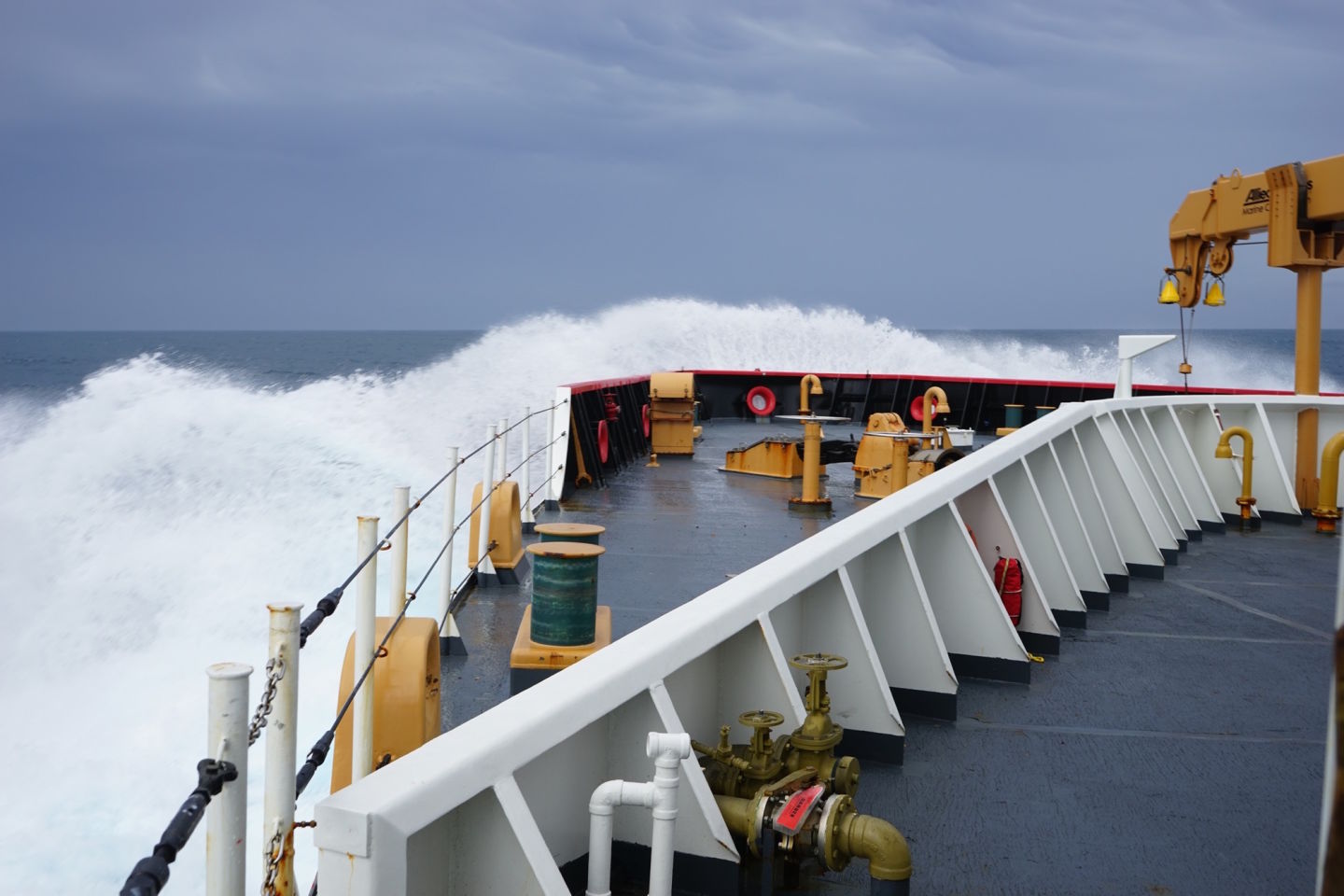
"caption": "The Coast Guard icebreaker Polar Star takes on heavy seas as it crosses the Southern Ocean enroute to Antarctica.",
"description": "The Coast Guard icebreaker Polar Star takes on heavy seas as it crosses the Southern Ocean enroute to Antarctica.",
"title": "DSC00228",
"credit": "Brandon R. Reynolds",
"status": "inherit",
"isLoading": false,
"fetchFailed": false
},
"science_454612": {
"type": "attachments",
"id": "science_454612",
"meta": {
"index": "attachments_1716263798",
"site": "science",
"id": "454612",
"found": true
},
"parent": 454523,
"imgSizes": {
"twentyfourteen-full-width": {
"file": "https://ww2.kqed.org/app/uploads/sites/35/2016/01/1208075186_3af3f19051_o-1038x576.jpg",
"width": 1038,
"mimeType": "image/jpeg",
"height": 576
},
"thumbnail": {
"file": "https://ww2.kqed.org/app/uploads/sites/35/2016/01/1208075186_3af3f19051_o-400x268.jpg",
"width": 400,
"mimeType": "image/jpeg",
"height": 268
},
"fd-sm": {
"file": "https://ww2.kqed.org/app/uploads/sites/35/2016/01/1208075186_3af3f19051_o-960x642.jpg",
"width": 960,
"mimeType": "image/jpeg",
"height": 642
},
"post-thumbnail": {
"file": "https://ww2.kqed.org/app/uploads/sites/35/2016/01/1208075186_3af3f19051_o-672x372.jpg",
"width": 672,
"mimeType": "image/jpeg",
"height": 372
},
"kqedFullSize": {
"file": "https://ww2.kqed.org/app/uploads/sites/35/2016/01/1208075186_3af3f19051_o.jpg",
"width": 2190,
"height": 1465
},
"large": {
"file": "https://ww2.kqed.org/app/uploads/sites/35/2016/01/1208075186_3af3f19051_o-1440x963.jpg",
"width": 1440,
"mimeType": "image/jpeg",
"height": 963
},
"guest-author-96": {
"file": "https://ww2.kqed.org/app/uploads/sites/35/2016/01/1208075186_3af3f19051_o-96x96.jpg",
"width": 96,
"mimeType": "image/jpeg",
"height": 96
},
"medium": {
"file": "https://ww2.kqed.org/app/uploads/sites/35/2016/01/1208075186_3af3f19051_o-800x535.jpg",
"width": 800,
"mimeType": "image/jpeg",
"height": 535
},
"guest-author-64": {
"file": "https://ww2.kqed.org/app/uploads/sites/35/2016/01/1208075186_3af3f19051_o-64x64.jpg",
"width": 64,
"mimeType": "image/jpeg",
"height": 64
},
"guest-author-32": {
"file": "https://ww2.kqed.org/app/uploads/sites/35/2016/01/1208075186_3af3f19051_o-32x32.jpg",
"width": 32,
"mimeType": "image/jpeg",
"height": 32
},
"fd-lrg": {
"file": "https://ww2.kqed.org/app/uploads/sites/35/2016/01/1208075186_3af3f19051_o-1920x1284.jpg",
"width": 1920,
"mimeType": "image/jpeg",
"height": 1284
},
"fd-med": {
"file": "https://ww2.kqed.org/app/uploads/sites/35/2016/01/1208075186_3af3f19051_o-1180x789.jpg",
"width": 1180,
"mimeType": "image/jpeg",
"height": 789
},
"detail": {
"file": "https://ww2.kqed.org/app/uploads/sites/35/2016/01/1208075186_3af3f19051_o-75x75.jpg",
"width": 75,
"mimeType": "image/jpeg",
"height": 75
},
"medium_large": {
"file": "https://ww2.kqed.org/app/uploads/sites/35/2016/01/1208075186_3af3f19051_o-768x514.jpg",
"width": 768,
"mimeType": "image/jpeg",
"height": 514
},
"guest-author-128": {
"file": "https://ww2.kqed.org/app/uploads/sites/35/2016/01/1208075186_3af3f19051_o-128x128.jpg",
"width": 128,
"mimeType": "image/jpeg",
"height": 128
}
},
"publishDate": 1452021889,
"modified": 1452022034,
"caption": null,
"description": null,
"title": "1208075186_3af3f19051_o",
"credit": "\u003ca href=\"https://www.flickr.com/photos/ceklic_petar/1208075186/in/photolist-2QKGEw-8gUTJF-jdkc4L-7YtLvs-3f9kAR-5sGT3v-aeV9BT-iTEcY7-Dgymk-7z7o77-7Cdgqe-8Vnje-47jGsn-nqqLXf-qYrE9Y-5xyAa1-55L63e-dtuyBc-qvcpCG-5RHME2-613PUk-6W1tcv-drWZkB-nPXtC-5Ek7vB-r3SEGZ-7DUwPW-4J5reQ-5Kae3x-7jPdYM-VytXA-r8t2tB-2iGMC2-4MUCW-4MUCX-e3uhbh-79hBkn-9CEdA4-eQ5Knq-AcZMt-CpFhJU-eZTrAq-8FQar8-7w6ApZ-7E8m2S-bh3QJk-8b1Afh-3QcAQN-7SF1Y-eqHT7f\" target=\"_blank\">Petar/Flickr\u003c/a>",
"status": "inherit",
"isLoading": false,
"fetchFailed": false
},
"science_452758": {
"type": "attachments",
"id": "science_452758",
"meta": {
"index": "attachments_1716263798",
"site": "science",
"id": "452758",
"found": true
},
"parent": 452507,
"imgSizes": {
"twentyfourteen-full-width": {
"file": "https://ww2.kqed.org/app/uploads/sites/35/2016/01/Element117-1038x576.png",
"width": 1038,
"mimeType": "image/png",
"height": 576
},
"thumbnail": {
"file": "https://ww2.kqed.org/app/uploads/sites/35/2016/01/Element117-400x238.png",
"width": 400,
"mimeType": "image/png",
"height": 238
},
"fd-sm": {
"file": "https://ww2.kqed.org/app/uploads/sites/35/2016/01/Element117-960x570.png",
"width": 960,
"mimeType": "image/png",
"height": 570
},
"post-thumbnail": {
"file": "https://ww2.kqed.org/app/uploads/sites/35/2016/01/Element117-672x372.png",
"width": 672,
"mimeType": "image/png",
"height": 372
},
"kqedFullSize": {
"file": "https://ww2.kqed.org/app/uploads/sites/35/2016/01/Element117-e1451941953387.png",
"width": 960,
"height": 570
},
"large": {
"file": "https://ww2.kqed.org/app/uploads/sites/35/2016/01/Element117-1440x855.png",
"width": 1440,
"mimeType": "image/png",
"height": 855
},
"guest-author-96": {
"file": "https://ww2.kqed.org/app/uploads/sites/35/2016/01/Element117-96x96.png",
"width": 96,
"mimeType": "image/png",
"height": 96
},
"medium": {
"file": "https://ww2.kqed.org/app/uploads/sites/35/2016/01/Element117-800x475.png",
"width": 800,
"mimeType": "image/png",
"height": 475
},
"guest-author-64": {
"file": "https://ww2.kqed.org/app/uploads/sites/35/2016/01/Element117-64x64.png",
"width": 64,
"mimeType": "image/png",
"height": 64
},
"guest-author-32": {
"file": "https://ww2.kqed.org/app/uploads/sites/35/2016/01/Element117-32x32.png",
"width": 32,
"mimeType": "image/png",
"height": 32
},
"fd-med": {
"file": "https://ww2.kqed.org/app/uploads/sites/35/2016/01/Element117-1180x701.png",
"width": 1180,
"mimeType": "image/png",
"height": 701
},
"detail": {
"file": "https://ww2.kqed.org/app/uploads/sites/35/2016/01/Element117-75x75.png",
"width": 75,
"mimeType": "image/png",
"height": 75
},
"medium_large": {
"file": "https://ww2.kqed.org/app/uploads/sites/35/2016/01/Element117-768x456.png",
"width": 768,
"mimeType": "image/png",
"height": 456
},
"guest-author-128": {
"file": "https://ww2.kqed.org/app/uploads/sites/35/2016/01/Element117-128x128.png",
"width": 128,
"mimeType": "image/png",
"height": 128
}
},
"publishDate": 1451941915,
"modified": 1451941984,
"caption": "A frame from a Lawrence Livermore National Laboratory video detailing the discovery of Element 117, known for now as ununseptium. ",
"description": null,
"title": "Element 117",
"credit": "Kwei-Yu- Chu/Lawrence Livermore National Laboratory",
"status": "inherit",
"isLoading": false,
"fetchFailed": false
},
"science_445286": {
"type": "attachments",
"id": "science_445286",
"meta": {
"index": "attachments_1716263798",
"site": "science",
"id": "445286",
"found": true
},
"parent": 437896,
"imgSizes": {
"twentyfourteen-full-width": {
"file": "https://ww2.kqed.org/app/uploads/sites/35/2015/12/RS17926_IMG_3949-1038x576.jpg",
"width": 1038,
"mimeType": "image/jpeg",
"height": 576
},
"thumbnail": {
"file": "https://ww2.kqed.org/app/uploads/sites/35/2015/12/RS17926_IMG_3949-400x300.jpg",
"width": 400,
"mimeType": "image/jpeg",
"height": 300
},
"fd-sm": {
"file": "https://ww2.kqed.org/app/uploads/sites/35/2015/12/RS17926_IMG_3949-960x720.jpg",
"width": 960,
"mimeType": "image/jpeg",
"height": 720
},
"post-thumbnail": {
"file": "https://ww2.kqed.org/app/uploads/sites/35/2015/12/RS17926_IMG_3949-672x372.jpg",
"width": 672,
"mimeType": "image/jpeg",
"height": 372
},
"kqedFullSize": {
"file": "https://ww2.kqed.org/app/uploads/sites/35/2015/12/RS17926_IMG_3949-e1451957449647.jpg",
"width": 1920,
"height": 1440
},
"large": {
"file": "https://ww2.kqed.org/app/uploads/sites/35/2015/12/RS17926_IMG_3949-1440x1080.jpg",
"width": 1440,
"mimeType": "image/jpeg",
"height": 1080
},
"guest-author-96": {
"file": "https://ww2.kqed.org/app/uploads/sites/35/2015/12/RS17926_IMG_3949-96x96.jpg",
"width": 96,
"mimeType": "image/jpeg",
"height": 96
},
"medium": {
"file": "https://ww2.kqed.org/app/uploads/sites/35/2015/12/RS17926_IMG_3949-800x600.jpg",
"width": 800,
"mimeType": "image/jpeg",
"height": 600
},
"guest-author-64": {
"file": "https://ww2.kqed.org/app/uploads/sites/35/2015/12/RS17926_IMG_3949-64x64.jpg",
"width": 64,
"mimeType": "image/jpeg",
"height": 64
},
"guest-author-32": {
"file": "https://ww2.kqed.org/app/uploads/sites/35/2015/12/RS17926_IMG_3949-32x32.jpg",
"width": 32,
"mimeType": "image/jpeg",
"height": 32
},
"fd-lrg": {
"file": "https://ww2.kqed.org/app/uploads/sites/35/2015/12/RS17926_IMG_3949-1920x1440.jpg",
"width": 1920,
"mimeType": "image/jpeg",
"height": 1440
},
"fd-med": {
"file": "https://ww2.kqed.org/app/uploads/sites/35/2015/12/RS17926_IMG_3949-1180x885.jpg",
"width": 1180,
"mimeType": "image/jpeg",
"height": 885
},
"detail": {
"file": "https://ww2.kqed.org/app/uploads/sites/35/2015/12/RS17926_IMG_3949-75x75.jpg",
"width": 75,
"mimeType": "image/jpeg",
"height": 75
},
"medium_large": {
"file": "https://ww2.kqed.org/app/uploads/sites/35/2015/12/RS17926_IMG_3949-768x576.jpg",
"width": 768,
"mimeType": "image/jpeg",
"height": 576
},
"guest-author-128": {
"file": "https://ww2.kqed.org/app/uploads/sites/35/2015/12/RS17926_IMG_3949-128x128.jpg",
"width": 128,
"mimeType": "image/jpeg",
"height": 128
}
},
"publishDate": 1451588104,
"modified": 1451588160,
"caption": "Technician Dale Hubbard, with NOAA scientists aboard the R/V Fulmar, prepares to deploy an undersea sound-recording station 20 miles off of Pt. Reyes, in the Cordell Bank Nat'l Marine Sanctuary.",
"description": "Technician Dale Hubbard, with NOAA scientists aboard the R/V Fulmar, prepares to deploy an undersea sound-recording station 20 miles off of Pt. Reyes, in the Cordell Bank Nat'l Marine Sanctuary.",
"title": "ocean soundscape",
"credit": "Craig Miller/KQED",
"status": "inherit",
"isLoading": false,
"fetchFailed": false
},
"science_443580": {
"type": "attachments",
"id": "science_443580",
"meta": {
"index": "attachments_1716263798",
"site": "science",
"id": "443580",
"found": true
},
"parent": 443579,
"imgSizes": {
"thumbnail": {
"file": "https://ww2.kqed.org/app/uploads/sites/35/2015/12/443579-thumb-400x300.jpg",
"width": 400,
"mimeType": "image/jpeg",
"height": 300
},
"kqedFullSize": {
"file": "https://ww2.kqed.org/app/uploads/sites/35/2015/12/443579-thumb.jpg",
"width": 400,
"height": 300
},
"guest-author-96": {
"file": "https://ww2.kqed.org/app/uploads/sites/35/2015/12/443579-thumb-96x96.jpg",
"width": 96,
"mimeType": "image/jpeg",
"height": 96
},
"guest-author-64": {
"file": "https://ww2.kqed.org/app/uploads/sites/35/2015/12/443579-thumb-64x64.jpg",
"width": 64,
"mimeType": "image/jpeg",
"height": 64
},
"detail": {
"file": "https://ww2.kqed.org/app/uploads/sites/35/2015/12/443579-thumb-75x75.jpg",
"width": 75,
"mimeType": "image/jpeg",
"height": 75
},
"guest-author-32": {
"file": "https://ww2.kqed.org/app/uploads/sites/35/2015/12/443579-thumb-32x32.jpg",
"width": 32,
"mimeType": "image/jpeg",
"height": 32
},
"guest-author-128": {
"file": "https://ww2.kqed.org/app/uploads/sites/35/2015/12/443579-thumb-128x128.jpg",
"width": 128,
"mimeType": "image/jpeg",
"height": 128
}
},
"publishDate": 1451505732,
"modified": 1451505732,
"caption": null,
"description": null,
"title": "Thumbnail for 443579",
"credit": null,
"status": "inherit",
"isLoading": false,
"fetchFailed": false
},
"science_25617": {
"type": "attachments",
"id": "science_25617",
"meta": {
"index": "attachments_1716263798",
"site": "science",
"id": "25617",
"found": true
},
"parent": 25567,
"imgSizes": {
"kqedFullSize": {
"file": "https://ww2.kqed.org/app/uploads/sites/35/2014/12/iStock_000029223134_Medium.jpg",
"width": 1698,
"height": 1131
}
},
"publishDate": 1419383134,
"modified": 1419383159,
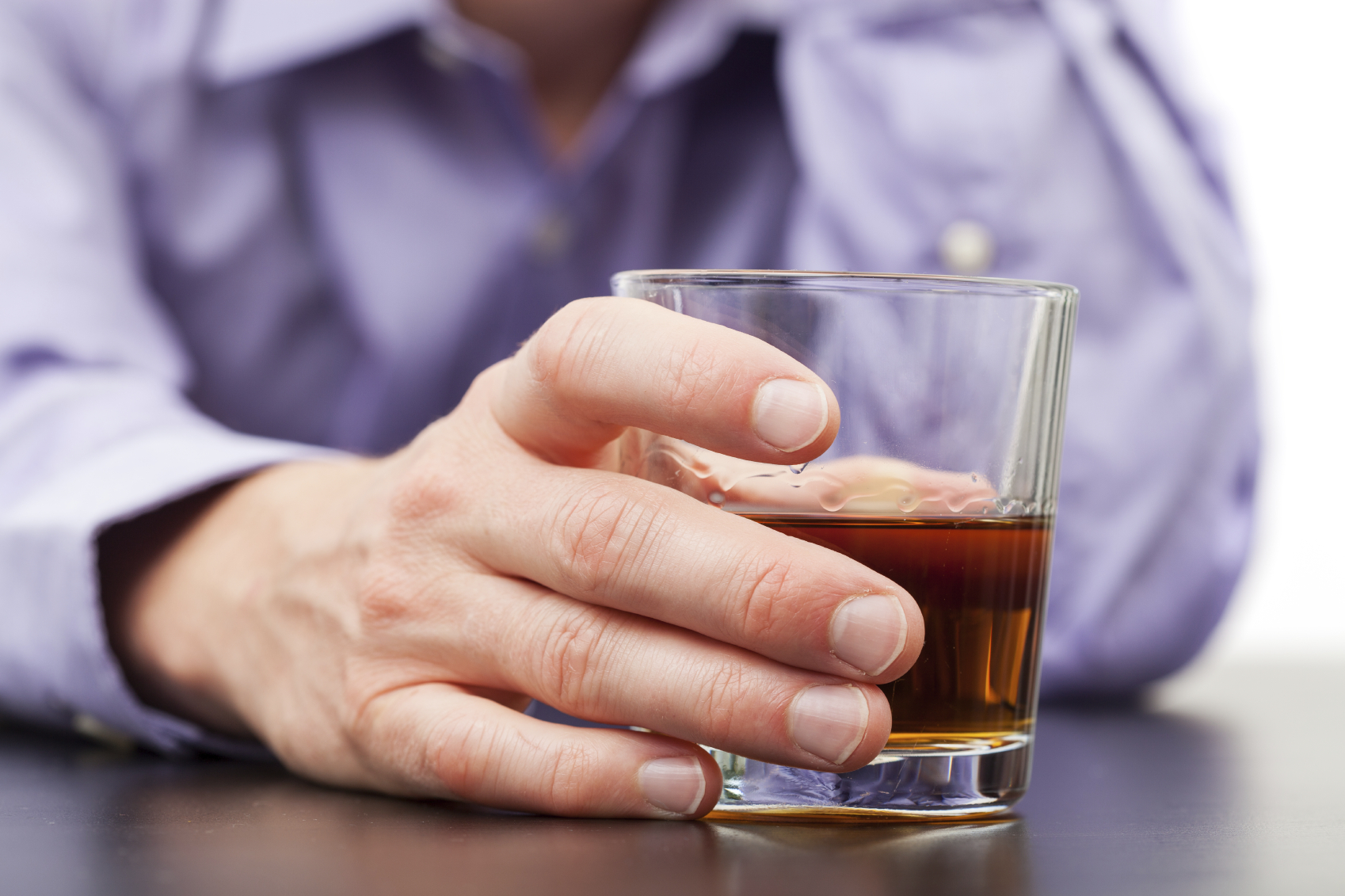
"caption": "(iStock/Getty Images)",
"description": "Businessman holding in hand glass of whisky",
"title": "Businessman with glass of whisky",
"credit": null,
"status": "inherit",
"isLoading": false,
"fetchFailed": false
},
"science_430986": {
"type": "attachments",
"id": "science_430986",
"meta": {
"index": "attachments_1716263798",
"site": "science",
"id": "430986",
"found": true
},
"parent": 430896,
"imgSizes": {
"thumbnail": {
"file": "https://ww2.kqed.org/app/uploads/sites/35/2015/12/3464380533_cf7661c458_o-400x247.jpg",
"width": 400,
"mimeType": "image/jpeg",
"height": 247
},
"post-thumbnail": {
"file": "https://ww2.kqed.org/app/uploads/sites/35/2015/12/3464380533_cf7661c458_o-672x372.jpg",
"width": 672,
"mimeType": "image/jpeg",
"height": 372
},
"kqedFullSize": {
"file": "https://ww2.kqed.org/app/uploads/sites/35/2015/12/3464380533_cf7661c458_o.jpg",
"width": 800,
"height": 494
},
"guest-author-96": {
"file": "https://ww2.kqed.org/app/uploads/sites/35/2015/12/3464380533_cf7661c458_o-96x96.jpg",
"width": 96,
"mimeType": "image/jpeg",
"height": 96
},
"medium": {
"file": "https://ww2.kqed.org/app/uploads/sites/35/2015/12/3464380533_cf7661c458_o-800x494.jpg",
"width": 800,
"mimeType": "image/jpeg",
"height": 494
},
"guest-author-64": {
"file": "https://ww2.kqed.org/app/uploads/sites/35/2015/12/3464380533_cf7661c458_o-64x64.jpg",
"width": 64,
"mimeType": "image/jpeg",
"height": 64
},
"detail": {
"file": "https://ww2.kqed.org/app/uploads/sites/35/2015/12/3464380533_cf7661c458_o-75x75.jpg",
"width": 75,
"mimeType": "image/jpeg",
"height": 75
},
"guest-author-32": {
"file": "https://ww2.kqed.org/app/uploads/sites/35/2015/12/3464380533_cf7661c458_o-32x32.jpg",
"width": 32,
"mimeType": "image/jpeg",
"height": 32
},
"medium_large": {
"file": "https://ww2.kqed.org/app/uploads/sites/35/2015/12/3464380533_cf7661c458_o-768x474.jpg",
"width": 768,
"mimeType": "image/jpeg",
"height": 474
},
"guest-author-128": {
"file": "https://ww2.kqed.org/app/uploads/sites/35/2015/12/3464380533_cf7661c458_o-128x128.jpg",
"width": 128,
"mimeType": "image/jpeg",
"height": 128
}
},
"publishDate": 1450899408,
"modified": 1450900385,
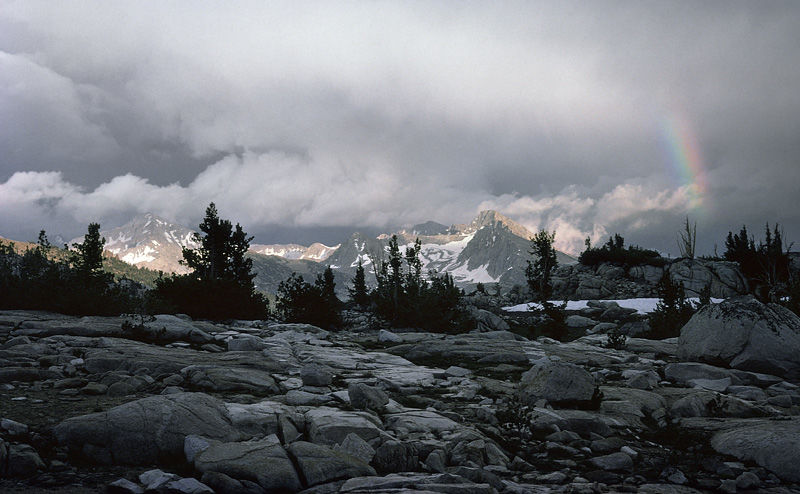
"caption": "The John Muir Wilderness in the Sierra Nevada stands in for planet Earth.",
"description": "Earth in all its aspects was prominent on KQED Science this year. The John Muir Wilderness in the Sierra Nevada stands in for our planet.",
"title": "Earth",
"credit": "\u003ca href=\"https://www.flickr.com/photos/agrinberg/3464380533/in/photolist-6h8RCR-e5kvuY-7Vrue4-7icRw2-9cZYPY-sdJgLw-72bcJo-aqazvX-7NRkz1-qrZBgv-9fq1G6-o1Xxj7-6yPust-ahLS8A-b4m5xV-bPrqaT-5XTyyJ-9f5z3a-6PoLj-8zmozo-rYgtFy-6KARJ1-bfmrez-9f8HtJ-8ZcbzT-4BQ3pz-6t851k-adBGkR-6TB3Lh-7WnLYU-9trGAF-e89jGp-ceLYvE-6Pmm5H-oFQvmp-9iHZVd-9y17bV-6Vufi4-ednNL3-rYRx8W-9pa7R9-6azCE2-jq8ouH-7179o-edj86W-kM1QQY-ch8suW-cFb9Am-njaPqF-binsBK\" target=\"_blank\">Alan Grinberg/Flickr\u003c/a>",
"status": "inherit",
"isLoading": false,
"fetchFailed": false
},
"quest_105920": {
"type": "attachments",
"id": "quest_105920",
"meta": {
"index": "attachments_1716263798",
"site": "quest",
"id": "105920",
"found": true
},
"parent": 105835,
"imgSizes": {
"twentyfourteen-full-width": {
"file": "https://ww2.kqed.org/app/uploads/sites/39/2015/12/bus_on_street-1038x576.jpg",
"width": 1038,
"mimeType": "image/jpeg",
"height": 576
},
"thumbnail": {
"file": "https://ww2.kqed.org/app/uploads/sites/39/2015/12/bus_on_street-400x225.jpg",
"width": 400,
"mimeType": "image/jpeg",
"height": 225
},
"fd-sm": {
"file": "https://ww2.kqed.org/app/uploads/sites/39/2015/12/bus_on_street-960x540.jpg",
"width": 960,
"mimeType": "image/jpeg",
"height": 540
},
"post-thumbnail": {
"file": "https://ww2.kqed.org/app/uploads/sites/39/2015/12/bus_on_street-672x372.jpg",
"width": 672,
"mimeType": "image/jpeg",
"height": 372
},
"kqedFullSize": {
"file": "https://ww2.kqed.org/app/uploads/sites/39/2015/12/bus_on_street.jpg",
"width": 1920,
"height": 1080
},
"large": {
"file": "https://ww2.kqed.org/app/uploads/sites/39/2015/12/bus_on_street-1440x810.jpg",
"width": 1440,
"mimeType": "image/jpeg",
"height": 810
},
"guest-author-96": {
"file": "https://ww2.kqed.org/app/uploads/sites/39/2015/12/bus_on_street-96x96.jpg",
"width": 96,
"mimeType": "image/jpeg",
"height": 96
},
"medium": {
"file": "https://ww2.kqed.org/app/uploads/sites/39/2015/12/bus_on_street-800x450.jpg",
"width": 800,
"mimeType": "image/jpeg",
"height": 450
},
"guest-author-64": {
"file": "https://ww2.kqed.org/app/uploads/sites/39/2015/12/bus_on_street-64x64.jpg",
"width": 64,
"mimeType": "image/jpeg",
"height": 64
},
"guest-author-32": {
"file": "https://ww2.kqed.org/app/uploads/sites/39/2015/12/bus_on_street-32x32.jpg",
"width": 32,
"mimeType": "image/jpeg",
"height": 32
},
"fd-lrg": {
"file": "https://ww2.kqed.org/app/uploads/sites/39/2015/12/bus_on_street-1920x1080.jpg",
"width": 1920,
"mimeType": "image/jpeg",
"height": 1080
},
"fd-med": {
"file": "https://ww2.kqed.org/app/uploads/sites/39/2015/12/bus_on_street-1180x664.jpg",
"width": 1180,
"mimeType": "image/jpeg",
"height": 664
},
"detail": {
"file": "https://ww2.kqed.org/app/uploads/sites/39/2015/12/bus_on_street-75x75.jpg",
"width": 75,
"mimeType": "image/jpeg",
"height": 75
},
"medium_large": {
"file": "https://ww2.kqed.org/app/uploads/sites/39/2015/12/bus_on_street-768x432.jpg",
"width": 768,
"mimeType": "image/jpeg",
"height": 432
},
"guest-author-128": {
"file": "https://ww2.kqed.org/app/uploads/sites/39/2015/12/bus_on_street-128x128.jpg",
"width": 128,
"mimeType": "image/jpeg",
"height": 128
}
},
"publishDate": 1450744917,
"modified": 1450744941,
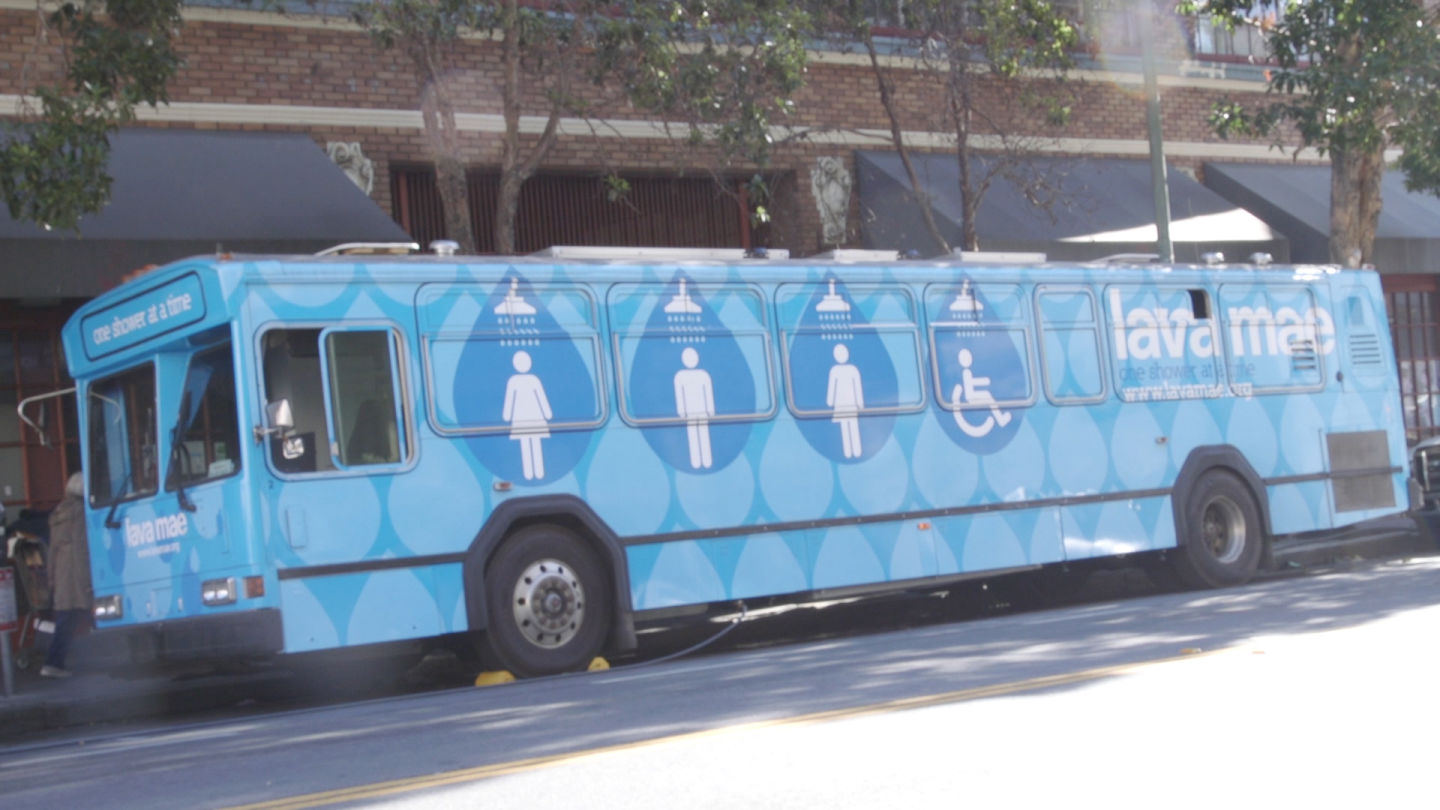
"caption": "One of Lava Mae's buses in operation",
"description": null,
"title": "bus_on_street",
"credit": null,
"status": "inherit",
"isLoading": false,
"fetchFailed": false
},
"science_429003": {
"type": "attachments",
"id": "science_429003",
"meta": {
"index": "attachments_1716263798",
"site": "science",
"id": "429003",
"found": true
},
"parent": 427253,
"imgSizes": {
"twentyfourteen-full-width": {
"file": "https://ww2.kqed.org/app/uploads/sites/35/2015/12/double-rainbow-1038x576.jpeg",
"width": 1038,
"mimeType": "image/jpeg",
"height": 576
},
"thumbnail": {
"file": "https://ww2.kqed.org/app/uploads/sites/35/2015/12/double-rainbow-400x267.jpeg",
"width": 400,
"mimeType": "image/jpeg",
"height": 267
},
"fd-sm": {
"file": "https://ww2.kqed.org/app/uploads/sites/35/2015/12/double-rainbow-960x641.jpeg",
"width": 960,
"mimeType": "image/jpeg",
"height": 641
},
"post-thumbnail": {
"file": "https://ww2.kqed.org/app/uploads/sites/35/2015/12/double-rainbow-672x372.jpeg",
"width": 672,
"mimeType": "image/jpeg",
"height": 372
},
"kqedFullSize": {
"file": "https://ww2.kqed.org/app/uploads/sites/35/2015/12/double-rainbow.jpeg",
"width": 2048,
"height": 1367
},
"large": {
"file": "https://ww2.kqed.org/app/uploads/sites/35/2015/12/double-rainbow-1440x961.jpeg",
"width": 1440,
"mimeType": "image/jpeg",
"height": 961
},
"guest-author-96": {
"file": "https://ww2.kqed.org/app/uploads/sites/35/2015/12/double-rainbow-96x96.jpeg",
"width": 96,
"mimeType": "image/jpeg",
"height": 96
},
"medium": {
"file": "https://ww2.kqed.org/app/uploads/sites/35/2015/12/double-rainbow-800x534.jpeg",
"width": 800,
"mimeType": "image/jpeg",
"height": 534
},
"guest-author-64": {
"file": "https://ww2.kqed.org/app/uploads/sites/35/2015/12/double-rainbow-64x64.jpeg",
"width": 64,
"mimeType": "image/jpeg",
"height": 64
},
"guest-author-32": {
"file": "https://ww2.kqed.org/app/uploads/sites/35/2015/12/double-rainbow-32x32.jpeg",
"width": 32,
"mimeType": "image/jpeg",
"height": 32
},
"fd-lrg": {
"file": "https://ww2.kqed.org/app/uploads/sites/35/2015/12/double-rainbow-1920x1282.jpeg",
"width": 1920,
"mimeType": "image/jpeg",
"height": 1282
},
"fd-med": {
"file": "https://ww2.kqed.org/app/uploads/sites/35/2015/12/double-rainbow-1180x788.jpeg",
"width": 1180,
"mimeType": "image/jpeg",
"height": 788
},
"detail": {
"file": "https://ww2.kqed.org/app/uploads/sites/35/2015/12/double-rainbow-75x75.jpeg",
"width": 75,
"mimeType": "image/jpeg",
"height": 75
},
"medium_large": {
"file": "https://ww2.kqed.org/app/uploads/sites/35/2015/12/double-rainbow-768x513.jpeg",
"width": 768,
"mimeType": "image/jpeg",
"height": 513
},
"guest-author-128": {
"file": "https://ww2.kqed.org/app/uploads/sites/35/2015/12/double-rainbow-128x128.jpeg",
"width": 128,
"mimeType": "image/jpeg",
"height": 128
}
},
"publishDate": 1450804531,
"modified": 1450804618,
"caption": "Double rainbow: A double rainbow spans Ocean Beach in San Francisco.",
"description": "Double rainbow: A double rainbow spans Ocean Beach in San Francisco.",
"title": "double rainbow",
"credit": "Daniel Hoherd/Flickr",
"status": "inherit",
"isLoading": false,
"fetchFailed": false
},
"science_419844": {
"type": "attachments",
"id": "science_419844",
"meta": {
"index": "attachments_1716263798",
"site": "science",
"id": "419844",
"found": true
},
"parent": 419763,
"imgSizes": {
"twentyfourteen-full-width": {
"file": "https://ww2.kqed.org/app/uploads/sites/35/2015/12/IMG_4776-1038x576.jpg",
"width": 1038,
"mimeType": "image/jpeg",
"height": 576
},
"thumbnail": {
"file": "https://ww2.kqed.org/app/uploads/sites/35/2015/12/IMG_4776-400x267.jpg",
"width": 400,
"mimeType": "image/jpeg",
"height": 267
},
"fd-sm": {
"file": "https://ww2.kqed.org/app/uploads/sites/35/2015/12/IMG_4776-960x640.jpg",
"width": 960,
"mimeType": "image/jpeg",
"height": 640
},
"post-thumbnail": {
"file": "https://ww2.kqed.org/app/uploads/sites/35/2015/12/IMG_4776-672x372.jpg",
"width": 672,
"mimeType": "image/jpeg",
"height": 372
},
"kqedFullSize": {
"file": "https://ww2.kqed.org/app/uploads/sites/35/2015/12/IMG_4776-e1450730559943.jpg",
"width": 1920,
"height": 1280
},
"large": {
"file": "https://ww2.kqed.org/app/uploads/sites/35/2015/12/IMG_4776-1440x960.jpg",
"width": 1440,
"mimeType": "image/jpeg",
"height": 960
},
"guest-author-96": {
"file": "https://ww2.kqed.org/app/uploads/sites/35/2015/12/IMG_4776-96x96.jpg",
"width": 96,
"mimeType": "image/jpeg",
"height": 96
},
"medium": {
"file": "https://ww2.kqed.org/app/uploads/sites/35/2015/12/IMG_4776-800x533.jpg",
"width": 800,
"mimeType": "image/jpeg",
"height": 533
},
"guest-author-64": {
"file": "https://ww2.kqed.org/app/uploads/sites/35/2015/12/IMG_4776-64x64.jpg",
"width": 64,
"mimeType": "image/jpeg",
"height": 64
},
"guest-author-32": {
"file": "https://ww2.kqed.org/app/uploads/sites/35/2015/12/IMG_4776-32x32.jpg",
"width": 32,
"mimeType": "image/jpeg",
"height": 32
},
"fd-lrg": {
"file": "https://ww2.kqed.org/app/uploads/sites/35/2015/12/IMG_4776-1920x1280.jpg",
"width": 1920,
"mimeType": "image/jpeg",
"height": 1280
},
"fd-med": {
"file": "https://ww2.kqed.org/app/uploads/sites/35/2015/12/IMG_4776-1180x787.jpg",
"width": 1180,
"mimeType": "image/jpeg",
"height": 787
},
"detail": {
"file": "https://ww2.kqed.org/app/uploads/sites/35/2015/12/IMG_4776-75x75.jpg",
"width": 75,
"mimeType": "image/jpeg",
"height": 75
},
"medium_large": {
"file": "https://ww2.kqed.org/app/uploads/sites/35/2015/12/IMG_4776-768x512.jpg",
"width": 768,
"mimeType": "image/jpeg",
"height": 512
},
"guest-author-128": {
"file": "https://ww2.kqed.org/app/uploads/sites/35/2015/12/IMG_4776-128x128.jpg",
"width": 128,
"mimeType": "image/jpeg",
"height": 128
}
},
"publishDate": 1450401765,
"modified": 1450476089,
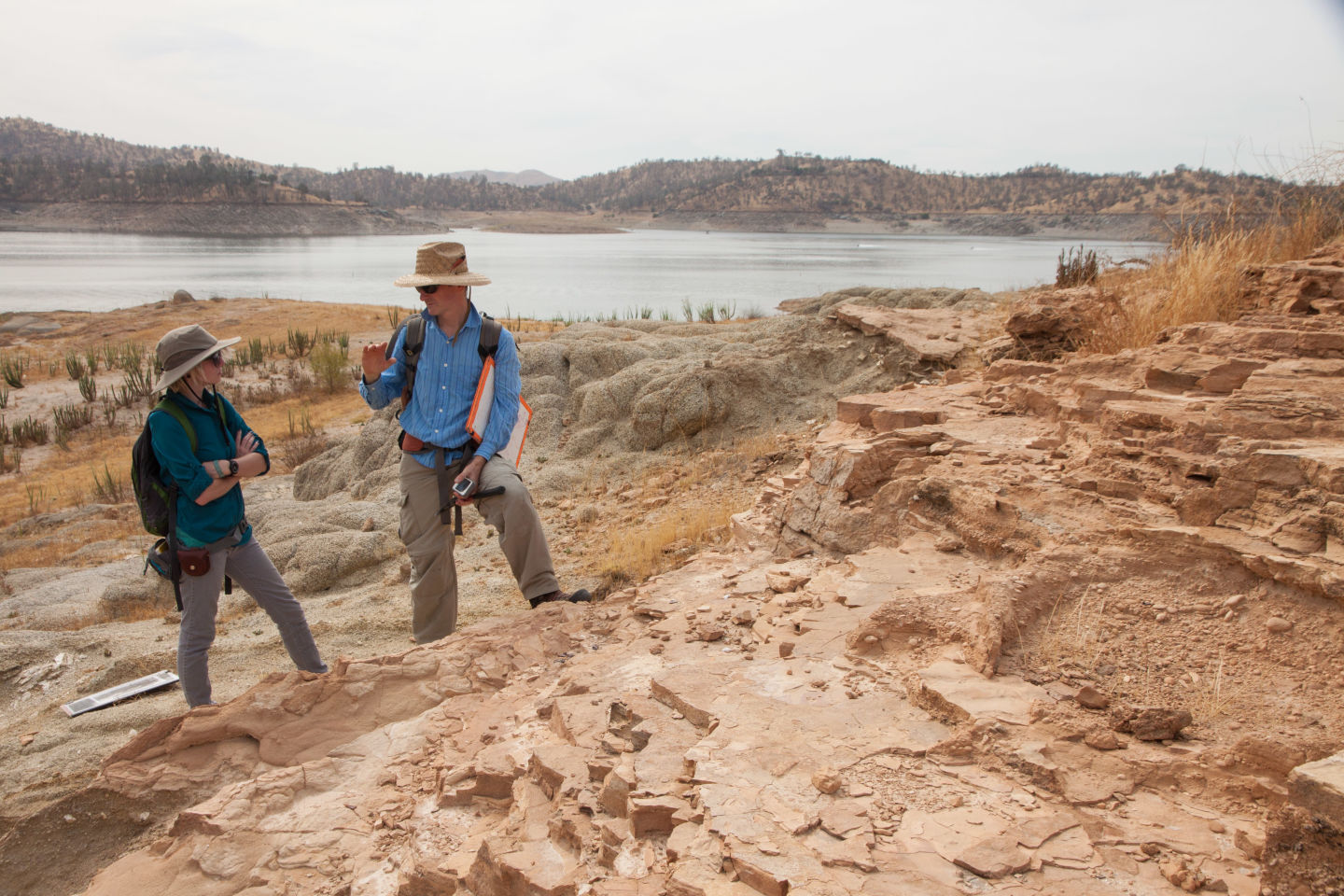
"caption": "Freso State geologist Chris Pluhar and his student Wynter Erickson hope these rocks, normally underwater in Millerton Lake, will reveal clues about the geological history of the Sierra Nevada.",
"description": "Freso State geologist Chris Pluhar and his student Wynter Erickson hope these rocks, normally underwater in Millerton Lake, will reveal clues about the geological history of the Sierra Nevada.",
"title": "drought geology",
"credit": "Kerry Klein/KQED",
"status": "inherit",
"isLoading": false,
"fetchFailed": false
},
"science_421304": {
"type": "attachments",
"id": "science_421304",
"meta": {
"index": "attachments_1716263798",
"site": "science",
"id": "421304",
"found": true
},
"parent": 28668,
"imgSizes": {
"twentyfourteen-full-width": {
"file": "https://ww2.kqed.org/app/uploads/sites/35/2015/03/desal-4-e1450467865710-1038x576.jpg",
"width": 1038,
"mimeType": "image/jpeg",
"height": 576
},
"thumbnail": {
"file": "https://ww2.kqed.org/app/uploads/sites/35/2015/03/desal-4-e1450467865710-400x309.jpg",
"width": 400,
"mimeType": "image/jpeg",
"height": 309
},
"fd-sm": {
"file": "https://ww2.kqed.org/app/uploads/sites/35/2015/03/desal-4-e1450467865710-960x742.jpg",
"width": 960,
"mimeType": "image/jpeg",
"height": 742
},
"post-thumbnail": {
"file": "https://ww2.kqed.org/app/uploads/sites/35/2015/03/desal-4-e1450467865710-672x372.jpg",
"width": 672,
"mimeType": "image/jpeg",
"height": 372
},
"kqedFullSize": {
"file": "https://ww2.kqed.org/app/uploads/sites/35/2015/03/desal-4-e1450467865710.jpg",
"width": 1376,
"height": 1064
},
"large": {
"file": "https://ww2.kqed.org/app/uploads/sites/35/2015/03/desal-4-1440x959.jpg",
"width": 1440,
"mimeType": "image/jpeg",
"height": 959
},
"guest-author-96": {
"file": "https://ww2.kqed.org/app/uploads/sites/35/2015/03/desal-4-e1450467865710-96x96.jpg",
"width": 96,
"mimeType": "image/jpeg",
"height": 96
},
"medium": {
"file": "https://ww2.kqed.org/app/uploads/sites/35/2015/03/desal-4-e1450467865710-800x619.jpg",
"width": 800,
"mimeType": "image/jpeg",
"height": 619
},
"guest-author-64": {
"file": "https://ww2.kqed.org/app/uploads/sites/35/2015/03/desal-4-e1450467865710-64x64.jpg",
"width": 64,
"mimeType": "image/jpeg",
"height": 64
},
"guest-author-32": {
"file": "https://ww2.kqed.org/app/uploads/sites/35/2015/03/desal-4-e1450467865710-32x32.jpg",
"width": 32,
"mimeType": "image/jpeg",
"height": 32
},
"fd-med": {
"file": "https://ww2.kqed.org/app/uploads/sites/35/2015/03/desal-4-e1450467865710-1180x912.jpg",
"width": 1180,
"mimeType": "image/jpeg",
"height": 912
},
"detail": {
"file": "https://ww2.kqed.org/app/uploads/sites/35/2015/03/desal-4-e1450467865710-75x75.jpg",
"width": 75,
"mimeType": "image/jpeg",
"height": 75
},
"medium_large": {
"file": "https://ww2.kqed.org/app/uploads/sites/35/2015/03/desal-4-e1450467865710-768x594.jpg",
"width": 768,
"mimeType": "image/jpeg",
"height": 594
},
"guest-author-128": {
"file": "https://ww2.kqed.org/app/uploads/sites/35/2015/03/desal-4-e1450467865710-128x128.jpg",
"width": 128,
"mimeType": "image/jpeg",
"height": 128
}
},
"publishDate": 1450467715,
"modified": 1450468755,
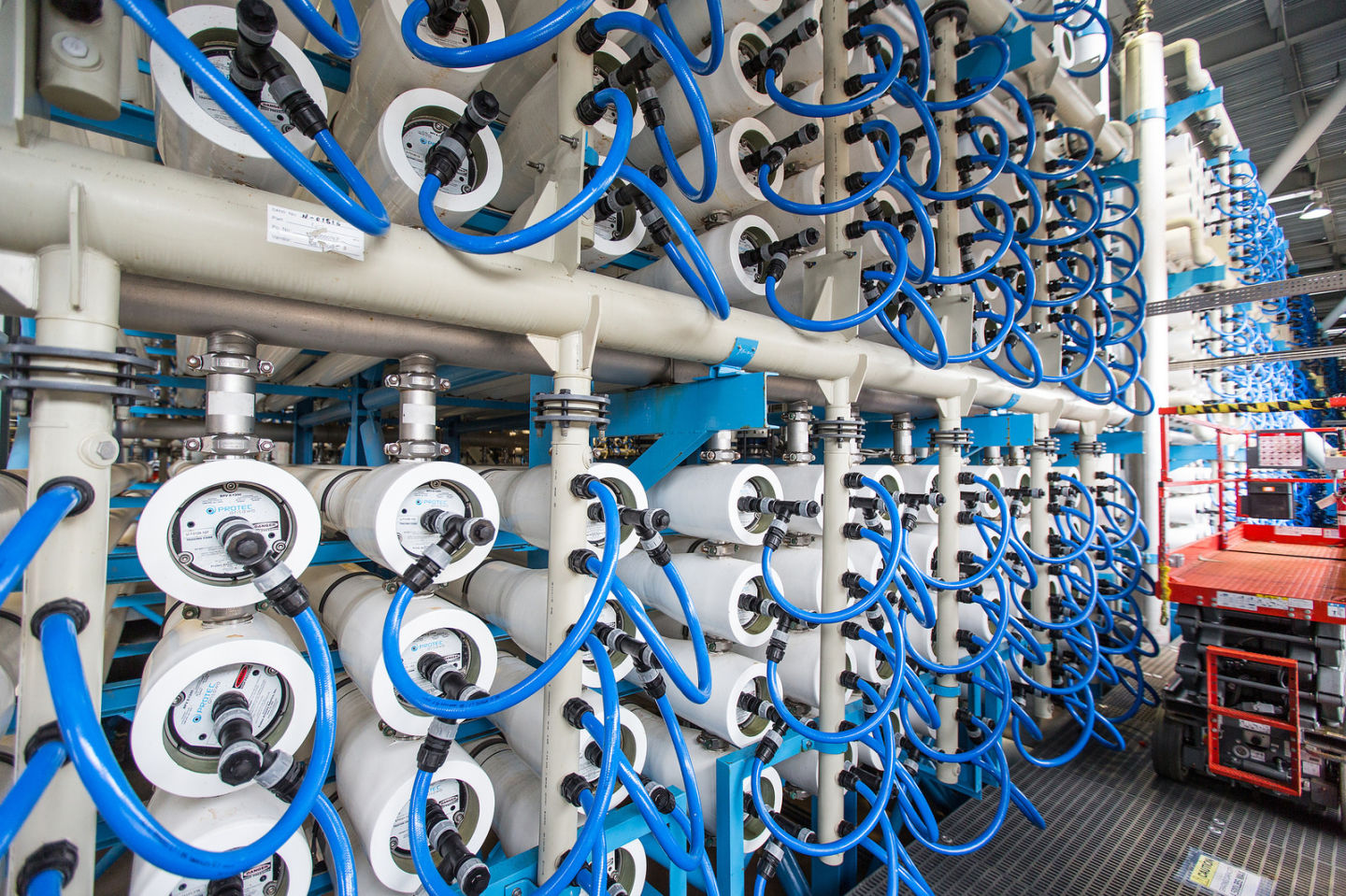
"caption": "The Carlsbad plant uses extremely high pressure to push water from the ocean through tiny reverse-osmosis membranes that essentially strain out the salt. ",
"description": "The Carlsbad plant uses extremely high pressure to push water from the ocean through tiny reverse-osmosis membranes that essentially strain out the salt. ",
"title": "desalination",
"credit": "Adam Keigwin/Poseidon Water",
"status": "inherit",
"isLoading": false,
"fetchFailed": false
},
"science_420020": {
"type": "attachments",
"id": "science_420020",
"meta": {
"index": "attachments_1716263798",
"site": "science",
"id": "420020",
"found": true
},
"parent": 419936,
"imgSizes": {
"twentyfourteen-full-width": {
"file": "https://ww2.kqed.org/app/uploads/sites/35/2015/12/RS8458_IMG_4071-1038x576.jpg",
"width": 1038,
"mimeType": "image/jpeg",
"height": 576
},
"thumbnail": {
"file": "https://ww2.kqed.org/app/uploads/sites/35/2015/12/RS8458_IMG_4071-400x300.jpg",
"width": 400,
"mimeType": "image/jpeg",
"height": 300
},
"fd-sm": {
"file": "https://ww2.kqed.org/app/uploads/sites/35/2015/12/RS8458_IMG_4071-960x720.jpg",
"width": 960,
"mimeType": "image/jpeg",
"height": 720
},
"post-thumbnail": {
"file": "https://ww2.kqed.org/app/uploads/sites/35/2015/12/RS8458_IMG_4071-672x372.jpg",
"width": 672,
"mimeType": "image/jpeg",
"height": 372
},
"kqedFullSize": {
"file": "https://ww2.kqed.org/app/uploads/sites/35/2015/12/RS8458_IMG_4071.jpg",
"width": 2000,
"height": 1500
},
"large": {
"file": "https://ww2.kqed.org/app/uploads/sites/35/2015/12/RS8458_IMG_4071-1440x1080.jpg",
"width": 1440,
"mimeType": "image/jpeg",
"height": 1080
},
"guest-author-96": {
"file": "https://ww2.kqed.org/app/uploads/sites/35/2015/12/RS8458_IMG_4071-96x96.jpg",
"width": 96,
"mimeType": "image/jpeg",
"height": 96
},
"medium": {
"file": "https://ww2.kqed.org/app/uploads/sites/35/2015/12/RS8458_IMG_4071-800x600.jpg",
"width": 800,
"mimeType": "image/jpeg",
"height": 600
},
"guest-author-64": {
"file": "https://ww2.kqed.org/app/uploads/sites/35/2015/12/RS8458_IMG_4071-64x64.jpg",
"width": 64,
"mimeType": "image/jpeg",
"height": 64
},
"guest-author-32": {
"file": "https://ww2.kqed.org/app/uploads/sites/35/2015/12/RS8458_IMG_4071-32x32.jpg",
"width": 32,
"mimeType": "image/jpeg",
"height": 32
},
"fd-lrg": {
"file": "https://ww2.kqed.org/app/uploads/sites/35/2015/12/RS8458_IMG_4071-1920x1440.jpg",
"width": 1920,
"mimeType": "image/jpeg",
"height": 1440
},
"fd-med": {
"file": "https://ww2.kqed.org/app/uploads/sites/35/2015/12/RS8458_IMG_4071-1180x885.jpg",
"width": 1180,
"mimeType": "image/jpeg",
"height": 885
},
"detail": {
"file": "https://ww2.kqed.org/app/uploads/sites/35/2015/12/RS8458_IMG_4071-75x75.jpg",
"width": 75,
"mimeType": "image/jpeg",
"height": 75
},
"medium_large": {
"file": "https://ww2.kqed.org/app/uploads/sites/35/2015/12/RS8458_IMG_4071-768x576.jpg",
"width": 768,
"mimeType": "image/jpeg",
"height": 576
},
"guest-author-128": {
"file": "https://ww2.kqed.org/app/uploads/sites/35/2015/12/RS8458_IMG_4071-128x128.jpg",
"width": 128,
"mimeType": "image/jpeg",
"height": 128
}
},
"publishDate": 1450409523,
"modified": 1450409583,
"caption": "Fog encroaching on the Bay Area, as seen from Mt. Tamalpais in Marin County.",
"description": "Fog encroaching on the Bay Area, as seen from Mt. Tamalpais in Marin County.",
"title": "RS8458_IMG_4071",
"credit": "Craig Miller/KQED",
"status": "inherit",
"isLoading": false,
"fetchFailed": false
}
},
"audioPlayerReducer": {
"postId": "stream_live",
"isPaused": true,
"isPlaying": false,
"pfsActive": false,
"pledgeModalIsOpen": true,
"playerDrawerIsOpen": false,
"liveAudioPlayStartedAt": 0,
"liveAudioPlayContext": ""
},
"authorsReducer": {
"byline_science_452669": {
"type": "authors",
"id": "byline_science_452669",
"meta": {
"override": true
},
"slug": "byline_science_452669",
"name": "\u003cstrong>Brandon R. Reynolds\u003c/strong>",
"isLoading": false
},
"byline_science_452507": {
"type": "authors",
"id": "byline_science_452507",
"meta": {
"override": true
},
"slug": "byline_science_452507",
"name": "Bill Chappell",
"isLoading": false
},
"byline_science_427253": {
"type": "authors",
"id": "byline_science_427253",
"meta": {
"override": true
},
"slug": "byline_science_427253",
"name": "\u003cstrong>Alison Hawkes\u003c/strong>",
"isLoading": false
},
"byline_science_419936": {
"type": "authors",
"id": "byline_science_419936",
"meta": {
"override": true
},
"slug": "byline_science_419936",
"name": "\u003cstrong>Alison Hawkes\u003c/strong>",
"isLoading": false
},
"amystanden": {
"type": "authors",
"id": "210",
"meta": {
"index": "authors_1716337520",
"id": "210",
"found": true
},
"name": "Amy Standen",
"firstName": "Amy",
"lastName": "Standen",
"slug": "amystanden",
"email": "astanden@kqed.org",
"display_author_email": false,
"staff_mastheads": [],
"title": "KQED Contributor",
"bio": "Amy Standen (@amystanden) is co-host of #\u003ca href=\"https://ww2.kqed.org/news/programs/the-leap\">TheLeapPodcast\u003c/a> (subscribe on iTunes or Stitcher!) and host of KQED and PBSDigital Studios' science video series, \u003ca href=\"https://www.youtube.com/user/KQEDDeepLook\">Deep Look\u003c/a>. Her science radio stories appear on KQED and NPR.\r\n\r\nEmail her at astanden@kqed.org",
"avatar": "https://secure.gravatar.com/avatar/3d021b72de685a788b0487b059d0a6a1?s=600&d=blank&r=g",
"twitter": null,
"facebook": null,
"instagram": null,
"linkedin": null,
"sites": [
{
"site": "news",
"roles": [
"subscriber"
]
},
{
"site": "futureofyou",
"roles": [
"subscriber"
]
},
{
"site": "stateofhealth",
"roles": [
"subscriber"
]
},
{
"site": "science",
"roles": []
},
{
"site": "quest",
"roles": [
"subscriber"
]
}
],
"headData": {
"title": "Amy Standen | KQED",
"description": "KQED Contributor",
"ogImgSrc": "https://secure.gravatar.com/avatar/3d021b72de685a788b0487b059d0a6a1?s=600&d=blank&r=g",
"twImgSrc": "https://secure.gravatar.com/avatar/3d021b72de685a788b0487b059d0a6a1?s=600&d=blank&r=g"
},
"isLoading": false,
"link": "/author/amystanden"
},
"cmiller": {
"type": "authors",
"id": "221",
"meta": {
"index": "authors_1716337520",
"id": "221",
"found": true
},
"name": "Craig Miller",
"firstName": "Craig",
"lastName": "Miller",
"slug": "cmiller",
"email": "craig@voxterra.net",
"display_author_email": false,
"staff_mastheads": [
"science"
],
"title": "Editor Emeritus, Science",
"bio": "Craig is a former KQED Science editor, specializing in weather, climate, water & energy issues, with a little seismology thrown in just to shake things up. Prior to that, he launched and led the station's award-winning multimedia project, Climate Watch. Craig is also an accomplished writer/producer of television documentaries, with a focus on natural resource issues.",
"avatar": "https://secure.gravatar.com/avatar/b91661df645e001a9cafe0861fa685f9?s=600&d=blank&r=g",
"twitter": "voxterra",
"facebook": null,
"instagram": null,
"linkedin": null,
"sites": [
{
"site": "news",
"roles": [
"author"
]
},
{
"site": "futureofyou",
"roles": [
"editor"
]
},
{
"site": "stateofhealth",
"roles": [
"author"
]
},
{
"site": "science",
"roles": [
"editor"
]
},
{
"site": "quest",
"roles": [
"editor"
]
}
],
"headData": {
"title": "Craig Miller | KQED",
"description": "Editor Emeritus, Science",
"ogImgSrc": "https://secure.gravatar.com/avatar/b91661df645e001a9cafe0861fa685f9?s=600&d=blank&r=g",
"twImgSrc": "https://secure.gravatar.com/avatar/b91661df645e001a9cafe0861fa685f9?s=600&d=blank&r=g"
},
"isLoading": false,
"link": "/author/cmiller"
},
"katsnow": {
"type": "authors",
"id": "235",
"meta": {
"index": "authors_1716337520",
"id": "235",
"found": true
},
"name": "Katrin Snow",
"firstName": "Katrin",
"lastName": "Snow",
"slug": "katsnow",
"email": "ksnow@kqed.org",
"display_author_email": true,
"staff_mastheads": [
"science"
],
"title": "Senior Editor",
"bio": "Kat started in radio in 1985 at KMUN in Astoria, Oregon, where the Columbia River meets the sea. She worked several years protecting monarch butterfly habitat in California with the Xerces Society, an invertebrate conservation organization, before a love for radio news drew her back into journalism. Kat came to KQED in 2002, and before that was a reporter and news director at KUER in Salt Lake City, covering the state legislature, the environment and health. Kat coaches reporters and others in embodied narration and public speaking. She is a certified teacher of Soul Motion®, a conscious dance practice, and can sometimes be found in the Mojave desert or the Eastern Sierra.",
"avatar": "https://secure.gravatar.com/avatar/fa6bf8a74a2692973a5484e64ebd2b52?s=600&d=blank&r=g",
"twitter": "cosmologicalkat",
"facebook": null,
"instagram": null,
"linkedin": null,
"sites": [
{
"site": "arts",
"roles": [
"contributor"
]
},
{
"site": "news",
"roles": [
"editor"
]
},
{
"site": "futureofyou",
"roles": [
"editor"
]
},
{
"site": "science",
"roles": [
"editor"
]
}
],
"headData": {
"title": "Katrin Snow | KQED",
"description": "Senior Editor",
"ogImgSrc": "https://secure.gravatar.com/avatar/fa6bf8a74a2692973a5484e64ebd2b52?s=600&d=blank&r=g",
"twImgSrc": "https://secure.gravatar.com/avatar/fa6bf8a74a2692973a5484e64ebd2b52?s=600&d=blank&r=g"
},
"isLoading": false,
"link": "/author/katsnow"
},
"andrew-alden": {
"type": "authors",
"id": "6228",
"meta": {
"index": "authors_1716337520",
"id": "6228",
"found": true
},
"name": "Andrew Alden",
"firstName": "Andrew",
"lastName": "Alden",
"slug": "andrew-alden",
"email": "alden@andrew-alden.com",
"display_author_email": false,
"staff_mastheads": [],
"title": null,
"bio": "Andrew Alden earned his geology degree at the University of New Hampshire and moved back to the Bay Area to work at the U.S. Geological Survey for six years. He has \u003ca href=\"http://geology.about.com/\">written on geology for About.com\u003c/a> since its founding in 1997. In 2007, he started the Oakland Geology blog, which won recognition as \"Best of the East Bay\" from the \u003ci>East Bay Express\u003c/i> in 2010. In writing about geology in the Bay Area and surroundings, he hopes to share some of the useful and pleasurable insights that geologists give us—not just facts about the deep past, but an attitude that might be called the \u003ci>deep present\u003c/i>.\r\n\r\nRead his \u003ca href=\"http://science.kqed.org/quest/author/andrew-alden/\">previous contributions\u003c/a> to \u003ca href=\"http://http://science.kqed.org/quest/\">QUEST\u003c/a>, a project dedicated to exploring the Science of Sustainability.",
"avatar": "https://secure.gravatar.com/avatar/9eaa0afc32f98c5fc7ce634437334a64?s=600&d=blank&r=g",
"twitter": null,
"facebook": null,
"instagram": null,
"linkedin": null,
"sites": [
{
"site": "science",
"roles": [
"author"
]
},
{
"site": "quest",
"roles": [
"subscriber"
]
}
],
"headData": {
"title": "Andrew Alden | KQED",
"description": null,
"ogImgSrc": "https://secure.gravatar.com/avatar/9eaa0afc32f98c5fc7ce634437334a64?s=600&d=blank&r=g",
"twImgSrc": "https://secure.gravatar.com/avatar/9eaa0afc32f98c5fc7ce634437334a64?s=600&d=blank&r=g"
},
"isLoading": false,
"link": "/author/andrew-alden"
},
"kqedscience": {
"type": "authors",
"id": "6387",
"meta": {
"index": "authors_1716337520",
"id": "6387",
"found": true
},
"name": "KQED Science",
"firstName": "KQED",
"lastName": "Science",
"slug": "kqedscience",
"email": "kqedscience@gmail.com",
"display_author_email": false,
"staff_mastheads": [],
"title": null,
"bio": "KQED Science brings you award-winning science and environment coverage from the Bay Area and beyond by the flagship Northern California PBS and NPR affiliate.",
"avatar": "https://secure.gravatar.com/avatar/5a295ff49cf82a8c0f30937d3f788b2f?s=600&d=blank&r=g",
"twitter": null,
"facebook": null,
"instagram": null,
"linkedin": null,
"sites": [
{
"site": "science",
"roles": [
"contributor"
]
},
{
"site": "quest",
"roles": [
"editor"
]
},
{
"site": "food",
"roles": [
"contributor"
]
}
],
"headData": {
"title": "KQED Science | KQED",
"description": null,
"ogImgSrc": "https://secure.gravatar.com/avatar/5a295ff49cf82a8c0f30937d3f788b2f?s=600&d=blank&r=g",
"twImgSrc": "https://secure.gravatar.com/avatar/5a295ff49cf82a8c0f30937d3f788b2f?s=600&d=blank&r=g"
},
"isLoading": false,
"link": "/author/kqedscience"
},
"lfarrar": {
"type": "authors",
"id": "6544",
"meta": {
"index": "authors_1716337520",
"id": "6544",
"found": true
},
"name": "Lauren Farrar",
"firstName": "Lauren",
"lastName": "Farrar",
"slug": "lfarrar",
"email": "lfarrar@kqed.org",
"display_author_email": false,
"staff_mastheads": [],
"title": "KQED Contributor",
"bio": "Lauren has a background in biology, education, and filmmaking. She has had the privilege to work on a diverse array of educational endeavors and is currently a producer for KQED Learning's YouTube series \u003cem>Above the Noise\u003c/em>. Lauren's career has taken her to the deepest parts of the ocean to film deep sea hydrothermal vents for classroom webcasts, into the pool to film synchronized swimmers to teach about the pH scale, and on roller coasters to create a video about activation energy. And, she’s done it all for the sake of education. Lauren loves communicating science! Follow her on twitter @LFarrarAtWork",
"avatar": "https://secure.gravatar.com/avatar/580c4ece9fa0756ef42202cdcf4146d1?s=600&d=blank&r=g",
"twitter": null,
"facebook": null,
"instagram": null,
"linkedin": null,
"sites": [
{
"site": "news",
"roles": []
},
{
"site": "lowdown",
"roles": []
},
{
"site": "education",
"roles": []
},
{
"site": "quest",
"roles": []
}
],
"headData": {
"title": "Lauren Farrar | KQED",
"description": "KQED Contributor",
"ogImgSrc": "https://secure.gravatar.com/avatar/580c4ece9fa0756ef42202cdcf4146d1?s=600&d=blank&r=g",
"twImgSrc": "https://secure.gravatar.com/avatar/580c4ece9fa0756ef42202cdcf4146d1?s=600&d=blank&r=g"
},
"isLoading": false,
"link": "/author/lfarrar"
},
"dpotter": {
"type": "authors",
"id": "6609",
"meta": {
"index": "authors_1716337520",
"id": "6609",
"found": true
},
"name": "Daniel Potter",
"firstName": "Daniel",
"lastName": "Potter",
"slug": "dpotter",
"email": "dpotter@kqed.org",
"display_author_email": false,
"staff_mastheads": [],
"title": "KQED Contributor",
"bio": "Daniel Potter is a reporter for KQED Science. Before that, he worked at Nashville Public Radio for six years. He’s gathered tape for The New York Times, contributed to a growing list of podcasts, and done national features for NPR on everything from bats to meningitis. He tweets at @hellodanpo.",
"avatar": "https://secure.gravatar.com/avatar/59396b9ad9c672dd4cd1d3e453425f12?s=600&d=blank&r=g",
"twitter": "hellodanpo",
"facebook": null,
"instagram": null,
"linkedin": null,
"sites": [
{
"site": "futureofyou",
"roles": [
"author"
]
},
{
"site": "science",
"roles": []
}
],
"headData": {
"title": "Daniel Potter | KQED",
"description": "KQED Contributor",
"ogImgSrc": "https://secure.gravatar.com/avatar/59396b9ad9c672dd4cd1d3e453425f12?s=600&d=blank&r=g",
"twImgSrc": "https://secure.gravatar.com/avatar/59396b9ad9c672dd4cd1d3e453425f12?s=600&d=blank&r=g"
},
"isLoading": false,
"link": "/author/dpotter"
},
"kklein": {
"type": "authors",
"id": "11092",
"meta": {
"index": "authors_1716337520",
"id": "11092",
"found": true
},
"name": "Kerry Klein",
"firstName": "Kerry",
"lastName": "Klein",
"slug": "kklein",
"email": "kklein@kqed.org",
"display_author_email": false,
"staff_mastheads": [],
"title": null,
"bio": "Kerry Klein is a radio and print reporter based in Fresno. A geologist by training, she worked in the mining and geothermal energy industries before attending the Science Communication program at the University of California, Santa Cruz. Her work has appeared on Valley Public Radio, the San Jose Mercury News, the Salinas Californian and Slate, on topics ranging from drought and agriculture to space and roadkill. You can follow her on Twitter @einekleinekerry.",
"avatar": "https://secure.gravatar.com/avatar/b9e5d93e72b009b963ce5f1b5f68ecbd?s=600&d=blank&r=g",
"twitter": null,
"facebook": null,
"instagram": null,
"linkedin": null,
"sites": [
{
"site": "news",
"roles": [
"author"
]
},
{
"site": "science",
"roles": [
"author"
]
}
],
"headData": {
"title": "Kerry Klein | KQED",
"description": null,
"ogImgSrc": "https://secure.gravatar.com/avatar/b9e5d93e72b009b963ce5f1b5f68ecbd?s=600&d=blank&r=g",
"twImgSrc": "https://secure.gravatar.com/avatar/b9e5d93e72b009b963ce5f1b5f68ecbd?s=600&d=blank&r=g"
},
"isLoading": false,
"link": "/author/kklein"
}
},
"pagesReducer": {
"science_category_news": {
"type": "terms",
"id": "science_40",
"meta": {
"index": "terms_1716263798",
"site": "science",
"id": "40",
"score": 10.814515
},
"featImg": null,
"name": "News",
"description": null,
"taxonomy": "category",
"headData": {
"twImgId": null,
"twTitle": null,
"ogTitle": null,
"ogImgId": null,
"twDescription": null,
"description": null,
"title": "News Archives | KQED Science",
"ogDescription": null
},
"ttid": 42,
"slug": "news",
"isLoading": false,
"title": "News",
"pageMeta": {
"site": "science",
"WpPageTemplate": "page-topic-editorial",
"currentPage": 237
},
"blocks": [
{
"blockName": "kqed/post-list",
"attrs": {
"layout": "cardArticle2",
"query": "posts/science?category=news",
"seeMore": false,
"paginated": true,
"page": 237
}
},
{
"blockName": "kqed/ad"
}
]
}
},
"pfsSessionReducer": {},
"postsReducer": {
"stream_live": {
"type": "live",
"id": "stream_live",
"audioUrl": "https://streams.kqed.org/kqedradio",
"title": "Live Stream",
"excerpt": "Live Stream information currently unavailable.",
"link": "/radio",
"featImg": "",
"label": {
"name": "KQED Live",
"link": "/"
}
},
"stream_kqedNewscast": {
"type": "posts",
"id": "stream_kqedNewscast",
"audioUrl": "https://www.kqed.org/.stream/anon/radio/RDnews/newscast.mp3?_=1",
"title": "KQED Newscast",
"featImg": "",
"label": {
"name": "88.5 FM",
"link": "/"
}
},
"science_452669": {
"type": "posts",
"id": "science_452669",
"meta": {
"index": "posts_1716263798",
"site": "science",
"id": "452669",
"score": null,
"sort": [
1452092450000
]
},
"parent": 0,
"labelTerm": {
"site": "science",
"term": 2827
},
"blocks": [],
"publishDate": 1452092450,
"format": "standard",
"title": "Dispatches From a Polar Icebreaker -- And What's at Stake for Science",
"headTitle": "Dispatches From a Polar Icebreaker — And What’s at Stake for Science | KQED",
"content": "\u003cp>\u003cem>The first \u003ca href=\"http://ww2.kqed.org/science/series/breaking-the-ice/\">in a series of dispatches\u003c/a> from freelance writer Brandon Reynolds aboard the USCG icebreaker Polar Star. The ship entered the Antarctic Circle on January 3, on its annual resupply mission to the research base, McMurdo Station. It’s a critical task imperiled by the nation’s aging, shrinking fleet of ice-breaking ships. \u003c/em>\u003c/p>\n\u003cp>\u003cstrong>Aboard the Disoriented Express\u003cbr>\n\u003c/strong>\u003c/p>\n\u003cp>It’s New Year’s Eve, I’m pretty sure. Since I left the United States, I’ve leapt forward a day, landed in Hobart, Tasmania, ate wallaby tacos at a food festival beside the harbor, and set sail on a ship called Polar Star, heading south to Antarctica, but because the world is round, we’re also heading east, toward South America. See for yourself. Don’t look on a map, maps lie. Look on a globe.\u003c/p>\n\u003cp>Anyway, soon after departure came an announcement that we were leaping another two hours forward, time zones be damned, to catch up to where we’re heading. It’s the law of the sea, I suppose. Somewhere out there is ice, which will look, I imagine, like nothing so much as nothing at all — like the ocean doesn’t end so much as is erased past a certain point. Which is what the ship is here to correct, to restore ocean to the nothingness. It’s an icebreaker. On the other side of all that ice is Antarctica, where the clocks are set two hours ahead to McMurdo Standard Time, as, now, are ours.\u003c/p>\n\u003cp>So I think it’s New Year’s Eve. Scheduled for later, I hear is a party out on the helipad, or the fantail, whatever the back end of the ship is. Fake champagne will be served and everyone will be caught wearing the exact same thing and no one will be scandalized by this. We’re 21 hours ahead of the West Coast, so we’re practically the first people in the world who will celebrate the new year, and so this, the uniforms and the pretending-at-booze, this is the future.\u003c/p>\n\u003cfigure id=\"attachment_452752\" class=\"wp-caption alignright\" style=\"max-width: 800px\">\u003cimg loading=\"lazy\" decoding=\"async\" class=\"wp-image-452752 size-medium\" src=\"http://ww2.kqed.org/science/wp-content/uploads/sites/35/2016/01/DSC00039-800x534.jpeg\" alt=\"The 40-year-old USCGC Polar Star is the nation's only remaining operational heavy icebreaker. \" width=\"800\" height=\"534\" srcset=\"https://cdn.kqed.org/wp-content/uploads/sites/35/2016/01/DSC00039-800x534.jpeg 800w, https://cdn.kqed.org/wp-content/uploads/sites/35/2016/01/DSC00039-400x267.jpeg 400w, https://cdn.kqed.org/wp-content/uploads/sites/35/2016/01/DSC00039-768x512.jpeg 768w, https://cdn.kqed.org/wp-content/uploads/sites/35/2016/01/DSC00039-1440x960.jpeg 1440w, https://cdn.kqed.org/wp-content/uploads/sites/35/2016/01/DSC00039-1920x1281.jpeg 1920w, https://cdn.kqed.org/wp-content/uploads/sites/35/2016/01/DSC00039-1180x787.jpeg 1180w, https://cdn.kqed.org/wp-content/uploads/sites/35/2016/01/DSC00039-960x640.jpeg 960w, https://cdn.kqed.org/wp-content/uploads/sites/35/2016/01/DSC00039.jpeg 2000w\" sizes=\"(max-width: 800px) 100vw, 800px\">\u003cfigcaption class=\"wp-caption-text\">The 40-year-old USCGC Polar Star is the nation’s only remaining operational heavy icebreaker. \u003ccite>(Brandon R. Reynolds)\u003c/cite>\u003c/figcaption>\u003c/figure>\n\u003cp>\u003cstrong>Into the Deep Freeze\u003c/strong>\u003c/p>\n\u003cp>[ad fullwidth]\u003c/p>\n\u003cp>This trip is called Operation Deep Freeze, this ship is called Polar Star. It belongs to the Coast Guard which means, essentially, it belongs to you, if you’re American. (This will be important to keep in mind as we consider the looming costs associated with the mission.) \u003ca href=\"http://ww2.kqed.org/science/2014/11/03/aging-u-s-icebreaker-fleet-may-imperil-polar-science/\">Polar Star is a heavy icebreaker\u003c/a>, as opposed to a light or medium icebreaker, which means it can go pretty much anywhere there’s ice. Its mission is to cut a channel in the ice off the Ross Ice Shelf, where is located \u003ca href=\"https://www.nsf.gov/geo/plr/support/mcmurdo.jsp\">McMurdo Station\u003c/a>, a launching point for research on the continent. Polar Star opens the channel and then “grooms” it for supply ships.\u003c/p>\n\u003cp>Polar Star is going to be 40 next year. That’s old for a ship doing this kind of work. It was supposed to have been retired at 30, but the billion dollars to build a new one has not been forthcoming from Congress. Nor the hundred-plus million required to get Polar Sea, the Star’s sister ship, back up and running. Right now she’s in semi-permanent hibernation in a dry-dock somewhere in Portland. Polar Star cannibalizes Polar Sea for parts, like a twin devouring its mate in utero, which gosh is a lurid image, and I’m sorry. It’s the vulgarity of the sea, I suppose.\u003c/p>\n\u003cfigure id=\"attachment_460496\" class=\"wp-caption aligncenter\" style=\"max-width: 800px\">\u003cimg loading=\"lazy\" decoding=\"async\" class=\"size-medium wp-image-460496\" src=\"http://ww2.kqed.org/science/wp-content/uploads/sites/35/2016/01/PolarStarRt_1-2dates-800x1035.jpeg\" alt=\"About a week after sailing from Tasmania, the Polar Star entered the ice fields and began breaking a channel into McMurdo Sound.\" width=\"800\" height=\"1035\" srcset=\"https://cdn.kqed.org/wp-content/uploads/sites/35/2016/01/PolarStarRt_1-2dates-800x1035.jpeg 800w, https://cdn.kqed.org/wp-content/uploads/sites/35/2016/01/PolarStarRt_1-2dates-400x518.jpeg 400w, https://cdn.kqed.org/wp-content/uploads/sites/35/2016/01/PolarStarRt_1-2dates-768x994.jpeg 768w, https://cdn.kqed.org/wp-content/uploads/sites/35/2016/01/PolarStarRt_1-2dates-1440x1864.jpeg 1440w, https://cdn.kqed.org/wp-content/uploads/sites/35/2016/01/PolarStarRt_1-2dates-1920x2485.jpeg 1920w, https://cdn.kqed.org/wp-content/uploads/sites/35/2016/01/PolarStarRt_1-2dates-1180x1527.jpeg 1180w, https://cdn.kqed.org/wp-content/uploads/sites/35/2016/01/PolarStarRt_1-2dates-960x1242.jpeg 960w\" sizes=\"(max-width: 800px) 100vw, 800px\">\u003cfigcaption class=\"wp-caption-text\">About a week after sailing from Tasmania, the Polar Star entered the ice fields and began breaking a channel into McMurdo Sound. \u003ccite>(David Pierce/KQED)\u003c/cite>\u003c/figcaption>\u003c/figure>\n\u003cp>Right, so: what am I doing here. I’ll be sailing with Polar Star and its 160 souls for the next two months, from Hobart to McMurdo, from McMurdo to Valparaiso, Chile. Here come stories about small-town kids embroiled in adventure, about the various species of seasickness (everyone suffers differently, together), about how the ship is slowly but surely, a circuit board here, a screw there, becoming a different ship, and about a small community as far away as you can possibly be and still be on Earth. They’re going to a place whose importance in the future of the planet is a thing of some debate, climate-wise, and so the ship’s importance is also a thing worth considering. There will be stories about Antarctica, too, we all hope, which is its own strange world of strong personalities, scientific endeavor, and (I have to assume) beards, all built upon the immortal ruins of older attempts at discovery.\u003c/p>\n\u003cp>What else. Getting these dispatches out is its own saga, involving orbital satellites and obscure communications companies and the preciousness of bandwidth. But hopefully there will be some delightful melange of word/photo/audio/video, in descending order of probability. We are very far away, I must stress that.\u003c/p>\n\u003cp>\u003cstrong>Confession\u003c/strong>\u003c/p>\n\u003cp>I fell asleep an hour before midnight because my head’s still ascramble and every day further south, night grows shorter until it’ll cease to be. I awoke to a shadowy sailor at the threshold, saying something about something I needed to see right away. What time is it, I asked, like that made any difference.\u003c/p>\n\u003cp>\u003cem>Next: Mystery from the Sky!\u003c/em>\u003c/p>\n\u003cp>\u003c/p>\n\u003cp>\u003cem>Brandon R. Reynolds lives in Los Angeles but currently summers in the Antarctic Circle. He has written for San Francisco Magazine, SF Weekly, The Atlantic, and Oxford American (not the dictionary). On Twitter @sonnyborderland.\u003c/em>\u003c/p>\n\n",
"stats": {
"hasVideo": false,
"hasChartOrMap": false,
"hasAudio": false,
"hasPolis": false,
"wordCount": 959,
"hasGoogleForm": false,
"hasGallery": false,
"hasHearkenModule": false,
"iframeSrcs": [],
"paragraphCount": 16
},
"modified": 1704930830,
"excerpt": "In which our hero takes on Antarctica by icebreaker, for an inside look at an aging ship, a shrinking fleet, and the risks those pose to the future of polar science.",
"headData": {
"twImgId": "",
"twTitle": "",
"ogTitle": "",
"ogImgId": "",
"twDescription": "",
"description": "In which our hero takes on Antarctica by icebreaker, for an inside look at an aging ship, a shrinking fleet, and the risks those pose to the future of polar science.",
"title": "Dispatches From a Polar Icebreaker -- And What's at Stake for Science | KQED",
"ogDescription": "",
"schema": {
"@context": "https://schema.org",
"@type": "Article",
"headline": "Dispatches From a Polar Icebreaker -- And What's at Stake for Science",
"datePublished": "2016-01-06T07:00:50-08:00",
"dateModified": "2024-01-10T15:53:50-08:00",
"image": "https://cdn.kqed.org/wp-content/uploads/2020/02/KQED-OG-Image@1x.png"
}
},
"guestAuthors": [],
"slug": "dispatches-from-a-polar-icebreaker-and-whats-at-stake-for-science",
"status": "publish",
"nprByline": "\u003cstrong>Brandon R. Reynolds\u003c/strong>",
"sticky": false,
"path": "/science/452669/dispatches-from-a-polar-icebreaker-and-whats-at-stake-for-science",
"audioTrackLength": null,
"parsedContent": [
{
"type": "contentString",
"content": "\u003cdiv class=\"post-body\">\u003cp>\u003cp>\u003cem>The first \u003ca href=\"http://ww2.kqed.org/science/series/breaking-the-ice/\">in a series of dispatches\u003c/a> from freelance writer Brandon Reynolds aboard the USCG icebreaker Polar Star. The ship entered the Antarctic Circle on January 3, on its annual resupply mission to the research base, McMurdo Station. It’s a critical task imperiled by the nation’s aging, shrinking fleet of ice-breaking ships. \u003c/em>\u003c/p>\n\u003cp>\u003cstrong>Aboard the Disoriented Express\u003cbr>\n\u003c/strong>\u003c/p>\n\u003cp>It’s New Year’s Eve, I’m pretty sure. Since I left the United States, I’ve leapt forward a day, landed in Hobart, Tasmania, ate wallaby tacos at a food festival beside the harbor, and set sail on a ship called Polar Star, heading south to Antarctica, but because the world is round, we’re also heading east, toward South America. See for yourself. Don’t look on a map, maps lie. Look on a globe.\u003c/p>\n\u003cp>Anyway, soon after departure came an announcement that we were leaping another two hours forward, time zones be damned, to catch up to where we’re heading. It’s the law of the sea, I suppose. Somewhere out there is ice, which will look, I imagine, like nothing so much as nothing at all — like the ocean doesn’t end so much as is erased past a certain point. Which is what the ship is here to correct, to restore ocean to the nothingness. It’s an icebreaker. On the other side of all that ice is Antarctica, where the clocks are set two hours ahead to McMurdo Standard Time, as, now, are ours.\u003c/p>\n\u003cp>So I think it’s New Year’s Eve. Scheduled for later, I hear is a party out on the helipad, or the fantail, whatever the back end of the ship is. Fake champagne will be served and everyone will be caught wearing the exact same thing and no one will be scandalized by this. We’re 21 hours ahead of the West Coast, so we’re practically the first people in the world who will celebrate the new year, and so this, the uniforms and the pretending-at-booze, this is the future.\u003c/p>\n\u003cfigure id=\"attachment_452752\" class=\"wp-caption alignright\" style=\"max-width: 800px\">\u003cimg loading=\"lazy\" decoding=\"async\" class=\"wp-image-452752 size-medium\" src=\"http://ww2.kqed.org/science/wp-content/uploads/sites/35/2016/01/DSC00039-800x534.jpeg\" alt=\"The 40-year-old USCGC Polar Star is the nation's only remaining operational heavy icebreaker. \" width=\"800\" height=\"534\" srcset=\"https://cdn.kqed.org/wp-content/uploads/sites/35/2016/01/DSC00039-800x534.jpeg 800w, https://cdn.kqed.org/wp-content/uploads/sites/35/2016/01/DSC00039-400x267.jpeg 400w, https://cdn.kqed.org/wp-content/uploads/sites/35/2016/01/DSC00039-768x512.jpeg 768w, https://cdn.kqed.org/wp-content/uploads/sites/35/2016/01/DSC00039-1440x960.jpeg 1440w, https://cdn.kqed.org/wp-content/uploads/sites/35/2016/01/DSC00039-1920x1281.jpeg 1920w, https://cdn.kqed.org/wp-content/uploads/sites/35/2016/01/DSC00039-1180x787.jpeg 1180w, https://cdn.kqed.org/wp-content/uploads/sites/35/2016/01/DSC00039-960x640.jpeg 960w, https://cdn.kqed.org/wp-content/uploads/sites/35/2016/01/DSC00039.jpeg 2000w\" sizes=\"(max-width: 800px) 100vw, 800px\">\u003cfigcaption class=\"wp-caption-text\">The 40-year-old USCGC Polar Star is the nation’s only remaining operational heavy icebreaker. \u003ccite>(Brandon R. Reynolds)\u003c/cite>\u003c/figcaption>\u003c/figure>\n\u003cp>\u003cstrong>Into the Deep Freeze\u003c/strong>\u003c/p>\n\u003cp>\u003c/p>\u003c/div>",
"attributes": {
"named": {},
"numeric": []
}
},
{
"type": "component",
"content": "",
"name": "ad",
"attributes": {
"named": {
"label": "fullwidth"
},
"numeric": [
"fullwidth"
]
}
},
{
"type": "contentString",
"content": "\u003cdiv class=\"post-body\">\u003cp>\u003c/p>\n\u003cp>This trip is called Operation Deep Freeze, this ship is called Polar Star. It belongs to the Coast Guard which means, essentially, it belongs to you, if you’re American. (This will be important to keep in mind as we consider the looming costs associated with the mission.) \u003ca href=\"http://ww2.kqed.org/science/2014/11/03/aging-u-s-icebreaker-fleet-may-imperil-polar-science/\">Polar Star is a heavy icebreaker\u003c/a>, as opposed to a light or medium icebreaker, which means it can go pretty much anywhere there’s ice. Its mission is to cut a channel in the ice off the Ross Ice Shelf, where is located \u003ca href=\"https://www.nsf.gov/geo/plr/support/mcmurdo.jsp\">McMurdo Station\u003c/a>, a launching point for research on the continent. Polar Star opens the channel and then “grooms” it for supply ships.\u003c/p>\n\u003cp>Polar Star is going to be 40 next year. That’s old for a ship doing this kind of work. It was supposed to have been retired at 30, but the billion dollars to build a new one has not been forthcoming from Congress. Nor the hundred-plus million required to get Polar Sea, the Star’s sister ship, back up and running. Right now she’s in semi-permanent hibernation in a dry-dock somewhere in Portland. Polar Star cannibalizes Polar Sea for parts, like a twin devouring its mate in utero, which gosh is a lurid image, and I’m sorry. It’s the vulgarity of the sea, I suppose.\u003c/p>\n\u003cfigure id=\"attachment_460496\" class=\"wp-caption aligncenter\" style=\"max-width: 800px\">\u003cimg loading=\"lazy\" decoding=\"async\" class=\"size-medium wp-image-460496\" src=\"http://ww2.kqed.org/science/wp-content/uploads/sites/35/2016/01/PolarStarRt_1-2dates-800x1035.jpeg\" alt=\"About a week after sailing from Tasmania, the Polar Star entered the ice fields and began breaking a channel into McMurdo Sound.\" width=\"800\" height=\"1035\" srcset=\"https://cdn.kqed.org/wp-content/uploads/sites/35/2016/01/PolarStarRt_1-2dates-800x1035.jpeg 800w, https://cdn.kqed.org/wp-content/uploads/sites/35/2016/01/PolarStarRt_1-2dates-400x518.jpeg 400w, https://cdn.kqed.org/wp-content/uploads/sites/35/2016/01/PolarStarRt_1-2dates-768x994.jpeg 768w, https://cdn.kqed.org/wp-content/uploads/sites/35/2016/01/PolarStarRt_1-2dates-1440x1864.jpeg 1440w, https://cdn.kqed.org/wp-content/uploads/sites/35/2016/01/PolarStarRt_1-2dates-1920x2485.jpeg 1920w, https://cdn.kqed.org/wp-content/uploads/sites/35/2016/01/PolarStarRt_1-2dates-1180x1527.jpeg 1180w, https://cdn.kqed.org/wp-content/uploads/sites/35/2016/01/PolarStarRt_1-2dates-960x1242.jpeg 960w\" sizes=\"(max-width: 800px) 100vw, 800px\">\u003cfigcaption class=\"wp-caption-text\">About a week after sailing from Tasmania, the Polar Star entered the ice fields and began breaking a channel into McMurdo Sound. \u003ccite>(David Pierce/KQED)\u003c/cite>\u003c/figcaption>\u003c/figure>\n\u003cp>Right, so: what am I doing here. I’ll be sailing with Polar Star and its 160 souls for the next two months, from Hobart to McMurdo, from McMurdo to Valparaiso, Chile. Here come stories about small-town kids embroiled in adventure, about the various species of seasickness (everyone suffers differently, together), about how the ship is slowly but surely, a circuit board here, a screw there, becoming a different ship, and about a small community as far away as you can possibly be and still be on Earth. They’re going to a place whose importance in the future of the planet is a thing of some debate, climate-wise, and so the ship’s importance is also a thing worth considering. There will be stories about Antarctica, too, we all hope, which is its own strange world of strong personalities, scientific endeavor, and (I have to assume) beards, all built upon the immortal ruins of older attempts at discovery.\u003c/p>\n\u003cp>What else. Getting these dispatches out is its own saga, involving orbital satellites and obscure communications companies and the preciousness of bandwidth. But hopefully there will be some delightful melange of word/photo/audio/video, in descending order of probability. We are very far away, I must stress that.\u003c/p>\n\u003cp>\u003cstrong>Confession\u003c/strong>\u003c/p>\n\u003cp>I fell asleep an hour before midnight because my head’s still ascramble and every day further south, night grows shorter until it’ll cease to be. I awoke to a shadowy sailor at the threshold, saying something about something I needed to see right away. What time is it, I asked, like that made any difference.\u003c/p>\n\u003cp>\u003cem>Next: Mystery from the Sky!\u003c/em>\u003c/p>\n\u003cp>\u003c/p>\n\u003cp>\u003cem>Brandon R. Reynolds lives in Los Angeles but currently summers in the Antarctic Circle. He has written for San Francisco Magazine, SF Weekly, The Atlantic, and Oxford American (not the dictionary). On Twitter @sonnyborderland.\u003c/em>\u003c/p>\n\n\u003c/div>\u003c/p>",
"attributes": {
"named": {},
"numeric": []
}
}
],
"link": "/science/452669/dispatches-from-a-polar-icebreaker-and-whats-at-stake-for-science",
"authors": [
"byline_science_452669"
],
"series": [
"science_2827"
],
"categories": [
"science_31",
"science_89",
"science_35",
"science_40"
],
"tags": [
"science_2818",
"science_1998"
],
"featImg": "science_452751",
"label": "science_2827"
},
"science_454523": {
"type": "posts",
"id": "science_454523",
"meta": {
"index": "posts_1716263798",
"site": "science",
"id": "454523",
"score": null,
"sort": [
1452021958000
]
},
"parent": 0,
"labelTerm": {
"site": "science",
"term": 1151
},
"blocks": [],
"publishDate": 1452021958,
"format": "standard",
"title": "Californians Slack Off on Water Conservation in Newest Numbers",
"headTitle": "Californians Slack Off on Water Conservation in Newest Numbers | KQED",
"content": "\u003cp>Californians \u003ca href=\"http://www.waterboards.ca.gov/water_issues/programs/conservation_portal/docs/2016jan/010416_november_2015_factsheet.pdf\" target=\"_blank\" rel=\"noopener\">saved less water\u003c/a> in November 2015 than in any month since \u003ca href=\"http://www.waterboards.ca.gov/water_issues/programs/conservation_portal/emergency_regulation.shtml\" target=\"_blank\" rel=\"noopener\">mandatory cutbacks took effect\u003c/a> last June, and two percent less than what we saved in November 2014.\u003c/p>\n\u003cp>Only 262 water suppliers met their conservation standard in November; that’s 11 fewer than June 2015, the very first month of mandatory conservation. \u003c/p>\n\u003cp>Overall, California is still on target with a cumulative savings of just over 26 percent, thanks to strong conservation in previous months.\u003c/p>\n\u003cp>\u003ca href=\"http://ww2.kqed.org/science/wp-content/uploads/sites/35/2016/01/November-conservation.jpg\" rel=\"attachment wp-att-454524\">\u003cimg loading=\"lazy\" decoding=\"async\" src=\"http://ww2.kqed.org/science/wp-content/uploads/sites/35/2016/01/November-conservation.jpg\" alt=\"November conservation\" width=\"676\" height=\"331\" class=\"aligncenter size-full wp-image-454524\" srcset=\"https://cdn.kqed.org/wp-content/uploads/sites/35/2016/01/November-conservation.jpg 676w, https://cdn.kqed.org/wp-content/uploads/sites/35/2016/01/November-conservation-400x196.jpg 400w\" sizes=\"(max-width: 676px) 100vw, 676px\">\u003c/a>\u003c/p>\n\u003cp>Now that winter rains have arrived, it’s a bit tougher to save water; you can’t just cut back on the lawn and garden. But there’s \u003ca href=\"http://www.waterboards.ca.gov/waterrights/water_issues/programs/drought/docs/factsheet_indoors.pdf\" target=\"_blank\" rel=\"noopener\">plenty to do indoors\u003c/a>, where conservation in the next two months might make the difference between missing the statewide conservation goal of 25 percent, and hitting it. \u003c/p>\n\u003cp>[ad fullwidth]\u003c/p>\u003cp>\u003c/p>\n",
"stats": {
"hasVideo": false,
"hasChartOrMap": false,
"hasAudio": false,
"hasPolis": false,
"wordCount": 136,
"hasGoogleForm": false,
"hasGallery": false,
"hasHearkenModule": false,
"iframeSrcs": [],
"paragraphCount": 7
},
"modified": 1704930831,
"excerpt": "We saved less water in November 2015 than in any month since statewide mandatory cutbacks took effect.",
"headData": {
"twImgId": "",
"twTitle": "",
"ogTitle": "",
"ogImgId": "",
"twDescription": "",
"description": "We saved less water in November 2015 than in any month since statewide mandatory cutbacks took effect.",
"title": "Californians Slack Off on Water Conservation in Newest Numbers | KQED",
"ogDescription": "",
"schema": {
"@context": "https://schema.org",
"@type": "Article",
"headline": "Californians Slack Off on Water Conservation in Newest Numbers",
"datePublished": "2016-01-05T11:25:58-08:00",
"dateModified": "2024-01-10T15:53:51-08:00",
"image": "https://cdn.kqed.org/wp-content/uploads/2020/02/KQED-OG-Image@1x.png"
}
},
"guestAuthors": [],
"slug": "californians-slacked-off-on-water-conservation-in-november",
"status": "publish",
"sticky": false,
"path": "/science/454523/californians-slacked-off-on-water-conservation-in-november",
"audioTrackLength": null,
"parsedContent": [
{
"type": "contentString",
"content": "\u003cdiv class=\"post-body\">\u003cp>\u003cp>Californians \u003ca href=\"http://www.waterboards.ca.gov/water_issues/programs/conservation_portal/docs/2016jan/010416_november_2015_factsheet.pdf\" target=\"_blank\" rel=\"noopener\">saved less water\u003c/a> in November 2015 than in any month since \u003ca href=\"http://www.waterboards.ca.gov/water_issues/programs/conservation_portal/emergency_regulation.shtml\" target=\"_blank\" rel=\"noopener\">mandatory cutbacks took effect\u003c/a> last June, and two percent less than what we saved in November 2014.\u003c/p>\n\u003cp>Only 262 water suppliers met their conservation standard in November; that’s 11 fewer than June 2015, the very first month of mandatory conservation. \u003c/p>\n\u003cp>Overall, California is still on target with a cumulative savings of just over 26 percent, thanks to strong conservation in previous months.\u003c/p>\n\u003cp>\u003ca href=\"http://ww2.kqed.org/science/wp-content/uploads/sites/35/2016/01/November-conservation.jpg\" rel=\"attachment wp-att-454524\">\u003cimg loading=\"lazy\" decoding=\"async\" src=\"http://ww2.kqed.org/science/wp-content/uploads/sites/35/2016/01/November-conservation.jpg\" alt=\"November conservation\" width=\"676\" height=\"331\" class=\"aligncenter size-full wp-image-454524\" srcset=\"https://cdn.kqed.org/wp-content/uploads/sites/35/2016/01/November-conservation.jpg 676w, https://cdn.kqed.org/wp-content/uploads/sites/35/2016/01/November-conservation-400x196.jpg 400w\" sizes=\"(max-width: 676px) 100vw, 676px\">\u003c/a>\u003c/p>\n\u003cp>Now that winter rains have arrived, it’s a bit tougher to save water; you can’t just cut back on the lawn and garden. But there’s \u003ca href=\"http://www.waterboards.ca.gov/waterrights/water_issues/programs/drought/docs/factsheet_indoors.pdf\" target=\"_blank\" rel=\"noopener\">plenty to do indoors\u003c/a>, where conservation in the next two months might make the difference between missing the statewide conservation goal of 25 percent, and hitting it. \u003c/p>\n\u003cp>\u003c/p>\u003c/div>",
"attributes": {
"named": {},
"numeric": []
}
},
{
"type": "component",
"content": "",
"name": "ad",
"attributes": {
"named": {
"label": "fullwidth"
},
"numeric": [
"fullwidth"
]
}
},
{
"type": "contentString",
"content": "\u003cdiv class=\"post-body\">\u003cp>\u003c/p>\u003cp>\u003c/p>\n\u003c/div>\u003c/p>",
"attributes": {
"named": {},
"numeric": []
}
}
],
"link": "/science/454523/californians-slacked-off-on-water-conservation-in-november",
"authors": [
"235"
],
"series": [
"science_1151"
],
"categories": [
"science_35",
"science_40",
"science_98"
],
"tags": [
"science_1622",
"science_876"
],
"featImg": "science_454612",
"label": "science_1151"
},
"science_452507": {
"type": "posts",
"id": "science_452507",
"meta": {
"index": "posts_1716263798",
"site": "science",
"id": "452507",
"score": null,
"sort": [
1451930658000
]
},
"parent": 0,
"labelTerm": {
"site": "science"
},
"blocks": [],
"publishDate": 1451930658,
"format": "standard",
"title": "4 New Elements Are Added to the Periodic Table",
"headTitle": "4 New Elements Are Added to the Periodic Table | KQED",
"content": "\u003cp>For now, they’re known by working names, like ununseptium and ununtrium — two of the four new chemical elements whose discovery has been officially verified. The elements with atomic numbers 113, 115, 117 and 118 will get permanent names soon, according to the International Union of Pure and Applied Chemistry.\u003c/p>\n\u003cp>With the discoveries now confirmed, “The 7th period of the periodic table of elements is complete,” according to the IUPAC. The additions come nearly five years after elements 114 (flerovium, or Fl) and element 116 (livermorium or Lv) \u003ca href=\"http://www.npr.org/2011/06/10/137065238/how-to-put-a-new-element-on-the-periodic-table\">were added to the table\u003c/a>.\u003c/p>\n\u003cp>The elements were discovered in recent years by researchers in Japan, Russia and the United States. Element 113 was discovered by a group at the Riken Institute, which calls it “the first element on the periodic table found in Asia.”\u003c/p>\n\u003cp>Three other elements were discovered by a collaborative effort among the Joint Institute for Nuclear Research in Dubna, Russia, the \u003ca href=\"https://www.llnl.gov/news/lawrence-livermore-credited-discovery-elements-115-117-and-118\">Lawrence Livermore National Laboratory\u003c/a> in California. That collaboration has now discovered six new elements, including two that also involved the Oak Ridge National Laboratory in Tennessee.\u003c/p>\n\u003cp>Classified as “superheavy” — the designation given to elements with more than 104 protons — the new elements were created by using particle accelerators to shoot beams of nuclei at other, heavier, target nuclei.\u003c/p>\n\u003cp>[ad fullwidth]\u003c/p>\n\u003cp>The new elements’ existence was confirmed by further experiments that reproduced them — however briefly. Element 113, for instance, exists for less than a thousandth of a second.\u003c/p>\n\u003cp>“A particular difficulty in establishing these new elements is that they decay into hitherto unknown isotopes of slightly lighter elements that also need to be unequivocally identified,” said Paul Karol, chair of the IUPAC’s Joint Working Party, announcing the new elements. The working group includes members of the International Union of Pure and Applied Physics.\u003c/p>\n\u003cp>The elements’ temporary names stem from their spot on the periodic table — for instance, ununseptium has 117 protons. Each of the discovering teams have now been asked to submit names for the new elements.\u003c/p>\n\u003cp>With the additions, the bottom of the periodic table now looks like a bit like a completed crossword puzzle — and that led us to get in touch with Karol to ask about the next row, the eighth period.\u003c/p>\n\u003cp>“There are a couple of laboratories that have already taken shots at making elements 119 and 120 but with no evidence yet of success,” he said in an email. “The eighth period should be very interesting because relativistic effects on electrons become significant and difficult to pinpoint. It is in the electron behavior, perhaps better called electron psychology, that the chemical behavior is embodied.”\u003c/p>\n\u003cp>Karol says that researchers will continue seeking “the alleged but highly probable ‘island of stability’ at or near element 120 or perhaps 126,” where elements might be found to exist list enough to study their chemistry.\u003c/p>\n\u003cp>International guidelines for choosing a name say that new elements “can be named after a mythological concept, a mineral, a place or country, a property or a scientist,” according to the IUPAC.\u003c/p>\n\u003cp>In 2013, Swedish scientists confirmed the existence of \u003ca href=\"http://www.npr.org/sections/thetwo-way/2013/08/27/216222043/scientists-say-theyve-confirmed-a-new-element\">the Russian-discovered ununpentium (atomic number 115)\u003c/a>. As the Two-Way described it, the element was produced by “shooting a beam of calcium, which has 20 protons, into a thin film of americium, which has 95 protons. For less than a second, the new element had 115 protons.”\u003c/p>\n\u003cp>While you’re not likely to run into the new elements anytime soon, they’re not the only ones with have short existences. Take, for instance, francium (atomic number 87) and astatine (atomic number 85).\u003c/p>\n\u003cp>As Sam Kean, author of a book about the periodic table called \u003cem>The Disappearing Spoon\u003c/em>, wrote of those elements:\u003c/p>\n\u003cblockquote>\u003cp>“If you had a million atoms of the longest-lived type of astatine, half of them would disintegrate in 400 minutes. A similar sample of francium would hang on for 20 minutes. Francium is so fragile, it’s basically useless.”\u003c/p>\u003c/blockquote>\n\u003cp>\u003c/p>\n\u003cp>As for why scientists keep pursuing new and heavier elements, the answer, at least in part, is that they’re hoping to eventually find an element — or a series of elements — that are both stable and useful in practical applications. And along the way, they’re learning more and more about how atoms are held together.\u003c/p>\n\u003cdiv class=\"fullattribution\">Copyright 2016 NPR. To see more, visit http://www.npr.org/.\u003cimg decoding=\"async\" src=\"http://www.google-analytics.com/__utm.gif?utmac=UA-5828686-4&utmdt=4+New+Elements+Are+Added+To+The+Periodic+Table&utme=8(APIKey)9(MDAxOTAwOTE4MDEyMTkxMDAzNjczZDljZA004)\" alt=\"\">\u003c/div>\n\n",
"stats": {
"hasVideo": false,
"hasChartOrMap": false,
"hasAudio": false,
"hasPolis": false,
"wordCount": 756,
"hasGoogleForm": false,
"hasGallery": false,
"hasHearkenModule": false,
"iframeSrcs": [],
"paragraphCount": 19
},
"modified": 1704930840,
"excerpt": "With the discoveries now confirmed, \"The 7th period of the periodic table of elements is complete,\" according to the International Union of Pure and Applied Chemistry.",
"headData": {
"twImgId": "",
"twTitle": "",
"ogTitle": "",
"ogImgId": "",
"twDescription": "",
"description": "With the discoveries now confirmed, "The 7th period of the periodic table of elements is complete," according to the International Union of Pure and Applied Chemistry.",
"title": "4 New Elements Are Added to the Periodic Table | KQED",
"ogDescription": "",
"schema": {
"@context": "https://schema.org",
"@type": "Article",
"headline": "4 New Elements Are Added to the Periodic Table",
"datePublished": "2016-01-04T10:04:18-08:00",
"dateModified": "2024-01-10T15:54:00-08:00",
"image": "https://cdn.kqed.org/wp-content/uploads/2020/02/KQED-OG-Image@1x.png"
}
},
"guestAuthors": [],
"slug": "4-new-elements-are-added-to-the-periodic-table",
"status": "publish",
"nprApiLink": "http://api.npr.org/query?id=461904077&apiKey=MDAxOTAwOTE4MDEyMTkxMDAzNjczZDljZA004",
"nprByline": "Bill Chappell",
"nprStoryDate": "Mon, 04 Jan 2016 10:19:00 -0500",
"nprLastModifiedDate": "Mon, 04 Jan 2016 12:08:32 -0500",
"sticky": false,
"nprHtmlLink": "http://www.npr.org/sections/thetwo-way/2016/01/04/461904077/4-new-elements-are-added-to-the-periodic-table?ft=nprml&f=461904077",
"nprImageAgency": "Kwei-Yu Chu/LLNL",
"nprStoryId": "461904077",
"nprRetrievedStory": "1",
"nprPubDate": "Mon, 04 Jan 2016 12:08:00 -0500",
"path": "/science/452507/4-new-elements-are-added-to-the-periodic-table",
"audioTrackLength": null,
"parsedContent": [
{
"type": "contentString",
"content": "\u003cdiv class=\"post-body\">\u003cp>\u003cp>For now, they’re known by working names, like ununseptium and ununtrium — two of the four new chemical elements whose discovery has been officially verified. The elements with atomic numbers 113, 115, 117 and 118 will get permanent names soon, according to the International Union of Pure and Applied Chemistry.\u003c/p>\n\u003cp>With the discoveries now confirmed, “The 7th period of the periodic table of elements is complete,” according to the IUPAC. The additions come nearly five years after elements 114 (flerovium, or Fl) and element 116 (livermorium or Lv) \u003ca href=\"http://www.npr.org/2011/06/10/137065238/how-to-put-a-new-element-on-the-periodic-table\">were added to the table\u003c/a>.\u003c/p>\n\u003cp>The elements were discovered in recent years by researchers in Japan, Russia and the United States. Element 113 was discovered by a group at the Riken Institute, which calls it “the first element on the periodic table found in Asia.”\u003c/p>\n\u003cp>Three other elements were discovered by a collaborative effort among the Joint Institute for Nuclear Research in Dubna, Russia, the \u003ca href=\"https://www.llnl.gov/news/lawrence-livermore-credited-discovery-elements-115-117-and-118\">Lawrence Livermore National Laboratory\u003c/a> in California. That collaboration has now discovered six new elements, including two that also involved the Oak Ridge National Laboratory in Tennessee.\u003c/p>\n\u003cp>Classified as “superheavy” — the designation given to elements with more than 104 protons — the new elements were created by using particle accelerators to shoot beams of nuclei at other, heavier, target nuclei.\u003c/p>\n\u003cp>\u003c/p>\u003c/div>",
"attributes": {
"named": {},
"numeric": []
}
},
{
"type": "component",
"content": "",
"name": "ad",
"attributes": {
"named": {
"label": "fullwidth"
},
"numeric": [
"fullwidth"
]
}
},
{
"type": "contentString",
"content": "\u003cdiv class=\"post-body\">\u003cp>\u003c/p>\n\u003cp>The new elements’ existence was confirmed by further experiments that reproduced them — however briefly. Element 113, for instance, exists for less than a thousandth of a second.\u003c/p>\n\u003cp>“A particular difficulty in establishing these new elements is that they decay into hitherto unknown isotopes of slightly lighter elements that also need to be unequivocally identified,” said Paul Karol, chair of the IUPAC’s Joint Working Party, announcing the new elements. The working group includes members of the International Union of Pure and Applied Physics.\u003c/p>\n\u003cp>The elements’ temporary names stem from their spot on the periodic table — for instance, ununseptium has 117 protons. Each of the discovering teams have now been asked to submit names for the new elements.\u003c/p>\n\u003cp>With the additions, the bottom of the periodic table now looks like a bit like a completed crossword puzzle — and that led us to get in touch with Karol to ask about the next row, the eighth period.\u003c/p>\n\u003cp>“There are a couple of laboratories that have already taken shots at making elements 119 and 120 but with no evidence yet of success,” he said in an email. “The eighth period should be very interesting because relativistic effects on electrons become significant and difficult to pinpoint. It is in the electron behavior, perhaps better called electron psychology, that the chemical behavior is embodied.”\u003c/p>\n\u003cp>Karol says that researchers will continue seeking “the alleged but highly probable ‘island of stability’ at or near element 120 or perhaps 126,” where elements might be found to exist list enough to study their chemistry.\u003c/p>\n\u003cp>International guidelines for choosing a name say that new elements “can be named after a mythological concept, a mineral, a place or country, a property or a scientist,” according to the IUPAC.\u003c/p>\n\u003cp>In 2013, Swedish scientists confirmed the existence of \u003ca href=\"http://www.npr.org/sections/thetwo-way/2013/08/27/216222043/scientists-say-theyve-confirmed-a-new-element\">the Russian-discovered ununpentium (atomic number 115)\u003c/a>. As the Two-Way described it, the element was produced by “shooting a beam of calcium, which has 20 protons, into a thin film of americium, which has 95 protons. For less than a second, the new element had 115 protons.”\u003c/p>\n\u003cp>While you’re not likely to run into the new elements anytime soon, they’re not the only ones with have short existences. Take, for instance, francium (atomic number 87) and astatine (atomic number 85).\u003c/p>\n\u003cp>As Sam Kean, author of a book about the periodic table called \u003cem>The Disappearing Spoon\u003c/em>, wrote of those elements:\u003c/p>\n\u003cblockquote>\u003cp>“If you had a million atoms of the longest-lived type of astatine, half of them would disintegrate in 400 minutes. A similar sample of francium would hang on for 20 minutes. Francium is so fragile, it’s basically useless.”\u003c/p>\u003c/blockquote>\n\u003cp>\u003c/p>\n\u003cp>As for why scientists keep pursuing new and heavier elements, the answer, at least in part, is that they’re hoping to eventually find an element — or a series of elements — that are both stable and useful in practical applications. And along the way, they’re learning more and more about how atoms are held together.\u003c/p>\n\u003cdiv class=\"fullattribution\">Copyright 2016 NPR. To see more, visit http://www.npr.org/.\u003cimg decoding=\"async\" src=\"http://www.google-analytics.com/__utm.gif?utmac=UA-5828686-4&utmdt=4+New+Elements+Are+Added+To+The+Periodic+Table&utme=8(APIKey)9(MDAxOTAwOTE4MDEyMTkxMDAzNjczZDljZA004)\" alt=\"\">\u003c/div>\n\n\u003c/div>\u003c/p>",
"attributes": {
"named": {},
"numeric": []
}
}
],
"link": "/science/452507/4-new-elements-are-added-to-the-periodic-table",
"authors": [
"byline_science_452507"
],
"categories": [
"science_29",
"science_40"
],
"featImg": "science_452758",
"label": "science"
},
"science_437896": {
"type": "posts",
"id": "science_437896",
"meta": {
"index": "posts_1716263798",
"site": "science",
"id": "437896",
"score": null,
"sort": [
1451894649000
]
},
"parent": 0,
"labelTerm": {
"site": "science"
},
"blocks": [],
"publishDate": 1451894649,
"format": "standard",
"title": "Scientists Track Undersea Noise Pollution as Ship Traffic Swells",
"headTitle": "Scientists Track Undersea Noise Pollution as Ship Traffic Swells | KQED",
"content": "\u003cp>\u003cstrong>Listen to the Story:\u003c/strong>\u003cbr>\nhttp://www.kqed.org/.stream/anon/radio//2015/12/OceanSoundscapesMiller.mp3\u003c/p>\n\u003cp>\u003cem>Undersea sounds from Monterey Bay provided by Dave Cade and Hopkins Marine Station.\u003c/em>\u003c/p>\n\u003cp>UPDATED 6/1/16: The Obama Administration on Wednesday released its first-ever comprehensive strategy for reducing undersea noise pollution.\u003c/p>\n\u003cp>Noise is becoming ever more “pervasive” in the ocean, says Michael Jasny, who directs the Marine Mammal Protection Project for the Natural Resources Defense Council. He says ocean noise from shipping, naval sonar and industrial operations has been doubling every ten years for several decades, interfering with marine animals’ ability to find food and reproduce.\u003c/p>\n\u003cp>“This is a problem that is intensifying,’” he says. “The science has made clear that it has to be dealt with.”\u003c/p>\n\u003cp>[ad fullwidth]\u003c/p>\n\u003cp>Jason says the patchwork of laws governing ocean noise have not been joined by a single strategy. While NOAA’s \u003ca href=\"http://cetsound.noaa.gov/Assets/cetsound/documents/Roadmap/ONS_Draft_Roadmap_Complete_May31.pdf\">140-page plan\u003c/a> stops short of establishing any actual rules, environmentalists say it’s a good start toward “concrete action” to muffle the ocean soundscape.\u003cbr>\nThe draft “roadmap” could eventually lead to actions such as placing speed limits on merchant ships in some areas, or re-drawing shipping lanes to minimize impacts on marine life.\u003c/p>\n\u003cp>ORIGINAL POST:\u003c/p>\n\u003cp>When one of the world’s largest container ships passed under the Golden Gate Bridge on New Year’s Eve, it raised the curtain on a new era for West Coast container ports — and raised new anxiety for marine biologists.\u003c/p>\n\u003caside class=\"pullquote alignright\">‘There’s a lot of noise in the ocean and the oceans have been getting noisier.’\u003ccite>Danielle Lipski, NOAA\u003c/cite>\u003c/aside>\n\u003cp>Scientists have long been concerned about the impacts of noise pollution on undersea ecosystems. A wide variety of marine animals, from whales to snapping shrimp, depend on sound to navigate, communicate, and even survive.\u003c/p>\n\u003cfigure id=\"attachment_496725\" class=\"wp-caption alignleft\" style=\"max-width: 3851px\">\u003cimg loading=\"lazy\" decoding=\"async\" class=\"size-full wp-image-496725\" src=\"http://ww2.kqed.org/science/wp-content/uploads/sites/35/2016/01/IMG_5886.jpg\" alt=\"The Ultra-Large Container Ship Benjamin Franklin enters San Francisco Bay on December 31, 2015, the largest cargo ship ever to pass under the Golden Gate Bridge.\" width=\"3851\" height=\"2886\" srcset=\"https://cdn.kqed.org/wp-content/uploads/sites/35/2016/01/IMG_5886.jpg 3851w, https://cdn.kqed.org/wp-content/uploads/sites/35/2016/01/IMG_5886-400x300.jpg 400w, https://cdn.kqed.org/wp-content/uploads/sites/35/2016/01/IMG_5886-800x600.jpg 800w, https://cdn.kqed.org/wp-content/uploads/sites/35/2016/01/IMG_5886-768x576.jpg 768w, https://cdn.kqed.org/wp-content/uploads/sites/35/2016/01/IMG_5886-1440x1079.jpg 1440w, https://cdn.kqed.org/wp-content/uploads/sites/35/2016/01/IMG_5886-1920x1439.jpg 1920w, https://cdn.kqed.org/wp-content/uploads/sites/35/2016/01/IMG_5886-1180x884.jpg 1180w, https://cdn.kqed.org/wp-content/uploads/sites/35/2016/01/IMG_5886-960x719.jpg 960w\" sizes=\"(max-width: 3851px) 100vw, 3851px\">\u003cfigcaption class=\"wp-caption-text\">The Ultra-Large Container Ship Benjamin Franklin enters San Francisco Bay on December 31, 2015, the largest cargo ship ever to pass under the Golden Gate Bridge. \u003ccite>(Craig Miller/KQED)\u003c/cite>\u003c/figcaption>\u003c/figure>\n\u003cp>“At a very basic level, we know that these animals use sound as we use light,” says Brandon Southall, a marine consultant and research associate at the University of California, Santa Cruz. “It’s their fundamental essential mode of communication.”\u003c/p>\n\u003cp>While environmentalists have fought epic battles with the U.S. Navy over interference from sonar, Southall says the growth of commercial shipping poses by far the biggest threat to the undersea soundscape, from the noise ships generate simply by moving through the water.\u003c/p>\n\u003cp>With an overall length of 1,300 feet, the ULCS (Ultra-Large Container Ship) \u003ca href=\"http://maritimematters.com/2015/12/cma-cgm-benjamin-franklin-gets-hollywood-welcome/\">Benjamin Franklin\u003c/a> is the biggest ship ever to call at a North American port — 200 feet longer than the Navy’s newest, biggest aircraft carriers.\u003c/p>\n\u003cfigure id=\"attachment_445290\" class=\"wp-caption alignright\" style=\"max-width: 473px\">\u003ca href=\"http://ww2.kqed.org/science/wp-content/uploads/sites/35/2015/12/RS17929_IMG_3972.jpg\" rel=\"attachment wp-att-445290\">\u003cimg loading=\"lazy\" decoding=\"async\" class=\" wp-image-445290\" src=\"http://ww2.kqed.org/science/wp-content/uploads/sites/35/2015/12/RS17929_IMG_3972-800x600.jpg\" alt=\"NOAA scientist Danielle Lipski (foreground) and technicians aboard the R/V Fulmar prepare to deploy an undersea sound-recording station that will capture sounds for two years before floating back to the ocean's surface.\" width=\"473\" height=\"355\" srcset=\"https://cdn.kqed.org/wp-content/uploads/sites/35/2015/12/RS17929_IMG_3972-800x600.jpg 800w, https://cdn.kqed.org/wp-content/uploads/sites/35/2015/12/RS17929_IMG_3972-400x300.jpg 400w, https://cdn.kqed.org/wp-content/uploads/sites/35/2015/12/RS17929_IMG_3972-768x576.jpg 768w, https://cdn.kqed.org/wp-content/uploads/sites/35/2015/12/RS17929_IMG_3972-1440x1080.jpg 1440w, https://cdn.kqed.org/wp-content/uploads/sites/35/2015/12/RS17929_IMG_3972-1920x1440.jpg 1920w, https://cdn.kqed.org/wp-content/uploads/sites/35/2015/12/RS17929_IMG_3972-1180x885.jpg 1180w, https://cdn.kqed.org/wp-content/uploads/sites/35/2015/12/RS17929_IMG_3972-960x720.jpg 960w\" sizes=\"(max-width: 473px) 100vw, 473px\">\u003c/a>\u003cfigcaption class=\"wp-caption-text\">NOAA scientist Danielle Lipski (foreground) and technicians aboard the R/V Fulmar prepare to deploy an undersea sound-recording station that will capture sounds for two years before floating back to the ocean’s surface. \u003ccite>(Craig Miller/KQED)\u003c/cite>\u003c/figcaption>\u003c/figure>\n\u003cp>When fully loaded, the Franklin has a draft of 52 feet — it’s like dragging a 5-story building along underwater. That takes giant propellers and a huge amount of power to move. And all of that generates low-frequency noise below the surface.\u003c/p>\n\u003cp>“Other things in the ocean make sound,” says Southall, “but shipping is the overwhelmingly dominant component of the noise that people put into the ocean in places like San Francisco Bay here, where you have all the ships coming in and out.”\u003c/p>\n\u003cp>The ship’s operators say the Franklin is designed to be more than compliant with new international guidelines for minimizing ship noise below the water line. But the guidelines are voluntary, and there’s no assurance that other shippers will follow suit, especially in retrofitting older ships.\u003c/p>\n\u003cp>According to Lloyd’s Register, total tonnage of the global merchant shipping fleet is expected to double by 2030 (v. 2010). That would mean more ships and bigger ships. The number of large container ships could multiply six times, driven by growing populations, rising consumerism and increased global trade.\u003c/p>\n\u003cfigure id=\"attachment_445524\" class=\"wp-caption alignleft\" style=\"max-width: 324px\">\u003ca href=\"http://ww2.kqed.org/science/wp-content/uploads/sites/35/2015/12/BuoyFINAL-e1451602701489.jpeg\" rel=\"attachment wp-att-445524\">\u003cimg loading=\"lazy\" decoding=\"async\" class=\" wp-image-445524\" src=\"http://ww2.kqed.org/science/wp-content/uploads/sites/35/2015/12/BuoyFINAL-e1451602701489-800x4186.jpeg\" alt=\"NOAA is building out a network of undersea listening stations along both U.S. coasts.\" width=\"324\" height=\"1695\" srcset=\"https://cdn.kqed.org/wp-content/uploads/sites/35/2015/12/BuoyFINAL-e1451602701489-800x4186.jpeg 800w, https://cdn.kqed.org/wp-content/uploads/sites/35/2015/12/BuoyFINAL-e1451602701489-400x2093.jpeg 400w, https://cdn.kqed.org/wp-content/uploads/sites/35/2015/12/BuoyFINAL-e1451602701489-768x4018.jpeg 768w, https://cdn.kqed.org/wp-content/uploads/sites/35/2015/12/BuoyFINAL-e1451602701489-1440x7535.jpeg 1440w, https://cdn.kqed.org/wp-content/uploads/sites/35/2015/12/BuoyFINAL-e1451602701489.jpeg 1920w, https://cdn.kqed.org/wp-content/uploads/sites/35/2015/12/BuoyFINAL-e1451602701489-1180x6174.jpeg 1180w, https://cdn.kqed.org/wp-content/uploads/sites/35/2015/12/BuoyFINAL-e1451602701489-960x5023.jpeg 960w\" sizes=\"(max-width: 324px) 100vw, 324px\">\u003c/a>\u003cfigcaption class=\"wp-caption-text\">NOAA is building out a network of undersea listening stations along both U.S. coasts. \u003ccite>(David Pierce/KQED)\u003c/cite>\u003c/figcaption>\u003c/figure>\n\u003cp>In response, scientists are deploying a network of undersea listening stations to develop a more complete “picture” of ocean soundscapes and how they’re changing.\u003c/p>\n\u003cp>“There’s a lot of noise in the ocean and the oceans have been getting noisier,” researcher Danielle Lipski told me as the NOAA research vessel R/V Fulmar was about to cast off from Bodega Bay in October.\u003c/p>\n\u003cp>Lipski’s mission on that day was to deploy the newest in a network of underwater listening devices, this one about 20 miles off of Pt. Reyes.\u003c/p>\n\u003cp>“We know that there are ships and we know that there are whales,” she said, “but we don’t really understand the soundscape there.”\u003c/p>\n\u003cp>Lipski says sound — especially in the low-frequency range where whales vocalize — can travel hundreds or even thousands of kilometers underwater, depending on a variety of factors such as the contours of the sea floor, water salinity and even temperature.\u003c/p>\n\u003cp>Researchers at NOAA’s \u003ca href=\"http://www.pmel.noaa.gov/\">Pacific Marine Environmental Lab\u003c/a> hope this undersea “surround sound” will reveal, among other things, how much noise pollution is being generated by shipping lanes that cut through the \u003ca href=\"http://cordellbank.noaa.gov/\">Cordell Bank National Marine Sanctuary\u003c/a>.\u003c/p>\n\u003cp>“From that I think we’ll get a pretty good idea of how that sound is affecting the habitat quality of the animals that are in the sanctuary,” Lipski said.\u003c/p>\n\u003cp>Answers won’t come quickly. The listening station, anchored to the sea floor in more than 1,600 feet of water, cannot transmit, so it will continue recording sounds for two years. Only then will scientists retrieve the hydrophone and begin to analyze what they’ve got.\u003c/p>\n\u003cp>“Having two years’ worth of data’s gonna be a really rich data set for us to understand the types of sounds that change seasonally and year-to-year,” Lipski told me.\u003c/p>\n\u003cp>And then, scientists can make recommendations for things like where to expand shipping lanes — and where not to — and fine-tune new international guidelines for making the ships themselves quieter.\u003c/p>\n\u003cfigure id=\"attachment_444036\" class=\"wp-caption aligncenter\" style=\"max-width: 800px\">\u003cimg loading=\"lazy\" decoding=\"async\" class=\"wp-image-444036 size-medium\" src=\"http://ww2.kqed.org/science/wp-content/uploads/sites/35/2015/12/NOAASoundBuoymap-800x397.png\" alt=\"NOAA is building out a network of sound-gathering stations along both U.S. coasts.\" width=\"800\" height=\"397\" srcset=\"https://cdn.kqed.org/wp-content/uploads/sites/35/2015/12/NOAASoundBuoymap-800x397.png 800w, https://cdn.kqed.org/wp-content/uploads/sites/35/2015/12/NOAASoundBuoymap-400x199.png 400w, https://cdn.kqed.org/wp-content/uploads/sites/35/2015/12/NOAASoundBuoymap-768x381.png 768w, https://cdn.kqed.org/wp-content/uploads/sites/35/2015/12/NOAASoundBuoymap-1440x715.png 1440w, https://cdn.kqed.org/wp-content/uploads/sites/35/2015/12/NOAASoundBuoymap.png 1920w, https://cdn.kqed.org/wp-content/uploads/sites/35/2015/12/NOAASoundBuoymap-1180x586.png 1180w, https://cdn.kqed.org/wp-content/uploads/sites/35/2015/12/NOAASoundBuoymap-960x477.png 960w\" sizes=\"(max-width: 800px) 100vw, 800px\">\u003cfigcaption class=\"wp-caption-text\">NOAA is building out a network of sound-gathering stations along both U.S. coasts. \u003ccite>(David Pierce/KQED)\u003c/cite>\u003c/figcaption>\u003c/figure>\n\u003cp>Meanwhile, things continue to amp up under the waves. From a whale’s perspective, Southall likens it to living in a city undergoing rapid growth.\u003c/p>\n\u003cp>[ad floatright]\u003c/p>\n\u003cp>“He’s in a place that is loud and dynamic but it didn’t have this whole component of ships, boats, echo sounders — you know, just human presence — in the lifespan of some of these 150-year-old animals,” Southall said. “Their whole environment has gone from a rural area to a busy city, if they live near shipping lanes.”\u003c/p>\n\n",
"stats": {
"hasVideo": false,
"hasChartOrMap": false,
"hasAudio": true,
"hasPolis": false,
"wordCount": 1200,
"hasGoogleForm": false,
"hasGallery": false,
"hasHearkenModule": false,
"iframeSrcs": [],
"paragraphCount": 30
},
"modified": 1704930842,
"excerpt": "Scientists are deploying new tools to measure how noise affects a wide array of ocean denizens, from whales to snapping shrimp.",
"headData": {
"twImgId": "",
"twTitle": "",
"ogTitle": "",
"ogImgId": "",
"twDescription": "",
"description": "Scientists are deploying new tools to measure how noise affects a wide array of ocean denizens, from whales to snapping shrimp.",
"title": "Scientists Track Undersea Noise Pollution as Ship Traffic Swells | KQED",
"ogDescription": "",
"schema": {
"@context": "https://schema.org",
"@type": "Article",
"headline": "Scientists Track Undersea Noise Pollution as Ship Traffic Swells",
"datePublished": "2016-01-04T00:04:09-08:00",
"dateModified": "2024-01-10T15:54:02-08:00",
"image": "https://cdn.kqed.org/wp-content/uploads/2020/02/KQED-OG-Image@1x.png"
}
},
"guestAuthors": [],
"slug": "scientists-track-undersea-noise-pollution-as-ship-traffic-swells",
"status": "publish",
"sticky": false,
"path": "/science/437896/scientists-track-undersea-noise-pollution-as-ship-traffic-swells",
"audioUrl": "http://www.kqed.org/.stream/anon/radio//2015/12/OceanSoundscapesMiller.mp3",
"audioDuration": null,
"audioTrackLength": null,
"parsedContent": [
{
"type": "contentString",
"content": "\u003cdiv class=\"post-body\">\u003cp>\u003cp>\u003cstrong>Listen to the Story:\u003c/strong>\u003cbr>\u003c/p>\u003c/div>",
"attributes": {
"named": {},
"numeric": []
}
},
{
"type": "component",
"content": "",
"name": "audioLink",
"attributes": {
"named": {
"src": "http://www.kqed.org/.stream/anon/radio//2015/12/OceanSoundscapesMiller.mp3"
},
"numeric": []
}
},
{
"type": "contentString",
"content": "\u003cdiv class=\"post-body\">\u003cp>\u003cp>\u003cem>Undersea sounds from Monterey Bay provided by Dave Cade and Hopkins Marine Station.\u003c/em>\u003c/p>\n\u003cp>UPDATED 6/1/16: The Obama Administration on Wednesday released its first-ever comprehensive strategy for reducing undersea noise pollution.\u003c/p>\n\u003cp>Noise is becoming ever more “pervasive” in the ocean, says Michael Jasny, who directs the Marine Mammal Protection Project for the Natural Resources Defense Council. He says ocean noise from shipping, naval sonar and industrial operations has been doubling every ten years for several decades, interfering with marine animals’ ability to find food and reproduce.\u003c/p>\n\u003cp>“This is a problem that is intensifying,’” he says. “The science has made clear that it has to be dealt with.”\u003c/p>\n\u003cp>\u003c/p>\u003c/div>",
"attributes": {
"named": {},
"numeric": []
}
},
{
"type": "component",
"content": "",
"name": "ad",
"attributes": {
"named": {
"label": "fullwidth"
},
"numeric": [
"fullwidth"
]
}
},
{
"type": "contentString",
"content": "\u003cdiv class=\"post-body\">\u003cp>\u003c/p>\n\u003cp>Jason says the patchwork of laws governing ocean noise have not been joined by a single strategy. While NOAA’s \u003ca href=\"http://cetsound.noaa.gov/Assets/cetsound/documents/Roadmap/ONS_Draft_Roadmap_Complete_May31.pdf\">140-page plan\u003c/a> stops short of establishing any actual rules, environmentalists say it’s a good start toward “concrete action” to muffle the ocean soundscape.\u003cbr>\nThe draft “roadmap” could eventually lead to actions such as placing speed limits on merchant ships in some areas, or re-drawing shipping lanes to minimize impacts on marine life.\u003c/p>\n\u003cp>ORIGINAL POST:\u003c/p>\n\u003cp>When one of the world’s largest container ships passed under the Golden Gate Bridge on New Year’s Eve, it raised the curtain on a new era for West Coast container ports — and raised new anxiety for marine biologists.\u003c/p>\n\u003caside class=\"pullquote alignright\">‘There’s a lot of noise in the ocean and the oceans have been getting noisier.’\u003ccite>Danielle Lipski, NOAA\u003c/cite>\u003c/aside>\n\u003cp>Scientists have long been concerned about the impacts of noise pollution on undersea ecosystems. A wide variety of marine animals, from whales to snapping shrimp, depend on sound to navigate, communicate, and even survive.\u003c/p>\n\u003cfigure id=\"attachment_496725\" class=\"wp-caption alignleft\" style=\"max-width: 3851px\">\u003cimg loading=\"lazy\" decoding=\"async\" class=\"size-full wp-image-496725\" src=\"http://ww2.kqed.org/science/wp-content/uploads/sites/35/2016/01/IMG_5886.jpg\" alt=\"The Ultra-Large Container Ship Benjamin Franklin enters San Francisco Bay on December 31, 2015, the largest cargo ship ever to pass under the Golden Gate Bridge.\" width=\"3851\" height=\"2886\" srcset=\"https://cdn.kqed.org/wp-content/uploads/sites/35/2016/01/IMG_5886.jpg 3851w, https://cdn.kqed.org/wp-content/uploads/sites/35/2016/01/IMG_5886-400x300.jpg 400w, https://cdn.kqed.org/wp-content/uploads/sites/35/2016/01/IMG_5886-800x600.jpg 800w, https://cdn.kqed.org/wp-content/uploads/sites/35/2016/01/IMG_5886-768x576.jpg 768w, https://cdn.kqed.org/wp-content/uploads/sites/35/2016/01/IMG_5886-1440x1079.jpg 1440w, https://cdn.kqed.org/wp-content/uploads/sites/35/2016/01/IMG_5886-1920x1439.jpg 1920w, https://cdn.kqed.org/wp-content/uploads/sites/35/2016/01/IMG_5886-1180x884.jpg 1180w, https://cdn.kqed.org/wp-content/uploads/sites/35/2016/01/IMG_5886-960x719.jpg 960w\" sizes=\"(max-width: 3851px) 100vw, 3851px\">\u003cfigcaption class=\"wp-caption-text\">The Ultra-Large Container Ship Benjamin Franklin enters San Francisco Bay on December 31, 2015, the largest cargo ship ever to pass under the Golden Gate Bridge. \u003ccite>(Craig Miller/KQED)\u003c/cite>\u003c/figcaption>\u003c/figure>\n\u003cp>“At a very basic level, we know that these animals use sound as we use light,” says Brandon Southall, a marine consultant and research associate at the University of California, Santa Cruz. “It’s their fundamental essential mode of communication.”\u003c/p>\n\u003cp>While environmentalists have fought epic battles with the U.S. Navy over interference from sonar, Southall says the growth of commercial shipping poses by far the biggest threat to the undersea soundscape, from the noise ships generate simply by moving through the water.\u003c/p>\n\u003cp>With an overall length of 1,300 feet, the ULCS (Ultra-Large Container Ship) \u003ca href=\"http://maritimematters.com/2015/12/cma-cgm-benjamin-franklin-gets-hollywood-welcome/\">Benjamin Franklin\u003c/a> is the biggest ship ever to call at a North American port — 200 feet longer than the Navy’s newest, biggest aircraft carriers.\u003c/p>\n\u003cfigure id=\"attachment_445290\" class=\"wp-caption alignright\" style=\"max-width: 473px\">\u003ca href=\"http://ww2.kqed.org/science/wp-content/uploads/sites/35/2015/12/RS17929_IMG_3972.jpg\" rel=\"attachment wp-att-445290\">\u003cimg loading=\"lazy\" decoding=\"async\" class=\" wp-image-445290\" src=\"http://ww2.kqed.org/science/wp-content/uploads/sites/35/2015/12/RS17929_IMG_3972-800x600.jpg\" alt=\"NOAA scientist Danielle Lipski (foreground) and technicians aboard the R/V Fulmar prepare to deploy an undersea sound-recording station that will capture sounds for two years before floating back to the ocean's surface.\" width=\"473\" height=\"355\" srcset=\"https://cdn.kqed.org/wp-content/uploads/sites/35/2015/12/RS17929_IMG_3972-800x600.jpg 800w, https://cdn.kqed.org/wp-content/uploads/sites/35/2015/12/RS17929_IMG_3972-400x300.jpg 400w, https://cdn.kqed.org/wp-content/uploads/sites/35/2015/12/RS17929_IMG_3972-768x576.jpg 768w, https://cdn.kqed.org/wp-content/uploads/sites/35/2015/12/RS17929_IMG_3972-1440x1080.jpg 1440w, https://cdn.kqed.org/wp-content/uploads/sites/35/2015/12/RS17929_IMG_3972-1920x1440.jpg 1920w, https://cdn.kqed.org/wp-content/uploads/sites/35/2015/12/RS17929_IMG_3972-1180x885.jpg 1180w, https://cdn.kqed.org/wp-content/uploads/sites/35/2015/12/RS17929_IMG_3972-960x720.jpg 960w\" sizes=\"(max-width: 473px) 100vw, 473px\">\u003c/a>\u003cfigcaption class=\"wp-caption-text\">NOAA scientist Danielle Lipski (foreground) and technicians aboard the R/V Fulmar prepare to deploy an undersea sound-recording station that will capture sounds for two years before floating back to the ocean’s surface. \u003ccite>(Craig Miller/KQED)\u003c/cite>\u003c/figcaption>\u003c/figure>\n\u003cp>When fully loaded, the Franklin has a draft of 52 feet — it’s like dragging a 5-story building along underwater. That takes giant propellers and a huge amount of power to move. And all of that generates low-frequency noise below the surface.\u003c/p>\n\u003cp>“Other things in the ocean make sound,” says Southall, “but shipping is the overwhelmingly dominant component of the noise that people put into the ocean in places like San Francisco Bay here, where you have all the ships coming in and out.”\u003c/p>\n\u003cp>The ship’s operators say the Franklin is designed to be more than compliant with new international guidelines for minimizing ship noise below the water line. But the guidelines are voluntary, and there’s no assurance that other shippers will follow suit, especially in retrofitting older ships.\u003c/p>\n\u003cp>According to Lloyd’s Register, total tonnage of the global merchant shipping fleet is expected to double by 2030 (v. 2010). That would mean more ships and bigger ships. The number of large container ships could multiply six times, driven by growing populations, rising consumerism and increased global trade.\u003c/p>\n\u003cfigure id=\"attachment_445524\" class=\"wp-caption alignleft\" style=\"max-width: 324px\">\u003ca href=\"http://ww2.kqed.org/science/wp-content/uploads/sites/35/2015/12/BuoyFINAL-e1451602701489.jpeg\" rel=\"attachment wp-att-445524\">\u003cimg loading=\"lazy\" decoding=\"async\" class=\" wp-image-445524\" src=\"http://ww2.kqed.org/science/wp-content/uploads/sites/35/2015/12/BuoyFINAL-e1451602701489-800x4186.jpeg\" alt=\"NOAA is building out a network of undersea listening stations along both U.S. coasts.\" width=\"324\" height=\"1695\" srcset=\"https://cdn.kqed.org/wp-content/uploads/sites/35/2015/12/BuoyFINAL-e1451602701489-800x4186.jpeg 800w, https://cdn.kqed.org/wp-content/uploads/sites/35/2015/12/BuoyFINAL-e1451602701489-400x2093.jpeg 400w, https://cdn.kqed.org/wp-content/uploads/sites/35/2015/12/BuoyFINAL-e1451602701489-768x4018.jpeg 768w, https://cdn.kqed.org/wp-content/uploads/sites/35/2015/12/BuoyFINAL-e1451602701489-1440x7535.jpeg 1440w, https://cdn.kqed.org/wp-content/uploads/sites/35/2015/12/BuoyFINAL-e1451602701489.jpeg 1920w, https://cdn.kqed.org/wp-content/uploads/sites/35/2015/12/BuoyFINAL-e1451602701489-1180x6174.jpeg 1180w, https://cdn.kqed.org/wp-content/uploads/sites/35/2015/12/BuoyFINAL-e1451602701489-960x5023.jpeg 960w\" sizes=\"(max-width: 324px) 100vw, 324px\">\u003c/a>\u003cfigcaption class=\"wp-caption-text\">NOAA is building out a network of undersea listening stations along both U.S. coasts. \u003ccite>(David Pierce/KQED)\u003c/cite>\u003c/figcaption>\u003c/figure>\n\u003cp>In response, scientists are deploying a network of undersea listening stations to develop a more complete “picture” of ocean soundscapes and how they’re changing.\u003c/p>\n\u003cp>“There’s a lot of noise in the ocean and the oceans have been getting noisier,” researcher Danielle Lipski told me as the NOAA research vessel R/V Fulmar was about to cast off from Bodega Bay in October.\u003c/p>\n\u003cp>Lipski’s mission on that day was to deploy the newest in a network of underwater listening devices, this one about 20 miles off of Pt. Reyes.\u003c/p>\n\u003cp>“We know that there are ships and we know that there are whales,” she said, “but we don’t really understand the soundscape there.”\u003c/p>\n\u003cp>Lipski says sound — especially in the low-frequency range where whales vocalize — can travel hundreds or even thousands of kilometers underwater, depending on a variety of factors such as the contours of the sea floor, water salinity and even temperature.\u003c/p>\n\u003cp>Researchers at NOAA’s \u003ca href=\"http://www.pmel.noaa.gov/\">Pacific Marine Environmental Lab\u003c/a> hope this undersea “surround sound” will reveal, among other things, how much noise pollution is being generated by shipping lanes that cut through the \u003ca href=\"http://cordellbank.noaa.gov/\">Cordell Bank National Marine Sanctuary\u003c/a>.\u003c/p>\n\u003cp>“From that I think we’ll get a pretty good idea of how that sound is affecting the habitat quality of the animals that are in the sanctuary,” Lipski said.\u003c/p>\n\u003cp>Answers won’t come quickly. The listening station, anchored to the sea floor in more than 1,600 feet of water, cannot transmit, so it will continue recording sounds for two years. Only then will scientists retrieve the hydrophone and begin to analyze what they’ve got.\u003c/p>\n\u003cp>“Having two years’ worth of data’s gonna be a really rich data set for us to understand the types of sounds that change seasonally and year-to-year,” Lipski told me.\u003c/p>\n\u003cp>And then, scientists can make recommendations for things like where to expand shipping lanes — and where not to — and fine-tune new international guidelines for making the ships themselves quieter.\u003c/p>\n\u003cfigure id=\"attachment_444036\" class=\"wp-caption aligncenter\" style=\"max-width: 800px\">\u003cimg loading=\"lazy\" decoding=\"async\" class=\"wp-image-444036 size-medium\" src=\"http://ww2.kqed.org/science/wp-content/uploads/sites/35/2015/12/NOAASoundBuoymap-800x397.png\" alt=\"NOAA is building out a network of sound-gathering stations along both U.S. coasts.\" width=\"800\" height=\"397\" srcset=\"https://cdn.kqed.org/wp-content/uploads/sites/35/2015/12/NOAASoundBuoymap-800x397.png 800w, https://cdn.kqed.org/wp-content/uploads/sites/35/2015/12/NOAASoundBuoymap-400x199.png 400w, https://cdn.kqed.org/wp-content/uploads/sites/35/2015/12/NOAASoundBuoymap-768x381.png 768w, https://cdn.kqed.org/wp-content/uploads/sites/35/2015/12/NOAASoundBuoymap-1440x715.png 1440w, https://cdn.kqed.org/wp-content/uploads/sites/35/2015/12/NOAASoundBuoymap.png 1920w, https://cdn.kqed.org/wp-content/uploads/sites/35/2015/12/NOAASoundBuoymap-1180x586.png 1180w, https://cdn.kqed.org/wp-content/uploads/sites/35/2015/12/NOAASoundBuoymap-960x477.png 960w\" sizes=\"(max-width: 800px) 100vw, 800px\">\u003cfigcaption class=\"wp-caption-text\">NOAA is building out a network of sound-gathering stations along both U.S. coasts. \u003ccite>(David Pierce/KQED)\u003c/cite>\u003c/figcaption>\u003c/figure>\n\u003cp>Meanwhile, things continue to amp up under the waves. From a whale’s perspective, Southall likens it to living in a city undergoing rapid growth.\u003c/p>\n\u003cp>\u003c/p>\u003c/div>",
"attributes": {
"named": {},
"numeric": []
}
},
{
"type": "component",
"content": "",
"name": "ad",
"attributes": {
"named": {
"label": "floatright"
},
"numeric": [
"floatright"
]
}
},
{
"type": "contentString",
"content": "\u003cdiv class=\"post-body\">\u003cp>\u003c/p>\n\u003cp>“He’s in a place that is loud and dynamic but it didn’t have this whole component of ships, boats, echo sounders — you know, just human presence — in the lifespan of some of these 150-year-old animals,” Southall said. “Their whole environment has gone from a rural area to a busy city, if they live near shipping lanes.”\u003c/p>\n\n\u003c/div>\u003c/p>",
"attributes": {
"named": {},
"numeric": []
}
}
],
"link": "/science/437896/scientists-track-undersea-noise-pollution-as-ship-traffic-swells",
"authors": [
"221"
],
"categories": [
"science_30",
"science_89",
"science_35",
"science_40"
],
"tags": [
"science_843"
],
"featImg": "science_445286",
"label": "science"
},
"science_443579": {
"type": "posts",
"id": "science_443579",
"meta": {
"index": "posts_1716263798",
"site": "science",
"id": "443579",
"score": null,
"sort": [
1451505486000
]
},
"parent": 0,
"labelTerm": {
"site": "news"
},
"blocks": [],
"publishDate": 1451505486,
"format": "standard",
"title": "There’s Snow in the Sierra, But Not Enough Yet",
"headTitle": "There’s Snow in the Sierra, But Not Enough Yet | KQED",
"content": "\u003cp>It didn’t take an official measurement for Californians to start celebrating the presence of snow in the Sierra.\u003c/p>\n\u003cp>But, still, drought watchers have anxiously awaited California’s version of Groundhog Day, the Sierra snow survey. Starting in December, the California Department of Water Resources sends a crew each month to a \u003ca id=\"rssmi_more\" href=\"http://ww2.kqed.org/news/2015/12/30/sierra-snowpack-survey-drought\" target=\"_self\" rel=\"nofollow noopener\">Read More …\u003c/a>\u003c/p>\n\u003cp>Source:: \u003ca title=\"There’s Snow in the Sierras, But Not Enough Yet\" href=\"http://ww2.kqed.org/news/2015/12/30/sierra-snowpack-survey-drought\" target=\"_self\" rel=\"nofollow noopener\">Newsfix – Science\u003c/a>\u003c/p>\n\u003cp>[ad fullwidth]\u003c/p>\u003cp>\u003c/p>\n",
"stats": {
"hasVideo": false,
"hasChartOrMap": false,
"hasAudio": false,
"hasPolis": false,
"wordCount": 63,
"hasGoogleForm": false,
"hasGallery": false,
"hasHearkenModule": false,
"iframeSrcs": [],
"paragraphCount": 5
},
"modified": 1704930852,
"excerpt": "Snowpack's water content has crossed the \"average\" threshold but the white stuff will have to keep coming through January and February.",
"headData": {
"twImgId": "",
"twTitle": "",
"ogTitle": "",
"ogImgId": "",
"twDescription": "",
"description": "Snowpack's water content has crossed the "average" threshold but the white stuff will have to keep coming through January and February.",
"title": "There’s Snow in the Sierra, But Not Enough Yet | KQED",
"ogDescription": "",
"schema": {
"@context": "https://schema.org",
"@type": "Article",
"headline": "There’s Snow in the Sierra, But Not Enough Yet",
"datePublished": "2015-12-30T11:58:06-08:00",
"dateModified": "2024-01-10T15:54:12-08:00",
"image": "https://cdn.kqed.org/wp-content/uploads/2020/02/KQED-OG-Image@1x.png"
}
},
"guestAuthors": [],
"slug": "theres-snow-in-the-sierras-but-not-enough-yet",
"status": "publish",
"redirect": {
"type": "external",
"url": "http://ww2.kqed.org/news/2015/12/30/sierra-snowpack-survey-drought"
},
"rssmiSourceLink": "http://ww2.kqed.org/news/2015/12/30/sierra-snowpack-survey-drought",
"sticky": false,
"path": "/science/443579/theres-snow-in-the-sierras-but-not-enough-yet",
"audioTrackLength": null,
"parsedContent": [
{
"type": "contentString",
"content": "\u003cdiv class=\"post-body\">\u003cp>\u003cp>It didn’t take an official measurement for Californians to start celebrating the presence of snow in the Sierra.\u003c/p>\n\u003cp>But, still, drought watchers have anxiously awaited California’s version of Groundhog Day, the Sierra snow survey. Starting in December, the California Department of Water Resources sends a crew each month to a \u003ca id=\"rssmi_more\" href=\"http://ww2.kqed.org/news/2015/12/30/sierra-snowpack-survey-drought\" target=\"_self\" rel=\"nofollow noopener\">Read More …\u003c/a>\u003c/p>\n\u003cp>Source:: \u003ca title=\"There’s Snow in the Sierras, But Not Enough Yet\" href=\"http://ww2.kqed.org/news/2015/12/30/sierra-snowpack-survey-drought\" target=\"_self\" rel=\"nofollow noopener\">Newsfix – Science\u003c/a>\u003c/p>\n\u003cp>\u003c/p>\u003c/div>",
"attributes": {
"named": {},
"numeric": []
}
},
{
"type": "component",
"content": "",
"name": "ad",
"attributes": {
"named": {
"label": "fullwidth"
},
"numeric": [
"fullwidth"
]
}
},
{
"type": "contentString",
"content": "\u003cdiv class=\"post-body\">\u003cp>\u003c/p>\u003cp>\u003c/p>\n\u003c/div>\u003c/p>",
"attributes": {
"named": {},
"numeric": []
}
}
],
"link": "http://ww2.kqed.org/news/2015/12/30/sierra-snowpack-survey-drought",
"authors": [
"6387"
],
"series": [
"science_1151"
],
"categories": [
"science_31",
"science_35",
"science_40",
"science_98"
],
"tags": [
"science_1462",
"science_110"
],
"featImg": "science_443580",
"label": "science"
},
"science_25567": {
"type": "posts",
"id": "science_25567",
"meta": {
"index": "posts_1716263798",
"site": "science",
"id": "25567",
"score": null,
"sort": [
1451311235000
]
},
"parent": 0,
"labelTerm": {},
"blocks": [],
"publishDate": 1451311235,
"format": "standard",
"title": "How Science Can Help Prevent a (Bad) Hangover",
"headTitle": "How Science Can Help Prevent a (Bad) Hangover | KQED",
"content": "\u003cp>\u003cem>Editor’s Note: This story ran originally on Dec. 29, 2014. Amy Standen is now a reporter at \u003ca href=\"https://gimletmedia.com/\" target=\"_blank\" rel=\"noopener\">Gimlet Media\u003c/a>.\u003c/em>\u003c/p>\n\u003cp>Hangovers are a neglected topic, at least in the annals of science. Search “alcoholism” on \u003ca href=\"http://www.ncbi.nlm.nih.gov/pubmed/?term=alcoholism\">PubMed \u003c/a>and you’ll find 76,131 studies published in peer-reviewed science journals. “Hangovers” yields a mere \u003ca href=\"http://www.ncbi.nlm.nih.gov/pubmed/?term=hangover\">520\u003c/a>.\u003c/p>\n\u003cp>Two of those were authored by Michael Shlipak, a physician at the San Francisco Veterans Affairs Medical Center. Most of the time, Shlipak studies kidney function. But a couple of oft-cited studies on hangovers in \u003ca href=\"http://www.ncbi.nlm.nih.gov/pubmed/10836917\">2000 \u003c/a>and \u003ca href=\"http://www.ncbi.nlm.nih.gov/pubmed/15226168\">2004 \u003c/a>have earned him the distinction of being a “hangover expert,” a title he accepts somewhat reluctantly.\u003c/p>\n\u003cp>I went to meet Shlipak at his office in San Francisco’s Outer Richmond district. His spectacular view of the Pacific coast would probably be a balm after a rocky night out. What Shlipak told me about hangovers is surprising, as you’ll see in the video below (use the audio player above to hear the complete interview segment).\u003c/p>\n\u003cp>After you watch it, scroll down for some recipes that might (might!) help take the edge off of that New Year’s misery.\u003c/p>\n\u003cp>[ad fullwidth]\u003c/p>\n\u003cp>http://youtu.be/mY1A6LwqsRU\u003c/p>\n\u003cp>\u003cstrong>So You Want to Try Prickly Pear at Home?\u003c/strong>\u003c/p>\n\u003cp>Okay, two Big Caveats here:\u003c/p>\n\u003cp>\u003cem>Caveat #1\u003c/em>: first is that in Shlipak’s \u003ca href=\"http://www.ncbi.nlm.nih.gov/pubmed/15226168\">study\u003c/a>, the prickly pear was consumed \u003cem>before\u003c/em> study subjects went out drinking. The science here is far from certain, but Shlipak was concerned that the prickly pear wouldn’t digest as well in a belly full of booze. By the time the hangover has set in, he says, it’s probably too late. So think of it as prevention, not antidote.\u003c/p>\n\u003cp>\u003cem>Caveat #2:\u003c/em> No one knows exactly how much prickly pear you’d have to eat to tame that hangover. In Shlipak’s study, researchers used an extract. But dosages vary widely in nutritional supplements, which is why Shlipak told me he’d stick with the raw fruit itself.\u003c/p>\n\u003cp>“How much ?” I asked. “Lots,” he answered.\u003c/p>\n\u003cp>With those troublesome details out of the way, here are a couple of recipes I found online for prickly pear. (Of course, you could also just peel it and eat it raw. I bought a couple at a local market and found them to be quite tasty, kind of like a tart cucumber.)\u003c/p>\n\u003cp>A Prickly Pear Sorbet! Sounds like just the thing for your pre-New Years ramp-up.\u003c/p>\n\u003cp>\u003ca class=\"embedly-card\" href=\"http://www.rickbayless.com/recipe/monte-cristos-prickly-pear-sorbet/\">Monte Cristo’s Prickly Pear Sorbet\u003c/a>\u003c/p>\n\u003cp>And from Dr. Oz (not known for his \u003ca href=\"http://www.forbes.com/sites/alicegwalton/2014/12/22/the-best-medical-advice-it-may-be-to-stay-away-from-dr-ozs/\">sound medical advice\u003c/a>, but if nothing else, this sounds delicious), a non-alcoholic prickly pear cocktail.\u003c/p>\n\u003cp>\u003ca class=\"embedly-card\" href=\"http://www.doctoroz.com/recipe/hangover-cure-prickly-pear-cocktail\">Hangover Cure Prickly Pear Cocktail\u003c/a>\u003c/p>\n\u003cp>\u003c/p>\n\u003cp>And, because nothing says New Years Eve like salad and chia seeds, this attractive vinaigrette.\u003cbr>\n\u003ca class=\"embedly-card\" href=\"http://michelepeterson.com/3243-healthy-prickly-pear-chia-salad-dressing-recipe/\">Healthy prickly pear + chia salad dressing | A Taste for Travel with Michele Peterson\u003c/a>\u003c/p>\n\n",
"stats": {
"hasVideo": false,
"hasChartOrMap": false,
"hasAudio": false,
"hasPolis": false,
"wordCount": 511,
"hasGoogleForm": false,
"hasGallery": false,
"hasHearkenModule": false,
"iframeSrcs": [],
"paragraphCount": 18
},
"modified": 1704930872,
"excerpt": "In the annals of medical research, you won’t find many studies on the common hangover. But one intrepid Bay Area scientist has taken on the topic -- and even has an inexpensive remedy you probably haven't heard about.",
"headData": {
"twImgId": "",
"twTitle": "",
"ogTitle": "",
"ogImgId": "",
"twDescription": "",
"description": "In the annals of medical research, you won’t find many studies on the common hangover. But one intrepid Bay Area scientist has taken on the topic -- and even has an inexpensive remedy you probably haven't heard about.",
"title": "How Science Can Help Prevent a (Bad) Hangover | KQED",
"ogDescription": "",
"schema": {
"@context": "https://schema.org",
"@type": "Article",
"headline": "How Science Can Help Prevent a (Bad) Hangover",
"datePublished": "2015-12-28T06:00:35-08:00",
"dateModified": "2024-01-10T15:54:32-08:00",
"image": "https://cdn.kqed.org/wp-content/uploads/2020/02/KQED-OG-Image@1x.png"
}
},
"guestAuthors": [],
"slug": "how-science-can-help-prevent-a-bad-hangover",
"status": "publish",
"audioUrl": "http://www.kqed.org/.stream/anon/radio/science/2014/12/20141229science.mp3",
"sticky": false,
"audioTrackLength": 433,
"path": "/science/25567/how-science-can-help-prevent-a-bad-hangover",
"audioDuration": null,
"parsedContent": [
{
"type": "contentString",
"content": "\u003cdiv class=\"post-body\">\u003cp>\u003cp>\u003cem>Editor’s Note: This story ran originally on Dec. 29, 2014. Amy Standen is now a reporter at \u003ca href=\"https://gimletmedia.com/\" target=\"_blank\" rel=\"noopener\">Gimlet Media\u003c/a>.\u003c/em>\u003c/p>\n\u003cp>Hangovers are a neglected topic, at least in the annals of science. Search “alcoholism” on \u003ca href=\"http://www.ncbi.nlm.nih.gov/pubmed/?term=alcoholism\">PubMed \u003c/a>and you’ll find 76,131 studies published in peer-reviewed science journals. “Hangovers” yields a mere \u003ca href=\"http://www.ncbi.nlm.nih.gov/pubmed/?term=hangover\">520\u003c/a>.\u003c/p>\n\u003cp>Two of those were authored by Michael Shlipak, a physician at the San Francisco Veterans Affairs Medical Center. Most of the time, Shlipak studies kidney function. But a couple of oft-cited studies on hangovers in \u003ca href=\"http://www.ncbi.nlm.nih.gov/pubmed/10836917\">2000 \u003c/a>and \u003ca href=\"http://www.ncbi.nlm.nih.gov/pubmed/15226168\">2004 \u003c/a>have earned him the distinction of being a “hangover expert,” a title he accepts somewhat reluctantly.\u003c/p>\n\u003cp>I went to meet Shlipak at his office in San Francisco’s Outer Richmond district. His spectacular view of the Pacific coast would probably be a balm after a rocky night out. What Shlipak told me about hangovers is surprising, as you’ll see in the video below (use the audio player above to hear the complete interview segment).\u003c/p>\n\u003cp>After you watch it, scroll down for some recipes that might (might!) help take the edge off of that New Year’s misery.\u003c/p>\n\u003cp>\u003c/p>\u003c/div>",
"attributes": {
"named": {},
"numeric": []
}
},
{
"type": "component",
"content": "",
"name": "ad",
"attributes": {
"named": {
"label": "fullwidth"
},
"numeric": [
"fullwidth"
]
}
},
{
"type": "contentString",
"content": "\u003cdiv class=\"post-body\">\u003cp>\u003c/p>\u003c/p>\u003cp>\u003cspan class='utils-parseShortcode-shortcodes-__youtubeShortcode__embedYoutube'>\n \u003cspan class='utils-parseShortcode-shortcodes-__youtubeShortcode__embedYoutubeInside'>\n \u003ciframe\n loading='lazy'\n class='utils-parseShortcode-shortcodes-__youtubeShortcode__youtubePlayer'\n type='text/html'\n src='//www.youtube.com/embed/mY1A6LwqsRU'\n title='//www.youtube.com/embed/mY1A6LwqsRU'\n allowfullscreen='true'\n style='border:0;'>\u003c/iframe>\n \u003c/span>\n \u003c/span>\u003c/p>\u003cp>\u003cp>\u003cstrong>So You Want to Try Prickly Pear at Home?\u003c/strong>\u003c/p>\n\u003cp>Okay, two Big Caveats here:\u003c/p>\n\u003cp>\u003cem>Caveat #1\u003c/em>: first is that in Shlipak’s \u003ca href=\"http://www.ncbi.nlm.nih.gov/pubmed/15226168\">study\u003c/a>, the prickly pear was consumed \u003cem>before\u003c/em> study subjects went out drinking. The science here is far from certain, but Shlipak was concerned that the prickly pear wouldn’t digest as well in a belly full of booze. By the time the hangover has set in, he says, it’s probably too late. So think of it as prevention, not antidote.\u003c/p>\n\u003cp>\u003cem>Caveat #2:\u003c/em> No one knows exactly how much prickly pear you’d have to eat to tame that hangover. In Shlipak’s study, researchers used an extract. But dosages vary widely in nutritional supplements, which is why Shlipak told me he’d stick with the raw fruit itself.\u003c/p>\n\u003cp>“How much ?” I asked. “Lots,” he answered.\u003c/p>\n\u003cp>With those troublesome details out of the way, here are a couple of recipes I found online for prickly pear. (Of course, you could also just peel it and eat it raw. I bought a couple at a local market and found them to be quite tasty, kind of like a tart cucumber.)\u003c/p>\n\u003cp>A Prickly Pear Sorbet! Sounds like just the thing for your pre-New Years ramp-up.\u003c/p>\n\u003cp>\u003ca class=\"embedly-card\" href=\"http://www.rickbayless.com/recipe/monte-cristos-prickly-pear-sorbet/\">Monte Cristo’s Prickly Pear Sorbet\u003c/a>\u003c/p>\n\u003cp>And from Dr. Oz (not known for his \u003ca href=\"http://www.forbes.com/sites/alicegwalton/2014/12/22/the-best-medical-advice-it-may-be-to-stay-away-from-dr-ozs/\">sound medical advice\u003c/a>, but if nothing else, this sounds delicious), a non-alcoholic prickly pear cocktail.\u003c/p>\n\u003cp>\u003ca class=\"embedly-card\" href=\"http://www.doctoroz.com/recipe/hangover-cure-prickly-pear-cocktail\">Hangover Cure Prickly Pear Cocktail\u003c/a>\u003c/p>\n\u003cp>\u003c/p>\n\u003cp>And, because nothing says New Years Eve like salad and chia seeds, this attractive vinaigrette.\u003cbr>\n\u003ca class=\"embedly-card\" href=\"http://michelepeterson.com/3243-healthy-prickly-pear-chia-salad-dressing-recipe/\">Healthy prickly pear + chia salad dressing | A Taste for Travel with Michele Peterson\u003c/a>\u003c/p>\n\n\u003c/div>\u003c/p>",
"attributes": {
"named": {},
"numeric": []
}
}
],
"link": "/science/25567/how-science-can-help-prevent-a-bad-hangover",
"authors": [
"210"
],
"categories": [
"science_30",
"science_29",
"science_36",
"science_39",
"science_40"
],
"tags": [
"science_3370"
],
"featImg": "science_25617",
"label": "science"
},
"science_430896": {
"type": "posts",
"id": "science_430896",
"meta": {
"index": "posts_1716263798",
"site": "science",
"id": "430896",
"score": null,
"sort": [
1450965644000
]
},
"parent": 0,
"labelTerm": {
"site": "science"
},
"blocks": [],
"publishDate": 1450965644,
"format": "standard",
"title": "Earth in the Year 2015: Can You Ace the KQED Science Quiz?",
"headTitle": "Earth in the Year 2015: Can You Ace the KQED Science Quiz? | KQED",
"content": "\u003cp>From planetology to paleontology, 2015 was full of news in the Earth sciences. Ace this 20-question quiz and you’ll have plenty of planetary tidbits from KQED Science to quick-turn an awkward conversation at your holiday table. Who doesn’t need that?\u003c/p>\n\u003col>\n\u003cli>It’s the ultimate selfie: NASA launched this satellite that hovers between Earth and the Sun, taking snapshots of the whole planet about 15 times a day. Do you know its name?\u003c/li>\n\u003cli>Scientists reported that the ash from some volcanoes contains abundant spherules — glassy droplets as fine as powder — that don’t arise from the splashing and explosions of lava. What makes them instead?\u003c/li>\n\u003cli>Sediments in the bottom of a rare sinkhole show that a very large tsunami, triggered by a magnitude-9 quake in Alaska, struck this state about 500 years ago. What state is that?\u003c/li>\n\u003cli>A study showed that the coral-sand islands of the Maldives are maintained by the activity of parrotfish. What do the fish do?\u003c/li>\n\u003cli>Researchers found that parts of Mars contain hydrated minerals, as well as dark streaks in the ground that appear during the Martian summer. What did they conclude?\u003c/li>\n\u003cli>Last month, the level of carbon dioxide in the atmosphere rose above a round number and will not go back below it in the foreseeable future. What is that number?\u003c/li>\n\u003cfigure id=\"attachment_29853\" class=\"wp-caption aligncenter\" style=\"max-width: 800px\">\u003cimg loading=\"lazy\" decoding=\"async\" class=\"size-full wp-image-29853\" src=\"http://ww2.kqed.org/science/wp-content/uploads/sites/35/2015/04/Daisy-parrotfish-wikimedia.jpg\" alt=\"Daisy Parrotfish in the Maldives\" width=\"800\" height=\"450\">\u003cfigcaption class=\"wp-caption-text\">Species like the daisy parrotfish \u003ci>Chlorurus sordidus\u003c/i>, are a crucial link in the natural chain that builds dry land in the Maldives archipelago. \u003ccite>(Julien Bidet/Wikimedia)\u003c/cite>\u003c/figcaption>\u003c/figure>\n\u003cli>Two groups of scientists called for research programs to study the invisible ecosystems of microscopic organisms found everywhere we look. What’s the name for those ecosystems?\u003c/li>\n\u003cli>Early this year a spacecraft named MESSENGER ended several years of planetary observations by crashing into its target. What is that planet?\u003c/li>\n\u003cli>NASA’s New Horizons spacecraft sent back images of high mountain ranges, plus what look like volcanoes and glaciers, on a place it took more than 9 years to reach. What is that distant world?\u003c/li>\n\u003cli>A fossil study proposed that the ancient soft-bodied creatures called Ediacarans went extinct when newly evolved animals ruined their habitat. What scientist first proposed this kind of extinction?\u003c/li>\n\u003cli>In December, NOAA reported that the previous month was the warmest November ever recorded. How many record-breaking months in a row did that make?\u003c/li>\n\u003cli>A new National Monument was established in northern California that displays signs of dramatic geologic activity including the clash of tectonic plates, volcanic eruptions and the wrenching of modern earthquake faults. Do you know its name?\u003c/li>\n\u003cli>True or false? A strong El Niño has been active since early summer.\u003c/li>\n\u003cfigure id=\"attachment_104383\" class=\"wp-caption alignnone\" style=\"max-width: 800px\">\u003cimg loading=\"lazy\" decoding=\"async\" class=\"size-medium wp-image-104383\" src=\"http://ww2.kqed.org/science/wp-content/uploads/sites/35/2015/07/Wendiceratops_live-800x656.jpg\" alt=\"Head of Wendiceratops\" width=\"800\" height=\"656\" srcset=\"https://cdn.kqed.org/wp-content/uploads/sites/35/2015/07/Wendiceratops_live-800x656.jpg 800w, https://cdn.kqed.org/wp-content/uploads/sites/35/2015/07/Wendiceratops_live-400x328.jpg 400w, https://cdn.kqed.org/wp-content/uploads/sites/35/2015/07/Wendiceratops_live-960x787.jpg 960w, https://cdn.kqed.org/wp-content/uploads/sites/35/2015/07/Wendiceratops_live.jpg 1000w\" sizes=\"(max-width: 800px) 100vw, 800px\">\u003cfigcaption class=\"wp-caption-text\">\u003ci>Wendiceratops pinhornensis\u003c/i>, as reconstructed by scientific illustrator \u003ca href=\"http://www.ddufault.com/paleo.html\">Danielle Dufault\u003c/a> for the Royal Ontario Museum \u003ccite>(Danielle Dufault/PLOS)\u003c/cite>\u003c/figcaption>\u003c/figure>\n\u003cli>Fossils of a three-horned dinosaur with a flamboyant bony frill behind its head were found in a Canadian park and assigned the name \u003ci>Wendiceratops pinhornensis\u003c/i>. Why that name?\u003c/li>\n\u003cli>After an earthquake rips the ground, you can walk around the fresh geological evidence taking snapshots, and scientists can turn those images into an accurate 3D model. What’s the name of that technique?\u003c/li>\n\u003cli>A widely used record of the Sun’s historical activity was revised, erasing an apparent increase in solar energy that some researchers used to argue against greenhouse warming. What is that record?\u003c/li>\n\u003cli>Researchers showed that the Hayward fault is closely connected to a neighboring fault, making it more likely than previously thought that both can rupture together in an earthquake the size of 1906’s Big One. What’s the second fault?\u003c/li>\n\u003cli>Clever observations by a spacecraft peeking through dense clouds yielded conclusive evidence of volcanoes caught in the act of erupting. What planet was this?\u003c/li>\n\u003cli>After 100 years of guessing, a fossil study of stegosaurs — those big dinosaurs with the rows of bony plates down their backs — found a way to tell the males and females apart. What is it?\u003c/li>\n\u003cli>The U.S. Geological Survey updated its long-term earthquake forecast this year. Which Bay Area earthquake fault is considered most likely to cause a major quake over the next few decades?\u003c/li>\n\u003cp>\u003cb>Here are the answers, each linked to its KQED Science story.\u003c/b>\u003c/p>\n\u003col>\n\u003cli>\u003ca href=\"http://ww2.kqed.org/news/2015/10/20/nasas-new-snapshots-of-earth-from-a-satellite-far-far-away\" target=\"_blank\" rel=\"noopener\">The “selfie satellite” is DSCOVR\u003c/a>, or Deep Space Climate Observatory.\u003c/li>\n\u003cli>\u003ca href=\"http://ww2.kqed.org/science/2015/03/05/volcanoes-and-lightning-make-tiny-glass-balls-together/\" target=\"_blank\" rel=\"noopener\">The new variety of spherule is made\u003c/a> when lightning lashes the ash-filled clouds above erupting volcanoes.\u003c/li>\n\u003cfigure id=\"attachment_27883\" class=\"wp-caption alignnone\" style=\"max-width: 800px\">\u003cimg loading=\"lazy\" decoding=\"async\" class=\"size-full wp-image-27883\" src=\"http://ww2.kqed.org/science/wp-content/uploads/sites/35/2015/03/galunggung-lightning-usgs.jpg\" alt=\"Volcanic lightning can melt ash into tiny spheres of glass\" width=\"800\" height=\"450\">\u003cfigcaption class=\"wp-caption-text\">Volcanic lightning lashes the eruption cloud over Galunggung, in Indonesia, in this 1984 photo. This discharge of energy creates abundant tiny spheres of melted rock that mix with the ash as it settles earthward and enters the geologic cycle. \u003ccite>(U.S. Geological Survey)\u003c/cite>\u003c/figcaption>\u003c/figure>\n\u003cli>\u003ca href=\"http://ww2.kqed.org/science/2015/03/09/ancient-sinkhole-could-presage-mega-tsunami-for-hawaii/\" target=\"_blank\" rel=\"noopener\">Hawaii is the state\u003c/a>, and the Makauwahi sinkhole in Kauai has the evidence.\u003c/li>\n\u003cli>\u003ca href=\"http://ww2.kqed.org/science/2015/05/01/fish-help-build-coral-reef-islands/\" target=\"_blank\" rel=\"noopener\">The parrotfish manufacture sand for the Maldives islands\u003c/a> by crunching on large corals and pooping out the grit.\u003c/li>\n\u003cli>\u003ca href=\"http://ww2.kqed.org/science/2015/09/28/reports-nasa-to-announce-water-flows-on-mars-watch-live/\" target=\"_blank\" rel=\"noopener\">NASA scientists announced\u003c/a> they had “the strongest evidence yet that liquid water flows intermittently on present-day Mars.”\u003c/li>\n\u003cli>\u003ca href=\"http://ww2.kqed.org/science/2015/11/19/co2-earth-passes-into-uncharted-territory/\" target=\"_blank\" rel=\"noopener\">In mid-November the CO\u003csub>2\u003c/sub> level\u003c/a> at the standard observatory in Hawaii exceeded 400 parts per million, for good.\u003c/li>\n\u003cli>\u003ca href=\"http://ww2.kqed.org/science/2015/11/05/whats-left-to-discover-about-microbes-pretty-much-everything/\" target=\"_blank\" rel=\"noopener\">These worlds of microbes\u003c/a>, found in soils, our skins and our digestive tracts, are called microbiomes.\u003c/li>\n\u003cli>\u003ca href=\"http://ww2.kqed.org/science/2015/04/03/nasas-messenger-spacecraft-preparing-its-farewell-message-from-mercury/\" target=\"_blank\" rel=\"noopener\">The planet was Mercury\u003c/a>, the one nearest to the Sun.\u003c/li>\n\u003cli>\u003ca href=\"http://ww2.kqed.org/science/2015/11/27/ice-volcanoes-on-pluto-whats-next/\" target=\"_blank\" rel=\"noopener\">New Horizons found volcanoes of ice water\u003c/a> and glaciers of solid nitrogen on the dwarf planet Pluto.\u003c/li>\n\u003cfigure id=\"attachment_281380\" class=\"wp-caption alignnone\" style=\"max-width: 800px\">\u003cimg loading=\"lazy\" decoding=\"async\" class=\"size-medium wp-image-281380\" src=\"http://ww2.kqed.org/science/wp-content/uploads/sites/35/2015/09/P_COLOR2_enhanced_release-800x800.jpg\" alt=\"New Horizons' high-resolution color-enhanced portrait of Pluto exaggerated colors showing variations in surface composition and terrain.\" width=\"800\" height=\"800\" srcset=\"https://cdn.kqed.org/wp-content/uploads/sites/35/2015/09/P_COLOR2_enhanced_release-800x800.jpg 800w, https://cdn.kqed.org/wp-content/uploads/sites/35/2015/09/P_COLOR2_enhanced_release-400x400.jpg 400w, https://cdn.kqed.org/wp-content/uploads/sites/35/2015/09/P_COLOR2_enhanced_release-960x960.jpg 960w, https://cdn.kqed.org/wp-content/uploads/sites/35/2015/09/P_COLOR2_enhanced_release-32x32.jpg 32w, https://cdn.kqed.org/wp-content/uploads/sites/35/2015/09/P_COLOR2_enhanced_release-64x64.jpg 64w, https://cdn.kqed.org/wp-content/uploads/sites/35/2015/09/P_COLOR2_enhanced_release-96x96.jpg 96w, https://cdn.kqed.org/wp-content/uploads/sites/35/2015/09/P_COLOR2_enhanced_release-128x128.jpg 128w, https://cdn.kqed.org/wp-content/uploads/sites/35/2015/09/P_COLOR2_enhanced_release-75x75.jpg 75w, https://cdn.kqed.org/wp-content/uploads/sites/35/2015/09/P_COLOR2_enhanced_release.jpg 1000w\" sizes=\"(max-width: 800px) 100vw, 800px\">\u003cfigcaption class=\"wp-caption-text\">New Horizons’ high-resolution color-enhanced portrait of Pluto, exaggerated colors showing variations in surface composition and terrain. \u003ccite>(NASA/Johns Hopkins University Applied Physics Laboratory/Southwest Research Institute)\u003c/cite>\u003c/figcaption>\u003c/figure>\n\u003cli>\u003ca href=\"http://ww2.kqed.org/science/2015/09/11/mass-extinctions-the-case-of-the-vanishing-ediacarans/\" target=\"_blank\" rel=\"noopener\">Unlike other mass extinctions\u003c/a>, which had catastrophic causes, the Ediacaran mass extinction is the first example ever found of “biotic replacement,” the mechanism proposed in 1859 by Charles Darwin.\u003c/li>\n\u003cli>\u003ca href=\"http://ww2.kqed.org/science/2015/12/17/november-was-record-warm-month-for-globe-extending-streak/\" target=\"_blank\" rel=\"noopener\">In 2015, November was the seventh month in a row\u003c/a> that was the warmest on record.\u003c/li>\n\u003cli>\u003ca href=\"http://ww2.kqed.org/science/2015/07/16/geologic-highlights-of-californias-new-national-monument/\" target=\"_blank\" rel=\"noopener\">The new park, in the heart of the Coast Range\u003c/a>, is Berryessa Snow Mountain National Monument, although lots of California parklands feature this kind of geology.\u003c/li>\n\u003cli>\u003ca href=\"http://ww2.kqed.org/science/2015/06/11/burn-after-reading-big-el-nino-building-could-be-major-rainmaker-this-fall/\" target=\"_blank\" rel=\"noopener\">It’s true; El Niño is a tropical weather pattern\u003c/a> that was strong back in June, in the tropics, but it’s barely starting to affect California now in late December.\u003c/li>\n\u003cli>\u003ca href=\"http://ww2.kqed.org/science/2015/07/09/wendys-ceratops-a-new-face-in-the-dinosaur-line/\" target=\"_blank\" rel=\"noopener\">\u003ci>Wendiceratops pinhornensis\u003c/i>, an early relative of \u003ci>Triceratops\u003c/i>\u003c/a>, was named in honor of amateur fossil hunter Wendy Sloboda and the Pinhorn Provincial Grazing Reserve, where its bones were dug up.\u003c/li>\n\u003cli>\u003ca href=\"http://ww2.kqed.org/science/2015/03/19/after-an-earthquake-use-your-phone-camera-for-science/\" target=\"_blank\" rel=\"noopener\">The surprisingly effective image-stitching technique\u003c/a>, stereoscopic viewing on steroids, is called “Structure from Motion,” or SfM.\u003c/li>\n\u003cfigure id=\"attachment_28390\" class=\"wp-caption aligncenter\" style=\"max-width: 600px\">\u003ca href=\"http://ww2.kqed.org/science/wp-content/uploads/sites/35/2015/03/vofstereo.jpg\" rel=\"attachment wp-att-28390\">\u003cimg loading=\"lazy\" decoding=\"async\" class=\"size-full wp-image-28390\" src=\"http://ww2.kqed.org/science/wp-content/uploads/sites/35/2015/03/vofstereo.jpg\" alt=\"Stereo image from Valley of Fire, Nevada\" width=\"600\" height=\"400\">\u003c/a>\u003cfigcaption class=\"wp-caption-text\">Stereo image of a scene from Nevada’s Valley of Fire State Park. To view it, carefully cross your eyes until the two images fuse in a 3D picture. \u003ccite>(Andrew Alden/KQED)\u003c/cite>\u003c/figcaption>\u003c/figure>\n\u003cli>\u003ca href=\"http://ww2.kqed.org/science/2015/08/14/its-official-dont-blame-the-sun-for-climate-change/\" target=\"_blank\" rel=\"noopener\">The historical record of solar activity\u003c/a> is based on a quantity called the sunspot number.\u003c/li>\n\u003cli>\u003ca href=\"http://ww2.kqed.org/science/2015/05/28/two-faults-could-make-one-big-earthquake/\" target=\"_blank\" rel=\"noopener\">The Hayward fault could form a megafault with its southern neighbor\u003c/a> that runs from San Jose past Gilroy — the Calaveras fault.\u003c/li>\n\u003cli>\u003ca href=\"http://ww2.kqed.org/science/2015/06/25/active-volcanoes-spotted-on-venus/\" target=\"_blank\" rel=\"noopener\">The evidence of fresh pools of red-hot lava\u003c/a> was seen through the thick atmosphere of Venus.\u003c/li>\n\u003cli>\u003ca href=\"http://ww2.kqed.org/science/2015/04/23/stegosaurus-male-or-female-the-answer-is-in-the-plates/\" target=\"_blank\" rel=\"noopener\">Stegosaurs appear to have had differently shaped spinal plates\u003c/a> in males and females.\u003c/li>\n\u003cli>\u003ca href=\"http://ww2.kqed.org/news/2015/03/10/new-earthquake-forecast-less-frequent-moderate-quakes\" target=\"_blank\" rel=\"noopener\">The Hayward fault is given one-in-seven odds\u003c/a> of a massive rupture between now and 2045.\u003c/li>\n\u003c/ol>\n\u003c/ol>\u003cp>[ad fullwidth]\u003c/p>\u003cp>[ad floatright]\u003c/p>\n",
"stats": {
"hasVideo": false,
"hasChartOrMap": false,
"hasAudio": false,
"hasPolis": false,
"wordCount": 1195,
"hasGoogleForm": false,
"hasGallery": false,
"hasHearkenModule": false,
"iframeSrcs": [],
"paragraphCount": 4
},
"modified": 1704930883,
"excerpt": "Test your knowledge of planets, earthquakes, fossils and more in this year's big Earth science news.",
"headData": {
"twImgId": "",
"twTitle": "",
"ogTitle": "",
"ogImgId": "",
"twDescription": "",
"description": "Test your knowledge of planets, earthquakes, fossils and more in this year's big Earth science news.",
"title": "Earth in the Year 2015: Can You Ace the KQED Science Quiz? | KQED",
"ogDescription": "",
"schema": {
"@context": "https://schema.org",
"@type": "Article",
"headline": "Earth in the Year 2015: Can You Ace the KQED Science Quiz?",
"datePublished": "2015-12-24T06:00:44-08:00",
"dateModified": "2024-01-10T15:54:43-08:00",
"image": "https://cdn.kqed.org/wp-content/uploads/2020/02/KQED-OG-Image@1x.png"
}
},
"guestAuthors": [],
"slug": "earth-in-the-year-2015-can-you-ace-the-kqed-science-quiz",
"status": "publish",
"sticky": false,
"path": "/science/430896/earth-in-the-year-2015-can-you-ace-the-kqed-science-quiz",
"audioTrackLength": null,
"parsedContent": [
{
"type": "contentString",
"content": "\u003cdiv class=\"post-body\">\u003cp>\u003cp>From planetology to paleontology, 2015 was full of news in the Earth sciences. Ace this 20-question quiz and you’ll have plenty of planetary tidbits from KQED Science to quick-turn an awkward conversation at your holiday table. Who doesn’t need that?\u003c/p>\n\u003col>\n\u003cli>It’s the ultimate selfie: NASA launched this satellite that hovers between Earth and the Sun, taking snapshots of the whole planet about 15 times a day. Do you know its name?\u003c/li>\n\u003cli>Scientists reported that the ash from some volcanoes contains abundant spherules — glassy droplets as fine as powder — that don’t arise from the splashing and explosions of lava. What makes them instead?\u003c/li>\n\u003cli>Sediments in the bottom of a rare sinkhole show that a very large tsunami, triggered by a magnitude-9 quake in Alaska, struck this state about 500 years ago. What state is that?\u003c/li>\n\u003cli>A study showed that the coral-sand islands of the Maldives are maintained by the activity of parrotfish. What do the fish do?\u003c/li>\n\u003cli>Researchers found that parts of Mars contain hydrated minerals, as well as dark streaks in the ground that appear during the Martian summer. What did they conclude?\u003c/li>\n\u003cli>Last month, the level of carbon dioxide in the atmosphere rose above a round number and will not go back below it in the foreseeable future. What is that number?\u003c/li>\n\u003cfigure id=\"attachment_29853\" class=\"wp-caption aligncenter\" style=\"max-width: 800px\">\u003cimg loading=\"lazy\" decoding=\"async\" class=\"size-full wp-image-29853\" src=\"http://ww2.kqed.org/science/wp-content/uploads/sites/35/2015/04/Daisy-parrotfish-wikimedia.jpg\" alt=\"Daisy Parrotfish in the Maldives\" width=\"800\" height=\"450\">\u003cfigcaption class=\"wp-caption-text\">Species like the daisy parrotfish \u003ci>Chlorurus sordidus\u003c/i>, are a crucial link in the natural chain that builds dry land in the Maldives archipelago. \u003ccite>(Julien Bidet/Wikimedia)\u003c/cite>\u003c/figcaption>\u003c/figure>\n\u003cli>Two groups of scientists called for research programs to study the invisible ecosystems of microscopic organisms found everywhere we look. What’s the name for those ecosystems?\u003c/li>\n\u003cli>Early this year a spacecraft named MESSENGER ended several years of planetary observations by crashing into its target. What is that planet?\u003c/li>\n\u003cli>NASA’s New Horizons spacecraft sent back images of high mountain ranges, plus what look like volcanoes and glaciers, on a place it took more than 9 years to reach. What is that distant world?\u003c/li>\n\u003cli>A fossil study proposed that the ancient soft-bodied creatures called Ediacarans went extinct when newly evolved animals ruined their habitat. What scientist first proposed this kind of extinction?\u003c/li>\n\u003cli>In December, NOAA reported that the previous month was the warmest November ever recorded. How many record-breaking months in a row did that make?\u003c/li>\n\u003cli>A new National Monument was established in northern California that displays signs of dramatic geologic activity including the clash of tectonic plates, volcanic eruptions and the wrenching of modern earthquake faults. Do you know its name?\u003c/li>\n\u003cli>True or false? A strong El Niño has been active since early summer.\u003c/li>\n\u003cfigure id=\"attachment_104383\" class=\"wp-caption alignnone\" style=\"max-width: 800px\">\u003cimg loading=\"lazy\" decoding=\"async\" class=\"size-medium wp-image-104383\" src=\"http://ww2.kqed.org/science/wp-content/uploads/sites/35/2015/07/Wendiceratops_live-800x656.jpg\" alt=\"Head of Wendiceratops\" width=\"800\" height=\"656\" srcset=\"https://cdn.kqed.org/wp-content/uploads/sites/35/2015/07/Wendiceratops_live-800x656.jpg 800w, https://cdn.kqed.org/wp-content/uploads/sites/35/2015/07/Wendiceratops_live-400x328.jpg 400w, https://cdn.kqed.org/wp-content/uploads/sites/35/2015/07/Wendiceratops_live-960x787.jpg 960w, https://cdn.kqed.org/wp-content/uploads/sites/35/2015/07/Wendiceratops_live.jpg 1000w\" sizes=\"(max-width: 800px) 100vw, 800px\">\u003cfigcaption class=\"wp-caption-text\">\u003ci>Wendiceratops pinhornensis\u003c/i>, as reconstructed by scientific illustrator \u003ca href=\"http://www.ddufault.com/paleo.html\">Danielle Dufault\u003c/a> for the Royal Ontario Museum \u003ccite>(Danielle Dufault/PLOS)\u003c/cite>\u003c/figcaption>\u003c/figure>\n\u003cli>Fossils of a three-horned dinosaur with a flamboyant bony frill behind its head were found in a Canadian park and assigned the name \u003ci>Wendiceratops pinhornensis\u003c/i>. Why that name?\u003c/li>\n\u003cli>After an earthquake rips the ground, you can walk around the fresh geological evidence taking snapshots, and scientists can turn those images into an accurate 3D model. What’s the name of that technique?\u003c/li>\n\u003cli>A widely used record of the Sun’s historical activity was revised, erasing an apparent increase in solar energy that some researchers used to argue against greenhouse warming. What is that record?\u003c/li>\n\u003cli>Researchers showed that the Hayward fault is closely connected to a neighboring fault, making it more likely than previously thought that both can rupture together in an earthquake the size of 1906’s Big One. What’s the second fault?\u003c/li>\n\u003cli>Clever observations by a spacecraft peeking through dense clouds yielded conclusive evidence of volcanoes caught in the act of erupting. What planet was this?\u003c/li>\n\u003cli>After 100 years of guessing, a fossil study of stegosaurs — those big dinosaurs with the rows of bony plates down their backs — found a way to tell the males and females apart. What is it?\u003c/li>\n\u003cli>The U.S. Geological Survey updated its long-term earthquake forecast this year. Which Bay Area earthquake fault is considered most likely to cause a major quake over the next few decades?\u003c/li>\n\u003cp>\u003cb>Here are the answers, each linked to its KQED Science story.\u003c/b>\u003c/p>\n\u003col>\n\u003cli>\u003ca href=\"http://ww2.kqed.org/news/2015/10/20/nasas-new-snapshots-of-earth-from-a-satellite-far-far-away\" target=\"_blank\" rel=\"noopener\">The “selfie satellite” is DSCOVR\u003c/a>, or Deep Space Climate Observatory.\u003c/li>\n\u003cli>\u003ca href=\"http://ww2.kqed.org/science/2015/03/05/volcanoes-and-lightning-make-tiny-glass-balls-together/\" target=\"_blank\" rel=\"noopener\">The new variety of spherule is made\u003c/a> when lightning lashes the ash-filled clouds above erupting volcanoes.\u003c/li>\n\u003cfigure id=\"attachment_27883\" class=\"wp-caption alignnone\" style=\"max-width: 800px\">\u003cimg loading=\"lazy\" decoding=\"async\" class=\"size-full wp-image-27883\" src=\"http://ww2.kqed.org/science/wp-content/uploads/sites/35/2015/03/galunggung-lightning-usgs.jpg\" alt=\"Volcanic lightning can melt ash into tiny spheres of glass\" width=\"800\" height=\"450\">\u003cfigcaption class=\"wp-caption-text\">Volcanic lightning lashes the eruption cloud over Galunggung, in Indonesia, in this 1984 photo. This discharge of energy creates abundant tiny spheres of melted rock that mix with the ash as it settles earthward and enters the geologic cycle. \u003ccite>(U.S. Geological Survey)\u003c/cite>\u003c/figcaption>\u003c/figure>\n\u003cli>\u003ca href=\"http://ww2.kqed.org/science/2015/03/09/ancient-sinkhole-could-presage-mega-tsunami-for-hawaii/\" target=\"_blank\" rel=\"noopener\">Hawaii is the state\u003c/a>, and the Makauwahi sinkhole in Kauai has the evidence.\u003c/li>\n\u003cli>\u003ca href=\"http://ww2.kqed.org/science/2015/05/01/fish-help-build-coral-reef-islands/\" target=\"_blank\" rel=\"noopener\">The parrotfish manufacture sand for the Maldives islands\u003c/a> by crunching on large corals and pooping out the grit.\u003c/li>\n\u003cli>\u003ca href=\"http://ww2.kqed.org/science/2015/09/28/reports-nasa-to-announce-water-flows-on-mars-watch-live/\" target=\"_blank\" rel=\"noopener\">NASA scientists announced\u003c/a> they had “the strongest evidence yet that liquid water flows intermittently on present-day Mars.”\u003c/li>\n\u003cli>\u003ca href=\"http://ww2.kqed.org/science/2015/11/19/co2-earth-passes-into-uncharted-territory/\" target=\"_blank\" rel=\"noopener\">In mid-November the CO\u003csub>2\u003c/sub> level\u003c/a> at the standard observatory in Hawaii exceeded 400 parts per million, for good.\u003c/li>\n\u003cli>\u003ca href=\"http://ww2.kqed.org/science/2015/11/05/whats-left-to-discover-about-microbes-pretty-much-everything/\" target=\"_blank\" rel=\"noopener\">These worlds of microbes\u003c/a>, found in soils, our skins and our digestive tracts, are called microbiomes.\u003c/li>\n\u003cli>\u003ca href=\"http://ww2.kqed.org/science/2015/04/03/nasas-messenger-spacecraft-preparing-its-farewell-message-from-mercury/\" target=\"_blank\" rel=\"noopener\">The planet was Mercury\u003c/a>, the one nearest to the Sun.\u003c/li>\n\u003cli>\u003ca href=\"http://ww2.kqed.org/science/2015/11/27/ice-volcanoes-on-pluto-whats-next/\" target=\"_blank\" rel=\"noopener\">New Horizons found volcanoes of ice water\u003c/a> and glaciers of solid nitrogen on the dwarf planet Pluto.\u003c/li>\n\u003cfigure id=\"attachment_281380\" class=\"wp-caption alignnone\" style=\"max-width: 800px\">\u003cimg loading=\"lazy\" decoding=\"async\" class=\"size-medium wp-image-281380\" src=\"http://ww2.kqed.org/science/wp-content/uploads/sites/35/2015/09/P_COLOR2_enhanced_release-800x800.jpg\" alt=\"New Horizons' high-resolution color-enhanced portrait of Pluto exaggerated colors showing variations in surface composition and terrain.\" width=\"800\" height=\"800\" srcset=\"https://cdn.kqed.org/wp-content/uploads/sites/35/2015/09/P_COLOR2_enhanced_release-800x800.jpg 800w, https://cdn.kqed.org/wp-content/uploads/sites/35/2015/09/P_COLOR2_enhanced_release-400x400.jpg 400w, https://cdn.kqed.org/wp-content/uploads/sites/35/2015/09/P_COLOR2_enhanced_release-960x960.jpg 960w, https://cdn.kqed.org/wp-content/uploads/sites/35/2015/09/P_COLOR2_enhanced_release-32x32.jpg 32w, https://cdn.kqed.org/wp-content/uploads/sites/35/2015/09/P_COLOR2_enhanced_release-64x64.jpg 64w, https://cdn.kqed.org/wp-content/uploads/sites/35/2015/09/P_COLOR2_enhanced_release-96x96.jpg 96w, https://cdn.kqed.org/wp-content/uploads/sites/35/2015/09/P_COLOR2_enhanced_release-128x128.jpg 128w, https://cdn.kqed.org/wp-content/uploads/sites/35/2015/09/P_COLOR2_enhanced_release-75x75.jpg 75w, https://cdn.kqed.org/wp-content/uploads/sites/35/2015/09/P_COLOR2_enhanced_release.jpg 1000w\" sizes=\"(max-width: 800px) 100vw, 800px\">\u003cfigcaption class=\"wp-caption-text\">New Horizons’ high-resolution color-enhanced portrait of Pluto, exaggerated colors showing variations in surface composition and terrain. \u003ccite>(NASA/Johns Hopkins University Applied Physics Laboratory/Southwest Research Institute)\u003c/cite>\u003c/figcaption>\u003c/figure>\n\u003cli>\u003ca href=\"http://ww2.kqed.org/science/2015/09/11/mass-extinctions-the-case-of-the-vanishing-ediacarans/\" target=\"_blank\" rel=\"noopener\">Unlike other mass extinctions\u003c/a>, which had catastrophic causes, the Ediacaran mass extinction is the first example ever found of “biotic replacement,” the mechanism proposed in 1859 by Charles Darwin.\u003c/li>\n\u003cli>\u003ca href=\"http://ww2.kqed.org/science/2015/12/17/november-was-record-warm-month-for-globe-extending-streak/\" target=\"_blank\" rel=\"noopener\">In 2015, November was the seventh month in a row\u003c/a> that was the warmest on record.\u003c/li>\n\u003cli>\u003ca href=\"http://ww2.kqed.org/science/2015/07/16/geologic-highlights-of-californias-new-national-monument/\" target=\"_blank\" rel=\"noopener\">The new park, in the heart of the Coast Range\u003c/a>, is Berryessa Snow Mountain National Monument, although lots of California parklands feature this kind of geology.\u003c/li>\n\u003cli>\u003ca href=\"http://ww2.kqed.org/science/2015/06/11/burn-after-reading-big-el-nino-building-could-be-major-rainmaker-this-fall/\" target=\"_blank\" rel=\"noopener\">It’s true; El Niño is a tropical weather pattern\u003c/a> that was strong back in June, in the tropics, but it’s barely starting to affect California now in late December.\u003c/li>\n\u003cli>\u003ca href=\"http://ww2.kqed.org/science/2015/07/09/wendys-ceratops-a-new-face-in-the-dinosaur-line/\" target=\"_blank\" rel=\"noopener\">\u003ci>Wendiceratops pinhornensis\u003c/i>, an early relative of \u003ci>Triceratops\u003c/i>\u003c/a>, was named in honor of amateur fossil hunter Wendy Sloboda and the Pinhorn Provincial Grazing Reserve, where its bones were dug up.\u003c/li>\n\u003cli>\u003ca href=\"http://ww2.kqed.org/science/2015/03/19/after-an-earthquake-use-your-phone-camera-for-science/\" target=\"_blank\" rel=\"noopener\">The surprisingly effective image-stitching technique\u003c/a>, stereoscopic viewing on steroids, is called “Structure from Motion,” or SfM.\u003c/li>\n\u003cfigure id=\"attachment_28390\" class=\"wp-caption aligncenter\" style=\"max-width: 600px\">\u003ca href=\"http://ww2.kqed.org/science/wp-content/uploads/sites/35/2015/03/vofstereo.jpg\" rel=\"attachment wp-att-28390\">\u003cimg loading=\"lazy\" decoding=\"async\" class=\"size-full wp-image-28390\" src=\"http://ww2.kqed.org/science/wp-content/uploads/sites/35/2015/03/vofstereo.jpg\" alt=\"Stereo image from Valley of Fire, Nevada\" width=\"600\" height=\"400\">\u003c/a>\u003cfigcaption class=\"wp-caption-text\">Stereo image of a scene from Nevada’s Valley of Fire State Park. To view it, carefully cross your eyes until the two images fuse in a 3D picture. \u003ccite>(Andrew Alden/KQED)\u003c/cite>\u003c/figcaption>\u003c/figure>\n\u003cli>\u003ca href=\"http://ww2.kqed.org/science/2015/08/14/its-official-dont-blame-the-sun-for-climate-change/\" target=\"_blank\" rel=\"noopener\">The historical record of solar activity\u003c/a> is based on a quantity called the sunspot number.\u003c/li>\n\u003cli>\u003ca href=\"http://ww2.kqed.org/science/2015/05/28/two-faults-could-make-one-big-earthquake/\" target=\"_blank\" rel=\"noopener\">The Hayward fault could form a megafault with its southern neighbor\u003c/a> that runs from San Jose past Gilroy — the Calaveras fault.\u003c/li>\n\u003cli>\u003ca href=\"http://ww2.kqed.org/science/2015/06/25/active-volcanoes-spotted-on-venus/\" target=\"_blank\" rel=\"noopener\">The evidence of fresh pools of red-hot lava\u003c/a> was seen through the thick atmosphere of Venus.\u003c/li>\n\u003cli>\u003ca href=\"http://ww2.kqed.org/science/2015/04/23/stegosaurus-male-or-female-the-answer-is-in-the-plates/\" target=\"_blank\" rel=\"noopener\">Stegosaurs appear to have had differently shaped spinal plates\u003c/a> in males and females.\u003c/li>\n\u003cli>\u003ca href=\"http://ww2.kqed.org/news/2015/03/10/new-earthquake-forecast-less-frequent-moderate-quakes\" target=\"_blank\" rel=\"noopener\">The Hayward fault is given one-in-seven odds\u003c/a> of a massive rupture between now and 2045.\u003c/li>\n\u003c/ol>\n\u003c/ol>\u003cp>\u003c/p>\u003c/div>",
"attributes": {
"named": {},
"numeric": []
}
},
{
"type": "component",
"content": "",
"name": "ad",
"attributes": {
"named": {
"label": "fullwidth"
},
"numeric": [
"fullwidth"
]
}
},
{
"type": "contentString",
"content": "\u003cdiv class=\"post-body\">\u003cp>\u003c/p>\u003cp>\u003c/p>\u003c/div>",
"attributes": {
"named": {},
"numeric": []
}
},
{
"type": "component",
"content": "",
"name": "ad",
"attributes": {
"named": {
"label": "floatright"
},
"numeric": [
"floatright"
]
}
},
{
"type": "contentString",
"content": "\u003cdiv class=\"post-body\">\u003cp>\u003c/p>\n\u003c/div>\u003c/p>",
"attributes": {
"named": {},
"numeric": []
}
}
],
"link": "/science/430896/earth-in-the-year-2015-can-you-ace-the-kqed-science-quiz",
"authors": [
"6228"
],
"categories": [
"science_28",
"science_31",
"science_38",
"science_40"
],
"tags": [
"science_427",
"science_349",
"science_218",
"science_5191"
],
"featImg": "science_430986",
"label": "science"
},
"quest_105835": {
"type": "posts",
"id": "quest_105835",
"meta": {
"index": "posts_1716263798",
"site": "quest",
"id": "105835",
"score": null,
"sort": [
1450887316000
]
},
"parent": 0,
"labelTerm": {
"site": "quest",
"term": 13457
},
"blocks": [],
"publishDate": 1450887316,
"format": "video",
"disqusTitle": "Converting Buses to Showers for the Homeless",
"title": "Converting Buses to Showers for the Homeless",
"headTitle": "QUEST | KQED Science",
"content": "\u003cp>It all started in 2012 when Doniece Sandoval overheard a homeless woman on the street crying that she would never feel clean again. Sandoval took this lament to heart and decided she wanted to do something to help. So she began doing some research to see how accessible showers were for San Francisco’s homeless population.\u003c/p>\n\u003cp>“There were about 16 shower stalls for 3,500 men, women and children who literally live on the streets,” she explains. “And I thought that’s crazy, this isn’t a third world country, yet here in San Francisco, one of the most affluent cities in the world, we have issues with access to water and sanitation.”\u003c/p>\n\u003cp>Not long after this discovery, she founded \u003ca href=\"http://lavamae.org/\">Lava Mae\u003c/a>, a non-profit organization that takes retired public transportation buses and converts them into mobile hygiene units for the homeless. In June of 2014, they launched their pilot bus. Fire hydrants provide the buses with water-- a hose and water meter connect the fire hydrant to the bus, ensuring that Lava Mae is billed for the water they use. They also have a special agreement with the city of San Francisco that allows them to drain the shower water into the sewers. Storage tanks underneath the bus collects sewage from the toilets, which then gets transported to a treatment facility.\u003c/p>\n\u003cfigure id=\"attachment_106215\" class=\"wp-caption alignleft\" style=\"max-width: 400px\">\u003cimg class=\"size-thumbnail wp-image-106215\" src=\"http://ww2.kqed.org/quest/wp-content/uploads/sites/39/2015/12/Interior_still_00026.MTS_-400x225.png\" alt=\"One of the shower stalls in the Lava Mae bus\" width=\"400\" height=\"225\" srcset=\"https://ww2.kqed.org/app/uploads/sites/39/2015/12/Interior_still_00026.MTS_-400x225.png 400w, https://ww2.kqed.org/app/uploads/sites/39/2015/12/Interior_still_00026.MTS_-800x450.png 800w, https://ww2.kqed.org/app/uploads/sites/39/2015/12/Interior_still_00026.MTS_-768x432.png 768w, https://ww2.kqed.org/app/uploads/sites/39/2015/12/Interior_still_00026.MTS_-1440x810.png 1440w, https://ww2.kqed.org/app/uploads/sites/39/2015/12/Interior_still_00026.MTS_-1180x664.png 1180w, https://ww2.kqed.org/app/uploads/sites/39/2015/12/Interior_still_00026.MTS_-960x540.png 960w\" sizes=\"(max-width: 400px) 100vw, 400px\">\u003cfigcaption class=\"wp-caption-text\">One of the bathrooms in the Lava Mae bus\u003c/figcaption>\u003c/figure>\n\u003cp>Lava Mae’s mobility allows them to partner with other homeless service organizations, and they pull their shower bus in front of those locations. This allows users to sign up for a shower time, so they can avoid waiting in a physical line, and, if they choose, users can utilize some of the services that their partner organizations offer. By going mobile, Lava Mae does not have to worry about losing their shower facilities to rising rent in San Francisco, and they can serve multiple areas instead of being restricted to just one location. While the buses offer these advantages over stationary shower stalls, actually converting the old buses into showers was quite a design and engineering challenge.\u003c/p>\n\u003cp>One of the biggest challenges was maintaining the structural integrity of the bus-- making sure that the bus won’t tip or fall over when taking turns or going up and down the hills of San Francisco. Making changes to the bus, like creating skylights and adding water storage tanks, can affect the stability of the bus. Converting these buses required a very careful design. Sandoval solicited the help of Brett Terpeluk, an architect. Part of the design process involved reaching out to the homeless community and running focus groups to determine user needs. The team realized very quickly that they wanted to create private, safe spaces in which people could shower. Given the size of the bus, that meant that they could only fit two bathrooms on the bus, each with a private shower, sink, toilet and changing area. They also wanted to ensure that one of the bathrooms was accessible by wheelchair and to those with disabilities.\u003c/p>\n\u003cp>[ad fullwidth]\u003c/p>\n\u003cp>In addition to the structural requirements, they also wanted to make sure that they were creating a welcoming and clean environment, complete with skylights and music.\u003c/p>\n\u003cp>“You’re thinking about the user, and the kind of experience you want to create for that specific user. And we knew we wanted this to be a joyous, light-filled, contained environment,” explains Terpeluk.\u003c/p>\n\u003cp>After they had the design down, they turned to Airco Mechanical, a Sacramento-based company, to actually convert the buses. They had all sorts of engineering challenges they had to figure out. For example, how do you heat the water? How do you waterproof the interior? How do you lay the pipes on a structure that will not be consistently level?\u003c/p>\n\u003cfigure id=\"attachment_105921\" class=\"wp-caption alignleft\" style=\"max-width: 400px\">\u003cimg class=\"size-thumbnail wp-image-105921\" src=\"http://ww2.kqed.org/quest/wp-content/uploads/sites/39/2015/12/Empty_bus-400x225.jpg\" alt=\"An empty Muni bus, before it is converted to mobile showers\" width=\"400\" height=\"225\" srcset=\"https://ww2.kqed.org/app/uploads/sites/39/2015/12/Empty_bus-400x225.jpg 400w, https://ww2.kqed.org/app/uploads/sites/39/2015/12/Empty_bus-800x450.jpg 800w, https://ww2.kqed.org/app/uploads/sites/39/2015/12/Empty_bus-768x432.jpg 768w, https://ww2.kqed.org/app/uploads/sites/39/2015/12/Empty_bus-1440x810.jpg 1440w, https://ww2.kqed.org/app/uploads/sites/39/2015/12/Empty_bus-1180x664.jpg 1180w, https://ww2.kqed.org/app/uploads/sites/39/2015/12/Empty_bus-960x540.jpg 960w\" sizes=\"(max-width: 400px) 100vw, 400px\">\u003cfigcaption class=\"wp-caption-text\">An empty Muni bus, before it is converted to mobile showers\u003c/figcaption>\u003c/figure>\n\u003cp>“There’s a lot of problem-solving that goes on. That’s where the challenge is and that’s where the reward is, in solving problems,” explains Wyatt Jones, the CEO of Airco.\u003c/p>\n\u003cp>So far, Lava Mae has converted two buses. They call their first bus their prototype.\u003c/p>\n\u003cp>“So knowing that bus number one worked, you take that pride and move it on to the next one and go, ‘Hey, we’re going to make this thing even better than before,’” says Chris Doherty, a shop foreman at Airco that worked on the buses.\u003c/p>\n\u003cp>The team has made several improvements from the first to the second bus. For example, on the first bus they installed a 50-gallon water heater like you would find in your house. They found these types of heaters to be cumbersome, heavy, and difficult to control, so for the second bus, they switched to instantaneous water heaters. These are smaller boxes that are more friendly to a mobile environment. They also installed a larger generator on the second bus to increase the amount of electricity the bus could use. And, they switched their waterproofing material to one that was a bit more flexible and could handle wear and tear caused by a moving bus.\u003c/p>\n\u003cp>\u003c/p>\n\u003cp>Since Lava Mae’s pilot in June 2014, they’ve provided almost 4,000 showers to just over 2,000 homeless individuals in San Francisco. And the Lava Mae team is not stopping, there are plans to expand their fleet. They are also working to turn their model into a toolkit that other communities can replicate. Check out their \u003ca href=\"http://lavamae.org/get-involved/\">website\u003c/a> for advice on creating mobile shower units in your own community.\u003c/p>\n\n",
"disqusIdentifier": "105835 http://ww2.kqed.org/quest/?p=105835",
"disqusUrl": "https://ww2.kqed.org/quest/2015/12/23/converting-buses-to-showers-for-the-homeless/",
"stats": {
"hasVideo": false,
"hasChartOrMap": false,
"hasAudio": false,
"hasPolis": false,
"wordCount": 948,
"hasGoogleForm": false,
"hasGallery": false,
"hasHearkenModule": false,
"iframeSrcs": [],
"paragraphCount": 15
},
"modified": 1467403006,
"excerpt": "Check out how the non-profit, Lava Mae, converts old public transportation buses into mobile showers for San Francisco's homeless.",
"headData": {
"twImgId": "",
"twTitle": "",
"ogTitle": "",
"ogImgId": "",
"twDescription": "",
"description": "Check out how the non-profit, Lava Mae, converts old public transportation buses into mobile showers for San Francisco's homeless.",
"title": "Converting Buses to Showers for the Homeless | KQED",
"ogDescription": "",
"schema": {
"@context": "https://schema.org",
"@type": "Article",
"headline": "Converting Buses to Showers for the Homeless",
"datePublished": "2015-12-23T08:15:16-08:00",
"dateModified": "2016-07-01T12:56:46-07:00",
"image": "https://cdn.kqed.org/wp-content/uploads/2020/02/KQED-OG-Image@1x.png"
}
},
"guestAuthors": [],
"slug": "converting-buses-to-showers-for-the-homeless",
"status": "publish",
"videoEmbed": "https://youtu.be/36yBA1uOnRE",
"path": "/quest/105835/converting-buses-to-showers-for-the-homeless",
"audioTrackLength": null,
"parsedContent": [
{
"type": "contentString",
"content": "\u003cdiv class=\"post-body\">\u003cp>\u003cp>It all started in 2012 when Doniece Sandoval overheard a homeless woman on the street crying that she would never feel clean again. Sandoval took this lament to heart and decided she wanted to do something to help. So she began doing some research to see how accessible showers were for San Francisco’s homeless population.\u003c/p>\n\u003cp>“There were about 16 shower stalls for 3,500 men, women and children who literally live on the streets,” she explains. “And I thought that’s crazy, this isn’t a third world country, yet here in San Francisco, one of the most affluent cities in the world, we have issues with access to water and sanitation.”\u003c/p>\n\u003cp>Not long after this discovery, she founded \u003ca href=\"http://lavamae.org/\">Lava Mae\u003c/a>, a non-profit organization that takes retired public transportation buses and converts them into mobile hygiene units for the homeless. In June of 2014, they launched their pilot bus. Fire hydrants provide the buses with water-- a hose and water meter connect the fire hydrant to the bus, ensuring that Lava Mae is billed for the water they use. They also have a special agreement with the city of San Francisco that allows them to drain the shower water into the sewers. Storage tanks underneath the bus collects sewage from the toilets, which then gets transported to a treatment facility.\u003c/p>\n\u003cfigure id=\"attachment_106215\" class=\"wp-caption alignleft\" style=\"max-width: 400px\">\u003cimg class=\"size-thumbnail wp-image-106215\" src=\"http://ww2.kqed.org/quest/wp-content/uploads/sites/39/2015/12/Interior_still_00026.MTS_-400x225.png\" alt=\"One of the shower stalls in the Lava Mae bus\" width=\"400\" height=\"225\" srcset=\"https://ww2.kqed.org/app/uploads/sites/39/2015/12/Interior_still_00026.MTS_-400x225.png 400w, https://ww2.kqed.org/app/uploads/sites/39/2015/12/Interior_still_00026.MTS_-800x450.png 800w, https://ww2.kqed.org/app/uploads/sites/39/2015/12/Interior_still_00026.MTS_-768x432.png 768w, https://ww2.kqed.org/app/uploads/sites/39/2015/12/Interior_still_00026.MTS_-1440x810.png 1440w, https://ww2.kqed.org/app/uploads/sites/39/2015/12/Interior_still_00026.MTS_-1180x664.png 1180w, https://ww2.kqed.org/app/uploads/sites/39/2015/12/Interior_still_00026.MTS_-960x540.png 960w\" sizes=\"(max-width: 400px) 100vw, 400px\">\u003cfigcaption class=\"wp-caption-text\">One of the bathrooms in the Lava Mae bus\u003c/figcaption>\u003c/figure>\n\u003cp>Lava Mae’s mobility allows them to partner with other homeless service organizations, and they pull their shower bus in front of those locations. This allows users to sign up for a shower time, so they can avoid waiting in a physical line, and, if they choose, users can utilize some of the services that their partner organizations offer. By going mobile, Lava Mae does not have to worry about losing their shower facilities to rising rent in San Francisco, and they can serve multiple areas instead of being restricted to just one location. While the buses offer these advantages over stationary shower stalls, actually converting the old buses into showers was quite a design and engineering challenge.\u003c/p>\n\u003cp>One of the biggest challenges was maintaining the structural integrity of the bus-- making sure that the bus won’t tip or fall over when taking turns or going up and down the hills of San Francisco. Making changes to the bus, like creating skylights and adding water storage tanks, can affect the stability of the bus. Converting these buses required a very careful design. Sandoval solicited the help of Brett Terpeluk, an architect. Part of the design process involved reaching out to the homeless community and running focus groups to determine user needs. The team realized very quickly that they wanted to create private, safe spaces in which people could shower. Given the size of the bus, that meant that they could only fit two bathrooms on the bus, each with a private shower, sink, toilet and changing area. They also wanted to ensure that one of the bathrooms was accessible by wheelchair and to those with disabilities.\u003c/p>\n\u003cp>\u003c/p>\u003c/div>",
"attributes": {
"named": {},
"numeric": []
}
},
{
"type": "component",
"content": "",
"name": "ad",
"attributes": {
"named": {
"label": "fullwidth"
},
"numeric": [
"fullwidth"
]
}
},
{
"type": "contentString",
"content": "\u003cdiv class=\"post-body\">\u003cp>\u003c/p>\n\u003cp>In addition to the structural requirements, they also wanted to make sure that they were creating a welcoming and clean environment, complete with skylights and music.\u003c/p>\n\u003cp>“You’re thinking about the user, and the kind of experience you want to create for that specific user. And we knew we wanted this to be a joyous, light-filled, contained environment,” explains Terpeluk.\u003c/p>\n\u003cp>After they had the design down, they turned to Airco Mechanical, a Sacramento-based company, to actually convert the buses. They had all sorts of engineering challenges they had to figure out. For example, how do you heat the water? How do you waterproof the interior? How do you lay the pipes on a structure that will not be consistently level?\u003c/p>\n\u003cfigure id=\"attachment_105921\" class=\"wp-caption alignleft\" style=\"max-width: 400px\">\u003cimg class=\"size-thumbnail wp-image-105921\" src=\"http://ww2.kqed.org/quest/wp-content/uploads/sites/39/2015/12/Empty_bus-400x225.jpg\" alt=\"An empty Muni bus, before it is converted to mobile showers\" width=\"400\" height=\"225\" srcset=\"https://ww2.kqed.org/app/uploads/sites/39/2015/12/Empty_bus-400x225.jpg 400w, https://ww2.kqed.org/app/uploads/sites/39/2015/12/Empty_bus-800x450.jpg 800w, https://ww2.kqed.org/app/uploads/sites/39/2015/12/Empty_bus-768x432.jpg 768w, https://ww2.kqed.org/app/uploads/sites/39/2015/12/Empty_bus-1440x810.jpg 1440w, https://ww2.kqed.org/app/uploads/sites/39/2015/12/Empty_bus-1180x664.jpg 1180w, https://ww2.kqed.org/app/uploads/sites/39/2015/12/Empty_bus-960x540.jpg 960w\" sizes=\"(max-width: 400px) 100vw, 400px\">\u003cfigcaption class=\"wp-caption-text\">An empty Muni bus, before it is converted to mobile showers\u003c/figcaption>\u003c/figure>\n\u003cp>“There’s a lot of problem-solving that goes on. That’s where the challenge is and that’s where the reward is, in solving problems,” explains Wyatt Jones, the CEO of Airco.\u003c/p>\n\u003cp>So far, Lava Mae has converted two buses. They call their first bus their prototype.\u003c/p>\n\u003cp>“So knowing that bus number one worked, you take that pride and move it on to the next one and go, ‘Hey, we’re going to make this thing even better than before,’” says Chris Doherty, a shop foreman at Airco that worked on the buses.\u003c/p>\n\u003cp>The team has made several improvements from the first to the second bus. For example, on the first bus they installed a 50-gallon water heater like you would find in your house. They found these types of heaters to be cumbersome, heavy, and difficult to control, so for the second bus, they switched to instantaneous water heaters. These are smaller boxes that are more friendly to a mobile environment. They also installed a larger generator on the second bus to increase the amount of electricity the bus could use. And, they switched their waterproofing material to one that was a bit more flexible and could handle wear and tear caused by a moving bus.\u003c/p>\n\u003cp>\u003c/p>\n\u003cp>Since Lava Mae’s pilot in June 2014, they’ve provided almost 4,000 showers to just over 2,000 homeless individuals in San Francisco. And the Lava Mae team is not stopping, there are plans to expand their fleet. They are also working to turn their model into a toolkit that other communities can replicate. Check out their \u003ca href=\"http://lavamae.org/get-involved/\">website\u003c/a> for advice on creating mobile shower units in your own community.\u003c/p>\n\n\u003c/div>\u003c/p>",
"attributes": {
"named": {},
"numeric": []
}
}
],
"link": "/quest/105835/converting-buses-to-showers-for-the-homeless",
"authors": [
"6544"
],
"categories": [
"quest_8"
],
"tags": [
"quest_13197",
"quest_13152",
"quest_13437",
"quest_13435",
"quest_13438",
"quest_13436",
"quest_3071"
],
"collections": [
"quest_13457"
],
"featImg": "quest_105920",
"label": "quest_13457"
},
"science_427253": {
"type": "posts",
"id": "science_427253",
"meta": {
"index": "posts_1716263798",
"site": "science",
"id": "427253",
"score": null,
"sort": [
1450805094000
]
},
"parent": 0,
"labelTerm": {
"site": "science"
},
"blocks": [],
"publishDate": 1450805094,
"format": "standard",
"title": "Move Over, ROY G. BIV: Rainbows Get a Makeover",
"headTitle": "Move Over, ROY G. BIV: Rainbows Get a Makeover | KQED",
"content": "\u003cp>Can anything new be said about rainbows? Certainly, from an artistic or literary standpoint, the possibilities seem endless. But in science as well, new ground is being broken into the nature of these enchanting symbols of hope in the sky.\u003c/p>\n\u003cp>French scientist Jean Louis Ricard says he’s come up with a new classification scheme that takes into account the sheer diversity of rainbow types out there. Alongside the classic 7-color banded bow (imprinted on generations of school kids by the mnemonic character ROY G. BIV), he has incorporated red bows and yellow bows, as well as rainbows with a variety of added components.\u003c/p>\n\u003cp>Rainbows are perhaps the best known phenomenon in atmospheric physics, but Ricard, of the \u003ca href=\"http://www.cnrm-game.fr/spip.php?rubrique1&lang=en\">National Centre for Meteorological Research\u003c/a> in Toulouse, France, found the existing body of research wanting.\u003c/p>\n\u003cp>“Even though the study of rainbows can be traced back 2000 years they are still not fully understood,” he said at the recent American Geophysical Union in San Francisco.\u003c/p>\n\u003cp>His new system divides rainbows into 12 types and the insight he’s brought to rainbow science, if there is such a thing, is to define them by appearance rather than by the underlying physics. That may seem a backward approach for a physical scientist, but Ricard notes that doing so actually does incorporate more of the complex physical processes that go into forming rainbows.\u003c/p>\n\u003cp>[ad fullwidth]\u003c/p>\n\u003cp>[gallery type=\"slideshow\" size=\"full\" link=\"file\" ids=\"427336\"]\u003c/p>\n\u003cp>“The strategy here is unlearning what we know about rainbows,” he suggests. “Stop using rainbow models in defining the classes and (instead) define the classes directly from the pictures.”\u003c/p>\n\u003cp>Rainbows form \u003ca href=\"http://www.physicsclassroom.com/class/refrn/Lesson-4/Rainbow-Formation\">when sunlight passes through water droplets\u003c/a> in the sky, usually left over from a rainstorm or passing shower. Rays reflect and refract (bend) off the droplet as it enters and as it exits, and the colors seen at any given time are a result of how big the water droplets are. For example, the largest droplets give bright violet and vivid green and red streaks but hardly any blue. As the droplets get smaller, more of the colors get washed out until you get mist-bows, which are bands of white in the sky.\u003c/p>\n\u003cfigure id=\"attachment_429005\" class=\"wp-caption aligncenter\" style=\"max-width: 800px\">\u003cimg loading=\"lazy\" decoding=\"async\" class=\"size-medium wp-image-429005\" src=\"http://ww2.kqed.org/science/wp-content/uploads/sites/35/2015/12/red-rainbow-800x283.jpeg\" alt=\"Sunset at the Golden Gate Bridge, a red rainbow appears.\" width=\"800\" height=\"283\" srcset=\"https://cdn.kqed.org/wp-content/uploads/sites/35/2015/12/red-rainbow-800x283.jpeg 800w, https://cdn.kqed.org/wp-content/uploads/sites/35/2015/12/red-rainbow-400x142.jpeg 400w, https://cdn.kqed.org/wp-content/uploads/sites/35/2015/12/red-rainbow-768x272.jpeg 768w, https://cdn.kqed.org/wp-content/uploads/sites/35/2015/12/red-rainbow-1440x510.jpeg 1440w, https://cdn.kqed.org/wp-content/uploads/sites/35/2015/12/red-rainbow.jpeg 1920w, https://cdn.kqed.org/wp-content/uploads/sites/35/2015/12/red-rainbow-1180x418.jpeg 1180w, https://cdn.kqed.org/wp-content/uploads/sites/35/2015/12/red-rainbow-960x340.jpeg 960w\" sizes=\"(max-width: 800px) 100vw, 800px\">\u003cfigcaption class=\"wp-caption-text\">Sunset at the Golden Gate Bridge, a red rainbow appears. \u003ccite>(Photo: Charles/Flickr)\u003c/cite>\u003c/figcaption>\u003c/figure>\n\u003cp>Ricard said that the textbook explanation of rainbows classifies them based on water droplet size, but there are many other factors that can influence a rainbow. Red or yellow bows can appear at sunrise or sunset and have to do with the low angle of the sun in the sky and the intensity of the light. And rainbows can vary based on the presence or strength of other accompanying bows, known as the \u003ca href=\"http://www.atoptics.co.uk/rainbows/adband.htm\">Alexander band\u003c/a> and supernumerary bows. His new schema assigns rainbows to a type based on a variety of visual characteristics.\u003c/p>\n\u003cp>He says being more inclusive in this way means you don’t “miss the point that other important physical processes are at work” in the formation of rainbows. Still, he acknowledges that rainbows are fickle and ever-changing. Just when you try to pin one down, a rainbow will slip away or become some new type or maybe even multiple types at once. Perhaps the water droplets at the foot are larger than those at the arch so that the color bands change with altitude — what kind of rainbow is that?\u003c/p>\n\u003cp>Perhaps their elusiveness is what makes rainbows so appealing on so many fronts, including in science.\u003c/p>\n\u003cp>“Very often people ask me if [I’ve] found a pot of gold at the end of the rainbow,” Ricard reflected, “and the answer is, ‘No.’ But I have found happiness in the rainbow.”\u003c/p>\n\u003cfigure id=\"attachment_429004\" class=\"wp-caption aligncenter\" style=\"max-width: 800px\">\u003cimg loading=\"lazy\" decoding=\"async\" class=\"size-medium wp-image-429004\" src=\"http://ww2.kqed.org/science/wp-content/uploads/sites/35/2015/12/supernumerary-rainbow-800x531.jpeg\" alt=\"Supernumerary rainbow: Extra supernumerary arches appear on the underside of this rainbow near Hilo, Hawaii.\" width=\"800\" height=\"531\" srcset=\"https://cdn.kqed.org/wp-content/uploads/sites/35/2015/12/supernumerary-rainbow-800x531.jpeg 800w, https://cdn.kqed.org/wp-content/uploads/sites/35/2015/12/supernumerary-rainbow-400x266.jpeg 400w, https://cdn.kqed.org/wp-content/uploads/sites/35/2015/12/supernumerary-rainbow-768x510.jpeg 768w, https://cdn.kqed.org/wp-content/uploads/sites/35/2015/12/supernumerary-rainbow-960x638.jpeg 960w, https://cdn.kqed.org/wp-content/uploads/sites/35/2015/12/supernumerary-rainbow.jpeg 1024w\" sizes=\"(max-width: 800px) 100vw, 800px\">\u003cfigcaption class=\"wp-caption-text\">Extra supernumerary arches appear on the underside of this rainbow near Hilo, Hawaii. \u003ccite>(James Walsh via Creative Commons)\u003c/cite>\u003c/figcaption>\u003c/figure>\n\u003cp> \u003c/p>\n\u003cp>\u003c/p>\n\u003cp> \u003c/p>\n\n",
"stats": {
"hasVideo": false,
"hasChartOrMap": false,
"hasAudio": false,
"hasPolis": false,
"wordCount": 650,
"hasGoogleForm": false,
"hasGallery": true,
"hasHearkenModule": false,
"iframeSrcs": [],
"paragraphCount": 14
},
"modified": 1704930893,
"excerpt": "A French scientist suggests a new way of looking at rainbows and breaks them down into 12 different types.",
"headData": {
"twImgId": "",
"twTitle": "",
"ogTitle": "",
"ogImgId": "",
"twDescription": "",
"description": "A French scientist suggests a new way of looking at rainbows and breaks them down into 12 different types.",
"title": "Move Over, ROY G. BIV: Rainbows Get a Makeover | KQED",
"ogDescription": "",
"schema": {
"@context": "https://schema.org",
"@type": "Article",
"headline": "Move Over, ROY G. BIV: Rainbows Get a Makeover",
"datePublished": "2015-12-22T09:24:54-08:00",
"dateModified": "2024-01-10T15:54:53-08:00",
"image": "https://cdn.kqed.org/wp-content/uploads/2020/02/KQED-OG-Image@1x.png"
}
},
"guestAuthors": [],
"slug": "move-over-roy-g-biv-rainbows-get-a-makeover",
"status": "publish",
"nprByline": "\u003cstrong>Alison Hawkes\u003c/strong>",
"sticky": false,
"path": "/science/427253/move-over-roy-g-biv-rainbows-get-a-makeover",
"audioTrackLength": null,
"parsedContent": [
{
"type": "contentString",
"content": "\u003cdiv class=\"post-body\">\u003cp>\u003cp>Can anything new be said about rainbows? Certainly, from an artistic or literary standpoint, the possibilities seem endless. But in science as well, new ground is being broken into the nature of these enchanting symbols of hope in the sky.\u003c/p>\n\u003cp>French scientist Jean Louis Ricard says he’s come up with a new classification scheme that takes into account the sheer diversity of rainbow types out there. Alongside the classic 7-color banded bow (imprinted on generations of school kids by the mnemonic character ROY G. BIV), he has incorporated red bows and yellow bows, as well as rainbows with a variety of added components.\u003c/p>\n\u003cp>Rainbows are perhaps the best known phenomenon in atmospheric physics, but Ricard, of the \u003ca href=\"http://www.cnrm-game.fr/spip.php?rubrique1&lang=en\">National Centre for Meteorological Research\u003c/a> in Toulouse, France, found the existing body of research wanting.\u003c/p>\n\u003cp>“Even though the study of rainbows can be traced back 2000 years they are still not fully understood,” he said at the recent American Geophysical Union in San Francisco.\u003c/p>\n\u003cp>His new system divides rainbows into 12 types and the insight he’s brought to rainbow science, if there is such a thing, is to define them by appearance rather than by the underlying physics. That may seem a backward approach for a physical scientist, but Ricard notes that doing so actually does incorporate more of the complex physical processes that go into forming rainbows.\u003c/p>\n\u003cp>\u003c/p>\u003c/div>",
"attributes": {
"named": {},
"numeric": []
}
},
{
"type": "component",
"content": "",
"name": "ad",
"attributes": {
"named": {
"label": "fullwidth"
},
"numeric": [
"fullwidth"
]
}
},
{
"type": "contentString",
"content": "\u003cdiv class=\"post-body\">\u003cp>\u003c/p>\n\u003cp>\u003c/p>\u003c/div>",
"attributes": {
"named": {},
"numeric": []
}
},
{
"type": "component",
"content": "",
"name": "gallery",
"attributes": {
"named": {
"type": "slideshow",
"size": "full",
"link": "file",
"ids": "427336",
"label": ""
},
"numeric": []
}
},
{
"type": "contentString",
"content": "\u003cdiv class=\"post-body\">\u003cp>\u003c/p>\n\u003cp>“The strategy here is unlearning what we know about rainbows,” he suggests. “Stop using rainbow models in defining the classes and (instead) define the classes directly from the pictures.”\u003c/p>\n\u003cp>Rainbows form \u003ca href=\"http://www.physicsclassroom.com/class/refrn/Lesson-4/Rainbow-Formation\">when sunlight passes through water droplets\u003c/a> in the sky, usually left over from a rainstorm or passing shower. Rays reflect and refract (bend) off the droplet as it enters and as it exits, and the colors seen at any given time are a result of how big the water droplets are. For example, the largest droplets give bright violet and vivid green and red streaks but hardly any blue. As the droplets get smaller, more of the colors get washed out until you get mist-bows, which are bands of white in the sky.\u003c/p>\n\u003cfigure id=\"attachment_429005\" class=\"wp-caption aligncenter\" style=\"max-width: 800px\">\u003cimg loading=\"lazy\" decoding=\"async\" class=\"size-medium wp-image-429005\" src=\"http://ww2.kqed.org/science/wp-content/uploads/sites/35/2015/12/red-rainbow-800x283.jpeg\" alt=\"Sunset at the Golden Gate Bridge, a red rainbow appears.\" width=\"800\" height=\"283\" srcset=\"https://cdn.kqed.org/wp-content/uploads/sites/35/2015/12/red-rainbow-800x283.jpeg 800w, https://cdn.kqed.org/wp-content/uploads/sites/35/2015/12/red-rainbow-400x142.jpeg 400w, https://cdn.kqed.org/wp-content/uploads/sites/35/2015/12/red-rainbow-768x272.jpeg 768w, https://cdn.kqed.org/wp-content/uploads/sites/35/2015/12/red-rainbow-1440x510.jpeg 1440w, https://cdn.kqed.org/wp-content/uploads/sites/35/2015/12/red-rainbow.jpeg 1920w, https://cdn.kqed.org/wp-content/uploads/sites/35/2015/12/red-rainbow-1180x418.jpeg 1180w, https://cdn.kqed.org/wp-content/uploads/sites/35/2015/12/red-rainbow-960x340.jpeg 960w\" sizes=\"(max-width: 800px) 100vw, 800px\">\u003cfigcaption class=\"wp-caption-text\">Sunset at the Golden Gate Bridge, a red rainbow appears. \u003ccite>(Photo: Charles/Flickr)\u003c/cite>\u003c/figcaption>\u003c/figure>\n\u003cp>Ricard said that the textbook explanation of rainbows classifies them based on water droplet size, but there are many other factors that can influence a rainbow. Red or yellow bows can appear at sunrise or sunset and have to do with the low angle of the sun in the sky and the intensity of the light. And rainbows can vary based on the presence or strength of other accompanying bows, known as the \u003ca href=\"http://www.atoptics.co.uk/rainbows/adband.htm\">Alexander band\u003c/a> and supernumerary bows. His new schema assigns rainbows to a type based on a variety of visual characteristics.\u003c/p>\n\u003cp>He says being more inclusive in this way means you don’t “miss the point that other important physical processes are at work” in the formation of rainbows. Still, he acknowledges that rainbows are fickle and ever-changing. Just when you try to pin one down, a rainbow will slip away or become some new type or maybe even multiple types at once. Perhaps the water droplets at the foot are larger than those at the arch so that the color bands change with altitude — what kind of rainbow is that?\u003c/p>\n\u003cp>Perhaps their elusiveness is what makes rainbows so appealing on so many fronts, including in science.\u003c/p>\n\u003cp>“Very often people ask me if [I’ve] found a pot of gold at the end of the rainbow,” Ricard reflected, “and the answer is, ‘No.’ But I have found happiness in the rainbow.”\u003c/p>\n\u003cfigure id=\"attachment_429004\" class=\"wp-caption aligncenter\" style=\"max-width: 800px\">\u003cimg loading=\"lazy\" decoding=\"async\" class=\"size-medium wp-image-429004\" src=\"http://ww2.kqed.org/science/wp-content/uploads/sites/35/2015/12/supernumerary-rainbow-800x531.jpeg\" alt=\"Supernumerary rainbow: Extra supernumerary arches appear on the underside of this rainbow near Hilo, Hawaii.\" width=\"800\" height=\"531\" srcset=\"https://cdn.kqed.org/wp-content/uploads/sites/35/2015/12/supernumerary-rainbow-800x531.jpeg 800w, https://cdn.kqed.org/wp-content/uploads/sites/35/2015/12/supernumerary-rainbow-400x266.jpeg 400w, https://cdn.kqed.org/wp-content/uploads/sites/35/2015/12/supernumerary-rainbow-768x510.jpeg 768w, https://cdn.kqed.org/wp-content/uploads/sites/35/2015/12/supernumerary-rainbow-960x638.jpeg 960w, https://cdn.kqed.org/wp-content/uploads/sites/35/2015/12/supernumerary-rainbow.jpeg 1024w\" sizes=\"(max-width: 800px) 100vw, 800px\">\u003cfigcaption class=\"wp-caption-text\">Extra supernumerary arches appear on the underside of this rainbow near Hilo, Hawaii. \u003ccite>(James Walsh via Creative Commons)\u003c/cite>\u003c/figcaption>\u003c/figure>\n\u003cp> \u003c/p>\n\u003cp>\u003c/p>\n\u003cp> \u003c/p>\n\n\u003c/div>\u003c/p>",
"attributes": {
"named": {},
"numeric": []
}
}
],
"link": "/science/427253/move-over-roy-g-biv-rainbows-get-a-makeover",
"authors": [
"byline_science_427253"
],
"categories": [
"science_40",
"science_42",
"science_98"
],
"tags": [
"science_1213"
],
"featImg": "science_429003",
"label": "science"
},
"science_419763": {
"type": "posts",
"id": "science_419763",
"meta": {
"index": "posts_1716263798",
"site": "science",
"id": "419763",
"score": null,
"sort": [
1450706404000
]
},
"parent": 0,
"labelTerm": {
"site": "science"
},
"blocks": [],
"publishDate": 1450706404,
"format": "audio",
"title": "Drought Could Help Reveal Secrets of Sierra's Origins",
"headTitle": "Drought Could Help Reveal Secrets of Sierra’s Origins | KQED",
"content": "\u003cp>A few miles northeast of Fresno, Chris Pluhar walks through a field pockmarked with little holes. It’s dry, scrubby and surrounded by rolling brown hills. You’d never know that in a normal year, where he’s standing would be under 20 feet of water. It’s usually a part of Millerton Lake, a major but rapidly shrinking reservoir in the Sierra foothills.\u003c/p>\n\u003cp>“Rather than being in a lake, which is how it’s shown on the map, we’re standing in the middle of a grassland,” says Pluhar, who teaches geology at Fresno State University. “We were here about three weeks ago and since then, a few new islands have popped up.”\u003c/p>\n\u003caside class=\"pullquote alignright\">‘The Sierra Nevada is a highly studied mountain range, and yet us scientists can’t agree on some of the most basic things—like did it uplift recently or not?’\u003ccite>Chris Pluhar, Fresno State University\u003c/cite>\u003c/aside>\n\u003cp>Right now, Millerton’s filled to about a third of its total capacity. The high water line scars the hillside far above Pluhar’s head, and some boat ramps lead to nowhere.\u003c/p>\n\u003cp>While most people overlooking Millerton would see only a shriveled reservoir, Pluhar saw an opportunity: he could study rocks revealed for the first time in years.\u003c/p>\n\u003cp>“This is kind of virgin territory for mapping,” he says. “If you look at the U.S., it’s mapped all across the country except for places like this.”\u003c/p>\n\u003cp>[ad fullwidth]\u003c/p>\n\u003cp>Pluhar studies tectonics—the process by which geologic plates pull apart and jam together to form ridges and mountains—and he’s interested in what these rocks can tell him about the Sierra Nevada. So he brought along a student to help figure it out.\u003c/p>\n\u003cp>Wynter Erickson is mapping this area for her senior thesis—a process that involves tracking the boundaries between rock layers and measuring how much they’ve tilted.\u003c/p>\n\u003cp>“You kind of just get in your own little world while everyone’s on their speedboats,” she says. “It’s awesome.”\u003c/p>\n\u003cp>These geologists are piecing together pre-history. Some of the rocks here formed more than 100 million years ago, long before the Sierra began to rise. Pluhar hopes Erickson’s measurements will help answer an important question: when did the mountains grow to their current size? And how quickly?\u003c/p>\n\u003cfigure id=\"attachment_419846\" class=\"wp-caption alignright\" style=\"max-width: 800px\">\u003cimg loading=\"lazy\" decoding=\"async\" class=\"wp-image-419846 size-medium\" src=\"http://ww2.kqed.org/science/wp-content/uploads/sites/35/2015/12/IMG_4785-800x533.jpg\" alt=\"Fresno State student Wynter Erickson uses a compass to measure how much ancient volcanic rocks underneath Millerton Lake have tilted.\" width=\"800\" height=\"533\" srcset=\"https://cdn.kqed.org/wp-content/uploads/sites/35/2015/12/IMG_4785-800x533.jpg 800w, https://cdn.kqed.org/wp-content/uploads/sites/35/2015/12/IMG_4785-400x267.jpg 400w, https://cdn.kqed.org/wp-content/uploads/sites/35/2015/12/IMG_4785-768x512.jpg 768w, https://cdn.kqed.org/wp-content/uploads/sites/35/2015/12/IMG_4785-1440x960.jpg 1440w, https://cdn.kqed.org/wp-content/uploads/sites/35/2015/12/IMG_4785-1920x1280.jpg 1920w, https://cdn.kqed.org/wp-content/uploads/sites/35/2015/12/IMG_4785-1180x787.jpg 1180w, https://cdn.kqed.org/wp-content/uploads/sites/35/2015/12/IMG_4785-960x640.jpg 960w\" sizes=\"(max-width: 800px) 100vw, 800px\">\u003cfigcaption class=\"wp-caption-text\">Erickson uses a compass to measure how much ancient volcanic rocks underneath Millerton Lake have tilted. \u003ccite>(Kerry Klein/KQED)\u003c/cite>\u003c/figcaption>\u003c/figure>\n\u003cp>“The Sierra Nevada is a highly studied mountain range,” says Pluhar, “and yet us scientists \u003ca href=\"http://arstechnica.com/science/2015/05/mountain-mystery-the-stop-and-go-growth-of-the-sierra-nevada/3/\" target=\"_blank\" rel=\"noopener\">can’t agree on some of the most basic things\u003c/a>—like did it uplift recently or not?”\u003c/p>\n\u003cp>The Sierra is a jumble of sediments transported from the deep ocean and piled up on top of the continent, with scars of granite and lava from defunct volcanoes. Its history is complex, and it’s not easy to figure out what happened when.\u003c/p>\n\u003cp>There’s no telling if this one little part of the foothills will resolve a big, longstanding scientific debate. But one thing is certain: now is the time to investigate.\u003c/p>\n\u003cp>“We’re probably, overall statewide, \u003ca href=\"http://ww2.kqed.org/news/2015/05/14/california-drought-pictures-reservoirs-rivers\" target=\"_blank\" rel=\"noopener\">about half of what we would normally see in reservoir storage\u003c/a>” for this time of year, says Jay Lund, director of the Center for Watershed Sciences at UC Davis. “Some of the reservoirs are the lowest that they’ve ever been.”\u003c/p>\n\u003cp>As worrisome as that is, Lund says it does present some rare opportunities.\u003c/p>\n\u003cp>“You get to see what used to be in the reservoir before they filled it,” he says, like relics and building foundations from towns submerged long ago. “And there are sometimes\u003ca href=\"http://ww2.kqed.org/news/2015/09/21/lake-county-cracks-down-on-looting-of-native-american-artifacts\" target=\"_blank\" rel=\"noopener\"> old Indian artifacts around the state.\u003c/a>”\u003c/p>\n\u003cp>Lund also says drought years are the best time to perform maintenance and repairs on dams.\u003c/p>\n\u003cfigure id=\"attachment_419847\" class=\"wp-caption alignleft\" style=\"max-width: 408px\">\u003ca href=\"http://ww2.kqed.org/science/wp-content/uploads/sites/35/2015/12/IMG_4761-e1450478782261.jpg\" rel=\"attachment wp-att-419847\">\u003cimg loading=\"lazy\" decoding=\"async\" class=\" wp-image-419847\" src=\"http://ww2.kqed.org/science/wp-content/uploads/sites/35/2015/12/IMG_4761-e1450478782261-800x653.jpg\" alt=\"Pluhar consults a mapping app to find the contact between two rock layers.\" width=\"408\" height=\"333\" srcset=\"https://cdn.kqed.org/wp-content/uploads/sites/35/2015/12/IMG_4761-e1450478782261-800x653.jpg 800w, https://cdn.kqed.org/wp-content/uploads/sites/35/2015/12/IMG_4761-e1450478782261-400x326.jpg 400w, https://cdn.kqed.org/wp-content/uploads/sites/35/2015/12/IMG_4761-e1450478782261-768x626.jpg 768w, https://cdn.kqed.org/wp-content/uploads/sites/35/2015/12/IMG_4761-e1450478782261-1440x1175.jpg 1440w, https://cdn.kqed.org/wp-content/uploads/sites/35/2015/12/IMG_4761-e1450478782261-1920x1566.jpg 1920w, https://cdn.kqed.org/wp-content/uploads/sites/35/2015/12/IMG_4761-e1450478782261-1180x962.jpg 1180w, https://cdn.kqed.org/wp-content/uploads/sites/35/2015/12/IMG_4761-e1450478782261-960x783.jpg 960w\" sizes=\"(max-width: 408px) 100vw, 408px\">\u003c/a>\u003cfigcaption class=\"wp-caption-text\">Pluhar consults a mapping app to find the contact between two rock layers. \u003ccite>(Kerry Klein/KQED)\u003c/cite>\u003c/figcaption>\u003c/figure>\n\u003cp>He’s hopeful that an El Niño winter will top up the state’s thirsty reservoirs. But he’s quick to point out that high water levels wouldn’t mean all of the state’s water worries are over.\u003c/p>\n\u003cp>“For long droughts, it’s groundwater which is really by far the largest reservoir for California,” he says—like the over-pumped aquifer underlying the Central Valley. “It’ll take a very very long time, if ever, for those groundwater levels to recover.”\u003c/p>\n\u003cp>It’s hard to find an upside when farms are going fallow and thousands of people are out of drinking water. But back in the parched basin of Millerton Lake, Wynter Erickson is excited that she’s in the right place at the right time to make something good of the drought.\u003c/p>\n\u003cp>“I think it’s so cool because if we do get our El Niño year, it’s not going to be available to map anymore,” she says. “So I think it’s pretty incredible that we get to do this research.”\u003c/p>\n\u003cp>\u003c/p>\n\u003cp>By the time she and Pluhar finish their maps, their field site will once again be at the bottom of a lake—at least, one can hope.\u003c/p>\n\n",
"stats": {
"hasVideo": false,
"hasChartOrMap": false,
"hasAudio": false,
"hasPolis": false,
"wordCount": 920,
"hasGoogleForm": false,
"hasGallery": false,
"hasHearkenModule": false,
"iframeSrcs": [],
"paragraphCount": 23
},
"modified": 1704930903,
"excerpt": "The low water in Millerton Lake, northeast of Fresno, reveals ancient geology that may help scientists solve mysteries of the Sierra.",
"headData": {
"twImgId": "",
"twTitle": "",
"ogTitle": "",
"ogImgId": "",
"twDescription": "",
"description": "The low water in Millerton Lake, northeast of Fresno, reveals ancient geology that may help scientists solve mysteries of the Sierra.",
"title": "Drought Could Help Reveal Secrets of Sierra's Origins | KQED",
"ogDescription": "",
"schema": {
"@context": "https://schema.org",
"@type": "Article",
"headline": "Drought Could Help Reveal Secrets of Sierra's Origins",
"datePublished": "2015-12-21T06:00:04-08:00",
"dateModified": "2024-01-10T15:55:03-08:00",
"image": "https://cdn.kqed.org/wp-content/uploads/2020/02/KQED-OG-Image@1x.png"
}
},
"guestAuthors": [],
"slug": "drought-could-help-reveal-secrets-of-sierras-origins",
"status": "publish",
"audioUrl": "http://www.kqed.org/.stream/anon/radio//2015/12/WEBDroughtGeologyKlein151221.mp3",
"sticky": false,
"path": "/science/419763/drought-could-help-reveal-secrets-of-sierras-origins",
"audioTrackLength": null,
"parsedContent": [
{
"type": "contentString",
"content": "\u003cdiv class=\"post-body\">\u003cp>\u003cp>A few miles northeast of Fresno, Chris Pluhar walks through a field pockmarked with little holes. It’s dry, scrubby and surrounded by rolling brown hills. You’d never know that in a normal year, where he’s standing would be under 20 feet of water. It’s usually a part of Millerton Lake, a major but rapidly shrinking reservoir in the Sierra foothills.\u003c/p>\n\u003cp>“Rather than being in a lake, which is how it’s shown on the map, we’re standing in the middle of a grassland,” says Pluhar, who teaches geology at Fresno State University. “We were here about three weeks ago and since then, a few new islands have popped up.”\u003c/p>\n\u003caside class=\"pullquote alignright\">‘The Sierra Nevada is a highly studied mountain range, and yet us scientists can’t agree on some of the most basic things—like did it uplift recently or not?’\u003ccite>Chris Pluhar, Fresno State University\u003c/cite>\u003c/aside>\n\u003cp>Right now, Millerton’s filled to about a third of its total capacity. The high water line scars the hillside far above Pluhar’s head, and some boat ramps lead to nowhere.\u003c/p>\n\u003cp>While most people overlooking Millerton would see only a shriveled reservoir, Pluhar saw an opportunity: he could study rocks revealed for the first time in years.\u003c/p>\n\u003cp>“This is kind of virgin territory for mapping,” he says. “If you look at the U.S., it’s mapped all across the country except for places like this.”\u003c/p>\n\u003cp>\u003c/p>\u003c/div>",
"attributes": {
"named": {},
"numeric": []
}
},
{
"type": "component",
"content": "",
"name": "ad",
"attributes": {
"named": {
"label": "fullwidth"
},
"numeric": [
"fullwidth"
]
}
},
{
"type": "contentString",
"content": "\u003cdiv class=\"post-body\">\u003cp>\u003c/p>\n\u003cp>Pluhar studies tectonics—the process by which geologic plates pull apart and jam together to form ridges and mountains—and he’s interested in what these rocks can tell him about the Sierra Nevada. So he brought along a student to help figure it out.\u003c/p>\n\u003cp>Wynter Erickson is mapping this area for her senior thesis—a process that involves tracking the boundaries between rock layers and measuring how much they’ve tilted.\u003c/p>\n\u003cp>“You kind of just get in your own little world while everyone’s on their speedboats,” she says. “It’s awesome.”\u003c/p>\n\u003cp>These geologists are piecing together pre-history. Some of the rocks here formed more than 100 million years ago, long before the Sierra began to rise. Pluhar hopes Erickson’s measurements will help answer an important question: when did the mountains grow to their current size? And how quickly?\u003c/p>\n\u003cfigure id=\"attachment_419846\" class=\"wp-caption alignright\" style=\"max-width: 800px\">\u003cimg loading=\"lazy\" decoding=\"async\" class=\"wp-image-419846 size-medium\" src=\"http://ww2.kqed.org/science/wp-content/uploads/sites/35/2015/12/IMG_4785-800x533.jpg\" alt=\"Fresno State student Wynter Erickson uses a compass to measure how much ancient volcanic rocks underneath Millerton Lake have tilted.\" width=\"800\" height=\"533\" srcset=\"https://cdn.kqed.org/wp-content/uploads/sites/35/2015/12/IMG_4785-800x533.jpg 800w, https://cdn.kqed.org/wp-content/uploads/sites/35/2015/12/IMG_4785-400x267.jpg 400w, https://cdn.kqed.org/wp-content/uploads/sites/35/2015/12/IMG_4785-768x512.jpg 768w, https://cdn.kqed.org/wp-content/uploads/sites/35/2015/12/IMG_4785-1440x960.jpg 1440w, https://cdn.kqed.org/wp-content/uploads/sites/35/2015/12/IMG_4785-1920x1280.jpg 1920w, https://cdn.kqed.org/wp-content/uploads/sites/35/2015/12/IMG_4785-1180x787.jpg 1180w, https://cdn.kqed.org/wp-content/uploads/sites/35/2015/12/IMG_4785-960x640.jpg 960w\" sizes=\"(max-width: 800px) 100vw, 800px\">\u003cfigcaption class=\"wp-caption-text\">Erickson uses a compass to measure how much ancient volcanic rocks underneath Millerton Lake have tilted. \u003ccite>(Kerry Klein/KQED)\u003c/cite>\u003c/figcaption>\u003c/figure>\n\u003cp>“The Sierra Nevada is a highly studied mountain range,” says Pluhar, “and yet us scientists \u003ca href=\"http://arstechnica.com/science/2015/05/mountain-mystery-the-stop-and-go-growth-of-the-sierra-nevada/3/\" target=\"_blank\" rel=\"noopener\">can’t agree on some of the most basic things\u003c/a>—like did it uplift recently or not?”\u003c/p>\n\u003cp>The Sierra is a jumble of sediments transported from the deep ocean and piled up on top of the continent, with scars of granite and lava from defunct volcanoes. Its history is complex, and it’s not easy to figure out what happened when.\u003c/p>\n\u003cp>There’s no telling if this one little part of the foothills will resolve a big, longstanding scientific debate. But one thing is certain: now is the time to investigate.\u003c/p>\n\u003cp>“We’re probably, overall statewide, \u003ca href=\"http://ww2.kqed.org/news/2015/05/14/california-drought-pictures-reservoirs-rivers\" target=\"_blank\" rel=\"noopener\">about half of what we would normally see in reservoir storage\u003c/a>” for this time of year, says Jay Lund, director of the Center for Watershed Sciences at UC Davis. “Some of the reservoirs are the lowest that they’ve ever been.”\u003c/p>\n\u003cp>As worrisome as that is, Lund says it does present some rare opportunities.\u003c/p>\n\u003cp>“You get to see what used to be in the reservoir before they filled it,” he says, like relics and building foundations from towns submerged long ago. “And there are sometimes\u003ca href=\"http://ww2.kqed.org/news/2015/09/21/lake-county-cracks-down-on-looting-of-native-american-artifacts\" target=\"_blank\" rel=\"noopener\"> old Indian artifacts around the state.\u003c/a>”\u003c/p>\n\u003cp>Lund also says drought years are the best time to perform maintenance and repairs on dams.\u003c/p>\n\u003cfigure id=\"attachment_419847\" class=\"wp-caption alignleft\" style=\"max-width: 408px\">\u003ca href=\"http://ww2.kqed.org/science/wp-content/uploads/sites/35/2015/12/IMG_4761-e1450478782261.jpg\" rel=\"attachment wp-att-419847\">\u003cimg loading=\"lazy\" decoding=\"async\" class=\" wp-image-419847\" src=\"http://ww2.kqed.org/science/wp-content/uploads/sites/35/2015/12/IMG_4761-e1450478782261-800x653.jpg\" alt=\"Pluhar consults a mapping app to find the contact between two rock layers.\" width=\"408\" height=\"333\" srcset=\"https://cdn.kqed.org/wp-content/uploads/sites/35/2015/12/IMG_4761-e1450478782261-800x653.jpg 800w, https://cdn.kqed.org/wp-content/uploads/sites/35/2015/12/IMG_4761-e1450478782261-400x326.jpg 400w, https://cdn.kqed.org/wp-content/uploads/sites/35/2015/12/IMG_4761-e1450478782261-768x626.jpg 768w, https://cdn.kqed.org/wp-content/uploads/sites/35/2015/12/IMG_4761-e1450478782261-1440x1175.jpg 1440w, https://cdn.kqed.org/wp-content/uploads/sites/35/2015/12/IMG_4761-e1450478782261-1920x1566.jpg 1920w, https://cdn.kqed.org/wp-content/uploads/sites/35/2015/12/IMG_4761-e1450478782261-1180x962.jpg 1180w, https://cdn.kqed.org/wp-content/uploads/sites/35/2015/12/IMG_4761-e1450478782261-960x783.jpg 960w\" sizes=\"(max-width: 408px) 100vw, 408px\">\u003c/a>\u003cfigcaption class=\"wp-caption-text\">Pluhar consults a mapping app to find the contact between two rock layers. \u003ccite>(Kerry Klein/KQED)\u003c/cite>\u003c/figcaption>\u003c/figure>\n\u003cp>He’s hopeful that an El Niño winter will top up the state’s thirsty reservoirs. But he’s quick to point out that high water levels wouldn’t mean all of the state’s water worries are over.\u003c/p>\n\u003cp>“For long droughts, it’s groundwater which is really by far the largest reservoir for California,” he says—like the over-pumped aquifer underlying the Central Valley. “It’ll take a very very long time, if ever, for those groundwater levels to recover.”\u003c/p>\n\u003cp>It’s hard to find an upside when farms are going fallow and thousands of people are out of drinking water. But back in the parched basin of Millerton Lake, Wynter Erickson is excited that she’s in the right place at the right time to make something good of the drought.\u003c/p>\n\u003cp>“I think it’s so cool because if we do get our El Niño year, it’s not going to be available to map anymore,” she says. “So I think it’s pretty incredible that we get to do this research.”\u003c/p>\n\u003cp>\u003c/p>\n\u003cp>By the time she and Pluhar finish their maps, their field site will once again be at the bottom of a lake—at least, one can hope.\u003c/p>\n\n\u003c/div>\u003c/p>",
"attributes": {
"named": {},
"numeric": []
}
}
],
"link": "/science/419763/drought-could-help-reveal-secrets-of-sierras-origins",
"authors": [
"11092"
],
"categories": [
"science_46",
"science_31",
"science_35",
"science_38",
"science_40",
"science_43",
"science_98"
],
"tags": [
"science_572",
"science_218",
"science_1196",
"science_109"
],
"featImg": "science_419844",
"label": "science"
},
"science_28668": {
"type": "posts",
"id": "science_28668",
"meta": {
"index": "posts_1716263798",
"site": "science",
"id": "28668",
"score": null,
"sort": [
1450482615000
]
},
"parent": 0,
"labelTerm": {},
"blocks": [],
"publishDate": 1450482615,
"format": "aside",
"title": "Why Isn't Desalination the Answer to All California's Water Problems?",
"headTitle": "Why Isn’t Desalination the Answer to All California’s Water Problems? | KQED",
"content": "\u003cfigure id=\"attachment_421307\" class=\"wp-caption aligncenter\" style=\"max-width: 1600px\">\u003ca href=\"http://ww2.kqed.org/science/wp-content/uploads/sites/35/2015/03/desal2.jpg\" rel=\"attachment wp-att-421307\">\u003cimg loading=\"lazy\" decoding=\"async\" class=\"size-full wp-image-421307\" src=\"http://ww2.kqed.org/science/wp-content/uploads/sites/35/2015/03/desal2.jpg\" alt=\"The massive new Carlsbad desalination plant is the biggest in the country, capable of supplying water to around 7 percent of the population of San Diego County.\" width=\"1600\" height=\"1200\" srcset=\"https://cdn.kqed.org/wp-content/uploads/sites/35/2015/03/desal2.jpg 1600w, https://cdn.kqed.org/wp-content/uploads/sites/35/2015/03/desal2-400x300.jpg 400w, https://cdn.kqed.org/wp-content/uploads/sites/35/2015/03/desal2-800x600.jpg 800w, https://cdn.kqed.org/wp-content/uploads/sites/35/2015/03/desal2-768x576.jpg 768w, https://cdn.kqed.org/wp-content/uploads/sites/35/2015/03/desal2-1440x1080.jpg 1440w, https://cdn.kqed.org/wp-content/uploads/sites/35/2015/03/desal2-1180x885.jpg 1180w, https://cdn.kqed.org/wp-content/uploads/sites/35/2015/03/desal2-960x720.jpg 960w\" sizes=\"(max-width: 1600px) 100vw, 1600px\">\u003c/a>\u003cfigcaption class=\"wp-caption-text\">The massive new Carlsbad desalination plant is the biggest in the country, capable of supplying water to around 7 percent of the population of San Diego County. \u003ccite>(Adam Keigwin/Poseidon Water)\u003c/cite>\u003c/figcaption>\u003c/figure>\n\u003cp>Desalination just took a huge leap forward in California. The biggest plant in North America, able to purify tens of millions of gallons each day, is now pumping water near San Diego.\u003c/p>\n\u003cp>The $1 billion Carlsbad facility is a “test case” to backers like Cal Desal executive director Ron Davis, who quipped last year, “Only the entire future of desal is riding on this project. No pressure.”\u003c/p>\n\u003cp>[contextly_sidebar id=”PsIq1FEW9Pa1Xfg5p2BjmbrK5unfibeO”]Now the plant’s completion is a feather in the cap for the builder, Poseidon Water, which hopes to follow suit with a similar desalination project in Huntington Beach.\u003c/p>\n\u003cp>First though, Poseidon engineers must resolve the question of how the Huntington Beach plant would draw in water. State regulators prefer an intake below the seafloor, to make sure it doesn’t suck in fish and their tiny eggs – but a feasibility study this summer said building that type of intake would cost too much.\u003c/p>\n\u003cp>Further north, a smaller plant is expected to provide water for several towns around the Monterey Peninsula. But it won’t come online for four years, long after a deadline for the local water company, California American, to stop sucking water from the Carmel River. Cal Am and local officials recently asked the state water board to delay that cutoff order – currently set for the end of 2016 – until the plant can be finished around 2020.\u003c/p>\n\u003cp>[ad fullwidth]\u003c/p>\n\u003cp>Meantime, a test well for the plant’s subsurface intake, on a beach near the town of Marina, is pulling up a couple thousand gallons of saltwater per minute. Carmel Mayor Jason Burnett says that bolsters hopes that, pending the proper approvals, drilling of more slant wells could get underway in 2017.\u003c/p>\n\u003cp>\u003cem>Original Story:\u003c/em>\u003c/p>\n\u003cp>Nowhere near enough water has fallen on California in years, and there’s nothing you can do to make it rain.\u003c/p>\n\u003cp>So where else can we get water? One idea gaining traction is desalination: converting seawater into drinking water. While desal has long been confined by steep costs and environmental concerns, even some critics now say it merits a place in the state’s water portfolio.\u003c/p>\n\u003cp>South of Los Angeles, in the city of Carlsbad, \u003ca href=\"http://www.mercurynews.com/science/ci_25859513/nations-largest-ocean-desalination-plant-goes-up-near\">what will be\u003c/a> the nation’s largest desalination facility is \u003ca href=\"http://www.kpbs.org/news/2014/oct/07/tapping-ocean-san-diegos-billion-dollar-desalinati/\">nearly ready\u003c/a>. For roughly a billion dollars, the plant will produce 7 percent of San Diego County’s water. \u003ca href=\"http://www.latimes.com/local/california/la-me-santa-barbara-desal-20150303-story.html\">In Santa Barbara\u003c/a>, a plant built amid the drought of the early 1990’s, and idled by the return of rain, could come back online soon and provide 30 percent of the community’s water.\u003c/p>\n\u003cp>Farther north, another desalination plant is expected to serve several towns in Monterey County. Jason Burnett, the mayor of Carmel, sometimes acts as a kind of spokesman for the \u003ca href=\"http://www.watersupplyproject.org/\">planned project\u003c/a> — but he’s hardly an evangelist.\u003c/p>\n\u003cp>“I’ll say at the outset, I am not a fan of desal generally,” says Burnett.\u003c/p>\n\u003cp>\u003cstrong>Listen to the Story:\u003c/strong>\u003cbr>\nhttp://www.kqed.org/.stream/anon/radio/RDnews/2015/12/ScienceDesalinationPotter150330.mp3\u003c/p>\n\u003cp>Apart from concerns about the expense, Burnett has a personal stake in desalination’s environmental challenges. He’s the son of two marine biologists, and his grandfather David Packard’s Silicon Valley fortune was integral to founding the Monterey Bay Aquarium. Burnett himself worked on climate rules for the U.S. Environmental Protection Agency \u003ca href=\"http://www.nytimes.com/2008/07/22/us/22enviro.html?_r=0\">before becoming\u003c/a> Carmel’s mayor.\u003c/p>\n\u003cfigure id=\"attachment_28687\" class=\"wp-caption alignright\" style=\"max-width: 373px\">\u003ca href=\"http://ww2.kqed.org/science/wp-content/uploads/sites/35/2015/03/JB1-1024x768.jpg\">\u003cimg loading=\"lazy\" decoding=\"async\" class=\" wp-image-28687\" src=\"http://ww2.kqed.org/science/wp-content/uploads/sites/35/2015/03/JB1-1024x768.jpg\" alt=\"Carmel Mayor Jason Burnett stands on the beach where the Carmel River flows out to the Pacific. Burnett says he's not a fan of desalination, but the Monterey Peninsula is out of alternatives. (Daniel Potter/KQED)\" width=\"373\" height=\"281\">\u003c/a>\u003cfigcaption class=\"wp-caption-text\">Carmel Mayor Jason Burnett gestures toward the Carmel River, near its mouth at the Pacific. Burnett says he’s not a fan of desalination, but the Monterey Peninsula is out of alternatives. (Daniel Potter/KQED)\u003c/figcaption>\u003c/figure>\n\u003cp>“I’ve dedicated my professional life to working on climate change,” Burnett says. “My family is very dedicated to the health of our oceans. So here I am advocating a project that has a large carbon footprint, and, if not done correctly, can hurt the oceans.”\u003c/p>\n\u003cp>Burnett met me on a beach where the Carmel River flows out to the Pacific Ocean. Nearby, ladies in straw hats were hauling easels and paints out to the sand to capture the picturesque landscape. Wearing designer sunglasses and a crisp blue shirt, Burnett told me desalination was the community’s last resort.\u003c/p>\n\u003cp>“We’ve explored a wide range of options,” he says. “Everything was on the table — harnessing icebergs and bringing them down, filling up huge balloons of water from up north and bringing them down.”\u003c/p>\n\u003cp>It came to desal because the area’s for-profit water supplier, California American Water Company, was told it had to find a new source. For decades Cal Am had relied on the Carmel River, but then came a cease-and-desist order intended to protect the river’s threatened steelhead trout. There were years of wrangling and competing designs. A deadline was set for the end of next year –- a deadline Cal Am’s proposed desal plant will not hit. All the same, a plan is moving forward.\u003c/p>\n\u003cp>“This is, at its core,” says Burnett, “an environmental project.”\u003c/p>\n\u003cp>\u003cstrong>Intakes and Outfalls\u003c/strong>\u003c/p>\n\u003cp>There are three main environmental considerations when building a desalination plant: how seawater is brought in, how the drinkable water is separated out, and what happens to the salt afterward.\u003c/p>\n\u003cp>[edge_animation id=”19″ left=”auto”]\u003c/p>\n\u003cp>The simplest intake is essentially a straw in the ocean -– a design that risks trapping and killing sea life. One solution is to affix a grate to the end of such a pipe, but even then, tiny larvae and fish eggs can still be sucked in. Instead, regulators tend to prefer what’s known as a “subsurface intake.”\u003c/p>\n\u003cp>At a cement company’s beachside site on Monterey Bay, California American is currently working on a proof-of-concept for this approach. They’re using directional drilling, similar to the technology oil companies use to extract fossil fuels. The idea is to run a slant well hundreds of feet out, passing beneath the dunes to a spot under the waves. From below 200 feet of sand, and well insulated from any vulnerable sea life, Cal Am hopes to suck up a couple thousand gallons of water per minute.\u003c/p>\n\u003cfigure id=\"attachment_28727\" class=\"wp-caption alignright\" style=\"max-width: 277px\">\u003ca href=\"http://ww2.kqed.org/science/wp-content/uploads/sites/35/2015/03/test-well1-7x-577x1024.jpg\">\u003cimg loading=\"lazy\" decoding=\"async\" class=\" wp-image-28727\" src=\"http://ww2.kqed.org/science/wp-content/uploads/sites/35/2015/03/test-well1-7x-577x1024.jpg\" alt=\"California American is using directional drilling extend a pipe some 735 feet under the beach, in hopes of sucking in a couple thousand gallons of seawater per minute from below the ocean floor. (Luke Gianni/California American Water Co.)\" width=\"277\" height=\"493\">\u003c/a>\u003cfigcaption class=\"wp-caption-text\">California American is using directional drilling extend a pipe some 735 feet under the beach, in hopes of sucking in a couple thousand gallons of seawater per minute from below the ocean floor. (Luke Gianni/California American Water Co.)\u003c/figcaption>\u003c/figure>\n\u003cp>It will take a huge amount of power to pump that much water, that far.\u003c/p>\n\u003cp>“Our energy bill is going up, no question,” an engineer on the project told me.\u003c/p>\n\u003cp>This is the second concern with desalination: once the seawater gets to the plant, it has to be pushed through membranes fine enough that salt can’t pass through them. That requires immense pressure – on the order of a pressure-washer.\u003c/p>\n\u003cp>An official at a smaller desal facility told me it took $25,000 of electricity per month to produce enough water for 1,200 homes. In Cal Am’s case, they’re hoping to reach a deal to power the plant using methane from a nearby landfill.\u003c/p>\n\u003cp>One other still-tentative design element addresses the third challenge of the desalination process: all that salt has to go somewhere.\u003c/p>\n\u003cp>Only about half of the saltwater piped into a desal plant is made drinkable. All the salt that’s separated out ends up concentrated into the other half, in a kind of brine that’s much denser than seawater. As a result, it doesn’t easily mix back in.\u003c/p>\n\u003cp>If it’s just dumped carelessly back into the ocean, it sinks, and can kill any marine life having the misfortune of dwelling on the seafloor below.\u003c/p>\n\u003cp>Blending the briny byproduct back into the ocean may involve sprayers, or in Cal Am’s case, an existing outfall that the nearby Monterey Regional Water Pollution Control Agency uses to dispose of wastewater. It’s a pipe that runs thousands of feet out to sea, with small holes spaced ten feet apart, so not too much brine would pour out in any one place.\u003c/p>\n\u003cp>The desal facility isn’t expected to start delivering water to customers for several years, and in the meantime, it has to navigate a regulatory thicket of needed approvals.\u003c/p>\n\u003cp>\u003cstrong>Optional or Inevitable?\u003c/strong>\u003c/p>\n\u003cp>In recent years, desalination projects were considered in places like Marin County and Santa Cruz, only to end up sidelined amid skepticism. Between the environmental headaches and the cost of engineering work-arounds, critics argued the technology is often more trouble than it’s worth.\u003c/p>\n\u003cp>To the extent that conservation’s an option, it’s much simpler and cheaper to do. Mayor Burnett says the towns along the Monterey Peninsula have just about wrung out that sponge for all it’s worth: people there get by on 60 gallons per day — \u003ca href=\"http://blogs.kqed.org/lowdown/2014/01/23/how-much-water-do-californians-use-each-day-and-what-does-a-20-reduction-look-like/\">less than half\u003c/a> what many Californians use.\u003c/p>\n\u003cp>Susan Jordan with the California Coastal Protection Network is a longtime critic of desal. She says, indeed, communities should first exhaust their other options.\u003c/p>\n\u003cp>“If you’re going to do something like desal,” Jordan says, “you want to make sure you’re doing everything you can in terms of conservation, water recycling, water re-use, and you don’t want unsustainable development that just perpetuates your problem, or the state’s problem.”\u003c/p>\n\u003cp>\u003ca href=\"http://ww2.kqed.org/science/wp-content/uploads/sites/35/2015/03/Desal-map.jpg\">\u003cimg loading=\"lazy\" decoding=\"async\" class=\" wp-image-28675 alignleft\" src=\"http://ww2.kqed.org/science/wp-content/uploads/sites/35/2015/03/Desal-map-1024x511.jpg\" alt=\"Print\" width=\"640\" height=\"319\">\u003c/a>\u003c/p>\n\u003cp>That question of what constitutes sustainable development underpins the debate around desal. The counter-argument I heard from Scott Maloni, vice president at Poseidon Water, is: what if there are no alternatives?\u003c/p>\n\u003cp>“The larger concern is climate change, and what happens ten years from now and twenty years from now,” says Maloni, whose company is building the big plant outside San Diego and hopes to add another like it in Huntington Beach. “Can you really count on the Colorado River or Northern California to continue to supply the vast majority of the state’s population with water?”\u003c/p>\n\u003cp>I asked several people what percentage of California’s overall water portfolio desalination might someday make up, and only Maloni was willing to venture a guess. He says such plants are most efficient when they’re built big, thereby reaping economies of scale. Between that and the stringent permitting process, he says, you could probably count the number of viable sites on two hands.\u003c/p>\n\u003cp>“And so I think you could be looking at somewhere between 10 to 20 percent of the state’s municipal and industrial demand,” Maloni says.\u003c/p>\n\u003cp>It’s worth noting that would seem to leave out agriculture; Maloni envisions desal serving the state’s coastal urban populations.\u003c/p>\n\u003cp>[ad floatright]\u003c/p>\n\u003cp>Maloni and several others I spoke with also made the point that, while the technical challenges of designing and constructing an environmentally sound desalination plant are serious, the permitting process is lengthy and could well last longer than the drought itself.\u003c/p>\n\n",
"stats": {
"hasVideo": false,
"hasChartOrMap": false,
"hasAudio": true,
"hasPolis": false,
"wordCount": 1904,
"hasGoogleForm": false,
"hasGallery": false,
"hasHearkenModule": false,
"iframeSrcs": [],
"paragraphCount": 47
},
"modified": 1704930908,
"excerpt": "It’s really expensive to turn salt water into drinking water. And it’s hard to do it in a way that’s friendly to sea life. ",
"headData": {
"twImgId": "",
"twTitle": "",
"ogTitle": "",
"ogImgId": "",
"twDescription": "",
"description": "It’s really expensive to turn salt water into drinking water. And it’s hard to do it in a way that’s friendly to sea life. ",
"title": "Why Isn't Desalination the Answer to All California's Water Problems? | KQED",
"ogDescription": "",
"schema": {
"@context": "https://schema.org",
"@type": "Article",
"headline": "Why Isn't Desalination the Answer to All California's Water Problems?",
"datePublished": "2015-12-18T15:50:15-08:00",
"dateModified": "2024-01-10T15:55:08-08:00",
"image": "https://cdn.kqed.org/wp-content/uploads/2020/02/KQED-OG-Image@1x.png"
}
},
"guestAuthors": [],
"slug": "why-isnt-desalination-the-answer-to-all-californias-water-problems",
"status": "publish",
"sourceUrl": "https://ww2.kqed.org/science/",
"audioUrl": "http://www.kqed.org/.stream/anon/radio/RDnews/2015/12/ScienceDesalinationPotter150330.mp3",
"sticky": false,
"source": "KQED Science",
"path": "/science/28668/why-isnt-desalination-the-answer-to-all-californias-water-problems",
"audioDuration": null,
"audioTrackLength": null,
"parsedContent": [
{
"type": "contentString",
"content": "\u003cdiv class=\"post-body\">\u003cp>\u003cfigure id=\"attachment_421307\" class=\"wp-caption aligncenter\" style=\"max-width: 1600px\">\u003ca href=\"http://ww2.kqed.org/science/wp-content/uploads/sites/35/2015/03/desal2.jpg\" rel=\"attachment wp-att-421307\">\u003cimg loading=\"lazy\" decoding=\"async\" class=\"size-full wp-image-421307\" src=\"http://ww2.kqed.org/science/wp-content/uploads/sites/35/2015/03/desal2.jpg\" alt=\"The massive new Carlsbad desalination plant is the biggest in the country, capable of supplying water to around 7 percent of the population of San Diego County.\" width=\"1600\" height=\"1200\" srcset=\"https://cdn.kqed.org/wp-content/uploads/sites/35/2015/03/desal2.jpg 1600w, https://cdn.kqed.org/wp-content/uploads/sites/35/2015/03/desal2-400x300.jpg 400w, https://cdn.kqed.org/wp-content/uploads/sites/35/2015/03/desal2-800x600.jpg 800w, https://cdn.kqed.org/wp-content/uploads/sites/35/2015/03/desal2-768x576.jpg 768w, https://cdn.kqed.org/wp-content/uploads/sites/35/2015/03/desal2-1440x1080.jpg 1440w, https://cdn.kqed.org/wp-content/uploads/sites/35/2015/03/desal2-1180x885.jpg 1180w, https://cdn.kqed.org/wp-content/uploads/sites/35/2015/03/desal2-960x720.jpg 960w\" sizes=\"(max-width: 1600px) 100vw, 1600px\">\u003c/a>\u003cfigcaption class=\"wp-caption-text\">The massive new Carlsbad desalination plant is the biggest in the country, capable of supplying water to around 7 percent of the population of San Diego County. \u003ccite>(Adam Keigwin/Poseidon Water)\u003c/cite>\u003c/figcaption>\u003c/figure>\n\u003cp>Desalination just took a huge leap forward in California. The biggest plant in North America, able to purify tens of millions of gallons each day, is now pumping water near San Diego.\u003c/p>\n\u003cp>The $1 billion Carlsbad facility is a “test case” to backers like Cal Desal executive director Ron Davis, who quipped last year, “Only the entire future of desal is riding on this project. No pressure.”\u003c/p>\n\u003cp>\u003c/p>\u003cp>\u003c/p>\u003cp>Now the plant’s completion is a feather in the cap for the builder, Poseidon Water, which hopes to follow suit with a similar desalination project in Huntington Beach.\u003c/p>\n\u003cp>First though, Poseidon engineers must resolve the question of how the Huntington Beach plant would draw in water. State regulators prefer an intake below the seafloor, to make sure it doesn’t suck in fish and their tiny eggs – but a feasibility study this summer said building that type of intake would cost too much.\u003c/p>\n\u003cp>Further north, a smaller plant is expected to provide water for several towns around the Monterey Peninsula. But it won’t come online for four years, long after a deadline for the local water company, California American, to stop sucking water from the Carmel River. Cal Am and local officials recently asked the state water board to delay that cutoff order – currently set for the end of 2016 – until the plant can be finished around 2020.\u003c/p>\n\u003cp>\u003c/p>\u003c/div>",
"attributes": {
"named": {},
"numeric": []
}
},
{
"type": "component",
"content": "",
"name": "ad",
"attributes": {
"named": {
"label": "fullwidth"
},
"numeric": [
"fullwidth"
]
}
},
{
"type": "contentString",
"content": "\u003cdiv class=\"post-body\">\u003cp>\u003c/p>\n\u003cp>Meantime, a test well for the plant’s subsurface intake, on a beach near the town of Marina, is pulling up a couple thousand gallons of saltwater per minute. Carmel Mayor Jason Burnett says that bolsters hopes that, pending the proper approvals, drilling of more slant wells could get underway in 2017.\u003c/p>\n\u003cp>\u003cem>Original Story:\u003c/em>\u003c/p>\n\u003cp>Nowhere near enough water has fallen on California in years, and there’s nothing you can do to make it rain.\u003c/p>\n\u003cp>So where else can we get water? One idea gaining traction is desalination: converting seawater into drinking water. While desal has long been confined by steep costs and environmental concerns, even some critics now say it merits a place in the state’s water portfolio.\u003c/p>\n\u003cp>South of Los Angeles, in the city of Carlsbad, \u003ca href=\"http://www.mercurynews.com/science/ci_25859513/nations-largest-ocean-desalination-plant-goes-up-near\">what will be\u003c/a> the nation’s largest desalination facility is \u003ca href=\"http://www.kpbs.org/news/2014/oct/07/tapping-ocean-san-diegos-billion-dollar-desalinati/\">nearly ready\u003c/a>. For roughly a billion dollars, the plant will produce 7 percent of San Diego County’s water. \u003ca href=\"http://www.latimes.com/local/california/la-me-santa-barbara-desal-20150303-story.html\">In Santa Barbara\u003c/a>, a plant built amid the drought of the early 1990’s, and idled by the return of rain, could come back online soon and provide 30 percent of the community’s water.\u003c/p>\n\u003cp>Farther north, another desalination plant is expected to serve several towns in Monterey County. Jason Burnett, the mayor of Carmel, sometimes acts as a kind of spokesman for the \u003ca href=\"http://www.watersupplyproject.org/\">planned project\u003c/a> — but he’s hardly an evangelist.\u003c/p>\n\u003cp>“I’ll say at the outset, I am not a fan of desal generally,” says Burnett.\u003c/p>\n\u003cp>\u003cstrong>Listen to the Story:\u003c/strong>\u003cbr>\u003c/p>\u003c/div>",
"attributes": {
"named": {},
"numeric": []
}
},
{
"type": "component",
"content": "",
"name": "audioLink",
"attributes": {
"named": {
"src": "http://www.kqed.org/.stream/anon/radio/RDnews/2015/12/ScienceDesalinationPotter150330.mp3"
},
"numeric": []
}
},
{
"type": "contentString",
"content": "\u003cdiv class=\"post-body\">\u003cp>\u003cp>Apart from concerns about the expense, Burnett has a personal stake in desalination’s environmental challenges. He’s the son of two marine biologists, and his grandfather David Packard’s Silicon Valley fortune was integral to founding the Monterey Bay Aquarium. Burnett himself worked on climate rules for the U.S. Environmental Protection Agency \u003ca href=\"http://www.nytimes.com/2008/07/22/us/22enviro.html?_r=0\">before becoming\u003c/a> Carmel’s mayor.\u003c/p>\n\u003cfigure id=\"attachment_28687\" class=\"wp-caption alignright\" style=\"max-width: 373px\">\u003ca href=\"http://ww2.kqed.org/science/wp-content/uploads/sites/35/2015/03/JB1-1024x768.jpg\">\u003cimg loading=\"lazy\" decoding=\"async\" class=\" wp-image-28687\" src=\"http://ww2.kqed.org/science/wp-content/uploads/sites/35/2015/03/JB1-1024x768.jpg\" alt=\"Carmel Mayor Jason Burnett stands on the beach where the Carmel River flows out to the Pacific. Burnett says he's not a fan of desalination, but the Monterey Peninsula is out of alternatives. (Daniel Potter/KQED)\" width=\"373\" height=\"281\">\u003c/a>\u003cfigcaption class=\"wp-caption-text\">Carmel Mayor Jason Burnett gestures toward the Carmel River, near its mouth at the Pacific. Burnett says he’s not a fan of desalination, but the Monterey Peninsula is out of alternatives. (Daniel Potter/KQED)\u003c/figcaption>\u003c/figure>\n\u003cp>“I’ve dedicated my professional life to working on climate change,” Burnett says. “My family is very dedicated to the health of our oceans. So here I am advocating a project that has a large carbon footprint, and, if not done correctly, can hurt the oceans.”\u003c/p>\n\u003cp>Burnett met me on a beach where the Carmel River flows out to the Pacific Ocean. Nearby, ladies in straw hats were hauling easels and paints out to the sand to capture the picturesque landscape. Wearing designer sunglasses and a crisp blue shirt, Burnett told me desalination was the community’s last resort.\u003c/p>\n\u003cp>“We’ve explored a wide range of options,” he says. “Everything was on the table — harnessing icebergs and bringing them down, filling up huge balloons of water from up north and bringing them down.”\u003c/p>\n\u003cp>It came to desal because the area’s for-profit water supplier, California American Water Company, was told it had to find a new source. For decades Cal Am had relied on the Carmel River, but then came a cease-and-desist order intended to protect the river’s threatened steelhead trout. There were years of wrangling and competing designs. A deadline was set for the end of next year –- a deadline Cal Am’s proposed desal plant will not hit. All the same, a plan is moving forward.\u003c/p>\n\u003cp>“This is, at its core,” says Burnett, “an environmental project.”\u003c/p>\n\u003cp>\u003cstrong>Intakes and Outfalls\u003c/strong>\u003c/p>\n\u003cp>There are three main environmental considerations when building a desalination plant: how seawater is brought in, how the drinkable water is separated out, and what happens to the salt afterward.\u003c/p>\n\u003cp>[edge_animation id=”19″ left=”auto”]\u003c/p>\n\u003cp>The simplest intake is essentially a straw in the ocean -– a design that risks trapping and killing sea life. One solution is to affix a grate to the end of such a pipe, but even then, tiny larvae and fish eggs can still be sucked in. Instead, regulators tend to prefer what’s known as a “subsurface intake.”\u003c/p>\n\u003cp>At a cement company’s beachside site on Monterey Bay, California American is currently working on a proof-of-concept for this approach. They’re using directional drilling, similar to the technology oil companies use to extract fossil fuels. The idea is to run a slant well hundreds of feet out, passing beneath the dunes to a spot under the waves. From below 200 feet of sand, and well insulated from any vulnerable sea life, Cal Am hopes to suck up a couple thousand gallons of water per minute.\u003c/p>\n\u003cfigure id=\"attachment_28727\" class=\"wp-caption alignright\" style=\"max-width: 277px\">\u003ca href=\"http://ww2.kqed.org/science/wp-content/uploads/sites/35/2015/03/test-well1-7x-577x1024.jpg\">\u003cimg loading=\"lazy\" decoding=\"async\" class=\" wp-image-28727\" src=\"http://ww2.kqed.org/science/wp-content/uploads/sites/35/2015/03/test-well1-7x-577x1024.jpg\" alt=\"California American is using directional drilling extend a pipe some 735 feet under the beach, in hopes of sucking in a couple thousand gallons of seawater per minute from below the ocean floor. (Luke Gianni/California American Water Co.)\" width=\"277\" height=\"493\">\u003c/a>\u003cfigcaption class=\"wp-caption-text\">California American is using directional drilling extend a pipe some 735 feet under the beach, in hopes of sucking in a couple thousand gallons of seawater per minute from below the ocean floor. (Luke Gianni/California American Water Co.)\u003c/figcaption>\u003c/figure>\n\u003cp>It will take a huge amount of power to pump that much water, that far.\u003c/p>\n\u003cp>“Our energy bill is going up, no question,” an engineer on the project told me.\u003c/p>\n\u003cp>This is the second concern with desalination: once the seawater gets to the plant, it has to be pushed through membranes fine enough that salt can’t pass through them. That requires immense pressure – on the order of a pressure-washer.\u003c/p>\n\u003cp>An official at a smaller desal facility told me it took $25,000 of electricity per month to produce enough water for 1,200 homes. In Cal Am’s case, they’re hoping to reach a deal to power the plant using methane from a nearby landfill.\u003c/p>\n\u003cp>One other still-tentative design element addresses the third challenge of the desalination process: all that salt has to go somewhere.\u003c/p>\n\u003cp>Only about half of the saltwater piped into a desal plant is made drinkable. All the salt that’s separated out ends up concentrated into the other half, in a kind of brine that’s much denser than seawater. As a result, it doesn’t easily mix back in.\u003c/p>\n\u003cp>If it’s just dumped carelessly back into the ocean, it sinks, and can kill any marine life having the misfortune of dwelling on the seafloor below.\u003c/p>\n\u003cp>Blending the briny byproduct back into the ocean may involve sprayers, or in Cal Am’s case, an existing outfall that the nearby Monterey Regional Water Pollution Control Agency uses to dispose of wastewater. It’s a pipe that runs thousands of feet out to sea, with small holes spaced ten feet apart, so not too much brine would pour out in any one place.\u003c/p>\n\u003cp>The desal facility isn’t expected to start delivering water to customers for several years, and in the meantime, it has to navigate a regulatory thicket of needed approvals.\u003c/p>\n\u003cp>\u003cstrong>Optional or Inevitable?\u003c/strong>\u003c/p>\n\u003cp>In recent years, desalination projects were considered in places like Marin County and Santa Cruz, only to end up sidelined amid skepticism. Between the environmental headaches and the cost of engineering work-arounds, critics argued the technology is often more trouble than it’s worth.\u003c/p>\n\u003cp>To the extent that conservation’s an option, it’s much simpler and cheaper to do. Mayor Burnett says the towns along the Monterey Peninsula have just about wrung out that sponge for all it’s worth: people there get by on 60 gallons per day — \u003ca href=\"http://blogs.kqed.org/lowdown/2014/01/23/how-much-water-do-californians-use-each-day-and-what-does-a-20-reduction-look-like/\">less than half\u003c/a> what many Californians use.\u003c/p>\n\u003cp>Susan Jordan with the California Coastal Protection Network is a longtime critic of desal. She says, indeed, communities should first exhaust their other options.\u003c/p>\n\u003cp>“If you’re going to do something like desal,” Jordan says, “you want to make sure you’re doing everything you can in terms of conservation, water recycling, water re-use, and you don’t want unsustainable development that just perpetuates your problem, or the state’s problem.”\u003c/p>\n\u003cp>\u003ca href=\"http://ww2.kqed.org/science/wp-content/uploads/sites/35/2015/03/Desal-map.jpg\">\u003cimg loading=\"lazy\" decoding=\"async\" class=\" wp-image-28675 alignleft\" src=\"http://ww2.kqed.org/science/wp-content/uploads/sites/35/2015/03/Desal-map-1024x511.jpg\" alt=\"Print\" width=\"640\" height=\"319\">\u003c/a>\u003c/p>\n\u003cp>That question of what constitutes sustainable development underpins the debate around desal. The counter-argument I heard from Scott Maloni, vice president at Poseidon Water, is: what if there are no alternatives?\u003c/p>\n\u003cp>“The larger concern is climate change, and what happens ten years from now and twenty years from now,” says Maloni, whose company is building the big plant outside San Diego and hopes to add another like it in Huntington Beach. “Can you really count on the Colorado River or Northern California to continue to supply the vast majority of the state’s population with water?”\u003c/p>\n\u003cp>I asked several people what percentage of California’s overall water portfolio desalination might someday make up, and only Maloni was willing to venture a guess. He says such plants are most efficient when they’re built big, thereby reaping economies of scale. Between that and the stringent permitting process, he says, you could probably count the number of viable sites on two hands.\u003c/p>\n\u003cp>“And so I think you could be looking at somewhere between 10 to 20 percent of the state’s municipal and industrial demand,” Maloni says.\u003c/p>\n\u003cp>It’s worth noting that would seem to leave out agriculture; Maloni envisions desal serving the state’s coastal urban populations.\u003c/p>\n\u003cp>\u003c/p>\u003c/div>",
"attributes": {
"named": {},
"numeric": []
}
},
{
"type": "component",
"content": "",
"name": "ad",
"attributes": {
"named": {
"label": "floatright"
},
"numeric": [
"floatright"
]
}
},
{
"type": "contentString",
"content": "\u003cdiv class=\"post-body\">\u003cp>\u003c/p>\n\u003cp>Maloni and several others I spoke with also made the point that, while the technical challenges of designing and constructing an environmentally sound desalination plant are serious, the permitting process is lengthy and could well last longer than the drought itself.\u003c/p>\n\n\u003c/div>\u003c/p>",
"attributes": {
"named": {},
"numeric": []
}
}
],
"link": "/science/28668/why-isnt-desalination-the-answer-to-all-californias-water-problems",
"authors": [
"6609"
],
"series": [
"science_1151",
"science_2807",
"science_2625"
],
"categories": [
"science_46",
"science_89",
"science_40",
"science_43",
"science_98"
],
"tags": [
"science_1193"
],
"featImg": "science_421304",
"label": "source_science_28668"
},
"science_419936": {
"type": "posts",
"id": "science_419936",
"meta": {
"index": "posts_1716263798",
"site": "science",
"id": "419936",
"score": null,
"sort": [
1450456755000
]
},
"parent": 0,
"labelTerm": {
"site": "science"
},
"blocks": [],
"publishDate": 1450456755,
"format": "standard",
"title": "Toxic Fog? Mercury Showing Up in Coastal California Fog Banks",
"headTitle": "Toxic Fog? Mercury Showing Up in Coastal California Fog Banks | KQED",
"content": "\u003cp>Fog is iconic to the Northern California coasts, but it turns out these low-lying clouds that billow in from the ocean are not just an amazing photo opp, or a wet blanket on a day at the beach. They appear to be bringing toxic mercury with them.\u003c/p>\n\u003cp>In a \u003ca href=\"http://fognet.ucsc.edu/\">project called FogNet\u003c/a>, scientists have been collecting fog at coastal sites from Monterey to Eureka over the past two summers to examine the chemistry of the water droplets. They’ve discovered that fog — not rain — carries most of the mercury that falls out of the atmosphere into coastal environments. That was surprising since fog accounts for a mere 5 percent of precipitation along the coast, but made sense when they considered the ocean as the source of this environmental toxin.\u003c/p>\n\u003cp>[youtube https://www.youtube.com/watch?v=C_mviqitVLw&w=853&h=480]\u003c/p>\n\u003cp>“This is sort of a Sherlock Holmes kind of story,” says Kenneth Coale, an oceanographer at Moss Landing Marine Labs. “Oceanographers set to sea and shake down the usual suspects that might tell us something about this mystery of how methyl mercury is getting into fog and subsequently getting onto land.”\u003c/p>\n\u003cp>In addition to the land-based sampling, the researchers went out on four research cruises to the California continental margin — the submerged outer edge of the continental shelf — to find out where the mercury might be coming from. They sampled the water column, plankton and sediments, but a key to their answer came from \u003ca href=\"http://www.gfdl.noaa.gov/ocean-mesoscale-eddies\">mesoscale eddies\u003c/a>, the huge swirling water masses that spin off from the \u003ca href=\"https://swfsc.noaa.gov/textblock.aspx?id=1051\">California current\u003c/a>. They found that these eddies are dragging up dimethyl mercury and marine aerosols in fog clouds are converting it to the methyl mercury that’s been discovered onshore.\u003c/p>\n\u003cp>[ad fullwidth]\u003c/p>\n\u003cp>“This fog wafts ashore and the methyl mercury is deposited on land,” explained Coale at the American Geophysical Union conference in San Francisco. “That’s our working model and we’re sticking to it until we can disprove that, but it’s a working model that has a lot of promise.”\u003c/p>\n\u003cp>Ever since the Industrial Revolution, mercury has been spewing out of smokestacks and mining operations, with much of it ending up in the ocean where it wreaks havoc on marine ecosystems. Mercury can cause neurological damage and has been known to impair reproductive function, especially as it concentrates up the food chain. Although California industry emits relatively little mercury these days, its coastal communities may be disproportionately affected based purely on geography.\u003c/p>\n\u003cp>“Just because of our unique coastal situation, the ocean, atmosphere interactions and the upwelling, we seem to be exposed to this somewhat natural enhancement right along the coast,” said Peter Weiss-Penzias, a chemist from the University of California, Santa Cruz.\u003c/p>\n\u003cp>Since fog is a newly discovered pathway of mercury pollution onshore, the researchers are now trying to find out the impacts to terrestrial species. So far they’ve done a seasonal study of wolf spiders along the coast and found a spike in their mercury levels during periods of high fog. At the highest point, the spiders would exceed FDA limits on mercury consumption of 3 parts per million, if you were to actually eat one.\u003c/p>\n\u003cp>“I would definitely not eat any spiders from foggy areas,” joked Coale.\u003c/p>\n\u003cp>The group has embarked on a new study looking at — get this — puma whiskers. The results are not yet out, but Weiss-Penzias says it falls right in line with the others. And should humans be worried? The researchers said they don’t believe their findings point to a public health crisis — switching from eating tuna to salmon would probably do much more to reduce mercury risk. But if mercury is making its way up the food chain, we should take notice, they said.\u003c/p>\n\u003cp>\u003c/p>\n\u003cp>“In the broader scale, human health is definitely dependent on the health of the environment,” said Weiss-Penzias. “As recently as a few years ago we discovered this new pathway and so how it fits into the larger picture of human health risk from mercury pollution, we’re not sure yet.”\u003c/p>\n\n",
"stats": {
"hasVideo": true,
"hasChartOrMap": false,
"hasAudio": false,
"hasPolis": false,
"wordCount": 711,
"hasGoogleForm": false,
"hasGallery": false,
"hasHearkenModule": false,
"iframeSrcs": [],
"paragraphCount": 14
},
"modified": 1704930914,
"excerpt": "Those billowing cloud banks turn out to be the ideal transport system from ocean to land. And what wolf spiders and puma whiskers can tell us about potential risks.",
"headData": {
"twImgId": "",
"twTitle": "",
"ogTitle": "",
"ogImgId": "",
"twDescription": "",
"description": "Those billowing cloud banks turn out to be the ideal transport system from ocean to land. And what wolf spiders and puma whiskers can tell us about potential risks.",
"title": "Toxic Fog? Mercury Showing Up in Coastal California Fog Banks | KQED",
"ogDescription": "",
"schema": {
"@context": "https://schema.org",
"@type": "Article",
"headline": "Toxic Fog? Mercury Showing Up in Coastal California Fog Banks",
"datePublished": "2015-12-18T08:39:15-08:00",
"dateModified": "2024-01-10T15:55:14-08:00",
"image": "https://cdn.kqed.org/wp-content/uploads/2020/02/KQED-OG-Image@1x.png"
}
},
"guestAuthors": [],
"slug": "toxic-fog-mercury-showing-up-in-coastal-california-fog-banks",
"status": "publish",
"nprByline": "\u003cstrong>Alison Hawkes\u003c/strong>",
"sticky": false,
"path": "/science/419936/toxic-fog-mercury-showing-up-in-coastal-california-fog-banks",
"audioTrackLength": null,
"parsedContent": [
{
"type": "contentString",
"content": "\u003cdiv class=\"post-body\">\u003cp>\u003cp>Fog is iconic to the Northern California coasts, but it turns out these low-lying clouds that billow in from the ocean are not just an amazing photo opp, or a wet blanket on a day at the beach. They appear to be bringing toxic mercury with them.\u003c/p>\n\u003cp>In a \u003ca href=\"http://fognet.ucsc.edu/\">project called FogNet\u003c/a>, scientists have been collecting fog at coastal sites from Monterey to Eureka over the past two summers to examine the chemistry of the water droplets. They’ve discovered that fog — not rain — carries most of the mercury that falls out of the atmosphere into coastal environments. That was surprising since fog accounts for a mere 5 percent of precipitation along the coast, but made sense when they considered the ocean as the source of this environmental toxin.\u003c/p>\n\u003cp>\u003c/p>\u003cp>\u003cspan class='utils-parseShortcode-shortcodes-__youtubeShortcode__embedYoutube'>\n \u003cspan class='utils-parseShortcode-shortcodes-__youtubeShortcode__embedYoutubeInside'>\n \u003ciframe\n loading='lazy'\n class='utils-parseShortcode-shortcodes-__youtubeShortcode__youtubePlayer'\n type='text/html'\n src='//www.youtube.com/embed/C_mviqitVLw'\n title='//www.youtube.com/embed/C_mviqitVLw'\n allowfullscreen='true'\n style='border:0;'>\u003c/iframe>\n \u003c/span>\n \u003c/span>\u003c/p>\u003cp>\u003c/p>\n\u003cp>“This is sort of a Sherlock Holmes kind of story,” says Kenneth Coale, an oceanographer at Moss Landing Marine Labs. “Oceanographers set to sea and shake down the usual suspects that might tell us something about this mystery of how methyl mercury is getting into fog and subsequently getting onto land.”\u003c/p>\n\u003cp>In addition to the land-based sampling, the researchers went out on four research cruises to the California continental margin — the submerged outer edge of the continental shelf — to find out where the mercury might be coming from. They sampled the water column, plankton and sediments, but a key to their answer came from \u003ca href=\"http://www.gfdl.noaa.gov/ocean-mesoscale-eddies\">mesoscale eddies\u003c/a>, the huge swirling water masses that spin off from the \u003ca href=\"https://swfsc.noaa.gov/textblock.aspx?id=1051\">California current\u003c/a>. They found that these eddies are dragging up dimethyl mercury and marine aerosols in fog clouds are converting it to the methyl mercury that’s been discovered onshore.\u003c/p>\n\u003cp>\u003c/p>\u003c/div>",
"attributes": {
"named": {},
"numeric": []
}
},
{
"type": "component",
"content": "",
"name": "ad",
"attributes": {
"named": {
"label": "fullwidth"
},
"numeric": [
"fullwidth"
]
}
},
{
"type": "contentString",
"content": "\u003cdiv class=\"post-body\">\u003cp>\u003c/p>\n\u003cp>“This fog wafts ashore and the methyl mercury is deposited on land,” explained Coale at the American Geophysical Union conference in San Francisco. “That’s our working model and we’re sticking to it until we can disprove that, but it’s a working model that has a lot of promise.”\u003c/p>\n\u003cp>Ever since the Industrial Revolution, mercury has been spewing out of smokestacks and mining operations, with much of it ending up in the ocean where it wreaks havoc on marine ecosystems. Mercury can cause neurological damage and has been known to impair reproductive function, especially as it concentrates up the food chain. Although California industry emits relatively little mercury these days, its coastal communities may be disproportionately affected based purely on geography.\u003c/p>\n\u003cp>“Just because of our unique coastal situation, the ocean, atmosphere interactions and the upwelling, we seem to be exposed to this somewhat natural enhancement right along the coast,” said Peter Weiss-Penzias, a chemist from the University of California, Santa Cruz.\u003c/p>\n\u003cp>Since fog is a newly discovered pathway of mercury pollution onshore, the researchers are now trying to find out the impacts to terrestrial species. So far they’ve done a seasonal study of wolf spiders along the coast and found a spike in their mercury levels during periods of high fog. At the highest point, the spiders would exceed FDA limits on mercury consumption of 3 parts per million, if you were to actually eat one.\u003c/p>\n\u003cp>“I would definitely not eat any spiders from foggy areas,” joked Coale.\u003c/p>\n\u003cp>The group has embarked on a new study looking at — get this — puma whiskers. The results are not yet out, but Weiss-Penzias says it falls right in line with the others. And should humans be worried? The researchers said they don’t believe their findings point to a public health crisis — switching from eating tuna to salmon would probably do much more to reduce mercury risk. But if mercury is making its way up the food chain, we should take notice, they said.\u003c/p>\n\u003cp>\u003c/p>\n\u003cp>“In the broader scale, human health is definitely dependent on the health of the environment,” said Weiss-Penzias. “As recently as a few years ago we discovered this new pathway and so how it fits into the larger picture of human health risk from mercury pollution, we’re not sure yet.”\u003c/p>\n\n\u003c/div>\u003c/p>",
"attributes": {
"named": {},
"numeric": []
}
}
],
"link": "/science/419936/toxic-fog-mercury-showing-up-in-coastal-california-fog-banks",
"authors": [
"byline_science_419936"
],
"categories": [
"science_35",
"science_39",
"science_40"
],
"featImg": "science_420020",
"label": "science"
}
},
"podcastsReducer": {
"isFetching": false,
"fetchFailed": false,
"hasFetched": false,
"podcasts": {}
},
"radioProgramsReducer": {
"isFetching": false,
"fetchFailed": false,
"hasFetched": false,
"radioPrograms": {}
},
"radioSearchSegmentsReducer": {},
"programsReducer": {
"all-things-considered": {
"id": "all-things-considered",
"title": "All Things Considered",
"info": "Every weekday, \u003cem>All Things Considered\u003c/em> hosts Robert Siegel, Audie Cornish, Ari Shapiro, and Kelly McEvers present the program's trademark mix of news, interviews, commentaries, reviews, and offbeat features. Michel Martin hosts on the weekends.",
"airtime": "MON-FRI 1pm-2pm, 4:30pm-6:30pm\u003cbr />SAT-SUN 5pm-6pm",
"imageSrc": "https://cdn.kqed.org/wp-content/uploads/2024/04/All-Things-Considered-Podcast-Tile-360x360-1.jpg",
"officialWebsiteLink": "https://www.npr.org/programs/all-things-considered/",
"meta": {
"site": "news",
"source": "npr"
},
"link": "/radio/program/all-things-considered"
},
"american-suburb-podcast": {
"id": "american-suburb-podcast",
"title": "American Suburb: The Podcast",
"tagline": "The flip side of gentrification, told through one town",
"info": "Gentrification is changing cities across America, forcing people from neighborhoods they have long called home. Call them the displaced. Now those priced out of the Bay Area are looking for a better life in an unlikely place. American Suburb follows this migration to one California town along the Delta, 45 miles from San Francisco. But is this once sleepy suburb ready for them?",
"imageSrc": "https://cdn.kqed.org/wp-content/uploads/2024/04/American-Suburb-Podcast-Tile-703x703-1.jpg",
"officialWebsiteLink": "/news/series/american-suburb-podcast",
"meta": {
"site": "news",
"source": "kqed",
"order": 19
},
"link": "/news/series/american-suburb-podcast/",
"subscribe": {
"npr": "https://rpb3r.app.goo.gl/RBrW",
"apple": "https://itunes.apple.com/WebObjects/MZStore.woa/wa/viewPodcast?mt=2&id=1287748328",
"tuneIn": "https://tunein.com/radio/American-Suburb-p1086805/",
"rss": "https://ww2.kqed.org/news/series/american-suburb-podcast/feed/podcast",
"google": "https://podcasts.google.com/feed/aHR0cHM6Ly9mZWVkcy5tZWdhcGhvbmUuZm0vS1FJTkMzMDExODgxNjA5"
}
},
"baycurious": {
"id": "baycurious",
"title": "Bay Curious",
"tagline": "Exploring the Bay Area, one question at a time",
"info": "KQED’s new podcast, Bay Curious, gets to the bottom of the mysteries — both profound and peculiar — that give the Bay Area its unique identity. And we’ll do it with your help! You ask the questions. You decide what Bay Curious investigates. And you join us on the journey to find the answers.",
"imageSrc": "https://cdn.kqed.org/wp-content/uploads/2024/04/Bay-Curious-Podcast-Tile-703x703-1.jpg",
"imageAlt": "KQED Bay Curious",
"officialWebsiteLink": "/news/series/baycurious",
"meta": {
"site": "news",
"source": "kqed",
"order": 3
},
"link": "/podcasts/baycurious",
"subscribe": {
"apple": "https://podcasts.apple.com/us/podcast/bay-curious/id1172473406",
"npr": "https://www.npr.org/podcasts/500557090/bay-curious",
"rss": "https://ww2.kqed.org/news/category/bay-curious-podcast/feed/podcast",
"amazon": "https://music.amazon.com/podcasts/9a90d476-aa04-455d-9a4c-0871ed6216d4/bay-curious",
"stitcher": "https://www.stitcher.com/podcast/kqed/bay-curious",
"spotify": "https://open.spotify.com/show/6O76IdmhixfijmhTZLIJ8k"
}
},
"bbc-world-service": {
"id": "bbc-world-service",
"title": "BBC World Service",
"info": "The day's top stories from BBC News compiled twice daily in the week, once at weekends.",
"airtime": "MON-FRI 9pm-10pm, TUE-FRI 1am-2am",
"imageSrc": "https://cdn.kqed.org/wp-content/uploads/2024/04/BBC-World-Service-Podcast-Tile-360x360-1.jpg",
"officialWebsiteLink": "https://www.bbc.co.uk/sounds/play/live:bbc_world_service",
"meta": {
"site": "news",
"source": "BBC World Service"
},
"link": "/radio/program/bbc-world-service",
"subscribe": {
"apple": "https://itunes.apple.com/us/podcast/global-news-podcast/id135067274?mt=2",
"tuneIn": "https://tunein.com/radio/BBC-World-Service-p455581/",
"rss": "https://podcasts.files.bbci.co.uk/p02nq0gn.rss"
}
},
"californiareport": {
"id": "californiareport",
"title": "The California Report",
"tagline": "California, day by day",
"info": "KQED’s statewide radio news program providing daily coverage of issues, trends and public policy decisions.",
"imageSrc": "https://cdn.kqed.org/wp-content/uploads/2024/04/The-California-Report-Podcast-Tile-703x703-1.jpg",
"imageAlt": "KQED The California Report",
"officialWebsiteLink": "/californiareport",
"meta": {
"site": "news",
"source": "kqed",
"order": 8
},
"link": "/californiareport",
"subscribe": {
"apple": "https://podcasts.apple.com/us/podcast/kqeds-the-california-report/id79681292",
"amazon": "https://music.amazon.com/podcasts/26099305-72af-4542-9dde-ac1807fe36d5/kqed-s-the-california-report",
"npr": "https://www.npr.org/podcasts/432285393/the-california-report",
"stitcher": "https://www.stitcher.com/podcast/kqedfm-kqeds-the-california-report-podcast-8838",
"rss": "https://ww2.kqed.org/news/tag/tcram/feed/podcast"
}
},
"californiareportmagazine": {
"id": "californiareportmagazine",
"title": "The California Report Magazine",
"tagline": "Your state, your stories",
"info": "Every week, The California Report Magazine takes you on a road trip for the ears: to visit the places and meet the people who make California unique. The in-depth storytelling podcast from the California Report.",
"airtime": "FRI 4:30pm-5pm, 6:30pm-7pm, 11pm-11:30pm",
"imageSrc": "https://cdn.kqed.org/wp-content/uploads/2024/04/The-California-Report-Magazine-Podcast-Tile-703x703-1.jpg",
"imageAlt": "KQED The California Report Magazine",
"officialWebsiteLink": "/californiareportmagazine",
"meta": {
"site": "news",
"source": "kqed",
"order": 10
},
"link": "/californiareportmagazine",
"subscribe": {
"apple": "https://podcasts.apple.com/us/podcast/the-california-report-magazine/id1314750545",
"google": "https://podcasts.google.com/feed/aHR0cHM6Ly9mZWVkcy5tZWdhcGhvbmUuZm0vS1FJTkM3NjkwNjk1OTAz",
"npr": "https://www.npr.org/podcasts/564733126/the-california-report-magazine",
"stitcher": "https://www.stitcher.com/podcast/kqed/the-california-report-magazine",
"rss": "https://ww2.kqed.org/news/tag/tcrmag/feed/podcast"
}
},
"city-arts": {
"id": "city-arts",
"title": "City Arts & Lectures",
"info": "A one-hour radio program to hear celebrated writers, artists and thinkers address contemporary ideas and values, often discussing the creative process. Please note: tapes or transcripts are not available",
"imageSrc": "https://ww2.kqed.org/radio/wp-content/uploads/sites/50/2018/05/cityartsandlecture-300x300.jpg",
"officialWebsiteLink": "https://www.cityarts.net/",
"airtime": "SUN 1pm-2pm, TUE 10pm, WED 1am",
"meta": {
"site": "news",
"source": "City Arts & Lectures"
},
"link": "https://www.cityarts.net",
"subscribe": {
"tuneIn": "https://tunein.com/radio/City-Arts-and-Lectures-p692/",
"rss": "https://www.cityarts.net/feed/"
}
},
"closealltabs": {
"id": "closealltabs",
"title": "Close All Tabs",
"tagline": "Your irreverent guide to the trends redefining our world",
"info": "Close All Tabs breaks down how digital culture shapes our world through thoughtful insights and irreverent humor.",
"imageSrc": "https://cdn.kqed.org/wp-content/uploads/2025/02/CAT_2_Tile-scaled.jpg",
"imageAlt": "KQED Close All Tabs",
"officialWebsiteLink": "/podcasts/closealltabs",
"meta": {
"site": "news",
"source": "kqed",
"order": 1
},
"link": "/podcasts/closealltabs",
"subscribe": {
"apple": "https://podcasts.apple.com/us/podcast/close-all-tabs/id214663465",
"rss": "https://feeds.megaphone.fm/KQINC6993880386",
"amazon": "https://music.amazon.com/podcasts/92d9d4ac-67a3-4eed-b10a-fb45d45b1ef2/close-all-tabs",
"spotify": "https://open.spotify.com/show/6LAJFHnGK1pYXYzv6SIol6?si=deb0cae19813417c"
}
},
"code-switch-life-kit": {
"id": "code-switch-life-kit",
"title": "Code Switch / Life Kit",
"info": "\u003cem>Code Switch\u003c/em>, which listeners will hear in the first part of the hour, has fearless and much-needed conversations about race. Hosted by journalists of color, the show tackles the subject of race head-on, exploring how it impacts every part of society — from politics and pop culture to history, sports and more.\u003cbr />\u003cbr />\u003cem>Life Kit\u003c/em>, which will be in the second part of the hour, guides you through spaces and feelings no one prepares you for — from finances to mental health, from workplace microaggressions to imposter syndrome, from relationships to parenting. The show features experts with real world experience and shares their knowledge. Because everyone needs a little help being human.\u003cbr />\u003cbr />\u003ca href=\"https://www.npr.org/podcasts/510312/codeswitch\">\u003cem>Code Switch\u003c/em> offical site and podcast\u003c/a>\u003cbr />\u003ca href=\"https://www.npr.org/lifekit\">\u003cem>Life Kit\u003c/em> offical site and podcast\u003c/a>\u003cbr />",
"airtime": "SUN 9pm-10pm",
"imageSrc": "https://cdn.kqed.org/wp-content/uploads/2024/04/Code-Switch-Life-Kit-Podcast-Tile-360x360-1.jpg",
"meta": {
"site": "radio",
"source": "npr"
},
"link": "/radio/program/code-switch-life-kit",
"subscribe": {
"apple": "https://podcasts.apple.com/podcast/1112190608?mt=2&at=11l79Y&ct=nprdirectory",
"google": "https://podcasts.google.com/feed/aHR0cHM6Ly93d3cubnByLm9yZy9yc3MvcG9kY2FzdC5waHA_aWQ9NTEwMzEy",
"spotify": "https://open.spotify.com/show/3bExJ9JQpkwNhoHvaIIuyV",
"rss": "https://feeds.npr.org/510312/podcast.xml"
}
},
"commonwealth-club": {
"id": "commonwealth-club",
"title": "Commonwealth Club of California Podcast",
"info": "The Commonwealth Club of California is the nation's oldest and largest public affairs forum. As a non-partisan forum, The Club brings to the public airwaves diverse viewpoints on important topics. The Club's weekly radio broadcast - the oldest in the U.S., dating back to 1924 - is carried across the nation on public radio stations and is now podcasting. Our website archive features audio of our recent programs, as well as selected speeches from our long and distinguished history. This podcast feed is usually updated twice a week and is always un-edited.",
"airtime": "THU 10pm, FRI 1am",
"imageSrc": "https://cdn.kqed.org/wp-content/uploads/2024/04/Commonwealth-Club-Podcast-Tile-360x360-1.jpg",
"officialWebsiteLink": "https://www.commonwealthclub.org/podcasts",
"meta": {
"site": "news",
"source": "Commonwealth Club of California"
},
"link": "/radio/program/commonwealth-club",
"subscribe": {
"apple": "https://itunes.apple.com/us/podcast/commonwealth-club-of-california-podcast/id976334034?mt=2",
"google": "https://podcasts.google.com/feed/aHR0cDovL3d3dy5jb21tb253ZWFsdGhjbHViLm9yZy9hdWRpby9wb2RjYXN0L3dlZWtseS54bWw",
"tuneIn": "https://tunein.com/radio/Commonwealth-Club-of-California-p1060/"
}
},
"forum": {
"id": "forum",
"title": "Forum",
"tagline": "The conversation starts here",
"info": "KQED’s live call-in program discussing local, state, national and international issues, as well as in-depth interviews.",
"airtime": "MON-FRI 9am-11am, 10pm-11pm",
"imageSrc": "https://cdn.kqed.org/wp-content/uploads/2024/04/Forum-Podcast-Tile-703x703-1.jpg",
"imageAlt": "KQED Forum with Mina Kim and Alexis Madrigal",
"officialWebsiteLink": "/forum",
"meta": {
"site": "news",
"source": "kqed",
"order": 9
},
"link": "/forum",
"subscribe": {
"apple": "https://podcasts.apple.com/us/podcast/kqeds-forum/id73329719",
"google": "https://podcasts.google.com/feed/aHR0cHM6Ly9mZWVkcy5tZWdhcGhvbmUuZm0vS1FJTkM5NTU3MzgxNjMz",
"npr": "https://www.npr.org/podcasts/432307980/forum",
"stitcher": "https://www.stitcher.com/podcast/kqedfm-kqeds-forum-podcast",
"rss": "https://feeds.megaphone.fm/KQINC9557381633"
}
},
"freakonomics-radio": {
"id": "freakonomics-radio",
"title": "Freakonomics Radio",
"info": "Freakonomics Radio is a one-hour award-winning podcast and public-radio project hosted by Stephen Dubner, with co-author Steve Levitt as a regular guest. It is produced in partnership with WNYC.",
"imageSrc": "https://ww2.kqed.org/news/wp-content/uploads/sites/10/2018/05/freakonomicsRadio.png",
"officialWebsiteLink": "http://freakonomics.com/",
"airtime": "SUN 1am-2am, SAT 3pm-4pm",
"meta": {
"site": "radio",
"source": "WNYC"
},
"link": "/radio/program/freakonomics-radio",
"subscribe": {
"npr": "https://rpb3r.app.goo.gl/4s8b",
"apple": "https://itunes.apple.com/us/podcast/freakonomics-radio/id354668519",
"tuneIn": "https://tunein.com/podcasts/WNYC-Podcasts/Freakonomics-Radio-p272293/",
"rss": "https://feeds.feedburner.com/freakonomicsradio"
}
},
"fresh-air": {
"id": "fresh-air",
"title": "Fresh Air",
"info": "Hosted by Terry Gross, \u003cem>Fresh Air from WHYY\u003c/em> is the Peabody Award-winning weekday magazine of contemporary arts and issues. One of public radio's most popular programs, Fresh Air features intimate conversations with today's biggest luminaries.",
"airtime": "MON-FRI 7pm-8pm",
"imageSrc": "https://cdn.kqed.org/wp-content/uploads/2024/04/Fresh-Air-Podcast-Tile-360x360-1.jpg",
"officialWebsiteLink": "https://www.npr.org/programs/fresh-air/",
"meta": {
"site": "radio",
"source": "npr"
},
"link": "/radio/program/fresh-air",
"subscribe": {
"npr": "https://rpb3r.app.goo.gl/4s8b",
"apple": "https://itunes.apple.com/WebObjects/MZStore.woa/wa/viewPodcast?s=143441&mt=2&id=214089682&at=11l79Y&ct=nprdirectory",
"tuneIn": "https://tunein.com/radio/Fresh-Air-p17/",
"rss": "https://feeds.npr.org/381444908/podcast.xml"
}
},
"here-and-now": {
"id": "here-and-now",
"title": "Here & Now",
"info": "A live production of NPR and WBUR Boston, in collaboration with stations across the country, Here & Now reflects the fluid world of news as it's happening in the middle of the day, with timely, in-depth news, interviews and conversation. Hosted by Robin Young, Jeremy Hobson and Tonya Mosley.",
"airtime": "MON-THU 11am-12pm",
"imageSrc": "https://cdn.kqed.org/wp-content/uploads/2024/04/Here-And-Now-Podcast-Tile-360x360-1.jpg",
"officialWebsiteLink": "http://www.wbur.org/hereandnow",
"meta": {
"site": "news",
"source": "npr"
},
"link": "/radio/program/here-and-now",
"subsdcribe": {
"apple": "https://itunes.apple.com/WebObjects/MZStore.woa/wa/viewPodcast?mt=2&id=426698661",
"tuneIn": "https://tunein.com/radio/Here--Now-p211/",
"rss": "https://feeds.npr.org/510051/podcast.xml"
}
},
"hidden-brain": {
"id": "hidden-brain",
"title": "Hidden Brain",
"info": "Shankar Vedantam uses science and storytelling to reveal the unconscious patterns that drive human behavior, shape our choices and direct our relationships.",
"imageSrc": "https://ww2.kqed.org/radio/wp-content/uploads/sites/50/2018/05/hiddenbrain.jpg",
"officialWebsiteLink": "https://www.npr.org/series/423302056/hidden-brain",
"airtime": "SUN 7pm-8pm",
"meta": {
"site": "news",
"source": "NPR"
},
"link": "/radio/program/hidden-brain",
"subscribe": {
"apple": "https://itunes.apple.com/us/podcast/hidden-brain/id1028908750?mt=2",
"tuneIn": "https://tunein.com/podcasts/Science-Podcasts/Hidden-Brain-p787503/",
"rss": "https://feeds.npr.org/510308/podcast.xml"
}
},
"how-i-built-this": {
"id": "how-i-built-this",
"title": "How I Built This with Guy Raz",
"info": "Guy Raz dives into the stories behind some of the world's best known companies. How I Built This weaves a narrative journey about innovators, entrepreneurs and idealists—and the movements they built.",
"imageSrc": "https://ww2.kqed.org/news/wp-content/uploads/sites/10/2018/05/howIBuiltThis.png",
"officialWebsiteLink": "https://www.npr.org/podcasts/510313/how-i-built-this",
"airtime": "SUN 7:30pm-8pm",
"meta": {
"site": "news",
"source": "npr"
},
"link": "/radio/program/how-i-built-this",
"subscribe": {
"npr": "https://rpb3r.app.goo.gl/3zxy",
"apple": "https://itunes.apple.com/us/podcast/how-i-built-this-with-guy-raz/id1150510297?mt=2",
"tuneIn": "https://tunein.com/podcasts/Arts--Culture-Podcasts/How-I-Built-This-p910896/",
"rss": "https://feeds.npr.org/510313/podcast.xml"
}
},
"hyphenacion": {
"id": "hyphenacion",
"title": "Hyphenación",
"tagline": "Where conversation and cultura meet",
"info": "What kind of no sabo word is Hyphenación? For us, it’s about living within a hyphenation. Like being a third-gen Mexican-American from the Texas border now living that Bay Area Chicano life. Like Xorje! Each week we bring together a couple of hyphenated Latinos to talk all about personal life choices: family, careers, relationships, belonging … everything is on the table. ",
"imageSrc": "https://cdn.kqed.org/wp-content/uploads/2025/03/Hyphenacion_FinalAssets_PodcastTile.png",
"imageAlt": "KQED Hyphenación",
"officialWebsiteLink": "/podcasts/hyphenacion",
"meta": {
"site": "news",
"source": "kqed",
"order": 15
},
"link": "/podcasts/hyphenacion",
"subscribe": {
"apple": "https://podcasts.apple.com/us/podcast/hyphenaci%C3%B3n/id1191591838",
"spotify": "https://open.spotify.com/show/2p3Fifq96nw9BPcmFdIq0o?si=39209f7b25774f38",
"youtube": "https://www.youtube.com/c/kqedarts",
"amazon": "https://music.amazon.com/podcasts/6c3dd23c-93fb-4aab-97ba-1725fa6315f1/hyphenaci%C3%B3n",
"rss": "https://feeds.megaphone.fm/KQINC2275451163"
}
},
"jerrybrown": {
"id": "jerrybrown",
"title": "The Political Mind of Jerry Brown",
"tagline": "Lessons from a lifetime in politics",
"info": "The Political Mind of Jerry Brown brings listeners the wisdom of the former Governor, Mayor, and presidential candidate. Scott Shafer interviewed Brown for more than 40 hours, covering the former governor's life and half-century in the political game – and Brown has some lessons he'd like to share. ",
"imageSrc": "https://cdn.kqed.org/wp-content/uploads/2024/04/The-Political-Mind-of-Jerry-Brown-Podcast-Tile-703x703-1.jpg",
"imageAlt": "KQED The Political Mind of Jerry Brown",
"officialWebsiteLink": "/podcasts/jerrybrown",
"meta": {
"site": "news",
"source": "kqed",
"order": 18
},
"link": "/podcasts/jerrybrown",
"subscribe": {
"npr": "https://www.npr.org/podcasts/790253322/the-political-mind-of-jerry-brown",
"apple": "https://itunes.apple.com/us/podcast/id1492194549",
"rss": "https://ww2.kqed.org/news/series/jerrybrown/feed/podcast/",
"tuneIn": "http://tun.in/pjGcK",
"stitcher": "https://www.stitcher.com/podcast/kqed/the-political-mind-of-jerry-brown",
"spotify": "https://open.spotify.com/show/54C1dmuyFyKMFttY6X2j6r?si=K8SgRCoISNK6ZbjpXrX5-w",
"amazon": "https://music.amazon.com/podcasts/44420f75-3b0e-4301-ab3b-16da6b09e543/the-political-mind-of-jerry-brown"
}
},
"latino-usa": {
"id": "latino-usa",
"title": "Latino USA",
"airtime": "MON 1am-2am, SUN 6pm-7pm",
"info": "Latino USA, the radio journal of news and culture, is the only national, English-language radio program produced from a Latino perspective.",
"imageSrc": "https://ww2.kqed.org/radio/wp-content/uploads/sites/50/2018/04/latinoUsa.jpg",
"officialWebsiteLink": "http://latinousa.org/",
"meta": {
"site": "news",
"source": "npr"
},
"link": "/radio/program/latino-usa",
"subscribe": {
"npr": "https://rpb3r.app.goo.gl/xtTd",
"apple": "https://itunes.apple.com/WebObjects/MZStore.woa/wa/viewPodcast?s=143441&mt=2&id=79681317&at=11l79Y&ct=nprdirectory",
"tuneIn": "https://tunein.com/radio/Latino-USA-p621/",
"rss": "https://feeds.npr.org/510016/podcast.xml"
}
},
"marketplace": {
"id": "marketplace",
"title": "Marketplace",
"info": "Our flagship program, helmed by Kai Ryssdal, examines what the day in money delivered, through stories, conversations, newsworthy numbers and more. Updated Monday through Friday at about 3:30 p.m. PT.",
"airtime": "MON-FRI 4pm-4:30pm, MON-WED 6:30pm-7pm",
"imageSrc": "https://cdn.kqed.org/wp-content/uploads/2024/04/Marketplace-Podcast-Tile-360x360-1.jpg",
"officialWebsiteLink": "https://www.marketplace.org/",
"meta": {
"site": "news",
"source": "American Public Media"
},
"link": "/radio/program/marketplace",
"subscribe": {
"apple": "https://itunes.apple.com/WebObjects/MZStore.woa/wa/viewPodcast?s=143441&mt=2&id=201853034&at=11l79Y&ct=nprdirectory",
"tuneIn": "https://tunein.com/radio/APM-Marketplace-p88/",
"rss": "https://feeds.publicradio.org/public_feeds/marketplace-pm/rss/rss"
}
},
"masters-of-scale": {
"id": "masters-of-scale",
"title": "Masters of Scale",
"info": "Masters of Scale is an original podcast in which LinkedIn co-founder and Greylock Partner Reid Hoffman sets out to describe and prove theories that explain how great entrepreneurs take their companies from zero to a gazillion in ingenious fashion.",
"airtime": "Every other Wednesday June 12 through October 16 at 8pm (repeats Thursdays at 2am)",
"imageSrc": "https://cdn.kqed.org/wp-content/uploads/2024/04/Masters-of-Scale-Podcast-Tile-360x360-1.jpg",
"officialWebsiteLink": "https://mastersofscale.com/",
"meta": {
"site": "radio",
"source": "WaitWhat"
},
"link": "/radio/program/masters-of-scale",
"subscribe": {
"apple": "http://mastersofscale.app.link/",
"rss": "https://rss.art19.com/masters-of-scale"
}
},
"mindshift": {
"id": "mindshift",
"title": "MindShift",
"tagline": "A podcast about the future of learning and how we raise our kids",
"info": "The MindShift podcast explores the innovations in education that are shaping how kids learn. Hosts Ki Sung and Katrina Schwartz introduce listeners to educators, researchers, parents and students who are developing effective ways to improve how kids learn. We cover topics like how fed-up administrators are developing surprising tactics to deal with classroom disruptions; how listening to podcasts are helping kids develop reading skills; the consequences of overparenting; and why interdisciplinary learning can engage students on all ends of the traditional achievement spectrum. This podcast is part of the MindShift education site, a division of KQED News. KQED is an NPR/PBS member station based in San Francisco. You can also visit the MindShift website for episodes and supplemental blog posts or tweet us \u003ca href=\"https://twitter.com/MindShiftKQED\">@MindShiftKQED\u003c/a> or visit us at \u003ca href=\"/mindshift\">MindShift.KQED.org\u003c/a>",
"imageSrc": "https://cdn.kqed.org/wp-content/uploads/2024/04/Mindshift-Podcast-Tile-703x703-1.jpg",
"imageAlt": "KQED MindShift: How We Will Learn",
"officialWebsiteLink": "/mindshift/",
"meta": {
"site": "news",
"source": "kqed",
"order": 12
},
"link": "/podcasts/mindshift",
"subscribe": {
"apple": "https://podcasts.apple.com/us/podcast/mindshift-podcast/id1078765985",
"google": "https://podcasts.google.com/feed/aHR0cHM6Ly9mZWVkcy5tZWdhcGhvbmUuZm0vS1FJTkM1NzY0NjAwNDI5",
"npr": "https://www.npr.org/podcasts/464615685/mind-shift-podcast",
"stitcher": "https://www.stitcher.com/podcast/kqed/stories-teachers-share",
"spotify": "https://open.spotify.com/show/0MxSpNYZKNprFLCl7eEtyx"
}
},
"morning-edition": {
"id": "morning-edition",
"title": "Morning Edition",
"info": "\u003cem>Morning Edition\u003c/em> takes listeners around the country and the world with multi-faceted stories and commentaries every weekday. Hosts Steve Inskeep, David Greene and Rachel Martin bring you the latest breaking news and features to prepare you for the day.",
"airtime": "MON-FRI 3am-9am",
"imageSrc": "https://cdn.kqed.org/wp-content/uploads/2024/04/Morning-Edition-Podcast-Tile-360x360-1.jpg",
"officialWebsiteLink": "https://www.npr.org/programs/morning-edition/",
"meta": {
"site": "news",
"source": "npr"
},
"link": "/radio/program/morning-edition"
},
"onourwatch": {
"id": "onourwatch",
"title": "On Our Watch",
"tagline": "Deeply-reported investigative journalism",
"info": "For decades, the process for how police police themselves has been inconsistent – if not opaque. In some states, like California, these proceedings were completely hidden. After a new police transparency law unsealed scores of internal affairs files, our reporters set out to examine these cases and the shadow world of police discipline. On Our Watch brings listeners into the rooms where officers are questioned and witnesses are interrogated to find out who this system is really protecting. Is it the officers, or the public they've sworn to serve?",
"imageSrc": "https://cdn.kqed.org/wp-content/uploads/2024/04/On-Our-Watch-Podcast-Tile-703x703-1.jpg",
"imageAlt": "On Our Watch from NPR and KQED",
"officialWebsiteLink": "/podcasts/onourwatch",
"meta": {
"site": "news",
"source": "kqed",
"order": 11
},
"link": "/podcasts/onourwatch",
"subscribe": {
"apple": "https://podcasts.apple.com/podcast/id1567098962",
"google": "https://podcasts.google.com/feed/aHR0cHM6Ly9mZWVkcy5ucHIub3JnLzUxMDM2MC9wb2RjYXN0LnhtbD9zYz1nb29nbGVwb2RjYXN0cw",
"npr": "https://rpb3r.app.goo.gl/onourwatch",
"spotify": "https://open.spotify.com/show/0OLWoyizopu6tY1XiuX70x",
"tuneIn": "https://tunein.com/radio/On-Our-Watch-p1436229/",
"stitcher": "https://www.stitcher.com/show/on-our-watch",
"rss": "https://feeds.npr.org/510360/podcast.xml"
}
},
"on-the-media": {
"id": "on-the-media",
"title": "On The Media",
"info": "Our weekly podcast explores how the media 'sausage' is made, casts an incisive eye on fluctuations in the marketplace of ideas, and examines threats to the freedom of information and expression in America and abroad. For one hour a week, the show tries to lift the veil from the process of \"making media,\" especially news media, because it's through that lens that we see the world and the world sees us",
"airtime": "SUN 2pm-3pm, MON 12am-1am",
"imageSrc": "https://ww2.kqed.org/radio/wp-content/uploads/sites/50/2018/04/onTheMedia.png",
"officialWebsiteLink": "https://www.wnycstudios.org/shows/otm",
"meta": {
"site": "news",
"source": "wnyc"
},
"link": "/radio/program/on-the-media",
"subscribe": {
"apple": "https://itunes.apple.com/us/podcast/on-the-media/id73330715?mt=2",
"tuneIn": "https://tunein.com/radio/On-the-Media-p69/",
"rss": "http://feeds.wnyc.org/onthemedia"
}
},
"pbs-newshour": {
"id": "pbs-newshour",
"title": "PBS NewsHour",
"info": "Analysis, background reports and updates from the PBS NewsHour putting today's news in context.",
"airtime": "MON-FRI 3pm-4pm",
"imageSrc": "https://cdn.kqed.org/wp-content/uploads/2024/04/PBS-News-Hour-Podcast-Tile-360x360-1.jpg",
"officialWebsiteLink": "https://www.pbs.org/newshour/",
"meta": {
"site": "news",
"source": "pbs"
},
"link": "/radio/program/pbs-newshour",
"subscribe": {
"apple": "https://itunes.apple.com/us/podcast/pbs-newshour-full-show/id394432287?mt=2",
"tuneIn": "https://tunein.com/radio/PBS-NewsHour---Full-Show-p425698/",
"rss": "https://www.pbs.org/newshour/feeds/rss/podcasts/show"
}
},
"perspectives": {
"id": "perspectives",
"title": "Perspectives",
"tagline": "KQED's series of daily listener commentaries since 1991",
"info": "KQED's series of daily listener commentaries since 1991.",
"imageSrc": "https://cdn.kqed.org/wp-content/uploads/2025/01/Perspectives_Tile_Final.jpg",
"imageAlt": "KQED Perspectives",
"officialWebsiteLink": "/perspectives/",
"meta": {
"site": "radio",
"source": "kqed",
"order": 14
},
"link": "/perspectives",
"subscribe": {
"apple": "https://podcasts.apple.com/us/podcast/id73801135",
"npr": "https://www.npr.org/podcasts/432309616/perspectives",
"rss": "https://ww2.kqed.org/perspectives/category/perspectives/feed/",
"google": "https://podcasts.google.com/feed/aHR0cHM6Ly93dzIua3FlZC5vcmcvcGVyc3BlY3RpdmVzL2NhdGVnb3J5L3BlcnNwZWN0aXZlcy9mZWVkLw"
}
},
"planet-money": {
"id": "planet-money",
"title": "Planet Money",
"info": "The economy explained. Imagine you could call up a friend and say, Meet me at the bar and tell me what's going on with the economy. Now imagine that's actually a fun evening.",
"airtime": "SUN 3pm-4pm",
"imageSrc": "https://ww2.kqed.org/radio/wp-content/uploads/sites/50/2018/04/planetmoney.jpg",
"officialWebsiteLink": "https://www.npr.org/sections/money/",
"meta": {
"site": "news",
"source": "npr"
},
"link": "/radio/program/planet-money",
"subscribe": {
"npr": "https://rpb3r.app.goo.gl/M4f5",
"apple": "https://itunes.apple.com/us/podcast/planet-money/id290783428?mt=2",
"tuneIn": "https://tunein.com/podcasts/Business--Economics-Podcasts/Planet-Money-p164680/",
"rss": "https://feeds.npr.org/510289/podcast.xml"
}
},
"politicalbreakdown": {
"id": "politicalbreakdown",
"title": "Political Breakdown",
"tagline": "Politics from a personal perspective",
"info": "Political Breakdown is a new series that explores the political intersection of California and the nation. Each week hosts Scott Shafer and Marisa Lagos are joined with a new special guest to unpack politics -- with personality — and offer an insider’s glimpse at how politics happens.",
"airtime": "THU 6:30pm-7pm",
"imageSrc": "https://cdn.kqed.org/wp-content/uploads/2024/04/Political-Breakdown-2024-Podcast-Tile-703x703-1.jpg",
"imageAlt": "KQED Political Breakdown",
"officialWebsiteLink": "/podcasts/politicalbreakdown",
"meta": {
"site": "radio",
"source": "kqed",
"order": 5
},
"link": "/podcasts/politicalbreakdown",
"subscribe": {
"apple": "https://podcasts.apple.com/us/podcast/political-breakdown/id1327641087",
"amazon": "https://music.amazon.com/podcasts/e0c2d153-ad36-4c8d-901d-f1da6a724824/political-breakdown",
"npr": "https://www.npr.org/podcasts/572155894/political-breakdown",
"stitcher": "https://www.stitcher.com/podcast/kqed/political-breakdown",
"spotify": "https://open.spotify.com/show/07RVyIjIdk2WDuVehvBMoN",
"rss": "https://ww2.kqed.org/news/tag/political-breakdown/feed/podcast"
}
},
"possible": {
"id": "possible",
"title": "Possible",
"info": "Possible is hosted by entrepreneur Reid Hoffman and writer Aria Finger. Together in Possible, Hoffman and Finger lead enlightening discussions about building a brighter collective future. The show features interviews with visionary guests like Trevor Noah, Sam Altman and Janette Sadik-Khan. Possible paints an optimistic portrait of the world we can create through science, policy, business, art and our shared humanity. It asks: What if everything goes right for once? How can we get there? Each episode also includes a short fiction story generated by advanced AI GPT-4, serving as a thought-provoking springboard to speculate how humanity could leverage technology for good.",
"airtime": "SUN 2pm",
"imageSrc": "https://cdn.kqed.org/wp-content/uploads/2024/04/Possible-Podcast-Tile-360x360-1.jpg",
"officialWebsiteLink": "https://www.possible.fm/",
"meta": {
"site": "news",
"source": "Possible"
},
"link": "/radio/program/possible",
"subscribe": {
"apple": "https://podcasts.apple.com/us/podcast/possible/id1677184070",
"spotify": "https://open.spotify.com/show/730YpdUSNlMyPQwNnyjp4k"
}
},
"pri-the-world": {
"id": "pri-the-world",
"title": "PRI's The World: Latest Edition",
"info": "Each weekday, host Marco Werman and his team of producers bring you the world's most interesting stories in an hour of radio that reminds us just how small our planet really is.",
"airtime": "MON-FRI 2pm-3pm",
"imageSrc": "https://cdn.kqed.org/wp-content/uploads/2024/04/The-World-Podcast-Tile-360x360-1.jpg",
"officialWebsiteLink": "https://www.pri.org/programs/the-world",
"meta": {
"site": "news",
"source": "PRI"
},
"link": "/radio/program/pri-the-world",
"subscribe": {
"apple": "https://itunes.apple.com/us/podcast/pris-the-world-latest-edition/id278196007?mt=2",
"tuneIn": "https://tunein.com/podcasts/News--Politics-Podcasts/PRIs-The-World-p24/",
"rss": "http://feeds.feedburner.com/pri/theworld"
}
},
"radiolab": {
"id": "radiolab",
"title": "Radiolab",
"info": "A two-time Peabody Award-winner, Radiolab is an investigation told through sounds and stories, and centered around one big idea. In the Radiolab world, information sounds like music and science and culture collide. Hosted by Jad Abumrad and Robert Krulwich, the show is designed for listeners who demand skepticism, but appreciate wonder. WNYC Studios is the producer of other leading podcasts including Freakonomics Radio, Death, Sex & Money, On the Media and many more.",
"airtime": "SUN 12am-1am, SAT 2pm-3pm",
"imageSrc": "https://ww2.kqed.org/radio/wp-content/uploads/sites/50/2018/04/radiolab1400.png",
"officialWebsiteLink": "https://www.wnycstudios.org/shows/radiolab/",
"meta": {
"site": "science",
"source": "WNYC"
},
"link": "/radio/program/radiolab",
"subscribe": {
"apple": "https://itunes.apple.com/us/podcast/radiolab/id152249110?mt=2",
"tuneIn": "https://tunein.com/radio/RadioLab-p68032/",
"rss": "https://feeds.wnyc.org/radiolab"
}
},
"reveal": {
"id": "reveal",
"title": "Reveal",
"info": "Created by The Center for Investigative Reporting and PRX, Reveal is public radios first one-hour weekly radio show and podcast dedicated to investigative reporting. Credible, fact based and without a partisan agenda, Reveal combines the power and artistry of driveway moment storytelling with data-rich reporting on critically important issues. The result is stories that inform and inspire, arming our listeners with information to right injustices, hold the powerful accountable and improve lives.Reveal is hosted by Al Letson and showcases the award-winning work of CIR and newsrooms large and small across the nation. In a radio and podcast market crowded with choices, Reveal focuses on important and often surprising stories that illuminate the world for our listeners.",
"airtime": "SAT 4pm-5pm",
"imageSrc": "https://ww2.kqed.org/radio/wp-content/uploads/sites/50/2018/04/reveal300px.png",
"officialWebsiteLink": "https://www.revealnews.org/episodes/",
"meta": {
"site": "news",
"source": "npr"
},
"link": "/radio/program/reveal",
"subscribe": {
"apple": "https://itunes.apple.com/us/podcast/reveal/id886009669",
"tuneIn": "https://tunein.com/radio/Reveal-p679597/",
"rss": "http://feeds.revealradio.org/revealpodcast"
}
},
"rightnowish": {
"id": "rightnowish",
"title": "Rightnowish",
"tagline": "Art is where you find it",
"info": "Rightnowish digs into life in the Bay Area right now… ish. Journalist Pendarvis Harshaw takes us to galleries painted on the sides of liquor stores in West Oakland. We'll dance in warehouses in the Bayview, make smoothies with kids in South Berkeley, and listen to classical music in a 1984 Cutlass Supreme in Richmond. Every week, Pen talks to movers and shakers about how the Bay Area shapes what they create, and how they shape the place we call home.",
"imageSrc": "https://cdn.kqed.org/wp-content/uploads/2024/04/Rightnowish-Podcast-Tile-500x500-1.jpg",
"imageAlt": "KQED Rightnowish with Pendarvis Harshaw",
"officialWebsiteLink": "/podcasts/rightnowish",
"meta": {
"site": "arts",
"source": "kqed",
"order": 16
},
"link": "/podcasts/rightnowish",
"subscribe": {
"npr": "https://www.npr.org/podcasts/721590300/rightnowish",
"rss": "https://ww2.kqed.org/arts/programs/rightnowish/feed/podcast",
"apple": "https://podcasts.apple.com/us/podcast/rightnowish/id1482187648",
"stitcher": "https://www.stitcher.com/podcast/kqed/rightnowish",
"google": "https://podcasts.google.com/feed/aHR0cHM6Ly9mZWVkcy5tZWdhcGhvbmUuZm0vS1FJTkMxMjU5MTY3NDc4",
"spotify": "https://open.spotify.com/show/7kEJuafTzTVan7B78ttz1I"
}
},
"science-friday": {
"id": "science-friday",
"title": "Science Friday",
"info": "Science Friday is a weekly science talk show, broadcast live over public radio stations nationwide. Each week, the show focuses on science topics that are in the news and tries to bring an educated, balanced discussion to bear on the scientific issues at hand. Panels of expert guests join host Ira Flatow, a veteran science journalist, to discuss science and to take questions from listeners during the call-in portion of the program.",
"airtime": "FRI 11am-1pm",
"imageSrc": "https://cdn.kqed.org/wp-content/uploads/2024/04/Science-Friday-Podcast-Tile-360x360-1.jpg",
"officialWebsiteLink": "https://www.wnycstudios.org/shows/science-friday",
"meta": {
"site": "news",
"source": "npr"
},
"link": "/radio/program/science-friday",
"subscribe": {
"apple": "https://itunes.apple.com/WebObjects/MZStore.woa/wa/viewPodcast?s=143441&mt=2&id=73329284&at=11l79Y&ct=nprdirectory",
"tuneIn": "https://tunein.com/radio/Science-Friday-p394/",
"rss": "http://feeds.wnyc.org/science-friday"
}
},
"snap-judgment": {
"id": "snap-judgment",
"title": "Snap Judgment",
"tagline": "Real stories with killer beats",
"info": "The Snap Judgment radio show and podcast mixes real stories with killer beats to produce cinematic, dramatic radio. Snap's musical brand of storytelling dares listeners to see the world through the eyes of another. This is storytelling... with a BEAT!! Snap first aired on public radio stations nationwide in July 2010. Today, Snap Judgment airs on over 450 public radio stations and is brought to the airwaves by KQED & PRX.",
"airtime": "SAT 1pm-2pm, 9pm-10pm",
"imageSrc": "https://cdn.kqed.org/wp-content/uploads/2024/05/Snap-Judgment-Podcast-Tile-703x703-1.jpg",
"imageAlt": "KQED Snap Judgment",
"officialWebsiteLink": "https://snapjudgment.org",
"meta": {
"site": "arts",
"source": "kqed",
"order": 4
},
"link": "https://snapjudgment.org",
"subscribe": {
"apple": "https://podcasts.apple.com/us/podcast/snap-judgment/id283657561",
"npr": "https://www.npr.org/podcasts/449018144/snap-judgment",
"stitcher": "https://www.pandora.com/podcast/snap-judgment/PC:241?source=stitcher-sunset",
"spotify": "https://open.spotify.com/show/3Cct7ZWmxHNAtLgBTqjC5v",
"rss": "https://snap.feed.snapjudgment.org/"
}
},
"soldout": {
"id": "soldout",
"title": "SOLD OUT: Rethinking Housing in America",
"tagline": "A new future for housing",
"info": "Sold Out: Rethinking Housing in America",
"imageSrc": "https://cdn.kqed.org/wp-content/uploads/2024/04/Sold-Out-Podcast-Tile-703x703-1.jpg",
"imageAlt": "KQED Sold Out: Rethinking Housing in America",
"officialWebsiteLink": "/podcasts/soldout",
"meta": {
"site": "news",
"source": "kqed",
"order": 13
},
"link": "/podcasts/soldout",
"subscribe": {
"npr": "https://www.npr.org/podcasts/911586047/s-o-l-d-o-u-t-a-new-future-for-housing",
"apple": "https://podcasts.apple.com/us/podcast/introducing-sold-out-rethinking-housing-in-america/id1531354937",
"rss": "https://feeds.megaphone.fm/soldout",
"spotify": "https://open.spotify.com/show/38dTBSk2ISFoPiyYNoKn1X",
"stitcher": "https://www.stitcher.com/podcast/kqed/sold-out-rethinking-housing-in-america",
"tunein": "https://tunein.com/radio/SOLD-OUT-Rethinking-Housing-in-America-p1365871/"
}
},
"spooked": {
"id": "spooked",
"title": "Spooked",
"tagline": "True-life supernatural stories",
"info": "",
"imageSrc": "https://cdn.kqed.org/wp-content/uploads/2024/10/Spooked-Podcast-Tile-703x703-1.jpg",
"imageAlt": "KQED Spooked",
"officialWebsiteLink": "https://spookedpodcast.org/",
"meta": {
"site": "news",
"source": "kqed",
"order": 7
},
"link": "https://spookedpodcast.org/",
"subscribe": {
"apple": "https://podcasts.apple.com/us/podcast/spooked/id1279361017",
"npr": "https://www.npr.org/podcasts/549547848/snap-judgment-presents-spooked",
"spotify": "https://open.spotify.com/show/76571Rfl3m7PLJQZKQIGCT",
"rss": "https://feeds.simplecast.com/TBotaapn"
}
},
"tech-nation": {
"id": "tech-nation",
"title": "Tech Nation Radio Podcast",
"info": "Tech Nation is a weekly public radio program, hosted by Dr. Moira Gunn. Founded in 1993, it has grown from a simple interview show to a multi-faceted production, featuring conversations with noted technology and science leaders, and a weekly science and technology-related commentary.",
"airtime": "FRI 10pm",
"imageSrc": "https://cdn.kqed.org/wp-content/uploads/2024/04/Tech-Nation-Radio-Podcast-Tile-360x360-1.jpg",
"officialWebsiteLink": "http://technation.podomatic.com/",
"meta": {
"site": "science",
"source": "Tech Nation Media"
},
"link": "/radio/program/tech-nation",
"subscribe": {
"rss": "https://technation.podomatic.com/rss2.xml"
}
},
"ted-radio-hour": {
"id": "ted-radio-hour",
"title": "TED Radio Hour",
"info": "The TED Radio Hour is a journey through fascinating ideas, astonishing inventions, fresh approaches to old problems, and new ways to think and create.",
"airtime": "SUN 3pm-4pm, SAT 10pm-11pm",
"imageSrc": "https://ww2.kqed.org/radio/wp-content/uploads/sites/50/2018/04/tedRadioHour.jpg",
"officialWebsiteLink": "https://www.npr.org/programs/ted-radio-hour/?showDate=2018-06-22",
"meta": {
"site": "news",
"source": "npr"
},
"link": "/radio/program/ted-radio-hour",
"subscribe": {
"npr": "https://rpb3r.app.goo.gl/8vsS",
"apple": "https://itunes.apple.com/WebObjects/MZStore.woa/wa/viewPodcast?s=143441&mt=2&id=523121474&at=11l79Y&ct=nprdirectory",
"tuneIn": "https://tunein.com/radio/TED-Radio-Hour-p418021/",
"rss": "https://feeds.npr.org/510298/podcast.xml"
}
},
"thebay": {
"id": "thebay",
"title": "The Bay",
"tagline": "Local news to keep you rooted",
"info": "Host Devin Katayama walks you through the biggest story of the day with reporters and newsmakers.",
"imageSrc": "https://cdn.kqed.org/wp-content/uploads/2024/04/The-Bay-Podcast-Tile-703x703-1.jpg",
"imageAlt": "KQED The Bay",
"officialWebsiteLink": "/podcasts/thebay",
"meta": {
"site": "radio",
"source": "kqed",
"order": 2
},
"link": "/podcasts/thebay",
"subscribe": {
"apple": "https://podcasts.apple.com/us/podcast/the-bay/id1350043452",
"amazon": "https://music.amazon.com/podcasts/d800ea4c-7a2c-42f2-b861-edaf78a5db0b/the-bay",
"npr": "https://www.npr.org/podcasts/586725995/the-bay",
"stitcher": "https://www.stitcher.com/podcast/kqed/the-bay",
"spotify": "https://open.spotify.com/show/4BIKBKIujizLHlIlBNaAqQ",
"rss": "https://feeds.megaphone.fm/KQINC8259786327"
}
},
"thelatest": {
"id": "thelatest",
"title": "The Latest",
"tagline": "Trusted local news in real time",
"info": "",
"imageSrc": "https://cdn.kqed.org/wp-content/uploads/2025/05/The-Latest-2025-Podcast-Tile-703x703-1.jpg",
"imageAlt": "KQED The Latest",
"officialWebsiteLink": "/thelatest",
"meta": {
"site": "news",
"source": "kqed",
"order": 6
},
"link": "/thelatest",
"subscribe": {
"apple": "https://podcasts.apple.com/us/podcast/the-latest-from-kqed/id1197721799",
"npr": "https://www.npr.org/podcasts/1257949365/the-latest-from-k-q-e-d",
"spotify": "https://open.spotify.com/show/5KIIXMgM9GTi5AepwOYvIZ?si=bd3053fec7244dba",
"rss": "https://feeds.megaphone.fm/KQINC9137121918"
}
},
"theleap": {
"id": "theleap",
"title": "The Leap",
"tagline": "What if you closed your eyes, and jumped?",
"info": "Stories about people making dramatic, risky changes, told by award-winning public radio reporter Judy Campbell.",
"imageSrc": "https://cdn.kqed.org/wp-content/uploads/2024/04/The-Leap-Podcast-Tile-703x703-1.jpg",
"imageAlt": "KQED The Leap",
"officialWebsiteLink": "/podcasts/theleap",
"meta": {
"site": "news",
"source": "kqed",
"order": 17
},
"link": "/podcasts/theleap",
"subscribe": {
"apple": "https://podcasts.apple.com/us/podcast/the-leap/id1046668171",
"npr": "https://www.npr.org/podcasts/447248267/the-leap",
"stitcher": "https://www.stitcher.com/podcast/kqed/the-leap",
"spotify": "https://open.spotify.com/show/3sSlVHHzU0ytLwuGs1SD1U",
"rss": "https://ww2.kqed.org/news/programs/the-leap/feed/podcast"
}
},
"the-moth-radio-hour": {
"id": "the-moth-radio-hour",
"title": "The Moth Radio Hour",
"info": "Since its launch in 1997, The Moth has presented thousands of true stories, told live and without notes, to standing-room-only crowds worldwide. Moth storytellers stand alone, under a spotlight, with only a microphone and a roomful of strangers. The storyteller and the audience embark on a high-wire act of shared experience which is both terrifying and exhilarating. Since 2008, The Moth podcast has featured many of our favorite stories told live on Moth stages around the country. For information on all of our programs and live events, visit themoth.org.",
"airtime": "SAT 8pm-9pm and SUN 11am-12pm",
"imageSrc": "https://ww2.kqed.org/radio/wp-content/uploads/sites/50/2018/04/theMoth.jpg",
"officialWebsiteLink": "https://themoth.org/",
"meta": {
"site": "arts",
"source": "prx"
},
"link": "/radio/program/the-moth-radio-hour",
"subscribe": {
"apple": "https://itunes.apple.com/us/podcast/the-moth-podcast/id275699983?mt=2",
"tuneIn": "https://tunein.com/radio/The-Moth-p273888/",
"rss": "http://feeds.themoth.org/themothpodcast"
}
},
"the-new-yorker-radio-hour": {
"id": "the-new-yorker-radio-hour",
"title": "The New Yorker Radio Hour",
"info": "The New Yorker Radio Hour is a weekly program presented by the magazine's editor, David Remnick, and produced by WNYC Studios and The New Yorker. Each episode features a diverse mix of interviews, profiles, storytelling, and an occasional burst of humor inspired by the magazine, and shaped by its writers, artists, and editors. This isn't a radio version of a magazine, but something all its own, reflecting the rich possibilities of audio storytelling and conversation. Theme music for the show was composed and performed by Merrill Garbus of tUnE-YArDs.",
"airtime": "SAT 10am-11am",
"imageSrc": "https://cdn.kqed.org/wp-content/uploads/2024/04/The-New-Yorker-Podcast-Tile-360x360-1.jpg",
"officialWebsiteLink": "https://www.wnycstudios.org/shows/tnyradiohour",
"meta": {
"site": "arts",
"source": "WNYC"
},
"link": "/radio/program/the-new-yorker-radio-hour",
"subscribe": {
"apple": "https://itunes.apple.com/us/podcast/id1050430296",
"tuneIn": "https://tunein.com/podcasts/WNYC-Podcasts/New-Yorker-Radio-Hour-p803804/",
"rss": "https://feeds.feedburner.com/newyorkerradiohour"
}
},
"the-sam-sanders-show": {
"id": "the-sam-sanders-show",
"title": "The Sam Sanders Show",
"info": "One of public radio's most dynamic voices, Sam Sanders helped launch The NPR Politics Podcast and hosted NPR's hit show It's Been A Minute. Now, the award-winning host returns with something brand new, The Sam Sanders Show. Every week, Sam Sanders and friends dig into the culture that shapes our lives: what's driving the biggest trends, how artists really think, and even the memes you can't stop scrolling past. Sam is beloved for his way of unpacking the world and bringing you up close to fresh currents and engaging conversations. The Sam Sanders Show is smart, funny and always a good time.",
"airtime": "FRI 12-1pm AND SAT 11am-12pm",
"imageSrc": "https://cdn.kqed.org/wp-content/uploads/2025/11/The-Sam-Sanders-Show-Podcast-Tile-400x400-1.jpg",
"officialWebsiteLink": "https://www.kcrw.com/shows/the-sam-sanders-show/latest",
"meta": {
"site": "arts",
"source": "KCRW"
},
"link": "https://www.kcrw.com/shows/the-sam-sanders-show/latest",
"subscribe": {
"rss": "https://feed.cdnstream1.com/zjb/feed/download/ac/28/59/ac28594c-e1d0-4231-8728-61865cdc80e8.xml"
}
},
"the-splendid-table": {
"id": "the-splendid-table",
"title": "The Splendid Table",
"info": "\u003cem>The Splendid Table\u003c/em> hosts our nation's conversations about cooking, sustainability and food culture.",
"imageSrc": "https://cdn.kqed.org/wp-content/uploads/2024/04/The-Splendid-Table-Podcast-Tile-360x360-1.jpg",
"officialWebsiteLink": "https://www.splendidtable.org/",
"airtime": "SUN 10-11 pm",
"meta": {
"site": "radio",
"source": "npr"
},
"link": "/radio/program/the-splendid-table"
},
"this-american-life": {
"id": "this-american-life",
"title": "This American Life",
"info": "This American Life is a weekly public radio show, heard by 2.2 million people on more than 500 stations. Another 2.5 million people download the weekly podcast. It is hosted by Ira Glass, produced in collaboration with Chicago Public Media, delivered to stations by PRX The Public Radio Exchange, and has won all of the major broadcasting awards.",
"airtime": "SAT 12pm-1pm, 7pm-8pm",
"imageSrc": "https://ww2.kqed.org/radio/wp-content/uploads/sites/50/2018/04/thisAmericanLife.png",
"officialWebsiteLink": "https://www.thisamericanlife.org/",
"meta": {
"site": "news",
"source": "wbez"
},
"link": "/radio/program/this-american-life",
"subscribe": {
"apple": "https://itunes.apple.com/WebObjects/MZStore.woa/wa/viewPodcast?s=143441&mt=2&id=201671138&at=11l79Y&ct=nprdirectory",
"rss": "https://www.thisamericanlife.org/podcast/rss.xml"
}
},
"tinydeskradio": {
"id": "tinydeskradio",
"title": "Tiny Desk Radio",
"info": "We're bringing the best of Tiny Desk to the airwaves, only on public radio.",
"airtime": "SUN 8pm and SAT 9pm",
"imageSrc": "https://cdn.kqed.org/wp-content/uploads/2025/04/300x300-For-Member-Station-Logo-Tiny-Desk-Radio-@2x.png",
"officialWebsiteLink": "https://www.npr.org/series/g-s1-52030/tiny-desk-radio",
"meta": {
"site": "news",
"source": "npr"
},
"link": "/radio/program/tinydeskradio",
"subscribe": {
"rss": "https://feeds.npr.org/g-s1-52030/rss.xml"
}
},
"wait-wait-dont-tell-me": {
"id": "wait-wait-dont-tell-me",
"title": "Wait Wait... Don't Tell Me!",
"info": "Peter Sagal and Bill Kurtis host the weekly NPR News quiz show alongside some of the best and brightest news and entertainment personalities.",
"airtime": "SUN 10am-11am, SAT 11am-12pm, SAT 6pm-7pm",
"imageSrc": "https://cdn.kqed.org/wp-content/uploads/2024/04/Wait-Wait-Podcast-Tile-300x300-1.jpg",
"officialWebsiteLink": "https://www.npr.org/programs/wait-wait-dont-tell-me/",
"meta": {
"site": "news",
"source": "npr"
},
"link": "/radio/program/wait-wait-dont-tell-me",
"subscribe": {
"npr": "https://rpb3r.app.goo.gl/Xogv",
"apple": "https://itunes.apple.com/WebObjects/MZStore.woa/wa/viewPodcast?s=143441&mt=2&id=121493804&at=11l79Y&ct=nprdirectory",
"tuneIn": "https://tunein.com/radio/Wait-Wait-Dont-Tell-Me-p46/",
"rss": "https://feeds.npr.org/344098539/podcast.xml"
}
},
"weekend-edition-saturday": {
"id": "weekend-edition-saturday",
"title": "Weekend Edition Saturday",
"info": "Weekend Edition Saturday wraps up the week's news and offers a mix of analysis and features on a wide range of topics, including arts, sports, entertainment, and human interest stories. The two-hour program is hosted by NPR's Peabody Award-winning Scott Simon.",
"airtime": "SAT 5am-10am",
"imageSrc": "https://cdn.kqed.org/wp-content/uploads/2024/04/Weekend-Edition-Podcast-Tile-360x360-1.jpg",
"officialWebsiteLink": "https://www.npr.org/programs/weekend-edition-saturday/",
"meta": {
"site": "news",
"source": "npr"
},
"link": "/radio/program/weekend-edition-saturday"
},
"weekend-edition-sunday": {
"id": "weekend-edition-sunday",
"title": "Weekend Edition Sunday",
"info": "Weekend Edition Sunday features interviews with newsmakers, artists, scientists, politicians, musicians, writers, theologians and historians. The program has covered news events from Nelson Mandela's 1990 release from a South African prison to the capture of Saddam Hussein.",
"airtime": "SUN 5am-10am",
"imageSrc": "https://cdn.kqed.org/wp-content/uploads/2024/04/Weekend-Edition-Podcast-Tile-360x360-1.jpg",
"officialWebsiteLink": "https://www.npr.org/programs/weekend-edition-sunday/",
"meta": {
"site": "news",
"source": "npr"
},
"link": "/radio/program/weekend-edition-sunday"
}
},
"racesReducer": {},
"racesGenElectionReducer": {},
"racesGenElection2026Reducer": {},
"racesGenElection2026PresidentialReducer": {},
"radioSchedulesReducer": {},
"listsReducer": {
"posts/science?category=news": {
"isFetching": false,
"latestQuery": {
"from": 2832,
"size": 12
},
"vitalsOnly": false,
"totalRequested": 12,
"isLoading": false,
"isLoadingMore": true,
"total": {
"value": 3383,
"relation": "eq"
},
"items": [
"science_452669",
"science_454523",
"science_452507",
"science_437896",
"science_443579",
"science_25567",
"science_430896",
"quest_105835",
"science_427253",
"science_419763",
"science_28668",
"science_419936"
],
"complete": true
}
},
"recallGuideReducer": {
"intros": {},
"policy": {},
"candidates": {}
},
"savedArticleReducer": {
"articles": [],
"status": {}
},
"newslettersReducer": {
"isFetching": false,
"fetchFailed": false,
"hasFetched": false,
"newsletters": {},
"isSubscribing": false,
"isUnsubscribing": false,
"subscribedNewsletters": {}
},
"termsReducer": {
"about": {
"name": "About",
"type": "terms",
"id": "about",
"slug": "about",
"link": "/about",
"taxonomy": "site"
},
"arts": {
"name": "Arts & Culture",
"grouping": [
"arts",
"pop",
"trulyca"
],
"description": "KQED Arts provides daily in-depth coverage of the Bay Area's music, art, film, performing arts, literature and arts news, as well as cultural commentary and criticism.",
"type": "terms",
"id": "arts",
"slug": "arts",
"link": "/arts",
"taxonomy": "site"
},
"artschool": {
"name": "Art School",
"parent": "arts",
"type": "terms",
"id": "artschool",
"slug": "artschool",
"link": "/artschool",
"taxonomy": "site"
},
"bayareabites": {
"name": "KQED food",
"grouping": [
"food",
"bayareabites",
"checkplease"
],
"parent": "food",
"type": "terms",
"id": "bayareabites",
"slug": "bayareabites",
"link": "/food",
"taxonomy": "site"
},
"bayareahiphop": {
"name": "Bay Area Hiphop",
"type": "terms",
"id": "bayareahiphop",
"slug": "bayareahiphop",
"link": "/bayareahiphop",
"taxonomy": "site"
},
"campaign21": {
"name": "Campaign 21",
"type": "terms",
"id": "campaign21",
"slug": "campaign21",
"link": "/campaign21",
"taxonomy": "site"
},
"careers": {
"name": "Careers",
"type": "terms",
"id": "careers",
"slug": "careers",
"link": "/careers",
"taxonomy": "site"
},
"checkplease": {
"name": "KQED food",
"grouping": [
"food",
"bayareabites",
"checkplease"
],
"parent": "food",
"type": "terms",
"id": "checkplease",
"slug": "checkplease",
"link": "/food",
"taxonomy": "site"
},
"education": {
"name": "Education",
"grouping": [
"education"
],
"type": "terms",
"id": "education",
"slug": "education",
"link": "/education",
"taxonomy": "site"
},
"elections": {
"name": "Elections",
"type": "terms",
"id": "elections",
"slug": "elections",
"link": "/elections",
"taxonomy": "site"
},
"events": {
"name": "Events",
"type": "terms",
"id": "events",
"slug": "events",
"link": "/events",
"taxonomy": "site"
},
"event": {
"name": "Event",
"alias": "events",
"type": "terms",
"id": "event",
"slug": "event",
"link": "/event",
"taxonomy": "site"
},
"filmschoolshorts": {
"name": "Film School Shorts",
"type": "terms",
"id": "filmschoolshorts",
"slug": "filmschoolshorts",
"link": "/filmschoolshorts",
"taxonomy": "site"
},
"food": {
"name": "KQED food",
"grouping": [
"food",
"bayareabites",
"checkplease"
],
"type": "terms",
"id": "food",
"slug": "food",
"link": "/food",
"taxonomy": "site"
},
"forum": {
"name": "Forum",
"relatedContentQuery": "posts/forum?",
"parent": "news",
"type": "terms",
"id": "forum",
"slug": "forum",
"link": "/forum",
"taxonomy": "site"
},
"futureofyou": {
"name": "Future of You",
"grouping": [
"science",
"futureofyou"
],
"parent": "science",
"type": "terms",
"id": "futureofyou",
"slug": "futureofyou",
"link": "/futureofyou",
"taxonomy": "site"
},
"jpepinheart": {
"name": "KQED food",
"relatedContentQuery": "posts/food,bayareabites,checkplease",
"parent": "food",
"type": "terms",
"id": "jpepinheart",
"slug": "jpepinheart",
"link": "/food",
"taxonomy": "site"
},
"liveblog": {
"name": "Live Blog",
"type": "terms",
"id": "liveblog",
"slug": "liveblog",
"link": "/liveblog",
"taxonomy": "site"
},
"livetv": {
"name": "Live TV",
"parent": "tv",
"type": "terms",
"id": "livetv",
"slug": "livetv",
"link": "/livetv",
"taxonomy": "site"
},
"lowdown": {
"name": "The Lowdown",
"relatedContentQuery": "posts/lowdown?",
"parent": "news",
"type": "terms",
"id": "lowdown",
"slug": "lowdown",
"link": "/lowdown",
"taxonomy": "site"
},
"mindshift": {
"name": "Mindshift",
"parent": "news",
"description": "MindShift explores the future of education by highlighting the innovative – and sometimes counterintuitive – ways educators and parents are helping all children succeed.",
"type": "terms",
"id": "mindshift",
"slug": "mindshift",
"link": "/mindshift",
"taxonomy": "site"
},
"news": {
"name": "News",
"grouping": [
"news",
"forum"
],
"type": "terms",
"id": "news",
"slug": "news",
"link": "/news",
"taxonomy": "site"
},
"newsletters": {
"name": "newsletters",
"type": "terms",
"id": "newsletters",
"slug": "newsletters",
"link": "/newsletters",
"taxonomy": "site"
},
"perspectives": {
"name": "Perspectives",
"parent": "radio",
"type": "terms",
"id": "perspectives",
"slug": "perspectives",
"link": "/perspectives",
"taxonomy": "site"
},
"podcasts": {
"name": "Podcasts",
"type": "terms",
"id": "podcasts",
"slug": "podcasts",
"link": "/podcasts",
"taxonomy": "site"
},
"pop": {
"name": "Pop",
"parent": "arts",
"type": "terms",
"id": "pop",
"slug": "pop",
"link": "/pop",
"taxonomy": "site"
},
"pressroom": {
"name": "Pressroom",
"type": "terms",
"id": "pressroom",
"slug": "pressroom",
"link": "/pressroom",
"taxonomy": "site"
},
"quest": {
"name": "Quest",
"parent": "science",
"type": "terms",
"id": "quest",
"slug": "quest",
"link": "/quest",
"taxonomy": "site"
},
"radio": {
"name": "Radio",
"grouping": [
"forum",
"perspectives"
],
"description": "Listen to KQED Public Radio – home of Forum and The California Report – on 88.5 FM in San Francisco, 89.3 FM in Sacramento, 88.3 FM in Santa Rosa and 88.1 FM in Martinez.",
"type": "terms",
"id": "radio",
"slug": "radio",
"link": "/radio",
"taxonomy": "site"
},
"root": {
"name": "KQED",
"image": "https://ww2.kqed.org/app/uploads/2020/02/KQED-OG-Image@1x.png",
"imageWidth": 1200,
"imageHeight": 630,
"headData": {
"title": "KQED | News, Radio, Podcasts, TV | Public Media for Northern California",
"description": "KQED provides public radio, television, and independent reporting on issues that matter to the Bay Area. We’re the NPR and PBS member station for Northern California."
},
"type": "terms",
"id": "root",
"slug": "root",
"link": "/root",
"taxonomy": "site"
},
"science": {
"name": "Science",
"grouping": [
"science",
"futureofyou"
],
"description": "KQED Science brings you award-winning science and environment coverage from the Bay Area and beyond.",
"type": "terms",
"id": "science",
"slug": "science",
"link": "/science",
"taxonomy": "site"
},
"stateofhealth": {
"name": "State of Health",
"parent": "science",
"type": "terms",
"id": "stateofhealth",
"slug": "stateofhealth",
"link": "/stateofhealth",
"taxonomy": "site"
},
"support": {
"name": "Support",
"type": "terms",
"id": "support",
"slug": "support",
"link": "/support",
"taxonomy": "site"
},
"thedolist": {
"name": "The Do List",
"parent": "arts",
"type": "terms",
"id": "thedolist",
"slug": "thedolist",
"link": "/thedolist",
"taxonomy": "site"
},
"trulyca": {
"name": "Truly CA",
"grouping": [
"arts",
"pop",
"trulyca"
],
"parent": "arts",
"type": "terms",
"id": "trulyca",
"slug": "trulyca",
"link": "/trulyca",
"taxonomy": "site"
},
"tv": {
"name": "TV",
"type": "terms",
"id": "tv",
"slug": "tv",
"link": "/tv",
"taxonomy": "site"
},
"voterguide": {
"name": "Voter Guide",
"parent": "elections",
"alias": "elections",
"type": "terms",
"id": "voterguide",
"slug": "voterguide",
"link": "/voterguide",
"taxonomy": "site"
},
"guiaelectoral": {
"name": "Guia Electoral",
"parent": "elections",
"alias": "elections",
"type": "terms",
"id": "guiaelectoral",
"slug": "guiaelectoral",
"link": "/guiaelectoral",
"taxonomy": "site"
},
"science_category_news": {
"isLoading": true
},
"science_40": {
"type": "terms",
"id": "science_40",
"meta": {
"index": "terms_1716263798",
"site": "science",
"id": "40",
"found": true
},
"relationships": {},
"featImg": null,
"name": "News",
"description": null,
"taxonomy": "category",
"headData": {
"twImgId": null,
"twTitle": null,
"ogTitle": null,
"ogImgId": null,
"twDescription": null,
"description": null,
"title": "News Archives | KQED Science",
"ogDescription": null
},
"ttid": 42,
"slug": "news",
"isLoading": false,
"link": "/science/category/news"
},
"source_science_28668": {
"type": "terms",
"id": "source_science_28668",
"meta": {
"override": true
},
"name": "KQED Science",
"link": "https://ww2.kqed.org/science/",
"isLoading": false
},
"science_2827": {
"type": "terms",
"id": "science_2827",
"meta": {
"index": "terms_1716263798",
"site": "science",
"id": "2827",
"found": true
},
"relationships": {},
"featImg": null,
"name": "Breaking the Ice for Polar Science",
"description": "\u003cimg src=\"http://ww2.kqed.org/science/wp-content/uploads/sites/35/2016/01/Polar-star-series-image-800x533.jpeg\" alt=\"Polar star series image\" width=\"800\" height=\"533\" class=\"alignright size-medium wp-image-468583\" />Freelance writer Brandon Reynolds chronicles his Antarctic journey aboard the USCG icebreaker Polar Star.",
"taxonomy": "series",
"headData": {
"twImgId": null,
"twTitle": null,
"ogTitle": null,
"ogImgId": null,
"twDescription": null,
"description": "Freelance writer Brandon Reynolds chronicles his Antarctic journey aboard the USCG icebreaker Polar Star.",
"title": "Breaking the Ice for Polar Science Archives | KQED Science",
"ogDescription": null
},
"ttid": 2827,
"slug": "breaking-the-ice",
"isLoading": false,
"link": "/science/series/breaking-the-ice"
},
"science_31": {
"type": "terms",
"id": "science_31",
"meta": {
"index": "terms_1716263798",
"site": "science",
"id": "31",
"found": true
},
"relationships": {},
"featImg": null,
"name": "Climate",
"description": null,
"taxonomy": "category",
"headData": {
"twImgId": null,
"twTitle": null,
"ogTitle": null,
"ogImgId": null,
"twDescription": null,
"description": null,
"title": "Climate Archives | KQED Science",
"ogDescription": null
},
"ttid": 33,
"slug": "climate",
"isLoading": false,
"link": "/science/category/climate"
},
"science_89": {
"type": "terms",
"id": "science_89",
"meta": {
"index": "terms_1716263798",
"site": "science",
"id": "89",
"found": true
},
"relationships": {},
"featImg": null,
"name": "Engineering",
"description": null,
"taxonomy": "category",
"headData": {
"twImgId": null,
"twTitle": null,
"ogTitle": null,
"ogImgId": null,
"twDescription": null,
"description": null,
"title": "Engineering Archives | KQED Science",
"ogDescription": null
},
"ttid": 92,
"slug": "engineering",
"isLoading": false,
"link": "/science/category/engineering"
},
"science_35": {
"type": "terms",
"id": "science_35",
"meta": {
"index": "terms_1716263798",
"site": "science",
"id": "35",
"found": true
},
"relationships": {},
"featImg": null,
"name": "Environment",
"description": null,
"taxonomy": "category",
"headData": {
"twImgId": null,
"twTitle": null,
"ogTitle": null,
"ogImgId": null,
"twDescription": null,
"description": null,
"title": "Environment Archives | KQED Science",
"ogDescription": null
},
"ttid": 37,
"slug": "environment",
"isLoading": false,
"link": "/science/category/environment"
},
"science_2818": {
"type": "terms",
"id": "science_2818",
"meta": {
"index": "terms_1716263798",
"site": "science",
"id": "2818",
"found": true
},
"relationships": {},
"featImg": null,
"name": "polar science",
"description": null,
"taxonomy": "tag",
"headData": {
"twImgId": null,
"twTitle": null,
"ogTitle": null,
"ogImgId": null,
"twDescription": null,
"description": null,
"title": "polar science Archives | KQED Science",
"ogDescription": null
},
"ttid": 2818,
"slug": "polar-science",
"isLoading": false,
"link": "/science/tag/polar-science"
},
"science_1998": {
"type": "terms",
"id": "science_1998",
"meta": {
"index": "terms_1716263798",
"site": "science",
"id": "1998",
"found": true
},
"relationships": {},
"featImg": null,
"name": "USCGC Polar Star",
"description": null,
"taxonomy": "tag",
"headData": {
"twImgId": null,
"twTitle": null,
"ogTitle": null,
"ogImgId": null,
"twDescription": null,
"description": null,
"title": "USCGC Polar Star Archives | KQED Science",
"ogDescription": null
},
"ttid": 2009,
"slug": "uscgc-polar-star",
"isLoading": false,
"link": "/science/tag/uscgc-polar-star"
},
"science_1151": {
"type": "terms",
"id": "science_1151",
"meta": {
"index": "terms_1716263798",
"site": "science",
"id": "1151",
"found": true
},
"relationships": {},
"featImg": null,
"name": "Drought Watch",
"description": "\u003cem>What California's reservoirs look like right now (From KQED's \u003ca href=\"http://ww2.kqed.org/lowdown/\">The Lowdown\u003c/a>)\u003c/em>\r\n\r\n[iframe src=\"http://kroodsma.com/KQED/water-supply-master/public/map.html\" width=\"640\" height=\"720\" frameborder=\"0\" scrolling=\"no\"]\r\n\r\n\u003cem>We’re collecting all of our California drought coverage here, starting with the current state of the drought, then providing the \u003ca href=\"#background\">background\u003c/a> and rounding up \u003ca href=\"#river\">all the stories\u003c/a> we’ve produced.\u003c/em>\r\n\r\n\u003cstrong>Relief at Last\r\n\u003c/strong>\r\n\r\nIn early April, after more than five years of the most withering drought on record, California Governor Jerry Brown finally lifted the emergency drought order he issued in January of 2014. By that time, the record-setting winter of 2016-17 had removed all doubt that the drought was over, though concerns over depleted groundwater levels still remain. According to the \u003ca href=\"http://droughtmonitor.unl.edu/\" target=\"_blank\">U.S. Drought Monitor\u003c/a>, less than 10 percent of California remains in “moderate drought” — compared to nearly 100 percent of the state a year ago.\r\n\r\n[http_redir]",
"taxonomy": "series",
"headData": {
"twImgId": null,
"twTitle": null,
"ogTitle": null,
"ogImgId": null,
"twDescription": null,
"description": "What California's reservoirs look like right now (From KQED's The Lowdown) [iframe src=\"http://kroodsma.com/KQED/water-supply-master/public/map.html\" width=\"640\" height=\"720\" frameborder=\"0\" scrolling=\"no\"] We’re collecting all of our California drought coverage here, starting with the current state of the drought, then providing the background and rounding up all the stories we’ve produced. Relief at Last In early April, after more than five years of the most withering drought on record, California Governor Jerry Brown finally lifted the emergency drought order he issued in January of 2014. By that time, the record-setting winter of 2016-17 had removed all doubt that the drought was over, though concerns over depleted groundwater levels still remain. According to the U.S. Drought Monitor, less than 10 percent of California remains in “moderate drought” — compared to nearly 100 percent of the state a year ago. [http_redir]",
"title": "Drought Watch Archives | KQED Science",
"ogDescription": null
},
"ttid": 1160,
"slug": "california-drought-watch",
"isLoading": false,
"link": "/science/series/california-drought-watch"
},
"science_98": {
"type": "terms",
"id": "science_98",
"meta": {
"index": "terms_1716263798",
"site": "science",
"id": "98",
"found": true
},
"relationships": {},
"featImg": null,
"name": "Water",
"description": null,
"taxonomy": "category",
"headData": {
"twImgId": null,
"twTitle": null,
"ogTitle": null,
"ogImgId": null,
"twDescription": null,
"description": null,
"title": "Water Archives | KQED Science",
"ogDescription": null
},
"ttid": 102,
"slug": "water",
"isLoading": false,
"link": "/science/category/water"
},
"science_1622": {
"type": "terms",
"id": "science_1622",
"meta": {
"index": "terms_1716263798",
"site": "science",
"id": "1622",
"found": true
},
"relationships": {},
"featImg": null,
"name": "California drought",
"description": null,
"taxonomy": "tag",
"headData": {
"twImgId": null,
"twTitle": null,
"ogTitle": null,
"ogImgId": null,
"twDescription": null,
"description": null,
"title": "California drought Archives | KQED Science",
"ogDescription": null
},
"ttid": 1631,
"slug": "california-drought",
"isLoading": false,
"link": "/science/tag/california-drought"
},
"science_876": {
"type": "terms",
"id": "science_876",
"meta": {
"index": "terms_1716263798",
"site": "science",
"id": "876",
"found": true
},
"relationships": {},
"featImg": null,
"name": "water conservation",
"description": null,
"taxonomy": "tag",
"headData": {
"twImgId": null,
"twTitle": null,
"ogTitle": null,
"ogImgId": null,
"twDescription": null,
"description": null,
"title": "water conservation Archives | KQED Science",
"ogDescription": null
},
"ttid": 882,
"slug": "water-conservation",
"isLoading": false,
"link": "/science/tag/water-conservation"
},
"science_29": {
"type": "terms",
"id": "science_29",
"meta": {
"index": "terms_1716263798",
"site": "science",
"id": "29",
"found": true
},
"relationships": {},
"featImg": null,
"name": "Chemistry",
"description": null,
"taxonomy": "category",
"headData": {
"twImgId": null,
"twTitle": null,
"ogTitle": null,
"ogImgId": null,
"twDescription": null,
"description": null,
"title": "Chemistry Archives | KQED Science",
"ogDescription": null
},
"ttid": 31,
"slug": "chemistry",
"isLoading": false,
"link": "/science/category/chemistry"
},
"science_30": {
"type": "terms",
"id": "science_30",
"meta": {
"index": "terms_1716263798",
"site": "science",
"id": "30",
"found": true
},
"relationships": {},
"featImg": null,
"name": "Biology",
"description": null,
"taxonomy": "category",
"headData": {
"twImgId": null,
"twTitle": null,
"ogTitle": null,
"ogImgId": null,
"twDescription": null,
"description": null,
"title": "Biology Archives | KQED Science",
"ogDescription": null
},
"ttid": 32,
"slug": "biology",
"isLoading": false,
"link": "/science/category/biology"
},
"science_843": {
"type": "terms",
"id": "science_843",
"meta": {
"index": "terms_1716263798",
"site": "science",
"id": "843",
"found": true
},
"relationships": {},
"featImg": null,
"name": "ocean",
"description": null,
"taxonomy": "tag",
"headData": {
"twImgId": null,
"twTitle": null,
"ogTitle": null,
"ogImgId": null,
"twDescription": null,
"description": null,
"title": "ocean Archives | KQED Science",
"ogDescription": null
},
"ttid": 849,
"slug": "ocean",
"isLoading": false,
"link": "/science/tag/ocean"
},
"science_1462": {
"type": "terms",
"id": "science_1462",
"meta": {
"index": "terms_1716263798",
"site": "science",
"id": "1462",
"found": true
},
"relationships": {},
"featImg": null,
"name": "Sierra snowpack",
"description": null,
"taxonomy": "tag",
"headData": {
"twImgId": null,
"twTitle": null,
"ogTitle": null,
"ogImgId": null,
"twDescription": null,
"description": null,
"title": "Sierra snowpack Archives | KQED Science",
"ogDescription": null
},
"ttid": 1471,
"slug": "sierra-snowpack",
"isLoading": false,
"link": "/science/tag/sierra-snowpack"
},
"science_110": {
"type": "terms",
"id": "science_110",
"meta": {
"index": "terms_1716263798",
"site": "science",
"id": "110",
"found": true
},
"relationships": {},
"featImg": null,
"name": "water supply",
"description": null,
"taxonomy": "tag",
"headData": {
"twImgId": null,
"twTitle": null,
"ogTitle": null,
"ogImgId": null,
"twDescription": null,
"description": null,
"title": "water supply Archives | KQED Science",
"ogDescription": null
},
"ttid": 114,
"slug": "water-supply",
"isLoading": false,
"link": "/science/tag/water-supply"
},
"science_36": {
"type": "terms",
"id": "science_36",
"meta": {
"index": "terms_1716263798",
"site": "science",
"id": "36",
"found": true
},
"relationships": {},
"featImg": null,
"name": "Food",
"description": null,
"taxonomy": "category",
"headData": {
"twImgId": null,
"twTitle": null,
"ogTitle": null,
"ogImgId": null,
"twDescription": null,
"description": null,
"title": "Food Archives | KQED Science",
"ogDescription": null
},
"ttid": 38,
"slug": "food",
"isLoading": false,
"link": "/science/category/food"
},
"science_39": {
"type": "terms",
"id": "science_39",
"meta": {
"index": "terms_1716263798",
"site": "science",
"id": "39",
"found": true
},
"relationships": {},
"featImg": null,
"name": "Health",
"description": null,
"taxonomy": "category",
"headData": {
"twImgId": null,
"twTitle": null,
"ogTitle": null,
"ogImgId": null,
"twDescription": null,
"description": null,
"title": "Health Archives | KQED Science",
"ogDescription": null
},
"ttid": 41,
"slug": "health",
"isLoading": false,
"link": "/science/category/health"
},
"science_3370": {
"type": "terms",
"id": "science_3370",
"meta": {
"index": "terms_1716263798",
"site": "science",
"id": "3370",
"found": true
},
"relationships": {},
"featImg": null,
"name": "featured",
"description": null,
"taxonomy": "tag",
"headData": {
"twImgId": null,
"twTitle": null,
"ogTitle": null,
"ogImgId": null,
"twDescription": null,
"description": null,
"title": "featured Archives | KQED Science",
"ogDescription": null
},
"ttid": 3370,
"slug": "featured",
"isLoading": false,
"link": "/science/tag/featured"
},
"science_28": {
"type": "terms",
"id": "science_28",
"meta": {
"index": "terms_1716263798",
"site": "science",
"id": "28",
"found": true
},
"relationships": {},
"featImg": null,
"name": "Astronomy",
"description": "Explore the universe with KQED Science! Dive into the latest astronomy news, discover celestial events, and unravel the mysteries of outer space.",
"taxonomy": "category",
"headData": {
"twImgId": null,
"twTitle": null,
"ogTitle": null,
"ogImgId": null,
"twDescription": null,
"description": "Explore the universe with KQED Science! Dive into the latest astronomy news, discover celestial events, and unravel the mysteries of outer space.",
"title": "Astronomy Articles | KQED Science",
"ogDescription": null
},
"ttid": 30,
"slug": "astronomy",
"isLoading": false,
"link": "/science/category/astronomy"
},
"science_38": {
"type": "terms",
"id": "science_38",
"meta": {
"index": "terms_1716263798",
"site": "science",
"id": "38",
"found": true
},
"relationships": {},
"featImg": null,
"name": "Geology",
"description": null,
"taxonomy": "category",
"headData": {
"twImgId": null,
"twTitle": null,
"ogTitle": null,
"ogImgId": null,
"twDescription": null,
"description": null,
"title": "Geology Archives | KQED Science",
"ogDescription": null
},
"ttid": 40,
"slug": "geology",
"isLoading": false,
"link": "/science/category/geology"
},
"science_427": {
"type": "terms",
"id": "science_427",
"meta": {
"index": "terms_1716263798",
"site": "science",
"id": "427",
"found": true
},
"relationships": {},
"featImg": null,
"name": "earthquakes",
"description": null,
"taxonomy": "tag",
"headData": {
"twImgId": null,
"twTitle": null,
"ogTitle": null,
"ogImgId": null,
"twDescription": null,
"description": null,
"title": "earthquakes Archives | KQED Science",
"ogDescription": null
},
"ttid": 433,
"slug": "earthquakes",
"isLoading": false,
"link": "/science/tag/earthquakes"
},
"science_349": {
"type": "terms",
"id": "science_349",
"meta": {
"index": "terms_1716263798",
"site": "science",
"id": "349",
"found": true
},
"relationships": {},
"featImg": null,
"name": "fossils",
"description": null,
"taxonomy": "tag",
"headData": {
"twImgId": null,
"twTitle": null,
"ogTitle": null,
"ogImgId": null,
"twDescription": null,
"description": null,
"title": "fossils Archives | KQED Science",
"ogDescription": null
},
"ttid": 355,
"slug": "fossils",
"isLoading": false,
"link": "/science/tag/fossils"
},
"science_218": {
"type": "terms",
"id": "science_218",
"meta": {
"index": "terms_1716263798",
"site": "science",
"id": "218",
"found": true
},
"relationships": {},
"featImg": null,
"name": "geology",
"description": null,
"taxonomy": "tag",
"headData": {
"twImgId": null,
"twTitle": null,
"ogTitle": null,
"ogImgId": null,
"twDescription": null,
"description": null,
"title": "geology Archives | KQED Science",
"ogDescription": null
},
"ttid": 222,
"slug": "geology-2",
"isLoading": false,
"link": "/science/tag/geology-2"
},
"science_5191": {
"type": "terms",
"id": "science_5191",
"meta": {
"index": "terms_1716263798",
"site": "science",
"id": "5191",
"found": true
},
"relationships": {},
"featImg": null,
"name": "Pluto",
"description": null,
"taxonomy": "tag",
"headData": {
"twImgId": null,
"twTitle": null,
"ogTitle": null,
"ogImgId": null,
"twDescription": null,
"description": null,
"title": "Pluto Archives | KQED Science",
"ogDescription": null
},
"ttid": 5191,
"slug": "pluto",
"isLoading": false,
"link": "/science/tag/pluto"
},
"quest_8": {
"type": "terms",
"id": "quest_8",
"meta": {
"index": "terms_1716263798",
"site": "quest",
"id": "8",
"found": true
},
"relationships": {},
"featImg": null,
"name": "Engineering",
"description": null,
"taxonomy": "category",
"headData": {
"twImgId": null,
"twTitle": null,
"ogTitle": null,
"ogImgId": null,
"twDescription": null,
"description": null,
"title": "Engineering Archives | KQED Arts",
"ogDescription": null
},
"ttid": 9,
"slug": "engineering",
"isLoading": false,
"link": "/quest/category/engineering"
},
"quest_13197": {
"type": "terms",
"id": "quest_13197",
"meta": {
"index": "terms_1716263798",
"site": "quest",
"id": "13197",
"found": true
},
"relationships": {},
"featImg": null,
"name": "Engineering",
"description": null,
"taxonomy": "tag",
"headData": {
"twImgId": null,
"twTitle": null,
"ogTitle": null,
"ogImgId": null,
"twDescription": null,
"description": null,
"title": "Engineering Archives | KQED Arts",
"ogDescription": null
},
"ttid": 1005,
"slug": "engineering",
"isLoading": false,
"link": "/quest/tag/engineering"
},
"quest_13152": {
"type": "terms",
"id": "quest_13152",
"meta": {
"index": "terms_1716263798",
"site": "quest",
"id": "13152",
"found": true
},
"relationships": {},
"featImg": null,
"name": "Engineering Is",
"description": null,
"taxonomy": "tag",
"headData": {
"twImgId": null,
"twTitle": null,
"ogTitle": null,
"ogImgId": null,
"twDescription": null,
"description": null,
"title": "Engineering Is Archives | KQED Arts",
"ogDescription": null
},
"ttid": 13325,
"slug": "engineering-is",
"isLoading": false,
"link": "/quest/tag/engineering-is"
},
"quest_13437": {
"type": "terms",
"id": "quest_13437",
"meta": {
"index": "terms_1716263798",
"site": "quest",
"id": "13437",
"found": true
},
"relationships": {},
"featImg": null,
"name": "Homeless",
"description": null,
"taxonomy": "tag",
"headData": {
"twImgId": null,
"twTitle": null,
"ogTitle": null,
"ogImgId": null,
"twDescription": null,
"description": null,
"title": "Homeless Archives | KQED Arts",
"ogDescription": null
},
"ttid": 13445,
"slug": "homeless",
"isLoading": false,
"link": "/quest/tag/homeless"
},
"quest_13435": {
"type": "terms",
"id": "quest_13435",
"meta": {
"index": "terms_1716263798",
"site": "quest",
"id": "13435",
"found": true
},
"relationships": {},
"featImg": null,
"name": "Lava Mae",
"description": null,
"taxonomy": "tag",
"headData": {
"twImgId": null,
"twTitle": null,
"ogTitle": null,
"ogImgId": null,
"twDescription": null,
"description": null,
"title": "Lava Mae Archives | KQED Arts",
"ogDescription": null
},
"ttid": 13443,
"slug": "lava-mae",
"isLoading": false,
"link": "/quest/tag/lava-mae"
},
"quest_13438": {
"type": "terms",
"id": "quest_13438",
"meta": {
"index": "terms_1716263798",
"site": "quest",
"id": "13438",
"found": true
},
"relationships": {},
"featImg": null,
"name": "Showers",
"description": null,
"taxonomy": "tag",
"headData": {
"twImgId": null,
"twTitle": null,
"ogTitle": null,
"ogImgId": null,
"twDescription": null,
"description": null,
"title": "Showers Archives | KQED Arts",
"ogDescription": null
},
"ttid": 13446,
"slug": "showers",
"isLoading": false,
"link": "/quest/tag/showers"
},
"quest_13436": {
"type": "terms",
"id": "quest_13436",
"meta": {
"index": "terms_1716263798",
"site": "quest",
"id": "13436",
"found": true
},
"relationships": {},
"featImg": null,
"name": "Structural Engineering",
"description": null,
"taxonomy": "tag",
"headData": {
"twImgId": null,
"twTitle": null,
"ogTitle": null,
"ogImgId": null,
"twDescription": null,
"description": null,
"title": "Structural Engineering Archives | KQED Arts",
"ogDescription": null
},
"ttid": 13444,
"slug": "structural-engineering",
"isLoading": false,
"link": "/quest/tag/structural-engineering"
},
"quest_3071": {
"type": "terms",
"id": "quest_3071",
"meta": {
"index": "terms_1716263798",
"site": "quest",
"id": "3071",
"found": true
},
"relationships": {},
"featImg": null,
"name": "video",
"description": null,
"taxonomy": "tag",
"headData": {
"twImgId": null,
"twTitle": null,
"ogTitle": null,
"ogImgId": null,
"twDescription": null,
"description": null,
"title": "video Archives | KQED Arts",
"ogDescription": null
},
"ttid": 3088,
"slug": "tag-video",
"isLoading": false,
"link": "/quest/tag/tag-video"
},
"quest_13457": {
"type": "terms",
"id": "quest_13457",
"meta": {
"index": "terms_1716263798",
"site": "quest",
"id": "13457",
"found": true
},
"relationships": {},
"featImg": null,
"name": "Engineering Is Converting Buses to Showers for the Homeless",
"description": "Lava Mae, a non-profit organization, transforms retired public buses into accessible, mobile hygiene units. See how it's done with the help of structural engineering.",
"taxonomy": "collection",
"headData": {
"twImgId": null,
"twTitle": null,
"ogTitle": null,
"ogImgId": null,
"twDescription": null,
"description": "Lava Mae, a non-profit organization, transforms retired public buses into accessible, mobile hygiene units. See how it's done with the help of structural engineering.",
"title": "Engineering Is Converting Buses to Showers for the Homeless Archives | KQED Arts",
"ogDescription": null
},
"ttid": 13465,
"slug": "engineering-is-converting-buses",
"isLoading": false,
"link": "/quest/collection/engineering-is-converting-buses"
},
"science_42": {
"type": "terms",
"id": "science_42",
"meta": {
"index": "terms_1716263798",
"site": "science",
"id": "42",
"found": true
},
"relationships": {},
"featImg": null,
"name": "Physics",
"description": null,
"taxonomy": "category",
"headData": {
"twImgId": null,
"twTitle": null,
"ogTitle": null,
"ogImgId": null,
"twDescription": null,
"description": null,
"title": "Physics Archives | KQED Science",
"ogDescription": null
},
"ttid": 44,
"slug": "physics",
"isLoading": false,
"link": "/science/category/physics"
},
"science_1213": {
"type": "terms",
"id": "science_1213",
"meta": {
"index": "terms_1716263798",
"site": "science",
"id": "1213",
"found": true
},
"relationships": {},
"featImg": null,
"name": "rain",
"description": null,
"taxonomy": "tag",
"headData": {
"twImgId": null,
"twTitle": null,
"ogTitle": null,
"ogImgId": null,
"twDescription": null,
"description": null,
"title": "rain Archives | KQED Science",
"ogDescription": null
},
"ttid": 1222,
"slug": "rain",
"isLoading": false,
"link": "/science/tag/rain"
},
"science_46": {
"type": "terms",
"id": "science_46",
"meta": {
"index": "terms_1716263798",
"site": "science",
"id": "46",
"found": true
},
"relationships": {},
"featImg": null,
"name": "Audio",
"description": null,
"taxonomy": "category",
"headData": {
"twImgId": null,
"twTitle": null,
"ogTitle": null,
"ogImgId": null,
"twDescription": null,
"description": null,
"title": "Audio Archives | KQED Science",
"ogDescription": null
},
"ttid": 48,
"slug": "audio",
"isLoading": false,
"link": "/science/category/audio"
},
"science_43": {
"type": "terms",
"id": "science_43",
"meta": {
"index": "terms_1716263798",
"site": "science",
"id": "43",
"found": true
},
"relationships": {},
"featImg": null,
"name": "Radio",
"description": null,
"taxonomy": "category",
"headData": {
"twImgId": null,
"twTitle": null,
"ogTitle": null,
"ogImgId": null,
"twDescription": null,
"description": null,
"title": "Radio Archives | KQED Science",
"ogDescription": null
},
"ttid": 45,
"slug": "radio",
"isLoading": false,
"link": "/science/category/radio"
},
"science_572": {
"type": "terms",
"id": "science_572",
"meta": {
"index": "terms_1716263798",
"site": "science",
"id": "572",
"found": true
},
"relationships": {},
"featImg": null,
"name": "drought",
"description": null,
"taxonomy": "tag",
"headData": {
"twImgId": null,
"twTitle": null,
"ogTitle": null,
"ogImgId": null,
"twDescription": null,
"description": null,
"title": "drought Archives | KQED Science",
"ogDescription": null
},
"ttid": 578,
"slug": "drought",
"isLoading": false,
"link": "/science/tag/drought"
},
"science_1196": {
"type": "terms",
"id": "science_1196",
"meta": {
"index": "terms_1716263798",
"site": "science",
"id": "1196",
"found": true
},
"relationships": {},
"featImg": null,
"name": "reservoirs",
"description": null,
"taxonomy": "tag",
"headData": {
"twImgId": null,
"twTitle": null,
"ogTitle": null,
"ogImgId": null,
"twDescription": null,
"description": null,
"title": "reservoirs Archives | KQED Science",
"ogDescription": null
},
"ttid": 1205,
"slug": "reservoirs",
"isLoading": false,
"link": "/science/tag/reservoirs"
},
"science_109": {
"type": "terms",
"id": "science_109",
"meta": {
"index": "terms_1716263798",
"site": "science",
"id": "109",
"found": true
},
"relationships": {},
"featImg": null,
"name": "sierra nevada",
"description": null,
"taxonomy": "tag",
"headData": {
"twImgId": null,
"twTitle": null,
"ogTitle": null,
"ogImgId": null,
"twDescription": null,
"description": null,
"title": "sierra nevada Archives | KQED Science",
"ogDescription": null
},
"ttid": 113,
"slug": "sierra-nevada",
"isLoading": false,
"link": "/science/tag/sierra-nevada"
},
"science_2807": {
"type": "terms",
"id": "science_2807",
"meta": {
"index": "terms_1716263798",
"site": "science",
"id": "2807",
"found": true
},
"relationships": {},
"featImg": null,
"name": "Our Top 10 Stories of 2015",
"description": "[caption id=\"attachment_417388\" align=\"alignleft\" width=\"800\"]\u003cimg class=\"size-medium wp-image-417388\" src=\"https://ww2.kqed.org/science/wp-content/uploads/sites/35/2015/12/Chino-hills-storm-800x532.jpg\" alt=\"A storm approaching Chino Hills, California. \" width=\"800\" height=\"532\" /> A storm approaching Chino Hills, California.[/caption]\r\n\r\nA \u003ca href=\"https://ww2.kqed.org/science/2015/07/21/berkeley-corpse-flower-blooming-soon-in-all-its-disgusting-glory/\">stinking corpse flower\u003c/a>, \u003ca href=\"https://ww2.kqed.org/science/2015/11/27/ice-volcanoes-on-pluto-whats-next/\">ice volcanoes\u003c/a> and \u003ca href=\"https://ww2.kqed.org/science/2015/10/13/watch-flesh-eating-beetles-strip-bodies-to-the-bone/\">flesh-eating beetles\u003c/a> are a few of the natural phenomena we profiled this year. But El Niño, by far, topped our list of most popular coverage.\r\n\r\nFrom KQED Science's 200+ stories in 2015, we selected the 10 most viewed. Bookmark this page so you can return to them!",
"taxonomy": "series",
"headData": {
"twImgId": null,
"twTitle": null,
"ogTitle": null,
"ogImgId": null,
"twDescription": null,
"description": "[caption id=\"attachment_417388\" align=\"alignleft\" width=\"800\"] A storm approaching Chino Hills, California.[/caption] A stinking corpse flower, ice volcanoes and flesh-eating beetles are a few of the natural phenomena we profiled this year. But El Niño, by far, topped our list of most popular coverage. From KQED Science's 200+ stories in 2015, we selected the 10 most viewed. Bookmark this page so you can return to them!",
"title": "Our Top 10 Stories of 2015 Archives | KQED Science",
"ogDescription": null
},
"ttid": 2807,
"slug": "top-10",
"isLoading": false,
"link": "/science/series/top-10"
},
"science_2625": {
"type": "terms",
"id": "science_2625",
"meta": {
"index": "terms_1716263798",
"site": "science",
"id": "2625",
"found": true
},
"relationships": {},
"featImg": null,
"name": "PBS and the BBC present 'Big Blue Live'",
"description": "[caption id=\"attachment_149123\" align=\"aligncenter\" width=\"800\"] (Craig Miller/KQED)[/caption]\r\n\r\nFrom breaching humpback whales to fuzzy sea otters, great white sharks, kelp forests and an underwater canyon deeper than the Grand Canyon, Monterey Bay is one of the world's most amazing ocean destinations. In an unprecedented collaboration, PBS and the BBC presented \"\u003ca href=\"http://www.pbs.org/big-blue-live/home/\">Big Blue Live\u003c/a>,\" a three-night live broadcast that aired on KQED 9 at 8 pm Aug. 31 to Sept. 2, 2015 and featured the majestic marine life of Monterey Bay. \r\n\r\nAnchored from open-air studios at the Monterey Bay Aquarium and aboard research ships on the bay, scientists, filmmakers and other experts came together to document the extraordinary rejuvenation of the once-endangered and now thriving ecosystem of the Monterey Bay National Marine Sanctuary for viewers in the United States and Europe. Over the past decade, KQED has told many of the stories of this remarkable area on television, radio and the web.\r\n\r\nAlthough the Big Blue Live event is now over, you can \u003ca href=\"http://video.kqed.org/program/big-blue-live/\">watch all 3 episodes online through the entire month of September\u003c/a>:\r\n\r\nFeatured Stories",
"taxonomy": "series",
"headData": {
"twImgId": null,
"twTitle": null,
"ogTitle": null,
"ogImgId": null,
"twDescription": null,
"description": "[caption id=\"attachment_149123\" align=\"aligncenter\" width=\"800\"] (Craig Miller/KQED)[/caption] From breaching humpback whales to fuzzy sea otters, great white sharks, kelp forests and an underwater canyon deeper than the Grand Canyon, Monterey Bay is one of the world's most amazing ocean destinations. In an unprecedented collaboration, PBS and the BBC presented \"Big Blue Live,\" a three-night live broadcast that aired on KQED 9 at 8 pm Aug. 31 to Sept. 2, 2015 and featured the majestic marine life of Monterey Bay. Anchored from open-air studios at the Monterey Bay Aquarium and aboard research ships on the bay, scientists, filmmakers and other experts came together to document the extraordinary rejuvenation of the once-endangered and now thriving ecosystem of the Monterey Bay National Marine Sanctuary for viewers in the United States and Europe. Over the past decade, KQED has told many of the stories of this remarkable area on television, radio and the web. Although the Big Blue Live event is now over, you can watch all 3 episodes online through the entire month of September: Featured Stories",
"title": "PBS and the BBC present 'Big Blue Live' Archives | KQED Science",
"ogDescription": null
},
"ttid": 2637,
"slug": "big-blue-live",
"isLoading": false,
"link": "/science/series/big-blue-live"
},
"science_1193": {
"type": "terms",
"id": "science_1193",
"meta": {
"index": "terms_1716263798",
"site": "science",
"id": "1193",
"found": true
},
"relationships": {},
"featImg": null,
"name": "desalination",
"description": null,
"taxonomy": "tag",
"headData": {
"twImgId": null,
"twTitle": null,
"ogTitle": null,
"ogImgId": null,
"twDescription": null,
"description": null,
"title": "desalination Archives | KQED Science",
"ogDescription": null
},
"ttid": 1202,
"slug": "desalination",
"isLoading": false,
"link": "/science/tag/desalination"
}
},
"userPermissionsReducer": {
"wpLoggedIn": false
},
"eventsReducer": {},
"fssReducer": {},
"tvDailyScheduleReducer": {},
"tvWeeklyScheduleReducer": {},
"tvPrimetimeScheduleReducer": {},
"tvMonthlyScheduleReducer": {},
"userAccountReducer": {
"user": {
"email": null,
"emailStatus": "EMAIL_UNVALIDATED",
"loggedStatus": "LOGGED_OUT",
"loggingChecked": false,
"articles": [],
"firstName": null,
"lastName": null,
"phoneNumber": null,
"fetchingMembership": false,
"membershipError": false,
"memberships": [
{
"id": null,
"startDate": null,
"firstName": null,
"lastName": null,
"familyNumber": null,
"memberNumber": null,
"memberSince": null,
"expirationDate": null,
"pfsEligible": false,
"isSustaining": false,
"membershipLevel": "Prospect",
"membershipStatus": "Non Member",
"lastGiftDate": null,
"renewalDate": null,
"lastDonationAmount": null
}
]
},
"authModal": {
"isOpen": false,
"view": "LANDING_VIEW"
},
"error": null
},
"youthMediaReducer": {},
"checkPleaseReducer": {
"filterData": {
"region": {
"key": "Restaurant Region",
"filters": [
"Any Region"
]
},
"cuisine": {
"key": "Restaurant Cuisine",
"filters": [
"Any Cuisine"
]
}
},
"restaurantDataById": {},
"restaurantIdsSorted": [],
"error": null
},
"userAgentReducer": {
"userAgent": "Mozilla/5.0 AppleWebKit/537.36 (KHTML, like Gecko; compatible; ClaudeBot/1.0; +claudebot@anthropic.com)",
"isBot": true
},
"requestOutcomesReducer": {
"notFound": []
}
}