window.__IS_SSR__=true
window.__INITIAL_STATE__={
"attachmentsReducer": {
"audio_0": {
"type": "attachments",
"id": "audio_0",
"imgSizes": {
"kqedFullSize": {
"file": "https://ww2.kqed.org/news/wp-content/themes/KQED-unified/img/audio_bgs/background0.jpg"
}
}
},
"audio_1": {
"type": "attachments",
"id": "audio_1",
"imgSizes": {
"kqedFullSize": {
"file": "https://ww2.kqed.org/news/wp-content/themes/KQED-unified/img/audio_bgs/background1.jpg"
}
}
},
"audio_2": {
"type": "attachments",
"id": "audio_2",
"imgSizes": {
"kqedFullSize": {
"file": "https://ww2.kqed.org/news/wp-content/themes/KQED-unified/img/audio_bgs/background2.jpg"
}
}
},
"audio_3": {
"type": "attachments",
"id": "audio_3",
"imgSizes": {
"kqedFullSize": {
"file": "https://ww2.kqed.org/news/wp-content/themes/KQED-unified/img/audio_bgs/background3.jpg"
}
}
},
"audio_4": {
"type": "attachments",
"id": "audio_4",
"imgSizes": {
"kqedFullSize": {
"file": "https://ww2.kqed.org/news/wp-content/themes/KQED-unified/img/audio_bgs/background4.jpg"
}
}
},
"placeholder": {
"type": "attachments",
"id": "placeholder",
"imgSizes": {
"thumbnail": {
"file": "https://cdn.kqed.org/wp-content/uploads/2024/12/KQED-Default-Image-816638274-2000x1333-1-160x107.jpg",
"width": 160,
"height": 107,
"mimeType": "image/jpeg"
},
"medium": {
"file": "https://cdn.kqed.org/wp-content/uploads/2024/12/KQED-Default-Image-816638274-2000x1333-1-800x533.jpg",
"width": 800,
"height": 533,
"mimeType": "image/jpeg"
},
"medium_large": {
"file": "https://cdn.kqed.org/wp-content/uploads/2024/12/KQED-Default-Image-816638274-2000x1333-1-768x512.jpg",
"width": 768,
"height": 512,
"mimeType": "image/jpeg"
},
"large": {
"file": "https://cdn.kqed.org/wp-content/uploads/2024/12/KQED-Default-Image-816638274-2000x1333-1-1020x680.jpg",
"width": 1020,
"height": 680,
"mimeType": "image/jpeg"
},
"1536x1536": {
"file": "https://cdn.kqed.org/wp-content/uploads/2024/12/KQED-Default-Image-816638274-2000x1333-1-1536x1024.jpg",
"width": 1536,
"height": 1024,
"mimeType": "image/jpeg"
},
"fd-lrg": {
"file": "https://cdn.kqed.org/wp-content/uploads/2024/12/KQED-Default-Image-816638274-2000x1333-1-1536x1024.jpg",
"width": 1536,
"height": 1024,
"mimeType": "image/jpeg"
},
"fd-med": {
"file": "https://cdn.kqed.org/wp-content/uploads/2024/12/KQED-Default-Image-816638274-2000x1333-1-1020x680.jpg",
"width": 1020,
"height": 680,
"mimeType": "image/jpeg"
},
"fd-sm": {
"file": "https://cdn.kqed.org/wp-content/uploads/2024/12/KQED-Default-Image-816638274-2000x1333-1-800x533.jpg",
"width": 800,
"height": 533,
"mimeType": "image/jpeg"
},
"post-thumbnail": {
"file": "https://cdn.kqed.org/wp-content/uploads/2024/12/KQED-Default-Image-816638274-2000x1333-1-672x372.jpg",
"width": 672,
"height": 372,
"mimeType": "image/jpeg"
},
"twentyfourteen-full-width": {
"file": "https://cdn.kqed.org/wp-content/uploads/2024/12/KQED-Default-Image-816638274-2000x1333-1-1038x576.jpg",
"width": 1038,
"height": 576,
"mimeType": "image/jpeg"
},
"xxsmall": {
"file": "https://cdn.kqed.org/wp-content/uploads/2024/12/KQED-Default-Image-816638274-2000x1333-1-160x107.jpg",
"width": 160,
"height": 107,
"mimeType": "image/jpeg"
},
"xsmall": {
"file": "https://cdn.kqed.org/wp-content/uploads/2024/12/KQED-Default-Image-816638274-2000x1333-1-672x372.jpg",
"width": 672,
"height": 372,
"mimeType": "image/jpeg"
},
"small": {
"file": "https://cdn.kqed.org/wp-content/uploads/2024/12/KQED-Default-Image-816638274-2000x1333-1-672x372.jpg",
"width": 672,
"height": 372,
"mimeType": "image/jpeg"
},
"xlarge": {
"file": "https://cdn.kqed.org/wp-content/uploads/2024/12/KQED-Default-Image-816638274-2000x1333-1-1020x680.jpg",
"width": 1020,
"height": 680,
"mimeType": "image/jpeg"
},
"full-width": {
"file": "https://cdn.kqed.org/wp-content/uploads/2024/12/KQED-Default-Image-816638274-2000x1333-1-1920x1280.jpg",
"width": 1920,
"height": 1280,
"mimeType": "image/jpeg"
},
"guest-author-32": {
"file": "https://cdn.kqed.org/wp-content/uploads/2025/01/KQED-Default-Image-816638274-1333x1333-1-160x160.jpg",
"width": 32,
"height": 32,
"mimeType": "image/jpeg"
},
"guest-author-50": {
"file": "https://cdn.kqed.org/wp-content/uploads/2025/01/KQED-Default-Image-816638274-1333x1333-1-160x160.jpg",
"width": 50,
"height": 50,
"mimeType": "image/jpeg"
},
"guest-author-64": {
"file": "https://cdn.kqed.org/wp-content/uploads/2025/01/KQED-Default-Image-816638274-1333x1333-1-160x160.jpg",
"width": 64,
"height": 64,
"mimeType": "image/jpeg"
},
"guest-author-96": {
"file": "https://cdn.kqed.org/wp-content/uploads/2025/01/KQED-Default-Image-816638274-1333x1333-1-160x160.jpg",
"width": 96,
"height": 96,
"mimeType": "image/jpeg"
},
"guest-author-128": {
"file": "https://cdn.kqed.org/wp-content/uploads/2025/01/KQED-Default-Image-816638274-1333x1333-1-160x160.jpg",
"width": 128,
"height": 128,
"mimeType": "image/jpeg"
},
"detail": {
"file": "https://cdn.kqed.org/wp-content/uploads/2025/01/KQED-Default-Image-816638274-1333x1333-1-160x160.jpg",
"width": 160,
"height": 160,
"mimeType": "image/jpeg"
},
"kqedFullSize": {
"file": "https://cdn.kqed.org/wp-content/uploads/2024/12/KQED-Default-Image-816638274-2000x1333-1.jpg",
"width": 2000,
"height": 1333
}
}
},
"science_482593": {
"type": "attachments",
"id": "science_482593",
"meta": {
"index": "attachments_1716263798",
"site": "science",
"id": "482593",
"found": true
},
"parent": 481497,
"imgSizes": {
"twentyfourteen-full-width": {
"file": "https://ww2.kqed.org/app/uploads/sites/35/2016/01/GHCN_WorldMap_201500_annual_large-1038x576.png",
"width": 1038,
"mimeType": "image/png",
"height": 576
},
"thumbnail": {
"file": "https://ww2.kqed.org/app/uploads/sites/35/2016/01/GHCN_WorldMap_201500_annual_large-400x200.png",
"width": 400,
"mimeType": "image/png",
"height": 200
},
"fd-sm": {
"file": "https://ww2.kqed.org/app/uploads/sites/35/2016/01/GHCN_WorldMap_201500_annual_large-960x480.png",
"width": 960,
"mimeType": "image/png",
"height": 480
},
"post-thumbnail": {
"file": "https://ww2.kqed.org/app/uploads/sites/35/2016/01/GHCN_WorldMap_201500_annual_large-672x372.png",
"width": 672,
"mimeType": "image/png",
"height": 372
},
"kqedFullSize": {
"file": "https://ww2.kqed.org/app/uploads/sites/35/2016/01/GHCN_WorldMap_201500_annual_large.png",
"width": 1440,
"height": 720
},
"large": {
"file": "https://ww2.kqed.org/app/uploads/sites/35/2016/01/GHCN_WorldMap_201500_annual_large-1440x720.png",
"width": 1440,
"mimeType": "image/png",
"height": 720
},
"guest-author-96": {
"file": "https://ww2.kqed.org/app/uploads/sites/35/2016/01/GHCN_WorldMap_201500_annual_large-96x96.png",
"width": 96,
"mimeType": "image/png",
"height": 96
},
"medium": {
"file": "https://ww2.kqed.org/app/uploads/sites/35/2016/01/GHCN_WorldMap_201500_annual_large-800x400.png",
"width": 800,
"mimeType": "image/png",
"height": 400
},
"guest-author-64": {
"file": "https://ww2.kqed.org/app/uploads/sites/35/2016/01/GHCN_WorldMap_201500_annual_large-64x64.png",
"width": 64,
"mimeType": "image/png",
"height": 64
},
"guest-author-32": {
"file": "https://ww2.kqed.org/app/uploads/sites/35/2016/01/GHCN_WorldMap_201500_annual_large-32x32.png",
"width": 32,
"mimeType": "image/png",
"height": 32
},
"fd-med": {
"file": "https://ww2.kqed.org/app/uploads/sites/35/2016/01/GHCN_WorldMap_201500_annual_large-1180x590.png",
"width": 1180,
"mimeType": "image/png",
"height": 590
},
"detail": {
"file": "https://ww2.kqed.org/app/uploads/sites/35/2016/01/GHCN_WorldMap_201500_annual_large-75x75.png",
"width": 75,
"mimeType": "image/png",
"height": 75
},
"medium_large": {
"file": "https://ww2.kqed.org/app/uploads/sites/35/2016/01/GHCN_WorldMap_201500_annual_large-768x384.png",
"width": 768,
"mimeType": "image/png",
"height": 384
},
"guest-author-128": {
"file": "https://ww2.kqed.org/app/uploads/sites/35/2016/01/GHCN_WorldMap_201500_annual_large-128x128.png",
"width": 128,
"mimeType": "image/png",
"height": 128
}
},
"publishDate": 1453309897,
"modified": 1453310063,
"caption": "NASA map showing deviations from normal temperatures during 2015.",
"description": "NASA map showing deviations from normal temperatures during 2015.",
"title": "GHCN_WorldMap_201500_annual_large",
"credit": "NASA",
"status": "inherit",
"isLoading": false,
"fetchFailed": false
},
"science_481185": {
"type": "attachments",
"id": "science_481185",
"meta": {
"index": "attachments_1716263798",
"site": "science",
"id": "481185",
"found": true
},
"parent": 481184,
"imgSizes": {
"twentyfourteen-full-width": {
"file": "https://ww2.kqed.org/app/uploads/sites/35/2012/02/balls_pyramid-e0228ecb378de54502cc99b9a5ef787d9f6a3ab4-888x576.jpg",
"width": 888,
"mimeType": "image/jpeg",
"height": 576
},
"thumbnail": {
"file": "https://ww2.kqed.org/app/uploads/sites/35/2012/02/balls_pyramid-e0228ecb378de54502cc99b9a5ef787d9f6a3ab4-400x300.jpg",
"width": 400,
"mimeType": "image/jpeg",
"height": 300
},
"post-thumbnail": {
"file": "https://ww2.kqed.org/app/uploads/sites/35/2012/02/balls_pyramid-e0228ecb378de54502cc99b9a5ef787d9f6a3ab4-672x372.jpg",
"width": 672,
"mimeType": "image/jpeg",
"height": 372
},
"kqedFullSize": {
"file": "https://ww2.kqed.org/app/uploads/sites/35/2012/02/balls_pyramid-e0228ecb378de54502cc99b9a5ef787d9f6a3ab4.jpg",
"width": 888,
"height": 666
},
"guest-author-96": {
"file": "https://ww2.kqed.org/app/uploads/sites/35/2012/02/balls_pyramid-e0228ecb378de54502cc99b9a5ef787d9f6a3ab4-96x96.jpg",
"width": 96,
"mimeType": "image/jpeg",
"height": 96
},
"medium": {
"file": "https://ww2.kqed.org/app/uploads/sites/35/2012/02/balls_pyramid-e0228ecb378de54502cc99b9a5ef787d9f6a3ab4-800x600.jpg",
"width": 800,
"mimeType": "image/jpeg",
"height": 600
},
"guest-author-64": {
"file": "https://ww2.kqed.org/app/uploads/sites/35/2012/02/balls_pyramid-e0228ecb378de54502cc99b9a5ef787d9f6a3ab4-64x64.jpg",
"width": 64,
"mimeType": "image/jpeg",
"height": 64
},
"detail": {
"file": "https://ww2.kqed.org/app/uploads/sites/35/2012/02/balls_pyramid-e0228ecb378de54502cc99b9a5ef787d9f6a3ab4-75x75.jpg",
"width": 75,
"mimeType": "image/jpeg",
"height": 75
},
"guest-author-32": {
"file": "https://ww2.kqed.org/app/uploads/sites/35/2012/02/balls_pyramid-e0228ecb378de54502cc99b9a5ef787d9f6a3ab4-32x32.jpg",
"width": 32,
"mimeType": "image/jpeg",
"height": 32
},
"medium_large": {
"file": "https://ww2.kqed.org/app/uploads/sites/35/2012/02/balls_pyramid-e0228ecb378de54502cc99b9a5ef787d9f6a3ab4-768x576.jpg",
"width": 768,
"mimeType": "image/jpeg",
"height": 576
},
"guest-author-128": {
"file": "https://ww2.kqed.org/app/uploads/sites/35/2012/02/balls_pyramid-e0228ecb378de54502cc99b9a5ef787d9f6a3ab4-128x128.jpg",
"width": 128,
"mimeType": "image/jpeg",
"height": 128
}
},
"publishDate": 1453241280,
"modified": 1453241459,
"caption": "Ball's Pyramid in the Tasman sea is located 19 kilometers from Lord Howe Island east of Australia.",
"description": null,
"title": "Ball's Pyramid in the Tasman sea is located 19 kilometers from Lord Howe Island east of Australia.",
"credit": "John White",
"status": "inherit",
"isLoading": false,
"fetchFailed": false
},
"science_474304": {
"type": "attachments",
"id": "science_474304",
"meta": {
"index": "attachments_1716263798",
"site": "science",
"id": "474304",
"found": true
},
"parent": 474134,
"imgSizes": {
"twentyfourteen-full-width": {
"file": "https://ww2.kqed.org/app/uploads/sites/35/2016/01/Person-looking-at-penguins-e1452898378754-1038x576.jpg",
"width": 1038,
"mimeType": "image/jpeg",
"height": 576
},
"thumbnail": {
"file": "https://ww2.kqed.org/app/uploads/sites/35/2016/01/Person-looking-at-penguins-e1452898378754-400x206.jpg",
"width": 400,
"mimeType": "image/jpeg",
"height": 206
},
"fd-sm": {
"file": "https://ww2.kqed.org/app/uploads/sites/35/2016/01/Person-looking-at-penguins-e1452898378754-960x494.jpg",
"width": 960,
"mimeType": "image/jpeg",
"height": 494
},
"post-thumbnail": {
"file": "https://ww2.kqed.org/app/uploads/sites/35/2016/01/Person-looking-at-penguins-e1452898378754-672x372.jpg",
"width": 672,
"mimeType": "image/jpeg",
"height": 372
},
"kqedFullSize": {
"file": "https://ww2.kqed.org/app/uploads/sites/35/2016/01/Person-looking-at-penguins-e1452898378754.jpg",
"width": 1280,
"height": 659
},
"guest-author-96": {
"file": "https://ww2.kqed.org/app/uploads/sites/35/2016/01/Person-looking-at-penguins-e1452898378754-96x96.jpg",
"width": 96,
"mimeType": "image/jpeg",
"height": 96
},
"medium": {
"file": "https://ww2.kqed.org/app/uploads/sites/35/2016/01/Person-looking-at-penguins-e1452898378754-800x412.jpg",
"width": 800,
"mimeType": "image/jpeg",
"height": 412
},
"guest-author-64": {
"file": "https://ww2.kqed.org/app/uploads/sites/35/2016/01/Person-looking-at-penguins-e1452898378754-64x64.jpg",
"width": 64,
"mimeType": "image/jpeg",
"height": 64
},
"guest-author-32": {
"file": "https://ww2.kqed.org/app/uploads/sites/35/2016/01/Person-looking-at-penguins-e1452898378754-32x32.jpg",
"width": 32,
"mimeType": "image/jpeg",
"height": 32
},
"fd-med": {
"file": "https://ww2.kqed.org/app/uploads/sites/35/2016/01/Person-looking-at-penguins-e1452898378754-1180x608.jpg",
"width": 1180,
"mimeType": "image/jpeg",
"height": 608
},
"detail": {
"file": "https://ww2.kqed.org/app/uploads/sites/35/2016/01/Person-looking-at-penguins-e1452898378754-75x75.jpg",
"width": 75,
"mimeType": "image/jpeg",
"height": 75
},
"medium_large": {
"file": "https://ww2.kqed.org/app/uploads/sites/35/2016/01/Person-looking-at-penguins-e1452898378754-768x395.jpg",
"width": 768,
"mimeType": "image/jpeg",
"height": 395
},
"guest-author-128": {
"file": "https://ww2.kqed.org/app/uploads/sites/35/2016/01/Person-looking-at-penguins-e1452898378754-128x128.jpg",
"width": 128,
"mimeType": "image/jpeg",
"height": 128
}
},
"publishDate": 1452898231,
"modified": 1452899170,
"caption": "Curious penguins investigate Information Systems Technician Chief Hui Cao.",
"description": null,
"title": "Person looking at penguins",
"credit": "Brandon R. Reynolds",
"status": "inherit",
"isLoading": false,
"fetchFailed": false
},
"science_470220": {
"type": "attachments",
"id": "science_470220",
"meta": {
"index": "attachments_1716263798",
"site": "science",
"id": "470220",
"found": true
},
"parent": 468856,
"imgSizes": {
"twentyfourteen-full-width": {
"file": "https://ww2.kqed.org/app/uploads/sites/35/2016/01/kingtide-1038x576.jpg",
"width": 1038,
"mimeType": "image/jpeg",
"height": 576
},
"thumbnail": {
"file": "https://ww2.kqed.org/app/uploads/sites/35/2016/01/kingtide-400x225.jpg",
"width": 400,
"mimeType": "image/jpeg",
"height": 225
},
"fd-sm": {
"file": "https://ww2.kqed.org/app/uploads/sites/35/2016/01/kingtide-960x540.jpg",
"width": 960,
"mimeType": "image/jpeg",
"height": 540
},
"post-thumbnail": {
"file": "https://ww2.kqed.org/app/uploads/sites/35/2016/01/kingtide-672x372.jpg",
"width": 672,
"mimeType": "image/jpeg",
"height": 372
},
"kqedFullSize": {
"file": "https://ww2.kqed.org/app/uploads/sites/35/2016/01/kingtide.jpg",
"width": 1920,
"height": 1080
},
"large": {
"file": "https://ww2.kqed.org/app/uploads/sites/35/2016/01/kingtide-1440x810.jpg",
"width": 1440,
"mimeType": "image/jpeg",
"height": 810
},
"guest-author-96": {
"file": "https://ww2.kqed.org/app/uploads/sites/35/2016/01/kingtide-96x96.jpg",
"width": 96,
"mimeType": "image/jpeg",
"height": 96
},
"medium": {
"file": "https://ww2.kqed.org/app/uploads/sites/35/2016/01/kingtide-800x450.jpg",
"width": 800,
"mimeType": "image/jpeg",
"height": 450
},
"guest-author-64": {
"file": "https://ww2.kqed.org/app/uploads/sites/35/2016/01/kingtide-64x64.jpg",
"width": 64,
"mimeType": "image/jpeg",
"height": 64
},
"guest-author-32": {
"file": "https://ww2.kqed.org/app/uploads/sites/35/2016/01/kingtide-32x32.jpg",
"width": 32,
"mimeType": "image/jpeg",
"height": 32
},
"fd-lrg": {
"file": "https://ww2.kqed.org/app/uploads/sites/35/2016/01/kingtide-1920x1080.jpg",
"width": 1920,
"mimeType": "image/jpeg",
"height": 1080
},
"fd-med": {
"file": "https://ww2.kqed.org/app/uploads/sites/35/2016/01/kingtide-1180x664.jpg",
"width": 1180,
"mimeType": "image/jpeg",
"height": 664
},
"detail": {
"file": "https://ww2.kqed.org/app/uploads/sites/35/2016/01/kingtide-75x75.jpg",
"width": 75,
"mimeType": "image/jpeg",
"height": 75
},
"medium_large": {
"file": "https://ww2.kqed.org/app/uploads/sites/35/2016/01/kingtide-768x432.jpg",
"width": 768,
"mimeType": "image/jpeg",
"height": 432
},
"guest-author-128": {
"file": "https://ww2.kqed.org/app/uploads/sites/35/2016/01/kingtide-128x128.jpg",
"width": 128,
"mimeType": "image/jpeg",
"height": 128
}
},
"publishDate": 1452712311,
"modified": 1452712913,
"caption": "An extreme high tide, known as a king tide, in downtown San Francisco in November. ",
"description": null,
"title": "kingtide",
"credit": "\u003ca href=\"https://www.flickr.com/photos/daver6/23265292215/in/pool-cakingtides/\">Dave R/Flickr\u003c/a> - \u003ca href=\"https://www.flickr.com/groups/cakingtides/pool/with/23265292215/\">California King Tides Photo Initiative\u003c/a>",
"status": "inherit",
"isLoading": false,
"fetchFailed": false
},
"science_470117": {
"type": "attachments",
"id": "science_470117",
"meta": {
"index": "attachments_1716263798",
"site": "science",
"id": "470117",
"found": true
},
"parent": 470114,
"imgSizes": {
"twentyfourteen-full-width": {
"file": "https://ww2.kqed.org/app/uploads/sites/35/2016/01/Central-Valley-farmers-1038x576.jpg",
"width": 1038,
"mimeType": "image/jpeg",
"height": 576
},
"thumbnail": {
"file": "https://ww2.kqed.org/app/uploads/sites/35/2016/01/Central-Valley-farmers-400x269.jpg",
"width": 400,
"mimeType": "image/jpeg",
"height": 269
},
"fd-sm": {
"file": "https://ww2.kqed.org/app/uploads/sites/35/2016/01/Central-Valley-farmers-960x647.jpg",
"width": 960,
"mimeType": "image/jpeg",
"height": 647
},
"post-thumbnail": {
"file": "https://ww2.kqed.org/app/uploads/sites/35/2016/01/Central-Valley-farmers-672x372.jpg",
"width": 672,
"mimeType": "image/jpeg",
"height": 372
},
"kqedFullSize": {
"file": "https://ww2.kqed.org/app/uploads/sites/35/2016/01/Central-Valley-farmers.jpg",
"width": 3874,
"height": 2610
},
"large": {
"file": "https://ww2.kqed.org/app/uploads/sites/35/2016/01/Central-Valley-farmers-1440x970.jpg",
"width": 1440,
"mimeType": "image/jpeg",
"height": 970
},
"guest-author-96": {
"file": "https://ww2.kqed.org/app/uploads/sites/35/2016/01/Central-Valley-farmers-96x96.jpg",
"width": 96,
"mimeType": "image/jpeg",
"height": 96
},
"medium": {
"file": "https://ww2.kqed.org/app/uploads/sites/35/2016/01/Central-Valley-farmers-800x539.jpg",
"width": 800,
"mimeType": "image/jpeg",
"height": 539
},
"guest-author-64": {
"file": "https://ww2.kqed.org/app/uploads/sites/35/2016/01/Central-Valley-farmers-64x64.jpg",
"width": 64,
"mimeType": "image/jpeg",
"height": 64
},
"guest-author-32": {
"file": "https://ww2.kqed.org/app/uploads/sites/35/2016/01/Central-Valley-farmers-32x32.jpg",
"width": 32,
"mimeType": "image/jpeg",
"height": 32
},
"fd-lrg": {
"file": "https://ww2.kqed.org/app/uploads/sites/35/2016/01/Central-Valley-farmers-1920x1294.jpg",
"width": 1920,
"mimeType": "image/jpeg",
"height": 1294
},
"fd-med": {
"file": "https://ww2.kqed.org/app/uploads/sites/35/2016/01/Central-Valley-farmers-1180x795.jpg",
"width": 1180,
"mimeType": "image/jpeg",
"height": 795
},
"detail": {
"file": "https://ww2.kqed.org/app/uploads/sites/35/2016/01/Central-Valley-farmers-75x75.jpg",
"width": 75,
"mimeType": "image/jpeg",
"height": 75
},
"medium_large": {
"file": "https://ww2.kqed.org/app/uploads/sites/35/2016/01/Central-Valley-farmers-768x517.jpg",
"width": 768,
"mimeType": "image/jpeg",
"height": 517
},
"guest-author-128": {
"file": "https://ww2.kqed.org/app/uploads/sites/35/2016/01/Central-Valley-farmers-128x128.jpg",
"width": 128,
"mimeType": "image/jpeg",
"height": 128
}
},
"publishDate": 1452706481,
"modified": 1452710519,
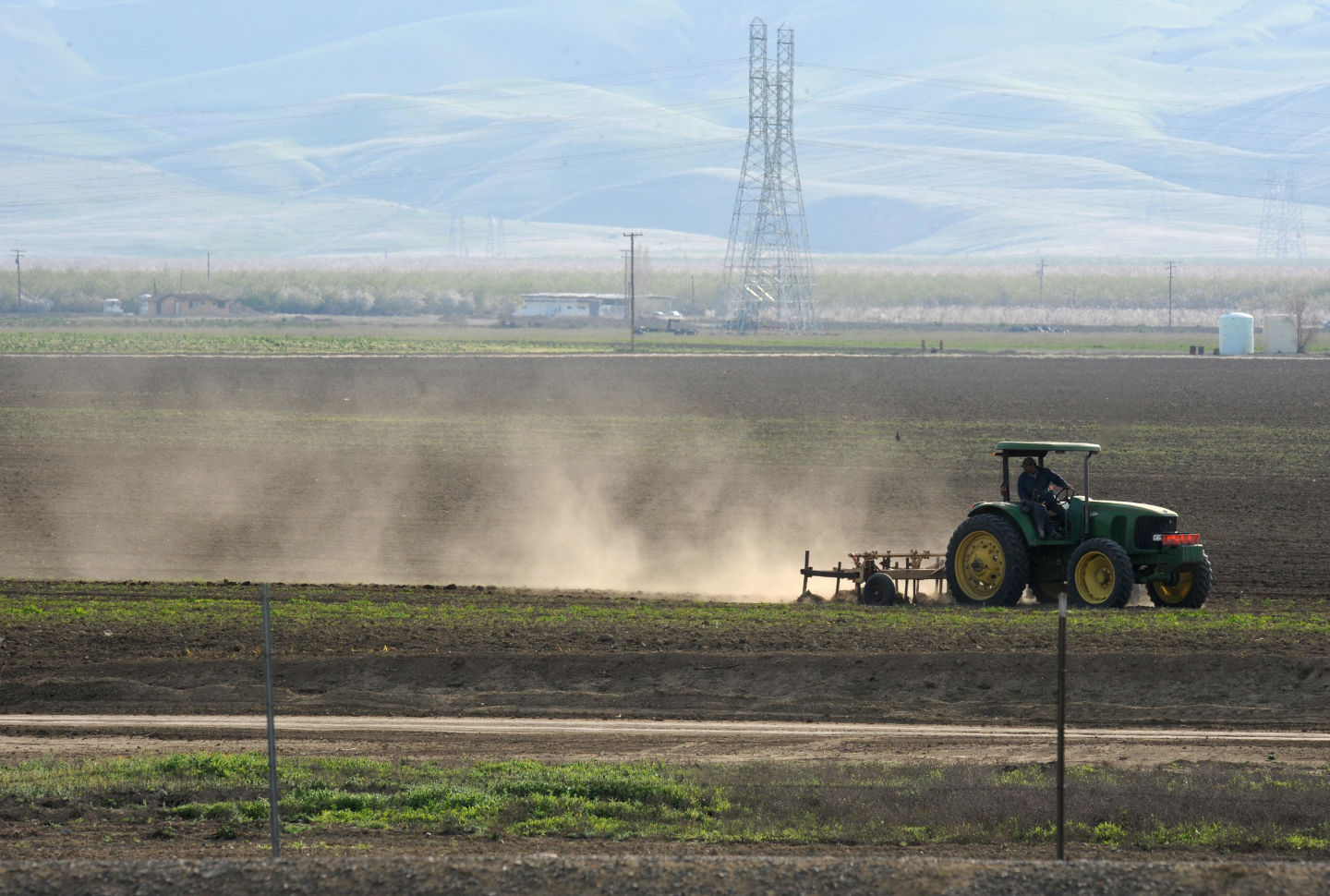
"caption": "A farmer plows a field in Mendota, California in the San Joaquin Valley. Due to drought conditions many farmers do not have enough water to plant their fields. ",
"description": "A farmer plows a field in Mendota, California in the San Joaquin Valley. Due to drought conditions many farmers do not have enough water to plant their fields. ",
"title": "TO GO WITH AFP STORY by TANGI QUEMENER D",
"credit": "ROBYN BECK/AFP/Getty Images",
"status": "inherit",
"isLoading": false,
"fetchFailed": false
},
"science_466695": {
"type": "attachments",
"id": "science_466695",
"meta": {
"index": "attachments_1716263798",
"site": "science",
"id": "466695",
"found": true
},
"parent": 466603,
"imgSizes": {
"twentyfourteen-full-width": {
"file": "https://ww2.kqed.org/app/uploads/sites/35/2016/01/DSC00628-e1452566068684-1038x576.jpeg",
"width": 1038,
"mimeType": "image/jpeg",
"height": 576
},
"thumbnail": {
"file": "https://ww2.kqed.org/app/uploads/sites/35/2016/01/DSC00628-e1452566068684-400x245.jpeg",
"width": 400,
"mimeType": "image/jpeg",
"height": 245
},
"fd-sm": {
"file": "https://ww2.kqed.org/app/uploads/sites/35/2016/01/DSC00628-e1452566068684-960x587.jpeg",
"width": 960,
"mimeType": "image/jpeg",
"height": 587
},
"post-thumbnail": {
"file": "https://ww2.kqed.org/app/uploads/sites/35/2016/01/DSC00628-e1452566068684-672x372.jpeg",
"width": 672,
"mimeType": "image/jpeg",
"height": 372
},
"kqedFullSize": {
"file": "https://ww2.kqed.org/app/uploads/sites/35/2016/01/DSC00628-e1452566068684.jpeg",
"width": 1264,
"height": 773
},
"guest-author-96": {
"file": "https://ww2.kqed.org/app/uploads/sites/35/2016/01/DSC00628-e1452566068684-96x96.jpeg",
"width": 96,
"mimeType": "image/jpeg",
"height": 96
},
"medium": {
"file": "https://ww2.kqed.org/app/uploads/sites/35/2016/01/DSC00628-e1452566068684-800x489.jpeg",
"width": 800,
"mimeType": "image/jpeg",
"height": 489
},
"guest-author-64": {
"file": "https://ww2.kqed.org/app/uploads/sites/35/2016/01/DSC00628-e1452566068684-64x64.jpeg",
"width": 64,
"mimeType": "image/jpeg",
"height": 64
},
"guest-author-32": {
"file": "https://ww2.kqed.org/app/uploads/sites/35/2016/01/DSC00628-e1452566068684-32x32.jpeg",
"width": 32,
"mimeType": "image/jpeg",
"height": 32
},
"fd-med": {
"file": "https://ww2.kqed.org/app/uploads/sites/35/2016/01/DSC00628-e1452566068684-1180x722.jpeg",
"width": 1180,
"mimeType": "image/jpeg",
"height": 722
},
"detail": {
"file": "https://ww2.kqed.org/app/uploads/sites/35/2016/01/DSC00628-e1452566068684-75x75.jpeg",
"width": 75,
"mimeType": "image/jpeg",
"height": 75
},
"medium_large": {
"file": "https://ww2.kqed.org/app/uploads/sites/35/2016/01/DSC00628-e1452566068684-768x470.jpeg",
"width": 768,
"mimeType": "image/jpeg",
"height": 470
},
"guest-author-128": {
"file": "https://ww2.kqed.org/app/uploads/sites/35/2016/01/DSC00628-e1452566068684-128x128.jpeg",
"width": 128,
"mimeType": "image/jpeg",
"height": 128
}
},
"publishDate": 1452555237,
"modified": 1452555682,
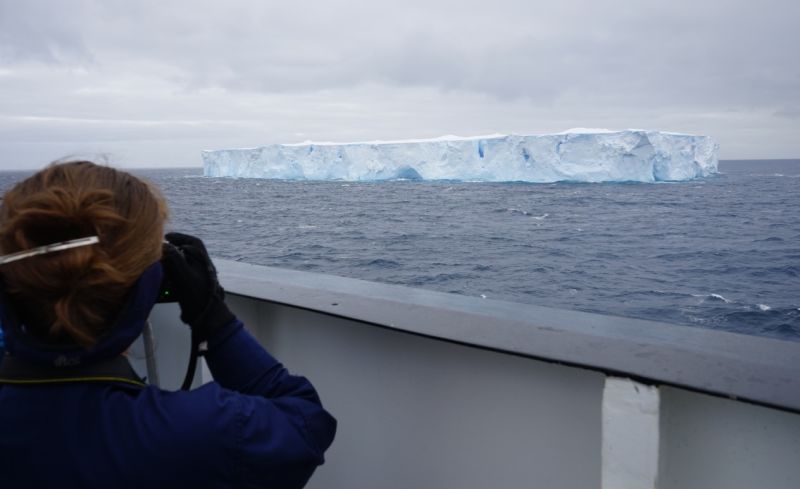
"caption": "Executive Officer Cdr. Mary Ellen Durley snaps photos of a quarter-mile-long tabular iceberg. This one's considered to be on the smaller side.",
"description": "Executive Officer Cdr. Mary Ellen Durley snaps photos of a quarter-mile-long tabular iceberg. This one's considered to be on the smaller side.",
"title": "DSC00628",
"credit": "Brandon R. Reynolds",
"status": "inherit",
"isLoading": false,
"fetchFailed": false
},
"science_466607": {
"type": "attachments",
"id": "science_466607",
"meta": {
"index": "attachments_1716263798",
"site": "science",
"id": "466607",
"found": true
},
"parent": 466518,
"imgSizes": {
"twentyfourteen-full-width": {
"file": "https://ww2.kqed.org/app/uploads/sites/35/2016/01/Wyoming-rocks-e1452554382152-1038x576.jpg",
"width": 1038,
"mimeType": "image/jpeg",
"height": 576
},
"thumbnail": {
"file": "https://ww2.kqed.org/app/uploads/sites/35/2016/01/Wyoming-rocks-e1452554382152-400x213.jpg",
"width": 400,
"mimeType": "image/jpeg",
"height": 213
},
"fd-sm": {
"file": "https://ww2.kqed.org/app/uploads/sites/35/2016/01/Wyoming-rocks-e1452554382152-960x512.jpg",
"width": 960,
"mimeType": "image/jpeg",
"height": 512
},
"post-thumbnail": {
"file": "https://ww2.kqed.org/app/uploads/sites/35/2016/01/Wyoming-rocks-e1452554382152-672x372.jpg",
"width": 672,
"mimeType": "image/jpeg",
"height": 372
},
"kqedFullSize": {
"file": "https://ww2.kqed.org/app/uploads/sites/35/2016/01/Wyoming-rocks-e1452554382152.jpg",
"width": 1305,
"height": 696
},
"guest-author-96": {
"file": "https://ww2.kqed.org/app/uploads/sites/35/2016/01/Wyoming-rocks-e1452554382152-96x96.jpg",
"width": 96,
"mimeType": "image/jpeg",
"height": 96
},
"medium": {
"file": "https://ww2.kqed.org/app/uploads/sites/35/2016/01/Wyoming-rocks-e1452554382152-800x427.jpg",
"width": 800,
"mimeType": "image/jpeg",
"height": 427
},
"guest-author-64": {
"file": "https://ww2.kqed.org/app/uploads/sites/35/2016/01/Wyoming-rocks-e1452554382152-64x64.jpg",
"width": 64,
"mimeType": "image/jpeg",
"height": 64
},
"guest-author-32": {
"file": "https://ww2.kqed.org/app/uploads/sites/35/2016/01/Wyoming-rocks-e1452554382152-32x32.jpg",
"width": 32,
"mimeType": "image/jpeg",
"height": 32
},
"fd-med": {
"file": "https://ww2.kqed.org/app/uploads/sites/35/2016/01/Wyoming-rocks-e1452554382152-1180x629.jpg",
"width": 1180,
"mimeType": "image/jpeg",
"height": 629
},
"detail": {
"file": "https://ww2.kqed.org/app/uploads/sites/35/2016/01/Wyoming-rocks-e1452554382152-75x75.jpg",
"width": 75,
"mimeType": "image/jpeg",
"height": 75
},
"medium_large": {
"file": "https://ww2.kqed.org/app/uploads/sites/35/2016/01/Wyoming-rocks-e1452554382152-768x410.jpg",
"width": 768,
"mimeType": "image/jpeg",
"height": 410
},
"guest-author-128": {
"file": "https://ww2.kqed.org/app/uploads/sites/35/2016/01/Wyoming-rocks-e1452554382152-128x128.jpg",
"width": 128,
"mimeType": "image/jpeg",
"height": 128
}
},
"publishDate": 1452554061,
"modified": 1452554335,
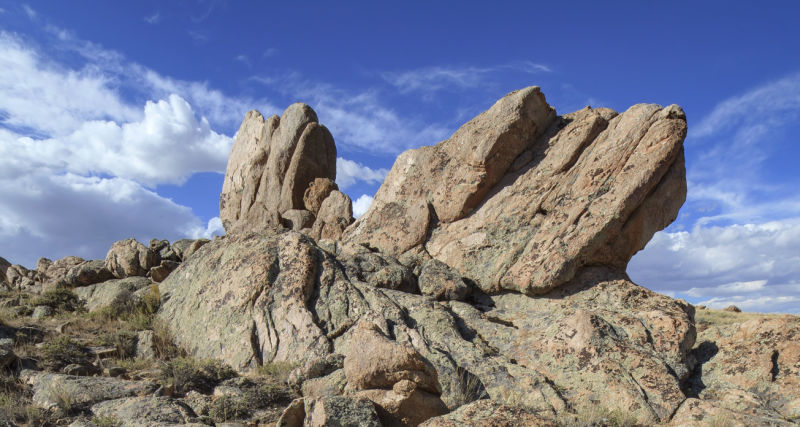
"caption": "A central Wyoming rock formation, east of the sample site in Wyoming's Wind River Range.",
"description": null,
"title": "Wyoming rocks",
"credit": "AJ Schroetlin/flickr",
"status": "inherit",
"isLoading": false,
"fetchFailed": false
},
"science_458966": {
"type": "attachments",
"id": "science_458966",
"meta": {
"index": "attachments_1716263798",
"site": "science",
"id": "458966",
"found": true
},
"title": "Skier_Tahoe_OAP_1923",
"publishDate": 1452211175,
"status": "inherit",
"parent": 458878,
"modified": 1773250535,
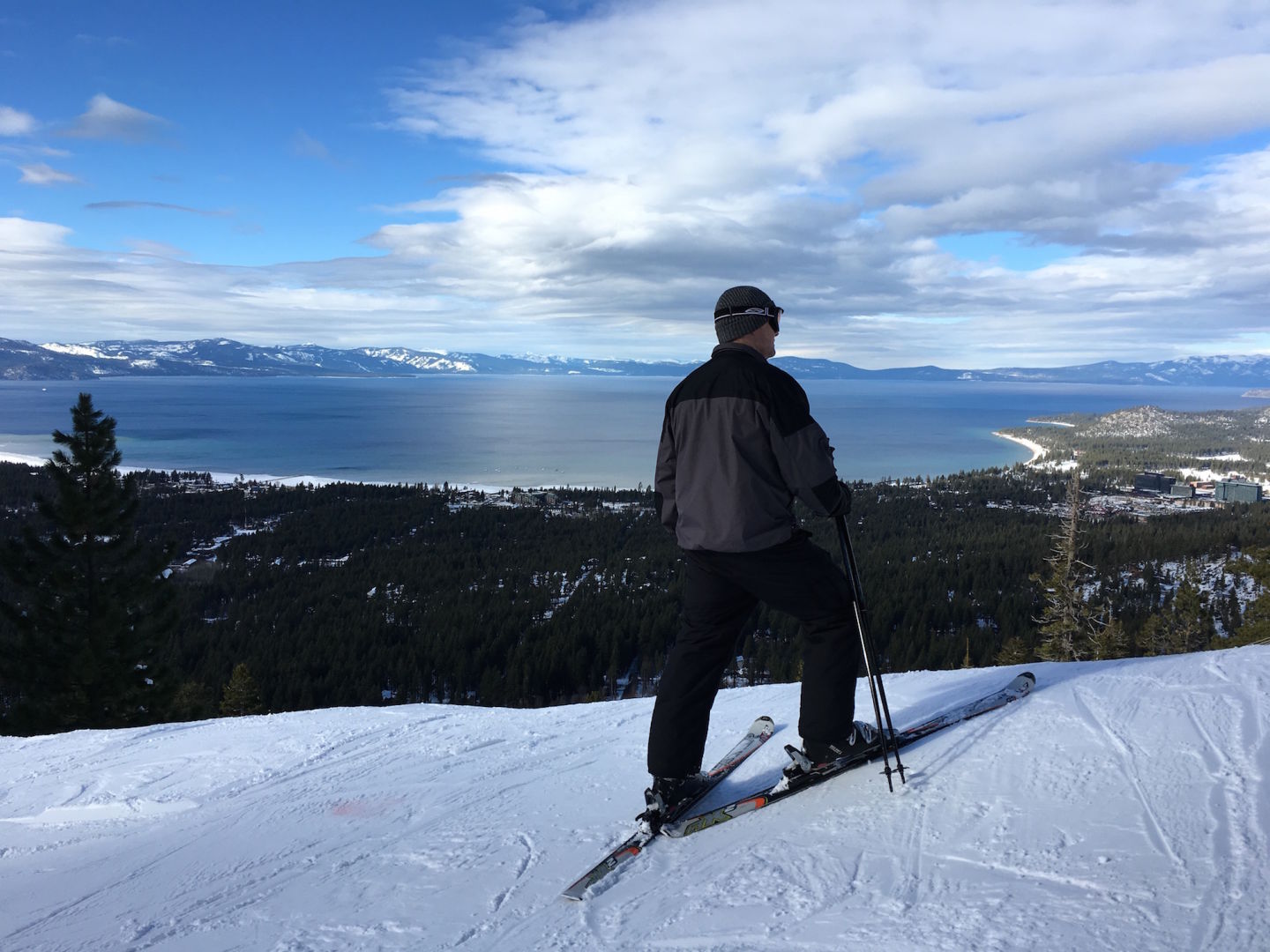
"caption": "A skier surveys the view of South Lake Tahoe from Heavenly ski resort.",
"credit": "Olivia Allen-Price/KQED",
"altTag": "A skier surveys the view of South Lake Tahoe from Heavenly ski resort.",
"description": "A skier surveys the view of South Lake Tahoe from Heavenly ski resort.",
"imgSizes": {
"thumbnail": {
"file": "https://cdn.kqed.org/wp-content/uploads/sites/35/2016/01/Skier_Tahoe_OAP_1923-400x300.jpeg",
"width": 400,
"height": 300,
"mimeType": "image/jpeg"
},
"medium": {
"file": "https://cdn.kqed.org/wp-content/uploads/sites/35/2016/01/Skier_Tahoe_OAP_1923-800x600.jpeg",
"width": 800,
"height": 600,
"mimeType": "image/jpeg"
},
"medium_large": {
"file": "https://cdn.kqed.org/wp-content/uploads/sites/35/2016/01/Skier_Tahoe_OAP_1923-768x576.jpeg",
"width": 768,
"height": 576,
"mimeType": "image/jpeg"
},
"large": {
"file": "https://cdn.kqed.org/wp-content/uploads/sites/35/2016/01/Skier_Tahoe_OAP_1923-1440x1080.jpeg",
"width": 1440,
"height": 1080,
"mimeType": "image/jpeg"
},
"fd-lrg": {
"file": "https://cdn.kqed.org/wp-content/uploads/sites/35/2016/01/Skier_Tahoe_OAP_1923-1920x1440.jpeg",
"width": 1920,
"height": 1440,
"mimeType": "image/jpeg"
},
"fd-med": {
"file": "https://cdn.kqed.org/wp-content/uploads/sites/35/2016/01/Skier_Tahoe_OAP_1923-1180x885.jpeg",
"width": 1180,
"height": 885,
"mimeType": "image/jpeg"
},
"fd-sm": {
"file": "https://cdn.kqed.org/wp-content/uploads/sites/35/2016/01/Skier_Tahoe_OAP_1923-960x720.jpeg",
"width": 960,
"height": 720,
"mimeType": "image/jpeg"
},
"post-thumbnail": {
"file": "https://cdn.kqed.org/wp-content/uploads/sites/35/2016/01/Skier_Tahoe_OAP_1923-672x372.jpeg",
"width": 672,
"height": 372,
"mimeType": "image/jpeg"
},
"twentyfourteen-full-width": {
"file": "https://cdn.kqed.org/wp-content/uploads/sites/35/2016/01/Skier_Tahoe_OAP_1923-1038x576.jpeg",
"width": 1038,
"height": 576,
"mimeType": "image/jpeg"
},
"guest-author-32": {
"file": "https://cdn.kqed.org/wp-content/uploads/sites/35/2016/01/Skier_Tahoe_OAP_1923-32x32.jpeg",
"width": 32,
"height": 32,
"mimeType": "image/jpeg"
},
"guest-author-64": {
"file": "https://cdn.kqed.org/wp-content/uploads/sites/35/2016/01/Skier_Tahoe_OAP_1923-64x64.jpeg",
"width": 64,
"height": 64,
"mimeType": "image/jpeg"
},
"guest-author-96": {
"file": "https://cdn.kqed.org/wp-content/uploads/sites/35/2016/01/Skier_Tahoe_OAP_1923-96x96.jpeg",
"width": 96,
"height": 96,
"mimeType": "image/jpeg"
},
"guest-author-128": {
"file": "https://cdn.kqed.org/wp-content/uploads/sites/35/2016/01/Skier_Tahoe_OAP_1923-128x128.jpeg",
"width": 128,
"height": 128,
"mimeType": "image/jpeg"
},
"detail": {
"file": "https://cdn.kqed.org/wp-content/uploads/sites/35/2016/01/Skier_Tahoe_OAP_1923-75x75.jpeg",
"width": 75,
"height": 75,
"mimeType": "image/jpeg"
},
"kqedFullSize": {
"file": "https://cdn.kqed.org/wp-content/uploads/sites/35/2016/01/Skier_Tahoe_OAP_1923.jpeg",
"width": 2000,
"height": 1500
}
},
"isLoading": false,
"fetchFailed": false
},
"science_460408": {
"type": "attachments",
"id": "science_460408",
"meta": {
"index": "attachments_1716263798",
"site": "science",
"id": "460408",
"found": true
},
"parent": 460326,
"imgSizes": {
"twentyfourteen-full-width": {
"file": "https://ww2.kqed.org/app/uploads/sites/35/2016/01/DSC00281-1038x576.jpeg",
"width": 1038,
"mimeType": "image/jpeg",
"height": 576
},
"thumbnail": {
"file": "https://ww2.kqed.org/app/uploads/sites/35/2016/01/DSC00281-400x267.jpeg",
"width": 400,
"mimeType": "image/jpeg",
"height": 267
},
"fd-sm": {
"file": "https://ww2.kqed.org/app/uploads/sites/35/2016/01/DSC00281-960x640.jpeg",
"width": 960,
"mimeType": "image/jpeg",
"height": 640
},
"post-thumbnail": {
"file": "https://ww2.kqed.org/app/uploads/sites/35/2016/01/DSC00281-672x372.jpeg",
"width": 672,
"mimeType": "image/jpeg",
"height": 372
},
"kqedFullSize": {
"file": "https://ww2.kqed.org/app/uploads/sites/35/2016/01/DSC00281.jpeg",
"width": 1620,
"height": 1080
},
"large": {
"file": "https://ww2.kqed.org/app/uploads/sites/35/2016/01/DSC00281-1440x960.jpeg",
"width": 1440,
"mimeType": "image/jpeg",
"height": 960
},
"guest-author-96": {
"file": "https://ww2.kqed.org/app/uploads/sites/35/2016/01/DSC00281-96x96.jpeg",
"width": 96,
"mimeType": "image/jpeg",
"height": 96
},
"medium": {
"file": "https://ww2.kqed.org/app/uploads/sites/35/2016/01/DSC00281-800x533.jpeg",
"width": 800,
"mimeType": "image/jpeg",
"height": 533
},
"guest-author-64": {
"file": "https://ww2.kqed.org/app/uploads/sites/35/2016/01/DSC00281-64x64.jpeg",
"width": 64,
"mimeType": "image/jpeg",
"height": 64
},
"guest-author-32": {
"file": "https://ww2.kqed.org/app/uploads/sites/35/2016/01/DSC00281-32x32.jpeg",
"width": 32,
"mimeType": "image/jpeg",
"height": 32
},
"fd-med": {
"file": "https://ww2.kqed.org/app/uploads/sites/35/2016/01/DSC00281-1180x787.jpeg",
"width": 1180,
"mimeType": "image/jpeg",
"height": 787
},
"detail": {
"file": "https://ww2.kqed.org/app/uploads/sites/35/2016/01/DSC00281-75x75.jpeg",
"width": 75,
"mimeType": "image/jpeg",
"height": 75
},
"medium_large": {
"file": "https://ww2.kqed.org/app/uploads/sites/35/2016/01/DSC00281-768x512.jpeg",
"width": 768,
"mimeType": "image/jpeg",
"height": 512
},
"guest-author-128": {
"file": "https://ww2.kqed.org/app/uploads/sites/35/2016/01/DSC00281-128x128.jpeg",
"width": 128,
"mimeType": "image/jpeg",
"height": 128
}
},
"publishDate": 1452275044,
"modified": 1452562955,
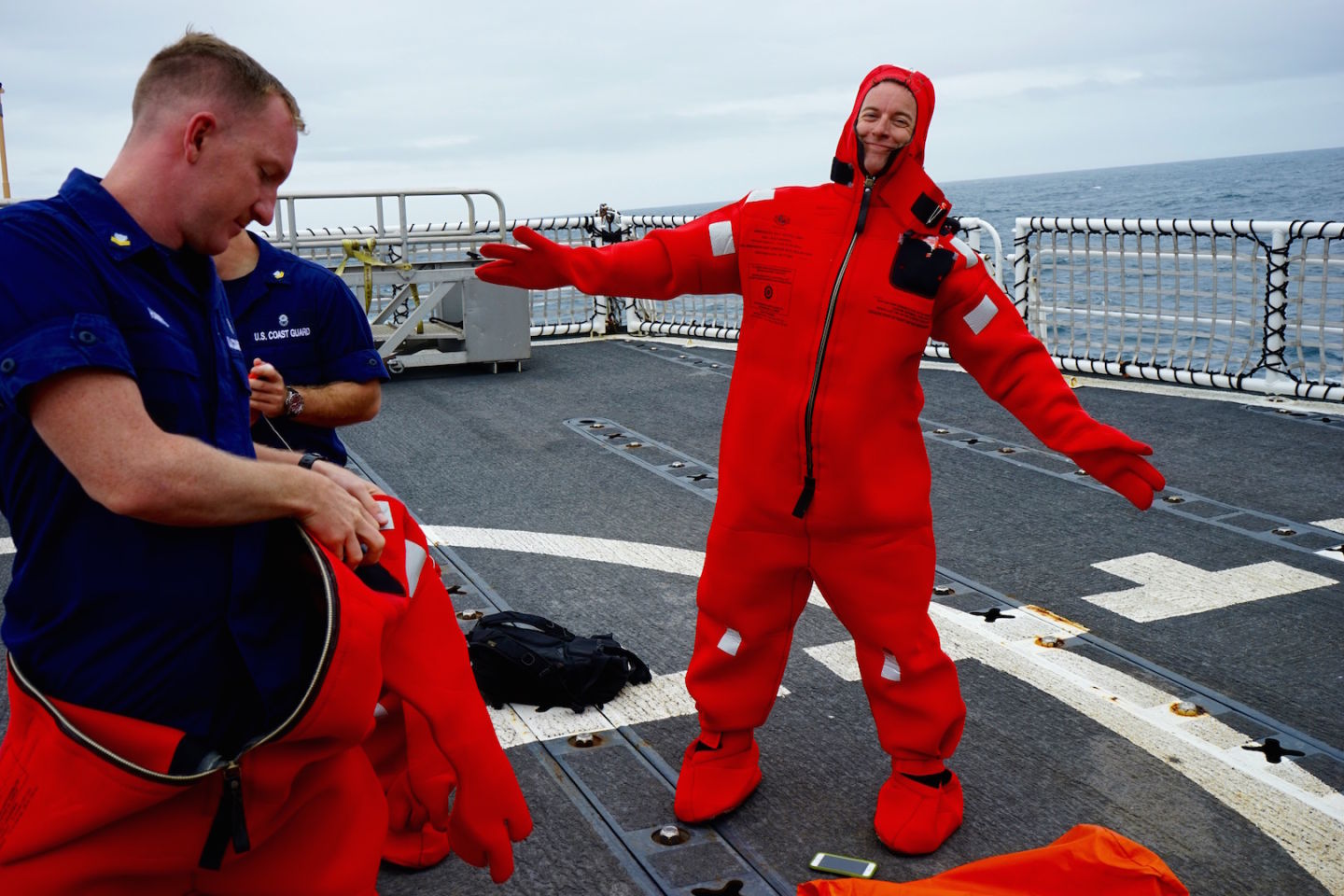
"caption": "A crew member tries on a cold-water survival suit, known as a \"Gumby suit.\"",
"description": "A crew member tries on a cold-water survival suit, known as a \"Gumby suit.\"",
"title": "DSC00281",
"credit": "Brandon R. Reynolds",
"status": "inherit",
"isLoading": false,
"fetchFailed": false
},
"science_456653": {
"type": "attachments",
"id": "science_456653",
"meta": {
"index": "attachments_1716263798",
"site": "science",
"id": "456653",
"found": true
},
"parent": 456475,
"imgSizes": {
"thumbnail": {
"file": "https://ww2.kqed.org/app/uploads/sites/35/2016/01/ceres-occator-400x225.jpg",
"width": 400,
"mimeType": "image/jpeg",
"height": 225
},
"post-thumbnail": {
"file": "https://ww2.kqed.org/app/uploads/sites/35/2016/01/ceres-occator-672x372.jpg",
"width": 672,
"mimeType": "image/jpeg",
"height": 372
},
"kqedFullSize": {
"file": "https://ww2.kqed.org/app/uploads/sites/35/2016/01/ceres-occator.jpg",
"width": 800,
"height": 450
},
"guest-author-96": {
"file": "https://ww2.kqed.org/app/uploads/sites/35/2016/01/ceres-occator-96x96.jpg",
"width": 96,
"mimeType": "image/jpeg",
"height": 96
},
"medium": {
"file": "https://ww2.kqed.org/app/uploads/sites/35/2016/01/ceres-occator-800x450.jpg",
"width": 800,
"mimeType": "image/jpeg",
"height": 450
},
"guest-author-64": {
"file": "https://ww2.kqed.org/app/uploads/sites/35/2016/01/ceres-occator-64x64.jpg",
"width": 64,
"mimeType": "image/jpeg",
"height": 64
},
"detail": {
"file": "https://ww2.kqed.org/app/uploads/sites/35/2016/01/ceres-occator-75x75.jpg",
"width": 75,
"mimeType": "image/jpeg",
"height": 75
},
"guest-author-32": {
"file": "https://ww2.kqed.org/app/uploads/sites/35/2016/01/ceres-occator-32x32.jpg",
"width": 32,
"mimeType": "image/jpeg",
"height": 32
},
"medium_large": {
"file": "https://ww2.kqed.org/app/uploads/sites/35/2016/01/ceres-occator-768x432.jpg",
"width": 768,
"mimeType": "image/jpeg",
"height": 432
},
"guest-author-128": {
"file": "https://ww2.kqed.org/app/uploads/sites/35/2016/01/ceres-occator-128x128.jpg",
"width": 128,
"mimeType": "image/jpeg",
"height": 128
}
},
"publishDate": 1452113000,
"modified": 1452200949,
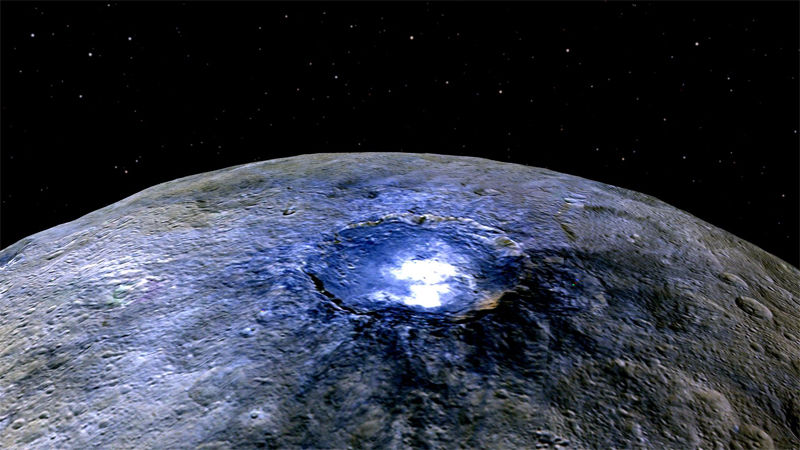
"caption": "False-color image of the dwarf planet Ceres, centered on Occator Crater and the mysterious \"bright spots\" discovered within it in March 2015.",
"description": "False-color image of the dwarf planet Ceres, centered on its Occator Crater and the mysterious \"bright spots\" discovered within.",
"title": "ceres-occator",
"credit": "Dawn/NASA",
"status": "inherit",
"isLoading": false,
"fetchFailed": false
},
"science_457345": {
"type": "attachments",
"id": "science_457345",
"meta": {
"index": "attachments_1716263798",
"site": "science",
"id": "457345",
"found": true
},
"parent": 457006,
"imgSizes": {
"twentyfourteen-full-width": {
"file": "https://ww2.kqed.org/app/uploads/sites/35/2016/01/414500366_dfaf6fb7a1_o-1038x576.jpg",
"width": 1038,
"mimeType": "image/jpeg",
"height": 576
},
"thumbnail": {
"file": "https://ww2.kqed.org/app/uploads/sites/35/2016/01/414500366_dfaf6fb7a1_o-400x300.jpg",
"width": 400,
"mimeType": "image/jpeg",
"height": 300
},
"fd-sm": {
"file": "https://ww2.kqed.org/app/uploads/sites/35/2016/01/414500366_dfaf6fb7a1_o-960x720.jpg",
"width": 960,
"mimeType": "image/jpeg",
"height": 720
},
"post-thumbnail": {
"file": "https://ww2.kqed.org/app/uploads/sites/35/2016/01/414500366_dfaf6fb7a1_o-672x372.jpg",
"width": 672,
"mimeType": "image/jpeg",
"height": 372
},
"kqedFullSize": {
"file": "https://ww2.kqed.org/app/uploads/sites/35/2016/01/414500366_dfaf6fb7a1_o.jpg",
"width": 1280,
"height": 960
},
"guest-author-96": {
"file": "https://ww2.kqed.org/app/uploads/sites/35/2016/01/414500366_dfaf6fb7a1_o-96x96.jpg",
"width": 96,
"mimeType": "image/jpeg",
"height": 96
},
"medium": {
"file": "https://ww2.kqed.org/app/uploads/sites/35/2016/01/414500366_dfaf6fb7a1_o-800x600.jpg",
"width": 800,
"mimeType": "image/jpeg",
"height": 600
},
"guest-author-64": {
"file": "https://ww2.kqed.org/app/uploads/sites/35/2016/01/414500366_dfaf6fb7a1_o-64x64.jpg",
"width": 64,
"mimeType": "image/jpeg",
"height": 64
},
"guest-author-32": {
"file": "https://ww2.kqed.org/app/uploads/sites/35/2016/01/414500366_dfaf6fb7a1_o-32x32.jpg",
"width": 32,
"mimeType": "image/jpeg",
"height": 32
},
"fd-med": {
"file": "https://ww2.kqed.org/app/uploads/sites/35/2016/01/414500366_dfaf6fb7a1_o-1180x885.jpg",
"width": 1180,
"mimeType": "image/jpeg",
"height": 885
},
"detail": {
"file": "https://ww2.kqed.org/app/uploads/sites/35/2016/01/414500366_dfaf6fb7a1_o-75x75.jpg",
"width": 75,
"mimeType": "image/jpeg",
"height": 75
},
"medium_large": {
"file": "https://ww2.kqed.org/app/uploads/sites/35/2016/01/414500366_dfaf6fb7a1_o-768x576.jpg",
"width": 768,
"mimeType": "image/jpeg",
"height": 576
},
"guest-author-128": {
"file": "https://ww2.kqed.org/app/uploads/sites/35/2016/01/414500366_dfaf6fb7a1_o-128x128.jpg",
"width": 128,
"mimeType": "image/jpeg",
"height": 128
}
},
"publishDate": 1452141369,
"modified": 1452141494,
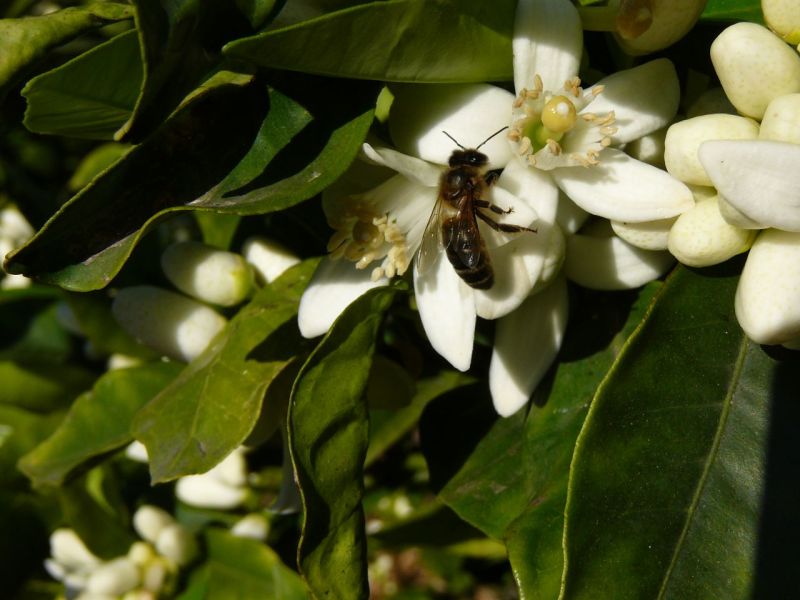
"caption": "The EPA report found pesticide residues on orange trees can harm bees.",
"description": null,
"title": "bee on orange blossom",
"credit": "\u003ca href=\"https://www.flickr.com/photos/simontingle/414500366/in/photolist-bbsGb2-7MzYjF-btiL2H-7oAg1t-7kgZct-jKgd2h-5JGMhi-5JGyAc-5JM1ff-5JGGoz-5JGSNK-5JGPTz-5JLPB1-5JM6PQ-5JGBmc-5JMaMq-5JM4nW-5JGR78-5JGE5k-5JGFce-5JMcPf-5JM8fs-5JGGE4-5JGB3i-5JGPBn-5JGDHk-5JM1t7-ojES6-8kVpwN-6qQq6P-7kkUoG-bCLei6-7kkUd1-7UdiEY-8ATAXc-fCy1F3-fCxZXC-fCgrkt-6drHg7-bbr1X8-3cBMKC-3cBMKw-3cBMKG-3cBMKh-9j3EsA-4QXt4R-CCqw3-7kgYZe-3cBMK7-3cBMK9\" target=\"_blank\">simontingle74/Flickr\u003c/a>",
"status": "inherit",
"isLoading": false,
"fetchFailed": false
},
"news_10823823": {
"type": "attachments",
"id": "news_10823823",
"meta": {
"index": "attachments_1716263798",
"site": "news",
"id": "10823823",
"found": true
},
"parent": 10823817,
"imgSizes": {
"twentyfourteen-full-width": {
"file": "https://ww2.kqed.org/app/uploads/sites/10/2016/01/ACWorker-1038x576.jpg",
"width": 1038,
"mimeType": "image/jpeg",
"height": 576
},
"thumbnail": {
"file": "https://ww2.kqed.org/app/uploads/sites/10/2016/01/ACWorker-400x250.jpg",
"width": 400,
"mimeType": "image/jpeg",
"height": 250
},
"fd-sm": {
"file": "https://ww2.kqed.org/app/uploads/sites/10/2016/01/ACWorker-960x600.jpg",
"width": 960,
"mimeType": "image/jpeg",
"height": 600
},
"post-thumbnail": {
"file": "https://ww2.kqed.org/app/uploads/sites/10/2016/01/ACWorker-672x372.jpg",
"width": 672,
"mimeType": "image/jpeg",
"height": 372
},
"kqedFullSize": {
"file": "https://ww2.kqed.org/app/uploads/sites/10/2016/01/ACWorker.jpg",
"width": 1920,
"height": 1199
},
"large": {
"file": "https://ww2.kqed.org/app/uploads/sites/10/2016/01/ACWorker-1440x899.jpg",
"width": 1440,
"mimeType": "image/jpeg",
"height": 899
},
"guest-author-96": {
"file": "https://ww2.kqed.org/app/uploads/sites/10/2016/01/ACWorker-96x96.jpg",
"width": 96,
"mimeType": "image/jpeg",
"height": 96
},
"medium": {
"file": "https://ww2.kqed.org/app/uploads/sites/10/2016/01/ACWorker-800x500.jpg",
"width": 800,
"mimeType": "image/jpeg",
"height": 500
},
"guest-author-64": {
"file": "https://ww2.kqed.org/app/uploads/sites/10/2016/01/ACWorker-64x64.jpg",
"width": 64,
"mimeType": "image/jpeg",
"height": 64
},
"guest-author-32": {
"file": "https://ww2.kqed.org/app/uploads/sites/10/2016/01/ACWorker-32x32.jpg",
"width": 32,
"mimeType": "image/jpeg",
"height": 32
},
"jmtc-small-thumb": {
"file": "https://ww2.kqed.org/app/uploads/sites/10/2016/01/ACWorker-280x150.jpg",
"width": 280,
"mimeType": "image/jpeg",
"height": 150
},
"fd-lrg": {
"file": "https://ww2.kqed.org/app/uploads/sites/10/2016/01/ACWorker-1920x1199.jpg",
"width": 1920,
"mimeType": "image/jpeg",
"height": 1199
},
"fd-med": {
"file": "https://ww2.kqed.org/app/uploads/sites/10/2016/01/ACWorker-1180x737.jpg",
"width": 1180,
"mimeType": "image/jpeg",
"height": 737
},
"detail": {
"file": "https://ww2.kqed.org/app/uploads/sites/10/2016/01/ACWorker-75x75.jpg",
"width": 75,
"mimeType": "image/jpeg",
"height": 75
},
"medium_large": {
"file": "https://ww2.kqed.org/app/uploads/sites/10/2016/01/ACWorker-768x480.jpg",
"width": 768,
"mimeType": "image/jpeg",
"height": 480
},
"guest-author-128": {
"file": "https://ww2.kqed.org/app/uploads/sites/10/2016/01/ACWorker-128x128.jpg",
"width": 128,
"mimeType": "image/jpeg",
"height": 128
}
},
"publishDate": 1452118654,
"modified": 1452119322,
"caption": "A SoCalGas worker at the company's Aliso Canyon Storage Facility, where a massive leak has been spewing natural gas into the air since October.",
"description": "A SoCalGas worker at the company's Aliso Canyon Storage Facility, where a massive leak has been spewing natural gas into the air since October.",
"title": "ACWorker",
"credit": "Courtesy SoCalGas",
"status": "inherit",
"isLoading": false,
"fetchFailed": false
}
},
"audioPlayerReducer": {
"postId": "stream_live",
"isPaused": true,
"isPlaying": false,
"pfsActive": false,
"pledgeModalIsOpen": true,
"playerDrawerIsOpen": false,
"liveAudioPlayStartedAt": 0,
"liveAudioPlayContext": ""
},
"authorsReducer": {
"byline_science_481184": {
"type": "authors",
"id": "byline_science_481184",
"meta": {
"override": true
},
"slug": "byline_science_481184",
"name": "Robert Krulwich",
"isLoading": false
},
"byline_science_474134": {
"type": "authors",
"id": "byline_science_474134",
"meta": {
"override": true
},
"slug": "byline_science_474134",
"name": "\u003cstrong>Brandon R. Reynolds\u003c/strong>",
"isLoading": false
},
"byline_science_470114": {
"type": "authors",
"id": "byline_science_470114",
"meta": {
"override": true
},
"slug": "byline_science_470114",
"name": "\u003cstrong>\u003ca href=\" http://bigstory.ap.org/journalist/ellen-knickmeyer\">Ellen Knickmeyer\u003c/a>\u003cbr>Associated Press\u003c/strong>",
"isLoading": false
},
"byline_science_466603": {
"type": "authors",
"id": "byline_science_466603",
"meta": {
"override": true
},
"slug": "byline_science_466603",
"name": "\u003cstrong>Brandon R. Reynolds\u003c/strong>",
"isLoading": false
},
"byline_science_460326": {
"type": "authors",
"id": "byline_science_460326",
"meta": {
"override": true
},
"slug": "byline_science_460326",
"name": "\u003cstrong>Brandon R. Reynolds\u003c/strong>",
"isLoading": false
},
"byline_news_10823817": {
"type": "authors",
"id": "byline_news_10823817",
"meta": {
"override": true
},
"slug": "byline_news_10823817",
"name": "\u003cstrong>Ellen Knickmeyer\u003cbr>Associated Press\u003c/strong>",
"isLoading": false
},
"cmiller": {
"type": "authors",
"id": "221",
"meta": {
"index": "authors_1716337520",
"id": "221",
"found": true
},
"name": "Craig Miller",
"firstName": "Craig",
"lastName": "Miller",
"slug": "cmiller",
"email": "craig@voxterra.net",
"display_author_email": false,
"staff_mastheads": [
"science"
],
"title": "Editor Emeritus, Science",
"bio": "Craig is a former KQED Science editor, specializing in weather, climate, water & energy issues, with a little seismology thrown in just to shake things up. Prior to that, he launched and led the station's award-winning multimedia project, Climate Watch. Craig is also an accomplished writer/producer of television documentaries, with a focus on natural resource issues.",
"avatar": "https://secure.gravatar.com/avatar/b91661df645e001a9cafe0861fa685f9?s=600&d=blank&r=g",
"twitter": "voxterra",
"facebook": null,
"instagram": null,
"linkedin": null,
"sites": [
{
"site": "news",
"roles": [
"author"
]
},
{
"site": "futureofyou",
"roles": [
"editor"
]
},
{
"site": "stateofhealth",
"roles": [
"author"
]
},
{
"site": "science",
"roles": [
"editor"
]
},
{
"site": "quest",
"roles": [
"editor"
]
}
],
"headData": {
"title": "Craig Miller | KQED",
"description": "Editor Emeritus, Science",
"ogImgSrc": "https://secure.gravatar.com/avatar/b91661df645e001a9cafe0861fa685f9?s=600&d=blank&r=g",
"twImgSrc": "https://secure.gravatar.com/avatar/b91661df645e001a9cafe0861fa685f9?s=600&d=blank&r=g"
},
"isLoading": false,
"link": "/author/cmiller"
},
"laurensommer": {
"type": "authors",
"id": "239",
"meta": {
"index": "authors_1716337520",
"id": "239",
"found": true
},
"name": "Lauren Sommer",
"firstName": "Lauren",
"lastName": "Sommer",
"slug": "laurensommer",
"email": "lsommer@kqed.org",
"display_author_email": false,
"staff_mastheads": [],
"title": "KQED Contributor",
"bio": "Lauren is a radio reporter formerly covering environment, water, and energy for KQED Science. As part of her day job, she has scaled Sierra Nevada peaks, run from charging elephant seals, and desperately tried to get her sea legs - all in pursuit of good radio. Her work has appeared on Marketplace, Living on Earth, Science Friday and NPR's Morning Edition and All Things Considered. You can find her on Twitter at \u003ca href=\"https://twitter.com/lesommer\">@lesommer\u003c/a>.",
"avatar": "https://secure.gravatar.com/avatar/33aa3772bb86c6ad45b8aca6a238bbdf?s=600&d=blank&r=g",
"twitter": null,
"facebook": null,
"instagram": null,
"linkedin": null,
"sites": [
{
"site": "news",
"roles": [
"author"
]
},
{
"site": "science",
"roles": [
"editor",
"manage_content_types",
"manage_taxonomies"
]
},
{
"site": "quest",
"roles": [
"editor"
]
}
],
"headData": {
"title": "Lauren Sommer | KQED",
"description": "KQED Contributor",
"ogImgSrc": "https://secure.gravatar.com/avatar/33aa3772bb86c6ad45b8aca6a238bbdf?s=600&d=blank&r=g",
"twImgSrc": "https://secure.gravatar.com/avatar/33aa3772bb86c6ad45b8aca6a238bbdf?s=600&d=blank&r=g"
},
"isLoading": false,
"link": "/author/laurensommer"
},
"sasha-khokha": {
"type": "authors",
"id": "254",
"meta": {
"index": "authors_1716337520",
"id": "254",
"found": true
},
"name": "Sasha Khokha",
"firstName": "Sasha",
"lastName": "Khokha",
"slug": "sasha-khokha",
"email": "skhokha@kqed.org",
"display_author_email": true,
"staff_mastheads": [
"news"
],
"title": "Host, The California Report Magazine",
"bio": "Sasha Khokha is the host of \u003cem>The California Report's \u003c/em> weekly magazine program, which takes listeners on sound-rich excursions to meet the people that make the Golden State unique -- through audio documentaries and long-form stories. As \u003cem>The California Report's\u003c/em> Central Valley Bureau Chief based in Fresno for nearly a dozen years, Sasha brought the lives and concerns of rural Californians to listeners around the state. Her reporting helped expose the hidden price immigrant women janitors and farmworkers may pay to keep their jobs: sexual assault at work. It inspired two new California laws to protect them from sexual harassment. She was a key member of the reporting team for the Frontline film \u003cem>Rape on the Night Shift, \u003c/em>which was nominated for two national Emmys. Sasha has also won a national Edward R. Murrow and a national PRNDI award for investigative reporting, as well as multiple prizes from the Society for Professional Journalists. Sasha is a proud alum of the UC Berkeley Graduate School of Journalism and Brown University and a member of the South Asian Journalists Association.",
"avatar": "https://secure.gravatar.com/avatar/e4b5e1541aaeea2aa356aa1fb2a68950?s=600&d=blank&r=g",
"twitter": "KQEDSashaKhokha",
"facebook": null,
"instagram": null,
"linkedin": null,
"sites": [
{
"site": "news",
"roles": [
"editor"
]
},
{
"site": "stateofhealth",
"roles": [
"author"
]
},
{
"site": "science",
"roles": [
"author"
]
},
{
"site": "quest",
"roles": [
"subscriber"
]
}
],
"headData": {
"title": "Sasha Khokha | KQED",
"description": "Host, The California Report Magazine",
"ogImgSrc": "https://secure.gravatar.com/avatar/e4b5e1541aaeea2aa356aa1fb2a68950?s=600&d=blank&r=g",
"twImgSrc": "https://secure.gravatar.com/avatar/e4b5e1541aaeea2aa356aa1fb2a68950?s=600&d=blank&r=g"
},
"isLoading": false,
"link": "/author/sasha-khokha"
},
"lindseyhoshaw": {
"type": "authors",
"id": "5432",
"meta": {
"index": "authors_1716337520",
"id": "5432",
"found": true
},
"name": "Lindsey Hoshaw",
"firstName": "Lindsey",
"lastName": "Hoshaw",
"slug": "lindseyhoshaw",
"email": "lhoshaw@kqed.org",
"display_author_email": false,
"staff_mastheads": [],
"title": "KQED Contributor",
"bio": "Lindsey Hoshaw is a former interactive producer for KQED Science. Before joining KQED, Lindsey was a science correspondent for The New York Times, The Boston Globe, Forbes and Scientific American. On Twitter @lindseyhoshaw",
"avatar": "https://secure.gravatar.com/avatar/274b07694c998eaa8f26cfabaa941186?s=600&d=mm&r=g",
"twitter": "lindseyhoshaw",
"facebook": "lindsey.hoshaw.9",
"instagram": null,
"linkedin": null,
"sites": [
{
"site": "arts",
"roles": [
"author"
]
},
{
"site": "news",
"roles": [
"subscriber"
]
},
{
"site": "futureofyou",
"roles": [
"editor"
]
},
{
"site": "bayareabites",
"roles": [
"contributor"
]
},
{
"site": "stateofhealth",
"roles": [
"author"
]
},
{
"site": "science",
"roles": [
"edit_theme_options",
"subscriber"
]
},
{
"site": "quest",
"roles": [
"edit_post_subscriptions",
"edit_usergroups",
"unfiltered_html",
"unfiltered_upload",
"leadcoordinator",
"editor"
]
},
{
"site": "food",
"roles": []
}
],
"headData": {
"title": "Lindsey Hoshaw | KQED",
"description": "KQED Contributor",
"ogImgSrc": "https://secure.gravatar.com/avatar/274b07694c998eaa8f26cfabaa941186?s=600&d=mm&r=g",
"twImgSrc": "https://secure.gravatar.com/avatar/274b07694c998eaa8f26cfabaa941186?s=600&d=mm&r=g"
},
"isLoading": false,
"link": "/author/lindseyhoshaw"
},
"ben-burress": {
"type": "authors",
"id": "6180",
"meta": {
"index": "authors_1716337520",
"id": "6180",
"found": true
},
"name": "Ben Burress",
"firstName": "Ben",
"lastName": "Burress",
"slug": "ben-burress",
"email": "bburress@chabotspace.org",
"display_author_email": false,
"staff_mastheads": [],
"title": null,
"bio": "\u003cstrong>Benjamin Burress\u003c/strong> has been a staff astronomer at Chabot Space & Science Center since July 1999. He graduated from Sonoma State University in 1985 with a bachelor’s degree in physics (and minor in astronomy), after which he signed on for a two-year stint in the Peace Corps, where he taught physics and mathematics in the African nation of Cameroon. From 1989-96 he served on the crew of NASA’s Kuiper Airborne Observatory at Ames Research Center in Mountain View, CA. From 1996-99, he was Head Observer at the Naval Prototype Optical Interferometer program at Lowell Observatory in Flagstaff, AZ.\r\n\r\nRead his \u003ca href=\"http://science.kqed.org/quest/author/ben-burress/\">previous contributions\u003c/a> to \u003ca href=\"http://science.kqed.org/quest/\">QUEST\u003c/a>, a project dedicated to exploring the Science of Sustainability.",
"avatar": "https://secure.gravatar.com/avatar/8263bffa345b7e4923a0b8b9f0f6a161?s=600&d=blank&r=g",
"twitter": null,
"facebook": null,
"instagram": null,
"linkedin": null,
"sites": [
{
"site": "science",
"roles": [
"editor"
]
},
{
"site": "quest",
"roles": [
"subscriber"
]
}
],
"headData": {
"title": "Ben Burress | KQED",
"description": null,
"ogImgSrc": "https://secure.gravatar.com/avatar/8263bffa345b7e4923a0b8b9f0f6a161?s=600&d=blank&r=g",
"twImgSrc": "https://secure.gravatar.com/avatar/8263bffa345b7e4923a0b8b9f0f6a161?s=600&d=blank&r=g"
},
"isLoading": false,
"link": "/author/ben-burress"
},
"progers539": {
"type": "authors",
"id": "8673",
"meta": {
"index": "authors_1716337520",
"id": "8673",
"found": true
},
"name": "Paul Rogers",
"firstName": "Paul",
"lastName": "Rogers",
"slug": "progers539",
"email": "progers@kqed.org",
"display_author_email": false,
"staff_mastheads": [
"science"
],
"title": "Managing Editor, Science",
"bio": "Paul worked as managing editor for the KQED Science team from 2005 to 2020. Paul also works as the Natural Resources & Environment Writer at the San Jose Mercury News, where he has covered climate change, oceans, air pollution, energy, water policy, endangered species, toxics, parks and other issues. Paul was part of the Mercury News team that won a Pulitzer Prize in 1990 for coverage of the Loma Prieta earthquake. Paul also has taught environmental journalism at the UC Berkeley Graduate School of Journalism, and at the UC Santa Cruz Science Communication Program. From 2001 to 2010, he served as chairman of the Institutes of Journalism and Natural Resources, a nonprofit group that provides training to reporters of all backgrounds to improve environmental and science journalism.",
"avatar": "https://secure.gravatar.com/avatar/ccf06b30ef44e13eb17a5640a6f82479?s=600&d=blank&r=g",
"twitter": "paulrogerssjmn",
"facebook": null,
"instagram": null,
"linkedin": null,
"sites": [
{
"site": "futureofyou",
"roles": [
"editor"
]
},
{
"site": "science",
"roles": [
"editor"
]
}
],
"headData": {
"title": "Paul Rogers | KQED",
"description": "Managing Editor, Science",
"ogImgSrc": "https://secure.gravatar.com/avatar/ccf06b30ef44e13eb17a5640a6f82479?s=600&d=blank&r=g",
"twImgSrc": "https://secure.gravatar.com/avatar/ccf06b30ef44e13eb17a5640a6f82479?s=600&d=blank&r=g"
},
"isLoading": false,
"link": "/author/progers539"
}
},
"pagesReducer": {
"science_category_news": {
"type": "terms",
"id": "science_40",
"meta": {
"index": "terms_1716263798",
"site": "science",
"id": "40",
"score": 10.814515
},
"featImg": null,
"name": "News",
"description": null,
"taxonomy": "category",
"headData": {
"twImgId": null,
"twTitle": null,
"ogTitle": null,
"ogImgId": null,
"twDescription": null,
"description": null,
"title": "News Archives | KQED Science",
"ogDescription": null
},
"ttid": 42,
"slug": "news",
"isLoading": false,
"title": "News",
"pageMeta": {
"site": "science",
"WpPageTemplate": "page-topic-editorial",
"currentPage": 236
},
"blocks": [
{
"blockName": "kqed/post-list",
"attrs": {
"layout": "cardArticle2",
"query": "posts/science?category=news",
"seeMore": false,
"paginated": true,
"page": 236
}
},
{
"blockName": "kqed/ad"
}
]
}
},
"pfsSessionReducer": {},
"postsReducer": {
"stream_live": {
"type": "live",
"id": "stream_live",
"audioUrl": "https://streams.kqed.org/kqedradio",
"title": "Live Stream",
"excerpt": "Live Stream information currently unavailable.",
"link": "/radio",
"featImg": "",
"label": {
"name": "KQED Live",
"link": "/"
}
},
"stream_kqedNewscast": {
"type": "posts",
"id": "stream_kqedNewscast",
"audioUrl": "https://www.kqed.org/.stream/anon/radio/RDnews/newscast.mp3?_=1",
"title": "KQED Newscast",
"featImg": "",
"label": {
"name": "88.5 FM",
"link": "/"
}
},
"science_481497": {
"type": "posts",
"id": "science_481497",
"meta": {
"index": "posts_1716263798",
"site": "science",
"id": "481497",
"score": null,
"sort": [
1453310837000
]
},
"parent": 0,
"labelTerm": {
"site": "science"
},
"blocks": [],
"publishDate": 1453310837,
"format": "standard",
"title": "2015 Was the Warmest Year on Record Globally (But Not in California)",
"headTitle": "2015 Was the Warmest Year on Record Globally (But Not in California) | KQED",
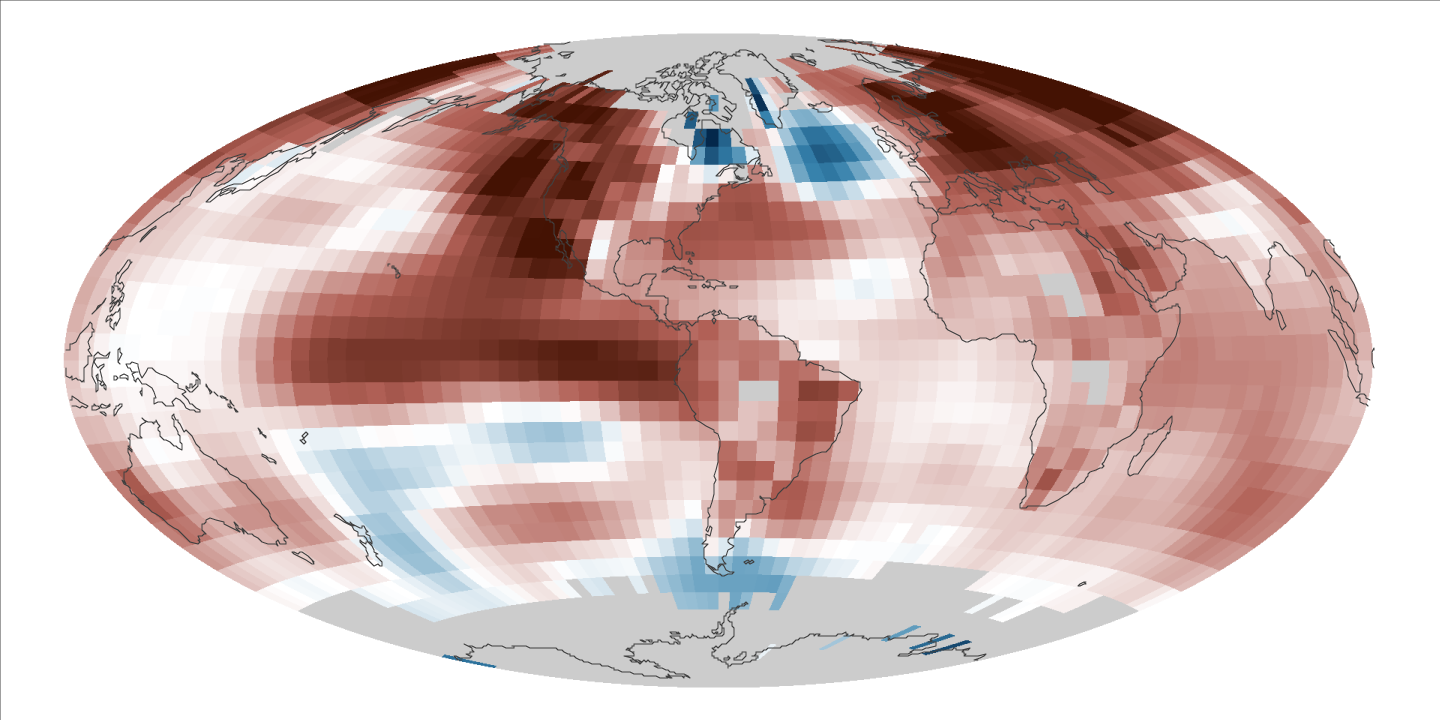
"content": "\u003cp>2015 goes into the books as the warmest year the Earth has experienced since 1880, when official records began. And the record was not merely set, but shattered.\u003c/p>\n\u003cp>Combining land and ocean surface temperatures, the global average for the year was 1.62°F (0.9°C) above the 20\u003csup>th\u003c/sup> century average, according to \u003ca href=\"http://www.ncdc.noaa.gov/sotc/summary-info/global/201512\">data gathered by federal climate scientists\u003c/a>.\u003c/p>\n\u003cp>\u003cimg loading=\"lazy\" decoding=\"async\" class=\"alignright wp-image-482846\" src=\"http://ww2.kqed.org/science/wp-content/uploads/sites/35/2016/01/California_-map_temps-copy-800x943.jpg\" alt=\"California_-map_temps copy\" width=\"394\" height=\"465\" srcset=\"https://cdn.kqed.org/wp-content/uploads/sites/35/2016/01/California_-map_temps-copy-800x943.jpg 800w, https://cdn.kqed.org/wp-content/uploads/sites/35/2016/01/California_-map_temps-copy-400x472.jpg 400w, https://cdn.kqed.org/wp-content/uploads/sites/35/2016/01/California_-map_temps-copy-768x906.jpg 768w, https://cdn.kqed.org/wp-content/uploads/sites/35/2016/01/California_-map_temps-copy-1440x1698.jpg 1440w, https://cdn.kqed.org/wp-content/uploads/sites/35/2016/01/California_-map_temps-copy-1920x2264.jpg 1920w, https://cdn.kqed.org/wp-content/uploads/sites/35/2016/01/California_-map_temps-copy-1180x1391.jpg 1180w, https://cdn.kqed.org/wp-content/uploads/sites/35/2016/01/California_-map_temps-copy-960x1132.jpg 960w, https://cdn.kqed.org/wp-content/uploads/sites/35/2016/01/California_-map_temps-copy.jpg 1949w\" sizes=\"(max-width: 394px) 100vw, 394px\">The extreme temperatures were evenly distributed worldwide and part of the “long-term trend,” says Gavin Schmidt of NASA’s Goddard Institute for Space Studies, and would have been unprecedented even without the \u003ca href=\"http://ww2.kqed.org/science/tag/el-nino/\">warm El Niño conditions\u003c/a> that have prevailed in the Pacific Ocean for much of the year.\u003c/p>\n\u003cp>Both sea and land temperatures set new highs individually, but land temperatures in particular were way out into record territory, surpassing the previous record of 2007 by 0.45°F (0.25°C).\u003c/p>\n\u003cp>It’s the fourth time since 2000 that the global temperature record has been broken. Only two months — January and April — did not set temperature records globally, the first time that 10 months of any given year have all set high-temperature marks.\u003c/p>\n\u003cp>[ad fullwidth]\u003c/p>\n\u003cp>2015 was also the year that Earth officially reached one degree Celsius above pre-industrial levels (about 250 years ago), exactly halfway to the 2-degree international target established for halting global warming.\u003c/p>\n\u003cp>California did not set a new mark for high temperatures, contrary to some expectations. 2015 clocked in as California’s second-warmest calendar year. Averaged over the state as a whole, 2015 fell about one degree (Fahrenheit) shy of the record set in 2014, and came in\u003cbr>\nabout one degree above the 3rd-warmest year, 1934.\u003c/p>\n\u003cp>[gallery type=\"slideshow\" columns=\"1\" ids=\"482587\"]\u003c/p>\n\u003cp>“I was actually surprised that it was as warm as it was,” says Kelly Redmond, climatologist at the Western Regional Climate Center in Reno.\u003c/p>\n\u003cp>California might’ve seen a new record were it not for a series of cold storms from the Gulf of Alaska that swept across Northern California in December. Kelly says temperatures for much of the year hovered around the normal range. The first three months of the year were all warmer than normal, setting expectations that 2015 might punch through the record-warm year of 2014.\u003c/p>\n\u003cp>Individual years aside, scientists say they expect the general warming trend to continue.\u003c/p>\n\u003cp>“The factors that are causing this long-term trend are continuing to accelerate,” says Schmidt, referring to the worldwide burning of fossil fuels that generates greenhouse gases, and the deforestation that reduces the land’s ability to absorb them.\u003c/p>\n\u003cp>\u003c/p>\n\u003cp>“If you’re gonna be betting,” adds Thomas Karl, director of NOAA’s National Centers for Environmental Information, “I’d bet that 2016 will be warmer than 2015.”\u003c/p>\n\n",
"stats": {
"hasVideo": false,
"hasChartOrMap": false,
"hasAudio": false,
"hasPolis": false,
"wordCount": 478,
"hasGoogleForm": false,
"hasGallery": true,
"hasHearkenModule": false,
"iframeSrcs": [],
"paragraphCount": 15
},
"modified": 1704930763,
"excerpt": "2015 goes into the books as California's second-warmest year, topped only by 2014. Scientists say the warming trend will continue.",
"headData": {
"twImgId": "",
"twTitle": "",
"ogTitle": "",
"ogImgId": "",
"twDescription": "",
"description": "2015 goes into the books as California's second-warmest year, topped only by 2014. Scientists say the warming trend will continue.",
"title": "2015 Was the Warmest Year on Record Globally (But Not in California) | KQED",
"ogDescription": "",
"schema": {
"@context": "https://schema.org",
"@type": "Article",
"headline": "2015 Was the Warmest Year on Record Globally (But Not in California)",
"datePublished": "2016-01-20T09:27:17-08:00",
"dateModified": "2024-01-10T15:52:43-08:00",
"image": "https://cdn.kqed.org/wp-content/uploads/2020/02/KQED-OG-Image@1x.png"
}
},
"guestAuthors": [],
"slug": "2015-was-the-warmest-year-on-record-globally-but-not-in-california",
"status": "publish",
"sticky": false,
"path": "/science/481497/2015-was-the-warmest-year-on-record-globally-but-not-in-california",
"audioTrackLength": null,
"parsedContent": [
{
"type": "contentString",
"content": "\u003cdiv class=\"post-body\">\u003cp>\u003cp>2015 goes into the books as the warmest year the Earth has experienced since 1880, when official records began. And the record was not merely set, but shattered.\u003c/p>\n\u003cp>Combining land and ocean surface temperatures, the global average for the year was 1.62°F (0.9°C) above the 20\u003csup>th\u003c/sup> century average, according to \u003ca href=\"http://www.ncdc.noaa.gov/sotc/summary-info/global/201512\">data gathered by federal climate scientists\u003c/a>.\u003c/p>\n\u003cp>\u003cimg loading=\"lazy\" decoding=\"async\" class=\"alignright wp-image-482846\" src=\"http://ww2.kqed.org/science/wp-content/uploads/sites/35/2016/01/California_-map_temps-copy-800x943.jpg\" alt=\"California_-map_temps copy\" width=\"394\" height=\"465\" srcset=\"https://cdn.kqed.org/wp-content/uploads/sites/35/2016/01/California_-map_temps-copy-800x943.jpg 800w, https://cdn.kqed.org/wp-content/uploads/sites/35/2016/01/California_-map_temps-copy-400x472.jpg 400w, https://cdn.kqed.org/wp-content/uploads/sites/35/2016/01/California_-map_temps-copy-768x906.jpg 768w, https://cdn.kqed.org/wp-content/uploads/sites/35/2016/01/California_-map_temps-copy-1440x1698.jpg 1440w, https://cdn.kqed.org/wp-content/uploads/sites/35/2016/01/California_-map_temps-copy-1920x2264.jpg 1920w, https://cdn.kqed.org/wp-content/uploads/sites/35/2016/01/California_-map_temps-copy-1180x1391.jpg 1180w, https://cdn.kqed.org/wp-content/uploads/sites/35/2016/01/California_-map_temps-copy-960x1132.jpg 960w, https://cdn.kqed.org/wp-content/uploads/sites/35/2016/01/California_-map_temps-copy.jpg 1949w\" sizes=\"(max-width: 394px) 100vw, 394px\">The extreme temperatures were evenly distributed worldwide and part of the “long-term trend,” says Gavin Schmidt of NASA’s Goddard Institute for Space Studies, and would have been unprecedented even without the \u003ca href=\"http://ww2.kqed.org/science/tag/el-nino/\">warm El Niño conditions\u003c/a> that have prevailed in the Pacific Ocean for much of the year.\u003c/p>\n\u003cp>Both sea and land temperatures set new highs individually, but land temperatures in particular were way out into record territory, surpassing the previous record of 2007 by 0.45°F (0.25°C).\u003c/p>\n\u003cp>It’s the fourth time since 2000 that the global temperature record has been broken. Only two months — January and April — did not set temperature records globally, the first time that 10 months of any given year have all set high-temperature marks.\u003c/p>\n\u003cp>\u003c/p>\u003c/div>",
"attributes": {
"named": {},
"numeric": []
}
},
{
"type": "component",
"content": "",
"name": "ad",
"attributes": {
"named": {
"label": "fullwidth"
},
"numeric": [
"fullwidth"
]
}
},
{
"type": "contentString",
"content": "\u003cdiv class=\"post-body\">\u003cp>\u003c/p>\n\u003cp>2015 was also the year that Earth officially reached one degree Celsius above pre-industrial levels (about 250 years ago), exactly halfway to the 2-degree international target established for halting global warming.\u003c/p>\n\u003cp>California did not set a new mark for high temperatures, contrary to some expectations. 2015 clocked in as California’s second-warmest calendar year. Averaged over the state as a whole, 2015 fell about one degree (Fahrenheit) shy of the record set in 2014, and came in\u003cbr>\nabout one degree above the 3rd-warmest year, 1934.\u003c/p>\n\u003cp>\u003c/p>\u003c/div>",
"attributes": {
"named": {},
"numeric": []
}
},
{
"type": "component",
"content": "",
"name": "gallery",
"attributes": {
"named": {
"type": "slideshow",
"columns": "1",
"ids": "482587",
"label": ""
},
"numeric": []
}
},
{
"type": "contentString",
"content": "\u003cdiv class=\"post-body\">\u003cp>\u003c/p>\n\u003cp>“I was actually surprised that it was as warm as it was,” says Kelly Redmond, climatologist at the Western Regional Climate Center in Reno.\u003c/p>\n\u003cp>California might’ve seen a new record were it not for a series of cold storms from the Gulf of Alaska that swept across Northern California in December. Kelly says temperatures for much of the year hovered around the normal range. The first three months of the year were all warmer than normal, setting expectations that 2015 might punch through the record-warm year of 2014.\u003c/p>\n\u003cp>Individual years aside, scientists say they expect the general warming trend to continue.\u003c/p>\n\u003cp>“The factors that are causing this long-term trend are continuing to accelerate,” says Schmidt, referring to the worldwide burning of fossil fuels that generates greenhouse gases, and the deforestation that reduces the land’s ability to absorb them.\u003c/p>\n\u003cp>\u003c/p>\n\u003cp>“If you’re gonna be betting,” adds Thomas Karl, director of NOAA’s National Centers for Environmental Information, “I’d bet that 2016 will be warmer than 2015.”\u003c/p>\n\n\u003c/div>\u003c/p>",
"attributes": {
"named": {},
"numeric": []
}
}
],
"link": "/science/481497/2015-was-the-warmest-year-on-record-globally-but-not-in-california",
"authors": [
"221"
],
"categories": [
"science_31",
"science_40"
],
"tags": [
"science_1490",
"science_556",
"science_3811"
],
"featImg": "science_482593",
"label": "science"
},
"science_481184": {
"type": "posts",
"id": "science_481184",
"meta": {
"index": "posts_1716263798",
"site": "science",
"id": "481184",
"score": null,
"sort": [
1453242409000
]
},
"parent": 0,
"labelTerm": {
"site": "science"
},
"blocks": [],
"publishDate": 1453242409,
"format": "standard",
"title": "Six-Legged Giant Finds Secret Hideaway, Hides for 80 Years",
"headTitle": "Six-Legged Giant Finds Secret Hideaway, Hides for 80 Years | KQED",
"content": "\u003cp>No, this isn’t a make-believe place. It’s real.\u003c/p>\n\u003cp>They call it “Ball’s Pyramid.” It’s what’s left of an old volcano that emerged from the sea about 7 million years ago. A British naval officer named Ball was the first European to see it in 1788. It sits off Australia, in the South Pacific. It is extremely narrow, 1,844 feet high, and it sits alone.\u003c/p>\n\u003cp>What’s more, for years this place had a secret. At 225 feet above sea level, hanging on the rock surface, there is a small, spindly little bush, and under that bush, a few years ago, two climbers, working in the dark, found something totally improbable hiding in the soil below. How it got there, we still don’t know.\u003c/p>\n\u003cp>Here’s the story: About 13 miles from this spindle of rock, there’s a bigger island, called Lord Howe Island.\u003c/p>\n\u003cfigure id=\"attachment_481268\" class=\"wp-caption alignright\" style=\"max-width: 749px\">\u003cimg loading=\"lazy\" decoding=\"async\" class=\"size-full wp-image-481268\" src=\"http://ww2.kqed.org/science/wp-content/uploads/sites/35/2016/01/tree-lobsters.jpg\" alt=\"Dryococelus australis live on Ball's Pyramid off the east coast of Australia and, as best we know, live nowhere else.\" width=\"749\" height=\"1000\" srcset=\"https://cdn.kqed.org/wp-content/uploads/sites/35/2016/01/tree-lobsters.jpg 749w, https://cdn.kqed.org/wp-content/uploads/sites/35/2016/01/tree-lobsters-400x534.jpg 400w\" sizes=\"(max-width: 749px) 100vw, 749px\">\u003cfigcaption class=\"wp-caption-text\">Dryococelus australis live on Ball’s Pyramid off the east coast of Australia and, as best we know, live nowhere else. \u003ccite>(Rod Morris)\u003c/cite>\u003c/figcaption>\u003c/figure>\n\u003cp>On Lord Howe, there used to be an insect, famous for being big. It’s a stick insect, a critter that masquerades as a piece of wood, and the Lord Howe Island version was so large — as big as a human hand — that the Europeans labeled it a “tree lobster” because of its size and hard, lobsterlike exoskeleton. It was 12 centimeters long and the heaviest flightless stick insect in the world. Local fishermen used to put them on fishing hooks and use them as bait.\u003c/p>\n\u003cp>[ad fullwidth]\u003c/p>\n\u003cp>Then one day in 1918, a supply ship, the S.S. Makambo from Britain, ran aground at Lord Howe Island and had to be evacuated. One passenger drowned. The rest were put ashore. It took nine days to repair the Makambo, and during that time, some black rats managed to get from the ship to the island, where they instantly discovered a delicious new rat food: giant stick insects. Two years later, the rats were everywhere and the tree lobsters were gone.\u003c/p>\n\u003cp>Totally gone. After 1920, there wasn’t a single sighting. By 1960, the Lord Howe stick insect, \u003cem>Dryococelus australis\u003c/em>, was presumed extinct.\u003c/p>\n\u003cp>There was a rumor, though.\u003c/p>\n\u003cp>Some climbers scaling Ball’s Pyramid in the 1960s said they’d seen a few stick insect corpses lying on the rocks that looked “recently dead.” But the species is nocturnal, and nobody wanted to scale the spire hunting for bugs in the dark.\u003c/p>\n\u003cp>\u003cstrong>Climbing the Pyramid\u003c/strong>\u003c/p>\n\u003cp>Fast forward to 2001, when two Australian scientists, David Priddel and Nicholas Carlile, with two assistants, decided to take a closer look. From the water, they’d seen a few patches of vegetation that just might support walking sticks. So, they boated over. (“Swimming would have been much easier,” Carlile said, “but there are too many sharks.”) They crawled up the vertical rock face to about 500 feet, where they found a few crickets, nothing special. But on their way down, on a precarious, unstable rock surface, they saw a single melaleuca bush peeping out of a crack and, underneath, what looked like fresh droppings of some large insect.\u003c/p>\n\u003cfigure id=\"attachment_481269\" class=\"wp-caption aligncenter\" style=\"max-width: 800px\">\u003cimg loading=\"lazy\" decoding=\"async\" class=\"size-medium wp-image-481269\" src=\"http://ww2.kqed.org/science/wp-content/uploads/sites/35/2016/01/tree-lobster-800x600.jpg\" alt='Two of the insects dubbed \"Adam\" and \"Eve,\" were taken to the Melbourne Zoo and placed in an invertebrate conservation breeding group.' width=\"800\" height=\"600\" srcset=\"https://cdn.kqed.org/wp-content/uploads/sites/35/2016/01/tree-lobster.jpg 800w, https://cdn.kqed.org/wp-content/uploads/sites/35/2016/01/tree-lobster-400x300.jpg 400w, https://cdn.kqed.org/wp-content/uploads/sites/35/2016/01/tree-lobster-768x576.jpg 768w\" sizes=\"(max-width: 800px) 100vw, 800px\">\u003cfigcaption class=\"wp-caption-text\">Two of the insects dubbed “Adam” and “Eve,” were taken to the Melbourne Zoo and placed in an invertebrate conservation breeding group. \u003ccite>(Patrick Honan)\u003c/cite>\u003c/figcaption>\u003c/figure>\n\u003cp>Where, they wondered, did that poop come from?\u003c/p>\n\u003cp>The only thing to do was to go back up after dark, with flashlights and cameras, to see if the pooper would be out taking a nighttime walk. Nick Carlile and a local ranger, Dean Hiscox, agreed to make the climb. And with flashlights, they scaled the wall till they reached the plant, and there, spread out on the bushy surface, were two enormous, shiny, black-looking bodies. And below those two, slithering into the muck, were more, and more … 24 in all. All gathered near this one plant.\u003c/p>\n\u003cp>They were alive and, to Nick Carlile’s eye, enormous. Looking at them, he said, “It felt like stepping back into the Jurassic age, when insects ruled the world.”\u003c/p>\n\u003cp>They were \u003cem>Dryococelus australis. \u003c/em>A search the next morning, and two years later, concluded these are the only ones on Ball’s Pyramid, the last ones. They live there, and, as best we know, nowhere else.\u003c/p>\n\u003cfigure id=\"attachment_481189\" class=\"wp-caption alignright\" style=\"max-width: 800px\">\u003cimg loading=\"lazy\" decoding=\"async\" class=\"size-medium wp-image-481189\" src=\"http://ww2.kqed.org/science/wp-content/uploads/sites/35/2012/02/carlile_nick-1585e09358e9517becd94e66ac7086e50bafddae-800x600.jpg\" alt=\"Nick Carlile, seen here with the Lord Howe Island stick insect, discovered the thought-to-be extinct phasmid in 2001 on Ball's Pyramid.\" width=\"800\" height=\"600\" srcset=\"https://cdn.kqed.org/wp-content/uploads/sites/35/2012/02/carlile_nick-1585e09358e9517becd94e66ac7086e50bafddae-800x600.jpg 800w, https://cdn.kqed.org/wp-content/uploads/sites/35/2012/02/carlile_nick-1585e09358e9517becd94e66ac7086e50bafddae-400x300.jpg 400w, https://cdn.kqed.org/wp-content/uploads/sites/35/2012/02/carlile_nick-1585e09358e9517becd94e66ac7086e50bafddae-768x576.jpg 768w, https://cdn.kqed.org/wp-content/uploads/sites/35/2012/02/carlile_nick-1585e09358e9517becd94e66ac7086e50bafddae.jpg 885w\" sizes=\"(max-width: 800px) 100vw, 800px\">\u003cfigcaption class=\"wp-caption-text\">Nick Carlile, seen here with the Lord Howe Island stick insect, discovered the thought-to-be extinct phasmid in 2001 on Ball’s Pyramid. \u003ccite>(Patrick Honan/Nick Carlile)\u003c/cite>\u003c/figcaption>\u003c/figure>\n\u003cp>How they got there is a mystery. Maybe they hitchhiked on birds, or traveled with fishermen, and how they survived for so long on just a single patch of plants, nobody knows either. The important thing, the scientists thought, was to get a few of these insects protected and into a breeding program.\u003c/p>\n\u003cp>That wasn’t so easy. The Australian government didn’t know if the animals on Ball’s Pyramid could or should be moved. There were meetings, studies, two years passed, and finally officials agreed to allow four animals to be retrieved. Just four.\u003c/p>\n\u003cp>When the team went back to collect them, it turned out there had been a rock slide on the mountain, and at first they feared that the whole population had been wiped out. But when they got back up to the site, on Valentine’s Day 2003, the animals were still there, sitting on and around their bush.\u003c/p>\n\u003cp>The plan was to take one pair and give it to a man who was very familiar with mainland walking stick insects, a private breeder living in Sydney. He got his pair, but within two weeks, they died.\u003c/p>\n\u003cp>\u003cstrong>Adam and Eve and Patrick\u003c/strong>\u003c/p>\n\u003cp>That left the other two. They were named “Adam” and “Eve,” taken to the Melbourne Zoo and placed with Patrick Honan, of the zoo’s invertebrate conservation breeding group. At first, everything went well. Eve began laying little pea-shaped eggs, exactly as hoped. But then she got sick. According to biologist Jane Goodall, \u003ca href=\"http://discovermagazine.com/2009/sep/16-jane-goodall-on-the-lazarus-effect\">writing for Discover Magazine\u003c/a>:\u003c/p>\n\u003cblockquote>\u003cp>“Eve became very, very sick. Patrick … worked every night for a month desperately trying to cure her. … Eventually, based on gut instinct, Patrick concocted a mixture that included calcium and nectar and fed it to his patient, drop by drop, as she lay curled up in his hand.”\u003c/p>\u003c/blockquote>\n\u003cfigure id=\"attachment_481190\" class=\"wp-caption aligncenter\" style=\"max-width: 505px\">\u003cimg loading=\"lazy\" decoding=\"async\" class=\"size-full wp-image-481190\" src=\"http://ww2.kqed.org/science/wp-content/uploads/sites/35/2012/02/phasmidae_dryococelus-austr-d589e304d45fe69d0a8de24985a3dc1a8cb146b7.jpg\" alt=\"Male Lord Howe Island Stick Insect K.\" width=\"505\" height=\"380\" srcset=\"https://cdn.kqed.org/wp-content/uploads/sites/35/2012/02/phasmidae_dryococelus-austr-d589e304d45fe69d0a8de24985a3dc1a8cb146b7.jpg 505w, https://cdn.kqed.org/wp-content/uploads/sites/35/2012/02/phasmidae_dryococelus-austr-d589e304d45fe69d0a8de24985a3dc1a8cb146b7-400x301.jpg 400w\" sizes=\"(max-width: 505px) 100vw, 505px\">\u003cfigcaption class=\"wp-caption-text\">Male Lord Howe Island Stick Insect K. \u003ccite>(Matthew Bulbert/The Australian Museum)\u003c/cite>\u003c/figcaption>\u003c/figure>\n\u003cp>Her recovery was almost instant. Patrick \u003ca href=\"http://www.abc.net.au/pm/content/2008/s2441929.htm\">told the Australian Broadcasting Company\u003c/a>, “She went from being on her back curled up in my hand, almost as good as dead, to being up and walking around within a couple of hours.”\u003c/p>\n\u003cp>Eve’s eggs were harvested, incubated (though it turns out only the first 30 were fertile) and became the foundation of the zoo’s new population of walking sticks.\u003c/p>\n\u003cp>When Jane Goodall visited in 2008, Patrick showed her rows and rows of incubating eggs: 11,376 at that time, with about 700 adults in the captive population. Lord Howe Island walking sticks seem to pair off — \u003ca href=\"http://www.aszk.org.au/docs/lhisi.pdf\">an unusual insect behavior\u003c/a> — and Goodall says Patrick “showed me photos of how they sleep at night, in pairs, the male with three of his legs protectively over the female beside him.”\u003c/p>\n\u003cp>Now comes the question that bedevils all such conservation rescue stories. Once a rare animal is safe at the zoo, when can we release it back to the wild?\u003c/p>\n\u003cp>https://vimeo.com/14413689\u003c/p>\n\u003cp>On Lord Howe Island, their former habitat, the great-great-great-grandkids of those original black rats are still out and about, presumably hungry and still a problem. Step one, therefore, would be to mount an intensive (and expensive) rat annihilation program. Residents would, no doubt, be happy to go rat-free, but not every Lord Howe islander wants to make the neighborhood safe for gigantic, hard-shell crawling insects. So the Melbourne Museum is mulling over a public relations campaign to make these insects more … well, adorable, or noble, or whatever it takes.\u003c/p>\n\u003cp>They recently made a video, with strumming guitars, featuring a brand new baby emerging from its egg. The newborn is emerald green, squirmy and so long, it just keeps coming and coming from an impossibly small container. Will this soften the hearts of Lord Howe islanders? I dunno. It’s so … so … big.\u003c/p>\n\u003cp>But, hey, why don’t you look for yourself?\u003c/p>\n\u003cp>What happens next? The story is simple: A bunch of black rats almost wiped out a bunch of gigantic bugs on a little island far, far away from most of us. A few dedicated scientists, passionate about biological diversity, risked their lives to keep the bugs going. For the bugs to get their homes and their future back doesn’t depend on scientists anymore. They’ve done their job. Now it’s up to the folks on Lord Howe Island.\u003c/p>\n\u003cp>Will ordinary Janes and Joes, going about their days, agree to spend a little extra effort and money to preserve an animal that isn’t what most of us would call beautiful? Its main attraction is that it has lived on the planet for a long time, and we have the power to keep it around. I don’t know if it will work, but in the end, that’s the walking stick’s best argument:\u003c/p>\n\u003cp>[ad floatright]\u003c/p>\n\u003cp>I’m still here. Don’t let me go.\u003c/p>\n\u003cdiv class=\"fullattribution\">Copyright 2016 NPR. To see more, visit http://www.npr.org/.\u003cimg decoding=\"async\" src=\"http://www.google-analytics.com/__utm.gif?utmac=UA-5828686-4&utmdt=Six-Legged+Giant+Finds+Secret+Hideaway%2C+Hides+For+80+Years&utme=8(APIKey)9(MDAxOTAwOTE4MDEyMTkxMDAzNjczZDljZA004)\" alt=\"\">\u003c/div>\n\n",
"stats": {
"hasVideo": false,
"hasChartOrMap": false,
"hasAudio": false,
"hasPolis": false,
"wordCount": 1633,
"hasGoogleForm": false,
"hasGallery": false,
"hasHearkenModule": false,
"iframeSrcs": [],
"paragraphCount": 34
},
"modified": 1704930765,
"excerpt": "The insect is so large — as big as a human hand — it's been dubbed a \"tree lobster.\" Presumed extinct, some enterprising entomologists found them on a barren hunk of rock in the middle of the ocean.",
"headData": {
"twImgId": "",
"twTitle": "",
"ogTitle": "",
"ogImgId": "",
"twDescription": "",
"description": "The insect is so large — as big as a human hand — it's been dubbed a "tree lobster." Presumed extinct, some enterprising entomologists found them on a barren hunk of rock in the middle of the ocean.",
"title": "Six-Legged Giant Finds Secret Hideaway, Hides for 80 Years | KQED",
"ogDescription": "",
"schema": {
"@context": "https://schema.org",
"@type": "Article",
"headline": "Six-Legged Giant Finds Secret Hideaway, Hides for 80 Years",
"datePublished": "2016-01-19T14:26:49-08:00",
"dateModified": "2024-01-10T15:52:45-08:00",
"image": "https://cdn.kqed.org/wp-content/uploads/2020/02/KQED-OG-Image@1x.png"
}
},
"guestAuthors": [],
"slug": "six-legged-giant-finds-secret-hideaway-hides-for-80-years",
"status": "publish",
"nprApiLink": "http://api.npr.org/query?id=147367644&apiKey=MDAxOTAwOTE4MDEyMTkxMDAzNjczZDljZA004",
"nprByline": "Robert Krulwich",
"nprStoryDate": "Wed, 29 Feb 2012 10:10:00 -0500",
"nprLastModifiedDate": "Mon, 18 Jan 2016 13:39:15 -0500",
"sticky": false,
"nprHtmlLink": "http://www.npr.org/sections/krulwich/2012/02/24/147367644/six-legged-giant-finds-secret-hideaway-hides-for-80-years?ft=nprml&f=147367644",
"nprImageAgency": "John White",
"nprStoryId": "147367644",
"nprRetrievedStory": "1",
"nprPubDate": "Mon, 18 Jan 2016 13:39:00 -0500",
"path": "/science/481184/six-legged-giant-finds-secret-hideaway-hides-for-80-years",
"audioTrackLength": null,
"parsedContent": [
{
"type": "contentString",
"content": "\u003cdiv class=\"post-body\">\u003cp>\u003cp>No, this isn’t a make-believe place. It’s real.\u003c/p>\n\u003cp>They call it “Ball’s Pyramid.” It’s what’s left of an old volcano that emerged from the sea about 7 million years ago. A British naval officer named Ball was the first European to see it in 1788. It sits off Australia, in the South Pacific. It is extremely narrow, 1,844 feet high, and it sits alone.\u003c/p>\n\u003cp>What’s more, for years this place had a secret. At 225 feet above sea level, hanging on the rock surface, there is a small, spindly little bush, and under that bush, a few years ago, two climbers, working in the dark, found something totally improbable hiding in the soil below. How it got there, we still don’t know.\u003c/p>\n\u003cp>Here’s the story: About 13 miles from this spindle of rock, there’s a bigger island, called Lord Howe Island.\u003c/p>\n\u003cfigure id=\"attachment_481268\" class=\"wp-caption alignright\" style=\"max-width: 749px\">\u003cimg loading=\"lazy\" decoding=\"async\" class=\"size-full wp-image-481268\" src=\"http://ww2.kqed.org/science/wp-content/uploads/sites/35/2016/01/tree-lobsters.jpg\" alt=\"Dryococelus australis live on Ball's Pyramid off the east coast of Australia and, as best we know, live nowhere else.\" width=\"749\" height=\"1000\" srcset=\"https://cdn.kqed.org/wp-content/uploads/sites/35/2016/01/tree-lobsters.jpg 749w, https://cdn.kqed.org/wp-content/uploads/sites/35/2016/01/tree-lobsters-400x534.jpg 400w\" sizes=\"(max-width: 749px) 100vw, 749px\">\u003cfigcaption class=\"wp-caption-text\">Dryococelus australis live on Ball’s Pyramid off the east coast of Australia and, as best we know, live nowhere else. \u003ccite>(Rod Morris)\u003c/cite>\u003c/figcaption>\u003c/figure>\n\u003cp>On Lord Howe, there used to be an insect, famous for being big. It’s a stick insect, a critter that masquerades as a piece of wood, and the Lord Howe Island version was so large — as big as a human hand — that the Europeans labeled it a “tree lobster” because of its size and hard, lobsterlike exoskeleton. It was 12 centimeters long and the heaviest flightless stick insect in the world. Local fishermen used to put them on fishing hooks and use them as bait.\u003c/p>\n\u003cp>\u003c/p>\u003c/div>",
"attributes": {
"named": {},
"numeric": []
}
},
{
"type": "component",
"content": "",
"name": "ad",
"attributes": {
"named": {
"label": "fullwidth"
},
"numeric": [
"fullwidth"
]
}
},
{
"type": "contentString",
"content": "\u003cdiv class=\"post-body\">\u003cp>\u003c/p>\n\u003cp>Then one day in 1918, a supply ship, the S.S. Makambo from Britain, ran aground at Lord Howe Island and had to be evacuated. One passenger drowned. The rest were put ashore. It took nine days to repair the Makambo, and during that time, some black rats managed to get from the ship to the island, where they instantly discovered a delicious new rat food: giant stick insects. Two years later, the rats were everywhere and the tree lobsters were gone.\u003c/p>\n\u003cp>Totally gone. After 1920, there wasn’t a single sighting. By 1960, the Lord Howe stick insect, \u003cem>Dryococelus australis\u003c/em>, was presumed extinct.\u003c/p>\n\u003cp>There was a rumor, though.\u003c/p>\n\u003cp>Some climbers scaling Ball’s Pyramid in the 1960s said they’d seen a few stick insect corpses lying on the rocks that looked “recently dead.” But the species is nocturnal, and nobody wanted to scale the spire hunting for bugs in the dark.\u003c/p>\n\u003cp>\u003cstrong>Climbing the Pyramid\u003c/strong>\u003c/p>\n\u003cp>Fast forward to 2001, when two Australian scientists, David Priddel and Nicholas Carlile, with two assistants, decided to take a closer look. From the water, they’d seen a few patches of vegetation that just might support walking sticks. So, they boated over. (“Swimming would have been much easier,” Carlile said, “but there are too many sharks.”) They crawled up the vertical rock face to about 500 feet, where they found a few crickets, nothing special. But on their way down, on a precarious, unstable rock surface, they saw a single melaleuca bush peeping out of a crack and, underneath, what looked like fresh droppings of some large insect.\u003c/p>\n\u003cfigure id=\"attachment_481269\" class=\"wp-caption aligncenter\" style=\"max-width: 800px\">\u003cimg loading=\"lazy\" decoding=\"async\" class=\"size-medium wp-image-481269\" src=\"http://ww2.kqed.org/science/wp-content/uploads/sites/35/2016/01/tree-lobster-800x600.jpg\" alt='Two of the insects dubbed \"Adam\" and \"Eve,\" were taken to the Melbourne Zoo and placed in an invertebrate conservation breeding group.' width=\"800\" height=\"600\" srcset=\"https://cdn.kqed.org/wp-content/uploads/sites/35/2016/01/tree-lobster.jpg 800w, https://cdn.kqed.org/wp-content/uploads/sites/35/2016/01/tree-lobster-400x300.jpg 400w, https://cdn.kqed.org/wp-content/uploads/sites/35/2016/01/tree-lobster-768x576.jpg 768w\" sizes=\"(max-width: 800px) 100vw, 800px\">\u003cfigcaption class=\"wp-caption-text\">Two of the insects dubbed “Adam” and “Eve,” were taken to the Melbourne Zoo and placed in an invertebrate conservation breeding group. \u003ccite>(Patrick Honan)\u003c/cite>\u003c/figcaption>\u003c/figure>\n\u003cp>Where, they wondered, did that poop come from?\u003c/p>\n\u003cp>The only thing to do was to go back up after dark, with flashlights and cameras, to see if the pooper would be out taking a nighttime walk. Nick Carlile and a local ranger, Dean Hiscox, agreed to make the climb. And with flashlights, they scaled the wall till they reached the plant, and there, spread out on the bushy surface, were two enormous, shiny, black-looking bodies. And below those two, slithering into the muck, were more, and more … 24 in all. All gathered near this one plant.\u003c/p>\n\u003cp>They were alive and, to Nick Carlile’s eye, enormous. Looking at them, he said, “It felt like stepping back into the Jurassic age, when insects ruled the world.”\u003c/p>\n\u003cp>They were \u003cem>Dryococelus australis. \u003c/em>A search the next morning, and two years later, concluded these are the only ones on Ball’s Pyramid, the last ones. They live there, and, as best we know, nowhere else.\u003c/p>\n\u003cfigure id=\"attachment_481189\" class=\"wp-caption alignright\" style=\"max-width: 800px\">\u003cimg loading=\"lazy\" decoding=\"async\" class=\"size-medium wp-image-481189\" src=\"http://ww2.kqed.org/science/wp-content/uploads/sites/35/2012/02/carlile_nick-1585e09358e9517becd94e66ac7086e50bafddae-800x600.jpg\" alt=\"Nick Carlile, seen here with the Lord Howe Island stick insect, discovered the thought-to-be extinct phasmid in 2001 on Ball's Pyramid.\" width=\"800\" height=\"600\" srcset=\"https://cdn.kqed.org/wp-content/uploads/sites/35/2012/02/carlile_nick-1585e09358e9517becd94e66ac7086e50bafddae-800x600.jpg 800w, https://cdn.kqed.org/wp-content/uploads/sites/35/2012/02/carlile_nick-1585e09358e9517becd94e66ac7086e50bafddae-400x300.jpg 400w, https://cdn.kqed.org/wp-content/uploads/sites/35/2012/02/carlile_nick-1585e09358e9517becd94e66ac7086e50bafddae-768x576.jpg 768w, https://cdn.kqed.org/wp-content/uploads/sites/35/2012/02/carlile_nick-1585e09358e9517becd94e66ac7086e50bafddae.jpg 885w\" sizes=\"(max-width: 800px) 100vw, 800px\">\u003cfigcaption class=\"wp-caption-text\">Nick Carlile, seen here with the Lord Howe Island stick insect, discovered the thought-to-be extinct phasmid in 2001 on Ball’s Pyramid. \u003ccite>(Patrick Honan/Nick Carlile)\u003c/cite>\u003c/figcaption>\u003c/figure>\n\u003cp>How they got there is a mystery. Maybe they hitchhiked on birds, or traveled with fishermen, and how they survived for so long on just a single patch of plants, nobody knows either. The important thing, the scientists thought, was to get a few of these insects protected and into a breeding program.\u003c/p>\n\u003cp>That wasn’t so easy. The Australian government didn’t know if the animals on Ball’s Pyramid could or should be moved. There were meetings, studies, two years passed, and finally officials agreed to allow four animals to be retrieved. Just four.\u003c/p>\n\u003cp>When the team went back to collect them, it turned out there had been a rock slide on the mountain, and at first they feared that the whole population had been wiped out. But when they got back up to the site, on Valentine’s Day 2003, the animals were still there, sitting on and around their bush.\u003c/p>\n\u003cp>The plan was to take one pair and give it to a man who was very familiar with mainland walking stick insects, a private breeder living in Sydney. He got his pair, but within two weeks, they died.\u003c/p>\n\u003cp>\u003cstrong>Adam and Eve and Patrick\u003c/strong>\u003c/p>\n\u003cp>That left the other two. They were named “Adam” and “Eve,” taken to the Melbourne Zoo and placed with Patrick Honan, of the zoo’s invertebrate conservation breeding group. At first, everything went well. Eve began laying little pea-shaped eggs, exactly as hoped. But then she got sick. According to biologist Jane Goodall, \u003ca href=\"http://discovermagazine.com/2009/sep/16-jane-goodall-on-the-lazarus-effect\">writing for Discover Magazine\u003c/a>:\u003c/p>\n\u003cblockquote>\u003cp>“Eve became very, very sick. Patrick … worked every night for a month desperately trying to cure her. … Eventually, based on gut instinct, Patrick concocted a mixture that included calcium and nectar and fed it to his patient, drop by drop, as she lay curled up in his hand.”\u003c/p>\u003c/blockquote>\n\u003cfigure id=\"attachment_481190\" class=\"wp-caption aligncenter\" style=\"max-width: 505px\">\u003cimg loading=\"lazy\" decoding=\"async\" class=\"size-full wp-image-481190\" src=\"http://ww2.kqed.org/science/wp-content/uploads/sites/35/2012/02/phasmidae_dryococelus-austr-d589e304d45fe69d0a8de24985a3dc1a8cb146b7.jpg\" alt=\"Male Lord Howe Island Stick Insect K.\" width=\"505\" height=\"380\" srcset=\"https://cdn.kqed.org/wp-content/uploads/sites/35/2012/02/phasmidae_dryococelus-austr-d589e304d45fe69d0a8de24985a3dc1a8cb146b7.jpg 505w, https://cdn.kqed.org/wp-content/uploads/sites/35/2012/02/phasmidae_dryococelus-austr-d589e304d45fe69d0a8de24985a3dc1a8cb146b7-400x301.jpg 400w\" sizes=\"(max-width: 505px) 100vw, 505px\">\u003cfigcaption class=\"wp-caption-text\">Male Lord Howe Island Stick Insect K. \u003ccite>(Matthew Bulbert/The Australian Museum)\u003c/cite>\u003c/figcaption>\u003c/figure>\n\u003cp>Her recovery was almost instant. Patrick \u003ca href=\"http://www.abc.net.au/pm/content/2008/s2441929.htm\">told the Australian Broadcasting Company\u003c/a>, “She went from being on her back curled up in my hand, almost as good as dead, to being up and walking around within a couple of hours.”\u003c/p>\n\u003cp>Eve’s eggs were harvested, incubated (though it turns out only the first 30 were fertile) and became the foundation of the zoo’s new population of walking sticks.\u003c/p>\n\u003cp>When Jane Goodall visited in 2008, Patrick showed her rows and rows of incubating eggs: 11,376 at that time, with about 700 adults in the captive population. Lord Howe Island walking sticks seem to pair off — \u003ca href=\"http://www.aszk.org.au/docs/lhisi.pdf\">an unusual insect behavior\u003c/a> — and Goodall says Patrick “showed me photos of how they sleep at night, in pairs, the male with three of his legs protectively over the female beside him.”\u003c/p>\n\u003cp>Now comes the question that bedevils all such conservation rescue stories. Once a rare animal is safe at the zoo, when can we release it back to the wild?\u003c/p>\u003c/p>\u003c/div>",
"attributes": {
"named": {},
"numeric": []
}
},
{
"type": "component",
"content": "",
"name": "vimeoLink",
"attributes": {
"named": {
"vimeoId": "14413689"
},
"numeric": []
}
},
{
"type": "contentString",
"content": "\u003cdiv class=\"post-body\">\u003cp>\u003cp>On Lord Howe Island, their former habitat, the great-great-great-grandkids of those original black rats are still out and about, presumably hungry and still a problem. Step one, therefore, would be to mount an intensive (and expensive) rat annihilation program. Residents would, no doubt, be happy to go rat-free, but not every Lord Howe islander wants to make the neighborhood safe for gigantic, hard-shell crawling insects. So the Melbourne Museum is mulling over a public relations campaign to make these insects more … well, adorable, or noble, or whatever it takes.\u003c/p>\n\u003cp>They recently made a video, with strumming guitars, featuring a brand new baby emerging from its egg. The newborn is emerald green, squirmy and so long, it just keeps coming and coming from an impossibly small container. Will this soften the hearts of Lord Howe islanders? I dunno. It’s so … so … big.\u003c/p>\n\u003cp>But, hey, why don’t you look for yourself?\u003c/p>\n\u003cp>What happens next? The story is simple: A bunch of black rats almost wiped out a bunch of gigantic bugs on a little island far, far away from most of us. A few dedicated scientists, passionate about biological diversity, risked their lives to keep the bugs going. For the bugs to get their homes and their future back doesn’t depend on scientists anymore. They’ve done their job. Now it’s up to the folks on Lord Howe Island.\u003c/p>\n\u003cp>Will ordinary Janes and Joes, going about their days, agree to spend a little extra effort and money to preserve an animal that isn’t what most of us would call beautiful? Its main attraction is that it has lived on the planet for a long time, and we have the power to keep it around. I don’t know if it will work, but in the end, that’s the walking stick’s best argument:\u003c/p>\n\u003cp>\u003c/p>\u003c/div>",
"attributes": {
"named": {},
"numeric": []
}
},
{
"type": "component",
"content": "",
"name": "ad",
"attributes": {
"named": {
"label": "floatright"
},
"numeric": [
"floatright"
]
}
},
{
"type": "contentString",
"content": "\u003cdiv class=\"post-body\">\u003cp>\u003c/p>\n\u003cp>I’m still here. Don’t let me go.\u003c/p>\n\u003cdiv class=\"fullattribution\">Copyright 2016 NPR. To see more, visit http://www.npr.org/.\u003cimg decoding=\"async\" src=\"http://www.google-analytics.com/__utm.gif?utmac=UA-5828686-4&utmdt=Six-Legged+Giant+Finds+Secret+Hideaway%2C+Hides+For+80+Years&utme=8(APIKey)9(MDAxOTAwOTE4MDEyMTkxMDAzNjczZDljZA004)\" alt=\"\">\u003c/div>\n\n\u003c/div>\u003c/p>",
"attributes": {
"named": {},
"numeric": []
}
}
],
"link": "/science/481184/six-legged-giant-finds-secret-hideaway-hides-for-80-years",
"authors": [
"byline_science_481184"
],
"categories": [
"science_35",
"science_40"
],
"featImg": "science_481185",
"label": "science"
},
"science_474134": {
"type": "posts",
"id": "science_474134",
"meta": {
"index": "posts_1716263798",
"site": "science",
"id": "474134",
"score": null,
"sort": [
1452902981000
]
},
"parent": 0,
"labelTerm": {
"site": "science",
"term": 2827
},
"blocks": [],
"publishDate": 1452902981,
"format": "standard",
"title": "Whales, Penguins and a Few Loose Screws on An Epic Antarctic Voyage",
"headTitle": "Whales, Penguins and a Few Loose Screws on An Epic Antarctic Voyage | KQED",
"content": "\u003cp>\u003cem>The fourth \u003ca href=\"http://ww2.kqed.org/science/series/breaking-the-ice/\">in a series of dispatches\u003c/a> from freelance writer Brandon Reynolds aboard the USCG icebreaker Polar Star, on its annual resupply mission to the Antarctic research base, McMurdo Station. It’s a critical task imperiled by the nation’s aging, shrinking fleet of ice-breaking ships.\u003c/em>\u003c/p>\n\u003cp>After about a week, we encounter ice. Like a Popsicle on a hot day, my feelings about it changed fast and were never quite the same after. Here is a full and true account of my relationship with ice:\u003c/p>\n\u003cp>\u003cstrong>DAY 9 – Miles of Ice to Get Through\u003c/strong>\u003cbr>\nWhat Polar Star really is, is the world’s greatest toy. She’s a big red boat that smashes up ice and makes a terrific sound as she’s doing it.\u003c/p>\n\u003cfigure id=\"attachment_474305\" class=\"wp-caption alignright\" style=\"max-width: 800px\">\u003cimg loading=\"lazy\" decoding=\"async\" class=\"size-medium wp-image-474305\" src=\"http://ww2.kqed.org/science/wp-content/uploads/sites/35/2016/01/Ship-breaking-through-the-ice-800x533.jpg\" alt=\"Polar Star's movement is difficult because the cut ice has nowhere to go. Subsequent maneuvers put huge cracks called leads between the ice. \" width=\"800\" height=\"533\" srcset=\"https://cdn.kqed.org/wp-content/uploads/sites/35/2016/01/Ship-breaking-through-the-ice-800x533.jpg 800w, https://cdn.kqed.org/wp-content/uploads/sites/35/2016/01/Ship-breaking-through-the-ice-400x267.jpg 400w, https://cdn.kqed.org/wp-content/uploads/sites/35/2016/01/Ship-breaking-through-the-ice-768x512.jpg 768w, https://cdn.kqed.org/wp-content/uploads/sites/35/2016/01/Ship-breaking-through-the-ice-1180x786.jpg 1180w, https://cdn.kqed.org/wp-content/uploads/sites/35/2016/01/Ship-breaking-through-the-ice-960x640.jpg 960w, https://cdn.kqed.org/wp-content/uploads/sites/35/2016/01/Ship-breaking-through-the-ice.jpg 1280w\" sizes=\"(max-width: 800px) 100vw, 800px\">\u003cfigcaption class=\"wp-caption-text\">Polar Star’s movement is difficult because the cut ice has nowhere to go. Subsequent maneuvers put huge cracks called leads between the ice. \u003ccite>(Brandon R. Reynolds)\u003c/cite>\u003c/figcaption>\u003c/figure>\n\u003cp>This spirit of playfulness infects the first days of icebreaking. We’ve reached the ice coming off Ross Island, which is home to Mt. Byrd, Mt. Terror and Mt. Erebus–an active volcano. And somewhere up there, on the other side of the island is McMurdo Station.\u003c/p>\n\u003cp>We celebrate with a day off the ship, playing around on the ice.\u003c/p>\n\u003cp>[ad fullwidth]\u003c/p>\n\u003cp>I hop off with the crew and soon orcas and minke whales pop up in the open water at the stern.\u003c/p>\n\u003cp>People smoke cigars on the ice and play football and walk around to nowhere in particular. I spot a group of people standing around a couple of toddlers running around flailing their arms. What in the screaming heck is that? Penguins. They’ve found us.\u003c/p>\n\u003cp>This may be the strangest and most amazing place in the world. Penguins, whales, a volcano, a big sheet of ice, us and a boat are near the coldest and driest place on Earth.\u003c/p>\n\u003cp>A pod of orcas shows up in the pool behind the ship, spy-hopping like great big Whack-a-Moles. One of them, before disappearing back into the dark waters, winks at me.\u003c/p>\n\u003cfigure id=\"attachment_474308\" class=\"wp-caption aligncenter\" style=\"max-width: 800px\">\u003cimg loading=\"lazy\" decoding=\"async\" class=\"size-medium wp-image-474308\" src=\"http://ww2.kqed.org/science/wp-content/uploads/sites/35/2016/01/Seals-on-ice-800x533.jpg\" alt=\"Crabeater seals lounge on the ice in front of the Polar Star.\" width=\"800\" height=\"533\" srcset=\"https://cdn.kqed.org/wp-content/uploads/sites/35/2016/01/Seals-on-ice-800x533.jpg 800w, https://cdn.kqed.org/wp-content/uploads/sites/35/2016/01/Seals-on-ice-400x267.jpg 400w, https://cdn.kqed.org/wp-content/uploads/sites/35/2016/01/Seals-on-ice-768x512.jpg 768w, https://cdn.kqed.org/wp-content/uploads/sites/35/2016/01/Seals-on-ice-1180x786.jpg 1180w, https://cdn.kqed.org/wp-content/uploads/sites/35/2016/01/Seals-on-ice-960x640.jpg 960w, https://cdn.kqed.org/wp-content/uploads/sites/35/2016/01/Seals-on-ice.jpg 1280w\" sizes=\"(max-width: 800px) 100vw, 800px\">\u003cfigcaption class=\"wp-caption-text\">Crabeater seals lounge on the ice in front of the Polar Star. \u003ccite>(Brandon R. Reynolds)\u003c/cite>\u003c/figcaption>\u003c/figure>\n\u003cp>\u003cstrong>DAY 10 – Carving Our Way to McMurdo Research Station\u003c/strong>\u003cbr>\nThe ice is one big sheet connected to Ross Island and we’re going to jigsaw it apart with this ship. We’ll cut a straight line through all that gleaming whiteness for the next few days and then carve a turning basin somewhere up ahead for the supply ships to maneuver near McMurdo, then head back out, then come back, and on and on, “turning big ice into little ice,” as they say around here. Sounds like a real hoot!\u003c/p>\n\u003cp>\u003cstrong>DAY 12 – Land Ahoy!\u003c/strong>\u003c/p>\n\u003caside class=\"pullquote alignright\">‘Everything rattles on its hinges, except your teeth, which rattle in their sockets.’\u003c/aside>\n\u003cp>Amid all the ship’s shaking, I finally see McMurdo Station! It looks like a moon base or a mining town or a mining town on the moon, perched as it is on the barren black rock of Ross Island.\u003c/p>\n\u003cp>\u003cstrong>DAY 13 – Chattering Teeth \u003c/strong>\u003cbr>\nIce mostly comes in white and blue. When I get tired of looking at it, I can go below and feel it as though I’m sensing the world in Braille.\u003c/p>\n\u003cp>Living on a ship as it breaks through five to eight feet of ice is exactly what you’d imagine. You’re living through a controlled earthquake during the day and at night it’s like sleeping through a car crash.\u003c/p>\n\u003cp>Everything rattles on its hinges, except your teeth, which rattle in their sockets. You’re troubled by how quickly you come awake when they start smashing ice at 0800 and then you’re troubled a few days later by how easily you sleep through it.\u003c/p>\n\u003cp>Oh and here comes McMurdo again, still just sitting there, not in the ice, not vibrating.\u003c/p>\n\u003cp>\u003cstrong>DAY 14 – Things Break\u003c/strong>\u003c/p>\n\u003cfigure id=\"attachment_474311\" class=\"wp-caption alignright\" style=\"max-width: 353px\">\u003cimg loading=\"lazy\" decoding=\"async\" class=\" wp-image-474311\" src=\"http://ww2.kqed.org/science/wp-content/uploads/sites/35/2016/01/Mechanic-with-wrench-800x1200.jpg\" alt=\"Machinery technician Ryan Copeland replaces an eye-screw that holds an important part of the shaft hydraulics in place. The shaft vibrations stripped this part and the ship stopped for several hours while it was replaced. \" width=\"353\" height=\"530\" srcset=\"https://cdn.kqed.org/wp-content/uploads/sites/35/2016/01/Mechanic-with-wrench-800x1200.jpg 800w, https://cdn.kqed.org/wp-content/uploads/sites/35/2016/01/Mechanic-with-wrench-400x600.jpg 400w, https://cdn.kqed.org/wp-content/uploads/sites/35/2016/01/Mechanic-with-wrench-768x1152.jpg 768w, https://cdn.kqed.org/wp-content/uploads/sites/35/2016/01/Mechanic-with-wrench.jpg 853w\" sizes=\"(max-width: 353px) 100vw, 353px\">\u003cfigcaption class=\"wp-caption-text\">Machinery technician Ryan Copeland replaces an eye-screw that holds an important part of the shaft hydraulics in place. The shaft vibrations stripped this part and the ship stopped for several hours while it was replaced. \u003ccite>(Brandon R. Reynolds)\u003c/cite>\u003c/figcaption>\u003c/figure>\n\u003cp>Here’s a fun game to play:\u003c/p>\n\u003cp>1. Build a state-of-the-art icebreaking vessel 44 years ago.\u003cbr>\n2. Send it all around the world. Let it age.\u003cbr>\n3. Retire it for a couple of years. Unretire it.\u003cbr>\n4. Send it to Antarctica.\u003cbr>\n5. Watch how many things break.\u003c/p>\n\u003cp>The vibrations are hell on this ship. Screws unscrew. Things break. And the mechanics who repair this ship on a (no kidding) daily basis do not seem ruffled when bolts shear off or alarm bells wail. They climb down into the guts of the thing, repair it, and we’re back underway.\u003c/p>\n\u003cp>\u003cstrong>DAY 15 – We May Be Crazy\u003c/strong>\u003cbr>\nI’m going to tell you something: There’s a lot of goddamn ice in the world. And the real aim of Operation Deep Freeze is apparently to run over all of it. The ice in your freezer? Polar Star makes every single cube. You know who doesn’t think about this? The people over at McMurdo who are probably laughing at us right now as we mow their lawn. And come to think of it, you’re probably laughing at us too: you with your liquid water up there, laughing as we make our way through a great big diaper of ice on the world’s chilly bottom.\u003c/p>\n\u003cp>\u003c/p>\n\u003cp>\u003cem>Brandon R. Reynolds lives in Los Angeles but currently summers in the Antarctic Circle. He has written for San Francisco Magazine, SF Weekly, The Atlantic, and Oxford American (not the dictionary). On Twitter @sonnyborderland.\u003c/em>\u003c/p>\n\n",
"stats": {
"hasVideo": false,
"hasChartOrMap": false,
"hasAudio": false,
"hasPolis": false,
"wordCount": 984,
"hasGoogleForm": false,
"hasGallery": false,
"hasHearkenModule": false,
"iframeSrcs": [],
"paragraphCount": 24
},
"modified": 1704930774,
"excerpt": "The fourth in a series of dispatches, this piece describes Brandon Reynolds' experiences aboard Polar Star, an aging US Coast Guard ship. ",
"headData": {
"twImgId": "",
"twTitle": "",
"ogTitle": "",
"ogImgId": "",
"twDescription": "",
"description": "The fourth in a series of dispatches, this piece describes Brandon Reynolds' experiences aboard Polar Star, an aging US Coast Guard ship. ",
"title": "Whales, Penguins and a Few Loose Screws on An Epic Antarctic Voyage | KQED",
"ogDescription": "",
"schema": {
"@context": "https://schema.org",
"@type": "Article",
"headline": "Whales, Penguins and a Few Loose Screws on An Epic Antarctic Voyage",
"datePublished": "2016-01-15T16:09:41-08:00",
"dateModified": "2024-01-10T15:52:54-08:00",
"image": "https://cdn.kqed.org/wp-content/uploads/2020/02/KQED-OG-Image@1x.png"
}
},
"guestAuthors": [],
"slug": "whales-penguins-and-a-few-lose-screws-on-epic-antarctic-voyage",
"status": "publish",
"nprByline": "\u003cstrong>Brandon R. Reynolds\u003c/strong>",
"sticky": false,
"path": "/science/474134/whales-penguins-and-a-few-lose-screws-on-epic-antarctic-voyage",
"audioTrackLength": null,
"parsedContent": [
{
"type": "contentString",
"content": "\u003cdiv class=\"post-body\">\u003cp>\u003cp>\u003cem>The fourth \u003ca href=\"http://ww2.kqed.org/science/series/breaking-the-ice/\">in a series of dispatches\u003c/a> from freelance writer Brandon Reynolds aboard the USCG icebreaker Polar Star, on its annual resupply mission to the Antarctic research base, McMurdo Station. It’s a critical task imperiled by the nation’s aging, shrinking fleet of ice-breaking ships.\u003c/em>\u003c/p>\n\u003cp>After about a week, we encounter ice. Like a Popsicle on a hot day, my feelings about it changed fast and were never quite the same after. Here is a full and true account of my relationship with ice:\u003c/p>\n\u003cp>\u003cstrong>DAY 9 – Miles of Ice to Get Through\u003c/strong>\u003cbr>\nWhat Polar Star really is, is the world’s greatest toy. She’s a big red boat that smashes up ice and makes a terrific sound as she’s doing it.\u003c/p>\n\u003cfigure id=\"attachment_474305\" class=\"wp-caption alignright\" style=\"max-width: 800px\">\u003cimg loading=\"lazy\" decoding=\"async\" class=\"size-medium wp-image-474305\" src=\"http://ww2.kqed.org/science/wp-content/uploads/sites/35/2016/01/Ship-breaking-through-the-ice-800x533.jpg\" alt=\"Polar Star's movement is difficult because the cut ice has nowhere to go. Subsequent maneuvers put huge cracks called leads between the ice. \" width=\"800\" height=\"533\" srcset=\"https://cdn.kqed.org/wp-content/uploads/sites/35/2016/01/Ship-breaking-through-the-ice-800x533.jpg 800w, https://cdn.kqed.org/wp-content/uploads/sites/35/2016/01/Ship-breaking-through-the-ice-400x267.jpg 400w, https://cdn.kqed.org/wp-content/uploads/sites/35/2016/01/Ship-breaking-through-the-ice-768x512.jpg 768w, https://cdn.kqed.org/wp-content/uploads/sites/35/2016/01/Ship-breaking-through-the-ice-1180x786.jpg 1180w, https://cdn.kqed.org/wp-content/uploads/sites/35/2016/01/Ship-breaking-through-the-ice-960x640.jpg 960w, https://cdn.kqed.org/wp-content/uploads/sites/35/2016/01/Ship-breaking-through-the-ice.jpg 1280w\" sizes=\"(max-width: 800px) 100vw, 800px\">\u003cfigcaption class=\"wp-caption-text\">Polar Star’s movement is difficult because the cut ice has nowhere to go. Subsequent maneuvers put huge cracks called leads between the ice. \u003ccite>(Brandon R. Reynolds)\u003c/cite>\u003c/figcaption>\u003c/figure>\n\u003cp>This spirit of playfulness infects the first days of icebreaking. We’ve reached the ice coming off Ross Island, which is home to Mt. Byrd, Mt. Terror and Mt. Erebus–an active volcano. And somewhere up there, on the other side of the island is McMurdo Station.\u003c/p>\n\u003cp>We celebrate with a day off the ship, playing around on the ice.\u003c/p>\n\u003cp>\u003c/p>\u003c/div>",
"attributes": {
"named": {},
"numeric": []
}
},
{
"type": "component",
"content": "",
"name": "ad",
"attributes": {
"named": {
"label": "fullwidth"
},
"numeric": [
"fullwidth"
]
}
},
{
"type": "contentString",
"content": "\u003cdiv class=\"post-body\">\u003cp>\u003c/p>\n\u003cp>I hop off with the crew and soon orcas and minke whales pop up in the open water at the stern.\u003c/p>\n\u003cp>People smoke cigars on the ice and play football and walk around to nowhere in particular. I spot a group of people standing around a couple of toddlers running around flailing their arms. What in the screaming heck is that? Penguins. They’ve found us.\u003c/p>\n\u003cp>This may be the strangest and most amazing place in the world. Penguins, whales, a volcano, a big sheet of ice, us and a boat are near the coldest and driest place on Earth.\u003c/p>\n\u003cp>A pod of orcas shows up in the pool behind the ship, spy-hopping like great big Whack-a-Moles. One of them, before disappearing back into the dark waters, winks at me.\u003c/p>\n\u003cfigure id=\"attachment_474308\" class=\"wp-caption aligncenter\" style=\"max-width: 800px\">\u003cimg loading=\"lazy\" decoding=\"async\" class=\"size-medium wp-image-474308\" src=\"http://ww2.kqed.org/science/wp-content/uploads/sites/35/2016/01/Seals-on-ice-800x533.jpg\" alt=\"Crabeater seals lounge on the ice in front of the Polar Star.\" width=\"800\" height=\"533\" srcset=\"https://cdn.kqed.org/wp-content/uploads/sites/35/2016/01/Seals-on-ice-800x533.jpg 800w, https://cdn.kqed.org/wp-content/uploads/sites/35/2016/01/Seals-on-ice-400x267.jpg 400w, https://cdn.kqed.org/wp-content/uploads/sites/35/2016/01/Seals-on-ice-768x512.jpg 768w, https://cdn.kqed.org/wp-content/uploads/sites/35/2016/01/Seals-on-ice-1180x786.jpg 1180w, https://cdn.kqed.org/wp-content/uploads/sites/35/2016/01/Seals-on-ice-960x640.jpg 960w, https://cdn.kqed.org/wp-content/uploads/sites/35/2016/01/Seals-on-ice.jpg 1280w\" sizes=\"(max-width: 800px) 100vw, 800px\">\u003cfigcaption class=\"wp-caption-text\">Crabeater seals lounge on the ice in front of the Polar Star. \u003ccite>(Brandon R. Reynolds)\u003c/cite>\u003c/figcaption>\u003c/figure>\n\u003cp>\u003cstrong>DAY 10 – Carving Our Way to McMurdo Research Station\u003c/strong>\u003cbr>\nThe ice is one big sheet connected to Ross Island and we’re going to jigsaw it apart with this ship. We’ll cut a straight line through all that gleaming whiteness for the next few days and then carve a turning basin somewhere up ahead for the supply ships to maneuver near McMurdo, then head back out, then come back, and on and on, “turning big ice into little ice,” as they say around here. Sounds like a real hoot!\u003c/p>\n\u003cp>\u003cstrong>DAY 12 – Land Ahoy!\u003c/strong>\u003c/p>\n\u003caside class=\"pullquote alignright\">‘Everything rattles on its hinges, except your teeth, which rattle in their sockets.’\u003c/aside>\n\u003cp>Amid all the ship’s shaking, I finally see McMurdo Station! It looks like a moon base or a mining town or a mining town on the moon, perched as it is on the barren black rock of Ross Island.\u003c/p>\n\u003cp>\u003cstrong>DAY 13 – Chattering Teeth \u003c/strong>\u003cbr>\nIce mostly comes in white and blue. When I get tired of looking at it, I can go below and feel it as though I’m sensing the world in Braille.\u003c/p>\n\u003cp>Living on a ship as it breaks through five to eight feet of ice is exactly what you’d imagine. You’re living through a controlled earthquake during the day and at night it’s like sleeping through a car crash.\u003c/p>\n\u003cp>Everything rattles on its hinges, except your teeth, which rattle in their sockets. You’re troubled by how quickly you come awake when they start smashing ice at 0800 and then you’re troubled a few days later by how easily you sleep through it.\u003c/p>\n\u003cp>Oh and here comes McMurdo again, still just sitting there, not in the ice, not vibrating.\u003c/p>\n\u003cp>\u003cstrong>DAY 14 – Things Break\u003c/strong>\u003c/p>\n\u003cfigure id=\"attachment_474311\" class=\"wp-caption alignright\" style=\"max-width: 353px\">\u003cimg loading=\"lazy\" decoding=\"async\" class=\" wp-image-474311\" src=\"http://ww2.kqed.org/science/wp-content/uploads/sites/35/2016/01/Mechanic-with-wrench-800x1200.jpg\" alt=\"Machinery technician Ryan Copeland replaces an eye-screw that holds an important part of the shaft hydraulics in place. The shaft vibrations stripped this part and the ship stopped for several hours while it was replaced. \" width=\"353\" height=\"530\" srcset=\"https://cdn.kqed.org/wp-content/uploads/sites/35/2016/01/Mechanic-with-wrench-800x1200.jpg 800w, https://cdn.kqed.org/wp-content/uploads/sites/35/2016/01/Mechanic-with-wrench-400x600.jpg 400w, https://cdn.kqed.org/wp-content/uploads/sites/35/2016/01/Mechanic-with-wrench-768x1152.jpg 768w, https://cdn.kqed.org/wp-content/uploads/sites/35/2016/01/Mechanic-with-wrench.jpg 853w\" sizes=\"(max-width: 353px) 100vw, 353px\">\u003cfigcaption class=\"wp-caption-text\">Machinery technician Ryan Copeland replaces an eye-screw that holds an important part of the shaft hydraulics in place. The shaft vibrations stripped this part and the ship stopped for several hours while it was replaced. \u003ccite>(Brandon R. Reynolds)\u003c/cite>\u003c/figcaption>\u003c/figure>\n\u003cp>Here’s a fun game to play:\u003c/p>\n\u003cp>1. Build a state-of-the-art icebreaking vessel 44 years ago.\u003cbr>\n2. Send it all around the world. Let it age.\u003cbr>\n3. Retire it for a couple of years. Unretire it.\u003cbr>\n4. Send it to Antarctica.\u003cbr>\n5. Watch how many things break.\u003c/p>\n\u003cp>The vibrations are hell on this ship. Screws unscrew. Things break. And the mechanics who repair this ship on a (no kidding) daily basis do not seem ruffled when bolts shear off or alarm bells wail. They climb down into the guts of the thing, repair it, and we’re back underway.\u003c/p>\n\u003cp>\u003cstrong>DAY 15 – We May Be Crazy\u003c/strong>\u003cbr>\nI’m going to tell you something: There’s a lot of goddamn ice in the world. And the real aim of Operation Deep Freeze is apparently to run over all of it. The ice in your freezer? Polar Star makes every single cube. You know who doesn’t think about this? The people over at McMurdo who are probably laughing at us right now as we mow their lawn. And come to think of it, you’re probably laughing at us too: you with your liquid water up there, laughing as we make our way through a great big diaper of ice on the world’s chilly bottom.\u003c/p>\n\u003cp>\u003c/p>\n\u003cp>\u003cem>Brandon R. Reynolds lives in Los Angeles but currently summers in the Antarctic Circle. He has written for San Francisco Magazine, SF Weekly, The Atlantic, and Oxford American (not the dictionary). On Twitter @sonnyborderland.\u003c/em>\u003c/p>\n\n\u003c/div>\u003c/p>",
"attributes": {
"named": {},
"numeric": []
}
}
],
"link": "/science/474134/whales-penguins-and-a-few-lose-screws-on-epic-antarctic-voyage",
"authors": [
"byline_science_474134"
],
"series": [
"science_2827"
],
"categories": [
"science_31",
"science_35",
"science_40"
],
"tags": [
"science_2818",
"science_1998"
],
"featImg": "science_474304",
"label": "science_2827"
},
"science_468856": {
"type": "posts",
"id": "science_468856",
"meta": {
"index": "posts_1716263798",
"site": "science",
"id": "468856",
"score": null,
"sort": [
1452724130000
]
},
"parent": 0,
"labelTerm": {
"site": "science"
},
"blocks": [],
"publishDate": 1452724130,
"format": "standard",
"title": "Would You Pay $12 a Year to Fight Sea Level Rise?",
"headTitle": "Would You Pay $12 a Year to Fight Sea Level Rise? | KQED",
"content": "\u003cp>Billions of dollars of infrastructure around San Francisco Bay are sitting in the path of rising sea levels, including homes, roads and tech company offices. And a coalition of environmental and business groups is hoping Bay Area residents will help pay to protect it.\u003c/p>\n\u003caside class=\"pullquote alignright\">“Wetlands are like magic when it comes to protecting against floods.”\u003cbr>\n\u003ccite>David Lewis, Save the Bay\u003c/cite>\u003c/aside>\n\u003cp>In June, residents in nine Bay Area counties will vote on a new $12 a year parcel tax, designed to raise hundreds of millions of dollars over the next two decades to restore wetlands and build levees.\u003c/p>\n\u003cp>A specially-appointed council, the \u003ca href=\"http://sfbayrestore.org/\" target=\"_blank\" rel=\"noopener\">San Francisco Bay Restoration Authority\u003c/a>, voted Wednesday to have the measure placed on the ballot in Alameda, Contra Costa, Marin, Napa, San Mateo, Santa Clara, Solano, Sonoma and San Francisco counties. Each region of the bay would be guaranteed a certain amount of the funding.\u003c/p>\n\u003cp>“Wetlands are like magic when it comes to protecting against floods,” says David Lewis, executive director of \u003ca href=\"http://www.savesfbay.org/\" target=\"_blank\" rel=\"noopener\">Save the Bay\u003c/a>. “They can act like a sponge during times of high tides and floods and soak up extra water, instead of having that water pile up against communities.”\u003c/p>\n\u003cp>Scientists say sea levels could rise up to two feet by 2050, inundating today’s shoreline. Add to that the flooding from a catastrophic storm, and the damage could cost the Bay Area more than $10 billion, according to \u003ca href=\"http://www.bayareacouncil.org/issues-initiatives/storm-flood-protection/\" target=\"_blank\" rel=\"noopener\">a report\u003c/a> from the \u003ca href=\"http://www.bayareacouncil.org/\" target=\"_blank\" rel=\"noopener\">Bay Area Council\u003c/a>.\u003c/p>\n\u003cp>[ad fullwidth]\u003c/p>\n\u003cp>How much seas will rise by the end of the century depends partly on what we do to mitigate global warming; scientists say \u003ca href=\"http://www.adaptingtorisingtides.org/wp-content/uploads/2014/12/NAS_SLR_brief.pdf\" target=\"_blank\" rel=\"noopener\">the range\u003c/a> is from 17 inches to 66 inches. Add to that a storm surge of more than three feet, and we could end up with waves crashing in 8 feet higher than they do today. This map showing what \u003ca href=\"http://sfpublicpress.org/news/searise/2015-07/as-science-gets-better-dramatic-sea-rise-seems-more-certain\" target=\"_blank\" rel=\"noopener\">8 feet of sea level rise\u003c/a> would mean in Bay Area counties is from the \u003ca href=\"http://sfpublicpress.org/searise\">San Francisco Public Press’ 2015 summer cover story\u003c/a>.\u003c/p>\n\u003cp>\u003c!-- iframe plugin v.4.3 wordpress.org/plugins/iframe/ -->\u003cbr>\n\u003ciframe loading=\"lazy\" allowfullscreen frameborder=\"0\" height=\"800\" mozallowfullscreen msallowfullscreen oallowfullscreen src=\"https://amandabee.cartodb.com/viz/00d63d00-3598-11e5-adac-0e018d66dc29/embed_map\" webkitallowfullscreen width=\"100%\" scrolling=\"yes\" class=\"iframe-class\">\u003c/iframe>\u003c/p>\n\u003cp>About 90 percent of the wetlands around San Francisco Bay have been lost, with many diked off and filled in as communities around the bay expanded. About 30,000 acres are awaiting restoration, Lewis says.\u003c/p>\n\u003cp>In the South Bay, some 15,000 acres of former \u003ca href=\"http://www.southbayrestoration.org/\" target=\"_blank\" rel=\"noopener\">are being restored\u003c/a>, but the project still needs millions more in funding.\u003c/p>\n\u003cp>“This is a crucial time to start this work and raise the money that can restore marshes now,” says Lewis. “The longer we wait, the harder and more expensive it is to restore tidal marsh, once sea level starts increasing.”\u003c/p>\n\u003cp>In addition to restoring wildlife habitat, wetlands and levees could protect important roads, highways, wastewater treatment plants and even tech companies. The headquarters of Facebook, Google, Cisco and more than a dozen others sit right on the bay’s edge.\u003c/p>\n\u003cp>[contextly_sidebar id=”Hv6icoIVCCvB24JQKHiyiQlcaMeByR0f”]“This concerns the health and welfare of the entire region,” says Mike Mielke of the\u003ca href=\"http://svlg.org/\" target=\"_blank\" rel=\"noopener\"> Silicon Valley Leadership Group\u003c/a>. “It’s that simple.”\u003c/p>\n\u003cp>Supporters of the measure will have to make that case to the entire Bay Area, including residents who don’t live next to the bay.\u003c/p>\n\u003cp>“Even if your daily commute doesn’t take you near the water’s edge, if there’s a significant problem on the roadway because of flooding, that is going to impact you, because people are going to change the way they get to work and commute,” says Mielke.\u003c/p>\n\u003cp>The $500 million from the new parcel tax is only about a third of what’s needed to restore more than 30,000 acres around the bay.\u003c/p>\n\u003cp>“This is a good first step,” says Mielke. “We’re going to need money from the state and we’re going to need money from the federal government.”\u003c/p>\n\u003cp>\u003c/p>\n\u003cp>The parcel tax measure needs a two-thirds majority to pass, not within each county, but across all nine counties where residents will vote.\u003c/p>\n\n",
"stats": {
"hasVideo": false,
"hasChartOrMap": true,
"hasAudio": false,
"hasPolis": false,
"wordCount": 676,
"hasGoogleForm": false,
"hasGallery": false,
"hasHearkenModule": false,
"iframeSrcs": [
"https://amandabee.cartodb.com/viz/00d63d00-3598-11e5-adac-0e018d66dc29/embed_map"
],
"paragraphCount": 19
},
"modified": 1704930789,
"excerpt": "Voters in all Bay Area counties will be answering this question on the June ballot.",
"headData": {
"twImgId": "",
"twTitle": "",
"ogTitle": "",
"ogImgId": "",
"twDescription": "",
"description": "Voters in all Bay Area counties will be answering this question on the June ballot.",
"title": "Would You Pay $12 a Year to Fight Sea Level Rise? | KQED",
"ogDescription": "",
"schema": {
"@context": "https://schema.org",
"@type": "Article",
"headline": "Would You Pay $12 a Year to Fight Sea Level Rise?",
"datePublished": "2016-01-13T14:28:50-08:00",
"dateModified": "2024-01-10T15:53:09-08:00",
"image": "https://cdn.kqed.org/wp-content/uploads/2020/02/KQED-OG-Image@1x.png"
}
},
"guestAuthors": [],
"slug": "would-you-pay-12-a-year-to-fight-sea-level-rise",
"status": "publish",
"sticky": false,
"path": "/science/468856/would-you-pay-12-a-year-to-fight-sea-level-rise",
"audioTrackLength": null,
"parsedContent": [
{
"type": "contentString",
"content": "\u003cdiv class=\"post-body\">\u003cp>\u003cp>Billions of dollars of infrastructure around San Francisco Bay are sitting in the path of rising sea levels, including homes, roads and tech company offices. And a coalition of environmental and business groups is hoping Bay Area residents will help pay to protect it.\u003c/p>\n\u003caside class=\"pullquote alignright\">“Wetlands are like magic when it comes to protecting against floods.”\u003cbr>\n\u003ccite>David Lewis, Save the Bay\u003c/cite>\u003c/aside>\n\u003cp>In June, residents in nine Bay Area counties will vote on a new $12 a year parcel tax, designed to raise hundreds of millions of dollars over the next two decades to restore wetlands and build levees.\u003c/p>\n\u003cp>A specially-appointed council, the \u003ca href=\"http://sfbayrestore.org/\" target=\"_blank\" rel=\"noopener\">San Francisco Bay Restoration Authority\u003c/a>, voted Wednesday to have the measure placed on the ballot in Alameda, Contra Costa, Marin, Napa, San Mateo, Santa Clara, Solano, Sonoma and San Francisco counties. Each region of the bay would be guaranteed a certain amount of the funding.\u003c/p>\n\u003cp>“Wetlands are like magic when it comes to protecting against floods,” says David Lewis, executive director of \u003ca href=\"http://www.savesfbay.org/\" target=\"_blank\" rel=\"noopener\">Save the Bay\u003c/a>. “They can act like a sponge during times of high tides and floods and soak up extra water, instead of having that water pile up against communities.”\u003c/p>\n\u003cp>Scientists say sea levels could rise up to two feet by 2050, inundating today’s shoreline. Add to that the flooding from a catastrophic storm, and the damage could cost the Bay Area more than $10 billion, according to \u003ca href=\"http://www.bayareacouncil.org/issues-initiatives/storm-flood-protection/\" target=\"_blank\" rel=\"noopener\">a report\u003c/a> from the \u003ca href=\"http://www.bayareacouncil.org/\" target=\"_blank\" rel=\"noopener\">Bay Area Council\u003c/a>.\u003c/p>\n\u003cp>\u003c/p>\u003c/div>",
"attributes": {
"named": {},
"numeric": []
}
},
{
"type": "component",
"content": "",
"name": "ad",
"attributes": {
"named": {
"label": "fullwidth"
},
"numeric": [
"fullwidth"
]
}
},
{
"type": "contentString",
"content": "\u003cdiv class=\"post-body\">\u003cp>\u003c/p>\n\u003cp>How much seas will rise by the end of the century depends partly on what we do to mitigate global warming; scientists say \u003ca href=\"http://www.adaptingtorisingtides.org/wp-content/uploads/2014/12/NAS_SLR_brief.pdf\" target=\"_blank\" rel=\"noopener\">the range\u003c/a> is from 17 inches to 66 inches. Add to that a storm surge of more than three feet, and we could end up with waves crashing in 8 feet higher than they do today. This map showing what \u003ca href=\"http://sfpublicpress.org/news/searise/2015-07/as-science-gets-better-dramatic-sea-rise-seems-more-certain\" target=\"_blank\" rel=\"noopener\">8 feet of sea level rise\u003c/a> would mean in Bay Area counties is from the \u003ca href=\"http://sfpublicpress.org/searise\">San Francisco Public Press’ 2015 summer cover story\u003c/a>.\u003c/p>\n\u003cp>\u003c!-- iframe plugin v.4.3 wordpress.org/plugins/iframe/ -->\u003cbr>\n\u003ciframe loading=\"lazy\" allowfullscreen frameborder=\"0\" height=\"800\" mozallowfullscreen msallowfullscreen oallowfullscreen src=\"https://amandabee.cartodb.com/viz/00d63d00-3598-11e5-adac-0e018d66dc29/embed_map\" webkitallowfullscreen width=\"100%\" scrolling=\"yes\" class=\"iframe-class\">\u003c/iframe>\u003c/p>\n\u003cp>About 90 percent of the wetlands around San Francisco Bay have been lost, with many diked off and filled in as communities around the bay expanded. About 30,000 acres are awaiting restoration, Lewis says.\u003c/p>\n\u003cp>In the South Bay, some 15,000 acres of former \u003ca href=\"http://www.southbayrestoration.org/\" target=\"_blank\" rel=\"noopener\">are being restored\u003c/a>, but the project still needs millions more in funding.\u003c/p>\n\u003cp>“This is a crucial time to start this work and raise the money that can restore marshes now,” says Lewis. “The longer we wait, the harder and more expensive it is to restore tidal marsh, once sea level starts increasing.”\u003c/p>\n\u003cp>In addition to restoring wildlife habitat, wetlands and levees could protect important roads, highways, wastewater treatment plants and even tech companies. The headquarters of Facebook, Google, Cisco and more than a dozen others sit right on the bay’s edge.\u003c/p>\n\u003cp>\u003c/p>\u003cp>\u003c/p>\u003cp>“This concerns the health and welfare of the entire region,” says Mike Mielke of the\u003ca href=\"http://svlg.org/\" target=\"_blank\" rel=\"noopener\"> Silicon Valley Leadership Group\u003c/a>. “It’s that simple.”\u003c/p>\n\u003cp>Supporters of the measure will have to make that case to the entire Bay Area, including residents who don’t live next to the bay.\u003c/p>\n\u003cp>“Even if your daily commute doesn’t take you near the water’s edge, if there’s a significant problem on the roadway because of flooding, that is going to impact you, because people are going to change the way they get to work and commute,” says Mielke.\u003c/p>\n\u003cp>The $500 million from the new parcel tax is only about a third of what’s needed to restore more than 30,000 acres around the bay.\u003c/p>\n\u003cp>“This is a good first step,” says Mielke. “We’re going to need money from the state and we’re going to need money from the federal government.”\u003c/p>\n\u003cp>\u003c/p>\n\u003cp>The parcel tax measure needs a two-thirds majority to pass, not within each county, but across all nine counties where residents will vote.\u003c/p>\n\n\u003c/div>\u003c/p>",
"attributes": {
"named": {},
"numeric": []
}
}
],
"link": "/science/468856/would-you-pay-12-a-year-to-fight-sea-level-rise",
"authors": [
"239"
],
"categories": [
"science_31",
"science_89",
"science_35",
"science_40"
],
"tags": [
"science_2828",
"science_2830",
"science_670",
"science_208",
"science_206",
"science_207"
],
"featImg": "science_470220",
"label": "science"
},
"science_470114": {
"type": "posts",
"id": "science_470114",
"meta": {
"index": "posts_1716263798",
"site": "science",
"id": "470114",
"score": null,
"sort": [
1452706700000
]
},
"parent": 0,
"labelTerm": {},
"blocks": [],
"publishDate": 1452706700,
"format": "standard",
"title": "Farms Using Oilfield Wastewater Under Review for Food Safety",
"headTitle": "Farms Using Oilfield Wastewater Under Review for Food Safety | KQED",
"content": "\u003cp>More farmers in drought-stricken California are using oilfield wastewater to irrigate, and a new panel on Tuesday began taking one of the state’s deepest looks yet at the safety of using the chemical-laced water on food crops.\u003c/p>\n\u003cp>In the fourth year of California’s drought, at least five oilfields in the state are now passing along their leftover production fluid to water districts for irrigation, for recharging underground water supplies, and other uses, experts said. (KQED’s Lauren Sommer first \u003ca href=\"http://ww2.kqed.org/science/2014/04/07/california-farmers-look-to-oil-industry-for-water/\">reported on this\u003c/a> in 2014.)\u003c/p>\n\u003cp>[contextly_sidebar id=”s9BVDifKBUl02FTobQG0T3YdBTZW91cz”]Chevron and the California offshoot of Occidental Petroleum are among the oil companies supplying oilfield wastewater for irrigating tens of thousands of acres in California. Almond, pistachio and citrus growers are the main farmers already using such water.\u003c/p>\n\u003cp>California’s aging oilfields require intensive drilling methods and generate lots of wastewater. In Central California’s San Joaquin Valley, a center of the state’s agriculture and oil businesses, oil companies in 2013 produced 150 million barrels of oil — and nearly 2 billion barrels of wastewater.\u003c/p>\n\u003cp>Central California leads the country in food production. It’s also the main oil-producing base in California, the country’s No. 3 oil-and-gas producing state.\u003c/p>\n\u003cp>[ad fullwidth]\u003c/p>\n\u003cp>For farmers in California’s drought, the question is “where’s the water going to come from if you want to maintain agriculture,” said Gabriele Ludwig, a representative of Almond Board of California and one of the members of the new panel.\u003c/p>\n\u003cp>The state officials, academic experts and industry representatives on the panel are charged with studying the safety of irrigating food crops with oilfield wastewater that may contain chemicals and other material from hydraulic fracturing, other intensive drilling methods and oilfield maintenance.\u003c/p>\n\u003cp>The effect of oilfield chemicals on food is “largely unstudied and unknown,” says the nonprofit Pacific Institute, which studies water issues.\u003c/p>\n\u003cp>Researchers, for example, don’t know the long-term toxicity of up to 80 percent of the hundreds of materials used in oilfield production, Pacific Institute researcher Matthew Heberger told panel members.\u003c/p>\n\u003cp>Testing so far has found only negligible amounts of chemicals in the recycled oilfield water, said Clay Rodgers, a manager at the Central Valley Regional Water Quality Control Board, which assembled the panel. At least one local water district also has begun growing test crops with the oilfield water to study how much of the chemicals wind up in the produce.\u003c/p>\n\u003cp>As of now, with so many unknowns about the hundreds of chemicals involved and their possible impact on crops, “We’re not able to answer the public definitely and say there’s no problem,” said William Stringfellow, a panel member and environmental engineer at the Lawrence Berkeley National Laboratory in Berkeley.\u003c/p>\n\u003cp>\u003c/p>\n\u003cp>The regional water board will use the panel’s findings to guide its oversight of the recycling of oilfield wastewater, Rodgers said.\u003c/p>\n\n",
"stats": {
"hasVideo": false,
"hasChartOrMap": false,
"hasAudio": false,
"hasPolis": false,
"wordCount": 499,
"hasGoogleForm": false,
"hasGallery": false,
"hasHearkenModule": false,
"iframeSrcs": [],
"paragraphCount": 14
},
"modified": 1704930792,
"excerpt": "Farmers affected by the drought are turning to fracking wastewater and a panel of experts will review the water's health implications.",
"headData": {
"twImgId": "",
"twTitle": "",
"ogTitle": "",
"ogImgId": "",
"twDescription": "",
"description": "Farmers affected by the drought are turning to fracking wastewater and a panel of experts will review the water's health implications.",
"title": "Farms Using Oilfield Wastewater Under Review for Food Safety | KQED",
"ogDescription": "",
"schema": {
"@context": "https://schema.org",
"@type": "Article",
"headline": "Farms Using Oilfield Wastewater Under Review for Food Safety",
"datePublished": "2016-01-13T09:38:20-08:00",
"dateModified": "2024-01-10T15:53:12-08:00",
"image": "https://cdn.kqed.org/wp-content/uploads/2020/02/KQED-OG-Image@1x.png"
}
},
"guestAuthors": [],
"slug": "farms-using-oilfield-wastewater-under-review-for-food-safety",
"status": "publish",
"nprByline": "\u003cstrong>\u003ca href=\" http://bigstory.ap.org/journalist/ellen-knickmeyer\">Ellen Knickmeyer\u003c/a>\u003cbr>Associated Press\u003c/strong>",
"sticky": false,
"path": "/science/470114/farms-using-oilfield-wastewater-under-review-for-food-safety",
"audioTrackLength": null,
"parsedContent": [
{
"type": "contentString",
"content": "\u003cdiv class=\"post-body\">\u003cp>\u003cp>More farmers in drought-stricken California are using oilfield wastewater to irrigate, and a new panel on Tuesday began taking one of the state’s deepest looks yet at the safety of using the chemical-laced water on food crops.\u003c/p>\n\u003cp>In the fourth year of California’s drought, at least five oilfields in the state are now passing along their leftover production fluid to water districts for irrigation, for recharging underground water supplies, and other uses, experts said. (KQED’s Lauren Sommer first \u003ca href=\"http://ww2.kqed.org/science/2014/04/07/california-farmers-look-to-oil-industry-for-water/\">reported on this\u003c/a> in 2014.)\u003c/p>\n\u003cp>\u003c/p>\u003cp>\u003c/p>\u003cp>Chevron and the California offshoot of Occidental Petroleum are among the oil companies supplying oilfield wastewater for irrigating tens of thousands of acres in California. Almond, pistachio and citrus growers are the main farmers already using such water.\u003c/p>\n\u003cp>California’s aging oilfields require intensive drilling methods and generate lots of wastewater. In Central California’s San Joaquin Valley, a center of the state’s agriculture and oil businesses, oil companies in 2013 produced 150 million barrels of oil — and nearly 2 billion barrels of wastewater.\u003c/p>\n\u003cp>Central California leads the country in food production. It’s also the main oil-producing base in California, the country’s No. 3 oil-and-gas producing state.\u003c/p>\n\u003cp>\u003c/p>\u003c/div>",
"attributes": {
"named": {},
"numeric": []
}
},
{
"type": "component",
"content": "",
"name": "ad",
"attributes": {
"named": {
"label": "fullwidth"
},
"numeric": [
"fullwidth"
]
}
},
{
"type": "contentString",
"content": "\u003cdiv class=\"post-body\">\u003cp>\u003c/p>\n\u003cp>For farmers in California’s drought, the question is “where’s the water going to come from if you want to maintain agriculture,” said Gabriele Ludwig, a representative of Almond Board of California and one of the members of the new panel.\u003c/p>\n\u003cp>The state officials, academic experts and industry representatives on the panel are charged with studying the safety of irrigating food crops with oilfield wastewater that may contain chemicals and other material from hydraulic fracturing, other intensive drilling methods and oilfield maintenance.\u003c/p>\n\u003cp>The effect of oilfield chemicals on food is “largely unstudied and unknown,” says the nonprofit Pacific Institute, which studies water issues.\u003c/p>\n\u003cp>Researchers, for example, don’t know the long-term toxicity of up to 80 percent of the hundreds of materials used in oilfield production, Pacific Institute researcher Matthew Heberger told panel members.\u003c/p>\n\u003cp>Testing so far has found only negligible amounts of chemicals in the recycled oilfield water, said Clay Rodgers, a manager at the Central Valley Regional Water Quality Control Board, which assembled the panel. At least one local water district also has begun growing test crops with the oilfield water to study how much of the chemicals wind up in the produce.\u003c/p>\n\u003cp>As of now, with so many unknowns about the hundreds of chemicals involved and their possible impact on crops, “We’re not able to answer the public definitely and say there’s no problem,” said William Stringfellow, a panel member and environmental engineer at the Lawrence Berkeley National Laboratory in Berkeley.\u003c/p>\n\u003cp>\u003c/p>\n\u003cp>The regional water board will use the panel’s findings to guide its oversight of the recycling of oilfield wastewater, Rodgers said.\u003c/p>\n\n\u003c/div>\u003c/p>",
"attributes": {
"named": {},
"numeric": []
}
}
],
"link": "/science/470114/farms-using-oilfield-wastewater-under-review-for-food-safety",
"authors": [
"byline_science_470114"
],
"categories": [
"science_35",
"science_36",
"science_40"
],
"tags": [
"science_686",
"science_2833",
"science_429"
],
"featImg": "science_470117",
"label": "science"
},
"science_466603": {
"type": "posts",
"id": "science_466603",
"meta": {
"index": "posts_1716263798",
"site": "science",
"id": "466603",
"score": null,
"sort": [
1452610808000
]
},
"parent": 0,
"labelTerm": {
"site": "science",
"term": 2827
},
"blocks": [],
"publishDate": 1452610808,
"format": "standard",
"title": "Polar Missions on Thin Ice With Aging Equipment",
"headTitle": "Polar Missions on Thin Ice With Aging Equipment | KQED",
"content": "\u003cp>\u003cem>The third \u003ca href=\"http://ww2.kqed.org/science/series/breaking-the-ice/\">in a series of dispatches\u003c/a> from freelance writer Brandon Reynolds aboard the USCG icebreaker Polar Star. The ship entered the Antarctic Circle on January 3, on its annual resupply mission to the research base, McMurdo Station. It’s a critical task imperiled by the nation’s aging, shrinking fleet of ice-breaking ships.\u003c/em>\u003c/p>\n\u003cp>We sailed through the Southern Ocean as night ran out on us. Then it was endless day, and that’s when we began seeing ice.\u003c/p>\n\u003cp>It started with a mountain that sailed by, one of the tabular icebergs that Operations Officer Lt. Joel Wright described in a briefing with officers who’d be driving the ship through the ice as “big-time Chiclets.” Some of the bigger tabular icebergs are numbered and tracked across the ocean and are the size of cities. This one was about a quarter-mile long and stood 193 feet out of the water, according to somebody deft with a sextant. So, going by the rule of thumb, it extended nine times that distance beneath the surface. That’s not even worth naming, size-wise, but it drew sailors to the bow to snap photos as the thing crept by.\u003c/p>\n\u003cp>Most of what I know about ice came from that briefing from Wright. The big takeaway, at least as far as piloting the ship, is that though Polar Star is classed as an icebreaker, it’s really an icedodger until it absolutely has to go through it. That’s how you keep a 40-year-old ship viable.\u003c/p>\n\u003cp>“What’s the easiest way through ice?” Wright asked.\u003c/p>\n\u003cp>[ad fullwidth]\u003c/p>\n\u003cp>“Around it,” said somebody. Correct answer.\u003c/p>\n\u003cp>After the meeting, spirits were high: some of these officers would be piloting through ice for the first time. Imagine the power to push a 399-foot ship through six feet of ice. Imagine having 75,000 horsepower vibrating under your hands. Even I was seduced, and I wasn’t driving. American power!\u003c/p>\n\u003cfigure id=\"attachment_466974\" class=\"wp-caption alignright\" style=\"max-width: 800px\">\u003cimg loading=\"lazy\" decoding=\"async\" class=\"size-medium wp-image-466974\" src=\"http://ww2.kqed.org/science/wp-content/uploads/sites/35/2016/01/Ship_fire_ready-800x507.jpg\" alt=\"Officers on the bridge wear fire-resistant flash gear after the power goes out. Capt. Matt Walker is at far left.\" width=\"800\" height=\"507\" srcset=\"https://cdn.kqed.org/wp-content/uploads/sites/35/2016/01/Ship_fire_ready-800x507.jpg 800w, https://cdn.kqed.org/wp-content/uploads/sites/35/2016/01/Ship_fire_ready-400x254.jpg 400w, https://cdn.kqed.org/wp-content/uploads/sites/35/2016/01/Ship_fire_ready-768x487.jpg 768w, https://cdn.kqed.org/wp-content/uploads/sites/35/2016/01/Ship_fire_ready-960x609.jpg 960w, https://cdn.kqed.org/wp-content/uploads/sites/35/2016/01/Ship_fire_ready.jpg 989w\" sizes=\"(max-width: 800px) 100vw, 800px\">\u003cfigcaption class=\"wp-caption-text\">Officers on the bridge wear fire-resistant flash gear after the power goes out. Capt. Matt Walker is at far left. \u003ccite>(Brandon R. Reynolds)\u003c/cite>\u003c/figcaption>\u003c/figure>\n\u003cp>Then the lights went out. Everything was quiet, and then everything was loud. Sailors ran to emergency stations. “The last time this happened,” Wright said before rushing out, “we blew our switchboard.” He was smiling, but it was the smile of someone trying not to worry.\u003c/p>\n\u003cp>Last year, right as Polar Star was about to pull in to Valparaiso, one of the main switchboards blew out. That switchboard controlled ventilation, lighting, and refrigeration to parts of the ship. For a few days after, electricity usage was restricted. I asked Master Chief Tom Stone, a 30-year veteran of the Coast Guard and resident ship-whisperer, who was also onboard last year, how long it took them to decide what to do.\u003c/p>\n\u003cp>“We pretty much knew immediately,” he said. “Whenever you have a switchboard fire like that they’re gonna send you home.” After some rerouting, Polar Star limped straight back to Seattle, forgoing Valparaiso and other port calls. What everyone was worried about this time was another mission-ending crisis.\u003c/p>\n\u003cfigure id=\"attachment_466698\" class=\"wp-caption alignleft\" style=\"max-width: 1280px\">\u003cimg loading=\"lazy\" decoding=\"async\" class=\"size-full wp-image-466698\" src=\"http://ww2.kqed.org/science/wp-content/uploads/sites/35/2016/01/DSC02612.jpeg\" alt=\"Master Chief Tom Stone inspects one of the ship's three service diesel generators, which provide "hotel" services like light and ventilation, as opposed to the six propulsion generators.\" width=\"1280\" height=\"853\" srcset=\"https://cdn.kqed.org/wp-content/uploads/sites/35/2016/01/DSC02612.jpeg 1280w, https://cdn.kqed.org/wp-content/uploads/sites/35/2016/01/DSC02612-400x267.jpeg 400w, https://cdn.kqed.org/wp-content/uploads/sites/35/2016/01/DSC02612-800x533.jpeg 800w, https://cdn.kqed.org/wp-content/uploads/sites/35/2016/01/DSC02612-768x512.jpeg 768w, https://cdn.kqed.org/wp-content/uploads/sites/35/2016/01/DSC02612-1180x786.jpeg 1180w, https://cdn.kqed.org/wp-content/uploads/sites/35/2016/01/DSC02612-960x640.jpeg 960w\" sizes=\"(max-width: 1280px) 100vw, 1280px\">\u003cfigcaption class=\"wp-caption-text\">Master Chief Tom Stone inspects one of the ship’s three service diesel generators, which provide “hotel” services like light and ventilation, as opposed to the six propulsion generators. \u003ccite>(Brandon R. Reynolds)\u003c/cite>\u003c/figcaption>\u003c/figure>\n\u003cp>Time was, there were many icebreakers in the American fleet. The Navy used to handle the icebreaker program, sending half a dozen ships to the poles and places like Greenland. \u003ca href=\"http://ww2.kqed.org/science/2016/01/06/dispatches-from-a-polar-icebreaker-and-whats-at-stake-for-science/\">Operation Deep Freeze\u003c/a> started in the 1950s to support the \u003ca href=\"https://www.nsf.gov/geo/plr/support/mcmurdo.jsp\">research at McMurdo\u003c/a>, and that continued to be the mission when the Navy handed over the icebreaker program to the Coast Guard in 1965. Since then the supply of ships has dwindled as old ones have been retired and new ones have \u003ca href=\"http://news.usni.org/2015/02/25/coast-guard-analysis-says-u-s-needs-3-heavy-and-3-medium-icebreakers-path-to-ships-unclear\">languished on the drawing board\u003c/a>. Polar Star was commissioned in 1976, her sister ship \u003ca href=\"http://www.uscg.mil/pacarea/cgcpolarsea/\">Polar Sea in 1979\u003c/a>. For a long time they’d cover the poles and other places. Then they were taking turns going south. They’ve had things blowing up and breaking down since they were commissioned. (Polar Star ran aground two days after it was launched.) It’s in the nature of the ships, and the nature of the mission. Stay up after midnight and you’ll hear the ghosts of alarms past yowling in the corridors.\u003c/p>\n\u003cp>Generally they’d carry scientists, though the polar-class icebreakers have always been intended for operational support. This is Cold War thinking: make sure we have a little red tub of Ameri-can vigor ready to go to the farthest reaches. Still, science was such a standard that on the old-timey plaques above the doors here (there’s one reading “Soda Fountain” over the door of what is now the “Polar Starbucks” (not affiliated with the Seattle-based coffee corporation) you’ll see more than a few labeled “Scientist Stateroom.”\u003c/p>\n\u003cp>In 1999, \u003ca href=\"http://www.uscg.mil/pacarea/cgcHealy/\">the Healy\u003c/a> was commissioned, a medium-duty icebreaker that goes north to the Arctic and carries scientists on a variety of missions. In the last decade things get hairy. The Polars continue to be costly to maintain. Engineering problems in 2006 forced Polar Star into what’s called a “\u003ca href=\"http://www.seattleweekly.com/news/958353-129/the-coast-guards-woeful-icebreakers\">caretaker” status\u003c/a>.\u003c/p>\n\u003cp>After that, for funding reasons that have remained vague and that I hope this trip will shed some light on, both the Polar Sea and the Healy went north while the National Science Foundation, which funds part of the Deep Freeze missions, instead leased icebreakers from Sweden and Russia to sweep up the channel in front of the Antarctic station.\u003c/p>\n\u003cp>In 2010 Polar Sea, after extensive renovations, broke. Polar Star had a $57 million rejuvenation and, now, this is the fourth trip since Polar Star was reactivated in 2012. In (American) summer 2013 she went to the Arctic to see how she fared; the winter of 2013-14 was the first time she’d gone south in nearly a decade. This, then, is her \u003ca href=\"http://ww2.kqed.org/science/2014/11/03/aging-u-s-icebreaker-fleet-may-imperil-polar-science/\">third trip to Antarctica since reactivation\u003c/a>. For those who were around since she was fired up again, this is the first time since 2012 that things are (more or less) running smoothly. The mission, like the icebreaker fleet, has been scaled down. There are a few scientists running around onboard, but the one and only goal of Polar Star now is to break into McMurdo. After that she goes almost straightaway in for repairs, having no relief. Last year she was away from home 320 days, \u003ca href=\"http://ww2.kqed.org/science/2014/11/03/aging-u-s-icebreaker-fleet-may-imperil-polar-science/\">much of that in a Vallejo dry dock\u003c/a>.\u003c/p>\n\u003cfigure id=\"attachment_466788\" class=\"wp-caption alignleft\" style=\"max-width: 1280px\">\u003cimg loading=\"lazy\" decoding=\"async\" class=\"size-full wp-image-466788\" src=\"http://ww2.kqed.org/science/wp-content/uploads/sites/35/2016/01/DSC01322.jpeg\" alt=\"Small boat maneuvers in the days before we reach the fast ice and begin break-in. In the back-ground is a life-sized ice sculpture of Monument Valley.\" width=\"1280\" height=\"853\" srcset=\"https://cdn.kqed.org/wp-content/uploads/sites/35/2016/01/DSC01322.jpeg 1280w, https://cdn.kqed.org/wp-content/uploads/sites/35/2016/01/DSC01322-400x267.jpeg 400w, https://cdn.kqed.org/wp-content/uploads/sites/35/2016/01/DSC01322-800x533.jpeg 800w, https://cdn.kqed.org/wp-content/uploads/sites/35/2016/01/DSC01322-768x512.jpeg 768w, https://cdn.kqed.org/wp-content/uploads/sites/35/2016/01/DSC01322-1180x786.jpeg 1180w, https://cdn.kqed.org/wp-content/uploads/sites/35/2016/01/DSC01322-960x640.jpeg 960w\" sizes=\"(max-width: 1280px) 100vw, 1280px\">\u003cfigcaption class=\"wp-caption-text\">Small boat maneuvers in the days before we reach the fast ice and begin break-in. \u003ccite>(Brandon R. Reynolds)\u003c/cite>\u003c/figcaption>\u003c/figure>\n\u003cp>As Congressional priorities shift and icebreaking looms less in the public consciousness than more local concerns, the icebreaker well has dried up. Now there’s just Polar Star out here. (Healy made the trip south a few years back and didn’t handle it well.) So if she breaks, there are no more. And if she breaks out here, no one’s coming for us. This gets into territory covered by what’s called the wintering-over bill, a document that details spending a year on the ship, in the ice, in the event of a catastrophic casualty. It looms in the minds of these sailors somewhere between Lord of the Flies and a probably-very-compelling reality show.\u003c/p>\n\u003cp>It’ll loom a little more in their minds, and mine, as we get closer to Marble Point, 42 miles from McMurdo. We’re going there to resupply a fuel depot after leaving McMurdo. The ice there is older and thicker. There may be a big-time Chiclet in the way. That’s when the wintering-over bill may seem most relevant.\u003c/p>\n\u003cp>This time, though, it wasn’t a mission-ending casualty. Everyone tucked away their dreams of beards and penguin-hunting parties for another day. A diesel generator overheated and blew a transformer, shifting the load to another generator which was having absolutely none of it, so it too shut off. The emergency generator kicked in, there was some rerouting, and after a few hours, we were back up and running. I hear tell that there may be a new transformer waiting for us at McMurdo. This ship is powered by rumor as much as diesel, though, so we shall see.\u003c/p>\n\u003cp>In any event, it has become clear to me that alarm bells and breakages are not only common but constant. In a ship with this many moving parts, under these conditions, at any given time, something, or someone, is quietly planning to go sideways. There are as many possible mishaps as there are kinds of ice in these variable seas.\u003c/p>\n\u003cp>\u003cem>Next: Ice Liberty\u003c/em>\u003c/p>\n\u003cp>[ad floatright]\u003c/p>\n\u003cp>\u003cem>Brandon R. Reynolds lives in Los Angeles but currently summers in the Antarctic Circle. He has written for San Francisco Magazine, SF Weekly, The Atlantic, and Oxford American (not the dictionary). On Twitter @sonnyborderland.\u003c/em>\u003c/p>\n\n",
"stats": {
"hasVideo": false,
"hasChartOrMap": false,
"hasAudio": false,
"hasPolis": false,
"wordCount": 1539,
"hasGoogleForm": false,
"hasGallery": false,
"hasHearkenModule": false,
"iframeSrcs": [],
"paragraphCount": 23
},
"modified": 1704930800,
"excerpt": "Into the Antarctic ice pack on a 40-year-old icebreaker -- and more than ice is breaking. What now?",
"headData": {
"twImgId": "",
"twTitle": "",
"ogTitle": "",
"ogImgId": "",
"twDescription": "",
"description": "Into the Antarctic ice pack on a 40-year-old icebreaker -- and more than ice is breaking. What now?",
"title": "Polar Missions on Thin Ice With Aging Equipment | KQED",
"ogDescription": "",
"schema": {
"@context": "https://schema.org",
"@type": "Article",
"headline": "Polar Missions on Thin Ice With Aging Equipment",
"datePublished": "2016-01-12T07:00:08-08:00",
"dateModified": "2024-01-10T15:53:20-08:00",
"image": "https://cdn.kqed.org/wp-content/uploads/2020/02/KQED-OG-Image@1x.png"
}
},
"guestAuthors": [],
"slug": "polar-missions-on-thin-ice-with-aging-equipment",
"status": "publish",
"nprByline": "\u003cstrong>Brandon R. Reynolds\u003c/strong>",
"sticky": false,
"path": "/science/466603/polar-missions-on-thin-ice-with-aging-equipment",
"audioTrackLength": null,
"parsedContent": [
{
"type": "contentString",
"content": "\u003cdiv class=\"post-body\">\u003cp>\u003cp>\u003cem>The third \u003ca href=\"http://ww2.kqed.org/science/series/breaking-the-ice/\">in a series of dispatches\u003c/a> from freelance writer Brandon Reynolds aboard the USCG icebreaker Polar Star. The ship entered the Antarctic Circle on January 3, on its annual resupply mission to the research base, McMurdo Station. It’s a critical task imperiled by the nation’s aging, shrinking fleet of ice-breaking ships.\u003c/em>\u003c/p>\n\u003cp>We sailed through the Southern Ocean as night ran out on us. Then it was endless day, and that’s when we began seeing ice.\u003c/p>\n\u003cp>It started with a mountain that sailed by, one of the tabular icebergs that Operations Officer Lt. Joel Wright described in a briefing with officers who’d be driving the ship through the ice as “big-time Chiclets.” Some of the bigger tabular icebergs are numbered and tracked across the ocean and are the size of cities. This one was about a quarter-mile long and stood 193 feet out of the water, according to somebody deft with a sextant. So, going by the rule of thumb, it extended nine times that distance beneath the surface. That’s not even worth naming, size-wise, but it drew sailors to the bow to snap photos as the thing crept by.\u003c/p>\n\u003cp>Most of what I know about ice came from that briefing from Wright. The big takeaway, at least as far as piloting the ship, is that though Polar Star is classed as an icebreaker, it’s really an icedodger until it absolutely has to go through it. That’s how you keep a 40-year-old ship viable.\u003c/p>\n\u003cp>“What’s the easiest way through ice?” Wright asked.\u003c/p>\n\u003cp>\u003c/p>\u003c/div>",
"attributes": {
"named": {},
"numeric": []
}
},
{
"type": "component",
"content": "",
"name": "ad",
"attributes": {
"named": {
"label": "fullwidth"
},
"numeric": [
"fullwidth"
]
}
},
{
"type": "contentString",
"content": "\u003cdiv class=\"post-body\">\u003cp>\u003c/p>\n\u003cp>“Around it,” said somebody. Correct answer.\u003c/p>\n\u003cp>After the meeting, spirits were high: some of these officers would be piloting through ice for the first time. Imagine the power to push a 399-foot ship through six feet of ice. Imagine having 75,000 horsepower vibrating under your hands. Even I was seduced, and I wasn’t driving. American power!\u003c/p>\n\u003cfigure id=\"attachment_466974\" class=\"wp-caption alignright\" style=\"max-width: 800px\">\u003cimg loading=\"lazy\" decoding=\"async\" class=\"size-medium wp-image-466974\" src=\"http://ww2.kqed.org/science/wp-content/uploads/sites/35/2016/01/Ship_fire_ready-800x507.jpg\" alt=\"Officers on the bridge wear fire-resistant flash gear after the power goes out. Capt. Matt Walker is at far left.\" width=\"800\" height=\"507\" srcset=\"https://cdn.kqed.org/wp-content/uploads/sites/35/2016/01/Ship_fire_ready-800x507.jpg 800w, https://cdn.kqed.org/wp-content/uploads/sites/35/2016/01/Ship_fire_ready-400x254.jpg 400w, https://cdn.kqed.org/wp-content/uploads/sites/35/2016/01/Ship_fire_ready-768x487.jpg 768w, https://cdn.kqed.org/wp-content/uploads/sites/35/2016/01/Ship_fire_ready-960x609.jpg 960w, https://cdn.kqed.org/wp-content/uploads/sites/35/2016/01/Ship_fire_ready.jpg 989w\" sizes=\"(max-width: 800px) 100vw, 800px\">\u003cfigcaption class=\"wp-caption-text\">Officers on the bridge wear fire-resistant flash gear after the power goes out. Capt. Matt Walker is at far left. \u003ccite>(Brandon R. Reynolds)\u003c/cite>\u003c/figcaption>\u003c/figure>\n\u003cp>Then the lights went out. Everything was quiet, and then everything was loud. Sailors ran to emergency stations. “The last time this happened,” Wright said before rushing out, “we blew our switchboard.” He was smiling, but it was the smile of someone trying not to worry.\u003c/p>\n\u003cp>Last year, right as Polar Star was about to pull in to Valparaiso, one of the main switchboards blew out. That switchboard controlled ventilation, lighting, and refrigeration to parts of the ship. For a few days after, electricity usage was restricted. I asked Master Chief Tom Stone, a 30-year veteran of the Coast Guard and resident ship-whisperer, who was also onboard last year, how long it took them to decide what to do.\u003c/p>\n\u003cp>“We pretty much knew immediately,” he said. “Whenever you have a switchboard fire like that they’re gonna send you home.” After some rerouting, Polar Star limped straight back to Seattle, forgoing Valparaiso and other port calls. What everyone was worried about this time was another mission-ending crisis.\u003c/p>\n\u003cfigure id=\"attachment_466698\" class=\"wp-caption alignleft\" style=\"max-width: 1280px\">\u003cimg loading=\"lazy\" decoding=\"async\" class=\"size-full wp-image-466698\" src=\"http://ww2.kqed.org/science/wp-content/uploads/sites/35/2016/01/DSC02612.jpeg\" alt=\"Master Chief Tom Stone inspects one of the ship's three service diesel generators, which provide "hotel" services like light and ventilation, as opposed to the six propulsion generators.\" width=\"1280\" height=\"853\" srcset=\"https://cdn.kqed.org/wp-content/uploads/sites/35/2016/01/DSC02612.jpeg 1280w, https://cdn.kqed.org/wp-content/uploads/sites/35/2016/01/DSC02612-400x267.jpeg 400w, https://cdn.kqed.org/wp-content/uploads/sites/35/2016/01/DSC02612-800x533.jpeg 800w, https://cdn.kqed.org/wp-content/uploads/sites/35/2016/01/DSC02612-768x512.jpeg 768w, https://cdn.kqed.org/wp-content/uploads/sites/35/2016/01/DSC02612-1180x786.jpeg 1180w, https://cdn.kqed.org/wp-content/uploads/sites/35/2016/01/DSC02612-960x640.jpeg 960w\" sizes=\"(max-width: 1280px) 100vw, 1280px\">\u003cfigcaption class=\"wp-caption-text\">Master Chief Tom Stone inspects one of the ship’s three service diesel generators, which provide “hotel” services like light and ventilation, as opposed to the six propulsion generators. \u003ccite>(Brandon R. Reynolds)\u003c/cite>\u003c/figcaption>\u003c/figure>\n\u003cp>Time was, there were many icebreakers in the American fleet. The Navy used to handle the icebreaker program, sending half a dozen ships to the poles and places like Greenland. \u003ca href=\"http://ww2.kqed.org/science/2016/01/06/dispatches-from-a-polar-icebreaker-and-whats-at-stake-for-science/\">Operation Deep Freeze\u003c/a> started in the 1950s to support the \u003ca href=\"https://www.nsf.gov/geo/plr/support/mcmurdo.jsp\">research at McMurdo\u003c/a>, and that continued to be the mission when the Navy handed over the icebreaker program to the Coast Guard in 1965. Since then the supply of ships has dwindled as old ones have been retired and new ones have \u003ca href=\"http://news.usni.org/2015/02/25/coast-guard-analysis-says-u-s-needs-3-heavy-and-3-medium-icebreakers-path-to-ships-unclear\">languished on the drawing board\u003c/a>. Polar Star was commissioned in 1976, her sister ship \u003ca href=\"http://www.uscg.mil/pacarea/cgcpolarsea/\">Polar Sea in 1979\u003c/a>. For a long time they’d cover the poles and other places. Then they were taking turns going south. They’ve had things blowing up and breaking down since they were commissioned. (Polar Star ran aground two days after it was launched.) It’s in the nature of the ships, and the nature of the mission. Stay up after midnight and you’ll hear the ghosts of alarms past yowling in the corridors.\u003c/p>\n\u003cp>Generally they’d carry scientists, though the polar-class icebreakers have always been intended for operational support. This is Cold War thinking: make sure we have a little red tub of Ameri-can vigor ready to go to the farthest reaches. Still, science was such a standard that on the old-timey plaques above the doors here (there’s one reading “Soda Fountain” over the door of what is now the “Polar Starbucks” (not affiliated with the Seattle-based coffee corporation) you’ll see more than a few labeled “Scientist Stateroom.”\u003c/p>\n\u003cp>In 1999, \u003ca href=\"http://www.uscg.mil/pacarea/cgcHealy/\">the Healy\u003c/a> was commissioned, a medium-duty icebreaker that goes north to the Arctic and carries scientists on a variety of missions. In the last decade things get hairy. The Polars continue to be costly to maintain. Engineering problems in 2006 forced Polar Star into what’s called a “\u003ca href=\"http://www.seattleweekly.com/news/958353-129/the-coast-guards-woeful-icebreakers\">caretaker” status\u003c/a>.\u003c/p>\n\u003cp>After that, for funding reasons that have remained vague and that I hope this trip will shed some light on, both the Polar Sea and the Healy went north while the National Science Foundation, which funds part of the Deep Freeze missions, instead leased icebreakers from Sweden and Russia to sweep up the channel in front of the Antarctic station.\u003c/p>\n\u003cp>In 2010 Polar Sea, after extensive renovations, broke. Polar Star had a $57 million rejuvenation and, now, this is the fourth trip since Polar Star was reactivated in 2012. In (American) summer 2013 she went to the Arctic to see how she fared; the winter of 2013-14 was the first time she’d gone south in nearly a decade. This, then, is her \u003ca href=\"http://ww2.kqed.org/science/2014/11/03/aging-u-s-icebreaker-fleet-may-imperil-polar-science/\">third trip to Antarctica since reactivation\u003c/a>. For those who were around since she was fired up again, this is the first time since 2012 that things are (more or less) running smoothly. The mission, like the icebreaker fleet, has been scaled down. There are a few scientists running around onboard, but the one and only goal of Polar Star now is to break into McMurdo. After that she goes almost straightaway in for repairs, having no relief. Last year she was away from home 320 days, \u003ca href=\"http://ww2.kqed.org/science/2014/11/03/aging-u-s-icebreaker-fleet-may-imperil-polar-science/\">much of that in a Vallejo dry dock\u003c/a>.\u003c/p>\n\u003cfigure id=\"attachment_466788\" class=\"wp-caption alignleft\" style=\"max-width: 1280px\">\u003cimg loading=\"lazy\" decoding=\"async\" class=\"size-full wp-image-466788\" src=\"http://ww2.kqed.org/science/wp-content/uploads/sites/35/2016/01/DSC01322.jpeg\" alt=\"Small boat maneuvers in the days before we reach the fast ice and begin break-in. In the back-ground is a life-sized ice sculpture of Monument Valley.\" width=\"1280\" height=\"853\" srcset=\"https://cdn.kqed.org/wp-content/uploads/sites/35/2016/01/DSC01322.jpeg 1280w, https://cdn.kqed.org/wp-content/uploads/sites/35/2016/01/DSC01322-400x267.jpeg 400w, https://cdn.kqed.org/wp-content/uploads/sites/35/2016/01/DSC01322-800x533.jpeg 800w, https://cdn.kqed.org/wp-content/uploads/sites/35/2016/01/DSC01322-768x512.jpeg 768w, https://cdn.kqed.org/wp-content/uploads/sites/35/2016/01/DSC01322-1180x786.jpeg 1180w, https://cdn.kqed.org/wp-content/uploads/sites/35/2016/01/DSC01322-960x640.jpeg 960w\" sizes=\"(max-width: 1280px) 100vw, 1280px\">\u003cfigcaption class=\"wp-caption-text\">Small boat maneuvers in the days before we reach the fast ice and begin break-in. \u003ccite>(Brandon R. Reynolds)\u003c/cite>\u003c/figcaption>\u003c/figure>\n\u003cp>As Congressional priorities shift and icebreaking looms less in the public consciousness than more local concerns, the icebreaker well has dried up. Now there’s just Polar Star out here. (Healy made the trip south a few years back and didn’t handle it well.) So if she breaks, there are no more. And if she breaks out here, no one’s coming for us. This gets into territory covered by what’s called the wintering-over bill, a document that details spending a year on the ship, in the ice, in the event of a catastrophic casualty. It looms in the minds of these sailors somewhere between Lord of the Flies and a probably-very-compelling reality show.\u003c/p>\n\u003cp>It’ll loom a little more in their minds, and mine, as we get closer to Marble Point, 42 miles from McMurdo. We’re going there to resupply a fuel depot after leaving McMurdo. The ice there is older and thicker. There may be a big-time Chiclet in the way. That’s when the wintering-over bill may seem most relevant.\u003c/p>\n\u003cp>This time, though, it wasn’t a mission-ending casualty. Everyone tucked away their dreams of beards and penguin-hunting parties for another day. A diesel generator overheated and blew a transformer, shifting the load to another generator which was having absolutely none of it, so it too shut off. The emergency generator kicked in, there was some rerouting, and after a few hours, we were back up and running. I hear tell that there may be a new transformer waiting for us at McMurdo. This ship is powered by rumor as much as diesel, though, so we shall see.\u003c/p>\n\u003cp>In any event, it has become clear to me that alarm bells and breakages are not only common but constant. In a ship with this many moving parts, under these conditions, at any given time, something, or someone, is quietly planning to go sideways. There are as many possible mishaps as there are kinds of ice in these variable seas.\u003c/p>\n\u003cp>\u003cem>Next: Ice Liberty\u003c/em>\u003c/p>\n\u003cp>\u003c/p>\u003c/div>",
"attributes": {
"named": {},
"numeric": []
}
},
{
"type": "component",
"content": "",
"name": "ad",
"attributes": {
"named": {
"label": "floatright"
},
"numeric": [
"floatright"
]
}
},
{
"type": "contentString",
"content": "\u003cdiv class=\"post-body\">\u003cp>\u003c/p>\n\u003cp>\u003cem>Brandon R. Reynolds lives in Los Angeles but currently summers in the Antarctic Circle. He has written for San Francisco Magazine, SF Weekly, The Atlantic, and Oxford American (not the dictionary). On Twitter @sonnyborderland.\u003c/em>\u003c/p>\n\n\u003c/div>\u003c/p>",
"attributes": {
"named": {},
"numeric": []
}
}
],
"link": "/science/466603/polar-missions-on-thin-ice-with-aging-equipment",
"authors": [
"byline_science_466603"
],
"series": [
"science_2827"
],
"categories": [
"science_31",
"science_89",
"science_35",
"science_40"
],
"tags": [
"science_2818",
"science_1998"
],
"featImg": "science_466695",
"label": "science_2827"
},
"science_466518": {
"type": "posts",
"id": "science_466518",
"meta": {
"index": "posts_1716263798",
"site": "science",
"id": "466518",
"score": null,
"sort": [
1452562907000
]
},
"parent": 0,
"labelTerm": {
"site": "science"
},
"blocks": [],
"publishDate": 1452562907,
"format": "standard",
"title": "Surprise! 'Tree Rings' Not Limited to Trees—Rocks Have Them Too",
"headTitle": "Surprise! ‘Tree Rings’ Not Limited to Trees—Rocks Have Them Too | KQED",
"content": "\u003cp>Hundred-year-old trees are impressive, but thousand-year-old rocks may be more significant when looking for long-term climate clues.\u003c/p>\n\u003cp>On Monday, \u003ca href=\"http://phys.org/journals/proceedings-of-the-national-academy-of-sciences/\" target=\"_blank\" rel=\"noopener\">UC Berkeley soil scientists published evidence\u003c/a> of growth rings on rocks similar to rings on trees.\u003c/p>\n\u003cp>The scientists specifically evaluated soil that formed thin rings around gravel and pebbles. The deposits were so thin, in fact, that some were no more than 3 millimeters thick.\u003c/p>\n\u003cp>These carbonates in soil covering the rocks act as temperature and rain indicators.\u003c/p>\n\u003cp>“There is a mineral that accumulates steadily and creates some of the most detailed information to date on the Earth’s past climates,” says senior author \u003ca href=\"http://nature.berkeley.edu/~earthy/\" target=\"_blank\" rel=\"noopener\">Ronald Amundson\u003c/a>, a UC Berkeley professor of environmental science, policy and management.\u003c/p>\n\u003cfigure id=\"attachment_466796\" class=\"wp-caption alignright\" style=\"max-width: 450px\">\u003cimg loading=\"lazy\" decoding=\"async\" class=\"size-full wp-image-466796\" src=\"http://ww2.kqed.org/science/wp-content/uploads/sites/35/2016/01/Rocks_rings.jpg\" alt=\"Magnified photograph of a cross-section through a 3 mm-thick rock soil deposit from Wyoming.\" width=\"450\" height=\"516\" srcset=\"https://cdn.kqed.org/wp-content/uploads/sites/35/2016/01/Rocks_rings.jpg 450w, https://cdn.kqed.org/wp-content/uploads/sites/35/2016/01/Rocks_rings-400x459.jpg 400w\" sizes=\"(max-width: 450px) 100vw, 450px\">\u003cfigcaption class=\"wp-caption-text\">Magnified photograph of a cross-section through a 3 mm-thick rock soil deposit from Wyoming. \u003ccite>(Eric Oerter/UC Berkeley)\u003c/cite>\u003c/figcaption>\u003c/figure>\n\u003cp>This detailed information covers 120,000 years in North America and includes glacial and interglacial periods during the Pleistocene Epoch.\u003c/p>\n\u003cp>[ad fullwidth]\u003c/p>\n\u003cp>This history, capturing environmental conditions thousands of years ago, is important for understanding climate change.\u003c/p>\n\u003cp>To predict how temperatures will change in the future, scientists often look backward, to see how the climate fluctuated in the past.\u003c/p>\n\u003cp>“The information will be useful to improve the accuracy of climate models by providing known conditions to calibrate them to,” says study lead author Erik Oerter.\u003c/p>\n\u003cp>It’s also useful because these samples are easier and less costly to obtain than Antarctic ice cores or ocean floor sediments.\u003c/p>\n\u003cp>And although the rocks were collected in \u003ca href=\"https://www.google.com/maps/place/Wind+River+Range,+Wyoming+82513/@43.1835341,-109.6613877,15z/data=!3m1!4b1!4m2!3m1!1s0x8757f965fb70b0a1:0x30f57181f6e643aa\" target=\"_blank\" rel=\"noopener\">Western Wyoming\u003c/a>, these types of soil deposits are found in drylands worldwide, making them extremely accessible.\u003c/p>\n\u003cp>To date the samples, the researchers used uranium isotopes.\u003c/p>\n\u003cp>Oxygen and carbon isotopes found in the deposits revealed clues about the rain temperature and soil respiration when the mineral was formed.\u003c/p>\n\u003cp>Warm rain resulted in higher levels of oxygen 18. Carbon isotopes, specifically the ratio of carbon 13 and carbon 12, reflected levels of soil respiration.\u003c/p>\n\u003cp>Uranium isotopes were also used to calculate how much rain the soil received. So the isotopes act like a “paleo rain gauge,” according to Oerter.\u003c/p>\n\u003cp>His team discovered that around 70,000 to 55,000 years ago, rain patterns in North America shifted.\u003c/p>\n\u003cp>They changed from a west-to-east flow from the north Pacific to a south-to-north flow from the Gulf of Mexico.\u003c/p>\n\u003cp>This meant wetter summers and drier winters in Central America, the opposite of what was typical.\u003c/p>\n\u003cp>\u003c/p>\n\u003cp>Oerter says this is a new geologic finding and can, “fill in key gaps in the paleoclimate record.”\u003c/p>\n\n",
"stats": {
"hasVideo": false,
"hasChartOrMap": false,
"hasAudio": false,
"hasPolis": false,
"wordCount": 464,
"hasGoogleForm": false,
"hasGallery": false,
"hasHearkenModule": false,
"iframeSrcs": [],
"paragraphCount": 21
},
"modified": 1704930804,
"excerpt": "Rocks with rings like trees reveal a wealth of information about past climate conditions dating back to the Pleistocene.",
"headData": {
"twImgId": "",
"twTitle": "",
"ogTitle": "",
"ogImgId": "",
"twDescription": "",
"description": "Rocks with rings like trees reveal a wealth of information about past climate conditions dating back to the Pleistocene.",
"title": "Surprise! 'Tree Rings' Not Limited to Trees—Rocks Have Them Too | KQED",
"ogDescription": "",
"schema": {
"@context": "https://schema.org",
"@type": "Article",
"headline": "Surprise! 'Tree Rings' Not Limited to Trees—Rocks Have Them Too",
"datePublished": "2016-01-11T17:41:47-08:00",
"dateModified": "2024-01-10T15:53:24-08:00",
"image": "https://cdn.kqed.org/wp-content/uploads/2020/02/KQED-OG-Image@1x.png"
}
},
"guestAuthors": [],
"slug": "surprise-tree-rings-not-limited-to-trees-rocks-have-them-too",
"status": "publish",
"sticky": false,
"path": "/science/466518/surprise-tree-rings-not-limited-to-trees-rocks-have-them-too",
"audioTrackLength": null,
"parsedContent": [
{
"type": "contentString",
"content": "\u003cdiv class=\"post-body\">\u003cp>\u003cp>Hundred-year-old trees are impressive, but thousand-year-old rocks may be more significant when looking for long-term climate clues.\u003c/p>\n\u003cp>On Monday, \u003ca href=\"http://phys.org/journals/proceedings-of-the-national-academy-of-sciences/\" target=\"_blank\" rel=\"noopener\">UC Berkeley soil scientists published evidence\u003c/a> of growth rings on rocks similar to rings on trees.\u003c/p>\n\u003cp>The scientists specifically evaluated soil that formed thin rings around gravel and pebbles. The deposits were so thin, in fact, that some were no more than 3 millimeters thick.\u003c/p>\n\u003cp>These carbonates in soil covering the rocks act as temperature and rain indicators.\u003c/p>\n\u003cp>“There is a mineral that accumulates steadily and creates some of the most detailed information to date on the Earth’s past climates,” says senior author \u003ca href=\"http://nature.berkeley.edu/~earthy/\" target=\"_blank\" rel=\"noopener\">Ronald Amundson\u003c/a>, a UC Berkeley professor of environmental science, policy and management.\u003c/p>\n\u003cfigure id=\"attachment_466796\" class=\"wp-caption alignright\" style=\"max-width: 450px\">\u003cimg loading=\"lazy\" decoding=\"async\" class=\"size-full wp-image-466796\" src=\"http://ww2.kqed.org/science/wp-content/uploads/sites/35/2016/01/Rocks_rings.jpg\" alt=\"Magnified photograph of a cross-section through a 3 mm-thick rock soil deposit from Wyoming.\" width=\"450\" height=\"516\" srcset=\"https://cdn.kqed.org/wp-content/uploads/sites/35/2016/01/Rocks_rings.jpg 450w, https://cdn.kqed.org/wp-content/uploads/sites/35/2016/01/Rocks_rings-400x459.jpg 400w\" sizes=\"(max-width: 450px) 100vw, 450px\">\u003cfigcaption class=\"wp-caption-text\">Magnified photograph of a cross-section through a 3 mm-thick rock soil deposit from Wyoming. \u003ccite>(Eric Oerter/UC Berkeley)\u003c/cite>\u003c/figcaption>\u003c/figure>\n\u003cp>This detailed information covers 120,000 years in North America and includes glacial and interglacial periods during the Pleistocene Epoch.\u003c/p>\n\u003cp>\u003c/p>\u003c/div>",
"attributes": {
"named": {},
"numeric": []
}
},
{
"type": "component",
"content": "",
"name": "ad",
"attributes": {
"named": {
"label": "fullwidth"
},
"numeric": [
"fullwidth"
]
}
},
{
"type": "contentString",
"content": "\u003cdiv class=\"post-body\">\u003cp>\u003c/p>\n\u003cp>This history, capturing environmental conditions thousands of years ago, is important for understanding climate change.\u003c/p>\n\u003cp>To predict how temperatures will change in the future, scientists often look backward, to see how the climate fluctuated in the past.\u003c/p>\n\u003cp>“The information will be useful to improve the accuracy of climate models by providing known conditions to calibrate them to,” says study lead author Erik Oerter.\u003c/p>\n\u003cp>It’s also useful because these samples are easier and less costly to obtain than Antarctic ice cores or ocean floor sediments.\u003c/p>\n\u003cp>And although the rocks were collected in \u003ca href=\"https://www.google.com/maps/place/Wind+River+Range,+Wyoming+82513/@43.1835341,-109.6613877,15z/data=!3m1!4b1!4m2!3m1!1s0x8757f965fb70b0a1:0x30f57181f6e643aa\" target=\"_blank\" rel=\"noopener\">Western Wyoming\u003c/a>, these types of soil deposits are found in drylands worldwide, making them extremely accessible.\u003c/p>\n\u003cp>To date the samples, the researchers used uranium isotopes.\u003c/p>\n\u003cp>Oxygen and carbon isotopes found in the deposits revealed clues about the rain temperature and soil respiration when the mineral was formed.\u003c/p>\n\u003cp>Warm rain resulted in higher levels of oxygen 18. Carbon isotopes, specifically the ratio of carbon 13 and carbon 12, reflected levels of soil respiration.\u003c/p>\n\u003cp>Uranium isotopes were also used to calculate how much rain the soil received. So the isotopes act like a “paleo rain gauge,” according to Oerter.\u003c/p>\n\u003cp>His team discovered that around 70,000 to 55,000 years ago, rain patterns in North America shifted.\u003c/p>\n\u003cp>They changed from a west-to-east flow from the north Pacific to a south-to-north flow from the Gulf of Mexico.\u003c/p>\n\u003cp>This meant wetter summers and drier winters in Central America, the opposite of what was typical.\u003c/p>\n\u003cp>\u003c/p>\n\u003cp>Oerter says this is a new geologic finding and can, “fill in key gaps in the paleoclimate record.”\u003c/p>\n\n\u003c/div>\u003c/p>",
"attributes": {
"named": {},
"numeric": []
}
}
],
"link": "/science/466518/surprise-tree-rings-not-limited-to-trees-rocks-have-them-too",
"authors": [
"5432"
],
"categories": [
"science_35",
"science_38",
"science_40"
],
"tags": [
"science_182",
"science_190"
],
"featImg": "science_466607",
"label": "science"
},
"science_458878": {
"type": "posts",
"id": "science_458878",
"meta": {
"index": "posts_1716263798",
"site": "science",
"id": "458878",
"score": null,
"sort": [
1452524456000
]
},
"parent": 0,
"labelTerm": {
"site": "science"
},
"blocks": [],
"publishDate": 1452524456,
"format": "standard",
"title": "When Will California's Drought End?",
"headTitle": "When Will California’s Drought End? | KQED",
"content": "\u003cp>This winter’s first big storms, fueled by El Niño, soaked much of the Bay Area in recent weeks.\u003c/p>\n\u003cp>And there’s been a flurry of attention to the gradually rebuilding Sierra snowpack, the “frozen reservoir” that meets about a third of the state’s water needs.\u003c/p>\n\u003cp>[soundcloud url=”https://api.soundcloud.com/tracks/241071442″ params=”color=ff5500&auto_play=false&hide_related=false&show_comments=true&show_user=true&show_reposts=false” width=”100%” height=’166′ iframe=”true” /]\u003c/p>\n\u003cp>But depleted reservoirs are still catching up. December rains added \u003ca href=\"http://www.mercurynews.com/drought/ci_29343070/first-big-el-nino-storms-hit-california-bring\">293 billion gallons\u003c/a> to the 154 major state and federal reservoirs in California, which sounds substantial. But by December’s end, that was still only 31 percent of capacity.\u003c/p>\n\u003cp>And rain totals have been both literally and figuratively all over the map.\u003c/p>\n\u003cp>[ad fullwidth]\u003c/p>\n\u003cp>Many parts of Northwestern California have been soaked—Eureka is at \u003ca href=\"http://www.cnrfc.noaa.gov/awipsProducts/RNOWRKCLI.php\">128 percent of normal\u003c/a> precipitation for this time of year. While sections of the Bay Area, like Oakland airport, are at \u003ca href=\"http://www.cnrfc.noaa.gov/awipsProducts/RNOWRKCLI.php\">74 percent of normal\u003c/a>.\u003c/p>\n\u003cfigure id=\"attachment_458971\" class=\"wp-caption aligncenter\" style=\"max-width: 800px\">\u003cimg loading=\"lazy\" decoding=\"async\" class=\"size-medium wp-image-458971\" src=\"http://ww2.kqed.org/science/wp-content/uploads/sites/35/2016/01/RS17955_IMG_2112-qut-800x600.jpg\" alt=\"Traffic plows through flood waters in San Francisco during early January rains.\" width=\"800\" height=\"600\" srcset=\"https://cdn.kqed.org/wp-content/uploads/sites/35/2016/01/RS17955_IMG_2112-qut-800x600.jpg 800w, https://cdn.kqed.org/wp-content/uploads/sites/35/2016/01/RS17955_IMG_2112-qut-400x300.jpg 400w, https://cdn.kqed.org/wp-content/uploads/sites/35/2016/01/RS17955_IMG_2112-qut-768x576.jpg 768w, https://cdn.kqed.org/wp-content/uploads/sites/35/2016/01/RS17955_IMG_2112-qut-1440x1080.jpg 1440w, https://cdn.kqed.org/wp-content/uploads/sites/35/2016/01/RS17955_IMG_2112-qut.jpg 1920w, https://cdn.kqed.org/wp-content/uploads/sites/35/2016/01/RS17955_IMG_2112-qut-1180x885.jpg 1180w, https://cdn.kqed.org/wp-content/uploads/sites/35/2016/01/RS17955_IMG_2112-qut-960x720.jpg 960w\" sizes=\"(max-width: 800px) 100vw, 800px\">\u003cfigcaption class=\"wp-caption-text\">Traffic plows through flood waters in San Francisco during early January rains. \u003ccite>(Olivia Allen-Price)\u003c/cite>\u003c/figcaption>\u003c/figure>\n\u003cp>With more rain expected this week, one question looms: when will California be out of a drought?\u003c/p>\n\u003cp>\u003cstrong>Three Things That Would End the Drought\u003c/strong>\u003c/p>\n\u003cp>Legally, it’s when Governor Jerry Brown declares it over. However, scientific experts say three things would signify the drought’s end.\u003c/p>\n\u003cul>\n\u003cli>A replenished groundwater supply (but that could take 50 years)\u003c/li>\n\u003cli>Making up for our rainfall deficit (that’d likely take over a year)\u003c/li>\n\u003cli>Full reservoirs\u003c/li>\n\u003c/ul>\n\u003cp>The last scenario would really indicate the end of a drought, according to many experts.\u003c/p>\n\u003cp>Based on past drought-busting years, the \u003ca href=\"http://www.water.ca.gov/waterconditions/background.cfm\">state Department of Water Resources estimates\u003c/a> that precipitation would need to reach about 150 percent of average — about 75 inches — in key Northern California watersheds.\u003c/p>\n\u003cp>California’s largest reservoir, Lake Shasta, is currently only 33 percent full.\u003c/p>\n\u003cp>\u003c/p>\n\u003cp>For more detail on El Niño, the drought and what to expect in the weeks ahead, KQED news anchor Danielle Venton spoke with Paul Rogers, KQED’s managing editor for science. You can listen to their audio interview at the top of the story.\u003c/p>\n\n",
"stats": {
"hasVideo": false,
"hasChartOrMap": false,
"hasAudio": false,
"hasPolis": false,
"wordCount": 396,
"hasGoogleForm": false,
"hasGallery": false,
"hasHearkenModule": false,
"iframeSrcs": [],
"paragraphCount": 15
},
"modified": 1704930805,
"excerpt": "After heavy rain, the Sierra snowpack is finally above average and reservoirs are gaining water, so when will the drought be over?",
"headData": {
"twImgId": "",
"twTitle": "",
"ogTitle": "",
"ogImgId": "",
"twDescription": "",
"description": "After heavy rain, the Sierra snowpack is finally above average and reservoirs are gaining water, so when will the drought be over?",
"title": "When Will California's Drought End? | KQED",
"ogDescription": "",
"schema": {
"@context": "https://schema.org",
"@type": "Article",
"headline": "When Will California's Drought End?",
"datePublished": "2016-01-11T07:00:56-08:00",
"dateModified": "2024-01-10T15:53:25-08:00",
"image": "https://cdn.kqed.org/wp-content/uploads/2020/02/KQED-OG-Image@1x.png"
}
},
"guestAuthors": [],
"slug": "when-will-californias-drought-end",
"status": "publish",
"sticky": false,
"path": "/science/458878/when-will-californias-drought-end",
"audioTrackLength": null,
"parsedContent": [
{
"type": "contentString",
"content": "\u003cdiv class=\"post-body\">\u003cp>\u003cp>This winter’s first big storms, fueled by El Niño, soaked much of the Bay Area in recent weeks.\u003c/p>\n\u003cp>And there’s been a flurry of attention to the gradually rebuilding Sierra snowpack, the “frozen reservoir” that meets about a third of the state’s water needs.\u003c/p>\n\u003cp>\u003c/p>\u003cp>\u003cdiv class='utils-parseShortcode-shortcodes-__shortcodes__shortcodeWrapper'>\n \u003ciframe width='”100%”' height='’166′'\n scrolling='no' frameborder='no'\n src='https://w.soundcloud.com/player/?url=”https://api.soundcloud.com/tracks/241071442″&visual=true&”color=ff5500&auto_play=false&hide_related=false&show_comments=true&show_user=true&show_reposts=false”'\n title='”https://api.soundcloud.com/tracks/241071442″'>\n \u003c/iframe>\n \u003c/div>\u003c/p>\u003cp>\u003c/p>\n\u003cp>But depleted reservoirs are still catching up. December rains added \u003ca href=\"http://www.mercurynews.com/drought/ci_29343070/first-big-el-nino-storms-hit-california-bring\">293 billion gallons\u003c/a> to the 154 major state and federal reservoirs in California, which sounds substantial. But by December’s end, that was still only 31 percent of capacity.\u003c/p>\n\u003cp>And rain totals have been both literally and figuratively all over the map.\u003c/p>\n\u003cp>\u003c/p>\u003c/div>",
"attributes": {
"named": {},
"numeric": []
}
},
{
"type": "component",
"content": "",
"name": "ad",
"attributes": {
"named": {
"label": "fullwidth"
},
"numeric": [
"fullwidth"
]
}
},
{
"type": "contentString",
"content": "\u003cdiv class=\"post-body\">\u003cp>\u003c/p>\n\u003cp>Many parts of Northwestern California have been soaked—Eureka is at \u003ca href=\"http://www.cnrfc.noaa.gov/awipsProducts/RNOWRKCLI.php\">128 percent of normal\u003c/a> precipitation for this time of year. While sections of the Bay Area, like Oakland airport, are at \u003ca href=\"http://www.cnrfc.noaa.gov/awipsProducts/RNOWRKCLI.php\">74 percent of normal\u003c/a>.\u003c/p>\n\u003cfigure id=\"attachment_458971\" class=\"wp-caption aligncenter\" style=\"max-width: 800px\">\u003cimg loading=\"lazy\" decoding=\"async\" class=\"size-medium wp-image-458971\" src=\"http://ww2.kqed.org/science/wp-content/uploads/sites/35/2016/01/RS17955_IMG_2112-qut-800x600.jpg\" alt=\"Traffic plows through flood waters in San Francisco during early January rains.\" width=\"800\" height=\"600\" srcset=\"https://cdn.kqed.org/wp-content/uploads/sites/35/2016/01/RS17955_IMG_2112-qut-800x600.jpg 800w, https://cdn.kqed.org/wp-content/uploads/sites/35/2016/01/RS17955_IMG_2112-qut-400x300.jpg 400w, https://cdn.kqed.org/wp-content/uploads/sites/35/2016/01/RS17955_IMG_2112-qut-768x576.jpg 768w, https://cdn.kqed.org/wp-content/uploads/sites/35/2016/01/RS17955_IMG_2112-qut-1440x1080.jpg 1440w, https://cdn.kqed.org/wp-content/uploads/sites/35/2016/01/RS17955_IMG_2112-qut.jpg 1920w, https://cdn.kqed.org/wp-content/uploads/sites/35/2016/01/RS17955_IMG_2112-qut-1180x885.jpg 1180w, https://cdn.kqed.org/wp-content/uploads/sites/35/2016/01/RS17955_IMG_2112-qut-960x720.jpg 960w\" sizes=\"(max-width: 800px) 100vw, 800px\">\u003cfigcaption class=\"wp-caption-text\">Traffic plows through flood waters in San Francisco during early January rains. \u003ccite>(Olivia Allen-Price)\u003c/cite>\u003c/figcaption>\u003c/figure>\n\u003cp>With more rain expected this week, one question looms: when will California be out of a drought?\u003c/p>\n\u003cp>\u003cstrong>Three Things That Would End the Drought\u003c/strong>\u003c/p>\n\u003cp>Legally, it’s when Governor Jerry Brown declares it over. However, scientific experts say three things would signify the drought’s end.\u003c/p>\n\u003cul>\n\u003cli>A replenished groundwater supply (but that could take 50 years)\u003c/li>\n\u003cli>Making up for our rainfall deficit (that’d likely take over a year)\u003c/li>\n\u003cli>Full reservoirs\u003c/li>\n\u003c/ul>\n\u003cp>The last scenario would really indicate the end of a drought, according to many experts.\u003c/p>\n\u003cp>Based on past drought-busting years, the \u003ca href=\"http://www.water.ca.gov/waterconditions/background.cfm\">state Department of Water Resources estimates\u003c/a> that precipitation would need to reach about 150 percent of average — about 75 inches — in key Northern California watersheds.\u003c/p>\n\u003cp>California’s largest reservoir, Lake Shasta, is currently only 33 percent full.\u003c/p>\n\u003cp>\u003c/p>\n\u003cp>For more detail on El Niño, the drought and what to expect in the weeks ahead, KQED news anchor Danielle Venton spoke with Paul Rogers, KQED’s managing editor for science. You can listen to their audio interview at the top of the story.\u003c/p>\n\n\u003c/div>\u003c/p>",
"attributes": {
"named": {},
"numeric": []
}
}
],
"link": "/science/458878/when-will-californias-drought-end",
"authors": [
"5432",
"8673"
],
"categories": [
"science_31",
"science_40",
"science_98"
],
"tags": [
"science_371",
"science_1213",
"science_1462",
"science_107"
],
"featImg": "science_458966",
"label": "science"
},
"science_460326": {
"type": "posts",
"id": "science_460326",
"meta": {
"index": "posts_1716263798",
"site": "science",
"id": "460326",
"score": null,
"sort": [
1452304271000
]
},
"parent": 0,
"labelTerm": {
"site": "science",
"term": 2827
},
"blocks": [],
"publishDate": 1452304271,
"format": "standard",
"title": "Antarctica: Getting There is Half the Fun",
"headTitle": "Antarctica: Getting There is Half the Fun | KQED",
"content": "\u003cp>\u003cem>The second \u003ca href=\"http://ww2.kqed.org/science/series/breaking-the-ice/\">in a series of dispatches\u003c/a> from freelance writer Brandon Reynolds aboard the USCG icebreaker Polar Star, on its annual resupply mission to the Antarctic research base, McMurdo Station. It’s a critical task imperiled by the nation’s aging, shrinking fleet of ice-breaking ships.\u003c/em>\u003c/p>\n\u003cp>\u003cstrong>Mystery From the Sky\u003c/strong>\u003c/p>\n\u003cp>I’d been awakened in the middle of the night by a shadowy figure at the door. I went out and up and onto the deck of the Polar Star, which was making its way south to Antarctica. Its mission was to break some of the ice there. Not all of it, but some.\u003c/p>\n\u003cp>Outside it was still dark, which was getting rarer by the day. Up above was the Aurora Australis, the Southern Lights, which are almost exactly like the better known Northern Lights, only upside-down. What they look like is space clouds curving in from somewhere distant and sifting down the way you think of fireworks sifting down.\u003c/p>\n\u003caside class=\"pullquote alignright\">‘What may not be expected in a country of eternal light?\u003ccite>Frankenstein\u003c/cite>\u003c/aside>\n\u003cp>These were more or less cloud-colored, but in the photos, most of which turned out pretty bad, the lights took on the green color you think of, if you think of that sort of thing at all. The lights are awesome in the original sense of that word, and seeing them entirely accidentally, I understood why they were a thing people journey to see: they touch a very old urge to go out and explore in hopes — not just of understanding — but of being mystified, of finding that place where the difference between nature and magic is irrelevant.\u003c/p>\n\u003cp>[ad fullwidth]\u003c/p>\n\u003cp>They’re usually a winter phenomenon, the auroras, so these were out of season, but this was New Year’s Day, and these were our fireworks in a very lonely place.\u003c/p>\n\u003cfigure id=\"attachment_460407\" class=\"wp-caption alignleft\" style=\"max-width: 800px\">\u003cimg loading=\"lazy\" decoding=\"async\" class=\"size-medium wp-image-460407\" src=\"http://ww2.kqed.org/science/wp-content/uploads/sites/35/2016/01/DSC00351-800x533.jpeg\" alt=\"Southern Lights as seen from the flybridge (the roof of the bridge), where photo ops are good, but equipment tends to get in the way.\" width=\"800\" height=\"533\" srcset=\"https://cdn.kqed.org/wp-content/uploads/sites/35/2016/01/DSC00351-800x533.jpeg 800w, https://cdn.kqed.org/wp-content/uploads/sites/35/2016/01/DSC00351-400x267.jpeg 400w, https://cdn.kqed.org/wp-content/uploads/sites/35/2016/01/DSC00351-768x512.jpeg 768w, https://cdn.kqed.org/wp-content/uploads/sites/35/2016/01/DSC00351-1440x960.jpeg 1440w, https://cdn.kqed.org/wp-content/uploads/sites/35/2016/01/DSC00351-1920x1280.jpeg 1920w, https://cdn.kqed.org/wp-content/uploads/sites/35/2016/01/DSC00351-1180x786.jpeg 1180w, https://cdn.kqed.org/wp-content/uploads/sites/35/2016/01/DSC00351-960x640.jpeg 960w, https://cdn.kqed.org/wp-content/uploads/sites/35/2016/01/DSC00351.jpeg 2000w\" sizes=\"(max-width: 800px) 100vw, 800px\">\u003cfigcaption class=\"wp-caption-text\">Southern Lights as seen from the flybridge (the roof of the bridge), where photo ops are good, but equipment tends to get in the way. \u003ccite>(Brandon R. Reynolds)\u003c/cite>\u003c/figcaption>\u003c/figure>\n\u003cp>The mission of United States Coast Guard Cutter Polar Star is a straightforward one: sail from home port in Seattle to McMurdo Station on \u003ca href=\"http://voices.nationalgeographic.com/2012/10/18/rediscovering-ross-island-the-2012-expedition-to-understand-the-geologic-origin-of-ross-island-antarctica/\">Ross Island\u003c/a> off the coast of Antarctica. Once there, make a path for supply ships. Return home. It’s a trip that starts around Thanksgiving and ends around early April, barring any unforeseen complications such as icebound fishing boats or onboard fires.\u003c/p>\n\u003cp>McMurdo is a \u003ca href=\"http://www.usap.gov/videoclipsandmaps/mcmwebcam.cfm\">U.S. Antarctic Program base\u003c/a> from which scientists deploy across the continent to pursue research in everything from gravitational waves to climate change — the origins of the universe and the fates of the Earth.\u003c/p>\n\u003cp>McMurdo is in a sound which \u003ca href=\"http://earthobservatory.nasa.gov/IOTD/view.php?id=49600\">ices over every year\u003c/a>. Polar Star opens the channel so supply ships can get in during the short austral summer, outfit the station for the next year’s research, and take out the trash. McMurdo is run by the \u003ca href=\"https://www.nsf.gov/geo/plr/support/mcmurdo.jsp\">National Science Foundation\u003c/a>, which works with the Coast Guard to make sure there’s a way into and out of McMurdo. All of which would be simple enough, but for the complicating factors of entropy and politics, which will embroil the modern empires of Ebay and Russia. About which more later.\u003c/p>\n\u003cp>\u003cimg loading=\"lazy\" decoding=\"async\" class=\"alignleft size-full wp-image-470129\" src=\"http://ww2.kqed.org/science/wp-content/uploads/sites/35/2016/01/PolarStargraphic_CORRECTED.jpeg\" alt=\"PolarStargraphic_CORRECTED\" width=\"1024\" height=\"1454\" srcset=\"https://cdn.kqed.org/wp-content/uploads/sites/35/2016/01/PolarStargraphic_CORRECTED.jpeg 1024w, https://cdn.kqed.org/wp-content/uploads/sites/35/2016/01/PolarStargraphic_CORRECTED-400x568.jpeg 400w, https://cdn.kqed.org/wp-content/uploads/sites/35/2016/01/PolarStargraphic_CORRECTED-800x1136.jpeg 800w, https://cdn.kqed.org/wp-content/uploads/sites/35/2016/01/PolarStargraphic_CORRECTED-768x1091.jpeg 768w, https://cdn.kqed.org/wp-content/uploads/sites/35/2016/01/PolarStargraphic_CORRECTED-960x1363.jpeg 960w\" sizes=\"(max-width: 1024px) 100vw, 1024px\">For now, know this: Polar Star is designed to ride up onto the ice and let gravity do the rest. She can power through about 6 feet of ice pretty handily, or even more if she backs up and rams the ice. Cutting a channel through a dozen miles of “fast ice” (ice connected to land, “made fast” to it) will take more than a week.\u003c/p>\n\u003cp>This process is called “grooming,” which has all kinds of other zoological and sartorial connotations that are delightful to think about in the context of this \u003ca href=\"http://ww2.kqed.org/science/2014/11/03/aging-u-s-icebreaker-fleet-may-imperil-polar-science/\">big orange 14,000-ton jet-powered ship\u003c/a> lurching up onto thick ice like a beaching whale and splashing gleefully down.\u003c/p>\n\u003cp>I’m told that, onboard, this feels like a series of minor earthquakes going on for a week. I sleep on a top bunk that someone appears to have forgotten to attach retaining rails to, so my childhood fear of falling out of a nice dream onto the hard, hard floor of a Cold War-era icebreaker may well come true.\u003c/p>\n\u003cp>Once upon a time, there were two kinds of uncharted territory. There was the “Here There Be Dragons,” “Darkest Africa” kind of stuff, the lands of dangerous unknowns, and then there was the Shangri-La, El Dorado types, mythic places that lured men over the horizon in search of lands surpassing in beauty, fertility, and riches any we had known.\u003c/p>\n\u003cfigure id=\"attachment_460409\" class=\"wp-caption alignright\" style=\"max-width: 800px\">\u003cimg loading=\"lazy\" decoding=\"async\" class=\"size-medium wp-image-460409\" src=\"http://ww2.kqed.org/science/wp-content/uploads/sites/35/2016/01/Antique_Map_Mercator_North_Pole_2_HR-800x749.jpg\" alt=\"Maps as late as the mid-19th century envisioned an ice-free Arctic Sea, surrounded by temperate regions and undiscovered peoples.\" width=\"800\" height=\"749\" srcset=\"https://cdn.kqed.org/wp-content/uploads/sites/35/2016/01/Antique_Map_Mercator_North_Pole_2_HR-800x749.jpg 800w, https://cdn.kqed.org/wp-content/uploads/sites/35/2016/01/Antique_Map_Mercator_North_Pole_2_HR-400x374.jpg 400w, https://cdn.kqed.org/wp-content/uploads/sites/35/2016/01/Antique_Map_Mercator_North_Pole_2_HR-768x719.jpg 768w, https://cdn.kqed.org/wp-content/uploads/sites/35/2016/01/Antique_Map_Mercator_North_Pole_2_HR-1440x1348.jpg 1440w, https://cdn.kqed.org/wp-content/uploads/sites/35/2016/01/Antique_Map_Mercator_North_Pole_2_HR-1920x1797.jpg 1920w, https://cdn.kqed.org/wp-content/uploads/sites/35/2016/01/Antique_Map_Mercator_North_Pole_2_HR-1180x1104.jpg 1180w, https://cdn.kqed.org/wp-content/uploads/sites/35/2016/01/Antique_Map_Mercator_North_Pole_2_HR-960x899.jpg 960w, https://cdn.kqed.org/wp-content/uploads/sites/35/2016/01/Antique_Map_Mercator_North_Pole_2_HR.jpg 2000w\" sizes=\"(max-width: 800px) 100vw, 800px\">\u003cfigcaption class=\"wp-caption-text\">Maps as late as the mid-19th century envisioned an ice-free Arctic Sea, surrounded by temperate regions and undiscovered races of people.\u003c/figcaption>\u003c/figure>\n\u003cp>People believed this about the Arctic, for whatever reason and against all available evidence (see: giant ice fields and polar bears). Explorers of the Victorian era thought that maybe somewhere in there was a paradise. Even Mary Shelley’s original Frankenstein story is framed around an expedition to the Arctic.\u003c/p>\n\u003cp>Shelley was making a point about the human need to discover, and the need to cut ourselves to ribbons on that dangerously sharp edge between the known and the unknown. The Arctic held great appeal to people of Shelley’s era, the promise of a land better than any other land. But in fact, there’s no land there at all.\u003c/p>\n\u003cp>Here’s the big difference between the Arctic and the Antarctic: the Arctic is a frozen sea surrounded by land; Antarctica is a frozen land surrounded by sea.\u003c/p>\n\u003cp>The value of the Arctic has historically been in finding ways across it, shortcuts from one empire to the next. Those shortcuts have been elusive; the search for them has led to disappointment and death by freezing and starvation. Now that it’s melting, though, some of those fabled passages are appearing, and countries with an interest in controlling the north are trying to find ways to send container ships — even cruise ships — across it.\u003c/p>\n\u003cp>The Antarctic has been largely insulated from this, in part because of its supreme isolation from anywhere anyone wanted to go, and partly because of the \u003ca href=\"http://www.ats.aq/e/ats.htm\">Antarctic Treaty of 1959\u003c/a>, which protects the continent from mining and commercial exploitation.\u003c/p>\n\u003cp>So while 53 countries have signed on and many have planted flags and opened bases and dug around in the snow, no one’s been able to use it to turn a profit, or expand an empire. It’s been all about the science. Discovery, in other words. An unspoiled land ruled by ideals and penguins. Everyone was looking north for Shangri-La when they should’ve been looking south.\u003c/p>\n\u003cfigure id=\"attachment_460489\" class=\"wp-caption alignleft\" style=\"max-width: 800px\">\u003cimg loading=\"lazy\" decoding=\"async\" class=\"size-medium wp-image-460489\" src=\"http://ww2.kqed.org/science/wp-content/uploads/sites/35/2016/01/DSC01147-800x533.jpeg\" alt=\"Lt. Junior Grade Cyrus Unvala plots a course from McMurdo Station to points north.\" width=\"800\" height=\"533\" srcset=\"https://cdn.kqed.org/wp-content/uploads/sites/35/2016/01/DSC01147-800x533.jpeg 800w, https://cdn.kqed.org/wp-content/uploads/sites/35/2016/01/DSC01147-400x267.jpeg 400w, https://cdn.kqed.org/wp-content/uploads/sites/35/2016/01/DSC01147-768x512.jpeg 768w, https://cdn.kqed.org/wp-content/uploads/sites/35/2016/01/DSC01147-1180x786.jpeg 1180w, https://cdn.kqed.org/wp-content/uploads/sites/35/2016/01/DSC01147-960x640.jpeg 960w, https://cdn.kqed.org/wp-content/uploads/sites/35/2016/01/DSC01147.jpeg 1280w\" sizes=\"(max-width: 800px) 100vw, 800px\">\u003cfigcaption class=\"wp-caption-text\">Lt. Junior Grade Cyrus Unvala plots a course from McMurdo Station to points north. \u003ccite>(Brandon R. Reynolds)\u003c/cite>\u003c/figcaption>\u003c/figure>\n\u003cp> \u003c/p>\n\u003cp>That all stands to get screwed up, too, of course, as we’ll see.\u003c/p>\n\u003cp>Polar Star carries some of the motley DNA of Frankenstein’s monster. She breaks down a little here, a lot there. She’s repaired from a dwindling pool of parts. She carries a lot of new stuff to talk to her old stuff (she’s mostly old stuff). \u003ca href=\"http://ww2.kqed.org/science/2014/11/03/aging-u-s-icebreaker-fleet-may-imperil-polar-science/\">Her keel was laid in 1972\u003c/a>. She was commissioned in 1976. Think about a 44-year-old machine. Think about how drastically technology has changed since then. Think about the friction caused by forcing this ship to stay in the present.\u003c/p>\n\u003cp>She’s all we’ve got, to do this one straightforward thing in this one lonely place. That’s only really a problem when she breaks.\u003c/p>\n\u003cp>Which she did the very next day after the Southern Lights went away and took the night entirely with them.\u003c/p>\n\u003cp>\u003cem>Next: Thar She Breaks!\u003c/em>\u003c/p>\n\u003cp>[ad floatright]\u003c/p>\n\u003cp>\u003cem>Brandon R. Reynolds lives in Los Angeles but currently summers in the Antarctic Circle. He has written for San Francisco Magazine, SF Weekly, The Atlantic, and Oxford American (not the dictionary). On Twitter @sonnyborderland.\u003c/em>\u003c/p>\n\n",
"stats": {
"hasVideo": false,
"hasChartOrMap": false,
"hasAudio": false,
"hasPolis": false,
"wordCount": 1360,
"hasGoogleForm": false,
"hasGallery": false,
"hasHearkenModule": false,
"iframeSrcs": [],
"paragraphCount": 27
},
"modified": 1704930810,
"excerpt": "Southern Lights and struggling into a Gumby suit are just the beginning. The ice still lies ahead.",
"headData": {
"twImgId": "",
"twTitle": "",
"ogTitle": "",
"ogImgId": "",
"twDescription": "",
"description": "Southern Lights and struggling into a Gumby suit are just the beginning. The ice still lies ahead.",
"title": "Antarctica: Getting There is Half the Fun | KQED",
"ogDescription": "",
"schema": {
"@context": "https://schema.org",
"@type": "Article",
"headline": "Antarctica: Getting There is Half the Fun",
"datePublished": "2016-01-08T17:51:11-08:00",
"dateModified": "2024-01-10T15:53:30-08:00",
"image": "https://cdn.kqed.org/wp-content/uploads/2020/02/KQED-OG-Image@1x.png"
}
},
"guestAuthors": [],
"slug": "antarctica-getting-there-is-half-the-fun",
"status": "publish",
"nprByline": "\u003cstrong>Brandon R. Reynolds\u003c/strong>",
"sticky": false,
"path": "/science/460326/antarctica-getting-there-is-half-the-fun",
"audioTrackLength": null,
"parsedContent": [
{
"type": "contentString",
"content": "\u003cdiv class=\"post-body\">\u003cp>\u003cp>\u003cem>The second \u003ca href=\"http://ww2.kqed.org/science/series/breaking-the-ice/\">in a series of dispatches\u003c/a> from freelance writer Brandon Reynolds aboard the USCG icebreaker Polar Star, on its annual resupply mission to the Antarctic research base, McMurdo Station. It’s a critical task imperiled by the nation’s aging, shrinking fleet of ice-breaking ships.\u003c/em>\u003c/p>\n\u003cp>\u003cstrong>Mystery From the Sky\u003c/strong>\u003c/p>\n\u003cp>I’d been awakened in the middle of the night by a shadowy figure at the door. I went out and up and onto the deck of the Polar Star, which was making its way south to Antarctica. Its mission was to break some of the ice there. Not all of it, but some.\u003c/p>\n\u003cp>Outside it was still dark, which was getting rarer by the day. Up above was the Aurora Australis, the Southern Lights, which are almost exactly like the better known Northern Lights, only upside-down. What they look like is space clouds curving in from somewhere distant and sifting down the way you think of fireworks sifting down.\u003c/p>\n\u003caside class=\"pullquote alignright\">‘What may not be expected in a country of eternal light?\u003ccite>Frankenstein\u003c/cite>\u003c/aside>\n\u003cp>These were more or less cloud-colored, but in the photos, most of which turned out pretty bad, the lights took on the green color you think of, if you think of that sort of thing at all. The lights are awesome in the original sense of that word, and seeing them entirely accidentally, I understood why they were a thing people journey to see: they touch a very old urge to go out and explore in hopes — not just of understanding — but of being mystified, of finding that place where the difference between nature and magic is irrelevant.\u003c/p>\n\u003cp>\u003c/p>\u003c/div>",
"attributes": {
"named": {},
"numeric": []
}
},
{
"type": "component",
"content": "",
"name": "ad",
"attributes": {
"named": {
"label": "fullwidth"
},
"numeric": [
"fullwidth"
]
}
},
{
"type": "contentString",
"content": "\u003cdiv class=\"post-body\">\u003cp>\u003c/p>\n\u003cp>They’re usually a winter phenomenon, the auroras, so these were out of season, but this was New Year’s Day, and these were our fireworks in a very lonely place.\u003c/p>\n\u003cfigure id=\"attachment_460407\" class=\"wp-caption alignleft\" style=\"max-width: 800px\">\u003cimg loading=\"lazy\" decoding=\"async\" class=\"size-medium wp-image-460407\" src=\"http://ww2.kqed.org/science/wp-content/uploads/sites/35/2016/01/DSC00351-800x533.jpeg\" alt=\"Southern Lights as seen from the flybridge (the roof of the bridge), where photo ops are good, but equipment tends to get in the way.\" width=\"800\" height=\"533\" srcset=\"https://cdn.kqed.org/wp-content/uploads/sites/35/2016/01/DSC00351-800x533.jpeg 800w, https://cdn.kqed.org/wp-content/uploads/sites/35/2016/01/DSC00351-400x267.jpeg 400w, https://cdn.kqed.org/wp-content/uploads/sites/35/2016/01/DSC00351-768x512.jpeg 768w, https://cdn.kqed.org/wp-content/uploads/sites/35/2016/01/DSC00351-1440x960.jpeg 1440w, https://cdn.kqed.org/wp-content/uploads/sites/35/2016/01/DSC00351-1920x1280.jpeg 1920w, https://cdn.kqed.org/wp-content/uploads/sites/35/2016/01/DSC00351-1180x786.jpeg 1180w, https://cdn.kqed.org/wp-content/uploads/sites/35/2016/01/DSC00351-960x640.jpeg 960w, https://cdn.kqed.org/wp-content/uploads/sites/35/2016/01/DSC00351.jpeg 2000w\" sizes=\"(max-width: 800px) 100vw, 800px\">\u003cfigcaption class=\"wp-caption-text\">Southern Lights as seen from the flybridge (the roof of the bridge), where photo ops are good, but equipment tends to get in the way. \u003ccite>(Brandon R. Reynolds)\u003c/cite>\u003c/figcaption>\u003c/figure>\n\u003cp>The mission of United States Coast Guard Cutter Polar Star is a straightforward one: sail from home port in Seattle to McMurdo Station on \u003ca href=\"http://voices.nationalgeographic.com/2012/10/18/rediscovering-ross-island-the-2012-expedition-to-understand-the-geologic-origin-of-ross-island-antarctica/\">Ross Island\u003c/a> off the coast of Antarctica. Once there, make a path for supply ships. Return home. It’s a trip that starts around Thanksgiving and ends around early April, barring any unforeseen complications such as icebound fishing boats or onboard fires.\u003c/p>\n\u003cp>McMurdo is a \u003ca href=\"http://www.usap.gov/videoclipsandmaps/mcmwebcam.cfm\">U.S. Antarctic Program base\u003c/a> from which scientists deploy across the continent to pursue research in everything from gravitational waves to climate change — the origins of the universe and the fates of the Earth.\u003c/p>\n\u003cp>McMurdo is in a sound which \u003ca href=\"http://earthobservatory.nasa.gov/IOTD/view.php?id=49600\">ices over every year\u003c/a>. Polar Star opens the channel so supply ships can get in during the short austral summer, outfit the station for the next year’s research, and take out the trash. McMurdo is run by the \u003ca href=\"https://www.nsf.gov/geo/plr/support/mcmurdo.jsp\">National Science Foundation\u003c/a>, which works with the Coast Guard to make sure there’s a way into and out of McMurdo. All of which would be simple enough, but for the complicating factors of entropy and politics, which will embroil the modern empires of Ebay and Russia. About which more later.\u003c/p>\n\u003cp>\u003cimg loading=\"lazy\" decoding=\"async\" class=\"alignleft size-full wp-image-470129\" src=\"http://ww2.kqed.org/science/wp-content/uploads/sites/35/2016/01/PolarStargraphic_CORRECTED.jpeg\" alt=\"PolarStargraphic_CORRECTED\" width=\"1024\" height=\"1454\" srcset=\"https://cdn.kqed.org/wp-content/uploads/sites/35/2016/01/PolarStargraphic_CORRECTED.jpeg 1024w, https://cdn.kqed.org/wp-content/uploads/sites/35/2016/01/PolarStargraphic_CORRECTED-400x568.jpeg 400w, https://cdn.kqed.org/wp-content/uploads/sites/35/2016/01/PolarStargraphic_CORRECTED-800x1136.jpeg 800w, https://cdn.kqed.org/wp-content/uploads/sites/35/2016/01/PolarStargraphic_CORRECTED-768x1091.jpeg 768w, https://cdn.kqed.org/wp-content/uploads/sites/35/2016/01/PolarStargraphic_CORRECTED-960x1363.jpeg 960w\" sizes=\"(max-width: 1024px) 100vw, 1024px\">For now, know this: Polar Star is designed to ride up onto the ice and let gravity do the rest. She can power through about 6 feet of ice pretty handily, or even more if she backs up and rams the ice. Cutting a channel through a dozen miles of “fast ice” (ice connected to land, “made fast” to it) will take more than a week.\u003c/p>\n\u003cp>This process is called “grooming,” which has all kinds of other zoological and sartorial connotations that are delightful to think about in the context of this \u003ca href=\"http://ww2.kqed.org/science/2014/11/03/aging-u-s-icebreaker-fleet-may-imperil-polar-science/\">big orange 14,000-ton jet-powered ship\u003c/a> lurching up onto thick ice like a beaching whale and splashing gleefully down.\u003c/p>\n\u003cp>I’m told that, onboard, this feels like a series of minor earthquakes going on for a week. I sleep on a top bunk that someone appears to have forgotten to attach retaining rails to, so my childhood fear of falling out of a nice dream onto the hard, hard floor of a Cold War-era icebreaker may well come true.\u003c/p>\n\u003cp>Once upon a time, there were two kinds of uncharted territory. There was the “Here There Be Dragons,” “Darkest Africa” kind of stuff, the lands of dangerous unknowns, and then there was the Shangri-La, El Dorado types, mythic places that lured men over the horizon in search of lands surpassing in beauty, fertility, and riches any we had known.\u003c/p>\n\u003cfigure id=\"attachment_460409\" class=\"wp-caption alignright\" style=\"max-width: 800px\">\u003cimg loading=\"lazy\" decoding=\"async\" class=\"size-medium wp-image-460409\" src=\"http://ww2.kqed.org/science/wp-content/uploads/sites/35/2016/01/Antique_Map_Mercator_North_Pole_2_HR-800x749.jpg\" alt=\"Maps as late as the mid-19th century envisioned an ice-free Arctic Sea, surrounded by temperate regions and undiscovered peoples.\" width=\"800\" height=\"749\" srcset=\"https://cdn.kqed.org/wp-content/uploads/sites/35/2016/01/Antique_Map_Mercator_North_Pole_2_HR-800x749.jpg 800w, https://cdn.kqed.org/wp-content/uploads/sites/35/2016/01/Antique_Map_Mercator_North_Pole_2_HR-400x374.jpg 400w, https://cdn.kqed.org/wp-content/uploads/sites/35/2016/01/Antique_Map_Mercator_North_Pole_2_HR-768x719.jpg 768w, https://cdn.kqed.org/wp-content/uploads/sites/35/2016/01/Antique_Map_Mercator_North_Pole_2_HR-1440x1348.jpg 1440w, https://cdn.kqed.org/wp-content/uploads/sites/35/2016/01/Antique_Map_Mercator_North_Pole_2_HR-1920x1797.jpg 1920w, https://cdn.kqed.org/wp-content/uploads/sites/35/2016/01/Antique_Map_Mercator_North_Pole_2_HR-1180x1104.jpg 1180w, https://cdn.kqed.org/wp-content/uploads/sites/35/2016/01/Antique_Map_Mercator_North_Pole_2_HR-960x899.jpg 960w, https://cdn.kqed.org/wp-content/uploads/sites/35/2016/01/Antique_Map_Mercator_North_Pole_2_HR.jpg 2000w\" sizes=\"(max-width: 800px) 100vw, 800px\">\u003cfigcaption class=\"wp-caption-text\">Maps as late as the mid-19th century envisioned an ice-free Arctic Sea, surrounded by temperate regions and undiscovered races of people.\u003c/figcaption>\u003c/figure>\n\u003cp>People believed this about the Arctic, for whatever reason and against all available evidence (see: giant ice fields and polar bears). Explorers of the Victorian era thought that maybe somewhere in there was a paradise. Even Mary Shelley’s original Frankenstein story is framed around an expedition to the Arctic.\u003c/p>\n\u003cp>Shelley was making a point about the human need to discover, and the need to cut ourselves to ribbons on that dangerously sharp edge between the known and the unknown. The Arctic held great appeal to people of Shelley’s era, the promise of a land better than any other land. But in fact, there’s no land there at all.\u003c/p>\n\u003cp>Here’s the big difference between the Arctic and the Antarctic: the Arctic is a frozen sea surrounded by land; Antarctica is a frozen land surrounded by sea.\u003c/p>\n\u003cp>The value of the Arctic has historically been in finding ways across it, shortcuts from one empire to the next. Those shortcuts have been elusive; the search for them has led to disappointment and death by freezing and starvation. Now that it’s melting, though, some of those fabled passages are appearing, and countries with an interest in controlling the north are trying to find ways to send container ships — even cruise ships — across it.\u003c/p>\n\u003cp>The Antarctic has been largely insulated from this, in part because of its supreme isolation from anywhere anyone wanted to go, and partly because of the \u003ca href=\"http://www.ats.aq/e/ats.htm\">Antarctic Treaty of 1959\u003c/a>, which protects the continent from mining and commercial exploitation.\u003c/p>\n\u003cp>So while 53 countries have signed on and many have planted flags and opened bases and dug around in the snow, no one’s been able to use it to turn a profit, or expand an empire. It’s been all about the science. Discovery, in other words. An unspoiled land ruled by ideals and penguins. Everyone was looking north for Shangri-La when they should’ve been looking south.\u003c/p>\n\u003cfigure id=\"attachment_460489\" class=\"wp-caption alignleft\" style=\"max-width: 800px\">\u003cimg loading=\"lazy\" decoding=\"async\" class=\"size-medium wp-image-460489\" src=\"http://ww2.kqed.org/science/wp-content/uploads/sites/35/2016/01/DSC01147-800x533.jpeg\" alt=\"Lt. Junior Grade Cyrus Unvala plots a course from McMurdo Station to points north.\" width=\"800\" height=\"533\" srcset=\"https://cdn.kqed.org/wp-content/uploads/sites/35/2016/01/DSC01147-800x533.jpeg 800w, https://cdn.kqed.org/wp-content/uploads/sites/35/2016/01/DSC01147-400x267.jpeg 400w, https://cdn.kqed.org/wp-content/uploads/sites/35/2016/01/DSC01147-768x512.jpeg 768w, https://cdn.kqed.org/wp-content/uploads/sites/35/2016/01/DSC01147-1180x786.jpeg 1180w, https://cdn.kqed.org/wp-content/uploads/sites/35/2016/01/DSC01147-960x640.jpeg 960w, https://cdn.kqed.org/wp-content/uploads/sites/35/2016/01/DSC01147.jpeg 1280w\" sizes=\"(max-width: 800px) 100vw, 800px\">\u003cfigcaption class=\"wp-caption-text\">Lt. Junior Grade Cyrus Unvala plots a course from McMurdo Station to points north. \u003ccite>(Brandon R. Reynolds)\u003c/cite>\u003c/figcaption>\u003c/figure>\n\u003cp> \u003c/p>\n\u003cp>That all stands to get screwed up, too, of course, as we’ll see.\u003c/p>\n\u003cp>Polar Star carries some of the motley DNA of Frankenstein’s monster. She breaks down a little here, a lot there. She’s repaired from a dwindling pool of parts. She carries a lot of new stuff to talk to her old stuff (she’s mostly old stuff). \u003ca href=\"http://ww2.kqed.org/science/2014/11/03/aging-u-s-icebreaker-fleet-may-imperil-polar-science/\">Her keel was laid in 1972\u003c/a>. She was commissioned in 1976. Think about a 44-year-old machine. Think about how drastically technology has changed since then. Think about the friction caused by forcing this ship to stay in the present.\u003c/p>\n\u003cp>She’s all we’ve got, to do this one straightforward thing in this one lonely place. That’s only really a problem when she breaks.\u003c/p>\n\u003cp>Which she did the very next day after the Southern Lights went away and took the night entirely with them.\u003c/p>\n\u003cp>\u003cem>Next: Thar She Breaks!\u003c/em>\u003c/p>\n\u003cp>\u003c/p>\u003c/div>",
"attributes": {
"named": {},
"numeric": []
}
},
{
"type": "component",
"content": "",
"name": "ad",
"attributes": {
"named": {
"label": "floatright"
},
"numeric": [
"floatright"
]
}
},
{
"type": "contentString",
"content": "\u003cdiv class=\"post-body\">\u003cp>\u003c/p>\n\u003cp>\u003cem>Brandon R. Reynolds lives in Los Angeles but currently summers in the Antarctic Circle. He has written for San Francisco Magazine, SF Weekly, The Atlantic, and Oxford American (not the dictionary). On Twitter @sonnyborderland.\u003c/em>\u003c/p>\n\n\u003c/div>\u003c/p>",
"attributes": {
"named": {},
"numeric": []
}
}
],
"link": "/science/460326/antarctica-getting-there-is-half-the-fun",
"authors": [
"byline_science_460326"
],
"series": [
"science_2827"
],
"categories": [
"science_28",
"science_31",
"science_89",
"science_35",
"science_40"
],
"featImg": "science_460408",
"label": "science_2827"
},
"science_456475": {
"type": "posts",
"id": "science_456475",
"meta": {
"index": "posts_1716263798",
"site": "science",
"id": "456475",
"score": null,
"sort": [
1452265219000
]
},
"parent": 0,
"labelTerm": {
"site": "science"
},
"blocks": [],
"publishDate": 1452265219,
"format": "standard",
"title": "Move Over Pluto, Dwarf Planet Ceres Gets an Extreme Close-Up",
"headTitle": "Move Over Pluto, Dwarf Planet Ceres Gets an Extreme Close-Up | KQED",
"content": "\u003cp>\u003ca href=\"http://dawn.jpl.nasa.gov/mission/\" target=\"_blank\" rel=\"noopener\">NASA’s Dawn spacecraft\u003c/a> recently made its closest flyby of Ceres, sending back the most detailed views of its surface.\u003c/p>\n\u003cp>Ceres is the largest object in the \u003ca href=\"http://www.universetoday.com/32856/asteroid-belt/\" target=\"_blank\" rel=\"noopener\">Main Asteroid Belt\u003c/a> located between the orbits of Mars and Jupiter, and the only dwarf planet closer to the sun than Pluto.\u003c/p>\n\u003cp>While news from that other dwarf planet encounter of 2015—New Horizons’ epic and brief July flyby of Pluto—has dominated attention in recent months, Dawn has been quietly and persistently scouring Ceres for information.\u003c/p>\n\u003cfigure id=\"attachment_456654\" class=\"wp-caption alignleft\" style=\"max-width: 400px\">\u003cimg loading=\"lazy\" decoding=\"async\" class=\"size-thumbnail wp-image-456654\" src=\"http://ww2.kqed.org/science/wp-content/uploads/sites/35/2016/01/ceres-lamo-1-400x400.jpg\" alt=\"Close-up picture of a region of the southern hemisphere of the dwarf planet Ceres, captured by NASA's Dawn spacecraft from its closest encounter to date. \" width=\"400\" height=\"400\" srcset=\"https://cdn.kqed.org/wp-content/uploads/sites/35/2016/01/ceres-lamo-1-400x400.jpg 400w, https://cdn.kqed.org/wp-content/uploads/sites/35/2016/01/ceres-lamo-1-800x800.jpg 800w, https://cdn.kqed.org/wp-content/uploads/sites/35/2016/01/ceres-lamo-1-768x768.jpg 768w, https://cdn.kqed.org/wp-content/uploads/sites/35/2016/01/ceres-lamo-1-960x960.jpg 960w, https://cdn.kqed.org/wp-content/uploads/sites/35/2016/01/ceres-lamo-1-32x32.jpg 32w, https://cdn.kqed.org/wp-content/uploads/sites/35/2016/01/ceres-lamo-1-64x64.jpg 64w, https://cdn.kqed.org/wp-content/uploads/sites/35/2016/01/ceres-lamo-1-96x96.jpg 96w, https://cdn.kqed.org/wp-content/uploads/sites/35/2016/01/ceres-lamo-1-128x128.jpg 128w, https://cdn.kqed.org/wp-content/uploads/sites/35/2016/01/ceres-lamo-1-75x75.jpg 75w, https://cdn.kqed.org/wp-content/uploads/sites/35/2016/01/ceres-lamo-1.jpg 1024w\" sizes=\"(max-width: 400px) 100vw, 400px\">\u003cfigcaption class=\"wp-caption-text\">Close-up on a region of Ceres’ southern hemisphere, captured by NASA’s Dawn spacecraft from its closest encounter to date. \u003ccite>(Dawn/NASA)\u003c/cite>\u003c/figcaption>\u003c/figure>\n\u003cp>\u003cstrong>Extreme Close-Up\u003c/strong>\u003c/p>\n\u003cp>On \u003cspan style=\"line-height: 1.5\">December 10, \u003c/span>\u003ca style=\"line-height: 1.5\" href=\"http://dawn.jpl.nasa.gov/news/news-detail.html?id=4802\" target=\"_blank\" rel=\"noopener\">Dawn captured images\u003c/a>\u003cspan style=\"line-height: 1.5\"> of Ceres’ southern hemisphere from an altitude of only 240 miles, its closest encounter to date. From this close orbit, image resolution of Ceres’ surface is about 120 feet per pixel, which is providing scientists with unprecedented details of the tiny fractured and cratered world.\u003c/span>\u003c/p>\n\u003cp>[ad fullwidth]\u003c/p>\n\u003cp>Speaking of fractures and craters, Dawn has revealed a collection of “trough” features, found all over the dwarf planet’s surface. While many of these cracks appear to be associated with impact craters and formed by shattering collisions with meteorites, some appear to be \u003ca href=\"http://www.space.com/31469-dwarf-planet-ceres-stretched-surface-photos.html\" target=\"_blank\" rel=\"noopener\">tectonic in nature\u003c/a>.\u003c/p>\n\u003cp>Tectonic stress fractures have been seen on other solar system bodies, including Earth and Mars. These are cracks formed by the contraction of a planet’s surface or by the weight of mountains that build up, whether by volcanic eruption or tectonic uplift. \u003ca href=\"http://www.space.com/9683-surface-mars-possibly-shaped-plate-tectonics.html\" target=\"_blank\" rel=\"noopener\">Olympus Mons\u003c/a>, Mars’ mega-volcano, is an example of this.\u003c/p>\n\u003cp>Though Ceres is very small—only about 584 miles across, on average—the evidence of internal forces and processes that have broken its crust is tantalizing. A number of small bodies in the solar system have surprised us recently by showing signs of internal activity—Ceres, \u003ca href=\"http://news.discovery.com/space/pluto-may-have-deep-seas-and-ancient-tectonic-faults-140412.htm\" target=\"_blank\" rel=\"noopener\">Pluto\u003c/a>, and Saturn’s moon \u003ca href=\"http://www.nasa.gov/mission_pages/cassini/multimedia/pia11140.html\" target=\"_blank\" rel=\"noopener\">Enceladus\u003c/a>, to name three.\u003c/p>\n\u003cp>\u003cstrong>Detection of Salt and Clay\u003c/strong>\u003c/p>\n\u003cp>Dawn’s other instruments have made observations of Ceres’ chemical makeup\u003cstrong> \u003c/strong>that are also intriguing. Earlier in December, the composition of the mysterious “\u003ca href=\"http://dawn.jpl.nasa.gov/news/news-detail.html?id=4785\" target=\"_blank\" rel=\"noopener\">bright spots\u003c/a>” was revealed as salt, possibly a type of magnesium sulfate called hexahydrate.\u003c/p>\n\u003cp>Ceres has also been found to contain ammoniated clays, which suggests that the material it formed from may have originated in the outer solar system where ammonia is abundant.\u003c/p>\n\u003cp>Whether Ceres formed in the outer solar system and then migrated to its present location in the Main Asteroid Belt, or the materials it coalesced from originated out there, is not known, but either way the finding offers fascinating insights into the solar system’s past.\u003c/p>\n\u003cp>\u003cstrong>Ceres Is Unique Even Among Dwarf Planets\u003c/strong>\u003c/p>\n\u003cp>There are five objects in our solar system classified as dwarf planets (with potentially many more to be added). Four of them—Pluto, Eris, Haumea, and Makemake—are Kuiper Belt Objects, orbiting the sun in a vast belt of icy material extending from beyond the orbit of Neptune.\u003c/p>\n\u003cp>Among the dwarf planets, Ceres alone resides relatively close to Earth. The rewards of data mined from Pluto and Ceres by New Horizons and Dawn gives us the opportunity to compare these two very different objects, and helps to define the range of variation in properties and surface conditions of dwarf planets.\u003c/p>\n\u003cp>\u003cstrong>Dawn’s Advanced Engine Technology\u003c/strong>\u003c/p>\n\u003cfigure id=\"attachment_456658\" class=\"wp-caption alignright\" style=\"max-width: 400px\">\u003cimg loading=\"lazy\" decoding=\"async\" class=\"size-thumbnail wp-image-456658\" src=\"http://ww2.kqed.org/science/wp-content/uploads/sites/35/2016/01/PIA19598_hires-400x400.jpg\" alt=\"Artist concept of the Dawn spacecraft firing its electrical ion propulsion engine.\" width=\"400\" height=\"400\" srcset=\"https://cdn.kqed.org/wp-content/uploads/sites/35/2016/01/PIA19598_hires-400x400.jpg 400w, https://cdn.kqed.org/wp-content/uploads/sites/35/2016/01/PIA19598_hires-800x800.jpg 800w, https://cdn.kqed.org/wp-content/uploads/sites/35/2016/01/PIA19598_hires-768x768.jpg 768w, https://cdn.kqed.org/wp-content/uploads/sites/35/2016/01/PIA19598_hires-960x960.jpg 960w, https://cdn.kqed.org/wp-content/uploads/sites/35/2016/01/PIA19598_hires-32x32.jpg 32w, https://cdn.kqed.org/wp-content/uploads/sites/35/2016/01/PIA19598_hires-64x64.jpg 64w, https://cdn.kqed.org/wp-content/uploads/sites/35/2016/01/PIA19598_hires-96x96.jpg 96w, https://cdn.kqed.org/wp-content/uploads/sites/35/2016/01/PIA19598_hires-128x128.jpg 128w, https://cdn.kqed.org/wp-content/uploads/sites/35/2016/01/PIA19598_hires-75x75.jpg 75w, https://cdn.kqed.org/wp-content/uploads/sites/35/2016/01/PIA19598_hires.jpg 1024w\" sizes=\"(max-width: 400px) 100vw, 400px\">\u003cfigcaption class=\"wp-caption-text\">Artist concept of the Dawn spacecraft firing its electrical ion propulsion engine. \u003ccite>(Dawn/NASA)\u003c/cite>\u003c/figcaption>\u003c/figure>\n\u003cp>Before arriving at Ceres, Dawn spent a year orbiting the asteroid and protoplanet Vesta, making it the only spacecraft outside of the Earth-Moon system to orbit two different objects. One of the things that enabled Dawn to do this is its cutting-edge \u003ca href=\"http://dawn.jpl.nasa.gov/mission/ion_prop.asp\" target=\"_blank\" rel=\"noopener\">electrical ion propulsion system\u003c/a>, a highly efficient engine that uses low power, but constant thrust to achieve greater velocity changes than conventional chemical rocket engines.\u003c/p>\n\u003cp>So \u003ca href=\"http://www.popsci.com/whats-next-dawn-mission-keri-bean\" target=\"_blank\" rel=\"noopener\">what’s in the future \u003c/a>for this versatile itinerant robot?\u003c/p>\n\u003cp>As it turns out, Dawn will remain in orbit as a permanent artificial satellite of Ceres even beyond the duration of its mission, currently schedule to end in June. So, we still have a few months of cool pictures and potentially awesome discoveries to look forward to.\u003c/p>\n\u003cp>\u003c/p>\n\u003cp>After that, we can shift our anticipation back to New Horizons and its 2019 encounter with Kuiper Belt Object 2014 MU69.\u003c/p>\n\n",
"stats": {
"hasVideo": false,
"hasChartOrMap": false,
"hasAudio": false,
"hasPolis": false,
"wordCount": 739,
"hasGoogleForm": false,
"hasGallery": false,
"hasHearkenModule": false,
"iframeSrcs": [],
"paragraphCount": 22
},
"modified": 1704930813,
"excerpt": "In December, NASA's Dawn spacecraft put the dwarf planet Ceres back into the spotlight when it made its closest approach to date, sending back the most detailed views of its surface.",
"headData": {
"twImgId": "",
"twTitle": "",
"ogTitle": "",
"ogImgId": "",
"twDescription": "",
"description": "In December, NASA's Dawn spacecraft put the dwarf planet Ceres back into the spotlight when it made its closest approach to date, sending back the most detailed views of its surface.",
"title": "Move Over Pluto, Dwarf Planet Ceres Gets an Extreme Close-Up | KQED",
"ogDescription": "",
"schema": {
"@context": "https://schema.org",
"@type": "Article",
"headline": "Move Over Pluto, Dwarf Planet Ceres Gets an Extreme Close-Up",
"datePublished": "2016-01-08T07:00:19-08:00",
"dateModified": "2024-01-10T15:53:33-08:00",
"image": "https://cdn.kqed.org/wp-content/uploads/2020/02/KQED-OG-Image@1x.png"
}
},
"guestAuthors": [],
"slug": "move-over-pluto-dwarf-planet-ceres-gets-an-extreme-close-up",
"status": "publish",
"sticky": false,
"path": "/science/456475/move-over-pluto-dwarf-planet-ceres-gets-an-extreme-close-up",
"audioTrackLength": null,
"parsedContent": [
{
"type": "contentString",
"content": "\u003cdiv class=\"post-body\">\u003cp>\u003cp>\u003ca href=\"http://dawn.jpl.nasa.gov/mission/\" target=\"_blank\" rel=\"noopener\">NASA’s Dawn spacecraft\u003c/a> recently made its closest flyby of Ceres, sending back the most detailed views of its surface.\u003c/p>\n\u003cp>Ceres is the largest object in the \u003ca href=\"http://www.universetoday.com/32856/asteroid-belt/\" target=\"_blank\" rel=\"noopener\">Main Asteroid Belt\u003c/a> located between the orbits of Mars and Jupiter, and the only dwarf planet closer to the sun than Pluto.\u003c/p>\n\u003cp>While news from that other dwarf planet encounter of 2015—New Horizons’ epic and brief July flyby of Pluto—has dominated attention in recent months, Dawn has been quietly and persistently scouring Ceres for information.\u003c/p>\n\u003cfigure id=\"attachment_456654\" class=\"wp-caption alignleft\" style=\"max-width: 400px\">\u003cimg loading=\"lazy\" decoding=\"async\" class=\"size-thumbnail wp-image-456654\" src=\"http://ww2.kqed.org/science/wp-content/uploads/sites/35/2016/01/ceres-lamo-1-400x400.jpg\" alt=\"Close-up picture of a region of the southern hemisphere of the dwarf planet Ceres, captured by NASA's Dawn spacecraft from its closest encounter to date. \" width=\"400\" height=\"400\" srcset=\"https://cdn.kqed.org/wp-content/uploads/sites/35/2016/01/ceres-lamo-1-400x400.jpg 400w, https://cdn.kqed.org/wp-content/uploads/sites/35/2016/01/ceres-lamo-1-800x800.jpg 800w, https://cdn.kqed.org/wp-content/uploads/sites/35/2016/01/ceres-lamo-1-768x768.jpg 768w, https://cdn.kqed.org/wp-content/uploads/sites/35/2016/01/ceres-lamo-1-960x960.jpg 960w, https://cdn.kqed.org/wp-content/uploads/sites/35/2016/01/ceres-lamo-1-32x32.jpg 32w, https://cdn.kqed.org/wp-content/uploads/sites/35/2016/01/ceres-lamo-1-64x64.jpg 64w, https://cdn.kqed.org/wp-content/uploads/sites/35/2016/01/ceres-lamo-1-96x96.jpg 96w, https://cdn.kqed.org/wp-content/uploads/sites/35/2016/01/ceres-lamo-1-128x128.jpg 128w, https://cdn.kqed.org/wp-content/uploads/sites/35/2016/01/ceres-lamo-1-75x75.jpg 75w, https://cdn.kqed.org/wp-content/uploads/sites/35/2016/01/ceres-lamo-1.jpg 1024w\" sizes=\"(max-width: 400px) 100vw, 400px\">\u003cfigcaption class=\"wp-caption-text\">Close-up on a region of Ceres’ southern hemisphere, captured by NASA’s Dawn spacecraft from its closest encounter to date. \u003ccite>(Dawn/NASA)\u003c/cite>\u003c/figcaption>\u003c/figure>\n\u003cp>\u003cstrong>Extreme Close-Up\u003c/strong>\u003c/p>\n\u003cp>On \u003cspan style=\"line-height: 1.5\">December 10, \u003c/span>\u003ca style=\"line-height: 1.5\" href=\"http://dawn.jpl.nasa.gov/news/news-detail.html?id=4802\" target=\"_blank\" rel=\"noopener\">Dawn captured images\u003c/a>\u003cspan style=\"line-height: 1.5\"> of Ceres’ southern hemisphere from an altitude of only 240 miles, its closest encounter to date. From this close orbit, image resolution of Ceres’ surface is about 120 feet per pixel, which is providing scientists with unprecedented details of the tiny fractured and cratered world.\u003c/span>\u003c/p>\n\u003cp>\u003c/p>\u003c/div>",
"attributes": {
"named": {},
"numeric": []
}
},
{
"type": "component",
"content": "",
"name": "ad",
"attributes": {
"named": {
"label": "fullwidth"
},
"numeric": [
"fullwidth"
]
}
},
{
"type": "contentString",
"content": "\u003cdiv class=\"post-body\">\u003cp>\u003c/p>\n\u003cp>Speaking of fractures and craters, Dawn has revealed a collection of “trough” features, found all over the dwarf planet’s surface. While many of these cracks appear to be associated with impact craters and formed by shattering collisions with meteorites, some appear to be \u003ca href=\"http://www.space.com/31469-dwarf-planet-ceres-stretched-surface-photos.html\" target=\"_blank\" rel=\"noopener\">tectonic in nature\u003c/a>.\u003c/p>\n\u003cp>Tectonic stress fractures have been seen on other solar system bodies, including Earth and Mars. These are cracks formed by the contraction of a planet’s surface or by the weight of mountains that build up, whether by volcanic eruption or tectonic uplift. \u003ca href=\"http://www.space.com/9683-surface-mars-possibly-shaped-plate-tectonics.html\" target=\"_blank\" rel=\"noopener\">Olympus Mons\u003c/a>, Mars’ mega-volcano, is an example of this.\u003c/p>\n\u003cp>Though Ceres is very small—only about 584 miles across, on average—the evidence of internal forces and processes that have broken its crust is tantalizing. A number of small bodies in the solar system have surprised us recently by showing signs of internal activity—Ceres, \u003ca href=\"http://news.discovery.com/space/pluto-may-have-deep-seas-and-ancient-tectonic-faults-140412.htm\" target=\"_blank\" rel=\"noopener\">Pluto\u003c/a>, and Saturn’s moon \u003ca href=\"http://www.nasa.gov/mission_pages/cassini/multimedia/pia11140.html\" target=\"_blank\" rel=\"noopener\">Enceladus\u003c/a>, to name three.\u003c/p>\n\u003cp>\u003cstrong>Detection of Salt and Clay\u003c/strong>\u003c/p>\n\u003cp>Dawn’s other instruments have made observations of Ceres’ chemical makeup\u003cstrong> \u003c/strong>that are also intriguing. Earlier in December, the composition of the mysterious “\u003ca href=\"http://dawn.jpl.nasa.gov/news/news-detail.html?id=4785\" target=\"_blank\" rel=\"noopener\">bright spots\u003c/a>” was revealed as salt, possibly a type of magnesium sulfate called hexahydrate.\u003c/p>\n\u003cp>Ceres has also been found to contain ammoniated clays, which suggests that the material it formed from may have originated in the outer solar system where ammonia is abundant.\u003c/p>\n\u003cp>Whether Ceres formed in the outer solar system and then migrated to its present location in the Main Asteroid Belt, or the materials it coalesced from originated out there, is not known, but either way the finding offers fascinating insights into the solar system’s past.\u003c/p>\n\u003cp>\u003cstrong>Ceres Is Unique Even Among Dwarf Planets\u003c/strong>\u003c/p>\n\u003cp>There are five objects in our solar system classified as dwarf planets (with potentially many more to be added). Four of them—Pluto, Eris, Haumea, and Makemake—are Kuiper Belt Objects, orbiting the sun in a vast belt of icy material extending from beyond the orbit of Neptune.\u003c/p>\n\u003cp>Among the dwarf planets, Ceres alone resides relatively close to Earth. The rewards of data mined from Pluto and Ceres by New Horizons and Dawn gives us the opportunity to compare these two very different objects, and helps to define the range of variation in properties and surface conditions of dwarf planets.\u003c/p>\n\u003cp>\u003cstrong>Dawn’s Advanced Engine Technology\u003c/strong>\u003c/p>\n\u003cfigure id=\"attachment_456658\" class=\"wp-caption alignright\" style=\"max-width: 400px\">\u003cimg loading=\"lazy\" decoding=\"async\" class=\"size-thumbnail wp-image-456658\" src=\"http://ww2.kqed.org/science/wp-content/uploads/sites/35/2016/01/PIA19598_hires-400x400.jpg\" alt=\"Artist concept of the Dawn spacecraft firing its electrical ion propulsion engine.\" width=\"400\" height=\"400\" srcset=\"https://cdn.kqed.org/wp-content/uploads/sites/35/2016/01/PIA19598_hires-400x400.jpg 400w, https://cdn.kqed.org/wp-content/uploads/sites/35/2016/01/PIA19598_hires-800x800.jpg 800w, https://cdn.kqed.org/wp-content/uploads/sites/35/2016/01/PIA19598_hires-768x768.jpg 768w, https://cdn.kqed.org/wp-content/uploads/sites/35/2016/01/PIA19598_hires-960x960.jpg 960w, https://cdn.kqed.org/wp-content/uploads/sites/35/2016/01/PIA19598_hires-32x32.jpg 32w, https://cdn.kqed.org/wp-content/uploads/sites/35/2016/01/PIA19598_hires-64x64.jpg 64w, https://cdn.kqed.org/wp-content/uploads/sites/35/2016/01/PIA19598_hires-96x96.jpg 96w, https://cdn.kqed.org/wp-content/uploads/sites/35/2016/01/PIA19598_hires-128x128.jpg 128w, https://cdn.kqed.org/wp-content/uploads/sites/35/2016/01/PIA19598_hires-75x75.jpg 75w, https://cdn.kqed.org/wp-content/uploads/sites/35/2016/01/PIA19598_hires.jpg 1024w\" sizes=\"(max-width: 400px) 100vw, 400px\">\u003cfigcaption class=\"wp-caption-text\">Artist concept of the Dawn spacecraft firing its electrical ion propulsion engine. \u003ccite>(Dawn/NASA)\u003c/cite>\u003c/figcaption>\u003c/figure>\n\u003cp>Before arriving at Ceres, Dawn spent a year orbiting the asteroid and protoplanet Vesta, making it the only spacecraft outside of the Earth-Moon system to orbit two different objects. One of the things that enabled Dawn to do this is its cutting-edge \u003ca href=\"http://dawn.jpl.nasa.gov/mission/ion_prop.asp\" target=\"_blank\" rel=\"noopener\">electrical ion propulsion system\u003c/a>, a highly efficient engine that uses low power, but constant thrust to achieve greater velocity changes than conventional chemical rocket engines.\u003c/p>\n\u003cp>So \u003ca href=\"http://www.popsci.com/whats-next-dawn-mission-keri-bean\" target=\"_blank\" rel=\"noopener\">what’s in the future \u003c/a>for this versatile itinerant robot?\u003c/p>\n\u003cp>As it turns out, Dawn will remain in orbit as a permanent artificial satellite of Ceres even beyond the duration of its mission, currently schedule to end in June. So, we still have a few months of cool pictures and potentially awesome discoveries to look forward to.\u003c/p>\n\u003cp>\u003c/p>\n\u003cp>After that, we can shift our anticipation back to New Horizons and its 2019 encounter with Kuiper Belt Object 2014 MU69.\u003c/p>\n\n\u003c/div>\u003c/p>",
"attributes": {
"named": {},
"numeric": []
}
}
],
"link": "/science/456475/move-over-pluto-dwarf-planet-ceres-gets-an-extreme-close-up",
"authors": [
"6180"
],
"categories": [
"science_28",
"science_40"
],
"tags": [
"science_1306",
"science_1310",
"science_5175",
"science_2172",
"science_5191"
],
"featImg": "science_456653",
"label": "science"
},
"science_457006": {
"type": "posts",
"id": "science_457006",
"meta": {
"index": "posts_1716263798",
"site": "science",
"id": "457006",
"score": null,
"sort": [
1452141911000
]
},
"parent": 0,
"labelTerm": {},
"blocks": [],
"publishDate": 1452141911,
"format": "standard",
"title": "EPA Confirms Controversial Pesticide Can Harm Bees",
"headTitle": "EPA Confirms Controversial Pesticide Can Harm Bees | KQED",
"content": "\u003cp>If you follow bees, you’ve likely heard of a class of pesticides called neonicotinoids. They’re supposed to be safer for humans, because they’re often applied to seeds rather than sprayed directly on plants.\u003c/p>\n\u003cp>But they’ve become a flashpoint for beekeepers and environmental groups, who argue the pesticides have conributed to widespread collapse of bee colonies, and who’ve \u003ca href=\"http://www.reuters.com/article/us-usa-bees-lawsuit-idUSBRE92K13320130321\" target=\"_blank\" rel=\"noopener\">sued federal regulators\u003c/a> for not protecting bees from the chemicals.\u003c/p>\n\u003cp>[soundcloud url=”https://api.soundcloud.com/tracks/240844319″ params=”color=ff5500&auto_play=false&hide_related=false&show_comments=true&show_user=true&show_reposts=false” width=”100%” height=”166″ iframe=”true” /]\u003c/p>\n\u003cp>Now the Environmental Protection Agency, in conjunction with the California Department for Pesticide Regulation, has released its \u003ca href=\"http://www.regulations.gov/#!docketDetail;D=EPA-HQ-OPP-2008-0844\" target=\"_blank\" rel=\"noopener\">first assessment \u003c/a>of one of those chemicals, imidacloprid. Essentially, the report found that pesticide residues in the nectar and pollen of certain crops, like citrus and cotton, pose a risk to bees. But residue on other crops, like corn and leafy vegetables, did not pose significant risk.\u003c/p>\n\u003cp>That angers Steve Ellis, who says he watches his bees get sick when the chemical is used on nearby cornfields.\u003c/p>\n\u003cp>[ad fullwidth]\u003c/p>\n\u003cp>“You can see dead bees in the bee yard, on the bottom board and pallets, with their hives. And on their backs, with their legs going a mile a minute,” says Ellis, who’s preparing to move his hives from Minnesota to California’s Central Valley, as he does each winter.\u003c/p>\n\u003cp>[contextly_sidebar id=”0pdUgag92D7Mi809O85hcVThPdZvxzTB”]Beekeepers have been complaining about the effects of neonicotinoids for more than a decade, and beekeepers like Ellis say it’s time to take some strong action to regulate the chemicals.\u003c/p>\n\u003cp>“It’s just way too long, way too slow, and it’s unacceptable,” says Ellis. “And I believe they were overly-reliant on industry-funded studies, and industry-run studies, and that’s always problematic.”\u003c/p>\n\u003cp>The \u003ca href=\"http://www.cdpr.ca.gov/docs/registration/reevaluation/chemicals/neonicotinoids.htm\" target=\"_blank\" rel=\"noopener\">California Department of Pesticide Regulation\u003c/a> confirms that it asked the manufacturers of these pesticides to conduct tests, although independent government scientists verified the results.\u003c/p>\n\u003cp>Bayer Crop Sciences, the company that manufactures imidocloprid, said in a statement that new studies continue to confirm that neonicotinoids are safe for bees and other pollinators when used appropriately.\u003c/p>\n\u003cp>“We will review the EPA document,” the statement reads, “but at first glance it appears to overestimate the potential for harmful exposures in certain crops, such as citrus and cotton, while ignoring the important benefits these products provide and management practices to protect bees.”\u003c/p>\n\u003cp>Farmers applied imidocloprid to about 1.5 million acres of crops in California in 2013, mostly on grapes, tomatoes, oranges, and cotton.\u003c/p>\n\u003cp>The fact that the EPA found a risk to bees when the pesticide is used on citrus worries Bob Blakely, vice president of \u003ca href=\"http://www.cacitrusmutual.com/\" target=\"_blank\" rel=\"noopener\">California Citrus Mutual.\u003c/a> The trade group represents most of the state’s orange and lemon growers. Blakely says he doesn’t want to see regulators ban imidocloprid.\u003c/p>\n\u003cp>“It will force us to go back to some of the older chemistry, the harsher chemicals that the activist community has rallied against for years,” says Blakely. “It would actually be a step backwards.”\u003c/p>\n\u003cp>Blakely is particularly concerned because imidocloprid is used to control the Asian Citrus Psyllid, which threatens the state’s $2 billion citrus industry.\u003c/p>\n\u003cp>On the same day the EPA released its report, \u003ca href=\"http://www.panna.org/press-release/beekeepers-farmers-and-public-interest-groups-sue-epa-over-failed-oversight\" target=\"_blank\" rel=\"noopener\">beekeepers again sued the agency\u003c/a> for not regulating neonicotinoid’s use as a seed coating on crops.\u003c/p>\n\u003cp>“EPA can’t bury its head in the sand any longer,” says Marcia Ishii-Eiteman, a scientist at the \u003ca href=\"http://www.panna.org/\" target=\"_blank\" rel=\"noopener\">Pesticide Action Network\u003c/a>. “Seed coatings are just the latest delivery device of pesticide corporations that pose a threat to pollinators and the food system.”\u003c/p>\n\u003cp>\u003c/p>\n\u003cp>\u003cem>Editor’s Note: In 2012, Sasha Khokha ventured into an almond orchard near Modesto at night \u003ca href=\"http://audio.californiareport.org/archive/R201202170850/c\" target=\"_blank\" rel=\"noopener\">to report on\u003c/a> a new class of pesticides that worried beekeepers. She gets stung way too many times, questions independent researchers who were evaluating the chemicals and talks with a representative from Bayer Crop Sciences, who manufactures them.\u003c/em>\u003c/p>\n\n",
"stats": {
"hasVideo": false,
"hasChartOrMap": false,
"hasAudio": false,
"hasPolis": false,
"wordCount": 716,
"hasGoogleForm": false,
"hasGallery": false,
"hasHearkenModule": false,
"iframeSrcs": [],
"paragraphCount": 20
},
"modified": 1704930823,
"excerpt": "A new report evaluates how residues of a controversial type of pesticide, known as a neonicotinoid, affect bee health.",
"headData": {
"twImgId": "",
"twTitle": "",
"ogTitle": "",
"ogImgId": "",
"twDescription": "",
"description": "A new report evaluates how residues of a controversial type of pesticide, known as a neonicotinoid, affect bee health.",
"title": "EPA Confirms Controversial Pesticide Can Harm Bees | KQED",
"ogDescription": "",
"schema": {
"@context": "https://schema.org",
"@type": "Article",
"headline": "EPA Confirms Controversial Pesticide Can Harm Bees",
"datePublished": "2016-01-06T20:45:11-08:00",
"dateModified": "2024-01-10T15:53:43-08:00",
"image": "https://cdn.kqed.org/wp-content/uploads/2020/02/KQED-OG-Image@1x.png"
}
},
"guestAuthors": [],
"slug": "epa-confirms-controversial-pesticide-harms-bees",
"status": "publish",
"sticky": false,
"source": "KQED Science",
"path": "/science/457006/epa-confirms-controversial-pesticide-harms-bees",
"audioTrackLength": null,
"parsedContent": [
{
"type": "contentString",
"content": "\u003cdiv class=\"post-body\">\u003cp>\u003cp>If you follow bees, you’ve likely heard of a class of pesticides called neonicotinoids. They’re supposed to be safer for humans, because they’re often applied to seeds rather than sprayed directly on plants.\u003c/p>\n\u003cp>But they’ve become a flashpoint for beekeepers and environmental groups, who argue the pesticides have conributed to widespread collapse of bee colonies, and who’ve \u003ca href=\"http://www.reuters.com/article/us-usa-bees-lawsuit-idUSBRE92K13320130321\" target=\"_blank\" rel=\"noopener\">sued federal regulators\u003c/a> for not protecting bees from the chemicals.\u003c/p>\n\u003cp>\u003c/p>\u003cp>\u003cdiv class='utils-parseShortcode-shortcodes-__shortcodes__shortcodeWrapper'>\n \u003ciframe width='”100%”' height='”166″'\n scrolling='no' frameborder='no'\n src='https://w.soundcloud.com/player/?url=”https://api.soundcloud.com/tracks/240844319″&visual=true&”color=ff5500&auto_play=false&hide_related=false&show_comments=true&show_user=true&show_reposts=false”'\n title='”https://api.soundcloud.com/tracks/240844319″'>\n \u003c/iframe>\n \u003c/div>\u003c/p>\u003cp>\u003c/p>\n\u003cp>Now the Environmental Protection Agency, in conjunction with the California Department for Pesticide Regulation, has released its \u003ca href=\"http://www.regulations.gov/#!docketDetail;D=EPA-HQ-OPP-2008-0844\" target=\"_blank\" rel=\"noopener\">first assessment \u003c/a>of one of those chemicals, imidacloprid. Essentially, the report found that pesticide residues in the nectar and pollen of certain crops, like citrus and cotton, pose a risk to bees. But residue on other crops, like corn and leafy vegetables, did not pose significant risk.\u003c/p>\n\u003cp>That angers Steve Ellis, who says he watches his bees get sick when the chemical is used on nearby cornfields.\u003c/p>\n\u003cp>\u003c/p>\u003c/div>",
"attributes": {
"named": {},
"numeric": []
}
},
{
"type": "component",
"content": "",
"name": "ad",
"attributes": {
"named": {
"label": "fullwidth"
},
"numeric": [
"fullwidth"
]
}
},
{
"type": "contentString",
"content": "\u003cdiv class=\"post-body\">\u003cp>\u003c/p>\n\u003cp>“You can see dead bees in the bee yard, on the bottom board and pallets, with their hives. And on their backs, with their legs going a mile a minute,” says Ellis, who’s preparing to move his hives from Minnesota to California’s Central Valley, as he does each winter.\u003c/p>\n\u003cp>\u003c/p>\u003cp>\u003c/p>\u003cp>Beekeepers have been complaining about the effects of neonicotinoids for more than a decade, and beekeepers like Ellis say it’s time to take some strong action to regulate the chemicals.\u003c/p>\n\u003cp>“It’s just way too long, way too slow, and it’s unacceptable,” says Ellis. “And I believe they were overly-reliant on industry-funded studies, and industry-run studies, and that’s always problematic.”\u003c/p>\n\u003cp>The \u003ca href=\"http://www.cdpr.ca.gov/docs/registration/reevaluation/chemicals/neonicotinoids.htm\" target=\"_blank\" rel=\"noopener\">California Department of Pesticide Regulation\u003c/a> confirms that it asked the manufacturers of these pesticides to conduct tests, although independent government scientists verified the results.\u003c/p>\n\u003cp>Bayer Crop Sciences, the company that manufactures imidocloprid, said in a statement that new studies continue to confirm that neonicotinoids are safe for bees and other pollinators when used appropriately.\u003c/p>\n\u003cp>“We will review the EPA document,” the statement reads, “but at first glance it appears to overestimate the potential for harmful exposures in certain crops, such as citrus and cotton, while ignoring the important benefits these products provide and management practices to protect bees.”\u003c/p>\n\u003cp>Farmers applied imidocloprid to about 1.5 million acres of crops in California in 2013, mostly on grapes, tomatoes, oranges, and cotton.\u003c/p>\n\u003cp>The fact that the EPA found a risk to bees when the pesticide is used on citrus worries Bob Blakely, vice president of \u003ca href=\"http://www.cacitrusmutual.com/\" target=\"_blank\" rel=\"noopener\">California Citrus Mutual.\u003c/a> The trade group represents most of the state’s orange and lemon growers. Blakely says he doesn’t want to see regulators ban imidocloprid.\u003c/p>\n\u003cp>“It will force us to go back to some of the older chemistry, the harsher chemicals that the activist community has rallied against for years,” says Blakely. “It would actually be a step backwards.”\u003c/p>\n\u003cp>Blakely is particularly concerned because imidocloprid is used to control the Asian Citrus Psyllid, which threatens the state’s $2 billion citrus industry.\u003c/p>\n\u003cp>On the same day the EPA released its report, \u003ca href=\"http://www.panna.org/press-release/beekeepers-farmers-and-public-interest-groups-sue-epa-over-failed-oversight\" target=\"_blank\" rel=\"noopener\">beekeepers again sued the agency\u003c/a> for not regulating neonicotinoid’s use as a seed coating on crops.\u003c/p>\n\u003cp>“EPA can’t bury its head in the sand any longer,” says Marcia Ishii-Eiteman, a scientist at the \u003ca href=\"http://www.panna.org/\" target=\"_blank\" rel=\"noopener\">Pesticide Action Network\u003c/a>. “Seed coatings are just the latest delivery device of pesticide corporations that pose a threat to pollinators and the food system.”\u003c/p>\n\u003cp>\u003c/p>\n\u003cp>\u003cem>Editor’s Note: In 2012, Sasha Khokha ventured into an almond orchard near Modesto at night \u003ca href=\"http://audio.californiareport.org/archive/R201202170850/c\" target=\"_blank\" rel=\"noopener\">to report on\u003c/a> a new class of pesticides that worried beekeepers. She gets stung way too many times, questions independent researchers who were evaluating the chemicals and talks with a representative from Bayer Crop Sciences, who manufactures them.\u003c/em>\u003c/p>\n\n\u003c/div>\u003c/p>",
"attributes": {
"named": {},
"numeric": []
}
}
],
"link": "/science/457006/epa-confirms-controversial-pesticide-harms-bees",
"authors": [
"254"
],
"categories": [
"science_30",
"science_29",
"science_35",
"science_40"
],
"tags": [
"science_896",
"science_2080",
"science_2824"
],
"featImg": "science_457345",
"label": "source_science_457006"
},
"news_10823817": {
"type": "posts",
"id": "news_10823817",
"meta": {
"index": "posts_1716263798",
"site": "news",
"id": "10823817",
"score": null,
"sort": [
1452119425000
]
},
"parent": 0,
"labelTerm": {
"site": "news",
"term": 72
},
"blocks": [],
"publishDate": 1452119425,
"format": "standard",
"disqusTitle": "Brown Declares State of Emergency Over Porter Ranch Gas Leak",
"title": "Brown Declares State of Emergency Over Porter Ranch Gas Leak",
"headTitle": "The California Report | KQED News",
"content": "\u003cp>Gov. Jerry Brown declared a state of emergency Wednesday over a massive natural gas leak that has been \u003ca href=\"http://ww2.kqed.org/news/2015/12/23/porter-ranch-residents-at-wits-end-over-months-old-gas-leak\">spewing fumes into the Los Angeles neighborhood of Porter Ranch\u003c/a> for months.\u003c/p>\n\u003cp>In a statement, Brown said he acted based on the requests of Porter Ranch residents and the \"prolonged and continuing\" nature of the gas blowout.\u003c/p>\n\u003cp>The well, at SoCalGas' nearby Aliso Canyon underground storage facility, has been spewing up to 1,200 tons of methane daily, along with other gases. The leak was first reported in October.\u003c/p>\n\u003cp>[contextly_sidebar id=\"teHgVZos0vf8TiLzUD0LAZhT6k39E61Q\"]\u003c/p>\n\u003cp>SoCalGas is paying to relocate thousands of households after residents complained that the gases were making them sick. They say they have suffered nosebleeds, nausea, headaches and other ailments.\u003c/p>\n\u003cp>[ad fullwidth]\u003c/p>\n\u003cp>Los Angeles County and the Los Angeles school board already have declared the crisis a state of emergency, moving students out of two schools in the neighborhood.\u003c/p>\n\u003cp>Los Angeles City Attorney Mike Feuer \u003ca href=\"http://ww2.kqed.org/news/2015/12/08/l-a-sues-socal-gas-over-month-long-porter-ranch-leak\">filed a lawsuit against SoCalGas\u003c/a> in December, claiming the ongoing leak is worsening climate change by emitting the same amount of greenhouse gas in one hour as 200,000 cars running for one year.\u003c/p>\n\u003cfigure id=\"attachment_10823875\" class=\"wp-caption aligncenter\" style=\"max-width: 640px\">\u003cimg class=\"size-large wp-image-10823875\" src=\"http://ww2.kqed.org/news/wp-content/uploads/sites/10/2016/01/PRanchProtest-1440x964.jpg\" alt=\"Madison Zimmitti (R) a third-grader at Castlebay Charter Elementary School, stopped attending classes after intense fumes from the gas leak made her sick, Madison’s mother says.\" width=\"640\" height=\"428\" srcset=\"https://ww2.kqed.org/app/uploads/sites/10/2016/01/PRanchProtest-1440x964.jpg 1440w, https://ww2.kqed.org/app/uploads/sites/10/2016/01/PRanchProtest-400x268.jpg 400w, https://ww2.kqed.org/app/uploads/sites/10/2016/01/PRanchProtest-800x535.jpg 800w, https://ww2.kqed.org/app/uploads/sites/10/2016/01/PRanchProtest-768x514.jpg 768w, https://ww2.kqed.org/app/uploads/sites/10/2016/01/PRanchProtest.jpg 1920w, https://ww2.kqed.org/app/uploads/sites/10/2016/01/PRanchProtest-1180x790.jpg 1180w, https://ww2.kqed.org/app/uploads/sites/10/2016/01/PRanchProtest-960x643.jpg 960w\" sizes=\"(max-width: 640px) 100vw, 640px\">\u003cfigcaption class=\"wp-caption-text\">Madison Zimmitti (R) a third-grader at Castlebay Charter Elementary School, stopped attending classes after intense fumes from the gas leak made her sick, Madison’s mother says. \u003ccite>(Chris Richard/KQED)\u003c/cite>\u003c/figcaption>\u003c/figure>\n\u003cp>Resident Matt Pakucko, the head of a community group that has been pushing for the state declaration, said he cried when he heard about the governor's order.\u003c/p>\n\u003cp>Pakucko, speaking from a hotel where the gas company had moved him and his girlfriend, said he faced some doubts from his community about pressing the governor to declare an emergency. He said he had his own concerns that Brown might not take strong enough action, but was pleased in the end.\u003c/p>\n\u003cp>\"I'm not worried about being validated or vindicated, but that people get what they need,\" he said. \"And that's what we've been pushing for.\"\u003c/p>\n\u003cp>The governor's move, among other measures, directs efforts by California agencies in stopping the leak, and it orders emergency regulations for other gas storage facilities throughout the state.\u003c/p>\n\u003cp>The Aliso Canyon site is one of the country's largest underground natural gas storage facilities and can hold enough natural gas to fuel Southern California for a month.\u003c/p>\n\u003cp>\u003c/p>\n\u003cp>Brown toured the site of the leak for the first time earlier this week. The governor previously has resisted local calls for a state declaration, saying he wanted to make sure the utility, rather than the state, bore the financial cost.\u003c/p>\n\n",
"disqusIdentifier": "10823817 http://ww2.kqed.org/news/?p=10823817",
"disqusUrl": "https://ww2.kqed.org/news/2016/01/06/brown-declares-state-of-emergency-over-porter-ranch-gas-leak/",
"stats": {
"hasVideo": false,
"hasChartOrMap": false,
"hasAudio": false,
"hasPolis": false,
"wordCount": 426,
"hasGoogleForm": false,
"hasGallery": false,
"hasHearkenModule": false,
"iframeSrcs": [],
"paragraphCount": 15
},
"modified": 1452297548,
"excerpt": "A massive natural gas leak has been spewing fumes into a Los Angeles neighborhood for months.",
"headData": {
"twImgId": "",
"twTitle": "",
"ogTitle": "",
"ogImgId": "",
"twDescription": "",
"description": "A massive natural gas leak has been spewing fumes into a Los Angeles neighborhood for months.",
"title": "Brown Declares State of Emergency Over Porter Ranch Gas Leak | KQED",
"ogDescription": "",
"schema": {
"@context": "https://schema.org",
"@type": "NewsArticle",
"headline": "Brown Declares State of Emergency Over Porter Ranch Gas Leak",
"datePublished": "2016-01-06T14:30:25-08:00",
"dateModified": "2016-01-08T15:59:08-08:00",
"image": "https://cdn.kqed.org/wp-content/uploads/2020/02/KQED-OG-Image@1x.png",
"isAccessibleForFree": "True",
"publisher": {
"@type": "NewsMediaOrganization",
"@id": "https://www.kqed.org/#organization",
"name": "KQED",
"logo": "https://cdn.kqed.org/wp-content/uploads/2020/02/KQED-OG-Image@1x.png",
"url": "https://www.kqed.org",
"sameAs": [
"https://www.facebook.com/KQED",
"https://twitter.com/KQED",
"https://www.instagram.com/kqed/",
"https://www.tiktok.com/@kqedofficial",
"https://www.linkedin.com/company/kqed",
"https://www.youtube.com/channel/UCeC0IOo7i1P_61zVUWbJ4nw"
]
}
}
},
"guestAuthors": [],
"slug": "brown-declares-state-of-emergency-over-porter-ranch-gas-leak",
"status": "publish",
"nprByline": "\u003cstrong>Ellen Knickmeyer\u003cbr>Associated Press\u003c/strong>",
"nprStoryId": "462441993",
"path": "/news/10823817/brown-declares-state-of-emergency-over-porter-ranch-gas-leak",
"audioTrackLength": null,
"parsedContent": [
{
"type": "contentString",
"content": "\u003cdiv class=\"post-body\">\u003cp>\u003cp>Gov. Jerry Brown declared a state of emergency Wednesday over a massive natural gas leak that has been \u003ca href=\"http://ww2.kqed.org/news/2015/12/23/porter-ranch-residents-at-wits-end-over-months-old-gas-leak\">spewing fumes into the Los Angeles neighborhood of Porter Ranch\u003c/a> for months.\u003c/p>\n\u003cp>In a statement, Brown said he acted based on the requests of Porter Ranch residents and the \"prolonged and continuing\" nature of the gas blowout.\u003c/p>\n\u003cp>The well, at SoCalGas' nearby Aliso Canyon underground storage facility, has been spewing up to 1,200 tons of methane daily, along with other gases. The leak was first reported in October.\u003c/p>\n\u003cp>\u003c/p>\u003cp>\u003c/p>\u003cp>\u003c/p>\n\u003cp>SoCalGas is paying to relocate thousands of households after residents complained that the gases were making them sick. They say they have suffered nosebleeds, nausea, headaches and other ailments.\u003c/p>\n\u003cp>\u003c/p>\u003c/div>",
"attributes": {
"named": {},
"numeric": []
}
},
{
"type": "component",
"content": "",
"name": "ad",
"attributes": {
"named": {
"label": "fullwidth"
},
"numeric": [
"fullwidth"
]
}
},
{
"type": "contentString",
"content": "\u003cdiv class=\"post-body\">\u003cp>\u003c/p>\n\u003cp>Los Angeles County and the Los Angeles school board already have declared the crisis a state of emergency, moving students out of two schools in the neighborhood.\u003c/p>\n\u003cp>Los Angeles City Attorney Mike Feuer \u003ca href=\"http://ww2.kqed.org/news/2015/12/08/l-a-sues-socal-gas-over-month-long-porter-ranch-leak\">filed a lawsuit against SoCalGas\u003c/a> in December, claiming the ongoing leak is worsening climate change by emitting the same amount of greenhouse gas in one hour as 200,000 cars running for one year.\u003c/p>\n\u003cfigure id=\"attachment_10823875\" class=\"wp-caption aligncenter\" style=\"max-width: 640px\">\u003cimg class=\"size-large wp-image-10823875\" src=\"http://ww2.kqed.org/news/wp-content/uploads/sites/10/2016/01/PRanchProtest-1440x964.jpg\" alt=\"Madison Zimmitti (R) a third-grader at Castlebay Charter Elementary School, stopped attending classes after intense fumes from the gas leak made her sick, Madison’s mother says.\" width=\"640\" height=\"428\" srcset=\"https://ww2.kqed.org/app/uploads/sites/10/2016/01/PRanchProtest-1440x964.jpg 1440w, https://ww2.kqed.org/app/uploads/sites/10/2016/01/PRanchProtest-400x268.jpg 400w, https://ww2.kqed.org/app/uploads/sites/10/2016/01/PRanchProtest-800x535.jpg 800w, https://ww2.kqed.org/app/uploads/sites/10/2016/01/PRanchProtest-768x514.jpg 768w, https://ww2.kqed.org/app/uploads/sites/10/2016/01/PRanchProtest.jpg 1920w, https://ww2.kqed.org/app/uploads/sites/10/2016/01/PRanchProtest-1180x790.jpg 1180w, https://ww2.kqed.org/app/uploads/sites/10/2016/01/PRanchProtest-960x643.jpg 960w\" sizes=\"(max-width: 640px) 100vw, 640px\">\u003cfigcaption class=\"wp-caption-text\">Madison Zimmitti (R) a third-grader at Castlebay Charter Elementary School, stopped attending classes after intense fumes from the gas leak made her sick, Madison’s mother says. \u003ccite>(Chris Richard/KQED)\u003c/cite>\u003c/figcaption>\u003c/figure>\n\u003cp>Resident Matt Pakucko, the head of a community group that has been pushing for the state declaration, said he cried when he heard about the governor's order.\u003c/p>\n\u003cp>Pakucko, speaking from a hotel where the gas company had moved him and his girlfriend, said he faced some doubts from his community about pressing the governor to declare an emergency. He said he had his own concerns that Brown might not take strong enough action, but was pleased in the end.\u003c/p>\n\u003cp>\"I'm not worried about being validated or vindicated, but that people get what they need,\" he said. \"And that's what we've been pushing for.\"\u003c/p>\n\u003cp>The governor's move, among other measures, directs efforts by California agencies in stopping the leak, and it orders emergency regulations for other gas storage facilities throughout the state.\u003c/p>\n\u003cp>The Aliso Canyon site is one of the country's largest underground natural gas storage facilities and can hold enough natural gas to fuel Southern California for a month.\u003c/p>\n\u003cp>\u003c/p>\n\u003cp>Brown toured the site of the leak for the first time earlier this week. The governor previously has resisted local calls for a state declaration, saying he wanted to make sure the utility, rather than the state, bore the financial cost.\u003c/p>\n\n\u003c/div>\u003c/p>",
"attributes": {
"named": {},
"numeric": []
}
}
],
"link": "/news/10823817/brown-declares-state-of-emergency-over-porter-ranch-gas-leak",
"authors": [
"byline_news_10823817"
],
"programs": [
"news_72"
],
"categories": [
"news_19906",
"news_8",
"news_356"
],
"tags": [
"news_18719",
"news_18966",
"news_18743",
"news_17286",
"news_17041"
],
"featImg": "news_10823823",
"label": "news_72"
}
},
"podcastsReducer": {
"isFetching": false,
"fetchFailed": false,
"hasFetched": false,
"podcasts": {}
},
"radioProgramsReducer": {
"isFetching": false,
"fetchFailed": false,
"hasFetched": false,
"radioPrograms": {}
},
"radioSearchSegmentsReducer": {},
"programsReducer": {
"all-things-considered": {
"id": "all-things-considered",
"title": "All Things Considered",
"info": "Every weekday, \u003cem>All Things Considered\u003c/em> hosts Robert Siegel, Audie Cornish, Ari Shapiro, and Kelly McEvers present the program's trademark mix of news, interviews, commentaries, reviews, and offbeat features. Michel Martin hosts on the weekends.",
"airtime": "MON-FRI 1pm-2pm, 4:30pm-6:30pm\u003cbr />SAT-SUN 5pm-6pm",
"imageSrc": "https://cdn.kqed.org/wp-content/uploads/2024/04/All-Things-Considered-Podcast-Tile-360x360-1.jpg",
"officialWebsiteLink": "https://www.npr.org/programs/all-things-considered/",
"meta": {
"site": "news",
"source": "npr"
},
"link": "/radio/program/all-things-considered"
},
"american-suburb-podcast": {
"id": "american-suburb-podcast",
"title": "American Suburb: The Podcast",
"tagline": "The flip side of gentrification, told through one town",
"info": "Gentrification is changing cities across America, forcing people from neighborhoods they have long called home. Call them the displaced. Now those priced out of the Bay Area are looking for a better life in an unlikely place. American Suburb follows this migration to one California town along the Delta, 45 miles from San Francisco. But is this once sleepy suburb ready for them?",
"imageSrc": "https://cdn.kqed.org/wp-content/uploads/2024/04/American-Suburb-Podcast-Tile-703x703-1.jpg",
"officialWebsiteLink": "/news/series/american-suburb-podcast",
"meta": {
"site": "news",
"source": "kqed",
"order": 19
},
"link": "/news/series/american-suburb-podcast/",
"subscribe": {
"npr": "https://rpb3r.app.goo.gl/RBrW",
"apple": "https://itunes.apple.com/WebObjects/MZStore.woa/wa/viewPodcast?mt=2&id=1287748328",
"tuneIn": "https://tunein.com/radio/American-Suburb-p1086805/",
"rss": "https://ww2.kqed.org/news/series/american-suburb-podcast/feed/podcast",
"google": "https://podcasts.google.com/feed/aHR0cHM6Ly9mZWVkcy5tZWdhcGhvbmUuZm0vS1FJTkMzMDExODgxNjA5"
}
},
"baycurious": {
"id": "baycurious",
"title": "Bay Curious",
"tagline": "Exploring the Bay Area, one question at a time",
"info": "KQED’s new podcast, Bay Curious, gets to the bottom of the mysteries — both profound and peculiar — that give the Bay Area its unique identity. And we’ll do it with your help! You ask the questions. You decide what Bay Curious investigates. And you join us on the journey to find the answers.",
"imageSrc": "https://cdn.kqed.org/wp-content/uploads/2024/04/Bay-Curious-Podcast-Tile-703x703-1.jpg",
"imageAlt": "KQED Bay Curious",
"officialWebsiteLink": "/news/series/baycurious",
"meta": {
"site": "news",
"source": "kqed",
"order": 3
},
"link": "/podcasts/baycurious",
"subscribe": {
"apple": "https://podcasts.apple.com/us/podcast/bay-curious/id1172473406",
"npr": "https://www.npr.org/podcasts/500557090/bay-curious",
"rss": "https://ww2.kqed.org/news/category/bay-curious-podcast/feed/podcast",
"amazon": "https://music.amazon.com/podcasts/9a90d476-aa04-455d-9a4c-0871ed6216d4/bay-curious",
"stitcher": "https://www.stitcher.com/podcast/kqed/bay-curious",
"spotify": "https://open.spotify.com/show/6O76IdmhixfijmhTZLIJ8k"
}
},
"bbc-world-service": {
"id": "bbc-world-service",
"title": "BBC World Service",
"info": "The day's top stories from BBC News compiled twice daily in the week, once at weekends.",
"airtime": "MON-FRI 9pm-10pm, TUE-FRI 1am-2am",
"imageSrc": "https://cdn.kqed.org/wp-content/uploads/2024/04/BBC-World-Service-Podcast-Tile-360x360-1.jpg",
"officialWebsiteLink": "https://www.bbc.co.uk/sounds/play/live:bbc_world_service",
"meta": {
"site": "news",
"source": "BBC World Service"
},
"link": "/radio/program/bbc-world-service",
"subscribe": {
"apple": "https://itunes.apple.com/us/podcast/global-news-podcast/id135067274?mt=2",
"tuneIn": "https://tunein.com/radio/BBC-World-Service-p455581/",
"rss": "https://podcasts.files.bbci.co.uk/p02nq0gn.rss"
}
},
"californiareport": {
"id": "californiareport",
"title": "The California Report",
"tagline": "California, day by day",
"info": "KQED’s statewide radio news program providing daily coverage of issues, trends and public policy decisions.",
"imageSrc": "https://cdn.kqed.org/wp-content/uploads/2024/04/The-California-Report-Podcast-Tile-703x703-1.jpg",
"imageAlt": "KQED The California Report",
"officialWebsiteLink": "/californiareport",
"meta": {
"site": "news",
"source": "kqed",
"order": 8
},
"link": "/californiareport",
"subscribe": {
"apple": "https://podcasts.apple.com/us/podcast/kqeds-the-california-report/id79681292",
"amazon": "https://music.amazon.com/podcasts/26099305-72af-4542-9dde-ac1807fe36d5/kqed-s-the-california-report",
"npr": "https://www.npr.org/podcasts/432285393/the-california-report",
"stitcher": "https://www.stitcher.com/podcast/kqedfm-kqeds-the-california-report-podcast-8838",
"rss": "https://ww2.kqed.org/news/tag/tcram/feed/podcast"
}
},
"californiareportmagazine": {
"id": "californiareportmagazine",
"title": "The California Report Magazine",
"tagline": "Your state, your stories",
"info": "Every week, The California Report Magazine takes you on a road trip for the ears: to visit the places and meet the people who make California unique. The in-depth storytelling podcast from the California Report.",
"airtime": "FRI 4:30pm-5pm, 6:30pm-7pm, 11pm-11:30pm",
"imageSrc": "https://cdn.kqed.org/wp-content/uploads/2024/04/The-California-Report-Magazine-Podcast-Tile-703x703-1.jpg",
"imageAlt": "KQED The California Report Magazine",
"officialWebsiteLink": "/californiareportmagazine",
"meta": {
"site": "news",
"source": "kqed",
"order": 10
},
"link": "/californiareportmagazine",
"subscribe": {
"apple": "https://podcasts.apple.com/us/podcast/the-california-report-magazine/id1314750545",
"google": "https://podcasts.google.com/feed/aHR0cHM6Ly9mZWVkcy5tZWdhcGhvbmUuZm0vS1FJTkM3NjkwNjk1OTAz",
"npr": "https://www.npr.org/podcasts/564733126/the-california-report-magazine",
"stitcher": "https://www.stitcher.com/podcast/kqed/the-california-report-magazine",
"rss": "https://ww2.kqed.org/news/tag/tcrmag/feed/podcast"
}
},
"city-arts": {
"id": "city-arts",
"title": "City Arts & Lectures",
"info": "A one-hour radio program to hear celebrated writers, artists and thinkers address contemporary ideas and values, often discussing the creative process. Please note: tapes or transcripts are not available",
"imageSrc": "https://ww2.kqed.org/radio/wp-content/uploads/sites/50/2018/05/cityartsandlecture-300x300.jpg",
"officialWebsiteLink": "https://www.cityarts.net/",
"airtime": "SUN 1pm-2pm, TUE 10pm, WED 1am",
"meta": {
"site": "news",
"source": "City Arts & Lectures"
},
"link": "https://www.cityarts.net",
"subscribe": {
"tuneIn": "https://tunein.com/radio/City-Arts-and-Lectures-p692/",
"rss": "https://www.cityarts.net/feed/"
}
},
"closealltabs": {
"id": "closealltabs",
"title": "Close All Tabs",
"tagline": "Your irreverent guide to the trends redefining our world",
"info": "Close All Tabs breaks down how digital culture shapes our world through thoughtful insights and irreverent humor.",
"imageSrc": "https://cdn.kqed.org/wp-content/uploads/2025/02/CAT_2_Tile-scaled.jpg",
"imageAlt": "KQED Close All Tabs",
"officialWebsiteLink": "/podcasts/closealltabs",
"meta": {
"site": "news",
"source": "kqed",
"order": 1
},
"link": "/podcasts/closealltabs",
"subscribe": {
"apple": "https://podcasts.apple.com/us/podcast/close-all-tabs/id214663465",
"rss": "https://feeds.megaphone.fm/KQINC6993880386",
"amazon": "https://music.amazon.com/podcasts/92d9d4ac-67a3-4eed-b10a-fb45d45b1ef2/close-all-tabs",
"spotify": "https://open.spotify.com/show/6LAJFHnGK1pYXYzv6SIol6?si=deb0cae19813417c"
}
},
"code-switch-life-kit": {
"id": "code-switch-life-kit",
"title": "Code Switch / Life Kit",
"info": "\u003cem>Code Switch\u003c/em>, which listeners will hear in the first part of the hour, has fearless and much-needed conversations about race. Hosted by journalists of color, the show tackles the subject of race head-on, exploring how it impacts every part of society — from politics and pop culture to history, sports and more.\u003cbr />\u003cbr />\u003cem>Life Kit\u003c/em>, which will be in the second part of the hour, guides you through spaces and feelings no one prepares you for — from finances to mental health, from workplace microaggressions to imposter syndrome, from relationships to parenting. The show features experts with real world experience and shares their knowledge. Because everyone needs a little help being human.\u003cbr />\u003cbr />\u003ca href=\"https://www.npr.org/podcasts/510312/codeswitch\">\u003cem>Code Switch\u003c/em> offical site and podcast\u003c/a>\u003cbr />\u003ca href=\"https://www.npr.org/lifekit\">\u003cem>Life Kit\u003c/em> offical site and podcast\u003c/a>\u003cbr />",
"airtime": "SUN 9pm-10pm",
"imageSrc": "https://cdn.kqed.org/wp-content/uploads/2024/04/Code-Switch-Life-Kit-Podcast-Tile-360x360-1.jpg",
"meta": {
"site": "radio",
"source": "npr"
},
"link": "/radio/program/code-switch-life-kit",
"subscribe": {
"apple": "https://podcasts.apple.com/podcast/1112190608?mt=2&at=11l79Y&ct=nprdirectory",
"google": "https://podcasts.google.com/feed/aHR0cHM6Ly93d3cubnByLm9yZy9yc3MvcG9kY2FzdC5waHA_aWQ9NTEwMzEy",
"spotify": "https://open.spotify.com/show/3bExJ9JQpkwNhoHvaIIuyV",
"rss": "https://feeds.npr.org/510312/podcast.xml"
}
},
"commonwealth-club": {
"id": "commonwealth-club",
"title": "Commonwealth Club of California Podcast",
"info": "The Commonwealth Club of California is the nation's oldest and largest public affairs forum. As a non-partisan forum, The Club brings to the public airwaves diverse viewpoints on important topics. The Club's weekly radio broadcast - the oldest in the U.S., dating back to 1924 - is carried across the nation on public radio stations and is now podcasting. Our website archive features audio of our recent programs, as well as selected speeches from our long and distinguished history. This podcast feed is usually updated twice a week and is always un-edited.",
"airtime": "THU 10pm, FRI 1am",
"imageSrc": "https://cdn.kqed.org/wp-content/uploads/2024/04/Commonwealth-Club-Podcast-Tile-360x360-1.jpg",
"officialWebsiteLink": "https://www.commonwealthclub.org/podcasts",
"meta": {
"site": "news",
"source": "Commonwealth Club of California"
},
"link": "/radio/program/commonwealth-club",
"subscribe": {
"apple": "https://itunes.apple.com/us/podcast/commonwealth-club-of-california-podcast/id976334034?mt=2",
"google": "https://podcasts.google.com/feed/aHR0cDovL3d3dy5jb21tb253ZWFsdGhjbHViLm9yZy9hdWRpby9wb2RjYXN0L3dlZWtseS54bWw",
"tuneIn": "https://tunein.com/radio/Commonwealth-Club-of-California-p1060/"
}
},
"forum": {
"id": "forum",
"title": "Forum",
"tagline": "The conversation starts here",
"info": "KQED’s live call-in program discussing local, state, national and international issues, as well as in-depth interviews.",
"airtime": "MON-FRI 9am-11am, 10pm-11pm",
"imageSrc": "https://cdn.kqed.org/wp-content/uploads/2024/04/Forum-Podcast-Tile-703x703-1.jpg",
"imageAlt": "KQED Forum with Mina Kim and Alexis Madrigal",
"officialWebsiteLink": "/forum",
"meta": {
"site": "news",
"source": "kqed",
"order": 9
},
"link": "/forum",
"subscribe": {
"apple": "https://podcasts.apple.com/us/podcast/kqeds-forum/id73329719",
"google": "https://podcasts.google.com/feed/aHR0cHM6Ly9mZWVkcy5tZWdhcGhvbmUuZm0vS1FJTkM5NTU3MzgxNjMz",
"npr": "https://www.npr.org/podcasts/432307980/forum",
"stitcher": "https://www.stitcher.com/podcast/kqedfm-kqeds-forum-podcast",
"rss": "https://feeds.megaphone.fm/KQINC9557381633"
}
},
"freakonomics-radio": {
"id": "freakonomics-radio",
"title": "Freakonomics Radio",
"info": "Freakonomics Radio is a one-hour award-winning podcast and public-radio project hosted by Stephen Dubner, with co-author Steve Levitt as a regular guest. It is produced in partnership with WNYC.",
"imageSrc": "https://ww2.kqed.org/news/wp-content/uploads/sites/10/2018/05/freakonomicsRadio.png",
"officialWebsiteLink": "http://freakonomics.com/",
"airtime": "SUN 1am-2am, SAT 3pm-4pm",
"meta": {
"site": "radio",
"source": "WNYC"
},
"link": "/radio/program/freakonomics-radio",
"subscribe": {
"npr": "https://rpb3r.app.goo.gl/4s8b",
"apple": "https://itunes.apple.com/us/podcast/freakonomics-radio/id354668519",
"tuneIn": "https://tunein.com/podcasts/WNYC-Podcasts/Freakonomics-Radio-p272293/",
"rss": "https://feeds.feedburner.com/freakonomicsradio"
}
},
"fresh-air": {
"id": "fresh-air",
"title": "Fresh Air",
"info": "Hosted by Terry Gross, \u003cem>Fresh Air from WHYY\u003c/em> is the Peabody Award-winning weekday magazine of contemporary arts and issues. One of public radio's most popular programs, Fresh Air features intimate conversations with today's biggest luminaries.",
"airtime": "MON-FRI 7pm-8pm",
"imageSrc": "https://cdn.kqed.org/wp-content/uploads/2024/04/Fresh-Air-Podcast-Tile-360x360-1.jpg",
"officialWebsiteLink": "https://www.npr.org/programs/fresh-air/",
"meta": {
"site": "radio",
"source": "npr"
},
"link": "/radio/program/fresh-air",
"subscribe": {
"npr": "https://rpb3r.app.goo.gl/4s8b",
"apple": "https://itunes.apple.com/WebObjects/MZStore.woa/wa/viewPodcast?s=143441&mt=2&id=214089682&at=11l79Y&ct=nprdirectory",
"tuneIn": "https://tunein.com/radio/Fresh-Air-p17/",
"rss": "https://feeds.npr.org/381444908/podcast.xml"
}
},
"here-and-now": {
"id": "here-and-now",
"title": "Here & Now",
"info": "A live production of NPR and WBUR Boston, in collaboration with stations across the country, Here & Now reflects the fluid world of news as it's happening in the middle of the day, with timely, in-depth news, interviews and conversation. Hosted by Robin Young, Jeremy Hobson and Tonya Mosley.",
"airtime": "MON-THU 11am-12pm",
"imageSrc": "https://cdn.kqed.org/wp-content/uploads/2024/04/Here-And-Now-Podcast-Tile-360x360-1.jpg",
"officialWebsiteLink": "http://www.wbur.org/hereandnow",
"meta": {
"site": "news",
"source": "npr"
},
"link": "/radio/program/here-and-now",
"subsdcribe": {
"apple": "https://itunes.apple.com/WebObjects/MZStore.woa/wa/viewPodcast?mt=2&id=426698661",
"tuneIn": "https://tunein.com/radio/Here--Now-p211/",
"rss": "https://feeds.npr.org/510051/podcast.xml"
}
},
"hidden-brain": {
"id": "hidden-brain",
"title": "Hidden Brain",
"info": "Shankar Vedantam uses science and storytelling to reveal the unconscious patterns that drive human behavior, shape our choices and direct our relationships.",
"imageSrc": "https://ww2.kqed.org/radio/wp-content/uploads/sites/50/2018/05/hiddenbrain.jpg",
"officialWebsiteLink": "https://www.npr.org/series/423302056/hidden-brain",
"airtime": "SUN 7pm-8pm",
"meta": {
"site": "news",
"source": "NPR"
},
"link": "/radio/program/hidden-brain",
"subscribe": {
"apple": "https://itunes.apple.com/us/podcast/hidden-brain/id1028908750?mt=2",
"tuneIn": "https://tunein.com/podcasts/Science-Podcasts/Hidden-Brain-p787503/",
"rss": "https://feeds.npr.org/510308/podcast.xml"
}
},
"how-i-built-this": {
"id": "how-i-built-this",
"title": "How I Built This with Guy Raz",
"info": "Guy Raz dives into the stories behind some of the world's best known companies. How I Built This weaves a narrative journey about innovators, entrepreneurs and idealists—and the movements they built.",
"imageSrc": "https://ww2.kqed.org/news/wp-content/uploads/sites/10/2018/05/howIBuiltThis.png",
"officialWebsiteLink": "https://www.npr.org/podcasts/510313/how-i-built-this",
"airtime": "SUN 7:30pm-8pm",
"meta": {
"site": "news",
"source": "npr"
},
"link": "/radio/program/how-i-built-this",
"subscribe": {
"npr": "https://rpb3r.app.goo.gl/3zxy",
"apple": "https://itunes.apple.com/us/podcast/how-i-built-this-with-guy-raz/id1150510297?mt=2",
"tuneIn": "https://tunein.com/podcasts/Arts--Culture-Podcasts/How-I-Built-This-p910896/",
"rss": "https://feeds.npr.org/510313/podcast.xml"
}
},
"hyphenacion": {
"id": "hyphenacion",
"title": "Hyphenación",
"tagline": "Where conversation and cultura meet",
"info": "What kind of no sabo word is Hyphenación? For us, it’s about living within a hyphenation. Like being a third-gen Mexican-American from the Texas border now living that Bay Area Chicano life. Like Xorje! Each week we bring together a couple of hyphenated Latinos to talk all about personal life choices: family, careers, relationships, belonging … everything is on the table. ",
"imageSrc": "https://cdn.kqed.org/wp-content/uploads/2025/03/Hyphenacion_FinalAssets_PodcastTile.png",
"imageAlt": "KQED Hyphenación",
"officialWebsiteLink": "/podcasts/hyphenacion",
"meta": {
"site": "news",
"source": "kqed",
"order": 15
},
"link": "/podcasts/hyphenacion",
"subscribe": {
"apple": "https://podcasts.apple.com/us/podcast/hyphenaci%C3%B3n/id1191591838",
"spotify": "https://open.spotify.com/show/2p3Fifq96nw9BPcmFdIq0o?si=39209f7b25774f38",
"youtube": "https://www.youtube.com/c/kqedarts",
"amazon": "https://music.amazon.com/podcasts/6c3dd23c-93fb-4aab-97ba-1725fa6315f1/hyphenaci%C3%B3n",
"rss": "https://feeds.megaphone.fm/KQINC2275451163"
}
},
"jerrybrown": {
"id": "jerrybrown",
"title": "The Political Mind of Jerry Brown",
"tagline": "Lessons from a lifetime in politics",
"info": "The Political Mind of Jerry Brown brings listeners the wisdom of the former Governor, Mayor, and presidential candidate. Scott Shafer interviewed Brown for more than 40 hours, covering the former governor's life and half-century in the political game – and Brown has some lessons he'd like to share. ",
"imageSrc": "https://cdn.kqed.org/wp-content/uploads/2024/04/The-Political-Mind-of-Jerry-Brown-Podcast-Tile-703x703-1.jpg",
"imageAlt": "KQED The Political Mind of Jerry Brown",
"officialWebsiteLink": "/podcasts/jerrybrown",
"meta": {
"site": "news",
"source": "kqed",
"order": 18
},
"link": "/podcasts/jerrybrown",
"subscribe": {
"npr": "https://www.npr.org/podcasts/790253322/the-political-mind-of-jerry-brown",
"apple": "https://itunes.apple.com/us/podcast/id1492194549",
"rss": "https://ww2.kqed.org/news/series/jerrybrown/feed/podcast/",
"tuneIn": "http://tun.in/pjGcK",
"stitcher": "https://www.stitcher.com/podcast/kqed/the-political-mind-of-jerry-brown",
"spotify": "https://open.spotify.com/show/54C1dmuyFyKMFttY6X2j6r?si=K8SgRCoISNK6ZbjpXrX5-w",
"amazon": "https://music.amazon.com/podcasts/44420f75-3b0e-4301-ab3b-16da6b09e543/the-political-mind-of-jerry-brown"
}
},
"latino-usa": {
"id": "latino-usa",
"title": "Latino USA",
"airtime": "MON 1am-2am, SUN 6pm-7pm",
"info": "Latino USA, the radio journal of news and culture, is the only national, English-language radio program produced from a Latino perspective.",
"imageSrc": "https://ww2.kqed.org/radio/wp-content/uploads/sites/50/2018/04/latinoUsa.jpg",
"officialWebsiteLink": "http://latinousa.org/",
"meta": {
"site": "news",
"source": "npr"
},
"link": "/radio/program/latino-usa",
"subscribe": {
"npr": "https://rpb3r.app.goo.gl/xtTd",
"apple": "https://itunes.apple.com/WebObjects/MZStore.woa/wa/viewPodcast?s=143441&mt=2&id=79681317&at=11l79Y&ct=nprdirectory",
"tuneIn": "https://tunein.com/radio/Latino-USA-p621/",
"rss": "https://feeds.npr.org/510016/podcast.xml"
}
},
"marketplace": {
"id": "marketplace",
"title": "Marketplace",
"info": "Our flagship program, helmed by Kai Ryssdal, examines what the day in money delivered, through stories, conversations, newsworthy numbers and more. Updated Monday through Friday at about 3:30 p.m. PT.",
"airtime": "MON-FRI 4pm-4:30pm, MON-WED 6:30pm-7pm",
"imageSrc": "https://cdn.kqed.org/wp-content/uploads/2024/04/Marketplace-Podcast-Tile-360x360-1.jpg",
"officialWebsiteLink": "https://www.marketplace.org/",
"meta": {
"site": "news",
"source": "American Public Media"
},
"link": "/radio/program/marketplace",
"subscribe": {
"apple": "https://itunes.apple.com/WebObjects/MZStore.woa/wa/viewPodcast?s=143441&mt=2&id=201853034&at=11l79Y&ct=nprdirectory",
"tuneIn": "https://tunein.com/radio/APM-Marketplace-p88/",
"rss": "https://feeds.publicradio.org/public_feeds/marketplace-pm/rss/rss"
}
},
"masters-of-scale": {
"id": "masters-of-scale",
"title": "Masters of Scale",
"info": "Masters of Scale is an original podcast in which LinkedIn co-founder and Greylock Partner Reid Hoffman sets out to describe and prove theories that explain how great entrepreneurs take their companies from zero to a gazillion in ingenious fashion.",
"airtime": "Every other Wednesday June 12 through October 16 at 8pm (repeats Thursdays at 2am)",
"imageSrc": "https://cdn.kqed.org/wp-content/uploads/2024/04/Masters-of-Scale-Podcast-Tile-360x360-1.jpg",
"officialWebsiteLink": "https://mastersofscale.com/",
"meta": {
"site": "radio",
"source": "WaitWhat"
},
"link": "/radio/program/masters-of-scale",
"subscribe": {
"apple": "http://mastersofscale.app.link/",
"rss": "https://rss.art19.com/masters-of-scale"
}
},
"mindshift": {
"id": "mindshift",
"title": "MindShift",
"tagline": "A podcast about the future of learning and how we raise our kids",
"info": "The MindShift podcast explores the innovations in education that are shaping how kids learn. Hosts Ki Sung and Katrina Schwartz introduce listeners to educators, researchers, parents and students who are developing effective ways to improve how kids learn. We cover topics like how fed-up administrators are developing surprising tactics to deal with classroom disruptions; how listening to podcasts are helping kids develop reading skills; the consequences of overparenting; and why interdisciplinary learning can engage students on all ends of the traditional achievement spectrum. This podcast is part of the MindShift education site, a division of KQED News. KQED is an NPR/PBS member station based in San Francisco. You can also visit the MindShift website for episodes and supplemental blog posts or tweet us \u003ca href=\"https://twitter.com/MindShiftKQED\">@MindShiftKQED\u003c/a> or visit us at \u003ca href=\"/mindshift\">MindShift.KQED.org\u003c/a>",
"imageSrc": "https://cdn.kqed.org/wp-content/uploads/2024/04/Mindshift-Podcast-Tile-703x703-1.jpg",
"imageAlt": "KQED MindShift: How We Will Learn",
"officialWebsiteLink": "/mindshift/",
"meta": {
"site": "news",
"source": "kqed",
"order": 12
},
"link": "/podcasts/mindshift",
"subscribe": {
"apple": "https://podcasts.apple.com/us/podcast/mindshift-podcast/id1078765985",
"google": "https://podcasts.google.com/feed/aHR0cHM6Ly9mZWVkcy5tZWdhcGhvbmUuZm0vS1FJTkM1NzY0NjAwNDI5",
"npr": "https://www.npr.org/podcasts/464615685/mind-shift-podcast",
"stitcher": "https://www.stitcher.com/podcast/kqed/stories-teachers-share",
"spotify": "https://open.spotify.com/show/0MxSpNYZKNprFLCl7eEtyx"
}
},
"morning-edition": {
"id": "morning-edition",
"title": "Morning Edition",
"info": "\u003cem>Morning Edition\u003c/em> takes listeners around the country and the world with multi-faceted stories and commentaries every weekday. Hosts Steve Inskeep, David Greene and Rachel Martin bring you the latest breaking news and features to prepare you for the day.",
"airtime": "MON-FRI 3am-9am",
"imageSrc": "https://cdn.kqed.org/wp-content/uploads/2024/04/Morning-Edition-Podcast-Tile-360x360-1.jpg",
"officialWebsiteLink": "https://www.npr.org/programs/morning-edition/",
"meta": {
"site": "news",
"source": "npr"
},
"link": "/radio/program/morning-edition"
},
"onourwatch": {
"id": "onourwatch",
"title": "On Our Watch",
"tagline": "Deeply-reported investigative journalism",
"info": "For decades, the process for how police police themselves has been inconsistent – if not opaque. In some states, like California, these proceedings were completely hidden. After a new police transparency law unsealed scores of internal affairs files, our reporters set out to examine these cases and the shadow world of police discipline. On Our Watch brings listeners into the rooms where officers are questioned and witnesses are interrogated to find out who this system is really protecting. Is it the officers, or the public they've sworn to serve?",
"imageSrc": "https://cdn.kqed.org/wp-content/uploads/2024/04/On-Our-Watch-Podcast-Tile-703x703-1.jpg",
"imageAlt": "On Our Watch from NPR and KQED",
"officialWebsiteLink": "/podcasts/onourwatch",
"meta": {
"site": "news",
"source": "kqed",
"order": 11
},
"link": "/podcasts/onourwatch",
"subscribe": {
"apple": "https://podcasts.apple.com/podcast/id1567098962",
"google": "https://podcasts.google.com/feed/aHR0cHM6Ly9mZWVkcy5ucHIub3JnLzUxMDM2MC9wb2RjYXN0LnhtbD9zYz1nb29nbGVwb2RjYXN0cw",
"npr": "https://rpb3r.app.goo.gl/onourwatch",
"spotify": "https://open.spotify.com/show/0OLWoyizopu6tY1XiuX70x",
"tuneIn": "https://tunein.com/radio/On-Our-Watch-p1436229/",
"stitcher": "https://www.stitcher.com/show/on-our-watch",
"rss": "https://feeds.npr.org/510360/podcast.xml"
}
},
"on-the-media": {
"id": "on-the-media",
"title": "On The Media",
"info": "Our weekly podcast explores how the media 'sausage' is made, casts an incisive eye on fluctuations in the marketplace of ideas, and examines threats to the freedom of information and expression in America and abroad. For one hour a week, the show tries to lift the veil from the process of \"making media,\" especially news media, because it's through that lens that we see the world and the world sees us",
"airtime": "SUN 2pm-3pm, MON 12am-1am",
"imageSrc": "https://ww2.kqed.org/radio/wp-content/uploads/sites/50/2018/04/onTheMedia.png",
"officialWebsiteLink": "https://www.wnycstudios.org/shows/otm",
"meta": {
"site": "news",
"source": "wnyc"
},
"link": "/radio/program/on-the-media",
"subscribe": {
"apple": "https://itunes.apple.com/us/podcast/on-the-media/id73330715?mt=2",
"tuneIn": "https://tunein.com/radio/On-the-Media-p69/",
"rss": "http://feeds.wnyc.org/onthemedia"
}
},
"pbs-newshour": {
"id": "pbs-newshour",
"title": "PBS NewsHour",
"info": "Analysis, background reports and updates from the PBS NewsHour putting today's news in context.",
"airtime": "MON-FRI 3pm-4pm",
"imageSrc": "https://cdn.kqed.org/wp-content/uploads/2024/04/PBS-News-Hour-Podcast-Tile-360x360-1.jpg",
"officialWebsiteLink": "https://www.pbs.org/newshour/",
"meta": {
"site": "news",
"source": "pbs"
},
"link": "/radio/program/pbs-newshour",
"subscribe": {
"apple": "https://itunes.apple.com/us/podcast/pbs-newshour-full-show/id394432287?mt=2",
"tuneIn": "https://tunein.com/radio/PBS-NewsHour---Full-Show-p425698/",
"rss": "https://www.pbs.org/newshour/feeds/rss/podcasts/show"
}
},
"perspectives": {
"id": "perspectives",
"title": "Perspectives",
"tagline": "KQED's series of daily listener commentaries since 1991",
"info": "KQED's series of daily listener commentaries since 1991.",
"imageSrc": "https://cdn.kqed.org/wp-content/uploads/2025/01/Perspectives_Tile_Final.jpg",
"imageAlt": "KQED Perspectives",
"officialWebsiteLink": "/perspectives/",
"meta": {
"site": "radio",
"source": "kqed",
"order": 14
},
"link": "/perspectives",
"subscribe": {
"apple": "https://podcasts.apple.com/us/podcast/id73801135",
"npr": "https://www.npr.org/podcasts/432309616/perspectives",
"rss": "https://ww2.kqed.org/perspectives/category/perspectives/feed/",
"google": "https://podcasts.google.com/feed/aHR0cHM6Ly93dzIua3FlZC5vcmcvcGVyc3BlY3RpdmVzL2NhdGVnb3J5L3BlcnNwZWN0aXZlcy9mZWVkLw"
}
},
"planet-money": {
"id": "planet-money",
"title": "Planet Money",
"info": "The economy explained. Imagine you could call up a friend and say, Meet me at the bar and tell me what's going on with the economy. Now imagine that's actually a fun evening.",
"airtime": "SUN 3pm-4pm",
"imageSrc": "https://ww2.kqed.org/radio/wp-content/uploads/sites/50/2018/04/planetmoney.jpg",
"officialWebsiteLink": "https://www.npr.org/sections/money/",
"meta": {
"site": "news",
"source": "npr"
},
"link": "/radio/program/planet-money",
"subscribe": {
"npr": "https://rpb3r.app.goo.gl/M4f5",
"apple": "https://itunes.apple.com/us/podcast/planet-money/id290783428?mt=2",
"tuneIn": "https://tunein.com/podcasts/Business--Economics-Podcasts/Planet-Money-p164680/",
"rss": "https://feeds.npr.org/510289/podcast.xml"
}
},
"politicalbreakdown": {
"id": "politicalbreakdown",
"title": "Political Breakdown",
"tagline": "Politics from a personal perspective",
"info": "Political Breakdown is a new series that explores the political intersection of California and the nation. Each week hosts Scott Shafer and Marisa Lagos are joined with a new special guest to unpack politics -- with personality — and offer an insider’s glimpse at how politics happens.",
"airtime": "THU 6:30pm-7pm",
"imageSrc": "https://cdn.kqed.org/wp-content/uploads/2024/04/Political-Breakdown-2024-Podcast-Tile-703x703-1.jpg",
"imageAlt": "KQED Political Breakdown",
"officialWebsiteLink": "/podcasts/politicalbreakdown",
"meta": {
"site": "radio",
"source": "kqed",
"order": 5
},
"link": "/podcasts/politicalbreakdown",
"subscribe": {
"apple": "https://podcasts.apple.com/us/podcast/political-breakdown/id1327641087",
"amazon": "https://music.amazon.com/podcasts/e0c2d153-ad36-4c8d-901d-f1da6a724824/political-breakdown",
"npr": "https://www.npr.org/podcasts/572155894/political-breakdown",
"stitcher": "https://www.stitcher.com/podcast/kqed/political-breakdown",
"spotify": "https://open.spotify.com/show/07RVyIjIdk2WDuVehvBMoN",
"rss": "https://ww2.kqed.org/news/tag/political-breakdown/feed/podcast"
}
},
"possible": {
"id": "possible",
"title": "Possible",
"info": "Possible is hosted by entrepreneur Reid Hoffman and writer Aria Finger. Together in Possible, Hoffman and Finger lead enlightening discussions about building a brighter collective future. The show features interviews with visionary guests like Trevor Noah, Sam Altman and Janette Sadik-Khan. Possible paints an optimistic portrait of the world we can create through science, policy, business, art and our shared humanity. It asks: What if everything goes right for once? How can we get there? Each episode also includes a short fiction story generated by advanced AI GPT-4, serving as a thought-provoking springboard to speculate how humanity could leverage technology for good.",
"airtime": "SUN 2pm",
"imageSrc": "https://cdn.kqed.org/wp-content/uploads/2024/04/Possible-Podcast-Tile-360x360-1.jpg",
"officialWebsiteLink": "https://www.possible.fm/",
"meta": {
"site": "news",
"source": "Possible"
},
"link": "/radio/program/possible",
"subscribe": {
"apple": "https://podcasts.apple.com/us/podcast/possible/id1677184070",
"spotify": "https://open.spotify.com/show/730YpdUSNlMyPQwNnyjp4k"
}
},
"pri-the-world": {
"id": "pri-the-world",
"title": "PRI's The World: Latest Edition",
"info": "Each weekday, host Marco Werman and his team of producers bring you the world's most interesting stories in an hour of radio that reminds us just how small our planet really is.",
"airtime": "MON-FRI 2pm-3pm",
"imageSrc": "https://cdn.kqed.org/wp-content/uploads/2024/04/The-World-Podcast-Tile-360x360-1.jpg",
"officialWebsiteLink": "https://www.pri.org/programs/the-world",
"meta": {
"site": "news",
"source": "PRI"
},
"link": "/radio/program/pri-the-world",
"subscribe": {
"apple": "https://itunes.apple.com/us/podcast/pris-the-world-latest-edition/id278196007?mt=2",
"tuneIn": "https://tunein.com/podcasts/News--Politics-Podcasts/PRIs-The-World-p24/",
"rss": "http://feeds.feedburner.com/pri/theworld"
}
},
"radiolab": {
"id": "radiolab",
"title": "Radiolab",
"info": "A two-time Peabody Award-winner, Radiolab is an investigation told through sounds and stories, and centered around one big idea. In the Radiolab world, information sounds like music and science and culture collide. Hosted by Jad Abumrad and Robert Krulwich, the show is designed for listeners who demand skepticism, but appreciate wonder. WNYC Studios is the producer of other leading podcasts including Freakonomics Radio, Death, Sex & Money, On the Media and many more.",
"airtime": "SUN 12am-1am, SAT 2pm-3pm",
"imageSrc": "https://ww2.kqed.org/radio/wp-content/uploads/sites/50/2018/04/radiolab1400.png",
"officialWebsiteLink": "https://www.wnycstudios.org/shows/radiolab/",
"meta": {
"site": "science",
"source": "WNYC"
},
"link": "/radio/program/radiolab",
"subscribe": {
"apple": "https://itunes.apple.com/us/podcast/radiolab/id152249110?mt=2",
"tuneIn": "https://tunein.com/radio/RadioLab-p68032/",
"rss": "https://feeds.wnyc.org/radiolab"
}
},
"reveal": {
"id": "reveal",
"title": "Reveal",
"info": "Created by The Center for Investigative Reporting and PRX, Reveal is public radios first one-hour weekly radio show and podcast dedicated to investigative reporting. Credible, fact based and without a partisan agenda, Reveal combines the power and artistry of driveway moment storytelling with data-rich reporting on critically important issues. The result is stories that inform and inspire, arming our listeners with information to right injustices, hold the powerful accountable and improve lives.Reveal is hosted by Al Letson and showcases the award-winning work of CIR and newsrooms large and small across the nation. In a radio and podcast market crowded with choices, Reveal focuses on important and often surprising stories that illuminate the world for our listeners.",
"airtime": "SAT 4pm-5pm",
"imageSrc": "https://ww2.kqed.org/radio/wp-content/uploads/sites/50/2018/04/reveal300px.png",
"officialWebsiteLink": "https://www.revealnews.org/episodes/",
"meta": {
"site": "news",
"source": "npr"
},
"link": "/radio/program/reveal",
"subscribe": {
"apple": "https://itunes.apple.com/us/podcast/reveal/id886009669",
"tuneIn": "https://tunein.com/radio/Reveal-p679597/",
"rss": "http://feeds.revealradio.org/revealpodcast"
}
},
"rightnowish": {
"id": "rightnowish",
"title": "Rightnowish",
"tagline": "Art is where you find it",
"info": "Rightnowish digs into life in the Bay Area right now… ish. Journalist Pendarvis Harshaw takes us to galleries painted on the sides of liquor stores in West Oakland. We'll dance in warehouses in the Bayview, make smoothies with kids in South Berkeley, and listen to classical music in a 1984 Cutlass Supreme in Richmond. Every week, Pen talks to movers and shakers about how the Bay Area shapes what they create, and how they shape the place we call home.",
"imageSrc": "https://cdn.kqed.org/wp-content/uploads/2024/04/Rightnowish-Podcast-Tile-500x500-1.jpg",
"imageAlt": "KQED Rightnowish with Pendarvis Harshaw",
"officialWebsiteLink": "/podcasts/rightnowish",
"meta": {
"site": "arts",
"source": "kqed",
"order": 16
},
"link": "/podcasts/rightnowish",
"subscribe": {
"npr": "https://www.npr.org/podcasts/721590300/rightnowish",
"rss": "https://ww2.kqed.org/arts/programs/rightnowish/feed/podcast",
"apple": "https://podcasts.apple.com/us/podcast/rightnowish/id1482187648",
"stitcher": "https://www.stitcher.com/podcast/kqed/rightnowish",
"google": "https://podcasts.google.com/feed/aHR0cHM6Ly9mZWVkcy5tZWdhcGhvbmUuZm0vS1FJTkMxMjU5MTY3NDc4",
"spotify": "https://open.spotify.com/show/7kEJuafTzTVan7B78ttz1I"
}
},
"science-friday": {
"id": "science-friday",
"title": "Science Friday",
"info": "Science Friday is a weekly science talk show, broadcast live over public radio stations nationwide. Each week, the show focuses on science topics that are in the news and tries to bring an educated, balanced discussion to bear on the scientific issues at hand. Panels of expert guests join host Ira Flatow, a veteran science journalist, to discuss science and to take questions from listeners during the call-in portion of the program.",
"airtime": "FRI 11am-1pm",
"imageSrc": "https://cdn.kqed.org/wp-content/uploads/2024/04/Science-Friday-Podcast-Tile-360x360-1.jpg",
"officialWebsiteLink": "https://www.wnycstudios.org/shows/science-friday",
"meta": {
"site": "news",
"source": "npr"
},
"link": "/radio/program/science-friday",
"subscribe": {
"apple": "https://itunes.apple.com/WebObjects/MZStore.woa/wa/viewPodcast?s=143441&mt=2&id=73329284&at=11l79Y&ct=nprdirectory",
"tuneIn": "https://tunein.com/radio/Science-Friday-p394/",
"rss": "http://feeds.wnyc.org/science-friday"
}
},
"snap-judgment": {
"id": "snap-judgment",
"title": "Snap Judgment",
"tagline": "Real stories with killer beats",
"info": "The Snap Judgment radio show and podcast mixes real stories with killer beats to produce cinematic, dramatic radio. Snap's musical brand of storytelling dares listeners to see the world through the eyes of another. This is storytelling... with a BEAT!! Snap first aired on public radio stations nationwide in July 2010. Today, Snap Judgment airs on over 450 public radio stations and is brought to the airwaves by KQED & PRX.",
"airtime": "SAT 1pm-2pm, 9pm-10pm",
"imageSrc": "https://cdn.kqed.org/wp-content/uploads/2024/05/Snap-Judgment-Podcast-Tile-703x703-1.jpg",
"imageAlt": "KQED Snap Judgment",
"officialWebsiteLink": "https://snapjudgment.org",
"meta": {
"site": "arts",
"source": "kqed",
"order": 4
},
"link": "https://snapjudgment.org",
"subscribe": {
"apple": "https://podcasts.apple.com/us/podcast/snap-judgment/id283657561",
"npr": "https://www.npr.org/podcasts/449018144/snap-judgment",
"stitcher": "https://www.pandora.com/podcast/snap-judgment/PC:241?source=stitcher-sunset",
"spotify": "https://open.spotify.com/show/3Cct7ZWmxHNAtLgBTqjC5v",
"rss": "https://snap.feed.snapjudgment.org/"
}
},
"soldout": {
"id": "soldout",
"title": "SOLD OUT: Rethinking Housing in America",
"tagline": "A new future for housing",
"info": "Sold Out: Rethinking Housing in America",
"imageSrc": "https://cdn.kqed.org/wp-content/uploads/2024/04/Sold-Out-Podcast-Tile-703x703-1.jpg",
"imageAlt": "KQED Sold Out: Rethinking Housing in America",
"officialWebsiteLink": "/podcasts/soldout",
"meta": {
"site": "news",
"source": "kqed",
"order": 13
},
"link": "/podcasts/soldout",
"subscribe": {
"npr": "https://www.npr.org/podcasts/911586047/s-o-l-d-o-u-t-a-new-future-for-housing",
"apple": "https://podcasts.apple.com/us/podcast/introducing-sold-out-rethinking-housing-in-america/id1531354937",
"rss": "https://feeds.megaphone.fm/soldout",
"spotify": "https://open.spotify.com/show/38dTBSk2ISFoPiyYNoKn1X",
"stitcher": "https://www.stitcher.com/podcast/kqed/sold-out-rethinking-housing-in-america",
"tunein": "https://tunein.com/radio/SOLD-OUT-Rethinking-Housing-in-America-p1365871/"
}
},
"spooked": {
"id": "spooked",
"title": "Spooked",
"tagline": "True-life supernatural stories",
"info": "",
"imageSrc": "https://cdn.kqed.org/wp-content/uploads/2024/10/Spooked-Podcast-Tile-703x703-1.jpg",
"imageAlt": "KQED Spooked",
"officialWebsiteLink": "https://spookedpodcast.org/",
"meta": {
"site": "news",
"source": "kqed",
"order": 7
},
"link": "https://spookedpodcast.org/",
"subscribe": {
"apple": "https://podcasts.apple.com/us/podcast/spooked/id1279361017",
"npr": "https://www.npr.org/podcasts/549547848/snap-judgment-presents-spooked",
"spotify": "https://open.spotify.com/show/76571Rfl3m7PLJQZKQIGCT",
"rss": "https://feeds.simplecast.com/TBotaapn"
}
},
"tech-nation": {
"id": "tech-nation",
"title": "Tech Nation Radio Podcast",
"info": "Tech Nation is a weekly public radio program, hosted by Dr. Moira Gunn. Founded in 1993, it has grown from a simple interview show to a multi-faceted production, featuring conversations with noted technology and science leaders, and a weekly science and technology-related commentary.",
"airtime": "FRI 10pm",
"imageSrc": "https://cdn.kqed.org/wp-content/uploads/2024/04/Tech-Nation-Radio-Podcast-Tile-360x360-1.jpg",
"officialWebsiteLink": "http://technation.podomatic.com/",
"meta": {
"site": "science",
"source": "Tech Nation Media"
},
"link": "/radio/program/tech-nation",
"subscribe": {
"rss": "https://technation.podomatic.com/rss2.xml"
}
},
"ted-radio-hour": {
"id": "ted-radio-hour",
"title": "TED Radio Hour",
"info": "The TED Radio Hour is a journey through fascinating ideas, astonishing inventions, fresh approaches to old problems, and new ways to think and create.",
"airtime": "SUN 3pm-4pm, SAT 10pm-11pm",
"imageSrc": "https://ww2.kqed.org/radio/wp-content/uploads/sites/50/2018/04/tedRadioHour.jpg",
"officialWebsiteLink": "https://www.npr.org/programs/ted-radio-hour/?showDate=2018-06-22",
"meta": {
"site": "news",
"source": "npr"
},
"link": "/radio/program/ted-radio-hour",
"subscribe": {
"npr": "https://rpb3r.app.goo.gl/8vsS",
"apple": "https://itunes.apple.com/WebObjects/MZStore.woa/wa/viewPodcast?s=143441&mt=2&id=523121474&at=11l79Y&ct=nprdirectory",
"tuneIn": "https://tunein.com/radio/TED-Radio-Hour-p418021/",
"rss": "https://feeds.npr.org/510298/podcast.xml"
}
},
"thebay": {
"id": "thebay",
"title": "The Bay",
"tagline": "Local news to keep you rooted",
"info": "Host Devin Katayama walks you through the biggest story of the day with reporters and newsmakers.",
"imageSrc": "https://cdn.kqed.org/wp-content/uploads/2024/04/The-Bay-Podcast-Tile-703x703-1.jpg",
"imageAlt": "KQED The Bay",
"officialWebsiteLink": "/podcasts/thebay",
"meta": {
"site": "radio",
"source": "kqed",
"order": 2
},
"link": "/podcasts/thebay",
"subscribe": {
"apple": "https://podcasts.apple.com/us/podcast/the-bay/id1350043452",
"amazon": "https://music.amazon.com/podcasts/d800ea4c-7a2c-42f2-b861-edaf78a5db0b/the-bay",
"npr": "https://www.npr.org/podcasts/586725995/the-bay",
"stitcher": "https://www.stitcher.com/podcast/kqed/the-bay",
"spotify": "https://open.spotify.com/show/4BIKBKIujizLHlIlBNaAqQ",
"rss": "https://feeds.megaphone.fm/KQINC8259786327"
}
},
"thelatest": {
"id": "thelatest",
"title": "The Latest",
"tagline": "Trusted local news in real time",
"info": "",
"imageSrc": "https://cdn.kqed.org/wp-content/uploads/2025/05/The-Latest-2025-Podcast-Tile-703x703-1.jpg",
"imageAlt": "KQED The Latest",
"officialWebsiteLink": "/thelatest",
"meta": {
"site": "news",
"source": "kqed",
"order": 6
},
"link": "/thelatest",
"subscribe": {
"apple": "https://podcasts.apple.com/us/podcast/the-latest-from-kqed/id1197721799",
"npr": "https://www.npr.org/podcasts/1257949365/the-latest-from-k-q-e-d",
"spotify": "https://open.spotify.com/show/5KIIXMgM9GTi5AepwOYvIZ?si=bd3053fec7244dba",
"rss": "https://feeds.megaphone.fm/KQINC9137121918"
}
},
"theleap": {
"id": "theleap",
"title": "The Leap",
"tagline": "What if you closed your eyes, and jumped?",
"info": "Stories about people making dramatic, risky changes, told by award-winning public radio reporter Judy Campbell.",
"imageSrc": "https://cdn.kqed.org/wp-content/uploads/2024/04/The-Leap-Podcast-Tile-703x703-1.jpg",
"imageAlt": "KQED The Leap",
"officialWebsiteLink": "/podcasts/theleap",
"meta": {
"site": "news",
"source": "kqed",
"order": 17
},
"link": "/podcasts/theleap",
"subscribe": {
"apple": "https://podcasts.apple.com/us/podcast/the-leap/id1046668171",
"npr": "https://www.npr.org/podcasts/447248267/the-leap",
"stitcher": "https://www.stitcher.com/podcast/kqed/the-leap",
"spotify": "https://open.spotify.com/show/3sSlVHHzU0ytLwuGs1SD1U",
"rss": "https://ww2.kqed.org/news/programs/the-leap/feed/podcast"
}
},
"the-moth-radio-hour": {
"id": "the-moth-radio-hour",
"title": "The Moth Radio Hour",
"info": "Since its launch in 1997, The Moth has presented thousands of true stories, told live and without notes, to standing-room-only crowds worldwide. Moth storytellers stand alone, under a spotlight, with only a microphone and a roomful of strangers. The storyteller and the audience embark on a high-wire act of shared experience which is both terrifying and exhilarating. Since 2008, The Moth podcast has featured many of our favorite stories told live on Moth stages around the country. For information on all of our programs and live events, visit themoth.org.",
"airtime": "SAT 8pm-9pm and SUN 11am-12pm",
"imageSrc": "https://ww2.kqed.org/radio/wp-content/uploads/sites/50/2018/04/theMoth.jpg",
"officialWebsiteLink": "https://themoth.org/",
"meta": {
"site": "arts",
"source": "prx"
},
"link": "/radio/program/the-moth-radio-hour",
"subscribe": {
"apple": "https://itunes.apple.com/us/podcast/the-moth-podcast/id275699983?mt=2",
"tuneIn": "https://tunein.com/radio/The-Moth-p273888/",
"rss": "http://feeds.themoth.org/themothpodcast"
}
},
"the-new-yorker-radio-hour": {
"id": "the-new-yorker-radio-hour",
"title": "The New Yorker Radio Hour",
"info": "The New Yorker Radio Hour is a weekly program presented by the magazine's editor, David Remnick, and produced by WNYC Studios and The New Yorker. Each episode features a diverse mix of interviews, profiles, storytelling, and an occasional burst of humor inspired by the magazine, and shaped by its writers, artists, and editors. This isn't a radio version of a magazine, but something all its own, reflecting the rich possibilities of audio storytelling and conversation. Theme music for the show was composed and performed by Merrill Garbus of tUnE-YArDs.",
"airtime": "SAT 10am-11am",
"imageSrc": "https://cdn.kqed.org/wp-content/uploads/2024/04/The-New-Yorker-Podcast-Tile-360x360-1.jpg",
"officialWebsiteLink": "https://www.wnycstudios.org/shows/tnyradiohour",
"meta": {
"site": "arts",
"source": "WNYC"
},
"link": "/radio/program/the-new-yorker-radio-hour",
"subscribe": {
"apple": "https://itunes.apple.com/us/podcast/id1050430296",
"tuneIn": "https://tunein.com/podcasts/WNYC-Podcasts/New-Yorker-Radio-Hour-p803804/",
"rss": "https://feeds.feedburner.com/newyorkerradiohour"
}
},
"the-sam-sanders-show": {
"id": "the-sam-sanders-show",
"title": "The Sam Sanders Show",
"info": "One of public radio's most dynamic voices, Sam Sanders helped launch The NPR Politics Podcast and hosted NPR's hit show It's Been A Minute. Now, the award-winning host returns with something brand new, The Sam Sanders Show. Every week, Sam Sanders and friends dig into the culture that shapes our lives: what's driving the biggest trends, how artists really think, and even the memes you can't stop scrolling past. Sam is beloved for his way of unpacking the world and bringing you up close to fresh currents and engaging conversations. The Sam Sanders Show is smart, funny and always a good time.",
"airtime": "FRI 12-1pm AND SAT 11am-12pm",
"imageSrc": "https://cdn.kqed.org/wp-content/uploads/2025/11/The-Sam-Sanders-Show-Podcast-Tile-400x400-1.jpg",
"officialWebsiteLink": "https://www.kcrw.com/shows/the-sam-sanders-show/latest",
"meta": {
"site": "arts",
"source": "KCRW"
},
"link": "https://www.kcrw.com/shows/the-sam-sanders-show/latest",
"subscribe": {
"rss": "https://feed.cdnstream1.com/zjb/feed/download/ac/28/59/ac28594c-e1d0-4231-8728-61865cdc80e8.xml"
}
},
"the-splendid-table": {
"id": "the-splendid-table",
"title": "The Splendid Table",
"info": "\u003cem>The Splendid Table\u003c/em> hosts our nation's conversations about cooking, sustainability and food culture.",
"imageSrc": "https://cdn.kqed.org/wp-content/uploads/2024/04/The-Splendid-Table-Podcast-Tile-360x360-1.jpg",
"officialWebsiteLink": "https://www.splendidtable.org/",
"airtime": "SUN 10-11 pm",
"meta": {
"site": "radio",
"source": "npr"
},
"link": "/radio/program/the-splendid-table"
},
"this-american-life": {
"id": "this-american-life",
"title": "This American Life",
"info": "This American Life is a weekly public radio show, heard by 2.2 million people on more than 500 stations. Another 2.5 million people download the weekly podcast. It is hosted by Ira Glass, produced in collaboration with Chicago Public Media, delivered to stations by PRX The Public Radio Exchange, and has won all of the major broadcasting awards.",
"airtime": "SAT 12pm-1pm, 7pm-8pm",
"imageSrc": "https://ww2.kqed.org/radio/wp-content/uploads/sites/50/2018/04/thisAmericanLife.png",
"officialWebsiteLink": "https://www.thisamericanlife.org/",
"meta": {
"site": "news",
"source": "wbez"
},
"link": "/radio/program/this-american-life",
"subscribe": {
"apple": "https://itunes.apple.com/WebObjects/MZStore.woa/wa/viewPodcast?s=143441&mt=2&id=201671138&at=11l79Y&ct=nprdirectory",
"rss": "https://www.thisamericanlife.org/podcast/rss.xml"
}
},
"tinydeskradio": {
"id": "tinydeskradio",
"title": "Tiny Desk Radio",
"info": "We're bringing the best of Tiny Desk to the airwaves, only on public radio.",
"airtime": "SUN 8pm and SAT 9pm",
"imageSrc": "https://cdn.kqed.org/wp-content/uploads/2025/04/300x300-For-Member-Station-Logo-Tiny-Desk-Radio-@2x.png",
"officialWebsiteLink": "https://www.npr.org/series/g-s1-52030/tiny-desk-radio",
"meta": {
"site": "news",
"source": "npr"
},
"link": "/radio/program/tinydeskradio",
"subscribe": {
"rss": "https://feeds.npr.org/g-s1-52030/rss.xml"
}
},
"wait-wait-dont-tell-me": {
"id": "wait-wait-dont-tell-me",
"title": "Wait Wait... Don't Tell Me!",
"info": "Peter Sagal and Bill Kurtis host the weekly NPR News quiz show alongside some of the best and brightest news and entertainment personalities.",
"airtime": "SUN 10am-11am, SAT 11am-12pm, SAT 6pm-7pm",
"imageSrc": "https://cdn.kqed.org/wp-content/uploads/2024/04/Wait-Wait-Podcast-Tile-300x300-1.jpg",
"officialWebsiteLink": "https://www.npr.org/programs/wait-wait-dont-tell-me/",
"meta": {
"site": "news",
"source": "npr"
},
"link": "/radio/program/wait-wait-dont-tell-me",
"subscribe": {
"npr": "https://rpb3r.app.goo.gl/Xogv",
"apple": "https://itunes.apple.com/WebObjects/MZStore.woa/wa/viewPodcast?s=143441&mt=2&id=121493804&at=11l79Y&ct=nprdirectory",
"tuneIn": "https://tunein.com/radio/Wait-Wait-Dont-Tell-Me-p46/",
"rss": "https://feeds.npr.org/344098539/podcast.xml"
}
},
"weekend-edition-saturday": {
"id": "weekend-edition-saturday",
"title": "Weekend Edition Saturday",
"info": "Weekend Edition Saturday wraps up the week's news and offers a mix of analysis and features on a wide range of topics, including arts, sports, entertainment, and human interest stories. The two-hour program is hosted by NPR's Peabody Award-winning Scott Simon.",
"airtime": "SAT 5am-10am",
"imageSrc": "https://cdn.kqed.org/wp-content/uploads/2024/04/Weekend-Edition-Podcast-Tile-360x360-1.jpg",
"officialWebsiteLink": "https://www.npr.org/programs/weekend-edition-saturday/",
"meta": {
"site": "news",
"source": "npr"
},
"link": "/radio/program/weekend-edition-saturday"
},
"weekend-edition-sunday": {
"id": "weekend-edition-sunday",
"title": "Weekend Edition Sunday",
"info": "Weekend Edition Sunday features interviews with newsmakers, artists, scientists, politicians, musicians, writers, theologians and historians. The program has covered news events from Nelson Mandela's 1990 release from a South African prison to the capture of Saddam Hussein.",
"airtime": "SUN 5am-10am",
"imageSrc": "https://cdn.kqed.org/wp-content/uploads/2024/04/Weekend-Edition-Podcast-Tile-360x360-1.jpg",
"officialWebsiteLink": "https://www.npr.org/programs/weekend-edition-sunday/",
"meta": {
"site": "news",
"source": "npr"
},
"link": "/radio/program/weekend-edition-sunday"
}
},
"racesReducer": {},
"racesGenElectionReducer": {},
"racesGenElection2026Reducer": {},
"racesGenElection2026PresidentialReducer": {},
"radioSchedulesReducer": {},
"listsReducer": {
"posts/science?category=news": {
"isFetching": false,
"latestQuery": {
"from": 2820,
"size": 12
},
"vitalsOnly": false,
"totalRequested": 12,
"isLoading": false,
"isLoadingMore": true,
"total": {
"value": 3383,
"relation": "eq"
},
"items": [
"science_481497",
"science_481184",
"science_474134",
"science_468856",
"science_470114",
"science_466603",
"science_466518",
"science_458878",
"science_460326",
"science_456475",
"science_457006",
"news_10823817"
],
"complete": true
}
},
"recallGuideReducer": {
"intros": {},
"policy": {},
"candidates": {}
},
"savedArticleReducer": {
"articles": [],
"status": {}
},
"newslettersReducer": {
"isFetching": false,
"fetchFailed": false,
"hasFetched": false,
"newsletters": {},
"isSubscribing": false,
"isUnsubscribing": false,
"subscribedNewsletters": {}
},
"termsReducer": {
"about": {
"name": "About",
"type": "terms",
"id": "about",
"slug": "about",
"link": "/about",
"taxonomy": "site"
},
"arts": {
"name": "Arts & Culture",
"grouping": [
"arts",
"pop",
"trulyca"
],
"description": "KQED Arts provides daily in-depth coverage of the Bay Area's music, art, film, performing arts, literature and arts news, as well as cultural commentary and criticism.",
"type": "terms",
"id": "arts",
"slug": "arts",
"link": "/arts",
"taxonomy": "site"
},
"artschool": {
"name": "Art School",
"parent": "arts",
"type": "terms",
"id": "artschool",
"slug": "artschool",
"link": "/artschool",
"taxonomy": "site"
},
"bayareabites": {
"name": "KQED food",
"grouping": [
"food",
"bayareabites",
"checkplease"
],
"parent": "food",
"type": "terms",
"id": "bayareabites",
"slug": "bayareabites",
"link": "/food",
"taxonomy": "site"
},
"bayareahiphop": {
"name": "Bay Area Hiphop",
"type": "terms",
"id": "bayareahiphop",
"slug": "bayareahiphop",
"link": "/bayareahiphop",
"taxonomy": "site"
},
"campaign21": {
"name": "Campaign 21",
"type": "terms",
"id": "campaign21",
"slug": "campaign21",
"link": "/campaign21",
"taxonomy": "site"
},
"careers": {
"name": "Careers",
"type": "terms",
"id": "careers",
"slug": "careers",
"link": "/careers",
"taxonomy": "site"
},
"checkplease": {
"name": "KQED food",
"grouping": [
"food",
"bayareabites",
"checkplease"
],
"parent": "food",
"type": "terms",
"id": "checkplease",
"slug": "checkplease",
"link": "/food",
"taxonomy": "site"
},
"education": {
"name": "Education",
"grouping": [
"education"
],
"type": "terms",
"id": "education",
"slug": "education",
"link": "/education",
"taxonomy": "site"
},
"elections": {
"name": "Elections",
"type": "terms",
"id": "elections",
"slug": "elections",
"link": "/elections",
"taxonomy": "site"
},
"events": {
"name": "Events",
"type": "terms",
"id": "events",
"slug": "events",
"link": "/events",
"taxonomy": "site"
},
"event": {
"name": "Event",
"alias": "events",
"type": "terms",
"id": "event",
"slug": "event",
"link": "/event",
"taxonomy": "site"
},
"filmschoolshorts": {
"name": "Film School Shorts",
"type": "terms",
"id": "filmschoolshorts",
"slug": "filmschoolshorts",
"link": "/filmschoolshorts",
"taxonomy": "site"
},
"food": {
"name": "KQED food",
"grouping": [
"food",
"bayareabites",
"checkplease"
],
"type": "terms",
"id": "food",
"slug": "food",
"link": "/food",
"taxonomy": "site"
},
"forum": {
"name": "Forum",
"relatedContentQuery": "posts/forum?",
"parent": "news",
"type": "terms",
"id": "forum",
"slug": "forum",
"link": "/forum",
"taxonomy": "site"
},
"futureofyou": {
"name": "Future of You",
"grouping": [
"science",
"futureofyou"
],
"parent": "science",
"type": "terms",
"id": "futureofyou",
"slug": "futureofyou",
"link": "/futureofyou",
"taxonomy": "site"
},
"jpepinheart": {
"name": "KQED food",
"relatedContentQuery": "posts/food,bayareabites,checkplease",
"parent": "food",
"type": "terms",
"id": "jpepinheart",
"slug": "jpepinheart",
"link": "/food",
"taxonomy": "site"
},
"liveblog": {
"name": "Live Blog",
"type": "terms",
"id": "liveblog",
"slug": "liveblog",
"link": "/liveblog",
"taxonomy": "site"
},
"livetv": {
"name": "Live TV",
"parent": "tv",
"type": "terms",
"id": "livetv",
"slug": "livetv",
"link": "/livetv",
"taxonomy": "site"
},
"lowdown": {
"name": "The Lowdown",
"relatedContentQuery": "posts/lowdown?",
"parent": "news",
"type": "terms",
"id": "lowdown",
"slug": "lowdown",
"link": "/lowdown",
"taxonomy": "site"
},
"mindshift": {
"name": "Mindshift",
"parent": "news",
"description": "MindShift explores the future of education by highlighting the innovative – and sometimes counterintuitive – ways educators and parents are helping all children succeed.",
"type": "terms",
"id": "mindshift",
"slug": "mindshift",
"link": "/mindshift",
"taxonomy": "site"
},
"news": {
"name": "News",
"grouping": [
"news",
"forum"
],
"type": "terms",
"id": "news",
"slug": "news",
"link": "/news",
"taxonomy": "site"
},
"newsletters": {
"name": "newsletters",
"type": "terms",
"id": "newsletters",
"slug": "newsletters",
"link": "/newsletters",
"taxonomy": "site"
},
"perspectives": {
"name": "Perspectives",
"parent": "radio",
"type": "terms",
"id": "perspectives",
"slug": "perspectives",
"link": "/perspectives",
"taxonomy": "site"
},
"podcasts": {
"name": "Podcasts",
"type": "terms",
"id": "podcasts",
"slug": "podcasts",
"link": "/podcasts",
"taxonomy": "site"
},
"pop": {
"name": "Pop",
"parent": "arts",
"type": "terms",
"id": "pop",
"slug": "pop",
"link": "/pop",
"taxonomy": "site"
},
"pressroom": {
"name": "Pressroom",
"type": "terms",
"id": "pressroom",
"slug": "pressroom",
"link": "/pressroom",
"taxonomy": "site"
},
"quest": {
"name": "Quest",
"parent": "science",
"type": "terms",
"id": "quest",
"slug": "quest",
"link": "/quest",
"taxonomy": "site"
},
"radio": {
"name": "Radio",
"grouping": [
"forum",
"perspectives"
],
"description": "Listen to KQED Public Radio – home of Forum and The California Report – on 88.5 FM in San Francisco, 89.3 FM in Sacramento, 88.3 FM in Santa Rosa and 88.1 FM in Martinez.",
"type": "terms",
"id": "radio",
"slug": "radio",
"link": "/radio",
"taxonomy": "site"
},
"root": {
"name": "KQED",
"image": "https://ww2.kqed.org/app/uploads/2020/02/KQED-OG-Image@1x.png",
"imageWidth": 1200,
"imageHeight": 630,
"headData": {
"title": "KQED | News, Radio, Podcasts, TV | Public Media for Northern California",
"description": "KQED provides public radio, television, and independent reporting on issues that matter to the Bay Area. We’re the NPR and PBS member station for Northern California."
},
"type": "terms",
"id": "root",
"slug": "root",
"link": "/root",
"taxonomy": "site"
},
"science": {
"name": "Science",
"grouping": [
"science",
"futureofyou"
],
"description": "KQED Science brings you award-winning science and environment coverage from the Bay Area and beyond.",
"type": "terms",
"id": "science",
"slug": "science",
"link": "/science",
"taxonomy": "site"
},
"stateofhealth": {
"name": "State of Health",
"parent": "science",
"type": "terms",
"id": "stateofhealth",
"slug": "stateofhealth",
"link": "/stateofhealth",
"taxonomy": "site"
},
"support": {
"name": "Support",
"type": "terms",
"id": "support",
"slug": "support",
"link": "/support",
"taxonomy": "site"
},
"thedolist": {
"name": "The Do List",
"parent": "arts",
"type": "terms",
"id": "thedolist",
"slug": "thedolist",
"link": "/thedolist",
"taxonomy": "site"
},
"trulyca": {
"name": "Truly CA",
"grouping": [
"arts",
"pop",
"trulyca"
],
"parent": "arts",
"type": "terms",
"id": "trulyca",
"slug": "trulyca",
"link": "/trulyca",
"taxonomy": "site"
},
"tv": {
"name": "TV",
"type": "terms",
"id": "tv",
"slug": "tv",
"link": "/tv",
"taxonomy": "site"
},
"voterguide": {
"name": "Voter Guide",
"parent": "elections",
"alias": "elections",
"type": "terms",
"id": "voterguide",
"slug": "voterguide",
"link": "/voterguide",
"taxonomy": "site"
},
"guiaelectoral": {
"name": "Guia Electoral",
"parent": "elections",
"alias": "elections",
"type": "terms",
"id": "guiaelectoral",
"slug": "guiaelectoral",
"link": "/guiaelectoral",
"taxonomy": "site"
},
"science_category_news": {
"isLoading": true
},
"science_40": {
"type": "terms",
"id": "science_40",
"meta": {
"index": "terms_1716263798",
"site": "science",
"id": "40",
"found": true
},
"relationships": {},
"featImg": null,
"name": "News",
"description": null,
"taxonomy": "category",
"headData": {
"twImgId": null,
"twTitle": null,
"ogTitle": null,
"ogImgId": null,
"twDescription": null,
"description": null,
"title": "News Archives | KQED Science",
"ogDescription": null
},
"ttid": 42,
"slug": "news",
"isLoading": false,
"link": "/science/category/news"
},
"source_science_457006": {
"type": "terms",
"id": "source_science_457006",
"meta": {
"override": true
},
"name": "KQED Science",
"isLoading": false
},
"science_31": {
"type": "terms",
"id": "science_31",
"meta": {
"index": "terms_1716263798",
"site": "science",
"id": "31",
"found": true
},
"relationships": {},
"featImg": null,
"name": "Climate",
"description": null,
"taxonomy": "category",
"headData": {
"twImgId": null,
"twTitle": null,
"ogTitle": null,
"ogImgId": null,
"twDescription": null,
"description": null,
"title": "Climate Archives | KQED Science",
"ogDescription": null
},
"ttid": 33,
"slug": "climate",
"isLoading": false,
"link": "/science/category/climate"
},
"science_1490": {
"type": "terms",
"id": "science_1490",
"meta": {
"index": "terms_1716263798",
"site": "science",
"id": "1490",
"found": true
},
"relationships": {},
"featImg": null,
"name": "global climate change",
"description": null,
"taxonomy": "tag",
"headData": {
"twImgId": null,
"twTitle": null,
"ogTitle": null,
"ogImgId": null,
"twDescription": null,
"description": null,
"title": "global climate change Archives | KQED Science",
"ogDescription": null
},
"ttid": 1499,
"slug": "global-climate-change",
"isLoading": false,
"link": "/science/tag/global-climate-change"
},
"science_556": {
"type": "terms",
"id": "science_556",
"meta": {
"index": "terms_1716263798",
"site": "science",
"id": "556",
"found": true
},
"relationships": {},
"featImg": null,
"name": "global warming",
"description": null,
"taxonomy": "tag",
"headData": {
"twImgId": null,
"twTitle": null,
"ogTitle": null,
"ogImgId": null,
"twDescription": null,
"description": null,
"title": "global warming Archives | KQED Science",
"ogDescription": null
},
"ttid": 562,
"slug": "global-warming",
"isLoading": false,
"link": "/science/tag/global-warming"
},
"science_3811": {
"type": "terms",
"id": "science_3811",
"meta": {
"index": "terms_1716263798",
"site": "science",
"id": "3811",
"found": true
},
"relationships": {},
"featImg": null,
"name": "notheat",
"description": null,
"taxonomy": "tag",
"headData": {
"twImgId": null,
"twTitle": null,
"ogTitle": null,
"ogImgId": null,
"twDescription": null,
"description": null,
"title": "notheat Archives | KQED Science",
"ogDescription": null
},
"ttid": 3811,
"slug": "notheat",
"isLoading": false,
"link": "/science/tag/notheat"
},
"science_35": {
"type": "terms",
"id": "science_35",
"meta": {
"index": "terms_1716263798",
"site": "science",
"id": "35",
"found": true
},
"relationships": {},
"featImg": null,
"name": "Environment",
"description": null,
"taxonomy": "category",
"headData": {
"twImgId": null,
"twTitle": null,
"ogTitle": null,
"ogImgId": null,
"twDescription": null,
"description": null,
"title": "Environment Archives | KQED Science",
"ogDescription": null
},
"ttid": 37,
"slug": "environment",
"isLoading": false,
"link": "/science/category/environment"
},
"science_2827": {
"type": "terms",
"id": "science_2827",
"meta": {
"index": "terms_1716263798",
"site": "science",
"id": "2827",
"found": true
},
"relationships": {},
"featImg": null,
"name": "Breaking the Ice for Polar Science",
"description": "\u003cimg src=\"http://ww2.kqed.org/science/wp-content/uploads/sites/35/2016/01/Polar-star-series-image-800x533.jpeg\" alt=\"Polar star series image\" width=\"800\" height=\"533\" class=\"alignright size-medium wp-image-468583\" />Freelance writer Brandon Reynolds chronicles his Antarctic journey aboard the USCG icebreaker Polar Star.",
"taxonomy": "series",
"headData": {
"twImgId": null,
"twTitle": null,
"ogTitle": null,
"ogImgId": null,
"twDescription": null,
"description": "Freelance writer Brandon Reynolds chronicles his Antarctic journey aboard the USCG icebreaker Polar Star.",
"title": "Breaking the Ice for Polar Science Archives | KQED Science",
"ogDescription": null
},
"ttid": 2827,
"slug": "breaking-the-ice",
"isLoading": false,
"link": "/science/series/breaking-the-ice"
},
"science_2818": {
"type": "terms",
"id": "science_2818",
"meta": {
"index": "terms_1716263798",
"site": "science",
"id": "2818",
"found": true
},
"relationships": {},
"featImg": null,
"name": "polar science",
"description": null,
"taxonomy": "tag",
"headData": {
"twImgId": null,
"twTitle": null,
"ogTitle": null,
"ogImgId": null,
"twDescription": null,
"description": null,
"title": "polar science Archives | KQED Science",
"ogDescription": null
},
"ttid": 2818,
"slug": "polar-science",
"isLoading": false,
"link": "/science/tag/polar-science"
},
"science_1998": {
"type": "terms",
"id": "science_1998",
"meta": {
"index": "terms_1716263798",
"site": "science",
"id": "1998",
"found": true
},
"relationships": {},
"featImg": null,
"name": "USCGC Polar Star",
"description": null,
"taxonomy": "tag",
"headData": {
"twImgId": null,
"twTitle": null,
"ogTitle": null,
"ogImgId": null,
"twDescription": null,
"description": null,
"title": "USCGC Polar Star Archives | KQED Science",
"ogDescription": null
},
"ttid": 2009,
"slug": "uscgc-polar-star",
"isLoading": false,
"link": "/science/tag/uscgc-polar-star"
},
"science_89": {
"type": "terms",
"id": "science_89",
"meta": {
"index": "terms_1716263798",
"site": "science",
"id": "89",
"found": true
},
"relationships": {},
"featImg": null,
"name": "Engineering",
"description": null,
"taxonomy": "category",
"headData": {
"twImgId": null,
"twTitle": null,
"ogTitle": null,
"ogImgId": null,
"twDescription": null,
"description": null,
"title": "Engineering Archives | KQED Science",
"ogDescription": null
},
"ttid": 92,
"slug": "engineering",
"isLoading": false,
"link": "/science/category/engineering"
},
"science_2828": {
"type": "terms",
"id": "science_2828",
"meta": {
"index": "terms_1716263798",
"site": "science",
"id": "2828",
"found": true
},
"relationships": {},
"featImg": null,
"name": "floods",
"description": null,
"taxonomy": "tag",
"headData": {
"twImgId": null,
"twTitle": null,
"ogTitle": null,
"ogImgId": null,
"twDescription": null,
"description": null,
"title": "floods Archives | KQED Science",
"ogDescription": null
},
"ttid": 2828,
"slug": "floods",
"isLoading": false,
"link": "/science/tag/floods"
},
"science_2830": {
"type": "terms",
"id": "science_2830",
"meta": {
"index": "terms_1716263798",
"site": "science",
"id": "2830",
"found": true
},
"relationships": {},
"featImg": null,
"name": "levees",
"description": null,
"taxonomy": "tag",
"headData": {
"twImgId": null,
"twTitle": null,
"ogTitle": null,
"ogImgId": null,
"twDescription": null,
"description": null,
"title": "levees Archives | KQED Science",
"ogDescription": null
},
"ttid": 2830,
"slug": "levees",
"isLoading": false,
"link": "/science/tag/levees"
},
"science_670": {
"type": "terms",
"id": "science_670",
"meta": {
"index": "terms_1716263798",
"site": "science",
"id": "670",
"found": true
},
"relationships": {},
"featImg": null,
"name": "restoration",
"description": null,
"taxonomy": "tag",
"headData": {
"twImgId": null,
"twTitle": null,
"ogTitle": null,
"ogImgId": null,
"twDescription": null,
"description": null,
"title": "restoration Archives | KQED Science",
"ogDescription": null
},
"ttid": 676,
"slug": "restoration",
"isLoading": false,
"link": "/science/tag/restoration"
},
"science_208": {
"type": "terms",
"id": "science_208",
"meta": {
"index": "terms_1716263798",
"site": "science",
"id": "208",
"found": true
},
"relationships": {},
"featImg": null,
"name": "San Francisco Bay",
"description": null,
"taxonomy": "tag",
"headData": {
"twImgId": null,
"twTitle": null,
"ogTitle": null,
"ogImgId": null,
"twDescription": null,
"description": null,
"title": "San Francisco Bay Archives | KQED Science",
"ogDescription": null
},
"ttid": 212,
"slug": "san-francisco-bay",
"isLoading": false,
"link": "/science/tag/san-francisco-bay"
},
"science_206": {
"type": "terms",
"id": "science_206",
"meta": {
"index": "terms_1716263798",
"site": "science",
"id": "206",
"found": true
},
"relationships": {},
"featImg": null,
"name": "sea level rise",
"description": null,
"taxonomy": "tag",
"headData": {
"twImgId": null,
"twTitle": null,
"ogTitle": null,
"ogImgId": null,
"twDescription": null,
"description": null,
"title": "sea level rise Archives | KQED Science",
"ogDescription": null
},
"ttid": 210,
"slug": "sea-level-rise",
"isLoading": false,
"link": "/science/tag/sea-level-rise"
},
"science_207": {
"type": "terms",
"id": "science_207",
"meta": {
"index": "terms_1716263798",
"site": "science",
"id": "207",
"found": true
},
"relationships": {},
"featImg": null,
"name": "wetlands",
"description": null,
"taxonomy": "tag",
"headData": {
"twImgId": null,
"twTitle": null,
"ogTitle": null,
"ogImgId": null,
"twDescription": null,
"description": null,
"title": "wetlands Archives | KQED Science",
"ogDescription": null
},
"ttid": 211,
"slug": "wetlands",
"isLoading": false,
"link": "/science/tag/wetlands"
},
"science_36": {
"type": "terms",
"id": "science_36",
"meta": {
"index": "terms_1716263798",
"site": "science",
"id": "36",
"found": true
},
"relationships": {},
"featImg": null,
"name": "Food",
"description": null,
"taxonomy": "category",
"headData": {
"twImgId": null,
"twTitle": null,
"ogTitle": null,
"ogImgId": null,
"twDescription": null,
"description": null,
"title": "Food Archives | KQED Science",
"ogDescription": null
},
"ttid": 38,
"slug": "food",
"isLoading": false,
"link": "/science/category/food"
},
"science_686": {
"type": "terms",
"id": "science_686",
"meta": {
"index": "terms_1716263798",
"site": "science",
"id": "686",
"found": true
},
"relationships": {},
"featImg": null,
"name": "central valley",
"description": null,
"taxonomy": "tag",
"headData": {
"twImgId": null,
"twTitle": null,
"ogTitle": null,
"ogImgId": null,
"twDescription": null,
"description": null,
"title": "central valley Archives | KQED Science",
"ogDescription": null
},
"ttid": 693,
"slug": "central-valley",
"isLoading": false,
"link": "/science/tag/central-valley"
},
"science_2833": {
"type": "terms",
"id": "science_2833",
"meta": {
"index": "terms_1716263798",
"site": "science",
"id": "2833",
"found": true
},
"relationships": {},
"featImg": null,
"name": "farms",
"description": null,
"taxonomy": "tag",
"headData": {
"twImgId": null,
"twTitle": null,
"ogTitle": null,
"ogImgId": null,
"twDescription": null,
"description": null,
"title": "farms Archives | KQED Science",
"ogDescription": null
},
"ttid": 2833,
"slug": "farms",
"isLoading": false,
"link": "/science/tag/farms"
},
"science_429": {
"type": "terms",
"id": "science_429",
"meta": {
"index": "terms_1716263798",
"site": "science",
"id": "429",
"found": true
},
"relationships": {},
"featImg": null,
"name": "fracking",
"description": null,
"taxonomy": "tag",
"headData": {
"twImgId": null,
"twTitle": null,
"ogTitle": null,
"ogImgId": null,
"twDescription": null,
"description": null,
"title": "fracking Archives | KQED Science",
"ogDescription": null
},
"ttid": 435,
"slug": "fracking",
"isLoading": false,
"link": "/science/tag/fracking"
},
"science_38": {
"type": "terms",
"id": "science_38",
"meta": {
"index": "terms_1716263798",
"site": "science",
"id": "38",
"found": true
},
"relationships": {},
"featImg": null,
"name": "Geology",
"description": null,
"taxonomy": "category",
"headData": {
"twImgId": null,
"twTitle": null,
"ogTitle": null,
"ogImgId": null,
"twDescription": null,
"description": null,
"title": "Geology Archives | KQED Science",
"ogDescription": null
},
"ttid": 40,
"slug": "geology",
"isLoading": false,
"link": "/science/category/geology"
},
"science_182": {
"type": "terms",
"id": "science_182",
"meta": {
"index": "terms_1716263798",
"site": "science",
"id": "182",
"found": true
},
"relationships": {},
"featImg": null,
"name": "climate",
"description": null,
"taxonomy": "tag",
"headData": {
"twImgId": null,
"twTitle": null,
"ogTitle": null,
"ogImgId": null,
"twDescription": null,
"description": null,
"title": "climate Archives | KQED Science",
"ogDescription": null
},
"ttid": 186,
"slug": "climate-2",
"isLoading": false,
"link": "/science/tag/climate-2"
},
"science_190": {
"type": "terms",
"id": "science_190",
"meta": {
"index": "terms_1716263798",
"site": "science",
"id": "190",
"found": true
},
"relationships": {},
"featImg": null,
"name": "UC Berkeley",
"description": null,
"taxonomy": "tag",
"headData": {
"twImgId": null,
"twTitle": null,
"ogTitle": null,
"ogImgId": null,
"twDescription": null,
"description": null,
"title": "UC Berkeley Archives | KQED Science",
"ogDescription": null
},
"ttid": 194,
"slug": "uc-berkeley",
"isLoading": false,
"link": "/science/tag/uc-berkeley"
},
"science_98": {
"type": "terms",
"id": "science_98",
"meta": {
"index": "terms_1716263798",
"site": "science",
"id": "98",
"found": true
},
"relationships": {},
"featImg": null,
"name": "Water",
"description": null,
"taxonomy": "category",
"headData": {
"twImgId": null,
"twTitle": null,
"ogTitle": null,
"ogImgId": null,
"twDescription": null,
"description": null,
"title": "Water Archives | KQED Science",
"ogDescription": null
},
"ttid": 102,
"slug": "water",
"isLoading": false,
"link": "/science/category/water"
},
"science_371": {
"type": "terms",
"id": "science_371",
"meta": {
"index": "terms_1716263798",
"site": "science",
"id": "371",
"found": true
},
"relationships": {},
"featImg": null,
"name": "el nino",
"description": null,
"taxonomy": "tag",
"headData": {
"twImgId": null,
"twTitle": null,
"ogTitle": null,
"ogImgId": null,
"twDescription": null,
"description": null,
"title": "el nino Archives | KQED Science",
"ogDescription": null
},
"ttid": 377,
"slug": "el-nino",
"isLoading": false,
"link": "/science/tag/el-nino"
},
"science_1213": {
"type": "terms",
"id": "science_1213",
"meta": {
"index": "terms_1716263798",
"site": "science",
"id": "1213",
"found": true
},
"relationships": {},
"featImg": null,
"name": "rain",
"description": null,
"taxonomy": "tag",
"headData": {
"twImgId": null,
"twTitle": null,
"ogTitle": null,
"ogImgId": null,
"twDescription": null,
"description": null,
"title": "rain Archives | KQED Science",
"ogDescription": null
},
"ttid": 1222,
"slug": "rain",
"isLoading": false,
"link": "/science/tag/rain"
},
"science_1462": {
"type": "terms",
"id": "science_1462",
"meta": {
"index": "terms_1716263798",
"site": "science",
"id": "1462",
"found": true
},
"relationships": {},
"featImg": null,
"name": "Sierra snowpack",
"description": null,
"taxonomy": "tag",
"headData": {
"twImgId": null,
"twTitle": null,
"ogTitle": null,
"ogImgId": null,
"twDescription": null,
"description": null,
"title": "Sierra snowpack Archives | KQED Science",
"ogDescription": null
},
"ttid": 1471,
"slug": "sierra-snowpack",
"isLoading": false,
"link": "/science/tag/sierra-snowpack"
},
"science_107": {
"type": "terms",
"id": "science_107",
"meta": {
"index": "terms_1716263798",
"site": "science",
"id": "107",
"found": true
},
"relationships": {},
"featImg": null,
"name": "snow",
"description": null,
"taxonomy": "tag",
"headData": {
"twImgId": null,
"twTitle": null,
"ogTitle": null,
"ogImgId": null,
"twDescription": null,
"description": null,
"title": "snow Archives | KQED Science",
"ogDescription": null
},
"ttid": 111,
"slug": "snow",
"isLoading": false,
"link": "/science/tag/snow"
},
"science_28": {
"type": "terms",
"id": "science_28",
"meta": {
"index": "terms_1716263798",
"site": "science",
"id": "28",
"found": true
},
"relationships": {},
"featImg": null,
"name": "Astronomy",
"description": "Explore the universe with KQED Science! Dive into the latest astronomy news, discover celestial events, and unravel the mysteries of outer space.",
"taxonomy": "category",
"headData": {
"twImgId": null,
"twTitle": null,
"ogTitle": null,
"ogImgId": null,
"twDescription": null,
"description": "Explore the universe with KQED Science! Dive into the latest astronomy news, discover celestial events, and unravel the mysteries of outer space.",
"title": "Astronomy Articles | KQED Science",
"ogDescription": null
},
"ttid": 30,
"slug": "astronomy",
"isLoading": false,
"link": "/science/category/astronomy"
},
"science_1306": {
"type": "terms",
"id": "science_1306",
"meta": {
"index": "terms_1716263798",
"site": "science",
"id": "1306",
"found": true
},
"relationships": {},
"featImg": null,
"name": "ceres",
"description": null,
"taxonomy": "tag",
"headData": {
"twImgId": null,
"twTitle": null,
"ogTitle": null,
"ogImgId": null,
"twDescription": null,
"description": null,
"title": "ceres Archives | KQED Science",
"ogDescription": null
},
"ttid": 1315,
"slug": "ceres",
"isLoading": false,
"link": "/science/tag/ceres"
},
"science_1310": {
"type": "terms",
"id": "science_1310",
"meta": {
"index": "terms_1716263798",
"site": "science",
"id": "1310",
"found": true
},
"relationships": {},
"featImg": null,
"name": "dwarf planet",
"description": null,
"taxonomy": "tag",
"headData": {
"twImgId": null,
"twTitle": null,
"ogTitle": null,
"ogImgId": null,
"twDescription": null,
"description": null,
"title": "dwarf planet Archives | KQED Science",
"ogDescription": null
},
"ttid": 1319,
"slug": "dwarf-planet",
"isLoading": false,
"link": "/science/tag/dwarf-planet"
},
"science_5175": {
"type": "terms",
"id": "science_5175",
"meta": {
"index": "terms_1716263798",
"site": "science",
"id": "5175",
"found": true
},
"relationships": {},
"featImg": null,
"name": "NASA",
"description": null,
"taxonomy": "tag",
"headData": {
"twImgId": null,
"twTitle": null,
"ogTitle": null,
"ogImgId": null,
"twDescription": null,
"description": null,
"title": "NASA Archives | KQED Science",
"ogDescription": null
},
"ttid": 5175,
"slug": "nasa",
"isLoading": false,
"link": "/science/tag/nasa"
},
"science_2172": {
"type": "terms",
"id": "science_2172",
"meta": {
"index": "terms_1716263798",
"site": "science",
"id": "2172",
"found": true
},
"relationships": {},
"featImg": null,
"name": "new horizons",
"description": null,
"taxonomy": "tag",
"headData": {
"twImgId": null,
"twTitle": null,
"ogTitle": null,
"ogImgId": null,
"twDescription": null,
"description": null,
"title": "new horizons Archives | KQED Science",
"ogDescription": null
},
"ttid": 2183,
"slug": "new-horizons",
"isLoading": false,
"link": "/science/tag/new-horizons"
},
"science_5191": {
"type": "terms",
"id": "science_5191",
"meta": {
"index": "terms_1716263798",
"site": "science",
"id": "5191",
"found": true
},
"relationships": {},
"featImg": null,
"name": "Pluto",
"description": null,
"taxonomy": "tag",
"headData": {
"twImgId": null,
"twTitle": null,
"ogTitle": null,
"ogImgId": null,
"twDescription": null,
"description": null,
"title": "Pluto Archives | KQED Science",
"ogDescription": null
},
"ttid": 5191,
"slug": "pluto",
"isLoading": false,
"link": "/science/tag/pluto"
},
"science_30": {
"type": "terms",
"id": "science_30",
"meta": {
"index": "terms_1716263798",
"site": "science",
"id": "30",
"found": true
},
"relationships": {},
"featImg": null,
"name": "Biology",
"description": null,
"taxonomy": "category",
"headData": {
"twImgId": null,
"twTitle": null,
"ogTitle": null,
"ogImgId": null,
"twDescription": null,
"description": null,
"title": "Biology Archives | KQED Science",
"ogDescription": null
},
"ttid": 32,
"slug": "biology",
"isLoading": false,
"link": "/science/category/biology"
},
"science_29": {
"type": "terms",
"id": "science_29",
"meta": {
"index": "terms_1716263798",
"site": "science",
"id": "29",
"found": true
},
"relationships": {},
"featImg": null,
"name": "Chemistry",
"description": null,
"taxonomy": "category",
"headData": {
"twImgId": null,
"twTitle": null,
"ogTitle": null,
"ogImgId": null,
"twDescription": null,
"description": null,
"title": "Chemistry Archives | KQED Science",
"ogDescription": null
},
"ttid": 31,
"slug": "chemistry",
"isLoading": false,
"link": "/science/category/chemistry"
},
"science_896": {
"type": "terms",
"id": "science_896",
"meta": {
"index": "terms_1716263798",
"site": "science",
"id": "896",
"found": true
},
"relationships": {},
"featImg": null,
"name": "Bees",
"description": null,
"taxonomy": "tag",
"headData": {
"twImgId": null,
"twTitle": null,
"ogTitle": null,
"ogImgId": null,
"twDescription": null,
"description": null,
"title": "Bees Archives | KQED Science",
"ogDescription": null
},
"ttid": 903,
"slug": "bees",
"isLoading": false,
"link": "/science/tag/bees"
},
"science_2080": {
"type": "terms",
"id": "science_2080",
"meta": {
"index": "terms_1716263798",
"site": "science",
"id": "2080",
"found": true
},
"relationships": {},
"featImg": null,
"name": "EPA",
"description": null,
"taxonomy": "tag",
"headData": {
"twImgId": null,
"twTitle": null,
"ogTitle": null,
"ogImgId": null,
"twDescription": null,
"description": null,
"title": "EPA Archives | KQED Science",
"ogDescription": null
},
"ttid": 2091,
"slug": "epa",
"isLoading": false,
"link": "/science/tag/epa"
},
"science_2824": {
"type": "terms",
"id": "science_2824",
"meta": {
"index": "terms_1716263798",
"site": "science",
"id": "2824",
"found": true
},
"relationships": {},
"featImg": null,
"name": "pesticide",
"description": null,
"taxonomy": "tag",
"headData": {
"twImgId": null,
"twTitle": null,
"ogTitle": null,
"ogImgId": null,
"twDescription": null,
"description": null,
"title": "pesticide Archives | KQED Science",
"ogDescription": null
},
"ttid": 2824,
"slug": "pesticide",
"isLoading": false,
"link": "/science/tag/pesticide"
},
"news_72": {
"type": "terms",
"id": "news_72",
"meta": {
"index": "terms_1716263798",
"site": "news",
"id": "72",
"found": true
},
"relationships": {},
"featImg": "https://ww2.kqed.org/app/uploads/sites/10/2014/10/TCR-2-Logo-Web-Banners-03.png",
"name": "The California Report",
"description": null,
"taxonomy": "program",
"headData": {
"twImgId": null,
"twTitle": null,
"ogTitle": null,
"ogImgId": null,
"twDescription": null,
"description": null,
"title": "The California Report Archives | KQED News",
"ogDescription": null
},
"ttid": 6969,
"slug": "the-california-report",
"isLoading": false,
"link": "/news/program/the-california-report"
},
"news_19906": {
"type": "terms",
"id": "news_19906",
"meta": {
"index": "terms_1716263798",
"site": "news",
"id": "19906",
"found": true
},
"relationships": {},
"featImg": null,
"name": "Environment",
"description": null,
"taxonomy": "category",
"headData": {
"twImgId": null,
"twTitle": null,
"ogTitle": null,
"ogImgId": null,
"twDescription": null,
"description": null,
"title": "Environment Archives | KQED News",
"ogDescription": null
},
"ttid": 19923,
"slug": "environment",
"isLoading": false,
"link": "/news/category/environment"
},
"news_8": {
"type": "terms",
"id": "news_8",
"meta": {
"index": "terms_1716263798",
"site": "news",
"id": "8",
"found": true
},
"relationships": {},
"featImg": null,
"name": "News",
"description": null,
"taxonomy": "category",
"headData": {
"twImgId": null,
"twTitle": null,
"ogTitle": null,
"ogImgId": null,
"twDescription": null,
"description": null,
"title": "News Archives | KQED News",
"ogDescription": null
},
"ttid": 8,
"slug": "news",
"isLoading": false,
"link": "/news/category/news"
},
"news_356": {
"type": "terms",
"id": "news_356",
"meta": {
"index": "terms_1716263798",
"site": "news",
"id": "356",
"found": true
},
"relationships": {},
"featImg": null,
"name": "Science",
"description": null,
"taxonomy": "category",
"headData": {
"twImgId": null,
"twTitle": null,
"ogTitle": null,
"ogImgId": null,
"twDescription": null,
"description": null,
"title": "Science Archives | KQED News",
"ogDescription": null
},
"ttid": 364,
"slug": "science",
"isLoading": false,
"link": "/news/category/science"
},
"news_18719": {
"type": "terms",
"id": "news_18719",
"meta": {
"index": "terms_1716263798",
"site": "news",
"id": "18719",
"found": true
},
"relationships": {},
"featImg": null,
"name": "gas leak",
"description": null,
"taxonomy": "tag",
"headData": {
"twImgId": null,
"twTitle": null,
"ogTitle": null,
"ogImgId": null,
"twDescription": null,
"description": null,
"title": "gas leak Archives | KQED News",
"ogDescription": null
},
"ttid": 18736,
"slug": "gas-leak",
"isLoading": false,
"link": "/news/tag/gas-leak"
},
"news_18966": {
"type": "terms",
"id": "news_18966",
"meta": {
"index": "terms_1716263798",
"site": "news",
"id": "18966",
"found": true
},
"relationships": {},
"featImg": null,
"name": "porter ranch",
"description": null,
"taxonomy": "tag",
"headData": {
"twImgId": null,
"twTitle": null,
"ogTitle": null,
"ogImgId": null,
"twDescription": null,
"description": null,
"title": "porter ranch Archives | KQED News",
"ogDescription": null
},
"ttid": 18983,
"slug": "porter-ranch",
"isLoading": false,
"link": "/news/tag/porter-ranch"
},
"news_18743": {
"type": "terms",
"id": "news_18743",
"meta": {
"index": "terms_1716263798",
"site": "news",
"id": "18743",
"found": true
},
"relationships": {},
"featImg": null,
"name": "Stories Shared on Instagram",
"description": null,
"taxonomy": "tag",
"headData": {
"twImgId": null,
"twTitle": null,
"ogTitle": null,
"ogImgId": null,
"twDescription": null,
"description": null,
"title": "Stories Shared on Instagram Archives | KQED News",
"ogDescription": null
},
"ttid": 18760,
"slug": "insta",
"isLoading": false,
"link": "/news/tag/insta"
},
"news_17286": {
"type": "terms",
"id": "news_17286",
"meta": {
"index": "terms_1716263798",
"site": "news",
"id": "17286",
"found": true
},
"relationships": {},
"featImg": null,
"name": "tcr",
"description": null,
"taxonomy": "tag",
"headData": {
"twImgId": null,
"twTitle": null,
"ogTitle": null,
"ogImgId": null,
"twDescription": null,
"description": null,
"title": "tcr Archives | KQED News",
"ogDescription": null
},
"ttid": 17318,
"slug": "tcr",
"isLoading": false,
"link": "/news/tag/tcr"
},
"news_17041": {
"type": "terms",
"id": "news_17041",
"meta": {
"index": "terms_1716263798",
"site": "news",
"id": "17041",
"found": true
},
"relationships": {},
"featImg": null,
"name": "the-california-report-featured",
"description": null,
"taxonomy": "tag",
"headData": {
"twImgId": null,
"twTitle": null,
"ogTitle": null,
"ogImgId": null,
"twDescription": null,
"description": null,
"title": "the-california-report-featured Archives | KQED News",
"ogDescription": null
},
"ttid": 17067,
"slug": "the-california-report-featured",
"isLoading": false,
"link": "/news/tag/the-california-report-featured"
}
},
"userPermissionsReducer": {
"wpLoggedIn": false
},
"eventsReducer": {},
"fssReducer": {},
"tvDailyScheduleReducer": {},
"tvWeeklyScheduleReducer": {},
"tvPrimetimeScheduleReducer": {},
"tvMonthlyScheduleReducer": {},
"userAccountReducer": {
"user": {
"email": null,
"emailStatus": "EMAIL_UNVALIDATED",
"loggedStatus": "LOGGED_OUT",
"loggingChecked": false,
"articles": [],
"firstName": null,
"lastName": null,
"phoneNumber": null,
"fetchingMembership": false,
"membershipError": false,
"memberships": [
{
"id": null,
"startDate": null,
"firstName": null,
"lastName": null,
"familyNumber": null,
"memberNumber": null,
"memberSince": null,
"expirationDate": null,
"pfsEligible": false,
"isSustaining": false,
"membershipLevel": "Prospect",
"membershipStatus": "Non Member",
"lastGiftDate": null,
"renewalDate": null,
"lastDonationAmount": null
}
]
},
"authModal": {
"isOpen": false,
"view": "LANDING_VIEW"
},
"error": null
},
"youthMediaReducer": {},
"checkPleaseReducer": {
"filterData": {
"region": {
"key": "Restaurant Region",
"filters": [
"Any Region"
]
},
"cuisine": {
"key": "Restaurant Cuisine",
"filters": [
"Any Cuisine"
]
}
},
"restaurantDataById": {},
"restaurantIdsSorted": [],
"error": null
},
"userAgentReducer": {
"userAgent": "Mozilla/5.0 AppleWebKit/537.36 (KHTML, like Gecko; compatible; ClaudeBot/1.0; +claudebot@anthropic.com)",
"isBot": true
},
"requestOutcomesReducer": {
"notFound": []
}
}