window.__IS_SSR__=true
window.__INITIAL_STATE__={
"attachmentsReducer": {
"audio_0": {
"type": "attachments",
"id": "audio_0",
"imgSizes": {
"kqedFullSize": {
"file": "https://ww2.kqed.org/news/wp-content/themes/KQED-unified/img/audio_bgs/background0.jpg"
}
}
},
"audio_1": {
"type": "attachments",
"id": "audio_1",
"imgSizes": {
"kqedFullSize": {
"file": "https://ww2.kqed.org/news/wp-content/themes/KQED-unified/img/audio_bgs/background1.jpg"
}
}
},
"audio_2": {
"type": "attachments",
"id": "audio_2",
"imgSizes": {
"kqedFullSize": {
"file": "https://ww2.kqed.org/news/wp-content/themes/KQED-unified/img/audio_bgs/background2.jpg"
}
}
},
"audio_3": {
"type": "attachments",
"id": "audio_3",
"imgSizes": {
"kqedFullSize": {
"file": "https://ww2.kqed.org/news/wp-content/themes/KQED-unified/img/audio_bgs/background3.jpg"
}
}
},
"audio_4": {
"type": "attachments",
"id": "audio_4",
"imgSizes": {
"kqedFullSize": {
"file": "https://ww2.kqed.org/news/wp-content/themes/KQED-unified/img/audio_bgs/background4.jpg"
}
}
},
"placeholder": {
"type": "attachments",
"id": "placeholder",
"imgSizes": {
"thumbnail": {
"file": "https://cdn.kqed.org/wp-content/uploads/2024/12/KQED-Default-Image-816638274-2000x1333-1-160x107.jpg",
"width": 160,
"height": 107,
"mimeType": "image/jpeg"
},
"medium": {
"file": "https://cdn.kqed.org/wp-content/uploads/2024/12/KQED-Default-Image-816638274-2000x1333-1-800x533.jpg",
"width": 800,
"height": 533,
"mimeType": "image/jpeg"
},
"medium_large": {
"file": "https://cdn.kqed.org/wp-content/uploads/2024/12/KQED-Default-Image-816638274-2000x1333-1-768x512.jpg",
"width": 768,
"height": 512,
"mimeType": "image/jpeg"
},
"large": {
"file": "https://cdn.kqed.org/wp-content/uploads/2024/12/KQED-Default-Image-816638274-2000x1333-1-1020x680.jpg",
"width": 1020,
"height": 680,
"mimeType": "image/jpeg"
},
"1536x1536": {
"file": "https://cdn.kqed.org/wp-content/uploads/2024/12/KQED-Default-Image-816638274-2000x1333-1-1536x1024.jpg",
"width": 1536,
"height": 1024,
"mimeType": "image/jpeg"
},
"fd-lrg": {
"file": "https://cdn.kqed.org/wp-content/uploads/2024/12/KQED-Default-Image-816638274-2000x1333-1-1536x1024.jpg",
"width": 1536,
"height": 1024,
"mimeType": "image/jpeg"
},
"fd-med": {
"file": "https://cdn.kqed.org/wp-content/uploads/2024/12/KQED-Default-Image-816638274-2000x1333-1-1020x680.jpg",
"width": 1020,
"height": 680,
"mimeType": "image/jpeg"
},
"fd-sm": {
"file": "https://cdn.kqed.org/wp-content/uploads/2024/12/KQED-Default-Image-816638274-2000x1333-1-800x533.jpg",
"width": 800,
"height": 533,
"mimeType": "image/jpeg"
},
"post-thumbnail": {
"file": "https://cdn.kqed.org/wp-content/uploads/2024/12/KQED-Default-Image-816638274-2000x1333-1-672x372.jpg",
"width": 672,
"height": 372,
"mimeType": "image/jpeg"
},
"twentyfourteen-full-width": {
"file": "https://cdn.kqed.org/wp-content/uploads/2024/12/KQED-Default-Image-816638274-2000x1333-1-1038x576.jpg",
"width": 1038,
"height": 576,
"mimeType": "image/jpeg"
},
"xxsmall": {
"file": "https://cdn.kqed.org/wp-content/uploads/2024/12/KQED-Default-Image-816638274-2000x1333-1-160x107.jpg",
"width": 160,
"height": 107,
"mimeType": "image/jpeg"
},
"xsmall": {
"file": "https://cdn.kqed.org/wp-content/uploads/2024/12/KQED-Default-Image-816638274-2000x1333-1-672x372.jpg",
"width": 672,
"height": 372,
"mimeType": "image/jpeg"
},
"small": {
"file": "https://cdn.kqed.org/wp-content/uploads/2024/12/KQED-Default-Image-816638274-2000x1333-1-672x372.jpg",
"width": 672,
"height": 372,
"mimeType": "image/jpeg"
},
"xlarge": {
"file": "https://cdn.kqed.org/wp-content/uploads/2024/12/KQED-Default-Image-816638274-2000x1333-1-1020x680.jpg",
"width": 1020,
"height": 680,
"mimeType": "image/jpeg"
},
"full-width": {
"file": "https://cdn.kqed.org/wp-content/uploads/2024/12/KQED-Default-Image-816638274-2000x1333-1-1920x1280.jpg",
"width": 1920,
"height": 1280,
"mimeType": "image/jpeg"
},
"guest-author-32": {
"file": "https://cdn.kqed.org/wp-content/uploads/2025/01/KQED-Default-Image-816638274-1333x1333-1-160x160.jpg",
"width": 32,
"height": 32,
"mimeType": "image/jpeg"
},
"guest-author-50": {
"file": "https://cdn.kqed.org/wp-content/uploads/2025/01/KQED-Default-Image-816638274-1333x1333-1-160x160.jpg",
"width": 50,
"height": 50,
"mimeType": "image/jpeg"
},
"guest-author-64": {
"file": "https://cdn.kqed.org/wp-content/uploads/2025/01/KQED-Default-Image-816638274-1333x1333-1-160x160.jpg",
"width": 64,
"height": 64,
"mimeType": "image/jpeg"
},
"guest-author-96": {
"file": "https://cdn.kqed.org/wp-content/uploads/2025/01/KQED-Default-Image-816638274-1333x1333-1-160x160.jpg",
"width": 96,
"height": 96,
"mimeType": "image/jpeg"
},
"guest-author-128": {
"file": "https://cdn.kqed.org/wp-content/uploads/2025/01/KQED-Default-Image-816638274-1333x1333-1-160x160.jpg",
"width": 128,
"height": 128,
"mimeType": "image/jpeg"
},
"detail": {
"file": "https://cdn.kqed.org/wp-content/uploads/2025/01/KQED-Default-Image-816638274-1333x1333-1-160x160.jpg",
"width": 160,
"height": 160,
"mimeType": "image/jpeg"
},
"kqedFullSize": {
"file": "https://cdn.kqed.org/wp-content/uploads/2024/12/KQED-Default-Image-816638274-2000x1333-1.jpg",
"width": 2000,
"height": 1333
}
}
},
"science_506362": {
"type": "attachments",
"id": "science_506362",
"meta": {
"index": "attachments_1716263798",
"site": "science",
"id": "506362",
"found": true
},
"parent": 504898,
"imgSizes": {
"twentyfourteen-full-width": {
"file": "https://ww2.kqed.org/app/uploads/sites/35/2016/02/Frank_snow_survey-900x576.jpg",
"width": 900,
"mimeType": "image/jpeg",
"height": 576
},
"thumbnail": {
"file": "https://ww2.kqed.org/app/uploads/sites/35/2016/02/Frank_snow_survey-400x266.jpg",
"width": 400,
"mimeType": "image/jpeg",
"height": 266
},
"post-thumbnail": {
"file": "https://ww2.kqed.org/app/uploads/sites/35/2016/02/Frank_snow_survey-672x372.jpg",
"width": 672,
"mimeType": "image/jpeg",
"height": 372
},
"kqedFullSize": {
"file": "https://ww2.kqed.org/app/uploads/sites/35/2016/02/Frank_snow_survey.jpg",
"width": 900,
"height": 599
},
"guest-author-96": {
"file": "https://ww2.kqed.org/app/uploads/sites/35/2016/02/Frank_snow_survey-96x96.jpg",
"width": 96,
"mimeType": "image/jpeg",
"height": 96
},
"medium": {
"file": "https://ww2.kqed.org/app/uploads/sites/35/2016/02/Frank_snow_survey-800x532.jpg",
"width": 800,
"mimeType": "image/jpeg",
"height": 532
},
"guest-author-64": {
"file": "https://ww2.kqed.org/app/uploads/sites/35/2016/02/Frank_snow_survey-64x64.jpg",
"width": 64,
"mimeType": "image/jpeg",
"height": 64
},
"detail": {
"file": "https://ww2.kqed.org/app/uploads/sites/35/2016/02/Frank_snow_survey-75x75.jpg",
"width": 75,
"mimeType": "image/jpeg",
"height": 75
},
"guest-author-32": {
"file": "https://ww2.kqed.org/app/uploads/sites/35/2016/02/Frank_snow_survey-32x32.jpg",
"width": 32,
"mimeType": "image/jpeg",
"height": 32
},
"medium_large": {
"file": "https://ww2.kqed.org/app/uploads/sites/35/2016/02/Frank_snow_survey-768x511.jpg",
"width": 768,
"mimeType": "image/jpeg",
"height": 511
},
"guest-author-128": {
"file": "https://ww2.kqed.org/app/uploads/sites/35/2016/02/Frank_snow_survey-128x128.jpg",
"width": 128,
"mimeType": "image/jpeg",
"height": 128
}
},
"publishDate": 1454449462,
"modified": 1454458983,
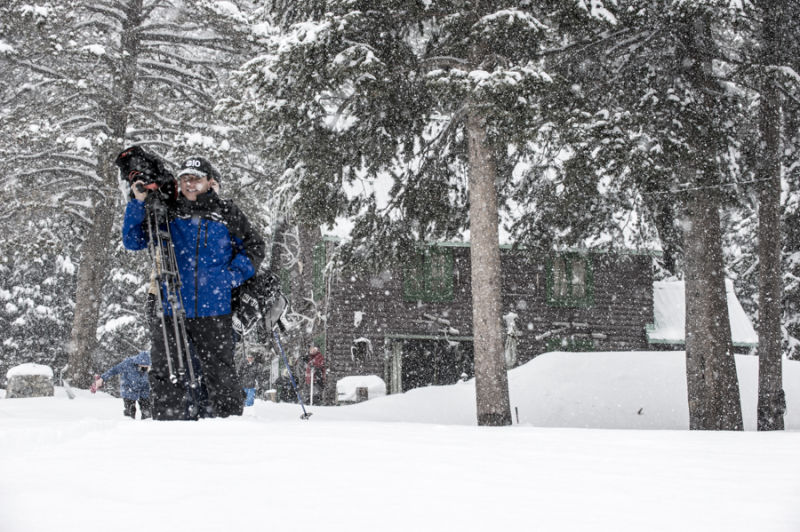
"caption": "The snowpack at Phillips Station off Highway 50 near Sierra-at-Tahoe Road, is above average for this time of year.",
"description": null,
"title": "Frank_snow_survey",
"credit": "California Department of Water Resources",
"status": "inherit",
"isLoading": false,
"fetchFailed": false
},
"science_502284": {
"type": "attachments",
"id": "science_502284",
"meta": {
"index": "attachments_1716263798",
"site": "science",
"id": "502284",
"found": true
},
"parent": 502283,
"imgSizes": {
"thumbnail": {
"file": "https://ww2.kqed.org/app/uploads/sites/35/2016/01/fig4-400x225.jpg",
"width": 400,
"mimeType": "image/jpeg",
"height": 225
},
"kqedFullSize": {
"file": "https://ww2.kqed.org/app/uploads/sites/35/2016/01/fig4.jpg",
"width": 543,
"height": 305
},
"guest-author-96": {
"file": "https://ww2.kqed.org/app/uploads/sites/35/2016/01/fig4-96x96.jpg",
"width": 96,
"mimeType": "image/jpeg",
"height": 96
},
"guest-author-64": {
"file": "https://ww2.kqed.org/app/uploads/sites/35/2016/01/fig4-64x64.jpg",
"width": 64,
"mimeType": "image/jpeg",
"height": 64
},
"detail": {
"file": "https://ww2.kqed.org/app/uploads/sites/35/2016/01/fig4-75x75.jpg",
"width": 75,
"mimeType": "image/jpeg",
"height": 75
},
"guest-author-32": {
"file": "https://ww2.kqed.org/app/uploads/sites/35/2016/01/fig4-32x32.jpg",
"width": 32,
"mimeType": "image/jpeg",
"height": 32
},
"guest-author-128": {
"file": "https://ww2.kqed.org/app/uploads/sites/35/2016/01/fig4-128x128.jpg",
"width": 128,
"mimeType": "image/jpeg",
"height": 128
}
},
"publishDate": 1454260433,
"modified": 1454299707,
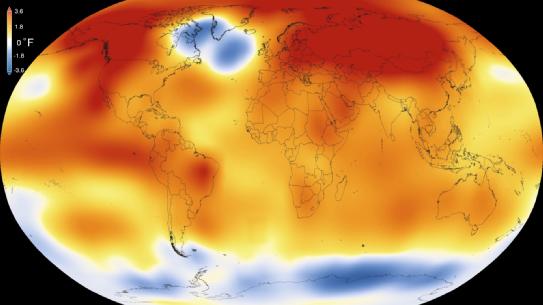
"caption": "2016 was the warmest year on record globally, but warmth has not been evenly distributed throughout the Northern Hemisphere.",
"description": "2016 was the warmest year on record globally, but warmth has not been evenly distributed throughout the Northern Hemisphere.",
"title": "fig4",
"credit": "NASA Scientific Visualization Studio",
"status": "inherit",
"isLoading": false,
"fetchFailed": false
},
"science_498645": {
"type": "attachments",
"id": "science_498645",
"meta": {
"index": "attachments_1716263798",
"site": "science",
"id": "498645",
"found": true
},
"parent": 498561,
"imgSizes": {
"twentyfourteen-full-width": {
"file": "https://ww2.kqed.org/app/uploads/sites/35/2016/01/fender-1038x576.jpg",
"width": 1038,
"mimeType": "image/jpeg",
"height": 576
},
"thumbnail": {
"file": "https://ww2.kqed.org/app/uploads/sites/35/2016/01/fender-400x267.jpg",
"width": 400,
"mimeType": "image/jpeg",
"height": 267
},
"fd-sm": {
"file": "https://ww2.kqed.org/app/uploads/sites/35/2016/01/fender-960x640.jpg",
"width": 960,
"mimeType": "image/jpeg",
"height": 640
},
"post-thumbnail": {
"file": "https://ww2.kqed.org/app/uploads/sites/35/2016/01/fender-672x372.jpg",
"width": 672,
"mimeType": "image/jpeg",
"height": 372
},
"kqedFullSize": {
"file": "https://ww2.kqed.org/app/uploads/sites/35/2016/01/fender.jpg",
"width": 1280,
"height": 853
},
"guest-author-96": {
"file": "https://ww2.kqed.org/app/uploads/sites/35/2016/01/fender-96x96.jpg",
"width": 96,
"mimeType": "image/jpeg",
"height": 96
},
"medium": {
"file": "https://ww2.kqed.org/app/uploads/sites/35/2016/01/fender-800x533.jpg",
"width": 800,
"mimeType": "image/jpeg",
"height": 533
},
"guest-author-64": {
"file": "https://ww2.kqed.org/app/uploads/sites/35/2016/01/fender-64x64.jpg",
"width": 64,
"mimeType": "image/jpeg",
"height": 64
},
"guest-author-32": {
"file": "https://ww2.kqed.org/app/uploads/sites/35/2016/01/fender-32x32.jpg",
"width": 32,
"mimeType": "image/jpeg",
"height": 32
},
"fd-med": {
"file": "https://ww2.kqed.org/app/uploads/sites/35/2016/01/fender-1180x786.jpg",
"width": 1180,
"mimeType": "image/jpeg",
"height": 786
},
"detail": {
"file": "https://ww2.kqed.org/app/uploads/sites/35/2016/01/fender-75x75.jpg",
"width": 75,
"mimeType": "image/jpeg",
"height": 75
},
"medium_large": {
"file": "https://ww2.kqed.org/app/uploads/sites/35/2016/01/fender-768x512.jpg",
"width": 768,
"mimeType": "image/jpeg",
"height": 512
},
"guest-author-128": {
"file": "https://ww2.kqed.org/app/uploads/sites/35/2016/01/fender-128x128.jpg",
"width": 128,
"mimeType": "image/jpeg",
"height": 128
}
},
"publishDate": 1454088879,
"modified": 1454090408,
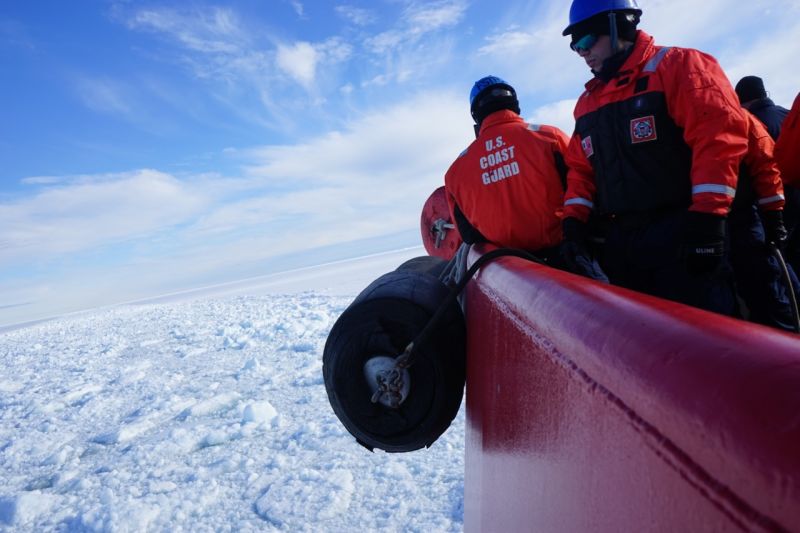
"caption": "The Deck team puts fenders on the back of the ship in case one of the supply vessels, you know, runs into us.",
"description": "The Deck team puts fenders on the back of the ship in case one of the supply vessels, you know, runs into us.",
"title": "fender",
"credit": "Brandon R. Reynolds",
"status": "inherit",
"isLoading": false,
"fetchFailed": false
},
"science_497044": {
"type": "attachments",
"id": "science_497044",
"meta": {
"index": "attachments_1716263798",
"site": "science",
"id": "497044",
"found": true
},
"parent": 497042,
"imgSizes": {
"twentyfourteen-full-width": {
"file": "https://ww2.kqed.org/app/uploads/sites/35/2016/01/NREL-solar2-1038x576.jpg",
"width": 1038,
"mimeType": "image/jpeg",
"height": 576
},
"thumbnail": {
"file": "https://ww2.kqed.org/app/uploads/sites/35/2016/01/NREL-solar2-400x225.jpg",
"width": 400,
"mimeType": "image/jpeg",
"height": 225
},
"fd-sm": {
"file": "https://ww2.kqed.org/app/uploads/sites/35/2016/01/NREL-solar2-960x540.jpg",
"width": 960,
"mimeType": "image/jpeg",
"height": 540
},
"post-thumbnail": {
"file": "https://ww2.kqed.org/app/uploads/sites/35/2016/01/NREL-solar2-672x372.jpg",
"width": 672,
"mimeType": "image/jpeg",
"height": 372
},
"kqedFullSize": {
"file": "https://ww2.kqed.org/app/uploads/sites/35/2016/01/NREL-solar2.jpg",
"width": 1920,
"height": 1080
},
"large": {
"file": "https://ww2.kqed.org/app/uploads/sites/35/2016/01/NREL-solar2-1440x810.jpg",
"width": 1440,
"mimeType": "image/jpeg",
"height": 810
},
"guest-author-96": {
"file": "https://ww2.kqed.org/app/uploads/sites/35/2016/01/NREL-solar2-96x96.jpg",
"width": 96,
"mimeType": "image/jpeg",
"height": 96
},
"medium": {
"file": "https://ww2.kqed.org/app/uploads/sites/35/2016/01/NREL-solar2-800x450.jpg",
"width": 800,
"mimeType": "image/jpeg",
"height": 450
},
"guest-author-64": {
"file": "https://ww2.kqed.org/app/uploads/sites/35/2016/01/NREL-solar2-64x64.jpg",
"width": 64,
"mimeType": "image/jpeg",
"height": 64
},
"guest-author-32": {
"file": "https://ww2.kqed.org/app/uploads/sites/35/2016/01/NREL-solar2-32x32.jpg",
"width": 32,
"mimeType": "image/jpeg",
"height": 32
},
"fd-lrg": {
"file": "https://ww2.kqed.org/app/uploads/sites/35/2016/01/NREL-solar2-1920x1080.jpg",
"width": 1920,
"mimeType": "image/jpeg",
"height": 1080
},
"fd-med": {
"file": "https://ww2.kqed.org/app/uploads/sites/35/2016/01/NREL-solar2-1180x664.jpg",
"width": 1180,
"mimeType": "image/jpeg",
"height": 664
},
"detail": {
"file": "https://ww2.kqed.org/app/uploads/sites/35/2016/01/NREL-solar2-75x75.jpg",
"width": 75,
"mimeType": "image/jpeg",
"height": 75
},
"medium_large": {
"file": "https://ww2.kqed.org/app/uploads/sites/35/2016/01/NREL-solar2-768x432.jpg",
"width": 768,
"mimeType": "image/jpeg",
"height": 432
},
"guest-author-128": {
"file": "https://ww2.kqed.org/app/uploads/sites/35/2016/01/NREL-solar2-128x128.jpg",
"width": 128,
"mimeType": "image/jpeg",
"height": 128
}
},
"publishDate": 1454014532,
"modified": 1454014585,
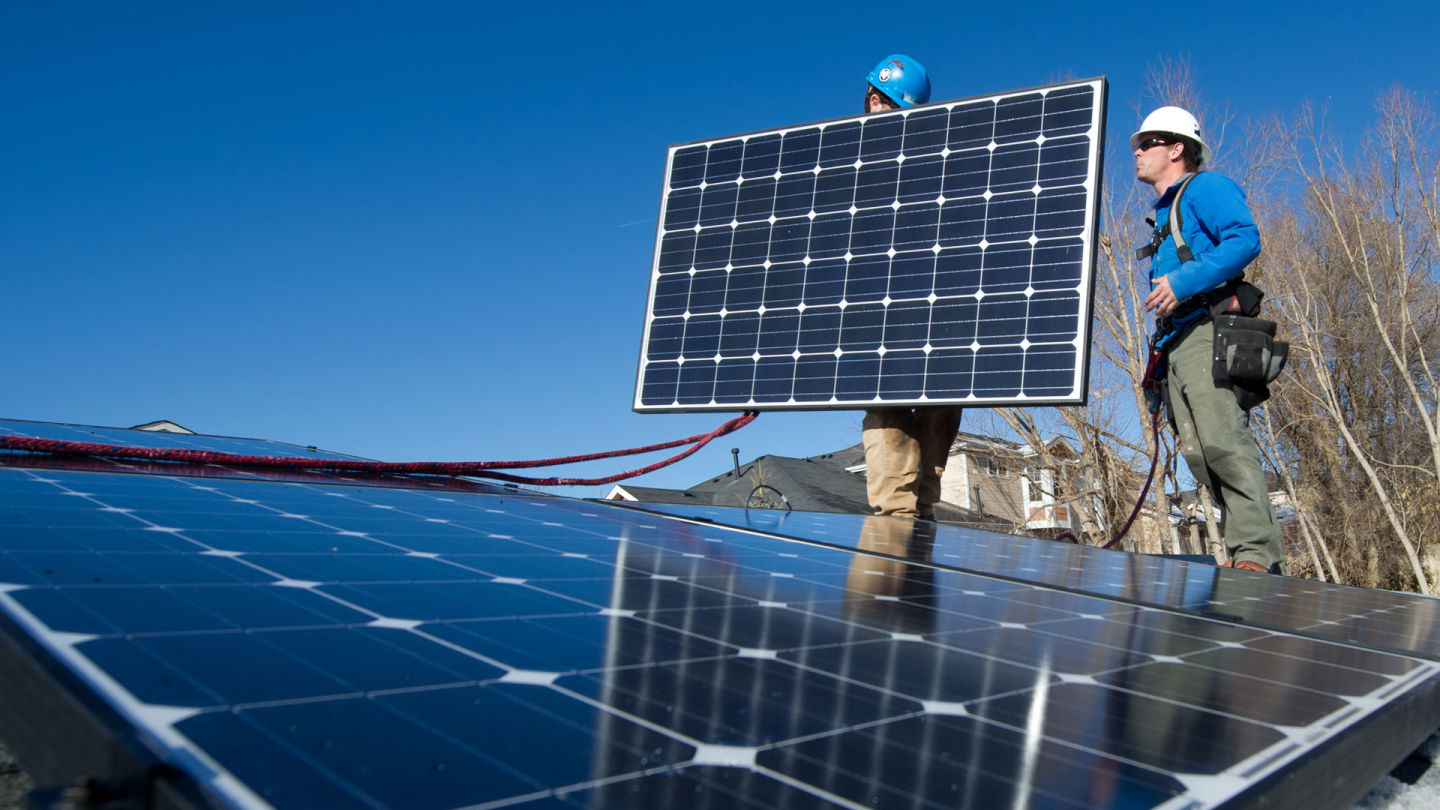
"caption": "California regulators upheld \"net-metering,\" which makes home solar systems more financially attractive.",
"description": null,
"title": "NREL-solar2",
"credit": "Dennis Schroeder/NREL",
"status": "inherit",
"isLoading": false,
"fetchFailed": false
},
"science_496882": {
"type": "attachments",
"id": "science_496882",
"meta": {
"index": "attachments_1716263798",
"site": "science",
"id": "496882",
"found": true
},
"parent": 496877,
"imgSizes": {
"twentyfourteen-full-width": {
"file": "https://ww2.kqed.org/app/uploads/sites/35/2016/01/Gov-jerry-Brown-1038x576.jpg",
"width": 1038,
"mimeType": "image/jpeg",
"height": 576
},
"thumbnail": {
"file": "https://ww2.kqed.org/app/uploads/sites/35/2016/01/Gov-jerry-Brown-400x267.jpg",
"width": 400,
"mimeType": "image/jpeg",
"height": 267
},
"fd-sm": {
"file": "https://ww2.kqed.org/app/uploads/sites/35/2016/01/Gov-jerry-Brown-960x641.jpg",
"width": 960,
"mimeType": "image/jpeg",
"height": 641
},
"post-thumbnail": {
"file": "https://ww2.kqed.org/app/uploads/sites/35/2016/01/Gov-jerry-Brown-672x372.jpg",
"width": 672,
"mimeType": "image/jpeg",
"height": 372
},
"kqedFullSize": {
"file": "https://ww2.kqed.org/app/uploads/sites/35/2016/01/Gov-jerry-Brown.jpg",
"width": 1440,
"height": 961
},
"large": {
"file": "https://ww2.kqed.org/app/uploads/sites/35/2016/01/Gov-jerry-Brown-1440x961.jpg",
"width": 1440,
"mimeType": "image/jpeg",
"height": 961
},
"guest-author-96": {
"file": "https://ww2.kqed.org/app/uploads/sites/35/2016/01/Gov-jerry-Brown-96x96.jpg",
"width": 96,
"mimeType": "image/jpeg",
"height": 96
},
"medium": {
"file": "https://ww2.kqed.org/app/uploads/sites/35/2016/01/Gov-jerry-Brown-800x534.jpg",
"width": 800,
"mimeType": "image/jpeg",
"height": 534
},
"guest-author-64": {
"file": "https://ww2.kqed.org/app/uploads/sites/35/2016/01/Gov-jerry-Brown-64x64.jpg",
"width": 64,
"mimeType": "image/jpeg",
"height": 64
},
"guest-author-32": {
"file": "https://ww2.kqed.org/app/uploads/sites/35/2016/01/Gov-jerry-Brown-32x32.jpg",
"width": 32,
"mimeType": "image/jpeg",
"height": 32
},
"fd-med": {
"file": "https://ww2.kqed.org/app/uploads/sites/35/2016/01/Gov-jerry-Brown-1180x787.jpg",
"width": 1180,
"mimeType": "image/jpeg",
"height": 787
},
"detail": {
"file": "https://ww2.kqed.org/app/uploads/sites/35/2016/01/Gov-jerry-Brown-75x75.jpg",
"width": 75,
"mimeType": "image/jpeg",
"height": 75
},
"medium_large": {
"file": "https://ww2.kqed.org/app/uploads/sites/35/2016/01/Gov-jerry-Brown-768x513.jpg",
"width": 768,
"mimeType": "image/jpeg",
"height": 513
},
"guest-author-128": {
"file": "https://ww2.kqed.org/app/uploads/sites/35/2016/01/Gov-jerry-Brown-128x128.jpg",
"width": 128,
"mimeType": "image/jpeg",
"height": 128
}
},
"publishDate": 1454005725,
"modified": 1454005964,
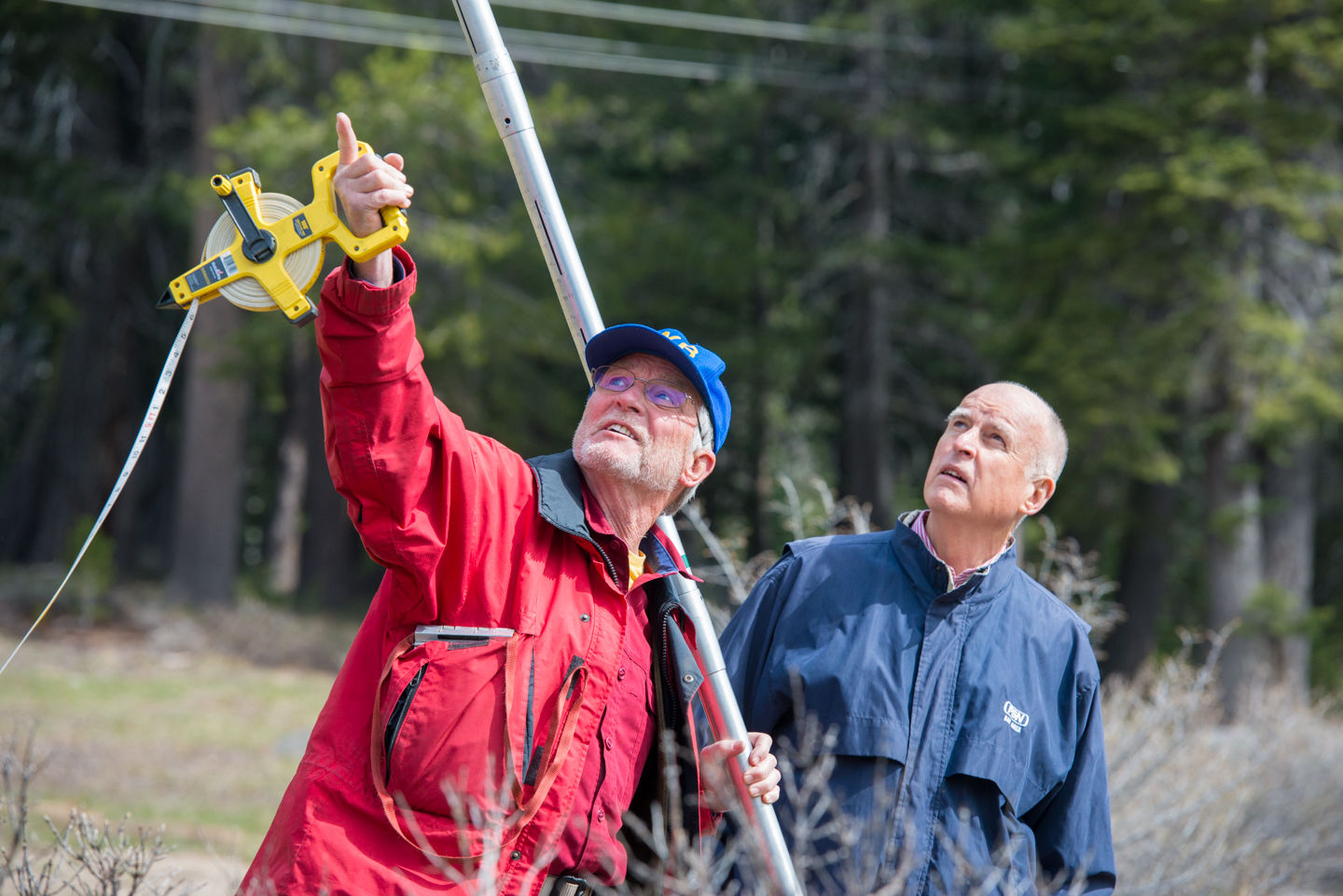
"caption": "Drought has marked much of Governor Jerry Brown's time in office. Here he accompanies Frank Gehrke, chief of snow surveys for the California Department of Water Resources, during an April survey last year.",
"description": null,
"title": "Gov jerry Brown",
"credit": "Florence Low/California Dept. of Water Resources",
"status": "inherit",
"isLoading": false,
"fetchFailed": false
},
"science_491632": {
"type": "attachments",
"id": "science_491632",
"meta": {
"index": "attachments_1716263798",
"site": "science",
"id": "491632",
"found": true
},
"parent": 491627,
"imgSizes": {
"kqedFullSize": {
"file": "https://ww2.kqed.org/app/uploads/sites/35/2016/01/1010458-1-e1453751146656.jpg",
"width": 1920,
"height": 1078
}
},
"publishDate": 1453751042,
"modified": 1453854970,
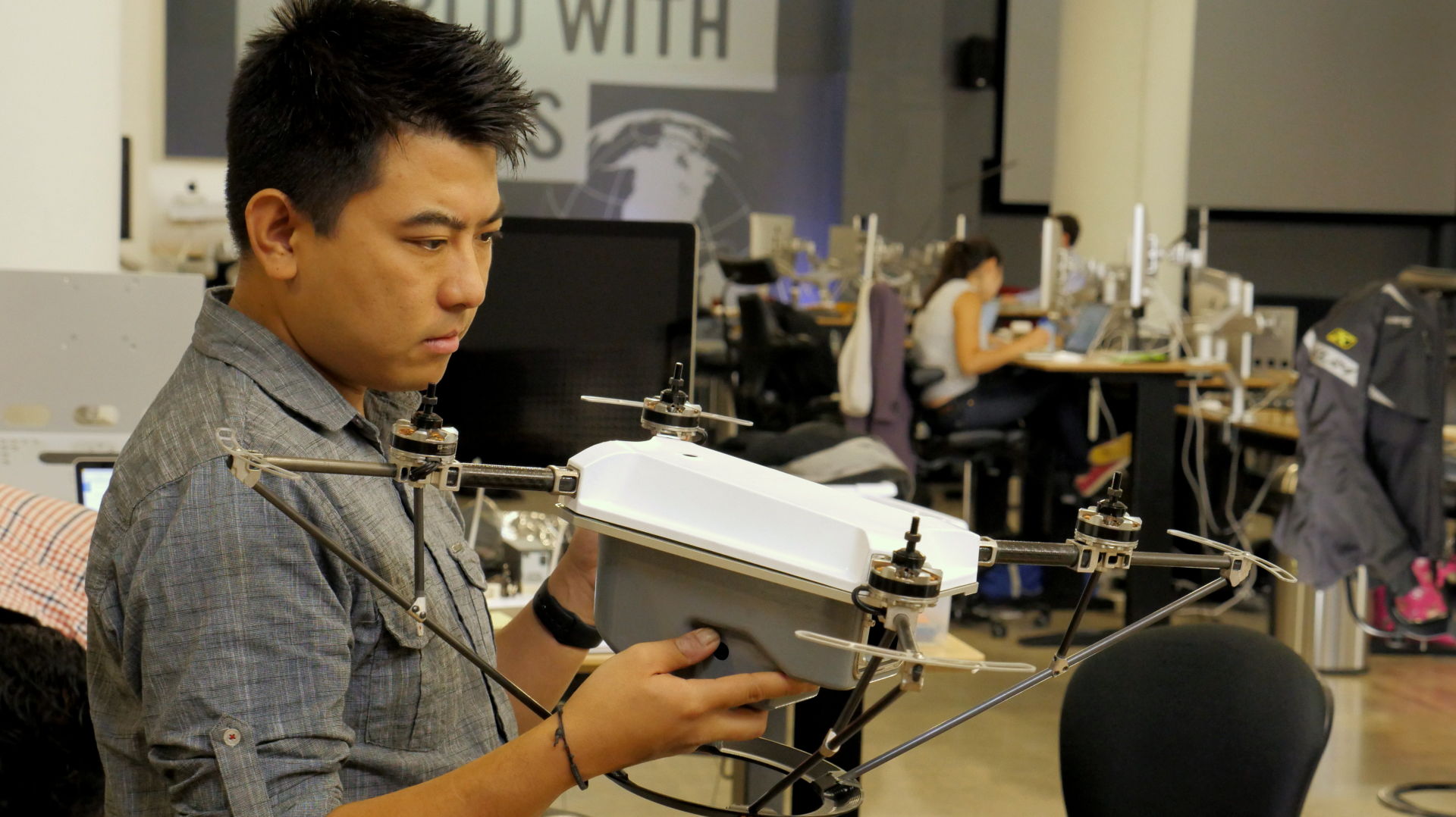
"caption": "David Chen, Director of Engineering at Skycatch, inspects a drone.",
"description": null,
"title": "_1010458",
"credit": "Sheraz Sadiq/KQED Science",
"status": "inherit",
"isLoading": false,
"fetchFailed": false
},
"science_493522": {
"type": "attachments",
"id": "science_493522",
"meta": {
"index": "attachments_1716263798",
"site": "science",
"id": "493522",
"found": true
},
"parent": 493068,
"imgSizes": {
"twentyfourteen-full-width": {
"file": "https://ww2.kqed.org/app/uploads/sites/35/2016/01/net-1038x576.jpg",
"width": 1038,
"mimeType": "image/jpeg",
"height": 576
},
"thumbnail": {
"file": "https://ww2.kqed.org/app/uploads/sites/35/2016/01/net-400x267.jpg",
"width": 400,
"mimeType": "image/jpeg",
"height": 267
},
"fd-sm": {
"file": "https://ww2.kqed.org/app/uploads/sites/35/2016/01/net-960x640.jpg",
"width": 960,
"mimeType": "image/jpeg",
"height": 640
},
"post-thumbnail": {
"file": "https://ww2.kqed.org/app/uploads/sites/35/2016/01/net-672x372.jpg",
"width": 672,
"mimeType": "image/jpeg",
"height": 372
},
"kqedFullSize": {
"file": "https://ww2.kqed.org/app/uploads/sites/35/2016/01/net.jpg",
"width": 1280,
"height": 853
},
"guest-author-96": {
"file": "https://ww2.kqed.org/app/uploads/sites/35/2016/01/net-96x96.jpg",
"width": 96,
"mimeType": "image/jpeg",
"height": 96
},
"medium": {
"file": "https://ww2.kqed.org/app/uploads/sites/35/2016/01/net-800x533.jpg",
"width": 800,
"mimeType": "image/jpeg",
"height": 533
},
"guest-author-64": {
"file": "https://ww2.kqed.org/app/uploads/sites/35/2016/01/net-64x64.jpg",
"width": 64,
"mimeType": "image/jpeg",
"height": 64
},
"guest-author-32": {
"file": "https://ww2.kqed.org/app/uploads/sites/35/2016/01/net-32x32.jpg",
"width": 32,
"mimeType": "image/jpeg",
"height": 32
},
"fd-med": {
"file": "https://ww2.kqed.org/app/uploads/sites/35/2016/01/net-1180x786.jpg",
"width": 1180,
"mimeType": "image/jpeg",
"height": 786
},
"detail": {
"file": "https://ww2.kqed.org/app/uploads/sites/35/2016/01/net-75x75.jpg",
"width": 75,
"mimeType": "image/jpeg",
"height": 75
},
"medium_large": {
"file": "https://ww2.kqed.org/app/uploads/sites/35/2016/01/net-768x512.jpg",
"width": 768,
"mimeType": "image/jpeg",
"height": 512
},
"guest-author-128": {
"file": "https://ww2.kqed.org/app/uploads/sites/35/2016/01/net-128x128.jpg",
"width": 128,
"mimeType": "image/jpeg",
"height": 128
}
},
"publishDate": 1453845454,
"modified": 1453850655,
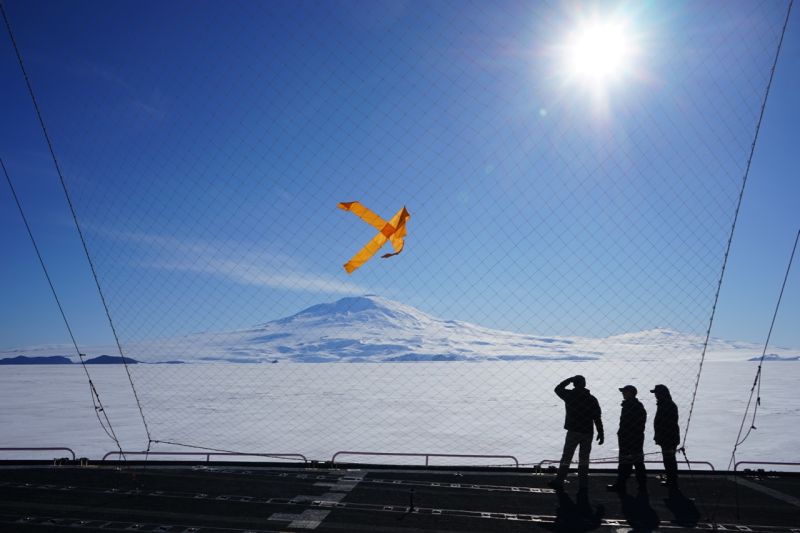
"caption": "X marks the spot. Aerovironment's Kevin Volbrecht and NOAA team members use a giant net to snag a research drone at the end of its flight -- they hope.",
"description": "X marks the spot. Aerovironment's Kevin Volbrecht and NOAA team members use a giant net to snag a research drone at the end of its flight -- they hope.",
"title": "net",
"credit": "Brandon R. Reynolds",
"status": "inherit",
"isLoading": false,
"fetchFailed": false
},
"science_490612": {
"type": "attachments",
"id": "science_490612",
"meta": {
"index": "attachments_1716263798",
"site": "science",
"id": "490612",
"found": true
},
"parent": 485125,
"imgSizes": {
"twentyfourteen-full-width": {
"file": "https://ww2.kqed.org/app/uploads/sites/35/2016/01/NatGasplant-1-1920x11782-1038x576.jpg",
"width": 1038,
"mimeType": "image/jpeg",
"height": 576
},
"thumbnail": {
"file": "https://ww2.kqed.org/app/uploads/sites/35/2016/01/NatGasplant-1-1920x11782-400x208.jpg",
"width": 400,
"mimeType": "image/jpeg",
"height": 208
},
"fd-sm": {
"file": "https://ww2.kqed.org/app/uploads/sites/35/2016/01/NatGasplant-1-1920x11782-960x499.jpg",
"width": 960,
"mimeType": "image/jpeg",
"height": 499
},
"post-thumbnail": {
"file": "https://ww2.kqed.org/app/uploads/sites/35/2016/01/NatGasplant-1-1920x11782-672x372.jpg",
"width": 672,
"mimeType": "image/jpeg",
"height": 372
},
"kqedFullSize": {
"file": "https://ww2.kqed.org/app/uploads/sites/35/2016/01/NatGasplant-1-1920x11782.jpg",
"width": 1920,
"height": 998
},
"large": {
"file": "https://ww2.kqed.org/app/uploads/sites/35/2016/01/NatGasplant-1-1920x11782-1440x749.jpg",
"width": 1440,
"mimeType": "image/jpeg",
"height": 749
},
"guest-author-96": {
"file": "https://ww2.kqed.org/app/uploads/sites/35/2016/01/NatGasplant-1-1920x11782-96x96.jpg",
"width": 96,
"mimeType": "image/jpeg",
"height": 96
},
"medium": {
"file": "https://ww2.kqed.org/app/uploads/sites/35/2016/01/NatGasplant-1-1920x11782-800x416.jpg",
"width": 800,
"mimeType": "image/jpeg",
"height": 416
},
"guest-author-64": {
"file": "https://ww2.kqed.org/app/uploads/sites/35/2016/01/NatGasplant-1-1920x11782-64x64.jpg",
"width": 64,
"mimeType": "image/jpeg",
"height": 64
},
"guest-author-32": {
"file": "https://ww2.kqed.org/app/uploads/sites/35/2016/01/NatGasplant-1-1920x11782-32x32.jpg",
"width": 32,
"mimeType": "image/jpeg",
"height": 32
},
"fd-lrg": {
"file": "https://ww2.kqed.org/app/uploads/sites/35/2016/01/NatGasplant-1-1920x11782-1920x998.jpg",
"width": 1920,
"mimeType": "image/jpeg",
"height": 998
},
"fd-med": {
"file": "https://ww2.kqed.org/app/uploads/sites/35/2016/01/NatGasplant-1-1920x11782-1180x613.jpg",
"width": 1180,
"mimeType": "image/jpeg",
"height": 613
},
"detail": {
"file": "https://ww2.kqed.org/app/uploads/sites/35/2016/01/NatGasplant-1-1920x11782-75x75.jpg",
"width": 75,
"mimeType": "image/jpeg",
"height": 75
},
"medium_large": {
"file": "https://ww2.kqed.org/app/uploads/sites/35/2016/01/NatGasplant-1-1920x11782-768x399.jpg",
"width": 768,
"mimeType": "image/jpeg",
"height": 399
},
"guest-author-128": {
"file": "https://ww2.kqed.org/app/uploads/sites/35/2016/01/NatGasplant-1-1920x11782-128x128.jpg",
"width": 128,
"mimeType": "image/jpeg",
"height": 128
}
},
"publishDate": 1453699905,
"modified": 1453699920,
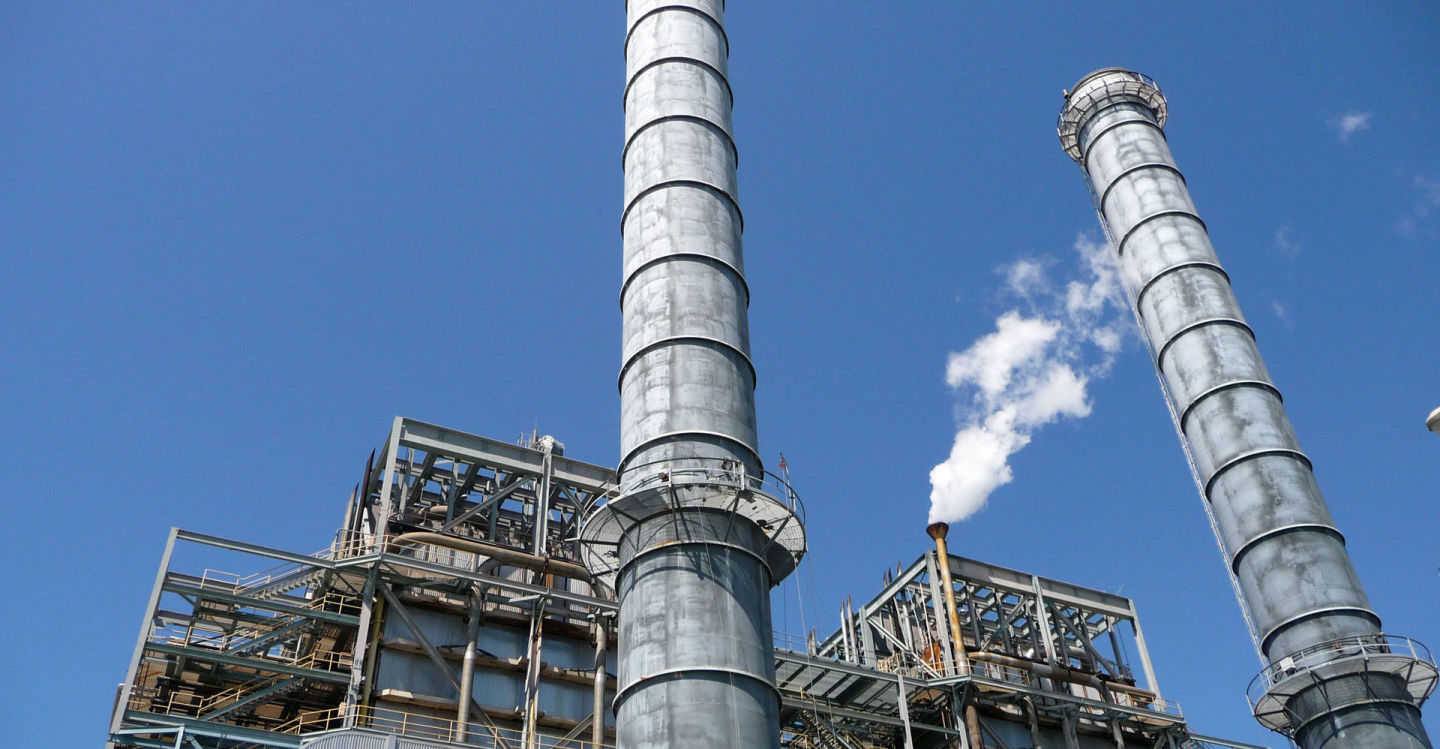
"caption": "California gets most of its electricity from fossil fuels, like this natural gas power plant in Long Beach.",
"description": null,
"title": "NatGasplant-1-1920x11782",
"credit": "Lauren Sommer/KQED",
"status": "inherit",
"isLoading": false,
"fetchFailed": false
},
"science_485307": {
"type": "attachments",
"id": "science_485307",
"meta": {
"index": "attachments_1716263798",
"site": "science",
"id": "485307",
"found": true
},
"parent": 484822,
"imgSizes": {
"twentyfourteen-full-width": {
"file": "https://ww2.kqed.org/app/uploads/sites/35/2016/01/DSC03059-1038x576.jpeg",
"width": 1038,
"mimeType": "image/jpeg",
"height": 576
},
"thumbnail": {
"file": "https://ww2.kqed.org/app/uploads/sites/35/2016/01/DSC03059-400x267.jpeg",
"width": 400,
"mimeType": "image/jpeg",
"height": 267
},
"fd-sm": {
"file": "https://ww2.kqed.org/app/uploads/sites/35/2016/01/DSC03059-960x640.jpeg",
"width": 960,
"mimeType": "image/jpeg",
"height": 640
},
"post-thumbnail": {
"file": "https://ww2.kqed.org/app/uploads/sites/35/2016/01/DSC03059-672x372.jpeg",
"width": 672,
"mimeType": "image/jpeg",
"height": 372
},
"kqedFullSize": {
"file": "https://ww2.kqed.org/app/uploads/sites/35/2016/01/DSC03059.jpeg",
"width": 1280,
"height": 853
},
"guest-author-96": {
"file": "https://ww2.kqed.org/app/uploads/sites/35/2016/01/DSC03059-96x96.jpeg",
"width": 96,
"mimeType": "image/jpeg",
"height": 96
},
"medium": {
"file": "https://ww2.kqed.org/app/uploads/sites/35/2016/01/DSC03059-800x533.jpeg",
"width": 800,
"mimeType": "image/jpeg",
"height": 533
},
"guest-author-64": {
"file": "https://ww2.kqed.org/app/uploads/sites/35/2016/01/DSC03059-64x64.jpeg",
"width": 64,
"mimeType": "image/jpeg",
"height": 64
},
"guest-author-32": {
"file": "https://ww2.kqed.org/app/uploads/sites/35/2016/01/DSC03059-32x32.jpeg",
"width": 32,
"mimeType": "image/jpeg",
"height": 32
},
"fd-med": {
"file": "https://ww2.kqed.org/app/uploads/sites/35/2016/01/DSC03059-1180x786.jpeg",
"width": 1180,
"mimeType": "image/jpeg",
"height": 786
},
"detail": {
"file": "https://ww2.kqed.org/app/uploads/sites/35/2016/01/DSC03059-75x75.jpeg",
"width": 75,
"mimeType": "image/jpeg",
"height": 75
},
"medium_large": {
"file": "https://ww2.kqed.org/app/uploads/sites/35/2016/01/DSC03059-768x512.jpeg",
"width": 768,
"mimeType": "image/jpeg",
"height": 512
},
"guest-author-128": {
"file": "https://ww2.kqed.org/app/uploads/sites/35/2016/01/DSC03059-128x128.jpeg",
"width": 128,
"mimeType": "image/jpeg",
"height": 128
}
},
"publishDate": 1453435396,
"modified": 1453435469,
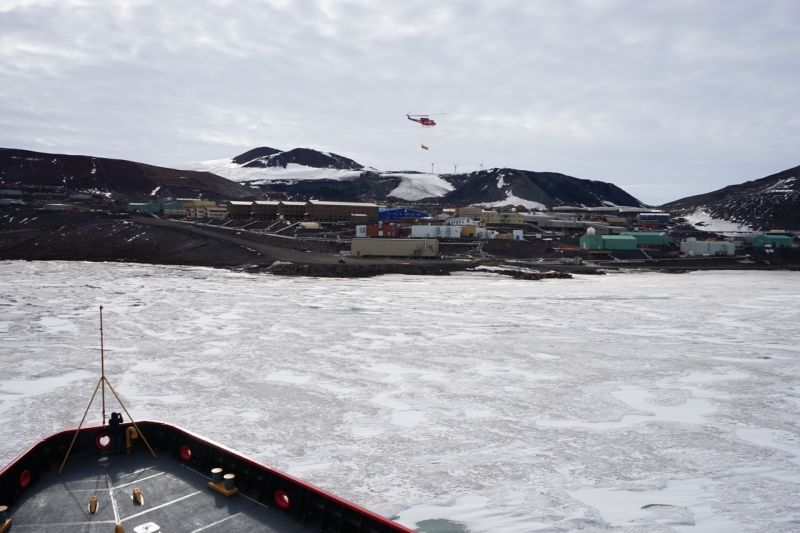
"caption": "Polar Star approaches the icebound McMurdo research station on Ross Island, Antarctica.",
"description": "Polar Star approaches the icebound McMurdo research station on Ross Island, Antarctica.",
"title": "DSC03059",
"credit": "Brandon R. Reynolds",
"status": "inherit",
"isLoading": false,
"fetchFailed": false
},
"science_482734": {
"type": "attachments",
"id": "science_482734",
"meta": {
"index": "attachments_1716263798",
"site": "science",
"id": "482734",
"found": true
},
"parent": 482732,
"imgSizes": {
"thumbnail": {
"file": "https://ww2.kqed.org/app/uploads/sites/35/2016/01/juno-400x225.jpg",
"width": 400,
"mimeType": "image/jpeg",
"height": 225
},
"post-thumbnail": {
"file": "https://ww2.kqed.org/app/uploads/sites/35/2016/01/juno-672x372.jpg",
"width": 672,
"mimeType": "image/jpeg",
"height": 372
},
"kqedFullSize": {
"file": "https://ww2.kqed.org/app/uploads/sites/35/2016/01/juno.jpg",
"width": 800,
"height": 450
},
"guest-author-96": {
"file": "https://ww2.kqed.org/app/uploads/sites/35/2016/01/juno-96x96.jpg",
"width": 96,
"mimeType": "image/jpeg",
"height": 96
},
"medium": {
"file": "https://ww2.kqed.org/app/uploads/sites/35/2016/01/juno-800x450.jpg",
"width": 800,
"mimeType": "image/jpeg",
"height": 450
},
"guest-author-64": {
"file": "https://ww2.kqed.org/app/uploads/sites/35/2016/01/juno-64x64.jpg",
"width": 64,
"mimeType": "image/jpeg",
"height": 64
},
"detail": {
"file": "https://ww2.kqed.org/app/uploads/sites/35/2016/01/juno-75x75.jpg",
"width": 75,
"mimeType": "image/jpeg",
"height": 75
},
"guest-author-32": {
"file": "https://ww2.kqed.org/app/uploads/sites/35/2016/01/juno-32x32.jpg",
"width": 32,
"mimeType": "image/jpeg",
"height": 32
},
"medium_large": {
"file": "https://ww2.kqed.org/app/uploads/sites/35/2016/01/juno-768x432.jpg",
"width": 768,
"mimeType": "image/jpeg",
"height": 432
},
"guest-author-128": {
"file": "https://ww2.kqed.org/app/uploads/sites/35/2016/01/juno-128x128.jpg",
"width": 128,
"mimeType": "image/jpeg",
"height": 128
}
},
"publishDate": 1453314389,
"modified": 1453314421,
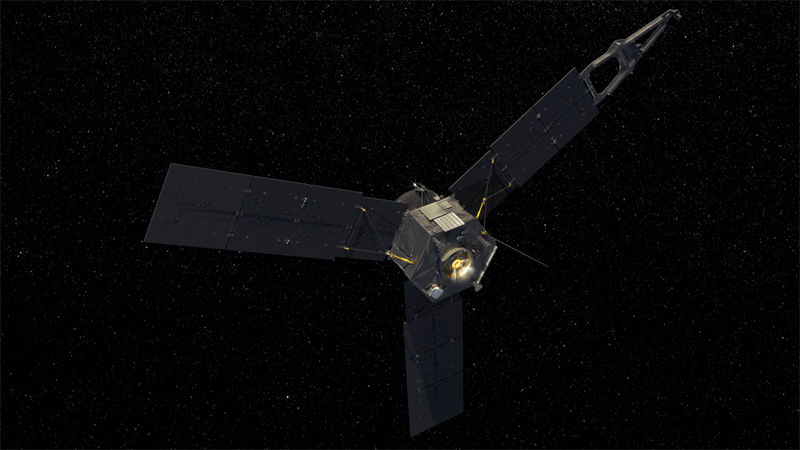
"caption": "NASA's far-flung solar powered Jupiter probe, Juno.",
"description": "NASA's far-flung solar powered Jupiter probe, Juno.",
"title": "juno",
"credit": "Juno/NASA",
"status": "inherit",
"isLoading": false,
"fetchFailed": false
},
"science_483155": {
"type": "attachments",
"id": "science_483155",
"meta": {
"index": "attachments_1716263798",
"site": "science",
"id": "483155",
"found": true
},
"parent": 483147,
"imgSizes": {
"twentyfourteen-full-width": {
"file": "https://ww2.kqed.org/app/uploads/sites/35/2016/01/Sylvia-McLaughlin-2010-photo-by-Laura-Wainer-1038x576.jpg",
"width": 1038,
"mimeType": "image/jpeg",
"height": 576
},
"thumbnail": {
"file": "https://ww2.kqed.org/app/uploads/sites/35/2016/01/Sylvia-McLaughlin-2010-photo-by-Laura-Wainer-400x272.jpg",
"width": 400,
"mimeType": "image/jpeg",
"height": 272
},
"fd-sm": {
"file": "https://ww2.kqed.org/app/uploads/sites/35/2016/01/Sylvia-McLaughlin-2010-photo-by-Laura-Wainer-960x654.jpg",
"width": 960,
"mimeType": "image/jpeg",
"height": 654
},
"post-thumbnail": {
"file": "https://ww2.kqed.org/app/uploads/sites/35/2016/01/Sylvia-McLaughlin-2010-photo-by-Laura-Wainer-672x372.jpg",
"width": 672,
"mimeType": "image/jpeg",
"height": 372
},
"kqedFullSize": {
"file": "https://ww2.kqed.org/app/uploads/sites/35/2016/01/Sylvia-McLaughlin-2010-photo-by-Laura-Wainer.jpg",
"width": 4000,
"height": 2724
},
"large": {
"file": "https://ww2.kqed.org/app/uploads/sites/35/2016/01/Sylvia-McLaughlin-2010-photo-by-Laura-Wainer-1440x981.jpg",
"width": 1440,
"mimeType": "image/jpeg",
"height": 981
},
"guest-author-96": {
"file": "https://ww2.kqed.org/app/uploads/sites/35/2016/01/Sylvia-McLaughlin-2010-photo-by-Laura-Wainer-96x96.jpg",
"width": 96,
"mimeType": "image/jpeg",
"height": 96
},
"medium": {
"file": "https://ww2.kqed.org/app/uploads/sites/35/2016/01/Sylvia-McLaughlin-2010-photo-by-Laura-Wainer-800x545.jpg",
"width": 800,
"mimeType": "image/jpeg",
"height": 545
},
"guest-author-64": {
"file": "https://ww2.kqed.org/app/uploads/sites/35/2016/01/Sylvia-McLaughlin-2010-photo-by-Laura-Wainer-64x64.jpg",
"width": 64,
"mimeType": "image/jpeg",
"height": 64
},
"guest-author-32": {
"file": "https://ww2.kqed.org/app/uploads/sites/35/2016/01/Sylvia-McLaughlin-2010-photo-by-Laura-Wainer-32x32.jpg",
"width": 32,
"mimeType": "image/jpeg",
"height": 32
},
"fd-lrg": {
"file": "https://ww2.kqed.org/app/uploads/sites/35/2016/01/Sylvia-McLaughlin-2010-photo-by-Laura-Wainer-1920x1308.jpg",
"width": 1920,
"mimeType": "image/jpeg",
"height": 1308
},
"fd-med": {
"file": "https://ww2.kqed.org/app/uploads/sites/35/2016/01/Sylvia-McLaughlin-2010-photo-by-Laura-Wainer-1180x804.jpg",
"width": 1180,
"mimeType": "image/jpeg",
"height": 804
},
"detail": {
"file": "https://ww2.kqed.org/app/uploads/sites/35/2016/01/Sylvia-McLaughlin-2010-photo-by-Laura-Wainer-75x75.jpg",
"width": 75,
"mimeType": "image/jpeg",
"height": 75
},
"medium_large": {
"file": "https://ww2.kqed.org/app/uploads/sites/35/2016/01/Sylvia-McLaughlin-2010-photo-by-Laura-Wainer-768x523.jpg",
"width": 768,
"mimeType": "image/jpeg",
"height": 523
},
"guest-author-128": {
"file": "https://ww2.kqed.org/app/uploads/sites/35/2016/01/Sylvia-McLaughlin-2010-photo-by-Laura-Wainer-128x128.jpg",
"width": 128,
"mimeType": "image/jpeg",
"height": 128
}
},
"publishDate": 1453333619,
"modified": 1453333837,
"caption": "Sylvia McLaughlin in 2010, two years before San Francisco's plastic bag ban went into effect, an effort that Save the Bay heavily supported.",
"description": null,
"title": "Sylvia McLaughlin 2010 photo by Laura Wainer",
"credit": "Save the Bay",
"status": "inherit",
"isLoading": false,
"fetchFailed": false
},
"science_482751": {
"type": "attachments",
"id": "science_482751",
"meta": {
"index": "attachments_1716263798",
"site": "science",
"id": "482751",
"found": true
},
"parent": 482750,
"imgSizes": {
"twentyfourteen-full-width": {
"file": "https://ww2.kqed.org/app/uploads/sites/35/2016/01/planet-1_wide-5ed37f3e9985b2ce776c36b2a449e38b94b9e136-1038x576.jpg",
"width": 1038,
"mimeType": "image/jpeg",
"height": 576
},
"thumbnail": {
"file": "https://ww2.kqed.org/app/uploads/sites/35/2016/01/planet-1_wide-5ed37f3e9985b2ce776c36b2a449e38b94b9e136-400x225.jpg",
"width": 400,
"mimeType": "image/jpeg",
"height": 225
},
"fd-sm": {
"file": "https://ww2.kqed.org/app/uploads/sites/35/2016/01/planet-1_wide-5ed37f3e9985b2ce776c36b2a449e38b94b9e136-960x541.jpg",
"width": 960,
"mimeType": "image/jpeg",
"height": 541
},
"post-thumbnail": {
"file": "https://ww2.kqed.org/app/uploads/sites/35/2016/01/planet-1_wide-5ed37f3e9985b2ce776c36b2a449e38b94b9e136-672x372.jpg",
"width": 672,
"mimeType": "image/jpeg",
"height": 372
},
"kqedFullSize": {
"file": "https://ww2.kqed.org/app/uploads/sites/35/2016/01/planet-1_wide-5ed37f3e9985b2ce776c36b2a449e38b94b9e136.jpg",
"width": 1198,
"height": 675
},
"guest-author-96": {
"file": "https://ww2.kqed.org/app/uploads/sites/35/2016/01/planet-1_wide-5ed37f3e9985b2ce776c36b2a449e38b94b9e136-96x96.jpg",
"width": 96,
"mimeType": "image/jpeg",
"height": 96
},
"medium": {
"file": "https://ww2.kqed.org/app/uploads/sites/35/2016/01/planet-1_wide-5ed37f3e9985b2ce776c36b2a449e38b94b9e136-800x451.jpg",
"width": 800,
"mimeType": "image/jpeg",
"height": 451
},
"guest-author-64": {
"file": "https://ww2.kqed.org/app/uploads/sites/35/2016/01/planet-1_wide-5ed37f3e9985b2ce776c36b2a449e38b94b9e136-64x64.jpg",
"width": 64,
"mimeType": "image/jpeg",
"height": 64
},
"guest-author-32": {
"file": "https://ww2.kqed.org/app/uploads/sites/35/2016/01/planet-1_wide-5ed37f3e9985b2ce776c36b2a449e38b94b9e136-32x32.jpg",
"width": 32,
"mimeType": "image/jpeg",
"height": 32
},
"fd-med": {
"file": "https://ww2.kqed.org/app/uploads/sites/35/2016/01/planet-1_wide-5ed37f3e9985b2ce776c36b2a449e38b94b9e136-1180x665.jpg",
"width": 1180,
"mimeType": "image/jpeg",
"height": 665
},
"detail": {
"file": "https://ww2.kqed.org/app/uploads/sites/35/2016/01/planet-1_wide-5ed37f3e9985b2ce776c36b2a449e38b94b9e136-75x75.jpg",
"width": 75,
"mimeType": "image/jpeg",
"height": 75
},
"medium_large": {
"file": "https://ww2.kqed.org/app/uploads/sites/35/2016/01/planet-1_wide-5ed37f3e9985b2ce776c36b2a449e38b94b9e136-768x433.jpg",
"width": 768,
"mimeType": "image/jpeg",
"height": 433
},
"guest-author-128": {
"file": "https://ww2.kqed.org/app/uploads/sites/35/2016/01/planet-1_wide-5ed37f3e9985b2ce776c36b2a449e38b94b9e136-128x128.jpg",
"width": 128,
"mimeType": "image/jpeg",
"height": 128
}
},
"publishDate": 1453315023,
"modified": 1453315917,
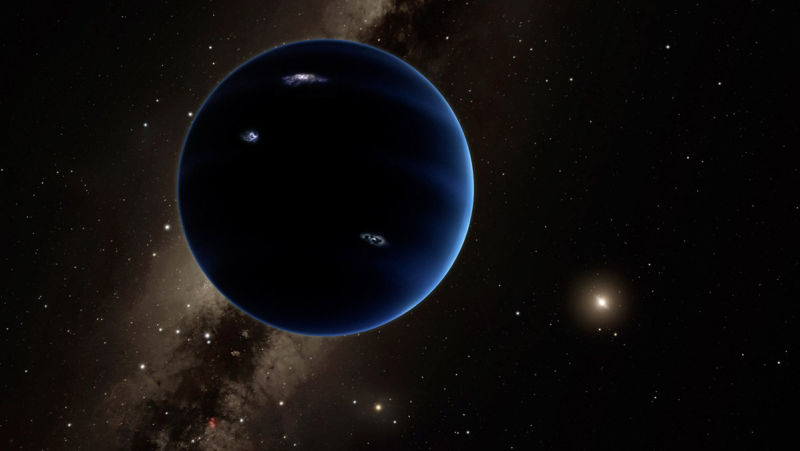
"caption": "The imagined view from \"planet nine\" back toward the sun. Astronomers think the huge, distant planet is likely gaseous, similar to Uranus and Neptune.",
"description": null,
"title": "The imagined view from \"planet nine\" back toward the sun. Astronomers think the huge, distant planet is likely gaseous, similar to Uranus and Neptune.",
"credit": "Caltech/R. Hurt/IPAC",
"status": "inherit",
"isLoading": false,
"fetchFailed": false
}
},
"audioPlayerReducer": {
"postId": "stream_live",
"isPaused": true,
"isPlaying": false,
"pfsActive": false,
"pledgeModalIsOpen": true,
"playerDrawerIsOpen": false,
"liveAudioPlayStartedAt": 0,
"liveAudioPlayContext": ""
},
"authorsReducer": {
"byline_science_502283": {
"type": "authors",
"id": "byline_science_502283",
"meta": {
"override": true
},
"slug": "byline_science_502283",
"name": "\u003cstrong>\u003ca href=\"https://earth.stanford.edu/daniel-swain\">Daniel Swain\u003c/a>, Stanford University\u003c/strong>",
"isLoading": false
},
"byline_science_498561": {
"type": "authors",
"id": "byline_science_498561",
"meta": {
"override": true
},
"slug": "byline_science_498561",
"name": "\u003cstrong>Brandon R. Reynolds\u003c/strong>",
"isLoading": false
},
"byline_science_496877": {
"type": "authors",
"id": "byline_science_496877",
"meta": {
"override": true
},
"slug": "byline_science_496877",
"name": "Laurel Rosenhall, CALmatters",
"isLoading": false
},
"byline_science_493068": {
"type": "authors",
"id": "byline_science_493068",
"meta": {
"override": true
},
"slug": "byline_science_493068",
"name": "\u003cstrong>Brandon R. Reynolds\u003c/strong>",
"isLoading": false
},
"byline_science_484822": {
"type": "authors",
"id": "byline_science_484822",
"meta": {
"override": true
},
"slug": "byline_science_484822",
"name": "\u003cstrong>Brandon R. Reynolds\u003c/strong>",
"isLoading": false
},
"byline_science_482750": {
"type": "authors",
"id": "byline_science_482750",
"meta": {
"override": true
},
"slug": "byline_science_482750",
"name": "Nell Greenfieldboyce",
"isLoading": false
},
"laurensommer": {
"type": "authors",
"id": "239",
"meta": {
"index": "authors_1716337520",
"id": "239",
"found": true
},
"name": "Lauren Sommer",
"firstName": "Lauren",
"lastName": "Sommer",
"slug": "laurensommer",
"email": "lsommer@kqed.org",
"display_author_email": false,
"staff_mastheads": [],
"title": "KQED Contributor",
"bio": "Lauren is a radio reporter formerly covering environment, water, and energy for KQED Science. As part of her day job, she has scaled Sierra Nevada peaks, run from charging elephant seals, and desperately tried to get her sea legs - all in pursuit of good radio. Her work has appeared on Marketplace, Living on Earth, Science Friday and NPR's Morning Edition and All Things Considered. You can find her on Twitter at \u003ca href=\"https://twitter.com/lesommer\">@lesommer\u003c/a>.",
"avatar": "https://secure.gravatar.com/avatar/33aa3772bb86c6ad45b8aca6a238bbdf?s=600&d=blank&r=g",
"twitter": null,
"facebook": null,
"instagram": null,
"linkedin": null,
"sites": [
{
"site": "news",
"roles": [
"author"
]
},
{
"site": "science",
"roles": [
"editor",
"manage_content_types",
"manage_taxonomies"
]
},
{
"site": "quest",
"roles": [
"editor"
]
}
],
"headData": {
"title": "Lauren Sommer | KQED",
"description": "KQED Contributor",
"ogImgSrc": "https://secure.gravatar.com/avatar/33aa3772bb86c6ad45b8aca6a238bbdf?s=600&d=blank&r=g",
"twImgSrc": "https://secure.gravatar.com/avatar/33aa3772bb86c6ad45b8aca6a238bbdf?s=600&d=blank&r=g"
},
"isLoading": false,
"link": "/author/laurensommer"
},
"lindseyhoshaw": {
"type": "authors",
"id": "5432",
"meta": {
"index": "authors_1716337520",
"id": "5432",
"found": true
},
"name": "Lindsey Hoshaw",
"firstName": "Lindsey",
"lastName": "Hoshaw",
"slug": "lindseyhoshaw",
"email": "lhoshaw@kqed.org",
"display_author_email": false,
"staff_mastheads": [],
"title": "KQED Contributor",
"bio": "Lindsey Hoshaw is a former interactive producer for KQED Science. Before joining KQED, Lindsey was a science correspondent for The New York Times, The Boston Globe, Forbes and Scientific American. On Twitter @lindseyhoshaw",
"avatar": "https://secure.gravatar.com/avatar/274b07694c998eaa8f26cfabaa941186?s=600&d=mm&r=g",
"twitter": "lindseyhoshaw",
"facebook": "lindsey.hoshaw.9",
"instagram": null,
"linkedin": null,
"sites": [
{
"site": "arts",
"roles": [
"author"
]
},
{
"site": "news",
"roles": [
"subscriber"
]
},
{
"site": "futureofyou",
"roles": [
"editor"
]
},
{
"site": "bayareabites",
"roles": [
"contributor"
]
},
{
"site": "stateofhealth",
"roles": [
"author"
]
},
{
"site": "science",
"roles": [
"edit_theme_options",
"subscriber"
]
},
{
"site": "quest",
"roles": [
"edit_post_subscriptions",
"edit_usergroups",
"unfiltered_html",
"unfiltered_upload",
"leadcoordinator",
"editor"
]
},
{
"site": "food",
"roles": []
}
],
"headData": {
"title": "Lindsey Hoshaw | KQED",
"description": "KQED Contributor",
"ogImgSrc": "https://secure.gravatar.com/avatar/274b07694c998eaa8f26cfabaa941186?s=600&d=mm&r=g",
"twImgSrc": "https://secure.gravatar.com/avatar/274b07694c998eaa8f26cfabaa941186?s=600&d=mm&r=g"
},
"isLoading": false,
"link": "/author/lindseyhoshaw"
},
"sheraz-sadiq": {
"type": "authors",
"id": "6176",
"meta": {
"index": "authors_1716337520",
"id": "6176",
"found": true
},
"name": "Sheraz Sadiq",
"firstName": "Sheraz",
"lastName": "Sadiq",
"slug": "sheraz-sadiq",
"email": "ssadiq@kqed.org",
"display_author_email": false,
"staff_mastheads": [],
"title": "KQED Contributor",
"bio": "Sheraz Sadiq is an Emmy Award-winning producer at San Francisco PBS affiliate KQED. In 2012, he received the AAAS Kavli Science Journalism award for a story he produced about the seismic retrofit of the Hetch Hetchy water delivery system which serves the San Francisco Bay Area. In addition to producing television content for KQED Science, he has also created online features and written news articles on scientific subjects ranging from astronomy to synthetic biology.",
"avatar": "https://secure.gravatar.com/avatar/d88c61c214e477c4c6f0ebaed4f581bf7c9b1dafd94cd4361285d427107adb8d?s=600&d=blank&r=g",
"twitter": null,
"bluesky": null,
"facebook": null,
"instagram": null,
"linkedin": null,
"sites": [
{
"site": "arts",
"roles": [
"subscriber"
]
},
{
"site": "news",
"roles": [
"subscriber"
]
},
{
"site": "futureofyou",
"roles": [
"subscriber"
]
},
{
"site": "science",
"roles": [
"subscriber"
]
},
{
"site": "quest",
"roles": [
"leadcoordinator",
"subscriber"
]
}
],
"headData": {
"title": "Sheraz Sadiq | KQED",
"description": "KQED Contributor",
"ogImgSrc": "https://secure.gravatar.com/avatar/d88c61c214e477c4c6f0ebaed4f581bf7c9b1dafd94cd4361285d427107adb8d?s=600&d=blank&r=g",
"twImgSrc": "https://secure.gravatar.com/avatar/d88c61c214e477c4c6f0ebaed4f581bf7c9b1dafd94cd4361285d427107adb8d?s=600&d=blank&r=g"
},
"isLoading": false,
"link": "/author/sheraz-sadiq"
},
"ben-burress": {
"type": "authors",
"id": "6180",
"meta": {
"index": "authors_1716337520",
"id": "6180",
"found": true
},
"name": "Ben Burress",
"firstName": "Ben",
"lastName": "Burress",
"slug": "ben-burress",
"email": "bburress@chabotspace.org",
"display_author_email": false,
"staff_mastheads": [],
"title": null,
"bio": "\u003cstrong>Benjamin Burress\u003c/strong> has been a staff astronomer at Chabot Space & Science Center since July 1999. He graduated from Sonoma State University in 1985 with a bachelor’s degree in physics (and minor in astronomy), after which he signed on for a two-year stint in the Peace Corps, where he taught physics and mathematics in the African nation of Cameroon. From 1989-96 he served on the crew of NASA’s Kuiper Airborne Observatory at Ames Research Center in Mountain View, CA. From 1996-99, he was Head Observer at the Naval Prototype Optical Interferometer program at Lowell Observatory in Flagstaff, AZ.\r\n\r\nRead his \u003ca href=\"http://science.kqed.org/quest/author/ben-burress/\">previous contributions\u003c/a> to \u003ca href=\"http://science.kqed.org/quest/\">QUEST\u003c/a>, a project dedicated to exploring the Science of Sustainability.",
"avatar": "https://secure.gravatar.com/avatar/8263bffa345b7e4923a0b8b9f0f6a161?s=600&d=blank&r=g",
"twitter": null,
"facebook": null,
"instagram": null,
"linkedin": null,
"sites": [
{
"site": "science",
"roles": [
"editor"
]
},
{
"site": "quest",
"roles": [
"subscriber"
]
}
],
"headData": {
"title": "Ben Burress | KQED",
"description": null,
"ogImgSrc": "https://secure.gravatar.com/avatar/8263bffa345b7e4923a0b8b9f0f6a161?s=600&d=blank&r=g",
"twImgSrc": "https://secure.gravatar.com/avatar/8263bffa345b7e4923a0b8b9f0f6a161?s=600&d=blank&r=g"
},
"isLoading": false,
"link": "/author/ben-burress"
}
},
"pagesReducer": {
"science_category_news": {
"type": "terms",
"id": "science_40",
"meta": {
"index": "terms_1716263798",
"site": "science",
"id": "40",
"score": 10.814515
},
"featImg": null,
"name": "News",
"description": null,
"taxonomy": "category",
"headData": {
"twImgId": null,
"twTitle": null,
"ogTitle": null,
"ogImgId": null,
"twDescription": null,
"description": null,
"title": "News Archives | KQED Science",
"ogDescription": null
},
"ttid": 42,
"slug": "news",
"isLoading": false,
"title": "News",
"pageMeta": {
"site": "science",
"WpPageTemplate": "page-topic-editorial",
"currentPage": 235
},
"blocks": [
{
"blockName": "kqed/post-list",
"attrs": {
"layout": "cardArticle2",
"query": "posts/science?category=news",
"seeMore": false,
"paginated": true,
"page": 235
}
},
{
"blockName": "kqed/ad"
}
]
}
},
"pfsSessionReducer": {},
"postsReducer": {
"stream_live": {
"type": "live",
"id": "stream_live",
"audioUrl": "https://streams.kqed.org/kqedradio",
"title": "Live Stream",
"excerpt": "Live Stream information currently unavailable.",
"link": "/radio",
"featImg": "",
"label": {
"name": "KQED Live",
"link": "/"
}
},
"stream_kqedNewscast": {
"type": "posts",
"id": "stream_kqedNewscast",
"audioUrl": "https://www.kqed.org/.stream/anon/radio/RDnews/newscast.mp3?_=1",
"title": "KQED Newscast",
"featImg": "",
"label": {
"name": "88.5 FM",
"link": "/"
}
},
"science_504898": {
"type": "posts",
"id": "science_504898",
"meta": {
"index": "posts_1716263798",
"site": "science",
"id": "504898",
"score": null,
"sort": [
1454455485000
]
},
"parent": 0,
"labelTerm": {
"site": "science"
},
"blocks": [],
"publishDate": 1454455485,
"format": "standard",
"title": "Good News! Sierra Snowpack Is Above Average",
"headTitle": "Good News! Sierra Snowpack Is Above Average | KQED",
"content": "\u003cp>State water officials checked the snowpack in the Sierra Nevada today and reported that recent storms boosted it to the highest level in five years.\u003c/p>\n\u003cp>On average, the statewide snowpack is 114 percent of normal for this time of year. That number isn’t a reflection of how many inches of snow California has; it’s a measurement of how much water the snow contains.\u003c/p>\n\u003cp>Today’s manual survey at Phillips Station, south of Lake Tahoe, showed the snowpack at 130 percent of the February average. That’s just one location, though. There are more than 100 locations up and down the Sierra where the state gets readings of the water content in the snowpack. The vast majority of them reported the snowpack at under 90 percent.\u003c/p>\n\u003cp>\u003ca href=\"http://ww2.kqed.org/science/wp-content/uploads/sites/35/2016/02/SnowPack_V05_160202.jpg\" rel=\"attachment wp-att-506451\">\u003cimg loading=\"lazy\" decoding=\"async\" class=\"aligncenter size-full wp-image-506451\" src=\"http://ww2.kqed.org/science/wp-content/uploads/sites/35/2016/02/SnowPack_V05_160202.jpg\" alt=\"Snowpack\" width=\"1072\" height=\"600\" srcset=\"https://cdn.kqed.org/wp-content/uploads/sites/35/2016/02/SnowPack_V05_160202.jpg 1072w, https://cdn.kqed.org/wp-content/uploads/sites/35/2016/02/SnowPack_V05_160202-400x224.jpg 400w, https://cdn.kqed.org/wp-content/uploads/sites/35/2016/02/SnowPack_V05_160202-800x448.jpg 800w, https://cdn.kqed.org/wp-content/uploads/sites/35/2016/02/SnowPack_V05_160202-768x430.jpg 768w, https://cdn.kqed.org/wp-content/uploads/sites/35/2016/02/SnowPack_V05_160202-960x537.jpg 960w\" sizes=\"(max-width: 1072px) 100vw, 1072px\">\u003c/a>\u003c/p>\n\u003cp>About one-third of the state’s water supply comes from the snowpack, but the good news in the Sierra doesn’t mean the drought is easing. A lot could happen to change the outlook for summer between now and April 1, when, historically, the snowpack has reached its peak before melting and feeding rivers and streams.\u003c/p>\n\u003cp>[ad fullwidth]\u003c/p>\n\u003cp>And the state’s major reservoirs are still very low; all but one are below average, because they began the year with so little water.\u003c/p>\n\u003cp>As of yesterday, Shasta, the state’s largest reservoir, was only 52 percent full.\u003c/p>\n\u003cfigure id=\"attachment_506046\" class=\"wp-caption aligncenter\" style=\"max-width: 1116px\">\u003cimg loading=\"lazy\" decoding=\"async\" class=\"size-full wp-image-506046\" src=\"http://ww2.kqed.org/science/wp-content/uploads/sites/35/2016/02/Reservoir-levels_JPG.jpg\" alt=\"Reservoir levels from February 1, 2016.\" width=\"1116\" height=\"1260\" srcset=\"https://cdn.kqed.org/wp-content/uploads/sites/35/2016/02/Reservoir-levels_JPG.jpg 1116w, https://cdn.kqed.org/wp-content/uploads/sites/35/2016/02/Reservoir-levels_JPG-400x452.jpg 400w, https://cdn.kqed.org/wp-content/uploads/sites/35/2016/02/Reservoir-levels_JPG-800x903.jpg 800w, https://cdn.kqed.org/wp-content/uploads/sites/35/2016/02/Reservoir-levels_JPG-768x867.jpg 768w, https://cdn.kqed.org/wp-content/uploads/sites/35/2016/02/Reservoir-levels_JPG-960x1084.jpg 960w\" sizes=\"(max-width: 1116px) 100vw, 1116px\">\u003cfigcaption class=\"wp-caption-text\">Reservoir levels from February 1, 2016. \u003ccite>(California Department of Water Resources)\u003c/cite>\u003c/figcaption>\u003c/figure>\n\u003cp>State officials say the drought won’t be over until California makes up the water deficit that’s built up over the last four years. That likely won’t happen for a year.\u003c/p>\n\u003cp>\u003c/p>\n\u003cp>So while today’s snow survey brings good news, officials remind us the drought is far from over.\u003c/p>\n\n",
"stats": {
"hasVideo": false,
"hasChartOrMap": false,
"hasAudio": false,
"hasPolis": false,
"wordCount": 302,
"hasGoogleForm": false,
"hasGallery": false,
"hasHearkenModule": false,
"iframeSrcs": [],
"paragraphCount": 11
},
"modified": 1704930693,
"excerpt": "Snow in the Sierra Nevada is above average for this time of year but California is still a long way from ending the drought.\r\n",
"headData": {
"twImgId": "",
"twTitle": "",
"ogTitle": "",
"ogImgId": "",
"twDescription": "",
"description": "Snow in the Sierra Nevada is above average for this time of year but California is still a long way from ending the drought.\r\n",
"title": "Good News! Sierra Snowpack Is Above Average | KQED",
"ogDescription": "",
"schema": {
"@context": "https://schema.org",
"@type": "Article",
"headline": "Good News! Sierra Snowpack Is Above Average",
"datePublished": "2016-02-02T15:24:45-08:00",
"dateModified": "2024-01-10T15:51:33-08:00",
"image": "https://cdn.kqed.org/wp-content/uploads/2020/02/KQED-OG-Image@1x.png"
}
},
"guestAuthors": [],
"slug": "good-news-sierra-snowpack-is-above-average",
"status": "publish",
"sticky": false,
"path": "/science/504898/good-news-sierra-snowpack-is-above-average",
"audioTrackLength": null,
"parsedContent": [
{
"type": "contentString",
"content": "\u003cdiv class=\"post-body\">\u003cp>\u003cp>State water officials checked the snowpack in the Sierra Nevada today and reported that recent storms boosted it to the highest level in five years.\u003c/p>\n\u003cp>On average, the statewide snowpack is 114 percent of normal for this time of year. That number isn’t a reflection of how many inches of snow California has; it’s a measurement of how much water the snow contains.\u003c/p>\n\u003cp>Today’s manual survey at Phillips Station, south of Lake Tahoe, showed the snowpack at 130 percent of the February average. That’s just one location, though. There are more than 100 locations up and down the Sierra where the state gets readings of the water content in the snowpack. The vast majority of them reported the snowpack at under 90 percent.\u003c/p>\n\u003cp>\u003ca href=\"http://ww2.kqed.org/science/wp-content/uploads/sites/35/2016/02/SnowPack_V05_160202.jpg\" rel=\"attachment wp-att-506451\">\u003cimg loading=\"lazy\" decoding=\"async\" class=\"aligncenter size-full wp-image-506451\" src=\"http://ww2.kqed.org/science/wp-content/uploads/sites/35/2016/02/SnowPack_V05_160202.jpg\" alt=\"Snowpack\" width=\"1072\" height=\"600\" srcset=\"https://cdn.kqed.org/wp-content/uploads/sites/35/2016/02/SnowPack_V05_160202.jpg 1072w, https://cdn.kqed.org/wp-content/uploads/sites/35/2016/02/SnowPack_V05_160202-400x224.jpg 400w, https://cdn.kqed.org/wp-content/uploads/sites/35/2016/02/SnowPack_V05_160202-800x448.jpg 800w, https://cdn.kqed.org/wp-content/uploads/sites/35/2016/02/SnowPack_V05_160202-768x430.jpg 768w, https://cdn.kqed.org/wp-content/uploads/sites/35/2016/02/SnowPack_V05_160202-960x537.jpg 960w\" sizes=\"(max-width: 1072px) 100vw, 1072px\">\u003c/a>\u003c/p>\n\u003cp>About one-third of the state’s water supply comes from the snowpack, but the good news in the Sierra doesn’t mean the drought is easing. A lot could happen to change the outlook for summer between now and April 1, when, historically, the snowpack has reached its peak before melting and feeding rivers and streams.\u003c/p>\n\u003cp>\u003c/p>\u003c/div>",
"attributes": {
"named": {},
"numeric": []
}
},
{
"type": "component",
"content": "",
"name": "ad",
"attributes": {
"named": {
"label": "fullwidth"
},
"numeric": [
"fullwidth"
]
}
},
{
"type": "contentString",
"content": "\u003cdiv class=\"post-body\">\u003cp>\u003c/p>\n\u003cp>And the state’s major reservoirs are still very low; all but one are below average, because they began the year with so little water.\u003c/p>\n\u003cp>As of yesterday, Shasta, the state’s largest reservoir, was only 52 percent full.\u003c/p>\n\u003cfigure id=\"attachment_506046\" class=\"wp-caption aligncenter\" style=\"max-width: 1116px\">\u003cimg loading=\"lazy\" decoding=\"async\" class=\"size-full wp-image-506046\" src=\"http://ww2.kqed.org/science/wp-content/uploads/sites/35/2016/02/Reservoir-levels_JPG.jpg\" alt=\"Reservoir levels from February 1, 2016.\" width=\"1116\" height=\"1260\" srcset=\"https://cdn.kqed.org/wp-content/uploads/sites/35/2016/02/Reservoir-levels_JPG.jpg 1116w, https://cdn.kqed.org/wp-content/uploads/sites/35/2016/02/Reservoir-levels_JPG-400x452.jpg 400w, https://cdn.kqed.org/wp-content/uploads/sites/35/2016/02/Reservoir-levels_JPG-800x903.jpg 800w, https://cdn.kqed.org/wp-content/uploads/sites/35/2016/02/Reservoir-levels_JPG-768x867.jpg 768w, https://cdn.kqed.org/wp-content/uploads/sites/35/2016/02/Reservoir-levels_JPG-960x1084.jpg 960w\" sizes=\"(max-width: 1116px) 100vw, 1116px\">\u003cfigcaption class=\"wp-caption-text\">Reservoir levels from February 1, 2016. \u003ccite>(California Department of Water Resources)\u003c/cite>\u003c/figcaption>\u003c/figure>\n\u003cp>State officials say the drought won’t be over until California makes up the water deficit that’s built up over the last four years. That likely won’t happen for a year.\u003c/p>\n\u003cp>\u003c/p>\n\u003cp>So while today’s snow survey brings good news, officials remind us the drought is far from over.\u003c/p>\n\n\u003c/div>\u003c/p>",
"attributes": {
"named": {},
"numeric": []
}
}
],
"link": "/science/504898/good-news-sierra-snowpack-is-above-average",
"authors": [
"5432"
],
"categories": [
"science_35",
"science_40",
"science_98"
],
"tags": [
"science_572",
"science_1462",
"science_201"
],
"featImg": "science_506362",
"label": "science"
},
"science_502283": {
"type": "posts",
"id": "science_502283",
"meta": {
"index": "posts_1716263798",
"site": "science",
"id": "502283",
"score": null,
"sort": [
1454347836000
]
},
"parent": 0,
"labelTerm": {
"site": "science",
"term": 1151
},
"blocks": [],
"publishDate": 1454347836,
"format": "standard",
"title": "El Niño: It's One For the Books -- But Not Behaving As Expected",
"headTitle": "El Niño: It’s One For the Books — But Not Behaving As Expected | KQED",
"content": "\u003cp>The prospect of an El Niño event in the Pacific Ocean always generates a stew of excitement, dread, and speculation in California. This largely stems from the fact that two of California’s wettest winters on record — 1982-1983 and 1997-1998 — occurred during the strongest El Niño years in living memory. The popular perception that El Niño always brings a lot of water to the Golden State, though, is not particularly accurate.\u003c/p>\n\u003cp>The key message here: \u003ca href=\"http://ww2.kqed.org/science/2014/09/01/drought-myth-busting-why-el-nino-wont-save-california/\">strong El Niño events are the ones to watch\u003c/a> out for from a California weather perspective, and it’s reasonable to expect that such events greatly increase the odds of wet conditions throughout the state.\u003c/p>\n\u003cfigure id=\"attachment_502362\" class=\"wp-caption alignright\" style=\"max-width: 565px\">\u003cimg loading=\"lazy\" decoding=\"async\" class=\"size-full wp-image-502362\" src=\"http://ww2.kqed.org/science/wp-content/uploads/sites/35/2016/01/fig1.gif\" alt=\"Subtropical ridging between Hawaii and California has been more prominent so far during 2015-2016 than during the 82/83 or 97/98 events.\" width=\"565\" height=\"437\">\u003cfigcaption class=\"wp-caption-text\">Subtropical “ridging” between Hawaii and California has been more prominent so far during 2015-2016 than during the 82/83 or 97/98 events. \u003ccite>(NCEP via ESRL)\u003c/cite>\u003c/figcaption>\u003c/figure>\n\u003cp>\u003cstrong>How is this El Niño different from other ‘Big Ones?’\u003cbr>\n\u003c/strong>\u003c/p>\n\u003cp>Depending on how you measure it, the present El Niño is either the strongest or among the strongest events in the observed record going back to at least 1950. Ocean temperatures in the eastern equatorial Pacific Ocean — the most traditional measure of El Niño’s amplitude — have been at or above record-high values for at least several months now. So despite assertions to the contrary, the 2015-2016 El Niño is not “a bust” by any means.\u003c/p>\n\u003cp>But absolute sea surface temperatures don’t always tell the whole story. While the present El Niño is indeed among the strongest ever recorded, the atmospheric response to the warm ocean temperatures this year has been a bit different than we have observed during other big historical events. Over the northeastern Pacific, El Niño acts to deepen the \u003ca href=\"http://earthobservatory.nasa.gov/NaturalHazards/view.php?id=13718\">semi-permanent Gulf of Alaska low-pressure\u003c/a> zone while simultaneously strengthening (and, literally, straightening) the \u003ca href=\"http://www.livescience.com/27825-jet-stream.html\">jet stream\u003c/a> over the eastern Pacific Ocean. This enhanced and “more zonal” (i.e. more west-to-east) jet stream is what tends to bring increased winter precipitation to California (and, sometimes, as we’re seeing now, even the Pacific Northwest) during strong El Niño years.\u003c/p>\n\u003cfigure id=\"attachment_502363\" class=\"wp-caption alignright\" style=\"max-width: 565px\">\u003cimg loading=\"lazy\" decoding=\"async\" class=\"size-full wp-image-502363\" src=\"http://ww2.kqed.org/science/wp-content/uploads/sites/35/2016/01/fig2.gif\" alt=\"Tropical convection associated with the 2015-2016 El Niño has been centered further north than in previous big events, with subsidence (downward motion) occurring closer to California on its northern flank.\" width=\"565\" height=\"437\">\u003cfigcaption class=\"wp-caption-text\">Tropical convection associated with the 2015-2016 El Niño has been centered farther north than in previous big events, with subsidence (downward motion) occurring closer to California on its northern flank. \u003ccite>(NCEP via ESRL)\u003c/cite>\u003c/figcaption>\u003c/figure>\n\u003cp>Tropical convection associated with the 2015-2016 El Niño has been centered further north than in previous big events, with subsidence (downward motion; yellow/red colors) occurring closer to California on its northern flank\u003c/p>\n\u003cp>[ad fullwidth]\u003c/p>\n\u003cp>These atmospheric effects are the product of a fairly complex chain of events that link the tropical to the mid-latitude atmosphere. Warmer-than-usual ocean temperatures in the eastern tropical Pacific increase thunderstorm activity there, which pumps vast quantities of heat into the upper atmosphere. This tropically warm air at upper levels eventually flows northward and drops back toward the surface of the Earth in the subtropics (at a latitude roughly equivalent to that of Hawaii). This enhanced “\u003ca href=\"https://www.seas.harvard.edu/climate/eli/research/equable/hadley.html\">Hadley circulation\u003c/a>” during El Niño years increases the temperature differential between the warm tropics and cool Gulf of Alaska, which is what causes the jet stream to strengthen.\u003c/p>\n\u003cp>\u003cstrong>Skipping the Southland\u003c/strong>\u003c/p>\n\u003cp>In late 2015 and early 2016, the atmosphere has responded to the ongoing powerful El Niño much in the way that meteorologists have come to expect. The Pacific warmed; tropical thunderstorms increased; the Hadley cell strengthened; the Pacific jet began to roar. But this year, the Hadley cell has actually strengthened a bit more than expected. The descending air on its northern side has occurred closer to California, which means that enhanced temperature differential is occurring farther to the north than during previous big El Niño events. Subtropical ridging between Hawaii and California has been more pronounced, and the El Niño-strengthened jet stream has set up shop primarily across Northern California and \u003ca href=\"http://www.nbcnews.com/news/us-news/flooding-landslides-after-record-rainfall-pounds-pacific-northwest-n475966\">even the Pacific Northwest\u003c/a>, rather than Southern California. From a global climate perspective, this is a relatively minor detail; if you happen to live in Los Angeles, though, it makes all the difference in the world.\u003c/p>\n\u003cp>The net effect so far in 2015-2016: Northern California and the Pacific Northwest have gotten soaked, while Southern California has been left pretty dry (with a few notable exceptions). While a veritable “parade of storms” has indeed inundated the northern reaches of the state with very heavy precipitation, bringing the best \u003ca href=\"http://ww2.kqed.org/news/2015/12/30/sierra-snowpack-survey-drought\">Sierra Nevada snowpack\u003c/a> in years, leading to huge \u003ca href=\"http://ww2.kqed.org/lowdown/2015/09/21/now-that-summers-over-what-do-californias-reservoirs-look-like-a-real-time-visualization/\">inflows to large reservoirs\u003c/a> in critical watersheds, and even leading to some minor flooding at times, many of California’s most populous cities haven’t witnessed an especially remarkable winter to date. The San Francisco Bay Area and Sacramento region have seen “Water Year” precipitation to date that is pretty close to the long-term average (which seems like a lot relative to the extremely dry years witnessed as of late). The densely populated greater Los Angeles region, on the other hand, is well below average for the season to date (though with significant precipitation this past weekend, its January total may well end up near or above average). From a long-term drought relief perspective, the \u003ca href=\"http://www.cnrfc.noaa.gov/awipsProducts/RNOWRKCLI.php\">season to date\u003c/a> looks pretty good—precipitation is near or above average in most of California’s largest watersheds, and the water stored in the \u003ca href=\"http://cdec.water.ca.gov/cdecapp/snowapp/sweq.action\">critical Sierra Nevada snowpack\u003c/a> is uniformly above average. So far, though, this isn’t quite the blockbuster year that many had hoped for (especially in the south).\u003c/p>\n\u003cfigure id=\"attachment_502364\" class=\"wp-caption alignleft\" style=\"max-width: 531px\">\u003cimg loading=\"lazy\" decoding=\"async\" class=\"size-full wp-image-502364\" src=\"http://ww2.kqed.org/science/wp-content/uploads/sites/35/2016/01/fig3.gif\" alt=\"While nearly all of California is expected to be above average in terms of season-to-date precipitation after this weekend’s Southern California storm, only the northern 2/3 of the state is above average for the full season to date.\" width=\"531\" height=\"688\">\u003cfigcaption class=\"wp-caption-text\">While nearly all of California is expected to be above average in terms of season-to-date precipitation after this weekend’s Southern California storm, only the northern 2/3 of the state is above average for the full season to date.? \u003ccite>(NOAA via WRCC)\u003c/cite>\u003c/figcaption>\u003c/figure>\n\u003cp>\u003cstrong>So, What Now?\u003c/strong>\u003c/p>\n\u003cp>El Niño is certainly still with us, and it’s still a top-tier event. For that reason, the smart money’s still on a wetter-than-average season for California on balance. This is especially true since the precipitation during strong El Niño years is often heavily “back-weighted,” with an unusually large fraction of seasonal totals occurring during the second half of the rainy season from February to April. What is less clear, at this point, is whether the northerly-shifted atmospheric response to this El Niño will persist — and whether Southern California will start to make up for lost time. It’s certainly possible, and it’s easy to forget that a surprisingly large fraction of precipitation in the Southland occurs during a \u003ca href=\"http://ww2.kqed.org/science/2015/11/23/flying-into-the-heart-of-the-wests-biggest-storms/\">handful of intense storms\u003c/a> each year (even in strong El Niño years). From a statewide perspective, some substantial drought relief has already occurred this year, but there remain large regions in the southern part of the state that are still extremely dry. The refrain from earlier in the autumn is now more relevant than ever: while El Niño is likely to bring some degree of drought relief, California will likely still be facing long-term drought conditions by the coming summer.\u003c/p>\n\u003cp>\u003cstrong>The Big Picture\u003c/strong>\u003c/p>\n\u003cp>Finally, there has been considerable discussion lately regarding why the atmospheric response to El Niño this year has been different than historically observed (and also than foreseen by some of the flagship seasonal forecast models). It’s impossible to ignore the fact that global temperatures in late 2015 and early 2016 have reached their \u003ca href=\"http://ww2.kqed.org/science/2016/01/20/2015-was-the-warmest-year-on-record-globally-but-not-in-california/\">highest levels in recorded human history\u003c/a>. Part of this very recent warming is likely a product of our record El Niño event, but the rest is pretty clearly attributable to the long-term warming trend associated the with human emission of greenhouse gases. While global mean temperature doesn’t directly affect El Niño teleconnections, per se, the Earth hasn’t been warming in a spatially uniform way. This year in particular, the subtropics and the polar regions have been especially warm relative to other parts of the world. It is possible that this spatial pattern of warming may be playing a role in the particular atmospheric configuration that has resulted from the 2015-2016 El Niño event.\u003c/p>\n\u003cp>Unfortunately, it is virtually impossible to say more than that right now. The pace of climate change attribution science is much slower than that of the atmosphere itself, and it’s hard to make causal inferences from observations alone. Climate models are often the best tool available for climate scientists to test the counterfactual: what would this year have looked like without global warming? Such experiments take a considerable amount of time, so we’ll probably have to wait a while to find out. Stay tuned.\u003c/p>\n\u003cp>[ad floatright]\u003c/p>\n\u003cp>\u003cem>Daniel Swain is an atmospheric scientist at Stanford’s School of Earth, Energy & Environmental Sciences. A version of this post also appears on his \u003ca href=\"http://www.weatherwest.com/\">California Weather\u003c/a> blog.\u003c/em>\u003c/p>\n\n",
"stats": {
"hasVideo": false,
"hasChartOrMap": false,
"hasAudio": false,
"hasPolis": false,
"wordCount": 1543,
"hasGoogleForm": false,
"hasGallery": false,
"hasHearkenModule": false,
"iframeSrcs": [],
"paragraphCount": 18
},
"modified": 1704930697,
"excerpt": "When it comes to El Niño, strength matters, but there's a lot more going on in the ocean and atmosphere.",
"headData": {
"twImgId": "",
"twTitle": "",
"ogTitle": "",
"ogImgId": "",
"twDescription": "",
"description": "When it comes to El Niño, strength matters, but there's a lot more going on in the ocean and atmosphere.",
"title": "El Niño: It's One For the Books -- But Not Behaving As Expected | KQED",
"ogDescription": "",
"schema": {
"@context": "https://schema.org",
"@type": "Article",
"headline": "El Niño: It's One For the Books -- But Not Behaving As Expected",
"datePublished": "2016-02-01T09:30:36-08:00",
"dateModified": "2024-01-10T15:51:37-08:00",
"image": "https://cdn.kqed.org/wp-content/uploads/2020/02/KQED-OG-Image@1x.png"
}
},
"guestAuthors": [],
"slug": "why-this-el-nino-is-one-for-the-books",
"status": "publish",
"nprByline": "\u003cstrong>\u003ca href=\"https://earth.stanford.edu/daniel-swain\">Daniel Swain\u003c/a>, Stanford University\u003c/strong>",
"sticky": false,
"path": "/science/502283/why-this-el-nino-is-one-for-the-books",
"audioTrackLength": null,
"parsedContent": [
{
"type": "contentString",
"content": "\u003cdiv class=\"post-body\">\u003cp>\u003cp>The prospect of an El Niño event in the Pacific Ocean always generates a stew of excitement, dread, and speculation in California. This largely stems from the fact that two of California’s wettest winters on record — 1982-1983 and 1997-1998 — occurred during the strongest El Niño years in living memory. The popular perception that El Niño always brings a lot of water to the Golden State, though, is not particularly accurate.\u003c/p>\n\u003cp>The key message here: \u003ca href=\"http://ww2.kqed.org/science/2014/09/01/drought-myth-busting-why-el-nino-wont-save-california/\">strong El Niño events are the ones to watch\u003c/a> out for from a California weather perspective, and it’s reasonable to expect that such events greatly increase the odds of wet conditions throughout the state.\u003c/p>\n\u003cfigure id=\"attachment_502362\" class=\"wp-caption alignright\" style=\"max-width: 565px\">\u003cimg loading=\"lazy\" decoding=\"async\" class=\"size-full wp-image-502362\" src=\"http://ww2.kqed.org/science/wp-content/uploads/sites/35/2016/01/fig1.gif\" alt=\"Subtropical ridging between Hawaii and California has been more prominent so far during 2015-2016 than during the 82/83 or 97/98 events.\" width=\"565\" height=\"437\">\u003cfigcaption class=\"wp-caption-text\">Subtropical “ridging” between Hawaii and California has been more prominent so far during 2015-2016 than during the 82/83 or 97/98 events. \u003ccite>(NCEP via ESRL)\u003c/cite>\u003c/figcaption>\u003c/figure>\n\u003cp>\u003cstrong>How is this El Niño different from other ‘Big Ones?’\u003cbr>\n\u003c/strong>\u003c/p>\n\u003cp>Depending on how you measure it, the present El Niño is either the strongest or among the strongest events in the observed record going back to at least 1950. Ocean temperatures in the eastern equatorial Pacific Ocean — the most traditional measure of El Niño’s amplitude — have been at or above record-high values for at least several months now. So despite assertions to the contrary, the 2015-2016 El Niño is not “a bust” by any means.\u003c/p>\n\u003cp>But absolute sea surface temperatures don’t always tell the whole story. While the present El Niño is indeed among the strongest ever recorded, the atmospheric response to the warm ocean temperatures this year has been a bit different than we have observed during other big historical events. Over the northeastern Pacific, El Niño acts to deepen the \u003ca href=\"http://earthobservatory.nasa.gov/NaturalHazards/view.php?id=13718\">semi-permanent Gulf of Alaska low-pressure\u003c/a> zone while simultaneously strengthening (and, literally, straightening) the \u003ca href=\"http://www.livescience.com/27825-jet-stream.html\">jet stream\u003c/a> over the eastern Pacific Ocean. This enhanced and “more zonal” (i.e. more west-to-east) jet stream is what tends to bring increased winter precipitation to California (and, sometimes, as we’re seeing now, even the Pacific Northwest) during strong El Niño years.\u003c/p>\n\u003cfigure id=\"attachment_502363\" class=\"wp-caption alignright\" style=\"max-width: 565px\">\u003cimg loading=\"lazy\" decoding=\"async\" class=\"size-full wp-image-502363\" src=\"http://ww2.kqed.org/science/wp-content/uploads/sites/35/2016/01/fig2.gif\" alt=\"Tropical convection associated with the 2015-2016 El Niño has been centered further north than in previous big events, with subsidence (downward motion) occurring closer to California on its northern flank.\" width=\"565\" height=\"437\">\u003cfigcaption class=\"wp-caption-text\">Tropical convection associated with the 2015-2016 El Niño has been centered farther north than in previous big events, with subsidence (downward motion) occurring closer to California on its northern flank. \u003ccite>(NCEP via ESRL)\u003c/cite>\u003c/figcaption>\u003c/figure>\n\u003cp>Tropical convection associated with the 2015-2016 El Niño has been centered further north than in previous big events, with subsidence (downward motion; yellow/red colors) occurring closer to California on its northern flank\u003c/p>\n\u003cp>\u003c/p>\u003c/div>",
"attributes": {
"named": {},
"numeric": []
}
},
{
"type": "component",
"content": "",
"name": "ad",
"attributes": {
"named": {
"label": "fullwidth"
},
"numeric": [
"fullwidth"
]
}
},
{
"type": "contentString",
"content": "\u003cdiv class=\"post-body\">\u003cp>\u003c/p>\n\u003cp>These atmospheric effects are the product of a fairly complex chain of events that link the tropical to the mid-latitude atmosphere. Warmer-than-usual ocean temperatures in the eastern tropical Pacific increase thunderstorm activity there, which pumps vast quantities of heat into the upper atmosphere. This tropically warm air at upper levels eventually flows northward and drops back toward the surface of the Earth in the subtropics (at a latitude roughly equivalent to that of Hawaii). This enhanced “\u003ca href=\"https://www.seas.harvard.edu/climate/eli/research/equable/hadley.html\">Hadley circulation\u003c/a>” during El Niño years increases the temperature differential between the warm tropics and cool Gulf of Alaska, which is what causes the jet stream to strengthen.\u003c/p>\n\u003cp>\u003cstrong>Skipping the Southland\u003c/strong>\u003c/p>\n\u003cp>In late 2015 and early 2016, the atmosphere has responded to the ongoing powerful El Niño much in the way that meteorologists have come to expect. The Pacific warmed; tropical thunderstorms increased; the Hadley cell strengthened; the Pacific jet began to roar. But this year, the Hadley cell has actually strengthened a bit more than expected. The descending air on its northern side has occurred closer to California, which means that enhanced temperature differential is occurring farther to the north than during previous big El Niño events. Subtropical ridging between Hawaii and California has been more pronounced, and the El Niño-strengthened jet stream has set up shop primarily across Northern California and \u003ca href=\"http://www.nbcnews.com/news/us-news/flooding-landslides-after-record-rainfall-pounds-pacific-northwest-n475966\">even the Pacific Northwest\u003c/a>, rather than Southern California. From a global climate perspective, this is a relatively minor detail; if you happen to live in Los Angeles, though, it makes all the difference in the world.\u003c/p>\n\u003cp>The net effect so far in 2015-2016: Northern California and the Pacific Northwest have gotten soaked, while Southern California has been left pretty dry (with a few notable exceptions). While a veritable “parade of storms” has indeed inundated the northern reaches of the state with very heavy precipitation, bringing the best \u003ca href=\"http://ww2.kqed.org/news/2015/12/30/sierra-snowpack-survey-drought\">Sierra Nevada snowpack\u003c/a> in years, leading to huge \u003ca href=\"http://ww2.kqed.org/lowdown/2015/09/21/now-that-summers-over-what-do-californias-reservoirs-look-like-a-real-time-visualization/\">inflows to large reservoirs\u003c/a> in critical watersheds, and even leading to some minor flooding at times, many of California’s most populous cities haven’t witnessed an especially remarkable winter to date. The San Francisco Bay Area and Sacramento region have seen “Water Year” precipitation to date that is pretty close to the long-term average (which seems like a lot relative to the extremely dry years witnessed as of late). The densely populated greater Los Angeles region, on the other hand, is well below average for the season to date (though with significant precipitation this past weekend, its January total may well end up near or above average). From a long-term drought relief perspective, the \u003ca href=\"http://www.cnrfc.noaa.gov/awipsProducts/RNOWRKCLI.php\">season to date\u003c/a> looks pretty good—precipitation is near or above average in most of California’s largest watersheds, and the water stored in the \u003ca href=\"http://cdec.water.ca.gov/cdecapp/snowapp/sweq.action\">critical Sierra Nevada snowpack\u003c/a> is uniformly above average. So far, though, this isn’t quite the blockbuster year that many had hoped for (especially in the south).\u003c/p>\n\u003cfigure id=\"attachment_502364\" class=\"wp-caption alignleft\" style=\"max-width: 531px\">\u003cimg loading=\"lazy\" decoding=\"async\" class=\"size-full wp-image-502364\" src=\"http://ww2.kqed.org/science/wp-content/uploads/sites/35/2016/01/fig3.gif\" alt=\"While nearly all of California is expected to be above average in terms of season-to-date precipitation after this weekend’s Southern California storm, only the northern 2/3 of the state is above average for the full season to date.\" width=\"531\" height=\"688\">\u003cfigcaption class=\"wp-caption-text\">While nearly all of California is expected to be above average in terms of season-to-date precipitation after this weekend’s Southern California storm, only the northern 2/3 of the state is above average for the full season to date.? \u003ccite>(NOAA via WRCC)\u003c/cite>\u003c/figcaption>\u003c/figure>\n\u003cp>\u003cstrong>So, What Now?\u003c/strong>\u003c/p>\n\u003cp>El Niño is certainly still with us, and it’s still a top-tier event. For that reason, the smart money’s still on a wetter-than-average season for California on balance. This is especially true since the precipitation during strong El Niño years is often heavily “back-weighted,” with an unusually large fraction of seasonal totals occurring during the second half of the rainy season from February to April. What is less clear, at this point, is whether the northerly-shifted atmospheric response to this El Niño will persist — and whether Southern California will start to make up for lost time. It’s certainly possible, and it’s easy to forget that a surprisingly large fraction of precipitation in the Southland occurs during a \u003ca href=\"http://ww2.kqed.org/science/2015/11/23/flying-into-the-heart-of-the-wests-biggest-storms/\">handful of intense storms\u003c/a> each year (even in strong El Niño years). From a statewide perspective, some substantial drought relief has already occurred this year, but there remain large regions in the southern part of the state that are still extremely dry. The refrain from earlier in the autumn is now more relevant than ever: while El Niño is likely to bring some degree of drought relief, California will likely still be facing long-term drought conditions by the coming summer.\u003c/p>\n\u003cp>\u003cstrong>The Big Picture\u003c/strong>\u003c/p>\n\u003cp>Finally, there has been considerable discussion lately regarding why the atmospheric response to El Niño this year has been different than historically observed (and also than foreseen by some of the flagship seasonal forecast models). It’s impossible to ignore the fact that global temperatures in late 2015 and early 2016 have reached their \u003ca href=\"http://ww2.kqed.org/science/2016/01/20/2015-was-the-warmest-year-on-record-globally-but-not-in-california/\">highest levels in recorded human history\u003c/a>. Part of this very recent warming is likely a product of our record El Niño event, but the rest is pretty clearly attributable to the long-term warming trend associated the with human emission of greenhouse gases. While global mean temperature doesn’t directly affect El Niño teleconnections, per se, the Earth hasn’t been warming in a spatially uniform way. This year in particular, the subtropics and the polar regions have been especially warm relative to other parts of the world. It is possible that this spatial pattern of warming may be playing a role in the particular atmospheric configuration that has resulted from the 2015-2016 El Niño event.\u003c/p>\n\u003cp>Unfortunately, it is virtually impossible to say more than that right now. The pace of climate change attribution science is much slower than that of the atmosphere itself, and it’s hard to make causal inferences from observations alone. Climate models are often the best tool available for climate scientists to test the counterfactual: what would this year have looked like without global warming? Such experiments take a considerable amount of time, so we’ll probably have to wait a while to find out. Stay tuned.\u003c/p>\n\u003cp>\u003c/p>\u003c/div>",
"attributes": {
"named": {},
"numeric": []
}
},
{
"type": "component",
"content": "",
"name": "ad",
"attributes": {
"named": {
"label": "floatright"
},
"numeric": [
"floatright"
]
}
},
{
"type": "contentString",
"content": "\u003cdiv class=\"post-body\">\u003cp>\u003c/p>\n\u003cp>\u003cem>Daniel Swain is an atmospheric scientist at Stanford’s School of Earth, Energy & Environmental Sciences. A version of this post also appears on his \u003ca href=\"http://www.weatherwest.com/\">California Weather\u003c/a> blog.\u003c/em>\u003c/p>\n\n\u003c/div>\u003c/p>",
"attributes": {
"named": {},
"numeric": []
}
}
],
"link": "/science/502283/why-this-el-nino-is-one-for-the-books",
"authors": [
"byline_science_502283"
],
"series": [
"science_1151"
],
"categories": [
"science_31",
"science_40",
"science_98"
],
"tags": [
"science_572",
"science_371",
"science_1004"
],
"featImg": "science_502284",
"label": "science_1151"
},
"science_498561": {
"type": "posts",
"id": "science_498561",
"meta": {
"index": "posts_1716263798",
"site": "science",
"id": "498561",
"score": null,
"sort": [
1454114762000
]
},
"parent": 0,
"labelTerm": {
"site": "science",
"term": 2827
},
"blocks": [],
"publishDate": 1454114762,
"format": "standard",
"title": "Hope for Supporting Polar Science Brightens at the Bottom of the World",
"headTitle": "Hope for Supporting Polar Science Brightens at the Bottom of the World | KQED",
"content": "\u003cp>\u003cem>The seventh and concluding post in a \u003ca href=\"http://ww2.kqed.org/science/series/breaking-the-ice/\">series of dispatches\u003c/a> from freelance writer Brandon Reynolds aboard the USCG icebreaker Polar Star, on its annual resupply mission to the research base, McMurdo Station. It’s a critical task imperiled by the nation’s aging, shrinking fleet of ice-breaking ships.\u003c/em>\u003c/p>\n\u003cp>Everyone must inevitably deal, at some point, with “the break-up.” It wears different disguises in different places — the surprise invitation, the unexpected pregnancy, the phone call late in the night — but you know it simply as that which changes your direction.\u003c/p>\n\u003cp>In McMurdo Sound the break-up is what happens to the \u003ca href=\"https://nsidc.org/cryosphere/glossary/term/fast-ice\">fast ice\u003c/a> that stretches from \u003ca href=\"http://ngm.nationalgeographic.com/2012/07/mount-erebus/judson-text\">volcanic Mt. Erebus\u003c/a> on the east all the way west to the edge of the continent. Just about every year the ice around McMurdo breaks up late in the season. Wind force, melting caused by seawater and the actions of a certain plucky icebreaker destabilize the whole giant ice sheet where once we ran around with penguins.\u003c/p>\n\u003cfigure id=\"attachment_498653\" class=\"wp-caption alignleft\" style=\"max-width: 1280px\">\u003cimg loading=\"lazy\" decoding=\"async\" class=\"wp-image-498653 size-full\" src=\"http://ww2.kqed.org/science/wp-content/uploads/sites/35/2016/01/volcano2.jpg\" alt=\"The fast ice breaks away from land all the way to Mt. Erebus and begins floating north.\" width=\"1280\" height=\"853\" srcset=\"https://cdn.kqed.org/wp-content/uploads/sites/35/2016/01/volcano2.jpg 1280w, https://cdn.kqed.org/wp-content/uploads/sites/35/2016/01/volcano2-400x267.jpg 400w, https://cdn.kqed.org/wp-content/uploads/sites/35/2016/01/volcano2-800x533.jpg 800w, https://cdn.kqed.org/wp-content/uploads/sites/35/2016/01/volcano2-768x512.jpg 768w, https://cdn.kqed.org/wp-content/uploads/sites/35/2016/01/volcano2-1180x786.jpg 1180w, https://cdn.kqed.org/wp-content/uploads/sites/35/2016/01/volcano2-960x640.jpg 960w\" sizes=\"(max-width: 1280px) 100vw, 1280px\">\u003cfigcaption class=\"wp-caption-text\">The fast ice breaks away from land all the way to Mt. Erebus and begins floating north. \u003ccite>(Brandon R. Reynolds)\u003c/cite>\u003c/figcaption>\u003c/figure>\n\u003cp>Thursday afternoon the captain mentioned that a crack had formed across the whole channel. By midnight a 147-square-mile section of the fast ice had broken off and begun floating away north. In a few hours, weeks of work spent grooming the channel all just blew away. Once, there was a path through ice. Now there’s open water. Imagine building a bridge every year, and every year it gets washed away.\u003c/p>\n\u003cp>We spent three days at \u003ca href=\"https://www.nsf.gov/geo/plr/support/mcmurdo.jsp\">McMurdo Station\u003c/a>, which is a little like a mining town, or a moon colony. It feels very far from the rest of the world. The people are an interesting bunch, scientists and contractors, exactly the kind of people who wish to live very far from the rest of the world. There is pizza 24/7. Just down the road is New Zealand’s \u003ca href=\"http://antarcticanz.govt.nz/scott-base\">Scott Base\u003c/a>, which is smaller and uniformly painted a delightful shade of pea green.\u003c/p>\n\u003cfigure id=\"attachment_498647\" class=\"wp-caption alignright\" style=\"max-width: 1280px\">\u003cimg loading=\"lazy\" decoding=\"async\" class=\"size-full wp-image-498647\" src=\"http://ww2.kqed.org/science/wp-content/uploads/sites/35/2016/01/lookouts2.jpg\" alt=\"Lt. Junior Grade Jack Hall and Lt. Junior Grade Cyrus Unvala check the distance between the Ocean Giant and Polar Star.\" width=\"1280\" height=\"853\" srcset=\"https://cdn.kqed.org/wp-content/uploads/sites/35/2016/01/lookouts2.jpg 1280w, https://cdn.kqed.org/wp-content/uploads/sites/35/2016/01/lookouts2-400x267.jpg 400w, https://cdn.kqed.org/wp-content/uploads/sites/35/2016/01/lookouts2-800x533.jpg 800w, https://cdn.kqed.org/wp-content/uploads/sites/35/2016/01/lookouts2-768x512.jpg 768w, https://cdn.kqed.org/wp-content/uploads/sites/35/2016/01/lookouts2-1180x786.jpg 1180w, https://cdn.kqed.org/wp-content/uploads/sites/35/2016/01/lookouts2-960x640.jpg 960w\" sizes=\"(max-width: 1280px) 100vw, 1280px\">\u003cfigcaption class=\"wp-caption-text\">Lts. Junior Grade Jack Hall and Cyrus Unvala check the distance between the Ocean Giant and Polar Star. \u003ccite>(Brandon R. Reynolds)\u003c/cite>\u003c/figcaption>\u003c/figure>\n\u003cp>We’re now in the midst of McMurdo’s annual resupply. The freighter \u003ca href=\"http://www.vesseltracker.com/en/Ships/Ocean-Giant-9437335.html\">Ocean Giant\u003c/a> is docked, offloading a year’s worth of supplies and collecting a year’s worth of trash and freeze-dried poop, or so I hear. We’ll escort the Giant out, meet up with the fuel ship, bring it in. Once it’s offloaded its fuel, McMurdo will be supplied for the next year. Through McMurdo, the rest of the continent will be, too, because, as Capt. Matt Walker points out, “McMurdo is the major port in Antarctica, so all of Antarctica feeds off of McMurdo for its supplies and logistics.” It’s no exaggeration to say that the survival of the continent, meaning other U.S. bases but also many of the bases belonging to other nations, relies on McMurdo. It’s run by the National Science Foundation, which means, in a way, that NSF runs the continent. And NSF relies on Polar Star carving its thin lifeline in the ice, which nature, presently, will erase.\u003c/p>\n\u003caside class=\"pullquote alignright\">‘We might save the world through some scientific discovery that they find in Antarctica.’\u003ccite>Capt. Matt Walker\u003c/cite>\u003c/aside>\n\u003cp>Soon we’ll get the hell out of here and the people at McMurdo will get the hell out of here, too, piling into ski-equipped C-130 turboprops and flying to Christchurch and points north. Then winter arrives to turn endless day into endless night, to blot out the sky with 200 mile-per-hour winds, and to replace the sheet of ice in McMurdo Sound as though none of us were ever here. Whatever memory this place has is carried deeper than the few meters of frozen water the ship plows through every year. We will be remembered by no one save a few photobombed penguins and the odd startled seal. Leave no trace, they say.\u003c/p>\n\u003cfigure id=\"attachment_498643\" class=\"wp-caption alignleft\" style=\"max-width: 1280px\">\u003cimg loading=\"lazy\" decoding=\"async\" class=\"wp-image-498643 size-full\" src=\"http://ww2.kqed.org/science/wp-content/uploads/sites/35/2016/01/aloft.jpg\" alt=\"Executive Officer Cmdr. Mary Ellen Durley and Capt. Matt Walker look back at the turning basin as Walker breaks Polar Star into the pier at McMurdo Station.\" width=\"1280\" height=\"853\" srcset=\"https://cdn.kqed.org/wp-content/uploads/sites/35/2016/01/aloft.jpg 1280w, https://cdn.kqed.org/wp-content/uploads/sites/35/2016/01/aloft-400x267.jpg 400w, https://cdn.kqed.org/wp-content/uploads/sites/35/2016/01/aloft-800x533.jpg 800w, https://cdn.kqed.org/wp-content/uploads/sites/35/2016/01/aloft-768x512.jpg 768w, https://cdn.kqed.org/wp-content/uploads/sites/35/2016/01/aloft-1180x786.jpg 1180w, https://cdn.kqed.org/wp-content/uploads/sites/35/2016/01/aloft-960x640.jpg 960w\" sizes=\"(max-width: 1280px) 100vw, 1280px\">\u003cfigcaption class=\"wp-caption-text\">Executive Officer Cmdr. Mary Ellen Durley and Capt. Matt Walker look back at the turning basin as Walker breaks Polar Star into the pier at McMurdo Station. \u003ccite>(Brandon R. Reynolds)\u003c/cite>\u003c/figcaption>\u003c/figure>\n\u003cp>Back in the world, with a nudge from President Obama, the Coast Guard this month put out the call for \u003ca href=\"http://www.reuters.com/article/us-usa-coastguard-icebreaker-idUSKCN0UR25R20160114\">two new icebreakers\u003c/a>, saying it plans to award a contract in late 2018 or ’19.\u003c/p>\n\u003cp>[ad fullwidth]\u003c/p>\n\u003cp>“I think the forces in play are going in the right direction,” says Walker, “and now that the public is aware of [the icebreaker mission] more so than it ever has been before, we might get some of the funding required.”\u003c/p>\n\u003cp>At the end of this mission, a good chunk of the Engineering department, which holds a lot of the institutional memory of the ship, will move on or retire. On next year’s \u003ca href=\"http://ww2.kqed.org/science/2016/01/06/dispatches-from-a-polar-icebreaker-and-whats-at-stake-for-science/\">Deep Freeze\u003c/a>, many new folks will receive surprise invitations from Polar Star herself, possibly in the middle of the night, to come on down and repair something that’s gone totally sideways.\u003c/p>\n\u003cfigure id=\"attachment_498646\" class=\"wp-caption alignright\" style=\"max-width: 853px\">\u003cimg loading=\"lazy\" decoding=\"async\" class=\"wp-image-498646 size-full\" src=\"http://ww2.kqed.org/science/wp-content/uploads/sites/35/2016/01/walker.jpg\" alt=\"Capt. Matt Walker explains the route around Antarctica.\" width=\"853\" height=\"1280\" srcset=\"https://cdn.kqed.org/wp-content/uploads/sites/35/2016/01/walker.jpg 853w, https://cdn.kqed.org/wp-content/uploads/sites/35/2016/01/walker-400x600.jpg 400w, https://cdn.kqed.org/wp-content/uploads/sites/35/2016/01/walker-800x1200.jpg 800w, https://cdn.kqed.org/wp-content/uploads/sites/35/2016/01/walker-768x1152.jpg 768w\" sizes=\"(max-width: 853px) 100vw, 853px\">\u003cfigcaption class=\"wp-caption-text\">Capt. Matt Walker explains the route around Antarctica. \u003ccite>(Brandon R. Reynolds)\u003c/cite>\u003c/figcaption>\u003c/figure>\n\u003cp>Walker is leaving, too, not just Polar Star, but the organization. This is his last sail for the Coast Guard. He’s retiring in 2017 after a year in Saudi Arabia. That’ll be 30 years in the Coast Guard, 21 of which he has spent at sea, which is a tremendous amount of time to be underway.\u003c/p>\n\u003cp>“I’m not a gray flannel cubicle kind of guy,” he says. “I’m an adventurous kind of guy, I like to get out and see the world.”\u003c/p>\n\u003cp>Walker’s happy that his \u003ca href=\"http://ww2.kqed.org/science/2014/11/06/life-aboard-a-polar-roller-americas-last-heavy-icebreaker/\">last mission underway was Polar Star\u003c/a>.\u003c/p>\n\u003cp>“I think we’ve achieved a lot of significant milestones in the last few years after we brought the Polar Star back to life,” he says. “Even though she is old and she breaks down a lot. We’ve proven to the world that we’re \u003ca href=\"http://ww2.kqed.org/science/2014/11/03/aging-u-s-icebreaker-fleet-may-imperil-polar-science/\">the only vessel\u003c/a> really that can dependably break out McMurdo.”\u003c/p>\n\u003cp>What I’ve figured out that means is that the icebreaker supports scientific experiments, but also the American experiment. The mission, says Walker, “is essential to mankind and distinguishes us from the animals in that search for science and knowledge. And why would we forfeit that?” On a strategic level, “it’s critical for us to be able to navigate all the waters of the world.”\u003c/p>\n\u003cp>Down here, science and politics and national priorities converge along with all the other lines.\u003c/p>\n\u003cfigure id=\"attachment_498654\" class=\"wp-caption alignright\" style=\"max-width: 1280px\">\u003cimg loading=\"lazy\" decoding=\"async\" class=\"size-full wp-image-498654\" src=\"http://ww2.kqed.org/science/wp-content/uploads/sites/35/2016/01/obhill.jpg\" alt=\"View of McMurdo Station from Observation Hill, where a cross has been erected to the Robert Falcon Scott expedition, whose members died on their return from the South Pole. Polar Star is docked. Note the turning basin at left and the channel, dimly visible, which runs out to open water in the distance.\" width=\"1280\" height=\"853\" srcset=\"https://cdn.kqed.org/wp-content/uploads/sites/35/2016/01/obhill.jpg 1280w, https://cdn.kqed.org/wp-content/uploads/sites/35/2016/01/obhill-400x267.jpg 400w, https://cdn.kqed.org/wp-content/uploads/sites/35/2016/01/obhill-800x533.jpg 800w, https://cdn.kqed.org/wp-content/uploads/sites/35/2016/01/obhill-768x512.jpg 768w, https://cdn.kqed.org/wp-content/uploads/sites/35/2016/01/obhill-1180x786.jpg 1180w, https://cdn.kqed.org/wp-content/uploads/sites/35/2016/01/obhill-960x640.jpg 960w\" sizes=\"(max-width: 1280px) 100vw, 1280px\">\u003cfigcaption class=\"wp-caption-text\">View of McMurdo Station from Observation Hill, where a cross commemorates the Robert Falcon Scott expedition, whose members died on their return from the South Pole. Polar Star is docked in the distance. Note the turning basin at left and the channel, dimly visible, which runs out to open water in the distance. \u003ccite>(Brandon R. Reynolds)\u003c/cite>\u003c/figcaption>\u003c/figure>\n\u003cp>Everything about this place tells the average shivering, possibly dying human that \u003ca href=\"http://www.nytimes.com/2016/01/26/world/europe/henry-worsley-british-explorer.html?_r=0\">we’re the unnatural element\u003c/a>. This has worked out remarkably well for the continent. “One of the most dramatic things about Antarctica is that there is no smog,” says Walker. “You see a mountain range that is 50 to 100 miles away, It’s crystal clear, not like anywhere where humans occupy. There’s pure air down here.”\u003c/p>\n\u003cp>That it’s unspoiled makes it desirable for scientists who want to get an unobstructed view of the history of the Earth by looking down and the universe by looking up. It also, of course, makes it desirable for many nations, who see \u003ca href=\"http://www.nytimes.com/interactive/2015/12/29/world/countries-rush-for-upper-hand-antarctica.html?_r=0\">opportunity in the possible wealth\u003c/a> of resources beneath the surface.\u003c/p>\n\u003cp>So in the laboratory of Antarctica, what’s revealed about \u003ca href=\"http://www.ats.aq/e/ats.htm\" target=\"_blank\" rel=\"noopener\">international cooperation\u003c/a> may be as important as any other discovery. None of this will be readily apparent.\u003c/p>\n\u003cp>“For the young kids, when we sail, they’re down there sweeping the decks, cleaning dishes in the scullery — they don’t get to see the big picture,” Walker says. “It’s very similar to the deck hands on Magellan’s crew or Columbus’ crew: They were just steaming along doing their daily job.”\u003c/p>\n\u003cfigure id=\"attachment_498642\" class=\"wp-caption alignleft\" style=\"max-width: 1280px\">\u003cimg loading=\"lazy\" decoding=\"async\" class=\"wp-image-498642 size-full\" src=\"http://ww2.kqed.org/science/wp-content/uploads/sites/35/2016/01/continent.jpg\" alt=\"In just a few hours, the fast ice covering McMurdo Sound begins breaking up, taking the channel with it.\" width=\"1280\" height=\"853\" srcset=\"https://cdn.kqed.org/wp-content/uploads/sites/35/2016/01/continent.jpg 1280w, https://cdn.kqed.org/wp-content/uploads/sites/35/2016/01/continent-400x267.jpg 400w, https://cdn.kqed.org/wp-content/uploads/sites/35/2016/01/continent-800x533.jpg 800w, https://cdn.kqed.org/wp-content/uploads/sites/35/2016/01/continent-768x512.jpg 768w, https://cdn.kqed.org/wp-content/uploads/sites/35/2016/01/continent-1180x786.jpg 1180w, https://cdn.kqed.org/wp-content/uploads/sites/35/2016/01/continent-960x640.jpg 960w\" sizes=\"(max-width: 1280px) 100vw, 1280px\">\u003cfigcaption class=\"wp-caption-text\">In just a few hours, the fast ice covering McMurdo Sound begins breaking up, taking the channel with it. \u003ccite>(Brandon R. Reynolds)\u003c/cite>\u003c/figcaption>\u003c/figure>\n\u003cp>“But breaking out McMurdo — we might save the world through some scientific discovery that they find in Antarctica,” ventures Walker. “We might not know it today or tomorrow, but maybe, in 10 years, 20 years from now, we might be able to say, ‘Hey, I participated in that, I contributed to that, by washing dishes on the Polar Star.’”\u003c/p>\n\u003cp>Maybe someday they will realize how they’re participating in this experiment for the future of Earth, or whatever’s beyond Earth. Maybe they’ll turn on the holographic TV we’ve all had genetically wired into our brains, and watch the first Earthlings plant a future flag on a distant planet, and they’ll connect themselves to that moment, from alien soils back through cold space, from space down through the aurora at the bottom of the world, and across a peaceful continent, and through the ice, to where they were once underway, making a way.\u003c/p>\n\u003cp>And that’s a whole other story, but that’s for later. For now, there’s a continent to save for one more year and, a world away, the world we want to hurry up and return to.\u003c/p>\n\u003cp>[ad floatright]\u003c/p>\n\u003cp>\u003cem>Brandon R. Reynolds lives in Los Angeles but currently summers in the Antarctic Circle. He has written for San Francisco Magazine, SF Weekly, The Atlantic, and Oxford American. On Twitter @sonnyborderland.\u003cbr>\n\u003c/em>\u003c/p>\n\n",
"stats": {
"hasVideo": false,
"hasChartOrMap": false,
"hasAudio": false,
"hasPolis": false,
"wordCount": 1682,
"hasGoogleForm": false,
"hasGallery": false,
"hasHearkenModule": false,
"iframeSrcs": [],
"paragraphCount": 26
},
"modified": 1704930705,
"excerpt": "With a push from the president, prospects may be improving for updating the worn-out tools that support Antarctic research.",
"headData": {
"twImgId": "",
"twTitle": "",
"ogTitle": "",
"ogImgId": "",
"twDescription": "",
"description": "With a push from the president, prospects may be improving for updating the worn-out tools that support Antarctic research.",
"title": "Hope for Supporting Polar Science Brightens at the Bottom of the World | KQED",
"ogDescription": "",
"schema": {
"@context": "https://schema.org",
"@type": "Article",
"headline": "Hope for Supporting Polar Science Brightens at the Bottom of the World",
"datePublished": "2016-01-29T16:46:02-08:00",
"dateModified": "2024-01-10T15:51:45-08:00",
"image": "https://cdn.kqed.org/wp-content/uploads/2020/02/KQED-OG-Image@1x.png"
}
},
"guestAuthors": [],
"slug": "hope-for-supporting-polar-science-brightens-at-the-bottom-of-the-world",
"status": "publish",
"nprByline": "\u003cstrong>Brandon R. Reynolds\u003c/strong>",
"sticky": false,
"path": "/science/498561/hope-for-supporting-polar-science-brightens-at-the-bottom-of-the-world",
"audioTrackLength": null,
"parsedContent": [
{
"type": "contentString",
"content": "\u003cdiv class=\"post-body\">\u003cp>\u003cp>\u003cem>The seventh and concluding post in a \u003ca href=\"http://ww2.kqed.org/science/series/breaking-the-ice/\">series of dispatches\u003c/a> from freelance writer Brandon Reynolds aboard the USCG icebreaker Polar Star, on its annual resupply mission to the research base, McMurdo Station. It’s a critical task imperiled by the nation’s aging, shrinking fleet of ice-breaking ships.\u003c/em>\u003c/p>\n\u003cp>Everyone must inevitably deal, at some point, with “the break-up.” It wears different disguises in different places — the surprise invitation, the unexpected pregnancy, the phone call late in the night — but you know it simply as that which changes your direction.\u003c/p>\n\u003cp>In McMurdo Sound the break-up is what happens to the \u003ca href=\"https://nsidc.org/cryosphere/glossary/term/fast-ice\">fast ice\u003c/a> that stretches from \u003ca href=\"http://ngm.nationalgeographic.com/2012/07/mount-erebus/judson-text\">volcanic Mt. Erebus\u003c/a> on the east all the way west to the edge of the continent. Just about every year the ice around McMurdo breaks up late in the season. Wind force, melting caused by seawater and the actions of a certain plucky icebreaker destabilize the whole giant ice sheet where once we ran around with penguins.\u003c/p>\n\u003cfigure id=\"attachment_498653\" class=\"wp-caption alignleft\" style=\"max-width: 1280px\">\u003cimg loading=\"lazy\" decoding=\"async\" class=\"wp-image-498653 size-full\" src=\"http://ww2.kqed.org/science/wp-content/uploads/sites/35/2016/01/volcano2.jpg\" alt=\"The fast ice breaks away from land all the way to Mt. Erebus and begins floating north.\" width=\"1280\" height=\"853\" srcset=\"https://cdn.kqed.org/wp-content/uploads/sites/35/2016/01/volcano2.jpg 1280w, https://cdn.kqed.org/wp-content/uploads/sites/35/2016/01/volcano2-400x267.jpg 400w, https://cdn.kqed.org/wp-content/uploads/sites/35/2016/01/volcano2-800x533.jpg 800w, https://cdn.kqed.org/wp-content/uploads/sites/35/2016/01/volcano2-768x512.jpg 768w, https://cdn.kqed.org/wp-content/uploads/sites/35/2016/01/volcano2-1180x786.jpg 1180w, https://cdn.kqed.org/wp-content/uploads/sites/35/2016/01/volcano2-960x640.jpg 960w\" sizes=\"(max-width: 1280px) 100vw, 1280px\">\u003cfigcaption class=\"wp-caption-text\">The fast ice breaks away from land all the way to Mt. Erebus and begins floating north. \u003ccite>(Brandon R. Reynolds)\u003c/cite>\u003c/figcaption>\u003c/figure>\n\u003cp>Thursday afternoon the captain mentioned that a crack had formed across the whole channel. By midnight a 147-square-mile section of the fast ice had broken off and begun floating away north. In a few hours, weeks of work spent grooming the channel all just blew away. Once, there was a path through ice. Now there’s open water. Imagine building a bridge every year, and every year it gets washed away.\u003c/p>\n\u003cp>We spent three days at \u003ca href=\"https://www.nsf.gov/geo/plr/support/mcmurdo.jsp\">McMurdo Station\u003c/a>, which is a little like a mining town, or a moon colony. It feels very far from the rest of the world. The people are an interesting bunch, scientists and contractors, exactly the kind of people who wish to live very far from the rest of the world. There is pizza 24/7. Just down the road is New Zealand’s \u003ca href=\"http://antarcticanz.govt.nz/scott-base\">Scott Base\u003c/a>, which is smaller and uniformly painted a delightful shade of pea green.\u003c/p>\n\u003cfigure id=\"attachment_498647\" class=\"wp-caption alignright\" style=\"max-width: 1280px\">\u003cimg loading=\"lazy\" decoding=\"async\" class=\"size-full wp-image-498647\" src=\"http://ww2.kqed.org/science/wp-content/uploads/sites/35/2016/01/lookouts2.jpg\" alt=\"Lt. Junior Grade Jack Hall and Lt. Junior Grade Cyrus Unvala check the distance between the Ocean Giant and Polar Star.\" width=\"1280\" height=\"853\" srcset=\"https://cdn.kqed.org/wp-content/uploads/sites/35/2016/01/lookouts2.jpg 1280w, https://cdn.kqed.org/wp-content/uploads/sites/35/2016/01/lookouts2-400x267.jpg 400w, https://cdn.kqed.org/wp-content/uploads/sites/35/2016/01/lookouts2-800x533.jpg 800w, https://cdn.kqed.org/wp-content/uploads/sites/35/2016/01/lookouts2-768x512.jpg 768w, https://cdn.kqed.org/wp-content/uploads/sites/35/2016/01/lookouts2-1180x786.jpg 1180w, https://cdn.kqed.org/wp-content/uploads/sites/35/2016/01/lookouts2-960x640.jpg 960w\" sizes=\"(max-width: 1280px) 100vw, 1280px\">\u003cfigcaption class=\"wp-caption-text\">Lts. Junior Grade Jack Hall and Cyrus Unvala check the distance between the Ocean Giant and Polar Star. \u003ccite>(Brandon R. Reynolds)\u003c/cite>\u003c/figcaption>\u003c/figure>\n\u003cp>We’re now in the midst of McMurdo’s annual resupply. The freighter \u003ca href=\"http://www.vesseltracker.com/en/Ships/Ocean-Giant-9437335.html\">Ocean Giant\u003c/a> is docked, offloading a year’s worth of supplies and collecting a year’s worth of trash and freeze-dried poop, or so I hear. We’ll escort the Giant out, meet up with the fuel ship, bring it in. Once it’s offloaded its fuel, McMurdo will be supplied for the next year. Through McMurdo, the rest of the continent will be, too, because, as Capt. Matt Walker points out, “McMurdo is the major port in Antarctica, so all of Antarctica feeds off of McMurdo for its supplies and logistics.” It’s no exaggeration to say that the survival of the continent, meaning other U.S. bases but also many of the bases belonging to other nations, relies on McMurdo. It’s run by the National Science Foundation, which means, in a way, that NSF runs the continent. And NSF relies on Polar Star carving its thin lifeline in the ice, which nature, presently, will erase.\u003c/p>\n\u003caside class=\"pullquote alignright\">‘We might save the world through some scientific discovery that they find in Antarctica.’\u003ccite>Capt. Matt Walker\u003c/cite>\u003c/aside>\n\u003cp>Soon we’ll get the hell out of here and the people at McMurdo will get the hell out of here, too, piling into ski-equipped C-130 turboprops and flying to Christchurch and points north. Then winter arrives to turn endless day into endless night, to blot out the sky with 200 mile-per-hour winds, and to replace the sheet of ice in McMurdo Sound as though none of us were ever here. Whatever memory this place has is carried deeper than the few meters of frozen water the ship plows through every year. We will be remembered by no one save a few photobombed penguins and the odd startled seal. Leave no trace, they say.\u003c/p>\n\u003cfigure id=\"attachment_498643\" class=\"wp-caption alignleft\" style=\"max-width: 1280px\">\u003cimg loading=\"lazy\" decoding=\"async\" class=\"wp-image-498643 size-full\" src=\"http://ww2.kqed.org/science/wp-content/uploads/sites/35/2016/01/aloft.jpg\" alt=\"Executive Officer Cmdr. Mary Ellen Durley and Capt. Matt Walker look back at the turning basin as Walker breaks Polar Star into the pier at McMurdo Station.\" width=\"1280\" height=\"853\" srcset=\"https://cdn.kqed.org/wp-content/uploads/sites/35/2016/01/aloft.jpg 1280w, https://cdn.kqed.org/wp-content/uploads/sites/35/2016/01/aloft-400x267.jpg 400w, https://cdn.kqed.org/wp-content/uploads/sites/35/2016/01/aloft-800x533.jpg 800w, https://cdn.kqed.org/wp-content/uploads/sites/35/2016/01/aloft-768x512.jpg 768w, https://cdn.kqed.org/wp-content/uploads/sites/35/2016/01/aloft-1180x786.jpg 1180w, https://cdn.kqed.org/wp-content/uploads/sites/35/2016/01/aloft-960x640.jpg 960w\" sizes=\"(max-width: 1280px) 100vw, 1280px\">\u003cfigcaption class=\"wp-caption-text\">Executive Officer Cmdr. Mary Ellen Durley and Capt. Matt Walker look back at the turning basin as Walker breaks Polar Star into the pier at McMurdo Station. \u003ccite>(Brandon R. Reynolds)\u003c/cite>\u003c/figcaption>\u003c/figure>\n\u003cp>Back in the world, with a nudge from President Obama, the Coast Guard this month put out the call for \u003ca href=\"http://www.reuters.com/article/us-usa-coastguard-icebreaker-idUSKCN0UR25R20160114\">two new icebreakers\u003c/a>, saying it plans to award a contract in late 2018 or ’19.\u003c/p>\n\u003cp>\u003c/p>\u003c/div>",
"attributes": {
"named": {},
"numeric": []
}
},
{
"type": "component",
"content": "",
"name": "ad",
"attributes": {
"named": {
"label": "fullwidth"
},
"numeric": [
"fullwidth"
]
}
},
{
"type": "contentString",
"content": "\u003cdiv class=\"post-body\">\u003cp>\u003c/p>\n\u003cp>“I think the forces in play are going in the right direction,” says Walker, “and now that the public is aware of [the icebreaker mission] more so than it ever has been before, we might get some of the funding required.”\u003c/p>\n\u003cp>At the end of this mission, a good chunk of the Engineering department, which holds a lot of the institutional memory of the ship, will move on or retire. On next year’s \u003ca href=\"http://ww2.kqed.org/science/2016/01/06/dispatches-from-a-polar-icebreaker-and-whats-at-stake-for-science/\">Deep Freeze\u003c/a>, many new folks will receive surprise invitations from Polar Star herself, possibly in the middle of the night, to come on down and repair something that’s gone totally sideways.\u003c/p>\n\u003cfigure id=\"attachment_498646\" class=\"wp-caption alignright\" style=\"max-width: 853px\">\u003cimg loading=\"lazy\" decoding=\"async\" class=\"wp-image-498646 size-full\" src=\"http://ww2.kqed.org/science/wp-content/uploads/sites/35/2016/01/walker.jpg\" alt=\"Capt. Matt Walker explains the route around Antarctica.\" width=\"853\" height=\"1280\" srcset=\"https://cdn.kqed.org/wp-content/uploads/sites/35/2016/01/walker.jpg 853w, https://cdn.kqed.org/wp-content/uploads/sites/35/2016/01/walker-400x600.jpg 400w, https://cdn.kqed.org/wp-content/uploads/sites/35/2016/01/walker-800x1200.jpg 800w, https://cdn.kqed.org/wp-content/uploads/sites/35/2016/01/walker-768x1152.jpg 768w\" sizes=\"(max-width: 853px) 100vw, 853px\">\u003cfigcaption class=\"wp-caption-text\">Capt. Matt Walker explains the route around Antarctica. \u003ccite>(Brandon R. Reynolds)\u003c/cite>\u003c/figcaption>\u003c/figure>\n\u003cp>Walker is leaving, too, not just Polar Star, but the organization. This is his last sail for the Coast Guard. He’s retiring in 2017 after a year in Saudi Arabia. That’ll be 30 years in the Coast Guard, 21 of which he has spent at sea, which is a tremendous amount of time to be underway.\u003c/p>\n\u003cp>“I’m not a gray flannel cubicle kind of guy,” he says. “I’m an adventurous kind of guy, I like to get out and see the world.”\u003c/p>\n\u003cp>Walker’s happy that his \u003ca href=\"http://ww2.kqed.org/science/2014/11/06/life-aboard-a-polar-roller-americas-last-heavy-icebreaker/\">last mission underway was Polar Star\u003c/a>.\u003c/p>\n\u003cp>“I think we’ve achieved a lot of significant milestones in the last few years after we brought the Polar Star back to life,” he says. “Even though she is old and she breaks down a lot. We’ve proven to the world that we’re \u003ca href=\"http://ww2.kqed.org/science/2014/11/03/aging-u-s-icebreaker-fleet-may-imperil-polar-science/\">the only vessel\u003c/a> really that can dependably break out McMurdo.”\u003c/p>\n\u003cp>What I’ve figured out that means is that the icebreaker supports scientific experiments, but also the American experiment. The mission, says Walker, “is essential to mankind and distinguishes us from the animals in that search for science and knowledge. And why would we forfeit that?” On a strategic level, “it’s critical for us to be able to navigate all the waters of the world.”\u003c/p>\n\u003cp>Down here, science and politics and national priorities converge along with all the other lines.\u003c/p>\n\u003cfigure id=\"attachment_498654\" class=\"wp-caption alignright\" style=\"max-width: 1280px\">\u003cimg loading=\"lazy\" decoding=\"async\" class=\"size-full wp-image-498654\" src=\"http://ww2.kqed.org/science/wp-content/uploads/sites/35/2016/01/obhill.jpg\" alt=\"View of McMurdo Station from Observation Hill, where a cross has been erected to the Robert Falcon Scott expedition, whose members died on their return from the South Pole. Polar Star is docked. Note the turning basin at left and the channel, dimly visible, which runs out to open water in the distance.\" width=\"1280\" height=\"853\" srcset=\"https://cdn.kqed.org/wp-content/uploads/sites/35/2016/01/obhill.jpg 1280w, https://cdn.kqed.org/wp-content/uploads/sites/35/2016/01/obhill-400x267.jpg 400w, https://cdn.kqed.org/wp-content/uploads/sites/35/2016/01/obhill-800x533.jpg 800w, https://cdn.kqed.org/wp-content/uploads/sites/35/2016/01/obhill-768x512.jpg 768w, https://cdn.kqed.org/wp-content/uploads/sites/35/2016/01/obhill-1180x786.jpg 1180w, https://cdn.kqed.org/wp-content/uploads/sites/35/2016/01/obhill-960x640.jpg 960w\" sizes=\"(max-width: 1280px) 100vw, 1280px\">\u003cfigcaption class=\"wp-caption-text\">View of McMurdo Station from Observation Hill, where a cross commemorates the Robert Falcon Scott expedition, whose members died on their return from the South Pole. Polar Star is docked in the distance. Note the turning basin at left and the channel, dimly visible, which runs out to open water in the distance. \u003ccite>(Brandon R. Reynolds)\u003c/cite>\u003c/figcaption>\u003c/figure>\n\u003cp>Everything about this place tells the average shivering, possibly dying human that \u003ca href=\"http://www.nytimes.com/2016/01/26/world/europe/henry-worsley-british-explorer.html?_r=0\">we’re the unnatural element\u003c/a>. This has worked out remarkably well for the continent. “One of the most dramatic things about Antarctica is that there is no smog,” says Walker. “You see a mountain range that is 50 to 100 miles away, It’s crystal clear, not like anywhere where humans occupy. There’s pure air down here.”\u003c/p>\n\u003cp>That it’s unspoiled makes it desirable for scientists who want to get an unobstructed view of the history of the Earth by looking down and the universe by looking up. It also, of course, makes it desirable for many nations, who see \u003ca href=\"http://www.nytimes.com/interactive/2015/12/29/world/countries-rush-for-upper-hand-antarctica.html?_r=0\">opportunity in the possible wealth\u003c/a> of resources beneath the surface.\u003c/p>\n\u003cp>So in the laboratory of Antarctica, what’s revealed about \u003ca href=\"http://www.ats.aq/e/ats.htm\" target=\"_blank\" rel=\"noopener\">international cooperation\u003c/a> may be as important as any other discovery. None of this will be readily apparent.\u003c/p>\n\u003cp>“For the young kids, when we sail, they’re down there sweeping the decks, cleaning dishes in the scullery — they don’t get to see the big picture,” Walker says. “It’s very similar to the deck hands on Magellan’s crew or Columbus’ crew: They were just steaming along doing their daily job.”\u003c/p>\n\u003cfigure id=\"attachment_498642\" class=\"wp-caption alignleft\" style=\"max-width: 1280px\">\u003cimg loading=\"lazy\" decoding=\"async\" class=\"wp-image-498642 size-full\" src=\"http://ww2.kqed.org/science/wp-content/uploads/sites/35/2016/01/continent.jpg\" alt=\"In just a few hours, the fast ice covering McMurdo Sound begins breaking up, taking the channel with it.\" width=\"1280\" height=\"853\" srcset=\"https://cdn.kqed.org/wp-content/uploads/sites/35/2016/01/continent.jpg 1280w, https://cdn.kqed.org/wp-content/uploads/sites/35/2016/01/continent-400x267.jpg 400w, https://cdn.kqed.org/wp-content/uploads/sites/35/2016/01/continent-800x533.jpg 800w, https://cdn.kqed.org/wp-content/uploads/sites/35/2016/01/continent-768x512.jpg 768w, https://cdn.kqed.org/wp-content/uploads/sites/35/2016/01/continent-1180x786.jpg 1180w, https://cdn.kqed.org/wp-content/uploads/sites/35/2016/01/continent-960x640.jpg 960w\" sizes=\"(max-width: 1280px) 100vw, 1280px\">\u003cfigcaption class=\"wp-caption-text\">In just a few hours, the fast ice covering McMurdo Sound begins breaking up, taking the channel with it. \u003ccite>(Brandon R. Reynolds)\u003c/cite>\u003c/figcaption>\u003c/figure>\n\u003cp>“But breaking out McMurdo — we might save the world through some scientific discovery that they find in Antarctica,” ventures Walker. “We might not know it today or tomorrow, but maybe, in 10 years, 20 years from now, we might be able to say, ‘Hey, I participated in that, I contributed to that, by washing dishes on the Polar Star.’”\u003c/p>\n\u003cp>Maybe someday they will realize how they’re participating in this experiment for the future of Earth, or whatever’s beyond Earth. Maybe they’ll turn on the holographic TV we’ve all had genetically wired into our brains, and watch the first Earthlings plant a future flag on a distant planet, and they’ll connect themselves to that moment, from alien soils back through cold space, from space down through the aurora at the bottom of the world, and across a peaceful continent, and through the ice, to where they were once underway, making a way.\u003c/p>\n\u003cp>And that’s a whole other story, but that’s for later. For now, there’s a continent to save for one more year and, a world away, the world we want to hurry up and return to.\u003c/p>\n\u003cp>\u003c/p>\u003c/div>",
"attributes": {
"named": {},
"numeric": []
}
},
{
"type": "component",
"content": "",
"name": "ad",
"attributes": {
"named": {
"label": "floatright"
},
"numeric": [
"floatright"
]
}
},
{
"type": "contentString",
"content": "\u003cdiv class=\"post-body\">\u003cp>\u003c/p>\n\u003cp>\u003cem>Brandon R. Reynolds lives in Los Angeles but currently summers in the Antarctic Circle. He has written for San Francisco Magazine, SF Weekly, The Atlantic, and Oxford American. On Twitter @sonnyborderland.\u003cbr>\n\u003c/em>\u003c/p>\n\n\u003c/div>\u003c/p>",
"attributes": {
"named": {},
"numeric": []
}
}
],
"link": "/science/498561/hope-for-supporting-polar-science-brightens-at-the-bottom-of-the-world",
"authors": [
"byline_science_498561"
],
"series": [
"science_2827"
],
"categories": [
"science_31",
"science_89",
"science_35",
"science_40"
],
"tags": [
"science_2818"
],
"featImg": "science_498645",
"label": "science_2827"
},
"science_497042": {
"type": "posts",
"id": "science_497042",
"meta": {
"index": "posts_1716263798",
"site": "science",
"id": "497042",
"score": null,
"sort": [
1454017244000
]
},
"parent": 0,
"labelTerm": {
"site": "science"
},
"blocks": [],
"publishDate": 1454017244,
"format": "standard",
"title": "California Preserves Solar Incentives In Defeat for Utilities",
"headTitle": "California Preserves Solar Incentives In Defeat for Utilities | KQED",
"content": "\u003cp>In a major victory for solar power companies and their customers, California regulators voted to preserve an incentive program that has fueled the dramatic growth of rooftop solar in the state.\u003c/p>\n\u003cp>The program, known as “net energy metering,” means that homeowners with solar are paid by their utility for the extra electricity they feed onto the grid when they make more than they need at home.\u003c/p>\n\u003cp>“Our decision today is big step forward in giving California consumers more choice, more control and more responsibility over their energy choices,” said Michael Picker, president of the California Public Utilities Commission.\u003c/p>\n\u003cp>[soundcloud url=”https://api.soundcloud.com/tracks/244446076″ params=”color=ff5500&auto_play=false&hide_related=false&show_comments=true&show_user=true&show_reposts=false” width=”100%” height=”166″ iframe=”true” /]\u003c/p>\n\u003cp>The ruling comes after years of contention between solar companies and electric utilities over the future of solar incentives in California. Similar battles are happening in several other states, as solar continues to expand, eating into the electric utility business model.\u003c/p>\n\u003cp>[ad fullwidth]\u003c/p>\n\u003cp>“We are extremely disappointed that the CPUC did not take the opportunity to meet the important goals set out by the state’s legislation,” wrote PG&E spokesman Ari Vanrenen, in an email to KQED, “and make the smart energy reforms that are needed to ensure a sustainable market for solar in California.”\u003c/p>\n\u003cp>\u003cstrong>What’s Net-Metering?\u003c/strong>\u003c/p>\n\u003cp>Net-metering often results in monthly utility bills that are close to zero for customers with rooftop solar panels. Consumers still buy electricity at night, when their solar panels aren’t producing, but they can largely offset that cost by selling electricity back to the utility at the peak of the day.\u003c/p>\n\u003cp>California’s three major investor-owned utilities, including Pacific Gas & Electric, \u003ca href=\"http://ww2.kqed.org/science/2015/12/07/with-rooftop-solar-booming-california-utilities-want-to-charge-more/\" target=\"_blank\" rel=\"noopener\">argued that the low bills\u003c/a> mean solar customers aren’t contributing enough to maintaining the electrical grid, including transmission lines. As a result, utilities say that non-solar customers have to cover that shortfall by paying higher rates, subsidizing solar customers.\u003c/p>\n\u003cp>Solar companies argued that those calculations ignore the benefits of solar power, which could help utilities potentially avoid buying electricity from power plants or building new transmission lines. By law, utility profits are tied to investments in infrastructure, not how much electricity they sell.\u003c/p>\n\u003cp>Commissioner Picker admitted the decision, which he called “a painful, challenging process,” didn’t fully evaluate the true costs and benefits of solar. “This decision doesn’t get everything right but it gets us farther along,” he said.\u003c/p>\n\u003cp>\u003cimg loading=\"lazy\" decoding=\"async\" class=\"alignright size-medium wp-image-401828\" src=\"http://ww2.kqed.org/science/wp-content/uploads/sites/35/2015/12/Solar_FullSize_Layers_credit-800x525.jpg\" alt=\"Solar_FullSize_Layers_credit\" width=\"800\" height=\"525\" srcset=\"https://cdn.kqed.org/wp-content/uploads/sites/35/2015/12/Solar_FullSize_Layers_credit-800x525.jpg 800w, https://cdn.kqed.org/wp-content/uploads/sites/35/2015/12/Solar_FullSize_Layers_credit-400x262.jpg 400w, https://cdn.kqed.org/wp-content/uploads/sites/35/2015/12/Solar_FullSize_Layers_credit-1440x944.jpg 1440w, https://cdn.kqed.org/wp-content/uploads/sites/35/2015/12/Solar_FullSize_Layers_credit.jpg 1920w, https://cdn.kqed.org/wp-content/uploads/sites/35/2015/12/Solar_FullSize_Layers_credit-1180x774.jpg 1180w, https://cdn.kqed.org/wp-content/uploads/sites/35/2015/12/Solar_FullSize_Layers_credit-960x630.jpg 960w\" sizes=\"(max-width: 800px) 100vw, 800px\">Utilities made a last-ditch effort to change regulators minds’ over the last month, but the final vote went against them, 3-2.\u003c/p>\n\u003cp>The decision lies in stark contrast to Nevada, where regulators recently voted to overhaul the state’s net-metering program by increasing monthly fees for customers and reimbursing them less for their power.\u003c/p>\n\u003cp>Solar companies are fighting the Nevada decision, but say it renders solar financially unfeasible there. SolarCity announced it would \u003ca href=\"http://www.solarcity.com/newsroom/press/following-nevada-pucs-decision-punish-rooftop-solar-customers-solarcity-forced\" target=\"_blank\" rel=\"noopener\">eliminate 550 jobs in Nevada\u003c/a>.\u003c/p>\n\u003cp>“I think that this sends a big message to the nation, for California to stand up and say ‘we’re proud of the solar we have and want more’,” said Brad Heavner of the California Solar Energy Industries Association.\u003c/p>\n\u003cp>\u003cstrong>Changes to Solar Incentives\u003c/strong>\u003c/p>\n\u003cp>The decision does, however, mean slightly higher rates for solar customers.\u003c/p>\n\u003cp>New solar customers will pay an interconnection fee of $75-150. They’ll also pay a monthly charge on each kilowatt-hour of electricity they buy from their utility of around 2 cents, which would be in the range of $5-9 dollars a month for an average system.\u003c/p>\n\u003cp>[contextly_sidebar id=”y6EJgU59LjOF6slKR9tkYsXBW6gWSo76″]The CPUC says those additional charges will cover the cost of mandated utility programs like low-income customer support and nuclear decommissioning.\u003c/p>\n\u003cp>Two of the five CPUC commissioners who voted against the decision wanted to see a charge for the transmission grid included in that.\u003c/p>\n\u003cp>“Any system that benefits the few at the cost of the many can only subsist for so long,” said Commissioner Mike Florio.\u003c/p>\n\u003cp>Current solar customers won’t be affected by today’s decision and are “grandfathered” into the program at their current rates for 20 years.\u003c/p>\n\u003cp>New solar customers will also see electricity prices that change based on the time of day. Under “time-of-use rates,” electricity is the most expensive in the late afternoon and evening, when demand on the grid is highest.\u003c/p>\n\u003cp>\u003c/p>\n\u003cp>The solar industry’s win could be only temporary. The CPUC will revisit the net metering system in 2019. Some commissioners say they anticipate that by that time, a more “mature” solar industry may not need as much support.\u003c/p>\n\n",
"stats": {
"hasVideo": false,
"hasChartOrMap": false,
"hasAudio": false,
"hasPolis": false,
"wordCount": 823,
"hasGoogleForm": false,
"hasGallery": false,
"hasHearkenModule": false,
"iframeSrcs": [],
"paragraphCount": 26
},
"modified": 1704930711,
"excerpt": "But the ruling will mean slightly higher rates for new customers with rooftop solar.",
"headData": {
"twImgId": "",
"twTitle": "",
"ogTitle": "",
"ogImgId": "",
"twDescription": "",
"description": "But the ruling will mean slightly higher rates for new customers with rooftop solar.",
"title": "California Preserves Solar Incentives In Defeat for Utilities | KQED",
"ogDescription": "",
"schema": {
"@context": "https://schema.org",
"@type": "Article",
"headline": "California Preserves Solar Incentives In Defeat for Utilities",
"datePublished": "2016-01-28T13:40:44-08:00",
"dateModified": "2024-01-10T15:51:51-08:00",
"image": "https://cdn.kqed.org/wp-content/uploads/2020/02/KQED-OG-Image@1x.png"
}
},
"guestAuthors": [],
"slug": "california-preserves-solar-incentives-in-defeat-for-utilities",
"status": "publish",
"sticky": false,
"path": "/science/497042/california-preserves-solar-incentives-in-defeat-for-utilities",
"audioTrackLength": null,
"parsedContent": [
{
"type": "contentString",
"content": "\u003cdiv class=\"post-body\">\u003cp>\u003cp>In a major victory for solar power companies and their customers, California regulators voted to preserve an incentive program that has fueled the dramatic growth of rooftop solar in the state.\u003c/p>\n\u003cp>The program, known as “net energy metering,” means that homeowners with solar are paid by their utility for the extra electricity they feed onto the grid when they make more than they need at home.\u003c/p>\n\u003cp>“Our decision today is big step forward in giving California consumers more choice, more control and more responsibility over their energy choices,” said Michael Picker, president of the California Public Utilities Commission.\u003c/p>\n\u003cp>\u003c/p>\u003cp>\u003cdiv class='utils-parseShortcode-shortcodes-__shortcodes__shortcodeWrapper'>\n \u003ciframe width='”100%”' height='”166″'\n scrolling='no' frameborder='no'\n src='https://w.soundcloud.com/player/?url=”https://api.soundcloud.com/tracks/244446076″&visual=true&”color=ff5500&auto_play=false&hide_related=false&show_comments=true&show_user=true&show_reposts=false”'\n title='”https://api.soundcloud.com/tracks/244446076″'>\n \u003c/iframe>\n \u003c/div>\u003c/p>\u003cp>\u003c/p>\n\u003cp>The ruling comes after years of contention between solar companies and electric utilities over the future of solar incentives in California. Similar battles are happening in several other states, as solar continues to expand, eating into the electric utility business model.\u003c/p>\n\u003cp>\u003c/p>\u003c/div>",
"attributes": {
"named": {},
"numeric": []
}
},
{
"type": "component",
"content": "",
"name": "ad",
"attributes": {
"named": {
"label": "fullwidth"
},
"numeric": [
"fullwidth"
]
}
},
{
"type": "contentString",
"content": "\u003cdiv class=\"post-body\">\u003cp>\u003c/p>\n\u003cp>“We are extremely disappointed that the CPUC did not take the opportunity to meet the important goals set out by the state’s legislation,” wrote PG&E spokesman Ari Vanrenen, in an email to KQED, “and make the smart energy reforms that are needed to ensure a sustainable market for solar in California.”\u003c/p>\n\u003cp>\u003cstrong>What’s Net-Metering?\u003c/strong>\u003c/p>\n\u003cp>Net-metering often results in monthly utility bills that are close to zero for customers with rooftop solar panels. Consumers still buy electricity at night, when their solar panels aren’t producing, but they can largely offset that cost by selling electricity back to the utility at the peak of the day.\u003c/p>\n\u003cp>California’s three major investor-owned utilities, including Pacific Gas & Electric, \u003ca href=\"http://ww2.kqed.org/science/2015/12/07/with-rooftop-solar-booming-california-utilities-want-to-charge-more/\" target=\"_blank\" rel=\"noopener\">argued that the low bills\u003c/a> mean solar customers aren’t contributing enough to maintaining the electrical grid, including transmission lines. As a result, utilities say that non-solar customers have to cover that shortfall by paying higher rates, subsidizing solar customers.\u003c/p>\n\u003cp>Solar companies argued that those calculations ignore the benefits of solar power, which could help utilities potentially avoid buying electricity from power plants or building new transmission lines. By law, utility profits are tied to investments in infrastructure, not how much electricity they sell.\u003c/p>\n\u003cp>Commissioner Picker admitted the decision, which he called “a painful, challenging process,” didn’t fully evaluate the true costs and benefits of solar. “This decision doesn’t get everything right but it gets us farther along,” he said.\u003c/p>\n\u003cp>\u003cimg loading=\"lazy\" decoding=\"async\" class=\"alignright size-medium wp-image-401828\" src=\"http://ww2.kqed.org/science/wp-content/uploads/sites/35/2015/12/Solar_FullSize_Layers_credit-800x525.jpg\" alt=\"Solar_FullSize_Layers_credit\" width=\"800\" height=\"525\" srcset=\"https://cdn.kqed.org/wp-content/uploads/sites/35/2015/12/Solar_FullSize_Layers_credit-800x525.jpg 800w, https://cdn.kqed.org/wp-content/uploads/sites/35/2015/12/Solar_FullSize_Layers_credit-400x262.jpg 400w, https://cdn.kqed.org/wp-content/uploads/sites/35/2015/12/Solar_FullSize_Layers_credit-1440x944.jpg 1440w, https://cdn.kqed.org/wp-content/uploads/sites/35/2015/12/Solar_FullSize_Layers_credit.jpg 1920w, https://cdn.kqed.org/wp-content/uploads/sites/35/2015/12/Solar_FullSize_Layers_credit-1180x774.jpg 1180w, https://cdn.kqed.org/wp-content/uploads/sites/35/2015/12/Solar_FullSize_Layers_credit-960x630.jpg 960w\" sizes=\"(max-width: 800px) 100vw, 800px\">Utilities made a last-ditch effort to change regulators minds’ over the last month, but the final vote went against them, 3-2.\u003c/p>\n\u003cp>The decision lies in stark contrast to Nevada, where regulators recently voted to overhaul the state’s net-metering program by increasing monthly fees for customers and reimbursing them less for their power.\u003c/p>\n\u003cp>Solar companies are fighting the Nevada decision, but say it renders solar financially unfeasible there. SolarCity announced it would \u003ca href=\"http://www.solarcity.com/newsroom/press/following-nevada-pucs-decision-punish-rooftop-solar-customers-solarcity-forced\" target=\"_blank\" rel=\"noopener\">eliminate 550 jobs in Nevada\u003c/a>.\u003c/p>\n\u003cp>“I think that this sends a big message to the nation, for California to stand up and say ‘we’re proud of the solar we have and want more’,” said Brad Heavner of the California Solar Energy Industries Association.\u003c/p>\n\u003cp>\u003cstrong>Changes to Solar Incentives\u003c/strong>\u003c/p>\n\u003cp>The decision does, however, mean slightly higher rates for solar customers.\u003c/p>\n\u003cp>New solar customers will pay an interconnection fee of $75-150. They’ll also pay a monthly charge on each kilowatt-hour of electricity they buy from their utility of around 2 cents, which would be in the range of $5-9 dollars a month for an average system.\u003c/p>\n\u003cp>\u003c/p>\u003cp>\u003c/p>\u003cp>The CPUC says those additional charges will cover the cost of mandated utility programs like low-income customer support and nuclear decommissioning.\u003c/p>\n\u003cp>Two of the five CPUC commissioners who voted against the decision wanted to see a charge for the transmission grid included in that.\u003c/p>\n\u003cp>“Any system that benefits the few at the cost of the many can only subsist for so long,” said Commissioner Mike Florio.\u003c/p>\n\u003cp>Current solar customers won’t be affected by today’s decision and are “grandfathered” into the program at their current rates for 20 years.\u003c/p>\n\u003cp>New solar customers will also see electricity prices that change based on the time of day. Under “time-of-use rates,” electricity is the most expensive in the late afternoon and evening, when demand on the grid is highest.\u003c/p>\n\u003cp>\u003c/p>\n\u003cp>The solar industry’s win could be only temporary. The CPUC will revisit the net metering system in 2019. Some commissioners say they anticipate that by that time, a more “mature” solar industry may not need as much support.\u003c/p>\n\n\u003c/div>\u003c/p>",
"attributes": {
"named": {},
"numeric": []
}
}
],
"link": "/science/497042/california-preserves-solar-incentives-in-defeat-for-utilities",
"authors": [
"239"
],
"categories": [
"science_33",
"science_35",
"science_40"
],
"tags": [
"science_135",
"science_134",
"science_136",
"science_138"
],
"featImg": "science_497044",
"label": "science"
},
"science_496877": {
"type": "posts",
"id": "science_496877",
"meta": {
"index": "posts_1716263798",
"site": "science",
"id": "496877",
"score": null,
"sort": [
1454006866000
]
},
"parent": 0,
"labelTerm": {
"site": "science"
},
"blocks": [],
"publishDate": 1454006866,
"format": "standard",
"title": "Jerry Brown’s Complicated Relationship With Environmentalists",
"headTitle": "Jerry Brown’s Complicated Relationship With Environmentalists | KQED",
"content": "\u003cp dir=\"ltr\">In 1976, a year into his first term as governor, Jerry Brown signed a bill that came to be seen as one of the strongest environmental protection laws in the country. The \u003ca href=\"http://www.coastal.ca.gov/ccatc.html\">California Coastal Act\u003c/a> limited development along the 1,100-mile shoreline and guaranteed public access to the beach.\u003c/p>\n\u003cp dir=\"ltr\">Yet just two years later, Brown had become frustrated with the commission tasked with upholding the Coastal Act. He made headlines in 1978 for calling commissioners “bureaucratic thugs.”\u003c/p>\n\u003cp dir=\"ltr\">[contextly_sidebar id=”bvhcVaoNxMgJ2oQeEZkaReD1f1BGCqOh”]It was an early indication of Brown’s complicated relationship with the environmental movement, a dynamic that still shapes his governorship today. Weeks after returning from global climate-change talks in Paris that positioned Brown as an environmental leader, the fourth-term Democrat is now facing the wrath of environmentalists at home. It’s the result of a new drama unfolding on the \u003ca href=\"http://www.coastal.ca.gov/\">Coastal Commission\u003c/a>.\u003c/p>\n\u003cp>Conservation advocates have been critical of the decisions made by Brown’s appointees to the commission, who have voted in favor of projects environmentalists opposed. Now they are furious that the commission is holding a vote next month to dismiss Executive Director Charles Lester. They view him as an environmental guardian and say commissioners appointed by Brown are trying to oust Lester to make the coastal agency more amenable to development.\u003c/p>\n\u003cp dir=\"ltr\">“It is kind of alarming that his appointees are trying to do this because it flies in the face of the environmental legacy that he wants to leave,” said Stefanie Sekich-Quinn, coastal preservation manager for the Surfrider Foundation.\u003c/p>\n\u003cp>[ad fullwidth]\u003c/p>\n\u003cp dir=\"ltr\">“It’s very problematic that it’s (Brown’s) appointees.”\u003c/p>\n\u003cp>She and other environmentalists are pressuring Brown to intervene. So far Brown has declined to comment on the situation; his spokesman Evan Westrup wrote an email saying, “This is a matter the Coastal Commission initiated without any involvement from our office.”\u003c/p>\n\u003cp>The criticism from environmentalists is reminiscent of the pressure Brown faced a few years ago from activists opposed to the oil-extraction method known as fracking. They demonstrated in front of the Capitol, followed Brown to speaking appearances and raised the question of his environmental legacy after the governor signed a 2013 bill that fell short of activists’ desire to ban fracking in California.\u003c/p>\n\u003cfigure id=\"attachment_496887\" class=\"wp-caption aligncenter\" style=\"max-width: 800px\">\u003cimg loading=\"lazy\" decoding=\"async\" class=\"size-medium wp-image-496887\" src=\"http://ww2.kqed.org/science/wp-content/uploads/sites/35/2016/01/Governor-Brown-800x446.jpg\" alt=\"Governor Jerry Brown signs SB 350 at Los Angeles' Griffith Observatory in October 2015.\" width=\"800\" height=\"446\" srcset=\"https://cdn.kqed.org/wp-content/uploads/sites/35/2016/01/Governor-Brown-800x446.jpg 800w, https://cdn.kqed.org/wp-content/uploads/sites/35/2016/01/Governor-Brown-400x223.jpg 400w, https://cdn.kqed.org/wp-content/uploads/sites/35/2016/01/Governor-Brown-768x428.jpg 768w, https://cdn.kqed.org/wp-content/uploads/sites/35/2016/01/Governor-Brown-1440x802.jpg 1440w, https://cdn.kqed.org/wp-content/uploads/sites/35/2016/01/Governor-Brown-1920x1070.jpg 1920w, https://cdn.kqed.org/wp-content/uploads/sites/35/2016/01/Governor-Brown-1180x658.jpg 1180w, https://cdn.kqed.org/wp-content/uploads/sites/35/2016/01/Governor-Brown-960x535.jpg 960w, https://cdn.kqed.org/wp-content/uploads/sites/35/2016/01/Governor-Brown.jpg 2008w\" sizes=\"(max-width: 800px) 100vw, 800px\">\u003cfigcaption class=\"wp-caption-text\">Governor Jerry Brown signs SB 350 at Los Angeles’ Griffith Observatory in October 2015. \u003ccite>(California State Assembly Democratic Caucus)\u003c/cite>\u003c/figcaption>\u003c/figure>\n\u003cp>On the other hand, environmentalists have hailed Brown’s efforts to combat climate change. He signed an \u003ca href=\"https://www.gov.ca.gov/news.php?id=18938\" target=\"_blank\" rel=\"noopener\">executive order\u003c/a> last year to drastically reduce greenhouse gas emissions by 2030. He won \u003ca href=\"https://calmatters.org/articles/despite-setbacks-california-climate-push-accelerates/\">legislative approval\u003c/a> to increase the amount of renewable energy that flows to California’s electricity grid. He has made the battle against global warming his cause celebre, traveling to Italy for talks with Pope Francis and \u003ca href=\"https://calmatters.org/articles/california-a-climate-model-for-the-world-has-work-to-do-at-home/\">Paris\u003c/a> for the conference last month that resulted in an international deal to reduce greenhouse gas emissions.\u003c/p>\n\u003cp>Those who know Brown well are not surprised that he is at odds with environmentalists on the latest Coastal Commission controversy.\u003c/p>\n\u003cp dir=\"ltr\">“He is not a 100-percent-er on any of these things and that’s what’s made him a pretty interesting and effective governor,” said journalist Orville Schell, who wrote a biography of Brown in 1978 and remains friendly with him.\u003c/p>\n\u003cp dir=\"ltr\">“He isn’t a carbon cutout of one left or right view.”\u003c/p>\n\u003cp>The governor appoints 4 of 12 seats on the Coastal Commission, with the remainder appointed by the two legislative leaders. Lester and the commissioners he reports to are not commenting before the Feb. 10 vote.\u003c/p>\n\u003cp>Lester, who assumed leadership of the commission in 2011, has been through lengthy performance evaluations behind closed doors in the last three years. Publicly, commissioners have pressed him for not providing enough information about projects that have applied for permits, and a lack of ethnic diversity among commission staff.\u003c/p>\n\u003cp>Meanwhile, Brown has demonstrated support for the Coastal Commission. His \u003ca href=\"https://calmatters.org/articles/by-the-numbers-analysis-governor-budget/\">budget proposal\u003c/a>this month gave the commission 25 permanent positions that had been temporary. The budget Brown approved two years ago gave the commission new authority to levy fines on property owners who block public access to the beach.\u003c/p>\n\u003cp dir=\"ltr\">Environmentalists applaud those moves, even as they criticize Brown’s appointments for steering the commission in a pro-development direction.\u003c/p>\n\u003cp dir=\"ltr\">In August, Brown’s appointees voted to take away public use of a portion of a Malibu bluff overlooking the ocean to make way for eight new mansions. In October, on a different project in Malibu, three of the governor’s appointees voted to approve a beach restoration project that excludes a public path advocates sought.\u003c/p>\n\u003cp dir=\"ltr\">“They are voting poorly to protect the coast,” Sekich-Quinn said.\u003c/p>\n\u003cp dir=\"ltr\">Steve Blank, a former coastal commissioner who was appointed by Republican Gov. Arnold Schwarzenegger, said Brown may assume he has the support of environmentalists because he is a Democrat.\u003c/p>\n\u003cp dir=\"ltr\">“Under Schwarzenegger, there was an extended effort to reach out to a constituency he didn’t own. And now, with Brown, there is benign neglect of the constituency he’ll own forever,” Blank said.\u003c/p>\n\u003cp dir=\"ltr\">Brown’s evolution from an environmental visionary 40 years ago to a fiscal watchdog today has put his legacy at risk, Blank said.\u003c/p>\n\u003cp>\u003c/p>\n\u003cp dir=\"ltr\">“No one is going to remember his skills as an accountant. It’s sad but true. But people will remember driving the California coast (as the result of) Jerry Brown’s signature in 1976,” Blank said. “I hope they don’t remember it as Jerry Brown’s destruction in 2016.”\u003c/p>\n\n",
"stats": {
"hasVideo": false,
"hasChartOrMap": false,
"hasAudio": false,
"hasPolis": false,
"wordCount": 951,
"hasGoogleForm": false,
"hasGallery": false,
"hasHearkenModule": false,
"iframeSrcs": [],
"paragraphCount": 10
},
"modified": 1704930713,
"excerpt": "Conservationists are at odds with the governor over the direction of the California Coastal Commission he helped create.",
"headData": {
"twImgId": "",
"twTitle": "",
"ogTitle": "",
"ogImgId": "",
"twDescription": "",
"description": "Conservationists are at odds with the governor over the direction of the California Coastal Commission he helped create.",
"title": "Jerry Brown’s Complicated Relationship With Environmentalists | KQED",
"ogDescription": "",
"schema": {
"@context": "https://schema.org",
"@type": "Article",
"headline": "Jerry Brown’s Complicated Relationship With Environmentalists",
"datePublished": "2016-01-28T10:47:46-08:00",
"dateModified": "2024-01-10T15:51:53-08:00",
"image": "https://cdn.kqed.org/wp-content/uploads/2020/02/KQED-OG-Image@1x.png"
}
},
"guestAuthors": [],
"slug": "jerry-browns-complicated-relationship-with-environmentalists",
"status": "publish",
"nprByline": "Laurel Rosenhall, CALmatters",
"sticky": false,
"path": "/science/496877/jerry-browns-complicated-relationship-with-environmentalists",
"audioTrackLength": null,
"parsedContent": [
{
"type": "contentString",
"content": "\u003cdiv class=\"post-body\">\u003cp>\u003cp dir=\"ltr\">In 1976, a year into his first term as governor, Jerry Brown signed a bill that came to be seen as one of the strongest environmental protection laws in the country. The \u003ca href=\"http://www.coastal.ca.gov/ccatc.html\">California Coastal Act\u003c/a> limited development along the 1,100-mile shoreline and guaranteed public access to the beach.\u003c/p>\n\u003cp dir=\"ltr\">Yet just two years later, Brown had become frustrated with the commission tasked with upholding the Coastal Act. He made headlines in 1978 for calling commissioners “bureaucratic thugs.”\u003c/p>\n\u003cp dir=\"ltr\">\u003c/p>\u003cp>\u003c/p>\u003cp>It was an early indication of Brown’s complicated relationship with the environmental movement, a dynamic that still shapes his governorship today. Weeks after returning from global climate-change talks in Paris that positioned Brown as an environmental leader, the fourth-term Democrat is now facing the wrath of environmentalists at home. It’s the result of a new drama unfolding on the \u003ca href=\"http://www.coastal.ca.gov/\">Coastal Commission\u003c/a>.\u003c/p>\n\u003cp>Conservation advocates have been critical of the decisions made by Brown’s appointees to the commission, who have voted in favor of projects environmentalists opposed. Now they are furious that the commission is holding a vote next month to dismiss Executive Director Charles Lester. They view him as an environmental guardian and say commissioners appointed by Brown are trying to oust Lester to make the coastal agency more amenable to development.\u003c/p>\n\u003cp dir=\"ltr\">“It is kind of alarming that his appointees are trying to do this because it flies in the face of the environmental legacy that he wants to leave,” said Stefanie Sekich-Quinn, coastal preservation manager for the Surfrider Foundation.\u003c/p>\n\u003cp>\u003c/p>\u003c/div>",
"attributes": {
"named": {},
"numeric": []
}
},
{
"type": "component",
"content": "",
"name": "ad",
"attributes": {
"named": {
"label": "fullwidth"
},
"numeric": [
"fullwidth"
]
}
},
{
"type": "contentString",
"content": "\u003cdiv class=\"post-body\">\u003cp>\u003c/p>\n\u003cp dir=\"ltr\">“It’s very problematic that it’s (Brown’s) appointees.”\u003c/p>\n\u003cp>She and other environmentalists are pressuring Brown to intervene. So far Brown has declined to comment on the situation; his spokesman Evan Westrup wrote an email saying, “This is a matter the Coastal Commission initiated without any involvement from our office.”\u003c/p>\n\u003cp>The criticism from environmentalists is reminiscent of the pressure Brown faced a few years ago from activists opposed to the oil-extraction method known as fracking. They demonstrated in front of the Capitol, followed Brown to speaking appearances and raised the question of his environmental legacy after the governor signed a 2013 bill that fell short of activists’ desire to ban fracking in California.\u003c/p>\n\u003cfigure id=\"attachment_496887\" class=\"wp-caption aligncenter\" style=\"max-width: 800px\">\u003cimg loading=\"lazy\" decoding=\"async\" class=\"size-medium wp-image-496887\" src=\"http://ww2.kqed.org/science/wp-content/uploads/sites/35/2016/01/Governor-Brown-800x446.jpg\" alt=\"Governor Jerry Brown signs SB 350 at Los Angeles' Griffith Observatory in October 2015.\" width=\"800\" height=\"446\" srcset=\"https://cdn.kqed.org/wp-content/uploads/sites/35/2016/01/Governor-Brown-800x446.jpg 800w, https://cdn.kqed.org/wp-content/uploads/sites/35/2016/01/Governor-Brown-400x223.jpg 400w, https://cdn.kqed.org/wp-content/uploads/sites/35/2016/01/Governor-Brown-768x428.jpg 768w, https://cdn.kqed.org/wp-content/uploads/sites/35/2016/01/Governor-Brown-1440x802.jpg 1440w, https://cdn.kqed.org/wp-content/uploads/sites/35/2016/01/Governor-Brown-1920x1070.jpg 1920w, https://cdn.kqed.org/wp-content/uploads/sites/35/2016/01/Governor-Brown-1180x658.jpg 1180w, https://cdn.kqed.org/wp-content/uploads/sites/35/2016/01/Governor-Brown-960x535.jpg 960w, https://cdn.kqed.org/wp-content/uploads/sites/35/2016/01/Governor-Brown.jpg 2008w\" sizes=\"(max-width: 800px) 100vw, 800px\">\u003cfigcaption class=\"wp-caption-text\">Governor Jerry Brown signs SB 350 at Los Angeles’ Griffith Observatory in October 2015. \u003ccite>(California State Assembly Democratic Caucus)\u003c/cite>\u003c/figcaption>\u003c/figure>\n\u003cp>On the other hand, environmentalists have hailed Brown’s efforts to combat climate change. He signed an \u003ca href=\"https://www.gov.ca.gov/news.php?id=18938\" target=\"_blank\" rel=\"noopener\">executive order\u003c/a> last year to drastically reduce greenhouse gas emissions by 2030. He won \u003ca href=\"https://calmatters.org/articles/despite-setbacks-california-climate-push-accelerates/\">legislative approval\u003c/a> to increase the amount of renewable energy that flows to California’s electricity grid. He has made the battle against global warming his cause celebre, traveling to Italy for talks with Pope Francis and \u003ca href=\"https://calmatters.org/articles/california-a-climate-model-for-the-world-has-work-to-do-at-home/\">Paris\u003c/a> for the conference last month that resulted in an international deal to reduce greenhouse gas emissions.\u003c/p>\n\u003cp>Those who know Brown well are not surprised that he is at odds with environmentalists on the latest Coastal Commission controversy.\u003c/p>\n\u003cp dir=\"ltr\">“He is not a 100-percent-er on any of these things and that’s what’s made him a pretty interesting and effective governor,” said journalist Orville Schell, who wrote a biography of Brown in 1978 and remains friendly with him.\u003c/p>\n\u003cp dir=\"ltr\">“He isn’t a carbon cutout of one left or right view.”\u003c/p>\n\u003cp>The governor appoints 4 of 12 seats on the Coastal Commission, with the remainder appointed by the two legislative leaders. Lester and the commissioners he reports to are not commenting before the Feb. 10 vote.\u003c/p>\n\u003cp>Lester, who assumed leadership of the commission in 2011, has been through lengthy performance evaluations behind closed doors in the last three years. Publicly, commissioners have pressed him for not providing enough information about projects that have applied for permits, and a lack of ethnic diversity among commission staff.\u003c/p>\n\u003cp>Meanwhile, Brown has demonstrated support for the Coastal Commission. His \u003ca href=\"https://calmatters.org/articles/by-the-numbers-analysis-governor-budget/\">budget proposal\u003c/a>this month gave the commission 25 permanent positions that had been temporary. The budget Brown approved two years ago gave the commission new authority to levy fines on property owners who block public access to the beach.\u003c/p>\n\u003cp dir=\"ltr\">Environmentalists applaud those moves, even as they criticize Brown’s appointments for steering the commission in a pro-development direction.\u003c/p>\n\u003cp dir=\"ltr\">In August, Brown’s appointees voted to take away public use of a portion of a Malibu bluff overlooking the ocean to make way for eight new mansions. In October, on a different project in Malibu, three of the governor’s appointees voted to approve a beach restoration project that excludes a public path advocates sought.\u003c/p>\n\u003cp dir=\"ltr\">“They are voting poorly to protect the coast,” Sekich-Quinn said.\u003c/p>\n\u003cp dir=\"ltr\">Steve Blank, a former coastal commissioner who was appointed by Republican Gov. Arnold Schwarzenegger, said Brown may assume he has the support of environmentalists because he is a Democrat.\u003c/p>\n\u003cp dir=\"ltr\">“Under Schwarzenegger, there was an extended effort to reach out to a constituency he didn’t own. And now, with Brown, there is benign neglect of the constituency he’ll own forever,” Blank said.\u003c/p>\n\u003cp dir=\"ltr\">Brown’s evolution from an environmental visionary 40 years ago to a fiscal watchdog today has put his legacy at risk, Blank said.\u003c/p>\n\u003cp>\u003c/p>\n\u003cp dir=\"ltr\">“No one is going to remember his skills as an accountant. It’s sad but true. But people will remember driving the California coast (as the result of) Jerry Brown’s signature in 1976,” Blank said. “I hope they don’t remember it as Jerry Brown’s destruction in 2016.”\u003c/p>\n\n\u003c/div>\u003c/p>",
"attributes": {
"named": {},
"numeric": []
}
}
],
"link": "/science/496877/jerry-browns-complicated-relationship-with-environmentalists",
"authors": [
"byline_science_496877"
],
"categories": [
"science_31",
"science_35",
"science_40"
],
"tags": [
"science_715",
"science_101"
],
"featImg": "science_496882",
"label": "science"
},
"science_491627": {
"type": "posts",
"id": "science_491627",
"meta": {
"index": "posts_1716263798",
"site": "science",
"id": "491627",
"score": null,
"sort": [
1454004658000
]
},
"guestAuthors": [],
"slug": "hello-drones-welcome-to-the-work-force",
"title": "Hello Drones! Welcome to the Work Force",
"publishDate": 1454004658,
"format": "video",
"headTitle": "Hello Drones! Welcome to the Work Force | KQED",
"labelTerm": {
"site": "science"
},
"content": "\u003cp>The term “drone” evokes wildly disparate images. Some people envision menacing weapons of war. To others they’re remote-controlled flying machines that consumers buy for fun, to shoot video or snap aerial selfies.\u003c/p>\n\u003cp>But there’s a rapidly emerging middle ground: drones can also be put to work, offering a new high-tech tool for data capture, monitoring, or even transportation. One day there may be a drone doing your job.\u003c/p>\n\u003cp>“Drones today are doing commercial work, creating 3D models, doing inspections, finding spots needed to be repaired on pipelines,” said Christian Sanz, the CEO of \u003ca href=\"https://www.skycatch.com/\">Skycatch\u003c/a>, a San Francisco startup that makes and deploys drones at construction and mining sites.\u003c/p>\n\u003cfigure id=\"attachment_492003\" class=\"wp-caption alignnone\" style=\"max-width: 800px\">\u003cimg loading=\"lazy\" decoding=\"async\" class=\"wp-image-492003 size-medium\" src=\"http://ww2.kqed.org/science/wp-content/uploads/sites/35/2016/01/1010561-800x449.jpg\" alt=\"A drone built and operated by Skycatch is about to take off on an aerial survey of a rock quarry in San Rafael. \" width=\"800\" height=\"449\">\u003cfigcaption class=\"wp-caption-text\">A drone built and operated by Skycatch has made aerial surveys of a rock quarry in San Rafael. \u003ccite>(Sheraz Sadiq / KQED Science)\u003c/cite>\u003c/figcaption>\u003c/figure>\n\u003cp>A five-pound drone made by Skycatch can, for example, be programmed to fly over a rock quarry and generate hundreds of aerial photos during a surveying mission. Computer software then processes those images to turn them into a 3D model of the quarry which can be used to measure volumes of rock inventory or track the movement of bulldozers and other equipment on the job site.\u003c/p>\n\u003cp>Sanz said it would take a human “at least a week” to survey stockpiles of rock at a quarry but the same job can be done by a drone in about an hour.\u003c/p>\n\u003cp>[ad fullwidth]\u003c/p>\n\u003cp>Even though most drones used in the U.S. are bought for recreational use, interest in the commercial application of drones is growing. More than $300 million was invested in drone startups in the first nine months of 2015, according to \u003ca href=\"https://www.cbinsights.com/\">CB Insights\u003c/a>.\u003c/p>\n\u003cp>“I don’t think we understand even maybe 10 percent of the potential for drone applications in the United States or around the world,” said Jesse Kallman, Director of Business Development and Regulatory Affairs at \u003ca href=\"https://www.airware.com/\">Airware\u003c/a>, a San Francisco startup that makes technology to automate drones for aerial data collection.\u003c/p>\n\u003cp>Proponents of drone technology claim that drones are ideally suited to do jobs that are monotonous or dangerous, such as inspecting the roof of a house that was damaged during a hailstorm.\u003c/p>\n\u003cp>“The claims adjuster is still going to go out to that home,” Kallman said. “But instead of pulling a ladder out and climbing on the roof, they’re going to take the drone…and collect that information.”\u003c/p>\n\u003cp>Privacy and security concerns around the recreational use of drones have prompted federal and state legislation as well as local ordinances to \u003ca href=\"http://www.slate.com/blogs/future_tense/2015/09/02/california_to_ban_flying_a_drone_over_someone_s_property_without_permission.html\">limit or ban their use in certain areas\u003c/a> such as airports, near schools, and in national parks.\u003c/p>\n\u003cp>The \u003ca href=\"https://www.faa.gov/\">Federal Aviation Administration \u003c/a>regards drones as aircraft and an operator must first get permission from the agency before using a drone for commercial purposes. Even if permission is granted, the rules are strict, and they typically limit the drone to daytime use, below 500 feet, and always within view of the operator.\u003c/p>\n\u003cp>The FAA is expected to release a \u003ca href=\"http://bits.blogs.nytimes.com/2016/01/24/drone-lobbying-turns-to-captiol-hill/\">broad set of rules\u003c/a> for the commercial operation of drones by mid-2016.\u003c/p>\n\u003cp>As the regulatory landscape evolves in the US, some drone entrepreneurs are taking to the skies elsewhere.\u003c/p>\n\u003cp>\u003ca href=\"https://mttr.net/\">Matternet\u003c/a>, a startup in Mountain View, has used drones to deliver payloads weighing up to two pounds, such as medicine and diagnostic samples, to clinics and hospitals in the Dominican Republic, Haiti and other places in the developing world where one in seven people lack access to reliable roads.\u003c/p>\n\u003cp>“We saw in drones the fundamental invention that will allow us to create a new mode of transportation,” said Matternet CEO Andreas Raptopoulos.\u003c/p>\n\u003cfigure id=\"attachment_492005\" class=\"wp-caption alignnone\" style=\"max-width: 800px\">\u003cimg loading=\"lazy\" decoding=\"async\" class=\"wp-image-492005 size-medium\" src=\"http://ww2.kqed.org/science/wp-content/uploads/sites/35/2016/01/JDriscoll_Matternet_drone_Swiss_flying_mm15-drohne-bild6-4699-3248-800x450.jpg\" alt=\"A drone built by Matternet on a test flight in Switzerland. Photo courtesy of Matternet.\" width=\"800\" height=\"450\">\u003cfigcaption class=\"wp-caption-text\">A drone built by Matternet on a test flight in Switzerland. \u003ccite>(Matternet)\u003c/cite>\u003c/figcaption>\u003c/figure>\n\u003cp>In July 2015, Matternet began testing its drones for delivery missions in Switzerland after receiving approval from Swiss aviation officials to use its drones for beyond line-of-sight operations. Mapping software pilots the craft to its destination. A parachute on board the drone can deploy in the event of an emergency to bring the vehicle down safely.\u003c/p>\n\u003cp>Raptopoulos would like to operate his drones in the United States, if federal regulations change to allow these robotic aircraft to be flown beyond the sight of the operator on the ground.\u003c/p>\n\u003cp>\u003c/p>\n\u003cp>But first, the public’s perception of drones will need to evolve, from flying toys to essential tools for getting difficult or even life-saving jobs done.\u003c/p>\n\n",
"blocks": [],
"excerpt": "From construction to agriculture to delivering goods, drones are taking off for all kinds of commercial uses.",
"status": "publish",
"parent": 0,
"modified": 1720819097,
"stats": {
"hasAudio": false,
"hasVideo": false,
"hasChartOrMap": false,
"iframeSrcs": [],
"hasGoogleForm": false,
"hasGallery": false,
"hasHearkenModule": false,
"hasPolis": false,
"paragraphCount": 20,
"wordCount": 769
},
"headData": {
"title": "Hello Drones! Welcome to the Work Force | KQED",
"description": "From construction to agriculture to delivering goods, drones are taking off for all kinds of commercial uses.",
"ogTitle": "",
"ogDescription": "",
"ogImgId": "",
"twTitle": "",
"twDescription": "",
"twImgId": "",
"schema": {
"@context": "https://schema.org",
"@type": "Article",
"headline": "Hello Drones! Welcome to the Work Force",
"datePublished": "2016-01-28T10:10:58-08:00",
"dateModified": "2024-07-12T14:18:17-07:00",
"image": "https://cdn.kqed.org/wp-content/uploads/2020/02/KQED-OG-Image@1x.png"
}
},
"videoEmbed": "https://youtu.be/Xr-zqSOUaUE",
"sticky": false,
"path": "/science/491627/hello-drones-welcome-to-the-work-force",
"audioTrackLength": null,
"parsedContent": [
{
"type": "contentString",
"content": "\u003cdiv class=\"post-body\">\u003cp>\u003cp>The term “drone” evokes wildly disparate images. Some people envision menacing weapons of war. To others they’re remote-controlled flying machines that consumers buy for fun, to shoot video or snap aerial selfies.\u003c/p>\n\u003cp>But there’s a rapidly emerging middle ground: drones can also be put to work, offering a new high-tech tool for data capture, monitoring, or even transportation. One day there may be a drone doing your job.\u003c/p>\n\u003cp>“Drones today are doing commercial work, creating 3D models, doing inspections, finding spots needed to be repaired on pipelines,” said Christian Sanz, the CEO of \u003ca href=\"https://www.skycatch.com/\">Skycatch\u003c/a>, a San Francisco startup that makes and deploys drones at construction and mining sites.\u003c/p>\n\u003cfigure id=\"attachment_492003\" class=\"wp-caption alignnone\" style=\"max-width: 800px\">\u003cimg loading=\"lazy\" decoding=\"async\" class=\"wp-image-492003 size-medium\" src=\"http://ww2.kqed.org/science/wp-content/uploads/sites/35/2016/01/1010561-800x449.jpg\" alt=\"A drone built and operated by Skycatch is about to take off on an aerial survey of a rock quarry in San Rafael. \" width=\"800\" height=\"449\">\u003cfigcaption class=\"wp-caption-text\">A drone built and operated by Skycatch has made aerial surveys of a rock quarry in San Rafael. \u003ccite>(Sheraz Sadiq / KQED Science)\u003c/cite>\u003c/figcaption>\u003c/figure>\n\u003cp>A five-pound drone made by Skycatch can, for example, be programmed to fly over a rock quarry and generate hundreds of aerial photos during a surveying mission. Computer software then processes those images to turn them into a 3D model of the quarry which can be used to measure volumes of rock inventory or track the movement of bulldozers and other equipment on the job site.\u003c/p>\n\u003cp>Sanz said it would take a human “at least a week” to survey stockpiles of rock at a quarry but the same job can be done by a drone in about an hour.\u003c/p>\n\u003cp>\u003c/p>\u003c/div>",
"attributes": {
"named": {},
"numeric": []
}
},
{
"type": "component",
"content": "",
"name": "ad",
"attributes": {
"named": {
"label": "fullwidth"
},
"numeric": [
"fullwidth"
]
}
},
{
"type": "contentString",
"content": "\u003cdiv class=\"post-body\">\u003cp>\u003c/p>\n\u003cp>Even though most drones used in the U.S. are bought for recreational use, interest in the commercial application of drones is growing. More than $300 million was invested in drone startups in the first nine months of 2015, according to \u003ca href=\"https://www.cbinsights.com/\">CB Insights\u003c/a>.\u003c/p>\n\u003cp>“I don’t think we understand even maybe 10 percent of the potential for drone applications in the United States or around the world,” said Jesse Kallman, Director of Business Development and Regulatory Affairs at \u003ca href=\"https://www.airware.com/\">Airware\u003c/a>, a San Francisco startup that makes technology to automate drones for aerial data collection.\u003c/p>\n\u003cp>Proponents of drone technology claim that drones are ideally suited to do jobs that are monotonous or dangerous, such as inspecting the roof of a house that was damaged during a hailstorm.\u003c/p>\n\u003cp>“The claims adjuster is still going to go out to that home,” Kallman said. “But instead of pulling a ladder out and climbing on the roof, they’re going to take the drone…and collect that information.”\u003c/p>\n\u003cp>Privacy and security concerns around the recreational use of drones have prompted federal and state legislation as well as local ordinances to \u003ca href=\"http://www.slate.com/blogs/future_tense/2015/09/02/california_to_ban_flying_a_drone_over_someone_s_property_without_permission.html\">limit or ban their use in certain areas\u003c/a> such as airports, near schools, and in national parks.\u003c/p>\n\u003cp>The \u003ca href=\"https://www.faa.gov/\">Federal Aviation Administration \u003c/a>regards drones as aircraft and an operator must first get permission from the agency before using a drone for commercial purposes. Even if permission is granted, the rules are strict, and they typically limit the drone to daytime use, below 500 feet, and always within view of the operator.\u003c/p>\n\u003cp>The FAA is expected to release a \u003ca href=\"http://bits.blogs.nytimes.com/2016/01/24/drone-lobbying-turns-to-captiol-hill/\">broad set of rules\u003c/a> for the commercial operation of drones by mid-2016.\u003c/p>\n\u003cp>As the regulatory landscape evolves in the US, some drone entrepreneurs are taking to the skies elsewhere.\u003c/p>\n\u003cp>\u003ca href=\"https://mttr.net/\">Matternet\u003c/a>, a startup in Mountain View, has used drones to deliver payloads weighing up to two pounds, such as medicine and diagnostic samples, to clinics and hospitals in the Dominican Republic, Haiti and other places in the developing world where one in seven people lack access to reliable roads.\u003c/p>\n\u003cp>“We saw in drones the fundamental invention that will allow us to create a new mode of transportation,” said Matternet CEO Andreas Raptopoulos.\u003c/p>\n\u003cfigure id=\"attachment_492005\" class=\"wp-caption alignnone\" style=\"max-width: 800px\">\u003cimg loading=\"lazy\" decoding=\"async\" class=\"wp-image-492005 size-medium\" src=\"http://ww2.kqed.org/science/wp-content/uploads/sites/35/2016/01/JDriscoll_Matternet_drone_Swiss_flying_mm15-drohne-bild6-4699-3248-800x450.jpg\" alt=\"A drone built by Matternet on a test flight in Switzerland. Photo courtesy of Matternet.\" width=\"800\" height=\"450\">\u003cfigcaption class=\"wp-caption-text\">A drone built by Matternet on a test flight in Switzerland. \u003ccite>(Matternet)\u003c/cite>\u003c/figcaption>\u003c/figure>\n\u003cp>In July 2015, Matternet began testing its drones for delivery missions in Switzerland after receiving approval from Swiss aviation officials to use its drones for beyond line-of-sight operations. Mapping software pilots the craft to its destination. A parachute on board the drone can deploy in the event of an emergency to bring the vehicle down safely.\u003c/p>\n\u003cp>Raptopoulos would like to operate his drones in the United States, if federal regulations change to allow these robotic aircraft to be flown beyond the sight of the operator on the ground.\u003c/p>\n\u003cp>\u003c/p>\n\u003cp>But first, the public’s perception of drones will need to evolve, from flying toys to essential tools for getting difficult or even life-saving jobs done.\u003c/p>\n\n\u003c/div>\u003c/p>",
"attributes": {
"named": {},
"numeric": []
}
}
],
"link": "/science/491627/hello-drones-welcome-to-the-work-force",
"authors": [
"6176"
],
"categories": [
"science_89",
"science_40",
"science_86"
],
"tags": [
"science_386"
],
"featImg": "science_491632",
"label": "science"
},
"science_493068": {
"type": "posts",
"id": "science_493068",
"meta": {
"index": "posts_1716263798",
"site": "science",
"id": "493068",
"score": null,
"sort": [
1453906825000
]
},
"parent": 0,
"labelTerm": {
"site": "science",
"term": 2827
},
"blocks": [],
"publishDate": 1453906825,
"format": "standard",
"title": "How Drones Could Advance Polar Science and Navigation (Once They Work Out the Kinks)",
"headTitle": "How Drones Could Advance Polar Science and Navigation (Once They Work Out the Kinks) | KQED",
"content": "\u003cp>\u003cem>The sixth in a \u003ca href=\"http://ww2.kqed.org/science/series/breaking-the-ice/\">series of dispatches\u003c/a> from freelance writer Brandon Reynolds aboard the USCG icebreaker Polar Star, on its annual resupply mission to the research base, McMurdo Station. It’s a critical task imperiled by the nation’s aging, shrinking fleet of ice-breaking ships.\u003c/em>\u003c/p>\n\u003cp>On the lost continent of Antarctica, what has been discovered most are superlatives. Antarctica is the coldest, driest, windiest, highest continent on Earth. It can also be one of the most treacherous, as the recent \u003ca href=\"http://www.nytimes.com/2016/01/26/world/europe/henry-worsley-british-explorer.html?_r=0\">death of British explorer Henry Worsley\u003c/a> underscores. Since the days of \u003ca href=\"https://en.wikipedia.org/wiki/Heroic_Age_of_Antarctic_Exploration\">Amundsen, Scott and Shackleton\u003c/a>, science here has been a matter of feel as much as anything else.\u003c/p>\n\u003cp>Nowadays science is more bureaucratic. It’s to be expected when many nations converge on a continent and all stand around pretending they don’t want to take it over.\u003c/p>\n\u003cfigure id=\"attachment_493682\" class=\"wp-caption alignleft\" style=\"max-width: 1280px\">\u003cimg loading=\"lazy\" decoding=\"async\" class=\"size-full wp-image-493682\" src=\"http://ww2.kqed.org/science/wp-content/uploads/sites/35/2016/01/DSC01668.jpg\" alt=\"Antarctic wildlife turns out to greet Polar Star when she reaches the pack ice.\" width=\"1280\" height=\"853\" srcset=\"https://cdn.kqed.org/wp-content/uploads/sites/35/2016/01/DSC01668.jpg 1280w, https://cdn.kqed.org/wp-content/uploads/sites/35/2016/01/DSC01668-400x267.jpg 400w, https://cdn.kqed.org/wp-content/uploads/sites/35/2016/01/DSC01668-800x533.jpg 800w, https://cdn.kqed.org/wp-content/uploads/sites/35/2016/01/DSC01668-768x512.jpg 768w, https://cdn.kqed.org/wp-content/uploads/sites/35/2016/01/DSC01668-1180x786.jpg 1180w, https://cdn.kqed.org/wp-content/uploads/sites/35/2016/01/DSC01668-960x640.jpg 960w\" sizes=\"(max-width: 1280px) 100vw, 1280px\">\u003cfigcaption class=\"wp-caption-text\">“Take us to your leader:” Antarctic wildlife turns out to greet Polar Star when she reaches the pack ice. \u003ccite>(Brandon R. Reynolds)\u003c/cite>\u003c/figcaption>\u003c/figure>\n\u003cp>The \u003ca href=\"http://ww2.kqed.org/science/2014/11/03/aging-u-s-icebreaker-fleet-may-imperil-polar-science/\">U.S. Coast Guard icebreaker Polar Star\u003c/a> once supported science on its missions: releasing weather balloons and buoys to measure oceanic tides and temperatures, that esoteric stuff that’s seeking answers to questions you never thought to ask. The National Science Foundation pays for the Polar Star’s mission once it drops below the Antarctic Circle, and its priorities now have stripped the science off Polar Star so that now the icebreaker’s only job is to clear the channel for the ships to bring food and fuel and booze and equipment and t-shirts, the raw materials needed not just to run a research station and the science that goes on there, but to connect an entire continent.\u003c/p>\n\u003cp>So science doesn’t much happen on Polar Star anymore. The shipping container that once housed all the science equipment has become a cigar lounge of the apocalypse, and the onboard lab is used to store bicycles. But science has stowed away, and it looks like toys.\u003c/p>\n\u003cfigure id=\"attachment_493524\" class=\"wp-caption alignright\" style=\"max-width: 1280px\">\u003cimg loading=\"lazy\" decoding=\"async\" class=\"wp-image-493524 size-full\" src=\"http://ww2.kqed.org/science/wp-content/uploads/sites/35/2016/01/jacobs.jpg\" alt=\"Todd Jacobs of NOAA holds the Puma down against high winds.\" width=\"1280\" height=\"853\" srcset=\"https://cdn.kqed.org/wp-content/uploads/sites/35/2016/01/jacobs.jpg 1280w, https://cdn.kqed.org/wp-content/uploads/sites/35/2016/01/jacobs-400x267.jpg 400w, https://cdn.kqed.org/wp-content/uploads/sites/35/2016/01/jacobs-800x533.jpg 800w, https://cdn.kqed.org/wp-content/uploads/sites/35/2016/01/jacobs-768x512.jpg 768w, https://cdn.kqed.org/wp-content/uploads/sites/35/2016/01/jacobs-1180x786.jpg 1180w, https://cdn.kqed.org/wp-content/uploads/sites/35/2016/01/jacobs-960x640.jpg 960w\" sizes=\"(max-width: 1280px) 100vw, 1280px\">\u003cfigcaption class=\"wp-caption-text\">Todd Jacobs of NOAA holds the Puma down against high winds. \u003ccite>(Brandon R. Reynolds)\u003c/cite>\u003c/figcaption>\u003c/figure>\n\u003cp>The National Oceanic and Atmospheric Administration has attached a delegation to this year’s Deep Freeze. The Coast Guard, just like any American in any public park these days, is fascinated by all the drones flying around, and wondered: How the hell can we make these things useful?\u003c/p>\n\u003cp>[ad fullwidth]\u003c/p>\n\u003cp>NOAA’s been exploring the use of drones, or “unmanned aerial vehicles,” depending on your sensitivity to the word “drone,” for counting marine mammals and birds, tracking oil spills, and surveilling protected fisheries. “Aha!,” said the Coast Guard. The two agencies have been partnering for the last few years on using drones for those “dirty, dull, and dangerous” jobs, says Todd Jacobs, Project Manager for \u003ca href=\"http://uas.noaa.gov/\">NOAA’s Unmanned Aircraft Systems Program\u003c/a> Office. Send the drones to those places where the risk of boredom or death is high. “These are places that you couldn’t otherwise get to without unmanned aircraft,” says Jacobs.\u003c/p>\n\u003cp>For this trip, the Coast Guard was interested in using drones to scout ice conditions ahead of the ship. In the past, there have been helicopters, which are far more costly to operate. Jacobs and a team from UAV-maker Aerovironment brought some \u003ca href=\"http://www.avinc.com/uas/small_uas/puma/\">electric-motor-driven gliders\u003c/a> with nine-foot wingspans, traditionally used to assess battlefield conditions or silently track, say, suspected terrorists. “I see it as a swords-to-ploughshares kind of conversion,” Jacobs says. “To get another life out of them I think is kind of a big win for the American public.”\u003c/p>\n\u003cp>The Aerovironment Puma is the big brother of the militarily popular Raven. It can be hand-launched, flown manually or auto-piloted, fly up to four hours, and land on water, which is how NOAA retrieves it after many flights. On Polar Star, a prototype net-capture system has been set up on the flight deck to catch the thing.\u003c/p>\n\u003cfigure id=\"attachment_493528\" class=\"wp-caption alignright\" style=\"max-width: 853px\">\u003cimg loading=\"lazy\" decoding=\"async\" class=\"wp-image-493528 size-full\" src=\"http://ww2.kqed.org/science/wp-content/uploads/sites/35/2016/01/fishing2.jpg\" alt=\"Kevin Volbrecht of Aerovironment fishes the Puma out of the drink.\" width=\"853\" height=\"1280\" srcset=\"https://cdn.kqed.org/wp-content/uploads/sites/35/2016/01/fishing2.jpg 853w, https://cdn.kqed.org/wp-content/uploads/sites/35/2016/01/fishing2-400x600.jpg 400w, https://cdn.kqed.org/wp-content/uploads/sites/35/2016/01/fishing2-800x1200.jpg 800w, https://cdn.kqed.org/wp-content/uploads/sites/35/2016/01/fishing2-768x1152.jpg 768w\" sizes=\"(max-width: 853px) 100vw, 853px\">\u003cfigcaption class=\"wp-caption-text\">Kevin Volbrecht of Aerovironment fishes the Puma out of the drink. \u003ccite>(Brandon R. Reynolds)\u003c/cite>\u003c/figcaption>\u003c/figure>\n\u003cp>On the Coast Guard’s Arctic icebreaker Healy last summer, the team reports that the Puma flew well and true. On Polar Star, it hasn’t done so great. There have been crashes on ice and water caused by wind and other, as-yet-undiagnosed problems, and delays and cancellations due to scheduling issues with the research base at \u003ca href=\"http://www.coolantarctica.com/Bases/McMurdo/mcmurdo-base-antarctica.php\">McMurdo Station\u003c/a>. The NOAA and Aerovironment teams are frustrated, but they keep patching the birds back together and sending them aloft. They got it out to 25 nautical miles on one run, which is a pioneering first for Antarctic unmanned flight. If they figure it all out, drone technology could at least supplement some of the dangerous/boring things the helos tend to do and expand the ability to map the continent in real-time. On the lost continent, they continue the Antarctic tradition of discovering perseverance in a place that pretty much wants to destroy all of man’s puny works.\u003c/p>\n\u003cp>Backing up the Puma mission is another bit of ice science, led by Pablo Clemente-Colón of NOAA’s \u003ca href=\"http://www.natice.noaa.gov/\">National Ice Center\u003c/a> in Suitland, Maryland. Clemente-Colón is chief scientist at NIC and an expert in sea ice, a satellite oceanographer who scopes out the ice condition from far above. NIC analyst Chris Readinger is also aboard. He provides satellite photos to help the crew make navigational decisions, but this is the first time in a few years that there have been people aboard who can read that information and interpret, say, how old the ice is, or how stable.\u003c/p>\n\u003cfigure id=\"attachment_493525\" class=\"wp-caption alignleft\" style=\"max-width: 1280px\">\u003cimg loading=\"lazy\" decoding=\"async\" class=\"size-full wp-image-493525\" src=\"http://ww2.kqed.org/science/wp-content/uploads/sites/35/2016/01/pablo.jpg\" alt=\"Pablo Clemente-Colón, chief scientist of NOAA's National Ice Center.\" width=\"1280\" height=\"853\" srcset=\"https://cdn.kqed.org/wp-content/uploads/sites/35/2016/01/pablo.jpg 1280w, https://cdn.kqed.org/wp-content/uploads/sites/35/2016/01/pablo-400x267.jpg 400w, https://cdn.kqed.org/wp-content/uploads/sites/35/2016/01/pablo-800x533.jpg 800w, https://cdn.kqed.org/wp-content/uploads/sites/35/2016/01/pablo-768x512.jpg 768w, https://cdn.kqed.org/wp-content/uploads/sites/35/2016/01/pablo-1180x786.jpg 1180w, https://cdn.kqed.org/wp-content/uploads/sites/35/2016/01/pablo-960x640.jpg 960w\" sizes=\"(max-width: 1280px) 100vw, 1280px\">\u003cfigcaption class=\"wp-caption-text\">Pablo Clemente-Colón, chief scientist of NOAA’s National Ice Center. \u003ccite>(Brandon R. Reynolds)\u003c/cite>\u003c/figcaption>\u003c/figure>\n\u003cp>Clemente-Colón has been at it since 1979. He’s spent most of the last decade summering in the Arctic with NOAA, NSF, and the Coast Guard, studying the age and melting patterns of ice. It’s not enough to look at how much ice there is. As with most things, the truth is below the surface.\u003c/p>\n\u003cp>“First-year” ice, the two-meter stuff that we’re crashing through here, will often melt during the summers, creating open water before refreezing in the winter. Multiyear sea ice, which can be a decade old, is much thicker and less prone to melting, generally. It’s more stable. So looking at the \u003ca href=\"http://earthobservatory.nasa.gov/Features/WorldOfChange/sea_ice_south.php\">extent of surface ice\u003c/a> won’t tell the whole story, says Clemente-Colón. Sea ice could extend farther than in previous years, but if it’s first-year, it’s thinner, so the total volume of ice out there is less.\u003c/p>\n\u003cp>“Which means that for the next summer it could melt much more rapidly and you would have \u003ca href=\"http://earthobservatory.nasa.gov/IOTD/view.php?id=86822\">more weeks or months of open water\u003c/a> during the summer than if the cover contained a significantly larger volume of multiyear ice.” That creates positive feedback, he says. “The more the cover retreats during the summer, the more heat is absorbed by the ocean, the more there is a delay in the next freezing, and the less opportunity for the ice to really sustain itself through the years.”\u003c/p>\n\u003cfigure id=\"attachment_493603\" class=\"wp-caption alignleft\" style=\"max-width: 720px\">\u003cimg loading=\"lazy\" decoding=\"async\" class=\"size-full wp-image-493603\" src=\"http://ww2.kqed.org/science/wp-content/uploads/sites/35/2016/01/spseaice_am2_2015279.jpg\" alt=\"Sea ice around Antarctica reached its annual peak in October, 2015. The extent was a retreat from recent record highs.\" width=\"720\" height=\"720\" srcset=\"https://cdn.kqed.org/wp-content/uploads/sites/35/2016/01/spseaice_am2_2015279.jpg 720w, https://cdn.kqed.org/wp-content/uploads/sites/35/2016/01/spseaice_am2_2015279-400x400.jpg 400w, https://cdn.kqed.org/wp-content/uploads/sites/35/2016/01/spseaice_am2_2015279-32x32.jpg 32w, https://cdn.kqed.org/wp-content/uploads/sites/35/2016/01/spseaice_am2_2015279-64x64.jpg 64w, https://cdn.kqed.org/wp-content/uploads/sites/35/2016/01/spseaice_am2_2015279-96x96.jpg 96w, https://cdn.kqed.org/wp-content/uploads/sites/35/2016/01/spseaice_am2_2015279-128x128.jpg 128w, https://cdn.kqed.org/wp-content/uploads/sites/35/2016/01/spseaice_am2_2015279-75x75.jpg 75w\" sizes=\"(max-width: 720px) 100vw, 720px\">\u003cfigcaption class=\"wp-caption-text\">Sea ice around Antarctica reached its annual peak in October, 2015. The extent was a retreat from recent record highs. \u003ccite>(NASA Earth Observatory)\u003c/cite>\u003c/figcaption>\u003c/figure>\n\u003cp>In the Arctic, these changes are more readily apparent, because it’s all ice and no land. In Antarctica, \u003ca href=\"http://earthobservatory.nasa.gov/Features/WorldOfChange/sea_ice_south.php\">the giant cap of ice\u003c/a> on the continent, plus the circulating Southern Ocean, keeps the system more stable. Don’t look here for answers to what all this will do to your local weather. Clemente-Colón says it raises a lot of questions, which are challenges, which seems to be the primary export of the polar regions.\u003c/p>\n\u003cp>“What are the changes in that system? How are those changes affecting the planetary climate? I don’t think we’re there yet,” he says. “Even in the Arctic where we know that the changes are real, it’s sometimes difficult to link those changes to what’s happening in lower latitudes.”\u003c/p>\n\u003cp>\u003cem>Next: Where to From Here?\u003c/em>\u003c/p>\n\u003cp>[ad floatright]\u003c/p>\n\u003cp>\u003cem>Brandon R. Reynolds lives in Los Angeles but currently summers in the Antarctic Circle. He has written for San Francisco Magazine, SF Weekly, The Atlantic, and Oxford American (not the dictionary).\u003c/em>\u003c/p>\n\n",
"stats": {
"hasVideo": false,
"hasChartOrMap": false,
"hasAudio": false,
"hasPolis": false,
"wordCount": 1431,
"hasGoogleForm": false,
"hasGallery": false,
"hasHearkenModule": false,
"iframeSrcs": [],
"paragraphCount": 20
},
"modified": 1704930724,
"excerpt": "One thing we know: the Antarctic is a very different animal than the Arctic when it comes to interpreting ice patterns.",
"headData": {
"twImgId": "",
"twTitle": "",
"ogTitle": "",
"ogImgId": "",
"twDescription": "",
"description": "One thing we know: the Antarctic is a very different animal than the Arctic when it comes to interpreting ice patterns.",
"title": "How Drones Could Advance Polar Science and Navigation (Once They Work Out the Kinks) | KQED",
"ogDescription": "",
"schema": {
"@context": "https://schema.org",
"@type": "Article",
"headline": "How Drones Could Advance Polar Science and Navigation (Once They Work Out the Kinks)",
"datePublished": "2016-01-27T07:00:25-08:00",
"dateModified": "2024-01-10T15:52:04-08:00",
"image": "https://cdn.kqed.org/wp-content/uploads/2020/02/KQED-OG-Image@1x.png"
}
},
"guestAuthors": [],
"slug": "how-drones-could-advance-polar-science-and-navigation-once-they-work-out-the-kinks",
"status": "publish",
"nprByline": "\u003cstrong>Brandon R. Reynolds\u003c/strong>",
"sticky": false,
"path": "/science/493068/how-drones-could-advance-polar-science-and-navigation-once-they-work-out-the-kinks",
"audioTrackLength": null,
"parsedContent": [
{
"type": "contentString",
"content": "\u003cdiv class=\"post-body\">\u003cp>\u003cp>\u003cem>The sixth in a \u003ca href=\"http://ww2.kqed.org/science/series/breaking-the-ice/\">series of dispatches\u003c/a> from freelance writer Brandon Reynolds aboard the USCG icebreaker Polar Star, on its annual resupply mission to the research base, McMurdo Station. It’s a critical task imperiled by the nation’s aging, shrinking fleet of ice-breaking ships.\u003c/em>\u003c/p>\n\u003cp>On the lost continent of Antarctica, what has been discovered most are superlatives. Antarctica is the coldest, driest, windiest, highest continent on Earth. It can also be one of the most treacherous, as the recent \u003ca href=\"http://www.nytimes.com/2016/01/26/world/europe/henry-worsley-british-explorer.html?_r=0\">death of British explorer Henry Worsley\u003c/a> underscores. Since the days of \u003ca href=\"https://en.wikipedia.org/wiki/Heroic_Age_of_Antarctic_Exploration\">Amundsen, Scott and Shackleton\u003c/a>, science here has been a matter of feel as much as anything else.\u003c/p>\n\u003cp>Nowadays science is more bureaucratic. It’s to be expected when many nations converge on a continent and all stand around pretending they don’t want to take it over.\u003c/p>\n\u003cfigure id=\"attachment_493682\" class=\"wp-caption alignleft\" style=\"max-width: 1280px\">\u003cimg loading=\"lazy\" decoding=\"async\" class=\"size-full wp-image-493682\" src=\"http://ww2.kqed.org/science/wp-content/uploads/sites/35/2016/01/DSC01668.jpg\" alt=\"Antarctic wildlife turns out to greet Polar Star when she reaches the pack ice.\" width=\"1280\" height=\"853\" srcset=\"https://cdn.kqed.org/wp-content/uploads/sites/35/2016/01/DSC01668.jpg 1280w, https://cdn.kqed.org/wp-content/uploads/sites/35/2016/01/DSC01668-400x267.jpg 400w, https://cdn.kqed.org/wp-content/uploads/sites/35/2016/01/DSC01668-800x533.jpg 800w, https://cdn.kqed.org/wp-content/uploads/sites/35/2016/01/DSC01668-768x512.jpg 768w, https://cdn.kqed.org/wp-content/uploads/sites/35/2016/01/DSC01668-1180x786.jpg 1180w, https://cdn.kqed.org/wp-content/uploads/sites/35/2016/01/DSC01668-960x640.jpg 960w\" sizes=\"(max-width: 1280px) 100vw, 1280px\">\u003cfigcaption class=\"wp-caption-text\">“Take us to your leader:” Antarctic wildlife turns out to greet Polar Star when she reaches the pack ice. \u003ccite>(Brandon R. Reynolds)\u003c/cite>\u003c/figcaption>\u003c/figure>\n\u003cp>The \u003ca href=\"http://ww2.kqed.org/science/2014/11/03/aging-u-s-icebreaker-fleet-may-imperil-polar-science/\">U.S. Coast Guard icebreaker Polar Star\u003c/a> once supported science on its missions: releasing weather balloons and buoys to measure oceanic tides and temperatures, that esoteric stuff that’s seeking answers to questions you never thought to ask. The National Science Foundation pays for the Polar Star’s mission once it drops below the Antarctic Circle, and its priorities now have stripped the science off Polar Star so that now the icebreaker’s only job is to clear the channel for the ships to bring food and fuel and booze and equipment and t-shirts, the raw materials needed not just to run a research station and the science that goes on there, but to connect an entire continent.\u003c/p>\n\u003cp>So science doesn’t much happen on Polar Star anymore. The shipping container that once housed all the science equipment has become a cigar lounge of the apocalypse, and the onboard lab is used to store bicycles. But science has stowed away, and it looks like toys.\u003c/p>\n\u003cfigure id=\"attachment_493524\" class=\"wp-caption alignright\" style=\"max-width: 1280px\">\u003cimg loading=\"lazy\" decoding=\"async\" class=\"wp-image-493524 size-full\" src=\"http://ww2.kqed.org/science/wp-content/uploads/sites/35/2016/01/jacobs.jpg\" alt=\"Todd Jacobs of NOAA holds the Puma down against high winds.\" width=\"1280\" height=\"853\" srcset=\"https://cdn.kqed.org/wp-content/uploads/sites/35/2016/01/jacobs.jpg 1280w, https://cdn.kqed.org/wp-content/uploads/sites/35/2016/01/jacobs-400x267.jpg 400w, https://cdn.kqed.org/wp-content/uploads/sites/35/2016/01/jacobs-800x533.jpg 800w, https://cdn.kqed.org/wp-content/uploads/sites/35/2016/01/jacobs-768x512.jpg 768w, https://cdn.kqed.org/wp-content/uploads/sites/35/2016/01/jacobs-1180x786.jpg 1180w, https://cdn.kqed.org/wp-content/uploads/sites/35/2016/01/jacobs-960x640.jpg 960w\" sizes=\"(max-width: 1280px) 100vw, 1280px\">\u003cfigcaption class=\"wp-caption-text\">Todd Jacobs of NOAA holds the Puma down against high winds. \u003ccite>(Brandon R. Reynolds)\u003c/cite>\u003c/figcaption>\u003c/figure>\n\u003cp>The National Oceanic and Atmospheric Administration has attached a delegation to this year’s Deep Freeze. The Coast Guard, just like any American in any public park these days, is fascinated by all the drones flying around, and wondered: How the hell can we make these things useful?\u003c/p>\n\u003cp>\u003c/p>\u003c/div>",
"attributes": {
"named": {},
"numeric": []
}
},
{
"type": "component",
"content": "",
"name": "ad",
"attributes": {
"named": {
"label": "fullwidth"
},
"numeric": [
"fullwidth"
]
}
},
{
"type": "contentString",
"content": "\u003cdiv class=\"post-body\">\u003cp>\u003c/p>\n\u003cp>NOAA’s been exploring the use of drones, or “unmanned aerial vehicles,” depending on your sensitivity to the word “drone,” for counting marine mammals and birds, tracking oil spills, and surveilling protected fisheries. “Aha!,” said the Coast Guard. The two agencies have been partnering for the last few years on using drones for those “dirty, dull, and dangerous” jobs, says Todd Jacobs, Project Manager for \u003ca href=\"http://uas.noaa.gov/\">NOAA’s Unmanned Aircraft Systems Program\u003c/a> Office. Send the drones to those places where the risk of boredom or death is high. “These are places that you couldn’t otherwise get to without unmanned aircraft,” says Jacobs.\u003c/p>\n\u003cp>For this trip, the Coast Guard was interested in using drones to scout ice conditions ahead of the ship. In the past, there have been helicopters, which are far more costly to operate. Jacobs and a team from UAV-maker Aerovironment brought some \u003ca href=\"http://www.avinc.com/uas/small_uas/puma/\">electric-motor-driven gliders\u003c/a> with nine-foot wingspans, traditionally used to assess battlefield conditions or silently track, say, suspected terrorists. “I see it as a swords-to-ploughshares kind of conversion,” Jacobs says. “To get another life out of them I think is kind of a big win for the American public.”\u003c/p>\n\u003cp>The Aerovironment Puma is the big brother of the militarily popular Raven. It can be hand-launched, flown manually or auto-piloted, fly up to four hours, and land on water, which is how NOAA retrieves it after many flights. On Polar Star, a prototype net-capture system has been set up on the flight deck to catch the thing.\u003c/p>\n\u003cfigure id=\"attachment_493528\" class=\"wp-caption alignright\" style=\"max-width: 853px\">\u003cimg loading=\"lazy\" decoding=\"async\" class=\"wp-image-493528 size-full\" src=\"http://ww2.kqed.org/science/wp-content/uploads/sites/35/2016/01/fishing2.jpg\" alt=\"Kevin Volbrecht of Aerovironment fishes the Puma out of the drink.\" width=\"853\" height=\"1280\" srcset=\"https://cdn.kqed.org/wp-content/uploads/sites/35/2016/01/fishing2.jpg 853w, https://cdn.kqed.org/wp-content/uploads/sites/35/2016/01/fishing2-400x600.jpg 400w, https://cdn.kqed.org/wp-content/uploads/sites/35/2016/01/fishing2-800x1200.jpg 800w, https://cdn.kqed.org/wp-content/uploads/sites/35/2016/01/fishing2-768x1152.jpg 768w\" sizes=\"(max-width: 853px) 100vw, 853px\">\u003cfigcaption class=\"wp-caption-text\">Kevin Volbrecht of Aerovironment fishes the Puma out of the drink. \u003ccite>(Brandon R. Reynolds)\u003c/cite>\u003c/figcaption>\u003c/figure>\n\u003cp>On the Coast Guard’s Arctic icebreaker Healy last summer, the team reports that the Puma flew well and true. On Polar Star, it hasn’t done so great. There have been crashes on ice and water caused by wind and other, as-yet-undiagnosed problems, and delays and cancellations due to scheduling issues with the research base at \u003ca href=\"http://www.coolantarctica.com/Bases/McMurdo/mcmurdo-base-antarctica.php\">McMurdo Station\u003c/a>. The NOAA and Aerovironment teams are frustrated, but they keep patching the birds back together and sending them aloft. They got it out to 25 nautical miles on one run, which is a pioneering first for Antarctic unmanned flight. If they figure it all out, drone technology could at least supplement some of the dangerous/boring things the helos tend to do and expand the ability to map the continent in real-time. On the lost continent, they continue the Antarctic tradition of discovering perseverance in a place that pretty much wants to destroy all of man’s puny works.\u003c/p>\n\u003cp>Backing up the Puma mission is another bit of ice science, led by Pablo Clemente-Colón of NOAA’s \u003ca href=\"http://www.natice.noaa.gov/\">National Ice Center\u003c/a> in Suitland, Maryland. Clemente-Colón is chief scientist at NIC and an expert in sea ice, a satellite oceanographer who scopes out the ice condition from far above. NIC analyst Chris Readinger is also aboard. He provides satellite photos to help the crew make navigational decisions, but this is the first time in a few years that there have been people aboard who can read that information and interpret, say, how old the ice is, or how stable.\u003c/p>\n\u003cfigure id=\"attachment_493525\" class=\"wp-caption alignleft\" style=\"max-width: 1280px\">\u003cimg loading=\"lazy\" decoding=\"async\" class=\"size-full wp-image-493525\" src=\"http://ww2.kqed.org/science/wp-content/uploads/sites/35/2016/01/pablo.jpg\" alt=\"Pablo Clemente-Colón, chief scientist of NOAA's National Ice Center.\" width=\"1280\" height=\"853\" srcset=\"https://cdn.kqed.org/wp-content/uploads/sites/35/2016/01/pablo.jpg 1280w, https://cdn.kqed.org/wp-content/uploads/sites/35/2016/01/pablo-400x267.jpg 400w, https://cdn.kqed.org/wp-content/uploads/sites/35/2016/01/pablo-800x533.jpg 800w, https://cdn.kqed.org/wp-content/uploads/sites/35/2016/01/pablo-768x512.jpg 768w, https://cdn.kqed.org/wp-content/uploads/sites/35/2016/01/pablo-1180x786.jpg 1180w, https://cdn.kqed.org/wp-content/uploads/sites/35/2016/01/pablo-960x640.jpg 960w\" sizes=\"(max-width: 1280px) 100vw, 1280px\">\u003cfigcaption class=\"wp-caption-text\">Pablo Clemente-Colón, chief scientist of NOAA’s National Ice Center. \u003ccite>(Brandon R. Reynolds)\u003c/cite>\u003c/figcaption>\u003c/figure>\n\u003cp>Clemente-Colón has been at it since 1979. He’s spent most of the last decade summering in the Arctic with NOAA, NSF, and the Coast Guard, studying the age and melting patterns of ice. It’s not enough to look at how much ice there is. As with most things, the truth is below the surface.\u003c/p>\n\u003cp>“First-year” ice, the two-meter stuff that we’re crashing through here, will often melt during the summers, creating open water before refreezing in the winter. Multiyear sea ice, which can be a decade old, is much thicker and less prone to melting, generally. It’s more stable. So looking at the \u003ca href=\"http://earthobservatory.nasa.gov/Features/WorldOfChange/sea_ice_south.php\">extent of surface ice\u003c/a> won’t tell the whole story, says Clemente-Colón. Sea ice could extend farther than in previous years, but if it’s first-year, it’s thinner, so the total volume of ice out there is less.\u003c/p>\n\u003cp>“Which means that for the next summer it could melt much more rapidly and you would have \u003ca href=\"http://earthobservatory.nasa.gov/IOTD/view.php?id=86822\">more weeks or months of open water\u003c/a> during the summer than if the cover contained a significantly larger volume of multiyear ice.” That creates positive feedback, he says. “The more the cover retreats during the summer, the more heat is absorbed by the ocean, the more there is a delay in the next freezing, and the less opportunity for the ice to really sustain itself through the years.”\u003c/p>\n\u003cfigure id=\"attachment_493603\" class=\"wp-caption alignleft\" style=\"max-width: 720px\">\u003cimg loading=\"lazy\" decoding=\"async\" class=\"size-full wp-image-493603\" src=\"http://ww2.kqed.org/science/wp-content/uploads/sites/35/2016/01/spseaice_am2_2015279.jpg\" alt=\"Sea ice around Antarctica reached its annual peak in October, 2015. The extent was a retreat from recent record highs.\" width=\"720\" height=\"720\" srcset=\"https://cdn.kqed.org/wp-content/uploads/sites/35/2016/01/spseaice_am2_2015279.jpg 720w, https://cdn.kqed.org/wp-content/uploads/sites/35/2016/01/spseaice_am2_2015279-400x400.jpg 400w, https://cdn.kqed.org/wp-content/uploads/sites/35/2016/01/spseaice_am2_2015279-32x32.jpg 32w, https://cdn.kqed.org/wp-content/uploads/sites/35/2016/01/spseaice_am2_2015279-64x64.jpg 64w, https://cdn.kqed.org/wp-content/uploads/sites/35/2016/01/spseaice_am2_2015279-96x96.jpg 96w, https://cdn.kqed.org/wp-content/uploads/sites/35/2016/01/spseaice_am2_2015279-128x128.jpg 128w, https://cdn.kqed.org/wp-content/uploads/sites/35/2016/01/spseaice_am2_2015279-75x75.jpg 75w\" sizes=\"(max-width: 720px) 100vw, 720px\">\u003cfigcaption class=\"wp-caption-text\">Sea ice around Antarctica reached its annual peak in October, 2015. The extent was a retreat from recent record highs. \u003ccite>(NASA Earth Observatory)\u003c/cite>\u003c/figcaption>\u003c/figure>\n\u003cp>In the Arctic, these changes are more readily apparent, because it’s all ice and no land. In Antarctica, \u003ca href=\"http://earthobservatory.nasa.gov/Features/WorldOfChange/sea_ice_south.php\">the giant cap of ice\u003c/a> on the continent, plus the circulating Southern Ocean, keeps the system more stable. Don’t look here for answers to what all this will do to your local weather. Clemente-Colón says it raises a lot of questions, which are challenges, which seems to be the primary export of the polar regions.\u003c/p>\n\u003cp>“What are the changes in that system? How are those changes affecting the planetary climate? I don’t think we’re there yet,” he says. “Even in the Arctic where we know that the changes are real, it’s sometimes difficult to link those changes to what’s happening in lower latitudes.”\u003c/p>\n\u003cp>\u003cem>Next: Where to From Here?\u003c/em>\u003c/p>\n\u003cp>\u003c/p>\u003c/div>",
"attributes": {
"named": {},
"numeric": []
}
},
{
"type": "component",
"content": "",
"name": "ad",
"attributes": {
"named": {
"label": "floatright"
},
"numeric": [
"floatright"
]
}
},
{
"type": "contentString",
"content": "\u003cdiv class=\"post-body\">\u003cp>\u003c/p>\n\u003cp>\u003cem>Brandon R. Reynolds lives in Los Angeles but currently summers in the Antarctic Circle. He has written for San Francisco Magazine, SF Weekly, The Atlantic, and Oxford American (not the dictionary).\u003c/em>\u003c/p>\n\n\u003c/div>\u003c/p>",
"attributes": {
"named": {},
"numeric": []
}
}
],
"link": "/science/493068/how-drones-could-advance-polar-science-and-navigation-once-they-work-out-the-kinks",
"authors": [
"byline_science_493068"
],
"series": [
"science_2827"
],
"categories": [
"science_31",
"science_89",
"science_35",
"science_40"
],
"tags": [
"science_386",
"science_2088",
"science_2818"
],
"featImg": "science_493522",
"label": "science_2827"
},
"science_485125": {
"type": "posts",
"id": "science_485125",
"meta": {
"index": "posts_1716263798",
"site": "science",
"id": "485125",
"score": null,
"sort": [
1453690840000
]
},
"parent": 0,
"labelTerm": {
"site": "science"
},
"blocks": [],
"publishDate": 1453690840,
"format": "image",
"title": "Carbon Capture Flops in California Despite Millions in Investment",
"headTitle": "Carbon Capture Flops in California Despite Millions in Investment | KQED",
"content": "\u003cp>California is barreling ahead with its ambitious climate change goals, pushing renewable energy and cleaner cars. That doesn’t mean that fossil fuels are going away anytime soon.\u003c/p>\n\u003cp>Some doubt that the state can meet its lofty goals without capturing carbon emissions from fossil-fired power plants and stashing it someplace, like deep underground.\u003c/p>\n\u003cp>But despite millions in government investment, “carbon capture and storage,” as it’s called, has largely flopped in California.\u003c/p>\n\u003cp>Faced with high costs and public opposition, several projects have failed to move beyond the planning stage.\u003c/p>\n\u003cp>\u003cstrong>Listen to the story:\u003c/strong>\u003cbr>\nhttp://www.kqed.org/.stream/anon/radio/science/2016/01/Sciencecarboncapturefull.mp3\u003c/p>\n\u003cp>[ad fullwidth]\u003c/p>\n\u003cp>The pilot projects gathered momentum six years ago, when they got a boost from the \u003ca href=\"http://www.energy.gov/recovery-act\">federal Recovery Act funding program\u003c/a>, which was designed to develop emerging technology.\u003c/p>\n\u003cp>Back then, Keith Pronske, CEO of \u003ca href=\"http://www.cleanenergysystems.com/\" target=\"_blank\" rel=\"noopener\">Clean Energy Systems\u003c/a> was riding a wave of optimism for the carbon capture project he was developing, known as the Kimberlina power plant.\u003c/p>\n\u003caside class=\"pullquote alignright\">“This is about changing the way power is produced.”\u003ccite>Keith Pronske, Clean Energy Systems\u003c/cite>\u003c/aside>\n\u003cp>“We’ve had a lot of interest,” he told me in 2009. “We’ve had a lot of folks from really all over the world.”\u003c/p>\n\u003cp>The power plant burned natural gas, which is still where most of California’s electricity comes from. But this one had a key difference: Pronske pointed to an overhead pipe wide enough that it looked like you could roll basketballs through it.\u003c/p>\n\u003cp>“What we have here is essentially pure CO2,” he said. “Instead of a big stack venting everything to atmosphere, we’re capturing it all.”\u003c/p>\n\u003cp>Pronske’s idea was to take the carbon dioxide, compress it, and inject it underground, where it would be permanently trapped by rock layers thousands of feet down.\u003c/p>\n\u003cp>“This is about changing the way power is produced,” he said. “If you bring the carbon up, use it and put it back is the basic idea.”\u003c/p>\n\u003cp>It was designed to be a model project, the first of its kind in California to demonstrate zero-carbon energy from fossil fuels.\u003c/p>\n\u003cp>Six years later, it remains a dream.\u003c/p>\n\u003cp>“Well, it’s been a bit of a wild ride and we’ve had a few bumps,” Pronske said, when I caught up with him in December.\u003c/p>\n\u003cp>His company’s plans had largely stalled. He had looked for a utility to buy the electricity from his power plant, but with little success.\u003c/p>\n\u003cfigure id=\"attachment_485136\" class=\"wp-caption aligncenter\" style=\"max-width: 800px\">\u003cimg loading=\"lazy\" decoding=\"async\" class=\"wp-image-485136 size-full\" src=\"http://ww2.kqed.org/science/wp-content/uploads/sites/35/2016/01/CCS-image.jpg\" alt=\"How carbon capture and sequestration works.\" width=\"800\" height=\"495\" srcset=\"https://cdn.kqed.org/wp-content/uploads/sites/35/2016/01/CCS-image.jpg 800w, https://cdn.kqed.org/wp-content/uploads/sites/35/2016/01/CCS-image-400x248.jpg 400w, https://cdn.kqed.org/wp-content/uploads/sites/35/2016/01/CCS-image-768x475.jpg 768w\" sizes=\"(max-width: 800px) 100vw, 800px\">\u003cfigcaption class=\"wp-caption-text\">Many carbon-capture-and-sequestration, or CCS schemes aim to intercept carbon emissions and store them underground. \u003ccite>(Vattenfall)\u003c/cite>\u003c/figcaption>\u003c/figure>\n\u003cp>“The big focus is on renewable energy – wind and solar,” he said, which utilities are mandated to purchase by state policy. “So we had a hard time finding a market.”\u003c/p>\n\u003cp>His project’s electricity would be pricier than wind or solar because it also has to cover the cost of burying the carbon underground.\u003c/p>\n\u003cp>“You bang your head against the wall several times and you figure out it’s not going to really accomplish anything,” he said.\u003c/p>\n\u003cp>\u003cstrong>Other Projects Stall Out\u003c/strong>\u003c/p>\n\u003cp>Pronske isn’t alone. Two other carbon capture projects in California are facing the same fate.\u003c/p>\n\u003cp>One in Northern California was cancelled. C6 Resources, an affiliate of Shell, \u003ca href=\"http://energy.gov/fe/articles/secretary-chu-announces-first-awards-14-billion-industrial\" target=\"_blank\" rel=\"noopener\">was awarded $3 million\u003c/a> in stimulus funds for the \u003ca href=\"http://www.westcarb.org/norcal_co2reduction_project.html\" target=\"_blank\" rel=\"noopener\">Northern California CO2 Reduction Project\u003c/a>, where a million tons of carbon were to be sequestered underground in Solano County.\u003c/p>\n\u003cp>But the lion’s share of stimulus funding went to \u003ca href=\"http://hydrogenenergycalifornia.com/\" target=\"_blank\" rel=\"noopener\">Hydrogen Energy California\u003c/a> (HECA), a larger project in Kern County. The Department of Energy offered it more than $400 million in grants. It’s already spent $152 million, but it missed so many deadlines, it had to give up its claim on $122 million last summer.\u003c/p>\n\u003cp>HECA had originally planned to sell the carbon it captured to the oil industry, where it would have been used to boost production from oil wells. After those plans fell through, the project is now looking to sequester the carbon underground, if it can overcome some fierce pubic opposition.\u003c/p>\n\u003cp>“The idea that these projects are green in some way is not true,” said Evan Gillespie, who runs the campaign against the project for the Sierra Club.\u003c/p>\n\u003cp>[contextly_sidebar id=”gQN8H1y3bLQFyuhusmTVtazUF1miwYuW”]Unlike Pronske’s natural gas project, HECA would use coal, a fuel California has spurned because of its air pollution and huge carbon footprint.\u003c/p>\n\u003cp>“The idea that we were going to provide a lifeline to an industry that is a huge public health threat and is actively destroying our climate,” said Gillespie. “We found it really problematic to see a state like California that was such a leader on green energy be so open to coal again.”\u003c/p>\n\u003cp>Gillespie does see a limited role for capturing carbon. “There are a number of heavy industries: steel, cement factories,” he said. “But in the electric sector, there are just too many cheaper options that have no carbon footprint.”\u003c/p>\n\u003cp>This is a core debate around capturing carbon from power plants. Some see it as a way to prop up fossil fuels. Others say we won’t be able to cut carbon emissions fast enough without it.\u003c/p>\n\u003cp>In December, when international leaders met in Paris to tackle climate change, scientists said that the world would have to \u003ca href=\"http://bigstory.ap.org/article/54e0d2bd61d24a6eb9d1d57840bc8a22/paris-climate-goals-mean-emissions-need-drop-below-zero\" target=\"_blank\" rel=\"noopener\">drastically cut emissions\u003c/a>, even to negative levels, to avoid the most catastrophic impacts.\u003c/p>\n\u003cp>“We have to de-carbonize everything we can,” says Sally Benson, a professor of energy at Stanford University and a longtime proponent of carbon capture.\u003c/p>\n\u003cp>“If we have to wait to replace every gas or coal plant with renewables, I think we’ve run out of time,” she says. The power plants being built today will keep emitting for decades.\u003c/p>\n\u003cp>\u003cstrong>Going Too Big?\u003c/strong>\u003c/p>\n\u003cp>Benson admits that big challenges remain for carbon capture. Getting permits for the projects at the county and state level can be complicated, to put it kindly. There are also questions of liability about who is responsible for keeping the carbon underground indefinitely.\u003c/p>\n\u003cfigure id=\"attachment_485140\" class=\"wp-caption alignright\" style=\"max-width: 800px\">\u003cimg loading=\"lazy\" decoding=\"async\" class=\"size-medium wp-image-485140\" src=\"http://ww2.kqed.org/science/wp-content/uploads/sites/35/2016/01/Kimberlina-800x520.jpg\" alt=\"Clean Energy Systems' Kimberlina Power Plant, just north of Bakersfield.\" width=\"800\" height=\"520\" srcset=\"https://cdn.kqed.org/wp-content/uploads/sites/35/2016/01/Kimberlina-800x520.jpg 800w, https://cdn.kqed.org/wp-content/uploads/sites/35/2016/01/Kimberlina-400x260.jpg 400w, https://cdn.kqed.org/wp-content/uploads/sites/35/2016/01/Kimberlina-768x499.jpg 768w, https://cdn.kqed.org/wp-content/uploads/sites/35/2016/01/Kimberlina-1180x767.jpg 1180w, https://cdn.kqed.org/wp-content/uploads/sites/35/2016/01/Kimberlina-960x624.jpg 960w, https://cdn.kqed.org/wp-content/uploads/sites/35/2016/01/Kimberlina.jpg 1372w\" sizes=\"(max-width: 800px) 100vw, 800px\">\u003cfigcaption class=\"wp-caption-text\">Clean Energy Systems’ Kimberlina Power Plant, just north of Bakersfield.\u003c/figcaption>\u003c/figure>\n\u003cp>Financing may be the biggest challenge.\u003c/p>\n\u003cp>“When you start talking half-billion to one-billion-dollar projects, people begin to get nervous,” said Pronske.\u003c/p>\n\u003cp>That hasn’t stopped a state agency, the California Air Resources Board, from kick-starting a brand new process in February to \u003ca href=\"http://www.arb.ca.gov/cc/ccs/ccs.htm\" target=\"_blank\" rel=\"noopener\">set up rules and guidelines\u003c/a> for carbon capture projects, in the hope that the technology will become part of the state’s strategy to meet its climate change goals.\u003c/p>\n\u003cp>“Carbon capture and sequestration has the potential to help us meet our long term goals, but we need to better understand the extent and ensure that any projects would maintain environmental integrity,” said Dave Clegern, a spokesperson at the Air Resources Board.\u003c/p>\n\u003cp>The upcoming state guidelines are giving many in the carbon capture industry hope.\u003c/p>\n\u003cp>“These regulations are critical to establish greater certainty for investors in commercialization and in assuring environmental protection and climate change benefits,” said Elizabeth Burton, technical director of the \u003ca href=\"http://www.westcarb.org/\" target=\"_blank\" rel=\"noopener\">West Coast Regional Carbon Sequestration Partnership\u003c/a> (WESTCARB), a research collaboration launched by the Department of Energy.\u003c/p>\n\u003cp>Burton defends the use of government stimulus funding on the previous projects, saying the work they completed could inform future projects.\u003c/p>\n\u003cp>“They were also useful in progressing the technology by laying the groundwork and providing lessons learned for how to develop a carbon capture, use and storage project in California,” she said.\u003c/p>\n\u003cp>But with a string of high-profile failures around the country, including the \u003ca href=\"http://www.bna.com/doe-suspends-billion-n17179922773/\" target=\"_blank\" rel=\"noopener\">$1.65 billion FutureGen project\u003c/a> in Illinois, Pronske worries that carbon capture is getting a bad reputation.\u003c/p>\n\u003cp>“It’s been a little frustrating, just because it’s Goldilocks and the Three Bears,” he said. “We went too big to start with. The real issue is getting across the valley of death of: how do we get these first plants built?”\u003c/p>\n\u003cp>Putting a hefty price on carbon pollution could be the silver bullet the industry is looking for. If polluters have to pay for every ton of carbon they emit, capturing carbon from power plants starts to look pretty good, Benson says.\u003c/p>\n\u003cp>“I think there really has to be clear price on carbon,” she speculates. “$50 a ton plus – that will get people to really pay attention.”\u003c/p>\n\u003cp>California already has put a price on carbon, as part of its \u003ca href=\"http://ww2.kqed.org/quest/2012/11/09/cap-and-trade-101-how-californias-carbon-market-works/\" target=\"_blank\" rel=\"noopener\">cap-and-trade program\u003c/a>, but it’s only about $12 dollars a ton.\u003c/p>\n\u003cp>“We’re on a roller coaster and I’m sure it will continue to be that way for a long time,” Benson said.\u003c/p>\n\u003cp>[ad floatright]\u003c/p>\n\u003cp>In the meantime, regulators at the California Energy Commission will decide the final fate of the HECA project sometime this spring.\u003c/p>\n\n",
"stats": {
"hasVideo": false,
"hasChartOrMap": false,
"hasAudio": true,
"hasPolis": false,
"wordCount": 1520,
"hasGoogleForm": false,
"hasGallery": false,
"hasHearkenModule": false,
"iframeSrcs": [],
"paragraphCount": 51
},
"modified": 1704930737,
"excerpt": "State officials aren't giving up on the idea of snatching carbon emissions and stashing them underground, but investors and utilities might be.",
"headData": {
"twImgId": "",
"twTitle": "",
"ogTitle": "",
"ogImgId": "",
"twDescription": "",
"description": "State officials aren't giving up on the idea of snatching carbon emissions and stashing them underground, but investors and utilities might be.",
"title": "Carbon Capture Flops in California Despite Millions in Investment | KQED",
"ogDescription": "",
"schema": {
"@context": "https://schema.org",
"@type": "Article",
"headline": "Carbon Capture Flops in California Despite Millions in Investment",
"datePublished": "2016-01-24T19:00:40-08:00",
"dateModified": "2024-01-10T15:52:17-08:00",
"image": "https://cdn.kqed.org/wp-content/uploads/2020/02/KQED-OG-Image@1x.png"
}
},
"guestAuthors": [],
"slug": "despite-millions-in-investment-carbon-capture-flops-in-california",
"status": "publish",
"sticky": false,
"path": "/science/485125/despite-millions-in-investment-carbon-capture-flops-in-california",
"audioUrl": "http://www.kqed.org/.stream/anon/radio/science/2016/01/Sciencecarboncapturefull.mp3",
"audioDuration": null,
"audioTrackLength": null,
"parsedContent": [
{
"type": "contentString",
"content": "\u003cdiv class=\"post-body\">\u003cp>\u003cp>California is barreling ahead with its ambitious climate change goals, pushing renewable energy and cleaner cars. That doesn’t mean that fossil fuels are going away anytime soon.\u003c/p>\n\u003cp>Some doubt that the state can meet its lofty goals without capturing carbon emissions from fossil-fired power plants and stashing it someplace, like deep underground.\u003c/p>\n\u003cp>But despite millions in government investment, “carbon capture and storage,” as it’s called, has largely flopped in California.\u003c/p>\n\u003cp>Faced with high costs and public opposition, several projects have failed to move beyond the planning stage.\u003c/p>\n\u003cp>\u003cstrong>Listen to the story:\u003c/strong>\u003cbr>\u003c/p>\u003c/div>",
"attributes": {
"named": {},
"numeric": []
}
},
{
"type": "component",
"content": "",
"name": "audioLink",
"attributes": {
"named": {
"src": "http://www.kqed.org/.stream/anon/radio/science/2016/01/Sciencecarboncapturefull.mp3"
},
"numeric": []
}
},
{
"type": "contentString",
"content": "\u003cdiv class=\"post-body\">\u003cp>\u003cp>\u003c/p>\u003c/div>",
"attributes": {
"named": {},
"numeric": []
}
},
{
"type": "component",
"content": "",
"name": "ad",
"attributes": {
"named": {
"label": "fullwidth"
},
"numeric": [
"fullwidth"
]
}
},
{
"type": "contentString",
"content": "\u003cdiv class=\"post-body\">\u003cp>\u003c/p>\n\u003cp>The pilot projects gathered momentum six years ago, when they got a boost from the \u003ca href=\"http://www.energy.gov/recovery-act\">federal Recovery Act funding program\u003c/a>, which was designed to develop emerging technology.\u003c/p>\n\u003cp>Back then, Keith Pronske, CEO of \u003ca href=\"http://www.cleanenergysystems.com/\" target=\"_blank\" rel=\"noopener\">Clean Energy Systems\u003c/a> was riding a wave of optimism for the carbon capture project he was developing, known as the Kimberlina power plant.\u003c/p>\n\u003caside class=\"pullquote alignright\">“This is about changing the way power is produced.”\u003ccite>Keith Pronske, Clean Energy Systems\u003c/cite>\u003c/aside>\n\u003cp>“We’ve had a lot of interest,” he told me in 2009. “We’ve had a lot of folks from really all over the world.”\u003c/p>\n\u003cp>The power plant burned natural gas, which is still where most of California’s electricity comes from. But this one had a key difference: Pronske pointed to an overhead pipe wide enough that it looked like you could roll basketballs through it.\u003c/p>\n\u003cp>“What we have here is essentially pure CO2,” he said. “Instead of a big stack venting everything to atmosphere, we’re capturing it all.”\u003c/p>\n\u003cp>Pronske’s idea was to take the carbon dioxide, compress it, and inject it underground, where it would be permanently trapped by rock layers thousands of feet down.\u003c/p>\n\u003cp>“This is about changing the way power is produced,” he said. “If you bring the carbon up, use it and put it back is the basic idea.”\u003c/p>\n\u003cp>It was designed to be a model project, the first of its kind in California to demonstrate zero-carbon energy from fossil fuels.\u003c/p>\n\u003cp>Six years later, it remains a dream.\u003c/p>\n\u003cp>“Well, it’s been a bit of a wild ride and we’ve had a few bumps,” Pronske said, when I caught up with him in December.\u003c/p>\n\u003cp>His company’s plans had largely stalled. He had looked for a utility to buy the electricity from his power plant, but with little success.\u003c/p>\n\u003cfigure id=\"attachment_485136\" class=\"wp-caption aligncenter\" style=\"max-width: 800px\">\u003cimg loading=\"lazy\" decoding=\"async\" class=\"wp-image-485136 size-full\" src=\"http://ww2.kqed.org/science/wp-content/uploads/sites/35/2016/01/CCS-image.jpg\" alt=\"How carbon capture and sequestration works.\" width=\"800\" height=\"495\" srcset=\"https://cdn.kqed.org/wp-content/uploads/sites/35/2016/01/CCS-image.jpg 800w, https://cdn.kqed.org/wp-content/uploads/sites/35/2016/01/CCS-image-400x248.jpg 400w, https://cdn.kqed.org/wp-content/uploads/sites/35/2016/01/CCS-image-768x475.jpg 768w\" sizes=\"(max-width: 800px) 100vw, 800px\">\u003cfigcaption class=\"wp-caption-text\">Many carbon-capture-and-sequestration, or CCS schemes aim to intercept carbon emissions and store them underground. \u003ccite>(Vattenfall)\u003c/cite>\u003c/figcaption>\u003c/figure>\n\u003cp>“The big focus is on renewable energy – wind and solar,” he said, which utilities are mandated to purchase by state policy. “So we had a hard time finding a market.”\u003c/p>\n\u003cp>His project’s electricity would be pricier than wind or solar because it also has to cover the cost of burying the carbon underground.\u003c/p>\n\u003cp>“You bang your head against the wall several times and you figure out it’s not going to really accomplish anything,” he said.\u003c/p>\n\u003cp>\u003cstrong>Other Projects Stall Out\u003c/strong>\u003c/p>\n\u003cp>Pronske isn’t alone. Two other carbon capture projects in California are facing the same fate.\u003c/p>\n\u003cp>One in Northern California was cancelled. C6 Resources, an affiliate of Shell, \u003ca href=\"http://energy.gov/fe/articles/secretary-chu-announces-first-awards-14-billion-industrial\" target=\"_blank\" rel=\"noopener\">was awarded $3 million\u003c/a> in stimulus funds for the \u003ca href=\"http://www.westcarb.org/norcal_co2reduction_project.html\" target=\"_blank\" rel=\"noopener\">Northern California CO2 Reduction Project\u003c/a>, where a million tons of carbon were to be sequestered underground in Solano County.\u003c/p>\n\u003cp>But the lion’s share of stimulus funding went to \u003ca href=\"http://hydrogenenergycalifornia.com/\" target=\"_blank\" rel=\"noopener\">Hydrogen Energy California\u003c/a> (HECA), a larger project in Kern County. The Department of Energy offered it more than $400 million in grants. It’s already spent $152 million, but it missed so many deadlines, it had to give up its claim on $122 million last summer.\u003c/p>\n\u003cp>HECA had originally planned to sell the carbon it captured to the oil industry, where it would have been used to boost production from oil wells. After those plans fell through, the project is now looking to sequester the carbon underground, if it can overcome some fierce pubic opposition.\u003c/p>\n\u003cp>“The idea that these projects are green in some way is not true,” said Evan Gillespie, who runs the campaign against the project for the Sierra Club.\u003c/p>\n\u003cp>\u003c/p>\u003cp>\u003c/p>\u003cp>Unlike Pronske’s natural gas project, HECA would use coal, a fuel California has spurned because of its air pollution and huge carbon footprint.\u003c/p>\n\u003cp>“The idea that we were going to provide a lifeline to an industry that is a huge public health threat and is actively destroying our climate,” said Gillespie. “We found it really problematic to see a state like California that was such a leader on green energy be so open to coal again.”\u003c/p>\n\u003cp>Gillespie does see a limited role for capturing carbon. “There are a number of heavy industries: steel, cement factories,” he said. “But in the electric sector, there are just too many cheaper options that have no carbon footprint.”\u003c/p>\n\u003cp>This is a core debate around capturing carbon from power plants. Some see it as a way to prop up fossil fuels. Others say we won’t be able to cut carbon emissions fast enough without it.\u003c/p>\n\u003cp>In December, when international leaders met in Paris to tackle climate change, scientists said that the world would have to \u003ca href=\"http://bigstory.ap.org/article/54e0d2bd61d24a6eb9d1d57840bc8a22/paris-climate-goals-mean-emissions-need-drop-below-zero\" target=\"_blank\" rel=\"noopener\">drastically cut emissions\u003c/a>, even to negative levels, to avoid the most catastrophic impacts.\u003c/p>\n\u003cp>“We have to de-carbonize everything we can,” says Sally Benson, a professor of energy at Stanford University and a longtime proponent of carbon capture.\u003c/p>\n\u003cp>“If we have to wait to replace every gas or coal plant with renewables, I think we’ve run out of time,” she says. The power plants being built today will keep emitting for decades.\u003c/p>\n\u003cp>\u003cstrong>Going Too Big?\u003c/strong>\u003c/p>\n\u003cp>Benson admits that big challenges remain for carbon capture. Getting permits for the projects at the county and state level can be complicated, to put it kindly. There are also questions of liability about who is responsible for keeping the carbon underground indefinitely.\u003c/p>\n\u003cfigure id=\"attachment_485140\" class=\"wp-caption alignright\" style=\"max-width: 800px\">\u003cimg loading=\"lazy\" decoding=\"async\" class=\"size-medium wp-image-485140\" src=\"http://ww2.kqed.org/science/wp-content/uploads/sites/35/2016/01/Kimberlina-800x520.jpg\" alt=\"Clean Energy Systems' Kimberlina Power Plant, just north of Bakersfield.\" width=\"800\" height=\"520\" srcset=\"https://cdn.kqed.org/wp-content/uploads/sites/35/2016/01/Kimberlina-800x520.jpg 800w, https://cdn.kqed.org/wp-content/uploads/sites/35/2016/01/Kimberlina-400x260.jpg 400w, https://cdn.kqed.org/wp-content/uploads/sites/35/2016/01/Kimberlina-768x499.jpg 768w, https://cdn.kqed.org/wp-content/uploads/sites/35/2016/01/Kimberlina-1180x767.jpg 1180w, https://cdn.kqed.org/wp-content/uploads/sites/35/2016/01/Kimberlina-960x624.jpg 960w, https://cdn.kqed.org/wp-content/uploads/sites/35/2016/01/Kimberlina.jpg 1372w\" sizes=\"(max-width: 800px) 100vw, 800px\">\u003cfigcaption class=\"wp-caption-text\">Clean Energy Systems’ Kimberlina Power Plant, just north of Bakersfield.\u003c/figcaption>\u003c/figure>\n\u003cp>Financing may be the biggest challenge.\u003c/p>\n\u003cp>“When you start talking half-billion to one-billion-dollar projects, people begin to get nervous,” said Pronske.\u003c/p>\n\u003cp>That hasn’t stopped a state agency, the California Air Resources Board, from kick-starting a brand new process in February to \u003ca href=\"http://www.arb.ca.gov/cc/ccs/ccs.htm\" target=\"_blank\" rel=\"noopener\">set up rules and guidelines\u003c/a> for carbon capture projects, in the hope that the technology will become part of the state’s strategy to meet its climate change goals.\u003c/p>\n\u003cp>“Carbon capture and sequestration has the potential to help us meet our long term goals, but we need to better understand the extent and ensure that any projects would maintain environmental integrity,” said Dave Clegern, a spokesperson at the Air Resources Board.\u003c/p>\n\u003cp>The upcoming state guidelines are giving many in the carbon capture industry hope.\u003c/p>\n\u003cp>“These regulations are critical to establish greater certainty for investors in commercialization and in assuring environmental protection and climate change benefits,” said Elizabeth Burton, technical director of the \u003ca href=\"http://www.westcarb.org/\" target=\"_blank\" rel=\"noopener\">West Coast Regional Carbon Sequestration Partnership\u003c/a> (WESTCARB), a research collaboration launched by the Department of Energy.\u003c/p>\n\u003cp>Burton defends the use of government stimulus funding on the previous projects, saying the work they completed could inform future projects.\u003c/p>\n\u003cp>“They were also useful in progressing the technology by laying the groundwork and providing lessons learned for how to develop a carbon capture, use and storage project in California,” she said.\u003c/p>\n\u003cp>But with a string of high-profile failures around the country, including the \u003ca href=\"http://www.bna.com/doe-suspends-billion-n17179922773/\" target=\"_blank\" rel=\"noopener\">$1.65 billion FutureGen project\u003c/a> in Illinois, Pronske worries that carbon capture is getting a bad reputation.\u003c/p>\n\u003cp>“It’s been a little frustrating, just because it’s Goldilocks and the Three Bears,” he said. “We went too big to start with. The real issue is getting across the valley of death of: how do we get these first plants built?”\u003c/p>\n\u003cp>Putting a hefty price on carbon pollution could be the silver bullet the industry is looking for. If polluters have to pay for every ton of carbon they emit, capturing carbon from power plants starts to look pretty good, Benson says.\u003c/p>\n\u003cp>“I think there really has to be clear price on carbon,” she speculates. “$50 a ton plus – that will get people to really pay attention.”\u003c/p>\n\u003cp>California already has put a price on carbon, as part of its \u003ca href=\"http://ww2.kqed.org/quest/2012/11/09/cap-and-trade-101-how-californias-carbon-market-works/\" target=\"_blank\" rel=\"noopener\">cap-and-trade program\u003c/a>, but it’s only about $12 dollars a ton.\u003c/p>\n\u003cp>“We’re on a roller coaster and I’m sure it will continue to be that way for a long time,” Benson said.\u003c/p>\n\u003cp>\u003c/p>\u003c/div>",
"attributes": {
"named": {},
"numeric": []
}
},
{
"type": "component",
"content": "",
"name": "ad",
"attributes": {
"named": {
"label": "floatright"
},
"numeric": [
"floatright"
]
}
},
{
"type": "contentString",
"content": "\u003cdiv class=\"post-body\">\u003cp>\u003c/p>\n\u003cp>In the meantime, regulators at the California Energy Commission will decide the final fate of the HECA project sometime this spring.\u003c/p>\n\n\u003c/div>\u003c/p>",
"attributes": {
"named": {},
"numeric": []
}
}
],
"link": "/science/485125/despite-millions-in-investment-carbon-capture-flops-in-california",
"authors": [
"239"
],
"categories": [
"science_46",
"science_31",
"science_33",
"science_89",
"science_35",
"science_40",
"science_43"
],
"tags": [
"science_765",
"science_2856",
"science_194",
"science_1916",
"science_135",
"science_134",
"science_1041"
],
"featImg": "science_490612",
"label": "science"
},
"science_484822": {
"type": "posts",
"id": "science_484822",
"meta": {
"index": "posts_1716263798",
"site": "science",
"id": "484822",
"score": null,
"sort": [
1453512665000
]
},
"parent": 0,
"labelTerm": {
"site": "science",
"term": 2827
},
"blocks": [],
"publishDate": 1453512665,
"format": "image",
"title": "Ice vs. Ship: Just How Cool Is a Heavy-Duty Icebreaker?",
"headTitle": "Ice vs. Ship: Just How Cool Is a Heavy-Duty Icebreaker? | KQED",
"content": "\u003cp>\u003cem>The fifth in a \u003ca href=\"http://ww2.kqed.org/science/series/breaking-the-ice/\">series of dispatches\u003c/a> from freelance writer Brandon Reynolds aboard the USCG icebreaker Polar Star, on its annual resupply mission to the research base, McMurdo Station. It’s a critical task imperiled by the nation’s aging, shrinking fleet of ice-breaking ships.\u003c/em>\u003c/p>\n\u003cp>The plan was this: groom the channel; spend a few days at \u003ca href=\"http://www.coolantarctica.com/Bases/McMurdo/mcmurdo-base-antarctica.php\">McMurdo Station\u003c/a>; escort a supply ship and a fuel tanker in; go north to Marble Point to refuel a National Science Foundation depot; wander across the arc of the continent and then dart north across the chaotic Southern Ocean and up the coast of South America to Valparaiso and points north.\u003c/p>\n\u003cp>But if there’s one thing I’ve learned on this ship, it’s that plans are suggestions and suggestions are dreams and dreams here are more familiar than reality. Things change at a moment’s notice. Mostly by breaking.\u003c/p>\n\u003cp>There are arcane equations that affect the ship, dealing with power output, weight distribution, atmospheric behavior, celestial navigation, on and on. There is only one that really means anything to the average dim-but-curious writer, and that’s the relationship between cutting a channel through the ice and the damage it causes; in other words, the ratio of breaking-in to breaking down.\u003c/p>\n\u003cp>The ice is, in scientific terms, absolute hell on the ship. Polar Star breaks in a variety of ways, and that delays the grooming of the channel, the only way that supply ships can get in. So when we’re back underway we speed along to the next breakdown. Are these critical breakdowns? They’re serious enough. Most of them are, strictly speaking, mission-enders — for a few hours. Then we’re on our way again.\u003c/p>\n\u003cfigure id=\"attachment_485300\" class=\"wp-caption alignright\" style=\"max-width: 1280px\">\u003cimg loading=\"lazy\" decoding=\"async\" class=\"wp-image-485300 size-full\" src=\"http://ww2.kqed.org/science/wp-content/uploads/sites/35/2016/01/DSC03365.jpg\" alt=\"MK3 Chynna Loe talks on the very old-school but still-functional sound-powered phone while on rounds.\" width=\"1280\" height=\"853\" srcset=\"https://cdn.kqed.org/wp-content/uploads/sites/35/2016/01/DSC03365.jpg 1280w, https://cdn.kqed.org/wp-content/uploads/sites/35/2016/01/DSC03365-400x267.jpg 400w, https://cdn.kqed.org/wp-content/uploads/sites/35/2016/01/DSC03365-800x533.jpg 800w, https://cdn.kqed.org/wp-content/uploads/sites/35/2016/01/DSC03365-768x512.jpg 768w, https://cdn.kqed.org/wp-content/uploads/sites/35/2016/01/DSC03365-1180x786.jpg 1180w, https://cdn.kqed.org/wp-content/uploads/sites/35/2016/01/DSC03365-960x640.jpg 960w\" sizes=\"(max-width: 1280px) 100vw, 1280px\">\u003cfigcaption class=\"wp-caption-text\">Machinery technician Chynna Loe talks on the very old-school but still-functional sound-powered phone while on rounds. \u003ccite>(Brandon R. Reynolds)\u003c/cite>\u003c/figcaption>\u003c/figure>\n\u003cp>What’s happening here that keeps the engineering department busy with repairs is a living example of the paradox of the implacable force against the immovable object. Polar Star is the last working heavy icebreaker in the U.S. fleet, and with 75,000 horsepower, it’s billed as the “most powerful non-nuclear icebreaker in the world.” The bow is nearly two inches thick, made of a special steel alloy that’s resistant to the cold and — more than 40 years after the keel was laid — no longer made in the United States. For durability, the frames (the ship’s “ribs”) are about six inches closer together than normal. The football-shaped bow allows the ship to slide (or grind, as it were) up onto the ice like an aggressive leopard seal and break through it. That takes a lot of power.\u003c/p>\n\u003cfigure id=\"attachment_460989\" class=\"wp-caption alignleft\" style=\"max-width: 1024px\">\u003cimg loading=\"lazy\" decoding=\"async\" class=\"size-full wp-image-460989\" src=\"http://ww2.kqed.org/science/wp-content/uploads/sites/35/2016/01/Polar-Star-2016-with-ship.jpg\" alt=\"About a week after sailing from Tasmania, the Polar Star entered the ice fields and began breaking a channel into McMurdo Sound.\" width=\"1024\" height=\"1454\" srcset=\"https://cdn.kqed.org/wp-content/uploads/sites/35/2016/01/Polar-Star-2016-with-ship.jpg 1024w, https://cdn.kqed.org/wp-content/uploads/sites/35/2016/01/Polar-Star-2016-with-ship-400x568.jpg 400w, https://cdn.kqed.org/wp-content/uploads/sites/35/2016/01/Polar-Star-2016-with-ship-800x1136.jpg 800w, https://cdn.kqed.org/wp-content/uploads/sites/35/2016/01/Polar-Star-2016-with-ship-768x1091.jpg 768w, https://cdn.kqed.org/wp-content/uploads/sites/35/2016/01/Polar-Star-2016-with-ship-960x1363.jpg 960w\" sizes=\"(max-width: 1024px) 100vw, 1024px\">\u003cfigcaption class=\"wp-caption-text\">About a week after sailing from Tasmania, the Polar Star entered the ice fields and began breaking a channel into McMurdo Sound.\u003c/figcaption>\u003c/figure>\n\u003cp>Most of the time, Polar Star runs on six Alco 251 diesel-electric generators. These are train locomotive engines, but they’re also used for icebreakers and nuclear power plant backups. They even make a satisfying chugga-chug chugga-chug, which is quite soothing when we’re out at sea. (During what qualifies as night during the austral summer, I lie in my “rack” and listen to the sound of distant trains along with the foamy hiss of the waves against the bow, a real surf ’n’ turf for the senses.)\u003c/p>\n\u003cp>[ad fullwidth]\u003c/p>\n\u003cp>These six engines generate power which is fed to three motors which turn the three shafts attached to the three propellers that make us go. Then, when it’s time to break ice, they fire up the jet engines.\u003c/p>\n\u003cp>In addition to the diesel-electrics, Polar Star also carries three Pratt & Whitney FT4 gas turbines, the kind once used in Boeing 707s. Each turbine is in its own chamber, and when they get turned on and you stand next to them, even with earplugs, it’s the kind of sound and force that you have to keep yourself from instinctively running away from, a terrible thrill like I imagine swimming with sharks would be. The turbines are each cranked down to a manageable RPM by a reduction gear and connected to a shaft, and when they’re all three going strong, they produce up to 75,000 hp. Power at that level is hard to imagine. I’ve seen what it can do, though. Plow through miles and miles of ice as thick as I am tall, tossing up fragments the size of Volkswagens into a channel cut to the horizon.\u003c/p>\n\u003cfigure id=\"attachment_484971\" class=\"wp-caption alignright\" style=\"max-width: 1400px\">\u003cimg loading=\"lazy\" decoding=\"async\" class=\"size-full wp-image-484971\" src=\"http://ww2.kqed.org/science/wp-content/uploads/sites/35/2016/01/RS12577_JV0A9246-qut.jpg\" alt=\"Polar Star's giant twin propellers, each 18 feet across, await installation at Vallejo's Mare Island shipyard in 2014.\" width=\"1400\" height=\"933\" srcset=\"https://cdn.kqed.org/wp-content/uploads/sites/35/2016/01/RS12577_JV0A9246-qut.jpg 1400w, https://cdn.kqed.org/wp-content/uploads/sites/35/2016/01/RS12577_JV0A9246-qut-400x267.jpg 400w, https://cdn.kqed.org/wp-content/uploads/sites/35/2016/01/RS12577_JV0A9246-qut-800x533.jpg 800w, https://cdn.kqed.org/wp-content/uploads/sites/35/2016/01/RS12577_JV0A9246-qut-768x512.jpg 768w, https://cdn.kqed.org/wp-content/uploads/sites/35/2016/01/RS12577_JV0A9246-qut-1180x786.jpg 1180w, https://cdn.kqed.org/wp-content/uploads/sites/35/2016/01/RS12577_JV0A9246-qut-960x640.jpg 960w\" sizes=\"(max-width: 1400px) 100vw, 1400px\">\u003cfigcaption class=\"wp-caption-text\">Polar Star’s three giant propellers, each 18 feet across, await installation at Vallejo’s Mare Island shipyard in 2014. The prop on the right has been removed for refurbishing. \u003ccite>(Craig Miller/KQED)\u003c/cite>\u003c/figcaption>\u003c/figure>\n\u003cp>It’s well-designed, this ship. But still, stuff breaks all the time. Sometimes the turbines won’t start up, sometimes the diesels crap out, sometimes—a lot of times, lately—the vibrations through the ship from the bow smashing the ice and the propellers “milling” the ice, breaks anything connected to the shaft. Even for a ship built for this, it is an enormous amount of stress. There’s plenty of power. But there’s always more ice.\u003c/p>\n\u003cp>A few days ago, a crack was found in the reduction gear, a part of the ship’s propulsion system. It seemed like just another in a series of breakdowns, but this was one that gave Capt. Matt Walker cause to abandon the \u003ca href=\"https://popantarctica.wordpress.com/2016/01/07/marble-point-air-facility/\">Marble Point\u003c/a> mission. The ice would be thicker there, he said, and he didn’t believe the ship was up to the task of breaking through. “I made a decision to forego Marble Point because Marble Point is a nice mission but it’s not an essential mission,” he said. She’d done it two years before, so I took this as evidence of age wearing Polar Star down.\u003c/p>\n\u003cfigure id=\"attachment_485301\" class=\"wp-caption alignleft\" style=\"max-width: 1280px\">\u003cimg loading=\"lazy\" decoding=\"async\" class=\"wp-image-485301 size-full\" src=\"http://ww2.kqed.org/science/wp-content/uploads/sites/35/2016/01/DSC02774.jpg\" alt=\"Chief Keith Hoeffer and Petty Officer Keith Bryan work on repairs to the propulsion system. Breakdowns are a way of life in the ice.\" width=\"1280\" height=\"853\" srcset=\"https://cdn.kqed.org/wp-content/uploads/sites/35/2016/01/DSC02774.jpg 1280w, https://cdn.kqed.org/wp-content/uploads/sites/35/2016/01/DSC02774-400x267.jpg 400w, https://cdn.kqed.org/wp-content/uploads/sites/35/2016/01/DSC02774-800x533.jpg 800w, https://cdn.kqed.org/wp-content/uploads/sites/35/2016/01/DSC02774-768x512.jpg 768w, https://cdn.kqed.org/wp-content/uploads/sites/35/2016/01/DSC02774-1180x786.jpg 1180w, https://cdn.kqed.org/wp-content/uploads/sites/35/2016/01/DSC02774-960x640.jpg 960w\" sizes=\"(max-width: 1280px) 100vw, 1280px\">\u003cfigcaption class=\"wp-caption-text\">Chief Keith Hoeffer and Petty Officer Keith Bryan work on repairs to the propulsion system. Breakdowns are a way of life in the ice. \u003ccite>(Brandon R. Reynolds)\u003c/cite>\u003c/figcaption>\u003c/figure>\n\u003cp>The crew I’ve talked to is of two minds about breakage. One attitude is that breakage is inevitable, that it’s the natural order of things around here, so they fix the damage and get on with it. They’re an industrious bunch. Fixes have included welding and replacing, but also, in a couple of cases, Super Glue and a surfboard repair kit.\u003c/p>\n\u003cp>The other perspective sees the law of diminishing returns at work. As Polar Star (now in her 40s) gets older, \u003ca href=\"http://ww2.kqed.org/science/2016/01/12/polar-missions-on-thin-ice-with-aging-equipment/\">she breaks more\u003c/a> — both more often and more seriously. More breakage not only imperils or at least alters the mission, as it did with Marble Point, but it also means more time in dry-dock, where repairs have to be hurriedly accomplished so that she can head out again for the next trip south.\u003c/p>\n\u003cfigure id=\"attachment_485147\" class=\"wp-caption alignright\" style=\"max-width: 1400px\">\u003cimg loading=\"lazy\" decoding=\"async\" class=\"size-full wp-image-485147\" src=\"http://ww2.kqed.org/science/wp-content/uploads/sites/35/2016/01/RS12569_JV0A9031-qut.jpg\" alt=\"This view of Polar Star in dry-dock reveals the specially-shaped keel for riding up onto heavy ice.\" width=\"1400\" height=\"959\" srcset=\"https://cdn.kqed.org/wp-content/uploads/sites/35/2016/01/RS12569_JV0A9031-qut.jpg 1400w, https://cdn.kqed.org/wp-content/uploads/sites/35/2016/01/RS12569_JV0A9031-qut-400x274.jpg 400w, https://cdn.kqed.org/wp-content/uploads/sites/35/2016/01/RS12569_JV0A9031-qut-800x548.jpg 800w, https://cdn.kqed.org/wp-content/uploads/sites/35/2016/01/RS12569_JV0A9031-qut-768x526.jpg 768w, https://cdn.kqed.org/wp-content/uploads/sites/35/2016/01/RS12569_JV0A9031-qut-1180x808.jpg 1180w, https://cdn.kqed.org/wp-content/uploads/sites/35/2016/01/RS12569_JV0A9031-qut-960x658.jpg 960w\" sizes=\"(max-width: 1400px) 100vw, 1400px\">\u003cfigcaption class=\"wp-caption-text\">This view of Polar Star in dry-dock reveals the specially-shaped keel for riding up onto heavy ice. \u003ccite>(Adam Grossberg/KQED)\u003c/cite>\u003c/figcaption>\u003c/figure>\n\u003cp>Between Deep Freeze and \u003ca href=\"http://ww2.kqed.org/science/2014/11/03/aging-u-s-icebreaker-fleet-may-imperil-polar-science/\">dry-dock in Vallejo\u003c/a>, Polar Star was out of home port something like 320 days. The day may well be at hand when Polar Star will only oscillate between going south and being fixed after going south.\u003c/p>\n\u003cp>\u003cem>Next Time: The End of the World!\u003c/em>\u003c/p>\n\u003cp>[ad floatright]\u003c/p>\n\u003cp>\u003cem>Brandon R. Reynolds lives in Los Angeles but currently summers in the Antarctic Circle. He has written for San Francisco Magazine, SF Weekly, The Atlantic, and Oxford American (not the dictionary).\u003c/em>\u003c/p>\n\n",
"stats": {
"hasVideo": false,
"hasChartOrMap": false,
"hasAudio": false,
"hasPolis": false,
"wordCount": 1304,
"hasGoogleForm": false,
"hasGallery": false,
"hasHearkenModule": false,
"iframeSrcs": [],
"paragraphCount": 18
},
"modified": 1704930739,
"excerpt": "It takes major muscle to do battle with Antarctic ice fields -- but is the world's most powerful non-nuclear icebreaker losing its mojo?",
"headData": {
"twImgId": "",
"twTitle": "",
"ogTitle": "",
"ogImgId": "",
"twDescription": "",
"description": "It takes major muscle to do battle with Antarctic ice fields -- but is the world's most powerful non-nuclear icebreaker losing its mojo?",
"title": "Ice vs. Ship: Just How Cool Is a Heavy-Duty Icebreaker? | KQED",
"ogDescription": "",
"schema": {
"@context": "https://schema.org",
"@type": "Article",
"headline": "Ice vs. Ship: Just How Cool Is a Heavy-Duty Icebreaker?",
"datePublished": "2016-01-22T17:31:05-08:00",
"dateModified": "2024-01-10T15:52:19-08:00",
"image": "https://cdn.kqed.org/wp-content/uploads/2020/02/KQED-OG-Image@1x.png"
}
},
"guestAuthors": [],
"slug": "ice-v-ship-just-how-cool-is-a-heavy-duty-icebreaker",
"status": "publish",
"nprByline": "\u003cstrong>Brandon R. Reynolds\u003c/strong>",
"sticky": false,
"path": "/science/484822/ice-v-ship-just-how-cool-is-a-heavy-duty-icebreaker",
"audioTrackLength": null,
"parsedContent": [
{
"type": "contentString",
"content": "\u003cdiv class=\"post-body\">\u003cp>\u003cp>\u003cem>The fifth in a \u003ca href=\"http://ww2.kqed.org/science/series/breaking-the-ice/\">series of dispatches\u003c/a> from freelance writer Brandon Reynolds aboard the USCG icebreaker Polar Star, on its annual resupply mission to the research base, McMurdo Station. It’s a critical task imperiled by the nation’s aging, shrinking fleet of ice-breaking ships.\u003c/em>\u003c/p>\n\u003cp>The plan was this: groom the channel; spend a few days at \u003ca href=\"http://www.coolantarctica.com/Bases/McMurdo/mcmurdo-base-antarctica.php\">McMurdo Station\u003c/a>; escort a supply ship and a fuel tanker in; go north to Marble Point to refuel a National Science Foundation depot; wander across the arc of the continent and then dart north across the chaotic Southern Ocean and up the coast of South America to Valparaiso and points north.\u003c/p>\n\u003cp>But if there’s one thing I’ve learned on this ship, it’s that plans are suggestions and suggestions are dreams and dreams here are more familiar than reality. Things change at a moment’s notice. Mostly by breaking.\u003c/p>\n\u003cp>There are arcane equations that affect the ship, dealing with power output, weight distribution, atmospheric behavior, celestial navigation, on and on. There is only one that really means anything to the average dim-but-curious writer, and that’s the relationship between cutting a channel through the ice and the damage it causes; in other words, the ratio of breaking-in to breaking down.\u003c/p>\n\u003cp>The ice is, in scientific terms, absolute hell on the ship. Polar Star breaks in a variety of ways, and that delays the grooming of the channel, the only way that supply ships can get in. So when we’re back underway we speed along to the next breakdown. Are these critical breakdowns? They’re serious enough. Most of them are, strictly speaking, mission-enders — for a few hours. Then we’re on our way again.\u003c/p>\n\u003cfigure id=\"attachment_485300\" class=\"wp-caption alignright\" style=\"max-width: 1280px\">\u003cimg loading=\"lazy\" decoding=\"async\" class=\"wp-image-485300 size-full\" src=\"http://ww2.kqed.org/science/wp-content/uploads/sites/35/2016/01/DSC03365.jpg\" alt=\"MK3 Chynna Loe talks on the very old-school but still-functional sound-powered phone while on rounds.\" width=\"1280\" height=\"853\" srcset=\"https://cdn.kqed.org/wp-content/uploads/sites/35/2016/01/DSC03365.jpg 1280w, https://cdn.kqed.org/wp-content/uploads/sites/35/2016/01/DSC03365-400x267.jpg 400w, https://cdn.kqed.org/wp-content/uploads/sites/35/2016/01/DSC03365-800x533.jpg 800w, https://cdn.kqed.org/wp-content/uploads/sites/35/2016/01/DSC03365-768x512.jpg 768w, https://cdn.kqed.org/wp-content/uploads/sites/35/2016/01/DSC03365-1180x786.jpg 1180w, https://cdn.kqed.org/wp-content/uploads/sites/35/2016/01/DSC03365-960x640.jpg 960w\" sizes=\"(max-width: 1280px) 100vw, 1280px\">\u003cfigcaption class=\"wp-caption-text\">Machinery technician Chynna Loe talks on the very old-school but still-functional sound-powered phone while on rounds. \u003ccite>(Brandon R. Reynolds)\u003c/cite>\u003c/figcaption>\u003c/figure>\n\u003cp>What’s happening here that keeps the engineering department busy with repairs is a living example of the paradox of the implacable force against the immovable object. Polar Star is the last working heavy icebreaker in the U.S. fleet, and with 75,000 horsepower, it’s billed as the “most powerful non-nuclear icebreaker in the world.” The bow is nearly two inches thick, made of a special steel alloy that’s resistant to the cold and — more than 40 years after the keel was laid — no longer made in the United States. For durability, the frames (the ship’s “ribs”) are about six inches closer together than normal. The football-shaped bow allows the ship to slide (or grind, as it were) up onto the ice like an aggressive leopard seal and break through it. That takes a lot of power.\u003c/p>\n\u003cfigure id=\"attachment_460989\" class=\"wp-caption alignleft\" style=\"max-width: 1024px\">\u003cimg loading=\"lazy\" decoding=\"async\" class=\"size-full wp-image-460989\" src=\"http://ww2.kqed.org/science/wp-content/uploads/sites/35/2016/01/Polar-Star-2016-with-ship.jpg\" alt=\"About a week after sailing from Tasmania, the Polar Star entered the ice fields and began breaking a channel into McMurdo Sound.\" width=\"1024\" height=\"1454\" srcset=\"https://cdn.kqed.org/wp-content/uploads/sites/35/2016/01/Polar-Star-2016-with-ship.jpg 1024w, https://cdn.kqed.org/wp-content/uploads/sites/35/2016/01/Polar-Star-2016-with-ship-400x568.jpg 400w, https://cdn.kqed.org/wp-content/uploads/sites/35/2016/01/Polar-Star-2016-with-ship-800x1136.jpg 800w, https://cdn.kqed.org/wp-content/uploads/sites/35/2016/01/Polar-Star-2016-with-ship-768x1091.jpg 768w, https://cdn.kqed.org/wp-content/uploads/sites/35/2016/01/Polar-Star-2016-with-ship-960x1363.jpg 960w\" sizes=\"(max-width: 1024px) 100vw, 1024px\">\u003cfigcaption class=\"wp-caption-text\">About a week after sailing from Tasmania, the Polar Star entered the ice fields and began breaking a channel into McMurdo Sound.\u003c/figcaption>\u003c/figure>\n\u003cp>Most of the time, Polar Star runs on six Alco 251 diesel-electric generators. These are train locomotive engines, but they’re also used for icebreakers and nuclear power plant backups. They even make a satisfying chugga-chug chugga-chug, which is quite soothing when we’re out at sea. (During what qualifies as night during the austral summer, I lie in my “rack” and listen to the sound of distant trains along with the foamy hiss of the waves against the bow, a real surf ’n’ turf for the senses.)\u003c/p>\n\u003cp>\u003c/p>\u003c/div>",
"attributes": {
"named": {},
"numeric": []
}
},
{
"type": "component",
"content": "",
"name": "ad",
"attributes": {
"named": {
"label": "fullwidth"
},
"numeric": [
"fullwidth"
]
}
},
{
"type": "contentString",
"content": "\u003cdiv class=\"post-body\">\u003cp>\u003c/p>\n\u003cp>These six engines generate power which is fed to three motors which turn the three shafts attached to the three propellers that make us go. Then, when it’s time to break ice, they fire up the jet engines.\u003c/p>\n\u003cp>In addition to the diesel-electrics, Polar Star also carries three Pratt & Whitney FT4 gas turbines, the kind once used in Boeing 707s. Each turbine is in its own chamber, and when they get turned on and you stand next to them, even with earplugs, it’s the kind of sound and force that you have to keep yourself from instinctively running away from, a terrible thrill like I imagine swimming with sharks would be. The turbines are each cranked down to a manageable RPM by a reduction gear and connected to a shaft, and when they’re all three going strong, they produce up to 75,000 hp. Power at that level is hard to imagine. I’ve seen what it can do, though. Plow through miles and miles of ice as thick as I am tall, tossing up fragments the size of Volkswagens into a channel cut to the horizon.\u003c/p>\n\u003cfigure id=\"attachment_484971\" class=\"wp-caption alignright\" style=\"max-width: 1400px\">\u003cimg loading=\"lazy\" decoding=\"async\" class=\"size-full wp-image-484971\" src=\"http://ww2.kqed.org/science/wp-content/uploads/sites/35/2016/01/RS12577_JV0A9246-qut.jpg\" alt=\"Polar Star's giant twin propellers, each 18 feet across, await installation at Vallejo's Mare Island shipyard in 2014.\" width=\"1400\" height=\"933\" srcset=\"https://cdn.kqed.org/wp-content/uploads/sites/35/2016/01/RS12577_JV0A9246-qut.jpg 1400w, https://cdn.kqed.org/wp-content/uploads/sites/35/2016/01/RS12577_JV0A9246-qut-400x267.jpg 400w, https://cdn.kqed.org/wp-content/uploads/sites/35/2016/01/RS12577_JV0A9246-qut-800x533.jpg 800w, https://cdn.kqed.org/wp-content/uploads/sites/35/2016/01/RS12577_JV0A9246-qut-768x512.jpg 768w, https://cdn.kqed.org/wp-content/uploads/sites/35/2016/01/RS12577_JV0A9246-qut-1180x786.jpg 1180w, https://cdn.kqed.org/wp-content/uploads/sites/35/2016/01/RS12577_JV0A9246-qut-960x640.jpg 960w\" sizes=\"(max-width: 1400px) 100vw, 1400px\">\u003cfigcaption class=\"wp-caption-text\">Polar Star’s three giant propellers, each 18 feet across, await installation at Vallejo’s Mare Island shipyard in 2014. The prop on the right has been removed for refurbishing. \u003ccite>(Craig Miller/KQED)\u003c/cite>\u003c/figcaption>\u003c/figure>\n\u003cp>It’s well-designed, this ship. But still, stuff breaks all the time. Sometimes the turbines won’t start up, sometimes the diesels crap out, sometimes—a lot of times, lately—the vibrations through the ship from the bow smashing the ice and the propellers “milling” the ice, breaks anything connected to the shaft. Even for a ship built for this, it is an enormous amount of stress. There’s plenty of power. But there’s always more ice.\u003c/p>\n\u003cp>A few days ago, a crack was found in the reduction gear, a part of the ship’s propulsion system. It seemed like just another in a series of breakdowns, but this was one that gave Capt. Matt Walker cause to abandon the \u003ca href=\"https://popantarctica.wordpress.com/2016/01/07/marble-point-air-facility/\">Marble Point\u003c/a> mission. The ice would be thicker there, he said, and he didn’t believe the ship was up to the task of breaking through. “I made a decision to forego Marble Point because Marble Point is a nice mission but it’s not an essential mission,” he said. She’d done it two years before, so I took this as evidence of age wearing Polar Star down.\u003c/p>\n\u003cfigure id=\"attachment_485301\" class=\"wp-caption alignleft\" style=\"max-width: 1280px\">\u003cimg loading=\"lazy\" decoding=\"async\" class=\"wp-image-485301 size-full\" src=\"http://ww2.kqed.org/science/wp-content/uploads/sites/35/2016/01/DSC02774.jpg\" alt=\"Chief Keith Hoeffer and Petty Officer Keith Bryan work on repairs to the propulsion system. Breakdowns are a way of life in the ice.\" width=\"1280\" height=\"853\" srcset=\"https://cdn.kqed.org/wp-content/uploads/sites/35/2016/01/DSC02774.jpg 1280w, https://cdn.kqed.org/wp-content/uploads/sites/35/2016/01/DSC02774-400x267.jpg 400w, https://cdn.kqed.org/wp-content/uploads/sites/35/2016/01/DSC02774-800x533.jpg 800w, https://cdn.kqed.org/wp-content/uploads/sites/35/2016/01/DSC02774-768x512.jpg 768w, https://cdn.kqed.org/wp-content/uploads/sites/35/2016/01/DSC02774-1180x786.jpg 1180w, https://cdn.kqed.org/wp-content/uploads/sites/35/2016/01/DSC02774-960x640.jpg 960w\" sizes=\"(max-width: 1280px) 100vw, 1280px\">\u003cfigcaption class=\"wp-caption-text\">Chief Keith Hoeffer and Petty Officer Keith Bryan work on repairs to the propulsion system. Breakdowns are a way of life in the ice. \u003ccite>(Brandon R. Reynolds)\u003c/cite>\u003c/figcaption>\u003c/figure>\n\u003cp>The crew I’ve talked to is of two minds about breakage. One attitude is that breakage is inevitable, that it’s the natural order of things around here, so they fix the damage and get on with it. They’re an industrious bunch. Fixes have included welding and replacing, but also, in a couple of cases, Super Glue and a surfboard repair kit.\u003c/p>\n\u003cp>The other perspective sees the law of diminishing returns at work. As Polar Star (now in her 40s) gets older, \u003ca href=\"http://ww2.kqed.org/science/2016/01/12/polar-missions-on-thin-ice-with-aging-equipment/\">she breaks more\u003c/a> — both more often and more seriously. More breakage not only imperils or at least alters the mission, as it did with Marble Point, but it also means more time in dry-dock, where repairs have to be hurriedly accomplished so that she can head out again for the next trip south.\u003c/p>\n\u003cfigure id=\"attachment_485147\" class=\"wp-caption alignright\" style=\"max-width: 1400px\">\u003cimg loading=\"lazy\" decoding=\"async\" class=\"size-full wp-image-485147\" src=\"http://ww2.kqed.org/science/wp-content/uploads/sites/35/2016/01/RS12569_JV0A9031-qut.jpg\" alt=\"This view of Polar Star in dry-dock reveals the specially-shaped keel for riding up onto heavy ice.\" width=\"1400\" height=\"959\" srcset=\"https://cdn.kqed.org/wp-content/uploads/sites/35/2016/01/RS12569_JV0A9031-qut.jpg 1400w, https://cdn.kqed.org/wp-content/uploads/sites/35/2016/01/RS12569_JV0A9031-qut-400x274.jpg 400w, https://cdn.kqed.org/wp-content/uploads/sites/35/2016/01/RS12569_JV0A9031-qut-800x548.jpg 800w, https://cdn.kqed.org/wp-content/uploads/sites/35/2016/01/RS12569_JV0A9031-qut-768x526.jpg 768w, https://cdn.kqed.org/wp-content/uploads/sites/35/2016/01/RS12569_JV0A9031-qut-1180x808.jpg 1180w, https://cdn.kqed.org/wp-content/uploads/sites/35/2016/01/RS12569_JV0A9031-qut-960x658.jpg 960w\" sizes=\"(max-width: 1400px) 100vw, 1400px\">\u003cfigcaption class=\"wp-caption-text\">This view of Polar Star in dry-dock reveals the specially-shaped keel for riding up onto heavy ice. \u003ccite>(Adam Grossberg/KQED)\u003c/cite>\u003c/figcaption>\u003c/figure>\n\u003cp>Between Deep Freeze and \u003ca href=\"http://ww2.kqed.org/science/2014/11/03/aging-u-s-icebreaker-fleet-may-imperil-polar-science/\">dry-dock in Vallejo\u003c/a>, Polar Star was out of home port something like 320 days. The day may well be at hand when Polar Star will only oscillate between going south and being fixed after going south.\u003c/p>\n\u003cp>\u003cem>Next Time: The End of the World!\u003c/em>\u003c/p>\n\u003cp>\u003c/p>\u003c/div>",
"attributes": {
"named": {},
"numeric": []
}
},
{
"type": "component",
"content": "",
"name": "ad",
"attributes": {
"named": {
"label": "floatright"
},
"numeric": [
"floatright"
]
}
},
{
"type": "contentString",
"content": "\u003cdiv class=\"post-body\">\u003cp>\u003c/p>\n\u003cp>\u003cem>Brandon R. Reynolds lives in Los Angeles but currently summers in the Antarctic Circle. He has written for San Francisco Magazine, SF Weekly, The Atlantic, and Oxford American (not the dictionary).\u003c/em>\u003c/p>\n\n\u003c/div>\u003c/p>",
"attributes": {
"named": {},
"numeric": []
}
}
],
"link": "/science/484822/ice-v-ship-just-how-cool-is-a-heavy-duty-icebreaker",
"authors": [
"byline_science_484822"
],
"series": [
"science_2827"
],
"categories": [
"science_31",
"science_89",
"science_35",
"science_40"
],
"tags": [
"science_2818",
"science_1998"
],
"featImg": "science_485307",
"label": "science_2827"
},
"science_482732": {
"type": "posts",
"id": "science_482732",
"meta": {
"index": "posts_1716263798",
"site": "science",
"id": "482732",
"score": null,
"sort": [
1453471237000
]
},
"parent": 0,
"labelTerm": {
"site": "science"
},
"blocks": [],
"publishDate": 1453471237,
"format": "standard",
"title": "Millions of Miles from the Sun, NASA Spacecraft Still Runs on Solar",
"headTitle": "Millions of Miles from the Sun, NASA Spacecraft Still Runs on Solar | KQED",
"content": "\u003cp>\u003ca href=\"https://www.missionjuno.swri.edu/origin\" target=\"_blank\" rel=\"noopener\">NASA’s Juno\u003c/a> spacecraft, bound for Jupiter, passed a milestone on January 13 when it reached a distance of 493 million miles from the sun. That’s about five times the distance between the Earth and sun.\u003c/p>\n\u003cp>The distance by itself is not the milestone, since numerous spacecraft have ventured far beyond this. The news is that Juno is powered by sunlight, a sparse commodity out in Jupiter’s realm–a sort of “twilight zone” for spacecraft that depend on sunshine!\u003c/p>\n\u003cp>The 8,000-pound Juno was launched in 2011 on a mission to explore the planet Jupiter in greater detail than previous spacecraft, including the gas giant’s composition, gravity, global magnetic field, and in particular the magnetic field in Jupiter’s polar regions, even probing the properties of its interior.\u003c/p>\n\u003cp>Before Juno, the record-holder was the European \u003ca href=\"http://www.esa.int/Our_Activities/Space_Science/Rosetta\" target=\"_blank\" rel=\"noopener\">Rosetta \u003c/a>spacecraft. Rosetta cruised in hibernation mode through its orbital aphelion (its most distant point from the sun) back in 2012. Later it fell sunward toward its encounter with comet Churyumov-Gerasimenko.\u003c/p>\n\u003cp>\u003cstrong>Close to the Sun, Solar-Powered Spacecraft Are the Rule\u003c/strong>\u003c/p>\n\u003cp>[ad fullwidth]\u003c/p>\n\u003cp>Within the inner solar system, from the planet Mercury out into the Main Asteroid Belt between the orbits of Mars and Jupiter, robotic exploration is powered almost entirely by \u003ca href=\"http://science.nasa.gov/science-news/science-at-nasa/2002/solarcells/\" target=\"_blank\" rel=\"noopener\">photovoltaics\u003c/a>—solar cells.\u003c/p>\n\u003cfigure id=\"attachment_482754\" class=\"wp-caption aligncenter\" style=\"max-width: 720px\">\u003cimg loading=\"lazy\" decoding=\"async\" class=\"wp-image-482754 size-full\" src=\"http://ww2.kqed.org/science/wp-content/uploads/sites/35/2016/01/junoslocation.jpg\" alt=\"Present location of the Juno spacecraft as it approaches Jupiter for a July 2016 encounter.\" width=\"720\" height=\"720\" srcset=\"https://cdn.kqed.org/wp-content/uploads/sites/35/2016/01/junoslocation.jpg 720w, https://cdn.kqed.org/wp-content/uploads/sites/35/2016/01/junoslocation-400x400.jpg 400w, https://cdn.kqed.org/wp-content/uploads/sites/35/2016/01/junoslocation-32x32.jpg 32w, https://cdn.kqed.org/wp-content/uploads/sites/35/2016/01/junoslocation-64x64.jpg 64w, https://cdn.kqed.org/wp-content/uploads/sites/35/2016/01/junoslocation-96x96.jpg 96w, https://cdn.kqed.org/wp-content/uploads/sites/35/2016/01/junoslocation-128x128.jpg 128w, https://cdn.kqed.org/wp-content/uploads/sites/35/2016/01/junoslocation-75x75.jpg 75w\" sizes=\"(max-width: 720px) 100vw, 720px\">\u003cfigcaption class=\"wp-caption-text\">Present location of the Juno spacecraft as it approaches Jupiter for a July 2016 encounter. \u003ccite>(Southwest Research Institute)\u003c/cite>\u003c/figcaption>\u003c/figure>\n\u003cp>In fact, solar photovoltaic technology was developed for Earth-orbiting satellites. Notable exceptions include short-lived probes dropped to the surface of Venus, which were powered by chemical batteries, and \u003ca href=\"http://www.jpl.nasa.gov/msl/\" target=\"_blank\" rel=\"noopener\">NASA’s Curiosity\u003c/a> rover on Mars, which requires the kick of nuclear power to drive its equipment.\u003c/p>\n\u003cp>Near the sun, sunlight is intense enough to make photovoltaic power practical. At Earth’s distance, sunlight intensity amounts to over a thousand Watts per square meter. A reasonably sized array of solar panels can generate a practical amount of electrical power for a satellite or spacecraft, even though the technology is not 100 percent efficient.\u003c/p>\n\u003cp>But the farther a spacecraft gets from the sun, the weaker the sunlight becomes, by a factor of the square of the distance. Jupiter is five times farther from the sun than Earth, so sunlight at that distance is weaker by a factor of five-squared, or 25.\u003c/p>\n\u003cp>Juno’s photovoltaic system consists of three, 30-foot-long panels, which at Earth would generate up to 14,000 Watts of electrical power. At Jupiter where Juno is now approaching, that solar array generates a mere 500 Watts! But, it will be enough to power the efficiently-designed Juno as it probes Jupiter’s interior, atmosphere and magnetic field.\u003c/p>\n\u003cfigure id=\"attachment_482758\" class=\"wp-caption aligncenter\" style=\"max-width: 2093px\">\u003cimg loading=\"lazy\" decoding=\"async\" class=\"wp-image-482758 size-full\" src=\"http://ww2.kqed.org/science/wp-content/uploads/sites/35/2016/01/solarpanel-poster.jpg\" alt=\"Solar energy across the solar system.\" width=\"2093\" height=\"1371\" srcset=\"https://cdn.kqed.org/wp-content/uploads/sites/35/2016/01/solarpanel-poster.jpg 2093w, https://cdn.kqed.org/wp-content/uploads/sites/35/2016/01/solarpanel-poster-400x262.jpg 400w, https://cdn.kqed.org/wp-content/uploads/sites/35/2016/01/solarpanel-poster-800x524.jpg 800w, https://cdn.kqed.org/wp-content/uploads/sites/35/2016/01/solarpanel-poster-768x503.jpg 768w, https://cdn.kqed.org/wp-content/uploads/sites/35/2016/01/solarpanel-poster-1440x943.jpg 1440w, https://cdn.kqed.org/wp-content/uploads/sites/35/2016/01/solarpanel-poster-1920x1258.jpg 1920w, https://cdn.kqed.org/wp-content/uploads/sites/35/2016/01/solarpanel-poster-1180x773.jpg 1180w, https://cdn.kqed.org/wp-content/uploads/sites/35/2016/01/solarpanel-poster-960x629.jpg 960w\" sizes=\"(max-width: 2093px) 100vw, 2093px\">\u003cfigcaption class=\"wp-caption-text\">Solar energy across the solar system. \u003ccite>(NASA)\u003c/cite>\u003c/figcaption>\u003c/figure>\n\u003cp>\u003cstrong>Radioisotope Thermoelectric Generators Run the Show in the Outer Solar System and Beyond\u003c/strong>\u003c/p>\n\u003cp>Most missions sent beyond the Main Asteroid Belt are nuclear-powered. \u003ca href=\"http://www.jpl.nasa.gov/missions/galileo/\" target=\"_blank\" rel=\"noopener\">NASA’s Galileo\u003c/a>, the only other spacecraft to orbit Jupiter, was powered by two \u003ca href=\"https://solarsystem.nasa.gov/rps/rtg.cfm\" target=\"_blank\" rel=\"noopener\">radioisotope thermoelectric generators\u003c/a> (RTGs) that produced about 570 Watts of electrical power by converting the heat of decaying radioactive material into electricity.\u003c/p>\n\u003cp>If you’ve seen the movie, “The Martian,” you may recall Matt Damon’s character digging up a device to keep the cab of his rover warm—that was an RTG.\u003c/p>\n\u003cp>At the time of the Galileo probe, photovoltaic technology wasn’t advanced enough to be a practical power source. The spacecraft would have needed at least 700 square feet of solar panels to function!\u003c/p>\n\u003cp>Beyond Jupiter, solar-powered spacecraft will likely remain impractical for a long time to come. As sunlight becomes weaker, spacecraft simply need larger collection surfaces to squeeze out energy from sparser photons. At Saturn, where \u003ca href=\"http://saturn.jpl.nasa.gov/\" target=\"_blank\" rel=\"noopener\">NASA’s Cassini\u003c/a> spacecraft has been operating on RTG power for about 12 years now, sunlight is 90 times weaker than at Earth—almost four times weaker than at Jupiter!\u003c/p>\n\u003cp>The Pioneers, Voyagers, and New Horizons range even farther, in the cold darkness well beyond Neptune’s orbit, where the sunlight trickles in at one-nine-hundredth the strength of Earth-side sunshine.\u003c/p>\n\u003cp>\u003c/p>\n\u003cp>Juno will arrive at Jupiter this July, to begin the one-year science phase of its mission, after a five-year voyage to get there. At the conclusion of its mission, the spacecraft will be de-orbited to burn up in Jupiter’s atmosphere, following in the fiery footsteps of its predecessor, the Galileo probe.\u003c/p>\n\n",
"stats": {
"hasVideo": false,
"hasChartOrMap": false,
"hasAudio": false,
"hasPolis": false,
"wordCount": 759,
"hasGoogleForm": false,
"hasGallery": false,
"hasHearkenModule": false,
"iframeSrcs": [],
"paragraphCount": 19
},
"modified": 1704930745,
"excerpt": "NASA's Juno spacecraft, bound for Jupiter, passed a milestone on January 13th when it became the most distant solar-powered spacecraft from the sun. ",
"headData": {
"twImgId": "",
"twTitle": "",
"ogTitle": "",
"ogImgId": "",
"twDescription": "",
"description": "NASA's Juno spacecraft, bound for Jupiter, passed a milestone on January 13th when it became the most distant solar-powered spacecraft from the sun. ",
"title": "Millions of Miles from the Sun, NASA Spacecraft Still Runs on Solar | KQED",
"ogDescription": "",
"schema": {
"@context": "https://schema.org",
"@type": "Article",
"headline": "Millions of Miles from the Sun, NASA Spacecraft Still Runs on Solar",
"datePublished": "2016-01-22T06:00:37-08:00",
"dateModified": "2024-01-10T15:52:25-08:00",
"image": "https://cdn.kqed.org/wp-content/uploads/2020/02/KQED-OG-Image@1x.png"
}
},
"guestAuthors": [],
"slug": "millions-of-miles-from-the-sun-nasa-spacecraft-still-runs-on-solar",
"status": "publish",
"sticky": false,
"path": "/science/482732/millions-of-miles-from-the-sun-nasa-spacecraft-still-runs-on-solar",
"audioTrackLength": null,
"parsedContent": [
{
"type": "contentString",
"content": "\u003cdiv class=\"post-body\">\u003cp>\u003cp>\u003ca href=\"https://www.missionjuno.swri.edu/origin\" target=\"_blank\" rel=\"noopener\">NASA’s Juno\u003c/a> spacecraft, bound for Jupiter, passed a milestone on January 13 when it reached a distance of 493 million miles from the sun. That’s about five times the distance between the Earth and sun.\u003c/p>\n\u003cp>The distance by itself is not the milestone, since numerous spacecraft have ventured far beyond this. The news is that Juno is powered by sunlight, a sparse commodity out in Jupiter’s realm–a sort of “twilight zone” for spacecraft that depend on sunshine!\u003c/p>\n\u003cp>The 8,000-pound Juno was launched in 2011 on a mission to explore the planet Jupiter in greater detail than previous spacecraft, including the gas giant’s composition, gravity, global magnetic field, and in particular the magnetic field in Jupiter’s polar regions, even probing the properties of its interior.\u003c/p>\n\u003cp>Before Juno, the record-holder was the European \u003ca href=\"http://www.esa.int/Our_Activities/Space_Science/Rosetta\" target=\"_blank\" rel=\"noopener\">Rosetta \u003c/a>spacecraft. Rosetta cruised in hibernation mode through its orbital aphelion (its most distant point from the sun) back in 2012. Later it fell sunward toward its encounter with comet Churyumov-Gerasimenko.\u003c/p>\n\u003cp>\u003cstrong>Close to the Sun, Solar-Powered Spacecraft Are the Rule\u003c/strong>\u003c/p>\n\u003cp>\u003c/p>\u003c/div>",
"attributes": {
"named": {},
"numeric": []
}
},
{
"type": "component",
"content": "",
"name": "ad",
"attributes": {
"named": {
"label": "fullwidth"
},
"numeric": [
"fullwidth"
]
}
},
{
"type": "contentString",
"content": "\u003cdiv class=\"post-body\">\u003cp>\u003c/p>\n\u003cp>Within the inner solar system, from the planet Mercury out into the Main Asteroid Belt between the orbits of Mars and Jupiter, robotic exploration is powered almost entirely by \u003ca href=\"http://science.nasa.gov/science-news/science-at-nasa/2002/solarcells/\" target=\"_blank\" rel=\"noopener\">photovoltaics\u003c/a>—solar cells.\u003c/p>\n\u003cfigure id=\"attachment_482754\" class=\"wp-caption aligncenter\" style=\"max-width: 720px\">\u003cimg loading=\"lazy\" decoding=\"async\" class=\"wp-image-482754 size-full\" src=\"http://ww2.kqed.org/science/wp-content/uploads/sites/35/2016/01/junoslocation.jpg\" alt=\"Present location of the Juno spacecraft as it approaches Jupiter for a July 2016 encounter.\" width=\"720\" height=\"720\" srcset=\"https://cdn.kqed.org/wp-content/uploads/sites/35/2016/01/junoslocation.jpg 720w, https://cdn.kqed.org/wp-content/uploads/sites/35/2016/01/junoslocation-400x400.jpg 400w, https://cdn.kqed.org/wp-content/uploads/sites/35/2016/01/junoslocation-32x32.jpg 32w, https://cdn.kqed.org/wp-content/uploads/sites/35/2016/01/junoslocation-64x64.jpg 64w, https://cdn.kqed.org/wp-content/uploads/sites/35/2016/01/junoslocation-96x96.jpg 96w, https://cdn.kqed.org/wp-content/uploads/sites/35/2016/01/junoslocation-128x128.jpg 128w, https://cdn.kqed.org/wp-content/uploads/sites/35/2016/01/junoslocation-75x75.jpg 75w\" sizes=\"(max-width: 720px) 100vw, 720px\">\u003cfigcaption class=\"wp-caption-text\">Present location of the Juno spacecraft as it approaches Jupiter for a July 2016 encounter. \u003ccite>(Southwest Research Institute)\u003c/cite>\u003c/figcaption>\u003c/figure>\n\u003cp>In fact, solar photovoltaic technology was developed for Earth-orbiting satellites. Notable exceptions include short-lived probes dropped to the surface of Venus, which were powered by chemical batteries, and \u003ca href=\"http://www.jpl.nasa.gov/msl/\" target=\"_blank\" rel=\"noopener\">NASA’s Curiosity\u003c/a> rover on Mars, which requires the kick of nuclear power to drive its equipment.\u003c/p>\n\u003cp>Near the sun, sunlight is intense enough to make photovoltaic power practical. At Earth’s distance, sunlight intensity amounts to over a thousand Watts per square meter. A reasonably sized array of solar panels can generate a practical amount of electrical power for a satellite or spacecraft, even though the technology is not 100 percent efficient.\u003c/p>\n\u003cp>But the farther a spacecraft gets from the sun, the weaker the sunlight becomes, by a factor of the square of the distance. Jupiter is five times farther from the sun than Earth, so sunlight at that distance is weaker by a factor of five-squared, or 25.\u003c/p>\n\u003cp>Juno’s photovoltaic system consists of three, 30-foot-long panels, which at Earth would generate up to 14,000 Watts of electrical power. At Jupiter where Juno is now approaching, that solar array generates a mere 500 Watts! But, it will be enough to power the efficiently-designed Juno as it probes Jupiter’s interior, atmosphere and magnetic field.\u003c/p>\n\u003cfigure id=\"attachment_482758\" class=\"wp-caption aligncenter\" style=\"max-width: 2093px\">\u003cimg loading=\"lazy\" decoding=\"async\" class=\"wp-image-482758 size-full\" src=\"http://ww2.kqed.org/science/wp-content/uploads/sites/35/2016/01/solarpanel-poster.jpg\" alt=\"Solar energy across the solar system.\" width=\"2093\" height=\"1371\" srcset=\"https://cdn.kqed.org/wp-content/uploads/sites/35/2016/01/solarpanel-poster.jpg 2093w, https://cdn.kqed.org/wp-content/uploads/sites/35/2016/01/solarpanel-poster-400x262.jpg 400w, https://cdn.kqed.org/wp-content/uploads/sites/35/2016/01/solarpanel-poster-800x524.jpg 800w, https://cdn.kqed.org/wp-content/uploads/sites/35/2016/01/solarpanel-poster-768x503.jpg 768w, https://cdn.kqed.org/wp-content/uploads/sites/35/2016/01/solarpanel-poster-1440x943.jpg 1440w, https://cdn.kqed.org/wp-content/uploads/sites/35/2016/01/solarpanel-poster-1920x1258.jpg 1920w, https://cdn.kqed.org/wp-content/uploads/sites/35/2016/01/solarpanel-poster-1180x773.jpg 1180w, https://cdn.kqed.org/wp-content/uploads/sites/35/2016/01/solarpanel-poster-960x629.jpg 960w\" sizes=\"(max-width: 2093px) 100vw, 2093px\">\u003cfigcaption class=\"wp-caption-text\">Solar energy across the solar system. \u003ccite>(NASA)\u003c/cite>\u003c/figcaption>\u003c/figure>\n\u003cp>\u003cstrong>Radioisotope Thermoelectric Generators Run the Show in the Outer Solar System and Beyond\u003c/strong>\u003c/p>\n\u003cp>Most missions sent beyond the Main Asteroid Belt are nuclear-powered. \u003ca href=\"http://www.jpl.nasa.gov/missions/galileo/\" target=\"_blank\" rel=\"noopener\">NASA’s Galileo\u003c/a>, the only other spacecraft to orbit Jupiter, was powered by two \u003ca href=\"https://solarsystem.nasa.gov/rps/rtg.cfm\" target=\"_blank\" rel=\"noopener\">radioisotope thermoelectric generators\u003c/a> (RTGs) that produced about 570 Watts of electrical power by converting the heat of decaying radioactive material into electricity.\u003c/p>\n\u003cp>If you’ve seen the movie, “The Martian,” you may recall Matt Damon’s character digging up a device to keep the cab of his rover warm—that was an RTG.\u003c/p>\n\u003cp>At the time of the Galileo probe, photovoltaic technology wasn’t advanced enough to be a practical power source. The spacecraft would have needed at least 700 square feet of solar panels to function!\u003c/p>\n\u003cp>Beyond Jupiter, solar-powered spacecraft will likely remain impractical for a long time to come. As sunlight becomes weaker, spacecraft simply need larger collection surfaces to squeeze out energy from sparser photons. At Saturn, where \u003ca href=\"http://saturn.jpl.nasa.gov/\" target=\"_blank\" rel=\"noopener\">NASA’s Cassini\u003c/a> spacecraft has been operating on RTG power for about 12 years now, sunlight is 90 times weaker than at Earth—almost four times weaker than at Jupiter!\u003c/p>\n\u003cp>The Pioneers, Voyagers, and New Horizons range even farther, in the cold darkness well beyond Neptune’s orbit, where the sunlight trickles in at one-nine-hundredth the strength of Earth-side sunshine.\u003c/p>\n\u003cp>\u003c/p>\n\u003cp>Juno will arrive at Jupiter this July, to begin the one-year science phase of its mission, after a five-year voyage to get there. At the conclusion of its mission, the spacecraft will be de-orbited to burn up in Jupiter’s atmosphere, following in the fiery footsteps of its predecessor, the Galileo probe.\u003c/p>\n\n\u003c/div>\u003c/p>",
"attributes": {
"named": {},
"numeric": []
}
}
],
"link": "/science/482732/millions-of-miles-from-the-sun-nasa-spacecraft-still-runs-on-solar",
"authors": [
"6180"
],
"categories": [
"science_28",
"science_40"
],
"tags": [
"science_1056",
"science_5180",
"science_5175"
],
"featImg": "science_482734",
"label": "science"
},
"science_483147": {
"type": "posts",
"id": "science_483147",
"meta": {
"index": "posts_1716263798",
"site": "science",
"id": "483147",
"score": null,
"sort": [
1453335500000
]
},
"parent": 0,
"labelTerm": {
"site": "science"
},
"blocks": [],
"publishDate": 1453335500,
"format": "standard",
"title": "Save the Bay Co-Founder Sylvia McLaughlin Dies",
"headTitle": "Save the Bay Co-Founder Sylvia McLaughlin Dies | KQED",
"content": "\u003cp>\u003ca href=\"http://www.savesfbay.org/\">Save the Bay\u003c/a>’s last living founder, Sylvia McLaughlin, died at her home in Berkeley on Tuesday. She was 99. The organization helped kick off the modern, grassroots environmental movement in the Bay Area.\u003c/p>\n\u003cp>In the 1950s, San Francisco Bay was in dire shape. There were plans to fill in most of it for development, leaving just a narrow channel of water. The Bay was regularly filled to provide space for ports, industry, airports, homes, and even garbage dumps.\u003c/p>\n\u003cp>Families didn’t stroll along the shoreline because it was rife with trash and industrial development. The wetlands and wildlife were quickly disappearing.\u003c/p>\n\u003cp>McLaughlin could not sit by.\u003c/p>\n\u003cfigure id=\"attachment_483245\" class=\"wp-caption alignright\" style=\"max-width: 3407px\">\u003cimg loading=\"lazy\" decoding=\"async\" class=\"wp-image-483245 size-full\" src=\"http://ww2.kqed.org/science/wp-content/uploads/sites/35/2016/01/Save-The-Bay-Founders-photographer-unknown.jpg\" alt=\"Save the Bay’s founders: Esther Gulick, Sylvia McLaughlin, and Kay Kerr.\" width=\"3407\" height=\"2080\" srcset=\"https://cdn.kqed.org/wp-content/uploads/sites/35/2016/01/Save-The-Bay-Founders-photographer-unknown.jpg 3407w, https://cdn.kqed.org/wp-content/uploads/sites/35/2016/01/Save-The-Bay-Founders-photographer-unknown-400x244.jpg 400w, https://cdn.kqed.org/wp-content/uploads/sites/35/2016/01/Save-The-Bay-Founders-photographer-unknown-800x488.jpg 800w, https://cdn.kqed.org/wp-content/uploads/sites/35/2016/01/Save-The-Bay-Founders-photographer-unknown-768x469.jpg 768w, https://cdn.kqed.org/wp-content/uploads/sites/35/2016/01/Save-The-Bay-Founders-photographer-unknown-1440x879.jpg 1440w, https://cdn.kqed.org/wp-content/uploads/sites/35/2016/01/Save-The-Bay-Founders-photographer-unknown-1920x1172.jpg 1920w, https://cdn.kqed.org/wp-content/uploads/sites/35/2016/01/Save-The-Bay-Founders-photographer-unknown-1180x720.jpg 1180w, https://cdn.kqed.org/wp-content/uploads/sites/35/2016/01/Save-The-Bay-Founders-photographer-unknown-960x586.jpg 960w\" sizes=\"(max-width: 3407px) 100vw, 3407px\">\u003cfigcaption class=\"wp-caption-text\">Save the Bay’s founders: Esther Gulick, Sylvia McLaughlin, and Kay Kerr. \u003ccite>(Save the Bay)\u003c/cite>\u003c/figcaption>\u003c/figure>\n\u003cp>She and friends Kay Kerr and Esther Gulick started a movement to stop Berkeley’s plan to fill in 2,000 acres of the Bay.\u003c/p>\n\u003cp>[ad fullwidth]\u003c/p>\n\u003cp>It was a bold undertaking for a woman married to the head of a major mining company. McLaughlin’s husband was Donald McLaughlin, president of Homestake Mining Co.\u003c/p>\n\u003cp>It was also 1961. The term “environmentalism” had not yet entered the popular lexicon and many didn’t support the women’s campaign.\u003c/p>\n\u003cp>As \u003ca href=\"http://ww2.kqed.org/quest/2011/10/14/the-amazing-transformation-of-san-franciscos-sludge-puddle/\">KQED’s Amy Standen reported in 2011\u003c/a>:\u003c/p>\n\u003cblockquote>\u003cp>McLaughlin says it was not always a popular position to take. “I got called all kinds of names, not very complementary,” she recalls.\u003c/p>\n\u003cp>But while developers complained, Save the Bay was growing as an organization, in ways that other groups hadn’t thought to do in the past.\u003c/p>\n\u003cp>“They very wisely turned themselves into a mass organization by charging $1 for membership,” says UC Berkeley professor of geology Richard Walker. “And they very quickly had thousands, even tens of thousands of members within two years.”\u003c/p>\n\u003cp>In addition to its vast membership, Save the Bay rallied the media. Pete Seeger even wrote a song about the Bay, calling it a “sludge puddle, sad and gray.”\u003c/p>\n\u003cp>Until this point, says Walker, environmentalism had been a small, elite movement. But Save the Bay changed that.\u003c/p>\u003c/blockquote>\n\u003cp>Over the years, McLaughlin won victories to open parks and restore public access to the shoreline.\u003c/p>\n\u003cp>“We have a cleaner, healthier and more vibrant Bay because of Sylvia’s efforts,” Save The Bay Executive Director David Lewis said in a statement. “Her drive, determination and spark will remain an inspiration to us all.”\u003c/p>\n\u003cp>A memorial service will be held on Tuesday, Feb. 2 at 4 p.m., at St. Mark’s Episcopal Church in Berkeley.\u003c/p>\n\u003cp>\u003c/p>\n\u003cp>\u003cem>\u003ca href=\"http://ww2.kqed.org/quest/2008/04/21/earth-day-tv-special-where-weve-been-where-were-headed/\">KQED interview\u003c/a> with McLaughlin about why she started Save the Bay:\u003c/em>\u003cbr>\n[youtube https://www.youtube.com/watch?v=50opyKckcXE?start=216]\u003c/p>\n\n",
"stats": {
"hasVideo": true,
"hasChartOrMap": false,
"hasAudio": false,
"hasPolis": false,
"wordCount": 465,
"hasGoogleForm": false,
"hasGallery": false,
"hasHearkenModule": false,
"iframeSrcs": [],
"paragraphCount": 19
},
"modified": 1704930757,
"excerpt": "The last living founder of California environmental group Save the Bay passed away on Tuesday.",
"headData": {
"twImgId": "",
"twTitle": "",
"ogTitle": "",
"ogImgId": "",
"twDescription": "",
"description": "The last living founder of California environmental group Save the Bay passed away on Tuesday.",
"title": "Save the Bay Co-Founder Sylvia McLaughlin Dies | KQED",
"ogDescription": "",
"schema": {
"@context": "https://schema.org",
"@type": "Article",
"headline": "Save the Bay Co-Founder Sylvia McLaughlin Dies",
"datePublished": "2016-01-20T16:18:20-08:00",
"dateModified": "2024-01-10T15:52:37-08:00",
"image": "https://cdn.kqed.org/wp-content/uploads/2020/02/KQED-OG-Image@1x.png"
}
},
"guestAuthors": [],
"slug": "save-the-bay-founder-sylvia-mclaughlin-dies",
"status": "publish",
"sticky": false,
"path": "/science/483147/save-the-bay-founder-sylvia-mclaughlin-dies",
"audioTrackLength": null,
"parsedContent": [
{
"type": "contentString",
"content": "\u003cdiv class=\"post-body\">\u003cp>\u003cp>\u003ca href=\"http://www.savesfbay.org/\">Save the Bay\u003c/a>’s last living founder, Sylvia McLaughlin, died at her home in Berkeley on Tuesday. She was 99. The organization helped kick off the modern, grassroots environmental movement in the Bay Area.\u003c/p>\n\u003cp>In the 1950s, San Francisco Bay was in dire shape. There were plans to fill in most of it for development, leaving just a narrow channel of water. The Bay was regularly filled to provide space for ports, industry, airports, homes, and even garbage dumps.\u003c/p>\n\u003cp>Families didn’t stroll along the shoreline because it was rife with trash and industrial development. The wetlands and wildlife were quickly disappearing.\u003c/p>\n\u003cp>McLaughlin could not sit by.\u003c/p>\n\u003cfigure id=\"attachment_483245\" class=\"wp-caption alignright\" style=\"max-width: 3407px\">\u003cimg loading=\"lazy\" decoding=\"async\" class=\"wp-image-483245 size-full\" src=\"http://ww2.kqed.org/science/wp-content/uploads/sites/35/2016/01/Save-The-Bay-Founders-photographer-unknown.jpg\" alt=\"Save the Bay’s founders: Esther Gulick, Sylvia McLaughlin, and Kay Kerr.\" width=\"3407\" height=\"2080\" srcset=\"https://cdn.kqed.org/wp-content/uploads/sites/35/2016/01/Save-The-Bay-Founders-photographer-unknown.jpg 3407w, https://cdn.kqed.org/wp-content/uploads/sites/35/2016/01/Save-The-Bay-Founders-photographer-unknown-400x244.jpg 400w, https://cdn.kqed.org/wp-content/uploads/sites/35/2016/01/Save-The-Bay-Founders-photographer-unknown-800x488.jpg 800w, https://cdn.kqed.org/wp-content/uploads/sites/35/2016/01/Save-The-Bay-Founders-photographer-unknown-768x469.jpg 768w, https://cdn.kqed.org/wp-content/uploads/sites/35/2016/01/Save-The-Bay-Founders-photographer-unknown-1440x879.jpg 1440w, https://cdn.kqed.org/wp-content/uploads/sites/35/2016/01/Save-The-Bay-Founders-photographer-unknown-1920x1172.jpg 1920w, https://cdn.kqed.org/wp-content/uploads/sites/35/2016/01/Save-The-Bay-Founders-photographer-unknown-1180x720.jpg 1180w, https://cdn.kqed.org/wp-content/uploads/sites/35/2016/01/Save-The-Bay-Founders-photographer-unknown-960x586.jpg 960w\" sizes=\"(max-width: 3407px) 100vw, 3407px\">\u003cfigcaption class=\"wp-caption-text\">Save the Bay’s founders: Esther Gulick, Sylvia McLaughlin, and Kay Kerr. \u003ccite>(Save the Bay)\u003c/cite>\u003c/figcaption>\u003c/figure>\n\u003cp>She and friends Kay Kerr and Esther Gulick started a movement to stop Berkeley’s plan to fill in 2,000 acres of the Bay.\u003c/p>\n\u003cp>\u003c/p>\u003c/div>",
"attributes": {
"named": {},
"numeric": []
}
},
{
"type": "component",
"content": "",
"name": "ad",
"attributes": {
"named": {
"label": "fullwidth"
},
"numeric": [
"fullwidth"
]
}
},
{
"type": "contentString",
"content": "\u003cdiv class=\"post-body\">\u003cp>\u003c/p>\n\u003cp>It was a bold undertaking for a woman married to the head of a major mining company. McLaughlin’s husband was Donald McLaughlin, president of Homestake Mining Co.\u003c/p>\n\u003cp>It was also 1961. The term “environmentalism” had not yet entered the popular lexicon and many didn’t support the women’s campaign.\u003c/p>\n\u003cp>As \u003ca href=\"http://ww2.kqed.org/quest/2011/10/14/the-amazing-transformation-of-san-franciscos-sludge-puddle/\">KQED’s Amy Standen reported in 2011\u003c/a>:\u003c/p>\n\u003cblockquote>\u003cp>McLaughlin says it was not always a popular position to take. “I got called all kinds of names, not very complementary,” she recalls.\u003c/p>\n\u003cp>But while developers complained, Save the Bay was growing as an organization, in ways that other groups hadn’t thought to do in the past.\u003c/p>\n\u003cp>“They very wisely turned themselves into a mass organization by charging $1 for membership,” says UC Berkeley professor of geology Richard Walker. “And they very quickly had thousands, even tens of thousands of members within two years.”\u003c/p>\n\u003cp>In addition to its vast membership, Save the Bay rallied the media. Pete Seeger even wrote a song about the Bay, calling it a “sludge puddle, sad and gray.”\u003c/p>\n\u003cp>Until this point, says Walker, environmentalism had been a small, elite movement. But Save the Bay changed that.\u003c/p>\u003c/blockquote>\n\u003cp>Over the years, McLaughlin won victories to open parks and restore public access to the shoreline.\u003c/p>\n\u003cp>“We have a cleaner, healthier and more vibrant Bay because of Sylvia’s efforts,” Save The Bay Executive Director David Lewis said in a statement. “Her drive, determination and spark will remain an inspiration to us all.”\u003c/p>\n\u003cp>A memorial service will be held on Tuesday, Feb. 2 at 4 p.m., at St. Mark’s Episcopal Church in Berkeley.\u003c/p>\n\u003cp>\u003c/p>\n\u003cp>\u003cem>\u003ca href=\"http://ww2.kqed.org/quest/2008/04/21/earth-day-tv-special-where-weve-been-where-were-headed/\">KQED interview\u003c/a> with McLaughlin about why she started Save the Bay:\u003c/em>\u003cbr>\n\u003c/p>\u003cp>\u003cspan class='utils-parseShortcode-shortcodes-__youtubeShortcode__embedYoutube'>\n \u003cspan class='utils-parseShortcode-shortcodes-__youtubeShortcode__embedYoutubeInside'>\n \u003ciframe\n loading='lazy'\n class='utils-parseShortcode-shortcodes-__youtubeShortcode__youtubePlayer'\n type='text/html'\n src='//www.youtube.com/embed/50opyKckcXE?start=216'\n title='//www.youtube.com/embed/50opyKckcXE?start=216'\n allowfullscreen='true'\n style='border:0;'>\u003c/iframe>\n \u003c/span>\n \u003c/span>\u003c/p>\u003cp>\u003c/p>\n\n\u003c/div>\u003c/p>",
"attributes": {
"named": {},
"numeric": []
}
}
],
"link": "/science/483147/save-the-bay-founder-sylvia-mclaughlin-dies",
"authors": [
"5432"
],
"categories": [
"science_35",
"science_40"
],
"featImg": "science_483155",
"label": "science"
},
"science_482750": {
"type": "posts",
"id": "science_482750",
"meta": {
"index": "posts_1716263798",
"site": "science",
"id": "482750",
"score": null,
"sort": [
1453316154000
]
},
"parent": 0,
"labelTerm": {
"site": "science"
},
"blocks": [],
"publishDate": 1453316154,
"format": "standard",
"title": "Scientists Find Hints of a Giant, Hidden Planet in Our Solar System",
"headTitle": "Scientists Find Hints of a Giant, Hidden Planet in Our Solar System | KQED",
"content": "\u003cp>The astronomer whose work helped kick Pluto out of the pantheon of planets says he has good reason to believe there’s an undiscovered planet bigger than Earth lurking in the distant reaches of our solar system.\u003c/p>\n\u003cp>That’s quite a claim, because \u003ca href=\"http://web.gps.caltech.edu/~mbrown/\">Mike Brown\u003c/a> of Caltech is no stranger to this part of our cosmic neighborhood. After all, he discovered \u003ca href=\"http://solarsystem.nasa.gov/planets/eris\">Eris\u003c/a>, an icy world more massive than Pluto that proved our old friend wasn’t special enough to be considered a full-fledged planet. He also introduced the world to \u003ca href=\"http://web.gps.caltech.edu/~mbrown/sedna/\">Sedna\u003c/a>, a first-of-its-kind dwarf planet that’s so far out there, its region of space was long thought to be an empty no man’s land.\u003c/p>\n\u003cp>Now Brown has teamed up with Caltech colleague \u003ca href=\"http://web.gps.caltech.edu/~kbatygin/Home.html\">Konstantin Batygin\u003c/a> to do a new analysis of oddities in the orbits of small, icy bodies out beyond Neptune. In their \u003ca href=\"http://iopscience.iop.org/article/10.3847/0004-6256/151/2/22\">report published Wednesday\u003c/a> in \u003cem>The Astronomical Journal\u003c/em>, the researchers say it looks like the orbits are all being affected by the presence of an unseen planet that’s about 10 times more massive than Earth — the size astronomers refer to as a super-Earth.\u003c/p>\n\u003cp>“I’m willing to take bets on anyone who’s not a believer,” says Brown. He thinks existing telescopes have a shot at spotting this mystery planet in just a few years, since this new study points to a band of sky where astronomers should look.\u003c/p>\n\u003cfigure id=\"attachment_482752\" class=\"wp-caption aligncenter\" style=\"max-width: 800px\">\u003cimg loading=\"lazy\" decoding=\"async\" class=\"size-medium wp-image-482752\" src=\"http://ww2.kqed.org/science/wp-content/uploads/sites/35/2016/01/planet-scientists_enl-03a1b33b24c556c7429edefe40090a321e27c796-800x534.jpg\" alt='Caltech astronomers Mike Brown (left) and Konstantin Batygin are \"willing to take bets\" that a giant ninth planet is lurking in our solar system — way, way out, beyond Neptune.' width=\"800\" height=\"534\" srcset=\"https://cdn.kqed.org/wp-content/uploads/sites/35/2016/01/planet-scientists_enl-03a1b33b24c556c7429edefe40090a321e27c796-800x534.jpg 800w, https://cdn.kqed.org/wp-content/uploads/sites/35/2016/01/planet-scientists_enl-03a1b33b24c556c7429edefe40090a321e27c796-400x267.jpg 400w, https://cdn.kqed.org/wp-content/uploads/sites/35/2016/01/planet-scientists_enl-03a1b33b24c556c7429edefe40090a321e27c796-768x513.jpg 768w, https://cdn.kqed.org/wp-content/uploads/sites/35/2016/01/planet-scientists_enl-03a1b33b24c556c7429edefe40090a321e27c796-1440x961.jpg 1440w, https://cdn.kqed.org/wp-content/uploads/sites/35/2016/01/planet-scientists_enl-03a1b33b24c556c7429edefe40090a321e27c796-1920x1282.jpg 1920w, https://cdn.kqed.org/wp-content/uploads/sites/35/2016/01/planet-scientists_enl-03a1b33b24c556c7429edefe40090a321e27c796-1180x788.jpg 1180w, https://cdn.kqed.org/wp-content/uploads/sites/35/2016/01/planet-scientists_enl-03a1b33b24c556c7429edefe40090a321e27c796-960x641.jpg 960w, https://cdn.kqed.org/wp-content/uploads/sites/35/2016/01/planet-scientists_enl-03a1b33b24c556c7429edefe40090a321e27c796.jpg 2000w\" sizes=\"(max-width: 800px) 100vw, 800px\">\u003cfigcaption class=\"wp-caption-text\">Caltech astronomers Mike Brown (left) and Konstantin Batygin are “willing to take bets” that a giant ninth planet is lurking in our solar system — way, way out, beyond Neptune. \u003ccite>(Lance Hayashida/Caltech)\u003c/cite>\u003c/figcaption>\u003c/figure>\n\u003cp>The first suggestion that something big might be affecting the orbits of distant, icy bodies came in 2014. An international team of astronomers \u003ca href=\"http://www.npr.org/sections/thetwo-way/2014/03/26/294358647/new-dwarf-planet-found-at-the-solar-systems-outer-limits\">announced\u003c/a> that they’d discovered a new dwarf planet, nicknamed Biden, that stays even farther out than Sedna. They also noted a strange clustering in the orbits of these objects, and in the orbits of about a dozen others. Perhaps, they hypothesized, the gravity of some unseen planet was acting as a shepherd.\u003c/p>\n\u003cp>[ad fullwidth]\u003c/p>\n\u003cp>“They were pointing out that there was something funny going on in the outer solar system, but nobody could really understand what it was,” says Brown. “Ever since they pointed it out we’ve been scratching our heads.”\u003c/p>\n\u003cp>The idea of a huge, hidden planet seemed kind of crazy. “No one really took it very seriously,” says Brown. “It was ignored more than you might guess.”\u003c/p>\n\u003cp>But he walked a few doors down to meet with Batygin and suggested they take this on. As they studied the freaky way that these objects lined up in space, Brown says, they realized that “the only way to get these objects to line up in one direction is to have a massive planet lined up in the other direction.”\u003c/p>\n\u003cp>What’s more, this planet naturally explains why the dwarf planets Sedna and Biden have weird orbits that never let them come in close to the solar system. “This wasn’t something we were setting out to explain,” says Brown. “This is something that just popped out of the theory.”\u003c/p>\n\u003cp>But there was one moment that turned Brown into a believer. Their computer simulations predicted that if this hypothetical planet existed, it would twist the orbits of other small bodies in a certain way. So Brown looked through some old data to see if any icy bodies had been discovered with those kinds of orbits — and, lo and behold, he found five of them.\u003c/p>\n\u003cp>“They’re objects that nobody has really explained or tried to explain before,” says Brown. “My jaw hit the floor. That just came out of the blue. Being able to make a prediction and having it come true in five minutes is about as fun as it gets in science.”\u003c/p>\n\u003cp>Their work suggests how big the planet must be, and more or less where it could be found. Brown has already started looking. He hopes other scientists will too.\u003c/p>\n\u003cp>“I want to know what it’s like. I want to see that it’s really there,” says Brown. “It will hurt when somebody finds it and it’s not me — but I assume it’s going to happen, and I’m willing to feel that pain.”\u003c/p>\n\u003cfigure id=\"attachment_482769\" class=\"wp-caption aligncenter\" style=\"max-width: 800px\">\u003cimg loading=\"lazy\" decoding=\"async\" class=\"size-medium wp-image-482769\" src=\"http://ww2.kqed.org/science/wp-content/uploads/sites/35/2016/01/Planet-nine-800x450.jpg\" alt=\"The six most distant known objects in the solar system with orbits exclusively beyond Neptune (magenta) all mysteriously line up in a single direction. Moreover, when viewed in 3-D, the orbits of all these icy little objects are tilted in the same direction, away from the plane of the solar system.\" width=\"800\" height=\"450\" srcset=\"https://cdn.kqed.org/wp-content/uploads/sites/35/2016/01/Planet-nine-800x450.jpg 800w, https://cdn.kqed.org/wp-content/uploads/sites/35/2016/01/Planet-nine-400x225.jpg 400w, https://cdn.kqed.org/wp-content/uploads/sites/35/2016/01/Planet-nine-768x432.jpg 768w, https://cdn.kqed.org/wp-content/uploads/sites/35/2016/01/Planet-nine-1440x810.jpg 1440w, https://cdn.kqed.org/wp-content/uploads/sites/35/2016/01/Planet-nine-1920x1080.jpg 1920w, https://cdn.kqed.org/wp-content/uploads/sites/35/2016/01/Planet-nine-1180x664.jpg 1180w, https://cdn.kqed.org/wp-content/uploads/sites/35/2016/01/Planet-nine-960x540.jpg 960w, https://cdn.kqed.org/wp-content/uploads/sites/35/2016/01/Planet-nine.jpg 2000w\" sizes=\"(max-width: 800px) 100vw, 800px\">\u003cfigcaption class=\"wp-caption-text\">The six most distant known objects in the solar system with orbits exclusively beyond Neptune (magenta) all mysteriously line up in a single direction. Moreover, when viewed in 3-D, the orbits of all these icy little objects are tilted in the same direction, away from the plane of the solar system. \u003ccite>(Caltech/R. Hurt/IPAC)\u003c/cite>\u003c/figcaption>\u003c/figure>\n\u003cp>It may be hard to believe that something so big would not have been seen before now. But \u003ca href=\"http://home.dtm.ciw.edu/users/sheppard/\">Scott Sheppard\u003c/a> of the Carnegie Institution for Science explains that for us to see it, sunlight has to travel all the way out there, bounce off the object, then travel all the way back.\u003c/p>\n\u003cp>“Objects get very faint very fast,” says Sheppard. “If you do the math, if you move something twice as far away from the sun, it gets 16 times fainter.”\u003c/p>\n\u003cp>Sheppard is one of the researchers who, after discovering Biden and the strange orbits, suggested a large planet might be the culprit.\u003c/p>\n\u003cp>“What we published was a very basic analysis of this clustering of objects in the outer solar system,” he says. “We just did some basic stuff.”\u003c/p>\n\u003cp>The new analysis, he says, has gone much deeper and has more rigor. “It leaves me thinking that the possibility of there being this super-Earth or mini-Neptune out there is more and more real now,” says Sheppard.\u003c/p>\n\u003cp>Still, he’s not completely convinced. “We really need to find more of these objects — more of these small objects that can lead us to the bigger object,” Sheppard says. “I think it’s still a tossup if it’s really out there or not. I think we just need more data. Hopefully within the next few years we’ll really be able to nail this down.”\u003c/p>\n\u003cp>[ad floatright]\u003c/p>\n\u003cp>Dwarf planets like Sedna and Biden are not exactly household names. But Sheppard says if the solar system indeed has an honest-to-goodness ninth planet — a distant, giant planet that’s bigger than Earth — “that, I think, is something that would blow the mind of anyone here on Earth.”\u003c/p>\n\u003cdiv class=\"fullattribution\">Copyright 2016 NPR. To see more, visit http://www.npr.org/.\u003cimg decoding=\"async\" src=\"http://www.google-analytics.com/__utm.gif?utmac=UA-5828686-4&utmdt=Scientists+Find+Hints+Of+A+Giant%2C+Hidden+Planet+In+Our+Solar+System&utme=8(APIKey)9(MDAxOTAwOTE4MDEyMTkxMDAzNjczZDljZA004)\" alt=\"\">\u003c/div>\n\n",
"stats": {
"hasVideo": false,
"hasChartOrMap": false,
"hasAudio": false,
"hasPolis": false,
"wordCount": 1141,
"hasGoogleForm": false,
"hasGallery": false,
"hasHearkenModule": false,
"iframeSrcs": [],
"paragraphCount": 22
},
"modified": 1704930761,
"excerpt": "Something very big, out beyond Neptune, is warping the orbits of small, icy objects circling our sun. Astronomers haven't seen it yet, but say the culprit could be a planet with 10 times Earth's mass.",
"headData": {
"twImgId": "",
"twTitle": "",
"ogTitle": "",
"ogImgId": "",
"twDescription": "",
"description": "Something very big, out beyond Neptune, is warping the orbits of small, icy objects circling our sun. Astronomers haven't seen it yet, but say the culprit could be a planet with 10 times Earth's mass.",
"title": "Scientists Find Hints of a Giant, Hidden Planet in Our Solar System | KQED",
"ogDescription": "",
"schema": {
"@context": "https://schema.org",
"@type": "Article",
"headline": "Scientists Find Hints of a Giant, Hidden Planet in Our Solar System",
"datePublished": "2016-01-20T10:55:54-08:00",
"dateModified": "2024-01-10T15:52:41-08:00",
"image": "https://cdn.kqed.org/wp-content/uploads/2020/02/KQED-OG-Image@1x.png"
}
},
"guestAuthors": [],
"slug": "scientists-find-hints-of-a-giant-hidden-planet-in-our-solar-system",
"status": "publish",
"nprApiLink": "http://api.npr.org/query?id=463087037&apiKey=MDAxOTAwOTE4MDEyMTkxMDAzNjczZDljZA004",
"nprByline": "Nell Greenfieldboyce",
"nprStoryDate": "Wed, 20 Jan 2016 10:26:00 -0500",
"nprLastModifiedDate": "Wed, 20 Jan 2016 11:37:20 -0500",
"sticky": false,
"nprHtmlLink": "http://www.npr.org/sections/thetwo-way/2016/01/20/463087037/hints-of-a-hidden-distant-planet-in-our-solar-system?ft=nprml&f=463087037",
"nprImageAgency": "Caltech/R. Hurt (IPAC)",
"nprStoryId": "463087037",
"nprRetrievedStory": "1",
"nprPubDate": "Wed, 20 Jan 2016 11:37:00 -0500",
"path": "/science/482750/scientists-find-hints-of-a-giant-hidden-planet-in-our-solar-system",
"audioTrackLength": null,
"parsedContent": [
{
"type": "contentString",
"content": "\u003cdiv class=\"post-body\">\u003cp>\u003cp>The astronomer whose work helped kick Pluto out of the pantheon of planets says he has good reason to believe there’s an undiscovered planet bigger than Earth lurking in the distant reaches of our solar system.\u003c/p>\n\u003cp>That’s quite a claim, because \u003ca href=\"http://web.gps.caltech.edu/~mbrown/\">Mike Brown\u003c/a> of Caltech is no stranger to this part of our cosmic neighborhood. After all, he discovered \u003ca href=\"http://solarsystem.nasa.gov/planets/eris\">Eris\u003c/a>, an icy world more massive than Pluto that proved our old friend wasn’t special enough to be considered a full-fledged planet. He also introduced the world to \u003ca href=\"http://web.gps.caltech.edu/~mbrown/sedna/\">Sedna\u003c/a>, a first-of-its-kind dwarf planet that’s so far out there, its region of space was long thought to be an empty no man’s land.\u003c/p>\n\u003cp>Now Brown has teamed up with Caltech colleague \u003ca href=\"http://web.gps.caltech.edu/~kbatygin/Home.html\">Konstantin Batygin\u003c/a> to do a new analysis of oddities in the orbits of small, icy bodies out beyond Neptune. In their \u003ca href=\"http://iopscience.iop.org/article/10.3847/0004-6256/151/2/22\">report published Wednesday\u003c/a> in \u003cem>The Astronomical Journal\u003c/em>, the researchers say it looks like the orbits are all being affected by the presence of an unseen planet that’s about 10 times more massive than Earth — the size astronomers refer to as a super-Earth.\u003c/p>\n\u003cp>“I’m willing to take bets on anyone who’s not a believer,” says Brown. He thinks existing telescopes have a shot at spotting this mystery planet in just a few years, since this new study points to a band of sky where astronomers should look.\u003c/p>\n\u003cfigure id=\"attachment_482752\" class=\"wp-caption aligncenter\" style=\"max-width: 800px\">\u003cimg loading=\"lazy\" decoding=\"async\" class=\"size-medium wp-image-482752\" src=\"http://ww2.kqed.org/science/wp-content/uploads/sites/35/2016/01/planet-scientists_enl-03a1b33b24c556c7429edefe40090a321e27c796-800x534.jpg\" alt='Caltech astronomers Mike Brown (left) and Konstantin Batygin are \"willing to take bets\" that a giant ninth planet is lurking in our solar system — way, way out, beyond Neptune.' width=\"800\" height=\"534\" srcset=\"https://cdn.kqed.org/wp-content/uploads/sites/35/2016/01/planet-scientists_enl-03a1b33b24c556c7429edefe40090a321e27c796-800x534.jpg 800w, https://cdn.kqed.org/wp-content/uploads/sites/35/2016/01/planet-scientists_enl-03a1b33b24c556c7429edefe40090a321e27c796-400x267.jpg 400w, https://cdn.kqed.org/wp-content/uploads/sites/35/2016/01/planet-scientists_enl-03a1b33b24c556c7429edefe40090a321e27c796-768x513.jpg 768w, https://cdn.kqed.org/wp-content/uploads/sites/35/2016/01/planet-scientists_enl-03a1b33b24c556c7429edefe40090a321e27c796-1440x961.jpg 1440w, https://cdn.kqed.org/wp-content/uploads/sites/35/2016/01/planet-scientists_enl-03a1b33b24c556c7429edefe40090a321e27c796-1920x1282.jpg 1920w, https://cdn.kqed.org/wp-content/uploads/sites/35/2016/01/planet-scientists_enl-03a1b33b24c556c7429edefe40090a321e27c796-1180x788.jpg 1180w, https://cdn.kqed.org/wp-content/uploads/sites/35/2016/01/planet-scientists_enl-03a1b33b24c556c7429edefe40090a321e27c796-960x641.jpg 960w, https://cdn.kqed.org/wp-content/uploads/sites/35/2016/01/planet-scientists_enl-03a1b33b24c556c7429edefe40090a321e27c796.jpg 2000w\" sizes=\"(max-width: 800px) 100vw, 800px\">\u003cfigcaption class=\"wp-caption-text\">Caltech astronomers Mike Brown (left) and Konstantin Batygin are “willing to take bets” that a giant ninth planet is lurking in our solar system — way, way out, beyond Neptune. \u003ccite>(Lance Hayashida/Caltech)\u003c/cite>\u003c/figcaption>\u003c/figure>\n\u003cp>The first suggestion that something big might be affecting the orbits of distant, icy bodies came in 2014. An international team of astronomers \u003ca href=\"http://www.npr.org/sections/thetwo-way/2014/03/26/294358647/new-dwarf-planet-found-at-the-solar-systems-outer-limits\">announced\u003c/a> that they’d discovered a new dwarf planet, nicknamed Biden, that stays even farther out than Sedna. They also noted a strange clustering in the orbits of these objects, and in the orbits of about a dozen others. Perhaps, they hypothesized, the gravity of some unseen planet was acting as a shepherd.\u003c/p>\n\u003cp>\u003c/p>\u003c/div>",
"attributes": {
"named": {},
"numeric": []
}
},
{
"type": "component",
"content": "",
"name": "ad",
"attributes": {
"named": {
"label": "fullwidth"
},
"numeric": [
"fullwidth"
]
}
},
{
"type": "contentString",
"content": "\u003cdiv class=\"post-body\">\u003cp>\u003c/p>\n\u003cp>“They were pointing out that there was something funny going on in the outer solar system, but nobody could really understand what it was,” says Brown. “Ever since they pointed it out we’ve been scratching our heads.”\u003c/p>\n\u003cp>The idea of a huge, hidden planet seemed kind of crazy. “No one really took it very seriously,” says Brown. “It was ignored more than you might guess.”\u003c/p>\n\u003cp>But he walked a few doors down to meet with Batygin and suggested they take this on. As they studied the freaky way that these objects lined up in space, Brown says, they realized that “the only way to get these objects to line up in one direction is to have a massive planet lined up in the other direction.”\u003c/p>\n\u003cp>What’s more, this planet naturally explains why the dwarf planets Sedna and Biden have weird orbits that never let them come in close to the solar system. “This wasn’t something we were setting out to explain,” says Brown. “This is something that just popped out of the theory.”\u003c/p>\n\u003cp>But there was one moment that turned Brown into a believer. Their computer simulations predicted that if this hypothetical planet existed, it would twist the orbits of other small bodies in a certain way. So Brown looked through some old data to see if any icy bodies had been discovered with those kinds of orbits — and, lo and behold, he found five of them.\u003c/p>\n\u003cp>“They’re objects that nobody has really explained or tried to explain before,” says Brown. “My jaw hit the floor. That just came out of the blue. Being able to make a prediction and having it come true in five minutes is about as fun as it gets in science.”\u003c/p>\n\u003cp>Their work suggests how big the planet must be, and more or less where it could be found. Brown has already started looking. He hopes other scientists will too.\u003c/p>\n\u003cp>“I want to know what it’s like. I want to see that it’s really there,” says Brown. “It will hurt when somebody finds it and it’s not me — but I assume it’s going to happen, and I’m willing to feel that pain.”\u003c/p>\n\u003cfigure id=\"attachment_482769\" class=\"wp-caption aligncenter\" style=\"max-width: 800px\">\u003cimg loading=\"lazy\" decoding=\"async\" class=\"size-medium wp-image-482769\" src=\"http://ww2.kqed.org/science/wp-content/uploads/sites/35/2016/01/Planet-nine-800x450.jpg\" alt=\"The six most distant known objects in the solar system with orbits exclusively beyond Neptune (magenta) all mysteriously line up in a single direction. Moreover, when viewed in 3-D, the orbits of all these icy little objects are tilted in the same direction, away from the plane of the solar system.\" width=\"800\" height=\"450\" srcset=\"https://cdn.kqed.org/wp-content/uploads/sites/35/2016/01/Planet-nine-800x450.jpg 800w, https://cdn.kqed.org/wp-content/uploads/sites/35/2016/01/Planet-nine-400x225.jpg 400w, https://cdn.kqed.org/wp-content/uploads/sites/35/2016/01/Planet-nine-768x432.jpg 768w, https://cdn.kqed.org/wp-content/uploads/sites/35/2016/01/Planet-nine-1440x810.jpg 1440w, https://cdn.kqed.org/wp-content/uploads/sites/35/2016/01/Planet-nine-1920x1080.jpg 1920w, https://cdn.kqed.org/wp-content/uploads/sites/35/2016/01/Planet-nine-1180x664.jpg 1180w, https://cdn.kqed.org/wp-content/uploads/sites/35/2016/01/Planet-nine-960x540.jpg 960w, https://cdn.kqed.org/wp-content/uploads/sites/35/2016/01/Planet-nine.jpg 2000w\" sizes=\"(max-width: 800px) 100vw, 800px\">\u003cfigcaption class=\"wp-caption-text\">The six most distant known objects in the solar system with orbits exclusively beyond Neptune (magenta) all mysteriously line up in a single direction. Moreover, when viewed in 3-D, the orbits of all these icy little objects are tilted in the same direction, away from the plane of the solar system. \u003ccite>(Caltech/R. Hurt/IPAC)\u003c/cite>\u003c/figcaption>\u003c/figure>\n\u003cp>It may be hard to believe that something so big would not have been seen before now. But \u003ca href=\"http://home.dtm.ciw.edu/users/sheppard/\">Scott Sheppard\u003c/a> of the Carnegie Institution for Science explains that for us to see it, sunlight has to travel all the way out there, bounce off the object, then travel all the way back.\u003c/p>\n\u003cp>“Objects get very faint very fast,” says Sheppard. “If you do the math, if you move something twice as far away from the sun, it gets 16 times fainter.”\u003c/p>\n\u003cp>Sheppard is one of the researchers who, after discovering Biden and the strange orbits, suggested a large planet might be the culprit.\u003c/p>\n\u003cp>“What we published was a very basic analysis of this clustering of objects in the outer solar system,” he says. “We just did some basic stuff.”\u003c/p>\n\u003cp>The new analysis, he says, has gone much deeper and has more rigor. “It leaves me thinking that the possibility of there being this super-Earth or mini-Neptune out there is more and more real now,” says Sheppard.\u003c/p>\n\u003cp>Still, he’s not completely convinced. “We really need to find more of these objects — more of these small objects that can lead us to the bigger object,” Sheppard says. “I think it’s still a tossup if it’s really out there or not. I think we just need more data. Hopefully within the next few years we’ll really be able to nail this down.”\u003c/p>\n\u003cp>\u003c/p>\u003c/div>",
"attributes": {
"named": {},
"numeric": []
}
},
{
"type": "component",
"content": "",
"name": "ad",
"attributes": {
"named": {
"label": "floatright"
},
"numeric": [
"floatright"
]
}
},
{
"type": "contentString",
"content": "\u003cdiv class=\"post-body\">\u003cp>\u003c/p>\n\u003cp>Dwarf planets like Sedna and Biden are not exactly household names. But Sheppard says if the solar system indeed has an honest-to-goodness ninth planet — a distant, giant planet that’s bigger than Earth — “that, I think, is something that would blow the mind of anyone here on Earth.”\u003c/p>\n\u003cdiv class=\"fullattribution\">Copyright 2016 NPR. To see more, visit http://www.npr.org/.\u003cimg decoding=\"async\" src=\"http://www.google-analytics.com/__utm.gif?utmac=UA-5828686-4&utmdt=Scientists+Find+Hints+Of+A+Giant%2C+Hidden+Planet+In+Our+Solar+System&utme=8(APIKey)9(MDAxOTAwOTE4MDEyMTkxMDAzNjczZDljZA004)\" alt=\"\">\u003c/div>\n\n\u003c/div>\u003c/p>",
"attributes": {
"named": {},
"numeric": []
}
}
],
"link": "/science/482750/scientists-find-hints-of-a-giant-hidden-planet-in-our-solar-system",
"authors": [
"byline_science_482750"
],
"categories": [
"science_28",
"science_40"
],
"tags": [
"science_1073",
"science_25"
],
"featImg": "science_482751",
"label": "science"
}
},
"podcastsReducer": {
"isFetching": false,
"fetchFailed": false,
"hasFetched": false,
"podcasts": {}
},
"radioProgramsReducer": {
"isFetching": false,
"fetchFailed": false,
"hasFetched": false,
"radioPrograms": {}
},
"radioSearchSegmentsReducer": {},
"programsReducer": {
"all-things-considered": {
"id": "all-things-considered",
"title": "All Things Considered",
"info": "Every weekday, \u003cem>All Things Considered\u003c/em> hosts Robert Siegel, Audie Cornish, Ari Shapiro, and Kelly McEvers present the program's trademark mix of news, interviews, commentaries, reviews, and offbeat features. Michel Martin hosts on the weekends.",
"airtime": "MON-FRI 1pm-2pm, 4:30pm-6:30pm\u003cbr />SAT-SUN 5pm-6pm",
"imageSrc": "https://cdn.kqed.org/wp-content/uploads/2024/04/All-Things-Considered-Podcast-Tile-360x360-1.jpg",
"officialWebsiteLink": "https://www.npr.org/programs/all-things-considered/",
"meta": {
"site": "news",
"source": "npr"
},
"link": "/radio/program/all-things-considered"
},
"american-suburb-podcast": {
"id": "american-suburb-podcast",
"title": "American Suburb: The Podcast",
"tagline": "The flip side of gentrification, told through one town",
"info": "Gentrification is changing cities across America, forcing people from neighborhoods they have long called home. Call them the displaced. Now those priced out of the Bay Area are looking for a better life in an unlikely place. American Suburb follows this migration to one California town along the Delta, 45 miles from San Francisco. But is this once sleepy suburb ready for them?",
"imageSrc": "https://cdn.kqed.org/wp-content/uploads/2024/04/American-Suburb-Podcast-Tile-703x703-1.jpg",
"officialWebsiteLink": "/news/series/american-suburb-podcast",
"meta": {
"site": "news",
"source": "kqed",
"order": 19
},
"link": "/news/series/american-suburb-podcast/",
"subscribe": {
"npr": "https://rpb3r.app.goo.gl/RBrW",
"apple": "https://itunes.apple.com/WebObjects/MZStore.woa/wa/viewPodcast?mt=2&id=1287748328",
"tuneIn": "https://tunein.com/radio/American-Suburb-p1086805/",
"rss": "https://ww2.kqed.org/news/series/american-suburb-podcast/feed/podcast",
"google": "https://podcasts.google.com/feed/aHR0cHM6Ly9mZWVkcy5tZWdhcGhvbmUuZm0vS1FJTkMzMDExODgxNjA5"
}
},
"baycurious": {
"id": "baycurious",
"title": "Bay Curious",
"tagline": "Exploring the Bay Area, one question at a time",
"info": "KQED’s new podcast, Bay Curious, gets to the bottom of the mysteries — both profound and peculiar — that give the Bay Area its unique identity. And we’ll do it with your help! You ask the questions. You decide what Bay Curious investigates. And you join us on the journey to find the answers.",
"imageSrc": "https://cdn.kqed.org/wp-content/uploads/2024/04/Bay-Curious-Podcast-Tile-703x703-1.jpg",
"imageAlt": "KQED Bay Curious",
"officialWebsiteLink": "/news/series/baycurious",
"meta": {
"site": "news",
"source": "kqed",
"order": 3
},
"link": "/podcasts/baycurious",
"subscribe": {
"apple": "https://podcasts.apple.com/us/podcast/bay-curious/id1172473406",
"npr": "https://www.npr.org/podcasts/500557090/bay-curious",
"rss": "https://ww2.kqed.org/news/category/bay-curious-podcast/feed/podcast",
"amazon": "https://music.amazon.com/podcasts/9a90d476-aa04-455d-9a4c-0871ed6216d4/bay-curious",
"stitcher": "https://www.stitcher.com/podcast/kqed/bay-curious",
"spotify": "https://open.spotify.com/show/6O76IdmhixfijmhTZLIJ8k"
}
},
"bbc-world-service": {
"id": "bbc-world-service",
"title": "BBC World Service",
"info": "The day's top stories from BBC News compiled twice daily in the week, once at weekends.",
"airtime": "MON-FRI 9pm-10pm, TUE-FRI 1am-2am",
"imageSrc": "https://cdn.kqed.org/wp-content/uploads/2024/04/BBC-World-Service-Podcast-Tile-360x360-1.jpg",
"officialWebsiteLink": "https://www.bbc.co.uk/sounds/play/live:bbc_world_service",
"meta": {
"site": "news",
"source": "BBC World Service"
},
"link": "/radio/program/bbc-world-service",
"subscribe": {
"apple": "https://itunes.apple.com/us/podcast/global-news-podcast/id135067274?mt=2",
"tuneIn": "https://tunein.com/radio/BBC-World-Service-p455581/",
"rss": "https://podcasts.files.bbci.co.uk/p02nq0gn.rss"
}
},
"californiareport": {
"id": "californiareport",
"title": "The California Report",
"tagline": "California, day by day",
"info": "KQED’s statewide radio news program providing daily coverage of issues, trends and public policy decisions.",
"imageSrc": "https://cdn.kqed.org/wp-content/uploads/2024/04/The-California-Report-Podcast-Tile-703x703-1.jpg",
"imageAlt": "KQED The California Report",
"officialWebsiteLink": "/californiareport",
"meta": {
"site": "news",
"source": "kqed",
"order": 8
},
"link": "/californiareport",
"subscribe": {
"apple": "https://podcasts.apple.com/us/podcast/kqeds-the-california-report/id79681292",
"amazon": "https://music.amazon.com/podcasts/26099305-72af-4542-9dde-ac1807fe36d5/kqed-s-the-california-report",
"npr": "https://www.npr.org/podcasts/432285393/the-california-report",
"stitcher": "https://www.stitcher.com/podcast/kqedfm-kqeds-the-california-report-podcast-8838",
"rss": "https://ww2.kqed.org/news/tag/tcram/feed/podcast"
}
},
"californiareportmagazine": {
"id": "californiareportmagazine",
"title": "The California Report Magazine",
"tagline": "Your state, your stories",
"info": "Every week, The California Report Magazine takes you on a road trip for the ears: to visit the places and meet the people who make California unique. The in-depth storytelling podcast from the California Report.",
"airtime": "FRI 4:30pm-5pm, 6:30pm-7pm, 11pm-11:30pm",
"imageSrc": "https://cdn.kqed.org/wp-content/uploads/2024/04/The-California-Report-Magazine-Podcast-Tile-703x703-1.jpg",
"imageAlt": "KQED The California Report Magazine",
"officialWebsiteLink": "/californiareportmagazine",
"meta": {
"site": "news",
"source": "kqed",
"order": 10
},
"link": "/californiareportmagazine",
"subscribe": {
"apple": "https://podcasts.apple.com/us/podcast/the-california-report-magazine/id1314750545",
"google": "https://podcasts.google.com/feed/aHR0cHM6Ly9mZWVkcy5tZWdhcGhvbmUuZm0vS1FJTkM3NjkwNjk1OTAz",
"npr": "https://www.npr.org/podcasts/564733126/the-california-report-magazine",
"stitcher": "https://www.stitcher.com/podcast/kqed/the-california-report-magazine",
"rss": "https://ww2.kqed.org/news/tag/tcrmag/feed/podcast"
}
},
"city-arts": {
"id": "city-arts",
"title": "City Arts & Lectures",
"info": "A one-hour radio program to hear celebrated writers, artists and thinkers address contemporary ideas and values, often discussing the creative process. Please note: tapes or transcripts are not available",
"imageSrc": "https://ww2.kqed.org/radio/wp-content/uploads/sites/50/2018/05/cityartsandlecture-300x300.jpg",
"officialWebsiteLink": "https://www.cityarts.net/",
"airtime": "SUN 1pm-2pm, TUE 10pm, WED 1am",
"meta": {
"site": "news",
"source": "City Arts & Lectures"
},
"link": "https://www.cityarts.net",
"subscribe": {
"tuneIn": "https://tunein.com/radio/City-Arts-and-Lectures-p692/",
"rss": "https://www.cityarts.net/feed/"
}
},
"closealltabs": {
"id": "closealltabs",
"title": "Close All Tabs",
"tagline": "Your irreverent guide to the trends redefining our world",
"info": "Close All Tabs breaks down how digital culture shapes our world through thoughtful insights and irreverent humor.",
"imageSrc": "https://cdn.kqed.org/wp-content/uploads/2025/02/CAT_2_Tile-scaled.jpg",
"imageAlt": "KQED Close All Tabs",
"officialWebsiteLink": "/podcasts/closealltabs",
"meta": {
"site": "news",
"source": "kqed",
"order": 1
},
"link": "/podcasts/closealltabs",
"subscribe": {
"apple": "https://podcasts.apple.com/us/podcast/close-all-tabs/id214663465",
"rss": "https://feeds.megaphone.fm/KQINC6993880386",
"amazon": "https://music.amazon.com/podcasts/92d9d4ac-67a3-4eed-b10a-fb45d45b1ef2/close-all-tabs",
"spotify": "https://open.spotify.com/show/6LAJFHnGK1pYXYzv6SIol6?si=deb0cae19813417c"
}
},
"code-switch-life-kit": {
"id": "code-switch-life-kit",
"title": "Code Switch / Life Kit",
"info": "\u003cem>Code Switch\u003c/em>, which listeners will hear in the first part of the hour, has fearless and much-needed conversations about race. Hosted by journalists of color, the show tackles the subject of race head-on, exploring how it impacts every part of society — from politics and pop culture to history, sports and more.\u003cbr />\u003cbr />\u003cem>Life Kit\u003c/em>, which will be in the second part of the hour, guides you through spaces and feelings no one prepares you for — from finances to mental health, from workplace microaggressions to imposter syndrome, from relationships to parenting. The show features experts with real world experience and shares their knowledge. Because everyone needs a little help being human.\u003cbr />\u003cbr />\u003ca href=\"https://www.npr.org/podcasts/510312/codeswitch\">\u003cem>Code Switch\u003c/em> offical site and podcast\u003c/a>\u003cbr />\u003ca href=\"https://www.npr.org/lifekit\">\u003cem>Life Kit\u003c/em> offical site and podcast\u003c/a>\u003cbr />",
"airtime": "SUN 9pm-10pm",
"imageSrc": "https://cdn.kqed.org/wp-content/uploads/2024/04/Code-Switch-Life-Kit-Podcast-Tile-360x360-1.jpg",
"meta": {
"site": "radio",
"source": "npr"
},
"link": "/radio/program/code-switch-life-kit",
"subscribe": {
"apple": "https://podcasts.apple.com/podcast/1112190608?mt=2&at=11l79Y&ct=nprdirectory",
"google": "https://podcasts.google.com/feed/aHR0cHM6Ly93d3cubnByLm9yZy9yc3MvcG9kY2FzdC5waHA_aWQ9NTEwMzEy",
"spotify": "https://open.spotify.com/show/3bExJ9JQpkwNhoHvaIIuyV",
"rss": "https://feeds.npr.org/510312/podcast.xml"
}
},
"commonwealth-club": {
"id": "commonwealth-club",
"title": "Commonwealth Club of California Podcast",
"info": "The Commonwealth Club of California is the nation's oldest and largest public affairs forum. As a non-partisan forum, The Club brings to the public airwaves diverse viewpoints on important topics. The Club's weekly radio broadcast - the oldest in the U.S., dating back to 1924 - is carried across the nation on public radio stations and is now podcasting. Our website archive features audio of our recent programs, as well as selected speeches from our long and distinguished history. This podcast feed is usually updated twice a week and is always un-edited.",
"airtime": "THU 10pm, FRI 1am",
"imageSrc": "https://cdn.kqed.org/wp-content/uploads/2024/04/Commonwealth-Club-Podcast-Tile-360x360-1.jpg",
"officialWebsiteLink": "https://www.commonwealthclub.org/podcasts",
"meta": {
"site": "news",
"source": "Commonwealth Club of California"
},
"link": "/radio/program/commonwealth-club",
"subscribe": {
"apple": "https://itunes.apple.com/us/podcast/commonwealth-club-of-california-podcast/id976334034?mt=2",
"google": "https://podcasts.google.com/feed/aHR0cDovL3d3dy5jb21tb253ZWFsdGhjbHViLm9yZy9hdWRpby9wb2RjYXN0L3dlZWtseS54bWw",
"tuneIn": "https://tunein.com/radio/Commonwealth-Club-of-California-p1060/"
}
},
"forum": {
"id": "forum",
"title": "Forum",
"tagline": "The conversation starts here",
"info": "KQED’s live call-in program discussing local, state, national and international issues, as well as in-depth interviews.",
"airtime": "MON-FRI 9am-11am, 10pm-11pm",
"imageSrc": "https://cdn.kqed.org/wp-content/uploads/2024/04/Forum-Podcast-Tile-703x703-1.jpg",
"imageAlt": "KQED Forum with Mina Kim and Alexis Madrigal",
"officialWebsiteLink": "/forum",
"meta": {
"site": "news",
"source": "kqed",
"order": 9
},
"link": "/forum",
"subscribe": {
"apple": "https://podcasts.apple.com/us/podcast/kqeds-forum/id73329719",
"google": "https://podcasts.google.com/feed/aHR0cHM6Ly9mZWVkcy5tZWdhcGhvbmUuZm0vS1FJTkM5NTU3MzgxNjMz",
"npr": "https://www.npr.org/podcasts/432307980/forum",
"stitcher": "https://www.stitcher.com/podcast/kqedfm-kqeds-forum-podcast",
"rss": "https://feeds.megaphone.fm/KQINC9557381633"
}
},
"freakonomics-radio": {
"id": "freakonomics-radio",
"title": "Freakonomics Radio",
"info": "Freakonomics Radio is a one-hour award-winning podcast and public-radio project hosted by Stephen Dubner, with co-author Steve Levitt as a regular guest. It is produced in partnership with WNYC.",
"imageSrc": "https://ww2.kqed.org/news/wp-content/uploads/sites/10/2018/05/freakonomicsRadio.png",
"officialWebsiteLink": "http://freakonomics.com/",
"airtime": "SUN 1am-2am, SAT 3pm-4pm",
"meta": {
"site": "radio",
"source": "WNYC"
},
"link": "/radio/program/freakonomics-radio",
"subscribe": {
"npr": "https://rpb3r.app.goo.gl/4s8b",
"apple": "https://itunes.apple.com/us/podcast/freakonomics-radio/id354668519",
"tuneIn": "https://tunein.com/podcasts/WNYC-Podcasts/Freakonomics-Radio-p272293/",
"rss": "https://feeds.feedburner.com/freakonomicsradio"
}
},
"fresh-air": {
"id": "fresh-air",
"title": "Fresh Air",
"info": "Hosted by Terry Gross, \u003cem>Fresh Air from WHYY\u003c/em> is the Peabody Award-winning weekday magazine of contemporary arts and issues. One of public radio's most popular programs, Fresh Air features intimate conversations with today's biggest luminaries.",
"airtime": "MON-FRI 7pm-8pm",
"imageSrc": "https://cdn.kqed.org/wp-content/uploads/2024/04/Fresh-Air-Podcast-Tile-360x360-1.jpg",
"officialWebsiteLink": "https://www.npr.org/programs/fresh-air/",
"meta": {
"site": "radio",
"source": "npr"
},
"link": "/radio/program/fresh-air",
"subscribe": {
"npr": "https://rpb3r.app.goo.gl/4s8b",
"apple": "https://itunes.apple.com/WebObjects/MZStore.woa/wa/viewPodcast?s=143441&mt=2&id=214089682&at=11l79Y&ct=nprdirectory",
"tuneIn": "https://tunein.com/radio/Fresh-Air-p17/",
"rss": "https://feeds.npr.org/381444908/podcast.xml"
}
},
"here-and-now": {
"id": "here-and-now",
"title": "Here & Now",
"info": "A live production of NPR and WBUR Boston, in collaboration with stations across the country, Here & Now reflects the fluid world of news as it's happening in the middle of the day, with timely, in-depth news, interviews and conversation. Hosted by Robin Young, Jeremy Hobson and Tonya Mosley.",
"airtime": "MON-THU 11am-12pm",
"imageSrc": "https://cdn.kqed.org/wp-content/uploads/2024/04/Here-And-Now-Podcast-Tile-360x360-1.jpg",
"officialWebsiteLink": "http://www.wbur.org/hereandnow",
"meta": {
"site": "news",
"source": "npr"
},
"link": "/radio/program/here-and-now",
"subsdcribe": {
"apple": "https://itunes.apple.com/WebObjects/MZStore.woa/wa/viewPodcast?mt=2&id=426698661",
"tuneIn": "https://tunein.com/radio/Here--Now-p211/",
"rss": "https://feeds.npr.org/510051/podcast.xml"
}
},
"hidden-brain": {
"id": "hidden-brain",
"title": "Hidden Brain",
"info": "Shankar Vedantam uses science and storytelling to reveal the unconscious patterns that drive human behavior, shape our choices and direct our relationships.",
"imageSrc": "https://ww2.kqed.org/radio/wp-content/uploads/sites/50/2018/05/hiddenbrain.jpg",
"officialWebsiteLink": "https://www.npr.org/series/423302056/hidden-brain",
"airtime": "SUN 7pm-8pm",
"meta": {
"site": "news",
"source": "NPR"
},
"link": "/radio/program/hidden-brain",
"subscribe": {
"apple": "https://itunes.apple.com/us/podcast/hidden-brain/id1028908750?mt=2",
"tuneIn": "https://tunein.com/podcasts/Science-Podcasts/Hidden-Brain-p787503/",
"rss": "https://feeds.npr.org/510308/podcast.xml"
}
},
"how-i-built-this": {
"id": "how-i-built-this",
"title": "How I Built This with Guy Raz",
"info": "Guy Raz dives into the stories behind some of the world's best known companies. How I Built This weaves a narrative journey about innovators, entrepreneurs and idealists—and the movements they built.",
"imageSrc": "https://ww2.kqed.org/news/wp-content/uploads/sites/10/2018/05/howIBuiltThis.png",
"officialWebsiteLink": "https://www.npr.org/podcasts/510313/how-i-built-this",
"airtime": "SUN 7:30pm-8pm",
"meta": {
"site": "news",
"source": "npr"
},
"link": "/radio/program/how-i-built-this",
"subscribe": {
"npr": "https://rpb3r.app.goo.gl/3zxy",
"apple": "https://itunes.apple.com/us/podcast/how-i-built-this-with-guy-raz/id1150510297?mt=2",
"tuneIn": "https://tunein.com/podcasts/Arts--Culture-Podcasts/How-I-Built-This-p910896/",
"rss": "https://feeds.npr.org/510313/podcast.xml"
}
},
"hyphenacion": {
"id": "hyphenacion",
"title": "Hyphenación",
"tagline": "Where conversation and cultura meet",
"info": "What kind of no sabo word is Hyphenación? For us, it’s about living within a hyphenation. Like being a third-gen Mexican-American from the Texas border now living that Bay Area Chicano life. Like Xorje! Each week we bring together a couple of hyphenated Latinos to talk all about personal life choices: family, careers, relationships, belonging … everything is on the table. ",
"imageSrc": "https://cdn.kqed.org/wp-content/uploads/2025/03/Hyphenacion_FinalAssets_PodcastTile.png",
"imageAlt": "KQED Hyphenación",
"officialWebsiteLink": "/podcasts/hyphenacion",
"meta": {
"site": "news",
"source": "kqed",
"order": 15
},
"link": "/podcasts/hyphenacion",
"subscribe": {
"apple": "https://podcasts.apple.com/us/podcast/hyphenaci%C3%B3n/id1191591838",
"spotify": "https://open.spotify.com/show/2p3Fifq96nw9BPcmFdIq0o?si=39209f7b25774f38",
"youtube": "https://www.youtube.com/c/kqedarts",
"amazon": "https://music.amazon.com/podcasts/6c3dd23c-93fb-4aab-97ba-1725fa6315f1/hyphenaci%C3%B3n",
"rss": "https://feeds.megaphone.fm/KQINC2275451163"
}
},
"jerrybrown": {
"id": "jerrybrown",
"title": "The Political Mind of Jerry Brown",
"tagline": "Lessons from a lifetime in politics",
"info": "The Political Mind of Jerry Brown brings listeners the wisdom of the former Governor, Mayor, and presidential candidate. Scott Shafer interviewed Brown for more than 40 hours, covering the former governor's life and half-century in the political game – and Brown has some lessons he'd like to share. ",
"imageSrc": "https://cdn.kqed.org/wp-content/uploads/2024/04/The-Political-Mind-of-Jerry-Brown-Podcast-Tile-703x703-1.jpg",
"imageAlt": "KQED The Political Mind of Jerry Brown",
"officialWebsiteLink": "/podcasts/jerrybrown",
"meta": {
"site": "news",
"source": "kqed",
"order": 18
},
"link": "/podcasts/jerrybrown",
"subscribe": {
"npr": "https://www.npr.org/podcasts/790253322/the-political-mind-of-jerry-brown",
"apple": "https://itunes.apple.com/us/podcast/id1492194549",
"rss": "https://ww2.kqed.org/news/series/jerrybrown/feed/podcast/",
"tuneIn": "http://tun.in/pjGcK",
"stitcher": "https://www.stitcher.com/podcast/kqed/the-political-mind-of-jerry-brown",
"spotify": "https://open.spotify.com/show/54C1dmuyFyKMFttY6X2j6r?si=K8SgRCoISNK6ZbjpXrX5-w",
"amazon": "https://music.amazon.com/podcasts/44420f75-3b0e-4301-ab3b-16da6b09e543/the-political-mind-of-jerry-brown"
}
},
"latino-usa": {
"id": "latino-usa",
"title": "Latino USA",
"airtime": "MON 1am-2am, SUN 6pm-7pm",
"info": "Latino USA, the radio journal of news and culture, is the only national, English-language radio program produced from a Latino perspective.",
"imageSrc": "https://ww2.kqed.org/radio/wp-content/uploads/sites/50/2018/04/latinoUsa.jpg",
"officialWebsiteLink": "http://latinousa.org/",
"meta": {
"site": "news",
"source": "npr"
},
"link": "/radio/program/latino-usa",
"subscribe": {
"npr": "https://rpb3r.app.goo.gl/xtTd",
"apple": "https://itunes.apple.com/WebObjects/MZStore.woa/wa/viewPodcast?s=143441&mt=2&id=79681317&at=11l79Y&ct=nprdirectory",
"tuneIn": "https://tunein.com/radio/Latino-USA-p621/",
"rss": "https://feeds.npr.org/510016/podcast.xml"
}
},
"marketplace": {
"id": "marketplace",
"title": "Marketplace",
"info": "Our flagship program, helmed by Kai Ryssdal, examines what the day in money delivered, through stories, conversations, newsworthy numbers and more. Updated Monday through Friday at about 3:30 p.m. PT.",
"airtime": "MON-FRI 4pm-4:30pm, MON-WED 6:30pm-7pm",
"imageSrc": "https://cdn.kqed.org/wp-content/uploads/2024/04/Marketplace-Podcast-Tile-360x360-1.jpg",
"officialWebsiteLink": "https://www.marketplace.org/",
"meta": {
"site": "news",
"source": "American Public Media"
},
"link": "/radio/program/marketplace",
"subscribe": {
"apple": "https://itunes.apple.com/WebObjects/MZStore.woa/wa/viewPodcast?s=143441&mt=2&id=201853034&at=11l79Y&ct=nprdirectory",
"tuneIn": "https://tunein.com/radio/APM-Marketplace-p88/",
"rss": "https://feeds.publicradio.org/public_feeds/marketplace-pm/rss/rss"
}
},
"masters-of-scale": {
"id": "masters-of-scale",
"title": "Masters of Scale",
"info": "Masters of Scale is an original podcast in which LinkedIn co-founder and Greylock Partner Reid Hoffman sets out to describe and prove theories that explain how great entrepreneurs take their companies from zero to a gazillion in ingenious fashion.",
"airtime": "Every other Wednesday June 12 through October 16 at 8pm (repeats Thursdays at 2am)",
"imageSrc": "https://cdn.kqed.org/wp-content/uploads/2024/04/Masters-of-Scale-Podcast-Tile-360x360-1.jpg",
"officialWebsiteLink": "https://mastersofscale.com/",
"meta": {
"site": "radio",
"source": "WaitWhat"
},
"link": "/radio/program/masters-of-scale",
"subscribe": {
"apple": "http://mastersofscale.app.link/",
"rss": "https://rss.art19.com/masters-of-scale"
}
},
"mindshift": {
"id": "mindshift",
"title": "MindShift",
"tagline": "A podcast about the future of learning and how we raise our kids",
"info": "The MindShift podcast explores the innovations in education that are shaping how kids learn. Hosts Ki Sung and Katrina Schwartz introduce listeners to educators, researchers, parents and students who are developing effective ways to improve how kids learn. We cover topics like how fed-up administrators are developing surprising tactics to deal with classroom disruptions; how listening to podcasts are helping kids develop reading skills; the consequences of overparenting; and why interdisciplinary learning can engage students on all ends of the traditional achievement spectrum. This podcast is part of the MindShift education site, a division of KQED News. KQED is an NPR/PBS member station based in San Francisco. You can also visit the MindShift website for episodes and supplemental blog posts or tweet us \u003ca href=\"https://twitter.com/MindShiftKQED\">@MindShiftKQED\u003c/a> or visit us at \u003ca href=\"/mindshift\">MindShift.KQED.org\u003c/a>",
"imageSrc": "https://cdn.kqed.org/wp-content/uploads/2024/04/Mindshift-Podcast-Tile-703x703-1.jpg",
"imageAlt": "KQED MindShift: How We Will Learn",
"officialWebsiteLink": "/mindshift/",
"meta": {
"site": "news",
"source": "kqed",
"order": 12
},
"link": "/podcasts/mindshift",
"subscribe": {
"apple": "https://podcasts.apple.com/us/podcast/mindshift-podcast/id1078765985",
"google": "https://podcasts.google.com/feed/aHR0cHM6Ly9mZWVkcy5tZWdhcGhvbmUuZm0vS1FJTkM1NzY0NjAwNDI5",
"npr": "https://www.npr.org/podcasts/464615685/mind-shift-podcast",
"stitcher": "https://www.stitcher.com/podcast/kqed/stories-teachers-share",
"spotify": "https://open.spotify.com/show/0MxSpNYZKNprFLCl7eEtyx"
}
},
"morning-edition": {
"id": "morning-edition",
"title": "Morning Edition",
"info": "\u003cem>Morning Edition\u003c/em> takes listeners around the country and the world with multi-faceted stories and commentaries every weekday. Hosts Steve Inskeep, David Greene and Rachel Martin bring you the latest breaking news and features to prepare you for the day.",
"airtime": "MON-FRI 3am-9am",
"imageSrc": "https://cdn.kqed.org/wp-content/uploads/2024/04/Morning-Edition-Podcast-Tile-360x360-1.jpg",
"officialWebsiteLink": "https://www.npr.org/programs/morning-edition/",
"meta": {
"site": "news",
"source": "npr"
},
"link": "/radio/program/morning-edition"
},
"onourwatch": {
"id": "onourwatch",
"title": "On Our Watch",
"tagline": "Deeply-reported investigative journalism",
"info": "For decades, the process for how police police themselves has been inconsistent – if not opaque. In some states, like California, these proceedings were completely hidden. After a new police transparency law unsealed scores of internal affairs files, our reporters set out to examine these cases and the shadow world of police discipline. On Our Watch brings listeners into the rooms where officers are questioned and witnesses are interrogated to find out who this system is really protecting. Is it the officers, or the public they've sworn to serve?",
"imageSrc": "https://cdn.kqed.org/wp-content/uploads/2024/04/On-Our-Watch-Podcast-Tile-703x703-1.jpg",
"imageAlt": "On Our Watch from NPR and KQED",
"officialWebsiteLink": "/podcasts/onourwatch",
"meta": {
"site": "news",
"source": "kqed",
"order": 11
},
"link": "/podcasts/onourwatch",
"subscribe": {
"apple": "https://podcasts.apple.com/podcast/id1567098962",
"google": "https://podcasts.google.com/feed/aHR0cHM6Ly9mZWVkcy5ucHIub3JnLzUxMDM2MC9wb2RjYXN0LnhtbD9zYz1nb29nbGVwb2RjYXN0cw",
"npr": "https://rpb3r.app.goo.gl/onourwatch",
"spotify": "https://open.spotify.com/show/0OLWoyizopu6tY1XiuX70x",
"tuneIn": "https://tunein.com/radio/On-Our-Watch-p1436229/",
"stitcher": "https://www.stitcher.com/show/on-our-watch",
"rss": "https://feeds.npr.org/510360/podcast.xml"
}
},
"on-the-media": {
"id": "on-the-media",
"title": "On The Media",
"info": "Our weekly podcast explores how the media 'sausage' is made, casts an incisive eye on fluctuations in the marketplace of ideas, and examines threats to the freedom of information and expression in America and abroad. For one hour a week, the show tries to lift the veil from the process of \"making media,\" especially news media, because it's through that lens that we see the world and the world sees us",
"airtime": "SUN 2pm-3pm, MON 12am-1am",
"imageSrc": "https://ww2.kqed.org/radio/wp-content/uploads/sites/50/2018/04/onTheMedia.png",
"officialWebsiteLink": "https://www.wnycstudios.org/shows/otm",
"meta": {
"site": "news",
"source": "wnyc"
},
"link": "/radio/program/on-the-media",
"subscribe": {
"apple": "https://itunes.apple.com/us/podcast/on-the-media/id73330715?mt=2",
"tuneIn": "https://tunein.com/radio/On-the-Media-p69/",
"rss": "http://feeds.wnyc.org/onthemedia"
}
},
"pbs-newshour": {
"id": "pbs-newshour",
"title": "PBS NewsHour",
"info": "Analysis, background reports and updates from the PBS NewsHour putting today's news in context.",
"airtime": "MON-FRI 3pm-4pm",
"imageSrc": "https://cdn.kqed.org/wp-content/uploads/2024/04/PBS-News-Hour-Podcast-Tile-360x360-1.jpg",
"officialWebsiteLink": "https://www.pbs.org/newshour/",
"meta": {
"site": "news",
"source": "pbs"
},
"link": "/radio/program/pbs-newshour",
"subscribe": {
"apple": "https://itunes.apple.com/us/podcast/pbs-newshour-full-show/id394432287?mt=2",
"tuneIn": "https://tunein.com/radio/PBS-NewsHour---Full-Show-p425698/",
"rss": "https://www.pbs.org/newshour/feeds/rss/podcasts/show"
}
},
"perspectives": {
"id": "perspectives",
"title": "Perspectives",
"tagline": "KQED's series of daily listener commentaries since 1991",
"info": "KQED's series of daily listener commentaries since 1991.",
"imageSrc": "https://cdn.kqed.org/wp-content/uploads/2025/01/Perspectives_Tile_Final.jpg",
"imageAlt": "KQED Perspectives",
"officialWebsiteLink": "/perspectives/",
"meta": {
"site": "radio",
"source": "kqed",
"order": 14
},
"link": "/perspectives",
"subscribe": {
"apple": "https://podcasts.apple.com/us/podcast/id73801135",
"npr": "https://www.npr.org/podcasts/432309616/perspectives",
"rss": "https://ww2.kqed.org/perspectives/category/perspectives/feed/",
"google": "https://podcasts.google.com/feed/aHR0cHM6Ly93dzIua3FlZC5vcmcvcGVyc3BlY3RpdmVzL2NhdGVnb3J5L3BlcnNwZWN0aXZlcy9mZWVkLw"
}
},
"planet-money": {
"id": "planet-money",
"title": "Planet Money",
"info": "The economy explained. Imagine you could call up a friend and say, Meet me at the bar and tell me what's going on with the economy. Now imagine that's actually a fun evening.",
"airtime": "SUN 3pm-4pm",
"imageSrc": "https://ww2.kqed.org/radio/wp-content/uploads/sites/50/2018/04/planetmoney.jpg",
"officialWebsiteLink": "https://www.npr.org/sections/money/",
"meta": {
"site": "news",
"source": "npr"
},
"link": "/radio/program/planet-money",
"subscribe": {
"npr": "https://rpb3r.app.goo.gl/M4f5",
"apple": "https://itunes.apple.com/us/podcast/planet-money/id290783428?mt=2",
"tuneIn": "https://tunein.com/podcasts/Business--Economics-Podcasts/Planet-Money-p164680/",
"rss": "https://feeds.npr.org/510289/podcast.xml"
}
},
"politicalbreakdown": {
"id": "politicalbreakdown",
"title": "Political Breakdown",
"tagline": "Politics from a personal perspective",
"info": "Political Breakdown is a new series that explores the political intersection of California and the nation. Each week hosts Scott Shafer and Marisa Lagos are joined with a new special guest to unpack politics -- with personality — and offer an insider’s glimpse at how politics happens.",
"airtime": "THU 6:30pm-7pm",
"imageSrc": "https://cdn.kqed.org/wp-content/uploads/2024/04/Political-Breakdown-2024-Podcast-Tile-703x703-1.jpg",
"imageAlt": "KQED Political Breakdown",
"officialWebsiteLink": "/podcasts/politicalbreakdown",
"meta": {
"site": "radio",
"source": "kqed",
"order": 5
},
"link": "/podcasts/politicalbreakdown",
"subscribe": {
"apple": "https://podcasts.apple.com/us/podcast/political-breakdown/id1327641087",
"amazon": "https://music.amazon.com/podcasts/e0c2d153-ad36-4c8d-901d-f1da6a724824/political-breakdown",
"npr": "https://www.npr.org/podcasts/572155894/political-breakdown",
"stitcher": "https://www.stitcher.com/podcast/kqed/political-breakdown",
"spotify": "https://open.spotify.com/show/07RVyIjIdk2WDuVehvBMoN",
"rss": "https://ww2.kqed.org/news/tag/political-breakdown/feed/podcast"
}
},
"possible": {
"id": "possible",
"title": "Possible",
"info": "Possible is hosted by entrepreneur Reid Hoffman and writer Aria Finger. Together in Possible, Hoffman and Finger lead enlightening discussions about building a brighter collective future. The show features interviews with visionary guests like Trevor Noah, Sam Altman and Janette Sadik-Khan. Possible paints an optimistic portrait of the world we can create through science, policy, business, art and our shared humanity. It asks: What if everything goes right for once? How can we get there? Each episode also includes a short fiction story generated by advanced AI GPT-4, serving as a thought-provoking springboard to speculate how humanity could leverage technology for good.",
"airtime": "SUN 2pm",
"imageSrc": "https://cdn.kqed.org/wp-content/uploads/2024/04/Possible-Podcast-Tile-360x360-1.jpg",
"officialWebsiteLink": "https://www.possible.fm/",
"meta": {
"site": "news",
"source": "Possible"
},
"link": "/radio/program/possible",
"subscribe": {
"apple": "https://podcasts.apple.com/us/podcast/possible/id1677184070",
"spotify": "https://open.spotify.com/show/730YpdUSNlMyPQwNnyjp4k"
}
},
"pri-the-world": {
"id": "pri-the-world",
"title": "PRI's The World: Latest Edition",
"info": "Each weekday, host Marco Werman and his team of producers bring you the world's most interesting stories in an hour of radio that reminds us just how small our planet really is.",
"airtime": "MON-FRI 2pm-3pm",
"imageSrc": "https://cdn.kqed.org/wp-content/uploads/2024/04/The-World-Podcast-Tile-360x360-1.jpg",
"officialWebsiteLink": "https://www.pri.org/programs/the-world",
"meta": {
"site": "news",
"source": "PRI"
},
"link": "/radio/program/pri-the-world",
"subscribe": {
"apple": "https://itunes.apple.com/us/podcast/pris-the-world-latest-edition/id278196007?mt=2",
"tuneIn": "https://tunein.com/podcasts/News--Politics-Podcasts/PRIs-The-World-p24/",
"rss": "http://feeds.feedburner.com/pri/theworld"
}
},
"radiolab": {
"id": "radiolab",
"title": "Radiolab",
"info": "A two-time Peabody Award-winner, Radiolab is an investigation told through sounds and stories, and centered around one big idea. In the Radiolab world, information sounds like music and science and culture collide. Hosted by Jad Abumrad and Robert Krulwich, the show is designed for listeners who demand skepticism, but appreciate wonder. WNYC Studios is the producer of other leading podcasts including Freakonomics Radio, Death, Sex & Money, On the Media and many more.",
"airtime": "SUN 12am-1am, SAT 2pm-3pm",
"imageSrc": "https://ww2.kqed.org/radio/wp-content/uploads/sites/50/2018/04/radiolab1400.png",
"officialWebsiteLink": "https://www.wnycstudios.org/shows/radiolab/",
"meta": {
"site": "science",
"source": "WNYC"
},
"link": "/radio/program/radiolab",
"subscribe": {
"apple": "https://itunes.apple.com/us/podcast/radiolab/id152249110?mt=2",
"tuneIn": "https://tunein.com/radio/RadioLab-p68032/",
"rss": "https://feeds.wnyc.org/radiolab"
}
},
"reveal": {
"id": "reveal",
"title": "Reveal",
"info": "Created by The Center for Investigative Reporting and PRX, Reveal is public radios first one-hour weekly radio show and podcast dedicated to investigative reporting. Credible, fact based and without a partisan agenda, Reveal combines the power and artistry of driveway moment storytelling with data-rich reporting on critically important issues. The result is stories that inform and inspire, arming our listeners with information to right injustices, hold the powerful accountable and improve lives.Reveal is hosted by Al Letson and showcases the award-winning work of CIR and newsrooms large and small across the nation. In a radio and podcast market crowded with choices, Reveal focuses on important and often surprising stories that illuminate the world for our listeners.",
"airtime": "SAT 4pm-5pm",
"imageSrc": "https://ww2.kqed.org/radio/wp-content/uploads/sites/50/2018/04/reveal300px.png",
"officialWebsiteLink": "https://www.revealnews.org/episodes/",
"meta": {
"site": "news",
"source": "npr"
},
"link": "/radio/program/reveal",
"subscribe": {
"apple": "https://itunes.apple.com/us/podcast/reveal/id886009669",
"tuneIn": "https://tunein.com/radio/Reveal-p679597/",
"rss": "http://feeds.revealradio.org/revealpodcast"
}
},
"rightnowish": {
"id": "rightnowish",
"title": "Rightnowish",
"tagline": "Art is where you find it",
"info": "Rightnowish digs into life in the Bay Area right now… ish. Journalist Pendarvis Harshaw takes us to galleries painted on the sides of liquor stores in West Oakland. We'll dance in warehouses in the Bayview, make smoothies with kids in South Berkeley, and listen to classical music in a 1984 Cutlass Supreme in Richmond. Every week, Pen talks to movers and shakers about how the Bay Area shapes what they create, and how they shape the place we call home.",
"imageSrc": "https://cdn.kqed.org/wp-content/uploads/2024/04/Rightnowish-Podcast-Tile-500x500-1.jpg",
"imageAlt": "KQED Rightnowish with Pendarvis Harshaw",
"officialWebsiteLink": "/podcasts/rightnowish",
"meta": {
"site": "arts",
"source": "kqed",
"order": 16
},
"link": "/podcasts/rightnowish",
"subscribe": {
"npr": "https://www.npr.org/podcasts/721590300/rightnowish",
"rss": "https://ww2.kqed.org/arts/programs/rightnowish/feed/podcast",
"apple": "https://podcasts.apple.com/us/podcast/rightnowish/id1482187648",
"stitcher": "https://www.stitcher.com/podcast/kqed/rightnowish",
"google": "https://podcasts.google.com/feed/aHR0cHM6Ly9mZWVkcy5tZWdhcGhvbmUuZm0vS1FJTkMxMjU5MTY3NDc4",
"spotify": "https://open.spotify.com/show/7kEJuafTzTVan7B78ttz1I"
}
},
"science-friday": {
"id": "science-friday",
"title": "Science Friday",
"info": "Science Friday is a weekly science talk show, broadcast live over public radio stations nationwide. Each week, the show focuses on science topics that are in the news and tries to bring an educated, balanced discussion to bear on the scientific issues at hand. Panels of expert guests join host Ira Flatow, a veteran science journalist, to discuss science and to take questions from listeners during the call-in portion of the program.",
"airtime": "FRI 11am-1pm",
"imageSrc": "https://cdn.kqed.org/wp-content/uploads/2024/04/Science-Friday-Podcast-Tile-360x360-1.jpg",
"officialWebsiteLink": "https://www.wnycstudios.org/shows/science-friday",
"meta": {
"site": "news",
"source": "npr"
},
"link": "/radio/program/science-friday",
"subscribe": {
"apple": "https://itunes.apple.com/WebObjects/MZStore.woa/wa/viewPodcast?s=143441&mt=2&id=73329284&at=11l79Y&ct=nprdirectory",
"tuneIn": "https://tunein.com/radio/Science-Friday-p394/",
"rss": "http://feeds.wnyc.org/science-friday"
}
},
"snap-judgment": {
"id": "snap-judgment",
"title": "Snap Judgment",
"tagline": "Real stories with killer beats",
"info": "The Snap Judgment radio show and podcast mixes real stories with killer beats to produce cinematic, dramatic radio. Snap's musical brand of storytelling dares listeners to see the world through the eyes of another. This is storytelling... with a BEAT!! Snap first aired on public radio stations nationwide in July 2010. Today, Snap Judgment airs on over 450 public radio stations and is brought to the airwaves by KQED & PRX.",
"airtime": "SAT 1pm-2pm, 9pm-10pm",
"imageSrc": "https://cdn.kqed.org/wp-content/uploads/2024/05/Snap-Judgment-Podcast-Tile-703x703-1.jpg",
"imageAlt": "KQED Snap Judgment",
"officialWebsiteLink": "https://snapjudgment.org",
"meta": {
"site": "arts",
"source": "kqed",
"order": 4
},
"link": "https://snapjudgment.org",
"subscribe": {
"apple": "https://podcasts.apple.com/us/podcast/snap-judgment/id283657561",
"npr": "https://www.npr.org/podcasts/449018144/snap-judgment",
"stitcher": "https://www.pandora.com/podcast/snap-judgment/PC:241?source=stitcher-sunset",
"spotify": "https://open.spotify.com/show/3Cct7ZWmxHNAtLgBTqjC5v",
"rss": "https://snap.feed.snapjudgment.org/"
}
},
"soldout": {
"id": "soldout",
"title": "SOLD OUT: Rethinking Housing in America",
"tagline": "A new future for housing",
"info": "Sold Out: Rethinking Housing in America",
"imageSrc": "https://cdn.kqed.org/wp-content/uploads/2024/04/Sold-Out-Podcast-Tile-703x703-1.jpg",
"imageAlt": "KQED Sold Out: Rethinking Housing in America",
"officialWebsiteLink": "/podcasts/soldout",
"meta": {
"site": "news",
"source": "kqed",
"order": 13
},
"link": "/podcasts/soldout",
"subscribe": {
"npr": "https://www.npr.org/podcasts/911586047/s-o-l-d-o-u-t-a-new-future-for-housing",
"apple": "https://podcasts.apple.com/us/podcast/introducing-sold-out-rethinking-housing-in-america/id1531354937",
"rss": "https://feeds.megaphone.fm/soldout",
"spotify": "https://open.spotify.com/show/38dTBSk2ISFoPiyYNoKn1X",
"stitcher": "https://www.stitcher.com/podcast/kqed/sold-out-rethinking-housing-in-america",
"tunein": "https://tunein.com/radio/SOLD-OUT-Rethinking-Housing-in-America-p1365871/"
}
},
"spooked": {
"id": "spooked",
"title": "Spooked",
"tagline": "True-life supernatural stories",
"info": "",
"imageSrc": "https://cdn.kqed.org/wp-content/uploads/2024/10/Spooked-Podcast-Tile-703x703-1.jpg",
"imageAlt": "KQED Spooked",
"officialWebsiteLink": "https://spookedpodcast.org/",
"meta": {
"site": "news",
"source": "kqed",
"order": 7
},
"link": "https://spookedpodcast.org/",
"subscribe": {
"apple": "https://podcasts.apple.com/us/podcast/spooked/id1279361017",
"npr": "https://www.npr.org/podcasts/549547848/snap-judgment-presents-spooked",
"spotify": "https://open.spotify.com/show/76571Rfl3m7PLJQZKQIGCT",
"rss": "https://feeds.simplecast.com/TBotaapn"
}
},
"tech-nation": {
"id": "tech-nation",
"title": "Tech Nation Radio Podcast",
"info": "Tech Nation is a weekly public radio program, hosted by Dr. Moira Gunn. Founded in 1993, it has grown from a simple interview show to a multi-faceted production, featuring conversations with noted technology and science leaders, and a weekly science and technology-related commentary.",
"airtime": "FRI 10pm",
"imageSrc": "https://cdn.kqed.org/wp-content/uploads/2024/04/Tech-Nation-Radio-Podcast-Tile-360x360-1.jpg",
"officialWebsiteLink": "http://technation.podomatic.com/",
"meta": {
"site": "science",
"source": "Tech Nation Media"
},
"link": "/radio/program/tech-nation",
"subscribe": {
"rss": "https://technation.podomatic.com/rss2.xml"
}
},
"ted-radio-hour": {
"id": "ted-radio-hour",
"title": "TED Radio Hour",
"info": "The TED Radio Hour is a journey through fascinating ideas, astonishing inventions, fresh approaches to old problems, and new ways to think and create.",
"airtime": "SUN 3pm-4pm, SAT 10pm-11pm",
"imageSrc": "https://ww2.kqed.org/radio/wp-content/uploads/sites/50/2018/04/tedRadioHour.jpg",
"officialWebsiteLink": "https://www.npr.org/programs/ted-radio-hour/?showDate=2018-06-22",
"meta": {
"site": "news",
"source": "npr"
},
"link": "/radio/program/ted-radio-hour",
"subscribe": {
"npr": "https://rpb3r.app.goo.gl/8vsS",
"apple": "https://itunes.apple.com/WebObjects/MZStore.woa/wa/viewPodcast?s=143441&mt=2&id=523121474&at=11l79Y&ct=nprdirectory",
"tuneIn": "https://tunein.com/radio/TED-Radio-Hour-p418021/",
"rss": "https://feeds.npr.org/510298/podcast.xml"
}
},
"thebay": {
"id": "thebay",
"title": "The Bay",
"tagline": "Local news to keep you rooted",
"info": "Host Devin Katayama walks you through the biggest story of the day with reporters and newsmakers.",
"imageSrc": "https://cdn.kqed.org/wp-content/uploads/2024/04/The-Bay-Podcast-Tile-703x703-1.jpg",
"imageAlt": "KQED The Bay",
"officialWebsiteLink": "/podcasts/thebay",
"meta": {
"site": "radio",
"source": "kqed",
"order": 2
},
"link": "/podcasts/thebay",
"subscribe": {
"apple": "https://podcasts.apple.com/us/podcast/the-bay/id1350043452",
"amazon": "https://music.amazon.com/podcasts/d800ea4c-7a2c-42f2-b861-edaf78a5db0b/the-bay",
"npr": "https://www.npr.org/podcasts/586725995/the-bay",
"stitcher": "https://www.stitcher.com/podcast/kqed/the-bay",
"spotify": "https://open.spotify.com/show/4BIKBKIujizLHlIlBNaAqQ",
"rss": "https://feeds.megaphone.fm/KQINC8259786327"
}
},
"thelatest": {
"id": "thelatest",
"title": "The Latest",
"tagline": "Trusted local news in real time",
"info": "",
"imageSrc": "https://cdn.kqed.org/wp-content/uploads/2025/05/The-Latest-2025-Podcast-Tile-703x703-1.jpg",
"imageAlt": "KQED The Latest",
"officialWebsiteLink": "/thelatest",
"meta": {
"site": "news",
"source": "kqed",
"order": 6
},
"link": "/thelatest",
"subscribe": {
"apple": "https://podcasts.apple.com/us/podcast/the-latest-from-kqed/id1197721799",
"npr": "https://www.npr.org/podcasts/1257949365/the-latest-from-k-q-e-d",
"spotify": "https://open.spotify.com/show/5KIIXMgM9GTi5AepwOYvIZ?si=bd3053fec7244dba",
"rss": "https://feeds.megaphone.fm/KQINC9137121918"
}
},
"theleap": {
"id": "theleap",
"title": "The Leap",
"tagline": "What if you closed your eyes, and jumped?",
"info": "Stories about people making dramatic, risky changes, told by award-winning public radio reporter Judy Campbell.",
"imageSrc": "https://cdn.kqed.org/wp-content/uploads/2024/04/The-Leap-Podcast-Tile-703x703-1.jpg",
"imageAlt": "KQED The Leap",
"officialWebsiteLink": "/podcasts/theleap",
"meta": {
"site": "news",
"source": "kqed",
"order": 17
},
"link": "/podcasts/theleap",
"subscribe": {
"apple": "https://podcasts.apple.com/us/podcast/the-leap/id1046668171",
"npr": "https://www.npr.org/podcasts/447248267/the-leap",
"stitcher": "https://www.stitcher.com/podcast/kqed/the-leap",
"spotify": "https://open.spotify.com/show/3sSlVHHzU0ytLwuGs1SD1U",
"rss": "https://ww2.kqed.org/news/programs/the-leap/feed/podcast"
}
},
"the-moth-radio-hour": {
"id": "the-moth-radio-hour",
"title": "The Moth Radio Hour",
"info": "Since its launch in 1997, The Moth has presented thousands of true stories, told live and without notes, to standing-room-only crowds worldwide. Moth storytellers stand alone, under a spotlight, with only a microphone and a roomful of strangers. The storyteller and the audience embark on a high-wire act of shared experience which is both terrifying and exhilarating. Since 2008, The Moth podcast has featured many of our favorite stories told live on Moth stages around the country. For information on all of our programs and live events, visit themoth.org.",
"airtime": "SAT 8pm-9pm and SUN 11am-12pm",
"imageSrc": "https://ww2.kqed.org/radio/wp-content/uploads/sites/50/2018/04/theMoth.jpg",
"officialWebsiteLink": "https://themoth.org/",
"meta": {
"site": "arts",
"source": "prx"
},
"link": "/radio/program/the-moth-radio-hour",
"subscribe": {
"apple": "https://itunes.apple.com/us/podcast/the-moth-podcast/id275699983?mt=2",
"tuneIn": "https://tunein.com/radio/The-Moth-p273888/",
"rss": "http://feeds.themoth.org/themothpodcast"
}
},
"the-new-yorker-radio-hour": {
"id": "the-new-yorker-radio-hour",
"title": "The New Yorker Radio Hour",
"info": "The New Yorker Radio Hour is a weekly program presented by the magazine's editor, David Remnick, and produced by WNYC Studios and The New Yorker. Each episode features a diverse mix of interviews, profiles, storytelling, and an occasional burst of humor inspired by the magazine, and shaped by its writers, artists, and editors. This isn't a radio version of a magazine, but something all its own, reflecting the rich possibilities of audio storytelling and conversation. Theme music for the show was composed and performed by Merrill Garbus of tUnE-YArDs.",
"airtime": "SAT 10am-11am",
"imageSrc": "https://cdn.kqed.org/wp-content/uploads/2024/04/The-New-Yorker-Podcast-Tile-360x360-1.jpg",
"officialWebsiteLink": "https://www.wnycstudios.org/shows/tnyradiohour",
"meta": {
"site": "arts",
"source": "WNYC"
},
"link": "/radio/program/the-new-yorker-radio-hour",
"subscribe": {
"apple": "https://itunes.apple.com/us/podcast/id1050430296",
"tuneIn": "https://tunein.com/podcasts/WNYC-Podcasts/New-Yorker-Radio-Hour-p803804/",
"rss": "https://feeds.feedburner.com/newyorkerradiohour"
}
},
"the-sam-sanders-show": {
"id": "the-sam-sanders-show",
"title": "The Sam Sanders Show",
"info": "One of public radio's most dynamic voices, Sam Sanders helped launch The NPR Politics Podcast and hosted NPR's hit show It's Been A Minute. Now, the award-winning host returns with something brand new, The Sam Sanders Show. Every week, Sam Sanders and friends dig into the culture that shapes our lives: what's driving the biggest trends, how artists really think, and even the memes you can't stop scrolling past. Sam is beloved for his way of unpacking the world and bringing you up close to fresh currents and engaging conversations. The Sam Sanders Show is smart, funny and always a good time.",
"airtime": "FRI 12-1pm AND SAT 11am-12pm",
"imageSrc": "https://cdn.kqed.org/wp-content/uploads/2025/11/The-Sam-Sanders-Show-Podcast-Tile-400x400-1.jpg",
"officialWebsiteLink": "https://www.kcrw.com/shows/the-sam-sanders-show/latest",
"meta": {
"site": "arts",
"source": "KCRW"
},
"link": "https://www.kcrw.com/shows/the-sam-sanders-show/latest",
"subscribe": {
"rss": "https://feed.cdnstream1.com/zjb/feed/download/ac/28/59/ac28594c-e1d0-4231-8728-61865cdc80e8.xml"
}
},
"the-splendid-table": {
"id": "the-splendid-table",
"title": "The Splendid Table",
"info": "\u003cem>The Splendid Table\u003c/em> hosts our nation's conversations about cooking, sustainability and food culture.",
"imageSrc": "https://cdn.kqed.org/wp-content/uploads/2024/04/The-Splendid-Table-Podcast-Tile-360x360-1.jpg",
"officialWebsiteLink": "https://www.splendidtable.org/",
"airtime": "SUN 10-11 pm",
"meta": {
"site": "radio",
"source": "npr"
},
"link": "/radio/program/the-splendid-table"
},
"this-american-life": {
"id": "this-american-life",
"title": "This American Life",
"info": "This American Life is a weekly public radio show, heard by 2.2 million people on more than 500 stations. Another 2.5 million people download the weekly podcast. It is hosted by Ira Glass, produced in collaboration with Chicago Public Media, delivered to stations by PRX The Public Radio Exchange, and has won all of the major broadcasting awards.",
"airtime": "SAT 12pm-1pm, 7pm-8pm",
"imageSrc": "https://ww2.kqed.org/radio/wp-content/uploads/sites/50/2018/04/thisAmericanLife.png",
"officialWebsiteLink": "https://www.thisamericanlife.org/",
"meta": {
"site": "news",
"source": "wbez"
},
"link": "/radio/program/this-american-life",
"subscribe": {
"apple": "https://itunes.apple.com/WebObjects/MZStore.woa/wa/viewPodcast?s=143441&mt=2&id=201671138&at=11l79Y&ct=nprdirectory",
"rss": "https://www.thisamericanlife.org/podcast/rss.xml"
}
},
"tinydeskradio": {
"id": "tinydeskradio",
"title": "Tiny Desk Radio",
"info": "We're bringing the best of Tiny Desk to the airwaves, only on public radio.",
"airtime": "SUN 8pm and SAT 9pm",
"imageSrc": "https://cdn.kqed.org/wp-content/uploads/2025/04/300x300-For-Member-Station-Logo-Tiny-Desk-Radio-@2x.png",
"officialWebsiteLink": "https://www.npr.org/series/g-s1-52030/tiny-desk-radio",
"meta": {
"site": "news",
"source": "npr"
},
"link": "/radio/program/tinydeskradio",
"subscribe": {
"rss": "https://feeds.npr.org/g-s1-52030/rss.xml"
}
},
"wait-wait-dont-tell-me": {
"id": "wait-wait-dont-tell-me",
"title": "Wait Wait... Don't Tell Me!",
"info": "Peter Sagal and Bill Kurtis host the weekly NPR News quiz show alongside some of the best and brightest news and entertainment personalities.",
"airtime": "SUN 10am-11am, SAT 11am-12pm, SAT 6pm-7pm",
"imageSrc": "https://cdn.kqed.org/wp-content/uploads/2024/04/Wait-Wait-Podcast-Tile-300x300-1.jpg",
"officialWebsiteLink": "https://www.npr.org/programs/wait-wait-dont-tell-me/",
"meta": {
"site": "news",
"source": "npr"
},
"link": "/radio/program/wait-wait-dont-tell-me",
"subscribe": {
"npr": "https://rpb3r.app.goo.gl/Xogv",
"apple": "https://itunes.apple.com/WebObjects/MZStore.woa/wa/viewPodcast?s=143441&mt=2&id=121493804&at=11l79Y&ct=nprdirectory",
"tuneIn": "https://tunein.com/radio/Wait-Wait-Dont-Tell-Me-p46/",
"rss": "https://feeds.npr.org/344098539/podcast.xml"
}
},
"weekend-edition-saturday": {
"id": "weekend-edition-saturday",
"title": "Weekend Edition Saturday",
"info": "Weekend Edition Saturday wraps up the week's news and offers a mix of analysis and features on a wide range of topics, including arts, sports, entertainment, and human interest stories. The two-hour program is hosted by NPR's Peabody Award-winning Scott Simon.",
"airtime": "SAT 5am-10am",
"imageSrc": "https://cdn.kqed.org/wp-content/uploads/2024/04/Weekend-Edition-Podcast-Tile-360x360-1.jpg",
"officialWebsiteLink": "https://www.npr.org/programs/weekend-edition-saturday/",
"meta": {
"site": "news",
"source": "npr"
},
"link": "/radio/program/weekend-edition-saturday"
},
"weekend-edition-sunday": {
"id": "weekend-edition-sunday",
"title": "Weekend Edition Sunday",
"info": "Weekend Edition Sunday features interviews with newsmakers, artists, scientists, politicians, musicians, writers, theologians and historians. The program has covered news events from Nelson Mandela's 1990 release from a South African prison to the capture of Saddam Hussein.",
"airtime": "SUN 5am-10am",
"imageSrc": "https://cdn.kqed.org/wp-content/uploads/2024/04/Weekend-Edition-Podcast-Tile-360x360-1.jpg",
"officialWebsiteLink": "https://www.npr.org/programs/weekend-edition-sunday/",
"meta": {
"site": "news",
"source": "npr"
},
"link": "/radio/program/weekend-edition-sunday"
}
},
"racesReducer": {},
"racesGenElectionReducer": {},
"racesGenElection2026Reducer": {},
"racesGenElection2026PresidentialReducer": {},
"radioSchedulesReducer": {},
"listsReducer": {
"posts/science?category=news": {
"isFetching": false,
"latestQuery": {
"from": 2808,
"size": 12
},
"vitalsOnly": false,
"totalRequested": 12,
"isLoading": false,
"isLoadingMore": true,
"total": {
"value": 3383,
"relation": "eq"
},
"items": [
"science_504898",
"science_502283",
"science_498561",
"science_497042",
"science_496877",
"science_491627",
"science_493068",
"science_485125",
"science_484822",
"science_482732",
"science_483147",
"science_482750"
],
"complete": true
}
},
"recallGuideReducer": {
"intros": {},
"policy": {},
"candidates": {}
},
"savedArticleReducer": {
"articles": [],
"status": {}
},
"newslettersReducer": {
"isFetching": false,
"fetchFailed": false,
"hasFetched": false,
"newsletters": {},
"isSubscribing": false,
"isUnsubscribing": false,
"subscribedNewsletters": {}
},
"termsReducer": {
"about": {
"name": "About",
"type": "terms",
"id": "about",
"slug": "about",
"link": "/about",
"taxonomy": "site"
},
"arts": {
"name": "Arts & Culture",
"grouping": [
"arts",
"pop",
"trulyca"
],
"description": "KQED Arts provides daily in-depth coverage of the Bay Area's music, art, film, performing arts, literature and arts news, as well as cultural commentary and criticism.",
"type": "terms",
"id": "arts",
"slug": "arts",
"link": "/arts",
"taxonomy": "site"
},
"artschool": {
"name": "Art School",
"parent": "arts",
"type": "terms",
"id": "artschool",
"slug": "artschool",
"link": "/artschool",
"taxonomy": "site"
},
"bayareabites": {
"name": "KQED food",
"grouping": [
"food",
"bayareabites",
"checkplease"
],
"parent": "food",
"type": "terms",
"id": "bayareabites",
"slug": "bayareabites",
"link": "/food",
"taxonomy": "site"
},
"bayareahiphop": {
"name": "Bay Area Hiphop",
"type": "terms",
"id": "bayareahiphop",
"slug": "bayareahiphop",
"link": "/bayareahiphop",
"taxonomy": "site"
},
"campaign21": {
"name": "Campaign 21",
"type": "terms",
"id": "campaign21",
"slug": "campaign21",
"link": "/campaign21",
"taxonomy": "site"
},
"careers": {
"name": "Careers",
"type": "terms",
"id": "careers",
"slug": "careers",
"link": "/careers",
"taxonomy": "site"
},
"checkplease": {
"name": "KQED food",
"grouping": [
"food",
"bayareabites",
"checkplease"
],
"parent": "food",
"type": "terms",
"id": "checkplease",
"slug": "checkplease",
"link": "/food",
"taxonomy": "site"
},
"education": {
"name": "Education",
"grouping": [
"education"
],
"type": "terms",
"id": "education",
"slug": "education",
"link": "/education",
"taxonomy": "site"
},
"elections": {
"name": "Elections",
"type": "terms",
"id": "elections",
"slug": "elections",
"link": "/elections",
"taxonomy": "site"
},
"events": {
"name": "Events",
"type": "terms",
"id": "events",
"slug": "events",
"link": "/events",
"taxonomy": "site"
},
"event": {
"name": "Event",
"alias": "events",
"type": "terms",
"id": "event",
"slug": "event",
"link": "/event",
"taxonomy": "site"
},
"filmschoolshorts": {
"name": "Film School Shorts",
"type": "terms",
"id": "filmschoolshorts",
"slug": "filmschoolshorts",
"link": "/filmschoolshorts",
"taxonomy": "site"
},
"food": {
"name": "KQED food",
"grouping": [
"food",
"bayareabites",
"checkplease"
],
"type": "terms",
"id": "food",
"slug": "food",
"link": "/food",
"taxonomy": "site"
},
"forum": {
"name": "Forum",
"relatedContentQuery": "posts/forum?",
"parent": "news",
"type": "terms",
"id": "forum",
"slug": "forum",
"link": "/forum",
"taxonomy": "site"
},
"futureofyou": {
"name": "Future of You",
"grouping": [
"science",
"futureofyou"
],
"parent": "science",
"type": "terms",
"id": "futureofyou",
"slug": "futureofyou",
"link": "/futureofyou",
"taxonomy": "site"
},
"jpepinheart": {
"name": "KQED food",
"relatedContentQuery": "posts/food,bayareabites,checkplease",
"parent": "food",
"type": "terms",
"id": "jpepinheart",
"slug": "jpepinheart",
"link": "/food",
"taxonomy": "site"
},
"liveblog": {
"name": "Live Blog",
"type": "terms",
"id": "liveblog",
"slug": "liveblog",
"link": "/liveblog",
"taxonomy": "site"
},
"livetv": {
"name": "Live TV",
"parent": "tv",
"type": "terms",
"id": "livetv",
"slug": "livetv",
"link": "/livetv",
"taxonomy": "site"
},
"lowdown": {
"name": "The Lowdown",
"relatedContentQuery": "posts/lowdown?",
"parent": "news",
"type": "terms",
"id": "lowdown",
"slug": "lowdown",
"link": "/lowdown",
"taxonomy": "site"
},
"mindshift": {
"name": "Mindshift",
"parent": "news",
"description": "MindShift explores the future of education by highlighting the innovative – and sometimes counterintuitive – ways educators and parents are helping all children succeed.",
"type": "terms",
"id": "mindshift",
"slug": "mindshift",
"link": "/mindshift",
"taxonomy": "site"
},
"news": {
"name": "News",
"grouping": [
"news",
"forum"
],
"type": "terms",
"id": "news",
"slug": "news",
"link": "/news",
"taxonomy": "site"
},
"newsletters": {
"name": "newsletters",
"type": "terms",
"id": "newsletters",
"slug": "newsletters",
"link": "/newsletters",
"taxonomy": "site"
},
"perspectives": {
"name": "Perspectives",
"parent": "radio",
"type": "terms",
"id": "perspectives",
"slug": "perspectives",
"link": "/perspectives",
"taxonomy": "site"
},
"podcasts": {
"name": "Podcasts",
"type": "terms",
"id": "podcasts",
"slug": "podcasts",
"link": "/podcasts",
"taxonomy": "site"
},
"pop": {
"name": "Pop",
"parent": "arts",
"type": "terms",
"id": "pop",
"slug": "pop",
"link": "/pop",
"taxonomy": "site"
},
"pressroom": {
"name": "Pressroom",
"type": "terms",
"id": "pressroom",
"slug": "pressroom",
"link": "/pressroom",
"taxonomy": "site"
},
"quest": {
"name": "Quest",
"parent": "science",
"type": "terms",
"id": "quest",
"slug": "quest",
"link": "/quest",
"taxonomy": "site"
},
"radio": {
"name": "Radio",
"grouping": [
"forum",
"perspectives"
],
"description": "Listen to KQED Public Radio – home of Forum and The California Report – on 88.5 FM in San Francisco, 89.3 FM in Sacramento, 88.3 FM in Santa Rosa and 88.1 FM in Martinez.",
"type": "terms",
"id": "radio",
"slug": "radio",
"link": "/radio",
"taxonomy": "site"
},
"root": {
"name": "KQED",
"image": "https://ww2.kqed.org/app/uploads/2020/02/KQED-OG-Image@1x.png",
"imageWidth": 1200,
"imageHeight": 630,
"headData": {
"title": "KQED | News, Radio, Podcasts, TV | Public Media for Northern California",
"description": "KQED provides public radio, television, and independent reporting on issues that matter to the Bay Area. We’re the NPR and PBS member station for Northern California."
},
"type": "terms",
"id": "root",
"slug": "root",
"link": "/root",
"taxonomy": "site"
},
"science": {
"name": "Science",
"grouping": [
"science",
"futureofyou"
],
"description": "KQED Science brings you award-winning science and environment coverage from the Bay Area and beyond.",
"type": "terms",
"id": "science",
"slug": "science",
"link": "/science",
"taxonomy": "site"
},
"stateofhealth": {
"name": "State of Health",
"parent": "science",
"type": "terms",
"id": "stateofhealth",
"slug": "stateofhealth",
"link": "/stateofhealth",
"taxonomy": "site"
},
"support": {
"name": "Support",
"type": "terms",
"id": "support",
"slug": "support",
"link": "/support",
"taxonomy": "site"
},
"thedolist": {
"name": "The Do List",
"parent": "arts",
"type": "terms",
"id": "thedolist",
"slug": "thedolist",
"link": "/thedolist",
"taxonomy": "site"
},
"trulyca": {
"name": "Truly CA",
"grouping": [
"arts",
"pop",
"trulyca"
],
"parent": "arts",
"type": "terms",
"id": "trulyca",
"slug": "trulyca",
"link": "/trulyca",
"taxonomy": "site"
},
"tv": {
"name": "TV",
"type": "terms",
"id": "tv",
"slug": "tv",
"link": "/tv",
"taxonomy": "site"
},
"voterguide": {
"name": "Voter Guide",
"parent": "elections",
"alias": "elections",
"type": "terms",
"id": "voterguide",
"slug": "voterguide",
"link": "/voterguide",
"taxonomy": "site"
},
"guiaelectoral": {
"name": "Guia Electoral",
"parent": "elections",
"alias": "elections",
"type": "terms",
"id": "guiaelectoral",
"slug": "guiaelectoral",
"link": "/guiaelectoral",
"taxonomy": "site"
},
"science_category_news": {
"isLoading": true
},
"science_40": {
"type": "terms",
"id": "science_40",
"meta": {
"index": "terms_1716263798",
"site": "science",
"id": "40",
"found": true
},
"relationships": {},
"featImg": null,
"name": "News",
"description": null,
"taxonomy": "category",
"headData": {
"twImgId": null,
"twTitle": null,
"ogTitle": null,
"ogImgId": null,
"twDescription": null,
"description": null,
"title": "News Archives | KQED Science",
"ogDescription": null
},
"ttid": 42,
"slug": "news",
"isLoading": false,
"link": "/science/category/news"
},
"science_35": {
"type": "terms",
"id": "science_35",
"meta": {
"index": "terms_1716263798",
"site": "science",
"id": "35",
"found": true
},
"relationships": {},
"featImg": null,
"name": "Environment",
"description": null,
"taxonomy": "category",
"headData": {
"twImgId": null,
"twTitle": null,
"ogTitle": null,
"ogImgId": null,
"twDescription": null,
"description": null,
"title": "Environment Archives | KQED Science",
"ogDescription": null
},
"ttid": 37,
"slug": "environment",
"isLoading": false,
"link": "/science/category/environment"
},
"science_98": {
"type": "terms",
"id": "science_98",
"meta": {
"index": "terms_1716263798",
"site": "science",
"id": "98",
"found": true
},
"relationships": {},
"featImg": null,
"name": "Water",
"description": null,
"taxonomy": "category",
"headData": {
"twImgId": null,
"twTitle": null,
"ogTitle": null,
"ogImgId": null,
"twDescription": null,
"description": null,
"title": "Water Archives | KQED Science",
"ogDescription": null
},
"ttid": 102,
"slug": "water",
"isLoading": false,
"link": "/science/category/water"
},
"science_572": {
"type": "terms",
"id": "science_572",
"meta": {
"index": "terms_1716263798",
"site": "science",
"id": "572",
"found": true
},
"relationships": {},
"featImg": null,
"name": "drought",
"description": null,
"taxonomy": "tag",
"headData": {
"twImgId": null,
"twTitle": null,
"ogTitle": null,
"ogImgId": null,
"twDescription": null,
"description": null,
"title": "drought Archives | KQED Science",
"ogDescription": null
},
"ttid": 578,
"slug": "drought",
"isLoading": false,
"link": "/science/tag/drought"
},
"science_1462": {
"type": "terms",
"id": "science_1462",
"meta": {
"index": "terms_1716263798",
"site": "science",
"id": "1462",
"found": true
},
"relationships": {},
"featImg": null,
"name": "Sierra snowpack",
"description": null,
"taxonomy": "tag",
"headData": {
"twImgId": null,
"twTitle": null,
"ogTitle": null,
"ogImgId": null,
"twDescription": null,
"description": null,
"title": "Sierra snowpack Archives | KQED Science",
"ogDescription": null
},
"ttid": 1471,
"slug": "sierra-snowpack",
"isLoading": false,
"link": "/science/tag/sierra-snowpack"
},
"science_201": {
"type": "terms",
"id": "science_201",
"meta": {
"index": "terms_1716263798",
"site": "science",
"id": "201",
"found": true
},
"relationships": {},
"featImg": null,
"name": "water",
"description": null,
"taxonomy": "tag",
"headData": {
"twImgId": null,
"twTitle": null,
"ogTitle": null,
"ogImgId": null,
"twDescription": null,
"description": null,
"title": "water Archives | KQED Science",
"ogDescription": null
},
"ttid": 205,
"slug": "water-2",
"isLoading": false,
"link": "/science/tag/water-2"
},
"science_1151": {
"type": "terms",
"id": "science_1151",
"meta": {
"index": "terms_1716263798",
"site": "science",
"id": "1151",
"found": true
},
"relationships": {},
"featImg": null,
"name": "Drought Watch",
"description": "\u003cem>What California's reservoirs look like right now (From KQED's \u003ca href=\"http://ww2.kqed.org/lowdown/\">The Lowdown\u003c/a>)\u003c/em>\r\n\r\n[iframe src=\"http://kroodsma.com/KQED/water-supply-master/public/map.html\" width=\"640\" height=\"720\" frameborder=\"0\" scrolling=\"no\"]\r\n\r\n\u003cem>We’re collecting all of our California drought coverage here, starting with the current state of the drought, then providing the \u003ca href=\"#background\">background\u003c/a> and rounding up \u003ca href=\"#river\">all the stories\u003c/a> we’ve produced.\u003c/em>\r\n\r\n\u003cstrong>Relief at Last\r\n\u003c/strong>\r\n\r\nIn early April, after more than five years of the most withering drought on record, California Governor Jerry Brown finally lifted the emergency drought order he issued in January of 2014. By that time, the record-setting winter of 2016-17 had removed all doubt that the drought was over, though concerns over depleted groundwater levels still remain. According to the \u003ca href=\"http://droughtmonitor.unl.edu/\" target=\"_blank\">U.S. Drought Monitor\u003c/a>, less than 10 percent of California remains in “moderate drought” — compared to nearly 100 percent of the state a year ago.\r\n\r\n[http_redir]",
"taxonomy": "series",
"headData": {
"twImgId": null,
"twTitle": null,
"ogTitle": null,
"ogImgId": null,
"twDescription": null,
"description": "What California's reservoirs look like right now (From KQED's The Lowdown) [iframe src=\"http://kroodsma.com/KQED/water-supply-master/public/map.html\" width=\"640\" height=\"720\" frameborder=\"0\" scrolling=\"no\"] We’re collecting all of our California drought coverage here, starting with the current state of the drought, then providing the background and rounding up all the stories we’ve produced. Relief at Last In early April, after more than five years of the most withering drought on record, California Governor Jerry Brown finally lifted the emergency drought order he issued in January of 2014. By that time, the record-setting winter of 2016-17 had removed all doubt that the drought was over, though concerns over depleted groundwater levels still remain. According to the U.S. Drought Monitor, less than 10 percent of California remains in “moderate drought” — compared to nearly 100 percent of the state a year ago. [http_redir]",
"title": "Drought Watch Archives | KQED Science",
"ogDescription": null
},
"ttid": 1160,
"slug": "california-drought-watch",
"isLoading": false,
"link": "/science/series/california-drought-watch"
},
"science_31": {
"type": "terms",
"id": "science_31",
"meta": {
"index": "terms_1716263798",
"site": "science",
"id": "31",
"found": true
},
"relationships": {},
"featImg": null,
"name": "Climate",
"description": null,
"taxonomy": "category",
"headData": {
"twImgId": null,
"twTitle": null,
"ogTitle": null,
"ogImgId": null,
"twDescription": null,
"description": null,
"title": "Climate Archives | KQED Science",
"ogDescription": null
},
"ttid": 33,
"slug": "climate",
"isLoading": false,
"link": "/science/category/climate"
},
"science_371": {
"type": "terms",
"id": "science_371",
"meta": {
"index": "terms_1716263798",
"site": "science",
"id": "371",
"found": true
},
"relationships": {},
"featImg": null,
"name": "el nino",
"description": null,
"taxonomy": "tag",
"headData": {
"twImgId": null,
"twTitle": null,
"ogTitle": null,
"ogImgId": null,
"twDescription": null,
"description": null,
"title": "el nino Archives | KQED Science",
"ogDescription": null
},
"ttid": 377,
"slug": "el-nino",
"isLoading": false,
"link": "/science/tag/el-nino"
},
"science_1004": {
"type": "terms",
"id": "science_1004",
"meta": {
"index": "terms_1716263798",
"site": "science",
"id": "1004",
"found": true
},
"relationships": {},
"featImg": null,
"name": "precipitation",
"description": null,
"taxonomy": "tag",
"headData": {
"twImgId": null,
"twTitle": null,
"ogTitle": null,
"ogImgId": null,
"twDescription": null,
"description": null,
"title": "precipitation Archives | KQED Science",
"ogDescription": null
},
"ttid": 1012,
"slug": "precipitation",
"isLoading": false,
"link": "/science/tag/precipitation"
},
"science_2827": {
"type": "terms",
"id": "science_2827",
"meta": {
"index": "terms_1716263798",
"site": "science",
"id": "2827",
"found": true
},
"relationships": {},
"featImg": null,
"name": "Breaking the Ice for Polar Science",
"description": "\u003cimg src=\"http://ww2.kqed.org/science/wp-content/uploads/sites/35/2016/01/Polar-star-series-image-800x533.jpeg\" alt=\"Polar star series image\" width=\"800\" height=\"533\" class=\"alignright size-medium wp-image-468583\" />Freelance writer Brandon Reynolds chronicles his Antarctic journey aboard the USCG icebreaker Polar Star.",
"taxonomy": "series",
"headData": {
"twImgId": null,
"twTitle": null,
"ogTitle": null,
"ogImgId": null,
"twDescription": null,
"description": "Freelance writer Brandon Reynolds chronicles his Antarctic journey aboard the USCG icebreaker Polar Star.",
"title": "Breaking the Ice for Polar Science Archives | KQED Science",
"ogDescription": null
},
"ttid": 2827,
"slug": "breaking-the-ice",
"isLoading": false,
"link": "/science/series/breaking-the-ice"
},
"science_89": {
"type": "terms",
"id": "science_89",
"meta": {
"index": "terms_1716263798",
"site": "science",
"id": "89",
"found": true
},
"relationships": {},
"featImg": null,
"name": "Engineering",
"description": null,
"taxonomy": "category",
"headData": {
"twImgId": null,
"twTitle": null,
"ogTitle": null,
"ogImgId": null,
"twDescription": null,
"description": null,
"title": "Engineering Archives | KQED Science",
"ogDescription": null
},
"ttid": 92,
"slug": "engineering",
"isLoading": false,
"link": "/science/category/engineering"
},
"science_2818": {
"type": "terms",
"id": "science_2818",
"meta": {
"index": "terms_1716263798",
"site": "science",
"id": "2818",
"found": true
},
"relationships": {},
"featImg": null,
"name": "polar science",
"description": null,
"taxonomy": "tag",
"headData": {
"twImgId": null,
"twTitle": null,
"ogTitle": null,
"ogImgId": null,
"twDescription": null,
"description": null,
"title": "polar science Archives | KQED Science",
"ogDescription": null
},
"ttid": 2818,
"slug": "polar-science",
"isLoading": false,
"link": "/science/tag/polar-science"
},
"science_33": {
"type": "terms",
"id": "science_33",
"meta": {
"index": "terms_1716263798",
"site": "science",
"id": "33",
"found": true
},
"relationships": {},
"featImg": null,
"name": "Energy",
"description": null,
"taxonomy": "category",
"headData": {
"twImgId": null,
"twTitle": null,
"ogTitle": null,
"ogImgId": null,
"twDescription": null,
"description": null,
"title": "Energy Archives | KQED Science",
"ogDescription": null
},
"ttid": 35,
"slug": "energy",
"isLoading": false,
"link": "/science/category/energy"
},
"science_135": {
"type": "terms",
"id": "science_135",
"meta": {
"index": "terms_1716263798",
"site": "science",
"id": "135",
"found": true
},
"relationships": {},
"featImg": null,
"name": "electricity",
"description": null,
"taxonomy": "tag",
"headData": {
"twImgId": null,
"twTitle": null,
"ogTitle": null,
"ogImgId": null,
"twDescription": null,
"description": null,
"title": "electricity Archives | KQED Science",
"ogDescription": null
},
"ttid": 139,
"slug": "electricity",
"isLoading": false,
"link": "/science/tag/electricity"
},
"science_134": {
"type": "terms",
"id": "science_134",
"meta": {
"index": "terms_1716263798",
"site": "science",
"id": "134",
"found": true
},
"relationships": {},
"featImg": null,
"name": "energy",
"description": null,
"taxonomy": "tag",
"headData": {
"twImgId": null,
"twTitle": null,
"ogTitle": null,
"ogImgId": null,
"twDescription": null,
"description": null,
"title": "energy Archives | KQED Science",
"ogDescription": null
},
"ttid": 138,
"slug": "energy-2",
"isLoading": false,
"link": "/science/tag/energy-2"
},
"science_136": {
"type": "terms",
"id": "science_136",
"meta": {
"index": "terms_1716263798",
"site": "science",
"id": "136",
"found": true
},
"relationships": {},
"featImg": null,
"name": "PG&E",
"description": null,
"taxonomy": "tag",
"headData": {
"twImgId": null,
"twTitle": null,
"ogTitle": null,
"ogImgId": null,
"twDescription": null,
"description": null,
"title": "PG&E Archives | KQED Science",
"ogDescription": null
},
"ttid": 140,
"slug": "pge",
"isLoading": false,
"link": "/science/tag/pge"
},
"science_138": {
"type": "terms",
"id": "science_138",
"meta": {
"index": "terms_1716263798",
"site": "science",
"id": "138",
"found": true
},
"relationships": {},
"featImg": null,
"name": "solar",
"description": null,
"taxonomy": "tag",
"headData": {
"twImgId": null,
"twTitle": null,
"ogTitle": null,
"ogImgId": null,
"twDescription": null,
"description": null,
"title": "solar Archives | KQED Science",
"ogDescription": null
},
"ttid": 142,
"slug": "solar",
"isLoading": false,
"link": "/science/tag/solar"
},
"science_715": {
"type": "terms",
"id": "science_715",
"meta": {
"index": "terms_1716263798",
"site": "science",
"id": "715",
"found": true
},
"relationships": {},
"featImg": null,
"name": "California Coastal Commission",
"description": null,
"taxonomy": "tag",
"headData": {
"twImgId": null,
"twTitle": null,
"ogTitle": null,
"ogImgId": null,
"twDescription": null,
"description": null,
"title": "California Coastal Commission Archives | KQED Science",
"ogDescription": null
},
"ttid": 722,
"slug": "california-coastal-commission",
"isLoading": false,
"link": "/science/tag/california-coastal-commission"
},
"science_101": {
"type": "terms",
"id": "science_101",
"meta": {
"index": "terms_1716263798",
"site": "science",
"id": "101",
"found": true
},
"relationships": {},
"featImg": null,
"name": "Jerry Brown",
"description": null,
"taxonomy": "tag",
"headData": {
"twImgId": null,
"twTitle": null,
"ogTitle": null,
"ogImgId": null,
"twDescription": null,
"description": null,
"title": "Jerry Brown Archives | KQED Science",
"ogDescription": null
},
"ttid": 105,
"slug": "jerry-brown",
"isLoading": false,
"link": "/science/tag/jerry-brown"
},
"science_86": {
"type": "terms",
"id": "science_86",
"meta": {
"index": "terms_1716263798",
"site": "science",
"id": "86",
"found": true
},
"relationships": {},
"featImg": null,
"name": "Video",
"description": null,
"taxonomy": "category",
"headData": {
"twImgId": null,
"twTitle": null,
"ogTitle": null,
"ogImgId": null,
"twDescription": null,
"description": null,
"title": "Video Archives | KQED Science",
"ogDescription": null
},
"ttid": 89,
"slug": "video",
"isLoading": false,
"link": "/science/category/video"
},
"science_386": {
"type": "terms",
"id": "science_386",
"meta": {
"index": "terms_1716263798",
"site": "science",
"id": "386",
"found": true
},
"relationships": {},
"featImg": null,
"name": "drones",
"description": null,
"taxonomy": "tag",
"headData": {
"twImgId": null,
"twTitle": null,
"ogTitle": null,
"ogImgId": null,
"twDescription": null,
"description": null,
"title": "drones Archives | KQED Science",
"ogDescription": null
},
"ttid": 392,
"slug": "drones",
"isLoading": false,
"link": "/science/tag/drones"
},
"science_2088": {
"type": "terms",
"id": "science_2088",
"meta": {
"index": "terms_1716263798",
"site": "science",
"id": "2088",
"found": true
},
"relationships": {},
"featImg": null,
"name": "ice",
"description": null,
"taxonomy": "tag",
"headData": {
"twImgId": null,
"twTitle": null,
"ogTitle": null,
"ogImgId": null,
"twDescription": null,
"description": null,
"title": "ice Archives | KQED Science",
"ogDescription": null
},
"ttid": 2099,
"slug": "ice",
"isLoading": false,
"link": "/science/tag/ice"
},
"science_46": {
"type": "terms",
"id": "science_46",
"meta": {
"index": "terms_1716263798",
"site": "science",
"id": "46",
"found": true
},
"relationships": {},
"featImg": null,
"name": "Audio",
"description": null,
"taxonomy": "category",
"headData": {
"twImgId": null,
"twTitle": null,
"ogTitle": null,
"ogImgId": null,
"twDescription": null,
"description": null,
"title": "Audio Archives | KQED Science",
"ogDescription": null
},
"ttid": 48,
"slug": "audio",
"isLoading": false,
"link": "/science/category/audio"
},
"science_43": {
"type": "terms",
"id": "science_43",
"meta": {
"index": "terms_1716263798",
"site": "science",
"id": "43",
"found": true
},
"relationships": {},
"featImg": null,
"name": "Radio",
"description": null,
"taxonomy": "category",
"headData": {
"twImgId": null,
"twTitle": null,
"ogTitle": null,
"ogImgId": null,
"twDescription": null,
"description": null,
"title": "Radio Archives | KQED Science",
"ogDescription": null
},
"ttid": 45,
"slug": "radio",
"isLoading": false,
"link": "/science/category/radio"
},
"science_765": {
"type": "terms",
"id": "science_765",
"meta": {
"index": "terms_1716263798",
"site": "science",
"id": "765",
"found": true
},
"relationships": {},
"featImg": null,
"name": "carbon",
"description": null,
"taxonomy": "tag",
"headData": {
"twImgId": null,
"twTitle": null,
"ogTitle": null,
"ogImgId": null,
"twDescription": null,
"description": null,
"title": "carbon Archives | KQED Science",
"ogDescription": null
},
"ttid": 772,
"slug": "carbon",
"isLoading": false,
"link": "/science/tag/carbon"
},
"science_2856": {
"type": "terms",
"id": "science_2856",
"meta": {
"index": "terms_1716263798",
"site": "science",
"id": "2856",
"found": true
},
"relationships": {},
"featImg": null,
"name": "carbon capture",
"description": null,
"taxonomy": "tag",
"headData": {
"twImgId": null,
"twTitle": null,
"ogTitle": null,
"ogImgId": null,
"twDescription": null,
"description": null,
"title": "carbon capture Archives | KQED Science",
"ogDescription": null
},
"ttid": 2856,
"slug": "carbon-capture",
"isLoading": false,
"link": "/science/tag/carbon-capture"
},
"science_194": {
"type": "terms",
"id": "science_194",
"meta": {
"index": "terms_1716263798",
"site": "science",
"id": "194",
"found": true
},
"relationships": {},
"featImg": null,
"name": "climate change",
"description": null,
"taxonomy": "tag",
"headData": {
"twImgId": null,
"twTitle": null,
"ogTitle": null,
"ogImgId": null,
"twDescription": null,
"description": null,
"title": "climate change Archives | KQED Science",
"ogDescription": null
},
"ttid": 198,
"slug": "climate-change",
"isLoading": false,
"link": "/science/tag/climate-change"
},
"science_1916": {
"type": "terms",
"id": "science_1916",
"meta": {
"index": "terms_1716263798",
"site": "science",
"id": "1916",
"found": true
},
"relationships": {},
"featImg": null,
"name": "coal",
"description": null,
"taxonomy": "tag",
"headData": {
"twImgId": null,
"twTitle": null,
"ogTitle": null,
"ogImgId": null,
"twDescription": null,
"description": null,
"title": "coal Archives | KQED Science",
"ogDescription": null
},
"ttid": 1927,
"slug": "coal",
"isLoading": false,
"link": "/science/tag/coal"
},
"science_1041": {
"type": "terms",
"id": "science_1041",
"meta": {
"index": "terms_1716263798",
"site": "science",
"id": "1041",
"found": true
},
"relationships": {},
"featImg": null,
"name": "natural gas",
"description": null,
"taxonomy": "tag",
"headData": {
"twImgId": null,
"twTitle": null,
"ogTitle": null,
"ogImgId": null,
"twDescription": null,
"description": null,
"title": "natural gas Archives | KQED Science",
"ogDescription": null
},
"ttid": 1049,
"slug": "natural-gas",
"isLoading": false,
"link": "/science/tag/natural-gas"
},
"science_1998": {
"type": "terms",
"id": "science_1998",
"meta": {
"index": "terms_1716263798",
"site": "science",
"id": "1998",
"found": true
},
"relationships": {},
"featImg": null,
"name": "USCGC Polar Star",
"description": null,
"taxonomy": "tag",
"headData": {
"twImgId": null,
"twTitle": null,
"ogTitle": null,
"ogImgId": null,
"twDescription": null,
"description": null,
"title": "USCGC Polar Star Archives | KQED Science",
"ogDescription": null
},
"ttid": 2009,
"slug": "uscgc-polar-star",
"isLoading": false,
"link": "/science/tag/uscgc-polar-star"
},
"science_28": {
"type": "terms",
"id": "science_28",
"meta": {
"index": "terms_1716263798",
"site": "science",
"id": "28",
"found": true
},
"relationships": {},
"featImg": null,
"name": "Astronomy",
"description": "Explore the universe with KQED Science! Dive into the latest astronomy news, discover celestial events, and unravel the mysteries of outer space.",
"taxonomy": "category",
"headData": {
"twImgId": null,
"twTitle": null,
"ogTitle": null,
"ogImgId": null,
"twDescription": null,
"description": "Explore the universe with KQED Science! Dive into the latest astronomy news, discover celestial events, and unravel the mysteries of outer space.",
"title": "Astronomy Articles | KQED Science",
"ogDescription": null
},
"ttid": 30,
"slug": "astronomy",
"isLoading": false,
"link": "/science/category/astronomy"
},
"science_1056": {
"type": "terms",
"id": "science_1056",
"meta": {
"index": "terms_1716263798",
"site": "science",
"id": "1056",
"found": true
},
"relationships": {},
"featImg": null,
"name": "juno",
"description": null,
"taxonomy": "tag",
"headData": {
"twImgId": null,
"twTitle": null,
"ogTitle": null,
"ogImgId": null,
"twDescription": null,
"description": null,
"title": "juno Archives | KQED Science",
"ogDescription": null
},
"ttid": 1064,
"slug": "juno",
"isLoading": false,
"link": "/science/tag/juno"
},
"science_5180": {
"type": "terms",
"id": "science_5180",
"meta": {
"index": "terms_1716263798",
"site": "science",
"id": "5180",
"found": true
},
"relationships": {},
"featImg": null,
"name": "Jupiter",
"description": null,
"taxonomy": "tag",
"headData": {
"twImgId": null,
"twTitle": null,
"ogTitle": null,
"ogImgId": null,
"twDescription": null,
"description": null,
"title": "Jupiter Archives | KQED Science",
"ogDescription": null
},
"ttid": 5180,
"slug": "jupiter",
"isLoading": false,
"link": "/science/tag/jupiter"
},
"science_5175": {
"type": "terms",
"id": "science_5175",
"meta": {
"index": "terms_1716263798",
"site": "science",
"id": "5175",
"found": true
},
"relationships": {},
"featImg": null,
"name": "NASA",
"description": null,
"taxonomy": "tag",
"headData": {
"twImgId": null,
"twTitle": null,
"ogTitle": null,
"ogImgId": null,
"twDescription": null,
"description": null,
"title": "NASA Archives | KQED Science",
"ogDescription": null
},
"ttid": 5175,
"slug": "nasa",
"isLoading": false,
"link": "/science/tag/nasa"
},
"science_1073": {
"type": "terms",
"id": "science_1073",
"meta": {
"index": "terms_1716263798",
"site": "science",
"id": "1073",
"found": true
},
"relationships": {},
"featImg": null,
"name": "astronomy",
"description": null,
"taxonomy": "tag",
"headData": {
"twImgId": null,
"twTitle": null,
"ogTitle": null,
"ogImgId": null,
"twDescription": null,
"description": null,
"title": "astronomy Archives | KQED Science",
"ogDescription": null
},
"ttid": 1081,
"slug": "astronomy-2",
"isLoading": false,
"link": "/science/tag/astronomy-2"
},
"science_25": {
"type": "terms",
"id": "science_25",
"meta": {
"index": "terms_1716263798",
"site": "science",
"id": "25",
"found": true
},
"relationships": {},
"featImg": null,
"name": "planet",
"description": null,
"taxonomy": "tag",
"headData": {
"twImgId": null,
"twTitle": null,
"ogTitle": null,
"ogImgId": null,
"twDescription": null,
"description": null,
"title": "planet Archives | KQED Science",
"ogDescription": null
},
"ttid": 26,
"slug": "planet",
"isLoading": false,
"link": "/science/tag/planet"
}
},
"userPermissionsReducer": {
"wpLoggedIn": false
},
"eventsReducer": {},
"fssReducer": {},
"tvDailyScheduleReducer": {},
"tvWeeklyScheduleReducer": {},
"tvPrimetimeScheduleReducer": {},
"tvMonthlyScheduleReducer": {},
"userAccountReducer": {
"user": {
"email": null,
"emailStatus": "EMAIL_UNVALIDATED",
"loggedStatus": "LOGGED_OUT",
"loggingChecked": false,
"articles": [],
"firstName": null,
"lastName": null,
"phoneNumber": null,
"fetchingMembership": false,
"membershipError": false,
"memberships": [
{
"id": null,
"startDate": null,
"firstName": null,
"lastName": null,
"familyNumber": null,
"memberNumber": null,
"memberSince": null,
"expirationDate": null,
"pfsEligible": false,
"isSustaining": false,
"membershipLevel": "Prospect",
"membershipStatus": "Non Member",
"lastGiftDate": null,
"renewalDate": null,
"lastDonationAmount": null
}
]
},
"authModal": {
"isOpen": false,
"view": "LANDING_VIEW"
},
"error": null
},
"youthMediaReducer": {},
"checkPleaseReducer": {
"filterData": {
"region": {
"key": "Restaurant Region",
"filters": [
"Any Region"
]
},
"cuisine": {
"key": "Restaurant Cuisine",
"filters": [
"Any Cuisine"
]
}
},
"restaurantDataById": {},
"restaurantIdsSorted": [],
"error": null
},
"userAgentReducer": {
"userAgent": "Mozilla/5.0 AppleWebKit/537.36 (KHTML, like Gecko; compatible; ClaudeBot/1.0; +claudebot@anthropic.com)",
"isBot": true
},
"requestOutcomesReducer": {
"notFound": []
}
}