window.__IS_SSR__=true
window.__INITIAL_STATE__={
"attachmentsReducer": {
"audio_0": {
"type": "attachments",
"id": "audio_0",
"imgSizes": {
"kqedFullSize": {
"file": "https://ww2.kqed.org/news/wp-content/themes/KQED-unified/img/audio_bgs/background0.jpg"
}
}
},
"audio_1": {
"type": "attachments",
"id": "audio_1",
"imgSizes": {
"kqedFullSize": {
"file": "https://ww2.kqed.org/news/wp-content/themes/KQED-unified/img/audio_bgs/background1.jpg"
}
}
},
"audio_2": {
"type": "attachments",
"id": "audio_2",
"imgSizes": {
"kqedFullSize": {
"file": "https://ww2.kqed.org/news/wp-content/themes/KQED-unified/img/audio_bgs/background2.jpg"
}
}
},
"audio_3": {
"type": "attachments",
"id": "audio_3",
"imgSizes": {
"kqedFullSize": {
"file": "https://ww2.kqed.org/news/wp-content/themes/KQED-unified/img/audio_bgs/background3.jpg"
}
}
},
"audio_4": {
"type": "attachments",
"id": "audio_4",
"imgSizes": {
"kqedFullSize": {
"file": "https://ww2.kqed.org/news/wp-content/themes/KQED-unified/img/audio_bgs/background4.jpg"
}
}
},
"placeholder": {
"type": "attachments",
"id": "placeholder",
"imgSizes": {
"thumbnail": {
"file": "https://cdn.kqed.org/wp-content/uploads/2024/12/KQED-Default-Image-816638274-2000x1333-1-160x107.jpg",
"width": 160,
"height": 107,
"mimeType": "image/jpeg"
},
"medium": {
"file": "https://cdn.kqed.org/wp-content/uploads/2024/12/KQED-Default-Image-816638274-2000x1333-1-800x533.jpg",
"width": 800,
"height": 533,
"mimeType": "image/jpeg"
},
"medium_large": {
"file": "https://cdn.kqed.org/wp-content/uploads/2024/12/KQED-Default-Image-816638274-2000x1333-1-768x512.jpg",
"width": 768,
"height": 512,
"mimeType": "image/jpeg"
},
"large": {
"file": "https://cdn.kqed.org/wp-content/uploads/2024/12/KQED-Default-Image-816638274-2000x1333-1-1020x680.jpg",
"width": 1020,
"height": 680,
"mimeType": "image/jpeg"
},
"1536x1536": {
"file": "https://cdn.kqed.org/wp-content/uploads/2024/12/KQED-Default-Image-816638274-2000x1333-1-1536x1024.jpg",
"width": 1536,
"height": 1024,
"mimeType": "image/jpeg"
},
"fd-lrg": {
"file": "https://cdn.kqed.org/wp-content/uploads/2024/12/KQED-Default-Image-816638274-2000x1333-1-1536x1024.jpg",
"width": 1536,
"height": 1024,
"mimeType": "image/jpeg"
},
"fd-med": {
"file": "https://cdn.kqed.org/wp-content/uploads/2024/12/KQED-Default-Image-816638274-2000x1333-1-1020x680.jpg",
"width": 1020,
"height": 680,
"mimeType": "image/jpeg"
},
"fd-sm": {
"file": "https://cdn.kqed.org/wp-content/uploads/2024/12/KQED-Default-Image-816638274-2000x1333-1-800x533.jpg",
"width": 800,
"height": 533,
"mimeType": "image/jpeg"
},
"post-thumbnail": {
"file": "https://cdn.kqed.org/wp-content/uploads/2024/12/KQED-Default-Image-816638274-2000x1333-1-672x372.jpg",
"width": 672,
"height": 372,
"mimeType": "image/jpeg"
},
"twentyfourteen-full-width": {
"file": "https://cdn.kqed.org/wp-content/uploads/2024/12/KQED-Default-Image-816638274-2000x1333-1-1038x576.jpg",
"width": 1038,
"height": 576,
"mimeType": "image/jpeg"
},
"xxsmall": {
"file": "https://cdn.kqed.org/wp-content/uploads/2024/12/KQED-Default-Image-816638274-2000x1333-1-160x107.jpg",
"width": 160,
"height": 107,
"mimeType": "image/jpeg"
},
"xsmall": {
"file": "https://cdn.kqed.org/wp-content/uploads/2024/12/KQED-Default-Image-816638274-2000x1333-1-672x372.jpg",
"width": 672,
"height": 372,
"mimeType": "image/jpeg"
},
"small": {
"file": "https://cdn.kqed.org/wp-content/uploads/2024/12/KQED-Default-Image-816638274-2000x1333-1-672x372.jpg",
"width": 672,
"height": 372,
"mimeType": "image/jpeg"
},
"xlarge": {
"file": "https://cdn.kqed.org/wp-content/uploads/2024/12/KQED-Default-Image-816638274-2000x1333-1-1020x680.jpg",
"width": 1020,
"height": 680,
"mimeType": "image/jpeg"
},
"full-width": {
"file": "https://cdn.kqed.org/wp-content/uploads/2024/12/KQED-Default-Image-816638274-2000x1333-1-1920x1280.jpg",
"width": 1920,
"height": 1280,
"mimeType": "image/jpeg"
},
"guest-author-32": {
"file": "https://cdn.kqed.org/wp-content/uploads/2025/01/KQED-Default-Image-816638274-1333x1333-1-160x160.jpg",
"width": 32,
"height": 32,
"mimeType": "image/jpeg"
},
"guest-author-50": {
"file": "https://cdn.kqed.org/wp-content/uploads/2025/01/KQED-Default-Image-816638274-1333x1333-1-160x160.jpg",
"width": 50,
"height": 50,
"mimeType": "image/jpeg"
},
"guest-author-64": {
"file": "https://cdn.kqed.org/wp-content/uploads/2025/01/KQED-Default-Image-816638274-1333x1333-1-160x160.jpg",
"width": 64,
"height": 64,
"mimeType": "image/jpeg"
},
"guest-author-96": {
"file": "https://cdn.kqed.org/wp-content/uploads/2025/01/KQED-Default-Image-816638274-1333x1333-1-160x160.jpg",
"width": 96,
"height": 96,
"mimeType": "image/jpeg"
},
"guest-author-128": {
"file": "https://cdn.kqed.org/wp-content/uploads/2025/01/KQED-Default-Image-816638274-1333x1333-1-160x160.jpg",
"width": 128,
"height": 128,
"mimeType": "image/jpeg"
},
"detail": {
"file": "https://cdn.kqed.org/wp-content/uploads/2025/01/KQED-Default-Image-816638274-1333x1333-1-160x160.jpg",
"width": 160,
"height": 160,
"mimeType": "image/jpeg"
},
"kqedFullSize": {
"file": "https://cdn.kqed.org/wp-content/uploads/2024/12/KQED-Default-Image-816638274-2000x1333-1.jpg",
"width": 2000,
"height": 1333
}
}
},
"science_959257": {
"type": "attachments",
"id": "science_959257",
"meta": {
"index": "attachments_1716263798",
"site": "science",
"id": "959257",
"found": true
},
"parent": 959253,
"imgSizes": {
"twentyfourteen-full-width": {
"file": "https://ww2.kqed.org/app/uploads/sites/35/2016/08/5228190088_afabd8c890_o-1038x576.jpg",
"width": 1038,
"mimeType": "image/jpeg",
"height": 576
},
"thumbnail": {
"file": "https://ww2.kqed.org/app/uploads/sites/35/2016/08/5228190088_afabd8c890_o-400x300.jpg",
"width": 400,
"mimeType": "image/jpeg",
"height": 300
},
"fd-sm": {
"file": "https://ww2.kqed.org/app/uploads/sites/35/2016/08/5228190088_afabd8c890_o-960x720.jpg",
"width": 960,
"mimeType": "image/jpeg",
"height": 720
},
"post-thumbnail": {
"file": "https://ww2.kqed.org/app/uploads/sites/35/2016/08/5228190088_afabd8c890_o-672x372.jpg",
"width": 672,
"mimeType": "image/jpeg",
"height": 372
},
"kqedFullSize": {
"file": "https://ww2.kqed.org/app/uploads/sites/35/2016/08/5228190088_afabd8c890_o.jpg",
"width": 2880,
"height": 2160
},
"large": {
"file": "https://ww2.kqed.org/app/uploads/sites/35/2016/08/5228190088_afabd8c890_o-1440x1080.jpg",
"width": 1440,
"mimeType": "image/jpeg",
"height": 1080
},
"guest-author-50": {
"file": "https://ww2.kqed.org/app/uploads/sites/35/2016/08/5228190088_afabd8c890_o-50x50.jpg",
"width": 50,
"mimeType": "image/jpeg",
"height": 50
},
"guest-author-96": {
"file": "https://ww2.kqed.org/app/uploads/sites/35/2016/08/5228190088_afabd8c890_o-96x96.jpg",
"width": 96,
"mimeType": "image/jpeg",
"height": 96
},
"medium": {
"file": "https://ww2.kqed.org/app/uploads/sites/35/2016/08/5228190088_afabd8c890_o-800x600.jpg",
"width": 800,
"mimeType": "image/jpeg",
"height": 600
},
"guest-author-64": {
"file": "https://ww2.kqed.org/app/uploads/sites/35/2016/08/5228190088_afabd8c890_o-64x64.jpg",
"width": 64,
"mimeType": "image/jpeg",
"height": 64
},
"guest-author-32": {
"file": "https://ww2.kqed.org/app/uploads/sites/35/2016/08/5228190088_afabd8c890_o-32x32.jpg",
"width": 32,
"mimeType": "image/jpeg",
"height": 32
},
"fd-lrg": {
"file": "https://ww2.kqed.org/app/uploads/sites/35/2016/08/5228190088_afabd8c890_o-1920x1440.jpg",
"width": 1920,
"mimeType": "image/jpeg",
"height": 1440
},
"fd-med": {
"file": "https://ww2.kqed.org/app/uploads/sites/35/2016/08/5228190088_afabd8c890_o-1180x885.jpg",
"width": 1180,
"mimeType": "image/jpeg",
"height": 885
},
"detail": {
"file": "https://ww2.kqed.org/app/uploads/sites/35/2016/08/5228190088_afabd8c890_o-150x150.jpg",
"width": 150,
"mimeType": "image/jpeg",
"height": 150
},
"medium_large": {
"file": "https://ww2.kqed.org/app/uploads/sites/35/2016/08/5228190088_afabd8c890_o-768x576.jpg",
"width": 768,
"mimeType": "image/jpeg",
"height": 576
},
"guest-author-128": {
"file": "https://ww2.kqed.org/app/uploads/sites/35/2016/08/5228190088_afabd8c890_o-128x128.jpg",
"width": 128,
"mimeType": "image/jpeg",
"height": 128
}
},
"publishDate": 1472669024,
"modified": 1472669211,
"caption": "Preparing a drought-friendly yard in Los Angeles.",
"description": null,
"title": "drought, xeriscape",
"credit": "\u003ca href=\"https://flic.kr/p/8XZQLq\">Steve & Michelle Gerdes\u003c/a>/Flickr",
"status": "inherit",
"isLoading": false,
"fetchFailed": false
},
"science_953855": {
"type": "attachments",
"id": "science_953855",
"meta": {
"index": "attachments_1716263798",
"site": "science",
"id": "953855",
"found": true
},
"parent": 953740,
"imgSizes": {
"twentyfourteen-full-width": {
"file": "https://ww2.kqed.org/app/uploads/sites/35/2016/08/CAS-Sea-Lions-Valcarcel-24--1038x576.jpg",
"width": 1038,
"mimeType": "image/jpeg",
"height": 576
},
"thumbnail": {
"file": "https://ww2.kqed.org/app/uploads/sites/35/2016/08/CAS-Sea-Lions-Valcarcel-24--400x267.jpg",
"width": 400,
"mimeType": "image/jpeg",
"height": 267
},
"fd-sm": {
"file": "https://ww2.kqed.org/app/uploads/sites/35/2016/08/CAS-Sea-Lions-Valcarcel-24--960x640.jpg",
"width": 960,
"mimeType": "image/jpeg",
"height": 640
},
"post-thumbnail": {
"file": "https://ww2.kqed.org/app/uploads/sites/35/2016/08/CAS-Sea-Lions-Valcarcel-24--672x372.jpg",
"width": 672,
"mimeType": "image/jpeg",
"height": 372
},
"kqedFullSize": {
"file": "https://ww2.kqed.org/app/uploads/sites/35/2016/08/CAS-Sea-Lions-Valcarcel-24-.jpg",
"width": 2048,
"height": 1365
},
"large": {
"file": "https://ww2.kqed.org/app/uploads/sites/35/2016/08/CAS-Sea-Lions-Valcarcel-24--1440x960.jpg",
"width": 1440,
"mimeType": "image/jpeg",
"height": 960
},
"guest-author-50": {
"file": "https://ww2.kqed.org/app/uploads/sites/35/2016/08/CAS-Sea-Lions-Valcarcel-24--50x50.jpg",
"width": 50,
"mimeType": "image/jpeg",
"height": 50
},
"guest-author-96": {
"file": "https://ww2.kqed.org/app/uploads/sites/35/2016/08/CAS-Sea-Lions-Valcarcel-24--96x96.jpg",
"width": 96,
"mimeType": "image/jpeg",
"height": 96
},
"medium": {
"file": "https://ww2.kqed.org/app/uploads/sites/35/2016/08/CAS-Sea-Lions-Valcarcel-24--800x533.jpg",
"width": 800,
"mimeType": "image/jpeg",
"height": 533
},
"guest-author-64": {
"file": "https://ww2.kqed.org/app/uploads/sites/35/2016/08/CAS-Sea-Lions-Valcarcel-24--64x64.jpg",
"width": 64,
"mimeType": "image/jpeg",
"height": 64
},
"guest-author-32": {
"file": "https://ww2.kqed.org/app/uploads/sites/35/2016/08/CAS-Sea-Lions-Valcarcel-24--32x32.jpg",
"width": 32,
"mimeType": "image/jpeg",
"height": 32
},
"fd-lrg": {
"file": "https://ww2.kqed.org/app/uploads/sites/35/2016/08/CAS-Sea-Lions-Valcarcel-24--1920x1280.jpg",
"width": 1920,
"mimeType": "image/jpeg",
"height": 1280
},
"fd-med": {
"file": "https://ww2.kqed.org/app/uploads/sites/35/2016/08/CAS-Sea-Lions-Valcarcel-24--1180x786.jpg",
"width": 1180,
"mimeType": "image/jpeg",
"height": 786
},
"detail": {
"file": "https://ww2.kqed.org/app/uploads/sites/35/2016/08/CAS-Sea-Lions-Valcarcel-24--150x150.jpg",
"width": 150,
"mimeType": "image/jpeg",
"height": 150
},
"medium_large": {
"file": "https://ww2.kqed.org/app/uploads/sites/35/2016/08/CAS-Sea-Lions-Valcarcel-24--768x512.jpg",
"width": 768,
"mimeType": "image/jpeg",
"height": 512
},
"guest-author-128": {
"file": "https://ww2.kqed.org/app/uploads/sites/35/2016/08/CAS-Sea-Lions-Valcarcel-24--128x128.jpg",
"width": 128,
"mimeType": "image/jpeg",
"height": 128
}
},
"publishDate": 1472489259,
"modified": 1472489292,
"caption": "A sea lion pup recovers from sedation after being X-rayed.",
"description": null,
"title": "CAS-Sea-Lions-Valcarcel-24-",
"credit": "Josh Valcarcel",
"status": "inherit",
"isLoading": false,
"fetchFailed": false
},
"science_946592": {
"type": "attachments",
"id": "science_946592",
"meta": {
"index": "attachments_1716263798",
"site": "science",
"id": "946592",
"found": true
},
"parent": 946591,
"imgSizes": {
"thumbnail": {
"file": "https://ww2.kqed.org/app/uploads/sites/35/2016/08/Capitol-sacramento-400x225.jpg",
"width": 400,
"mimeType": "image/jpeg",
"height": 225
},
"post-thumbnail": {
"file": "https://ww2.kqed.org/app/uploads/sites/35/2016/08/Capitol-sacramento-672x372.jpg",
"width": 672,
"mimeType": "image/jpeg",
"height": 372
},
"kqedFullSize": {
"file": "https://ww2.kqed.org/app/uploads/sites/35/2016/08/Capitol-sacramento.jpg",
"width": 720,
"height": 405
},
"guest-author-50": {
"file": "https://ww2.kqed.org/app/uploads/sites/35/2016/08/Capitol-sacramento-50x50.jpg",
"width": 50,
"mimeType": "image/jpeg",
"height": 50
},
"guest-author-96": {
"file": "https://ww2.kqed.org/app/uploads/sites/35/2016/08/Capitol-sacramento-96x96.jpg",
"width": 96,
"mimeType": "image/jpeg",
"height": 96
},
"guest-author-64": {
"file": "https://ww2.kqed.org/app/uploads/sites/35/2016/08/Capitol-sacramento-64x64.jpg",
"width": 64,
"mimeType": "image/jpeg",
"height": 64
},
"detail": {
"file": "https://ww2.kqed.org/app/uploads/sites/35/2016/08/Capitol-sacramento-150x150.jpg",
"width": 150,
"mimeType": "image/jpeg",
"height": 150
},
"guest-author-32": {
"file": "https://ww2.kqed.org/app/uploads/sites/35/2016/08/Capitol-sacramento-32x32.jpg",
"width": 32,
"mimeType": "image/jpeg",
"height": 32
},
"guest-author-128": {
"file": "https://ww2.kqed.org/app/uploads/sites/35/2016/08/Capitol-sacramento-128x128.jpg",
"width": 128,
"mimeType": "image/jpeg",
"height": 128
}
},
"publishDate": 1472237695,
"modified": 1472237724,
"caption": "California State Capitol in Sacramento.\n",
"description": null,
"title": "Capitol sacramento",
"credit": "Tony Webster/flickr",
"status": "inherit",
"isLoading": false,
"fetchFailed": false
},
"science_945152": {
"type": "attachments",
"id": "science_945152",
"meta": {
"index": "attachments_1716263798",
"site": "science",
"id": "945152",
"found": true
},
"parent": 945149,
"imgSizes": {
"twentyfourteen-full-width": {
"file": "https://ww2.kqed.org/app/uploads/sites/35/2016/08/fish-1038x576.jpg",
"width": 1038,
"mimeType": "image/jpeg",
"height": 576
},
"thumbnail": {
"file": "https://ww2.kqed.org/app/uploads/sites/35/2016/08/fish-400x267.jpg",
"width": 400,
"mimeType": "image/jpeg",
"height": 267
},
"fd-sm": {
"file": "https://ww2.kqed.org/app/uploads/sites/35/2016/08/fish-960x640.jpg",
"width": 960,
"mimeType": "image/jpeg",
"height": 640
},
"post-thumbnail": {
"file": "https://ww2.kqed.org/app/uploads/sites/35/2016/08/fish-672x372.jpg",
"width": 672,
"mimeType": "image/jpeg",
"height": 372
},
"kqedFullSize": {
"file": "https://ww2.kqed.org/app/uploads/sites/35/2016/08/fish.jpg",
"width": 2100,
"height": 1401
},
"large": {
"file": "https://ww2.kqed.org/app/uploads/sites/35/2016/08/fish-1440x961.jpg",
"width": 1440,
"mimeType": "image/jpeg",
"height": 961
},
"guest-author-50": {
"file": "https://ww2.kqed.org/app/uploads/sites/35/2016/08/fish-50x50.jpg",
"width": 50,
"mimeType": "image/jpeg",
"height": 50
},
"guest-author-96": {
"file": "https://ww2.kqed.org/app/uploads/sites/35/2016/08/fish-96x96.jpg",
"width": 96,
"mimeType": "image/jpeg",
"height": 96
},
"medium": {
"file": "https://ww2.kqed.org/app/uploads/sites/35/2016/08/fish-800x534.jpg",
"width": 800,
"mimeType": "image/jpeg",
"height": 534
},
"guest-author-64": {
"file": "https://ww2.kqed.org/app/uploads/sites/35/2016/08/fish-64x64.jpg",
"width": 64,
"mimeType": "image/jpeg",
"height": 64
},
"guest-author-32": {
"file": "https://ww2.kqed.org/app/uploads/sites/35/2016/08/fish-32x32.jpg",
"width": 32,
"mimeType": "image/jpeg",
"height": 32
},
"fd-lrg": {
"file": "https://ww2.kqed.org/app/uploads/sites/35/2016/08/fish-1920x1281.jpg",
"width": 1920,
"mimeType": "image/jpeg",
"height": 1281
},
"fd-med": {
"file": "https://ww2.kqed.org/app/uploads/sites/35/2016/08/fish-1180x787.jpg",
"width": 1180,
"mimeType": "image/jpeg",
"height": 787
},
"detail": {
"file": "https://ww2.kqed.org/app/uploads/sites/35/2016/08/fish-150x150.jpg",
"width": 150,
"mimeType": "image/jpeg",
"height": 150
},
"medium_large": {
"file": "https://ww2.kqed.org/app/uploads/sites/35/2016/08/fish-768x512.jpg",
"width": 768,
"mimeType": "image/jpeg",
"height": 512
},
"guest-author-128": {
"file": "https://ww2.kqed.org/app/uploads/sites/35/2016/08/fish-128x128.jpg",
"width": 128,
"mimeType": "image/jpeg",
"height": 128
}
},
"publishDate": 1472186787,
"modified": 1472187072,
"caption": "Obama's planned expansion will quadruple the size of the Papahānaumokuākea Marine National Monument making more than twice the size of Texas.",
"description": null,
"title": "fish",
"credit": "James Watt",
"status": "inherit",
"isLoading": false,
"fetchFailed": false
},
"science_943995": {
"type": "attachments",
"id": "science_943995",
"meta": {
"index": "attachments_1716263798",
"site": "science",
"id": "943995",
"found": true
},
"parent": 943904,
"imgSizes": {
"twentyfourteen-full-width": {
"file": "https://ww2.kqed.org/app/uploads/sites/35/2016/08/Pinnacles-1038x576.jpg",
"width": 1038,
"mimeType": "image/jpeg",
"height": 576
},
"thumbnail": {
"file": "https://ww2.kqed.org/app/uploads/sites/35/2016/08/Pinnacles-400x267.jpg",
"width": 400,
"mimeType": "image/jpeg",
"height": 267
},
"fd-sm": {
"file": "https://ww2.kqed.org/app/uploads/sites/35/2016/08/Pinnacles-960x640.jpg",
"width": 960,
"mimeType": "image/jpeg",
"height": 640
},
"post-thumbnail": {
"file": "https://ww2.kqed.org/app/uploads/sites/35/2016/08/Pinnacles-672x372.jpg",
"width": 672,
"mimeType": "image/jpeg",
"height": 372
},
"kqedFullSize": {
"file": "https://ww2.kqed.org/app/uploads/sites/35/2016/08/Pinnacles.jpg",
"width": 2048,
"height": 1365
},
"large": {
"file": "https://ww2.kqed.org/app/uploads/sites/35/2016/08/Pinnacles-1440x960.jpg",
"width": 1440,
"mimeType": "image/jpeg",
"height": 960
},
"guest-author-50": {
"file": "https://ww2.kqed.org/app/uploads/sites/35/2016/08/Pinnacles-50x50.jpg",
"width": 50,
"mimeType": "image/jpeg",
"height": 50
},
"guest-author-96": {
"file": "https://ww2.kqed.org/app/uploads/sites/35/2016/08/Pinnacles-96x96.jpg",
"width": 96,
"mimeType": "image/jpeg",
"height": 96
},
"medium": {
"file": "https://ww2.kqed.org/app/uploads/sites/35/2016/08/Pinnacles-800x533.jpg",
"width": 800,
"mimeType": "image/jpeg",
"height": 533
},
"guest-author-64": {
"file": "https://ww2.kqed.org/app/uploads/sites/35/2016/08/Pinnacles-64x64.jpg",
"width": 64,
"mimeType": "image/jpeg",
"height": 64
},
"guest-author-32": {
"file": "https://ww2.kqed.org/app/uploads/sites/35/2016/08/Pinnacles-32x32.jpg",
"width": 32,
"mimeType": "image/jpeg",
"height": 32
},
"fd-lrg": {
"file": "https://ww2.kqed.org/app/uploads/sites/35/2016/08/Pinnacles-1920x1280.jpg",
"width": 1920,
"mimeType": "image/jpeg",
"height": 1280
},
"fd-med": {
"file": "https://ww2.kqed.org/app/uploads/sites/35/2016/08/Pinnacles-1180x786.jpg",
"width": 1180,
"mimeType": "image/jpeg",
"height": 786
},
"detail": {
"file": "https://ww2.kqed.org/app/uploads/sites/35/2016/08/Pinnacles-150x150.jpg",
"width": 150,
"mimeType": "image/jpeg",
"height": 150
},
"medium_large": {
"file": "https://ww2.kqed.org/app/uploads/sites/35/2016/08/Pinnacles-768x512.jpg",
"width": 768,
"mimeType": "image/jpeg",
"height": 512
},
"guest-author-128": {
"file": "https://ww2.kqed.org/app/uploads/sites/35/2016/08/Pinnacles-128x128.jpg",
"width": 128,
"mimeType": "image/jpeg",
"height": 128
}
},
"publishDate": 1472145770,
"modified": 1472145973,
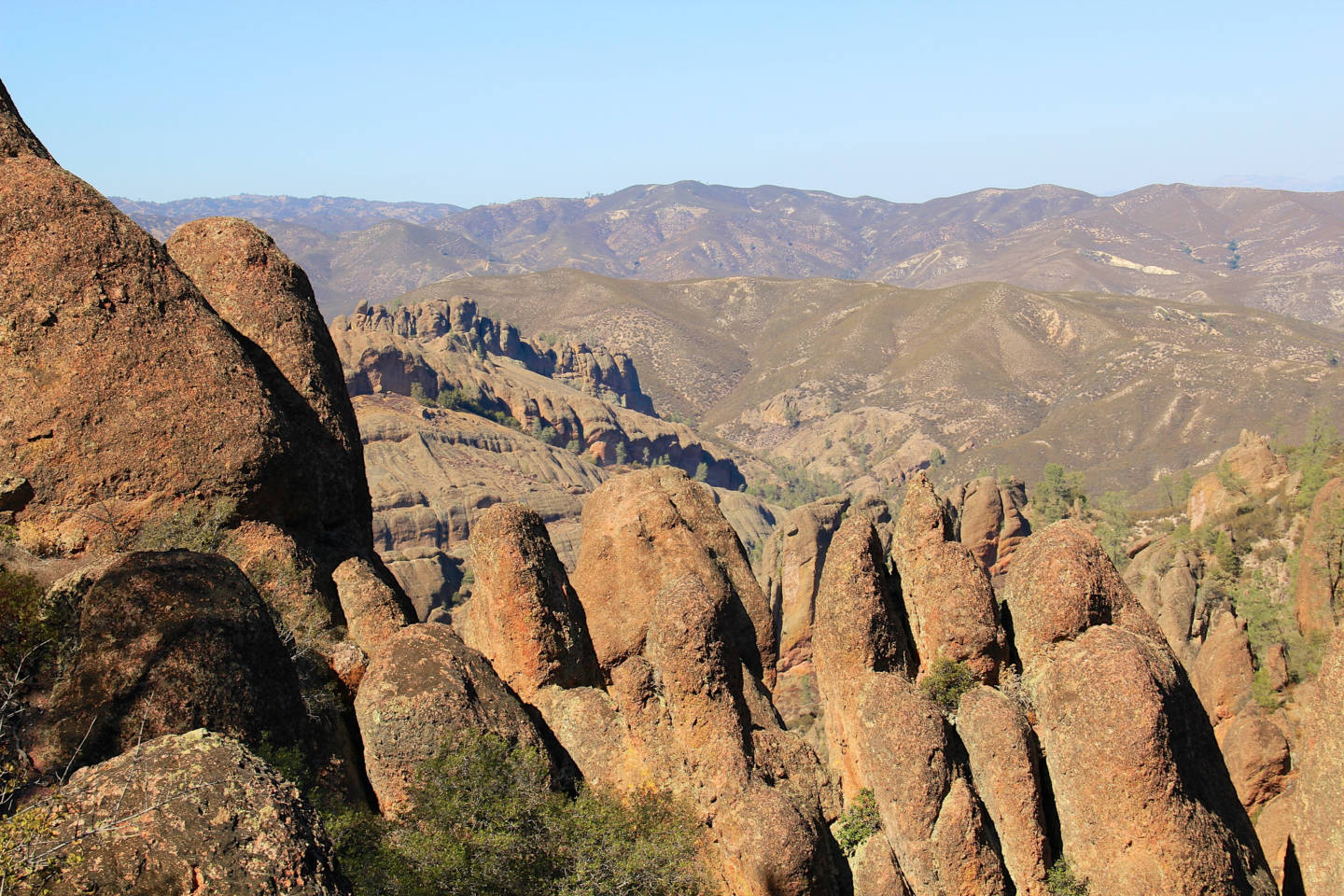
"caption": "Pinnacles National Park east of the Salinas Valley in Central California. By 2100 scientists predict that summers in Pinnacles will be like summers in southeast Georgia.",
"description": null,
"title": "Pinnacles",
"credit": "David Fulmer/flickr",
"status": "inherit",
"isLoading": false,
"fetchFailed": false
},
"science_941907": {
"type": "attachments",
"id": "science_941907",
"meta": {
"index": "attachments_1716263798",
"site": "science",
"id": "941907",
"found": true
},
"parent": 941906,
"imgSizes": {
"twentyfourteen-full-width": {
"file": "https://ww2.kqed.org/app/uploads/sites/35/2016/08/proximab_enl-18803371dffad3e1b563f74b1d1524e6dde2f4b0-1000x576.jpg",
"width": 1000,
"mimeType": "image/jpeg",
"height": 576
},
"thumbnail": {
"file": "https://ww2.kqed.org/app/uploads/sites/35/2016/08/proximab_enl-18803371dffad3e1b563f74b1d1524e6dde2f4b0-400x259.jpg",
"width": 400,
"mimeType": "image/jpeg",
"height": 259
},
"fd-sm": {
"file": "https://ww2.kqed.org/app/uploads/sites/35/2016/08/proximab_enl-18803371dffad3e1b563f74b1d1524e6dde2f4b0-960x622.jpg",
"width": 960,
"mimeType": "image/jpeg",
"height": 622
},
"post-thumbnail": {
"file": "https://ww2.kqed.org/app/uploads/sites/35/2016/08/proximab_enl-18803371dffad3e1b563f74b1d1524e6dde2f4b0-672x372.jpg",
"width": 672,
"mimeType": "image/jpeg",
"height": 372
},
"kqedFullSize": {
"file": "https://ww2.kqed.org/app/uploads/sites/35/2016/08/proximab_enl-18803371dffad3e1b563f74b1d1524e6dde2f4b0.jpg",
"width": 1000,
"height": 648
},
"guest-author-50": {
"file": "https://ww2.kqed.org/app/uploads/sites/35/2016/08/proximab_enl-18803371dffad3e1b563f74b1d1524e6dde2f4b0-50x50.jpg",
"width": 50,
"mimeType": "image/jpeg",
"height": 50
},
"guest-author-96": {
"file": "https://ww2.kqed.org/app/uploads/sites/35/2016/08/proximab_enl-18803371dffad3e1b563f74b1d1524e6dde2f4b0-96x96.jpg",
"width": 96,
"mimeType": "image/jpeg",
"height": 96
},
"medium": {
"file": "https://ww2.kqed.org/app/uploads/sites/35/2016/08/proximab_enl-18803371dffad3e1b563f74b1d1524e6dde2f4b0-800x518.jpg",
"width": 800,
"mimeType": "image/jpeg",
"height": 518
},
"guest-author-64": {
"file": "https://ww2.kqed.org/app/uploads/sites/35/2016/08/proximab_enl-18803371dffad3e1b563f74b1d1524e6dde2f4b0-64x64.jpg",
"width": 64,
"mimeType": "image/jpeg",
"height": 64
},
"guest-author-32": {
"file": "https://ww2.kqed.org/app/uploads/sites/35/2016/08/proximab_enl-18803371dffad3e1b563f74b1d1524e6dde2f4b0-32x32.jpg",
"width": 32,
"mimeType": "image/jpeg",
"height": 32
},
"detail": {
"file": "https://ww2.kqed.org/app/uploads/sites/35/2016/08/proximab_enl-18803371dffad3e1b563f74b1d1524e6dde2f4b0-150x150.jpg",
"width": 150,
"mimeType": "image/jpeg",
"height": 150
},
"medium_large": {
"file": "https://ww2.kqed.org/app/uploads/sites/35/2016/08/proximab_enl-18803371dffad3e1b563f74b1d1524e6dde2f4b0-768x498.jpg",
"width": 768,
"mimeType": "image/jpeg",
"height": 498
},
"guest-author-128": {
"file": "https://ww2.kqed.org/app/uploads/sites/35/2016/08/proximab_enl-18803371dffad3e1b563f74b1d1524e6dde2f4b0-128x128.jpg",
"width": 128,
"mimeType": "image/jpeg",
"height": 128
}
},
"publishDate": 1472060004,
"modified": 1472060118,
"caption": "An artist's depiction of the surface of the planet Proxima b as it orbits the red dwarf star Proxima Centauri, the closest star to our solar system. The planet is a bit more massive than Earth, scientists say, and circles its star once every 11 days.",
"description": "An artist's depiction of the surface of the planet Proxima b as it orbits the red dwarf star Proxima Centauri, the closest star to our solar system. The planet is a bit more massive than Earth, scientists say, and circles its star once every 11 days.",
"title": "An artist's depiction of the surface of the planet Proxima b as it orbits the red dwarf star Proxima Centauri, the closest star to our solar system. The planet is a bit more massive than Earth, scientists say, and circles its star once every 11 days.",
"credit": "ESO/M. Kornmesser/Nature",
"status": "inherit",
"isLoading": false,
"fetchFailed": false
},
"science_940505": {
"type": "attachments",
"id": "science_940505",
"meta": {
"index": "attachments_1716263798",
"site": "science",
"id": "940505",
"found": true
},
"parent": 940411,
"imgSizes": {
"thumbnail": {
"file": "https://ww2.kqed.org/app/uploads/sites/35/2016/08/Water-Deeply_header_photo-400x264.jpg",
"width": 400,
"mimeType": "image/jpeg",
"height": 264
},
"post-thumbnail": {
"file": "https://ww2.kqed.org/app/uploads/sites/35/2016/08/Water-Deeply_header_photo-672x372.jpg",
"width": 672,
"mimeType": "image/jpeg",
"height": 372
},
"kqedFullSize": {
"file": "https://ww2.kqed.org/app/uploads/sites/35/2016/08/Water-Deeply_header_photo.jpg",
"width": 801,
"height": 529
},
"guest-author-50": {
"file": "https://ww2.kqed.org/app/uploads/sites/35/2016/08/Water-Deeply_header_photo-50x50.jpg",
"width": 50,
"mimeType": "image/jpeg",
"height": 50
},
"guest-author-96": {
"file": "https://ww2.kqed.org/app/uploads/sites/35/2016/08/Water-Deeply_header_photo-96x96.jpg",
"width": 96,
"mimeType": "image/jpeg",
"height": 96
},
"medium": {
"file": "https://ww2.kqed.org/app/uploads/sites/35/2016/08/Water-Deeply_header_photo-800x528.jpg",
"width": 800,
"mimeType": "image/jpeg",
"height": 528
},
"guest-author-64": {
"file": "https://ww2.kqed.org/app/uploads/sites/35/2016/08/Water-Deeply_header_photo-64x64.jpg",
"width": 64,
"mimeType": "image/jpeg",
"height": 64
},
"detail": {
"file": "https://ww2.kqed.org/app/uploads/sites/35/2016/08/Water-Deeply_header_photo-150x150.jpg",
"width": 150,
"mimeType": "image/jpeg",
"height": 150
},
"guest-author-32": {
"file": "https://ww2.kqed.org/app/uploads/sites/35/2016/08/Water-Deeply_header_photo-32x32.jpg",
"width": 32,
"mimeType": "image/jpeg",
"height": 32
},
"medium_large": {
"file": "https://ww2.kqed.org/app/uploads/sites/35/2016/08/Water-Deeply_header_photo-768x507.jpg",
"width": 768,
"mimeType": "image/jpeg",
"height": 507
},
"guest-author-128": {
"file": "https://ww2.kqed.org/app/uploads/sites/35/2016/08/Water-Deeply_header_photo-128x128.jpg",
"width": 128,
"mimeType": "image/jpeg",
"height": 128
}
},
"publishDate": 1472001612,
"modified": 1472001716,
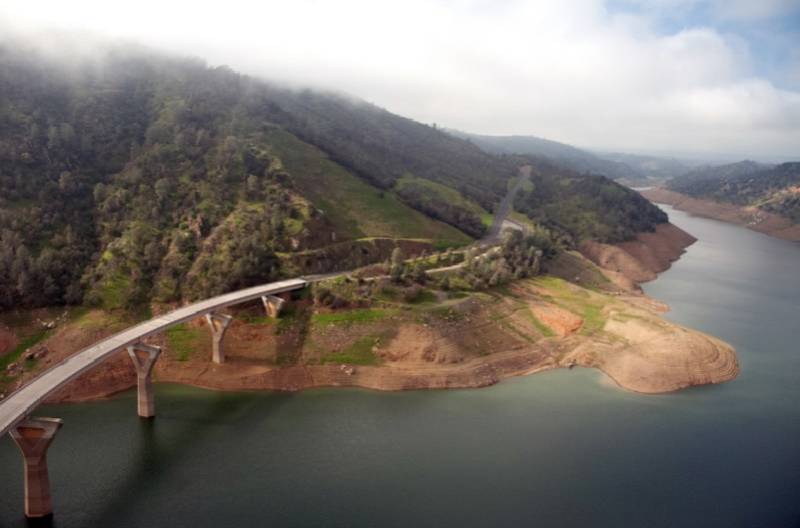
"caption": "Aerial view of extremely low water conditions at Lake Don Pedro, East of Stockton in February, 2015.",
"description": null,
"title": "Water Deeply_header_photo",
"credit": "California Department of Water Resources",
"status": "inherit",
"isLoading": false,
"fetchFailed": false
},
"science_940030": {
"type": "attachments",
"id": "science_940030",
"meta": {
"index": "attachments_1716263798",
"site": "science",
"id": "940030",
"found": true
},
"parent": 940027,
"imgSizes": {
"twentyfourteen-full-width": {
"file": "https://ww2.kqed.org/app/uploads/sites/35/2016/08/IMG_0671-1038x576.jpg",
"width": 1038,
"mimeType": "image/jpeg",
"height": 576
},
"thumbnail": {
"file": "https://ww2.kqed.org/app/uploads/sites/35/2016/08/IMG_0671-400x300.jpg",
"width": 400,
"mimeType": "image/jpeg",
"height": 300
},
"fd-sm": {
"file": "https://ww2.kqed.org/app/uploads/sites/35/2016/08/IMG_0671-960x720.jpg",
"width": 960,
"mimeType": "image/jpeg",
"height": 720
},
"post-thumbnail": {
"file": "https://ww2.kqed.org/app/uploads/sites/35/2016/08/IMG_0671-672x372.jpg",
"width": 672,
"mimeType": "image/jpeg",
"height": 372
},
"kqedFullSize": {
"file": "https://ww2.kqed.org/app/uploads/sites/35/2016/08/IMG_0671.jpg",
"width": 4032,
"height": 3024
},
"large": {
"file": "https://ww2.kqed.org/app/uploads/sites/35/2016/08/IMG_0671-1440x1080.jpg",
"width": 1440,
"mimeType": "image/jpeg",
"height": 1080
},
"guest-author-50": {
"file": "https://ww2.kqed.org/app/uploads/sites/35/2016/08/IMG_0671-50x50.jpg",
"width": 50,
"mimeType": "image/jpeg",
"height": 50
},
"guest-author-96": {
"file": "https://ww2.kqed.org/app/uploads/sites/35/2016/08/IMG_0671-96x96.jpg",
"width": 96,
"mimeType": "image/jpeg",
"height": 96
},
"medium": {
"file": "https://ww2.kqed.org/app/uploads/sites/35/2016/08/IMG_0671-800x600.jpg",
"width": 800,
"mimeType": "image/jpeg",
"height": 600
},
"guest-author-64": {
"file": "https://ww2.kqed.org/app/uploads/sites/35/2016/08/IMG_0671-64x64.jpg",
"width": 64,
"mimeType": "image/jpeg",
"height": 64
},
"guest-author-32": {
"file": "https://ww2.kqed.org/app/uploads/sites/35/2016/08/IMG_0671-32x32.jpg",
"width": 32,
"mimeType": "image/jpeg",
"height": 32
},
"fd-lrg": {
"file": "https://ww2.kqed.org/app/uploads/sites/35/2016/08/IMG_0671-1920x1440.jpg",
"width": 1920,
"mimeType": "image/jpeg",
"height": 1440
},
"fd-med": {
"file": "https://ww2.kqed.org/app/uploads/sites/35/2016/08/IMG_0671-1180x885.jpg",
"width": 1180,
"mimeType": "image/jpeg",
"height": 885
},
"detail": {
"file": "https://ww2.kqed.org/app/uploads/sites/35/2016/08/IMG_0671-150x150.jpg",
"width": 150,
"mimeType": "image/jpeg",
"height": 150
},
"medium_large": {
"file": "https://ww2.kqed.org/app/uploads/sites/35/2016/08/IMG_0671-768x576.jpg",
"width": 768,
"mimeType": "image/jpeg",
"height": 576
},
"guest-author-128": {
"file": "https://ww2.kqed.org/app/uploads/sites/35/2016/08/IMG_0671-128x128.jpg",
"width": 128,
"mimeType": "image/jpeg",
"height": 128
}
},
"publishDate": 1471985179,
"modified": 1471985268,
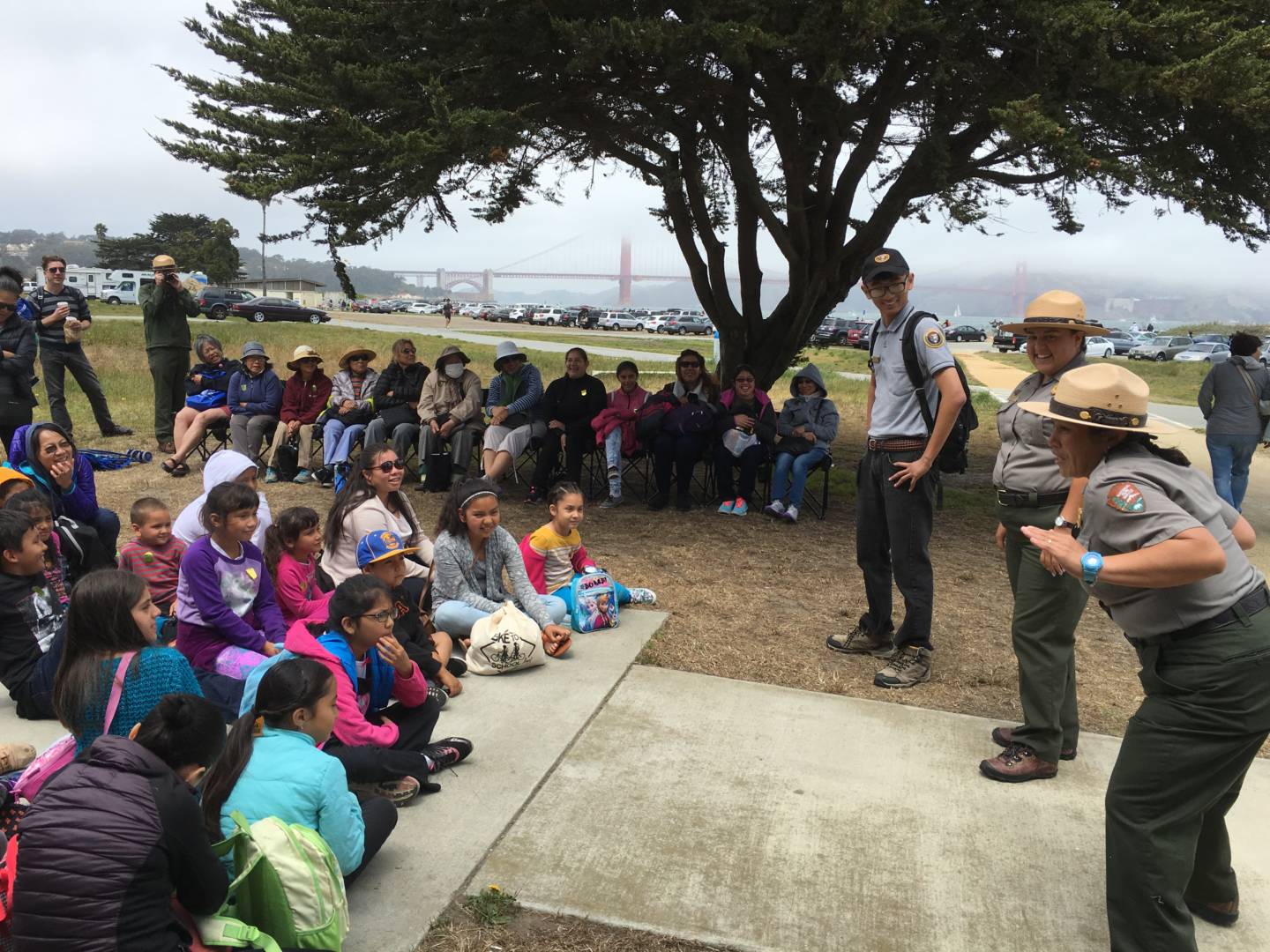
"caption": "Park rangers at Crissy Field educate a group of visitors about the flora and fauna at Golden Gate National Recreation Area. ",
"description": null,
"title": "IMG_0671",
"credit": "Lesley McClurg/ KQED",
"status": "inherit",
"isLoading": false,
"fetchFailed": false
},
"science_939757": {
"type": "attachments",
"id": "science_939757",
"meta": {
"index": "attachments_1716263798",
"site": "science",
"id": "939757",
"found": true
},
"parent": 931635,
"imgSizes": {
"twentyfourteen-full-width": {
"file": "https://ww2.kqed.org/app/uploads/sites/35/2016/08/Nautilus_bow-1038x576.jpg",
"width": 1038,
"mimeType": "image/jpeg",
"height": 576
},
"thumbnail": {
"file": "https://ww2.kqed.org/app/uploads/sites/35/2016/08/Nautilus_bow-400x225.jpg",
"width": 400,
"mimeType": "image/jpeg",
"height": 225
},
"fd-sm": {
"file": "https://ww2.kqed.org/app/uploads/sites/35/2016/08/Nautilus_bow-960x540.jpg",
"width": 960,
"mimeType": "image/jpeg",
"height": 540
},
"post-thumbnail": {
"file": "https://ww2.kqed.org/app/uploads/sites/35/2016/08/Nautilus_bow-672x372.jpg",
"width": 672,
"mimeType": "image/jpeg",
"height": 372
},
"kqedFullSize": {
"file": "https://ww2.kqed.org/app/uploads/sites/35/2016/08/Nautilus_bow.jpg",
"width": 1920,
"height": 1080
},
"large": {
"file": "https://ww2.kqed.org/app/uploads/sites/35/2016/08/Nautilus_bow-1440x810.jpg",
"width": 1440,
"mimeType": "image/jpeg",
"height": 810
},
"guest-author-50": {
"file": "https://ww2.kqed.org/app/uploads/sites/35/2016/08/Nautilus_bow-50x50.jpg",
"width": 50,
"mimeType": "image/jpeg",
"height": 50
},
"guest-author-96": {
"file": "https://ww2.kqed.org/app/uploads/sites/35/2016/08/Nautilus_bow-96x96.jpg",
"width": 96,
"mimeType": "image/jpeg",
"height": 96
},
"medium": {
"file": "https://ww2.kqed.org/app/uploads/sites/35/2016/08/Nautilus_bow-800x450.jpg",
"width": 800,
"mimeType": "image/jpeg",
"height": 450
},
"guest-author-64": {
"file": "https://ww2.kqed.org/app/uploads/sites/35/2016/08/Nautilus_bow-64x64.jpg",
"width": 64,
"mimeType": "image/jpeg",
"height": 64
},
"guest-author-32": {
"file": "https://ww2.kqed.org/app/uploads/sites/35/2016/08/Nautilus_bow-32x32.jpg",
"width": 32,
"mimeType": "image/jpeg",
"height": 32
},
"fd-lrg": {
"file": "https://ww2.kqed.org/app/uploads/sites/35/2016/08/Nautilus_bow-1920x1080.jpg",
"width": 1920,
"mimeType": "image/jpeg",
"height": 1080
},
"fd-med": {
"file": "https://ww2.kqed.org/app/uploads/sites/35/2016/08/Nautilus_bow-1180x664.jpg",
"width": 1180,
"mimeType": "image/jpeg",
"height": 664
},
"detail": {
"file": "https://ww2.kqed.org/app/uploads/sites/35/2016/08/Nautilus_bow-150x150.jpg",
"width": 150,
"mimeType": "image/jpeg",
"height": 150
},
"medium_large": {
"file": "https://ww2.kqed.org/app/uploads/sites/35/2016/08/Nautilus_bow-768x432.jpg",
"width": 768,
"mimeType": "image/jpeg",
"height": 432
},
"guest-author-128": {
"file": "https://ww2.kqed.org/app/uploads/sites/35/2016/08/Nautilus_bow-128x128.jpg",
"width": 128,
"mimeType": "image/jpeg",
"height": 128
}
},
"publishDate": 1471976069,
"modified": 1471976141,
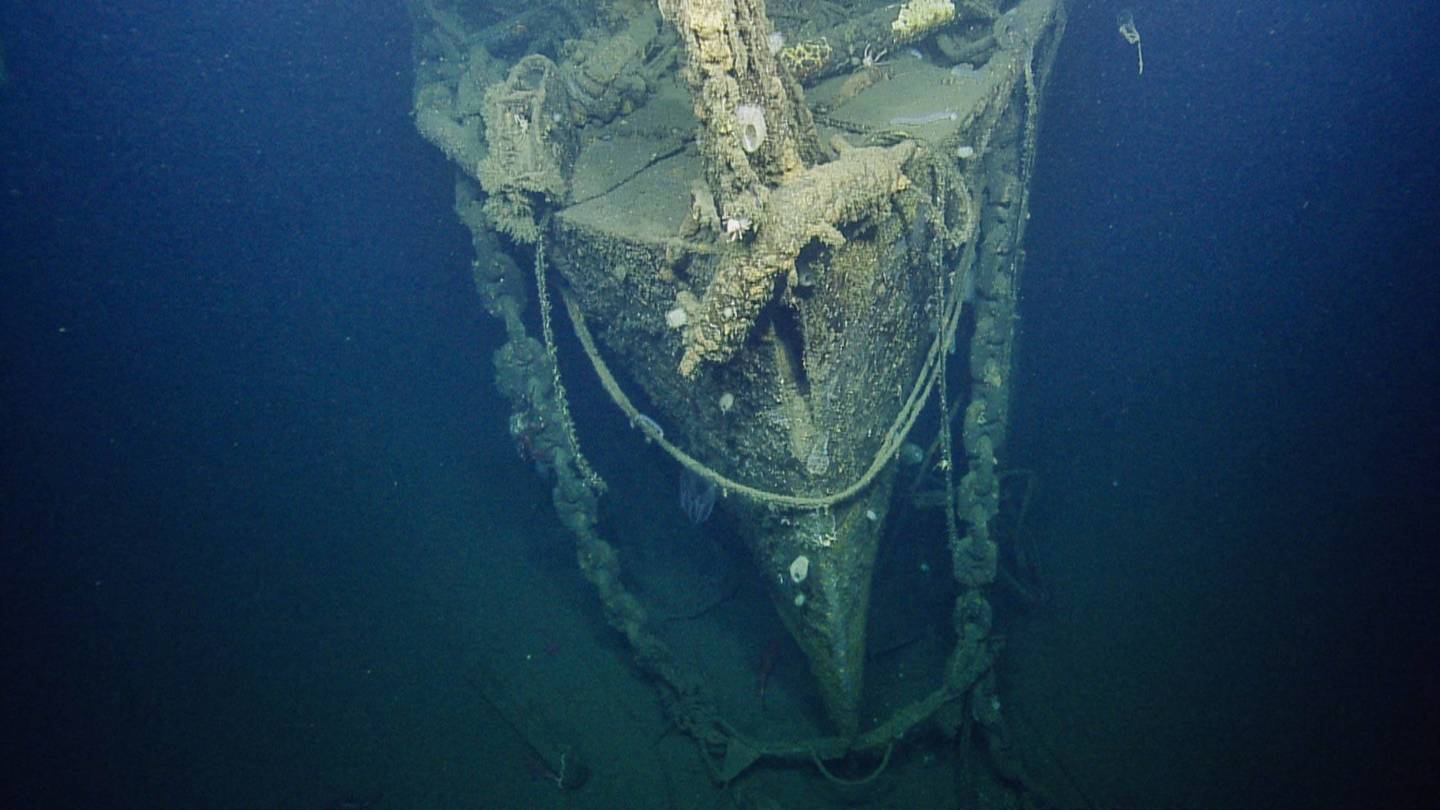
"caption": "Bow of the USS Independence, seen after 65 years underwater.",
"description": null,
"title": "Nautilus_bow",
"credit": "E/V Nautilus",
"status": "inherit",
"isLoading": false,
"fetchFailed": false
},
"science_937985": {
"type": "attachments",
"id": "science_937985",
"meta": {
"index": "attachments_1716263798",
"site": "science",
"id": "937985",
"found": true
},
"parent": 937599,
"imgSizes": {
"twentyfourteen-full-width": {
"file": "https://ww2.kqed.org/app/uploads/sites/35/2016/08/4855253736_d23b8dc400_b-1024x576.jpg",
"width": 1024,
"mimeType": "image/jpeg",
"height": 576
},
"thumbnail": {
"file": "https://ww2.kqed.org/app/uploads/sites/35/2016/08/4855253736_d23b8dc400_b-400x225.jpg",
"width": 400,
"mimeType": "image/jpeg",
"height": 225
},
"fd-sm": {
"file": "https://ww2.kqed.org/app/uploads/sites/35/2016/08/4855253736_d23b8dc400_b-960x540.jpg",
"width": 960,
"mimeType": "image/jpeg",
"height": 540
},
"post-thumbnail": {
"file": "https://ww2.kqed.org/app/uploads/sites/35/2016/08/4855253736_d23b8dc400_b-672x372.jpg",
"width": 672,
"mimeType": "image/jpeg",
"height": 372
},
"kqedFullSize": {
"file": "https://ww2.kqed.org/app/uploads/sites/35/2016/08/4855253736_d23b8dc400_b.jpg",
"width": 1024,
"height": 576
},
"guest-author-50": {
"file": "https://ww2.kqed.org/app/uploads/sites/35/2016/08/4855253736_d23b8dc400_b-50x50.jpg",
"width": 50,
"mimeType": "image/jpeg",
"height": 50
},
"guest-author-96": {
"file": "https://ww2.kqed.org/app/uploads/sites/35/2016/08/4855253736_d23b8dc400_b-96x96.jpg",
"width": 96,
"mimeType": "image/jpeg",
"height": 96
},
"medium": {
"file": "https://ww2.kqed.org/app/uploads/sites/35/2016/08/4855253736_d23b8dc400_b-800x450.jpg",
"width": 800,
"mimeType": "image/jpeg",
"height": 450
},
"guest-author-64": {
"file": "https://ww2.kqed.org/app/uploads/sites/35/2016/08/4855253736_d23b8dc400_b-64x64.jpg",
"width": 64,
"mimeType": "image/jpeg",
"height": 64
},
"guest-author-32": {
"file": "https://ww2.kqed.org/app/uploads/sites/35/2016/08/4855253736_d23b8dc400_b-32x32.jpg",
"width": 32,
"mimeType": "image/jpeg",
"height": 32
},
"detail": {
"file": "https://ww2.kqed.org/app/uploads/sites/35/2016/08/4855253736_d23b8dc400_b-150x150.jpg",
"width": 150,
"mimeType": "image/jpeg",
"height": 150
},
"medium_large": {
"file": "https://ww2.kqed.org/app/uploads/sites/35/2016/08/4855253736_d23b8dc400_b-768x432.jpg",
"width": 768,
"mimeType": "image/jpeg",
"height": 432
},
"guest-author-128": {
"file": "https://ww2.kqed.org/app/uploads/sites/35/2016/08/4855253736_d23b8dc400_b-128x128.jpg",
"width": 128,
"mimeType": "image/jpeg",
"height": 128
}
},
"publishDate": 1471902064,
"modified": 1471902139,
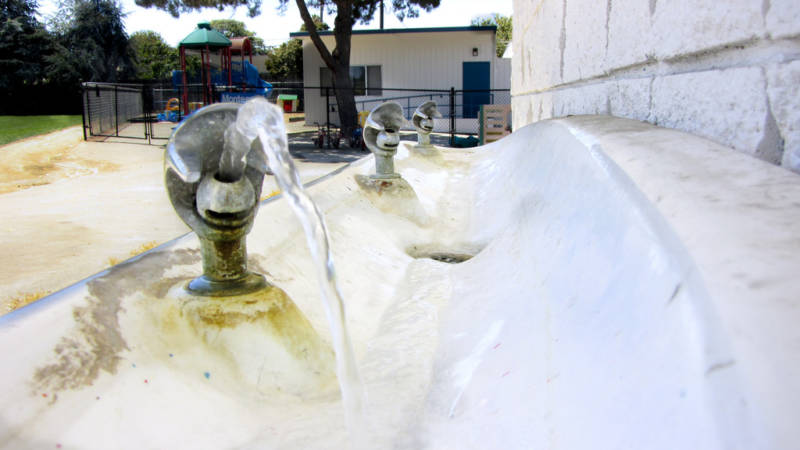
"caption": "A drinking fountain at Louis E. Stocklmeir Elementary School in Sunnyvale.",
"description": null,
"title": "4855253736_d23b8dc400_b",
"credit": "Christina Spicuzza/flickr",
"status": "inherit",
"isLoading": false,
"fetchFailed": false
},
"science_937879": {
"type": "attachments",
"id": "science_937879",
"meta": {
"index": "attachments_1716263798",
"site": "science",
"id": "937879",
"found": true
},
"parent": 937878,
"imgSizes": {
"twentyfourteen-full-width": {
"file": "https://ww2.kqed.org/app/uploads/sites/35/2016/08/hi-seas-988x576.png",
"width": 988,
"mimeType": "image/png",
"height": 576
},
"thumbnail": {
"file": "https://ww2.kqed.org/app/uploads/sites/35/2016/08/hi-seas-400x266.png",
"width": 400,
"mimeType": "image/png",
"height": 266
},
"fd-sm": {
"file": "https://ww2.kqed.org/app/uploads/sites/35/2016/08/hi-seas-960x638.png",
"width": 960,
"mimeType": "image/png",
"height": 638
},
"post-thumbnail": {
"file": "https://ww2.kqed.org/app/uploads/sites/35/2016/08/hi-seas-672x372.png",
"width": 672,
"mimeType": "image/png",
"height": 372
},
"kqedFullSize": {
"file": "https://ww2.kqed.org/app/uploads/sites/35/2016/08/hi-seas.png",
"width": 988,
"height": 657
},
"guest-author-50": {
"file": "https://ww2.kqed.org/app/uploads/sites/35/2016/08/hi-seas-50x50.png",
"width": 50,
"mimeType": "image/png",
"height": 50
},
"guest-author-96": {
"file": "https://ww2.kqed.org/app/uploads/sites/35/2016/08/hi-seas-96x96.png",
"width": 96,
"mimeType": "image/png",
"height": 96
},
"medium": {
"file": "https://ww2.kqed.org/app/uploads/sites/35/2016/08/hi-seas-800x532.png",
"width": 800,
"mimeType": "image/png",
"height": 532
},
"guest-author-64": {
"file": "https://ww2.kqed.org/app/uploads/sites/35/2016/08/hi-seas-64x64.png",
"width": 64,
"mimeType": "image/png",
"height": 64
},
"guest-author-32": {
"file": "https://ww2.kqed.org/app/uploads/sites/35/2016/08/hi-seas-32x32.png",
"width": 32,
"mimeType": "image/png",
"height": 32
},
"detail": {
"file": "https://ww2.kqed.org/app/uploads/sites/35/2016/08/hi-seas-150x150.png",
"width": 150,
"mimeType": "image/png",
"height": 150
},
"medium_large": {
"file": "https://ww2.kqed.org/app/uploads/sites/35/2016/08/hi-seas-768x511.png",
"width": 768,
"mimeType": "image/png",
"height": 511
},
"guest-author-128": {
"file": "https://ww2.kqed.org/app/uploads/sites/35/2016/08/hi-seas-128x128.png",
"width": 128,
"mimeType": "image/png",
"height": 128
}
},
"publishDate": 1471897208,
"modified": 1471898142,
"caption": "A HI-SEAS crew member walks in a spacesuit during the 2013 HI-SEAS simulated space mission in Hawaii.",
"description": null,
"title": "hi-seas",
"credit": "Angelo Vermeulen/Hi-SEAS",
"status": "inherit",
"isLoading": false,
"fetchFailed": false
},
"science_929569": {
"type": "attachments",
"id": "science_929569",
"meta": {
"index": "attachments_1716263798",
"site": "science",
"id": "929569",
"found": true
},
"parent": 923172,
"imgSizes": {
"twentyfourteen-full-width": {
"file": "https://ww2.kqed.org/app/uploads/sites/35/2016/08/BLUE-GREEN-ALGAE-FEATURE-1038x576.jpg",
"width": 1038,
"mimeType": "image/jpeg",
"height": 576
},
"thumbnail": {
"file": "https://ww2.kqed.org/app/uploads/sites/35/2016/08/BLUE-GREEN-ALGAE-FEATURE-400x300.jpg",
"width": 400,
"mimeType": "image/jpeg",
"height": 300
},
"fd-sm": {
"file": "https://ww2.kqed.org/app/uploads/sites/35/2016/08/BLUE-GREEN-ALGAE-FEATURE-960x721.jpg",
"width": 960,
"mimeType": "image/jpeg",
"height": 721
},
"post-thumbnail": {
"file": "https://ww2.kqed.org/app/uploads/sites/35/2016/08/BLUE-GREEN-ALGAE-FEATURE-672x372.jpg",
"width": 672,
"mimeType": "image/jpeg",
"height": 372
},
"kqedFullSize": {
"file": "https://ww2.kqed.org/app/uploads/sites/35/2016/08/BLUE-GREEN-ALGAE-FEATURE.jpg",
"width": 3352,
"height": 2516
},
"large": {
"file": "https://ww2.kqed.org/app/uploads/sites/35/2016/08/BLUE-GREEN-ALGAE-FEATURE-1440x1081.jpg",
"width": 1440,
"mimeType": "image/jpeg",
"height": 1081
},
"guest-author-50": {
"file": "https://ww2.kqed.org/app/uploads/sites/35/2016/08/BLUE-GREEN-ALGAE-FEATURE-50x50.jpg",
"width": 50,
"mimeType": "image/jpeg",
"height": 50
},
"guest-author-96": {
"file": "https://ww2.kqed.org/app/uploads/sites/35/2016/08/BLUE-GREEN-ALGAE-FEATURE-96x96.jpg",
"width": 96,
"mimeType": "image/jpeg",
"height": 96
},
"medium": {
"file": "https://ww2.kqed.org/app/uploads/sites/35/2016/08/BLUE-GREEN-ALGAE-FEATURE-800x600.jpg",
"width": 800,
"mimeType": "image/jpeg",
"height": 600
},
"guest-author-64": {
"file": "https://ww2.kqed.org/app/uploads/sites/35/2016/08/BLUE-GREEN-ALGAE-FEATURE-64x64.jpg",
"width": 64,
"mimeType": "image/jpeg",
"height": 64
},
"guest-author-32": {
"file": "https://ww2.kqed.org/app/uploads/sites/35/2016/08/BLUE-GREEN-ALGAE-FEATURE-32x32.jpg",
"width": 32,
"mimeType": "image/jpeg",
"height": 32
},
"fd-lrg": {
"file": "https://ww2.kqed.org/app/uploads/sites/35/2016/08/BLUE-GREEN-ALGAE-FEATURE-1920x1441.jpg",
"width": 1920,
"mimeType": "image/jpeg",
"height": 1441
},
"fd-med": {
"file": "https://ww2.kqed.org/app/uploads/sites/35/2016/08/BLUE-GREEN-ALGAE-FEATURE-1180x886.jpg",
"width": 1180,
"mimeType": "image/jpeg",
"height": 886
},
"detail": {
"file": "https://ww2.kqed.org/app/uploads/sites/35/2016/08/BLUE-GREEN-ALGAE-FEATURE-150x150.jpg",
"width": 150,
"mimeType": "image/jpeg",
"height": 150
},
"medium_large": {
"file": "https://ww2.kqed.org/app/uploads/sites/35/2016/08/BLUE-GREEN-ALGAE-FEATURE-768x576.jpg",
"width": 768,
"mimeType": "image/jpeg",
"height": 576
},
"guest-author-128": {
"file": "https://ww2.kqed.org/app/uploads/sites/35/2016/08/BLUE-GREEN-ALGAE-FEATURE-128x128.jpg",
"width": 128,
"mimeType": "image/jpeg",
"height": 128
}
},
"publishDate": 1471557009,
"modified": 1471636375,
"caption": "Blue green algae at Discovery Bay. ",
"description": null,
"title": "BLUE GREEN ALGAE FEATURE",
"credit": "Lesley McClurg/KQED",
"status": "inherit",
"isLoading": false,
"fetchFailed": false
}
},
"audioPlayerReducer": {
"postId": "stream_live",
"isPaused": true,
"isPlaying": false,
"pfsActive": false,
"pledgeModalIsOpen": true,
"playerDrawerIsOpen": false,
"liveAudioPlayStartedAt": 0,
"liveAudioPlayContext": ""
},
"authorsReducer": {
"byline_science_959253": {
"type": "authors",
"id": "byline_science_959253",
"meta": {
"override": true
},
"slug": "byline_science_959253",
"name": "\u003cstrong>John Upton\u003cbr>Climate Central\u003c/strong>",
"isLoading": false
},
"byline_science_953740": {
"type": "authors",
"id": "byline_science_953740",
"meta": {
"override": true
},
"slug": "byline_science_953740",
"name": "Elizabeth Preston\u003c/br>Photographs by Josh Valcarcel",
"isLoading": false
},
"byline_science_946591": {
"type": "authors",
"id": "byline_science_946591",
"meta": {
"override": true
},
"slug": "byline_science_946591",
"name": "John Upton\u003c/br> Climate Central",
"isLoading": false
},
"byline_science_945149": {
"type": "authors",
"id": "byline_science_945149",
"meta": {
"override": true
},
"slug": "byline_science_945149",
"name": "Kevin Freking\u003c/br>Associated Press",
"isLoading": false
},
"byline_science_943904": {
"type": "authors",
"id": "byline_science_943904",
"meta": {
"override": true
},
"slug": "byline_science_943904",
"name": "Brian Kahn\u003c/br>Climate Central",
"isLoading": false
},
"byline_science_941906": {
"type": "authors",
"id": "byline_science_941906",
"meta": {
"override": true
},
"slug": "byline_science_941906",
"name": "Nell Greenfieldboyce\u003c/br>NPR",
"isLoading": false
},
"byline_science_940411": {
"type": "authors",
"id": "byline_science_940411",
"meta": {
"override": true
},
"slug": "byline_science_940411",
"name": "Tara Lohan\u003c/br>Water Deeply",
"isLoading": false
},
"byline_science_937599": {
"type": "authors",
"id": "byline_science_937599",
"meta": {
"override": true
},
"slug": "byline_science_937599",
"name": "Matt Weiser\u003c/br>Water Deeply",
"isLoading": false
},
"byline_science_937878": {
"type": "authors",
"id": "byline_science_937878",
"meta": {
"override": true
},
"slug": "byline_science_937878",
"name": "Associated Press",
"isLoading": false
},
"lesleymcclurg": {
"type": "authors",
"id": "11229",
"meta": {
"index": "authors_1716337520",
"id": "11229",
"found": true
},
"name": "Lesley McClurg",
"firstName": "Lesley",
"lastName": "McClurg",
"slug": "lesleymcclurg",
"email": "lmcclurg@KQED.org",
"display_author_email": false,
"staff_mastheads": [
"news",
"science"
],
"title": "KQED Health Correspondent",
"bio": "Lesley McClurg is a health correspondent and fill-in host whose work is regularly rebroadcast on NPR and PBS programs. She’s earned multiple regional Emmy awards, a national and a regional Edward R. Murrow award, and was named Best Beat Reporter by the Association of Health Care Journalists. The Society of Professional Journalists has recognized her work several times, and the Society of Environmental Journalists spotlighted her coverage of California’s historic drought.\r\n\r\nBefore joining KQED in 2016, Lesley covered food and sustainability for Capital Public Radio, environmental issues for Colorado Public Radio, and reported for KUOW and KCTS 9 in Seattle. Away from the newsroom, she loves skiing with her daughter, mountain biking with her partner, and playing with Ollie, the family’s goldendoodle. On deadline, she runs almost entirely on chocolate chips.\r\n\r\n ",
"avatar": "https://secure.gravatar.com/avatar/bab49e972ea10c774fe0f5e29dba1722b158f7c0d58a360923d1389d380b2978?s=600&d=blank&r=g",
"twitter": "lesleywmcclurg",
"bluesky": null,
"facebook": null,
"instagram": null,
"linkedin": null,
"sites": [
{
"site": "arts",
"roles": [
"author"
]
},
{
"site": "news",
"roles": [
"editor"
]
},
{
"site": "futureofyou",
"roles": [
"editor"
]
},
{
"site": "stateofhealth",
"roles": [
"author"
]
},
{
"site": "science",
"roles": [
"editor"
]
},
{
"site": "quest",
"roles": [
"subscriber"
]
},
{
"site": "forum",
"roles": [
"administrator"
]
},
{
"site": "liveblog",
"roles": [
"author"
]
}
],
"headData": {
"title": "Lesley McClurg | KQED",
"description": "KQED Health Correspondent",
"ogImgSrc": "https://secure.gravatar.com/avatar/bab49e972ea10c774fe0f5e29dba1722b158f7c0d58a360923d1389d380b2978?s=600&d=blank&r=g",
"twImgSrc": "https://secure.gravatar.com/avatar/bab49e972ea10c774fe0f5e29dba1722b158f7c0d58a360923d1389d380b2978?s=600&d=blank&r=g"
},
"isLoading": false,
"link": "/author/lesleymcclurg"
},
"cboyle": {
"type": "authors",
"id": "11254",
"meta": {
"index": "authors_1716337520",
"id": "11254",
"found": true
},
"name": "Carrie Boyle",
"firstName": "Carrie",
"lastName": "Boyle",
"slug": "cboyle",
"email": "cboyle@kqed.org",
"display_author_email": false,
"staff_mastheads": [],
"title": "KQED Contributor",
"bio": "Carrie is a KQED Science intern, joining the team as the 2016 recipient of the Dr. and Mrs. Allen Fuhs CSU Monterey Bay-KQED Scholarship. After receiving a B.S. in Environmental Biology at UC Berkeley, she worked as a science educator in San Diego and at the California Academy of Sciences. She loves just about anything that involves the ocean, and is currently working towards her M.S. in Applied Marine and Watershed Science at CSU Monterey Bay.",
"avatar": "https://secure.gravatar.com/avatar/9fed749c83a121dd06b72d2c0b436841?s=600&d=blank&r=g",
"twitter": null,
"facebook": null,
"instagram": null,
"linkedin": null,
"sites": [
{
"site": "science",
"roles": []
}
],
"headData": {
"title": "Carrie Boyle | KQED",
"description": "KQED Contributor",
"ogImgSrc": "https://secure.gravatar.com/avatar/9fed749c83a121dd06b72d2c0b436841?s=600&d=blank&r=g",
"twImgSrc": "https://secure.gravatar.com/avatar/9fed749c83a121dd06b72d2c0b436841?s=600&d=blank&r=g"
},
"isLoading": false,
"link": "/author/cboyle"
}
},
"pagesReducer": {
"science_category_news": {
"type": "terms",
"id": "science_40",
"meta": {
"index": "terms_1716263798",
"site": "science",
"id": "40",
"score": 10.81443
},
"featImg": null,
"name": "News",
"description": null,
"taxonomy": "category",
"headData": {
"twImgId": null,
"twTitle": null,
"ogTitle": null,
"ogImgId": null,
"twDescription": null,
"description": null,
"title": "News Archives | KQED Science",
"ogDescription": null
},
"ttid": 42,
"slug": "news",
"isLoading": false,
"title": "News",
"pageMeta": {
"site": "science",
"WpPageTemplate": "page-topic-editorial",
"currentPage": 216
},
"blocks": [
{
"blockName": "kqed/post-list",
"attrs": {
"layout": "cardArticle2",
"query": "posts/science?category=news",
"seeMore": false,
"paginated": true,
"page": 216
}
},
{
"blockName": "kqed/ad"
}
]
}
},
"pfsSessionReducer": {},
"postsReducer": {
"stream_live": {
"type": "live",
"id": "stream_live",
"audioUrl": "https://streams.kqed.org/kqedradio",
"title": "Live Stream",
"excerpt": "Live Stream information currently unavailable.",
"link": "/radio",
"featImg": "",
"label": {
"name": "KQED Live",
"link": "/"
}
},
"stream_kqedNewscast": {
"type": "posts",
"id": "stream_kqedNewscast",
"audioUrl": "https://www.kqed.org/.stream/anon/radio/RDnews/newscast.mp3?_=1",
"title": "KQED Newscast",
"featImg": "",
"label": {
"name": "88.5 FM",
"link": "/"
}
},
"science_959253": {
"type": "posts",
"id": "science_959253",
"meta": {
"index": "posts_1716263798",
"site": "science",
"id": "959253",
"score": null,
"sort": [
1472676736000
]
},
"parent": 0,
"labelTerm": {
"site": "science",
"term": 1151
},
"blocks": [],
"publishDate": 1472676736,
"format": "standard",
"title": "Landscaping for Drought Could Make Warm Nights Cooler",
"headTitle": "Landscaping for Drought Could Make Warm Nights Cooler | KQED",
"content": "\u003cp>As drought-stricken residents of Los Angeles’s hottest neighborhoods replace thirsty lawns with native plants, pavers and bare soil, new research has shown how their local climates could begin tipping back in the direction of their desert-like origins.\u003c/p>\n\u003caside class=\"pullquote alignright\">Nighttime lows help people recover daily even as heat waves persist.\u003c/aside>\n\u003cp>In a \u003ca href=\"http://www.latimes.com/local/lanow/la-me-ln-heat-wave-temperature-records-los-angeles-20160619-snap-story.html\">region beset this year\u003c/a> by drought and powerful heat waves, the widespread adoption of drought-proof landscaping is expected to bring warmer days — and much cooler nights. Overall, experts say the changes would help to protect residents from heat waves, which are being made worse by global warming.\u003c/p>\n\u003cp>California, naturally prone to drought, is enduring the fifth year of a historically bad one. Droughts are projected to intensify in California as temperatures rise, \u003ca href=\"http://www.climatecentral.org/news/california-snowpack-returns-fears-future-20166\">reducing mountain snowpacks\u003c/a> and \u003ca href=\"http://www.climatecentral.org/news/climate-change-bully-california-drought-19354\">soil moisture\u003c/a> and \u003ca href=\"http://www.climatecentral.org/news/california-drought-heatwave-and-warming-20513\">potentially altering weather patterns\u003c/a>.\u003c/p>\n\u003cp>To cut water use, utilities and agencies have been helping Californians swap out their lawns for drought-hardy native landscapes. The L.A. Department of Water and Power says more than 24,000 of its water customers have worked to make the switch since 2009.\u003c/p>\n\u003cp>“You can see the beginnings of some real change in landscaping practices,” said \u003ca href=\"http://www.environment.ucla.edu/people/alex-hall\">Alex Hall\u003c/a>, a professor at UCLA who studies regional and global climate change.\u003c/p>\n\u003cp>[ad fullwidth]\u003c/p>\n\u003cp>Done at a large enough scale, University of Southern California research \u003ca href=\"http://onlinelibrary.wiley.com/doi/10.1002/2016GL069658/abstract\">published in Geographical Research Letters\u003c/a> this month shows how the landscaping changes could affect the weather.\u003c/p>\n\u003cfigure id=\"attachment_959261\" class=\"wp-caption aligncenter\" style=\"max-width: 720px\">\u003ca href=\"http://ww2.kqed.org/science/wp-content/uploads/sites/35/2016/08/temps.png\">\u003cimg loading=\"lazy\" decoding=\"async\" class=\"size-full wp-image-959261\" src=\"http://ww2.kqed.org/science/wp-content/uploads/sites/35/2016/08/temps.png\" alt=\"Summertime temperatures in Los Angeles since the 1940s.\" width=\"720\" height=\"424\" srcset=\"https://cdn.kqed.org/wp-content/uploads/sites/35/2016/08/temps.png 720w, https://cdn.kqed.org/wp-content/uploads/sites/35/2016/08/temps-400x236.png 400w\" sizes=\"(max-width: 720px) 100vw, 720px\">\u003c/a>\u003cfigcaption class=\"wp-caption-text\">Summertime temperatures in Los Angeles since the 1940s. \u003ccite>(NOAA)\u003c/cite>\u003c/figcaption>\u003c/figure>\n\u003cp>Worsening heat waves are among the \u003ca href=\"http://www.climatecentral.org/news/extreme-heat-climate-change-19641\">clearest and deadliest effects\u003c/a> of climate change. The research focused on July temperatures, when heat waves in southern California can be oppressive, taking their heaviest tolls on the elderly, the sick and the poor.\u003c/p>\n\u003cp>“We were interested in understanding these impacts on a summer month,” said \u003ca href=\"http://cee.usc.edu/faculty-staff/faculty-directory/georgeban-weiss.htm\">George Ban-Weiss\u003c/a>, who researches relationships between local and global climate and who led the new study. “One of our concerns is the health consequences of extreme heat, so we wanted to be sure to study a hot baseline period.”\u003c/p>\n\u003cp>\u003cstrong>Hotter Days, But Much Cooler Nights\u003c/strong>\u003c/p>\n\u003cp>Using models, Ban-Weiss and a colleague found that replacing lawns and grassy parks with native bushes and other drought-hardy landscapes would increase daytime temperatures throughout the metropolitan area by 1.3°F on average. That’s largely because irrigation water acts like sweat, cooling down landscapes.\u003c/p>\n\u003cp>The study helps to inform a ‘what if’ thought experiment, in which a future L.A. morphs back toward its original state, free of irrigation, driven by worsening Western droughts.\u003c/p>\n\u003cp>The findings may also be relevant to other cities where soils are wettened during summer more by sprinklers and hoses than by rainfall.\u003c/p>\n\u003cp>[contextly_sidebar id=”pwCrebyEW6F5MuCRM6WDVi6bVHjjmJKt”]In the suburban San Fernando Valley, where temperatures are among the highest, and where the natural environment was described in the 1880s as resembling \u003ca href=\"http://www.boomcalifornia.com/2013/10/myth-of-a-desert-metropolis/\">that of a desert\u003c/a>, daytime temperatures were projected to rise the most — by 3.4°F.\u003c/p>\n\u003cp>That would seem to be bad news. Greenhouse gas pollution has warmed the planet’s surface \u003ca href=\"http://www.climatecentral.org/news/world-flirts-with-1.5C-threshold-20260\">nearly 2°F\u003c/a> on average, and \u003ca href=\"http://www.climatecentral.org/news/west-coast-warming-natural-variability-18067\">natural weather cycles\u003c/a> have caused the West to warm faster than most other places in recent decades. Compounding the problem is the \u003ca href=\"http://www.climatecentral.org/news/urban-heat-islands-threaten-us-health-17919\">urban heat island effect\u003c/a>, with concrete causing L.A. and other cities to warm faster than rural regions.\u003c/p>\n\u003cp>But there was a nocturnal twist to the findings.\u003c/p>\n\u003cp>“If you stop irrigating, you’re making the system go back to the arid system that it really is,” said \u003ca href=\"http://www.atmos.washington.edu/~aswann/Main.html\">Abigail Swann\u003c/a>, a University of Washington ecoclimate researcher. “If you’ve spent any time in arid places, you know that they cool very quickly at night and they also heat very quickly during the day.”\u003c/p>\n\u003cp>\u003cstrong>Nighttime Lows Help People Recover\u003c/strong>\u003c/p>\n\u003cp>At night, the modeling projected a cooling effect from the changing landscapes that would be exceed the daytime warming effect. Across L.A., nighttime lows were projected to fall by an average of nearly 6°F if irrigation suddenly ended.\u003c/p>\n\u003cp>That’s a key finding, because nighttime lows help people recover daily even as heat waves persist. From a public health perspective, the findings point to a “net positive,” said \u003ca href=\"https://www.mailman.columbia.edu/people/our-faculty/plk3\">Patrick Kinney\u003c/a>, a professor who directs Columbia University’s climate and health program.\u003c/p>\n\u003cp>“It’s generally thought that nighttime minimum temperatures are more important for health risks than daytime highs during extreme heat events,” Kinney said.\u003c/p>\n\u003cp>Most of the water used in Los Angeles is piped in from other counties and regions, and most of that is used to water lawns and gardens. The new findings show that cutting back on irrigation in the low-rainfall metropolis could do more than just save water and the energy needed to transport it — it could save lives.\u003c/p>\n\u003cp>\u003c/p>\n\u003cp>\u003cem>\u003ca href=\"http://www.climatecentral.org/\" target=\"_blank\" rel=\"noopener\">Climate Central\u003c/a> is an independent organization that researches and reports on climate change.\u003c/em>\u003c/p>\n\n",
"stats": {
"hasVideo": false,
"hasChartOrMap": false,
"hasAudio": false,
"hasPolis": false,
"wordCount": 832,
"hasGoogleForm": false,
"hasGallery": false,
"hasHearkenModule": false,
"iframeSrcs": [],
"paragraphCount": 24
},
"modified": 1704929695,
"excerpt": "Cooler nights are more important than lower daytime temperatures for helping people recover from heat waves, say health scientists.",
"headData": {
"twImgId": "",
"twTitle": "",
"ogTitle": "",
"ogImgId": "",
"twDescription": "",
"description": "Cooler nights are more important than lower daytime temperatures for helping people recover from heat waves, say health scientists.",
"title": "Landscaping for Drought Could Make Warm Nights Cooler | KQED",
"ogDescription": "",
"schema": {
"@context": "https://schema.org",
"@type": "Article",
"headline": "Landscaping for Drought Could Make Warm Nights Cooler",
"datePublished": "2016-08-31T13:52:16-07:00",
"dateModified": "2024-01-10T15:34:55-08:00",
"image": "https://cdn.kqed.org/wp-content/uploads/2020/02/KQED-OG-Image@1x.png"
}
},
"guestAuthors": [],
"slug": "landscaping-for-drought-could-make-warm-nights-cooler",
"status": "publish",
"nprByline": "\u003cstrong>John Upton\u003cbr>Climate Central\u003c/strong>",
"sticky": false,
"path": "/science/959253/landscaping-for-drought-could-make-warm-nights-cooler",
"audioTrackLength": null,
"parsedContent": [
{
"type": "contentString",
"content": "\u003cdiv class=\"post-body\">\u003cp>\u003cp>As drought-stricken residents of Los Angeles’s hottest neighborhoods replace thirsty lawns with native plants, pavers and bare soil, new research has shown how their local climates could begin tipping back in the direction of their desert-like origins.\u003c/p>\n\u003caside class=\"pullquote alignright\">Nighttime lows help people recover daily even as heat waves persist.\u003c/aside>\n\u003cp>In a \u003ca href=\"http://www.latimes.com/local/lanow/la-me-ln-heat-wave-temperature-records-los-angeles-20160619-snap-story.html\">region beset this year\u003c/a> by drought and powerful heat waves, the widespread adoption of drought-proof landscaping is expected to bring warmer days — and much cooler nights. Overall, experts say the changes would help to protect residents from heat waves, which are being made worse by global warming.\u003c/p>\n\u003cp>California, naturally prone to drought, is enduring the fifth year of a historically bad one. Droughts are projected to intensify in California as temperatures rise, \u003ca href=\"http://www.climatecentral.org/news/california-snowpack-returns-fears-future-20166\">reducing mountain snowpacks\u003c/a> and \u003ca href=\"http://www.climatecentral.org/news/climate-change-bully-california-drought-19354\">soil moisture\u003c/a> and \u003ca href=\"http://www.climatecentral.org/news/california-drought-heatwave-and-warming-20513\">potentially altering weather patterns\u003c/a>.\u003c/p>\n\u003cp>To cut water use, utilities and agencies have been helping Californians swap out their lawns for drought-hardy native landscapes. The L.A. Department of Water and Power says more than 24,000 of its water customers have worked to make the switch since 2009.\u003c/p>\n\u003cp>“You can see the beginnings of some real change in landscaping practices,” said \u003ca href=\"http://www.environment.ucla.edu/people/alex-hall\">Alex Hall\u003c/a>, a professor at UCLA who studies regional and global climate change.\u003c/p>\n\u003cp>\u003c/p>\u003c/div>",
"attributes": {
"named": {},
"numeric": []
}
},
{
"type": "component",
"content": "",
"name": "ad",
"attributes": {
"named": {
"label": "fullwidth"
},
"numeric": [
"fullwidth"
]
}
},
{
"type": "contentString",
"content": "\u003cdiv class=\"post-body\">\u003cp>\u003c/p>\n\u003cp>Done at a large enough scale, University of Southern California research \u003ca href=\"http://onlinelibrary.wiley.com/doi/10.1002/2016GL069658/abstract\">published in Geographical Research Letters\u003c/a> this month shows how the landscaping changes could affect the weather.\u003c/p>\n\u003cfigure id=\"attachment_959261\" class=\"wp-caption aligncenter\" style=\"max-width: 720px\">\u003ca href=\"http://ww2.kqed.org/science/wp-content/uploads/sites/35/2016/08/temps.png\">\u003cimg loading=\"lazy\" decoding=\"async\" class=\"size-full wp-image-959261\" src=\"http://ww2.kqed.org/science/wp-content/uploads/sites/35/2016/08/temps.png\" alt=\"Summertime temperatures in Los Angeles since the 1940s.\" width=\"720\" height=\"424\" srcset=\"https://cdn.kqed.org/wp-content/uploads/sites/35/2016/08/temps.png 720w, https://cdn.kqed.org/wp-content/uploads/sites/35/2016/08/temps-400x236.png 400w\" sizes=\"(max-width: 720px) 100vw, 720px\">\u003c/a>\u003cfigcaption class=\"wp-caption-text\">Summertime temperatures in Los Angeles since the 1940s. \u003ccite>(NOAA)\u003c/cite>\u003c/figcaption>\u003c/figure>\n\u003cp>Worsening heat waves are among the \u003ca href=\"http://www.climatecentral.org/news/extreme-heat-climate-change-19641\">clearest and deadliest effects\u003c/a> of climate change. The research focused on July temperatures, when heat waves in southern California can be oppressive, taking their heaviest tolls on the elderly, the sick and the poor.\u003c/p>\n\u003cp>“We were interested in understanding these impacts on a summer month,” said \u003ca href=\"http://cee.usc.edu/faculty-staff/faculty-directory/georgeban-weiss.htm\">George Ban-Weiss\u003c/a>, who researches relationships between local and global climate and who led the new study. “One of our concerns is the health consequences of extreme heat, so we wanted to be sure to study a hot baseline period.”\u003c/p>\n\u003cp>\u003cstrong>Hotter Days, But Much Cooler Nights\u003c/strong>\u003c/p>\n\u003cp>Using models, Ban-Weiss and a colleague found that replacing lawns and grassy parks with native bushes and other drought-hardy landscapes would increase daytime temperatures throughout the metropolitan area by 1.3°F on average. That’s largely because irrigation water acts like sweat, cooling down landscapes.\u003c/p>\n\u003cp>The study helps to inform a ‘what if’ thought experiment, in which a future L.A. morphs back toward its original state, free of irrigation, driven by worsening Western droughts.\u003c/p>\n\u003cp>The findings may also be relevant to other cities where soils are wettened during summer more by sprinklers and hoses than by rainfall.\u003c/p>\n\u003cp>\u003c/p>\u003cp>\u003c/p>\u003cp>In the suburban San Fernando Valley, where temperatures are among the highest, and where the natural environment was described in the 1880s as resembling \u003ca href=\"http://www.boomcalifornia.com/2013/10/myth-of-a-desert-metropolis/\">that of a desert\u003c/a>, daytime temperatures were projected to rise the most — by 3.4°F.\u003c/p>\n\u003cp>That would seem to be bad news. Greenhouse gas pollution has warmed the planet’s surface \u003ca href=\"http://www.climatecentral.org/news/world-flirts-with-1.5C-threshold-20260\">nearly 2°F\u003c/a> on average, and \u003ca href=\"http://www.climatecentral.org/news/west-coast-warming-natural-variability-18067\">natural weather cycles\u003c/a> have caused the West to warm faster than most other places in recent decades. Compounding the problem is the \u003ca href=\"http://www.climatecentral.org/news/urban-heat-islands-threaten-us-health-17919\">urban heat island effect\u003c/a>, with concrete causing L.A. and other cities to warm faster than rural regions.\u003c/p>\n\u003cp>But there was a nocturnal twist to the findings.\u003c/p>\n\u003cp>“If you stop irrigating, you’re making the system go back to the arid system that it really is,” said \u003ca href=\"http://www.atmos.washington.edu/~aswann/Main.html\">Abigail Swann\u003c/a>, a University of Washington ecoclimate researcher. “If you’ve spent any time in arid places, you know that they cool very quickly at night and they also heat very quickly during the day.”\u003c/p>\n\u003cp>\u003cstrong>Nighttime Lows Help People Recover\u003c/strong>\u003c/p>\n\u003cp>At night, the modeling projected a cooling effect from the changing landscapes that would be exceed the daytime warming effect. Across L.A., nighttime lows were projected to fall by an average of nearly 6°F if irrigation suddenly ended.\u003c/p>\n\u003cp>That’s a key finding, because nighttime lows help people recover daily even as heat waves persist. From a public health perspective, the findings point to a “net positive,” said \u003ca href=\"https://www.mailman.columbia.edu/people/our-faculty/plk3\">Patrick Kinney\u003c/a>, a professor who directs Columbia University’s climate and health program.\u003c/p>\n\u003cp>“It’s generally thought that nighttime minimum temperatures are more important for health risks than daytime highs during extreme heat events,” Kinney said.\u003c/p>\n\u003cp>Most of the water used in Los Angeles is piped in from other counties and regions, and most of that is used to water lawns and gardens. The new findings show that cutting back on irrigation in the low-rainfall metropolis could do more than just save water and the energy needed to transport it — it could save lives.\u003c/p>\n\u003cp>\u003c/p>\n\u003cp>\u003cem>\u003ca href=\"http://www.climatecentral.org/\" target=\"_blank\" rel=\"noopener\">Climate Central\u003c/a> is an independent organization that researches and reports on climate change.\u003c/em>\u003c/p>\n\n\u003c/div>\u003c/p>",
"attributes": {
"named": {},
"numeric": []
}
}
],
"link": "/science/959253/landscaping-for-drought-could-make-warm-nights-cooler",
"authors": [
"byline_science_959253"
],
"series": [
"science_1151"
],
"categories": [
"science_31",
"science_35",
"science_39",
"science_40"
],
"tags": [
"science_572"
],
"featImg": "science_959257",
"label": "science_1151"
},
"science_953740": {
"type": "posts",
"id": "science_953740",
"meta": {
"index": "posts_1716263798",
"site": "science",
"id": "953740",
"score": null,
"sort": [
1472488919000
]
},
"parent": 0,
"labelTerm": {},
"blocks": [],
"publishDate": 1472488919,
"format": "standard",
"title": "Scientists Investigate a Mysterious Cancer Plaguing California Sea Lions",
"headTitle": "Scientists Investigate a Mysterious Cancer Plaguing California Sea Lions | KQED",
"content": "\u003cp>“This one might be a little stinky,” says Tenaya Norris, a scientist at \u003ca href=\"http://www.marinemammalcenter.org/?referrer=https://www.google.com/\" target=\"_blank\" rel=\"noopener\">The Marine Mammal Center\u003c/a> in Sausalito. Research assistant Barbie Halaska carries a limp, sodden carcass into the room and drapes it across a gleaming steel table.\u003c/p>\n\u003caside class=\"pullquote alignright\">Each [sea lion] death is a loss — and an opportunity.\u003c/aside>\n\u003cp>Even before the researchers slice into the tiny, brown California sea lion pup and remove its internal organs, the animal is mostly skin and bones. The young male was less than a year old when he arrived. He hung on for ten days, but was already suffering the effects of severe malnourishment when he arrived — he was about one-quarter the size of a healthy pup—and the staff were unable to save him.\u003c/p>\n\u003cp>Norris stretches out the subject’s flippers. Picking up a scalpel, she gets ready to open the animal from chin to tail. The pup occupies just one narrow corner of a table large enough for an animal many times this size. And the center has seen its fair share of those. The facility takes in several hundred distressed animals each year, from sea lions to elephant seals to the occasional dolphin or sea turtle. Scientists and volunteers do their best to rehabilitate the sick animals and return them to the ocean. But about half will end up on the metal table instead. Each death is a loss — and an opportunity.\u003c/p>\n\u003cp>Every animal that dies here is studied exhaustively. Researchers carve the bodies into samples for dozens of ongoing studies. They’re especially interested in the carcasses of California sea lions, which are helping them study a mysterious and aggressive cancer that’s plaguing the species.\u003c/p>\n\u003cfigure id=\"attachment_953857\" class=\"wp-caption aligncenter\" style=\"max-width: 2048px\">\u003cimg loading=\"lazy\" decoding=\"async\" class=\"size-full wp-image-953857\" src=\"http://ww2.kqed.org/science/wp-content/uploads/sites/35/2016/08/CAS-Sea-Lions-Valcarcel-25-.jpg\" alt=\"Research assistant Barbie Halaska prepares a California sea lion pup carcass for a necropsy at The Marine Mammal Center. Necropsies, like autopsies, help researchers evaluate cause of death—a necessary part of the science and rehabilitation of marine wildlife.\" width=\"2048\" height=\"1365\" srcset=\"https://cdn.kqed.org/wp-content/uploads/sites/35/2016/08/CAS-Sea-Lions-Valcarcel-25-.jpg 2048w, https://cdn.kqed.org/wp-content/uploads/sites/35/2016/08/CAS-Sea-Lions-Valcarcel-25--400x267.jpg 400w, https://cdn.kqed.org/wp-content/uploads/sites/35/2016/08/CAS-Sea-Lions-Valcarcel-25--800x533.jpg 800w, https://cdn.kqed.org/wp-content/uploads/sites/35/2016/08/CAS-Sea-Lions-Valcarcel-25--768x512.jpg 768w, https://cdn.kqed.org/wp-content/uploads/sites/35/2016/08/CAS-Sea-Lions-Valcarcel-25--1440x960.jpg 1440w, https://cdn.kqed.org/wp-content/uploads/sites/35/2016/08/CAS-Sea-Lions-Valcarcel-25--1920x1280.jpg 1920w, https://cdn.kqed.org/wp-content/uploads/sites/35/2016/08/CAS-Sea-Lions-Valcarcel-25--1180x786.jpg 1180w, https://cdn.kqed.org/wp-content/uploads/sites/35/2016/08/CAS-Sea-Lions-Valcarcel-25--960x640.jpg 960w\" sizes=\"(max-width: 2048px) 100vw, 2048px\">\u003cfigcaption class=\"wp-caption-text\">Research assistant Barbie Halaska prepares a California sea lion pup carcass for a necropsy at The Marine Mammal Center. Necropsies, like autopsies, help researchers evaluate cause of death—a necessary part of the science and rehabilitation of marine wildlife. \u003ccite>(Josh Valcarcel)\u003c/cite>\u003c/figcaption>\u003c/figure>\n\u003cfigure id=\"attachment_953858\" class=\"wp-caption aligncenter\" style=\"max-width: 2048px\">\u003cimg loading=\"lazy\" decoding=\"async\" class=\"size-full wp-image-953858\" src=\"http://ww2.kqed.org/science/wp-content/uploads/sites/35/2016/08/CAS-Sea-Lions-Valcarcel-26-.jpg\" alt=\"A variety of surgical instruments lie ready for use in the necropsy procedure. The Marine Mammal Center shares tissue samples with researchers from around the world.\" width=\"2048\" height=\"1365\" srcset=\"https://cdn.kqed.org/wp-content/uploads/sites/35/2016/08/CAS-Sea-Lions-Valcarcel-26-.jpg 2048w, https://cdn.kqed.org/wp-content/uploads/sites/35/2016/08/CAS-Sea-Lions-Valcarcel-26--400x267.jpg 400w, https://cdn.kqed.org/wp-content/uploads/sites/35/2016/08/CAS-Sea-Lions-Valcarcel-26--800x533.jpg 800w, https://cdn.kqed.org/wp-content/uploads/sites/35/2016/08/CAS-Sea-Lions-Valcarcel-26--768x512.jpg 768w, https://cdn.kqed.org/wp-content/uploads/sites/35/2016/08/CAS-Sea-Lions-Valcarcel-26--1440x960.jpg 1440w, https://cdn.kqed.org/wp-content/uploads/sites/35/2016/08/CAS-Sea-Lions-Valcarcel-26--1920x1280.jpg 1920w, https://cdn.kqed.org/wp-content/uploads/sites/35/2016/08/CAS-Sea-Lions-Valcarcel-26--1180x786.jpg 1180w, https://cdn.kqed.org/wp-content/uploads/sites/35/2016/08/CAS-Sea-Lions-Valcarcel-26--960x640.jpg 960w\" sizes=\"(max-width: 2048px) 100vw, 2048px\">\u003cfigcaption class=\"wp-caption-text\">A variety of surgical instruments lie ready for use in the necropsy procedure. The Marine Mammal Center shares tissue samples with researchers from around the world. \u003ccite>(Josh Valcarcel)\u003c/cite>\u003c/figcaption>\u003c/figure>\n\u003cp>The disease starts in the reproductive organs of adult males and females. By the time they die, tumors have sometimes infiltrated their backbones and turned vertebrae to “mush,” Norris says. She describes examining one dead animal whose spine she could simply slice through.\u003c/p>\n\u003cp>[ad fullwidth]\u003c/p>\n\u003cp>More than a quarter of the adult California sea lions that die at the Marine Mammal Center suffer from cancer, says director of veterinary science Shawn Johnson. That’s one of the highest cancer rates seen in any wild animal, which is why the center’s scientists have made the disease a research priority. This emphasis has led to some promising discoveries, including the identification of a virus that is likely transmitted sexually and that seems to trigger the cancer.\u003c/p>\n\u003cp>If researchers can piece together the full story of the California sea lions’ disease, it may help explain how some cancers develop in other animals—including humans. After all, cancer-causing viruses strike people too. At the same time, our understanding of disease susceptibility in humans — in particular, how environmental stressors can turn relatively minor infections into life-threatening disease — is helping scientists understand the role the environment might play in sea lion cancer. In other words, we may not be able to fully understand the set of threats to either species’ health without understanding the other.\u003c/p>\n\u003cfigure id=\"attachment_953859\" class=\"wp-caption aligncenter\" style=\"max-width: 2048px\">\u003cimg loading=\"lazy\" decoding=\"async\" class=\"size-full wp-image-953859\" src=\"http://ww2.kqed.org/science/wp-content/uploads/sites/35/2016/08/CAS-Sea-Lions-Valcarcel-10-.jpg\" alt=\"A pickup truck used by Marine Mammal Center staff to rescue injured wildlife sports a custom vanity plate. The full word—pinniped—means fin- or flipper-footed, and refers to seals, sea lions, and walruses.\" width=\"2048\" height=\"1365\" srcset=\"https://cdn.kqed.org/wp-content/uploads/sites/35/2016/08/CAS-Sea-Lions-Valcarcel-10-.jpg 2048w, https://cdn.kqed.org/wp-content/uploads/sites/35/2016/08/CAS-Sea-Lions-Valcarcel-10--400x267.jpg 400w, https://cdn.kqed.org/wp-content/uploads/sites/35/2016/08/CAS-Sea-Lions-Valcarcel-10--800x533.jpg 800w, https://cdn.kqed.org/wp-content/uploads/sites/35/2016/08/CAS-Sea-Lions-Valcarcel-10--768x512.jpg 768w, https://cdn.kqed.org/wp-content/uploads/sites/35/2016/08/CAS-Sea-Lions-Valcarcel-10--1440x960.jpg 1440w, https://cdn.kqed.org/wp-content/uploads/sites/35/2016/08/CAS-Sea-Lions-Valcarcel-10--1920x1280.jpg 1920w, https://cdn.kqed.org/wp-content/uploads/sites/35/2016/08/CAS-Sea-Lions-Valcarcel-10--1180x786.jpg 1180w, https://cdn.kqed.org/wp-content/uploads/sites/35/2016/08/CAS-Sea-Lions-Valcarcel-10--960x640.jpg 960w\" sizes=\"(max-width: 2048px) 100vw, 2048px\">\u003cfigcaption class=\"wp-caption-text\">A pickup truck used by Marine Mammal Center staff to rescue injured wildlife sports a custom vanity plate. The full word — pinniped — means fin- or flipper-footed, and refers to seals, sea lions, and walruses. \u003ccite>(Josh Valcarcel)\u003c/cite>\u003c/figcaption>\u003c/figure>\n\u003cp>\u003cstrong>Under Pressure\u003c/strong>\u003c/p>\n\u003cp>When a sick or injured marine mammal washes up anywhere along 600 miles of the Pacific coastline, volunteers send word to The Marine Mammal Center. If the center decides a rescue is necessary and feasible, it sends a truck. The vehicles carry vanity plates like PINNIPD (for pinniped, a shorthand name for a seal, sea lion, or walrus) or BG ELIE (for elephant seal, a species that’s also represented by a life-sized sculpture at the center). Volunteers use nets and wooden boards to maneuver each sickly or injured creature into an animal crate and onto the truck for its journey to the Marin Headlands — a hilly peninsula separated from San Francisco by the Golden Gate Bridge.\u003c/p>\n\u003cp>The center sits high above the ocean, perched on a dry brown hillside dotted with scrubby manzanita. Its remote location is a reminder of the site’s former life as a missile silo during the Cold War. On a beach visible from the center, rolling Pacific waves crest and break against tall humps of rock. In normal years, 600 to 800 different animals come through the center’s doors. But these aren’t normal years. There’s been a surge of sick animals, especially California sea lions (\u003cem>Zalophus californianus\u003c/em>), which live up and down the west coast of North America. The center took in 1,800 animals last year, 1,300 of which were California sea lions. Both numbers were records in the center’s four decades of operation.\u003c/p>\n\u003cp>A variety of environmental conditions has led to the surge. A patch of freakishly warm water nicknamed “\u003ca href=\"https://ww2.kqed.org/science/2015/11/23/how-warmer-waters-have-led-to-emaciated-seals-on-california-beaches/\" target=\"_blank\" rel=\"noopener\">the blob\u003c/a>” sat in the northeastern Pacific from 2013 to 2015. The year 2015 also brought a massive bloom of the algae Pseudonitzschia. These microscopic plants produce domoic acid, a toxin that travels up the food chain and concentrates in top predators like sea lions, in some cases causing seizures and brain damage.\u003c/p>\n\u003cp>“Off the California coast, the ecosystem is really under stress,” says Johnson. That stress is hitting California sea lions particularly hard. Amid these challenging environmental conditions, “The females are having a really, really hard time even finding enough food to produce milk for their pups,” he says. With their mothers struggling to feed them, pups may strike out on their own too soon. They’re landing on shore starving and emaciated — like the one on Norris’s autopsy table. Over the past three years, Johnson says, 80 to 90 percent of all California sea lion pups have died. The National Oceanic and Atmospheric Administration (NOAA) has dubbed it an “unusual mortality event.”\u003c/p>\n\u003cfigure id=\"attachment_953867\" class=\"wp-caption aligncenter\" style=\"max-width: 2048px\">\u003cimg loading=\"lazy\" decoding=\"async\" class=\"size-full wp-image-953867\" src=\"http://ww2.kqed.org/science/wp-content/uploads/sites/35/2016/08/CAS-Sea-Lions-Valcarcel-21-.jpg\" alt=\"As part of ongoing patient care, veterinarians use portable technology to examine an X-ray of a sea lion pup's flipper on-site at The Marine Mammal Center.\" width=\"2048\" height=\"1365\" srcset=\"https://cdn.kqed.org/wp-content/uploads/sites/35/2016/08/CAS-Sea-Lions-Valcarcel-21-.jpg 2048w, https://cdn.kqed.org/wp-content/uploads/sites/35/2016/08/CAS-Sea-Lions-Valcarcel-21--400x267.jpg 400w, https://cdn.kqed.org/wp-content/uploads/sites/35/2016/08/CAS-Sea-Lions-Valcarcel-21--800x533.jpg 800w, https://cdn.kqed.org/wp-content/uploads/sites/35/2016/08/CAS-Sea-Lions-Valcarcel-21--768x512.jpg 768w, https://cdn.kqed.org/wp-content/uploads/sites/35/2016/08/CAS-Sea-Lions-Valcarcel-21--1440x960.jpg 1440w, https://cdn.kqed.org/wp-content/uploads/sites/35/2016/08/CAS-Sea-Lions-Valcarcel-21--1920x1280.jpg 1920w, https://cdn.kqed.org/wp-content/uploads/sites/35/2016/08/CAS-Sea-Lions-Valcarcel-21--1180x786.jpg 1180w, https://cdn.kqed.org/wp-content/uploads/sites/35/2016/08/CAS-Sea-Lions-Valcarcel-21--960x640.jpg 960w\" sizes=\"(max-width: 2048px) 100vw, 2048px\">\u003cfigcaption class=\"wp-caption-text\">As part of ongoing patient care, veterinarians use portable technology to examine an X-ray of a sea lion pup’s flipper on-site at The Marine Mammal Center. \u003ccite>(Josh Valcarcel)\u003c/cite>\u003c/figcaption>\u003c/figure>\n\u003cfigure id=\"attachment_953866\" class=\"wp-caption aligncenter\" style=\"max-width: 2048px\">\u003cimg loading=\"lazy\" decoding=\"async\" class=\"size-full wp-image-953866\" src=\"http://ww2.kqed.org/science/wp-content/uploads/sites/35/2016/08/CAS-Sea-Lions-Valcarcel-22-.jpg\" alt=\"The X-ray image of an injured sea lion’s flipper reveals the hardware used to set the break.\" width=\"2048\" height=\"1365\" srcset=\"https://cdn.kqed.org/wp-content/uploads/sites/35/2016/08/CAS-Sea-Lions-Valcarcel-22-.jpg 2048w, https://cdn.kqed.org/wp-content/uploads/sites/35/2016/08/CAS-Sea-Lions-Valcarcel-22--400x267.jpg 400w, https://cdn.kqed.org/wp-content/uploads/sites/35/2016/08/CAS-Sea-Lions-Valcarcel-22--800x533.jpg 800w, https://cdn.kqed.org/wp-content/uploads/sites/35/2016/08/CAS-Sea-Lions-Valcarcel-22--768x512.jpg 768w, https://cdn.kqed.org/wp-content/uploads/sites/35/2016/08/CAS-Sea-Lions-Valcarcel-22--1440x960.jpg 1440w, https://cdn.kqed.org/wp-content/uploads/sites/35/2016/08/CAS-Sea-Lions-Valcarcel-22--1920x1280.jpg 1920w, https://cdn.kqed.org/wp-content/uploads/sites/35/2016/08/CAS-Sea-Lions-Valcarcel-22--1180x786.jpg 1180w, https://cdn.kqed.org/wp-content/uploads/sites/35/2016/08/CAS-Sea-Lions-Valcarcel-22--960x640.jpg 960w\" sizes=\"(max-width: 2048px) 100vw, 2048px\">\u003cfigcaption class=\"wp-caption-text\">The X-ray image of an injured sea lion’s flipper reveals the hardware used to set the break. \u003ccite>(Josh Valcarcel)\u003c/cite>\u003c/figcaption>\u003c/figure>\n\u003cfigure id=\"attachment_953868\" class=\"wp-caption aligncenter\" style=\"max-width: 2048px\">\u003cimg loading=\"lazy\" decoding=\"async\" class=\"size-full wp-image-953868\" src=\"http://ww2.kqed.org/science/wp-content/uploads/sites/35/2016/08/CAS-Sea-Lions-Valcarcel-23-.jpg\" alt=\"Still recovering from sedation, a disoriented sea lion pup ambles back to its enclosure. Taking the X-ray required multiple staff members to ensure the animal’s safety throughout the procedure.\" width=\"2048\" height=\"1365\" srcset=\"https://cdn.kqed.org/wp-content/uploads/sites/35/2016/08/CAS-Sea-Lions-Valcarcel-23-.jpg 2048w, https://cdn.kqed.org/wp-content/uploads/sites/35/2016/08/CAS-Sea-Lions-Valcarcel-23--400x267.jpg 400w, https://cdn.kqed.org/wp-content/uploads/sites/35/2016/08/CAS-Sea-Lions-Valcarcel-23--800x533.jpg 800w, https://cdn.kqed.org/wp-content/uploads/sites/35/2016/08/CAS-Sea-Lions-Valcarcel-23--768x512.jpg 768w, https://cdn.kqed.org/wp-content/uploads/sites/35/2016/08/CAS-Sea-Lions-Valcarcel-23--1440x960.jpg 1440w, https://cdn.kqed.org/wp-content/uploads/sites/35/2016/08/CAS-Sea-Lions-Valcarcel-23--1920x1280.jpg 1920w, https://cdn.kqed.org/wp-content/uploads/sites/35/2016/08/CAS-Sea-Lions-Valcarcel-23--1180x786.jpg 1180w, https://cdn.kqed.org/wp-content/uploads/sites/35/2016/08/CAS-Sea-Lions-Valcarcel-23--960x640.jpg 960w\" sizes=\"(max-width: 2048px) 100vw, 2048px\">\u003cfigcaption class=\"wp-caption-text\">Still recovering from sedation, a disoriented sea lion pup ambles back to its enclosure. Taking the X-ray required multiple staff members to ensure the animal’s safety throughout the procedure. \u003ccite>(Josh Valcarcel)\u003c/cite>\u003c/figcaption>\u003c/figure>\n\u003cp>Then there’s the cancer. Scientists first noticed it in California in the 1970s, and they now know it affects Z. californianus along the entire western U.S. coastline.\u003c/p>\n\u003cp>Between the 1980s and mid-90s, researchers at the Marine Mammal Center saw cancer in 18 percent of adult California sea lions they examined after death. From 1998 through 2012, that number increased to 26 percent. This may mean the rate of cancer is increasing in the wild, or simply that researchers are paying better attention. Now that they know what to look for, they can spot early-stage cancer in animals without obvious tumors. The toxic algal bloom is also sending young adult animals to the center that might not otherwise have required rehabilitation.\u003c/p>\n\u003cp>Right now, the California sea lion population is large enough that it can absorb the losses from cancer, Johnson says. But if starving pups and other challenges cause the population to plunge, cancer’s relative influence could increase dramatically. And whether or not the disease is becoming more common or simply holding steady, Johnson says he knows one thing for certain: “It’s not declining.”\u003c/p>\n\u003cp>The disease rates researchers are seeing among sea lions are far from normal, and they want to know why. “Wild populations shouldn’t have cancers like this,” Johnson says.\u003c/p>\n\u003cp>\u003cstrong>Viral Discovery\u003c/strong>\u003c/p>\n\u003cp>In the center’s outdoor pens, patients swim in pools or loll like dogs on sunny patches of concrete. Elephant seal pups with identifying yellow “hat” tags stuck on the tops of their heads watch the goings-on with bulging, Disney-esque eyes. Workers and visitors don rubber boots and step into disinfecting footbaths to avoid cross-contamination among species.\u003c/p>\n\u003cp>Some animals in the pens are starving sea lion pups that volunteers are fattening up with a diet of thick, pink “fish milkshakes.” Others have infections, wounds from boat strikes, or brain damage from domoic acid poisoning. If the animals recover, the staff happily sends them splashing back into the surf. While about half of all patients here make it, sea lions don’t fare as well. Last year, only about 35 percent survived to be released.\u003c/p>\n\u003cp>The first cancerous California sea lion — a male that staff members nicknamed “Bobby” — showed up among the center’s patients in 1978. During the 1980s and early 1990s, dozens more died during rehabilitation, and researchers found the same types of tumors in the reproductive tracts of all of them.\u003c/p>\n\u003cp>Tumors first form in the cervix or penis, then spread, often metastasizing to the lymph nodes and spine. Sick animals typically have swollen genitals and hind flippers. If the cancer has infiltrated the spine, causing partial paralysis, they may have to drag their hind flippers behind them. Inside a stricken animal, “there’s just masses of yellow, cancerous tissue,” says Frances Gulland, senior scientist at the Marine Mammal Center.\u003c/p>\n\u003cp>“Sea lions themselves are affectionate animals. They’re nice to each other. They’re very endearing,” Gulland says. “When you see a sea lion coming in with cancer and they’re in pain… it’s not only distressing but it also compels you to understand why it’s happening.”\u003c/p>\n\u003cp>Over the past two decades, the center has intensified its work on cancer research. Scientists have largely focused on causes of the disease and why and how it spreads, Gulland says. When she started working at the center in the mid-1990s, scientists were beginning to suspect that the culprit might be a virus.\u003c/p>\n\u003cp>It wasn’t a crazy idea. Creatures throughout the animal kingdom suffer from cancers that begin as viral infections. In humans, viruses have been linked to as many as 15 to 20 percent of cancers, including cervical cancer, Hodgkin’s disease, lymphomas, and liver cancer.\u003c/p>\n\u003cp>Gulland and others scoured the DNA of cancerous tissues taken from dead sea lions and discovered a previously unknown herpesvirus. The virus appears in the tumors and reproductive tracts of all cancerous sea lions, but is scarce in other parts of the body, and is rarely found in healthy sea lions. While the scientists haven’t proven definitively that the virus causes cancer, evidence is piling up.\u003c/p>\n\u003cp>Although that evidence hasn’t yet gotten them closer to curing the cancer-stricken animals, understanding the disease could lead to earlier diagnoses and the development of measures to help prevent its spread. Right now, California sea lions that arrive at the center with suspicious symptoms receive an ultrasound and other tests for cancer. If an animal tests positive, it is euthanized, Gulland says regretfully; there’s nothing else to be done. “We know [the disease] progresses, it’s painful, and it’s not curable.”\u003c/p>\n\u003cp>But in death, Gulland says, the animals provide a goldmine of information. “Because we have them in hand, we can obtain a lot of very fresh samples.”\u003c/p>\n\u003cp>\u003cstrong>Causes of Death\u003c/strong>\u003c/p>\n\u003cp>Norris, it turns out, is right about the smell. The sea lion pup she’s now dissecting on the metal table has been frozen and thawed, making its odor reminiscent of roadkill. She says fresh carcasses have more of a musty, sometimes fishy aroma. An open door lets in air, along with barks and chirps that drift in from the outdoor pens.\u003c/p>\n\u003cp>Norris and Halaska begin to remove and sort through the sea lion’s organs. They pull out fistfuls of intestines in long, pink loops. Halaska dons goggles and turns on a buzzing electric saw to cut through the skull and get at the animal’s brain.\u003c/p>\n\u003cp>Researchers at the Marine Mammal Center must determine a cause of death for every animal that reaches this metal table. And each one—fur seal, harbor seal, pregnant female, unborn fetus—surrenders its own set of scientific samples. It may be swabbed for flu viruses; its urine or milk or bile or body lice may be carefully saved. These samples will go to labs all over the country, and some will travel the world. Researchers at the center are participating in 40 different collaborative research projects at the moment, Johnson says. And he estimates that a third of those have to do with the cancer that’s afflicting the California sea lion.\u003c/p>\n\u003cp>The tiny sea lion whose blood is now pooling at the edge of the rimmed table was not a cancer victim, and his autopsy is comparatively short. Cancerous sea lions, in contrast, as well as a select few adult “controls” that died of other causes, undergo a much more involved “cancer protocol.” For these, researchers must take extensive samples. Skin. Blood. Brain. Tumor. Norris holds a kidney sample in her gloved palm that looks like a slice of beet—she will send tissue slices like this one to a pathologist, who will scrutinize them under a microscope for cancerous cells. Some of the “control” samples have, when observed more closely, revealed very early signs of cancer.\u003c/p>\n\u003cp>So far, scientists have learned a few things for certain about the disease. They know animals with cancer carry the herpesvirus. The cancerous animals all have a specific genotype that may help the disease spread. They are also more inbred than other sea lions. Finally, animals with cancer have more pollutants—specifically PCBs and DDT—stored in their blubber than individuals that die of other causes. Research on other marine mammals has linked these ocean contaminants to suppressed immunity.\u003c/p>\n\u003cp>How these pieces of knowledge all fit together, however, isn’t yet clear. The scientists’ best guess, Gulland says, is that exposure to pollutants makes a sea lion more susceptible to a herpesvirus infection. When the virus takes hold, it triggers cancer—somehow.\u003c/p>\n\u003cp>To learn more, researchers are studying the DNA of cancerous tissues in the lab, focusing on changes at the level of the chromosome. They’re measuring the concentrations of contaminants like DDT and PCBs in sea lions’ blubber to find out whether these might make the animals more susceptible to a virus. Alissa Deming, a veterinarian and University of Florida PhD student, is looking at the genetics of the sea lion herpesvirus. She wants to prove that the virus indeed causes sea lion cells to turn cancerous. The next question will be how.\u003c/p>\n\u003cp>“Herpesviruses are one of the oldest classes of viruses,” says University of Florida geneticist Rolf Renne, who studies the human herpesvirus that causes Kaposi’s sarcoma. “They’re pretty much in all mammals, and even in sea urchins.” Humans alone can be infected by eight different herpesviruses.\u003c/p>\n\u003cp>These viruses have spent a long time evolving alongside their animal hosts, and they’re usually well-adapted to do little harm, because a dead host is not much good to a virus. Infections can be quite common, and typically lead to cancer or other serious illness only when something suppresses the host’s immune response. “If your immune system craps out on you, then a herpesvirus can take control,” Deming says.\u003c/p>\n\u003cp>The human Epstein-Barr virus, for example, is a herpesvirus that infects about 90 percent of adults. It commonly causes mononucleosis, but if its host has an impaired immune system, the virus can lead to lymphomas or other cancers. Another human herpesvirus causes Kaposi’s sarcoma, a disease best known in the U.S. for affecting immune-suppressed AIDS patients. According to Renne, in sub-Saharan Africa, where malaria and other infections compromise people’s immune systems, Kaposi’s sarcoma is much more common—the most common cancer among men, in fact. Ocean contaminants like PCBs and DDT might compromise the immune systems of California sea lions in similar way.\u003c/p>\n\u003cp>The finding that cancer-stricken sea lions have more pollutants in their blubber has caught researchers’ attention. “That’s really important for the human health perspective as well,” Gulland says. “These are contaminants the sea lions are acquiring from their prey. And the fish they eat are the same fish that we eat.”\u003c/p>\n\u003cp>Their environment is our environment, in other words. And what scientists can learn about cancer in each species might help the other.\u003c/p>\n\u003cp>\u003cstrong>The Messy World\u003c/strong>\u003c/p>\n\u003cp>Flies circle as Norris and Halaska scoop up and discard what’s left of the young sea lion. Its stripped-down carcass goes into a barrel, which will be picked up and taken to a rendering plant. The carefully collected slices and scraps of its body—anything the researchers aren’t immediately shipping on ice to other scientists—go into vials and plastic baggies, and then into freezers for storage.\u003c/p>\n\u003cp>Most of those freezers are in the basement, where Cold War missiles were once stored. The freezers stand at attention in a long white row, drawers stuffed with thousands of samples for future research. Frost crackles as Halaska opens the door to one of them. She points out a baggie holding a whale eyeball as big as an apple.\u003c/p>\n\u003cp>Scientists who study cancer particularly value samples like these, which come from animals that lived not in the sterile confines of a lab but in the complicated, messy, germy natural world. These marine mammals’ diseases almost certainly arose from a collision of many factors: genes, environment, other animals and parasites with which they crossed paths. Complex as their stories are, in many ways these specimens are far better than specially bred, genetically identical lab rats for helping scientists understand how cancer develops in humans and other animals living in the real world.\u003c/p>\n\u003cp>“How can we look at diseases in our marine mammals and translate what we are learning from that to human medicine, and vice versa?” Johnson asks. To him, this cross-species exploration is the most exciting research underway at the center.\u003c/p>\n\u003cp>The idea that human and veterinary medicine can inform each other is part of a philosophy known as “One Health,” which says that we need to consider the health of people, animals, and the environment simultaneously if want to truly understand each of them. Human diseases don’t exist in isolation and, Deming says, “people are animals too.” This philosophy isn’t yet widespread in the medical world, where doctors tend to be highly specialized. But the National Institutes of Health is starting to embrace the idea. It held a workshop in 2015 on incorporating One Health into its own research; its program for “comparative biomedical scientists” trains new researchers in both human and animal health at once.\u003c/p>\n\u003cp>Using such an approach, the research on sea lion cancer can help answer big-picture questions about cancer in other species—humans included—and the viruses that may cause it. One place it’s already revealing connections to human cancer-causing viruses is in Renne’s work on Kaposi’s sarcoma.\u003c/p>\n\u003cp>Studying the herpesvirus that causes Kaposi’s sarcoma in the lab is difficult. “There’s not an animal model that’s very close,” Renne says. That’s why his interest was piqued when Deming approached him about working together on her PhD research: The sea lions and their resident herpesvirus are turning out to be a great model for humans and our own viruses.\u003c/p>\n\u003cp>Deming’s investigation into the genome of the sea lion herpesvirus has already shown it to have striking similarities to both the Epstein-Barr and Kaposi’s sarcoma viruses. The three belong to the same subfamily, and the sea lion virus has genes that seem equivalent to two cancer-triggering genes in the human herpesviruses. These genes help push a host cell into an immortal, constantly dividing state—a strong hint that the sea lion virus not only causes cancer in its hosts, but does so using similar mechanisms to human viruses.\u003c/p>\n\u003cp>Now, Renne and Deming are looking into whether the virus targets sea lion genes using microRNAs, tiny bits of genetic material that regulate gene activity. Renne has found this to be the case with the Kaposi’s sarcoma virus. If this is also true of the sea lion virus, Renne says, then the researchers will have solid evidence that there are general mechanisms by which this type of herpesvirus causes cancer across very different mammalian species.\u003c/p>\n\u003cp>Before she began her PhD research, Deming worked as a clinical veterinarian at SeaWorld in San Diego. She used to get discouraged when she saw cancerous sea lions and could do nothing but euthanize them. But now, her work at the Marine Mammal Center is turning the deaths of these animals into research opportunities. “[It] gives us something productive to do,” she says.\u003c/p>\n\u003cp>In a way, the center itself is also turning death into opportunity. Today the deadly missiles are gone, and the walls that once protected them now hold countless samples of animals that lost their lives on this coast. Armed with those bits of blood and bone, scientists hope to protect the health of this ecosystem and the animals—all the animals—that share it.\u003c/p>\n\u003cp>[ad floatright]\u003c/p>\n\u003cp>\u003cem>This story comes from \u003ca href=\"http://biographic.com/\">Biographic\u003c/a>, an online magazine published by San Francisco’s \u003ca href=\"http://www.calacademy.org/\">California Academy of Sciences\u003c/a>.\u003c/em>\u003c/p>\n\n",
"stats": {
"hasVideo": false,
"hasChartOrMap": false,
"hasAudio": false,
"hasPolis": false,
"wordCount": 3755,
"hasGoogleForm": false,
"hasGallery": false,
"hasHearkenModule": false,
"iframeSrcs": [],
"paragraphCount": 55
},
"modified": 1704929702,
"excerpt": "An aggressive disease afflicting California sea lions is helping scientists understand the causes of cancer in all animals—including humans.",
"headData": {
"twImgId": "",
"twTitle": "",
"ogTitle": "",
"ogImgId": "",
"twDescription": "",
"description": "An aggressive disease afflicting California sea lions is helping scientists understand the causes of cancer in all animals—including humans.",
"title": "Scientists Investigate a Mysterious Cancer Plaguing California Sea Lions | KQED",
"ogDescription": "",
"schema": {
"@context": "https://schema.org",
"@type": "Article",
"headline": "Scientists Investigate a Mysterious Cancer Plaguing California Sea Lions",
"datePublished": "2016-08-29T09:41:59-07:00",
"dateModified": "2024-01-10T15:35:02-08:00",
"image": "https://cdn.kqed.org/wp-content/uploads/2020/02/KQED-OG-Image@1x.png"
}
},
"guestAuthors": [],
"slug": "scientists-investigate-a-mysterious-cancer-plaguing-california-sea-lions",
"status": "publish",
"sourceUrl": "http://biographic.com/",
"nprByline": "Elizabeth Preston\u003c/br>Photographs by Josh Valcarcel",
"sticky": false,
"source": "Biographic",
"path": "/science/953740/scientists-investigate-a-mysterious-cancer-plaguing-california-sea-lions",
"audioTrackLength": null,
"parsedContent": [
{
"type": "contentString",
"content": "\u003cdiv class=\"post-body\">\u003cp>\u003cp>“This one might be a little stinky,” says Tenaya Norris, a scientist at \u003ca href=\"http://www.marinemammalcenter.org/?referrer=https://www.google.com/\" target=\"_blank\" rel=\"noopener\">The Marine Mammal Center\u003c/a> in Sausalito. Research assistant Barbie Halaska carries a limp, sodden carcass into the room and drapes it across a gleaming steel table.\u003c/p>\n\u003caside class=\"pullquote alignright\">Each [sea lion] death is a loss — and an opportunity.\u003c/aside>\n\u003cp>Even before the researchers slice into the tiny, brown California sea lion pup and remove its internal organs, the animal is mostly skin and bones. The young male was less than a year old when he arrived. He hung on for ten days, but was already suffering the effects of severe malnourishment when he arrived — he was about one-quarter the size of a healthy pup—and the staff were unable to save him.\u003c/p>\n\u003cp>Norris stretches out the subject’s flippers. Picking up a scalpel, she gets ready to open the animal from chin to tail. The pup occupies just one narrow corner of a table large enough for an animal many times this size. And the center has seen its fair share of those. The facility takes in several hundred distressed animals each year, from sea lions to elephant seals to the occasional dolphin or sea turtle. Scientists and volunteers do their best to rehabilitate the sick animals and return them to the ocean. But about half will end up on the metal table instead. Each death is a loss — and an opportunity.\u003c/p>\n\u003cp>Every animal that dies here is studied exhaustively. Researchers carve the bodies into samples for dozens of ongoing studies. They’re especially interested in the carcasses of California sea lions, which are helping them study a mysterious and aggressive cancer that’s plaguing the species.\u003c/p>\n\u003cfigure id=\"attachment_953857\" class=\"wp-caption aligncenter\" style=\"max-width: 2048px\">\u003cimg loading=\"lazy\" decoding=\"async\" class=\"size-full wp-image-953857\" src=\"http://ww2.kqed.org/science/wp-content/uploads/sites/35/2016/08/CAS-Sea-Lions-Valcarcel-25-.jpg\" alt=\"Research assistant Barbie Halaska prepares a California sea lion pup carcass for a necropsy at The Marine Mammal Center. Necropsies, like autopsies, help researchers evaluate cause of death—a necessary part of the science and rehabilitation of marine wildlife.\" width=\"2048\" height=\"1365\" srcset=\"https://cdn.kqed.org/wp-content/uploads/sites/35/2016/08/CAS-Sea-Lions-Valcarcel-25-.jpg 2048w, https://cdn.kqed.org/wp-content/uploads/sites/35/2016/08/CAS-Sea-Lions-Valcarcel-25--400x267.jpg 400w, https://cdn.kqed.org/wp-content/uploads/sites/35/2016/08/CAS-Sea-Lions-Valcarcel-25--800x533.jpg 800w, https://cdn.kqed.org/wp-content/uploads/sites/35/2016/08/CAS-Sea-Lions-Valcarcel-25--768x512.jpg 768w, https://cdn.kqed.org/wp-content/uploads/sites/35/2016/08/CAS-Sea-Lions-Valcarcel-25--1440x960.jpg 1440w, https://cdn.kqed.org/wp-content/uploads/sites/35/2016/08/CAS-Sea-Lions-Valcarcel-25--1920x1280.jpg 1920w, https://cdn.kqed.org/wp-content/uploads/sites/35/2016/08/CAS-Sea-Lions-Valcarcel-25--1180x786.jpg 1180w, https://cdn.kqed.org/wp-content/uploads/sites/35/2016/08/CAS-Sea-Lions-Valcarcel-25--960x640.jpg 960w\" sizes=\"(max-width: 2048px) 100vw, 2048px\">\u003cfigcaption class=\"wp-caption-text\">Research assistant Barbie Halaska prepares a California sea lion pup carcass for a necropsy at The Marine Mammal Center. Necropsies, like autopsies, help researchers evaluate cause of death—a necessary part of the science and rehabilitation of marine wildlife. \u003ccite>(Josh Valcarcel)\u003c/cite>\u003c/figcaption>\u003c/figure>\n\u003cfigure id=\"attachment_953858\" class=\"wp-caption aligncenter\" style=\"max-width: 2048px\">\u003cimg loading=\"lazy\" decoding=\"async\" class=\"size-full wp-image-953858\" src=\"http://ww2.kqed.org/science/wp-content/uploads/sites/35/2016/08/CAS-Sea-Lions-Valcarcel-26-.jpg\" alt=\"A variety of surgical instruments lie ready for use in the necropsy procedure. The Marine Mammal Center shares tissue samples with researchers from around the world.\" width=\"2048\" height=\"1365\" srcset=\"https://cdn.kqed.org/wp-content/uploads/sites/35/2016/08/CAS-Sea-Lions-Valcarcel-26-.jpg 2048w, https://cdn.kqed.org/wp-content/uploads/sites/35/2016/08/CAS-Sea-Lions-Valcarcel-26--400x267.jpg 400w, https://cdn.kqed.org/wp-content/uploads/sites/35/2016/08/CAS-Sea-Lions-Valcarcel-26--800x533.jpg 800w, https://cdn.kqed.org/wp-content/uploads/sites/35/2016/08/CAS-Sea-Lions-Valcarcel-26--768x512.jpg 768w, https://cdn.kqed.org/wp-content/uploads/sites/35/2016/08/CAS-Sea-Lions-Valcarcel-26--1440x960.jpg 1440w, https://cdn.kqed.org/wp-content/uploads/sites/35/2016/08/CAS-Sea-Lions-Valcarcel-26--1920x1280.jpg 1920w, https://cdn.kqed.org/wp-content/uploads/sites/35/2016/08/CAS-Sea-Lions-Valcarcel-26--1180x786.jpg 1180w, https://cdn.kqed.org/wp-content/uploads/sites/35/2016/08/CAS-Sea-Lions-Valcarcel-26--960x640.jpg 960w\" sizes=\"(max-width: 2048px) 100vw, 2048px\">\u003cfigcaption class=\"wp-caption-text\">A variety of surgical instruments lie ready for use in the necropsy procedure. The Marine Mammal Center shares tissue samples with researchers from around the world. \u003ccite>(Josh Valcarcel)\u003c/cite>\u003c/figcaption>\u003c/figure>\n\u003cp>The disease starts in the reproductive organs of adult males and females. By the time they die, tumors have sometimes infiltrated their backbones and turned vertebrae to “mush,” Norris says. She describes examining one dead animal whose spine she could simply slice through.\u003c/p>\n\u003cp>\u003c/p>\u003c/div>",
"attributes": {
"named": {},
"numeric": []
}
},
{
"type": "component",
"content": "",
"name": "ad",
"attributes": {
"named": {
"label": "fullwidth"
},
"numeric": [
"fullwidth"
]
}
},
{
"type": "contentString",
"content": "\u003cdiv class=\"post-body\">\u003cp>\u003c/p>\n\u003cp>More than a quarter of the adult California sea lions that die at the Marine Mammal Center suffer from cancer, says director of veterinary science Shawn Johnson. That’s one of the highest cancer rates seen in any wild animal, which is why the center’s scientists have made the disease a research priority. This emphasis has led to some promising discoveries, including the identification of a virus that is likely transmitted sexually and that seems to trigger the cancer.\u003c/p>\n\u003cp>If researchers can piece together the full story of the California sea lions’ disease, it may help explain how some cancers develop in other animals—including humans. After all, cancer-causing viruses strike people too. At the same time, our understanding of disease susceptibility in humans — in particular, how environmental stressors can turn relatively minor infections into life-threatening disease — is helping scientists understand the role the environment might play in sea lion cancer. In other words, we may not be able to fully understand the set of threats to either species’ health without understanding the other.\u003c/p>\n\u003cfigure id=\"attachment_953859\" class=\"wp-caption aligncenter\" style=\"max-width: 2048px\">\u003cimg loading=\"lazy\" decoding=\"async\" class=\"size-full wp-image-953859\" src=\"http://ww2.kqed.org/science/wp-content/uploads/sites/35/2016/08/CAS-Sea-Lions-Valcarcel-10-.jpg\" alt=\"A pickup truck used by Marine Mammal Center staff to rescue injured wildlife sports a custom vanity plate. The full word—pinniped—means fin- or flipper-footed, and refers to seals, sea lions, and walruses.\" width=\"2048\" height=\"1365\" srcset=\"https://cdn.kqed.org/wp-content/uploads/sites/35/2016/08/CAS-Sea-Lions-Valcarcel-10-.jpg 2048w, https://cdn.kqed.org/wp-content/uploads/sites/35/2016/08/CAS-Sea-Lions-Valcarcel-10--400x267.jpg 400w, https://cdn.kqed.org/wp-content/uploads/sites/35/2016/08/CAS-Sea-Lions-Valcarcel-10--800x533.jpg 800w, https://cdn.kqed.org/wp-content/uploads/sites/35/2016/08/CAS-Sea-Lions-Valcarcel-10--768x512.jpg 768w, https://cdn.kqed.org/wp-content/uploads/sites/35/2016/08/CAS-Sea-Lions-Valcarcel-10--1440x960.jpg 1440w, https://cdn.kqed.org/wp-content/uploads/sites/35/2016/08/CAS-Sea-Lions-Valcarcel-10--1920x1280.jpg 1920w, https://cdn.kqed.org/wp-content/uploads/sites/35/2016/08/CAS-Sea-Lions-Valcarcel-10--1180x786.jpg 1180w, https://cdn.kqed.org/wp-content/uploads/sites/35/2016/08/CAS-Sea-Lions-Valcarcel-10--960x640.jpg 960w\" sizes=\"(max-width: 2048px) 100vw, 2048px\">\u003cfigcaption class=\"wp-caption-text\">A pickup truck used by Marine Mammal Center staff to rescue injured wildlife sports a custom vanity plate. The full word — pinniped — means fin- or flipper-footed, and refers to seals, sea lions, and walruses. \u003ccite>(Josh Valcarcel)\u003c/cite>\u003c/figcaption>\u003c/figure>\n\u003cp>\u003cstrong>Under Pressure\u003c/strong>\u003c/p>\n\u003cp>When a sick or injured marine mammal washes up anywhere along 600 miles of the Pacific coastline, volunteers send word to The Marine Mammal Center. If the center decides a rescue is necessary and feasible, it sends a truck. The vehicles carry vanity plates like PINNIPD (for pinniped, a shorthand name for a seal, sea lion, or walrus) or BG ELIE (for elephant seal, a species that’s also represented by a life-sized sculpture at the center). Volunteers use nets and wooden boards to maneuver each sickly or injured creature into an animal crate and onto the truck for its journey to the Marin Headlands — a hilly peninsula separated from San Francisco by the Golden Gate Bridge.\u003c/p>\n\u003cp>The center sits high above the ocean, perched on a dry brown hillside dotted with scrubby manzanita. Its remote location is a reminder of the site’s former life as a missile silo during the Cold War. On a beach visible from the center, rolling Pacific waves crest and break against tall humps of rock. In normal years, 600 to 800 different animals come through the center’s doors. But these aren’t normal years. There’s been a surge of sick animals, especially California sea lions (\u003cem>Zalophus californianus\u003c/em>), which live up and down the west coast of North America. The center took in 1,800 animals last year, 1,300 of which were California sea lions. Both numbers were records in the center’s four decades of operation.\u003c/p>\n\u003cp>A variety of environmental conditions has led to the surge. A patch of freakishly warm water nicknamed “\u003ca href=\"https://ww2.kqed.org/science/2015/11/23/how-warmer-waters-have-led-to-emaciated-seals-on-california-beaches/\" target=\"_blank\" rel=\"noopener\">the blob\u003c/a>” sat in the northeastern Pacific from 2013 to 2015. The year 2015 also brought a massive bloom of the algae Pseudonitzschia. These microscopic plants produce domoic acid, a toxin that travels up the food chain and concentrates in top predators like sea lions, in some cases causing seizures and brain damage.\u003c/p>\n\u003cp>“Off the California coast, the ecosystem is really under stress,” says Johnson. That stress is hitting California sea lions particularly hard. Amid these challenging environmental conditions, “The females are having a really, really hard time even finding enough food to produce milk for their pups,” he says. With their mothers struggling to feed them, pups may strike out on their own too soon. They’re landing on shore starving and emaciated — like the one on Norris’s autopsy table. Over the past three years, Johnson says, 80 to 90 percent of all California sea lion pups have died. The National Oceanic and Atmospheric Administration (NOAA) has dubbed it an “unusual mortality event.”\u003c/p>\n\u003cfigure id=\"attachment_953867\" class=\"wp-caption aligncenter\" style=\"max-width: 2048px\">\u003cimg loading=\"lazy\" decoding=\"async\" class=\"size-full wp-image-953867\" src=\"http://ww2.kqed.org/science/wp-content/uploads/sites/35/2016/08/CAS-Sea-Lions-Valcarcel-21-.jpg\" alt=\"As part of ongoing patient care, veterinarians use portable technology to examine an X-ray of a sea lion pup's flipper on-site at The Marine Mammal Center.\" width=\"2048\" height=\"1365\" srcset=\"https://cdn.kqed.org/wp-content/uploads/sites/35/2016/08/CAS-Sea-Lions-Valcarcel-21-.jpg 2048w, https://cdn.kqed.org/wp-content/uploads/sites/35/2016/08/CAS-Sea-Lions-Valcarcel-21--400x267.jpg 400w, https://cdn.kqed.org/wp-content/uploads/sites/35/2016/08/CAS-Sea-Lions-Valcarcel-21--800x533.jpg 800w, https://cdn.kqed.org/wp-content/uploads/sites/35/2016/08/CAS-Sea-Lions-Valcarcel-21--768x512.jpg 768w, https://cdn.kqed.org/wp-content/uploads/sites/35/2016/08/CAS-Sea-Lions-Valcarcel-21--1440x960.jpg 1440w, https://cdn.kqed.org/wp-content/uploads/sites/35/2016/08/CAS-Sea-Lions-Valcarcel-21--1920x1280.jpg 1920w, https://cdn.kqed.org/wp-content/uploads/sites/35/2016/08/CAS-Sea-Lions-Valcarcel-21--1180x786.jpg 1180w, https://cdn.kqed.org/wp-content/uploads/sites/35/2016/08/CAS-Sea-Lions-Valcarcel-21--960x640.jpg 960w\" sizes=\"(max-width: 2048px) 100vw, 2048px\">\u003cfigcaption class=\"wp-caption-text\">As part of ongoing patient care, veterinarians use portable technology to examine an X-ray of a sea lion pup’s flipper on-site at The Marine Mammal Center. \u003ccite>(Josh Valcarcel)\u003c/cite>\u003c/figcaption>\u003c/figure>\n\u003cfigure id=\"attachment_953866\" class=\"wp-caption aligncenter\" style=\"max-width: 2048px\">\u003cimg loading=\"lazy\" decoding=\"async\" class=\"size-full wp-image-953866\" src=\"http://ww2.kqed.org/science/wp-content/uploads/sites/35/2016/08/CAS-Sea-Lions-Valcarcel-22-.jpg\" alt=\"The X-ray image of an injured sea lion’s flipper reveals the hardware used to set the break.\" width=\"2048\" height=\"1365\" srcset=\"https://cdn.kqed.org/wp-content/uploads/sites/35/2016/08/CAS-Sea-Lions-Valcarcel-22-.jpg 2048w, https://cdn.kqed.org/wp-content/uploads/sites/35/2016/08/CAS-Sea-Lions-Valcarcel-22--400x267.jpg 400w, https://cdn.kqed.org/wp-content/uploads/sites/35/2016/08/CAS-Sea-Lions-Valcarcel-22--800x533.jpg 800w, https://cdn.kqed.org/wp-content/uploads/sites/35/2016/08/CAS-Sea-Lions-Valcarcel-22--768x512.jpg 768w, https://cdn.kqed.org/wp-content/uploads/sites/35/2016/08/CAS-Sea-Lions-Valcarcel-22--1440x960.jpg 1440w, https://cdn.kqed.org/wp-content/uploads/sites/35/2016/08/CAS-Sea-Lions-Valcarcel-22--1920x1280.jpg 1920w, https://cdn.kqed.org/wp-content/uploads/sites/35/2016/08/CAS-Sea-Lions-Valcarcel-22--1180x786.jpg 1180w, https://cdn.kqed.org/wp-content/uploads/sites/35/2016/08/CAS-Sea-Lions-Valcarcel-22--960x640.jpg 960w\" sizes=\"(max-width: 2048px) 100vw, 2048px\">\u003cfigcaption class=\"wp-caption-text\">The X-ray image of an injured sea lion’s flipper reveals the hardware used to set the break. \u003ccite>(Josh Valcarcel)\u003c/cite>\u003c/figcaption>\u003c/figure>\n\u003cfigure id=\"attachment_953868\" class=\"wp-caption aligncenter\" style=\"max-width: 2048px\">\u003cimg loading=\"lazy\" decoding=\"async\" class=\"size-full wp-image-953868\" src=\"http://ww2.kqed.org/science/wp-content/uploads/sites/35/2016/08/CAS-Sea-Lions-Valcarcel-23-.jpg\" alt=\"Still recovering from sedation, a disoriented sea lion pup ambles back to its enclosure. Taking the X-ray required multiple staff members to ensure the animal’s safety throughout the procedure.\" width=\"2048\" height=\"1365\" srcset=\"https://cdn.kqed.org/wp-content/uploads/sites/35/2016/08/CAS-Sea-Lions-Valcarcel-23-.jpg 2048w, https://cdn.kqed.org/wp-content/uploads/sites/35/2016/08/CAS-Sea-Lions-Valcarcel-23--400x267.jpg 400w, https://cdn.kqed.org/wp-content/uploads/sites/35/2016/08/CAS-Sea-Lions-Valcarcel-23--800x533.jpg 800w, https://cdn.kqed.org/wp-content/uploads/sites/35/2016/08/CAS-Sea-Lions-Valcarcel-23--768x512.jpg 768w, https://cdn.kqed.org/wp-content/uploads/sites/35/2016/08/CAS-Sea-Lions-Valcarcel-23--1440x960.jpg 1440w, https://cdn.kqed.org/wp-content/uploads/sites/35/2016/08/CAS-Sea-Lions-Valcarcel-23--1920x1280.jpg 1920w, https://cdn.kqed.org/wp-content/uploads/sites/35/2016/08/CAS-Sea-Lions-Valcarcel-23--1180x786.jpg 1180w, https://cdn.kqed.org/wp-content/uploads/sites/35/2016/08/CAS-Sea-Lions-Valcarcel-23--960x640.jpg 960w\" sizes=\"(max-width: 2048px) 100vw, 2048px\">\u003cfigcaption class=\"wp-caption-text\">Still recovering from sedation, a disoriented sea lion pup ambles back to its enclosure. Taking the X-ray required multiple staff members to ensure the animal’s safety throughout the procedure. \u003ccite>(Josh Valcarcel)\u003c/cite>\u003c/figcaption>\u003c/figure>\n\u003cp>Then there’s the cancer. Scientists first noticed it in California in the 1970s, and they now know it affects Z. californianus along the entire western U.S. coastline.\u003c/p>\n\u003cp>Between the 1980s and mid-90s, researchers at the Marine Mammal Center saw cancer in 18 percent of adult California sea lions they examined after death. From 1998 through 2012, that number increased to 26 percent. This may mean the rate of cancer is increasing in the wild, or simply that researchers are paying better attention. Now that they know what to look for, they can spot early-stage cancer in animals without obvious tumors. The toxic algal bloom is also sending young adult animals to the center that might not otherwise have required rehabilitation.\u003c/p>\n\u003cp>Right now, the California sea lion population is large enough that it can absorb the losses from cancer, Johnson says. But if starving pups and other challenges cause the population to plunge, cancer’s relative influence could increase dramatically. And whether or not the disease is becoming more common or simply holding steady, Johnson says he knows one thing for certain: “It’s not declining.”\u003c/p>\n\u003cp>The disease rates researchers are seeing among sea lions are far from normal, and they want to know why. “Wild populations shouldn’t have cancers like this,” Johnson says.\u003c/p>\n\u003cp>\u003cstrong>Viral Discovery\u003c/strong>\u003c/p>\n\u003cp>In the center’s outdoor pens, patients swim in pools or loll like dogs on sunny patches of concrete. Elephant seal pups with identifying yellow “hat” tags stuck on the tops of their heads watch the goings-on with bulging, Disney-esque eyes. Workers and visitors don rubber boots and step into disinfecting footbaths to avoid cross-contamination among species.\u003c/p>\n\u003cp>Some animals in the pens are starving sea lion pups that volunteers are fattening up with a diet of thick, pink “fish milkshakes.” Others have infections, wounds from boat strikes, or brain damage from domoic acid poisoning. If the animals recover, the staff happily sends them splashing back into the surf. While about half of all patients here make it, sea lions don’t fare as well. Last year, only about 35 percent survived to be released.\u003c/p>\n\u003cp>The first cancerous California sea lion — a male that staff members nicknamed “Bobby” — showed up among the center’s patients in 1978. During the 1980s and early 1990s, dozens more died during rehabilitation, and researchers found the same types of tumors in the reproductive tracts of all of them.\u003c/p>\n\u003cp>Tumors first form in the cervix or penis, then spread, often metastasizing to the lymph nodes and spine. Sick animals typically have swollen genitals and hind flippers. If the cancer has infiltrated the spine, causing partial paralysis, they may have to drag their hind flippers behind them. Inside a stricken animal, “there’s just masses of yellow, cancerous tissue,” says Frances Gulland, senior scientist at the Marine Mammal Center.\u003c/p>\n\u003cp>“Sea lions themselves are affectionate animals. They’re nice to each other. They’re very endearing,” Gulland says. “When you see a sea lion coming in with cancer and they’re in pain… it’s not only distressing but it also compels you to understand why it’s happening.”\u003c/p>\n\u003cp>Over the past two decades, the center has intensified its work on cancer research. Scientists have largely focused on causes of the disease and why and how it spreads, Gulland says. When she started working at the center in the mid-1990s, scientists were beginning to suspect that the culprit might be a virus.\u003c/p>\n\u003cp>It wasn’t a crazy idea. Creatures throughout the animal kingdom suffer from cancers that begin as viral infections. In humans, viruses have been linked to as many as 15 to 20 percent of cancers, including cervical cancer, Hodgkin’s disease, lymphomas, and liver cancer.\u003c/p>\n\u003cp>Gulland and others scoured the DNA of cancerous tissues taken from dead sea lions and discovered a previously unknown herpesvirus. The virus appears in the tumors and reproductive tracts of all cancerous sea lions, but is scarce in other parts of the body, and is rarely found in healthy sea lions. While the scientists haven’t proven definitively that the virus causes cancer, evidence is piling up.\u003c/p>\n\u003cp>Although that evidence hasn’t yet gotten them closer to curing the cancer-stricken animals, understanding the disease could lead to earlier diagnoses and the development of measures to help prevent its spread. Right now, California sea lions that arrive at the center with suspicious symptoms receive an ultrasound and other tests for cancer. If an animal tests positive, it is euthanized, Gulland says regretfully; there’s nothing else to be done. “We know [the disease] progresses, it’s painful, and it’s not curable.”\u003c/p>\n\u003cp>But in death, Gulland says, the animals provide a goldmine of information. “Because we have them in hand, we can obtain a lot of very fresh samples.”\u003c/p>\n\u003cp>\u003cstrong>Causes of Death\u003c/strong>\u003c/p>\n\u003cp>Norris, it turns out, is right about the smell. The sea lion pup she’s now dissecting on the metal table has been frozen and thawed, making its odor reminiscent of roadkill. She says fresh carcasses have more of a musty, sometimes fishy aroma. An open door lets in air, along with barks and chirps that drift in from the outdoor pens.\u003c/p>\n\u003cp>Norris and Halaska begin to remove and sort through the sea lion’s organs. They pull out fistfuls of intestines in long, pink loops. Halaska dons goggles and turns on a buzzing electric saw to cut through the skull and get at the animal’s brain.\u003c/p>\n\u003cp>Researchers at the Marine Mammal Center must determine a cause of death for every animal that reaches this metal table. And each one—fur seal, harbor seal, pregnant female, unborn fetus—surrenders its own set of scientific samples. It may be swabbed for flu viruses; its urine or milk or bile or body lice may be carefully saved. These samples will go to labs all over the country, and some will travel the world. Researchers at the center are participating in 40 different collaborative research projects at the moment, Johnson says. And he estimates that a third of those have to do with the cancer that’s afflicting the California sea lion.\u003c/p>\n\u003cp>The tiny sea lion whose blood is now pooling at the edge of the rimmed table was not a cancer victim, and his autopsy is comparatively short. Cancerous sea lions, in contrast, as well as a select few adult “controls” that died of other causes, undergo a much more involved “cancer protocol.” For these, researchers must take extensive samples. Skin. Blood. Brain. Tumor. Norris holds a kidney sample in her gloved palm that looks like a slice of beet—she will send tissue slices like this one to a pathologist, who will scrutinize them under a microscope for cancerous cells. Some of the “control” samples have, when observed more closely, revealed very early signs of cancer.\u003c/p>\n\u003cp>So far, scientists have learned a few things for certain about the disease. They know animals with cancer carry the herpesvirus. The cancerous animals all have a specific genotype that may help the disease spread. They are also more inbred than other sea lions. Finally, animals with cancer have more pollutants—specifically PCBs and DDT—stored in their blubber than individuals that die of other causes. Research on other marine mammals has linked these ocean contaminants to suppressed immunity.\u003c/p>\n\u003cp>How these pieces of knowledge all fit together, however, isn’t yet clear. The scientists’ best guess, Gulland says, is that exposure to pollutants makes a sea lion more susceptible to a herpesvirus infection. When the virus takes hold, it triggers cancer—somehow.\u003c/p>\n\u003cp>To learn more, researchers are studying the DNA of cancerous tissues in the lab, focusing on changes at the level of the chromosome. They’re measuring the concentrations of contaminants like DDT and PCBs in sea lions’ blubber to find out whether these might make the animals more susceptible to a virus. Alissa Deming, a veterinarian and University of Florida PhD student, is looking at the genetics of the sea lion herpesvirus. She wants to prove that the virus indeed causes sea lion cells to turn cancerous. The next question will be how.\u003c/p>\n\u003cp>“Herpesviruses are one of the oldest classes of viruses,” says University of Florida geneticist Rolf Renne, who studies the human herpesvirus that causes Kaposi’s sarcoma. “They’re pretty much in all mammals, and even in sea urchins.” Humans alone can be infected by eight different herpesviruses.\u003c/p>\n\u003cp>These viruses have spent a long time evolving alongside their animal hosts, and they’re usually well-adapted to do little harm, because a dead host is not much good to a virus. Infections can be quite common, and typically lead to cancer or other serious illness only when something suppresses the host’s immune response. “If your immune system craps out on you, then a herpesvirus can take control,” Deming says.\u003c/p>\n\u003cp>The human Epstein-Barr virus, for example, is a herpesvirus that infects about 90 percent of adults. It commonly causes mononucleosis, but if its host has an impaired immune system, the virus can lead to lymphomas or other cancers. Another human herpesvirus causes Kaposi’s sarcoma, a disease best known in the U.S. for affecting immune-suppressed AIDS patients. According to Renne, in sub-Saharan Africa, where malaria and other infections compromise people’s immune systems, Kaposi’s sarcoma is much more common—the most common cancer among men, in fact. Ocean contaminants like PCBs and DDT might compromise the immune systems of California sea lions in similar way.\u003c/p>\n\u003cp>The finding that cancer-stricken sea lions have more pollutants in their blubber has caught researchers’ attention. “That’s really important for the human health perspective as well,” Gulland says. “These are contaminants the sea lions are acquiring from their prey. And the fish they eat are the same fish that we eat.”\u003c/p>\n\u003cp>Their environment is our environment, in other words. And what scientists can learn about cancer in each species might help the other.\u003c/p>\n\u003cp>\u003cstrong>The Messy World\u003c/strong>\u003c/p>\n\u003cp>Flies circle as Norris and Halaska scoop up and discard what’s left of the young sea lion. Its stripped-down carcass goes into a barrel, which will be picked up and taken to a rendering plant. The carefully collected slices and scraps of its body—anything the researchers aren’t immediately shipping on ice to other scientists—go into vials and plastic baggies, and then into freezers for storage.\u003c/p>\n\u003cp>Most of those freezers are in the basement, where Cold War missiles were once stored. The freezers stand at attention in a long white row, drawers stuffed with thousands of samples for future research. Frost crackles as Halaska opens the door to one of them. She points out a baggie holding a whale eyeball as big as an apple.\u003c/p>\n\u003cp>Scientists who study cancer particularly value samples like these, which come from animals that lived not in the sterile confines of a lab but in the complicated, messy, germy natural world. These marine mammals’ diseases almost certainly arose from a collision of many factors: genes, environment, other animals and parasites with which they crossed paths. Complex as their stories are, in many ways these specimens are far better than specially bred, genetically identical lab rats for helping scientists understand how cancer develops in humans and other animals living in the real world.\u003c/p>\n\u003cp>“How can we look at diseases in our marine mammals and translate what we are learning from that to human medicine, and vice versa?” Johnson asks. To him, this cross-species exploration is the most exciting research underway at the center.\u003c/p>\n\u003cp>The idea that human and veterinary medicine can inform each other is part of a philosophy known as “One Health,” which says that we need to consider the health of people, animals, and the environment simultaneously if want to truly understand each of them. Human diseases don’t exist in isolation and, Deming says, “people are animals too.” This philosophy isn’t yet widespread in the medical world, where doctors tend to be highly specialized. But the National Institutes of Health is starting to embrace the idea. It held a workshop in 2015 on incorporating One Health into its own research; its program for “comparative biomedical scientists” trains new researchers in both human and animal health at once.\u003c/p>\n\u003cp>Using such an approach, the research on sea lion cancer can help answer big-picture questions about cancer in other species—humans included—and the viruses that may cause it. One place it’s already revealing connections to human cancer-causing viruses is in Renne’s work on Kaposi’s sarcoma.\u003c/p>\n\u003cp>Studying the herpesvirus that causes Kaposi’s sarcoma in the lab is difficult. “There’s not an animal model that’s very close,” Renne says. That’s why his interest was piqued when Deming approached him about working together on her PhD research: The sea lions and their resident herpesvirus are turning out to be a great model for humans and our own viruses.\u003c/p>\n\u003cp>Deming’s investigation into the genome of the sea lion herpesvirus has already shown it to have striking similarities to both the Epstein-Barr and Kaposi’s sarcoma viruses. The three belong to the same subfamily, and the sea lion virus has genes that seem equivalent to two cancer-triggering genes in the human herpesviruses. These genes help push a host cell into an immortal, constantly dividing state—a strong hint that the sea lion virus not only causes cancer in its hosts, but does so using similar mechanisms to human viruses.\u003c/p>\n\u003cp>Now, Renne and Deming are looking into whether the virus targets sea lion genes using microRNAs, tiny bits of genetic material that regulate gene activity. Renne has found this to be the case with the Kaposi’s sarcoma virus. If this is also true of the sea lion virus, Renne says, then the researchers will have solid evidence that there are general mechanisms by which this type of herpesvirus causes cancer across very different mammalian species.\u003c/p>\n\u003cp>Before she began her PhD research, Deming worked as a clinical veterinarian at SeaWorld in San Diego. She used to get discouraged when she saw cancerous sea lions and could do nothing but euthanize them. But now, her work at the Marine Mammal Center is turning the deaths of these animals into research opportunities. “[It] gives us something productive to do,” she says.\u003c/p>\n\u003cp>In a way, the center itself is also turning death into opportunity. Today the deadly missiles are gone, and the walls that once protected them now hold countless samples of animals that lost their lives on this coast. Armed with those bits of blood and bone, scientists hope to protect the health of this ecosystem and the animals—all the animals—that share it.\u003c/p>\n\u003cp>\u003c/p>\u003c/div>",
"attributes": {
"named": {},
"numeric": []
}
},
{
"type": "component",
"content": "",
"name": "ad",
"attributes": {
"named": {
"label": "floatright"
},
"numeric": [
"floatright"
]
}
},
{
"type": "contentString",
"content": "\u003cdiv class=\"post-body\">\u003cp>\u003c/p>\n\u003cp>\u003cem>This story comes from \u003ca href=\"http://biographic.com/\">Biographic\u003c/a>, an online magazine published by San Francisco’s \u003ca href=\"http://www.calacademy.org/\">California Academy of Sciences\u003c/a>.\u003c/em>\u003c/p>\n\n\u003c/div>\u003c/p>",
"attributes": {
"named": {},
"numeric": []
}
}
],
"link": "/science/953740/scientists-investigate-a-mysterious-cancer-plaguing-california-sea-lions",
"authors": [
"byline_science_953740"
],
"categories": [
"science_2874",
"science_40",
"science_2873"
],
"featImg": "science_953855",
"label": "source_science_953740"
},
"science_946591": {
"type": "posts",
"id": "science_946591",
"meta": {
"index": "posts_1716263798",
"site": "science",
"id": "946591",
"score": null,
"sort": [
1472237923000
]
},
"parent": 0,
"labelTerm": {},
"blocks": [],
"publishDate": 1472237923,
"format": "standard",
"title": "California’s New Climate Rules, Explained",
"headTitle": "California’s New Climate Rules, Explained | KQED",
"content": "\u003cp>Following more than a year of legislative toing and froing, California’s leaders agreed this week on how ambitious the state will be in the fight against climate change after 2020.\u003c/p>\n\u003cp>Short answer: very.\u003c/p>\n\u003cp>A progressive culture and Silicon Valley-style innovation a decade ago thrust California toward the head of the worldwide pack when it comes to shifting away from polluting fossil fuels in favor of cleaner alternatives.\u003c/p>\n\u003cp>This week, the state Assembly and Senate ensured the state’s leadership will be strengthened when lawmakers approved two key bills.\u003c/p>\n\u003cp>The legislation will require Californian agencies take steps needed to reduce greenhouse gas pollution by 40 percent in 2030, compared with 1990 levels. Gov. Jerry Brown plans to sign it.\u003c/p>\n\u003cp>[ad fullwidth]\u003c/p>\n\u003cp>\u003cstrong>How do California’s Goals Stack Up?\u003c/strong>\u003c/p>\n\u003cp>The state’s new climate goals are far more ambitious than those of the U.S. overall, and they’re in line with ambitions in Europe, which is a world leader on climate action.\u003c/p>\n\u003cp>Both the European Union and California are shooting for 40 percent pollution reductions in 2030 compared with 1990 levels. The Europeans got off to an earlier start, setting a more ambitious target for 2020 than California. That means California will have to work harder to reach its goals for 2030.\u003c/p>\n\u003cp>“This is exactly the right goal for California,” said \u003ca href=\"http://energyinnovation.org/team-member/chris-busch/\">Chris Busch\u003c/a>, director of research at Energy Innovation, a policy think tank in California. “It’s strong but undeniably achievable and beneficial.”\u003c/p>\n\u003cp>\u003cstrong>Are any countries or states more ambitious than California?\u003c/strong>\u003c/p>\n\u003cp>Just as California is the star of climate action in the U.S., the European Union has its own big shot — Germany. Germany aims to reduce its climate impacts by 40 percent by 2020 compared with 1990 levels, which is something California and the EU aim to achieve a decade later.\u003c/p>\n\u003cp>Still, per person, Californians and Germans continue to be heavier polluters than most Europeans, releasing the equivalent of about \u003ca href=\"http://www.arb.ca.gov/newsrel/newsrelease.php?id=740\">12 tons each\u003c/a> of heat-trapping carbon dioxide in 2013. That’s a third more than the \u003ca href=\"http://ec.europa.eu/eurostat/tgm/table.do?tab=table&init=1&language=en&pcode=t2020_rd300&plugin=1\">European Union average\u003c/a>.\u003c/p>\n\u003cp>For comparison, the \u003ca href=\"http://data.worldbank.org/indicator/EN.ATM.CO2E.PC\">average Indian\u003c/a> releases less than 2 tons a year, a figure that is rising as the country’s economy grows.\u003c/p>\n\u003cp>\u003cstrong>How will California hit its goals?\u003c/strong>\u003c/p>\n\u003cp>California runs a number of programs that help it reduce its climate pollution, including financial support for electric vehicle purchases, mandates on biofuels and requirements that utilities source a substantial amount of their power from renewable sources.\u003c/p>\n\u003cp>The new legislation requires the California Air Resources Board to strengthen these programs, or roll out new ones, to ensure that the new targets are met.\u003c/p>\n\u003cp>California also was among the first in the world to set up a cap-and-trade program, which imposes a limit on the amount of pollution that industry can release each year. By selling tradeable allowances needed to pollute, the state raises money that reduces electricity bills and that funds programs that can reduce climate pollution.\u003c/p>\n\u003cp>\u003cstrong>How is the cap-and-trade program faring?\u003c/strong>\u003c/p>\n\u003cp>The cap-and-trade program is withering like a Californian tomato left out in the sun.\u003c/p>\n\u003cp>One problem is that California’s notoriously dysfunctional legislature can’t agree on how to spend more than $1 billion in cap-and-trade funds, meaning the money is just sitting around instead of being put to work.\u003c/p>\n\u003cp>“It’s not like a savings account that we put in the bank and wait for retirement,” a frustrated Sen. Fran Pavley \u003ca href=\"http://www.latimes.com/politics/la-pol-sac-cap-trade-cash-businesses-20160817-snap-htmlstory.html\">recently opined\u003c/a> to the L.A. Times.\u003c/p>\n\u003cp>The final legislative sessions for the year are planned for next week, ahead of elections scheduled for November. Many hope the spending will be approved before the break.\u003c/p>\n\u003cp>“We still have a few more days,” the Environmental Defense Fund’s \u003ca href=\"https://www.edf.org/people/erica-morehouse\">Erica Morehouse\u003c/a> optimistically pointed out\u003c/p>\n\u003cp>\u003cstrong>Is that the biggest problem for cap-and-trade?\u003c/strong>\u003c/p>\n\u003cp>Not even close.\u003c/p>\n\u003cp>A bigger problem is that the cap-and-trade program expires at the end of 2020. \u003ca href=\"http://www.climatecentral.org/news/legal-doubts-over-californias-cap-and-trade-20607\">Legal experts have concluded\u003c/a> that a two-thirds vote from the Assembly and Senate may be needed to extend the program after 2020.\u003c/p>\n\u003cp>That could see the program destroyed just when it’s needed the most — to help achieve increasingly ambitious climate goals.\u003c/p>\n\u003cp>“The important thing to recognize about the post-2020 market in California is that the level of effort fundamentally changes,” Stanford expert \u003ca href=\"https://law.stanford.edu/directory/michael-wara/\">Michael Wara\u003c/a> said.\u003c/p>\n\u003cp>The unlikelihood of supermajority lawmaker support for cap-and-trade may help to explain why just a small portion of pollution allowances were sold during California’s last two quarterly auctions, reducing anticipated funds flowing into California by nearly $1 billion.\u003c/p>\n\u003cp>\u003cstrong>Can California’s cap-and-trade program be saved?\u003c/strong>\u003c/p>\n\u003cp>California officials have been reluctant to even admit that the legal conundrum exists, perhaps wary of weakening their position in a future court battle. This week, though, senior Brown advisor \u003ca href=\"http://www.climatecentral.org/news/program-in-doubt-as-california-climate-bill-approved--20628\">Nancy McFadden\u003c/a> suggested a ballot measure might help circumvent the need for supermajority lawmaker support.\u003c/p>\n\u003cp>When a reporter asked Brown about the future of cap-and-trade on Wednesday, he said he expects California’s business community will eventually demand that lawmakers support it, because it would provide an efficient way of helping to comply with the new law.\u003c/p>\n\u003cp>“I think a lot of it’s going to be driven by the business interests themselves,” Brown said. “They’re going to plead for a market system called cap-and-trade.”\u003c/p>\n\u003cp>Independent experts also point out the program could probably continue operating after 2020 under current law, but only if it hands out the pollution allowances for free. Such an idea is likely be opposed as a handout by Californian lawmakers.\u003c/p>\n\u003cp>\u003c/p>\n\u003cp>\u003ca href=\"http://www.climatecentral.org/\">\u003cspan style=\"font-weight: 400\">Climate Central\u003c/span>\u003c/a> \u003ci>\u003cspan style=\"font-weight: 400\">is an independent organization that researches and reports on climate change.\u003c/span>\u003c/i>\u003c/p>\n\n",
"stats": {
"hasVideo": false,
"hasChartOrMap": false,
"hasAudio": false,
"hasPolis": false,
"wordCount": 981,
"hasGoogleForm": false,
"hasGallery": false,
"hasHearkenModule": false,
"iframeSrcs": [],
"paragraphCount": 37
},
"modified": 1704929707,
"excerpt": "A progressive culture and Silicon Valley-style innovation turned California into a climate leader.",
"headData": {
"twImgId": "",
"twTitle": "",
"ogTitle": "",
"ogImgId": "",
"twDescription": "",
"description": "A progressive culture and Silicon Valley-style innovation turned California into a climate leader.",
"title": "California’s New Climate Rules, Explained | KQED",
"ogDescription": "",
"schema": {
"@context": "https://schema.org",
"@type": "Article",
"headline": "California’s New Climate Rules, Explained",
"datePublished": "2016-08-26T11:58:43-07:00",
"dateModified": "2024-01-10T15:35:07-08:00",
"image": "https://cdn.kqed.org/wp-content/uploads/2020/02/KQED-OG-Image@1x.png"
}
},
"guestAuthors": [],
"slug": "californias-new-climate-rules-explained",
"status": "publish",
"sourceUrl": "http://www.climatecentral.org/",
"nprByline": "John Upton\u003c/br> Climate Central",
"sticky": false,
"source": "Climate Central",
"path": "/science/946591/californias-new-climate-rules-explained",
"audioTrackLength": null,
"parsedContent": [
{
"type": "contentString",
"content": "\u003cdiv class=\"post-body\">\u003cp>\u003cp>Following more than a year of legislative toing and froing, California’s leaders agreed this week on how ambitious the state will be in the fight against climate change after 2020.\u003c/p>\n\u003cp>Short answer: very.\u003c/p>\n\u003cp>A progressive culture and Silicon Valley-style innovation a decade ago thrust California toward the head of the worldwide pack when it comes to shifting away from polluting fossil fuels in favor of cleaner alternatives.\u003c/p>\n\u003cp>This week, the state Assembly and Senate ensured the state’s leadership will be strengthened when lawmakers approved two key bills.\u003c/p>\n\u003cp>The legislation will require Californian agencies take steps needed to reduce greenhouse gas pollution by 40 percent in 2030, compared with 1990 levels. Gov. Jerry Brown plans to sign it.\u003c/p>\n\u003cp>\u003c/p>\u003c/div>",
"attributes": {
"named": {},
"numeric": []
}
},
{
"type": "component",
"content": "",
"name": "ad",
"attributes": {
"named": {
"label": "fullwidth"
},
"numeric": [
"fullwidth"
]
}
},
{
"type": "contentString",
"content": "\u003cdiv class=\"post-body\">\u003cp>\u003c/p>\n\u003cp>\u003cstrong>How do California’s Goals Stack Up?\u003c/strong>\u003c/p>\n\u003cp>The state’s new climate goals are far more ambitious than those of the U.S. overall, and they’re in line with ambitions in Europe, which is a world leader on climate action.\u003c/p>\n\u003cp>Both the European Union and California are shooting for 40 percent pollution reductions in 2030 compared with 1990 levels. The Europeans got off to an earlier start, setting a more ambitious target for 2020 than California. That means California will have to work harder to reach its goals for 2030.\u003c/p>\n\u003cp>“This is exactly the right goal for California,” said \u003ca href=\"http://energyinnovation.org/team-member/chris-busch/\">Chris Busch\u003c/a>, director of research at Energy Innovation, a policy think tank in California. “It’s strong but undeniably achievable and beneficial.”\u003c/p>\n\u003cp>\u003cstrong>Are any countries or states more ambitious than California?\u003c/strong>\u003c/p>\n\u003cp>Just as California is the star of climate action in the U.S., the European Union has its own big shot — Germany. Germany aims to reduce its climate impacts by 40 percent by 2020 compared with 1990 levels, which is something California and the EU aim to achieve a decade later.\u003c/p>\n\u003cp>Still, per person, Californians and Germans continue to be heavier polluters than most Europeans, releasing the equivalent of about \u003ca href=\"http://www.arb.ca.gov/newsrel/newsrelease.php?id=740\">12 tons each\u003c/a> of heat-trapping carbon dioxide in 2013. That’s a third more than the \u003ca href=\"http://ec.europa.eu/eurostat/tgm/table.do?tab=table&init=1&language=en&pcode=t2020_rd300&plugin=1\">European Union average\u003c/a>.\u003c/p>\n\u003cp>For comparison, the \u003ca href=\"http://data.worldbank.org/indicator/EN.ATM.CO2E.PC\">average Indian\u003c/a> releases less than 2 tons a year, a figure that is rising as the country’s economy grows.\u003c/p>\n\u003cp>\u003cstrong>How will California hit its goals?\u003c/strong>\u003c/p>\n\u003cp>California runs a number of programs that help it reduce its climate pollution, including financial support for electric vehicle purchases, mandates on biofuels and requirements that utilities source a substantial amount of their power from renewable sources.\u003c/p>\n\u003cp>The new legislation requires the California Air Resources Board to strengthen these programs, or roll out new ones, to ensure that the new targets are met.\u003c/p>\n\u003cp>California also was among the first in the world to set up a cap-and-trade program, which imposes a limit on the amount of pollution that industry can release each year. By selling tradeable allowances needed to pollute, the state raises money that reduces electricity bills and that funds programs that can reduce climate pollution.\u003c/p>\n\u003cp>\u003cstrong>How is the cap-and-trade program faring?\u003c/strong>\u003c/p>\n\u003cp>The cap-and-trade program is withering like a Californian tomato left out in the sun.\u003c/p>\n\u003cp>One problem is that California’s notoriously dysfunctional legislature can’t agree on how to spend more than $1 billion in cap-and-trade funds, meaning the money is just sitting around instead of being put to work.\u003c/p>\n\u003cp>“It’s not like a savings account that we put in the bank and wait for retirement,” a frustrated Sen. Fran Pavley \u003ca href=\"http://www.latimes.com/politics/la-pol-sac-cap-trade-cash-businesses-20160817-snap-htmlstory.html\">recently opined\u003c/a> to the L.A. Times.\u003c/p>\n\u003cp>The final legislative sessions for the year are planned for next week, ahead of elections scheduled for November. Many hope the spending will be approved before the break.\u003c/p>\n\u003cp>“We still have a few more days,” the Environmental Defense Fund’s \u003ca href=\"https://www.edf.org/people/erica-morehouse\">Erica Morehouse\u003c/a> optimistically pointed out\u003c/p>\n\u003cp>\u003cstrong>Is that the biggest problem for cap-and-trade?\u003c/strong>\u003c/p>\n\u003cp>Not even close.\u003c/p>\n\u003cp>A bigger problem is that the cap-and-trade program expires at the end of 2020. \u003ca href=\"http://www.climatecentral.org/news/legal-doubts-over-californias-cap-and-trade-20607\">Legal experts have concluded\u003c/a> that a two-thirds vote from the Assembly and Senate may be needed to extend the program after 2020.\u003c/p>\n\u003cp>That could see the program destroyed just when it’s needed the most — to help achieve increasingly ambitious climate goals.\u003c/p>\n\u003cp>“The important thing to recognize about the post-2020 market in California is that the level of effort fundamentally changes,” Stanford expert \u003ca href=\"https://law.stanford.edu/directory/michael-wara/\">Michael Wara\u003c/a> said.\u003c/p>\n\u003cp>The unlikelihood of supermajority lawmaker support for cap-and-trade may help to explain why just a small portion of pollution allowances were sold during California’s last two quarterly auctions, reducing anticipated funds flowing into California by nearly $1 billion.\u003c/p>\n\u003cp>\u003cstrong>Can California’s cap-and-trade program be saved?\u003c/strong>\u003c/p>\n\u003cp>California officials have been reluctant to even admit that the legal conundrum exists, perhaps wary of weakening their position in a future court battle. This week, though, senior Brown advisor \u003ca href=\"http://www.climatecentral.org/news/program-in-doubt-as-california-climate-bill-approved--20628\">Nancy McFadden\u003c/a> suggested a ballot measure might help circumvent the need for supermajority lawmaker support.\u003c/p>\n\u003cp>When a reporter asked Brown about the future of cap-and-trade on Wednesday, he said he expects California’s business community will eventually demand that lawmakers support it, because it would provide an efficient way of helping to comply with the new law.\u003c/p>\n\u003cp>“I think a lot of it’s going to be driven by the business interests themselves,” Brown said. “They’re going to plead for a market system called cap-and-trade.”\u003c/p>\n\u003cp>Independent experts also point out the program could probably continue operating after 2020 under current law, but only if it hands out the pollution allowances for free. Such an idea is likely be opposed as a handout by Californian lawmakers.\u003c/p>\n\u003cp>\u003c/p>\n\u003cp>\u003ca href=\"http://www.climatecentral.org/\">\u003cspan style=\"font-weight: 400\">Climate Central\u003c/span>\u003c/a> \u003ci>\u003cspan style=\"font-weight: 400\">is an independent organization that researches and reports on climate change.\u003c/span>\u003c/i>\u003c/p>\n\n\u003c/div>\u003c/p>",
"attributes": {
"named": {},
"numeric": []
}
}
],
"link": "/science/946591/californias-new-climate-rules-explained",
"authors": [
"byline_science_946591"
],
"categories": [
"science_31",
"science_35",
"science_40"
],
"featImg": "science_946592",
"label": "source_science_946591"
},
"science_945149": {
"type": "posts",
"id": "science_945149",
"meta": {
"index": "posts_1716263798",
"site": "science",
"id": "945149",
"score": null,
"sort": [
1472186937000
]
},
"parent": 0,
"labelTerm": {},
"blocks": [],
"publishDate": 1472186937,
"format": "standard",
"title": "Obama Plans to Create World's Largest Marine Protected Area",
"headTitle": "Obama Plans to Create World’s Largest Marine Protected Area | KQED",
"content": "\u003cp>The White House says that President Barack Obama will expand a national monument off the coast of Hawaii, creating the world’s largest marine protected area.\u003c/p>\n\u003caside class=\"pullquote alignright\">With the announcement, Obama will have created or expanded 26 national monuments.\u003c/aside>\n\u003cp>Obama’s proclamation will quadruple in size a monument originally created by President George W. Bush in 2006. The \u003ca href=\"http://www.papahanaumokuakea.gov/\" target=\"_blank\" rel=\"noopener\">Papahānaumokuākea Marine National Monument\u003c/a> will contain some 582,578 square miles, more than twice the size of Texas.\u003c/p>\n\u003cp>Obama will travel to the monument next week to mark the designation and cite the need to protect public lands and waters from climate change.\u003c/p>\n\u003cp>The designation bans commercial fishing and any new mining, as is the case within the existing monument. Recreational fishing will be allowed through a permit, as will be scientific research and the removal of fish and other resources for Native Hawaiian cultural practices. Some fishing groups have voiced concerns about what an expansion of the marine national monument would mean for their industry.\u003c/p>\n\u003cp>Sean Martin, the president of the Hawaii Longline Association, said he was “disappointed” by Hawaii Gov. David Ige’s decision to support expanding the monument. He said the monument’s expansion would be based on political and not scientific reasons.\u003c/p>\n\u003cp>[ad fullwidth]\u003c/p>\n\u003cp>Hawaii’s longline fishing fleet supplies a large portion of the fresh tuna and other fish consumed in Hawaii. Martin has previously estimated the fleet catches about 2 million pounds of fish annually from the proposed expansion area.\u003c/p>\n\u003cp>The White House is describing the expansion as helping to protect more than 7,000 species and improving the resiliency of an ecosystem dealing with ocean acidification and warming. A fact sheet previewing the announcement states that the expanded area is considered a sacred place for Native Hawaiians.\u003c/p>\n\u003cp>Shipwrecks and downed aircraft from the Battle of Midway in World War II dot the expansion area. The battle marked a major shift in the war. Obama will travel to the Midway Atoll to discuss the expansion.\u003c/p>\n\u003cp>With the announcement, Obama will have created or expanded 26 national monuments. The administration said Obama has protected more acreage through national monument designations than any other president.\u003c/p>\n\u003cp>\u003c/p>\n\u003cp>The White House said the expansion is a response to a proposal from Democratic Sen. Brian Schatz and prominent Native Hawaiian leaders. The federal government will also give Hawaii’s Department of Natural Resources and Office of Hawaiian Affairs a greater role in managing the monument, an arrangement requested by Schatz and Gov. David Ige.\u003c/p>\n\n",
"stats": {
"hasVideo": false,
"hasChartOrMap": false,
"hasAudio": false,
"hasPolis": false,
"wordCount": 423,
"hasGoogleForm": false,
"hasGallery": false,
"hasHearkenModule": false,
"iframeSrcs": [],
"paragraphCount": 12
},
"modified": 1704929709,
"excerpt": "On Tuesday the White House announced that President Barack Obama will expand a national monument off the coast of Hawaii, creating the world's largest marine protected area.",
"headData": {
"twImgId": "",
"twTitle": "",
"ogTitle": "",
"ogImgId": "",
"twDescription": "",
"description": "On Tuesday the White House announced that President Barack Obama will expand a national monument off the coast of Hawaii, creating the world's largest marine protected area.",
"title": "Obama Plans to Create World's Largest Marine Protected Area | KQED",
"ogDescription": "",
"schema": {
"@context": "https://schema.org",
"@type": "Article",
"headline": "Obama Plans to Create World's Largest Marine Protected Area",
"datePublished": "2016-08-25T21:48:57-07:00",
"dateModified": "2024-01-10T15:35:09-08:00",
"image": "https://cdn.kqed.org/wp-content/uploads/2020/02/KQED-OG-Image@1x.png"
}
},
"guestAuthors": [],
"slug": "obama-plans-to-create-worlds-largest-marine-protected-area",
"status": "publish",
"nprByline": "Kevin Freking\u003c/br>Associated Press",
"sticky": false,
"source": "Associated Press",
"path": "/science/945149/obama-plans-to-create-worlds-largest-marine-protected-area",
"audioTrackLength": null,
"parsedContent": [
{
"type": "contentString",
"content": "\u003cdiv class=\"post-body\">\u003cp>\u003cp>The White House says that President Barack Obama will expand a national monument off the coast of Hawaii, creating the world’s largest marine protected area.\u003c/p>\n\u003caside class=\"pullquote alignright\">With the announcement, Obama will have created or expanded 26 national monuments.\u003c/aside>\n\u003cp>Obama’s proclamation will quadruple in size a monument originally created by President George W. Bush in 2006. The \u003ca href=\"http://www.papahanaumokuakea.gov/\" target=\"_blank\" rel=\"noopener\">Papahānaumokuākea Marine National Monument\u003c/a> will contain some 582,578 square miles, more than twice the size of Texas.\u003c/p>\n\u003cp>Obama will travel to the monument next week to mark the designation and cite the need to protect public lands and waters from climate change.\u003c/p>\n\u003cp>The designation bans commercial fishing and any new mining, as is the case within the existing monument. Recreational fishing will be allowed through a permit, as will be scientific research and the removal of fish and other resources for Native Hawaiian cultural practices. Some fishing groups have voiced concerns about what an expansion of the marine national monument would mean for their industry.\u003c/p>\n\u003cp>Sean Martin, the president of the Hawaii Longline Association, said he was “disappointed” by Hawaii Gov. David Ige’s decision to support expanding the monument. He said the monument’s expansion would be based on political and not scientific reasons.\u003c/p>\n\u003cp>\u003c/p>\u003c/div>",
"attributes": {
"named": {},
"numeric": []
}
},
{
"type": "component",
"content": "",
"name": "ad",
"attributes": {
"named": {
"label": "fullwidth"
},
"numeric": [
"fullwidth"
]
}
},
{
"type": "contentString",
"content": "\u003cdiv class=\"post-body\">\u003cp>\u003c/p>\n\u003cp>Hawaii’s longline fishing fleet supplies a large portion of the fresh tuna and other fish consumed in Hawaii. Martin has previously estimated the fleet catches about 2 million pounds of fish annually from the proposed expansion area.\u003c/p>\n\u003cp>The White House is describing the expansion as helping to protect more than 7,000 species and improving the resiliency of an ecosystem dealing with ocean acidification and warming. A fact sheet previewing the announcement states that the expanded area is considered a sacred place for Native Hawaiians.\u003c/p>\n\u003cp>Shipwrecks and downed aircraft from the Battle of Midway in World War II dot the expansion area. The battle marked a major shift in the war. Obama will travel to the Midway Atoll to discuss the expansion.\u003c/p>\n\u003cp>With the announcement, Obama will have created or expanded 26 national monuments. The administration said Obama has protected more acreage through national monument designations than any other president.\u003c/p>\n\u003cp>\u003c/p>\n\u003cp>The White House said the expansion is a response to a proposal from Democratic Sen. Brian Schatz and prominent Native Hawaiian leaders. The federal government will also give Hawaii’s Department of Natural Resources and Office of Hawaiian Affairs a greater role in managing the monument, an arrangement requested by Schatz and Gov. David Ige.\u003c/p>\n\n\u003c/div>\u003c/p>",
"attributes": {
"named": {},
"numeric": []
}
}
],
"link": "/science/945149/obama-plans-to-create-worlds-largest-marine-protected-area",
"authors": [
"byline_science_945149"
],
"categories": [
"science_35",
"science_40",
"science_2873"
],
"featImg": "science_945152",
"label": "source_science_945149"
},
"science_943904": {
"type": "posts",
"id": "science_943904",
"meta": {
"index": "posts_1716263798",
"site": "science",
"id": "943904",
"score": null,
"sort": [
1472146499000
]
},
"parent": 0,
"labelTerm": {},
"blocks": [],
"publishDate": 1472146499,
"format": "standard",
"title": "The Future of National Parks is Going to be a Lot Hotter",
"headTitle": "The Future of National Parks is Going to be a Lot Hotter | KQED",
"content": "\u003cp>Summertime is primetime for national parks. As snow melts, wildflowers bloom and waterfalls roar, generations of visitors have flocked to the natural wonders that dot the American landscape (to say nothing of all the amazing cultural sites the National Park Service protects).\u003c/p>\n\u003cp>The National Park Service was created a century ago — August 25, 1916 to be exact — to keep an eye on the growing treasure trove of national parks. It’s been a good century as more and more land has been set aside and annual visitors now number more than 300 million, but it’s also not been without challenges. Chief among them is \u003ca href=\"http://reports.climatecentral.org/nps/director/\">climate change\u003c/a>, which will drastically \u003ca href=\"http://reports.climatecentral.org/nps/quiz/\">alter national park landscapes\u003c/a> in the coming decades including cranking up the \u003ca href=\"http://www.climatecentral.org/gallery/graphics/100-years-of-warming-at-the-national-parks\">heat\u003c/a>.\u003c/p>\n\u003caside class=\"pullquote alignright\">Joshua Tree National Park in southern California will face the greatest geographical climate shift, with temperatures more like Abu Dhabi by 2100.\u003c/aside>\n\u003cp>As part of Climate Central’s ongoing \u003ca href=\"http://statesatrisk.org/\">States at Risk\u003c/a> project, we analyzed just how much hotter parks are projected to get later this century. We looked at the future summer temperatures in all the parks in the Lower 48 states except Dry Tortugas National Park (sorry, Fort Jefferson lovers!) assuming greenhouse gas emissions continue on their current trend.\u003c/p>\n\u003cp>The results could make you sweat. Parks are projected to have summers that are 8-12°F hotter by 2100. That means currently cool mountainous parks could be as hot as the plains. Parks in the Southeast, already a pretty hot place, will face even more extreme temperatures with a climate more like southern Texas. And otherworldly Joshua Tree National Park in southern California will face the greatest geographical climate shift, with temperatures more like Abu Dhabi by 2100.\u003c/p>\n\u003cp>We also analyzed how many more days with extreme heat the parks could face. \u003ca href=\"http://wxshift.com/climate-change/climate-indicators/extreme-heat\">Extreme heat\u003c/a> is a hallmark of global warming, and its impact will be most arresting in the national parks where people go, by design, to be outside in the summer. Like the rest of the country, parks are going to be seeing more dangerously hot days above 90°F, 95°F, and 100°F.\u003c/p>\n\u003cp>[ad fullwidth]\u003c/p>\n\u003cp>By 2100, the glaciers of Montana’s Glacier National Park \u003ca href=\"http://reports.climatecentral.org/nps/glacier/\">will be long gone\u003c/a> and rising temperatures will be one of the big reasons why. Visitors will not only have to contend with an ice-free landscape, but also hotter temperatures. Today the park sees an average of only one 90°F day each year. It could see 27 days with temperatures above 90°F by the end of the century.\u003c/p>\n\u003cp>Yosemite National Park, high in the Sierra Nevada mountains of California, currently sees about two weeks of 90°F weather every year. By 2050, it could see nearly a month of those temperatures, and by 2100 it could get nearly 50 such days each year.\u003c/p>\n\u003cp>And the Great Smoky Mountains, currently the most-visited National Park, could go from fewer than 10 days above 90°F each year, on average now, to three months with those scorching temperatures.\u003c/p>\n\u003cp>In numerous other parks, the number of days above 100°F is projected to skyrocket. Big Bend National Park in Texas could see more than 110 days above 100°F each year, on average. And Great Basin National Park in Nevada, which currently doesn’t have any days above 100°F in a typical year, could see a month of those temperatures each year by 2100.\u003c/p>\n\u003cp>It’s likely that parks on the more extreme end of the temperature scale will see a drop in summer visitation, but more visitors are \u003ca href=\"http://www.climatecentral.org/news/national-parks-warm-temps-19123\">likely to show up in fall\u003c/a> and spring when it won’t be fry-an-egg-on-the-sidewalk hot. That may stretch park resources thin as most parks are set up to handle summer crowds and quieter shoulder seasons. How parks deal with the change in visitation season is an open question.\u003c/p>\n\u003cp>And all this is to say nothing about the impacts extreme heat will have on the natural resources around which we created national parks in the first place. Joshua Tree could become too hot for its namesake trees and there’s evidence that extreme summer days could create more rockfalls in Yosemite, which could change the face of the stunning valley at the center of the park. \u003ca href=\"http://www.climatecentral.org/news/western-wildfires-climate-change-20475\">Wildfire risk\u003c/a> will also skyrocket across the West and could make summer park vacations not only more hot but \u003ca href=\"http://www.climatecentral.org/news/wildfires-national-park-service-birthday-19371\">more smoky\u003c/a>.\u003c/p>\n\u003cp>Those are just the most visible changes. Whole ecosystems are likely to be disrupted and there are consequences scientists probably haven’t even uncovered yet (those are the ones that \u003ca href=\"http://www.climatecentral.org/news/gradual-climate-changes-could-cause-sudden-impacts-16792\">could be the worst\u003c/a> since we’ll be least prepared).\u003c/p>\n\u003cp>Despite the daunting situation facing the National Park Service in its second century, there are signs it’s up for the challenge. It’s already addressing climate change from \u003ca href=\"http://reports.climatecentral.org/nps/new-york-parks-sea-level-rise/\">the coast\u003c/a> to the \u003ca href=\"http://reports.climatecentral.org/nps/glacier/\">high mountains\u003c/a> and has an \u003ca href=\"http://reports.climatecentral.org/nps/overview/\">A-Team team of experts\u003c/a> to help parks answer the gnarly questions they face.\u003c/p>\n\u003cp>There’s no denying that national parks will look a lot different by the end of the century, but that won’t make them any less a part of the fabric of American identity.\u003c/p>\n\u003cp>\u003ca href=\"http://www.climatecentral.org/\">Climate Central\u003c/a> \u003cem>is an independent organization that researches and reports on climate change.\u003c/em>\u003c/p>\n\u003cp>\u003cem>Analysis by James Bronzan and Alyson Kenward, PhD.\u003c/em>\u003c/p>\n\u003cp>\u003c/p>\n\u003cp>\u003cem>\u003cstrong>Methodology:\u003c/strong>\u003cem> Future temperatures for 47 National Parks were calculated based on the median of 29 spatially downscaled climate models (CMIP5) at 1/8 degree scale, then averaged within park boundaries. National parks in Alaska and Hawaii, along with Dry Tortugas National Park, were excluded because projections at this resolution were unavailable. Temperatures for 2050 are based on the 20-year average of 2041-2060 and for 2100 are based on the period 2080-2099. Projected temperatures assume that greenhouse gas emissions continue at their current rate (RCP8.5). The interactive map features the average summer daily high temperature (June-August), while days over 90\u003csup>o\u003c/sup>F, 95\u003csup>o\u003c/sup>F, and 100\u003csup>o\u003c/sup>F were counted annually. The current period values for parks and climate divisions are based on the 1991-2010 average calculated using a gridded observational dataset by Ed Maurer of Santa Clara University. \u003c/em>\u003c/em>\u003c/p>\n\n",
"stats": {
"hasVideo": false,
"hasChartOrMap": false,
"hasAudio": false,
"hasPolis": false,
"wordCount": 1049,
"hasGoogleForm": false,
"hasGallery": false,
"hasHearkenModule": false,
"iframeSrcs": [],
"paragraphCount": 19
},
"modified": 1704929716,
"excerpt": "National Parks' physical boundaries might not change, but their climate boundaries will as the world warms.",
"headData": {
"twImgId": "",
"twTitle": "",
"ogTitle": "",
"ogImgId": "",
"twDescription": "",
"description": "National Parks' physical boundaries might not change, but their climate boundaries will as the world warms.",
"title": "The Future of National Parks is Going to be a Lot Hotter | KQED",
"ogDescription": "",
"schema": {
"@context": "https://schema.org",
"@type": "Article",
"headline": "The Future of National Parks is Going to be a Lot Hotter",
"datePublished": "2016-08-25T10:34:59-07:00",
"dateModified": "2024-01-10T15:35:16-08:00",
"image": "https://cdn.kqed.org/wp-content/uploads/2020/02/KQED-OG-Image@1x.png"
}
},
"guestAuthors": [],
"slug": "the-future-of-national-parks-is-going-to-be-a-lot-hotter",
"status": "publish",
"sourceUrl": "http://www.climatecentral.org/",
"nprByline": "Brian Kahn\u003c/br>Climate Central",
"sticky": false,
"source": "Climate Central",
"path": "/science/943904/the-future-of-national-parks-is-going-to-be-a-lot-hotter",
"audioTrackLength": null,
"parsedContent": [
{
"type": "contentString",
"content": "\u003cdiv class=\"post-body\">\u003cp>\u003cp>Summertime is primetime for national parks. As snow melts, wildflowers bloom and waterfalls roar, generations of visitors have flocked to the natural wonders that dot the American landscape (to say nothing of all the amazing cultural sites the National Park Service protects).\u003c/p>\n\u003cp>The National Park Service was created a century ago — August 25, 1916 to be exact — to keep an eye on the growing treasure trove of national parks. It’s been a good century as more and more land has been set aside and annual visitors now number more than 300 million, but it’s also not been without challenges. Chief among them is \u003ca href=\"http://reports.climatecentral.org/nps/director/\">climate change\u003c/a>, which will drastically \u003ca href=\"http://reports.climatecentral.org/nps/quiz/\">alter national park landscapes\u003c/a> in the coming decades including cranking up the \u003ca href=\"http://www.climatecentral.org/gallery/graphics/100-years-of-warming-at-the-national-parks\">heat\u003c/a>.\u003c/p>\n\u003caside class=\"pullquote alignright\">Joshua Tree National Park in southern California will face the greatest geographical climate shift, with temperatures more like Abu Dhabi by 2100.\u003c/aside>\n\u003cp>As part of Climate Central’s ongoing \u003ca href=\"http://statesatrisk.org/\">States at Risk\u003c/a> project, we analyzed just how much hotter parks are projected to get later this century. We looked at the future summer temperatures in all the parks in the Lower 48 states except Dry Tortugas National Park (sorry, Fort Jefferson lovers!) assuming greenhouse gas emissions continue on their current trend.\u003c/p>\n\u003cp>The results could make you sweat. Parks are projected to have summers that are 8-12°F hotter by 2100. That means currently cool mountainous parks could be as hot as the plains. Parks in the Southeast, already a pretty hot place, will face even more extreme temperatures with a climate more like southern Texas. And otherworldly Joshua Tree National Park in southern California will face the greatest geographical climate shift, with temperatures more like Abu Dhabi by 2100.\u003c/p>\n\u003cp>We also analyzed how many more days with extreme heat the parks could face. \u003ca href=\"http://wxshift.com/climate-change/climate-indicators/extreme-heat\">Extreme heat\u003c/a> is a hallmark of global warming, and its impact will be most arresting in the national parks where people go, by design, to be outside in the summer. Like the rest of the country, parks are going to be seeing more dangerously hot days above 90°F, 95°F, and 100°F.\u003c/p>\n\u003cp>\u003c/p>\u003c/div>",
"attributes": {
"named": {},
"numeric": []
}
},
{
"type": "component",
"content": "",
"name": "ad",
"attributes": {
"named": {
"label": "fullwidth"
},
"numeric": [
"fullwidth"
]
}
},
{
"type": "contentString",
"content": "\u003cdiv class=\"post-body\">\u003cp>\u003c/p>\n\u003cp>By 2100, the glaciers of Montana’s Glacier National Park \u003ca href=\"http://reports.climatecentral.org/nps/glacier/\">will be long gone\u003c/a> and rising temperatures will be one of the big reasons why. Visitors will not only have to contend with an ice-free landscape, but also hotter temperatures. Today the park sees an average of only one 90°F day each year. It could see 27 days with temperatures above 90°F by the end of the century.\u003c/p>\n\u003cp>Yosemite National Park, high in the Sierra Nevada mountains of California, currently sees about two weeks of 90°F weather every year. By 2050, it could see nearly a month of those temperatures, and by 2100 it could get nearly 50 such days each year.\u003c/p>\n\u003cp>And the Great Smoky Mountains, currently the most-visited National Park, could go from fewer than 10 days above 90°F each year, on average now, to three months with those scorching temperatures.\u003c/p>\n\u003cp>In numerous other parks, the number of days above 100°F is projected to skyrocket. Big Bend National Park in Texas could see more than 110 days above 100°F each year, on average. And Great Basin National Park in Nevada, which currently doesn’t have any days above 100°F in a typical year, could see a month of those temperatures each year by 2100.\u003c/p>\n\u003cp>It’s likely that parks on the more extreme end of the temperature scale will see a drop in summer visitation, but more visitors are \u003ca href=\"http://www.climatecentral.org/news/national-parks-warm-temps-19123\">likely to show up in fall\u003c/a> and spring when it won’t be fry-an-egg-on-the-sidewalk hot. That may stretch park resources thin as most parks are set up to handle summer crowds and quieter shoulder seasons. How parks deal with the change in visitation season is an open question.\u003c/p>\n\u003cp>And all this is to say nothing about the impacts extreme heat will have on the natural resources around which we created national parks in the first place. Joshua Tree could become too hot for its namesake trees and there’s evidence that extreme summer days could create more rockfalls in Yosemite, which could change the face of the stunning valley at the center of the park. \u003ca href=\"http://www.climatecentral.org/news/western-wildfires-climate-change-20475\">Wildfire risk\u003c/a> will also skyrocket across the West and could make summer park vacations not only more hot but \u003ca href=\"http://www.climatecentral.org/news/wildfires-national-park-service-birthday-19371\">more smoky\u003c/a>.\u003c/p>\n\u003cp>Those are just the most visible changes. Whole ecosystems are likely to be disrupted and there are consequences scientists probably haven’t even uncovered yet (those are the ones that \u003ca href=\"http://www.climatecentral.org/news/gradual-climate-changes-could-cause-sudden-impacts-16792\">could be the worst\u003c/a> since we’ll be least prepared).\u003c/p>\n\u003cp>Despite the daunting situation facing the National Park Service in its second century, there are signs it’s up for the challenge. It’s already addressing climate change from \u003ca href=\"http://reports.climatecentral.org/nps/new-york-parks-sea-level-rise/\">the coast\u003c/a> to the \u003ca href=\"http://reports.climatecentral.org/nps/glacier/\">high mountains\u003c/a> and has an \u003ca href=\"http://reports.climatecentral.org/nps/overview/\">A-Team team of experts\u003c/a> to help parks answer the gnarly questions they face.\u003c/p>\n\u003cp>There’s no denying that national parks will look a lot different by the end of the century, but that won’t make them any less a part of the fabric of American identity.\u003c/p>\n\u003cp>\u003ca href=\"http://www.climatecentral.org/\">Climate Central\u003c/a> \u003cem>is an independent organization that researches and reports on climate change.\u003c/em>\u003c/p>\n\u003cp>\u003cem>Analysis by James Bronzan and Alyson Kenward, PhD.\u003c/em>\u003c/p>\n\u003cp>\u003c/p>\n\u003cp>\u003cem>\u003cstrong>Methodology:\u003c/strong>\u003cem> Future temperatures for 47 National Parks were calculated based on the median of 29 spatially downscaled climate models (CMIP5) at 1/8 degree scale, then averaged within park boundaries. National parks in Alaska and Hawaii, along with Dry Tortugas National Park, were excluded because projections at this resolution were unavailable. Temperatures for 2050 are based on the 20-year average of 2041-2060 and for 2100 are based on the period 2080-2099. Projected temperatures assume that greenhouse gas emissions continue at their current rate (RCP8.5). The interactive map features the average summer daily high temperature (June-August), while days over 90\u003csup>o\u003c/sup>F, 95\u003csup>o\u003c/sup>F, and 100\u003csup>o\u003c/sup>F were counted annually. The current period values for parks and climate divisions are based on the 1991-2010 average calculated using a gridded observational dataset by Ed Maurer of Santa Clara University. \u003c/em>\u003c/em>\u003c/p>\n\n\u003c/div>\u003c/p>",
"attributes": {
"named": {},
"numeric": []
}
}
],
"link": "/science/943904/the-future-of-national-parks-is-going-to-be-a-lot-hotter",
"authors": [
"byline_science_943904"
],
"series": [
"science_3081",
"science_3259"
],
"categories": [
"science_31",
"science_35",
"science_40"
],
"featImg": "science_943995",
"label": "source_science_943904"
},
"science_941906": {
"type": "posts",
"id": "science_941906",
"meta": {
"index": "posts_1716263798",
"site": "science",
"id": "941906",
"score": null,
"sort": [
1472060384000
]
},
"guestAuthors": [],
"slug": "this-planet-just-outside-our-solar-system-is-potentially-habitable",
"title": "This Planet Just Outside Our Solar System Is 'Potentially Habitable'",
"publishDate": 1472060384,
"format": "standard",
"headTitle": "This Planet Just Outside Our Solar System Is ‘Potentially Habitable’ | KQED",
"labelTerm": {},
"content": "\u003cp>A potentially habitable planet about the size of Earth is orbiting the star that is nearest our solar system, according to scientists who describe the \u003ca href=\"http://nature.com/articles/doi:10.1038/nature19106\">find\u003c/a> Wednesday in the journal \u003cem>Nature\u003c/em>.\u003c/p>\n\u003cp>The newly discovered planet orbits \u003ca href=\"https://www.nasa.gov/content/goddard/hubbles-new-shot-of-proxima-centauri-our-nearest-neighbor/#.V72pn_krJpg\">Proxima Centauri\u003c/a>, a red dwarf star that’s just 4.25 light-years from Earth — about 25 trillion miles away. The star is too faint to be seen with the naked eye and is close to a much brighter and more famous pair of stars called Alpha Centauri A and B.\u003c/p>\n\u003caside class=\"pullquote alignright\">‘This planet has a chance to have a habitable climate.’\u003ccite>Edward Guinan, Villanova University astronomer\u003c/cite>\u003c/aside>\n\u003cp>Researchers detected the planet by observing how its star wobbled as the planet traveled around it. All that’s known about the planet is that it’s a bit more massive than Earth and circles its star once every 11 days. Because the star is so dim, temperatures on the planet would be mild enough that any water — if it’s there — would be liquid.\u003c/p>\n\u003cp>“We’re talking about a planet that has very similar properties to Earth,” says \u003ca href=\"http://astro.qmul.ac.uk/directory/g.anglada\">Guillem Anglada-Escude\u003c/a> of Queen Mary University of London, who led the research team of more than 30 scientists around the world. They have called their campaign to discover this planet \u003ca href=\"https://palereddot.org/\">Pale Red Dot\u003c/a>, after astronomer Carl Sagan’s observation that, from other solar systems, Earth would look like a pale blue dot.\u003c/p>\n\u003cp>Despite some similarities to Earth, if you could stand on this other world, it would still look plenty alien. That’s because it is likely that only one side of it ever faces its star.\u003c/p>\n\u003cp>[ad fullwidth]\u003c/p>\n\u003cp>Looking up from the planet’s surface, the star would seem stationary in the sky, says Anglada-Escude, and is so orange that if the planet had an atmosphere like ours, the heavens would perpetually have the color of “a late autumn sunset.”\u003c/p>\n\u003cp>Scientists have discovered \u003ca href=\"http://exoplanets.org/\">thousands\u003c/a> of planets orbiting distant stars, including a bunch that \u003ca href=\"http://phl.upr.edu/projects/habitable-exoplanets-catalog\">might be potentially habitable\u003c/a>. The proximity of this new planet means scientists will have an easier time doing follow-up studies to learn more about it and even obtain images.\u003c/p>\n\u003cp>“I’m pretty sure that in the next 10 years, we will know if it has an atmosphere and probably if it has oxygen,” says Anglada-Escude, who adds that we could even see hints of any life that might there. He thinks the news that our closest stellar neighbor is orbited by a world that has a shot at possibly supporting life is sure to spur interest in an \u003ca href=\"http://www.npr.org/sections/thetwo-way/2016/04/12/473960826/forget-starships-new-proposal-would-use-starchips-to-visit-alpha-centauri\">interstellar\u003c/a> mission to pay it a visit.\u003c/p>\n\u003cp>“It’s tantalizing,” he says. “Now that we know the planet is there, we can be more creative. We can think about solutions — maybe to send interstellar probes or to design specific spacecraft to look for this planet and only this planet.”\u003c/p>\n\u003cp>\u003ca href=\"https://www.cfa.harvard.edu/~ocohen/Contact.html\">Ofer Cohen\u003c/a> of the Harvard-Smithsonian Center for Astrophysics, who was not part of the research team, says he finds the evidence of the planet’s existence convincing. But as to whether it is potentially habitable, “it’s all down to how we define habitability,” Cohen says.\u003c/p>\n\u003cp>While the temperatures at the surface might allow for liquid water, he says, “in reality, nature is much more complicated.” His studies suggest that planets orbiting this type of star need to have a strong magnetic field to protect the atmosphere from being destroyed by the stellar wind.\u003c/p>\n\u003cp>\u003ca href=\"http://www.astronomy.villanova.edu/faculty/guinan/guinan.htm\">Edward Guinan\u003c/a>, an astronomer at Villanova University, says when he first learned of this new planet a couple of months ago, he seriously doubted that it would have any chance of being habitable. That’s because being close to a star means that a planet’s atmosphere and any water could get blown away, as the planet is exposed to the stellar wind, flares, X-rays and ultraviolet radiation.\u003c/p>\n\u003cp>“I was dubious that it could work out to be habitable. My first impression is that it wouldn’t be,” Guinan says. “And the surprise was, this planet has a chance to have a habitable climate.”\u003c/p>\n\u003cp>He and a group of colleagues analyzed the possibilities and concluded that there are plausible scenarios that would have left this planet capable of supporting life. So if he were betting, he’d now say there was about a 25 percent chance that it could be a habitable world.\u003c/p>\n\u003cp>“To have the nearest star with a possibly habitable Earth-sized planet is terrific,” Guinan says. “It’s wonderful. I’m just really excited.”\u003c/p>\n\u003cp>And while 4.25 light-years might seem like an impossibly vast distance, that’s practically next door in the eyes of astronomers who are used to thinking on a cosmic scale.\u003c/p>\n\u003cp>“You can get to a tenth of the speed of light with present technology,” Guinan notes, pointing out that a trip to this planet would take less than half a century.\u003c/p>\n\u003cp>\u003c/p>\n\u003cp>“And that’s not bad,” he says. “That’s feasible.”\u003c/p>\n\u003cdiv class=\"fullattribution\">Copyright 2016 NPR. To see more, visit http://www.npr.org/.\u003cimg decoding=\"async\" src=\"http://www.google-analytics.com/__utm.gif?utmac=UA-5828686-4&utmdt=This+Planet+Just+Outside+Our+Solar+System+Is+%27Potentially+Habitable%27&utme=8(APIKey)9(MDAxOTAwOTE4MDEyMTkxMDAzNjczZDljZA004)\">\u003c/div>\n\n",
"blocks": [],
"excerpt": "It's not exactly close — 25 trillion miles from Earth, say the scientists who spotted it. But that might be near enough for further exploration. It's about Earth's size, with mild temperatures.",
"status": "publish",
"parent": 0,
"modified": 1721108676,
"stats": {
"hasAudio": false,
"hasVideo": false,
"hasChartOrMap": false,
"iframeSrcs": [],
"hasGoogleForm": false,
"hasGallery": false,
"hasHearkenModule": false,
"hasPolis": false,
"paragraphCount": 20,
"wordCount": 888
},
"headData": {
"title": "This Planet Just Outside Our Solar System Is 'Potentially Habitable' | KQED",
"description": "It's not exactly close — 25 trillion miles from Earth, say the scientists who spotted it. But that might be near enough for further exploration. It's about Earth's size, with mild temperatures.",
"ogTitle": "",
"ogDescription": "",
"ogImgId": "",
"twTitle": "",
"twDescription": "",
"twImgId": "",
"schema": {
"@context": "https://schema.org",
"@type": "Article",
"headline": "This Planet Just Outside Our Solar System Is 'Potentially Habitable'",
"datePublished": "2016-08-24T10:39:44-07:00",
"dateModified": "2024-07-15T22:44:36-07:00",
"image": "https://cdn.kqed.org/wp-content/uploads/2020/02/KQED-OG-Image@1x.png"
}
},
"source": "NPR",
"sourceUrl": "http://www.npr.org/",
"sticky": false,
"nprByline": "Nell Greenfieldboyce\u003c/br>NPR",
"nprImageAgency": "ESO/M. Kornmesser/Nature",
"nprStoryId": "490947403",
"nprApiLink": "http://api.npr.org/query?id=490947403&apiKey=MDAxOTAwOTE4MDEyMTkxMDAzNjczZDljZA004",
"nprHtmlLink": "http://www.npr.org/sections/thetwo-way/2016/08/24/490947403/this-planet-just-outside-our-solar-system-is-potentially-habitable?ft=nprml&f=490947403",
"nprRetrievedStory": "1",
"nprPubDate": "Wed, 24 Aug 2016 13:22:00 -0400",
"nprStoryDate": "Wed, 24 Aug 2016 13:01:00 -0400",
"nprLastModifiedDate": "Wed, 24 Aug 2016 13:22:24 -0400",
"path": "/science/941906/this-planet-just-outside-our-solar-system-is-potentially-habitable",
"audioTrackLength": null,
"parsedContent": [
{
"type": "contentString",
"content": "\u003cdiv class=\"post-body\">\u003cp>\u003cp>A potentially habitable planet about the size of Earth is orbiting the star that is nearest our solar system, according to scientists who describe the \u003ca href=\"http://nature.com/articles/doi:10.1038/nature19106\">find\u003c/a> Wednesday in the journal \u003cem>Nature\u003c/em>.\u003c/p>\n\u003cp>The newly discovered planet orbits \u003ca href=\"https://www.nasa.gov/content/goddard/hubbles-new-shot-of-proxima-centauri-our-nearest-neighbor/#.V72pn_krJpg\">Proxima Centauri\u003c/a>, a red dwarf star that’s just 4.25 light-years from Earth — about 25 trillion miles away. The star is too faint to be seen with the naked eye and is close to a much brighter and more famous pair of stars called Alpha Centauri A and B.\u003c/p>\n\u003caside class=\"pullquote alignright\">‘This planet has a chance to have a habitable climate.’\u003ccite>Edward Guinan, Villanova University astronomer\u003c/cite>\u003c/aside>\n\u003cp>Researchers detected the planet by observing how its star wobbled as the planet traveled around it. All that’s known about the planet is that it’s a bit more massive than Earth and circles its star once every 11 days. Because the star is so dim, temperatures on the planet would be mild enough that any water — if it’s there — would be liquid.\u003c/p>\n\u003cp>“We’re talking about a planet that has very similar properties to Earth,” says \u003ca href=\"http://astro.qmul.ac.uk/directory/g.anglada\">Guillem Anglada-Escude\u003c/a> of Queen Mary University of London, who led the research team of more than 30 scientists around the world. They have called their campaign to discover this planet \u003ca href=\"https://palereddot.org/\">Pale Red Dot\u003c/a>, after astronomer Carl Sagan’s observation that, from other solar systems, Earth would look like a pale blue dot.\u003c/p>\n\u003cp>Despite some similarities to Earth, if you could stand on this other world, it would still look plenty alien. That’s because it is likely that only one side of it ever faces its star.\u003c/p>\n\u003cp>\u003c/p>\u003c/div>",
"attributes": {
"named": {},
"numeric": []
}
},
{
"type": "component",
"content": "",
"name": "ad",
"attributes": {
"named": {
"label": "fullwidth"
},
"numeric": [
"fullwidth"
]
}
},
{
"type": "contentString",
"content": "\u003cdiv class=\"post-body\">\u003cp>\u003c/p>\n\u003cp>Looking up from the planet’s surface, the star would seem stationary in the sky, says Anglada-Escude, and is so orange that if the planet had an atmosphere like ours, the heavens would perpetually have the color of “a late autumn sunset.”\u003c/p>\n\u003cp>Scientists have discovered \u003ca href=\"http://exoplanets.org/\">thousands\u003c/a> of planets orbiting distant stars, including a bunch that \u003ca href=\"http://phl.upr.edu/projects/habitable-exoplanets-catalog\">might be potentially habitable\u003c/a>. The proximity of this new planet means scientists will have an easier time doing follow-up studies to learn more about it and even obtain images.\u003c/p>\n\u003cp>“I’m pretty sure that in the next 10 years, we will know if it has an atmosphere and probably if it has oxygen,” says Anglada-Escude, who adds that we could even see hints of any life that might there. He thinks the news that our closest stellar neighbor is orbited by a world that has a shot at possibly supporting life is sure to spur interest in an \u003ca href=\"http://www.npr.org/sections/thetwo-way/2016/04/12/473960826/forget-starships-new-proposal-would-use-starchips-to-visit-alpha-centauri\">interstellar\u003c/a> mission to pay it a visit.\u003c/p>\n\u003cp>“It’s tantalizing,” he says. “Now that we know the planet is there, we can be more creative. We can think about solutions — maybe to send interstellar probes or to design specific spacecraft to look for this planet and only this planet.”\u003c/p>\n\u003cp>\u003ca href=\"https://www.cfa.harvard.edu/~ocohen/Contact.html\">Ofer Cohen\u003c/a> of the Harvard-Smithsonian Center for Astrophysics, who was not part of the research team, says he finds the evidence of the planet’s existence convincing. But as to whether it is potentially habitable, “it’s all down to how we define habitability,” Cohen says.\u003c/p>\n\u003cp>While the temperatures at the surface might allow for liquid water, he says, “in reality, nature is much more complicated.” His studies suggest that planets orbiting this type of star need to have a strong magnetic field to protect the atmosphere from being destroyed by the stellar wind.\u003c/p>\n\u003cp>\u003ca href=\"http://www.astronomy.villanova.edu/faculty/guinan/guinan.htm\">Edward Guinan\u003c/a>, an astronomer at Villanova University, says when he first learned of this new planet a couple of months ago, he seriously doubted that it would have any chance of being habitable. That’s because being close to a star means that a planet’s atmosphere and any water could get blown away, as the planet is exposed to the stellar wind, flares, X-rays and ultraviolet radiation.\u003c/p>\n\u003cp>“I was dubious that it could work out to be habitable. My first impression is that it wouldn’t be,” Guinan says. “And the surprise was, this planet has a chance to have a habitable climate.”\u003c/p>\n\u003cp>He and a group of colleagues analyzed the possibilities and concluded that there are plausible scenarios that would have left this planet capable of supporting life. So if he were betting, he’d now say there was about a 25 percent chance that it could be a habitable world.\u003c/p>\n\u003cp>“To have the nearest star with a possibly habitable Earth-sized planet is terrific,” Guinan says. “It’s wonderful. I’m just really excited.”\u003c/p>\n\u003cp>And while 4.25 light-years might seem like an impossibly vast distance, that’s practically next door in the eyes of astronomers who are used to thinking on a cosmic scale.\u003c/p>\n\u003cp>“You can get to a tenth of the speed of light with present technology,” Guinan notes, pointing out that a trip to this planet would take less than half a century.\u003c/p>\n\u003cp>\u003c/p>\n\u003cp>“And that’s not bad,” he says. “That’s feasible.”\u003c/p>\n\u003cdiv class=\"fullattribution\">Copyright 2016 NPR. To see more, visit http://www.npr.org/.\u003cimg decoding=\"async\" src=\"http://www.google-analytics.com/__utm.gif?utmac=UA-5828686-4&utmdt=This+Planet+Just+Outside+Our+Solar+System+Is+%27Potentially+Habitable%27&utme=8(APIKey)9(MDAxOTAwOTE4MDEyMTkxMDAzNjczZDljZA004)\">\u003c/div>\n\n\u003c/div>\u003c/p>",
"attributes": {
"named": {},
"numeric": []
}
}
],
"link": "/science/941906/this-planet-just-outside-our-solar-system-is-potentially-habitable",
"authors": [
"byline_science_941906"
],
"categories": [
"science_28",
"science_40"
],
"featImg": "science_941907",
"label": "source_science_941906"
},
"science_940411": {
"type": "posts",
"id": "science_940411",
"meta": {
"index": "posts_1716263798",
"site": "science",
"id": "940411",
"score": null,
"sort": [
1472043654000
]
},
"parent": 0,
"labelTerm": {},
"blocks": [],
"publishDate": 1472043654,
"format": "standard",
"title": "Why California’s Current Drought Is Different From the Past",
"headTitle": "Why California’s Current Drought Is Different From the Past | KQED",
"content": "\u003cp>In 1987, California was at the beginning of what would be a six-year drought — the second driest in the state’s history. Fittingly, that same year \u003ca href=\"http://pacinst.org/about-us/staff-and-board/dr-peter-h-gleick/\" target=\"_blank\" rel=\"noopener\">Peter Gleick\u003c/a> helped to co-found the \u003ca title=\"Link: http://pacinst.org/\" href=\"http://pacinst.org/\" target=\"_blank\" rel=\"noopener\">Pacific Institute\u003c/a>, a global think tank that would become a leader in global environmental and California water issues.\u003c/p>\n\u003cp>In 1987, Gleick had just finished a doctorate from the University of California, Berkeley, in the Energy & Resources Group, where his dissertation was the first to study the impact of climate change on water resources. Eager to use his background in climate science and hydrology in a multidisciplinary endeavor, he and graduate school colleagues launched the Pacific Institute, turning a $37,000 grant into an internationally recognized research institute that has just celebrated 29 years in existence.\u003c/p>\n\u003cp>Gleick’s academic training taught him that environmental problems are not technology problems, economic problems or political problems — but all of those things. That lens has helped inform the research perspectives at the Pacific Institute.\u003c/p>\n\u003cfigure id=\"attachment_940415\" class=\"wp-caption aligncenter\" style=\"max-width: 3000px\">\u003cimg loading=\"lazy\" decoding=\"async\" class=\"size-full wp-image-940415\" src=\"http://ww2.kqed.org/science/wp-content/uploads/sites/35/2016/08/gleick_peter_download_3.jpg\" alt=\"Peter Gleick co-founded the Pacific Institute, a global water think tank, in 1987 and now serves as its president emeritus and chief scientist. \" width=\"3000\" height=\"2263\" srcset=\"https://cdn.kqed.org/wp-content/uploads/sites/35/2016/08/gleick_peter_download_3.jpg 3000w, https://cdn.kqed.org/wp-content/uploads/sites/35/2016/08/gleick_peter_download_3-400x302.jpg 400w, https://cdn.kqed.org/wp-content/uploads/sites/35/2016/08/gleick_peter_download_3-800x603.jpg 800w, https://cdn.kqed.org/wp-content/uploads/sites/35/2016/08/gleick_peter_download_3-768x579.jpg 768w, https://cdn.kqed.org/wp-content/uploads/sites/35/2016/08/gleick_peter_download_3-1440x1086.jpg 1440w, https://cdn.kqed.org/wp-content/uploads/sites/35/2016/08/gleick_peter_download_3-1920x1448.jpg 1920w, https://cdn.kqed.org/wp-content/uploads/sites/35/2016/08/gleick_peter_download_3-1180x890.jpg 1180w, https://cdn.kqed.org/wp-content/uploads/sites/35/2016/08/gleick_peter_download_3-960x724.jpg 960w\" sizes=\"(max-width: 3000px) 100vw, 3000px\">\u003cfigcaption class=\"wp-caption-text\">Peter Gleick co-founded the Pacific Institute, a global water think tank, in 1987 and now serves as its president emeritus and chief scientist. \u003ccite>(John D. & Catherine T. MacArthur Foundation)\u003c/cite>\u003c/figcaption>\u003c/figure>\n\u003cp>In July, Gleick transitioned his role at the organization to president emeritus and chief scientist, to focus less on the daily tasks of running the organization and more on research and writing.\u003c/p>\n\u003cp>Water Deeply recently sat down with Gleick to talk about the evolution of California water issues over the last three decades and the biggest problems facing the state.\u003c/p>\n\u003cp>[ad fullwidth]\u003c/p>\n\u003cp>\u003cstrong>Water Deeply: Since you started the Pacific Institute, California has been through several droughts. Is this drought different, or are we handling it differently this time?\u003c/strong>\u003c/p>\n\u003cp>Peter Gleick: Yes and yes. Droughts are a natural part of our landscape. We have wet years and dry years. But this particular drought is unusual for a couple of reasons. One of the big differences is that we have around 39 million people now. We have millions more people than the 1976–77 drought and the 1987–92 drought.\u003c/p>\n\u003cp>Also, the question is: How do you define drought? If it’s just hydrologic – this drought is bad enough. It’s probably the worst hydrologic drought, four years in a row and now the fifth year. But I define drought as not having enough water to do what you want. If that’s the case, then there are social and economic and population factors that come into it. It’s certainly the worst, given growing pressure on the limited water that we have.\u003c/p>\n\u003cp>Very clearly one of the things that sets this drought apart is that now there is this incredibly clear climate signal. I think it’s unambiguous and that’s new.\u003c/p>\n\u003cp>\u003cstrong>Water Deeply: Are we approaching drought any differently?\u003c/strong>\u003c/p>\n\u003cp>Gleick: There is that John Steinbeck quote from “East of Eden”: “And it never failed that during the dry years the people forgot about the rich years, and during the wet years they lost all memory of the dry years. It was always that way.”\u003c/p>\n\u003cp>When it rains a lot we forget about drought, and when it’s dry we forget that sometimes it floods in California. Having said that, there are permanent changes happening, like the fact that we were able to get groundwater legislation passed.\u003c/p>\n\u003cp>It’s too early to say whether the conservation we’ve seen over the last year, especially when there was a mandatory 25 percent cutback in urban use, will disappear or not now that it has been lifted.\u003c/p>\n\u003cp>Most urban agencies have now set new \u003ca href=\"https://www.newsdeeply.com/water/executive-summaries/2016/08/19\" target=\"_blank\" rel=\"noopener\">conservation targets of zero\u003c/a>, which is an indication of the mentality that we can go back to our old way of thinking, but I don’t think all the conservation will disappear. Some of it is permanent replacement of inefficient toilets and washing machines and shower heads and lawns. Some of it is behavioral, and we’ll see that slip somewhat. I don’t know yet. I think we may be in a transition — we’ll see.\u003c/p>\n\u003cp>\u003cstrong>Water Deeply: You’re not buying the \u003ca href=\"https://www.newsdeeply.com/water/op-eds/2016/08/05/why-scoring-zero-in-stress-tests-is-good-news\" target=\"_blank\" rel=\"noopener\">argument from water suppliers\u003c/a> that having zero conservation goals is a good thing because it means they have a resilient water supply?\u003c/strong>\u003c/p>\n\u003cp>Gleick: No, I’m not. Some agencies are doing really well on conservation and efficiency, and some are doing terribly. The standard that the state board set — do this evaluation and if you have three years of reliable supply, you’re OK — is a very weak standard.\u003c/p>\n\u003cp>There’s one other critical issue: Whether or not a water agency has three years of reliable supply is not a good measurement of whether or not ecosystems are healthy, or our salmon runs are being restored, or the Pacific flyway and the bird migratory routes are healthy, or water quality is good. It’s an incomplete measure of how well we are doing.\u003c/p>\n\u003cp>\u003cstrong>Water Deeply: Do you think a loss of revenue by water suppliers because of conservation is part of the issue?\u003c/strong>\u003c/p>\n\u003cp>Gleick: Yes, I completely understand why the water agencies don’t want a mandate. It’s largely, but not solely, due to the fact that we have not done a good job in California of providing economic models that encourage water utilities to save water. As long as their revenues depend on selling water, there is a fundamental conflict of interest between their need to fund their operations and their fixed costs, and the state’s need to encourage more efficient use.\u003c/p>\n\u003cp>\u003cstrong>Water Deeply: California is often seen as a leader on environmental issues. When it comes to water, where is the state leading and where is it lagging?\u003c/strong>\u003c/p>\n\u003cp>Gleick: We’ve always been a leader on water efficiency standards and before that a huge leader on energy efficiency standards.\u003c/p>\n\u003cp>It’s hard to find another area where I would say we are really leading. Groundwater management has been abysmal – we were the last state to have any groundwater law, and it’s still not implemented. We still have unmetered connections. We’re still not balancing ecosystem needs and human needs for water. The fight in the [Sacramento-San Joaquin] Delta is a never-ending fight and that’s what it is about – it’s about delivery of water to humans versus ecosystem health.\u003c/p>\n\u003cp>There are innovative things going on all over the state, but they aren’t widespread enough in my opinion to be able to say we’re a leader to the extent we ought to be.\u003c/p>\n\u003cp>\u003cstrong>Water Deeply: What are a few things we should do right away?\u003c/strong>\u003c/p>\n\u003cp>Gleick: We need massively comprehensive water efficiency standards for residential, agriculture, commercial and industrial [use]. We are way behind on collecting and making publicly available water data. We need to be massively expanding wastewater treatment and reuse, and that’s slowly happening. And stormwater capture, we could do more. We need to fix the Delta. We need to get over this hump of the political impasse. Everyone agrees the Delta’s broken, we just can’t agree on how to fix it.\u003c/p>\n\u003cp>\u003cstrong>Water Deeply: Do you see that being resolved any time in the near future?\u003c/strong>\u003c/p>\n\u003cp>Gleick: No, not as long as there is this antiquated, archaic belief that one more piece of infrastructure will solve the problem. Some kind of tunnel or diversion might be a good idea, but not the way they are proposing it.\u003c/p>\n\u003cp>Part of the problem is tied to a difference of opinion about how much water we can take out of the Delta. As long as there is a belief by some contractors and south of Delta water users that they can have as much as they are having now or more, there is not going to be an agreement – because the science suggests we are taking too much water out of the Delta. As long as there is unceasing rhetoric from Central Valley politicians that the environment is a problem, rather than part of the solution, it’s going to be a stalemate.\u003c/p>\n\u003cp>\u003cstrong>Water Deeply: You’ve written a lot of about the “\u003ca href=\"http://pacinst.org/issues/sustainable-water-management-local-to-global/soft-path-for-water/\" target=\"_blank\" rel=\"noopener\">soft path\u003c/a>” for water, which is very different from the reliance on big dams and other infrastructure that drove water policy in the 20th century. Are we on that soft path or anywhere near it?\u003c/strong>\u003c/p>\n\u003cp>Gleick: We are on it in the sense that there is a transition happening from the idea that hard infrastructure and hard institutions will solve our water problems, to a realization that it’s not just water supply, that it’s supply and demand. It’s not just centralized infrastructure, it’s community participation in decision-making. That economics is not just the price of water but dealing with environmental externalities and environmental justice issues – all of those are components of the soft path.\u003c/p>\n\u003cp>I think there’s a growing realization that all of those are critical components of a sustainable California water future. But it’s slow. We still see people who think a couple more dams, another $15 or $20 billion set of tunnels will solve our problems, and that’s a fantasy.\u003c/p>\n\u003cp>But there are more voices in California water policy. The environmental justice community is increasingly participating and sought-after in discussions about policy. We’re thinking about new forms of economics and markets and transfers. And we’re completely shifting the focus not just from supply, to demand. And to new supplies like treated wastewater.\u003c/p>\n\u003cp>Yes, I think we’re on the path, but I think it’s a long slog.\u003c/p>\n\u003cp>I’m convinced that we’re moving toward a sustainable water future in California and globally. It will take a long time, but it’s inevitable. The challenge is how to make it happen faster and with less pain than following the old traditional approaches will produce.\u003c/p>\n\u003cp>[ad floatright]\u003c/p>\n\u003cp>\u003ci>\u003cspan style=\"font-weight: 400\">This article originally appeared on \u003c/span>\u003c/i>\u003ca href=\"https://mail.kqed.org/owa/redir.aspx?C=9e4bb0e1a7d74f24ba4684ef2533053d&URL=https%3a%2f%2fwww.newsdeeply.com%2fwater\">\u003ci>\u003cspan style=\"font-weight: 400\">Water Deeply\u003c/span>\u003c/i>\u003c/a>\u003ci>\u003cspan style=\"font-weight: 400\">, and you can find it \u003c/span>\u003c/i>\u003ca href=\"https://www.newsdeeply.com/water/articles/2016/08/23/peter-gleick-why-californias-current-drought-is-different\" target=\"_blank\" rel=\"noopener\">\u003ci>\u003cspan style=\"font-weight: 400\">here\u003c/span>\u003c/i>\u003c/a>\u003ci>\u003cspan style=\"font-weight: 400\">. For important news about the California drought, you can \u003c/span>\u003c/i>\u003ca href=\"https://mail.kqed.org/owa/redir.aspx?C=9e4bb0e1a7d74f24ba4684ef2533053d&URL=http%3a%2f%2fwaterdeeply.us5.list-manage.com%2fsubscribe%3fu%3d8b78e9a34ff7443ec1e8c62c6%26id%3d2947becb78\">\u003ci>\u003cspan style=\"font-weight: 400\">sign up\u003c/span>\u003c/i>\u003c/a>\u003ci>\u003cspan style=\"font-weight: 400\"> to the Water Deeply email list.\u003c/span>\u003c/i>\u003c/p>\n\n",
"stats": {
"hasVideo": false,
"hasChartOrMap": false,
"hasAudio": false,
"hasPolis": false,
"wordCount": 1734,
"hasGoogleForm": false,
"hasGallery": false,
"hasHearkenModule": false,
"iframeSrcs": [],
"paragraphCount": 37
},
"modified": 1704929727,
"excerpt": "Nearly 30 years after founding the Pacific Institute, a global water think tank, Peter Gleick talks about California’s current drought, how it compares to past crises and how the state needs to change water-use mentality.",
"headData": {
"twImgId": "",
"twTitle": "",
"ogTitle": "",
"ogImgId": "",
"twDescription": "",
"description": "Nearly 30 years after founding the Pacific Institute, a global water think tank, Peter Gleick talks about California’s current drought, how it compares to past crises and how the state needs to change water-use mentality.",
"title": "Why California’s Current Drought Is Different From the Past | KQED",
"ogDescription": "",
"schema": {
"@context": "https://schema.org",
"@type": "Article",
"headline": "Why California’s Current Drought Is Different From the Past",
"datePublished": "2016-08-24T06:00:54-07:00",
"dateModified": "2024-01-10T15:35:27-08:00",
"image": "https://cdn.kqed.org/wp-content/uploads/2020/02/KQED-OG-Image@1x.png"
}
},
"guestAuthors": [],
"slug": "why-californias-current-drought-is-different-than-the-past",
"status": "publish",
"sourceUrl": "https://www.newsdeeply.com/water/",
"nprByline": "Tara Lohan\u003c/br>Water Deeply",
"sticky": false,
"source": "Water Deeply",
"path": "/science/940411/why-californias-current-drought-is-different-than-the-past",
"audioTrackLength": null,
"parsedContent": [
{
"type": "contentString",
"content": "\u003cdiv class=\"post-body\">\u003cp>\u003cp>In 1987, California was at the beginning of what would be a six-year drought — the second driest in the state’s history. Fittingly, that same year \u003ca href=\"http://pacinst.org/about-us/staff-and-board/dr-peter-h-gleick/\" target=\"_blank\" rel=\"noopener\">Peter Gleick\u003c/a> helped to co-found the \u003ca title=\"Link: http://pacinst.org/\" href=\"http://pacinst.org/\" target=\"_blank\" rel=\"noopener\">Pacific Institute\u003c/a>, a global think tank that would become a leader in global environmental and California water issues.\u003c/p>\n\u003cp>In 1987, Gleick had just finished a doctorate from the University of California, Berkeley, in the Energy & Resources Group, where his dissertation was the first to study the impact of climate change on water resources. Eager to use his background in climate science and hydrology in a multidisciplinary endeavor, he and graduate school colleagues launched the Pacific Institute, turning a $37,000 grant into an internationally recognized research institute that has just celebrated 29 years in existence.\u003c/p>\n\u003cp>Gleick’s academic training taught him that environmental problems are not technology problems, economic problems or political problems — but all of those things. That lens has helped inform the research perspectives at the Pacific Institute.\u003c/p>\n\u003cfigure id=\"attachment_940415\" class=\"wp-caption aligncenter\" style=\"max-width: 3000px\">\u003cimg loading=\"lazy\" decoding=\"async\" class=\"size-full wp-image-940415\" src=\"http://ww2.kqed.org/science/wp-content/uploads/sites/35/2016/08/gleick_peter_download_3.jpg\" alt=\"Peter Gleick co-founded the Pacific Institute, a global water think tank, in 1987 and now serves as its president emeritus and chief scientist. \" width=\"3000\" height=\"2263\" srcset=\"https://cdn.kqed.org/wp-content/uploads/sites/35/2016/08/gleick_peter_download_3.jpg 3000w, https://cdn.kqed.org/wp-content/uploads/sites/35/2016/08/gleick_peter_download_3-400x302.jpg 400w, https://cdn.kqed.org/wp-content/uploads/sites/35/2016/08/gleick_peter_download_3-800x603.jpg 800w, https://cdn.kqed.org/wp-content/uploads/sites/35/2016/08/gleick_peter_download_3-768x579.jpg 768w, https://cdn.kqed.org/wp-content/uploads/sites/35/2016/08/gleick_peter_download_3-1440x1086.jpg 1440w, https://cdn.kqed.org/wp-content/uploads/sites/35/2016/08/gleick_peter_download_3-1920x1448.jpg 1920w, https://cdn.kqed.org/wp-content/uploads/sites/35/2016/08/gleick_peter_download_3-1180x890.jpg 1180w, https://cdn.kqed.org/wp-content/uploads/sites/35/2016/08/gleick_peter_download_3-960x724.jpg 960w\" sizes=\"(max-width: 3000px) 100vw, 3000px\">\u003cfigcaption class=\"wp-caption-text\">Peter Gleick co-founded the Pacific Institute, a global water think tank, in 1987 and now serves as its president emeritus and chief scientist. \u003ccite>(John D. & Catherine T. MacArthur Foundation)\u003c/cite>\u003c/figcaption>\u003c/figure>\n\u003cp>In July, Gleick transitioned his role at the organization to president emeritus and chief scientist, to focus less on the daily tasks of running the organization and more on research and writing.\u003c/p>\n\u003cp>Water Deeply recently sat down with Gleick to talk about the evolution of California water issues over the last three decades and the biggest problems facing the state.\u003c/p>\n\u003cp>\u003c/p>\u003c/div>",
"attributes": {
"named": {},
"numeric": []
}
},
{
"type": "component",
"content": "",
"name": "ad",
"attributes": {
"named": {
"label": "fullwidth"
},
"numeric": [
"fullwidth"
]
}
},
{
"type": "contentString",
"content": "\u003cdiv class=\"post-body\">\u003cp>\u003c/p>\n\u003cp>\u003cstrong>Water Deeply: Since you started the Pacific Institute, California has been through several droughts. Is this drought different, or are we handling it differently this time?\u003c/strong>\u003c/p>\n\u003cp>Peter Gleick: Yes and yes. Droughts are a natural part of our landscape. We have wet years and dry years. But this particular drought is unusual for a couple of reasons. One of the big differences is that we have around 39 million people now. We have millions more people than the 1976–77 drought and the 1987–92 drought.\u003c/p>\n\u003cp>Also, the question is: How do you define drought? If it’s just hydrologic – this drought is bad enough. It’s probably the worst hydrologic drought, four years in a row and now the fifth year. But I define drought as not having enough water to do what you want. If that’s the case, then there are social and economic and population factors that come into it. It’s certainly the worst, given growing pressure on the limited water that we have.\u003c/p>\n\u003cp>Very clearly one of the things that sets this drought apart is that now there is this incredibly clear climate signal. I think it’s unambiguous and that’s new.\u003c/p>\n\u003cp>\u003cstrong>Water Deeply: Are we approaching drought any differently?\u003c/strong>\u003c/p>\n\u003cp>Gleick: There is that John Steinbeck quote from “East of Eden”: “And it never failed that during the dry years the people forgot about the rich years, and during the wet years they lost all memory of the dry years. It was always that way.”\u003c/p>\n\u003cp>When it rains a lot we forget about drought, and when it’s dry we forget that sometimes it floods in California. Having said that, there are permanent changes happening, like the fact that we were able to get groundwater legislation passed.\u003c/p>\n\u003cp>It’s too early to say whether the conservation we’ve seen over the last year, especially when there was a mandatory 25 percent cutback in urban use, will disappear or not now that it has been lifted.\u003c/p>\n\u003cp>Most urban agencies have now set new \u003ca href=\"https://www.newsdeeply.com/water/executive-summaries/2016/08/19\" target=\"_blank\" rel=\"noopener\">conservation targets of zero\u003c/a>, which is an indication of the mentality that we can go back to our old way of thinking, but I don’t think all the conservation will disappear. Some of it is permanent replacement of inefficient toilets and washing machines and shower heads and lawns. Some of it is behavioral, and we’ll see that slip somewhat. I don’t know yet. I think we may be in a transition — we’ll see.\u003c/p>\n\u003cp>\u003cstrong>Water Deeply: You’re not buying the \u003ca href=\"https://www.newsdeeply.com/water/op-eds/2016/08/05/why-scoring-zero-in-stress-tests-is-good-news\" target=\"_blank\" rel=\"noopener\">argument from water suppliers\u003c/a> that having zero conservation goals is a good thing because it means they have a resilient water supply?\u003c/strong>\u003c/p>\n\u003cp>Gleick: No, I’m not. Some agencies are doing really well on conservation and efficiency, and some are doing terribly. The standard that the state board set — do this evaluation and if you have three years of reliable supply, you’re OK — is a very weak standard.\u003c/p>\n\u003cp>There’s one other critical issue: Whether or not a water agency has three years of reliable supply is not a good measurement of whether or not ecosystems are healthy, or our salmon runs are being restored, or the Pacific flyway and the bird migratory routes are healthy, or water quality is good. It’s an incomplete measure of how well we are doing.\u003c/p>\n\u003cp>\u003cstrong>Water Deeply: Do you think a loss of revenue by water suppliers because of conservation is part of the issue?\u003c/strong>\u003c/p>\n\u003cp>Gleick: Yes, I completely understand why the water agencies don’t want a mandate. It’s largely, but not solely, due to the fact that we have not done a good job in California of providing economic models that encourage water utilities to save water. As long as their revenues depend on selling water, there is a fundamental conflict of interest between their need to fund their operations and their fixed costs, and the state’s need to encourage more efficient use.\u003c/p>\n\u003cp>\u003cstrong>Water Deeply: California is often seen as a leader on environmental issues. When it comes to water, where is the state leading and where is it lagging?\u003c/strong>\u003c/p>\n\u003cp>Gleick: We’ve always been a leader on water efficiency standards and before that a huge leader on energy efficiency standards.\u003c/p>\n\u003cp>It’s hard to find another area where I would say we are really leading. Groundwater management has been abysmal – we were the last state to have any groundwater law, and it’s still not implemented. We still have unmetered connections. We’re still not balancing ecosystem needs and human needs for water. The fight in the [Sacramento-San Joaquin] Delta is a never-ending fight and that’s what it is about – it’s about delivery of water to humans versus ecosystem health.\u003c/p>\n\u003cp>There are innovative things going on all over the state, but they aren’t widespread enough in my opinion to be able to say we’re a leader to the extent we ought to be.\u003c/p>\n\u003cp>\u003cstrong>Water Deeply: What are a few things we should do right away?\u003c/strong>\u003c/p>\n\u003cp>Gleick: We need massively comprehensive water efficiency standards for residential, agriculture, commercial and industrial [use]. We are way behind on collecting and making publicly available water data. We need to be massively expanding wastewater treatment and reuse, and that’s slowly happening. And stormwater capture, we could do more. We need to fix the Delta. We need to get over this hump of the political impasse. Everyone agrees the Delta’s broken, we just can’t agree on how to fix it.\u003c/p>\n\u003cp>\u003cstrong>Water Deeply: Do you see that being resolved any time in the near future?\u003c/strong>\u003c/p>\n\u003cp>Gleick: No, not as long as there is this antiquated, archaic belief that one more piece of infrastructure will solve the problem. Some kind of tunnel or diversion might be a good idea, but not the way they are proposing it.\u003c/p>\n\u003cp>Part of the problem is tied to a difference of opinion about how much water we can take out of the Delta. As long as there is a belief by some contractors and south of Delta water users that they can have as much as they are having now or more, there is not going to be an agreement – because the science suggests we are taking too much water out of the Delta. As long as there is unceasing rhetoric from Central Valley politicians that the environment is a problem, rather than part of the solution, it’s going to be a stalemate.\u003c/p>\n\u003cp>\u003cstrong>Water Deeply: You’ve written a lot of about the “\u003ca href=\"http://pacinst.org/issues/sustainable-water-management-local-to-global/soft-path-for-water/\" target=\"_blank\" rel=\"noopener\">soft path\u003c/a>” for water, which is very different from the reliance on big dams and other infrastructure that drove water policy in the 20th century. Are we on that soft path or anywhere near it?\u003c/strong>\u003c/p>\n\u003cp>Gleick: We are on it in the sense that there is a transition happening from the idea that hard infrastructure and hard institutions will solve our water problems, to a realization that it’s not just water supply, that it’s supply and demand. It’s not just centralized infrastructure, it’s community participation in decision-making. That economics is not just the price of water but dealing with environmental externalities and environmental justice issues – all of those are components of the soft path.\u003c/p>\n\u003cp>I think there’s a growing realization that all of those are critical components of a sustainable California water future. But it’s slow. We still see people who think a couple more dams, another $15 or $20 billion set of tunnels will solve our problems, and that’s a fantasy.\u003c/p>\n\u003cp>But there are more voices in California water policy. The environmental justice community is increasingly participating and sought-after in discussions about policy. We’re thinking about new forms of economics and markets and transfers. And we’re completely shifting the focus not just from supply, to demand. And to new supplies like treated wastewater.\u003c/p>\n\u003cp>Yes, I think we’re on the path, but I think it’s a long slog.\u003c/p>\n\u003cp>I’m convinced that we’re moving toward a sustainable water future in California and globally. It will take a long time, but it’s inevitable. The challenge is how to make it happen faster and with less pain than following the old traditional approaches will produce.\u003c/p>\n\u003cp>\u003c/p>\u003c/div>",
"attributes": {
"named": {},
"numeric": []
}
},
{
"type": "component",
"content": "",
"name": "ad",
"attributes": {
"named": {
"label": "floatright"
},
"numeric": [
"floatright"
]
}
},
{
"type": "contentString",
"content": "\u003cdiv class=\"post-body\">\u003cp>\u003c/p>\n\u003cp>\u003ci>\u003cspan style=\"font-weight: 400\">This article originally appeared on \u003c/span>\u003c/i>\u003ca href=\"https://mail.kqed.org/owa/redir.aspx?C=9e4bb0e1a7d74f24ba4684ef2533053d&URL=https%3a%2f%2fwww.newsdeeply.com%2fwater\">\u003ci>\u003cspan style=\"font-weight: 400\">Water Deeply\u003c/span>\u003c/i>\u003c/a>\u003ci>\u003cspan style=\"font-weight: 400\">, and you can find it \u003c/span>\u003c/i>\u003ca href=\"https://www.newsdeeply.com/water/articles/2016/08/23/peter-gleick-why-californias-current-drought-is-different\" target=\"_blank\" rel=\"noopener\">\u003ci>\u003cspan style=\"font-weight: 400\">here\u003c/span>\u003c/i>\u003c/a>\u003ci>\u003cspan style=\"font-weight: 400\">. For important news about the California drought, you can \u003c/span>\u003c/i>\u003ca href=\"https://mail.kqed.org/owa/redir.aspx?C=9e4bb0e1a7d74f24ba4684ef2533053d&URL=http%3a%2f%2fwaterdeeply.us5.list-manage.com%2fsubscribe%3fu%3d8b78e9a34ff7443ec1e8c62c6%26id%3d2947becb78\">\u003ci>\u003cspan style=\"font-weight: 400\">sign up\u003c/span>\u003c/i>\u003c/a>\u003ci>\u003cspan style=\"font-weight: 400\"> to the Water Deeply email list.\u003c/span>\u003c/i>\u003c/p>\n\n\u003c/div>\u003c/p>",
"attributes": {
"named": {},
"numeric": []
}
}
],
"link": "/science/940411/why-californias-current-drought-is-different-than-the-past",
"authors": [
"byline_science_940411"
],
"categories": [
"science_40",
"science_98"
],
"featImg": "science_940505",
"label": "source_science_940411"
},
"science_940027": {
"type": "posts",
"id": "science_940027",
"meta": {
"index": "posts_1716263798",
"site": "science",
"id": "940027",
"score": null,
"sort": [
1471997833000
]
},
"parent": 0,
"labelTerm": {
"site": "science",
"term": 3081
},
"blocks": [],
"publishDate": 1471997833,
"format": "standard",
"title": "Poll Challenges Stereotypes About People of Color and National Parks",
"headTitle": "Poll Challenges Stereotypes About People of Color and National Parks | KQED",
"content": "\u003cp>A recent poll challenges the stereotype that people of color aren’t interested in outdoor recreation or national parks.\u003c/p>\n\u003cp>\u003ca href=\"http://newamericamedia.org/\">New America Media\u003c/a> surveyed 900 African American, Latino and Asian Pacific-American voters nationwide about their recreation habits. Seventy percent of participants said they enjoy activities like picnicking, camping, fishing and hunting. And 57 percent of respondents said they’ve visited a national park — more than two-thirds of them in the past three years.\u003c/p>\n\u003caside class=\"pullquote alignright\">‘It really is as simple as providing people with a map. To go to a national park doesn’t mean you have to go to Yosemite. There’s probably one within 30 minutes of wherever you live.’\u003ccite>Anthony Williams,\u003cbr>\nBendixen & Amandi International\u003c/cite>\u003c/aside>\n\u003cp>The numbers do not surprise Rue Mapp, the founder and CEO of \u003ca href=\"http://www.outdoorafro.com/\" target=\"_blank\" rel=\"noopener\">Outdoor Afro\u003c/a>, which sponsors outdoor activities. She says she’s talked with lots of blacks who love spending time in wild places.\u003c/p>\n\u003cp>“I’ve been out in the field and I have been listening to the stories,” Mapp says. “I have been pushing back on the stereotypes and assumptions. My answer has been consistently that you’re not looking in the right places.”\u003c/p>\n\u003cp>It’s important to note that the poll surveyed \u003ci>voters\u003c/i>. The results reflect higher interest levels than one might deduce from \u003ca href=\"https://ww2.kqed.org/science/2016/08/08/national-parks-have-some-work-to-do-to-become-parks-for-all/\" target=\"_blank\" rel=\"noopener\">national visitation numbers\u003c/a>. The most recent \u003ca href=\"https://www.nature.nps.gov/socialscience/docs/CompSurvey2008_2009RaceEthnicity.pdf\">survey\u003c/a> of national parks in 2009 showed that only one in five tourists was a person of color. Yet, the country is twice that diverse.\u003c/p>\n\u003cp>[ad fullwidth]\u003c/p>\n\u003cp>\u003cstrong>Barriers to Entry\u003c/strong>\u003c/p>\n\u003cp>Survey respondents cited long distances and costs as the main reasons they don’t visit national parks more frequently. People of color are more likely to choose a community park near their home than trek to an unknown destination that may be expensive.\u003c/p>\n\u003cp>“They’re simply unaware, to a great extent, about the national public lands that are available around them whether it be parks, forests, historic sites, etcetera,” says Anthony Williams of Bendixen & Amandi International, the public opinion research firm which conducted the poll.\u003c/p>\n\u003cp>Several African-Americans I interviewed on the streets of San Francisco expressed a similar sentiment, for a recent \u003ca href=\"https://ww2.kqed.org/science/2016/08/08/national-parks-have-some-work-to-do-to-become-parks-for-all/\">story\u003c/a> about efforts to increase diversity in national parks. Besides not knowing which national parks are nearby, some people I talked to said they don’t feel welcome and think of national parks as playgrounds for white wealthy folks.\u003c/p>\n\u003cp>\u003cstrong>The National Parks Need Visitors of Color to Stay Relevant\u003c/strong>\u003c/p>\n\u003cp>Williams says increased outreach efforts are needed to educate underrepresented groups that neither the location nor the cost of many national parks is prohibitive.\u003c/p>\n\u003cfigure id=\"attachment_895961\" class=\"wp-caption aligncenter\" style=\"max-width: 800px\">\u003cimg loading=\"lazy\" decoding=\"async\" class=\"size-medium wp-image-895961\" src=\"http://ww2.kqed.org/science/wp-content/uploads/sites/35/2016/08/Olive-Tambou-backpacking-at-point-reyes-annual-female-backpacking-trip-800x600.jpg\" alt=\"Olive Tambou backpacking at Point Reyes National Seashore, about an hour north of San Francisco.\" width=\"800\" height=\"600\">\u003cfigcaption class=\"wp-caption-text\">Olive Tambou backpacks at Point Reyes National Seashore, about an hour north of San Francisco. \u003ccite>(Golden Gate National Parks Conservancy)\u003c/cite>\u003c/figcaption>\u003c/figure>\n\u003cp>“It really is as simple as providing people with a map,” he says. “To go to a national park doesn’t mean you have to go to Yosemite. There’s probably one within 30 minutes of wherever you live.”\u003c/p>\n\u003cp>Eighty percent of survey respondents support proposals to increase visitor access through urban parks, monuments, historic and cultural sites that focus on the contributions of minorities in the country.\u003c/p>\n\u003cp>Until now, the National Park Service has not focused on marketing to communities of color because the the majority of the U.S. population has been of European descent. But demographics are changing. The Census Bureau predicts that by 2043, communities of color will be the national majority.\u003c/p>\n\u003cp>“The parks have to be reintroduced to more Americans in order to create a legacy of experience,” says Williams. “I would compare it to Disneyland. Disneyland has an enormous marketing budget and everybody knows where Disneyland is and what to expect when they get there. And so people budget for it, make the time for it and they go. The national public lands are really a secret that needs to get out.”\u003c/p>\n\u003cp>\u003c/p>\n\u003cp>The release of the New America Media poll coincides with a national tour this week by federal officials who are commemorating the 100th anniversary of the National Park Service. U.S. Secretary of the Interior Sally Jewell and Small Business Administrator Maria Contreras-Sweet will tour César E. Chávez National Monument in Southern California on Wednesday, August 24. They will then hold a town hall discussion addressing diversity and inclusion at national parks.\u003c/p>\n\n",
"stats": {
"hasVideo": false,
"hasChartOrMap": false,
"hasAudio": false,
"hasPolis": false,
"wordCount": 747,
"hasGoogleForm": false,
"hasGallery": false,
"hasHearkenModule": false,
"iframeSrcs": [],
"paragraphCount": 18
},
"modified": 1704929729,
"excerpt": "A recent poll challenges the stereotype that people of color aren't interested in outdoor recreation, or national parks.",
"headData": {
"twImgId": "",
"twTitle": "",
"ogTitle": "",
"ogImgId": "",
"twDescription": "",
"description": "A recent poll challenges the stereotype that people of color aren't interested in outdoor recreation, or national parks.",
"title": "Poll Challenges Stereotypes About People of Color and National Parks | KQED",
"ogDescription": "",
"schema": {
"@context": "https://schema.org",
"@type": "Article",
"headline": "Poll Challenges Stereotypes About People of Color and National Parks",
"datePublished": "2016-08-23T17:17:13-07:00",
"dateModified": "2024-01-10T15:35:29-08:00",
"image": "https://cdn.kqed.org/wp-content/uploads/2020/02/KQED-OG-Image@1x.png"
}
},
"guestAuthors": [],
"slug": "poll-asks-minorities-what-they-think-of-national-parks",
"status": "publish",
"sticky": false,
"path": "/science/940027/poll-asks-minorities-what-they-think-of-national-parks",
"audioTrackLength": null,
"parsedContent": [
{
"type": "contentString",
"content": "\u003cdiv class=\"post-body\">\u003cp>\u003cp>A recent poll challenges the stereotype that people of color aren’t interested in outdoor recreation or national parks.\u003c/p>\n\u003cp>\u003ca href=\"http://newamericamedia.org/\">New America Media\u003c/a> surveyed 900 African American, Latino and Asian Pacific-American voters nationwide about their recreation habits. Seventy percent of participants said they enjoy activities like picnicking, camping, fishing and hunting. And 57 percent of respondents said they’ve visited a national park — more than two-thirds of them in the past three years.\u003c/p>\n\u003caside class=\"pullquote alignright\">‘It really is as simple as providing people with a map. To go to a national park doesn’t mean you have to go to Yosemite. There’s probably one within 30 minutes of wherever you live.’\u003ccite>Anthony Williams,\u003cbr>\nBendixen & Amandi International\u003c/cite>\u003c/aside>\n\u003cp>The numbers do not surprise Rue Mapp, the founder and CEO of \u003ca href=\"http://www.outdoorafro.com/\" target=\"_blank\" rel=\"noopener\">Outdoor Afro\u003c/a>, which sponsors outdoor activities. She says she’s talked with lots of blacks who love spending time in wild places.\u003c/p>\n\u003cp>“I’ve been out in the field and I have been listening to the stories,” Mapp says. “I have been pushing back on the stereotypes and assumptions. My answer has been consistently that you’re not looking in the right places.”\u003c/p>\n\u003cp>It’s important to note that the poll surveyed \u003ci>voters\u003c/i>. The results reflect higher interest levels than one might deduce from \u003ca href=\"https://ww2.kqed.org/science/2016/08/08/national-parks-have-some-work-to-do-to-become-parks-for-all/\" target=\"_blank\" rel=\"noopener\">national visitation numbers\u003c/a>. The most recent \u003ca href=\"https://www.nature.nps.gov/socialscience/docs/CompSurvey2008_2009RaceEthnicity.pdf\">survey\u003c/a> of national parks in 2009 showed that only one in five tourists was a person of color. Yet, the country is twice that diverse.\u003c/p>\n\u003cp>\u003c/p>\u003c/div>",
"attributes": {
"named": {},
"numeric": []
}
},
{
"type": "component",
"content": "",
"name": "ad",
"attributes": {
"named": {
"label": "fullwidth"
},
"numeric": [
"fullwidth"
]
}
},
{
"type": "contentString",
"content": "\u003cdiv class=\"post-body\">\u003cp>\u003c/p>\n\u003cp>\u003cstrong>Barriers to Entry\u003c/strong>\u003c/p>\n\u003cp>Survey respondents cited long distances and costs as the main reasons they don’t visit national parks more frequently. People of color are more likely to choose a community park near their home than trek to an unknown destination that may be expensive.\u003c/p>\n\u003cp>“They’re simply unaware, to a great extent, about the national public lands that are available around them whether it be parks, forests, historic sites, etcetera,” says Anthony Williams of Bendixen & Amandi International, the public opinion research firm which conducted the poll.\u003c/p>\n\u003cp>Several African-Americans I interviewed on the streets of San Francisco expressed a similar sentiment, for a recent \u003ca href=\"https://ww2.kqed.org/science/2016/08/08/national-parks-have-some-work-to-do-to-become-parks-for-all/\">story\u003c/a> about efforts to increase diversity in national parks. Besides not knowing which national parks are nearby, some people I talked to said they don’t feel welcome and think of national parks as playgrounds for white wealthy folks.\u003c/p>\n\u003cp>\u003cstrong>The National Parks Need Visitors of Color to Stay Relevant\u003c/strong>\u003c/p>\n\u003cp>Williams says increased outreach efforts are needed to educate underrepresented groups that neither the location nor the cost of many national parks is prohibitive.\u003c/p>\n\u003cfigure id=\"attachment_895961\" class=\"wp-caption aligncenter\" style=\"max-width: 800px\">\u003cimg loading=\"lazy\" decoding=\"async\" class=\"size-medium wp-image-895961\" src=\"http://ww2.kqed.org/science/wp-content/uploads/sites/35/2016/08/Olive-Tambou-backpacking-at-point-reyes-annual-female-backpacking-trip-800x600.jpg\" alt=\"Olive Tambou backpacking at Point Reyes National Seashore, about an hour north of San Francisco.\" width=\"800\" height=\"600\">\u003cfigcaption class=\"wp-caption-text\">Olive Tambou backpacks at Point Reyes National Seashore, about an hour north of San Francisco. \u003ccite>(Golden Gate National Parks Conservancy)\u003c/cite>\u003c/figcaption>\u003c/figure>\n\u003cp>“It really is as simple as providing people with a map,” he says. “To go to a national park doesn’t mean you have to go to Yosemite. There’s probably one within 30 minutes of wherever you live.”\u003c/p>\n\u003cp>Eighty percent of survey respondents support proposals to increase visitor access through urban parks, monuments, historic and cultural sites that focus on the contributions of minorities in the country.\u003c/p>\n\u003cp>Until now, the National Park Service has not focused on marketing to communities of color because the the majority of the U.S. population has been of European descent. But demographics are changing. The Census Bureau predicts that by 2043, communities of color will be the national majority.\u003c/p>\n\u003cp>“The parks have to be reintroduced to more Americans in order to create a legacy of experience,” says Williams. “I would compare it to Disneyland. Disneyland has an enormous marketing budget and everybody knows where Disneyland is and what to expect when they get there. And so people budget for it, make the time for it and they go. The national public lands are really a secret that needs to get out.”\u003c/p>\n\u003cp>\u003c/p>\n\u003cp>The release of the New America Media poll coincides with a national tour this week by federal officials who are commemorating the 100th anniversary of the National Park Service. U.S. Secretary of the Interior Sally Jewell and Small Business Administrator Maria Contreras-Sweet will tour César E. Chávez National Monument in Southern California on Wednesday, August 24. They will then hold a town hall discussion addressing diversity and inclusion at national parks.\u003c/p>\n\n\u003c/div>\u003c/p>",
"attributes": {
"named": {},
"numeric": []
}
}
],
"link": "/science/940027/poll-asks-minorities-what-they-think-of-national-parks",
"authors": [
"11229"
],
"series": [
"science_3081"
],
"categories": [
"science_32",
"science_35",
"science_40"
],
"tags": [
"science_1349"
],
"featImg": "science_940030",
"label": "science_3081"
},
"science_931635": {
"type": "posts",
"id": "science_931635",
"meta": {
"index": "posts_1716263798",
"site": "science",
"id": "931635",
"score": null,
"sort": [
1471911531000
]
},
"parent": 0,
"labelTerm": {
"site": "science"
},
"blocks": [],
"publishDate": 1471911531,
"format": "standard",
"title": "Watch Live As Underwater Cameras Uncover Ship's Post-Atomic Secrets",
"headTitle": "Watch Live As Underwater Cameras Uncover Ship’s Post-Atomic Secrets | KQED",
"content": "\u003cp>\u003cstrong>\u003cem>Update: Tuesday August 23, 2016 11 a.m.\u003c/em>\u003c/strong>\u003c/p>\n\u003cp>\u003ca href=\"http://www.nautiluslive.org/\" target=\"_blank\" rel=\"noopener\">Live footage\u003c/a> of the sunken \u003cem>USS Independence\u003c/em> near the Farallon Islands is still rolling! Scientists were up all night surveying the WWII-era aircraft carrier and will continue exploring until 2 p.m. PST today. So far, they’ve found a hellcat fighter aircraft, the wing of a second aircraft and sponges the size of doorways.\u003c/p>\n\u003cp>The crew erupted into cheers when it found a “Christmas tree” gauge around 10:48 a.m. The device measures pressure and protects pressure instruments against surges and pulsations.\u003c/p>\n\u003cfigure id=\"attachment_939751\" class=\"wp-caption aligncenter\" style=\"max-width: 635px\">\u003cimg loading=\"lazy\" decoding=\"async\" class=\"wp-image-939751 size-full\" src=\"http://ww2.kqed.org/science/wp-content/uploads/sites/35/2016/08/Nautilus_underwater.png\" alt=\"Nautilus_underwater\" width=\"635\" height=\"354\" srcset=\"https://cdn.kqed.org/wp-content/uploads/sites/35/2016/08/Nautilus_underwater.png 635w, https://cdn.kqed.org/wp-content/uploads/sites/35/2016/08/Nautilus_underwater-400x223.png 400w\" sizes=\"(max-width: 635px) 100vw, 635px\">\u003cfigcaption class=\"wp-caption-text\">Underwater image of a “Christmas tree” gauge around aboard the USS Independence. The device measures pressure and protects pressure instruments against surges and pulsations.\u003c/figcaption>\u003c/figure>\n\u003cp>Finding recognizable items underwater has been a cause for celebration among the crew. To see what else they’ve discovered, check out these recent \u003ca href=\"https://twitter.com/EVNautilus\" target=\"_blank\" rel=\"noopener\">@EVNautilus\u003c/a> tweets:\u003c/p>\n\u003cp>https://twitter.com/EVNautilus/status/768036372968079360\u003c/p>\n\u003cp>[ad fullwidth]\u003c/p>\n\u003cp>https://twitter.com/EVNautilus/status/768017583614332928\u003c/p>\n\u003cp>https://twitter.com/EVNautilus/status/767948253145001984\u003c/p>\n\u003cp>\u003cem>\u003cstrong>Original post: \u003c/strong>\u003c/em>\u003c/p>\n\u003cp>Marine researchers are plumbing the ocean depths of a long-buried aircraft carrier this week near San Francisco Bay, uncovering its atomic secrets and studying its second act as a haven for corals and other marine life.\u003c/p>\n\u003cp>The \u003ca href=\"http://www.nautiluslive.org/blog/2016/08/22/uss-independence-atomic-history-californias-blue-backyard\">\u003cem>USS Independence\u003c/em> has rested unseen under 2,600 feet of water off the Farallon Islands\u003c/a> for 65 years—until now. Researchers aboard the Exploration Vessel\u003cem> Nautilus\u003c/em> left Half Moon Bay Monday en route to the World War II aircraft carrier, and will explore its hidden chambers until August 26.\u003c/p>\n\u003cp>You can \u003ca href=\"http://www.nautiluslive.org/\">watch it live\u003c/a> on a webcam that follows both the action above-decks and in the watery locker below.\u003c/p>\n\u003cfigure id=\"attachment_931916\" class=\"wp-caption aligncenter\" style=\"max-width: 800px\">\u003cimg loading=\"lazy\" decoding=\"async\" class=\"size-medium wp-image-931916\" src=\"http://ww2.kqed.org/science/wp-content/uploads/sites/35/2017/08/urchins-470-800x450.jpg\" alt=\"A crew member on the E/V Nautilus talks to passersby while the ship was docked at the Exploratorium.\" width=\"800\" height=\"450\" srcset=\"https://cdn.kqed.org/wp-content/uploads/sites/35/2017/08/urchins-470-800x450.jpg 800w, https://cdn.kqed.org/wp-content/uploads/sites/35/2017/08/urchins-470-400x225.jpg 400w, https://cdn.kqed.org/wp-content/uploads/sites/35/2017/08/urchins-470-768x432.jpg 768w, https://cdn.kqed.org/wp-content/uploads/sites/35/2017/08/urchins-470-1440x810.jpg 1440w, https://cdn.kqed.org/wp-content/uploads/sites/35/2017/08/urchins-470-1920x1080.jpg 1920w, https://cdn.kqed.org/wp-content/uploads/sites/35/2017/08/urchins-470-1180x664.jpg 1180w, https://cdn.kqed.org/wp-content/uploads/sites/35/2017/08/urchins-470-960x540.jpg 960w\" sizes=\"(max-width: 800px) 100vw, 800px\">\u003cfigcaption class=\"wp-caption-text\">A crew member on the E/V Nautilus talked to passersby while the ship was docked at the Exploratorium. \u003ccite>(Carrie Boyle/KQED)\u003c/cite>\u003c/figcaption>\u003c/figure>\n\u003cp>The crew aboard the\u003cem> E/V Nautilus\u003c/em> recently brought us face-to-face with the diminutive purple \u003ca href=\"http://www.latimes.com/local/lanow/la-me-googly-eyes-20160816-snap-story.html\">googly-eyed squid\u003c/a> off the Southern California Coast.\u003c/p>\n\u003cp>The dive to explore the remains of the \u003cem>USS Independence\u003c/em> will be the first visual survey of the ship since it was scuttled after being used in post-World War II nuclear bomb tests and as a weapon of war against Japan.\u003c/p>\n\u003caside class=\"pullquote alignright\">‘You don’t know what you’re going to encounter. We run the ship somewhat like the emergency room of a hospital, not knowing what the ambulance is going to deliver.’\u003ccite>Robert Ballard, Ocean Exploration Trust\u003c/cite>\u003c/aside>\n\u003cp>Researchers will emerge with “a detailed, full-on visual map of the Independence,” enthuses \u003ca href=\"http://www.jamesdelgado.com/\">James Delgado\u003c/a>, chief scientist for the USS Independence mission on the \u003cem>Nautilus \u003c/em>and the director of the Office of National Marine Sanctuaries’ Maritime Heritage Program. “That has not been done with any big shipwreck other than the \u003cem>Titanic\u003c/em>.”\u003c/p>\n\u003cp>The \u003cem>USS Independence\u003c/em> joined the Pacific Fleet in 1943, helping marines and pilots lay waste to Japan and the Philippines until the war ended in the fall of 1945. It was strafed by Japanese aircraft, bombed and torpedoed, according to \u003ca href=\"http://www.navyhistory.org/wp-content/uploads/2015/04/Herman-Brown.pdf\">this rather thrilling account by a sailor aboard the vessel at the time\u003c/a>.\u003c/p>\n\u003cp>It was one of dozens of ships anchored off the Bikini Atoll in 1946 for a new duty: to act as a nuclear test subject. The ship survived two blasts before returning to Hunter’s Point in San Francisco to be used in decontamination studies.\u003c/p>\n\u003cp>The battered, leaking ship was towed out to sea in 1951, exiting the Golden Gate to be scuttled, or intentionally sunk, about 30 miles offshore, near the Farallon Islands. There it joined a watery graveyard of more than 400 shipwrecks off the Farallon Islands, part of the \u003ca href=\"http://farallones.noaa.gov/\">Greater Farallones National Marine Sanctuary\u003c/a>.\u003c/p>\n\u003cp>\u003cstrong>Rovers go where no one ever has\u003cbr>\n\u003c/strong>\u003c/p>\n\u003cp>The research mission is not without its dangers.\u003c/p>\n\u003cp>The team will be bringing up samples of marine life growing on the wreck—but with extra caution, given the \u003cem>Independence’s \u003c/em>nuclear past. Although they do not expect high levels of radiation, scientists from UC Berkeley are on board to test the radioactivity of any samples and instruments brought up from the wreck.\u003c/p>\n\u003cp>“I love working shipwrecks,” says \u003ca href=\"http://nautiluslive.org/people/robert-ballard\">Robert Ballard\u003c/a>, president of the Ocean Exploration Trust, which operates the \u003cem>Nautilus\u003c/em> expeditions. “But they’re dangerous. We have to be careful.”\u003c/p>\n\u003cp>Ballard, who discovered the remains of the R.M.S. \u003cem>Titanic\u003c/em>, does not hold back his excitement about exploring the \u003cem>Independence \u003c/em>— which is roughly as long as the San Francisco Ferry Building. “We brought our A-team. Because they know when I get near a wreck, I get \u003cem>near\u003c/em> it.”\u003c/p>\n\u003cp>“We’re going to get these guys very close,” he adds. “And you’ll see it live.”\u003c/p>\n\u003cfigure id=\"attachment_931914\" class=\"wp-caption aligncenter\" style=\"max-width: 800px\">\u003cimg loading=\"lazy\" decoding=\"async\" class=\"size-medium wp-image-931914\" src=\"http://ww2.kqed.org/science/wp-content/uploads/sites/35/2017/08/urchins-453-800x450.jpg\" alt='Chris Roman describes the instruments on the ROV Hercules. \"The number one rule of ocean engineering is to keep the water out,\" says Roman, an Associate Professor of University of Rhode Island who has been onboard for many Nautilus expeditions' width=\"800\" height=\"450\" srcset=\"https://cdn.kqed.org/wp-content/uploads/sites/35/2017/08/urchins-453-800x450.jpg 800w, https://cdn.kqed.org/wp-content/uploads/sites/35/2017/08/urchins-453-400x225.jpg 400w, https://cdn.kqed.org/wp-content/uploads/sites/35/2017/08/urchins-453-768x432.jpg 768w, https://cdn.kqed.org/wp-content/uploads/sites/35/2017/08/urchins-453-1440x810.jpg 1440w, https://cdn.kqed.org/wp-content/uploads/sites/35/2017/08/urchins-453-1920x1080.jpg 1920w, https://cdn.kqed.org/wp-content/uploads/sites/35/2017/08/urchins-453-1180x664.jpg 1180w, https://cdn.kqed.org/wp-content/uploads/sites/35/2017/08/urchins-453-960x540.jpg 960w\" sizes=\"(max-width: 800px) 100vw, 800px\">\u003cfigcaption class=\"wp-caption-text\">Chris Roman describes the instruments on the ROV Hercules, which is used to capture real-time footage of the deep sea, feeding it back to the Nautilus via fiber-optic cables. \u003ccite>(Carrie Boyle/KQED)\u003c/cite>\u003c/figcaption>\u003c/figure>\n\u003cp>The “guys” Ballard is referring to are the ship’s two remotely operated vehicles (ROVs), \u003ca href=\"http://www.nautiluslive.org/tech/rov-argus\">Argus\u003c/a> and \u003ca href=\"http://www.nautiluslive.org/tech/rov-hercules\">Hercules\u003c/a>, which shoot deep ocean footage and send it back to the ship’s control room and to millions of viewers on land. The two ROVs work in tandem as they hover above the seafloor, tied together with a bright yellow flexible tether. Argus is connected to the \u003cem>Nautilus \u003c/em>with a long cable made of steel, copper, and fiber-optic wires; its job is to provide stability, light, and an extra set of eyes for Hercules.[contextly_sidebar id=”EcbjB5FqDu81qJ4BxFb2va40eeK8qh55″]\u003c/p>\n\u003cp>ROV technology like this gives us unprecedented views of the ocean. “And the best part is that you share it with everyone,” says Delgado. “That, for me, is the magic.”\u003c/p>\n\u003cp>That magic is made possible by the ship’s satellite, a giant golf ball-shaped dome which enables communication so that online viewers can write in with questions, students can watch from their classrooms, and scientists can call in with advice.\u003c/p>\n\u003cp>“You don’t know what you’re going to encounter,” says Ballard. “We run the ship somewhat like the emergency room of a hospital, not knowing what the ambulance is going to deliver.”\u003c/p>\n\u003cp>\u003cstrong>Corals, sponges and the unknown\u003cbr>\n\u003c/strong>\u003c/p>\n\u003cp>Some of those surprise encounters will be with marine life that have colonized the \u003cem>USS Independence\u003c/em> in the years since its human inhabitants abandoned ship.\u003c/p>\n\u003cp>The coral and sponge communities that exist in our deep, dark backyard provide important habitat in an otherwise flat, sandy underwater world. The corals in particular are impressively long-lived. Local species can live for over 100 years — and they have growth rings that can be analyzed just like tree rings.\u003c/p>\n\u003cfigure id=\"attachment_931917\" class=\"wp-caption aligncenter\" style=\"max-width: 750px\">\u003cimg loading=\"lazy\" decoding=\"async\" class=\"size-full wp-image-931917\" src=\"http://ww2.kqed.org/science/wp-content/uploads/sites/35/2017/08/corals.jpg\" alt=\"Deep sea coral communities are home to a diverse group of organisms, and are largely unexplored.\" width=\"750\" height=\"464\" srcset=\"https://cdn.kqed.org/wp-content/uploads/sites/35/2017/08/corals.jpg 750w, https://cdn.kqed.org/wp-content/uploads/sites/35/2017/08/corals-400x247.jpg 400w\" sizes=\"(max-width: 750px) 100vw, 750px\">\u003cfigcaption class=\"wp-caption-text\">Deep sea coral communities are home to a diverse group of organisms, and are largely unexplored. \u003ccite>(NOAA)\u003c/cite>\u003c/figcaption>\u003c/figure>\n\u003cp>As the ROVs explore the wreck, the researchers on board the \u003cem>Nautilus\u003c/em> will rely upon a network of experts around the world, or what they call “doctors on shore,” who will be watching the live stream and calling in with information and advice. “We can have people leading parts of the dive, or entire dives, or sometimes entire expeditions from shore,” says \u003ca href=\"http://www.nautiluslive.org/people/mike-brennan\">Mike Brennan\u003c/a>, the expedition leader of the \u003cem>Nautilus\u003c/em>.\u003c/p>\n\u003cp>They will have a coral expert from NOAA, \u003ca href=\"http://www.nautiluslive.org/people/peter-etnoyer\">Peter Etnoyer\u003c/a>, telling crew members what to sample and identifying species from a remote location.\u003c/p>\n\u003cp>Over time, scientists can monitor the health of corals and keep track of any changes, such as what might occur as the ocean becomes more acidic due to rising atmospheric carbon dioxide levels.\u003c/p>\n\u003cp>The team may discover new species and even entire reefs on the ship.\u003c/p>\n\u003cp>“Seventy-five percent of the planet is 95% unknown,” says Delgado. “We know more about the moon, Mars, and soon Saturn, than we do what’s right off the coast here in a National Marine Sanctuary.”\u003c/p>\n\u003cp>[ad floatright]\u003c/p>\n\u003cp>“And ultimately, to really understand it, we have to go out there.”\u003c/p>\n\n",
"stats": {
"hasVideo": false,
"hasChartOrMap": false,
"hasAudio": false,
"hasPolis": false,
"wordCount": 1357,
"hasGoogleForm": false,
"hasGallery": false,
"hasHearkenModule": false,
"iframeSrcs": [],
"paragraphCount": 35
},
"modified": 1704929736,
"excerpt": "Ocean explorers bring viewers along via livestream for their first look at the sunken USS Independence near the Farallon Islands. ",
"headData": {
"twImgId": "",
"twTitle": "",
"ogTitle": "",
"ogImgId": "",
"twDescription": "",
"description": "Ocean explorers bring viewers along via livestream for their first look at the sunken USS Independence near the Farallon Islands. ",
"title": "Watch Live As Underwater Cameras Uncover Ship's Post-Atomic Secrets | KQED",
"ogDescription": "",
"schema": {
"@context": "https://schema.org",
"@type": "Article",
"headline": "Watch Live As Underwater Cameras Uncover Ship's Post-Atomic Secrets",
"datePublished": "2016-08-22T17:18:51-07:00",
"dateModified": "2024-01-10T15:35:36-08:00",
"image": "https://cdn.kqed.org/wp-content/uploads/2020/02/KQED-OG-Image@1x.png"
}
},
"guestAuthors": [],
"slug": "watch-live-as-underwater-cameras-uncover-ships-post-atomic-secrets",
"status": "publish",
"sticky": false,
"path": "/science/931635/watch-live-as-underwater-cameras-uncover-ships-post-atomic-secrets",
"audioTrackLength": null,
"parsedContent": [
{
"type": "contentString",
"content": "\u003cdiv class=\"post-body\">\u003cp>\u003cp>\u003cstrong>\u003cem>Update: Tuesday August 23, 2016 11 a.m.\u003c/em>\u003c/strong>\u003c/p>\n\u003cp>\u003ca href=\"http://www.nautiluslive.org/\" target=\"_blank\" rel=\"noopener\">Live footage\u003c/a> of the sunken \u003cem>USS Independence\u003c/em> near the Farallon Islands is still rolling! Scientists were up all night surveying the WWII-era aircraft carrier and will continue exploring until 2 p.m. PST today. So far, they’ve found a hellcat fighter aircraft, the wing of a second aircraft and sponges the size of doorways.\u003c/p>\n\u003cp>The crew erupted into cheers when it found a “Christmas tree” gauge around 10:48 a.m. The device measures pressure and protects pressure instruments against surges and pulsations.\u003c/p>\n\u003cfigure id=\"attachment_939751\" class=\"wp-caption aligncenter\" style=\"max-width: 635px\">\u003cimg loading=\"lazy\" decoding=\"async\" class=\"wp-image-939751 size-full\" src=\"http://ww2.kqed.org/science/wp-content/uploads/sites/35/2016/08/Nautilus_underwater.png\" alt=\"Nautilus_underwater\" width=\"635\" height=\"354\" srcset=\"https://cdn.kqed.org/wp-content/uploads/sites/35/2016/08/Nautilus_underwater.png 635w, https://cdn.kqed.org/wp-content/uploads/sites/35/2016/08/Nautilus_underwater-400x223.png 400w\" sizes=\"(max-width: 635px) 100vw, 635px\">\u003cfigcaption class=\"wp-caption-text\">Underwater image of a “Christmas tree” gauge around aboard the USS Independence. The device measures pressure and protects pressure instruments against surges and pulsations.\u003c/figcaption>\u003c/figure>\n\u003cp>Finding recognizable items underwater has been a cause for celebration among the crew. To see what else they’ve discovered, check out these recent \u003ca href=\"https://twitter.com/EVNautilus\" target=\"_blank\" rel=\"noopener\">@EVNautilus\u003c/a> tweets:\u003c/p>\u003c/p>\u003c/div>",
"attributes": {
"named": {},
"numeric": []
}
},
{
"type": "component",
"content": "",
"name": "singleTwitterStatus",
"attributes": {
"named": {
"id": "768036372968079360"
},
"numeric": []
}
},
{
"type": "contentString",
"content": "\u003cdiv class=\"post-body\">\u003cp>\n\u003cp>\u003c/p>\u003c/div>",
"attributes": {
"named": {},
"numeric": []
}
},
{
"type": "component",
"content": "",
"name": "ad",
"attributes": {
"named": {
"label": "fullwidth"
},
"numeric": [
"fullwidth"
]
}
},
{
"type": "contentString",
"content": "\u003cdiv class=\"post-body\">\u003cp>\u003c/p>\u003c/p>\u003c/div>",
"attributes": {
"named": {},
"numeric": []
}
},
{
"type": "component",
"content": "",
"name": "singleTwitterStatus",
"attributes": {
"named": {
"id": "768017583614332928"
},
"numeric": []
}
},
{
"type": "contentString",
"content": "\u003cdiv class=\"post-body\">\u003cp>\u003c/p>\u003c/div>",
"attributes": {
"named": {},
"numeric": []
}
},
{
"type": "component",
"content": "",
"name": "singleTwitterStatus",
"attributes": {
"named": {
"id": "767948253145001984"
},
"numeric": []
}
},
{
"type": "contentString",
"content": "\u003cdiv class=\"post-body\">\u003cp>\n\u003cp>\u003cem>\u003cstrong>Original post: \u003c/strong>\u003c/em>\u003c/p>\n\u003cp>Marine researchers are plumbing the ocean depths of a long-buried aircraft carrier this week near San Francisco Bay, uncovering its atomic secrets and studying its second act as a haven for corals and other marine life.\u003c/p>\n\u003cp>The \u003ca href=\"http://www.nautiluslive.org/blog/2016/08/22/uss-independence-atomic-history-californias-blue-backyard\">\u003cem>USS Independence\u003c/em> has rested unseen under 2,600 feet of water off the Farallon Islands\u003c/a> for 65 years—until now. Researchers aboard the Exploration Vessel\u003cem> Nautilus\u003c/em> left Half Moon Bay Monday en route to the World War II aircraft carrier, and will explore its hidden chambers until August 26.\u003c/p>\n\u003cp>You can \u003ca href=\"http://www.nautiluslive.org/\">watch it live\u003c/a> on a webcam that follows both the action above-decks and in the watery locker below.\u003c/p>\n\u003cfigure id=\"attachment_931916\" class=\"wp-caption aligncenter\" style=\"max-width: 800px\">\u003cimg loading=\"lazy\" decoding=\"async\" class=\"size-medium wp-image-931916\" src=\"http://ww2.kqed.org/science/wp-content/uploads/sites/35/2017/08/urchins-470-800x450.jpg\" alt=\"A crew member on the E/V Nautilus talks to passersby while the ship was docked at the Exploratorium.\" width=\"800\" height=\"450\" srcset=\"https://cdn.kqed.org/wp-content/uploads/sites/35/2017/08/urchins-470-800x450.jpg 800w, https://cdn.kqed.org/wp-content/uploads/sites/35/2017/08/urchins-470-400x225.jpg 400w, https://cdn.kqed.org/wp-content/uploads/sites/35/2017/08/urchins-470-768x432.jpg 768w, https://cdn.kqed.org/wp-content/uploads/sites/35/2017/08/urchins-470-1440x810.jpg 1440w, https://cdn.kqed.org/wp-content/uploads/sites/35/2017/08/urchins-470-1920x1080.jpg 1920w, https://cdn.kqed.org/wp-content/uploads/sites/35/2017/08/urchins-470-1180x664.jpg 1180w, https://cdn.kqed.org/wp-content/uploads/sites/35/2017/08/urchins-470-960x540.jpg 960w\" sizes=\"(max-width: 800px) 100vw, 800px\">\u003cfigcaption class=\"wp-caption-text\">A crew member on the E/V Nautilus talked to passersby while the ship was docked at the Exploratorium. \u003ccite>(Carrie Boyle/KQED)\u003c/cite>\u003c/figcaption>\u003c/figure>\n\u003cp>The crew aboard the\u003cem> E/V Nautilus\u003c/em> recently brought us face-to-face with the diminutive purple \u003ca href=\"http://www.latimes.com/local/lanow/la-me-googly-eyes-20160816-snap-story.html\">googly-eyed squid\u003c/a> off the Southern California Coast.\u003c/p>\n\u003cp>The dive to explore the remains of the \u003cem>USS Independence\u003c/em> will be the first visual survey of the ship since it was scuttled after being used in post-World War II nuclear bomb tests and as a weapon of war against Japan.\u003c/p>\n\u003caside class=\"pullquote alignright\">‘You don’t know what you’re going to encounter. We run the ship somewhat like the emergency room of a hospital, not knowing what the ambulance is going to deliver.’\u003ccite>Robert Ballard, Ocean Exploration Trust\u003c/cite>\u003c/aside>\n\u003cp>Researchers will emerge with “a detailed, full-on visual map of the Independence,” enthuses \u003ca href=\"http://www.jamesdelgado.com/\">James Delgado\u003c/a>, chief scientist for the USS Independence mission on the \u003cem>Nautilus \u003c/em>and the director of the Office of National Marine Sanctuaries’ Maritime Heritage Program. “That has not been done with any big shipwreck other than the \u003cem>Titanic\u003c/em>.”\u003c/p>\n\u003cp>The \u003cem>USS Independence\u003c/em> joined the Pacific Fleet in 1943, helping marines and pilots lay waste to Japan and the Philippines until the war ended in the fall of 1945. It was strafed by Japanese aircraft, bombed and torpedoed, according to \u003ca href=\"http://www.navyhistory.org/wp-content/uploads/2015/04/Herman-Brown.pdf\">this rather thrilling account by a sailor aboard the vessel at the time\u003c/a>.\u003c/p>\n\u003cp>It was one of dozens of ships anchored off the Bikini Atoll in 1946 for a new duty: to act as a nuclear test subject. The ship survived two blasts before returning to Hunter’s Point in San Francisco to be used in decontamination studies.\u003c/p>\n\u003cp>The battered, leaking ship was towed out to sea in 1951, exiting the Golden Gate to be scuttled, or intentionally sunk, about 30 miles offshore, near the Farallon Islands. There it joined a watery graveyard of more than 400 shipwrecks off the Farallon Islands, part of the \u003ca href=\"http://farallones.noaa.gov/\">Greater Farallones National Marine Sanctuary\u003c/a>.\u003c/p>\n\u003cp>\u003cstrong>Rovers go where no one ever has\u003cbr>\n\u003c/strong>\u003c/p>\n\u003cp>The research mission is not without its dangers.\u003c/p>\n\u003cp>The team will be bringing up samples of marine life growing on the wreck—but with extra caution, given the \u003cem>Independence’s \u003c/em>nuclear past. Although they do not expect high levels of radiation, scientists from UC Berkeley are on board to test the radioactivity of any samples and instruments brought up from the wreck.\u003c/p>\n\u003cp>“I love working shipwrecks,” says \u003ca href=\"http://nautiluslive.org/people/robert-ballard\">Robert Ballard\u003c/a>, president of the Ocean Exploration Trust, which operates the \u003cem>Nautilus\u003c/em> expeditions. “But they’re dangerous. We have to be careful.”\u003c/p>\n\u003cp>Ballard, who discovered the remains of the R.M.S. \u003cem>Titanic\u003c/em>, does not hold back his excitement about exploring the \u003cem>Independence \u003c/em>— which is roughly as long as the San Francisco Ferry Building. “We brought our A-team. Because they know when I get near a wreck, I get \u003cem>near\u003c/em> it.”\u003c/p>\n\u003cp>“We’re going to get these guys very close,” he adds. “And you’ll see it live.”\u003c/p>\n\u003cfigure id=\"attachment_931914\" class=\"wp-caption aligncenter\" style=\"max-width: 800px\">\u003cimg loading=\"lazy\" decoding=\"async\" class=\"size-medium wp-image-931914\" src=\"http://ww2.kqed.org/science/wp-content/uploads/sites/35/2017/08/urchins-453-800x450.jpg\" alt='Chris Roman describes the instruments on the ROV Hercules. \"The number one rule of ocean engineering is to keep the water out,\" says Roman, an Associate Professor of University of Rhode Island who has been onboard for many Nautilus expeditions' width=\"800\" height=\"450\" srcset=\"https://cdn.kqed.org/wp-content/uploads/sites/35/2017/08/urchins-453-800x450.jpg 800w, https://cdn.kqed.org/wp-content/uploads/sites/35/2017/08/urchins-453-400x225.jpg 400w, https://cdn.kqed.org/wp-content/uploads/sites/35/2017/08/urchins-453-768x432.jpg 768w, https://cdn.kqed.org/wp-content/uploads/sites/35/2017/08/urchins-453-1440x810.jpg 1440w, https://cdn.kqed.org/wp-content/uploads/sites/35/2017/08/urchins-453-1920x1080.jpg 1920w, https://cdn.kqed.org/wp-content/uploads/sites/35/2017/08/urchins-453-1180x664.jpg 1180w, https://cdn.kqed.org/wp-content/uploads/sites/35/2017/08/urchins-453-960x540.jpg 960w\" sizes=\"(max-width: 800px) 100vw, 800px\">\u003cfigcaption class=\"wp-caption-text\">Chris Roman describes the instruments on the ROV Hercules, which is used to capture real-time footage of the deep sea, feeding it back to the Nautilus via fiber-optic cables. \u003ccite>(Carrie Boyle/KQED)\u003c/cite>\u003c/figcaption>\u003c/figure>\n\u003cp>The “guys” Ballard is referring to are the ship’s two remotely operated vehicles (ROVs), \u003ca href=\"http://www.nautiluslive.org/tech/rov-argus\">Argus\u003c/a> and \u003ca href=\"http://www.nautiluslive.org/tech/rov-hercules\">Hercules\u003c/a>, which shoot deep ocean footage and send it back to the ship’s control room and to millions of viewers on land. The two ROVs work in tandem as they hover above the seafloor, tied together with a bright yellow flexible tether. Argus is connected to the \u003cem>Nautilus \u003c/em>with a long cable made of steel, copper, and fiber-optic wires; its job is to provide stability, light, and an extra set of eyes for Hercules.\u003c/p>\u003cp>\u003c/p>\u003cp>\u003c/p>\n\u003cp>ROV technology like this gives us unprecedented views of the ocean. “And the best part is that you share it with everyone,” says Delgado. “That, for me, is the magic.”\u003c/p>\n\u003cp>That magic is made possible by the ship’s satellite, a giant golf ball-shaped dome which enables communication so that online viewers can write in with questions, students can watch from their classrooms, and scientists can call in with advice.\u003c/p>\n\u003cp>“You don’t know what you’re going to encounter,” says Ballard. “We run the ship somewhat like the emergency room of a hospital, not knowing what the ambulance is going to deliver.”\u003c/p>\n\u003cp>\u003cstrong>Corals, sponges and the unknown\u003cbr>\n\u003c/strong>\u003c/p>\n\u003cp>Some of those surprise encounters will be with marine life that have colonized the \u003cem>USS Independence\u003c/em> in the years since its human inhabitants abandoned ship.\u003c/p>\n\u003cp>The coral and sponge communities that exist in our deep, dark backyard provide important habitat in an otherwise flat, sandy underwater world. The corals in particular are impressively long-lived. Local species can live for over 100 years — and they have growth rings that can be analyzed just like tree rings.\u003c/p>\n\u003cfigure id=\"attachment_931917\" class=\"wp-caption aligncenter\" style=\"max-width: 750px\">\u003cimg loading=\"lazy\" decoding=\"async\" class=\"size-full wp-image-931917\" src=\"http://ww2.kqed.org/science/wp-content/uploads/sites/35/2017/08/corals.jpg\" alt=\"Deep sea coral communities are home to a diverse group of organisms, and are largely unexplored.\" width=\"750\" height=\"464\" srcset=\"https://cdn.kqed.org/wp-content/uploads/sites/35/2017/08/corals.jpg 750w, https://cdn.kqed.org/wp-content/uploads/sites/35/2017/08/corals-400x247.jpg 400w\" sizes=\"(max-width: 750px) 100vw, 750px\">\u003cfigcaption class=\"wp-caption-text\">Deep sea coral communities are home to a diverse group of organisms, and are largely unexplored. \u003ccite>(NOAA)\u003c/cite>\u003c/figcaption>\u003c/figure>\n\u003cp>As the ROVs explore the wreck, the researchers on board the \u003cem>Nautilus\u003c/em> will rely upon a network of experts around the world, or what they call “doctors on shore,” who will be watching the live stream and calling in with information and advice. “We can have people leading parts of the dive, or entire dives, or sometimes entire expeditions from shore,” says \u003ca href=\"http://www.nautiluslive.org/people/mike-brennan\">Mike Brennan\u003c/a>, the expedition leader of the \u003cem>Nautilus\u003c/em>.\u003c/p>\n\u003cp>They will have a coral expert from NOAA, \u003ca href=\"http://www.nautiluslive.org/people/peter-etnoyer\">Peter Etnoyer\u003c/a>, telling crew members what to sample and identifying species from a remote location.\u003c/p>\n\u003cp>Over time, scientists can monitor the health of corals and keep track of any changes, such as what might occur as the ocean becomes more acidic due to rising atmospheric carbon dioxide levels.\u003c/p>\n\u003cp>The team may discover new species and even entire reefs on the ship.\u003c/p>\n\u003cp>“Seventy-five percent of the planet is 95% unknown,” says Delgado. “We know more about the moon, Mars, and soon Saturn, than we do what’s right off the coast here in a National Marine Sanctuary.”\u003c/p>\n\u003cp>\u003c/p>\u003c/div>",
"attributes": {
"named": {},
"numeric": []
}
},
{
"type": "component",
"content": "",
"name": "ad",
"attributes": {
"named": {
"label": "floatright"
},
"numeric": [
"floatright"
]
}
},
{
"type": "contentString",
"content": "\u003cdiv class=\"post-body\">\u003cp>\u003c/p>\n\u003cp>“And ultimately, to really understand it, we have to go out there.”\u003c/p>\n\n\u003c/div>\u003c/p>",
"attributes": {
"named": {},
"numeric": []
}
}
],
"link": "/science/931635/watch-live-as-underwater-cameras-uncover-ships-post-atomic-secrets",
"authors": [
"11254"
],
"categories": [
"science_35",
"science_40",
"science_2873"
],
"tags": [
"science_2688"
],
"featImg": "science_939757",
"label": "science"
},
"science_937599": {
"type": "posts",
"id": "science_937599",
"meta": {
"index": "posts_1716263798",
"site": "science",
"id": "937599",
"score": null,
"sort": [
1471902190000
]
},
"parent": 0,
"labelTerm": {},
"blocks": [],
"publishDate": 1471902190,
"format": "standard",
"title": "California Professor Launches Study on Drought's Health Impact",
"headTitle": "California Professor Launches Study on Drought’s Health Impact | KQED",
"content": "\u003cp>The California Drought is now in its fifth year, but we still know little about how it has affected public health.\u003c/p>\n\u003cp>A half-million acres of farmland were fallowed in 2015, leaving thousands of agricultural workers jobless. More than a thousand families saw their drinking water wells go dry. Many more were forced to ration water, either because their well production slowed down, or because a local agency imposed rationing. Many lakes and ponds are experiencing toxic algae blooms, which can lead to sickness in people and pets.\u003c/p>\n\u003cp>The drought has consequences for human health, both physical and emotional. One study in Tulare County recently attempted to quantify these effects via door-to-door polling. This was one survey in two small communities.\u003c/p>\n\u003cp>Now Kurt Schwabe at the University of California Riverside plans a statewide study to assess the drought’s effect on human health. Schwabe, a professor of environmental economics and policy, has been awarded a $284,000 grant from the Robert Wood Johnson Foundation to conduct the study. It will involve a detailed analysis of data already collected on public health, which will be correlated with weather data to determine the drought’s influence.\u003c/p>\n\u003cp>Water Deeply recently spoke with Schwabe to learn more about this project and what he hopes it will lead to.\u003c/p>\n\u003cfigure id=\"attachment_937984\" class=\"wp-caption aligncenter\" style=\"max-width: 683px\">\u003cimg loading=\"lazy\" decoding=\"async\" class=\"size-full wp-image-937984\" src=\"http://ww2.kqed.org/science/wp-content/uploads/sites/35/2016/08/Schwabe.jpg\" alt=\"Kurt Schwabe is a professor of environmental economics and policy at UC Riverside.\" width=\"683\" height=\"324\" srcset=\"https://cdn.kqed.org/wp-content/uploads/sites/35/2016/08/Schwabe.jpg 683w, https://cdn.kqed.org/wp-content/uploads/sites/35/2016/08/Schwabe-400x190.jpg 400w\" sizes=\"(max-width: 683px) 100vw, 683px\">\u003cfigcaption class=\"wp-caption-text\">Kurt Schwabe is a professor of environmental economics and policy at UC Riverside. \u003ccite>(Courtesy Kurt Schwabe)\u003c/cite>\u003c/figcaption>\u003c/figure>\n\u003cp>\u003cstrong>\u003cspan class=\"s1\">Water Deeply: What prompted your interest in studying the links between drought and health?\u003c/span>\u003c/strong>\u003c/p>\n\u003cp>[ad fullwidth]\u003c/p>\n\u003cp>\u003cspan class=\"s1\">Kurt Schwabe: The genesis of this was that you hear a lot of what seem to be large numbers in terms of the impacts of drought – that it resulted, say, in agricultural losses around $2.7 billion and 10,000 seasonal jobs in \u003c/span>2015. At first glance people think, well, that’s a pretty big number. And it is.\u003c/p>\n\u003cp>\u003cspan class=\"s1\">But if you put it in relative terms, that’s about 5 percent of agriculture’s annual value, and agriculture is about 3 percent of the state’s GDP. Multiply those numbers together and you get about a 0.15 percent impact on the state in terms of overall economic productivity. And you start saying, maybe the drought doesn’t seem like it’s been so devastating in relative terms to California’s economy. So my feeling is, the median and aggregate tell part of the story, but not the whole story.\u003c/span>\u003c/p>\n\u003cp>\u003cspan class=\"s1\">So what we want to talk about are what we call the equity or distributional impacts of the drought. While some people may not be impacted very much, for some communities the impact may be quite significant, not only in the short run, but potentially long-run.\u003c/span>\u003c/p>\n\u003cp>\u003cspan class=\"s1\">And that’s where the health impacts come in. Then, when you start adding up those costs, they can really tip the scales as to whether there is justification for a change in policy.\u003c/span>\u003c/p>\n\u003cp>\u003cstrong>\u003cspan class=\"s1\">Water Deeply: Is this an \u003c/span>‘out of sight, out of mind’ sort of crisis?\u003c/strong>\u003c/p>\n\u003cp>\u003cspan class=\"s1\">Schwabe: \u003c/span>There’s quite a bit of information on what the short-run impacts are of drought on agriculture – things like lost jobs and reduced [crop] yields. You also see a significant amount of evidence in terms of impacts of drought on fish survival rates. And more recently, you start to hear about the potential impacts on urban water usage. Those are certainly three understandable categories to look at.\u003c/p>\n\u003cp>\u003cspan class=\"s1\">But the real effects on livelihood are about health and well-being. You just don’t see that evidence being presented to policymakers. It’s not necessarily that they don’t think about it. It’s that they may not have been presented with the evidence of the impacts so it can be used effectively in their decision-making.\u003c/span>\u003c/p>\n\u003cp>\u003cstrong>\u003cspan class=\"s1\">Water Deeply: Which resources are you using for this study?\u003c/span>\u003c/strong>\u003c/p>\n\u003cp>\u003cspan class=\"s1\">Schwabe: Essentially we’ll be looking at putting together and merging a couple of different datasets. They come from the California Office of Statewide Health Planning and Development, and there’s another we’ll use which collects data from what’s called the California Health Interview Surveys.\u003c/span>\u003c/p>\n\u003cp>\u003cspan class=\"s1\">There will be several different weather indicators we’ll use to look at the impact of adverse weather events. There’s going to be plenty of data on different measures of weather. Hot weather today also might have a delayed effect. So not only are we going to use different climate measures, but we’ll look at them over different time horizons. It’s a puzzle in that sense.\u003c/span>\u003c/p>\n\u003cp>\u003cspan class=\"s1\">We’re going to be looking at, how do adverse weather events affect those two datasets over the entire state, all 58 counties?\u003c/span>\u003c/p>\n\u003cp>\u003cstrong>\u003cspan class=\"s1\">Water Deeply: Does the data cover the current drought period?\u003c/span>\u003c/strong>\u003c/p>\n\u003cp>\u003cspan class=\"s1\">Schwabe: We’ll try to get the most recent drought. I think we can get the data through 2014. With one of the datasets, we’re going to go back to, say, 1990 and look at the last 20 years. If we can get the data up through 2015, we’ll do that. Then in another dataset, we’ll have periods of health indicators from 2000 till 2012 or 2013.\u003c/span>\u003c/p>\n\u003cp>\u003cstrong>\u003cspan class=\"s1\">Water Deeply: Will you be able to pick up climate change influences?\u003c/span>\u003c/strong>\u003c/p>\n\u003cp>\u003cspan class=\"s1\">Schwabe: Our study will look at the impacts of adverse weather events on health. What we could do is look at the climate predictions associated with these regions in, say, 2050. And given the associations we’ve found in our research, what does that suggest about health impacts in 2050 if we assume the climate is only going to get more variable and more extreme? That will only be an estimate because, over 20 years, you figure people will find ways to adapt. But it also suggests if we don’t do anything, here are the best estimates of how our health might be affected.\u003c/span>\u003c/p>\n\u003cp>\u003cstrong>\u003cspan class=\"s1\">Water Deeply: Will you be focusing on other extreme weather events, or just drought?\u003c/span>\u003c/strong>\u003c/p>\n\u003cp>\u003cspan class=\"s1\">Schwabe: Right now we are interested in focusing on just drought, but also extreme temperatures. Drought isn’t necessarily fully described by the lack of rain. What we’re seeing these days is that periods of dryness are intersecting more and more with period of extreme temperatures.\u003c/span>\u003c/p>\n\u003cp>\u003cspan class=\"s1\">The drought obviously leads to a lot of dry woodlands, and they’re more susceptible to fires, and the fires often lead to not only denuded landscapes – which lead to mudslides and create erosion and more floods – but also to air pollution. That’s a factor we’ve got to \u003c/span>be cognizant of: there are these other effects associated with drought that might be experienced.\u003c/p>\n\u003cp>\u003cstrong>\u003cspan class=\"s1\">Water Deeply: You also plan to look at emotional distress related to drought. That isn’t easily quantified.\u003c/span>\u003c/strong>\u003c/p>\n\u003cp>\u003cspan class=\"s1\">Schwabe: I think that’s what is going to be really unique about what we will tease out of this. Typically, economists have looked in the past at how the loss of social and economic resources impact health.\u003c/span>\u003c/p>\n\u003cp>\u003cspan class=\"s1\">There are expectations about whether I’m going to have a job this summer or not, and what that means for my ability to put food on the table, or give my son or daughter resources to go to school. Those expectations can increase the stress levels within my system. Increases in stress can impact my bodily systems, maybe lower my immune system and add wear and tear both mentally and physically, which can lead to disease and death. We will look for cases where we don’t necessarily observe a change in the social or economic resources that have been available to people, but we still see health impacts.\u003c/span>\u003c/p>\n\u003cp>\u003cstrong>\u003cspan class=\"s1\">Water Deeply: What do you hope your research will lead to?\u003c/span>\u003c/strong>\u003c/p>\n\u003cp>\u003cspan class=\"s1\">Schwabe: My first goal is to provide a little more light in terms of what are the relationships between adverse weather events and health. Secondly, if we do find the relationship, look at how it is influenced by water policy. Then third, bring that evidence to the public – the water agencies, the resource agencies and the general public – through seminars and journal articles and workshops.\u003c/span>\u003c/p>\n\u003cp>\u003cstrong>\u003cspan class=\"s1\">Water Deeply: You have stated that you hope this research leads to a \u003c/span>‘new era of health policy.’ What do you mean by that?\u003c/strong>\u003c/p>\n\u003cp>\u003cspan class=\"s1\">Schwabe: Health is influenced by a whole range of other types of policies that end up being correlated with health or causing health impacts.\u003c/span>\u003c/p>\n\u003cp>\u003cspan class=\"s1\">So when the State Water Resources Control Board or \u003c/span>Department of Water Resources \u003cspan class=\"s1\">are thinking about water allocations, we want to make them aware, depending on the results of our study, whether their allocations will have impacts on not only agricultural production rates and fish mortality, but also on human health, and where the stressors or spikes might be that they might be able to address. So in that sense, bringing health policy into water policy –\u003c/span>\u003cspan class=\"s1\">providing that evidence.\u003c/span>\u003c/p>\n\u003cp>\u003cspan class=\"s1\">Also, when I think about agricultural impacts and the loss in revenue of $2.7 billion, that measure alone seems like a short-run cost. If you think about the implications on health and growers’ ability to support their families – nutrition, education and such – the cost can be much longer and greater than I think has been discussed so far in this policy arena. But that’s something that we’ll look into.\u003c/span>\u003c/p>\n\u003cp>\u003cspan class=\"s1\">My hypothesis is that there are significant and long-range health effects. That’s what we’ll test. It may turn out our results suggest there are not, but that’s why we do the research.\u003c/span>\u003c/p>\n\u003cp>\u003cspan class=\"s1\">Policymakers are aware that there are these small communities that rely on a single source of water, often groundwater, who end up losing access to that water. What this study will do is expand on that and say: it’s not just reduced access to groundwater, but there is a whole range of other health mechanisms that might be influenced by drought.\u003c/span>\u003c/p>\n\u003cp>[ad floatright]\u003c/p>\n\u003cp>\u003cstrong>\u003ci>\u003cspan style=\"font-weight: 400\">This article originally appeared on \u003c/span>\u003c/i>\u003ca href=\"https://mail.kqed.org/owa/redir.aspx?C=9e4bb0e1a7d74f24ba4684ef2533053d&URL=https%3a%2f%2fwww.newsdeeply.com%2fwater\">\u003ci>\u003cspan style=\"font-weight: 400\">Water Deeply\u003c/span>\u003c/i>\u003c/a>\u003ci>\u003cspan style=\"font-weight: 400\">, and you can find it \u003c/span>\u003c/i>\u003ca href=\"https://www.newsdeeply.com/water/articles/2016/08/22/california-droughts-impact-on-health-to-be-revealed\" target=\"_blank\" rel=\"noopener\">\u003ci>\u003cspan style=\"font-weight: 400\">here\u003c/span>\u003c/i>\u003c/a>\u003ci>\u003cspan style=\"font-weight: 400\">. For important news about the California drought, you can \u003c/span>\u003c/i>\u003ca href=\"https://mail.kqed.org/owa/redir.aspx?C=9e4bb0e1a7d74f24ba4684ef2533053d&URL=http%3a%2f%2fwaterdeeply.us5.list-manage.com%2fsubscribe%3fu%3d8b78e9a34ff7443ec1e8c62c6%26id%3d2947becb78\">\u003ci>\u003cspan style=\"font-weight: 400\">sign up\u003c/span>\u003c/i>\u003c/a>\u003ci>\u003cspan style=\"font-weight: 400\"> to the Water Deeply email list.\u003c/span>\u003c/i>\u003c/strong>\u003c/p>\n\n",
"stats": {
"hasVideo": false,
"hasChartOrMap": false,
"hasAudio": false,
"hasPolis": false,
"wordCount": 1724,
"hasGoogleForm": false,
"hasGallery": false,
"hasHearkenModule": false,
"iframeSrcs": [],
"paragraphCount": 38
},
"modified": 1704929738,
"excerpt": "Water is essential to human life. A shortage of it has an impact on health. Kurt Schwabe at UC Riverside is launching the first statewide study to understand its effect.",
"headData": {
"twImgId": "",
"twTitle": "",
"ogTitle": "",
"ogImgId": "",
"twDescription": "",
"description": "Water is essential to human life. A shortage of it has an impact on health. Kurt Schwabe at UC Riverside is launching the first statewide study to understand its effect.",
"title": "California Professor Launches Study on Drought's Health Impact | KQED",
"ogDescription": "",
"schema": {
"@context": "https://schema.org",
"@type": "Article",
"headline": "California Professor Launches Study on Drought's Health Impact",
"datePublished": "2016-08-22T14:43:10-07:00",
"dateModified": "2024-01-10T15:35:38-08:00",
"image": "https://cdn.kqed.org/wp-content/uploads/2020/02/KQED-OG-Image@1x.png"
}
},
"guestAuthors": [],
"slug": "california-professor-launches-study-on-droughts-health-impact",
"status": "publish",
"sourceUrl": "https://www.newsdeeply.com/water/",
"nprByline": "Matt Weiser\u003c/br>Water Deeply",
"sticky": false,
"source": "Water Deeply",
"path": "/science/937599/california-professor-launches-study-on-droughts-health-impact",
"audioTrackLength": null,
"parsedContent": [
{
"type": "contentString",
"content": "\u003cdiv class=\"post-body\">\u003cp>\u003cp>The California Drought is now in its fifth year, but we still know little about how it has affected public health.\u003c/p>\n\u003cp>A half-million acres of farmland were fallowed in 2015, leaving thousands of agricultural workers jobless. More than a thousand families saw their drinking water wells go dry. Many more were forced to ration water, either because their well production slowed down, or because a local agency imposed rationing. Many lakes and ponds are experiencing toxic algae blooms, which can lead to sickness in people and pets.\u003c/p>\n\u003cp>The drought has consequences for human health, both physical and emotional. One study in Tulare County recently attempted to quantify these effects via door-to-door polling. This was one survey in two small communities.\u003c/p>\n\u003cp>Now Kurt Schwabe at the University of California Riverside plans a statewide study to assess the drought’s effect on human health. Schwabe, a professor of environmental economics and policy, has been awarded a $284,000 grant from the Robert Wood Johnson Foundation to conduct the study. It will involve a detailed analysis of data already collected on public health, which will be correlated with weather data to determine the drought’s influence.\u003c/p>\n\u003cp>Water Deeply recently spoke with Schwabe to learn more about this project and what he hopes it will lead to.\u003c/p>\n\u003cfigure id=\"attachment_937984\" class=\"wp-caption aligncenter\" style=\"max-width: 683px\">\u003cimg loading=\"lazy\" decoding=\"async\" class=\"size-full wp-image-937984\" src=\"http://ww2.kqed.org/science/wp-content/uploads/sites/35/2016/08/Schwabe.jpg\" alt=\"Kurt Schwabe is a professor of environmental economics and policy at UC Riverside.\" width=\"683\" height=\"324\" srcset=\"https://cdn.kqed.org/wp-content/uploads/sites/35/2016/08/Schwabe.jpg 683w, https://cdn.kqed.org/wp-content/uploads/sites/35/2016/08/Schwabe-400x190.jpg 400w\" sizes=\"(max-width: 683px) 100vw, 683px\">\u003cfigcaption class=\"wp-caption-text\">Kurt Schwabe is a professor of environmental economics and policy at UC Riverside. \u003ccite>(Courtesy Kurt Schwabe)\u003c/cite>\u003c/figcaption>\u003c/figure>\n\u003cp>\u003cstrong>\u003cspan class=\"s1\">Water Deeply: What prompted your interest in studying the links between drought and health?\u003c/span>\u003c/strong>\u003c/p>\n\u003cp>\u003c/p>\u003c/div>",
"attributes": {
"named": {},
"numeric": []
}
},
{
"type": "component",
"content": "",
"name": "ad",
"attributes": {
"named": {
"label": "fullwidth"
},
"numeric": [
"fullwidth"
]
}
},
{
"type": "contentString",
"content": "\u003cdiv class=\"post-body\">\u003cp>\u003c/p>\n\u003cp>\u003cspan class=\"s1\">Kurt Schwabe: The genesis of this was that you hear a lot of what seem to be large numbers in terms of the impacts of drought – that it resulted, say, in agricultural losses around $2.7 billion and 10,000 seasonal jobs in \u003c/span>2015. At first glance people think, well, that’s a pretty big number. And it is.\u003c/p>\n\u003cp>\u003cspan class=\"s1\">But if you put it in relative terms, that’s about 5 percent of agriculture’s annual value, and agriculture is about 3 percent of the state’s GDP. Multiply those numbers together and you get about a 0.15 percent impact on the state in terms of overall economic productivity. And you start saying, maybe the drought doesn’t seem like it’s been so devastating in relative terms to California’s economy. So my feeling is, the median and aggregate tell part of the story, but not the whole story.\u003c/span>\u003c/p>\n\u003cp>\u003cspan class=\"s1\">So what we want to talk about are what we call the equity or distributional impacts of the drought. While some people may not be impacted very much, for some communities the impact may be quite significant, not only in the short run, but potentially long-run.\u003c/span>\u003c/p>\n\u003cp>\u003cspan class=\"s1\">And that’s where the health impacts come in. Then, when you start adding up those costs, they can really tip the scales as to whether there is justification for a change in policy.\u003c/span>\u003c/p>\n\u003cp>\u003cstrong>\u003cspan class=\"s1\">Water Deeply: Is this an \u003c/span>‘out of sight, out of mind’ sort of crisis?\u003c/strong>\u003c/p>\n\u003cp>\u003cspan class=\"s1\">Schwabe: \u003c/span>There’s quite a bit of information on what the short-run impacts are of drought on agriculture – things like lost jobs and reduced [crop] yields. You also see a significant amount of evidence in terms of impacts of drought on fish survival rates. And more recently, you start to hear about the potential impacts on urban water usage. Those are certainly three understandable categories to look at.\u003c/p>\n\u003cp>\u003cspan class=\"s1\">But the real effects on livelihood are about health and well-being. You just don’t see that evidence being presented to policymakers. It’s not necessarily that they don’t think about it. It’s that they may not have been presented with the evidence of the impacts so it can be used effectively in their decision-making.\u003c/span>\u003c/p>\n\u003cp>\u003cstrong>\u003cspan class=\"s1\">Water Deeply: Which resources are you using for this study?\u003c/span>\u003c/strong>\u003c/p>\n\u003cp>\u003cspan class=\"s1\">Schwabe: Essentially we’ll be looking at putting together and merging a couple of different datasets. They come from the California Office of Statewide Health Planning and Development, and there’s another we’ll use which collects data from what’s called the California Health Interview Surveys.\u003c/span>\u003c/p>\n\u003cp>\u003cspan class=\"s1\">There will be several different weather indicators we’ll use to look at the impact of adverse weather events. There’s going to be plenty of data on different measures of weather. Hot weather today also might have a delayed effect. So not only are we going to use different climate measures, but we’ll look at them over different time horizons. It’s a puzzle in that sense.\u003c/span>\u003c/p>\n\u003cp>\u003cspan class=\"s1\">We’re going to be looking at, how do adverse weather events affect those two datasets over the entire state, all 58 counties?\u003c/span>\u003c/p>\n\u003cp>\u003cstrong>\u003cspan class=\"s1\">Water Deeply: Does the data cover the current drought period?\u003c/span>\u003c/strong>\u003c/p>\n\u003cp>\u003cspan class=\"s1\">Schwabe: We’ll try to get the most recent drought. I think we can get the data through 2014. With one of the datasets, we’re going to go back to, say, 1990 and look at the last 20 years. If we can get the data up through 2015, we’ll do that. Then in another dataset, we’ll have periods of health indicators from 2000 till 2012 or 2013.\u003c/span>\u003c/p>\n\u003cp>\u003cstrong>\u003cspan class=\"s1\">Water Deeply: Will you be able to pick up climate change influences?\u003c/span>\u003c/strong>\u003c/p>\n\u003cp>\u003cspan class=\"s1\">Schwabe: Our study will look at the impacts of adverse weather events on health. What we could do is look at the climate predictions associated with these regions in, say, 2050. And given the associations we’ve found in our research, what does that suggest about health impacts in 2050 if we assume the climate is only going to get more variable and more extreme? That will only be an estimate because, over 20 years, you figure people will find ways to adapt. But it also suggests if we don’t do anything, here are the best estimates of how our health might be affected.\u003c/span>\u003c/p>\n\u003cp>\u003cstrong>\u003cspan class=\"s1\">Water Deeply: Will you be focusing on other extreme weather events, or just drought?\u003c/span>\u003c/strong>\u003c/p>\n\u003cp>\u003cspan class=\"s1\">Schwabe: Right now we are interested in focusing on just drought, but also extreme temperatures. Drought isn’t necessarily fully described by the lack of rain. What we’re seeing these days is that periods of dryness are intersecting more and more with period of extreme temperatures.\u003c/span>\u003c/p>\n\u003cp>\u003cspan class=\"s1\">The drought obviously leads to a lot of dry woodlands, and they’re more susceptible to fires, and the fires often lead to not only denuded landscapes – which lead to mudslides and create erosion and more floods – but also to air pollution. That’s a factor we’ve got to \u003c/span>be cognizant of: there are these other effects associated with drought that might be experienced.\u003c/p>\n\u003cp>\u003cstrong>\u003cspan class=\"s1\">Water Deeply: You also plan to look at emotional distress related to drought. That isn’t easily quantified.\u003c/span>\u003c/strong>\u003c/p>\n\u003cp>\u003cspan class=\"s1\">Schwabe: I think that’s what is going to be really unique about what we will tease out of this. Typically, economists have looked in the past at how the loss of social and economic resources impact health.\u003c/span>\u003c/p>\n\u003cp>\u003cspan class=\"s1\">There are expectations about whether I’m going to have a job this summer or not, and what that means for my ability to put food on the table, or give my son or daughter resources to go to school. Those expectations can increase the stress levels within my system. Increases in stress can impact my bodily systems, maybe lower my immune system and add wear and tear both mentally and physically, which can lead to disease and death. We will look for cases where we don’t necessarily observe a change in the social or economic resources that have been available to people, but we still see health impacts.\u003c/span>\u003c/p>\n\u003cp>\u003cstrong>\u003cspan class=\"s1\">Water Deeply: What do you hope your research will lead to?\u003c/span>\u003c/strong>\u003c/p>\n\u003cp>\u003cspan class=\"s1\">Schwabe: My first goal is to provide a little more light in terms of what are the relationships between adverse weather events and health. Secondly, if we do find the relationship, look at how it is influenced by water policy. Then third, bring that evidence to the public – the water agencies, the resource agencies and the general public – through seminars and journal articles and workshops.\u003c/span>\u003c/p>\n\u003cp>\u003cstrong>\u003cspan class=\"s1\">Water Deeply: You have stated that you hope this research leads to a \u003c/span>‘new era of health policy.’ What do you mean by that?\u003c/strong>\u003c/p>\n\u003cp>\u003cspan class=\"s1\">Schwabe: Health is influenced by a whole range of other types of policies that end up being correlated with health or causing health impacts.\u003c/span>\u003c/p>\n\u003cp>\u003cspan class=\"s1\">So when the State Water Resources Control Board or \u003c/span>Department of Water Resources \u003cspan class=\"s1\">are thinking about water allocations, we want to make them aware, depending on the results of our study, whether their allocations will have impacts on not only agricultural production rates and fish mortality, but also on human health, and where the stressors or spikes might be that they might be able to address. So in that sense, bringing health policy into water policy –\u003c/span>\u003cspan class=\"s1\">providing that evidence.\u003c/span>\u003c/p>\n\u003cp>\u003cspan class=\"s1\">Also, when I think about agricultural impacts and the loss in revenue of $2.7 billion, that measure alone seems like a short-run cost. If you think about the implications on health and growers’ ability to support their families – nutrition, education and such – the cost can be much longer and greater than I think has been discussed so far in this policy arena. But that’s something that we’ll look into.\u003c/span>\u003c/p>\n\u003cp>\u003cspan class=\"s1\">My hypothesis is that there are significant and long-range health effects. That’s what we’ll test. It may turn out our results suggest there are not, but that’s why we do the research.\u003c/span>\u003c/p>\n\u003cp>\u003cspan class=\"s1\">Policymakers are aware that there are these small communities that rely on a single source of water, often groundwater, who end up losing access to that water. What this study will do is expand on that and say: it’s not just reduced access to groundwater, but there is a whole range of other health mechanisms that might be influenced by drought.\u003c/span>\u003c/p>\n\u003cp>\u003c/p>\u003c/div>",
"attributes": {
"named": {},
"numeric": []
}
},
{
"type": "component",
"content": "",
"name": "ad",
"attributes": {
"named": {
"label": "floatright"
},
"numeric": [
"floatright"
]
}
},
{
"type": "contentString",
"content": "\u003cdiv class=\"post-body\">\u003cp>\u003c/p>\n\u003cp>\u003cstrong>\u003ci>\u003cspan style=\"font-weight: 400\">This article originally appeared on \u003c/span>\u003c/i>\u003ca href=\"https://mail.kqed.org/owa/redir.aspx?C=9e4bb0e1a7d74f24ba4684ef2533053d&URL=https%3a%2f%2fwww.newsdeeply.com%2fwater\">\u003ci>\u003cspan style=\"font-weight: 400\">Water Deeply\u003c/span>\u003c/i>\u003c/a>\u003ci>\u003cspan style=\"font-weight: 400\">, and you can find it \u003c/span>\u003c/i>\u003ca href=\"https://www.newsdeeply.com/water/articles/2016/08/22/california-droughts-impact-on-health-to-be-revealed\" target=\"_blank\" rel=\"noopener\">\u003ci>\u003cspan style=\"font-weight: 400\">here\u003c/span>\u003c/i>\u003c/a>\u003ci>\u003cspan style=\"font-weight: 400\">. For important news about the California drought, you can \u003c/span>\u003c/i>\u003ca href=\"https://mail.kqed.org/owa/redir.aspx?C=9e4bb0e1a7d74f24ba4684ef2533053d&URL=http%3a%2f%2fwaterdeeply.us5.list-manage.com%2fsubscribe%3fu%3d8b78e9a34ff7443ec1e8c62c6%26id%3d2947becb78\">\u003ci>\u003cspan style=\"font-weight: 400\">sign up\u003c/span>\u003c/i>\u003c/a>\u003ci>\u003cspan style=\"font-weight: 400\"> to the Water Deeply email list.\u003c/span>\u003c/i>\u003c/strong>\u003c/p>\n\n\u003c/div>\u003c/p>",
"attributes": {
"named": {},
"numeric": []
}
}
],
"link": "/science/937599/california-professor-launches-study-on-droughts-health-impact",
"authors": [
"byline_science_937599"
],
"categories": [
"science_40",
"science_98"
],
"featImg": "science_937985",
"label": "source_science_937599"
},
"science_937878": {
"type": "posts",
"id": "science_937878",
"meta": {
"index": "posts_1716263798",
"site": "science",
"id": "937878",
"score": null,
"sort": [
1471898168000
]
},
"parent": 0,
"labelTerm": {},
"blocks": [],
"publishDate": 1471898168,
"format": "standard",
"title": "NASA-Funded Mars Simulation in Hawaii Nears End",
"headTitle": "NASA-Funded Mars Simulation in Hawaii Nears End | KQED",
"content": "\u003cp>Six scientists are close to wrapping up a year of near isolation in a Mars simulation on a Hawaii mountain.\u003c/p>\n\u003cp>The scientists are housed in a dome on Mauna Loa and can go outside only in spacesuits, the \u003ca href=\"http://bit.ly/2b9NTgt\" target=\"_blank\" rel=\"noopener\">Hawaii Tribune-Herald reported\u003c/a>.\u003c/p>\n\u003cp>They manage limited resources while conducting research and working to avoid personal conflicts.\u003c/p>\n\u003cp>Communication is delayed the 20 minutes, the length it would take to relay messages from Mars.\u003c/p>\n\u003cp>Kim Binsted, principal investigator for the Hawaii Space Exploration Analog and Simulation, said this simulation is the second-longest of its kind after a mission that lasted 520 days in Russia.\u003c/p>\n\u003cp>[ad fullwidth]\u003c/p>\n\u003cp>“They’re doing OK as far as we can tell,” Binsted said of the scientists.\u003c/p>\n\u003cp>Previous simulations in the Mauna Loa dome have lasted four to eight months.\u003c/p>\n\u003cp>Mauna Loa soil is similar to what would be found on Mars. The area’s high elevation means almost no plant growth.\u003c/p>\n\u003cp>NASA funded the study run through the University of Hawaii.\u003c/p>\n\u003cp>The scientists will have access to fresh produce and other foods not available to them in the dome when the simulation ends Aug. 28.\u003c/p>\n\u003cp>“They are clamoring to get into the ocean,” Binsted said. “I think they will enjoy having a beer as well.”\u003c/p>\n\u003cp>\u003c/p>\n\u003cp>An eight-month simulation starts in January.\u003c/p>\n\n",
"stats": {
"hasVideo": false,
"hasChartOrMap": false,
"hasAudio": false,
"hasPolis": false,
"wordCount": 223,
"hasGoogleForm": false,
"hasGallery": false,
"hasHearkenModule": false,
"iframeSrcs": [],
"paragraphCount": 14
},
"modified": 1704929740,
"excerpt": "After a year in isolation scientists in Hawaii are about to emerge from a Mars simulation. ",
"headData": {
"twImgId": "",
"twTitle": "",
"ogTitle": "",
"ogImgId": "",
"twDescription": "",
"description": "After a year in isolation scientists in Hawaii are about to emerge from a Mars simulation. ",
"title": "NASA-Funded Mars Simulation in Hawaii Nears End | KQED",
"ogDescription": "",
"schema": {
"@context": "https://schema.org",
"@type": "Article",
"headline": "NASA-Funded Mars Simulation in Hawaii Nears End",
"datePublished": "2016-08-22T13:36:08-07:00",
"dateModified": "2024-01-10T15:35:40-08:00",
"image": "https://cdn.kqed.org/wp-content/uploads/2020/02/KQED-OG-Image@1x.png"
}
},
"guestAuthors": [],
"slug": "nasa-funded-mars-simulation-in-hawaii-nears-end",
"status": "publish",
"nprByline": "Associated Press",
"sticky": false,
"source": "Associated Press",
"path": "/science/937878/nasa-funded-mars-simulation-in-hawaii-nears-end",
"audioTrackLength": null,
"parsedContent": [
{
"type": "contentString",
"content": "\u003cdiv class=\"post-body\">\u003cp>\u003cp>Six scientists are close to wrapping up a year of near isolation in a Mars simulation on a Hawaii mountain.\u003c/p>\n\u003cp>The scientists are housed in a dome on Mauna Loa and can go outside only in spacesuits, the \u003ca href=\"http://bit.ly/2b9NTgt\" target=\"_blank\" rel=\"noopener\">Hawaii Tribune-Herald reported\u003c/a>.\u003c/p>\n\u003cp>They manage limited resources while conducting research and working to avoid personal conflicts.\u003c/p>\n\u003cp>Communication is delayed the 20 minutes, the length it would take to relay messages from Mars.\u003c/p>\n\u003cp>Kim Binsted, principal investigator for the Hawaii Space Exploration Analog and Simulation, said this simulation is the second-longest of its kind after a mission that lasted 520 days in Russia.\u003c/p>\n\u003cp>\u003c/p>\u003c/div>",
"attributes": {
"named": {},
"numeric": []
}
},
{
"type": "component",
"content": "",
"name": "ad",
"attributes": {
"named": {
"label": "fullwidth"
},
"numeric": [
"fullwidth"
]
}
},
{
"type": "contentString",
"content": "\u003cdiv class=\"post-body\">\u003cp>\u003c/p>\n\u003cp>“They’re doing OK as far as we can tell,” Binsted said of the scientists.\u003c/p>\n\u003cp>Previous simulations in the Mauna Loa dome have lasted four to eight months.\u003c/p>\n\u003cp>Mauna Loa soil is similar to what would be found on Mars. The area’s high elevation means almost no plant growth.\u003c/p>\n\u003cp>NASA funded the study run through the University of Hawaii.\u003c/p>\n\u003cp>The scientists will have access to fresh produce and other foods not available to them in the dome when the simulation ends Aug. 28.\u003c/p>\n\u003cp>“They are clamoring to get into the ocean,” Binsted said. “I think they will enjoy having a beer as well.”\u003c/p>\n\u003cp>\u003c/p>\n\u003cp>An eight-month simulation starts in January.\u003c/p>\n\n\u003c/div>\u003c/p>",
"attributes": {
"named": {},
"numeric": []
}
}
],
"link": "/science/937878/nasa-funded-mars-simulation-in-hawaii-nears-end",
"authors": [
"byline_science_937878"
],
"categories": [
"science_28",
"science_35",
"science_40"
],
"tags": [
"science_5176",
"science_5179",
"science_5175"
],
"featImg": "science_937879",
"label": "source_science_937878"
},
"science_923172": {
"type": "posts",
"id": "science_923172",
"meta": {
"index": "posts_1716263798",
"site": "science",
"id": "923172",
"score": null,
"sort": [
1471849290000
]
},
"parent": 0,
"labelTerm": {
"site": "science"
},
"blocks": [],
"publishDate": 1471849290,
"format": "audio",
"title": "Toxic Muck: California’s Algae Problem Is Worse Than Ever",
"headTitle": "Toxic Muck: California’s Algae Problem Is Worse Than Ever | KQED",
"content": "\u003cp>Algae blooms are a natural feature of summer, but the record levels of \u003ca href=\"http://www.ecy.wa.gov/programs/wq/plants/algae/publichealth/GeneralCyanobacteria.html\" target=\"_blank\" rel=\"noopener\">cyanobacteria, \u003c/a>or blue-green algae, are rattling state officials this year.\u003c/p>\n\u003cp>“Everyone’s on edge,” says Bev Anderson\u003cb>, \u003c/b>a scientist with \u003ca href=\"http://www.mywaterquality.ca.gov/monitoring_council/cyanohab_network/index.html\" target=\"_blank\" rel=\"noopener\">California’s State Water Resources Control Board\u003c/a>. “We are seeing more than we’ve ever seen before.”\u003c/p>\n\u003cp>She says her inbox overflows with reports of new algae sightings every morning. In some parts of the state, it looks like someone poured a giant can of green paint into the water. And the smell can be rank. When a bloom dies, it reeks of rotten eggs.\u003c/p>\n\u003cp>So far this summer, the state has posted warning signs at 30 freshwater lakes and reservoirs — advising boaters and swimmers to stay out of the water.\u003c/p>\n\u003cp>“We are getting blooms all over the place this summer,” says Anderson. “We’ve got a massive bloom in Lake Elsinore, a lot of the East Bay Parks, Shasta Lake, Lake Oroville, Mountain Meadows Reservoir… and toxin levels are crazy.”\u003c/p>\n\u003cp>[ad fullwidth]\u003c/p>\n\u003cp>It’s not just the number of outbreaks that’s worrying. It’s also the toxins blue-green algae can produce.\u003c/p>\n\u003cp>Health officials get nervous when they detect microcystin, one of several toxins produced by algae, at 20 micrograms per liter. This year, they’re detecting levels of 150,000 micrograms per liter.\u003c/p>\n\u003cfigure id=\"attachment_929572\" class=\"wp-caption aligncenter\" style=\"max-width: 4032px\">\u003cimg loading=\"lazy\" decoding=\"async\" class=\"size-full wp-image-929572\" src=\"http://ww2.kqed.org/science/wp-content/uploads/sites/35/2016/08/IMG_0790.jpg\" alt=\"The docks behind homes at Discovery Bay are quieter than usual due to fears of blue green algae toxins. \" width=\"4032\" height=\"3024\" srcset=\"https://cdn.kqed.org/wp-content/uploads/sites/35/2016/08/IMG_0790.jpg 4032w, https://cdn.kqed.org/wp-content/uploads/sites/35/2016/08/IMG_0790-400x300.jpg 400w, https://cdn.kqed.org/wp-content/uploads/sites/35/2016/08/IMG_0790-800x600.jpg 800w, https://cdn.kqed.org/wp-content/uploads/sites/35/2016/08/IMG_0790-768x576.jpg 768w, https://cdn.kqed.org/wp-content/uploads/sites/35/2016/08/IMG_0790-1440x1080.jpg 1440w, https://cdn.kqed.org/wp-content/uploads/sites/35/2016/08/IMG_0790-1920x1440.jpg 1920w, https://cdn.kqed.org/wp-content/uploads/sites/35/2016/08/IMG_0790-1180x885.jpg 1180w, https://cdn.kqed.org/wp-content/uploads/sites/35/2016/08/IMG_0790-960x720.jpg 960w\" sizes=\"(max-width: 4032px) 100vw, 4032px\">\u003cfigcaption class=\"wp-caption-text\">The docks behind homes at Discovery Bay are quieter than usual due to fears of blue green algae toxins. \u003ccite>(Lesley McClurg/KQED)\u003c/cite>\u003c/figcaption>\u003c/figure>\n\u003cp>But don’t worry — there have not been any reports of contaminated drinking water. Utility districts are screening for toxins to try and keep tap water safe. Plus, drinking water is usually drawn from levels far below where algal blooms tend to float in reservoirs.\u003c/p>\n\u003cp>\u003cb>Summer Recreation on Hold\u003c/b>\u003c/p>\n\u003cp>Boaters and swimmers are the ones who are suffering.\u003c/p>\n\u003cp>Discovery Bay, a suburb east of Walnut Creek, is normally buzzing with boats and jet skis. But this year the waterfront has been eerily still for weeks. There isn’t a soul in the water.\u003c/p>\n\u003cp>Local resident Dave Holmes says he’s never seen anything like it. “We’ve been here since 2002. It is by far the worst we’ve ever seen,” he says.\u003c/p>\n\u003cp>With disgust, Holmes watches his white speedboat and blue kayak bob in mucky green water behind his home. \u003cb> \u003c/b>\u003c/p>\n\u003cp>Kathy and Alfred Gulizia cringe from their table at the Boardwalk Grill. Slime wraps around docks at Discovery Bay’s marina.\u003c/p>\n\u003cp>\u003cstrong>Search Toxic Green Goo Near You\u003c/strong>\u003c/p>\n\u003cp>\u003cem>Click on the dots to see more information about harmful algae blooms throughout the state\u003c/em>\u003cbr>\n\u003c!-- iframe plugin v.4.3 wordpress.org/plugins/iframe/ -->\u003cbr>\n\u003ciframe loading=\"lazy\" width=\"100%\" height=\"520\" frameborder=\"0\" src=\"https://kqednews.carto.com/viz/9339dcfa-63e2-11e6-a111-0e05a8b3e3d7/embed_map\" scrolling=\"yes\" class=\"iframe-class\">\u003c/iframe>\u003c/p>\n\u003cp>“We’ll swim in our pool at the clubhouse where we live,” says Alfred Gulizia.\u003c/p>\n\u003cp>Wade Hensley regrets jumping in the water in mid-July. He ended up in the hospital because his body went numb from the waist down. His doctors can’t explain why he still can’t feel his legs and feet a month later.\u003c/p>\n\u003cp>County health officials did find \u003ca href=\"https://iaspub.epa.gov/tdb/pages/contaminant/contaminantOverview.do?contaminantId=-1336577584\" target=\"_blank\" rel=\"noopener\">microcystin\u003c/a> in Discovery Bay. Common symptoms are dizziness, rashes, fever and vomiting — not numbness. But it can be lethal to dogs and livestock, since the animals are more likely to drink the water or lick the slime off their fur.\u003c/p>\n\u003cp>Twenty two states have had toxic algae outbreaks this summer. Florida declared a state of emergency in two counties, and a bloom sickened more than 100 swimmers in Utah in July. In 2014, 38 states and the District of Columbia reported harmful algal blooms in lakes or other freshwater bodies.\u003c/p>\n\u003cp>\u003cstrong>Rising Temperatures to Blame\u003c/strong>\u003c/p>\n\u003cp>Scientists blame a changing climate for the blooms — at least in part.\u003c/p>\n\u003caside class=\"pullquote alignright\">‘Everyone’s on edge. We are seeing more [blooms] than we’ve ever seen before.’\u003ccite>Bev Anderson, State Water Resources Control Board\u003c/cite>\u003c/aside>\n\u003cp>“We’re getting higher temperatures than we’ve seen ever in the past,” says Anderson. “California had an unprecedented drought for the last five years, which have the water levels very low in a lot of areas.”\u003c/p>\n\u003cp>Shallow waters allow the sun to penetrate easily, and bacteria thrives in hot water.\u003c/p>\n\u003cp>“We have created these massive bathtubs for them to be able to bloom in,” says Anderson. “Tubs are nice and warm, and that’s what these organisms need.”\u003c/p>\n\u003cp>Add fertilizer runoff from farms, golf courses and lawns to the cocktail — nitrogen and phosphorus are the main culprits. This year is especially bad, because Northern California’s wet winter washed an unusually high concentration of these and other nutrients into the water.\u003c/p>\n\u003cp>But toxic algae is not only showing up as a result of urban pollution. Scientists are starting to find blue-green algae in surprising places like pristine mountain lakes and alpine streams\u003cb>.\u003c/b>\u003c/p>\n\u003cp>\u003cstrong>Scarce Solutions Forebode a Scary Future\u003c/strong>\u003c/p>\n\u003cp>Worst of all, scientists are just starting to understand a problem they expect to escalate.\u003c/p>\n\u003cp>[contextly_sidebar id=”NmC21kc2oh7i01MYzHspoLdK57qhQtoT”]“Some areas have been monitoring and seeing blooms for decades, but they’ve never had toxins,” says Anderson. “And when these massive blooms die off, they can cause a rapid drop in dissolved oxygen levels.”\u003c/p>\n\u003cp>Less oxygen can lead to massive fish die-offs, leaving an ecosystem completely altered. In 2010, a microcystin outbreak killed sea otters off the coast of Monterey Bay.\u003c/p>\n\u003cp>Scientists are scrambling for solutions. Algaecides can help temporarily, but the chemicals can also backfire by promoting other toxins.\u003c/p>\n\u003cp>Anderson’s advice is simple.\u003c/p>\n\u003cp>“If in doubt, stay out!” she says. “Don’t go in, don’t let your dogs in.”\u003c/p>\n\u003cp>\u003c/p>\n\u003cp>There’s nothing to do now but wait for the green muck to disappear, and hope for a cold winter to kill it off.\u003c/p>\n\n",
"stats": {
"hasVideo": false,
"hasChartOrMap": true,
"hasAudio": false,
"hasPolis": false,
"wordCount": 992,
"hasGoogleForm": false,
"hasGallery": false,
"hasHearkenModule": false,
"iframeSrcs": [
"https://kqednews.carto.com/viz/9339dcfa-63e2-11e6-a111-0e05a8b3e3d7/embed_map"
],
"paragraphCount": 37
},
"modified": 1704929742,
"excerpt": "Algae toxins have spread beyond urban waterways to pristine mountain lakes and alpine streams. ",
"headData": {
"twImgId": "",
"twTitle": "",
"ogTitle": "",
"ogImgId": "",
"twDescription": "",
"description": "Algae toxins have spread beyond urban waterways to pristine mountain lakes and alpine streams. ",
"title": "Toxic Muck: California’s Algae Problem Is Worse Than Ever | KQED",
"ogDescription": "",
"schema": {
"@context": "https://schema.org",
"@type": "Article",
"headline": "Toxic Muck: California’s Algae Problem Is Worse Than Ever",
"datePublished": "2016-08-22T00:01:30-07:00",
"dateModified": "2024-01-10T15:35:42-08:00",
"image": "https://cdn.kqed.org/wp-content/uploads/2020/02/KQED-OG-Image@1x.png"
}
},
"guestAuthors": [],
"slug": "toxic-muck-californias-algae-problem-is-worse-than-ever",
"status": "publish",
"audioUrl": "http://www.kqed.org/.stream/anon/radio/science/2016/08/WEBBlueAlgaeMcClurg160822.mp3",
"sticky": false,
"audioTrackLength": 312,
"path": "/science/923172/toxic-muck-californias-algae-problem-is-worse-than-ever",
"parsedContent": [
{
"type": "contentString",
"content": "\u003cdiv class=\"post-body\">\u003cp>\u003cp>Algae blooms are a natural feature of summer, but the record levels of \u003ca href=\"http://www.ecy.wa.gov/programs/wq/plants/algae/publichealth/GeneralCyanobacteria.html\" target=\"_blank\" rel=\"noopener\">cyanobacteria, \u003c/a>or blue-green algae, are rattling state officials this year.\u003c/p>\n\u003cp>“Everyone’s on edge,” says Bev Anderson\u003cb>, \u003c/b>a scientist with \u003ca href=\"http://www.mywaterquality.ca.gov/monitoring_council/cyanohab_network/index.html\" target=\"_blank\" rel=\"noopener\">California’s State Water Resources Control Board\u003c/a>. “We are seeing more than we’ve ever seen before.”\u003c/p>\n\u003cp>She says her inbox overflows with reports of new algae sightings every morning. In some parts of the state, it looks like someone poured a giant can of green paint into the water. And the smell can be rank. When a bloom dies, it reeks of rotten eggs.\u003c/p>\n\u003cp>So far this summer, the state has posted warning signs at 30 freshwater lakes and reservoirs — advising boaters and swimmers to stay out of the water.\u003c/p>\n\u003cp>“We are getting blooms all over the place this summer,” says Anderson. “We’ve got a massive bloom in Lake Elsinore, a lot of the East Bay Parks, Shasta Lake, Lake Oroville, Mountain Meadows Reservoir… and toxin levels are crazy.”\u003c/p>\n\u003cp>\u003c/p>\u003c/div>",
"attributes": {
"named": {},
"numeric": []
}
},
{
"type": "component",
"content": "",
"name": "ad",
"attributes": {
"named": {
"label": "fullwidth"
},
"numeric": [
"fullwidth"
]
}
},
{
"type": "contentString",
"content": "\u003cdiv class=\"post-body\">\u003cp>\u003c/p>\n\u003cp>It’s not just the number of outbreaks that’s worrying. It’s also the toxins blue-green algae can produce.\u003c/p>\n\u003cp>Health officials get nervous when they detect microcystin, one of several toxins produced by algae, at 20 micrograms per liter. This year, they’re detecting levels of 150,000 micrograms per liter.\u003c/p>\n\u003cfigure id=\"attachment_929572\" class=\"wp-caption aligncenter\" style=\"max-width: 4032px\">\u003cimg loading=\"lazy\" decoding=\"async\" class=\"size-full wp-image-929572\" src=\"http://ww2.kqed.org/science/wp-content/uploads/sites/35/2016/08/IMG_0790.jpg\" alt=\"The docks behind homes at Discovery Bay are quieter than usual due to fears of blue green algae toxins. \" width=\"4032\" height=\"3024\" srcset=\"https://cdn.kqed.org/wp-content/uploads/sites/35/2016/08/IMG_0790.jpg 4032w, https://cdn.kqed.org/wp-content/uploads/sites/35/2016/08/IMG_0790-400x300.jpg 400w, https://cdn.kqed.org/wp-content/uploads/sites/35/2016/08/IMG_0790-800x600.jpg 800w, https://cdn.kqed.org/wp-content/uploads/sites/35/2016/08/IMG_0790-768x576.jpg 768w, https://cdn.kqed.org/wp-content/uploads/sites/35/2016/08/IMG_0790-1440x1080.jpg 1440w, https://cdn.kqed.org/wp-content/uploads/sites/35/2016/08/IMG_0790-1920x1440.jpg 1920w, https://cdn.kqed.org/wp-content/uploads/sites/35/2016/08/IMG_0790-1180x885.jpg 1180w, https://cdn.kqed.org/wp-content/uploads/sites/35/2016/08/IMG_0790-960x720.jpg 960w\" sizes=\"(max-width: 4032px) 100vw, 4032px\">\u003cfigcaption class=\"wp-caption-text\">The docks behind homes at Discovery Bay are quieter than usual due to fears of blue green algae toxins. \u003ccite>(Lesley McClurg/KQED)\u003c/cite>\u003c/figcaption>\u003c/figure>\n\u003cp>But don’t worry — there have not been any reports of contaminated drinking water. Utility districts are screening for toxins to try and keep tap water safe. Plus, drinking water is usually drawn from levels far below where algal blooms tend to float in reservoirs.\u003c/p>\n\u003cp>\u003cb>Summer Recreation on Hold\u003c/b>\u003c/p>\n\u003cp>Boaters and swimmers are the ones who are suffering.\u003c/p>\n\u003cp>Discovery Bay, a suburb east of Walnut Creek, is normally buzzing with boats and jet skis. But this year the waterfront has been eerily still for weeks. There isn’t a soul in the water.\u003c/p>\n\u003cp>Local resident Dave Holmes says he’s never seen anything like it. “We’ve been here since 2002. It is by far the worst we’ve ever seen,” he says.\u003c/p>\n\u003cp>With disgust, Holmes watches his white speedboat and blue kayak bob in mucky green water behind his home. \u003cb> \u003c/b>\u003c/p>\n\u003cp>Kathy and Alfred Gulizia cringe from their table at the Boardwalk Grill. Slime wraps around docks at Discovery Bay’s marina.\u003c/p>\n\u003cp>\u003cstrong>Search Toxic Green Goo Near You\u003c/strong>\u003c/p>\n\u003cp>\u003cem>Click on the dots to see more information about harmful algae blooms throughout the state\u003c/em>\u003cbr>\n\u003c!-- iframe plugin v.4.3 wordpress.org/plugins/iframe/ -->\u003cbr>\n\u003ciframe loading=\"lazy\" width=\"100%\" height=\"520\" frameborder=\"0\" src=\"https://kqednews.carto.com/viz/9339dcfa-63e2-11e6-a111-0e05a8b3e3d7/embed_map\" scrolling=\"yes\" class=\"iframe-class\">\u003c/iframe>\u003c/p>\n\u003cp>“We’ll swim in our pool at the clubhouse where we live,” says Alfred Gulizia.\u003c/p>\n\u003cp>Wade Hensley regrets jumping in the water in mid-July. He ended up in the hospital because his body went numb from the waist down. His doctors can’t explain why he still can’t feel his legs and feet a month later.\u003c/p>\n\u003cp>County health officials did find \u003ca href=\"https://iaspub.epa.gov/tdb/pages/contaminant/contaminantOverview.do?contaminantId=-1336577584\" target=\"_blank\" rel=\"noopener\">microcystin\u003c/a> in Discovery Bay. Common symptoms are dizziness, rashes, fever and vomiting — not numbness. But it can be lethal to dogs and livestock, since the animals are more likely to drink the water or lick the slime off their fur.\u003c/p>\n\u003cp>Twenty two states have had toxic algae outbreaks this summer. Florida declared a state of emergency in two counties, and a bloom sickened more than 100 swimmers in Utah in July. In 2014, 38 states and the District of Columbia reported harmful algal blooms in lakes or other freshwater bodies.\u003c/p>\n\u003cp>\u003cstrong>Rising Temperatures to Blame\u003c/strong>\u003c/p>\n\u003cp>Scientists blame a changing climate for the blooms — at least in part.\u003c/p>\n\u003caside class=\"pullquote alignright\">‘Everyone’s on edge. We are seeing more [blooms] than we’ve ever seen before.’\u003ccite>Bev Anderson, State Water Resources Control Board\u003c/cite>\u003c/aside>\n\u003cp>“We’re getting higher temperatures than we’ve seen ever in the past,” says Anderson. “California had an unprecedented drought for the last five years, which have the water levels very low in a lot of areas.”\u003c/p>\n\u003cp>Shallow waters allow the sun to penetrate easily, and bacteria thrives in hot water.\u003c/p>\n\u003cp>“We have created these massive bathtubs for them to be able to bloom in,” says Anderson. “Tubs are nice and warm, and that’s what these organisms need.”\u003c/p>\n\u003cp>Add fertilizer runoff from farms, golf courses and lawns to the cocktail — nitrogen and phosphorus are the main culprits. This year is especially bad, because Northern California’s wet winter washed an unusually high concentration of these and other nutrients into the water.\u003c/p>\n\u003cp>But toxic algae is not only showing up as a result of urban pollution. Scientists are starting to find blue-green algae in surprising places like pristine mountain lakes and alpine streams\u003cb>.\u003c/b>\u003c/p>\n\u003cp>\u003cstrong>Scarce Solutions Forebode a Scary Future\u003c/strong>\u003c/p>\n\u003cp>Worst of all, scientists are just starting to understand a problem they expect to escalate.\u003c/p>\n\u003cp>\u003c/p>\u003cp>\u003c/p>\u003cp>“Some areas have been monitoring and seeing blooms for decades, but they’ve never had toxins,” says Anderson. “And when these massive blooms die off, they can cause a rapid drop in dissolved oxygen levels.”\u003c/p>\n\u003cp>Less oxygen can lead to massive fish die-offs, leaving an ecosystem completely altered. In 2010, a microcystin outbreak killed sea otters off the coast of Monterey Bay.\u003c/p>\n\u003cp>Scientists are scrambling for solutions. Algaecides can help temporarily, but the chemicals can also backfire by promoting other toxins.\u003c/p>\n\u003cp>Anderson’s advice is simple.\u003c/p>\n\u003cp>“If in doubt, stay out!” she says. “Don’t go in, don’t let your dogs in.”\u003c/p>\n\u003cp>\u003c/p>\n\u003cp>There’s nothing to do now but wait for the green muck to disappear, and hope for a cold winter to kill it off.\u003c/p>\n\n\u003c/div>\u003c/p>",
"attributes": {
"named": {},
"numeric": []
}
}
],
"link": "/science/923172/toxic-muck-californias-algae-problem-is-worse-than-ever",
"authors": [
"11229"
],
"categories": [
"science_35",
"science_40",
"science_98"
],
"featImg": "science_929569",
"label": "science"
}
},
"podcastsReducer": {
"isFetching": false,
"fetchFailed": false,
"hasFetched": false,
"podcasts": {}
},
"radioProgramsReducer": {
"isFetching": false,
"fetchFailed": false,
"hasFetched": false,
"radioPrograms": {}
},
"radioSearchSegmentsReducer": {},
"programsReducer": {
"all-things-considered": {
"id": "all-things-considered",
"title": "All Things Considered",
"info": "Every weekday, \u003cem>All Things Considered\u003c/em> hosts Robert Siegel, Audie Cornish, Ari Shapiro, and Kelly McEvers present the program's trademark mix of news, interviews, commentaries, reviews, and offbeat features. Michel Martin hosts on the weekends.",
"airtime": "MON-FRI 1pm-2pm, 4:30pm-6:30pm\u003cbr />SAT-SUN 5pm-6pm",
"imageSrc": "https://cdn.kqed.org/wp-content/uploads/2024/04/All-Things-Considered-Podcast-Tile-360x360-1.jpg",
"officialWebsiteLink": "https://www.npr.org/programs/all-things-considered/",
"meta": {
"site": "news",
"source": "npr"
},
"link": "/radio/program/all-things-considered"
},
"american-suburb-podcast": {
"id": "american-suburb-podcast",
"title": "American Suburb: The Podcast",
"tagline": "The flip side of gentrification, told through one town",
"info": "Gentrification is changing cities across America, forcing people from neighborhoods they have long called home. Call them the displaced. Now those priced out of the Bay Area are looking for a better life in an unlikely place. American Suburb follows this migration to one California town along the Delta, 45 miles from San Francisco. But is this once sleepy suburb ready for them?",
"imageSrc": "https://cdn.kqed.org/wp-content/uploads/2024/04/American-Suburb-Podcast-Tile-703x703-1.jpg",
"officialWebsiteLink": "/news/series/american-suburb-podcast",
"meta": {
"site": "news",
"source": "kqed",
"order": 19
},
"link": "/news/series/american-suburb-podcast/",
"subscribe": {
"npr": "https://rpb3r.app.goo.gl/RBrW",
"apple": "https://itunes.apple.com/WebObjects/MZStore.woa/wa/viewPodcast?mt=2&id=1287748328",
"tuneIn": "https://tunein.com/radio/American-Suburb-p1086805/",
"rss": "https://ww2.kqed.org/news/series/american-suburb-podcast/feed/podcast",
"google": "https://podcasts.google.com/feed/aHR0cHM6Ly9mZWVkcy5tZWdhcGhvbmUuZm0vS1FJTkMzMDExODgxNjA5"
}
},
"baycurious": {
"id": "baycurious",
"title": "Bay Curious",
"tagline": "Exploring the Bay Area, one question at a time",
"info": "KQED’s new podcast, Bay Curious, gets to the bottom of the mysteries — both profound and peculiar — that give the Bay Area its unique identity. And we’ll do it with your help! You ask the questions. You decide what Bay Curious investigates. And you join us on the journey to find the answers.",
"imageSrc": "https://cdn.kqed.org/wp-content/uploads/2024/04/Bay-Curious-Podcast-Tile-703x703-1.jpg",
"imageAlt": "KQED Bay Curious",
"officialWebsiteLink": "/news/series/baycurious",
"meta": {
"site": "news",
"source": "kqed",
"order": 3
},
"link": "/podcasts/baycurious",
"subscribe": {
"apple": "https://podcasts.apple.com/us/podcast/bay-curious/id1172473406",
"npr": "https://www.npr.org/podcasts/500557090/bay-curious",
"rss": "https://ww2.kqed.org/news/category/bay-curious-podcast/feed/podcast",
"amazon": "https://music.amazon.com/podcasts/9a90d476-aa04-455d-9a4c-0871ed6216d4/bay-curious",
"stitcher": "https://www.stitcher.com/podcast/kqed/bay-curious",
"spotify": "https://open.spotify.com/show/6O76IdmhixfijmhTZLIJ8k"
}
},
"bbc-world-service": {
"id": "bbc-world-service",
"title": "BBC World Service",
"info": "The day's top stories from BBC News compiled twice daily in the week, once at weekends.",
"airtime": "MON-FRI 9pm-10pm, TUE-FRI 1am-2am",
"imageSrc": "https://cdn.kqed.org/wp-content/uploads/2024/04/BBC-World-Service-Podcast-Tile-360x360-1.jpg",
"officialWebsiteLink": "https://www.bbc.co.uk/sounds/play/live:bbc_world_service",
"meta": {
"site": "news",
"source": "BBC World Service"
},
"link": "/radio/program/bbc-world-service",
"subscribe": {
"apple": "https://itunes.apple.com/us/podcast/global-news-podcast/id135067274?mt=2",
"tuneIn": "https://tunein.com/radio/BBC-World-Service-p455581/",
"rss": "https://podcasts.files.bbci.co.uk/p02nq0gn.rss"
}
},
"californiareport": {
"id": "californiareport",
"title": "The California Report",
"tagline": "California, day by day",
"info": "KQED’s statewide radio news program providing daily coverage of issues, trends and public policy decisions.",
"imageSrc": "https://cdn.kqed.org/wp-content/uploads/2024/04/The-California-Report-Podcast-Tile-703x703-1.jpg",
"imageAlt": "KQED The California Report",
"officialWebsiteLink": "/californiareport",
"meta": {
"site": "news",
"source": "kqed",
"order": 8
},
"link": "/californiareport",
"subscribe": {
"apple": "https://podcasts.apple.com/us/podcast/kqeds-the-california-report/id79681292",
"amazon": "https://music.amazon.com/podcasts/26099305-72af-4542-9dde-ac1807fe36d5/kqed-s-the-california-report",
"npr": "https://www.npr.org/podcasts/432285393/the-california-report",
"stitcher": "https://www.stitcher.com/podcast/kqedfm-kqeds-the-california-report-podcast-8838",
"rss": "https://ww2.kqed.org/news/tag/tcram/feed/podcast"
}
},
"californiareportmagazine": {
"id": "californiareportmagazine",
"title": "The California Report Magazine",
"tagline": "Your state, your stories",
"info": "Every week, The California Report Magazine takes you on a road trip for the ears: to visit the places and meet the people who make California unique. The in-depth storytelling podcast from the California Report.",
"airtime": "FRI 4:30pm-5pm, 6:30pm-7pm, 11pm-11:30pm",
"imageSrc": "https://cdn.kqed.org/wp-content/uploads/2024/04/The-California-Report-Magazine-Podcast-Tile-703x703-1.jpg",
"imageAlt": "KQED The California Report Magazine",
"officialWebsiteLink": "/californiareportmagazine",
"meta": {
"site": "news",
"source": "kqed",
"order": 10
},
"link": "/californiareportmagazine",
"subscribe": {
"apple": "https://podcasts.apple.com/us/podcast/the-california-report-magazine/id1314750545",
"google": "https://podcasts.google.com/feed/aHR0cHM6Ly9mZWVkcy5tZWdhcGhvbmUuZm0vS1FJTkM3NjkwNjk1OTAz",
"npr": "https://www.npr.org/podcasts/564733126/the-california-report-magazine",
"stitcher": "https://www.stitcher.com/podcast/kqed/the-california-report-magazine",
"rss": "https://ww2.kqed.org/news/tag/tcrmag/feed/podcast"
}
},
"city-arts": {
"id": "city-arts",
"title": "City Arts & Lectures",
"info": "A one-hour radio program to hear celebrated writers, artists and thinkers address contemporary ideas and values, often discussing the creative process. Please note: tapes or transcripts are not available",
"imageSrc": "https://ww2.kqed.org/radio/wp-content/uploads/sites/50/2018/05/cityartsandlecture-300x300.jpg",
"officialWebsiteLink": "https://www.cityarts.net/",
"airtime": "SUN 1pm-2pm, TUE 10pm, WED 1am",
"meta": {
"site": "news",
"source": "City Arts & Lectures"
},
"link": "https://www.cityarts.net",
"subscribe": {
"tuneIn": "https://tunein.com/radio/City-Arts-and-Lectures-p692/",
"rss": "https://www.cityarts.net/feed/"
}
},
"closealltabs": {
"id": "closealltabs",
"title": "Close All Tabs",
"tagline": "Your irreverent guide to the trends redefining our world",
"info": "Close All Tabs breaks down how digital culture shapes our world through thoughtful insights and irreverent humor.",
"imageSrc": "https://cdn.kqed.org/wp-content/uploads/2025/02/CAT_2_Tile-scaled.jpg",
"imageAlt": "KQED Close All Tabs",
"officialWebsiteLink": "/podcasts/closealltabs",
"meta": {
"site": "news",
"source": "kqed",
"order": 1
},
"link": "/podcasts/closealltabs",
"subscribe": {
"apple": "https://podcasts.apple.com/us/podcast/close-all-tabs/id214663465",
"rss": "https://feeds.megaphone.fm/KQINC6993880386",
"amazon": "https://music.amazon.com/podcasts/92d9d4ac-67a3-4eed-b10a-fb45d45b1ef2/close-all-tabs",
"spotify": "https://open.spotify.com/show/6LAJFHnGK1pYXYzv6SIol6?si=deb0cae19813417c"
}
},
"code-switch-life-kit": {
"id": "code-switch-life-kit",
"title": "Code Switch / Life Kit",
"info": "\u003cem>Code Switch\u003c/em>, which listeners will hear in the first part of the hour, has fearless and much-needed conversations about race. Hosted by journalists of color, the show tackles the subject of race head-on, exploring how it impacts every part of society — from politics and pop culture to history, sports and more.\u003cbr />\u003cbr />\u003cem>Life Kit\u003c/em>, which will be in the second part of the hour, guides you through spaces and feelings no one prepares you for — from finances to mental health, from workplace microaggressions to imposter syndrome, from relationships to parenting. The show features experts with real world experience and shares their knowledge. Because everyone needs a little help being human.\u003cbr />\u003cbr />\u003ca href=\"https://www.npr.org/podcasts/510312/codeswitch\">\u003cem>Code Switch\u003c/em> offical site and podcast\u003c/a>\u003cbr />\u003ca href=\"https://www.npr.org/lifekit\">\u003cem>Life Kit\u003c/em> offical site and podcast\u003c/a>\u003cbr />",
"airtime": "SUN 9pm-10pm",
"imageSrc": "https://cdn.kqed.org/wp-content/uploads/2024/04/Code-Switch-Life-Kit-Podcast-Tile-360x360-1.jpg",
"meta": {
"site": "radio",
"source": "npr"
},
"link": "/radio/program/code-switch-life-kit",
"subscribe": {
"apple": "https://podcasts.apple.com/podcast/1112190608?mt=2&at=11l79Y&ct=nprdirectory",
"google": "https://podcasts.google.com/feed/aHR0cHM6Ly93d3cubnByLm9yZy9yc3MvcG9kY2FzdC5waHA_aWQ9NTEwMzEy",
"spotify": "https://open.spotify.com/show/3bExJ9JQpkwNhoHvaIIuyV",
"rss": "https://feeds.npr.org/510312/podcast.xml"
}
},
"commonwealth-club": {
"id": "commonwealth-club",
"title": "Commonwealth Club of California Podcast",
"info": "The Commonwealth Club of California is the nation's oldest and largest public affairs forum. As a non-partisan forum, The Club brings to the public airwaves diverse viewpoints on important topics. The Club's weekly radio broadcast - the oldest in the U.S., dating back to 1924 - is carried across the nation on public radio stations and is now podcasting. Our website archive features audio of our recent programs, as well as selected speeches from our long and distinguished history. This podcast feed is usually updated twice a week and is always un-edited.",
"airtime": "THU 10pm, FRI 1am",
"imageSrc": "https://cdn.kqed.org/wp-content/uploads/2024/04/Commonwealth-Club-Podcast-Tile-360x360-1.jpg",
"officialWebsiteLink": "https://www.commonwealthclub.org/podcasts",
"meta": {
"site": "news",
"source": "Commonwealth Club of California"
},
"link": "/radio/program/commonwealth-club",
"subscribe": {
"apple": "https://itunes.apple.com/us/podcast/commonwealth-club-of-california-podcast/id976334034?mt=2",
"google": "https://podcasts.google.com/feed/aHR0cDovL3d3dy5jb21tb253ZWFsdGhjbHViLm9yZy9hdWRpby9wb2RjYXN0L3dlZWtseS54bWw",
"tuneIn": "https://tunein.com/radio/Commonwealth-Club-of-California-p1060/"
}
},
"forum": {
"id": "forum",
"title": "Forum",
"tagline": "The conversation starts here",
"info": "KQED’s live call-in program discussing local, state, national and international issues, as well as in-depth interviews.",
"airtime": "MON-FRI 9am-11am, 10pm-11pm",
"imageSrc": "https://cdn.kqed.org/wp-content/uploads/2024/04/Forum-Podcast-Tile-703x703-1.jpg",
"imageAlt": "KQED Forum with Mina Kim and Alexis Madrigal",
"officialWebsiteLink": "/forum",
"meta": {
"site": "news",
"source": "kqed",
"order": 9
},
"link": "/forum",
"subscribe": {
"apple": "https://podcasts.apple.com/us/podcast/kqeds-forum/id73329719",
"google": "https://podcasts.google.com/feed/aHR0cHM6Ly9mZWVkcy5tZWdhcGhvbmUuZm0vS1FJTkM5NTU3MzgxNjMz",
"npr": "https://www.npr.org/podcasts/432307980/forum",
"stitcher": "https://www.stitcher.com/podcast/kqedfm-kqeds-forum-podcast",
"rss": "https://feeds.megaphone.fm/KQINC9557381633"
}
},
"freakonomics-radio": {
"id": "freakonomics-radio",
"title": "Freakonomics Radio",
"info": "Freakonomics Radio is a one-hour award-winning podcast and public-radio project hosted by Stephen Dubner, with co-author Steve Levitt as a regular guest. It is produced in partnership with WNYC.",
"imageSrc": "https://ww2.kqed.org/news/wp-content/uploads/sites/10/2018/05/freakonomicsRadio.png",
"officialWebsiteLink": "http://freakonomics.com/",
"airtime": "SUN 1am-2am, SAT 3pm-4pm",
"meta": {
"site": "radio",
"source": "WNYC"
},
"link": "/radio/program/freakonomics-radio",
"subscribe": {
"npr": "https://rpb3r.app.goo.gl/4s8b",
"apple": "https://itunes.apple.com/us/podcast/freakonomics-radio/id354668519",
"tuneIn": "https://tunein.com/podcasts/WNYC-Podcasts/Freakonomics-Radio-p272293/",
"rss": "https://feeds.feedburner.com/freakonomicsradio"
}
},
"fresh-air": {
"id": "fresh-air",
"title": "Fresh Air",
"info": "Hosted by Terry Gross, \u003cem>Fresh Air from WHYY\u003c/em> is the Peabody Award-winning weekday magazine of contemporary arts and issues. One of public radio's most popular programs, Fresh Air features intimate conversations with today's biggest luminaries.",
"airtime": "MON-FRI 7pm-8pm",
"imageSrc": "https://cdn.kqed.org/wp-content/uploads/2024/04/Fresh-Air-Podcast-Tile-360x360-1.jpg",
"officialWebsiteLink": "https://www.npr.org/programs/fresh-air/",
"meta": {
"site": "radio",
"source": "npr"
},
"link": "/radio/program/fresh-air",
"subscribe": {
"npr": "https://rpb3r.app.goo.gl/4s8b",
"apple": "https://itunes.apple.com/WebObjects/MZStore.woa/wa/viewPodcast?s=143441&mt=2&id=214089682&at=11l79Y&ct=nprdirectory",
"tuneIn": "https://tunein.com/radio/Fresh-Air-p17/",
"rss": "https://feeds.npr.org/381444908/podcast.xml"
}
},
"here-and-now": {
"id": "here-and-now",
"title": "Here & Now",
"info": "A live production of NPR and WBUR Boston, in collaboration with stations across the country, Here & Now reflects the fluid world of news as it's happening in the middle of the day, with timely, in-depth news, interviews and conversation. Hosted by Robin Young, Jeremy Hobson and Tonya Mosley.",
"airtime": "MON-THU 11am-12pm",
"imageSrc": "https://cdn.kqed.org/wp-content/uploads/2024/04/Here-And-Now-Podcast-Tile-360x360-1.jpg",
"officialWebsiteLink": "http://www.wbur.org/hereandnow",
"meta": {
"site": "news",
"source": "npr"
},
"link": "/radio/program/here-and-now",
"subsdcribe": {
"apple": "https://itunes.apple.com/WebObjects/MZStore.woa/wa/viewPodcast?mt=2&id=426698661",
"tuneIn": "https://tunein.com/radio/Here--Now-p211/",
"rss": "https://feeds.npr.org/510051/podcast.xml"
}
},
"hidden-brain": {
"id": "hidden-brain",
"title": "Hidden Brain",
"info": "Shankar Vedantam uses science and storytelling to reveal the unconscious patterns that drive human behavior, shape our choices and direct our relationships.",
"imageSrc": "https://ww2.kqed.org/radio/wp-content/uploads/sites/50/2018/05/hiddenbrain.jpg",
"officialWebsiteLink": "https://www.npr.org/series/423302056/hidden-brain",
"airtime": "SUN 7pm-8pm",
"meta": {
"site": "news",
"source": "NPR"
},
"link": "/radio/program/hidden-brain",
"subscribe": {
"apple": "https://itunes.apple.com/us/podcast/hidden-brain/id1028908750?mt=2",
"tuneIn": "https://tunein.com/podcasts/Science-Podcasts/Hidden-Brain-p787503/",
"rss": "https://feeds.npr.org/510308/podcast.xml"
}
},
"how-i-built-this": {
"id": "how-i-built-this",
"title": "How I Built This with Guy Raz",
"info": "Guy Raz dives into the stories behind some of the world's best known companies. How I Built This weaves a narrative journey about innovators, entrepreneurs and idealists—and the movements they built.",
"imageSrc": "https://ww2.kqed.org/news/wp-content/uploads/sites/10/2018/05/howIBuiltThis.png",
"officialWebsiteLink": "https://www.npr.org/podcasts/510313/how-i-built-this",
"airtime": "SUN 7:30pm-8pm",
"meta": {
"site": "news",
"source": "npr"
},
"link": "/radio/program/how-i-built-this",
"subscribe": {
"npr": "https://rpb3r.app.goo.gl/3zxy",
"apple": "https://itunes.apple.com/us/podcast/how-i-built-this-with-guy-raz/id1150510297?mt=2",
"tuneIn": "https://tunein.com/podcasts/Arts--Culture-Podcasts/How-I-Built-This-p910896/",
"rss": "https://feeds.npr.org/510313/podcast.xml"
}
},
"hyphenacion": {
"id": "hyphenacion",
"title": "Hyphenación",
"tagline": "Where conversation and cultura meet",
"info": "What kind of no sabo word is Hyphenación? For us, it’s about living within a hyphenation. Like being a third-gen Mexican-American from the Texas border now living that Bay Area Chicano life. Like Xorje! Each week we bring together a couple of hyphenated Latinos to talk all about personal life choices: family, careers, relationships, belonging … everything is on the table. ",
"imageSrc": "https://cdn.kqed.org/wp-content/uploads/2025/03/Hyphenacion_FinalAssets_PodcastTile.png",
"imageAlt": "KQED Hyphenación",
"officialWebsiteLink": "/podcasts/hyphenacion",
"meta": {
"site": "news",
"source": "kqed",
"order": 15
},
"link": "/podcasts/hyphenacion",
"subscribe": {
"apple": "https://podcasts.apple.com/us/podcast/hyphenaci%C3%B3n/id1191591838",
"spotify": "https://open.spotify.com/show/2p3Fifq96nw9BPcmFdIq0o?si=39209f7b25774f38",
"youtube": "https://www.youtube.com/c/kqedarts",
"amazon": "https://music.amazon.com/podcasts/6c3dd23c-93fb-4aab-97ba-1725fa6315f1/hyphenaci%C3%B3n",
"rss": "https://feeds.megaphone.fm/KQINC2275451163"
}
},
"jerrybrown": {
"id": "jerrybrown",
"title": "The Political Mind of Jerry Brown",
"tagline": "Lessons from a lifetime in politics",
"info": "The Political Mind of Jerry Brown brings listeners the wisdom of the former Governor, Mayor, and presidential candidate. Scott Shafer interviewed Brown for more than 40 hours, covering the former governor's life and half-century in the political game – and Brown has some lessons he'd like to share. ",
"imageSrc": "https://cdn.kqed.org/wp-content/uploads/2024/04/The-Political-Mind-of-Jerry-Brown-Podcast-Tile-703x703-1.jpg",
"imageAlt": "KQED The Political Mind of Jerry Brown",
"officialWebsiteLink": "/podcasts/jerrybrown",
"meta": {
"site": "news",
"source": "kqed",
"order": 18
},
"link": "/podcasts/jerrybrown",
"subscribe": {
"npr": "https://www.npr.org/podcasts/790253322/the-political-mind-of-jerry-brown",
"apple": "https://itunes.apple.com/us/podcast/id1492194549",
"rss": "https://ww2.kqed.org/news/series/jerrybrown/feed/podcast/",
"tuneIn": "http://tun.in/pjGcK",
"stitcher": "https://www.stitcher.com/podcast/kqed/the-political-mind-of-jerry-brown",
"spotify": "https://open.spotify.com/show/54C1dmuyFyKMFttY6X2j6r?si=K8SgRCoISNK6ZbjpXrX5-w",
"amazon": "https://music.amazon.com/podcasts/44420f75-3b0e-4301-ab3b-16da6b09e543/the-political-mind-of-jerry-brown"
}
},
"latino-usa": {
"id": "latino-usa",
"title": "Latino USA",
"airtime": "MON 1am-2am, SUN 6pm-7pm",
"info": "Latino USA, the radio journal of news and culture, is the only national, English-language radio program produced from a Latino perspective.",
"imageSrc": "https://ww2.kqed.org/radio/wp-content/uploads/sites/50/2018/04/latinoUsa.jpg",
"officialWebsiteLink": "http://latinousa.org/",
"meta": {
"site": "news",
"source": "npr"
},
"link": "/radio/program/latino-usa",
"subscribe": {
"npr": "https://rpb3r.app.goo.gl/xtTd",
"apple": "https://itunes.apple.com/WebObjects/MZStore.woa/wa/viewPodcast?s=143441&mt=2&id=79681317&at=11l79Y&ct=nprdirectory",
"tuneIn": "https://tunein.com/radio/Latino-USA-p621/",
"rss": "https://feeds.npr.org/510016/podcast.xml"
}
},
"marketplace": {
"id": "marketplace",
"title": "Marketplace",
"info": "Our flagship program, helmed by Kai Ryssdal, examines what the day in money delivered, through stories, conversations, newsworthy numbers and more. Updated Monday through Friday at about 3:30 p.m. PT.",
"airtime": "MON-FRI 4pm-4:30pm, MON-WED 6:30pm-7pm",
"imageSrc": "https://cdn.kqed.org/wp-content/uploads/2024/04/Marketplace-Podcast-Tile-360x360-1.jpg",
"officialWebsiteLink": "https://www.marketplace.org/",
"meta": {
"site": "news",
"source": "American Public Media"
},
"link": "/radio/program/marketplace",
"subscribe": {
"apple": "https://itunes.apple.com/WebObjects/MZStore.woa/wa/viewPodcast?s=143441&mt=2&id=201853034&at=11l79Y&ct=nprdirectory",
"tuneIn": "https://tunein.com/radio/APM-Marketplace-p88/",
"rss": "https://feeds.publicradio.org/public_feeds/marketplace-pm/rss/rss"
}
},
"masters-of-scale": {
"id": "masters-of-scale",
"title": "Masters of Scale",
"info": "Masters of Scale is an original podcast in which LinkedIn co-founder and Greylock Partner Reid Hoffman sets out to describe and prove theories that explain how great entrepreneurs take their companies from zero to a gazillion in ingenious fashion.",
"airtime": "Every other Wednesday June 12 through October 16 at 8pm (repeats Thursdays at 2am)",
"imageSrc": "https://cdn.kqed.org/wp-content/uploads/2024/04/Masters-of-Scale-Podcast-Tile-360x360-1.jpg",
"officialWebsiteLink": "https://mastersofscale.com/",
"meta": {
"site": "radio",
"source": "WaitWhat"
},
"link": "/radio/program/masters-of-scale",
"subscribe": {
"apple": "http://mastersofscale.app.link/",
"rss": "https://rss.art19.com/masters-of-scale"
}
},
"mindshift": {
"id": "mindshift",
"title": "MindShift",
"tagline": "A podcast about the future of learning and how we raise our kids",
"info": "The MindShift podcast explores the innovations in education that are shaping how kids learn. Hosts Ki Sung and Katrina Schwartz introduce listeners to educators, researchers, parents and students who are developing effective ways to improve how kids learn. We cover topics like how fed-up administrators are developing surprising tactics to deal with classroom disruptions; how listening to podcasts are helping kids develop reading skills; the consequences of overparenting; and why interdisciplinary learning can engage students on all ends of the traditional achievement spectrum. This podcast is part of the MindShift education site, a division of KQED News. KQED is an NPR/PBS member station based in San Francisco. You can also visit the MindShift website for episodes and supplemental blog posts or tweet us \u003ca href=\"https://twitter.com/MindShiftKQED\">@MindShiftKQED\u003c/a> or visit us at \u003ca href=\"/mindshift\">MindShift.KQED.org\u003c/a>",
"imageSrc": "https://cdn.kqed.org/wp-content/uploads/2024/04/Mindshift-Podcast-Tile-703x703-1.jpg",
"imageAlt": "KQED MindShift: How We Will Learn",
"officialWebsiteLink": "/mindshift/",
"meta": {
"site": "news",
"source": "kqed",
"order": 12
},
"link": "/podcasts/mindshift",
"subscribe": {
"apple": "https://podcasts.apple.com/us/podcast/mindshift-podcast/id1078765985",
"google": "https://podcasts.google.com/feed/aHR0cHM6Ly9mZWVkcy5tZWdhcGhvbmUuZm0vS1FJTkM1NzY0NjAwNDI5",
"npr": "https://www.npr.org/podcasts/464615685/mind-shift-podcast",
"stitcher": "https://www.stitcher.com/podcast/kqed/stories-teachers-share",
"spotify": "https://open.spotify.com/show/0MxSpNYZKNprFLCl7eEtyx"
}
},
"morning-edition": {
"id": "morning-edition",
"title": "Morning Edition",
"info": "\u003cem>Morning Edition\u003c/em> takes listeners around the country and the world with multi-faceted stories and commentaries every weekday. Hosts Steve Inskeep, David Greene and Rachel Martin bring you the latest breaking news and features to prepare you for the day.",
"airtime": "MON-FRI 3am-9am",
"imageSrc": "https://cdn.kqed.org/wp-content/uploads/2024/04/Morning-Edition-Podcast-Tile-360x360-1.jpg",
"officialWebsiteLink": "https://www.npr.org/programs/morning-edition/",
"meta": {
"site": "news",
"source": "npr"
},
"link": "/radio/program/morning-edition"
},
"onourwatch": {
"id": "onourwatch",
"title": "On Our Watch",
"tagline": "Deeply-reported investigative journalism",
"info": "For decades, the process for how police police themselves has been inconsistent – if not opaque. In some states, like California, these proceedings were completely hidden. After a new police transparency law unsealed scores of internal affairs files, our reporters set out to examine these cases and the shadow world of police discipline. On Our Watch brings listeners into the rooms where officers are questioned and witnesses are interrogated to find out who this system is really protecting. Is it the officers, or the public they've sworn to serve?",
"imageSrc": "https://cdn.kqed.org/wp-content/uploads/2024/04/On-Our-Watch-Podcast-Tile-703x703-1.jpg",
"imageAlt": "On Our Watch from NPR and KQED",
"officialWebsiteLink": "/podcasts/onourwatch",
"meta": {
"site": "news",
"source": "kqed",
"order": 11
},
"link": "/podcasts/onourwatch",
"subscribe": {
"apple": "https://podcasts.apple.com/podcast/id1567098962",
"google": "https://podcasts.google.com/feed/aHR0cHM6Ly9mZWVkcy5ucHIub3JnLzUxMDM2MC9wb2RjYXN0LnhtbD9zYz1nb29nbGVwb2RjYXN0cw",
"npr": "https://rpb3r.app.goo.gl/onourwatch",
"spotify": "https://open.spotify.com/show/0OLWoyizopu6tY1XiuX70x",
"tuneIn": "https://tunein.com/radio/On-Our-Watch-p1436229/",
"stitcher": "https://www.stitcher.com/show/on-our-watch",
"rss": "https://feeds.npr.org/510360/podcast.xml"
}
},
"on-the-media": {
"id": "on-the-media",
"title": "On The Media",
"info": "Our weekly podcast explores how the media 'sausage' is made, casts an incisive eye on fluctuations in the marketplace of ideas, and examines threats to the freedom of information and expression in America and abroad. For one hour a week, the show tries to lift the veil from the process of \"making media,\" especially news media, because it's through that lens that we see the world and the world sees us",
"airtime": "SUN 2pm-3pm, MON 12am-1am",
"imageSrc": "https://ww2.kqed.org/radio/wp-content/uploads/sites/50/2018/04/onTheMedia.png",
"officialWebsiteLink": "https://www.wnycstudios.org/shows/otm",
"meta": {
"site": "news",
"source": "wnyc"
},
"link": "/radio/program/on-the-media",
"subscribe": {
"apple": "https://itunes.apple.com/us/podcast/on-the-media/id73330715?mt=2",
"tuneIn": "https://tunein.com/radio/On-the-Media-p69/",
"rss": "http://feeds.wnyc.org/onthemedia"
}
},
"pbs-newshour": {
"id": "pbs-newshour",
"title": "PBS NewsHour",
"info": "Analysis, background reports and updates from the PBS NewsHour putting today's news in context.",
"airtime": "MON-FRI 3pm-4pm",
"imageSrc": "https://cdn.kqed.org/wp-content/uploads/2024/04/PBS-News-Hour-Podcast-Tile-360x360-1.jpg",
"officialWebsiteLink": "https://www.pbs.org/newshour/",
"meta": {
"site": "news",
"source": "pbs"
},
"link": "/radio/program/pbs-newshour",
"subscribe": {
"apple": "https://itunes.apple.com/us/podcast/pbs-newshour-full-show/id394432287?mt=2",
"tuneIn": "https://tunein.com/radio/PBS-NewsHour---Full-Show-p425698/",
"rss": "https://www.pbs.org/newshour/feeds/rss/podcasts/show"
}
},
"perspectives": {
"id": "perspectives",
"title": "Perspectives",
"tagline": "KQED's series of daily listener commentaries since 1991",
"info": "KQED's series of daily listener commentaries since 1991.",
"imageSrc": "https://cdn.kqed.org/wp-content/uploads/2025/01/Perspectives_Tile_Final.jpg",
"imageAlt": "KQED Perspectives",
"officialWebsiteLink": "/perspectives/",
"meta": {
"site": "radio",
"source": "kqed",
"order": 14
},
"link": "/perspectives",
"subscribe": {
"apple": "https://podcasts.apple.com/us/podcast/id73801135",
"npr": "https://www.npr.org/podcasts/432309616/perspectives",
"rss": "https://ww2.kqed.org/perspectives/category/perspectives/feed/",
"google": "https://podcasts.google.com/feed/aHR0cHM6Ly93dzIua3FlZC5vcmcvcGVyc3BlY3RpdmVzL2NhdGVnb3J5L3BlcnNwZWN0aXZlcy9mZWVkLw"
}
},
"planet-money": {
"id": "planet-money",
"title": "Planet Money",
"info": "The economy explained. Imagine you could call up a friend and say, Meet me at the bar and tell me what's going on with the economy. Now imagine that's actually a fun evening.",
"airtime": "SUN 3pm-4pm",
"imageSrc": "https://ww2.kqed.org/radio/wp-content/uploads/sites/50/2018/04/planetmoney.jpg",
"officialWebsiteLink": "https://www.npr.org/sections/money/",
"meta": {
"site": "news",
"source": "npr"
},
"link": "/radio/program/planet-money",
"subscribe": {
"npr": "https://rpb3r.app.goo.gl/M4f5",
"apple": "https://itunes.apple.com/us/podcast/planet-money/id290783428?mt=2",
"tuneIn": "https://tunein.com/podcasts/Business--Economics-Podcasts/Planet-Money-p164680/",
"rss": "https://feeds.npr.org/510289/podcast.xml"
}
},
"politicalbreakdown": {
"id": "politicalbreakdown",
"title": "Political Breakdown",
"tagline": "Politics from a personal perspective",
"info": "Political Breakdown is a new series that explores the political intersection of California and the nation. Each week hosts Scott Shafer and Marisa Lagos are joined with a new special guest to unpack politics -- with personality — and offer an insider’s glimpse at how politics happens.",
"airtime": "THU 6:30pm-7pm",
"imageSrc": "https://cdn.kqed.org/wp-content/uploads/2024/04/Political-Breakdown-2024-Podcast-Tile-703x703-1.jpg",
"imageAlt": "KQED Political Breakdown",
"officialWebsiteLink": "/podcasts/politicalbreakdown",
"meta": {
"site": "radio",
"source": "kqed",
"order": 5
},
"link": "/podcasts/politicalbreakdown",
"subscribe": {
"apple": "https://podcasts.apple.com/us/podcast/political-breakdown/id1327641087",
"amazon": "https://music.amazon.com/podcasts/e0c2d153-ad36-4c8d-901d-f1da6a724824/political-breakdown",
"npr": "https://www.npr.org/podcasts/572155894/political-breakdown",
"stitcher": "https://www.stitcher.com/podcast/kqed/political-breakdown",
"spotify": "https://open.spotify.com/show/07RVyIjIdk2WDuVehvBMoN",
"rss": "https://ww2.kqed.org/news/tag/political-breakdown/feed/podcast"
}
},
"possible": {
"id": "possible",
"title": "Possible",
"info": "Possible is hosted by entrepreneur Reid Hoffman and writer Aria Finger. Together in Possible, Hoffman and Finger lead enlightening discussions about building a brighter collective future. The show features interviews with visionary guests like Trevor Noah, Sam Altman and Janette Sadik-Khan. Possible paints an optimistic portrait of the world we can create through science, policy, business, art and our shared humanity. It asks: What if everything goes right for once? How can we get there? Each episode also includes a short fiction story generated by advanced AI GPT-4, serving as a thought-provoking springboard to speculate how humanity could leverage technology for good.",
"airtime": "SUN 2pm",
"imageSrc": "https://cdn.kqed.org/wp-content/uploads/2024/04/Possible-Podcast-Tile-360x360-1.jpg",
"officialWebsiteLink": "https://www.possible.fm/",
"meta": {
"site": "news",
"source": "Possible"
},
"link": "/radio/program/possible",
"subscribe": {
"apple": "https://podcasts.apple.com/us/podcast/possible/id1677184070",
"spotify": "https://open.spotify.com/show/730YpdUSNlMyPQwNnyjp4k"
}
},
"pri-the-world": {
"id": "pri-the-world",
"title": "PRI's The World: Latest Edition",
"info": "Each weekday, host Marco Werman and his team of producers bring you the world's most interesting stories in an hour of radio that reminds us just how small our planet really is.",
"airtime": "MON-FRI 2pm-3pm",
"imageSrc": "https://cdn.kqed.org/wp-content/uploads/2024/04/The-World-Podcast-Tile-360x360-1.jpg",
"officialWebsiteLink": "https://www.pri.org/programs/the-world",
"meta": {
"site": "news",
"source": "PRI"
},
"link": "/radio/program/pri-the-world",
"subscribe": {
"apple": "https://itunes.apple.com/us/podcast/pris-the-world-latest-edition/id278196007?mt=2",
"tuneIn": "https://tunein.com/podcasts/News--Politics-Podcasts/PRIs-The-World-p24/",
"rss": "http://feeds.feedburner.com/pri/theworld"
}
},
"radiolab": {
"id": "radiolab",
"title": "Radiolab",
"info": "A two-time Peabody Award-winner, Radiolab is an investigation told through sounds and stories, and centered around one big idea. In the Radiolab world, information sounds like music and science and culture collide. Hosted by Jad Abumrad and Robert Krulwich, the show is designed for listeners who demand skepticism, but appreciate wonder. WNYC Studios is the producer of other leading podcasts including Freakonomics Radio, Death, Sex & Money, On the Media and many more.",
"airtime": "SUN 12am-1am, SAT 2pm-3pm",
"imageSrc": "https://ww2.kqed.org/radio/wp-content/uploads/sites/50/2018/04/radiolab1400.png",
"officialWebsiteLink": "https://www.wnycstudios.org/shows/radiolab/",
"meta": {
"site": "science",
"source": "WNYC"
},
"link": "/radio/program/radiolab",
"subscribe": {
"apple": "https://itunes.apple.com/us/podcast/radiolab/id152249110?mt=2",
"tuneIn": "https://tunein.com/radio/RadioLab-p68032/",
"rss": "https://feeds.wnyc.org/radiolab"
}
},
"reveal": {
"id": "reveal",
"title": "Reveal",
"info": "Created by The Center for Investigative Reporting and PRX, Reveal is public radios first one-hour weekly radio show and podcast dedicated to investigative reporting. Credible, fact based and without a partisan agenda, Reveal combines the power and artistry of driveway moment storytelling with data-rich reporting on critically important issues. The result is stories that inform and inspire, arming our listeners with information to right injustices, hold the powerful accountable and improve lives.Reveal is hosted by Al Letson and showcases the award-winning work of CIR and newsrooms large and small across the nation. In a radio and podcast market crowded with choices, Reveal focuses on important and often surprising stories that illuminate the world for our listeners.",
"airtime": "SAT 4pm-5pm",
"imageSrc": "https://ww2.kqed.org/radio/wp-content/uploads/sites/50/2018/04/reveal300px.png",
"officialWebsiteLink": "https://www.revealnews.org/episodes/",
"meta": {
"site": "news",
"source": "npr"
},
"link": "/radio/program/reveal",
"subscribe": {
"apple": "https://itunes.apple.com/us/podcast/reveal/id886009669",
"tuneIn": "https://tunein.com/radio/Reveal-p679597/",
"rss": "http://feeds.revealradio.org/revealpodcast"
}
},
"rightnowish": {
"id": "rightnowish",
"title": "Rightnowish",
"tagline": "Art is where you find it",
"info": "Rightnowish digs into life in the Bay Area right now… ish. Journalist Pendarvis Harshaw takes us to galleries painted on the sides of liquor stores in West Oakland. We'll dance in warehouses in the Bayview, make smoothies with kids in South Berkeley, and listen to classical music in a 1984 Cutlass Supreme in Richmond. Every week, Pen talks to movers and shakers about how the Bay Area shapes what they create, and how they shape the place we call home.",
"imageSrc": "https://cdn.kqed.org/wp-content/uploads/2024/04/Rightnowish-Podcast-Tile-500x500-1.jpg",
"imageAlt": "KQED Rightnowish with Pendarvis Harshaw",
"officialWebsiteLink": "/podcasts/rightnowish",
"meta": {
"site": "arts",
"source": "kqed",
"order": 16
},
"link": "/podcasts/rightnowish",
"subscribe": {
"npr": "https://www.npr.org/podcasts/721590300/rightnowish",
"rss": "https://ww2.kqed.org/arts/programs/rightnowish/feed/podcast",
"apple": "https://podcasts.apple.com/us/podcast/rightnowish/id1482187648",
"stitcher": "https://www.stitcher.com/podcast/kqed/rightnowish",
"google": "https://podcasts.google.com/feed/aHR0cHM6Ly9mZWVkcy5tZWdhcGhvbmUuZm0vS1FJTkMxMjU5MTY3NDc4",
"spotify": "https://open.spotify.com/show/7kEJuafTzTVan7B78ttz1I"
}
},
"science-friday": {
"id": "science-friday",
"title": "Science Friday",
"info": "Science Friday is a weekly science talk show, broadcast live over public radio stations nationwide. Each week, the show focuses on science topics that are in the news and tries to bring an educated, balanced discussion to bear on the scientific issues at hand. Panels of expert guests join host Ira Flatow, a veteran science journalist, to discuss science and to take questions from listeners during the call-in portion of the program.",
"airtime": "FRI 11am-1pm",
"imageSrc": "https://cdn.kqed.org/wp-content/uploads/2024/04/Science-Friday-Podcast-Tile-360x360-1.jpg",
"officialWebsiteLink": "https://www.wnycstudios.org/shows/science-friday",
"meta": {
"site": "news",
"source": "npr"
},
"link": "/radio/program/science-friday",
"subscribe": {
"apple": "https://itunes.apple.com/WebObjects/MZStore.woa/wa/viewPodcast?s=143441&mt=2&id=73329284&at=11l79Y&ct=nprdirectory",
"tuneIn": "https://tunein.com/radio/Science-Friday-p394/",
"rss": "http://feeds.wnyc.org/science-friday"
}
},
"snap-judgment": {
"id": "snap-judgment",
"title": "Snap Judgment",
"tagline": "Real stories with killer beats",
"info": "The Snap Judgment radio show and podcast mixes real stories with killer beats to produce cinematic, dramatic radio. Snap's musical brand of storytelling dares listeners to see the world through the eyes of another. This is storytelling... with a BEAT!! Snap first aired on public radio stations nationwide in July 2010. Today, Snap Judgment airs on over 450 public radio stations and is brought to the airwaves by KQED & PRX.",
"airtime": "SAT 1pm-2pm, 9pm-10pm",
"imageSrc": "https://cdn.kqed.org/wp-content/uploads/2024/05/Snap-Judgment-Podcast-Tile-703x703-1.jpg",
"imageAlt": "KQED Snap Judgment",
"officialWebsiteLink": "https://snapjudgment.org",
"meta": {
"site": "arts",
"source": "kqed",
"order": 4
},
"link": "https://snapjudgment.org",
"subscribe": {
"apple": "https://podcasts.apple.com/us/podcast/snap-judgment/id283657561",
"npr": "https://www.npr.org/podcasts/449018144/snap-judgment",
"stitcher": "https://www.pandora.com/podcast/snap-judgment/PC:241?source=stitcher-sunset",
"spotify": "https://open.spotify.com/show/3Cct7ZWmxHNAtLgBTqjC5v",
"rss": "https://snap.feed.snapjudgment.org/"
}
},
"soldout": {
"id": "soldout",
"title": "SOLD OUT: Rethinking Housing in America",
"tagline": "A new future for housing",
"info": "Sold Out: Rethinking Housing in America",
"imageSrc": "https://cdn.kqed.org/wp-content/uploads/2024/04/Sold-Out-Podcast-Tile-703x703-1.jpg",
"imageAlt": "KQED Sold Out: Rethinking Housing in America",
"officialWebsiteLink": "/podcasts/soldout",
"meta": {
"site": "news",
"source": "kqed",
"order": 13
},
"link": "/podcasts/soldout",
"subscribe": {
"npr": "https://www.npr.org/podcasts/911586047/s-o-l-d-o-u-t-a-new-future-for-housing",
"apple": "https://podcasts.apple.com/us/podcast/introducing-sold-out-rethinking-housing-in-america/id1531354937",
"rss": "https://feeds.megaphone.fm/soldout",
"spotify": "https://open.spotify.com/show/38dTBSk2ISFoPiyYNoKn1X",
"stitcher": "https://www.stitcher.com/podcast/kqed/sold-out-rethinking-housing-in-america",
"tunein": "https://tunein.com/radio/SOLD-OUT-Rethinking-Housing-in-America-p1365871/"
}
},
"spooked": {
"id": "spooked",
"title": "Spooked",
"tagline": "True-life supernatural stories",
"info": "",
"imageSrc": "https://cdn.kqed.org/wp-content/uploads/2024/10/Spooked-Podcast-Tile-703x703-1.jpg",
"imageAlt": "KQED Spooked",
"officialWebsiteLink": "https://spookedpodcast.org/",
"meta": {
"site": "news",
"source": "kqed",
"order": 7
},
"link": "https://spookedpodcast.org/",
"subscribe": {
"apple": "https://podcasts.apple.com/us/podcast/spooked/id1279361017",
"npr": "https://www.npr.org/podcasts/549547848/snap-judgment-presents-spooked",
"spotify": "https://open.spotify.com/show/76571Rfl3m7PLJQZKQIGCT",
"rss": "https://feeds.simplecast.com/TBotaapn"
}
},
"tech-nation": {
"id": "tech-nation",
"title": "Tech Nation Radio Podcast",
"info": "Tech Nation is a weekly public radio program, hosted by Dr. Moira Gunn. Founded in 1993, it has grown from a simple interview show to a multi-faceted production, featuring conversations with noted technology and science leaders, and a weekly science and technology-related commentary.",
"airtime": "FRI 10pm",
"imageSrc": "https://cdn.kqed.org/wp-content/uploads/2024/04/Tech-Nation-Radio-Podcast-Tile-360x360-1.jpg",
"officialWebsiteLink": "http://technation.podomatic.com/",
"meta": {
"site": "science",
"source": "Tech Nation Media"
},
"link": "/radio/program/tech-nation",
"subscribe": {
"rss": "https://technation.podomatic.com/rss2.xml"
}
},
"ted-radio-hour": {
"id": "ted-radio-hour",
"title": "TED Radio Hour",
"info": "The TED Radio Hour is a journey through fascinating ideas, astonishing inventions, fresh approaches to old problems, and new ways to think and create.",
"airtime": "SUN 3pm-4pm, SAT 10pm-11pm",
"imageSrc": "https://ww2.kqed.org/radio/wp-content/uploads/sites/50/2018/04/tedRadioHour.jpg",
"officialWebsiteLink": "https://www.npr.org/programs/ted-radio-hour/?showDate=2018-06-22",
"meta": {
"site": "news",
"source": "npr"
},
"link": "/radio/program/ted-radio-hour",
"subscribe": {
"npr": "https://rpb3r.app.goo.gl/8vsS",
"apple": "https://itunes.apple.com/WebObjects/MZStore.woa/wa/viewPodcast?s=143441&mt=2&id=523121474&at=11l79Y&ct=nprdirectory",
"tuneIn": "https://tunein.com/radio/TED-Radio-Hour-p418021/",
"rss": "https://feeds.npr.org/510298/podcast.xml"
}
},
"thebay": {
"id": "thebay",
"title": "The Bay",
"tagline": "Local news to keep you rooted",
"info": "Host Devin Katayama walks you through the biggest story of the day with reporters and newsmakers.",
"imageSrc": "https://cdn.kqed.org/wp-content/uploads/2024/04/The-Bay-Podcast-Tile-703x703-1.jpg",
"imageAlt": "KQED The Bay",
"officialWebsiteLink": "/podcasts/thebay",
"meta": {
"site": "radio",
"source": "kqed",
"order": 2
},
"link": "/podcasts/thebay",
"subscribe": {
"apple": "https://podcasts.apple.com/us/podcast/the-bay/id1350043452",
"amazon": "https://music.amazon.com/podcasts/d800ea4c-7a2c-42f2-b861-edaf78a5db0b/the-bay",
"npr": "https://www.npr.org/podcasts/586725995/the-bay",
"stitcher": "https://www.stitcher.com/podcast/kqed/the-bay",
"spotify": "https://open.spotify.com/show/4BIKBKIujizLHlIlBNaAqQ",
"rss": "https://feeds.megaphone.fm/KQINC8259786327"
}
},
"thelatest": {
"id": "thelatest",
"title": "The Latest",
"tagline": "Trusted local news in real time",
"info": "",
"imageSrc": "https://cdn.kqed.org/wp-content/uploads/2025/05/The-Latest-2025-Podcast-Tile-703x703-1.jpg",
"imageAlt": "KQED The Latest",
"officialWebsiteLink": "/thelatest",
"meta": {
"site": "news",
"source": "kqed",
"order": 6
},
"link": "/thelatest",
"subscribe": {
"apple": "https://podcasts.apple.com/us/podcast/the-latest-from-kqed/id1197721799",
"npr": "https://www.npr.org/podcasts/1257949365/the-latest-from-k-q-e-d",
"spotify": "https://open.spotify.com/show/5KIIXMgM9GTi5AepwOYvIZ?si=bd3053fec7244dba",
"rss": "https://feeds.megaphone.fm/KQINC9137121918"
}
},
"theleap": {
"id": "theleap",
"title": "The Leap",
"tagline": "What if you closed your eyes, and jumped?",
"info": "Stories about people making dramatic, risky changes, told by award-winning public radio reporter Judy Campbell.",
"imageSrc": "https://cdn.kqed.org/wp-content/uploads/2024/04/The-Leap-Podcast-Tile-703x703-1.jpg",
"imageAlt": "KQED The Leap",
"officialWebsiteLink": "/podcasts/theleap",
"meta": {
"site": "news",
"source": "kqed",
"order": 17
},
"link": "/podcasts/theleap",
"subscribe": {
"apple": "https://podcasts.apple.com/us/podcast/the-leap/id1046668171",
"npr": "https://www.npr.org/podcasts/447248267/the-leap",
"stitcher": "https://www.stitcher.com/podcast/kqed/the-leap",
"spotify": "https://open.spotify.com/show/3sSlVHHzU0ytLwuGs1SD1U",
"rss": "https://ww2.kqed.org/news/programs/the-leap/feed/podcast"
}
},
"the-moth-radio-hour": {
"id": "the-moth-radio-hour",
"title": "The Moth Radio Hour",
"info": "Since its launch in 1997, The Moth has presented thousands of true stories, told live and without notes, to standing-room-only crowds worldwide. Moth storytellers stand alone, under a spotlight, with only a microphone and a roomful of strangers. The storyteller and the audience embark on a high-wire act of shared experience which is both terrifying and exhilarating. Since 2008, The Moth podcast has featured many of our favorite stories told live on Moth stages around the country. For information on all of our programs and live events, visit themoth.org.",
"airtime": "SAT 8pm-9pm and SUN 11am-12pm",
"imageSrc": "https://ww2.kqed.org/radio/wp-content/uploads/sites/50/2018/04/theMoth.jpg",
"officialWebsiteLink": "https://themoth.org/",
"meta": {
"site": "arts",
"source": "prx"
},
"link": "/radio/program/the-moth-radio-hour",
"subscribe": {
"apple": "https://itunes.apple.com/us/podcast/the-moth-podcast/id275699983?mt=2",
"tuneIn": "https://tunein.com/radio/The-Moth-p273888/",
"rss": "http://feeds.themoth.org/themothpodcast"
}
},
"the-new-yorker-radio-hour": {
"id": "the-new-yorker-radio-hour",
"title": "The New Yorker Radio Hour",
"info": "The New Yorker Radio Hour is a weekly program presented by the magazine's editor, David Remnick, and produced by WNYC Studios and The New Yorker. Each episode features a diverse mix of interviews, profiles, storytelling, and an occasional burst of humor inspired by the magazine, and shaped by its writers, artists, and editors. This isn't a radio version of a magazine, but something all its own, reflecting the rich possibilities of audio storytelling and conversation. Theme music for the show was composed and performed by Merrill Garbus of tUnE-YArDs.",
"airtime": "SAT 10am-11am",
"imageSrc": "https://cdn.kqed.org/wp-content/uploads/2024/04/The-New-Yorker-Podcast-Tile-360x360-1.jpg",
"officialWebsiteLink": "https://www.wnycstudios.org/shows/tnyradiohour",
"meta": {
"site": "arts",
"source": "WNYC"
},
"link": "/radio/program/the-new-yorker-radio-hour",
"subscribe": {
"apple": "https://itunes.apple.com/us/podcast/id1050430296",
"tuneIn": "https://tunein.com/podcasts/WNYC-Podcasts/New-Yorker-Radio-Hour-p803804/",
"rss": "https://feeds.feedburner.com/newyorkerradiohour"
}
},
"the-sam-sanders-show": {
"id": "the-sam-sanders-show",
"title": "The Sam Sanders Show",
"info": "One of public radio's most dynamic voices, Sam Sanders helped launch The NPR Politics Podcast and hosted NPR's hit show It's Been A Minute. Now, the award-winning host returns with something brand new, The Sam Sanders Show. Every week, Sam Sanders and friends dig into the culture that shapes our lives: what's driving the biggest trends, how artists really think, and even the memes you can't stop scrolling past. Sam is beloved for his way of unpacking the world and bringing you up close to fresh currents and engaging conversations. The Sam Sanders Show is smart, funny and always a good time.",
"airtime": "FRI 12-1pm AND SAT 11am-12pm",
"imageSrc": "https://cdn.kqed.org/wp-content/uploads/2025/11/The-Sam-Sanders-Show-Podcast-Tile-400x400-1.jpg",
"officialWebsiteLink": "https://www.kcrw.com/shows/the-sam-sanders-show/latest",
"meta": {
"site": "arts",
"source": "KCRW"
},
"link": "https://www.kcrw.com/shows/the-sam-sanders-show/latest",
"subscribe": {
"rss": "https://feed.cdnstream1.com/zjb/feed/download/ac/28/59/ac28594c-e1d0-4231-8728-61865cdc80e8.xml"
}
},
"the-splendid-table": {
"id": "the-splendid-table",
"title": "The Splendid Table",
"info": "\u003cem>The Splendid Table\u003c/em> hosts our nation's conversations about cooking, sustainability and food culture.",
"imageSrc": "https://cdn.kqed.org/wp-content/uploads/2024/04/The-Splendid-Table-Podcast-Tile-360x360-1.jpg",
"officialWebsiteLink": "https://www.splendidtable.org/",
"airtime": "SUN 10-11 pm",
"meta": {
"site": "radio",
"source": "npr"
},
"link": "/radio/program/the-splendid-table"
},
"this-american-life": {
"id": "this-american-life",
"title": "This American Life",
"info": "This American Life is a weekly public radio show, heard by 2.2 million people on more than 500 stations. Another 2.5 million people download the weekly podcast. It is hosted by Ira Glass, produced in collaboration with Chicago Public Media, delivered to stations by PRX The Public Radio Exchange, and has won all of the major broadcasting awards.",
"airtime": "SAT 12pm-1pm, 7pm-8pm",
"imageSrc": "https://ww2.kqed.org/radio/wp-content/uploads/sites/50/2018/04/thisAmericanLife.png",
"officialWebsiteLink": "https://www.thisamericanlife.org/",
"meta": {
"site": "news",
"source": "wbez"
},
"link": "/radio/program/this-american-life",
"subscribe": {
"apple": "https://itunes.apple.com/WebObjects/MZStore.woa/wa/viewPodcast?s=143441&mt=2&id=201671138&at=11l79Y&ct=nprdirectory",
"rss": "https://www.thisamericanlife.org/podcast/rss.xml"
}
},
"tinydeskradio": {
"id": "tinydeskradio",
"title": "Tiny Desk Radio",
"info": "We're bringing the best of Tiny Desk to the airwaves, only on public radio.",
"airtime": "SUN 8pm and SAT 9pm",
"imageSrc": "https://cdn.kqed.org/wp-content/uploads/2025/04/300x300-For-Member-Station-Logo-Tiny-Desk-Radio-@2x.png",
"officialWebsiteLink": "https://www.npr.org/series/g-s1-52030/tiny-desk-radio",
"meta": {
"site": "news",
"source": "npr"
},
"link": "/radio/program/tinydeskradio",
"subscribe": {
"rss": "https://feeds.npr.org/g-s1-52030/rss.xml"
}
},
"wait-wait-dont-tell-me": {
"id": "wait-wait-dont-tell-me",
"title": "Wait Wait... Don't Tell Me!",
"info": "Peter Sagal and Bill Kurtis host the weekly NPR News quiz show alongside some of the best and brightest news and entertainment personalities.",
"airtime": "SUN 10am-11am, SAT 11am-12pm, SAT 6pm-7pm",
"imageSrc": "https://cdn.kqed.org/wp-content/uploads/2024/04/Wait-Wait-Podcast-Tile-300x300-1.jpg",
"officialWebsiteLink": "https://www.npr.org/programs/wait-wait-dont-tell-me/",
"meta": {
"site": "news",
"source": "npr"
},
"link": "/radio/program/wait-wait-dont-tell-me",
"subscribe": {
"npr": "https://rpb3r.app.goo.gl/Xogv",
"apple": "https://itunes.apple.com/WebObjects/MZStore.woa/wa/viewPodcast?s=143441&mt=2&id=121493804&at=11l79Y&ct=nprdirectory",
"tuneIn": "https://tunein.com/radio/Wait-Wait-Dont-Tell-Me-p46/",
"rss": "https://feeds.npr.org/344098539/podcast.xml"
}
},
"weekend-edition-saturday": {
"id": "weekend-edition-saturday",
"title": "Weekend Edition Saturday",
"info": "Weekend Edition Saturday wraps up the week's news and offers a mix of analysis and features on a wide range of topics, including arts, sports, entertainment, and human interest stories. The two-hour program is hosted by NPR's Peabody Award-winning Scott Simon.",
"airtime": "SAT 5am-10am",
"imageSrc": "https://cdn.kqed.org/wp-content/uploads/2024/04/Weekend-Edition-Podcast-Tile-360x360-1.jpg",
"officialWebsiteLink": "https://www.npr.org/programs/weekend-edition-saturday/",
"meta": {
"site": "news",
"source": "npr"
},
"link": "/radio/program/weekend-edition-saturday"
},
"weekend-edition-sunday": {
"id": "weekend-edition-sunday",
"title": "Weekend Edition Sunday",
"info": "Weekend Edition Sunday features interviews with newsmakers, artists, scientists, politicians, musicians, writers, theologians and historians. The program has covered news events from Nelson Mandela's 1990 release from a South African prison to the capture of Saddam Hussein.",
"airtime": "SUN 5am-10am",
"imageSrc": "https://cdn.kqed.org/wp-content/uploads/2024/04/Weekend-Edition-Podcast-Tile-360x360-1.jpg",
"officialWebsiteLink": "https://www.npr.org/programs/weekend-edition-sunday/",
"meta": {
"site": "news",
"source": "npr"
},
"link": "/radio/program/weekend-edition-sunday"
}
},
"racesReducer": {},
"racesGenElectionReducer": {},
"racesGenElection2026Reducer": {},
"racesGenElection2026PresidentialReducer": {},
"radioSchedulesReducer": {},
"listsReducer": {
"posts/science?category=news": {
"isFetching": false,
"latestQuery": {
"from": 2580,
"size": 12
},
"vitalsOnly": false,
"totalRequested": 12,
"isLoading": false,
"isLoadingMore": true,
"total": {
"value": 3382,
"relation": "eq"
},
"items": [
"science_959253",
"science_953740",
"science_946591",
"science_945149",
"science_943904",
"science_941906",
"science_940411",
"science_940027",
"science_931635",
"science_937599",
"science_937878",
"science_923172"
],
"complete": true
}
},
"recallGuideReducer": {
"intros": {},
"policy": {},
"candidates": {}
},
"savedArticleReducer": {
"articles": [],
"status": {}
},
"newslettersReducer": {
"isFetching": false,
"fetchFailed": false,
"hasFetched": false,
"newsletters": {},
"isSubscribing": false,
"isUnsubscribing": false,
"subscribedNewsletters": {}
},
"termsReducer": {
"about": {
"name": "About",
"type": "terms",
"id": "about",
"slug": "about",
"link": "/about",
"taxonomy": "site"
},
"arts": {
"name": "Arts & Culture",
"grouping": [
"arts",
"pop",
"trulyca"
],
"description": "KQED Arts provides daily in-depth coverage of the Bay Area's music, art, film, performing arts, literature and arts news, as well as cultural commentary and criticism.",
"type": "terms",
"id": "arts",
"slug": "arts",
"link": "/arts",
"taxonomy": "site"
},
"artschool": {
"name": "Art School",
"parent": "arts",
"type": "terms",
"id": "artschool",
"slug": "artschool",
"link": "/artschool",
"taxonomy": "site"
},
"bayareabites": {
"name": "KQED food",
"grouping": [
"food",
"bayareabites",
"checkplease"
],
"parent": "food",
"type": "terms",
"id": "bayareabites",
"slug": "bayareabites",
"link": "/food",
"taxonomy": "site"
},
"bayareahiphop": {
"name": "Bay Area Hiphop",
"type": "terms",
"id": "bayareahiphop",
"slug": "bayareahiphop",
"link": "/bayareahiphop",
"taxonomy": "site"
},
"campaign21": {
"name": "Campaign 21",
"type": "terms",
"id": "campaign21",
"slug": "campaign21",
"link": "/campaign21",
"taxonomy": "site"
},
"careers": {
"name": "Careers",
"type": "terms",
"id": "careers",
"slug": "careers",
"link": "/careers",
"taxonomy": "site"
},
"checkplease": {
"name": "KQED food",
"grouping": [
"food",
"bayareabites",
"checkplease"
],
"parent": "food",
"type": "terms",
"id": "checkplease",
"slug": "checkplease",
"link": "/food",
"taxonomy": "site"
},
"education": {
"name": "Education",
"grouping": [
"education"
],
"type": "terms",
"id": "education",
"slug": "education",
"link": "/education",
"taxonomy": "site"
},
"elections": {
"name": "Elections",
"type": "terms",
"id": "elections",
"slug": "elections",
"link": "/elections",
"taxonomy": "site"
},
"events": {
"name": "Events",
"type": "terms",
"id": "events",
"slug": "events",
"link": "/events",
"taxonomy": "site"
},
"event": {
"name": "Event",
"alias": "events",
"type": "terms",
"id": "event",
"slug": "event",
"link": "/event",
"taxonomy": "site"
},
"filmschoolshorts": {
"name": "Film School Shorts",
"type": "terms",
"id": "filmschoolshorts",
"slug": "filmschoolshorts",
"link": "/filmschoolshorts",
"taxonomy": "site"
},
"food": {
"name": "KQED food",
"grouping": [
"food",
"bayareabites",
"checkplease"
],
"type": "terms",
"id": "food",
"slug": "food",
"link": "/food",
"taxonomy": "site"
},
"forum": {
"name": "Forum",
"relatedContentQuery": "posts/forum?",
"parent": "news",
"type": "terms",
"id": "forum",
"slug": "forum",
"link": "/forum",
"taxonomy": "site"
},
"futureofyou": {
"name": "Future of You",
"grouping": [
"science",
"futureofyou"
],
"parent": "science",
"type": "terms",
"id": "futureofyou",
"slug": "futureofyou",
"link": "/futureofyou",
"taxonomy": "site"
},
"jpepinheart": {
"name": "KQED food",
"relatedContentQuery": "posts/food,bayareabites,checkplease",
"parent": "food",
"type": "terms",
"id": "jpepinheart",
"slug": "jpepinheart",
"link": "/food",
"taxonomy": "site"
},
"liveblog": {
"name": "Live Blog",
"type": "terms",
"id": "liveblog",
"slug": "liveblog",
"link": "/liveblog",
"taxonomy": "site"
},
"livetv": {
"name": "Live TV",
"parent": "tv",
"type": "terms",
"id": "livetv",
"slug": "livetv",
"link": "/livetv",
"taxonomy": "site"
},
"lowdown": {
"name": "The Lowdown",
"relatedContentQuery": "posts/lowdown?",
"parent": "news",
"type": "terms",
"id": "lowdown",
"slug": "lowdown",
"link": "/lowdown",
"taxonomy": "site"
},
"mindshift": {
"name": "Mindshift",
"parent": "news",
"description": "MindShift explores the future of education by highlighting the innovative – and sometimes counterintuitive – ways educators and parents are helping all children succeed.",
"type": "terms",
"id": "mindshift",
"slug": "mindshift",
"link": "/mindshift",
"taxonomy": "site"
},
"news": {
"name": "News",
"grouping": [
"news",
"forum"
],
"type": "terms",
"id": "news",
"slug": "news",
"link": "/news",
"taxonomy": "site"
},
"newsletters": {
"name": "newsletters",
"type": "terms",
"id": "newsletters",
"slug": "newsletters",
"link": "/newsletters",
"taxonomy": "site"
},
"perspectives": {
"name": "Perspectives",
"parent": "radio",
"type": "terms",
"id": "perspectives",
"slug": "perspectives",
"link": "/perspectives",
"taxonomy": "site"
},
"podcasts": {
"name": "Podcasts",
"type": "terms",
"id": "podcasts",
"slug": "podcasts",
"link": "/podcasts",
"taxonomy": "site"
},
"pop": {
"name": "Pop",
"parent": "arts",
"type": "terms",
"id": "pop",
"slug": "pop",
"link": "/pop",
"taxonomy": "site"
},
"pressroom": {
"name": "Pressroom",
"type": "terms",
"id": "pressroom",
"slug": "pressroom",
"link": "/pressroom",
"taxonomy": "site"
},
"quest": {
"name": "Quest",
"parent": "science",
"type": "terms",
"id": "quest",
"slug": "quest",
"link": "/quest",
"taxonomy": "site"
},
"radio": {
"name": "Radio",
"grouping": [
"forum",
"perspectives"
],
"description": "Listen to KQED Public Radio – home of Forum and The California Report – on 88.5 FM in San Francisco, 89.3 FM in Sacramento, 88.3 FM in Santa Rosa and 88.1 FM in Martinez.",
"type": "terms",
"id": "radio",
"slug": "radio",
"link": "/radio",
"taxonomy": "site"
},
"root": {
"name": "KQED",
"image": "https://ww2.kqed.org/app/uploads/2020/02/KQED-OG-Image@1x.png",
"imageWidth": 1200,
"imageHeight": 630,
"headData": {
"title": "KQED | News, Radio, Podcasts, TV | Public Media for Northern California",
"description": "KQED provides public radio, television, and independent reporting on issues that matter to the Bay Area. We’re the NPR and PBS member station for Northern California."
},
"type": "terms",
"id": "root",
"slug": "root",
"link": "/root",
"taxonomy": "site"
},
"science": {
"name": "Science",
"grouping": [
"science",
"futureofyou"
],
"description": "KQED Science brings you award-winning science and environment coverage from the Bay Area and beyond.",
"type": "terms",
"id": "science",
"slug": "science",
"link": "/science",
"taxonomy": "site"
},
"stateofhealth": {
"name": "State of Health",
"parent": "science",
"type": "terms",
"id": "stateofhealth",
"slug": "stateofhealth",
"link": "/stateofhealth",
"taxonomy": "site"
},
"support": {
"name": "Support",
"type": "terms",
"id": "support",
"slug": "support",
"link": "/support",
"taxonomy": "site"
},
"thedolist": {
"name": "The Do List",
"parent": "arts",
"type": "terms",
"id": "thedolist",
"slug": "thedolist",
"link": "/thedolist",
"taxonomy": "site"
},
"trulyca": {
"name": "Truly CA",
"grouping": [
"arts",
"pop",
"trulyca"
],
"parent": "arts",
"type": "terms",
"id": "trulyca",
"slug": "trulyca",
"link": "/trulyca",
"taxonomy": "site"
},
"tv": {
"name": "TV",
"type": "terms",
"id": "tv",
"slug": "tv",
"link": "/tv",
"taxonomy": "site"
},
"voterguide": {
"name": "Voter Guide",
"parent": "elections",
"alias": "elections",
"type": "terms",
"id": "voterguide",
"slug": "voterguide",
"link": "/voterguide",
"taxonomy": "site"
},
"guiaelectoral": {
"name": "Guia Electoral",
"parent": "elections",
"alias": "elections",
"type": "terms",
"id": "guiaelectoral",
"slug": "guiaelectoral",
"link": "/guiaelectoral",
"taxonomy": "site"
},
"science_category_news": {
"isLoading": true
},
"science_40": {
"type": "terms",
"id": "science_40",
"meta": {
"index": "terms_1716263798",
"site": "science",
"id": "40",
"found": true
},
"relationships": {},
"featImg": null,
"name": "News",
"description": null,
"taxonomy": "category",
"headData": {
"twImgId": null,
"twTitle": null,
"ogTitle": null,
"ogImgId": null,
"twDescription": null,
"description": null,
"title": "News Archives | KQED Science",
"ogDescription": null
},
"ttid": 42,
"slug": "news",
"isLoading": false,
"link": "/science/category/news"
},
"source_science_953740": {
"type": "terms",
"id": "source_science_953740",
"meta": {
"override": true
},
"name": "Biographic",
"link": "http://biographic.com/",
"isLoading": false
},
"source_science_946591": {
"type": "terms",
"id": "source_science_946591",
"meta": {
"override": true
},
"name": "Climate Central",
"link": "http://www.climatecentral.org/",
"isLoading": false
},
"source_science_945149": {
"type": "terms",
"id": "source_science_945149",
"meta": {
"override": true
},
"name": "Associated Press",
"isLoading": false
},
"source_science_943904": {
"type": "terms",
"id": "source_science_943904",
"meta": {
"override": true
},
"name": "Climate Central",
"link": "http://www.climatecentral.org/",
"isLoading": false
},
"source_science_941906": {
"type": "terms",
"id": "source_science_941906",
"meta": {
"override": true
},
"name": "NPR",
"link": "http://www.npr.org/",
"isLoading": false
},
"source_science_940411": {
"type": "terms",
"id": "source_science_940411",
"meta": {
"override": true
},
"name": "Water Deeply",
"link": "https://www.newsdeeply.com/water/",
"isLoading": false
},
"source_science_937599": {
"type": "terms",
"id": "source_science_937599",
"meta": {
"override": true
},
"name": "Water Deeply",
"link": "https://www.newsdeeply.com/water/",
"isLoading": false
},
"source_science_937878": {
"type": "terms",
"id": "source_science_937878",
"meta": {
"override": true
},
"name": "Associated Press",
"isLoading": false
},
"science_1151": {
"type": "terms",
"id": "science_1151",
"meta": {
"index": "terms_1716263798",
"site": "science",
"id": "1151",
"found": true
},
"relationships": {},
"featImg": null,
"name": "Drought Watch",
"description": "\u003cem>What California's reservoirs look like right now (From KQED's \u003ca href=\"http://ww2.kqed.org/lowdown/\">The Lowdown\u003c/a>)\u003c/em>\r\n\r\n[iframe src=\"http://kroodsma.com/KQED/water-supply-master/public/map.html\" width=\"640\" height=\"720\" frameborder=\"0\" scrolling=\"no\"]\r\n\r\n\u003cem>We’re collecting all of our California drought coverage here, starting with the current state of the drought, then providing the \u003ca href=\"#background\">background\u003c/a> and rounding up \u003ca href=\"#river\">all the stories\u003c/a> we’ve produced.\u003c/em>\r\n\r\n\u003cstrong>Relief at Last\r\n\u003c/strong>\r\n\r\nIn early April, after more than five years of the most withering drought on record, California Governor Jerry Brown finally lifted the emergency drought order he issued in January of 2014. By that time, the record-setting winter of 2016-17 had removed all doubt that the drought was over, though concerns over depleted groundwater levels still remain. According to the \u003ca href=\"http://droughtmonitor.unl.edu/\" target=\"_blank\">U.S. Drought Monitor\u003c/a>, less than 10 percent of California remains in “moderate drought” — compared to nearly 100 percent of the state a year ago.\r\n\r\n[http_redir]",
"taxonomy": "series",
"headData": {
"twImgId": null,
"twTitle": null,
"ogTitle": null,
"ogImgId": null,
"twDescription": null,
"description": "What California's reservoirs look like right now (From KQED's The Lowdown) [iframe src=\"http://kroodsma.com/KQED/water-supply-master/public/map.html\" width=\"640\" height=\"720\" frameborder=\"0\" scrolling=\"no\"] We’re collecting all of our California drought coverage here, starting with the current state of the drought, then providing the background and rounding up all the stories we’ve produced. Relief at Last In early April, after more than five years of the most withering drought on record, California Governor Jerry Brown finally lifted the emergency drought order he issued in January of 2014. By that time, the record-setting winter of 2016-17 had removed all doubt that the drought was over, though concerns over depleted groundwater levels still remain. According to the U.S. Drought Monitor, less than 10 percent of California remains in “moderate drought” — compared to nearly 100 percent of the state a year ago. [http_redir]",
"title": "Drought Watch Archives | KQED Science",
"ogDescription": null
},
"ttid": 1160,
"slug": "california-drought-watch",
"isLoading": false,
"link": "/science/series/california-drought-watch"
},
"science_31": {
"type": "terms",
"id": "science_31",
"meta": {
"index": "terms_1716263798",
"site": "science",
"id": "31",
"found": true
},
"relationships": {},
"featImg": null,
"name": "Climate",
"description": null,
"taxonomy": "category",
"headData": {
"twImgId": null,
"twTitle": null,
"ogTitle": null,
"ogImgId": null,
"twDescription": null,
"description": null,
"title": "Climate Archives | KQED Science",
"ogDescription": null
},
"ttid": 33,
"slug": "climate",
"isLoading": false,
"link": "/science/category/climate"
},
"science_35": {
"type": "terms",
"id": "science_35",
"meta": {
"index": "terms_1716263798",
"site": "science",
"id": "35",
"found": true
},
"relationships": {},
"featImg": null,
"name": "Environment",
"description": null,
"taxonomy": "category",
"headData": {
"twImgId": null,
"twTitle": null,
"ogTitle": null,
"ogImgId": null,
"twDescription": null,
"description": null,
"title": "Environment Archives | KQED Science",
"ogDescription": null
},
"ttid": 37,
"slug": "environment",
"isLoading": false,
"link": "/science/category/environment"
},
"science_39": {
"type": "terms",
"id": "science_39",
"meta": {
"index": "terms_1716263798",
"site": "science",
"id": "39",
"found": true
},
"relationships": {},
"featImg": null,
"name": "Health",
"description": null,
"taxonomy": "category",
"headData": {
"twImgId": null,
"twTitle": null,
"ogTitle": null,
"ogImgId": null,
"twDescription": null,
"description": null,
"title": "Health Archives | KQED Science",
"ogDescription": null
},
"ttid": 41,
"slug": "health",
"isLoading": false,
"link": "/science/category/health"
},
"science_572": {
"type": "terms",
"id": "science_572",
"meta": {
"index": "terms_1716263798",
"site": "science",
"id": "572",
"found": true
},
"relationships": {},
"featImg": null,
"name": "drought",
"description": null,
"taxonomy": "tag",
"headData": {
"twImgId": null,
"twTitle": null,
"ogTitle": null,
"ogImgId": null,
"twDescription": null,
"description": null,
"title": "drought Archives | KQED Science",
"ogDescription": null
},
"ttid": 578,
"slug": "drought",
"isLoading": false,
"link": "/science/tag/drought"
},
"science_2874": {
"type": "terms",
"id": "science_2874",
"meta": {
"index": "terms_1716263798",
"site": "science",
"id": "2874",
"found": true
},
"relationships": {},
"featImg": null,
"name": "Animals",
"description": null,
"taxonomy": "category",
"headData": {
"twImgId": null,
"twTitle": null,
"ogTitle": null,
"ogImgId": null,
"twDescription": null,
"description": null,
"title": "Animals Archives | KQED Science",
"ogDescription": null
},
"ttid": 2874,
"slug": "animals",
"isLoading": false,
"link": "/science/category/animals"
},
"science_2873": {
"type": "terms",
"id": "science_2873",
"meta": {
"index": "terms_1716263798",
"site": "science",
"id": "2873",
"found": true
},
"relationships": {},
"featImg": null,
"name": "Oceans",
"description": null,
"taxonomy": "category",
"headData": {
"twImgId": null,
"twTitle": null,
"ogTitle": null,
"ogImgId": null,
"twDescription": null,
"description": null,
"title": "Oceans Archives | KQED Science",
"ogDescription": null
},
"ttid": 2873,
"slug": "oceans",
"isLoading": false,
"link": "/science/category/oceans"
},
"science_3081": {
"type": "terms",
"id": "science_3081",
"meta": {
"index": "terms_1716263798",
"site": "science",
"id": "3081",
"found": true
},
"relationships": {},
"featImg": null,
"name": "National Parks",
"description": null,
"taxonomy": "series",
"headData": {
"twImgId": null,
"twTitle": null,
"ogTitle": null,
"ogImgId": null,
"twDescription": null,
"description": null,
"title": "National Parks Archives | KQED Science",
"ogDescription": null
},
"ttid": 3081,
"slug": "national-parks",
"isLoading": false,
"link": "/science/series/national-parks"
},
"science_3259": {
"type": "terms",
"id": "science_3259",
"meta": {
"index": "terms_1716263798",
"site": "science",
"id": "3259",
"found": true
},
"relationships": {},
"featImg": null,
"name": "PBS Nature Presents Yosemite",
"description": "\u003ciframe width=\"640\" height=\"470\" src=\"https://player.pbs.org/viralplayer/2365985049/?chapter=1\" frameborder=\"0\" marginwidth=\"0\" marginheight=\"0\" scrolling=\"no\" seamless allowfullscreen>\u003c/iframe>\r\n\r\nYosemite Valley is a land forged in wildfire and sculpted by water, the delicate balance of these two elements are essential to the creatures and trees that call this land their home. But with climates changing and temperatures rising, the Sierras are under siege. Water is scarcer and the threat of fire is more common. Join scientists, experts, and adventurers as they trudge through mountains of snow, climb trees as tall as buildings, and soar high in the air to spy just how these global changes are affecting one of America’s greatest wildernesses.\r\n\r\nPBS NATURE'S \u003cem>\u003cstrong>YOSEMITE\u003c/strong>\u003c/em> airs Wednesday, March 29 at 8PM on KQED 9.\r\n\r\n[youtube https://www.youtube.com/watch?v=HwMPQjTZFLg]\r\n\r\n\u003cstrong>Featured Stories\u003c/strong>",
"taxonomy": "series",
"headData": {
"twImgId": null,
"twTitle": null,
"ogTitle": null,
"ogImgId": null,
"twDescription": null,
"description": "Yosemite Valley is a land forged in wildfire and sculpted by water, the delicate balance of these two elements are essential to the creatures and trees that call this land their home. But with climates changing and temperatures rising, the Sierras are under siege. Water is scarcer and the threat of fire is more common. Join scientists, experts, and adventurers as they trudge through mountains of snow, climb trees as tall as buildings, and soar high in the air to spy just how these global changes are affecting one of America’s greatest wildernesses. PBS NATURE'S YOSEMITE airs Wednesday, March 29 at 8PM on KQED 9. [youtube https://www.youtube.com/watch?v=HwMPQjTZFLg] Featured Stories",
"title": "PBS Nature Presents Yosemite Archives | KQED Science",
"ogDescription": null
},
"ttid": 3259,
"slug": "yosemite",
"isLoading": false,
"link": "/science/series/yosemite"
},
"science_28": {
"type": "terms",
"id": "science_28",
"meta": {
"index": "terms_1716263798",
"site": "science",
"id": "28",
"found": true
},
"relationships": {},
"featImg": null,
"name": "Astronomy",
"description": "Explore the universe with KQED Science! Dive into the latest astronomy news, discover celestial events, and unravel the mysteries of outer space.",
"taxonomy": "category",
"headData": {
"twImgId": null,
"twTitle": null,
"ogTitle": null,
"ogImgId": null,
"twDescription": null,
"description": "Explore the universe with KQED Science! Dive into the latest astronomy news, discover celestial events, and unravel the mysteries of outer space.",
"title": "Astronomy Articles | KQED Science",
"ogDescription": null
},
"ttid": 30,
"slug": "astronomy",
"isLoading": false,
"link": "/science/category/astronomy"
},
"science_98": {
"type": "terms",
"id": "science_98",
"meta": {
"index": "terms_1716263798",
"site": "science",
"id": "98",
"found": true
},
"relationships": {},
"featImg": null,
"name": "Water",
"description": null,
"taxonomy": "category",
"headData": {
"twImgId": null,
"twTitle": null,
"ogTitle": null,
"ogImgId": null,
"twDescription": null,
"description": null,
"title": "Water Archives | KQED Science",
"ogDescription": null
},
"ttid": 102,
"slug": "water",
"isLoading": false,
"link": "/science/category/water"
},
"science_32": {
"type": "terms",
"id": "science_32",
"meta": {
"index": "terms_1716263798",
"site": "science",
"id": "32",
"found": true
},
"relationships": {},
"featImg": null,
"name": "Education",
"description": null,
"taxonomy": "category",
"headData": {
"twImgId": null,
"twTitle": null,
"ogTitle": null,
"ogImgId": null,
"twDescription": null,
"description": null,
"title": "Education Archives | KQED Science",
"ogDescription": null
},
"ttid": 34,
"slug": "education",
"isLoading": false,
"link": "/science/category/education"
},
"science_1349": {
"type": "terms",
"id": "science_1349",
"meta": {
"index": "terms_1716263798",
"site": "science",
"id": "1349",
"found": true
},
"relationships": {},
"featImg": null,
"name": "national parks",
"description": null,
"taxonomy": "tag",
"headData": {
"twImgId": null,
"twTitle": null,
"ogTitle": null,
"ogImgId": null,
"twDescription": null,
"description": null,
"title": "national parks Archives | KQED Science",
"ogDescription": null
},
"ttid": 1358,
"slug": "national-parks",
"isLoading": false,
"link": "/science/tag/national-parks"
},
"science_2688": {
"type": "terms",
"id": "science_2688",
"meta": {
"index": "terms_1716263798",
"site": "science",
"id": "2688",
"found": true
},
"relationships": {},
"featImg": null,
"name": "marine life",
"description": null,
"taxonomy": "tag",
"headData": {
"twImgId": null,
"twTitle": null,
"ogTitle": null,
"ogImgId": null,
"twDescription": null,
"description": null,
"title": "marine life Archives | KQED Science",
"ogDescription": null
},
"ttid": 2700,
"slug": "marine-life",
"isLoading": false,
"link": "/science/tag/marine-life"
},
"science_5176": {
"type": "terms",
"id": "science_5176",
"meta": {
"index": "terms_1716263798",
"site": "science",
"id": "5176",
"found": true
},
"relationships": {},
"featImg": null,
"name": "astronauts",
"description": null,
"taxonomy": "tag",
"headData": {
"twImgId": null,
"twTitle": null,
"ogTitle": null,
"ogImgId": null,
"twDescription": null,
"description": null,
"title": "astronauts Archives | KQED Science",
"ogDescription": null
},
"ttid": 5176,
"slug": "astronauts",
"isLoading": false,
"link": "/science/tag/astronauts"
},
"science_5179": {
"type": "terms",
"id": "science_5179",
"meta": {
"index": "terms_1716263798",
"site": "science",
"id": "5179",
"found": true
},
"relationships": {},
"featImg": null,
"name": "Mars",
"description": null,
"taxonomy": "tag",
"headData": {
"twImgId": null,
"twTitle": null,
"ogTitle": null,
"ogImgId": null,
"twDescription": null,
"description": null,
"title": "Mars Archives | KQED Science",
"ogDescription": null
},
"ttid": 5179,
"slug": "mars",
"isLoading": false,
"link": "/science/tag/mars"
},
"science_5175": {
"type": "terms",
"id": "science_5175",
"meta": {
"index": "terms_1716263798",
"site": "science",
"id": "5175",
"found": true
},
"relationships": {},
"featImg": null,
"name": "NASA",
"description": null,
"taxonomy": "tag",
"headData": {
"twImgId": null,
"twTitle": null,
"ogTitle": null,
"ogImgId": null,
"twDescription": null,
"description": null,
"title": "NASA Archives | KQED Science",
"ogDescription": null
},
"ttid": 5175,
"slug": "nasa",
"isLoading": false,
"link": "/science/tag/nasa"
}
},
"userPermissionsReducer": {
"wpLoggedIn": false
},
"eventsReducer": {},
"fssReducer": {},
"tvDailyScheduleReducer": {},
"tvWeeklyScheduleReducer": {},
"tvPrimetimeScheduleReducer": {},
"tvMonthlyScheduleReducer": {},
"userAccountReducer": {
"user": {
"email": null,
"emailStatus": "EMAIL_UNVALIDATED",
"loggedStatus": "LOGGED_OUT",
"loggingChecked": false,
"articles": [],
"firstName": null,
"lastName": null,
"phoneNumber": null,
"fetchingMembership": false,
"membershipError": false,
"memberships": [
{
"id": null,
"startDate": null,
"firstName": null,
"lastName": null,
"familyNumber": null,
"memberNumber": null,
"memberSince": null,
"expirationDate": null,
"pfsEligible": false,
"isSustaining": false,
"membershipLevel": "Prospect",
"membershipStatus": "Non Member",
"lastGiftDate": null,
"renewalDate": null,
"lastDonationAmount": null
}
]
},
"authModal": {
"isOpen": false,
"view": "LANDING_VIEW"
},
"error": null
},
"youthMediaReducer": {},
"checkPleaseReducer": {
"filterData": {
"region": {
"key": "Restaurant Region",
"filters": [
"Any Region"
]
},
"cuisine": {
"key": "Restaurant Cuisine",
"filters": [
"Any Cuisine"
]
}
},
"restaurantDataById": {},
"restaurantIdsSorted": [],
"error": null
},
"userAgentReducer": {
"userAgent": "Mozilla/5.0 AppleWebKit/537.36 (KHTML, like Gecko; compatible; ClaudeBot/1.0; +claudebot@anthropic.com)",
"isBot": true
},
"requestOutcomesReducer": {
"notFound": []
}
}