window.__IS_SSR__=true
window.__INITIAL_STATE__={
"attachmentsReducer": {
"audio_0": {
"type": "attachments",
"id": "audio_0",
"imgSizes": {
"kqedFullSize": {
"file": "https://ww2.kqed.org/news/wp-content/themes/KQED-unified/img/audio_bgs/background0.jpg"
}
}
},
"audio_1": {
"type": "attachments",
"id": "audio_1",
"imgSizes": {
"kqedFullSize": {
"file": "https://ww2.kqed.org/news/wp-content/themes/KQED-unified/img/audio_bgs/background1.jpg"
}
}
},
"audio_2": {
"type": "attachments",
"id": "audio_2",
"imgSizes": {
"kqedFullSize": {
"file": "https://ww2.kqed.org/news/wp-content/themes/KQED-unified/img/audio_bgs/background2.jpg"
}
}
},
"audio_3": {
"type": "attachments",
"id": "audio_3",
"imgSizes": {
"kqedFullSize": {
"file": "https://ww2.kqed.org/news/wp-content/themes/KQED-unified/img/audio_bgs/background3.jpg"
}
}
},
"audio_4": {
"type": "attachments",
"id": "audio_4",
"imgSizes": {
"kqedFullSize": {
"file": "https://ww2.kqed.org/news/wp-content/themes/KQED-unified/img/audio_bgs/background4.jpg"
}
}
},
"placeholder": {
"type": "attachments",
"id": "placeholder",
"imgSizes": {
"thumbnail": {
"file": "https://cdn.kqed.org/wp-content/uploads/2024/12/KQED-Default-Image-816638274-2000x1333-1-160x107.jpg",
"width": 160,
"height": 107,
"mimeType": "image/jpeg"
},
"medium": {
"file": "https://cdn.kqed.org/wp-content/uploads/2024/12/KQED-Default-Image-816638274-2000x1333-1-800x533.jpg",
"width": 800,
"height": 533,
"mimeType": "image/jpeg"
},
"medium_large": {
"file": "https://cdn.kqed.org/wp-content/uploads/2024/12/KQED-Default-Image-816638274-2000x1333-1-768x512.jpg",
"width": 768,
"height": 512,
"mimeType": "image/jpeg"
},
"large": {
"file": "https://cdn.kqed.org/wp-content/uploads/2024/12/KQED-Default-Image-816638274-2000x1333-1-1020x680.jpg",
"width": 1020,
"height": 680,
"mimeType": "image/jpeg"
},
"1536x1536": {
"file": "https://cdn.kqed.org/wp-content/uploads/2024/12/KQED-Default-Image-816638274-2000x1333-1-1536x1024.jpg",
"width": 1536,
"height": 1024,
"mimeType": "image/jpeg"
},
"fd-lrg": {
"file": "https://cdn.kqed.org/wp-content/uploads/2024/12/KQED-Default-Image-816638274-2000x1333-1-1536x1024.jpg",
"width": 1536,
"height": 1024,
"mimeType": "image/jpeg"
},
"fd-med": {
"file": "https://cdn.kqed.org/wp-content/uploads/2024/12/KQED-Default-Image-816638274-2000x1333-1-1020x680.jpg",
"width": 1020,
"height": 680,
"mimeType": "image/jpeg"
},
"fd-sm": {
"file": "https://cdn.kqed.org/wp-content/uploads/2024/12/KQED-Default-Image-816638274-2000x1333-1-800x533.jpg",
"width": 800,
"height": 533,
"mimeType": "image/jpeg"
},
"post-thumbnail": {
"file": "https://cdn.kqed.org/wp-content/uploads/2024/12/KQED-Default-Image-816638274-2000x1333-1-672x372.jpg",
"width": 672,
"height": 372,
"mimeType": "image/jpeg"
},
"twentyfourteen-full-width": {
"file": "https://cdn.kqed.org/wp-content/uploads/2024/12/KQED-Default-Image-816638274-2000x1333-1-1038x576.jpg",
"width": 1038,
"height": 576,
"mimeType": "image/jpeg"
},
"xxsmall": {
"file": "https://cdn.kqed.org/wp-content/uploads/2024/12/KQED-Default-Image-816638274-2000x1333-1-160x107.jpg",
"width": 160,
"height": 107,
"mimeType": "image/jpeg"
},
"xsmall": {
"file": "https://cdn.kqed.org/wp-content/uploads/2024/12/KQED-Default-Image-816638274-2000x1333-1-672x372.jpg",
"width": 672,
"height": 372,
"mimeType": "image/jpeg"
},
"small": {
"file": "https://cdn.kqed.org/wp-content/uploads/2024/12/KQED-Default-Image-816638274-2000x1333-1-672x372.jpg",
"width": 672,
"height": 372,
"mimeType": "image/jpeg"
},
"xlarge": {
"file": "https://cdn.kqed.org/wp-content/uploads/2024/12/KQED-Default-Image-816638274-2000x1333-1-1020x680.jpg",
"width": 1020,
"height": 680,
"mimeType": "image/jpeg"
},
"full-width": {
"file": "https://cdn.kqed.org/wp-content/uploads/2024/12/KQED-Default-Image-816638274-2000x1333-1-1920x1280.jpg",
"width": 1920,
"height": 1280,
"mimeType": "image/jpeg"
},
"guest-author-32": {
"file": "https://cdn.kqed.org/wp-content/uploads/2025/01/KQED-Default-Image-816638274-1333x1333-1-160x160.jpg",
"width": 32,
"height": 32,
"mimeType": "image/jpeg"
},
"guest-author-50": {
"file": "https://cdn.kqed.org/wp-content/uploads/2025/01/KQED-Default-Image-816638274-1333x1333-1-160x160.jpg",
"width": 50,
"height": 50,
"mimeType": "image/jpeg"
},
"guest-author-64": {
"file": "https://cdn.kqed.org/wp-content/uploads/2025/01/KQED-Default-Image-816638274-1333x1333-1-160x160.jpg",
"width": 64,
"height": 64,
"mimeType": "image/jpeg"
},
"guest-author-96": {
"file": "https://cdn.kqed.org/wp-content/uploads/2025/01/KQED-Default-Image-816638274-1333x1333-1-160x160.jpg",
"width": 96,
"height": 96,
"mimeType": "image/jpeg"
},
"guest-author-128": {
"file": "https://cdn.kqed.org/wp-content/uploads/2025/01/KQED-Default-Image-816638274-1333x1333-1-160x160.jpg",
"width": 128,
"height": 128,
"mimeType": "image/jpeg"
},
"detail": {
"file": "https://cdn.kqed.org/wp-content/uploads/2025/01/KQED-Default-Image-816638274-1333x1333-1-160x160.jpg",
"width": 160,
"height": 160,
"mimeType": "image/jpeg"
},
"kqedFullSize": {
"file": "https://cdn.kqed.org/wp-content/uploads/2024/12/KQED-Default-Image-816638274-2000x1333-1.jpg",
"width": 2000,
"height": 1333
}
}
},
"science_1335968": {
"type": "attachments",
"id": "science_1335968",
"meta": {
"index": "attachments_1716263798",
"site": "science",
"id": "1335968",
"found": true
},
"parent": 1335857,
"imgSizes": {
"small": {
"file": "https://ww2.kqed.org/app/uploads/sites/35/2017/01/Donald-trump-moth-520x258.jpg",
"width": 520,
"mimeType": "image/jpeg",
"height": 258
},
"twentyfourteen-full-width": {
"file": "https://ww2.kqed.org/app/uploads/sites/35/2017/01/Donald-trump-moth-1038x576.jpg",
"width": 1038,
"mimeType": "image/jpeg",
"height": 576
},
"thumbnail": {
"file": "https://ww2.kqed.org/app/uploads/sites/35/2017/01/Donald-trump-moth-160x79.jpg",
"width": 160,
"mimeType": "image/jpeg",
"height": 79
},
"fd-sm": {
"file": "https://ww2.kqed.org/app/uploads/sites/35/2017/01/Donald-trump-moth-960x476.jpg",
"width": 960,
"mimeType": "image/jpeg",
"height": 476
},
"post-thumbnail": {
"file": "https://ww2.kqed.org/app/uploads/sites/35/2017/01/Donald-trump-moth-672x372.jpg",
"width": 672,
"mimeType": "image/jpeg",
"height": 372
},
"xsmall": {
"file": "https://ww2.kqed.org/app/uploads/sites/35/2017/01/Donald-trump-moth-375x186.jpg",
"width": 375,
"mimeType": "image/jpeg",
"height": 186
},
"kqedFullSize": {
"file": "https://ww2.kqed.org/app/uploads/sites/35/2017/01/Donald-trump-moth.jpg",
"width": 2015,
"height": 1000
},
"large": {
"file": "https://ww2.kqed.org/app/uploads/sites/35/2017/01/Donald-trump-moth-1020x506.jpg",
"width": 1020,
"mimeType": "image/jpeg",
"height": 506
},
"xlarge": {
"file": "https://ww2.kqed.org/app/uploads/sites/35/2017/01/Donald-trump-moth-1180x586.jpg",
"width": 1180,
"mimeType": "image/jpeg",
"height": 586
},
"guest-author-50": {
"file": "https://ww2.kqed.org/app/uploads/sites/35/2017/01/Donald-trump-moth-50x50.jpg",
"width": 50,
"mimeType": "image/jpeg",
"height": 50
},
"guest-author-96": {
"file": "https://ww2.kqed.org/app/uploads/sites/35/2017/01/Donald-trump-moth-96x96.jpg",
"width": 96,
"mimeType": "image/jpeg",
"height": 96
},
"medium": {
"file": "https://ww2.kqed.org/app/uploads/sites/35/2017/01/Donald-trump-moth-800x397.jpg",
"width": 800,
"mimeType": "image/jpeg",
"height": 397
},
"guest-author-64": {
"file": "https://ww2.kqed.org/app/uploads/sites/35/2017/01/Donald-trump-moth-64x64.jpg",
"width": 64,
"mimeType": "image/jpeg",
"height": 64
},
"guest-author-32": {
"file": "https://ww2.kqed.org/app/uploads/sites/35/2017/01/Donald-trump-moth-32x32.jpg",
"width": 32,
"mimeType": "image/jpeg",
"height": 32
},
"fd-lrg": {
"file": "https://ww2.kqed.org/app/uploads/sites/35/2017/01/Donald-trump-moth-1920x953.jpg",
"width": 1920,
"mimeType": "image/jpeg",
"height": 953
},
"fd-med": {
"file": "https://ww2.kqed.org/app/uploads/sites/35/2017/01/Donald-trump-moth-1180x586.jpg",
"width": 1180,
"mimeType": "image/jpeg",
"height": 586
},
"full-width": {
"file": "https://ww2.kqed.org/app/uploads/sites/35/2017/01/Donald-trump-moth-1920x953.jpg",
"width": 1920,
"mimeType": "image/jpeg",
"height": 953
},
"detail": {
"file": "https://ww2.kqed.org/app/uploads/sites/35/2017/01/Donald-trump-moth-150x150.jpg",
"width": 150,
"mimeType": "image/jpeg",
"height": 150
},
"medium_large": {
"file": "https://ww2.kqed.org/app/uploads/sites/35/2017/01/Donald-trump-moth-768x381.jpg",
"width": 768,
"mimeType": "image/jpeg",
"height": 381
},
"guest-author-128": {
"file": "https://ww2.kqed.org/app/uploads/sites/35/2017/01/Donald-trump-moth-128x128.jpg",
"width": 128,
"mimeType": "image/jpeg",
"height": 128
},
"xxsmall": {
"file": "https://ww2.kqed.org/app/uploads/sites/35/2017/01/Donald-trump-moth-240x119.jpg",
"width": 240,
"mimeType": "image/jpeg",
"height": 119
}
},
"publishDate": 1484857716,
"modified": 1484857743,
"caption": "Moth species Neopalpa donaldtrumpi. ",
"description": null,
"title": "Donald trump moth",
"credit": "Vazrick Nazari",
"status": "inherit",
"isLoading": false,
"fetchFailed": false
},
"science_1335624": {
"type": "attachments",
"id": "science_1335624",
"meta": {
"index": "attachments_1716263798",
"site": "science",
"id": "1335624",
"found": true
},
"parent": 1335388,
"imgSizes": {
"small": {
"file": "https://ww2.kqed.org/app/uploads/sites/35/2017/01/CA_Drought_January_19_2017_featured_image-520x293.jpg",
"width": 520,
"mimeType": "image/jpeg",
"height": 293
},
"twentyfourteen-full-width": {
"file": "https://ww2.kqed.org/app/uploads/sites/35/2017/01/CA_Drought_January_19_2017_featured_image-1038x576.jpg",
"width": 1038,
"mimeType": "image/jpeg",
"height": 576
},
"thumbnail": {
"file": "https://ww2.kqed.org/app/uploads/sites/35/2017/01/CA_Drought_January_19_2017_featured_image-160x90.jpg",
"width": 160,
"mimeType": "image/jpeg",
"height": 90
},
"fd-sm": {
"file": "https://ww2.kqed.org/app/uploads/sites/35/2017/01/CA_Drought_January_19_2017_featured_image-960x540.jpg",
"width": 960,
"mimeType": "image/jpeg",
"height": 540
},
"post-thumbnail": {
"file": "https://ww2.kqed.org/app/uploads/sites/35/2017/01/CA_Drought_January_19_2017_featured_image-672x372.jpg",
"width": 672,
"mimeType": "image/jpeg",
"height": 372
},
"xsmall": {
"file": "https://ww2.kqed.org/app/uploads/sites/35/2017/01/CA_Drought_January_19_2017_featured_image-375x211.jpg",
"width": 375,
"mimeType": "image/jpeg",
"height": 211
},
"kqedFullSize": {
"file": "https://ww2.kqed.org/app/uploads/sites/35/2017/01/CA_Drought_January_19_2017_featured_image.jpg",
"width": 1920,
"height": 1080
},
"large": {
"file": "https://ww2.kqed.org/app/uploads/sites/35/2017/01/CA_Drought_January_19_2017_featured_image-1020x574.jpg",
"width": 1020,
"mimeType": "image/jpeg",
"height": 574
},
"xlarge": {
"file": "https://ww2.kqed.org/app/uploads/sites/35/2017/01/CA_Drought_January_19_2017_featured_image-1180x664.jpg",
"width": 1180,
"mimeType": "image/jpeg",
"height": 664
},
"guest-author-50": {
"file": "https://ww2.kqed.org/app/uploads/sites/35/2017/01/CA_Drought_January_19_2017_featured_image-50x50.jpg",
"width": 50,
"mimeType": "image/jpeg",
"height": 50
},
"guest-author-96": {
"file": "https://ww2.kqed.org/app/uploads/sites/35/2017/01/CA_Drought_January_19_2017_featured_image-96x96.jpg",
"width": 96,
"mimeType": "image/jpeg",
"height": 96
},
"medium": {
"file": "https://ww2.kqed.org/app/uploads/sites/35/2017/01/CA_Drought_January_19_2017_featured_image-800x450.jpg",
"width": 800,
"mimeType": "image/jpeg",
"height": 450
},
"guest-author-64": {
"file": "https://ww2.kqed.org/app/uploads/sites/35/2017/01/CA_Drought_January_19_2017_featured_image-64x64.jpg",
"width": 64,
"mimeType": "image/jpeg",
"height": 64
},
"guest-author-32": {
"file": "https://ww2.kqed.org/app/uploads/sites/35/2017/01/CA_Drought_January_19_2017_featured_image-32x32.jpg",
"width": 32,
"mimeType": "image/jpeg",
"height": 32
},
"fd-lrg": {
"file": "https://ww2.kqed.org/app/uploads/sites/35/2017/01/CA_Drought_January_19_2017_featured_image-1920x1080.jpg",
"width": 1920,
"mimeType": "image/jpeg",
"height": 1080
},
"fd-med": {
"file": "https://ww2.kqed.org/app/uploads/sites/35/2017/01/CA_Drought_January_19_2017_featured_image-1180x664.jpg",
"width": 1180,
"mimeType": "image/jpeg",
"height": 664
},
"full-width": {
"file": "https://ww2.kqed.org/app/uploads/sites/35/2017/01/CA_Drought_January_19_2017_featured_image-1920x1080.jpg",
"width": 1920,
"mimeType": "image/jpeg",
"height": 1080
},
"detail": {
"file": "https://ww2.kqed.org/app/uploads/sites/35/2017/01/CA_Drought_January_19_2017_featured_image-150x150.jpg",
"width": 150,
"mimeType": "image/jpeg",
"height": 150
},
"medium_large": {
"file": "https://ww2.kqed.org/app/uploads/sites/35/2017/01/CA_Drought_January_19_2017_featured_image-768x432.jpg",
"width": 768,
"mimeType": "image/jpeg",
"height": 432
},
"guest-author-128": {
"file": "https://ww2.kqed.org/app/uploads/sites/35/2017/01/CA_Drought_January_19_2017_featured_image-128x128.jpg",
"width": 128,
"mimeType": "image/jpeg",
"height": 128
},
"xxsmall": {
"file": "https://ww2.kqed.org/app/uploads/sites/35/2017/01/CA_Drought_January_19_2017_featured_image-240x135.jpg",
"width": 240,
"mimeType": "image/jpeg",
"height": 135
}
},
"publishDate": 1484848536,
"modified": 1484848559,
"caption": null,
"description": null,
"title": "CA_Drought_January_19_2017_featured_image",
"credit": "Teodros Hailye/KQED",
"status": "inherit",
"isLoading": false,
"fetchFailed": false
},
"science_1333107": {
"type": "attachments",
"id": "science_1333107",
"meta": {
"index": "attachments_1716263798",
"site": "science",
"id": "1333107",
"found": true
},
"parent": 1330556,
"imgSizes": {
"small": {
"file": "https://ww2.kqed.org/app/uploads/sites/35/2017/01/map_NASA_NOAA-520x263.jpg",
"width": 520,
"mimeType": "image/jpeg",
"height": 263
},
"twentyfourteen-full-width": {
"file": "https://ww2.kqed.org/app/uploads/sites/35/2017/01/map_NASA_NOAA-1038x576.jpg",
"width": 1038,
"mimeType": "image/jpeg",
"height": 576
},
"thumbnail": {
"file": "https://ww2.kqed.org/app/uploads/sites/35/2017/01/map_NASA_NOAA-160x81.jpg",
"width": 160,
"mimeType": "image/jpeg",
"height": 81
},
"fd-sm": {
"file": "https://ww2.kqed.org/app/uploads/sites/35/2017/01/map_NASA_NOAA-960x486.jpg",
"width": 960,
"mimeType": "image/jpeg",
"height": 486
},
"post-thumbnail": {
"file": "https://ww2.kqed.org/app/uploads/sites/35/2017/01/map_NASA_NOAA-672x372.jpg",
"width": 672,
"mimeType": "image/jpeg",
"height": 372
},
"xsmall": {
"file": "https://ww2.kqed.org/app/uploads/sites/35/2017/01/map_NASA_NOAA-375x190.jpg",
"width": 375,
"mimeType": "image/jpeg",
"height": 190
},
"kqedFullSize": {
"file": "https://ww2.kqed.org/app/uploads/sites/35/2017/01/map_NASA_NOAA.jpg",
"width": 1508,
"height": 764
},
"large": {
"file": "https://ww2.kqed.org/app/uploads/sites/35/2017/01/map_NASA_NOAA-1020x517.jpg",
"width": 1020,
"mimeType": "image/jpeg",
"height": 517
},
"xlarge": {
"file": "https://ww2.kqed.org/app/uploads/sites/35/2017/01/map_NASA_NOAA-1180x598.jpg",
"width": 1180,
"mimeType": "image/jpeg",
"height": 598
},
"guest-author-50": {
"file": "https://ww2.kqed.org/app/uploads/sites/35/2017/01/map_NASA_NOAA-50x50.jpg",
"width": 50,
"mimeType": "image/jpeg",
"height": 50
},
"guest-author-96": {
"file": "https://ww2.kqed.org/app/uploads/sites/35/2017/01/map_NASA_NOAA-96x96.jpg",
"width": 96,
"mimeType": "image/jpeg",
"height": 96
},
"medium": {
"file": "https://ww2.kqed.org/app/uploads/sites/35/2017/01/map_NASA_NOAA-800x405.jpg",
"width": 800,
"mimeType": "image/jpeg",
"height": 405
},
"guest-author-64": {
"file": "https://ww2.kqed.org/app/uploads/sites/35/2017/01/map_NASA_NOAA-64x64.jpg",
"width": 64,
"mimeType": "image/jpeg",
"height": 64
},
"guest-author-32": {
"file": "https://ww2.kqed.org/app/uploads/sites/35/2017/01/map_NASA_NOAA-32x32.jpg",
"width": 32,
"mimeType": "image/jpeg",
"height": 32
},
"fd-med": {
"file": "https://ww2.kqed.org/app/uploads/sites/35/2017/01/map_NASA_NOAA-1180x598.jpg",
"width": 1180,
"mimeType": "image/jpeg",
"height": 598
},
"detail": {
"file": "https://ww2.kqed.org/app/uploads/sites/35/2017/01/map_NASA_NOAA-150x150.jpg",
"width": 150,
"mimeType": "image/jpeg",
"height": 150
},
"medium_large": {
"file": "https://ww2.kqed.org/app/uploads/sites/35/2017/01/map_NASA_NOAA-768x389.jpg",
"width": 768,
"mimeType": "image/jpeg",
"height": 389
},
"guest-author-128": {
"file": "https://ww2.kqed.org/app/uploads/sites/35/2017/01/map_NASA_NOAA-128x128.jpg",
"width": 128,
"mimeType": "image/jpeg",
"height": 128
},
"xxsmall": {
"file": "https://ww2.kqed.org/app/uploads/sites/35/2017/01/map_NASA_NOAA-240x122.jpg",
"width": 240,
"mimeType": "image/jpeg",
"height": 122
}
},
"publishDate": 1484764282,
"modified": 1484764405,
"caption": "Worldwide mean temperature for 2016 when compared to the mean global temperature for 1951 - 1980.",
"description": null,
"title": "map_NASA_NOAA",
"credit": "NASA/NOAA",
"status": "inherit",
"isLoading": false,
"fetchFailed": false
},
"science_1330779": {
"type": "attachments",
"id": "science_1330779",
"meta": {
"index": "attachments_1716263798",
"site": "science",
"id": "1330779",
"found": true
},
"parent": 1330777,
"imgSizes": {
"small": {
"file": "https://ww2.kqed.org/app/uploads/sites/35/2017/01/Oil-CentralValley-520x293.jpg",
"width": 520,
"mimeType": "image/jpeg",
"height": 293
},
"twentyfourteen-full-width": {
"file": "https://ww2.kqed.org/app/uploads/sites/35/2017/01/Oil-CentralValley-1038x576.jpg",
"width": 1038,
"mimeType": "image/jpeg",
"height": 576
},
"thumbnail": {
"file": "https://ww2.kqed.org/app/uploads/sites/35/2017/01/Oil-CentralValley-160x90.jpg",
"width": 160,
"mimeType": "image/jpeg",
"height": 90
},
"fd-sm": {
"file": "https://ww2.kqed.org/app/uploads/sites/35/2017/01/Oil-CentralValley-960x540.jpg",
"width": 960,
"mimeType": "image/jpeg",
"height": 540
},
"post-thumbnail": {
"file": "https://ww2.kqed.org/app/uploads/sites/35/2017/01/Oil-CentralValley-672x372.jpg",
"width": 672,
"mimeType": "image/jpeg",
"height": 372
},
"xsmall": {
"file": "https://ww2.kqed.org/app/uploads/sites/35/2017/01/Oil-CentralValley-375x211.jpg",
"width": 375,
"mimeType": "image/jpeg",
"height": 211
},
"kqedFullSize": {
"file": "https://ww2.kqed.org/app/uploads/sites/35/2017/01/Oil-CentralValley.jpg",
"width": 1920,
"height": 1080
},
"large": {
"file": "https://ww2.kqed.org/app/uploads/sites/35/2017/01/Oil-CentralValley-1020x574.jpg",
"width": 1020,
"mimeType": "image/jpeg",
"height": 574
},
"xlarge": {
"file": "https://ww2.kqed.org/app/uploads/sites/35/2017/01/Oil-CentralValley-1180x664.jpg",
"width": 1180,
"mimeType": "image/jpeg",
"height": 664
},
"guest-author-50": {
"file": "https://ww2.kqed.org/app/uploads/sites/35/2017/01/Oil-CentralValley-50x50.jpg",
"width": 50,
"mimeType": "image/jpeg",
"height": 50
},
"guest-author-96": {
"file": "https://ww2.kqed.org/app/uploads/sites/35/2017/01/Oil-CentralValley-96x96.jpg",
"width": 96,
"mimeType": "image/jpeg",
"height": 96
},
"medium": {
"file": "https://ww2.kqed.org/app/uploads/sites/35/2017/01/Oil-CentralValley-800x450.jpg",
"width": 800,
"mimeType": "image/jpeg",
"height": 450
},
"guest-author-64": {
"file": "https://ww2.kqed.org/app/uploads/sites/35/2017/01/Oil-CentralValley-64x64.jpg",
"width": 64,
"mimeType": "image/jpeg",
"height": 64
},
"guest-author-32": {
"file": "https://ww2.kqed.org/app/uploads/sites/35/2017/01/Oil-CentralValley-32x32.jpg",
"width": 32,
"mimeType": "image/jpeg",
"height": 32
},
"fd-lrg": {
"file": "https://ww2.kqed.org/app/uploads/sites/35/2017/01/Oil-CentralValley-1920x1080.jpg",
"width": 1920,
"mimeType": "image/jpeg",
"height": 1080
},
"fd-med": {
"file": "https://ww2.kqed.org/app/uploads/sites/35/2017/01/Oil-CentralValley-1180x664.jpg",
"width": 1180,
"mimeType": "image/jpeg",
"height": 664
},
"full-width": {
"file": "https://ww2.kqed.org/app/uploads/sites/35/2017/01/Oil-CentralValley-1920x1080.jpg",
"width": 1920,
"mimeType": "image/jpeg",
"height": 1080
},
"detail": {
"file": "https://ww2.kqed.org/app/uploads/sites/35/2017/01/Oil-CentralValley-150x150.jpg",
"width": 150,
"mimeType": "image/jpeg",
"height": 150
},
"medium_large": {
"file": "https://ww2.kqed.org/app/uploads/sites/35/2017/01/Oil-CentralValley-768x432.jpg",
"width": 768,
"mimeType": "image/jpeg",
"height": 432
},
"guest-author-128": {
"file": "https://ww2.kqed.org/app/uploads/sites/35/2017/01/Oil-CentralValley-128x128.jpg",
"width": 128,
"mimeType": "image/jpeg",
"height": 128
},
"xxsmall": {
"file": "https://ww2.kqed.org/app/uploads/sites/35/2017/01/Oil-CentralValley-240x135.jpg",
"width": 240,
"mimeType": "image/jpeg",
"height": 135
}
},
"publishDate": 1484689426,
"modified": 1484689607,
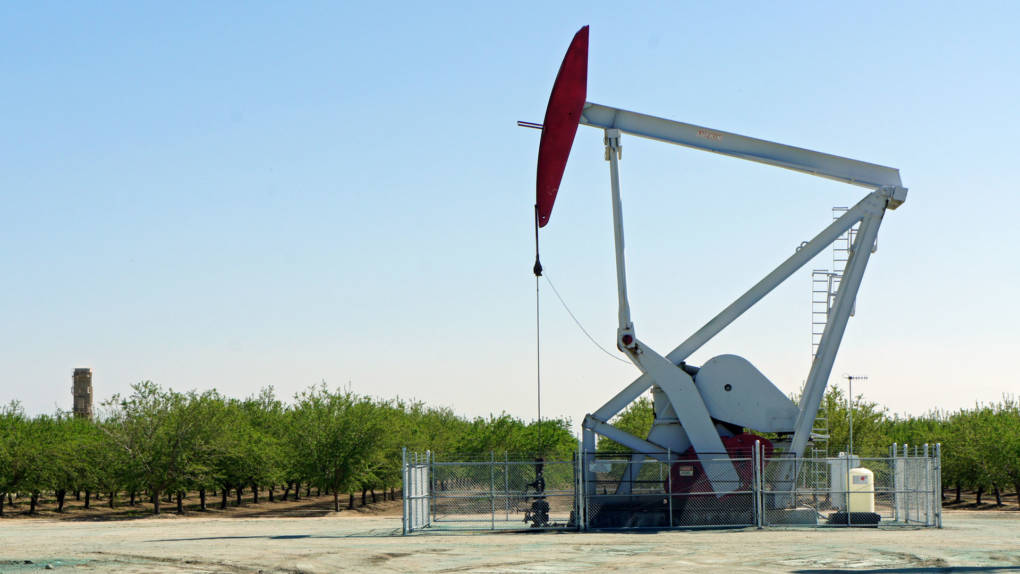
"caption": "An audit found state officials permitted thousands of oil industry wastewater wells in protected aquifers.",
"description": null,
"title": "Oil-CentralValley",
"credit": "Lauren Sommer/KQED",
"status": "inherit",
"isLoading": false,
"fetchFailed": false
},
"science_1299532": {
"type": "attachments",
"id": "science_1299532",
"meta": {
"index": "attachments_1716263798",
"site": "science",
"id": "1299532",
"found": true
},
"parent": 1299421,
"imgSizes": {
"small": {
"file": "https://ww2.kqed.org/app/uploads/sites/35/2017/01/DL402-Pill-Bugs_MARQUE-PHead-520x293.jpg",
"width": 520,
"mimeType": "image/jpeg",
"height": 293
},
"twentyfourteen-full-width": {
"file": "https://ww2.kqed.org/app/uploads/sites/35/2017/01/DL402-Pill-Bugs_MARQUE-PHead-1038x576.jpg",
"width": 1038,
"mimeType": "image/jpeg",
"height": 576
},
"thumbnail": {
"file": "https://ww2.kqed.org/app/uploads/sites/35/2017/01/DL402-Pill-Bugs_MARQUE-PHead-160x90.jpg",
"width": 160,
"mimeType": "image/jpeg",
"height": 90
},
"fd-sm": {
"file": "https://ww2.kqed.org/app/uploads/sites/35/2017/01/DL402-Pill-Bugs_MARQUE-PHead-960x540.jpg",
"width": 960,
"mimeType": "image/jpeg",
"height": 540
},
"post-thumbnail": {
"file": "https://ww2.kqed.org/app/uploads/sites/35/2017/01/DL402-Pill-Bugs_MARQUE-PHead-672x372.jpg",
"width": 672,
"mimeType": "image/jpeg",
"height": 372
},
"xsmall": {
"file": "https://ww2.kqed.org/app/uploads/sites/35/2017/01/DL402-Pill-Bugs_MARQUE-PHead-375x211.jpg",
"width": 375,
"mimeType": "image/jpeg",
"height": 211
},
"kqedFullSize": {
"file": "https://ww2.kqed.org/app/uploads/sites/35/2017/01/DL402-Pill-Bugs_MARQUE-PHead.jpg",
"width": 1920,
"height": 1080
},
"large": {
"file": "https://ww2.kqed.org/app/uploads/sites/35/2017/01/DL402-Pill-Bugs_MARQUE-PHead-1020x574.jpg",
"width": 1020,
"mimeType": "image/jpeg",
"height": 574
},
"xlarge": {
"file": "https://ww2.kqed.org/app/uploads/sites/35/2017/01/DL402-Pill-Bugs_MARQUE-PHead-1180x664.jpg",
"width": 1180,
"mimeType": "image/jpeg",
"height": 664
},
"guest-author-50": {
"file": "https://ww2.kqed.org/app/uploads/sites/35/2017/01/DL402-Pill-Bugs_MARQUE-PHead-50x50.jpg",
"width": 50,
"mimeType": "image/jpeg",
"height": 50
},
"guest-author-96": {
"file": "https://ww2.kqed.org/app/uploads/sites/35/2017/01/DL402-Pill-Bugs_MARQUE-PHead-96x96.jpg",
"width": 96,
"mimeType": "image/jpeg",
"height": 96
},
"medium": {
"file": "https://ww2.kqed.org/app/uploads/sites/35/2017/01/DL402-Pill-Bugs_MARQUE-PHead-800x450.jpg",
"width": 800,
"mimeType": "image/jpeg",
"height": 450
},
"guest-author-64": {
"file": "https://ww2.kqed.org/app/uploads/sites/35/2017/01/DL402-Pill-Bugs_MARQUE-PHead-64x64.jpg",
"width": 64,
"mimeType": "image/jpeg",
"height": 64
},
"guest-author-32": {
"file": "https://ww2.kqed.org/app/uploads/sites/35/2017/01/DL402-Pill-Bugs_MARQUE-PHead-32x32.jpg",
"width": 32,
"mimeType": "image/jpeg",
"height": 32
},
"fd-lrg": {
"file": "https://ww2.kqed.org/app/uploads/sites/35/2017/01/DL402-Pill-Bugs_MARQUE-PHead-1920x1080.jpg",
"width": 1920,
"mimeType": "image/jpeg",
"height": 1080
},
"fd-med": {
"file": "https://ww2.kqed.org/app/uploads/sites/35/2017/01/DL402-Pill-Bugs_MARQUE-PHead-1180x664.jpg",
"width": 1180,
"mimeType": "image/jpeg",
"height": 664
},
"full-width": {
"file": "https://ww2.kqed.org/app/uploads/sites/35/2017/01/DL402-Pill-Bugs_MARQUE-PHead-1920x1080.jpg",
"width": 1920,
"mimeType": "image/jpeg",
"height": 1080
},
"detail": {
"file": "https://ww2.kqed.org/app/uploads/sites/35/2017/01/DL402-Pill-Bugs_MARQUE-PHead-150x150.jpg",
"width": 150,
"mimeType": "image/jpeg",
"height": 150
},
"medium_large": {
"file": "https://ww2.kqed.org/app/uploads/sites/35/2017/01/DL402-Pill-Bugs_MARQUE-PHead-768x432.jpg",
"width": 768,
"mimeType": "image/jpeg",
"height": 432
},
"guest-author-128": {
"file": "https://ww2.kqed.org/app/uploads/sites/35/2017/01/DL402-Pill-Bugs_MARQUE-PHead-128x128.jpg",
"width": 128,
"mimeType": "image/jpeg",
"height": 128
},
"xxsmall": {
"file": "https://ww2.kqed.org/app/uploads/sites/35/2017/01/DL402-Pill-Bugs_MARQUE-PHead-240x135.jpg",
"width": 240,
"mimeType": "image/jpeg",
"height": 135
}
},
"publishDate": 1483651299,
"modified": 1484672365,
"caption": "Pill bugs roll into a ball for defense or to avoid drying out.",
"description": null,
"title": "Pill bugs roll into a ball for defense or to avoid drying out",
"credit": "Josh Cassidy/KQED",
"status": "inherit",
"isLoading": false,
"fetchFailed": false
},
"science_1317548": {
"type": "attachments",
"id": "science_1317548",
"meta": {
"index": "attachments_1716263798",
"site": "science",
"id": "1317548",
"found": true
},
"parent": 1315823,
"imgSizes": {
"small": {
"file": "https://ww2.kqed.org/app/uploads/sites/35/2017/01/Drought_Jan_2017-520x293.jpg",
"width": 520,
"mimeType": "image/jpeg",
"height": 293
},
"twentyfourteen-full-width": {
"file": "https://ww2.kqed.org/app/uploads/sites/35/2017/01/Drought_Jan_2017-1038x576.jpg",
"width": 1038,
"mimeType": "image/jpeg",
"height": 576
},
"thumbnail": {
"file": "https://ww2.kqed.org/app/uploads/sites/35/2017/01/Drought_Jan_2017-160x90.jpg",
"width": 160,
"mimeType": "image/jpeg",
"height": 90
},
"fd-sm": {
"file": "https://ww2.kqed.org/app/uploads/sites/35/2017/01/Drought_Jan_2017-960x540.jpg",
"width": 960,
"mimeType": "image/jpeg",
"height": 540
},
"post-thumbnail": {
"file": "https://ww2.kqed.org/app/uploads/sites/35/2017/01/Drought_Jan_2017-672x372.jpg",
"width": 672,
"mimeType": "image/jpeg",
"height": 372
},
"xsmall": {
"file": "https://ww2.kqed.org/app/uploads/sites/35/2017/01/Drought_Jan_2017-375x211.jpg",
"width": 375,
"mimeType": "image/jpeg",
"height": 211
},
"kqedFullSize": {
"file": "https://ww2.kqed.org/app/uploads/sites/35/2017/01/Drought_Jan_2017.jpg",
"width": 1920,
"height": 1080
},
"large": {
"file": "https://ww2.kqed.org/app/uploads/sites/35/2017/01/Drought_Jan_2017-1020x574.jpg",
"width": 1020,
"mimeType": "image/jpeg",
"height": 574
},
"xlarge": {
"file": "https://ww2.kqed.org/app/uploads/sites/35/2017/01/Drought_Jan_2017-1180x664.jpg",
"width": 1180,
"mimeType": "image/jpeg",
"height": 664
},
"guest-author-50": {
"file": "https://ww2.kqed.org/app/uploads/sites/35/2017/01/Drought_Jan_2017-50x50.jpg",
"width": 50,
"mimeType": "image/jpeg",
"height": 50
},
"guest-author-96": {
"file": "https://ww2.kqed.org/app/uploads/sites/35/2017/01/Drought_Jan_2017-96x96.jpg",
"width": 96,
"mimeType": "image/jpeg",
"height": 96
},
"medium": {
"file": "https://ww2.kqed.org/app/uploads/sites/35/2017/01/Drought_Jan_2017-800x450.jpg",
"width": 800,
"mimeType": "image/jpeg",
"height": 450
},
"guest-author-64": {
"file": "https://ww2.kqed.org/app/uploads/sites/35/2017/01/Drought_Jan_2017-64x64.jpg",
"width": 64,
"mimeType": "image/jpeg",
"height": 64
},
"guest-author-32": {
"file": "https://ww2.kqed.org/app/uploads/sites/35/2017/01/Drought_Jan_2017-32x32.jpg",
"width": 32,
"mimeType": "image/jpeg",
"height": 32
},
"fd-lrg": {
"file": "https://ww2.kqed.org/app/uploads/sites/35/2017/01/Drought_Jan_2017-1920x1080.jpg",
"width": 1920,
"mimeType": "image/jpeg",
"height": 1080
},
"fd-med": {
"file": "https://ww2.kqed.org/app/uploads/sites/35/2017/01/Drought_Jan_2017-1180x664.jpg",
"width": 1180,
"mimeType": "image/jpeg",
"height": 664
},
"full-width": {
"file": "https://ww2.kqed.org/app/uploads/sites/35/2017/01/Drought_Jan_2017-1920x1080.jpg",
"width": 1920,
"mimeType": "image/jpeg",
"height": 1080
},
"detail": {
"file": "https://ww2.kqed.org/app/uploads/sites/35/2017/01/Drought_Jan_2017-150x150.jpg",
"width": 150,
"mimeType": "image/jpeg",
"height": 150
},
"medium_large": {
"file": "https://ww2.kqed.org/app/uploads/sites/35/2017/01/Drought_Jan_2017-768x432.jpg",
"width": 768,
"mimeType": "image/jpeg",
"height": 432
},
"guest-author-128": {
"file": "https://ww2.kqed.org/app/uploads/sites/35/2017/01/Drought_Jan_2017-128x128.jpg",
"width": 128,
"mimeType": "image/jpeg",
"height": 128
},
"xxsmall": {
"file": "https://ww2.kqed.org/app/uploads/sites/35/2017/01/Drought_Jan_2017-240x135.jpg",
"width": 240,
"mimeType": "image/jpeg",
"height": 135
}
},
"publishDate": 1484242429,
"modified": 1484242544,
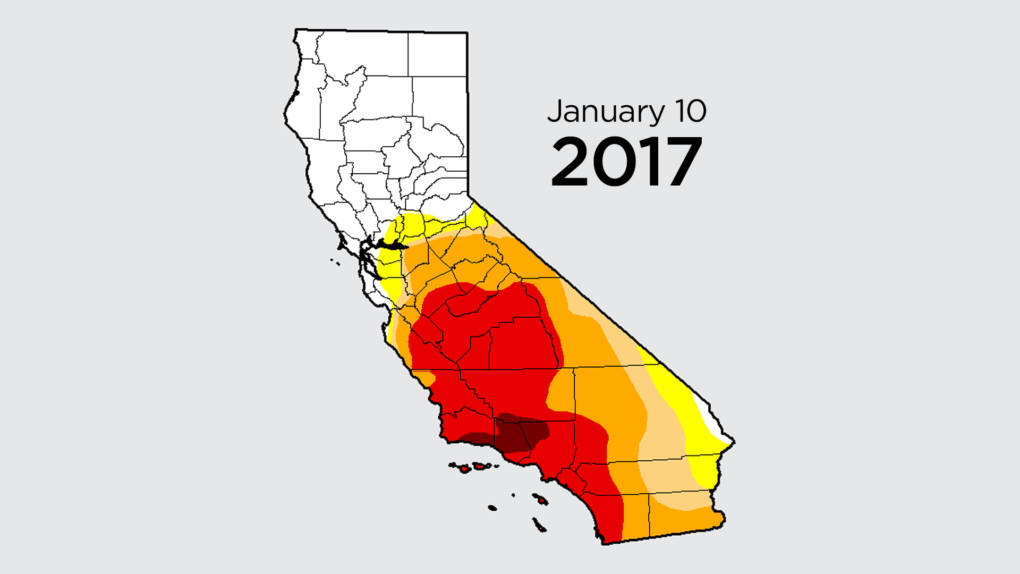
"caption": "The U.S. Drought Monitor’s weekly analysis, released on Thursday, shows only 2 percent of the state remains in the most extreme category, “exceptional drought,” down from nearly 43 percent a year ago.",
"description": null,
"title": "drought_jan_2017",
"credit": "Teodros Hailye/KQED",
"status": "inherit",
"isLoading": false,
"fetchFailed": false
},
"science_1315039": {
"type": "attachments",
"id": "science_1315039",
"meta": {
"index": "attachments_1716263798",
"site": "science",
"id": "1315039",
"found": true
},
"parent": 1312195,
"imgSizes": {
"small": {
"file": "https://ww2.kqed.org/app/uploads/sites/35/2017/01/UCSF_Mission_Bay_campus_for-520x357.jpg",
"width": 520,
"mimeType": "image/jpeg",
"height": 357
},
"twentyfourteen-full-width": {
"file": "https://ww2.kqed.org/app/uploads/sites/35/2017/01/UCSF_Mission_Bay_campus_for-1038x576.jpg",
"width": 1038,
"mimeType": "image/jpeg",
"height": 576
},
"thumbnail": {
"file": "https://ww2.kqed.org/app/uploads/sites/35/2017/01/UCSF_Mission_Bay_campus_for-160x110.jpg",
"width": 160,
"mimeType": "image/jpeg",
"height": 110
},
"fd-sm": {
"file": "https://ww2.kqed.org/app/uploads/sites/35/2017/01/UCSF_Mission_Bay_campus_for-960x658.jpg",
"width": 960,
"mimeType": "image/jpeg",
"height": 658
},
"post-thumbnail": {
"file": "https://ww2.kqed.org/app/uploads/sites/35/2017/01/UCSF_Mission_Bay_campus_for-672x372.jpg",
"width": 672,
"mimeType": "image/jpeg",
"height": 372
},
"xsmall": {
"file": "https://ww2.kqed.org/app/uploads/sites/35/2017/01/UCSF_Mission_Bay_campus_for-375x257.jpg",
"width": 375,
"mimeType": "image/jpeg",
"height": 257
},
"kqedFullSize": {
"file": "https://ww2.kqed.org/app/uploads/sites/35/2017/01/UCSF_Mission_Bay_campus_for.jpg",
"width": 5601,
"height": 3840
},
"large": {
"file": "https://ww2.kqed.org/app/uploads/sites/35/2017/01/UCSF_Mission_Bay_campus_for-1020x699.jpg",
"width": 1020,
"mimeType": "image/jpeg",
"height": 699
},
"xlarge": {
"file": "https://ww2.kqed.org/app/uploads/sites/35/2017/01/UCSF_Mission_Bay_campus_for-1180x809.jpg",
"width": 1180,
"mimeType": "image/jpeg",
"height": 809
},
"guest-author-50": {
"file": "https://ww2.kqed.org/app/uploads/sites/35/2017/01/UCSF_Mission_Bay_campus_for-50x50.jpg",
"width": 50,
"mimeType": "image/jpeg",
"height": 50
},
"guest-author-96": {
"file": "https://ww2.kqed.org/app/uploads/sites/35/2017/01/UCSF_Mission_Bay_campus_for-96x96.jpg",
"width": 96,
"mimeType": "image/jpeg",
"height": 96
},
"medium": {
"file": "https://ww2.kqed.org/app/uploads/sites/35/2017/01/UCSF_Mission_Bay_campus_for-800x548.jpg",
"width": 800,
"mimeType": "image/jpeg",
"height": 548
},
"guest-author-64": {
"file": "https://ww2.kqed.org/app/uploads/sites/35/2017/01/UCSF_Mission_Bay_campus_for-64x64.jpg",
"width": 64,
"mimeType": "image/jpeg",
"height": 64
},
"guest-author-32": {
"file": "https://ww2.kqed.org/app/uploads/sites/35/2017/01/UCSF_Mission_Bay_campus_for-32x32.jpg",
"width": 32,
"mimeType": "image/jpeg",
"height": 32
},
"fd-lrg": {
"file": "https://ww2.kqed.org/app/uploads/sites/35/2017/01/UCSF_Mission_Bay_campus_for-1920x1316.jpg",
"width": 1920,
"mimeType": "image/jpeg",
"height": 1316
},
"fd-med": {
"file": "https://ww2.kqed.org/app/uploads/sites/35/2017/01/UCSF_Mission_Bay_campus_for-1180x809.jpg",
"width": 1180,
"mimeType": "image/jpeg",
"height": 809
},
"full-width": {
"file": "https://ww2.kqed.org/app/uploads/sites/35/2017/01/UCSF_Mission_Bay_campus_for-1920x1316.jpg",
"width": 1920,
"mimeType": "image/jpeg",
"height": 1316
},
"detail": {
"file": "https://ww2.kqed.org/app/uploads/sites/35/2017/01/UCSF_Mission_Bay_campus_for-150x150.jpg",
"width": 150,
"mimeType": "image/jpeg",
"height": 150
},
"medium_large": {
"file": "https://ww2.kqed.org/app/uploads/sites/35/2017/01/UCSF_Mission_Bay_campus_for-768x527.jpg",
"width": 768,
"mimeType": "image/jpeg",
"height": 527
},
"guest-author-128": {
"file": "https://ww2.kqed.org/app/uploads/sites/35/2017/01/UCSF_Mission_Bay_campus_for-128x128.jpg",
"width": 128,
"mimeType": "image/jpeg",
"height": 128
},
"xxsmall": {
"file": "https://ww2.kqed.org/app/uploads/sites/35/2017/01/UCSF_Mission_Bay_campus_for-240x165.jpg",
"width": 240,
"mimeType": "image/jpeg",
"height": 165
}
},
"publishDate": 1484160818,
"modified": 1484180200,
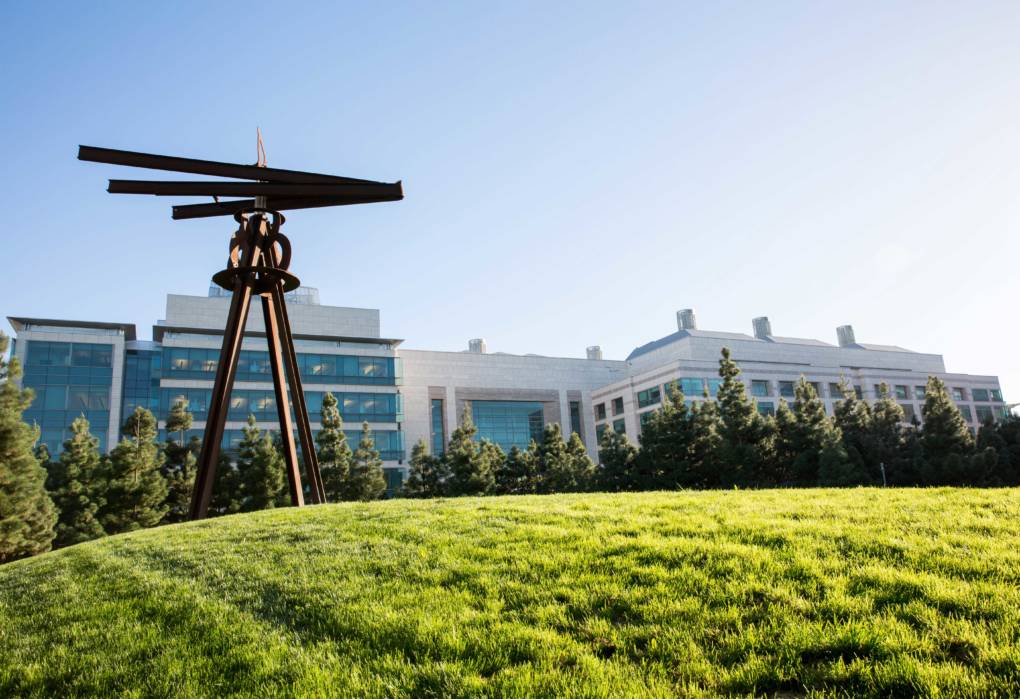
"caption": "A view of UCSF's newest campus--Mission Bay in San Francisco--which opened in 2015.",
"description": null,
"title": "ucsf_mission_bay_campus_for",
"credit": "Susan Merrell",
"status": "inherit",
"isLoading": false,
"fetchFailed": false
},
"science_1312189": {
"type": "attachments",
"id": "science_1312189",
"meta": {
"index": "attachments_1716263798",
"site": "science",
"id": "1312189",
"found": true
},
"parent": 1312186,
"imgSizes": {
"small": {
"file": "https://ww2.kqed.org/app/uploads/sites/35/2017/01/RS17822_GettyImages-476553971-qut-520x350.jpg",
"width": 520,
"mimeType": "image/jpeg",
"height": 350
},
"twentyfourteen-full-width": {
"file": "https://ww2.kqed.org/app/uploads/sites/35/2017/01/RS17822_GettyImages-476553971-qut-1038x576.jpg",
"width": 1038,
"mimeType": "image/jpeg",
"height": 576
},
"thumbnail": {
"file": "https://ww2.kqed.org/app/uploads/sites/35/2017/01/RS17822_GettyImages-476553971-qut-160x108.jpg",
"width": 160,
"mimeType": "image/jpeg",
"height": 108
},
"fd-sm": {
"file": "https://ww2.kqed.org/app/uploads/sites/35/2017/01/RS17822_GettyImages-476553971-qut-960x646.jpg",
"width": 960,
"mimeType": "image/jpeg",
"height": 646
},
"post-thumbnail": {
"file": "https://ww2.kqed.org/app/uploads/sites/35/2017/01/RS17822_GettyImages-476553971-qut-672x372.jpg",
"width": 672,
"mimeType": "image/jpeg",
"height": 372
},
"xsmall": {
"file": "https://ww2.kqed.org/app/uploads/sites/35/2017/01/RS17822_GettyImages-476553971-qut-375x252.jpg",
"width": 375,
"mimeType": "image/jpeg",
"height": 252
},
"kqedFullSize": {
"file": "https://ww2.kqed.org/app/uploads/sites/35/2017/01/RS17822_GettyImages-476553971-qut.jpg",
"width": 1920,
"height": 1291
},
"large": {
"file": "https://ww2.kqed.org/app/uploads/sites/35/2017/01/RS17822_GettyImages-476553971-qut-1020x686.jpg",
"width": 1020,
"mimeType": "image/jpeg",
"height": 686
},
"xlarge": {
"file": "https://ww2.kqed.org/app/uploads/sites/35/2017/01/RS17822_GettyImages-476553971-qut-1180x793.jpg",
"width": 1180,
"mimeType": "image/jpeg",
"height": 793
},
"guest-author-50": {
"file": "https://ww2.kqed.org/app/uploads/sites/35/2017/01/RS17822_GettyImages-476553971-qut-50x50.jpg",
"width": 50,
"mimeType": "image/jpeg",
"height": 50
},
"guest-author-96": {
"file": "https://ww2.kqed.org/app/uploads/sites/35/2017/01/RS17822_GettyImages-476553971-qut-96x96.jpg",
"width": 96,
"mimeType": "image/jpeg",
"height": 96
},
"medium": {
"file": "https://ww2.kqed.org/app/uploads/sites/35/2017/01/RS17822_GettyImages-476553971-qut-800x538.jpg",
"width": 800,
"mimeType": "image/jpeg",
"height": 538
},
"guest-author-64": {
"file": "https://ww2.kqed.org/app/uploads/sites/35/2017/01/RS17822_GettyImages-476553971-qut-64x64.jpg",
"width": 64,
"mimeType": "image/jpeg",
"height": 64
},
"guest-author-32": {
"file": "https://ww2.kqed.org/app/uploads/sites/35/2017/01/RS17822_GettyImages-476553971-qut-32x32.jpg",
"width": 32,
"mimeType": "image/jpeg",
"height": 32
},
"fd-lrg": {
"file": "https://ww2.kqed.org/app/uploads/sites/35/2017/01/RS17822_GettyImages-476553971-qut-1920x1291.jpg",
"width": 1920,
"mimeType": "image/jpeg",
"height": 1291
},
"fd-med": {
"file": "https://ww2.kqed.org/app/uploads/sites/35/2017/01/RS17822_GettyImages-476553971-qut-1180x793.jpg",
"width": 1180,
"mimeType": "image/jpeg",
"height": 793
},
"full-width": {
"file": "https://ww2.kqed.org/app/uploads/sites/35/2017/01/RS17822_GettyImages-476553971-qut-1920x1291.jpg",
"width": 1920,
"mimeType": "image/jpeg",
"height": 1291
},
"detail": {
"file": "https://ww2.kqed.org/app/uploads/sites/35/2017/01/RS17822_GettyImages-476553971-qut-150x150.jpg",
"width": 150,
"mimeType": "image/jpeg",
"height": 150
},
"medium_large": {
"file": "https://ww2.kqed.org/app/uploads/sites/35/2017/01/RS17822_GettyImages-476553971-qut-768x516.jpg",
"width": 768,
"mimeType": "image/jpeg",
"height": 516
},
"guest-author-128": {
"file": "https://ww2.kqed.org/app/uploads/sites/35/2017/01/RS17822_GettyImages-476553971-qut-128x128.jpg",
"width": 128,
"mimeType": "image/jpeg",
"height": 128
},
"xxsmall": {
"file": "https://ww2.kqed.org/app/uploads/sites/35/2017/01/RS17822_GettyImages-476553971-qut-240x161.jpg",
"width": 240,
"mimeType": "image/jpeg",
"height": 161
}
},
"publishDate": 1484066894,
"modified": 1484067088,
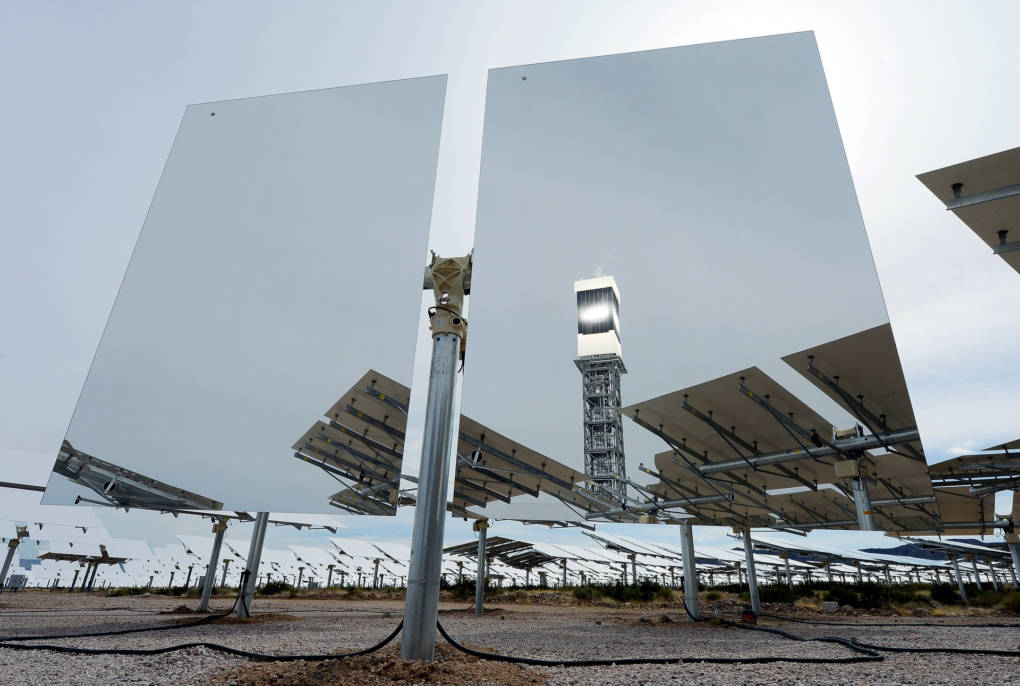
"caption": "The Ivanpah solar electric generating system is a solar power project built in the Nevada desert to help utilities comply with California's renewable energy rules.",
"description": null,
"title": "rs17822_gettyimages-476553971-qut",
"credit": "Ethan Miller/Getty Images",
"status": "inherit",
"isLoading": false,
"fetchFailed": false
},
"science_1310109": {
"type": "attachments",
"id": "science_1310109",
"meta": {
"index": "attachments_1716263798",
"site": "science",
"id": "1310109",
"found": true
},
"parent": 1309990,
"imgSizes": {
"small": {
"file": "https://ww2.kqed.org/app/uploads/sites/35/2017/01/NOAA-flooding-520x248.jpg",
"width": 520,
"mimeType": "image/jpeg",
"height": 248
},
"twentyfourteen-full-width": {
"file": "https://ww2.kqed.org/app/uploads/sites/35/2017/01/NOAA-flooding-1038x534.jpg",
"width": 1038,
"mimeType": "image/jpeg",
"height": 534
},
"thumbnail": {
"file": "https://ww2.kqed.org/app/uploads/sites/35/2017/01/NOAA-flooding-160x76.jpg",
"width": 160,
"mimeType": "image/jpeg",
"height": 76
},
"fd-sm": {
"file": "https://ww2.kqed.org/app/uploads/sites/35/2017/01/NOAA-flooding-960x458.jpg",
"width": 960,
"mimeType": "image/jpeg",
"height": 458
},
"post-thumbnail": {
"file": "https://ww2.kqed.org/app/uploads/sites/35/2017/01/NOAA-flooding-672x372.jpg",
"width": 672,
"mimeType": "image/jpeg",
"height": 372
},
"xsmall": {
"file": "https://ww2.kqed.org/app/uploads/sites/35/2017/01/NOAA-flooding-375x179.jpg",
"width": 375,
"mimeType": "image/jpeg",
"height": 179
},
"kqedFullSize": {
"file": "https://ww2.kqed.org/app/uploads/sites/35/2017/01/NOAA-flooding.jpg",
"width": 1120,
"height": 534
},
"large": {
"file": "https://ww2.kqed.org/app/uploads/sites/35/2017/01/NOAA-flooding-1020x486.jpg",
"width": 1020,
"mimeType": "image/jpeg",
"height": 486
},
"guest-author-50": {
"file": "https://ww2.kqed.org/app/uploads/sites/35/2017/01/NOAA-flooding-50x50.jpg",
"width": 50,
"mimeType": "image/jpeg",
"height": 50
},
"guest-author-96": {
"file": "https://ww2.kqed.org/app/uploads/sites/35/2017/01/NOAA-flooding-96x96.jpg",
"width": 96,
"mimeType": "image/jpeg",
"height": 96
},
"medium": {
"file": "https://ww2.kqed.org/app/uploads/sites/35/2017/01/NOAA-flooding-800x381.jpg",
"width": 800,
"mimeType": "image/jpeg",
"height": 381
},
"guest-author-64": {
"file": "https://ww2.kqed.org/app/uploads/sites/35/2017/01/NOAA-flooding-64x64.jpg",
"width": 64,
"mimeType": "image/jpeg",
"height": 64
},
"guest-author-32": {
"file": "https://ww2.kqed.org/app/uploads/sites/35/2017/01/NOAA-flooding-32x32.jpg",
"width": 32,
"mimeType": "image/jpeg",
"height": 32
},
"detail": {
"file": "https://ww2.kqed.org/app/uploads/sites/35/2017/01/NOAA-flooding-150x150.jpg",
"width": 150,
"mimeType": "image/jpeg",
"height": 150
},
"medium_large": {
"file": "https://ww2.kqed.org/app/uploads/sites/35/2017/01/NOAA-flooding-768x366.jpg",
"width": 768,
"mimeType": "image/jpeg",
"height": 366
},
"guest-author-128": {
"file": "https://ww2.kqed.org/app/uploads/sites/35/2017/01/NOAA-flooding-128x128.jpg",
"width": 128,
"mimeType": "image/jpeg",
"height": 128
},
"xxsmall": {
"file": "https://ww2.kqed.org/app/uploads/sites/35/2017/01/NOAA-flooding-240x114.jpg",
"width": 240,
"mimeType": "image/jpeg",
"height": 114
}
},
"publishDate": 1483996673,
"modified": 1483996835,
"caption": "Several parts of the country including Louisiana, Arkansas and eastern Texas were under water during torrential rainfall in the spring of 2016.\n\n",
"description": null,
"title": "noaa-flooding",
"credit": "NOAA",
"status": "inherit",
"isLoading": false,
"fetchFailed": false
},
"science_1309764": {
"type": "attachments",
"id": "science_1309764",
"meta": {
"index": "attachments_1716263798",
"site": "science",
"id": "1309764",
"found": true
},
"parent": 1309637,
"imgSizes": {
"small": {
"file": "https://ww2.kqed.org/app/uploads/sites/35/2017/01/Bear-river-flickr_for_web-520x347.jpg",
"width": 520,
"mimeType": "image/jpeg",
"height": 347
},
"twentyfourteen-full-width": {
"file": "https://ww2.kqed.org/app/uploads/sites/35/2017/01/Bear-river-flickr_for_web-1038x576.jpg",
"width": 1038,
"mimeType": "image/jpeg",
"height": 576
},
"thumbnail": {
"file": "https://ww2.kqed.org/app/uploads/sites/35/2017/01/Bear-river-flickr_for_web-160x107.jpg",
"width": 160,
"mimeType": "image/jpeg",
"height": 107
},
"fd-sm": {
"file": "https://ww2.kqed.org/app/uploads/sites/35/2017/01/Bear-river-flickr_for_web-960x640.jpg",
"width": 960,
"mimeType": "image/jpeg",
"height": 640
},
"post-thumbnail": {
"file": "https://ww2.kqed.org/app/uploads/sites/35/2017/01/Bear-river-flickr_for_web-672x372.jpg",
"width": 672,
"mimeType": "image/jpeg",
"height": 372
},
"xsmall": {
"file": "https://ww2.kqed.org/app/uploads/sites/35/2017/01/Bear-river-flickr_for_web-375x250.jpg",
"width": 375,
"mimeType": "image/jpeg",
"height": 250
},
"kqedFullSize": {
"file": "https://ww2.kqed.org/app/uploads/sites/35/2017/01/Bear-river-flickr_for_web.jpg",
"width": 4272,
"height": 2848
},
"large": {
"file": "https://ww2.kqed.org/app/uploads/sites/35/2017/01/Bear-river-flickr_for_web-1020x680.jpg",
"width": 1020,
"mimeType": "image/jpeg",
"height": 680
},
"xlarge": {
"file": "https://ww2.kqed.org/app/uploads/sites/35/2017/01/Bear-river-flickr_for_web-1180x787.jpg",
"width": 1180,
"mimeType": "image/jpeg",
"height": 787
},
"guest-author-50": {
"file": "https://ww2.kqed.org/app/uploads/sites/35/2017/01/Bear-river-flickr_for_web-50x50.jpg",
"width": 50,
"mimeType": "image/jpeg",
"height": 50
},
"guest-author-96": {
"file": "https://ww2.kqed.org/app/uploads/sites/35/2017/01/Bear-river-flickr_for_web-96x96.jpg",
"width": 96,
"mimeType": "image/jpeg",
"height": 96
},
"medium": {
"file": "https://ww2.kqed.org/app/uploads/sites/35/2017/01/Bear-river-flickr_for_web-800x533.jpg",
"width": 800,
"mimeType": "image/jpeg",
"height": 533
},
"guest-author-64": {
"file": "https://ww2.kqed.org/app/uploads/sites/35/2017/01/Bear-river-flickr_for_web-64x64.jpg",
"width": 64,
"mimeType": "image/jpeg",
"height": 64
},
"guest-author-32": {
"file": "https://ww2.kqed.org/app/uploads/sites/35/2017/01/Bear-river-flickr_for_web-32x32.jpg",
"width": 32,
"mimeType": "image/jpeg",
"height": 32
},
"fd-lrg": {
"file": "https://ww2.kqed.org/app/uploads/sites/35/2017/01/Bear-river-flickr_for_web-1920x1280.jpg",
"width": 1920,
"mimeType": "image/jpeg",
"height": 1280
},
"fd-med": {
"file": "https://ww2.kqed.org/app/uploads/sites/35/2017/01/Bear-river-flickr_for_web-1180x787.jpg",
"width": 1180,
"mimeType": "image/jpeg",
"height": 787
},
"full-width": {
"file": "https://ww2.kqed.org/app/uploads/sites/35/2017/01/Bear-river-flickr_for_web-1920x1280.jpg",
"width": 1920,
"mimeType": "image/jpeg",
"height": 1280
},
"detail": {
"file": "https://ww2.kqed.org/app/uploads/sites/35/2017/01/Bear-river-flickr_for_web-150x150.jpg",
"width": 150,
"mimeType": "image/jpeg",
"height": 150
},
"medium_large": {
"file": "https://ww2.kqed.org/app/uploads/sites/35/2017/01/Bear-river-flickr_for_web-768x512.jpg",
"width": 768,
"mimeType": "image/jpeg",
"height": 512
},
"guest-author-128": {
"file": "https://ww2.kqed.org/app/uploads/sites/35/2017/01/Bear-river-flickr_for_web-128x128.jpg",
"width": 128,
"mimeType": "image/jpeg",
"height": 128
},
"xxsmall": {
"file": "https://ww2.kqed.org/app/uploads/sites/35/2017/01/Bear-river-flickr_for_web-240x160.jpg",
"width": 240,
"mimeType": "image/jpeg",
"height": 160
}
},
"publishDate": 1483988728,
"modified": 1483988990,
"caption": "Bear River, seen here in 2009, would be inundated by the proposed Centennial Reservoir.",
"description": null,
"title": "bear-river-flickr_for_web",
"credit": "\u003ca href=\"http://bit.ly/2iwFCo4\" target=\"_blank\">Nick Ares/flickr\u003c/a>",
"status": "inherit",
"isLoading": false,
"fetchFailed": false
},
"science_1302405": {
"type": "attachments",
"id": "science_1302405",
"meta": {
"index": "attachments_1716263798",
"site": "science",
"id": "1302405",
"found": true
},
"parent": 1299645,
"imgSizes": {
"small": {
"file": "https://ww2.kqed.org/app/uploads/sites/35/2017/01/24436070082_0faf4c33ad_k-520x390.jpg",
"width": 520,
"mimeType": "image/jpeg",
"height": 390
},
"twentyfourteen-full-width": {
"file": "https://ww2.kqed.org/app/uploads/sites/35/2017/01/24436070082_0faf4c33ad_k-1038x576.jpg",
"width": 1038,
"mimeType": "image/jpeg",
"height": 576
},
"thumbnail": {
"file": "https://ww2.kqed.org/app/uploads/sites/35/2017/01/24436070082_0faf4c33ad_k-160x120.jpg",
"width": 160,
"mimeType": "image/jpeg",
"height": 120
},
"fd-sm": {
"file": "https://ww2.kqed.org/app/uploads/sites/35/2017/01/24436070082_0faf4c33ad_k-960x720.jpg",
"width": 960,
"mimeType": "image/jpeg",
"height": 720
},
"post-thumbnail": {
"file": "https://ww2.kqed.org/app/uploads/sites/35/2017/01/24436070082_0faf4c33ad_k-672x372.jpg",
"width": 672,
"mimeType": "image/jpeg",
"height": 372
},
"xsmall": {
"file": "https://ww2.kqed.org/app/uploads/sites/35/2017/01/24436070082_0faf4c33ad_k-375x281.jpg",
"width": 375,
"mimeType": "image/jpeg",
"height": 281
},
"kqedFullSize": {
"file": "https://ww2.kqed.org/app/uploads/sites/35/2017/01/24436070082_0faf4c33ad_k.jpg",
"width": 2048,
"height": 1536
},
"large": {
"file": "https://ww2.kqed.org/app/uploads/sites/35/2017/01/24436070082_0faf4c33ad_k-1020x765.jpg",
"width": 1020,
"mimeType": "image/jpeg",
"height": 765
},
"xlarge": {
"file": "https://ww2.kqed.org/app/uploads/sites/35/2017/01/24436070082_0faf4c33ad_k-1180x885.jpg",
"width": 1180,
"mimeType": "image/jpeg",
"height": 885
},
"guest-author-50": {
"file": "https://ww2.kqed.org/app/uploads/sites/35/2017/01/24436070082_0faf4c33ad_k-50x50.jpg",
"width": 50,
"mimeType": "image/jpeg",
"height": 50
},
"guest-author-96": {
"file": "https://ww2.kqed.org/app/uploads/sites/35/2017/01/24436070082_0faf4c33ad_k-96x96.jpg",
"width": 96,
"mimeType": "image/jpeg",
"height": 96
},
"medium": {
"file": "https://ww2.kqed.org/app/uploads/sites/35/2017/01/24436070082_0faf4c33ad_k-800x600.jpg",
"width": 800,
"mimeType": "image/jpeg",
"height": 600
},
"guest-author-64": {
"file": "https://ww2.kqed.org/app/uploads/sites/35/2017/01/24436070082_0faf4c33ad_k-64x64.jpg",
"width": 64,
"mimeType": "image/jpeg",
"height": 64
},
"guest-author-32": {
"file": "https://ww2.kqed.org/app/uploads/sites/35/2017/01/24436070082_0faf4c33ad_k-32x32.jpg",
"width": 32,
"mimeType": "image/jpeg",
"height": 32
},
"fd-lrg": {
"file": "https://ww2.kqed.org/app/uploads/sites/35/2017/01/24436070082_0faf4c33ad_k-1920x1440.jpg",
"width": 1920,
"mimeType": "image/jpeg",
"height": 1440
},
"fd-med": {
"file": "https://ww2.kqed.org/app/uploads/sites/35/2017/01/24436070082_0faf4c33ad_k-1180x885.jpg",
"width": 1180,
"mimeType": "image/jpeg",
"height": 885
},
"full-width": {
"file": "https://ww2.kqed.org/app/uploads/sites/35/2017/01/24436070082_0faf4c33ad_k-1920x1440.jpg",
"width": 1920,
"mimeType": "image/jpeg",
"height": 1440
},
"detail": {
"file": "https://ww2.kqed.org/app/uploads/sites/35/2017/01/24436070082_0faf4c33ad_k-150x150.jpg",
"width": 150,
"mimeType": "image/jpeg",
"height": 150
},
"medium_large": {
"file": "https://ww2.kqed.org/app/uploads/sites/35/2017/01/24436070082_0faf4c33ad_k-768x576.jpg",
"width": 768,
"mimeType": "image/jpeg",
"height": 576
},
"guest-author-128": {
"file": "https://ww2.kqed.org/app/uploads/sites/35/2017/01/24436070082_0faf4c33ad_k-128x128.jpg",
"width": 128,
"mimeType": "image/jpeg",
"height": 128
},
"xxsmall": {
"file": "https://ww2.kqed.org/app/uploads/sites/35/2017/01/24436070082_0faf4c33ad_k-240x180.jpg",
"width": 240,
"mimeType": "image/jpeg",
"height": 180
}
},
"publishDate": 1483747828,
"modified": 1483747972,
"caption": "A photo taken at San Francisco's flooded Embarcadero on January 22, 2016 during the seasonal king tides.",
"description": null,
"title": "24436070082_0faf4c33ad_k",
"credit": "Chris Martin/flickr",
"status": "inherit",
"isLoading": false,
"fetchFailed": false
},
"science_1302661": {
"type": "attachments",
"id": "science_1302661",
"meta": {
"index": "attachments_1716263798",
"site": "science",
"id": "1302661",
"found": true
},
"parent": 1302533,
"imgSizes": {
"small": {
"file": "https://ww2.kqed.org/app/uploads/sites/35/2017/01/DFI-e1483752955122-520x260.jpg",
"width": 520,
"mimeType": "image/jpeg",
"height": 260
},
"twentyfourteen-full-width": {
"file": "https://ww2.kqed.org/app/uploads/sites/35/2017/01/DFI-e1483752955122-1038x532.jpg",
"width": 1038,
"mimeType": "image/jpeg",
"height": 532
},
"thumbnail": {
"file": "https://ww2.kqed.org/app/uploads/sites/35/2017/01/DFI-e1483752955122-160x80.jpg",
"width": 160,
"mimeType": "image/jpeg",
"height": 80
},
"fd-sm": {
"file": "https://ww2.kqed.org/app/uploads/sites/35/2017/01/DFI-e1483752955122-960x480.jpg",
"width": 960,
"mimeType": "image/jpeg",
"height": 480
},
"post-thumbnail": {
"file": "https://ww2.kqed.org/app/uploads/sites/35/2017/01/DFI-e1483752955122-672x372.jpg",
"width": 672,
"mimeType": "image/jpeg",
"height": 372
},
"xsmall": {
"file": "https://ww2.kqed.org/app/uploads/sites/35/2017/01/DFI-e1483752955122-375x187.jpg",
"width": 375,
"mimeType": "image/jpeg",
"height": 187
},
"kqedFullSize": {
"file": "https://ww2.kqed.org/app/uploads/sites/35/2017/01/DFI-e1483752955122.jpg",
"width": 1065,
"height": 532
},
"large": {
"file": "https://ww2.kqed.org/app/uploads/sites/35/2017/01/DFI-e1483752955122-1020x510.jpg",
"width": 1020,
"mimeType": "image/jpeg",
"height": 510
},
"xlarge": {
"file": "https://ww2.kqed.org/app/uploads/sites/35/2017/01/DFI-1180x328.jpg",
"width": 1180,
"mimeType": "image/jpeg",
"height": 328
},
"guest-author-50": {
"file": "https://ww2.kqed.org/app/uploads/sites/35/2017/01/DFI-e1483752955122-50x50.jpg",
"width": 50,
"mimeType": "image/jpeg",
"height": 50
},
"guest-author-96": {
"file": "https://ww2.kqed.org/app/uploads/sites/35/2017/01/DFI-e1483752955122-96x96.jpg",
"width": 96,
"mimeType": "image/jpeg",
"height": 96
},
"medium": {
"file": "https://ww2.kqed.org/app/uploads/sites/35/2017/01/DFI-e1483752955122-800x400.jpg",
"width": 800,
"mimeType": "image/jpeg",
"height": 400
},
"guest-author-64": {
"file": "https://ww2.kqed.org/app/uploads/sites/35/2017/01/DFI-e1483752955122-64x64.jpg",
"width": 64,
"mimeType": "image/jpeg",
"height": 64
},
"guest-author-32": {
"file": "https://ww2.kqed.org/app/uploads/sites/35/2017/01/DFI-e1483752955122-32x32.jpg",
"width": 32,
"mimeType": "image/jpeg",
"height": 32
},
"fd-lrg": {
"file": "https://ww2.kqed.org/app/uploads/sites/35/2017/01/DFI-1920x534.jpg",
"width": 1920,
"mimeType": "image/jpeg",
"height": 534
},
"fd-med": {
"file": "https://ww2.kqed.org/app/uploads/sites/35/2017/01/DFI-1180x328.jpg",
"width": 1180,
"mimeType": "image/jpeg",
"height": 328
},
"full-width": {
"file": "https://ww2.kqed.org/app/uploads/sites/35/2017/01/DFI-1920x534.jpg",
"width": 1920,
"mimeType": "image/jpeg",
"height": 534
},
"detail": {
"file": "https://ww2.kqed.org/app/uploads/sites/35/2017/01/DFI-e1483752955122-150x150.jpg",
"width": 150,
"mimeType": "image/jpeg",
"height": 150
},
"medium_large": {
"file": "https://ww2.kqed.org/app/uploads/sites/35/2017/01/DFI-e1483752955122-768x384.jpg",
"width": 768,
"mimeType": "image/jpeg",
"height": 384
},
"guest-author-128": {
"file": "https://ww2.kqed.org/app/uploads/sites/35/2017/01/DFI-e1483752955122-128x128.jpg",
"width": 128,
"mimeType": "image/jpeg",
"height": 128
},
"xxsmall": {
"file": "https://ww2.kqed.org/app/uploads/sites/35/2017/01/DFI-e1483752955122-240x120.jpg",
"width": 240,
"mimeType": "image/jpeg",
"height": 120
}
},
"publishDate": 1483752929,
"modified": 1483753037,
"caption": "The state's drought is becoming less severe, especially in parts of Northern California.",
"description": null,
"title": "dfi",
"credit": "KQED",
"status": "inherit",
"isLoading": false,
"fetchFailed": false
}
},
"audioPlayerReducer": {
"postId": "stream_live",
"isPaused": true,
"isPlaying": false,
"pfsActive": false,
"pledgeModalIsOpen": true,
"playerDrawerIsOpen": false,
"liveAudioPlayStartedAt": 0,
"liveAudioPlayContext": ""
},
"authorsReducer": {
"byline_science_1335857": {
"type": "authors",
"id": "byline_science_1335857",
"meta": {
"override": true
},
"slug": "byline_science_1335857",
"name": "Associated Press",
"isLoading": false
},
"byline_science_1312186": {
"type": "authors",
"id": "byline_science_1312186",
"meta": {
"override": true
},
"slug": "byline_science_1312186",
"name": "\u003ca href=\"http://www.climatecentral.org/what-we-do/people/john-upton\" target=\"_blank\">John Upton\u003c/a>\u003c/br>Climate Central",
"isLoading": false
},
"byline_science_1309990": {
"type": "authors",
"id": "byline_science_1309990",
"meta": {
"override": true
},
"slug": "byline_science_1309990",
"name": "Seth Borenstein\u003c/br>Associated Press",
"isLoading": false
},
"byline_science_1309637": {
"type": "authors",
"id": "byline_science_1309637",
"meta": {
"override": true
},
"slug": "byline_science_1309637",
"name": "Matt Weiser\u003c/br>Water Deeply",
"isLoading": false
},
"cmiller": {
"type": "authors",
"id": "221",
"meta": {
"index": "authors_1716337520",
"id": "221",
"found": true
},
"name": "Craig Miller",
"firstName": "Craig",
"lastName": "Miller",
"slug": "cmiller",
"email": "craig@voxterra.net",
"display_author_email": false,
"staff_mastheads": [
"science"
],
"title": "Editor Emeritus, Science",
"bio": "Craig is a former KQED Science editor, specializing in weather, climate, water & energy issues, with a little seismology thrown in just to shake things up. Prior to that, he launched and led the station's award-winning multimedia project, Climate Watch. Craig is also an accomplished writer/producer of television documentaries, with a focus on natural resource issues.",
"avatar": "https://secure.gravatar.com/avatar/b91661df645e001a9cafe0861fa685f9?s=600&d=blank&r=g",
"twitter": "voxterra",
"facebook": null,
"instagram": null,
"linkedin": null,
"sites": [
{
"site": "news",
"roles": [
"author"
]
},
{
"site": "futureofyou",
"roles": [
"editor"
]
},
{
"site": "stateofhealth",
"roles": [
"author"
]
},
{
"site": "science",
"roles": [
"editor"
]
},
{
"site": "quest",
"roles": [
"editor"
]
}
],
"headData": {
"title": "Craig Miller | KQED",
"description": "Editor Emeritus, Science",
"ogImgSrc": "https://secure.gravatar.com/avatar/b91661df645e001a9cafe0861fa685f9?s=600&d=blank&r=g",
"twImgSrc": "https://secure.gravatar.com/avatar/b91661df645e001a9cafe0861fa685f9?s=600&d=blank&r=g"
},
"isLoading": false,
"link": "/author/cmiller"
},
"laurensommer": {
"type": "authors",
"id": "239",
"meta": {
"index": "authors_1716337520",
"id": "239",
"found": true
},
"name": "Lauren Sommer",
"firstName": "Lauren",
"lastName": "Sommer",
"slug": "laurensommer",
"email": "lsommer@kqed.org",
"display_author_email": false,
"staff_mastheads": [],
"title": "KQED Contributor",
"bio": "Lauren is a radio reporter formerly covering environment, water, and energy for KQED Science. As part of her day job, she has scaled Sierra Nevada peaks, run from charging elephant seals, and desperately tried to get her sea legs - all in pursuit of good radio. Her work has appeared on Marketplace, Living on Earth, Science Friday and NPR's Morning Edition and All Things Considered. You can find her on Twitter at \u003ca href=\"https://twitter.com/lesommer\">@lesommer\u003c/a>.",
"avatar": "https://secure.gravatar.com/avatar/33aa3772bb86c6ad45b8aca6a238bbdf?s=600&d=blank&r=g",
"twitter": null,
"facebook": null,
"instagram": null,
"linkedin": null,
"sites": [
{
"site": "news",
"roles": [
"author"
]
},
{
"site": "science",
"roles": [
"editor",
"manage_content_types",
"manage_taxonomies"
]
},
{
"site": "quest",
"roles": [
"editor"
]
}
],
"headData": {
"title": "Lauren Sommer | KQED",
"description": "KQED Contributor",
"ogImgSrc": "https://secure.gravatar.com/avatar/33aa3772bb86c6ad45b8aca6a238bbdf?s=600&d=blank&r=g",
"twImgSrc": "https://secure.gravatar.com/avatar/33aa3772bb86c6ad45b8aca6a238bbdf?s=600&d=blank&r=g"
},
"isLoading": false,
"link": "/author/laurensommer"
},
"lindseyhoshaw": {
"type": "authors",
"id": "5432",
"meta": {
"index": "authors_1716337520",
"id": "5432",
"found": true
},
"name": "Lindsey Hoshaw",
"firstName": "Lindsey",
"lastName": "Hoshaw",
"slug": "lindseyhoshaw",
"email": "lhoshaw@kqed.org",
"display_author_email": false,
"staff_mastheads": [],
"title": "KQED Contributor",
"bio": "Lindsey Hoshaw is a former interactive producer for KQED Science. Before joining KQED, Lindsey was a science correspondent for The New York Times, The Boston Globe, Forbes and Scientific American. On Twitter @lindseyhoshaw",
"avatar": "https://secure.gravatar.com/avatar/274b07694c998eaa8f26cfabaa941186?s=600&d=mm&r=g",
"twitter": "lindseyhoshaw",
"facebook": "lindsey.hoshaw.9",
"instagram": null,
"linkedin": null,
"sites": [
{
"site": "arts",
"roles": [
"author"
]
},
{
"site": "news",
"roles": [
"subscriber"
]
},
{
"site": "futureofyou",
"roles": [
"editor"
]
},
{
"site": "bayareabites",
"roles": [
"contributor"
]
},
{
"site": "stateofhealth",
"roles": [
"author"
]
},
{
"site": "science",
"roles": [
"edit_theme_options",
"subscriber"
]
},
{
"site": "quest",
"roles": [
"edit_post_subscriptions",
"edit_usergroups",
"unfiltered_html",
"unfiltered_upload",
"leadcoordinator",
"editor"
]
},
{
"site": "food",
"roles": []
}
],
"headData": {
"title": "Lindsey Hoshaw | KQED",
"description": "KQED Contributor",
"ogImgSrc": "https://secure.gravatar.com/avatar/274b07694c998eaa8f26cfabaa941186?s=600&d=mm&r=g",
"twImgSrc": "https://secure.gravatar.com/avatar/274b07694c998eaa8f26cfabaa941186?s=600&d=mm&r=g"
},
"isLoading": false,
"link": "/author/lindseyhoshaw"
},
"joshua-cassidy": {
"type": "authors",
"id": "6219",
"meta": {
"index": "authors_1716337520",
"id": "6219",
"found": true
},
"name": "Josh Cassidy",
"firstName": "Josh",
"lastName": "Cassidy",
"slug": "joshua-cassidy",
"email": "jcassidy@kqed.org",
"display_author_email": false,
"staff_mastheads": [
"science"
],
"title": "Digital Video Producer",
"bio": "Josh is a Senior Video Producer for KQED Science, and the Lead Producer and Cinematographer for Deep Look. After receiving his BS in Wildlife Biology from Ohio University, he went on to participate in marine mammal research for NOAA, USGS and the Intersea Foundation. He also served as the president of The Pacific Cetacean Group, a nonprofit organization dedicated to teaching students K-6 about whales. Josh studied science and natural history filmmaking at San Francisco State University and Montana State University.",
"avatar": "https://secure.gravatar.com/avatar/f2582a0801a35af53b734d56bcac2bbe?s=600&d=blank&r=g",
"twitter": null,
"facebook": null,
"instagram": null,
"linkedin": null,
"sites": [
{
"site": "science",
"roles": [
"editor"
]
},
{
"site": "quest",
"roles": [
"author",
"edit_others_posts"
]
}
],
"headData": {
"title": "Josh Cassidy | KQED",
"description": "Digital Video Producer",
"ogImgSrc": "https://secure.gravatar.com/avatar/f2582a0801a35af53b734d56bcac2bbe?s=600&d=blank&r=g",
"twImgSrc": "https://secure.gravatar.com/avatar/f2582a0801a35af53b734d56bcac2bbe?s=600&d=blank&r=g"
},
"isLoading": false,
"link": "/author/joshua-cassidy"
},
"kqedscience": {
"type": "authors",
"id": "6387",
"meta": {
"index": "authors_1716337520",
"id": "6387",
"found": true
},
"name": "KQED Science",
"firstName": "KQED",
"lastName": "Science",
"slug": "kqedscience",
"email": "kqedscience@gmail.com",
"display_author_email": false,
"staff_mastheads": [],
"title": null,
"bio": "KQED Science brings you award-winning science and environment coverage from the Bay Area and beyond by the flagship Northern California PBS and NPR affiliate.",
"avatar": "https://secure.gravatar.com/avatar/5a295ff49cf82a8c0f30937d3f788b2f?s=600&d=blank&r=g",
"twitter": null,
"facebook": null,
"instagram": null,
"linkedin": null,
"sites": [
{
"site": "science",
"roles": [
"contributor"
]
},
{
"site": "quest",
"roles": [
"editor"
]
},
{
"site": "food",
"roles": [
"contributor"
]
}
],
"headData": {
"title": "KQED Science | KQED",
"description": null,
"ogImgSrc": "https://secure.gravatar.com/avatar/5a295ff49cf82a8c0f30937d3f788b2f?s=600&d=blank&r=g",
"twImgSrc": "https://secure.gravatar.com/avatar/5a295ff49cf82a8c0f30937d3f788b2f?s=600&d=blank&r=g"
},
"isLoading": false,
"link": "/author/kqedscience"
}
},
"pagesReducer": {
"science_category_news": {
"type": "terms",
"id": "science_40",
"meta": {
"index": "terms_1716263798",
"site": "science",
"id": "40",
"score": 10.81443
},
"featImg": null,
"name": "News",
"description": null,
"taxonomy": "category",
"headData": {
"twImgId": null,
"twTitle": null,
"ogTitle": null,
"ogImgId": null,
"twDescription": null,
"description": null,
"title": "News Archives | KQED Science",
"ogDescription": null
},
"ttid": 42,
"slug": "news",
"isLoading": false,
"title": "News",
"pageMeta": {
"site": "science",
"WpPageTemplate": "page-topic-editorial",
"currentPage": 207
},
"blocks": [
{
"blockName": "kqed/post-list",
"attrs": {
"layout": "cardArticle2",
"query": "posts/science?category=news",
"seeMore": false,
"paginated": true,
"page": 207
}
},
{
"blockName": "kqed/ad"
}
]
}
},
"pfsSessionReducer": {},
"postsReducer": {
"stream_live": {
"type": "live",
"id": "stream_live",
"audioUrl": "https://streams.kqed.org/kqedradio",
"title": "Live Stream",
"excerpt": "Live Stream information currently unavailable.",
"link": "/radio",
"featImg": "",
"label": {
"name": "KQED Live",
"link": "/"
}
},
"stream_kqedNewscast": {
"type": "posts",
"id": "stream_kqedNewscast",
"audioUrl": "https://www.kqed.org/.stream/anon/radio/RDnews/newscast.mp3?_=1",
"title": "KQED Newscast",
"featImg": "",
"label": {
"name": "88.5 FM",
"link": "/"
}
},
"science_1335857": {
"type": "posts",
"id": "science_1335857",
"meta": {
"index": "posts_1716263798",
"site": "science",
"id": "1335857",
"score": null,
"sort": [
1484857988000
]
},
"parent": 0,
"labelTerm": {},
"blocks": [],
"publishDate": 1484857988,
"format": "standard",
"title": "California Scientist Names Moth Species After Donald Trump",
"headTitle": "California Scientist Names Moth Species After Donald Trump | KQED",
"content": "\u003cp>A scientist in California has named a newly discovered moth species after President-elect Donald Trump, saying the white and yellow scales on the insect’s head are reminiscent of Trump’s blond hairdo.\u003c/p>\n\u003cp>The moth was named \u003cem>Neopalpa donadltrumpi\u003c/em> by evolutionary biologist Vazrick Nazari, who discovered it while dissecting moths and noticing that three specimens had a distinct wing pattern and unique DNA profile, the \u003ca href=\"http://bit.ly/2k6ZyTk\" target=\"_blank\" rel=\"noopener\">Sacramento Bee reported\u003c/a> Wednesday.\u003c/p>\n\u003caside class=\"pullquote alignright\">The scientist chose the name, in part, to bring awareness to fragile habitats that may contain undiscovered species.\u003c/aside>\n\u003cp>He chose the name, in part, to bring awareness to fragile habitats that may contain undiscovered species. The moths have been found in two Southern California counties, where urban growth is threatening its habitat, according to the research article.\u003c/p>\n\u003cp>Naming newly discovered species after famous people is nothing new. Nine species have been named in honor of President Barack Obama, including an ancient lizard and a coral reef fish.\u003c/p>\n\u003cp>The International Commission on Zoological Nomenclature has rules to ensure that the same scientific name is used for the same animal by all scientists around the world.\u003c/p>\n\u003cp>[ad fullwidth]\u003c/p>\n\u003cp>\u003c/p>\n\u003cp>When a new species is found, it is described in a particular way and published in a scientific paper, with a description and illustrations.\u003c/p>\n\n",
"stats": {
"hasVideo": false,
"hasChartOrMap": false,
"hasAudio": false,
"hasPolis": false,
"wordCount": 212,
"hasGoogleForm": false,
"hasGallery": false,
"hasHearkenModule": false,
"iframeSrcs": [],
"paragraphCount": 8
},
"modified": 1704929174,
"excerpt": "A moth species with white and yellow scales on its head is named after President-elect Donald Trump.",
"headData": {
"twImgId": "",
"twTitle": "",
"ogTitle": "",
"ogImgId": "",
"twDescription": "",
"description": "A moth species with white and yellow scales on its head is named after President-elect Donald Trump.",
"title": "California Scientist Names Moth Species After Donald Trump | KQED",
"ogDescription": "",
"schema": {
"@context": "https://schema.org",
"@type": "Article",
"headline": "California Scientist Names Moth Species After Donald Trump",
"datePublished": "2017-01-19T12:33:08-08:00",
"dateModified": "2024-01-10T15:26:14-08:00",
"image": "https://cdn.kqed.org/wp-content/uploads/2020/02/KQED-OG-Image@1x.png"
}
},
"guestAuthors": [],
"slug": "california-scientist-names-moth-species-after-donald-trump",
"status": "publish",
"nprByline": "Associated Press",
"sticky": false,
"source": "Associated Press",
"path": "/science/1335857/california-scientist-names-moth-species-after-donald-trump",
"audioTrackLength": null,
"parsedContent": [
{
"type": "contentString",
"content": "\u003cdiv class=\"post-body\">\u003cp>\u003cp>A scientist in California has named a newly discovered moth species after President-elect Donald Trump, saying the white and yellow scales on the insect’s head are reminiscent of Trump’s blond hairdo.\u003c/p>\n\u003cp>The moth was named \u003cem>Neopalpa donadltrumpi\u003c/em> by evolutionary biologist Vazrick Nazari, who discovered it while dissecting moths and noticing that three specimens had a distinct wing pattern and unique DNA profile, the \u003ca href=\"http://bit.ly/2k6ZyTk\" target=\"_blank\" rel=\"noopener\">Sacramento Bee reported\u003c/a> Wednesday.\u003c/p>\n\u003caside class=\"pullquote alignright\">The scientist chose the name, in part, to bring awareness to fragile habitats that may contain undiscovered species.\u003c/aside>\n\u003cp>He chose the name, in part, to bring awareness to fragile habitats that may contain undiscovered species. The moths have been found in two Southern California counties, where urban growth is threatening its habitat, according to the research article.\u003c/p>\n\u003cp>Naming newly discovered species after famous people is nothing new. Nine species have been named in honor of President Barack Obama, including an ancient lizard and a coral reef fish.\u003c/p>\n\u003cp>The International Commission on Zoological Nomenclature has rules to ensure that the same scientific name is used for the same animal by all scientists around the world.\u003c/p>\n\u003cp>\u003c/p>\u003c/div>",
"attributes": {
"named": {},
"numeric": []
}
},
{
"type": "component",
"content": "",
"name": "ad",
"attributes": {
"named": {
"label": "fullwidth"
},
"numeric": [
"fullwidth"
]
}
},
{
"type": "contentString",
"content": "\u003cdiv class=\"post-body\">\u003cp>\u003c/p>\n\u003cp>\u003c/p>\n\u003cp>When a new species is found, it is described in a particular way and published in a scientific paper, with a description and illustrations.\u003c/p>\n\n\u003c/div>\u003c/p>",
"attributes": {
"named": {},
"numeric": []
}
}
],
"link": "/science/1335857/california-scientist-names-moth-species-after-donald-trump",
"authors": [
"byline_science_1335857"
],
"categories": [
"science_2874",
"science_35",
"science_40"
],
"featImg": "science_1335968",
"label": "source_science_1335857"
},
"science_1335388": {
"type": "posts",
"id": "science_1335388",
"meta": {
"index": "posts_1716263798",
"site": "science",
"id": "1335388",
"score": null,
"sort": [
1484851120000
]
},
"parent": 0,
"labelTerm": {
"site": "science",
"term": 1151
},
"blocks": [],
"publishDate": 1484851120,
"format": "video",
"title": "California Drought Retreats During Winter Rain Storms",
"headTitle": "California Drought Retreats During Winter Rain Storms | KQED",
"content": "\u003cp>California’s drought continues to wane just as the Bay Area is about to receive five straight days of rain, according to the \u003ca href=\"http://www.wrh.noaa.gov/FXC/wxstory.php?wfo=mtr\" target=\"_blank\" rel=\"noopener\">National Weather Service\u003c/a>.\u003c/p>\n\u003cp>The \u003ca href=\"http://droughtmonitor.unl.edu/Home/StateDroughtMonitor.aspx?CA\" target=\"_blank\" rel=\"noopener\">U.S. Drought Monitor\u003c/a>’s weekly analysis, released on Thursday shows only 2 percent of the state remains in the most extreme category “exceptional drought,” down 43 percent from a year ago.\u003c/p>\n\u003cp>Recent heavy rains have resulted in significant improvements for much of California, most of it in the Northern half of the state.\u003c/p>\n\u003cp>Which means it’s still a tale of two droughts. Everything north of Sacramento is drought-free, while the most severely impacted area of the state is in Merced County and further south.\u003c/p>\n\u003cfigure id=\"attachment_1335394\" class=\"wp-caption aligncenter\" style=\"max-width: 1920px\">\u003cimg loading=\"lazy\" decoding=\"async\" class=\"size-full wp-image-1335394\" src=\"https://ww2.kqed.org/science/wp-content/uploads/sites/35/2017/01/RS23562_170111_KingTide_bhs14-qut.jpg\" alt=\"Walkways along Pier 14 at the San Francisco Embarcadero begin to flood during the high point of a king tide on January 11, 2017.\" width=\"1920\" height=\"1280\" srcset=\"https://cdn.kqed.org/wp-content/uploads/sites/35/2017/01/RS23562_170111_KingTide_bhs14-qut.jpg 1920w, https://cdn.kqed.org/wp-content/uploads/sites/35/2017/01/RS23562_170111_KingTide_bhs14-qut-160x107.jpg 160w, https://cdn.kqed.org/wp-content/uploads/sites/35/2017/01/RS23562_170111_KingTide_bhs14-qut-800x533.jpg 800w, https://cdn.kqed.org/wp-content/uploads/sites/35/2017/01/RS23562_170111_KingTide_bhs14-qut-768x512.jpg 768w, https://cdn.kqed.org/wp-content/uploads/sites/35/2017/01/RS23562_170111_KingTide_bhs14-qut-1020x680.jpg 1020w, https://cdn.kqed.org/wp-content/uploads/sites/35/2017/01/RS23562_170111_KingTide_bhs14-qut-1180x787.jpg 1180w, https://cdn.kqed.org/wp-content/uploads/sites/35/2017/01/RS23562_170111_KingTide_bhs14-qut-960x640.jpg 960w, https://cdn.kqed.org/wp-content/uploads/sites/35/2017/01/RS23562_170111_KingTide_bhs14-qut-240x160.jpg 240w, https://cdn.kqed.org/wp-content/uploads/sites/35/2017/01/RS23562_170111_KingTide_bhs14-qut-375x250.jpg 375w, https://cdn.kqed.org/wp-content/uploads/sites/35/2017/01/RS23562_170111_KingTide_bhs14-qut-520x347.jpg 520w\" sizes=\"(max-width: 1920px) 100vw, 1920px\">\u003cfigcaption class=\"wp-caption-text\">Walkways along Pier 14 at the San Francisco Embarcadero begin to flood during the high point of a king tide on January 11, 2017. \u003ccite>(Brittany Hosea-Small/KQED)\u003c/cite>\u003c/figcaption>\u003c/figure>\n\u003cp>Even with all the storms, California still has significant water challenges, including badly overdrawn groundwater in the San Joaquin Valley and Southern California, a rainfall deficit from the past five dry years and reservoirs in some parts of the state, particularly Santa Barbara, that have not yet recovered.\u003c/p>\n\u003cp>[ad fullwidth]\u003c/p>\n\u003cp>Right now, the state’s two largest reservoirs—Oroville and Shasta in Northern California—are \u003ca href=\"http://cdec.water.ca.gov/cdecapp/resapp/getResGraphsMain.action\" target=\"_blank\" rel=\"noopener\">79 percent and 80 percent\u003c/a> above their average levels for mid-January. In fact, they’re so full that they’re both \u003ca href=\"https://ww2.kqed.org/science/2016/02/29/california-reservoirs-are-dumping-water-in-a-drought-but-science-could-change-that/\" target=\"_blank\" rel=\"noopener\">dumping water\u003c/a> to create room in case it floods.\u003c/p>\n\u003cp>This time last year, Shasta was only 33 percent full.\u003c/p>\n\u003cp>\u003c/p>\n\u003cp>Next week, the U.S. Drought Monitor could show even more impressive results after the upcoming weekend rain is factored in.\u003c/p>\n\n",
"stats": {
"hasVideo": false,
"hasChartOrMap": false,
"hasAudio": false,
"hasPolis": false,
"wordCount": 281,
"hasGoogleForm": false,
"hasGallery": false,
"hasHearkenModule": false,
"iframeSrcs": [],
"paragraphCount": 10
},
"modified": 1704929177,
"excerpt": "The Bay Area prepares for another wet weekend as California reaps the benefit of recent storms.",
"headData": {
"twImgId": "",
"twTitle": "",
"ogTitle": "",
"ogImgId": "",
"twDescription": "",
"description": "The Bay Area prepares for another wet weekend as California reaps the benefit of recent storms.",
"title": "California Drought Retreats During Winter Rain Storms | KQED",
"ogDescription": "",
"schema": {
"@context": "https://schema.org",
"@type": "Article",
"headline": "California Drought Retreats During Winter Rain Storms",
"datePublished": "2017-01-19T10:38:40-08:00",
"dateModified": "2024-01-10T15:26:17-08:00",
"image": "https://cdn.kqed.org/wp-content/uploads/2020/02/KQED-OG-Image@1x.png"
}
},
"guestAuthors": [],
"slug": "california-drought-retreats-during-winter-rain-storms",
"status": "publish",
"videoEmbed": "https://youtu.be/nwBbRfPugqY",
"sticky": false,
"path": "/science/1335388/california-drought-retreats-during-winter-rain-storms",
"audioTrackLength": null,
"parsedContent": [
{
"type": "contentString",
"content": "\u003cdiv class=\"post-body\">\u003cp>\u003cp>California’s drought continues to wane just as the Bay Area is about to receive five straight days of rain, according to the \u003ca href=\"http://www.wrh.noaa.gov/FXC/wxstory.php?wfo=mtr\" target=\"_blank\" rel=\"noopener\">National Weather Service\u003c/a>.\u003c/p>\n\u003cp>The \u003ca href=\"http://droughtmonitor.unl.edu/Home/StateDroughtMonitor.aspx?CA\" target=\"_blank\" rel=\"noopener\">U.S. Drought Monitor\u003c/a>’s weekly analysis, released on Thursday shows only 2 percent of the state remains in the most extreme category “exceptional drought,” down 43 percent from a year ago.\u003c/p>\n\u003cp>Recent heavy rains have resulted in significant improvements for much of California, most of it in the Northern half of the state.\u003c/p>\n\u003cp>Which means it’s still a tale of two droughts. Everything north of Sacramento is drought-free, while the most severely impacted area of the state is in Merced County and further south.\u003c/p>\n\u003cfigure id=\"attachment_1335394\" class=\"wp-caption aligncenter\" style=\"max-width: 1920px\">\u003cimg loading=\"lazy\" decoding=\"async\" class=\"size-full wp-image-1335394\" src=\"https://ww2.kqed.org/science/wp-content/uploads/sites/35/2017/01/RS23562_170111_KingTide_bhs14-qut.jpg\" alt=\"Walkways along Pier 14 at the San Francisco Embarcadero begin to flood during the high point of a king tide on January 11, 2017.\" width=\"1920\" height=\"1280\" srcset=\"https://cdn.kqed.org/wp-content/uploads/sites/35/2017/01/RS23562_170111_KingTide_bhs14-qut.jpg 1920w, https://cdn.kqed.org/wp-content/uploads/sites/35/2017/01/RS23562_170111_KingTide_bhs14-qut-160x107.jpg 160w, https://cdn.kqed.org/wp-content/uploads/sites/35/2017/01/RS23562_170111_KingTide_bhs14-qut-800x533.jpg 800w, https://cdn.kqed.org/wp-content/uploads/sites/35/2017/01/RS23562_170111_KingTide_bhs14-qut-768x512.jpg 768w, https://cdn.kqed.org/wp-content/uploads/sites/35/2017/01/RS23562_170111_KingTide_bhs14-qut-1020x680.jpg 1020w, https://cdn.kqed.org/wp-content/uploads/sites/35/2017/01/RS23562_170111_KingTide_bhs14-qut-1180x787.jpg 1180w, https://cdn.kqed.org/wp-content/uploads/sites/35/2017/01/RS23562_170111_KingTide_bhs14-qut-960x640.jpg 960w, https://cdn.kqed.org/wp-content/uploads/sites/35/2017/01/RS23562_170111_KingTide_bhs14-qut-240x160.jpg 240w, https://cdn.kqed.org/wp-content/uploads/sites/35/2017/01/RS23562_170111_KingTide_bhs14-qut-375x250.jpg 375w, https://cdn.kqed.org/wp-content/uploads/sites/35/2017/01/RS23562_170111_KingTide_bhs14-qut-520x347.jpg 520w\" sizes=\"(max-width: 1920px) 100vw, 1920px\">\u003cfigcaption class=\"wp-caption-text\">Walkways along Pier 14 at the San Francisco Embarcadero begin to flood during the high point of a king tide on January 11, 2017. \u003ccite>(Brittany Hosea-Small/KQED)\u003c/cite>\u003c/figcaption>\u003c/figure>\n\u003cp>Even with all the storms, California still has significant water challenges, including badly overdrawn groundwater in the San Joaquin Valley and Southern California, a rainfall deficit from the past five dry years and reservoirs in some parts of the state, particularly Santa Barbara, that have not yet recovered.\u003c/p>\n\u003cp>\u003c/p>\u003c/div>",
"attributes": {
"named": {},
"numeric": []
}
},
{
"type": "component",
"content": "",
"name": "ad",
"attributes": {
"named": {
"label": "fullwidth"
},
"numeric": [
"fullwidth"
]
}
},
{
"type": "contentString",
"content": "\u003cdiv class=\"post-body\">\u003cp>\u003c/p>\n\u003cp>Right now, the state’s two largest reservoirs—Oroville and Shasta in Northern California—are \u003ca href=\"http://cdec.water.ca.gov/cdecapp/resapp/getResGraphsMain.action\" target=\"_blank\" rel=\"noopener\">79 percent and 80 percent\u003c/a> above their average levels for mid-January. In fact, they’re so full that they’re both \u003ca href=\"https://ww2.kqed.org/science/2016/02/29/california-reservoirs-are-dumping-water-in-a-drought-but-science-could-change-that/\" target=\"_blank\" rel=\"noopener\">dumping water\u003c/a> to create room in case it floods.\u003c/p>\n\u003cp>This time last year, Shasta was only 33 percent full.\u003c/p>\n\u003cp>\u003c/p>\n\u003cp>Next week, the U.S. Drought Monitor could show even more impressive results after the upcoming weekend rain is factored in.\u003c/p>\n\n\u003c/div>\u003c/p>",
"attributes": {
"named": {},
"numeric": []
}
}
],
"link": "/science/1335388/california-drought-retreats-during-winter-rain-storms",
"authors": [
"5432"
],
"series": [
"science_1151"
],
"categories": [
"science_31",
"science_35",
"science_40",
"science_98"
],
"tags": [
"science_572",
"science_813"
],
"featImg": "science_1335624",
"label": "science_1151"
},
"science_1330556": {
"type": "posts",
"id": "science_1330556",
"meta": {
"index": "posts_1716263798",
"site": "science",
"id": "1330556",
"score": null,
"sort": [
1484762855000
]
},
"parent": 0,
"labelTerm": {
"site": "science"
},
"blocks": [],
"publishDate": 1484762855,
"format": "standard",
"title": "Global Warming Drives Record Heat For Third Straight Year",
"headTitle": "Global Warming Drives Record Heat For Third Straight Year | KQED",
"content": "\u003cp>For three years in a row now, our Earth has experienced record high temperatures.\u003c/p>\n\u003cp>On Wednesday, \u003ca href=\"https://www.nasa.gov/\" target=\"_blank\" rel=\"noopener\">NASA\u003c/a> and the \u003ca href=\"http://www.noaa.gov/\" target=\"_blank\" rel=\"noopener\">National Oceanic and Atmospheric Administration\u003c/a> announced that globally, 2016 was the hottest year since modern record keeping began in 1880. It follows 2015 and 2014, which were the previous highs.\u003c/p>\n\u003caside class=\"pullquote alignright\">The top five hottest years have all been in the 21st century.\u003c/aside>\n\u003cp>The 2016 average global temperature was 58.69 degrees—0.07 degrees above the 2015 global average. And the difference is even bigger when compared to the last century.\u003c/p>\n\u003cp>During 2016, the average global temperature was \u003ca id=\"anch_36\" title=\"bar chart of the global temperature time series from 1880 through 2016\" href=\"https://www.ncdc.noaa.gov/sotc/service/global/global-land-ocean-mntp-anom/201601-201612.png\">1.69°F above \u003c/a>the 20\u003csup>th\u003c/sup> century average.\u003c/p>\n\u003cp>Several places also reported historic high temperatures. New Zealand, India and the Arctic all experienced record warm years in 2016. For the U.S., 2016 was the \u003ca href=\"http://www.noaa.gov/news/2016-was-2nd-warmest-year-on-record-for-us\" target=\"_blank\" rel=\"noopener\">second warmest year\u003c/a> on record. In California, 2016 was the \u003ca href=\"https://www.ncdc.noaa.gov/cag/time-series/us/4/0/tavg/ytd/12/1900-2016?base_prd=true&firstbaseyear=1901&lastbaseyear=2000\" target=\"_blank\" rel=\"noopener\">third warmest on record\u003c/a> at 2.8°F above the mean of 57.4°F.\u003c/p>\n\u003cp>[ad fullwidth]\u003c/p>\n\u003cp>Scientists say no land areas were cooler than average during 2016. And the top five hottest years—2016, 2015, 2014, 2010 and 2005—all happened in the current century.\u003c/p>\n\u003cp>Most of the warming is due to greenhouse gases like carbon dioxide that trap heat in the atmosphere. Only about 10 percent, during 2016, was attributable to El Niño, according to the scientists.\u003c/p>\n\u003cp>Worldwide, many nations have set a goal of keeping temperatures from rising 1.5°C above pre-industrial levels, to stave off the worst effects of climate change including floods, droughts, storms, and heat waves.\u003c/p>\n\u003cp>“How quickly we get to 1.5, that’s really a question of how much carbon we keep emitting,” says Gavin Schmidt, director of NASA’s \u003ca href=\"https://www.giss.nasa.gov/\" target=\"_blank\" rel=\"noopener\">Goddard Institute for Space Studies\u003c/a>. “We’re closer than we’d like to be.”\u003c/p>\n\u003cp>Right now we’re only .4 degrees away, \u003ca href=\"https://science.nasa.gov/nasa-noaa-data-show-2016-warmest-year-record-globally\" target=\"_blank\" rel=\"noopener\">according to NASA\u003c/a>. The Earth’s average global temperature has risen about 1.1 degrees Celsius since the late 19th century.\u003c/p>\n\u003cp>\u003c/p>\n\u003cp>As for 2017—it’ll be another warm one. Schmidt says because of La Niña it’ll likely be cooler than 2016. But he predicts 2017 will still make the top five in terms of record-breaking global temperatures.\u003c/p>\n\n",
"stats": {
"hasVideo": false,
"hasChartOrMap": false,
"hasAudio": false,
"hasPolis": false,
"wordCount": 397,
"hasGoogleForm": false,
"hasGallery": false,
"hasHearkenModule": false,
"iframeSrcs": [],
"paragraphCount": 13
},
"modified": 1704929182,
"excerpt": "2016 was the hottest year ever recorded since modern record keeping began in 1880",
"headData": {
"twImgId": "",
"twTitle": "",
"ogTitle": "",
"ogImgId": "",
"twDescription": "",
"description": "2016 was the hottest year ever recorded since modern record keeping began in 1880",
"title": "Global Warming Drives Record Heat For Third Straight Year | KQED",
"ogDescription": "",
"schema": {
"@context": "https://schema.org",
"@type": "Article",
"headline": "Global Warming Drives Record Heat For Third Straight Year",
"datePublished": "2017-01-18T10:07:35-08:00",
"dateModified": "2024-01-10T15:26:22-08:00",
"image": "https://cdn.kqed.org/wp-content/uploads/2020/02/KQED-OG-Image@1x.png"
}
},
"guestAuthors": [],
"slug": "global-warming-drives-record-heat-for-third-straight-year",
"status": "publish",
"sticky": false,
"path": "/science/1330556/global-warming-drives-record-heat-for-third-straight-year",
"audioTrackLength": null,
"parsedContent": [
{
"type": "contentString",
"content": "\u003cdiv class=\"post-body\">\u003cp>\u003cp>For three years in a row now, our Earth has experienced record high temperatures.\u003c/p>\n\u003cp>On Wednesday, \u003ca href=\"https://www.nasa.gov/\" target=\"_blank\" rel=\"noopener\">NASA\u003c/a> and the \u003ca href=\"http://www.noaa.gov/\" target=\"_blank\" rel=\"noopener\">National Oceanic and Atmospheric Administration\u003c/a> announced that globally, 2016 was the hottest year since modern record keeping began in 1880. It follows 2015 and 2014, which were the previous highs.\u003c/p>\n\u003caside class=\"pullquote alignright\">The top five hottest years have all been in the 21st century.\u003c/aside>\n\u003cp>The 2016 average global temperature was 58.69 degrees—0.07 degrees above the 2015 global average. And the difference is even bigger when compared to the last century.\u003c/p>\n\u003cp>During 2016, the average global temperature was \u003ca id=\"anch_36\" title=\"bar chart of the global temperature time series from 1880 through 2016\" href=\"https://www.ncdc.noaa.gov/sotc/service/global/global-land-ocean-mntp-anom/201601-201612.png\">1.69°F above \u003c/a>the 20\u003csup>th\u003c/sup> century average.\u003c/p>\n\u003cp>Several places also reported historic high temperatures. New Zealand, India and the Arctic all experienced record warm years in 2016. For the U.S., 2016 was the \u003ca href=\"http://www.noaa.gov/news/2016-was-2nd-warmest-year-on-record-for-us\" target=\"_blank\" rel=\"noopener\">second warmest year\u003c/a> on record. In California, 2016 was the \u003ca href=\"https://www.ncdc.noaa.gov/cag/time-series/us/4/0/tavg/ytd/12/1900-2016?base_prd=true&firstbaseyear=1901&lastbaseyear=2000\" target=\"_blank\" rel=\"noopener\">third warmest on record\u003c/a> at 2.8°F above the mean of 57.4°F.\u003c/p>\n\u003cp>\u003c/p>\u003c/div>",
"attributes": {
"named": {},
"numeric": []
}
},
{
"type": "component",
"content": "",
"name": "ad",
"attributes": {
"named": {
"label": "fullwidth"
},
"numeric": [
"fullwidth"
]
}
},
{
"type": "contentString",
"content": "\u003cdiv class=\"post-body\">\u003cp>\u003c/p>\n\u003cp>Scientists say no land areas were cooler than average during 2016. And the top five hottest years—2016, 2015, 2014, 2010 and 2005—all happened in the current century.\u003c/p>\n\u003cp>Most of the warming is due to greenhouse gases like carbon dioxide that trap heat in the atmosphere. Only about 10 percent, during 2016, was attributable to El Niño, according to the scientists.\u003c/p>\n\u003cp>Worldwide, many nations have set a goal of keeping temperatures from rising 1.5°C above pre-industrial levels, to stave off the worst effects of climate change including floods, droughts, storms, and heat waves.\u003c/p>\n\u003cp>“How quickly we get to 1.5, that’s really a question of how much carbon we keep emitting,” says Gavin Schmidt, director of NASA’s \u003ca href=\"https://www.giss.nasa.gov/\" target=\"_blank\" rel=\"noopener\">Goddard Institute for Space Studies\u003c/a>. “We’re closer than we’d like to be.”\u003c/p>\n\u003cp>Right now we’re only .4 degrees away, \u003ca href=\"https://science.nasa.gov/nasa-noaa-data-show-2016-warmest-year-record-globally\" target=\"_blank\" rel=\"noopener\">according to NASA\u003c/a>. The Earth’s average global temperature has risen about 1.1 degrees Celsius since the late 19th century.\u003c/p>\n\u003cp>\u003c/p>\n\u003cp>As for 2017—it’ll be another warm one. Schmidt says because of La Niña it’ll likely be cooler than 2016. But he predicts 2017 will still make the top five in terms of record-breaking global temperatures.\u003c/p>\n\n\u003c/div>\u003c/p>",
"attributes": {
"named": {},
"numeric": []
}
}
],
"link": "/science/1330556/global-warming-drives-record-heat-for-third-straight-year",
"authors": [
"5432"
],
"categories": [
"science_31",
"science_35",
"science_40"
],
"tags": [
"science_194",
"science_5175",
"science_5182"
],
"featImg": "science_1333107",
"label": "science"
},
"science_1330777": {
"type": "posts",
"id": "science_1330777",
"meta": {
"index": "posts_1716263798",
"site": "science",
"id": "1330777",
"score": null,
"sort": [
1484697602000
]
},
"guestAuthors": [],
"slug": "california-says-oil-companies-can-keep-dumping-wastewater-during-state-review",
"title": "California Says Oil Companies Can Keep Dumping Wastewater During State Review",
"publishDate": 1484697602,
"format": "standard",
"headTitle": "California Says Oil Companies Can Keep Dumping Wastewater During State Review | KQED",
"labelTerm": {
"site": "science"
},
"content": "\u003cp>For decades, California oil companies have disposed of wastewater by pumping it into aquifers that were supposed to be protected by federal law.\u003c/p>\n\u003cp>California regulators mistakenly granted permits to do it, through a combination of poor record keeping, miscommunication and permitting errors.\u003c/p>\n\u003cp>Now, years after the errors first emerged, state officials say that 460 underground injection wells that were disposing of wastewater illegally will be shut down.\u003c/p>\n\u003caside class=\"pullquote alignright\">‘We don’t know the true extent of the damage.’\u003ccite>Hollin Kretzmann, Center for Biological Diversity\u003c/cite>\u003c/aside>\n\u003cp>However, the state will miss a deadline to shut down 1,650 other wastewater wells operated by oil companies. In fact, they don’t intend to shut them down at all.\u003c/p>\n\u003cp>Many of these wastewater wells are near Central Valley farmland, where groundwater has been a critical water source as reservoirs dried up during the state’s historic drought.\u003c/p>\n\u003cp>[ad fullwidth]\u003c/p>\n\u003cp>The wells were scheduled to be closed by mid-February this year, unless both federal and state water officials approved them through a public review process.\u003c/p>\n\u003cp>But California oil regulators are still in the process of filing the necessary paperwork for the environmental reviews.\u003c/p>\n\u003cp>Until that happens, state regulators announced today that the wells will be allowed to continue operating. They say the 1,650 wells are disposing of oil wastewater in areas where the groundwater isn’t clean enough to be a drinking water source, so no risk of contamination exists.\u003c/p>\n\u003cp>“We are very concerned about drinking water,” said Jason Marshall, Chief Deputy Director of the California Department of Conservation. “We wouldn’t be allowing injection to take place in a place where that exists, but these are zones where there is no such high quality water.”\u003c/p>\n\u003cp>Some environmental groups say the wastewater wells should have been shut down years ago, until the state could gauge the extent of the problem.\u003c/p>\n\u003cp>“It’s shocking that the state was completely asleep at the wheel while oil companies were contaminating these underground sources of drinking water,” says Hollin Kretzmann, an attorney with the Center for Biological Diversity. “The state has allowed continued operation in those aquifers, potentially harming them irreparably.”\u003c/p>\n\u003cp>\u003cstrong>Billions of Gallons of Oil Wastewater Pumped Underground\u003c/strong>\u003c/p>\n\u003cp>Oil companies produce massive amounts of wastewater, the result of drilling into California’s watery oil formations. For every barrel of oil, companies get 15 barrels of wastewater.\u003c/p>\n\u003cp>The “produced water,” as it’s known, is often extremely salty and holds trace metals and chemicals like benzene.\u003c/p>\n\u003cfigure id=\"attachment_1330915\" class=\"wp-caption alignright\" style=\"max-width: 450px\">\u003cimg loading=\"lazy\" decoding=\"async\" class=\"size-full wp-image-1330915\" src=\"http://ww2.kqed.org/science/wp-content/uploads/sites/35/2017/01/Wastewater-graphic.jpg\" alt=\"Oil formations are full of water in California, so after the oil is separated, oil companies pump the wastewater back underground.\" width=\"450\" height=\"519\" srcset=\"https://cdn.kqed.org/wp-content/uploads/sites/35/2017/01/Wastewater-graphic.jpg 450w, https://cdn.kqed.org/wp-content/uploads/sites/35/2017/01/Wastewater-graphic-160x185.jpg 160w, https://cdn.kqed.org/wp-content/uploads/sites/35/2017/01/Wastewater-graphic-240x277.jpg 240w, https://cdn.kqed.org/wp-content/uploads/sites/35/2017/01/Wastewater-graphic-375x433.jpg 375w\" sizes=\"(max-width: 450px) 100vw, 450px\">\u003cfigcaption class=\"wp-caption-text\">Oil formations are full of water in California, so after the oil is separated, oil companies pump the wastewater back underground. \u003ccite>(Penn State Public Media/WPSU)\u003c/cite>\u003c/figcaption>\u003c/figure>\n\u003cp>Handling that water is a major operation for California’s oil companies. Some of it is injected back underground into oil formations to boost production.\u003c/p>\n\u003cp>Most of the water is disposed of permanently by pumping it into underground rock formations through a well that’s similar to an oil well.\u003c/p>\n\u003cp>Disposing of wastewater this way is allowed by federal law when the groundwater is too salty to potentially be a drinking water supply.\u003c/p>\n\u003cp>But groundwater closer to the surface is automatically protected by federal law when it’s clean enough to drink or could be a drinking water supply with some treatment.\u003c/p>\n\u003cp>The only way oil companies can dispose of wastewater in those zones is when the aquifer has been \u003ca href=\"http://www.conservation.ca.gov/dog/Pages/Aquifer_Exemptions.aspx\" target=\"_blank\" rel=\"noopener\">exempted from federal protections\u003c/a>. The state must go through a public review process with the federal Environmental Protection Agency to get an exemption.\u003c/p>\n\u003cp>That’s where the California’s problems began.\u003c/p>\n\u003cp>\u003cstrong>Bad Paperwork, Bad Permitting\u003cbr>\n\u003c/strong>\u003c/p>\n\u003cp>In 2011, the federal EPA, which enforces groundwater protections, \u003ca href=\"https://www.epa.gov/pacific-southwest-media-center/epas-review-californias-underground-injection-control-uic-program\" target=\"_blank\" rel=\"noopener\">audited California’s oil regulatory agency\u003c/a>, the Division of Oil, Gas, and Geothermal Resources.\u003c/p>\n\u003cp>The audit uncovered a trove of problems. Wastewater was being disposed of in aquifers that were clean enough to drink.\u003c/p>\n\u003cp>In all, state officials mistakenly gave permits to more than 6,000 wastewater injection wells in protected aquifers.\u003c/p>\n\u003cp>The permits \u003ca href=\"http://www.calepa.ca.gov/Publications/Reports/2015/UICFindings.pdf\" target=\"_blank\" rel=\"noopener\">were given out due to confusion\u003c/a> over where the geographic boundaries of aquifers ended or whether the aquifer itself was protected or not.\u003c/p>\n\u003cp>By December, the state had ordered more than 200 wells to be closed, some of which were in the cleanest aquifers.\u003c/p>\n\u003cp>Since then, oil regulators have reviewed more than 5,000 other wastewater wells, to see whether the surrounding aquifer should be protected — or is too salty and should be exempted from federal protection.\u003c/p>\n\u003cp>The state agreed to complete that review and file for the necessary exemptions with the EPA by February 15, 2017, or the wells would be shut down.\u003c/p>\n\u003cp>[contextly_sidebar id=”n3Xgwtjewfo2Dk1ELQeAh9k3tQlBW5Nt”]Now, oil regulators say meeting that deadline isn’t possible for all the wells.\u003c/p>\n\u003cp>The agency brought on additional staff to do the reviews, but says the process has been slower than expected. In some cases, oil companies were slow to provide the necessary information. In other cases, the complexity of the underground geology required more time to analyze.\u003c/p>\n\u003cp>Now, 460 wells will be shut down because officials have received incomplete or no information from oil companies there.\u003c/p>\n\u003cp>State regulators say they plan to file for exemptions that will cover 1,650 wastewater wells, which will keep operating because they feel confident the exemptions will be approved.\u003c/p>\n\u003cp>Environmental groups are concerned that these exemption applications aren’t being given fair scrutiny.\u003c/p>\n\u003cp>“California depends on its groundwater so much right now and it’s going to be more and more vital in the future,” says Kretzmann. “For the state to be rubber-stamping these applications to give away that groundwater to the oil industry is just so shortsighted.”\u003c/p>\n\u003cp>\u003cstrong>Looking for Evidence of Groundwater Contamination\u003c/strong>\u003c/p>\n\u003cp>Since many of the illegal wastewater wells have been operating for decades, questions remain about what the effect has been on the groundwater, especially in places close to people or farmland.\u003c/p>\n\u003cp>State water officials ordered hundreds of groundwater tests in areas where drinking water wells were within one mile of the wastewater wells. They found no direct evidence the oil wastewater was spreading underground and contaminating these wells.\u003c/p>\n\u003cp>“That is part of our ongoing investigation,” says Marshall. “We have not seen any evidence of groundwater contamination from oil field operations.”\u003c/p>\n\u003cp>But environmental groups say, because billions of gallons of wastewater have been put underground over the years, there’s a high likelihood that some aquifers were made saltier.\u003c/p>\n\u003cp>“We don’t know the true extent of the damage, and the extent of the degradation is really hard to calculate,” says Kretzmann. “We’re going to come to need that groundwater in the future and it’s going to become more and more valuable.”\u003c/p>\n\u003cp>[ad floatright]\u003c/p>\n\u003cp>After today’s announcement, the federal EPA could reject the state’s plan to keep 1,650 wastewater wells open. State oil officials say there are thousands of other wastewater wells that still require some review.\u003c/p>\n\n",
"blocks": [],
"excerpt": "For years, California has allowed oil companies to put wastewater into protected aquifers. Now, they’re missing a deadline to stop it.",
"status": "publish",
"parent": 0,
"modified": 1721106745,
"stats": {
"hasAudio": false,
"hasVideo": false,
"hasChartOrMap": false,
"iframeSrcs": [],
"hasGoogleForm": false,
"hasGallery": false,
"hasHearkenModule": false,
"hasPolis": false,
"paragraphCount": 43,
"wordCount": 1183
},
"headData": {
"title": "California Says Oil Companies Can Keep Dumping Wastewater During State Review | KQED",
"description": "For years, California has allowed oil companies to put wastewater into protected aquifers. Now, they’re missing a deadline to stop it.",
"ogTitle": "",
"ogDescription": "",
"ogImgId": "",
"twTitle": "",
"twDescription": "",
"twImgId": "",
"schema": {
"@context": "https://schema.org",
"@type": "Article",
"headline": "California Says Oil Companies Can Keep Dumping Wastewater During State Review",
"datePublished": "2017-01-17T16:00:02-08:00",
"dateModified": "2024-07-15T22:12:25-07:00",
"image": "https://cdn.kqed.org/wp-content/uploads/2020/02/KQED-OG-Image@1x.png"
}
},
"sticky": false,
"path": "/science/1330777/california-says-oil-companies-can-keep-dumping-wastewater-during-state-review",
"audioTrackLength": null,
"parsedContent": [
{
"type": "contentString",
"content": "\u003cdiv class=\"post-body\">\u003cp>\u003cp>For decades, California oil companies have disposed of wastewater by pumping it into aquifers that were supposed to be protected by federal law.\u003c/p>\n\u003cp>California regulators mistakenly granted permits to do it, through a combination of poor record keeping, miscommunication and permitting errors.\u003c/p>\n\u003cp>Now, years after the errors first emerged, state officials say that 460 underground injection wells that were disposing of wastewater illegally will be shut down.\u003c/p>\n\u003caside class=\"pullquote alignright\">‘We don’t know the true extent of the damage.’\u003ccite>Hollin Kretzmann, Center for Biological Diversity\u003c/cite>\u003c/aside>\n\u003cp>However, the state will miss a deadline to shut down 1,650 other wastewater wells operated by oil companies. In fact, they don’t intend to shut them down at all.\u003c/p>\n\u003cp>Many of these wastewater wells are near Central Valley farmland, where groundwater has been a critical water source as reservoirs dried up during the state’s historic drought.\u003c/p>\n\u003cp>\u003c/p>\u003c/div>",
"attributes": {
"named": {},
"numeric": []
}
},
{
"type": "component",
"content": "",
"name": "ad",
"attributes": {
"named": {
"label": "fullwidth"
},
"numeric": [
"fullwidth"
]
}
},
{
"type": "contentString",
"content": "\u003cdiv class=\"post-body\">\u003cp>\u003c/p>\n\u003cp>The wells were scheduled to be closed by mid-February this year, unless both federal and state water officials approved them through a public review process.\u003c/p>\n\u003cp>But California oil regulators are still in the process of filing the necessary paperwork for the environmental reviews.\u003c/p>\n\u003cp>Until that happens, state regulators announced today that the wells will be allowed to continue operating. They say the 1,650 wells are disposing of oil wastewater in areas where the groundwater isn’t clean enough to be a drinking water source, so no risk of contamination exists.\u003c/p>\n\u003cp>“We are very concerned about drinking water,” said Jason Marshall, Chief Deputy Director of the California Department of Conservation. “We wouldn’t be allowing injection to take place in a place where that exists, but these are zones where there is no such high quality water.”\u003c/p>\n\u003cp>Some environmental groups say the wastewater wells should have been shut down years ago, until the state could gauge the extent of the problem.\u003c/p>\n\u003cp>“It’s shocking that the state was completely asleep at the wheel while oil companies were contaminating these underground sources of drinking water,” says Hollin Kretzmann, an attorney with the Center for Biological Diversity. “The state has allowed continued operation in those aquifers, potentially harming them irreparably.”\u003c/p>\n\u003cp>\u003cstrong>Billions of Gallons of Oil Wastewater Pumped Underground\u003c/strong>\u003c/p>\n\u003cp>Oil companies produce massive amounts of wastewater, the result of drilling into California’s watery oil formations. For every barrel of oil, companies get 15 barrels of wastewater.\u003c/p>\n\u003cp>The “produced water,” as it’s known, is often extremely salty and holds trace metals and chemicals like benzene.\u003c/p>\n\u003cfigure id=\"attachment_1330915\" class=\"wp-caption alignright\" style=\"max-width: 450px\">\u003cimg loading=\"lazy\" decoding=\"async\" class=\"size-full wp-image-1330915\" src=\"http://ww2.kqed.org/science/wp-content/uploads/sites/35/2017/01/Wastewater-graphic.jpg\" alt=\"Oil formations are full of water in California, so after the oil is separated, oil companies pump the wastewater back underground.\" width=\"450\" height=\"519\" srcset=\"https://cdn.kqed.org/wp-content/uploads/sites/35/2017/01/Wastewater-graphic.jpg 450w, https://cdn.kqed.org/wp-content/uploads/sites/35/2017/01/Wastewater-graphic-160x185.jpg 160w, https://cdn.kqed.org/wp-content/uploads/sites/35/2017/01/Wastewater-graphic-240x277.jpg 240w, https://cdn.kqed.org/wp-content/uploads/sites/35/2017/01/Wastewater-graphic-375x433.jpg 375w\" sizes=\"(max-width: 450px) 100vw, 450px\">\u003cfigcaption class=\"wp-caption-text\">Oil formations are full of water in California, so after the oil is separated, oil companies pump the wastewater back underground. \u003ccite>(Penn State Public Media/WPSU)\u003c/cite>\u003c/figcaption>\u003c/figure>\n\u003cp>Handling that water is a major operation for California’s oil companies. Some of it is injected back underground into oil formations to boost production.\u003c/p>\n\u003cp>Most of the water is disposed of permanently by pumping it into underground rock formations through a well that’s similar to an oil well.\u003c/p>\n\u003cp>Disposing of wastewater this way is allowed by federal law when the groundwater is too salty to potentially be a drinking water supply.\u003c/p>\n\u003cp>But groundwater closer to the surface is automatically protected by federal law when it’s clean enough to drink or could be a drinking water supply with some treatment.\u003c/p>\n\u003cp>The only way oil companies can dispose of wastewater in those zones is when the aquifer has been \u003ca href=\"http://www.conservation.ca.gov/dog/Pages/Aquifer_Exemptions.aspx\" target=\"_blank\" rel=\"noopener\">exempted from federal protections\u003c/a>. The state must go through a public review process with the federal Environmental Protection Agency to get an exemption.\u003c/p>\n\u003cp>That’s where the California’s problems began.\u003c/p>\n\u003cp>\u003cstrong>Bad Paperwork, Bad Permitting\u003cbr>\n\u003c/strong>\u003c/p>\n\u003cp>In 2011, the federal EPA, which enforces groundwater protections, \u003ca href=\"https://www.epa.gov/pacific-southwest-media-center/epas-review-californias-underground-injection-control-uic-program\" target=\"_blank\" rel=\"noopener\">audited California’s oil regulatory agency\u003c/a>, the Division of Oil, Gas, and Geothermal Resources.\u003c/p>\n\u003cp>The audit uncovered a trove of problems. Wastewater was being disposed of in aquifers that were clean enough to drink.\u003c/p>\n\u003cp>In all, state officials mistakenly gave permits to more than 6,000 wastewater injection wells in protected aquifers.\u003c/p>\n\u003cp>The permits \u003ca href=\"http://www.calepa.ca.gov/Publications/Reports/2015/UICFindings.pdf\" target=\"_blank\" rel=\"noopener\">were given out due to confusion\u003c/a> over where the geographic boundaries of aquifers ended or whether the aquifer itself was protected or not.\u003c/p>\n\u003cp>By December, the state had ordered more than 200 wells to be closed, some of which were in the cleanest aquifers.\u003c/p>\n\u003cp>Since then, oil regulators have reviewed more than 5,000 other wastewater wells, to see whether the surrounding aquifer should be protected — or is too salty and should be exempted from federal protection.\u003c/p>\n\u003cp>The state agreed to complete that review and file for the necessary exemptions with the EPA by February 15, 2017, or the wells would be shut down.\u003c/p>\n\u003cp>\u003c/p>\u003cp>\u003c/p>\u003cp>Now, oil regulators say meeting that deadline isn’t possible for all the wells.\u003c/p>\n\u003cp>The agency brought on additional staff to do the reviews, but says the process has been slower than expected. In some cases, oil companies were slow to provide the necessary information. In other cases, the complexity of the underground geology required more time to analyze.\u003c/p>\n\u003cp>Now, 460 wells will be shut down because officials have received incomplete or no information from oil companies there.\u003c/p>\n\u003cp>State regulators say they plan to file for exemptions that will cover 1,650 wastewater wells, which will keep operating because they feel confident the exemptions will be approved.\u003c/p>\n\u003cp>Environmental groups are concerned that these exemption applications aren’t being given fair scrutiny.\u003c/p>\n\u003cp>“California depends on its groundwater so much right now and it’s going to be more and more vital in the future,” says Kretzmann. “For the state to be rubber-stamping these applications to give away that groundwater to the oil industry is just so shortsighted.”\u003c/p>\n\u003cp>\u003cstrong>Looking for Evidence of Groundwater Contamination\u003c/strong>\u003c/p>\n\u003cp>Since many of the illegal wastewater wells have been operating for decades, questions remain about what the effect has been on the groundwater, especially in places close to people or farmland.\u003c/p>\n\u003cp>State water officials ordered hundreds of groundwater tests in areas where drinking water wells were within one mile of the wastewater wells. They found no direct evidence the oil wastewater was spreading underground and contaminating these wells.\u003c/p>\n\u003cp>“That is part of our ongoing investigation,” says Marshall. “We have not seen any evidence of groundwater contamination from oil field operations.”\u003c/p>\n\u003cp>But environmental groups say, because billions of gallons of wastewater have been put underground over the years, there’s a high likelihood that some aquifers were made saltier.\u003c/p>\n\u003cp>“We don’t know the true extent of the damage, and the extent of the degradation is really hard to calculate,” says Kretzmann. “We’re going to come to need that groundwater in the future and it’s going to become more and more valuable.”\u003c/p>\n\u003cp>\u003c/p>\u003c/div>",
"attributes": {
"named": {},
"numeric": []
}
},
{
"type": "component",
"content": "",
"name": "ad",
"attributes": {
"named": {
"label": "floatright"
},
"numeric": [
"floatright"
]
}
},
{
"type": "contentString",
"content": "\u003cdiv class=\"post-body\">\u003cp>\u003c/p>\n\u003cp>After today’s announcement, the federal EPA could reject the state’s plan to keep 1,650 wastewater wells open. State oil officials say there are thousands of other wastewater wells that still require some review.\u003c/p>\n\n\u003c/div>\u003c/p>",
"attributes": {
"named": {},
"numeric": []
}
}
],
"link": "/science/1330777/california-says-oil-companies-can-keep-dumping-wastewater-during-state-review",
"authors": [
"239"
],
"categories": [
"science_35",
"science_38",
"science_40",
"science_98"
],
"tags": [
"science_568",
"science_686",
"science_490",
"science_952",
"science_2581"
],
"featImg": "science_1330779",
"label": "science"
},
"science_1299421": {
"type": "posts",
"id": "science_1299421",
"meta": {
"index": "posts_1716263798",
"site": "science",
"id": "1299421",
"score": null,
"sort": [
1484661601000
]
},
"guestAuthors": [],
"slug": "roly-polies-came-from-the-sea-to-conquer-the-earth-deep-look",
"title": "Roly Polies Came From the Sea to Conquer the Earth | Deep Look",
"publishDate": 1484661601,
"format": "video",
"headTitle": "Roly Polies Came From the Sea to Conquer the Earth | Deep Look | KQED",
"labelTerm": {
"term": 1935,
"site": "science"
},
"content": "\u003cp>[dl_subscribe]With winter rains, Bay Area pill bugs are out in force. Fortunately, they’re one of our most beloved “bugs.” Pill bugs. Doodle bugs. Potato bugs. Wood Shrimp. Whatever you call them, there’s something less creepy about these critters than other insects. Maybe it’s because they’re not insects at all.\u003c/p>\n\u003cp>Pill bugs are more closely related to shrimp and lobsters than crickets or butterflies. Their ancestors lived in the sea, but ancient pill bugs crawled out millions of years ago to carve a life for themselves on dry land.\u003c/p>\n\u003cp>You can see the evidence if you take a close look at them, so that’s exactly what we did for this episode of \u003ca href=\"https://www.youtube.com/channel/UC-3SbfTPJsL8fJAPKiVqBLg\" target=\"_blank\" rel=\"noopener\">Deep Look\u003c/a>, an ultra-high definition wildlife video series produced by \u003ca href=\"https://ww2.kqed.org/\" target=\"_blank\" rel=\"noopener\">KQED\u003c/a> and \u003ca href=\"http://www.pbs.org/show/pbs-digital-studios/\" target=\"_blank\" rel=\"noopener\">PBS Digital Studios\u003c/a>.\u003c/p>\n\u003cfigure id=\"attachment_1318313\" class=\"wp-caption aligncenter\" style=\"max-width: 500px\">\u003ca href=\"http://ww2.kqed.org/science/wp-content/uploads/sites/35/2017/01/DL402_PillBugs_TurnRock_500.gif\">\u003cimg loading=\"lazy\" decoding=\"async\" class=\"wp-image-1318313 size-full\" src=\"http://ww2.kqed.org/science/wp-content/uploads/sites/35/2017/01/DL402_PillBugs_TurnRock_500.gif\" alt=\"The act of rolling up into a ball is called conglobation\" width=\"500\" height=\"279\">\u003c/a>\u003cfigcaption class=\"wp-caption-text\">The act of rolling up into a ball is called conglobation. \u003ccite>(Josh Cassidy/KQED)\u003c/cite>\u003c/figcaption>\u003c/figure>\n\u003cp>“Kids love them,” said \u003ca href=\"http://pages.pomona.edu/~jcw04747/research.html\">Jonathan Wright\u003c/a>, a professor of biology at Pomona College who studies the charismatic creepy-crawlies. After all, who hasn’t delighted as a youth in annoying a pill bug until it defensively curls up into a little armored ball?\u003c/p>\n\u003cp>Some adventurous foragers even eat pill bugs. Their flavor is said to resemble other crustaceans, earning pill bugs the moniker “wood shrimp.”\u003c/p>\n\u003cp>[ad fullwidth]\u003c/p>\n\u003cp>“I personally haven’t tasted one,” said Wright, “but I’ve spoken to people that have. They didn’t get a particularly high approval rating. Pill bugs have a lot of soil in their gut.”\u003c/p>\n\u003cp>They may not be ready to replace shrimp as an appetizer, but according to Wright, the evidence of the pill bug’s evolutionary lineage lies underneath its shell.\u003c/p>\n\u003cfigure id=\"attachment_1210524\" class=\"wp-caption aligncenter\" style=\"max-width: 640px\">\u003ca href=\"http://ww2.kqed.org/science/wp-content/uploads/sites/35/2016/01/DL402-Pill-Bugs_CU.jpg\">\u003cimg loading=\"lazy\" decoding=\"async\" class=\"wp-image-1210524 size-large\" src=\"http://ww2.kqed.org/science/wp-content/uploads/sites/35/2016/01/DL402-Pill-Bugs_CU-1020x574.jpg\" alt=\"Pill bugs are commonly found under leaves and fallen logs where they consume rotting wood and fungus recycling the nutrients back into the soil \" width=\"640\" height=\"360\">\u003c/a>\u003cfigcaption class=\"wp-caption-text\">Pill bugs are commonly found under leaves and fallen logs where they consume rotting wood and fungus recycling, the nutrients back into the soil.\u003c/figcaption>\u003c/figure>\n\u003cp>\u003cstrong>A Different Way to Breathe\u003c/strong>\u003c/p>\n\u003cp>“Like their ocean ancestors, pill bugs have gills,” said Wright. Gills work great in the water. They’re basically exposed mucous membranes that absorb oxygen out of the water and into the blood that feeds the rest of the body. But on land, gills are a liability.\u003c/p>\n\u003cp>If the pill bug dries out, its gills won’t function properly and the pill bug can suffocate. That’s why you usually only find them in damp areas, like under a dead log. If they start to overheat and dry out, pill bugs will even roll into a ball to protect the remaining moisture on their gills.\u003c/p>\n\u003cfigure id=\"attachment_1210634\" class=\"wp-caption aligncenter\" style=\"max-width: 640px\">\u003ca href=\"http://ww2.kqed.org/science/wp-content/uploads/sites/35/2016/01/DL402-Pill-Bugs_GillsLabled.jpg\">\u003cimg loading=\"lazy\" decoding=\"async\" class=\"size-large wp-image-1210634\" src=\"http://ww2.kqed.org/science/wp-content/uploads/sites/35/2016/01/DL402-Pill-Bugs_GillsLabled-1020x574.jpg\" alt=\"The common pill bug has two pairs of pleopod gills. The bulging lighter colored areas contain hollow branched structures that increase the surface area available for respiration. \" width=\"640\" height=\"360\">\u003c/a>\u003cfigcaption class=\"wp-caption-text\">The common pill bug has two pairs of pleopod gills. The bulging lighter colored areas contain hollow branched structures that increase the surface area available for respiration.\u003c/figcaption>\u003c/figure>\n\u003cp>Unlike pill bugs, terrestrial insects breathe through a system of tubes called tracheae that connect to the air through tiny muscular valves on their bodies called spiracles. The spiracles open to allow air into the tracheae, which deliver oxygen directly to the insect’s tissues.\u003c/p>\n\u003cp>“You can look at things like the wings of a dragonfly,” said Wright. “The veins that you see are the tracheae system.”\u003c/p>\n\u003cfigure id=\"attachment_1318322\" class=\"wp-caption aligncenter\" style=\"max-width: 640px\">\u003ca href=\"http://ww2.kqed.org/science/wp-content/uploads/sites/35/2017/01/DL402-CricketTracheaeIllustration.jpg\">\u003cimg loading=\"lazy\" decoding=\"async\" class=\"size-large wp-image-1318322\" src=\"http://ww2.kqed.org/science/wp-content/uploads/sites/35/2017/01/DL402-CricketTracheaeIllustration-1020x573.jpg\" alt=\"An artist’s representation of a house cricket’s respiratory system showing the hollow tubes called tracheae that bring fresh air to the insect’s tissues. \" width=\"640\" height=\"360\" srcset=\"https://cdn.kqed.org/wp-content/uploads/sites/35/2017/01/DL402-CricketTracheaeIllustration-1020x573.jpg 1020w, https://cdn.kqed.org/wp-content/uploads/sites/35/2017/01/DL402-CricketTracheaeIllustration-160x90.jpg 160w, https://cdn.kqed.org/wp-content/uploads/sites/35/2017/01/DL402-CricketTracheaeIllustration-800x450.jpg 800w, https://cdn.kqed.org/wp-content/uploads/sites/35/2017/01/DL402-CricketTracheaeIllustration-768x432.jpg 768w, https://cdn.kqed.org/wp-content/uploads/sites/35/2017/01/DL402-CricketTracheaeIllustration-1920x1079.jpg 1920w, https://cdn.kqed.org/wp-content/uploads/sites/35/2017/01/DL402-CricketTracheaeIllustration-1180x663.jpg 1180w, https://cdn.kqed.org/wp-content/uploads/sites/35/2017/01/DL402-CricketTracheaeIllustration-960x539.jpg 960w, https://cdn.kqed.org/wp-content/uploads/sites/35/2017/01/DL402-CricketTracheaeIllustration-240x135.jpg 240w, https://cdn.kqed.org/wp-content/uploads/sites/35/2017/01/DL402-CricketTracheaeIllustration-375x211.jpg 375w, https://cdn.kqed.org/wp-content/uploads/sites/35/2017/01/DL402-CricketTracheaeIllustration-520x292.jpg 520w, https://cdn.kqed.org/wp-content/uploads/sites/35/2017/01/DL402-CricketTracheaeIllustration.jpg 1922w\" sizes=\"auto, (max-width: 640px) 100vw, 640px\">\u003c/a>\u003cfigcaption class=\"wp-caption-text\">An artist’s representation of a house cricket’s respiratory system showing the hollow tubes called tracheae that bring fresh air to the insect’s tissues. \u003ccite>(Teodros Hailye/KQED)\u003c/cite>\u003c/figcaption>\u003c/figure>\n\u003cp>For smaller animals like insects, the tracheae system is extremely efficient at delivering oxygen. It allows animals like bumblebees to sustain the enormous amount of effort required to fly from flower to flower.\u003c/p>\n\u003cp>Insects can also adjust the amount of air they let into their respiratory system. The insect’s tracheae system is much more efficient at reducing water loss when you compare it to the pill bug’s gills.\u003c/p>\n\u003cp>But over evolutionary time, the pill bug’s gills have adapted to life on dry land. Folds in the surface of their first two pairs of gills eventually turned into hollow branched structures, almost like tiny lungs.\u003c/p>\n\u003cp>\u003cstrong>Little Pill Bugs Make a Big Impact\u003c/strong>\u003c/p>\n\u003cp>In 2015, \u003ca href=\"http://www.pnas.org/content/112/22/7033.abstract\" target=\"_blank\" rel=\"noopener\">a study\u003c/a> by Yale and several other universities found that terrestrial crustaceans like pill bugs may play a very real role in controlling the global climate.\u003c/p>\n\u003cp>Pill bugs consume fungus that is responsible for breaking down organic matter in the soil, a process that releases carbon dioxide into the atmosphere. As the atmosphere warms, the fungus activity increases, resulting in more carbon released and even higher atmospheric temperatures. It’s a dangerous vortex.\u003c/p>\n\u003cp>\u003c/p>\n\u003cp>But when pill bugs and their kin are present, they’re able to mitigate the effects of increased temperature by consuming more of the fungus. They’re small, but pill bugs may be protecting us by slowing climate change.\u003c/p>\n\n",
"blocks": [],
"excerpt": "Pill bugs. Doodle bugs. Potato bugs. Whatever you call them, there’s something less creepy about these critters than other insects. Maybe it’s because they’re not insects at all.",
"status": "publish",
"parent": 0,
"modified": 1738874614,
"stats": {
"hasAudio": false,
"hasVideo": false,
"hasChartOrMap": false,
"iframeSrcs": [],
"hasGoogleForm": false,
"hasGallery": false,
"hasHearkenModule": false,
"hasPolis": false,
"paragraphCount": 21,
"wordCount": 801
},
"headData": {
"title": "Roly Polies Came From the Sea to Conquer the Earth | Deep Look | KQED",
"description": "Pill bugs. Doodle bugs. Potato bugs. Whatever you call them, there’s something less creepy about these critters than other insects. Maybe it’s because they’re not insects at all.",
"ogTitle": "",
"ogDescription": "",
"ogImgId": "",
"twTitle": "",
"twDescription": "",
"twImgId": "",
"schema": {
"@context": "https://schema.org",
"@type": "Article",
"headline": "Roly Polies Came From the Sea to Conquer the Earth | Deep Look",
"datePublished": "2017-01-17T06:00:01-08:00",
"dateModified": "2025-02-06T12:43:34-08:00",
"image": "https://cdn.kqed.org/wp-content/uploads/2020/02/KQED-OG-Image@1x.png"
}
},
"videoEmbed": "https://youtu.be/sj8pFX9SOXE",
"pbsMediaId": "3052281929",
"sticky": false,
"excludeFromSiteSearch": "Include",
"articleAge": "0",
"path": "/science/1299421/roly-polies-came-from-the-sea-to-conquer-the-earth-deep-look",
"audioTrackLength": null,
"parsedContent": [
{
"type": "contentString",
"content": "\u003cdiv class=\"post-body\">\u003cp>\u003cp>\u003c/p>\u003c/div>",
"attributes": {
"named": {},
"numeric": []
}
},
{
"type": "component",
"content": "",
"name": "dl_subscribe",
"attributes": {
"named": {
"label": ""
},
"numeric": []
}
},
{
"type": "contentString",
"content": "\u003cdiv class=\"post-body\">\u003cp>With winter rains, Bay Area pill bugs are out in force. Fortunately, they’re one of our most beloved “bugs.” Pill bugs. Doodle bugs. Potato bugs. Wood Shrimp. Whatever you call them, there’s something less creepy about these critters than other insects. Maybe it’s because they’re not insects at all.\u003c/p>\n\u003cp>Pill bugs are more closely related to shrimp and lobsters than crickets or butterflies. Their ancestors lived in the sea, but ancient pill bugs crawled out millions of years ago to carve a life for themselves on dry land.\u003c/p>\n\u003cp>You can see the evidence if you take a close look at them, so that’s exactly what we did for this episode of \u003ca href=\"https://www.youtube.com/channel/UC-3SbfTPJsL8fJAPKiVqBLg\" target=\"_blank\" rel=\"noopener\">Deep Look\u003c/a>, an ultra-high definition wildlife video series produced by \u003ca href=\"https://ww2.kqed.org/\" target=\"_blank\" rel=\"noopener\">KQED\u003c/a> and \u003ca href=\"http://www.pbs.org/show/pbs-digital-studios/\" target=\"_blank\" rel=\"noopener\">PBS Digital Studios\u003c/a>.\u003c/p>\n\u003cfigure id=\"attachment_1318313\" class=\"wp-caption aligncenter\" style=\"max-width: 500px\">\u003ca href=\"http://ww2.kqed.org/science/wp-content/uploads/sites/35/2017/01/DL402_PillBugs_TurnRock_500.gif\">\u003cimg loading=\"lazy\" decoding=\"async\" class=\"wp-image-1318313 size-full\" src=\"http://ww2.kqed.org/science/wp-content/uploads/sites/35/2017/01/DL402_PillBugs_TurnRock_500.gif\" alt=\"The act of rolling up into a ball is called conglobation\" width=\"500\" height=\"279\">\u003c/a>\u003cfigcaption class=\"wp-caption-text\">The act of rolling up into a ball is called conglobation. \u003ccite>(Josh Cassidy/KQED)\u003c/cite>\u003c/figcaption>\u003c/figure>\n\u003cp>“Kids love them,” said \u003ca href=\"http://pages.pomona.edu/~jcw04747/research.html\">Jonathan Wright\u003c/a>, a professor of biology at Pomona College who studies the charismatic creepy-crawlies. After all, who hasn’t delighted as a youth in annoying a pill bug until it defensively curls up into a little armored ball?\u003c/p>\n\u003cp>Some adventurous foragers even eat pill bugs. Their flavor is said to resemble other crustaceans, earning pill bugs the moniker “wood shrimp.”\u003c/p>\n\u003cp>\u003c/p>\u003c/div>",
"attributes": {
"named": {},
"numeric": []
}
},
{
"type": "component",
"content": "",
"name": "ad",
"attributes": {
"named": {
"label": "fullwidth"
},
"numeric": [
"fullwidth"
]
}
},
{
"type": "contentString",
"content": "\u003cdiv class=\"post-body\">\u003cp>\u003c/p>\n\u003cp>“I personally haven’t tasted one,” said Wright, “but I’ve spoken to people that have. They didn’t get a particularly high approval rating. Pill bugs have a lot of soil in their gut.”\u003c/p>\n\u003cp>They may not be ready to replace shrimp as an appetizer, but according to Wright, the evidence of the pill bug’s evolutionary lineage lies underneath its shell.\u003c/p>\n\u003cfigure id=\"attachment_1210524\" class=\"wp-caption aligncenter\" style=\"max-width: 640px\">\u003ca href=\"http://ww2.kqed.org/science/wp-content/uploads/sites/35/2016/01/DL402-Pill-Bugs_CU.jpg\">\u003cimg loading=\"lazy\" decoding=\"async\" class=\"wp-image-1210524 size-large\" src=\"http://ww2.kqed.org/science/wp-content/uploads/sites/35/2016/01/DL402-Pill-Bugs_CU-1020x574.jpg\" alt=\"Pill bugs are commonly found under leaves and fallen logs where they consume rotting wood and fungus recycling the nutrients back into the soil \" width=\"640\" height=\"360\">\u003c/a>\u003cfigcaption class=\"wp-caption-text\">Pill bugs are commonly found under leaves and fallen logs where they consume rotting wood and fungus recycling, the nutrients back into the soil.\u003c/figcaption>\u003c/figure>\n\u003cp>\u003cstrong>A Different Way to Breathe\u003c/strong>\u003c/p>\n\u003cp>“Like their ocean ancestors, pill bugs have gills,” said Wright. Gills work great in the water. They’re basically exposed mucous membranes that absorb oxygen out of the water and into the blood that feeds the rest of the body. But on land, gills are a liability.\u003c/p>\n\u003cp>If the pill bug dries out, its gills won’t function properly and the pill bug can suffocate. That’s why you usually only find them in damp areas, like under a dead log. If they start to overheat and dry out, pill bugs will even roll into a ball to protect the remaining moisture on their gills.\u003c/p>\n\u003cfigure id=\"attachment_1210634\" class=\"wp-caption aligncenter\" style=\"max-width: 640px\">\u003ca href=\"http://ww2.kqed.org/science/wp-content/uploads/sites/35/2016/01/DL402-Pill-Bugs_GillsLabled.jpg\">\u003cimg loading=\"lazy\" decoding=\"async\" class=\"size-large wp-image-1210634\" src=\"http://ww2.kqed.org/science/wp-content/uploads/sites/35/2016/01/DL402-Pill-Bugs_GillsLabled-1020x574.jpg\" alt=\"The common pill bug has two pairs of pleopod gills. The bulging lighter colored areas contain hollow branched structures that increase the surface area available for respiration. \" width=\"640\" height=\"360\">\u003c/a>\u003cfigcaption class=\"wp-caption-text\">The common pill bug has two pairs of pleopod gills. The bulging lighter colored areas contain hollow branched structures that increase the surface area available for respiration.\u003c/figcaption>\u003c/figure>\n\u003cp>Unlike pill bugs, terrestrial insects breathe through a system of tubes called tracheae that connect to the air through tiny muscular valves on their bodies called spiracles. The spiracles open to allow air into the tracheae, which deliver oxygen directly to the insect’s tissues.\u003c/p>\n\u003cp>“You can look at things like the wings of a dragonfly,” said Wright. “The veins that you see are the tracheae system.”\u003c/p>\n\u003cfigure id=\"attachment_1318322\" class=\"wp-caption aligncenter\" style=\"max-width: 640px\">\u003ca href=\"http://ww2.kqed.org/science/wp-content/uploads/sites/35/2017/01/DL402-CricketTracheaeIllustration.jpg\">\u003cimg loading=\"lazy\" decoding=\"async\" class=\"size-large wp-image-1318322\" src=\"http://ww2.kqed.org/science/wp-content/uploads/sites/35/2017/01/DL402-CricketTracheaeIllustration-1020x573.jpg\" alt=\"An artist’s representation of a house cricket’s respiratory system showing the hollow tubes called tracheae that bring fresh air to the insect’s tissues. \" width=\"640\" height=\"360\" srcset=\"https://cdn.kqed.org/wp-content/uploads/sites/35/2017/01/DL402-CricketTracheaeIllustration-1020x573.jpg 1020w, https://cdn.kqed.org/wp-content/uploads/sites/35/2017/01/DL402-CricketTracheaeIllustration-160x90.jpg 160w, https://cdn.kqed.org/wp-content/uploads/sites/35/2017/01/DL402-CricketTracheaeIllustration-800x450.jpg 800w, https://cdn.kqed.org/wp-content/uploads/sites/35/2017/01/DL402-CricketTracheaeIllustration-768x432.jpg 768w, https://cdn.kqed.org/wp-content/uploads/sites/35/2017/01/DL402-CricketTracheaeIllustration-1920x1079.jpg 1920w, https://cdn.kqed.org/wp-content/uploads/sites/35/2017/01/DL402-CricketTracheaeIllustration-1180x663.jpg 1180w, https://cdn.kqed.org/wp-content/uploads/sites/35/2017/01/DL402-CricketTracheaeIllustration-960x539.jpg 960w, https://cdn.kqed.org/wp-content/uploads/sites/35/2017/01/DL402-CricketTracheaeIllustration-240x135.jpg 240w, https://cdn.kqed.org/wp-content/uploads/sites/35/2017/01/DL402-CricketTracheaeIllustration-375x211.jpg 375w, https://cdn.kqed.org/wp-content/uploads/sites/35/2017/01/DL402-CricketTracheaeIllustration-520x292.jpg 520w, https://cdn.kqed.org/wp-content/uploads/sites/35/2017/01/DL402-CricketTracheaeIllustration.jpg 1922w\" sizes=\"auto, (max-width: 640px) 100vw, 640px\">\u003c/a>\u003cfigcaption class=\"wp-caption-text\">An artist’s representation of a house cricket’s respiratory system showing the hollow tubes called tracheae that bring fresh air to the insect’s tissues. \u003ccite>(Teodros Hailye/KQED)\u003c/cite>\u003c/figcaption>\u003c/figure>\n\u003cp>For smaller animals like insects, the tracheae system is extremely efficient at delivering oxygen. It allows animals like bumblebees to sustain the enormous amount of effort required to fly from flower to flower.\u003c/p>\n\u003cp>Insects can also adjust the amount of air they let into their respiratory system. The insect’s tracheae system is much more efficient at reducing water loss when you compare it to the pill bug’s gills.\u003c/p>\n\u003cp>But over evolutionary time, the pill bug’s gills have adapted to life on dry land. Folds in the surface of their first two pairs of gills eventually turned into hollow branched structures, almost like tiny lungs.\u003c/p>\n\u003cp>\u003cstrong>Little Pill Bugs Make a Big Impact\u003c/strong>\u003c/p>\n\u003cp>In 2015, \u003ca href=\"http://www.pnas.org/content/112/22/7033.abstract\" target=\"_blank\" rel=\"noopener\">a study\u003c/a> by Yale and several other universities found that terrestrial crustaceans like pill bugs may play a very real role in controlling the global climate.\u003c/p>\n\u003cp>Pill bugs consume fungus that is responsible for breaking down organic matter in the soil, a process that releases carbon dioxide into the atmosphere. As the atmosphere warms, the fungus activity increases, resulting in more carbon released and even higher atmospheric temperatures. It’s a dangerous vortex.\u003c/p>\n\u003cp>\u003c/p>\n\u003cp>But when pill bugs and their kin are present, they’re able to mitigate the effects of increased temperature by consuming more of the fungus. They’re small, but pill bugs may be protecting us by slowing climate change.\u003c/p>\n\n\u003c/div>\u003c/p>",
"attributes": {
"named": {},
"numeric": []
}
}
],
"link": "/science/1299421/roly-polies-came-from-the-sea-to-conquer-the-earth-deep-look",
"authors": [
"6219"
],
"series": [
"science_1935"
],
"categories": [
"science_2874",
"science_30",
"science_40",
"science_86"
],
"featImg": "science_1299532",
"label": "science_1935"
},
"science_1315823": {
"type": "posts",
"id": "science_1315823",
"meta": {
"index": "posts_1716263798",
"site": "science",
"id": "1315823",
"score": null,
"sort": [
1484240144000
]
},
"parent": 0,
"labelTerm": {
"site": "science",
"term": 1151
},
"blocks": [],
"publishDate": 1484240144,
"format": "video",
"title": "End of California's Epic Drought Is in Sight",
"headTitle": "End of California’s Epic Drought Is in Sight | KQED",
"content": "\u003cp>To paraphrase an old expression, this might not be the end of the drought, but you can see it from here.\u003c/p>\n\u003cp>The \u003ca href=\"http://droughtmonitor.unl.edu/Home/StateDroughtMonitor.aspx?CA\">U.S. Drought Monitor’s weekly analysis\u003c/a>, released on Thursday, shows 58 percent of California in at least moderate drought, compared to 97 percent one year ago. Only 2 percent of the state remains in the most extreme category, “exceptional drought,” down from nearly 43 percent a year ago.\u003c/p>\n\u003cp>This week some of California’s most respected voices in climate science and water supply started edging toward calling an end to the most punishing drought in memory, now in its sixth year.\u003c/p>\n\u003cp>“This series of storms — and when you look out it looks like we’re going to get even more wet — is a surface storage drought buster,” says Jeff Mount, co-founder of the Center for Watershed Sciences at UC Davis, now a senior fellow at the Public Policy Institute of California.\u003c/p>\n\u003cp>In a mid-week \u003ca href=\"https://californiawaterblog.com/2017/01/10/tails-of-californias-drought/\">post from the Center\u003c/a>, Mount’s former colleague, Jay Lund, largely agreed.\u003c/p>\n\u003cp>[ad fullwidth]\u003c/p>\n\u003cp>“In terms of surface water, most of California is no longer in drought,” wrote Lund. “Unless the remainder of the year is incredibly dry and warm, 2017 will not be a drought for surface water, with perhaps a few local exceptions.” (Lund held out Santa Barbara as one of those exceptions, a city that still “faces major urban drought.”)\u003c/p>\n\u003cp>The state’s two largest reservoirs — Shasta and Oroville — are 26 percent and 17 percent above their average levels for mid-January.\u003c/p>\n\u003cp>Less than a month ago, hydrologists were fretting over a “snow drought” in the Sierra Nevada. But after a series of blizzards fed by atmospheric rivers off the Pacific, the statewide snowpack now stands at 58 percent above “normal.”\u003c/p>\n\u003cp>Note that both Mount and Lunds qualify their declarations by talking about “surface” water, which is to say the rapidly rising — in some cases overflowing — levels in most of the state’s reservoirs, even in long-parched Southern California. Those surface reservoirs (the ones you can actually see the water in) typically supply about two-thirds of the water that Californians use.\u003c/p>\n\u003cfigure id=\"attachment_1317439\" class=\"wp-caption aligncenter\" style=\"max-width: 2000px\">\u003cimg loading=\"lazy\" decoding=\"async\" class=\"wp-image-1317439 size-full\" src=\"http://ww2.kqed.org/science/wp-content/uploads/sites/35/2017/01/P1080219.jpg\" alt=\"Flooded vineyards along Hwy 29 in the Napa Valley. Standing water like this will slowly sink in, helping to recharge groundwater aquifers.\" width=\"2000\" height=\"1500\" srcset=\"https://cdn.kqed.org/wp-content/uploads/sites/35/2017/01/P1080219.jpg 2000w, https://cdn.kqed.org/wp-content/uploads/sites/35/2017/01/P1080219-160x120.jpg 160w, https://cdn.kqed.org/wp-content/uploads/sites/35/2017/01/P1080219-800x600.jpg 800w, https://cdn.kqed.org/wp-content/uploads/sites/35/2017/01/P1080219-768x576.jpg 768w, https://cdn.kqed.org/wp-content/uploads/sites/35/2017/01/P1080219-1020x765.jpg 1020w, https://cdn.kqed.org/wp-content/uploads/sites/35/2017/01/P1080219-1920x1440.jpg 1920w, https://cdn.kqed.org/wp-content/uploads/sites/35/2017/01/P1080219-1180x885.jpg 1180w, https://cdn.kqed.org/wp-content/uploads/sites/35/2017/01/P1080219-960x720.jpg 960w, https://cdn.kqed.org/wp-content/uploads/sites/35/2017/01/P1080219-240x180.jpg 240w, https://cdn.kqed.org/wp-content/uploads/sites/35/2017/01/P1080219-375x281.jpg 375w, https://cdn.kqed.org/wp-content/uploads/sites/35/2017/01/P1080219-520x390.jpg 520w\" sizes=\"(max-width: 2000px) 100vw, 2000px\">\u003cfigcaption class=\"wp-caption-text\">Flooded vineyards along Hwy 29 on January 8 in the Napa Valley. Standing water like this will slowly sink in, helping to recharge groundwater aquifers — but it’s a slow process. \u003ccite>(Craig Miller)\u003c/cite>\u003c/figcaption>\u003c/figure>\n\u003cp>In drought years, however, farms and many cities turn to pumping groundwater for relief, and there’s the rub. Mount says water consumers have been drawing down the state’s strained aquifers by about 2 million acre-feet per year, “come wet, come dry.” (That’s nearly a quarter of total urban water use in California). In recent years, the lack of surface water supplies have only accelerated that pace.\u003c/p>\n\u003cp>“There’s nothing historically that can compare to this,” says Mount, “and it will take many years — many, many years of wet or at least above-average precipitation to fill that gap and fill that hole in the ground that we left when we pumped so hard on our aquifers.”\u003c/p>\n\u003cp>\u003c/p>\n\u003cp>Mount’s full analysis is laid out in a \u003ca href=\"http://www.ppic.org/main/blog_detail.asp?i=2199&utm_source=The+PPIC+Blog&utm_campaign=cf4ff17e2b-RSS_EMAIL_CAMPAIGN_Water&utm_medium=email&utm_term=0_1d97666088-cf4ff17e2b-218172481\">post for the PPIC blog\u003c/a> that published on Tuesday, as Northern California was getting hammered by rain and snow.\u003c/p>\n\n",
"stats": {
"hasVideo": false,
"hasChartOrMap": false,
"hasAudio": false,
"hasPolis": false,
"wordCount": 579,
"hasGoogleForm": false,
"hasGallery": false,
"hasHearkenModule": false,
"iframeSrcs": [],
"paragraphCount": 14
},
"modified": 1704929198,
"excerpt": "Leading water experts are edging toward calling an end to the state's most grueling drought on record.",
"headData": {
"twImgId": "",
"twTitle": "",
"ogTitle": "",
"ogImgId": "",
"twDescription": "",
"description": "Leading water experts are edging toward calling an end to the state's most grueling drought on record.",
"title": "End of California's Epic Drought Is in Sight | KQED",
"ogDescription": "",
"schema": {
"@context": "https://schema.org",
"@type": "Article",
"headline": "End of California's Epic Drought Is in Sight",
"datePublished": "2017-01-12T08:55:44-08:00",
"dateModified": "2024-01-10T15:26:38-08:00",
"image": "https://cdn.kqed.org/wp-content/uploads/2020/02/KQED-OG-Image@1x.png"
}
},
"guestAuthors": [],
"slug": "end-of-californias-epic-drought-is-in-sight",
"status": "publish",
"videoEmbed": "https://www.youtube.com/watch?v=Z5pOU1I95OY",
"sticky": false,
"path": "/science/1315823/end-of-californias-epic-drought-is-in-sight",
"audioTrackLength": null,
"parsedContent": [
{
"type": "contentString",
"content": "\u003cdiv class=\"post-body\">\u003cp>\u003cp>To paraphrase an old expression, this might not be the end of the drought, but you can see it from here.\u003c/p>\n\u003cp>The \u003ca href=\"http://droughtmonitor.unl.edu/Home/StateDroughtMonitor.aspx?CA\">U.S. Drought Monitor’s weekly analysis\u003c/a>, released on Thursday, shows 58 percent of California in at least moderate drought, compared to 97 percent one year ago. Only 2 percent of the state remains in the most extreme category, “exceptional drought,” down from nearly 43 percent a year ago.\u003c/p>\n\u003cp>This week some of California’s most respected voices in climate science and water supply started edging toward calling an end to the most punishing drought in memory, now in its sixth year.\u003c/p>\n\u003cp>“This series of storms — and when you look out it looks like we’re going to get even more wet — is a surface storage drought buster,” says Jeff Mount, co-founder of the Center for Watershed Sciences at UC Davis, now a senior fellow at the Public Policy Institute of California.\u003c/p>\n\u003cp>In a mid-week \u003ca href=\"https://californiawaterblog.com/2017/01/10/tails-of-californias-drought/\">post from the Center\u003c/a>, Mount’s former colleague, Jay Lund, largely agreed.\u003c/p>\n\u003cp>\u003c/p>\u003c/div>",
"attributes": {
"named": {},
"numeric": []
}
},
{
"type": "component",
"content": "",
"name": "ad",
"attributes": {
"named": {
"label": "fullwidth"
},
"numeric": [
"fullwidth"
]
}
},
{
"type": "contentString",
"content": "\u003cdiv class=\"post-body\">\u003cp>\u003c/p>\n\u003cp>“In terms of surface water, most of California is no longer in drought,” wrote Lund. “Unless the remainder of the year is incredibly dry and warm, 2017 will not be a drought for surface water, with perhaps a few local exceptions.” (Lund held out Santa Barbara as one of those exceptions, a city that still “faces major urban drought.”)\u003c/p>\n\u003cp>The state’s two largest reservoirs — Shasta and Oroville — are 26 percent and 17 percent above their average levels for mid-January.\u003c/p>\n\u003cp>Less than a month ago, hydrologists were fretting over a “snow drought” in the Sierra Nevada. But after a series of blizzards fed by atmospheric rivers off the Pacific, the statewide snowpack now stands at 58 percent above “normal.”\u003c/p>\n\u003cp>Note that both Mount and Lunds qualify their declarations by talking about “surface” water, which is to say the rapidly rising — in some cases overflowing — levels in most of the state’s reservoirs, even in long-parched Southern California. Those surface reservoirs (the ones you can actually see the water in) typically supply about two-thirds of the water that Californians use.\u003c/p>\n\u003cfigure id=\"attachment_1317439\" class=\"wp-caption aligncenter\" style=\"max-width: 2000px\">\u003cimg loading=\"lazy\" decoding=\"async\" class=\"wp-image-1317439 size-full\" src=\"http://ww2.kqed.org/science/wp-content/uploads/sites/35/2017/01/P1080219.jpg\" alt=\"Flooded vineyards along Hwy 29 in the Napa Valley. Standing water like this will slowly sink in, helping to recharge groundwater aquifers.\" width=\"2000\" height=\"1500\" srcset=\"https://cdn.kqed.org/wp-content/uploads/sites/35/2017/01/P1080219.jpg 2000w, https://cdn.kqed.org/wp-content/uploads/sites/35/2017/01/P1080219-160x120.jpg 160w, https://cdn.kqed.org/wp-content/uploads/sites/35/2017/01/P1080219-800x600.jpg 800w, https://cdn.kqed.org/wp-content/uploads/sites/35/2017/01/P1080219-768x576.jpg 768w, https://cdn.kqed.org/wp-content/uploads/sites/35/2017/01/P1080219-1020x765.jpg 1020w, https://cdn.kqed.org/wp-content/uploads/sites/35/2017/01/P1080219-1920x1440.jpg 1920w, https://cdn.kqed.org/wp-content/uploads/sites/35/2017/01/P1080219-1180x885.jpg 1180w, https://cdn.kqed.org/wp-content/uploads/sites/35/2017/01/P1080219-960x720.jpg 960w, https://cdn.kqed.org/wp-content/uploads/sites/35/2017/01/P1080219-240x180.jpg 240w, https://cdn.kqed.org/wp-content/uploads/sites/35/2017/01/P1080219-375x281.jpg 375w, https://cdn.kqed.org/wp-content/uploads/sites/35/2017/01/P1080219-520x390.jpg 520w\" sizes=\"(max-width: 2000px) 100vw, 2000px\">\u003cfigcaption class=\"wp-caption-text\">Flooded vineyards along Hwy 29 on January 8 in the Napa Valley. Standing water like this will slowly sink in, helping to recharge groundwater aquifers — but it’s a slow process. \u003ccite>(Craig Miller)\u003c/cite>\u003c/figcaption>\u003c/figure>\n\u003cp>In drought years, however, farms and many cities turn to pumping groundwater for relief, and there’s the rub. Mount says water consumers have been drawing down the state’s strained aquifers by about 2 million acre-feet per year, “come wet, come dry.” (That’s nearly a quarter of total urban water use in California). In recent years, the lack of surface water supplies have only accelerated that pace.\u003c/p>\n\u003cp>“There’s nothing historically that can compare to this,” says Mount, “and it will take many years — many, many years of wet or at least above-average precipitation to fill that gap and fill that hole in the ground that we left when we pumped so hard on our aquifers.”\u003c/p>\n\u003cp>\u003c/p>\n\u003cp>Mount’s full analysis is laid out in a \u003ca href=\"http://www.ppic.org/main/blog_detail.asp?i=2199&utm_source=The+PPIC+Blog&utm_campaign=cf4ff17e2b-RSS_EMAIL_CAMPAIGN_Water&utm_medium=email&utm_term=0_1d97666088-cf4ff17e2b-218172481\">post for the PPIC blog\u003c/a> that published on Tuesday, as Northern California was getting hammered by rain and snow.\u003c/p>\n\n\u003c/div>\u003c/p>",
"attributes": {
"named": {},
"numeric": []
}
}
],
"link": "/science/1315823/end-of-californias-epic-drought-is-in-sight",
"authors": [
"221"
],
"series": [
"science_1151"
],
"categories": [
"science_31",
"science_35",
"science_40",
"science_98"
],
"tags": [
"science_1622",
"science_490",
"science_1004",
"science_110"
],
"featImg": "science_1317548",
"label": "science_1151"
},
"science_1312195": {
"type": "posts",
"id": "science_1312195",
"meta": {
"index": "posts_1716263798",
"site": "science",
"id": "1312195",
"score": null,
"sort": [
1484197269000
]
},
"parent": 0,
"labelTerm": {
"site": "science"
},
"blocks": [],
"publishDate": 1484197269,
"format": "standard",
"title": "UCSF Receives Historic Half-Billion-Dollar Donation",
"headTitle": "UCSF Receives Historic Half-Billion-Dollar Donation | KQED",
"content": "\u003cp>One of the largest educational gifts in U.S. history — $500 million — went to a California university today.\u003c/p>\n\u003cp>When \u003ca href=\"https://www.ucsf.edu/\" target=\"_blank\" rel=\"noopener\">UCSF\u003c/a> chancellor Sam Hawgood heard about the donation, he was grateful, of course — and shocked.\u003c/p>\n\u003cp>“I have to pinch myself every time I think about it,” says Hawgood.\u003c/p>\n\u003caside class=\"pullquote alignright\">The money could help fund some of the university’s current biomedical work including \u003ca href=\"https://ww2.kqed.org/futureofyou/2015/11/30/a-cure-for-aids-scientists-say-its-on-the-horizon/\" target=\"_blank\" rel=\"noopener\">finding a cure for AIDS\u003c/a>.\u003c/aside>\n\u003cp>As large donations to American universities go, the UCSF gift is matched only by \u003ca href=\"https://www.philanthropy.com/factfile/gifts_detail?GiftDonorJoin_a_DonorID=PGDON1706\" target=\"_blank\" rel=\"noopener\">$500 million gifts\u003c/a> to two Oregon universities from Nike co-founder Phil Knight.\u003c/p>\n\u003cp>The UCSF windfall comes from the \u003ca href=\"http://dillerteenfellows.org/en/about/helen-diller-family-foundation\" target=\"_blank\" rel=\"noopener\">Helen Diller Foundation\u003c/a>. Diller, who died in 2015, was a San Francisco native and public education advocate. Her foundation had already given $150 million to UCSF before Wednesday’s announcement.\u003c/p>\n\u003cp>[ad fullwidth]\u003c/p>\n\u003cp>Diller, whose family fortune rose from real estate development, knew about the planned donation before her death. Her daughter Jackie Safier, who’s president of the foundation, says her mother, “r\u003cspan style=\"font-weight: 400\">eally believed [UCSF] could have an incredible impact on healthcare worldwide if they had the necessary resources.”\u003c/span>\u003c/p>\n\u003cp>UCSF is known for its health care schools, including Medicine, Nursing, Pharmacy and Dentistry and its medical centers, the newest of which, at \u003ca href=\"https://www.ucsfhealth.org/\" target=\"_blank\" rel=\"noopener\">Mission Bay\u003c/a> in San Francisco, opened in 2015.\u003c/p>\n\u003cp>Its \u003ca href=\"https://www.ucsf.edu/about/achievements\" target=\"_blank\" rel=\"noopener\">scientific breakthroughs\u003c/a> include: discovering vitamin E, isolating the gene for insulin, co-discovering the AIDS virus and being the first to link obesity to Type 2 diabetes.\u003c/p>\n\u003cp>What’s unusual about the Diller donation is that it’s “relatively unrestricted.” That means the funds don’t have to be used for a narrow purpose. Those types of university contributions, though desperately sought, are uncommon, according to Hawgood.\u003c/p>\n\u003cp>Last year, less than one percent of UCSF’s financial gifts were “discretionary,” the term used for unrestricted funds.\u003c/p>\n\u003cp>“\u003cspan style=\"font-weight: 400\">So it’s extraordinarily remarkable, rare and frankly, exciting,” says Hawgood.\u003c/span>\u003c/p>\n\u003cp>He says the money will go toward attracting “the best of the best” faculty and will support students who couldn’t otherwise afford higher education.\u003c/p>\n\u003cp>“We are really committed to a very diverse student body,” says Hawgood. “This kind of funding for students allows us to put that on steroids.”\u003c/p>\n\u003cp>Four hundred million will go toward UCSF’s endowment and $100 million will support an innovation fund.\u003c/p>\n\u003cp>Of the $400 million, half will go toward supporting current faculty and attracting new talent. The other $200 million will support students at UCSF’s four professional schools, some of it, in the form of scholarships.\u003c/p>\n\u003cp>That financial aid is definitely needed, says Hawgood. The majority of UCSF’s professional students receive financial aid but less than 10 percent get enough to cover all their costs.\u003c/p>\n\u003cp>The final $100 million is part of an innovation fund to be used at the chancellor’s discretion.\u003c/p>\n\u003cp>It could help fund some of the university’s current biomedical work including \u003ca href=\"https://www.ucsf.edu/news/2016/11/404936/science-focus-how-do-white-blood-cells-move-so-fast\" target=\"_blank\" rel=\"noopener\">advanced microscopy techniques\u003c/a>, \u003ca href=\"http://www.genengnews.com/gen-news-highlights/perturb-seq-combines-crispr-and-single-cell-rna-seq/81253575\" target=\"_blank\" rel=\"noopener\">cell engineering\u003c/a> using gene-splicing tools such as \u003ca href=\"https://ww2.kqed.org/futureofyou/2016/04/29/how-a-new-crisprcas9-technique-may-get-us-closer-to-curing-genetic-diseases/\" target=\"_blank\" rel=\"noopener\">CRISPR,\u003c/a> and \u003ca href=\"https://ww2.kqed.org/futureofyou/2015/11/30/a-cure-for-aids-scientists-say-its-on-the-horizon/\" target=\"_blank\" rel=\"noopener\">finding a cure for AIDS\u003c/a>.\u003c/p>\n\u003cp>\u003c/p>\n\u003cp>UCSF hasn’t disclosed when the funding will become available. When it does, students will be able to discover scholarship opportunities on the university’s \u003ca href=\"https://www.ucsf.edu/education/admissions\" target=\"_blank\" rel=\"noopener\">admissions website\u003c/a>.\u003c/p>\n\n",
"stats": {
"hasVideo": false,
"hasChartOrMap": false,
"hasAudio": false,
"hasPolis": false,
"wordCount": 569,
"hasGoogleForm": false,
"hasGallery": false,
"hasHearkenModule": false,
"iframeSrcs": [],
"paragraphCount": 21
},
"modified": 1704929199,
"excerpt": "The educational gift, from a local philanthropic organization, is one of the largest in U.S. history.",
"headData": {
"twImgId": "",
"twTitle": "",
"ogTitle": "",
"ogImgId": "",
"twDescription": "",
"description": "The educational gift, from a local philanthropic organization, is one of the largest in U.S. history.",
"title": "UCSF Receives Historic Half-Billion-Dollar Donation | KQED",
"ogDescription": "",
"schema": {
"@context": "https://schema.org",
"@type": "Article",
"headline": "UCSF Receives Historic Half-Billion-Dollar Donation",
"datePublished": "2017-01-11T21:01:09-08:00",
"dateModified": "2024-01-10T15:26:39-08:00",
"image": "https://cdn.kqed.org/wp-content/uploads/2020/02/KQED-OG-Image@1x.png"
}
},
"guestAuthors": [],
"slug": "ucsf-receives-historic-half-billion-dollar-donation",
"status": "publish",
"sticky": false,
"path": "/science/1312195/ucsf-receives-historic-half-billion-dollar-donation",
"audioTrackLength": null,
"parsedContent": [
{
"type": "contentString",
"content": "\u003cdiv class=\"post-body\">\u003cp>\u003cp>One of the largest educational gifts in U.S. history — $500 million — went to a California university today.\u003c/p>\n\u003cp>When \u003ca href=\"https://www.ucsf.edu/\" target=\"_blank\" rel=\"noopener\">UCSF\u003c/a> chancellor Sam Hawgood heard about the donation, he was grateful, of course — and shocked.\u003c/p>\n\u003cp>“I have to pinch myself every time I think about it,” says Hawgood.\u003c/p>\n\u003caside class=\"pullquote alignright\">The money could help fund some of the university’s current biomedical work including \u003ca href=\"https://ww2.kqed.org/futureofyou/2015/11/30/a-cure-for-aids-scientists-say-its-on-the-horizon/\" target=\"_blank\" rel=\"noopener\">finding a cure for AIDS\u003c/a>.\u003c/aside>\n\u003cp>As large donations to American universities go, the UCSF gift is matched only by \u003ca href=\"https://www.philanthropy.com/factfile/gifts_detail?GiftDonorJoin_a_DonorID=PGDON1706\" target=\"_blank\" rel=\"noopener\">$500 million gifts\u003c/a> to two Oregon universities from Nike co-founder Phil Knight.\u003c/p>\n\u003cp>The UCSF windfall comes from the \u003ca href=\"http://dillerteenfellows.org/en/about/helen-diller-family-foundation\" target=\"_blank\" rel=\"noopener\">Helen Diller Foundation\u003c/a>. Diller, who died in 2015, was a San Francisco native and public education advocate. Her foundation had already given $150 million to UCSF before Wednesday’s announcement.\u003c/p>\n\u003cp>\u003c/p>\u003c/div>",
"attributes": {
"named": {},
"numeric": []
}
},
{
"type": "component",
"content": "",
"name": "ad",
"attributes": {
"named": {
"label": "fullwidth"
},
"numeric": [
"fullwidth"
]
}
},
{
"type": "contentString",
"content": "\u003cdiv class=\"post-body\">\u003cp>\u003c/p>\n\u003cp>Diller, whose family fortune rose from real estate development, knew about the planned donation before her death. Her daughter Jackie Safier, who’s president of the foundation, says her mother, “r\u003cspan style=\"font-weight: 400\">eally believed [UCSF] could have an incredible impact on healthcare worldwide if they had the necessary resources.”\u003c/span>\u003c/p>\n\u003cp>UCSF is known for its health care schools, including Medicine, Nursing, Pharmacy and Dentistry and its medical centers, the newest of which, at \u003ca href=\"https://www.ucsfhealth.org/\" target=\"_blank\" rel=\"noopener\">Mission Bay\u003c/a> in San Francisco, opened in 2015.\u003c/p>\n\u003cp>Its \u003ca href=\"https://www.ucsf.edu/about/achievements\" target=\"_blank\" rel=\"noopener\">scientific breakthroughs\u003c/a> include: discovering vitamin E, isolating the gene for insulin, co-discovering the AIDS virus and being the first to link obesity to Type 2 diabetes.\u003c/p>\n\u003cp>What’s unusual about the Diller donation is that it’s “relatively unrestricted.” That means the funds don’t have to be used for a narrow purpose. Those types of university contributions, though desperately sought, are uncommon, according to Hawgood.\u003c/p>\n\u003cp>Last year, less than one percent of UCSF’s financial gifts were “discretionary,” the term used for unrestricted funds.\u003c/p>\n\u003cp>“\u003cspan style=\"font-weight: 400\">So it’s extraordinarily remarkable, rare and frankly, exciting,” says Hawgood.\u003c/span>\u003c/p>\n\u003cp>He says the money will go toward attracting “the best of the best” faculty and will support students who couldn’t otherwise afford higher education.\u003c/p>\n\u003cp>“We are really committed to a very diverse student body,” says Hawgood. “This kind of funding for students allows us to put that on steroids.”\u003c/p>\n\u003cp>Four hundred million will go toward UCSF’s endowment and $100 million will support an innovation fund.\u003c/p>\n\u003cp>Of the $400 million, half will go toward supporting current faculty and attracting new talent. The other $200 million will support students at UCSF’s four professional schools, some of it, in the form of scholarships.\u003c/p>\n\u003cp>That financial aid is definitely needed, says Hawgood. The majority of UCSF’s professional students receive financial aid but less than 10 percent get enough to cover all their costs.\u003c/p>\n\u003cp>The final $100 million is part of an innovation fund to be used at the chancellor’s discretion.\u003c/p>\n\u003cp>It could help fund some of the university’s current biomedical work including \u003ca href=\"https://www.ucsf.edu/news/2016/11/404936/science-focus-how-do-white-blood-cells-move-so-fast\" target=\"_blank\" rel=\"noopener\">advanced microscopy techniques\u003c/a>, \u003ca href=\"http://www.genengnews.com/gen-news-highlights/perturb-seq-combines-crispr-and-single-cell-rna-seq/81253575\" target=\"_blank\" rel=\"noopener\">cell engineering\u003c/a> using gene-splicing tools such as \u003ca href=\"https://ww2.kqed.org/futureofyou/2016/04/29/how-a-new-crisprcas9-technique-may-get-us-closer-to-curing-genetic-diseases/\" target=\"_blank\" rel=\"noopener\">CRISPR,\u003c/a> and \u003ca href=\"https://ww2.kqed.org/futureofyou/2015/11/30/a-cure-for-aids-scientists-say-its-on-the-horizon/\" target=\"_blank\" rel=\"noopener\">finding a cure for AIDS\u003c/a>.\u003c/p>\n\u003cp>\u003c/p>\n\u003cp>UCSF hasn’t disclosed when the funding will become available. When it does, students will be able to discover scholarship opportunities on the university’s \u003ca href=\"https://www.ucsf.edu/education/admissions\" target=\"_blank\" rel=\"noopener\">admissions website\u003c/a>.\u003c/p>\n\n\u003c/div>\u003c/p>",
"attributes": {
"named": {},
"numeric": []
}
}
],
"link": "/science/1312195/ucsf-receives-historic-half-billion-dollar-donation",
"authors": [
"5432"
],
"categories": [
"science_32",
"science_3151",
"science_40"
],
"tags": [
"science_1947",
"science_5155"
],
"featImg": "science_1315039",
"label": "science"
},
"science_1312186": {
"type": "posts",
"id": "science_1312186",
"meta": {
"index": "posts_1716263798",
"site": "science",
"id": "1312186",
"score": null,
"sort": [
1484067383000
]
},
"parent": 0,
"labelTerm": {},
"blocks": [],
"publishDate": 1484067383,
"format": "standard",
"title": "Trump, Congress Could Halt State Action on Climate",
"headTitle": "Trump, Congress Could Halt State Action on Climate | KQED",
"content": "\u003cp>The head of the city department that drafts many of San Francisco’s greenest rules and regulations uses one word to explain her greatest fear for the environment during Trump’s presidency: “preemption.”\u003c/p>\n\u003cp>If some of the deepest concerns of climate-focused bureaucrats from San Francisco to Massachusetts and New York come true, the Trump administration will preemptively prevent them from acting to slow global warming.\u003c/p>\n\u003caside class=\"pullquote alignright\">California’s decision to hire Obama’s attorney general, Eric Holder Jr., showed it’s preparing to fight for state rights in court.\u003c/aside>\n\u003cp>With Trump and Republicans in Congress widely expected to unite to undermine federal environmental protections, progressive states and cities are making plans to fight global warming within their borders without being helped or required to do so by the U.S. government.\u003c/p>\n\u003cp>“Preemption is probably the progressive cities’ worst nightmare,” said \u003ca href=\"http://sfmayor.org/article/mayor-lee-appoints-deborah-raphael-sf-environment-director\">Deborah Raphael\u003c/a>, director of San Francisco’s environment department, which has helped city lawmakers craft rules mandating everything from greener buildings to composting and recycling by residents. “It’s also the state of California’s worst nightmare.”\u003c/p>\n\u003cp>The term “preemption” doesn’t describe a single legislative or regulatory tool. The word describes a concept, in which the federal government or a state imposes restrictions on the rules and programs that governments operating beneath it are allowed to implement.\u003c/p>\n\u003cp>[ad fullwidth]\u003c/p>\n\u003cp>Conservative lawmakers in North Carolina used a preemption law last year to \u003ca href=\"http://www.charlotteobserver.com/news/politics-government/article68401147.html\">outlaw transgender protections\u003c/a> in Charlotte. In \u003ca href=\"https://www.washingtonpost.com/news/energy-environment/wp/2016/12/30/yes-this-is-real-michigan-just-banned-banning-plastic-bags/?utm_term=.e33f91ad9733\">Michigan, cities and counties\u003c/a> were barred from banning plastic bags. Colorado \u003ca href=\"http://www.denverpost.com/2016/05/02/colorado-supreme-court-rules-state-law-trumps-local-bans-on-fracking/\">prevents local governments\u003c/a> from banning fracking.\u003c/p>\n\u003cp>With Republicans about to control both houses of Congress and the White House, environmental experts are warning of battles ahead over potential federal preemptions.\u003c/p>\n\u003cp>“There really is virtually no aspect of federal regulation of the natural environment or health that’s not at risk of preemption now,” said \u003ca href=\"http://grassrootschange.net/mark-pertschuk/\">Mark Pertschuk\u003c/a>, a lawyer and activist with the nonprofit Grassroots Change, which \u003ca href=\"http://grassrootschange.net/preemption-map/\">tracks state preemptions\u003c/a> of local rules affecting gun safety, paid sick days, factory farming and other issues. “Federal laws almost always trump state and local laws.”\u003c/p>\n\u003cp>It’s difficult to predict when, how or whether the federal government will wield any tools of preemption to bar cities and states from enforcing their own environmental rules. Nonetheless, governments across the country are bracing for new restrictions. California’s decision to hire Obama’s attorney general, Eric Holder Jr., showed \u003ca href=\"http://www.nytimes.com/2017/01/04/us/california-eric-holder-donald-trump.html?_r=0\">it’s preparing to fight\u003c/a> for state rights in court.\u003c/p>\n\u003cp>“Everything is speculative right now,” said \u003ca href=\"http://www.nlc.org/find-city-solutions/city-solutions-and-applied-research/staff-specialties\">Cooper Martin\u003c/a>, a sustainability official at the National League of Cities, which represents cities in state capitols and on Capitol Hill. Based on Trump’s \u003ca href=\"http://www.climatecentral.org/news/trump-cabinet-climate-change-20920\">anti-environmental cabinet nominees\u003c/a> and his rhetoric on climate change, which he has falsely called a hoax, Martin said fears of federal preemption are “certainly well founded.”\u003c/p>\n\u003cp>“It’s just the nature of the political landscape that this hasn’t been an issue on climate, at least in the last eight years,” Martin said, referring to the length of Obama’s presidency. “It was certainly an issue prior to that.”\u003c/p>\n\u003cp>Clean car rules in California, which are unpopular with oil companies and auto manufacturers, offer what may be the clearest opportunity for federal preemption. Other rules that could be blocked relate to appliance efficiency standards, power plant pollution, fossil fuel exports and safe disposal of pharmaceuticals. Local governments that have spent federal transportation funds on cycling and transit initiatives could be prevented from doing so in the future.\u003c/p>\n\u003cp>“Programs that allow cities to invest in bike and pedestrian infrastructure, or that allow cities to invest in transit, have all become more popular, particularly in the larger cities,” Martin said. “We want to make sure that there’s flexibility for the cities that do choose to go down this path.”\u003c/p>\n\u003cp>The Clean Air Act allows California to enforce stricter standards on car pollution than the federal government. It also allows other states to adopt California’s rules. But to do so, California needs a waiver from the EPA. When George W. Bush was president, the EPA refused to issue such a waiver, which was eventually granted after Obama became president.\u003c/p>\n\u003cp>Trump’s nominee to lead the EPA, Oklahoma Attorney General Scott Pruitt, has \u003ca href=\"http://www.climatecentral.org/news/trump-picks-strident-foe-of-epa-20949\">repeatedly sued the agency\u003c/a>, arguing that federal pollution rules violate state rights. Now he might lead a charge to limit the rights of states to enforce their own pollution rules to slow climate change.\u003c/p>\n\u003cfigure id=\"attachment_1312191\" class=\"wp-caption aligncenter\" style=\"max-width: 720px\">\u003cimg loading=\"lazy\" decoding=\"async\" class=\"size-full wp-image-1312191\" src=\"http://ww2.kqed.org/science/wp-content/uploads/sites/35/2017/01/Scott-Pruitt.jpg\" alt=\"Scott Pruitt, Trump's nominee to lead the EPA. \" width=\"720\" height=\"405\" srcset=\"https://cdn.kqed.org/wp-content/uploads/sites/35/2017/01/Scott-Pruitt.jpg 720w, https://cdn.kqed.org/wp-content/uploads/sites/35/2017/01/Scott-Pruitt-160x90.jpg 160w, https://cdn.kqed.org/wp-content/uploads/sites/35/2017/01/Scott-Pruitt-240x135.jpg 240w, https://cdn.kqed.org/wp-content/uploads/sites/35/2017/01/Scott-Pruitt-375x211.jpg 375w, https://cdn.kqed.org/wp-content/uploads/sites/35/2017/01/Scott-Pruitt-520x293.jpg 520w\" sizes=\"(max-width: 720px) 100vw, 720px\">\u003cfigcaption class=\"wp-caption-text\">Scott Pruitt, Trump’s nominee to lead the EPA. \u003ccite>(Gage Skidmore/flickr)\u003c/cite>\u003c/figcaption>\u003c/figure>\n\u003cp>Within days of Trump’s election, the Alliance of Automobile Manufacturers \u003ca href=\"http://www.autonews.com/assets/PDF/CA1078111110.PDF\">sent the president-elect a letter\u003c/a> arguing that the “regulatory friction” caused by two sets of car pollution standards is “driving up vehicle costs.” The automakers implored Trump to eliminate California’s far-reaching clean car rules through what they call “harmonization” with federal regulations.\u003c/p>\n\u003cp>“We could see the U.S. EPA refuse to grant future waivers; there’s even been some talk that they could try to strip away existing waivers,” said \u003ca href=\"http://www.ccair.org/our-people/\">Bill Magavern\u003c/a>, the policy director at the Coalition for Clean Air, a California nonprofit. “It’s safe to say California would sue in either instance.”\u003c/p>\n\u003cp>\u003ca href=\"https://law.stanford.edu/directory/michael-wara/\">Michael Wara\u003c/a>, an energy and environment expert at Stanford Law School, said the federal government could go further than car standards and try to revoke the rights of states to limit heat-trapping carbon dioxide pollution billowed by power plants. It could also jeopardize “anything that smells like foreign policy” by states, Wara said, including linkages between a carbon pricing system operated jointly by California and Quebec.\u003c/p>\n\u003cp>“Anything that looks and feels like a treaty — that creates binding obligations on both sides — is going to face increased judicial scrutiny,” Wara said. “Here, if there is any conflict, the state loses.”\u003c/p>\n\u003cp>Not all talk of federal preemption is hypothetical. Rep. Michael Burgess, a Republican from Texas, \u003ca href=\"http://www.eenews.net/assets/2017/01/05/document_gw_14.pdf\">introduced a bill last week\u003c/a> that would repeal federal efficiency standards affecting washing machines, dryers, ceiling fans, fridges and other appliances. It would also prevent states from adopting any product standards governing “energy conservation or water efficiency.”\u003c/p>\n\u003cp>The Heritage Foundation, an influential conservative think tank, supports Burgess’s anti-regulatory drive on appliances, but it’s worried that his bill would curtail state rights.\u003c/p>\n\u003cp>“We don’t believe the federal government should mandate energy conservation,” said \u003ca href=\"http://www.heritage.org/about/staff/l/nicolas-loris\">Nicolas Loris\u003c/a>, a Heritage Foundation energy and environmental policy fellow who has analyzed Burgess’s bill. “But we don’t think the federal government should prohibit the states from doing so.”\u003c/p>\n\u003cp>[ad floatright]\u003c/p>\n\u003cp>\u003ca href=\"http://www.climatecentral.org/\">\u003cspan style=\"font-weight: 400\">Climate Central\u003c/span>\u003c/a> \u003ci>\u003cspan style=\"font-weight: 400\">is an independent organization that researches and reports on climate change.\u003c/span>\u003c/i>\u003c/p>\n\n",
"stats": {
"hasVideo": false,
"hasChartOrMap": false,
"hasAudio": false,
"hasPolis": false,
"wordCount": 1168,
"hasGoogleForm": false,
"hasGallery": false,
"hasHearkenModule": false,
"iframeSrcs": [],
"paragraphCount": 25
},
"modified": 1704929206,
"excerpt": "As the GOP takes control of the White House and Congress, state officials fear environmental preemptions.",
"headData": {
"twImgId": "",
"twTitle": "",
"ogTitle": "",
"ogImgId": "",
"twDescription": "",
"description": "As the GOP takes control of the White House and Congress, state officials fear environmental preemptions.",
"title": "Trump, Congress Could Halt State Action on Climate | KQED",
"ogDescription": "",
"schema": {
"@context": "https://schema.org",
"@type": "Article",
"headline": "Trump, Congress Could Halt State Action on Climate",
"datePublished": "2017-01-10T08:56:23-08:00",
"dateModified": "2024-01-10T15:26:46-08:00",
"image": "https://cdn.kqed.org/wp-content/uploads/2020/02/KQED-OG-Image@1x.png"
}
},
"guestAuthors": [],
"slug": "trump-congress-could-halt-state-action-on-climate",
"status": "publish",
"sourceUrl": "http://www.climatecentral.org/",
"nprByline": "\u003ca href=\"http://www.climatecentral.org/what-we-do/people/john-upton\" target=\"_blank\">John Upton\u003c/a>\u003c/br>Climate Central",
"sticky": false,
"source": "Climate Central",
"path": "/science/1312186/trump-congress-could-halt-state-action-on-climate",
"audioTrackLength": null,
"parsedContent": [
{
"type": "contentString",
"content": "\u003cdiv class=\"post-body\">\u003cp>\u003cp>The head of the city department that drafts many of San Francisco’s greenest rules and regulations uses one word to explain her greatest fear for the environment during Trump’s presidency: “preemption.”\u003c/p>\n\u003cp>If some of the deepest concerns of climate-focused bureaucrats from San Francisco to Massachusetts and New York come true, the Trump administration will preemptively prevent them from acting to slow global warming.\u003c/p>\n\u003caside class=\"pullquote alignright\">California’s decision to hire Obama’s attorney general, Eric Holder Jr., showed it’s preparing to fight for state rights in court.\u003c/aside>\n\u003cp>With Trump and Republicans in Congress widely expected to unite to undermine federal environmental protections, progressive states and cities are making plans to fight global warming within their borders without being helped or required to do so by the U.S. government.\u003c/p>\n\u003cp>“Preemption is probably the progressive cities’ worst nightmare,” said \u003ca href=\"http://sfmayor.org/article/mayor-lee-appoints-deborah-raphael-sf-environment-director\">Deborah Raphael\u003c/a>, director of San Francisco’s environment department, which has helped city lawmakers craft rules mandating everything from greener buildings to composting and recycling by residents. “It’s also the state of California’s worst nightmare.”\u003c/p>\n\u003cp>The term “preemption” doesn’t describe a single legislative or regulatory tool. The word describes a concept, in which the federal government or a state imposes restrictions on the rules and programs that governments operating beneath it are allowed to implement.\u003c/p>\n\u003cp>\u003c/p>\u003c/div>",
"attributes": {
"named": {},
"numeric": []
}
},
{
"type": "component",
"content": "",
"name": "ad",
"attributes": {
"named": {
"label": "fullwidth"
},
"numeric": [
"fullwidth"
]
}
},
{
"type": "contentString",
"content": "\u003cdiv class=\"post-body\">\u003cp>\u003c/p>\n\u003cp>Conservative lawmakers in North Carolina used a preemption law last year to \u003ca href=\"http://www.charlotteobserver.com/news/politics-government/article68401147.html\">outlaw transgender protections\u003c/a> in Charlotte. In \u003ca href=\"https://www.washingtonpost.com/news/energy-environment/wp/2016/12/30/yes-this-is-real-michigan-just-banned-banning-plastic-bags/?utm_term=.e33f91ad9733\">Michigan, cities and counties\u003c/a> were barred from banning plastic bags. Colorado \u003ca href=\"http://www.denverpost.com/2016/05/02/colorado-supreme-court-rules-state-law-trumps-local-bans-on-fracking/\">prevents local governments\u003c/a> from banning fracking.\u003c/p>\n\u003cp>With Republicans about to control both houses of Congress and the White House, environmental experts are warning of battles ahead over potential federal preemptions.\u003c/p>\n\u003cp>“There really is virtually no aspect of federal regulation of the natural environment or health that’s not at risk of preemption now,” said \u003ca href=\"http://grassrootschange.net/mark-pertschuk/\">Mark Pertschuk\u003c/a>, a lawyer and activist with the nonprofit Grassroots Change, which \u003ca href=\"http://grassrootschange.net/preemption-map/\">tracks state preemptions\u003c/a> of local rules affecting gun safety, paid sick days, factory farming and other issues. “Federal laws almost always trump state and local laws.”\u003c/p>\n\u003cp>It’s difficult to predict when, how or whether the federal government will wield any tools of preemption to bar cities and states from enforcing their own environmental rules. Nonetheless, governments across the country are bracing for new restrictions. California’s decision to hire Obama’s attorney general, Eric Holder Jr., showed \u003ca href=\"http://www.nytimes.com/2017/01/04/us/california-eric-holder-donald-trump.html?_r=0\">it’s preparing to fight\u003c/a> for state rights in court.\u003c/p>\n\u003cp>“Everything is speculative right now,” said \u003ca href=\"http://www.nlc.org/find-city-solutions/city-solutions-and-applied-research/staff-specialties\">Cooper Martin\u003c/a>, a sustainability official at the National League of Cities, which represents cities in state capitols and on Capitol Hill. Based on Trump’s \u003ca href=\"http://www.climatecentral.org/news/trump-cabinet-climate-change-20920\">anti-environmental cabinet nominees\u003c/a> and his rhetoric on climate change, which he has falsely called a hoax, Martin said fears of federal preemption are “certainly well founded.”\u003c/p>\n\u003cp>“It’s just the nature of the political landscape that this hasn’t been an issue on climate, at least in the last eight years,” Martin said, referring to the length of Obama’s presidency. “It was certainly an issue prior to that.”\u003c/p>\n\u003cp>Clean car rules in California, which are unpopular with oil companies and auto manufacturers, offer what may be the clearest opportunity for federal preemption. Other rules that could be blocked relate to appliance efficiency standards, power plant pollution, fossil fuel exports and safe disposal of pharmaceuticals. Local governments that have spent federal transportation funds on cycling and transit initiatives could be prevented from doing so in the future.\u003c/p>\n\u003cp>“Programs that allow cities to invest in bike and pedestrian infrastructure, or that allow cities to invest in transit, have all become more popular, particularly in the larger cities,” Martin said. “We want to make sure that there’s flexibility for the cities that do choose to go down this path.”\u003c/p>\n\u003cp>The Clean Air Act allows California to enforce stricter standards on car pollution than the federal government. It also allows other states to adopt California’s rules. But to do so, California needs a waiver from the EPA. When George W. Bush was president, the EPA refused to issue such a waiver, which was eventually granted after Obama became president.\u003c/p>\n\u003cp>Trump’s nominee to lead the EPA, Oklahoma Attorney General Scott Pruitt, has \u003ca href=\"http://www.climatecentral.org/news/trump-picks-strident-foe-of-epa-20949\">repeatedly sued the agency\u003c/a>, arguing that federal pollution rules violate state rights. Now he might lead a charge to limit the rights of states to enforce their own pollution rules to slow climate change.\u003c/p>\n\u003cfigure id=\"attachment_1312191\" class=\"wp-caption aligncenter\" style=\"max-width: 720px\">\u003cimg loading=\"lazy\" decoding=\"async\" class=\"size-full wp-image-1312191\" src=\"http://ww2.kqed.org/science/wp-content/uploads/sites/35/2017/01/Scott-Pruitt.jpg\" alt=\"Scott Pruitt, Trump's nominee to lead the EPA. \" width=\"720\" height=\"405\" srcset=\"https://cdn.kqed.org/wp-content/uploads/sites/35/2017/01/Scott-Pruitt.jpg 720w, https://cdn.kqed.org/wp-content/uploads/sites/35/2017/01/Scott-Pruitt-160x90.jpg 160w, https://cdn.kqed.org/wp-content/uploads/sites/35/2017/01/Scott-Pruitt-240x135.jpg 240w, https://cdn.kqed.org/wp-content/uploads/sites/35/2017/01/Scott-Pruitt-375x211.jpg 375w, https://cdn.kqed.org/wp-content/uploads/sites/35/2017/01/Scott-Pruitt-520x293.jpg 520w\" sizes=\"(max-width: 720px) 100vw, 720px\">\u003cfigcaption class=\"wp-caption-text\">Scott Pruitt, Trump’s nominee to lead the EPA. \u003ccite>(Gage Skidmore/flickr)\u003c/cite>\u003c/figcaption>\u003c/figure>\n\u003cp>Within days of Trump’s election, the Alliance of Automobile Manufacturers \u003ca href=\"http://www.autonews.com/assets/PDF/CA1078111110.PDF\">sent the president-elect a letter\u003c/a> arguing that the “regulatory friction” caused by two sets of car pollution standards is “driving up vehicle costs.” The automakers implored Trump to eliminate California’s far-reaching clean car rules through what they call “harmonization” with federal regulations.\u003c/p>\n\u003cp>“We could see the U.S. EPA refuse to grant future waivers; there’s even been some talk that they could try to strip away existing waivers,” said \u003ca href=\"http://www.ccair.org/our-people/\">Bill Magavern\u003c/a>, the policy director at the Coalition for Clean Air, a California nonprofit. “It’s safe to say California would sue in either instance.”\u003c/p>\n\u003cp>\u003ca href=\"https://law.stanford.edu/directory/michael-wara/\">Michael Wara\u003c/a>, an energy and environment expert at Stanford Law School, said the federal government could go further than car standards and try to revoke the rights of states to limit heat-trapping carbon dioxide pollution billowed by power plants. It could also jeopardize “anything that smells like foreign policy” by states, Wara said, including linkages between a carbon pricing system operated jointly by California and Quebec.\u003c/p>\n\u003cp>“Anything that looks and feels like a treaty — that creates binding obligations on both sides — is going to face increased judicial scrutiny,” Wara said. “Here, if there is any conflict, the state loses.”\u003c/p>\n\u003cp>Not all talk of federal preemption is hypothetical. Rep. Michael Burgess, a Republican from Texas, \u003ca href=\"http://www.eenews.net/assets/2017/01/05/document_gw_14.pdf\">introduced a bill last week\u003c/a> that would repeal federal efficiency standards affecting washing machines, dryers, ceiling fans, fridges and other appliances. It would also prevent states from adopting any product standards governing “energy conservation or water efficiency.”\u003c/p>\n\u003cp>The Heritage Foundation, an influential conservative think tank, supports Burgess’s anti-regulatory drive on appliances, but it’s worried that his bill would curtail state rights.\u003c/p>\n\u003cp>“We don’t believe the federal government should mandate energy conservation,” said \u003ca href=\"http://www.heritage.org/about/staff/l/nicolas-loris\">Nicolas Loris\u003c/a>, a Heritage Foundation energy and environmental policy fellow who has analyzed Burgess’s bill. “But we don’t think the federal government should prohibit the states from doing so.”\u003c/p>\n\u003cp>\u003c/p>\u003c/div>",
"attributes": {
"named": {},
"numeric": []
}
},
{
"type": "component",
"content": "",
"name": "ad",
"attributes": {
"named": {
"label": "floatright"
},
"numeric": [
"floatright"
]
}
},
{
"type": "contentString",
"content": "\u003cdiv class=\"post-body\">\u003cp>\u003c/p>\n\u003cp>\u003ca href=\"http://www.climatecentral.org/\">\u003cspan style=\"font-weight: 400\">Climate Central\u003c/span>\u003c/a> \u003ci>\u003cspan style=\"font-weight: 400\">is an independent organization that researches and reports on climate change.\u003c/span>\u003c/i>\u003c/p>\n\n\u003c/div>\u003c/p>",
"attributes": {
"named": {},
"numeric": []
}
}
],
"link": "/science/1312186/trump-congress-could-halt-state-action-on-climate",
"authors": [
"byline_science_1312186"
],
"categories": [
"science_31",
"science_35",
"science_40"
],
"featImg": "science_1312189",
"label": "source_science_1312186"
},
"science_1309990": {
"type": "posts",
"id": "science_1309990",
"meta": {
"index": "posts_1716263798",
"site": "science",
"id": "1309990",
"score": null,
"sort": [
1483996905000
]
},
"parent": 0,
"labelTerm": {},
"blocks": [],
"publishDate": 1483996905,
"format": "standard",
"title": "U.S. Had Near Record Heat, Costly Weather Disasters in 2016",
"headTitle": "U.S. Had Near Record Heat, Costly Weather Disasters in 2016 | KQED",
"content": "\u003cp>With steamy nights, sticky days and torrential downpours, last year went down as one of the warmest and wildest weather years on record in the United States.\u003c/p>\n\u003cp>The National Oceanic and Atmospheric Administration \u003ca href=\"https://www.ncdc.noaa.gov/sotc/national/201613\" target=\"_blank\" rel=\"noopener\">announced Monday\u003c/a> that 2016 was the second hottest year in the U.S. as Alaska warmed dramatically and nighttime temperatures set a record.\u003c/p>\n\u003cp>The U.S. also notched its second highest number of weather disasters that cost at least $1 billion in damage: 15 separate ones together caused $46 billion in damage and 138 deaths.\u003c/p>\n\u003cp>Later this month, global temperatures will be calculated, giving climate scientists more information as they monitor the planet’s warming.\u003c/p>\n\u003cp>The regular tally of the nation’s weather year shows that even on a smaller scale—the U.S. is only 2 percent of the Earth’s area—climate change is becoming more noticeable even amid the natural variations that play such a large role in day to day weather.\u003c/p>\n\u003cp>[ad fullwidth]\u003c/p>\n\u003cp>The average temperature last year in the Lower 48 states was 54.9 degrees (12.7 Celsius), nearly 3 degrees above the 20th Century average of 52 (11.1 Celsius). It’s the 20th consecutive year that the United States was warmer than normal.\u003c/p>\n\u003cp>Only 2012’s 55.3 (12.9 Celsius)degrees was warmer in the 122 years of U.S. record keeping.\u003c/p>\n\u003cp>“It is certainly a data point on a trend that we’ve seen: a general warming,” said Deke Arndt, climate monitoring chief at NOAA’s National Centers for Environmental Information in Asheville, North Carolina.. “All five of the warmest years on record have been since 1998 in the U.S.”\u003c/p>\n\u003cp>While 2016 didn’t quite break the overall heat record, Alaska had its hottest year by far, beating 2014’s old record by 1.6 degrees. Also, the nation’s nighttime low temperature was the hottest on record, a key issue because it hurts agriculture, costs more in air conditioning and makes it harder for people’s bodies to recover from the summer heat, Arndt said.\u003c/p>\n\u003cp>NOAA also found that it was the fourth consecutive wetter than normal year in the nation, even as droughts remained nasty in some places. “We are seeing bigger doses of rain in smaller amounts of time,” Arndt said.\u003c/p>\n\u003cp>That led to four different inland floods that cost $1 billion or more, including heavy sudden flooding in Houston, West Virginia and twice in Louisiana. That’s the most NOAA has seen, twice as many as the previous high for inland flooding.\u003c/p>\n\u003cp>Hotter summer nights, warming farther north and concentrated bursts of heavy rain amid drought are all signs of man-made climate change long predicted by scientists, Arndt said.\u003c/p>\n\u003cp>“The fact that the U.S. has seen the two warmest years (2012 and 2016) within the past five years cannot be explained by chance. It bears the fingerprint of human-caused climate change,” Pennsylvania State University climate scientist Michael Mann said in an email.\u003c/p>\n\u003cp>Last year’s 15 billion-dollar weather disasters count is second to 2011, when there were 16 in the United States. NOAA’s billion-dollar disaster calculations — which are adjusted for inflation — goes back to 1980. In addition to flooding, other billion dollar disasters included Hurricane Matthew, wildfires, drought, tornadoes and hail storms.\u003c/p>\n\u003cp>\u003c/p>\n\u003cp>Other records in 2016: Georgia and the U.S. Southeast as a whole had their warmest years, and the Upper Midwest had its wettest year.\u003c/p>\n\n",
"stats": {
"hasVideo": false,
"hasChartOrMap": false,
"hasAudio": false,
"hasPolis": false,
"wordCount": 597,
"hasGoogleForm": false,
"hasGallery": false,
"hasHearkenModule": false,
"iframeSrcs": [],
"paragraphCount": 17
},
"modified": 1704929210,
"excerpt": "The federal government announced Monday that 2016 was the second hottest year in the U.S.",
"headData": {
"twImgId": "",
"twTitle": "",
"ogTitle": "",
"ogImgId": "",
"twDescription": "",
"description": "The federal government announced Monday that 2016 was the second hottest year in the U.S.",
"title": "U.S. Had Near Record Heat, Costly Weather Disasters in 2016 | KQED",
"ogDescription": "",
"schema": {
"@context": "https://schema.org",
"@type": "Article",
"headline": "U.S. Had Near Record Heat, Costly Weather Disasters in 2016",
"datePublished": "2017-01-09T13:21:45-08:00",
"dateModified": "2024-01-10T15:26:50-08:00",
"image": "https://cdn.kqed.org/wp-content/uploads/2020/02/KQED-OG-Image@1x.png"
}
},
"guestAuthors": [],
"slug": "u-s-had-near-record-heat-costly-weather-disasters-in-2016",
"status": "publish",
"nprByline": "Seth Borenstein\u003c/br>Associated Press",
"sticky": false,
"source": "Associated Press",
"path": "/science/1309990/u-s-had-near-record-heat-costly-weather-disasters-in-2016",
"audioTrackLength": null,
"parsedContent": [
{
"type": "contentString",
"content": "\u003cdiv class=\"post-body\">\u003cp>\u003cp>With steamy nights, sticky days and torrential downpours, last year went down as one of the warmest and wildest weather years on record in the United States.\u003c/p>\n\u003cp>The National Oceanic and Atmospheric Administration \u003ca href=\"https://www.ncdc.noaa.gov/sotc/national/201613\" target=\"_blank\" rel=\"noopener\">announced Monday\u003c/a> that 2016 was the second hottest year in the U.S. as Alaska warmed dramatically and nighttime temperatures set a record.\u003c/p>\n\u003cp>The U.S. also notched its second highest number of weather disasters that cost at least $1 billion in damage: 15 separate ones together caused $46 billion in damage and 138 deaths.\u003c/p>\n\u003cp>Later this month, global temperatures will be calculated, giving climate scientists more information as they monitor the planet’s warming.\u003c/p>\n\u003cp>The regular tally of the nation’s weather year shows that even on a smaller scale—the U.S. is only 2 percent of the Earth’s area—climate change is becoming more noticeable even amid the natural variations that play such a large role in day to day weather.\u003c/p>\n\u003cp>\u003c/p>\u003c/div>",
"attributes": {
"named": {},
"numeric": []
}
},
{
"type": "component",
"content": "",
"name": "ad",
"attributes": {
"named": {
"label": "fullwidth"
},
"numeric": [
"fullwidth"
]
}
},
{
"type": "contentString",
"content": "\u003cdiv class=\"post-body\">\u003cp>\u003c/p>\n\u003cp>The average temperature last year in the Lower 48 states was 54.9 degrees (12.7 Celsius), nearly 3 degrees above the 20th Century average of 52 (11.1 Celsius). It’s the 20th consecutive year that the United States was warmer than normal.\u003c/p>\n\u003cp>Only 2012’s 55.3 (12.9 Celsius)degrees was warmer in the 122 years of U.S. record keeping.\u003c/p>\n\u003cp>“It is certainly a data point on a trend that we’ve seen: a general warming,” said Deke Arndt, climate monitoring chief at NOAA’s National Centers for Environmental Information in Asheville, North Carolina.. “All five of the warmest years on record have been since 1998 in the U.S.”\u003c/p>\n\u003cp>While 2016 didn’t quite break the overall heat record, Alaska had its hottest year by far, beating 2014’s old record by 1.6 degrees. Also, the nation’s nighttime low temperature was the hottest on record, a key issue because it hurts agriculture, costs more in air conditioning and makes it harder for people’s bodies to recover from the summer heat, Arndt said.\u003c/p>\n\u003cp>NOAA also found that it was the fourth consecutive wetter than normal year in the nation, even as droughts remained nasty in some places. “We are seeing bigger doses of rain in smaller amounts of time,” Arndt said.\u003c/p>\n\u003cp>That led to four different inland floods that cost $1 billion or more, including heavy sudden flooding in Houston, West Virginia and twice in Louisiana. That’s the most NOAA has seen, twice as many as the previous high for inland flooding.\u003c/p>\n\u003cp>Hotter summer nights, warming farther north and concentrated bursts of heavy rain amid drought are all signs of man-made climate change long predicted by scientists, Arndt said.\u003c/p>\n\u003cp>“The fact that the U.S. has seen the two warmest years (2012 and 2016) within the past five years cannot be explained by chance. It bears the fingerprint of human-caused climate change,” Pennsylvania State University climate scientist Michael Mann said in an email.\u003c/p>\n\u003cp>Last year’s 15 billion-dollar weather disasters count is second to 2011, when there were 16 in the United States. NOAA’s billion-dollar disaster calculations — which are adjusted for inflation — goes back to 1980. In addition to flooding, other billion dollar disasters included Hurricane Matthew, wildfires, drought, tornadoes and hail storms.\u003c/p>\n\u003cp>\u003c/p>\n\u003cp>Other records in 2016: Georgia and the U.S. Southeast as a whole had their warmest years, and the Upper Midwest had its wettest year.\u003c/p>\n\n\u003c/div>\u003c/p>",
"attributes": {
"named": {},
"numeric": []
}
}
],
"link": "/science/1309990/u-s-had-near-record-heat-costly-weather-disasters-in-2016",
"authors": [
"byline_science_1309990"
],
"categories": [
"science_31",
"science_35",
"science_40"
],
"featImg": "science_1310109",
"label": "source_science_1309990"
},
"science_1309637": {
"type": "posts",
"id": "science_1309637",
"meta": {
"index": "posts_1716263798",
"site": "science",
"id": "1309637",
"score": null,
"sort": [
1483994056000
]
},
"parent": 0,
"labelTerm": {},
"blocks": [],
"publishDate": 1483994056,
"format": "standard",
"title": "New California Dam Proposed to Combat Climate Change Concerns",
"headTitle": "New California Dam Proposed to Combat Climate Change Concerns | KQED",
"content": "\u003cp>Americans have had one primary reason for building dams over the past century: capturing water for growth, whether on farms or in cities.\u003c/p>\n\u003cp>Now a new dam proposed on California’s Bear River offers another reason: adapting to climate change.\u003c/p>\n\u003cp>The \u003ca href=\"http://www.centennialreservoir.org/\" target=\"_blank\" rel=\"noopener\">\u003cspan class=\"s2\">Centennial dam\u003c/span>\u003c/a> project, proposed by the Nevada Irrigation District, is intended to capture rainfall at lower elevations to make up for declining snowpack at higher elevations. It would be built at an elevation of about 2,000 feet between two existing reservoirs on the Bear River—Rollins and Combie—in a region of the Sierra Nevada where winter rainfall can be prolific but snowfall is light.\u003c/p>\n\u003cp>The district suffered in 2015, along with the rest of California, when winter snowpack nearly vanished completely. On April 1 of that year, at the end of winter, the state Department of Water Resources measured the Sierra snowpack at just \u003ca href=\"http://www.water.ca.gov/news/newsreleases/2015/040115snowsurvey.pdf\" target=\"_blank\" rel=\"noopener\">\u003cspan class=\"s2\">5 percent of average\u003c/span>\u003c/a>, the lowest ever recorded.\u003c/p>\n\u003cfigure id=\"attachment_1309876\" class=\"wp-caption aligncenter\" style=\"max-width: 1138px\">\u003cimg loading=\"lazy\" decoding=\"async\" class=\"size-full wp-image-1309876\" src=\"http://ww2.kqed.org/science/wp-content/uploads/sites/35/2017/01/CentennialDamMap.jpg\" alt=\"A map of the proposed Centennial Reservoir site near Meadow Vista, Calif. \" width=\"1138\" height=\"1440\" srcset=\"https://cdn.kqed.org/wp-content/uploads/sites/35/2017/01/CentennialDamMap.jpg 1138w, https://cdn.kqed.org/wp-content/uploads/sites/35/2017/01/CentennialDamMap-160x202.jpg 160w, https://cdn.kqed.org/wp-content/uploads/sites/35/2017/01/CentennialDamMap-800x1012.jpg 800w, https://cdn.kqed.org/wp-content/uploads/sites/35/2017/01/CentennialDamMap-768x972.jpg 768w, https://cdn.kqed.org/wp-content/uploads/sites/35/2017/01/CentennialDamMap-1020x1291.jpg 1020w, https://cdn.kqed.org/wp-content/uploads/sites/35/2017/01/CentennialDamMap-960x1215.jpg 960w, https://cdn.kqed.org/wp-content/uploads/sites/35/2017/01/CentennialDamMap-240x304.jpg 240w, https://cdn.kqed.org/wp-content/uploads/sites/35/2017/01/CentennialDamMap-375x475.jpg 375w, https://cdn.kqed.org/wp-content/uploads/sites/35/2017/01/CentennialDamMap-520x658.jpg 520w\" sizes=\"(max-width: 1138px) 100vw, 1138px\">\u003cfigcaption class=\"wp-caption-text\">A map of the proposed Centennial Reservoir site near Meadow Vista, Calif.\u003c/figcaption>\u003c/figure>\n\u003cp>The Nevada Irrigation District that year was forced to buy water from Pacific Gas \u003cspan class=\"amp\">&\u003c/span> Electric Co. out of Rollins Reservoir to serve its customers. That emergency supply—16,000 acre-feet (\u003cspan class=\"caps\">19.7\u003c/span> million cubic meters) – cost $1 million and might not be available next time.\u003c/p>\n\u003cp>[ad fullwidth]\u003c/p>\n\u003cp>The district doesn’t want to have to go begging like that again, said Nick Wilcox, a member of the district’s board of directors.\u003c/p>\n\u003cp>“We are being seriously impacted now by climate change, and will be more so in the future,” Wilcox said. “This is an attempt to create more mid-elevation storage to capture winter rains for use later in time. We need to control our own destiny.”\u003c/p>\n\u003cp>Climate change scenarios anticipate, as temperatures rise, more Sierra precipitation will fall as rain rather than snow. That means the mountain snowpack that California has relied upon historically to survive its hot summers may no longer be sufficient.\u003c/p>\n\u003caside class=\"pullquote alignright\">The Nevada Irrigation District conceived Centennial Dam in 1927, and water rights for the project have been held ‘in trust’ ever since.\u003c/aside>\n\u003cp>The Centennial proposal would store 110,000 acre-feet (\u003cspan class=\"caps\">135.7\u003c/span> million cubic meters) of water by building a dam 275 feet (84m) tall across the Bear River, near the town of Meadow Vista.\u003c/p>\n\u003cp>That would make it larger than any of the district’s existing \u003ca href=\"http://nidwater.com/water-service/about-your-water/\" target=\"_blank\" rel=\"noopener\">\u003cspan class=\"s2\">10 reservoirs\u003c/span>\u003c/a>, and it would be one of the largest dams built in California in some time. For example, \u003ca href=\"http://www.ccwater.com/435/Los-Vaqueros-Project-History\" target=\"_blank\" rel=\"noopener\">\u003cspan class=\"s2\">Los Vaqueros Reservoir\u003c/span>\u003c/a>, built by Contra Costa Water District, was 100,000 acre-feet (\u003cspan class=\"caps\">123.3\u003c/span> million cubic meters) when first constructed in 1998 (and expanded to 160,000 acre-feet).\u003c/p>\n\u003cp>The district hopes to release a draft environmental impact report on the project in 2017 and start construction for the district’s 100th anniversary in 2021—hence the “centennial” name.\u003c/p>\n\u003cp>Although it is hardly the first dam on the Bear River, the project has prompted a number of concerns among local residents and river advocates, including:\u003c/p>\n\u003cul>\n\u003cli>Less streamflow for imperiled fish downstream.\u003c/li>\n\u003cli>It would silence a 6-mile stretch of flowing water that residents enjoy, drowning the popular Bear River Campground operated by Placer County, as well as 25 homes.\u003c/li>\n\u003cli>It will require a new bridge across the Bear River that could bring more traffic through Meadow Vista.\u003c/li>\n\u003cli>It would flood dozens of American Indian cultural sites along the river.\u003c/li>\n\u003c/ul>\n\u003cp>“It’s a 19th-century solution to a 21st-century problem,” said Traci Sheehan, coordinator of the Foothill Water Network, a coalition of local groups formed to oppose the dam. “Especially during a time of climate change, you need to be really thoughtful. We believe there are more cost-effective and less environmentally destructive alternatives.”\u003c/p>\n\u003cp>One of those is meadow restoration, Sheehan said. Sierra meadows have been degraded by more than a century of logging and livestock grazing, reducing their ability to store precipitation.\u003c/p>\n\u003cp>A number of agencies are working to \u003ca href=\"http://www.sacbee.com/news/local/environment/article13156424.html\" target=\"_blank\" rel=\"noopener\">\u003cspan class=\"s2\">restore meadows\u003c/span>\u003c/a> as a water supply solution. The Nevada Irrigation District could do the same thing, Sheehan said, on the 70,000 acres (28,328 hectares) of mountain watershed that help fill its water system today.\u003c/p>\n\u003cp>Another is conservation. Only 10 percent of the district’s customers are residential or business customers who consume treated water.\u003c/p>\n\u003cp>The rest are agricultural customers who receive untreated or “raw” water. This water is delivered in a 475-mile (764km) ditch system. Much of this dates to the Gold Rush and a lot of it is unlined, resulting in losses of 10 percent or more due to seepage.\u003c/p>\n\u003cp>The district has a program to line or pipe its ditches “when feasible,” said general manager Rem Scherzinger. In practice, this means about 2 miles (3.2km) per year, according to a recent \u003ca href=\"http://nidwater.com/wp-content/uploads/2011/12/FINAL2015_Agricultural_Water_Mgmt_Plan_012916.pdf\" target=\"_blank\" rel=\"noopener\">\u003cspan class=\"s2\">report\u003c/span>\u003c/a>.\u003c/p>\n\u003cp>“As any responsible agency should, we must explore and utilize all of our resources,” Scherzinger said. “These range from conservation and watershed management to leak loss prevention and the construction of storage facilities to try to protect our community. Centennial is one facet in a holistic approach to survive the coming reality of climate change.”\u003c/p>\n\u003cp>The district’s treated water customers were required by the state to achieve 33 percent conservation last year because of the drought. They managed 30 percent.\u003c/p>\n\u003cp>Its raw water customers, however, had no conservation requirement because the state exempted agricultural water users. Although many of the district’s raw water customers are small farmers and ranchers, many are large residential property owners who use the water for other purposes, including landscaping and ponds.\u003c/p>\n\u003cp>“While we want to make sure farmers get every ounce of water they need for their crops, we believe a lot of agricultural water is going to water the lawns of McMansions,” said Caleb Dardick, executive director of the South Yuba River Citizens League, a small but influential environmental group working to restore river flows for fish and recreation.\u003c/p>\n\u003cp>An unusual feature of the Nevada Irrigation District system is that it diverts substantial amounts of water from the Yuba River, through a tunnel, into the Bear River, to serve a significant share of its customers in both Nevada and Placer counties.\u003c/p>\n\u003cp>Dardick worries that if the district doesn’t get the water it needs from the Bear River to fill Centennial Reservoir, it will divert more water from the Yuba River to fill it.\u003c/p>\n\u003cp>Wilcox said the opposite will actually be true. Building Centennial Reservoir, he said, will allow the district to divert less water from the Yuba to serve its customers in Placer County, who could then be served by Bear River water stored in Centennial Reservoir instead.\u003c/p>\n\u003cp>As a result, he said, the new reservoir could actually take pressure off the Yuba River.\u003c/p>\n\u003cp>The project is likely to cost close to $500 million, Wilcox said, which includes the new bridge as well as a possible new hydroelectric unit at Rollins Reservoir, for which the district already has a federal permit. The district would use revenues from electricity sales to help offset construction costs. No rate increases will be needed to pay for the project, he said.\u003c/p>\n\u003cp>“It is not enough to say, ‘Well, dams are outdated; we hate dams,’” Wilcox said. “Dams are inherently destructive. I grant you that. But they really do provide some water-supply reliability. And our whole society is heavily dependent on infrastructure like that.”\u003c/p>\n\u003cp>A critical issue for the project is water rights. Nevada Irrigation District actually conceived Centennial Dam in 1927, when it was known as Parker Dam. Wilcox says the State Water Resources Control Board has held water rights for the project “in trust” ever since. But the district does not hold title to the water, which must be granted by the state through a separate hearing process.\u003c/p>\n\u003cp>A lot has changed since 1927 in California’s understanding of water availability. Estimates from that time of nature’s ability to provide water are now recognized as optimistic. It is also understood that the state has already \u003ca title=\"Link: http://www.sacbee.com/news/local/article2607102.html\" href=\"http://www.sacbee.com/news/local/article2607102.html\" target=\"_blank\" rel=\"noopener\">\u003cspan class=\"s2\">allocated\u003c/span>\u003c/a> much more water rights than there is actual water to divert. So it remains to be seen if 110,000 acre-feet of Bear River water is truly still available for a new reservoir.\u003c/p>\n\u003cp>Shelly Covert, spokeswoman for the Nisenan Tribe’s Nevada City Rancheria, wants the water district to explore every possible alternative before moving ahead with the reservoir.\u003c/p>\n\u003cp>She said the project will drown cultural sites the tribe has used for millennia. This includes former village sites, places where cremation rituals were performed and where tribal members still go today to harvest natural resources and connect with flowing water.\u003c/p>\n\u003cp>Known as “momilaj” (mome-lay) in the Nisenan language, flowing water is important to some tribal cultural practices, said Covert, who is also a member of the tribal council.\u003c/p>\n\u003cp class=\"fin\">“I can’t believe that in 2016, our few remaining resources that we still have access to are in danger of being lost again,” she said. “It’s a big deal to change a flowing, rushing river into a big puddle. Water is a living thing, a living being.”\u003c/p>\n\u003cp>[ad floatright]\u003c/p>\n\u003cp class=\"fin\">\u003ci>\u003cspan style=\"font-weight: 400\">This article originally appeared on \u003c/span>\u003c/i>\u003ca href=\"https://mail.kqed.org/owa/redir.aspx?C=9e4bb0e1a7d74f24ba4684ef2533053d&URL=https%3a%2f%2fwww.newsdeeply.com%2fwater\">\u003ci>\u003cspan style=\"font-weight: 400\">Water Deeply\u003c/span>\u003c/i>\u003c/a>\u003ci>\u003cspan style=\"font-weight: 400\">, and you can find it \u003c/span>\u003c/i>\u003ca href=\"https://www.newsdeeply.com/water/articles/2017/01/09/new-california-dam-proposed-to-combat-climate-change-concerns\" target=\"_blank\" rel=\"noopener\">\u003ci>\u003cspan style=\"font-weight: 400\">here\u003c/span>\u003c/i>\u003c/a>\u003ci>\u003cspan style=\"font-weight: 400\">. For important news about the California drought, you can \u003c/span>\u003c/i>\u003ca href=\"http://waterdeeply.us5.list-manage.com/subscribe?u=8b78e9a34ff7443ec1e8c62c6&id=2947becb78\">\u003ci>\u003cspan style=\"font-weight: 400\">sign up\u003c/span>\u003c/i>\u003c/a>\u003ci>\u003cspan style=\"font-weight: 400\"> to the Water Deeply email list.\u003c/span>\u003c/i>\u003c/p>\n\n",
"stats": {
"hasVideo": false,
"hasChartOrMap": false,
"hasAudio": false,
"hasPolis": false,
"wordCount": 1628,
"hasGoogleForm": false,
"hasGallery": false,
"hasHearkenModule": false,
"iframeSrcs": [],
"paragraphCount": 35
},
"modified": 1704929212,
"excerpt": "Nevada Irrigation District, which serves two California counties, wants to build a new reservoir on the Bear River to capture rainfall, amid concerns that climate change is shrinking Sierra Nevada snowpack.",
"headData": {
"twImgId": "",
"twTitle": "",
"ogTitle": "",
"ogImgId": "",
"twDescription": "",
"description": "Nevada Irrigation District, which serves two California counties, wants to build a new reservoir on the Bear River to capture rainfall, amid concerns that climate change is shrinking Sierra Nevada snowpack.",
"title": "New California Dam Proposed to Combat Climate Change Concerns | KQED",
"ogDescription": "",
"schema": {
"@context": "https://schema.org",
"@type": "Article",
"headline": "New California Dam Proposed to Combat Climate Change Concerns",
"datePublished": "2017-01-09T12:34:16-08:00",
"dateModified": "2024-01-10T15:26:52-08:00",
"image": "https://cdn.kqed.org/wp-content/uploads/2020/02/KQED-OG-Image@1x.png"
}
},
"guestAuthors": [],
"slug": "new-california-dam-proposed-to-combat-climate-change-concerns",
"status": "publish",
"nprByline": "Matt Weiser\u003c/br>Water Deeply",
"sticky": false,
"source": "Water Deeply",
"path": "/science/1309637/new-california-dam-proposed-to-combat-climate-change-concerns",
"audioTrackLength": null,
"parsedContent": [
{
"type": "contentString",
"content": "\u003cdiv class=\"post-body\">\u003cp>\u003cp>Americans have had one primary reason for building dams over the past century: capturing water for growth, whether on farms or in cities.\u003c/p>\n\u003cp>Now a new dam proposed on California’s Bear River offers another reason: adapting to climate change.\u003c/p>\n\u003cp>The \u003ca href=\"http://www.centennialreservoir.org/\" target=\"_blank\" rel=\"noopener\">\u003cspan class=\"s2\">Centennial dam\u003c/span>\u003c/a> project, proposed by the Nevada Irrigation District, is intended to capture rainfall at lower elevations to make up for declining snowpack at higher elevations. It would be built at an elevation of about 2,000 feet between two existing reservoirs on the Bear River—Rollins and Combie—in a region of the Sierra Nevada where winter rainfall can be prolific but snowfall is light.\u003c/p>\n\u003cp>The district suffered in 2015, along with the rest of California, when winter snowpack nearly vanished completely. On April 1 of that year, at the end of winter, the state Department of Water Resources measured the Sierra snowpack at just \u003ca href=\"http://www.water.ca.gov/news/newsreleases/2015/040115snowsurvey.pdf\" target=\"_blank\" rel=\"noopener\">\u003cspan class=\"s2\">5 percent of average\u003c/span>\u003c/a>, the lowest ever recorded.\u003c/p>\n\u003cfigure id=\"attachment_1309876\" class=\"wp-caption aligncenter\" style=\"max-width: 1138px\">\u003cimg loading=\"lazy\" decoding=\"async\" class=\"size-full wp-image-1309876\" src=\"http://ww2.kqed.org/science/wp-content/uploads/sites/35/2017/01/CentennialDamMap.jpg\" alt=\"A map of the proposed Centennial Reservoir site near Meadow Vista, Calif. \" width=\"1138\" height=\"1440\" srcset=\"https://cdn.kqed.org/wp-content/uploads/sites/35/2017/01/CentennialDamMap.jpg 1138w, https://cdn.kqed.org/wp-content/uploads/sites/35/2017/01/CentennialDamMap-160x202.jpg 160w, https://cdn.kqed.org/wp-content/uploads/sites/35/2017/01/CentennialDamMap-800x1012.jpg 800w, https://cdn.kqed.org/wp-content/uploads/sites/35/2017/01/CentennialDamMap-768x972.jpg 768w, https://cdn.kqed.org/wp-content/uploads/sites/35/2017/01/CentennialDamMap-1020x1291.jpg 1020w, https://cdn.kqed.org/wp-content/uploads/sites/35/2017/01/CentennialDamMap-960x1215.jpg 960w, https://cdn.kqed.org/wp-content/uploads/sites/35/2017/01/CentennialDamMap-240x304.jpg 240w, https://cdn.kqed.org/wp-content/uploads/sites/35/2017/01/CentennialDamMap-375x475.jpg 375w, https://cdn.kqed.org/wp-content/uploads/sites/35/2017/01/CentennialDamMap-520x658.jpg 520w\" sizes=\"(max-width: 1138px) 100vw, 1138px\">\u003cfigcaption class=\"wp-caption-text\">A map of the proposed Centennial Reservoir site near Meadow Vista, Calif.\u003c/figcaption>\u003c/figure>\n\u003cp>The Nevada Irrigation District that year was forced to buy water from Pacific Gas \u003cspan class=\"amp\">&\u003c/span> Electric Co. out of Rollins Reservoir to serve its customers. That emergency supply—16,000 acre-feet (\u003cspan class=\"caps\">19.7\u003c/span> million cubic meters) – cost $1 million and might not be available next time.\u003c/p>\n\u003cp>\u003c/p>\u003c/div>",
"attributes": {
"named": {},
"numeric": []
}
},
{
"type": "component",
"content": "",
"name": "ad",
"attributes": {
"named": {
"label": "fullwidth"
},
"numeric": [
"fullwidth"
]
}
},
{
"type": "contentString",
"content": "\u003cdiv class=\"post-body\">\u003cp>\u003c/p>\n\u003cp>The district doesn’t want to have to go begging like that again, said Nick Wilcox, a member of the district’s board of directors.\u003c/p>\n\u003cp>“We are being seriously impacted now by climate change, and will be more so in the future,” Wilcox said. “This is an attempt to create more mid-elevation storage to capture winter rains for use later in time. We need to control our own destiny.”\u003c/p>\n\u003cp>Climate change scenarios anticipate, as temperatures rise, more Sierra precipitation will fall as rain rather than snow. That means the mountain snowpack that California has relied upon historically to survive its hot summers may no longer be sufficient.\u003c/p>\n\u003caside class=\"pullquote alignright\">The Nevada Irrigation District conceived Centennial Dam in 1927, and water rights for the project have been held ‘in trust’ ever since.\u003c/aside>\n\u003cp>The Centennial proposal would store 110,000 acre-feet (\u003cspan class=\"caps\">135.7\u003c/span> million cubic meters) of water by building a dam 275 feet (84m) tall across the Bear River, near the town of Meadow Vista.\u003c/p>\n\u003cp>That would make it larger than any of the district’s existing \u003ca href=\"http://nidwater.com/water-service/about-your-water/\" target=\"_blank\" rel=\"noopener\">\u003cspan class=\"s2\">10 reservoirs\u003c/span>\u003c/a>, and it would be one of the largest dams built in California in some time. For example, \u003ca href=\"http://www.ccwater.com/435/Los-Vaqueros-Project-History\" target=\"_blank\" rel=\"noopener\">\u003cspan class=\"s2\">Los Vaqueros Reservoir\u003c/span>\u003c/a>, built by Contra Costa Water District, was 100,000 acre-feet (\u003cspan class=\"caps\">123.3\u003c/span> million cubic meters) when first constructed in 1998 (and expanded to 160,000 acre-feet).\u003c/p>\n\u003cp>The district hopes to release a draft environmental impact report on the project in 2017 and start construction for the district’s 100th anniversary in 2021—hence the “centennial” name.\u003c/p>\n\u003cp>Although it is hardly the first dam on the Bear River, the project has prompted a number of concerns among local residents and river advocates, including:\u003c/p>\n\u003cul>\n\u003cli>Less streamflow for imperiled fish downstream.\u003c/li>\n\u003cli>It would silence a 6-mile stretch of flowing water that residents enjoy, drowning the popular Bear River Campground operated by Placer County, as well as 25 homes.\u003c/li>\n\u003cli>It will require a new bridge across the Bear River that could bring more traffic through Meadow Vista.\u003c/li>\n\u003cli>It would flood dozens of American Indian cultural sites along the river.\u003c/li>\n\u003c/ul>\n\u003cp>“It’s a 19th-century solution to a 21st-century problem,” said Traci Sheehan, coordinator of the Foothill Water Network, a coalition of local groups formed to oppose the dam. “Especially during a time of climate change, you need to be really thoughtful. We believe there are more cost-effective and less environmentally destructive alternatives.”\u003c/p>\n\u003cp>One of those is meadow restoration, Sheehan said. Sierra meadows have been degraded by more than a century of logging and livestock grazing, reducing their ability to store precipitation.\u003c/p>\n\u003cp>A number of agencies are working to \u003ca href=\"http://www.sacbee.com/news/local/environment/article13156424.html\" target=\"_blank\" rel=\"noopener\">\u003cspan class=\"s2\">restore meadows\u003c/span>\u003c/a> as a water supply solution. The Nevada Irrigation District could do the same thing, Sheehan said, on the 70,000 acres (28,328 hectares) of mountain watershed that help fill its water system today.\u003c/p>\n\u003cp>Another is conservation. Only 10 percent of the district’s customers are residential or business customers who consume treated water.\u003c/p>\n\u003cp>The rest are agricultural customers who receive untreated or “raw” water. This water is delivered in a 475-mile (764km) ditch system. Much of this dates to the Gold Rush and a lot of it is unlined, resulting in losses of 10 percent or more due to seepage.\u003c/p>\n\u003cp>The district has a program to line or pipe its ditches “when feasible,” said general manager Rem Scherzinger. In practice, this means about 2 miles (3.2km) per year, according to a recent \u003ca href=\"http://nidwater.com/wp-content/uploads/2011/12/FINAL2015_Agricultural_Water_Mgmt_Plan_012916.pdf\" target=\"_blank\" rel=\"noopener\">\u003cspan class=\"s2\">report\u003c/span>\u003c/a>.\u003c/p>\n\u003cp>“As any responsible agency should, we must explore and utilize all of our resources,” Scherzinger said. “These range from conservation and watershed management to leak loss prevention and the construction of storage facilities to try to protect our community. Centennial is one facet in a holistic approach to survive the coming reality of climate change.”\u003c/p>\n\u003cp>The district’s treated water customers were required by the state to achieve 33 percent conservation last year because of the drought. They managed 30 percent.\u003c/p>\n\u003cp>Its raw water customers, however, had no conservation requirement because the state exempted agricultural water users. Although many of the district’s raw water customers are small farmers and ranchers, many are large residential property owners who use the water for other purposes, including landscaping and ponds.\u003c/p>\n\u003cp>“While we want to make sure farmers get every ounce of water they need for their crops, we believe a lot of agricultural water is going to water the lawns of McMansions,” said Caleb Dardick, executive director of the South Yuba River Citizens League, a small but influential environmental group working to restore river flows for fish and recreation.\u003c/p>\n\u003cp>An unusual feature of the Nevada Irrigation District system is that it diverts substantial amounts of water from the Yuba River, through a tunnel, into the Bear River, to serve a significant share of its customers in both Nevada and Placer counties.\u003c/p>\n\u003cp>Dardick worries that if the district doesn’t get the water it needs from the Bear River to fill Centennial Reservoir, it will divert more water from the Yuba River to fill it.\u003c/p>\n\u003cp>Wilcox said the opposite will actually be true. Building Centennial Reservoir, he said, will allow the district to divert less water from the Yuba to serve its customers in Placer County, who could then be served by Bear River water stored in Centennial Reservoir instead.\u003c/p>\n\u003cp>As a result, he said, the new reservoir could actually take pressure off the Yuba River.\u003c/p>\n\u003cp>The project is likely to cost close to $500 million, Wilcox said, which includes the new bridge as well as a possible new hydroelectric unit at Rollins Reservoir, for which the district already has a federal permit. The district would use revenues from electricity sales to help offset construction costs. No rate increases will be needed to pay for the project, he said.\u003c/p>\n\u003cp>“It is not enough to say, ‘Well, dams are outdated; we hate dams,’” Wilcox said. “Dams are inherently destructive. I grant you that. But they really do provide some water-supply reliability. And our whole society is heavily dependent on infrastructure like that.”\u003c/p>\n\u003cp>A critical issue for the project is water rights. Nevada Irrigation District actually conceived Centennial Dam in 1927, when it was known as Parker Dam. Wilcox says the State Water Resources Control Board has held water rights for the project “in trust” ever since. But the district does not hold title to the water, which must be granted by the state through a separate hearing process.\u003c/p>\n\u003cp>A lot has changed since 1927 in California’s understanding of water availability. Estimates from that time of nature’s ability to provide water are now recognized as optimistic. It is also understood that the state has already \u003ca title=\"Link: http://www.sacbee.com/news/local/article2607102.html\" href=\"http://www.sacbee.com/news/local/article2607102.html\" target=\"_blank\" rel=\"noopener\">\u003cspan class=\"s2\">allocated\u003c/span>\u003c/a> much more water rights than there is actual water to divert. So it remains to be seen if 110,000 acre-feet of Bear River water is truly still available for a new reservoir.\u003c/p>\n\u003cp>Shelly Covert, spokeswoman for the Nisenan Tribe’s Nevada City Rancheria, wants the water district to explore every possible alternative before moving ahead with the reservoir.\u003c/p>\n\u003cp>She said the project will drown cultural sites the tribe has used for millennia. This includes former village sites, places where cremation rituals were performed and where tribal members still go today to harvest natural resources and connect with flowing water.\u003c/p>\n\u003cp>Known as “momilaj” (mome-lay) in the Nisenan language, flowing water is important to some tribal cultural practices, said Covert, who is also a member of the tribal council.\u003c/p>\n\u003cp class=\"fin\">“I can’t believe that in 2016, our few remaining resources that we still have access to are in danger of being lost again,” she said. “It’s a big deal to change a flowing, rushing river into a big puddle. Water is a living thing, a living being.”\u003c/p>\n\u003cp>\u003c/p>\u003c/div>",
"attributes": {
"named": {},
"numeric": []
}
},
{
"type": "component",
"content": "",
"name": "ad",
"attributes": {
"named": {
"label": "floatright"
},
"numeric": [
"floatright"
]
}
},
{
"type": "contentString",
"content": "\u003cdiv class=\"post-body\">\u003cp>\u003c/p>\n\u003cp class=\"fin\">\u003ci>\u003cspan style=\"font-weight: 400\">This article originally appeared on \u003c/span>\u003c/i>\u003ca href=\"https://mail.kqed.org/owa/redir.aspx?C=9e4bb0e1a7d74f24ba4684ef2533053d&URL=https%3a%2f%2fwww.newsdeeply.com%2fwater\">\u003ci>\u003cspan style=\"font-weight: 400\">Water Deeply\u003c/span>\u003c/i>\u003c/a>\u003ci>\u003cspan style=\"font-weight: 400\">, and you can find it \u003c/span>\u003c/i>\u003ca href=\"https://www.newsdeeply.com/water/articles/2017/01/09/new-california-dam-proposed-to-combat-climate-change-concerns\" target=\"_blank\" rel=\"noopener\">\u003ci>\u003cspan style=\"font-weight: 400\">here\u003c/span>\u003c/i>\u003c/a>\u003ci>\u003cspan style=\"font-weight: 400\">. For important news about the California drought, you can \u003c/span>\u003c/i>\u003ca href=\"http://waterdeeply.us5.list-manage.com/subscribe?u=8b78e9a34ff7443ec1e8c62c6&id=2947becb78\">\u003ci>\u003cspan style=\"font-weight: 400\">sign up\u003c/span>\u003c/i>\u003c/a>\u003ci>\u003cspan style=\"font-weight: 400\"> to the Water Deeply email list.\u003c/span>\u003c/i>\u003c/p>\n\n\u003c/div>\u003c/p>",
"attributes": {
"named": {},
"numeric": []
}
}
],
"link": "/science/1309637/new-california-dam-proposed-to-combat-climate-change-concerns",
"authors": [
"byline_science_1309637"
],
"categories": [
"science_35",
"science_40",
"science_98"
],
"featImg": "science_1309764",
"label": "source_science_1309637"
},
"science_1299645": {
"type": "posts",
"id": "science_1299645",
"meta": {
"index": "posts_1716263798",
"site": "science",
"id": "1299645",
"score": null,
"sort": [
1483976689000
]
},
"parent": 0,
"labelTerm": {
"site": "science"
},
"blocks": [],
"publishDate": 1483976689,
"format": "audio",
"title": "Why Climate Change Continues to Be a Tough Sell",
"headTitle": "Why Climate Change Continues to Be a Tough Sell | KQED",
"content": "\u003cp>So, 2016 goes down in the books as the warmest year on record, globally. And a \u003ca href=\"https://www.washingtonpost.com/news/energy-environment/wp/2017/01/04/noaa-challenged-the-global-warming-pause-now-new-research-says-the-agency-was-right/?utm_term=.21202c1bf357\">new report affirms\u003c/a> that a “pause” in global warming, often cited by climate science contrarians, never happened. So that should settle this climate thing once and for all, right?\u003c/p>\n\u003cp>“Wrong,” seems to be the view of many Americans.\u003c/p>\n\u003cp>The question of how people make up their minds about climate change turns out to be complicated, which helps explain figures due to be released next week by Yale and George Mason Universities as part of the ongoing \u003ca href=\"http://climatecommunication.yale.edu/about/projects/global-warmings-six-americas/\">Six Americas study\u003c/a> of climate attitudes. The project’s most recent survey shows that while seven in 10 U.S. adults believe that the planet is heating up, only about half (53 percent) will concede that human activity is driving it, despite overwhelming scientific evidence to that effect.\u003c/p>\n\u003cp>“We’re ideally objective when we think and decide, but that isn’t what we actually do,” Ohio State University decision sciences expert Ellen Peters \u003ca href=\"http://www.sciencefriday.com/segments/whats-the-best-way-to-convince-a-climate-change-denier/\">told NPR’s Science Friday\u003c/a>. In matters as potentially disruptive as the course of the climate, “We tend to seek out, interpret and weigh information according to what we wanted to believe ahead of time,” said Peters. That would apply, of course, to those on both sides of the argument.\u003c/p>\n\u003cp>This is a nut that \u003ca href=\"http://www.climateaccountability.org/pdf/Oreskes%20Jul13.pdf\">Naomi Oreskes\u003c/a> has been trying to crack for more than a decade. One of the nation’s most notable science historians, Oreskes has written extensively about the tactics of climate science deniers and their motives. In December, the Commonwealth Club of California’s \u003ca href=\"https://climateone.org/\">Climate One\u003c/a> program gave Oreskes its annual Stephen H. Schneider Award for achievement in climate science communication.\u003c/p>\n\u003cp>[ad fullwidth]\u003c/p>\n\u003cp>Six years ago, Oreskes and co-author Erik Conway wrote \u003ca href=\"http://www.merchantsofdoubt.org/\">Merchants of Doubt\u003c/a>, which detailed how the fossil fuel industry co-opted scientists and bankrolled “disinformation” campaigns to counter warnings about global warming and hamstring government efforts to engage on the climate front.\u003c/p>\n\u003cp>But Oreskes agrees that the disinclination to accept climate science can be traced to more than a corporate conspiracy. Other factors in the complex matrix of climate attitudes:\u003c/p>\n\u003cp>\u003cstrong>“Government is the Problem”\u003cbr>\n\u003c/strong>\u003c/p>\n\u003cp>The impulse to reject climate science goes to the heart of American culture.\u003c/p>\n\u003cp>“We have a long history of being suspicious about government,” says Oreskes, and for better or worse, the most meaningful countermeasures to climate change require some level of government intervention, such as regulating and taxing carbon emissions.\u003c/p>\n\u003cp>“I think our version of it dates to Ronald Reagan (“Government is the problem”) but it’s a really deep element in American society if you think about it. Our government was set up so that the federal government would be weak, so that it wouldn’t concentrate too much power in Washington D.C.”\u003c/p>\n\u003cp>\u003cstrong>Ask Not What You Can Do for Your Country\u003c/strong>\u003c/p>\n\u003cp>Some Americans have also come to see potential climate solutions as a threat to their lifestyle. A survey by the Pew Research Center last summer found that six in 10 Americans believed they’d have to make “major changes to their way of life” to address climate change.\u003c/p>\n\u003cp>“There’s also sort of the idea that the American way of life is a life of plenty,” says Oreskes. “Many people, if you try to talk to them about climate change, what they hear you saying is, ‘You’re a bad person—the way you live is bad,'” explains Oreskes. “You’re doing this terrible thing which is going to kill people in Bangladesh.”\u003c/p>\n\u003cp>Oreskes cautions against using the “language of sacrifice.”\u003c/p>\n\u003cp>“I think the key challenge for us is to figure out how we shift our energy systems in ways that protect our prosperity rather than ways that cause us to be poor,” she says. “And this is really crucial because a lot of people want to imply that if we do something about climate change, it’s going to cost us a ton of money.”\u003c/p>\n\u003cp>Often held up as proof to the contrary is California, which has seen its economy grow steadily despite having the nation’s most aggressive policies to cut greenhouse gas emissions.\u003c/p>\n\u003cp>\u003cstrong>Blame it on the Media\u003c/strong>\u003c/p>\n\u003cp>Why not? We deserve it. After all, \u003ca href=\"http://www.vox.com/2016/10/19/13342250/presidential-debates-climate-change\">not a single question\u003c/a> about climate was raised throughout the series of televised presidential debates during the 2016 campaign.\u003c/p>\n\u003cp>“There is fundamentally a climate silence in America today,” says Ed Maibach, who directs the George Mason half of the Six Americas project. He says most respondents to their surveys say they “rarely hear about it in the media,” nor do they often hear people discussing climate or have conversations about it themselves.\u003c/p>\n\u003cp>\u003c/p>\n\u003cp>“This is an all-hands-on-deck situation,” says Maibach. “We need all voices in America talking about climate change and throwing their support behind climate solutions.”\u003c/p>\n\n",
"stats": {
"hasVideo": false,
"hasChartOrMap": false,
"hasAudio": false,
"hasPolis": false,
"wordCount": 857,
"hasGoogleForm": false,
"hasGallery": false,
"hasHearkenModule": false,
"iframeSrcs": [],
"paragraphCount": 23
},
"modified": 1704929215,
"excerpt": "Why do nearly half of Americans still doubt the science? Researchers who study the question weigh in on the underlying fears and perceptions.",
"headData": {
"twImgId": "",
"twTitle": "",
"ogTitle": "",
"ogImgId": "",
"twDescription": "",
"description": "Why do nearly half of Americans still doubt the science? Researchers who study the question weigh in on the underlying fears and perceptions.",
"title": "Why Climate Change Continues to Be a Tough Sell | KQED",
"ogDescription": "",
"schema": {
"@context": "https://schema.org",
"@type": "Article",
"headline": "Why Climate Change Continues to Be a Tough Sell",
"datePublished": "2017-01-09T07:44:49-08:00",
"dateModified": "2024-01-10T15:26:55-08:00",
"image": "https://cdn.kqed.org/wp-content/uploads/2020/02/KQED-OG-Image@1x.png"
}
},
"guestAuthors": [],
"slug": "why-climate-change-continues-to-be-a-tough-sell",
"status": "publish",
"audioUrl": "http://www.kqed.org/.stream/anon/radio/science/2017/01/ScienceUnderSiegeWEBAudioMiller170109.mp3",
"sticky": false,
"path": "/science/1299645/why-climate-change-continues-to-be-a-tough-sell",
"audioTrackLength": null,
"parsedContent": [
{
"type": "contentString",
"content": "\u003cdiv class=\"post-body\">\u003cp>\u003cp>So, 2016 goes down in the books as the warmest year on record, globally. And a \u003ca href=\"https://www.washingtonpost.com/news/energy-environment/wp/2017/01/04/noaa-challenged-the-global-warming-pause-now-new-research-says-the-agency-was-right/?utm_term=.21202c1bf357\">new report affirms\u003c/a> that a “pause” in global warming, often cited by climate science contrarians, never happened. So that should settle this climate thing once and for all, right?\u003c/p>\n\u003cp>“Wrong,” seems to be the view of many Americans.\u003c/p>\n\u003cp>The question of how people make up their minds about climate change turns out to be complicated, which helps explain figures due to be released next week by Yale and George Mason Universities as part of the ongoing \u003ca href=\"http://climatecommunication.yale.edu/about/projects/global-warmings-six-americas/\">Six Americas study\u003c/a> of climate attitudes. The project’s most recent survey shows that while seven in 10 U.S. adults believe that the planet is heating up, only about half (53 percent) will concede that human activity is driving it, despite overwhelming scientific evidence to that effect.\u003c/p>\n\u003cp>“We’re ideally objective when we think and decide, but that isn’t what we actually do,” Ohio State University decision sciences expert Ellen Peters \u003ca href=\"http://www.sciencefriday.com/segments/whats-the-best-way-to-convince-a-climate-change-denier/\">told NPR’s Science Friday\u003c/a>. In matters as potentially disruptive as the course of the climate, “We tend to seek out, interpret and weigh information according to what we wanted to believe ahead of time,” said Peters. That would apply, of course, to those on both sides of the argument.\u003c/p>\n\u003cp>This is a nut that \u003ca href=\"http://www.climateaccountability.org/pdf/Oreskes%20Jul13.pdf\">Naomi Oreskes\u003c/a> has been trying to crack for more than a decade. One of the nation’s most notable science historians, Oreskes has written extensively about the tactics of climate science deniers and their motives. In December, the Commonwealth Club of California’s \u003ca href=\"https://climateone.org/\">Climate One\u003c/a> program gave Oreskes its annual Stephen H. Schneider Award for achievement in climate science communication.\u003c/p>\n\u003cp>\u003c/p>\u003c/div>",
"attributes": {
"named": {},
"numeric": []
}
},
{
"type": "component",
"content": "",
"name": "ad",
"attributes": {
"named": {
"label": "fullwidth"
},
"numeric": [
"fullwidth"
]
}
},
{
"type": "contentString",
"content": "\u003cdiv class=\"post-body\">\u003cp>\u003c/p>\n\u003cp>Six years ago, Oreskes and co-author Erik Conway wrote \u003ca href=\"http://www.merchantsofdoubt.org/\">Merchants of Doubt\u003c/a>, which detailed how the fossil fuel industry co-opted scientists and bankrolled “disinformation” campaigns to counter warnings about global warming and hamstring government efforts to engage on the climate front.\u003c/p>\n\u003cp>But Oreskes agrees that the disinclination to accept climate science can be traced to more than a corporate conspiracy. Other factors in the complex matrix of climate attitudes:\u003c/p>\n\u003cp>\u003cstrong>“Government is the Problem”\u003cbr>\n\u003c/strong>\u003c/p>\n\u003cp>The impulse to reject climate science goes to the heart of American culture.\u003c/p>\n\u003cp>“We have a long history of being suspicious about government,” says Oreskes, and for better or worse, the most meaningful countermeasures to climate change require some level of government intervention, such as regulating and taxing carbon emissions.\u003c/p>\n\u003cp>“I think our version of it dates to Ronald Reagan (“Government is the problem”) but it’s a really deep element in American society if you think about it. Our government was set up so that the federal government would be weak, so that it wouldn’t concentrate too much power in Washington D.C.”\u003c/p>\n\u003cp>\u003cstrong>Ask Not What You Can Do for Your Country\u003c/strong>\u003c/p>\n\u003cp>Some Americans have also come to see potential climate solutions as a threat to their lifestyle. A survey by the Pew Research Center last summer found that six in 10 Americans believed they’d have to make “major changes to their way of life” to address climate change.\u003c/p>\n\u003cp>“There’s also sort of the idea that the American way of life is a life of plenty,” says Oreskes. “Many people, if you try to talk to them about climate change, what they hear you saying is, ‘You’re a bad person—the way you live is bad,'” explains Oreskes. “You’re doing this terrible thing which is going to kill people in Bangladesh.”\u003c/p>\n\u003cp>Oreskes cautions against using the “language of sacrifice.”\u003c/p>\n\u003cp>“I think the key challenge for us is to figure out how we shift our energy systems in ways that protect our prosperity rather than ways that cause us to be poor,” she says. “And this is really crucial because a lot of people want to imply that if we do something about climate change, it’s going to cost us a ton of money.”\u003c/p>\n\u003cp>Often held up as proof to the contrary is California, which has seen its economy grow steadily despite having the nation’s most aggressive policies to cut greenhouse gas emissions.\u003c/p>\n\u003cp>\u003cstrong>Blame it on the Media\u003c/strong>\u003c/p>\n\u003cp>Why not? We deserve it. After all, \u003ca href=\"http://www.vox.com/2016/10/19/13342250/presidential-debates-climate-change\">not a single question\u003c/a> about climate was raised throughout the series of televised presidential debates during the 2016 campaign.\u003c/p>\n\u003cp>“There is fundamentally a climate silence in America today,” says Ed Maibach, who directs the George Mason half of the Six Americas project. He says most respondents to their surveys say they “rarely hear about it in the media,” nor do they often hear people discussing climate or have conversations about it themselves.\u003c/p>\n\u003cp>\u003c/p>\n\u003cp>“This is an all-hands-on-deck situation,” says Maibach. “We need all voices in America talking about climate change and throwing their support behind climate solutions.”\u003c/p>\n\n\u003c/div>\u003c/p>",
"attributes": {
"named": {},
"numeric": []
}
}
],
"link": "/science/1299645/why-climate-change-continues-to-be-a-tough-sell",
"authors": [
"221"
],
"categories": [
"science_31",
"science_32",
"science_35",
"science_40",
"science_43"
],
"tags": [
"science_194",
"science_3253"
],
"featImg": "science_1302405",
"label": "science"
},
"science_1302533": {
"type": "posts",
"id": "science_1302533",
"meta": {
"index": "posts_1716263798",
"site": "science",
"id": "1302533",
"score": null,
"sort": [
1483750636000
]
},
"parent": 0,
"labelTerm": {
"site": "science"
},
"blocks": [],
"publishDate": 1483750636,
"format": "video",
"title": "VIDEO: Watch California's Drought Worsen and Improve in 30 Seconds",
"headTitle": "VIDEO: Watch California’s Drought Worsen and Improve in 30 Seconds | KQED",
"content": "\u003cp>This month’s stormy weather may be reminding Californians of winters long past, back in the days before the state’s historic five-year drought took hold.\u003c/p>\n\u003cp>That was back in 2011, when reservoirs were full and lawn-watering rules weren’t front-page news. The animation below shows how the drought gripped the state soon after, as measured by weekly drought severity snapshots from the \u003ca href=\"http://droughtmonitor.unl.edu/Home/StateDroughtMonitor.aspx?CA\">National Drought Mitigation Center\u003c/a>.\u003c/p>\n\u003cp>Of course, today, the drought still isn’t over. While conditions in Northern California have improved quite a bit, Southern California is still facing an “exceptional” drought.\u003c/p>\n\u003cp>[ad fullwidth]\u003c/p>\u003cp>\u003c/p>\n",
"stats": {
"hasVideo": false,
"hasChartOrMap": false,
"hasAudio": false,
"hasPolis": false,
"wordCount": 105,
"hasGoogleForm": false,
"hasGallery": false,
"hasHearkenModule": false,
"iframeSrcs": [],
"paragraphCount": 5
},
"modified": 1704929220,
"excerpt": "The state's drought is becoming less severe, especially in parts of Northern California. To view frame by frame, first pause the video and use the comma and period keys to go backward and forward. ",
"headData": {
"twImgId": "",
"twTitle": "",
"ogTitle": "",
"ogImgId": "",
"twDescription": "",
"description": "The state's drought is becoming less severe, especially in parts of Northern California. To view frame by frame, first pause the video and use the comma and period keys to go backward and forward. ",
"title": "VIDEO: Watch California's Drought Worsen and Improve in 30 Seconds | KQED",
"ogDescription": "",
"schema": {
"@context": "https://schema.org",
"@type": "Article",
"headline": "VIDEO: Watch California's Drought Worsen and Improve in 30 Seconds",
"datePublished": "2017-01-06T16:57:16-08:00",
"dateModified": "2024-01-10T15:27:00-08:00",
"image": "https://cdn.kqed.org/wp-content/uploads/2020/02/KQED-OG-Image@1x.png"
}
},
"guestAuthors": [],
"slug": "video-watch-californias-drought-worsen-and-improve-in-30-seconds",
"status": "publish",
"videoEmbed": "https://youtu.be/FPTD7bmuxgA",
"sticky": false,
"path": "/science/1302533/video-watch-californias-drought-worsen-and-improve-in-30-seconds",
"audioTrackLength": null,
"parsedContent": [
{
"type": "contentString",
"content": "\u003cdiv class=\"post-body\">\u003cp>\u003cp>This month’s stormy weather may be reminding Californians of winters long past, back in the days before the state’s historic five-year drought took hold.\u003c/p>\n\u003cp>That was back in 2011, when reservoirs were full and lawn-watering rules weren’t front-page news. The animation below shows how the drought gripped the state soon after, as measured by weekly drought severity snapshots from the \u003ca href=\"http://droughtmonitor.unl.edu/Home/StateDroughtMonitor.aspx?CA\">National Drought Mitigation Center\u003c/a>.\u003c/p>\n\u003cp>Of course, today, the drought still isn’t over. While conditions in Northern California have improved quite a bit, Southern California is still facing an “exceptional” drought.\u003c/p>\n\u003cp>\u003c/p>\u003c/div>",
"attributes": {
"named": {},
"numeric": []
}
},
{
"type": "component",
"content": "",
"name": "ad",
"attributes": {
"named": {
"label": "fullwidth"
},
"numeric": [
"fullwidth"
]
}
},
{
"type": "contentString",
"content": "\u003cdiv class=\"post-body\">\u003cp>\u003c/p>\u003cp>\u003c/p>\n\u003c/div>\u003c/p>",
"attributes": {
"named": {},
"numeric": []
}
}
],
"link": "/science/1302533/video-watch-californias-drought-worsen-and-improve-in-30-seconds",
"authors": [
"6387"
],
"categories": [
"science_31",
"science_35",
"science_40"
],
"featImg": "science_1302661",
"label": "science"
}
},
"podcastsReducer": {
"isFetching": false,
"fetchFailed": false,
"hasFetched": false,
"podcasts": {}
},
"radioProgramsReducer": {
"isFetching": false,
"fetchFailed": false,
"hasFetched": false,
"radioPrograms": {}
},
"radioSearchSegmentsReducer": {},
"programsReducer": {
"all-things-considered": {
"id": "all-things-considered",
"title": "All Things Considered",
"info": "Every weekday, \u003cem>All Things Considered\u003c/em> hosts Robert Siegel, Audie Cornish, Ari Shapiro, and Kelly McEvers present the program's trademark mix of news, interviews, commentaries, reviews, and offbeat features. Michel Martin hosts on the weekends.",
"airtime": "MON-FRI 1pm-2pm, 4:30pm-6:30pm\u003cbr />SAT-SUN 5pm-6pm",
"imageSrc": "https://cdn.kqed.org/wp-content/uploads/2024/04/All-Things-Considered-Podcast-Tile-360x360-1.jpg",
"officialWebsiteLink": "https://www.npr.org/programs/all-things-considered/",
"meta": {
"site": "news",
"source": "npr"
},
"link": "/radio/program/all-things-considered"
},
"american-suburb-podcast": {
"id": "american-suburb-podcast",
"title": "American Suburb: The Podcast",
"tagline": "The flip side of gentrification, told through one town",
"info": "Gentrification is changing cities across America, forcing people from neighborhoods they have long called home. Call them the displaced. Now those priced out of the Bay Area are looking for a better life in an unlikely place. American Suburb follows this migration to one California town along the Delta, 45 miles from San Francisco. But is this once sleepy suburb ready for them?",
"imageSrc": "https://cdn.kqed.org/wp-content/uploads/2024/04/American-Suburb-Podcast-Tile-703x703-1.jpg",
"officialWebsiteLink": "/news/series/american-suburb-podcast",
"meta": {
"site": "news",
"source": "kqed",
"order": 19
},
"link": "/news/series/american-suburb-podcast/",
"subscribe": {
"npr": "https://rpb3r.app.goo.gl/RBrW",
"apple": "https://itunes.apple.com/WebObjects/MZStore.woa/wa/viewPodcast?mt=2&id=1287748328",
"tuneIn": "https://tunein.com/radio/American-Suburb-p1086805/",
"rss": "https://ww2.kqed.org/news/series/american-suburb-podcast/feed/podcast",
"google": "https://podcasts.google.com/feed/aHR0cHM6Ly9mZWVkcy5tZWdhcGhvbmUuZm0vS1FJTkMzMDExODgxNjA5"
}
},
"baycurious": {
"id": "baycurious",
"title": "Bay Curious",
"tagline": "Exploring the Bay Area, one question at a time",
"info": "KQED’s new podcast, Bay Curious, gets to the bottom of the mysteries — both profound and peculiar — that give the Bay Area its unique identity. And we’ll do it with your help! You ask the questions. You decide what Bay Curious investigates. And you join us on the journey to find the answers.",
"imageSrc": "https://cdn.kqed.org/wp-content/uploads/2024/04/Bay-Curious-Podcast-Tile-703x703-1.jpg",
"imageAlt": "KQED Bay Curious",
"officialWebsiteLink": "/news/series/baycurious",
"meta": {
"site": "news",
"source": "kqed",
"order": 3
},
"link": "/podcasts/baycurious",
"subscribe": {
"apple": "https://podcasts.apple.com/us/podcast/bay-curious/id1172473406",
"npr": "https://www.npr.org/podcasts/500557090/bay-curious",
"rss": "https://ww2.kqed.org/news/category/bay-curious-podcast/feed/podcast",
"amazon": "https://music.amazon.com/podcasts/9a90d476-aa04-455d-9a4c-0871ed6216d4/bay-curious",
"stitcher": "https://www.stitcher.com/podcast/kqed/bay-curious",
"spotify": "https://open.spotify.com/show/6O76IdmhixfijmhTZLIJ8k"
}
},
"bbc-world-service": {
"id": "bbc-world-service",
"title": "BBC World Service",
"info": "The day's top stories from BBC News compiled twice daily in the week, once at weekends.",
"airtime": "MON-FRI 9pm-10pm, TUE-FRI 1am-2am",
"imageSrc": "https://cdn.kqed.org/wp-content/uploads/2024/04/BBC-World-Service-Podcast-Tile-360x360-1.jpg",
"officialWebsiteLink": "https://www.bbc.co.uk/sounds/play/live:bbc_world_service",
"meta": {
"site": "news",
"source": "BBC World Service"
},
"link": "/radio/program/bbc-world-service",
"subscribe": {
"apple": "https://itunes.apple.com/us/podcast/global-news-podcast/id135067274?mt=2",
"tuneIn": "https://tunein.com/radio/BBC-World-Service-p455581/",
"rss": "https://podcasts.files.bbci.co.uk/p02nq0gn.rss"
}
},
"californiareport": {
"id": "californiareport",
"title": "The California Report",
"tagline": "California, day by day",
"info": "KQED’s statewide radio news program providing daily coverage of issues, trends and public policy decisions.",
"imageSrc": "https://cdn.kqed.org/wp-content/uploads/2024/04/The-California-Report-Podcast-Tile-703x703-1.jpg",
"imageAlt": "KQED The California Report",
"officialWebsiteLink": "/californiareport",
"meta": {
"site": "news",
"source": "kqed",
"order": 8
},
"link": "/californiareport",
"subscribe": {
"apple": "https://podcasts.apple.com/us/podcast/kqeds-the-california-report/id79681292",
"amazon": "https://music.amazon.com/podcasts/26099305-72af-4542-9dde-ac1807fe36d5/kqed-s-the-california-report",
"npr": "https://www.npr.org/podcasts/432285393/the-california-report",
"stitcher": "https://www.stitcher.com/podcast/kqedfm-kqeds-the-california-report-podcast-8838",
"rss": "https://ww2.kqed.org/news/tag/tcram/feed/podcast"
}
},
"californiareportmagazine": {
"id": "californiareportmagazine",
"title": "The California Report Magazine",
"tagline": "Your state, your stories",
"info": "Every week, The California Report Magazine takes you on a road trip for the ears: to visit the places and meet the people who make California unique. The in-depth storytelling podcast from the California Report.",
"airtime": "FRI 4:30pm-5pm, 6:30pm-7pm, 11pm-11:30pm",
"imageSrc": "https://cdn.kqed.org/wp-content/uploads/2024/04/The-California-Report-Magazine-Podcast-Tile-703x703-1.jpg",
"imageAlt": "KQED The California Report Magazine",
"officialWebsiteLink": "/californiareportmagazine",
"meta": {
"site": "news",
"source": "kqed",
"order": 10
},
"link": "/californiareportmagazine",
"subscribe": {
"apple": "https://podcasts.apple.com/us/podcast/the-california-report-magazine/id1314750545",
"google": "https://podcasts.google.com/feed/aHR0cHM6Ly9mZWVkcy5tZWdhcGhvbmUuZm0vS1FJTkM3NjkwNjk1OTAz",
"npr": "https://www.npr.org/podcasts/564733126/the-california-report-magazine",
"stitcher": "https://www.stitcher.com/podcast/kqed/the-california-report-magazine",
"rss": "https://ww2.kqed.org/news/tag/tcrmag/feed/podcast"
}
},
"city-arts": {
"id": "city-arts",
"title": "City Arts & Lectures",
"info": "A one-hour radio program to hear celebrated writers, artists and thinkers address contemporary ideas and values, often discussing the creative process. Please note: tapes or transcripts are not available",
"imageSrc": "https://ww2.kqed.org/radio/wp-content/uploads/sites/50/2018/05/cityartsandlecture-300x300.jpg",
"officialWebsiteLink": "https://www.cityarts.net/",
"airtime": "SUN 1pm-2pm, TUE 10pm, WED 1am",
"meta": {
"site": "news",
"source": "City Arts & Lectures"
},
"link": "https://www.cityarts.net",
"subscribe": {
"tuneIn": "https://tunein.com/radio/City-Arts-and-Lectures-p692/",
"rss": "https://www.cityarts.net/feed/"
}
},
"closealltabs": {
"id": "closealltabs",
"title": "Close All Tabs",
"tagline": "Your irreverent guide to the trends redefining our world",
"info": "Close All Tabs breaks down how digital culture shapes our world through thoughtful insights and irreverent humor.",
"imageSrc": "https://cdn.kqed.org/wp-content/uploads/2025/02/CAT_2_Tile-scaled.jpg",
"imageAlt": "KQED Close All Tabs",
"officialWebsiteLink": "/podcasts/closealltabs",
"meta": {
"site": "news",
"source": "kqed",
"order": 1
},
"link": "/podcasts/closealltabs",
"subscribe": {
"apple": "https://podcasts.apple.com/us/podcast/close-all-tabs/id214663465",
"rss": "https://feeds.megaphone.fm/KQINC6993880386",
"amazon": "https://music.amazon.com/podcasts/92d9d4ac-67a3-4eed-b10a-fb45d45b1ef2/close-all-tabs",
"spotify": "https://open.spotify.com/show/6LAJFHnGK1pYXYzv6SIol6?si=deb0cae19813417c"
}
},
"code-switch-life-kit": {
"id": "code-switch-life-kit",
"title": "Code Switch / Life Kit",
"info": "\u003cem>Code Switch\u003c/em>, which listeners will hear in the first part of the hour, has fearless and much-needed conversations about race. Hosted by journalists of color, the show tackles the subject of race head-on, exploring how it impacts every part of society — from politics and pop culture to history, sports and more.\u003cbr />\u003cbr />\u003cem>Life Kit\u003c/em>, which will be in the second part of the hour, guides you through spaces and feelings no one prepares you for — from finances to mental health, from workplace microaggressions to imposter syndrome, from relationships to parenting. The show features experts with real world experience and shares their knowledge. Because everyone needs a little help being human.\u003cbr />\u003cbr />\u003ca href=\"https://www.npr.org/podcasts/510312/codeswitch\">\u003cem>Code Switch\u003c/em> offical site and podcast\u003c/a>\u003cbr />\u003ca href=\"https://www.npr.org/lifekit\">\u003cem>Life Kit\u003c/em> offical site and podcast\u003c/a>\u003cbr />",
"airtime": "SUN 9pm-10pm",
"imageSrc": "https://cdn.kqed.org/wp-content/uploads/2024/04/Code-Switch-Life-Kit-Podcast-Tile-360x360-1.jpg",
"meta": {
"site": "radio",
"source": "npr"
},
"link": "/radio/program/code-switch-life-kit",
"subscribe": {
"apple": "https://podcasts.apple.com/podcast/1112190608?mt=2&at=11l79Y&ct=nprdirectory",
"google": "https://podcasts.google.com/feed/aHR0cHM6Ly93d3cubnByLm9yZy9yc3MvcG9kY2FzdC5waHA_aWQ9NTEwMzEy",
"spotify": "https://open.spotify.com/show/3bExJ9JQpkwNhoHvaIIuyV",
"rss": "https://feeds.npr.org/510312/podcast.xml"
}
},
"commonwealth-club": {
"id": "commonwealth-club",
"title": "Commonwealth Club of California Podcast",
"info": "The Commonwealth Club of California is the nation's oldest and largest public affairs forum. As a non-partisan forum, The Club brings to the public airwaves diverse viewpoints on important topics. The Club's weekly radio broadcast - the oldest in the U.S., dating back to 1924 - is carried across the nation on public radio stations and is now podcasting. Our website archive features audio of our recent programs, as well as selected speeches from our long and distinguished history. This podcast feed is usually updated twice a week and is always un-edited.",
"airtime": "THU 10pm, FRI 1am",
"imageSrc": "https://cdn.kqed.org/wp-content/uploads/2024/04/Commonwealth-Club-Podcast-Tile-360x360-1.jpg",
"officialWebsiteLink": "https://www.commonwealthclub.org/podcasts",
"meta": {
"site": "news",
"source": "Commonwealth Club of California"
},
"link": "/radio/program/commonwealth-club",
"subscribe": {
"apple": "https://itunes.apple.com/us/podcast/commonwealth-club-of-california-podcast/id976334034?mt=2",
"google": "https://podcasts.google.com/feed/aHR0cDovL3d3dy5jb21tb253ZWFsdGhjbHViLm9yZy9hdWRpby9wb2RjYXN0L3dlZWtseS54bWw",
"tuneIn": "https://tunein.com/radio/Commonwealth-Club-of-California-p1060/"
}
},
"forum": {
"id": "forum",
"title": "Forum",
"tagline": "The conversation starts here",
"info": "KQED’s live call-in program discussing local, state, national and international issues, as well as in-depth interviews.",
"airtime": "MON-FRI 9am-11am, 10pm-11pm",
"imageSrc": "https://cdn.kqed.org/wp-content/uploads/2024/04/Forum-Podcast-Tile-703x703-1.jpg",
"imageAlt": "KQED Forum with Mina Kim and Alexis Madrigal",
"officialWebsiteLink": "/forum",
"meta": {
"site": "news",
"source": "kqed",
"order": 9
},
"link": "/forum",
"subscribe": {
"apple": "https://podcasts.apple.com/us/podcast/kqeds-forum/id73329719",
"google": "https://podcasts.google.com/feed/aHR0cHM6Ly9mZWVkcy5tZWdhcGhvbmUuZm0vS1FJTkM5NTU3MzgxNjMz",
"npr": "https://www.npr.org/podcasts/432307980/forum",
"stitcher": "https://www.stitcher.com/podcast/kqedfm-kqeds-forum-podcast",
"rss": "https://feeds.megaphone.fm/KQINC9557381633"
}
},
"freakonomics-radio": {
"id": "freakonomics-radio",
"title": "Freakonomics Radio",
"info": "Freakonomics Radio is a one-hour award-winning podcast and public-radio project hosted by Stephen Dubner, with co-author Steve Levitt as a regular guest. It is produced in partnership with WNYC.",
"imageSrc": "https://ww2.kqed.org/news/wp-content/uploads/sites/10/2018/05/freakonomicsRadio.png",
"officialWebsiteLink": "http://freakonomics.com/",
"airtime": "SUN 1am-2am, SAT 3pm-4pm",
"meta": {
"site": "radio",
"source": "WNYC"
},
"link": "/radio/program/freakonomics-radio",
"subscribe": {
"npr": "https://rpb3r.app.goo.gl/4s8b",
"apple": "https://itunes.apple.com/us/podcast/freakonomics-radio/id354668519",
"tuneIn": "https://tunein.com/podcasts/WNYC-Podcasts/Freakonomics-Radio-p272293/",
"rss": "https://feeds.feedburner.com/freakonomicsradio"
}
},
"fresh-air": {
"id": "fresh-air",
"title": "Fresh Air",
"info": "Hosted by Terry Gross, \u003cem>Fresh Air from WHYY\u003c/em> is the Peabody Award-winning weekday magazine of contemporary arts and issues. One of public radio's most popular programs, Fresh Air features intimate conversations with today's biggest luminaries.",
"airtime": "MON-FRI 7pm-8pm",
"imageSrc": "https://cdn.kqed.org/wp-content/uploads/2024/04/Fresh-Air-Podcast-Tile-360x360-1.jpg",
"officialWebsiteLink": "https://www.npr.org/programs/fresh-air/",
"meta": {
"site": "radio",
"source": "npr"
},
"link": "/radio/program/fresh-air",
"subscribe": {
"npr": "https://rpb3r.app.goo.gl/4s8b",
"apple": "https://itunes.apple.com/WebObjects/MZStore.woa/wa/viewPodcast?s=143441&mt=2&id=214089682&at=11l79Y&ct=nprdirectory",
"tuneIn": "https://tunein.com/radio/Fresh-Air-p17/",
"rss": "https://feeds.npr.org/381444908/podcast.xml"
}
},
"here-and-now": {
"id": "here-and-now",
"title": "Here & Now",
"info": "A live production of NPR and WBUR Boston, in collaboration with stations across the country, Here & Now reflects the fluid world of news as it's happening in the middle of the day, with timely, in-depth news, interviews and conversation. Hosted by Robin Young, Jeremy Hobson and Tonya Mosley.",
"airtime": "MON-THU 11am-12pm",
"imageSrc": "https://cdn.kqed.org/wp-content/uploads/2024/04/Here-And-Now-Podcast-Tile-360x360-1.jpg",
"officialWebsiteLink": "http://www.wbur.org/hereandnow",
"meta": {
"site": "news",
"source": "npr"
},
"link": "/radio/program/here-and-now",
"subsdcribe": {
"apple": "https://itunes.apple.com/WebObjects/MZStore.woa/wa/viewPodcast?mt=2&id=426698661",
"tuneIn": "https://tunein.com/radio/Here--Now-p211/",
"rss": "https://feeds.npr.org/510051/podcast.xml"
}
},
"hidden-brain": {
"id": "hidden-brain",
"title": "Hidden Brain",
"info": "Shankar Vedantam uses science and storytelling to reveal the unconscious patterns that drive human behavior, shape our choices and direct our relationships.",
"imageSrc": "https://ww2.kqed.org/radio/wp-content/uploads/sites/50/2018/05/hiddenbrain.jpg",
"officialWebsiteLink": "https://www.npr.org/series/423302056/hidden-brain",
"airtime": "SUN 7pm-8pm",
"meta": {
"site": "news",
"source": "NPR"
},
"link": "/radio/program/hidden-brain",
"subscribe": {
"apple": "https://itunes.apple.com/us/podcast/hidden-brain/id1028908750?mt=2",
"tuneIn": "https://tunein.com/podcasts/Science-Podcasts/Hidden-Brain-p787503/",
"rss": "https://feeds.npr.org/510308/podcast.xml"
}
},
"how-i-built-this": {
"id": "how-i-built-this",
"title": "How I Built This with Guy Raz",
"info": "Guy Raz dives into the stories behind some of the world's best known companies. How I Built This weaves a narrative journey about innovators, entrepreneurs and idealists—and the movements they built.",
"imageSrc": "https://ww2.kqed.org/news/wp-content/uploads/sites/10/2018/05/howIBuiltThis.png",
"officialWebsiteLink": "https://www.npr.org/podcasts/510313/how-i-built-this",
"airtime": "SUN 7:30pm-8pm",
"meta": {
"site": "news",
"source": "npr"
},
"link": "/radio/program/how-i-built-this",
"subscribe": {
"npr": "https://rpb3r.app.goo.gl/3zxy",
"apple": "https://itunes.apple.com/us/podcast/how-i-built-this-with-guy-raz/id1150510297?mt=2",
"tuneIn": "https://tunein.com/podcasts/Arts--Culture-Podcasts/How-I-Built-This-p910896/",
"rss": "https://feeds.npr.org/510313/podcast.xml"
}
},
"hyphenacion": {
"id": "hyphenacion",
"title": "Hyphenación",
"tagline": "Where conversation and cultura meet",
"info": "What kind of no sabo word is Hyphenación? For us, it’s about living within a hyphenation. Like being a third-gen Mexican-American from the Texas border now living that Bay Area Chicano life. Like Xorje! Each week we bring together a couple of hyphenated Latinos to talk all about personal life choices: family, careers, relationships, belonging … everything is on the table. ",
"imageSrc": "https://cdn.kqed.org/wp-content/uploads/2025/03/Hyphenacion_FinalAssets_PodcastTile.png",
"imageAlt": "KQED Hyphenación",
"officialWebsiteLink": "/podcasts/hyphenacion",
"meta": {
"site": "news",
"source": "kqed",
"order": 15
},
"link": "/podcasts/hyphenacion",
"subscribe": {
"apple": "https://podcasts.apple.com/us/podcast/hyphenaci%C3%B3n/id1191591838",
"spotify": "https://open.spotify.com/show/2p3Fifq96nw9BPcmFdIq0o?si=39209f7b25774f38",
"youtube": "https://www.youtube.com/c/kqedarts",
"amazon": "https://music.amazon.com/podcasts/6c3dd23c-93fb-4aab-97ba-1725fa6315f1/hyphenaci%C3%B3n",
"rss": "https://feeds.megaphone.fm/KQINC2275451163"
}
},
"jerrybrown": {
"id": "jerrybrown",
"title": "The Political Mind of Jerry Brown",
"tagline": "Lessons from a lifetime in politics",
"info": "The Political Mind of Jerry Brown brings listeners the wisdom of the former Governor, Mayor, and presidential candidate. Scott Shafer interviewed Brown for more than 40 hours, covering the former governor's life and half-century in the political game – and Brown has some lessons he'd like to share. ",
"imageSrc": "https://cdn.kqed.org/wp-content/uploads/2024/04/The-Political-Mind-of-Jerry-Brown-Podcast-Tile-703x703-1.jpg",
"imageAlt": "KQED The Political Mind of Jerry Brown",
"officialWebsiteLink": "/podcasts/jerrybrown",
"meta": {
"site": "news",
"source": "kqed",
"order": 18
},
"link": "/podcasts/jerrybrown",
"subscribe": {
"npr": "https://www.npr.org/podcasts/790253322/the-political-mind-of-jerry-brown",
"apple": "https://itunes.apple.com/us/podcast/id1492194549",
"rss": "https://ww2.kqed.org/news/series/jerrybrown/feed/podcast/",
"tuneIn": "http://tun.in/pjGcK",
"stitcher": "https://www.stitcher.com/podcast/kqed/the-political-mind-of-jerry-brown",
"spotify": "https://open.spotify.com/show/54C1dmuyFyKMFttY6X2j6r?si=K8SgRCoISNK6ZbjpXrX5-w",
"amazon": "https://music.amazon.com/podcasts/44420f75-3b0e-4301-ab3b-16da6b09e543/the-political-mind-of-jerry-brown"
}
},
"latino-usa": {
"id": "latino-usa",
"title": "Latino USA",
"airtime": "MON 1am-2am, SUN 6pm-7pm",
"info": "Latino USA, the radio journal of news and culture, is the only national, English-language radio program produced from a Latino perspective.",
"imageSrc": "https://ww2.kqed.org/radio/wp-content/uploads/sites/50/2018/04/latinoUsa.jpg",
"officialWebsiteLink": "http://latinousa.org/",
"meta": {
"site": "news",
"source": "npr"
},
"link": "/radio/program/latino-usa",
"subscribe": {
"npr": "https://rpb3r.app.goo.gl/xtTd",
"apple": "https://itunes.apple.com/WebObjects/MZStore.woa/wa/viewPodcast?s=143441&mt=2&id=79681317&at=11l79Y&ct=nprdirectory",
"tuneIn": "https://tunein.com/radio/Latino-USA-p621/",
"rss": "https://feeds.npr.org/510016/podcast.xml"
}
},
"marketplace": {
"id": "marketplace",
"title": "Marketplace",
"info": "Our flagship program, helmed by Kai Ryssdal, examines what the day in money delivered, through stories, conversations, newsworthy numbers and more. Updated Monday through Friday at about 3:30 p.m. PT.",
"airtime": "MON-FRI 4pm-4:30pm, MON-WED 6:30pm-7pm",
"imageSrc": "https://cdn.kqed.org/wp-content/uploads/2024/04/Marketplace-Podcast-Tile-360x360-1.jpg",
"officialWebsiteLink": "https://www.marketplace.org/",
"meta": {
"site": "news",
"source": "American Public Media"
},
"link": "/radio/program/marketplace",
"subscribe": {
"apple": "https://itunes.apple.com/WebObjects/MZStore.woa/wa/viewPodcast?s=143441&mt=2&id=201853034&at=11l79Y&ct=nprdirectory",
"tuneIn": "https://tunein.com/radio/APM-Marketplace-p88/",
"rss": "https://feeds.publicradio.org/public_feeds/marketplace-pm/rss/rss"
}
},
"masters-of-scale": {
"id": "masters-of-scale",
"title": "Masters of Scale",
"info": "Masters of Scale is an original podcast in which LinkedIn co-founder and Greylock Partner Reid Hoffman sets out to describe and prove theories that explain how great entrepreneurs take their companies from zero to a gazillion in ingenious fashion.",
"airtime": "Every other Wednesday June 12 through October 16 at 8pm (repeats Thursdays at 2am)",
"imageSrc": "https://cdn.kqed.org/wp-content/uploads/2024/04/Masters-of-Scale-Podcast-Tile-360x360-1.jpg",
"officialWebsiteLink": "https://mastersofscale.com/",
"meta": {
"site": "radio",
"source": "WaitWhat"
},
"link": "/radio/program/masters-of-scale",
"subscribe": {
"apple": "http://mastersofscale.app.link/",
"rss": "https://rss.art19.com/masters-of-scale"
}
},
"mindshift": {
"id": "mindshift",
"title": "MindShift",
"tagline": "A podcast about the future of learning and how we raise our kids",
"info": "The MindShift podcast explores the innovations in education that are shaping how kids learn. Hosts Ki Sung and Katrina Schwartz introduce listeners to educators, researchers, parents and students who are developing effective ways to improve how kids learn. We cover topics like how fed-up administrators are developing surprising tactics to deal with classroom disruptions; how listening to podcasts are helping kids develop reading skills; the consequences of overparenting; and why interdisciplinary learning can engage students on all ends of the traditional achievement spectrum. This podcast is part of the MindShift education site, a division of KQED News. KQED is an NPR/PBS member station based in San Francisco. You can also visit the MindShift website for episodes and supplemental blog posts or tweet us \u003ca href=\"https://twitter.com/MindShiftKQED\">@MindShiftKQED\u003c/a> or visit us at \u003ca href=\"/mindshift\">MindShift.KQED.org\u003c/a>",
"imageSrc": "https://cdn.kqed.org/wp-content/uploads/2024/04/Mindshift-Podcast-Tile-703x703-1.jpg",
"imageAlt": "KQED MindShift: How We Will Learn",
"officialWebsiteLink": "/mindshift/",
"meta": {
"site": "news",
"source": "kqed",
"order": 12
},
"link": "/podcasts/mindshift",
"subscribe": {
"apple": "https://podcasts.apple.com/us/podcast/mindshift-podcast/id1078765985",
"google": "https://podcasts.google.com/feed/aHR0cHM6Ly9mZWVkcy5tZWdhcGhvbmUuZm0vS1FJTkM1NzY0NjAwNDI5",
"npr": "https://www.npr.org/podcasts/464615685/mind-shift-podcast",
"stitcher": "https://www.stitcher.com/podcast/kqed/stories-teachers-share",
"spotify": "https://open.spotify.com/show/0MxSpNYZKNprFLCl7eEtyx"
}
},
"morning-edition": {
"id": "morning-edition",
"title": "Morning Edition",
"info": "\u003cem>Morning Edition\u003c/em> takes listeners around the country and the world with multi-faceted stories and commentaries every weekday. Hosts Steve Inskeep, David Greene and Rachel Martin bring you the latest breaking news and features to prepare you for the day.",
"airtime": "MON-FRI 3am-9am",
"imageSrc": "https://cdn.kqed.org/wp-content/uploads/2024/04/Morning-Edition-Podcast-Tile-360x360-1.jpg",
"officialWebsiteLink": "https://www.npr.org/programs/morning-edition/",
"meta": {
"site": "news",
"source": "npr"
},
"link": "/radio/program/morning-edition"
},
"onourwatch": {
"id": "onourwatch",
"title": "On Our Watch",
"tagline": "Deeply-reported investigative journalism",
"info": "For decades, the process for how police police themselves has been inconsistent – if not opaque. In some states, like California, these proceedings were completely hidden. After a new police transparency law unsealed scores of internal affairs files, our reporters set out to examine these cases and the shadow world of police discipline. On Our Watch brings listeners into the rooms where officers are questioned and witnesses are interrogated to find out who this system is really protecting. Is it the officers, or the public they've sworn to serve?",
"imageSrc": "https://cdn.kqed.org/wp-content/uploads/2024/04/On-Our-Watch-Podcast-Tile-703x703-1.jpg",
"imageAlt": "On Our Watch from NPR and KQED",
"officialWebsiteLink": "/podcasts/onourwatch",
"meta": {
"site": "news",
"source": "kqed",
"order": 11
},
"link": "/podcasts/onourwatch",
"subscribe": {
"apple": "https://podcasts.apple.com/podcast/id1567098962",
"google": "https://podcasts.google.com/feed/aHR0cHM6Ly9mZWVkcy5ucHIub3JnLzUxMDM2MC9wb2RjYXN0LnhtbD9zYz1nb29nbGVwb2RjYXN0cw",
"npr": "https://rpb3r.app.goo.gl/onourwatch",
"spotify": "https://open.spotify.com/show/0OLWoyizopu6tY1XiuX70x",
"tuneIn": "https://tunein.com/radio/On-Our-Watch-p1436229/",
"stitcher": "https://www.stitcher.com/show/on-our-watch",
"rss": "https://feeds.npr.org/510360/podcast.xml"
}
},
"on-the-media": {
"id": "on-the-media",
"title": "On The Media",
"info": "Our weekly podcast explores how the media 'sausage' is made, casts an incisive eye on fluctuations in the marketplace of ideas, and examines threats to the freedom of information and expression in America and abroad. For one hour a week, the show tries to lift the veil from the process of \"making media,\" especially news media, because it's through that lens that we see the world and the world sees us",
"airtime": "SUN 2pm-3pm, MON 12am-1am",
"imageSrc": "https://ww2.kqed.org/radio/wp-content/uploads/sites/50/2018/04/onTheMedia.png",
"officialWebsiteLink": "https://www.wnycstudios.org/shows/otm",
"meta": {
"site": "news",
"source": "wnyc"
},
"link": "/radio/program/on-the-media",
"subscribe": {
"apple": "https://itunes.apple.com/us/podcast/on-the-media/id73330715?mt=2",
"tuneIn": "https://tunein.com/radio/On-the-Media-p69/",
"rss": "http://feeds.wnyc.org/onthemedia"
}
},
"pbs-newshour": {
"id": "pbs-newshour",
"title": "PBS NewsHour",
"info": "Analysis, background reports and updates from the PBS NewsHour putting today's news in context.",
"airtime": "MON-FRI 3pm-4pm",
"imageSrc": "https://cdn.kqed.org/wp-content/uploads/2024/04/PBS-News-Hour-Podcast-Tile-360x360-1.jpg",
"officialWebsiteLink": "https://www.pbs.org/newshour/",
"meta": {
"site": "news",
"source": "pbs"
},
"link": "/radio/program/pbs-newshour",
"subscribe": {
"apple": "https://itunes.apple.com/us/podcast/pbs-newshour-full-show/id394432287?mt=2",
"tuneIn": "https://tunein.com/radio/PBS-NewsHour---Full-Show-p425698/",
"rss": "https://www.pbs.org/newshour/feeds/rss/podcasts/show"
}
},
"perspectives": {
"id": "perspectives",
"title": "Perspectives",
"tagline": "KQED's series of daily listener commentaries since 1991",
"info": "KQED's series of daily listener commentaries since 1991.",
"imageSrc": "https://cdn.kqed.org/wp-content/uploads/2025/01/Perspectives_Tile_Final.jpg",
"imageAlt": "KQED Perspectives",
"officialWebsiteLink": "/perspectives/",
"meta": {
"site": "radio",
"source": "kqed",
"order": 14
},
"link": "/perspectives",
"subscribe": {
"apple": "https://podcasts.apple.com/us/podcast/id73801135",
"npr": "https://www.npr.org/podcasts/432309616/perspectives",
"rss": "https://ww2.kqed.org/perspectives/category/perspectives/feed/",
"google": "https://podcasts.google.com/feed/aHR0cHM6Ly93dzIua3FlZC5vcmcvcGVyc3BlY3RpdmVzL2NhdGVnb3J5L3BlcnNwZWN0aXZlcy9mZWVkLw"
}
},
"planet-money": {
"id": "planet-money",
"title": "Planet Money",
"info": "The economy explained. Imagine you could call up a friend and say, Meet me at the bar and tell me what's going on with the economy. Now imagine that's actually a fun evening.",
"airtime": "SUN 3pm-4pm",
"imageSrc": "https://ww2.kqed.org/radio/wp-content/uploads/sites/50/2018/04/planetmoney.jpg",
"officialWebsiteLink": "https://www.npr.org/sections/money/",
"meta": {
"site": "news",
"source": "npr"
},
"link": "/radio/program/planet-money",
"subscribe": {
"npr": "https://rpb3r.app.goo.gl/M4f5",
"apple": "https://itunes.apple.com/us/podcast/planet-money/id290783428?mt=2",
"tuneIn": "https://tunein.com/podcasts/Business--Economics-Podcasts/Planet-Money-p164680/",
"rss": "https://feeds.npr.org/510289/podcast.xml"
}
},
"politicalbreakdown": {
"id": "politicalbreakdown",
"title": "Political Breakdown",
"tagline": "Politics from a personal perspective",
"info": "Political Breakdown is a new series that explores the political intersection of California and the nation. Each week hosts Scott Shafer and Marisa Lagos are joined with a new special guest to unpack politics -- with personality — and offer an insider’s glimpse at how politics happens.",
"airtime": "THU 6:30pm-7pm",
"imageSrc": "https://cdn.kqed.org/wp-content/uploads/2024/04/Political-Breakdown-2024-Podcast-Tile-703x703-1.jpg",
"imageAlt": "KQED Political Breakdown",
"officialWebsiteLink": "/podcasts/politicalbreakdown",
"meta": {
"site": "radio",
"source": "kqed",
"order": 5
},
"link": "/podcasts/politicalbreakdown",
"subscribe": {
"apple": "https://podcasts.apple.com/us/podcast/political-breakdown/id1327641087",
"amazon": "https://music.amazon.com/podcasts/e0c2d153-ad36-4c8d-901d-f1da6a724824/political-breakdown",
"npr": "https://www.npr.org/podcasts/572155894/political-breakdown",
"stitcher": "https://www.stitcher.com/podcast/kqed/political-breakdown",
"spotify": "https://open.spotify.com/show/07RVyIjIdk2WDuVehvBMoN",
"rss": "https://ww2.kqed.org/news/tag/political-breakdown/feed/podcast"
}
},
"possible": {
"id": "possible",
"title": "Possible",
"info": "Possible is hosted by entrepreneur Reid Hoffman and writer Aria Finger. Together in Possible, Hoffman and Finger lead enlightening discussions about building a brighter collective future. The show features interviews with visionary guests like Trevor Noah, Sam Altman and Janette Sadik-Khan. Possible paints an optimistic portrait of the world we can create through science, policy, business, art and our shared humanity. It asks: What if everything goes right for once? How can we get there? Each episode also includes a short fiction story generated by advanced AI GPT-4, serving as a thought-provoking springboard to speculate how humanity could leverage technology for good.",
"airtime": "SUN 2pm",
"imageSrc": "https://cdn.kqed.org/wp-content/uploads/2024/04/Possible-Podcast-Tile-360x360-1.jpg",
"officialWebsiteLink": "https://www.possible.fm/",
"meta": {
"site": "news",
"source": "Possible"
},
"link": "/radio/program/possible",
"subscribe": {
"apple": "https://podcasts.apple.com/us/podcast/possible/id1677184070",
"spotify": "https://open.spotify.com/show/730YpdUSNlMyPQwNnyjp4k"
}
},
"pri-the-world": {
"id": "pri-the-world",
"title": "PRI's The World: Latest Edition",
"info": "Each weekday, host Marco Werman and his team of producers bring you the world's most interesting stories in an hour of radio that reminds us just how small our planet really is.",
"airtime": "MON-FRI 2pm-3pm",
"imageSrc": "https://cdn.kqed.org/wp-content/uploads/2024/04/The-World-Podcast-Tile-360x360-1.jpg",
"officialWebsiteLink": "https://www.pri.org/programs/the-world",
"meta": {
"site": "news",
"source": "PRI"
},
"link": "/radio/program/pri-the-world",
"subscribe": {
"apple": "https://itunes.apple.com/us/podcast/pris-the-world-latest-edition/id278196007?mt=2",
"tuneIn": "https://tunein.com/podcasts/News--Politics-Podcasts/PRIs-The-World-p24/",
"rss": "http://feeds.feedburner.com/pri/theworld"
}
},
"radiolab": {
"id": "radiolab",
"title": "Radiolab",
"info": "A two-time Peabody Award-winner, Radiolab is an investigation told through sounds and stories, and centered around one big idea. In the Radiolab world, information sounds like music and science and culture collide. Hosted by Jad Abumrad and Robert Krulwich, the show is designed for listeners who demand skepticism, but appreciate wonder. WNYC Studios is the producer of other leading podcasts including Freakonomics Radio, Death, Sex & Money, On the Media and many more.",
"airtime": "SUN 12am-1am, SAT 2pm-3pm",
"imageSrc": "https://ww2.kqed.org/radio/wp-content/uploads/sites/50/2018/04/radiolab1400.png",
"officialWebsiteLink": "https://www.wnycstudios.org/shows/radiolab/",
"meta": {
"site": "science",
"source": "WNYC"
},
"link": "/radio/program/radiolab",
"subscribe": {
"apple": "https://itunes.apple.com/us/podcast/radiolab/id152249110?mt=2",
"tuneIn": "https://tunein.com/radio/RadioLab-p68032/",
"rss": "https://feeds.wnyc.org/radiolab"
}
},
"reveal": {
"id": "reveal",
"title": "Reveal",
"info": "Created by The Center for Investigative Reporting and PRX, Reveal is public radios first one-hour weekly radio show and podcast dedicated to investigative reporting. Credible, fact based and without a partisan agenda, Reveal combines the power and artistry of driveway moment storytelling with data-rich reporting on critically important issues. The result is stories that inform and inspire, arming our listeners with information to right injustices, hold the powerful accountable and improve lives.Reveal is hosted by Al Letson and showcases the award-winning work of CIR and newsrooms large and small across the nation. In a radio and podcast market crowded with choices, Reveal focuses on important and often surprising stories that illuminate the world for our listeners.",
"airtime": "SAT 4pm-5pm",
"imageSrc": "https://ww2.kqed.org/radio/wp-content/uploads/sites/50/2018/04/reveal300px.png",
"officialWebsiteLink": "https://www.revealnews.org/episodes/",
"meta": {
"site": "news",
"source": "npr"
},
"link": "/radio/program/reveal",
"subscribe": {
"apple": "https://itunes.apple.com/us/podcast/reveal/id886009669",
"tuneIn": "https://tunein.com/radio/Reveal-p679597/",
"rss": "http://feeds.revealradio.org/revealpodcast"
}
},
"rightnowish": {
"id": "rightnowish",
"title": "Rightnowish",
"tagline": "Art is where you find it",
"info": "Rightnowish digs into life in the Bay Area right now… ish. Journalist Pendarvis Harshaw takes us to galleries painted on the sides of liquor stores in West Oakland. We'll dance in warehouses in the Bayview, make smoothies with kids in South Berkeley, and listen to classical music in a 1984 Cutlass Supreme in Richmond. Every week, Pen talks to movers and shakers about how the Bay Area shapes what they create, and how they shape the place we call home.",
"imageSrc": "https://cdn.kqed.org/wp-content/uploads/2024/04/Rightnowish-Podcast-Tile-500x500-1.jpg",
"imageAlt": "KQED Rightnowish with Pendarvis Harshaw",
"officialWebsiteLink": "/podcasts/rightnowish",
"meta": {
"site": "arts",
"source": "kqed",
"order": 16
},
"link": "/podcasts/rightnowish",
"subscribe": {
"npr": "https://www.npr.org/podcasts/721590300/rightnowish",
"rss": "https://ww2.kqed.org/arts/programs/rightnowish/feed/podcast",
"apple": "https://podcasts.apple.com/us/podcast/rightnowish/id1482187648",
"stitcher": "https://www.stitcher.com/podcast/kqed/rightnowish",
"google": "https://podcasts.google.com/feed/aHR0cHM6Ly9mZWVkcy5tZWdhcGhvbmUuZm0vS1FJTkMxMjU5MTY3NDc4",
"spotify": "https://open.spotify.com/show/7kEJuafTzTVan7B78ttz1I"
}
},
"science-friday": {
"id": "science-friday",
"title": "Science Friday",
"info": "Science Friday is a weekly science talk show, broadcast live over public radio stations nationwide. Each week, the show focuses on science topics that are in the news and tries to bring an educated, balanced discussion to bear on the scientific issues at hand. Panels of expert guests join host Ira Flatow, a veteran science journalist, to discuss science and to take questions from listeners during the call-in portion of the program.",
"airtime": "FRI 11am-1pm",
"imageSrc": "https://cdn.kqed.org/wp-content/uploads/2024/04/Science-Friday-Podcast-Tile-360x360-1.jpg",
"officialWebsiteLink": "https://www.wnycstudios.org/shows/science-friday",
"meta": {
"site": "news",
"source": "npr"
},
"link": "/radio/program/science-friday",
"subscribe": {
"apple": "https://itunes.apple.com/WebObjects/MZStore.woa/wa/viewPodcast?s=143441&mt=2&id=73329284&at=11l79Y&ct=nprdirectory",
"tuneIn": "https://tunein.com/radio/Science-Friday-p394/",
"rss": "http://feeds.wnyc.org/science-friday"
}
},
"snap-judgment": {
"id": "snap-judgment",
"title": "Snap Judgment",
"tagline": "Real stories with killer beats",
"info": "The Snap Judgment radio show and podcast mixes real stories with killer beats to produce cinematic, dramatic radio. Snap's musical brand of storytelling dares listeners to see the world through the eyes of another. This is storytelling... with a BEAT!! Snap first aired on public radio stations nationwide in July 2010. Today, Snap Judgment airs on over 450 public radio stations and is brought to the airwaves by KQED & PRX.",
"airtime": "SAT 1pm-2pm, 9pm-10pm",
"imageSrc": "https://cdn.kqed.org/wp-content/uploads/2024/05/Snap-Judgment-Podcast-Tile-703x703-1.jpg",
"imageAlt": "KQED Snap Judgment",
"officialWebsiteLink": "https://snapjudgment.org",
"meta": {
"site": "arts",
"source": "kqed",
"order": 4
},
"link": "https://snapjudgment.org",
"subscribe": {
"apple": "https://podcasts.apple.com/us/podcast/snap-judgment/id283657561",
"npr": "https://www.npr.org/podcasts/449018144/snap-judgment",
"stitcher": "https://www.pandora.com/podcast/snap-judgment/PC:241?source=stitcher-sunset",
"spotify": "https://open.spotify.com/show/3Cct7ZWmxHNAtLgBTqjC5v",
"rss": "https://snap.feed.snapjudgment.org/"
}
},
"soldout": {
"id": "soldout",
"title": "SOLD OUT: Rethinking Housing in America",
"tagline": "A new future for housing",
"info": "Sold Out: Rethinking Housing in America",
"imageSrc": "https://cdn.kqed.org/wp-content/uploads/2024/04/Sold-Out-Podcast-Tile-703x703-1.jpg",
"imageAlt": "KQED Sold Out: Rethinking Housing in America",
"officialWebsiteLink": "/podcasts/soldout",
"meta": {
"site": "news",
"source": "kqed",
"order": 13
},
"link": "/podcasts/soldout",
"subscribe": {
"npr": "https://www.npr.org/podcasts/911586047/s-o-l-d-o-u-t-a-new-future-for-housing",
"apple": "https://podcasts.apple.com/us/podcast/introducing-sold-out-rethinking-housing-in-america/id1531354937",
"rss": "https://feeds.megaphone.fm/soldout",
"spotify": "https://open.spotify.com/show/38dTBSk2ISFoPiyYNoKn1X",
"stitcher": "https://www.stitcher.com/podcast/kqed/sold-out-rethinking-housing-in-america",
"tunein": "https://tunein.com/radio/SOLD-OUT-Rethinking-Housing-in-America-p1365871/"
}
},
"spooked": {
"id": "spooked",
"title": "Spooked",
"tagline": "True-life supernatural stories",
"info": "",
"imageSrc": "https://cdn.kqed.org/wp-content/uploads/2024/10/Spooked-Podcast-Tile-703x703-1.jpg",
"imageAlt": "KQED Spooked",
"officialWebsiteLink": "https://spookedpodcast.org/",
"meta": {
"site": "news",
"source": "kqed",
"order": 7
},
"link": "https://spookedpodcast.org/",
"subscribe": {
"apple": "https://podcasts.apple.com/us/podcast/spooked/id1279361017",
"npr": "https://www.npr.org/podcasts/549547848/snap-judgment-presents-spooked",
"spotify": "https://open.spotify.com/show/76571Rfl3m7PLJQZKQIGCT",
"rss": "https://feeds.simplecast.com/TBotaapn"
}
},
"tech-nation": {
"id": "tech-nation",
"title": "Tech Nation Radio Podcast",
"info": "Tech Nation is a weekly public radio program, hosted by Dr. Moira Gunn. Founded in 1993, it has grown from a simple interview show to a multi-faceted production, featuring conversations with noted technology and science leaders, and a weekly science and technology-related commentary.",
"airtime": "FRI 10pm",
"imageSrc": "https://cdn.kqed.org/wp-content/uploads/2024/04/Tech-Nation-Radio-Podcast-Tile-360x360-1.jpg",
"officialWebsiteLink": "http://technation.podomatic.com/",
"meta": {
"site": "science",
"source": "Tech Nation Media"
},
"link": "/radio/program/tech-nation",
"subscribe": {
"rss": "https://technation.podomatic.com/rss2.xml"
}
},
"ted-radio-hour": {
"id": "ted-radio-hour",
"title": "TED Radio Hour",
"info": "The TED Radio Hour is a journey through fascinating ideas, astonishing inventions, fresh approaches to old problems, and new ways to think and create.",
"airtime": "SUN 3pm-4pm, SAT 10pm-11pm",
"imageSrc": "https://ww2.kqed.org/radio/wp-content/uploads/sites/50/2018/04/tedRadioHour.jpg",
"officialWebsiteLink": "https://www.npr.org/programs/ted-radio-hour/?showDate=2018-06-22",
"meta": {
"site": "news",
"source": "npr"
},
"link": "/radio/program/ted-radio-hour",
"subscribe": {
"npr": "https://rpb3r.app.goo.gl/8vsS",
"apple": "https://itunes.apple.com/WebObjects/MZStore.woa/wa/viewPodcast?s=143441&mt=2&id=523121474&at=11l79Y&ct=nprdirectory",
"tuneIn": "https://tunein.com/radio/TED-Radio-Hour-p418021/",
"rss": "https://feeds.npr.org/510298/podcast.xml"
}
},
"thebay": {
"id": "thebay",
"title": "The Bay",
"tagline": "Local news to keep you rooted",
"info": "Host Devin Katayama walks you through the biggest story of the day with reporters and newsmakers.",
"imageSrc": "https://cdn.kqed.org/wp-content/uploads/2024/04/The-Bay-Podcast-Tile-703x703-1.jpg",
"imageAlt": "KQED The Bay",
"officialWebsiteLink": "/podcasts/thebay",
"meta": {
"site": "radio",
"source": "kqed",
"order": 2
},
"link": "/podcasts/thebay",
"subscribe": {
"apple": "https://podcasts.apple.com/us/podcast/the-bay/id1350043452",
"amazon": "https://music.amazon.com/podcasts/d800ea4c-7a2c-42f2-b861-edaf78a5db0b/the-bay",
"npr": "https://www.npr.org/podcasts/586725995/the-bay",
"stitcher": "https://www.stitcher.com/podcast/kqed/the-bay",
"spotify": "https://open.spotify.com/show/4BIKBKIujizLHlIlBNaAqQ",
"rss": "https://feeds.megaphone.fm/KQINC8259786327"
}
},
"thelatest": {
"id": "thelatest",
"title": "The Latest",
"tagline": "Trusted local news in real time",
"info": "",
"imageSrc": "https://cdn.kqed.org/wp-content/uploads/2025/05/The-Latest-2025-Podcast-Tile-703x703-1.jpg",
"imageAlt": "KQED The Latest",
"officialWebsiteLink": "/thelatest",
"meta": {
"site": "news",
"source": "kqed",
"order": 6
},
"link": "/thelatest",
"subscribe": {
"apple": "https://podcasts.apple.com/us/podcast/the-latest-from-kqed/id1197721799",
"npr": "https://www.npr.org/podcasts/1257949365/the-latest-from-k-q-e-d",
"spotify": "https://open.spotify.com/show/5KIIXMgM9GTi5AepwOYvIZ?si=bd3053fec7244dba",
"rss": "https://feeds.megaphone.fm/KQINC9137121918"
}
},
"theleap": {
"id": "theleap",
"title": "The Leap",
"tagline": "What if you closed your eyes, and jumped?",
"info": "Stories about people making dramatic, risky changes, told by award-winning public radio reporter Judy Campbell.",
"imageSrc": "https://cdn.kqed.org/wp-content/uploads/2024/04/The-Leap-Podcast-Tile-703x703-1.jpg",
"imageAlt": "KQED The Leap",
"officialWebsiteLink": "/podcasts/theleap",
"meta": {
"site": "news",
"source": "kqed",
"order": 17
},
"link": "/podcasts/theleap",
"subscribe": {
"apple": "https://podcasts.apple.com/us/podcast/the-leap/id1046668171",
"npr": "https://www.npr.org/podcasts/447248267/the-leap",
"stitcher": "https://www.stitcher.com/podcast/kqed/the-leap",
"spotify": "https://open.spotify.com/show/3sSlVHHzU0ytLwuGs1SD1U",
"rss": "https://ww2.kqed.org/news/programs/the-leap/feed/podcast"
}
},
"the-moth-radio-hour": {
"id": "the-moth-radio-hour",
"title": "The Moth Radio Hour",
"info": "Since its launch in 1997, The Moth has presented thousands of true stories, told live and without notes, to standing-room-only crowds worldwide. Moth storytellers stand alone, under a spotlight, with only a microphone and a roomful of strangers. The storyteller and the audience embark on a high-wire act of shared experience which is both terrifying and exhilarating. Since 2008, The Moth podcast has featured many of our favorite stories told live on Moth stages around the country. For information on all of our programs and live events, visit themoth.org.",
"airtime": "SAT 8pm-9pm and SUN 11am-12pm",
"imageSrc": "https://ww2.kqed.org/radio/wp-content/uploads/sites/50/2018/04/theMoth.jpg",
"officialWebsiteLink": "https://themoth.org/",
"meta": {
"site": "arts",
"source": "prx"
},
"link": "/radio/program/the-moth-radio-hour",
"subscribe": {
"apple": "https://itunes.apple.com/us/podcast/the-moth-podcast/id275699983?mt=2",
"tuneIn": "https://tunein.com/radio/The-Moth-p273888/",
"rss": "http://feeds.themoth.org/themothpodcast"
}
},
"the-new-yorker-radio-hour": {
"id": "the-new-yorker-radio-hour",
"title": "The New Yorker Radio Hour",
"info": "The New Yorker Radio Hour is a weekly program presented by the magazine's editor, David Remnick, and produced by WNYC Studios and The New Yorker. Each episode features a diverse mix of interviews, profiles, storytelling, and an occasional burst of humor inspired by the magazine, and shaped by its writers, artists, and editors. This isn't a radio version of a magazine, but something all its own, reflecting the rich possibilities of audio storytelling and conversation. Theme music for the show was composed and performed by Merrill Garbus of tUnE-YArDs.",
"airtime": "SAT 10am-11am",
"imageSrc": "https://cdn.kqed.org/wp-content/uploads/2024/04/The-New-Yorker-Podcast-Tile-360x360-1.jpg",
"officialWebsiteLink": "https://www.wnycstudios.org/shows/tnyradiohour",
"meta": {
"site": "arts",
"source": "WNYC"
},
"link": "/radio/program/the-new-yorker-radio-hour",
"subscribe": {
"apple": "https://itunes.apple.com/us/podcast/id1050430296",
"tuneIn": "https://tunein.com/podcasts/WNYC-Podcasts/New-Yorker-Radio-Hour-p803804/",
"rss": "https://feeds.feedburner.com/newyorkerradiohour"
}
},
"the-sam-sanders-show": {
"id": "the-sam-sanders-show",
"title": "The Sam Sanders Show",
"info": "One of public radio's most dynamic voices, Sam Sanders helped launch The NPR Politics Podcast and hosted NPR's hit show It's Been A Minute. Now, the award-winning host returns with something brand new, The Sam Sanders Show. Every week, Sam Sanders and friends dig into the culture that shapes our lives: what's driving the biggest trends, how artists really think, and even the memes you can't stop scrolling past. Sam is beloved for his way of unpacking the world and bringing you up close to fresh currents and engaging conversations. The Sam Sanders Show is smart, funny and always a good time.",
"airtime": "FRI 12-1pm AND SAT 11am-12pm",
"imageSrc": "https://cdn.kqed.org/wp-content/uploads/2025/11/The-Sam-Sanders-Show-Podcast-Tile-400x400-1.jpg",
"officialWebsiteLink": "https://www.kcrw.com/shows/the-sam-sanders-show/latest",
"meta": {
"site": "arts",
"source": "KCRW"
},
"link": "https://www.kcrw.com/shows/the-sam-sanders-show/latest",
"subscribe": {
"rss": "https://feed.cdnstream1.com/zjb/feed/download/ac/28/59/ac28594c-e1d0-4231-8728-61865cdc80e8.xml"
}
},
"the-splendid-table": {
"id": "the-splendid-table",
"title": "The Splendid Table",
"info": "\u003cem>The Splendid Table\u003c/em> hosts our nation's conversations about cooking, sustainability and food culture.",
"imageSrc": "https://cdn.kqed.org/wp-content/uploads/2024/04/The-Splendid-Table-Podcast-Tile-360x360-1.jpg",
"officialWebsiteLink": "https://www.splendidtable.org/",
"airtime": "SUN 10-11 pm",
"meta": {
"site": "radio",
"source": "npr"
},
"link": "/radio/program/the-splendid-table"
},
"this-american-life": {
"id": "this-american-life",
"title": "This American Life",
"info": "This American Life is a weekly public radio show, heard by 2.2 million people on more than 500 stations. Another 2.5 million people download the weekly podcast. It is hosted by Ira Glass, produced in collaboration with Chicago Public Media, delivered to stations by PRX The Public Radio Exchange, and has won all of the major broadcasting awards.",
"airtime": "SAT 12pm-1pm, 7pm-8pm",
"imageSrc": "https://ww2.kqed.org/radio/wp-content/uploads/sites/50/2018/04/thisAmericanLife.png",
"officialWebsiteLink": "https://www.thisamericanlife.org/",
"meta": {
"site": "news",
"source": "wbez"
},
"link": "/radio/program/this-american-life",
"subscribe": {
"apple": "https://itunes.apple.com/WebObjects/MZStore.woa/wa/viewPodcast?s=143441&mt=2&id=201671138&at=11l79Y&ct=nprdirectory",
"rss": "https://www.thisamericanlife.org/podcast/rss.xml"
}
},
"tinydeskradio": {
"id": "tinydeskradio",
"title": "Tiny Desk Radio",
"info": "We're bringing the best of Tiny Desk to the airwaves, only on public radio.",
"airtime": "SUN 8pm and SAT 9pm",
"imageSrc": "https://cdn.kqed.org/wp-content/uploads/2025/04/300x300-For-Member-Station-Logo-Tiny-Desk-Radio-@2x.png",
"officialWebsiteLink": "https://www.npr.org/series/g-s1-52030/tiny-desk-radio",
"meta": {
"site": "news",
"source": "npr"
},
"link": "/radio/program/tinydeskradio",
"subscribe": {
"rss": "https://feeds.npr.org/g-s1-52030/rss.xml"
}
},
"wait-wait-dont-tell-me": {
"id": "wait-wait-dont-tell-me",
"title": "Wait Wait... Don't Tell Me!",
"info": "Peter Sagal and Bill Kurtis host the weekly NPR News quiz show alongside some of the best and brightest news and entertainment personalities.",
"airtime": "SUN 10am-11am, SAT 11am-12pm, SAT 6pm-7pm",
"imageSrc": "https://cdn.kqed.org/wp-content/uploads/2024/04/Wait-Wait-Podcast-Tile-300x300-1.jpg",
"officialWebsiteLink": "https://www.npr.org/programs/wait-wait-dont-tell-me/",
"meta": {
"site": "news",
"source": "npr"
},
"link": "/radio/program/wait-wait-dont-tell-me",
"subscribe": {
"npr": "https://rpb3r.app.goo.gl/Xogv",
"apple": "https://itunes.apple.com/WebObjects/MZStore.woa/wa/viewPodcast?s=143441&mt=2&id=121493804&at=11l79Y&ct=nprdirectory",
"tuneIn": "https://tunein.com/radio/Wait-Wait-Dont-Tell-Me-p46/",
"rss": "https://feeds.npr.org/344098539/podcast.xml"
}
},
"weekend-edition-saturday": {
"id": "weekend-edition-saturday",
"title": "Weekend Edition Saturday",
"info": "Weekend Edition Saturday wraps up the week's news and offers a mix of analysis and features on a wide range of topics, including arts, sports, entertainment, and human interest stories. The two-hour program is hosted by NPR's Peabody Award-winning Scott Simon.",
"airtime": "SAT 5am-10am",
"imageSrc": "https://cdn.kqed.org/wp-content/uploads/2024/04/Weekend-Edition-Podcast-Tile-360x360-1.jpg",
"officialWebsiteLink": "https://www.npr.org/programs/weekend-edition-saturday/",
"meta": {
"site": "news",
"source": "npr"
},
"link": "/radio/program/weekend-edition-saturday"
},
"weekend-edition-sunday": {
"id": "weekend-edition-sunday",
"title": "Weekend Edition Sunday",
"info": "Weekend Edition Sunday features interviews with newsmakers, artists, scientists, politicians, musicians, writers, theologians and historians. The program has covered news events from Nelson Mandela's 1990 release from a South African prison to the capture of Saddam Hussein.",
"airtime": "SUN 5am-10am",
"imageSrc": "https://cdn.kqed.org/wp-content/uploads/2024/04/Weekend-Edition-Podcast-Tile-360x360-1.jpg",
"officialWebsiteLink": "https://www.npr.org/programs/weekend-edition-sunday/",
"meta": {
"site": "news",
"source": "npr"
},
"link": "/radio/program/weekend-edition-sunday"
}
},
"racesReducer": {},
"racesGenElectionReducer": {},
"racesGenElection2026Reducer": {},
"racesGenElection2026PresidentialReducer": {},
"radioSchedulesReducer": {},
"listsReducer": {
"posts/science?category=news": {
"isFetching": false,
"latestQuery": {
"from": 2472,
"size": 12
},
"vitalsOnly": false,
"totalRequested": 12,
"isLoading": false,
"isLoadingMore": true,
"total": {
"value": 3382,
"relation": "eq"
},
"items": [
"science_1335857",
"science_1335388",
"science_1330556",
"science_1330777",
"science_1299421",
"science_1315823",
"science_1312195",
"science_1312186",
"science_1309990",
"science_1309637",
"science_1299645",
"science_1302533"
],
"complete": true
}
},
"recallGuideReducer": {
"intros": {},
"policy": {},
"candidates": {}
},
"savedArticleReducer": {
"articles": [],
"status": {}
},
"newslettersReducer": {
"isFetching": false,
"fetchFailed": false,
"hasFetched": false,
"newsletters": {},
"isSubscribing": false,
"isUnsubscribing": false,
"subscribedNewsletters": {}
},
"termsReducer": {
"about": {
"name": "About",
"type": "terms",
"id": "about",
"slug": "about",
"link": "/about",
"taxonomy": "site"
},
"arts": {
"name": "Arts & Culture",
"grouping": [
"arts",
"pop",
"trulyca"
],
"description": "KQED Arts provides daily in-depth coverage of the Bay Area's music, art, film, performing arts, literature and arts news, as well as cultural commentary and criticism.",
"type": "terms",
"id": "arts",
"slug": "arts",
"link": "/arts",
"taxonomy": "site"
},
"artschool": {
"name": "Art School",
"parent": "arts",
"type": "terms",
"id": "artschool",
"slug": "artschool",
"link": "/artschool",
"taxonomy": "site"
},
"bayareabites": {
"name": "KQED food",
"grouping": [
"food",
"bayareabites",
"checkplease"
],
"parent": "food",
"type": "terms",
"id": "bayareabites",
"slug": "bayareabites",
"link": "/food",
"taxonomy": "site"
},
"bayareahiphop": {
"name": "Bay Area Hiphop",
"type": "terms",
"id": "bayareahiphop",
"slug": "bayareahiphop",
"link": "/bayareahiphop",
"taxonomy": "site"
},
"campaign21": {
"name": "Campaign 21",
"type": "terms",
"id": "campaign21",
"slug": "campaign21",
"link": "/campaign21",
"taxonomy": "site"
},
"careers": {
"name": "Careers",
"type": "terms",
"id": "careers",
"slug": "careers",
"link": "/careers",
"taxonomy": "site"
},
"checkplease": {
"name": "KQED food",
"grouping": [
"food",
"bayareabites",
"checkplease"
],
"parent": "food",
"type": "terms",
"id": "checkplease",
"slug": "checkplease",
"link": "/food",
"taxonomy": "site"
},
"education": {
"name": "Education",
"grouping": [
"education"
],
"type": "terms",
"id": "education",
"slug": "education",
"link": "/education",
"taxonomy": "site"
},
"elections": {
"name": "Elections",
"type": "terms",
"id": "elections",
"slug": "elections",
"link": "/elections",
"taxonomy": "site"
},
"events": {
"name": "Events",
"type": "terms",
"id": "events",
"slug": "events",
"link": "/events",
"taxonomy": "site"
},
"event": {
"name": "Event",
"alias": "events",
"type": "terms",
"id": "event",
"slug": "event",
"link": "/event",
"taxonomy": "site"
},
"filmschoolshorts": {
"name": "Film School Shorts",
"type": "terms",
"id": "filmschoolshorts",
"slug": "filmschoolshorts",
"link": "/filmschoolshorts",
"taxonomy": "site"
},
"food": {
"name": "KQED food",
"grouping": [
"food",
"bayareabites",
"checkplease"
],
"type": "terms",
"id": "food",
"slug": "food",
"link": "/food",
"taxonomy": "site"
},
"forum": {
"name": "Forum",
"relatedContentQuery": "posts/forum?",
"parent": "news",
"type": "terms",
"id": "forum",
"slug": "forum",
"link": "/forum",
"taxonomy": "site"
},
"futureofyou": {
"name": "Future of You",
"grouping": [
"science",
"futureofyou"
],
"parent": "science",
"type": "terms",
"id": "futureofyou",
"slug": "futureofyou",
"link": "/futureofyou",
"taxonomy": "site"
},
"jpepinheart": {
"name": "KQED food",
"relatedContentQuery": "posts/food,bayareabites,checkplease",
"parent": "food",
"type": "terms",
"id": "jpepinheart",
"slug": "jpepinheart",
"link": "/food",
"taxonomy": "site"
},
"liveblog": {
"name": "Live Blog",
"type": "terms",
"id": "liveblog",
"slug": "liveblog",
"link": "/liveblog",
"taxonomy": "site"
},
"livetv": {
"name": "Live TV",
"parent": "tv",
"type": "terms",
"id": "livetv",
"slug": "livetv",
"link": "/livetv",
"taxonomy": "site"
},
"lowdown": {
"name": "The Lowdown",
"relatedContentQuery": "posts/lowdown?",
"parent": "news",
"type": "terms",
"id": "lowdown",
"slug": "lowdown",
"link": "/lowdown",
"taxonomy": "site"
},
"mindshift": {
"name": "Mindshift",
"parent": "news",
"description": "MindShift explores the future of education by highlighting the innovative – and sometimes counterintuitive – ways educators and parents are helping all children succeed.",
"type": "terms",
"id": "mindshift",
"slug": "mindshift",
"link": "/mindshift",
"taxonomy": "site"
},
"news": {
"name": "News",
"grouping": [
"news",
"forum"
],
"type": "terms",
"id": "news",
"slug": "news",
"link": "/news",
"taxonomy": "site"
},
"newsletters": {
"name": "newsletters",
"type": "terms",
"id": "newsletters",
"slug": "newsletters",
"link": "/newsletters",
"taxonomy": "site"
},
"perspectives": {
"name": "Perspectives",
"parent": "radio",
"type": "terms",
"id": "perspectives",
"slug": "perspectives",
"link": "/perspectives",
"taxonomy": "site"
},
"podcasts": {
"name": "Podcasts",
"type": "terms",
"id": "podcasts",
"slug": "podcasts",
"link": "/podcasts",
"taxonomy": "site"
},
"pop": {
"name": "Pop",
"parent": "arts",
"type": "terms",
"id": "pop",
"slug": "pop",
"link": "/pop",
"taxonomy": "site"
},
"pressroom": {
"name": "Pressroom",
"type": "terms",
"id": "pressroom",
"slug": "pressroom",
"link": "/pressroom",
"taxonomy": "site"
},
"quest": {
"name": "Quest",
"parent": "science",
"type": "terms",
"id": "quest",
"slug": "quest",
"link": "/quest",
"taxonomy": "site"
},
"radio": {
"name": "Radio",
"grouping": [
"forum",
"perspectives"
],
"description": "Listen to KQED Public Radio – home of Forum and The California Report – on 88.5 FM in San Francisco, 89.3 FM in Sacramento, 88.3 FM in Santa Rosa and 88.1 FM in Martinez.",
"type": "terms",
"id": "radio",
"slug": "radio",
"link": "/radio",
"taxonomy": "site"
},
"root": {
"name": "KQED",
"image": "https://ww2.kqed.org/app/uploads/2020/02/KQED-OG-Image@1x.png",
"imageWidth": 1200,
"imageHeight": 630,
"headData": {
"title": "KQED | News, Radio, Podcasts, TV | Public Media for Northern California",
"description": "KQED provides public radio, television, and independent reporting on issues that matter to the Bay Area. We’re the NPR and PBS member station for Northern California."
},
"type": "terms",
"id": "root",
"slug": "root",
"link": "/root",
"taxonomy": "site"
},
"science": {
"name": "Science",
"grouping": [
"science",
"futureofyou"
],
"description": "KQED Science brings you award-winning science and environment coverage from the Bay Area and beyond.",
"type": "terms",
"id": "science",
"slug": "science",
"link": "/science",
"taxonomy": "site"
},
"stateofhealth": {
"name": "State of Health",
"parent": "science",
"type": "terms",
"id": "stateofhealth",
"slug": "stateofhealth",
"link": "/stateofhealth",
"taxonomy": "site"
},
"support": {
"name": "Support",
"type": "terms",
"id": "support",
"slug": "support",
"link": "/support",
"taxonomy": "site"
},
"thedolist": {
"name": "The Do List",
"parent": "arts",
"type": "terms",
"id": "thedolist",
"slug": "thedolist",
"link": "/thedolist",
"taxonomy": "site"
},
"trulyca": {
"name": "Truly CA",
"grouping": [
"arts",
"pop",
"trulyca"
],
"parent": "arts",
"type": "terms",
"id": "trulyca",
"slug": "trulyca",
"link": "/trulyca",
"taxonomy": "site"
},
"tv": {
"name": "TV",
"type": "terms",
"id": "tv",
"slug": "tv",
"link": "/tv",
"taxonomy": "site"
},
"voterguide": {
"name": "Voter Guide",
"parent": "elections",
"alias": "elections",
"type": "terms",
"id": "voterguide",
"slug": "voterguide",
"link": "/voterguide",
"taxonomy": "site"
},
"guiaelectoral": {
"name": "Guia Electoral",
"parent": "elections",
"alias": "elections",
"type": "terms",
"id": "guiaelectoral",
"slug": "guiaelectoral",
"link": "/guiaelectoral",
"taxonomy": "site"
},
"science_category_news": {
"isLoading": true
},
"science_40": {
"type": "terms",
"id": "science_40",
"meta": {
"index": "terms_1716263798",
"site": "science",
"id": "40",
"found": true
},
"relationships": {},
"featImg": null,
"name": "News",
"description": null,
"taxonomy": "category",
"headData": {
"twImgId": null,
"twTitle": null,
"ogTitle": null,
"ogImgId": null,
"twDescription": null,
"description": null,
"title": "News Archives | KQED Science",
"ogDescription": null
},
"ttid": 42,
"slug": "news",
"isLoading": false,
"link": "/science/category/news"
},
"source_science_1335857": {
"type": "terms",
"id": "source_science_1335857",
"meta": {
"override": true
},
"name": "Associated Press",
"isLoading": false
},
"source_science_1312186": {
"type": "terms",
"id": "source_science_1312186",
"meta": {
"override": true
},
"name": "Climate Central",
"link": "http://www.climatecentral.org/",
"isLoading": false
},
"source_science_1309990": {
"type": "terms",
"id": "source_science_1309990",
"meta": {
"override": true
},
"name": "Associated Press",
"isLoading": false
},
"source_science_1309637": {
"type": "terms",
"id": "source_science_1309637",
"meta": {
"override": true
},
"name": "Water Deeply",
"isLoading": false
},
"science_2874": {
"type": "terms",
"id": "science_2874",
"meta": {
"index": "terms_1716263798",
"site": "science",
"id": "2874",
"found": true
},
"relationships": {},
"featImg": null,
"name": "Animals",
"description": null,
"taxonomy": "category",
"headData": {
"twImgId": null,
"twTitle": null,
"ogTitle": null,
"ogImgId": null,
"twDescription": null,
"description": null,
"title": "Animals Archives | KQED Science",
"ogDescription": null
},
"ttid": 2874,
"slug": "animals",
"isLoading": false,
"link": "/science/category/animals"
},
"science_35": {
"type": "terms",
"id": "science_35",
"meta": {
"index": "terms_1716263798",
"site": "science",
"id": "35",
"found": true
},
"relationships": {},
"featImg": null,
"name": "Environment",
"description": null,
"taxonomy": "category",
"headData": {
"twImgId": null,
"twTitle": null,
"ogTitle": null,
"ogImgId": null,
"twDescription": null,
"description": null,
"title": "Environment Archives | KQED Science",
"ogDescription": null
},
"ttid": 37,
"slug": "environment",
"isLoading": false,
"link": "/science/category/environment"
},
"science_1151": {
"type": "terms",
"id": "science_1151",
"meta": {
"index": "terms_1716263798",
"site": "science",
"id": "1151",
"found": true
},
"relationships": {},
"featImg": null,
"name": "Drought Watch",
"description": "\u003cem>What California's reservoirs look like right now (From KQED's \u003ca href=\"http://ww2.kqed.org/lowdown/\">The Lowdown\u003c/a>)\u003c/em>\r\n\r\n[iframe src=\"http://kroodsma.com/KQED/water-supply-master/public/map.html\" width=\"640\" height=\"720\" frameborder=\"0\" scrolling=\"no\"]\r\n\r\n\u003cem>We’re collecting all of our California drought coverage here, starting with the current state of the drought, then providing the \u003ca href=\"#background\">background\u003c/a> and rounding up \u003ca href=\"#river\">all the stories\u003c/a> we’ve produced.\u003c/em>\r\n\r\n\u003cstrong>Relief at Last\r\n\u003c/strong>\r\n\r\nIn early April, after more than five years of the most withering drought on record, California Governor Jerry Brown finally lifted the emergency drought order he issued in January of 2014. By that time, the record-setting winter of 2016-17 had removed all doubt that the drought was over, though concerns over depleted groundwater levels still remain. According to the \u003ca href=\"http://droughtmonitor.unl.edu/\" target=\"_blank\">U.S. Drought Monitor\u003c/a>, less than 10 percent of California remains in “moderate drought” — compared to nearly 100 percent of the state a year ago.\r\n\r\n[http_redir]",
"taxonomy": "series",
"headData": {
"twImgId": null,
"twTitle": null,
"ogTitle": null,
"ogImgId": null,
"twDescription": null,
"description": "What California's reservoirs look like right now (From KQED's The Lowdown) [iframe src=\"http://kroodsma.com/KQED/water-supply-master/public/map.html\" width=\"640\" height=\"720\" frameborder=\"0\" scrolling=\"no\"] We’re collecting all of our California drought coverage here, starting with the current state of the drought, then providing the background and rounding up all the stories we’ve produced. Relief at Last In early April, after more than five years of the most withering drought on record, California Governor Jerry Brown finally lifted the emergency drought order he issued in January of 2014. By that time, the record-setting winter of 2016-17 had removed all doubt that the drought was over, though concerns over depleted groundwater levels still remain. According to the U.S. Drought Monitor, less than 10 percent of California remains in “moderate drought” — compared to nearly 100 percent of the state a year ago. [http_redir]",
"title": "Drought Watch Archives | KQED Science",
"ogDescription": null
},
"ttid": 1160,
"slug": "california-drought-watch",
"isLoading": false,
"link": "/science/series/california-drought-watch"
},
"science_31": {
"type": "terms",
"id": "science_31",
"meta": {
"index": "terms_1716263798",
"site": "science",
"id": "31",
"found": true
},
"relationships": {},
"featImg": null,
"name": "Climate",
"description": null,
"taxonomy": "category",
"headData": {
"twImgId": null,
"twTitle": null,
"ogTitle": null,
"ogImgId": null,
"twDescription": null,
"description": null,
"title": "Climate Archives | KQED Science",
"ogDescription": null
},
"ttid": 33,
"slug": "climate",
"isLoading": false,
"link": "/science/category/climate"
},
"science_98": {
"type": "terms",
"id": "science_98",
"meta": {
"index": "terms_1716263798",
"site": "science",
"id": "98",
"found": true
},
"relationships": {},
"featImg": null,
"name": "Water",
"description": null,
"taxonomy": "category",
"headData": {
"twImgId": null,
"twTitle": null,
"ogTitle": null,
"ogImgId": null,
"twDescription": null,
"description": null,
"title": "Water Archives | KQED Science",
"ogDescription": null
},
"ttid": 102,
"slug": "water",
"isLoading": false,
"link": "/science/category/water"
},
"science_572": {
"type": "terms",
"id": "science_572",
"meta": {
"index": "terms_1716263798",
"site": "science",
"id": "572",
"found": true
},
"relationships": {},
"featImg": null,
"name": "drought",
"description": null,
"taxonomy": "tag",
"headData": {
"twImgId": null,
"twTitle": null,
"ogTitle": null,
"ogImgId": null,
"twDescription": null,
"description": null,
"title": "drought Archives | KQED Science",
"ogDescription": null
},
"ttid": 578,
"slug": "drought",
"isLoading": false,
"link": "/science/tag/drought"
},
"science_813": {
"type": "terms",
"id": "science_813",
"meta": {
"index": "terms_1716263798",
"site": "science",
"id": "813",
"found": true
},
"relationships": {},
"featImg": null,
"name": "news",
"description": null,
"taxonomy": "tag",
"headData": {
"twImgId": null,
"twTitle": null,
"ogTitle": null,
"ogImgId": null,
"twDescription": null,
"description": null,
"title": "news Archives | KQED Science",
"ogDescription": null
},
"ttid": 820,
"slug": "news-2",
"isLoading": false,
"link": "/science/tag/news-2"
},
"science_194": {
"type": "terms",
"id": "science_194",
"meta": {
"index": "terms_1716263798",
"site": "science",
"id": "194",
"found": true
},
"relationships": {},
"featImg": null,
"name": "climate change",
"description": null,
"taxonomy": "tag",
"headData": {
"twImgId": null,
"twTitle": null,
"ogTitle": null,
"ogImgId": null,
"twDescription": null,
"description": null,
"title": "climate change Archives | KQED Science",
"ogDescription": null
},
"ttid": 198,
"slug": "climate-change",
"isLoading": false,
"link": "/science/tag/climate-change"
},
"science_5175": {
"type": "terms",
"id": "science_5175",
"meta": {
"index": "terms_1716263798",
"site": "science",
"id": "5175",
"found": true
},
"relationships": {},
"featImg": null,
"name": "NASA",
"description": null,
"taxonomy": "tag",
"headData": {
"twImgId": null,
"twTitle": null,
"ogTitle": null,
"ogImgId": null,
"twDescription": null,
"description": null,
"title": "NASA Archives | KQED Science",
"ogDescription": null
},
"ttid": 5175,
"slug": "nasa",
"isLoading": false,
"link": "/science/tag/nasa"
},
"science_5182": {
"type": "terms",
"id": "science_5182",
"meta": {
"index": "terms_1716263798",
"site": "science",
"id": "5182",
"found": true
},
"relationships": {},
"featImg": null,
"name": "NOAA",
"description": null,
"taxonomy": "tag",
"headData": {
"twImgId": null,
"twTitle": null,
"ogTitle": null,
"ogImgId": null,
"twDescription": null,
"description": null,
"title": "NOAA Archives | KQED Science",
"ogDescription": null
},
"ttid": 5182,
"slug": "noaa",
"isLoading": false,
"link": "/science/tag/noaa"
},
"science_38": {
"type": "terms",
"id": "science_38",
"meta": {
"index": "terms_1716263798",
"site": "science",
"id": "38",
"found": true
},
"relationships": {},
"featImg": null,
"name": "Geology",
"description": null,
"taxonomy": "category",
"headData": {
"twImgId": null,
"twTitle": null,
"ogTitle": null,
"ogImgId": null,
"twDescription": null,
"description": null,
"title": "Geology Archives | KQED Science",
"ogDescription": null
},
"ttid": 40,
"slug": "geology",
"isLoading": false,
"link": "/science/category/geology"
},
"science_568": {
"type": "terms",
"id": "science_568",
"meta": {
"index": "terms_1716263798",
"site": "science",
"id": "568",
"found": true
},
"relationships": {},
"featImg": null,
"name": "aquifers",
"description": null,
"taxonomy": "tag",
"headData": {
"twImgId": null,
"twTitle": null,
"ogTitle": null,
"ogImgId": null,
"twDescription": null,
"description": null,
"title": "aquifers Archives | KQED Science",
"ogDescription": null
},
"ttid": 574,
"slug": "aquifers",
"isLoading": false,
"link": "/science/tag/aquifers"
},
"science_686": {
"type": "terms",
"id": "science_686",
"meta": {
"index": "terms_1716263798",
"site": "science",
"id": "686",
"found": true
},
"relationships": {},
"featImg": null,
"name": "central valley",
"description": null,
"taxonomy": "tag",
"headData": {
"twImgId": null,
"twTitle": null,
"ogTitle": null,
"ogImgId": null,
"twDescription": null,
"description": null,
"title": "central valley Archives | KQED Science",
"ogDescription": null
},
"ttid": 693,
"slug": "central-valley",
"isLoading": false,
"link": "/science/tag/central-valley"
},
"science_490": {
"type": "terms",
"id": "science_490",
"meta": {
"index": "terms_1716263798",
"site": "science",
"id": "490",
"found": true
},
"relationships": {},
"featImg": null,
"name": "groundwater",
"description": null,
"taxonomy": "tag",
"headData": {
"twImgId": null,
"twTitle": null,
"ogTitle": null,
"ogImgId": null,
"twDescription": null,
"description": null,
"title": "groundwater Archives | KQED Science",
"ogDescription": null
},
"ttid": 496,
"slug": "groundwater",
"isLoading": false,
"link": "/science/tag/groundwater"
},
"science_952": {
"type": "terms",
"id": "science_952",
"meta": {
"index": "terms_1716263798",
"site": "science",
"id": "952",
"found": true
},
"relationships": {},
"featImg": null,
"name": "oil",
"description": null,
"taxonomy": "tag",
"headData": {
"twImgId": null,
"twTitle": null,
"ogTitle": null,
"ogImgId": null,
"twDescription": null,
"description": null,
"title": "oil Archives | KQED Science",
"ogDescription": null
},
"ttid": 959,
"slug": "oil",
"isLoading": false,
"link": "/science/tag/oil"
},
"science_2581": {
"type": "terms",
"id": "science_2581",
"meta": {
"index": "terms_1716263798",
"site": "science",
"id": "2581",
"found": true
},
"relationships": {},
"featImg": null,
"name": "wastewater",
"description": null,
"taxonomy": "tag",
"headData": {
"twImgId": null,
"twTitle": null,
"ogTitle": null,
"ogImgId": null,
"twDescription": null,
"description": null,
"title": "wastewater Archives | KQED Science",
"ogDescription": null
},
"ttid": 2593,
"slug": "wastewater",
"isLoading": false,
"link": "/science/tag/wastewater"
},
"science_1935": {
"type": "terms",
"id": "science_1935",
"meta": {
"index": "terms_1716263798",
"site": "science",
"id": "1935",
"found": true
},
"relationships": {},
"featImg": null,
"name": "Deep Look",
"description": "[youtube https://www.youtube.com/watch?v=mpAc7SyETD4?rel=0&w=640&h=360]\r\n\r\n\u003cbr/>\r\n\r\n\u003ch2>About Deep Look\u003c/h2>\r\n\r\n[dl_subscribe]\r\n\r\n\u003cp>See the unseen at the very edge of our visible world. Get a new perspective on our place in the universe and meet extraordinary new friends. Explore big scientific mysteries by going incredibly small with Deep Look, a new ultra-HD (4K) short video series created by KQED San Francisco and presented by PBS Digital Studios.\u003c/p>\r\n\r\n\u003cp>Don't miss an episode! \u003ca href=\"http://goo.gl/8NwXqt\">SUBSCRIBE to Deep Look on YouTube.\u003c/a>\u003c/p>\r\n",
"taxonomy": "series",
"headData": {
"twImgId": null,
"twTitle": null,
"ogTitle": null,
"ogImgId": null,
"twDescription": null,
"description": "[youtube https://www.youtube.com/watch?v=mpAc7SyETD4?rel=0&w=640&h=360] About Deep Look [dl_subscribe] See the unseen at the very edge of our visible world. Get a new perspective on our place in the universe and meet extraordinary new friends. Explore big scientific mysteries by going incredibly small with Deep Look, a new ultra-HD (4K) short video series created by KQED San Francisco and presented by PBS Digital Studios. Don't miss an episode! SUBSCRIBE to Deep Look on YouTube.",
"title": "Deep Look Archives | KQED Science",
"ogDescription": null
},
"ttid": 1946,
"slug": "deep-look",
"isLoading": false,
"link": "/science/series/deep-look"
},
"science_30": {
"type": "terms",
"id": "science_30",
"meta": {
"index": "terms_1716263798",
"site": "science",
"id": "30",
"found": true
},
"relationships": {},
"featImg": null,
"name": "Biology",
"description": null,
"taxonomy": "category",
"headData": {
"twImgId": null,
"twTitle": null,
"ogTitle": null,
"ogImgId": null,
"twDescription": null,
"description": null,
"title": "Biology Archives | KQED Science",
"ogDescription": null
},
"ttid": 32,
"slug": "biology",
"isLoading": false,
"link": "/science/category/biology"
},
"science_86": {
"type": "terms",
"id": "science_86",
"meta": {
"index": "terms_1716263798",
"site": "science",
"id": "86",
"found": true
},
"relationships": {},
"featImg": null,
"name": "Video",
"description": null,
"taxonomy": "category",
"headData": {
"twImgId": null,
"twTitle": null,
"ogTitle": null,
"ogImgId": null,
"twDescription": null,
"description": null,
"title": "Video Archives | KQED Science",
"ogDescription": null
},
"ttid": 89,
"slug": "video",
"isLoading": false,
"link": "/science/category/video"
},
"science_1622": {
"type": "terms",
"id": "science_1622",
"meta": {
"index": "terms_1716263798",
"site": "science",
"id": "1622",
"found": true
},
"relationships": {},
"featImg": null,
"name": "California drought",
"description": null,
"taxonomy": "tag",
"headData": {
"twImgId": null,
"twTitle": null,
"ogTitle": null,
"ogImgId": null,
"twDescription": null,
"description": null,
"title": "California drought Archives | KQED Science",
"ogDescription": null
},
"ttid": 1631,
"slug": "california-drought",
"isLoading": false,
"link": "/science/tag/california-drought"
},
"science_1004": {
"type": "terms",
"id": "science_1004",
"meta": {
"index": "terms_1716263798",
"site": "science",
"id": "1004",
"found": true
},
"relationships": {},
"featImg": null,
"name": "precipitation",
"description": null,
"taxonomy": "tag",
"headData": {
"twImgId": null,
"twTitle": null,
"ogTitle": null,
"ogImgId": null,
"twDescription": null,
"description": null,
"title": "precipitation Archives | KQED Science",
"ogDescription": null
},
"ttid": 1012,
"slug": "precipitation",
"isLoading": false,
"link": "/science/tag/precipitation"
},
"science_110": {
"type": "terms",
"id": "science_110",
"meta": {
"index": "terms_1716263798",
"site": "science",
"id": "110",
"found": true
},
"relationships": {},
"featImg": null,
"name": "water supply",
"description": null,
"taxonomy": "tag",
"headData": {
"twImgId": null,
"twTitle": null,
"ogTitle": null,
"ogImgId": null,
"twDescription": null,
"description": null,
"title": "water supply Archives | KQED Science",
"ogDescription": null
},
"ttid": 114,
"slug": "water-supply",
"isLoading": false,
"link": "/science/tag/water-supply"
},
"science_32": {
"type": "terms",
"id": "science_32",
"meta": {
"index": "terms_1716263798",
"site": "science",
"id": "32",
"found": true
},
"relationships": {},
"featImg": null,
"name": "Education",
"description": null,
"taxonomy": "category",
"headData": {
"twImgId": null,
"twTitle": null,
"ogTitle": null,
"ogImgId": null,
"twDescription": null,
"description": null,
"title": "Education Archives | KQED Science",
"ogDescription": null
},
"ttid": 34,
"slug": "education",
"isLoading": false,
"link": "/science/category/education"
},
"science_3151": {
"type": "terms",
"id": "science_3151",
"meta": {
"index": "terms_1716263798",
"site": "science",
"id": "3151",
"found": true
},
"relationships": {},
"featImg": null,
"name": "Future of You",
"description": null,
"taxonomy": "category",
"headData": {
"twImgId": null,
"twTitle": null,
"ogTitle": null,
"ogImgId": null,
"twDescription": null,
"description": null,
"title": "Future of You Archives | KQED Science",
"ogDescription": null
},
"ttid": 3151,
"slug": "future-of-you",
"isLoading": false,
"link": "/science/category/future-of-you"
},
"science_1947": {
"type": "terms",
"id": "science_1947",
"meta": {
"index": "terms_1716263798",
"site": "science",
"id": "1947",
"found": true
},
"relationships": {},
"featImg": null,
"name": "education",
"description": null,
"taxonomy": "tag",
"headData": {
"twImgId": null,
"twTitle": null,
"ogTitle": null,
"ogImgId": null,
"twDescription": null,
"description": null,
"title": "education Archives | KQED Science",
"ogDescription": null
},
"ttid": 1958,
"slug": "education-2",
"isLoading": false,
"link": "/science/tag/education-2"
},
"science_5155": {
"type": "terms",
"id": "science_5155",
"meta": {
"index": "terms_1716263798",
"site": "science",
"id": "5155",
"found": true
},
"relationships": {},
"featImg": null,
"name": "UCSF",
"description": null,
"taxonomy": "tag",
"headData": {
"twImgId": null,
"twTitle": null,
"ogTitle": null,
"ogImgId": null,
"twDescription": null,
"description": null,
"title": "UCSF Archives | KQED Science",
"ogDescription": null
},
"ttid": 5155,
"slug": "ucsf",
"isLoading": false,
"link": "/science/tag/ucsf"
},
"science_43": {
"type": "terms",
"id": "science_43",
"meta": {
"index": "terms_1716263798",
"site": "science",
"id": "43",
"found": true
},
"relationships": {},
"featImg": null,
"name": "Radio",
"description": null,
"taxonomy": "category",
"headData": {
"twImgId": null,
"twTitle": null,
"ogTitle": null,
"ogImgId": null,
"twDescription": null,
"description": null,
"title": "Radio Archives | KQED Science",
"ogDescription": null
},
"ttid": 45,
"slug": "radio",
"isLoading": false,
"link": "/science/category/radio"
},
"science_3253": {
"type": "terms",
"id": "science_3253",
"meta": {
"index": "terms_1716263798",
"site": "science",
"id": "3253",
"found": true
},
"relationships": {},
"featImg": null,
"name": "climate science",
"description": null,
"taxonomy": "tag",
"headData": {
"twImgId": null,
"twTitle": null,
"ogTitle": null,
"ogImgId": null,
"twDescription": null,
"description": null,
"title": "climate science Archives | KQED Science",
"ogDescription": null
},
"ttid": 3253,
"slug": "climate-science",
"isLoading": false,
"link": "/science/tag/climate-science"
}
},
"userPermissionsReducer": {
"wpLoggedIn": false
},
"eventsReducer": {},
"fssReducer": {},
"tvDailyScheduleReducer": {},
"tvWeeklyScheduleReducer": {},
"tvPrimetimeScheduleReducer": {},
"tvMonthlyScheduleReducer": {},
"userAccountReducer": {
"user": {
"email": null,
"emailStatus": "EMAIL_UNVALIDATED",
"loggedStatus": "LOGGED_OUT",
"loggingChecked": false,
"articles": [],
"firstName": null,
"lastName": null,
"phoneNumber": null,
"fetchingMembership": false,
"membershipError": false,
"memberships": [
{
"id": null,
"startDate": null,
"firstName": null,
"lastName": null,
"familyNumber": null,
"memberNumber": null,
"memberSince": null,
"expirationDate": null,
"pfsEligible": false,
"isSustaining": false,
"membershipLevel": "Prospect",
"membershipStatus": "Non Member",
"lastGiftDate": null,
"renewalDate": null,
"lastDonationAmount": null
}
]
},
"authModal": {
"isOpen": false,
"view": "LANDING_VIEW"
},
"error": null
},
"youthMediaReducer": {},
"checkPleaseReducer": {
"filterData": {
"region": {
"key": "Restaurant Region",
"filters": [
"Any Region"
]
},
"cuisine": {
"key": "Restaurant Cuisine",
"filters": [
"Any Cuisine"
]
}
},
"restaurantDataById": {},
"restaurantIdsSorted": [],
"error": null
},
"userAgentReducer": {
"userAgent": "Mozilla/5.0 AppleWebKit/537.36 (KHTML, like Gecko; compatible; ClaudeBot/1.0; +claudebot@anthropic.com)",
"isBot": true
},
"requestOutcomesReducer": {
"notFound": []
}
}