window.__IS_SSR__=true
window.__INITIAL_STATE__={
"attachmentsReducer": {
"audio_0": {
"type": "attachments",
"id": "audio_0",
"imgSizes": {
"kqedFullSize": {
"file": "https://ww2.kqed.org/news/wp-content/themes/KQED-unified/img/audio_bgs/background0.jpg"
}
}
},
"audio_1": {
"type": "attachments",
"id": "audio_1",
"imgSizes": {
"kqedFullSize": {
"file": "https://ww2.kqed.org/news/wp-content/themes/KQED-unified/img/audio_bgs/background1.jpg"
}
}
},
"audio_2": {
"type": "attachments",
"id": "audio_2",
"imgSizes": {
"kqedFullSize": {
"file": "https://ww2.kqed.org/news/wp-content/themes/KQED-unified/img/audio_bgs/background2.jpg"
}
}
},
"audio_3": {
"type": "attachments",
"id": "audio_3",
"imgSizes": {
"kqedFullSize": {
"file": "https://ww2.kqed.org/news/wp-content/themes/KQED-unified/img/audio_bgs/background3.jpg"
}
}
},
"audio_4": {
"type": "attachments",
"id": "audio_4",
"imgSizes": {
"kqedFullSize": {
"file": "https://ww2.kqed.org/news/wp-content/themes/KQED-unified/img/audio_bgs/background4.jpg"
}
}
},
"placeholder": {
"type": "attachments",
"id": "placeholder",
"imgSizes": {
"thumbnail": {
"file": "https://cdn.kqed.org/wp-content/uploads/2024/12/KQED-Default-Image-816638274-2000x1333-1-160x107.jpg",
"width": 160,
"height": 107,
"mimeType": "image/jpeg"
},
"medium": {
"file": "https://cdn.kqed.org/wp-content/uploads/2024/12/KQED-Default-Image-816638274-2000x1333-1-800x533.jpg",
"width": 800,
"height": 533,
"mimeType": "image/jpeg"
},
"medium_large": {
"file": "https://cdn.kqed.org/wp-content/uploads/2024/12/KQED-Default-Image-816638274-2000x1333-1-768x512.jpg",
"width": 768,
"height": 512,
"mimeType": "image/jpeg"
},
"large": {
"file": "https://cdn.kqed.org/wp-content/uploads/2024/12/KQED-Default-Image-816638274-2000x1333-1-1020x680.jpg",
"width": 1020,
"height": 680,
"mimeType": "image/jpeg"
},
"1536x1536": {
"file": "https://cdn.kqed.org/wp-content/uploads/2024/12/KQED-Default-Image-816638274-2000x1333-1-1536x1024.jpg",
"width": 1536,
"height": 1024,
"mimeType": "image/jpeg"
},
"fd-lrg": {
"file": "https://cdn.kqed.org/wp-content/uploads/2024/12/KQED-Default-Image-816638274-2000x1333-1-1536x1024.jpg",
"width": 1536,
"height": 1024,
"mimeType": "image/jpeg"
},
"fd-med": {
"file": "https://cdn.kqed.org/wp-content/uploads/2024/12/KQED-Default-Image-816638274-2000x1333-1-1020x680.jpg",
"width": 1020,
"height": 680,
"mimeType": "image/jpeg"
},
"fd-sm": {
"file": "https://cdn.kqed.org/wp-content/uploads/2024/12/KQED-Default-Image-816638274-2000x1333-1-800x533.jpg",
"width": 800,
"height": 533,
"mimeType": "image/jpeg"
},
"post-thumbnail": {
"file": "https://cdn.kqed.org/wp-content/uploads/2024/12/KQED-Default-Image-816638274-2000x1333-1-672x372.jpg",
"width": 672,
"height": 372,
"mimeType": "image/jpeg"
},
"twentyfourteen-full-width": {
"file": "https://cdn.kqed.org/wp-content/uploads/2024/12/KQED-Default-Image-816638274-2000x1333-1-1038x576.jpg",
"width": 1038,
"height": 576,
"mimeType": "image/jpeg"
},
"xxsmall": {
"file": "https://cdn.kqed.org/wp-content/uploads/2024/12/KQED-Default-Image-816638274-2000x1333-1-160x107.jpg",
"width": 160,
"height": 107,
"mimeType": "image/jpeg"
},
"xsmall": {
"file": "https://cdn.kqed.org/wp-content/uploads/2024/12/KQED-Default-Image-816638274-2000x1333-1-672x372.jpg",
"width": 672,
"height": 372,
"mimeType": "image/jpeg"
},
"small": {
"file": "https://cdn.kqed.org/wp-content/uploads/2024/12/KQED-Default-Image-816638274-2000x1333-1-672x372.jpg",
"width": 672,
"height": 372,
"mimeType": "image/jpeg"
},
"xlarge": {
"file": "https://cdn.kqed.org/wp-content/uploads/2024/12/KQED-Default-Image-816638274-2000x1333-1-1020x680.jpg",
"width": 1020,
"height": 680,
"mimeType": "image/jpeg"
},
"full-width": {
"file": "https://cdn.kqed.org/wp-content/uploads/2024/12/KQED-Default-Image-816638274-2000x1333-1-1920x1280.jpg",
"width": 1920,
"height": 1280,
"mimeType": "image/jpeg"
},
"guest-author-32": {
"file": "https://cdn.kqed.org/wp-content/uploads/2025/01/KQED-Default-Image-816638274-1333x1333-1-160x160.jpg",
"width": 32,
"height": 32,
"mimeType": "image/jpeg"
},
"guest-author-50": {
"file": "https://cdn.kqed.org/wp-content/uploads/2025/01/KQED-Default-Image-816638274-1333x1333-1-160x160.jpg",
"width": 50,
"height": 50,
"mimeType": "image/jpeg"
},
"guest-author-64": {
"file": "https://cdn.kqed.org/wp-content/uploads/2025/01/KQED-Default-Image-816638274-1333x1333-1-160x160.jpg",
"width": 64,
"height": 64,
"mimeType": "image/jpeg"
},
"guest-author-96": {
"file": "https://cdn.kqed.org/wp-content/uploads/2025/01/KQED-Default-Image-816638274-1333x1333-1-160x160.jpg",
"width": 96,
"height": 96,
"mimeType": "image/jpeg"
},
"guest-author-128": {
"file": "https://cdn.kqed.org/wp-content/uploads/2025/01/KQED-Default-Image-816638274-1333x1333-1-160x160.jpg",
"width": 128,
"height": 128,
"mimeType": "image/jpeg"
},
"detail": {
"file": "https://cdn.kqed.org/wp-content/uploads/2025/01/KQED-Default-Image-816638274-1333x1333-1-160x160.jpg",
"width": 160,
"height": 160,
"mimeType": "image/jpeg"
},
"kqedFullSize": {
"file": "https://cdn.kqed.org/wp-content/uploads/2024/12/KQED-Default-Image-816638274-2000x1333-1.jpg",
"width": 2000,
"height": 1333
}
}
},
"science_1707462": {
"type": "attachments",
"id": "science_1707462",
"meta": {
"index": "attachments_1716263798",
"site": "science",
"id": "1707462",
"found": true
},
"parent": 1702348,
"imgSizes": {
"small": {
"file": "https://ww2.kqed.org/app/uploads/sites/35/2017/06/IMG_3571-520x390.jpg",
"width": 520,
"mimeType": "image/jpeg",
"height": 390
},
"twentyfourteen-full-width": {
"file": "https://ww2.kqed.org/app/uploads/sites/35/2017/06/IMG_3571-1038x576.jpg",
"width": 1038,
"mimeType": "image/jpeg",
"height": 576
},
"thumbnail": {
"file": "https://ww2.kqed.org/app/uploads/sites/35/2017/06/IMG_3571-160x120.jpg",
"width": 160,
"mimeType": "image/jpeg",
"height": 120
},
"fd-sm": {
"file": "https://ww2.kqed.org/app/uploads/sites/35/2017/06/IMG_3571-960x720.jpg",
"width": 960,
"mimeType": "image/jpeg",
"height": 720
},
"post-thumbnail": {
"file": "https://ww2.kqed.org/app/uploads/sites/35/2017/06/IMG_3571-672x372.jpg",
"width": 672,
"mimeType": "image/jpeg",
"height": 372
},
"xsmall": {
"file": "https://ww2.kqed.org/app/uploads/sites/35/2017/06/IMG_3571-375x281.jpg",
"width": 375,
"mimeType": "image/jpeg",
"height": 281
},
"kqedFullSize": {
"file": "https://ww2.kqed.org/app/uploads/sites/35/2017/06/IMG_3571.jpg",
"width": 2000,
"height": 1500
},
"large": {
"file": "https://ww2.kqed.org/app/uploads/sites/35/2017/06/IMG_3571-1020x765.jpg",
"width": 1020,
"mimeType": "image/jpeg",
"height": 765
},
"xlarge": {
"file": "https://ww2.kqed.org/app/uploads/sites/35/2017/06/IMG_3571-1180x885.jpg",
"width": 1180,
"mimeType": "image/jpeg",
"height": 885
},
"guest-author-50": {
"file": "https://ww2.kqed.org/app/uploads/sites/35/2017/06/IMG_3571-50x50.jpg",
"width": 50,
"mimeType": "image/jpeg",
"height": 50
},
"guest-author-96": {
"file": "https://ww2.kqed.org/app/uploads/sites/35/2017/06/IMG_3571-96x96.jpg",
"width": 96,
"mimeType": "image/jpeg",
"height": 96
},
"medium": {
"file": "https://ww2.kqed.org/app/uploads/sites/35/2017/06/IMG_3571-800x600.jpg",
"width": 800,
"mimeType": "image/jpeg",
"height": 600
},
"guest-author-64": {
"file": "https://ww2.kqed.org/app/uploads/sites/35/2017/06/IMG_3571-64x64.jpg",
"width": 64,
"mimeType": "image/jpeg",
"height": 64
},
"guest-author-32": {
"file": "https://ww2.kqed.org/app/uploads/sites/35/2017/06/IMG_3571-32x32.jpg",
"width": 32,
"mimeType": "image/jpeg",
"height": 32
},
"fd-lrg": {
"file": "https://ww2.kqed.org/app/uploads/sites/35/2017/06/IMG_3571-1920x1440.jpg",
"width": 1920,
"mimeType": "image/jpeg",
"height": 1440
},
"fd-med": {
"file": "https://ww2.kqed.org/app/uploads/sites/35/2017/06/IMG_3571-1180x885.jpg",
"width": 1180,
"mimeType": "image/jpeg",
"height": 885
},
"full-width": {
"file": "https://ww2.kqed.org/app/uploads/sites/35/2017/06/IMG_3571-1920x1440.jpg",
"width": 1920,
"mimeType": "image/jpeg",
"height": 1440
},
"detail": {
"file": "https://ww2.kqed.org/app/uploads/sites/35/2017/06/IMG_3571-150x150.jpg",
"width": 150,
"mimeType": "image/jpeg",
"height": 150
},
"medium_large": {
"file": "https://ww2.kqed.org/app/uploads/sites/35/2017/06/IMG_3571-768x576.jpg",
"width": 768,
"mimeType": "image/jpeg",
"height": 576
},
"guest-author-128": {
"file": "https://ww2.kqed.org/app/uploads/sites/35/2017/06/IMG_3571-128x128.jpg",
"width": 128,
"mimeType": "image/jpeg",
"height": 128
},
"xxsmall": {
"file": "https://ww2.kqed.org/app/uploads/sites/35/2017/06/IMG_3571-240x180.jpg",
"width": 240,
"mimeType": "image/jpeg",
"height": 180
}
},
"publishDate": 1497046499,
"modified": 1497046571,
"caption": "Water bursts from a pipe to irrigate a corn field near Stockton.",
"description": "Water bursts from a pipe to irrigate a corn field near Stockton.",
"title": "IMG_3571",
"credit": "Craig Miller/KQED",
"status": "inherit",
"isLoading": false,
"fetchFailed": false
},
"science_1716366": {
"type": "attachments",
"id": "science_1716366",
"meta": {
"index": "attachments_1716263798",
"site": "science",
"id": "1716366",
"found": true
},
"parent": 1716365,
"imgSizes": {
"small": {
"file": "https://ww2.kqed.org/app/uploads/sites/35/2017/06/gettyimages-682630142_wide-d65b773648b875cd37532bda6132d0313a92a8a3-520x292.jpg",
"width": 520,
"mimeType": "image/jpeg",
"height": 292
},
"twentyfourteen-full-width": {
"file": "https://ww2.kqed.org/app/uploads/sites/35/2017/06/gettyimages-682630142_wide-d65b773648b875cd37532bda6132d0313a92a8a3-1038x576.jpg",
"width": 1038,
"mimeType": "image/jpeg",
"height": 576
},
"thumbnail": {
"file": "https://ww2.kqed.org/app/uploads/sites/35/2017/06/gettyimages-682630142_wide-d65b773648b875cd37532bda6132d0313a92a8a3-160x90.jpg",
"width": 160,
"mimeType": "image/jpeg",
"height": 90
},
"fd-sm": {
"file": "https://ww2.kqed.org/app/uploads/sites/35/2017/06/gettyimages-682630142_wide-d65b773648b875cd37532bda6132d0313a92a8a3-960x540.jpg",
"width": 960,
"mimeType": "image/jpeg",
"height": 540
},
"post-thumbnail": {
"file": "https://ww2.kqed.org/app/uploads/sites/35/2017/06/gettyimages-682630142_wide-d65b773648b875cd37532bda6132d0313a92a8a3-672x372.jpg",
"width": 672,
"mimeType": "image/jpeg",
"height": 372
},
"xsmall": {
"file": "https://ww2.kqed.org/app/uploads/sites/35/2017/06/gettyimages-682630142_wide-d65b773648b875cd37532bda6132d0313a92a8a3-375x211.jpg",
"width": 375,
"mimeType": "image/jpeg",
"height": 211
},
"kqedFullSize": {
"file": "https://ww2.kqed.org/app/uploads/sites/35/2017/06/gettyimages-682630142_wide-d65b773648b875cd37532bda6132d0313a92a8a3.jpg",
"width": 5363,
"height": 3016
},
"large": {
"file": "https://ww2.kqed.org/app/uploads/sites/35/2017/06/gettyimages-682630142_wide-d65b773648b875cd37532bda6132d0313a92a8a3-1020x574.jpg",
"width": 1020,
"mimeType": "image/jpeg",
"height": 574
},
"xlarge": {
"file": "https://ww2.kqed.org/app/uploads/sites/35/2017/06/gettyimages-682630142_wide-d65b773648b875cd37532bda6132d0313a92a8a3-1180x664.jpg",
"width": 1180,
"mimeType": "image/jpeg",
"height": 664
},
"guest-author-50": {
"file": "https://ww2.kqed.org/app/uploads/sites/35/2017/06/gettyimages-682630142_wide-d65b773648b875cd37532bda6132d0313a92a8a3-50x50.jpg",
"width": 50,
"mimeType": "image/jpeg",
"height": 50
},
"guest-author-96": {
"file": "https://ww2.kqed.org/app/uploads/sites/35/2017/06/gettyimages-682630142_wide-d65b773648b875cd37532bda6132d0313a92a8a3-96x96.jpg",
"width": 96,
"mimeType": "image/jpeg",
"height": 96
},
"medium": {
"file": "https://ww2.kqed.org/app/uploads/sites/35/2017/06/gettyimages-682630142_wide-d65b773648b875cd37532bda6132d0313a92a8a3-800x450.jpg",
"width": 800,
"mimeType": "image/jpeg",
"height": 450
},
"guest-author-64": {
"file": "https://ww2.kqed.org/app/uploads/sites/35/2017/06/gettyimages-682630142_wide-d65b773648b875cd37532bda6132d0313a92a8a3-64x64.jpg",
"width": 64,
"mimeType": "image/jpeg",
"height": 64
},
"guest-author-32": {
"file": "https://ww2.kqed.org/app/uploads/sites/35/2017/06/gettyimages-682630142_wide-d65b773648b875cd37532bda6132d0313a92a8a3-32x32.jpg",
"width": 32,
"mimeType": "image/jpeg",
"height": 32
},
"fd-lrg": {
"file": "https://ww2.kqed.org/app/uploads/sites/35/2017/06/gettyimages-682630142_wide-d65b773648b875cd37532bda6132d0313a92a8a3-1920x1080.jpg",
"width": 1920,
"mimeType": "image/jpeg",
"height": 1080
},
"fd-med": {
"file": "https://ww2.kqed.org/app/uploads/sites/35/2017/06/gettyimages-682630142_wide-d65b773648b875cd37532bda6132d0313a92a8a3-1180x664.jpg",
"width": 1180,
"mimeType": "image/jpeg",
"height": 664
},
"full-width": {
"file": "https://ww2.kqed.org/app/uploads/sites/35/2017/06/gettyimages-682630142_wide-d65b773648b875cd37532bda6132d0313a92a8a3-1920x1080.jpg",
"width": 1920,
"mimeType": "image/jpeg",
"height": 1080
},
"detail": {
"file": "https://ww2.kqed.org/app/uploads/sites/35/2017/06/gettyimages-682630142_wide-d65b773648b875cd37532bda6132d0313a92a8a3-150x150.jpg",
"width": 150,
"mimeType": "image/jpeg",
"height": 150
},
"medium_large": {
"file": "https://ww2.kqed.org/app/uploads/sites/35/2017/06/gettyimages-682630142_wide-d65b773648b875cd37532bda6132d0313a92a8a3-768x432.jpg",
"width": 768,
"mimeType": "image/jpeg",
"height": 432
},
"guest-author-128": {
"file": "https://ww2.kqed.org/app/uploads/sites/35/2017/06/gettyimages-682630142_wide-d65b773648b875cd37532bda6132d0313a92a8a3-128x128.jpg",
"width": 128,
"mimeType": "image/jpeg",
"height": 128
},
"xxsmall": {
"file": "https://ww2.kqed.org/app/uploads/sites/35/2017/06/gettyimages-682630142_wide-d65b773648b875cd37532bda6132d0313a92a8a3-240x135.jpg",
"width": 240,
"mimeType": "image/jpeg",
"height": 135
}
},
"publishDate": 1497333860,
"modified": 1503590331,
"caption": "Ancient granaries, part of the House on Fire ruins, are shown here in the South Fork of Mule Canyon in the Bears Ears National Monument outside Blanding, Utah. Bears Ears is expected to be changed with the White House announcement today.",
"description": null,
"title": "Ancient granaries, part of the House on Fire ruins, are shown here in the South Fork of Mule Canyon in the Bears Ears National Monument outside Blanding, Utah.",
"credit": "George Frey/Getty Images",
"status": "inherit",
"isLoading": false,
"fetchFailed": false
},
"science_1715198": {
"type": "attachments",
"id": "science_1715198",
"meta": {
"index": "attachments_1716263798",
"site": "science",
"id": "1715198",
"found": true
},
"parent": 1715197,
"imgSizes": {
"small": {
"file": "https://ww2.kqed.org/app/uploads/sites/35/2017/06/Whale_entengle_twitter-520x312.jpg",
"width": 520,
"mimeType": "image/jpeg",
"height": 312
},
"twentyfourteen-full-width": {
"file": "https://ww2.kqed.org/app/uploads/sites/35/2017/06/Whale_entengle_twitter-1038x576.jpg",
"width": 1038,
"mimeType": "image/jpeg",
"height": 576
},
"thumbnail": {
"file": "https://ww2.kqed.org/app/uploads/sites/35/2017/06/Whale_entengle_twitter-160x96.jpg",
"width": 160,
"mimeType": "image/jpeg",
"height": 96
},
"fd-sm": {
"file": "https://ww2.kqed.org/app/uploads/sites/35/2017/06/Whale_entengle_twitter-960x575.jpg",
"width": 960,
"mimeType": "image/jpeg",
"height": 575
},
"post-thumbnail": {
"file": "https://ww2.kqed.org/app/uploads/sites/35/2017/06/Whale_entengle_twitter-672x372.jpg",
"width": 672,
"mimeType": "image/jpeg",
"height": 372
},
"xsmall": {
"file": "https://ww2.kqed.org/app/uploads/sites/35/2017/06/Whale_entengle_twitter-375x225.jpg",
"width": 375,
"mimeType": "image/jpeg",
"height": 225
},
"kqedFullSize": {
"file": "https://ww2.kqed.org/app/uploads/sites/35/2017/06/Whale_entengle_twitter.jpg",
"width": 1200,
"height": 719
},
"large": {
"file": "https://ww2.kqed.org/app/uploads/sites/35/2017/06/Whale_entengle_twitter-1020x611.jpg",
"width": 1020,
"mimeType": "image/jpeg",
"height": 611
},
"xlarge": {
"file": "https://ww2.kqed.org/app/uploads/sites/35/2017/06/Whale_entengle_twitter-1180x707.jpg",
"width": 1180,
"mimeType": "image/jpeg",
"height": 707
},
"guest-author-50": {
"file": "https://ww2.kqed.org/app/uploads/sites/35/2017/06/Whale_entengle_twitter-50x50.jpg",
"width": 50,
"mimeType": "image/jpeg",
"height": 50
},
"guest-author-96": {
"file": "https://ww2.kqed.org/app/uploads/sites/35/2017/06/Whale_entengle_twitter-96x96.jpg",
"width": 96,
"mimeType": "image/jpeg",
"height": 96
},
"medium": {
"file": "https://ww2.kqed.org/app/uploads/sites/35/2017/06/Whale_entengle_twitter-800x479.jpg",
"width": 800,
"mimeType": "image/jpeg",
"height": 479
},
"guest-author-64": {
"file": "https://ww2.kqed.org/app/uploads/sites/35/2017/06/Whale_entengle_twitter-64x64.jpg",
"width": 64,
"mimeType": "image/jpeg",
"height": 64
},
"guest-author-32": {
"file": "https://ww2.kqed.org/app/uploads/sites/35/2017/06/Whale_entengle_twitter-32x32.jpg",
"width": 32,
"mimeType": "image/jpeg",
"height": 32
},
"fd-med": {
"file": "https://ww2.kqed.org/app/uploads/sites/35/2017/06/Whale_entengle_twitter-1180x707.jpg",
"width": 1180,
"mimeType": "image/jpeg",
"height": 707
},
"detail": {
"file": "https://ww2.kqed.org/app/uploads/sites/35/2017/06/Whale_entengle_twitter-150x150.jpg",
"width": 150,
"mimeType": "image/jpeg",
"height": 150
},
"medium_large": {
"file": "https://ww2.kqed.org/app/uploads/sites/35/2017/06/Whale_entengle_twitter-768x460.jpg",
"width": 768,
"mimeType": "image/jpeg",
"height": 460
},
"guest-author-128": {
"file": "https://ww2.kqed.org/app/uploads/sites/35/2017/06/Whale_entengle_twitter-128x128.jpg",
"width": 128,
"mimeType": "image/jpeg",
"height": 128
},
"xxsmall": {
"file": "https://ww2.kqed.org/app/uploads/sites/35/2017/06/Whale_entengle_twitter-240x144.jpg",
"width": 240,
"mimeType": "image/jpeg",
"height": 144
}
},
"publishDate": 1497297751,
"modified": 1497297836,
"caption": "A humpback whale entangled in fishing line was spotted off Newport Beach in 2016. \n\n",
"description": null,
"title": "Whale_entengle_twitter",
"credit": "Mark Girardeau/Newport Coastal Adventure",
"status": "inherit",
"isLoading": false,
"fetchFailed": false
},
"science_1704129": {
"type": "attachments",
"id": "science_1704129",
"meta": {
"index": "attachments_1716263798",
"site": "science",
"id": "1704129",
"found": true
},
"parent": 1699481,
"imgSizes": {
"small": {
"file": "https://ww2.kqed.org/app/uploads/sites/35/2017/06/earth-and-neo-nasa-art-520x293.jpg",
"width": 520,
"mimeType": "image/jpeg",
"height": 293
},
"twentyfourteen-full-width": {
"file": "https://ww2.kqed.org/app/uploads/sites/35/2017/06/earth-and-neo-nasa-art-1038x576.jpg",
"width": 1038,
"mimeType": "image/jpeg",
"height": 576
},
"thumbnail": {
"file": "https://ww2.kqed.org/app/uploads/sites/35/2017/06/earth-and-neo-nasa-art-160x90.jpg",
"width": 160,
"mimeType": "image/jpeg",
"height": 90
},
"fd-sm": {
"file": "https://ww2.kqed.org/app/uploads/sites/35/2017/06/earth-and-neo-nasa-art-960x540.jpg",
"width": 960,
"mimeType": "image/jpeg",
"height": 540
},
"post-thumbnail": {
"file": "https://ww2.kqed.org/app/uploads/sites/35/2017/06/earth-and-neo-nasa-art-672x372.jpg",
"width": 672,
"mimeType": "image/jpeg",
"height": 372
},
"xsmall": {
"file": "https://ww2.kqed.org/app/uploads/sites/35/2017/06/earth-and-neo-nasa-art-375x211.jpg",
"width": 375,
"mimeType": "image/jpeg",
"height": 211
},
"kqedFullSize": {
"file": "https://ww2.kqed.org/app/uploads/sites/35/2017/06/earth-and-neo-nasa-art.jpg",
"width": 1920,
"height": 1080
},
"large": {
"file": "https://ww2.kqed.org/app/uploads/sites/35/2017/06/earth-and-neo-nasa-art-1020x574.jpg",
"width": 1020,
"mimeType": "image/jpeg",
"height": 574
},
"xlarge": {
"file": "https://ww2.kqed.org/app/uploads/sites/35/2017/06/earth-and-neo-nasa-art-1180x664.jpg",
"width": 1180,
"mimeType": "image/jpeg",
"height": 664
},
"guest-author-50": {
"file": "https://ww2.kqed.org/app/uploads/sites/35/2017/06/earth-and-neo-nasa-art-50x50.jpg",
"width": 50,
"mimeType": "image/jpeg",
"height": 50
},
"guest-author-96": {
"file": "https://ww2.kqed.org/app/uploads/sites/35/2017/06/earth-and-neo-nasa-art-96x96.jpg",
"width": 96,
"mimeType": "image/jpeg",
"height": 96
},
"medium": {
"file": "https://ww2.kqed.org/app/uploads/sites/35/2017/06/earth-and-neo-nasa-art-800x450.jpg",
"width": 800,
"mimeType": "image/jpeg",
"height": 450
},
"guest-author-64": {
"file": "https://ww2.kqed.org/app/uploads/sites/35/2017/06/earth-and-neo-nasa-art-64x64.jpg",
"width": 64,
"mimeType": "image/jpeg",
"height": 64
},
"guest-author-32": {
"file": "https://ww2.kqed.org/app/uploads/sites/35/2017/06/earth-and-neo-nasa-art-32x32.jpg",
"width": 32,
"mimeType": "image/jpeg",
"height": 32
},
"fd-lrg": {
"file": "https://ww2.kqed.org/app/uploads/sites/35/2017/06/earth-and-neo-nasa-art-1920x1080.jpg",
"width": 1920,
"mimeType": "image/jpeg",
"height": 1080
},
"fd-med": {
"file": "https://ww2.kqed.org/app/uploads/sites/35/2017/06/earth-and-neo-nasa-art-1180x664.jpg",
"width": 1180,
"mimeType": "image/jpeg",
"height": 664
},
"full-width": {
"file": "https://ww2.kqed.org/app/uploads/sites/35/2017/06/earth-and-neo-nasa-art-1920x1080.jpg",
"width": 1920,
"mimeType": "image/jpeg",
"height": 1080
},
"detail": {
"file": "https://ww2.kqed.org/app/uploads/sites/35/2017/06/earth-and-neo-nasa-art-150x150.jpg",
"width": 150,
"mimeType": "image/jpeg",
"height": 150
},
"medium_large": {
"file": "https://ww2.kqed.org/app/uploads/sites/35/2017/06/earth-and-neo-nasa-art-768x432.jpg",
"width": 768,
"mimeType": "image/jpeg",
"height": 432
},
"guest-author-128": {
"file": "https://ww2.kqed.org/app/uploads/sites/35/2017/06/earth-and-neo-nasa-art-128x128.jpg",
"width": 128,
"mimeType": "image/jpeg",
"height": 128
},
"xxsmall": {
"file": "https://ww2.kqed.org/app/uploads/sites/35/2017/06/earth-and-neo-nasa-art-240x135.jpg",
"width": 240,
"mimeType": "image/jpeg",
"height": 135
}
},
"publishDate": 1496941732,
"modified": 1496941783,
"caption": "Artist concept of an asteroid passing close to Earth. ",
"description": null,
"title": "earth-and-neo-nasa-art",
"credit": "NASA",
"status": "inherit",
"isLoading": false,
"fetchFailed": false
},
"science_1701874": {
"type": "attachments",
"id": "science_1701874",
"meta": {
"index": "attachments_1716263798",
"site": "science",
"id": "1701874",
"found": true
},
"parent": 1701872,
"imgSizes": {
"small": {
"file": "https://ww2.kqed.org/app/uploads/sites/35/2017/06/Drone_Tucson_0460-520x293.jpeg",
"width": 520,
"mimeType": "image/jpeg",
"height": 293
},
"twentyfourteen-full-width": {
"file": "https://ww2.kqed.org/app/uploads/sites/35/2017/06/Drone_Tucson_0460-1038x576.jpeg",
"width": 1038,
"mimeType": "image/jpeg",
"height": 576
},
"thumbnail": {
"file": "https://ww2.kqed.org/app/uploads/sites/35/2017/06/Drone_Tucson_0460-160x90.jpeg",
"width": 160,
"mimeType": "image/jpeg",
"height": 90
},
"fd-sm": {
"file": "https://ww2.kqed.org/app/uploads/sites/35/2017/06/Drone_Tucson_0460-960x540.jpeg",
"width": 960,
"mimeType": "image/jpeg",
"height": 540
},
"post-thumbnail": {
"file": "https://ww2.kqed.org/app/uploads/sites/35/2017/06/Drone_Tucson_0460-672x372.jpeg",
"width": 672,
"mimeType": "image/jpeg",
"height": 372
},
"xsmall": {
"file": "https://ww2.kqed.org/app/uploads/sites/35/2017/06/Drone_Tucson_0460-375x211.jpeg",
"width": 375,
"mimeType": "image/jpeg",
"height": 211
},
"kqedFullSize": {
"file": "https://ww2.kqed.org/app/uploads/sites/35/2017/06/Drone_Tucson_0460.jpeg",
"width": 2000,
"height": 1125
},
"large": {
"file": "https://ww2.kqed.org/app/uploads/sites/35/2017/06/Drone_Tucson_0460-1020x574.jpeg",
"width": 1020,
"mimeType": "image/jpeg",
"height": 574
},
"xlarge": {
"file": "https://ww2.kqed.org/app/uploads/sites/35/2017/06/Drone_Tucson_0460-1180x664.jpeg",
"width": 1180,
"mimeType": "image/jpeg",
"height": 664
},
"guest-author-50": {
"file": "https://ww2.kqed.org/app/uploads/sites/35/2017/06/Drone_Tucson_0460-50x50.jpeg",
"width": 50,
"mimeType": "image/jpeg",
"height": 50
},
"guest-author-96": {
"file": "https://ww2.kqed.org/app/uploads/sites/35/2017/06/Drone_Tucson_0460-96x96.jpeg",
"width": 96,
"mimeType": "image/jpeg",
"height": 96
},
"medium": {
"file": "https://ww2.kqed.org/app/uploads/sites/35/2017/06/Drone_Tucson_0460-800x450.jpeg",
"width": 800,
"mimeType": "image/jpeg",
"height": 450
},
"guest-author-64": {
"file": "https://ww2.kqed.org/app/uploads/sites/35/2017/06/Drone_Tucson_0460-64x64.jpeg",
"width": 64,
"mimeType": "image/jpeg",
"height": 64
},
"guest-author-32": {
"file": "https://ww2.kqed.org/app/uploads/sites/35/2017/06/Drone_Tucson_0460-32x32.jpeg",
"width": 32,
"mimeType": "image/jpeg",
"height": 32
},
"fd-lrg": {
"file": "https://ww2.kqed.org/app/uploads/sites/35/2017/06/Drone_Tucson_0460-1920x1080.jpeg",
"width": 1920,
"mimeType": "image/jpeg",
"height": 1080
},
"fd-med": {
"file": "https://ww2.kqed.org/app/uploads/sites/35/2017/06/Drone_Tucson_0460-1180x664.jpeg",
"width": 1180,
"mimeType": "image/jpeg",
"height": 664
},
"full-width": {
"file": "https://ww2.kqed.org/app/uploads/sites/35/2017/06/Drone_Tucson_0460-1920x1080.jpeg",
"width": 1920,
"mimeType": "image/jpeg",
"height": 1080
},
"detail": {
"file": "https://ww2.kqed.org/app/uploads/sites/35/2017/06/Drone_Tucson_0460-150x150.jpeg",
"width": 150,
"mimeType": "image/jpeg",
"height": 150
},
"medium_large": {
"file": "https://ww2.kqed.org/app/uploads/sites/35/2017/06/Drone_Tucson_0460-768x432.jpeg",
"width": 768,
"mimeType": "image/jpeg",
"height": 432
},
"guest-author-128": {
"file": "https://ww2.kqed.org/app/uploads/sites/35/2017/06/Drone_Tucson_0460-128x128.jpeg",
"width": 128,
"mimeType": "image/jpeg",
"height": 128
},
"xxsmall": {
"file": "https://ww2.kqed.org/app/uploads/sites/35/2017/06/Drone_Tucson_0460-240x135.jpeg",
"width": 240,
"mimeType": "image/jpeg",
"height": 135
}
},
"publishDate": 1496869174,
"modified": 1496869281,
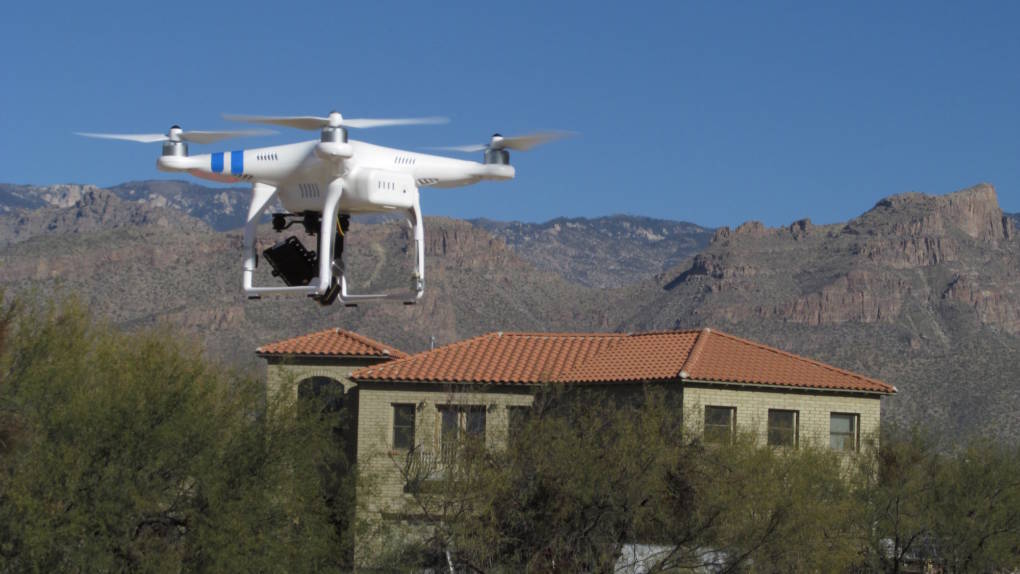
"caption": "NASA Engineers in Mountain View are mapping out a traffic plan to keep millions of drones from colliding in the air.",
"description": "NASA Engineers in Mountain View are mapping out a traffic plan to keep millions of drones from colliding in the air.",
"title": "Drone_Tucson_0460",
"credit": "Craig Miller",
"status": "inherit",
"isLoading": false,
"fetchFailed": false
},
"science_1701496": {
"type": "attachments",
"id": "science_1701496",
"meta": {
"index": "attachments_1716263798",
"site": "science",
"id": "1701496",
"found": true
},
"parent": 1701495,
"imgSizes": {
"small": {
"file": "https://ww2.kqed.org/app/uploads/sites/35/2017/06/big-whale-jaw_wide-66843890abfd3d1777c898e23e1ef8dc65804f5b-520x292.png",
"width": 520,
"mimeType": "image/png",
"height": 292
},
"twentyfourteen-full-width": {
"file": "https://ww2.kqed.org/app/uploads/sites/35/2017/06/big-whale-jaw_wide-66843890abfd3d1777c898e23e1ef8dc65804f5b-1038x576.png",
"width": 1038,
"mimeType": "image/png",
"height": 576
},
"thumbnail": {
"file": "https://ww2.kqed.org/app/uploads/sites/35/2017/06/big-whale-jaw_wide-66843890abfd3d1777c898e23e1ef8dc65804f5b-160x90.png",
"width": 160,
"mimeType": "image/png",
"height": 90
},
"fd-sm": {
"file": "https://ww2.kqed.org/app/uploads/sites/35/2017/06/big-whale-jaw_wide-66843890abfd3d1777c898e23e1ef8dc65804f5b-960x540.png",
"width": 960,
"mimeType": "image/png",
"height": 540
},
"post-thumbnail": {
"file": "https://ww2.kqed.org/app/uploads/sites/35/2017/06/big-whale-jaw_wide-66843890abfd3d1777c898e23e1ef8dc65804f5b-672x372.png",
"width": 672,
"mimeType": "image/png",
"height": 372
},
"xsmall": {
"file": "https://ww2.kqed.org/app/uploads/sites/35/2017/06/big-whale-jaw_wide-66843890abfd3d1777c898e23e1ef8dc65804f5b-375x211.png",
"width": 375,
"mimeType": "image/png",
"height": 211
},
"kqedFullSize": {
"file": "https://ww2.kqed.org/app/uploads/sites/35/2017/06/big-whale-jaw_wide-66843890abfd3d1777c898e23e1ef8dc65804f5b.png",
"width": 1044,
"height": 587
},
"large": {
"file": "https://ww2.kqed.org/app/uploads/sites/35/2017/06/big-whale-jaw_wide-66843890abfd3d1777c898e23e1ef8dc65804f5b-1020x574.png",
"width": 1020,
"mimeType": "image/png",
"height": 574
},
"guest-author-50": {
"file": "https://ww2.kqed.org/app/uploads/sites/35/2017/06/big-whale-jaw_wide-66843890abfd3d1777c898e23e1ef8dc65804f5b-50x50.png",
"width": 50,
"mimeType": "image/png",
"height": 50
},
"guest-author-96": {
"file": "https://ww2.kqed.org/app/uploads/sites/35/2017/06/big-whale-jaw_wide-66843890abfd3d1777c898e23e1ef8dc65804f5b-96x96.png",
"width": 96,
"mimeType": "image/png",
"height": 96
},
"medium": {
"file": "https://ww2.kqed.org/app/uploads/sites/35/2017/06/big-whale-jaw_wide-66843890abfd3d1777c898e23e1ef8dc65804f5b-800x450.png",
"width": 800,
"mimeType": "image/png",
"height": 450
},
"guest-author-64": {
"file": "https://ww2.kqed.org/app/uploads/sites/35/2017/06/big-whale-jaw_wide-66843890abfd3d1777c898e23e1ef8dc65804f5b-64x64.png",
"width": 64,
"mimeType": "image/png",
"height": 64
},
"guest-author-32": {
"file": "https://ww2.kqed.org/app/uploads/sites/35/2017/06/big-whale-jaw_wide-66843890abfd3d1777c898e23e1ef8dc65804f5b-32x32.png",
"width": 32,
"mimeType": "image/png",
"height": 32
},
"detail": {
"file": "https://ww2.kqed.org/app/uploads/sites/35/2017/06/big-whale-jaw_wide-66843890abfd3d1777c898e23e1ef8dc65804f5b-150x150.png",
"width": 150,
"mimeType": "image/png",
"height": 150
},
"medium_large": {
"file": "https://ww2.kqed.org/app/uploads/sites/35/2017/06/big-whale-jaw_wide-66843890abfd3d1777c898e23e1ef8dc65804f5b-768x432.png",
"width": 768,
"mimeType": "image/png",
"height": 432
},
"guest-author-128": {
"file": "https://ww2.kqed.org/app/uploads/sites/35/2017/06/big-whale-jaw_wide-66843890abfd3d1777c898e23e1ef8dc65804f5b-128x128.png",
"width": 128,
"mimeType": "image/png",
"height": 128
},
"xxsmall": {
"file": "https://ww2.kqed.org/app/uploads/sites/35/2017/06/big-whale-jaw_wide-66843890abfd3d1777c898e23e1ef8dc65804f5b-240x135.png",
"width": 240,
"mimeType": "image/png",
"height": 135
}
},
"publishDate": 1496857972,
"modified": 1496858834,
"caption": "A behind-the-scenes look at Smithsonian specimens that aren't on display in museums.",
"description": null,
"title": "Whale Bone",
"credit": "NPR",
"status": "inherit",
"isLoading": false,
"fetchFailed": false
},
"science_1696241": {
"type": "attachments",
"id": "science_1696241",
"meta": {
"index": "attachments_1716263798",
"site": "science",
"id": "1696241",
"found": true
},
"parent": 1680332,
"imgSizes": {
"small": {
"file": "https://ww2.kqed.org/app/uploads/sites/35/2017/06/DL411-GRUNION-Egg-Eye-FI-FinalPHead-520x293.jpg",
"width": 520,
"mimeType": "image/jpeg",
"height": 293
},
"twentyfourteen-full-width": {
"file": "https://ww2.kqed.org/app/uploads/sites/35/2017/06/DL411-GRUNION-Egg-Eye-FI-FinalPHead-1038x576.jpg",
"width": 1038,
"mimeType": "image/jpeg",
"height": 576
},
"thumbnail": {
"file": "https://ww2.kqed.org/app/uploads/sites/35/2017/06/DL411-GRUNION-Egg-Eye-FI-FinalPHead-160x90.jpg",
"width": 160,
"mimeType": "image/jpeg",
"height": 90
},
"fd-sm": {
"file": "https://ww2.kqed.org/app/uploads/sites/35/2017/06/DL411-GRUNION-Egg-Eye-FI-FinalPHead-960x540.jpg",
"width": 960,
"mimeType": "image/jpeg",
"height": 540
},
"post-thumbnail": {
"file": "https://ww2.kqed.org/app/uploads/sites/35/2017/06/DL411-GRUNION-Egg-Eye-FI-FinalPHead-672x372.jpg",
"width": 672,
"mimeType": "image/jpeg",
"height": 372
},
"xsmall": {
"file": "https://ww2.kqed.org/app/uploads/sites/35/2017/06/DL411-GRUNION-Egg-Eye-FI-FinalPHead-375x211.jpg",
"width": 375,
"mimeType": "image/jpeg",
"height": 211
},
"kqedFullSize": {
"file": "https://ww2.kqed.org/app/uploads/sites/35/2017/06/DL411-GRUNION-Egg-Eye-FI-FinalPHead.jpg",
"width": 1920,
"height": 1080
},
"large": {
"file": "https://ww2.kqed.org/app/uploads/sites/35/2017/06/DL411-GRUNION-Egg-Eye-FI-FinalPHead-1020x574.jpg",
"width": 1020,
"mimeType": "image/jpeg",
"height": 574
},
"xlarge": {
"file": "https://ww2.kqed.org/app/uploads/sites/35/2017/06/DL411-GRUNION-Egg-Eye-FI-FinalPHead-1180x664.jpg",
"width": 1180,
"mimeType": "image/jpeg",
"height": 664
},
"guest-author-50": {
"file": "https://ww2.kqed.org/app/uploads/sites/35/2017/06/DL411-GRUNION-Egg-Eye-FI-FinalPHead-50x50.jpg",
"width": 50,
"mimeType": "image/jpeg",
"height": 50
},
"guest-author-96": {
"file": "https://ww2.kqed.org/app/uploads/sites/35/2017/06/DL411-GRUNION-Egg-Eye-FI-FinalPHead-96x96.jpg",
"width": 96,
"mimeType": "image/jpeg",
"height": 96
},
"medium": {
"file": "https://ww2.kqed.org/app/uploads/sites/35/2017/06/DL411-GRUNION-Egg-Eye-FI-FinalPHead-800x450.jpg",
"width": 800,
"mimeType": "image/jpeg",
"height": 450
},
"guest-author-64": {
"file": "https://ww2.kqed.org/app/uploads/sites/35/2017/06/DL411-GRUNION-Egg-Eye-FI-FinalPHead-64x64.jpg",
"width": 64,
"mimeType": "image/jpeg",
"height": 64
},
"guest-author-32": {
"file": "https://ww2.kqed.org/app/uploads/sites/35/2017/06/DL411-GRUNION-Egg-Eye-FI-FinalPHead-32x32.jpg",
"width": 32,
"mimeType": "image/jpeg",
"height": 32
},
"fd-lrg": {
"file": "https://ww2.kqed.org/app/uploads/sites/35/2017/06/DL411-GRUNION-Egg-Eye-FI-FinalPHead-1920x1080.jpg",
"width": 1920,
"mimeType": "image/jpeg",
"height": 1080
},
"fd-med": {
"file": "https://ww2.kqed.org/app/uploads/sites/35/2017/06/DL411-GRUNION-Egg-Eye-FI-FinalPHead-1180x664.jpg",
"width": 1180,
"mimeType": "image/jpeg",
"height": 664
},
"full-width": {
"file": "https://ww2.kqed.org/app/uploads/sites/35/2017/06/DL411-GRUNION-Egg-Eye-FI-FinalPHead-1920x1080.jpg",
"width": 1920,
"mimeType": "image/jpeg",
"height": 1080
},
"detail": {
"file": "https://ww2.kqed.org/app/uploads/sites/35/2017/06/DL411-GRUNION-Egg-Eye-FI-FinalPHead-150x150.jpg",
"width": 150,
"mimeType": "image/jpeg",
"height": 150
},
"medium_large": {
"file": "https://ww2.kqed.org/app/uploads/sites/35/2017/06/DL411-GRUNION-Egg-Eye-FI-FinalPHead-768x432.jpg",
"width": 768,
"mimeType": "image/jpeg",
"height": 432
},
"guest-author-128": {
"file": "https://ww2.kqed.org/app/uploads/sites/35/2017/06/DL411-GRUNION-Egg-Eye-FI-FinalPHead-128x128.jpg",
"width": 128,
"mimeType": "image/jpeg",
"height": 128
},
"xxsmall": {
"file": "https://ww2.kqed.org/app/uploads/sites/35/2017/06/DL411-GRUNION-Egg-Eye-FI-FinalPHead-240x135.jpg",
"width": 240,
"mimeType": "image/jpeg",
"height": 135
}
},
"publishDate": 1496689594,
"modified": 1496715274,
"caption": "A fully mature California grunion egg about to hatch",
"description": null,
"title": "DL411-GRUNION-Egg-Eye-FI-FinalPHead",
"credit": "Josh Cassidy/KQED",
"status": "inherit",
"isLoading": false,
"fetchFailed": false
},
"science_1696117": {
"type": "attachments",
"id": "science_1696117",
"meta": {
"index": "attachments_1716263798",
"site": "science",
"id": "1696117",
"found": true
},
"parent": 1696116,
"imgSizes": {
"small": {
"file": "https://ww2.kqed.org/app/uploads/sites/35/2017/06/hottest-jupiter-wide_wide-ee4d38d35d50837c404547a92ad4384bd36a26c9-520x292.jpg",
"width": 520,
"mimeType": "image/jpeg",
"height": 292
},
"twentyfourteen-full-width": {
"file": "https://ww2.kqed.org/app/uploads/sites/35/2017/06/hottest-jupiter-wide_wide-ee4d38d35d50837c404547a92ad4384bd36a26c9-1038x576.jpg",
"width": 1038,
"mimeType": "image/jpeg",
"height": 576
},
"thumbnail": {
"file": "https://ww2.kqed.org/app/uploads/sites/35/2017/06/hottest-jupiter-wide_wide-ee4d38d35d50837c404547a92ad4384bd36a26c9-160x90.jpg",
"width": 160,
"mimeType": "image/jpeg",
"height": 90
},
"fd-sm": {
"file": "https://ww2.kqed.org/app/uploads/sites/35/2017/06/hottest-jupiter-wide_wide-ee4d38d35d50837c404547a92ad4384bd36a26c9-960x540.jpg",
"width": 960,
"mimeType": "image/jpeg",
"height": 540
},
"post-thumbnail": {
"file": "https://ww2.kqed.org/app/uploads/sites/35/2017/06/hottest-jupiter-wide_wide-ee4d38d35d50837c404547a92ad4384bd36a26c9-672x372.jpg",
"width": 672,
"mimeType": "image/jpeg",
"height": 372
},
"xsmall": {
"file": "https://ww2.kqed.org/app/uploads/sites/35/2017/06/hottest-jupiter-wide_wide-ee4d38d35d50837c404547a92ad4384bd36a26c9-375x211.jpg",
"width": 375,
"mimeType": "image/jpeg",
"height": 211
},
"kqedFullSize": {
"file": "https://ww2.kqed.org/app/uploads/sites/35/2017/06/hottest-jupiter-wide_wide-ee4d38d35d50837c404547a92ad4384bd36a26c9.jpg",
"width": 5113,
"height": 2876
},
"large": {
"file": "https://ww2.kqed.org/app/uploads/sites/35/2017/06/hottest-jupiter-wide_wide-ee4d38d35d50837c404547a92ad4384bd36a26c9-1020x574.jpg",
"width": 1020,
"mimeType": "image/jpeg",
"height": 574
},
"xlarge": {
"file": "https://ww2.kqed.org/app/uploads/sites/35/2017/06/hottest-jupiter-wide_wide-ee4d38d35d50837c404547a92ad4384bd36a26c9-1180x664.jpg",
"width": 1180,
"mimeType": "image/jpeg",
"height": 664
},
"guest-author-50": {
"file": "https://ww2.kqed.org/app/uploads/sites/35/2017/06/hottest-jupiter-wide_wide-ee4d38d35d50837c404547a92ad4384bd36a26c9-50x50.jpg",
"width": 50,
"mimeType": "image/jpeg",
"height": 50
},
"guest-author-96": {
"file": "https://ww2.kqed.org/app/uploads/sites/35/2017/06/hottest-jupiter-wide_wide-ee4d38d35d50837c404547a92ad4384bd36a26c9-96x96.jpg",
"width": 96,
"mimeType": "image/jpeg",
"height": 96
},
"medium": {
"file": "https://ww2.kqed.org/app/uploads/sites/35/2017/06/hottest-jupiter-wide_wide-ee4d38d35d50837c404547a92ad4384bd36a26c9-800x450.jpg",
"width": 800,
"mimeType": "image/jpeg",
"height": 450
},
"guest-author-64": {
"file": "https://ww2.kqed.org/app/uploads/sites/35/2017/06/hottest-jupiter-wide_wide-ee4d38d35d50837c404547a92ad4384bd36a26c9-64x64.jpg",
"width": 64,
"mimeType": "image/jpeg",
"height": 64
},
"guest-author-32": {
"file": "https://ww2.kqed.org/app/uploads/sites/35/2017/06/hottest-jupiter-wide_wide-ee4d38d35d50837c404547a92ad4384bd36a26c9-32x32.jpg",
"width": 32,
"mimeType": "image/jpeg",
"height": 32
},
"fd-lrg": {
"file": "https://ww2.kqed.org/app/uploads/sites/35/2017/06/hottest-jupiter-wide_wide-ee4d38d35d50837c404547a92ad4384bd36a26c9-1920x1080.jpg",
"width": 1920,
"mimeType": "image/jpeg",
"height": 1080
},
"fd-med": {
"file": "https://ww2.kqed.org/app/uploads/sites/35/2017/06/hottest-jupiter-wide_wide-ee4d38d35d50837c404547a92ad4384bd36a26c9-1180x664.jpg",
"width": 1180,
"mimeType": "image/jpeg",
"height": 664
},
"full-width": {
"file": "https://ww2.kqed.org/app/uploads/sites/35/2017/06/hottest-jupiter-wide_wide-ee4d38d35d50837c404547a92ad4384bd36a26c9-1920x1080.jpg",
"width": 1920,
"mimeType": "image/jpeg",
"height": 1080
},
"detail": {
"file": "https://ww2.kqed.org/app/uploads/sites/35/2017/06/hottest-jupiter-wide_wide-ee4d38d35d50837c404547a92ad4384bd36a26c9-150x150.jpg",
"width": 150,
"mimeType": "image/jpeg",
"height": 150
},
"medium_large": {
"file": "https://ww2.kqed.org/app/uploads/sites/35/2017/06/hottest-jupiter-wide_wide-ee4d38d35d50837c404547a92ad4384bd36a26c9-768x432.jpg",
"width": 768,
"mimeType": "image/jpeg",
"height": 432
},
"guest-author-128": {
"file": "https://ww2.kqed.org/app/uploads/sites/35/2017/06/hottest-jupiter-wide_wide-ee4d38d35d50837c404547a92ad4384bd36a26c9-128x128.jpg",
"width": 128,
"mimeType": "image/jpeg",
"height": 128
},
"xxsmall": {
"file": "https://ww2.kqed.org/app/uploads/sites/35/2017/06/hottest-jupiter-wide_wide-ee4d38d35d50837c404547a92ad4384bd36a26c9-240x135.jpg",
"width": 240,
"mimeType": "image/jpeg",
"height": 135
}
},
"publishDate": 1496683433,
"modified": 1496683547,
"caption": "An artist's conception of the KELT-9 system, which has a host star (left) that's almost twice as hot as our sun. The hot star blasts its nearby planet KELT-9b, leading to a dayside surface temperature of around 7,800 degrees Fahrenheit.",
"description": null,
"title": "An artist's conception of the KELT-9 system, which has a host star (left) that's almost twice as hot as our sun. The hot star blasts its nearby planet KELT-9b, leading to a dayside surface temperature of around 7,800 degrees Fahrenheit.",
"credit": "NASA/JPL-Caltech/R. Hurt (IPAC)",
"status": "inherit",
"isLoading": false,
"fetchFailed": false
},
"science_1696123": {
"type": "attachments",
"id": "science_1696123",
"meta": {
"index": "attachments_1716263798",
"site": "science",
"id": "1696123",
"found": true
},
"parent": 1695975,
"imgSizes": {
"small": {
"file": "https://ww2.kqed.org/app/uploads/sites/35/2017/06/AA_Straight-520x293.jpg",
"width": 520,
"mimeType": "image/jpeg",
"height": 293
},
"twentyfourteen-full-width": {
"file": "https://ww2.kqed.org/app/uploads/sites/35/2017/06/AA_Straight-1038x576.jpg",
"width": 1038,
"mimeType": "image/jpeg",
"height": 576
},
"thumbnail": {
"file": "https://ww2.kqed.org/app/uploads/sites/35/2017/06/AA_Straight-160x90.jpg",
"width": 160,
"mimeType": "image/jpeg",
"height": 90
},
"fd-sm": {
"file": "https://ww2.kqed.org/app/uploads/sites/35/2017/06/AA_Straight-960x540.jpg",
"width": 960,
"mimeType": "image/jpeg",
"height": 540
},
"post-thumbnail": {
"file": "https://ww2.kqed.org/app/uploads/sites/35/2017/06/AA_Straight-672x372.jpg",
"width": 672,
"mimeType": "image/jpeg",
"height": 372
},
"xsmall": {
"file": "https://ww2.kqed.org/app/uploads/sites/35/2017/06/AA_Straight-375x211.jpg",
"width": 375,
"mimeType": "image/jpeg",
"height": 211
},
"kqedFullSize": {
"file": "https://ww2.kqed.org/app/uploads/sites/35/2017/06/AA_Straight.jpg",
"width": 1920,
"height": 1080
},
"large": {
"file": "https://ww2.kqed.org/app/uploads/sites/35/2017/06/AA_Straight-1020x574.jpg",
"width": 1020,
"mimeType": "image/jpeg",
"height": 574
},
"xlarge": {
"file": "https://ww2.kqed.org/app/uploads/sites/35/2017/06/AA_Straight-1180x664.jpg",
"width": 1180,
"mimeType": "image/jpeg",
"height": 664
},
"guest-author-50": {
"file": "https://ww2.kqed.org/app/uploads/sites/35/2017/06/AA_Straight-50x50.jpg",
"width": 50,
"mimeType": "image/jpeg",
"height": 50
},
"guest-author-96": {
"file": "https://ww2.kqed.org/app/uploads/sites/35/2017/06/AA_Straight-96x96.jpg",
"width": 96,
"mimeType": "image/jpeg",
"height": 96
},
"medium": {
"file": "https://ww2.kqed.org/app/uploads/sites/35/2017/06/AA_Straight-800x450.jpg",
"width": 800,
"mimeType": "image/jpeg",
"height": 450
},
"guest-author-64": {
"file": "https://ww2.kqed.org/app/uploads/sites/35/2017/06/AA_Straight-64x64.jpg",
"width": 64,
"mimeType": "image/jpeg",
"height": 64
},
"guest-author-32": {
"file": "https://ww2.kqed.org/app/uploads/sites/35/2017/06/AA_Straight-32x32.jpg",
"width": 32,
"mimeType": "image/jpeg",
"height": 32
},
"fd-lrg": {
"file": "https://ww2.kqed.org/app/uploads/sites/35/2017/06/AA_Straight-1920x1080.jpg",
"width": 1920,
"mimeType": "image/jpeg",
"height": 1080
},
"fd-med": {
"file": "https://ww2.kqed.org/app/uploads/sites/35/2017/06/AA_Straight-1180x664.jpg",
"width": 1180,
"mimeType": "image/jpeg",
"height": 664
},
"full-width": {
"file": "https://ww2.kqed.org/app/uploads/sites/35/2017/06/AA_Straight-1920x1080.jpg",
"width": 1920,
"mimeType": "image/jpeg",
"height": 1080
},
"detail": {
"file": "https://ww2.kqed.org/app/uploads/sites/35/2017/06/AA_Straight-150x150.jpg",
"width": 150,
"mimeType": "image/jpeg",
"height": 150
},
"medium_large": {
"file": "https://ww2.kqed.org/app/uploads/sites/35/2017/06/AA_Straight-768x432.jpg",
"width": 768,
"mimeType": "image/jpeg",
"height": 432
},
"guest-author-128": {
"file": "https://ww2.kqed.org/app/uploads/sites/35/2017/06/AA_Straight-128x128.jpg",
"width": 128,
"mimeType": "image/jpeg",
"height": 128
},
"xxsmall": {
"file": "https://ww2.kqed.org/app/uploads/sites/35/2017/06/AA_Straight-240x135.jpg",
"width": 240,
"mimeType": "image/jpeg",
"height": 135
}
},
"publishDate": 1496685508,
"modified": 1496685508,
"caption": null,
"description": null,
"title": "AA_Straight",
"credit": null,
"status": "inherit",
"isLoading": false,
"fetchFailed": false
},
"science_1688787": {
"type": "attachments",
"id": "science_1688787",
"meta": {
"index": "attachments_1716263798",
"site": "science",
"id": "1688787",
"found": true
},
"parent": 1688786,
"imgSizes": {
"small": {
"file": "https://ww2.kqed.org/app/uploads/sites/35/2017/06/gettyimages-180347724_wide-7e69af15f2806dd0d089f2a1707d80cb24c8c79f-520x292.jpg",
"width": 520,
"mimeType": "image/jpeg",
"height": 292
},
"twentyfourteen-full-width": {
"file": "https://ww2.kqed.org/app/uploads/sites/35/2017/06/gettyimages-180347724_wide-7e69af15f2806dd0d089f2a1707d80cb24c8c79f-1038x576.jpg",
"width": 1038,
"mimeType": "image/jpeg",
"height": 576
},
"thumbnail": {
"file": "https://ww2.kqed.org/app/uploads/sites/35/2017/06/gettyimages-180347724_wide-7e69af15f2806dd0d089f2a1707d80cb24c8c79f-160x90.jpg",
"width": 160,
"mimeType": "image/jpeg",
"height": 90
},
"fd-sm": {
"file": "https://ww2.kqed.org/app/uploads/sites/35/2017/06/gettyimages-180347724_wide-7e69af15f2806dd0d089f2a1707d80cb24c8c79f-960x540.jpg",
"width": 960,
"mimeType": "image/jpeg",
"height": 540
},
"post-thumbnail": {
"file": "https://ww2.kqed.org/app/uploads/sites/35/2017/06/gettyimages-180347724_wide-7e69af15f2806dd0d089f2a1707d80cb24c8c79f-672x372.jpg",
"width": 672,
"mimeType": "image/jpeg",
"height": 372
},
"xsmall": {
"file": "https://ww2.kqed.org/app/uploads/sites/35/2017/06/gettyimages-180347724_wide-7e69af15f2806dd0d089f2a1707d80cb24c8c79f-375x211.jpg",
"width": 375,
"mimeType": "image/jpeg",
"height": 211
},
"kqedFullSize": {
"file": "https://ww2.kqed.org/app/uploads/sites/35/2017/06/gettyimages-180347724_wide-7e69af15f2806dd0d089f2a1707d80cb24c8c79f.jpg",
"width": 1800,
"height": 1012
},
"large": {
"file": "https://ww2.kqed.org/app/uploads/sites/35/2017/06/gettyimages-180347724_wide-7e69af15f2806dd0d089f2a1707d80cb24c8c79f-1020x573.jpg",
"width": 1020,
"mimeType": "image/jpeg",
"height": 573
},
"xlarge": {
"file": "https://ww2.kqed.org/app/uploads/sites/35/2017/06/gettyimages-180347724_wide-7e69af15f2806dd0d089f2a1707d80cb24c8c79f-1180x663.jpg",
"width": 1180,
"mimeType": "image/jpeg",
"height": 663
},
"guest-author-50": {
"file": "https://ww2.kqed.org/app/uploads/sites/35/2017/06/gettyimages-180347724_wide-7e69af15f2806dd0d089f2a1707d80cb24c8c79f-50x50.jpg",
"width": 50,
"mimeType": "image/jpeg",
"height": 50
},
"guest-author-96": {
"file": "https://ww2.kqed.org/app/uploads/sites/35/2017/06/gettyimages-180347724_wide-7e69af15f2806dd0d089f2a1707d80cb24c8c79f-96x96.jpg",
"width": 96,
"mimeType": "image/jpeg",
"height": 96
},
"medium": {
"file": "https://ww2.kqed.org/app/uploads/sites/35/2017/06/gettyimages-180347724_wide-7e69af15f2806dd0d089f2a1707d80cb24c8c79f-800x450.jpg",
"width": 800,
"mimeType": "image/jpeg",
"height": 450
},
"guest-author-64": {
"file": "https://ww2.kqed.org/app/uploads/sites/35/2017/06/gettyimages-180347724_wide-7e69af15f2806dd0d089f2a1707d80cb24c8c79f-64x64.jpg",
"width": 64,
"mimeType": "image/jpeg",
"height": 64
},
"guest-author-32": {
"file": "https://ww2.kqed.org/app/uploads/sites/35/2017/06/gettyimages-180347724_wide-7e69af15f2806dd0d089f2a1707d80cb24c8c79f-32x32.jpg",
"width": 32,
"mimeType": "image/jpeg",
"height": 32
},
"fd-med": {
"file": "https://ww2.kqed.org/app/uploads/sites/35/2017/06/gettyimages-180347724_wide-7e69af15f2806dd0d089f2a1707d80cb24c8c79f-1180x663.jpg",
"width": 1180,
"mimeType": "image/jpeg",
"height": 663
},
"detail": {
"file": "https://ww2.kqed.org/app/uploads/sites/35/2017/06/gettyimages-180347724_wide-7e69af15f2806dd0d089f2a1707d80cb24c8c79f-150x150.jpg",
"width": 150,
"mimeType": "image/jpeg",
"height": 150
},
"medium_large": {
"file": "https://ww2.kqed.org/app/uploads/sites/35/2017/06/gettyimages-180347724_wide-7e69af15f2806dd0d089f2a1707d80cb24c8c79f-768x432.jpg",
"width": 768,
"mimeType": "image/jpeg",
"height": 432
},
"guest-author-128": {
"file": "https://ww2.kqed.org/app/uploads/sites/35/2017/06/gettyimages-180347724_wide-7e69af15f2806dd0d089f2a1707d80cb24c8c79f-128x128.jpg",
"width": 128,
"mimeType": "image/jpeg",
"height": 128
},
"xxsmall": {
"file": "https://ww2.kqed.org/app/uploads/sites/35/2017/06/gettyimages-180347724_wide-7e69af15f2806dd0d089f2a1707d80cb24c8c79f-240x135.jpg",
"width": 240,
"mimeType": "image/jpeg",
"height": 135
}
},
"publishDate": 1496441976,
"modified": 1529343616,
"caption": null,
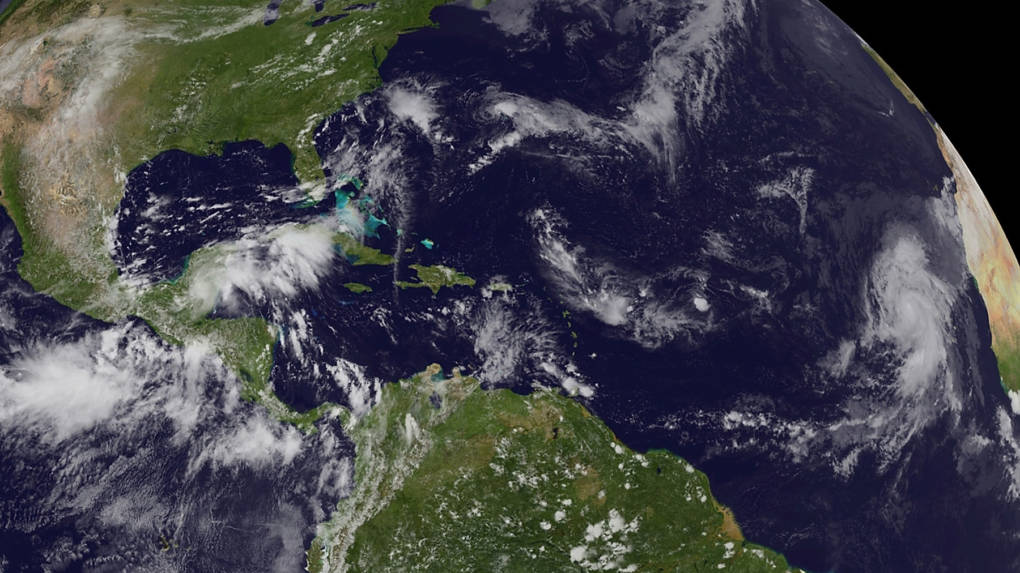
"description": "The main goal of the Paris deal was to limit global temperature rise to 2 degrees Celsius. Beyond that point, scientists worry that catastrophic impacts of warming become irreversible.",
"title": "The main goal of the Paris deal was to limit global temperature rise to 2 degrees Celsius. Beyond that point, scientists worry that catastrophic impacts of warming become irreversible.",
"credit": "NASA Handout/Getty Images",
"status": "inherit",
"isLoading": false,
"fetchFailed": false
},
"science_1686158": {
"type": "attachments",
"id": "science_1686158",
"meta": {
"index": "attachments_1716263798",
"site": "science",
"id": "1686158",
"found": true
},
"parent": 1686040,
"imgSizes": {
"small": {
"file": "https://ww2.kqed.org/app/uploads/sites/35/2017/06/RS25551_GettyImages-135852900-qut-520x322.jpg",
"width": 520,
"mimeType": "image/jpeg",
"height": 322
},
"twentyfourteen-full-width": {
"file": "https://ww2.kqed.org/app/uploads/sites/35/2017/06/RS25551_GettyImages-135852900-qut-1038x576.jpg",
"width": 1038,
"mimeType": "image/jpeg",
"height": 576
},
"thumbnail": {
"file": "https://ww2.kqed.org/app/uploads/sites/35/2017/06/RS25551_GettyImages-135852900-qut-160x99.jpg",
"width": 160,
"mimeType": "image/jpeg",
"height": 99
},
"fd-sm": {
"file": "https://ww2.kqed.org/app/uploads/sites/35/2017/06/RS25551_GettyImages-135852900-qut-960x594.jpg",
"width": 960,
"mimeType": "image/jpeg",
"height": 594
},
"post-thumbnail": {
"file": "https://ww2.kqed.org/app/uploads/sites/35/2017/06/RS25551_GettyImages-135852900-qut-672x372.jpg",
"width": 672,
"mimeType": "image/jpeg",
"height": 372
},
"xsmall": {
"file": "https://ww2.kqed.org/app/uploads/sites/35/2017/06/RS25551_GettyImages-135852900-qut-375x232.jpg",
"width": 375,
"mimeType": "image/jpeg",
"height": 232
},
"kqedFullSize": {
"file": "https://ww2.kqed.org/app/uploads/sites/35/2017/06/RS25551_GettyImages-135852900-qut.jpg",
"width": 1920,
"height": 1188
},
"large": {
"file": "https://ww2.kqed.org/app/uploads/sites/35/2017/06/RS25551_GettyImages-135852900-qut-1020x631.jpg",
"width": 1020,
"mimeType": "image/jpeg",
"height": 631
},
"xlarge": {
"file": "https://ww2.kqed.org/app/uploads/sites/35/2017/06/RS25551_GettyImages-135852900-qut-1180x730.jpg",
"width": 1180,
"mimeType": "image/jpeg",
"height": 730
},
"guest-author-50": {
"file": "https://ww2.kqed.org/app/uploads/sites/35/2017/06/RS25551_GettyImages-135852900-qut-50x50.jpg",
"width": 50,
"mimeType": "image/jpeg",
"height": 50
},
"guest-author-96": {
"file": "https://ww2.kqed.org/app/uploads/sites/35/2017/06/RS25551_GettyImages-135852900-qut-96x96.jpg",
"width": 96,
"mimeType": "image/jpeg",
"height": 96
},
"medium": {
"file": "https://ww2.kqed.org/app/uploads/sites/35/2017/06/RS25551_GettyImages-135852900-qut-800x495.jpg",
"width": 800,
"mimeType": "image/jpeg",
"height": 495
},
"guest-author-64": {
"file": "https://ww2.kqed.org/app/uploads/sites/35/2017/06/RS25551_GettyImages-135852900-qut-64x64.jpg",
"width": 64,
"mimeType": "image/jpeg",
"height": 64
},
"guest-author-32": {
"file": "https://ww2.kqed.org/app/uploads/sites/35/2017/06/RS25551_GettyImages-135852900-qut-32x32.jpg",
"width": 32,
"mimeType": "image/jpeg",
"height": 32
},
"fd-lrg": {
"file": "https://ww2.kqed.org/app/uploads/sites/35/2017/06/RS25551_GettyImages-135852900-qut-1920x1188.jpg",
"width": 1920,
"mimeType": "image/jpeg",
"height": 1188
},
"fd-med": {
"file": "https://ww2.kqed.org/app/uploads/sites/35/2017/06/RS25551_GettyImages-135852900-qut-1180x730.jpg",
"width": 1180,
"mimeType": "image/jpeg",
"height": 730
},
"full-width": {
"file": "https://ww2.kqed.org/app/uploads/sites/35/2017/06/RS25551_GettyImages-135852900-qut-1920x1188.jpg",
"width": 1920,
"mimeType": "image/jpeg",
"height": 1188
},
"detail": {
"file": "https://ww2.kqed.org/app/uploads/sites/35/2017/06/RS25551_GettyImages-135852900-qut-150x150.jpg",
"width": 150,
"mimeType": "image/jpeg",
"height": 150
},
"medium_large": {
"file": "https://ww2.kqed.org/app/uploads/sites/35/2017/06/RS25551_GettyImages-135852900-qut-768x475.jpg",
"width": 768,
"mimeType": "image/jpeg",
"height": 475
},
"guest-author-128": {
"file": "https://ww2.kqed.org/app/uploads/sites/35/2017/06/RS25551_GettyImages-135852900-qut-128x128.jpg",
"width": 128,
"mimeType": "image/jpeg",
"height": 128
},
"xxsmall": {
"file": "https://ww2.kqed.org/app/uploads/sites/35/2017/06/RS25551_GettyImages-135852900-qut-240x149.jpg",
"width": 240,
"mimeType": "image/jpeg",
"height": 149
}
},
"publishDate": 1496355598,
"modified": 1496355657,
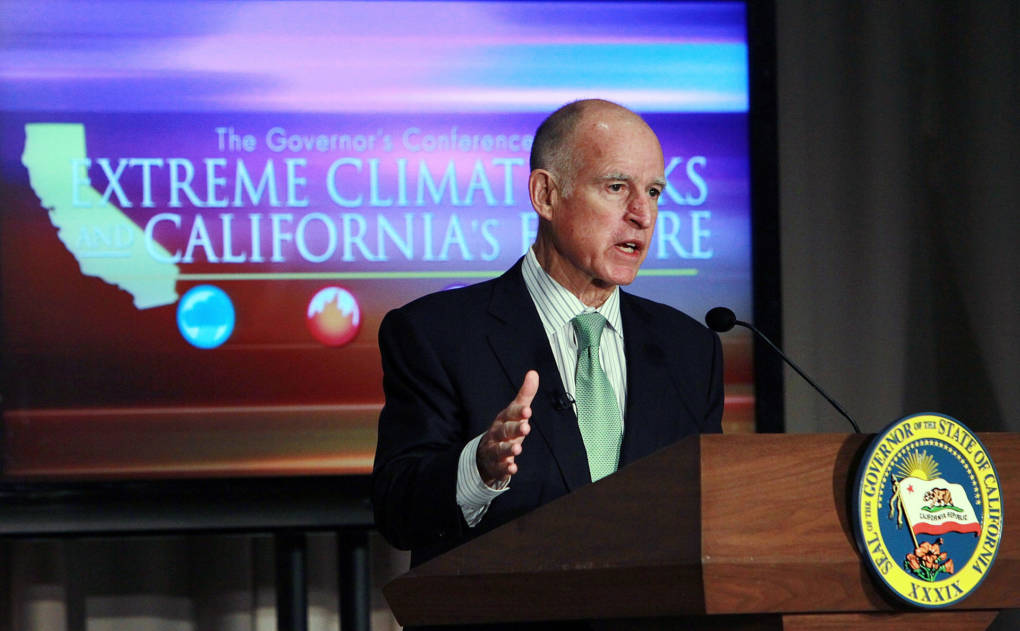
"caption": "Governor Jerry Brown has vowed to continue building his own international climate movement.",
"description": null,
"title": "California Gov. Jerry Brown Hosts Conference On Climate Risks",
"credit": "Justin Sullivan/Getty Images",
"status": "inherit",
"isLoading": false,
"fetchFailed": false
},
"science_1683651": {
"type": "attachments",
"id": "science_1683651",
"meta": {
"index": "attachments_1716263798",
"site": "science",
"id": "1683651",
"found": true
},
"parent": 1683322,
"imgSizes": {
"small": {
"file": "https://ww2.kqed.org/app/uploads/sites/35/2017/05/KIDS_IN-SPACE-520x390.jpg",
"width": 520,
"mimeType": "image/jpeg",
"height": 390
},
"twentyfourteen-full-width": {
"file": "https://ww2.kqed.org/app/uploads/sites/35/2017/05/KIDS_IN-SPACE-1038x576.jpg",
"width": 1038,
"mimeType": "image/jpeg",
"height": 576
},
"thumbnail": {
"file": "https://ww2.kqed.org/app/uploads/sites/35/2017/05/KIDS_IN-SPACE-160x120.jpg",
"width": 160,
"mimeType": "image/jpeg",
"height": 120
},
"fd-sm": {
"file": "https://ww2.kqed.org/app/uploads/sites/35/2017/05/KIDS_IN-SPACE-960x720.jpg",
"width": 960,
"mimeType": "image/jpeg",
"height": 720
},
"post-thumbnail": {
"file": "https://ww2.kqed.org/app/uploads/sites/35/2017/05/KIDS_IN-SPACE-672x372.jpg",
"width": 672,
"mimeType": "image/jpeg",
"height": 372
},
"xsmall": {
"file": "https://ww2.kqed.org/app/uploads/sites/35/2017/05/KIDS_IN-SPACE-375x281.jpg",
"width": 375,
"mimeType": "image/jpeg",
"height": 281
},
"kqedFullSize": {
"file": "https://ww2.kqed.org/app/uploads/sites/35/2017/05/KIDS_IN-SPACE.jpg",
"width": 1632,
"height": 1224
},
"large": {
"file": "https://ww2.kqed.org/app/uploads/sites/35/2017/05/KIDS_IN-SPACE-1020x765.jpg",
"width": 1020,
"mimeType": "image/jpeg",
"height": 765
},
"xlarge": {
"file": "https://ww2.kqed.org/app/uploads/sites/35/2017/05/KIDS_IN-SPACE-1180x885.jpg",
"width": 1180,
"mimeType": "image/jpeg",
"height": 885
},
"guest-author-50": {
"file": "https://ww2.kqed.org/app/uploads/sites/35/2017/05/KIDS_IN-SPACE-50x50.jpg",
"width": 50,
"mimeType": "image/jpeg",
"height": 50
},
"guest-author-96": {
"file": "https://ww2.kqed.org/app/uploads/sites/35/2017/05/KIDS_IN-SPACE-96x96.jpg",
"width": 96,
"mimeType": "image/jpeg",
"height": 96
},
"medium": {
"file": "https://ww2.kqed.org/app/uploads/sites/35/2017/05/KIDS_IN-SPACE-800x600.jpg",
"width": 800,
"mimeType": "image/jpeg",
"height": 600
},
"guest-author-64": {
"file": "https://ww2.kqed.org/app/uploads/sites/35/2017/05/KIDS_IN-SPACE-64x64.jpg",
"width": 64,
"mimeType": "image/jpeg",
"height": 64
},
"guest-author-32": {
"file": "https://ww2.kqed.org/app/uploads/sites/35/2017/05/KIDS_IN-SPACE-32x32.jpg",
"width": 32,
"mimeType": "image/jpeg",
"height": 32
},
"fd-med": {
"file": "https://ww2.kqed.org/app/uploads/sites/35/2017/05/KIDS_IN-SPACE-1180x885.jpg",
"width": 1180,
"mimeType": "image/jpeg",
"height": 885
},
"detail": {
"file": "https://ww2.kqed.org/app/uploads/sites/35/2017/05/KIDS_IN-SPACE-150x150.jpg",
"width": 150,
"mimeType": "image/jpeg",
"height": 150
},
"medium_large": {
"file": "https://ww2.kqed.org/app/uploads/sites/35/2017/05/KIDS_IN-SPACE-768x576.jpg",
"width": 768,
"mimeType": "image/jpeg",
"height": 576
},
"guest-author-128": {
"file": "https://ww2.kqed.org/app/uploads/sites/35/2017/05/KIDS_IN-SPACE-128x128.jpg",
"width": 128,
"mimeType": "image/jpeg",
"height": 128
},
"xxsmall": {
"file": "https://ww2.kqed.org/app/uploads/sites/35/2017/05/KIDS_IN-SPACE-240x180.jpg",
"width": 240,
"mimeType": "image/jpeg",
"height": 180
}
},
"publishDate": 1496277370,
"modified": 1496352405,
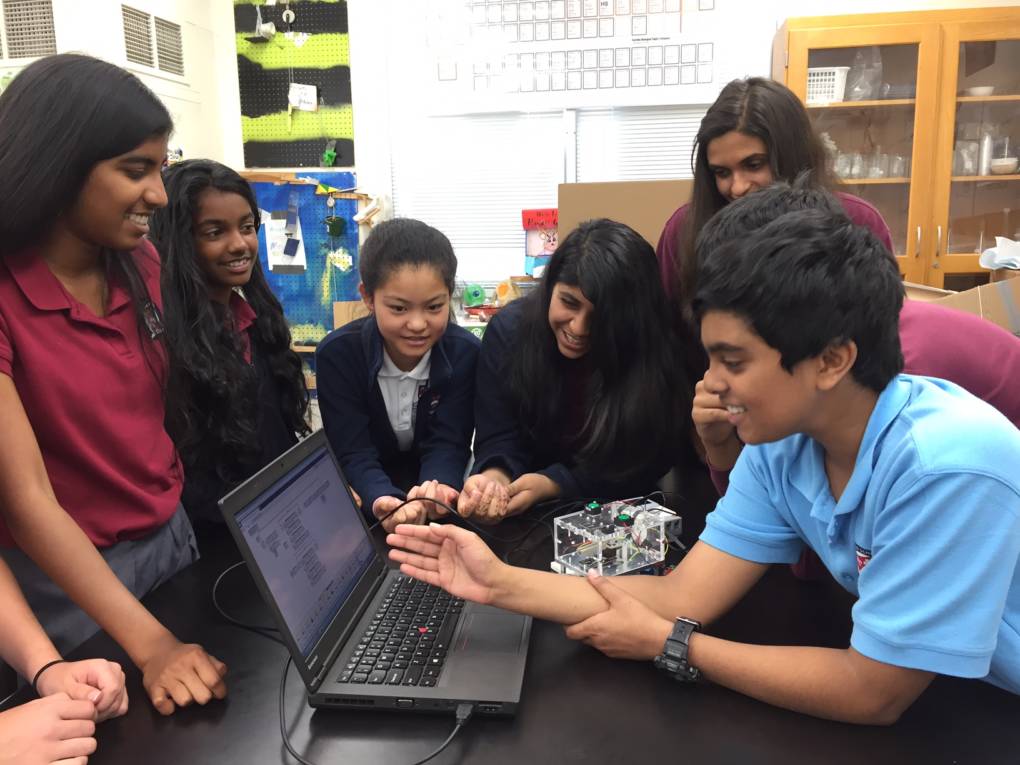
"caption": "Stratford School students (from left to right) Nikhita Vaddineni, Snikitha Banda, Cady Chen, Anousha Athreya, Meghan Bedi and Ishir Vaidyanath.",
"description": null,
"title": "KIDS_IN-SPACE",
"credit": "Lindsey Hoshaw/KQED",
"status": "inherit",
"isLoading": false,
"fetchFailed": false
}
},
"audioPlayerReducer": {
"postId": "stream_live",
"isPaused": true,
"isPlaying": false,
"pfsActive": false,
"pledgeModalIsOpen": true,
"playerDrawerIsOpen": false,
"liveAudioPlayStartedAt": 0,
"liveAudioPlayContext": ""
},
"authorsReducer": {
"byline_science_1716365": {
"type": "authors",
"id": "byline_science_1716365",
"meta": {
"override": true
},
"slug": "byline_science_1716365",
"name": "Kirk Siegler\u003c/br>NPR",
"isLoading": false
},
"byline_science_1715197": {
"type": "authors",
"id": "byline_science_1715197",
"meta": {
"override": true
},
"slug": "byline_science_1715197",
"name": "Ellen Knickmeyer\u003c/br>Associated Press",
"isLoading": false
},
"byline_science_1701872": {
"type": "authors",
"id": "byline_science_1701872",
"meta": {
"override": true
},
"slug": "byline_science_1701872",
"name": "\u003cstrong>Daniel Potter\u003c/strong>",
"isLoading": false
},
"byline_science_1701495": {
"type": "authors",
"id": "byline_science_1701495",
"meta": {
"override": true
},
"slug": "byline_science_1701495",
"name": "Madeline K. Sofia\u003c/br>NPR",
"isLoading": false
},
"byline_science_1696116": {
"type": "authors",
"id": "byline_science_1696116",
"meta": {
"override": true
},
"slug": "byline_science_1696116",
"name": "Nell Greenfieldboyce\u003c/br>NPR",
"isLoading": false
},
"byline_science_1695975": {
"type": "authors",
"id": "byline_science_1695975",
"meta": {
"override": true
},
"slug": "byline_science_1695975",
"name": "Lulu Garcia-Navarro\u003c/br>NPR",
"isLoading": false
},
"byline_science_1688786": {
"type": "authors",
"id": "byline_science_1688786",
"meta": {
"override": true
},
"slug": "byline_science_1688786",
"name": "NPR Staff",
"isLoading": false
},
"cmiller": {
"type": "authors",
"id": "221",
"meta": {
"index": "authors_1716337520",
"id": "221",
"found": true
},
"name": "Craig Miller",
"firstName": "Craig",
"lastName": "Miller",
"slug": "cmiller",
"email": "craig@voxterra.net",
"display_author_email": false,
"staff_mastheads": [
"science"
],
"title": "Editor Emeritus, Science",
"bio": "Craig is a former KQED Science editor, specializing in weather, climate, water & energy issues, with a little seismology thrown in just to shake things up. Prior to that, he launched and led the station's award-winning multimedia project, Climate Watch. Craig is also an accomplished writer/producer of television documentaries, with a focus on natural resource issues.",
"avatar": "https://secure.gravatar.com/avatar/b91661df645e001a9cafe0861fa685f9?s=600&d=blank&r=g",
"twitter": "voxterra",
"facebook": null,
"instagram": null,
"linkedin": null,
"sites": [
{
"site": "news",
"roles": [
"author"
]
},
{
"site": "futureofyou",
"roles": [
"editor"
]
},
{
"site": "stateofhealth",
"roles": [
"author"
]
},
{
"site": "science",
"roles": [
"editor"
]
},
{
"site": "quest",
"roles": [
"editor"
]
}
],
"headData": {
"title": "Craig Miller | KQED",
"description": "Editor Emeritus, Science",
"ogImgSrc": "https://secure.gravatar.com/avatar/b91661df645e001a9cafe0861fa685f9?s=600&d=blank&r=g",
"twImgSrc": "https://secure.gravatar.com/avatar/b91661df645e001a9cafe0861fa685f9?s=600&d=blank&r=g"
},
"isLoading": false,
"link": "/author/cmiller"
},
"laurensommer": {
"type": "authors",
"id": "239",
"meta": {
"index": "authors_1716337520",
"id": "239",
"found": true
},
"name": "Lauren Sommer",
"firstName": "Lauren",
"lastName": "Sommer",
"slug": "laurensommer",
"email": "lsommer@kqed.org",
"display_author_email": false,
"staff_mastheads": [],
"title": "KQED Contributor",
"bio": "Lauren is a radio reporter formerly covering environment, water, and energy for KQED Science. As part of her day job, she has scaled Sierra Nevada peaks, run from charging elephant seals, and desperately tried to get her sea legs - all in pursuit of good radio. Her work has appeared on Marketplace, Living on Earth, Science Friday and NPR's Morning Edition and All Things Considered. You can find her on Twitter at \u003ca href=\"https://twitter.com/lesommer\">@lesommer\u003c/a>.",
"avatar": "https://secure.gravatar.com/avatar/33aa3772bb86c6ad45b8aca6a238bbdf?s=600&d=blank&r=g",
"twitter": null,
"facebook": null,
"instagram": null,
"linkedin": null,
"sites": [
{
"site": "news",
"roles": [
"author"
]
},
{
"site": "science",
"roles": [
"editor",
"manage_content_types",
"manage_taxonomies"
]
},
{
"site": "quest",
"roles": [
"editor"
]
}
],
"headData": {
"title": "Lauren Sommer | KQED",
"description": "KQED Contributor",
"ogImgSrc": "https://secure.gravatar.com/avatar/33aa3772bb86c6ad45b8aca6a238bbdf?s=600&d=blank&r=g",
"twImgSrc": "https://secure.gravatar.com/avatar/33aa3772bb86c6ad45b8aca6a238bbdf?s=600&d=blank&r=g"
},
"isLoading": false,
"link": "/author/laurensommer"
},
"lindseyhoshaw": {
"type": "authors",
"id": "5432",
"meta": {
"index": "authors_1716337520",
"id": "5432",
"found": true
},
"name": "Lindsey Hoshaw",
"firstName": "Lindsey",
"lastName": "Hoshaw",
"slug": "lindseyhoshaw",
"email": "lhoshaw@kqed.org",
"display_author_email": false,
"staff_mastheads": [],
"title": "KQED Contributor",
"bio": "Lindsey Hoshaw is a former interactive producer for KQED Science. Before joining KQED, Lindsey was a science correspondent for The New York Times, The Boston Globe, Forbes and Scientific American. On Twitter @lindseyhoshaw",
"avatar": "https://secure.gravatar.com/avatar/274b07694c998eaa8f26cfabaa941186?s=600&d=mm&r=g",
"twitter": "lindseyhoshaw",
"facebook": "lindsey.hoshaw.9",
"instagram": null,
"linkedin": null,
"sites": [
{
"site": "arts",
"roles": [
"author"
]
},
{
"site": "news",
"roles": [
"subscriber"
]
},
{
"site": "futureofyou",
"roles": [
"editor"
]
},
{
"site": "bayareabites",
"roles": [
"contributor"
]
},
{
"site": "stateofhealth",
"roles": [
"author"
]
},
{
"site": "science",
"roles": [
"edit_theme_options",
"subscriber"
]
},
{
"site": "quest",
"roles": [
"edit_post_subscriptions",
"edit_usergroups",
"unfiltered_html",
"unfiltered_upload",
"leadcoordinator",
"editor"
]
},
{
"site": "food",
"roles": []
}
],
"headData": {
"title": "Lindsey Hoshaw | KQED",
"description": "KQED Contributor",
"ogImgSrc": "https://secure.gravatar.com/avatar/274b07694c998eaa8f26cfabaa941186?s=600&d=mm&r=g",
"twImgSrc": "https://secure.gravatar.com/avatar/274b07694c998eaa8f26cfabaa941186?s=600&d=mm&r=g"
},
"isLoading": false,
"link": "/author/lindseyhoshaw"
},
"ben-burress": {
"type": "authors",
"id": "6180",
"meta": {
"index": "authors_1716337520",
"id": "6180",
"found": true
},
"name": "Ben Burress",
"firstName": "Ben",
"lastName": "Burress",
"slug": "ben-burress",
"email": "bburress@chabotspace.org",
"display_author_email": false,
"staff_mastheads": [],
"title": null,
"bio": "\u003cstrong>Benjamin Burress\u003c/strong> has been a staff astronomer at Chabot Space & Science Center since July 1999. He graduated from Sonoma State University in 1985 with a bachelor’s degree in physics (and minor in astronomy), after which he signed on for a two-year stint in the Peace Corps, where he taught physics and mathematics in the African nation of Cameroon. From 1989-96 he served on the crew of NASA’s Kuiper Airborne Observatory at Ames Research Center in Mountain View, CA. From 1996-99, he was Head Observer at the Naval Prototype Optical Interferometer program at Lowell Observatory in Flagstaff, AZ.\r\n\r\nRead his \u003ca href=\"http://science.kqed.org/quest/author/ben-burress/\">previous contributions\u003c/a> to \u003ca href=\"http://science.kqed.org/quest/\">QUEST\u003c/a>, a project dedicated to exploring the Science of Sustainability.",
"avatar": "https://secure.gravatar.com/avatar/8263bffa345b7e4923a0b8b9f0f6a161?s=600&d=blank&r=g",
"twitter": null,
"facebook": null,
"instagram": null,
"linkedin": null,
"sites": [
{
"site": "science",
"roles": [
"editor"
]
},
{
"site": "quest",
"roles": [
"subscriber"
]
}
],
"headData": {
"title": "Ben Burress | KQED",
"description": null,
"ogImgSrc": "https://secure.gravatar.com/avatar/8263bffa345b7e4923a0b8b9f0f6a161?s=600&d=blank&r=g",
"twImgSrc": "https://secure.gravatar.com/avatar/8263bffa345b7e4923a0b8b9f0f6a161?s=600&d=blank&r=g"
},
"isLoading": false,
"link": "/author/ben-burress"
},
"joshua-cassidy": {
"type": "authors",
"id": "6219",
"meta": {
"index": "authors_1716337520",
"id": "6219",
"found": true
},
"name": "Josh Cassidy",
"firstName": "Josh",
"lastName": "Cassidy",
"slug": "joshua-cassidy",
"email": "jcassidy@kqed.org",
"display_author_email": false,
"staff_mastheads": [
"science"
],
"title": "Digital Video Producer",
"bio": "Josh is a Senior Video Producer for KQED Science, and the Lead Producer and Cinematographer for Deep Look. After receiving his BS in Wildlife Biology from Ohio University, he went on to participate in marine mammal research for NOAA, USGS and the Intersea Foundation. He also served as the president of The Pacific Cetacean Group, a nonprofit organization dedicated to teaching students K-6 about whales. Josh studied science and natural history filmmaking at San Francisco State University and Montana State University.",
"avatar": "https://secure.gravatar.com/avatar/f2582a0801a35af53b734d56bcac2bbe?s=600&d=blank&r=g",
"twitter": null,
"facebook": null,
"instagram": null,
"linkedin": null,
"sites": [
{
"site": "science",
"roles": [
"editor"
]
},
{
"site": "quest",
"roles": [
"author",
"edit_others_posts"
]
}
],
"headData": {
"title": "Josh Cassidy | KQED",
"description": "Digital Video Producer",
"ogImgSrc": "https://secure.gravatar.com/avatar/f2582a0801a35af53b734d56bcac2bbe?s=600&d=blank&r=g",
"twImgSrc": "https://secure.gravatar.com/avatar/f2582a0801a35af53b734d56bcac2bbe?s=600&d=blank&r=g"
},
"isLoading": false,
"link": "/author/joshua-cassidy"
}
},
"pagesReducer": {
"science_category_news": {
"type": "terms",
"id": "science_40",
"meta": {
"index": "terms_1716263798",
"site": "science",
"id": "40",
"score": 10.814472
},
"featImg": null,
"name": "News",
"description": null,
"taxonomy": "category",
"headData": {
"twImgId": null,
"twTitle": null,
"ogTitle": null,
"ogImgId": null,
"twDescription": null,
"description": null,
"title": "News Archives | KQED Science",
"ogDescription": null
},
"ttid": 42,
"slug": "news",
"isLoading": false,
"title": "News",
"pageMeta": {
"site": "science",
"WpPageTemplate": "page-topic-editorial",
"currentPage": 200
},
"blocks": [
{
"blockName": "kqed/post-list",
"attrs": {
"layout": "cardArticle2",
"query": "posts/science?category=news",
"seeMore": false,
"paginated": true,
"page": 200
}
},
{
"blockName": "kqed/ad"
}
]
}
},
"pfsSessionReducer": {},
"postsReducer": {
"stream_live": {
"type": "live",
"id": "stream_live",
"audioUrl": "https://streams.kqed.org/kqedradio",
"title": "Live Stream",
"excerpt": "Live Stream information currently unavailable.",
"link": "/radio",
"featImg": "",
"label": {
"name": "KQED Live",
"link": "/"
}
},
"stream_kqedNewscast": {
"type": "posts",
"id": "stream_kqedNewscast",
"audioUrl": "https://www.kqed.org/.stream/anon/radio/RDnews/newscast.mp3?_=1",
"title": "KQED Newscast",
"featImg": "",
"label": {
"name": "88.5 FM",
"link": "/"
}
},
"science_1702348": {
"type": "posts",
"id": "science_1702348",
"meta": {
"index": "posts_1716263798",
"site": "science",
"id": "1702348",
"score": null,
"sort": [
1497366041000
]
},
"guestAuthors": [],
"slug": "4-things-you-should-know-about-californias-biggest-reservoir",
"title": "4 Things You Should Know About California's Biggest Reservoir",
"publishDate": 1497366041,
"format": "audio",
"headTitle": "4 Things You Should Know About California’s Biggest Reservoir | KQED",
"labelTerm": {
"term": 5376,
"site": "science"
},
"content": "\u003cp>\u003cstrong>1. It’s Probably Not the One You’re Thinking Of\u003cbr>\n\u003c/strong>\u003c/p>\n\u003cp>Nope, not Shasta Lake. That’s California’s largest \u003cem>surface\u003c/em> reservoir, which is \u003ca href=\"http://cdec.water.ca.gov/cdecapp/resapp/getResGraphsMain.action\">currently bulging\u003c/a> with more than 4 million acre-feet of water (Californians use about 40 million acre-feet in a year).\u003c/p>\n\u003cp>You’re not likely to find the biggest “reservoir” on a map—but you might be standing on it. It’s underground, in the vast aquifers that lie beneath sections of the state, the Central Valley in particular.\u003c/p>\n\u003cp>“I don’t think anybody’s tried to calculate the complete volume,” says Claudia Faunt, a hydrologist with the \u003ca href=\"https://www.usgs.gov/\" target=\"_blank\" rel=\"noopener noreferrer\">U.S. Geological Survey\u003c/a> in San Diego.\u003c/p>\n\u003cp>But we know it’s big.\u003c/p>\n\u003caside class=\"pullquote alignright\">‘It’s huge. But that doesn’t mean that we can extract everything that’s down there.’\u003ccite>Thomas Harter, UC Davis\u003c/cite>\u003c/aside>\n\u003cp>People sometimes refer to the Sierra snowpack as the state’s largest reservoir. Even though it supplies about a third of the water that Californians use annually, it’s a “drop in the bucket” compared to the state’s mother lode of groundwater. If you imagine a single bucket of water representing all the water contained in Sierra snowpack in a typical year (granted, this year is hardly typical), you would need 60-to-70 buckets to visualize all the water beneath our feet, contained in various groundwater basins.\u003c/p>\n\u003cdiv class=\"sharedaddy show-for-medium-up\">\u003ca href=\"https://ww2.kqed.org/science/wp-content/uploads/sites/35/2017/06/GW_DesktopB.jpg\">\u003cimg loading=\"lazy\" decoding=\"async\" class=\"aligncenter wp-image-1715565 size-full\" src=\"https://ww2.kqed.org/science/wp-content/uploads/sites/35/2017/06/GW_DesktopB.jpg\" alt=\"\" width=\"1260\" height=\"1260\" srcset=\"https://cdn.kqed.org/wp-content/uploads/sites/35/2017/06/GW_DesktopB.jpg 1260w, https://cdn.kqed.org/wp-content/uploads/sites/35/2017/06/GW_DesktopB-160x160.jpg 160w, https://cdn.kqed.org/wp-content/uploads/sites/35/2017/06/GW_DesktopB-800x800.jpg 800w, https://cdn.kqed.org/wp-content/uploads/sites/35/2017/06/GW_DesktopB-768x768.jpg 768w, https://cdn.kqed.org/wp-content/uploads/sites/35/2017/06/GW_DesktopB-1020x1020.jpg 1020w, https://cdn.kqed.org/wp-content/uploads/sites/35/2017/06/GW_DesktopB-1180x1180.jpg 1180w, https://cdn.kqed.org/wp-content/uploads/sites/35/2017/06/GW_DesktopB-960x960.jpg 960w, https://cdn.kqed.org/wp-content/uploads/sites/35/2017/06/GW_DesktopB-240x240.jpg 240w, https://cdn.kqed.org/wp-content/uploads/sites/35/2017/06/GW_DesktopB-375x375.jpg 375w, https://cdn.kqed.org/wp-content/uploads/sites/35/2017/06/GW_DesktopB-520x520.jpg 520w, https://cdn.kqed.org/wp-content/uploads/sites/35/2017/06/GW_DesktopB-32x32.jpg 32w, https://cdn.kqed.org/wp-content/uploads/sites/35/2017/06/GW_DesktopB-50x50.jpg 50w, https://cdn.kqed.org/wp-content/uploads/sites/35/2017/06/GW_DesktopB-64x64.jpg 64w, https://cdn.kqed.org/wp-content/uploads/sites/35/2017/06/GW_DesktopB-96x96.jpg 96w, https://cdn.kqed.org/wp-content/uploads/sites/35/2017/06/GW_DesktopB-128x128.jpg 128w, https://cdn.kqed.org/wp-content/uploads/sites/35/2017/06/GW_DesktopB-150x150.jpg 150w\" sizes=\"(max-width: 1260px) 100vw, 1260px\">\u003c/a>\u003c/div>\n\u003cdiv class=\"show-for-small-only\">\u003cimg loading=\"lazy\" decoding=\"async\" class=\"aligncenter size-full wp-image-1715564\" src=\"https://ww2.kqed.org/science/wp-content/uploads/sites/35/2017/06/GW_MobileB.jpg\" alt=\"\" width=\"750\" height=\"1335\" srcset=\"https://cdn.kqed.org/wp-content/uploads/sites/35/2017/06/GW_MobileB.jpg 750w, https://cdn.kqed.org/wp-content/uploads/sites/35/2017/06/GW_MobileB-160x285.jpg 160w, https://cdn.kqed.org/wp-content/uploads/sites/35/2017/06/GW_MobileB-240x427.jpg 240w, https://cdn.kqed.org/wp-content/uploads/sites/35/2017/06/GW_MobileB-375x668.jpg 375w, https://cdn.kqed.org/wp-content/uploads/sites/35/2017/06/GW_MobileB-520x926.jpg 520w\" sizes=\"(max-width: 750px) 100vw, 750px\">\u003c/div>\n\u003cp>\u003cstrong>2. It’s Big, But There’s a Catch\u003c/strong>\u003c/p>\n\u003cp>[ad fullwidth]\u003c/p>\n\u003cp>“It’s huge,” says Thomas Harter, a hydrologist and groundwater specialist at UC Davis. “But that doesn’t mean that we can extract everything that’s down there.”\u003c/p>\n\u003cp>Nor would that be an especially fruitful exercise, since much of the water that’s down there is not fit for drinking or even irrigation of crops in some cases. And the deeper the aquifer, the more expensive it is to pump it—hundreds or even thousands of feet—to the surface.\u003c/p>\n\u003cp>“Part of it is so deep that it just gets more and more expensive to extract the water,” says Faunt.\u003c/p>\n\u003cp>\u003cstrong>California’s Stressed Aquifers \u003c/strong>\u003cem>\u003cbr>\nZoom in and click on individual wells to see how far the water table has receded in that area between Fall 2011 to Fall 2016.\u003c/em>\u003cbr>\n\u003c!-- iframe plugin v.4.3 wordpress.org/plugins/iframe/ -->\u003cbr>\n\u003ciframe loading=\"lazy\" width=\"100%\" height=\"520\" frameborder=\"0\" src=\"https://kqednews.carto.com/builder/0f18beb9-c1c3-4008-9af2-f00101f0a047/embed\" scrolling=\"yes\" class=\"iframe-class\">\u003c/iframe>\u003cbr>\n\u003cem>SOURCE: CA Dept. of Water Resources\u003c/em>\u003c/p>\n\u003cp>\u003cstrong>3. It’s in Trouble\u003cbr>\n\u003c/strong>\u003c/p>\n\u003cp>A team of researchers at UCLA \u003ca href=\"http://newsroom.ucla.edu/releases/groundwater-loss-in-central-valley\">recently estimated \u003c/a>that during the recent five-year drought, groundwater was pumped out of the Central Valley at twice the rate of the previous drought (2007-09), eventually taking out enough to fill Lake Mead, the nation’s largest man-made reservoir.\u003c/p>\n\u003cp>[contextly_sidebar id=”lOkDoHOujmmm1YDvj3RAh3PRMADuecpc”]But even in “normal” years, scientists say many farmers and water agencies around the state have been pumping groundwater at an unsustainable rate.\u003c/p>\n\u003cp>“Basically we’re taxing the system beyond what it can take,” warns Faunt. “We’ve been using water at a rate much higher than water’s being recharged to these areas, so you’ve got a loss of storage.”\u003c/p>\n\u003cp>Over the course of the drought, at least 3,500 wells went dry and Harter reckons that most of those remain dry, despite the record-setting precipitation over the winter. According to state regulators, there are still communities receiving emergency supplies of bottled water after local wells dried up.\u003c/p>\n\u003cp>\u003cstrong>4. It’s Not a Lost Cause\u003cbr>\n\u003c/strong>\u003c/p>\n\u003cp>Scientists and water planners think the state’s aquifers can be made sustainable, but it will take time and commitment.\u003c/p>\n\u003cp>\u003cspan class=\"s1\">N\u003c/span>ew strategies are taking hold\u003cstrong> \u003c/strong>to recharge groundwater basins. Since we reported on \u003ca href=\"https://ww2.kqed.org/quest/2013/03/29/how-flooding-fields-could-alleviate-water-supply-stress/\">one of the earliest pilot projects\u003c/a> in 2013, farm recharge programs have \u003ca href=\"https://ww2.kqed.org/bayareabites/2017/01/13/as-rains-soak-california-farmers-test-how-to-store-water-underground/\">gained substantial momentum\u003c/a>, flooding fields with some of the high river flows in years like this, and using those fields as recharge basins, allowing the water to sink in and replenish aquifers below. In Orange County, water managers recycle urban water to recharge local aquifers.\u003cstrong>\u003cbr>\n\u003c/strong>\u003c/p>\n\u003cp>In 2014, state legislators passed the landmark \u003ca href=\"https://ww2.kqed.org/science/2014/09/17/what-to-know-about-californias-new-groundwater-law/\">Sustainable Groundwater Management Act\u003c/a>, which will, for the first time, require users of groundwater to track and report how much they’re using, and devise plans to do so in a way that doesn’t further deplete supplies. Prior to SGMA, it was essentially open season on groundwater.\u003c/p>\n\u003cp>As NASA scientist Jay Famiglietti\u003cstrong> \u003c/strong>has put it, “It’s not unlike your having several straws in a glass and everyone drinking at the same time and no one really watching the level.”\u003c/p>\n\u003cp>The first management plans are due in 2020, and full implementation of the law — which could ultimately place some restrictions on pumping — won’t happen for another decade at least.\u003c/p>\n\u003cp>\u003c/p>\n\u003cp>But as the law’s sponsor, Sen. Lois Wolk (D-Davis) \u003ca href=\"https://ww2.kqed.org/science/2016/05/06/tough-going-for-new-groundwater-regulations/\">told Water Deeply\u003c/a>, \u003cspan class=\"s1\">“When you’re digging yourself into a hole, the first solution is to stop digging.”\u003c/span>\u003c/p>\n\n",
"blocks": [],
"excerpt": "California's biggest reservoir is the one you can't see -- and it's far from overflowing.",
"status": "publish",
"parent": 0,
"modified": 1727135846,
"stats": {
"hasAudio": false,
"hasVideo": false,
"hasChartOrMap": true,
"iframeSrcs": [
"https://kqednews.carto.com/builder/0f18beb9-c1c3-4008-9af2-f00101f0a047/embed"
],
"hasGoogleForm": false,
"hasGallery": false,
"hasHearkenModule": false,
"hasPolis": false,
"paragraphCount": 25,
"wordCount": 852
},
"headData": {
"title": "4 Things You Should Know About California's Biggest Reservoir | KQED",
"description": "California's biggest reservoir is the one you can't see -- and it's far from overflowing.",
"ogTitle": "",
"ogDescription": "",
"ogImgId": "",
"twTitle": "",
"twDescription": "",
"twImgId": "",
"schema": {
"@context": "https://schema.org",
"@type": "Article",
"headline": "4 Things You Should Know About California's Biggest Reservoir",
"datePublished": "2017-06-13T08:00:41-07:00",
"dateModified": "2024-09-23T16:57:26-07:00",
"image": "https://cdn.kqed.org/wp-content/uploads/2020/02/KQED-OG-Image@1x.png"
}
},
"audioUrl": "https://www.kqed.org/.stream/anon/radio//2017/06/FinalGroundwater2Way.mp3",
"sticky": false,
"path": "/science/1702348/4-things-you-should-know-about-californias-biggest-reservoir",
"audioDuration": 285000,
"audioTrackLength": null,
"parsedContent": [
{
"type": "contentString",
"content": "\u003cdiv class=\"post-body\">\u003cp>\u003cp>\u003cstrong>1. It’s Probably Not the One You’re Thinking Of\u003cbr>\n\u003c/strong>\u003c/p>\n\u003cp>Nope, not Shasta Lake. That’s California’s largest \u003cem>surface\u003c/em> reservoir, which is \u003ca href=\"http://cdec.water.ca.gov/cdecapp/resapp/getResGraphsMain.action\">currently bulging\u003c/a> with more than 4 million acre-feet of water (Californians use about 40 million acre-feet in a year).\u003c/p>\n\u003cp>You’re not likely to find the biggest “reservoir” on a map—but you might be standing on it. It’s underground, in the vast aquifers that lie beneath sections of the state, the Central Valley in particular.\u003c/p>\n\u003cp>“I don’t think anybody’s tried to calculate the complete volume,” says Claudia Faunt, a hydrologist with the \u003ca href=\"https://www.usgs.gov/\" target=\"_blank\" rel=\"noopener noreferrer\">U.S. Geological Survey\u003c/a> in San Diego.\u003c/p>\n\u003cp>But we know it’s big.\u003c/p>\n\u003caside class=\"pullquote alignright\">‘It’s huge. But that doesn’t mean that we can extract everything that’s down there.’\u003ccite>Thomas Harter, UC Davis\u003c/cite>\u003c/aside>\n\u003cp>People sometimes refer to the Sierra snowpack as the state’s largest reservoir. Even though it supplies about a third of the water that Californians use annually, it’s a “drop in the bucket” compared to the state’s mother lode of groundwater. If you imagine a single bucket of water representing all the water contained in Sierra snowpack in a typical year (granted, this year is hardly typical), you would need 60-to-70 buckets to visualize all the water beneath our feet, contained in various groundwater basins.\u003c/p>\n\u003cdiv class=\"sharedaddy show-for-medium-up\">\u003ca href=\"https://ww2.kqed.org/science/wp-content/uploads/sites/35/2017/06/GW_DesktopB.jpg\">\u003cimg loading=\"lazy\" decoding=\"async\" class=\"aligncenter wp-image-1715565 size-full\" src=\"https://ww2.kqed.org/science/wp-content/uploads/sites/35/2017/06/GW_DesktopB.jpg\" alt=\"\" width=\"1260\" height=\"1260\" srcset=\"https://cdn.kqed.org/wp-content/uploads/sites/35/2017/06/GW_DesktopB.jpg 1260w, https://cdn.kqed.org/wp-content/uploads/sites/35/2017/06/GW_DesktopB-160x160.jpg 160w, https://cdn.kqed.org/wp-content/uploads/sites/35/2017/06/GW_DesktopB-800x800.jpg 800w, https://cdn.kqed.org/wp-content/uploads/sites/35/2017/06/GW_DesktopB-768x768.jpg 768w, https://cdn.kqed.org/wp-content/uploads/sites/35/2017/06/GW_DesktopB-1020x1020.jpg 1020w, https://cdn.kqed.org/wp-content/uploads/sites/35/2017/06/GW_DesktopB-1180x1180.jpg 1180w, https://cdn.kqed.org/wp-content/uploads/sites/35/2017/06/GW_DesktopB-960x960.jpg 960w, https://cdn.kqed.org/wp-content/uploads/sites/35/2017/06/GW_DesktopB-240x240.jpg 240w, https://cdn.kqed.org/wp-content/uploads/sites/35/2017/06/GW_DesktopB-375x375.jpg 375w, https://cdn.kqed.org/wp-content/uploads/sites/35/2017/06/GW_DesktopB-520x520.jpg 520w, https://cdn.kqed.org/wp-content/uploads/sites/35/2017/06/GW_DesktopB-32x32.jpg 32w, https://cdn.kqed.org/wp-content/uploads/sites/35/2017/06/GW_DesktopB-50x50.jpg 50w, https://cdn.kqed.org/wp-content/uploads/sites/35/2017/06/GW_DesktopB-64x64.jpg 64w, https://cdn.kqed.org/wp-content/uploads/sites/35/2017/06/GW_DesktopB-96x96.jpg 96w, https://cdn.kqed.org/wp-content/uploads/sites/35/2017/06/GW_DesktopB-128x128.jpg 128w, https://cdn.kqed.org/wp-content/uploads/sites/35/2017/06/GW_DesktopB-150x150.jpg 150w\" sizes=\"(max-width: 1260px) 100vw, 1260px\">\u003c/a>\u003c/div>\n\u003cdiv class=\"show-for-small-only\">\u003cimg loading=\"lazy\" decoding=\"async\" class=\"aligncenter size-full wp-image-1715564\" src=\"https://ww2.kqed.org/science/wp-content/uploads/sites/35/2017/06/GW_MobileB.jpg\" alt=\"\" width=\"750\" height=\"1335\" srcset=\"https://cdn.kqed.org/wp-content/uploads/sites/35/2017/06/GW_MobileB.jpg 750w, https://cdn.kqed.org/wp-content/uploads/sites/35/2017/06/GW_MobileB-160x285.jpg 160w, https://cdn.kqed.org/wp-content/uploads/sites/35/2017/06/GW_MobileB-240x427.jpg 240w, https://cdn.kqed.org/wp-content/uploads/sites/35/2017/06/GW_MobileB-375x668.jpg 375w, https://cdn.kqed.org/wp-content/uploads/sites/35/2017/06/GW_MobileB-520x926.jpg 520w\" sizes=\"(max-width: 750px) 100vw, 750px\">\u003c/div>\n\u003cp>\u003cstrong>2. It’s Big, But There’s a Catch\u003c/strong>\u003c/p>\n\u003cp>\u003c/p>\u003c/div>",
"attributes": {
"named": {},
"numeric": []
}
},
{
"type": "component",
"content": "",
"name": "ad",
"attributes": {
"named": {
"label": "fullwidth"
},
"numeric": [
"fullwidth"
]
}
},
{
"type": "contentString",
"content": "\u003cdiv class=\"post-body\">\u003cp>\u003c/p>\n\u003cp>“It’s huge,” says Thomas Harter, a hydrologist and groundwater specialist at UC Davis. “But that doesn’t mean that we can extract everything that’s down there.”\u003c/p>\n\u003cp>Nor would that be an especially fruitful exercise, since much of the water that’s down there is not fit for drinking or even irrigation of crops in some cases. And the deeper the aquifer, the more expensive it is to pump it—hundreds or even thousands of feet—to the surface.\u003c/p>\n\u003cp>“Part of it is so deep that it just gets more and more expensive to extract the water,” says Faunt.\u003c/p>\n\u003cp>\u003cstrong>California’s Stressed Aquifers \u003c/strong>\u003cem>\u003cbr>\nZoom in and click on individual wells to see how far the water table has receded in that area between Fall 2011 to Fall 2016.\u003c/em>\u003cbr>\n\u003c!-- iframe plugin v.4.3 wordpress.org/plugins/iframe/ -->\u003cbr>\n\u003ciframe loading=\"lazy\" width=\"100%\" height=\"520\" frameborder=\"0\" src=\"https://kqednews.carto.com/builder/0f18beb9-c1c3-4008-9af2-f00101f0a047/embed\" scrolling=\"yes\" class=\"iframe-class\">\u003c/iframe>\u003cbr>\n\u003cem>SOURCE: CA Dept. of Water Resources\u003c/em>\u003c/p>\n\u003cp>\u003cstrong>3. It’s in Trouble\u003cbr>\n\u003c/strong>\u003c/p>\n\u003cp>A team of researchers at UCLA \u003ca href=\"http://newsroom.ucla.edu/releases/groundwater-loss-in-central-valley\">recently estimated \u003c/a>that during the recent five-year drought, groundwater was pumped out of the Central Valley at twice the rate of the previous drought (2007-09), eventually taking out enough to fill Lake Mead, the nation’s largest man-made reservoir.\u003c/p>\n\u003cp>\u003c/p>\u003cp>\u003c/p>\u003cp>But even in “normal” years, scientists say many farmers and water agencies around the state have been pumping groundwater at an unsustainable rate.\u003c/p>\n\u003cp>“Basically we’re taxing the system beyond what it can take,” warns Faunt. “We’ve been using water at a rate much higher than water’s being recharged to these areas, so you’ve got a loss of storage.”\u003c/p>\n\u003cp>Over the course of the drought, at least 3,500 wells went dry and Harter reckons that most of those remain dry, despite the record-setting precipitation over the winter. According to state regulators, there are still communities receiving emergency supplies of bottled water after local wells dried up.\u003c/p>\n\u003cp>\u003cstrong>4. It’s Not a Lost Cause\u003cbr>\n\u003c/strong>\u003c/p>\n\u003cp>Scientists and water planners think the state’s aquifers can be made sustainable, but it will take time and commitment.\u003c/p>\n\u003cp>\u003cspan class=\"s1\">N\u003c/span>ew strategies are taking hold\u003cstrong> \u003c/strong>to recharge groundwater basins. Since we reported on \u003ca href=\"https://ww2.kqed.org/quest/2013/03/29/how-flooding-fields-could-alleviate-water-supply-stress/\">one of the earliest pilot projects\u003c/a> in 2013, farm recharge programs have \u003ca href=\"https://ww2.kqed.org/bayareabites/2017/01/13/as-rains-soak-california-farmers-test-how-to-store-water-underground/\">gained substantial momentum\u003c/a>, flooding fields with some of the high river flows in years like this, and using those fields as recharge basins, allowing the water to sink in and replenish aquifers below. In Orange County, water managers recycle urban water to recharge local aquifers.\u003cstrong>\u003cbr>\n\u003c/strong>\u003c/p>\n\u003cp>In 2014, state legislators passed the landmark \u003ca href=\"https://ww2.kqed.org/science/2014/09/17/what-to-know-about-californias-new-groundwater-law/\">Sustainable Groundwater Management Act\u003c/a>, which will, for the first time, require users of groundwater to track and report how much they’re using, and devise plans to do so in a way that doesn’t further deplete supplies. Prior to SGMA, it was essentially open season on groundwater.\u003c/p>\n\u003cp>As NASA scientist Jay Famiglietti\u003cstrong> \u003c/strong>has put it, “It’s not unlike your having several straws in a glass and everyone drinking at the same time and no one really watching the level.”\u003c/p>\n\u003cp>The first management plans are due in 2020, and full implementation of the law — which could ultimately place some restrictions on pumping — won’t happen for another decade at least.\u003c/p>\n\u003cp>\u003c/p>\n\u003cp>But as the law’s sponsor, Sen. Lois Wolk (D-Davis) \u003ca href=\"https://ww2.kqed.org/science/2016/05/06/tough-going-for-new-groundwater-regulations/\">told Water Deeply\u003c/a>, \u003cspan class=\"s1\">“When you’re digging yourself into a hole, the first solution is to stop digging.”\u003c/span>\u003c/p>\n\n\u003c/div>\u003c/p>",
"attributes": {
"named": {},
"numeric": []
}
}
],
"link": "/science/1702348/4-things-you-should-know-about-californias-biggest-reservoir",
"authors": [
"221"
],
"programs": [
"science_5376"
],
"categories": [
"science_46",
"science_31",
"science_35",
"science_40",
"science_5141",
"science_3423",
"science_98"
],
"tags": [
"science_1622",
"science_3370",
"science_490"
],
"featImg": "science_1707462",
"label": "science_5376"
},
"science_1716365": {
"type": "posts",
"id": "science_1716365",
"meta": {
"index": "posts_1716263798",
"site": "science",
"id": "1716365",
"score": null,
"sort": [
1497334254000
]
},
"parent": 0,
"labelTerm": {},
"blocks": [],
"publishDate": 1497334254,
"format": "standard",
"title": "Trump Administration Wants to Shrink Bears Ears National Monument",
"headTitle": "Trump Administration Wants to Shrink Bears Ears National Monument | KQED",
"content": "\u003cp>Interior Secretary Ryan Zinke is recommending that the boundaries of the \u003ca href=\"http://www.npr.org/sections/thetwo-way/2017/06/12/532605964/trump-administration-wants-to-shrink-bears-ears-national-monument\" target=\"_blank\" rel=\"noopener noreferrer\">Bears Ears National Monument\u003c/a> in Utah be shrunk. He also is calling on Congress to give Native American tribes more say in how the new monument is managed.\u003c/p>\n\u003cp>Zinke’s recommendation to President Trump, announced Monday, is preliminary. But it signals that the administration does not plan to completely rescind President Obama’s creation of the Bears Ears monument late last year in a proclamation. The preliminary report is the first step of a larger review of more than two dozen national monuments that protect U.S. public lands, mostly in the West.[contextly_sidebar id=”Uhd3N6RrIG7pQs6dLCjsstxzDbvWZVgi”]\u003c/p>\n\u003cp>The former Montana congressman’s decision \u003ca href=\"http://www.npr.org/2017/06/10/532264595/what-utahs-canyon-country-can-tell-us-about-trumps-monuments-review\">was awaited\u003c/a> as an early test of how the administration will treat public lands issues, in this case balancing the interests of Native Americans, who consider Bears Ears sacred land, and other locals who oppose tough restrictions on other activities.\u003c/p>\n\u003cp>The announcement comes after a four-day tour the secretary made last month to rural southern Utah, where residents have wanted more input into federal land-control decisions.\u003c/p>\n\u003cp>“The recommendations were not made in a bubble in Washington D.C.,” Zinke told reporters, adding that he thought they are in the best interest of Utah and the tribes.\u003c/p>\n\u003cp>[ad fullwidth]\u003c/p>\n\u003cp>Zinke did not specify how much he would like to see the boundaries of the monument reduced, calling that premature. He did suggest that a priority is to protect the antiquities within the new monument but not necessarily all the land around them.\u003c/p>\n\u003cp>Bears Ears gets its name from two signature buttes in remote southeastern Utah that resemble bears’ ears. The rocky canyons of the Cedar Mesa below them are dense with cliff dwellings and cultural artifacts, estimated to number near 100,000.\u003c/p>\n\u003cp>Looting and desecration of these sites was \u003ca href=\"http://www.npr.org/2017/05/05/526860725/with-national-monuments-under-review-bears-ears-is-focus-of-fierce-debate\">one of the primary reasons\u003c/a> the previous administration cited for adding additional federal protections in the area. But the Trump administration has accused previous presidents of using the Antiquities Act more broadly to protect large amounts of public land by executive order, without environmental review, when that’s traditionally been the role of Congress.\u003c/p>\n\u003cp>“There is a lot more drop-dead gorgeous land than there is historic landmarks, historic structures and other objects,” Zinke said.\u003c/p>\n\u003cp>Zinke is also calling on Congress to give Native American tribes formal co-management authority once the boundaries of the monument are redrawn. Under the original Obama proclamation, tribes had only an advisory role in managing Bears Ears.\u003c/p>\n\u003cp>The actual proclamation of Bears Ears as a national monument came after talks between tribes and Utah’s congressional delegation over protecting sacred sites in southeastern Utah broke down. Congress never passed a bill. Most large public lands protection bills have stalled in a polarized Congress dating to Bill Clinton’s administration.\u003c/p>\n\u003cp>But Zinke, a Republican, said Monday he is confident that won’t be the case in 2017, with the GOP in control of both chambers and the White House. Zinke added that the administration has enormous respect for tribes and their “sovereignty, respect and self-determination.”\u003c/p>\n\u003cp>The preliminary report could be seen as an attempt to broker a compromise on one of the country’s most hot-button public lands issues. But it’s already clear some Native American tribes and environmental groups haven’t been won over.\u003c/p>\n\u003cp>“The Secretary’s recommendation isn’t about doing what’s best for Utah. It’s not about the nuances of the Antiquities Act, it’s about appeasing political allies and special interests,” the tribal group Utah Dine Bikeyah said in a written statement.\u003c/p>\n\u003cp>The group called Zinke’s recommendation “illegal” and meant “to turn back the clock one hundred years on tribal relations and Utah’s economy.”\u003c/p>\n\u003cp>It seems all but certain that tribes and the environmental groups will sue if the administration does shrink the boundaries of Bears Ears.\u003c/p>\n\u003cp>\u003c/p>\n\u003cp>Zinke’s final recommendations on Bears Ears and 26 other national monuments in the administration’s review aren’t expected until later this summer.\u003c/p>\n\u003cdiv class=\"fullattribution\">Copyright 2017 NPR. To see more, visit http://www.npr.org/.\u003cimg decoding=\"async\" src=\"https://www.google-analytics.com/__utm.gif?utmac=UA-5828686-4&utmdt=Trump+Administration+Wants+To+Shrink+Bears+Ears+National+Monument&utme=8(APIKey)9(MDAxOTAwOTE4MDEyMTkxMDAzNjczZDljZA004)\">\u003c/div>\n\n",
"stats": {
"hasVideo": false,
"hasChartOrMap": false,
"hasAudio": false,
"hasPolis": false,
"wordCount": 716,
"hasGoogleForm": false,
"hasGallery": false,
"hasHearkenModule": false,
"iframeSrcs": [],
"paragraphCount": 19
},
"modified": 1704928644,
"excerpt": "Whether the new monument, considered sacred to Native Americans, should be abolished or reduced is the first part of a review of national monuments under an executive order by President Trump.",
"headData": {
"twImgId": "",
"twTitle": "",
"ogTitle": "",
"ogImgId": "",
"twDescription": "",
"description": "Whether the new monument, considered sacred to Native Americans, should be abolished or reduced is the first part of a review of national monuments under an executive order by President Trump.",
"title": "Trump Administration Wants to Shrink Bears Ears National Monument | KQED",
"ogDescription": "",
"schema": {
"@context": "https://schema.org",
"@type": "Article",
"headline": "Trump Administration Wants to Shrink Bears Ears National Monument",
"datePublished": "2017-06-12T23:10:54-07:00",
"dateModified": "2024-01-10T15:17:24-08:00",
"image": "https://cdn.kqed.org/wp-content/uploads/2020/02/KQED-OG-Image@1x.png"
}
},
"guestAuthors": [],
"slug": "trump-administration-wants-to-shrink-bears-ears-national-monument",
"status": "publish",
"nprApiLink": "http://api.npr.org/query?id=532605964&apiKey=MDAxOTAwOTE4MDEyMTkxMDAzNjczZDljZA004",
"nprStoryDate": "Mon, 12 Jun 2017 19:43:00 -0400",
"nprLastModifiedDate": "Mon, 12 Jun 2017 20:20:58 -0400",
"nprHtmlLink": "http://www.npr.org/sections/thetwo-way/2017/06/12/532605964/trump-administration-wants-to-shrink-bears-ears-national-monument?ft=nprml&f=532605964",
"nprImageAgency": "Getty Images",
"source": "NPR",
"nprStoryId": "532605964",
"sourceUrl": "http://www.npr.org/",
"nprByline": "Kirk Siegler\u003c/br>NPR",
"sticky": false,
"nprImageCredit": "George Frey",
"nprRetrievedStory": "1",
"nprPubDate": "Mon, 12 Jun 2017 20:20:00 -0400",
"path": "/science/1716365/trump-administration-wants-to-shrink-bears-ears-national-monument",
"audioTrackLength": null,
"parsedContent": [
{
"type": "contentString",
"content": "\u003cdiv class=\"post-body\">\u003cp>\u003cp>Interior Secretary Ryan Zinke is recommending that the boundaries of the \u003ca href=\"http://www.npr.org/sections/thetwo-way/2017/06/12/532605964/trump-administration-wants-to-shrink-bears-ears-national-monument\" target=\"_blank\" rel=\"noopener noreferrer\">Bears Ears National Monument\u003c/a> in Utah be shrunk. He also is calling on Congress to give Native American tribes more say in how the new monument is managed.\u003c/p>\n\u003cp>Zinke’s recommendation to President Trump, announced Monday, is preliminary. But it signals that the administration does not plan to completely rescind President Obama’s creation of the Bears Ears monument late last year in a proclamation. The preliminary report is the first step of a larger review of more than two dozen national monuments that protect U.S. public lands, mostly in the West.\u003c/p>\u003cp>\u003c/p>\u003cp>\u003c/p>\n\u003cp>The former Montana congressman’s decision \u003ca href=\"http://www.npr.org/2017/06/10/532264595/what-utahs-canyon-country-can-tell-us-about-trumps-monuments-review\">was awaited\u003c/a> as an early test of how the administration will treat public lands issues, in this case balancing the interests of Native Americans, who consider Bears Ears sacred land, and other locals who oppose tough restrictions on other activities.\u003c/p>\n\u003cp>The announcement comes after a four-day tour the secretary made last month to rural southern Utah, where residents have wanted more input into federal land-control decisions.\u003c/p>\n\u003cp>“The recommendations were not made in a bubble in Washington D.C.,” Zinke told reporters, adding that he thought they are in the best interest of Utah and the tribes.\u003c/p>\n\u003cp>\u003c/p>\u003c/div>",
"attributes": {
"named": {},
"numeric": []
}
},
{
"type": "component",
"content": "",
"name": "ad",
"attributes": {
"named": {
"label": "fullwidth"
},
"numeric": [
"fullwidth"
]
}
},
{
"type": "contentString",
"content": "\u003cdiv class=\"post-body\">\u003cp>\u003c/p>\n\u003cp>Zinke did not specify how much he would like to see the boundaries of the monument reduced, calling that premature. He did suggest that a priority is to protect the antiquities within the new monument but not necessarily all the land around them.\u003c/p>\n\u003cp>Bears Ears gets its name from two signature buttes in remote southeastern Utah that resemble bears’ ears. The rocky canyons of the Cedar Mesa below them are dense with cliff dwellings and cultural artifacts, estimated to number near 100,000.\u003c/p>\n\u003cp>Looting and desecration of these sites was \u003ca href=\"http://www.npr.org/2017/05/05/526860725/with-national-monuments-under-review-bears-ears-is-focus-of-fierce-debate\">one of the primary reasons\u003c/a> the previous administration cited for adding additional federal protections in the area. But the Trump administration has accused previous presidents of using the Antiquities Act more broadly to protect large amounts of public land by executive order, without environmental review, when that’s traditionally been the role of Congress.\u003c/p>\n\u003cp>“There is a lot more drop-dead gorgeous land than there is historic landmarks, historic structures and other objects,” Zinke said.\u003c/p>\n\u003cp>Zinke is also calling on Congress to give Native American tribes formal co-management authority once the boundaries of the monument are redrawn. Under the original Obama proclamation, tribes had only an advisory role in managing Bears Ears.\u003c/p>\n\u003cp>The actual proclamation of Bears Ears as a national monument came after talks between tribes and Utah’s congressional delegation over protecting sacred sites in southeastern Utah broke down. Congress never passed a bill. Most large public lands protection bills have stalled in a polarized Congress dating to Bill Clinton’s administration.\u003c/p>\n\u003cp>But Zinke, a Republican, said Monday he is confident that won’t be the case in 2017, with the GOP in control of both chambers and the White House. Zinke added that the administration has enormous respect for tribes and their “sovereignty, respect and self-determination.”\u003c/p>\n\u003cp>The preliminary report could be seen as an attempt to broker a compromise on one of the country’s most hot-button public lands issues. But it’s already clear some Native American tribes and environmental groups haven’t been won over.\u003c/p>\n\u003cp>“The Secretary’s recommendation isn’t about doing what’s best for Utah. It’s not about the nuances of the Antiquities Act, it’s about appeasing political allies and special interests,” the tribal group Utah Dine Bikeyah said in a written statement.\u003c/p>\n\u003cp>The group called Zinke’s recommendation “illegal” and meant “to turn back the clock one hundred years on tribal relations and Utah’s economy.”\u003c/p>\n\u003cp>It seems all but certain that tribes and the environmental groups will sue if the administration does shrink the boundaries of Bears Ears.\u003c/p>\n\u003cp>\u003c/p>\n\u003cp>Zinke’s final recommendations on Bears Ears and 26 other national monuments in the administration’s review aren’t expected until later this summer.\u003c/p>\n\u003cdiv class=\"fullattribution\">Copyright 2017 NPR. To see more, visit http://www.npr.org/.\u003cimg decoding=\"async\" src=\"https://www.google-analytics.com/__utm.gif?utmac=UA-5828686-4&utmdt=Trump+Administration+Wants+To+Shrink+Bears+Ears+National+Monument&utme=8(APIKey)9(MDAxOTAwOTE4MDEyMTkxMDAzNjczZDljZA004)\">\u003c/div>\n\n\u003c/div>\u003c/p>",
"attributes": {
"named": {},
"numeric": []
}
}
],
"link": "/science/1716365/trump-administration-wants-to-shrink-bears-ears-national-monument",
"authors": [
"byline_science_1716365"
],
"categories": [
"science_35",
"science_40"
],
"featImg": "science_1716366",
"label": "source_science_1716365"
},
"science_1715197": {
"type": "posts",
"id": "science_1715197",
"meta": {
"index": "posts_1716263798",
"site": "science",
"id": "1715197",
"score": null,
"sort": [
1497298042000
]
},
"parent": 0,
"labelTerm": {},
"blocks": [],
"publishDate": 1497298042,
"format": "standard",
"title": "U.S. Cancels New Protection for Endangered West Coast Whales",
"headTitle": "U.S. Cancels New Protection for Endangered West Coast Whales | KQED",
"content": "\u003cp>The Trump administration on Monday threw out a new rule intended to limit the numbers of endangered whales and sea turtles getting caught in fishing nets off the West Coast, even though the fishing industry had proposed the measure.\u003c/p>\n\u003cp>[contextly_sidebar id=”EC7Y8TV9yUyqvyzFXVv3dwHYmEphrgAC”]The \u003ca href=\"http://www.nmfs.noaa.gov/\" target=\"_blank\" rel=\"noopener noreferrer\">National Marine Fisheries Service\u003c/a> said it decided the new protection was not warranted.\u003c/p>\n\u003cp>The action is one of the first by the Trump administration targeting protections for threatened species off the Pacific coast, said Catherine Kilduff, an attorney for the Center for Biological Diversity conservation group.\u003c/p>\n\u003cp>The regulation was designed to reduce the numbers of humpback whales, leatherback sea turtles and other large creatures that accidentally become tangled in mile-long nets set adrift by commercial fishermen overnight to catch swordfish off California and Oregon.\u003c/p>\n\u003cp>The regulation allowed for shutting down swordfish fishing with the drift nets for up to two fishing seasons if too many of the endangered animals were getting caught in the nets.\u003c/p>\n\u003cp>[ad fullwidth]\u003c/p>\n\u003cp>The rule applied to endangered fin, humpback, and sperm whales, short-fin pilot whales and common bottlenose dolphins, as well as endangered leatherback sea turtles, loggerhead sea turtles, olive-ridley sea turtles and green sea turtles.\u003c/p>\n\u003cp>\u003c/p>\n\u003cp>Some of the communities of whales that would have been protected under the rule have dwindled to the low hundreds, Kilduff said.\u003cbr>\nThe fishing industry’s Pacific Fishery Management Council had proposed the new regulation in 2015. Federal officials began implementing it the next year.\u003c/p>\n\n",
"stats": {
"hasVideo": false,
"hasChartOrMap": false,
"hasAudio": false,
"hasPolis": false,
"wordCount": 245,
"hasGoogleForm": false,
"hasGallery": false,
"hasHearkenModule": false,
"iframeSrcs": [],
"paragraphCount": 9
},
"modified": 1704928646,
"excerpt": "On Monday, the Trump administration got rid of a rule intended to protect whales and sea turtles that get caught in fishing nets.",
"headData": {
"twImgId": "",
"twTitle": "",
"ogTitle": "",
"ogImgId": "",
"twDescription": "",
"description": "On Monday, the Trump administration got rid of a rule intended to protect whales and sea turtles that get caught in fishing nets.",
"title": "U.S. Cancels New Protection for Endangered West Coast Whales | KQED",
"ogDescription": "",
"schema": {
"@context": "https://schema.org",
"@type": "Article",
"headline": "U.S. Cancels New Protection for Endangered West Coast Whales",
"datePublished": "2017-06-12T13:07:22-07:00",
"dateModified": "2024-01-10T15:17:26-08:00",
"image": "https://cdn.kqed.org/wp-content/uploads/2020/02/KQED-OG-Image@1x.png"
}
},
"guestAuthors": [],
"slug": "u-s-cancels-new-protection-for-endangered-west-coast-whales",
"status": "publish",
"sourceUrl": "https://www.ap.org/en-us/",
"nprByline": "Ellen Knickmeyer\u003c/br>Associated Press",
"sticky": false,
"source": "Associated Press",
"path": "/science/1715197/u-s-cancels-new-protection-for-endangered-west-coast-whales",
"audioTrackLength": null,
"parsedContent": [
{
"type": "contentString",
"content": "\u003cdiv class=\"post-body\">\u003cp>\u003cp>The Trump administration on Monday threw out a new rule intended to limit the numbers of endangered whales and sea turtles getting caught in fishing nets off the West Coast, even though the fishing industry had proposed the measure.\u003c/p>\n\u003cp>\u003c/p>\u003cp>\u003c/p>\u003cp>The \u003ca href=\"http://www.nmfs.noaa.gov/\" target=\"_blank\" rel=\"noopener noreferrer\">National Marine Fisheries Service\u003c/a> said it decided the new protection was not warranted.\u003c/p>\n\u003cp>The action is one of the first by the Trump administration targeting protections for threatened species off the Pacific coast, said Catherine Kilduff, an attorney for the Center for Biological Diversity conservation group.\u003c/p>\n\u003cp>The regulation was designed to reduce the numbers of humpback whales, leatherback sea turtles and other large creatures that accidentally become tangled in mile-long nets set adrift by commercial fishermen overnight to catch swordfish off California and Oregon.\u003c/p>\n\u003cp>The regulation allowed for shutting down swordfish fishing with the drift nets for up to two fishing seasons if too many of the endangered animals were getting caught in the nets.\u003c/p>\n\u003cp>\u003c/p>\u003c/div>",
"attributes": {
"named": {},
"numeric": []
}
},
{
"type": "component",
"content": "",
"name": "ad",
"attributes": {
"named": {
"label": "fullwidth"
},
"numeric": [
"fullwidth"
]
}
},
{
"type": "contentString",
"content": "\u003cdiv class=\"post-body\">\u003cp>\u003c/p>\n\u003cp>The rule applied to endangered fin, humpback, and sperm whales, short-fin pilot whales and common bottlenose dolphins, as well as endangered leatherback sea turtles, loggerhead sea turtles, olive-ridley sea turtles and green sea turtles.\u003c/p>\n\u003cp>\u003c/p>\n\u003cp>Some of the communities of whales that would have been protected under the rule have dwindled to the low hundreds, Kilduff said.\u003cbr>\nThe fishing industry’s Pacific Fishery Management Council had proposed the new regulation in 2015. Federal officials began implementing it the next year.\u003c/p>\n\n\u003c/div>\u003c/p>",
"attributes": {
"named": {},
"numeric": []
}
}
],
"link": "/science/1715197/u-s-cancels-new-protection-for-endangered-west-coast-whales",
"authors": [
"byline_science_1715197"
],
"categories": [
"science_2874",
"science_35",
"science_40",
"science_2873"
],
"tags": [
"science_3370"
],
"featImg": "science_1715198",
"label": "source_science_1715197"
},
"science_1699481": {
"type": "posts",
"id": "science_1699481",
"meta": {
"index": "posts_1716263798",
"site": "science",
"id": "1699481",
"score": null,
"sort": [
1497018632000
]
},
"parent": 0,
"labelTerm": {
"site": "science"
},
"blocks": [],
"publishDate": 1497018632,
"format": "standard",
"title": "Why We Celebrate Asteroids, Even Though They Might Be Coming for Us",
"headTitle": "Why We Celebrate Asteroids, Even Though They Might Be Coming for Us | KQED",
"content": "\u003cp>Remember Friday, June 30th is \u003ca href=\"https://asteroidday.org\" target=\"_blank\" rel=\"noopener noreferrer\">International Asteroid Day\u003c/a>—or have you forgotten that we share our neighborhood of the solar system with a million chunks of rock and metal? Many of these fragments even cross Earth’s orbit threatening a collision.\u003c/p>\n\u003caside class=\"pullquote alignright\">Asteroids are left over bits from the solar system’s formation—stuff that didn’t get rolled up into the formation of the planets.\u003c/aside>\n\u003cp>Set on the June 30th anniversary of the \u003ca href=\"https://science.nasa.gov/science-news/science-at-nasa/2008/30jun_tunguska\">“Tunguska” explosion and impact\u003c/a> over Siberia in 1908, International Asteroid Day is intended to raise awareness about the possibility of a “Near Earth Object” (NEO) hitting Earth. The goal is to solicit support for NEO research including detecting and tracking the objects, predicting future impacts, and developing technologies and techniques aimed at averting them.\u003c/p>\n\u003cp>International Asteroid Day was co-founded by Grigorij Richters, the \u003ca href=\"https://b612foundation.org/\">B612 Foundation\u003c/a> and Brian May of the rock band Queen. All three have an interest in asteroids: Richters’ film “\u003ca href=\"https://www.youtube.com/watch?v=wxlSkotTkiw\">51 Degrees North\u003c/a>” depicts a fictional asteroid impact in London and the \u003ca href=\"https://b612foundation.org/\">B612 Foundation\u003c/a> is dedicated to defending the Earth from devastating asteroid impacts. Perhaps most interesting is Brian May of Queen who is not only a guitarist but also an astrophysicist, interested in rock of both the musical and astronomical variety.\u003c/p>\n\u003cp>\u003cstrong>Asteroid Awareness\u003c/strong>\u003c/p>\n\u003cp>Rocks falling from the sky and sparking explosive mayhem are not part of most people’s everyday experience–beyond the occasional sighting of a meteor flashing across the night sky.\u003c/p>\n\u003cp>[ad fullwidth]\u003c/p>\n\u003cp>\u003ca href=\"https://cneos.jpl.nasa.gov/about/target_earth.html\">In fact\u003c/a>, every day about 100 tons of material, mostly dust-sized particles and small bits of rock and metal, enter our atmosphere and drift downward to the surface. And every year, 25 to 30 asteroids—typically less than 100 feet across—\u003ca href=\"https://cneos.jpl.nasa.gov/ca/\">pass by Earth\u003c/a> at distances closer than our moon.\u003c/p>\n\u003cfigure id=\"attachment_1699484\" class=\"wp-caption aligncenter\" style=\"max-width: 700px\">\u003cimg loading=\"lazy\" decoding=\"async\" class=\"size-full wp-image-1699484\" src=\"https://ww2.kqed.org/science/wp-content/uploads/sites/35/2017/06/2014-JO25-Goldstone_FEA_NASA-JPL-Caltech-GSSR.jpg\" alt=\"Radar images of the asteroid 2014 JO25, captured by the Goldstone Observatory radio telescope last April when the 0.8-mile-long object passed by at a distance a little over a million miles. \" width=\"700\" height=\"343\" srcset=\"https://cdn.kqed.org/wp-content/uploads/sites/35/2017/06/2014-JO25-Goldstone_FEA_NASA-JPL-Caltech-GSSR.jpg 700w, https://cdn.kqed.org/wp-content/uploads/sites/35/2017/06/2014-JO25-Goldstone_FEA_NASA-JPL-Caltech-GSSR-160x78.jpg 160w, https://cdn.kqed.org/wp-content/uploads/sites/35/2017/06/2014-JO25-Goldstone_FEA_NASA-JPL-Caltech-GSSR-240x118.jpg 240w, https://cdn.kqed.org/wp-content/uploads/sites/35/2017/06/2014-JO25-Goldstone_FEA_NASA-JPL-Caltech-GSSR-375x184.jpg 375w, https://cdn.kqed.org/wp-content/uploads/sites/35/2017/06/2014-JO25-Goldstone_FEA_NASA-JPL-Caltech-GSSR-520x255.jpg 520w\" sizes=\"(max-width: 700px) 100vw, 700px\">\u003cfigcaption class=\"wp-caption-text\">Radar images of the asteroid 2014 JO25, captured by the Goldstone Observatory radio telescope last April when the 0.8-mile-long object passed by at a distance a little over a million miles. \u003ccite>(NASA/JPL-Caltech/GSSR)\u003c/cite>\u003c/figcaption>\u003c/figure>\n\u003cp>Larger objects have caused major disturbances, but are less frequent. The 1908 Tunguska event in Siberia was caused by an asteroid or comet that was between 200 to 620 feet across, which exploded in the atmosphere. The resulting blast flattened over 700 square miles of forest—an area about the size of Alameda County.\u003c/p>\n\u003cp>The \u003ca href=\"https://www.youtube.com/watch?v=svzB0QYNIWI\">2013 Chelyabinsk event\u003c/a> (another aerial explosion over Russia) inflicted considerable damage to buildings over a wide area with its shock wave, but was caused by a rock only 60 feet across.\u003c/p>\n\u003cp>Asteroids larger than 300 feet across will impact Earth’s surface and probably leave a crater, as well as cause devastation in the region they strike. This scale of impact happens on average every 10,000 years.\u003c/p>\n\u003cp>Asteroids larger than half a mile across will create global disturbances and can cause mass extinctions. This magnitude of impact happens on average every several hundred thousand years.\u003c/p>\n\u003cp>\u003cstrong>Rubble of the Solar System\u003c/strong>\u003c/p>\n\u003cp>Our solar system is home to uncounted \u003ca href=\"https://solarsystem.nasa.gov/planets/asteroids\">millions of asteroids\u003c/a>, chunks of rock and metal ranging from a few hundred miles across to a few feet in size, and everything between. This interplanetary “rubble,” most of which orbits the sun in the Main Asteroid Belt between Mars and Jupiter, is material left over from the solar system’s formation five billion years ago—stuff that didn’t get rolled up into the formation of the planets.\u003c/p>\n\u003cfigure id=\"attachment_1701365\" class=\"wp-caption aligncenter\" style=\"max-width: 498px\">\u003cimg loading=\"lazy\" decoding=\"async\" class=\"size-full wp-image-1701365\" src=\"https://ww2.kqed.org/science/wp-content/uploads/sites/35/2017/06/Eros_rotation_Dec._3-4_2000.gif\" alt=\"The roughly 10-mile sized Near Earth Asteroid Eros, imaged by the NEAR-Shoemaker spacecraft in 2000. Though Eros' orbit comes close to Earth's, their paths do not cross. Eros is the first discovered, and second largest, Near Earth Asteroid.\" width=\"498\" height=\"390\">\u003cfigcaption class=\"wp-caption-text\">The roughly 10-mile sized Near Earth Asteroid Eros, imaged by the NEAR-Shoemaker spacecraft in 2000. Though Eros’ orbit comes close to Earth’s, their paths do not cross. Eros is the first discovered, and second largest, Near Earth Asteroid. \u003ccite>(NASA/NEAR-Shoemaker)\u003c/cite>\u003c/figcaption>\u003c/figure>\n\u003cp>The largest asteroids—those that are tens or hundreds of miles in size—don’t concern us much regarding collision threats. These mostly reside within the Asteroid Belt and don’t come near the Earth. They’re large enough for us to detect at great distances, and astronomers know their orbital paths with high accuracy.\u003c/p>\n\u003cp>The smallest bits of rock—those less than a hundred feet or so in size—are also not a major concern. Though they are small enough to elude detection until they get very close—literally coming at us out of the dark—they’re not big enough to cause major damage even if they hit, and may break up or explode in the atmosphere before impact, as the Chelyabinsk meteorite did.\u003c/p>\n\u003cp>\u003cstrong>Defending the Earth\u003c/strong>\u003c/p>\n\u003cfigure id=\"attachment_1701367\" class=\"wp-caption alignright\" style=\"max-width: 414px\">\u003ca href=\"https://ww2.kqed.org/science/wp-content/uploads/sites/35/2017/06/gravity-tractor-copy.jpg\">\u003cimg loading=\"lazy\" decoding=\"async\" class=\"size-full wp-image-1701367\" src=\"https://ww2.kqed.org/science/wp-content/uploads/sites/35/2017/06/gravity-tractor-copy.jpg\" alt=\"Artist concept of a "gravity tractor" robotic spacecraft, a concept for gradually altering an asteroid's orbital trajectory through the gentle, but constant gravitational attraction between the object and the spacecraft.\" width=\"414\" height=\"303\" srcset=\"https://cdn.kqed.org/wp-content/uploads/sites/35/2017/06/gravity-tractor-copy.jpg 414w, https://cdn.kqed.org/wp-content/uploads/sites/35/2017/06/gravity-tractor-copy-160x117.jpg 160w, https://cdn.kqed.org/wp-content/uploads/sites/35/2017/06/gravity-tractor-copy-240x176.jpg 240w, https://cdn.kqed.org/wp-content/uploads/sites/35/2017/06/gravity-tractor-copy-375x274.jpg 375w\" sizes=\"(max-width: 414px) 100vw, 414px\">\u003c/a>\u003cfigcaption class=\"wp-caption-text\">Artist concept of a “gravity tractor” robotic spacecraft, a concept for gradually altering an asteroid’s orbital trajectory through the gentle, but constant gravitational attraction between the object and the spacecraft. \u003ccite>(B612 Foundation/Dan Durda)\u003c/cite>\u003c/figcaption>\u003c/figure>\n\u003cp>But protecting ourselves from possible major future impacts is all about being aware of what’s out there, and predicting a possible strike far enough in advance to give us time to do something about it. With enough advance warning—a few years would be great—a relatively minor and well-placed “nudge” to an inbound NEO can make the difference between it hitting us and cruising safely by.\u003c/p>\n\u003cp>Developing the capability to give a NEO that nudge is one of the B612 Foundation’s primary objectives. Concepts like massive robotic “tugboat” spacecraft that would gradually alter an asteroid’s trajectory are being explored, as well as using a form of solar sail or reflector to harness sunlight pressure to deliver the needed nudge.\u003c/p>\n\u003cp>On the early detection side of the equation, astronomers around the world, both professional and amateur, work to detect and track NEOs, and supply their observations to the \u003ca href=\"http://www.minorplanetcenter.net/iau/mpc.html\">International Astronomical Union’s Minor Planet Center\u003c/a>, which tracks all known NEOs and uses the observational data to calculate future impact probabilities.\u003c/p>\n\u003cfigure id=\"attachment_1701368\" class=\"wp-caption aligncenter\" style=\"max-width: 800px\">\u003cimg loading=\"lazy\" decoding=\"async\" class=\"size-medium wp-image-1701368\" src=\"https://ww2.kqed.org/science/wp-content/uploads/sites/35/2017/06/ChabotNeoTeam-800x1200.jpg\" alt=\"Chabot astronomers Gerald McKeegan and Conrad Jung, using the 36-inch telescope, Nellie, to track Near Earth Objects.\" width=\"800\" height=\"1200\" srcset=\"https://cdn.kqed.org/wp-content/uploads/sites/35/2017/06/ChabotNeoTeam-800x1200.jpg 800w, https://cdn.kqed.org/wp-content/uploads/sites/35/2017/06/ChabotNeoTeam-160x240.jpg 160w, https://cdn.kqed.org/wp-content/uploads/sites/35/2017/06/ChabotNeoTeam-768x1152.jpg 768w, https://cdn.kqed.org/wp-content/uploads/sites/35/2017/06/ChabotNeoTeam-1020x1530.jpg 1020w, https://cdn.kqed.org/wp-content/uploads/sites/35/2017/06/ChabotNeoTeam-1920x2880.jpg 1920w, https://cdn.kqed.org/wp-content/uploads/sites/35/2017/06/ChabotNeoTeam-1180x1770.jpg 1180w, https://cdn.kqed.org/wp-content/uploads/sites/35/2017/06/ChabotNeoTeam-960x1440.jpg 960w, https://cdn.kqed.org/wp-content/uploads/sites/35/2017/06/ChabotNeoTeam-240x360.jpg 240w, https://cdn.kqed.org/wp-content/uploads/sites/35/2017/06/ChabotNeoTeam-375x563.jpg 375w, https://cdn.kqed.org/wp-content/uploads/sites/35/2017/06/ChabotNeoTeam-520x780.jpg 520w, https://cdn.kqed.org/wp-content/uploads/sites/35/2017/06/ChabotNeoTeam.jpg 2000w\" sizes=\"(max-width: 800px) 100vw, 800px\">\u003cfigcaption class=\"wp-caption-text\">Chabot astronomers Gerald McKeegan and Conrad Jung, using the 36-inch telescope, Nellie, to track Near Earth Objects. \u003ccite>(Chabot Space & Science Center)\u003c/cite>\u003c/figcaption>\u003c/figure>\n\u003cp>\u003c/p>\n\u003cp>\u003ca href=\"http://www.chabotspace.org/asteroid-search.htm\">Astronomers at Chabot Space & Science Center\u003c/a> participate in this world-wide effort, using our 36-inch reflecting telescope, “Nellie.” If you want to learn about this work first-hand, come up to Chabot on June 30th for a day of asteroid fun and fascination…and awareness.\u003c/p>\n\n",
"stats": {
"hasVideo": false,
"hasChartOrMap": false,
"hasAudio": false,
"hasPolis": false,
"wordCount": 1078,
"hasGoogleForm": false,
"hasGallery": false,
"hasHearkenModule": false,
"iframeSrcs": [],
"paragraphCount": 21
},
"modified": 1704928651,
"excerpt": "International Asteroid Day, on Friday, June 30th commemorates the anniversary of the \"Tunguska\" explosion over Siberia in 1908.\r\n\r\n",
"headData": {
"twImgId": "",
"twTitle": "",
"ogTitle": "",
"ogImgId": "",
"twDescription": "",
"description": "International Asteroid Day, on Friday, June 30th commemorates the anniversary of the "Tunguska" explosion over Siberia in 1908.\r\n\r\n",
"title": "Why We Celebrate Asteroids, Even Though They Might Be Coming for Us | KQED",
"ogDescription": "",
"schema": {
"@context": "https://schema.org",
"@type": "Article",
"headline": "Why We Celebrate Asteroids, Even Though They Might Be Coming for Us",
"datePublished": "2017-06-09T07:30:32-07:00",
"dateModified": "2024-01-10T15:17:31-08:00",
"image": "https://cdn.kqed.org/wp-content/uploads/2020/02/KQED-OG-Image@1x.png"
}
},
"guestAuthors": [],
"slug": "why-we-celebrate-asteroids-even-though-they-might-be-coming-for-us",
"status": "publish",
"sticky": false,
"path": "/science/1699481/why-we-celebrate-asteroids-even-though-they-might-be-coming-for-us",
"audioTrackLength": null,
"parsedContent": [
{
"type": "contentString",
"content": "\u003cdiv class=\"post-body\">\u003cp>\u003cp>Remember Friday, June 30th is \u003ca href=\"https://asteroidday.org\" target=\"_blank\" rel=\"noopener noreferrer\">International Asteroid Day\u003c/a>—or have you forgotten that we share our neighborhood of the solar system with a million chunks of rock and metal? Many of these fragments even cross Earth’s orbit threatening a collision.\u003c/p>\n\u003caside class=\"pullquote alignright\">Asteroids are left over bits from the solar system’s formation—stuff that didn’t get rolled up into the formation of the planets.\u003c/aside>\n\u003cp>Set on the June 30th anniversary of the \u003ca href=\"https://science.nasa.gov/science-news/science-at-nasa/2008/30jun_tunguska\">“Tunguska” explosion and impact\u003c/a> over Siberia in 1908, International Asteroid Day is intended to raise awareness about the possibility of a “Near Earth Object” (NEO) hitting Earth. The goal is to solicit support for NEO research including detecting and tracking the objects, predicting future impacts, and developing technologies and techniques aimed at averting them.\u003c/p>\n\u003cp>International Asteroid Day was co-founded by Grigorij Richters, the \u003ca href=\"https://b612foundation.org/\">B612 Foundation\u003c/a> and Brian May of the rock band Queen. All three have an interest in asteroids: Richters’ film “\u003ca href=\"https://www.youtube.com/watch?v=wxlSkotTkiw\">51 Degrees North\u003c/a>” depicts a fictional asteroid impact in London and the \u003ca href=\"https://b612foundation.org/\">B612 Foundation\u003c/a> is dedicated to defending the Earth from devastating asteroid impacts. Perhaps most interesting is Brian May of Queen who is not only a guitarist but also an astrophysicist, interested in rock of both the musical and astronomical variety.\u003c/p>\n\u003cp>\u003cstrong>Asteroid Awareness\u003c/strong>\u003c/p>\n\u003cp>Rocks falling from the sky and sparking explosive mayhem are not part of most people’s everyday experience–beyond the occasional sighting of a meteor flashing across the night sky.\u003c/p>\n\u003cp>\u003c/p>\u003c/div>",
"attributes": {
"named": {},
"numeric": []
}
},
{
"type": "component",
"content": "",
"name": "ad",
"attributes": {
"named": {
"label": "fullwidth"
},
"numeric": [
"fullwidth"
]
}
},
{
"type": "contentString",
"content": "\u003cdiv class=\"post-body\">\u003cp>\u003c/p>\n\u003cp>\u003ca href=\"https://cneos.jpl.nasa.gov/about/target_earth.html\">In fact\u003c/a>, every day about 100 tons of material, mostly dust-sized particles and small bits of rock and metal, enter our atmosphere and drift downward to the surface. And every year, 25 to 30 asteroids—typically less than 100 feet across—\u003ca href=\"https://cneos.jpl.nasa.gov/ca/\">pass by Earth\u003c/a> at distances closer than our moon.\u003c/p>\n\u003cfigure id=\"attachment_1699484\" class=\"wp-caption aligncenter\" style=\"max-width: 700px\">\u003cimg loading=\"lazy\" decoding=\"async\" class=\"size-full wp-image-1699484\" src=\"https://ww2.kqed.org/science/wp-content/uploads/sites/35/2017/06/2014-JO25-Goldstone_FEA_NASA-JPL-Caltech-GSSR.jpg\" alt=\"Radar images of the asteroid 2014 JO25, captured by the Goldstone Observatory radio telescope last April when the 0.8-mile-long object passed by at a distance a little over a million miles. \" width=\"700\" height=\"343\" srcset=\"https://cdn.kqed.org/wp-content/uploads/sites/35/2017/06/2014-JO25-Goldstone_FEA_NASA-JPL-Caltech-GSSR.jpg 700w, https://cdn.kqed.org/wp-content/uploads/sites/35/2017/06/2014-JO25-Goldstone_FEA_NASA-JPL-Caltech-GSSR-160x78.jpg 160w, https://cdn.kqed.org/wp-content/uploads/sites/35/2017/06/2014-JO25-Goldstone_FEA_NASA-JPL-Caltech-GSSR-240x118.jpg 240w, https://cdn.kqed.org/wp-content/uploads/sites/35/2017/06/2014-JO25-Goldstone_FEA_NASA-JPL-Caltech-GSSR-375x184.jpg 375w, https://cdn.kqed.org/wp-content/uploads/sites/35/2017/06/2014-JO25-Goldstone_FEA_NASA-JPL-Caltech-GSSR-520x255.jpg 520w\" sizes=\"(max-width: 700px) 100vw, 700px\">\u003cfigcaption class=\"wp-caption-text\">Radar images of the asteroid 2014 JO25, captured by the Goldstone Observatory radio telescope last April when the 0.8-mile-long object passed by at a distance a little over a million miles. \u003ccite>(NASA/JPL-Caltech/GSSR)\u003c/cite>\u003c/figcaption>\u003c/figure>\n\u003cp>Larger objects have caused major disturbances, but are less frequent. The 1908 Tunguska event in Siberia was caused by an asteroid or comet that was between 200 to 620 feet across, which exploded in the atmosphere. The resulting blast flattened over 700 square miles of forest—an area about the size of Alameda County.\u003c/p>\n\u003cp>The \u003ca href=\"https://www.youtube.com/watch?v=svzB0QYNIWI\">2013 Chelyabinsk event\u003c/a> (another aerial explosion over Russia) inflicted considerable damage to buildings over a wide area with its shock wave, but was caused by a rock only 60 feet across.\u003c/p>\n\u003cp>Asteroids larger than 300 feet across will impact Earth’s surface and probably leave a crater, as well as cause devastation in the region they strike. This scale of impact happens on average every 10,000 years.\u003c/p>\n\u003cp>Asteroids larger than half a mile across will create global disturbances and can cause mass extinctions. This magnitude of impact happens on average every several hundred thousand years.\u003c/p>\n\u003cp>\u003cstrong>Rubble of the Solar System\u003c/strong>\u003c/p>\n\u003cp>Our solar system is home to uncounted \u003ca href=\"https://solarsystem.nasa.gov/planets/asteroids\">millions of asteroids\u003c/a>, chunks of rock and metal ranging from a few hundred miles across to a few feet in size, and everything between. This interplanetary “rubble,” most of which orbits the sun in the Main Asteroid Belt between Mars and Jupiter, is material left over from the solar system’s formation five billion years ago—stuff that didn’t get rolled up into the formation of the planets.\u003c/p>\n\u003cfigure id=\"attachment_1701365\" class=\"wp-caption aligncenter\" style=\"max-width: 498px\">\u003cimg loading=\"lazy\" decoding=\"async\" class=\"size-full wp-image-1701365\" src=\"https://ww2.kqed.org/science/wp-content/uploads/sites/35/2017/06/Eros_rotation_Dec._3-4_2000.gif\" alt=\"The roughly 10-mile sized Near Earth Asteroid Eros, imaged by the NEAR-Shoemaker spacecraft in 2000. Though Eros' orbit comes close to Earth's, their paths do not cross. Eros is the first discovered, and second largest, Near Earth Asteroid.\" width=\"498\" height=\"390\">\u003cfigcaption class=\"wp-caption-text\">The roughly 10-mile sized Near Earth Asteroid Eros, imaged by the NEAR-Shoemaker spacecraft in 2000. Though Eros’ orbit comes close to Earth’s, their paths do not cross. Eros is the first discovered, and second largest, Near Earth Asteroid. \u003ccite>(NASA/NEAR-Shoemaker)\u003c/cite>\u003c/figcaption>\u003c/figure>\n\u003cp>The largest asteroids—those that are tens or hundreds of miles in size—don’t concern us much regarding collision threats. These mostly reside within the Asteroid Belt and don’t come near the Earth. They’re large enough for us to detect at great distances, and astronomers know their orbital paths with high accuracy.\u003c/p>\n\u003cp>The smallest bits of rock—those less than a hundred feet or so in size—are also not a major concern. Though they are small enough to elude detection until they get very close—literally coming at us out of the dark—they’re not big enough to cause major damage even if they hit, and may break up or explode in the atmosphere before impact, as the Chelyabinsk meteorite did.\u003c/p>\n\u003cp>\u003cstrong>Defending the Earth\u003c/strong>\u003c/p>\n\u003cfigure id=\"attachment_1701367\" class=\"wp-caption alignright\" style=\"max-width: 414px\">\u003ca href=\"https://ww2.kqed.org/science/wp-content/uploads/sites/35/2017/06/gravity-tractor-copy.jpg\">\u003cimg loading=\"lazy\" decoding=\"async\" class=\"size-full wp-image-1701367\" src=\"https://ww2.kqed.org/science/wp-content/uploads/sites/35/2017/06/gravity-tractor-copy.jpg\" alt=\"Artist concept of a "gravity tractor" robotic spacecraft, a concept for gradually altering an asteroid's orbital trajectory through the gentle, but constant gravitational attraction between the object and the spacecraft.\" width=\"414\" height=\"303\" srcset=\"https://cdn.kqed.org/wp-content/uploads/sites/35/2017/06/gravity-tractor-copy.jpg 414w, https://cdn.kqed.org/wp-content/uploads/sites/35/2017/06/gravity-tractor-copy-160x117.jpg 160w, https://cdn.kqed.org/wp-content/uploads/sites/35/2017/06/gravity-tractor-copy-240x176.jpg 240w, https://cdn.kqed.org/wp-content/uploads/sites/35/2017/06/gravity-tractor-copy-375x274.jpg 375w\" sizes=\"(max-width: 414px) 100vw, 414px\">\u003c/a>\u003cfigcaption class=\"wp-caption-text\">Artist concept of a “gravity tractor” robotic spacecraft, a concept for gradually altering an asteroid’s orbital trajectory through the gentle, but constant gravitational attraction between the object and the spacecraft. \u003ccite>(B612 Foundation/Dan Durda)\u003c/cite>\u003c/figcaption>\u003c/figure>\n\u003cp>But protecting ourselves from possible major future impacts is all about being aware of what’s out there, and predicting a possible strike far enough in advance to give us time to do something about it. With enough advance warning—a few years would be great—a relatively minor and well-placed “nudge” to an inbound NEO can make the difference between it hitting us and cruising safely by.\u003c/p>\n\u003cp>Developing the capability to give a NEO that nudge is one of the B612 Foundation’s primary objectives. Concepts like massive robotic “tugboat” spacecraft that would gradually alter an asteroid’s trajectory are being explored, as well as using a form of solar sail or reflector to harness sunlight pressure to deliver the needed nudge.\u003c/p>\n\u003cp>On the early detection side of the equation, astronomers around the world, both professional and amateur, work to detect and track NEOs, and supply their observations to the \u003ca href=\"http://www.minorplanetcenter.net/iau/mpc.html\">International Astronomical Union’s Minor Planet Center\u003c/a>, which tracks all known NEOs and uses the observational data to calculate future impact probabilities.\u003c/p>\n\u003cfigure id=\"attachment_1701368\" class=\"wp-caption aligncenter\" style=\"max-width: 800px\">\u003cimg loading=\"lazy\" decoding=\"async\" class=\"size-medium wp-image-1701368\" src=\"https://ww2.kqed.org/science/wp-content/uploads/sites/35/2017/06/ChabotNeoTeam-800x1200.jpg\" alt=\"Chabot astronomers Gerald McKeegan and Conrad Jung, using the 36-inch telescope, Nellie, to track Near Earth Objects.\" width=\"800\" height=\"1200\" srcset=\"https://cdn.kqed.org/wp-content/uploads/sites/35/2017/06/ChabotNeoTeam-800x1200.jpg 800w, https://cdn.kqed.org/wp-content/uploads/sites/35/2017/06/ChabotNeoTeam-160x240.jpg 160w, https://cdn.kqed.org/wp-content/uploads/sites/35/2017/06/ChabotNeoTeam-768x1152.jpg 768w, https://cdn.kqed.org/wp-content/uploads/sites/35/2017/06/ChabotNeoTeam-1020x1530.jpg 1020w, https://cdn.kqed.org/wp-content/uploads/sites/35/2017/06/ChabotNeoTeam-1920x2880.jpg 1920w, https://cdn.kqed.org/wp-content/uploads/sites/35/2017/06/ChabotNeoTeam-1180x1770.jpg 1180w, https://cdn.kqed.org/wp-content/uploads/sites/35/2017/06/ChabotNeoTeam-960x1440.jpg 960w, https://cdn.kqed.org/wp-content/uploads/sites/35/2017/06/ChabotNeoTeam-240x360.jpg 240w, https://cdn.kqed.org/wp-content/uploads/sites/35/2017/06/ChabotNeoTeam-375x563.jpg 375w, https://cdn.kqed.org/wp-content/uploads/sites/35/2017/06/ChabotNeoTeam-520x780.jpg 520w, https://cdn.kqed.org/wp-content/uploads/sites/35/2017/06/ChabotNeoTeam.jpg 2000w\" sizes=\"(max-width: 800px) 100vw, 800px\">\u003cfigcaption class=\"wp-caption-text\">Chabot astronomers Gerald McKeegan and Conrad Jung, using the 36-inch telescope, Nellie, to track Near Earth Objects. \u003ccite>(Chabot Space & Science Center)\u003c/cite>\u003c/figcaption>\u003c/figure>\n\u003cp>\u003c/p>\n\u003cp>\u003ca href=\"http://www.chabotspace.org/asteroid-search.htm\">Astronomers at Chabot Space & Science Center\u003c/a> participate in this world-wide effort, using our 36-inch reflecting telescope, “Nellie.” If you want to learn about this work first-hand, come up to Chabot on June 30th for a day of asteroid fun and fascination…and awareness.\u003c/p>\n\n\u003c/div>\u003c/p>",
"attributes": {
"named": {},
"numeric": []
}
}
],
"link": "/science/1699481/why-we-celebrate-asteroids-even-though-they-might-be-coming-for-us",
"authors": [
"6180"
],
"categories": [
"science_28",
"science_40"
],
"tags": [
"science_144",
"science_3370"
],
"featImg": "science_1704129",
"label": "science"
},
"science_1701872": {
"type": "posts",
"id": "science_1701872",
"meta": {
"index": "posts_1716263798",
"site": "science",
"id": "1701872",
"score": null,
"sort": [
1496881262000
]
},
"parent": 0,
"labelTerm": {
"site": "science"
},
"blocks": [],
"publishDate": 1496881262,
"format": "standard",
"title": "NASA Testing 'Road Map' For Commercial Drones",
"headTitle": "NASA Testing ‘Road Map’ For Commercial Drones | KQED",
"content": "\u003cp>Millions of drones could take to the skies over the next decade, doing everything from search-and-rescue to pizza delivery.\u003c/p>\n\u003cp>But with so many small flying robots whirring through the air, they’ll need a system to manage so much traffic safely and efficiently.\u003c/p>\n\u003cp>“Ultimately, because of the huge economic pull that’s out there, there’s gonna be a lot of drones transiting the airspace,” predicts Brian Wynne, who heads the \u003ca href=\"http://www.auvsi.org/home\" target=\"_blank\" rel=\"noopener noreferrer\">Association for Unmanned Vehicle Systems International\u003c/a>. His group is projecting that drones will be an $86 billion industry within ten years.\u003c/p>\n\u003cp>“There’s airspace available to do that,” he says, “but we have to have the ability to run those very complex operations. That’s where Silicon Valley comes in. That’s where NASA comes in.”\u003c/p>\n\u003cp>Those “complex operations” are being worked out by engineers at \u003ca href=\"https://www.nasa.gov/centers/ames/home/index.html\">NASA’s Ames Research Center\u003c/a> in Mountain View, which is developing an air traffic system for smaller, low-altitude drones. They’re now to the point of demonstrating coordinated flight plans at multiple test sites across the country.\u003c/p>\n\u003cp>[ad fullwidth]\u003c/p>\n\u003cp>“You could think of it as the very first instantiation of what the system may be like across the U.S. and across many partners,” NASA project lead Tom Prevot says of field tests going on now.\u003c/p>\n\u003cfigure id=\"attachment_1701876\" class=\"wp-caption aligncenter\" style=\"max-width: 1600px\">\u003cimg loading=\"lazy\" decoding=\"async\" class=\"size-full wp-image-1701876\" src=\"https://ww2.kqed.org/science/wp-content/uploads/sites/35/2017/06/Ames-drones_Potter.jpeg\" alt=\"At NASA's Ames Research Center in Mountain View, Joey Rios, the drone traffic management project's technical lead, demonstrates how multiple drones flying close together can avoid colliding.\" width=\"1600\" height=\"1214\" srcset=\"https://cdn.kqed.org/wp-content/uploads/sites/35/2017/06/Ames-drones_Potter.jpeg 1600w, https://cdn.kqed.org/wp-content/uploads/sites/35/2017/06/Ames-drones_Potter-160x121.jpeg 160w, https://cdn.kqed.org/wp-content/uploads/sites/35/2017/06/Ames-drones_Potter-800x607.jpeg 800w, https://cdn.kqed.org/wp-content/uploads/sites/35/2017/06/Ames-drones_Potter-768x583.jpeg 768w, https://cdn.kqed.org/wp-content/uploads/sites/35/2017/06/Ames-drones_Potter-1020x774.jpeg 1020w, https://cdn.kqed.org/wp-content/uploads/sites/35/2017/06/Ames-drones_Potter-1180x895.jpeg 1180w, https://cdn.kqed.org/wp-content/uploads/sites/35/2017/06/Ames-drones_Potter-960x728.jpeg 960w, https://cdn.kqed.org/wp-content/uploads/sites/35/2017/06/Ames-drones_Potter-240x182.jpeg 240w, https://cdn.kqed.org/wp-content/uploads/sites/35/2017/06/Ames-drones_Potter-375x285.jpeg 375w, https://cdn.kqed.org/wp-content/uploads/sites/35/2017/06/Ames-drones_Potter-520x395.jpeg 520w\" sizes=\"(max-width: 1600px) 100vw, 1600px\">\u003cfigcaption class=\"wp-caption-text\">At NASA’s Ames Research Center in Mountain View, Joey Rios, the drone traffic management project’s technical lead, demonstrates how multiple drones flying close together can avoid colliding. \u003ccite>(Daniel Potter/KQED)\u003c/cite>\u003c/figcaption>\u003c/figure>\n\u003cp>Standing in a dimly lit room at Ames before a wall of large screens, Prevot shows off real-time maps illustrating flight details at sites from Alaska to Nevada to Virginia. Partners helping test the system include the likes of Intel, Amazon and Google’s Project Wing.\u003c/p>\n\u003cp>Wynne calls it the “perfect example of how government and industry collaborate together — quite literally to design the next wave of aviation.”\u003c/p>\n\u003cp>One challenge is to help drones “de-conflict” overlapping flight paths, in order to avoid midair collisions. This could lay the groundwork for a future where autonomous drones talk to each other directly.\u003c/p>\n\u003cp>The current phase is known as Technical Capability Level 2. Like Level 1, which took place in 2015, it centers on \u003ca href=\"https://www.nasa.gov/aero/nasa-drone-traffic-management-tests-take-off-in-reno\">less risky rural locations\u003c/a>, where if a drone happens to fall it will likely land in a field rather than a busy intersection. Subsequent stages will graduate to more challenging populated places.\u003c/p>\n\u003cp>“It sets the stage to start to figure out when we go into suburban environments and when we interact with manned aviation.” explains technical lead Joey Rios. “So this is one of those key steps forward for us to \u003ca href=\"https://www.nasa.gov/sites/default/files/atoms/files/utm-factsheet-11-05-15.pdf\">build that full system\u003c/a>.”\u003c/p>\n\u003cp>That full system presents some unprecedented challenges.\u003cstrong>\u003cbr>\n\u003c/strong>\u003c/p>\n\u003cp>“When you’re talking about the larger (manned) aircraft that are flying in the airspace now, you’re talking on the order of thousands per day,” explains Rios. “But if these door-to-door deliveries are a thing, if public safety operations are a habitual thing, and people are always taking pictures of things, you could have hundreds of thousands (of drone flights) per day, or more. So we need a system that can handle that volume and is probably not modeled on exactly how today’s air-traffic control system is built.”\u003c/p>\n\u003cp>NASA is set to spend another three years developing the technology before handing it off to the Federal Aviation Administration. It will ultimately fall to the FAA to regulate the oncoming blizzard of small commercial drones.\u003c/p>\n\u003cp>\u003c/p>\n\u003cp>\u003cem>KQED Science Editor Craig Miller contributed to this report.\u003c/em>\u003c/p>\n\n",
"stats": {
"hasVideo": false,
"hasChartOrMap": false,
"hasAudio": false,
"hasPolis": false,
"wordCount": 628,
"hasGoogleForm": false,
"hasGallery": false,
"hasHearkenModule": false,
"iframeSrcs": [],
"paragraphCount": 17
},
"modified": 1704928655,
"excerpt": "How do you keep a million drones from smashing into each other? ",
"headData": {
"twImgId": "",
"twTitle": "",
"ogTitle": "",
"ogImgId": "",
"twDescription": "",
"description": "How do you keep a million drones from smashing into each other? ",
"title": "NASA Testing 'Road Map' For Commercial Drones | KQED",
"ogDescription": "",
"schema": {
"@context": "https://schema.org",
"@type": "Article",
"headline": "NASA Testing 'Road Map' For Commercial Drones",
"datePublished": "2017-06-07T17:21:02-07:00",
"dateModified": "2024-01-10T15:17:35-08:00",
"image": "https://cdn.kqed.org/wp-content/uploads/2020/02/KQED-OG-Image@1x.png"
}
},
"guestAuthors": [],
"slug": "nasa-testing-road-map-for-commercial-drones",
"status": "publish",
"nprByline": "\u003cstrong>Daniel Potter\u003c/strong>",
"sticky": false,
"path": "/science/1701872/nasa-testing-road-map-for-commercial-drones",
"audioTrackLength": null,
"parsedContent": [
{
"type": "contentString",
"content": "\u003cdiv class=\"post-body\">\u003cp>\u003cp>Millions of drones could take to the skies over the next decade, doing everything from search-and-rescue to pizza delivery.\u003c/p>\n\u003cp>But with so many small flying robots whirring through the air, they’ll need a system to manage so much traffic safely and efficiently.\u003c/p>\n\u003cp>“Ultimately, because of the huge economic pull that’s out there, there’s gonna be a lot of drones transiting the airspace,” predicts Brian Wynne, who heads the \u003ca href=\"http://www.auvsi.org/home\" target=\"_blank\" rel=\"noopener noreferrer\">Association for Unmanned Vehicle Systems International\u003c/a>. His group is projecting that drones will be an $86 billion industry within ten years.\u003c/p>\n\u003cp>“There’s airspace available to do that,” he says, “but we have to have the ability to run those very complex operations. That’s where Silicon Valley comes in. That’s where NASA comes in.”\u003c/p>\n\u003cp>Those “complex operations” are being worked out by engineers at \u003ca href=\"https://www.nasa.gov/centers/ames/home/index.html\">NASA’s Ames Research Center\u003c/a> in Mountain View, which is developing an air traffic system for smaller, low-altitude drones. They’re now to the point of demonstrating coordinated flight plans at multiple test sites across the country.\u003c/p>\n\u003cp>\u003c/p>\u003c/div>",
"attributes": {
"named": {},
"numeric": []
}
},
{
"type": "component",
"content": "",
"name": "ad",
"attributes": {
"named": {
"label": "fullwidth"
},
"numeric": [
"fullwidth"
]
}
},
{
"type": "contentString",
"content": "\u003cdiv class=\"post-body\">\u003cp>\u003c/p>\n\u003cp>“You could think of it as the very first instantiation of what the system may be like across the U.S. and across many partners,” NASA project lead Tom Prevot says of field tests going on now.\u003c/p>\n\u003cfigure id=\"attachment_1701876\" class=\"wp-caption aligncenter\" style=\"max-width: 1600px\">\u003cimg loading=\"lazy\" decoding=\"async\" class=\"size-full wp-image-1701876\" src=\"https://ww2.kqed.org/science/wp-content/uploads/sites/35/2017/06/Ames-drones_Potter.jpeg\" alt=\"At NASA's Ames Research Center in Mountain View, Joey Rios, the drone traffic management project's technical lead, demonstrates how multiple drones flying close together can avoid colliding.\" width=\"1600\" height=\"1214\" srcset=\"https://cdn.kqed.org/wp-content/uploads/sites/35/2017/06/Ames-drones_Potter.jpeg 1600w, https://cdn.kqed.org/wp-content/uploads/sites/35/2017/06/Ames-drones_Potter-160x121.jpeg 160w, https://cdn.kqed.org/wp-content/uploads/sites/35/2017/06/Ames-drones_Potter-800x607.jpeg 800w, https://cdn.kqed.org/wp-content/uploads/sites/35/2017/06/Ames-drones_Potter-768x583.jpeg 768w, https://cdn.kqed.org/wp-content/uploads/sites/35/2017/06/Ames-drones_Potter-1020x774.jpeg 1020w, https://cdn.kqed.org/wp-content/uploads/sites/35/2017/06/Ames-drones_Potter-1180x895.jpeg 1180w, https://cdn.kqed.org/wp-content/uploads/sites/35/2017/06/Ames-drones_Potter-960x728.jpeg 960w, https://cdn.kqed.org/wp-content/uploads/sites/35/2017/06/Ames-drones_Potter-240x182.jpeg 240w, https://cdn.kqed.org/wp-content/uploads/sites/35/2017/06/Ames-drones_Potter-375x285.jpeg 375w, https://cdn.kqed.org/wp-content/uploads/sites/35/2017/06/Ames-drones_Potter-520x395.jpeg 520w\" sizes=\"(max-width: 1600px) 100vw, 1600px\">\u003cfigcaption class=\"wp-caption-text\">At NASA’s Ames Research Center in Mountain View, Joey Rios, the drone traffic management project’s technical lead, demonstrates how multiple drones flying close together can avoid colliding. \u003ccite>(Daniel Potter/KQED)\u003c/cite>\u003c/figcaption>\u003c/figure>\n\u003cp>Standing in a dimly lit room at Ames before a wall of large screens, Prevot shows off real-time maps illustrating flight details at sites from Alaska to Nevada to Virginia. Partners helping test the system include the likes of Intel, Amazon and Google’s Project Wing.\u003c/p>\n\u003cp>Wynne calls it the “perfect example of how government and industry collaborate together — quite literally to design the next wave of aviation.”\u003c/p>\n\u003cp>One challenge is to help drones “de-conflict” overlapping flight paths, in order to avoid midair collisions. This could lay the groundwork for a future where autonomous drones talk to each other directly.\u003c/p>\n\u003cp>The current phase is known as Technical Capability Level 2. Like Level 1, which took place in 2015, it centers on \u003ca href=\"https://www.nasa.gov/aero/nasa-drone-traffic-management-tests-take-off-in-reno\">less risky rural locations\u003c/a>, where if a drone happens to fall it will likely land in a field rather than a busy intersection. Subsequent stages will graduate to more challenging populated places.\u003c/p>\n\u003cp>“It sets the stage to start to figure out when we go into suburban environments and when we interact with manned aviation.” explains technical lead Joey Rios. “So this is one of those key steps forward for us to \u003ca href=\"https://www.nasa.gov/sites/default/files/atoms/files/utm-factsheet-11-05-15.pdf\">build that full system\u003c/a>.”\u003c/p>\n\u003cp>That full system presents some unprecedented challenges.\u003cstrong>\u003cbr>\n\u003c/strong>\u003c/p>\n\u003cp>“When you’re talking about the larger (manned) aircraft that are flying in the airspace now, you’re talking on the order of thousands per day,” explains Rios. “But if these door-to-door deliveries are a thing, if public safety operations are a habitual thing, and people are always taking pictures of things, you could have hundreds of thousands (of drone flights) per day, or more. So we need a system that can handle that volume and is probably not modeled on exactly how today’s air-traffic control system is built.”\u003c/p>\n\u003cp>NASA is set to spend another three years developing the technology before handing it off to the Federal Aviation Administration. It will ultimately fall to the FAA to regulate the oncoming blizzard of small commercial drones.\u003c/p>\n\u003cp>\u003c/p>\n\u003cp>\u003cem>KQED Science Editor Craig Miller contributed to this report.\u003c/em>\u003c/p>\n\n\u003c/div>\u003c/p>",
"attributes": {
"named": {},
"numeric": []
}
}
],
"link": "/science/1701872/nasa-testing-road-map-for-commercial-drones",
"authors": [
"byline_science_1701872"
],
"categories": [
"science_89",
"science_40"
],
"tags": [
"science_386",
"science_3370"
],
"featImg": "science_1701874",
"label": "science"
},
"science_1701495": {
"type": "posts",
"id": "science_1701495",
"meta": {
"index": "posts_1716263798",
"site": "science",
"id": "1701495",
"score": null,
"sort": [
1496858941000
]
},
"parent": 0,
"labelTerm": {},
"blocks": [],
"publishDate": 1496858941,
"format": "video",
"title": "Travel Through Time With a Whale Detective",
"headTitle": "Travel Through Time With a Whale Detective | KQED",
"content": "\u003cp>In Suitland, Maryland a giant warehouse holds the largest collection of whale bones in the world.\u003c/p>\n\u003cp>Stacked from floor to ceiling are bones of sperm whales, gray whales, and the largest whales on Earth—blue whales, which can reach 380,000 pounds. Ancient whale fossils, tens of millions of years old, are also packed into the collection.\u003c/p>\n\u003cp>[contextly_sidebar id=”TqYufiBNkGbvMLB7mlLCiPiWDpK8r6qt”]It’s the job of \u003ca href=\"http://paleobiology.si.edu/staff/individuals/pyenson.html\">Nick Pyenson\u003c/a> to try to figure out how these whales developed to what they are now. He sees himself as kind of a paleontologist detective. His more formal title is Curator of Fossil Marine Mammals for the Smithsonian National Museum of Natural History.\u003c/p>\n\u003cp>I sat down with him to find out what it’s like to be a scientist at the top of their field. Like all scientists, Pyenson is a focused on making sense of the world around him.\u003c/p>\n\u003cp>Here are some snippets from our conversation:\u003c/p>\n\u003cp>[ad fullwidth]\u003c/p>\n\u003cp>\u003cstrong>Why study whales?\u003c/strong>\u003c/p>\n\u003cp>For me, I got interested in whales because I thought they were fantastic vehicles to understand evolution. I think that’s the job of any paleontologist, is trying to understand what happened in the history of life that we didn’t see. It’s a big detective story. With whales, we know how amazing they are in the modern world. How did that ever come to be? If you want to be able to answer that question, that is when you turn to the fossil record. So that’s what got me broadly interested in where whales came from.\u003c/p>\n\u003cp>\u003cstrong>What’s the most frustrating part of your job?\u003c/strong>\u003c/p>\n\u003cp>The most frustrating thing about my job is that there are not enough hours in the day. I have way too many questions and not enough time for me to do what I want to do. Science takes time. So I have to be choosey. And also being a steward of the legacies. That’s something that really weighs heavily on me. I want to make sure the collection is as good, if not better, than when I received it, as it would be for somebody maybe 200 years from now. I want to make sure someone I will never meet will look at the fossils that I brought in to the museum and say, “Yeah, Nick didn’t screw it up too badly, he did an okay job.”\u003c/p>\n\u003cp>\u003cstrong>What motivates you? When you wake up in the morning are you thinking whales?\u003c/strong>\u003c/p>\n\u003cp>First I need a coffee before I do anything else. I get up in the morning because I love what I do. It’s tremendously exhilarating and exciting to me, to be able to walk through museum collections. It’s basically like walking through time. You get to encounter the remains of past worlds that would seem so strange that you would think you’re on a different planet – but you’re not. You’re on planet earth, but at a different time in the geologic past. With different organisms—some of which are extinct, some of which are around today. And you’re charged with that detective story, trying to figure things out.\u003c/p>\n\u003cp>\u003cstrong>How would you describe yourself?\u003c/strong>\u003c/p>\n\u003cp>You can think of me as a marine mammal detective through geologic time. I look to the past to track down whale bones to understand how whales came to be and where they’re going.\u003c/p>\n\u003cp>\u003c/p>\n\u003cp> \u003c/p>\n\u003cdiv class=\"fullattribution\">Copyright 2017 NPR. To see more, visit http://www.npr.org/.\u003cimg decoding=\"async\" src=\"https://www.google-analytics.com/__utm.gif?utmac=UA-5828686-4&utmdt=Travel+Through+Time+With+A+Whale+Detective+&utme=8(APIKey)9(MDAxOTAwOTE4MDEyMTkxMDAzNjczZDljZA004)\">\u003c/div>\n\n",
"stats": {
"hasVideo": false,
"hasChartOrMap": false,
"hasAudio": false,
"hasPolis": false,
"wordCount": 597,
"hasGoogleForm": false,
"hasGallery": false,
"hasHearkenModule": false,
"iframeSrcs": [],
"paragraphCount": 15
},
"modified": 1704928656,
"excerpt": "Join NPR's Madeline Sofia on a tour of the largest collection of whale bones in the world. Curator Nick Pyenson takes us backstage to see Smithsonian specimens that aren't on display in museums.",
"headData": {
"twImgId": "",
"twTitle": "",
"ogTitle": "",
"ogImgId": "",
"twDescription": "",
"description": "Join NPR's Madeline Sofia on a tour of the largest collection of whale bones in the world. Curator Nick Pyenson takes us backstage to see Smithsonian specimens that aren't on display in museums.",
"title": "Travel Through Time With a Whale Detective | KQED",
"ogDescription": "",
"schema": {
"@context": "https://schema.org",
"@type": "Article",
"headline": "Travel Through Time With a Whale Detective",
"datePublished": "2017-06-07T11:09:01-07:00",
"dateModified": "2024-01-10T15:17:36-08:00",
"image": "https://cdn.kqed.org/wp-content/uploads/2020/02/KQED-OG-Image@1x.png"
}
},
"guestAuthors": [],
"slug": "travel-through-time-with-a-whale-detective",
"status": "publish",
"nprApiLink": "http://api.npr.org/query?id=531112519&apiKey=MDAxOTAwOTE4MDEyMTkxMDAzNjczZDljZA004",
"videoEmbed": "https://www.youtube.com/watch?v=Ft2g30vpsH8",
"nprStoryDate": "Wed, 07 Jun 2017 10:03:00 -0400",
"nprLastModifiedDate": "Wed, 07 Jun 2017 12:55:36 -0400",
"nprHtmlLink": "http://www.npr.org/2017/06/07/531112519/travel-through-time-with-a-whale-detective?ft=nprml&f=531112519",
"nprImageAgency": "Maia Stern/NPR",
"source": "NPR",
"nprStoryId": "531112519",
"sourceUrl": "http://www.npr.org/",
"nprByline": "Madeline K. Sofia\u003c/br>NPR",
"sticky": false,
"nprRetrievedStory": "1",
"nprPubDate": "Wed, 07 Jun 2017 12:55:00 -0400",
"path": "/science/1701495/travel-through-time-with-a-whale-detective",
"audioTrackLength": null,
"parsedContent": [
{
"type": "contentString",
"content": "\u003cdiv class=\"post-body\">\u003cp>\u003cp>In Suitland, Maryland a giant warehouse holds the largest collection of whale bones in the world.\u003c/p>\n\u003cp>Stacked from floor to ceiling are bones of sperm whales, gray whales, and the largest whales on Earth—blue whales, which can reach 380,000 pounds. Ancient whale fossils, tens of millions of years old, are also packed into the collection.\u003c/p>\n\u003cp>\u003c/p>\u003cp>\u003c/p>\u003cp>It’s the job of \u003ca href=\"http://paleobiology.si.edu/staff/individuals/pyenson.html\">Nick Pyenson\u003c/a> to try to figure out how these whales developed to what they are now. He sees himself as kind of a paleontologist detective. His more formal title is Curator of Fossil Marine Mammals for the Smithsonian National Museum of Natural History.\u003c/p>\n\u003cp>I sat down with him to find out what it’s like to be a scientist at the top of their field. Like all scientists, Pyenson is a focused on making sense of the world around him.\u003c/p>\n\u003cp>Here are some snippets from our conversation:\u003c/p>\n\u003cp>\u003c/p>\u003c/div>",
"attributes": {
"named": {},
"numeric": []
}
},
{
"type": "component",
"content": "",
"name": "ad",
"attributes": {
"named": {
"label": "fullwidth"
},
"numeric": [
"fullwidth"
]
}
},
{
"type": "contentString",
"content": "\u003cdiv class=\"post-body\">\u003cp>\u003c/p>\n\u003cp>\u003cstrong>Why study whales?\u003c/strong>\u003c/p>\n\u003cp>For me, I got interested in whales because I thought they were fantastic vehicles to understand evolution. I think that’s the job of any paleontologist, is trying to understand what happened in the history of life that we didn’t see. It’s a big detective story. With whales, we know how amazing they are in the modern world. How did that ever come to be? If you want to be able to answer that question, that is when you turn to the fossil record. So that’s what got me broadly interested in where whales came from.\u003c/p>\n\u003cp>\u003cstrong>What’s the most frustrating part of your job?\u003c/strong>\u003c/p>\n\u003cp>The most frustrating thing about my job is that there are not enough hours in the day. I have way too many questions and not enough time for me to do what I want to do. Science takes time. So I have to be choosey. And also being a steward of the legacies. That’s something that really weighs heavily on me. I want to make sure the collection is as good, if not better, than when I received it, as it would be for somebody maybe 200 years from now. I want to make sure someone I will never meet will look at the fossils that I brought in to the museum and say, “Yeah, Nick didn’t screw it up too badly, he did an okay job.”\u003c/p>\n\u003cp>\u003cstrong>What motivates you? When you wake up in the morning are you thinking whales?\u003c/strong>\u003c/p>\n\u003cp>First I need a coffee before I do anything else. I get up in the morning because I love what I do. It’s tremendously exhilarating and exciting to me, to be able to walk through museum collections. It’s basically like walking through time. You get to encounter the remains of past worlds that would seem so strange that you would think you’re on a different planet – but you’re not. You’re on planet earth, but at a different time in the geologic past. With different organisms—some of which are extinct, some of which are around today. And you’re charged with that detective story, trying to figure things out.\u003c/p>\n\u003cp>\u003cstrong>How would you describe yourself?\u003c/strong>\u003c/p>\n\u003cp>You can think of me as a marine mammal detective through geologic time. I look to the past to track down whale bones to understand how whales came to be and where they’re going.\u003c/p>\n\u003cp>\u003c/p>\n\u003cp> \u003c/p>\n\u003cdiv class=\"fullattribution\">Copyright 2017 NPR. To see more, visit http://www.npr.org/.\u003cimg decoding=\"async\" src=\"https://www.google-analytics.com/__utm.gif?utmac=UA-5828686-4&utmdt=Travel+Through+Time+With+A+Whale+Detective+&utme=8(APIKey)9(MDAxOTAwOTE4MDEyMTkxMDAzNjczZDljZA004)\">\u003c/div>\n\n\u003c/div>\u003c/p>",
"attributes": {
"named": {},
"numeric": []
}
}
],
"link": "/science/1701495/travel-through-time-with-a-whale-detective",
"authors": [
"byline_science_1701495"
],
"categories": [
"science_2874",
"science_40",
"science_2873"
],
"featImg": "science_1701496",
"label": "source_science_1701495"
},
"science_1680332": {
"type": "posts",
"id": "science_1680332",
"meta": {
"index": "posts_1716263798",
"site": "science",
"id": "1680332",
"score": null,
"sort": [
1496754023000
]
},
"guestAuthors": [],
"slug": "these-fish-are-all-about-sex-on-the-beach-deep-look",
"title": "These Fish Are All About Sex on the Beach | Deep Look",
"publishDate": 1496754023,
"format": "video",
"headTitle": "These Fish Are All About Sex on the Beach | Deep Look | KQED",
"labelTerm": {
"term": 1935,
"site": "science"
},
"content": "\u003cp>[dl_subscribe]With summer just around the corner, Southern California beaches are ready to welcome the yearly arrival of some very unique and amorous guests. That’s right, the grunion are running!\u003c/p>\n\u003cp>California grunion are fish that spend their lives in the ocean. But when the tides are at their highest during spring and summer, grunion make a trip up onto beaches to mate and lay eggs.\u003c/p>\n\u003cp>Grunion mate on beaches throughout Southern California and down into Mexico. The grunion runs are especially popular in coastal communities like Santa Barbara and San Diego.\u003c/p>\n\u003cp>During warm summer nights, crowds emerge to witness the grunion run. Some are there just to watch. Others scramble in the darkness to catch the fish and bring them home for a date with the grill or frying pan.\u003c/p>\n\u003cp>Grunion ride in on the biggest waves, wiggling and flopping to get as far up onto the sand as possible.\u003c/p>\n\u003cfigure id=\"attachment_1689035\" class=\"wp-caption aligncenter\" style=\"max-width: 500px\">\u003ca href=\"https://ww2.kqed.org/science/wp-content/uploads/sites/35/2017/06/DL411-Grunion-run-500.gif\">\u003cimg loading=\"lazy\" decoding=\"async\" class=\"size-full wp-image-1689035\" src=\"https://ww2.kqed.org/science/wp-content/uploads/sites/35/2017/06/DL411-Grunion-run-500.gif\" alt=\"\" width=\"500\" height=\"277\">\u003c/a>\u003cfigcaption class=\"wp-caption-text\">California grunion spawning events can completely cover a section of beach. \u003ccite>(Michael Murrie/Pepperdine University)\u003c/cite>\u003c/figcaption>\u003c/figure>\n\u003cp>“They’re not particularly agile on land but they’re able to do what they need to do,” said Karen Martin, a biology professor at Pepperdine University.\u003c/p>\n\u003cp>[ad fullwidth]\u003c/p>\n\u003cp>Martin said she doesn’t get much sleep this time of year because California grunion typically run at night. Instead she can be found leading groups of students and researchers out to the coast where they use night-vision scopes and headlamps to search for the fish.\u003c/p>\n\u003cp>By tracking the tides, Martin is able to estimate the time \u003ca href=\"http://www.grunion.org/\">when grunion are most likely to run\u003c/a>. But the exact timing and locations are anyone’s guess.\u003c/p>\n\u003cp>“You have to know where to look,” she said.\u003c/p>\n\u003cp>“It’s not like they run across the entire beach, usually it’s just one little area where you might be able to find them.”\u003c/p>\n\u003cp>Female grunion use their tails to burrow down into the loose wet sand until they are buried up to their gills. That’s when they lay their translucent orange-yolked eggs. The eggs are tiny— each one a little smaller than a pea.\u003c/p>\n\u003cp>The male grunion do their best to join up with the females and that’s no easy feat.\u003c/p>\n\u003cfigure id=\"attachment_1689039\" class=\"wp-caption aligncenter\" style=\"max-width: 500px\">\u003ca href=\"https://ww2.kqed.org/science/wp-content/uploads/sites/35/2017/06/DL411-Grunion-flop-500.gif\">\u003cimg loading=\"lazy\" decoding=\"async\" class=\"size-full wp-image-1689039\" src=\"https://ww2.kqed.org/science/wp-content/uploads/sites/35/2017/06/DL411-Grunion-flop-500.gif\" alt=\"\" width=\"500\" height=\"278\">\u003c/a>\u003cfigcaption class=\"wp-caption-text\">A grunion searches for a mate by flopping on the damp sand. \u003ccite>(Josh Cassidy/KQED)\u003c/cite>\u003c/figcaption>\u003c/figure>\n\u003cp>Grunion don’t appear particularly well adapted to getting around on the damp sand. Instead they bend their bodies and hurl themselves into the dark in search of mates.\u003c/p>\n\u003cp>When they do meet up, the males curl their bodies around the females and fertilize the eggs.\u003c/p>\n\u003cfigure id=\"attachment_1689041\" class=\"wp-caption aligncenter\" style=\"max-width: 500px\">\u003ca href=\"https://ww2.kqed.org/science/wp-content/uploads/sites/35/2017/06/DL411-Grunion-laying-eggs-500.gif\">\u003cimg loading=\"lazy\" decoding=\"async\" class=\"size-full wp-image-1689041\" src=\"https://ww2.kqed.org/science/wp-content/uploads/sites/35/2017/06/DL411-Grunion-laying-eggs-500.gif\" alt=\"\" width=\"500\" height=\"277\">\u003c/a>\u003cfigcaption class=\"wp-caption-text\">Female grunion burrow into the semi-liquid sand to deposit their eggs. \u003ccite>(Michael Murrie/ Pepperdine University)\u003c/cite>\u003c/figcaption>\u003c/figure>\n\u003cp>“They’re not out very long,” Martin said. “But they’re not breathing air. They won’t survive very long like that, but when they’re out they don’t appear to be stressed out and panicking.”\u003c/p>\n\u003cp>When the deed is done, the grunion wiggle back out and catch the next big wave home.\u003c/p>\n\u003cp>The whole undertaking is a sight to behold and prompts the question of why a fish would want to risk coming out on land just to leave their next generation stranded in the dry sand.\u003c/p>\n\u003cp>“I guess they just do it for the kids’ sake,” Martin said. “They get to develop in a protected area.”\u003c/p>\n\u003cp>The ocean is full of predators who would like to gobble up a tasty fish egg. The grunion eggs tend to be safer up on the beach if they can make it there without raising the attention of predators like birds and raccoons.\u003c/p>\n\u003cp>Each egg is encased in a thick clear layer called a chorion that serves to protect them from damage while allowing oxygen through to the developing fish.\u003c/p>\n\u003cp>“If you touch them they almost feel like they’re made of plastic,” Martin said.\u003c/p>\n\u003cfigure id=\"attachment_1689042\" class=\"wp-caption aligncenter\" style=\"max-width: 500px\">\u003ca href=\"https://ww2.kqed.org/science/wp-content/uploads/sites/35/2017/06/DL411-Grunion-egg-eye-500.gif\">\u003cimg loading=\"lazy\" decoding=\"async\" class=\"size-full wp-image-1689042\" src=\"https://ww2.kqed.org/science/wp-content/uploads/sites/35/2017/06/DL411-Grunion-egg-eye-500.gif\" alt=\"\" width=\"500\" height=\"280\">\u003c/a>\u003cfigcaption class=\"wp-caption-text\">The eyes of a developing grunion are clearly visible through the translucent chorion layer. \u003ccite>(Josh Cassidy/KQED)\u003c/cite>\u003c/figcaption>\u003c/figure>\n\u003cp>The chorion makes the eggs tough enough to survive being buried under the sand and keeps them from drying out while they develop.\u003c/p>\n\u003cp>And that sand may not be as dry as it seems.\u003c/p>\n\u003cp>“The surface might be totally dry but if you dig down a few inches where the eggs are then it’s still damp,” Martin said.\u003c/p>\n\u003cp>The baby grunion wait for the next cycle of high tides to take them back out to sea. That typically means a two-week wait. But if that set of high tides turns out to be a dud, the grunion eggs can stay put for an extra two weeks to catch the following cycle.\u003c/p>\n\u003cp>When the high tides do return, the grunion get swept out by the waves.\u003c/p>\n\u003cp>The cold seawater is the signal to hatch.\u003c/p>\n\u003cfigure id=\"attachment_1689044\" class=\"wp-caption aligncenter\" style=\"max-width: 500px\">\u003ca href=\"https://ww2.kqed.org/science/wp-content/uploads/sites/35/2017/06/DL411-Grunion-hatch01-500.gif\">\u003cimg loading=\"lazy\" decoding=\"async\" class=\"size-full wp-image-1689044\" src=\"https://ww2.kqed.org/science/wp-content/uploads/sites/35/2017/06/DL411-Grunion-hatch01-500.gif\" alt=\"\" width=\"500\" height=\"276\">\u003c/a>\u003cfigcaption class=\"wp-caption-text\">When exposed to seawater, grunion secrete enzymes from glands in their tails that eat through the chorion allowing them to break free from the protective layer. \u003ccite>(Josh Cassidy/KQED)\u003c/cite>\u003c/figcaption>\u003c/figure>\n\u003cp>Spurred on by the agitation of getting bounced around in the waves, the grunion come bursting out of their chorions and swim off to live their lives in the sea.\u003c/p>\n\u003cp>The mating runs were first described in the early part of the 20th century, but the timing wasn’t linked to the tides until the 1940s. By then it was also becoming clear that people were catching grunion faster than they could be replaced.\u003c/p>\n\u003cp>To protect the grunion, the fishing season closes every year during the peak of the expected spawning period. During the open season there is no take limit but grunion can only be caught with hands without the use of nets or traps.\u003c/p>\n\u003cp>In addition to their dangerous mating strategy, grunion populations also contend with loss of sandy beach habitats and coastal pollution.\u003c/p>\n\u003cp>“These animals depend on their beaches,” said Martin. “The experience of watching them come surfing in on the waves… it goes along with our whole California thing.”\u003c/p>\n\u003cp>\u003c/p>\n\u003cp>For more info about grunion head over to http://www.grunion.org/\u003c/p>\n\n",
"blocks": [],
"excerpt": "During the highest tides, California grunion leave their watery home to mate and lay their eggs on sandy beaches. How will their young make it back to the ocean?",
"status": "publish",
"parent": 0,
"modified": 1738875120,
"stats": {
"hasAudio": false,
"hasVideo": false,
"hasChartOrMap": false,
"iframeSrcs": [],
"hasGoogleForm": false,
"hasGallery": false,
"hasHearkenModule": false,
"hasPolis": false,
"paragraphCount": 35,
"wordCount": 1036
},
"headData": {
"title": "These Fish Are All About Sex on the Beach | Deep Look | KQED",
"description": "During the highest tides, California grunion leave their watery home to mate and lay their eggs on sandy beaches. How will their young make it back to the ocean?",
"ogTitle": "",
"ogDescription": "",
"ogImgId": "",
"twTitle": "",
"twDescription": "",
"twImgId": "",
"schema": {
"@context": "https://schema.org",
"@type": "Article",
"headline": "These Fish Are All About Sex on the Beach | Deep Look",
"datePublished": "2017-06-06T06:00:23-07:00",
"dateModified": "2025-02-06T12:52:00-08:00",
"image": "https://cdn.kqed.org/wp-content/uploads/2020/02/KQED-OG-Image@1x.png"
}
},
"videoEmbed": "https://youtu.be/j5F3z1iP0Ic",
"pbsMediaId": "3004002604",
"sticky": false,
"excludeFromSiteSearch": "Include",
"articleAge": "0",
"path": "/science/1680332/these-fish-are-all-about-sex-on-the-beach-deep-look",
"audioTrackLength": null,
"parsedContent": [
{
"type": "contentString",
"content": "\u003cdiv class=\"post-body\">\u003cp>\u003cp>\u003c/p>\u003c/div>",
"attributes": {
"named": {},
"numeric": []
}
},
{
"type": "component",
"content": "",
"name": "dl_subscribe",
"attributes": {
"named": {
"label": ""
},
"numeric": []
}
},
{
"type": "contentString",
"content": "\u003cdiv class=\"post-body\">\u003cp>With summer just around the corner, Southern California beaches are ready to welcome the yearly arrival of some very unique and amorous guests. That’s right, the grunion are running!\u003c/p>\n\u003cp>California grunion are fish that spend their lives in the ocean. But when the tides are at their highest during spring and summer, grunion make a trip up onto beaches to mate and lay eggs.\u003c/p>\n\u003cp>Grunion mate on beaches throughout Southern California and down into Mexico. The grunion runs are especially popular in coastal communities like Santa Barbara and San Diego.\u003c/p>\n\u003cp>During warm summer nights, crowds emerge to witness the grunion run. Some are there just to watch. Others scramble in the darkness to catch the fish and bring them home for a date with the grill or frying pan.\u003c/p>\n\u003cp>Grunion ride in on the biggest waves, wiggling and flopping to get as far up onto the sand as possible.\u003c/p>\n\u003cfigure id=\"attachment_1689035\" class=\"wp-caption aligncenter\" style=\"max-width: 500px\">\u003ca href=\"https://ww2.kqed.org/science/wp-content/uploads/sites/35/2017/06/DL411-Grunion-run-500.gif\">\u003cimg loading=\"lazy\" decoding=\"async\" class=\"size-full wp-image-1689035\" src=\"https://ww2.kqed.org/science/wp-content/uploads/sites/35/2017/06/DL411-Grunion-run-500.gif\" alt=\"\" width=\"500\" height=\"277\">\u003c/a>\u003cfigcaption class=\"wp-caption-text\">California grunion spawning events can completely cover a section of beach. \u003ccite>(Michael Murrie/Pepperdine University)\u003c/cite>\u003c/figcaption>\u003c/figure>\n\u003cp>“They’re not particularly agile on land but they’re able to do what they need to do,” said Karen Martin, a biology professor at Pepperdine University.\u003c/p>\n\u003cp>\u003c/p>\u003c/div>",
"attributes": {
"named": {},
"numeric": []
}
},
{
"type": "component",
"content": "",
"name": "ad",
"attributes": {
"named": {
"label": "fullwidth"
},
"numeric": [
"fullwidth"
]
}
},
{
"type": "contentString",
"content": "\u003cdiv class=\"post-body\">\u003cp>\u003c/p>\n\u003cp>Martin said she doesn’t get much sleep this time of year because California grunion typically run at night. Instead she can be found leading groups of students and researchers out to the coast where they use night-vision scopes and headlamps to search for the fish.\u003c/p>\n\u003cp>By tracking the tides, Martin is able to estimate the time \u003ca href=\"http://www.grunion.org/\">when grunion are most likely to run\u003c/a>. But the exact timing and locations are anyone’s guess.\u003c/p>\n\u003cp>“You have to know where to look,” she said.\u003c/p>\n\u003cp>“It’s not like they run across the entire beach, usually it’s just one little area where you might be able to find them.”\u003c/p>\n\u003cp>Female grunion use their tails to burrow down into the loose wet sand until they are buried up to their gills. That’s when they lay their translucent orange-yolked eggs. The eggs are tiny— each one a little smaller than a pea.\u003c/p>\n\u003cp>The male grunion do their best to join up with the females and that’s no easy feat.\u003c/p>\n\u003cfigure id=\"attachment_1689039\" class=\"wp-caption aligncenter\" style=\"max-width: 500px\">\u003ca href=\"https://ww2.kqed.org/science/wp-content/uploads/sites/35/2017/06/DL411-Grunion-flop-500.gif\">\u003cimg loading=\"lazy\" decoding=\"async\" class=\"size-full wp-image-1689039\" src=\"https://ww2.kqed.org/science/wp-content/uploads/sites/35/2017/06/DL411-Grunion-flop-500.gif\" alt=\"\" width=\"500\" height=\"278\">\u003c/a>\u003cfigcaption class=\"wp-caption-text\">A grunion searches for a mate by flopping on the damp sand. \u003ccite>(Josh Cassidy/KQED)\u003c/cite>\u003c/figcaption>\u003c/figure>\n\u003cp>Grunion don’t appear particularly well adapted to getting around on the damp sand. Instead they bend their bodies and hurl themselves into the dark in search of mates.\u003c/p>\n\u003cp>When they do meet up, the males curl their bodies around the females and fertilize the eggs.\u003c/p>\n\u003cfigure id=\"attachment_1689041\" class=\"wp-caption aligncenter\" style=\"max-width: 500px\">\u003ca href=\"https://ww2.kqed.org/science/wp-content/uploads/sites/35/2017/06/DL411-Grunion-laying-eggs-500.gif\">\u003cimg loading=\"lazy\" decoding=\"async\" class=\"size-full wp-image-1689041\" src=\"https://ww2.kqed.org/science/wp-content/uploads/sites/35/2017/06/DL411-Grunion-laying-eggs-500.gif\" alt=\"\" width=\"500\" height=\"277\">\u003c/a>\u003cfigcaption class=\"wp-caption-text\">Female grunion burrow into the semi-liquid sand to deposit their eggs. \u003ccite>(Michael Murrie/ Pepperdine University)\u003c/cite>\u003c/figcaption>\u003c/figure>\n\u003cp>“They’re not out very long,” Martin said. “But they’re not breathing air. They won’t survive very long like that, but when they’re out they don’t appear to be stressed out and panicking.”\u003c/p>\n\u003cp>When the deed is done, the grunion wiggle back out and catch the next big wave home.\u003c/p>\n\u003cp>The whole undertaking is a sight to behold and prompts the question of why a fish would want to risk coming out on land just to leave their next generation stranded in the dry sand.\u003c/p>\n\u003cp>“I guess they just do it for the kids’ sake,” Martin said. “They get to develop in a protected area.”\u003c/p>\n\u003cp>The ocean is full of predators who would like to gobble up a tasty fish egg. The grunion eggs tend to be safer up on the beach if they can make it there without raising the attention of predators like birds and raccoons.\u003c/p>\n\u003cp>Each egg is encased in a thick clear layer called a chorion that serves to protect them from damage while allowing oxygen through to the developing fish.\u003c/p>\n\u003cp>“If you touch them they almost feel like they’re made of plastic,” Martin said.\u003c/p>\n\u003cfigure id=\"attachment_1689042\" class=\"wp-caption aligncenter\" style=\"max-width: 500px\">\u003ca href=\"https://ww2.kqed.org/science/wp-content/uploads/sites/35/2017/06/DL411-Grunion-egg-eye-500.gif\">\u003cimg loading=\"lazy\" decoding=\"async\" class=\"size-full wp-image-1689042\" src=\"https://ww2.kqed.org/science/wp-content/uploads/sites/35/2017/06/DL411-Grunion-egg-eye-500.gif\" alt=\"\" width=\"500\" height=\"280\">\u003c/a>\u003cfigcaption class=\"wp-caption-text\">The eyes of a developing grunion are clearly visible through the translucent chorion layer. \u003ccite>(Josh Cassidy/KQED)\u003c/cite>\u003c/figcaption>\u003c/figure>\n\u003cp>The chorion makes the eggs tough enough to survive being buried under the sand and keeps them from drying out while they develop.\u003c/p>\n\u003cp>And that sand may not be as dry as it seems.\u003c/p>\n\u003cp>“The surface might be totally dry but if you dig down a few inches where the eggs are then it’s still damp,” Martin said.\u003c/p>\n\u003cp>The baby grunion wait for the next cycle of high tides to take them back out to sea. That typically means a two-week wait. But if that set of high tides turns out to be a dud, the grunion eggs can stay put for an extra two weeks to catch the following cycle.\u003c/p>\n\u003cp>When the high tides do return, the grunion get swept out by the waves.\u003c/p>\n\u003cp>The cold seawater is the signal to hatch.\u003c/p>\n\u003cfigure id=\"attachment_1689044\" class=\"wp-caption aligncenter\" style=\"max-width: 500px\">\u003ca href=\"https://ww2.kqed.org/science/wp-content/uploads/sites/35/2017/06/DL411-Grunion-hatch01-500.gif\">\u003cimg loading=\"lazy\" decoding=\"async\" class=\"size-full wp-image-1689044\" src=\"https://ww2.kqed.org/science/wp-content/uploads/sites/35/2017/06/DL411-Grunion-hatch01-500.gif\" alt=\"\" width=\"500\" height=\"276\">\u003c/a>\u003cfigcaption class=\"wp-caption-text\">When exposed to seawater, grunion secrete enzymes from glands in their tails that eat through the chorion allowing them to break free from the protective layer. \u003ccite>(Josh Cassidy/KQED)\u003c/cite>\u003c/figcaption>\u003c/figure>\n\u003cp>Spurred on by the agitation of getting bounced around in the waves, the grunion come bursting out of their chorions and swim off to live their lives in the sea.\u003c/p>\n\u003cp>The mating runs were first described in the early part of the 20th century, but the timing wasn’t linked to the tides until the 1940s. By then it was also becoming clear that people were catching grunion faster than they could be replaced.\u003c/p>\n\u003cp>To protect the grunion, the fishing season closes every year during the peak of the expected spawning period. During the open season there is no take limit but grunion can only be caught with hands without the use of nets or traps.\u003c/p>\n\u003cp>In addition to their dangerous mating strategy, grunion populations also contend with loss of sandy beach habitats and coastal pollution.\u003c/p>\n\u003cp>“These animals depend on their beaches,” said Martin. “The experience of watching them come surfing in on the waves… it goes along with our whole California thing.”\u003c/p>\n\u003cp>\u003c/p>\n\u003cp>For more info about grunion head over to http://www.grunion.org/\u003c/p>\n\n\u003c/div>\u003c/p>",
"attributes": {
"named": {},
"numeric": []
}
}
],
"link": "/science/1680332/these-fish-are-all-about-sex-on-the-beach-deep-look",
"authors": [
"6219"
],
"series": [
"science_1935"
],
"categories": [
"science_2874",
"science_30",
"science_35",
"science_40",
"science_2873",
"science_86"
],
"tags": [
"science_5196",
"science_3370",
"science_248"
],
"featImg": "science_1696241",
"label": "science_1935"
},
"science_1696116": {
"type": "posts",
"id": "science_1696116",
"meta": {
"index": "posts_1716263798",
"site": "science",
"id": "1696116",
"score": null,
"sort": [
1496683708000
]
},
"parent": 0,
"labelTerm": {},
"blocks": [],
"publishDate": 1496683708,
"format": "standard",
"title": "Scientists Discover a Scorched Planet With a Comet-Like Tail",
"headTitle": "Scientists Discover a Scorched Planet With a Comet-Like Tail | KQED",
"content": "\u003cp>Scientists have found a shockingly hot, massive, Jupiter-like planet that has a tail like a comet.\u003c/p>\n\u003cp>“It is so hot that it is hotter than most stars that we know of out there,” says \u003ca href=\"http://www.astronomy.ohio-state.edu/~gaudi/\">Scott Gaudi\u003c/a> of Ohio State University in Columbus, Ohio, whose team \u003ca href=\"https://www.nature.com/nature/journal/vaop/ncurrent/full/nature22392.html\">describes\u003c/a> the scorching world called KELT-9b in the journal \u003cem>Nature\u003c/em>.\u003c/p>\n\u003cp>[contextly_sidebar id=”6iS3LfH6dxMzr5AUHORXk7ZUeyX3p0aX”]The planet, which is around three times more massive than Jupiter, orbits a blue star about 650 light-years away from Earth. This star is nearly twice as hot as our own sun, and this planet whips around it once every one and a half Earth days.\u003c/p>\n\u003cp>One side of the planet is locked in perpetual night. The other side always faces the searing heat of its host star and has a surface temperature of around 7,820 degrees Fahrenheit.\u003c/p>\n\u003cp>“It’s so hot that we think that there’s no molecules that can live on the day side of this planet,” Gaudi says. “Its day side would be very bright orange. Its night side would be very dark red. And it would have a cloud of evaporating hydrogen and helium, which would actually look violet.”\u003c/p>\n\u003cp>[ad fullwidth]\u003c/p>\n\u003cp>The gas giant’s atmosphere is probably evaporating at a high rate, maybe even fast enough that it would all get blasted away before the star dies. All that would remain is a rocky, barren core — if the planet has one.\u003c/p>\n\u003cp>“For a long time, we went back and forth about whether or not this planet could possibly be real. In fact, I had a bet with my graduate student over a very nice bottle of single malt scotch,” Gaudi says. “Just for the record, I won.”\u003c/p>\n\u003cp>In recent years, scientists have focused on finding small planets around small, cool stars, such as \u003ca href=\"http://www.npr.org/sections/thetwo-way/2016/08/24/490947403/this-planet-just-outside-our-solar-system-is-potentially-habitable\">Proxima Centauri\u003c/a>. That’s because, with today’s technology, it’s much easier to study the atmospheres of planets around those stars to look for hallmarks of a potentially habitable world.\u003c/p>\n\u003cp>But as a result, scientists haven’t spent much time looking for planets around bigger, hotter stars. What’s more, these stars have certain characteristics that make finding their planets especially challenging.\u003c/p>\n\u003cp>So even though researchers have detected \u003ca href=\"http://www.npr.org/2013/11/05/242991030/galaxy-quest-just-how-many-earth-like-planets-are-out-there\">thousands\u003c/a> of planets orbiting other stars, they know of only a half-dozen that orbit hot, A-type stars, and none has been found orbiting even hotter B-type stars. This new planet’s star is just on the dividing line between those two types.\u003c/p>\n\u003cp>“It is certainly exciting to have spotted another rare system of A-type star plus planet. The A stars are the brightest stars in the sky, and likely most of the stars you know by name: Sirius, Vega, Altair, etc.,” says \u003ca href=\"https://asd.gsfc.nasa.gov/Marc.Kuchner/home.html\">Marc Kuchner\u003c/a>, an astrophysicist at NASA Goddard Space Flight Center. “Since A stars are so bright and yet still common, we tend to know a lot about them — their sizes and shapes and what they look like when they are young. So it’s been frustrating not to have many planets known around such stars to study.”\u003c/p>\n\u003cp>Our own sun is a G-type star, which is pretty middle-of-the-road in terms of temperature. If you go outside at night and just look up, “the majority of the stars you can see are more luminous, or hotter, than the sun,” Gaudi says.\u003c/p>\n\u003cp>While this new planet was detected with a relatively inexpensive \u003ca href=\"http://www.astronomy.ohio-state.edu/keltnorth/Home.html\">telescope\u003c/a> built using off-the-shelf technology, the team hopes to do follow-up studies using space telescopes such as \u003ca href=\"https://www.nasa.gov/mission_pages/hubble/main/index.html\">Hubble\u003c/a> and \u003ca href=\"https://www.nasa.gov/mission_pages/spitzer/main/index.html\">Spitzer\u003c/a>.\u003c/p>\n\u003cp>That way, “we can really study a planet under the most extreme conditions, basically, that we’ve seen any kind of giant planet experience,” Gaudi says.\u003c/p>\n\u003cp>\u003ca href=\"https://www.astro.ucsc.edu/faculty/profiles/singleton.php?&singleton=true&cruz_id=jfortney\">Jonathan Fortney\u003c/a> at the University of California, Santa Cruz, says he thinks the most interesting question is how warm the planet’s permanent night side might be.\u003c/p>\n\u003cp>“What kinds of winds might operate to bring absorbed stellar energy to the night side?” Fortney wonders. “Understanding that could only come from viewing the thermal infrared radiation from the planet over the course of a whole orbit. That could certainly be done with the Spitzer Space Telescope.”\u003c/p>\n\u003cp>He notes that KELT-9b’s surface temperature is so unusual that he wasn’t able to analyze it using his regular computer simulation of hot Jupiter-sized planets.\u003c/p>\n\u003cp>\u003c/p>\n\u003cp>“In my database of the absorption coefficients of molecules and atoms, I never expected we would go beyond 3000 Kelvin,” Fortney says, “and here we are at 4000+ Kelvin!”\u003c/p>\n\u003cdiv class=\"fullattribution\">Copyright 2017 NPR. To see more, visit http://www.npr.org/.\u003cimg decoding=\"async\" src=\"https://www.google-analytics.com/__utm.gif?utmac=UA-5828686-4&utmdt=Scientists+Discover+A+Scorched+Planet+With+A+Comet-Like+Tail&utme=8(APIKey)9(MDAxOTAwOTE4MDEyMTkxMDAzNjczZDljZA004)\">\u003c/div>\n\n",
"stats": {
"hasVideo": false,
"hasChartOrMap": false,
"hasAudio": false,
"hasPolis": false,
"wordCount": 807,
"hasGoogleForm": false,
"hasGallery": false,
"hasHearkenModule": false,
"iframeSrcs": [],
"paragraphCount": 20
},
"modified": 1704928666,
"excerpt": "The planet called KELT-9b is around three times more massive than Jupiter. It orbits a blue star about 650 light-years away from Earth that's nearly twice as hot as our own sun.",
"headData": {
"twImgId": "",
"twTitle": "",
"ogTitle": "",
"ogImgId": "",
"twDescription": "",
"description": "The planet called KELT-9b is around three times more massive than Jupiter. It orbits a blue star about 650 light-years away from Earth that's nearly twice as hot as our own sun.",
"title": "Scientists Discover a Scorched Planet With a Comet-Like Tail | KQED",
"ogDescription": "",
"schema": {
"@context": "https://schema.org",
"@type": "Article",
"headline": "Scientists Discover a Scorched Planet With a Comet-Like Tail",
"datePublished": "2017-06-05T10:28:28-07:00",
"dateModified": "2024-01-10T15:17:46-08:00",
"image": "https://cdn.kqed.org/wp-content/uploads/2020/02/KQED-OG-Image@1x.png"
}
},
"guestAuthors": [],
"slug": "scientists-discover-a-scorched-planet-with-a-comet-like-tail",
"status": "publish",
"sourceUrl": "http://www.npr.org/",
"nprApiLink": "http://api.npr.org/query?id=531561840&apiKey=MDAxOTAwOTE4MDEyMTkxMDAzNjczZDljZA004",
"nprByline": "Nell Greenfieldboyce\u003c/br>NPR",
"nprStoryDate": "Mon, 05 Jun 2017 11:01:00 -0400",
"nprLastModifiedDate": "Mon, 05 Jun 2017 12:33:05 -0400",
"sticky": false,
"nprHtmlLink": "http://www.npr.org/sections/thetwo-way/2017/06/05/531561840/scientists-discover-a-scorched-planet-with-a-comet-like-tail?ft=nprml&f=531561840",
"source": "NPR",
"nprStoryId": "531561840",
"nprRetrievedStory": "1",
"nprPubDate": "Mon, 05 Jun 2017 11:40:00 -0400",
"path": "/science/1696116/scientists-discover-a-scorched-planet-with-a-comet-like-tail",
"audioTrackLength": null,
"parsedContent": [
{
"type": "contentString",
"content": "\u003cdiv class=\"post-body\">\u003cp>\u003cp>Scientists have found a shockingly hot, massive, Jupiter-like planet that has a tail like a comet.\u003c/p>\n\u003cp>“It is so hot that it is hotter than most stars that we know of out there,” says \u003ca href=\"http://www.astronomy.ohio-state.edu/~gaudi/\">Scott Gaudi\u003c/a> of Ohio State University in Columbus, Ohio, whose team \u003ca href=\"https://www.nature.com/nature/journal/vaop/ncurrent/full/nature22392.html\">describes\u003c/a> the scorching world called KELT-9b in the journal \u003cem>Nature\u003c/em>.\u003c/p>\n\u003cp>\u003c/p>\u003cp>\u003c/p>\u003cp>The planet, which is around three times more massive than Jupiter, orbits a blue star about 650 light-years away from Earth. This star is nearly twice as hot as our own sun, and this planet whips around it once every one and a half Earth days.\u003c/p>\n\u003cp>One side of the planet is locked in perpetual night. The other side always faces the searing heat of its host star and has a surface temperature of around 7,820 degrees Fahrenheit.\u003c/p>\n\u003cp>“It’s so hot that we think that there’s no molecules that can live on the day side of this planet,” Gaudi says. “Its day side would be very bright orange. Its night side would be very dark red. And it would have a cloud of evaporating hydrogen and helium, which would actually look violet.”\u003c/p>\n\u003cp>\u003c/p>\u003c/div>",
"attributes": {
"named": {},
"numeric": []
}
},
{
"type": "component",
"content": "",
"name": "ad",
"attributes": {
"named": {
"label": "fullwidth"
},
"numeric": [
"fullwidth"
]
}
},
{
"type": "contentString",
"content": "\u003cdiv class=\"post-body\">\u003cp>\u003c/p>\n\u003cp>The gas giant’s atmosphere is probably evaporating at a high rate, maybe even fast enough that it would all get blasted away before the star dies. All that would remain is a rocky, barren core — if the planet has one.\u003c/p>\n\u003cp>“For a long time, we went back and forth about whether or not this planet could possibly be real. In fact, I had a bet with my graduate student over a very nice bottle of single malt scotch,” Gaudi says. “Just for the record, I won.”\u003c/p>\n\u003cp>In recent years, scientists have focused on finding small planets around small, cool stars, such as \u003ca href=\"http://www.npr.org/sections/thetwo-way/2016/08/24/490947403/this-planet-just-outside-our-solar-system-is-potentially-habitable\">Proxima Centauri\u003c/a>. That’s because, with today’s technology, it’s much easier to study the atmospheres of planets around those stars to look for hallmarks of a potentially habitable world.\u003c/p>\n\u003cp>But as a result, scientists haven’t spent much time looking for planets around bigger, hotter stars. What’s more, these stars have certain characteristics that make finding their planets especially challenging.\u003c/p>\n\u003cp>So even though researchers have detected \u003ca href=\"http://www.npr.org/2013/11/05/242991030/galaxy-quest-just-how-many-earth-like-planets-are-out-there\">thousands\u003c/a> of planets orbiting other stars, they know of only a half-dozen that orbit hot, A-type stars, and none has been found orbiting even hotter B-type stars. This new planet’s star is just on the dividing line between those two types.\u003c/p>\n\u003cp>“It is certainly exciting to have spotted another rare system of A-type star plus planet. The A stars are the brightest stars in the sky, and likely most of the stars you know by name: Sirius, Vega, Altair, etc.,” says \u003ca href=\"https://asd.gsfc.nasa.gov/Marc.Kuchner/home.html\">Marc Kuchner\u003c/a>, an astrophysicist at NASA Goddard Space Flight Center. “Since A stars are so bright and yet still common, we tend to know a lot about them — their sizes and shapes and what they look like when they are young. So it’s been frustrating not to have many planets known around such stars to study.”\u003c/p>\n\u003cp>Our own sun is a G-type star, which is pretty middle-of-the-road in terms of temperature. If you go outside at night and just look up, “the majority of the stars you can see are more luminous, or hotter, than the sun,” Gaudi says.\u003c/p>\n\u003cp>While this new planet was detected with a relatively inexpensive \u003ca href=\"http://www.astronomy.ohio-state.edu/keltnorth/Home.html\">telescope\u003c/a> built using off-the-shelf technology, the team hopes to do follow-up studies using space telescopes such as \u003ca href=\"https://www.nasa.gov/mission_pages/hubble/main/index.html\">Hubble\u003c/a> and \u003ca href=\"https://www.nasa.gov/mission_pages/spitzer/main/index.html\">Spitzer\u003c/a>.\u003c/p>\n\u003cp>That way, “we can really study a planet under the most extreme conditions, basically, that we’ve seen any kind of giant planet experience,” Gaudi says.\u003c/p>\n\u003cp>\u003ca href=\"https://www.astro.ucsc.edu/faculty/profiles/singleton.php?&singleton=true&cruz_id=jfortney\">Jonathan Fortney\u003c/a> at the University of California, Santa Cruz, says he thinks the most interesting question is how warm the planet’s permanent night side might be.\u003c/p>\n\u003cp>“What kinds of winds might operate to bring absorbed stellar energy to the night side?” Fortney wonders. “Understanding that could only come from viewing the thermal infrared radiation from the planet over the course of a whole orbit. That could certainly be done with the Spitzer Space Telescope.”\u003c/p>\n\u003cp>He notes that KELT-9b’s surface temperature is so unusual that he wasn’t able to analyze it using his regular computer simulation of hot Jupiter-sized planets.\u003c/p>\n\u003cp>\u003c/p>\n\u003cp>“In my database of the absorption coefficients of molecules and atoms, I never expected we would go beyond 3000 Kelvin,” Fortney says, “and here we are at 4000+ Kelvin!”\u003c/p>\n\u003cdiv class=\"fullattribution\">Copyright 2017 NPR. To see more, visit http://www.npr.org/.\u003cimg decoding=\"async\" src=\"https://www.google-analytics.com/__utm.gif?utmac=UA-5828686-4&utmdt=Scientists+Discover+A+Scorched+Planet+With+A+Comet-Like+Tail&utme=8(APIKey)9(MDAxOTAwOTE4MDEyMTkxMDAzNjczZDljZA004)\">\u003c/div>\n\n\u003c/div>\u003c/p>",
"attributes": {
"named": {},
"numeric": []
}
}
],
"link": "/science/1696116/scientists-discover-a-scorched-planet-with-a-comet-like-tail",
"authors": [
"byline_science_1696116"
],
"categories": [
"science_28",
"science_40"
],
"featImg": "science_1696117",
"label": "source_science_1696116"
},
"science_1695975": {
"type": "posts",
"id": "science_1695975",
"meta": {
"index": "posts_1716263798",
"site": "science",
"id": "1695975",
"score": null,
"sort": [
1496683368000
]
},
"parent": 0,
"labelTerm": {},
"blocks": [],
"publishDate": 1496683368,
"format": "standard",
"title": "Alan Alda's Experiment: Helping Scientists Talk to the Rest of Us",
"headTitle": "Alan Alda’s Experiment: Helping Scientists Talk to the Rest of Us | KQED",
"content": "\u003cp>Alan Alda’s father wanted him to become a doctor, but it wasn’t meant to be. “I failed chemistry really disastrously … ” Alda says. “I really didn’t want to be a doctor; I wanted to be a writer and an actor.”\u003c/p>\n\u003cfigure id=\"attachment_1696113\" class=\"wp-caption alignright\" style=\"max-width: 284px\">\u003ca href=\"https://ww2.kqed.org/science/wp-content/uploads/sites/35/2017/06/Alan-Alda.jpg\">\u003cimg loading=\"lazy\" decoding=\"async\" class=\"size-full wp-image-1696113\" src=\"https://ww2.kqed.org/science/wp-content/uploads/sites/35/2017/06/Alan-Alda.jpg\" alt=\"\" width=\"284\" height=\"432\" srcset=\"https://cdn.kqed.org/wp-content/uploads/sites/35/2017/06/Alan-Alda.jpg 284w, https://cdn.kqed.org/wp-content/uploads/sites/35/2017/06/Alan-Alda-160x243.jpg 160w, https://cdn.kqed.org/wp-content/uploads/sites/35/2017/06/Alan-Alda-240x365.jpg 240w\" sizes=\"(max-width: 284px) 100vw, 284px\">\u003c/a>\u003cfigcaption class=\"wp-caption-text\">Alda’s book hits bookshelves on Tuesday June 6, 2017. Random House, 213 pages.\u003c/figcaption>\u003c/figure>\n\u003cp>Which is exactly what happened, but Alda didn’t leave science behind entirely. His new book, \u003cem>If I Understood You, Would I Have This Look on My Face?, \u003c/em>is all about communication — and miscommunication — between scientists and civilians.\u003c/p>\n\u003cp>“People are dying because we can’t communicate in ways that allow us to understand one another,” he writes. “It sounds like an exaggeration, but I don’t think it is. When patients can’t relate to their doctors and don’t follow their orders, when engineers can’t convince a town that the dam could break, when a parent can’t win the trust of a child to warn her off a lethal drug. They can all be headed for a serious ending.”\u003c/p>\n\u003cp>Alda explains why empathy is crucial to successful science conversations, and describes his work at the \u003ca href=\"http://www.aldakavlilearningcenter.org/explore\" target=\"_blank\" rel=\"noopener noreferrer\">Alan Alda Center For Communicating Science\u003c/a>.\u003c/p>\n\u003cp>\u003c!-- iframe plugin v.4.3 wordpress.org/plugins/iframe/ -->\u003cbr>\n\u003ciframe loading=\"lazy\" src=\"https://www.npr.org/player/embed/531271710/531444474\" width=\"100%\" height=\"290\" frameborder=\"0\" scrolling=\"no\" title=\"NPR embedded audio player\" class=\"iframe-class\">\u003c/iframe>\u003c/p>\n\u003chr>\n\u003ch3>Interview Highlights\u003c/h3>\n\u003cp>\u003cstrong>On the experience that inspired the book\u003c/strong>\u003c/p>\n\u003cp>[ad fullwidth]\u003c/p>\n\u003cp>I was at a dentist’s office in the chair ready to have him start an operation on my gum. So he’s got the scalpel ready to poke me in the face with it. He says, “Now, there will be some tethering.” I said, “Pardon me?” He said, “Tethering, there will be tethering.” I said, “What do you mean tethering.” He said, “TETHERING! TETHERING!” He started barking at me. I was too impressed by his surgical gown to say, “Put the knife down and tell me what you mean by tethering.”\u003c/p>\n\u003cp>I let him go ahead with the operation and it turned out that it changed my smile, because he cut the little tissue between the upper part of your gum and your upper lip. And I was making a movie a couple of weeks later, and the cameraman said, “What are you sneering about? I thought you were supposed to smile.”\u003c/p>\n\u003cp>But it turned out that when I told the dentist that maybe it would be a better idea to tell people what was going on, firstly he said, “I \u003cem>told\u003c/em> you there were two steps to the operation.” And then he sent me a letter trying to maneuver me off of a lawsuit. And I had no interest in a lawsuit. I just wanted him to communicate better with his patients.\u003c/p>\n\u003cp>\u003cstrong>On his improvisational theater program to help scientists learn to communicate better\u003c/strong>\u003c/p>\n\u003cp>First of all, it’s \u003cem>not \u003c/em>to encourage them to be funny. … It doesn’t make them comedians, it doesn’t make them actors. The reason for the improv exercises is to really get everybody accustomed to the idea that contact with the other person is essential, is a first step toward good communication. Because if you are thinking only about communication as having the perfect message regardless of how it lands on your audience, then you’re likely just to be spraying information at them and not really saying something to them that sticks.\u003c/p>\n\u003cp>\u003cstrong>On how he began reading scientific studies\u003c/strong>\u003c/p>\n\u003cp>I followed the same path that humanity did, which was to start with superstition. I was interested in things like spiritualism and astrology, and one of the books I was reading was supposedly written by someone who had been dead for a couple hundred years but written recently through a medium. And I thought, if any of this is true, the physicist who lives across the street would probably know the answer. And I asked him about it and he said, “I don’t know, doesn’t sound familiar to me.”\u003c/p>\n\u003cp>So I said, maybe the answer’s in the \u003cem>Scientific American.\u003c/em> And I started reading that, and I think one of the things that attracted me, engaged me right away, was that I saw there was a completely different way to think and to weigh things, which was on the basis of observation and evidence. And there’s something deeply moving about it and entertaining at the same time. That’s what I’m trying to get scientists to do — to share that excitement and passion that they have with those of us who don’t do that for a living.\u003c/p>\n\u003cp>\u003cstrong>On why there’s such hostility to science \u003c/strong>\u003c/p>\n\u003cp>I think it’s at least partly a communication issue. Trust is really important, because … we [don’t] have the time in our ordinary lives to get up to speed on … nanoscience or quantum mechanics. It’s kind of important to have trust that we feel toward those people who have spent their lives doing that. Science and the public have separated so much that many people in the public consider science just another opinion.\u003c/p>\n\u003cp>\u003cstrong>On scientists’ reluctance to speak in declaratives\u003c/strong>\u003c/p>\n\u003cp>I think many of us feel: “Wait a minute, you told me a year ago red wine was good for me. Now you’re telling me it’s not. … What’s going on here? Can’t you make up your mind?” … That’s also a communication question. I think there are basic things about science that people should be helped to understand. For instance, any one study is not supposed to arrive at \u003cem>the\u003c/em> truth for all time. It gets us a little closer to truth. Almost every research paper that I read says at the end: “More research is called for.” I wish articles about science would include that more. This is not the final word.\u003c/p>\n\u003cp>\u003cstrong>On his invitation to non-scientists \u003c/strong>\u003c/p>\n\u003cp>It’s a beautiful experience to learn what science is up to. It’s just, just wonderful. So I recommend to anybody to open their mouths and let the hook catch them.\u003c/p>\n\u003cp>[ad floatright]\u003c/p>\n\u003cp>\u003cem>Radio producer Ian Stewart, radio editor Ed McNulty, web producer Beth Novey, and Shots editor Nancy Shute contributed to this report.\u003c/em>\u003c/p>\n\u003cdiv class=\"fullattribution\">Copyright 2017 NPR. To see more, visit http://www.npr.org/.\u003cimg decoding=\"async\" src=\"https://www.google-analytics.com/__utm.gif?utmac=UA-5828686-4&utmdt=Alan+Alda%27s+Experiment%3A+Helping+Scientists+Learn+To+Talk+To+The+Rest+Of+Us&utme=8(APIKey)9(MDAxOTAwOTE4MDEyMTkxMDAzNjczZDljZA004)\">\u003c/div>\n\n",
"stats": {
"hasVideo": false,
"hasChartOrMap": false,
"hasAudio": false,
"hasPolis": false,
"wordCount": 1095,
"hasGoogleForm": false,
"hasGallery": false,
"hasHearkenModule": false,
"iframeSrcs": [],
"paragraphCount": 23
},
"modified": 1704928668,
"excerpt": "The actor's new book, \u003cem>If I Understood You, Would I Have This Look on My Face?, \u003c/em>is all about communication — and miscommunication — between doctors, scientists and civilians.",
"headData": {
"twImgId": "",
"twTitle": "",
"ogTitle": "",
"ogImgId": "",
"twDescription": "",
"description": "The actor's new book, If I Understood You, Would I Have This Look on My Face?, is all about communication — and miscommunication — between doctors, scientists and civilians.",
"title": "Alan Alda's Experiment: Helping Scientists Talk to the Rest of Us | KQED",
"ogDescription": "",
"schema": {
"@context": "https://schema.org",
"@type": "Article",
"headline": "Alan Alda's Experiment: Helping Scientists Talk to the Rest of Us",
"datePublished": "2017-06-05T10:22:48-07:00",
"dateModified": "2024-01-10T15:17:48-08:00",
"image": "https://cdn.kqed.org/wp-content/uploads/2020/02/KQED-OG-Image@1x.png"
}
},
"guestAuthors": [],
"slug": "alan-aldas-experiment-helping-scientists-talk-to-the-rest-of-us",
"status": "publish",
"nprApiLink": "http://api.npr.org/query?id=531271710&apiKey=MDAxOTAwOTE4MDEyMTkxMDAzNjczZDljZA004",
"nprStoryDate": "Sun, 04 Jun 2017 08:01:23 -0400",
"nprLastModifiedDate": "Sun, 04 Jun 2017 08:01:23 -0400",
"nprHtmlLink": "http://www.npr.org/sections/health-shots/2017/06/04/531271710/alan-aldas-experiment-helping-scientists-learn-to-talk-to-the-rest-of-us?ft=nprml&f=531271710",
"nprAudio": "https://ondemand.npr.org/anon.npr-mp3/npr/wesun/2017/06/20170604_wesun_alan_aldas_experiment_helping_scientists_learn_to_talk_to_the_rest_of_us.mp3?orgId=1&topicId=1128&d=420&p=10&story=531271710&t=progseg&e=531444359&seg=8&ft=nprml&f=531271710",
"nprImageAgency": "AP",
"source": "NPR",
"nprAudioM3u": "http://api.npr.org/m3u/1531444474-70b66f.m3u?orgId=1&topicId=1128&d=420&p=10&story=531271710&t=progseg&e=531444359&seg=8&ft=nprml&f=531271710",
"nprStoryId": "531271710",
"sourceUrl": "http://www.npr.org/",
"nprByline": "Lulu Garcia-Navarro\u003c/br>NPR",
"sticky": false,
"nprImageCredit": "Carlo Allegri",
"nprRetrievedStory": "1",
"nprPubDate": "Sun, 04 Jun 2017 08:11:00 -0400",
"path": "/science/1695975/alan-aldas-experiment-helping-scientists-talk-to-the-rest-of-us",
"audioUrl": "https://ondemand.npr.org/anon.npr-mp3/npr/wesun/2017/06/20170604_wesun_alan_aldas_experiment_helping_scientists_learn_to_talk_to_the_rest_of_us.mp3?orgId=1&topicId=1128&d=420&p=10&story=531271710&t=progseg&e=531444359&seg=8&ft=nprml&f=531271710",
"audioTrackLength": null,
"parsedContent": [
{
"type": "contentString",
"content": "\u003cdiv class=\"post-body\">\u003cp>\u003cp>Alan Alda’s father wanted him to become a doctor, but it wasn’t meant to be. “I failed chemistry really disastrously … ” Alda says. “I really didn’t want to be a doctor; I wanted to be a writer and an actor.”\u003c/p>\n\u003cfigure id=\"attachment_1696113\" class=\"wp-caption alignright\" style=\"max-width: 284px\">\u003ca href=\"https://ww2.kqed.org/science/wp-content/uploads/sites/35/2017/06/Alan-Alda.jpg\">\u003cimg loading=\"lazy\" decoding=\"async\" class=\"size-full wp-image-1696113\" src=\"https://ww2.kqed.org/science/wp-content/uploads/sites/35/2017/06/Alan-Alda.jpg\" alt=\"\" width=\"284\" height=\"432\" srcset=\"https://cdn.kqed.org/wp-content/uploads/sites/35/2017/06/Alan-Alda.jpg 284w, https://cdn.kqed.org/wp-content/uploads/sites/35/2017/06/Alan-Alda-160x243.jpg 160w, https://cdn.kqed.org/wp-content/uploads/sites/35/2017/06/Alan-Alda-240x365.jpg 240w\" sizes=\"(max-width: 284px) 100vw, 284px\">\u003c/a>\u003cfigcaption class=\"wp-caption-text\">Alda’s book hits bookshelves on Tuesday June 6, 2017. Random House, 213 pages.\u003c/figcaption>\u003c/figure>\n\u003cp>Which is exactly what happened, but Alda didn’t leave science behind entirely. His new book, \u003cem>If I Understood You, Would I Have This Look on My Face?, \u003c/em>is all about communication — and miscommunication — between scientists and civilians.\u003c/p>\n\u003cp>“People are dying because we can’t communicate in ways that allow us to understand one another,” he writes. “It sounds like an exaggeration, but I don’t think it is. When patients can’t relate to their doctors and don’t follow their orders, when engineers can’t convince a town that the dam could break, when a parent can’t win the trust of a child to warn her off a lethal drug. They can all be headed for a serious ending.”\u003c/p>\n\u003cp>Alda explains why empathy is crucial to successful science conversations, and describes his work at the \u003ca href=\"http://www.aldakavlilearningcenter.org/explore\" target=\"_blank\" rel=\"noopener noreferrer\">Alan Alda Center For Communicating Science\u003c/a>.\u003c/p>\n\u003cp>\u003c!-- iframe plugin v.4.3 wordpress.org/plugins/iframe/ -->\u003cbr>\n\u003ciframe loading=\"lazy\" src=\"https://www.npr.org/player/embed/531271710/531444474\" width=\"100%\" height=\"290\" frameborder=\"0\" scrolling=\"no\" title=\"NPR embedded audio player\" class=\"iframe-class\">\u003c/iframe>\u003c/p>\n\u003chr>\n\u003ch3>Interview Highlights\u003c/h3>\n\u003cp>\u003cstrong>On the experience that inspired the book\u003c/strong>\u003c/p>\n\u003cp>\u003c/p>\u003c/div>",
"attributes": {
"named": {},
"numeric": []
}
},
{
"type": "component",
"content": "",
"name": "ad",
"attributes": {
"named": {
"label": "fullwidth"
},
"numeric": [
"fullwidth"
]
}
},
{
"type": "contentString",
"content": "\u003cdiv class=\"post-body\">\u003cp>\u003c/p>\n\u003cp>I was at a dentist’s office in the chair ready to have him start an operation on my gum. So he’s got the scalpel ready to poke me in the face with it. He says, “Now, there will be some tethering.” I said, “Pardon me?” He said, “Tethering, there will be tethering.” I said, “What do you mean tethering.” He said, “TETHERING! TETHERING!” He started barking at me. I was too impressed by his surgical gown to say, “Put the knife down and tell me what you mean by tethering.”\u003c/p>\n\u003cp>I let him go ahead with the operation and it turned out that it changed my smile, because he cut the little tissue between the upper part of your gum and your upper lip. And I was making a movie a couple of weeks later, and the cameraman said, “What are you sneering about? I thought you were supposed to smile.”\u003c/p>\n\u003cp>But it turned out that when I told the dentist that maybe it would be a better idea to tell people what was going on, firstly he said, “I \u003cem>told\u003c/em> you there were two steps to the operation.” And then he sent me a letter trying to maneuver me off of a lawsuit. And I had no interest in a lawsuit. I just wanted him to communicate better with his patients.\u003c/p>\n\u003cp>\u003cstrong>On his improvisational theater program to help scientists learn to communicate better\u003c/strong>\u003c/p>\n\u003cp>First of all, it’s \u003cem>not \u003c/em>to encourage them to be funny. … It doesn’t make them comedians, it doesn’t make them actors. The reason for the improv exercises is to really get everybody accustomed to the idea that contact with the other person is essential, is a first step toward good communication. Because if you are thinking only about communication as having the perfect message regardless of how it lands on your audience, then you’re likely just to be spraying information at them and not really saying something to them that sticks.\u003c/p>\n\u003cp>\u003cstrong>On how he began reading scientific studies\u003c/strong>\u003c/p>\n\u003cp>I followed the same path that humanity did, which was to start with superstition. I was interested in things like spiritualism and astrology, and one of the books I was reading was supposedly written by someone who had been dead for a couple hundred years but written recently through a medium. And I thought, if any of this is true, the physicist who lives across the street would probably know the answer. And I asked him about it and he said, “I don’t know, doesn’t sound familiar to me.”\u003c/p>\n\u003cp>So I said, maybe the answer’s in the \u003cem>Scientific American.\u003c/em> And I started reading that, and I think one of the things that attracted me, engaged me right away, was that I saw there was a completely different way to think and to weigh things, which was on the basis of observation and evidence. And there’s something deeply moving about it and entertaining at the same time. That’s what I’m trying to get scientists to do — to share that excitement and passion that they have with those of us who don’t do that for a living.\u003c/p>\n\u003cp>\u003cstrong>On why there’s such hostility to science \u003c/strong>\u003c/p>\n\u003cp>I think it’s at least partly a communication issue. Trust is really important, because … we [don’t] have the time in our ordinary lives to get up to speed on … nanoscience or quantum mechanics. It’s kind of important to have trust that we feel toward those people who have spent their lives doing that. Science and the public have separated so much that many people in the public consider science just another opinion.\u003c/p>\n\u003cp>\u003cstrong>On scientists’ reluctance to speak in declaratives\u003c/strong>\u003c/p>\n\u003cp>I think many of us feel: “Wait a minute, you told me a year ago red wine was good for me. Now you’re telling me it’s not. … What’s going on here? Can’t you make up your mind?” … That’s also a communication question. I think there are basic things about science that people should be helped to understand. For instance, any one study is not supposed to arrive at \u003cem>the\u003c/em> truth for all time. It gets us a little closer to truth. Almost every research paper that I read says at the end: “More research is called for.” I wish articles about science would include that more. This is not the final word.\u003c/p>\n\u003cp>\u003cstrong>On his invitation to non-scientists \u003c/strong>\u003c/p>\n\u003cp>It’s a beautiful experience to learn what science is up to. It’s just, just wonderful. So I recommend to anybody to open their mouths and let the hook catch them.\u003c/p>\n\u003cp>\u003c/p>\u003c/div>",
"attributes": {
"named": {},
"numeric": []
}
},
{
"type": "component",
"content": "",
"name": "ad",
"attributes": {
"named": {
"label": "floatright"
},
"numeric": [
"floatright"
]
}
},
{
"type": "contentString",
"content": "\u003cdiv class=\"post-body\">\u003cp>\u003c/p>\n\u003cp>\u003cem>Radio producer Ian Stewart, radio editor Ed McNulty, web producer Beth Novey, and Shots editor Nancy Shute contributed to this report.\u003c/em>\u003c/p>\n\u003cdiv class=\"fullattribution\">Copyright 2017 NPR. To see more, visit http://www.npr.org/.\u003cimg decoding=\"async\" src=\"https://www.google-analytics.com/__utm.gif?utmac=UA-5828686-4&utmdt=Alan+Alda%27s+Experiment%3A+Helping+Scientists+Learn+To+Talk+To+The+Rest+Of+Us&utme=8(APIKey)9(MDAxOTAwOTE4MDEyMTkxMDAzNjczZDljZA004)\">\u003c/div>\n\n\u003c/div>\u003c/p>",
"attributes": {
"named": {},
"numeric": []
}
}
],
"link": "/science/1695975/alan-aldas-experiment-helping-scientists-talk-to-the-rest-of-us",
"authors": [
"byline_science_1695975"
],
"categories": [
"science_39",
"science_40"
],
"featImg": "science_1696123",
"label": "source_science_1695975"
},
"science_1688786": {
"type": "posts",
"id": "science_1688786",
"meta": {
"index": "posts_1716263798",
"site": "science",
"id": "1688786",
"score": null,
"sort": [
1496442402000
]
},
"guestAuthors": [],
"slug": "5-changes-that-could-come-from-leaving-the-paris-climate-deal",
"title": "5 Changes That Could Come From Leaving The Paris Climate Deal",
"publishDate": 1496442402,
"format": "standard",
"headTitle": "5 Changes That Could Come From Leaving The Paris Climate Deal | KQED",
"labelTerm": {
"site": "science"
},
"content": "\u003cp>President Trump \u003ca href=\"http://www.npr.org/sections/thetwo-way/2017/06/01/530748899/trump-poised-to-announce-decision-on-paris-climate-agreement\" target=\"_blank\" rel=\"noopener\">announced Thursday\u003c/a> that the U.S. will leave the Paris climate deal.\u003c/p>\n\u003caside class=\"pullquote alignright\">A Washington Post poll in January found just 31 percent of those surveyed supported withdrawing from the Paris deal, while 56 percent were opposed. \u003c/aside>\n\u003cp>Here are five things that could be affected by the decision.\u003c/p>\n\u003cp>\u003cstrong>1. The coal industry \u003c/strong>\u003c/p>\n\u003cp>\u003ca href=\"http://www.reuters.com/article/us-usa-trump-coal-idUSKBN1762YY\" target=\"_blank\" rel=\"noopener\">Even coal companies had lobbied\u003c/a> the Trump administration to stay in the agreement.\u003c/p>\n\u003cp>They said they needed a seat at the table during international climate discussions to advocate for coal’s place in the global energy mix. The industry also wants financial support for technology to capture and store carbon emissions, something that could keep coal plants operating longer even as cities, states and other countries work to address climate change.\u003c/p>\n\u003cp>[ad fullwidth]\u003c/p>\n\u003cp>While President Trump had promised to “cancel” the Paris deal to boost coal, the decision is not likely to create more jobs. The industry is in a long-term decline as it faces competition from cheaper natural gas and — increasingly — wind and solar. Some utilities are also responding to customer demand for renewable power, and the policies of any one administration have little impact on those decisions. “As a utility, we’re trying to plan many years out into the future,” says Ron Roberts of Puget Sound Energy.\u003c/p>\n\u003cp>\u003cstrong>2. The climate\u003c/strong>\u003c/p>\n\u003cp>The main goal of the Paris deal was to limit global temperature rise to 2 degrees Celsius (or, aspirationally, even 1.5 degrees). Beyond that point, scientists worry that catastrophic impacts of warming become irreversible. The various Paris pledges by each nation were not actually enough to achieve that target. And even with the environmental regulations passed under President Barack Obama, the U.S. was unlikely to meet its original commitment — to reduce carbon emissions by 26 to 28 percent below 2005 levels. Now, the U.S. may fall further from that goal.\u003c/p>\n\u003cp>That said, U.S. carbon emissions will still probably continue to decline, at least for a few years. Market forces are pushing utilities to switch from coal to natural gas or renewable power. “We are on a path to reduce emissions below 2005 levels by about 15 to 17 percent in 2020,” \u003ca href=\"http://www.npr.org/2017/05/27/530337304/market-forces-may-impact-emissions-more-than-climate-agreements\" target=\"_blank\" rel=\"noopener\">says Kate Larsen of the Rhodium Group\u003c/a>.\u003c/p>\n\u003cp>But the Trump administration is rolling back a host of other climate regulations, and that impact will start to be felt in a few years. Economist Marc Hafstead of Resources for the Future says if economic growth picks up, leaving the Paris deal may mean overall U.S. emissions drop only by 10 percent.\u003c/p>\n\u003cp>\u003cstrong>3. U.S. global leadership\u003c/strong>\u003c/p>\n\u003cp>Trump’s top diplomat, Secretary of State Rex Tillerson, warned against leaving the Paris deal. It puts the U.S. in a very small camp; the only other countries not part of the agreement are Syria, which is in the midst of a civil war, and Nicaragua, which argued that the Paris accord did not go far enough to curb global emissions. Former Secretary of State John Kerry calls Trump’s decision “an irresponsible walking back of American leadership.”\u003c/p>\n\u003cp>Instead of putting America first, Kerry tells NPR’s \u003cem>Morning Edition,\u003c/em> Trump is putting the nation last. Kerry accuses Trump of basing his decision on “alternative facts,” calling it “one of the most disastrous, shallow, untruthful decisions a president of the United States has made in my lifetime.”\u003c/p>\n\u003cp>The European Union’s top climate change official, Miguel Arias Canete, calls it a “sad day for the global community” but adds that the “world can continue to count on Europe for global leadership in the fight against climate change.” China, too, is poised to take a stronger role on climate diplomacy. U.N. Secretary-General António Guterres is counting on that and argues there are economic benefits to this. “The sustainability train has left the station,” he said earlier this week. “Those who embrace green technologies will set the gold standard for economic leadership in the 21st century.”\u003c/p>\n\u003cp>\u003cstrong>4. President Trump’s public support (but maybe not the part that counts)\u003c/strong>\u003c/p>\n\u003cp>Most Americans want the U.S. to stay in the Paris climate accord. But in bucking that broad public opinion, Trump is playing to his base.\u003c/p>\n\u003cp>\u003ca href=\"https://www.washingtonpost.com/page/2010-2019/WashingtonPost/2017/01/17/National-Politics/Polling/question_18485.xml?uuid=eV5GmNysEeaJAmEP5IZ5HA\" target=\"_blank\" rel=\"noopener\">A Washington Post poll\u003c/a> in January found just 31 percent of those surveyed supported withdrawing from the Paris deal, while 56 percent were opposed. But conservative Republicans are far less supportive of the Paris agreement than liberal Democrats, \u003ca href=\"http://www.pewinternet.org/2016/10/04/the-politics-of-climate/\" target=\"_blank\" rel=\"noopener\">according to the Pew Research Center\u003c/a>.\u003c/p>\n\u003cp>Before taking office, Trump repeatedly dismissed climate change as a hoax and suggested that Obama-era climate regulations put the U.S. at a competitive disadvantage. Many conservative Republicans share the president’s climate skepticism. And less than a third support measures like the Clean Power Plan — Obama’s principal tool for meeting America’s Paris climate commitments.\u003c/p>\n\u003cp>Pulling out of the Paris accords will undoubtedly anger many Americans, but it keeps a promise to Trump’s core supporters. As small-government activist Grover Norquist \u003ca href=\"https://www.nytimes.com/2017/05/30/us/politics/paris-climate-agreement-trump.html\" target=\"_blank\" rel=\"noopener\">told the New York Times\u003c/a>, “Everybody who hates Trump wants him to stay in Paris. Everybody who respects him, trusts him, voted for him, wishes for him to succeed, wants him to pull out.”\u003c/p>\n\u003cp>\u003cstrong>5. The U.S. economy\u003c/strong>\u003c/p>\n\u003cp>President Trump has repeatedly called the Paris accord a “bad deal” for the U.S. and said it will hurt the economy. One big outlay is the Green Climate Fund set up under the deal. Obama had committed the U.S. to contributing $3 billion to the fund, which aims to help developing countries adapt to climate change and develop low-emission energy technologies. Under Obama, the U.S. transferred $1 billion, but Trump’s budget proposal does not include payments for the rest.\u003c/p>\n\u003cp>Opponents of the Paris agreement also say imposing regulations to reduce carbon emissions is too costly. “It’d be very, very expensive,” Oklahoma Sen. James Inhofe, who has denied climate change is real, told WBUR’s \u003cem>Here & Now.\u003c/em> “It’d constitute probably the largest tax increase in the history of America.” It’s not clear whether that is true, but the coal industry has spent many millions installing technology to curb its emissions in recent years.\u003c/p>\n\u003cp>That said, the White House could easily have stayed in the Paris accord even as it opted not to pay into the climate fund or impose emissions cuts.\u003c/p>\n\u003cp>Of course, supporters of Paris say if the U.S. withdrawal leads to more severe climate change, that would greatly harm the U.S. economy.\u003c/p>\n\u003cp>[ad floatright]\u003c/p>\n\u003cp>\u003cem>Nate Rott, Chris Joyce, Michele Kelemen, Scott Horsley and Jennifer Ludden contributed to this report.\u003c/em> \u003c/p>\n\u003cdiv class=\"fullattribution\">Copyright 2017 NPR. To see more, visit http://www.npr.org/.\u003cimg decoding=\"async\" src=\"https://www.google-analytics.com/__utm.gif?utmac=UA-5828686-4&utmdt=5+Changes+That+Could+Come+From+Leaving+The+Paris+Climate+Deal&utme=8(APIKey)9(MDAxOTAwOTE4MDEyMTkxMDAzNjczZDljZA004)\">\u003c/div>\n\n",
"blocks": [],
"excerpt": "NPR reporters break down how the coal industry, climate, U.S. global relations, public support and budget could be affected by President Trump's decision to pull out of the agreement.",
"status": "publish",
"parent": 0,
"modified": 1721110397,
"stats": {
"hasAudio": false,
"hasVideo": false,
"hasChartOrMap": false,
"iframeSrcs": [],
"hasGoogleForm": false,
"hasGallery": false,
"hasHearkenModule": false,
"hasPolis": false,
"paragraphCount": 27,
"wordCount": 1153
},
"headData": {
"title": "5 Changes That Could Come From Leaving The Paris Climate Deal | KQED",
"description": "NPR reporters break down how the coal industry, climate, U.S. global relations, public support and budget could be affected by President Trump's decision to pull out of the agreement.",
"ogTitle": "",
"ogDescription": "",
"ogImgId": "",
"twTitle": "",
"twDescription": "",
"twImgId": "",
"schema": {
"@context": "https://schema.org",
"@type": "Article",
"headline": "5 Changes That Could Come From Leaving The Paris Climate Deal",
"datePublished": "2017-06-02T15:26:42-07:00",
"dateModified": "2024-07-15T23:13:17-07:00",
"image": "https://cdn.kqed.org/wp-content/uploads/2020/02/KQED-OG-Image@1x.png"
}
},
"sticky": false,
"nprImageCredit": "NASA Handout",
"nprByline": "NPR Staff",
"nprImageAgency": "Getty Images",
"nprStoryId": "531056661",
"nprApiLink": "http://api.npr.org/query?id=531056661&apiKey=MDAxOTAwOTE4MDEyMTkxMDAzNjczZDljZA004",
"nprHtmlLink": "http://www.npr.org/2017/06/01/531056661/5-things-that-could-change-when-the-u-s-leaves-the-paris-climate-deal?ft=nprml&f=531056661",
"nprRetrievedStory": "1",
"nprPubDate": "Thu, 01 Jun 2017 18:34:00 -0400",
"nprStoryDate": "Thu, 01 Jun 2017 15:36:00 -0400",
"nprLastModifiedDate": "Thu, 01 Jun 2017 18:34:43 -0400",
"path": "/science/1688786/5-changes-that-could-come-from-leaving-the-paris-climate-deal",
"audioTrackLength": null,
"parsedContent": [
{
"type": "contentString",
"content": "\u003cdiv class=\"post-body\">\u003cp>\u003cp>President Trump \u003ca href=\"http://www.npr.org/sections/thetwo-way/2017/06/01/530748899/trump-poised-to-announce-decision-on-paris-climate-agreement\" target=\"_blank\" rel=\"noopener\">announced Thursday\u003c/a> that the U.S. will leave the Paris climate deal.\u003c/p>\n\u003caside class=\"pullquote alignright\">A Washington Post poll in January found just 31 percent of those surveyed supported withdrawing from the Paris deal, while 56 percent were opposed. \u003c/aside>\n\u003cp>Here are five things that could be affected by the decision.\u003c/p>\n\u003cp>\u003cstrong>1. The coal industry \u003c/strong>\u003c/p>\n\u003cp>\u003ca href=\"http://www.reuters.com/article/us-usa-trump-coal-idUSKBN1762YY\" target=\"_blank\" rel=\"noopener\">Even coal companies had lobbied\u003c/a> the Trump administration to stay in the agreement.\u003c/p>\n\u003cp>They said they needed a seat at the table during international climate discussions to advocate for coal’s place in the global energy mix. The industry also wants financial support for technology to capture and store carbon emissions, something that could keep coal plants operating longer even as cities, states and other countries work to address climate change.\u003c/p>\n\u003cp>\u003c/p>\u003c/div>",
"attributes": {
"named": {},
"numeric": []
}
},
{
"type": "component",
"content": "",
"name": "ad",
"attributes": {
"named": {
"label": "fullwidth"
},
"numeric": [
"fullwidth"
]
}
},
{
"type": "contentString",
"content": "\u003cdiv class=\"post-body\">\u003cp>\u003c/p>\n\u003cp>While President Trump had promised to “cancel” the Paris deal to boost coal, the decision is not likely to create more jobs. The industry is in a long-term decline as it faces competition from cheaper natural gas and — increasingly — wind and solar. Some utilities are also responding to customer demand for renewable power, and the policies of any one administration have little impact on those decisions. “As a utility, we’re trying to plan many years out into the future,” says Ron Roberts of Puget Sound Energy.\u003c/p>\n\u003cp>\u003cstrong>2. The climate\u003c/strong>\u003c/p>\n\u003cp>The main goal of the Paris deal was to limit global temperature rise to 2 degrees Celsius (or, aspirationally, even 1.5 degrees). Beyond that point, scientists worry that catastrophic impacts of warming become irreversible. The various Paris pledges by each nation were not actually enough to achieve that target. And even with the environmental regulations passed under President Barack Obama, the U.S. was unlikely to meet its original commitment — to reduce carbon emissions by 26 to 28 percent below 2005 levels. Now, the U.S. may fall further from that goal.\u003c/p>\n\u003cp>That said, U.S. carbon emissions will still probably continue to decline, at least for a few years. Market forces are pushing utilities to switch from coal to natural gas or renewable power. “We are on a path to reduce emissions below 2005 levels by about 15 to 17 percent in 2020,” \u003ca href=\"http://www.npr.org/2017/05/27/530337304/market-forces-may-impact-emissions-more-than-climate-agreements\" target=\"_blank\" rel=\"noopener\">says Kate Larsen of the Rhodium Group\u003c/a>.\u003c/p>\n\u003cp>But the Trump administration is rolling back a host of other climate regulations, and that impact will start to be felt in a few years. Economist Marc Hafstead of Resources for the Future says if economic growth picks up, leaving the Paris deal may mean overall U.S. emissions drop only by 10 percent.\u003c/p>\n\u003cp>\u003cstrong>3. U.S. global leadership\u003c/strong>\u003c/p>\n\u003cp>Trump’s top diplomat, Secretary of State Rex Tillerson, warned against leaving the Paris deal. It puts the U.S. in a very small camp; the only other countries not part of the agreement are Syria, which is in the midst of a civil war, and Nicaragua, which argued that the Paris accord did not go far enough to curb global emissions. Former Secretary of State John Kerry calls Trump’s decision “an irresponsible walking back of American leadership.”\u003c/p>\n\u003cp>Instead of putting America first, Kerry tells NPR’s \u003cem>Morning Edition,\u003c/em> Trump is putting the nation last. Kerry accuses Trump of basing his decision on “alternative facts,” calling it “one of the most disastrous, shallow, untruthful decisions a president of the United States has made in my lifetime.”\u003c/p>\n\u003cp>The European Union’s top climate change official, Miguel Arias Canete, calls it a “sad day for the global community” but adds that the “world can continue to count on Europe for global leadership in the fight against climate change.” China, too, is poised to take a stronger role on climate diplomacy. U.N. Secretary-General António Guterres is counting on that and argues there are economic benefits to this. “The sustainability train has left the station,” he said earlier this week. “Those who embrace green technologies will set the gold standard for economic leadership in the 21st century.”\u003c/p>\n\u003cp>\u003cstrong>4. President Trump’s public support (but maybe not the part that counts)\u003c/strong>\u003c/p>\n\u003cp>Most Americans want the U.S. to stay in the Paris climate accord. But in bucking that broad public opinion, Trump is playing to his base.\u003c/p>\n\u003cp>\u003ca href=\"https://www.washingtonpost.com/page/2010-2019/WashingtonPost/2017/01/17/National-Politics/Polling/question_18485.xml?uuid=eV5GmNysEeaJAmEP5IZ5HA\" target=\"_blank\" rel=\"noopener\">A Washington Post poll\u003c/a> in January found just 31 percent of those surveyed supported withdrawing from the Paris deal, while 56 percent were opposed. But conservative Republicans are far less supportive of the Paris agreement than liberal Democrats, \u003ca href=\"http://www.pewinternet.org/2016/10/04/the-politics-of-climate/\" target=\"_blank\" rel=\"noopener\">according to the Pew Research Center\u003c/a>.\u003c/p>\n\u003cp>Before taking office, Trump repeatedly dismissed climate change as a hoax and suggested that Obama-era climate regulations put the U.S. at a competitive disadvantage. Many conservative Republicans share the president’s climate skepticism. And less than a third support measures like the Clean Power Plan — Obama’s principal tool for meeting America’s Paris climate commitments.\u003c/p>\n\u003cp>Pulling out of the Paris accords will undoubtedly anger many Americans, but it keeps a promise to Trump’s core supporters. As small-government activist Grover Norquist \u003ca href=\"https://www.nytimes.com/2017/05/30/us/politics/paris-climate-agreement-trump.html\" target=\"_blank\" rel=\"noopener\">told the New York Times\u003c/a>, “Everybody who hates Trump wants him to stay in Paris. Everybody who respects him, trusts him, voted for him, wishes for him to succeed, wants him to pull out.”\u003c/p>\n\u003cp>\u003cstrong>5. The U.S. economy\u003c/strong>\u003c/p>\n\u003cp>President Trump has repeatedly called the Paris accord a “bad deal” for the U.S. and said it will hurt the economy. One big outlay is the Green Climate Fund set up under the deal. Obama had committed the U.S. to contributing $3 billion to the fund, which aims to help developing countries adapt to climate change and develop low-emission energy technologies. Under Obama, the U.S. transferred $1 billion, but Trump’s budget proposal does not include payments for the rest.\u003c/p>\n\u003cp>Opponents of the Paris agreement also say imposing regulations to reduce carbon emissions is too costly. “It’d be very, very expensive,” Oklahoma Sen. James Inhofe, who has denied climate change is real, told WBUR’s \u003cem>Here & Now.\u003c/em> “It’d constitute probably the largest tax increase in the history of America.” It’s not clear whether that is true, but the coal industry has spent many millions installing technology to curb its emissions in recent years.\u003c/p>\n\u003cp>That said, the White House could easily have stayed in the Paris accord even as it opted not to pay into the climate fund or impose emissions cuts.\u003c/p>\n\u003cp>Of course, supporters of Paris say if the U.S. withdrawal leads to more severe climate change, that would greatly harm the U.S. economy.\u003c/p>\n\u003cp>\u003c/p>\u003c/div>",
"attributes": {
"named": {},
"numeric": []
}
},
{
"type": "component",
"content": "",
"name": "ad",
"attributes": {
"named": {
"label": "floatright"
},
"numeric": [
"floatright"
]
}
},
{
"type": "contentString",
"content": "\u003cdiv class=\"post-body\">\u003cp>\u003c/p>\n\u003cp>\u003cem>Nate Rott, Chris Joyce, Michele Kelemen, Scott Horsley and Jennifer Ludden contributed to this report.\u003c/em> \u003c/p>\n\u003cdiv class=\"fullattribution\">Copyright 2017 NPR. To see more, visit http://www.npr.org/.\u003cimg decoding=\"async\" src=\"https://www.google-analytics.com/__utm.gif?utmac=UA-5828686-4&utmdt=5+Changes+That+Could+Come+From+Leaving+The+Paris+Climate+Deal&utme=8(APIKey)9(MDAxOTAwOTE4MDEyMTkxMDAzNjczZDljZA004)\">\u003c/div>\n\n\u003c/div>\u003c/p>",
"attributes": {
"named": {},
"numeric": []
}
}
],
"link": "/science/1688786/5-changes-that-could-come-from-leaving-the-paris-climate-deal",
"authors": [
"byline_science_1688786"
],
"categories": [
"science_31",
"science_33",
"science_35",
"science_40"
],
"featImg": "science_1688787",
"label": "science"
},
"science_1686040": {
"type": "posts",
"id": "science_1686040",
"meta": {
"index": "posts_1716263798",
"site": "science",
"id": "1686040",
"score": null,
"sort": [
1496357198000
]
},
"parent": 0,
"labelTerm": {
"site": "science"
},
"blocks": [],
"publishDate": 1496357198,
"format": "standard",
"title": "What Will Happen to California After Trump’s Exit From Paris Accord?",
"headTitle": "What Will Happen to California After Trump’s Exit From Paris Accord? | KQED",
"content": "\u003cp>As President Trump announced the U.S. would leave the Paris climate accord, California’s political leaders quickly declared that the state would step up on the international stage.\u003c/p>\n\u003cp>“He’s wrong on the science,” said California Governor Jerry Brown in a statement. “Totally wrong. California will resist this misguided and insane course of action. Trump is AWOL but California is on the field, ready for battle.”\u003c/p>\n\u003cp>Governor Brown \u003ca href=\"https://ww2.kqed.org/news/2017/06/01/gov-brown-denounces-trumps-insane-move-on-paris-accord/\" target=\"_blank\" rel=\"noopener noreferrer\">vowed to continue building his own international climate movement\u003c/a>. Around 170 jurisdictions, including states, provinces and cities around the world have signed onto Brown’s \u003ca href=\"http://under2mou.org/\" target=\"_blank\" rel=\"noopener noreferrer\">Under2 MOU\u003c/a>, which means they’ve agreed to cut emissions by 2050.\u003c/p>\n\u003cp>Governor Brown is heading to China next week to hold climate meetings with many of the signatories. He also announced an alliance today with the governors of Washington and New York, looking to convene states that are committed to upholding the Paris accord.\u003c/p>\n\u003cp>What will that agreement accomplish? And what does the U.S. exit from the Paris agreement mean for California’s climate policies? We asked \u003ca href=\"https://law.stanford.edu/directory/michael-wara/\" target=\"_blank\" rel=\"noopener noreferrer\">Michael Wara\u003c/a>, Associate Professor of Law at Stanford University.\u003c/p>\n\u003cp>[ad fullwidth]\u003c/p>\n\u003cp>\u003cstrong>Does Governor Brown’s climate agreement have any teeth?\u003c/strong>\u003c/p>\n\u003cp>It’s a voluntary pledge. There’s no climate police that are going to come and knock on the State of California’s door if the state fails to meet its commitment.\u003c/p>\n\u003cp>But I think it’s important to recognize that the same thing is true for nation states that are parties to the Paris agreement. The Paris agreement commitments are voluntary and the only thing that’s mandatory about Paris is the reporting obligations of state. They have to say what they actually end up doing.\u003c/p>\n\u003cp>[contextly_sidebar id=”5K7qTsq85ubuAw2BQvPBPIprdYe1xaRq”]So I think the Under2 MOU in a way establishes a very similar system but for states and other provinces that are interested in going further than their national governments will go.\u003c/p>\n\u003cp>It also creates kind of a system for sharing ideas and sharing what works. And in many ways you know that’s as important a contribution as the actual commitment. Because California has a long history dating from the 1950s inventing new ways to reduce air pollution. And one of the biggest benefits we can provide as a state is to share that expertise with the rest of the world.\u003c/p>\n\u003cp>\u003cstrong>Do you think California’s efforts will calm nerves on the international stage after President’s Trump speech?\u003c/strong>\u003c/p>\n\u003cp>Unfortunately, I don’t think California can help fix the problem that President Trump is going to create by withdrawing from the Paris agreement. The U.S. is in the process of doing serious\u003cbr>\ndamage to its credibility as a partner and as an ally. I don’t think that the other nation states are going to act differently in the Paris Agreement context because of California.\u003c/p>\n\u003cp>\u003cstrong>California’s core climate policies, like renewable energy goals and clean car regulations, are state-level policies, so they won’t be affected by President Trump’s move. But what else might be at risk?\u003c/strong>\u003c/p>\n\u003cp>So the place where this might matter – and I think it remains to be seen – is in terms of California’s international efforts on climate that look more treaty-like. Like efforts to connect our cap-and-trade program with other cap-and-trade programs that are in Canada and to accept internationally based carbon offsets into our cap-and-trade market.\u003c/p>\n\u003cp>\u003c/p>\n\u003cp>These kinds of policies that look a little bit like foreign affairs get more risky from a legal perspective when they’re out of line with what the State Department wants. There have been issues in the past with California taking a different position than the State Department and being forced by the Supreme Court to step back from that position because it was interfering with the U.S. policy.\u003c/p>\n\n",
"stats": {
"hasVideo": false,
"hasChartOrMap": false,
"hasAudio": false,
"hasPolis": false,
"wordCount": 666,
"hasGoogleForm": false,
"hasGallery": false,
"hasHearkenModule": false,
"iframeSrcs": [],
"paragraphCount": 17
},
"modified": 1704928680,
"excerpt": "We always had Paris. Now it's on its way out. So California is committing to building its own international climate movement.",
"headData": {
"twImgId": "",
"twTitle": "",
"ogTitle": "",
"ogImgId": "",
"twDescription": "",
"description": "We always had Paris. Now it's on its way out. So California is committing to building its own international climate movement.",
"title": "What Will Happen to California After Trump’s Exit From Paris Accord? | KQED",
"ogDescription": "",
"schema": {
"@context": "https://schema.org",
"@type": "Article",
"headline": "What Will Happen to California After Trump’s Exit From Paris Accord?",
"datePublished": "2017-06-01T15:46:38-07:00",
"dateModified": "2024-01-10T15:18:00-08:00",
"image": "https://cdn.kqed.org/wp-content/uploads/2020/02/KQED-OG-Image@1x.png"
}
},
"guestAuthors": [],
"slug": "what-will-happen-to-california-after-trumps-exit-from-paris-accord",
"status": "publish",
"sticky": false,
"path": "/science/1686040/what-will-happen-to-california-after-trumps-exit-from-paris-accord",
"audioTrackLength": null,
"parsedContent": [
{
"type": "contentString",
"content": "\u003cdiv class=\"post-body\">\u003cp>\u003cp>As President Trump announced the U.S. would leave the Paris climate accord, California’s political leaders quickly declared that the state would step up on the international stage.\u003c/p>\n\u003cp>“He’s wrong on the science,” said California Governor Jerry Brown in a statement. “Totally wrong. California will resist this misguided and insane course of action. Trump is AWOL but California is on the field, ready for battle.”\u003c/p>\n\u003cp>Governor Brown \u003ca href=\"https://ww2.kqed.org/news/2017/06/01/gov-brown-denounces-trumps-insane-move-on-paris-accord/\" target=\"_blank\" rel=\"noopener noreferrer\">vowed to continue building his own international climate movement\u003c/a>. Around 170 jurisdictions, including states, provinces and cities around the world have signed onto Brown’s \u003ca href=\"http://under2mou.org/\" target=\"_blank\" rel=\"noopener noreferrer\">Under2 MOU\u003c/a>, which means they’ve agreed to cut emissions by 2050.\u003c/p>\n\u003cp>Governor Brown is heading to China next week to hold climate meetings with many of the signatories. He also announced an alliance today with the governors of Washington and New York, looking to convene states that are committed to upholding the Paris accord.\u003c/p>\n\u003cp>What will that agreement accomplish? And what does the U.S. exit from the Paris agreement mean for California’s climate policies? We asked \u003ca href=\"https://law.stanford.edu/directory/michael-wara/\" target=\"_blank\" rel=\"noopener noreferrer\">Michael Wara\u003c/a>, Associate Professor of Law at Stanford University.\u003c/p>\n\u003cp>\u003c/p>\u003c/div>",
"attributes": {
"named": {},
"numeric": []
}
},
{
"type": "component",
"content": "",
"name": "ad",
"attributes": {
"named": {
"label": "fullwidth"
},
"numeric": [
"fullwidth"
]
}
},
{
"type": "contentString",
"content": "\u003cdiv class=\"post-body\">\u003cp>\u003c/p>\n\u003cp>\u003cstrong>Does Governor Brown’s climate agreement have any teeth?\u003c/strong>\u003c/p>\n\u003cp>It’s a voluntary pledge. There’s no climate police that are going to come and knock on the State of California’s door if the state fails to meet its commitment.\u003c/p>\n\u003cp>But I think it’s important to recognize that the same thing is true for nation states that are parties to the Paris agreement. The Paris agreement commitments are voluntary and the only thing that’s mandatory about Paris is the reporting obligations of state. They have to say what they actually end up doing.\u003c/p>\n\u003cp>\u003c/p>\u003cp>\u003c/p>\u003cp>So I think the Under2 MOU in a way establishes a very similar system but for states and other provinces that are interested in going further than their national governments will go.\u003c/p>\n\u003cp>It also creates kind of a system for sharing ideas and sharing what works. And in many ways you know that’s as important a contribution as the actual commitment. Because California has a long history dating from the 1950s inventing new ways to reduce air pollution. And one of the biggest benefits we can provide as a state is to share that expertise with the rest of the world.\u003c/p>\n\u003cp>\u003cstrong>Do you think California’s efforts will calm nerves on the international stage after President’s Trump speech?\u003c/strong>\u003c/p>\n\u003cp>Unfortunately, I don’t think California can help fix the problem that President Trump is going to create by withdrawing from the Paris agreement. The U.S. is in the process of doing serious\u003cbr>\ndamage to its credibility as a partner and as an ally. I don’t think that the other nation states are going to act differently in the Paris Agreement context because of California.\u003c/p>\n\u003cp>\u003cstrong>California’s core climate policies, like renewable energy goals and clean car regulations, are state-level policies, so they won’t be affected by President Trump’s move. But what else might be at risk?\u003c/strong>\u003c/p>\n\u003cp>So the place where this might matter – and I think it remains to be seen – is in terms of California’s international efforts on climate that look more treaty-like. Like efforts to connect our cap-and-trade program with other cap-and-trade programs that are in Canada and to accept internationally based carbon offsets into our cap-and-trade market.\u003c/p>\n\u003cp>\u003c/p>\n\u003cp>These kinds of policies that look a little bit like foreign affairs get more risky from a legal perspective when they’re out of line with what the State Department wants. There have been issues in the past with California taking a different position than the State Department and being forced by the Supreme Court to step back from that position because it was interfering with the U.S. policy.\u003c/p>\n\n\u003c/div>\u003c/p>",
"attributes": {
"named": {},
"numeric": []
}
}
],
"link": "/science/1686040/what-will-happen-to-california-after-trumps-exit-from-paris-accord",
"authors": [
"239"
],
"categories": [
"science_31",
"science_35",
"science_40"
],
"tags": [
"science_182",
"science_101"
],
"featImg": "science_1686158",
"label": "science"
},
"science_1683322": {
"type": "posts",
"id": "science_1683322",
"meta": {
"index": "posts_1716263798",
"site": "science",
"id": "1683322",
"score": null,
"sort": [
1496352607000
]
},
"parent": 0,
"labelTerm": {
"site": "science"
},
"blocks": [],
"publishDate": 1496352607,
"format": "audio",
"title": "San Jose Students to Launch Science Experiment Into Space",
"headTitle": "San Jose Students to Launch Science Experiment Into Space | KQED",
"content": "\u003cp>While most kids eagerly anticipate summer vacation, this week, a group of San Jose middler schoolers are anxiously waiting to see their science experiment sent into space.\u003c/p>\n\u003cp>Over the school year, students at the \u003ca href=\"https://www.stratfordschools.com/find-your-campus/san-jose-middle-school\" target=\"_blank\" rel=\"noopener noreferrer\">Stratford School\u003c/a> developed a software program that uses a \u003ca href=\"https://en.wikipedia.org/wiki/Lego_Mindstorms_EV3\" target=\"_blank\" rel=\"noopener noreferrer\">robotic kit\u003c/a> to determine how heat behaves in a microgravity environment.\u003c/p>\n\u003cp>By 2:07pm PST on June 3, that program is scheduled for launch from the \u003ca href=\"https://www.nasa.gov/centers/kennedy/home/index.html\" target=\"_blank\" rel=\"noopener noreferrer\">Kennedy Space Center\u003c/a> in Cape Canaveral, Florida to the International Space Station. The students’ project will be sent up on a SpaceX Falcon 9 rocket, during \u003ca href=\"http://www.space.com/37047-spacex-first-reused-dragon-spacecraft-launch-webcast.html\" target=\"_blank\" rel=\"noopener noreferrer\">a three-day journey\u003c/a> to deliver cargo. [\u003ca href=\"http://www.space.com/17933-nasa-television-webcasts-live-space-tv.html\" target=\"_blank\" rel=\"noopener noreferrer\">Watch the launch live\u003c/a>.]\u003c/p>\n\u003cfigure id=\"attachment_1685760\" class=\"wp-caption alignright\" style=\"max-width: 395px\">\u003ca href=\"https://ww2.kqed.org/science/wp-content/uploads/sites/35/2017/06/IMG_5738.jpg\">\u003cimg loading=\"lazy\" decoding=\"async\" class=\"wp-image-1685760\" src=\"https://ww2.kqed.org/science/wp-content/uploads/sites/35/2017/06/IMG_5738-800x600.jpg\" alt=\"\" width=\"395\" height=\"297\" srcset=\"https://cdn.kqed.org/wp-content/uploads/sites/35/2017/06/IMG_5738-800x600.jpg 800w, https://cdn.kqed.org/wp-content/uploads/sites/35/2017/06/IMG_5738-160x120.jpg 160w, https://cdn.kqed.org/wp-content/uploads/sites/35/2017/06/IMG_5738-768x576.jpg 768w, https://cdn.kqed.org/wp-content/uploads/sites/35/2017/06/IMG_5738-1020x765.jpg 1020w, https://cdn.kqed.org/wp-content/uploads/sites/35/2017/06/IMG_5738-1920x1440.jpg 1920w, https://cdn.kqed.org/wp-content/uploads/sites/35/2017/06/IMG_5738-1180x885.jpg 1180w, https://cdn.kqed.org/wp-content/uploads/sites/35/2017/06/IMG_5738-960x720.jpg 960w, https://cdn.kqed.org/wp-content/uploads/sites/35/2017/06/IMG_5738-240x180.jpg 240w, https://cdn.kqed.org/wp-content/uploads/sites/35/2017/06/IMG_5738-375x281.jpg 375w, https://cdn.kqed.org/wp-content/uploads/sites/35/2017/06/IMG_5738-520x390.jpg 520w\" sizes=\"(max-width: 395px) 100vw, 395px\">\u003c/a>\u003cfigcaption class=\"wp-caption-text\">A Lego robotic kit controls these relay switches which turn on a ceramic resistor that emits heat. By using sensors attached to Lego kit, the students measure temperature changes to understand how convection works. \u003ccite>(Lindsey Hoshaw/KQED)\u003c/cite>\u003c/figcaption>\u003c/figure>\n\u003cp>“We as middle schoolers can send up our \u003cem>own\u003c/em> experiment to the International Space Station and get back our \u003cem>own\u003c/em> data from space, like, that’s just, like, amazing,” says eighth grader Nikhita Vaddineni, who led project communications for the team.\u003c/p>\n\u003cp>“Not many middle schoolers have done that.”\u003c/p>\n\u003cp>[ad fullwidth]\u003c/p>\n\u003cp>The Stratford students used a Lego-made kit\u003cstrong> \u003c/strong>to gather information about how heat is distributed here on Earth. An electrically-charged ceramic rod emitted heat and two sensors\u003cstrong> \u003c/strong>monitored how the heat either rose or fell due to gravity.\u003c/p>\n\u003cp>“On the Earth, the cold air is heavier so it gets pulled down and the hot air rises because it’s lighter,” says the team’s electrical engineer Eric Wang.\u003c/p>\n\u003cp>“But in space there’s no gravity to pull the cold air down so it’ll spread evenly.”\u003c/p>\n\u003cp>That’s the students’ hypothesis at least—that the heat will be distributed evenly. And the kids can see if that’s true once NASA launches the software program into space and tests that theory.\u003c/p>\n\u003cp>“This [data] probably won’t help NASA,” admits eighth grade software programmer Ishir Vaidyanath.\u003c/p>\n\u003cfigure id=\"attachment_1685920\" class=\"wp-caption alignright\" style=\"max-width: 800px\">\u003ca href=\"https://ww2.kqed.org/science/wp-content/uploads/sites/35/2017/06/IMG_5777.jpg\">\u003cimg loading=\"lazy\" decoding=\"async\" class=\"size-medium wp-image-1685920\" src=\"https://ww2.kqed.org/science/wp-content/uploads/sites/35/2017/06/IMG_5777-800x600.jpg\" alt=\"\" width=\"800\" height=\"600\" srcset=\"https://cdn.kqed.org/wp-content/uploads/sites/35/2017/06/IMG_5777-800x600.jpg 800w, https://cdn.kqed.org/wp-content/uploads/sites/35/2017/06/IMG_5777-160x120.jpg 160w, https://cdn.kqed.org/wp-content/uploads/sites/35/2017/06/IMG_5777-768x576.jpg 768w, https://cdn.kqed.org/wp-content/uploads/sites/35/2017/06/IMG_5777-1020x765.jpg 1020w, https://cdn.kqed.org/wp-content/uploads/sites/35/2017/06/IMG_5777-1920x1440.jpg 1920w, https://cdn.kqed.org/wp-content/uploads/sites/35/2017/06/IMG_5777-1180x885.jpg 1180w, https://cdn.kqed.org/wp-content/uploads/sites/35/2017/06/IMG_5777-960x720.jpg 960w, https://cdn.kqed.org/wp-content/uploads/sites/35/2017/06/IMG_5777-240x180.jpg 240w, https://cdn.kqed.org/wp-content/uploads/sites/35/2017/06/IMG_5777-375x281.jpg 375w, https://cdn.kqed.org/wp-content/uploads/sites/35/2017/06/IMG_5777-520x390.jpg 520w\" sizes=\"(max-width: 800px) 100vw, 800px\">\u003c/a>\u003cfigcaption class=\"wp-caption-text\">The students with their math and engineering teacher Ben Guansing who oversaw the software project. \u003ccite>(Lindsey Hoshaw/KQED)\u003c/cite>\u003c/figcaption>\u003c/figure>\n\u003cp>“But it helps us understand how fire might act in space.” And that helps the students understand physics, science and engineering. They get to create their own experiment and receive data from that project instead of relying on outside research.\u003c/p>\n\u003cp>Vaidyanath and his classmates worked with San Jose’s \u003ca href=\"http://thequestinstitute.com/\" target=\"_blank\" rel=\"noopener noreferrer\">Quest Institute\u003c/a> to get materials for their project. The non-profit promotes \u003ca href=\"http://www.livescience.com/43296-what-is-stem-education.html\" target=\"_blank\" rel=\"noopener noreferrer\">STEM education\u003c/a> and gives students the materials they need to create science projects that can be tested on the International Space Station.\u003c/p>\n\u003cp>The project goal is to teach kids how to design, test and execute their own experiments. And the research has had positive, unintended consequences too.\u003c/p>\n\u003cp>“We’re sixth, seventh and eighth graders and we don’t really mix, we don’t talk to each other,” says Vaddineni. “This was a way to talk to each other more than normal, and now we’re friends.”\u003c/p>\n\u003cp>\u003c/p>\n\u003cp>About a week after the launch, the \u003ca href=\"https://www.nasa.gov/mission_pages/station/main/index.html\" target=\"_blank\" rel=\"noopener noreferrer\">International Space Station\u003c/a> will begin sending results from the software program that the kids designed. The students are excited to get data from their experiment—almost as excited as they are to start summer break.\u003c/p>\n\n",
"stats": {
"hasVideo": false,
"hasChartOrMap": false,
"hasAudio": false,
"hasPolis": false,
"wordCount": 588,
"hasGoogleForm": false,
"hasGallery": false,
"hasHearkenModule": false,
"iframeSrcs": [],
"paragraphCount": 17
},
"modified": 1704928685,
"excerpt": "Ten middle schoolers designed a software program for the International Space Station that's scheduled to fly into space this weekend.",
"headData": {
"twImgId": "",
"twTitle": "",
"ogTitle": "",
"ogImgId": "",
"twDescription": "",
"description": "Ten middle schoolers designed a software program for the International Space Station that's scheduled to fly into space this weekend.",
"title": "San Jose Students to Launch Science Experiment Into Space | KQED",
"ogDescription": "",
"schema": {
"@context": "https://schema.org",
"@type": "Article",
"headline": "San Jose Students to Launch Science Experiment Into Space",
"datePublished": "2017-06-01T14:30:07-07:00",
"dateModified": "2024-01-10T15:18:05-08:00",
"image": "https://cdn.kqed.org/wp-content/uploads/2020/02/KQED-OG-Image@1x.png"
}
},
"guestAuthors": [],
"slug": "san-jose-students-launch-science-experiment-into-space",
"status": "publish",
"audioUrl": "https://www.kqed.org/.stream/anon/radio/RDnews/2017/06/KidsandSpacewithlede.mp3",
"sticky": false,
"path": "/science/1683322/san-jose-students-launch-science-experiment-into-space",
"audioDuration": 93000,
"audioTrackLength": null,
"parsedContent": [
{
"type": "contentString",
"content": "\u003cdiv class=\"post-body\">\u003cp>\u003cp>While most kids eagerly anticipate summer vacation, this week, a group of San Jose middler schoolers are anxiously waiting to see their science experiment sent into space.\u003c/p>\n\u003cp>Over the school year, students at the \u003ca href=\"https://www.stratfordschools.com/find-your-campus/san-jose-middle-school\" target=\"_blank\" rel=\"noopener noreferrer\">Stratford School\u003c/a> developed a software program that uses a \u003ca href=\"https://en.wikipedia.org/wiki/Lego_Mindstorms_EV3\" target=\"_blank\" rel=\"noopener noreferrer\">robotic kit\u003c/a> to determine how heat behaves in a microgravity environment.\u003c/p>\n\u003cp>By 2:07pm PST on June 3, that program is scheduled for launch from the \u003ca href=\"https://www.nasa.gov/centers/kennedy/home/index.html\" target=\"_blank\" rel=\"noopener noreferrer\">Kennedy Space Center\u003c/a> in Cape Canaveral, Florida to the International Space Station. The students’ project will be sent up on a SpaceX Falcon 9 rocket, during \u003ca href=\"http://www.space.com/37047-spacex-first-reused-dragon-spacecraft-launch-webcast.html\" target=\"_blank\" rel=\"noopener noreferrer\">a three-day journey\u003c/a> to deliver cargo. [\u003ca href=\"http://www.space.com/17933-nasa-television-webcasts-live-space-tv.html\" target=\"_blank\" rel=\"noopener noreferrer\">Watch the launch live\u003c/a>.]\u003c/p>\n\u003cfigure id=\"attachment_1685760\" class=\"wp-caption alignright\" style=\"max-width: 395px\">\u003ca href=\"https://ww2.kqed.org/science/wp-content/uploads/sites/35/2017/06/IMG_5738.jpg\">\u003cimg loading=\"lazy\" decoding=\"async\" class=\"wp-image-1685760\" src=\"https://ww2.kqed.org/science/wp-content/uploads/sites/35/2017/06/IMG_5738-800x600.jpg\" alt=\"\" width=\"395\" height=\"297\" srcset=\"https://cdn.kqed.org/wp-content/uploads/sites/35/2017/06/IMG_5738-800x600.jpg 800w, https://cdn.kqed.org/wp-content/uploads/sites/35/2017/06/IMG_5738-160x120.jpg 160w, https://cdn.kqed.org/wp-content/uploads/sites/35/2017/06/IMG_5738-768x576.jpg 768w, https://cdn.kqed.org/wp-content/uploads/sites/35/2017/06/IMG_5738-1020x765.jpg 1020w, https://cdn.kqed.org/wp-content/uploads/sites/35/2017/06/IMG_5738-1920x1440.jpg 1920w, https://cdn.kqed.org/wp-content/uploads/sites/35/2017/06/IMG_5738-1180x885.jpg 1180w, https://cdn.kqed.org/wp-content/uploads/sites/35/2017/06/IMG_5738-960x720.jpg 960w, https://cdn.kqed.org/wp-content/uploads/sites/35/2017/06/IMG_5738-240x180.jpg 240w, https://cdn.kqed.org/wp-content/uploads/sites/35/2017/06/IMG_5738-375x281.jpg 375w, https://cdn.kqed.org/wp-content/uploads/sites/35/2017/06/IMG_5738-520x390.jpg 520w\" sizes=\"(max-width: 395px) 100vw, 395px\">\u003c/a>\u003cfigcaption class=\"wp-caption-text\">A Lego robotic kit controls these relay switches which turn on a ceramic resistor that emits heat. By using sensors attached to Lego kit, the students measure temperature changes to understand how convection works. \u003ccite>(Lindsey Hoshaw/KQED)\u003c/cite>\u003c/figcaption>\u003c/figure>\n\u003cp>“We as middle schoolers can send up our \u003cem>own\u003c/em> experiment to the International Space Station and get back our \u003cem>own\u003c/em> data from space, like, that’s just, like, amazing,” says eighth grader Nikhita Vaddineni, who led project communications for the team.\u003c/p>\n\u003cp>“Not many middle schoolers have done that.”\u003c/p>\n\u003cp>\u003c/p>\u003c/div>",
"attributes": {
"named": {},
"numeric": []
}
},
{
"type": "component",
"content": "",
"name": "ad",
"attributes": {
"named": {
"label": "fullwidth"
},
"numeric": [
"fullwidth"
]
}
},
{
"type": "contentString",
"content": "\u003cdiv class=\"post-body\">\u003cp>\u003c/p>\n\u003cp>The Stratford students used a Lego-made kit\u003cstrong> \u003c/strong>to gather information about how heat is distributed here on Earth. An electrically-charged ceramic rod emitted heat and two sensors\u003cstrong> \u003c/strong>monitored how the heat either rose or fell due to gravity.\u003c/p>\n\u003cp>“On the Earth, the cold air is heavier so it gets pulled down and the hot air rises because it’s lighter,” says the team’s electrical engineer Eric Wang.\u003c/p>\n\u003cp>“But in space there’s no gravity to pull the cold air down so it’ll spread evenly.”\u003c/p>\n\u003cp>That’s the students’ hypothesis at least—that the heat will be distributed evenly. And the kids can see if that’s true once NASA launches the software program into space and tests that theory.\u003c/p>\n\u003cp>“This [data] probably won’t help NASA,” admits eighth grade software programmer Ishir Vaidyanath.\u003c/p>\n\u003cfigure id=\"attachment_1685920\" class=\"wp-caption alignright\" style=\"max-width: 800px\">\u003ca href=\"https://ww2.kqed.org/science/wp-content/uploads/sites/35/2017/06/IMG_5777.jpg\">\u003cimg loading=\"lazy\" decoding=\"async\" class=\"size-medium wp-image-1685920\" src=\"https://ww2.kqed.org/science/wp-content/uploads/sites/35/2017/06/IMG_5777-800x600.jpg\" alt=\"\" width=\"800\" height=\"600\" srcset=\"https://cdn.kqed.org/wp-content/uploads/sites/35/2017/06/IMG_5777-800x600.jpg 800w, https://cdn.kqed.org/wp-content/uploads/sites/35/2017/06/IMG_5777-160x120.jpg 160w, https://cdn.kqed.org/wp-content/uploads/sites/35/2017/06/IMG_5777-768x576.jpg 768w, https://cdn.kqed.org/wp-content/uploads/sites/35/2017/06/IMG_5777-1020x765.jpg 1020w, https://cdn.kqed.org/wp-content/uploads/sites/35/2017/06/IMG_5777-1920x1440.jpg 1920w, https://cdn.kqed.org/wp-content/uploads/sites/35/2017/06/IMG_5777-1180x885.jpg 1180w, https://cdn.kqed.org/wp-content/uploads/sites/35/2017/06/IMG_5777-960x720.jpg 960w, https://cdn.kqed.org/wp-content/uploads/sites/35/2017/06/IMG_5777-240x180.jpg 240w, https://cdn.kqed.org/wp-content/uploads/sites/35/2017/06/IMG_5777-375x281.jpg 375w, https://cdn.kqed.org/wp-content/uploads/sites/35/2017/06/IMG_5777-520x390.jpg 520w\" sizes=\"(max-width: 800px) 100vw, 800px\">\u003c/a>\u003cfigcaption class=\"wp-caption-text\">The students with their math and engineering teacher Ben Guansing who oversaw the software project. \u003ccite>(Lindsey Hoshaw/KQED)\u003c/cite>\u003c/figcaption>\u003c/figure>\n\u003cp>“But it helps us understand how fire might act in space.” And that helps the students understand physics, science and engineering. They get to create their own experiment and receive data from that project instead of relying on outside research.\u003c/p>\n\u003cp>Vaidyanath and his classmates worked with San Jose’s \u003ca href=\"http://thequestinstitute.com/\" target=\"_blank\" rel=\"noopener noreferrer\">Quest Institute\u003c/a> to get materials for their project. The non-profit promotes \u003ca href=\"http://www.livescience.com/43296-what-is-stem-education.html\" target=\"_blank\" rel=\"noopener noreferrer\">STEM education\u003c/a> and gives students the materials they need to create science projects that can be tested on the International Space Station.\u003c/p>\n\u003cp>The project goal is to teach kids how to design, test and execute their own experiments. And the research has had positive, unintended consequences too.\u003c/p>\n\u003cp>“We’re sixth, seventh and eighth graders and we don’t really mix, we don’t talk to each other,” says Vaddineni. “This was a way to talk to each other more than normal, and now we’re friends.”\u003c/p>\n\u003cp>\u003c/p>\n\u003cp>About a week after the launch, the \u003ca href=\"https://www.nasa.gov/mission_pages/station/main/index.html\" target=\"_blank\" rel=\"noopener noreferrer\">International Space Station\u003c/a> will begin sending results from the software program that the kids designed. The students are excited to get data from their experiment—almost as excited as they are to start summer break.\u003c/p>\n\n\u003c/div>\u003c/p>",
"attributes": {
"named": {},
"numeric": []
}
}
],
"link": "/science/1683322/san-jose-students-launch-science-experiment-into-space",
"authors": [
"5432"
],
"categories": [
"science_32",
"science_89",
"science_40"
],
"tags": [
"science_1502",
"science_5175",
"science_5177"
],
"featImg": "science_1683651",
"label": "science"
}
},
"podcastsReducer": {
"isFetching": false,
"fetchFailed": false,
"hasFetched": false,
"podcasts": {}
},
"radioProgramsReducer": {
"isFetching": false,
"fetchFailed": false,
"hasFetched": false,
"radioPrograms": {}
},
"radioSearchSegmentsReducer": {},
"programsReducer": {
"all-things-considered": {
"id": "all-things-considered",
"title": "All Things Considered",
"info": "Every weekday, \u003cem>All Things Considered\u003c/em> hosts Robert Siegel, Audie Cornish, Ari Shapiro, and Kelly McEvers present the program's trademark mix of news, interviews, commentaries, reviews, and offbeat features. Michel Martin hosts on the weekends.",
"airtime": "MON-FRI 1pm-2pm, 4:30pm-6:30pm\u003cbr />SAT-SUN 5pm-6pm",
"imageSrc": "https://cdn.kqed.org/wp-content/uploads/2024/04/All-Things-Considered-Podcast-Tile-360x360-1.jpg",
"officialWebsiteLink": "https://www.npr.org/programs/all-things-considered/",
"meta": {
"site": "news",
"source": "npr"
},
"link": "/radio/program/all-things-considered"
},
"american-suburb-podcast": {
"id": "american-suburb-podcast",
"title": "American Suburb: The Podcast",
"tagline": "The flip side of gentrification, told through one town",
"info": "Gentrification is changing cities across America, forcing people from neighborhoods they have long called home. Call them the displaced. Now those priced out of the Bay Area are looking for a better life in an unlikely place. American Suburb follows this migration to one California town along the Delta, 45 miles from San Francisco. But is this once sleepy suburb ready for them?",
"imageSrc": "https://cdn.kqed.org/wp-content/uploads/2024/04/American-Suburb-Podcast-Tile-703x703-1.jpg",
"officialWebsiteLink": "/news/series/american-suburb-podcast",
"meta": {
"site": "news",
"source": "kqed",
"order": 19
},
"link": "/news/series/american-suburb-podcast/",
"subscribe": {
"npr": "https://rpb3r.app.goo.gl/RBrW",
"apple": "https://itunes.apple.com/WebObjects/MZStore.woa/wa/viewPodcast?mt=2&id=1287748328",
"tuneIn": "https://tunein.com/radio/American-Suburb-p1086805/",
"rss": "https://ww2.kqed.org/news/series/american-suburb-podcast/feed/podcast",
"google": "https://podcasts.google.com/feed/aHR0cHM6Ly9mZWVkcy5tZWdhcGhvbmUuZm0vS1FJTkMzMDExODgxNjA5"
}
},
"baycurious": {
"id": "baycurious",
"title": "Bay Curious",
"tagline": "Exploring the Bay Area, one question at a time",
"info": "KQED’s new podcast, Bay Curious, gets to the bottom of the mysteries — both profound and peculiar — that give the Bay Area its unique identity. And we’ll do it with your help! You ask the questions. You decide what Bay Curious investigates. And you join us on the journey to find the answers.",
"imageSrc": "https://cdn.kqed.org/wp-content/uploads/2024/04/Bay-Curious-Podcast-Tile-703x703-1.jpg",
"imageAlt": "KQED Bay Curious",
"officialWebsiteLink": "/news/series/baycurious",
"meta": {
"site": "news",
"source": "kqed",
"order": 3
},
"link": "/podcasts/baycurious",
"subscribe": {
"apple": "https://podcasts.apple.com/us/podcast/bay-curious/id1172473406",
"npr": "https://www.npr.org/podcasts/500557090/bay-curious",
"rss": "https://ww2.kqed.org/news/category/bay-curious-podcast/feed/podcast",
"amazon": "https://music.amazon.com/podcasts/9a90d476-aa04-455d-9a4c-0871ed6216d4/bay-curious",
"stitcher": "https://www.stitcher.com/podcast/kqed/bay-curious",
"spotify": "https://open.spotify.com/show/6O76IdmhixfijmhTZLIJ8k"
}
},
"bbc-world-service": {
"id": "bbc-world-service",
"title": "BBC World Service",
"info": "The day's top stories from BBC News compiled twice daily in the week, once at weekends.",
"airtime": "MON-FRI 9pm-10pm, TUE-FRI 1am-2am",
"imageSrc": "https://cdn.kqed.org/wp-content/uploads/2024/04/BBC-World-Service-Podcast-Tile-360x360-1.jpg",
"officialWebsiteLink": "https://www.bbc.co.uk/sounds/play/live:bbc_world_service",
"meta": {
"site": "news",
"source": "BBC World Service"
},
"link": "/radio/program/bbc-world-service",
"subscribe": {
"apple": "https://itunes.apple.com/us/podcast/global-news-podcast/id135067274?mt=2",
"tuneIn": "https://tunein.com/radio/BBC-World-Service-p455581/",
"rss": "https://podcasts.files.bbci.co.uk/p02nq0gn.rss"
}
},
"californiareport": {
"id": "californiareport",
"title": "The California Report",
"tagline": "California, day by day",
"info": "KQED’s statewide radio news program providing daily coverage of issues, trends and public policy decisions.",
"imageSrc": "https://cdn.kqed.org/wp-content/uploads/2024/04/The-California-Report-Podcast-Tile-703x703-1.jpg",
"imageAlt": "KQED The California Report",
"officialWebsiteLink": "/californiareport",
"meta": {
"site": "news",
"source": "kqed",
"order": 8
},
"link": "/californiareport",
"subscribe": {
"apple": "https://podcasts.apple.com/us/podcast/kqeds-the-california-report/id79681292",
"amazon": "https://music.amazon.com/podcasts/26099305-72af-4542-9dde-ac1807fe36d5/kqed-s-the-california-report",
"npr": "https://www.npr.org/podcasts/432285393/the-california-report",
"stitcher": "https://www.stitcher.com/podcast/kqedfm-kqeds-the-california-report-podcast-8838",
"rss": "https://ww2.kqed.org/news/tag/tcram/feed/podcast"
}
},
"californiareportmagazine": {
"id": "californiareportmagazine",
"title": "The California Report Magazine",
"tagline": "Your state, your stories",
"info": "Every week, The California Report Magazine takes you on a road trip for the ears: to visit the places and meet the people who make California unique. The in-depth storytelling podcast from the California Report.",
"airtime": "FRI 4:30pm-5pm, 6:30pm-7pm, 11pm-11:30pm",
"imageSrc": "https://cdn.kqed.org/wp-content/uploads/2024/04/The-California-Report-Magazine-Podcast-Tile-703x703-1.jpg",
"imageAlt": "KQED The California Report Magazine",
"officialWebsiteLink": "/californiareportmagazine",
"meta": {
"site": "news",
"source": "kqed",
"order": 10
},
"link": "/californiareportmagazine",
"subscribe": {
"apple": "https://podcasts.apple.com/us/podcast/the-california-report-magazine/id1314750545",
"google": "https://podcasts.google.com/feed/aHR0cHM6Ly9mZWVkcy5tZWdhcGhvbmUuZm0vS1FJTkM3NjkwNjk1OTAz",
"npr": "https://www.npr.org/podcasts/564733126/the-california-report-magazine",
"stitcher": "https://www.stitcher.com/podcast/kqed/the-california-report-magazine",
"rss": "https://ww2.kqed.org/news/tag/tcrmag/feed/podcast"
}
},
"city-arts": {
"id": "city-arts",
"title": "City Arts & Lectures",
"info": "A one-hour radio program to hear celebrated writers, artists and thinkers address contemporary ideas and values, often discussing the creative process. Please note: tapes or transcripts are not available",
"imageSrc": "https://ww2.kqed.org/radio/wp-content/uploads/sites/50/2018/05/cityartsandlecture-300x300.jpg",
"officialWebsiteLink": "https://www.cityarts.net/",
"airtime": "SUN 1pm-2pm, TUE 10pm, WED 1am",
"meta": {
"site": "news",
"source": "City Arts & Lectures"
},
"link": "https://www.cityarts.net",
"subscribe": {
"tuneIn": "https://tunein.com/radio/City-Arts-and-Lectures-p692/",
"rss": "https://www.cityarts.net/feed/"
}
},
"closealltabs": {
"id": "closealltabs",
"title": "Close All Tabs",
"tagline": "Your irreverent guide to the trends redefining our world",
"info": "Close All Tabs breaks down how digital culture shapes our world through thoughtful insights and irreverent humor.",
"imageSrc": "https://cdn.kqed.org/wp-content/uploads/2025/02/CAT_2_Tile-scaled.jpg",
"imageAlt": "KQED Close All Tabs",
"officialWebsiteLink": "/podcasts/closealltabs",
"meta": {
"site": "news",
"source": "kqed",
"order": 1
},
"link": "/podcasts/closealltabs",
"subscribe": {
"apple": "https://podcasts.apple.com/us/podcast/close-all-tabs/id214663465",
"rss": "https://feeds.megaphone.fm/KQINC6993880386",
"amazon": "https://music.amazon.com/podcasts/92d9d4ac-67a3-4eed-b10a-fb45d45b1ef2/close-all-tabs",
"spotify": "https://open.spotify.com/show/6LAJFHnGK1pYXYzv6SIol6?si=deb0cae19813417c"
}
},
"code-switch-life-kit": {
"id": "code-switch-life-kit",
"title": "Code Switch / Life Kit",
"info": "\u003cem>Code Switch\u003c/em>, which listeners will hear in the first part of the hour, has fearless and much-needed conversations about race. Hosted by journalists of color, the show tackles the subject of race head-on, exploring how it impacts every part of society — from politics and pop culture to history, sports and more.\u003cbr />\u003cbr />\u003cem>Life Kit\u003c/em>, which will be in the second part of the hour, guides you through spaces and feelings no one prepares you for — from finances to mental health, from workplace microaggressions to imposter syndrome, from relationships to parenting. The show features experts with real world experience and shares their knowledge. Because everyone needs a little help being human.\u003cbr />\u003cbr />\u003ca href=\"https://www.npr.org/podcasts/510312/codeswitch\">\u003cem>Code Switch\u003c/em> offical site and podcast\u003c/a>\u003cbr />\u003ca href=\"https://www.npr.org/lifekit\">\u003cem>Life Kit\u003c/em> offical site and podcast\u003c/a>\u003cbr />",
"airtime": "SUN 9pm-10pm",
"imageSrc": "https://cdn.kqed.org/wp-content/uploads/2024/04/Code-Switch-Life-Kit-Podcast-Tile-360x360-1.jpg",
"meta": {
"site": "radio",
"source": "npr"
},
"link": "/radio/program/code-switch-life-kit",
"subscribe": {
"apple": "https://podcasts.apple.com/podcast/1112190608?mt=2&at=11l79Y&ct=nprdirectory",
"google": "https://podcasts.google.com/feed/aHR0cHM6Ly93d3cubnByLm9yZy9yc3MvcG9kY2FzdC5waHA_aWQ9NTEwMzEy",
"spotify": "https://open.spotify.com/show/3bExJ9JQpkwNhoHvaIIuyV",
"rss": "https://feeds.npr.org/510312/podcast.xml"
}
},
"commonwealth-club": {
"id": "commonwealth-club",
"title": "Commonwealth Club of California Podcast",
"info": "The Commonwealth Club of California is the nation's oldest and largest public affairs forum. As a non-partisan forum, The Club brings to the public airwaves diverse viewpoints on important topics. The Club's weekly radio broadcast - the oldest in the U.S., dating back to 1924 - is carried across the nation on public radio stations and is now podcasting. Our website archive features audio of our recent programs, as well as selected speeches from our long and distinguished history. This podcast feed is usually updated twice a week and is always un-edited.",
"airtime": "THU 10pm, FRI 1am",
"imageSrc": "https://cdn.kqed.org/wp-content/uploads/2024/04/Commonwealth-Club-Podcast-Tile-360x360-1.jpg",
"officialWebsiteLink": "https://www.commonwealthclub.org/podcasts",
"meta": {
"site": "news",
"source": "Commonwealth Club of California"
},
"link": "/radio/program/commonwealth-club",
"subscribe": {
"apple": "https://itunes.apple.com/us/podcast/commonwealth-club-of-california-podcast/id976334034?mt=2",
"google": "https://podcasts.google.com/feed/aHR0cDovL3d3dy5jb21tb253ZWFsdGhjbHViLm9yZy9hdWRpby9wb2RjYXN0L3dlZWtseS54bWw",
"tuneIn": "https://tunein.com/radio/Commonwealth-Club-of-California-p1060/"
}
},
"forum": {
"id": "forum",
"title": "Forum",
"tagline": "The conversation starts here",
"info": "KQED’s live call-in program discussing local, state, national and international issues, as well as in-depth interviews.",
"airtime": "MON-FRI 9am-11am, 10pm-11pm",
"imageSrc": "https://cdn.kqed.org/wp-content/uploads/2024/04/Forum-Podcast-Tile-703x703-1.jpg",
"imageAlt": "KQED Forum with Mina Kim and Alexis Madrigal",
"officialWebsiteLink": "/forum",
"meta": {
"site": "news",
"source": "kqed",
"order": 9
},
"link": "/forum",
"subscribe": {
"apple": "https://podcasts.apple.com/us/podcast/kqeds-forum/id73329719",
"google": "https://podcasts.google.com/feed/aHR0cHM6Ly9mZWVkcy5tZWdhcGhvbmUuZm0vS1FJTkM5NTU3MzgxNjMz",
"npr": "https://www.npr.org/podcasts/432307980/forum",
"stitcher": "https://www.stitcher.com/podcast/kqedfm-kqeds-forum-podcast",
"rss": "https://feeds.megaphone.fm/KQINC9557381633"
}
},
"freakonomics-radio": {
"id": "freakonomics-radio",
"title": "Freakonomics Radio",
"info": "Freakonomics Radio is a one-hour award-winning podcast and public-radio project hosted by Stephen Dubner, with co-author Steve Levitt as a regular guest. It is produced in partnership with WNYC.",
"imageSrc": "https://ww2.kqed.org/news/wp-content/uploads/sites/10/2018/05/freakonomicsRadio.png",
"officialWebsiteLink": "http://freakonomics.com/",
"airtime": "SUN 1am-2am, SAT 3pm-4pm",
"meta": {
"site": "radio",
"source": "WNYC"
},
"link": "/radio/program/freakonomics-radio",
"subscribe": {
"npr": "https://rpb3r.app.goo.gl/4s8b",
"apple": "https://itunes.apple.com/us/podcast/freakonomics-radio/id354668519",
"tuneIn": "https://tunein.com/podcasts/WNYC-Podcasts/Freakonomics-Radio-p272293/",
"rss": "https://feeds.feedburner.com/freakonomicsradio"
}
},
"fresh-air": {
"id": "fresh-air",
"title": "Fresh Air",
"info": "Hosted by Terry Gross, \u003cem>Fresh Air from WHYY\u003c/em> is the Peabody Award-winning weekday magazine of contemporary arts and issues. One of public radio's most popular programs, Fresh Air features intimate conversations with today's biggest luminaries.",
"airtime": "MON-FRI 7pm-8pm",
"imageSrc": "https://cdn.kqed.org/wp-content/uploads/2024/04/Fresh-Air-Podcast-Tile-360x360-1.jpg",
"officialWebsiteLink": "https://www.npr.org/programs/fresh-air/",
"meta": {
"site": "radio",
"source": "npr"
},
"link": "/radio/program/fresh-air",
"subscribe": {
"npr": "https://rpb3r.app.goo.gl/4s8b",
"apple": "https://itunes.apple.com/WebObjects/MZStore.woa/wa/viewPodcast?s=143441&mt=2&id=214089682&at=11l79Y&ct=nprdirectory",
"tuneIn": "https://tunein.com/radio/Fresh-Air-p17/",
"rss": "https://feeds.npr.org/381444908/podcast.xml"
}
},
"here-and-now": {
"id": "here-and-now",
"title": "Here & Now",
"info": "A live production of NPR and WBUR Boston, in collaboration with stations across the country, Here & Now reflects the fluid world of news as it's happening in the middle of the day, with timely, in-depth news, interviews and conversation. Hosted by Robin Young, Jeremy Hobson and Tonya Mosley.",
"airtime": "MON-THU 11am-12pm",
"imageSrc": "https://cdn.kqed.org/wp-content/uploads/2024/04/Here-And-Now-Podcast-Tile-360x360-1.jpg",
"officialWebsiteLink": "http://www.wbur.org/hereandnow",
"meta": {
"site": "news",
"source": "npr"
},
"link": "/radio/program/here-and-now",
"subsdcribe": {
"apple": "https://itunes.apple.com/WebObjects/MZStore.woa/wa/viewPodcast?mt=2&id=426698661",
"tuneIn": "https://tunein.com/radio/Here--Now-p211/",
"rss": "https://feeds.npr.org/510051/podcast.xml"
}
},
"hidden-brain": {
"id": "hidden-brain",
"title": "Hidden Brain",
"info": "Shankar Vedantam uses science and storytelling to reveal the unconscious patterns that drive human behavior, shape our choices and direct our relationships.",
"imageSrc": "https://ww2.kqed.org/radio/wp-content/uploads/sites/50/2018/05/hiddenbrain.jpg",
"officialWebsiteLink": "https://www.npr.org/series/423302056/hidden-brain",
"airtime": "SUN 7pm-8pm",
"meta": {
"site": "news",
"source": "NPR"
},
"link": "/radio/program/hidden-brain",
"subscribe": {
"apple": "https://itunes.apple.com/us/podcast/hidden-brain/id1028908750?mt=2",
"tuneIn": "https://tunein.com/podcasts/Science-Podcasts/Hidden-Brain-p787503/",
"rss": "https://feeds.npr.org/510308/podcast.xml"
}
},
"how-i-built-this": {
"id": "how-i-built-this",
"title": "How I Built This with Guy Raz",
"info": "Guy Raz dives into the stories behind some of the world's best known companies. How I Built This weaves a narrative journey about innovators, entrepreneurs and idealists—and the movements they built.",
"imageSrc": "https://ww2.kqed.org/news/wp-content/uploads/sites/10/2018/05/howIBuiltThis.png",
"officialWebsiteLink": "https://www.npr.org/podcasts/510313/how-i-built-this",
"airtime": "SUN 7:30pm-8pm",
"meta": {
"site": "news",
"source": "npr"
},
"link": "/radio/program/how-i-built-this",
"subscribe": {
"npr": "https://rpb3r.app.goo.gl/3zxy",
"apple": "https://itunes.apple.com/us/podcast/how-i-built-this-with-guy-raz/id1150510297?mt=2",
"tuneIn": "https://tunein.com/podcasts/Arts--Culture-Podcasts/How-I-Built-This-p910896/",
"rss": "https://feeds.npr.org/510313/podcast.xml"
}
},
"hyphenacion": {
"id": "hyphenacion",
"title": "Hyphenación",
"tagline": "Where conversation and cultura meet",
"info": "What kind of no sabo word is Hyphenación? For us, it’s about living within a hyphenation. Like being a third-gen Mexican-American from the Texas border now living that Bay Area Chicano life. Like Xorje! Each week we bring together a couple of hyphenated Latinos to talk all about personal life choices: family, careers, relationships, belonging … everything is on the table. ",
"imageSrc": "https://cdn.kqed.org/wp-content/uploads/2025/03/Hyphenacion_FinalAssets_PodcastTile.png",
"imageAlt": "KQED Hyphenación",
"officialWebsiteLink": "/podcasts/hyphenacion",
"meta": {
"site": "news",
"source": "kqed",
"order": 15
},
"link": "/podcasts/hyphenacion",
"subscribe": {
"apple": "https://podcasts.apple.com/us/podcast/hyphenaci%C3%B3n/id1191591838",
"spotify": "https://open.spotify.com/show/2p3Fifq96nw9BPcmFdIq0o?si=39209f7b25774f38",
"youtube": "https://www.youtube.com/c/kqedarts",
"amazon": "https://music.amazon.com/podcasts/6c3dd23c-93fb-4aab-97ba-1725fa6315f1/hyphenaci%C3%B3n",
"rss": "https://feeds.megaphone.fm/KQINC2275451163"
}
},
"jerrybrown": {
"id": "jerrybrown",
"title": "The Political Mind of Jerry Brown",
"tagline": "Lessons from a lifetime in politics",
"info": "The Political Mind of Jerry Brown brings listeners the wisdom of the former Governor, Mayor, and presidential candidate. Scott Shafer interviewed Brown for more than 40 hours, covering the former governor's life and half-century in the political game – and Brown has some lessons he'd like to share. ",
"imageSrc": "https://cdn.kqed.org/wp-content/uploads/2024/04/The-Political-Mind-of-Jerry-Brown-Podcast-Tile-703x703-1.jpg",
"imageAlt": "KQED The Political Mind of Jerry Brown",
"officialWebsiteLink": "/podcasts/jerrybrown",
"meta": {
"site": "news",
"source": "kqed",
"order": 18
},
"link": "/podcasts/jerrybrown",
"subscribe": {
"npr": "https://www.npr.org/podcasts/790253322/the-political-mind-of-jerry-brown",
"apple": "https://itunes.apple.com/us/podcast/id1492194549",
"rss": "https://ww2.kqed.org/news/series/jerrybrown/feed/podcast/",
"tuneIn": "http://tun.in/pjGcK",
"stitcher": "https://www.stitcher.com/podcast/kqed/the-political-mind-of-jerry-brown",
"spotify": "https://open.spotify.com/show/54C1dmuyFyKMFttY6X2j6r?si=K8SgRCoISNK6ZbjpXrX5-w",
"amazon": "https://music.amazon.com/podcasts/44420f75-3b0e-4301-ab3b-16da6b09e543/the-political-mind-of-jerry-brown"
}
},
"latino-usa": {
"id": "latino-usa",
"title": "Latino USA",
"airtime": "MON 1am-2am, SUN 6pm-7pm",
"info": "Latino USA, the radio journal of news and culture, is the only national, English-language radio program produced from a Latino perspective.",
"imageSrc": "https://ww2.kqed.org/radio/wp-content/uploads/sites/50/2018/04/latinoUsa.jpg",
"officialWebsiteLink": "http://latinousa.org/",
"meta": {
"site": "news",
"source": "npr"
},
"link": "/radio/program/latino-usa",
"subscribe": {
"npr": "https://rpb3r.app.goo.gl/xtTd",
"apple": "https://itunes.apple.com/WebObjects/MZStore.woa/wa/viewPodcast?s=143441&mt=2&id=79681317&at=11l79Y&ct=nprdirectory",
"tuneIn": "https://tunein.com/radio/Latino-USA-p621/",
"rss": "https://feeds.npr.org/510016/podcast.xml"
}
},
"marketplace": {
"id": "marketplace",
"title": "Marketplace",
"info": "Our flagship program, helmed by Kai Ryssdal, examines what the day in money delivered, through stories, conversations, newsworthy numbers and more. Updated Monday through Friday at about 3:30 p.m. PT.",
"airtime": "MON-FRI 4pm-4:30pm, MON-WED 6:30pm-7pm",
"imageSrc": "https://cdn.kqed.org/wp-content/uploads/2024/04/Marketplace-Podcast-Tile-360x360-1.jpg",
"officialWebsiteLink": "https://www.marketplace.org/",
"meta": {
"site": "news",
"source": "American Public Media"
},
"link": "/radio/program/marketplace",
"subscribe": {
"apple": "https://itunes.apple.com/WebObjects/MZStore.woa/wa/viewPodcast?s=143441&mt=2&id=201853034&at=11l79Y&ct=nprdirectory",
"tuneIn": "https://tunein.com/radio/APM-Marketplace-p88/",
"rss": "https://feeds.publicradio.org/public_feeds/marketplace-pm/rss/rss"
}
},
"masters-of-scale": {
"id": "masters-of-scale",
"title": "Masters of Scale",
"info": "Masters of Scale is an original podcast in which LinkedIn co-founder and Greylock Partner Reid Hoffman sets out to describe and prove theories that explain how great entrepreneurs take their companies from zero to a gazillion in ingenious fashion.",
"airtime": "Every other Wednesday June 12 through October 16 at 8pm (repeats Thursdays at 2am)",
"imageSrc": "https://cdn.kqed.org/wp-content/uploads/2024/04/Masters-of-Scale-Podcast-Tile-360x360-1.jpg",
"officialWebsiteLink": "https://mastersofscale.com/",
"meta": {
"site": "radio",
"source": "WaitWhat"
},
"link": "/radio/program/masters-of-scale",
"subscribe": {
"apple": "http://mastersofscale.app.link/",
"rss": "https://rss.art19.com/masters-of-scale"
}
},
"mindshift": {
"id": "mindshift",
"title": "MindShift",
"tagline": "A podcast about the future of learning and how we raise our kids",
"info": "The MindShift podcast explores the innovations in education that are shaping how kids learn. Hosts Ki Sung and Katrina Schwartz introduce listeners to educators, researchers, parents and students who are developing effective ways to improve how kids learn. We cover topics like how fed-up administrators are developing surprising tactics to deal with classroom disruptions; how listening to podcasts are helping kids develop reading skills; the consequences of overparenting; and why interdisciplinary learning can engage students on all ends of the traditional achievement spectrum. This podcast is part of the MindShift education site, a division of KQED News. KQED is an NPR/PBS member station based in San Francisco. You can also visit the MindShift website for episodes and supplemental blog posts or tweet us \u003ca href=\"https://twitter.com/MindShiftKQED\">@MindShiftKQED\u003c/a> or visit us at \u003ca href=\"/mindshift\">MindShift.KQED.org\u003c/a>",
"imageSrc": "https://cdn.kqed.org/wp-content/uploads/2024/04/Mindshift-Podcast-Tile-703x703-1.jpg",
"imageAlt": "KQED MindShift: How We Will Learn",
"officialWebsiteLink": "/mindshift/",
"meta": {
"site": "news",
"source": "kqed",
"order": 12
},
"link": "/podcasts/mindshift",
"subscribe": {
"apple": "https://podcasts.apple.com/us/podcast/mindshift-podcast/id1078765985",
"google": "https://podcasts.google.com/feed/aHR0cHM6Ly9mZWVkcy5tZWdhcGhvbmUuZm0vS1FJTkM1NzY0NjAwNDI5",
"npr": "https://www.npr.org/podcasts/464615685/mind-shift-podcast",
"stitcher": "https://www.stitcher.com/podcast/kqed/stories-teachers-share",
"spotify": "https://open.spotify.com/show/0MxSpNYZKNprFLCl7eEtyx"
}
},
"morning-edition": {
"id": "morning-edition",
"title": "Morning Edition",
"info": "\u003cem>Morning Edition\u003c/em> takes listeners around the country and the world with multi-faceted stories and commentaries every weekday. Hosts Steve Inskeep, David Greene and Rachel Martin bring you the latest breaking news and features to prepare you for the day.",
"airtime": "MON-FRI 3am-9am",
"imageSrc": "https://cdn.kqed.org/wp-content/uploads/2024/04/Morning-Edition-Podcast-Tile-360x360-1.jpg",
"officialWebsiteLink": "https://www.npr.org/programs/morning-edition/",
"meta": {
"site": "news",
"source": "npr"
},
"link": "/radio/program/morning-edition"
},
"onourwatch": {
"id": "onourwatch",
"title": "On Our Watch",
"tagline": "Deeply-reported investigative journalism",
"info": "For decades, the process for how police police themselves has been inconsistent – if not opaque. In some states, like California, these proceedings were completely hidden. After a new police transparency law unsealed scores of internal affairs files, our reporters set out to examine these cases and the shadow world of police discipline. On Our Watch brings listeners into the rooms where officers are questioned and witnesses are interrogated to find out who this system is really protecting. Is it the officers, or the public they've sworn to serve?",
"imageSrc": "https://cdn.kqed.org/wp-content/uploads/2024/04/On-Our-Watch-Podcast-Tile-703x703-1.jpg",
"imageAlt": "On Our Watch from NPR and KQED",
"officialWebsiteLink": "/podcasts/onourwatch",
"meta": {
"site": "news",
"source": "kqed",
"order": 11
},
"link": "/podcasts/onourwatch",
"subscribe": {
"apple": "https://podcasts.apple.com/podcast/id1567098962",
"google": "https://podcasts.google.com/feed/aHR0cHM6Ly9mZWVkcy5ucHIub3JnLzUxMDM2MC9wb2RjYXN0LnhtbD9zYz1nb29nbGVwb2RjYXN0cw",
"npr": "https://rpb3r.app.goo.gl/onourwatch",
"spotify": "https://open.spotify.com/show/0OLWoyizopu6tY1XiuX70x",
"tuneIn": "https://tunein.com/radio/On-Our-Watch-p1436229/",
"stitcher": "https://www.stitcher.com/show/on-our-watch",
"rss": "https://feeds.npr.org/510360/podcast.xml"
}
},
"on-the-media": {
"id": "on-the-media",
"title": "On The Media",
"info": "Our weekly podcast explores how the media 'sausage' is made, casts an incisive eye on fluctuations in the marketplace of ideas, and examines threats to the freedom of information and expression in America and abroad. For one hour a week, the show tries to lift the veil from the process of \"making media,\" especially news media, because it's through that lens that we see the world and the world sees us",
"airtime": "SUN 2pm-3pm, MON 12am-1am",
"imageSrc": "https://ww2.kqed.org/radio/wp-content/uploads/sites/50/2018/04/onTheMedia.png",
"officialWebsiteLink": "https://www.wnycstudios.org/shows/otm",
"meta": {
"site": "news",
"source": "wnyc"
},
"link": "/radio/program/on-the-media",
"subscribe": {
"apple": "https://itunes.apple.com/us/podcast/on-the-media/id73330715?mt=2",
"tuneIn": "https://tunein.com/radio/On-the-Media-p69/",
"rss": "http://feeds.wnyc.org/onthemedia"
}
},
"pbs-newshour": {
"id": "pbs-newshour",
"title": "PBS NewsHour",
"info": "Analysis, background reports and updates from the PBS NewsHour putting today's news in context.",
"airtime": "MON-FRI 3pm-4pm",
"imageSrc": "https://cdn.kqed.org/wp-content/uploads/2024/04/PBS-News-Hour-Podcast-Tile-360x360-1.jpg",
"officialWebsiteLink": "https://www.pbs.org/newshour/",
"meta": {
"site": "news",
"source": "pbs"
},
"link": "/radio/program/pbs-newshour",
"subscribe": {
"apple": "https://itunes.apple.com/us/podcast/pbs-newshour-full-show/id394432287?mt=2",
"tuneIn": "https://tunein.com/radio/PBS-NewsHour---Full-Show-p425698/",
"rss": "https://www.pbs.org/newshour/feeds/rss/podcasts/show"
}
},
"perspectives": {
"id": "perspectives",
"title": "Perspectives",
"tagline": "KQED's series of daily listener commentaries since 1991",
"info": "KQED's series of daily listener commentaries since 1991.",
"imageSrc": "https://cdn.kqed.org/wp-content/uploads/2025/01/Perspectives_Tile_Final.jpg",
"imageAlt": "KQED Perspectives",
"officialWebsiteLink": "/perspectives/",
"meta": {
"site": "radio",
"source": "kqed",
"order": 14
},
"link": "/perspectives",
"subscribe": {
"apple": "https://podcasts.apple.com/us/podcast/id73801135",
"npr": "https://www.npr.org/podcasts/432309616/perspectives",
"rss": "https://ww2.kqed.org/perspectives/category/perspectives/feed/",
"google": "https://podcasts.google.com/feed/aHR0cHM6Ly93dzIua3FlZC5vcmcvcGVyc3BlY3RpdmVzL2NhdGVnb3J5L3BlcnNwZWN0aXZlcy9mZWVkLw"
}
},
"planet-money": {
"id": "planet-money",
"title": "Planet Money",
"info": "The economy explained. Imagine you could call up a friend and say, Meet me at the bar and tell me what's going on with the economy. Now imagine that's actually a fun evening.",
"airtime": "SUN 3pm-4pm",
"imageSrc": "https://ww2.kqed.org/radio/wp-content/uploads/sites/50/2018/04/planetmoney.jpg",
"officialWebsiteLink": "https://www.npr.org/sections/money/",
"meta": {
"site": "news",
"source": "npr"
},
"link": "/radio/program/planet-money",
"subscribe": {
"npr": "https://rpb3r.app.goo.gl/M4f5",
"apple": "https://itunes.apple.com/us/podcast/planet-money/id290783428?mt=2",
"tuneIn": "https://tunein.com/podcasts/Business--Economics-Podcasts/Planet-Money-p164680/",
"rss": "https://feeds.npr.org/510289/podcast.xml"
}
},
"politicalbreakdown": {
"id": "politicalbreakdown",
"title": "Political Breakdown",
"tagline": "Politics from a personal perspective",
"info": "Political Breakdown is a new series that explores the political intersection of California and the nation. Each week hosts Scott Shafer and Marisa Lagos are joined with a new special guest to unpack politics -- with personality — and offer an insider’s glimpse at how politics happens.",
"airtime": "THU 6:30pm-7pm",
"imageSrc": "https://cdn.kqed.org/wp-content/uploads/2024/04/Political-Breakdown-2024-Podcast-Tile-703x703-1.jpg",
"imageAlt": "KQED Political Breakdown",
"officialWebsiteLink": "/podcasts/politicalbreakdown",
"meta": {
"site": "radio",
"source": "kqed",
"order": 5
},
"link": "/podcasts/politicalbreakdown",
"subscribe": {
"apple": "https://podcasts.apple.com/us/podcast/political-breakdown/id1327641087",
"amazon": "https://music.amazon.com/podcasts/e0c2d153-ad36-4c8d-901d-f1da6a724824/political-breakdown",
"npr": "https://www.npr.org/podcasts/572155894/political-breakdown",
"stitcher": "https://www.stitcher.com/podcast/kqed/political-breakdown",
"spotify": "https://open.spotify.com/show/07RVyIjIdk2WDuVehvBMoN",
"rss": "https://ww2.kqed.org/news/tag/political-breakdown/feed/podcast"
}
},
"possible": {
"id": "possible",
"title": "Possible",
"info": "Possible is hosted by entrepreneur Reid Hoffman and writer Aria Finger. Together in Possible, Hoffman and Finger lead enlightening discussions about building a brighter collective future. The show features interviews with visionary guests like Trevor Noah, Sam Altman and Janette Sadik-Khan. Possible paints an optimistic portrait of the world we can create through science, policy, business, art and our shared humanity. It asks: What if everything goes right for once? How can we get there? Each episode also includes a short fiction story generated by advanced AI GPT-4, serving as a thought-provoking springboard to speculate how humanity could leverage technology for good.",
"airtime": "SUN 2pm",
"imageSrc": "https://cdn.kqed.org/wp-content/uploads/2024/04/Possible-Podcast-Tile-360x360-1.jpg",
"officialWebsiteLink": "https://www.possible.fm/",
"meta": {
"site": "news",
"source": "Possible"
},
"link": "/radio/program/possible",
"subscribe": {
"apple": "https://podcasts.apple.com/us/podcast/possible/id1677184070",
"spotify": "https://open.spotify.com/show/730YpdUSNlMyPQwNnyjp4k"
}
},
"pri-the-world": {
"id": "pri-the-world",
"title": "PRI's The World: Latest Edition",
"info": "Each weekday, host Marco Werman and his team of producers bring you the world's most interesting stories in an hour of radio that reminds us just how small our planet really is.",
"airtime": "MON-FRI 2pm-3pm",
"imageSrc": "https://cdn.kqed.org/wp-content/uploads/2024/04/The-World-Podcast-Tile-360x360-1.jpg",
"officialWebsiteLink": "https://www.pri.org/programs/the-world",
"meta": {
"site": "news",
"source": "PRI"
},
"link": "/radio/program/pri-the-world",
"subscribe": {
"apple": "https://itunes.apple.com/us/podcast/pris-the-world-latest-edition/id278196007?mt=2",
"tuneIn": "https://tunein.com/podcasts/News--Politics-Podcasts/PRIs-The-World-p24/",
"rss": "http://feeds.feedburner.com/pri/theworld"
}
},
"radiolab": {
"id": "radiolab",
"title": "Radiolab",
"info": "A two-time Peabody Award-winner, Radiolab is an investigation told through sounds and stories, and centered around one big idea. In the Radiolab world, information sounds like music and science and culture collide. Hosted by Jad Abumrad and Robert Krulwich, the show is designed for listeners who demand skepticism, but appreciate wonder. WNYC Studios is the producer of other leading podcasts including Freakonomics Radio, Death, Sex & Money, On the Media and many more.",
"airtime": "SUN 12am-1am, SAT 2pm-3pm",
"imageSrc": "https://ww2.kqed.org/radio/wp-content/uploads/sites/50/2018/04/radiolab1400.png",
"officialWebsiteLink": "https://www.wnycstudios.org/shows/radiolab/",
"meta": {
"site": "science",
"source": "WNYC"
},
"link": "/radio/program/radiolab",
"subscribe": {
"apple": "https://itunes.apple.com/us/podcast/radiolab/id152249110?mt=2",
"tuneIn": "https://tunein.com/radio/RadioLab-p68032/",
"rss": "https://feeds.wnyc.org/radiolab"
}
},
"reveal": {
"id": "reveal",
"title": "Reveal",
"info": "Created by The Center for Investigative Reporting and PRX, Reveal is public radios first one-hour weekly radio show and podcast dedicated to investigative reporting. Credible, fact based and without a partisan agenda, Reveal combines the power and artistry of driveway moment storytelling with data-rich reporting on critically important issues. The result is stories that inform and inspire, arming our listeners with information to right injustices, hold the powerful accountable and improve lives.Reveal is hosted by Al Letson and showcases the award-winning work of CIR and newsrooms large and small across the nation. In a radio and podcast market crowded with choices, Reveal focuses on important and often surprising stories that illuminate the world for our listeners.",
"airtime": "SAT 4pm-5pm",
"imageSrc": "https://ww2.kqed.org/radio/wp-content/uploads/sites/50/2018/04/reveal300px.png",
"officialWebsiteLink": "https://www.revealnews.org/episodes/",
"meta": {
"site": "news",
"source": "npr"
},
"link": "/radio/program/reveal",
"subscribe": {
"apple": "https://itunes.apple.com/us/podcast/reveal/id886009669",
"tuneIn": "https://tunein.com/radio/Reveal-p679597/",
"rss": "http://feeds.revealradio.org/revealpodcast"
}
},
"rightnowish": {
"id": "rightnowish",
"title": "Rightnowish",
"tagline": "Art is where you find it",
"info": "Rightnowish digs into life in the Bay Area right now… ish. Journalist Pendarvis Harshaw takes us to galleries painted on the sides of liquor stores in West Oakland. We'll dance in warehouses in the Bayview, make smoothies with kids in South Berkeley, and listen to classical music in a 1984 Cutlass Supreme in Richmond. Every week, Pen talks to movers and shakers about how the Bay Area shapes what they create, and how they shape the place we call home.",
"imageSrc": "https://cdn.kqed.org/wp-content/uploads/2024/04/Rightnowish-Podcast-Tile-500x500-1.jpg",
"imageAlt": "KQED Rightnowish with Pendarvis Harshaw",
"officialWebsiteLink": "/podcasts/rightnowish",
"meta": {
"site": "arts",
"source": "kqed",
"order": 16
},
"link": "/podcasts/rightnowish",
"subscribe": {
"npr": "https://www.npr.org/podcasts/721590300/rightnowish",
"rss": "https://ww2.kqed.org/arts/programs/rightnowish/feed/podcast",
"apple": "https://podcasts.apple.com/us/podcast/rightnowish/id1482187648",
"stitcher": "https://www.stitcher.com/podcast/kqed/rightnowish",
"google": "https://podcasts.google.com/feed/aHR0cHM6Ly9mZWVkcy5tZWdhcGhvbmUuZm0vS1FJTkMxMjU5MTY3NDc4",
"spotify": "https://open.spotify.com/show/7kEJuafTzTVan7B78ttz1I"
}
},
"science-friday": {
"id": "science-friday",
"title": "Science Friday",
"info": "Science Friday is a weekly science talk show, broadcast live over public radio stations nationwide. Each week, the show focuses on science topics that are in the news and tries to bring an educated, balanced discussion to bear on the scientific issues at hand. Panels of expert guests join host Ira Flatow, a veteran science journalist, to discuss science and to take questions from listeners during the call-in portion of the program.",
"airtime": "FRI 11am-1pm",
"imageSrc": "https://cdn.kqed.org/wp-content/uploads/2024/04/Science-Friday-Podcast-Tile-360x360-1.jpg",
"officialWebsiteLink": "https://www.wnycstudios.org/shows/science-friday",
"meta": {
"site": "news",
"source": "npr"
},
"link": "/radio/program/science-friday",
"subscribe": {
"apple": "https://itunes.apple.com/WebObjects/MZStore.woa/wa/viewPodcast?s=143441&mt=2&id=73329284&at=11l79Y&ct=nprdirectory",
"tuneIn": "https://tunein.com/radio/Science-Friday-p394/",
"rss": "http://feeds.wnyc.org/science-friday"
}
},
"snap-judgment": {
"id": "snap-judgment",
"title": "Snap Judgment",
"tagline": "Real stories with killer beats",
"info": "The Snap Judgment radio show and podcast mixes real stories with killer beats to produce cinematic, dramatic radio. Snap's musical brand of storytelling dares listeners to see the world through the eyes of another. This is storytelling... with a BEAT!! Snap first aired on public radio stations nationwide in July 2010. Today, Snap Judgment airs on over 450 public radio stations and is brought to the airwaves by KQED & PRX.",
"airtime": "SAT 1pm-2pm, 9pm-10pm",
"imageSrc": "https://cdn.kqed.org/wp-content/uploads/2024/05/Snap-Judgment-Podcast-Tile-703x703-1.jpg",
"imageAlt": "KQED Snap Judgment",
"officialWebsiteLink": "https://snapjudgment.org",
"meta": {
"site": "arts",
"source": "kqed",
"order": 4
},
"link": "https://snapjudgment.org",
"subscribe": {
"apple": "https://podcasts.apple.com/us/podcast/snap-judgment/id283657561",
"npr": "https://www.npr.org/podcasts/449018144/snap-judgment",
"stitcher": "https://www.pandora.com/podcast/snap-judgment/PC:241?source=stitcher-sunset",
"spotify": "https://open.spotify.com/show/3Cct7ZWmxHNAtLgBTqjC5v",
"rss": "https://snap.feed.snapjudgment.org/"
}
},
"soldout": {
"id": "soldout",
"title": "SOLD OUT: Rethinking Housing in America",
"tagline": "A new future for housing",
"info": "Sold Out: Rethinking Housing in America",
"imageSrc": "https://cdn.kqed.org/wp-content/uploads/2024/04/Sold-Out-Podcast-Tile-703x703-1.jpg",
"imageAlt": "KQED Sold Out: Rethinking Housing in America",
"officialWebsiteLink": "/podcasts/soldout",
"meta": {
"site": "news",
"source": "kqed",
"order": 13
},
"link": "/podcasts/soldout",
"subscribe": {
"npr": "https://www.npr.org/podcasts/911586047/s-o-l-d-o-u-t-a-new-future-for-housing",
"apple": "https://podcasts.apple.com/us/podcast/introducing-sold-out-rethinking-housing-in-america/id1531354937",
"rss": "https://feeds.megaphone.fm/soldout",
"spotify": "https://open.spotify.com/show/38dTBSk2ISFoPiyYNoKn1X",
"stitcher": "https://www.stitcher.com/podcast/kqed/sold-out-rethinking-housing-in-america",
"tunein": "https://tunein.com/radio/SOLD-OUT-Rethinking-Housing-in-America-p1365871/"
}
},
"spooked": {
"id": "spooked",
"title": "Spooked",
"tagline": "True-life supernatural stories",
"info": "",
"imageSrc": "https://cdn.kqed.org/wp-content/uploads/2024/10/Spooked-Podcast-Tile-703x703-1.jpg",
"imageAlt": "KQED Spooked",
"officialWebsiteLink": "https://spookedpodcast.org/",
"meta": {
"site": "news",
"source": "kqed",
"order": 7
},
"link": "https://spookedpodcast.org/",
"subscribe": {
"apple": "https://podcasts.apple.com/us/podcast/spooked/id1279361017",
"npr": "https://www.npr.org/podcasts/549547848/snap-judgment-presents-spooked",
"spotify": "https://open.spotify.com/show/76571Rfl3m7PLJQZKQIGCT",
"rss": "https://feeds.simplecast.com/TBotaapn"
}
},
"tech-nation": {
"id": "tech-nation",
"title": "Tech Nation Radio Podcast",
"info": "Tech Nation is a weekly public radio program, hosted by Dr. Moira Gunn. Founded in 1993, it has grown from a simple interview show to a multi-faceted production, featuring conversations with noted technology and science leaders, and a weekly science and technology-related commentary.",
"airtime": "FRI 10pm",
"imageSrc": "https://cdn.kqed.org/wp-content/uploads/2024/04/Tech-Nation-Radio-Podcast-Tile-360x360-1.jpg",
"officialWebsiteLink": "http://technation.podomatic.com/",
"meta": {
"site": "science",
"source": "Tech Nation Media"
},
"link": "/radio/program/tech-nation",
"subscribe": {
"rss": "https://technation.podomatic.com/rss2.xml"
}
},
"ted-radio-hour": {
"id": "ted-radio-hour",
"title": "TED Radio Hour",
"info": "The TED Radio Hour is a journey through fascinating ideas, astonishing inventions, fresh approaches to old problems, and new ways to think and create.",
"airtime": "SUN 3pm-4pm, SAT 10pm-11pm",
"imageSrc": "https://ww2.kqed.org/radio/wp-content/uploads/sites/50/2018/04/tedRadioHour.jpg",
"officialWebsiteLink": "https://www.npr.org/programs/ted-radio-hour/?showDate=2018-06-22",
"meta": {
"site": "news",
"source": "npr"
},
"link": "/radio/program/ted-radio-hour",
"subscribe": {
"npr": "https://rpb3r.app.goo.gl/8vsS",
"apple": "https://itunes.apple.com/WebObjects/MZStore.woa/wa/viewPodcast?s=143441&mt=2&id=523121474&at=11l79Y&ct=nprdirectory",
"tuneIn": "https://tunein.com/radio/TED-Radio-Hour-p418021/",
"rss": "https://feeds.npr.org/510298/podcast.xml"
}
},
"thebay": {
"id": "thebay",
"title": "The Bay",
"tagline": "Local news to keep you rooted",
"info": "Host Devin Katayama walks you through the biggest story of the day with reporters and newsmakers.",
"imageSrc": "https://cdn.kqed.org/wp-content/uploads/2024/04/The-Bay-Podcast-Tile-703x703-1.jpg",
"imageAlt": "KQED The Bay",
"officialWebsiteLink": "/podcasts/thebay",
"meta": {
"site": "radio",
"source": "kqed",
"order": 2
},
"link": "/podcasts/thebay",
"subscribe": {
"apple": "https://podcasts.apple.com/us/podcast/the-bay/id1350043452",
"amazon": "https://music.amazon.com/podcasts/d800ea4c-7a2c-42f2-b861-edaf78a5db0b/the-bay",
"npr": "https://www.npr.org/podcasts/586725995/the-bay",
"stitcher": "https://www.stitcher.com/podcast/kqed/the-bay",
"spotify": "https://open.spotify.com/show/4BIKBKIujizLHlIlBNaAqQ",
"rss": "https://feeds.megaphone.fm/KQINC8259786327"
}
},
"thelatest": {
"id": "thelatest",
"title": "The Latest",
"tagline": "Trusted local news in real time",
"info": "",
"imageSrc": "https://cdn.kqed.org/wp-content/uploads/2025/05/The-Latest-2025-Podcast-Tile-703x703-1.jpg",
"imageAlt": "KQED The Latest",
"officialWebsiteLink": "/thelatest",
"meta": {
"site": "news",
"source": "kqed",
"order": 6
},
"link": "/thelatest",
"subscribe": {
"apple": "https://podcasts.apple.com/us/podcast/the-latest-from-kqed/id1197721799",
"npr": "https://www.npr.org/podcasts/1257949365/the-latest-from-k-q-e-d",
"spotify": "https://open.spotify.com/show/5KIIXMgM9GTi5AepwOYvIZ?si=bd3053fec7244dba",
"rss": "https://feeds.megaphone.fm/KQINC9137121918"
}
},
"theleap": {
"id": "theleap",
"title": "The Leap",
"tagline": "What if you closed your eyes, and jumped?",
"info": "Stories about people making dramatic, risky changes, told by award-winning public radio reporter Judy Campbell.",
"imageSrc": "https://cdn.kqed.org/wp-content/uploads/2024/04/The-Leap-Podcast-Tile-703x703-1.jpg",
"imageAlt": "KQED The Leap",
"officialWebsiteLink": "/podcasts/theleap",
"meta": {
"site": "news",
"source": "kqed",
"order": 17
},
"link": "/podcasts/theleap",
"subscribe": {
"apple": "https://podcasts.apple.com/us/podcast/the-leap/id1046668171",
"npr": "https://www.npr.org/podcasts/447248267/the-leap",
"stitcher": "https://www.stitcher.com/podcast/kqed/the-leap",
"spotify": "https://open.spotify.com/show/3sSlVHHzU0ytLwuGs1SD1U",
"rss": "https://ww2.kqed.org/news/programs/the-leap/feed/podcast"
}
},
"the-moth-radio-hour": {
"id": "the-moth-radio-hour",
"title": "The Moth Radio Hour",
"info": "Since its launch in 1997, The Moth has presented thousands of true stories, told live and without notes, to standing-room-only crowds worldwide. Moth storytellers stand alone, under a spotlight, with only a microphone and a roomful of strangers. The storyteller and the audience embark on a high-wire act of shared experience which is both terrifying and exhilarating. Since 2008, The Moth podcast has featured many of our favorite stories told live on Moth stages around the country. For information on all of our programs and live events, visit themoth.org.",
"airtime": "SAT 8pm-9pm and SUN 11am-12pm",
"imageSrc": "https://ww2.kqed.org/radio/wp-content/uploads/sites/50/2018/04/theMoth.jpg",
"officialWebsiteLink": "https://themoth.org/",
"meta": {
"site": "arts",
"source": "prx"
},
"link": "/radio/program/the-moth-radio-hour",
"subscribe": {
"apple": "https://itunes.apple.com/us/podcast/the-moth-podcast/id275699983?mt=2",
"tuneIn": "https://tunein.com/radio/The-Moth-p273888/",
"rss": "http://feeds.themoth.org/themothpodcast"
}
},
"the-new-yorker-radio-hour": {
"id": "the-new-yorker-radio-hour",
"title": "The New Yorker Radio Hour",
"info": "The New Yorker Radio Hour is a weekly program presented by the magazine's editor, David Remnick, and produced by WNYC Studios and The New Yorker. Each episode features a diverse mix of interviews, profiles, storytelling, and an occasional burst of humor inspired by the magazine, and shaped by its writers, artists, and editors. This isn't a radio version of a magazine, but something all its own, reflecting the rich possibilities of audio storytelling and conversation. Theme music for the show was composed and performed by Merrill Garbus of tUnE-YArDs.",
"airtime": "SAT 10am-11am",
"imageSrc": "https://cdn.kqed.org/wp-content/uploads/2024/04/The-New-Yorker-Podcast-Tile-360x360-1.jpg",
"officialWebsiteLink": "https://www.wnycstudios.org/shows/tnyradiohour",
"meta": {
"site": "arts",
"source": "WNYC"
},
"link": "/radio/program/the-new-yorker-radio-hour",
"subscribe": {
"apple": "https://itunes.apple.com/us/podcast/id1050430296",
"tuneIn": "https://tunein.com/podcasts/WNYC-Podcasts/New-Yorker-Radio-Hour-p803804/",
"rss": "https://feeds.feedburner.com/newyorkerradiohour"
}
},
"the-sam-sanders-show": {
"id": "the-sam-sanders-show",
"title": "The Sam Sanders Show",
"info": "One of public radio's most dynamic voices, Sam Sanders helped launch The NPR Politics Podcast and hosted NPR's hit show It's Been A Minute. Now, the award-winning host returns with something brand new, The Sam Sanders Show. Every week, Sam Sanders and friends dig into the culture that shapes our lives: what's driving the biggest trends, how artists really think, and even the memes you can't stop scrolling past. Sam is beloved for his way of unpacking the world and bringing you up close to fresh currents and engaging conversations. The Sam Sanders Show is smart, funny and always a good time.",
"airtime": "FRI 12-1pm AND SAT 11am-12pm",
"imageSrc": "https://cdn.kqed.org/wp-content/uploads/2025/11/The-Sam-Sanders-Show-Podcast-Tile-400x400-1.jpg",
"officialWebsiteLink": "https://www.kcrw.com/shows/the-sam-sanders-show/latest",
"meta": {
"site": "arts",
"source": "KCRW"
},
"link": "https://www.kcrw.com/shows/the-sam-sanders-show/latest",
"subscribe": {
"rss": "https://feed.cdnstream1.com/zjb/feed/download/ac/28/59/ac28594c-e1d0-4231-8728-61865cdc80e8.xml"
}
},
"the-splendid-table": {
"id": "the-splendid-table",
"title": "The Splendid Table",
"info": "\u003cem>The Splendid Table\u003c/em> hosts our nation's conversations about cooking, sustainability and food culture.",
"imageSrc": "https://cdn.kqed.org/wp-content/uploads/2024/04/The-Splendid-Table-Podcast-Tile-360x360-1.jpg",
"officialWebsiteLink": "https://www.splendidtable.org/",
"airtime": "SUN 10-11 pm",
"meta": {
"site": "radio",
"source": "npr"
},
"link": "/radio/program/the-splendid-table"
},
"this-american-life": {
"id": "this-american-life",
"title": "This American Life",
"info": "This American Life is a weekly public radio show, heard by 2.2 million people on more than 500 stations. Another 2.5 million people download the weekly podcast. It is hosted by Ira Glass, produced in collaboration with Chicago Public Media, delivered to stations by PRX The Public Radio Exchange, and has won all of the major broadcasting awards.",
"airtime": "SAT 12pm-1pm, 7pm-8pm",
"imageSrc": "https://ww2.kqed.org/radio/wp-content/uploads/sites/50/2018/04/thisAmericanLife.png",
"officialWebsiteLink": "https://www.thisamericanlife.org/",
"meta": {
"site": "news",
"source": "wbez"
},
"link": "/radio/program/this-american-life",
"subscribe": {
"apple": "https://itunes.apple.com/WebObjects/MZStore.woa/wa/viewPodcast?s=143441&mt=2&id=201671138&at=11l79Y&ct=nprdirectory",
"rss": "https://www.thisamericanlife.org/podcast/rss.xml"
}
},
"tinydeskradio": {
"id": "tinydeskradio",
"title": "Tiny Desk Radio",
"info": "We're bringing the best of Tiny Desk to the airwaves, only on public radio.",
"airtime": "SUN 8pm and SAT 9pm",
"imageSrc": "https://cdn.kqed.org/wp-content/uploads/2025/04/300x300-For-Member-Station-Logo-Tiny-Desk-Radio-@2x.png",
"officialWebsiteLink": "https://www.npr.org/series/g-s1-52030/tiny-desk-radio",
"meta": {
"site": "news",
"source": "npr"
},
"link": "/radio/program/tinydeskradio",
"subscribe": {
"rss": "https://feeds.npr.org/g-s1-52030/rss.xml"
}
},
"wait-wait-dont-tell-me": {
"id": "wait-wait-dont-tell-me",
"title": "Wait Wait... Don't Tell Me!",
"info": "Peter Sagal and Bill Kurtis host the weekly NPR News quiz show alongside some of the best and brightest news and entertainment personalities.",
"airtime": "SUN 10am-11am, SAT 11am-12pm, SAT 6pm-7pm",
"imageSrc": "https://cdn.kqed.org/wp-content/uploads/2024/04/Wait-Wait-Podcast-Tile-300x300-1.jpg",
"officialWebsiteLink": "https://www.npr.org/programs/wait-wait-dont-tell-me/",
"meta": {
"site": "news",
"source": "npr"
},
"link": "/radio/program/wait-wait-dont-tell-me",
"subscribe": {
"npr": "https://rpb3r.app.goo.gl/Xogv",
"apple": "https://itunes.apple.com/WebObjects/MZStore.woa/wa/viewPodcast?s=143441&mt=2&id=121493804&at=11l79Y&ct=nprdirectory",
"tuneIn": "https://tunein.com/radio/Wait-Wait-Dont-Tell-Me-p46/",
"rss": "https://feeds.npr.org/344098539/podcast.xml"
}
},
"weekend-edition-saturday": {
"id": "weekend-edition-saturday",
"title": "Weekend Edition Saturday",
"info": "Weekend Edition Saturday wraps up the week's news and offers a mix of analysis and features on a wide range of topics, including arts, sports, entertainment, and human interest stories. The two-hour program is hosted by NPR's Peabody Award-winning Scott Simon.",
"airtime": "SAT 5am-10am",
"imageSrc": "https://cdn.kqed.org/wp-content/uploads/2024/04/Weekend-Edition-Podcast-Tile-360x360-1.jpg",
"officialWebsiteLink": "https://www.npr.org/programs/weekend-edition-saturday/",
"meta": {
"site": "news",
"source": "npr"
},
"link": "/radio/program/weekend-edition-saturday"
},
"weekend-edition-sunday": {
"id": "weekend-edition-sunday",
"title": "Weekend Edition Sunday",
"info": "Weekend Edition Sunday features interviews with newsmakers, artists, scientists, politicians, musicians, writers, theologians and historians. The program has covered news events from Nelson Mandela's 1990 release from a South African prison to the capture of Saddam Hussein.",
"airtime": "SUN 5am-10am",
"imageSrc": "https://cdn.kqed.org/wp-content/uploads/2024/04/Weekend-Edition-Podcast-Tile-360x360-1.jpg",
"officialWebsiteLink": "https://www.npr.org/programs/weekend-edition-sunday/",
"meta": {
"site": "news",
"source": "npr"
},
"link": "/radio/program/weekend-edition-sunday"
}
},
"racesReducer": {},
"racesGenElectionReducer": {},
"racesGenElection2026Reducer": {},
"racesGenElection2026PresidentialReducer": {},
"radioSchedulesReducer": {},
"listsReducer": {
"posts/science?category=news": {
"isFetching": false,
"latestQuery": {
"from": 2388,
"size": 12
},
"vitalsOnly": false,
"totalRequested": 12,
"isLoading": false,
"isLoadingMore": true,
"total": {
"value": 3382,
"relation": "eq"
},
"items": [
"science_1702348",
"science_1716365",
"science_1715197",
"science_1699481",
"science_1701872",
"science_1701495",
"science_1680332",
"science_1696116",
"science_1695975",
"science_1688786",
"science_1686040",
"science_1683322"
],
"complete": true
}
},
"recallGuideReducer": {
"intros": {},
"policy": {},
"candidates": {}
},
"savedArticleReducer": {
"articles": [],
"status": {}
},
"newslettersReducer": {
"isFetching": false,
"fetchFailed": false,
"hasFetched": false,
"newsletters": {},
"isSubscribing": false,
"isUnsubscribing": false,
"subscribedNewsletters": {}
},
"termsReducer": {
"about": {
"name": "About",
"type": "terms",
"id": "about",
"slug": "about",
"link": "/about",
"taxonomy": "site"
},
"arts": {
"name": "Arts & Culture",
"grouping": [
"arts",
"pop",
"trulyca"
],
"description": "KQED Arts provides daily in-depth coverage of the Bay Area's music, art, film, performing arts, literature and arts news, as well as cultural commentary and criticism.",
"type": "terms",
"id": "arts",
"slug": "arts",
"link": "/arts",
"taxonomy": "site"
},
"artschool": {
"name": "Art School",
"parent": "arts",
"type": "terms",
"id": "artschool",
"slug": "artschool",
"link": "/artschool",
"taxonomy": "site"
},
"bayareabites": {
"name": "KQED food",
"grouping": [
"food",
"bayareabites",
"checkplease"
],
"parent": "food",
"type": "terms",
"id": "bayareabites",
"slug": "bayareabites",
"link": "/food",
"taxonomy": "site"
},
"bayareahiphop": {
"name": "Bay Area Hiphop",
"type": "terms",
"id": "bayareahiphop",
"slug": "bayareahiphop",
"link": "/bayareahiphop",
"taxonomy": "site"
},
"campaign21": {
"name": "Campaign 21",
"type": "terms",
"id": "campaign21",
"slug": "campaign21",
"link": "/campaign21",
"taxonomy": "site"
},
"careers": {
"name": "Careers",
"type": "terms",
"id": "careers",
"slug": "careers",
"link": "/careers",
"taxonomy": "site"
},
"checkplease": {
"name": "KQED food",
"grouping": [
"food",
"bayareabites",
"checkplease"
],
"parent": "food",
"type": "terms",
"id": "checkplease",
"slug": "checkplease",
"link": "/food",
"taxonomy": "site"
},
"education": {
"name": "Education",
"grouping": [
"education"
],
"type": "terms",
"id": "education",
"slug": "education",
"link": "/education",
"taxonomy": "site"
},
"elections": {
"name": "Elections",
"type": "terms",
"id": "elections",
"slug": "elections",
"link": "/elections",
"taxonomy": "site"
},
"events": {
"name": "Events",
"type": "terms",
"id": "events",
"slug": "events",
"link": "/events",
"taxonomy": "site"
},
"event": {
"name": "Event",
"alias": "events",
"type": "terms",
"id": "event",
"slug": "event",
"link": "/event",
"taxonomy": "site"
},
"filmschoolshorts": {
"name": "Film School Shorts",
"type": "terms",
"id": "filmschoolshorts",
"slug": "filmschoolshorts",
"link": "/filmschoolshorts",
"taxonomy": "site"
},
"food": {
"name": "KQED food",
"grouping": [
"food",
"bayareabites",
"checkplease"
],
"type": "terms",
"id": "food",
"slug": "food",
"link": "/food",
"taxonomy": "site"
},
"forum": {
"name": "Forum",
"relatedContentQuery": "posts/forum?",
"parent": "news",
"type": "terms",
"id": "forum",
"slug": "forum",
"link": "/forum",
"taxonomy": "site"
},
"futureofyou": {
"name": "Future of You",
"grouping": [
"science",
"futureofyou"
],
"parent": "science",
"type": "terms",
"id": "futureofyou",
"slug": "futureofyou",
"link": "/futureofyou",
"taxonomy": "site"
},
"jpepinheart": {
"name": "KQED food",
"relatedContentQuery": "posts/food,bayareabites,checkplease",
"parent": "food",
"type": "terms",
"id": "jpepinheart",
"slug": "jpepinheart",
"link": "/food",
"taxonomy": "site"
},
"liveblog": {
"name": "Live Blog",
"type": "terms",
"id": "liveblog",
"slug": "liveblog",
"link": "/liveblog",
"taxonomy": "site"
},
"livetv": {
"name": "Live TV",
"parent": "tv",
"type": "terms",
"id": "livetv",
"slug": "livetv",
"link": "/livetv",
"taxonomy": "site"
},
"lowdown": {
"name": "The Lowdown",
"relatedContentQuery": "posts/lowdown?",
"parent": "news",
"type": "terms",
"id": "lowdown",
"slug": "lowdown",
"link": "/lowdown",
"taxonomy": "site"
},
"mindshift": {
"name": "Mindshift",
"parent": "news",
"description": "MindShift explores the future of education by highlighting the innovative – and sometimes counterintuitive – ways educators and parents are helping all children succeed.",
"type": "terms",
"id": "mindshift",
"slug": "mindshift",
"link": "/mindshift",
"taxonomy": "site"
},
"news": {
"name": "News",
"grouping": [
"news",
"forum"
],
"type": "terms",
"id": "news",
"slug": "news",
"link": "/news",
"taxonomy": "site"
},
"newsletters": {
"name": "newsletters",
"type": "terms",
"id": "newsletters",
"slug": "newsletters",
"link": "/newsletters",
"taxonomy": "site"
},
"perspectives": {
"name": "Perspectives",
"parent": "radio",
"type": "terms",
"id": "perspectives",
"slug": "perspectives",
"link": "/perspectives",
"taxonomy": "site"
},
"podcasts": {
"name": "Podcasts",
"type": "terms",
"id": "podcasts",
"slug": "podcasts",
"link": "/podcasts",
"taxonomy": "site"
},
"pop": {
"name": "Pop",
"parent": "arts",
"type": "terms",
"id": "pop",
"slug": "pop",
"link": "/pop",
"taxonomy": "site"
},
"pressroom": {
"name": "Pressroom",
"type": "terms",
"id": "pressroom",
"slug": "pressroom",
"link": "/pressroom",
"taxonomy": "site"
},
"quest": {
"name": "Quest",
"parent": "science",
"type": "terms",
"id": "quest",
"slug": "quest",
"link": "/quest",
"taxonomy": "site"
},
"radio": {
"name": "Radio",
"grouping": [
"forum",
"perspectives"
],
"description": "Listen to KQED Public Radio – home of Forum and The California Report – on 88.5 FM in San Francisco, 89.3 FM in Sacramento, 88.3 FM in Santa Rosa and 88.1 FM in Martinez.",
"type": "terms",
"id": "radio",
"slug": "radio",
"link": "/radio",
"taxonomy": "site"
},
"root": {
"name": "KQED",
"image": "https://ww2.kqed.org/app/uploads/2020/02/KQED-OG-Image@1x.png",
"imageWidth": 1200,
"imageHeight": 630,
"headData": {
"title": "KQED | News, Radio, Podcasts, TV | Public Media for Northern California",
"description": "KQED provides public radio, television, and independent reporting on issues that matter to the Bay Area. We’re the NPR and PBS member station for Northern California."
},
"type": "terms",
"id": "root",
"slug": "root",
"link": "/root",
"taxonomy": "site"
},
"science": {
"name": "Science",
"grouping": [
"science",
"futureofyou"
],
"description": "KQED Science brings you award-winning science and environment coverage from the Bay Area and beyond.",
"type": "terms",
"id": "science",
"slug": "science",
"link": "/science",
"taxonomy": "site"
},
"stateofhealth": {
"name": "State of Health",
"parent": "science",
"type": "terms",
"id": "stateofhealth",
"slug": "stateofhealth",
"link": "/stateofhealth",
"taxonomy": "site"
},
"support": {
"name": "Support",
"type": "terms",
"id": "support",
"slug": "support",
"link": "/support",
"taxonomy": "site"
},
"thedolist": {
"name": "The Do List",
"parent": "arts",
"type": "terms",
"id": "thedolist",
"slug": "thedolist",
"link": "/thedolist",
"taxonomy": "site"
},
"trulyca": {
"name": "Truly CA",
"grouping": [
"arts",
"pop",
"trulyca"
],
"parent": "arts",
"type": "terms",
"id": "trulyca",
"slug": "trulyca",
"link": "/trulyca",
"taxonomy": "site"
},
"tv": {
"name": "TV",
"type": "terms",
"id": "tv",
"slug": "tv",
"link": "/tv",
"taxonomy": "site"
},
"voterguide": {
"name": "Voter Guide",
"parent": "elections",
"alias": "elections",
"type": "terms",
"id": "voterguide",
"slug": "voterguide",
"link": "/voterguide",
"taxonomy": "site"
},
"guiaelectoral": {
"name": "Guia Electoral",
"parent": "elections",
"alias": "elections",
"type": "terms",
"id": "guiaelectoral",
"slug": "guiaelectoral",
"link": "/guiaelectoral",
"taxonomy": "site"
},
"science_category_news": {
"isLoading": true
},
"science_40": {
"type": "terms",
"id": "science_40",
"meta": {
"index": "terms_1716263798",
"site": "science",
"id": "40",
"found": true
},
"relationships": {},
"featImg": null,
"name": "News",
"description": null,
"taxonomy": "category",
"headData": {
"twImgId": null,
"twTitle": null,
"ogTitle": null,
"ogImgId": null,
"twDescription": null,
"description": null,
"title": "News Archives | KQED Science",
"ogDescription": null
},
"ttid": 42,
"slug": "news",
"isLoading": false,
"link": "/science/category/news"
},
"source_science_1716365": {
"type": "terms",
"id": "source_science_1716365",
"meta": {
"override": true
},
"name": "NPR",
"link": "http://www.npr.org/",
"isLoading": false
},
"source_science_1715197": {
"type": "terms",
"id": "source_science_1715197",
"meta": {
"override": true
},
"name": "Associated Press",
"link": "https://www.ap.org/en-us/",
"isLoading": false
},
"source_science_1701495": {
"type": "terms",
"id": "source_science_1701495",
"meta": {
"override": true
},
"name": "NPR",
"link": "http://www.npr.org/",
"isLoading": false
},
"source_science_1696116": {
"type": "terms",
"id": "source_science_1696116",
"meta": {
"override": true
},
"name": "NPR",
"link": "http://www.npr.org/",
"isLoading": false
},
"source_science_1695975": {
"type": "terms",
"id": "source_science_1695975",
"meta": {
"override": true
},
"name": "NPR",
"link": "http://www.npr.org/",
"isLoading": false
},
"science_5376": {
"type": "terms",
"id": "science_5376",
"meta": {
"index": "terms_1716263798",
"site": "science",
"id": "5376",
"found": true
},
"relationships": {},
"name": "Science Podcast",
"slug": "science-podcast",
"taxonomy": "program",
"description": null,
"featImg": null,
"headData": {
"title": "Science Podcast | KQED Science",
"description": null,
"ogTitle": null,
"ogDescription": null,
"ogImgId": null,
"twTitle": null,
"twDescription": null,
"twImgId": null
},
"ttid": 5376,
"isLoading": false,
"link": "/science/program/science-podcast"
},
"science_46": {
"type": "terms",
"id": "science_46",
"meta": {
"index": "terms_1716263798",
"site": "science",
"id": "46",
"found": true
},
"relationships": {},
"featImg": null,
"name": "Audio",
"description": null,
"taxonomy": "category",
"headData": {
"twImgId": null,
"twTitle": null,
"ogTitle": null,
"ogImgId": null,
"twDescription": null,
"description": null,
"title": "Audio Archives | KQED Science",
"ogDescription": null
},
"ttid": 48,
"slug": "audio",
"isLoading": false,
"link": "/science/category/audio"
},
"science_31": {
"type": "terms",
"id": "science_31",
"meta": {
"index": "terms_1716263798",
"site": "science",
"id": "31",
"found": true
},
"relationships": {},
"featImg": null,
"name": "Climate",
"description": null,
"taxonomy": "category",
"headData": {
"twImgId": null,
"twTitle": null,
"ogTitle": null,
"ogImgId": null,
"twDescription": null,
"description": null,
"title": "Climate Archives | KQED Science",
"ogDescription": null
},
"ttid": 33,
"slug": "climate",
"isLoading": false,
"link": "/science/category/climate"
},
"science_35": {
"type": "terms",
"id": "science_35",
"meta": {
"index": "terms_1716263798",
"site": "science",
"id": "35",
"found": true
},
"relationships": {},
"featImg": null,
"name": "Environment",
"description": null,
"taxonomy": "category",
"headData": {
"twImgId": null,
"twTitle": null,
"ogTitle": null,
"ogImgId": null,
"twDescription": null,
"description": null,
"title": "Environment Archives | KQED Science",
"ogDescription": null
},
"ttid": 37,
"slug": "environment",
"isLoading": false,
"link": "/science/category/environment"
},
"science_5141": {
"type": "terms",
"id": "science_5141",
"meta": {
"index": "terms_1716263798",
"site": "science",
"id": "5141",
"found": true
},
"relationships": {},
"featImg": null,
"name": "Podcast",
"description": null,
"taxonomy": "category",
"headData": {
"twImgId": null,
"twTitle": null,
"ogTitle": null,
"ogImgId": null,
"twDescription": null,
"description": null,
"title": "Podcast Archives | KQED Science",
"ogDescription": null
},
"ttid": 5141,
"slug": "podcast",
"isLoading": false,
"link": "/science/category/podcast"
},
"science_3423": {
"type": "terms",
"id": "science_3423",
"meta": {
"index": "terms_1716263798",
"site": "science",
"id": "3423",
"found": true
},
"relationships": {},
"featImg": null,
"name": "Science Podcast",
"description": null,
"taxonomy": "category",
"headData": {
"twImgId": null,
"twTitle": null,
"socialTitle": "Bay Area Science: Stories & Insights with KQED's Science Podcasts",
"ogTitle": null,
"ogImgId": null,
"twDescription": null,
"description": "Our captivating podcasts take you on a journey through the Bay Area's vibrant scientific landscape. Discover groundbreaking research & hear expert insights.",
"title": "Bay Area Science: Stories & Insights with KQED's Science Podcasts",
"ogDescription": null
},
"ttid": 3423,
"slug": "science-podcast",
"isLoading": false,
"link": "/science/category/science-podcast"
},
"science_98": {
"type": "terms",
"id": "science_98",
"meta": {
"index": "terms_1716263798",
"site": "science",
"id": "98",
"found": true
},
"relationships": {},
"featImg": null,
"name": "Water",
"description": null,
"taxonomy": "category",
"headData": {
"twImgId": null,
"twTitle": null,
"ogTitle": null,
"ogImgId": null,
"twDescription": null,
"description": null,
"title": "Water Archives | KQED Science",
"ogDescription": null
},
"ttid": 102,
"slug": "water",
"isLoading": false,
"link": "/science/category/water"
},
"science_1622": {
"type": "terms",
"id": "science_1622",
"meta": {
"index": "terms_1716263798",
"site": "science",
"id": "1622",
"found": true
},
"relationships": {},
"featImg": null,
"name": "California drought",
"description": null,
"taxonomy": "tag",
"headData": {
"twImgId": null,
"twTitle": null,
"ogTitle": null,
"ogImgId": null,
"twDescription": null,
"description": null,
"title": "California drought Archives | KQED Science",
"ogDescription": null
},
"ttid": 1631,
"slug": "california-drought",
"isLoading": false,
"link": "/science/tag/california-drought"
},
"science_3370": {
"type": "terms",
"id": "science_3370",
"meta": {
"index": "terms_1716263798",
"site": "science",
"id": "3370",
"found": true
},
"relationships": {},
"featImg": null,
"name": "featured",
"description": null,
"taxonomy": "tag",
"headData": {
"twImgId": null,
"twTitle": null,
"ogTitle": null,
"ogImgId": null,
"twDescription": null,
"description": null,
"title": "featured Archives | KQED Science",
"ogDescription": null
},
"ttid": 3370,
"slug": "featured",
"isLoading": false,
"link": "/science/tag/featured"
},
"science_490": {
"type": "terms",
"id": "science_490",
"meta": {
"index": "terms_1716263798",
"site": "science",
"id": "490",
"found": true
},
"relationships": {},
"featImg": null,
"name": "groundwater",
"description": null,
"taxonomy": "tag",
"headData": {
"twImgId": null,
"twTitle": null,
"ogTitle": null,
"ogImgId": null,
"twDescription": null,
"description": null,
"title": "groundwater Archives | KQED Science",
"ogDescription": null
},
"ttid": 496,
"slug": "groundwater",
"isLoading": false,
"link": "/science/tag/groundwater"
},
"science_2874": {
"type": "terms",
"id": "science_2874",
"meta": {
"index": "terms_1716263798",
"site": "science",
"id": "2874",
"found": true
},
"relationships": {},
"featImg": null,
"name": "Animals",
"description": null,
"taxonomy": "category",
"headData": {
"twImgId": null,
"twTitle": null,
"ogTitle": null,
"ogImgId": null,
"twDescription": null,
"description": null,
"title": "Animals Archives | KQED Science",
"ogDescription": null
},
"ttid": 2874,
"slug": "animals",
"isLoading": false,
"link": "/science/category/animals"
},
"science_2873": {
"type": "terms",
"id": "science_2873",
"meta": {
"index": "terms_1716263798",
"site": "science",
"id": "2873",
"found": true
},
"relationships": {},
"featImg": null,
"name": "Oceans",
"description": null,
"taxonomy": "category",
"headData": {
"twImgId": null,
"twTitle": null,
"ogTitle": null,
"ogImgId": null,
"twDescription": null,
"description": null,
"title": "Oceans Archives | KQED Science",
"ogDescription": null
},
"ttid": 2873,
"slug": "oceans",
"isLoading": false,
"link": "/science/category/oceans"
},
"science_28": {
"type": "terms",
"id": "science_28",
"meta": {
"index": "terms_1716263798",
"site": "science",
"id": "28",
"found": true
},
"relationships": {},
"featImg": null,
"name": "Astronomy",
"description": "Explore the universe with KQED Science! Dive into the latest astronomy news, discover celestial events, and unravel the mysteries of outer space.",
"taxonomy": "category",
"headData": {
"twImgId": null,
"twTitle": null,
"ogTitle": null,
"ogImgId": null,
"twDescription": null,
"description": "Explore the universe with KQED Science! Dive into the latest astronomy news, discover celestial events, and unravel the mysteries of outer space.",
"title": "Astronomy Articles | KQED Science",
"ogDescription": null
},
"ttid": 30,
"slug": "astronomy",
"isLoading": false,
"link": "/science/category/astronomy"
},
"science_144": {
"type": "terms",
"id": "science_144",
"meta": {
"index": "terms_1716263798",
"site": "science",
"id": "144",
"found": true
},
"relationships": {},
"featImg": null,
"name": "asteroid",
"description": null,
"taxonomy": "tag",
"headData": {
"twImgId": null,
"twTitle": null,
"ogTitle": null,
"ogImgId": null,
"twDescription": null,
"description": null,
"title": "asteroid Archives | KQED Science",
"ogDescription": null
},
"ttid": 148,
"slug": "asteroid",
"isLoading": false,
"link": "/science/tag/asteroid"
},
"science_89": {
"type": "terms",
"id": "science_89",
"meta": {
"index": "terms_1716263798",
"site": "science",
"id": "89",
"found": true
},
"relationships": {},
"featImg": null,
"name": "Engineering",
"description": null,
"taxonomy": "category",
"headData": {
"twImgId": null,
"twTitle": null,
"ogTitle": null,
"ogImgId": null,
"twDescription": null,
"description": null,
"title": "Engineering Archives | KQED Science",
"ogDescription": null
},
"ttid": 92,
"slug": "engineering",
"isLoading": false,
"link": "/science/category/engineering"
},
"science_386": {
"type": "terms",
"id": "science_386",
"meta": {
"index": "terms_1716263798",
"site": "science",
"id": "386",
"found": true
},
"relationships": {},
"featImg": null,
"name": "drones",
"description": null,
"taxonomy": "tag",
"headData": {
"twImgId": null,
"twTitle": null,
"ogTitle": null,
"ogImgId": null,
"twDescription": null,
"description": null,
"title": "drones Archives | KQED Science",
"ogDescription": null
},
"ttid": 392,
"slug": "drones",
"isLoading": false,
"link": "/science/tag/drones"
},
"science_1935": {
"type": "terms",
"id": "science_1935",
"meta": {
"index": "terms_1716263798",
"site": "science",
"id": "1935",
"found": true
},
"relationships": {},
"featImg": null,
"name": "Deep Look",
"description": "[youtube https://www.youtube.com/watch?v=mpAc7SyETD4?rel=0&w=640&h=360]\r\n\r\n\u003cbr/>\r\n\r\n\u003ch2>About Deep Look\u003c/h2>\r\n\r\n[dl_subscribe]\r\n\r\n\u003cp>See the unseen at the very edge of our visible world. Get a new perspective on our place in the universe and meet extraordinary new friends. Explore big scientific mysteries by going incredibly small with Deep Look, a new ultra-HD (4K) short video series created by KQED San Francisco and presented by PBS Digital Studios.\u003c/p>\r\n\r\n\u003cp>Don't miss an episode! \u003ca href=\"http://goo.gl/8NwXqt\">SUBSCRIBE to Deep Look on YouTube.\u003c/a>\u003c/p>\r\n",
"taxonomy": "series",
"headData": {
"twImgId": null,
"twTitle": null,
"ogTitle": null,
"ogImgId": null,
"twDescription": null,
"description": "[youtube https://www.youtube.com/watch?v=mpAc7SyETD4?rel=0&w=640&h=360] About Deep Look [dl_subscribe] See the unseen at the very edge of our visible world. Get a new perspective on our place in the universe and meet extraordinary new friends. Explore big scientific mysteries by going incredibly small with Deep Look, a new ultra-HD (4K) short video series created by KQED San Francisco and presented by PBS Digital Studios. Don't miss an episode! SUBSCRIBE to Deep Look on YouTube.",
"title": "Deep Look Archives | KQED Science",
"ogDescription": null
},
"ttid": 1946,
"slug": "deep-look",
"isLoading": false,
"link": "/science/series/deep-look"
},
"science_30": {
"type": "terms",
"id": "science_30",
"meta": {
"index": "terms_1716263798",
"site": "science",
"id": "30",
"found": true
},
"relationships": {},
"featImg": null,
"name": "Biology",
"description": null,
"taxonomy": "category",
"headData": {
"twImgId": null,
"twTitle": null,
"ogTitle": null,
"ogImgId": null,
"twDescription": null,
"description": null,
"title": "Biology Archives | KQED Science",
"ogDescription": null
},
"ttid": 32,
"slug": "biology",
"isLoading": false,
"link": "/science/category/biology"
},
"science_86": {
"type": "terms",
"id": "science_86",
"meta": {
"index": "terms_1716263798",
"site": "science",
"id": "86",
"found": true
},
"relationships": {},
"featImg": null,
"name": "Video",
"description": null,
"taxonomy": "category",
"headData": {
"twImgId": null,
"twTitle": null,
"ogTitle": null,
"ogImgId": null,
"twDescription": null,
"description": null,
"title": "Video Archives | KQED Science",
"ogDescription": null
},
"ttid": 89,
"slug": "video",
"isLoading": false,
"link": "/science/category/video"
},
"science_5196": {
"type": "terms",
"id": "science_5196",
"meta": {
"index": "terms_1716263798",
"site": "science",
"id": "5196",
"found": true
},
"relationships": {},
"featImg": null,
"name": "biology",
"description": null,
"taxonomy": "tag",
"headData": {
"twImgId": null,
"twTitle": null,
"ogTitle": null,
"ogImgId": null,
"twDescription": null,
"description": null,
"title": "biology Archives | KQED Science",
"ogDescription": null
},
"ttid": 5196,
"slug": "biology",
"isLoading": false,
"link": "/science/tag/biology"
},
"science_248": {
"type": "terms",
"id": "science_248",
"meta": {
"index": "terms_1716263798",
"site": "science",
"id": "248",
"found": true
},
"relationships": {},
"featImg": null,
"name": "fish",
"description": null,
"taxonomy": "tag",
"headData": {
"twImgId": null,
"twTitle": null,
"ogTitle": null,
"ogImgId": null,
"twDescription": null,
"description": null,
"title": "fish Archives | KQED Science",
"ogDescription": null
},
"ttid": 252,
"slug": "fish",
"isLoading": false,
"link": "/science/tag/fish"
},
"science_39": {
"type": "terms",
"id": "science_39",
"meta": {
"index": "terms_1716263798",
"site": "science",
"id": "39",
"found": true
},
"relationships": {},
"featImg": null,
"name": "Health",
"description": null,
"taxonomy": "category",
"headData": {
"twImgId": null,
"twTitle": null,
"ogTitle": null,
"ogImgId": null,
"twDescription": null,
"description": null,
"title": "Health Archives | KQED Science",
"ogDescription": null
},
"ttid": 41,
"slug": "health",
"isLoading": false,
"link": "/science/category/health"
},
"science_33": {
"type": "terms",
"id": "science_33",
"meta": {
"index": "terms_1716263798",
"site": "science",
"id": "33",
"found": true
},
"relationships": {},
"featImg": null,
"name": "Energy",
"description": null,
"taxonomy": "category",
"headData": {
"twImgId": null,
"twTitle": null,
"ogTitle": null,
"ogImgId": null,
"twDescription": null,
"description": null,
"title": "Energy Archives | KQED Science",
"ogDescription": null
},
"ttid": 35,
"slug": "energy",
"isLoading": false,
"link": "/science/category/energy"
},
"science_182": {
"type": "terms",
"id": "science_182",
"meta": {
"index": "terms_1716263798",
"site": "science",
"id": "182",
"found": true
},
"relationships": {},
"featImg": null,
"name": "climate",
"description": null,
"taxonomy": "tag",
"headData": {
"twImgId": null,
"twTitle": null,
"ogTitle": null,
"ogImgId": null,
"twDescription": null,
"description": null,
"title": "climate Archives | KQED Science",
"ogDescription": null
},
"ttid": 186,
"slug": "climate-2",
"isLoading": false,
"link": "/science/tag/climate-2"
},
"science_101": {
"type": "terms",
"id": "science_101",
"meta": {
"index": "terms_1716263798",
"site": "science",
"id": "101",
"found": true
},
"relationships": {},
"featImg": null,
"name": "Jerry Brown",
"description": null,
"taxonomy": "tag",
"headData": {
"twImgId": null,
"twTitle": null,
"ogTitle": null,
"ogImgId": null,
"twDescription": null,
"description": null,
"title": "Jerry Brown Archives | KQED Science",
"ogDescription": null
},
"ttid": 105,
"slug": "jerry-brown",
"isLoading": false,
"link": "/science/tag/jerry-brown"
},
"science_32": {
"type": "terms",
"id": "science_32",
"meta": {
"index": "terms_1716263798",
"site": "science",
"id": "32",
"found": true
},
"relationships": {},
"featImg": null,
"name": "Education",
"description": null,
"taxonomy": "category",
"headData": {
"twImgId": null,
"twTitle": null,
"ogTitle": null,
"ogImgId": null,
"twDescription": null,
"description": null,
"title": "Education Archives | KQED Science",
"ogDescription": null
},
"ttid": 34,
"slug": "education",
"isLoading": false,
"link": "/science/category/education"
},
"science_1502": {
"type": "terms",
"id": "science_1502",
"meta": {
"index": "terms_1716263798",
"site": "science",
"id": "1502",
"found": true
},
"relationships": {},
"featImg": null,
"name": "international space station",
"description": null,
"taxonomy": "tag",
"headData": {
"twImgId": null,
"twTitle": null,
"ogTitle": null,
"ogImgId": null,
"twDescription": null,
"description": null,
"title": "international space station Archives | KQED Science",
"ogDescription": null
},
"ttid": 1511,
"slug": "international-space-station",
"isLoading": false,
"link": "/science/tag/international-space-station"
},
"science_5175": {
"type": "terms",
"id": "science_5175",
"meta": {
"index": "terms_1716263798",
"site": "science",
"id": "5175",
"found": true
},
"relationships": {},
"featImg": null,
"name": "NASA",
"description": null,
"taxonomy": "tag",
"headData": {
"twImgId": null,
"twTitle": null,
"ogTitle": null,
"ogImgId": null,
"twDescription": null,
"description": null,
"title": "NASA Archives | KQED Science",
"ogDescription": null
},
"ttid": 5175,
"slug": "nasa",
"isLoading": false,
"link": "/science/tag/nasa"
},
"science_5177": {
"type": "terms",
"id": "science_5177",
"meta": {
"index": "terms_1716263798",
"site": "science",
"id": "5177",
"found": true
},
"relationships": {},
"featImg": null,
"name": "San Jose",
"description": null,
"taxonomy": "tag",
"headData": {
"twImgId": null,
"twTitle": null,
"ogTitle": null,
"ogImgId": null,
"twDescription": null,
"description": null,
"title": "San Jose Archives | KQED Science",
"ogDescription": null
},
"ttid": 5177,
"slug": "san-jose",
"isLoading": false,
"link": "/science/tag/san-jose"
}
},
"userPermissionsReducer": {
"wpLoggedIn": false
},
"eventsReducer": {},
"fssReducer": {},
"tvDailyScheduleReducer": {},
"tvWeeklyScheduleReducer": {},
"tvPrimetimeScheduleReducer": {},
"tvMonthlyScheduleReducer": {},
"userAccountReducer": {
"user": {
"email": null,
"emailStatus": "EMAIL_UNVALIDATED",
"loggedStatus": "LOGGED_OUT",
"loggingChecked": false,
"articles": [],
"firstName": null,
"lastName": null,
"phoneNumber": null,
"fetchingMembership": false,
"membershipError": false,
"memberships": [
{
"id": null,
"startDate": null,
"firstName": null,
"lastName": null,
"familyNumber": null,
"memberNumber": null,
"memberSince": null,
"expirationDate": null,
"pfsEligible": false,
"isSustaining": false,
"membershipLevel": "Prospect",
"membershipStatus": "Non Member",
"lastGiftDate": null,
"renewalDate": null,
"lastDonationAmount": null
}
]
},
"authModal": {
"isOpen": false,
"view": "LANDING_VIEW"
},
"error": null
},
"youthMediaReducer": {},
"checkPleaseReducer": {
"filterData": {
"region": {
"key": "Restaurant Region",
"filters": [
"Any Region"
]
},
"cuisine": {
"key": "Restaurant Cuisine",
"filters": [
"Any Cuisine"
]
}
},
"restaurantDataById": {},
"restaurantIdsSorted": [],
"error": null
},
"userAgentReducer": {
"userAgent": "Mozilla/5.0 AppleWebKit/537.36 (KHTML, like Gecko; compatible; ClaudeBot/1.0; +claudebot@anthropic.com)",
"isBot": true
},
"requestOutcomesReducer": {
"notFound": []
}
}