window.__IS_SSR__=true
window.__INITIAL_STATE__={
"attachmentsReducer": {
"audio_0": {
"type": "attachments",
"id": "audio_0",
"imgSizes": {
"kqedFullSize": {
"file": "https://ww2.kqed.org/news/wp-content/themes/KQED-unified/img/audio_bgs/background0.jpg"
}
}
},
"audio_1": {
"type": "attachments",
"id": "audio_1",
"imgSizes": {
"kqedFullSize": {
"file": "https://ww2.kqed.org/news/wp-content/themes/KQED-unified/img/audio_bgs/background1.jpg"
}
}
},
"audio_2": {
"type": "attachments",
"id": "audio_2",
"imgSizes": {
"kqedFullSize": {
"file": "https://ww2.kqed.org/news/wp-content/themes/KQED-unified/img/audio_bgs/background2.jpg"
}
}
},
"audio_3": {
"type": "attachments",
"id": "audio_3",
"imgSizes": {
"kqedFullSize": {
"file": "https://ww2.kqed.org/news/wp-content/themes/KQED-unified/img/audio_bgs/background3.jpg"
}
}
},
"audio_4": {
"type": "attachments",
"id": "audio_4",
"imgSizes": {
"kqedFullSize": {
"file": "https://ww2.kqed.org/news/wp-content/themes/KQED-unified/img/audio_bgs/background4.jpg"
}
}
},
"placeholder": {
"type": "attachments",
"id": "placeholder",
"imgSizes": {
"thumbnail": {
"file": "https://cdn.kqed.org/wp-content/uploads/2024/12/KQED-Default-Image-816638274-2000x1333-1-160x107.jpg",
"width": 160,
"height": 107,
"mimeType": "image/jpeg"
},
"medium": {
"file": "https://cdn.kqed.org/wp-content/uploads/2024/12/KQED-Default-Image-816638274-2000x1333-1-800x533.jpg",
"width": 800,
"height": 533,
"mimeType": "image/jpeg"
},
"medium_large": {
"file": "https://cdn.kqed.org/wp-content/uploads/2024/12/KQED-Default-Image-816638274-2000x1333-1-768x512.jpg",
"width": 768,
"height": 512,
"mimeType": "image/jpeg"
},
"large": {
"file": "https://cdn.kqed.org/wp-content/uploads/2024/12/KQED-Default-Image-816638274-2000x1333-1-1020x680.jpg",
"width": 1020,
"height": 680,
"mimeType": "image/jpeg"
},
"1536x1536": {
"file": "https://cdn.kqed.org/wp-content/uploads/2024/12/KQED-Default-Image-816638274-2000x1333-1-1536x1024.jpg",
"width": 1536,
"height": 1024,
"mimeType": "image/jpeg"
},
"fd-lrg": {
"file": "https://cdn.kqed.org/wp-content/uploads/2024/12/KQED-Default-Image-816638274-2000x1333-1-1536x1024.jpg",
"width": 1536,
"height": 1024,
"mimeType": "image/jpeg"
},
"fd-med": {
"file": "https://cdn.kqed.org/wp-content/uploads/2024/12/KQED-Default-Image-816638274-2000x1333-1-1020x680.jpg",
"width": 1020,
"height": 680,
"mimeType": "image/jpeg"
},
"fd-sm": {
"file": "https://cdn.kqed.org/wp-content/uploads/2024/12/KQED-Default-Image-816638274-2000x1333-1-800x533.jpg",
"width": 800,
"height": 533,
"mimeType": "image/jpeg"
},
"post-thumbnail": {
"file": "https://cdn.kqed.org/wp-content/uploads/2024/12/KQED-Default-Image-816638274-2000x1333-1-672x372.jpg",
"width": 672,
"height": 372,
"mimeType": "image/jpeg"
},
"twentyfourteen-full-width": {
"file": "https://cdn.kqed.org/wp-content/uploads/2024/12/KQED-Default-Image-816638274-2000x1333-1-1038x576.jpg",
"width": 1038,
"height": 576,
"mimeType": "image/jpeg"
},
"xxsmall": {
"file": "https://cdn.kqed.org/wp-content/uploads/2024/12/KQED-Default-Image-816638274-2000x1333-1-160x107.jpg",
"width": 160,
"height": 107,
"mimeType": "image/jpeg"
},
"xsmall": {
"file": "https://cdn.kqed.org/wp-content/uploads/2024/12/KQED-Default-Image-816638274-2000x1333-1-672x372.jpg",
"width": 672,
"height": 372,
"mimeType": "image/jpeg"
},
"small": {
"file": "https://cdn.kqed.org/wp-content/uploads/2024/12/KQED-Default-Image-816638274-2000x1333-1-672x372.jpg",
"width": 672,
"height": 372,
"mimeType": "image/jpeg"
},
"xlarge": {
"file": "https://cdn.kqed.org/wp-content/uploads/2024/12/KQED-Default-Image-816638274-2000x1333-1-1020x680.jpg",
"width": 1020,
"height": 680,
"mimeType": "image/jpeg"
},
"full-width": {
"file": "https://cdn.kqed.org/wp-content/uploads/2024/12/KQED-Default-Image-816638274-2000x1333-1-1920x1280.jpg",
"width": 1920,
"height": 1280,
"mimeType": "image/jpeg"
},
"guest-author-32": {
"file": "https://cdn.kqed.org/wp-content/uploads/2025/01/KQED-Default-Image-816638274-1333x1333-1-160x160.jpg",
"width": 32,
"height": 32,
"mimeType": "image/jpeg"
},
"guest-author-50": {
"file": "https://cdn.kqed.org/wp-content/uploads/2025/01/KQED-Default-Image-816638274-1333x1333-1-160x160.jpg",
"width": 50,
"height": 50,
"mimeType": "image/jpeg"
},
"guest-author-64": {
"file": "https://cdn.kqed.org/wp-content/uploads/2025/01/KQED-Default-Image-816638274-1333x1333-1-160x160.jpg",
"width": 64,
"height": 64,
"mimeType": "image/jpeg"
},
"guest-author-96": {
"file": "https://cdn.kqed.org/wp-content/uploads/2025/01/KQED-Default-Image-816638274-1333x1333-1-160x160.jpg",
"width": 96,
"height": 96,
"mimeType": "image/jpeg"
},
"guest-author-128": {
"file": "https://cdn.kqed.org/wp-content/uploads/2025/01/KQED-Default-Image-816638274-1333x1333-1-160x160.jpg",
"width": 128,
"height": 128,
"mimeType": "image/jpeg"
},
"detail": {
"file": "https://cdn.kqed.org/wp-content/uploads/2025/01/KQED-Default-Image-816638274-1333x1333-1-160x160.jpg",
"width": 160,
"height": 160,
"mimeType": "image/jpeg"
},
"kqedFullSize": {
"file": "https://cdn.kqed.org/wp-content/uploads/2024/12/KQED-Default-Image-816638274-2000x1333-1.jpg",
"width": 2000,
"height": 1333
}
}
},
"science_1947610": {
"type": "attachments",
"id": "science_1947610",
"meta": {
"index": "attachments_1716263798",
"site": "science",
"id": "1947610",
"found": true
},
"parent": 1947609,
"imgSizes": {
"twentyfourteen-full-width": {
"file": "https://ww2.kqed.org/app/uploads/sites/35/2019/09/bird_collage-4_wide-c02cccfed23fdec5365e5494ebfa62464f4de93f-1038x576.jpg",
"width": 1038,
"mimeType": "image/jpeg",
"height": 576
},
"thumbnail": {
"file": "https://ww2.kqed.org/app/uploads/sites/35/2019/09/bird_collage-4_wide-c02cccfed23fdec5365e5494ebfa62464f4de93f-160x90.jpg",
"width": 160,
"mimeType": "image/jpeg",
"height": 90
},
"post-thumbnail": {
"file": "https://ww2.kqed.org/app/uploads/sites/35/2019/09/bird_collage-4_wide-c02cccfed23fdec5365e5494ebfa62464f4de93f-672x372.jpg",
"width": 672,
"mimeType": "image/jpeg",
"height": 372
},
"kqedFullSize": {
"file": "https://ww2.kqed.org/app/uploads/sites/35/2019/09/bird_collage-4_wide-c02cccfed23fdec5365e5494ebfa62464f4de93f.jpg",
"width": 2048,
"height": 1152
},
"large": {
"file": "https://ww2.kqed.org/app/uploads/sites/35/2019/09/bird_collage-4_wide-c02cccfed23fdec5365e5494ebfa62464f4de93f-1020x574.jpg",
"width": 1020,
"mimeType": "image/jpeg",
"height": 574
},
"complete_open_graph": {
"file": "https://ww2.kqed.org/app/uploads/sites/35/2019/09/bird_collage-4_wide-c02cccfed23fdec5365e5494ebfa62464f4de93f-1200x675.jpg",
"width": 1200,
"mimeType": "image/jpeg",
"height": 675
},
"full-width": {
"file": "https://ww2.kqed.org/app/uploads/sites/35/2019/09/bird_collage-4_wide-c02cccfed23fdec5365e5494ebfa62464f4de93f-1920x1080.jpg",
"width": 1920,
"mimeType": "image/jpeg",
"height": 1080
},
"medium": {
"file": "https://ww2.kqed.org/app/uploads/sites/35/2019/09/bird_collage-4_wide-c02cccfed23fdec5365e5494ebfa62464f4de93f-800x450.jpg",
"width": 800,
"mimeType": "image/jpeg",
"height": 450
},
"medium_large": {
"file": "https://ww2.kqed.org/app/uploads/sites/35/2019/09/bird_collage-4_wide-c02cccfed23fdec5365e5494ebfa62464f4de93f-768x432.jpg",
"width": 768,
"mimeType": "image/jpeg",
"height": 432
}
},
"publishDate": 1568931519,
"modified": 1568931519,
"caption": null,
"description": "(Left to right) Dark-eyed Junco, Eastern Meadowlark, Red-winged Blackbird",
"title": "(Left to right) Dark-eyed Junco, Eastern Meadowlark, Red-winged Blackbird",
"credit": null,
"status": "inherit",
"isLoading": false,
"fetchFailed": false
},
"science_1946439": {
"type": "attachments",
"id": "science_1946439",
"meta": {
"index": "attachments_1716263798",
"site": "science",
"id": "1946439",
"found": true
},
"parent": 1946243,
"imgSizes": {
"twentyfourteen-full-width": {
"file": "https://ww2.kqed.org/app/uploads/sites/35/2019/08/GettyImages-1160305879-1024x576.jpg",
"width": 1024,
"mimeType": "image/jpeg",
"height": 576
},
"thumbnail": {
"file": "https://ww2.kqed.org/app/uploads/sites/35/2019/08/GettyImages-1160305879-160x101.jpg",
"width": 160,
"mimeType": "image/jpeg",
"height": 101
},
"post-thumbnail": {
"file": "https://ww2.kqed.org/app/uploads/sites/35/2019/08/GettyImages-1160305879-672x372.jpg",
"width": 672,
"mimeType": "image/jpeg",
"height": 372
},
"kqedFullSize": {
"file": "https://ww2.kqed.org/app/uploads/sites/35/2019/08/GettyImages-1160305879.jpg",
"width": 1024,
"height": 648
},
"large": {
"file": "https://ww2.kqed.org/app/uploads/sites/35/2019/08/GettyImages-1160305879-1020x645.jpg",
"width": 1020,
"mimeType": "image/jpeg",
"height": 645
},
"medium": {
"file": "https://ww2.kqed.org/app/uploads/sites/35/2019/08/GettyImages-1160305879-800x506.jpg",
"width": 800,
"mimeType": "image/jpeg",
"height": 506
},
"medium_large": {
"file": "https://ww2.kqed.org/app/uploads/sites/35/2019/08/GettyImages-1160305879-768x486.jpg",
"width": 768,
"mimeType": "image/jpeg",
"height": 486
}
},
"publishDate": 1565714927,
"modified": 1596492234,
"caption": "Visitors gather on a path in Los Angeles' Griffith Park in July 2019 on a day of high air pollution.",
"description": null,
"title": null,
"credit": "Mario Tama/Getty Images",
"status": "inherit",
"isLoading": false,
"fetchFailed": false
},
"science_1947542": {
"type": "attachments",
"id": "science_1947542",
"meta": {
"index": "attachments_1716263798",
"site": "science",
"id": "1947542",
"found": true
},
"parent": 1947538,
"imgSizes": {
"twentyfourteen-full-width": {
"file": "https://ww2.kqed.org/app/uploads/sites/35/2019/09/GettyImages-78713689-1038x576.jpg",
"width": 1038,
"mimeType": "image/jpeg",
"height": 576
},
"thumbnail": {
"file": "https://ww2.kqed.org/app/uploads/sites/35/2019/09/GettyImages-78713689-160x107.jpg",
"width": 160,
"mimeType": "image/jpeg",
"height": 107
},
"post-thumbnail": {
"file": "https://ww2.kqed.org/app/uploads/sites/35/2019/09/GettyImages-78713689-672x372.jpg",
"width": 672,
"mimeType": "image/jpeg",
"height": 372
},
"kqedFullSize": {
"file": "https://ww2.kqed.org/app/uploads/sites/35/2019/09/GettyImages-78713689.jpg",
"width": 2048,
"height": 1367
},
"large": {
"file": "https://ww2.kqed.org/app/uploads/sites/35/2019/09/GettyImages-78713689-1020x681.jpg",
"width": 1020,
"mimeType": "image/jpeg",
"height": 681
},
"complete_open_graph": {
"file": "https://ww2.kqed.org/app/uploads/sites/35/2019/09/GettyImages-78713689-1200x801.jpg",
"width": 1200,
"mimeType": "image/jpeg",
"height": 801
},
"full-width": {
"file": "https://ww2.kqed.org/app/uploads/sites/35/2019/09/GettyImages-78713689-1920x1281.jpg",
"width": 1920,
"mimeType": "image/jpeg",
"height": 1281
},
"medium": {
"file": "https://ww2.kqed.org/app/uploads/sites/35/2019/09/GettyImages-78713689-800x534.jpg",
"width": 800,
"mimeType": "image/jpeg",
"height": 534
},
"medium_large": {
"file": "https://ww2.kqed.org/app/uploads/sites/35/2019/09/GettyImages-78713689-768x512.jpg",
"width": 768,
"mimeType": "image/jpeg",
"height": 512
}
},
"publishDate": 1568836135,
"modified": 1568836162,
"caption": "Exhaust billows out of a car tailpipe January 2, 2008 in San Francisco, California. ",
"description": null,
"title": "California Sues EPA Over Ruling Blocking State Emissions Law",
"credit": "Photo by David Paul Morris/Getty Images",
"status": "inherit",
"isLoading": false,
"fetchFailed": false
},
"science_1947478": {
"type": "attachments",
"id": "science_1947478",
"meta": {
"index": "attachments_1716263798",
"site": "science",
"id": "1947478",
"found": true
},
"parent": 1947465,
"imgSizes": {
"twentyfourteen-full-width": {
"file": "https://ww2.kqed.org/app/uploads/sites/35/2040/09/Trump-California-waiver-1038x576.jpg",
"width": 1038,
"mimeType": "image/jpeg",
"height": 576
},
"thumbnail": {
"file": "https://ww2.kqed.org/app/uploads/sites/35/2040/09/Trump-California-waiver-160x107.jpg",
"width": 160,
"mimeType": "image/jpeg",
"height": 107
},
"post-thumbnail": {
"file": "https://ww2.kqed.org/app/uploads/sites/35/2040/09/Trump-California-waiver-672x372.jpg",
"width": 672,
"mimeType": "image/jpeg",
"height": 372
},
"kqedFullSize": {
"file": "https://ww2.kqed.org/app/uploads/sites/35/2040/09/Trump-California-waiver.jpg",
"width": 1920,
"height": 1279
},
"large": {
"file": "https://ww2.kqed.org/app/uploads/sites/35/2040/09/Trump-California-waiver-1020x679.jpg",
"width": 1020,
"mimeType": "image/jpeg",
"height": 679
},
"complete_open_graph": {
"file": "https://ww2.kqed.org/app/uploads/sites/35/2040/09/Trump-California-waiver-1200x799.jpg",
"width": 1200,
"mimeType": "image/jpeg",
"height": 799
},
"full-width": {
"file": "https://ww2.kqed.org/app/uploads/sites/35/2040/09/Trump-California-waiver-1920x1279.jpg",
"width": 1920,
"mimeType": "image/jpeg",
"height": 1279
},
"medium": {
"file": "https://ww2.kqed.org/app/uploads/sites/35/2040/09/Trump-California-waiver-800x533.jpg",
"width": 800,
"mimeType": "image/jpeg",
"height": 533
},
"medium_large": {
"file": "https://ww2.kqed.org/app/uploads/sites/35/2040/09/Trump-California-waiver-768x512.jpg",
"width": 768,
"mimeType": "image/jpeg",
"height": 512
}
},
"publishDate": 1568749948,
"modified": 1600883180,
"caption": "FILE PHOTO: Cars sit in a miles-long traffic jam on Highway 101 in 2014. ",
"description": null,
"title": "Trump-California-waiver",
"credit": "Justin Sullivan/Getty Images",
"status": "inherit",
"isLoading": false,
"fetchFailed": false
},
"science_1931649": {
"type": "attachments",
"id": "science_1931649",
"meta": {
"index": "attachments_1716263798",
"site": "science",
"id": "1931649",
"found": true
},
"parent": 1931644,
"imgSizes": {
"small": {
"file": "https://cdn.kqed.org/wp-content/uploads/sites/35/2018/09/GettyImages-1027371114-520x347.jpg",
"width": 520,
"mimeType": "image/jpeg",
"height": 347
},
"twentyfourteen-full-width": {
"file": "https://cdn.kqed.org/wp-content/uploads/sites/35/2018/09/GettyImages-1027371114-1038x576.jpg",
"width": 1038,
"mimeType": "image/jpeg",
"height": 576
},
"thumbnail": {
"file": "https://cdn.kqed.org/wp-content/uploads/sites/35/2018/09/GettyImages-1027371114-160x107.jpg",
"width": 160,
"mimeType": "image/jpeg",
"height": 107
},
"fd-sm": {
"file": "https://cdn.kqed.org/wp-content/uploads/sites/35/2018/09/GettyImages-1027371114-960x640.jpg",
"width": 960,
"mimeType": "image/jpeg",
"height": 640
},
"post-thumbnail": {
"file": "https://cdn.kqed.org/wp-content/uploads/sites/35/2018/09/GettyImages-1027371114-672x372.jpg",
"width": 672,
"mimeType": "image/jpeg",
"height": 372
},
"xsmall": {
"file": "https://cdn.kqed.org/wp-content/uploads/sites/35/2018/09/GettyImages-1027371114-375x250.jpg",
"width": 375,
"mimeType": "image/jpeg",
"height": 250
},
"kqedFullSize": {
"file": "https://cdn.kqed.org/wp-content/uploads/sites/35/2018/09/GettyImages-1027371114.jpg",
"width": 5472,
"height": 3648
},
"large": {
"file": "https://cdn.kqed.org/wp-content/uploads/sites/35/2018/09/GettyImages-1027371114-1020x680.jpg",
"width": 1020,
"mimeType": "image/jpeg",
"height": 680
},
"xlarge": {
"file": "https://cdn.kqed.org/wp-content/uploads/sites/35/2018/09/GettyImages-1027371114-1180x787.jpg",
"width": 1180,
"mimeType": "image/jpeg",
"height": 787
},
"complete_open_graph": {
"file": "https://cdn.kqed.org/wp-content/uploads/sites/35/2018/09/GettyImages-1027371114-1200x800.jpg",
"width": 1200,
"mimeType": "image/jpeg",
"height": 800
},
"guest-author-50": {
"file": "https://cdn.kqed.org/wp-content/uploads/sites/35/2018/09/GettyImages-1027371114-50x50.jpg",
"width": 50,
"mimeType": "image/jpeg",
"height": 50
},
"guest-author-96": {
"file": "https://cdn.kqed.org/wp-content/uploads/sites/35/2018/09/GettyImages-1027371114-96x96.jpg",
"width": 96,
"mimeType": "image/jpeg",
"height": 96
},
"medium": {
"file": "https://cdn.kqed.org/wp-content/uploads/sites/35/2018/09/GettyImages-1027371114-800x533.jpg",
"width": 800,
"mimeType": "image/jpeg",
"height": 533
},
"guest-author-64": {
"file": "https://cdn.kqed.org/wp-content/uploads/sites/35/2018/09/GettyImages-1027371114-64x64.jpg",
"width": 64,
"mimeType": "image/jpeg",
"height": 64
},
"guest-author-32": {
"file": "https://cdn.kqed.org/wp-content/uploads/sites/35/2018/09/GettyImages-1027371114-32x32.jpg",
"width": 32,
"mimeType": "image/jpeg",
"height": 32
},
"fd-lrg": {
"file": "https://cdn.kqed.org/wp-content/uploads/sites/35/2018/09/GettyImages-1027371114-1920x1280.jpg",
"width": 1920,
"mimeType": "image/jpeg",
"height": 1280
},
"fd-med": {
"file": "https://cdn.kqed.org/wp-content/uploads/sites/35/2018/09/GettyImages-1027371114-1180x787.jpg",
"width": 1180,
"mimeType": "image/jpeg",
"height": 787
},
"full-width": {
"file": "https://cdn.kqed.org/wp-content/uploads/sites/35/2018/09/GettyImages-1027371114-1920x1280.jpg",
"width": 1920,
"mimeType": "image/jpeg",
"height": 1280
},
"detail": {
"file": "https://cdn.kqed.org/wp-content/uploads/sites/35/2018/09/GettyImages-1027371114-150x150.jpg",
"width": 150,
"mimeType": "image/jpeg",
"height": 150
},
"medium_large": {
"file": "https://cdn.kqed.org/wp-content/uploads/sites/35/2018/09/GettyImages-1027371114-768x512.jpg",
"width": 768,
"mimeType": "image/jpeg",
"height": 512
},
"guest-author-128": {
"file": "https://cdn.kqed.org/wp-content/uploads/sites/35/2018/09/GettyImages-1027371114-128x128.jpg",
"width": 128,
"mimeType": "image/jpeg",
"height": 128
},
"xxsmall": {
"file": "https://cdn.kqed.org/wp-content/uploads/sites/35/2018/09/GettyImages-1027371114-240x160.jpg",
"width": 240,
"mimeType": "image/jpeg",
"height": 160
}
},
"publishDate": 1537558041,
"modified": 1701907948,
"caption": "Solar panels are mounted atop the roof of the Los Angeles Convention Center on September 5, 2018 in Los Angeles, California. The solar array of 6,228 panels is expected to generate 3.4 million kilowatt hours of electricity per year.\n",
"description": null,
"title": "Landmark Bill Committing California To Clean Energy By 2045 Awaits Fate On Governor Brown's Desk",
"credit": "Mario Tama/Getty Images",
"status": "inherit",
"altTag": "A large solar panel array, with a city skyline in the background.",
"isLoading": false,
"fetchFailed": false
},
"science_1947457": {
"type": "attachments",
"id": "science_1947457",
"meta": {
"index": "attachments_1716263798",
"site": "science",
"id": "1947457",
"found": true
},
"parent": 1947436,
"imgSizes": {
"twentyfourteen-full-width": {
"file": "https://ww2.kqed.org/app/uploads/sites/35/2019/09/RS3285_Download090427-012-1038x576.jpg",
"width": 1038,
"mimeType": "image/jpeg",
"height": 576
},
"thumbnail": {
"file": "https://ww2.kqed.org/app/uploads/sites/35/2019/09/RS3285_Download090427-012-160x120.jpg",
"width": 160,
"mimeType": "image/jpeg",
"height": 120
},
"post-thumbnail": {
"file": "https://ww2.kqed.org/app/uploads/sites/35/2019/09/RS3285_Download090427-012-672x372.jpg",
"width": 672,
"mimeType": "image/jpeg",
"height": 372
},
"kqedFullSize": {
"file": "https://ww2.kqed.org/app/uploads/sites/35/2019/09/RS3285_Download090427-012.jpg",
"width": 2048,
"height": 1536
},
"large": {
"file": "https://ww2.kqed.org/app/uploads/sites/35/2019/09/RS3285_Download090427-012-1020x765.jpg",
"width": 1020,
"mimeType": "image/jpeg",
"height": 765
},
"complete_open_graph": {
"file": "https://ww2.kqed.org/app/uploads/sites/35/2019/09/RS3285_Download090427-012-1200x900.jpg",
"width": 1200,
"mimeType": "image/jpeg",
"height": 900
},
"full-width": {
"file": "https://ww2.kqed.org/app/uploads/sites/35/2019/09/RS3285_Download090427-012-1920x1440.jpg",
"width": 1920,
"mimeType": "image/jpeg",
"height": 1440
},
"medium": {
"file": "https://ww2.kqed.org/app/uploads/sites/35/2019/09/RS3285_Download090427-012-800x600.jpg",
"width": 800,
"mimeType": "image/jpeg",
"height": 600
},
"medium_large": {
"file": "https://ww2.kqed.org/app/uploads/sites/35/2019/09/RS3285_Download090427-012-768x576.jpg",
"width": 768,
"mimeType": "image/jpeg",
"height": 576
}
},
"publishDate": 1568689949,
"modified": 1568689999,
"caption": "Wind turbines in Maple Ridge, New York.",
"description": null,
"title": "RS3285_Download090427 012",
"credit": "Craig Miller/KQED",
"status": "inherit",
"isLoading": false,
"fetchFailed": false
},
"science_1947200": {
"type": "attachments",
"id": "science_1947200",
"meta": {
"index": "attachments_1716263798",
"site": "science",
"id": "1947200",
"found": true
},
"parent": 1947132,
"imgSizes": {
"twentyfourteen-full-width": {
"file": "https://ww2.kqed.org/app/uploads/sites/35/2019/09/Plastic-recycling-California-1038x576.jpg",
"width": 1038,
"mimeType": "image/jpeg",
"height": 576
},
"thumbnail": {
"file": "https://ww2.kqed.org/app/uploads/sites/35/2019/09/Plastic-recycling-California-160x107.jpg",
"width": 160,
"mimeType": "image/jpeg",
"height": 107
},
"post-thumbnail": {
"file": "https://ww2.kqed.org/app/uploads/sites/35/2019/09/Plastic-recycling-California-672x372.jpg",
"width": 672,
"mimeType": "image/jpeg",
"height": 372
},
"kqedFullSize": {
"file": "https://ww2.kqed.org/app/uploads/sites/35/2019/09/Plastic-recycling-California.jpg",
"width": 1920,
"height": 1280
},
"large": {
"file": "https://ww2.kqed.org/app/uploads/sites/35/2019/09/Plastic-recycling-California-1020x680.jpg",
"width": 1020,
"mimeType": "image/jpeg",
"height": 680
},
"complete_open_graph": {
"file": "https://ww2.kqed.org/app/uploads/sites/35/2019/09/Plastic-recycling-California-1200x800.jpg",
"width": 1200,
"mimeType": "image/jpeg",
"height": 800
},
"full-width": {
"file": "https://ww2.kqed.org/app/uploads/sites/35/2019/09/Plastic-recycling-California-1920x1280.jpg",
"width": 1920,
"mimeType": "image/jpeg",
"height": 1280
},
"medium": {
"file": "https://ww2.kqed.org/app/uploads/sites/35/2019/09/Plastic-recycling-California-800x533.jpg",
"width": 800,
"mimeType": "image/jpeg",
"height": 533
},
"medium_large": {
"file": "https://ww2.kqed.org/app/uploads/sites/35/2019/09/Plastic-recycling-California-768x512.jpg",
"width": 768,
"mimeType": "image/jpeg",
"height": 512
}
},
"publishDate": 1568044483,
"modified": 1568044588,
"caption": "Plastic bottles piled on the floor at the Recology recycling center in San Francisco on Sept.6, 2019. ",
"description": null,
"title": "Plastic-recycling-California",
"credit": "Lindsey Moore/KQED",
"status": "inherit",
"isLoading": false,
"fetchFailed": false
},
"science_1947347": {
"type": "attachments",
"id": "science_1947347",
"meta": {
"index": "attachments_1716263798",
"site": "science",
"id": "1947347",
"found": true
},
"title": "San Francisco Waste Management Firm Uses Cutting Edge Recycling Facility",
"publishDate": 1568322728,
"status": "inherit",
"parent": 1947320,
"modified": 1763685129,
"caption": "A worker watches as aluminum cans are emptied into a bailer at the Norcal Waste recycling facility on July 11, 2003 in San Francisco. ",
"credit": "Justin Sullivan/Getty Images",
"altTag": null,
"description": null,
"imgSizes": {
"thumbnail": {
"file": "https://cdn.kqed.org/wp-content/uploads/sites/35/2019/09/GettyImages-2154411-160x105.jpg",
"width": 160,
"height": 105,
"mimeType": "image/jpeg"
},
"medium": {
"file": "https://cdn.kqed.org/wp-content/uploads/sites/35/2019/09/GettyImages-2154411-800x523.jpg",
"width": 800,
"height": 523,
"mimeType": "image/jpeg"
},
"medium_large": {
"file": "https://cdn.kqed.org/wp-content/uploads/sites/35/2019/09/GettyImages-2154411-768x502.jpg",
"width": 768,
"height": 502,
"mimeType": "image/jpeg"
},
"large": {
"file": "https://cdn.kqed.org/wp-content/uploads/sites/35/2019/09/GettyImages-2154411-1020x666.jpg",
"width": 1020,
"height": 666,
"mimeType": "image/jpeg"
},
"complete_open_graph": {
"file": "https://cdn.kqed.org/wp-content/uploads/sites/35/2019/09/GettyImages-2154411-1200x784.jpg",
"width": 1200,
"height": 784,
"mimeType": "image/jpeg"
},
"post-thumbnail": {
"file": "https://cdn.kqed.org/wp-content/uploads/sites/35/2019/09/GettyImages-2154411-672x372.jpg",
"width": 672,
"height": 372,
"mimeType": "image/jpeg"
},
"twentyfourteen-full-width": {
"file": "https://cdn.kqed.org/wp-content/uploads/sites/35/2019/09/GettyImages-2154411-1038x576.jpg",
"width": 1038,
"height": 576,
"mimeType": "image/jpeg"
},
"full-width": {
"file": "https://cdn.kqed.org/wp-content/uploads/sites/35/2019/09/GettyImages-2154411-1920x1254.jpg",
"width": 1920,
"height": 1254,
"mimeType": "image/jpeg"
},
"kqedFullSize": {
"file": "https://cdn.kqed.org/wp-content/uploads/sites/35/2019/09/GettyImages-2154411-e1568322782842.jpg",
"width": 1925,
"height": 1258
}
},
"isLoading": false,
"fetchFailed": false
},
"science_1947028": {
"type": "attachments",
"id": "science_1947028",
"meta": {
"index": "attachments_1716263798",
"site": "science",
"id": "1947028",
"found": true
},
"parent": 1947019,
"imgSizes": {
"twentyfourteen-full-width": {
"file": "https://ww2.kqed.org/app/uploads/sites/35/2019/09/GettyImages-508243292-1038x576.jpg",
"width": 1038,
"mimeType": "image/jpeg",
"height": 576
},
"thumbnail": {
"file": "https://ww2.kqed.org/app/uploads/sites/35/2019/09/GettyImages-508243292-160x106.jpg",
"width": 160,
"mimeType": "image/jpeg",
"height": 106
},
"post-thumbnail": {
"file": "https://ww2.kqed.org/app/uploads/sites/35/2019/09/GettyImages-508243292-672x372.jpg",
"width": 672,
"mimeType": "image/jpeg",
"height": 372
},
"kqedFullSize": {
"file": "https://ww2.kqed.org/app/uploads/sites/35/2019/09/GettyImages-508243292.jpg",
"width": 2048,
"height": 1356
},
"large": {
"file": "https://ww2.kqed.org/app/uploads/sites/35/2019/09/GettyImages-508243292-1020x676.jpg",
"width": 1020,
"mimeType": "image/jpeg",
"height": 676
},
"complete_open_graph": {
"file": "https://ww2.kqed.org/app/uploads/sites/35/2019/09/GettyImages-508243292-1200x795.jpg",
"width": 1200,
"mimeType": "image/jpeg",
"height": 795
},
"full-width": {
"file": "https://ww2.kqed.org/app/uploads/sites/35/2019/09/GettyImages-508243292-1920x1272.jpg",
"width": 1920,
"mimeType": "image/jpeg",
"height": 1272
},
"medium": {
"file": "https://ww2.kqed.org/app/uploads/sites/35/2019/09/GettyImages-508243292-800x530.jpg",
"width": 800,
"mimeType": "image/jpeg",
"height": 530
},
"medium_large": {
"file": "https://ww2.kqed.org/app/uploads/sites/35/2019/09/GettyImages-508243292-768x509.jpg",
"width": 768,
"mimeType": "image/jpeg",
"height": 509
}
},
"publishDate": 1567539994,
"modified": 1567540053,
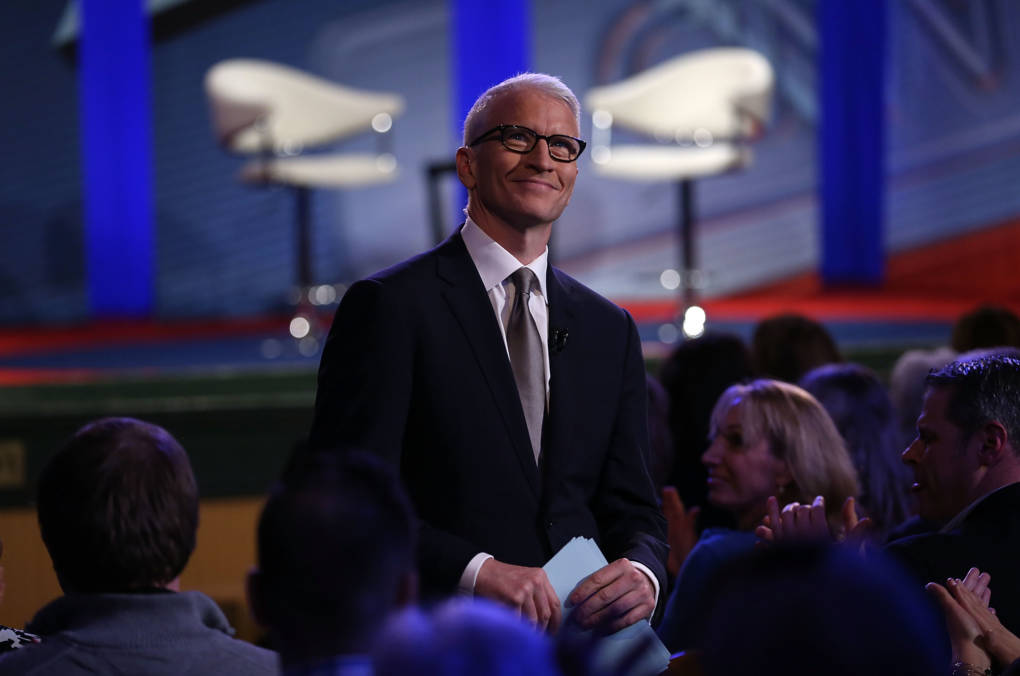
"caption": "CNN anchor Anderson Cooper looks on during a CNN Democratic Presidential Town Hall at the Derry Opera House on February 3, 2016 in Derry, New Hampshire. ",
"description": null,
"title": "Democratic Presidential Candidates Hillary Clinton And Bernie Sanders Take Part In Town Hall Meeting",
"credit": "Photo by Joe Raedle/Getty Images",
"status": "inherit",
"isLoading": false,
"fetchFailed": false
},
"science_1947042": {
"type": "attachments",
"id": "science_1947042",
"meta": {
"index": "attachments_1716263798",
"site": "science",
"id": "1947042",
"found": true
},
"parent": 1947031,
"imgSizes": {
"twentyfourteen-full-width": {
"file": "https://ww2.kqed.org/app/uploads/sites/35/2019/09/shakira_franklin-1_custom-5ab647c1e23659813af0c54171c42cf9cf45041c-s1300-c85-1038x576.jpg",
"width": 1038,
"mimeType": "image/jpeg",
"height": 576
},
"thumbnail": {
"file": "https://ww2.kqed.org/app/uploads/sites/35/2019/09/shakira_franklin-1_custom-5ab647c1e23659813af0c54171c42cf9cf45041c-s1300-c85-160x106.jpg",
"width": 160,
"mimeType": "image/jpeg",
"height": 106
},
"post-thumbnail": {
"file": "https://ww2.kqed.org/app/uploads/sites/35/2019/09/shakira_franklin-1_custom-5ab647c1e23659813af0c54171c42cf9cf45041c-s1300-c85-672x372.jpg",
"width": 672,
"mimeType": "image/jpeg",
"height": 372
},
"kqedFullSize": {
"file": "https://ww2.kqed.org/app/uploads/sites/35/2019/09/shakira_franklin-1_custom-5ab647c1e23659813af0c54171c42cf9cf45041c-s1300-c85.jpg",
"width": 1300,
"height": 859
},
"large": {
"file": "https://ww2.kqed.org/app/uploads/sites/35/2019/09/shakira_franklin-1_custom-5ab647c1e23659813af0c54171c42cf9cf45041c-s1300-c85-1020x674.jpg",
"width": 1020,
"mimeType": "image/jpeg",
"height": 674
},
"complete_open_graph": {
"file": "https://ww2.kqed.org/app/uploads/sites/35/2019/09/shakira_franklin-1_custom-5ab647c1e23659813af0c54171c42cf9cf45041c-s1300-c85-1200x793.jpg",
"width": 1200,
"mimeType": "image/jpeg",
"height": 793
},
"medium": {
"file": "https://ww2.kqed.org/app/uploads/sites/35/2019/09/shakira_franklin-1_custom-5ab647c1e23659813af0c54171c42cf9cf45041c-s1300-c85-800x529.jpg",
"width": 800,
"mimeType": "image/jpeg",
"height": 529
},
"medium_large": {
"file": "https://ww2.kqed.org/app/uploads/sites/35/2019/09/shakira_franklin-1_custom-5ab647c1e23659813af0c54171c42cf9cf45041c-s1300-c85-768x507.jpg",
"width": 768,
"mimeType": "image/jpeg",
"height": 507
}
},
"publishDate": 1567542018,
"modified": 1567542055,
"caption": "The Franklin Square neighborhood is hotter than about two-thirds of the other neighborhoods in Baltimore. Citywide, low-income neighborhoods tend to be hotter than wealthier neighborhoods.",
"description": null,
"title": "shakira_franklin-1_custom-5ab647c1e23659813af0c54171c42cf9cf45041c-s1300-c85",
"credit": "Ian Morton for NPR",
"status": "inherit",
"isLoading": false,
"fetchFailed": false
},
"science_1946961": {
"type": "attachments",
"id": "science_1946961",
"meta": {
"index": "attachments_1716263798",
"site": "science",
"id": "1946961",
"found": true
},
"parent": 1946959,
"imgSizes": {
"thumbnail": {
"file": "https://ww2.kqed.org/app/uploads/sites/35/2019/08/GettyImages-859701970-768x432-1-160x90.jpg",
"width": 160,
"mimeType": "image/jpeg",
"height": 90
},
"post-thumbnail": {
"file": "https://ww2.kqed.org/app/uploads/sites/35/2019/08/GettyImages-859701970-768x432-1-672x372.jpg",
"width": 672,
"mimeType": "image/jpeg",
"height": 372
},
"kqedFullSize": {
"file": "https://ww2.kqed.org/app/uploads/sites/35/2019/08/GettyImages-859701970-768x432-1.jpg",
"width": 768,
"height": 432
},
"medium_large": {
"file": "https://ww2.kqed.org/app/uploads/sites/35/2019/08/GettyImages-859701970-768x432-1-768x432.jpg",
"width": 768,
"mimeType": "image/jpeg",
"height": 432
}
},
"publishDate": 1567187740,
"modified": 1567187758,
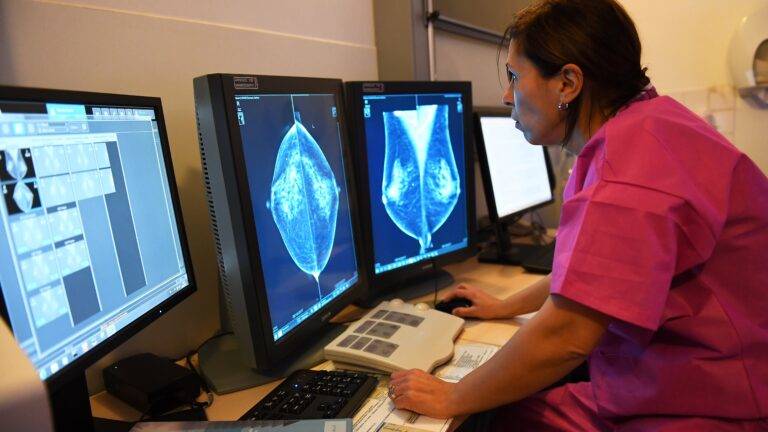
"caption": "A doctor looks at the results of a mammography.\n",
"description": null,
"title": "GettyImages-859701970-768x432 (1)",
"credit": "ANNE-CHRISTINE POUJOULAT/AFP/GETTY IMAGES",
"status": "inherit",
"isLoading": false,
"fetchFailed": false
},
"science_1946972": {
"type": "attachments",
"id": "science_1946972",
"meta": {
"index": "attachments_1716263798",
"site": "science",
"id": "1946972",
"found": true
},
"parent": 1946969,
"imgSizes": {
"twentyfourteen-full-width": {
"file": "https://ww2.kqed.org/app/uploads/sites/35/2019/08/GettyImages-606081628-1038x576.jpg",
"width": 1038,
"mimeType": "image/jpeg",
"height": 576
},
"thumbnail": {
"file": "https://ww2.kqed.org/app/uploads/sites/35/2019/08/GettyImages-606081628-160x94.jpg",
"width": 160,
"mimeType": "image/jpeg",
"height": 94
},
"post-thumbnail": {
"file": "https://ww2.kqed.org/app/uploads/sites/35/2019/08/GettyImages-606081628-672x372.jpg",
"width": 672,
"mimeType": "image/jpeg",
"height": 372
},
"kqedFullSize": {
"file": "https://ww2.kqed.org/app/uploads/sites/35/2019/08/GettyImages-606081628-e1567194739974.jpg",
"width": 1925,
"height": 1136
},
"large": {
"file": "https://ww2.kqed.org/app/uploads/sites/35/2019/08/GettyImages-606081628-1020x602.jpg",
"width": 1020,
"mimeType": "image/jpeg",
"height": 602
},
"complete_open_graph": {
"file": "https://ww2.kqed.org/app/uploads/sites/35/2019/08/GettyImages-606081628-1200x708.jpg",
"width": 1200,
"mimeType": "image/jpeg",
"height": 708
},
"full-width": {
"file": "https://ww2.kqed.org/app/uploads/sites/35/2019/08/GettyImages-606081628-1920x1133.jpg",
"width": 1920,
"mimeType": "image/jpeg",
"height": 1133
},
"medium": {
"file": "https://ww2.kqed.org/app/uploads/sites/35/2019/08/GettyImages-606081628-800x472.jpg",
"width": 800,
"mimeType": "image/jpeg",
"height": 472
},
"medium_large": {
"file": "https://ww2.kqed.org/app/uploads/sites/35/2019/08/GettyImages-606081628-768x453.jpg",
"width": 768,
"mimeType": "image/jpeg",
"height": 453
}
},
"publishDate": 1567194661,
"modified": 1567194708,
"caption": "One of the first customers to buy a new iPhone walks out of an Apple store in Manhattan on September 16, 2016 in New York City. ",
"description": null,
"title": "Apple's iPhone 7 And New Apple Watch On Sale In New York",
"credit": "Photo by Spencer Platt/Getty Images",
"status": "inherit",
"isLoading": false,
"fetchFailed": false
}
},
"audioPlayerReducer": {
"postId": "stream_live",
"isPaused": true,
"isPlaying": false,
"pfsActive": false,
"pledgeModalIsOpen": true,
"playerDrawerIsOpen": false,
"liveAudioPlayStartedAt": 0,
"liveAudioPlayContext": ""
},
"authorsReducer": {
"byline_science_1947609": {
"type": "authors",
"id": "byline_science_1947609",
"meta": {
"override": true
},
"slug": "byline_science_1947609",
"name": "Nell Greenfieldboyce \u003cbr/>NPR\u003cbr>",
"isLoading": false
},
"byline_science_1947591": {
"type": "authors",
"id": "byline_science_1947591",
"meta": {
"override": true
},
"slug": "byline_science_1947591",
"name": "Adam Beam and Michael Biesecker\u003cbr />Associated Press",
"isLoading": false
},
"byline_science_1947465": {
"type": "authors",
"id": "byline_science_1947465",
"meta": {
"override": true
},
"slug": "byline_science_1947465",
"name": "Michael Biesecker\u003cbr />Associated Press",
"isLoading": false
},
"byline_science_1947418": {
"type": "authors",
"id": "byline_science_1947418",
"meta": {
"override": true
},
"slug": "byline_science_1947418",
"name": "\u003cstrong>Oliver Milman, New York\u003cbr>The Guardian\u003c/strong>",
"isLoading": false
},
"byline_science_1947436": {
"type": "authors",
"id": "byline_science_1947436",
"meta": {
"override": true
},
"slug": "byline_science_1947436",
"name": "\u003cstrong>Mark Hertsgaard and Kyle Pope\u003c/strong>",
"isLoading": false
},
"byline_science_1947019": {
"type": "authors",
"id": "byline_science_1947019",
"meta": {
"override": true
},
"slug": "byline_science_1947019",
"name": "Elana Schor and Ellen Knickmeyer\u003cbr />Associated Press",
"isLoading": false
},
"byline_science_1947031": {
"type": "authors",
"id": "byline_science_1947031",
"meta": {
"override": true
},
"slug": "byline_science_1947031",
"name": "Meg Anderson and Sean McMinn \u003cbr/>NPR\u003cbr>",
"isLoading": false
},
"byline_science_1946959": {
"type": "authors",
"id": "byline_science_1946959",
"meta": {
"override": true
},
"slug": "byline_science_1946959",
"name": "Megan Thielking \u003cbr/>STAT News \u003cbr>",
"isLoading": false
},
"parcuni": {
"type": "authors",
"id": "11368",
"meta": {
"index": "authors_1716337520",
"id": "11368",
"found": true
},
"name": "Peter Arcuni",
"firstName": "Peter",
"lastName": "Arcuni",
"slug": "parcuni",
"email": "parcuni@KQED.org",
"display_author_email": false,
"staff_mastheads": [
"science"
],
"title": "Reporter",
"bio": "Peter reports radio and online stories for \u003cem>KQED Science\u003c/em>. His work has also appeared on the \u003cem>The California Report\u003c/em> morning show and \u003cem>KQED News\u003c/em>. His production credits include \u003cem>The California Report, The California Report Magazine\u003c/em> and KQED's local news podcast \u003cem>The Bay\u003c/em>. Other credits include NPR's \u003cem>All Things Considered\u003c/em>, WNYC's \u003cem>Science Friday\u003c/em>, WBUR's \u003cem>Here & Now\u003c/em>, WIRED and SFGate. Peter graduated from Brown University and earned a master's degree in journalism from Stanford. He's covered everything from homelessness to wildfires, health, the environment, arts and Thanksgiving in San Quentin prison. In other lives, he played rock n roll music and studied neuroscience. You can email him at: parcuni@kqed.org",
"avatar": "https://secure.gravatar.com/avatar/d5032f6f27199d478af34ad2e1d98732?s=600&d=blank&r=g",
"twitter": "peterarcuni",
"facebook": null,
"instagram": null,
"linkedin": null,
"sites": [
{
"site": "news",
"roles": [
"editor"
]
},
{
"site": "science",
"roles": [
"editor"
]
}
],
"headData": {
"title": "Peter Arcuni | KQED",
"description": "Reporter",
"ogImgSrc": "https://secure.gravatar.com/avatar/d5032f6f27199d478af34ad2e1d98732?s=600&d=blank&r=g",
"twImgSrc": "https://secure.gravatar.com/avatar/d5032f6f27199d478af34ad2e1d98732?s=600&d=blank&r=g"
},
"isLoading": false,
"link": "/author/parcuni"
},
"kevinstark": {
"type": "authors",
"id": "11608",
"meta": {
"index": "authors_1716337520",
"id": "11608",
"found": true
},
"name": "Kevin Stark",
"firstName": "Kevin",
"lastName": "Stark",
"slug": "kevinstark",
"email": "kstark@kqed.org",
"display_author_email": true,
"staff_mastheads": [
"science"
],
"title": "Senior Editor",
"bio": "Kevin is a senior editor for KQED Science, managing the station's health and climate desks. His journalism career began in the Pacific Northwest, and he later became a lead reporter for the San Francisco Public Press. His work has appeared in Pacific Standard magazine, the Energy News Network, the Center for Investigative Reporting's Reveal and WBEZ in Chicago. Kevin joined KQED in 2019, and has covered issues related to energy, wildfire, climate change and the environment.",
"avatar": "https://secure.gravatar.com/avatar/365aaa4b597d3a8374f67504ff0facd323d7906e8eb4be0a7efd2427408e802c?s=600&d=blank&r=g",
"twitter": "starkkev",
"bluesky": null,
"facebook": null,
"instagram": null,
"linkedin": null,
"sites": [
{
"site": "",
"roles": [
"editor"
]
},
{
"site": "news",
"roles": [
"editor"
]
},
{
"site": "science",
"roles": [
"administrator"
]
}
],
"headData": {
"title": "Kevin Stark | KQED",
"description": "Senior Editor",
"ogImgSrc": "https://secure.gravatar.com/avatar/365aaa4b597d3a8374f67504ff0facd323d7906e8eb4be0a7efd2427408e802c?s=600&d=blank&r=g",
"twImgSrc": "https://secure.gravatar.com/avatar/365aaa4b597d3a8374f67504ff0facd323d7906e8eb4be0a7efd2427408e802c?s=600&d=blank&r=g"
},
"isLoading": false,
"link": "/author/kevinstark"
}
},
"pagesReducer": {
"science_category_news": {
"type": "terms",
"id": "science_40",
"meta": {
"index": "terms_1716263798",
"site": "science",
"id": "40",
"score": 10.814219
},
"featImg": null,
"name": "News",
"description": null,
"taxonomy": "category",
"headData": {
"twImgId": null,
"twTitle": null,
"ogTitle": null,
"ogImgId": null,
"twDescription": null,
"description": null,
"title": "News Archives | KQED Science",
"ogDescription": null
},
"ttid": 42,
"slug": "news",
"isLoading": false,
"title": "News",
"pageMeta": {
"site": "science",
"WpPageTemplate": "page-topic-editorial",
"currentPage": 126
},
"blocks": [
{
"blockName": "kqed/post-list",
"attrs": {
"layout": "cardArticle2",
"query": "posts/science?category=news",
"seeMore": false,
"paginated": true,
"page": 126
}
},
{
"blockName": "kqed/ad"
}
]
}
},
"pfsSessionReducer": {},
"postsReducer": {
"stream_live": {
"type": "live",
"id": "stream_live",
"audioUrl": "https://streams.kqed.org/kqedradio",
"title": "Live Stream",
"excerpt": "Live Stream information currently unavailable.",
"link": "/radio",
"featImg": "",
"label": {
"name": "KQED Live",
"link": "/"
}
},
"stream_kqedNewscast": {
"type": "posts",
"id": "stream_kqedNewscast",
"audioUrl": "https://www.kqed.org/.stream/anon/radio/RDnews/newscast.mp3?_=1",
"title": "KQED Newscast",
"featImg": "",
"label": {
"name": "88.5 FM",
"link": "/"
}
},
"science_1947609": {
"type": "posts",
"id": "science_1947609",
"meta": {
"index": "posts_1716263798",
"site": "science",
"id": "1947609",
"score": null,
"sort": [
1568934574000
]
},
"parent": 0,
"labelTerm": {},
"blocks": [],
"publishDate": 1568934574,
"format": "standard",
"title": "North America Has Lost 3 Billion Birds, Scientists Say",
"headTitle": "North America Has Lost 3 Billion Birds, Scientists Say | KQED",
"content": "\u003cp>Over the past half-century, North America has lost more than a quarter of its entire bird population, or around 3 billion birds.\u003c/p>\n\u003cp>That’s according to a \u003ca href=\"https://science.sciencemag.org/lookup/doi/10.1126/science.aaw1313\">new estimate\u003c/a> published in the journal \u003cem>Science \u003c/em>by researchers who brought together a variety of information that has been collected on 529 bird species since 1970.\u003c/p>\n\u003cp>“We saw this tremendous net loss across the entire bird community,” says \u003ca href=\"https://www.birds.cornell.edu/home/staff/ken-rosenberg/\">Ken Rosenberg\u003c/a>, an applied conservation scientist at the \u003ca href=\"https://www.birds.cornell.edu/home/\">Cornell Lab of Ornithology\u003c/a> in Ithaca, N.Y. “By our estimates, it’s a 30% loss in the total number of breeding birds.”\u003c/p>\n\u003cp>Rosenberg and his colleagues already knew that a number of bird populations had been decreasing.\u003c/p>\n\u003cp>“But we also knew that other bird populations were increasing,” he says. “And what we didn’t know is whether there was a net change.” Scientists thought there might simply be a shift in the total bird population toward more generalist birds adapted to living around humans.\u003c/p>\n\u003cp>[ad fullwidth]\u003c/p>\n\u003cp>To find out, the researchers collected data from long-running surveys conducted with the help of volunteer bird spotters, such as the \u003ca href=\"https://www.pwrc.usgs.gov/bbs/\">North American Breeding Bird Survey\u003c/a> and the \u003ca href=\"https://www.audubon.org/conservation/science/christmas-bird-count\">Audubon Christmas Bird Count\u003c/a>. They combined that data with a decade’s worth of data on migrating bird flocks detected by 143 weather radar installations.\u003c/p>\n\u003cp>Their results show that more than 90% of the loss can be attributed to just a dozen bird families, including sparrows, warblers, blackbirds and finches.\u003c/p>\n\u003cp>Common birds with decreasing populations include meadowlarks, dark-eyed juncos, horned larks and red-winged blackbirds, says Rosenberg. Grassland birds have suffered a 53% decrease in their numbers, and more than a third of the shorebird population has been lost.\u003c/p>\n\u003cp>Bird populations that have increased include raptors, like the bald eagle, and waterfowl.\u003c/p>\n\u003cp>“The numbers of ducks and geese are larger than they’ve ever been, and that’s not an accident,” says Rosenberg. “It’s because hunters who primarily want to see healthy waterfowl populations for recreational hunting have raised their voices.”\u003c/p>\n\u003cp>Applied ecologist \u003ca href=\"https://sites.google.com/a/ncsu.edu/simons/\">Ted Simons\u003c/a> of North Carolina State University says that trying to enumerate bird populations and tracking them over time is a daunting task with a lot of uncertainty.\u003c/p>\n\u003cp>“People are doing a wonderful effort to try and understand our bird populations, but the actual systems that we have in place to try and answer really tough questions like this are really far short of what we need,” says Simons. “We’re certainly far from having the tools and having the resources to have real high confidence in our estimates of these populations.”\u003c/p>\n\u003cp>Still, he says, “I think it is very likely that we are seeing substantial declines in our bird populations, particularly migratory birds.”\u003c/p>\n\u003cp>Other researchers say this continent wide decrease in bird numbers is about what they expected.\u003c/p>\n\u003cp>“I think that I buy the magnitude of loss,” says \u003ca href=\"https://sites.google.com/rams.colostate.edu/ruegglab/people?authuser=0\">Kristen Ruegg\u003c/a>, a biologist at Colorado State University in Fort Collins. “Overall, the conclusions weren’t necessarily surprising. I mean, they were depressing but not surprising,”\u003c/p>\n\u003cp>Ruegg says there have been hints that the loss was this large from a variety of sources over the past few decades. But in most cases, these were species-specific accounts of local extinctions or models of projected losses resulting from things like climate change.\u003c/p>\n\u003cp>This study, she says, “really sort of wakes people up to the idea that this is happening.”\u003c/p>\n\u003cp>\u003ca href=\"https://msu.edu/user/ezipkin/lab-members.html\">Elise Zipkin\u003c/a>, a quantitative ecologist at Michigan State University, says the loss of individuals can be a big problem.\u003c/p>\n\u003cp>“Just because a species hasn’t gone extinct or isn’t even necessarily close to extinction, it might still be in trouble,” she says. “We need to be thinking about conservation efforts for that.”\u003c/p>\n\u003cp>The researchers cite a variety of potential causes for the loss of birds, including habitat degradation, urbanization and the use of toxic pesticides, notes Zipkin.\u003c/p>\n\u003cp>\u003c/p>\n\u003cp>“And so I think this kind of lays the gauntlet,” she says, “for people to be thinking about ‘All right, how can we estimate maybe the relative contributions of these things to individual populations and their declines.’ ”\u003c/p>\n\u003cdiv class=\"fullattribution\">Copyright 2019 NPR. To see more, visit https://www.npr.org.\u003cimg decoding=\"async\" src=\"https://www.google-analytics.com/__utm.gif?utmac=UA-5828686-4&utmdt=North+America+Has+Lost+3+Billion+Birds%2C+Scientists+Say&utme=8(APIKey)9(MDAxOTAwOTE4MDEyMTkxMDAzNjczZDljZA004)\">\u003c/div>\n\n",
"stats": {
"hasVideo": false,
"hasChartOrMap": false,
"hasAudio": false,
"hasPolis": false,
"wordCount": 733,
"hasGoogleForm": false,
"hasGallery": false,
"hasHearkenModule": false,
"iframeSrcs": [],
"paragraphCount": 23
},
"modified": 1704848322,
"excerpt": "Researchers estimate that the bird population has fallen by a quarter since 1970. More than 90% of the loss can be attributed to just a dozen bird families, including sparrows, blackbirds and finches.",
"headData": {
"twImgId": "",
"twTitle": "",
"ogTitle": "",
"ogImgId": "",
"twDescription": "",
"description": "Researchers estimate that the bird population has fallen by a quarter since 1970. More than 90% of the loss can be attributed to just a dozen bird families, including sparrows, blackbirds and finches.",
"title": "North America Has Lost 3 Billion Birds, Scientists Say | KQED",
"ogDescription": "",
"schema": {
"@context": "https://schema.org",
"@type": "Article",
"headline": "North America Has Lost 3 Billion Birds, Scientists Say",
"datePublished": "2019-09-19T16:09:34-07:00",
"dateModified": "2024-01-09T16:58:42-08:00",
"image": "https://cdn.kqed.org/wp-content/uploads/2020/02/KQED-OG-Image@1x.png"
}
},
"guestAuthors": [],
"slug": "north-america-has-lost-3-billion-birds-scientists-say",
"status": "publish",
"nprApiLink": "http://api.npr.org/query?id=762090471&apiKey=MDAxOTAwOTE4MDEyMTkxMDAzNjczZDljZA004",
"nprStoryDate": "Thu, 19 Sep 2019 14:01:00 -0400",
"nprLastModifiedDate": "Thu, 19 Sep 2019 16:42:04 -0400",
"nprHtmlLink": "https://www.npr.org/2019/09/19/762090471/north-america-has-lost-3-billion-birds-scientists-say?ft=nprml&f=762090471",
"nprAudio": "https://ondemand.npr.org/anon.npr-mp3/npr/atc/2019/09/20190919_atc_north_america_has_lost_3_billion_birds_scientists_say.mp3?orgId=1&topicId=1007&d=172&p=2&story=762090471&ft=nprml&f=762090471",
"nprImageAgency": "Steven Mlodinow/EOL.org; Greg Lasley/EOL.org; dfwuw/EOL.org",
"source": "NPR",
"nprAudioM3u": "http://api.npr.org/m3u/1762485856-e80961.m3u?orgId=1&topicId=1007&d=172&p=2&story=762090471&ft=nprml&f=762090471",
"nprStoryId": "762090471",
"nprByline": "Nell Greenfieldboyce \u003cbr/>NPR\u003cbr>",
"sticky": false,
"audioTrackLength": 173,
"nprRetrievedStory": "1",
"nprPubDate": "Thu, 19 Sep 2019 17:28:00 -0400",
"path": "/science/1947609/north-america-has-lost-3-billion-birds-scientists-say",
"audioUrl": "https://ondemand.npr.org/anon.npr-mp3/npr/atc/2019/09/20190919_atc_north_america_has_lost_3_billion_birds_scientists_say.mp3?orgId=1&topicId=1007&d=172&p=2&story=762090471&ft=nprml&f=762090471",
"parsedContent": [
{
"type": "contentString",
"content": "\u003cdiv class=\"post-body\">\u003cp>\u003cp>Over the past half-century, North America has lost more than a quarter of its entire bird population, or around 3 billion birds.\u003c/p>\n\u003cp>That’s according to a \u003ca href=\"https://science.sciencemag.org/lookup/doi/10.1126/science.aaw1313\">new estimate\u003c/a> published in the journal \u003cem>Science \u003c/em>by researchers who brought together a variety of information that has been collected on 529 bird species since 1970.\u003c/p>\n\u003cp>“We saw this tremendous net loss across the entire bird community,” says \u003ca href=\"https://www.birds.cornell.edu/home/staff/ken-rosenberg/\">Ken Rosenberg\u003c/a>, an applied conservation scientist at the \u003ca href=\"https://www.birds.cornell.edu/home/\">Cornell Lab of Ornithology\u003c/a> in Ithaca, N.Y. “By our estimates, it’s a 30% loss in the total number of breeding birds.”\u003c/p>\n\u003cp>Rosenberg and his colleagues already knew that a number of bird populations had been decreasing.\u003c/p>\n\u003cp>“But we also knew that other bird populations were increasing,” he says. “And what we didn’t know is whether there was a net change.” Scientists thought there might simply be a shift in the total bird population toward more generalist birds adapted to living around humans.\u003c/p>\n\u003cp>\u003c/p>\u003c/div>",
"attributes": {
"named": {},
"numeric": []
}
},
{
"type": "component",
"content": "",
"name": "ad",
"attributes": {
"named": {
"label": "fullwidth"
},
"numeric": [
"fullwidth"
]
}
},
{
"type": "contentString",
"content": "\u003cdiv class=\"post-body\">\u003cp>\u003c/p>\n\u003cp>To find out, the researchers collected data from long-running surveys conducted with the help of volunteer bird spotters, such as the \u003ca href=\"https://www.pwrc.usgs.gov/bbs/\">North American Breeding Bird Survey\u003c/a> and the \u003ca href=\"https://www.audubon.org/conservation/science/christmas-bird-count\">Audubon Christmas Bird Count\u003c/a>. They combined that data with a decade’s worth of data on migrating bird flocks detected by 143 weather radar installations.\u003c/p>\n\u003cp>Their results show that more than 90% of the loss can be attributed to just a dozen bird families, including sparrows, warblers, blackbirds and finches.\u003c/p>\n\u003cp>Common birds with decreasing populations include meadowlarks, dark-eyed juncos, horned larks and red-winged blackbirds, says Rosenberg. Grassland birds have suffered a 53% decrease in their numbers, and more than a third of the shorebird population has been lost.\u003c/p>\n\u003cp>Bird populations that have increased include raptors, like the bald eagle, and waterfowl.\u003c/p>\n\u003cp>“The numbers of ducks and geese are larger than they’ve ever been, and that’s not an accident,” says Rosenberg. “It’s because hunters who primarily want to see healthy waterfowl populations for recreational hunting have raised their voices.”\u003c/p>\n\u003cp>Applied ecologist \u003ca href=\"https://sites.google.com/a/ncsu.edu/simons/\">Ted Simons\u003c/a> of North Carolina State University says that trying to enumerate bird populations and tracking them over time is a daunting task with a lot of uncertainty.\u003c/p>\n\u003cp>“People are doing a wonderful effort to try and understand our bird populations, but the actual systems that we have in place to try and answer really tough questions like this are really far short of what we need,” says Simons. “We’re certainly far from having the tools and having the resources to have real high confidence in our estimates of these populations.”\u003c/p>\n\u003cp>Still, he says, “I think it is very likely that we are seeing substantial declines in our bird populations, particularly migratory birds.”\u003c/p>\n\u003cp>Other researchers say this continent wide decrease in bird numbers is about what they expected.\u003c/p>\n\u003cp>“I think that I buy the magnitude of loss,” says \u003ca href=\"https://sites.google.com/rams.colostate.edu/ruegglab/people?authuser=0\">Kristen Ruegg\u003c/a>, a biologist at Colorado State University in Fort Collins. “Overall, the conclusions weren’t necessarily surprising. I mean, they were depressing but not surprising,”\u003c/p>\n\u003cp>Ruegg says there have been hints that the loss was this large from a variety of sources over the past few decades. But in most cases, these were species-specific accounts of local extinctions or models of projected losses resulting from things like climate change.\u003c/p>\n\u003cp>This study, she says, “really sort of wakes people up to the idea that this is happening.”\u003c/p>\n\u003cp>\u003ca href=\"https://msu.edu/user/ezipkin/lab-members.html\">Elise Zipkin\u003c/a>, a quantitative ecologist at Michigan State University, says the loss of individuals can be a big problem.\u003c/p>\n\u003cp>“Just because a species hasn’t gone extinct or isn’t even necessarily close to extinction, it might still be in trouble,” she says. “We need to be thinking about conservation efforts for that.”\u003c/p>\n\u003cp>The researchers cite a variety of potential causes for the loss of birds, including habitat degradation, urbanization and the use of toxic pesticides, notes Zipkin.\u003c/p>\n\u003cp>\u003c/p>\n\u003cp>“And so I think this kind of lays the gauntlet,” she says, “for people to be thinking about ‘All right, how can we estimate maybe the relative contributions of these things to individual populations and their declines.’ ”\u003c/p>\n\u003cdiv class=\"fullattribution\">Copyright 2019 NPR. To see more, visit https://www.npr.org.\u003cimg decoding=\"async\" src=\"https://www.google-analytics.com/__utm.gif?utmac=UA-5828686-4&utmdt=North+America+Has+Lost+3+Billion+Birds%2C+Scientists+Say&utme=8(APIKey)9(MDAxOTAwOTE4MDEyMTkxMDAzNjczZDljZA004)\">\u003c/div>\n\n\u003c/div>\u003c/p>",
"attributes": {
"named": {},
"numeric": []
}
}
],
"link": "/science/1947609/north-america-has-lost-3-billion-birds-scientists-say",
"authors": [
"byline_science_1947609"
],
"categories": [
"science_2874",
"science_35",
"science_40"
],
"tags": [
"science_163",
"science_3838",
"science_2936"
],
"featImg": "science_1947610",
"label": "source_science_1947609"
},
"science_1947591": {
"type": "posts",
"id": "science_1947591",
"meta": {
"index": "posts_1716263798",
"site": "science",
"id": "1947591",
"score": null,
"sort": [
1568930779000
]
},
"parent": 0,
"labelTerm": {},
"blocks": [],
"publishDate": 1568930779,
"format": "standard",
"title": "California Prepares for Battle in Emissions Conflict With Trump",
"headTitle": "California Prepares for Battle in Emissions Conflict With Trump | KQED",
"content": "\u003cp>Preparing for a lengthy legal battle with the Trump administration about how much pollution to allow from cars, California regulators on Thursday said they were considering cracking down on other emissions to make up for any impacts on air quality.\u003c/p>\n\u003cp>The Trump administration on Thursday officially revoked California’s authority to set its own emission standards — authority the state has had for decades under a waiver from the federal Clean Air Act.\u003c/p>\n\u003cp>The changes won’t take effect for another 60 days, giving state officials time to prepare a lawsuit. But the litigation will be complex and could last for years. In the meantime, California regulators in charge of reducing pollutants are considering toughening limits on refinery emissions and imposing “roadway pricing” — which includes charging higher tolls during rush hour in the hopes of keeping cars off the road.\u003c/p>\n\u003cp>“‘We must do other things to meet our commitments,” Ellen Peter, chief counsel for the California Air Resources Board, said during Thursday’s board meeting.\u003c/p>\n\u003cp>A spokesman for the board said officials are “evaluating options at this point and aren’t prepared to discuss details.”\u003c/p>\n\u003cp>[ad fullwidth]\u003c/p>\n\u003cp>“However, (the board) has been quite public about the need to make up reductions that may be lost through any federal attempt at intervention in state air quality and (greenhouse gas) regulations,” spokesman Dave Clegern said. “This is a public health issue for California and not an abstract exercise, so we must find additional reductions.”\u003c/p>\n\u003cp>California has 35 million registered vehicles, giving it great influence with the auto industry. That was evident in July, when Democratic Gov. Gavin Newsom announced that Ford, BMW, Honda and Volkswagen had agreed to follow California’s standards, bypassing the administration, which had been working on new rules.\u003c/p>\n\u003cp>The Trump administration’s decision to stop California from setting its own emission standards for cars and trucks would undermine the state’s ability to convince the world’s largest automakers that they should make more environmentally friendly vehicles.\u003c/p>\n\u003cp>“We will not let political agendas in a single state be forced upon the other 49,” Transportation Secretary Elaine Chao said Thursday at a Washington news conference.\u003c/p>\n\u003cp>One California lawmaker is already working on a way to preserve at least some of the state’s environmental muscle: rebates for electric cars.\u003c/p>\n\u003cp>California residents who buy or lease a zero-emission vehicle can get up to $7,000 from the state. A bill by Democratic Assemblyman Phil Ting would mean people could only get that money if they buy a car from a company that has agreed to follow California’s emission standards.\u003c/p>\n\u003cp>“We want to be incentivizing consumers to purchase from automakers that have aligned themselves with our state’s overall goals,” Ting said. “I think rebates are one tool. I’m sure the administration and the state will be looking at other tools that we have.”\u003c/p>\n\u003cp>David Vogel, a professor emeritus of business ethics at the Haas School of Business of the University of California-Berkeley, noted California could accomplish its goals through various tax changes, which the federal government could not stop.\u003c/p>\n\u003cp>“Even if the Trump administration would win on this, California could use taxes to accomplish much of the same goals,” Vogel said. “The federal government would have less of an ability to challenge, because states can pretty much tax who they want.”\u003c/p>\n\u003cp>Trump said his move would result in less expensive, safer cars. He predicted Americans would purchase more new cars, which would result in cleaner air as older models are taken off the roads.\u003c/p>\n\u003cp>“Many more cars will be produced under the new and uniform standard, meaning significantly more JOBS, JOBS, JOBS! Automakers should seize this opportunity because without this alternative to California, you will be out of business,” Trump tweeted.\u003c/p>\n\u003cp>Environmental Protection Agency chief Andrew Wheeler said at the Thursday news conference with Chao that Trump’s approach was “good for public safety, good for the economy and good for the environment.”\u003c/p>\n\u003cp>Wheeler also played down electric vehicles, calling them “a product that has minimal impact on the environment and which most families cannot approach”\u003c/p>\n\u003cp>U.S. automakers contend that without year-over-year increases in fuel efficiency that align with global market realities, their vehicles could be less competitive, potentially resulting in job losses. But most of the industry favors increases in standards that are less than the Obama-era requirements, saying their consumers are gravitating to SUVs and trucks rather than buying more efficient cars.\u003c/p>\n\u003cp>Top California officials and environmental groups pledged legal action to stop the Trump rollback. The U.S. transportation sector is the nation’s biggest single source of greenhouse gasses.\u003c/p>\n\u003cp>Trump’s claim that his proposal would result in a cleaner environment is contrary to his own administration’s estimate that by freezing economy standards, U.S. fuel consumption would increase by about 500,000 barrels per day, a 2% to 3% increase. Environmental groups predict even more fuel consumed, resulting in higher pollution.\u003c/p>\n\u003cp>The administration argues that lower-cost vehicles would allow more people to buy new ones that are safer, cutting roadway deaths by 12,700 lives through the 2029 model year.\u003c/p>\n\u003cp>\u003c/p>\n\u003cp>But The Associated Press reported last year that internal EPA emails show senior career officials privately questioned the administration’s calculations, saying the proposed freeze would actually modestly increase highway fatalities, by about 17 deaths annually.\u003c/p>\n\n",
"stats": {
"hasVideo": false,
"hasChartOrMap": false,
"hasAudio": false,
"hasPolis": false,
"wordCount": 936,
"hasGoogleForm": false,
"hasGallery": false,
"hasHearkenModule": false,
"iframeSrcs": [],
"paragraphCount": 25
},
"modified": 1704848323,
"excerpt": "California regulators on Thursday said they were considering cracking down on other emissions to make up for any impacts on air quality.\r\n",
"headData": {
"twImgId": "",
"twTitle": "",
"ogTitle": "",
"ogImgId": "",
"twDescription": "",
"description": "California regulators on Thursday said they were considering cracking down on other emissions to make up for any impacts on air quality.\r\n",
"title": "California Prepares for Battle in Emissions Conflict With Trump | KQED",
"ogDescription": "",
"schema": {
"@context": "https://schema.org",
"@type": "Article",
"headline": "California Prepares for Battle in Emissions Conflict With Trump",
"datePublished": "2019-09-19T15:06:19-07:00",
"dateModified": "2024-01-09T16:58:43-08:00",
"image": "https://cdn.kqed.org/wp-content/uploads/2020/02/KQED-OG-Image@1x.png"
}
},
"guestAuthors": [],
"slug": "california-prepares-for-battle-in-emissions-conflict-with-trump",
"status": "publish",
"audioUrl": "https://www.kqed.org/.stream/anon/radio/tcr/2019/09/308813BecerraEmissions2way.mp3",
"nprByline": "Adam Beam and Michael Biesecker\u003cbr />Associated Press",
"sticky": false,
"audioTrackLength": 179,
"source": "Associated Press",
"path": "/science/1947591/california-prepares-for-battle-in-emissions-conflict-with-trump",
"audioDuration": 179000,
"parsedContent": [
{
"type": "contentString",
"content": "\u003cdiv class=\"post-body\">\u003cp>\u003cp>Preparing for a lengthy legal battle with the Trump administration about how much pollution to allow from cars, California regulators on Thursday said they were considering cracking down on other emissions to make up for any impacts on air quality.\u003c/p>\n\u003cp>The Trump administration on Thursday officially revoked California’s authority to set its own emission standards — authority the state has had for decades under a waiver from the federal Clean Air Act.\u003c/p>\n\u003cp>The changes won’t take effect for another 60 days, giving state officials time to prepare a lawsuit. But the litigation will be complex and could last for years. In the meantime, California regulators in charge of reducing pollutants are considering toughening limits on refinery emissions and imposing “roadway pricing” — which includes charging higher tolls during rush hour in the hopes of keeping cars off the road.\u003c/p>\n\u003cp>“‘We must do other things to meet our commitments,” Ellen Peter, chief counsel for the California Air Resources Board, said during Thursday’s board meeting.\u003c/p>\n\u003cp>A spokesman for the board said officials are “evaluating options at this point and aren’t prepared to discuss details.”\u003c/p>\n\u003cp>\u003c/p>\u003c/div>",
"attributes": {
"named": {},
"numeric": []
}
},
{
"type": "component",
"content": "",
"name": "ad",
"attributes": {
"named": {
"label": "fullwidth"
},
"numeric": [
"fullwidth"
]
}
},
{
"type": "contentString",
"content": "\u003cdiv class=\"post-body\">\u003cp>\u003c/p>\n\u003cp>“However, (the board) has been quite public about the need to make up reductions that may be lost through any federal attempt at intervention in state air quality and (greenhouse gas) regulations,” spokesman Dave Clegern said. “This is a public health issue for California and not an abstract exercise, so we must find additional reductions.”\u003c/p>\n\u003cp>California has 35 million registered vehicles, giving it great influence with the auto industry. That was evident in July, when Democratic Gov. Gavin Newsom announced that Ford, BMW, Honda and Volkswagen had agreed to follow California’s standards, bypassing the administration, which had been working on new rules.\u003c/p>\n\u003cp>The Trump administration’s decision to stop California from setting its own emission standards for cars and trucks would undermine the state’s ability to convince the world’s largest automakers that they should make more environmentally friendly vehicles.\u003c/p>\n\u003cp>“We will not let political agendas in a single state be forced upon the other 49,” Transportation Secretary Elaine Chao said Thursday at a Washington news conference.\u003c/p>\n\u003cp>One California lawmaker is already working on a way to preserve at least some of the state’s environmental muscle: rebates for electric cars.\u003c/p>\n\u003cp>California residents who buy or lease a zero-emission vehicle can get up to $7,000 from the state. A bill by Democratic Assemblyman Phil Ting would mean people could only get that money if they buy a car from a company that has agreed to follow California’s emission standards.\u003c/p>\n\u003cp>“We want to be incentivizing consumers to purchase from automakers that have aligned themselves with our state’s overall goals,” Ting said. “I think rebates are one tool. I’m sure the administration and the state will be looking at other tools that we have.”\u003c/p>\n\u003cp>David Vogel, a professor emeritus of business ethics at the Haas School of Business of the University of California-Berkeley, noted California could accomplish its goals through various tax changes, which the federal government could not stop.\u003c/p>\n\u003cp>“Even if the Trump administration would win on this, California could use taxes to accomplish much of the same goals,” Vogel said. “The federal government would have less of an ability to challenge, because states can pretty much tax who they want.”\u003c/p>\n\u003cp>Trump said his move would result in less expensive, safer cars. He predicted Americans would purchase more new cars, which would result in cleaner air as older models are taken off the roads.\u003c/p>\n\u003cp>“Many more cars will be produced under the new and uniform standard, meaning significantly more JOBS, JOBS, JOBS! Automakers should seize this opportunity because without this alternative to California, you will be out of business,” Trump tweeted.\u003c/p>\n\u003cp>Environmental Protection Agency chief Andrew Wheeler said at the Thursday news conference with Chao that Trump’s approach was “good for public safety, good for the economy and good for the environment.”\u003c/p>\n\u003cp>Wheeler also played down electric vehicles, calling them “a product that has minimal impact on the environment and which most families cannot approach”\u003c/p>\n\u003cp>U.S. automakers contend that without year-over-year increases in fuel efficiency that align with global market realities, their vehicles could be less competitive, potentially resulting in job losses. But most of the industry favors increases in standards that are less than the Obama-era requirements, saying their consumers are gravitating to SUVs and trucks rather than buying more efficient cars.\u003c/p>\n\u003cp>Top California officials and environmental groups pledged legal action to stop the Trump rollback. The U.S. transportation sector is the nation’s biggest single source of greenhouse gasses.\u003c/p>\n\u003cp>Trump’s claim that his proposal would result in a cleaner environment is contrary to his own administration’s estimate that by freezing economy standards, U.S. fuel consumption would increase by about 500,000 barrels per day, a 2% to 3% increase. Environmental groups predict even more fuel consumed, resulting in higher pollution.\u003c/p>\n\u003cp>The administration argues that lower-cost vehicles would allow more people to buy new ones that are safer, cutting roadway deaths by 12,700 lives through the 2029 model year.\u003c/p>\n\u003cp>\u003c/p>\n\u003cp>But The Associated Press reported last year that internal EPA emails show senior career officials privately questioned the administration’s calculations, saying the proposed freeze would actually modestly increase highway fatalities, by about 17 deaths annually.\u003c/p>\n\n\u003c/div>\u003c/p>",
"attributes": {
"named": {},
"numeric": []
}
}
],
"link": "/science/1947591/california-prepares-for-battle-in-emissions-conflict-with-trump",
"authors": [
"byline_science_1947591"
],
"categories": [
"science_31",
"science_40"
],
"tags": [
"science_3370"
],
"featImg": "science_1946439",
"label": "source_science_1947591"
},
"science_1947538": {
"type": "posts",
"id": "science_1947538",
"meta": {
"index": "posts_1716263798",
"site": "science",
"id": "1947538",
"score": null,
"sort": [
1568844792000
]
},
"parent": 0,
"labelTerm": {},
"blocks": [],
"publishDate": 1568844792,
"format": "standard",
"title": "Trump Aims to Kill California's Clean-Air Powers. Lawyers Doubt He Can.",
"headTitle": "Trump Aims to Kill California’s Clean-Air Powers. Lawyers Doubt He Can. | KQED",
"content": "\u003cp>\u003cspan style=\"font-weight: 400\">\u003cstrong>Update, Sept. 19, 2019:\u003c/strong> The Trump administration today \u003ca href=\"https://www.epa.gov/newsreleases/trump-administration-announces-one-national-program-rule-federal-preemption-state-fuel\">formally announced\u003c/a> it will finalize uniform vehicle emission standards for the U.S. and take away California’s right to enact stricter rules as it has for more than half a century.\u003c/span>\u003c/p>\n\u003cp>A statement from the federal Environmental Protection Agency announced the administration’s a final action called the “One National Program Rule.” It will enable the federal government to provide nationwide uniform fuel economy and greenhouse gas emission standards for automobiles and light duty trucks.\u003c/p>\n\u003cp>The initiative goes by the acronym SAFE, for “Safer, Affordable, Fuel-Efficient.”\u003c/p>\n\u003cp>California officials are poised to fight the administration’s effort in court.\u003c/p>\n\u003cp>The EPA statement continues: “Pursuant to Congress’s mandate in the Energy Policy and Conservation Act, only the federal government may set fuel economy standards, and state and local governments may not establish their own separate fuel economy standards. This includes state laws that substantially affect fuel economy standards (such as tailpipe GHG emissions standards and ZEV mandates).\u003c/p>\n\u003cp>The agency also is withdrawing the 2013 Clean Air Act waiver that authorized California to pursue its own tailpipe greenhouse gas emission standard (fuel economy standard) and ZEV mandate. As a result, the statement said, these two programs are also prohibited by the Clean Air Act.\u003c/p>\n\u003cp>The administration’s statement emphasized that “California must continue to enforce its programs to address smog and other forms of traditional air pollution caused by motor vehicles. The state must redouble its efforts to address the worst air quality in the United States and finally achieve compliance with EPA’s National Ambient Air Quality Standards, where for decades it has failed to address serious, severe, and extreme non-compliance status in several areas within the state.”\u003c/p>\n\u003cp>\u003cstrong>Original post:\u003c/strong> \u003cspan style=\"font-weight: 400\">In a \u003ca href=\"https://twitter.com/realDonaldTrump/status/1174342163141812224?s=20\">tweet\u003c/a> Wednesday morning, President Donald Trump announced the revocation of California’s legal authority to set tailpipe pollution standards, upending 50 years of precedent under the federal Clean Air Act of 1970.\u003c/span>\u003c/p>\n\u003cp>https://twitter.com/realDonaldTrump/status/1174342163141812224?s=20\u003c/p>\n\u003cp>\u003cspan style=\"font-weight: 400\">The latest attempt by the administration to dismantle longstanding environmental regulations follows California’s voluntary framework agreement in July with Ford, Honda, Volkswagen and BMW on clean-car standards. That effort was supposed to circumvent the Trump administration’s efforts to loosen emission rules for new small cars and trucks set under President Barack Obama. \u003c/span>\u003cspan style=\"font-weight: 400\">The stronger pollution requirements were central to the Obama administration’s plans to address the climate crisis. \u003c/span>\u003cspan style=\"font-weight: 400\">In response, the Trump administration’s opened an \u003c/span>\u003ca href=\"https://www.nytimes.com/2019/09/06/climate/automakers-california-emissions-antitrust.html\">\u003cspan style=\"font-weight: 400\">antitrust investigation\u003c/span>\u003c/a>\u003cspan style=\"font-weight: 400\"> of the deal.\u003c/span>\u003cspan style=\"font-weight: 400\">\u003cbr>\n\u003c/span>\u003cspan style=\"font-weight: 400\">\u003cbr>\n\u003c/span>\u003cspan style=\"font-weight: 400\">During a press conference Wednesday, \u003c/span>\u003cspan style=\"font-weight: 400\">Gov. Gavin Newsom slammed the plan to revoke California’s authority and accused the Trump administration of bullying the state and the car companies. He expressed confidence th\u003c/span>\u003cspan style=\"font-weight: 400\">at California would prevail in a\u003c/span>\u003cspan style=\"font-weight: 400\"> legal challenge.\u003c/span>\u003c/p>\n\u003cp>\u003cspan style=\"font-weight: 400\">He added that the market, as well as the future of the auto industry, are on California’s side. \u003c/span>\u003cspan style=\"font-weight: 400\">“The innovation genie is out of the bottle,” Newsom said. “Every single one of these companies know where the consumer is going and the world is going. That is the elimination of the internal combustion engine. California gets that because we are in the future business.”\u003c/span>\u003c/p>\n\u003cp>\u003cspan style=\"font-weight: 400\">\u003cstrong>California’s Waiver\u003c/strong>\u003cbr>\n\u003c/span>\u003cspan style=\"font-weight: 400\">\u003cbr>\n\u003c/span>\u003cspan style=\"font-weight: 400\">California has a long history of writing its own car emission rules. Starting in the early 1960s, the state required that car makers prevent exhaust from going straight into the air from a vehicle’s engine. California passed the nation’s first tailpipe emissions standards for carbon monoxide in 1966. \u003c/span>\u003c/p>\n\u003cp>\u003cspan style=\"font-weight: 400\">When the federal government passed the Clean Air Act in 1970, it recognized California’s existing rules and the state’s extraordinary air pollution problem by providing for a waiver through which the state could set emission standards more stringent than those in the rest of the U.S.\u003c/span>\u003cspan style=\"font-weight: 400\">\u003cbr>\n\u003c/span>\u003cspan style=\"font-weight: 400\">\u003cbr>\n\u003c/span>\u003cspan style=\"font-weight: 400\">The state Air Resources Board reports that California is home to 7 of 10 cities with the worst air pollution in the country, and that 10 million people breathe punishing smog in the San Joaquin Valley and Los Angeles air basins. Scientists expect climate change to exacerbate these problems. \u003c/span>\u003cspan style=\"font-weight: 400\">\u003cbr>\n\u003c/span>\u003cspan style=\"font-weight: 400\">\u003cbr>\n\u003c/span>\u003cspan style=\"font-weight: 400\">In order to receive the waiver, California’s emission standards have to meet certain technical requirements and provide enough lead time for car manufacturers to adapt. California must also demonstrate the need for a waiver that meets “compelling and extraordinary conditions.” \u003c/span>\u003c/p>\n\u003cp>\u003cspan style=\"font-weight: 400\">Legal scholars describe as unprecedented any formal revocation of California’s ability to set its own tailpipe emissions standards. They also question whether the federal Environmental Protection Agency has legal authority to do so.\u003c/span>\u003c/p>\n\u003cp>\u003cspan style=\"font-weight: 400\">In 2008, President George W. Bush threatened to deny a waiver. California sued, and a federal appeals court had not ruled on the issue by the time Obama took office the following year and granted the waiver.\u003c/span>\u003cspan style=\"font-weight: 400\">\u003cbr>\n\u003c/span>\u003c/p>\n\u003cp>[ad fullwidth]\u003cbr>\n\u003cspan style=\"font-weight: 400\">‘\u003c/span>\u003cb>Trying to Muddy the Waters’\u003c/b>\u003cspan style=\"font-weight: 400\">\u003cbr>\n\u003c/span>\u003cspan style=\"font-weight: 400\">\u003cbr>\n\u003c/span>\u003cspan style=\"font-weight: 400\">EPA Administrator Andrew Wheeler raised the issue of the waiver when he addressed the National Automobile Dealers Association \u003c/span>\u003ca href=\"https://www.epa.gov/newsreleases/administrator-wheeler-addresses-national-automobile-dealers-association\" target=\"_blank\" rel=\"noopener\">\u003cspan style=\"font-weight: 400\">Tuesday\u003c/span>\u003c/a>. He said his agency will work with the U.S. Department of Transportation to “bring clarity to the proper — and improper — scope and use of the Clean Air Act pre-emption waiver.”\u003cspan style=\"font-weight: 400\">\u003cbr>\n\u003c/span>\u003cspan style=\"font-weight: 400\">\u003cbr>\n\u003c/span>\u003cspan style=\"font-weight: 400\">Wheeler said the the current standards set in the previous administration “focused almost exclusively on energy efficiency and carbon dioxide reductions.” Bloomberg, which first \u003ca href=\"https://www.bloomberg.com/news/articles/2019-09-17/epa-to-unveil-plan-to-yank-california-s-car-emissions-authority\" target=\"_blank\" rel=\"noopener\">reported\u003c/a> the coming announcement of the waiver’s revocation, said the administration’s plan “leaves intact California’s power to regulate smog-forming pollutants from autos and other sources.”\u003c/span>\u003c/p>\n\u003cp>\u003cspan style=\"font-weight: 400\">Wheeler seemed to say as much to the auto dealers.\u003c/span>\u003cspan style=\"font-weight: 400\">\u003cbr>\n\u003c/span>\u003cspan style=\"font-weight: 400\">\u003cbr>\n\u003c/span>\u003cspan style=\"font-weight: 400\">“\u003c/span>\u003cspan style=\"font-weight: 400\">Our actions will not impact California’s health-based standards and programs,” he said. “California will be able to keep in place and enforce programs to address smog and other forms of air pollution caused by motor vehicles. This will allow the state to redouble its efforts to address its air quality problems and finally achieve compliance with EPA’s National Ambient Air Quality Standards.” \u003c/span>\u003c/p>\n\u003cp>\u003cspan style=\"font-weight: 400\">California routinely fails to meet federal smog standards. \u003c/span>\u003c/p>\n\u003cp>\u003cspan style=\"font-weight: 400\">Mary Nichols, chairwoman of the California Air Resources Board, pushed back against the notion of separating the issues of climate change from air quality and public health. \u003c/span>\u003cspan style=\"font-weight: 400\">\u003cbr>\n\u003c/span>\u003cspan style=\"font-weight: 400\">\u003cbr>\n\u003c/span>\u003cspan style=\"font-weight: 400\">“They are trying to muddy the waters,” Nichols said. “The standards that we are in the process of enforcing are necessary to protect the public health and welfare. Not just because we care about the future of the planet. We need these extra clean cars in order to meet the health standards set by the federal government that we violate now on a regular basis throughout Southern California and the San Joaquin Valley.”\u003c/span>\u003c/p>\n\u003cp>\u003cspan style=\"font-weight: 400\">Ann Carlson, a law professor at UCLA, says the Trump administration has struggled to implement its long-promised plan of rolling back Obama-era auto emission standards. The process the EPA has to complete in order to formally roll back those rules has resulted in a “a mess full of \u003c/span>\u003ca href=\"https://www.theatlantic.com/science/archive/2018/10/trumps-clean-car-rollback-is-riddled-with-math-errors-clouding-its-legal-future/574249/\">\u003cspan style=\"font-weight: 400\">errors\u003c/span>\u003c/a>\u003cspan style=\"font-weight: 400\">,” she said. \u003c/span>\u003cspan style=\"font-weight: 400\">“The Trump administration is not yet in a position to roll back the Obama standards because their legal justifications are weak.” \u003c/span>\u003c/p>\n\u003cp>\u003cspan style=\"font-weight: 400\">Carlson added that\u003c/span>\u003cspan style=\"font-weight: 400\"> the timing of the EPA’s announcement on California’s waiver is “completely suspect.” \u003c/span>\u003cspan style=\"font-weight: 400\">On the heels of the states agreement with automakers, Carlson said, the lifting of the waiver looks motivated by spite.\u003c/span>\u003c/p>\n\u003cp>\u003cspan style=\"font-weight: 400\">“It’s also terrible for the climate and clean air,” she said.\u003c/span>\u003c/p>\n\u003cp>\u003cspan style=\"font-weight: 400\">The Trump administration \u003c/span>\u003ca href=\"https://www.nhtsa.gov/sites/nhtsa.dot.gov/files/documents/ld_cafe_my2021-26_deis_0.pdf\">\u003cspan style=\"font-weight: 400\">estimates\u003c/span>\u003c/a>\u003cspan style=\"font-weight: 400\"> that the rollbacks could increase total vehicle greenhouse gas emissions between 2% and 10%. That’s the \u003c/span>\u003ca href=\"https://calmatters.org/explainers/california-auto-emissions-standards-fight-with-donald-trump-explained/\">\u003cspan style=\"font-weight: 400\">equivalent\u003c/span>\u003c/a>\u003cspan style=\"font-weight: 400\"> of putting 9 million additional vehicles on the road.\u003c/span>\u003c/p>\n\u003cp>\u003cspan style=\"font-weight: 400\">Top California officials and environmental groups pledged legal action. \u003c/span>\u003cspan style=\"font-weight: 400\">Attorney General Xavier Becerra promised to meet Trump in court.\u003c/span>\u003c/p>\n\u003cp>\u003cspan style=\"font-weight: 400\">“While the White House clings to the past, automakers and American families embrace cleaner cars,” Becerra said in a statement. “The evidence is irrefutable: Today’s clean car standards are achievable, science-based, and a boon for hardworking American families and public health.” \u003c/span>\u003cspan style=\"font-weight: 400\">\u003cbr>\n\u003c/span>\u003cb>\u003cbr>\n\u003c/b>\u003cb>Legal Outlook\u003c/b>\u003c/p>\n\u003cp>\u003cspan style=\"font-weight: 400\">It’s unclear when President Trump’s order will go into effect — California air regulators have yet to see any paperwork. It’s also unclear whether California will retain regulatory authority while the case is litigated.\u003c/span>\u003c/p>\n\u003cp>\u003cspan style=\"font-weight: 400\">While the law is clear that the\u003c/span>\u003cspan style=\"font-weight: 400\"> EPA can grant the waiver, it says nothing about whether the agency can revoke it, said Julia Stein, a supervising attorney with UCLA’s environmental law clinic.\u003c/span>\u003cspan style=\"font-weight: 400\">\u003cbr>\n\u003c/span>\u003cspan style=\"font-weight: 400\">\u003cbr>\n\u003c/span>\u003cspan style=\"font-weight: 400\">“There has never been a waiver revocation in the entire 50-year history of the Clean Air Act,” she said. “We’re really in unprecedented territory here.”\u003c/span>\u003c/p>\n\u003cp>\u003cspan style=\"font-weight: 400\">Stein said that normally when a federal regulatory action will have fiscal impacts, as is the case with Trump’s plan, the Office of Information and Regulatory Affairs must review that action within 90 days. However, it’s possible that because a draft of the waiver went to the agency earlier this year, the review could take only 45 days.\u003c/span>\u003c/p>\n\u003cp>\u003cspan style=\"font-weight: 400\">The Trump administration could pursue an expedited review if it designates the changes an emergency, but Stein called into question the rationale for such an action.\u003c/span>\u003c/p>\n\u003cp>\u003cspan style=\"font-weight: 400\">Once the regulatory affairs office finishes its review, California will have 60 days to sue.\u003c/span>\u003c/p>\n\u003cp>\u003cspan style=\"font-weight: 400\">“Once litigation is filed, it is possible that California could seek a stay to keep waiver authority in place while the case is pending,” Stein said. “If a court were to grant a stay, California would continue to have the right to enforce its standards until the action is resolved.”\u003c/span>\u003c/p>\n\u003cp>\u003cstrong>‘Chaos’\u003c/strong>\u003c/p>\n\u003cp>\u003cspan style=\"font-weight: 400\">Michael Wara, a lawyer and research fellow at Stanford University, said the administration is pursuing an agenda of regulatory rollbacks that extends beyond what businesses want. In this case, Trump’s plan could set off deep uncertainty within the auto industry.\u003c/span>\u003c/p>\n\u003cp>\u003cspan style=\"font-weight: 400\">“This is chaos,” he said.\u003c/span>\u003c/p>\n\u003cp>\u003cspan style=\"font-weight: 400\">Wara added that the timing of the announcement was clearly made with the upcoming presidential election in mind. “They want the litigation to be concluded with a final Supreme Court decision by the time that the November 2020 elections occur,” Wara said. “They are looking at the clock.”\u003c/span>\u003c/p>\n\u003cp>\u003cstrong>Reducing Emissions Through Technology … and Burning Less Gas\u003c/strong>\u003c/p>\n\u003cp>\u003cspan style=\"font-weight: 400\">While California can set tougher rules for tailpipe emissions, a 1975 law that requires what’s called corporate average fuel economy standards says only the federal government can set gas mileage standards.\u003c/span>\u003c/p>\n\u003cp>\u003cspan style=\"font-weight: 400\">So automakers can reduce greenhouse gases through innovation and technology, or they can make cars that burn less gasoline, and California’s rules have had the effect of pushing manufacturers to build more fuel-efficient cars.\u003c/span>\u003c/p>\n\u003cp>\u003cspan style=\"font-weight: 400\">Over decades, EPA granted waivers to California so it could reduce smog from vehicles by requiring tighter-fitting fuel caps, catalytic converters, check-engine lights and other measures.\u003c/span>\u003c/p>\n\u003cp>\u003cspan style=\"font-weight: 400\">In 2007, the U.S. Supreme Court ruled in the landmark \u003c/span>\u003ca href=\"https://www.justice.gov/enrd/massachusetts-v-epa\">\u003cspan style=\"font-weight: 400\">Massachusetts v. EPA\u003c/span>\u003c/a>\u003cspan style=\"font-weight: 400\"> decision that the federal government could use the Clean Air Act to regulate greenhouse gases. Afterward, California passed rules to reduce greenhouse gas emissions from vehicles. \u003c/span>\u003c/p>\n\u003cp>[ad floatright]\u003c/p>\n",
"stats": {
"hasVideo": false,
"hasChartOrMap": false,
"hasAudio": false,
"hasPolis": false,
"wordCount": 1903,
"hasGoogleForm": false,
"hasGallery": false,
"hasHearkenModule": false,
"iframeSrcs": [],
"paragraphCount": 40
},
"modified": 1704848324,
"excerpt": "California leaders are promising to fight Trump's plan to revoke the state's legal authority to set tailpipe pollution rules, and lawyers are dubious.",
"headData": {
"twImgId": "",
"twTitle": "",
"ogTitle": "",
"ogImgId": "",
"twDescription": "",
"description": "California leaders are promising to fight Trump's plan to revoke the state's legal authority to set tailpipe pollution rules, and lawyers are dubious.",
"title": "Trump Aims to Kill California's Clean-Air Powers. Lawyers Doubt He Can. | KQED",
"ogDescription": "",
"schema": {
"@context": "https://schema.org",
"@type": "Article",
"headline": "Trump Aims to Kill California's Clean-Air Powers. Lawyers Doubt He Can.",
"datePublished": "2019-09-18T15:13:12-07:00",
"dateModified": "2024-01-09T16:58:44-08:00",
"image": "https://cdn.kqed.org/wp-content/uploads/2020/02/KQED-OG-Image@1x.png"
}
},
"guestAuthors": [],
"slug": "can-he-do-that-lawyers-doubt-trump-can-kill-californias-clean-air-powers",
"status": "publish",
"audioUrl": "https://od1.kqed.org/anon.kqed/radio/RDnews/2019/09/StarkEmissions.mp3?listeningSessionID=5c51409d12940a9a_20019015_ydLOMXsX__0000000xhGO",
"sticky": false,
"audioTrackLength": 254,
"source": "Air Quality",
"path": "/science/1947538/can-he-do-that-lawyers-doubt-trump-can-kill-californias-clean-air-powers",
"parsedContent": [
{
"type": "contentString",
"content": "\u003cdiv class=\"post-body\">\u003cp>\u003cp>\u003cspan style=\"font-weight: 400\">\u003cstrong>Update, Sept. 19, 2019:\u003c/strong> The Trump administration today \u003ca href=\"https://www.epa.gov/newsreleases/trump-administration-announces-one-national-program-rule-federal-preemption-state-fuel\">formally announced\u003c/a> it will finalize uniform vehicle emission standards for the U.S. and take away California’s right to enact stricter rules as it has for more than half a century.\u003c/span>\u003c/p>\n\u003cp>A statement from the federal Environmental Protection Agency announced the administration’s a final action called the “One National Program Rule.” It will enable the federal government to provide nationwide uniform fuel economy and greenhouse gas emission standards for automobiles and light duty trucks.\u003c/p>\n\u003cp>The initiative goes by the acronym SAFE, for “Safer, Affordable, Fuel-Efficient.”\u003c/p>\n\u003cp>California officials are poised to fight the administration’s effort in court.\u003c/p>\n\u003cp>The EPA statement continues: “Pursuant to Congress’s mandate in the Energy Policy and Conservation Act, only the federal government may set fuel economy standards, and state and local governments may not establish their own separate fuel economy standards. This includes state laws that substantially affect fuel economy standards (such as tailpipe GHG emissions standards and ZEV mandates).\u003c/p>\n\u003cp>The agency also is withdrawing the 2013 Clean Air Act waiver that authorized California to pursue its own tailpipe greenhouse gas emission standard (fuel economy standard) and ZEV mandate. As a result, the statement said, these two programs are also prohibited by the Clean Air Act.\u003c/p>\n\u003cp>The administration’s statement emphasized that “California must continue to enforce its programs to address smog and other forms of traditional air pollution caused by motor vehicles. The state must redouble its efforts to address the worst air quality in the United States and finally achieve compliance with EPA’s National Ambient Air Quality Standards, where for decades it has failed to address serious, severe, and extreme non-compliance status in several areas within the state.”\u003c/p>\n\u003cp>\u003cstrong>Original post:\u003c/strong> \u003cspan style=\"font-weight: 400\">In a \u003ca href=\"https://twitter.com/realDonaldTrump/status/1174342163141812224?s=20\">tweet\u003c/a> Wednesday morning, President Donald Trump announced the revocation of California’s legal authority to set tailpipe pollution standards, upending 50 years of precedent under the federal Clean Air Act of 1970.\u003c/span>\u003c/p>\u003c/p>\u003c/div>",
"attributes": {
"named": {},
"numeric": []
}
},
{
"type": "component",
"content": "",
"name": "singleTwitterStatus",
"attributes": {
"named": {
"id": "1174342163141812224"
},
"numeric": []
}
},
{
"type": "contentString",
"content": "\u003cdiv class=\"post-body\">\u003cp>\n\u003cp>\u003cspan style=\"font-weight: 400\">The latest attempt by the administration to dismantle longstanding environmental regulations follows California’s voluntary framework agreement in July with Ford, Honda, Volkswagen and BMW on clean-car standards. That effort was supposed to circumvent the Trump administration’s efforts to loosen emission rules for new small cars and trucks set under President Barack Obama. \u003c/span>\u003cspan style=\"font-weight: 400\">The stronger pollution requirements were central to the Obama administration’s plans to address the climate crisis. \u003c/span>\u003cspan style=\"font-weight: 400\">In response, the Trump administration’s opened an \u003c/span>\u003ca href=\"https://www.nytimes.com/2019/09/06/climate/automakers-california-emissions-antitrust.html\">\u003cspan style=\"font-weight: 400\">antitrust investigation\u003c/span>\u003c/a>\u003cspan style=\"font-weight: 400\"> of the deal.\u003c/span>\u003cspan style=\"font-weight: 400\">\u003cbr>\n\u003c/span>\u003cspan style=\"font-weight: 400\">\u003cbr>\n\u003c/span>\u003cspan style=\"font-weight: 400\">During a press conference Wednesday, \u003c/span>\u003cspan style=\"font-weight: 400\">Gov. Gavin Newsom slammed the plan to revoke California’s authority and accused the Trump administration of bullying the state and the car companies. He expressed confidence th\u003c/span>\u003cspan style=\"font-weight: 400\">at California would prevail in a\u003c/span>\u003cspan style=\"font-weight: 400\"> legal challenge.\u003c/span>\u003c/p>\n\u003cp>\u003cspan style=\"font-weight: 400\">He added that the market, as well as the future of the auto industry, are on California’s side. \u003c/span>\u003cspan style=\"font-weight: 400\">“The innovation genie is out of the bottle,” Newsom said. “Every single one of these companies know where the consumer is going and the world is going. That is the elimination of the internal combustion engine. California gets that because we are in the future business.”\u003c/span>\u003c/p>\n\u003cp>\u003cspan style=\"font-weight: 400\">\u003cstrong>California’s Waiver\u003c/strong>\u003cbr>\n\u003c/span>\u003cspan style=\"font-weight: 400\">\u003cbr>\n\u003c/span>\u003cspan style=\"font-weight: 400\">California has a long history of writing its own car emission rules. Starting in the early 1960s, the state required that car makers prevent exhaust from going straight into the air from a vehicle’s engine. California passed the nation’s first tailpipe emissions standards for carbon monoxide in 1966. \u003c/span>\u003c/p>\n\u003cp>\u003cspan style=\"font-weight: 400\">When the federal government passed the Clean Air Act in 1970, it recognized California’s existing rules and the state’s extraordinary air pollution problem by providing for a waiver through which the state could set emission standards more stringent than those in the rest of the U.S.\u003c/span>\u003cspan style=\"font-weight: 400\">\u003cbr>\n\u003c/span>\u003cspan style=\"font-weight: 400\">\u003cbr>\n\u003c/span>\u003cspan style=\"font-weight: 400\">The state Air Resources Board reports that California is home to 7 of 10 cities with the worst air pollution in the country, and that 10 million people breathe punishing smog in the San Joaquin Valley and Los Angeles air basins. Scientists expect climate change to exacerbate these problems. \u003c/span>\u003cspan style=\"font-weight: 400\">\u003cbr>\n\u003c/span>\u003cspan style=\"font-weight: 400\">\u003cbr>\n\u003c/span>\u003cspan style=\"font-weight: 400\">In order to receive the waiver, California’s emission standards have to meet certain technical requirements and provide enough lead time for car manufacturers to adapt. California must also demonstrate the need for a waiver that meets “compelling and extraordinary conditions.” \u003c/span>\u003c/p>\n\u003cp>\u003cspan style=\"font-weight: 400\">Legal scholars describe as unprecedented any formal revocation of California’s ability to set its own tailpipe emissions standards. They also question whether the federal Environmental Protection Agency has legal authority to do so.\u003c/span>\u003c/p>\n\u003cp>\u003cspan style=\"font-weight: 400\">In 2008, President George W. Bush threatened to deny a waiver. California sued, and a federal appeals court had not ruled on the issue by the time Obama took office the following year and granted the waiver.\u003c/span>\u003cspan style=\"font-weight: 400\">\u003cbr>\n\u003c/span>\u003c/p>\n\u003cp>\u003c/p>\u003c/div>",
"attributes": {
"named": {},
"numeric": []
}
},
{
"type": "component",
"content": "",
"name": "ad",
"attributes": {
"named": {
"label": "fullwidth"
},
"numeric": [
"fullwidth"
]
}
},
{
"type": "contentString",
"content": "\u003cdiv class=\"post-body\">\u003cp>\u003cbr>\n\u003cspan style=\"font-weight: 400\">‘\u003c/span>\u003cb>Trying to Muddy the Waters’\u003c/b>\u003cspan style=\"font-weight: 400\">\u003cbr>\n\u003c/span>\u003cspan style=\"font-weight: 400\">\u003cbr>\n\u003c/span>\u003cspan style=\"font-weight: 400\">EPA Administrator Andrew Wheeler raised the issue of the waiver when he addressed the National Automobile Dealers Association \u003c/span>\u003ca href=\"https://www.epa.gov/newsreleases/administrator-wheeler-addresses-national-automobile-dealers-association\" target=\"_blank\" rel=\"noopener\">\u003cspan style=\"font-weight: 400\">Tuesday\u003c/span>\u003c/a>. He said his agency will work with the U.S. Department of Transportation to “bring clarity to the proper — and improper — scope and use of the Clean Air Act pre-emption waiver.”\u003cspan style=\"font-weight: 400\">\u003cbr>\n\u003c/span>\u003cspan style=\"font-weight: 400\">\u003cbr>\n\u003c/span>\u003cspan style=\"font-weight: 400\">Wheeler said the the current standards set in the previous administration “focused almost exclusively on energy efficiency and carbon dioxide reductions.” Bloomberg, which first \u003ca href=\"https://www.bloomberg.com/news/articles/2019-09-17/epa-to-unveil-plan-to-yank-california-s-car-emissions-authority\" target=\"_blank\" rel=\"noopener\">reported\u003c/a> the coming announcement of the waiver’s revocation, said the administration’s plan “leaves intact California’s power to regulate smog-forming pollutants from autos and other sources.”\u003c/span>\u003c/p>\n\u003cp>\u003cspan style=\"font-weight: 400\">Wheeler seemed to say as much to the auto dealers.\u003c/span>\u003cspan style=\"font-weight: 400\">\u003cbr>\n\u003c/span>\u003cspan style=\"font-weight: 400\">\u003cbr>\n\u003c/span>\u003cspan style=\"font-weight: 400\">“\u003c/span>\u003cspan style=\"font-weight: 400\">Our actions will not impact California’s health-based standards and programs,” he said. “California will be able to keep in place and enforce programs to address smog and other forms of air pollution caused by motor vehicles. This will allow the state to redouble its efforts to address its air quality problems and finally achieve compliance with EPA’s National Ambient Air Quality Standards.” \u003c/span>\u003c/p>\n\u003cp>\u003cspan style=\"font-weight: 400\">California routinely fails to meet federal smog standards. \u003c/span>\u003c/p>\n\u003cp>\u003cspan style=\"font-weight: 400\">Mary Nichols, chairwoman of the California Air Resources Board, pushed back against the notion of separating the issues of climate change from air quality and public health. \u003c/span>\u003cspan style=\"font-weight: 400\">\u003cbr>\n\u003c/span>\u003cspan style=\"font-weight: 400\">\u003cbr>\n\u003c/span>\u003cspan style=\"font-weight: 400\">“They are trying to muddy the waters,” Nichols said. “The standards that we are in the process of enforcing are necessary to protect the public health and welfare. Not just because we care about the future of the planet. We need these extra clean cars in order to meet the health standards set by the federal government that we violate now on a regular basis throughout Southern California and the San Joaquin Valley.”\u003c/span>\u003c/p>\n\u003cp>\u003cspan style=\"font-weight: 400\">Ann Carlson, a law professor at UCLA, says the Trump administration has struggled to implement its long-promised plan of rolling back Obama-era auto emission standards. The process the EPA has to complete in order to formally roll back those rules has resulted in a “a mess full of \u003c/span>\u003ca href=\"https://www.theatlantic.com/science/archive/2018/10/trumps-clean-car-rollback-is-riddled-with-math-errors-clouding-its-legal-future/574249/\">\u003cspan style=\"font-weight: 400\">errors\u003c/span>\u003c/a>\u003cspan style=\"font-weight: 400\">,” she said. \u003c/span>\u003cspan style=\"font-weight: 400\">“The Trump administration is not yet in a position to roll back the Obama standards because their legal justifications are weak.” \u003c/span>\u003c/p>\n\u003cp>\u003cspan style=\"font-weight: 400\">Carlson added that\u003c/span>\u003cspan style=\"font-weight: 400\"> the timing of the EPA’s announcement on California’s waiver is “completely suspect.” \u003c/span>\u003cspan style=\"font-weight: 400\">On the heels of the states agreement with automakers, Carlson said, the lifting of the waiver looks motivated by spite.\u003c/span>\u003c/p>\n\u003cp>\u003cspan style=\"font-weight: 400\">“It’s also terrible for the climate and clean air,” she said.\u003c/span>\u003c/p>\n\u003cp>\u003cspan style=\"font-weight: 400\">The Trump administration \u003c/span>\u003ca href=\"https://www.nhtsa.gov/sites/nhtsa.dot.gov/files/documents/ld_cafe_my2021-26_deis_0.pdf\">\u003cspan style=\"font-weight: 400\">estimates\u003c/span>\u003c/a>\u003cspan style=\"font-weight: 400\"> that the rollbacks could increase total vehicle greenhouse gas emissions between 2% and 10%. That’s the \u003c/span>\u003ca href=\"https://calmatters.org/explainers/california-auto-emissions-standards-fight-with-donald-trump-explained/\">\u003cspan style=\"font-weight: 400\">equivalent\u003c/span>\u003c/a>\u003cspan style=\"font-weight: 400\"> of putting 9 million additional vehicles on the road.\u003c/span>\u003c/p>\n\u003cp>\u003cspan style=\"font-weight: 400\">Top California officials and environmental groups pledged legal action. \u003c/span>\u003cspan style=\"font-weight: 400\">Attorney General Xavier Becerra promised to meet Trump in court.\u003c/span>\u003c/p>\n\u003cp>\u003cspan style=\"font-weight: 400\">“While the White House clings to the past, automakers and American families embrace cleaner cars,” Becerra said in a statement. “The evidence is irrefutable: Today’s clean car standards are achievable, science-based, and a boon for hardworking American families and public health.” \u003c/span>\u003cspan style=\"font-weight: 400\">\u003cbr>\n\u003c/span>\u003cb>\u003cbr>\n\u003c/b>\u003cb>Legal Outlook\u003c/b>\u003c/p>\n\u003cp>\u003cspan style=\"font-weight: 400\">It’s unclear when President Trump’s order will go into effect — California air regulators have yet to see any paperwork. It’s also unclear whether California will retain regulatory authority while the case is litigated.\u003c/span>\u003c/p>\n\u003cp>\u003cspan style=\"font-weight: 400\">While the law is clear that the\u003c/span>\u003cspan style=\"font-weight: 400\"> EPA can grant the waiver, it says nothing about whether the agency can revoke it, said Julia Stein, a supervising attorney with UCLA’s environmental law clinic.\u003c/span>\u003cspan style=\"font-weight: 400\">\u003cbr>\n\u003c/span>\u003cspan style=\"font-weight: 400\">\u003cbr>\n\u003c/span>\u003cspan style=\"font-weight: 400\">“There has never been a waiver revocation in the entire 50-year history of the Clean Air Act,” she said. “We’re really in unprecedented territory here.”\u003c/span>\u003c/p>\n\u003cp>\u003cspan style=\"font-weight: 400\">Stein said that normally when a federal regulatory action will have fiscal impacts, as is the case with Trump’s plan, the Office of Information and Regulatory Affairs must review that action within 90 days. However, it’s possible that because a draft of the waiver went to the agency earlier this year, the review could take only 45 days.\u003c/span>\u003c/p>\n\u003cp>\u003cspan style=\"font-weight: 400\">The Trump administration could pursue an expedited review if it designates the changes an emergency, but Stein called into question the rationale for such an action.\u003c/span>\u003c/p>\n\u003cp>\u003cspan style=\"font-weight: 400\">Once the regulatory affairs office finishes its review, California will have 60 days to sue.\u003c/span>\u003c/p>\n\u003cp>\u003cspan style=\"font-weight: 400\">“Once litigation is filed, it is possible that California could seek a stay to keep waiver authority in place while the case is pending,” Stein said. “If a court were to grant a stay, California would continue to have the right to enforce its standards until the action is resolved.”\u003c/span>\u003c/p>\n\u003cp>\u003cstrong>‘Chaos’\u003c/strong>\u003c/p>\n\u003cp>\u003cspan style=\"font-weight: 400\">Michael Wara, a lawyer and research fellow at Stanford University, said the administration is pursuing an agenda of regulatory rollbacks that extends beyond what businesses want. In this case, Trump’s plan could set off deep uncertainty within the auto industry.\u003c/span>\u003c/p>\n\u003cp>\u003cspan style=\"font-weight: 400\">“This is chaos,” he said.\u003c/span>\u003c/p>\n\u003cp>\u003cspan style=\"font-weight: 400\">Wara added that the timing of the announcement was clearly made with the upcoming presidential election in mind. “They want the litigation to be concluded with a final Supreme Court decision by the time that the November 2020 elections occur,” Wara said. “They are looking at the clock.”\u003c/span>\u003c/p>\n\u003cp>\u003cstrong>Reducing Emissions Through Technology … and Burning Less Gas\u003c/strong>\u003c/p>\n\u003cp>\u003cspan style=\"font-weight: 400\">While California can set tougher rules for tailpipe emissions, a 1975 law that requires what’s called corporate average fuel economy standards says only the federal government can set gas mileage standards.\u003c/span>\u003c/p>\n\u003cp>\u003cspan style=\"font-weight: 400\">So automakers can reduce greenhouse gases through innovation and technology, or they can make cars that burn less gasoline, and California’s rules have had the effect of pushing manufacturers to build more fuel-efficient cars.\u003c/span>\u003c/p>\n\u003cp>\u003cspan style=\"font-weight: 400\">Over decades, EPA granted waivers to California so it could reduce smog from vehicles by requiring tighter-fitting fuel caps, catalytic converters, check-engine lights and other measures.\u003c/span>\u003c/p>\n\u003cp>\u003cspan style=\"font-weight: 400\">In 2007, the U.S. Supreme Court ruled in the landmark \u003c/span>\u003ca href=\"https://www.justice.gov/enrd/massachusetts-v-epa\">\u003cspan style=\"font-weight: 400\">Massachusetts v. EPA\u003c/span>\u003c/a>\u003cspan style=\"font-weight: 400\"> decision that the federal government could use the Clean Air Act to regulate greenhouse gases. Afterward, California passed rules to reduce greenhouse gas emissions from vehicles. \u003c/span>\u003c/p>\n\u003cp>\u003c/p>\u003c/div>",
"attributes": {
"named": {},
"numeric": []
}
},
{
"type": "component",
"content": "",
"name": "ad",
"attributes": {
"named": {
"label": "floatright"
},
"numeric": [
"floatright"
]
}
},
{
"type": "contentString",
"content": "\u003cdiv class=\"post-body\">\u003cp>\u003c/p>\n\u003c/div>\u003c/p>",
"attributes": {
"named": {},
"numeric": []
}
}
],
"link": "/science/1947538/can-he-do-that-lawyers-doubt-trump-can-kill-californias-clean-air-powers",
"authors": [
"11608",
"11368"
],
"categories": [
"science_31",
"science_33",
"science_35",
"science_39",
"science_40"
],
"tags": [
"science_5178",
"science_4093",
"science_3840",
"science_3370"
],
"featImg": "science_1947542",
"label": "source_science_1947538"
},
"science_1947465": {
"type": "posts",
"id": "science_1947465",
"meta": {
"index": "posts_1716263798",
"site": "science",
"id": "1947465",
"score": null,
"sort": [
1568756166000
]
},
"parent": 0,
"labelTerm": {},
"blocks": [],
"publishDate": 1568756166,
"format": "audio",
"title": "EPA Set to End California Authority Over Car Emissions",
"headTitle": "EPA Set to End California Authority Over Car Emissions | KQED",
"content": "\u003cp>The Trump administration is poised to revoke California’s authority to set tailpipe emission standards, asserting that only the federal government has the power to regulate greenhouse gas emissions and fuel economy.\u003c/p>\n\u003cp>Bloomberg is \u003ca href=\"https://www.bloomberg.com/news/articles/2019-09-17/epa-to-unveil-plan-to-yank-california-s-car-emissions-authority\" target=\"_blank\" rel=\"noopener\">reporting\u003c/a> the administration’s plan “leaves intact California’s power to regulate smog-forming pollutants from autos and other sources.”\u003c/p>\n\u003cp>Conservative and free-market groups have been asked to attend a formal announcement of the rollback set for Wednesday afternoon at Environmental Protection Agency headquarters in Washington.\u003c/p>\n\u003cp>Gloria Bergquist, spokeswoman for the Alliance of Automobile Manufacturers, said Tuesday that her group was among those invited to the event featuring EPA Administrator Andrew Wheeler and Transportation Secretary Elaine Chao.\u003c/p>\n\u003cp>The move comes after the Justice Department recently opened an antitrust investigation into a deal between California and four automakers for tougher pollution and related mileage requirements than those sought by President Donald Trump. Trump also has sought to relax Obama-era federal mileage standards nationwide, weakening a key effort by his Democratic predecessor to slow climate change.\u003c/p>\n\u003cp>[ad fullwidth]\u003c/p>\n\u003cp>Top California officials and environmental groups pledged legal action to stop the rollback.\u003c/p>\n\u003cp>“California won’t ever wait for permission from Washington to protect the health and safety of children and families,” said Gov. Gavin Newsom, in a statement.\u003c/p>\n\u003cp>California senator and Democratic presidential candidate Kamala Harris said in a statement that the administration “has put a target on California’s back, and sought only to score political points by attacking our state.”\u003c/p>\n\u003cp>The White House declined to comment Tuesday, referring questions to EPA. EPA’s press office did not respond to a phone message and email seeking comment.\u003c/p>\n\u003cp>But EPA Administrator Andrew Wheeler told the National Automobile Dealers Association on Tuesday that the Trump administration would move “in the very near future” to take steps toward establishing one nationwide set of fuel-economy standards.\u003c/p>\n\u003cp>“We embrace federalism and the role of the states, but federalism does not mean that one state can dictate standards for the nation,” he said, adding that higher fuel economy standards would hurt consumers by increasing the average sticker price of new cars and requiring automakers to produce more electric vehicles.\u003c/p>\n\u003cp>Word of the pending announcement came as Trump traveled to California on Tuesday for an overnight trip that includes GOP fundraising events near San Francisco, Los Angeles and San Diego.\u003c/p>\n\u003cp>California’s authority to set its own, tougher emissions standards goes back to a waiver issued by Congress during passage of the Clean Air Act in 1970. The state has long pushed automakers to adopt more fuel-efficient passenger vehicles that emit less pollution. A dozen states and the District of Columbia also follow California’s fuel economy standards.\u003c/p>\n\u003cp>California Attorney General Xavier Becerra said Tuesday that the Trump administration’s action will hurt both U.S. automakers and American families. He said California would fight the administration in federal court.\u003c/p>\n\u003cp>“You have no basis and no authority to pull this waiver,” Becerra, a Democrat, said in a statement, referring to Trump. “We’re ready to fight for a future that you seem unable to comprehend.”\u003c/p>\n\u003cp>California Gov. Gavin Newsom said the White House “has abdicated its responsibility to the rest of the world on cutting emissions and fighting global warming.”\u003c/p>\n\u003cp>“California won’t ever wait for permission from Washington to protect the health and safety of children and families,” said Newsom, a Democrat.\u003c/p>\n\u003cp>The deal struck in July between California and four of the world’s largest automakers — Ford, Honda, BMW and Volkswagen — bypassed the Trump administration’s plan to freeze emissions and fuel economy standards adopted under Obama at 2021 levels.\u003c/p>\n\u003cp>The four automakers agreed with California to reduce emissions by 3.7% per year starting with the 2022 model year, through 2026. That compares with 4.7% yearly reductions through 2025 under the Obama standards. Emissions standards are closely linked with fuel economy requirements because vehicles pollute less if they burn fewer gallons of fuel.\u003c/p>\n\u003cp>The U.S. transportation sector is the nation’s biggest single source of planet-warming greenhouse gasses.\u003c/p>\n\u003cp>Wheeler said Tuesday: “California will be able to keep in place and enforce programs to address smog and other forms of air pollution caused by motor vehicles.” But fuel economy has been one of the key regulatory tools the state has used to reduce harmful emissions.\u003c/p>\n\u003cp>Environmentalists condemned the Trump administration’s expected announcement.\u003c/p>\n\u003cp>\u003c/p>\n\u003cp>“Everyone wins when we adopt strong clean car standards as our public policy,” said Fred Krupp, president of Environmental Defense Fund. “Strong clean car standards give us healthier air to breathe, help protect us from the urgent threat of climate change and save Americans hundreds of dollars a year in gas expenses.”\u003cbr>\n___\u003cbr>\nAssociated Press writer Adam Beam contributed to this report from Sacramento, California.\u003c/p>\n\n",
"stats": {
"hasVideo": false,
"hasChartOrMap": false,
"hasAudio": false,
"hasPolis": false,
"wordCount": 833,
"hasGoogleForm": false,
"hasGallery": false,
"hasHearkenModule": false,
"iframeSrcs": [],
"paragraphCount": 25
},
"modified": 1704848328,
"excerpt": "The Trump administration is challenging California's authority to set more stringent emissions standards than those issued by the federal government, a right that goes back to a waiver issued by Congress in the Clean Air Act of 1970. ",
"headData": {
"twImgId": "",
"twTitle": "",
"ogTitle": "",
"ogImgId": "",
"twDescription": "",
"description": "The Trump administration is challenging California's authority to set more stringent emissions standards than those issued by the federal government, a right that goes back to a waiver issued by Congress in the Clean Air Act of 1970. ",
"title": "EPA Set to End California Authority Over Car Emissions | KQED",
"ogDescription": "",
"schema": {
"@context": "https://schema.org",
"@type": "Article",
"headline": "EPA Set to End California Authority Over Car Emissions",
"datePublished": "2019-09-17T14:36:06-07:00",
"dateModified": "2024-01-09T16:58:48-08:00",
"image": "https://cdn.kqed.org/wp-content/uploads/2020/02/KQED-OG-Image@1x.png"
}
},
"guestAuthors": [],
"slug": "epa-set-to-end-california-authority-over-car-emissions",
"status": "publish",
"audioUrl": "https://www.kqed.org/.stream/anon/radio/tcr/2019/09/307900RosenhallJamali2way.mp3",
"nprByline": "Michael Biesecker\u003cbr />Associated Press",
"sticky": false,
"audioTrackLength": 137,
"source": "California Auto Emissions Waiver",
"path": "/science/1947465/epa-set-to-end-california-authority-over-car-emissions",
"audioDuration": 137000,
"parsedContent": [
{
"type": "contentString",
"content": "\u003cdiv class=\"post-body\">\u003cp>\u003cp>The Trump administration is poised to revoke California’s authority to set tailpipe emission standards, asserting that only the federal government has the power to regulate greenhouse gas emissions and fuel economy.\u003c/p>\n\u003cp>Bloomberg is \u003ca href=\"https://www.bloomberg.com/news/articles/2019-09-17/epa-to-unveil-plan-to-yank-california-s-car-emissions-authority\" target=\"_blank\" rel=\"noopener\">reporting\u003c/a> the administration’s plan “leaves intact California’s power to regulate smog-forming pollutants from autos and other sources.”\u003c/p>\n\u003cp>Conservative and free-market groups have been asked to attend a formal announcement of the rollback set for Wednesday afternoon at Environmental Protection Agency headquarters in Washington.\u003c/p>\n\u003cp>Gloria Bergquist, spokeswoman for the Alliance of Automobile Manufacturers, said Tuesday that her group was among those invited to the event featuring EPA Administrator Andrew Wheeler and Transportation Secretary Elaine Chao.\u003c/p>\n\u003cp>The move comes after the Justice Department recently opened an antitrust investigation into a deal between California and four automakers for tougher pollution and related mileage requirements than those sought by President Donald Trump. Trump also has sought to relax Obama-era federal mileage standards nationwide, weakening a key effort by his Democratic predecessor to slow climate change.\u003c/p>\n\u003cp>\u003c/p>\u003c/div>",
"attributes": {
"named": {},
"numeric": []
}
},
{
"type": "component",
"content": "",
"name": "ad",
"attributes": {
"named": {
"label": "fullwidth"
},
"numeric": [
"fullwidth"
]
}
},
{
"type": "contentString",
"content": "\u003cdiv class=\"post-body\">\u003cp>\u003c/p>\n\u003cp>Top California officials and environmental groups pledged legal action to stop the rollback.\u003c/p>\n\u003cp>“California won’t ever wait for permission from Washington to protect the health and safety of children and families,” said Gov. Gavin Newsom, in a statement.\u003c/p>\n\u003cp>California senator and Democratic presidential candidate Kamala Harris said in a statement that the administration “has put a target on California’s back, and sought only to score political points by attacking our state.”\u003c/p>\n\u003cp>The White House declined to comment Tuesday, referring questions to EPA. EPA’s press office did not respond to a phone message and email seeking comment.\u003c/p>\n\u003cp>But EPA Administrator Andrew Wheeler told the National Automobile Dealers Association on Tuesday that the Trump administration would move “in the very near future” to take steps toward establishing one nationwide set of fuel-economy standards.\u003c/p>\n\u003cp>“We embrace federalism and the role of the states, but federalism does not mean that one state can dictate standards for the nation,” he said, adding that higher fuel economy standards would hurt consumers by increasing the average sticker price of new cars and requiring automakers to produce more electric vehicles.\u003c/p>\n\u003cp>Word of the pending announcement came as Trump traveled to California on Tuesday for an overnight trip that includes GOP fundraising events near San Francisco, Los Angeles and San Diego.\u003c/p>\n\u003cp>California’s authority to set its own, tougher emissions standards goes back to a waiver issued by Congress during passage of the Clean Air Act in 1970. The state has long pushed automakers to adopt more fuel-efficient passenger vehicles that emit less pollution. A dozen states and the District of Columbia also follow California’s fuel economy standards.\u003c/p>\n\u003cp>California Attorney General Xavier Becerra said Tuesday that the Trump administration’s action will hurt both U.S. automakers and American families. He said California would fight the administration in federal court.\u003c/p>\n\u003cp>“You have no basis and no authority to pull this waiver,” Becerra, a Democrat, said in a statement, referring to Trump. “We’re ready to fight for a future that you seem unable to comprehend.”\u003c/p>\n\u003cp>California Gov. Gavin Newsom said the White House “has abdicated its responsibility to the rest of the world on cutting emissions and fighting global warming.”\u003c/p>\n\u003cp>“California won’t ever wait for permission from Washington to protect the health and safety of children and families,” said Newsom, a Democrat.\u003c/p>\n\u003cp>The deal struck in July between California and four of the world’s largest automakers — Ford, Honda, BMW and Volkswagen — bypassed the Trump administration’s plan to freeze emissions and fuel economy standards adopted under Obama at 2021 levels.\u003c/p>\n\u003cp>The four automakers agreed with California to reduce emissions by 3.7% per year starting with the 2022 model year, through 2026. That compares with 4.7% yearly reductions through 2025 under the Obama standards. Emissions standards are closely linked with fuel economy requirements because vehicles pollute less if they burn fewer gallons of fuel.\u003c/p>\n\u003cp>The U.S. transportation sector is the nation’s biggest single source of planet-warming greenhouse gasses.\u003c/p>\n\u003cp>Wheeler said Tuesday: “California will be able to keep in place and enforce programs to address smog and other forms of air pollution caused by motor vehicles.” But fuel economy has been one of the key regulatory tools the state has used to reduce harmful emissions.\u003c/p>\n\u003cp>Environmentalists condemned the Trump administration’s expected announcement.\u003c/p>\n\u003cp>\u003c/p>\n\u003cp>“Everyone wins when we adopt strong clean car standards as our public policy,” said Fred Krupp, president of Environmental Defense Fund. “Strong clean car standards give us healthier air to breathe, help protect us from the urgent threat of climate change and save Americans hundreds of dollars a year in gas expenses.”\u003cbr>\n___\u003cbr>\nAssociated Press writer Adam Beam contributed to this report from Sacramento, California.\u003c/p>\n\n\u003c/div>\u003c/p>",
"attributes": {
"named": {},
"numeric": []
}
}
],
"link": "/science/1947465/epa-set-to-end-california-authority-over-car-emissions",
"authors": [
"byline_science_1947465"
],
"categories": [
"science_31",
"science_35",
"science_40"
],
"tags": [
"science_194",
"science_3370",
"science_3838"
],
"featImg": "science_1947478",
"label": "source_science_1947465"
},
"science_1947418": {
"type": "posts",
"id": "science_1947418",
"meta": {
"index": "posts_1716263798",
"site": "science",
"id": "1947418",
"score": null,
"sort": [
1568756037000
]
},
"parent": 0,
"labelTerm": {},
"blocks": [],
"publishDate": 1568756037,
"format": "standard",
"title": "'Americans Are Waking Up': Two-Thirds Say Climate Crisis Must Be Addressed",
"headTitle": "‘Americans Are Waking Up’: Two-Thirds Say Climate Crisis Must Be Addressed | KQED",
"content": "\u003cul>\n\u003cli>\u003cstrong>Major CBS News poll released as part of Covering Climate Now, a collaboration of more than 250 news outlets around the world to strengthen coverage of the climate story\u003c/strong>\u003c/li>\n\u003c/ul>\n\u003cp>Two-thirds of Americans believe climate change is either a crisis or a serious problem, with a majority wanting immediate action to address global heating and its damaging consequences, major new polling has found.\u003c/p>\n\u003cp>[pullquote=’alignright’ size=’medium’ citation=’Margaret Klein Salamon, \u003ca class=\"u-underline\" style=\"color: #41a62a\" href=\"https://www.theclimatemobilization.org/\">Climate Mobilization Project\u003c/a>‘]’Americans are finally beginning waking up to the existential threat that the climate emergency poses to our society, and it’s young people that have been primarily responsible for that.’[/pullquote]Amid a Democratic primary shaped by unprecedented alarm over the climate crisis and \u003ca class=\"u-underline\" href=\"https://www.theguardian.com/environment/2019/sep/13/greta-thunberg-white-house-climate-protest\">an insurgent youth climate movement\u003c/a> that is sweeping the world, the polling shows substantial if uneven support for tackling the issue.\u003c/p>\n\u003cp>More than a quarter of Americans questioned in the new CBS News poll consider climate change a “crisis”, with a further 36% defining it as a “serious problem”. Two in 10 respondents said it was a minor problem, with just 16% considering it not worrisome at all.\u003c/p>\n\u003cp>More than half of polled Americans said they wanted the climate crisis to be confronted right away, with smaller groups happy to wait a few more years and just 18% rejecting any need to act.\u003c/p>\n\u003cp>“Americans are finally beginning waking up to the existential threat that the climate emergency poses to our society,” said Margaret Klein Salamon, a clinical psychologist and founder of the \u003ca class=\"u-underline\" href=\"https://www.theclimatemobilization.org/\">Climate Mobilization Project\u003c/a>. “This is huge progress for our movement – and it’s young people that have been primarily responsible for that.”\u003c/p>\n\u003cp>\u003ca href=\"https://ww2.kqed.org/science/wp-content/uploads/sites/35/2019/09/Covering-Climate-Now-Logo.png\">\u003cimg loading=\"lazy\" decoding=\"async\" class=\"alignleft wp-image-1947420\" src=\"https://ww2.kqed.org/science/wp-content/uploads/sites/35/2019/09/Covering-Climate-Now-Logo-800x799.png\" alt=\"\" width=\"253\" height=\"252\" srcset=\"https://cdn.kqed.org/wp-content/uploads/sites/35/2019/09/Covering-Climate-Now-Logo-800x799.png 800w, https://cdn.kqed.org/wp-content/uploads/sites/35/2019/09/Covering-Climate-Now-Logo-160x160.png 160w, https://cdn.kqed.org/wp-content/uploads/sites/35/2019/09/Covering-Climate-Now-Logo-768x767.png 768w, https://cdn.kqed.org/wp-content/uploads/sites/35/2019/09/Covering-Climate-Now-Logo-1020x1019.png 1020w, https://cdn.kqed.org/wp-content/uploads/sites/35/2019/09/Covering-Climate-Now-Logo.png 1116w\" sizes=\"(max-width: 253px) 100vw, 253px\">\u003c/a>But while nearly all of those questioned accept that the climate is changing, there appears to be lingering confusion over why and scientists’ confidence over the causes.\u003c/p>\n\u003cp>There is a consensus among climate scientists that the world is heating up due to human activities such as burning fossil fuels for electricity generation and transportation, as well as cutting down forests. However, just 44% of poll respondents said human activity was a major contributor to climate change. More than a quarter said our impact was minor or nonexistent.\u003c/p>\n\u003cp>There is an even starker split on the findings of climate scientists. According to the CBS poll, 52% of Americans say “scientists agree that humans are a main cause” of the climate crisis, with 48% claiming there is disagreement among experts.\u003c/p>\n\u003cp>“This remains a vitally important misunderstanding – if you believe global warming is just a natural cycle, you’re unlikely to support policies intended to reduce carbon pollution, like regulations and taxes,” said Anthony Leiserowitz, director of the \u003ca class=\"u-underline\" href=\"https://climatecommunication.yale.edu/\">Yale Program on Climate Change Communication\u003c/a>, which has made similar findings in its own, long-running polling.\u003c/p>\n\u003cp>“These results also again confirm a longstanding problem, which is that many Americans still believe scientists themselves are uncertain whether human-caused global warming is happening.\u003c/p>\n\u003cp>“Our own and others’ research has repeatedly found that this is a critical misunderstanding, promoted by the fossil fuel industry for decades, in order to sow doubt, increase public uncertainty and thus keep people stuck in the status quo, in a ‘wait and see’ mode.”\u003c/p>\n\u003cp>\u003ca href=\"https://ww2.kqed.org/science/wp-content/uploads/sites/35/2019/09/cbspoll_1.jpg\">\u003cimg loading=\"lazy\" decoding=\"async\" class=\"alignleft wp-image-1947486\" src=\"https://ww2.kqed.org/science/wp-content/uploads/sites/35/2019/09/cbspoll_1-1020x1370.jpg\" alt=\"\" width=\"421\" height=\"566\" srcset=\"https://cdn.kqed.org/wp-content/uploads/sites/35/2019/09/cbspoll_1-1020x1370.jpg 1020w, https://cdn.kqed.org/wp-content/uploads/sites/35/2019/09/cbspoll_1-160x215.jpg 160w, https://cdn.kqed.org/wp-content/uploads/sites/35/2019/09/cbspoll_1-800x1075.jpg 800w, https://cdn.kqed.org/wp-content/uploads/sites/35/2019/09/cbspoll_1-768x1032.jpg 768w, https://cdn.kqed.org/wp-content/uploads/sites/35/2019/09/cbspoll_1-893x1200.jpg 893w, https://cdn.kqed.org/wp-content/uploads/sites/35/2019/09/cbspoll_1-1920x2580.jpg 1920w, https://cdn.kqed.org/wp-content/uploads/sites/35/2019/09/cbspoll_1.jpg 1524w\" sizes=\"(max-width: 421px) 100vw, 421px\">\u003c/a>Similar to previous polls, the CBS research finds sharp ideological differences in attitudes to the climate crisis. While nearly seven in 10 Democratic voters understand that humans significantly influence the climate and 80% want immediate action, just 20% of Republicans think humans are a primary cause and barely a quarter want rapid action.\u003c/p>\n\u003cp>On the science, nearly three-quarters of Democrats said almost all experts agree that humans are driving climate change, with just 29% of Republicans saying the same.\u003c/p>\n\u003cp>Age is another key variable. While 70% of 18- to 29-year-olds think climate change is a serious problem or crisis, just 58% over 65 concur. Younger people are far more likely to consider it a personal responsibility to address the climate crisis and to believe that a transition to 100% renewable energy is viable.\u003c/p>\n\u003cp>Young people have been galvanized by climate science being taught in schools as well as a spreading global activist movement spearheaded by Greta Thunberg, the Swedish teenager who started a wave of school walkouts to demand action. Thunberg \u003ca class=\"u-underline\" href=\"https://www.theguardian.com/environment/2019/aug/29/greta-thunberg-young-activists-push-leaders-climate-crisis\">recently arrived in the US on a solar-powered yacht\u003c/a>, ahead of a major United Nations climate summit in New York on 23 September.\u003c/p>\n\u003cp>This generational divide even cuts across party affiliation, with two-thirds of Republican voters aged under 45 considering it their duty to address the climate crisis, according to the CBS poll. Just 38% of Republicans aged over 45 feel the same.\u003c/p>\n\u003cp>“Younger Republicans are much more convinced climate change is a crisis and are supportive of action than older Republicans – which has big implications for the future of the party,” said Leiserowitz.\u003c/p>\n\u003cp>\u003ca href=\"https://ww2.kqed.org/science/wp-content/uploads/sites/35/2019/09/cbspoll_2.jpg\">\u003cimg loading=\"lazy\" decoding=\"async\" class=\"aligncenter size-full wp-image-1947487\" src=\"https://ww2.kqed.org/science/wp-content/uploads/sites/35/2019/09/cbspoll_2.jpg\" alt=\"\" width=\"1951\" height=\"2048\" srcset=\"https://cdn.kqed.org/wp-content/uploads/sites/35/2019/09/cbspoll_2.jpg 1951w, https://cdn.kqed.org/wp-content/uploads/sites/35/2019/09/cbspoll_2-160x168.jpg 160w, https://cdn.kqed.org/wp-content/uploads/sites/35/2019/09/cbspoll_2-800x840.jpg 800w, https://cdn.kqed.org/wp-content/uploads/sites/35/2019/09/cbspoll_2-768x806.jpg 768w, https://cdn.kqed.org/wp-content/uploads/sites/35/2019/09/cbspoll_2-1020x1071.jpg 1020w, https://cdn.kqed.org/wp-content/uploads/sites/35/2019/09/cbspoll_2-1143x1200.jpg 1143w, https://cdn.kqed.org/wp-content/uploads/sites/35/2019/09/cbspoll_2-1920x2015.jpg 1920w\" sizes=\"(max-width: 1951px) 100vw, 1951px\">\u003c/a>Around three-quarters of all respondents said they understand that climate change is melting the Arctic, raising sea levels and causing warmer summers. A further two-thirds accept that hurricanes will be made more severe by global heating. Hurricane Dorian, which recently devastated parts of the Bahamas, made 38% of Americans more concerned about the climate crisis, with 56% unswayed.\u003c/p>\n\u003cp>Leiserowitz said that the relationship between extreme weather events and concern over climate change is a complex one, with people already worried the most likely to say that their alarm has increased when a major storm or flood hits.\u003c/p>\n\u003cp>Regardless of concern over climate change there appears to be skepticism among Americans about how much humans can do about it. Just 19% said humans can stop rising temperatures and the associated impacts, with nearly half thinking it possible to slow but not stop the changes and 23% refusing to believe humans can do anything at all.\u003c/p>\n\u003cp>This may well influence the views of leading presidential contenders’ climate plans. Democratic hopeful Bernie Sanders, for example, has \u003ca class=\"u-underline\" href=\"https://int.nyt.com/data/documenthelper/1654-bernie-sanders-green-new-deal/761873c26ec4075c609b/optimized/full.pdf#page=1\">proposed\u003c/a> a rapid remodeling of society where planet-warming emissions from transport and power generation are eradicated within just 11 years.\u003c/p>\n\u003cp>“By saying we should merely slow and not reverse global warming, we are passively accepting the deaths of billions of people,” said Margaret Klein Salamon, of the \u003ca class=\"u-underline\" href=\"https://www.theclimatemobilization.org/\">Climate Mobilization Project\u003c/a>.\u003c/p>\n\u003cp>“The only thing that can protect us is an all-out, all-hands-on-deck mobilization, like we did during the second world war. Avoiding the collapse of civilization and restoring a safe climate should be every government’s top priority – at the national, state and local levels.”\u003c/p>\n\u003cp>\u003cem>This \u003ca href=\"https://www.theguardian.com/science/2019/sep/15/americans-climate-change-crisis-cbs-poll\" target=\"_blank\" rel=\"noopener\">story\u003c/a> originally appeared in \u003ca href=\"https://www.theguardian.com/us\" target=\"_blank\" rel=\"noopener\">The Guardian\u003c/a>. It is republished here as part of KQED’s partnership with \u003ca href=\"https://www.kqed.org/science/tag/climatenow/\" target=\"_blank\" rel=\"noopener\">Covering Climate Now\u003c/a>, a global collaboration of more than 250 news outlets to strengthen coverage of the climate story.\u003c/em>\u003c/p>\n\u003cp>[ad fullwidth]\u003c/p>\n\u003cp>[ad floatright]\u003c/p>\n",
"stats": {
"hasVideo": false,
"hasChartOrMap": false,
"hasAudio": false,
"hasPolis": false,
"wordCount": 1155,
"hasGoogleForm": false,
"hasGallery": false,
"hasHearkenModule": false,
"iframeSrcs": [],
"paragraphCount": 26
},
"modified": 1704848330,
"excerpt": "Amid a Democratic primary shaped by unprecedented alarm over the climate crisis and an insurgent youth climate movement that is sweeping the world, the polling shows substantial if uneven support for tackling the issue.",
"headData": {
"twImgId": "",
"twTitle": "",
"ogTitle": "",
"ogImgId": "",
"twDescription": "",
"description": "Amid a Democratic primary shaped by unprecedented alarm over the climate crisis and an insurgent youth climate movement that is sweeping the world, the polling shows substantial if uneven support for tackling the issue.",
"title": "'Americans Are Waking Up': Two-Thirds Say Climate Crisis Must Be Addressed | KQED",
"ogDescription": "",
"schema": {
"@context": "https://schema.org",
"@type": "Article",
"headline": "'Americans Are Waking Up': Two-Thirds Say Climate Crisis Must Be Addressed",
"datePublished": "2019-09-17T14:33:57-07:00",
"dateModified": "2024-01-09T16:58:50-08:00",
"image": "https://cdn.kqed.org/wp-content/uploads/2020/02/KQED-OG-Image@1x.png"
}
},
"guestAuthors": [],
"slug": "americans-are-waking-up-two-thirds-say-climate-crisis-must-be-addressed",
"status": "publish",
"nprByline": "\u003cstrong>Oliver Milman, New York\u003cbr>The Guardian\u003c/strong>",
"sticky": false,
"source": "Covering Climate Now",
"path": "/science/1947418/americans-are-waking-up-two-thirds-say-climate-crisis-must-be-addressed",
"audioTrackLength": null,
"parsedContent": [
{
"type": "contentString",
"content": "\u003cdiv class=\"post-body\">\u003cp>\u003cul>\n\u003cli>\u003cstrong>Major CBS News poll released as part of Covering Climate Now, a collaboration of more than 250 news outlets around the world to strengthen coverage of the climate story\u003c/strong>\u003c/li>\n\u003c/ul>\n\u003cp>Two-thirds of Americans believe climate change is either a crisis or a serious problem, with a majority wanting immediate action to address global heating and its damaging consequences, major new polling has found.\u003c/p>\n\u003cp>\u003c/p>\u003c/div>",
"attributes": {
"named": {},
"numeric": []
}
},
{
"type": "component",
"content": "’Americans are finally beginning waking up to the existential threat that the climate emergency poses to our society, and it’s young people that have been primarily responsible for that.’",
"name": "pullquote",
"attributes": {
"named": {
"size": "’medium’",
"citation": "’Margaret",
"class": "u-underline",
"style": "color: #41a62a",
"label": "=’alignright’ Klein Salamon, \u003ca href=\"https://www.theclimatemobilization.org/\">Climate Mobilization Project\u003c/a>‘"
},
"numeric": [
"=’alignright’",
"Klein",
"Salamon, \u003ca",
"href=\"https://www.theclimatemobilization.org/\">Climate",
"Mobilization",
"Project\u003c/a>‘"
]
}
},
{
"type": "contentString",
"content": "\u003cdiv class=\"post-body\">\u003cp>Amid a Democratic primary shaped by unprecedented alarm over the climate crisis and \u003ca class=\"u-underline\" href=\"https://www.theguardian.com/environment/2019/sep/13/greta-thunberg-white-house-climate-protest\">an insurgent youth climate movement\u003c/a> that is sweeping the world, the polling shows substantial if uneven support for tackling the issue.\u003c/p>\n\u003cp>More than a quarter of Americans questioned in the new CBS News poll consider climate change a “crisis”, with a further 36% defining it as a “serious problem”. Two in 10 respondents said it was a minor problem, with just 16% considering it not worrisome at all.\u003c/p>\n\u003cp>More than half of polled Americans said they wanted the climate crisis to be confronted right away, with smaller groups happy to wait a few more years and just 18% rejecting any need to act.\u003c/p>\n\u003cp>“Americans are finally beginning waking up to the existential threat that the climate emergency poses to our society,” said Margaret Klein Salamon, a clinical psychologist and founder of the \u003ca class=\"u-underline\" href=\"https://www.theclimatemobilization.org/\">Climate Mobilization Project\u003c/a>. “This is huge progress for our movement – and it’s young people that have been primarily responsible for that.”\u003c/p>\n\u003cp>\u003ca href=\"https://ww2.kqed.org/science/wp-content/uploads/sites/35/2019/09/Covering-Climate-Now-Logo.png\">\u003cimg loading=\"lazy\" decoding=\"async\" class=\"alignleft wp-image-1947420\" src=\"https://ww2.kqed.org/science/wp-content/uploads/sites/35/2019/09/Covering-Climate-Now-Logo-800x799.png\" alt=\"\" width=\"253\" height=\"252\" srcset=\"https://cdn.kqed.org/wp-content/uploads/sites/35/2019/09/Covering-Climate-Now-Logo-800x799.png 800w, https://cdn.kqed.org/wp-content/uploads/sites/35/2019/09/Covering-Climate-Now-Logo-160x160.png 160w, https://cdn.kqed.org/wp-content/uploads/sites/35/2019/09/Covering-Climate-Now-Logo-768x767.png 768w, https://cdn.kqed.org/wp-content/uploads/sites/35/2019/09/Covering-Climate-Now-Logo-1020x1019.png 1020w, https://cdn.kqed.org/wp-content/uploads/sites/35/2019/09/Covering-Climate-Now-Logo.png 1116w\" sizes=\"(max-width: 253px) 100vw, 253px\">\u003c/a>But while nearly all of those questioned accept that the climate is changing, there appears to be lingering confusion over why and scientists’ confidence over the causes.\u003c/p>\n\u003cp>There is a consensus among climate scientists that the world is heating up due to human activities such as burning fossil fuels for electricity generation and transportation, as well as cutting down forests. However, just 44% of poll respondents said human activity was a major contributor to climate change. More than a quarter said our impact was minor or nonexistent.\u003c/p>\n\u003cp>There is an even starker split on the findings of climate scientists. According to the CBS poll, 52% of Americans say “scientists agree that humans are a main cause” of the climate crisis, with 48% claiming there is disagreement among experts.\u003c/p>\n\u003cp>“This remains a vitally important misunderstanding – if you believe global warming is just a natural cycle, you’re unlikely to support policies intended to reduce carbon pollution, like regulations and taxes,” said Anthony Leiserowitz, director of the \u003ca class=\"u-underline\" href=\"https://climatecommunication.yale.edu/\">Yale Program on Climate Change Communication\u003c/a>, which has made similar findings in its own, long-running polling.\u003c/p>\n\u003cp>“These results also again confirm a longstanding problem, which is that many Americans still believe scientists themselves are uncertain whether human-caused global warming is happening.\u003c/p>\n\u003cp>“Our own and others’ research has repeatedly found that this is a critical misunderstanding, promoted by the fossil fuel industry for decades, in order to sow doubt, increase public uncertainty and thus keep people stuck in the status quo, in a ‘wait and see’ mode.”\u003c/p>\n\u003cp>\u003ca href=\"https://ww2.kqed.org/science/wp-content/uploads/sites/35/2019/09/cbspoll_1.jpg\">\u003cimg loading=\"lazy\" decoding=\"async\" class=\"alignleft wp-image-1947486\" src=\"https://ww2.kqed.org/science/wp-content/uploads/sites/35/2019/09/cbspoll_1-1020x1370.jpg\" alt=\"\" width=\"421\" height=\"566\" srcset=\"https://cdn.kqed.org/wp-content/uploads/sites/35/2019/09/cbspoll_1-1020x1370.jpg 1020w, https://cdn.kqed.org/wp-content/uploads/sites/35/2019/09/cbspoll_1-160x215.jpg 160w, https://cdn.kqed.org/wp-content/uploads/sites/35/2019/09/cbspoll_1-800x1075.jpg 800w, https://cdn.kqed.org/wp-content/uploads/sites/35/2019/09/cbspoll_1-768x1032.jpg 768w, https://cdn.kqed.org/wp-content/uploads/sites/35/2019/09/cbspoll_1-893x1200.jpg 893w, https://cdn.kqed.org/wp-content/uploads/sites/35/2019/09/cbspoll_1-1920x2580.jpg 1920w, https://cdn.kqed.org/wp-content/uploads/sites/35/2019/09/cbspoll_1.jpg 1524w\" sizes=\"(max-width: 421px) 100vw, 421px\">\u003c/a>Similar to previous polls, the CBS research finds sharp ideological differences in attitudes to the climate crisis. While nearly seven in 10 Democratic voters understand that humans significantly influence the climate and 80% want immediate action, just 20% of Republicans think humans are a primary cause and barely a quarter want rapid action.\u003c/p>\n\u003cp>On the science, nearly three-quarters of Democrats said almost all experts agree that humans are driving climate change, with just 29% of Republicans saying the same.\u003c/p>\n\u003cp>Age is another key variable. While 70% of 18- to 29-year-olds think climate change is a serious problem or crisis, just 58% over 65 concur. Younger people are far more likely to consider it a personal responsibility to address the climate crisis and to believe that a transition to 100% renewable energy is viable.\u003c/p>\n\u003cp>Young people have been galvanized by climate science being taught in schools as well as a spreading global activist movement spearheaded by Greta Thunberg, the Swedish teenager who started a wave of school walkouts to demand action. Thunberg \u003ca class=\"u-underline\" href=\"https://www.theguardian.com/environment/2019/aug/29/greta-thunberg-young-activists-push-leaders-climate-crisis\">recently arrived in the US on a solar-powered yacht\u003c/a>, ahead of a major United Nations climate summit in New York on 23 September.\u003c/p>\n\u003cp>This generational divide even cuts across party affiliation, with two-thirds of Republican voters aged under 45 considering it their duty to address the climate crisis, according to the CBS poll. Just 38% of Republicans aged over 45 feel the same.\u003c/p>\n\u003cp>“Younger Republicans are much more convinced climate change is a crisis and are supportive of action than older Republicans – which has big implications for the future of the party,” said Leiserowitz.\u003c/p>\n\u003cp>\u003ca href=\"https://ww2.kqed.org/science/wp-content/uploads/sites/35/2019/09/cbspoll_2.jpg\">\u003cimg loading=\"lazy\" decoding=\"async\" class=\"aligncenter size-full wp-image-1947487\" src=\"https://ww2.kqed.org/science/wp-content/uploads/sites/35/2019/09/cbspoll_2.jpg\" alt=\"\" width=\"1951\" height=\"2048\" srcset=\"https://cdn.kqed.org/wp-content/uploads/sites/35/2019/09/cbspoll_2.jpg 1951w, https://cdn.kqed.org/wp-content/uploads/sites/35/2019/09/cbspoll_2-160x168.jpg 160w, https://cdn.kqed.org/wp-content/uploads/sites/35/2019/09/cbspoll_2-800x840.jpg 800w, https://cdn.kqed.org/wp-content/uploads/sites/35/2019/09/cbspoll_2-768x806.jpg 768w, https://cdn.kqed.org/wp-content/uploads/sites/35/2019/09/cbspoll_2-1020x1071.jpg 1020w, https://cdn.kqed.org/wp-content/uploads/sites/35/2019/09/cbspoll_2-1143x1200.jpg 1143w, https://cdn.kqed.org/wp-content/uploads/sites/35/2019/09/cbspoll_2-1920x2015.jpg 1920w\" sizes=\"(max-width: 1951px) 100vw, 1951px\">\u003c/a>Around three-quarters of all respondents said they understand that climate change is melting the Arctic, raising sea levels and causing warmer summers. A further two-thirds accept that hurricanes will be made more severe by global heating. Hurricane Dorian, which recently devastated parts of the Bahamas, made 38% of Americans more concerned about the climate crisis, with 56% unswayed.\u003c/p>\n\u003cp>Leiserowitz said that the relationship between extreme weather events and concern over climate change is a complex one, with people already worried the most likely to say that their alarm has increased when a major storm or flood hits.\u003c/p>\n\u003cp>Regardless of concern over climate change there appears to be skepticism among Americans about how much humans can do about it. Just 19% said humans can stop rising temperatures and the associated impacts, with nearly half thinking it possible to slow but not stop the changes and 23% refusing to believe humans can do anything at all.\u003c/p>\n\u003cp>This may well influence the views of leading presidential contenders’ climate plans. Democratic hopeful Bernie Sanders, for example, has \u003ca class=\"u-underline\" href=\"https://int.nyt.com/data/documenthelper/1654-bernie-sanders-green-new-deal/761873c26ec4075c609b/optimized/full.pdf#page=1\">proposed\u003c/a> a rapid remodeling of society where planet-warming emissions from transport and power generation are eradicated within just 11 years.\u003c/p>\n\u003cp>“By saying we should merely slow and not reverse global warming, we are passively accepting the deaths of billions of people,” said Margaret Klein Salamon, of the \u003ca class=\"u-underline\" href=\"https://www.theclimatemobilization.org/\">Climate Mobilization Project\u003c/a>.\u003c/p>\n\u003cp>“The only thing that can protect us is an all-out, all-hands-on-deck mobilization, like we did during the second world war. Avoiding the collapse of civilization and restoring a safe climate should be every government’s top priority – at the national, state and local levels.”\u003c/p>\n\u003cp>\u003cem>This \u003ca href=\"https://www.theguardian.com/science/2019/sep/15/americans-climate-change-crisis-cbs-poll\" target=\"_blank\" rel=\"noopener\">story\u003c/a> originally appeared in \u003ca href=\"https://www.theguardian.com/us\" target=\"_blank\" rel=\"noopener\">The Guardian\u003c/a>. It is republished here as part of KQED’s partnership with \u003ca href=\"https://www.kqed.org/science/tag/climatenow/\" target=\"_blank\" rel=\"noopener\">Covering Climate Now\u003c/a>, a global collaboration of more than 250 news outlets to strengthen coverage of the climate story.\u003c/em>\u003c/p>\n\u003cp>\u003c/p>\u003c/div>",
"attributes": {
"named": {},
"numeric": []
}
},
{
"type": "component",
"content": "",
"name": "ad",
"attributes": {
"named": {
"label": "fullwidth"
},
"numeric": [
"fullwidth"
]
}
},
{
"type": "contentString",
"content": "\u003cdiv class=\"post-body\">\u003cp>\u003c/p>\n\u003cp>\u003c/p>\u003c/div>",
"attributes": {
"named": {},
"numeric": []
}
},
{
"type": "component",
"content": "",
"name": "ad",
"attributes": {
"named": {
"label": "floatright"
},
"numeric": [
"floatright"
]
}
},
{
"type": "contentString",
"content": "\u003cdiv class=\"post-body\">\u003cp>\u003c/p>\n\u003c/div>\u003c/p>",
"attributes": {
"named": {},
"numeric": []
}
}
],
"link": "/science/1947418/americans-are-waking-up-two-thirds-say-climate-crisis-must-be-addressed",
"authors": [
"byline_science_1947418"
],
"categories": [
"science_31",
"science_40"
],
"tags": [
"science_4193",
"science_3370",
"science_3838"
],
"featImg": "science_1931649",
"label": "source_science_1947418"
},
"science_1947436": {
"type": "posts",
"id": "science_1947436",
"meta": {
"index": "posts_1716263798",
"site": "science",
"id": "1947436",
"score": null,
"sort": [
1568703706000
]
},
"parent": 0,
"labelTerm": {},
"blocks": [],
"publishDate": 1568703706,
"format": "standard",
"title": "A New Beginning for Climate Reporting",
"headTitle": "A New Beginning for Climate Reporting | KQED",
"content": "\u003cul>\n\u003cli>\u003cstrong>KQED has joined Covering Climate Now, a global collaboration of more than 250 news outlets to strengthen climate coverage. Here, you’ll find stories about science, culture, laws and solutions. These are stories about the central task of our time: how to reshape human life to live in cooperation with Earth. \u003c/strong>\u003c/li>\n\u003c/ul>\n\u003cp>Could it be that the press, especially the U.S. press, is finally waking up to the climate story?\u003c/p>\n\u003cp>It’s been 30 years since Bill McKibben rang the warning bells about the threat of man-made climate change—first in a piece in The New Yorker, and then in his book, “The End of Nature.” For most of that time, the response from most quarters of the media, especially in the U.S., has been either silence or, worse, getting the story wrong. Reporters and their news organizations sidelined climate stories as too technical or too political or too depressing. Spun by the fossil-fuel industry and vexed by their own business problems, media outlets often leaned on a false balance between the views of genuine scientists and those of paid corporate mouthpieces. The media’s minimization of the looming disaster is one of our great journalistic failures.\u003c/p>\n\u003cp>It is heartening, then, to report that the press may at last be waking up to the defining story of our time. At the end of April, the \u003ci>Columbia Journalism Review\u003c/i> and \u003ci>The Nation\u003c/i> launched Covering Climate Now, a project aimed at encouraging news organizations, here and abroad, to raise their game when it comes to climate coverage. We weren’t going to tell people what to write or broadcast; we just wanted them to do more coverage, and to do it better. \u003ci>Close the gap\u003c/i>, we urged them, \u003ci>between the size of the story and the ambition of your efforts. Try it for a week, then report back on what you learned\u003c/i>.\u003c/p>\n\u003cp>We had a hunch that there was a critical mass of reporters and news outlets that wanted to do more climate coverage, and hoped that by highlighting that critical mass, we could also help to grow it. That’s exactly what has happened. Our initiative has been embraced by more than 250 news outlets from across the US and around the world—big outlets and small, print and digital, TV and radio—with a combined audience of well over 1 billion people. Their response has been amazing, and gratifying.\u003c/p>\n\u003cp>We believe that Covering Climate Now is the biggest effort ever undertaken to organize the world’s press around a single topic. (You’ll find a list of partners \u003ca href=\"https://www.coveringclimatenow.org/partners\" target=\"_blank\" rel=\"noopener noreferrer\">here\u003c/a>, and you can follow all of us on Twitter at #CoveringClimateNow.)\u003c/p>\n\u003cp>Our week of focused climate coverage began yesterday and will continue through next Monday, September 23, the day of the United Nations Climate Action Summit in New York. \u003cem>(KQED’s coverage will continue through September 27.)\u003c/em> And there’s more to come after this week is over; the climate story is not going away, so neither are we. We’ll be talking to our newsroom partners about what they learned this week, what they need to continue the momentum, what they can learn from one another, and where we go from here.\u003c/p>\n\u003cp>\u003ca href=\"https://ww2.kqed.org/science/wp-content/uploads/sites/35/2019/09/Covering-Climate-Now-Logo.png\">\u003cimg loading=\"lazy\" decoding=\"async\" class=\"alignleft wp-image-1947420\" src=\"https://ww2.kqed.org/science/wp-content/uploads/sites/35/2019/09/Covering-Climate-Now-Logo-800x799.png\" alt=\"\" width=\"244\" height=\"243\" srcset=\"https://cdn.kqed.org/wp-content/uploads/sites/35/2019/09/Covering-Climate-Now-Logo-800x799.png 800w, https://cdn.kqed.org/wp-content/uploads/sites/35/2019/09/Covering-Climate-Now-Logo-160x160.png 160w, https://cdn.kqed.org/wp-content/uploads/sites/35/2019/09/Covering-Climate-Now-Logo-768x767.png 768w, https://cdn.kqed.org/wp-content/uploads/sites/35/2019/09/Covering-Climate-Now-Logo-1020x1019.png 1020w, https://cdn.kqed.org/wp-content/uploads/sites/35/2019/09/Covering-Climate-Now-Logo.png 1116w\" sizes=\"(max-width: 244px) 100vw, 244px\">\u003c/a>We are thrilled that Covering Climate Now has flourished. Yet what has also become clear in the five months since we began this effort is the enormous amount of work that remains to be done in order for the media to get this story right. In talking with dozens of reporters, producers, editors, we’ve learned a lot about the ambitions that newsrooms have for improving their climate coverage, but we’ve also seen where roadblocks remain.\u003c/p>\n\u003cp>As the scientists have been telling us with increasing urgency, humanity’s window to transform our world is shrinking fast. Transforming the news media is fundamental to achieving that goal.\u003c/p>\n\u003cp>What misconceptions remain? What’s keeping newsrooms from doing more? Here are some roadblocks that stood out in our conversations.\u003c/p>\n\u003cp>\u003cb>We Don’t Know Where to Start\u003c/b>\u003c/p>\n\u003cp>One of our most sobering conversations came during a meeting inside one of the world’s biggest news organizations, with a group of people asked by their boss to improve their climate coverage. These people were eager to embrace our project and had the resources to do it. But they had no idea how to begin: Where do we come up with story ideas? Who should our sources be? Can you help us think this through? Their response stunned us, given the size of the newsroom around us, but it reminded us early on in this process that in many cases, we’re starting from scratch. \u003ca href=\"https://www.cjr.org/special_report/climate-change-media.php\">We’ve written before\u003c/a>, critically, about why this should not be the case, about how the media’s avoidance of the climate story has been an epic fail. Going forward, our focus will be on helping this newsroom, and others like it, get better.\u003c/p>\n\u003cp>\u003cb>Our Viewers Will Think We’re Activists\u003c/b>\u003c/p>\n\u003cp>Many journalists and news executives continue to see climate coverage as political, and worry that more coverage will be seen as activism. We heard it from numerous newsrooms, and not just in those places where climate-denying politicians still hold sway. We think this concern distorts what newsgathering is about. Journalism has always been about righting wrongs, holding the powerful to account, calling out lies. It is in our best traditions to shine a light on our most vexing problems, in order to help fix them.\u003c/p>\n\u003cp>\u003cb>It’s Too Late; The Problem is Too Big for Us To Make Any Difference\u003c/b>\u003c/p>\n\u003cp>Good journalism often makes things happen, though not always on the timeline we’d like—if at all. The public doesn’t respond; readers feel powerless; entrenched players outmaneuver reporters. That is part of how it works, too. But few reporters would still do the work if they believed it made no difference. It’s our journalistic responsibility to convey what is happening and why, as well as who is trying to fix it, and how. That’s our job as storytellers.\u003c/p>\n\u003cp>\u003cb>Readers Will Find This Depressing and Tune Out\u003c/b>\u003c/p>\n\u003cp>News organizations that have embraced climate coverage find that audiences—particularly younger viewers, listeners, and readers—are, in fact, enormously engaged in the coverage. They may get angry or energized or organized by climate stories, but they don’t tune them out. It is a strange time when journalism’s leaders argue against covering a subject that’s undeniably important simply because they’re worried their audience may find it challenging. Is this really where you want your newsroom to be?\u003c/p>\n\u003cp>[ad fullwidth]\u003c/p>\n\u003cp>\u003cb>We’re Already Pulling Our Weight\u003c/b>\u003c/p>\n\u003cp>There are a number of media outlets—not enough, but a number—that already are producing excellent climate coverage. (Our lead media partner, \u003ci>The Guardian,\u003c/i> is at the top of that list.) But others declined to join this effort because they didn’t see how it would help them; they already know the climate story, and believe they are covering it aggressively. We found those responses disappointing. This is a chance for big media organizations to lead, and to help others along. The climate story stretches across all journalistic beats; it demands that we dismantle the usual siloes. Covering it well may require a bit of cooperation and collaboration that is antithetical to how we usually work. Take this on as a problem that is bigger than your own newsroom.\u003c/p>\n\u003cp>All of these challenges are surmountable. Throughout this week, you’ll hear from hundreds of newsrooms that have overcome them. Two hundred and fifty media organizations, more than 1 billion people. Those are big numbers. And they are just the beginning.\u003c/p>\n\u003cdiv class=\"page\" title=\"Page 2\">\n\u003cdiv class=\"layoutArea\">\n\u003cdiv class=\"column\">\n\u003cp>\u003cem>This story originally appeared in \u003ca href=\"https://www.cjr.org\" target=\"_blank\" rel=\"noopener\">Columbia Journalism Review\u003c/a> and \u003ca href=\"https://www.thenation.com\" target=\"_blank\" rel=\"noopener\">The Nation\u003c/a>. It is republished here as part of KQED’s partnership with Covering Climate Now, \u003c/em>\u003cem>a global \u003c/em>\u003cem>collaboration of more than 250 news outlets to \u003c/em>\u003cem>strengthen coverage of the climate story.\u003c/em>\u003c/p>\n\u003c/div>\n\u003c/div>\n\u003c/div>\n\u003cp>\u003cem>Mark Hertsgaard, The Nation’s environment correspondent, has covered climate change since 1989. His books include “On Bended Knee: The Press And The Reagan Presidency,” “Earth Odyssey: Around The World In Search Of Our Environmental Future,” and “HOT: Living Through The Next Fifty Years On Earth.” Kyle Pope is the editor and publisher of Columbia Journalism Review.\u003c/em>\u003c/p>\n\u003cp>[ad floatright]\u003c/p>\n",
"stats": {
"hasVideo": false,
"hasChartOrMap": false,
"hasAudio": false,
"hasPolis": false,
"wordCount": 1433,
"hasGoogleForm": false,
"hasGallery": false,
"hasHearkenModule": false,
"iframeSrcs": [],
"paragraphCount": 24
},
"modified": 1704848331,
"excerpt": "KQED has joined Covering Climate Now, a global collaboration of more than 250 news outlets, to bring you stories about the central task of our time: how to reshape human life to live in cooperation with Earth. ",
"headData": {
"twImgId": "",
"twTitle": "",
"ogTitle": "",
"ogImgId": "",
"twDescription": "",
"description": "KQED has joined Covering Climate Now, a global collaboration of more than 250 news outlets, to bring you stories about the central task of our time: how to reshape human life to live in cooperation with Earth. ",
"title": "A New Beginning for Climate Reporting | KQED",
"ogDescription": "",
"schema": {
"@context": "https://schema.org",
"@type": "Article",
"headline": "A New Beginning for Climate Reporting",
"datePublished": "2019-09-17T00:01:46-07:00",
"dateModified": "2024-01-09T16:58:51-08:00",
"image": "https://cdn.kqed.org/wp-content/uploads/2020/02/KQED-OG-Image@1x.png"
}
},
"guestAuthors": [],
"slug": "a-new-beginning-for-climate-reporting",
"status": "publish",
"nprByline": "\u003cstrong>Mark Hertsgaard and Kyle Pope\u003c/strong>",
"sticky": false,
"source": "Covering Climate Now",
"path": "/science/1947436/a-new-beginning-for-climate-reporting",
"audioTrackLength": null,
"parsedContent": [
{
"type": "contentString",
"content": "\u003cdiv class=\"post-body\">\u003cp>\u003cul>\n\u003cli>\u003cstrong>KQED has joined Covering Climate Now, a global collaboration of more than 250 news outlets to strengthen climate coverage. Here, you’ll find stories about science, culture, laws and solutions. These are stories about the central task of our time: how to reshape human life to live in cooperation with Earth. \u003c/strong>\u003c/li>\n\u003c/ul>\n\u003cp>Could it be that the press, especially the U.S. press, is finally waking up to the climate story?\u003c/p>\n\u003cp>It’s been 30 years since Bill McKibben rang the warning bells about the threat of man-made climate change—first in a piece in The New Yorker, and then in his book, “The End of Nature.” For most of that time, the response from most quarters of the media, especially in the U.S., has been either silence or, worse, getting the story wrong. Reporters and their news organizations sidelined climate stories as too technical or too political or too depressing. Spun by the fossil-fuel industry and vexed by their own business problems, media outlets often leaned on a false balance between the views of genuine scientists and those of paid corporate mouthpieces. The media’s minimization of the looming disaster is one of our great journalistic failures.\u003c/p>\n\u003cp>It is heartening, then, to report that the press may at last be waking up to the defining story of our time. At the end of April, the \u003ci>Columbia Journalism Review\u003c/i> and \u003ci>The Nation\u003c/i> launched Covering Climate Now, a project aimed at encouraging news organizations, here and abroad, to raise their game when it comes to climate coverage. We weren’t going to tell people what to write or broadcast; we just wanted them to do more coverage, and to do it better. \u003ci>Close the gap\u003c/i>, we urged them, \u003ci>between the size of the story and the ambition of your efforts. Try it for a week, then report back on what you learned\u003c/i>.\u003c/p>\n\u003cp>We had a hunch that there was a critical mass of reporters and news outlets that wanted to do more climate coverage, and hoped that by highlighting that critical mass, we could also help to grow it. That’s exactly what has happened. Our initiative has been embraced by more than 250 news outlets from across the US and around the world—big outlets and small, print and digital, TV and radio—with a combined audience of well over 1 billion people. Their response has been amazing, and gratifying.\u003c/p>\n\u003cp>We believe that Covering Climate Now is the biggest effort ever undertaken to organize the world’s press around a single topic. (You’ll find a list of partners \u003ca href=\"https://www.coveringclimatenow.org/partners\" target=\"_blank\" rel=\"noopener noreferrer\">here\u003c/a>, and you can follow all of us on Twitter at #CoveringClimateNow.)\u003c/p>\n\u003cp>Our week of focused climate coverage began yesterday and will continue through next Monday, September 23, the day of the United Nations Climate Action Summit in New York. \u003cem>(KQED’s coverage will continue through September 27.)\u003c/em> And there’s more to come after this week is over; the climate story is not going away, so neither are we. We’ll be talking to our newsroom partners about what they learned this week, what they need to continue the momentum, what they can learn from one another, and where we go from here.\u003c/p>\n\u003cp>\u003ca href=\"https://ww2.kqed.org/science/wp-content/uploads/sites/35/2019/09/Covering-Climate-Now-Logo.png\">\u003cimg loading=\"lazy\" decoding=\"async\" class=\"alignleft wp-image-1947420\" src=\"https://ww2.kqed.org/science/wp-content/uploads/sites/35/2019/09/Covering-Climate-Now-Logo-800x799.png\" alt=\"\" width=\"244\" height=\"243\" srcset=\"https://cdn.kqed.org/wp-content/uploads/sites/35/2019/09/Covering-Climate-Now-Logo-800x799.png 800w, https://cdn.kqed.org/wp-content/uploads/sites/35/2019/09/Covering-Climate-Now-Logo-160x160.png 160w, https://cdn.kqed.org/wp-content/uploads/sites/35/2019/09/Covering-Climate-Now-Logo-768x767.png 768w, https://cdn.kqed.org/wp-content/uploads/sites/35/2019/09/Covering-Climate-Now-Logo-1020x1019.png 1020w, https://cdn.kqed.org/wp-content/uploads/sites/35/2019/09/Covering-Climate-Now-Logo.png 1116w\" sizes=\"(max-width: 244px) 100vw, 244px\">\u003c/a>We are thrilled that Covering Climate Now has flourished. Yet what has also become clear in the five months since we began this effort is the enormous amount of work that remains to be done in order for the media to get this story right. In talking with dozens of reporters, producers, editors, we’ve learned a lot about the ambitions that newsrooms have for improving their climate coverage, but we’ve also seen where roadblocks remain.\u003c/p>\n\u003cp>As the scientists have been telling us with increasing urgency, humanity’s window to transform our world is shrinking fast. Transforming the news media is fundamental to achieving that goal.\u003c/p>\n\u003cp>What misconceptions remain? What’s keeping newsrooms from doing more? Here are some roadblocks that stood out in our conversations.\u003c/p>\n\u003cp>\u003cb>We Don’t Know Where to Start\u003c/b>\u003c/p>\n\u003cp>One of our most sobering conversations came during a meeting inside one of the world’s biggest news organizations, with a group of people asked by their boss to improve their climate coverage. These people were eager to embrace our project and had the resources to do it. But they had no idea how to begin: Where do we come up with story ideas? Who should our sources be? Can you help us think this through? Their response stunned us, given the size of the newsroom around us, but it reminded us early on in this process that in many cases, we’re starting from scratch. \u003ca href=\"https://www.cjr.org/special_report/climate-change-media.php\">We’ve written before\u003c/a>, critically, about why this should not be the case, about how the media’s avoidance of the climate story has been an epic fail. Going forward, our focus will be on helping this newsroom, and others like it, get better.\u003c/p>\n\u003cp>\u003cb>Our Viewers Will Think We’re Activists\u003c/b>\u003c/p>\n\u003cp>Many journalists and news executives continue to see climate coverage as political, and worry that more coverage will be seen as activism. We heard it from numerous newsrooms, and not just in those places where climate-denying politicians still hold sway. We think this concern distorts what newsgathering is about. Journalism has always been about righting wrongs, holding the powerful to account, calling out lies. It is in our best traditions to shine a light on our most vexing problems, in order to help fix them.\u003c/p>\n\u003cp>\u003cb>It’s Too Late; The Problem is Too Big for Us To Make Any Difference\u003c/b>\u003c/p>\n\u003cp>Good journalism often makes things happen, though not always on the timeline we’d like—if at all. The public doesn’t respond; readers feel powerless; entrenched players outmaneuver reporters. That is part of how it works, too. But few reporters would still do the work if they believed it made no difference. It’s our journalistic responsibility to convey what is happening and why, as well as who is trying to fix it, and how. That’s our job as storytellers.\u003c/p>\n\u003cp>\u003cb>Readers Will Find This Depressing and Tune Out\u003c/b>\u003c/p>\n\u003cp>News organizations that have embraced climate coverage find that audiences—particularly younger viewers, listeners, and readers—are, in fact, enormously engaged in the coverage. They may get angry or energized or organized by climate stories, but they don’t tune them out. It is a strange time when journalism’s leaders argue against covering a subject that’s undeniably important simply because they’re worried their audience may find it challenging. Is this really where you want your newsroom to be?\u003c/p>\n\u003cp>\u003c/p>\u003c/div>",
"attributes": {
"named": {},
"numeric": []
}
},
{
"type": "component",
"content": "",
"name": "ad",
"attributes": {
"named": {
"label": "fullwidth"
},
"numeric": [
"fullwidth"
]
}
},
{
"type": "contentString",
"content": "\u003cdiv class=\"post-body\">\u003cp>\u003c/p>\n\u003cp>\u003cb>We’re Already Pulling Our Weight\u003c/b>\u003c/p>\n\u003cp>There are a number of media outlets—not enough, but a number—that already are producing excellent climate coverage. (Our lead media partner, \u003ci>The Guardian,\u003c/i> is at the top of that list.) But others declined to join this effort because they didn’t see how it would help them; they already know the climate story, and believe they are covering it aggressively. We found those responses disappointing. This is a chance for big media organizations to lead, and to help others along. The climate story stretches across all journalistic beats; it demands that we dismantle the usual siloes. Covering it well may require a bit of cooperation and collaboration that is antithetical to how we usually work. Take this on as a problem that is bigger than your own newsroom.\u003c/p>\n\u003cp>All of these challenges are surmountable. Throughout this week, you’ll hear from hundreds of newsrooms that have overcome them. Two hundred and fifty media organizations, more than 1 billion people. Those are big numbers. And they are just the beginning.\u003c/p>\n\u003cdiv class=\"page\" title=\"Page 2\">\n\u003cdiv class=\"layoutArea\">\n\u003cdiv class=\"column\">\n\u003cp>\u003cem>This story originally appeared in \u003ca href=\"https://www.cjr.org\" target=\"_blank\" rel=\"noopener\">Columbia Journalism Review\u003c/a> and \u003ca href=\"https://www.thenation.com\" target=\"_blank\" rel=\"noopener\">The Nation\u003c/a>. It is republished here as part of KQED’s partnership with Covering Climate Now, \u003c/em>\u003cem>a global \u003c/em>\u003cem>collaboration of more than 250 news outlets to \u003c/em>\u003cem>strengthen coverage of the climate story.\u003c/em>\u003c/p>\n\u003c/div>\n\u003c/div>\n\u003c/div>\n\u003cp>\u003cem>Mark Hertsgaard, The Nation’s environment correspondent, has covered climate change since 1989. His books include “On Bended Knee: The Press And The Reagan Presidency,” “Earth Odyssey: Around The World In Search Of Our Environmental Future,” and “HOT: Living Through The Next Fifty Years On Earth.” Kyle Pope is the editor and publisher of Columbia Journalism Review.\u003c/em>\u003c/p>\n\u003cp>\u003c/p>\u003c/div>",
"attributes": {
"named": {},
"numeric": []
}
},
{
"type": "component",
"content": "",
"name": "ad",
"attributes": {
"named": {
"label": "floatright"
},
"numeric": [
"floatright"
]
}
},
{
"type": "contentString",
"content": "\u003cdiv class=\"post-body\">\u003cp>\u003c/p>\n\u003c/div>\u003c/p>",
"attributes": {
"named": {},
"numeric": []
}
}
],
"link": "/science/1947436/a-new-beginning-for-climate-reporting",
"authors": [
"byline_science_1947436"
],
"categories": [
"science_31",
"science_40"
],
"tags": [
"science_194",
"science_4193",
"science_3370",
"science_3838"
],
"featImg": "science_1947457",
"label": "source_science_1947436"
},
"science_1947132": {
"type": "posts",
"id": "science_1947132",
"meta": {
"index": "posts_1716263798",
"site": "science",
"id": "1947132",
"score": null,
"sort": [
1568660433000
]
},
"parent": 0,
"labelTerm": {},
"blocks": [],
"publishDate": 1568660433,
"format": "audio",
"title": "California Lawmakers Punt On Landmark Plastic Pollution Bill",
"headTitle": "California Lawmakers Punt On Landmark Plastic Pollution Bill | KQED",
"content": "\u003cp>\u003cstrong>Update 12:00 a.m. Monday, Sept. 16:\u003c/strong> During the early morning hours Saturday, California’s legislative session ended with lawmakers failing to pass legislation aimed at dramatically reducing plastic pollution from common manufactured goods like utensils, packaging and beverage lids.\u003c/p>\n\u003cp>The proposed legislation, companion bills \u003ca href=\"https://leginfo.legislature.ca.gov/faces/billNavClient.xhtml?bill_id=201920200AB1080\">AB 1080\u003c/a> and \u003ca href=\"https://leginfo.legislature.ca.gov/faces/billTextClient.xhtml?bill_id=201920200SB54\">SB 54\u003c/a>, was a first-in-the-nation attempt at requiring plastic manufacturers to take responsibility for the fate of their single-use products, many of which end up in landfills and oceans.\u003c/p>\n\u003cp>Because the session ended without lawmakers voting on the measures, they can be taken up again next year, and supporters vowed to pick them back up.\u003c/p>\n\u003cp>Christy Leavitt, plastics campaign director for Oceana, a major California environmental group, said that it’s time for policymakers and companies to take action to curb the production of plastic items that people use once and toss.\u003c/p>\n\u003cp>“This is a corporate-driven crisis, and it’s up to policymakers to ensure the onus falls on companies to clean it up,” Leavitt said in a statement emailed to reporters. “While today’s lack of action is disappointing, this fight is not over.”\u003c/p>\n\u003cp>[ad fullwidth]\u003c/p>\n\u003cp>The legislation would have required companies to ensure that their products are recyclable or else face having them potentially banned.\u003c/p>\n\u003cp>The bill was fiercely opposed by industry groups, which saw a threat to their bottom line. The industry argued that complying with the legislation would be unfeasible and end up as an added cost to consumers.\u003c/p>\n\u003cp>The proposed rules set a deadline of 2030 for several new requirements on manufacturers. First, all of California’s plastic forks, bowls and other utensils that are routinely used once and discarded must be recyclable or compostable; companies must reduce waste from plastic packaging by 75%; and single-use products made from unrecyclable material will be banned.\u003c/p>\n\u003cp>With recycling centers \u003ca href=\"https://www.latimes.com/california/story/2019-08-13/recycling-crisis-bottle-can-deposit-redemption\" target=\"_blank\" rel=\"noopener\">closing\u003c/a> across the state and China no longer accepting soiled plastic from the U.S., the bill signals a growing recognition from lawmakers that California faces a recycling crisis and pervasive plastic pollution.\u003c/p>\n\u003cp>The Legislature passed another plastics bill, \u003ca href=\"https://leginfo.legislature.ca.gov/faces/billNavClient.xhtml?bill_id=201920200AB792\" target=\"_blank\" rel=\"noopener\">AB 792\u003c/a>, that establishes a minimum recycled content level in plastic bottles.\u003c/p>\n\u003cp>Julia Stein, a supervising attorney with UCLA’s environmental law clinic, said \u003ca href=\"https://leginfo.legislature.ca.gov/faces/billNavClient.xhtml?bill_id=201920200AB1080\">AB 1080\u003c/a> and \u003ca href=\"https://leginfo.legislature.ca.gov/faces/billTextClient.xhtml?bill_id=201920200SB54\">SB 54 \u003c/a>are attempts to comprehensively address plastic pollution, and that industry groups are concerned California could be a bellwether. “That’s what is spurring the industry opposition to this bill,” Stein said.\u003c/p>\n\u003cp>Business lobbying has already resulted in changes. Two of the bills’ authors, Assembly member Lorena Gonzalez, D-San Diego, and Sen. Ben Allen, D-Santa Monica, released amendments meant to appease critics and reluctant lawmakers who worried the state’s recycling infrastructure could not support the additional materials resulting from the new rules, and who were concerned about a shortage of food-safe plastic.\u003c/p>\n\u003cp>Originally, the bill automatically banned a product if a company couldn’t show that the material met the recycling requirements. Now, CalRecycle, the state agency that will administer the rules, must initiate a review process before a product is disallowed. The agency can also issue a penalty of up to $50,000 per day, but can give a company as long as two years to meet the regulations.\u003c/p>\n\u003cp>Mark Murray, executive director of the environmental advocacy organization Californians Against Waste, which lobbied for the bill, acknowledged the changes were necessary to secure votes.\u003c/p>\n\u003cp>“We feel really good about the current administration and the current department, but it does add an additional step, which will add time,” Murray said.\u003c/p>\n\u003cp>\u003cstrong>Plenty of Opposition\u003c/strong>\u003c/p>\n\u003cp>After the bills’ authors amended the legislation, the California Grocers Association dropped its opposition, the Los Angeles Times \u003ca href=\"https://www.latimes.com/environment/story/2019-09-04/plastics-single-use-containers-california-recycling-crisis\" target=\"_blank\" rel=\"noopener\">reported\u003c/a>.\u003c/p>\n\u003cp>A separate organization, the Grocery Manufacturers Association, \u003ca href=\"https://www.gmaonline.org/news-events/newsroom/cpg-industry-calls-on-california-to-pass-workable-recycling-policy/\" target=\"_blank\" rel=\"noopener\">signaled\u003c/a> it was open to a compromise.\u003c/p>\n\u003cfigure id=\"attachment_1947201\" class=\"wp-caption alignright\" style=\"max-width: 800px\">\u003cimg loading=\"lazy\" decoding=\"async\" class=\"size-medium wp-image-1947201\" src=\"https://ww2.kqed.org/science/wp-content/uploads/sites/35/2019/09/Plastic-recycling-800x553.jpg\" alt=\"\" width=\"800\" height=\"553\" srcset=\"https://cdn.kqed.org/wp-content/uploads/sites/35/2019/09/Plastic-recycling-800x553.jpg 800w, https://cdn.kqed.org/wp-content/uploads/sites/35/2019/09/Plastic-recycling-160x111.jpg 160w, https://cdn.kqed.org/wp-content/uploads/sites/35/2019/09/Plastic-recycling-768x530.jpg 768w, https://cdn.kqed.org/wp-content/uploads/sites/35/2019/09/Plastic-recycling-1020x704.jpg 1020w, https://cdn.kqed.org/wp-content/uploads/sites/35/2019/09/Plastic-recycling-1200x829.jpg 1200w, https://cdn.kqed.org/wp-content/uploads/sites/35/2019/09/Plastic-recycling.jpg 1920w\" sizes=\"(max-width: 800px) 100vw, 800px\">\u003cfigcaption class=\"wp-caption-text\">Harder plastics like milk and detergent containers are sorted, crushed and separated into bales at the Recology recycling center in San Francisco. Photo from Sept. 6, 2019 \u003ccite>(Lindsey Moore/KQED)\u003c/cite>\u003c/figcaption>\u003c/figure>\n\u003cp>But Mike Gruber, vice president of government affairs for the group, said it’s unhappy with the recent changes and opposes the bill. “The size and the scope of the bill has dramatically increased,” he said. “We have major concerns about the state’s ability to implement it.”\u003c/p>\n\u003cp>The group supports recycling goals, Gruber said, “but there needs to be more discussion of California’s broken recycling system, and that needs to be fixed.”\u003c/p>\n\u003cp>The bill is drawing a lot of attention from outside the state, says Jennie Romer, an attorney with the Surfrider Foundation’s Plastic Pollution Initiative.\u003c/p>\n\u003cp>“The whole country is looking at California to see whether this is going to pass, and there’s a lot riding on it right now,” she said. “The plastic industry is going to go down swinging, for sure.”\u003c/p>\n\u003cp>A \u003ca href=\"https://leginfo.legislature.ca.gov/faces/billAnalysisClient.xhtml?bill_id=201920200AB1080\">July analysis\u003c/a> of the Assembly bill by a legislative committee on the environment listed opposition from the \u003ca href=\"http://cal-access.sos.ca.gov/Lobbying/Employers/Detail.aspx?id=1254509&session=2019&view=activity\" target=\"_blank\" rel=\"noopener\">Western Plastics Association\u003c/a>, \u003ca href=\"http://cal-access.sos.ca.gov/Lobbying/Employers/Detail.aspx?id=1147195&session=2019&view=activity\" target=\"_blank\" rel=\"noopener\">Western States Petroleum Association\u003c/a>, \u003ca href=\"http://cal-access.sos.ca.gov/Lobbying/Employers/Detail.aspx?id=1254511&session=2019&view=activity\" target=\"_blank\" rel=\"noopener\">Plastics Industry Association\u003c/a>, \u003ca href=\"http://cal-access.sos.ca.gov/Lobbying/Employers/Detail.aspx?id=1253580&session=2019&view=activity\" target=\"_blank\" rel=\"noopener\">International Bottled Water Association\u003c/a>, \u003ca href=\"http://cal-access.sos.ca.gov/Lobbying/Employers/Detail.aspx?id=1143117&session=2019&view=activity\" target=\"_blank\" rel=\"noopener\">Household and Commercial Products Association\u003c/a>, among dozens of other groups, many of which lobbied on the legislation, according to financial activity records filed with the state.\u003c/p>\n\u003cp>In a letter opposing the bill , the Southwest California Legislative Council, a regional association of business groups, called it a “logistical nightmare” and said it would be “impossible to track products from cradle to the grave.” The group also said the measure would raise the cost of goods.\u003c/p>\n\u003cp>The Western Plastics Association dropped its opposition to the bill after the amendments were introduced in September.\u003c/p>\n\u003cp>The list of the bill’s supporters includes Sierra Club California, Natural Resources Defense Council, SEIU, Ocean Conservancy and many other public advocacy groups, as well as city agencies and governmental bodies like the San Francisco Department of the Environment and the Los Angeles City Council.\u003c/p>\n\u003cp>Supporters say the plastic industry isn’t always arguing in good faith, and that some groups are being deceptive.\u003c/p>\n\u003cp>Murray, of Californians Against Waste, called out one industry-backed organization with a disingenuous name as an example.\u003c/p>\n\u003cp>In recent months, \u003ca href=\"https://www.recycle4ca.org/\" target=\"_blank\" rel=\"noopener\">Californians for Recyling and the Environment\u003c/a> circulated social media posts with links to a web page promoting the idea that the legislation “threatens to negatively impact the availability, affordability and quality of many products California families rely on for our health and well-being.” The web page includes graphics of baby and pet food.\u003c/p>\n\u003cp>“That’s a bridge too far,” Murray said. “In terms of trying to make an argument. Were we unsafe before we didn’t have all this plastic packaging?”\u003c/p>\n\u003cp>The group’s state lobbying \u003ca href=\"http://cal-access.sos.ca.gov/Lobbying/Employers/Detail.aspx?id=1420035&session=2019&view=activity\" target=\"_blank\" rel=\"noopener\">records\u003c/a> names its president as Philip Rozenski, who is also the \u003ca href=\"https://novolex.com/news/novolex-expands-sustainability-and-public-affairs-team/\" target=\"_blank\" rel=\"noopener\">vice president\u003c/a> of public affairs for \u003ca href=\"https://novolex.com/\" target=\"_blank\" rel=\"noopener\">Novolex\u003c/a>, a U.S. manufacturer of plastic packaging.\u003c/p>\n\u003cp>Rozenski also served as the policy lead for another industry-backed group with a name connoting sustainability. The American Progressive Bag Alliance raised $6.1 million in an unsuccessful fight against a California ban on plastic bags in 2016, according to the \u003ca href=\"https://www.sacbee.com/news/politics-government/capitol-alert/article106779332.html\" target=\"_blank\" rel=\"noopener\">Sacramento Bee\u003c/a>\u003ca href=\"https://www.sacbee.com/news/politics-government/capitol-alert/article106779332.html\">.\u003c/a>\u003c/p>\n\u003cp>An email request to Novolex to speak with Rozenski was answered by a spokesperson for Californians for Recycling and the Environment. Micah Grant said the bill’s recycling targets are “simply infeasible” and that the Legislature should “hit the pause button.”\u003c/p>\n\u003cp>Grant also referred KQED to a member of the group, William Smart, president of the Southern California Chapter of the Southern Christian Leadership Conference.\u003c/p>\n\u003cp>Smart said lawmakers should “slow down” and examine the impacts of the regulations on communities of color.\u003c/p>\n\u003cp>“African Americans use a lot of these products, and we want to make sure good alternatives are in place,” he said.\u003c/p>\n\u003cp>Eric Potashner, director of strategic affairs for Recology, a San Francisco-based waste management company, which \u003ca href=\"http://cal-access.sos.ca.gov/Lobbying/Employers/Detail.aspx?id=1147183&session=2019&view=activity\" target=\"_blank\" rel=\"noopener\">lobbied\u003c/a> for the legislation, said the plastics industry was “throwing a lot of spaghetti at the wall and seeing what sticks.”\u003c/p>\n\u003cp>\u003cstrong>Plastic Pollution\u003c/strong>\u003c/p>\n\u003cp>The plastic problem extends well beyond the state. Right now, 335 million tons — that’s 670 billion pounds — of plastic are produced each year, and only about 9% is recycled, according to sources compiled in the bill.\u003c/p>\n\u003cp>A UC Santa Barbara \u003ca href=\"https://advances.sciencemag.org/content/3/7/e1700782.full\" target=\"_blank\" rel=\"noopener\">study\u003c/a> conducted in 2017 found that half of all the plastic ever produced was manufactured in the previous 13 years.\u003c/p>\n\u003cp>Plastic is an incredibly durable material. A plastic fork, for example, that makes its way into the ocean will break down over time into bits of confetti-sized-or-smaller scraps of plastic. This microplastic can eventually make its way into the food chain.\u003c/p>\n\u003cp>More than a million seabirds and 100,000 dolphins, seals and other marine mammals are killed every year due to plastic debris in the ocean, according to the \u003ca href=\"http://www.unesco.org/new/en/natural-sciences/ioc-oceans/focus-areas/rio-20-ocean/blueprint-for-the-future-we-want/marine-pollution/facts-and-figures-on-marine-pollution/\">United Nations\u003c/a>.\u003c/p>\n\u003cp>This year, researchers found Monterey Bay, long considered to be an environmental success story, \u003ca href=\"https://www.kqed.org/science/1943007/the-new-pollution-monterey-bay-is-swimming-in-microplastic\">full\u003c/a> of microplastic. Researchers also \u003ca href=\"https://www.kqed.org/forum/2010101871514/study-monterey-bay-infested-by-microplastic-pollution\" target=\"_blank\" rel=\"noopener\">found\u003c/a> scraps of the stuff in Lake Tahoe.\u003c/p>\n\u003cp>And according to one \u003ca href=\"https://www.kqed.org/science/1943187/there-may-be-way-more-plastic-in-your-diet-than-you-thought\">study\u003c/a>\u003ca href=\"https://www.kqed.org/science/1943187/there-may-be-way-more-plastic-in-your-diet-than-you-thought\">, \u003c/a>the average person in the U.S. consumes between 74,000 and 121,000 particles of plastic contained in food and beverages every year.\u003c/p>\n\u003cp>https://www.youtube.com/watch?v=4nWTa8w3SHc&=&feature=youtu.be\u003c/p>\n\u003cp>[ad floatright]\u003c/p>\n\n",
"stats": {
"hasVideo": true,
"hasChartOrMap": false,
"hasAudio": false,
"hasPolis": false,
"wordCount": 1578,
"hasGoogleForm": false,
"hasGallery": false,
"hasHearkenModule": false,
"iframeSrcs": [],
"paragraphCount": 46
},
"modified": 1704848333,
"excerpt": "California lawmakers failed to pass a first-in the nation attempt at requiring plastic manufacturers to take responsibility for the fate of their products. ",
"headData": {
"twImgId": "",
"twTitle": "",
"ogTitle": "",
"ogImgId": "",
"twDescription": "",
"description": "California lawmakers failed to pass a first-in the nation attempt at requiring plastic manufacturers to take responsibility for the fate of their products. ",
"title": "California Lawmakers Punt On Landmark Plastic Pollution Bill | KQED",
"ogDescription": "",
"schema": {
"@context": "https://schema.org",
"@type": "Article",
"headline": "California Lawmakers Punt On Landmark Plastic Pollution Bill",
"datePublished": "2019-09-16T12:00:33-07:00",
"dateModified": "2024-01-09T16:58:53-08:00",
"image": "https://cdn.kqed.org/wp-content/uploads/2020/02/KQED-OG-Image@1x.png"
}
},
"guestAuthors": [],
"slug": "california-bill-puts-recycling-onus-on-plastic-manufacturers-theyre-not-happy-about-it",
"status": "publish",
"audioUrl": "https://www.kqed.org/.stream/anon/radio/RDnews/2019/09/StarkPlastics2way.mp3",
"sticky": false,
"audioTrackLength": 282,
"source": "Plastics Recycling",
"path": "/science/1947132/california-bill-puts-recycling-onus-on-plastic-manufacturers-theyre-not-happy-about-it",
"parsedContent": [
{
"type": "contentString",
"content": "\u003cdiv class=\"post-body\">\u003cp>\u003cp>\u003cstrong>Update 12:00 a.m. Monday, Sept. 16:\u003c/strong> During the early morning hours Saturday, California’s legislative session ended with lawmakers failing to pass legislation aimed at dramatically reducing plastic pollution from common manufactured goods like utensils, packaging and beverage lids.\u003c/p>\n\u003cp>The proposed legislation, companion bills \u003ca href=\"https://leginfo.legislature.ca.gov/faces/billNavClient.xhtml?bill_id=201920200AB1080\">AB 1080\u003c/a> and \u003ca href=\"https://leginfo.legislature.ca.gov/faces/billTextClient.xhtml?bill_id=201920200SB54\">SB 54\u003c/a>, was a first-in-the-nation attempt at requiring plastic manufacturers to take responsibility for the fate of their single-use products, many of which end up in landfills and oceans.\u003c/p>\n\u003cp>Because the session ended without lawmakers voting on the measures, they can be taken up again next year, and supporters vowed to pick them back up.\u003c/p>\n\u003cp>Christy Leavitt, plastics campaign director for Oceana, a major California environmental group, said that it’s time for policymakers and companies to take action to curb the production of plastic items that people use once and toss.\u003c/p>\n\u003cp>“This is a corporate-driven crisis, and it’s up to policymakers to ensure the onus falls on companies to clean it up,” Leavitt said in a statement emailed to reporters. “While today’s lack of action is disappointing, this fight is not over.”\u003c/p>\n\u003cp>\u003c/p>\u003c/div>",
"attributes": {
"named": {},
"numeric": []
}
},
{
"type": "component",
"content": "",
"name": "ad",
"attributes": {
"named": {
"label": "fullwidth"
},
"numeric": [
"fullwidth"
]
}
},
{
"type": "contentString",
"content": "\u003cdiv class=\"post-body\">\u003cp>\u003c/p>\n\u003cp>The legislation would have required companies to ensure that their products are recyclable or else face having them potentially banned.\u003c/p>\n\u003cp>The bill was fiercely opposed by industry groups, which saw a threat to their bottom line. The industry argued that complying with the legislation would be unfeasible and end up as an added cost to consumers.\u003c/p>\n\u003cp>The proposed rules set a deadline of 2030 for several new requirements on manufacturers. First, all of California’s plastic forks, bowls and other utensils that are routinely used once and discarded must be recyclable or compostable; companies must reduce waste from plastic packaging by 75%; and single-use products made from unrecyclable material will be banned.\u003c/p>\n\u003cp>With recycling centers \u003ca href=\"https://www.latimes.com/california/story/2019-08-13/recycling-crisis-bottle-can-deposit-redemption\" target=\"_blank\" rel=\"noopener\">closing\u003c/a> across the state and China no longer accepting soiled plastic from the U.S., the bill signals a growing recognition from lawmakers that California faces a recycling crisis and pervasive plastic pollution.\u003c/p>\n\u003cp>The Legislature passed another plastics bill, \u003ca href=\"https://leginfo.legislature.ca.gov/faces/billNavClient.xhtml?bill_id=201920200AB792\" target=\"_blank\" rel=\"noopener\">AB 792\u003c/a>, that establishes a minimum recycled content level in plastic bottles.\u003c/p>\n\u003cp>Julia Stein, a supervising attorney with UCLA’s environmental law clinic, said \u003ca href=\"https://leginfo.legislature.ca.gov/faces/billNavClient.xhtml?bill_id=201920200AB1080\">AB 1080\u003c/a> and \u003ca href=\"https://leginfo.legislature.ca.gov/faces/billTextClient.xhtml?bill_id=201920200SB54\">SB 54 \u003c/a>are attempts to comprehensively address plastic pollution, and that industry groups are concerned California could be a bellwether. “That’s what is spurring the industry opposition to this bill,” Stein said.\u003c/p>\n\u003cp>Business lobbying has already resulted in changes. Two of the bills’ authors, Assembly member Lorena Gonzalez, D-San Diego, and Sen. Ben Allen, D-Santa Monica, released amendments meant to appease critics and reluctant lawmakers who worried the state’s recycling infrastructure could not support the additional materials resulting from the new rules, and who were concerned about a shortage of food-safe plastic.\u003c/p>\n\u003cp>Originally, the bill automatically banned a product if a company couldn’t show that the material met the recycling requirements. Now, CalRecycle, the state agency that will administer the rules, must initiate a review process before a product is disallowed. The agency can also issue a penalty of up to $50,000 per day, but can give a company as long as two years to meet the regulations.\u003c/p>\n\u003cp>Mark Murray, executive director of the environmental advocacy organization Californians Against Waste, which lobbied for the bill, acknowledged the changes were necessary to secure votes.\u003c/p>\n\u003cp>“We feel really good about the current administration and the current department, but it does add an additional step, which will add time,” Murray said.\u003c/p>\n\u003cp>\u003cstrong>Plenty of Opposition\u003c/strong>\u003c/p>\n\u003cp>After the bills’ authors amended the legislation, the California Grocers Association dropped its opposition, the Los Angeles Times \u003ca href=\"https://www.latimes.com/environment/story/2019-09-04/plastics-single-use-containers-california-recycling-crisis\" target=\"_blank\" rel=\"noopener\">reported\u003c/a>.\u003c/p>\n\u003cp>A separate organization, the Grocery Manufacturers Association, \u003ca href=\"https://www.gmaonline.org/news-events/newsroom/cpg-industry-calls-on-california-to-pass-workable-recycling-policy/\" target=\"_blank\" rel=\"noopener\">signaled\u003c/a> it was open to a compromise.\u003c/p>\n\u003cfigure id=\"attachment_1947201\" class=\"wp-caption alignright\" style=\"max-width: 800px\">\u003cimg loading=\"lazy\" decoding=\"async\" class=\"size-medium wp-image-1947201\" src=\"https://ww2.kqed.org/science/wp-content/uploads/sites/35/2019/09/Plastic-recycling-800x553.jpg\" alt=\"\" width=\"800\" height=\"553\" srcset=\"https://cdn.kqed.org/wp-content/uploads/sites/35/2019/09/Plastic-recycling-800x553.jpg 800w, https://cdn.kqed.org/wp-content/uploads/sites/35/2019/09/Plastic-recycling-160x111.jpg 160w, https://cdn.kqed.org/wp-content/uploads/sites/35/2019/09/Plastic-recycling-768x530.jpg 768w, https://cdn.kqed.org/wp-content/uploads/sites/35/2019/09/Plastic-recycling-1020x704.jpg 1020w, https://cdn.kqed.org/wp-content/uploads/sites/35/2019/09/Plastic-recycling-1200x829.jpg 1200w, https://cdn.kqed.org/wp-content/uploads/sites/35/2019/09/Plastic-recycling.jpg 1920w\" sizes=\"(max-width: 800px) 100vw, 800px\">\u003cfigcaption class=\"wp-caption-text\">Harder plastics like milk and detergent containers are sorted, crushed and separated into bales at the Recology recycling center in San Francisco. Photo from Sept. 6, 2019 \u003ccite>(Lindsey Moore/KQED)\u003c/cite>\u003c/figcaption>\u003c/figure>\n\u003cp>But Mike Gruber, vice president of government affairs for the group, said it’s unhappy with the recent changes and opposes the bill. “The size and the scope of the bill has dramatically increased,” he said. “We have major concerns about the state’s ability to implement it.”\u003c/p>\n\u003cp>The group supports recycling goals, Gruber said, “but there needs to be more discussion of California’s broken recycling system, and that needs to be fixed.”\u003c/p>\n\u003cp>The bill is drawing a lot of attention from outside the state, says Jennie Romer, an attorney with the Surfrider Foundation’s Plastic Pollution Initiative.\u003c/p>\n\u003cp>“The whole country is looking at California to see whether this is going to pass, and there’s a lot riding on it right now,” she said. “The plastic industry is going to go down swinging, for sure.”\u003c/p>\n\u003cp>A \u003ca href=\"https://leginfo.legislature.ca.gov/faces/billAnalysisClient.xhtml?bill_id=201920200AB1080\">July analysis\u003c/a> of the Assembly bill by a legislative committee on the environment listed opposition from the \u003ca href=\"http://cal-access.sos.ca.gov/Lobbying/Employers/Detail.aspx?id=1254509&session=2019&view=activity\" target=\"_blank\" rel=\"noopener\">Western Plastics Association\u003c/a>, \u003ca href=\"http://cal-access.sos.ca.gov/Lobbying/Employers/Detail.aspx?id=1147195&session=2019&view=activity\" target=\"_blank\" rel=\"noopener\">Western States Petroleum Association\u003c/a>, \u003ca href=\"http://cal-access.sos.ca.gov/Lobbying/Employers/Detail.aspx?id=1254511&session=2019&view=activity\" target=\"_blank\" rel=\"noopener\">Plastics Industry Association\u003c/a>, \u003ca href=\"http://cal-access.sos.ca.gov/Lobbying/Employers/Detail.aspx?id=1253580&session=2019&view=activity\" target=\"_blank\" rel=\"noopener\">International Bottled Water Association\u003c/a>, \u003ca href=\"http://cal-access.sos.ca.gov/Lobbying/Employers/Detail.aspx?id=1143117&session=2019&view=activity\" target=\"_blank\" rel=\"noopener\">Household and Commercial Products Association\u003c/a>, among dozens of other groups, many of which lobbied on the legislation, according to financial activity records filed with the state.\u003c/p>\n\u003cp>In a letter opposing the bill , the Southwest California Legislative Council, a regional association of business groups, called it a “logistical nightmare” and said it would be “impossible to track products from cradle to the grave.” The group also said the measure would raise the cost of goods.\u003c/p>\n\u003cp>The Western Plastics Association dropped its opposition to the bill after the amendments were introduced in September.\u003c/p>\n\u003cp>The list of the bill’s supporters includes Sierra Club California, Natural Resources Defense Council, SEIU, Ocean Conservancy and many other public advocacy groups, as well as city agencies and governmental bodies like the San Francisco Department of the Environment and the Los Angeles City Council.\u003c/p>\n\u003cp>Supporters say the plastic industry isn’t always arguing in good faith, and that some groups are being deceptive.\u003c/p>\n\u003cp>Murray, of Californians Against Waste, called out one industry-backed organization with a disingenuous name as an example.\u003c/p>\n\u003cp>In recent months, \u003ca href=\"https://www.recycle4ca.org/\" target=\"_blank\" rel=\"noopener\">Californians for Recyling and the Environment\u003c/a> circulated social media posts with links to a web page promoting the idea that the legislation “threatens to negatively impact the availability, affordability and quality of many products California families rely on for our health and well-being.” The web page includes graphics of baby and pet food.\u003c/p>\n\u003cp>“That’s a bridge too far,” Murray said. “In terms of trying to make an argument. Were we unsafe before we didn’t have all this plastic packaging?”\u003c/p>\n\u003cp>The group’s state lobbying \u003ca href=\"http://cal-access.sos.ca.gov/Lobbying/Employers/Detail.aspx?id=1420035&session=2019&view=activity\" target=\"_blank\" rel=\"noopener\">records\u003c/a> names its president as Philip Rozenski, who is also the \u003ca href=\"https://novolex.com/news/novolex-expands-sustainability-and-public-affairs-team/\" target=\"_blank\" rel=\"noopener\">vice president\u003c/a> of public affairs for \u003ca href=\"https://novolex.com/\" target=\"_blank\" rel=\"noopener\">Novolex\u003c/a>, a U.S. manufacturer of plastic packaging.\u003c/p>\n\u003cp>Rozenski also served as the policy lead for another industry-backed group with a name connoting sustainability. The American Progressive Bag Alliance raised $6.1 million in an unsuccessful fight against a California ban on plastic bags in 2016, according to the \u003ca href=\"https://www.sacbee.com/news/politics-government/capitol-alert/article106779332.html\" target=\"_blank\" rel=\"noopener\">Sacramento Bee\u003c/a>\u003ca href=\"https://www.sacbee.com/news/politics-government/capitol-alert/article106779332.html\">.\u003c/a>\u003c/p>\n\u003cp>An email request to Novolex to speak with Rozenski was answered by a spokesperson for Californians for Recycling and the Environment. Micah Grant said the bill’s recycling targets are “simply infeasible” and that the Legislature should “hit the pause button.”\u003c/p>\n\u003cp>Grant also referred KQED to a member of the group, William Smart, president of the Southern California Chapter of the Southern Christian Leadership Conference.\u003c/p>\n\u003cp>Smart said lawmakers should “slow down” and examine the impacts of the regulations on communities of color.\u003c/p>\n\u003cp>“African Americans use a lot of these products, and we want to make sure good alternatives are in place,” he said.\u003c/p>\n\u003cp>Eric Potashner, director of strategic affairs for Recology, a San Francisco-based waste management company, which \u003ca href=\"http://cal-access.sos.ca.gov/Lobbying/Employers/Detail.aspx?id=1147183&session=2019&view=activity\" target=\"_blank\" rel=\"noopener\">lobbied\u003c/a> for the legislation, said the plastics industry was “throwing a lot of spaghetti at the wall and seeing what sticks.”\u003c/p>\n\u003cp>\u003cstrong>Plastic Pollution\u003c/strong>\u003c/p>\n\u003cp>The plastic problem extends well beyond the state. Right now, 335 million tons — that’s 670 billion pounds — of plastic are produced each year, and only about 9% is recycled, according to sources compiled in the bill.\u003c/p>\n\u003cp>A UC Santa Barbara \u003ca href=\"https://advances.sciencemag.org/content/3/7/e1700782.full\" target=\"_blank\" rel=\"noopener\">study\u003c/a> conducted in 2017 found that half of all the plastic ever produced was manufactured in the previous 13 years.\u003c/p>\n\u003cp>Plastic is an incredibly durable material. A plastic fork, for example, that makes its way into the ocean will break down over time into bits of confetti-sized-or-smaller scraps of plastic. This microplastic can eventually make its way into the food chain.\u003c/p>\n\u003cp>More than a million seabirds and 100,000 dolphins, seals and other marine mammals are killed every year due to plastic debris in the ocean, according to the \u003ca href=\"http://www.unesco.org/new/en/natural-sciences/ioc-oceans/focus-areas/rio-20-ocean/blueprint-for-the-future-we-want/marine-pollution/facts-and-figures-on-marine-pollution/\">United Nations\u003c/a>.\u003c/p>\n\u003cp>This year, researchers found Monterey Bay, long considered to be an environmental success story, \u003ca href=\"https://www.kqed.org/science/1943007/the-new-pollution-monterey-bay-is-swimming-in-microplastic\">full\u003c/a> of microplastic. Researchers also \u003ca href=\"https://www.kqed.org/forum/2010101871514/study-monterey-bay-infested-by-microplastic-pollution\" target=\"_blank\" rel=\"noopener\">found\u003c/a> scraps of the stuff in Lake Tahoe.\u003c/p>\n\u003cp>And according to one \u003ca href=\"https://www.kqed.org/science/1943187/there-may-be-way-more-plastic-in-your-diet-than-you-thought\">study\u003c/a>\u003ca href=\"https://www.kqed.org/science/1943187/there-may-be-way-more-plastic-in-your-diet-than-you-thought\">, \u003c/a>the average person in the U.S. consumes between 74,000 and 121,000 particles of plastic contained in food and beverages every year.\u003c/p>\u003c/p>\u003cp>\u003cspan class='utils-parseShortcode-shortcodes-__youtubeShortcode__embedYoutube'>\n \u003cspan class='utils-parseShortcode-shortcodes-__youtubeShortcode__embedYoutubeInside'>\n \u003ciframe\n loading='lazy'\n class='utils-parseShortcode-shortcodes-__youtubeShortcode__youtubePlayer'\n type='text/html'\n src='//www.youtube.com/embed/4nWTa8w3SHc'\n title='//www.youtube.com/embed/4nWTa8w3SHc'\n allowfullscreen='true'\n style='border:0;'>\u003c/iframe>\n \u003c/span>\n \u003c/span>\u003c/p>\u003cp>\u003cp>\u003c/p>\u003c/div>",
"attributes": {
"named": {},
"numeric": []
}
},
{
"type": "component",
"content": "",
"name": "ad",
"attributes": {
"named": {
"label": "floatright"
},
"numeric": [
"floatright"
]
}
},
{
"type": "contentString",
"content": "\u003cdiv class=\"post-body\">\u003cp>\u003c/p>\n\n\u003c/div>\u003c/p>",
"attributes": {
"named": {},
"numeric": []
}
}
],
"link": "/science/1947132/california-bill-puts-recycling-onus-on-plastic-manufacturers-theyre-not-happy-about-it",
"authors": [
"11608"
],
"categories": [
"science_35",
"science_40",
"science_2873",
"science_98"
],
"tags": [
"science_3832",
"science_1189"
],
"featImg": "science_1947200",
"label": "source_science_1947132"
},
"science_1947320": {
"type": "posts",
"id": "science_1947320",
"meta": {
"index": "posts_1716263798",
"site": "science",
"id": "1947320",
"score": null,
"sort": [
1568656827000
]
},
"parent": 0,
"labelTerm": {},
"blocks": [],
"publishDate": 1568656827,
"format": "standard",
"title": "Legislature Passes Bill to Shore Up State's Recycling Centers",
"headTitle": "Legislature Passes Bill to Shore Up State’s Recycling Centers | KQED",
"content": "\u003cp>\u003cstrong>Update 11:00 a.m. Monday, Sept. 16:\u003c/strong> An emergency recycling bill introduced by San Francisco Assemblyman Phil Ting passed the Legislature Friday and was sent to Governor Gavin Newsom. Ting introduced \u003ca href=\"https://leginfo.legislature.ca.gov/faces/billNavClient.xhtml?bill_id=201920200AB54\" target=\"_blank\" rel=\"noopener\">AB 54\u003c/a> with five days before the end of the session.\u003c/p>\n\u003cp>Ting says the bill will bring temporary relief to cities, grocers and small convenience stores that have been pinched by the abrupt closing of recycling centers across the state.\u003c/p>\n\u003cp>\u003cstrong>Original post 6:00 a.m. Thursday, Sept. 12:\u003c/strong> “People are lining up at different recycling facilities,” he said. “They are waiting for hours at a time and are unable to redeem their aluminum cans, their bottles.”\u003c/p>\n\u003cp>The bill provides $5 million to launch recycling trucks (“mobile recycling centers,” in legislative parlance) and $5 million to shore up existing recycling programs.\u003c/p>\n\u003cp>Ting introduced the proposal during the hurried last week of the legislative session in Sacramento, while lawmakers wrangled votes for sweeping new plastic regulations, including those proposed in another of his measures, \u003ca href=\"https://leginfo.legislature.ca.gov/faces/billNavClient.xhtml?bill_id=201920200AB792\" target=\"_blank\" rel=\"noopener\">AB 792,\u003c/a> which also passed.\u003c/p>\n\u003cp>[ad fullwidth]\u003c/p>\n\u003cp>That \u003ca href=\"https://www.kqed.org/news/11739302/a-future-with-100-recycled-beverage-bottles-a-new-state-bill-would-require-it\" target=\"_blank\" rel=\"noopener\">bill\u003c/a> establishes a minimum level of recycled content in plastic bottles. Newsom has until October 13 to sign both bills.\u003cbr>\nhttps://twitter.com/PhilTing/status/1173379446721507329?s=20\u003cbr>\nThe Legislature did not vote on a high profile\u003ca href=\"https://www.kqed.org/science/1947132/california-bill-puts-recycling-onus-on-plastic-manufacturers-theyre-not-happy-about-it\" target=\"_blank\" rel=\"noopener\"> plan\u003c/a> to require manufacturers of single-use plastic to take responsibility for the fate of their products.\u003c/p>\n\u003cp>Industry groups lobbied hard against the bill, and supporters promised to push the measure next year.\u003c/p>\n\u003cp>\u003cstrong>Recycling Center Closings\u003c/strong>\u003c/p>\n\u003cp>In August, rePlanet, California’s largest operator of recycling centers closed 284 facilities and laid off 750 employees. The shutdowns resulted in the state losing nearly a fifth of its redemption centers in a \u003ca href=\"https://www.latimes.com/california/story/2019-08-13/recycling-crisis-bottle-can-deposit-redemption\" target=\"_blank\" rel=\"noopener\">single day\u003c/a>.\u003c/p>\n\u003cp>The company cited economic pressures, including the plummeting value price of aluminum and recycled plastics, as a reason for going out of business. In the past, recycling centers bundled materials and resold them, often overseas to China, but that country is now \u003ca href=\"https://www.npr.org/sections/goatsandsoda/2018/06/28/623972937/china-has-refused-to-recycle-the-wests-plastics-what-now\" target=\"_blank\" rel=\"noopener\">refusing\u003c/a> much of the plastic from the U.S.\u003c/p>\n\u003cp>A powerful environmental advocacy organization on the issue of recycling, Californians Against Waste, opposed Ting’s plan. A memo from the group said the bill doesn’t address the root causes of recycling center closings.\u003c/p>\n\u003cp>\u003cstrong>Grocers and Recycling\u003c/strong>\u003c/p>\n\u003cp>California collects a 5 or 10 cent deposit that consumers pay on cans and bottles. Consumers who bring their used cans and bottles to recycling centers can get that money back, and the state uses these funds to pay for recycling programs.\u003cstrong>\u003cbr>\n\u003c/strong>\u003c/p>\n\u003cp>California’s Bottle Bill from 1986 created half-mile areas around grocery stores where consumers can redeem their deposits (3 miles for rural areas). If a recycling center doesn’t exist inside of one of these convenience zones, then any business that sells soda, beer and other beverages in bottles and cans is mandated to take empties from consumers or pay a $100-a-day waiver. \u003cstrong>\u003cbr>\n\u003c/strong>\u003c/p>\n\u003cp>The closure of recycling centers created an issue for stores that were not prepared to absorb people’s bottles but were suddenly required to do so.\u003c/p>\n\u003cp>With Ting’s plan, grocers won’t have to pay the fee until March 1, 2020.\u003c/p>\n\u003cp>The California Grocers Association supported Ting’s proposal. Ron Fong, the group’s president and CEO, said the state’s recycling system is outdated and needs to be fixed. He hopes the mobile recycling centers will give people more opportunity to redeem their deposits.\u003c/p>\n\u003cp>“A hundred dollars a day is onerous and small grocery stores cannot afford to pay it,” he said. “It’s not the grocers fault that rePlanet decided to close the centers, but we are left holding the bag. This gives us a reprieve.”\u003c/p>\n\u003cp>But, consumer advocates have long criticized big grocers for not accepting recycling, even before rePlanet shuttered all its recycling centers in August.\u003c/p>\n\u003cp>In May, Consumer Watchdog \u003ca href=\"https://www.dailynews.com/2019/04/24/consumer-group-says-66-of-stores-names-you-know-refused-to-accept-empty-cans-and-bottles-for-recycling/\" target=\"_blank\" rel=\"noopener\">surveyed\u003c/a> 50 Los Angeles-area businesses, including Rite Aid, Ralphs, Vons, Pavilions, Albertsons, and others, and found that two-thirds of the companies refused to redeem the deposits they are legally required to.\u003c/p>\n\u003cp>The legislative deadline for lawmakers to introduce new bills passed months ago, but Ting removed the text of different, unrelated bill and rewrote it, a procedure called gut-and-amend.\u003c/p>\n\u003cp>Jamie Court, president of Consumer Watchdog, says the bills amount to a corporate giveaway because they would release retail stores from their legal recycling requirements.\u003c/p>\n\u003cp>In an \u003ca href=\"https://www.sacbee.com/opinion/op-ed/article234899717.html\">editorial\u003c/a> published in the Sacramento Bee, Court argues that Ting’s bill is filled with “rotten scraps of failed legislation the grocers lobby packed into” a last-minute bill.\u003c/p>\n\u003cp>\u003c/p>\n\u003cp>She argues that Californians pay \u003ca href=\"https://www.consumerwatchdog.org/energy/watchdog-report-finds-california-consumers-lose-half-every-nickel-bottle-deposit\" target=\"_blank\" rel=\"noopener\">$1.5 billion each year\u003c/a> for bottle and can deposits, but they only get about half of that money back. When no recycling centers are close, grocers should be the ones that redeem. “Too often,” she said, “they don’t.”\u003c/p>\n\n",
"stats": {
"hasVideo": false,
"hasChartOrMap": false,
"hasAudio": false,
"hasPolis": false,
"wordCount": 836,
"hasGoogleForm": false,
"hasGallery": false,
"hasHearkenModule": false,
"iframeSrcs": [],
"paragraphCount": 26
},
"modified": 1704848335,
"excerpt": "Along with $10 million for recycling centers, the bill gives grocers a temporary reprieve from fees. ",
"headData": {
"twImgId": "",
"twTitle": "",
"ogTitle": "",
"ogImgId": "",
"twDescription": "",
"description": "Along with $10 million for recycling centers, the bill gives grocers a temporary reprieve from fees. ",
"title": "Legislature Passes Bill to Shore Up State's Recycling Centers | KQED",
"ogDescription": "",
"schema": {
"@context": "https://schema.org",
"@type": "Article",
"headline": "Legislature Passes Bill to Shore Up State's Recycling Centers",
"datePublished": "2019-09-16T11:00:27-07:00",
"dateModified": "2024-01-09T16:58:55-08:00",
"image": "https://cdn.kqed.org/wp-content/uploads/2020/02/KQED-OG-Image@1x.png"
}
},
"guestAuthors": [],
"slug": "bay-area-lawmaker-introduces-recycling-bill-with-relief-for-grocers",
"status": "publish",
"sticky": false,
"source": "Recycling",
"path": "/science/1947320/bay-area-lawmaker-introduces-recycling-bill-with-relief-for-grocers",
"audioTrackLength": null,
"parsedContent": [
{
"type": "contentString",
"content": "\u003cdiv class=\"post-body\">\u003cp>\u003cp>\u003cstrong>Update 11:00 a.m. Monday, Sept. 16:\u003c/strong> An emergency recycling bill introduced by San Francisco Assemblyman Phil Ting passed the Legislature Friday and was sent to Governor Gavin Newsom. Ting introduced \u003ca href=\"https://leginfo.legislature.ca.gov/faces/billNavClient.xhtml?bill_id=201920200AB54\" target=\"_blank\" rel=\"noopener\">AB 54\u003c/a> with five days before the end of the session.\u003c/p>\n\u003cp>Ting says the bill will bring temporary relief to cities, grocers and small convenience stores that have been pinched by the abrupt closing of recycling centers across the state.\u003c/p>\n\u003cp>\u003cstrong>Original post 6:00 a.m. Thursday, Sept. 12:\u003c/strong> “People are lining up at different recycling facilities,” he said. “They are waiting for hours at a time and are unable to redeem their aluminum cans, their bottles.”\u003c/p>\n\u003cp>The bill provides $5 million to launch recycling trucks (“mobile recycling centers,” in legislative parlance) and $5 million to shore up existing recycling programs.\u003c/p>\n\u003cp>Ting introduced the proposal during the hurried last week of the legislative session in Sacramento, while lawmakers wrangled votes for sweeping new plastic regulations, including those proposed in another of his measures, \u003ca href=\"https://leginfo.legislature.ca.gov/faces/billNavClient.xhtml?bill_id=201920200AB792\" target=\"_blank\" rel=\"noopener\">AB 792,\u003c/a> which also passed.\u003c/p>\n\u003cp>\u003c/p>\u003c/div>",
"attributes": {
"named": {},
"numeric": []
}
},
{
"type": "component",
"content": "",
"name": "ad",
"attributes": {
"named": {
"label": "fullwidth"
},
"numeric": [
"fullwidth"
]
}
},
{
"type": "contentString",
"content": "\u003cdiv class=\"post-body\">\u003cp>\u003c/p>\n\u003cp>That \u003ca href=\"https://www.kqed.org/news/11739302/a-future-with-100-recycled-beverage-bottles-a-new-state-bill-would-require-it\" target=\"_blank\" rel=\"noopener\">bill\u003c/a> establishes a minimum level of recycled content in plastic bottles. Newsom has until October 13 to sign both bills.\u003cbr>\u003c/p>\u003c/div>",
"attributes": {
"named": {},
"numeric": []
}
},
{
"type": "component",
"content": "",
"name": "singleTwitterStatus",
"attributes": {
"named": {
"id": "1173379446721507329"
},
"numeric": []
}
},
{
"type": "contentString",
"content": "\u003cdiv class=\"post-body\">\u003cp>\u003cbr>\nThe Legislature did not vote on a high profile\u003ca href=\"https://www.kqed.org/science/1947132/california-bill-puts-recycling-onus-on-plastic-manufacturers-theyre-not-happy-about-it\" target=\"_blank\" rel=\"noopener\"> plan\u003c/a> to require manufacturers of single-use plastic to take responsibility for the fate of their products.\u003c/p>\n\u003cp>Industry groups lobbied hard against the bill, and supporters promised to push the measure next year.\u003c/p>\n\u003cp>\u003cstrong>Recycling Center Closings\u003c/strong>\u003c/p>\n\u003cp>In August, rePlanet, California’s largest operator of recycling centers closed 284 facilities and laid off 750 employees. The shutdowns resulted in the state losing nearly a fifth of its redemption centers in a \u003ca href=\"https://www.latimes.com/california/story/2019-08-13/recycling-crisis-bottle-can-deposit-redemption\" target=\"_blank\" rel=\"noopener\">single day\u003c/a>.\u003c/p>\n\u003cp>The company cited economic pressures, including the plummeting value price of aluminum and recycled plastics, as a reason for going out of business. In the past, recycling centers bundled materials and resold them, often overseas to China, but that country is now \u003ca href=\"https://www.npr.org/sections/goatsandsoda/2018/06/28/623972937/china-has-refused-to-recycle-the-wests-plastics-what-now\" target=\"_blank\" rel=\"noopener\">refusing\u003c/a> much of the plastic from the U.S.\u003c/p>\n\u003cp>A powerful environmental advocacy organization on the issue of recycling, Californians Against Waste, opposed Ting’s plan. A memo from the group said the bill doesn’t address the root causes of recycling center closings.\u003c/p>\n\u003cp>\u003cstrong>Grocers and Recycling\u003c/strong>\u003c/p>\n\u003cp>California collects a 5 or 10 cent deposit that consumers pay on cans and bottles. Consumers who bring their used cans and bottles to recycling centers can get that money back, and the state uses these funds to pay for recycling programs.\u003cstrong>\u003cbr>\n\u003c/strong>\u003c/p>\n\u003cp>California’s Bottle Bill from 1986 created half-mile areas around grocery stores where consumers can redeem their deposits (3 miles for rural areas). If a recycling center doesn’t exist inside of one of these convenience zones, then any business that sells soda, beer and other beverages in bottles and cans is mandated to take empties from consumers or pay a $100-a-day waiver. \u003cstrong>\u003cbr>\n\u003c/strong>\u003c/p>\n\u003cp>The closure of recycling centers created an issue for stores that were not prepared to absorb people’s bottles but were suddenly required to do so.\u003c/p>\n\u003cp>With Ting’s plan, grocers won’t have to pay the fee until March 1, 2020.\u003c/p>\n\u003cp>The California Grocers Association supported Ting’s proposal. Ron Fong, the group’s president and CEO, said the state’s recycling system is outdated and needs to be fixed. He hopes the mobile recycling centers will give people more opportunity to redeem their deposits.\u003c/p>\n\u003cp>“A hundred dollars a day is onerous and small grocery stores cannot afford to pay it,” he said. “It’s not the grocers fault that rePlanet decided to close the centers, but we are left holding the bag. This gives us a reprieve.”\u003c/p>\n\u003cp>But, consumer advocates have long criticized big grocers for not accepting recycling, even before rePlanet shuttered all its recycling centers in August.\u003c/p>\n\u003cp>In May, Consumer Watchdog \u003ca href=\"https://www.dailynews.com/2019/04/24/consumer-group-says-66-of-stores-names-you-know-refused-to-accept-empty-cans-and-bottles-for-recycling/\" target=\"_blank\" rel=\"noopener\">surveyed\u003c/a> 50 Los Angeles-area businesses, including Rite Aid, Ralphs, Vons, Pavilions, Albertsons, and others, and found that two-thirds of the companies refused to redeem the deposits they are legally required to.\u003c/p>\n\u003cp>The legislative deadline for lawmakers to introduce new bills passed months ago, but Ting removed the text of different, unrelated bill and rewrote it, a procedure called gut-and-amend.\u003c/p>\n\u003cp>Jamie Court, president of Consumer Watchdog, says the bills amount to a corporate giveaway because they would release retail stores from their legal recycling requirements.\u003c/p>\n\u003cp>In an \u003ca href=\"https://www.sacbee.com/opinion/op-ed/article234899717.html\">editorial\u003c/a> published in the Sacramento Bee, Court argues that Ting’s bill is filled with “rotten scraps of failed legislation the grocers lobby packed into” a last-minute bill.\u003c/p>\n\u003cp>\u003c/p>\n\u003cp>She argues that Californians pay \u003ca href=\"https://www.consumerwatchdog.org/energy/watchdog-report-finds-california-consumers-lose-half-every-nickel-bottle-deposit\" target=\"_blank\" rel=\"noopener\">$1.5 billion each year\u003c/a> for bottle and can deposits, but they only get about half of that money back. When no recycling centers are close, grocers should be the ones that redeem. “Too often,” she said, “they don’t.”\u003c/p>\n\n\u003c/div>\u003c/p>",
"attributes": {
"named": {},
"numeric": []
}
}
],
"link": "/science/1947320/bay-area-lawmaker-introduces-recycling-bill-with-relief-for-grocers",
"authors": [
"11608"
],
"categories": [
"science_35",
"science_36",
"science_39",
"science_40"
],
"tags": [
"science_3840",
"science_3370",
"science_1189",
"science_269"
],
"featImg": "science_1947347",
"label": "source_science_1947320"
},
"science_1947019": {
"type": "posts",
"id": "science_1947019",
"meta": {
"index": "posts_1716263798",
"site": "science",
"id": "1947019",
"score": null,
"sort": [
1567701947000
]
},
"parent": 0,
"labelTerm": {},
"blocks": [],
"publishDate": 1567701947,
"format": "aside",
"title": "Video: Biden, Warren, Other Candidates Discuss Climate Change at CNN Town Hall",
"headTitle": "Video: Biden, Warren, Other Candidates Discuss Climate Change at CNN Town Hall | KQED",
"content": "\u003cp>Top Democratic presidential contenders talked tough Wednesday on cutting climate-damaging emissions from oil, gas and coal, turning their focus to global warming in a marathon evening of town halls that gave the candidates a chance to distinguish themselves on a topic of growing importance to their party’s liberal base.\u003c/p>\n\u003cp>https://www.youtube.com/watch?v=tVD2YSdbjkw&t=1s\u003c/p>\n\u003cp>The lengthy climate conversations promised to hand Republicans ammunition for next year’s general election fight by emphasizing one common element in the Democrats’ climate change plans: their overwhelming — and overwhelmingly costly — scope. But the 10 Democrats who participated in the seven-hour series of climate change forums on CNN didn’t shy away from making sweeping promises to reshape the American economy in service of what their party’s grassroots supporters see as the paramount goal of averting global warming’s most devastating effects.\u003c/p>\n\u003cp>[aside link1='https://www.cnn.com/videos/politics/2019/09/05/climate-crisis-town-halls-best-moments-llr-orig.cnn,Highlights from more of the candidates']\u003c/p>\n\u003cp>“We have a moral responsibility to act and act boldly. And to do that, yes, it is going to be expensive,” said Vermont Sen. Bernie Sanders, who billed his $16 trillion climate change plan as a necessary response to scientists’ calls for dramatic cuts to carbon emissions.\u003c/p>\n\u003cp>Former Vice President Joe Biden took a more pragmatic view than Sanders, even as he defended his own climate proposal as “aggressive enough” to meet the challenge. Biden, who has held an early lead in the Democratic primary, has pledged to regulate the oilfield production method known as hydraulic fracturing — though not abolish it, as some rivals have — and said Wednesday that he doubted an outright ban could be feasible.\u003c/p>\n\u003cp>https://www.youtube.com/watch?v=go_ELOsVPWg&t=26s\u003c/p>\n\u003cp>After facing sharp questions about his plans to attend a Thursday fundraiser hosted by the co-founder of a natural gas company, Biden defended his decision as consistent with a pledge he signed to turn away any contributions from fossil fuel executives or lobbyists. The energy investor in question, his former aide Andrew Goldman, is described in a company press release as “a long-term investor in the liquefied natural gas sector.”\u003cbr>\nCalifornia Sen. Kamala Harris vowed that, as president, she would ban hydraulic fracturing, also called fracking, and take other steps to cut fossil fuel emissions, regardless of whether Republicans cooperated. Harris said she would eliminate the Senate filibuster, if necessary, to get liberal Democrats’ sweeping Green New Deal proposal passed with a simple majority vote — a significant move from a candidate who had previously stopped short of a pledge to change congressional procedure.\u003c/p>\n\u003cp>In targeting oil and gas and coal production, “this is a fight against powerful interests,” Harris said. “It’s lead, follow or get out of the way … starting with Donald Trump.”\u003c/p>\n\u003cp>Sanders declined to support a full end to the filibuster, asserting that he could get climate change legislation through Congress without needing to eliminate the Senate’s 60-vote requirement for many bills by using a procedural maneuver that the GOP most recently used in 2017 to pass massive tax legislation.\u003c/p>\n\u003cp>https://www.youtube.com/watch?v=I7TjxOkbP3U\u003c/p>\n\u003cp>All 10 candidates have proposed plans starting at $1 trillion for investment and research designed to wean the U.S. economy off oil, gas and coal by mid-century, with varying focuses on sharp emissions cuts and technological solutions, among other measures. Former Housing Secretary Julián Castro led off the town halls, defending his own decision to stop short of endorsing a national fracking ban by saying that natural gas — some of it from fracking — had served as a bridge while the economy moves to renewable energy sources like solar and wind.\u003c/p>\n\u003cp>He cited the extreme weather over the summer to illustrate the urgency of the moment.\u003c/p>\n\u003cp>“We see that now with Hurricane Dorian,” said Castro, who joined Biden, New Jersey Sen. Cory Booker and Minnesota Sen. Amy Klobuchar in calling for regulating but not completely ending fracking. “The Arctic ice caps melting. The Amazon on fire.”\u003c/p>\n\u003cp>Trump began tweeting almost as soon as the forums kicked off, calling Democrats’ proposals to address climate change unnecessary and costly.\u003cbr>\n“The Democrats’ destructive “environmental” proposals will raise your energy bill and prices at the pump,” Trump warned.\u003c/p>\n\u003cp>[ad fullwidth]\u003c/p>\n\u003cp>Candidates suggested, at turns throughout the night, an array of smaller-scale ideas to limit emissions — from banning plastic straws to adjusting dietary guidelines to washing clothes in cold water. Massachusetts Sen. Elizabeth Warren, for her part, brushed aside questions about those lifestyle changes by noting that the resulting public debate is “what the fossil fuel industry wants us” to engage in while they remain considerable contributors to carbon emissions.\u003c/p>\n\u003cp>The candidates also differed on the issue of nuclear power, which currently generates an estimated one-fifth of U.S. electricity. Warren said she would seek to gradually phase the nation away from nuclear power if she’s elected. Sanders would seek to eliminate it outright, while Biden’s and Booker’s plans leave room for nuclear to remain a power-generation option.\u003c/p>\n\u003cp>“People who think that we can get there without nuclear being part of the blend just aren’t looking at the facts,” Booker said.\u003cbr>\nPete Buttigieg spoke broadly about addressing climate change not just as an economic issue but also as a moral and national security imperative. The Afghanistan War veteran proposed that the military should be “leading the way” in solving the issue, by making sure bases are carbon neutral and by purchasing zero-emissions vehicles, among other things.\u003c/p>\n\u003cp>Democrats spent the run-up to the town halls burnishing their environmental credentials, with five candidates releasing in-depth proposals to slash carbon emissions. Sanders went further, challenging his rivals for the party’s presidential nomination to join him in supporting a full ban on fracking, which is strongly opposed by most environmentalists who view it as an unmanageable risk to local water and air quality as well as the broader climate.\u003cbr>\n___\u003cbr>\nAssociated Press writer Alexandra Jaffe in Des Moines, Iowa, contributed to this report.\u003c/p>\n\u003cp>\u003c/p>\n",
"stats": {
"hasVideo": true,
"hasChartOrMap": false,
"hasAudio": false,
"hasPolis": false,
"wordCount": 1071,
"hasGoogleForm": false,
"hasGallery": false,
"hasHearkenModule": false,
"iframeSrcs": [],
"paragraphCount": 18
},
"modified": 1704848349,
"excerpt": "Top Democratic presidential contenders talked tough Wednesday on cutting climate-damaging emissions from oil, gas and coal, turning their focus to global warming in a marathon evening of town halls.",
"headData": {
"twImgId": "",
"twTitle": "",
"ogTitle": "",
"ogImgId": "",
"twDescription": "",
"description": "Top Democratic presidential contenders talked tough Wednesday on cutting climate-damaging emissions from oil, gas and coal, turning their focus to global warming in a marathon evening of town halls.",
"title": "Video: Biden, Warren, Other Candidates Discuss Climate Change at CNN Town Hall | KQED",
"ogDescription": "",
"schema": {
"@context": "https://schema.org",
"@type": "Article",
"headline": "Video: Biden, Warren, Other Candidates Discuss Climate Change at CNN Town Hall",
"datePublished": "2019-09-05T09:45:47-07:00",
"dateModified": "2024-01-09T16:59:09-08:00",
"image": "https://cdn.kqed.org/wp-content/uploads/2020/02/KQED-OG-Image@1x.png"
}
},
"guestAuthors": [],
"slug": "heres-the-schedule-for-cnns-7-hour-climate-town-hall-with-2020-candidates",
"status": "publish",
"nprByline": "Elana Schor and Ellen Knickmeyer\u003cbr />Associated Press",
"sticky": false,
"source": "Climate",
"path": "/science/1947019/heres-the-schedule-for-cnns-7-hour-climate-town-hall-with-2020-candidates",
"audioTrackLength": null,
"parsedContent": [
{
"type": "contentString",
"content": "\u003cdiv class=\"post-body\">\u003cp>\u003cp>Top Democratic presidential contenders talked tough Wednesday on cutting climate-damaging emissions from oil, gas and coal, turning their focus to global warming in a marathon evening of town halls that gave the candidates a chance to distinguish themselves on a topic of growing importance to their party’s liberal base.\u003c/p>\u003c/p>\u003cp>\u003cspan class='utils-parseShortcode-shortcodes-__youtubeShortcode__embedYoutube'>\n \u003cspan class='utils-parseShortcode-shortcodes-__youtubeShortcode__embedYoutubeInside'>\n \u003ciframe\n loading='lazy'\n class='utils-parseShortcode-shortcodes-__youtubeShortcode__youtubePlayer'\n type='text/html'\n src='//www.youtube.com/embed/tVD2YSdbjkw'\n title='//www.youtube.com/embed/tVD2YSdbjkw'\n allowfullscreen='true'\n style='border:0;'>\u003c/iframe>\n \u003c/span>\n \u003c/span>\u003c/p>\u003cp>\u003cp>The lengthy climate conversations promised to hand Republicans ammunition for next year’s general election fight by emphasizing one common element in the Democrats’ climate change plans: their overwhelming — and overwhelmingly costly — scope. But the 10 Democrats who participated in the seven-hour series of climate change forums on CNN didn’t shy away from making sweeping promises to reshape the American economy in service of what their party’s grassroots supporters see as the paramount goal of averting global warming’s most devastating effects.\u003c/p>\n\u003cp>\u003c/p>\u003c/div>",
"attributes": {
"named": {},
"numeric": []
}
},
{
"type": "component",
"content": "",
"name": "aside",
"attributes": {
"named": {
"link1": "https://www.cnn.com/videos/politics/2019/09/05/climate-crisis-town-halls-best-moments-llr-orig.cnn,Highlights from more of the candidates",
"label": ""
},
"numeric": []
}
},
{
"type": "contentString",
"content": "\u003cdiv class=\"post-body\">\u003cp>\u003c/p>\n\u003cp>“We have a moral responsibility to act and act boldly. And to do that, yes, it is going to be expensive,” said Vermont Sen. Bernie Sanders, who billed his $16 trillion climate change plan as a necessary response to scientists’ calls for dramatic cuts to carbon emissions.\u003c/p>\n\u003cp>Former Vice President Joe Biden took a more pragmatic view than Sanders, even as he defended his own climate proposal as “aggressive enough” to meet the challenge. Biden, who has held an early lead in the Democratic primary, has pledged to regulate the oilfield production method known as hydraulic fracturing — though not abolish it, as some rivals have — and said Wednesday that he doubted an outright ban could be feasible.\u003c/p>\u003c/p>\u003cp>\u003cspan class='utils-parseShortcode-shortcodes-__youtubeShortcode__embedYoutube'>\n \u003cspan class='utils-parseShortcode-shortcodes-__youtubeShortcode__embedYoutubeInside'>\n \u003ciframe\n loading='lazy'\n class='utils-parseShortcode-shortcodes-__youtubeShortcode__youtubePlayer'\n type='text/html'\n src='//www.youtube.com/embed/go_ELOsVPWg'\n title='//www.youtube.com/embed/go_ELOsVPWg'\n allowfullscreen='true'\n style='border:0;'>\u003c/iframe>\n \u003c/span>\n \u003c/span>\u003c/p>\u003cp>\u003cp>After facing sharp questions about his plans to attend a Thursday fundraiser hosted by the co-founder of a natural gas company, Biden defended his decision as consistent with a pledge he signed to turn away any contributions from fossil fuel executives or lobbyists. The energy investor in question, his former aide Andrew Goldman, is described in a company press release as “a long-term investor in the liquefied natural gas sector.”\u003cbr>\nCalifornia Sen. Kamala Harris vowed that, as president, she would ban hydraulic fracturing, also called fracking, and take other steps to cut fossil fuel emissions, regardless of whether Republicans cooperated. Harris said she would eliminate the Senate filibuster, if necessary, to get liberal Democrats’ sweeping Green New Deal proposal passed with a simple majority vote — a significant move from a candidate who had previously stopped short of a pledge to change congressional procedure.\u003c/p>\n\u003cp>In targeting oil and gas and coal production, “this is a fight against powerful interests,” Harris said. “It’s lead, follow or get out of the way … starting with Donald Trump.”\u003c/p>\n\u003cp>Sanders declined to support a full end to the filibuster, asserting that he could get climate change legislation through Congress without needing to eliminate the Senate’s 60-vote requirement for many bills by using a procedural maneuver that the GOP most recently used in 2017 to pass massive tax legislation.\u003c/p>\u003c/p>\u003cp>\u003cspan class='utils-parseShortcode-shortcodes-__youtubeShortcode__embedYoutube'>\n \u003cspan class='utils-parseShortcode-shortcodes-__youtubeShortcode__embedYoutubeInside'>\n \u003ciframe\n loading='lazy'\n class='utils-parseShortcode-shortcodes-__youtubeShortcode__youtubePlayer'\n type='text/html'\n src='//www.youtube.com/embed/I7TjxOkbP3U'\n title='//www.youtube.com/embed/I7TjxOkbP3U'\n allowfullscreen='true'\n style='border:0;'>\u003c/iframe>\n \u003c/span>\n \u003c/span>\u003c/p>\u003cp>\u003cp>All 10 candidates have proposed plans starting at $1 trillion for investment and research designed to wean the U.S. economy off oil, gas and coal by mid-century, with varying focuses on sharp emissions cuts and technological solutions, among other measures. Former Housing Secretary Julián Castro led off the town halls, defending his own decision to stop short of endorsing a national fracking ban by saying that natural gas — some of it from fracking — had served as a bridge while the economy moves to renewable energy sources like solar and wind.\u003c/p>\n\u003cp>He cited the extreme weather over the summer to illustrate the urgency of the moment.\u003c/p>\n\u003cp>“We see that now with Hurricane Dorian,” said Castro, who joined Biden, New Jersey Sen. Cory Booker and Minnesota Sen. Amy Klobuchar in calling for regulating but not completely ending fracking. “The Arctic ice caps melting. The Amazon on fire.”\u003c/p>\n\u003cp>Trump began tweeting almost as soon as the forums kicked off, calling Democrats’ proposals to address climate change unnecessary and costly.\u003cbr>\n“The Democrats’ destructive “environmental” proposals will raise your energy bill and prices at the pump,” Trump warned.\u003c/p>\n\u003cp>\u003c/p>\u003c/div>",
"attributes": {
"named": {},
"numeric": []
}
},
{
"type": "component",
"content": "",
"name": "ad",
"attributes": {
"named": {
"label": "fullwidth"
},
"numeric": [
"fullwidth"
]
}
},
{
"type": "contentString",
"content": "\u003cdiv class=\"post-body\">\u003cp>\u003c/p>\n\u003cp>Candidates suggested, at turns throughout the night, an array of smaller-scale ideas to limit emissions — from banning plastic straws to adjusting dietary guidelines to washing clothes in cold water. Massachusetts Sen. Elizabeth Warren, for her part, brushed aside questions about those lifestyle changes by noting that the resulting public debate is “what the fossil fuel industry wants us” to engage in while they remain considerable contributors to carbon emissions.\u003c/p>\n\u003cp>The candidates also differed on the issue of nuclear power, which currently generates an estimated one-fifth of U.S. electricity. Warren said she would seek to gradually phase the nation away from nuclear power if she’s elected. Sanders would seek to eliminate it outright, while Biden’s and Booker’s plans leave room for nuclear to remain a power-generation option.\u003c/p>\n\u003cp>“People who think that we can get there without nuclear being part of the blend just aren’t looking at the facts,” Booker said.\u003cbr>\nPete Buttigieg spoke broadly about addressing climate change not just as an economic issue but also as a moral and national security imperative. The Afghanistan War veteran proposed that the military should be “leading the way” in solving the issue, by making sure bases are carbon neutral and by purchasing zero-emissions vehicles, among other things.\u003c/p>\n\u003cp>Democrats spent the run-up to the town halls burnishing their environmental credentials, with five candidates releasing in-depth proposals to slash carbon emissions. Sanders went further, challenging his rivals for the party’s presidential nomination to join him in supporting a full ban on fracking, which is strongly opposed by most environmentalists who view it as an unmanageable risk to local water and air quality as well as the broader climate.\u003cbr>\n___\u003cbr>\nAssociated Press writer Alexandra Jaffe in Des Moines, Iowa, contributed to this report.\u003c/p>\n\u003cp>\u003c/p>\n\u003c/div>\u003c/p>",
"attributes": {
"named": {},
"numeric": []
}
}
],
"link": "/science/1947019/heres-the-schedule-for-cnns-7-hour-climate-town-hall-with-2020-candidates",
"authors": [
"byline_science_1947019"
],
"categories": [
"science_31",
"science_33",
"science_40"
],
"tags": [
"science_194",
"science_3840",
"science_2006",
"science_3322"
],
"featImg": "science_1947028",
"label": "source_science_1947019"
},
"science_1947031": {
"type": "posts",
"id": "science_1947031",
"meta": {
"index": "posts_1716263798",
"site": "science",
"id": "1947031",
"score": null,
"sort": [
1567543876000
]
},
"parent": 0,
"labelTerm": {},
"blocks": [],
"publishDate": 1567543876,
"format": "standard",
"title": "As Rising Heat Bakes U.S. Cities, The Poor Often Feel It Most",
"headTitle": "As Rising Heat Bakes U.S. Cities, The Poor Often Feel It Most | KQED",
"content": "\u003cp>When Shakira Franklin drives from West Baltimore to her job near the city’s Inner Harbor, she can feel the summer heat ease up like a fist loosening its grip.[aside postID=science_1944972,science_1934110]“I can actually feel me riding out of the heat. When I get to a certain place when I’m on my way, I’ll turn off my air and I’ll roll my windows down,” says Franklin. “It just seems like the sun is beaming down on this neighborhood.”\u003c/p>\n\u003cp>Franklin isn’t imagining that. Her neighborhood, Franklin Square, is hotter than about two-thirds of the other neighborhoods in Baltimore — about 6 degrees hotter than the city’s coolest neighborhood. It’s also in one of the city’s poorest communities, with more than one-third of residents living in poverty.\u003c/p>\n\u003cfigure id=\"attachment_1947040\" class=\"wp-caption alignnone\" style=\"max-width: 671px\">\u003cimg loading=\"lazy\" decoding=\"async\" class=\"size-full wp-image-1947040\" src=\"https://ww2.kqed.org/science/wp-content/uploads/sites/35/2019/09/baltimore.snip_.png\" alt=\"\" width=\"671\" height=\"637\" srcset=\"https://cdn.kqed.org/wp-content/uploads/sites/35/2019/09/baltimore.snip_.png 671w, https://cdn.kqed.org/wp-content/uploads/sites/35/2019/09/baltimore.snip_-160x152.png 160w\" sizes=\"(max-width: 671px) 100vw, 671px\">\u003cfigcaption class=\"wp-caption-text\">Source: NASA, Census Bureau \u003ccite>(Sean McMinn/NPR)\u003c/cite>\u003c/figcaption>\u003c/figure>\n\u003cp>(Explore this information with NPR’s interactive tool \u003ca href=\"https://www.npr.org/2019/09/03/754044732/as-rising-heat-bakes-u-s-cities-the-poor-often-feel-it-most\" target=\"_blank\" rel=\"noopener\">here\u003c/a>).\u003c/p>\n\u003cp>Across Baltimore, the hottest areas tend to be the poorest and that pattern is not unusual. In dozens of major U.S. cities, low-income neighborhoods are more likely to be hotter than their wealthier counterparts, according to a joint investigation by NPR and the University of Maryland’s Howard Center for Investigative Journalism.\u003c/p>\n\u003cp>Those exposed to that extra heat are often a city’s most vulnerable: the poorest and, our data show, disproportionately people of color. And living day after day in an environment that’s literally hotter isn’t just uncomfortable, it can have dire and sometimes deadly health consequences — a fact we found reflected in Baltimore’s soaring rates of emergency calls when the heat index spiked to dangerous levels.\u003c/p>\n\u003cp>[ad fullwidth]\u003c/p>\n\u003cp>According to a Howard Center analysis of U.S. census data and air temperature data obtained from Portland State University and the Science Museum of Virginia, the hottest neighborhoods in Baltimore can differ by as much as 10 degrees from the coolest.\u003c/p>\n\u003cp>And Baltimore is not an extreme case. NPR analyzed 97 of the most populous U.S. cities using the median household income from U.S. Census Bureau data and NASA’s thermal satellite images. In more than three-quarters of those cities, we found that where it’s hotter, it also tends to be poorer. And at least 69 had an even stronger relationship than Baltimore, the first city we mapped.\u003c/p>\n\u003cp>This means that as the planet warms, the urban poor in dozens of large U.S. cities will actually experience more heat than the wealthy, simply by virtue of where they live. And not only will more people get sick from rising temperatures in the future, we found they likely already are.\u003c/p>\n\u003cfigure id=\"attachment_1947039\" class=\"wp-caption alignnone\" style=\"max-width: 800px\">\u003cimg loading=\"lazy\" decoding=\"async\" class=\"size-medium wp-image-1947039\" src=\"https://ww2.kqed.org/science/wp-content/uploads/sites/35/2019/09/Oakland.snip_-800x663.png\" alt=\"\" width=\"800\" height=\"663\" srcset=\"https://cdn.kqed.org/wp-content/uploads/sites/35/2019/09/Oakland.snip_-800x663.png 800w, https://cdn.kqed.org/wp-content/uploads/sites/35/2019/09/Oakland.snip_-160x133.png 160w, https://cdn.kqed.org/wp-content/uploads/sites/35/2019/09/Oakland.snip_-768x637.png 768w, https://cdn.kqed.org/wp-content/uploads/sites/35/2019/09/Oakland.snip_.png 831w\" sizes=\"(max-width: 800px) 100vw, 800px\">\u003cfigcaption class=\"wp-caption-text\">Source: NASA, Census Bureau \u003ccite>(Sean McMinn/NPR)\u003c/cite>\u003c/figcaption>\u003c/figure>\n\u003cp>\u003cstrong>‘Before I Knew It, I Was Gasping For Air’\u003c/strong>\u003c/p>\n\u003cp>In the summer of 2018 in Baltimore, when the heat index reached 103 degrees — the threshold deemed dangerous by the National Weather Service — EMS calls increased dramatically citywide for potentially fatal heat stroke. But calls increased for chronic conditions too: EMS calls for chronic obstructive pulmonary disorder (COPD) increased by nearly 70%. Calls for respiratory distress increased by 20%. Calls for cardiac arrest rose by 80%. And those for high blood pressure more than doubled. Other conditions also spiked: psychiatric disorders, substance abuse, and dehydration, among others.\u003c/p>\n\u003cp>The heat affected residents citywide, but even when controlling for income by looking only at the patterns of Medicaid patients, there were differences across the city. From 2013 to 2018, Medicaid patients in Baltimore’s hottest areas visited the hospital at higher rates than Medicaid patients in the city’s coolest areas. The low-income patients in the city’s hot spots visited more often with several conditions, including asthma, COPD and heart disease, according to hospital inpatient and emergency room admissions data from Maryland’s Health Services Cost Review Commission.\u003c/p>\n\u003cp>In the Franklin Square neighborhood of West Baltimore, Shakira Franklin knows the link between heat and health all too well. She says her asthma is triggered by heat.\u003c/p>\n\u003cp>On a Saturday in July, Franklin says she was making the same drive she often makes from her home to the city’s harbor. A heat wave was gripping the city, with temperatures reaching 100 degrees and above. Franklin says she normally tries to stay inside on days like that, but she had to get to work. That’s when she had her first asthma attack in nearly five years.\u003c/p>\n\u003cp>“Before I knew it, I was gasping for air. It doesn’t even take me 10 minutes to get from home to my other job. Just like that,” says Franklin, who says an attack feels like drinking water through a pinched straw.\u003c/p>\n\u003cp>“Your windpipe is that straw and that water is the breaths you can take,” Franklin says. “You’re trying to bring your air through as much as you can.”\u003c/p>\n\u003cp>Doctors in emergency departments near Baltimore’s hotter neighborhoods say they prepare each summer for an increase in heat-related conditions.\u003c/p>\n\u003cp>“A lot of times the heat played a factor in making a chronic condition acutely worse,” says Dr. Amit Chandra, chief of emergency medicine at the University of Maryland Medical Center Midtown Campus. He says that’s especially true for cardiovascular conditions.\u003c/p>\n\u003cp>“The worse your circulatory system is, the worse you are at getting cool,” Chandra says. A weak or damaged heart might struggle to pump extra blood to the skin so heat can radiate off the body. Even sweating, which also gets rid of heat by evaporation, can put stress on the heart.\u003c/p>\n\u003cp>Respiratory conditions can become aggravated too, in part, because heat can actually \u003ca href=\"https://www.weather.gov/wrn/summer-article-clearing-the-air\">worsen air quality\u003c/a> and because conditions like asthma and COPD can be triggered by high heat and humidity.\u003c/p>\n\u003cp>Chandra says even looking at patients’ medical records wouldn’t necessarily tell the full story of how heat could be harming their health.\u003c/p>\n\u003cp>“We wouldn’t diagnose them at the end of the day with heat exhaustion or heat stroke necessarily unless their temperature went up,” Chandra says. “So there’s probably quite a few folks that are affected by the heat, and we’re not really tracking or measuring.”\u003c/p>\n\u003cp>Regardless of where they live, people in poverty \u003ca href=\"https://www.who.int/chp/chronic_disease_report/part2_ch2/en/\">are more vulnerable\u003c/a> to many chronic conditions, including some made worse by heat, like asthma and heart disease.\u003c/p>\n\u003cp>“Our patients are plagued by poverty, substance abuse and unfortunately some of the patients don’t have great access to health care,” says Dr. Reginald Brown, chair of emergency medicine at Bon Secours Hospital Baltimore in West Baltimore. “As far as the impact [of heat] to our patients, it’s just another thing that complicates their lives.”\u003c/p>\n\u003cp>\u003cstrong>The urban heat island\u003c/strong>\u003c/p>\n\u003cp>https://youtu.be/Y-bVwPRy_no\u003c/p>\n\u003cp>Cities in general tend to be hotter than their natural surroundings, thanks to a phenomenon known as the \u003ca href=\"https://scied.ucar.edu/longcontent/urban-heat-islands\">urban heat island\u003c/a>.\u003c/p>\n\u003cp>“If you have less green cover, you will almost always have higher temperatures, and greater exposure to heat,” says Brian Stone, director of the urban climate lab at the Georgia Institute of Technology.\u003c/p>\n\u003cp>Trees provide shade, but they also cool the environment down through the evaporation of water from their leaves — a process similar to how humans sweat to cool down.\u003c/p>\n\u003cp>“When you pave over an area, particularly if it had green plants, you have interrupted that cycle,” Stone says. “Not only have you sealed the surface, you have put a lid on it, so evaporation cannot happen.”\u003c/p>\n\u003cp>Pavement — particularly if it’s black — absorbs heat and holds it in. At night, a city of more than 1 million people can be as much as \u003ca href=\"https://www.epa.gov/heat-islands/learn-about-heat-islands\">22 degrees warmer\u003c/a> than its surroundings. Even the buildings themselves, Stone says, can create a sort of canyon that traps heat.\u003c/p>\n\u003cp>Given these elements, Stone says it makes sense that many low-income areas are hotter than richer areas.\u003c/p>\n\u003cp>“Lower-income parts of the city tend to have less green cover,” Stone says. “That’s something that we see across a lot of cities.”\u003c/p>\n\u003cp>It’s also not unusual, Stone says, for poorer areas to be located near “undesirable land uses” such as \u003ca href=\"https://www.nytimes.com/interactive/2019/08/14/magazine/traffic-atlanta-segregation.html\">nearby highways\u003c/a> or \u003ca href=\"https://www.washingtonpost.com/news/wonk/wp/2014/04/15/pollution-is-substantially-worse-in-minority-neighborhoods-across-the-u-s/\">industrial areas\u003c/a>, which create even more heat.\u003c/p>\n\u003cp>The pattern of who lives closer to those sources of heat is not just a matter of poor versus rich, it is also often a matter of black and brown versus white. Nationwide, many of the low-income communities NPR found to be hotter — often with fewer trees, more concrete and closer to highways and factories — are also communities of color.\u003c/p>\n\u003cp>“It wasn’t just a coincidence that communities of color end up in some of the most undesirable places,” says Miya Yoshitani, executive director of the Asian Pacific Environmental Network, which focuses on environmental justice issues affecting working-class Asian and Pacific Islander immigrant and refugee communities.\u003c/p>\n\u003cp>Yoshitani explains that \u003ca href=\"https://www.npr.org/sections/thetwo-way/2016/10/19/498536077/interactive-redlining-map-zooms-in-on-americas-history-of-discrimination\">policies like redlining\u003c/a> — a practice, beginning in the 1930s and banned by the Fair Housing Act in 1968, in which neighborhoods were marked high risk for mortgage lenders in large part based on their racial makeup — forced people of color into less desirable areas. In Baltimore, the city’s hottest neighborhoods, many of which are predominantly African American, still \u003ca href=\"https://dsl.richmond.edu/panorama/redlining/#loc=11/39.293/-76.677&city=baltimore-md&adview=full\">line up fairly consistently\u003c/a> with the neighborhoods marked “hazardous” on a 1937 map created by the Home Owners’ Loan Corp.\u003c/p>\n\u003cp>“People of color, African American communities, indigenous communities in the beginning and then immigrant communities as they came to the United States were not given a choice about where they could live, where they could raise their families, where they could work,” Yoshitani says. “Those choices were made for them and that legacy continues today.”\u003c/p>\n\u003cp>\u003cstrong>“They can’t escape it”\u003c/strong>\u003c/p>\n\u003cp>In the majority of the cities NPR mapped, poverty was linked to heat, adding a second layer of risk to an already at-risk population. This is not only because poverty itself is a health hazard, but because poverty is also tied to other factors that can make it harder to get cool.\u003c/p>\n\u003cp>“People with money, of course, can do that a lot better than people with less money,” says Dr. Georges Benjamin, executive director of the American Public Health Association.\u003c/p>\n\u003cp>He says no one is immune to climate change, but wealthier people can more easily control their exposure to heat by using air conditioning — which on its own \u003ca href=\"https://climate.org/cooling-your-home-but-warming-the-planet-how-we-can-stop-air-conditioning-from-worsening-climate-change/\">contributes to climate change\u003c/a> — or even by moving to a cooler part of the city.\u003c/p>\n\u003cp>“On the other hand, the folks with less money, they’re going to be in their one home. And they’re going to have to deal with the conditions in their one home,” Benjamin says. “If they’re going to be in an area where it’s real hot, they’re going to have to find other ways to adapt, but they can’t escape it.”\u003c/p>\n\u003cp>The urban poor, already often in hotter environments and already at higher risk for health problems, will have a harder time escaping climate change.\u003c/p>\n\u003cp>“It is the most significant public health problem that we have. It’s going to be here for a long time. And it’s getting worse,” Benjamin says.\u003c/p>\n\u003cp>\u003cstrong>“This is ours”\u003c/strong>\u003c/p>\n\u003cp>There are \u003ca href=\"https://www.epa.gov/heat-islands/climate-change-and-heat-islands\">strategies to cool down\u003c/a> a city: investing in public transit, designing roofs that reflect sunlight, and planting more trees, among others.\u003c/p>\n\u003cp>In Baltimore, the city is \u003ca href=\"https://www.baltimoresustainability.org/wp-content/uploads/2018/12/Appendix-5-1-All-Strategies-and-Actions.pdf\">working to combat urban heat\u003c/a>. The government has installed cool roofs, turned vacant lots into community green space and strategically planted and maintained trees in low-income neighborhoods, among other initiatives. But the city’s own arborist told the Howard Center that Baltimore is not on track to meet its goal of increasing the tree canopy to 40% by 2037.\u003c/p>\n\u003cp>“We’re doing a lot with a little,” says Anne Draddy, the city’s sustainability coordinator.\u003c/p>\n\u003cp>The neighborhood where Shakira Franklin lives has increased its tree canopy over time. But by 2015, it still was among the city’s lowest. Franklin says she’s not optimistic the city will be able to cool down her neighborhood anytime soon.\u003c/p>\n\u003cp>“The city has a lot of responsibility. And I think that we would be close to the bottom of the list to be honest,” she says.\u003c/p>\n\u003cp>There’s a grassy vacant lot near her apartment where Franklin often takes a break from her job as a landscaping crew supervisor at Bon Secours Community Works, a nearby community organization owned by Bon Secours Health System.\u003c/p>\n\u003cp>It’s one of the few places in the neighborhood with a lot of shade — mainly from a large tree Franklin calls the mother shade. She helped come up with the idea to build a free splash park in the lot for residents to cool down in the heat. Now Bon Secours is taking on the project.\u003c/p>\n\u003cp>“This was me taking my stand,” Franklin says. “I didn’t sit around and wait for everybody to say, ‘Well, who’s going to redo the park?’ ”\u003c/p>\n\u003cp>Daniel Greenspan, an architectural fellow working on the project, says they’re about halfway to their current fundraising goal — with plans to buy the lot from the city.\u003c/p>\n\u003cp>On a hot Saturday this summer, Bon Secours and the neighborhood’s community association threw a party in the lot. Children ran through streams of water from a pop-up fountain, while adults discussed and voted on potential designs for the new park.\u003c/p>\n\u003cp>“Our kids, they deserve it,” says Franklin, who has two children. “I just feel like it’s a long time coming to just have something to say that we built this here for us. This is ours.”\u003c/p>\n\u003cp>Franklin says the park would become a refuge for people who can’t escape the heat — and it will indeed be a place to cool off in this neighborhood. But worldwide, heat waves are getting hotter and more frequent, and \u003ca href=\"https://climate.nasa.gov/news/2841/2018-fourth-warmest-year-in-continued-warming-trend-according-to-nasa-noaa/\">the past five years\u003c/a> have been the hottest ever recorded.\u003c/p>\n\u003chr>\n\u003ch3>Methodology\u003c/h3>\n\u003cp>\u003cem>To determine the link between heat and income in U.S. cities, NPR used NASA satellite imagery and U.S. Census American Community Survey data. An \u003c/em>\u003ca href=\"https://github.com/nprapps/heat-income\">\u003cem>open-source computer program developed by NPR\u003c/em>\u003c/a>\u003cem> downloaded median household income data for census tracts in the 100 most populated American cities, as well as geographic boundaries for census tracts. NPR combined these data with TIGER/Line shapefiles of the cities.\u003c/em>\u003c/p>\n\u003cp>\u003cem>The software also downloaded thermal imagery for each city from NASA’s Landsat 8 satellite, looking for days since 2011 in June, July and August when there was less than 4% cloud cover. NPR reviewed each of the satellite images and removed images that contained clouds or other obscuring features over the city of interest. In cases when there were multiple clear images of a city, we used the thermal reading that showed a greater contrast between the warm and cool parts of the area of interest. In cases where there were no acceptable images, we manually searched for additional satellite images and found acceptable images from Landsat 8 for every city except for Hialeah and Miami, Fla., and Honolulu, which are frequently covered by clouds.\u003c/em>\u003c/p>\n\u003cp>\u003cem>For each city, NPR aligned the satellite surface temperature data with the census tracts. For each census tract, the software trimmed the geography to only what is contained within the city of interest’s boundaries, then removed any lakes, rivers, ocean, etc. It calculated a median temperature reading for each census tract. When all of the tracts in a city were completed, it calculated a correlation coefficient (R) of the tracts to find the relationship between income and heat. \u003c/em>\u003c/p>\n\u003cp>\u003cem>The satellite data measure temperature at a surface, such as the ground or a rooftop. We used this measurement rather than ambient temperature, which measures the air about 2 meters above the ground. Measuring air is a more accurate measure of how people experience heat, but satellite data are more widely available than air temperature data. Using that data allowed us to provide a more complete snapshot of temperature trends across many cities.\u003c/em>\u003c/p>\n\u003cp>\u003ca href=\"https://github.com/nprapps/heat-income\">\u003cem>View NPR’s full data and code on Github.\u003c/em>\u003c/a>\u003c/p>\n\u003cp>[ad floatright]\u003c/p>\n\u003cp>\u003cem>To determine the relationship between heat and poverty in Baltimore, the Howard Center for Investigative Journalism used block-by-block temperature data showing variations in Baltimore’s urban heat island captured by researchers at Portland State University and the Science Museum of Virginia on Aug. 29, 2018. For each “community statistical area” in Baltimore, the Howard Center computed a median temperature and joined it to a U.S. Census American Community Survey data set with the poverty rate for each area and then calculated the correlation coefficient (R).\u003c/em>\u003c/p>\n\u003cdiv class=\"fullattribution\">Copyright 2019 NPR. To see more, visit https://www.npr.org.\u003cimg decoding=\"async\" src=\"https://www.google-analytics.com/__utm.gif?utmac=UA-5828686-4&utmdt=As+Rising+Heat+Bakes+U.S.+Cities%2C+The+Poor+Often+Feel+It+Most&utme=8(APIKey)9(MDAxOTAwOTE4MDEyMTkxMDAzNjczZDljZA004)\">\u003c/div>\n\n",
"stats": {
"hasVideo": false,
"hasChartOrMap": false,
"hasAudio": false,
"hasPolis": false,
"wordCount": 2907,
"hasGoogleForm": false,
"hasGallery": false,
"hasHearkenModule": false,
"iframeSrcs": [],
"paragraphCount": 64
},
"modified": 1704848353,
"excerpt": "Hotter neighborhoods tend to be poorer in dozens of major U.S. cities. That extra heat can have serious health effects for those living there.",
"headData": {
"twImgId": "",
"twTitle": "",
"ogTitle": "",
"ogImgId": "",
"twDescription": "",
"description": "Hotter neighborhoods tend to be poorer in dozens of major U.S. cities. That extra heat can have serious health effects for those living there.",
"title": "As Rising Heat Bakes U.S. Cities, The Poor Often Feel It Most | KQED",
"ogDescription": "",
"schema": {
"@context": "https://schema.org",
"@type": "Article",
"headline": "As Rising Heat Bakes U.S. Cities, The Poor Often Feel It Most",
"datePublished": "2019-09-03T13:51:16-07:00",
"dateModified": "2024-01-09T16:59:13-08:00",
"image": "https://cdn.kqed.org/wp-content/uploads/2020/02/KQED-OG-Image@1x.png"
}
},
"guestAuthors": [],
"slug": "as-rising-heat-bakes-u-s-cities-the-poor-often-feel-it-most",
"status": "publish",
"nprByline": "Meg Anderson and Sean McMinn \u003cbr/>NPR\u003cbr>",
"sticky": false,
"nprImageAgency": "NPR",
"nprImageCredit": "Sean McMinn",
"source": "Heat",
"path": "/science/1947031/as-rising-heat-bakes-u-s-cities-the-poor-often-feel-it-most",
"audioTrackLength": null,
"parsedContent": [
{
"type": "contentString",
"content": "\u003cdiv class=\"post-body\">\u003cp>\u003cp>When Shakira Franklin drives from West Baltimore to her job near the city’s Inner Harbor, she can feel the summer heat ease up like a fist loosening its grip.\u003c/p>\u003c/div>",
"attributes": {
"named": {},
"numeric": []
}
},
{
"type": "component",
"content": "",
"name": "aside",
"attributes": {
"named": {
"postid": "science_1944972,science_1934110",
"label": ""
},
"numeric": []
}
},
{
"type": "contentString",
"content": "\u003cdiv class=\"post-body\">\u003cp>“I can actually feel me riding out of the heat. When I get to a certain place when I’m on my way, I’ll turn off my air and I’ll roll my windows down,” says Franklin. “It just seems like the sun is beaming down on this neighborhood.”\u003c/p>\n\u003cp>Franklin isn’t imagining that. Her neighborhood, Franklin Square, is hotter than about two-thirds of the other neighborhoods in Baltimore — about 6 degrees hotter than the city’s coolest neighborhood. It’s also in one of the city’s poorest communities, with more than one-third of residents living in poverty.\u003c/p>\n\u003cfigure id=\"attachment_1947040\" class=\"wp-caption alignnone\" style=\"max-width: 671px\">\u003cimg loading=\"lazy\" decoding=\"async\" class=\"size-full wp-image-1947040\" src=\"https://ww2.kqed.org/science/wp-content/uploads/sites/35/2019/09/baltimore.snip_.png\" alt=\"\" width=\"671\" height=\"637\" srcset=\"https://cdn.kqed.org/wp-content/uploads/sites/35/2019/09/baltimore.snip_.png 671w, https://cdn.kqed.org/wp-content/uploads/sites/35/2019/09/baltimore.snip_-160x152.png 160w\" sizes=\"(max-width: 671px) 100vw, 671px\">\u003cfigcaption class=\"wp-caption-text\">Source: NASA, Census Bureau \u003ccite>(Sean McMinn/NPR)\u003c/cite>\u003c/figcaption>\u003c/figure>\n\u003cp>(Explore this information with NPR’s interactive tool \u003ca href=\"https://www.npr.org/2019/09/03/754044732/as-rising-heat-bakes-u-s-cities-the-poor-often-feel-it-most\" target=\"_blank\" rel=\"noopener\">here\u003c/a>).\u003c/p>\n\u003cp>Across Baltimore, the hottest areas tend to be the poorest and that pattern is not unusual. In dozens of major U.S. cities, low-income neighborhoods are more likely to be hotter than their wealthier counterparts, according to a joint investigation by NPR and the University of Maryland’s Howard Center for Investigative Journalism.\u003c/p>\n\u003cp>Those exposed to that extra heat are often a city’s most vulnerable: the poorest and, our data show, disproportionately people of color. And living day after day in an environment that’s literally hotter isn’t just uncomfortable, it can have dire and sometimes deadly health consequences — a fact we found reflected in Baltimore’s soaring rates of emergency calls when the heat index spiked to dangerous levels.\u003c/p>\n\u003cp>\u003c/p>\u003c/div>",
"attributes": {
"named": {},
"numeric": []
}
},
{
"type": "component",
"content": "",
"name": "ad",
"attributes": {
"named": {
"label": "fullwidth"
},
"numeric": [
"fullwidth"
]
}
},
{
"type": "contentString",
"content": "\u003cdiv class=\"post-body\">\u003cp>\u003c/p>\n\u003cp>According to a Howard Center analysis of U.S. census data and air temperature data obtained from Portland State University and the Science Museum of Virginia, the hottest neighborhoods in Baltimore can differ by as much as 10 degrees from the coolest.\u003c/p>\n\u003cp>And Baltimore is not an extreme case. NPR analyzed 97 of the most populous U.S. cities using the median household income from U.S. Census Bureau data and NASA’s thermal satellite images. In more than three-quarters of those cities, we found that where it’s hotter, it also tends to be poorer. And at least 69 had an even stronger relationship than Baltimore, the first city we mapped.\u003c/p>\n\u003cp>This means that as the planet warms, the urban poor in dozens of large U.S. cities will actually experience more heat than the wealthy, simply by virtue of where they live. And not only will more people get sick from rising temperatures in the future, we found they likely already are.\u003c/p>\n\u003cfigure id=\"attachment_1947039\" class=\"wp-caption alignnone\" style=\"max-width: 800px\">\u003cimg loading=\"lazy\" decoding=\"async\" class=\"size-medium wp-image-1947039\" src=\"https://ww2.kqed.org/science/wp-content/uploads/sites/35/2019/09/Oakland.snip_-800x663.png\" alt=\"\" width=\"800\" height=\"663\" srcset=\"https://cdn.kqed.org/wp-content/uploads/sites/35/2019/09/Oakland.snip_-800x663.png 800w, https://cdn.kqed.org/wp-content/uploads/sites/35/2019/09/Oakland.snip_-160x133.png 160w, https://cdn.kqed.org/wp-content/uploads/sites/35/2019/09/Oakland.snip_-768x637.png 768w, https://cdn.kqed.org/wp-content/uploads/sites/35/2019/09/Oakland.snip_.png 831w\" sizes=\"(max-width: 800px) 100vw, 800px\">\u003cfigcaption class=\"wp-caption-text\">Source: NASA, Census Bureau \u003ccite>(Sean McMinn/NPR)\u003c/cite>\u003c/figcaption>\u003c/figure>\n\u003cp>\u003cstrong>‘Before I Knew It, I Was Gasping For Air’\u003c/strong>\u003c/p>\n\u003cp>In the summer of 2018 in Baltimore, when the heat index reached 103 degrees — the threshold deemed dangerous by the National Weather Service — EMS calls increased dramatically citywide for potentially fatal heat stroke. But calls increased for chronic conditions too: EMS calls for chronic obstructive pulmonary disorder (COPD) increased by nearly 70%. Calls for respiratory distress increased by 20%. Calls for cardiac arrest rose by 80%. And those for high blood pressure more than doubled. Other conditions also spiked: psychiatric disorders, substance abuse, and dehydration, among others.\u003c/p>\n\u003cp>The heat affected residents citywide, but even when controlling for income by looking only at the patterns of Medicaid patients, there were differences across the city. From 2013 to 2018, Medicaid patients in Baltimore’s hottest areas visited the hospital at higher rates than Medicaid patients in the city’s coolest areas. The low-income patients in the city’s hot spots visited more often with several conditions, including asthma, COPD and heart disease, according to hospital inpatient and emergency room admissions data from Maryland’s Health Services Cost Review Commission.\u003c/p>\n\u003cp>In the Franklin Square neighborhood of West Baltimore, Shakira Franklin knows the link between heat and health all too well. She says her asthma is triggered by heat.\u003c/p>\n\u003cp>On a Saturday in July, Franklin says she was making the same drive she often makes from her home to the city’s harbor. A heat wave was gripping the city, with temperatures reaching 100 degrees and above. Franklin says she normally tries to stay inside on days like that, but she had to get to work. That’s when she had her first asthma attack in nearly five years.\u003c/p>\n\u003cp>“Before I knew it, I was gasping for air. It doesn’t even take me 10 minutes to get from home to my other job. Just like that,” says Franklin, who says an attack feels like drinking water through a pinched straw.\u003c/p>\n\u003cp>“Your windpipe is that straw and that water is the breaths you can take,” Franklin says. “You’re trying to bring your air through as much as you can.”\u003c/p>\n\u003cp>Doctors in emergency departments near Baltimore’s hotter neighborhoods say they prepare each summer for an increase in heat-related conditions.\u003c/p>\n\u003cp>“A lot of times the heat played a factor in making a chronic condition acutely worse,” says Dr. Amit Chandra, chief of emergency medicine at the University of Maryland Medical Center Midtown Campus. He says that’s especially true for cardiovascular conditions.\u003c/p>\n\u003cp>“The worse your circulatory system is, the worse you are at getting cool,” Chandra says. A weak or damaged heart might struggle to pump extra blood to the skin so heat can radiate off the body. Even sweating, which also gets rid of heat by evaporation, can put stress on the heart.\u003c/p>\n\u003cp>Respiratory conditions can become aggravated too, in part, because heat can actually \u003ca href=\"https://www.weather.gov/wrn/summer-article-clearing-the-air\">worsen air quality\u003c/a> and because conditions like asthma and COPD can be triggered by high heat and humidity.\u003c/p>\n\u003cp>Chandra says even looking at patients’ medical records wouldn’t necessarily tell the full story of how heat could be harming their health.\u003c/p>\n\u003cp>“We wouldn’t diagnose them at the end of the day with heat exhaustion or heat stroke necessarily unless their temperature went up,” Chandra says. “So there’s probably quite a few folks that are affected by the heat, and we’re not really tracking or measuring.”\u003c/p>\n\u003cp>Regardless of where they live, people in poverty \u003ca href=\"https://www.who.int/chp/chronic_disease_report/part2_ch2/en/\">are more vulnerable\u003c/a> to many chronic conditions, including some made worse by heat, like asthma and heart disease.\u003c/p>\n\u003cp>“Our patients are plagued by poverty, substance abuse and unfortunately some of the patients don’t have great access to health care,” says Dr. Reginald Brown, chair of emergency medicine at Bon Secours Hospital Baltimore in West Baltimore. “As far as the impact [of heat] to our patients, it’s just another thing that complicates their lives.”\u003c/p>\n\u003cp>\u003cstrong>The urban heat island\u003c/strong>\u003c/p>\u003c/p>\u003cp>\u003cspan class='utils-parseShortcode-shortcodes-__youtubeShortcode__embedYoutube'>\n \u003cspan class='utils-parseShortcode-shortcodes-__youtubeShortcode__embedYoutubeInside'>\n \u003ciframe\n loading='lazy'\n class='utils-parseShortcode-shortcodes-__youtubeShortcode__youtubePlayer'\n type='text/html'\n src='//www.youtube.com/embed/Y-bVwPRy_no'\n title='//www.youtube.com/embed/Y-bVwPRy_no'\n allowfullscreen='true'\n style='border:0;'>\u003c/iframe>\n \u003c/span>\n \u003c/span>\u003c/p>\u003cp>\u003cp>Cities in general tend to be hotter than their natural surroundings, thanks to a phenomenon known as the \u003ca href=\"https://scied.ucar.edu/longcontent/urban-heat-islands\">urban heat island\u003c/a>.\u003c/p>\n\u003cp>“If you have less green cover, you will almost always have higher temperatures, and greater exposure to heat,” says Brian Stone, director of the urban climate lab at the Georgia Institute of Technology.\u003c/p>\n\u003cp>Trees provide shade, but they also cool the environment down through the evaporation of water from their leaves — a process similar to how humans sweat to cool down.\u003c/p>\n\u003cp>“When you pave over an area, particularly if it had green plants, you have interrupted that cycle,” Stone says. “Not only have you sealed the surface, you have put a lid on it, so evaporation cannot happen.”\u003c/p>\n\u003cp>Pavement — particularly if it’s black — absorbs heat and holds it in. At night, a city of more than 1 million people can be as much as \u003ca href=\"https://www.epa.gov/heat-islands/learn-about-heat-islands\">22 degrees warmer\u003c/a> than its surroundings. Even the buildings themselves, Stone says, can create a sort of canyon that traps heat.\u003c/p>\n\u003cp>Given these elements, Stone says it makes sense that many low-income areas are hotter than richer areas.\u003c/p>\n\u003cp>“Lower-income parts of the city tend to have less green cover,” Stone says. “That’s something that we see across a lot of cities.”\u003c/p>\n\u003cp>It’s also not unusual, Stone says, for poorer areas to be located near “undesirable land uses” such as \u003ca href=\"https://www.nytimes.com/interactive/2019/08/14/magazine/traffic-atlanta-segregation.html\">nearby highways\u003c/a> or \u003ca href=\"https://www.washingtonpost.com/news/wonk/wp/2014/04/15/pollution-is-substantially-worse-in-minority-neighborhoods-across-the-u-s/\">industrial areas\u003c/a>, which create even more heat.\u003c/p>\n\u003cp>The pattern of who lives closer to those sources of heat is not just a matter of poor versus rich, it is also often a matter of black and brown versus white. Nationwide, many of the low-income communities NPR found to be hotter — often with fewer trees, more concrete and closer to highways and factories — are also communities of color.\u003c/p>\n\u003cp>“It wasn’t just a coincidence that communities of color end up in some of the most undesirable places,” says Miya Yoshitani, executive director of the Asian Pacific Environmental Network, which focuses on environmental justice issues affecting working-class Asian and Pacific Islander immigrant and refugee communities.\u003c/p>\n\u003cp>Yoshitani explains that \u003ca href=\"https://www.npr.org/sections/thetwo-way/2016/10/19/498536077/interactive-redlining-map-zooms-in-on-americas-history-of-discrimination\">policies like redlining\u003c/a> — a practice, beginning in the 1930s and banned by the Fair Housing Act in 1968, in which neighborhoods were marked high risk for mortgage lenders in large part based on their racial makeup — forced people of color into less desirable areas. In Baltimore, the city’s hottest neighborhoods, many of which are predominantly African American, still \u003ca href=\"https://dsl.richmond.edu/panorama/redlining/#loc=11/39.293/-76.677&city=baltimore-md&adview=full\">line up fairly consistently\u003c/a> with the neighborhoods marked “hazardous” on a 1937 map created by the Home Owners’ Loan Corp.\u003c/p>\n\u003cp>“People of color, African American communities, indigenous communities in the beginning and then immigrant communities as they came to the United States were not given a choice about where they could live, where they could raise their families, where they could work,” Yoshitani says. “Those choices were made for them and that legacy continues today.”\u003c/p>\n\u003cp>\u003cstrong>“They can’t escape it”\u003c/strong>\u003c/p>\n\u003cp>In the majority of the cities NPR mapped, poverty was linked to heat, adding a second layer of risk to an already at-risk population. This is not only because poverty itself is a health hazard, but because poverty is also tied to other factors that can make it harder to get cool.\u003c/p>\n\u003cp>“People with money, of course, can do that a lot better than people with less money,” says Dr. Georges Benjamin, executive director of the American Public Health Association.\u003c/p>\n\u003cp>He says no one is immune to climate change, but wealthier people can more easily control their exposure to heat by using air conditioning — which on its own \u003ca href=\"https://climate.org/cooling-your-home-but-warming-the-planet-how-we-can-stop-air-conditioning-from-worsening-climate-change/\">contributes to climate change\u003c/a> — or even by moving to a cooler part of the city.\u003c/p>\n\u003cp>“On the other hand, the folks with less money, they’re going to be in their one home. And they’re going to have to deal with the conditions in their one home,” Benjamin says. “If they’re going to be in an area where it’s real hot, they’re going to have to find other ways to adapt, but they can’t escape it.”\u003c/p>\n\u003cp>The urban poor, already often in hotter environments and already at higher risk for health problems, will have a harder time escaping climate change.\u003c/p>\n\u003cp>“It is the most significant public health problem that we have. It’s going to be here for a long time. And it’s getting worse,” Benjamin says.\u003c/p>\n\u003cp>\u003cstrong>“This is ours”\u003c/strong>\u003c/p>\n\u003cp>There are \u003ca href=\"https://www.epa.gov/heat-islands/climate-change-and-heat-islands\">strategies to cool down\u003c/a> a city: investing in public transit, designing roofs that reflect sunlight, and planting more trees, among others.\u003c/p>\n\u003cp>In Baltimore, the city is \u003ca href=\"https://www.baltimoresustainability.org/wp-content/uploads/2018/12/Appendix-5-1-All-Strategies-and-Actions.pdf\">working to combat urban heat\u003c/a>. The government has installed cool roofs, turned vacant lots into community green space and strategically planted and maintained trees in low-income neighborhoods, among other initiatives. But the city’s own arborist told the Howard Center that Baltimore is not on track to meet its goal of increasing the tree canopy to 40% by 2037.\u003c/p>\n\u003cp>“We’re doing a lot with a little,” says Anne Draddy, the city’s sustainability coordinator.\u003c/p>\n\u003cp>The neighborhood where Shakira Franklin lives has increased its tree canopy over time. But by 2015, it still was among the city’s lowest. Franklin says she’s not optimistic the city will be able to cool down her neighborhood anytime soon.\u003c/p>\n\u003cp>“The city has a lot of responsibility. And I think that we would be close to the bottom of the list to be honest,” she says.\u003c/p>\n\u003cp>There’s a grassy vacant lot near her apartment where Franklin often takes a break from her job as a landscaping crew supervisor at Bon Secours Community Works, a nearby community organization owned by Bon Secours Health System.\u003c/p>\n\u003cp>It’s one of the few places in the neighborhood with a lot of shade — mainly from a large tree Franklin calls the mother shade. She helped come up with the idea to build a free splash park in the lot for residents to cool down in the heat. Now Bon Secours is taking on the project.\u003c/p>\n\u003cp>“This was me taking my stand,” Franklin says. “I didn’t sit around and wait for everybody to say, ‘Well, who’s going to redo the park?’ ”\u003c/p>\n\u003cp>Daniel Greenspan, an architectural fellow working on the project, says they’re about halfway to their current fundraising goal — with plans to buy the lot from the city.\u003c/p>\n\u003cp>On a hot Saturday this summer, Bon Secours and the neighborhood’s community association threw a party in the lot. Children ran through streams of water from a pop-up fountain, while adults discussed and voted on potential designs for the new park.\u003c/p>\n\u003cp>“Our kids, they deserve it,” says Franklin, who has two children. “I just feel like it’s a long time coming to just have something to say that we built this here for us. This is ours.”\u003c/p>\n\u003cp>Franklin says the park would become a refuge for people who can’t escape the heat — and it will indeed be a place to cool off in this neighborhood. But worldwide, heat waves are getting hotter and more frequent, and \u003ca href=\"https://climate.nasa.gov/news/2841/2018-fourth-warmest-year-in-continued-warming-trend-according-to-nasa-noaa/\">the past five years\u003c/a> have been the hottest ever recorded.\u003c/p>\n\u003chr>\n\u003ch3>Methodology\u003c/h3>\n\u003cp>\u003cem>To determine the link between heat and income in U.S. cities, NPR used NASA satellite imagery and U.S. Census American Community Survey data. An \u003c/em>\u003ca href=\"https://github.com/nprapps/heat-income\">\u003cem>open-source computer program developed by NPR\u003c/em>\u003c/a>\u003cem> downloaded median household income data for census tracts in the 100 most populated American cities, as well as geographic boundaries for census tracts. NPR combined these data with TIGER/Line shapefiles of the cities.\u003c/em>\u003c/p>\n\u003cp>\u003cem>The software also downloaded thermal imagery for each city from NASA’s Landsat 8 satellite, looking for days since 2011 in June, July and August when there was less than 4% cloud cover. NPR reviewed each of the satellite images and removed images that contained clouds or other obscuring features over the city of interest. In cases when there were multiple clear images of a city, we used the thermal reading that showed a greater contrast between the warm and cool parts of the area of interest. In cases where there were no acceptable images, we manually searched for additional satellite images and found acceptable images from Landsat 8 for every city except for Hialeah and Miami, Fla., and Honolulu, which are frequently covered by clouds.\u003c/em>\u003c/p>\n\u003cp>\u003cem>For each city, NPR aligned the satellite surface temperature data with the census tracts. For each census tract, the software trimmed the geography to only what is contained within the city of interest’s boundaries, then removed any lakes, rivers, ocean, etc. It calculated a median temperature reading for each census tract. When all of the tracts in a city were completed, it calculated a correlation coefficient (R) of the tracts to find the relationship between income and heat. \u003c/em>\u003c/p>\n\u003cp>\u003cem>The satellite data measure temperature at a surface, such as the ground or a rooftop. We used this measurement rather than ambient temperature, which measures the air about 2 meters above the ground. Measuring air is a more accurate measure of how people experience heat, but satellite data are more widely available than air temperature data. Using that data allowed us to provide a more complete snapshot of temperature trends across many cities.\u003c/em>\u003c/p>\n\u003cp>\u003ca href=\"https://github.com/nprapps/heat-income\">\u003cem>View NPR’s full data and code on Github.\u003c/em>\u003c/a>\u003c/p>\n\u003cp>\u003c/p>\u003c/div>",
"attributes": {
"named": {},
"numeric": []
}
},
{
"type": "component",
"content": "",
"name": "ad",
"attributes": {
"named": {
"label": "floatright"
},
"numeric": [
"floatright"
]
}
},
{
"type": "contentString",
"content": "\u003cdiv class=\"post-body\">\u003cp>\u003c/p>\n\u003cp>\u003cem>To determine the relationship between heat and poverty in Baltimore, the Howard Center for Investigative Journalism used block-by-block temperature data showing variations in Baltimore’s urban heat island captured by researchers at Portland State University and the Science Museum of Virginia on Aug. 29, 2018. For each “community statistical area” in Baltimore, the Howard Center computed a median temperature and joined it to a U.S. Census American Community Survey data set with the poverty rate for each area and then calculated the correlation coefficient (R).\u003c/em>\u003c/p>\n\u003cdiv class=\"fullattribution\">Copyright 2019 NPR. To see more, visit https://www.npr.org.\u003cimg decoding=\"async\" src=\"https://www.google-analytics.com/__utm.gif?utmac=UA-5828686-4&utmdt=As+Rising+Heat+Bakes+U.S.+Cities%2C+The+Poor+Often+Feel+It+Most&utme=8(APIKey)9(MDAxOTAwOTE4MDEyMTkxMDAzNjczZDljZA004)\">\u003c/div>\n\n\u003c/div>\u003c/p>",
"attributes": {
"named": {},
"numeric": []
}
}
],
"link": "/science/1947031/as-rising-heat-bakes-u-s-cities-the-poor-often-feel-it-most",
"authors": [
"byline_science_1947031"
],
"categories": [
"science_31",
"science_33",
"science_35",
"science_39",
"science_40"
],
"tags": [
"science_194",
"science_3370",
"science_2184",
"science_3838"
],
"featImg": "science_1947042",
"label": "source_science_1947031"
},
"science_1946959": {
"type": "posts",
"id": "science_1946959",
"meta": {
"index": "posts_1716263798",
"site": "science",
"id": "1946959",
"score": null,
"sort": [
1567515713000
]
},
"parent": 0,
"labelTerm": {},
"blocks": [],
"publishDate": 1567515713,
"format": "standard",
"title": "Study: Hormone Therapy During Menopause Raises Risk of Breast Cancer",
"headTitle": "Study: Hormone Therapy During Menopause Raises Risk of Breast Cancer | KQED",
"content": "\u003cp>A sweeping new analysis adds to the evidence that many women who take hormone therapy during menopause are more likely to develop breast cancer — and may remain at higher risk of cancer for more than a decade after they stop taking the drugs.\u003c/p>\n\u003cp>The study, published Thursday in \u003ca href=\"http://www.thelancet.com/journals/lancet/article/PIIS0140-6736(19)31709-X/fulltext\" target=\"_blank\" rel=\"noopener noreferrer\">the Lancet\u003c/a>, looked at data from dozens of studies, including long-term data on more than 100,000 women who developed breast cancer after menopause. Half of those women had used what’s known as menopausal hormone therapy, or MHT. The longer women took the medicine, the more likely they were to develop breast cancer. Experts say the findings could shape how women and their health care providers decide how to manage symptoms of menopause.\u003c/p>\n\u003cp>“This is a consensus of many researchers and many studies all around the world. These are important new results,” said said Valerie Beral, a cancer epidemiologist at the University of Oxford and one of the lead authors of the new study.\u003c/p>\n\u003cp>Women have long been prescribed synthetic versions to replace the hormones that decline during menopause. The medications — usually delivered in a pill, but sometimes in a patch, gel, or injection — provide women either estrogen or a combination of estrogen and progesterone. For many women, they help to tamp down symptoms of menopause, including osteoporosis.\u003c/p>\n\u003cp>For years, research has suggested a potential link between MHT and an increased risk of breast cancer. In 2002 and 2004, the Women’s Health Initiative released reports that showed women who used combination MHT were more likely to develop breast cancer. MHT use fell after the reports received widespread coverage. That was followed by a decline in breast cancer rates.\u003c/p>\n\u003cp>[ad fullwidth]\u003c/p>\n\u003cp>But there wasn’t much information on whether that risk persisted, or how it differed based on the type of MHT a woman took. So an international group of researchers pulled together data from dozens of studies — published and unpublished — to examine the issue more closely. They took a woman’s age at first use of MHT, how long she used the medication, and the time elapsed since she last used it into account. The mean age of women starting menopause was 50, which was also the mean age at which women started using MHT.\u003c/p>\n\u003cp>The researchers found that compared with women who never used MHT, women who did had a significantly higher risk of developing invasive breast cancer. They estimated that 6.3% of women who never used MHT developed breast cancer, compared to 8.3% of women who used the combination drug continually for five years. That’s roughly one extra cancer diagnosis for every 50 users.\u003c/p>\n\u003cp>The longer women used MHT, the greater their risk of breast cancer. Women who were no longer using MHT had a lower relative risk than women who were currently using it — but they remained at an elevated risk for more than a decade after they stopped taking the drug. The level of risk was dependent on how long a woman took MHT. The study also found that women who took the combination drug were more likely to develop cancer than women who took the estrogen-only drug.\u003c/p>\n\u003cp>“The findings are significant,” said Joanne Kotsopoulos, a breast cancer researcher at Women’s College Research Institute in Toronto. “The longer you use it, the higher the risk,” added Kotsopoulos, who wasn’t involved in the research but wrote a commentary on the study, also published in the Lancet.\u003c/p>\n\u003cp>The new analysis doesn’t show that MHT directly causes breast cancer. But researchers suspect the association has to do with the hormonal changes of menopause. The level of hormones produced by the ovaries dramatically drops during menopause. Going into menopause early is thought to lower the risk of breast cancer. But using MHT might keep women in something like a pre-menopausal state, keeping them from getting the protective benefits of menopause on cancer risk.\u003c/p>\n\u003cp>“Estrogens stimulate activity in the breast and increase the risk of breast cancer. [MHT] is just putting that stimulus, which had gone after menopause, back,” said Beral.\u003c/p>\n\u003cp>The caveat: The findings, broadly speaking, apply to women of average weight in developed countries. The researchers found that MHT didn’t have a significant adverse effect on women who were obese, though obesity is also a risk factor for breast cancer after menopause.\u003c/p>\n\u003cp>For now, experts say patients and providers should carefully consider when the potential benefit of using MHT outweighs the risks. Alternatives to MHT — like taking vitamin D and calcium supplements or keeping rooms cooler — should be a part of that conversation, experts said. It’s also critical for doctors to check in with women on MHT about whether the medication is actually easing their symptoms — and if it isn’t, clinicians should consider taking them off the drugs.\u003c/p>\n\u003cp>“It’s a balance. Every woman is different,” said Kotsopoulos. “But the risk is high for breast cancer, so they need to take a very serious approach.”\u003c/p>\n\u003cp>\u003c/p>\n\u003cp>\u003cem>This \u003ca href=\"https://www.statnews.com/2019/08/29/hormone-therapy-breast-cancer-risk/\">story\u003c/a> was originally published by \u003ca href=\"https://www.statnews.com/\">STAT\u003c/a>, an online publication of Boston Globe Media that covers health, medicine, and scientific discovery.\u003c/em>\u003c/p>\n\n",
"stats": {
"hasVideo": false,
"hasChartOrMap": false,
"hasAudio": false,
"hasPolis": false,
"wordCount": 886,
"hasGoogleForm": false,
"hasGallery": false,
"hasHearkenModule": false,
"iframeSrcs": [],
"paragraphCount": 17
},
"modified": 1704848355,
"excerpt": "A sweeping new study found that many women who take hormone therapy during menopause are more likely to develop breast cancer. ",
"headData": {
"twImgId": "",
"twTitle": "",
"ogTitle": "",
"ogImgId": "",
"twDescription": "",
"description": "A sweeping new study found that many women who take hormone therapy during menopause are more likely to develop breast cancer. ",
"title": "Study: Hormone Therapy During Menopause Raises Risk of Breast Cancer | KQED",
"ogDescription": "",
"schema": {
"@context": "https://schema.org",
"@type": "Article",
"headline": "Study: Hormone Therapy During Menopause Raises Risk of Breast Cancer",
"datePublished": "2019-09-03T06:01:53-07:00",
"dateModified": "2024-01-09T16:59:15-08:00",
"image": "https://cdn.kqed.org/wp-content/uploads/2020/02/KQED-OG-Image@1x.png"
}
},
"guestAuthors": [],
"slug": "study-hormone-therapy-during-menopause-raises-risk-of-breast-cancer",
"status": "publish",
"nprByline": "Megan Thielking \u003cbr/>STAT News \u003cbr>",
"sticky": false,
"source": "Medical Science",
"path": "/science/1946959/study-hormone-therapy-during-menopause-raises-risk-of-breast-cancer",
"audioTrackLength": null,
"parsedContent": [
{
"type": "contentString",
"content": "\u003cdiv class=\"post-body\">\u003cp>\u003cp>A sweeping new analysis adds to the evidence that many women who take hormone therapy during menopause are more likely to develop breast cancer — and may remain at higher risk of cancer for more than a decade after they stop taking the drugs.\u003c/p>\n\u003cp>The study, published Thursday in \u003ca href=\"http://www.thelancet.com/journals/lancet/article/PIIS0140-6736(19)31709-X/fulltext\" target=\"_blank\" rel=\"noopener noreferrer\">the Lancet\u003c/a>, looked at data from dozens of studies, including long-term data on more than 100,000 women who developed breast cancer after menopause. Half of those women had used what’s known as menopausal hormone therapy, or MHT. The longer women took the medicine, the more likely they were to develop breast cancer. Experts say the findings could shape how women and their health care providers decide how to manage symptoms of menopause.\u003c/p>\n\u003cp>“This is a consensus of many researchers and many studies all around the world. These are important new results,” said said Valerie Beral, a cancer epidemiologist at the University of Oxford and one of the lead authors of the new study.\u003c/p>\n\u003cp>Women have long been prescribed synthetic versions to replace the hormones that decline during menopause. The medications — usually delivered in a pill, but sometimes in a patch, gel, or injection — provide women either estrogen or a combination of estrogen and progesterone. For many women, they help to tamp down symptoms of menopause, including osteoporosis.\u003c/p>\n\u003cp>For years, research has suggested a potential link between MHT and an increased risk of breast cancer. In 2002 and 2004, the Women’s Health Initiative released reports that showed women who used combination MHT were more likely to develop breast cancer. MHT use fell after the reports received widespread coverage. That was followed by a decline in breast cancer rates.\u003c/p>\n\u003cp>\u003c/p>\u003c/div>",
"attributes": {
"named": {},
"numeric": []
}
},
{
"type": "component",
"content": "",
"name": "ad",
"attributes": {
"named": {
"label": "fullwidth"
},
"numeric": [
"fullwidth"
]
}
},
{
"type": "contentString",
"content": "\u003cdiv class=\"post-body\">\u003cp>\u003c/p>\n\u003cp>But there wasn’t much information on whether that risk persisted, or how it differed based on the type of MHT a woman took. So an international group of researchers pulled together data from dozens of studies — published and unpublished — to examine the issue more closely. They took a woman’s age at first use of MHT, how long she used the medication, and the time elapsed since she last used it into account. The mean age of women starting menopause was 50, which was also the mean age at which women started using MHT.\u003c/p>\n\u003cp>The researchers found that compared with women who never used MHT, women who did had a significantly higher risk of developing invasive breast cancer. They estimated that 6.3% of women who never used MHT developed breast cancer, compared to 8.3% of women who used the combination drug continually for five years. That’s roughly one extra cancer diagnosis for every 50 users.\u003c/p>\n\u003cp>The longer women used MHT, the greater their risk of breast cancer. Women who were no longer using MHT had a lower relative risk than women who were currently using it — but they remained at an elevated risk for more than a decade after they stopped taking the drug. The level of risk was dependent on how long a woman took MHT. The study also found that women who took the combination drug were more likely to develop cancer than women who took the estrogen-only drug.\u003c/p>\n\u003cp>“The findings are significant,” said Joanne Kotsopoulos, a breast cancer researcher at Women’s College Research Institute in Toronto. “The longer you use it, the higher the risk,” added Kotsopoulos, who wasn’t involved in the research but wrote a commentary on the study, also published in the Lancet.\u003c/p>\n\u003cp>The new analysis doesn’t show that MHT directly causes breast cancer. But researchers suspect the association has to do with the hormonal changes of menopause. The level of hormones produced by the ovaries dramatically drops during menopause. Going into menopause early is thought to lower the risk of breast cancer. But using MHT might keep women in something like a pre-menopausal state, keeping them from getting the protective benefits of menopause on cancer risk.\u003c/p>\n\u003cp>“Estrogens stimulate activity in the breast and increase the risk of breast cancer. [MHT] is just putting that stimulus, which had gone after menopause, back,” said Beral.\u003c/p>\n\u003cp>The caveat: The findings, broadly speaking, apply to women of average weight in developed countries. The researchers found that MHT didn’t have a significant adverse effect on women who were obese, though obesity is also a risk factor for breast cancer after menopause.\u003c/p>\n\u003cp>For now, experts say patients and providers should carefully consider when the potential benefit of using MHT outweighs the risks. Alternatives to MHT — like taking vitamin D and calcium supplements or keeping rooms cooler — should be a part of that conversation, experts said. It’s also critical for doctors to check in with women on MHT about whether the medication is actually easing their symptoms — and if it isn’t, clinicians should consider taking them off the drugs.\u003c/p>\n\u003cp>“It’s a balance. Every woman is different,” said Kotsopoulos. “But the risk is high for breast cancer, so they need to take a very serious approach.”\u003c/p>\n\u003cp>\u003c/p>\n\u003cp>\u003cem>This \u003ca href=\"https://www.statnews.com/2019/08/29/hormone-therapy-breast-cancer-risk/\">story\u003c/a> was originally published by \u003ca href=\"https://www.statnews.com/\">STAT\u003c/a>, an online publication of Boston Globe Media that covers health, medicine, and scientific discovery.\u003c/em>\u003c/p>\n\n\u003c/div>\u003c/p>",
"attributes": {
"named": {},
"numeric": []
}
}
],
"link": "/science/1946959/study-hormone-therapy-during-menopause-raises-risk-of-breast-cancer",
"authors": [
"byline_science_1946959"
],
"categories": [
"science_39",
"science_3890",
"science_40"
],
"tags": [
"science_374",
"science_3838",
"science_4154",
"science_3543",
"science_3977"
],
"featImg": "science_1946961",
"label": "source_science_1946959"
},
"science_1946969": {
"type": "posts",
"id": "science_1946969",
"meta": {
"index": "posts_1716263798",
"site": "science",
"id": "1946969",
"score": null,
"sort": [
1567515664000
]
},
"parent": 0,
"labelTerm": {},
"blocks": [],
"publishDate": 1567515664,
"format": "standard",
"title": "iPhone Investigation Spurs Federal Testing Into Cellphone Radiation",
"headTitle": "iPhone Investigation Spurs Federal Testing Into Cellphone Radiation | KQED",
"content": "\u003cp>When reporters from the \u003cem>Chicago Tribune\u003c/em> investigated cellphones for radiofrequency radiation, they found that the popular iPhone 7 measured over the legal safety limit and more than double what Apple reported to federal regulators from its own testing.\u003c/p>\n\u003cp>In response, the Federal Communications Commission, the agency that regulates cellphones, says it will now conduct its own testing.\u003c/p>\n\u003cp>Samuel Roe, an investigative reporter with the Tribune, \u003ca href=\"https://www.kqed.org/forum/2010101873014/fcc-to-investigate-cellphone-radiation-exposure\" target=\"_blank\" rel=\"noopener\">discussed\u003c/a> the investigation recently with host Michael Krasny on KQED’s Forum.\u003c/p>\n\u003cp>Roe got the idea to investigate cellphone radiation when his workplace issued him a new iPhone 7, one of the highest selling smartphones of all time.\u003c/p>\n\u003cp>“It came in the box and a nice wrapper,” he said. “I sent it to a lab in California — north of San Diego, San Marcos — and they followed all FCC guidelines and rules and tested the phone and it was admitting radiation that was higher than the legal limit, higher than what Apple reported to regulators.”\u003c/p>\n\u003cp>[ad fullwidth]\u003c/p>\n\u003cp>The Tribune conducted its investigation in partnership with researchers at RF Exposure Lab, an FCC accredited lab in California. Researchers there have tested cellphones for 15 years. For this test, they measured 11 different cellphone models.\u003c/p>\n\u003cp>You can read their original report \u003ca href=\"https://www.chicagotribune.com/investigations/ct-cell-phone-radiation-testing-20190821-72qgu4nzlfda5kyuhteiieh4da-story.html\">here\u003c/a> and the methodology \u003ca href=\"https://www.kqed.org/forum/2010101873014/fcc-to-investigate-cellphone-radiation-exposure\">here\u003c/a>.\u003c/p>\n\u003cp>Below are excerpts of Roe’s answers, edited for length and clarity.\u003c/p>\n\u003cp>\u003cstrong>This Study Did Not Find An Increased Risk of Cancer Or Other Harms\u003c/strong>\u003c/p>\n\u003cp>We are talking about electromagnetic radiation. This is not like gamma radiation or X-ray radiation. This is further down the spectrum, so it’s less dangerous. But having said that, high readings from a cellphone can cause thermal damage. That is well documented. No one disputes that. That’s why there’s a safety limit.\u003c/p>\n\u003cp>[Note: According to the U.S. Food and Drug Administration’s \u003ca href=\"https://www.fda.gov/radiation-emitting-products/cell-phones/current-research-results\" target=\"_blank\" rel=\"noopener\">website\u003c/a>, most studies to date show no connection between health problems and exposure to radiofrequency fields from cellphones. But radiofrequency radiation can damage human tissue at high exposure levels.]\u003c/p>\n\u003cp>\u003cstrong>The Tribune Investigation Raises Questions About Federal Rules\u003c/strong>\u003c/p>\n\u003cp>The industry is, basically, on the honor system. They choose a lab. By federal rule, the manufacturer must test a phone to ensure that it complies with regulations before taking a new device to market. But the companies only have to test a single device in order to make millions of that phone.\u003c/p>\n\u003cp>We tested more phones than Apple tested before they put the iPhone 7 on the market. \u003cem> \u003c/em>\u003c/p>\n\u003cp>\u003cstrong>Federal Standards May Not Be Adequate\u003c/strong>\u003c/p>\n\u003cp>The standards are outdated and were issued back in the nineties, when people carried phones in different ways and used them less. I don’t think anybody anticipated how integral the smartphone would be to our lives. We use cellphones 24/7, especially kids. This year, Common Sense Media released a \u003ca href=\"https://www.commonsensemedia.org/research/The-New-Normal-Parents-Teens-and-Devices-Around-the-World\">study\u003c/a> that found that 29 percent of teenagers reported sleeping with their cellphone in bed at night\u003cem>.\u003c/em>\u003c/p>\n\u003cp>\u003cstrong>There is a Call for These Standards to be Modernized\u003c/strong>\u003c/p>\n\u003cp>\u003c/p>\n\u003cp>Officials at the FCC said they are going to buy phones off the shelf, and test them against samples from the manufacturers. The agency shares regulatory responsibility for this issue with the FDA. If the feds find that the phones are out of compliance, they have the power to recall them.\u003c/p>\n\n",
"stats": {
"hasVideo": false,
"hasChartOrMap": false,
"hasAudio": false,
"hasPolis": false,
"wordCount": 561,
"hasGoogleForm": false,
"hasGallery": false,
"hasHearkenModule": false,
"iframeSrcs": [],
"paragraphCount": 20
},
"modified": 1704848356,
"excerpt": "The study raises questions about how well federal regulations are working. ",
"headData": {
"twImgId": "",
"twTitle": "",
"ogTitle": "",
"ogImgId": "",
"twDescription": "",
"description": "The study raises questions about how well federal regulations are working. ",
"title": "iPhone Investigation Spurs Federal Testing Into Cellphone Radiation | KQED",
"ogDescription": "",
"schema": {
"@context": "https://schema.org",
"@type": "Article",
"headline": "iPhone Investigation Spurs Federal Testing Into Cellphone Radiation",
"datePublished": "2019-09-03T06:01:04-07:00",
"dateModified": "2024-01-09T16:59:16-08:00",
"image": "https://cdn.kqed.org/wp-content/uploads/2020/02/KQED-OG-Image@1x.png"
}
},
"guestAuthors": [],
"slug": "iphone-investigation-spurs-federal-testing-into-cellphone-radiation",
"status": "publish",
"sticky": false,
"source": "Health",
"path": "/science/1946969/iphone-investigation-spurs-federal-testing-into-cellphone-radiation",
"audioTrackLength": null,
"parsedContent": [
{
"type": "contentString",
"content": "\u003cdiv class=\"post-body\">\u003cp>\u003cp>When reporters from the \u003cem>Chicago Tribune\u003c/em> investigated cellphones for radiofrequency radiation, they found that the popular iPhone 7 measured over the legal safety limit and more than double what Apple reported to federal regulators from its own testing.\u003c/p>\n\u003cp>In response, the Federal Communications Commission, the agency that regulates cellphones, says it will now conduct its own testing.\u003c/p>\n\u003cp>Samuel Roe, an investigative reporter with the Tribune, \u003ca href=\"https://www.kqed.org/forum/2010101873014/fcc-to-investigate-cellphone-radiation-exposure\" target=\"_blank\" rel=\"noopener\">discussed\u003c/a> the investigation recently with host Michael Krasny on KQED’s Forum.\u003c/p>\n\u003cp>Roe got the idea to investigate cellphone radiation when his workplace issued him a new iPhone 7, one of the highest selling smartphones of all time.\u003c/p>\n\u003cp>“It came in the box and a nice wrapper,” he said. “I sent it to a lab in California — north of San Diego, San Marcos — and they followed all FCC guidelines and rules and tested the phone and it was admitting radiation that was higher than the legal limit, higher than what Apple reported to regulators.”\u003c/p>\n\u003cp>\u003c/p>\u003c/div>",
"attributes": {
"named": {},
"numeric": []
}
},
{
"type": "component",
"content": "",
"name": "ad",
"attributes": {
"named": {
"label": "fullwidth"
},
"numeric": [
"fullwidth"
]
}
},
{
"type": "contentString",
"content": "\u003cdiv class=\"post-body\">\u003cp>\u003c/p>\n\u003cp>The Tribune conducted its investigation in partnership with researchers at RF Exposure Lab, an FCC accredited lab in California. Researchers there have tested cellphones for 15 years. For this test, they measured 11 different cellphone models.\u003c/p>\n\u003cp>You can read their original report \u003ca href=\"https://www.chicagotribune.com/investigations/ct-cell-phone-radiation-testing-20190821-72qgu4nzlfda5kyuhteiieh4da-story.html\">here\u003c/a> and the methodology \u003ca href=\"https://www.kqed.org/forum/2010101873014/fcc-to-investigate-cellphone-radiation-exposure\">here\u003c/a>.\u003c/p>\n\u003cp>Below are excerpts of Roe’s answers, edited for length and clarity.\u003c/p>\n\u003cp>\u003cstrong>This Study Did Not Find An Increased Risk of Cancer Or Other Harms\u003c/strong>\u003c/p>\n\u003cp>We are talking about electromagnetic radiation. This is not like gamma radiation or X-ray radiation. This is further down the spectrum, so it’s less dangerous. But having said that, high readings from a cellphone can cause thermal damage. That is well documented. No one disputes that. That’s why there’s a safety limit.\u003c/p>\n\u003cp>[Note: According to the U.S. Food and Drug Administration’s \u003ca href=\"https://www.fda.gov/radiation-emitting-products/cell-phones/current-research-results\" target=\"_blank\" rel=\"noopener\">website\u003c/a>, most studies to date show no connection between health problems and exposure to radiofrequency fields from cellphones. But radiofrequency radiation can damage human tissue at high exposure levels.]\u003c/p>\n\u003cp>\u003cstrong>The Tribune Investigation Raises Questions About Federal Rules\u003c/strong>\u003c/p>\n\u003cp>The industry is, basically, on the honor system. They choose a lab. By federal rule, the manufacturer must test a phone to ensure that it complies with regulations before taking a new device to market. But the companies only have to test a single device in order to make millions of that phone.\u003c/p>\n\u003cp>We tested more phones than Apple tested before they put the iPhone 7 on the market. \u003cem> \u003c/em>\u003c/p>\n\u003cp>\u003cstrong>Federal Standards May Not Be Adequate\u003c/strong>\u003c/p>\n\u003cp>The standards are outdated and were issued back in the nineties, when people carried phones in different ways and used them less. I don’t think anybody anticipated how integral the smartphone would be to our lives. We use cellphones 24/7, especially kids. This year, Common Sense Media released a \u003ca href=\"https://www.commonsensemedia.org/research/The-New-Normal-Parents-Teens-and-Devices-Around-the-World\">study\u003c/a> that found that 29 percent of teenagers reported sleeping with their cellphone in bed at night\u003cem>.\u003c/em>\u003c/p>\n\u003cp>\u003cstrong>There is a Call for These Standards to be Modernized\u003c/strong>\u003c/p>\n\u003cp>\u003c/p>\n\u003cp>Officials at the FCC said they are going to buy phones off the shelf, and test them against samples from the manufacturers. The agency shares regulatory responsibility for this issue with the FDA. If the feds find that the phones are out of compliance, they have the power to recall them.\u003c/p>\n\n\u003c/div>\u003c/p>",
"attributes": {
"named": {},
"numeric": []
}
}
],
"link": "/science/1946969/iphone-investigation-spurs-federal-testing-into-cellphone-radiation",
"authors": [
"11608"
],
"categories": [
"science_39",
"science_40"
],
"tags": [
"science_3840",
"science_1050",
"science_778"
],
"featImg": "science_1946972",
"label": "source_science_1946969"
}
},
"podcastsReducer": {
"isFetching": false,
"fetchFailed": false,
"hasFetched": false,
"podcasts": {}
},
"radioProgramsReducer": {
"isFetching": false,
"fetchFailed": false,
"hasFetched": false,
"radioPrograms": {}
},
"radioSearchSegmentsReducer": {},
"programsReducer": {
"all-things-considered": {
"id": "all-things-considered",
"title": "All Things Considered",
"info": "Every weekday, \u003cem>All Things Considered\u003c/em> hosts Robert Siegel, Audie Cornish, Ari Shapiro, and Kelly McEvers present the program's trademark mix of news, interviews, commentaries, reviews, and offbeat features. Michel Martin hosts on the weekends.",
"airtime": "MON-FRI 1pm-2pm, 4:30pm-6:30pm\u003cbr />SAT-SUN 5pm-6pm",
"imageSrc": "https://cdn.kqed.org/wp-content/uploads/2024/04/All-Things-Considered-Podcast-Tile-360x360-1.jpg",
"officialWebsiteLink": "https://www.npr.org/programs/all-things-considered/",
"meta": {
"site": "news",
"source": "npr"
},
"link": "/radio/program/all-things-considered"
},
"american-suburb-podcast": {
"id": "american-suburb-podcast",
"title": "American Suburb: The Podcast",
"tagline": "The flip side of gentrification, told through one town",
"info": "Gentrification is changing cities across America, forcing people from neighborhoods they have long called home. Call them the displaced. Now those priced out of the Bay Area are looking for a better life in an unlikely place. American Suburb follows this migration to one California town along the Delta, 45 miles from San Francisco. But is this once sleepy suburb ready for them?",
"imageSrc": "https://cdn.kqed.org/wp-content/uploads/2024/04/American-Suburb-Podcast-Tile-703x703-1.jpg",
"officialWebsiteLink": "/news/series/american-suburb-podcast",
"meta": {
"site": "news",
"source": "kqed",
"order": 19
},
"link": "/news/series/american-suburb-podcast/",
"subscribe": {
"npr": "https://rpb3r.app.goo.gl/RBrW",
"apple": "https://itunes.apple.com/WebObjects/MZStore.woa/wa/viewPodcast?mt=2&id=1287748328",
"tuneIn": "https://tunein.com/radio/American-Suburb-p1086805/",
"rss": "https://ww2.kqed.org/news/series/american-suburb-podcast/feed/podcast",
"google": "https://podcasts.google.com/feed/aHR0cHM6Ly9mZWVkcy5tZWdhcGhvbmUuZm0vS1FJTkMzMDExODgxNjA5"
}
},
"baycurious": {
"id": "baycurious",
"title": "Bay Curious",
"tagline": "Exploring the Bay Area, one question at a time",
"info": "KQED’s new podcast, Bay Curious, gets to the bottom of the mysteries — both profound and peculiar — that give the Bay Area its unique identity. And we’ll do it with your help! You ask the questions. You decide what Bay Curious investigates. And you join us on the journey to find the answers.",
"imageSrc": "https://cdn.kqed.org/wp-content/uploads/2024/04/Bay-Curious-Podcast-Tile-703x703-1.jpg",
"imageAlt": "KQED Bay Curious",
"officialWebsiteLink": "/news/series/baycurious",
"meta": {
"site": "news",
"source": "kqed",
"order": 3
},
"link": "/podcasts/baycurious",
"subscribe": {
"apple": "https://podcasts.apple.com/us/podcast/bay-curious/id1172473406",
"npr": "https://www.npr.org/podcasts/500557090/bay-curious",
"rss": "https://ww2.kqed.org/news/category/bay-curious-podcast/feed/podcast",
"amazon": "https://music.amazon.com/podcasts/9a90d476-aa04-455d-9a4c-0871ed6216d4/bay-curious",
"stitcher": "https://www.stitcher.com/podcast/kqed/bay-curious",
"spotify": "https://open.spotify.com/show/6O76IdmhixfijmhTZLIJ8k"
}
},
"bbc-world-service": {
"id": "bbc-world-service",
"title": "BBC World Service",
"info": "The day's top stories from BBC News compiled twice daily in the week, once at weekends.",
"airtime": "MON-FRI 9pm-10pm, TUE-FRI 1am-2am",
"imageSrc": "https://cdn.kqed.org/wp-content/uploads/2024/04/BBC-World-Service-Podcast-Tile-360x360-1.jpg",
"officialWebsiteLink": "https://www.bbc.co.uk/sounds/play/live:bbc_world_service",
"meta": {
"site": "news",
"source": "BBC World Service"
},
"link": "/radio/program/bbc-world-service",
"subscribe": {
"apple": "https://itunes.apple.com/us/podcast/global-news-podcast/id135067274?mt=2",
"tuneIn": "https://tunein.com/radio/BBC-World-Service-p455581/",
"rss": "https://podcasts.files.bbci.co.uk/p02nq0gn.rss"
}
},
"californiareport": {
"id": "californiareport",
"title": "The California Report",
"tagline": "California, day by day",
"info": "KQED’s statewide radio news program providing daily coverage of issues, trends and public policy decisions.",
"imageSrc": "https://cdn.kqed.org/wp-content/uploads/2024/04/The-California-Report-Podcast-Tile-703x703-1.jpg",
"imageAlt": "KQED The California Report",
"officialWebsiteLink": "/californiareport",
"meta": {
"site": "news",
"source": "kqed",
"order": 8
},
"link": "/californiareport",
"subscribe": {
"apple": "https://podcasts.apple.com/us/podcast/kqeds-the-california-report/id79681292",
"amazon": "https://music.amazon.com/podcasts/26099305-72af-4542-9dde-ac1807fe36d5/kqed-s-the-california-report",
"npr": "https://www.npr.org/podcasts/432285393/the-california-report",
"stitcher": "https://www.stitcher.com/podcast/kqedfm-kqeds-the-california-report-podcast-8838",
"rss": "https://ww2.kqed.org/news/tag/tcram/feed/podcast"
}
},
"californiareportmagazine": {
"id": "californiareportmagazine",
"title": "The California Report Magazine",
"tagline": "Your state, your stories",
"info": "Every week, The California Report Magazine takes you on a road trip for the ears: to visit the places and meet the people who make California unique. The in-depth storytelling podcast from the California Report.",
"airtime": "FRI 4:30pm-5pm, 6:30pm-7pm, 11pm-11:30pm",
"imageSrc": "https://cdn.kqed.org/wp-content/uploads/2024/04/The-California-Report-Magazine-Podcast-Tile-703x703-1.jpg",
"imageAlt": "KQED The California Report Magazine",
"officialWebsiteLink": "/californiareportmagazine",
"meta": {
"site": "news",
"source": "kqed",
"order": 10
},
"link": "/californiareportmagazine",
"subscribe": {
"apple": "https://podcasts.apple.com/us/podcast/the-california-report-magazine/id1314750545",
"google": "https://podcasts.google.com/feed/aHR0cHM6Ly9mZWVkcy5tZWdhcGhvbmUuZm0vS1FJTkM3NjkwNjk1OTAz",
"npr": "https://www.npr.org/podcasts/564733126/the-california-report-magazine",
"stitcher": "https://www.stitcher.com/podcast/kqed/the-california-report-magazine",
"rss": "https://ww2.kqed.org/news/tag/tcrmag/feed/podcast"
}
},
"city-arts": {
"id": "city-arts",
"title": "City Arts & Lectures",
"info": "A one-hour radio program to hear celebrated writers, artists and thinkers address contemporary ideas and values, often discussing the creative process. Please note: tapes or transcripts are not available",
"imageSrc": "https://ww2.kqed.org/radio/wp-content/uploads/sites/50/2018/05/cityartsandlecture-300x300.jpg",
"officialWebsiteLink": "https://www.cityarts.net/",
"airtime": "SUN 1pm-2pm, TUE 10pm, WED 1am",
"meta": {
"site": "news",
"source": "City Arts & Lectures"
},
"link": "https://www.cityarts.net",
"subscribe": {
"tuneIn": "https://tunein.com/radio/City-Arts-and-Lectures-p692/",
"rss": "https://www.cityarts.net/feed/"
}
},
"closealltabs": {
"id": "closealltabs",
"title": "Close All Tabs",
"tagline": "Your irreverent guide to the trends redefining our world",
"info": "Close All Tabs breaks down how digital culture shapes our world through thoughtful insights and irreverent humor.",
"imageSrc": "https://cdn.kqed.org/wp-content/uploads/2025/02/CAT_2_Tile-scaled.jpg",
"imageAlt": "KQED Close All Tabs",
"officialWebsiteLink": "/podcasts/closealltabs",
"meta": {
"site": "news",
"source": "kqed",
"order": 1
},
"link": "/podcasts/closealltabs",
"subscribe": {
"apple": "https://podcasts.apple.com/us/podcast/close-all-tabs/id214663465",
"rss": "https://feeds.megaphone.fm/KQINC6993880386",
"amazon": "https://music.amazon.com/podcasts/92d9d4ac-67a3-4eed-b10a-fb45d45b1ef2/close-all-tabs",
"spotify": "https://open.spotify.com/show/6LAJFHnGK1pYXYzv6SIol6?si=deb0cae19813417c"
}
},
"code-switch-life-kit": {
"id": "code-switch-life-kit",
"title": "Code Switch / Life Kit",
"info": "\u003cem>Code Switch\u003c/em>, which listeners will hear in the first part of the hour, has fearless and much-needed conversations about race. Hosted by journalists of color, the show tackles the subject of race head-on, exploring how it impacts every part of society — from politics and pop culture to history, sports and more.\u003cbr />\u003cbr />\u003cem>Life Kit\u003c/em>, which will be in the second part of the hour, guides you through spaces and feelings no one prepares you for — from finances to mental health, from workplace microaggressions to imposter syndrome, from relationships to parenting. The show features experts with real world experience and shares their knowledge. Because everyone needs a little help being human.\u003cbr />\u003cbr />\u003ca href=\"https://www.npr.org/podcasts/510312/codeswitch\">\u003cem>Code Switch\u003c/em> offical site and podcast\u003c/a>\u003cbr />\u003ca href=\"https://www.npr.org/lifekit\">\u003cem>Life Kit\u003c/em> offical site and podcast\u003c/a>\u003cbr />",
"airtime": "SUN 9pm-10pm",
"imageSrc": "https://cdn.kqed.org/wp-content/uploads/2024/04/Code-Switch-Life-Kit-Podcast-Tile-360x360-1.jpg",
"meta": {
"site": "radio",
"source": "npr"
},
"link": "/radio/program/code-switch-life-kit",
"subscribe": {
"apple": "https://podcasts.apple.com/podcast/1112190608?mt=2&at=11l79Y&ct=nprdirectory",
"google": "https://podcasts.google.com/feed/aHR0cHM6Ly93d3cubnByLm9yZy9yc3MvcG9kY2FzdC5waHA_aWQ9NTEwMzEy",
"spotify": "https://open.spotify.com/show/3bExJ9JQpkwNhoHvaIIuyV",
"rss": "https://feeds.npr.org/510312/podcast.xml"
}
},
"commonwealth-club": {
"id": "commonwealth-club",
"title": "Commonwealth Club of California Podcast",
"info": "The Commonwealth Club of California is the nation's oldest and largest public affairs forum. As a non-partisan forum, The Club brings to the public airwaves diverse viewpoints on important topics. The Club's weekly radio broadcast - the oldest in the U.S., dating back to 1924 - is carried across the nation on public radio stations and is now podcasting. Our website archive features audio of our recent programs, as well as selected speeches from our long and distinguished history. This podcast feed is usually updated twice a week and is always un-edited.",
"airtime": "THU 10pm, FRI 1am",
"imageSrc": "https://cdn.kqed.org/wp-content/uploads/2024/04/Commonwealth-Club-Podcast-Tile-360x360-1.jpg",
"officialWebsiteLink": "https://www.commonwealthclub.org/podcasts",
"meta": {
"site": "news",
"source": "Commonwealth Club of California"
},
"link": "/radio/program/commonwealth-club",
"subscribe": {
"apple": "https://itunes.apple.com/us/podcast/commonwealth-club-of-california-podcast/id976334034?mt=2",
"google": "https://podcasts.google.com/feed/aHR0cDovL3d3dy5jb21tb253ZWFsdGhjbHViLm9yZy9hdWRpby9wb2RjYXN0L3dlZWtseS54bWw",
"tuneIn": "https://tunein.com/radio/Commonwealth-Club-of-California-p1060/"
}
},
"forum": {
"id": "forum",
"title": "Forum",
"tagline": "The conversation starts here",
"info": "KQED’s live call-in program discussing local, state, national and international issues, as well as in-depth interviews.",
"airtime": "MON-FRI 9am-11am, 10pm-11pm",
"imageSrc": "https://cdn.kqed.org/wp-content/uploads/2024/04/Forum-Podcast-Tile-703x703-1.jpg",
"imageAlt": "KQED Forum with Mina Kim and Alexis Madrigal",
"officialWebsiteLink": "/forum",
"meta": {
"site": "news",
"source": "kqed",
"order": 9
},
"link": "/forum",
"subscribe": {
"apple": "https://podcasts.apple.com/us/podcast/kqeds-forum/id73329719",
"google": "https://podcasts.google.com/feed/aHR0cHM6Ly9mZWVkcy5tZWdhcGhvbmUuZm0vS1FJTkM5NTU3MzgxNjMz",
"npr": "https://www.npr.org/podcasts/432307980/forum",
"stitcher": "https://www.stitcher.com/podcast/kqedfm-kqeds-forum-podcast",
"rss": "https://feeds.megaphone.fm/KQINC9557381633"
}
},
"freakonomics-radio": {
"id": "freakonomics-radio",
"title": "Freakonomics Radio",
"info": "Freakonomics Radio is a one-hour award-winning podcast and public-radio project hosted by Stephen Dubner, with co-author Steve Levitt as a regular guest. It is produced in partnership with WNYC.",
"imageSrc": "https://ww2.kqed.org/news/wp-content/uploads/sites/10/2018/05/freakonomicsRadio.png",
"officialWebsiteLink": "http://freakonomics.com/",
"airtime": "SUN 1am-2am, SAT 3pm-4pm",
"meta": {
"site": "radio",
"source": "WNYC"
},
"link": "/radio/program/freakonomics-radio",
"subscribe": {
"npr": "https://rpb3r.app.goo.gl/4s8b",
"apple": "https://itunes.apple.com/us/podcast/freakonomics-radio/id354668519",
"tuneIn": "https://tunein.com/podcasts/WNYC-Podcasts/Freakonomics-Radio-p272293/",
"rss": "https://feeds.feedburner.com/freakonomicsradio"
}
},
"fresh-air": {
"id": "fresh-air",
"title": "Fresh Air",
"info": "Hosted by Terry Gross, \u003cem>Fresh Air from WHYY\u003c/em> is the Peabody Award-winning weekday magazine of contemporary arts and issues. One of public radio's most popular programs, Fresh Air features intimate conversations with today's biggest luminaries.",
"airtime": "MON-FRI 7pm-8pm",
"imageSrc": "https://cdn.kqed.org/wp-content/uploads/2024/04/Fresh-Air-Podcast-Tile-360x360-1.jpg",
"officialWebsiteLink": "https://www.npr.org/programs/fresh-air/",
"meta": {
"site": "radio",
"source": "npr"
},
"link": "/radio/program/fresh-air",
"subscribe": {
"npr": "https://rpb3r.app.goo.gl/4s8b",
"apple": "https://itunes.apple.com/WebObjects/MZStore.woa/wa/viewPodcast?s=143441&mt=2&id=214089682&at=11l79Y&ct=nprdirectory",
"tuneIn": "https://tunein.com/radio/Fresh-Air-p17/",
"rss": "https://feeds.npr.org/381444908/podcast.xml"
}
},
"here-and-now": {
"id": "here-and-now",
"title": "Here & Now",
"info": "A live production of NPR and WBUR Boston, in collaboration with stations across the country, Here & Now reflects the fluid world of news as it's happening in the middle of the day, with timely, in-depth news, interviews and conversation. Hosted by Robin Young, Jeremy Hobson and Tonya Mosley.",
"airtime": "MON-THU 11am-12pm",
"imageSrc": "https://cdn.kqed.org/wp-content/uploads/2024/04/Here-And-Now-Podcast-Tile-360x360-1.jpg",
"officialWebsiteLink": "http://www.wbur.org/hereandnow",
"meta": {
"site": "news",
"source": "npr"
},
"link": "/radio/program/here-and-now",
"subsdcribe": {
"apple": "https://itunes.apple.com/WebObjects/MZStore.woa/wa/viewPodcast?mt=2&id=426698661",
"tuneIn": "https://tunein.com/radio/Here--Now-p211/",
"rss": "https://feeds.npr.org/510051/podcast.xml"
}
},
"hidden-brain": {
"id": "hidden-brain",
"title": "Hidden Brain",
"info": "Shankar Vedantam uses science and storytelling to reveal the unconscious patterns that drive human behavior, shape our choices and direct our relationships.",
"imageSrc": "https://ww2.kqed.org/radio/wp-content/uploads/sites/50/2018/05/hiddenbrain.jpg",
"officialWebsiteLink": "https://www.npr.org/series/423302056/hidden-brain",
"airtime": "SUN 7pm-8pm",
"meta": {
"site": "news",
"source": "NPR"
},
"link": "/radio/program/hidden-brain",
"subscribe": {
"apple": "https://itunes.apple.com/us/podcast/hidden-brain/id1028908750?mt=2",
"tuneIn": "https://tunein.com/podcasts/Science-Podcasts/Hidden-Brain-p787503/",
"rss": "https://feeds.npr.org/510308/podcast.xml"
}
},
"how-i-built-this": {
"id": "how-i-built-this",
"title": "How I Built This with Guy Raz",
"info": "Guy Raz dives into the stories behind some of the world's best known companies. How I Built This weaves a narrative journey about innovators, entrepreneurs and idealists—and the movements they built.",
"imageSrc": "https://ww2.kqed.org/news/wp-content/uploads/sites/10/2018/05/howIBuiltThis.png",
"officialWebsiteLink": "https://www.npr.org/podcasts/510313/how-i-built-this",
"airtime": "SUN 7:30pm-8pm",
"meta": {
"site": "news",
"source": "npr"
},
"link": "/radio/program/how-i-built-this",
"subscribe": {
"npr": "https://rpb3r.app.goo.gl/3zxy",
"apple": "https://itunes.apple.com/us/podcast/how-i-built-this-with-guy-raz/id1150510297?mt=2",
"tuneIn": "https://tunein.com/podcasts/Arts--Culture-Podcasts/How-I-Built-This-p910896/",
"rss": "https://feeds.npr.org/510313/podcast.xml"
}
},
"hyphenacion": {
"id": "hyphenacion",
"title": "Hyphenación",
"tagline": "Where conversation and cultura meet",
"info": "What kind of no sabo word is Hyphenación? For us, it’s about living within a hyphenation. Like being a third-gen Mexican-American from the Texas border now living that Bay Area Chicano life. Like Xorje! Each week we bring together a couple of hyphenated Latinos to talk all about personal life choices: family, careers, relationships, belonging … everything is on the table. ",
"imageSrc": "https://cdn.kqed.org/wp-content/uploads/2025/03/Hyphenacion_FinalAssets_PodcastTile.png",
"imageAlt": "KQED Hyphenación",
"officialWebsiteLink": "/podcasts/hyphenacion",
"meta": {
"site": "news",
"source": "kqed",
"order": 15
},
"link": "/podcasts/hyphenacion",
"subscribe": {
"apple": "https://podcasts.apple.com/us/podcast/hyphenaci%C3%B3n/id1191591838",
"spotify": "https://open.spotify.com/show/2p3Fifq96nw9BPcmFdIq0o?si=39209f7b25774f38",
"youtube": "https://www.youtube.com/c/kqedarts",
"amazon": "https://music.amazon.com/podcasts/6c3dd23c-93fb-4aab-97ba-1725fa6315f1/hyphenaci%C3%B3n",
"rss": "https://feeds.megaphone.fm/KQINC2275451163"
}
},
"jerrybrown": {
"id": "jerrybrown",
"title": "The Political Mind of Jerry Brown",
"tagline": "Lessons from a lifetime in politics",
"info": "The Political Mind of Jerry Brown brings listeners the wisdom of the former Governor, Mayor, and presidential candidate. Scott Shafer interviewed Brown for more than 40 hours, covering the former governor's life and half-century in the political game – and Brown has some lessons he'd like to share. ",
"imageSrc": "https://cdn.kqed.org/wp-content/uploads/2024/04/The-Political-Mind-of-Jerry-Brown-Podcast-Tile-703x703-1.jpg",
"imageAlt": "KQED The Political Mind of Jerry Brown",
"officialWebsiteLink": "/podcasts/jerrybrown",
"meta": {
"site": "news",
"source": "kqed",
"order": 18
},
"link": "/podcasts/jerrybrown",
"subscribe": {
"npr": "https://www.npr.org/podcasts/790253322/the-political-mind-of-jerry-brown",
"apple": "https://itunes.apple.com/us/podcast/id1492194549",
"rss": "https://ww2.kqed.org/news/series/jerrybrown/feed/podcast/",
"tuneIn": "http://tun.in/pjGcK",
"stitcher": "https://www.stitcher.com/podcast/kqed/the-political-mind-of-jerry-brown",
"spotify": "https://open.spotify.com/show/54C1dmuyFyKMFttY6X2j6r?si=K8SgRCoISNK6ZbjpXrX5-w",
"amazon": "https://music.amazon.com/podcasts/44420f75-3b0e-4301-ab3b-16da6b09e543/the-political-mind-of-jerry-brown"
}
},
"latino-usa": {
"id": "latino-usa",
"title": "Latino USA",
"airtime": "MON 1am-2am, SUN 6pm-7pm",
"info": "Latino USA, the radio journal of news and culture, is the only national, English-language radio program produced from a Latino perspective.",
"imageSrc": "https://ww2.kqed.org/radio/wp-content/uploads/sites/50/2018/04/latinoUsa.jpg",
"officialWebsiteLink": "http://latinousa.org/",
"meta": {
"site": "news",
"source": "npr"
},
"link": "/radio/program/latino-usa",
"subscribe": {
"npr": "https://rpb3r.app.goo.gl/xtTd",
"apple": "https://itunes.apple.com/WebObjects/MZStore.woa/wa/viewPodcast?s=143441&mt=2&id=79681317&at=11l79Y&ct=nprdirectory",
"tuneIn": "https://tunein.com/radio/Latino-USA-p621/",
"rss": "https://feeds.npr.org/510016/podcast.xml"
}
},
"marketplace": {
"id": "marketplace",
"title": "Marketplace",
"info": "Our flagship program, helmed by Kai Ryssdal, examines what the day in money delivered, through stories, conversations, newsworthy numbers and more. Updated Monday through Friday at about 3:30 p.m. PT.",
"airtime": "MON-FRI 4pm-4:30pm, MON-WED 6:30pm-7pm",
"imageSrc": "https://cdn.kqed.org/wp-content/uploads/2024/04/Marketplace-Podcast-Tile-360x360-1.jpg",
"officialWebsiteLink": "https://www.marketplace.org/",
"meta": {
"site": "news",
"source": "American Public Media"
},
"link": "/radio/program/marketplace",
"subscribe": {
"apple": "https://itunes.apple.com/WebObjects/MZStore.woa/wa/viewPodcast?s=143441&mt=2&id=201853034&at=11l79Y&ct=nprdirectory",
"tuneIn": "https://tunein.com/radio/APM-Marketplace-p88/",
"rss": "https://feeds.publicradio.org/public_feeds/marketplace-pm/rss/rss"
}
},
"masters-of-scale": {
"id": "masters-of-scale",
"title": "Masters of Scale",
"info": "Masters of Scale is an original podcast in which LinkedIn co-founder and Greylock Partner Reid Hoffman sets out to describe and prove theories that explain how great entrepreneurs take their companies from zero to a gazillion in ingenious fashion.",
"airtime": "Every other Wednesday June 12 through October 16 at 8pm (repeats Thursdays at 2am)",
"imageSrc": "https://cdn.kqed.org/wp-content/uploads/2024/04/Masters-of-Scale-Podcast-Tile-360x360-1.jpg",
"officialWebsiteLink": "https://mastersofscale.com/",
"meta": {
"site": "radio",
"source": "WaitWhat"
},
"link": "/radio/program/masters-of-scale",
"subscribe": {
"apple": "http://mastersofscale.app.link/",
"rss": "https://rss.art19.com/masters-of-scale"
}
},
"mindshift": {
"id": "mindshift",
"title": "MindShift",
"tagline": "A podcast about the future of learning and how we raise our kids",
"info": "The MindShift podcast explores the innovations in education that are shaping how kids learn. Hosts Ki Sung and Katrina Schwartz introduce listeners to educators, researchers, parents and students who are developing effective ways to improve how kids learn. We cover topics like how fed-up administrators are developing surprising tactics to deal with classroom disruptions; how listening to podcasts are helping kids develop reading skills; the consequences of overparenting; and why interdisciplinary learning can engage students on all ends of the traditional achievement spectrum. This podcast is part of the MindShift education site, a division of KQED News. KQED is an NPR/PBS member station based in San Francisco. You can also visit the MindShift website for episodes and supplemental blog posts or tweet us \u003ca href=\"https://twitter.com/MindShiftKQED\">@MindShiftKQED\u003c/a> or visit us at \u003ca href=\"/mindshift\">MindShift.KQED.org\u003c/a>",
"imageSrc": "https://cdn.kqed.org/wp-content/uploads/2024/04/Mindshift-Podcast-Tile-703x703-1.jpg",
"imageAlt": "KQED MindShift: How We Will Learn",
"officialWebsiteLink": "/mindshift/",
"meta": {
"site": "news",
"source": "kqed",
"order": 12
},
"link": "/podcasts/mindshift",
"subscribe": {
"apple": "https://podcasts.apple.com/us/podcast/mindshift-podcast/id1078765985",
"google": "https://podcasts.google.com/feed/aHR0cHM6Ly9mZWVkcy5tZWdhcGhvbmUuZm0vS1FJTkM1NzY0NjAwNDI5",
"npr": "https://www.npr.org/podcasts/464615685/mind-shift-podcast",
"stitcher": "https://www.stitcher.com/podcast/kqed/stories-teachers-share",
"spotify": "https://open.spotify.com/show/0MxSpNYZKNprFLCl7eEtyx"
}
},
"morning-edition": {
"id": "morning-edition",
"title": "Morning Edition",
"info": "\u003cem>Morning Edition\u003c/em> takes listeners around the country and the world with multi-faceted stories and commentaries every weekday. Hosts Steve Inskeep, David Greene and Rachel Martin bring you the latest breaking news and features to prepare you for the day.",
"airtime": "MON-FRI 3am-9am",
"imageSrc": "https://cdn.kqed.org/wp-content/uploads/2024/04/Morning-Edition-Podcast-Tile-360x360-1.jpg",
"officialWebsiteLink": "https://www.npr.org/programs/morning-edition/",
"meta": {
"site": "news",
"source": "npr"
},
"link": "/radio/program/morning-edition"
},
"onourwatch": {
"id": "onourwatch",
"title": "On Our Watch",
"tagline": "Deeply-reported investigative journalism",
"info": "For decades, the process for how police police themselves has been inconsistent – if not opaque. In some states, like California, these proceedings were completely hidden. After a new police transparency law unsealed scores of internal affairs files, our reporters set out to examine these cases and the shadow world of police discipline. On Our Watch brings listeners into the rooms where officers are questioned and witnesses are interrogated to find out who this system is really protecting. Is it the officers, or the public they've sworn to serve?",
"imageSrc": "https://cdn.kqed.org/wp-content/uploads/2024/04/On-Our-Watch-Podcast-Tile-703x703-1.jpg",
"imageAlt": "On Our Watch from NPR and KQED",
"officialWebsiteLink": "/podcasts/onourwatch",
"meta": {
"site": "news",
"source": "kqed",
"order": 11
},
"link": "/podcasts/onourwatch",
"subscribe": {
"apple": "https://podcasts.apple.com/podcast/id1567098962",
"google": "https://podcasts.google.com/feed/aHR0cHM6Ly9mZWVkcy5ucHIub3JnLzUxMDM2MC9wb2RjYXN0LnhtbD9zYz1nb29nbGVwb2RjYXN0cw",
"npr": "https://rpb3r.app.goo.gl/onourwatch",
"spotify": "https://open.spotify.com/show/0OLWoyizopu6tY1XiuX70x",
"tuneIn": "https://tunein.com/radio/On-Our-Watch-p1436229/",
"stitcher": "https://www.stitcher.com/show/on-our-watch",
"rss": "https://feeds.npr.org/510360/podcast.xml"
}
},
"on-the-media": {
"id": "on-the-media",
"title": "On The Media",
"info": "Our weekly podcast explores how the media 'sausage' is made, casts an incisive eye on fluctuations in the marketplace of ideas, and examines threats to the freedom of information and expression in America and abroad. For one hour a week, the show tries to lift the veil from the process of \"making media,\" especially news media, because it's through that lens that we see the world and the world sees us",
"airtime": "SUN 2pm-3pm, MON 12am-1am",
"imageSrc": "https://ww2.kqed.org/radio/wp-content/uploads/sites/50/2018/04/onTheMedia.png",
"officialWebsiteLink": "https://www.wnycstudios.org/shows/otm",
"meta": {
"site": "news",
"source": "wnyc"
},
"link": "/radio/program/on-the-media",
"subscribe": {
"apple": "https://itunes.apple.com/us/podcast/on-the-media/id73330715?mt=2",
"tuneIn": "https://tunein.com/radio/On-the-Media-p69/",
"rss": "http://feeds.wnyc.org/onthemedia"
}
},
"pbs-newshour": {
"id": "pbs-newshour",
"title": "PBS NewsHour",
"info": "Analysis, background reports and updates from the PBS NewsHour putting today's news in context.",
"airtime": "MON-FRI 3pm-4pm",
"imageSrc": "https://cdn.kqed.org/wp-content/uploads/2024/04/PBS-News-Hour-Podcast-Tile-360x360-1.jpg",
"officialWebsiteLink": "https://www.pbs.org/newshour/",
"meta": {
"site": "news",
"source": "pbs"
},
"link": "/radio/program/pbs-newshour",
"subscribe": {
"apple": "https://itunes.apple.com/us/podcast/pbs-newshour-full-show/id394432287?mt=2",
"tuneIn": "https://tunein.com/radio/PBS-NewsHour---Full-Show-p425698/",
"rss": "https://www.pbs.org/newshour/feeds/rss/podcasts/show"
}
},
"perspectives": {
"id": "perspectives",
"title": "Perspectives",
"tagline": "KQED's series of daily listener commentaries since 1991",
"info": "KQED's series of daily listener commentaries since 1991.",
"imageSrc": "https://cdn.kqed.org/wp-content/uploads/2025/01/Perspectives_Tile_Final.jpg",
"imageAlt": "KQED Perspectives",
"officialWebsiteLink": "/perspectives/",
"meta": {
"site": "radio",
"source": "kqed",
"order": 14
},
"link": "/perspectives",
"subscribe": {
"apple": "https://podcasts.apple.com/us/podcast/id73801135",
"npr": "https://www.npr.org/podcasts/432309616/perspectives",
"rss": "https://ww2.kqed.org/perspectives/category/perspectives/feed/",
"google": "https://podcasts.google.com/feed/aHR0cHM6Ly93dzIua3FlZC5vcmcvcGVyc3BlY3RpdmVzL2NhdGVnb3J5L3BlcnNwZWN0aXZlcy9mZWVkLw"
}
},
"planet-money": {
"id": "planet-money",
"title": "Planet Money",
"info": "The economy explained. Imagine you could call up a friend and say, Meet me at the bar and tell me what's going on with the economy. Now imagine that's actually a fun evening.",
"airtime": "SUN 3pm-4pm",
"imageSrc": "https://ww2.kqed.org/radio/wp-content/uploads/sites/50/2018/04/planetmoney.jpg",
"officialWebsiteLink": "https://www.npr.org/sections/money/",
"meta": {
"site": "news",
"source": "npr"
},
"link": "/radio/program/planet-money",
"subscribe": {
"npr": "https://rpb3r.app.goo.gl/M4f5",
"apple": "https://itunes.apple.com/us/podcast/planet-money/id290783428?mt=2",
"tuneIn": "https://tunein.com/podcasts/Business--Economics-Podcasts/Planet-Money-p164680/",
"rss": "https://feeds.npr.org/510289/podcast.xml"
}
},
"politicalbreakdown": {
"id": "politicalbreakdown",
"title": "Political Breakdown",
"tagline": "Politics from a personal perspective",
"info": "Political Breakdown is a new series that explores the political intersection of California and the nation. Each week hosts Scott Shafer and Marisa Lagos are joined with a new special guest to unpack politics -- with personality — and offer an insider’s glimpse at how politics happens.",
"airtime": "THU 6:30pm-7pm",
"imageSrc": "https://cdn.kqed.org/wp-content/uploads/2024/04/Political-Breakdown-2024-Podcast-Tile-703x703-1.jpg",
"imageAlt": "KQED Political Breakdown",
"officialWebsiteLink": "/podcasts/politicalbreakdown",
"meta": {
"site": "radio",
"source": "kqed",
"order": 5
},
"link": "/podcasts/politicalbreakdown",
"subscribe": {
"apple": "https://podcasts.apple.com/us/podcast/political-breakdown/id1327641087",
"amazon": "https://music.amazon.com/podcasts/e0c2d153-ad36-4c8d-901d-f1da6a724824/political-breakdown",
"npr": "https://www.npr.org/podcasts/572155894/political-breakdown",
"stitcher": "https://www.stitcher.com/podcast/kqed/political-breakdown",
"spotify": "https://open.spotify.com/show/07RVyIjIdk2WDuVehvBMoN",
"rss": "https://ww2.kqed.org/news/tag/political-breakdown/feed/podcast"
}
},
"possible": {
"id": "possible",
"title": "Possible",
"info": "Possible is hosted by entrepreneur Reid Hoffman and writer Aria Finger. Together in Possible, Hoffman and Finger lead enlightening discussions about building a brighter collective future. The show features interviews with visionary guests like Trevor Noah, Sam Altman and Janette Sadik-Khan. Possible paints an optimistic portrait of the world we can create through science, policy, business, art and our shared humanity. It asks: What if everything goes right for once? How can we get there? Each episode also includes a short fiction story generated by advanced AI GPT-4, serving as a thought-provoking springboard to speculate how humanity could leverage technology for good.",
"airtime": "SUN 2pm",
"imageSrc": "https://cdn.kqed.org/wp-content/uploads/2024/04/Possible-Podcast-Tile-360x360-1.jpg",
"officialWebsiteLink": "https://www.possible.fm/",
"meta": {
"site": "news",
"source": "Possible"
},
"link": "/radio/program/possible",
"subscribe": {
"apple": "https://podcasts.apple.com/us/podcast/possible/id1677184070",
"spotify": "https://open.spotify.com/show/730YpdUSNlMyPQwNnyjp4k"
}
},
"pri-the-world": {
"id": "pri-the-world",
"title": "PRI's The World: Latest Edition",
"info": "Each weekday, host Marco Werman and his team of producers bring you the world's most interesting stories in an hour of radio that reminds us just how small our planet really is.",
"airtime": "MON-FRI 2pm-3pm",
"imageSrc": "https://cdn.kqed.org/wp-content/uploads/2024/04/The-World-Podcast-Tile-360x360-1.jpg",
"officialWebsiteLink": "https://www.pri.org/programs/the-world",
"meta": {
"site": "news",
"source": "PRI"
},
"link": "/radio/program/pri-the-world",
"subscribe": {
"apple": "https://itunes.apple.com/us/podcast/pris-the-world-latest-edition/id278196007?mt=2",
"tuneIn": "https://tunein.com/podcasts/News--Politics-Podcasts/PRIs-The-World-p24/",
"rss": "http://feeds.feedburner.com/pri/theworld"
}
},
"radiolab": {
"id": "radiolab",
"title": "Radiolab",
"info": "A two-time Peabody Award-winner, Radiolab is an investigation told through sounds and stories, and centered around one big idea. In the Radiolab world, information sounds like music and science and culture collide. Hosted by Jad Abumrad and Robert Krulwich, the show is designed for listeners who demand skepticism, but appreciate wonder. WNYC Studios is the producer of other leading podcasts including Freakonomics Radio, Death, Sex & Money, On the Media and many more.",
"airtime": "SUN 12am-1am, SAT 2pm-3pm",
"imageSrc": "https://ww2.kqed.org/radio/wp-content/uploads/sites/50/2018/04/radiolab1400.png",
"officialWebsiteLink": "https://www.wnycstudios.org/shows/radiolab/",
"meta": {
"site": "science",
"source": "WNYC"
},
"link": "/radio/program/radiolab",
"subscribe": {
"apple": "https://itunes.apple.com/us/podcast/radiolab/id152249110?mt=2",
"tuneIn": "https://tunein.com/radio/RadioLab-p68032/",
"rss": "https://feeds.wnyc.org/radiolab"
}
},
"reveal": {
"id": "reveal",
"title": "Reveal",
"info": "Created by The Center for Investigative Reporting and PRX, Reveal is public radios first one-hour weekly radio show and podcast dedicated to investigative reporting. Credible, fact based and without a partisan agenda, Reveal combines the power and artistry of driveway moment storytelling with data-rich reporting on critically important issues. The result is stories that inform and inspire, arming our listeners with information to right injustices, hold the powerful accountable and improve lives.Reveal is hosted by Al Letson and showcases the award-winning work of CIR and newsrooms large and small across the nation. In a radio and podcast market crowded with choices, Reveal focuses on important and often surprising stories that illuminate the world for our listeners.",
"airtime": "SAT 4pm-5pm",
"imageSrc": "https://ww2.kqed.org/radio/wp-content/uploads/sites/50/2018/04/reveal300px.png",
"officialWebsiteLink": "https://www.revealnews.org/episodes/",
"meta": {
"site": "news",
"source": "npr"
},
"link": "/radio/program/reveal",
"subscribe": {
"apple": "https://itunes.apple.com/us/podcast/reveal/id886009669",
"tuneIn": "https://tunein.com/radio/Reveal-p679597/",
"rss": "http://feeds.revealradio.org/revealpodcast"
}
},
"rightnowish": {
"id": "rightnowish",
"title": "Rightnowish",
"tagline": "Art is where you find it",
"info": "Rightnowish digs into life in the Bay Area right now… ish. Journalist Pendarvis Harshaw takes us to galleries painted on the sides of liquor stores in West Oakland. We'll dance in warehouses in the Bayview, make smoothies with kids in South Berkeley, and listen to classical music in a 1984 Cutlass Supreme in Richmond. Every week, Pen talks to movers and shakers about how the Bay Area shapes what they create, and how they shape the place we call home.",
"imageSrc": "https://cdn.kqed.org/wp-content/uploads/2024/04/Rightnowish-Podcast-Tile-500x500-1.jpg",
"imageAlt": "KQED Rightnowish with Pendarvis Harshaw",
"officialWebsiteLink": "/podcasts/rightnowish",
"meta": {
"site": "arts",
"source": "kqed",
"order": 16
},
"link": "/podcasts/rightnowish",
"subscribe": {
"npr": "https://www.npr.org/podcasts/721590300/rightnowish",
"rss": "https://ww2.kqed.org/arts/programs/rightnowish/feed/podcast",
"apple": "https://podcasts.apple.com/us/podcast/rightnowish/id1482187648",
"stitcher": "https://www.stitcher.com/podcast/kqed/rightnowish",
"google": "https://podcasts.google.com/feed/aHR0cHM6Ly9mZWVkcy5tZWdhcGhvbmUuZm0vS1FJTkMxMjU5MTY3NDc4",
"spotify": "https://open.spotify.com/show/7kEJuafTzTVan7B78ttz1I"
}
},
"science-friday": {
"id": "science-friday",
"title": "Science Friday",
"info": "Science Friday is a weekly science talk show, broadcast live over public radio stations nationwide. Each week, the show focuses on science topics that are in the news and tries to bring an educated, balanced discussion to bear on the scientific issues at hand. Panels of expert guests join host Ira Flatow, a veteran science journalist, to discuss science and to take questions from listeners during the call-in portion of the program.",
"airtime": "FRI 11am-1pm",
"imageSrc": "https://cdn.kqed.org/wp-content/uploads/2024/04/Science-Friday-Podcast-Tile-360x360-1.jpg",
"officialWebsiteLink": "https://www.wnycstudios.org/shows/science-friday",
"meta": {
"site": "news",
"source": "npr"
},
"link": "/radio/program/science-friday",
"subscribe": {
"apple": "https://itunes.apple.com/WebObjects/MZStore.woa/wa/viewPodcast?s=143441&mt=2&id=73329284&at=11l79Y&ct=nprdirectory",
"tuneIn": "https://tunein.com/radio/Science-Friday-p394/",
"rss": "http://feeds.wnyc.org/science-friday"
}
},
"snap-judgment": {
"id": "snap-judgment",
"title": "Snap Judgment",
"tagline": "Real stories with killer beats",
"info": "The Snap Judgment radio show and podcast mixes real stories with killer beats to produce cinematic, dramatic radio. Snap's musical brand of storytelling dares listeners to see the world through the eyes of another. This is storytelling... with a BEAT!! Snap first aired on public radio stations nationwide in July 2010. Today, Snap Judgment airs on over 450 public radio stations and is brought to the airwaves by KQED & PRX.",
"airtime": "SAT 1pm-2pm, 9pm-10pm",
"imageSrc": "https://cdn.kqed.org/wp-content/uploads/2024/05/Snap-Judgment-Podcast-Tile-703x703-1.jpg",
"imageAlt": "KQED Snap Judgment",
"officialWebsiteLink": "https://snapjudgment.org",
"meta": {
"site": "arts",
"source": "kqed",
"order": 4
},
"link": "https://snapjudgment.org",
"subscribe": {
"apple": "https://podcasts.apple.com/us/podcast/snap-judgment/id283657561",
"npr": "https://www.npr.org/podcasts/449018144/snap-judgment",
"stitcher": "https://www.pandora.com/podcast/snap-judgment/PC:241?source=stitcher-sunset",
"spotify": "https://open.spotify.com/show/3Cct7ZWmxHNAtLgBTqjC5v",
"rss": "https://snap.feed.snapjudgment.org/"
}
},
"soldout": {
"id": "soldout",
"title": "SOLD OUT: Rethinking Housing in America",
"tagline": "A new future for housing",
"info": "Sold Out: Rethinking Housing in America",
"imageSrc": "https://cdn.kqed.org/wp-content/uploads/2024/04/Sold-Out-Podcast-Tile-703x703-1.jpg",
"imageAlt": "KQED Sold Out: Rethinking Housing in America",
"officialWebsiteLink": "/podcasts/soldout",
"meta": {
"site": "news",
"source": "kqed",
"order": 13
},
"link": "/podcasts/soldout",
"subscribe": {
"npr": "https://www.npr.org/podcasts/911586047/s-o-l-d-o-u-t-a-new-future-for-housing",
"apple": "https://podcasts.apple.com/us/podcast/introducing-sold-out-rethinking-housing-in-america/id1531354937",
"rss": "https://feeds.megaphone.fm/soldout",
"spotify": "https://open.spotify.com/show/38dTBSk2ISFoPiyYNoKn1X",
"stitcher": "https://www.stitcher.com/podcast/kqed/sold-out-rethinking-housing-in-america",
"tunein": "https://tunein.com/radio/SOLD-OUT-Rethinking-Housing-in-America-p1365871/"
}
},
"spooked": {
"id": "spooked",
"title": "Spooked",
"tagline": "True-life supernatural stories",
"info": "",
"imageSrc": "https://cdn.kqed.org/wp-content/uploads/2024/10/Spooked-Podcast-Tile-703x703-1.jpg",
"imageAlt": "KQED Spooked",
"officialWebsiteLink": "https://spookedpodcast.org/",
"meta": {
"site": "news",
"source": "kqed",
"order": 7
},
"link": "https://spookedpodcast.org/",
"subscribe": {
"apple": "https://podcasts.apple.com/us/podcast/spooked/id1279361017",
"npr": "https://www.npr.org/podcasts/549547848/snap-judgment-presents-spooked",
"spotify": "https://open.spotify.com/show/76571Rfl3m7PLJQZKQIGCT",
"rss": "https://feeds.simplecast.com/TBotaapn"
}
},
"tech-nation": {
"id": "tech-nation",
"title": "Tech Nation Radio Podcast",
"info": "Tech Nation is a weekly public radio program, hosted by Dr. Moira Gunn. Founded in 1993, it has grown from a simple interview show to a multi-faceted production, featuring conversations with noted technology and science leaders, and a weekly science and technology-related commentary.",
"airtime": "FRI 10pm",
"imageSrc": "https://cdn.kqed.org/wp-content/uploads/2024/04/Tech-Nation-Radio-Podcast-Tile-360x360-1.jpg",
"officialWebsiteLink": "http://technation.podomatic.com/",
"meta": {
"site": "science",
"source": "Tech Nation Media"
},
"link": "/radio/program/tech-nation",
"subscribe": {
"rss": "https://technation.podomatic.com/rss2.xml"
}
},
"ted-radio-hour": {
"id": "ted-radio-hour",
"title": "TED Radio Hour",
"info": "The TED Radio Hour is a journey through fascinating ideas, astonishing inventions, fresh approaches to old problems, and new ways to think and create.",
"airtime": "SUN 3pm-4pm, SAT 10pm-11pm",
"imageSrc": "https://ww2.kqed.org/radio/wp-content/uploads/sites/50/2018/04/tedRadioHour.jpg",
"officialWebsiteLink": "https://www.npr.org/programs/ted-radio-hour/?showDate=2018-06-22",
"meta": {
"site": "news",
"source": "npr"
},
"link": "/radio/program/ted-radio-hour",
"subscribe": {
"npr": "https://rpb3r.app.goo.gl/8vsS",
"apple": "https://itunes.apple.com/WebObjects/MZStore.woa/wa/viewPodcast?s=143441&mt=2&id=523121474&at=11l79Y&ct=nprdirectory",
"tuneIn": "https://tunein.com/radio/TED-Radio-Hour-p418021/",
"rss": "https://feeds.npr.org/510298/podcast.xml"
}
},
"thebay": {
"id": "thebay",
"title": "The Bay",
"tagline": "Local news to keep you rooted",
"info": "Host Devin Katayama walks you through the biggest story of the day with reporters and newsmakers.",
"imageSrc": "https://cdn.kqed.org/wp-content/uploads/2024/04/The-Bay-Podcast-Tile-703x703-1.jpg",
"imageAlt": "KQED The Bay",
"officialWebsiteLink": "/podcasts/thebay",
"meta": {
"site": "radio",
"source": "kqed",
"order": 2
},
"link": "/podcasts/thebay",
"subscribe": {
"apple": "https://podcasts.apple.com/us/podcast/the-bay/id1350043452",
"amazon": "https://music.amazon.com/podcasts/d800ea4c-7a2c-42f2-b861-edaf78a5db0b/the-bay",
"npr": "https://www.npr.org/podcasts/586725995/the-bay",
"stitcher": "https://www.stitcher.com/podcast/kqed/the-bay",
"spotify": "https://open.spotify.com/show/4BIKBKIujizLHlIlBNaAqQ",
"rss": "https://feeds.megaphone.fm/KQINC8259786327"
}
},
"thelatest": {
"id": "thelatest",
"title": "The Latest",
"tagline": "Trusted local news in real time",
"info": "",
"imageSrc": "https://cdn.kqed.org/wp-content/uploads/2025/05/The-Latest-2025-Podcast-Tile-703x703-1.jpg",
"imageAlt": "KQED The Latest",
"officialWebsiteLink": "/thelatest",
"meta": {
"site": "news",
"source": "kqed",
"order": 6
},
"link": "/thelatest",
"subscribe": {
"apple": "https://podcasts.apple.com/us/podcast/the-latest-from-kqed/id1197721799",
"npr": "https://www.npr.org/podcasts/1257949365/the-latest-from-k-q-e-d",
"spotify": "https://open.spotify.com/show/5KIIXMgM9GTi5AepwOYvIZ?si=bd3053fec7244dba",
"rss": "https://feeds.megaphone.fm/KQINC9137121918"
}
},
"theleap": {
"id": "theleap",
"title": "The Leap",
"tagline": "What if you closed your eyes, and jumped?",
"info": "Stories about people making dramatic, risky changes, told by award-winning public radio reporter Judy Campbell.",
"imageSrc": "https://cdn.kqed.org/wp-content/uploads/2024/04/The-Leap-Podcast-Tile-703x703-1.jpg",
"imageAlt": "KQED The Leap",
"officialWebsiteLink": "/podcasts/theleap",
"meta": {
"site": "news",
"source": "kqed",
"order": 17
},
"link": "/podcasts/theleap",
"subscribe": {
"apple": "https://podcasts.apple.com/us/podcast/the-leap/id1046668171",
"npr": "https://www.npr.org/podcasts/447248267/the-leap",
"stitcher": "https://www.stitcher.com/podcast/kqed/the-leap",
"spotify": "https://open.spotify.com/show/3sSlVHHzU0ytLwuGs1SD1U",
"rss": "https://ww2.kqed.org/news/programs/the-leap/feed/podcast"
}
},
"the-moth-radio-hour": {
"id": "the-moth-radio-hour",
"title": "The Moth Radio Hour",
"info": "Since its launch in 1997, The Moth has presented thousands of true stories, told live and without notes, to standing-room-only crowds worldwide. Moth storytellers stand alone, under a spotlight, with only a microphone and a roomful of strangers. The storyteller and the audience embark on a high-wire act of shared experience which is both terrifying and exhilarating. Since 2008, The Moth podcast has featured many of our favorite stories told live on Moth stages around the country. For information on all of our programs and live events, visit themoth.org.",
"airtime": "SAT 8pm-9pm and SUN 11am-12pm",
"imageSrc": "https://ww2.kqed.org/radio/wp-content/uploads/sites/50/2018/04/theMoth.jpg",
"officialWebsiteLink": "https://themoth.org/",
"meta": {
"site": "arts",
"source": "prx"
},
"link": "/radio/program/the-moth-radio-hour",
"subscribe": {
"apple": "https://itunes.apple.com/us/podcast/the-moth-podcast/id275699983?mt=2",
"tuneIn": "https://tunein.com/radio/The-Moth-p273888/",
"rss": "http://feeds.themoth.org/themothpodcast"
}
},
"the-new-yorker-radio-hour": {
"id": "the-new-yorker-radio-hour",
"title": "The New Yorker Radio Hour",
"info": "The New Yorker Radio Hour is a weekly program presented by the magazine's editor, David Remnick, and produced by WNYC Studios and The New Yorker. Each episode features a diverse mix of interviews, profiles, storytelling, and an occasional burst of humor inspired by the magazine, and shaped by its writers, artists, and editors. This isn't a radio version of a magazine, but something all its own, reflecting the rich possibilities of audio storytelling and conversation. Theme music for the show was composed and performed by Merrill Garbus of tUnE-YArDs.",
"airtime": "SAT 10am-11am",
"imageSrc": "https://cdn.kqed.org/wp-content/uploads/2024/04/The-New-Yorker-Podcast-Tile-360x360-1.jpg",
"officialWebsiteLink": "https://www.wnycstudios.org/shows/tnyradiohour",
"meta": {
"site": "arts",
"source": "WNYC"
},
"link": "/radio/program/the-new-yorker-radio-hour",
"subscribe": {
"apple": "https://itunes.apple.com/us/podcast/id1050430296",
"tuneIn": "https://tunein.com/podcasts/WNYC-Podcasts/New-Yorker-Radio-Hour-p803804/",
"rss": "https://feeds.feedburner.com/newyorkerradiohour"
}
},
"the-sam-sanders-show": {
"id": "the-sam-sanders-show",
"title": "The Sam Sanders Show",
"info": "One of public radio's most dynamic voices, Sam Sanders helped launch The NPR Politics Podcast and hosted NPR's hit show It's Been A Minute. Now, the award-winning host returns with something brand new, The Sam Sanders Show. Every week, Sam Sanders and friends dig into the culture that shapes our lives: what's driving the biggest trends, how artists really think, and even the memes you can't stop scrolling past. Sam is beloved for his way of unpacking the world and bringing you up close to fresh currents and engaging conversations. The Sam Sanders Show is smart, funny and always a good time.",
"airtime": "FRI 12-1pm AND SAT 11am-12pm",
"imageSrc": "https://cdn.kqed.org/wp-content/uploads/2025/11/The-Sam-Sanders-Show-Podcast-Tile-400x400-1.jpg",
"officialWebsiteLink": "https://www.kcrw.com/shows/the-sam-sanders-show/latest",
"meta": {
"site": "arts",
"source": "KCRW"
},
"link": "https://www.kcrw.com/shows/the-sam-sanders-show/latest",
"subscribe": {
"rss": "https://feed.cdnstream1.com/zjb/feed/download/ac/28/59/ac28594c-e1d0-4231-8728-61865cdc80e8.xml"
}
},
"the-splendid-table": {
"id": "the-splendid-table",
"title": "The Splendid Table",
"info": "\u003cem>The Splendid Table\u003c/em> hosts our nation's conversations about cooking, sustainability and food culture.",
"imageSrc": "https://cdn.kqed.org/wp-content/uploads/2024/04/The-Splendid-Table-Podcast-Tile-360x360-1.jpg",
"officialWebsiteLink": "https://www.splendidtable.org/",
"airtime": "SUN 10-11 pm",
"meta": {
"site": "radio",
"source": "npr"
},
"link": "/radio/program/the-splendid-table"
},
"this-american-life": {
"id": "this-american-life",
"title": "This American Life",
"info": "This American Life is a weekly public radio show, heard by 2.2 million people on more than 500 stations. Another 2.5 million people download the weekly podcast. It is hosted by Ira Glass, produced in collaboration with Chicago Public Media, delivered to stations by PRX The Public Radio Exchange, and has won all of the major broadcasting awards.",
"airtime": "SAT 12pm-1pm, 7pm-8pm",
"imageSrc": "https://ww2.kqed.org/radio/wp-content/uploads/sites/50/2018/04/thisAmericanLife.png",
"officialWebsiteLink": "https://www.thisamericanlife.org/",
"meta": {
"site": "news",
"source": "wbez"
},
"link": "/radio/program/this-american-life",
"subscribe": {
"apple": "https://itunes.apple.com/WebObjects/MZStore.woa/wa/viewPodcast?s=143441&mt=2&id=201671138&at=11l79Y&ct=nprdirectory",
"rss": "https://www.thisamericanlife.org/podcast/rss.xml"
}
},
"tinydeskradio": {
"id": "tinydeskradio",
"title": "Tiny Desk Radio",
"info": "We're bringing the best of Tiny Desk to the airwaves, only on public radio.",
"airtime": "SUN 8pm and SAT 9pm",
"imageSrc": "https://cdn.kqed.org/wp-content/uploads/2025/04/300x300-For-Member-Station-Logo-Tiny-Desk-Radio-@2x.png",
"officialWebsiteLink": "https://www.npr.org/series/g-s1-52030/tiny-desk-radio",
"meta": {
"site": "news",
"source": "npr"
},
"link": "/radio/program/tinydeskradio",
"subscribe": {
"rss": "https://feeds.npr.org/g-s1-52030/rss.xml"
}
},
"wait-wait-dont-tell-me": {
"id": "wait-wait-dont-tell-me",
"title": "Wait Wait... Don't Tell Me!",
"info": "Peter Sagal and Bill Kurtis host the weekly NPR News quiz show alongside some of the best and brightest news and entertainment personalities.",
"airtime": "SUN 10am-11am, SAT 11am-12pm, SAT 6pm-7pm",
"imageSrc": "https://cdn.kqed.org/wp-content/uploads/2024/04/Wait-Wait-Podcast-Tile-300x300-1.jpg",
"officialWebsiteLink": "https://www.npr.org/programs/wait-wait-dont-tell-me/",
"meta": {
"site": "news",
"source": "npr"
},
"link": "/radio/program/wait-wait-dont-tell-me",
"subscribe": {
"npr": "https://rpb3r.app.goo.gl/Xogv",
"apple": "https://itunes.apple.com/WebObjects/MZStore.woa/wa/viewPodcast?s=143441&mt=2&id=121493804&at=11l79Y&ct=nprdirectory",
"tuneIn": "https://tunein.com/radio/Wait-Wait-Dont-Tell-Me-p46/",
"rss": "https://feeds.npr.org/344098539/podcast.xml"
}
},
"weekend-edition-saturday": {
"id": "weekend-edition-saturday",
"title": "Weekend Edition Saturday",
"info": "Weekend Edition Saturday wraps up the week's news and offers a mix of analysis and features on a wide range of topics, including arts, sports, entertainment, and human interest stories. The two-hour program is hosted by NPR's Peabody Award-winning Scott Simon.",
"airtime": "SAT 5am-10am",
"imageSrc": "https://cdn.kqed.org/wp-content/uploads/2024/04/Weekend-Edition-Podcast-Tile-360x360-1.jpg",
"officialWebsiteLink": "https://www.npr.org/programs/weekend-edition-saturday/",
"meta": {
"site": "news",
"source": "npr"
},
"link": "/radio/program/weekend-edition-saturday"
},
"weekend-edition-sunday": {
"id": "weekend-edition-sunday",
"title": "Weekend Edition Sunday",
"info": "Weekend Edition Sunday features interviews with newsmakers, artists, scientists, politicians, musicians, writers, theologians and historians. The program has covered news events from Nelson Mandela's 1990 release from a South African prison to the capture of Saddam Hussein.",
"airtime": "SUN 5am-10am",
"imageSrc": "https://cdn.kqed.org/wp-content/uploads/2024/04/Weekend-Edition-Podcast-Tile-360x360-1.jpg",
"officialWebsiteLink": "https://www.npr.org/programs/weekend-edition-sunday/",
"meta": {
"site": "news",
"source": "npr"
},
"link": "/radio/program/weekend-edition-sunday"
}
},
"racesReducer": {},
"racesGenElectionReducer": {},
"racesGenElection2026Reducer": {},
"racesGenElection2026PresidentialReducer": {},
"radioSchedulesReducer": {},
"listsReducer": {
"posts/science?category=news": {
"isFetching": false,
"latestQuery": {
"from": 1500,
"size": 12
},
"vitalsOnly": false,
"totalRequested": 12,
"isLoading": false,
"isLoadingMore": true,
"total": {
"value": 3381,
"relation": "eq"
},
"items": [
"science_1947609",
"science_1947591",
"science_1947538",
"science_1947465",
"science_1947418",
"science_1947436",
"science_1947132",
"science_1947320",
"science_1947019",
"science_1947031",
"science_1946959",
"science_1946969"
],
"complete": true
}
},
"recallGuideReducer": {
"intros": {},
"policy": {},
"candidates": {}
},
"savedArticleReducer": {
"articles": [],
"status": {}
},
"newslettersReducer": {
"isFetching": false,
"fetchFailed": false,
"hasFetched": false,
"newsletters": {},
"isSubscribing": false,
"isUnsubscribing": false,
"subscribedNewsletters": {}
},
"termsReducer": {
"about": {
"name": "About",
"type": "terms",
"id": "about",
"slug": "about",
"link": "/about",
"taxonomy": "site"
},
"arts": {
"name": "Arts & Culture",
"grouping": [
"arts",
"pop",
"trulyca"
],
"description": "KQED Arts provides daily in-depth coverage of the Bay Area's music, art, film, performing arts, literature and arts news, as well as cultural commentary and criticism.",
"type": "terms",
"id": "arts",
"slug": "arts",
"link": "/arts",
"taxonomy": "site"
},
"artschool": {
"name": "Art School",
"parent": "arts",
"type": "terms",
"id": "artschool",
"slug": "artschool",
"link": "/artschool",
"taxonomy": "site"
},
"bayareabites": {
"name": "KQED food",
"grouping": [
"food",
"bayareabites",
"checkplease"
],
"parent": "food",
"type": "terms",
"id": "bayareabites",
"slug": "bayareabites",
"link": "/food",
"taxonomy": "site"
},
"bayareahiphop": {
"name": "Bay Area Hiphop",
"type": "terms",
"id": "bayareahiphop",
"slug": "bayareahiphop",
"link": "/bayareahiphop",
"taxonomy": "site"
},
"campaign21": {
"name": "Campaign 21",
"type": "terms",
"id": "campaign21",
"slug": "campaign21",
"link": "/campaign21",
"taxonomy": "site"
},
"careers": {
"name": "Careers",
"type": "terms",
"id": "careers",
"slug": "careers",
"link": "/careers",
"taxonomy": "site"
},
"checkplease": {
"name": "KQED food",
"grouping": [
"food",
"bayareabites",
"checkplease"
],
"parent": "food",
"type": "terms",
"id": "checkplease",
"slug": "checkplease",
"link": "/food",
"taxonomy": "site"
},
"education": {
"name": "Education",
"grouping": [
"education"
],
"type": "terms",
"id": "education",
"slug": "education",
"link": "/education",
"taxonomy": "site"
},
"elections": {
"name": "Elections",
"type": "terms",
"id": "elections",
"slug": "elections",
"link": "/elections",
"taxonomy": "site"
},
"events": {
"name": "Events",
"type": "terms",
"id": "events",
"slug": "events",
"link": "/events",
"taxonomy": "site"
},
"event": {
"name": "Event",
"alias": "events",
"type": "terms",
"id": "event",
"slug": "event",
"link": "/event",
"taxonomy": "site"
},
"filmschoolshorts": {
"name": "Film School Shorts",
"type": "terms",
"id": "filmschoolshorts",
"slug": "filmschoolshorts",
"link": "/filmschoolshorts",
"taxonomy": "site"
},
"food": {
"name": "KQED food",
"grouping": [
"food",
"bayareabites",
"checkplease"
],
"type": "terms",
"id": "food",
"slug": "food",
"link": "/food",
"taxonomy": "site"
},
"forum": {
"name": "Forum",
"relatedContentQuery": "posts/forum?",
"parent": "news",
"type": "terms",
"id": "forum",
"slug": "forum",
"link": "/forum",
"taxonomy": "site"
},
"futureofyou": {
"name": "Future of You",
"grouping": [
"science",
"futureofyou"
],
"parent": "science",
"type": "terms",
"id": "futureofyou",
"slug": "futureofyou",
"link": "/futureofyou",
"taxonomy": "site"
},
"jpepinheart": {
"name": "KQED food",
"relatedContentQuery": "posts/food,bayareabites,checkplease",
"parent": "food",
"type": "terms",
"id": "jpepinheart",
"slug": "jpepinheart",
"link": "/food",
"taxonomy": "site"
},
"liveblog": {
"name": "Live Blog",
"type": "terms",
"id": "liveblog",
"slug": "liveblog",
"link": "/liveblog",
"taxonomy": "site"
},
"livetv": {
"name": "Live TV",
"parent": "tv",
"type": "terms",
"id": "livetv",
"slug": "livetv",
"link": "/livetv",
"taxonomy": "site"
},
"lowdown": {
"name": "The Lowdown",
"relatedContentQuery": "posts/lowdown?",
"parent": "news",
"type": "terms",
"id": "lowdown",
"slug": "lowdown",
"link": "/lowdown",
"taxonomy": "site"
},
"mindshift": {
"name": "Mindshift",
"parent": "news",
"description": "MindShift explores the future of education by highlighting the innovative – and sometimes counterintuitive – ways educators and parents are helping all children succeed.",
"type": "terms",
"id": "mindshift",
"slug": "mindshift",
"link": "/mindshift",
"taxonomy": "site"
},
"news": {
"name": "News",
"grouping": [
"news",
"forum"
],
"type": "terms",
"id": "news",
"slug": "news",
"link": "/news",
"taxonomy": "site"
},
"newsletters": {
"name": "newsletters",
"type": "terms",
"id": "newsletters",
"slug": "newsletters",
"link": "/newsletters",
"taxonomy": "site"
},
"perspectives": {
"name": "Perspectives",
"parent": "radio",
"type": "terms",
"id": "perspectives",
"slug": "perspectives",
"link": "/perspectives",
"taxonomy": "site"
},
"podcasts": {
"name": "Podcasts",
"type": "terms",
"id": "podcasts",
"slug": "podcasts",
"link": "/podcasts",
"taxonomy": "site"
},
"pop": {
"name": "Pop",
"parent": "arts",
"type": "terms",
"id": "pop",
"slug": "pop",
"link": "/pop",
"taxonomy": "site"
},
"pressroom": {
"name": "Pressroom",
"type": "terms",
"id": "pressroom",
"slug": "pressroom",
"link": "/pressroom",
"taxonomy": "site"
},
"quest": {
"name": "Quest",
"parent": "science",
"type": "terms",
"id": "quest",
"slug": "quest",
"link": "/quest",
"taxonomy": "site"
},
"radio": {
"name": "Radio",
"grouping": [
"forum",
"perspectives"
],
"description": "Listen to KQED Public Radio – home of Forum and The California Report – on 88.5 FM in San Francisco, 89.3 FM in Sacramento, 88.3 FM in Santa Rosa and 88.1 FM in Martinez.",
"type": "terms",
"id": "radio",
"slug": "radio",
"link": "/radio",
"taxonomy": "site"
},
"root": {
"name": "KQED",
"image": "https://ww2.kqed.org/app/uploads/2020/02/KQED-OG-Image@1x.png",
"imageWidth": 1200,
"imageHeight": 630,
"headData": {
"title": "KQED | News, Radio, Podcasts, TV | Public Media for Northern California",
"description": "KQED provides public radio, television, and independent reporting on issues that matter to the Bay Area. We’re the NPR and PBS member station for Northern California."
},
"type": "terms",
"id": "root",
"slug": "root",
"link": "/root",
"taxonomy": "site"
},
"science": {
"name": "Science",
"grouping": [
"science",
"futureofyou"
],
"description": "KQED Science brings you award-winning science and environment coverage from the Bay Area and beyond.",
"type": "terms",
"id": "science",
"slug": "science",
"link": "/science",
"taxonomy": "site"
},
"stateofhealth": {
"name": "State of Health",
"parent": "science",
"type": "terms",
"id": "stateofhealth",
"slug": "stateofhealth",
"link": "/stateofhealth",
"taxonomy": "site"
},
"support": {
"name": "Support",
"type": "terms",
"id": "support",
"slug": "support",
"link": "/support",
"taxonomy": "site"
},
"thedolist": {
"name": "The Do List",
"parent": "arts",
"type": "terms",
"id": "thedolist",
"slug": "thedolist",
"link": "/thedolist",
"taxonomy": "site"
},
"trulyca": {
"name": "Truly CA",
"grouping": [
"arts",
"pop",
"trulyca"
],
"parent": "arts",
"type": "terms",
"id": "trulyca",
"slug": "trulyca",
"link": "/trulyca",
"taxonomy": "site"
},
"tv": {
"name": "TV",
"type": "terms",
"id": "tv",
"slug": "tv",
"link": "/tv",
"taxonomy": "site"
},
"voterguide": {
"name": "Voter Guide",
"parent": "elections",
"alias": "elections",
"type": "terms",
"id": "voterguide",
"slug": "voterguide",
"link": "/voterguide",
"taxonomy": "site"
},
"guiaelectoral": {
"name": "Guia Electoral",
"parent": "elections",
"alias": "elections",
"type": "terms",
"id": "guiaelectoral",
"slug": "guiaelectoral",
"link": "/guiaelectoral",
"taxonomy": "site"
},
"science_category_news": {
"isLoading": true
},
"science_40": {
"type": "terms",
"id": "science_40",
"meta": {
"index": "terms_1716263798",
"site": "science",
"id": "40",
"found": true
},
"relationships": {},
"featImg": null,
"name": "News",
"description": null,
"taxonomy": "category",
"headData": {
"twImgId": null,
"twTitle": null,
"ogTitle": null,
"ogImgId": null,
"twDescription": null,
"description": null,
"title": "News Archives | KQED Science",
"ogDescription": null
},
"ttid": 42,
"slug": "news",
"isLoading": false,
"link": "/science/category/news"
},
"source_science_1947609": {
"type": "terms",
"id": "source_science_1947609",
"meta": {
"override": true
},
"name": "NPR",
"isLoading": false
},
"source_science_1947591": {
"type": "terms",
"id": "source_science_1947591",
"meta": {
"override": true
},
"name": "Associated Press",
"isLoading": false
},
"source_science_1947538": {
"type": "terms",
"id": "source_science_1947538",
"meta": {
"override": true
},
"name": "Air Quality",
"isLoading": false
},
"source_science_1947465": {
"type": "terms",
"id": "source_science_1947465",
"meta": {
"override": true
},
"name": "California Auto Emissions Waiver",
"isLoading": false
},
"source_science_1947418": {
"type": "terms",
"id": "source_science_1947418",
"meta": {
"override": true
},
"name": "Covering Climate Now",
"isLoading": false
},
"source_science_1947436": {
"type": "terms",
"id": "source_science_1947436",
"meta": {
"override": true
},
"name": "Covering Climate Now",
"isLoading": false
},
"source_science_1947132": {
"type": "terms",
"id": "source_science_1947132",
"meta": {
"override": true
},
"name": "Plastics Recycling",
"isLoading": false
},
"source_science_1947320": {
"type": "terms",
"id": "source_science_1947320",
"meta": {
"override": true
},
"name": "Recycling",
"isLoading": false
},
"source_science_1947019": {
"type": "terms",
"id": "source_science_1947019",
"meta": {
"override": true
},
"name": "Climate",
"isLoading": false
},
"source_science_1947031": {
"type": "terms",
"id": "source_science_1947031",
"meta": {
"override": true
},
"name": "Heat",
"isLoading": false
},
"source_science_1946959": {
"type": "terms",
"id": "source_science_1946959",
"meta": {
"override": true
},
"name": "Medical Science",
"isLoading": false
},
"source_science_1946969": {
"type": "terms",
"id": "source_science_1946969",
"meta": {
"override": true
},
"name": "Health",
"isLoading": false
},
"science_2874": {
"type": "terms",
"id": "science_2874",
"meta": {
"index": "terms_1716263798",
"site": "science",
"id": "2874",
"found": true
},
"relationships": {},
"featImg": null,
"name": "Animals",
"description": null,
"taxonomy": "category",
"headData": {
"twImgId": null,
"twTitle": null,
"ogTitle": null,
"ogImgId": null,
"twDescription": null,
"description": null,
"title": "Animals Archives | KQED Science",
"ogDescription": null
},
"ttid": 2874,
"slug": "animals",
"isLoading": false,
"link": "/science/category/animals"
},
"science_35": {
"type": "terms",
"id": "science_35",
"meta": {
"index": "terms_1716263798",
"site": "science",
"id": "35",
"found": true
},
"relationships": {},
"featImg": null,
"name": "Environment",
"description": null,
"taxonomy": "category",
"headData": {
"twImgId": null,
"twTitle": null,
"ogTitle": null,
"ogImgId": null,
"twDescription": null,
"description": null,
"title": "Environment Archives | KQED Science",
"ogDescription": null
},
"ttid": 37,
"slug": "environment",
"isLoading": false,
"link": "/science/category/environment"
},
"science_163": {
"type": "terms",
"id": "science_163",
"meta": {
"index": "terms_1716263798",
"site": "science",
"id": "163",
"found": true
},
"relationships": {},
"featImg": null,
"name": "birds",
"description": null,
"taxonomy": "tag",
"headData": {
"twImgId": null,
"twTitle": null,
"ogTitle": null,
"ogImgId": null,
"twDescription": null,
"description": null,
"title": "birds Archives | KQED Science",
"ogDescription": null
},
"ttid": 167,
"slug": "birds",
"isLoading": false,
"link": "/science/tag/birds"
},
"science_3838": {
"type": "terms",
"id": "science_3838",
"meta": {
"index": "terms_1716263798",
"site": "science",
"id": "3838",
"found": true
},
"relationships": {},
"featImg": null,
"name": "ingest",
"description": null,
"taxonomy": "tag",
"headData": {
"twImgId": null,
"twTitle": null,
"ogTitle": null,
"ogImgId": null,
"twDescription": null,
"description": null,
"title": "ingest Archives | KQED Science",
"ogDescription": null
},
"ttid": 3838,
"slug": "ingest",
"isLoading": false,
"link": "/science/tag/ingest"
},
"science_2936": {
"type": "terms",
"id": "science_2936",
"meta": {
"index": "terms_1716263798",
"site": "science",
"id": "2936",
"found": true
},
"relationships": {},
"featImg": null,
"name": "NPR",
"description": null,
"taxonomy": "tag",
"headData": {
"twImgId": null,
"twTitle": null,
"ogTitle": null,
"ogImgId": null,
"twDescription": null,
"description": null,
"title": "NPR Archives | KQED Science",
"ogDescription": null
},
"ttid": 2936,
"slug": "npr",
"isLoading": false,
"link": "/science/tag/npr"
},
"science_31": {
"type": "terms",
"id": "science_31",
"meta": {
"index": "terms_1716263798",
"site": "science",
"id": "31",
"found": true
},
"relationships": {},
"featImg": null,
"name": "Climate",
"description": null,
"taxonomy": "category",
"headData": {
"twImgId": null,
"twTitle": null,
"ogTitle": null,
"ogImgId": null,
"twDescription": null,
"description": null,
"title": "Climate Archives | KQED Science",
"ogDescription": null
},
"ttid": 33,
"slug": "climate",
"isLoading": false,
"link": "/science/category/climate"
},
"science_3370": {
"type": "terms",
"id": "science_3370",
"meta": {
"index": "terms_1716263798",
"site": "science",
"id": "3370",
"found": true
},
"relationships": {},
"featImg": null,
"name": "featured",
"description": null,
"taxonomy": "tag",
"headData": {
"twImgId": null,
"twTitle": null,
"ogTitle": null,
"ogImgId": null,
"twDescription": null,
"description": null,
"title": "featured Archives | KQED Science",
"ogDescription": null
},
"ttid": 3370,
"slug": "featured",
"isLoading": false,
"link": "/science/tag/featured"
},
"science_33": {
"type": "terms",
"id": "science_33",
"meta": {
"index": "terms_1716263798",
"site": "science",
"id": "33",
"found": true
},
"relationships": {},
"featImg": null,
"name": "Energy",
"description": null,
"taxonomy": "category",
"headData": {
"twImgId": null,
"twTitle": null,
"ogTitle": null,
"ogImgId": null,
"twDescription": null,
"description": null,
"title": "Energy Archives | KQED Science",
"ogDescription": null
},
"ttid": 35,
"slug": "energy",
"isLoading": false,
"link": "/science/category/energy"
},
"science_39": {
"type": "terms",
"id": "science_39",
"meta": {
"index": "terms_1716263798",
"site": "science",
"id": "39",
"found": true
},
"relationships": {},
"featImg": null,
"name": "Health",
"description": null,
"taxonomy": "category",
"headData": {
"twImgId": null,
"twTitle": null,
"ogTitle": null,
"ogImgId": null,
"twDescription": null,
"description": null,
"title": "Health Archives | KQED Science",
"ogDescription": null
},
"ttid": 41,
"slug": "health",
"isLoading": false,
"link": "/science/category/health"
},
"science_5178": {
"type": "terms",
"id": "science_5178",
"meta": {
"index": "terms_1716263798",
"site": "science",
"id": "5178",
"found": true
},
"relationships": {},
"featImg": null,
"name": "California",
"description": null,
"taxonomy": "tag",
"headData": {
"twImgId": null,
"twTitle": null,
"ogTitle": null,
"ogImgId": null,
"twDescription": null,
"description": null,
"title": "California Archives | KQED Science",
"ogDescription": null
},
"ttid": 5178,
"slug": "california",
"isLoading": false,
"link": "/science/tag/california"
},
"science_4093": {
"type": "terms",
"id": "science_4093",
"meta": {
"index": "terms_1716263798",
"site": "science",
"id": "4093",
"found": true
},
"relationships": {},
"featImg": null,
"name": "CARB",
"description": null,
"taxonomy": "tag",
"headData": {
"twImgId": null,
"twTitle": null,
"ogTitle": null,
"ogImgId": null,
"twDescription": null,
"description": null,
"title": "CARB Archives | KQED Science",
"ogDescription": null
},
"ttid": 4093,
"slug": "carb",
"isLoading": false,
"link": "/science/tag/carb"
},
"science_3840": {
"type": "terms",
"id": "science_3840",
"meta": {
"index": "terms_1716263798",
"site": "science",
"id": "3840",
"found": true
},
"relationships": {},
"featImg": null,
"name": "daily",
"description": null,
"taxonomy": "tag",
"headData": {
"twImgId": null,
"twTitle": null,
"ogTitle": null,
"ogImgId": null,
"twDescription": null,
"description": null,
"title": "daily Archives | KQED Science",
"ogDescription": null
},
"ttid": 3840,
"slug": "daily",
"isLoading": false,
"link": "/science/tag/daily"
},
"science_194": {
"type": "terms",
"id": "science_194",
"meta": {
"index": "terms_1716263798",
"site": "science",
"id": "194",
"found": true
},
"relationships": {},
"featImg": null,
"name": "climate change",
"description": null,
"taxonomy": "tag",
"headData": {
"twImgId": null,
"twTitle": null,
"ogTitle": null,
"ogImgId": null,
"twDescription": null,
"description": null,
"title": "climate change Archives | KQED Science",
"ogDescription": null
},
"ttid": 198,
"slug": "climate-change",
"isLoading": false,
"link": "/science/tag/climate-change"
},
"science_4193": {
"type": "terms",
"id": "science_4193",
"meta": {
"index": "terms_1716263798",
"site": "science",
"id": "4193",
"found": true
},
"relationships": {},
"featImg": null,
"name": "Covering Climate Now",
"description": "It's the defining question of our time—can humans live cooperatively with Earth? We're joining a global media collaboration called \u003ca href=\"https://www.cjr.org/covering_climate_now/covering-climate-partnerships.php\">Covering Climate Now\u003c/a> to tell stories of people breaking new ground through action, science, laws and innovation. Because climate change is everyone's story.",
"taxonomy": "tag",
"headData": {
"twImgId": null,
"twTitle": null,
"ogTitle": null,
"ogImgId": null,
"twDescription": null,
"description": "It's the defining question of our time—can humans live cooperatively with Earth? We're joining a global media collaboration called Covering Climate Now to tell stories of people breaking new ground through action, science, laws and innovation. Because climate change is everyone's story.",
"title": "Covering Climate Now Archives | KQED Science",
"ogDescription": null
},
"ttid": 4193,
"slug": "climatenow",
"isLoading": false,
"link": "/science/tag/climatenow"
},
"science_2873": {
"type": "terms",
"id": "science_2873",
"meta": {
"index": "terms_1716263798",
"site": "science",
"id": "2873",
"found": true
},
"relationships": {},
"featImg": null,
"name": "Oceans",
"description": null,
"taxonomy": "category",
"headData": {
"twImgId": null,
"twTitle": null,
"ogTitle": null,
"ogImgId": null,
"twDescription": null,
"description": null,
"title": "Oceans Archives | KQED Science",
"ogDescription": null
},
"ttid": 2873,
"slug": "oceans",
"isLoading": false,
"link": "/science/category/oceans"
},
"science_98": {
"type": "terms",
"id": "science_98",
"meta": {
"index": "terms_1716263798",
"site": "science",
"id": "98",
"found": true
},
"relationships": {},
"featImg": null,
"name": "Water",
"description": null,
"taxonomy": "category",
"headData": {
"twImgId": null,
"twTitle": null,
"ogTitle": null,
"ogImgId": null,
"twDescription": null,
"description": null,
"title": "Water Archives | KQED Science",
"ogDescription": null
},
"ttid": 102,
"slug": "water",
"isLoading": false,
"link": "/science/category/water"
},
"science_3832": {
"type": "terms",
"id": "science_3832",
"meta": {
"index": "terms_1716263798",
"site": "science",
"id": "3832",
"found": true
},
"relationships": {},
"featImg": null,
"name": "FeatureText",
"description": null,
"taxonomy": "tag",
"headData": {
"twImgId": null,
"twTitle": null,
"ogTitle": null,
"ogImgId": null,
"twDescription": null,
"description": null,
"title": "FeatureText Archives | KQED Science",
"ogDescription": null
},
"ttid": 3832,
"slug": "featuretext",
"isLoading": false,
"link": "/science/tag/featuretext"
},
"science_1189": {
"type": "terms",
"id": "science_1189",
"meta": {
"index": "terms_1716263798",
"site": "science",
"id": "1189",
"found": true
},
"relationships": {},
"featImg": null,
"name": "plastic",
"description": null,
"taxonomy": "tag",
"headData": {
"twImgId": null,
"twTitle": null,
"ogTitle": null,
"ogImgId": null,
"twDescription": null,
"description": null,
"title": "plastic Archives | KQED Science",
"ogDescription": null
},
"ttid": 1198,
"slug": "plastic",
"isLoading": false,
"link": "/science/tag/plastic"
},
"science_36": {
"type": "terms",
"id": "science_36",
"meta": {
"index": "terms_1716263798",
"site": "science",
"id": "36",
"found": true
},
"relationships": {},
"featImg": null,
"name": "Food",
"description": null,
"taxonomy": "category",
"headData": {
"twImgId": null,
"twTitle": null,
"ogTitle": null,
"ogImgId": null,
"twDescription": null,
"description": null,
"title": "Food Archives | KQED Science",
"ogDescription": null
},
"ttid": 38,
"slug": "food",
"isLoading": false,
"link": "/science/category/food"
},
"science_269": {
"type": "terms",
"id": "science_269",
"meta": {
"index": "terms_1716263798",
"site": "science",
"id": "269",
"found": true
},
"relationships": {},
"featImg": null,
"name": "recycling",
"description": null,
"taxonomy": "tag",
"headData": {
"twImgId": null,
"twTitle": null,
"ogTitle": null,
"ogImgId": null,
"twDescription": null,
"description": null,
"title": "recycling Archives | KQED Science",
"ogDescription": null
},
"ttid": 273,
"slug": "recycling",
"isLoading": false,
"link": "/science/tag/recycling"
},
"science_2006": {
"type": "terms",
"id": "science_2006",
"meta": {
"index": "terms_1716263798",
"site": "science",
"id": "2006",
"found": true
},
"relationships": {},
"featImg": null,
"name": "election",
"description": null,
"taxonomy": "tag",
"headData": {
"twImgId": null,
"twTitle": null,
"ogTitle": null,
"ogImgId": null,
"twDescription": null,
"description": null,
"title": "election Archives | KQED Science",
"ogDescription": null
},
"ttid": 2017,
"slug": "election",
"isLoading": false,
"link": "/science/tag/election"
},
"science_3322": {
"type": "terms",
"id": "science_3322",
"meta": {
"index": "terms_1716263798",
"site": "science",
"id": "3322",
"found": true
},
"relationships": {},
"featImg": null,
"name": "Trump",
"description": null,
"taxonomy": "tag",
"headData": {
"twImgId": null,
"twTitle": null,
"ogTitle": null,
"ogImgId": null,
"twDescription": null,
"description": null,
"title": "Trump Archives | KQED Science",
"ogDescription": null
},
"ttid": 3322,
"slug": "trump",
"isLoading": false,
"link": "/science/tag/trump"
},
"science_2184": {
"type": "terms",
"id": "science_2184",
"meta": {
"index": "terms_1716263798",
"site": "science",
"id": "2184",
"found": true
},
"relationships": {},
"featImg": null,
"name": "heat",
"description": null,
"taxonomy": "tag",
"headData": {
"twImgId": null,
"twTitle": null,
"ogTitle": null,
"ogImgId": null,
"twDescription": null,
"description": null,
"title": "heat Archives | KQED Science",
"ogDescription": null
},
"ttid": 2196,
"slug": "heat",
"isLoading": false,
"link": "/science/tag/heat"
},
"science_3890": {
"type": "terms",
"id": "science_3890",
"meta": {
"index": "terms_1716263798",
"site": "science",
"id": "3890",
"found": true
},
"relationships": {},
"featImg": null,
"name": "Medical Science",
"description": null,
"taxonomy": "category",
"headData": {
"twImgId": null,
"twTitle": null,
"ogTitle": null,
"ogImgId": null,
"twDescription": null,
"description": null,
"title": "Medical Science Archives | KQED Science",
"ogDescription": null
},
"ttid": 3890,
"slug": "medical-science",
"isLoading": false,
"link": "/science/category/medical-science"
},
"science_374": {
"type": "terms",
"id": "science_374",
"meta": {
"index": "terms_1716263798",
"site": "science",
"id": "374",
"found": true
},
"relationships": {},
"featImg": null,
"name": "cancer",
"description": null,
"taxonomy": "tag",
"headData": {
"twImgId": null,
"twTitle": null,
"ogTitle": null,
"ogImgId": null,
"twDescription": null,
"description": null,
"title": "cancer Archives | KQED Science",
"ogDescription": null
},
"ttid": 380,
"slug": "cancer",
"isLoading": false,
"link": "/science/tag/cancer"
},
"science_4154": {
"type": "terms",
"id": "science_4154",
"meta": {
"index": "terms_1716263798",
"site": "science",
"id": "4154",
"found": true
},
"relationships": {},
"featImg": null,
"name": "Medical science",
"description": null,
"taxonomy": "tag",
"headData": {
"twImgId": null,
"twTitle": null,
"ogTitle": null,
"ogImgId": null,
"twDescription": null,
"description": null,
"title": "Medical science Archives | KQED Science",
"ogDescription": null
},
"ttid": 4154,
"slug": "medical-science",
"isLoading": false,
"link": "/science/tag/medical-science"
},
"science_3543": {
"type": "terms",
"id": "science_3543",
"meta": {
"index": "terms_1716263798",
"site": "science",
"id": "3543",
"found": true
},
"relationships": {},
"featImg": null,
"name": "research",
"description": null,
"taxonomy": "tag",
"headData": {
"twImgId": null,
"twTitle": null,
"ogTitle": null,
"ogImgId": null,
"twDescription": null,
"description": null,
"title": "research Archives | KQED Science",
"ogDescription": null
},
"ttid": 3543,
"slug": "research",
"isLoading": false,
"link": "/science/tag/research"
},
"science_3977": {
"type": "terms",
"id": "science_3977",
"meta": {
"index": "terms_1716263798",
"site": "science",
"id": "3977",
"found": true
},
"relationships": {},
"featImg": null,
"name": "STAT",
"description": null,
"taxonomy": "tag",
"headData": {
"twImgId": null,
"twTitle": null,
"ogTitle": null,
"ogImgId": null,
"twDescription": null,
"description": null,
"title": "STAT Archives | KQED Science",
"ogDescription": null
},
"ttid": 3977,
"slug": "stat",
"isLoading": false,
"link": "/science/tag/stat"
},
"science_1050": {
"type": "terms",
"id": "science_1050",
"meta": {
"index": "terms_1716263798",
"site": "science",
"id": "1050",
"found": true
},
"relationships": {},
"featImg": null,
"name": "FDA",
"description": null,
"taxonomy": "tag",
"headData": {
"twImgId": null,
"twTitle": null,
"ogTitle": null,
"ogImgId": null,
"twDescription": null,
"description": null,
"title": "FDA Archives | KQED Science",
"ogDescription": null
},
"ttid": 1058,
"slug": "fda",
"isLoading": false,
"link": "/science/tag/fda"
},
"science_778": {
"type": "terms",
"id": "science_778",
"meta": {
"index": "terms_1716263798",
"site": "science",
"id": "778",
"found": true
},
"relationships": {},
"featImg": null,
"name": "regulations",
"description": null,
"taxonomy": "tag",
"headData": {
"twImgId": null,
"twTitle": null,
"ogTitle": null,
"ogImgId": null,
"twDescription": null,
"description": null,
"title": "regulations Archives | KQED Science",
"ogDescription": null
},
"ttid": 785,
"slug": "regulations",
"isLoading": false,
"link": "/science/tag/regulations"
}
},
"userPermissionsReducer": {
"wpLoggedIn": false
},
"eventsReducer": {},
"fssReducer": {},
"tvDailyScheduleReducer": {},
"tvWeeklyScheduleReducer": {},
"tvPrimetimeScheduleReducer": {},
"tvMonthlyScheduleReducer": {},
"userAccountReducer": {
"user": {
"email": null,
"emailStatus": "EMAIL_UNVALIDATED",
"loggedStatus": "LOGGED_OUT",
"loggingChecked": false,
"articles": [],
"firstName": null,
"lastName": null,
"phoneNumber": null,
"fetchingMembership": false,
"membershipError": false,
"memberships": [
{
"id": null,
"startDate": null,
"firstName": null,
"lastName": null,
"familyNumber": null,
"memberNumber": null,
"memberSince": null,
"expirationDate": null,
"pfsEligible": false,
"isSustaining": false,
"membershipLevel": "Prospect",
"membershipStatus": "Non Member",
"lastGiftDate": null,
"renewalDate": null,
"lastDonationAmount": null
}
]
},
"authModal": {
"isOpen": false,
"view": "LANDING_VIEW"
},
"error": null
},
"youthMediaReducer": {},
"checkPleaseReducer": {
"filterData": {
"region": {
"key": "Restaurant Region",
"filters": [
"Any Region"
]
},
"cuisine": {
"key": "Restaurant Cuisine",
"filters": [
"Any Cuisine"
]
}
},
"restaurantDataById": {},
"restaurantIdsSorted": [],
"error": null
},
"userAgentReducer": {
"userAgent": "Mozilla/5.0 AppleWebKit/537.36 (KHTML, like Gecko; compatible; ClaudeBot/1.0; +claudebot@anthropic.com)",
"isBot": true
},
"requestOutcomesReducer": {
"notFound": []
}
}