window.__IS_SSR__=true
window.__INITIAL_STATE__={
"attachmentsReducer": {
"audio_0": {
"type": "attachments",
"id": "audio_0",
"imgSizes": {
"kqedFullSize": {
"file": "https://ww2.kqed.org/news/wp-content/themes/KQED-unified/img/audio_bgs/background0.jpg"
}
}
},
"audio_1": {
"type": "attachments",
"id": "audio_1",
"imgSizes": {
"kqedFullSize": {
"file": "https://ww2.kqed.org/news/wp-content/themes/KQED-unified/img/audio_bgs/background1.jpg"
}
}
},
"audio_2": {
"type": "attachments",
"id": "audio_2",
"imgSizes": {
"kqedFullSize": {
"file": "https://ww2.kqed.org/news/wp-content/themes/KQED-unified/img/audio_bgs/background2.jpg"
}
}
},
"audio_3": {
"type": "attachments",
"id": "audio_3",
"imgSizes": {
"kqedFullSize": {
"file": "https://ww2.kqed.org/news/wp-content/themes/KQED-unified/img/audio_bgs/background3.jpg"
}
}
},
"audio_4": {
"type": "attachments",
"id": "audio_4",
"imgSizes": {
"kqedFullSize": {
"file": "https://ww2.kqed.org/news/wp-content/themes/KQED-unified/img/audio_bgs/background4.jpg"
}
}
},
"placeholder": {
"type": "attachments",
"id": "placeholder",
"imgSizes": {
"thumbnail": {
"file": "https://cdn.kqed.org/wp-content/uploads/2024/12/KQED-Default-Image-816638274-2000x1333-1-160x107.jpg",
"width": 160,
"height": 107,
"mimeType": "image/jpeg"
},
"medium": {
"file": "https://cdn.kqed.org/wp-content/uploads/2024/12/KQED-Default-Image-816638274-2000x1333-1-800x533.jpg",
"width": 800,
"height": 533,
"mimeType": "image/jpeg"
},
"medium_large": {
"file": "https://cdn.kqed.org/wp-content/uploads/2024/12/KQED-Default-Image-816638274-2000x1333-1-768x512.jpg",
"width": 768,
"height": 512,
"mimeType": "image/jpeg"
},
"large": {
"file": "https://cdn.kqed.org/wp-content/uploads/2024/12/KQED-Default-Image-816638274-2000x1333-1-1020x680.jpg",
"width": 1020,
"height": 680,
"mimeType": "image/jpeg"
},
"1536x1536": {
"file": "https://cdn.kqed.org/wp-content/uploads/2024/12/KQED-Default-Image-816638274-2000x1333-1-1536x1024.jpg",
"width": 1536,
"height": 1024,
"mimeType": "image/jpeg"
},
"fd-lrg": {
"file": "https://cdn.kqed.org/wp-content/uploads/2024/12/KQED-Default-Image-816638274-2000x1333-1-1536x1024.jpg",
"width": 1536,
"height": 1024,
"mimeType": "image/jpeg"
},
"fd-med": {
"file": "https://cdn.kqed.org/wp-content/uploads/2024/12/KQED-Default-Image-816638274-2000x1333-1-1020x680.jpg",
"width": 1020,
"height": 680,
"mimeType": "image/jpeg"
},
"fd-sm": {
"file": "https://cdn.kqed.org/wp-content/uploads/2024/12/KQED-Default-Image-816638274-2000x1333-1-800x533.jpg",
"width": 800,
"height": 533,
"mimeType": "image/jpeg"
},
"post-thumbnail": {
"file": "https://cdn.kqed.org/wp-content/uploads/2024/12/KQED-Default-Image-816638274-2000x1333-1-672x372.jpg",
"width": 672,
"height": 372,
"mimeType": "image/jpeg"
},
"twentyfourteen-full-width": {
"file": "https://cdn.kqed.org/wp-content/uploads/2024/12/KQED-Default-Image-816638274-2000x1333-1-1038x576.jpg",
"width": 1038,
"height": 576,
"mimeType": "image/jpeg"
},
"xxsmall": {
"file": "https://cdn.kqed.org/wp-content/uploads/2024/12/KQED-Default-Image-816638274-2000x1333-1-160x107.jpg",
"width": 160,
"height": 107,
"mimeType": "image/jpeg"
},
"xsmall": {
"file": "https://cdn.kqed.org/wp-content/uploads/2024/12/KQED-Default-Image-816638274-2000x1333-1-672x372.jpg",
"width": 672,
"height": 372,
"mimeType": "image/jpeg"
},
"small": {
"file": "https://cdn.kqed.org/wp-content/uploads/2024/12/KQED-Default-Image-816638274-2000x1333-1-672x372.jpg",
"width": 672,
"height": 372,
"mimeType": "image/jpeg"
},
"xlarge": {
"file": "https://cdn.kqed.org/wp-content/uploads/2024/12/KQED-Default-Image-816638274-2000x1333-1-1020x680.jpg",
"width": 1020,
"height": 680,
"mimeType": "image/jpeg"
},
"full-width": {
"file": "https://cdn.kqed.org/wp-content/uploads/2024/12/KQED-Default-Image-816638274-2000x1333-1-1920x1280.jpg",
"width": 1920,
"height": 1280,
"mimeType": "image/jpeg"
},
"guest-author-32": {
"file": "https://cdn.kqed.org/wp-content/uploads/2025/01/KQED-Default-Image-816638274-1333x1333-1-160x160.jpg",
"width": 32,
"height": 32,
"mimeType": "image/jpeg"
},
"guest-author-50": {
"file": "https://cdn.kqed.org/wp-content/uploads/2025/01/KQED-Default-Image-816638274-1333x1333-1-160x160.jpg",
"width": 50,
"height": 50,
"mimeType": "image/jpeg"
},
"guest-author-64": {
"file": "https://cdn.kqed.org/wp-content/uploads/2025/01/KQED-Default-Image-816638274-1333x1333-1-160x160.jpg",
"width": 64,
"height": 64,
"mimeType": "image/jpeg"
},
"guest-author-96": {
"file": "https://cdn.kqed.org/wp-content/uploads/2025/01/KQED-Default-Image-816638274-1333x1333-1-160x160.jpg",
"width": 96,
"height": 96,
"mimeType": "image/jpeg"
},
"guest-author-128": {
"file": "https://cdn.kqed.org/wp-content/uploads/2025/01/KQED-Default-Image-816638274-1333x1333-1-160x160.jpg",
"width": 128,
"height": 128,
"mimeType": "image/jpeg"
},
"detail": {
"file": "https://cdn.kqed.org/wp-content/uploads/2025/01/KQED-Default-Image-816638274-1333x1333-1-160x160.jpg",
"width": 160,
"height": 160,
"mimeType": "image/jpeg"
},
"kqedFullSize": {
"file": "https://cdn.kqed.org/wp-content/uploads/2024/12/KQED-Default-Image-816638274-2000x1333-1.jpg",
"width": 2000,
"height": 1333
}
}
},
"science_1948390": {
"type": "attachments",
"id": "science_1948390",
"meta": {
"index": "attachments_1716263798",
"site": "science",
"id": "1948390",
"found": true
},
"parent": 1948387,
"imgSizes": {
"twentyfourteen-full-width": {
"file": "https://ww2.kqed.org/app/uploads/sites/35/2019/10/RS6747_016-1038x576.jpg",
"width": 1038,
"mimeType": "image/jpeg",
"height": 576
},
"thumbnail": {
"file": "https://ww2.kqed.org/app/uploads/sites/35/2019/10/RS6747_016-160x107.jpg",
"width": 160,
"mimeType": "image/jpeg",
"height": 107
},
"post-thumbnail": {
"file": "https://ww2.kqed.org/app/uploads/sites/35/2019/10/RS6747_016-672x372.jpg",
"width": 672,
"mimeType": "image/jpeg",
"height": 372
},
"kqedFullSize": {
"file": "https://ww2.kqed.org/app/uploads/sites/35/2019/10/RS6747_016-e1570035959123.jpg",
"width": 1925,
"height": 1283
},
"large": {
"file": "https://ww2.kqed.org/app/uploads/sites/35/2019/10/RS6747_016-1020x680.jpg",
"width": 1020,
"mimeType": "image/jpeg",
"height": 680
},
"complete_open_graph": {
"file": "https://ww2.kqed.org/app/uploads/sites/35/2019/10/RS6747_016-1200x800.jpg",
"width": 1200,
"mimeType": "image/jpeg",
"height": 800
},
"full-width": {
"file": "https://ww2.kqed.org/app/uploads/sites/35/2019/10/RS6747_016-1920x1280.jpg",
"width": 1920,
"mimeType": "image/jpeg",
"height": 1280
},
"medium": {
"file": "https://ww2.kqed.org/app/uploads/sites/35/2019/10/RS6747_016-800x533.jpg",
"width": 800,
"mimeType": "image/jpeg",
"height": 533
},
"medium_large": {
"file": "https://ww2.kqed.org/app/uploads/sites/35/2019/10/RS6747_016-768x512.jpg",
"width": 768,
"mimeType": "image/jpeg",
"height": 512
}
},
"publishDate": 1570035941,
"modified": 1570056931,
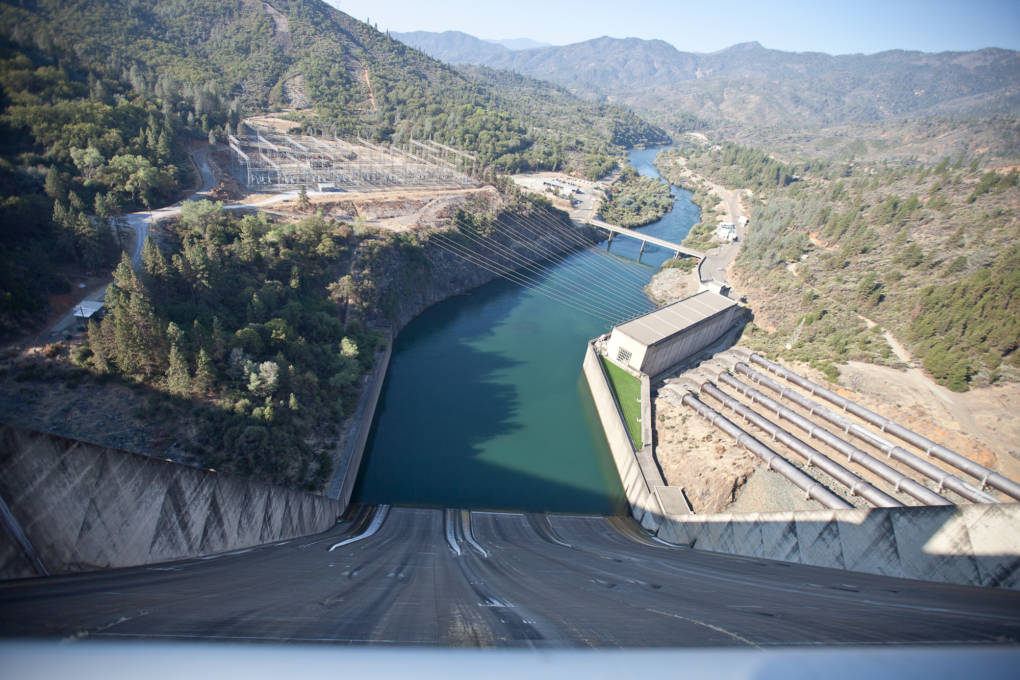
"caption": "Looking straight down the 602 feet of wall that make the Shasta Dam, at the river below.\n",
"description": null,
"title": "RS6747_016",
"credit": "Deborah Svoboda/KQED",
"status": "inherit",
"isLoading": false,
"fetchFailed": false
},
"science_1948349": {
"type": "attachments",
"id": "science_1948349",
"meta": {
"index": "attachments_1716263798",
"site": "science",
"id": "1948349",
"found": true
},
"parent": 1948311,
"imgSizes": {
"twentyfourteen-full-width": {
"file": "https://ww2.kqed.org/app/uploads/sites/35/2019/10/deep-set-buoy-gear-791x576.jpg",
"width": 791,
"mimeType": "image/jpeg",
"height": 576
},
"thumbnail": {
"file": "https://ww2.kqed.org/app/uploads/sites/35/2019/10/deep-set-buoy-gear-160x128.jpg",
"width": 160,
"mimeType": "image/jpeg",
"height": 128
},
"post-thumbnail": {
"file": "https://ww2.kqed.org/app/uploads/sites/35/2019/10/deep-set-buoy-gear-672x372.jpg",
"width": 672,
"mimeType": "image/jpeg",
"height": 372
},
"kqedFullSize": {
"file": "https://ww2.kqed.org/app/uploads/sites/35/2019/10/deep-set-buoy-gear.jpg",
"width": 791,
"height": 635
},
"medium_large": {
"file": "https://ww2.kqed.org/app/uploads/sites/35/2019/10/deep-set-buoy-gear-768x617.jpg",
"width": 768,
"mimeType": "image/jpeg",
"height": 617
}
},
"publishDate": 1569968728,
"modified": 1569968799,
"caption": null,
"description": null,
"title": "deep-set-buoy-gear",
"credit": "The Pew Charitable Trusts",
"status": "inherit",
"isLoading": false,
"fetchFailed": false
},
"science_1948243": {
"type": "attachments",
"id": "science_1948243",
"meta": {
"index": "attachments_1716263798",
"site": "science",
"id": "1948243",
"found": true
},
"parent": 1948232,
"imgSizes": {
"twentyfourteen-full-width": {
"file": "https://ww2.kqed.org/app/uploads/sites/35/2019/09/Benzene-Paradise-1038x576.jpg",
"width": 1038,
"mimeType": "image/jpeg",
"height": 576
},
"thumbnail": {
"file": "https://ww2.kqed.org/app/uploads/sites/35/2019/09/Benzene-Paradise-160x120.jpg",
"width": 160,
"mimeType": "image/jpeg",
"height": 120
},
"post-thumbnail": {
"file": "https://ww2.kqed.org/app/uploads/sites/35/2019/09/Benzene-Paradise-672x372.jpg",
"width": 672,
"mimeType": "image/jpeg",
"height": 372
},
"kqedFullSize": {
"file": "https://ww2.kqed.org/app/uploads/sites/35/2019/09/Benzene-Paradise-e1569882792561.jpg",
"width": 1920,
"height": 1440
},
"large": {
"file": "https://ww2.kqed.org/app/uploads/sites/35/2019/09/Benzene-Paradise-1020x765.jpg",
"width": 1020,
"mimeType": "image/jpeg",
"height": 765
},
"complete_open_graph": {
"file": "https://ww2.kqed.org/app/uploads/sites/35/2019/09/Benzene-Paradise-1200x900.jpg",
"width": 1200,
"mimeType": "image/jpeg",
"height": 900
},
"full-width": {
"file": "https://ww2.kqed.org/app/uploads/sites/35/2019/09/Benzene-Paradise-1920x1440.jpg",
"width": 1920,
"mimeType": "image/jpeg",
"height": 1440
},
"medium": {
"file": "https://ww2.kqed.org/app/uploads/sites/35/2019/09/Benzene-Paradise-800x600.jpg",
"width": 800,
"mimeType": "image/jpeg",
"height": 600
},
"medium_large": {
"file": "https://ww2.kqed.org/app/uploads/sites/35/2019/09/Benzene-Paradise-768x576.jpg",
"width": 768,
"mimeType": "image/jpeg",
"height": 576
}
},
"publishDate": 1569882745,
"modified": 1569882911,
"caption": "Public health investigator Dr. Gina Solomon examines a water meter in Paradise. Her team will do the first testing for the carcinogen benzene inside homes left standing by the Camp Fire.",
"description": null,
"title": "Benzene Paradise",
"credit": "Molly Peterson/KQED",
"status": "inherit",
"isLoading": false,
"fetchFailed": false
},
"science_1948211": {
"type": "attachments",
"id": "science_1948211",
"meta": {
"index": "attachments_1716263798",
"site": "science",
"id": "1948211",
"found": true
},
"parent": 1928267,
"imgSizes": {
"twentyfourteen-full-width": {
"file": "https://ww2.kqed.org/app/uploads/sites/35/2018/09/212375-1038x576.jpg",
"width": 1038,
"mimeType": "image/jpeg",
"height": 576
},
"thumbnail": {
"file": "https://ww2.kqed.org/app/uploads/sites/35/2018/09/212375-160x90.jpg",
"width": 160,
"mimeType": "image/jpeg",
"height": 90
},
"post-thumbnail": {
"file": "https://ww2.kqed.org/app/uploads/sites/35/2018/09/212375-672x372.jpg",
"width": 672,
"mimeType": "image/jpeg",
"height": 372
},
"kqedFullSize": {
"file": "https://ww2.kqed.org/app/uploads/sites/35/2018/09/212375.jpg",
"width": 2048,
"height": 1150
},
"large": {
"file": "https://ww2.kqed.org/app/uploads/sites/35/2018/09/212375-1020x573.jpg",
"width": 1020,
"mimeType": "image/jpeg",
"height": 573
},
"complete_open_graph": {
"file": "https://ww2.kqed.org/app/uploads/sites/35/2018/09/212375-1200x674.jpg",
"width": 1200,
"mimeType": "image/jpeg",
"height": 674
},
"full-width": {
"file": "https://ww2.kqed.org/app/uploads/sites/35/2018/09/212375-1920x1078.jpg",
"width": 1920,
"mimeType": "image/jpeg",
"height": 1078
},
"medium": {
"file": "https://ww2.kqed.org/app/uploads/sites/35/2018/09/212375-800x449.jpg",
"width": 800,
"mimeType": "image/jpeg",
"height": 449
},
"medium_large": {
"file": "https://ww2.kqed.org/app/uploads/sites/35/2018/09/212375-768x431.jpg",
"width": 768,
"mimeType": "image/jpeg",
"height": 431
}
},
"publishDate": 1569847240,
"modified": 1569847365,
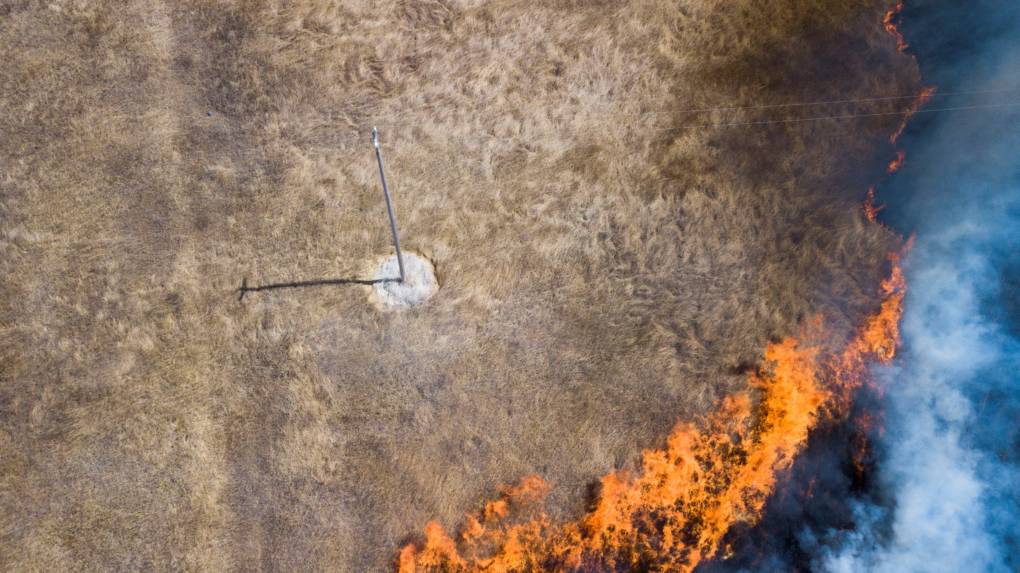
"caption": "A utility pole, treated with long-lasting fire retardant fluids, avoids damage during a controlled burn.",
"description": null,
"title": "212375",
"credit": "Image courtesy of Jesse D. Acosta",
"status": "inherit",
"isLoading": false,
"fetchFailed": false
},
"science_1948151": {
"type": "attachments",
"id": "science_1948151",
"meta": {
"index": "attachments_1716263798",
"site": "science",
"id": "1948151",
"found": true
},
"parent": 1948150,
"imgSizes": {
"twentyfourteen-full-width": {
"file": "https://ww2.kqed.org/app/uploads/sites/35/2019/09/San-joaquin-river-1038x576.jpg",
"width": 1038,
"mimeType": "image/jpeg",
"height": 576
},
"thumbnail": {
"file": "https://ww2.kqed.org/app/uploads/sites/35/2019/09/San-joaquin-river-160x90.jpg",
"width": 160,
"mimeType": "image/jpeg",
"height": 90
},
"post-thumbnail": {
"file": "https://ww2.kqed.org/app/uploads/sites/35/2019/09/San-joaquin-river-672x372.jpg",
"width": 672,
"mimeType": "image/jpeg",
"height": 372
},
"kqedFullSize": {
"file": "https://ww2.kqed.org/app/uploads/sites/35/2019/09/San-joaquin-river.jpg",
"width": 1920,
"height": 1080
},
"large": {
"file": "https://ww2.kqed.org/app/uploads/sites/35/2019/09/San-joaquin-river-1020x574.jpg",
"width": 1020,
"mimeType": "image/jpeg",
"height": 574
},
"complete_open_graph": {
"file": "https://ww2.kqed.org/app/uploads/sites/35/2019/09/San-joaquin-river-1200x675.jpg",
"width": 1200,
"mimeType": "image/jpeg",
"height": 675
},
"full-width": {
"file": "https://ww2.kqed.org/app/uploads/sites/35/2019/09/San-joaquin-river-1920x1080.jpg",
"width": 1920,
"mimeType": "image/jpeg",
"height": 1080
},
"medium": {
"file": "https://ww2.kqed.org/app/uploads/sites/35/2019/09/San-joaquin-river-800x450.jpg",
"width": 800,
"mimeType": "image/jpeg",
"height": 450
},
"medium_large": {
"file": "https://ww2.kqed.org/app/uploads/sites/35/2019/09/San-joaquin-river-768x432.jpg",
"width": 768,
"mimeType": "image/jpeg",
"height": 432
}
},
"publishDate": 1569620241,
"modified": 1569620327,
"caption": "Scientists are studying how Devils Postpile National Monument, where the San Joaquin River meanders, could be a climate change refuge.",
"description": null,
"title": "San-joaquin-river",
"credit": "Lauren Sommer/KQED",
"status": "inherit",
"isLoading": false,
"fetchFailed": false
},
"science_1948155": {
"type": "attachments",
"id": "science_1948155",
"meta": {
"index": "attachments_1716263798",
"site": "science",
"id": "1948155",
"found": true
},
"parent": 1948152,
"imgSizes": {
"twentyfourteen-full-width": {
"file": "https://ww2.kqed.org/app/uploads/sites/35/2019/09/RS39320_Chevron_010-1038x576.jpg",
"width": 1038,
"mimeType": "image/jpeg",
"height": 576
},
"thumbnail": {
"file": "https://ww2.kqed.org/app/uploads/sites/35/2019/09/RS39320_Chevron_010-160x110.jpg",
"width": 160,
"mimeType": "image/jpeg",
"height": 110
},
"post-thumbnail": {
"file": "https://ww2.kqed.org/app/uploads/sites/35/2019/09/RS39320_Chevron_010-672x372.jpg",
"width": 672,
"mimeType": "image/jpeg",
"height": 372
},
"kqedFullSize": {
"file": "https://ww2.kqed.org/app/uploads/sites/35/2019/09/RS39320_Chevron_010.jpg",
"width": 1920,
"height": 1314
},
"large": {
"file": "https://ww2.kqed.org/app/uploads/sites/35/2019/09/RS39320_Chevron_010-1020x698.jpg",
"width": 1020,
"mimeType": "image/jpeg",
"height": 698
},
"complete_open_graph": {
"file": "https://ww2.kqed.org/app/uploads/sites/35/2019/09/RS39320_Chevron_010-1200x821.jpg",
"width": 1200,
"mimeType": "image/jpeg",
"height": 821
},
"full-width": {
"file": "https://ww2.kqed.org/app/uploads/sites/35/2019/09/RS39320_Chevron_010-1920x1314.jpg",
"width": 1920,
"mimeType": "image/jpeg",
"height": 1314
},
"medium": {
"file": "https://ww2.kqed.org/app/uploads/sites/35/2019/09/RS39320_Chevron_010-800x548.jpg",
"width": 800,
"mimeType": "image/jpeg",
"height": 548
},
"medium_large": {
"file": "https://ww2.kqed.org/app/uploads/sites/35/2019/09/RS39320_Chevron_010-768x526.jpg",
"width": 768,
"mimeType": "image/jpeg",
"height": 526
}
},
"publishDate": 1569621877,
"modified": 1569621910,
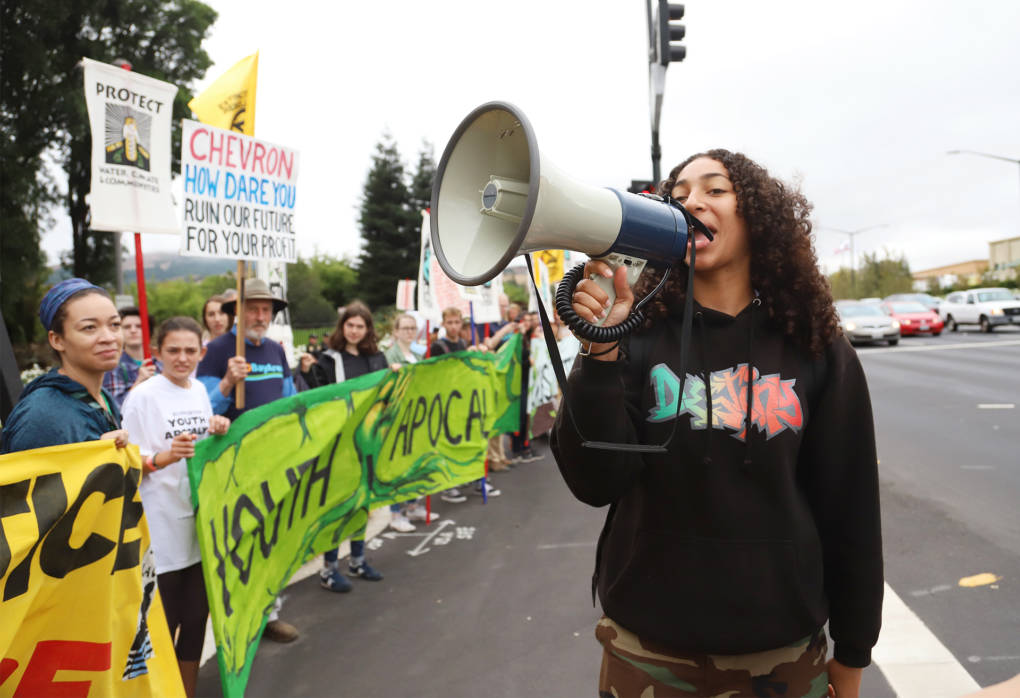
"caption": "Isha Clarke, a junior from MetWest High in Oakland, came to Chevron headquarters in San Ramon to participate in the climate strike on Friday Sept. 27, 2019. ",
"description": null,
"title": "RS39320_Chevron_010",
"credit": "Lindsey Moore/KQED",
"status": "inherit",
"isLoading": false,
"fetchFailed": false
},
"science_1947976": {
"type": "attachments",
"id": "science_1947976",
"meta": {
"index": "attachments_1716263798",
"site": "science",
"id": "1947976",
"found": true
},
"parent": 1947966,
"imgSizes": {
"twentyfourteen-full-width": {
"file": "https://ww2.kqed.org/app/uploads/sites/35/2019/09/GettyImages-475469314-1038x576.jpg",
"width": 1038,
"mimeType": "image/jpeg",
"height": 576
},
"thumbnail": {
"file": "https://ww2.kqed.org/app/uploads/sites/35/2019/09/GettyImages-475469314-160x109.jpg",
"width": 160,
"mimeType": "image/jpeg",
"height": 109
},
"post-thumbnail": {
"file": "https://ww2.kqed.org/app/uploads/sites/35/2019/09/GettyImages-475469314-672x372.jpg",
"width": 672,
"mimeType": "image/jpeg",
"height": 372
},
"kqedFullSize": {
"file": "https://ww2.kqed.org/app/uploads/sites/35/2019/09/GettyImages-475469314-e1569358864519.jpg",
"width": 1925,
"height": 1313
},
"large": {
"file": "https://ww2.kqed.org/app/uploads/sites/35/2019/09/GettyImages-475469314-1020x696.jpg",
"width": 1020,
"mimeType": "image/jpeg",
"height": 696
},
"complete_open_graph": {
"file": "https://ww2.kqed.org/app/uploads/sites/35/2019/09/GettyImages-475469314-1200x819.jpg",
"width": 1200,
"mimeType": "image/jpeg",
"height": 819
},
"full-width": {
"file": "https://ww2.kqed.org/app/uploads/sites/35/2019/09/GettyImages-475469314-1920x1310.jpg",
"width": 1920,
"mimeType": "image/jpeg",
"height": 1310
},
"medium": {
"file": "https://ww2.kqed.org/app/uploads/sites/35/2019/09/GettyImages-475469314-800x546.jpg",
"width": 800,
"mimeType": "image/jpeg",
"height": 546
},
"medium_large": {
"file": "https://ww2.kqed.org/app/uploads/sites/35/2019/09/GettyImages-475469314-768x524.jpg",
"width": 768,
"mimeType": "image/jpeg",
"height": 524
}
},
"publishDate": 1569358768,
"modified": 1569358808,
"caption": "A view of the Los Angeles city skyline as heavy smog shrouds the city in California on May 31, 2015. ",
"description": null,
"title": "US-LIFESTYLE-TOURISM-LOS ANGELES-POLLUTION",
"credit": "MARK RALSTON/AFP/Getty Images",
"status": "inherit",
"isLoading": false,
"fetchFailed": false
},
"science_1948005": {
"type": "attachments",
"id": "science_1948005",
"meta": {
"index": "attachments_1716263798",
"site": "science",
"id": "1948005",
"found": true
},
"parent": 1948001,
"imgSizes": {
"twentyfourteen-full-width": {
"file": "https://ww2.kqed.org/app/uploads/sites/35/2019/09/GettyImages-80825552-1038x576.jpg",
"width": 1038,
"mimeType": "image/jpeg",
"height": 576
},
"thumbnail": {
"file": "https://ww2.kqed.org/app/uploads/sites/35/2019/09/GettyImages-80825552-160x105.jpg",
"width": 160,
"mimeType": "image/jpeg",
"height": 105
},
"post-thumbnail": {
"file": "https://ww2.kqed.org/app/uploads/sites/35/2019/09/GettyImages-80825552-672x372.jpg",
"width": 672,
"mimeType": "image/jpeg",
"height": 372
},
"kqedFullSize": {
"file": "https://ww2.kqed.org/app/uploads/sites/35/2019/09/GettyImages-80825552.jpg",
"width": 2048,
"height": 1345
},
"large": {
"file": "https://ww2.kqed.org/app/uploads/sites/35/2019/09/GettyImages-80825552-1020x670.jpg",
"width": 1020,
"mimeType": "image/jpeg",
"height": 670
},
"complete_open_graph": {
"file": "https://ww2.kqed.org/app/uploads/sites/35/2019/09/GettyImages-80825552-1200x788.jpg",
"width": 1200,
"mimeType": "image/jpeg",
"height": 788
},
"full-width": {
"file": "https://ww2.kqed.org/app/uploads/sites/35/2019/09/GettyImages-80825552-1920x1261.jpg",
"width": 1920,
"mimeType": "image/jpeg",
"height": 1261
},
"medium": {
"file": "https://ww2.kqed.org/app/uploads/sites/35/2019/09/GettyImages-80825552-800x525.jpg",
"width": 800,
"mimeType": "image/jpeg",
"height": 525
},
"medium_large": {
"file": "https://ww2.kqed.org/app/uploads/sites/35/2019/09/GettyImages-80825552-768x504.jpg",
"width": 768,
"mimeType": "image/jpeg",
"height": 504
}
},
"publishDate": 1569439419,
"modified": 1569439441,
"caption": "Workers sort through recycled plastics as they pass on a conveyor belt at the San Francisco Recycling Center April 22, 2008 in San Francisco, California.",
"description": null,
"title": "On Earth Day, San Francisco Expands Recycling To Rigid Plastics",
"credit": "Photo by Justin Sullivan/Getty Images",
"status": "inherit",
"isLoading": false,
"fetchFailed": false
},
"science_1948020": {
"type": "attachments",
"id": "science_1948020",
"meta": {
"index": "attachments_1716263798",
"site": "science",
"id": "1948020",
"found": true
},
"parent": 1948013,
"imgSizes": {
"twentyfourteen-full-width": {
"file": "https://ww2.kqed.org/app/uploads/sites/35/2019/09/home-wildfire-1038x576.jpg",
"width": 1038,
"mimeType": "image/jpeg",
"height": 576
},
"thumbnail": {
"file": "https://ww2.kqed.org/app/uploads/sites/35/2019/09/home-wildfire-160x90.jpg",
"width": 160,
"mimeType": "image/jpeg",
"height": 90
},
"post-thumbnail": {
"file": "https://ww2.kqed.org/app/uploads/sites/35/2019/09/home-wildfire-672x372.jpg",
"width": 672,
"mimeType": "image/jpeg",
"height": 372
},
"kqedFullSize": {
"file": "https://ww2.kqed.org/app/uploads/sites/35/2019/09/home-wildfire-e1569455148129.jpg",
"width": 1920,
"height": 1080
},
"large": {
"file": "https://ww2.kqed.org/app/uploads/sites/35/2019/09/home-wildfire-1020x574.jpg",
"width": 1020,
"mimeType": "image/jpeg",
"height": 574
},
"complete_open_graph": {
"file": "https://ww2.kqed.org/app/uploads/sites/35/2019/09/home-wildfire-1200x675.jpg",
"width": 1200,
"mimeType": "image/jpeg",
"height": 675
},
"full-width": {
"file": "https://ww2.kqed.org/app/uploads/sites/35/2019/09/home-wildfire-1920x1080.jpg",
"width": 1920,
"mimeType": "image/jpeg",
"height": 1080
},
"medium": {
"file": "https://ww2.kqed.org/app/uploads/sites/35/2019/09/home-wildfire-800x450.jpg",
"width": 800,
"mimeType": "image/jpeg",
"height": 450
},
"medium_large": {
"file": "https://ww2.kqed.org/app/uploads/sites/35/2019/09/home-wildfire-768x432.jpg",
"width": 768,
"mimeType": "image/jpeg",
"height": 432
}
},
"publishDate": 1569442369,
"modified": 1569455142,
"caption": "Efforts to retrofit homes against wildfires like this 2013 blaze in Southern California stalled in the state Legislature. ",
"description": null,
"title": "Springs Fire In Southern California Gains Strength, Continues To Threaten Homes",
"credit": "David McNew/Getty Images",
"status": "inherit",
"isLoading": false,
"fetchFailed": false
},
"science_1948041": {
"type": "attachments",
"id": "science_1948041",
"meta": {
"index": "attachments_1716263798",
"site": "science",
"id": "1948041",
"found": true
},
"parent": 1948027,
"imgSizes": {
"twentyfourteen-full-width": {
"file": "https://ww2.kqed.org/app/uploads/sites/35/2019/09/DSCF4806-1038x576.jpg",
"width": 1038,
"mimeType": "image/jpeg",
"height": 576
},
"thumbnail": {
"file": "https://ww2.kqed.org/app/uploads/sites/35/2019/09/DSCF4806-160x107.jpg",
"width": 160,
"mimeType": "image/jpeg",
"height": 107
},
"post-thumbnail": {
"file": "https://ww2.kqed.org/app/uploads/sites/35/2019/09/DSCF4806-672x372.jpg",
"width": 672,
"mimeType": "image/jpeg",
"height": 372
},
"kqedFullSize": {
"file": "https://ww2.kqed.org/app/uploads/sites/35/2019/09/DSCF4806.jpg",
"width": 2048,
"height": 1365
},
"large": {
"file": "https://ww2.kqed.org/app/uploads/sites/35/2019/09/DSCF4806-1020x680.jpg",
"width": 1020,
"mimeType": "image/jpeg",
"height": 680
},
"complete_open_graph": {
"file": "https://ww2.kqed.org/app/uploads/sites/35/2019/09/DSCF4806-1200x800.jpg",
"width": 1200,
"mimeType": "image/jpeg",
"height": 800
},
"full-width": {
"file": "https://ww2.kqed.org/app/uploads/sites/35/2019/09/DSCF4806-1920x1280.jpg",
"width": 1920,
"mimeType": "image/jpeg",
"height": 1280
},
"medium": {
"file": "https://ww2.kqed.org/app/uploads/sites/35/2019/09/DSCF4806-800x533.jpg",
"width": 800,
"mimeType": "image/jpeg",
"height": 533
},
"medium_large": {
"file": "https://ww2.kqed.org/app/uploads/sites/35/2019/09/DSCF4806-768x512.jpg",
"width": 768,
"mimeType": "image/jpeg",
"height": 512
}
},
"publishDate": 1569448004,
"modified": 1569448336,
"caption": "Activists gather at Market and Montgomery Streets in Downtown San Francisco for Wednesday's Strike for Climate Justice.",
"description": null,
"title": "DSCF4806",
"credit": "Peter Arcuni/KQED",
"status": "inherit",
"isLoading": false,
"fetchFailed": false
},
"science_1948021": {
"type": "attachments",
"id": "science_1948021",
"meta": {
"index": "attachments_1716263798",
"site": "science",
"id": "1948021",
"found": true
},
"parent": 1948003,
"imgSizes": {
"twentyfourteen-full-width": {
"file": "https://ww2.kqed.org/app/uploads/sites/35/2019/09/GettyImages-1153747975-1038x576.jpg",
"width": 1038,
"mimeType": "image/jpeg",
"height": 576
},
"thumbnail": {
"file": "https://ww2.kqed.org/app/uploads/sites/35/2019/09/GettyImages-1153747975-160x101.jpg",
"width": 160,
"mimeType": "image/jpeg",
"height": 101
},
"post-thumbnail": {
"file": "https://ww2.kqed.org/app/uploads/sites/35/2019/09/GettyImages-1153747975-672x372.jpg",
"width": 672,
"mimeType": "image/jpeg",
"height": 372
},
"kqedFullSize": {
"file": "https://ww2.kqed.org/app/uploads/sites/35/2019/09/GettyImages-1153747975-e1569442532701.jpg",
"width": 1925,
"height": 1220
},
"large": {
"file": "https://ww2.kqed.org/app/uploads/sites/35/2019/09/GettyImages-1153747975-1020x646.jpg",
"width": 1020,
"mimeType": "image/jpeg",
"height": 646
},
"complete_open_graph": {
"file": "https://ww2.kqed.org/app/uploads/sites/35/2019/09/GettyImages-1153747975-1200x760.jpg",
"width": 1200,
"mimeType": "image/jpeg",
"height": 760
},
"full-width": {
"file": "https://ww2.kqed.org/app/uploads/sites/35/2019/09/GettyImages-1153747975-1920x1216.jpg",
"width": 1920,
"mimeType": "image/jpeg",
"height": 1216
},
"medium": {
"file": "https://ww2.kqed.org/app/uploads/sites/35/2019/09/GettyImages-1153747975-800x507.jpg",
"width": 800,
"mimeType": "image/jpeg",
"height": 507
},
"medium_large": {
"file": "https://ww2.kqed.org/app/uploads/sites/35/2019/09/GettyImages-1153747975-768x487.jpg",
"width": 768,
"mimeType": "image/jpeg",
"height": 487
}
},
"publishDate": 1569442486,
"modified": 1569442522,
"caption": "A humpback whale breaches in a lagoon on June 04, 2019 in Alameda, California. ",
"description": null,
"title": "Humpback Whale In Alameda Lagoon Causes Concern Over Its Health",
"credit": "Justin Sullivan/Getty Images",
"status": "inherit",
"isLoading": false,
"fetchFailed": false
},
"science_1945658": {
"type": "attachments",
"id": "science_1945658",
"meta": {
"index": "attachments_1716263798",
"site": "science",
"id": "1945658",
"found": true
},
"parent": 1945656,
"imgSizes": {
"twentyfourteen-full-width": {
"file": "https://ww2.kqed.org/app/uploads/sites/35/2019/07/RS38137_naturalgas_web-1038x576.jpg",
"width": 1038,
"mimeType": "image/jpeg",
"height": 576
},
"thumbnail": {
"file": "https://ww2.kqed.org/app/uploads/sites/35/2019/07/RS38137_naturalgas_web-160x90.jpg",
"width": 160,
"mimeType": "image/jpeg",
"height": 90
},
"post-thumbnail": {
"file": "https://ww2.kqed.org/app/uploads/sites/35/2019/07/RS38137_naturalgas_web-672x372.jpg",
"width": 672,
"mimeType": "image/jpeg",
"height": 372
},
"kqedFullSize": {
"file": "https://ww2.kqed.org/app/uploads/sites/35/2019/07/RS38137_naturalgas_web.jpg",
"width": 1920,
"height": 1080
},
"large": {
"file": "https://ww2.kqed.org/app/uploads/sites/35/2019/07/RS38137_naturalgas_web-1020x574.jpg",
"width": 1020,
"mimeType": "image/jpeg",
"height": 574
},
"complete_open_graph": {
"file": "https://ww2.kqed.org/app/uploads/sites/35/2019/07/RS38137_naturalgas_web-1200x675.jpg",
"width": 1200,
"mimeType": "image/jpeg",
"height": 675
},
"full-width": {
"file": "https://ww2.kqed.org/app/uploads/sites/35/2019/07/RS38137_naturalgas_web-1920x1080.jpg",
"width": 1920,
"mimeType": "image/jpeg",
"height": 1080
},
"medium": {
"file": "https://ww2.kqed.org/app/uploads/sites/35/2019/07/RS38137_naturalgas_web-800x450.jpg",
"width": 800,
"mimeType": "image/jpeg",
"height": 450
},
"medium_large": {
"file": "https://ww2.kqed.org/app/uploads/sites/35/2019/07/RS38137_naturalgas_web-768x432.jpg",
"width": 768,
"mimeType": "image/jpeg",
"height": 432
}
},
"publishDate": 1564098859,
"modified": 1606868055,
"caption": "San Jose could become the latest city to ban natural gas in new homes.",
"description": null,
"title": "RS38137_naturalgas_web",
"credit": "Lindsey Moore/KQED",
"status": "inherit",
"isLoading": false,
"fetchFailed": false
}
},
"audioPlayerReducer": {
"postId": "stream_live",
"isPaused": true,
"isPlaying": false,
"pfsActive": false,
"pledgeModalIsOpen": true,
"playerDrawerIsOpen": false,
"liveAudioPlayStartedAt": 0,
"liveAudioPlayContext": ""
},
"authorsReducer": {
"jbrooks": {
"type": "authors",
"id": "80",
"meta": {
"index": "authors_1716337520",
"id": "80",
"found": true
},
"name": "Jon Brooks",
"firstName": "Jon",
"lastName": "Brooks",
"slug": "jbrooks",
"email": "jbrooks@kqed.org",
"display_author_email": true,
"staff_mastheads": [
"science"
],
"title": "Digital Editor",
"bio": "Jon Brooks is a former Digital Editor for KQED Science. He is the former editor of KQED’s daily news blog, News Fix. In 2014, he won a California Journalism Award for his coverage of ride services like Uber and Lyft and the taxi industry. A veteran blogger, he previously worked for Yahoo! in various news writing and editing roles. Jon is also a playwright whose work has been produced in San Francisco, New York, Italy, and around the U.S. He has written about film for his own blog and studied film at Boston University.",
"avatar": "https://secure.gravatar.com/avatar/98887f7ed1c876ed414d4c915e969584?s=600&d=blank&r=g",
"twitter": "jbrooksfoy",
"facebook": null,
"instagram": null,
"linkedin": null,
"sites": [
{
"site": "arts",
"roles": [
"Contributor",
"editor"
]
},
{
"site": "news",
"roles": [
"author"
]
},
{
"site": "futureofyou",
"roles": [
"administrator"
]
},
{
"site": "mindshift",
"roles": [
"editor"
]
},
{
"site": "stateofhealth",
"roles": [
"editor"
]
},
{
"site": "science",
"roles": [
"administrator"
]
},
{
"site": "quest",
"roles": [
"editor"
]
}
],
"headData": {
"title": "Jon Brooks | KQED",
"description": "Digital Editor",
"ogImgSrc": "https://secure.gravatar.com/avatar/98887f7ed1c876ed414d4c915e969584?s=600&d=blank&r=g",
"twImgSrc": "https://secure.gravatar.com/avatar/98887f7ed1c876ed414d4c915e969584?s=600&d=blank&r=g"
},
"isLoading": false,
"link": "/author/jbrooks"
},
"laurensommer": {
"type": "authors",
"id": "239",
"meta": {
"index": "authors_1716337520",
"id": "239",
"found": true
},
"name": "Lauren Sommer",
"firstName": "Lauren",
"lastName": "Sommer",
"slug": "laurensommer",
"email": "lsommer@kqed.org",
"display_author_email": false,
"staff_mastheads": [],
"title": "KQED Contributor",
"bio": "Lauren is a radio reporter formerly covering environment, water, and energy for KQED Science. As part of her day job, she has scaled Sierra Nevada peaks, run from charging elephant seals, and desperately tried to get her sea legs - all in pursuit of good radio. Her work has appeared on Marketplace, Living on Earth, Science Friday and NPR's Morning Edition and All Things Considered. You can find her on Twitter at \u003ca href=\"https://twitter.com/lesommer\">@lesommer\u003c/a>.",
"avatar": "https://secure.gravatar.com/avatar/33aa3772bb86c6ad45b8aca6a238bbdf?s=600&d=blank&r=g",
"twitter": null,
"facebook": null,
"instagram": null,
"linkedin": null,
"sites": [
{
"site": "news",
"roles": [
"author"
]
},
{
"site": "science",
"roles": [
"editor",
"manage_content_types",
"manage_taxonomies"
]
},
{
"site": "quest",
"roles": [
"editor"
]
}
],
"headData": {
"title": "Lauren Sommer | KQED",
"description": "KQED Contributor",
"ogImgSrc": "https://secure.gravatar.com/avatar/33aa3772bb86c6ad45b8aca6a238bbdf?s=600&d=blank&r=g",
"twImgSrc": "https://secure.gravatar.com/avatar/33aa3772bb86c6ad45b8aca6a238bbdf?s=600&d=blank&r=g"
},
"isLoading": false,
"link": "/author/laurensommer"
},
"dventon": {
"type": "authors",
"id": "11088",
"meta": {
"index": "authors_1716337520",
"id": "11088",
"found": true
},
"name": "Danielle Venton",
"firstName": "Danielle",
"lastName": "Venton",
"slug": "dventon",
"email": "dventon@kqed.org",
"display_author_email": true,
"staff_mastheads": [
"science"
],
"title": "Science reporter",
"bio": "Danielle Venton is a reporter for KQED Science. She covers wildfires, space and oceans (though she is prone to sea sickness).\r\n\r\nBefore joining KQED in 2015, Danielle was a staff reporter at KRCB in Sonoma County and a freelancer. She studied science communication at UC Santa Cruz and formerly worked at CERN in Geneva, Switzerland where she wrote about computing. She lives in Sonoma County and enjoys backpacking.",
"avatar": "https://secure.gravatar.com/avatar/37b292b5c40c8d93959c4f48d73b5286f41b7abd8588277e941905a3ed4c801c?s=600&d=blank&r=g",
"twitter": "DanielleVenton",
"bluesky": null,
"facebook": null,
"instagram": null,
"linkedin": null,
"sites": [
{
"site": "arts",
"roles": [
"contributor"
]
},
{
"site": "news",
"roles": [
"editor"
]
},
{
"site": "futureofyou",
"roles": [
"editor"
]
},
{
"site": "science",
"roles": [
"editor"
]
},
{
"site": "liveblog",
"roles": [
"contributor"
]
}
],
"headData": {
"title": "Danielle Venton | KQED",
"description": "Science reporter",
"ogImgSrc": "https://secure.gravatar.com/avatar/37b292b5c40c8d93959c4f48d73b5286f41b7abd8588277e941905a3ed4c801c?s=600&d=blank&r=g",
"twImgSrc": "https://secure.gravatar.com/avatar/37b292b5c40c8d93959c4f48d73b5286f41b7abd8588277e941905a3ed4c801c?s=600&d=blank&r=g"
},
"isLoading": false,
"link": "/author/dventon"
},
"mpeterson": {
"type": "authors",
"id": "11223",
"meta": {
"index": "authors_1716337520",
"id": "11223",
"found": true
},
"name": "Molly Peterson",
"firstName": "Molly",
"lastName": "Peterson",
"slug": "mpeterson",
"email": "mpeterson@kqed.org",
"display_author_email": false,
"staff_mastheads": [],
"title": null,
"bio": "Molly Peterson reports for KQED science and news on climate change, catastrophe and risk. Previously she was environment correspondent at Southern California Public Radio. Her work has also appeared at The New York Times, The Guardian, on NPR, at High Country News, on Code Switch, and other national outlets. She has been honored with awards from Public Radio News Directors Incorporated, Investigative Reporters and Editors, the Society for Professional Journalists, the Los Angeles Press Club, and RTNDA Edward R. Murrow awards, among others.",
"avatar": "https://secure.gravatar.com/avatar/7908e2807131f776cc8165c649530b05?s=600&d=blank&r=g",
"twitter": "Mollydacious",
"facebook": null,
"instagram": "https://www.instagram.com/radiomolly/",
"linkedin": null,
"sites": [
{
"site": "news",
"roles": [
"subscriber"
]
},
{
"site": "futureofyou",
"roles": [
"editor"
]
},
{
"site": "science",
"roles": [
"editor"
]
}
],
"headData": {
"title": "Molly Peterson | KQED",
"description": null,
"ogImgSrc": "https://secure.gravatar.com/avatar/7908e2807131f776cc8165c649530b05?s=600&d=blank&r=g",
"twImgSrc": "https://secure.gravatar.com/avatar/7908e2807131f776cc8165c649530b05?s=600&d=blank&r=g"
},
"isLoading": false,
"link": "/author/mpeterson"
},
"parcuni": {
"type": "authors",
"id": "11368",
"meta": {
"index": "authors_1716337520",
"id": "11368",
"found": true
},
"name": "Peter Arcuni",
"firstName": "Peter",
"lastName": "Arcuni",
"slug": "parcuni",
"email": "parcuni@KQED.org",
"display_author_email": false,
"staff_mastheads": [
"science"
],
"title": "Reporter",
"bio": "Peter reports radio and online stories for \u003cem>KQED Science\u003c/em>. His work has also appeared on the \u003cem>The California Report\u003c/em> morning show and \u003cem>KQED News\u003c/em>. His production credits include \u003cem>The California Report, The California Report Magazine\u003c/em> and KQED's local news podcast \u003cem>The Bay\u003c/em>. Other credits include NPR's \u003cem>All Things Considered\u003c/em>, WNYC's \u003cem>Science Friday\u003c/em>, WBUR's \u003cem>Here & Now\u003c/em>, WIRED and SFGate. Peter graduated from Brown University and earned a master's degree in journalism from Stanford. He's covered everything from homelessness to wildfires, health, the environment, arts and Thanksgiving in San Quentin prison. In other lives, he played rock n roll music and studied neuroscience. You can email him at: parcuni@kqed.org",
"avatar": "https://secure.gravatar.com/avatar/d5032f6f27199d478af34ad2e1d98732?s=600&d=blank&r=g",
"twitter": "peterarcuni",
"facebook": null,
"instagram": null,
"linkedin": null,
"sites": [
{
"site": "news",
"roles": [
"editor"
]
},
{
"site": "science",
"roles": [
"editor"
]
}
],
"headData": {
"title": "Peter Arcuni | KQED",
"description": "Reporter",
"ogImgSrc": "https://secure.gravatar.com/avatar/d5032f6f27199d478af34ad2e1d98732?s=600&d=blank&r=g",
"twImgSrc": "https://secure.gravatar.com/avatar/d5032f6f27199d478af34ad2e1d98732?s=600&d=blank&r=g"
},
"isLoading": false,
"link": "/author/parcuni"
},
"aheidt": {
"type": "authors",
"id": "11520",
"meta": {
"index": "authors_1716337520",
"id": "11520",
"found": true
},
"name": "Amanda Heidt",
"firstName": "Amanda",
"lastName": "Heidt",
"slug": "aheidt",
"email": "aheidt@kqed.org",
"display_author_email": false,
"staff_mastheads": [],
"title": "KQED Contributor",
"bio": "Amanda Heidt was the 2018 Dr. Allen Fuhs KQED-CSUMB Fellow at KQED Science. Amanda came to KQED from Moss Landing Marine Laboratories, where her masters research uses molecular techniques to describe communities of meiofauna, small invertebrates living between grains of sand. She has a background in education, outreach, and science communication, fostered by a recent position with the Stanford Center for Ocean Solutions. She has a BS in Marine Science and a minor in Chemistry from the University of California, Santa Cruz. Her interests include climbing, diving, camping, baking, and reading. Find her on Twitter and Instagram @Scatter_Cushion.",
"avatar": "https://secure.gravatar.com/avatar/e646090632bd7fef75fff4616269ff8c?s=600&d=blank&r=g",
"twitter": "Scatter_Cushion",
"facebook": null,
"instagram": null,
"linkedin": null,
"sites": [
{
"site": "news",
"roles": [
"subscriber"
]
},
{
"site": "science",
"roles": []
}
],
"headData": {
"title": "Amanda Heidt | KQED",
"description": "KQED Contributor",
"ogImgSrc": "https://secure.gravatar.com/avatar/e646090632bd7fef75fff4616269ff8c?s=600&d=blank&r=g",
"twImgSrc": "https://secure.gravatar.com/avatar/e646090632bd7fef75fff4616269ff8c?s=600&d=blank&r=g"
},
"isLoading": false,
"link": "/author/aheidt"
},
"kevinstark": {
"type": "authors",
"id": "11608",
"meta": {
"index": "authors_1716337520",
"id": "11608",
"found": true
},
"name": "Kevin Stark",
"firstName": "Kevin",
"lastName": "Stark",
"slug": "kevinstark",
"email": "kstark@kqed.org",
"display_author_email": true,
"staff_mastheads": [
"science"
],
"title": "Senior Editor",
"bio": "Kevin is a senior editor for KQED Science, managing the station's health and climate desks. His journalism career began in the Pacific Northwest, and he later became a lead reporter for the San Francisco Public Press. His work has appeared in Pacific Standard magazine, the Energy News Network, the Center for Investigative Reporting's Reveal and WBEZ in Chicago. Kevin joined KQED in 2019, and has covered issues related to energy, wildfire, climate change and the environment.",
"avatar": "https://secure.gravatar.com/avatar/365aaa4b597d3a8374f67504ff0facd323d7906e8eb4be0a7efd2427408e802c?s=600&d=blank&r=g",
"twitter": "starkkev",
"bluesky": null,
"facebook": null,
"instagram": null,
"linkedin": null,
"sites": [
{
"site": "",
"roles": [
"editor"
]
},
{
"site": "news",
"roles": [
"editor"
]
},
{
"site": "science",
"roles": [
"administrator"
]
}
],
"headData": {
"title": "Kevin Stark | KQED",
"description": "Senior Editor",
"ogImgSrc": "https://secure.gravatar.com/avatar/365aaa4b597d3a8374f67504ff0facd323d7906e8eb4be0a7efd2427408e802c?s=600&d=blank&r=g",
"twImgSrc": "https://secure.gravatar.com/avatar/365aaa4b597d3a8374f67504ff0facd323d7906e8eb4be0a7efd2427408e802c?s=600&d=blank&r=g"
},
"isLoading": false,
"link": "/author/kevinstark"
}
},
"pagesReducer": {
"science_category_news": {
"type": "terms",
"id": "science_40",
"meta": {
"index": "terms_1716263798",
"site": "science",
"id": "40",
"score": 10.814219
},
"featImg": null,
"name": "News",
"description": null,
"taxonomy": "category",
"headData": {
"twImgId": null,
"twTitle": null,
"ogTitle": null,
"ogImgId": null,
"twDescription": null,
"description": null,
"title": "News Archives | KQED Science",
"ogDescription": null
},
"ttid": 42,
"slug": "news",
"isLoading": false,
"title": "News",
"pageMeta": {
"site": "science",
"WpPageTemplate": "page-topic-editorial",
"currentPage": 124
},
"blocks": [
{
"blockName": "kqed/post-list",
"attrs": {
"layout": "cardArticle2",
"query": "posts/science?category=news",
"seeMore": false,
"paginated": true,
"page": 124
}
},
{
"blockName": "kqed/ad"
}
]
}
},
"pfsSessionReducer": {},
"postsReducer": {
"stream_live": {
"type": "live",
"id": "stream_live",
"audioUrl": "https://streams.kqed.org/kqedradio",
"title": "Live Stream",
"excerpt": "Live Stream information currently unavailable.",
"link": "/radio",
"featImg": "",
"label": {
"name": "KQED Live",
"link": "/"
}
},
"stream_kqedNewscast": {
"type": "posts",
"id": "stream_kqedNewscast",
"audioUrl": "https://www.kqed.org/.stream/anon/radio/RDnews/newscast.mp3?_=1",
"title": "KQED Newscast",
"featImg": "",
"label": {
"name": "88.5 FM",
"link": "/"
}
},
"science_1948387": {
"type": "posts",
"id": "science_1948387",
"meta": {
"index": "posts_1716263798",
"site": "science",
"id": "1948387",
"score": null,
"sort": [
1570039285000
]
},
"parent": 0,
"labelTerm": {},
"blocks": [],
"publishDate": 1570039285,
"format": "standard",
"title": "Future of Raising Shasta Dam Uncertain",
"headTitle": "Future of Raising Shasta Dam Uncertain | KQED",
"content": "\u003cp>\u003cstrong>\u003cspan style=\"font-weight: 400\">The Westlands Water District \u003c/span>\u003c/strong>\u003cspan style=\"font-weight: 400\">\u003ca href=\"https://wwd.ca.gov/wwd-media/press-release-24/\">announced\u003c/a> this week that i\u003c/span>\u003cstrong>\u003cspan style=\"font-weight: 400\">t’s spiking a study \u003c/span>\u003c/strong>\u003cspan style=\"font-weight: 400\">on the potential effects of\u003c/span>\u003cspan style=\"font-weight: 400\">\u003cb> \u003c/b>\u003c/span>\u003cstrong>\u003cspan style=\"font-weight: 400\">raising the height of Shasta Dam. That’s because the district couldn’t meet \u003c/span>\u003c/strong>\u003cstrong>\u003cspan style=\"font-weight: 400\">the federal Bureau of Reclamation’s deadline for the study.\u003c/span>\u003cspan style=\"font-weight: 400\">\u003cbr>\n\u003c/span>\u003cspan style=\"font-weight: 400\">\u003cbr>\n\u003c/span>\u003cspan style=\"font-weight: 400\">The announcement throws into question the future of elevating the dam and follows the Fresno-based irrigation district’s losses in court fights with California and environmental groups over the legality of the project. \u003c/span>\u003cspan style=\"font-weight: 400\">\u003cbr>\n\u003c/span>\u003cspan style=\"font-weight: 400\">\u003cbr>\n\u003c/span>\u003cspan style=\"font-weight: 400\">The Redding Record Searchlight \u003c/span>\u003ca href=\"https://www.redding.com/story/news/2019/09/30/westlands-water-district-stops-work-shasta-dam-study-after-court-loss/3826124002/\">\u003cspan style=\"font-weight: 400\">reports\u003c/span>\u003c/a>\u003cspan style=\"font-weight: 400\"> that the feds were looking for partners to help pay to raise the dam 18.5 feet higher at a cost of $1.4 billion. Westlands was the only agency that had indicated interest in working with the bureau.\u003c/span>\u003c/strong>\u003c/p>\n\u003cblockquote>\u003cp>Below is a good \u003ca href=\"https://calmatters.org/newsletter/newsom-and-the-ncaa-shasta-water-project-delay-officials-cash-in-on-legal-weed/\" target=\"_blank\" rel=\"noopener\">summary\u003c/a> of the story from Calmatters’ Dan Morain …\u003cbr>\n\u003cstrong>\u003cbr>\nA plan to enlarge Lake Shasta \u003c/strong>to provide more water for Central Valley farms was dealt a significant setback Monday when one of the main advocates halted plans to study the project’s environmental impact.\u003c/p>\n\u003cp>\u003cstrong>It’s complicated: \u003c/strong>\u003c/p>\n\u003cul>\n\u003cli>\u003cstrong>The U.S. Bureau of Reclamation\u003c/strong> under the Trump administration dusted off plans to raise the height of Shasta Dam by 18.5 feet, a $1.4 billion project.\u003c/li>\n\u003cli>\u003cstrong>That would increase\u003c/strong> Shasta reservoir’s capacity and make more water available, as \u003ca href=\"https://www.nytimes.com/2019/09/28/climate/bernhardt-shasta-dam.html\">detailed by The New York Times.\u003c/a>\u003c/li>\n\u003cli>\u003cstrong>Uncle Sam expects\u003c/strong> a matching commitment from California.\u003c/li>\n\u003cli>\u003cstrong>The state itself \u003c/strong>opposes the project, but not the Westlands Water District, which provides water to farms in Fresno and Kings counties.\u003c/li>\n\u003c/ul>\n\u003cp>\u003cstrong>Enlarging Lake Shasta \u003c/strong>could damage the McCloud River, which flows into Shasta. State law protects the McLoud as a wild and scenic river.\u003c/p>\n\u003cp>\u003cstrong>Westlands decided\u003c/strong> to embark on an environmental impact report to test whether the project would, in fact, damage the McLoud.\u003c/p>\n\u003cp>\u003cstrong>Attorney General Xavier Becerra \u003c/strong>sued to block Westlands from undertaking that report. \u003ca href=\"https://www.redding.com/story/news/2019/09/30/westlands-water-district-stops-work-shasta-dam-study-after-court-loss/3826124002/\">Westlands lost in the courts\u003c/a>.\u003c/p>\n\u003cp>\u003cstrong>On Monday, \u003c/strong>Westlands General Manager Tom Birmingham told me Westlands had no choice but to drop plans to complete the environmental impact report. Westlands could conduct a different type of analysis, but that will delay the project.\u003c/p>\n\u003cul>\n\u003cli>\u003cstrong>Birmingham: \u003c/strong>“It certainly has created a lot of uncertainty. How it will affect the Bureau of Reclamation, I don’t know.”\u003c/li>\n\u003c/ul>\n\u003cp>\u003cstrong>The federal official\u003c/strong> overseeing the project did not respond Calmatter’s call.\u003c/p>\u003c/blockquote>\n\u003cp>Here is previous \u003ca href=\"https://www.kqed.org/science/tag/shasta-dam\" target=\"_blank\" rel=\"noopener\">KQED coverage\u003c/a> going back to 2013 on the proposed project,\u003c/p>\n\u003cp>[ad fullwidth]\u003c/p>\u003cp>\u003c/p>\n",
"stats": {
"hasVideo": false,
"hasChartOrMap": false,
"hasAudio": false,
"hasPolis": false,
"wordCount": 428,
"hasGoogleForm": false,
"hasGallery": false,
"hasHearkenModule": false,
"iframeSrcs": [],
"paragraphCount": 11
},
"modified": 1704848271,
"excerpt": "The federal government was looking for a partner to help pay to raise the dam 18.5 feet higher at a cost of $1.4 billion. ",
"headData": {
"twImgId": "",
"twTitle": "",
"ogTitle": "",
"ogImgId": "",
"twDescription": "",
"description": "The federal government was looking for a partner to help pay to raise the dam 18.5 feet higher at a cost of $1.4 billion. ",
"title": "Future of Raising Shasta Dam Uncertain | KQED",
"ogDescription": "",
"schema": {
"@context": "https://schema.org",
"@type": "Article",
"headline": "Future of Raising Shasta Dam Uncertain",
"datePublished": "2019-10-02T11:01:25-07:00",
"dateModified": "2024-01-09T16:57:51-08:00",
"image": "https://cdn.kqed.org/wp-content/uploads/2020/02/KQED-OG-Image@1x.png"
}
},
"guestAuthors": [],
"slug": "future-of-raising-shasta-dam-uncertain",
"status": "publish",
"sticky": false,
"source": "Water",
"path": "/science/1948387/future-of-raising-shasta-dam-uncertain",
"audioTrackLength": null,
"parsedContent": [
{
"type": "contentString",
"content": "\u003cdiv class=\"post-body\">\u003cp>\u003cp>\u003cstrong>\u003cspan style=\"font-weight: 400\">The Westlands Water District \u003c/span>\u003c/strong>\u003cspan style=\"font-weight: 400\">\u003ca href=\"https://wwd.ca.gov/wwd-media/press-release-24/\">announced\u003c/a> this week that i\u003c/span>\u003cstrong>\u003cspan style=\"font-weight: 400\">t’s spiking a study \u003c/span>\u003c/strong>\u003cspan style=\"font-weight: 400\">on the potential effects of\u003c/span>\u003cspan style=\"font-weight: 400\">\u003cb> \u003c/b>\u003c/span>\u003cstrong>\u003cspan style=\"font-weight: 400\">raising the height of Shasta Dam. That’s because the district couldn’t meet \u003c/span>\u003c/strong>\u003cstrong>\u003cspan style=\"font-weight: 400\">the federal Bureau of Reclamation’s deadline for the study.\u003c/span>\u003cspan style=\"font-weight: 400\">\u003cbr>\n\u003c/span>\u003cspan style=\"font-weight: 400\">\u003cbr>\n\u003c/span>\u003cspan style=\"font-weight: 400\">The announcement throws into question the future of elevating the dam and follows the Fresno-based irrigation district’s losses in court fights with California and environmental groups over the legality of the project. \u003c/span>\u003cspan style=\"font-weight: 400\">\u003cbr>\n\u003c/span>\u003cspan style=\"font-weight: 400\">\u003cbr>\n\u003c/span>\u003cspan style=\"font-weight: 400\">The Redding Record Searchlight \u003c/span>\u003ca href=\"https://www.redding.com/story/news/2019/09/30/westlands-water-district-stops-work-shasta-dam-study-after-court-loss/3826124002/\">\u003cspan style=\"font-weight: 400\">reports\u003c/span>\u003c/a>\u003cspan style=\"font-weight: 400\"> that the feds were looking for partners to help pay to raise the dam 18.5 feet higher at a cost of $1.4 billion. Westlands was the only agency that had indicated interest in working with the bureau.\u003c/span>\u003c/strong>\u003c/p>\n\u003cblockquote>\u003cp>Below is a good \u003ca href=\"https://calmatters.org/newsletter/newsom-and-the-ncaa-shasta-water-project-delay-officials-cash-in-on-legal-weed/\" target=\"_blank\" rel=\"noopener\">summary\u003c/a> of the story from Calmatters’ Dan Morain …\u003cbr>\n\u003cstrong>\u003cbr>\nA plan to enlarge Lake Shasta \u003c/strong>to provide more water for Central Valley farms was dealt a significant setback Monday when one of the main advocates halted plans to study the project’s environmental impact.\u003c/p>\n\u003cp>\u003cstrong>It’s complicated: \u003c/strong>\u003c/p>\n\u003cul>\n\u003cli>\u003cstrong>The U.S. Bureau of Reclamation\u003c/strong> under the Trump administration dusted off plans to raise the height of Shasta Dam by 18.5 feet, a $1.4 billion project.\u003c/li>\n\u003cli>\u003cstrong>That would increase\u003c/strong> Shasta reservoir’s capacity and make more water available, as \u003ca href=\"https://www.nytimes.com/2019/09/28/climate/bernhardt-shasta-dam.html\">detailed by The New York Times.\u003c/a>\u003c/li>\n\u003cli>\u003cstrong>Uncle Sam expects\u003c/strong> a matching commitment from California.\u003c/li>\n\u003cli>\u003cstrong>The state itself \u003c/strong>opposes the project, but not the Westlands Water District, which provides water to farms in Fresno and Kings counties.\u003c/li>\n\u003c/ul>\n\u003cp>\u003cstrong>Enlarging Lake Shasta \u003c/strong>could damage the McCloud River, which flows into Shasta. State law protects the McLoud as a wild and scenic river.\u003c/p>\n\u003cp>\u003cstrong>Westlands decided\u003c/strong> to embark on an environmental impact report to test whether the project would, in fact, damage the McLoud.\u003c/p>\n\u003cp>\u003cstrong>Attorney General Xavier Becerra \u003c/strong>sued to block Westlands from undertaking that report. \u003ca href=\"https://www.redding.com/story/news/2019/09/30/westlands-water-district-stops-work-shasta-dam-study-after-court-loss/3826124002/\">Westlands lost in the courts\u003c/a>.\u003c/p>\n\u003cp>\u003cstrong>On Monday, \u003c/strong>Westlands General Manager Tom Birmingham told me Westlands had no choice but to drop plans to complete the environmental impact report. Westlands could conduct a different type of analysis, but that will delay the project.\u003c/p>\n\u003cul>\n\u003cli>\u003cstrong>Birmingham: \u003c/strong>“It certainly has created a lot of uncertainty. How it will affect the Bureau of Reclamation, I don’t know.”\u003c/li>\n\u003c/ul>\n\u003cp>\u003cstrong>The federal official\u003c/strong> overseeing the project did not respond Calmatter’s call.\u003c/p>\u003c/blockquote>\n\u003cp>Here is previous \u003ca href=\"https://www.kqed.org/science/tag/shasta-dam\" target=\"_blank\" rel=\"noopener\">KQED coverage\u003c/a> going back to 2013 on the proposed project,\u003c/p>\n\u003cp>\u003c/p>\u003c/div>",
"attributes": {
"named": {},
"numeric": []
}
},
{
"type": "component",
"content": "",
"name": "ad",
"attributes": {
"named": {
"label": "fullwidth"
},
"numeric": [
"fullwidth"
]
}
},
{
"type": "contentString",
"content": "\u003cdiv class=\"post-body\">\u003cp>\u003c/p>\u003cp>\u003c/p>\n\u003c/div>\u003c/p>",
"attributes": {
"named": {},
"numeric": []
}
}
],
"link": "/science/1948387/future-of-raising-shasta-dam-uncertain",
"authors": [
"11608"
],
"categories": [
"science_35",
"science_40",
"science_98"
],
"tags": [
"science_3969",
"science_686",
"science_3840",
"science_463",
"science_201"
],
"featImg": "science_1948390",
"label": "source_science_1948387"
},
"science_1948311": {
"type": "posts",
"id": "science_1948311",
"meta": {
"index": "posts_1716263798",
"site": "science",
"id": "1948311",
"score": null,
"sort": [
1569969846000
]
},
"parent": 0,
"labelTerm": {},
"blocks": [],
"publishDate": 1569969846,
"format": "aside",
"title": "Newly Approved Fishing Gear Reduces Ocean Wildlife Entanglements",
"headTitle": "Newly Approved Fishing Gear Reduces Ocean Wildlife Entanglements | KQED",
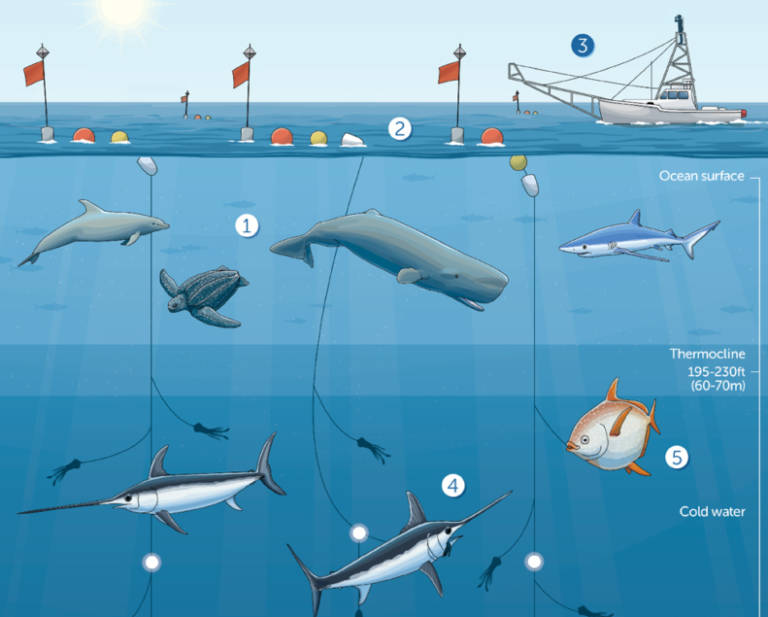
"content": "\u003cp>If you order fresh swordfish off a menu in California, there’s a good chance it was caught with something called a drift gillnet. But these mile-long mesh nets are also notorious for entangling leatherback sea turtles, grey whales, sharks and porpoises, often leaving them injured or dead.\u003c/p>\n\u003cfigure id=\"attachment_1948342\" class=\"wp-caption alignright\" style=\"max-width: 568px\">\u003ca href=\"https://ww2.kqed.org/science/wp-content/uploads/sites/35/2019/10/deepset_infographic_final.png\">\u003cimg loading=\"lazy\" decoding=\"async\" class=\"wp-image-1948342 \" src=\"https://ww2.kqed.org/science/wp-content/uploads/sites/35/2019/10/deepset_infographic_final-775x1200.png\" alt=\"\" width=\"568\" height=\"880\" srcset=\"https://cdn.kqed.org/wp-content/uploads/sites/35/2019/10/deepset_infographic_final-775x1200.png 775w, https://cdn.kqed.org/wp-content/uploads/sites/35/2019/10/deepset_infographic_final-160x248.png 160w, https://cdn.kqed.org/wp-content/uploads/sites/35/2019/10/deepset_infographic_final-800x1239.png 800w, https://cdn.kqed.org/wp-content/uploads/sites/35/2019/10/deepset_infographic_final-768x1189.png 768w, https://cdn.kqed.org/wp-content/uploads/sites/35/2019/10/deepset_infographic_final.png 990w\" sizes=\"(max-width: 568px) 100vw, 568px\">\u003c/a>\u003cfigcaption class=\"wp-caption-text\">\u003cstrong>Studies show that deep-set buoy gear can catch swordfish without entangling marine mammals. Click on the image to make it larger.\u003c/strong> \u003ccite>(The PEW Charitable Trusts)\u003c/cite>\u003c/figcaption>\u003c/figure>\n\u003cp>Environmental groups and state government have been working to ban gillnets for years. In 2018, California passed a law to begin phasing out use of the nets in the state’s swordfishery. Now, the agency that manages California’s fisheries has approved an eco-friendly alternative.\u003c/p>\n\u003cp>It’s called deep-set buoy gear, and here’s how its works:\u003c/p>\n\u003cp>Hooks baited with squid are dropped on single lines to depths of around 1,000 feet, where swordfish like to feed. Attached to the line are buoys that float on the surface. When a fish takes the bait, a buoy bobs underwater, telling the fisherman it’s time to reel in the line.\u003c/p>\n\u003cp>\u003ca href=\"https://usa.oceana.org/sites/default/files/4046/benefits_of_deep-set_buoy_gear_november_2015.pdf\" target=\"_blank\" rel=\"noopener\">Research\u003c/a> conducted by the National Oceanic and Atmospheric Administration and the Pfleger Institute of Environmental Research shows that around 80 percent of what these lines bring up is swordfish. Over 90 percent is marketable when secondary species like thresher shark and opah are included.\u003c/p>\n\u003cp>By contrast, studies show that more than half the haul from drift gillnets, on average, are discarded as unwanted bycatch.\u003c/p>\n\u003cp>“After eight years of study, it is unequivocally a good way to catch swordfish without endangering so many other animals that are iconic to the West Coast,” said Paul Shively, who manages conservation projects for The PEW Charitable Trusts, a nonprofit that helped develop the new gear.\u003c/p>\n\u003cp>Shively says that because gillnets are set out overnight near the surface of the ocean, they’re prone to ensnare many species that come up to feed. But buoy gear, he says, actively targets swordfish at deeper depths, where they feed during the day.\u003c/p>\n\u003cp>The Pacific Fishery Management Council voted unanimously in September to authorize deep-set buoy gear for commercial swordfishing off the West Coast.\u003c/p>\n\u003cp>John Ugoretz, an environmental program manager with the California Department of Fish and Wildlife, who represents California for the Pacific Fishery Management Council, says one of the big benefits of buoy gear is that because fishermen actively respond to fish on their lines, bycatch can be released quickly, without harming the animal.\u003c/p>\n\u003cp>“It’s taking a new approach to catching a popular species and doing so in an environmentally friendly way,” Ugoretz said.\u003c/p>\n\u003cp>California Sen. Dianne Feinstein, in a statement, praised the council’s decision.\u003c/p>\n\u003cp>“California is home to some of the most diverse marine life in the world,” Feinstein said. “But the driftnets used off California kill more dolphins, whales and porpoises than all other fisheries along the West Coast and Alaska combined. The use of this indiscriminate gear is unsustainable and must end.”\u003c/p>\n\u003cp>In March, Feinstein \u003ca href=\"https://www.feinstein.senate.gov/public/index.cfm/press-releases?ID=943603D6-6D7B-47FB-A6AB-1249870A12F8\" target=\"_blank\" rel=\"noopener\">reintroduced a bill\u003c/a> that would ban the use of gillnets in federal waters within five years.\u003c/p>\n\u003cp>In the past, gillnet permits issued in California were valid for the lifetime of the permit holder. These permits could then be transferred to the next generation of fishermen.\u003c/p>\n\u003cp>But a California state law signed by Gov. Brown last year made all existing gillnet permits nontransferable. The law also called for the creation of a transition program that would compensate fishermen if they surrender their gear in favor of a viable, environmentally responsible alternative. Once the gillnet transition program is finalized, existing drift gillnet permits will be valid for only four more years.\u003c/p>\n\u003cp>[ad fullwidth]\u003c/p>\n\u003cp>\u003cstrong>‘100 Fish in 100 Days’\u003c/strong>\u003c/p>\n\u003cp>Some commercial fishermen question whether deep-set buoy gear is the answer.\u003c/p>\n\u003cp>Bill Sutton, a 40-year veteran swordfisherman based out of Ventura, has been testing the new gear on an experimental permit.\u003c/p>\n\u003cp>He says while it’s good at accurately catching swordfish, the volume of fish he catches with buoy gear can’t compare to what he can pull up with gillnets.\u003c/p>\n\u003cp>“We have to fish every darn day to just basically average one fish a day. So a gillnetter will catch 100 fish in 30 days and we’ll catch 100 fish in 100 days,” Sutton said.\u003c/p>\n\u003cp>Sutton says the switch to buoy gear could put many of the state’s commercial swordfishermen out of business.\u003c/p>\n\u003cp>“If you’re going to buy a house, have kids, go to college, this isn’t the fishery,” Sutton said. “I don’t think this gear is ready for prime time.”\u003c/p>\n\u003cp>He recommends the state take a slower approach and do more testing if it plans to move ahead with the four-year countdown to end drift gillnet fishing in California.\u003c/p>\n\u003cp>As it is, the change won’t happen overnight.\u003c/p>\n\u003cp>The Pacific Fishery Management Council’s decision to approve deep-set buoy gear will now be passed on to the National Marine Fisheries Service, the agency in charge of creating the necessary regulations for its use. Ugoretz says this process could take more than a year.\u003c/p>\n\u003cp>In the meantime, California’s commercial fishermen can apply for experimental permits to start dropping deep-set buoy lines to catch swordfish.\u003c/p>\n\u003cp>\u003c/p>\n",
"stats": {
"hasVideo": false,
"hasChartOrMap": false,
"hasAudio": false,
"hasPolis": false,
"wordCount": 909,
"hasGoogleForm": false,
"hasGallery": false,
"hasHearkenModule": false,
"iframeSrcs": [],
"paragraphCount": 29
},
"modified": 1704848274,
"excerpt": "The agency that manages California’s fisheries has approved a safer alternative to drift gillnets, known for unintentionally entangling turtles, whales, sharks and porpoises.",
"headData": {
"twImgId": "",
"twTitle": "",
"ogTitle": "",
"ogImgId": "",
"twDescription": "",
"description": "The agency that manages California’s fisheries has approved a safer alternative to drift gillnets, known for unintentionally entangling turtles, whales, sharks and porpoises.",
"title": "Newly Approved Fishing Gear Reduces Ocean Wildlife Entanglements | KQED",
"ogDescription": "",
"schema": {
"@context": "https://schema.org",
"@type": "Article",
"headline": "Newly Approved Fishing Gear Reduces Ocean Wildlife Entanglements",
"datePublished": "2019-10-01T15:44:06-07:00",
"dateModified": "2024-01-09T16:57:54-08:00",
"image": "https://cdn.kqed.org/wp-content/uploads/2020/02/KQED-OG-Image@1x.png"
}
},
"guestAuthors": [],
"slug": "newly-approved-fishing-gear-reduces-ocean-wildlife-entanglements",
"status": "publish",
"audioUrl": "https://www.kqed.org/.stream/anon/radio/tcr/2019/09/310772Arcunifishing.mp3",
"sticky": false,
"audioTrackLength": 130,
"source": "Fishing Regulations",
"path": "/science/1948311/newly-approved-fishing-gear-reduces-ocean-wildlife-entanglements",
"parsedContent": [
{
"type": "contentString",
"content": "\u003cdiv class=\"post-body\">\u003cp>\u003cp>If you order fresh swordfish off a menu in California, there’s a good chance it was caught with something called a drift gillnet. But these mile-long mesh nets are also notorious for entangling leatherback sea turtles, grey whales, sharks and porpoises, often leaving them injured or dead.\u003c/p>\n\u003cfigure id=\"attachment_1948342\" class=\"wp-caption alignright\" style=\"max-width: 568px\">\u003ca href=\"https://ww2.kqed.org/science/wp-content/uploads/sites/35/2019/10/deepset_infographic_final.png\">\u003cimg loading=\"lazy\" decoding=\"async\" class=\"wp-image-1948342 \" src=\"https://ww2.kqed.org/science/wp-content/uploads/sites/35/2019/10/deepset_infographic_final-775x1200.png\" alt=\"\" width=\"568\" height=\"880\" srcset=\"https://cdn.kqed.org/wp-content/uploads/sites/35/2019/10/deepset_infographic_final-775x1200.png 775w, https://cdn.kqed.org/wp-content/uploads/sites/35/2019/10/deepset_infographic_final-160x248.png 160w, https://cdn.kqed.org/wp-content/uploads/sites/35/2019/10/deepset_infographic_final-800x1239.png 800w, https://cdn.kqed.org/wp-content/uploads/sites/35/2019/10/deepset_infographic_final-768x1189.png 768w, https://cdn.kqed.org/wp-content/uploads/sites/35/2019/10/deepset_infographic_final.png 990w\" sizes=\"(max-width: 568px) 100vw, 568px\">\u003c/a>\u003cfigcaption class=\"wp-caption-text\">\u003cstrong>Studies show that deep-set buoy gear can catch swordfish without entangling marine mammals. Click on the image to make it larger.\u003c/strong> \u003ccite>(The PEW Charitable Trusts)\u003c/cite>\u003c/figcaption>\u003c/figure>\n\u003cp>Environmental groups and state government have been working to ban gillnets for years. In 2018, California passed a law to begin phasing out use of the nets in the state’s swordfishery. Now, the agency that manages California’s fisheries has approved an eco-friendly alternative.\u003c/p>\n\u003cp>It’s called deep-set buoy gear, and here’s how its works:\u003c/p>\n\u003cp>Hooks baited with squid are dropped on single lines to depths of around 1,000 feet, where swordfish like to feed. Attached to the line are buoys that float on the surface. When a fish takes the bait, a buoy bobs underwater, telling the fisherman it’s time to reel in the line.\u003c/p>\n\u003cp>\u003ca href=\"https://usa.oceana.org/sites/default/files/4046/benefits_of_deep-set_buoy_gear_november_2015.pdf\" target=\"_blank\" rel=\"noopener\">Research\u003c/a> conducted by the National Oceanic and Atmospheric Administration and the Pfleger Institute of Environmental Research shows that around 80 percent of what these lines bring up is swordfish. Over 90 percent is marketable when secondary species like thresher shark and opah are included.\u003c/p>\n\u003cp>By contrast, studies show that more than half the haul from drift gillnets, on average, are discarded as unwanted bycatch.\u003c/p>\n\u003cp>“After eight years of study, it is unequivocally a good way to catch swordfish without endangering so many other animals that are iconic to the West Coast,” said Paul Shively, who manages conservation projects for The PEW Charitable Trusts, a nonprofit that helped develop the new gear.\u003c/p>\n\u003cp>Shively says that because gillnets are set out overnight near the surface of the ocean, they’re prone to ensnare many species that come up to feed. But buoy gear, he says, actively targets swordfish at deeper depths, where they feed during the day.\u003c/p>\n\u003cp>The Pacific Fishery Management Council voted unanimously in September to authorize deep-set buoy gear for commercial swordfishing off the West Coast.\u003c/p>\n\u003cp>John Ugoretz, an environmental program manager with the California Department of Fish and Wildlife, who represents California for the Pacific Fishery Management Council, says one of the big benefits of buoy gear is that because fishermen actively respond to fish on their lines, bycatch can be released quickly, without harming the animal.\u003c/p>\n\u003cp>“It’s taking a new approach to catching a popular species and doing so in an environmentally friendly way,” Ugoretz said.\u003c/p>\n\u003cp>California Sen. Dianne Feinstein, in a statement, praised the council’s decision.\u003c/p>\n\u003cp>“California is home to some of the most diverse marine life in the world,” Feinstein said. “But the driftnets used off California kill more dolphins, whales and porpoises than all other fisheries along the West Coast and Alaska combined. The use of this indiscriminate gear is unsustainable and must end.”\u003c/p>\n\u003cp>In March, Feinstein \u003ca href=\"https://www.feinstein.senate.gov/public/index.cfm/press-releases?ID=943603D6-6D7B-47FB-A6AB-1249870A12F8\" target=\"_blank\" rel=\"noopener\">reintroduced a bill\u003c/a> that would ban the use of gillnets in federal waters within five years.\u003c/p>\n\u003cp>In the past, gillnet permits issued in California were valid for the lifetime of the permit holder. These permits could then be transferred to the next generation of fishermen.\u003c/p>\n\u003cp>But a California state law signed by Gov. Brown last year made all existing gillnet permits nontransferable. The law also called for the creation of a transition program that would compensate fishermen if they surrender their gear in favor of a viable, environmentally responsible alternative. Once the gillnet transition program is finalized, existing drift gillnet permits will be valid for only four more years.\u003c/p>\n\u003cp>\u003c/p>\u003c/div>",
"attributes": {
"named": {},
"numeric": []
}
},
{
"type": "component",
"content": "",
"name": "ad",
"attributes": {
"named": {
"label": "fullwidth"
},
"numeric": [
"fullwidth"
]
}
},
{
"type": "contentString",
"content": "\u003cdiv class=\"post-body\">\u003cp>\u003c/p>\n\u003cp>\u003cstrong>‘100 Fish in 100 Days’\u003c/strong>\u003c/p>\n\u003cp>Some commercial fishermen question whether deep-set buoy gear is the answer.\u003c/p>\n\u003cp>Bill Sutton, a 40-year veteran swordfisherman based out of Ventura, has been testing the new gear on an experimental permit.\u003c/p>\n\u003cp>He says while it’s good at accurately catching swordfish, the volume of fish he catches with buoy gear can’t compare to what he can pull up with gillnets.\u003c/p>\n\u003cp>“We have to fish every darn day to just basically average one fish a day. So a gillnetter will catch 100 fish in 30 days and we’ll catch 100 fish in 100 days,” Sutton said.\u003c/p>\n\u003cp>Sutton says the switch to buoy gear could put many of the state’s commercial swordfishermen out of business.\u003c/p>\n\u003cp>“If you’re going to buy a house, have kids, go to college, this isn’t the fishery,” Sutton said. “I don’t think this gear is ready for prime time.”\u003c/p>\n\u003cp>He recommends the state take a slower approach and do more testing if it plans to move ahead with the four-year countdown to end drift gillnet fishing in California.\u003c/p>\n\u003cp>As it is, the change won’t happen overnight.\u003c/p>\n\u003cp>The Pacific Fishery Management Council’s decision to approve deep-set buoy gear will now be passed on to the National Marine Fisheries Service, the agency in charge of creating the necessary regulations for its use. Ugoretz says this process could take more than a year.\u003c/p>\n\u003cp>In the meantime, California’s commercial fishermen can apply for experimental permits to start dropping deep-set buoy lines to catch swordfish.\u003c/p>\n\u003cp>\u003c/p>\n\u003c/div>\u003c/p>",
"attributes": {
"named": {},
"numeric": []
}
}
],
"link": "/science/1948311/newly-approved-fishing-gear-reduces-ocean-wildlife-entanglements",
"authors": [
"11368"
],
"categories": [
"science_2874",
"science_35",
"science_40",
"science_2873"
],
"tags": [
"science_2259",
"science_3370",
"science_941",
"science_1155"
],
"featImg": "science_1948349",
"label": "source_science_1948311"
},
"science_1948232": {
"type": "posts",
"id": "science_1948232",
"meta": {
"index": "posts_1716263798",
"site": "science",
"id": "1948232",
"score": null,
"sort": [
1569884129000
]
},
"parent": 0,
"labelTerm": {},
"blocks": [],
"publishDate": 1569884129,
"format": "standard",
"title": "Paradise Residents Still Can't Drink the Water",
"headTitle": "Paradise Residents Still Can’t Drink the Water | KQED",
"content": "\u003cp>Since last November, when the Camp Fire almost completely destroyed the town of Paradise, the cancer-causing chemical benzene has tainted the town’s water, leaving it undrinkable. Now an independent team of scientists will begin testing for the carcinogen and other pollutants inside the houses that the fire left standing.\u003c/p>\n\u003cp>[pullquote]Ten months after the Camp Fire, the Paradise Irrigation District still warns residents not to use its water for brushing teeth, making ice, cooking and drinking.[/pullquote]“The main goal is to really understand what’s going on, basically, and to address any issues that come up,” environmental health investigator Dr. Gina Solomon told residents at a recent Paradise Irrigation District meeting.\u003c/p>\n\u003cp>Ten months after the Camp Fire, the irrigation district still \u003ca href=\"https://pidwater.com/wqadvisory\" target=\"_blank\" rel=\"noopener\">warns residents\u003c/a> not to use its water for brushing teeth, making ice, cooking and drinking.\u003c/p>\n\u003cp>Some residents have purchased tanks at a cost of thousands of dollars, filling them regularly for hundreds more. Others rely on bottled water that the district provides daily at a parking lot. A small number of people are back at their properties with an all-clear; a larger number are waiting.\u003c/p>\n\u003cp>\u003cstrong>Exceeding Safe Limits\u003c/strong>\u003c/p>\n\u003cp>Where fire didn’t destroy water systems, it has left the risk of contamination, though the extent of that risk is still unclear.\u003c/p>\n\u003cp>Some residents have not yet returned to their homes. Unless they’ve done their own testing, they likely don’t know whether benzene reached their taps; local water suppliers aren’t responsible for water quality problems in private homes. Even the testing that suppliers have done hasn’t followed a consistent standard, and it still isn’t complete.\u003c/p>\n\u003cp>Experts at the water districts and beyond say discerning a pattern in the contamination is difficult because the burn was so severe and widespread.\u003c/p>\n\u003cp>Paradise Irrigation District has \u003ca href=\"https://pidwater.com/recovery\" target=\"_blank\" rel=\"noopener\">sampled\u003c/a> water at more than 2,700 sites, including both the water mains and the service laterals — the pipes that connect the mains to the meters at individual properties. In those pipes that connect to burned lots, tests have found benzene tainting the water 30% of the time, as opposed to just 13% in service lines connected to homes that were left standing.\u003c/p>\n\u003cp>In neighboring Magalia, a private water provider, the Del Oro Water Company, tested for and \u003ca href=\"http://www.delorowater.com/deloro/water-information/camp-fire.html\" target=\"_blank\" rel=\"noopener\">found\u003c/a> benzene in five of its service lines. Del Oro subsequently flushed its pipes, and tests have come back clear.\u003c/p>\n\u003cp>The state sets a benzene limit in water of one part per billion, roughly equivalent to a single drop in someone’s swimming pool. The state’s standard is based on the assumption that a person might drink 2 liters of water a day for a lifetime. The federal standard is slightly higher, at 5 parts per billion.\u003c/p>\n\u003cp>Limited testing in Butte County has found some sites significantly higher than those numbers. State and local officials stress that most positive hits for benzene have averaged around 20 parts per billion. But at one property in Paradise, testing found a benzene level of 923 parts per billion; in Del Oro, there was one found at 530 parts per billion.\u003c/p>\n\u003cp>[ad fullwidth]\u003c/p>\n\u003cp>\u003cstrong>An Emerging Threat\u003c/strong>\u003c/p>\n\u003cp>Solomon says benzene contamination following a fire is an emerging and complex threat. What’s happening in Paradise has only been reported once before, after the North Bay fires.\u003c/p>\n\u003cp>After fire burned Santa Rosa’s Fountaingrove neighborhood two years ago, tests found benzene in the area’s water main, in service components, and in service lines. At the time, local officials \u003ca href=\"https://www.kqed.org/science/1920335/cancer-causing-chemical-detected-in-fountaingrove-drinking-water\" target=\"_blank\" rel=\"noopener\">attributed\u003c/a> the problem to melting plastic pipes, and to system depressurization that might have helped the contamination spread.\u003c/p>\n\u003cp>But the systems that burned in the Camp Fire have been found to contain benzene-tainted water in both metal and plastic pipes.\u003c/p>\n\u003cp>As climate change exacerbates wildfires, it also puts stress on infrastructure. “We are learning with everybody here how to recover a water system from a devastating fire,” says the Paradise Irrigation District’s Kevin Phillips.\u003c/p>\n\u003cp>“There’s this question about what’s happening between the service line and the tap,” says Solomon, a clinical professor at UC San Francisco and principal investigator at the Public Health Institute.\u003c/p>\n\u003cp>It’s a question her team hopes to help answer.\u003c/p>\n\u003cp>\u003cstrong>Where’s It Coming From?\u003c/strong>\u003c/p>\n\u003cp>On a recent weekday, Solomon poked at water meters in locations where the Paradise Irrigation District found benzene.\u003c/p>\n\u003cfigure id=\"attachment_1948255\" class=\"wp-caption alignright\" style=\"max-width: 640px\">\u003cimg loading=\"lazy\" decoding=\"async\" class=\"size-complete_open_graph wp-image-1948255\" src=\"https://ww2.kqed.org/science/wp-content/uploads/sites/35/2019/09/Benzene-Paradise-2-1200x900.jpg\" alt=\"UCSF and Public Health Institute researcher Dr. Gina Solomon and the State Water Resources Control Board’s Yvonne Heaney examined water meters and water pipes in Paradise.\" width=\"640\" height=\"480\" srcset=\"https://cdn.kqed.org/wp-content/uploads/sites/35/2019/09/Benzene-Paradise-2-1200x900.jpg 1200w, https://cdn.kqed.org/wp-content/uploads/sites/35/2019/09/Benzene-Paradise-2-160x120.jpg 160w, https://cdn.kqed.org/wp-content/uploads/sites/35/2019/09/Benzene-Paradise-2-800x600.jpg 800w, https://cdn.kqed.org/wp-content/uploads/sites/35/2019/09/Benzene-Paradise-2-768x576.jpg 768w, https://cdn.kqed.org/wp-content/uploads/sites/35/2019/09/Benzene-Paradise-2-1020x765.jpg 1020w, https://cdn.kqed.org/wp-content/uploads/sites/35/2019/09/Benzene-Paradise-2.jpg 1920w\" sizes=\"(max-width: 640px) 100vw, 640px\">\u003cfigcaption class=\"wp-caption-text\">UCSF and Public Health Institute researcher Dr. Gina Solomon and the State Water Resources Control Board’s Yvonne Heaney examined water meters and water pipes in Paradise. \u003ccite>(Molly Peterson/KQED)\u003c/cite>\u003c/figcaption>\u003c/figure>\n\u003cp>The Camp Fire burned away 90 percent of structures in town. The few houses left look like jack-o-lantern teeth sticking up between the gaps, made up of empty streets. At every lot, burned or not, the skeleton of a water system remains.\u003c/p>\n\u003cp>“That is melted,” Solomon confirmed, tapping a meter with a stick.\u003c/p>\n\u003cp>Solomon’s team, including researchers from UC San Francisco and Oakland’s Public Health Institute, plans to test for benzene at the kitchen sinks of 175 homes in burned areas.\u003c/p>\n\u003cp>At a public meeting, Solomon said the team wants to identify how far the toxic chemical has spread into standing homes.\u003c/p>\n\u003cp>“We’re also interested in any clues as to where that benzene might be coming from,” she said. “There are theories, but there’s not really a clear scientifically supported reason that we’re quite confident of yet.”\u003c/p>\n\u003cp>The team will begin testing next month and hopes to have the first round of results made public by Thanksgiving. Solomon says if they find benzene in homes during this first phase, the team will go back for more detailed and broader testing.\u003c/p>\n\u003cp>\u003cstrong>Clearing the System — Slowly\u003c/strong>\u003c/p>\n\u003cp>Paradise Irrigation District says that 70 percent of mains and hundreds of service connections are clear. Speaking at a public meeting, a consultant to the irrigation district, Sami Kader, said that getting an individual home cleared is “tortuous.”\u003c/p>\n\u003cp>“Before we can send someone a letter, we have to be confident that everything that connects that person to the water treatment plant has been tested and cleared,” Kader said.\u003c/p>\n\u003cp>Water districts are cautious by design, and officials in Paradise say the long-term plan is to replace all of the service laterals. In the near- term, work will focus on connections to burned lots, where tests have found contamination more often.\u003c/p>\n\u003cp>Phillips, the water chief in Paradise, says the city will need money to replace its systems. The town is seeking help from federal authorities; it’s not yet clear how much of the cost the Federal Emergency Management Agency will pick up.\u003c/p>\n\u003cp>At September’s public meeting, Phillips expressed thanks to residents for their patience as his district works to return the water system to functionality.\u003c/p>\n\u003cp>“We know we are behind,” he says.\u003c/p>\n\u003cp>[ad floatright]\u003c/p>\n",
"stats": {
"hasVideo": false,
"hasChartOrMap": false,
"hasAudio": false,
"hasPolis": false,
"wordCount": 1177,
"hasGoogleForm": false,
"hasGallery": false,
"hasHearkenModule": false,
"iframeSrcs": [],
"paragraphCount": 36
},
"modified": 1704848276,
"excerpt": "Ten months after the Camp Fire, the Paradise Irrigation District still warns residents not to use its water for brushing teeth, making ice, cooking and drinking.",
"headData": {
"twImgId": "",
"twTitle": "",
"ogTitle": "",
"ogImgId": "",
"twDescription": "",
"description": "Ten months after the Camp Fire, the Paradise Irrigation District still warns residents not to use its water for brushing teeth, making ice, cooking and drinking.",
"title": "Paradise Residents Still Can't Drink the Water | KQED",
"ogDescription": "",
"schema": {
"@context": "https://schema.org",
"@type": "Article",
"headline": "Paradise Residents Still Can't Drink the Water",
"datePublished": "2019-09-30T15:55:29-07:00",
"dateModified": "2024-01-09T16:57:56-08:00",
"image": "https://cdn.kqed.org/wp-content/uploads/2020/02/KQED-OG-Image@1x.png"
}
},
"guestAuthors": [],
"slug": "paradise-residents-still-cant-drink-the-water",
"status": "publish",
"audioUrl": "https://www.kqed.org/.stream/anon/radio/science/2019/09/PetersonBenzeneParadise.mp3",
"sticky": false,
"audioTrackLength": 220,
"source": "Wildfires",
"path": "/science/1948232/paradise-residents-still-cant-drink-the-water",
"parsedContent": [
{
"type": "contentString",
"content": "\u003cdiv class=\"post-body\">\u003cp>\u003cp>Since last November, when the Camp Fire almost completely destroyed the town of Paradise, the cancer-causing chemical benzene has tainted the town’s water, leaving it undrinkable. Now an independent team of scientists will begin testing for the carcinogen and other pollutants inside the houses that the fire left standing.\u003c/p>\n\u003cp>\u003c/p>\u003c/div>",
"attributes": {
"named": {},
"numeric": []
}
},
{
"type": "component",
"content": "Ten months after the Camp Fire, the Paradise Irrigation District still warns residents not to use its water for brushing teeth, making ice, cooking and drinking.",
"name": "pullquote",
"attributes": {
"named": {
"label": ""
},
"numeric": []
}
},
{
"type": "contentString",
"content": "\u003cdiv class=\"post-body\">\u003cp>“The main goal is to really understand what’s going on, basically, and to address any issues that come up,” environmental health investigator Dr. Gina Solomon told residents at a recent Paradise Irrigation District meeting.\u003c/p>\n\u003cp>Ten months after the Camp Fire, the irrigation district still \u003ca href=\"https://pidwater.com/wqadvisory\" target=\"_blank\" rel=\"noopener\">warns residents\u003c/a> not to use its water for brushing teeth, making ice, cooking and drinking.\u003c/p>\n\u003cp>Some residents have purchased tanks at a cost of thousands of dollars, filling them regularly for hundreds more. Others rely on bottled water that the district provides daily at a parking lot. A small number of people are back at their properties with an all-clear; a larger number are waiting.\u003c/p>\n\u003cp>\u003cstrong>Exceeding Safe Limits\u003c/strong>\u003c/p>\n\u003cp>Where fire didn’t destroy water systems, it has left the risk of contamination, though the extent of that risk is still unclear.\u003c/p>\n\u003cp>Some residents have not yet returned to their homes. Unless they’ve done their own testing, they likely don’t know whether benzene reached their taps; local water suppliers aren’t responsible for water quality problems in private homes. Even the testing that suppliers have done hasn’t followed a consistent standard, and it still isn’t complete.\u003c/p>\n\u003cp>Experts at the water districts and beyond say discerning a pattern in the contamination is difficult because the burn was so severe and widespread.\u003c/p>\n\u003cp>Paradise Irrigation District has \u003ca href=\"https://pidwater.com/recovery\" target=\"_blank\" rel=\"noopener\">sampled\u003c/a> water at more than 2,700 sites, including both the water mains and the service laterals — the pipes that connect the mains to the meters at individual properties. In those pipes that connect to burned lots, tests have found benzene tainting the water 30% of the time, as opposed to just 13% in service lines connected to homes that were left standing.\u003c/p>\n\u003cp>In neighboring Magalia, a private water provider, the Del Oro Water Company, tested for and \u003ca href=\"http://www.delorowater.com/deloro/water-information/camp-fire.html\" target=\"_blank\" rel=\"noopener\">found\u003c/a> benzene in five of its service lines. Del Oro subsequently flushed its pipes, and tests have come back clear.\u003c/p>\n\u003cp>The state sets a benzene limit in water of one part per billion, roughly equivalent to a single drop in someone’s swimming pool. The state’s standard is based on the assumption that a person might drink 2 liters of water a day for a lifetime. The federal standard is slightly higher, at 5 parts per billion.\u003c/p>\n\u003cp>Limited testing in Butte County has found some sites significantly higher than those numbers. State and local officials stress that most positive hits for benzene have averaged around 20 parts per billion. But at one property in Paradise, testing found a benzene level of 923 parts per billion; in Del Oro, there was one found at 530 parts per billion.\u003c/p>\n\u003cp>\u003c/p>\u003c/div>",
"attributes": {
"named": {},
"numeric": []
}
},
{
"type": "component",
"content": "",
"name": "ad",
"attributes": {
"named": {
"label": "fullwidth"
},
"numeric": [
"fullwidth"
]
}
},
{
"type": "contentString",
"content": "\u003cdiv class=\"post-body\">\u003cp>\u003c/p>\n\u003cp>\u003cstrong>An Emerging Threat\u003c/strong>\u003c/p>\n\u003cp>Solomon says benzene contamination following a fire is an emerging and complex threat. What’s happening in Paradise has only been reported once before, after the North Bay fires.\u003c/p>\n\u003cp>After fire burned Santa Rosa’s Fountaingrove neighborhood two years ago, tests found benzene in the area’s water main, in service components, and in service lines. At the time, local officials \u003ca href=\"https://www.kqed.org/science/1920335/cancer-causing-chemical-detected-in-fountaingrove-drinking-water\" target=\"_blank\" rel=\"noopener\">attributed\u003c/a> the problem to melting plastic pipes, and to system depressurization that might have helped the contamination spread.\u003c/p>\n\u003cp>But the systems that burned in the Camp Fire have been found to contain benzene-tainted water in both metal and plastic pipes.\u003c/p>\n\u003cp>As climate change exacerbates wildfires, it also puts stress on infrastructure. “We are learning with everybody here how to recover a water system from a devastating fire,” says the Paradise Irrigation District’s Kevin Phillips.\u003c/p>\n\u003cp>“There’s this question about what’s happening between the service line and the tap,” says Solomon, a clinical professor at UC San Francisco and principal investigator at the Public Health Institute.\u003c/p>\n\u003cp>It’s a question her team hopes to help answer.\u003c/p>\n\u003cp>\u003cstrong>Where’s It Coming From?\u003c/strong>\u003c/p>\n\u003cp>On a recent weekday, Solomon poked at water meters in locations where the Paradise Irrigation District found benzene.\u003c/p>\n\u003cfigure id=\"attachment_1948255\" class=\"wp-caption alignright\" style=\"max-width: 640px\">\u003cimg loading=\"lazy\" decoding=\"async\" class=\"size-complete_open_graph wp-image-1948255\" src=\"https://ww2.kqed.org/science/wp-content/uploads/sites/35/2019/09/Benzene-Paradise-2-1200x900.jpg\" alt=\"UCSF and Public Health Institute researcher Dr. Gina Solomon and the State Water Resources Control Board’s Yvonne Heaney examined water meters and water pipes in Paradise.\" width=\"640\" height=\"480\" srcset=\"https://cdn.kqed.org/wp-content/uploads/sites/35/2019/09/Benzene-Paradise-2-1200x900.jpg 1200w, https://cdn.kqed.org/wp-content/uploads/sites/35/2019/09/Benzene-Paradise-2-160x120.jpg 160w, https://cdn.kqed.org/wp-content/uploads/sites/35/2019/09/Benzene-Paradise-2-800x600.jpg 800w, https://cdn.kqed.org/wp-content/uploads/sites/35/2019/09/Benzene-Paradise-2-768x576.jpg 768w, https://cdn.kqed.org/wp-content/uploads/sites/35/2019/09/Benzene-Paradise-2-1020x765.jpg 1020w, https://cdn.kqed.org/wp-content/uploads/sites/35/2019/09/Benzene-Paradise-2.jpg 1920w\" sizes=\"(max-width: 640px) 100vw, 640px\">\u003cfigcaption class=\"wp-caption-text\">UCSF and Public Health Institute researcher Dr. Gina Solomon and the State Water Resources Control Board’s Yvonne Heaney examined water meters and water pipes in Paradise. \u003ccite>(Molly Peterson/KQED)\u003c/cite>\u003c/figcaption>\u003c/figure>\n\u003cp>The Camp Fire burned away 90 percent of structures in town. The few houses left look like jack-o-lantern teeth sticking up between the gaps, made up of empty streets. At every lot, burned or not, the skeleton of a water system remains.\u003c/p>\n\u003cp>“That is melted,” Solomon confirmed, tapping a meter with a stick.\u003c/p>\n\u003cp>Solomon’s team, including researchers from UC San Francisco and Oakland’s Public Health Institute, plans to test for benzene at the kitchen sinks of 175 homes in burned areas.\u003c/p>\n\u003cp>At a public meeting, Solomon said the team wants to identify how far the toxic chemical has spread into standing homes.\u003c/p>\n\u003cp>“We’re also interested in any clues as to where that benzene might be coming from,” she said. “There are theories, but there’s not really a clear scientifically supported reason that we’re quite confident of yet.”\u003c/p>\n\u003cp>The team will begin testing next month and hopes to have the first round of results made public by Thanksgiving. Solomon says if they find benzene in homes during this first phase, the team will go back for more detailed and broader testing.\u003c/p>\n\u003cp>\u003cstrong>Clearing the System — Slowly\u003c/strong>\u003c/p>\n\u003cp>Paradise Irrigation District says that 70 percent of mains and hundreds of service connections are clear. Speaking at a public meeting, a consultant to the irrigation district, Sami Kader, said that getting an individual home cleared is “tortuous.”\u003c/p>\n\u003cp>“Before we can send someone a letter, we have to be confident that everything that connects that person to the water treatment plant has been tested and cleared,” Kader said.\u003c/p>\n\u003cp>Water districts are cautious by design, and officials in Paradise say the long-term plan is to replace all of the service laterals. In the near- term, work will focus on connections to burned lots, where tests have found contamination more often.\u003c/p>\n\u003cp>Phillips, the water chief in Paradise, says the city will need money to replace its systems. The town is seeking help from federal authorities; it’s not yet clear how much of the cost the Federal Emergency Management Agency will pick up.\u003c/p>\n\u003cp>At September’s public meeting, Phillips expressed thanks to residents for their patience as his district works to return the water system to functionality.\u003c/p>\n\u003cp>“We know we are behind,” he says.\u003c/p>\n\u003cp>\u003c/p>\u003c/div>",
"attributes": {
"named": {},
"numeric": []
}
},
{
"type": "component",
"content": "",
"name": "ad",
"attributes": {
"named": {
"label": "floatright"
},
"numeric": [
"floatright"
]
}
},
{
"type": "contentString",
"content": "\u003cdiv class=\"post-body\">\u003cp>\u003c/p>\n\u003c/div>\u003c/p>",
"attributes": {
"named": {},
"numeric": []
}
}
],
"link": "/science/1948232/paradise-residents-still-cant-drink-the-water",
"authors": [
"11223"
],
"categories": [
"science_35",
"science_40"
],
"tags": [
"science_3820",
"science_3370",
"science_3833",
"science_113"
],
"featImg": "science_1948243",
"label": "source_science_1948232"
},
"science_1928267": {
"type": "posts",
"id": "science_1928267",
"meta": {
"index": "posts_1716263798",
"site": "science",
"id": "1928267",
"score": null,
"sort": [
1569884114000
]
},
"parent": 0,
"labelTerm": {},
"blocks": [],
"publishDate": 1569884114,
"format": "audio",
"title": "New Fire Retardant Acts Like 'Vaccine' Against Wildfires",
"headTitle": "New Fire Retardant Acts Like ‘Vaccine’ Against Wildfires | KQED",
"content": "\u003cp>California’s last two fire seasons were brutal. As the Legislature struggles to fund fire \u003ca href=\"https://www.kqed.org/science/1948013/california-lawmakers-plans-to-protect-homes-from-wildfire-fall-short\" target=\"_blank\" rel=\"noopener\">safety proposals\u003c/a>, and agencies spend more on firefighting crews, a team of scientists is proposing a novel solution: extinguishing fires before they start.\u003c/p>\n\u003cp>“This is something we do with vaccines all the time,” said Eric Appel, materials scientist at Stanford. “You have high-risk populations and you vaccinate them against the disease in the first place. As with many things, prevention is cheaper, easier and more effective than treatment.”\u003c/p>\n\u003cp>Appel is senior author on a recent \u003ca href=\"https://www.pnas.org/cgi/doi/10.1073/pnas.1907855116\" target=\"_blank\" rel=\"noopener\">study\u003c/a> published in \u003cem>Proceedings of the National Academy of Sciences\u003c/em>, reporting on the first field trials of a long-acting, environmentally benign fire retardant that he hopes will reshape the way fires are prevented and fought in California.\u003c/p>\n\u003cp>“Most people think that fires just sort of start willy nilly anywhere in the forest. But it turns out that that’s not really true.”\u003c/p>\n\u003cp>The study found that most wildfires start in the same locations, and that the retardant will protect an area for months.\u003c/p>\n\u003cp>“So what that means,” Appel says, “is that you would only need to treat a very small amount of land in order to prevent a majority of fires.”\u003c/p>\n\u003cp>\u003cstrong>The Spark of An Idea\u003c/strong>\u003c/p>\n\u003cp>For co-author Jesse Acosta, adjunct professor of Natural Resource Management at Cal Poly San Luis Obispo, a moment of inspiration came years ago, as he stood in the sweltering heat of Hawaii, working for the U.S. Forest Service in a Smokey Bear costume, trying to convince people to care about fire prevention.\u003c/p>\n\u003cp>\u003cspan style=\"font-weight: 400\">“I don’t know if it was the actual discomfort of the suit that made me think about things differently, or if it was some sort of late-night epiphany,” said the former Fire Prevention Forester, “but it became very clear to me very quickly that [outreach] was not effective in terms of preventing fires.”\u003c/span>\u003c/p>\n\u003cp>Likely, it was both, but it would take a move to Connecticut and a chance meeting with a colleague for the building blocks of a new approach to fall into place.\u003c/p>\n\u003cp>\u003cspan style=\"font-weight: 400\">At the time, \u003ca href=\"http://www.supramolecularbiomaterials.com/\">Eric Appel\u003c/a>, now a materials scientist at Stanford University, was studying medical drug delivery at MIT, \u003c/span>“answering the question of ‘H\u003cspan style=\"font-weight: 400\">ow do we keep these drug molecules stable and get them where they need to go and keep them where they need to be?'”\u003c/span>\u003c/p>\n\u003cp>The answer lead to the development of a “hydrogel” \u003cspan style=\"font-weight: 400\">made of\u003c/span>\u003cspan style=\"font-weight: 400\"> \u003c/span>\u003cspan style=\"font-weight: 400\">inexpensive, renewable and benign materials that could deliver medications in a human body and keep them stable over time. For example, an early application allowed people with diabetes to receive a single injection that supplied insulin over six months.\u003c/span>\u003c/p>\n\u003cp>\u003cspan style=\"font-weight: 400\">Hydrogels themselves may seem an unlikely hero: They’re pale, shapeless blobs reminiscent of thick shampoo or mayonnaise. You mix them up in buckets, foregoing a lab coat for rubber boots. But to Appel, their beauty lies in the thoughtfulness of their design.\u003c/span>\u003c/p>\n\u003cp>“\u003cspan style=\"font-weight: 400\">The gels we’re making are sophisticated and scalable. They form from simple components,” said Appel. “And they function like molecular Velcro,” meaning they can change their properties to allow them to be sprayed easily from a needle or nozzle.\u003c/span>\u003c/p>\n\u003cp>Acosta was aware of Appel’s hydrogels and thought about what might happen if you replaced medications with a “molecular cargo” of flame retardants.\u003c/p>\n\u003cp>\u003cspan style=\"font-weight: 400\">“It was around midnight when it finally dawned on me to use these hydrogels,” Acosta said\u003cstrong>,\u003c/strong> pointing out the many commonalities shared between what makes something safe for the human body and what makes something environmentally benign. \u003c/span>\u003cspan style=\"font-weight: 400\">“Let’s wrap up fire retardant in these hydrogels and see if they are able to stick to fuels and persist through weather.”\u003c/span>\u003c/p>\n\u003cp>https://youtu.be/ilhFV7DIbxo\u003c/p>\n\u003cp>\u003cstrong>Out of the Lab and Into the Fire\u003c/strong>\u003c/p>\n\u003cp>After this unlikely series of events, Appel, Acosta and collaborators received funding through Stanford’s \u003ca href=\"https://woods.stanford.edu/research/realizing-environmental-innovation-program\">Realizing Environmental Innovation Program\u003c/a>.\u003c/p>\n\u003cp>Appel and his collaborators began working with Cal Fire to identify where fires start each year. They found fires reproducibly start year-after-year in the same places, calculating that 84 percent of wildfires in California in the last 10 years have started at the same high-risk roadside spots or near utilities infrastructure.\u003c/p>\n\u003cp>Following the success of a\u003cspan style=\"font-weight: 400\"> \u003ca href=\"https://static1.squarespace.com/static/52f83177e4b045fae914ddf2/t/584257b446c3c4f2f7d665e2/1480742837825/Yu_Appel_PNAS.pdf\">pilot study\u003c/a> on small piles of pine shavings, this new study tests hydrogel performance on a larger scale. \u003c/span>\u003c/p>\n\u003cp>\u003cspan style=\"font-weight: 400\">They treated plots of native grass 10 feet long and 10 feet wide with their product and set both those and untreated control plots alight, watching how they burned. \u003c/span>\u003c/p>\n\u003cp>\u003cspan style=\"font-weight: 400\">“T\u003c/span>\u003cspan style=\"font-weight: 400\">hey just explode,” Appel said of the control plots. “It’s a pyromaniac’s best afternoon.”\u003c/span>\u003c/p>\n\u003cp>Appel and Acosta also wanted to address a major shortcoming of current retardants — that they are not meant to persist long beyond their initial application.\u003c/p>\n\u003cp>In fact, much of the millions of tons of retardant that planes drop onto fires each year are \u003cspan style=\"font-weight: 400\">rendered useless by subsequent dumps of water onto active fire-lines. Even heavy dews and fogs, common along the California coast, can decrease the retardants’ efficiency.\u003c/span>\u003c/p>\n\u003cp>\u003cspan style=\"font-weight: 400\">The hydrogel, by contrast, stays at full potency and continues delivering fire protection over months of the traditional fire season. The hydrogels also stand up to dew, fog, and moderate rain, although they are intentionally designed to wash away at the start of the wetter fall months.\u003c/span>\u003c/p>\n\u003cp>“You can put 20,000 gallons of this on an area for prevention, or 1 million gallons of the traditional formulation after a fire starts,” said study lead author Anthony Yu, a Ph.D. student in materials science and engineering at Stanford, in a media release.\u003c/p>\n\u003cp>\u003cstrong>The New Reality of Fire in California\u003c/strong>\u003c/p>\n\u003cp>According to Acosta, a policy of suppression and a cultural view that fire is villainous has pitted the country against a future where extreme fires are guaranteed. This is due to a massive buildup of fuel — dead trees, brush and chaparral — in an ecosystem that has historically required fires as a natural part of the landscape.\u003c/p>\n\u003cp>“Every fire we fight, every fire that happens, has the potential to be the Mendocino Complex or the Thomas Fire or the Carr Fire or the Ferguson Fire.”\u003c/p>\n\u003cp>And the economic costs of fighting fires have become enormous. Last year the federal government spent \u003ca href=\"https://www.nifc.gov/fireInfo/fireInfo_documents/SuppCosts.pdf\" target=\"_blank\" rel=\"noopener\">$3 billion\u003c/a> to put out blazes. Local agencies are also strapped. Fighting fires and defending one hot, 4-mile stretch along Highway 118 in Ventura County costs an average of $5.5 million annually.\u003c/p>\n\u003cp>The true importance of hydrogels, Acosta says, extends beyond their use as a long-term, environmentally benign treatment. By stopping fires from ever starting, it pushes the balance of power further into our favor.\u003c/p>\n\u003cp>“We can stop fighting these catastrophic fires in June and July, Acosta said, “and fight them on our terms with prescribed burns in cooler, wetter weather and during times when we have more money freed up for fighting fires.”\u003c/p>\n\u003cp>In the next week, crews will apply the long-term fire retardant to some of Highway 118 and two other stretches of road in San Diego County. These will be the first large projects of a company formed to promote the retardant, which is now sold as Fortify. Appel and Yu are listed as inventors on the Fortify patent. Appel is Chief Technical Advisor for the new company, Ladera Tech. Jesse Acosta is Chief Business Officer.\u003c/p>\n\u003cp>Wes Bolsen, president and CEO of \u003ca href=\"https://www.ladera.tech/team\" target=\"_blank\" rel=\"noopener\">Ladera\u003c/a>, estimates roadside treatments will cost Cal Fire and the California Department of Transportation between $20,000 and $200,000, depending on the mileage and other factors.\u003c/p>\n\u003cp>Bolsen says utilities have also expressed interest in the retardant.\u003c/p>\n\u003cp>Projects such as this may signal the first drop in a flood of new tools and methods aimed at developing a more holistic approach to accommodating fires in the state. Acosta feels hopeful because ultimately everyone he has worked with — from politicians to firefighters to loggers — are working toward a common goal.\u003c/p>\n\u003cp>“These new technological advances,” he said, “are giving us the power to make new and better decisions.”\u003c/p>\n\u003cp>One example of this is that Appel and Yu hope that their retardant won’t just help put out fires. The researchers hope products like this will help start controlled burns. Not only can it be used as a tool to limit the area burned, it can protect rare plants within it.\u003c/p>\n\u003cp>“If they’re out in an area, you can’t just burn through because you might damage those plants,” said Appel. “So these materials can actually be used to provide sort of a protective layer around those plants.”\u003c/p>\n\u003cp>[ad fullwidth]\u003c/p>\n\u003cp>[ad floatright]\u003c/p>\n",
"stats": {
"hasVideo": false,
"hasChartOrMap": false,
"hasAudio": false,
"hasPolis": false,
"wordCount": 1505,
"hasGoogleForm": false,
"hasGallery": false,
"hasHearkenModule": false,
"iframeSrcs": [],
"paragraphCount": 41
},
"modified": 1704848278,
"excerpt": "Stanford researchers say they have found a wildfire solution — a non-toxic, environmentally benign retardant that can persist throughout a fire season. ",
"headData": {
"twImgId": "",
"twTitle": "",
"ogTitle": "",
"ogImgId": "",
"twDescription": "",
"description": "Stanford researchers say they have found a wildfire solution — a non-toxic, environmentally benign retardant that can persist throughout a fire season. ",
"title": "New Fire Retardant Acts Like 'Vaccine' Against Wildfires | KQED",
"ogDescription": "",
"schema": {
"@context": "https://schema.org",
"@type": "Article",
"headline": "New Fire Retardant Acts Like 'Vaccine' Against Wildfires",
"datePublished": "2019-09-30T15:55:14-07:00",
"dateModified": "2024-01-09T16:57:58-08:00",
"image": "https://cdn.kqed.org/wp-content/uploads/2020/02/KQED-OG-Image@1x.png"
}
},
"guestAuthors": [],
"slug": "hydrogels-offer-proactive-approaches-to-fighting-fires",
"status": "publish",
"audioUrl": "https://www.kqed.org/.stream/anon/radio/science/2019/10/VentonHydrogels.mp3",
"sticky": false,
"audioTrackLength": 294,
"source": "Adapting to Wildfire",
"WpOldSlug": "__trashed-22",
"path": "/science/1928267/hydrogels-offer-proactive-approaches-to-fighting-fires",
"parsedContent": [
{
"type": "contentString",
"content": "\u003cdiv class=\"post-body\">\u003cp>\u003cp>California’s last two fire seasons were brutal. As the Legislature struggles to fund fire \u003ca href=\"https://www.kqed.org/science/1948013/california-lawmakers-plans-to-protect-homes-from-wildfire-fall-short\" target=\"_blank\" rel=\"noopener\">safety proposals\u003c/a>, and agencies spend more on firefighting crews, a team of scientists is proposing a novel solution: extinguishing fires before they start.\u003c/p>\n\u003cp>“This is something we do with vaccines all the time,” said Eric Appel, materials scientist at Stanford. “You have high-risk populations and you vaccinate them against the disease in the first place. As with many things, prevention is cheaper, easier and more effective than treatment.”\u003c/p>\n\u003cp>Appel is senior author on a recent \u003ca href=\"https://www.pnas.org/cgi/doi/10.1073/pnas.1907855116\" target=\"_blank\" rel=\"noopener\">study\u003c/a> published in \u003cem>Proceedings of the National Academy of Sciences\u003c/em>, reporting on the first field trials of a long-acting, environmentally benign fire retardant that he hopes will reshape the way fires are prevented and fought in California.\u003c/p>\n\u003cp>“Most people think that fires just sort of start willy nilly anywhere in the forest. But it turns out that that’s not really true.”\u003c/p>\n\u003cp>The study found that most wildfires start in the same locations, and that the retardant will protect an area for months.\u003c/p>\n\u003cp>“So what that means,” Appel says, “is that you would only need to treat a very small amount of land in order to prevent a majority of fires.”\u003c/p>\n\u003cp>\u003cstrong>The Spark of An Idea\u003c/strong>\u003c/p>\n\u003cp>For co-author Jesse Acosta, adjunct professor of Natural Resource Management at Cal Poly San Luis Obispo, a moment of inspiration came years ago, as he stood in the sweltering heat of Hawaii, working for the U.S. Forest Service in a Smokey Bear costume, trying to convince people to care about fire prevention.\u003c/p>\n\u003cp>\u003cspan style=\"font-weight: 400\">“I don’t know if it was the actual discomfort of the suit that made me think about things differently, or if it was some sort of late-night epiphany,” said the former Fire Prevention Forester, “but it became very clear to me very quickly that [outreach] was not effective in terms of preventing fires.”\u003c/span>\u003c/p>\n\u003cp>Likely, it was both, but it would take a move to Connecticut and a chance meeting with a colleague for the building blocks of a new approach to fall into place.\u003c/p>\n\u003cp>\u003cspan style=\"font-weight: 400\">At the time, \u003ca href=\"http://www.supramolecularbiomaterials.com/\">Eric Appel\u003c/a>, now a materials scientist at Stanford University, was studying medical drug delivery at MIT, \u003c/span>“answering the question of ‘H\u003cspan style=\"font-weight: 400\">ow do we keep these drug molecules stable and get them where they need to go and keep them where they need to be?'”\u003c/span>\u003c/p>\n\u003cp>The answer lead to the development of a “hydrogel” \u003cspan style=\"font-weight: 400\">made of\u003c/span>\u003cspan style=\"font-weight: 400\"> \u003c/span>\u003cspan style=\"font-weight: 400\">inexpensive, renewable and benign materials that could deliver medications in a human body and keep them stable over time. For example, an early application allowed people with diabetes to receive a single injection that supplied insulin over six months.\u003c/span>\u003c/p>\n\u003cp>\u003cspan style=\"font-weight: 400\">Hydrogels themselves may seem an unlikely hero: They’re pale, shapeless blobs reminiscent of thick shampoo or mayonnaise. You mix them up in buckets, foregoing a lab coat for rubber boots. But to Appel, their beauty lies in the thoughtfulness of their design.\u003c/span>\u003c/p>\n\u003cp>“\u003cspan style=\"font-weight: 400\">The gels we’re making are sophisticated and scalable. They form from simple components,” said Appel. “And they function like molecular Velcro,” meaning they can change their properties to allow them to be sprayed easily from a needle or nozzle.\u003c/span>\u003c/p>\n\u003cp>Acosta was aware of Appel’s hydrogels and thought about what might happen if you replaced medications with a “molecular cargo” of flame retardants.\u003c/p>\n\u003cp>\u003cspan style=\"font-weight: 400\">“It was around midnight when it finally dawned on me to use these hydrogels,” Acosta said\u003cstrong>,\u003c/strong> pointing out the many commonalities shared between what makes something safe for the human body and what makes something environmentally benign. \u003c/span>\u003cspan style=\"font-weight: 400\">“Let’s wrap up fire retardant in these hydrogels and see if they are able to stick to fuels and persist through weather.”\u003c/span>\u003c/p>\u003c/p>\u003cp>\u003cspan class='utils-parseShortcode-shortcodes-__youtubeShortcode__embedYoutube'>\n \u003cspan class='utils-parseShortcode-shortcodes-__youtubeShortcode__embedYoutubeInside'>\n \u003ciframe\n loading='lazy'\n class='utils-parseShortcode-shortcodes-__youtubeShortcode__youtubePlayer'\n type='text/html'\n src='//www.youtube.com/embed/ilhFV7DIbxo'\n title='//www.youtube.com/embed/ilhFV7DIbxo'\n allowfullscreen='true'\n style='border:0;'>\u003c/iframe>\n \u003c/span>\n \u003c/span>\u003c/p>\u003cp>\u003cp>\u003cstrong>Out of the Lab and Into the Fire\u003c/strong>\u003c/p>\n\u003cp>After this unlikely series of events, Appel, Acosta and collaborators received funding through Stanford’s \u003ca href=\"https://woods.stanford.edu/research/realizing-environmental-innovation-program\">Realizing Environmental Innovation Program\u003c/a>.\u003c/p>\n\u003cp>Appel and his collaborators began working with Cal Fire to identify where fires start each year. They found fires reproducibly start year-after-year in the same places, calculating that 84 percent of wildfires in California in the last 10 years have started at the same high-risk roadside spots or near utilities infrastructure.\u003c/p>\n\u003cp>Following the success of a\u003cspan style=\"font-weight: 400\"> \u003ca href=\"https://static1.squarespace.com/static/52f83177e4b045fae914ddf2/t/584257b446c3c4f2f7d665e2/1480742837825/Yu_Appel_PNAS.pdf\">pilot study\u003c/a> on small piles of pine shavings, this new study tests hydrogel performance on a larger scale. \u003c/span>\u003c/p>\n\u003cp>\u003cspan style=\"font-weight: 400\">They treated plots of native grass 10 feet long and 10 feet wide with their product and set both those and untreated control plots alight, watching how they burned. \u003c/span>\u003c/p>\n\u003cp>\u003cspan style=\"font-weight: 400\">“T\u003c/span>\u003cspan style=\"font-weight: 400\">hey just explode,” Appel said of the control plots. “It’s a pyromaniac’s best afternoon.”\u003c/span>\u003c/p>\n\u003cp>Appel and Acosta also wanted to address a major shortcoming of current retardants — that they are not meant to persist long beyond their initial application.\u003c/p>\n\u003cp>In fact, much of the millions of tons of retardant that planes drop onto fires each year are \u003cspan style=\"font-weight: 400\">rendered useless by subsequent dumps of water onto active fire-lines. Even heavy dews and fogs, common along the California coast, can decrease the retardants’ efficiency.\u003c/span>\u003c/p>\n\u003cp>\u003cspan style=\"font-weight: 400\">The hydrogel, by contrast, stays at full potency and continues delivering fire protection over months of the traditional fire season. The hydrogels also stand up to dew, fog, and moderate rain, although they are intentionally designed to wash away at the start of the wetter fall months.\u003c/span>\u003c/p>\n\u003cp>“You can put 20,000 gallons of this on an area for prevention, or 1 million gallons of the traditional formulation after a fire starts,” said study lead author Anthony Yu, a Ph.D. student in materials science and engineering at Stanford, in a media release.\u003c/p>\n\u003cp>\u003cstrong>The New Reality of Fire in California\u003c/strong>\u003c/p>\n\u003cp>According to Acosta, a policy of suppression and a cultural view that fire is villainous has pitted the country against a future where extreme fires are guaranteed. This is due to a massive buildup of fuel — dead trees, brush and chaparral — in an ecosystem that has historically required fires as a natural part of the landscape.\u003c/p>\n\u003cp>“Every fire we fight, every fire that happens, has the potential to be the Mendocino Complex or the Thomas Fire or the Carr Fire or the Ferguson Fire.”\u003c/p>\n\u003cp>And the economic costs of fighting fires have become enormous. Last year the federal government spent \u003ca href=\"https://www.nifc.gov/fireInfo/fireInfo_documents/SuppCosts.pdf\" target=\"_blank\" rel=\"noopener\">$3 billion\u003c/a> to put out blazes. Local agencies are also strapped. Fighting fires and defending one hot, 4-mile stretch along Highway 118 in Ventura County costs an average of $5.5 million annually.\u003c/p>\n\u003cp>The true importance of hydrogels, Acosta says, extends beyond their use as a long-term, environmentally benign treatment. By stopping fires from ever starting, it pushes the balance of power further into our favor.\u003c/p>\n\u003cp>“We can stop fighting these catastrophic fires in June and July, Acosta said, “and fight them on our terms with prescribed burns in cooler, wetter weather and during times when we have more money freed up for fighting fires.”\u003c/p>\n\u003cp>In the next week, crews will apply the long-term fire retardant to some of Highway 118 and two other stretches of road in San Diego County. These will be the first large projects of a company formed to promote the retardant, which is now sold as Fortify. Appel and Yu are listed as inventors on the Fortify patent. Appel is Chief Technical Advisor for the new company, Ladera Tech. Jesse Acosta is Chief Business Officer.\u003c/p>\n\u003cp>Wes Bolsen, president and CEO of \u003ca href=\"https://www.ladera.tech/team\" target=\"_blank\" rel=\"noopener\">Ladera\u003c/a>, estimates roadside treatments will cost Cal Fire and the California Department of Transportation between $20,000 and $200,000, depending on the mileage and other factors.\u003c/p>\n\u003cp>Bolsen says utilities have also expressed interest in the retardant.\u003c/p>\n\u003cp>Projects such as this may signal the first drop in a flood of new tools and methods aimed at developing a more holistic approach to accommodating fires in the state. Acosta feels hopeful because ultimately everyone he has worked with — from politicians to firefighters to loggers — are working toward a common goal.\u003c/p>\n\u003cp>“These new technological advances,” he said, “are giving us the power to make new and better decisions.”\u003c/p>\n\u003cp>One example of this is that Appel and Yu hope that their retardant won’t just help put out fires. The researchers hope products like this will help start controlled burns. Not only can it be used as a tool to limit the area burned, it can protect rare plants within it.\u003c/p>\n\u003cp>“If they’re out in an area, you can’t just burn through because you might damage those plants,” said Appel. “So these materials can actually be used to provide sort of a protective layer around those plants.”\u003c/p>\n\u003cp>\u003c/p>\u003c/div>",
"attributes": {
"named": {},
"numeric": []
}
},
{
"type": "component",
"content": "",
"name": "ad",
"attributes": {
"named": {
"label": "fullwidth"
},
"numeric": [
"fullwidth"
]
}
},
{
"type": "contentString",
"content": "\u003cdiv class=\"post-body\">\u003cp>\u003c/p>\n\u003cp>\u003c/p>\u003c/div>",
"attributes": {
"named": {},
"numeric": []
}
},
{
"type": "component",
"content": "",
"name": "ad",
"attributes": {
"named": {
"label": "floatright"
},
"numeric": [
"floatright"
]
}
},
{
"type": "contentString",
"content": "\u003cdiv class=\"post-body\">\u003cp>\u003c/p>\n\u003c/div>\u003c/p>",
"attributes": {
"named": {},
"numeric": []
}
}
],
"link": "/science/1928267/hydrogels-offer-proactive-approaches-to-fighting-fires",
"authors": [
"11520",
"11088"
],
"categories": [
"science_29",
"science_31",
"science_89",
"science_35",
"science_40",
"science_3730"
],
"tags": [
"science_194",
"science_4203",
"science_3370",
"science_113"
],
"featImg": "science_1948211",
"label": "source_science_1928267"
},
"science_1948150": {
"type": "posts",
"id": "science_1948150",
"meta": {
"index": "posts_1716263798",
"site": "science",
"id": "1948150",
"score": null,
"sort": [
1569826965000
]
},
"parent": 0,
"labelTerm": {},
"blocks": [],
"publishDate": 1569826965,
"format": "standard",
"title": "Where Animals and Plants Might Survive Climate Change",
"headTitle": "Where Animals and Plants Might Survive Climate Change | KQED",
"content": "\u003cp>Scientists are searching for pockets of ecological resistance in the face of climate change, places that seem to be warming less quickly than others due to unique natural conditions.\u003c/p>\n\u003cp>The hope is that as the earth continues to get hotter, these “climate refugia” could serve as strongholds for plants and animals\u003c/p>\n\u003cp>\u003ca href=\"http://kqed.org/climate\">\u003cimg loading=\"lazy\" decoding=\"async\" class=\"alignright wp-image-1947420\" src=\"https://ww2.kqed.org/science/wp-content/uploads/sites/35/2019/09/Covering-Climate-Now-Logo-1020x1019.png\" alt=\"\" width=\"240\" height=\"240\" srcset=\"https://cdn.kqed.org/wp-content/uploads/sites/35/2019/09/Covering-Climate-Now-Logo-1020x1019.png 1020w, https://cdn.kqed.org/wp-content/uploads/sites/35/2019/09/Covering-Climate-Now-Logo-160x160.png 160w, https://cdn.kqed.org/wp-content/uploads/sites/35/2019/09/Covering-Climate-Now-Logo-800x799.png 800w, https://cdn.kqed.org/wp-content/uploads/sites/35/2019/09/Covering-Climate-Now-Logo-768x767.png 768w, https://cdn.kqed.org/wp-content/uploads/sites/35/2019/09/Covering-Climate-Now-Logo.png 1116w\" sizes=\"(max-width: 240px) 100vw, 240px\">\u003c/a>For a decade, scientists have been studying this phenomenon in a steep mountain valley in the Sierra Nevada. \u003ca href=\"https://www.nps.gov/depo/index.htm\" target=\"_blank\" rel=\"noopener\">Devils Postpile National Monument\u003c/a> is known for its distinct geologic formations, where the crumbling columns of rock from an ancient lava bed resemble, well, a pile of posts.\u003c/p>\n\u003cp>But when Deanna Dulen began working there almost 20 years ago, she noticed something else.\u003c/p>\n\u003cp>“It was even colder than I ever anticipated,” said Dulen, who is now superintendent of the monument. The chill was especially noticeable on the floor of the valley, which was colder than the peaks thousands of feet above it.\u003c/p>\n\u003cp>“That’s the opposite of what you’d expect,” she said. “Usually you expect as you go up in elevation, it will be getting colder.”\u003c/p>\n\u003cp>[pullquote size='medium' align='left' citation=\"Toni Lynn Morelli, Northeast Climate Adaptation Science Center\"]‘I feel like it gives people some hope. Or at least something positive to focus on.’[/pullquote]Dulen began working with several scientists to investigate. After installing dozens of temperature sensors around the valley, they discovered it undergoes “cold air pooling,” a phenomenon that keeps a mass of cool air sitting on the valley floor for about half the day.\u003c/p>\n\u003cp>It happens thanks to the Postpile’s special topography. The valley is aligned north-south, surrounded by high granite walls, which block the sunlight and cast huge shadows across the valley floor.\u003c/p>\n\u003cp>“In the morning it stays shadier in the valley much later, and then it gets shadier earlier in the afternoon,” Dulen said. “That shade helps to make it cooler.”\u003c/p>\n\u003cp>The cold air also gets trapped, especially in the Soda Springs meadow, where the granite walls come together at one end, leaving only a narrow opening for the air to escape.\u003c/p>\n\u003cp>“Essentially that cold air bottlenecks up,” Dulen said. In the early morning, the meadow can be 18 degrees cooler than locations just a few hundred feet above.\u003c/p>\n\u003cp>Dulen and her colleagues realized that this effect could prove particularly important in a warming climate. From her time working in Alaska, Dulen knew about “paleoclimate refugia,” the spots that remained relatively free of ice during the last ice age, allowing plants and animals to endure.\u003c/p>\n\u003cfigure id=\"attachment_1948174\" class=\"wp-caption aligncenter\" style=\"max-width: 800px\">\u003cimg loading=\"lazy\" decoding=\"async\" class=\"size-medium wp-image-1948174\" src=\"https://ww2.kqed.org/science/wp-content/uploads/sites/35/2019/09/soda-springs-shadow-web-800x450.jpg\" alt=\"\" width=\"800\" height=\"450\" srcset=\"https://cdn.kqed.org/wp-content/uploads/sites/35/2019/09/soda-springs-shadow-web-800x450.jpg 800w, https://cdn.kqed.org/wp-content/uploads/sites/35/2019/09/soda-springs-shadow-web-160x90.jpg 160w, https://cdn.kqed.org/wp-content/uploads/sites/35/2019/09/soda-springs-shadow-web-768x432.jpg 768w, https://cdn.kqed.org/wp-content/uploads/sites/35/2019/09/soda-springs-shadow-web-1020x574.jpg 1020w, https://cdn.kqed.org/wp-content/uploads/sites/35/2019/09/soda-springs-shadow-web-1200x675.jpg 1200w, https://cdn.kqed.org/wp-content/uploads/sites/35/2019/09/soda-springs-shadow-web.jpg 1920w\" sizes=\"(max-width: 800px) 100vw, 800px\">\u003cfigcaption class=\"wp-caption-text\">The high valley walls around Soda Springs meadow cast deep shadows, keeping it cooler. \u003ccite>(Lauren Sommer/KQED)\u003c/cite>\u003c/figcaption>\u003c/figure>\n\u003cp>Devils Postpile could be a modern “climate refugia,” she thinks, where plants and animals would be somewhat buffered from the effects of rising temperatures. That’s especially important for mountain meadow habitat, which supports a huge number of Sierra Nevada species.\u003c/p>\n\u003cp>“We’re very concerned about the impacts of a warming climate,” said Dulen. “We have a very high concentration of biodiversity here. We actually have 400 species of plants in just 800 acres; a hundred species of birds.”\u003c/p>\n\u003cp>Dulen says knowing where climate refugia are can help land managers conserve them. The park service is looking at protecting Soda Springs meadow by keeping out invasive species and making sure the forests around it don’t become overgrown and fire-prone. She may also have to defend against “conifer encroachment,” where pine trees invade mountain meadows in search of water in a hotter, drier climate.\u003c/p>\n\u003cfigure id=\"attachment_1948173\" class=\"wp-caption alignright\" style=\"max-width: 800px\">\u003cimg loading=\"lazy\" decoding=\"async\" class=\"size-medium wp-image-1948173\" src=\"https://ww2.kqed.org/science/wp-content/uploads/sites/35/2019/09/Deanna-Dulen-800x688.jpg\" alt=\"\" width=\"800\" height=\"688\" srcset=\"https://cdn.kqed.org/wp-content/uploads/sites/35/2019/09/Deanna-Dulen-800x688.jpg 800w, https://cdn.kqed.org/wp-content/uploads/sites/35/2019/09/Deanna-Dulen-160x138.jpg 160w, https://cdn.kqed.org/wp-content/uploads/sites/35/2019/09/Deanna-Dulen-768x660.jpg 768w, https://cdn.kqed.org/wp-content/uploads/sites/35/2019/09/Deanna-Dulen-1020x877.jpg 1020w, https://cdn.kqed.org/wp-content/uploads/sites/35/2019/09/Deanna-Dulen-1200x1031.jpg 1200w, https://cdn.kqed.org/wp-content/uploads/sites/35/2019/09/Deanna-Dulen.jpg 1920w\" sizes=\"(max-width: 800px) 100vw, 800px\">\u003cfigcaption class=\"wp-caption-text\">Devils Postpile Superintendent Deanna Dulen. \u003ccite>(Lauren Sommer/KQED)\u003c/cite>\u003c/figcaption>\u003c/figure>\n\u003cp>Dulen says knowing where climate refugia are can help land managers conserve them. The park service is looking at protecting Soda Springs meadow by keeping out invasive species and making sure the forests around it don’t become overgrown and fire-prone. She may also have to defend against “conifer encroachment,” where pine trees invade mountain meadows in search of water in a hotter, drier climate.\u003c/p>\n\u003cp>“There’s no easy answers, but it’s the challenge that we’ve been called to do, and it’s part of working for the National Park Service,” she said. “Parks are living labs for understanding our natural world and how to become better stewards so we can have this for our generation and future generations of all species.”\u003c/p>\n\u003cp>Dulen is hopeful their efforts will become a model for finding other climate refugia. Initiatives are already underway in Acadia National Park in Maine, where researchers have mapped climate havens for 30 different plants and animals.\u003c/p>\n\u003cp>“There’s urgency in identifying these places so we can protect them,” said \u003ca href=\"https://eco.umass.edu/people/adjunct-faculty/morelli-toni-lyn/\" target=\"_blank\" rel=\"noopener\">Toni Lyn Morelli\u003c/a>, who led the work in Acadia and is a research ecologist with the U.S. Geological Survey at the \u003ca href=\"https://necsc.umass.edu/\" target=\"_blank\" rel=\"noopener\">Northeast Climate Adaptation Science Center\u003c/a> in Massachusetts.\u003c/p>\n\u003cp>Given how fast the climate is changing, though, scientists believe refugia can protect plants and animals for only so long.\u003c/p>\n\u003cp>“We know there are clearly limits,” she said. “In one sense, this is just buying time for us as a society to come up with better solutions and stop climate change.”\u003c/p>\n\u003cp>Still, Morelli says, climate refugia could be an important strategy for land managers to lessen climate impacts.\u003c/p>\n\u003cp>“I feel like it gives people some hope. Or at least something positive to focus on. I think climate change is really hard to think about and to be experiencing. And it’s especially hard for natural resource managers to be responsible for.”\u003c/p>\n\u003cp>\u003cem>This story is part of KQED Science’s partnership with Covering Climate Now, a global collaboration of more than 300 news outlets to strengthen coverage of the climate story.\u003c/em>\u003c/p>\n\u003cp>[ad fullwidth]\u003c/p>\n\u003cp>\u003c/p>\n",
"stats": {
"hasVideo": false,
"hasChartOrMap": false,
"hasAudio": false,
"hasPolis": false,
"wordCount": 987,
"hasGoogleForm": false,
"hasGallery": false,
"hasHearkenModule": false,
"iframeSrcs": [],
"paragraphCount": 26
},
"modified": 1704848283,
"excerpt": "Scientists are searching for pockets of ecological resistance in the face of climate change, places that seem to be warming less quickly than others due to unique natural conditions.",
"headData": {
"twImgId": "",
"twTitle": "",
"ogTitle": "",
"ogImgId": "",
"twDescription": "",
"description": "Scientists are searching for pockets of ecological resistance in the face of climate change, places that seem to be warming less quickly than others due to unique natural conditions.",
"title": "Where Animals and Plants Might Survive Climate Change | KQED",
"ogDescription": "",
"schema": {
"@context": "https://schema.org",
"@type": "Article",
"headline": "Where Animals and Plants Might Survive Climate Change",
"datePublished": "2019-09-30T00:02:45-07:00",
"dateModified": "2024-01-09T16:58:03-08:00",
"image": "https://cdn.kqed.org/wp-content/uploads/2020/02/KQED-OG-Image@1x.png"
}
},
"guestAuthors": [],
"slug": "some-ecosystems-are-offering-refuge-for-wildlife-in-a-warming-world",
"status": "publish",
"audioUrl": "https://www.kqed.org/.stream/anon/radio/science/2019/09/SommerClimateRefugia.mp3",
"sticky": false,
"audioTrackLength": 227,
"source": "Covering Climate Now",
"path": "/science/1948150/some-ecosystems-are-offering-refuge-for-wildlife-in-a-warming-world",
"audioDuration": 227000,
"parsedContent": [
{
"type": "contentString",
"content": "\u003cdiv class=\"post-body\">\u003cp>\u003cp>Scientists are searching for pockets of ecological resistance in the face of climate change, places that seem to be warming less quickly than others due to unique natural conditions.\u003c/p>\n\u003cp>The hope is that as the earth continues to get hotter, these “climate refugia” could serve as strongholds for plants and animals\u003c/p>\n\u003cp>\u003ca href=\"http://kqed.org/climate\">\u003cimg loading=\"lazy\" decoding=\"async\" class=\"alignright wp-image-1947420\" src=\"https://ww2.kqed.org/science/wp-content/uploads/sites/35/2019/09/Covering-Climate-Now-Logo-1020x1019.png\" alt=\"\" width=\"240\" height=\"240\" srcset=\"https://cdn.kqed.org/wp-content/uploads/sites/35/2019/09/Covering-Climate-Now-Logo-1020x1019.png 1020w, https://cdn.kqed.org/wp-content/uploads/sites/35/2019/09/Covering-Climate-Now-Logo-160x160.png 160w, https://cdn.kqed.org/wp-content/uploads/sites/35/2019/09/Covering-Climate-Now-Logo-800x799.png 800w, https://cdn.kqed.org/wp-content/uploads/sites/35/2019/09/Covering-Climate-Now-Logo-768x767.png 768w, https://cdn.kqed.org/wp-content/uploads/sites/35/2019/09/Covering-Climate-Now-Logo.png 1116w\" sizes=\"(max-width: 240px) 100vw, 240px\">\u003c/a>For a decade, scientists have been studying this phenomenon in a steep mountain valley in the Sierra Nevada. \u003ca href=\"https://www.nps.gov/depo/index.htm\" target=\"_blank\" rel=\"noopener\">Devils Postpile National Monument\u003c/a> is known for its distinct geologic formations, where the crumbling columns of rock from an ancient lava bed resemble, well, a pile of posts.\u003c/p>\n\u003cp>But when Deanna Dulen began working there almost 20 years ago, she noticed something else.\u003c/p>\n\u003cp>“It was even colder than I ever anticipated,” said Dulen, who is now superintendent of the monument. The chill was especially noticeable on the floor of the valley, which was colder than the peaks thousands of feet above it.\u003c/p>\n\u003cp>“That’s the opposite of what you’d expect,” she said. “Usually you expect as you go up in elevation, it will be getting colder.”\u003c/p>\n\u003cp>\u003c/p>\u003c/div>",
"attributes": {
"named": {},
"numeric": []
}
},
{
"type": "component",
"content": "‘I feel like it gives people some hope. Or at least something positive to focus on.’",
"name": "pullquote",
"attributes": {
"named": {
"size": "medium",
"align": "left",
"citation": "Toni Lynn Morelli, Northeast Climate Adaptation Science Center",
"label": ""
},
"numeric": []
}
},
{
"type": "contentString",
"content": "\u003cdiv class=\"post-body\">\u003cp>Dulen began working with several scientists to investigate. After installing dozens of temperature sensors around the valley, they discovered it undergoes “cold air pooling,” a phenomenon that keeps a mass of cool air sitting on the valley floor for about half the day.\u003c/p>\n\u003cp>It happens thanks to the Postpile’s special topography. The valley is aligned north-south, surrounded by high granite walls, which block the sunlight and cast huge shadows across the valley floor.\u003c/p>\n\u003cp>“In the morning it stays shadier in the valley much later, and then it gets shadier earlier in the afternoon,” Dulen said. “That shade helps to make it cooler.”\u003c/p>\n\u003cp>The cold air also gets trapped, especially in the Soda Springs meadow, where the granite walls come together at one end, leaving only a narrow opening for the air to escape.\u003c/p>\n\u003cp>“Essentially that cold air bottlenecks up,” Dulen said. In the early morning, the meadow can be 18 degrees cooler than locations just a few hundred feet above.\u003c/p>\n\u003cp>Dulen and her colleagues realized that this effect could prove particularly important in a warming climate. From her time working in Alaska, Dulen knew about “paleoclimate refugia,” the spots that remained relatively free of ice during the last ice age, allowing plants and animals to endure.\u003c/p>\n\u003cfigure id=\"attachment_1948174\" class=\"wp-caption aligncenter\" style=\"max-width: 800px\">\u003cimg loading=\"lazy\" decoding=\"async\" class=\"size-medium wp-image-1948174\" src=\"https://ww2.kqed.org/science/wp-content/uploads/sites/35/2019/09/soda-springs-shadow-web-800x450.jpg\" alt=\"\" width=\"800\" height=\"450\" srcset=\"https://cdn.kqed.org/wp-content/uploads/sites/35/2019/09/soda-springs-shadow-web-800x450.jpg 800w, https://cdn.kqed.org/wp-content/uploads/sites/35/2019/09/soda-springs-shadow-web-160x90.jpg 160w, https://cdn.kqed.org/wp-content/uploads/sites/35/2019/09/soda-springs-shadow-web-768x432.jpg 768w, https://cdn.kqed.org/wp-content/uploads/sites/35/2019/09/soda-springs-shadow-web-1020x574.jpg 1020w, https://cdn.kqed.org/wp-content/uploads/sites/35/2019/09/soda-springs-shadow-web-1200x675.jpg 1200w, https://cdn.kqed.org/wp-content/uploads/sites/35/2019/09/soda-springs-shadow-web.jpg 1920w\" sizes=\"(max-width: 800px) 100vw, 800px\">\u003cfigcaption class=\"wp-caption-text\">The high valley walls around Soda Springs meadow cast deep shadows, keeping it cooler. \u003ccite>(Lauren Sommer/KQED)\u003c/cite>\u003c/figcaption>\u003c/figure>\n\u003cp>Devils Postpile could be a modern “climate refugia,” she thinks, where plants and animals would be somewhat buffered from the effects of rising temperatures. That’s especially important for mountain meadow habitat, which supports a huge number of Sierra Nevada species.\u003c/p>\n\u003cp>“We’re very concerned about the impacts of a warming climate,” said Dulen. “We have a very high concentration of biodiversity here. We actually have 400 species of plants in just 800 acres; a hundred species of birds.”\u003c/p>\n\u003cp>Dulen says knowing where climate refugia are can help land managers conserve them. The park service is looking at protecting Soda Springs meadow by keeping out invasive species and making sure the forests around it don’t become overgrown and fire-prone. She may also have to defend against “conifer encroachment,” where pine trees invade mountain meadows in search of water in a hotter, drier climate.\u003c/p>\n\u003cfigure id=\"attachment_1948173\" class=\"wp-caption alignright\" style=\"max-width: 800px\">\u003cimg loading=\"lazy\" decoding=\"async\" class=\"size-medium wp-image-1948173\" src=\"https://ww2.kqed.org/science/wp-content/uploads/sites/35/2019/09/Deanna-Dulen-800x688.jpg\" alt=\"\" width=\"800\" height=\"688\" srcset=\"https://cdn.kqed.org/wp-content/uploads/sites/35/2019/09/Deanna-Dulen-800x688.jpg 800w, https://cdn.kqed.org/wp-content/uploads/sites/35/2019/09/Deanna-Dulen-160x138.jpg 160w, https://cdn.kqed.org/wp-content/uploads/sites/35/2019/09/Deanna-Dulen-768x660.jpg 768w, https://cdn.kqed.org/wp-content/uploads/sites/35/2019/09/Deanna-Dulen-1020x877.jpg 1020w, https://cdn.kqed.org/wp-content/uploads/sites/35/2019/09/Deanna-Dulen-1200x1031.jpg 1200w, https://cdn.kqed.org/wp-content/uploads/sites/35/2019/09/Deanna-Dulen.jpg 1920w\" sizes=\"(max-width: 800px) 100vw, 800px\">\u003cfigcaption class=\"wp-caption-text\">Devils Postpile Superintendent Deanna Dulen. \u003ccite>(Lauren Sommer/KQED)\u003c/cite>\u003c/figcaption>\u003c/figure>\n\u003cp>Dulen says knowing where climate refugia are can help land managers conserve them. The park service is looking at protecting Soda Springs meadow by keeping out invasive species and making sure the forests around it don’t become overgrown and fire-prone. She may also have to defend against “conifer encroachment,” where pine trees invade mountain meadows in search of water in a hotter, drier climate.\u003c/p>\n\u003cp>“There’s no easy answers, but it’s the challenge that we’ve been called to do, and it’s part of working for the National Park Service,” she said. “Parks are living labs for understanding our natural world and how to become better stewards so we can have this for our generation and future generations of all species.”\u003c/p>\n\u003cp>Dulen is hopeful their efforts will become a model for finding other climate refugia. Initiatives are already underway in Acadia National Park in Maine, where researchers have mapped climate havens for 30 different plants and animals.\u003c/p>\n\u003cp>“There’s urgency in identifying these places so we can protect them,” said \u003ca href=\"https://eco.umass.edu/people/adjunct-faculty/morelli-toni-lyn/\" target=\"_blank\" rel=\"noopener\">Toni Lyn Morelli\u003c/a>, who led the work in Acadia and is a research ecologist with the U.S. Geological Survey at the \u003ca href=\"https://necsc.umass.edu/\" target=\"_blank\" rel=\"noopener\">Northeast Climate Adaptation Science Center\u003c/a> in Massachusetts.\u003c/p>\n\u003cp>Given how fast the climate is changing, though, scientists believe refugia can protect plants and animals for only so long.\u003c/p>\n\u003cp>“We know there are clearly limits,” she said. “In one sense, this is just buying time for us as a society to come up with better solutions and stop climate change.”\u003c/p>\n\u003cp>Still, Morelli says, climate refugia could be an important strategy for land managers to lessen climate impacts.\u003c/p>\n\u003cp>“I feel like it gives people some hope. Or at least something positive to focus on. I think climate change is really hard to think about and to be experiencing. And it’s especially hard for natural resource managers to be responsible for.”\u003c/p>\n\u003cp>\u003cem>This story is part of KQED Science’s partnership with Covering Climate Now, a global collaboration of more than 300 news outlets to strengthen coverage of the climate story.\u003c/em>\u003c/p>\n\u003cp>\u003c/p>\u003c/div>",
"attributes": {
"named": {},
"numeric": []
}
},
{
"type": "component",
"content": "",
"name": "ad",
"attributes": {
"named": {
"label": "fullwidth"
},
"numeric": [
"fullwidth"
]
}
},
{
"type": "contentString",
"content": "\u003cdiv class=\"post-body\">\u003cp>\u003c/p>\n\u003cp>\u003c/p>\n\u003c/div>\u003c/p>",
"attributes": {
"named": {},
"numeric": []
}
}
],
"link": "/science/1948150/some-ecosystems-are-offering-refuge-for-wildlife-in-a-warming-world",
"authors": [
"239"
],
"categories": [
"science_2874",
"science_31",
"science_35",
"science_40",
"science_43"
],
"tags": [
"science_194",
"science_4203",
"science_3370"
],
"featImg": "science_1948151",
"label": "source_science_1948150"
},
"science_1948152": {
"type": "posts",
"id": "science_1948152",
"meta": {
"index": "posts_1716263798",
"site": "science",
"id": "1948152",
"score": null,
"sort": [
1569624001000
]
},
"parent": 0,
"labelTerm": {},
"blocks": [],
"publishDate": 1569624001,
"format": "standard",
"title": "Youth Climate Activists Block the Entrance to Chevron HQ in San Ramon",
"headTitle": "Youth Climate Activists Block the Entrance to Chevron HQ in San Ramon | KQED",
"content": "\u003cp>About 200 climate activists rallied in front of Chevron’s corporate headquarters in San Ramon. The protesters urged the oil company to get off fossil fuels by 2025.\u003c/p>\n\u003cp>High school and middle school students of color from across the Bay Area led this action. They call themselves \u003ca href=\"http://youthvsapocalypse.org/\">Youth vs. Apocalypse\u003c/a> and maintain the company is jeopardizing their future. That’s why, they say, they’re demanding a rapid shift away from carbon-intensive energy.\u003c/p>\n\u003cp>“Chevron is a billion-dollar company that is poisoning our communities,” said Isha Clarke, an organizer and a junior from MetWest High in Oakland. “Their refineries are in low-income communities of color. We are here to tell them that you cannot keep killing our planet. And you can’t keep doing it in a way that completely disrespects people of color and low-income people.”\u003c/p>\n\u003cp>She says Chevron disproportionately pollutes places like Richmond, a city that is home to more than 200,000 people. U.S. Census \u003ca href=\"https://www.census.gov/quickfacts/richmondcityvirginiacounty\">figures\u003c/a> indicate that nearly half of them are black. Chevron operates a 2,900-acre refinery there.\u003c/p>\n\u003cp>Around 8:30 a.m. adults from the Sunrise Movement and other environmental groups hastily erected garden boxes and mockups of oil derricks. They moved the organic planter beds in front of the parking lot entrance to “represent true solutions, not ones that destroy the planet,” organizers said.\u003c/p>\n\u003cp>[ad fullwidth]\u003c/p>\n\u003cp>\u003cimg loading=\"lazy\" decoding=\"async\" class=\"wp-image-1948158 size-medium\" src=\"https://ww2.kqed.org/science/wp-content/uploads/sites/35/2019/09/RS39313_Chevron_003-800x533.jpg\" alt=\"\" width=\"800\" height=\"533\" srcset=\"https://cdn.kqed.org/wp-content/uploads/sites/35/2019/09/RS39313_Chevron_003-800x533.jpg 800w, https://cdn.kqed.org/wp-content/uploads/sites/35/2019/09/RS39313_Chevron_003-160x107.jpg 160w, https://cdn.kqed.org/wp-content/uploads/sites/35/2019/09/RS39313_Chevron_003-768x512.jpg 768w, https://cdn.kqed.org/wp-content/uploads/sites/35/2019/09/RS39313_Chevron_003-1020x680.jpg 1020w, https://cdn.kqed.org/wp-content/uploads/sites/35/2019/09/RS39313_Chevron_003-1200x800.jpg 1200w, https://cdn.kqed.org/wp-content/uploads/sites/35/2019/09/RS39313_Chevron_003.jpg 1920w\" sizes=\"(max-width: 800px) 100vw, 800px\">\u003c/p>\n\u003cp>At 9:00 a.m. the students arrived on a black bus, carrying banners and protest signs, to lead the action.\u003c/p>\n\u003cp>“They need to be accountable,” said Seray Cemre Gönen, a senior at California High School, a public school in San Ramon. “They’ve known that climate change exists for 40 years.”\u003c/p>\n\u003cp>\u003cimg loading=\"lazy\" decoding=\"async\" class=\"wp-image-1948156 size-medium\" src=\"https://ww2.kqed.org/science/wp-content/uploads/sites/35/2019/09/RS39323_Chevron_013-800x533.jpg\" alt=\"\" width=\"800\" height=\"533\" srcset=\"https://cdn.kqed.org/wp-content/uploads/sites/35/2019/09/RS39323_Chevron_013-800x533.jpg 800w, https://cdn.kqed.org/wp-content/uploads/sites/35/2019/09/RS39323_Chevron_013-160x107.jpg 160w, https://cdn.kqed.org/wp-content/uploads/sites/35/2019/09/RS39323_Chevron_013-768x511.jpg 768w, https://cdn.kqed.org/wp-content/uploads/sites/35/2019/09/RS39323_Chevron_013-1020x679.jpg 1020w, https://cdn.kqed.org/wp-content/uploads/sites/35/2019/09/RS39323_Chevron_013-1200x799.jpg 1200w, https://cdn.kqed.org/wp-content/uploads/sites/35/2019/09/RS39323_Chevron_013.jpg 1920w\" sizes=\"(max-width: 800px) 100vw, 800px\">\u003c/p>\n\u003cp>On its Facebook \u003ca href=\"https://www.facebook.com/events/391260904922285/\">page\u003c/a>, the activist group says the company must “stop using their influence to harm frontline communities and our future.”\u003c/p>\n\u003cp>The group is also pushing Gov. Gavin Newsom to “hold Chevron accountable.”\u003c/p>\n\u003cp>Around 10:00 a.m., the company invited Clarke, Gönen, and two other students inside to talk with representatives.\u003c/p>\n\u003cp>“We spoke truth to power, and however they take that, is how they take it,” Clarke said afterward. “We will continue to push for radical action.”\u003c/p>\n\u003cp>“Ten years ago we probably would have heard them say climate change is not real,” she said. “Now they’re being forced to, at least, show or pretend that they are taking steps towards being better. We got their cards and we definitely will be contacting them.”\u003c/p>\n\u003cfigure id=\"attachment_1948160\" class=\"wp-caption alignnone\" style=\"max-width: 800px\">\u003cimg loading=\"lazy\" decoding=\"async\" class=\"wp-image-1948160 size-medium\" src=\"https://ww2.kqed.org/science/wp-content/uploads/sites/35/2019/09/RS39318_Chevron_008-800x548.jpg\" alt=\"\" width=\"800\" height=\"548\" srcset=\"https://cdn.kqed.org/wp-content/uploads/sites/35/2019/09/RS39318_Chevron_008-800x548.jpg 800w, https://cdn.kqed.org/wp-content/uploads/sites/35/2019/09/RS39318_Chevron_008-160x110.jpg 160w, https://cdn.kqed.org/wp-content/uploads/sites/35/2019/09/RS39318_Chevron_008-768x526.jpg 768w, https://cdn.kqed.org/wp-content/uploads/sites/35/2019/09/RS39318_Chevron_008-1020x699.jpg 1020w, https://cdn.kqed.org/wp-content/uploads/sites/35/2019/09/RS39318_Chevron_008-1200x823.jpg 1200w, https://cdn.kqed.org/wp-content/uploads/sites/35/2019/09/RS39318_Chevron_008.jpg 1920w\" sizes=\"(max-width: 800px) 100vw, 800px\">\u003cfigcaption class=\"wp-caption-text\">Seray Cemre Gönen (left), and Sarah Goody. (Lindsey Moore/KQED) \u003ccite>(Lindsey Moore/KQED)\u003c/cite>\u003c/figcaption>\u003c/figure>\n\u003cp>Sean Comey, a spokesman for Chevron, met with the students. He said the company believes that climate change is real and that human activity contributes to it, “including the use of some of our products.” Comey said that the company is taking action to address climate change by investing in technology and low-carbon business opportunities.\u003c/p>\n\u003cp>He added that the company disagrees with the protesters on how quickly Chevron should transition away from fossil fuels.\u003c/p>\n\u003cp>“We are open to a dialogue with people from a variety of viewpoints, including them,” he said. “We’re hoping events like this will drive an honest dialogue about how we balance the needs of the world for energy to fuel economic development and rising standards of living with protecting the environment.”\u003c/p>\n\u003cp>You can read more about the company’s stance on climate change on their website \u003ca href=\"https://www.chevron.com/corporate-responsibility/climate-change\">here\u003c/a>.\u003c/p>\n\u003cp>In the Union of Concerned Scientists’ latest \u003ca href=\"https://www.ucsusa.org/sites/default/files/attach/2018/10/gw-accountability-scorecard18-Chevron.pdf\">assessment\u003c/a> of how leading fossil fuel companies are addressing climate change, the group found Chevron continues a pattern of misrepresenting climate science in its public statements, holding leadership positions in trade and industry groups that spread climate disinformation and “avoids doing its part to bring about a world free from carbon pollution.”\u003c/p>\n\u003cp>The Union gave Chevron a score of “egregious” for its public statements on climate change. The company “downplayed the role of human activity and the need to reduce emissions of heat-trapping gases, stressed uncertainties regarding climate impacts, and continued to insist that only global climate action is constructive or effective.”\u003c/p>\n\u003cp>But, the group also found that Chevron “responded to pressure by improving its disclosures of global warming emissions and political contributions.”\u003c/p>\n\u003cp>The company, one of the largest oil companies in the world, \u003ca href=\"https://www.chevron.com/stories/chevron-reports-fourth-quarter-net-income-of-3-7-billion-annual-earnings-of-14-8-billion\">made\u003c/a> $14.8 billion in net earnings in 2018.\u003c/p>\n\u003cp>\u003c/p>\n\u003cp>Friday’s action took place during several days of protests across the region, and a week after a worldwide youth climate strike. Organizers for Youth vs. Apocalypse \u003ca href=\"https://www.kqed.org/science/1947584/live-blog-bay-area-climate-strike\">led\u003c/a> the march in San Francisco a week ago that snarled traffic in the financial district and completely shut down a stretch of Market St. On Wednesday, climate activists and artists \u003ca href=\"https://www.kqed.org/science/1948027/climate-activists-artists-take-over-san-franciscos-wall-street-west\">created\u003c/a> murals in front of San Francisco’s largest financial institutions.\u003c/p>\n\n",
"stats": {
"hasVideo": false,
"hasChartOrMap": false,
"hasAudio": false,
"hasPolis": false,
"wordCount": 838,
"hasGoogleForm": false,
"hasGallery": false,
"hasHearkenModule": false,
"iframeSrcs": [],
"paragraphCount": 25
},
"modified": 1704848285,
"excerpt": "The protesters want the company to move off of fossil fuels. ",
"headData": {
"twImgId": "",
"twTitle": "",
"ogTitle": "",
"ogImgId": "",
"twDescription": "",
"description": "The protesters want the company to move off of fossil fuels. ",
"title": "Youth Climate Activists Block the Entrance to Chevron HQ in San Ramon | KQED",
"ogDescription": "",
"schema": {
"@context": "https://schema.org",
"@type": "Article",
"headline": "Youth Climate Activists Block the Entrance to Chevron HQ in San Ramon",
"datePublished": "2019-09-27T15:40:01-07:00",
"dateModified": "2024-01-09T16:58:05-08:00",
"image": "https://cdn.kqed.org/wp-content/uploads/2020/02/KQED-OG-Image@1x.png"
}
},
"guestAuthors": [],
"slug": "youth-climate-activists-block-the-entrance-to-chevron-hq-in-san-ramon",
"status": "publish",
"sticky": false,
"source": "Climate Change",
"path": "/science/1948152/youth-climate-activists-block-the-entrance-to-chevron-hq-in-san-ramon",
"audioTrackLength": null,
"parsedContent": [
{
"type": "contentString",
"content": "\u003cdiv class=\"post-body\">\u003cp>\u003cp>About 200 climate activists rallied in front of Chevron’s corporate headquarters in San Ramon. The protesters urged the oil company to get off fossil fuels by 2025.\u003c/p>\n\u003cp>High school and middle school students of color from across the Bay Area led this action. They call themselves \u003ca href=\"http://youthvsapocalypse.org/\">Youth vs. Apocalypse\u003c/a> and maintain the company is jeopardizing their future. That’s why, they say, they’re demanding a rapid shift away from carbon-intensive energy.\u003c/p>\n\u003cp>“Chevron is a billion-dollar company that is poisoning our communities,” said Isha Clarke, an organizer and a junior from MetWest High in Oakland. “Their refineries are in low-income communities of color. We are here to tell them that you cannot keep killing our planet. And you can’t keep doing it in a way that completely disrespects people of color and low-income people.”\u003c/p>\n\u003cp>She says Chevron disproportionately pollutes places like Richmond, a city that is home to more than 200,000 people. U.S. Census \u003ca href=\"https://www.census.gov/quickfacts/richmondcityvirginiacounty\">figures\u003c/a> indicate that nearly half of them are black. Chevron operates a 2,900-acre refinery there.\u003c/p>\n\u003cp>Around 8:30 a.m. adults from the Sunrise Movement and other environmental groups hastily erected garden boxes and mockups of oil derricks. They moved the organic planter beds in front of the parking lot entrance to “represent true solutions, not ones that destroy the planet,” organizers said.\u003c/p>\n\u003cp>\u003c/p>\u003c/div>",
"attributes": {
"named": {},
"numeric": []
}
},
{
"type": "component",
"content": "",
"name": "ad",
"attributes": {
"named": {
"label": "fullwidth"
},
"numeric": [
"fullwidth"
]
}
},
{
"type": "contentString",
"content": "\u003cdiv class=\"post-body\">\u003cp>\u003c/p>\n\u003cp>\u003cimg loading=\"lazy\" decoding=\"async\" class=\"wp-image-1948158 size-medium\" src=\"https://ww2.kqed.org/science/wp-content/uploads/sites/35/2019/09/RS39313_Chevron_003-800x533.jpg\" alt=\"\" width=\"800\" height=\"533\" srcset=\"https://cdn.kqed.org/wp-content/uploads/sites/35/2019/09/RS39313_Chevron_003-800x533.jpg 800w, https://cdn.kqed.org/wp-content/uploads/sites/35/2019/09/RS39313_Chevron_003-160x107.jpg 160w, https://cdn.kqed.org/wp-content/uploads/sites/35/2019/09/RS39313_Chevron_003-768x512.jpg 768w, https://cdn.kqed.org/wp-content/uploads/sites/35/2019/09/RS39313_Chevron_003-1020x680.jpg 1020w, https://cdn.kqed.org/wp-content/uploads/sites/35/2019/09/RS39313_Chevron_003-1200x800.jpg 1200w, https://cdn.kqed.org/wp-content/uploads/sites/35/2019/09/RS39313_Chevron_003.jpg 1920w\" sizes=\"(max-width: 800px) 100vw, 800px\">\u003c/p>\n\u003cp>At 9:00 a.m. the students arrived on a black bus, carrying banners and protest signs, to lead the action.\u003c/p>\n\u003cp>“They need to be accountable,” said Seray Cemre Gönen, a senior at California High School, a public school in San Ramon. “They’ve known that climate change exists for 40 years.”\u003c/p>\n\u003cp>\u003cimg loading=\"lazy\" decoding=\"async\" class=\"wp-image-1948156 size-medium\" src=\"https://ww2.kqed.org/science/wp-content/uploads/sites/35/2019/09/RS39323_Chevron_013-800x533.jpg\" alt=\"\" width=\"800\" height=\"533\" srcset=\"https://cdn.kqed.org/wp-content/uploads/sites/35/2019/09/RS39323_Chevron_013-800x533.jpg 800w, https://cdn.kqed.org/wp-content/uploads/sites/35/2019/09/RS39323_Chevron_013-160x107.jpg 160w, https://cdn.kqed.org/wp-content/uploads/sites/35/2019/09/RS39323_Chevron_013-768x511.jpg 768w, https://cdn.kqed.org/wp-content/uploads/sites/35/2019/09/RS39323_Chevron_013-1020x679.jpg 1020w, https://cdn.kqed.org/wp-content/uploads/sites/35/2019/09/RS39323_Chevron_013-1200x799.jpg 1200w, https://cdn.kqed.org/wp-content/uploads/sites/35/2019/09/RS39323_Chevron_013.jpg 1920w\" sizes=\"(max-width: 800px) 100vw, 800px\">\u003c/p>\n\u003cp>On its Facebook \u003ca href=\"https://www.facebook.com/events/391260904922285/\">page\u003c/a>, the activist group says the company must “stop using their influence to harm frontline communities and our future.”\u003c/p>\n\u003cp>The group is also pushing Gov. Gavin Newsom to “hold Chevron accountable.”\u003c/p>\n\u003cp>Around 10:00 a.m., the company invited Clarke, Gönen, and two other students inside to talk with representatives.\u003c/p>\n\u003cp>“We spoke truth to power, and however they take that, is how they take it,” Clarke said afterward. “We will continue to push for radical action.”\u003c/p>\n\u003cp>“Ten years ago we probably would have heard them say climate change is not real,” she said. “Now they’re being forced to, at least, show or pretend that they are taking steps towards being better. We got their cards and we definitely will be contacting them.”\u003c/p>\n\u003cfigure id=\"attachment_1948160\" class=\"wp-caption alignnone\" style=\"max-width: 800px\">\u003cimg loading=\"lazy\" decoding=\"async\" class=\"wp-image-1948160 size-medium\" src=\"https://ww2.kqed.org/science/wp-content/uploads/sites/35/2019/09/RS39318_Chevron_008-800x548.jpg\" alt=\"\" width=\"800\" height=\"548\" srcset=\"https://cdn.kqed.org/wp-content/uploads/sites/35/2019/09/RS39318_Chevron_008-800x548.jpg 800w, https://cdn.kqed.org/wp-content/uploads/sites/35/2019/09/RS39318_Chevron_008-160x110.jpg 160w, https://cdn.kqed.org/wp-content/uploads/sites/35/2019/09/RS39318_Chevron_008-768x526.jpg 768w, https://cdn.kqed.org/wp-content/uploads/sites/35/2019/09/RS39318_Chevron_008-1020x699.jpg 1020w, https://cdn.kqed.org/wp-content/uploads/sites/35/2019/09/RS39318_Chevron_008-1200x823.jpg 1200w, https://cdn.kqed.org/wp-content/uploads/sites/35/2019/09/RS39318_Chevron_008.jpg 1920w\" sizes=\"(max-width: 800px) 100vw, 800px\">\u003cfigcaption class=\"wp-caption-text\">Seray Cemre Gönen (left), and Sarah Goody. (Lindsey Moore/KQED) \u003ccite>(Lindsey Moore/KQED)\u003c/cite>\u003c/figcaption>\u003c/figure>\n\u003cp>Sean Comey, a spokesman for Chevron, met with the students. He said the company believes that climate change is real and that human activity contributes to it, “including the use of some of our products.” Comey said that the company is taking action to address climate change by investing in technology and low-carbon business opportunities.\u003c/p>\n\u003cp>He added that the company disagrees with the protesters on how quickly Chevron should transition away from fossil fuels.\u003c/p>\n\u003cp>“We are open to a dialogue with people from a variety of viewpoints, including them,” he said. “We’re hoping events like this will drive an honest dialogue about how we balance the needs of the world for energy to fuel economic development and rising standards of living with protecting the environment.”\u003c/p>\n\u003cp>You can read more about the company’s stance on climate change on their website \u003ca href=\"https://www.chevron.com/corporate-responsibility/climate-change\">here\u003c/a>.\u003c/p>\n\u003cp>In the Union of Concerned Scientists’ latest \u003ca href=\"https://www.ucsusa.org/sites/default/files/attach/2018/10/gw-accountability-scorecard18-Chevron.pdf\">assessment\u003c/a> of how leading fossil fuel companies are addressing climate change, the group found Chevron continues a pattern of misrepresenting climate science in its public statements, holding leadership positions in trade and industry groups that spread climate disinformation and “avoids doing its part to bring about a world free from carbon pollution.”\u003c/p>\n\u003cp>The Union gave Chevron a score of “egregious” for its public statements on climate change. The company “downplayed the role of human activity and the need to reduce emissions of heat-trapping gases, stressed uncertainties regarding climate impacts, and continued to insist that only global climate action is constructive or effective.”\u003c/p>\n\u003cp>But, the group also found that Chevron “responded to pressure by improving its disclosures of global warming emissions and political contributions.”\u003c/p>\n\u003cp>The company, one of the largest oil companies in the world, \u003ca href=\"https://www.chevron.com/stories/chevron-reports-fourth-quarter-net-income-of-3-7-billion-annual-earnings-of-14-8-billion\">made\u003c/a> $14.8 billion in net earnings in 2018.\u003c/p>\n\u003cp>\u003c/p>\n\u003cp>Friday’s action took place during several days of protests across the region, and a week after a worldwide youth climate strike. Organizers for Youth vs. Apocalypse \u003ca href=\"https://www.kqed.org/science/1947584/live-blog-bay-area-climate-strike\">led\u003c/a> the march in San Francisco a week ago that snarled traffic in the financial district and completely shut down a stretch of Market St. On Wednesday, climate activists and artists \u003ca href=\"https://www.kqed.org/science/1948027/climate-activists-artists-take-over-san-franciscos-wall-street-west\">created\u003c/a> murals in front of San Francisco’s largest financial institutions.\u003c/p>\n\n\u003c/div>\u003c/p>",
"attributes": {
"named": {},
"numeric": []
}
}
],
"link": "/science/1948152/youth-climate-activists-block-the-entrance-to-chevron-hq-in-san-ramon",
"authors": [
"11608"
],
"categories": [
"science_31",
"science_33",
"science_40"
],
"tags": [
"science_5193",
"science_4193",
"science_3840"
],
"featImg": "science_1948155",
"label": "source_science_1948152"
},
"science_1947966": {
"type": "posts",
"id": "science_1947966",
"meta": {
"index": "posts_1716263798",
"site": "science",
"id": "1947966",
"score": null,
"sort": [
1569609012000
]
},
"parent": 0,
"labelTerm": {},
"blocks": [],
"publishDate": 1569609012,
"format": "standard",
"title": "Feinstein Asks Inspector General to Investigate EPA Threat to California",
"headTitle": "Feinstein Asks Inspector General to Investigate EPA Threat to California | KQED",
"content": "\u003cp>\u003cem>Update Sept. 27, 11:30 a.m.\u003c/em>\u003c/p>\n\u003cp>Sen. Dianne Feinstein on Friday asked the deputy inspector general of the Environmental Protection Agency to investigate whether EPA Administrator Andrew Wheeler’s warning to California that it could lose federal highway funds due to poor air quality constituted “inappropriate political interference.”\u003c/p>\n\u003cp>Wheeler’s \u003ca href=\"https://www.epa.gov/sites/production/files/2019-09/documents/california_naaqs_sip.pdf\" target=\"_blank\" rel=\"noopener\">letter\u003c/a> to California, sent Tuesday to the state’s Air Resources Board, described the state’s air quality as the worst in the country, with 34 million people living in areas that do not meet National Ambient Air Quality Standards.\u003c/p>\n\u003cp>The agency called on California to address a backlog in plans aimed at reducing air pollution, and to work with federal regulators to develop workable plans or else risk highway funding, sanctions and other penalties.\u003c/p>\n\u003cp>“California has failed to carry out its most basic responsibilities under the Clean Air Act, and as a result, millions of Californians live in areas that do not meet our nation’s air quality standards,” Wheeler said. “EPA stands ready to work with California to meet the Trump Administration’s goal of clean, healthy air for all Americans, and we hope the state will work with us in good faith.”\u003c/p>\n\u003cp>[ad fullwidth]\u003c/p>\n\u003cp>Feinstein requested an investigation into Wheeler’s threat to withold federal funds in a \u003ca href=\"https://www.feinstein.senate.gov/public/_cache/files/f/c/fcbf953e-c764-4cf5-8f25-bba09d0d7ae4/A925F49F56735E611474F480FAF595CC.09-27-2019-letter-to-epa.pdf\" target=\"_blank\" rel=\"noopener\">letter\u003c/a> sent to EPA Deputy Inspector General Charles Sheehan. The letter implies that Wheeler was being disingenous when he cited 130 incomplete state implementation plans as justification for “statutory triggers” that would impose penalties on California.\u003c/p>\n\u003cp>“I ask that you investigate whether these reports are, in fact, backlogged as a result of inaction on the part of California jurisdictions,” Feinstein wrote, going on to give two examples, one in Coachella Valley and one in Ventura County, she said were erroneously cited by Wheeler as instances of California’s inaction on air quality. A 1997 state plan to meet ozone standards in Coachella Valley, she said, is still awaiting EPA approval; and the Ventura County Air Pollution Control District still has one year left to comply with federal standards.\u003c/p>\n\u003cp>“I also ask that you investigate whether there are other states that have open reports but have not been similarly threatened with sanctions,” Feinstein wrote. She noted that the EPA has listed counties in three dozen other states that do not meet air quality standards. “Yet there are no reports suggesting that any of those other states received a threat like the one sent to California to their transportation funding.”\u003c/p>\n\u003cp>Feinstein’s letter echoes complaints by California officials in response to another communication from Wheeler, \u003ca href=\"https://www.kqed.org/news/11776819/epa-claims-sf-homeless-crisis-affecting-water-quality-breed-newsom-hit-back\" target=\"_blank\" rel=\"noopener\">sent\u003c/a> to Gov. Gavin Newsom Thursday. That letter threatened to “take action” against California if the state doesn’t fix water pollution problems the agency alleges may be caused in part by a worsening homeless crisis in cities like San Francisco and Los Angeles.\u003c/p>\n\u003cp>“I was just at a meeting yesterday of all 50 environmental directors and secretaries from each of the states, and the question was, ‘Why didn’t other states get letters?'” said California Secretary for Environmental Protection Jared Blumenfeld. “There’s certainly similar environmental issues in all 50 states, and I think everyone acknowledged that.”\u003c/p>\n\u003cp>\u003cstrong>White House ‘Tries to Bully Us’\u003c/strong>\u003c/p>\n\u003cp>On the issue of air quality, California’s leaders contend that they are working hard to meet current federal smog standards, but the state is hindered by the federal government’s failure to strictly control pollution from heavy-duty freight including trucks, trains, planes and ships.\u003c/p>\n\u003cp>https://twitter.com/GavinNewsom/status/1176623618614333441?s=20\u003c/p>\n\u003cp>The state’s top air regulator also pushed back.\u003c/p>\n\u003cp>Richard Corey, the California Air Resources Board’s executive officer, responded to Wheeler’s letter by saying EPA officials weren’t doing their jobs. He pointed out that California went to \u003ca href=\"https://www.kqed.org/science/1946766/federal-court-upholds-obama-era-smog-rules\" target=\"_blank\" rel=\"noopener\">court\u003c/a> to push the agency to enact smog standards. Also, he said that EPA Administrator Wheeler’s letter contains “multiple inaccuracies, omissions and misstatements.”\u003c/p>\n\u003cp>In an emailed statement, Corey continued, “EPA has unclean hands: It sat on these documents for years and is now pounding the table about paperwork issues of its own creation.\u003c/p>\n\u003cp>“This letter appeared only days after EPA attacked our state authority on cars, increasing air pollution while at the same time limiting our ability to reduce it,” he said. “If the Trump Administration is serious about air pollution it will reconsider revoking our waiver, and while they’re at it, why not also fund the EPA to review submitted documents in less than a decade?”\u003c/p>\n\u003cp>Last week, California sued to stop the Trump Administration from revoking its authority to set greenhouse gas emission and fuel economy standards for cars and trucks, and enlisted help from other states in a battle that will shape a key component of the nation’s climate policy.\u003c/p>\n\u003cp>California and the Trump Administration are fighting over dozens of environmental issues. While the EPA’s move on emissions is one of the latest points of dispute, it’s not even the only one to arise Tuesday.\u003c/p>\n\u003cp>California Attorney General Xavier Becerra \u003ca href=\"https://www.kqed.org/science/1947918/environmental-groups-challenges-trump-over-redwood-city-salt-ponds\" target=\"_blank\" rel=\"noopener\">sued\u003c/a> the federal EPA over its ruling that vast salt ponds in the South Bay are not “waters of the United States.”\u003c/p>\n\u003cp class=\"c0131 c0125\">Federal law sets standards for how much pollution can come from cars and trucks. But since the 1970s, that law has permitted California to set tougher rules because it has the most cars and struggles to meet air quality standards. On Thursday, the National Highway Traffic Safety Administration withdrew California’s waiver.\u003c/p>\n\u003cp class=\"c0131 c0125\">California has also sued the Trump Administration over is rollback of environmental and clean air regulations.\u003c/p>\n\u003cp>\u003c/p>\n\u003cp>\u003cem>Jeremy Siegel of KQED and Michael Casey of the Associated Press contributed to this report.\u003c/em>\u003c/p>\n\n",
"stats": {
"hasVideo": false,
"hasChartOrMap": false,
"hasAudio": false,
"hasPolis": false,
"wordCount": 999,
"hasGoogleForm": false,
"hasGallery": false,
"hasHearkenModule": false,
"iframeSrcs": [],
"paragraphCount": 22
},
"modified": 1704848286,
"excerpt": "EPA officials had warned the state that it could lose federal highway funds if it doesn’t clean up its air.",
"headData": {
"twImgId": "",
"twTitle": "",
"ogTitle": "",
"ogImgId": "",
"twDescription": "",
"description": "EPA officials had warned the state that it could lose federal highway funds if it doesn’t clean up its air.",
"title": "Feinstein Asks Inspector General to Investigate EPA Threat to California | KQED",
"ogDescription": "",
"schema": {
"@context": "https://schema.org",
"@type": "Article",
"headline": "Feinstein Asks Inspector General to Investigate EPA Threat to California",
"datePublished": "2019-09-27T11:30:12-07:00",
"dateModified": "2024-01-09T16:58:06-08:00",
"image": "https://cdn.kqed.org/wp-content/uploads/2020/02/KQED-OG-Image@1x.png"
}
},
"guestAuthors": [],
"slug": "california-defiant-as-epa-threatens-to-pull-highway-funds-over-poor-air-quality",
"status": "publish",
"audioUrl": "https://www.kqed.org/.stream/anon/radio/tcr/2019/09/311650AirPollution.mp3",
"sticky": false,
"audioTrackLength": 193,
"source": "Air Quality",
"path": "/science/1947966/california-defiant-as-epa-threatens-to-pull-highway-funds-over-poor-air-quality",
"audioDuration": 193000,
"parsedContent": [
{
"type": "contentString",
"content": "\u003cdiv class=\"post-body\">\u003cp>\u003cp>\u003cem>Update Sept. 27, 11:30 a.m.\u003c/em>\u003c/p>\n\u003cp>Sen. Dianne Feinstein on Friday asked the deputy inspector general of the Environmental Protection Agency to investigate whether EPA Administrator Andrew Wheeler’s warning to California that it could lose federal highway funds due to poor air quality constituted “inappropriate political interference.”\u003c/p>\n\u003cp>Wheeler’s \u003ca href=\"https://www.epa.gov/sites/production/files/2019-09/documents/california_naaqs_sip.pdf\" target=\"_blank\" rel=\"noopener\">letter\u003c/a> to California, sent Tuesday to the state’s Air Resources Board, described the state’s air quality as the worst in the country, with 34 million people living in areas that do not meet National Ambient Air Quality Standards.\u003c/p>\n\u003cp>The agency called on California to address a backlog in plans aimed at reducing air pollution, and to work with federal regulators to develop workable plans or else risk highway funding, sanctions and other penalties.\u003c/p>\n\u003cp>“California has failed to carry out its most basic responsibilities under the Clean Air Act, and as a result, millions of Californians live in areas that do not meet our nation’s air quality standards,” Wheeler said. “EPA stands ready to work with California to meet the Trump Administration’s goal of clean, healthy air for all Americans, and we hope the state will work with us in good faith.”\u003c/p>\n\u003cp>\u003c/p>\u003c/div>",
"attributes": {
"named": {},
"numeric": []
}
},
{
"type": "component",
"content": "",
"name": "ad",
"attributes": {
"named": {
"label": "fullwidth"
},
"numeric": [
"fullwidth"
]
}
},
{
"type": "contentString",
"content": "\u003cdiv class=\"post-body\">\u003cp>\u003c/p>\n\u003cp>Feinstein requested an investigation into Wheeler’s threat to withold federal funds in a \u003ca href=\"https://www.feinstein.senate.gov/public/_cache/files/f/c/fcbf953e-c764-4cf5-8f25-bba09d0d7ae4/A925F49F56735E611474F480FAF595CC.09-27-2019-letter-to-epa.pdf\" target=\"_blank\" rel=\"noopener\">letter\u003c/a> sent to EPA Deputy Inspector General Charles Sheehan. The letter implies that Wheeler was being disingenous when he cited 130 incomplete state implementation plans as justification for “statutory triggers” that would impose penalties on California.\u003c/p>\n\u003cp>“I ask that you investigate whether these reports are, in fact, backlogged as a result of inaction on the part of California jurisdictions,” Feinstein wrote, going on to give two examples, one in Coachella Valley and one in Ventura County, she said were erroneously cited by Wheeler as instances of California’s inaction on air quality. A 1997 state plan to meet ozone standards in Coachella Valley, she said, is still awaiting EPA approval; and the Ventura County Air Pollution Control District still has one year left to comply with federal standards.\u003c/p>\n\u003cp>“I also ask that you investigate whether there are other states that have open reports but have not been similarly threatened with sanctions,” Feinstein wrote. She noted that the EPA has listed counties in three dozen other states that do not meet air quality standards. “Yet there are no reports suggesting that any of those other states received a threat like the one sent to California to their transportation funding.”\u003c/p>\n\u003cp>Feinstein’s letter echoes complaints by California officials in response to another communication from Wheeler, \u003ca href=\"https://www.kqed.org/news/11776819/epa-claims-sf-homeless-crisis-affecting-water-quality-breed-newsom-hit-back\" target=\"_blank\" rel=\"noopener\">sent\u003c/a> to Gov. Gavin Newsom Thursday. That letter threatened to “take action” against California if the state doesn’t fix water pollution problems the agency alleges may be caused in part by a worsening homeless crisis in cities like San Francisco and Los Angeles.\u003c/p>\n\u003cp>“I was just at a meeting yesterday of all 50 environmental directors and secretaries from each of the states, and the question was, ‘Why didn’t other states get letters?'” said California Secretary for Environmental Protection Jared Blumenfeld. “There’s certainly similar environmental issues in all 50 states, and I think everyone acknowledged that.”\u003c/p>\n\u003cp>\u003cstrong>White House ‘Tries to Bully Us’\u003c/strong>\u003c/p>\n\u003cp>On the issue of air quality, California’s leaders contend that they are working hard to meet current federal smog standards, but the state is hindered by the federal government’s failure to strictly control pollution from heavy-duty freight including trucks, trains, planes and ships.\u003c/p>\u003c/p>\u003c/div>",
"attributes": {
"named": {},
"numeric": []
}
},
{
"type": "component",
"content": "",
"name": "singleTwitterStatus",
"attributes": {
"named": {
"id": "1176623618614333441"
},
"numeric": []
}
},
{
"type": "contentString",
"content": "\u003cdiv class=\"post-body\">\u003cp>\n\u003cp>The state’s top air regulator also pushed back.\u003c/p>\n\u003cp>Richard Corey, the California Air Resources Board’s executive officer, responded to Wheeler’s letter by saying EPA officials weren’t doing their jobs. He pointed out that California went to \u003ca href=\"https://www.kqed.org/science/1946766/federal-court-upholds-obama-era-smog-rules\" target=\"_blank\" rel=\"noopener\">court\u003c/a> to push the agency to enact smog standards. Also, he said that EPA Administrator Wheeler’s letter contains “multiple inaccuracies, omissions and misstatements.”\u003c/p>\n\u003cp>In an emailed statement, Corey continued, “EPA has unclean hands: It sat on these documents for years and is now pounding the table about paperwork issues of its own creation.\u003c/p>\n\u003cp>“This letter appeared only days after EPA attacked our state authority on cars, increasing air pollution while at the same time limiting our ability to reduce it,” he said. “If the Trump Administration is serious about air pollution it will reconsider revoking our waiver, and while they’re at it, why not also fund the EPA to review submitted documents in less than a decade?”\u003c/p>\n\u003cp>Last week, California sued to stop the Trump Administration from revoking its authority to set greenhouse gas emission and fuel economy standards for cars and trucks, and enlisted help from other states in a battle that will shape a key component of the nation’s climate policy.\u003c/p>\n\u003cp>California and the Trump Administration are fighting over dozens of environmental issues. While the EPA’s move on emissions is one of the latest points of dispute, it’s not even the only one to arise Tuesday.\u003c/p>\n\u003cp>California Attorney General Xavier Becerra \u003ca href=\"https://www.kqed.org/science/1947918/environmental-groups-challenges-trump-over-redwood-city-salt-ponds\" target=\"_blank\" rel=\"noopener\">sued\u003c/a> the federal EPA over its ruling that vast salt ponds in the South Bay are not “waters of the United States.”\u003c/p>\n\u003cp class=\"c0131 c0125\">Federal law sets standards for how much pollution can come from cars and trucks. But since the 1970s, that law has permitted California to set tougher rules because it has the most cars and struggles to meet air quality standards. On Thursday, the National Highway Traffic Safety Administration withdrew California’s waiver.\u003c/p>\n\u003cp class=\"c0131 c0125\">California has also sued the Trump Administration over is rollback of environmental and clean air regulations.\u003c/p>\n\u003cp>\u003c/p>\n\u003cp>\u003cem>Jeremy Siegel of KQED and Michael Casey of the Associated Press contributed to this report.\u003c/em>\u003c/p>\n\n\u003c/div>\u003c/p>",
"attributes": {
"named": {},
"numeric": []
}
}
],
"link": "/science/1947966/california-defiant-as-epa-threatens-to-pull-highway-funds-over-poor-air-quality",
"authors": [
"11608",
"80"
],
"categories": [
"science_35",
"science_40"
],
"tags": [
"science_524",
"science_4209",
"science_4081",
"science_3840",
"science_2080",
"science_3370",
"science_3322"
],
"featImg": "science_1947976",
"label": "source_science_1947966"
},
"science_1948001": {
"type": "posts",
"id": "science_1948001",
"meta": {
"index": "posts_1716263798",
"site": "science",
"id": "1948001",
"score": null,
"sort": [
1569567690000
]
},
"parent": 0,
"labelTerm": {},
"blocks": [],
"publishDate": 1569567690,
"format": "standard",
"title": "How a Landmark Plastics Recycling Bill Fell Apart at the Last Moment",
"headTitle": "How a Landmark Plastics Recycling Bill Fell Apart at the Last Moment | KQED",
"content": "\u003ch4>Last-minute language inserted into a measure that would have made manufacturers responsible for the recyclability of their plastic products doomed the bill for the year. Advocates are pointing fingers for the collapse, and some are vowing to put the plan on the ballot in 2020.\u003c/h4>\n\u003cp>\u003c/p>\n\u003cp>The major effort by environmental advocates and California legislators aimed at dramatically reducing single-use plastic pollution ended anticlimactically this month when the legislative session closed without lawmakers voting on the measure.\u003c/p>\n\u003cp>Companion bills \u003ca href=\"https://leginfo.legislature.ca.gov/faces/billNavClient.xhtml?bill_id=201920200AB1080\" target=\"_blank\" rel=\"noopener\">AB 1080\u003c/a> and \u003ca href=\"https://leginfo.legislature.ca.gov/faces/billTextClient.xhtml?bill_id=201920200SB54\" target=\"_blank\" rel=\"noopener\">SB 54\u003c/a>, intended to reduce the amount of waste in landfills and oceans, placed the onus on manufacturers to ensure the recyclability of plastic products like utensils, takeout boxes and beverage lids, which consumers typically use once before tossing.\u003c/p>\n\u003cp>[pullquote citation=\"Environmental advocate Geoff Shester\"]‘The opponents of the legislation will regret rejecting the deal that was offered this year.’[/pullquote]The bills can be taken up again next year.\u003c/p>\n\u003cp>Lawmakers didn’t speak from the floor to explain the decision to \u003ca href=\"https://www.kqed.org/science/1947132/california-bill-puts-recycling-onus-on-plastic-manufacturers-theyre-not-happy-about-it\">punt\u003c/a> on the measure, but environmental advocates blamed a number of late changes that muddied the waters. Among the most significant environmental proposals of the session, the bills had the support of a coalition of environmental groups, cities and celebrities like surfing legend \u003ca href=\"https://twitter.com/kellyslater/status/1172534835912593411?s=20\" target=\"_blank\" rel=\"noopener\">Kelly Slater\u003c/a> and actor \u003ca href=\"https://twitter.com/TheJeffBridges/status/1172305199001550849?s=20\" target=\"_blank\" rel=\"noopener\">Jeff Bridges\u003c/a>.\u003c/p>\n\u003cp>Lawmakers promised to push the proposal at the beginning of next year’s session.\u003c/p>\n\u003cp>“We operate on a two-year session and plan to continue working to get AB 1080/SB 54 to the governor’s desk once the Legislature reconvenes in January,” said Samantha Gallegos, a spokeswoman for Assemblymember Lorena Gonzalez, one of the measure’s authors.\u003c/p>\n\u003cp>But supporters are raising the prospect of a more aggressive strategy that would put a single-use plastic ban initiative on the ballot in November 2020, a presidential election year. The recycling company Recology \u003ca href=\"https://resource-recycling.com/recycling/2019/09/04/recycling-sector-grapples-with-plastic-realities/\" target=\"_blank\" rel=\"noopener\">has vowed\u003c/a> to put $1 million behind such an effort.\u003c/p>\n\u003cp>“If that’s the only way to get something done, then that’s what we’ll do,” said Eric Potashner, the company’s director of strategic affairs.\u003c/p>\n\u003cp>Geoff Shester, campaign director for the environmental nonprofit \u003ca href=\"https://oceana.org/\" target=\"_blank\" rel=\"noopener\">Oceana\u003c/a>, said the bill’s authors “bent over backward” to address concerns from business groups, but he expects that the next iteration will be far more stringent. “The opponents of the legislation will regret rejecting the deal that was offered this year,” he said.\u003c/p>\n\u003cp>He did not think the lack of a vote meant the Legislature had decided to abandon addressing what he calls a plastic pollution crisis. “Lawmakers want to get it right,” Shester said.\u003c/p>\n\u003cp>[ad fullwidth]\u003c/p>\n\u003cp>\u003cstrong>Industry Opposition\u003c/strong>\u003c/p>\n\u003cp>The plan saw heavy \u003ca href=\"https://www.kqed.org/science/1947132/california-bill-puts-recycling-onus-on-plastic-manufacturers-theyre-not-happy-about-it\" target=\"_blank\" rel=\"noopener\">lobbying\u003c/a> on both sides of the issue. The bill asked manufacturers to meet several requirements by the year 2030: Single-use plastic products would have had to be recyclable or compostable, and companies would have had to ensure a 75% reduction in plastic packaging waste. Also, single-use products made from unrecyclable material would have been banned.\u003c/p>\n\u003cp>[pullquote citation=\"Eric Potashner, of recycling company Recology, on a possible ballot measure\"]‘If that’s the only way to get something done, then that’s what we’ll do.’[/pullquote]A leading trade group, the \u003ca href=\"https://www.gmaonline.org/news-events/newsroom/cpg-industry-calls-on-california-to-pass-workable-recycling-policy/\" target=\"_blank\" rel=\"noopener\">Grocery Manufacturers Association\u003c/a>\u003ca href=\"https://www.gmaonline.org/news-events/newsroom/cpg-industry-calls-on-california-to-pass-workable-recycling-policy/\">,\u003c/a> asserted the bill didn’t do enough to fix the state’s strained recycling infrastructure.\u003c/p>\n\u003cp>“We remain committed to the aspects of the bill regarding recycling and compostability,” said John Hewitt, director of state affairs for the association. “And we are committed to working with the Legislature on the funding and infrastructure components of the bill. We want to see something that works for California.”\u003c/p>\n\u003cp>The industry association \u003ca href=\"https://www.gmaonline.org/file-manager/WEBSITE%20ROSTER%20-%20Board%20of%20Directors%20-%2007-01-19.pdf\" target=\"_blank\" rel=\"noopener\">represents\u003c/a> some of the largest food brands in the country, including General Mills and Land O’Lakes. In late August, the lobby \u003ca href=\"https://www.gmaonline.org/news-events/newsroom/cpg-industry-calls-on-california-to-pass-workable-recycling-policy/\" target=\"_blank\" rel=\"noopener\">signaled\u003c/a> it was open to a compromise, but the group was unhappy with September changes that it said dramatically expanded the bill’s scope.\u003c/p>\n\u003cp>“Everybody supported the broad concepts of recyclability and compostability,” Hewitt said. But he said the groups split on the issue of how to invest in the state’s recycling infrastructure.\u003c/p>\n\u003cp>\u003cstrong>‘An Amateur Move’\u003c/strong>\u003c/p>\n\u003cp>The outcome of all the legislative wrangling was unclear until the last moments of the session, says Mark Murray, executive director of the environmental organization \u003ca href=\"https://www.cawrecycles.org/\" target=\"_blank\" rel=\"noopener\">Californians Against Waste\u003c/a>, which lobbied for the bills’ passage.\u003c/p>\n\u003cp>Murray said the fate of the proposal was sealed with a series of amendments introduced at the request of Gov. Gavin Newsom’s office. The changes triggered an exodus of support from recyclers and waste haulers, including \u003ca href=\"https://www.wm.com/us/en/myhome\"> \u003c/a>\u003ca href=\"https://www.wm.com/us/en/myhome\" target=\"_blank\" rel=\"noopener\">Waste Management\u003c/a> and \u003ca href=\"https://www.wasteconnections.com/\" target=\"_blank\" rel=\"noopener\">Waste Connections\u003c/a>.\u003c/p>\n\u003cp>The amendments from the administration were late, Murray said, and stakeholders did not have enough time to review them before the session ran out. “In the end, we were fighting amongst ourselves because of well-intended but poorly crafted language from the administration,” he said.\u003c/p>\n\u003cp>“Honestly, it was an amateur move. They needed to get their shit together earlier. And get amendments to the Legislature before the last week of the legislative session. We should have had that language in the beginning of August.”\u003c/p>\n\u003cp>Murray called the lack of a vote a setback. “Sadly the issue of plastic pollution is a problem that is only getting worse.”\u003c/p>\n\u003cp>Shester agrees the timing of the bill’s amendments meant a vote couldn’t take place until the final day of the session. But he doesn’t pin the blame on Newsom. He says some of the changes were introduced to address concerns from business and other groups.\u003c/p>\n\u003cp>But what ultimately doomed the plan, for this year anyway, Shester says, was the plastic industry jumping on the late amendments to cast doubt and argue that the bill wasn’t ready.\u003c/p>\n\u003cp>“There were a number of changes made close to the end. It confused some legislators and allowed the industry to seize on it and create a perception that it wasn’t fully cooked.”\u003c/p>\n\u003cp>In an email, Vicky Waters, a spokesperson for Newsom, responded to criticism over the late changes by saying that Newsom “would like to see a meaningful paradigm shift for single-use packaging manufacturing, reuse, recycling and composting that would fundamentally change the way we do recycling in California. He looks forward to seeing legislation on his desk soon after the Legislature returns in January that accomplishes that.”\u003c/p>\n\u003cp>The American Chemistry Council originally opposed the plan, but the group, which represents companies that make plastic, switched its position to neutral during the end of session.\u003c/p>\n\u003cp>Keith Christman, managing director of plastic markets at the American Chemistry Council’s Plastics Division, said the organization supports the broad goals of the plan and is “looking forward to working with the bill sponsors in January to resolve the remaining issues.”\u003c/p>\n\u003cp>\u003cspan style=\"font-weight: 400;\">“We all have to admit a challenge is the funding for the legislation,” he said. “One of the things that is going to be needed to make the legislation work is investment in recycling and composting infrastructure. “\u003c/span>\u003c/p>\n\u003cp>The council has set a goal of reducing, reusing or recycling 100% of plastic packaging by 2040, Christman said.\u003c/p>\n\u003cp>Ron Fong, president and CEO of the California Grocers Association, which announced its support after originally opposing the measure, said the discussions around reducing plastic waste have been positive.\u003c/p>\n\u003cp>“Everyone is discussing what a January bill should look like,” he said.\u003c/p>\n\u003cp>But environmental groups are huddling to discuss their next moves. Murray said that if the Legislature cannot put regulations in place, supporters will push a single-use plastic ban in a 2020 ballot measure.\u003c/p>\n\u003cp>[ad floatright]\u003c/p>\n",
"stats": {
"hasVideo": false,
"hasChartOrMap": false,
"hasAudio": false,
"hasPolis": false,
"wordCount": 1311,
"hasGoogleForm": false,
"hasGallery": false,
"hasHearkenModule": false,
"iframeSrcs": [],
"paragraphCount": 36
},
"modified": 1704848288,
"excerpt": "Advocates say late changes introduced at the request of the Newsom administration and industry groups doomed for the year a measure that put the onus for plastic recyling on manufacturers. ",
"headData": {
"twImgId": "",
"twTitle": "",
"ogTitle": "",
"ogImgId": "",
"twDescription": "",
"description": "Advocates say late changes introduced at the request of the Newsom administration and industry groups doomed for the year a measure that put the onus for plastic recyling on manufacturers. ",
"title": "How a Landmark Plastics Recycling Bill Fell Apart at the Last Moment | KQED",
"ogDescription": "",
"schema": {
"@context": "https://schema.org",
"@type": "Article",
"headline": "How a Landmark Plastics Recycling Bill Fell Apart at the Last Moment",
"datePublished": "2019-09-27T00:01:30-07:00",
"dateModified": "2024-01-09T16:58:08-08:00",
"image": "https://cdn.kqed.org/wp-content/uploads/2020/02/KQED-OG-Image@1x.png"
}
},
"guestAuthors": [],
"slug": "how-the-landmark-plastics-recycling-bill-fell-apart",
"status": "publish",
"sticky": false,
"source": "Plastics Recycling",
"path": "/science/1948001/how-the-landmark-plastics-recycling-bill-fell-apart",
"audioTrackLength": null,
"parsedContent": [
{
"type": "contentString",
"content": "\u003cdiv class=\"post-body\">\u003cp>\u003ch4>Last-minute language inserted into a measure that would have made manufacturers responsible for the recyclability of their plastic products doomed the bill for the year. Advocates are pointing fingers for the collapse, and some are vowing to put the plan on the ballot in 2020.\u003c/h4>\n\u003cp>\u003c/p>\n\u003cp>The major effort by environmental advocates and California legislators aimed at dramatically reducing single-use plastic pollution ended anticlimactically this month when the legislative session closed without lawmakers voting on the measure.\u003c/p>\n\u003cp>Companion bills \u003ca href=\"https://leginfo.legislature.ca.gov/faces/billNavClient.xhtml?bill_id=201920200AB1080\" target=\"_blank\" rel=\"noopener\">AB 1080\u003c/a> and \u003ca href=\"https://leginfo.legislature.ca.gov/faces/billTextClient.xhtml?bill_id=201920200SB54\" target=\"_blank\" rel=\"noopener\">SB 54\u003c/a>, intended to reduce the amount of waste in landfills and oceans, placed the onus on manufacturers to ensure the recyclability of plastic products like utensils, takeout boxes and beverage lids, which consumers typically use once before tossing.\u003c/p>\n\u003cp>\u003c/p>\u003c/div>",
"attributes": {
"named": {},
"numeric": []
}
},
{
"type": "component",
"content": "‘The opponents of the legislation will regret rejecting the deal that was offered this year.’",
"name": "pullquote",
"attributes": {
"named": {
"citation": "Environmental advocate Geoff Shester",
"label": ""
},
"numeric": []
}
},
{
"type": "contentString",
"content": "\u003cdiv class=\"post-body\">\u003cp>The bills can be taken up again next year.\u003c/p>\n\u003cp>Lawmakers didn’t speak from the floor to explain the decision to \u003ca href=\"https://www.kqed.org/science/1947132/california-bill-puts-recycling-onus-on-plastic-manufacturers-theyre-not-happy-about-it\">punt\u003c/a> on the measure, but environmental advocates blamed a number of late changes that muddied the waters. Among the most significant environmental proposals of the session, the bills had the support of a coalition of environmental groups, cities and celebrities like surfing legend \u003ca href=\"https://twitter.com/kellyslater/status/1172534835912593411?s=20\" target=\"_blank\" rel=\"noopener\">Kelly Slater\u003c/a> and actor \u003ca href=\"https://twitter.com/TheJeffBridges/status/1172305199001550849?s=20\" target=\"_blank\" rel=\"noopener\">Jeff Bridges\u003c/a>.\u003c/p>\n\u003cp>Lawmakers promised to push the proposal at the beginning of next year’s session.\u003c/p>\n\u003cp>“We operate on a two-year session and plan to continue working to get AB 1080/SB 54 to the governor’s desk once the Legislature reconvenes in January,” said Samantha Gallegos, a spokeswoman for Assemblymember Lorena Gonzalez, one of the measure’s authors.\u003c/p>\n\u003cp>But supporters are raising the prospect of a more aggressive strategy that would put a single-use plastic ban initiative on the ballot in November 2020, a presidential election year. The recycling company Recology \u003ca href=\"https://resource-recycling.com/recycling/2019/09/04/recycling-sector-grapples-with-plastic-realities/\" target=\"_blank\" rel=\"noopener\">has vowed\u003c/a> to put $1 million behind such an effort.\u003c/p>\n\u003cp>“If that’s the only way to get something done, then that’s what we’ll do,” said Eric Potashner, the company’s director of strategic affairs.\u003c/p>\n\u003cp>Geoff Shester, campaign director for the environmental nonprofit \u003ca href=\"https://oceana.org/\" target=\"_blank\" rel=\"noopener\">Oceana\u003c/a>, said the bill’s authors “bent over backward” to address concerns from business groups, but he expects that the next iteration will be far more stringent. “The opponents of the legislation will regret rejecting the deal that was offered this year,” he said.\u003c/p>\n\u003cp>He did not think the lack of a vote meant the Legislature had decided to abandon addressing what he calls a plastic pollution crisis. “Lawmakers want to get it right,” Shester said.\u003c/p>\n\u003cp>\u003c/p>\u003c/div>",
"attributes": {
"named": {},
"numeric": []
}
},
{
"type": "component",
"content": "",
"name": "ad",
"attributes": {
"named": {
"label": "fullwidth"
},
"numeric": [
"fullwidth"
]
}
},
{
"type": "contentString",
"content": "\u003cdiv class=\"post-body\">\u003cp>\u003c/p>\n\u003cp>\u003cstrong>Industry Opposition\u003c/strong>\u003c/p>\n\u003cp>The plan saw heavy \u003ca href=\"https://www.kqed.org/science/1947132/california-bill-puts-recycling-onus-on-plastic-manufacturers-theyre-not-happy-about-it\" target=\"_blank\" rel=\"noopener\">lobbying\u003c/a> on both sides of the issue. The bill asked manufacturers to meet several requirements by the year 2030: Single-use plastic products would have had to be recyclable or compostable, and companies would have had to ensure a 75% reduction in plastic packaging waste. Also, single-use products made from unrecyclable material would have been banned.\u003c/p>\n\u003cp>\u003c/p>\u003c/div>",
"attributes": {
"named": {},
"numeric": []
}
},
{
"type": "component",
"content": "‘If that’s the only way to get something done, then that’s what we’ll do.’",
"name": "pullquote",
"attributes": {
"named": {
"citation": "Eric Potashner, of recycling company Recology, on a possible ballot measure",
"label": ""
},
"numeric": []
}
},
{
"type": "contentString",
"content": "\u003cdiv class=\"post-body\">\u003cp>A leading trade group, the \u003ca href=\"https://www.gmaonline.org/news-events/newsroom/cpg-industry-calls-on-california-to-pass-workable-recycling-policy/\" target=\"_blank\" rel=\"noopener\">Grocery Manufacturers Association\u003c/a>\u003ca href=\"https://www.gmaonline.org/news-events/newsroom/cpg-industry-calls-on-california-to-pass-workable-recycling-policy/\">,\u003c/a> asserted the bill didn’t do enough to fix the state’s strained recycling infrastructure.\u003c/p>\n\u003cp>“We remain committed to the aspects of the bill regarding recycling and compostability,” said John Hewitt, director of state affairs for the association. “And we are committed to working with the Legislature on the funding and infrastructure components of the bill. We want to see something that works for California.”\u003c/p>\n\u003cp>The industry association \u003ca href=\"https://www.gmaonline.org/file-manager/WEBSITE%20ROSTER%20-%20Board%20of%20Directors%20-%2007-01-19.pdf\" target=\"_blank\" rel=\"noopener\">represents\u003c/a> some of the largest food brands in the country, including General Mills and Land O’Lakes. In late August, the lobby \u003ca href=\"https://www.gmaonline.org/news-events/newsroom/cpg-industry-calls-on-california-to-pass-workable-recycling-policy/\" target=\"_blank\" rel=\"noopener\">signaled\u003c/a> it was open to a compromise, but the group was unhappy with September changes that it said dramatically expanded the bill’s scope.\u003c/p>\n\u003cp>“Everybody supported the broad concepts of recyclability and compostability,” Hewitt said. But he said the groups split on the issue of how to invest in the state’s recycling infrastructure.\u003c/p>\n\u003cp>\u003cstrong>‘An Amateur Move’\u003c/strong>\u003c/p>\n\u003cp>The outcome of all the legislative wrangling was unclear until the last moments of the session, says Mark Murray, executive director of the environmental organization \u003ca href=\"https://www.cawrecycles.org/\" target=\"_blank\" rel=\"noopener\">Californians Against Waste\u003c/a>, which lobbied for the bills’ passage.\u003c/p>\n\u003cp>Murray said the fate of the proposal was sealed with a series of amendments introduced at the request of Gov. Gavin Newsom’s office. The changes triggered an exodus of support from recyclers and waste haulers, including \u003ca href=\"https://www.wm.com/us/en/myhome\"> \u003c/a>\u003ca href=\"https://www.wm.com/us/en/myhome\" target=\"_blank\" rel=\"noopener\">Waste Management\u003c/a> and \u003ca href=\"https://www.wasteconnections.com/\" target=\"_blank\" rel=\"noopener\">Waste Connections\u003c/a>.\u003c/p>\n\u003cp>The amendments from the administration were late, Murray said, and stakeholders did not have enough time to review them before the session ran out. “In the end, we were fighting amongst ourselves because of well-intended but poorly crafted language from the administration,” he said.\u003c/p>\n\u003cp>“Honestly, it was an amateur move. They needed to get their shit together earlier. And get amendments to the Legislature before the last week of the legislative session. We should have had that language in the beginning of August.”\u003c/p>\n\u003cp>Murray called the lack of a vote a setback. “Sadly the issue of plastic pollution is a problem that is only getting worse.”\u003c/p>\n\u003cp>Shester agrees the timing of the bill’s amendments meant a vote couldn’t take place until the final day of the session. But he doesn’t pin the blame on Newsom. He says some of the changes were introduced to address concerns from business and other groups.\u003c/p>\n\u003cp>But what ultimately doomed the plan, for this year anyway, Shester says, was the plastic industry jumping on the late amendments to cast doubt and argue that the bill wasn’t ready.\u003c/p>\n\u003cp>“There were a number of changes made close to the end. It confused some legislators and allowed the industry to seize on it and create a perception that it wasn’t fully cooked.”\u003c/p>\n\u003cp>In an email, Vicky Waters, a spokesperson for Newsom, responded to criticism over the late changes by saying that Newsom “would like to see a meaningful paradigm shift for single-use packaging manufacturing, reuse, recycling and composting that would fundamentally change the way we do recycling in California. He looks forward to seeing legislation on his desk soon after the Legislature returns in January that accomplishes that.”\u003c/p>\n\u003cp>The American Chemistry Council originally opposed the plan, but the group, which represents companies that make plastic, switched its position to neutral during the end of session.\u003c/p>\n\u003cp>Keith Christman, managing director of plastic markets at the American Chemistry Council’s Plastics Division, said the organization supports the broad goals of the plan and is “looking forward to working with the bill sponsors in January to resolve the remaining issues.”\u003c/p>\n\u003cp>\u003cspan style=\"font-weight: 400;\">“We all have to admit a challenge is the funding for the legislation,” he said. “One of the things that is going to be needed to make the legislation work is investment in recycling and composting infrastructure. “\u003c/span>\u003c/p>\n\u003cp>The council has set a goal of reducing, reusing or recycling 100% of plastic packaging by 2040, Christman said.\u003c/p>\n\u003cp>Ron Fong, president and CEO of the California Grocers Association, which announced its support after originally opposing the measure, said the discussions around reducing plastic waste have been positive.\u003c/p>\n\u003cp>“Everyone is discussing what a January bill should look like,” he said.\u003c/p>\n\u003cp>But environmental groups are huddling to discuss their next moves. Murray said that if the Legislature cannot put regulations in place, supporters will push a single-use plastic ban in a 2020 ballot measure.\u003c/p>\n\u003cp>\u003c/p>\u003c/div>",
"attributes": {
"named": {},
"numeric": []
}
},
{
"type": "component",
"content": "",
"name": "ad",
"attributes": {
"named": {
"label": "floatright"
},
"numeric": [
"floatright"
]
}
},
{
"type": "contentString",
"content": "\u003cdiv class=\"post-body\">\u003cp>\u003c/p>\n\u003c/div>\u003c/p>",
"attributes": {
"named": {},
"numeric": []
}
}
],
"link": "/science/1948001/how-the-landmark-plastics-recycling-bill-fell-apart",
"authors": [
"11608"
],
"categories": [
"science_35",
"science_40"
],
"tags": [
"science_3370",
"science_3832",
"science_554",
"science_269"
],
"featImg": "science_1948005",
"label": "source_science_1948001"
},
"science_1948013": {
"type": "posts",
"id": "science_1948013",
"meta": {
"index": "posts_1716263798",
"site": "science",
"id": "1948013",
"score": null,
"sort": [
1569481282000
]
},
"parent": 0,
"labelTerm": {},
"blocks": [],
"publishDate": 1569481282,
"format": "standard",
"title": "These Big Plans to Protect California Homes From Wildfire Fell Short in the Legislature",
"headTitle": "These Big Plans to Protect California Homes From Wildfire Fell Short in the Legislature | KQED",
"content": "\u003cp>After 86 people in the town of Paradise lost their lives in a massive wildfire last year, California lawmakers vowed to prepare the state for future infernos. But while millions of dollars are going toward new firefighting crews and technology, some say the state is overlooking an area in dire need of help: making homes and buildings safer.\u003c/p>\n\u003cp>[pullquote align='right' citation='State Sen. Bob Wieckowski']‘I’m concerned that a lot of localities are going to be making a lot of bad decisions because we haven’t rung the bell that you can’t do this any longer.’[/pullquote]Several bills in the state Legislature were drafted to help millions of homeowners in high fire-risk areas retrofit their homes with fire-resistant materials. This was considered critical because most of these homes were built before California enacted its modern wildfire building codes.\u003c/p>\n\u003cp>Other bills required stepped-up inspections of fire-prone vegetation around structures.\u003c/p>\n\u003cp>But due to a lack of funding in Gov. Gavin Newsom’s state budget, the bills were scaled back. They now await Newsom’s signature.\u003c/p>\n\u003cp>Another bill, SB 182, would have directed cities and counties to limit how much housing is built in very high fire-hazard zones absent adequate firefighting capacity, evacuation routes and defensible space enforcement.\u003c/p>\n\u003cp>Due to concerns it could reduce the state’s housing stock, the bill failed to pass by the time legislators adjourned in September.\u003c/p>\n\u003cp>Many fire experts have warned that California must make existing communities safer, if it’s going to tackle wildfire risk.\u003c/p>\n\u003cp>“I personally believe that spending money upfront to prevent wildfires is a better use of funds than having to spend a lot more money later on to deal with a tragedy,” said Assemblymember Laura Friedman, who authored one of the bills, \u003ca href=\"https://leginfo.legislature.ca.gov/faces/billTextClient.xhtml?bill_id=201920200AB1516\" target=\"_blank\" rel=\"noopener\">AB 1516\u003c/a>, now on Newsom’s desk.\u003c/p>\n\u003cp>[ad fullwidth]\u003c/p>\n\u003cp>\u003cstrong>Awaiting Newsom’s Signature: Improving Defensible Space, But No Cal-Fire Inspection Requirement\u003c/strong>\u003c/p>\n\u003cp>Many houses destroyed in wildfires aren’t consumed by advancing flames; they’re ignited by embers that are blown ahead of the fire and land on brush, trees or grasses next to a home.\u003c/p>\n\u003cp>State law requires homeowners in fire zones to minimize and clear vegetation to create “defensible space” within 100 feet of their home. In fire zones outside city limits, Cal Fire inspects homes and can issue citations for homeowners who don’t comply.\u003c/p>\n\u003cp>While Cal Fire has a goal of inspecting 33 percent of structures in its jurisdiction each year, a \u003ca href=\"https://www.kqed.org/science/1943058/whos-checking-homes-for-flammable-brush-in-some-high-risk-areas-maybe-no-one\" target=\"_blank\" rel=\"noopener\">KQED investigation \u003c/a>found the agency only did half that in 2018. In some parts of the state, only 6 percent of homes in risky areas were inspected.\u003c/p>\n\u003cp>“It’s become really clear that our defensible space has been insufficient to protect homes from embers,” said Yana Valachovic, a fire expert with UC Cooperative Extension. “What’s immediately adjacent to a structure affects the probability of a structure’s survival.”\u003c/p>\n\u003cp>The first draft of AB 1516 would have required Cal Fire to reach its 33 percent inspection goal. That would have meant hiring dozens of additional inspectors, potentially costing millions.\u003c/p>\n\u003cp>But without support from Gov. Newsom to fund the bill, its supporters struck a compromise. Local groups, like fire safe councils, the California Conservation Corps and those affiliated with Native American tribes, would be empowered to make defensible space assessments of communities.\u003c/p>\n\u003cp>Those groups could look at vegetation around homes but would not have the same authorization as Cal Fire to write citations requiring homeowners to reduce it. The groups would instead send that information to Cal Fire to inform its inspection program.\u003c/p>\n\u003cp>“We believe that this will get Cal Fire to its 33 percent inspection goal,” said Assemblymember Friedman. “I would like to see 100 percent, which will mean more funding, but I do think that using these trained third parties is a really good, cost-effective way to get statewide inspections.”\u003c/p>\n\u003cp>If Newsom signs the bill, it will also create new defensible space requirements within 5 feet of homes and buildings in high-risk fire zones. Cal Fire would develop the guidelines for these “ember-resistant” areas, potentially limiting the kinds of vegetation and mulch that can touch a building, something fire experts strongly recommend.\u003c/p>\n\u003cp>“The science has been clear for quite a while, but it’s been slow to incorporate into codes, standards and practices,” said Valachovic.\u003c/p>\n\u003cp>\u003cstrong>Awaiting Newsom’s Signature: Home Retrofitting Fund Created … With No Money\u003c/strong>\u003c/p>\n\u003cp>Wind-driven fire embers can also ignite a home by \u003ca href=\"https://www.kqed.org/science/1917346/wildfires-can-attack-your-house-from-the-inside-heres-how-to-prevent-it\" target=\"_blank\" rel=\"noopener\">landing on its wood roof or even entering an attic vent\u003c/a>. Some communities, like Big Bear, have provided residents with grants to replace wood roofs with those that are fire-resistant. Fire experts say even more affordable retrofits, like covering attic vents with mesh, can also make a difference.\u003c/p>\n\u003cp>To help homeowners across the state, Assemblymember Jim Wood introduced \u003ca href=\"https://leginfo.legislature.ca.gov/faces/billNavClient.xhtml?bill_id=201920200AB38\" target=\"_blank\" rel=\"noopener\">AB 38\u003c/a>, a bill that would create a $1 billion fund for no- or low-interest loans for home retrofits.\u003c/p>\n\u003cp>But when it became clear the funding wasn’t prioritized in the state budget, the bill was amended. The retrofitting program would be created, but the actual funding would have to be found at a later date, potentially relying on federal hazard funds from FEMA.\u003c/p>\n\u003cp>“This year we made some very good steps in the right direction to help protect homes and communities,” said Wood. “But we still have a massive hill to climb and we need to climb it much faster to make sure communities are as safe as they can be as soon as they can be.”\u003c/p>\n\u003cp>\u003cstrong>Housing vs. Wildfire Protection: Restrictions on New Construction Stalls\u003c/strong>\u003c/p>\n\u003cp>Lawmakers also took up one of the biggest debates around wildfire: balancing the state’s desperate need for new housing with the need to keep housing out of fire zones.\u003c/p>\n\u003cp>Imposing development restrictions has been a third-rail of fire policy. When asked about it in April, Newsom responded that he wouldn’t advocate for a ban on building in high-risk areas.\u003c/p>\n\u003cp>“I’ve never seen a deep analysis,” Newsom \u003ca href=\"https://www.apnews.com/b17b5c9200a64466b49f3f605f9202fe\" target=\"_blank\" rel=\"noopener\">told the Associated Press\u003c/a>. “And I think one has to be cautious about that.”\u003c/p>\n\u003cp>This session, State Sen. Hannah-Beth Jackson introduced \u003ca href=\"https://leginfo.legislature.ca.gov/faces/billNavClient.xhtml?bill_id=201920200SB182\" target=\"_blank\" rel=\"noopener\">SB 182\u003c/a>, a bill that sought to dissuade local governments from building in very high fire hazard zones.\u003c/p>\n\u003cp>The bill required areas in which multiunit developments are approved to have a funded defensible space enforcement program, adequate emergency response capacity, and low-risk areas where residents can shelter from fire.\u003c/p>\n\u003cp>“We do have to build, but on the other hand, we don’t want to see another Paradise,” said Jackson. “This bill is designed to work with those competing interests and is designed to meet the needs of both.”\u003c/p>\n\u003cp>But the bill got tangled up in another controversial California issue: local requirements to build housing, set to help address the state’s housing crisis.\u003c/p>\n\u003cp>While Jackson’s bill specified that the wildfire building restrictions couldn’t be used to excuse an overall region from its housing requirement, some lawmakers thought it didn’t go far enough to protect housing mandates in individual cities.\u003c/p>\n\u003cp>“The way the bill is structured right now, it would let cities like Berkeley and some other cities off the hook and reduce their housing obligations when they have plenty of non-wildfire areas to build,” said State Sen. Scott Wiener, chair of the Senate Housing Committee.\u003c/p>\n\u003cp>But Wiener agrees with the bill’s provision that regions should consider their fire risk when determining how much housing should be built.\u003c/p>\n\u003cp>“Cities where most of the land or all of the land is in a high wildfire risk area?” he said. “We should not be building there.”\u003c/p>\n\u003cp>The bill failed to pass at the end of the legislative session in September, as lawmakers struggled to hammer out a compromise.\u003c/p>\n\u003cp>“As we enter another fire season, I’m concerned that a lot of localities are going to be making a lot of bad decisions because we haven’t rung the bell that you can’t do this any longer,” State Sen. Bob Wieckowski said, when it became clear the bill wouldn’t proceed.\u003c/p>\n\u003cp>Wiener says he’s confident the bill can be passed in early 2020.\u003c/p>\n\u003cp>“The delay is going to be a very short delay,” he said. “Taking a little bit of extra time to make sure we get it right is not going to harm anyone.”\u003c/p>\n\u003cp>\u003cstrong>Where State Funding Is Going: Emergency Response\u003c/strong>\u003c/p>\n\u003cp>As soon as he took office, Newsom announced that tackling California’s wildfire readiness would be a priority for his administration.\u003c/p>\n\u003cp>“If anyone is wondering if climate change is real, come to California,” he said in April. “We are in a very precarious state, literally and figuratively. It requires us to adapt. It requires us to be nimble. It requires us to meet the moment and meet the challenge. “\u003c/p>\n\u003cp>The state is spending more than $900 million this year preparing for fires. More than $240 million is being directed at new firefighting crews, purchasing new aircraft and acquiring new technology. Large-scale forest management and vegetation-reduction projects received $225 million. Other funds are directed at improving emergency warning systems and 911 services.\u003c/p>\n\u003cp>Improving existing homes and buildings gets little mention in the \u003ca href=\"http://www.ebudget.ca.gov/2019-20/pdf/Enacted/BudgetSummary/EmergencyPreparednessResponseandRecovery.pdf\" target=\"_blank\" rel=\"noopener\">budget document\u003c/a>, only receiving a one-time $5 million infusion for defensible space programs.\u003c/p>\n\u003cp>While fire experts say improving emergency response is critical, shoring up existing communities will be as well.\u003c/p>\n\u003cp>“There’s no single solution that’s going to solve the fire problem,” said Valachovic. “It takes an all-hands-on-deck approach.”\u003c/p>\n\u003cp>[ad floatright]\u003c/p>\n",
"stats": {
"hasVideo": false,
"hasChartOrMap": false,
"hasAudio": false,
"hasPolis": false,
"wordCount": 1676,
"hasGoogleForm": false,
"hasGallery": false,
"hasHearkenModule": false,
"iframeSrcs": [],
"paragraphCount": 49
},
"modified": 1704848289,
"excerpt": "State lawmakers wanted to spend millions preparing homes for wildfires, but the funding never came through.",
"headData": {
"twImgId": "",
"twTitle": "",
"ogTitle": "",
"ogImgId": "",
"twDescription": "",
"description": "State lawmakers wanted to spend millions preparing homes for wildfires, but the funding never came through.",
"title": "These Big Plans to Protect California Homes From Wildfire Fell Short in the Legislature | KQED",
"ogDescription": "",
"schema": {
"@context": "https://schema.org",
"@type": "Article",
"headline": "These Big Plans to Protect California Homes From Wildfire Fell Short in the Legislature",
"datePublished": "2019-09-26T00:01:22-07:00",
"dateModified": "2024-01-09T16:58:09-08:00",
"image": "https://cdn.kqed.org/wp-content/uploads/2020/02/KQED-OG-Image@1x.png"
}
},
"guestAuthors": [],
"slug": "california-lawmakers-plans-to-protect-homes-from-wildfire-fall-short",
"status": "publish",
"sticky": false,
"source": "Wildfires",
"path": "/science/1948013/california-lawmakers-plans-to-protect-homes-from-wildfire-fall-short",
"audioTrackLength": null,
"parsedContent": [
{
"type": "contentString",
"content": "\u003cdiv class=\"post-body\">\u003cp>\u003cp>After 86 people in the town of Paradise lost their lives in a massive wildfire last year, California lawmakers vowed to prepare the state for future infernos. But while millions of dollars are going toward new firefighting crews and technology, some say the state is overlooking an area in dire need of help: making homes and buildings safer.\u003c/p>\n\u003cp>\u003c/p>\u003c/div>",
"attributes": {
"named": {},
"numeric": []
}
},
{
"type": "component",
"content": "‘I’m concerned that a lot of localities are going to be making a lot of bad decisions because we haven’t rung the bell that you can’t do this any longer.’",
"name": "pullquote",
"attributes": {
"named": {
"align": "right",
"citation": "State Sen. Bob Wieckowski",
"label": ""
},
"numeric": []
}
},
{
"type": "contentString",
"content": "\u003cdiv class=\"post-body\">\u003cp>Several bills in the state Legislature were drafted to help millions of homeowners in high fire-risk areas retrofit their homes with fire-resistant materials. This was considered critical because most of these homes were built before California enacted its modern wildfire building codes.\u003c/p>\n\u003cp>Other bills required stepped-up inspections of fire-prone vegetation around structures.\u003c/p>\n\u003cp>But due to a lack of funding in Gov. Gavin Newsom’s state budget, the bills were scaled back. They now await Newsom’s signature.\u003c/p>\n\u003cp>Another bill, SB 182, would have directed cities and counties to limit how much housing is built in very high fire-hazard zones absent adequate firefighting capacity, evacuation routes and defensible space enforcement.\u003c/p>\n\u003cp>Due to concerns it could reduce the state’s housing stock, the bill failed to pass by the time legislators adjourned in September.\u003c/p>\n\u003cp>Many fire experts have warned that California must make existing communities safer, if it’s going to tackle wildfire risk.\u003c/p>\n\u003cp>“I personally believe that spending money upfront to prevent wildfires is a better use of funds than having to spend a lot more money later on to deal with a tragedy,” said Assemblymember Laura Friedman, who authored one of the bills, \u003ca href=\"https://leginfo.legislature.ca.gov/faces/billTextClient.xhtml?bill_id=201920200AB1516\" target=\"_blank\" rel=\"noopener\">AB 1516\u003c/a>, now on Newsom’s desk.\u003c/p>\n\u003cp>\u003c/p>\u003c/div>",
"attributes": {
"named": {},
"numeric": []
}
},
{
"type": "component",
"content": "",
"name": "ad",
"attributes": {
"named": {
"label": "fullwidth"
},
"numeric": [
"fullwidth"
]
}
},
{
"type": "contentString",
"content": "\u003cdiv class=\"post-body\">\u003cp>\u003c/p>\n\u003cp>\u003cstrong>Awaiting Newsom’s Signature: Improving Defensible Space, But No Cal-Fire Inspection Requirement\u003c/strong>\u003c/p>\n\u003cp>Many houses destroyed in wildfires aren’t consumed by advancing flames; they’re ignited by embers that are blown ahead of the fire and land on brush, trees or grasses next to a home.\u003c/p>\n\u003cp>State law requires homeowners in fire zones to minimize and clear vegetation to create “defensible space” within 100 feet of their home. In fire zones outside city limits, Cal Fire inspects homes and can issue citations for homeowners who don’t comply.\u003c/p>\n\u003cp>While Cal Fire has a goal of inspecting 33 percent of structures in its jurisdiction each year, a \u003ca href=\"https://www.kqed.org/science/1943058/whos-checking-homes-for-flammable-brush-in-some-high-risk-areas-maybe-no-one\" target=\"_blank\" rel=\"noopener\">KQED investigation \u003c/a>found the agency only did half that in 2018. In some parts of the state, only 6 percent of homes in risky areas were inspected.\u003c/p>\n\u003cp>“It’s become really clear that our defensible space has been insufficient to protect homes from embers,” said Yana Valachovic, a fire expert with UC Cooperative Extension. “What’s immediately adjacent to a structure affects the probability of a structure’s survival.”\u003c/p>\n\u003cp>The first draft of AB 1516 would have required Cal Fire to reach its 33 percent inspection goal. That would have meant hiring dozens of additional inspectors, potentially costing millions.\u003c/p>\n\u003cp>But without support from Gov. Newsom to fund the bill, its supporters struck a compromise. Local groups, like fire safe councils, the California Conservation Corps and those affiliated with Native American tribes, would be empowered to make defensible space assessments of communities.\u003c/p>\n\u003cp>Those groups could look at vegetation around homes but would not have the same authorization as Cal Fire to write citations requiring homeowners to reduce it. The groups would instead send that information to Cal Fire to inform its inspection program.\u003c/p>\n\u003cp>“We believe that this will get Cal Fire to its 33 percent inspection goal,” said Assemblymember Friedman. “I would like to see 100 percent, which will mean more funding, but I do think that using these trained third parties is a really good, cost-effective way to get statewide inspections.”\u003c/p>\n\u003cp>If Newsom signs the bill, it will also create new defensible space requirements within 5 feet of homes and buildings in high-risk fire zones. Cal Fire would develop the guidelines for these “ember-resistant” areas, potentially limiting the kinds of vegetation and mulch that can touch a building, something fire experts strongly recommend.\u003c/p>\n\u003cp>“The science has been clear for quite a while, but it’s been slow to incorporate into codes, standards and practices,” said Valachovic.\u003c/p>\n\u003cp>\u003cstrong>Awaiting Newsom’s Signature: Home Retrofitting Fund Created … With No Money\u003c/strong>\u003c/p>\n\u003cp>Wind-driven fire embers can also ignite a home by \u003ca href=\"https://www.kqed.org/science/1917346/wildfires-can-attack-your-house-from-the-inside-heres-how-to-prevent-it\" target=\"_blank\" rel=\"noopener\">landing on its wood roof or even entering an attic vent\u003c/a>. Some communities, like Big Bear, have provided residents with grants to replace wood roofs with those that are fire-resistant. Fire experts say even more affordable retrofits, like covering attic vents with mesh, can also make a difference.\u003c/p>\n\u003cp>To help homeowners across the state, Assemblymember Jim Wood introduced \u003ca href=\"https://leginfo.legislature.ca.gov/faces/billNavClient.xhtml?bill_id=201920200AB38\" target=\"_blank\" rel=\"noopener\">AB 38\u003c/a>, a bill that would create a $1 billion fund for no- or low-interest loans for home retrofits.\u003c/p>\n\u003cp>But when it became clear the funding wasn’t prioritized in the state budget, the bill was amended. The retrofitting program would be created, but the actual funding would have to be found at a later date, potentially relying on federal hazard funds from FEMA.\u003c/p>\n\u003cp>“This year we made some very good steps in the right direction to help protect homes and communities,” said Wood. “But we still have a massive hill to climb and we need to climb it much faster to make sure communities are as safe as they can be as soon as they can be.”\u003c/p>\n\u003cp>\u003cstrong>Housing vs. Wildfire Protection: Restrictions on New Construction Stalls\u003c/strong>\u003c/p>\n\u003cp>Lawmakers also took up one of the biggest debates around wildfire: balancing the state’s desperate need for new housing with the need to keep housing out of fire zones.\u003c/p>\n\u003cp>Imposing development restrictions has been a third-rail of fire policy. When asked about it in April, Newsom responded that he wouldn’t advocate for a ban on building in high-risk areas.\u003c/p>\n\u003cp>“I’ve never seen a deep analysis,” Newsom \u003ca href=\"https://www.apnews.com/b17b5c9200a64466b49f3f605f9202fe\" target=\"_blank\" rel=\"noopener\">told the Associated Press\u003c/a>. “And I think one has to be cautious about that.”\u003c/p>\n\u003cp>This session, State Sen. Hannah-Beth Jackson introduced \u003ca href=\"https://leginfo.legislature.ca.gov/faces/billNavClient.xhtml?bill_id=201920200SB182\" target=\"_blank\" rel=\"noopener\">SB 182\u003c/a>, a bill that sought to dissuade local governments from building in very high fire hazard zones.\u003c/p>\n\u003cp>The bill required areas in which multiunit developments are approved to have a funded defensible space enforcement program, adequate emergency response capacity, and low-risk areas where residents can shelter from fire.\u003c/p>\n\u003cp>“We do have to build, but on the other hand, we don’t want to see another Paradise,” said Jackson. “This bill is designed to work with those competing interests and is designed to meet the needs of both.”\u003c/p>\n\u003cp>But the bill got tangled up in another controversial California issue: local requirements to build housing, set to help address the state’s housing crisis.\u003c/p>\n\u003cp>While Jackson’s bill specified that the wildfire building restrictions couldn’t be used to excuse an overall region from its housing requirement, some lawmakers thought it didn’t go far enough to protect housing mandates in individual cities.\u003c/p>\n\u003cp>“The way the bill is structured right now, it would let cities like Berkeley and some other cities off the hook and reduce their housing obligations when they have plenty of non-wildfire areas to build,” said State Sen. Scott Wiener, chair of the Senate Housing Committee.\u003c/p>\n\u003cp>But Wiener agrees with the bill’s provision that regions should consider their fire risk when determining how much housing should be built.\u003c/p>\n\u003cp>“Cities where most of the land or all of the land is in a high wildfire risk area?” he said. “We should not be building there.”\u003c/p>\n\u003cp>The bill failed to pass at the end of the legislative session in September, as lawmakers struggled to hammer out a compromise.\u003c/p>\n\u003cp>“As we enter another fire season, I’m concerned that a lot of localities are going to be making a lot of bad decisions because we haven’t rung the bell that you can’t do this any longer,” State Sen. Bob Wieckowski said, when it became clear the bill wouldn’t proceed.\u003c/p>\n\u003cp>Wiener says he’s confident the bill can be passed in early 2020.\u003c/p>\n\u003cp>“The delay is going to be a very short delay,” he said. “Taking a little bit of extra time to make sure we get it right is not going to harm anyone.”\u003c/p>\n\u003cp>\u003cstrong>Where State Funding Is Going: Emergency Response\u003c/strong>\u003c/p>\n\u003cp>As soon as he took office, Newsom announced that tackling California’s wildfire readiness would be a priority for his administration.\u003c/p>\n\u003cp>“If anyone is wondering if climate change is real, come to California,” he said in April. “We are in a very precarious state, literally and figuratively. It requires us to adapt. It requires us to be nimble. It requires us to meet the moment and meet the challenge. “\u003c/p>\n\u003cp>The state is spending more than $900 million this year preparing for fires. More than $240 million is being directed at new firefighting crews, purchasing new aircraft and acquiring new technology. Large-scale forest management and vegetation-reduction projects received $225 million. Other funds are directed at improving emergency warning systems and 911 services.\u003c/p>\n\u003cp>Improving existing homes and buildings gets little mention in the \u003ca href=\"http://www.ebudget.ca.gov/2019-20/pdf/Enacted/BudgetSummary/EmergencyPreparednessResponseandRecovery.pdf\" target=\"_blank\" rel=\"noopener\">budget document\u003c/a>, only receiving a one-time $5 million infusion for defensible space programs.\u003c/p>\n\u003cp>While fire experts say improving emergency response is critical, shoring up existing communities will be as well.\u003c/p>\n\u003cp>“There’s no single solution that’s going to solve the fire problem,” said Valachovic. “It takes an all-hands-on-deck approach.”\u003c/p>\n\u003cp>\u003c/p>\u003c/div>",
"attributes": {
"named": {},
"numeric": []
}
},
{
"type": "component",
"content": "",
"name": "ad",
"attributes": {
"named": {
"label": "floatright"
},
"numeric": [
"floatright"
]
}
},
{
"type": "contentString",
"content": "\u003cdiv class=\"post-body\">\u003cp>\u003c/p>\n\u003c/div>\u003c/p>",
"attributes": {
"named": {},
"numeric": []
}
}
],
"link": "/science/1948013/california-lawmakers-plans-to-protect-homes-from-wildfire-fall-short",
"authors": [
"239"
],
"categories": [
"science_31",
"science_89",
"science_35",
"science_40",
"science_3730"
],
"tags": [
"science_5194",
"science_182",
"science_4203",
"science_3370",
"science_113"
],
"featImg": "science_1948020",
"label": "source_science_1948013"
},
"science_1948027": {
"type": "posts",
"id": "science_1948027",
"meta": {
"index": "posts_1716263798",
"site": "science",
"id": "1948027",
"score": null,
"sort": [
1569456719000
]
},
"parent": 0,
"labelTerm": {},
"blocks": [],
"publishDate": 1569456719,
"format": "standard",
"title": "Climate Activists, Artists Take Over San Francisco's 'Wall Street West'",
"headTitle": "Climate Activists, Artists Take Over San Francisco’s ‘Wall Street West’ | KQED",
"content": "\u003cp>Wielding banners and paintbrushes, activists from around the Bay Area shut down four blocks in San Francisco’s Financial District Wednesday in a protest over failure to address climate change.\u003c/p>\n\u003cp>Today’s rally, dubbed the \u003ca href=\"https://climatejusticesf.org/\">Strike for Climate Justice\u003c/a>, was organized by a coalition of local environmental groups in an effort to petition big banks to pull their investments out of the fossil fuel industry.\u003c/p>\n\u003cp>“Our message to Wall Street West is that we really need climate action right now, no more delays,” said Nancy Roberts, who helped plan the demonstrations for Extinction Rebellion SF Bay. The area Roberts referred to is a stretch of Montgomery Street north of Market Street occupied by financial institutions like Wells Fargo and Bank of America, as well as consulates from around the world.\u003c/p>\n\u003cp>Roberts called Wednesday’s action a nonviolent way to spread the vision of a sustainable future, using art, music and street theater.\u003c/p>\n\u003cfigure id=\"attachment_1948042\" class=\"wp-caption alignnone\" style=\"max-width: 800px\">\u003cimg loading=\"lazy\" decoding=\"async\" class=\"size-medium wp-image-1948042\" src=\"https://ww2.kqed.org/science/wp-content/uploads/sites/35/2019/09/DSCF4821-800x533.jpg\" alt=\"\" width=\"800\" height=\"533\" srcset=\"https://cdn.kqed.org/wp-content/uploads/sites/35/2019/09/DSCF4821-800x533.jpg 800w, https://cdn.kqed.org/wp-content/uploads/sites/35/2019/09/DSCF4821-160x107.jpg 160w, https://cdn.kqed.org/wp-content/uploads/sites/35/2019/09/DSCF4821-768x512.jpg 768w, https://cdn.kqed.org/wp-content/uploads/sites/35/2019/09/DSCF4821-1020x680.jpg 1020w, https://cdn.kqed.org/wp-content/uploads/sites/35/2019/09/DSCF4821-1200x800.jpg 1200w, https://cdn.kqed.org/wp-content/uploads/sites/35/2019/09/DSCF4821-1920x1280.jpg 1920w, https://cdn.kqed.org/wp-content/uploads/sites/35/2019/09/DSCF4821.jpg 2048w\" sizes=\"(max-width: 800px) 100vw, 800px\">\u003cfigcaption class=\"wp-caption-text\">Members of Idle No More SF Bay leading the march up Montgomery Street. \u003ccite>(Peter Arcuni/KQED)\u003c/cite>\u003c/figcaption>\u003c/figure>\n\u003cp>Demonstrators started at just after 7 a.m. Wednesday, marching up Montgomery Street and blocking traffic between Pine and Sacramento streets.\u003c/p>\n\u003cp>[ad fullwidth]\u003c/p>\n\u003cp>The march opened with a blessing by members of Idle No More SF Bay, a group focused on the environmental rights of indigenous people. Founding member Pennie Opal Plant says native people around the world are often left out of important discussions about the climate despite having insight about “how to move forward so that the sacred system of life continues.”\u003c/p>\n\u003cp>“It’s time for the climate profiteers to stop trying to make money off climate destruction,” she said.\u003c/p>\n\u003cp>The centerpiece of Wednesday’s action was more than a dozen circular murals painted directly onto Montgomery Street in front of financial institutions. These included a walkable labyrinth, created by the Bay Area Spiritual Communities group to help the public cope with their frustration and anxiety over climate change.\u003c/p>\n\u003cfigure id=\"attachment_1948063\" class=\"wp-caption alignnone\" style=\"max-width: 800px\">\u003cimg loading=\"lazy\" decoding=\"async\" class=\"wp-image-1948063 size-medium\" src=\"https://ww2.kqed.org/science/wp-content/uploads/sites/35/2019/09/DSCF4894-800x533.jpg\" alt=\"\" width=\"800\" height=\"533\">\u003cfigcaption class=\"wp-caption-text\">Meg Duff from Bay Area Spiritual Communities group painting a labyrinth on Montgomery Street. \u003ccite>(Peter Arcuni/KQED)\u003c/cite>\u003c/figcaption>\u003c/figure>\n\u003cp>The Brasil Solidarity Network painted outside of the Consulate General of Brazil, calling for an end to the deforestation of the Amazon rainforest, which absorbs carbon emission from fossil fuels.\u003c/p>\n\u003cp>While artists painted, a clown troupe calling themselves the Climate Clown Brigade enlightened onlookers about wildfires while dressed as trees.\u003c/p>\n\u003cfigure id=\"attachment_1948064\" class=\"wp-caption alignnone\" style=\"max-width: 800px\">\u003cimg loading=\"lazy\" decoding=\"async\" class=\"size-medium wp-image-1948064\" src=\"https://ww2.kqed.org/science/wp-content/uploads/sites/35/2019/09/DSCF4815-800x533.jpg\" alt=\"\" width=\"800\" height=\"533\">\u003cfigcaption class=\"wp-caption-text\">Members of the Climate Clown Brigade (L-R: Thumper, Hannah, Nick, Putt) performing for the forests. \u003ccite>(Peter Arcuni/KQED)\u003c/cite>\u003c/figcaption>\u003c/figure>\n\u003cp>A stretch of California Street between Kearny and Sansome was also blocked by demonstrators holding signs that read, “Leave the oil in the soil!” and “100 percent renewable energy.”\u003c/p>\n\u003cp>Some of Wednesday’s action was directed toward Wells Fargo, where protesters blocked an entrance to the branch at 420 Montgomery Street that hosts the bank’s museum exhibits.\u003c/p>\n\u003cfigure id=\"attachment_1948066\" class=\"wp-caption alignnone\" style=\"max-width: 800px\">\u003cimg loading=\"lazy\" decoding=\"async\" class=\"size-medium wp-image-1948066\" src=\"https://ww2.kqed.org/science/wp-content/uploads/sites/35/2019/09/DSCF4882-800x533.jpg\" alt=\"\" width=\"800\" height=\"533\" srcset=\"https://cdn.kqed.org/wp-content/uploads/sites/35/2019/09/DSCF4882-800x533.jpg 800w, https://cdn.kqed.org/wp-content/uploads/sites/35/2019/09/DSCF4882-160x107.jpg 160w, https://cdn.kqed.org/wp-content/uploads/sites/35/2019/09/DSCF4882-768x512.jpg 768w, https://cdn.kqed.org/wp-content/uploads/sites/35/2019/09/DSCF4882-1020x680.jpg 1020w, https://cdn.kqed.org/wp-content/uploads/sites/35/2019/09/DSCF4882-1200x800.jpg 1200w, https://cdn.kqed.org/wp-content/uploads/sites/35/2019/09/DSCF4882-1920x1280.jpg 1920w, https://cdn.kqed.org/wp-content/uploads/sites/35/2019/09/DSCF4882.jpg 2048w\" sizes=\"(max-width: 800px) 100vw, 800px\">\u003cfigcaption class=\"wp-caption-text\">Protestors block the entrance of the Wells Fargo at 420 Montgomery Street. \u003ccite>(Peter Arcuni/KQED)\u003c/cite>\u003c/figcaption>\u003c/figure>\n\u003cp>In a statement, representatives from Wells Fargo said, “We recognize the growing concerns about climate change and environmental sustainability, and we’re working to find solutions. Wells Fargo is committed to accelerating the transition to a low-carbon economy.”\u003c/p>\n\u003cp>Beth Mills, a spokesperson for the California Bankers Association, said in an email that financial institutions “absolutely understand the importance of, and support initiatives, that protect and preserve our environment. Many of them lead by example in taking efforts to reduce their own carbon footprint, as well as supporting and financing projects that support that goal.”\u003c/p>\n\u003cp>But, she said, addressing the demand for divestment from fossil fuel companies, “Our industry is generally concerned about government and elected officials trying to dictate who a commercial bank can and cannot do business with, particularly with a lawful business.”\u003c/p>\n\u003cp>\u003c/p>\n\u003cp>Climate demonstrations in downtown San Francisco are expected to continue until 5 p.m. Wednesday.\u003c/p>\n\n",
"stats": {
"hasVideo": false,
"hasChartOrMap": false,
"hasAudio": false,
"hasPolis": false,
"wordCount": 652,
"hasGoogleForm": false,
"hasGallery": false,
"hasHearkenModule": false,
"iframeSrcs": [],
"paragraphCount": 18
},
"modified": 1704848291,
"excerpt": "Wielding banners and paintbrushes, activists from around the Bay Area shut down four blocks in San Francisco's Financial District today during protests over climate change.",
"headData": {
"twImgId": "",
"twTitle": "",
"ogTitle": "",
"ogImgId": "",
"twDescription": "",
"description": "Wielding banners and paintbrushes, activists from around the Bay Area shut down four blocks in San Francisco's Financial District today during protests over climate change.",
"title": "Climate Activists, Artists Take Over San Francisco's 'Wall Street West' | KQED",
"ogDescription": "",
"schema": {
"@context": "https://schema.org",
"@type": "Article",
"headline": "Climate Activists, Artists Take Over San Francisco's 'Wall Street West'",
"datePublished": "2019-09-25T17:11:59-07:00",
"dateModified": "2024-01-09T16:58:11-08:00",
"image": "https://cdn.kqed.org/wp-content/uploads/2020/02/KQED-OG-Image@1x.png"
}
},
"guestAuthors": [],
"slug": "climate-activists-artists-take-over-san-franciscos-wall-street-west",
"status": "publish",
"sticky": false,
"source": "Climate protests",
"path": "/science/1948027/climate-activists-artists-take-over-san-franciscos-wall-street-west",
"audioTrackLength": null,
"parsedContent": [
{
"type": "contentString",
"content": "\u003cdiv class=\"post-body\">\u003cp>\u003cp>Wielding banners and paintbrushes, activists from around the Bay Area shut down four blocks in San Francisco’s Financial District Wednesday in a protest over failure to address climate change.\u003c/p>\n\u003cp>Today’s rally, dubbed the \u003ca href=\"https://climatejusticesf.org/\">Strike for Climate Justice\u003c/a>, was organized by a coalition of local environmental groups in an effort to petition big banks to pull their investments out of the fossil fuel industry.\u003c/p>\n\u003cp>“Our message to Wall Street West is that we really need climate action right now, no more delays,” said Nancy Roberts, who helped plan the demonstrations for Extinction Rebellion SF Bay. The area Roberts referred to is a stretch of Montgomery Street north of Market Street occupied by financial institutions like Wells Fargo and Bank of America, as well as consulates from around the world.\u003c/p>\n\u003cp>Roberts called Wednesday’s action a nonviolent way to spread the vision of a sustainable future, using art, music and street theater.\u003c/p>\n\u003cfigure id=\"attachment_1948042\" class=\"wp-caption alignnone\" style=\"max-width: 800px\">\u003cimg loading=\"lazy\" decoding=\"async\" class=\"size-medium wp-image-1948042\" src=\"https://ww2.kqed.org/science/wp-content/uploads/sites/35/2019/09/DSCF4821-800x533.jpg\" alt=\"\" width=\"800\" height=\"533\" srcset=\"https://cdn.kqed.org/wp-content/uploads/sites/35/2019/09/DSCF4821-800x533.jpg 800w, https://cdn.kqed.org/wp-content/uploads/sites/35/2019/09/DSCF4821-160x107.jpg 160w, https://cdn.kqed.org/wp-content/uploads/sites/35/2019/09/DSCF4821-768x512.jpg 768w, https://cdn.kqed.org/wp-content/uploads/sites/35/2019/09/DSCF4821-1020x680.jpg 1020w, https://cdn.kqed.org/wp-content/uploads/sites/35/2019/09/DSCF4821-1200x800.jpg 1200w, https://cdn.kqed.org/wp-content/uploads/sites/35/2019/09/DSCF4821-1920x1280.jpg 1920w, https://cdn.kqed.org/wp-content/uploads/sites/35/2019/09/DSCF4821.jpg 2048w\" sizes=\"(max-width: 800px) 100vw, 800px\">\u003cfigcaption class=\"wp-caption-text\">Members of Idle No More SF Bay leading the march up Montgomery Street. \u003ccite>(Peter Arcuni/KQED)\u003c/cite>\u003c/figcaption>\u003c/figure>\n\u003cp>Demonstrators started at just after 7 a.m. Wednesday, marching up Montgomery Street and blocking traffic between Pine and Sacramento streets.\u003c/p>\n\u003cp>\u003c/p>\u003c/div>",
"attributes": {
"named": {},
"numeric": []
}
},
{
"type": "component",
"content": "",
"name": "ad",
"attributes": {
"named": {
"label": "fullwidth"
},
"numeric": [
"fullwidth"
]
}
},
{
"type": "contentString",
"content": "\u003cdiv class=\"post-body\">\u003cp>\u003c/p>\n\u003cp>The march opened with a blessing by members of Idle No More SF Bay, a group focused on the environmental rights of indigenous people. Founding member Pennie Opal Plant says native people around the world are often left out of important discussions about the climate despite having insight about “how to move forward so that the sacred system of life continues.”\u003c/p>\n\u003cp>“It’s time for the climate profiteers to stop trying to make money off climate destruction,” she said.\u003c/p>\n\u003cp>The centerpiece of Wednesday’s action was more than a dozen circular murals painted directly onto Montgomery Street in front of financial institutions. These included a walkable labyrinth, created by the Bay Area Spiritual Communities group to help the public cope with their frustration and anxiety over climate change.\u003c/p>\n\u003cfigure id=\"attachment_1948063\" class=\"wp-caption alignnone\" style=\"max-width: 800px\">\u003cimg loading=\"lazy\" decoding=\"async\" class=\"wp-image-1948063 size-medium\" src=\"https://ww2.kqed.org/science/wp-content/uploads/sites/35/2019/09/DSCF4894-800x533.jpg\" alt=\"\" width=\"800\" height=\"533\">\u003cfigcaption class=\"wp-caption-text\">Meg Duff from Bay Area Spiritual Communities group painting a labyrinth on Montgomery Street. \u003ccite>(Peter Arcuni/KQED)\u003c/cite>\u003c/figcaption>\u003c/figure>\n\u003cp>The Brasil Solidarity Network painted outside of the Consulate General of Brazil, calling for an end to the deforestation of the Amazon rainforest, which absorbs carbon emission from fossil fuels.\u003c/p>\n\u003cp>While artists painted, a clown troupe calling themselves the Climate Clown Brigade enlightened onlookers about wildfires while dressed as trees.\u003c/p>\n\u003cfigure id=\"attachment_1948064\" class=\"wp-caption alignnone\" style=\"max-width: 800px\">\u003cimg loading=\"lazy\" decoding=\"async\" class=\"size-medium wp-image-1948064\" src=\"https://ww2.kqed.org/science/wp-content/uploads/sites/35/2019/09/DSCF4815-800x533.jpg\" alt=\"\" width=\"800\" height=\"533\">\u003cfigcaption class=\"wp-caption-text\">Members of the Climate Clown Brigade (L-R: Thumper, Hannah, Nick, Putt) performing for the forests. \u003ccite>(Peter Arcuni/KQED)\u003c/cite>\u003c/figcaption>\u003c/figure>\n\u003cp>A stretch of California Street between Kearny and Sansome was also blocked by demonstrators holding signs that read, “Leave the oil in the soil!” and “100 percent renewable energy.”\u003c/p>\n\u003cp>Some of Wednesday’s action was directed toward Wells Fargo, where protesters blocked an entrance to the branch at 420 Montgomery Street that hosts the bank’s museum exhibits.\u003c/p>\n\u003cfigure id=\"attachment_1948066\" class=\"wp-caption alignnone\" style=\"max-width: 800px\">\u003cimg loading=\"lazy\" decoding=\"async\" class=\"size-medium wp-image-1948066\" src=\"https://ww2.kqed.org/science/wp-content/uploads/sites/35/2019/09/DSCF4882-800x533.jpg\" alt=\"\" width=\"800\" height=\"533\" srcset=\"https://cdn.kqed.org/wp-content/uploads/sites/35/2019/09/DSCF4882-800x533.jpg 800w, https://cdn.kqed.org/wp-content/uploads/sites/35/2019/09/DSCF4882-160x107.jpg 160w, https://cdn.kqed.org/wp-content/uploads/sites/35/2019/09/DSCF4882-768x512.jpg 768w, https://cdn.kqed.org/wp-content/uploads/sites/35/2019/09/DSCF4882-1020x680.jpg 1020w, https://cdn.kqed.org/wp-content/uploads/sites/35/2019/09/DSCF4882-1200x800.jpg 1200w, https://cdn.kqed.org/wp-content/uploads/sites/35/2019/09/DSCF4882-1920x1280.jpg 1920w, https://cdn.kqed.org/wp-content/uploads/sites/35/2019/09/DSCF4882.jpg 2048w\" sizes=\"(max-width: 800px) 100vw, 800px\">\u003cfigcaption class=\"wp-caption-text\">Protestors block the entrance of the Wells Fargo at 420 Montgomery Street. \u003ccite>(Peter Arcuni/KQED)\u003c/cite>\u003c/figcaption>\u003c/figure>\n\u003cp>In a statement, representatives from Wells Fargo said, “We recognize the growing concerns about climate change and environmental sustainability, and we’re working to find solutions. Wells Fargo is committed to accelerating the transition to a low-carbon economy.”\u003c/p>\n\u003cp>Beth Mills, a spokesperson for the California Bankers Association, said in an email that financial institutions “absolutely understand the importance of, and support initiatives, that protect and preserve our environment. Many of them lead by example in taking efforts to reduce their own carbon footprint, as well as supporting and financing projects that support that goal.”\u003c/p>\n\u003cp>But, she said, addressing the demand for divestment from fossil fuel companies, “Our industry is generally concerned about government and elected officials trying to dictate who a commercial bank can and cannot do business with, particularly with a lawful business.”\u003c/p>\n\u003cp>\u003c/p>\n\u003cp>Climate demonstrations in downtown San Francisco are expected to continue until 5 p.m. Wednesday.\u003c/p>\n\n\u003c/div>\u003c/p>",
"attributes": {
"named": {},
"numeric": []
}
}
],
"link": "/science/1948027/climate-activists-artists-take-over-san-franciscos-wall-street-west",
"authors": [
"11368"
],
"categories": [
"science_31",
"science_32",
"science_33",
"science_35",
"science_37",
"science_40"
],
"tags": [
"science_5197",
"science_182",
"science_4203",
"science_3370",
"science_5183"
],
"featImg": "science_1948041",
"label": "source_science_1948027"
},
"science_1948003": {
"type": "posts",
"id": "science_1948003",
"meta": {
"index": "posts_1716263798",
"site": "science",
"id": "1948003",
"score": null,
"sort": [
1569440355000
]
},
"parent": 0,
"labelTerm": {},
"blocks": [],
"publishDate": 1569440355,
"format": "standard",
"title": "California Leads Lawsuit Against Rollback of Endangered Species Protections",
"headTitle": "California Leads Lawsuit Against Rollback of Endangered Species Protections | KQED",
"content": "\u003cp>California Attorney General Xavier Becerra has filed suit to block reduced enforcement of the federal Endangered Species Act, a regulatory rollback \u003ca href=\"https://www.kqed.org/science/1946394/trump-announces-sweeping-changes-to-endangered-species-act\" target=\"_blank\" rel=\"noopener\">announced\u003c/a> by the Trump administration a little more than a month ago.\u003c/p>\n\u003cp>The lawsuit, which was filed today in the U.S. District Court for the Northern District of California, argues that the changes undertaken by the U.S. Fish and Wildlife Service and the National Marine Fisheries Service are unlawful. Endangered species protections are bedrock environmental law, and California leaders warned that less protection will leave threatened species at risk of extinction. California is leading the suit along with Massachusetts and Maryland. Altogether, 17 states have signed on, along with New York City and the District of Columbia.\u003c/p>\n\u003cp>Becerra said that California is home to hundreds of endangered and threatened species and is responsible for preventing the bald eagle, California condor, grizzly bear, humpback whale and other iconic animals from going extinct. He said the stakes are rising “as we face the unprecedented threat of a climate emergency.”\u003c/p>\n\u003cp>“Now is the time to strengthen our planet’s biodiversity, not to destroy it,” Becerra said in a statement.\u003c/p>\n\u003cp>https://twitter.com/AGBecerra/status/1176929101107482625?s=20\u003c/p>\n\u003cp>[ad fullwidth]\u003c/p>\n\u003cp>The moves by the administration allow government to apply an economic cost to saving a species and makes it more difficult for agencies to consider climate change in evaluating a species’ endangered status.\u003c/p>\n\u003cp>\u003cspan style=\"font-weight: 400\">The Trump administration contends that officials can study the impact on the economy of listing an animal and provide that information to the public, but are restricted from using that information to inform their decision-making.\u003c/span>\u003c/p>\n\u003cp>The moves were welcomed by some industry groups, including the American Petroleum Institute and the National Cattlemen’s Beef Association.\u003c/p>\n\u003cp>\u003cstrong>Owls, Sparrows Turtles and Plants\u003c/strong>\u003c/p>\n\u003cp>The law currently protects more than 1,600 species in the U.S. Currently, California is home to 287 threatened or endangered species, 182 plants and 105 animals. That is more than any other state except Hawaii. Threatened animals in California include the San Clemente bell sparrow, the northern spotted owl, and the southern sea other, the smallest marine mammal in North America. Endangered animals include the Olive Ridley sea turtle, the Mission blue butterfly and the desert pupfish.\u003c/p>\n\u003cp>While ecologists and scientists are concerned about the animals, many are also worried about the state’s biodiversity. There are more plants on the list in California than animals, including species of \u003ca href=\"https://ecos.fws.gov/ecp0/profile/speciesProfile?spcode=R005\" target=\"_blank\" rel=\"noopener\">cypress\u003c/a>, \u003ca href=\"https://ecos.fws.gov/ecp0/profile/speciesProfile?spcode=Q03I\" target=\"_blank\" rel=\"noopener\">manzanita\u003c/a>, \u003ca href=\"https://ecos.fws.gov/ecp0/profile/speciesProfile?spcode=Q1Y1\" target=\"_blank\" rel=\"noopener\">meadowfoam\u003c/a> and \u003ca href=\"https://ecos.fws.gov/ecp0/profile/speciesProfile?spcode=Q0S7\" target=\"_blank\" rel=\"noopener\">wild-buckwheat\u003c/a>.\u003c/p>\n\u003cp>\u003ca href=\"https://desp.ucdavis.edu/people/mark-w-schwartz\">\u003cspan style=\"font-weight: 400\">Mark Schwartz\u003c/span>\u003c/a>\u003cspan style=\"font-weight: 400\">, a plant ecologist with UC Davis, said while the changes could impact listed plants and animals, they could also have grave consequences for species that are facing climate pressure but haven’t been considered yet. \u003c/span>\u003cspan style=\"font-weight: 400\">\u003cbr>\n\u003c/span>\u003cspan style=\"font-weight: 400\">\u003cbr>\n\u003c/span>\u003cspan style=\"font-weight: 400\">The law identifies any species listed as “threatened” as one that is “likely to become endangered within the foreseeable future.” The “endangered” status is given to a species that faces extinction. \u003c/span>\u003cspan style=\"font-weight: 400\">\u003cbr>\n\u003c/span>\u003cspan style=\"font-weight: 400\">\u003cbr>\n\u003c/span>\u003cspan style=\"font-weight: 400\">Critics say the Trump administration’s changes seek to alter how agencies interpret what constitutes “foreseeable future” by ignoring or downplaying the impacts of warming and climate change. \u003c/span>\u003cspan style=\"font-weight: 400\">\u003cbr>\n\u003c/span>\u003cspan style=\"font-weight: 400\">\u003cbr>\n\u003c/span>\u003cspan style=\"font-weight: 400\">“Altering language on foreseeable future to reduce the capacity to think about climate change is a threat to species that may face significant impacts,” Schwartz said. \u003c/span>\u003cspan style=\"font-weight: 400\">\u003cbr>\n\u003c/span>\u003cspan style=\"font-weight: 400\">\u003cbr>\n\u003c/span>\u003cspan style=\"font-weight: 400\">Becerra’s suit challenges that the federal government’s changes are illegal under the Endangered Species Act and are “arbitrary and capricious” under the Administrative Procedure Act. Becerra argues that the new stipulations “inject economic considerations” into what should be a science-driven process, a shift Becerra says is expressly forbidden by the law. He also said, in a press release, that the changes “\u003c/span>\u003cspan style=\"font-weight: 400\">radically depart from the longstanding, conservation-based agency policy.”\u003c/span>\u003c/p>\n\u003cp>\u003c/p>\n\u003cp> \u003c/p>\n\n",
"stats": {
"hasVideo": false,
"hasChartOrMap": false,
"hasAudio": false,
"hasPolis": false,
"wordCount": 636,
"hasGoogleForm": false,
"hasGallery": false,
"hasHearkenModule": false,
"iframeSrcs": [],
"paragraphCount": 13
},
"modified": 1704848293,
"excerpt": "The lawsuit argues that reduced enforcement by the U.S. Fish and Wildlife Service and the National Marine Fisheries Service is illegal.",
"headData": {
"twImgId": "",
"twTitle": "",
"ogTitle": "",
"ogImgId": "",
"twDescription": "",
"description": "The lawsuit argues that reduced enforcement by the U.S. Fish and Wildlife Service and the National Marine Fisheries Service is illegal.",
"title": "California Leads Lawsuit Against Rollback of Endangered Species Protections | KQED",
"ogDescription": "",
"schema": {
"@context": "https://schema.org",
"@type": "Article",
"headline": "California Leads Lawsuit Against Rollback of Endangered Species Protections",
"datePublished": "2019-09-25T12:39:15-07:00",
"dateModified": "2024-01-09T16:58:13-08:00",
"image": "https://cdn.kqed.org/wp-content/uploads/2020/02/KQED-OG-Image@1x.png"
}
},
"guestAuthors": [],
"slug": "california-leads-lawsuit-against-rollback-of-endangered-species-protections",
"status": "publish",
"sticky": false,
"source": "Endangered species",
"path": "/science/1948003/california-leads-lawsuit-against-rollback-of-endangered-species-protections",
"audioTrackLength": null,
"parsedContent": [
{
"type": "contentString",
"content": "\u003cdiv class=\"post-body\">\u003cp>\u003cp>California Attorney General Xavier Becerra has filed suit to block reduced enforcement of the federal Endangered Species Act, a regulatory rollback \u003ca href=\"https://www.kqed.org/science/1946394/trump-announces-sweeping-changes-to-endangered-species-act\" target=\"_blank\" rel=\"noopener\">announced\u003c/a> by the Trump administration a little more than a month ago.\u003c/p>\n\u003cp>The lawsuit, which was filed today in the U.S. District Court for the Northern District of California, argues that the changes undertaken by the U.S. Fish and Wildlife Service and the National Marine Fisheries Service are unlawful. Endangered species protections are bedrock environmental law, and California leaders warned that less protection will leave threatened species at risk of extinction. California is leading the suit along with Massachusetts and Maryland. Altogether, 17 states have signed on, along with New York City and the District of Columbia.\u003c/p>\n\u003cp>Becerra said that California is home to hundreds of endangered and threatened species and is responsible for preventing the bald eagle, California condor, grizzly bear, humpback whale and other iconic animals from going extinct. He said the stakes are rising “as we face the unprecedented threat of a climate emergency.”\u003c/p>\n\u003cp>“Now is the time to strengthen our planet’s biodiversity, not to destroy it,” Becerra said in a statement.\u003c/p>\u003c/p>\u003c/div>",
"attributes": {
"named": {},
"numeric": []
}
},
{
"type": "component",
"content": "",
"name": "singleTwitterStatus",
"attributes": {
"named": {
"id": "1176929101107482625"
},
"numeric": []
}
},
{
"type": "contentString",
"content": "\u003cdiv class=\"post-body\">\u003cp>\n\u003cp>\u003c/p>\u003c/div>",
"attributes": {
"named": {},
"numeric": []
}
},
{
"type": "component",
"content": "",
"name": "ad",
"attributes": {
"named": {
"label": "fullwidth"
},
"numeric": [
"fullwidth"
]
}
},
{
"type": "contentString",
"content": "\u003cdiv class=\"post-body\">\u003cp>\u003c/p>\n\u003cp>The moves by the administration allow government to apply an economic cost to saving a species and makes it more difficult for agencies to consider climate change in evaluating a species’ endangered status.\u003c/p>\n\u003cp>\u003cspan style=\"font-weight: 400\">The Trump administration contends that officials can study the impact on the economy of listing an animal and provide that information to the public, but are restricted from using that information to inform their decision-making.\u003c/span>\u003c/p>\n\u003cp>The moves were welcomed by some industry groups, including the American Petroleum Institute and the National Cattlemen’s Beef Association.\u003c/p>\n\u003cp>\u003cstrong>Owls, Sparrows Turtles and Plants\u003c/strong>\u003c/p>\n\u003cp>The law currently protects more than 1,600 species in the U.S. Currently, California is home to 287 threatened or endangered species, 182 plants and 105 animals. That is more than any other state except Hawaii. Threatened animals in California include the San Clemente bell sparrow, the northern spotted owl, and the southern sea other, the smallest marine mammal in North America. Endangered animals include the Olive Ridley sea turtle, the Mission blue butterfly and the desert pupfish.\u003c/p>\n\u003cp>While ecologists and scientists are concerned about the animals, many are also worried about the state’s biodiversity. There are more plants on the list in California than animals, including species of \u003ca href=\"https://ecos.fws.gov/ecp0/profile/speciesProfile?spcode=R005\" target=\"_blank\" rel=\"noopener\">cypress\u003c/a>, \u003ca href=\"https://ecos.fws.gov/ecp0/profile/speciesProfile?spcode=Q03I\" target=\"_blank\" rel=\"noopener\">manzanita\u003c/a>, \u003ca href=\"https://ecos.fws.gov/ecp0/profile/speciesProfile?spcode=Q1Y1\" target=\"_blank\" rel=\"noopener\">meadowfoam\u003c/a> and \u003ca href=\"https://ecos.fws.gov/ecp0/profile/speciesProfile?spcode=Q0S7\" target=\"_blank\" rel=\"noopener\">wild-buckwheat\u003c/a>.\u003c/p>\n\u003cp>\u003ca href=\"https://desp.ucdavis.edu/people/mark-w-schwartz\">\u003cspan style=\"font-weight: 400\">Mark Schwartz\u003c/span>\u003c/a>\u003cspan style=\"font-weight: 400\">, a plant ecologist with UC Davis, said while the changes could impact listed plants and animals, they could also have grave consequences for species that are facing climate pressure but haven’t been considered yet. \u003c/span>\u003cspan style=\"font-weight: 400\">\u003cbr>\n\u003c/span>\u003cspan style=\"font-weight: 400\">\u003cbr>\n\u003c/span>\u003cspan style=\"font-weight: 400\">The law identifies any species listed as “threatened” as one that is “likely to become endangered within the foreseeable future.” The “endangered” status is given to a species that faces extinction. \u003c/span>\u003cspan style=\"font-weight: 400\">\u003cbr>\n\u003c/span>\u003cspan style=\"font-weight: 400\">\u003cbr>\n\u003c/span>\u003cspan style=\"font-weight: 400\">Critics say the Trump administration’s changes seek to alter how agencies interpret what constitutes “foreseeable future” by ignoring or downplaying the impacts of warming and climate change. \u003c/span>\u003cspan style=\"font-weight: 400\">\u003cbr>\n\u003c/span>\u003cspan style=\"font-weight: 400\">\u003cbr>\n\u003c/span>\u003cspan style=\"font-weight: 400\">“Altering language on foreseeable future to reduce the capacity to think about climate change is a threat to species that may face significant impacts,” Schwartz said. \u003c/span>\u003cspan style=\"font-weight: 400\">\u003cbr>\n\u003c/span>\u003cspan style=\"font-weight: 400\">\u003cbr>\n\u003c/span>\u003cspan style=\"font-weight: 400\">Becerra’s suit challenges that the federal government’s changes are illegal under the Endangered Species Act and are “arbitrary and capricious” under the Administrative Procedure Act. Becerra argues that the new stipulations “inject economic considerations” into what should be a science-driven process, a shift Becerra says is expressly forbidden by the law. He also said, in a press release, that the changes “\u003c/span>\u003cspan style=\"font-weight: 400\">radically depart from the longstanding, conservation-based agency policy.”\u003c/span>\u003c/p>\n\u003cp>\u003c/p>\n\u003cp> \u003c/p>\n\n\u003c/div>\u003c/p>",
"attributes": {
"named": {},
"numeric": []
}
}
],
"link": "/science/1948003/california-leads-lawsuit-against-rollback-of-endangered-species-protections",
"authors": [
"11608"
],
"categories": [
"science_2874",
"science_40"
],
"tags": [
"science_261",
"science_3370"
],
"featImg": "science_1948021",
"label": "source_science_1948003"
},
"science_1945656": {
"type": "posts",
"id": "science_1945656",
"meta": {
"index": "posts_1716263798",
"site": "science",
"id": "1945656",
"score": null,
"sort": [
1569369690000
]
},
"parent": 0,
"labelTerm": {
"site": "science"
},
"blocks": [],
"publishDate": 1569369690,
"format": "audio",
"title": "Trade In Your Gas Stove to Save the Planet? Berkeley Bans Natural Gas",
"headTitle": "Trade In Your Gas Stove to Save the Planet? Berkeley Bans Natural Gas | KQED",
"content": "\u003cp>To reach its ambitious climate change goals, California will have to entice homeowners to electrify everything. The state is trying to become carbon neutral by 2045 and around a quarter of the state’s emissions come from energy used by buildings.\u003c/p>\n\u003cp>That’ll be a big step, because today, an all-electric home isn’t common in California, as Oakland resident Bruce Nilles found out.\u003c/p>\n\u003cp>[pullquote size=\"medium\" citation=\"Bruce Nilles, Oakland\"]‘I called three different contractors and all three of them tried to persuade me not to get rid of my gas.’[/pullquote]Nilles spent his career working on reducing the country’s use of fossil fuels, first at the Sierra Club and then at the Rocky Mountain Institute.\u003c/p>\n\u003cp>“I was thinking a lot about coal and how do we transition the United States off of coal,” he said, “and had missed the fact that right in my own home was this big source of fossil fuels.”\u003c/p>\n\u003cp>Nilles’ two-story craftsman home had four appliances that ran on natural gas: hot water heater, furnace, dryer and gas stove.\u003c/p>\n\u003cp>“It never occurred to me that they were a big piece of my carbon footprint,” he said.\u003c/p>\n\u003cp>Electricity has a lower carbon footprint in California than natural gas, because the state is investing heavily in renewable energy. In 2018, half of the state’s electricity came from sources free of carbon emissions, such as solar and wind, as well as hydropower and nuclear.\u003c/p>\n\u003cfigure id=\"attachment_1945660\" class=\"wp-caption alignright\" style=\"max-width: 800px\">\u003cimg loading=\"lazy\" decoding=\"async\" class=\"size-medium wp-image-1945660\" src=\"https://ww2.kqed.org/science/wp-content/uploads/sites/35/2019/07/DSC02303-web-800x717.jpg\" alt=\"\" width=\"800\" height=\"717\" srcset=\"https://cdn.kqed.org/wp-content/uploads/sites/35/2019/07/DSC02303-web-800x717.jpg 800w, https://cdn.kqed.org/wp-content/uploads/sites/35/2019/07/DSC02303-web-160x143.jpg 160w, https://cdn.kqed.org/wp-content/uploads/sites/35/2019/07/DSC02303-web-768x689.jpg 768w, https://cdn.kqed.org/wp-content/uploads/sites/35/2019/07/DSC02303-web-1020x915.jpg 1020w, https://cdn.kqed.org/wp-content/uploads/sites/35/2019/07/DSC02303-web.jpg 1200w\" sizes=\"(max-width: 800px) 100vw, 800px\">\u003cfigcaption class=\"wp-caption-text\">Bruce Nilles shows off his electric heat pump at his Oakland home. \u003ccite>(Lauren Sommer/KQED)\u003c/cite>\u003c/figcaption>\u003c/figure>\n\u003cp>“I called three different contractors and all three of them tried to persuade me not to get rid of my gas,” Nilles said. He wanted to trade out all four systems, and found some contractors didn’t even have experience switching gas appliances.\u003c/p>\n\u003cp>Eventually, he found one who was game to install a new electric induction range. Nilles says it’s a far cry from the old-school electric stoves with coils that heat up.\u003c/p>\n\u003cp>“Thing this is so fast,” he said, “you put the water on and literally, 120 seconds later, its boiling.”\u003c/p>\n\u003cp>Nilles also got a new electric dryer, and in the basement, a water heater and heat pump that both heats and cools his home.\u003c/p>\n\u003cp>“The inspector didn’t actually didn’t sign off on our project, because on a check-box, it said there needed to be a gas shut-off valve on our hot water heater,” he said. Eventually, the city agreed to ignore the check-box.\u003c/p>\n\u003cp>\u003cstrong>First-of-a-Kind Ban\u003c/strong>\u003c/p>\n\u003cp>In July, the Berkeley city council voted unanimously to ban natural gas in newly constructed buildings, becoming the first city in the country to do so.\u003c/p>\n\u003cp>City officials say new efficient electric appliances have lower carbon footprints than gas-powered furnaces and water heaters.\u003c/p>\n\u003cp>“We need to tackle climate change every way that we can and by doing this, we’re not asking people to change that much,” said Kate Harrison, the Berkeley city council member who led the initiative.\u003c/p>\n\u003cp>[pullquote align=\"left\" size=\"medium\" citation=\"Bob Raymer, California Building Industry Association\"]‘People love their gas stoves. We don’t want to force something onto the consumer that makes the consumer feel uncomfortable or that they just don’t like.’[/pullquote]The ban starts next year with homes and small apartment buildings, and will rope in other kinds of buildings such as high-rises and commercial space as soon as state officials complete energy efficiency analyses of those building types. Building owners can also apply for an exemption to the ban.\u003c/p>\n\u003cp>“It’s going to give us a better life,” Harrison said. “We’re going to have a cleaner environment. We’re going to have less health problems. We’re going to have less danger in our homes.”\u003c/p>\n\u003cp>About 27% of Berkeley’s greenhouse gas emissions come from natural gas. That’s on par with the nation; buildings, through heating and cooking, use almost a third of the natural gas consumed in the U.S.\u003c/p>\n\u003cp>Natural gas lines also leak one of the most potent climate pollutants, methane, directly into the atmosphere.\u003c/p>\n\u003cp>Climate change isn’t the only reason for the ban, according to the city. Berkeley sits on an earthquake fault, and a major event could cause natural gas lines to break and create explosions.\u003c/p>\n\u003cp>Cooking on gas stoves can also cause high levels of indoor air pollution, like nitrogen dioxide.\u003c/p>\n\u003cp>“We have health effects that have never been considered,” Harrison said, “that come from burning natural gas.”\u003c/p>\n\u003cfigure id=\"attachment_1945683\" class=\"wp-caption alignright\" style=\"max-width: 800px\">\u003ca href=\"https://ww2.kqed.org/science/wp-content/uploads/sites/35/2019/07/RS18585_GettyImages-503677392-1.jpg\">\u003cimg loading=\"lazy\" decoding=\"async\" class=\"size-medium wp-image-1945683\" src=\"https://ww2.kqed.org/science/wp-content/uploads/sites/35/2019/07/RS18585_GettyImages-503677392-1-800x533.jpg\" alt=\"\" width=\"800\" height=\"533\" srcset=\"https://cdn.kqed.org/wp-content/uploads/sites/35/2019/07/RS18585_GettyImages-503677392-1-800x533.jpg 800w, https://cdn.kqed.org/wp-content/uploads/sites/35/2019/07/RS18585_GettyImages-503677392-1-160x107.jpg 160w, https://cdn.kqed.org/wp-content/uploads/sites/35/2019/07/RS18585_GettyImages-503677392-1-768x512.jpg 768w, https://cdn.kqed.org/wp-content/uploads/sites/35/2019/07/RS18585_GettyImages-503677392-1-1020x680.jpg 1020w, https://cdn.kqed.org/wp-content/uploads/sites/35/2019/07/RS18585_GettyImages-503677392-1-1200x800.jpg 1200w, https://cdn.kqed.org/wp-content/uploads/sites/35/2019/07/RS18585_GettyImages-503677392-1-1920x1280.jpg 1920w, https://cdn.kqed.org/wp-content/uploads/sites/35/2019/07/RS18585_GettyImages-503677392-1.jpg 2048w\" sizes=\"(max-width: 800px) 100vw, 800px\">\u003c/a>\u003cfigcaption class=\"wp-caption-text\">A sign marking the boundary of the Aliso Canyon storage facility in 2016, in Porter Ranch. California Governor Jerry Brown on January 6, 2016 declared a state of emergency in the Porter Ranch area due to the continuing leak of natural gas from the Aliso Canyon storage facility operated by the Southern California Gas Co. \u003ccite>(Jonathan Alcorn/AFP/Getty Images))\u003c/cite>\u003c/figcaption>\u003c/figure>\n\u003cp>Still, stoves are the major sticking point, Harrison says. While homeowners may not have strong feelings about their water heaters, cooking is another matter.\u003c/p>\n\u003cp>Heavy-duty gas ranges pack appliance showrooms, looking like industrial models made for restaurant kitchens.\u003c/p>\n\u003cp>“People love their gas stoves,” said Bob Raymer, technical director with the California Building Industry Association. “We don’t want to force something onto the consumer that makes the consumer feel uncomfortable or that they just don’t like. After all, it’s their home.”\u003c/p>\n\u003cp>Plus, he says, not offering those stoves could put builders at a competitive disadvantage.\u003c/p>\n\u003cp>“We don’t support an outright ban on a particular product,” Raymer said. “What we do support are the use of regulatory and financial incentives to encourage a market to go a particular way.”\u003c/p>\n\u003cp>The vast majority of restaurants today also use gas cooking.\u003c/p>\n\u003cp>“It’s important that restaurants, along with all ratepayers, have a diverse set of energy sources they can turn to – and that includes natural gas,” said Sharokina Shams of the California Restaurant Association.\u003c/p>\n\u003cp>Still, Raymer says some builders are already switching to all-electric homes in California, because in new construction, they save $2,000-to-$5,000 by not running gas lines.\u003c/p>\n\u003cp>\u003cstrong>Other Cities Following Suit\u003c/strong>\u003c/p>\n\u003cp>Cities including Sacramento, Los Angeles, \u003ca href=\"http://www.sanjoseca.gov/index.aspx?NID=6150\" target=\"_blank\" rel=\"noopener noreferrer\">San Jose\u003c/a>, and \u003ca href=\"https://sfenvironment.org/press-release/mayor-london-breed-announces-significant-efforts-to-reduce-greenhouse-gas-emissions-in-san-francisco\" target=\"_blank\" rel=\"noopener noreferrer\">San Francisco\u003c/a> are all developing goals to cut emissions from buildings. While Sacramento has \u003ca href=\"https://engagesac.org/blog-civic-engagement/2019/3/15/converting-buildings-from-gas-to-electric-crucial-to-fighting-climate-change-commission-says\" target=\"_blank\" rel=\"noopener noreferrer\">started discussing a potential ban\u003c/a> on natural gas in new buildings, other cities are looking at using incentives.\u003c/p>\n\u003cp>The state may not be far behind.\u003c/p>\n\u003cp>“We know that we have to get away from fossil natural gas combustion,” said Andrew McAllister of the California Energy Commission. “Electricity becomes cleaner and cleaner, and natural gas is methane and it’s just got carbon in it. There’s no way around that.”\u003c/p>\n\u003cp>California’s Energy Commission is currently writing a road map for how the state can cut emissions from buildings 40% by 2030.\u003c/p>\n\u003cp>Still, to meet its goal of becoming carbon-neutral, California will have to tackle natural gas use in existing buildings, not just new ones. That can be costlier. Many older homes don’t have large enough electrical panels or plugs that can handle 220 volts.\u003c/p>\n\u003cp>Electric heat pumps and other electric appliances can be more expensive than gas-powered equivalents, especially because it can be harder to find rebates. Sacramento and San Jose are offering residents up to several thousand dollars to switch from gas to electric.\u003c/p>\n\u003cp>“It’s a cultural transition that we have to undergo,” said McAllister. “It’s a big lift, but we’re in a powerful state with a big economy and a lot of creativity. So I think if anybody can do it, California can.”\u003c/p>\n\u003cp>After all, McAllister says, a lot of the nation’s energy efficiency rules, including for appliances, were passed by California first.\u003c/p>\n\u003cp>[ad fullwidth]\u003c/p>\n\u003cp>[ad floatright]\u003c/p>\n",
"stats": {
"hasVideo": false,
"hasChartOrMap": false,
"hasAudio": false,
"hasPolis": false,
"wordCount": 1372,
"hasGoogleForm": false,
"hasGallery": false,
"hasHearkenModule": false,
"iframeSrcs": [],
"paragraphCount": 42
},
"modified": 1704848295,
"excerpt": "Natural gas appliances are a big target in the fight against global warming. Buildings, through heating and cooking, use almost a third of the natural gas consumed in the U.S.",
"headData": {
"twImgId": "",
"twTitle": "",
"ogTitle": "",
"ogImgId": "",
"twDescription": "",
"description": "Natural gas appliances are a big target in the fight against global warming. Buildings, through heating and cooking, use almost a third of the natural gas consumed in the U.S.",
"title": "Trade In Your Gas Stove to Save the Planet? Berkeley Bans Natural Gas | KQED",
"ogDescription": "",
"schema": {
"@context": "https://schema.org",
"@type": "Article",
"headline": "Trade In Your Gas Stove to Save the Planet? Berkeley Bans Natural Gas",
"datePublished": "2019-09-24T17:01:30-07:00",
"dateModified": "2024-01-09T16:58:15-08:00",
"image": "https://cdn.kqed.org/wp-content/uploads/2020/02/KQED-OG-Image@1x.png"
}
},
"guestAuthors": [],
"slug": "trade-in-your-gas-stove-to-save-the-planet-berkeley-bans-natural-gas",
"status": "publish",
"excludeFromSiteSearch": "Include",
"sticky": false,
"path": "/science/1945656/trade-in-your-gas-stove-to-save-the-planet-berkeley-bans-natural-gas",
"audioTrackLength": null,
"parsedContent": [
{
"type": "contentString",
"content": "\u003cdiv class=\"post-body\">\u003cp>\u003cp>To reach its ambitious climate change goals, California will have to entice homeowners to electrify everything. The state is trying to become carbon neutral by 2045 and around a quarter of the state’s emissions come from energy used by buildings.\u003c/p>\n\u003cp>That’ll be a big step, because today, an all-electric home isn’t common in California, as Oakland resident Bruce Nilles found out.\u003c/p>\n\u003cp>\u003c/p>\u003c/div>",
"attributes": {
"named": {},
"numeric": []
}
},
{
"type": "component",
"content": "‘I called three different contractors and all three of them tried to persuade me not to get rid of my gas.’",
"name": "pullquote",
"attributes": {
"named": {
"size": "medium",
"citation": "Bruce Nilles, Oakland",
"label": ""
},
"numeric": []
}
},
{
"type": "contentString",
"content": "\u003cdiv class=\"post-body\">\u003cp>Nilles spent his career working on reducing the country’s use of fossil fuels, first at the Sierra Club and then at the Rocky Mountain Institute.\u003c/p>\n\u003cp>“I was thinking a lot about coal and how do we transition the United States off of coal,” he said, “and had missed the fact that right in my own home was this big source of fossil fuels.”\u003c/p>\n\u003cp>Nilles’ two-story craftsman home had four appliances that ran on natural gas: hot water heater, furnace, dryer and gas stove.\u003c/p>\n\u003cp>“It never occurred to me that they were a big piece of my carbon footprint,” he said.\u003c/p>\n\u003cp>Electricity has a lower carbon footprint in California than natural gas, because the state is investing heavily in renewable energy. In 2018, half of the state’s electricity came from sources free of carbon emissions, such as solar and wind, as well as hydropower and nuclear.\u003c/p>\n\u003cfigure id=\"attachment_1945660\" class=\"wp-caption alignright\" style=\"max-width: 800px\">\u003cimg loading=\"lazy\" decoding=\"async\" class=\"size-medium wp-image-1945660\" src=\"https://ww2.kqed.org/science/wp-content/uploads/sites/35/2019/07/DSC02303-web-800x717.jpg\" alt=\"\" width=\"800\" height=\"717\" srcset=\"https://cdn.kqed.org/wp-content/uploads/sites/35/2019/07/DSC02303-web-800x717.jpg 800w, https://cdn.kqed.org/wp-content/uploads/sites/35/2019/07/DSC02303-web-160x143.jpg 160w, https://cdn.kqed.org/wp-content/uploads/sites/35/2019/07/DSC02303-web-768x689.jpg 768w, https://cdn.kqed.org/wp-content/uploads/sites/35/2019/07/DSC02303-web-1020x915.jpg 1020w, https://cdn.kqed.org/wp-content/uploads/sites/35/2019/07/DSC02303-web.jpg 1200w\" sizes=\"(max-width: 800px) 100vw, 800px\">\u003cfigcaption class=\"wp-caption-text\">Bruce Nilles shows off his electric heat pump at his Oakland home. \u003ccite>(Lauren Sommer/KQED)\u003c/cite>\u003c/figcaption>\u003c/figure>\n\u003cp>“I called three different contractors and all three of them tried to persuade me not to get rid of my gas,” Nilles said. He wanted to trade out all four systems, and found some contractors didn’t even have experience switching gas appliances.\u003c/p>\n\u003cp>Eventually, he found one who was game to install a new electric induction range. Nilles says it’s a far cry from the old-school electric stoves with coils that heat up.\u003c/p>\n\u003cp>“Thing this is so fast,” he said, “you put the water on and literally, 120 seconds later, its boiling.”\u003c/p>\n\u003cp>Nilles also got a new electric dryer, and in the basement, a water heater and heat pump that both heats and cools his home.\u003c/p>\n\u003cp>“The inspector didn’t actually didn’t sign off on our project, because on a check-box, it said there needed to be a gas shut-off valve on our hot water heater,” he said. Eventually, the city agreed to ignore the check-box.\u003c/p>\n\u003cp>\u003cstrong>First-of-a-Kind Ban\u003c/strong>\u003c/p>\n\u003cp>In July, the Berkeley city council voted unanimously to ban natural gas in newly constructed buildings, becoming the first city in the country to do so.\u003c/p>\n\u003cp>City officials say new efficient electric appliances have lower carbon footprints than gas-powered furnaces and water heaters.\u003c/p>\n\u003cp>“We need to tackle climate change every way that we can and by doing this, we’re not asking people to change that much,” said Kate Harrison, the Berkeley city council member who led the initiative.\u003c/p>\n\u003cp>\u003c/p>\u003c/div>",
"attributes": {
"named": {},
"numeric": []
}
},
{
"type": "component",
"content": "‘People love their gas stoves. We don’t want to force something onto the consumer that makes the consumer feel uncomfortable or that they just don’t like.’",
"name": "pullquote",
"attributes": {
"named": {
"align": "left",
"size": "medium",
"citation": "Bob Raymer, California Building Industry Association",
"label": ""
},
"numeric": []
}
},
{
"type": "contentString",
"content": "\u003cdiv class=\"post-body\">\u003cp>The ban starts next year with homes and small apartment buildings, and will rope in other kinds of buildings such as high-rises and commercial space as soon as state officials complete energy efficiency analyses of those building types. Building owners can also apply for an exemption to the ban.\u003c/p>\n\u003cp>“It’s going to give us a better life,” Harrison said. “We’re going to have a cleaner environment. We’re going to have less health problems. We’re going to have less danger in our homes.”\u003c/p>\n\u003cp>About 27% of Berkeley’s greenhouse gas emissions come from natural gas. That’s on par with the nation; buildings, through heating and cooking, use almost a third of the natural gas consumed in the U.S.\u003c/p>\n\u003cp>Natural gas lines also leak one of the most potent climate pollutants, methane, directly into the atmosphere.\u003c/p>\n\u003cp>Climate change isn’t the only reason for the ban, according to the city. Berkeley sits on an earthquake fault, and a major event could cause natural gas lines to break and create explosions.\u003c/p>\n\u003cp>Cooking on gas stoves can also cause high levels of indoor air pollution, like nitrogen dioxide.\u003c/p>\n\u003cp>“We have health effects that have never been considered,” Harrison said, “that come from burning natural gas.”\u003c/p>\n\u003cfigure id=\"attachment_1945683\" class=\"wp-caption alignright\" style=\"max-width: 800px\">\u003ca href=\"https://ww2.kqed.org/science/wp-content/uploads/sites/35/2019/07/RS18585_GettyImages-503677392-1.jpg\">\u003cimg loading=\"lazy\" decoding=\"async\" class=\"size-medium wp-image-1945683\" src=\"https://ww2.kqed.org/science/wp-content/uploads/sites/35/2019/07/RS18585_GettyImages-503677392-1-800x533.jpg\" alt=\"\" width=\"800\" height=\"533\" srcset=\"https://cdn.kqed.org/wp-content/uploads/sites/35/2019/07/RS18585_GettyImages-503677392-1-800x533.jpg 800w, https://cdn.kqed.org/wp-content/uploads/sites/35/2019/07/RS18585_GettyImages-503677392-1-160x107.jpg 160w, https://cdn.kqed.org/wp-content/uploads/sites/35/2019/07/RS18585_GettyImages-503677392-1-768x512.jpg 768w, https://cdn.kqed.org/wp-content/uploads/sites/35/2019/07/RS18585_GettyImages-503677392-1-1020x680.jpg 1020w, https://cdn.kqed.org/wp-content/uploads/sites/35/2019/07/RS18585_GettyImages-503677392-1-1200x800.jpg 1200w, https://cdn.kqed.org/wp-content/uploads/sites/35/2019/07/RS18585_GettyImages-503677392-1-1920x1280.jpg 1920w, https://cdn.kqed.org/wp-content/uploads/sites/35/2019/07/RS18585_GettyImages-503677392-1.jpg 2048w\" sizes=\"(max-width: 800px) 100vw, 800px\">\u003c/a>\u003cfigcaption class=\"wp-caption-text\">A sign marking the boundary of the Aliso Canyon storage facility in 2016, in Porter Ranch. California Governor Jerry Brown on January 6, 2016 declared a state of emergency in the Porter Ranch area due to the continuing leak of natural gas from the Aliso Canyon storage facility operated by the Southern California Gas Co. \u003ccite>(Jonathan Alcorn/AFP/Getty Images))\u003c/cite>\u003c/figcaption>\u003c/figure>\n\u003cp>Still, stoves are the major sticking point, Harrison says. While homeowners may not have strong feelings about their water heaters, cooking is another matter.\u003c/p>\n\u003cp>Heavy-duty gas ranges pack appliance showrooms, looking like industrial models made for restaurant kitchens.\u003c/p>\n\u003cp>“People love their gas stoves,” said Bob Raymer, technical director with the California Building Industry Association. “We don’t want to force something onto the consumer that makes the consumer feel uncomfortable or that they just don’t like. After all, it’s their home.”\u003c/p>\n\u003cp>Plus, he says, not offering those stoves could put builders at a competitive disadvantage.\u003c/p>\n\u003cp>“We don’t support an outright ban on a particular product,” Raymer said. “What we do support are the use of regulatory and financial incentives to encourage a market to go a particular way.”\u003c/p>\n\u003cp>The vast majority of restaurants today also use gas cooking.\u003c/p>\n\u003cp>“It’s important that restaurants, along with all ratepayers, have a diverse set of energy sources they can turn to – and that includes natural gas,” said Sharokina Shams of the California Restaurant Association.\u003c/p>\n\u003cp>Still, Raymer says some builders are already switching to all-electric homes in California, because in new construction, they save $2,000-to-$5,000 by not running gas lines.\u003c/p>\n\u003cp>\u003cstrong>Other Cities Following Suit\u003c/strong>\u003c/p>\n\u003cp>Cities including Sacramento, Los Angeles, \u003ca href=\"http://www.sanjoseca.gov/index.aspx?NID=6150\" target=\"_blank\" rel=\"noopener noreferrer\">San Jose\u003c/a>, and \u003ca href=\"https://sfenvironment.org/press-release/mayor-london-breed-announces-significant-efforts-to-reduce-greenhouse-gas-emissions-in-san-francisco\" target=\"_blank\" rel=\"noopener noreferrer\">San Francisco\u003c/a> are all developing goals to cut emissions from buildings. While Sacramento has \u003ca href=\"https://engagesac.org/blog-civic-engagement/2019/3/15/converting-buildings-from-gas-to-electric-crucial-to-fighting-climate-change-commission-says\" target=\"_blank\" rel=\"noopener noreferrer\">started discussing a potential ban\u003c/a> on natural gas in new buildings, other cities are looking at using incentives.\u003c/p>\n\u003cp>The state may not be far behind.\u003c/p>\n\u003cp>“We know that we have to get away from fossil natural gas combustion,” said Andrew McAllister of the California Energy Commission. “Electricity becomes cleaner and cleaner, and natural gas is methane and it’s just got carbon in it. There’s no way around that.”\u003c/p>\n\u003cp>California’s Energy Commission is currently writing a road map for how the state can cut emissions from buildings 40% by 2030.\u003c/p>\n\u003cp>Still, to meet its goal of becoming carbon-neutral, California will have to tackle natural gas use in existing buildings, not just new ones. That can be costlier. Many older homes don’t have large enough electrical panels or plugs that can handle 220 volts.\u003c/p>\n\u003cp>Electric heat pumps and other electric appliances can be more expensive than gas-powered equivalents, especially because it can be harder to find rebates. Sacramento and San Jose are offering residents up to several thousand dollars to switch from gas to electric.\u003c/p>\n\u003cp>“It’s a cultural transition that we have to undergo,” said McAllister. “It’s a big lift, but we’re in a powerful state with a big economy and a lot of creativity. So I think if anybody can do it, California can.”\u003c/p>\n\u003cp>After all, McAllister says, a lot of the nation’s energy efficiency rules, including for appliances, were passed by California first.\u003c/p>\n\u003cp>\u003c/p>\u003c/div>",
"attributes": {
"named": {},
"numeric": []
}
},
{
"type": "component",
"content": "",
"name": "ad",
"attributes": {
"named": {
"label": "fullwidth"
},
"numeric": [
"fullwidth"
]
}
},
{
"type": "contentString",
"content": "\u003cdiv class=\"post-body\">\u003cp>\u003c/p>\n\u003cp>\u003c/p>\u003c/div>",
"attributes": {
"named": {},
"numeric": []
}
},
{
"type": "component",
"content": "",
"name": "ad",
"attributes": {
"named": {
"label": "floatright"
},
"numeric": [
"floatright"
]
}
},
{
"type": "contentString",
"content": "\u003cdiv class=\"post-body\">\u003cp>\u003c/p>\n\u003c/div>\u003c/p>",
"attributes": {
"named": {},
"numeric": []
}
}
],
"link": "/science/1945656/trade-in-your-gas-stove-to-save-the-planet-berkeley-bans-natural-gas",
"authors": [
"239"
],
"categories": [
"science_31",
"science_89",
"science_35",
"science_40",
"science_43"
],
"tags": [
"science_182",
"science_4203",
"science_3370",
"science_3833",
"science_507",
"science_1041"
],
"featImg": "science_1945658",
"label": "science"
}
},
"podcastsReducer": {
"isFetching": false,
"fetchFailed": false,
"hasFetched": false,
"podcasts": {}
},
"radioProgramsReducer": {
"isFetching": false,
"fetchFailed": false,
"hasFetched": false,
"radioPrograms": {}
},
"radioSearchSegmentsReducer": {},
"programsReducer": {
"all-things-considered": {
"id": "all-things-considered",
"title": "All Things Considered",
"info": "Every weekday, \u003cem>All Things Considered\u003c/em> hosts Robert Siegel, Audie Cornish, Ari Shapiro, and Kelly McEvers present the program's trademark mix of news, interviews, commentaries, reviews, and offbeat features. Michel Martin hosts on the weekends.",
"airtime": "MON-FRI 1pm-2pm, 4:30pm-6:30pm\u003cbr />SAT-SUN 5pm-6pm",
"imageSrc": "https://cdn.kqed.org/wp-content/uploads/2024/04/All-Things-Considered-Podcast-Tile-360x360-1.jpg",
"officialWebsiteLink": "https://www.npr.org/programs/all-things-considered/",
"meta": {
"site": "news",
"source": "npr"
},
"link": "/radio/program/all-things-considered"
},
"american-suburb-podcast": {
"id": "american-suburb-podcast",
"title": "American Suburb: The Podcast",
"tagline": "The flip side of gentrification, told through one town",
"info": "Gentrification is changing cities across America, forcing people from neighborhoods they have long called home. Call them the displaced. Now those priced out of the Bay Area are looking for a better life in an unlikely place. American Suburb follows this migration to one California town along the Delta, 45 miles from San Francisco. But is this once sleepy suburb ready for them?",
"imageSrc": "https://cdn.kqed.org/wp-content/uploads/2024/04/American-Suburb-Podcast-Tile-703x703-1.jpg",
"officialWebsiteLink": "/news/series/american-suburb-podcast",
"meta": {
"site": "news",
"source": "kqed",
"order": 19
},
"link": "/news/series/american-suburb-podcast/",
"subscribe": {
"npr": "https://rpb3r.app.goo.gl/RBrW",
"apple": "https://itunes.apple.com/WebObjects/MZStore.woa/wa/viewPodcast?mt=2&id=1287748328",
"tuneIn": "https://tunein.com/radio/American-Suburb-p1086805/",
"rss": "https://ww2.kqed.org/news/series/american-suburb-podcast/feed/podcast",
"google": "https://podcasts.google.com/feed/aHR0cHM6Ly9mZWVkcy5tZWdhcGhvbmUuZm0vS1FJTkMzMDExODgxNjA5"
}
},
"baycurious": {
"id": "baycurious",
"title": "Bay Curious",
"tagline": "Exploring the Bay Area, one question at a time",
"info": "KQED’s new podcast, Bay Curious, gets to the bottom of the mysteries — both profound and peculiar — that give the Bay Area its unique identity. And we’ll do it with your help! You ask the questions. You decide what Bay Curious investigates. And you join us on the journey to find the answers.",
"imageSrc": "https://cdn.kqed.org/wp-content/uploads/2024/04/Bay-Curious-Podcast-Tile-703x703-1.jpg",
"imageAlt": "KQED Bay Curious",
"officialWebsiteLink": "/news/series/baycurious",
"meta": {
"site": "news",
"source": "kqed",
"order": 3
},
"link": "/podcasts/baycurious",
"subscribe": {
"apple": "https://podcasts.apple.com/us/podcast/bay-curious/id1172473406",
"npr": "https://www.npr.org/podcasts/500557090/bay-curious",
"rss": "https://ww2.kqed.org/news/category/bay-curious-podcast/feed/podcast",
"amazon": "https://music.amazon.com/podcasts/9a90d476-aa04-455d-9a4c-0871ed6216d4/bay-curious",
"stitcher": "https://www.stitcher.com/podcast/kqed/bay-curious",
"spotify": "https://open.spotify.com/show/6O76IdmhixfijmhTZLIJ8k"
}
},
"bbc-world-service": {
"id": "bbc-world-service",
"title": "BBC World Service",
"info": "The day's top stories from BBC News compiled twice daily in the week, once at weekends.",
"airtime": "MON-FRI 9pm-10pm, TUE-FRI 1am-2am",
"imageSrc": "https://cdn.kqed.org/wp-content/uploads/2024/04/BBC-World-Service-Podcast-Tile-360x360-1.jpg",
"officialWebsiteLink": "https://www.bbc.co.uk/sounds/play/live:bbc_world_service",
"meta": {
"site": "news",
"source": "BBC World Service"
},
"link": "/radio/program/bbc-world-service",
"subscribe": {
"apple": "https://itunes.apple.com/us/podcast/global-news-podcast/id135067274?mt=2",
"tuneIn": "https://tunein.com/radio/BBC-World-Service-p455581/",
"rss": "https://podcasts.files.bbci.co.uk/p02nq0gn.rss"
}
},
"californiareport": {
"id": "californiareport",
"title": "The California Report",
"tagline": "California, day by day",
"info": "KQED’s statewide radio news program providing daily coverage of issues, trends and public policy decisions.",
"imageSrc": "https://cdn.kqed.org/wp-content/uploads/2024/04/The-California-Report-Podcast-Tile-703x703-1.jpg",
"imageAlt": "KQED The California Report",
"officialWebsiteLink": "/californiareport",
"meta": {
"site": "news",
"source": "kqed",
"order": 8
},
"link": "/californiareport",
"subscribe": {
"apple": "https://podcasts.apple.com/us/podcast/kqeds-the-california-report/id79681292",
"amazon": "https://music.amazon.com/podcasts/26099305-72af-4542-9dde-ac1807fe36d5/kqed-s-the-california-report",
"npr": "https://www.npr.org/podcasts/432285393/the-california-report",
"stitcher": "https://www.stitcher.com/podcast/kqedfm-kqeds-the-california-report-podcast-8838",
"rss": "https://ww2.kqed.org/news/tag/tcram/feed/podcast"
}
},
"californiareportmagazine": {
"id": "californiareportmagazine",
"title": "The California Report Magazine",
"tagline": "Your state, your stories",
"info": "Every week, The California Report Magazine takes you on a road trip for the ears: to visit the places and meet the people who make California unique. The in-depth storytelling podcast from the California Report.",
"airtime": "FRI 4:30pm-5pm, 6:30pm-7pm, 11pm-11:30pm",
"imageSrc": "https://cdn.kqed.org/wp-content/uploads/2024/04/The-California-Report-Magazine-Podcast-Tile-703x703-1.jpg",
"imageAlt": "KQED The California Report Magazine",
"officialWebsiteLink": "/californiareportmagazine",
"meta": {
"site": "news",
"source": "kqed",
"order": 10
},
"link": "/californiareportmagazine",
"subscribe": {
"apple": "https://podcasts.apple.com/us/podcast/the-california-report-magazine/id1314750545",
"google": "https://podcasts.google.com/feed/aHR0cHM6Ly9mZWVkcy5tZWdhcGhvbmUuZm0vS1FJTkM3NjkwNjk1OTAz",
"npr": "https://www.npr.org/podcasts/564733126/the-california-report-magazine",
"stitcher": "https://www.stitcher.com/podcast/kqed/the-california-report-magazine",
"rss": "https://ww2.kqed.org/news/tag/tcrmag/feed/podcast"
}
},
"city-arts": {
"id": "city-arts",
"title": "City Arts & Lectures",
"info": "A one-hour radio program to hear celebrated writers, artists and thinkers address contemporary ideas and values, often discussing the creative process. Please note: tapes or transcripts are not available",
"imageSrc": "https://ww2.kqed.org/radio/wp-content/uploads/sites/50/2018/05/cityartsandlecture-300x300.jpg",
"officialWebsiteLink": "https://www.cityarts.net/",
"airtime": "SUN 1pm-2pm, TUE 10pm, WED 1am",
"meta": {
"site": "news",
"source": "City Arts & Lectures"
},
"link": "https://www.cityarts.net",
"subscribe": {
"tuneIn": "https://tunein.com/radio/City-Arts-and-Lectures-p692/",
"rss": "https://www.cityarts.net/feed/"
}
},
"closealltabs": {
"id": "closealltabs",
"title": "Close All Tabs",
"tagline": "Your irreverent guide to the trends redefining our world",
"info": "Close All Tabs breaks down how digital culture shapes our world through thoughtful insights and irreverent humor.",
"imageSrc": "https://cdn.kqed.org/wp-content/uploads/2025/02/CAT_2_Tile-scaled.jpg",
"imageAlt": "KQED Close All Tabs",
"officialWebsiteLink": "/podcasts/closealltabs",
"meta": {
"site": "news",
"source": "kqed",
"order": 1
},
"link": "/podcasts/closealltabs",
"subscribe": {
"apple": "https://podcasts.apple.com/us/podcast/close-all-tabs/id214663465",
"rss": "https://feeds.megaphone.fm/KQINC6993880386",
"amazon": "https://music.amazon.com/podcasts/92d9d4ac-67a3-4eed-b10a-fb45d45b1ef2/close-all-tabs",
"spotify": "https://open.spotify.com/show/6LAJFHnGK1pYXYzv6SIol6?si=deb0cae19813417c"
}
},
"code-switch-life-kit": {
"id": "code-switch-life-kit",
"title": "Code Switch / Life Kit",
"info": "\u003cem>Code Switch\u003c/em>, which listeners will hear in the first part of the hour, has fearless and much-needed conversations about race. Hosted by journalists of color, the show tackles the subject of race head-on, exploring how it impacts every part of society — from politics and pop culture to history, sports and more.\u003cbr />\u003cbr />\u003cem>Life Kit\u003c/em>, which will be in the second part of the hour, guides you through spaces and feelings no one prepares you for — from finances to mental health, from workplace microaggressions to imposter syndrome, from relationships to parenting. The show features experts with real world experience and shares their knowledge. Because everyone needs a little help being human.\u003cbr />\u003cbr />\u003ca href=\"https://www.npr.org/podcasts/510312/codeswitch\">\u003cem>Code Switch\u003c/em> offical site and podcast\u003c/a>\u003cbr />\u003ca href=\"https://www.npr.org/lifekit\">\u003cem>Life Kit\u003c/em> offical site and podcast\u003c/a>\u003cbr />",
"airtime": "SUN 9pm-10pm",
"imageSrc": "https://cdn.kqed.org/wp-content/uploads/2024/04/Code-Switch-Life-Kit-Podcast-Tile-360x360-1.jpg",
"meta": {
"site": "radio",
"source": "npr"
},
"link": "/radio/program/code-switch-life-kit",
"subscribe": {
"apple": "https://podcasts.apple.com/podcast/1112190608?mt=2&at=11l79Y&ct=nprdirectory",
"google": "https://podcasts.google.com/feed/aHR0cHM6Ly93d3cubnByLm9yZy9yc3MvcG9kY2FzdC5waHA_aWQ9NTEwMzEy",
"spotify": "https://open.spotify.com/show/3bExJ9JQpkwNhoHvaIIuyV",
"rss": "https://feeds.npr.org/510312/podcast.xml"
}
},
"commonwealth-club": {
"id": "commonwealth-club",
"title": "Commonwealth Club of California Podcast",
"info": "The Commonwealth Club of California is the nation's oldest and largest public affairs forum. As a non-partisan forum, The Club brings to the public airwaves diverse viewpoints on important topics. The Club's weekly radio broadcast - the oldest in the U.S., dating back to 1924 - is carried across the nation on public radio stations and is now podcasting. Our website archive features audio of our recent programs, as well as selected speeches from our long and distinguished history. This podcast feed is usually updated twice a week and is always un-edited.",
"airtime": "THU 10pm, FRI 1am",
"imageSrc": "https://cdn.kqed.org/wp-content/uploads/2024/04/Commonwealth-Club-Podcast-Tile-360x360-1.jpg",
"officialWebsiteLink": "https://www.commonwealthclub.org/podcasts",
"meta": {
"site": "news",
"source": "Commonwealth Club of California"
},
"link": "/radio/program/commonwealth-club",
"subscribe": {
"apple": "https://itunes.apple.com/us/podcast/commonwealth-club-of-california-podcast/id976334034?mt=2",
"google": "https://podcasts.google.com/feed/aHR0cDovL3d3dy5jb21tb253ZWFsdGhjbHViLm9yZy9hdWRpby9wb2RjYXN0L3dlZWtseS54bWw",
"tuneIn": "https://tunein.com/radio/Commonwealth-Club-of-California-p1060/"
}
},
"forum": {
"id": "forum",
"title": "Forum",
"tagline": "The conversation starts here",
"info": "KQED’s live call-in program discussing local, state, national and international issues, as well as in-depth interviews.",
"airtime": "MON-FRI 9am-11am, 10pm-11pm",
"imageSrc": "https://cdn.kqed.org/wp-content/uploads/2024/04/Forum-Podcast-Tile-703x703-1.jpg",
"imageAlt": "KQED Forum with Mina Kim and Alexis Madrigal",
"officialWebsiteLink": "/forum",
"meta": {
"site": "news",
"source": "kqed",
"order": 9
},
"link": "/forum",
"subscribe": {
"apple": "https://podcasts.apple.com/us/podcast/kqeds-forum/id73329719",
"google": "https://podcasts.google.com/feed/aHR0cHM6Ly9mZWVkcy5tZWdhcGhvbmUuZm0vS1FJTkM5NTU3MzgxNjMz",
"npr": "https://www.npr.org/podcasts/432307980/forum",
"stitcher": "https://www.stitcher.com/podcast/kqedfm-kqeds-forum-podcast",
"rss": "https://feeds.megaphone.fm/KQINC9557381633"
}
},
"freakonomics-radio": {
"id": "freakonomics-radio",
"title": "Freakonomics Radio",
"info": "Freakonomics Radio is a one-hour award-winning podcast and public-radio project hosted by Stephen Dubner, with co-author Steve Levitt as a regular guest. It is produced in partnership with WNYC.",
"imageSrc": "https://ww2.kqed.org/news/wp-content/uploads/sites/10/2018/05/freakonomicsRadio.png",
"officialWebsiteLink": "http://freakonomics.com/",
"airtime": "SUN 1am-2am, SAT 3pm-4pm",
"meta": {
"site": "radio",
"source": "WNYC"
},
"link": "/radio/program/freakonomics-radio",
"subscribe": {
"npr": "https://rpb3r.app.goo.gl/4s8b",
"apple": "https://itunes.apple.com/us/podcast/freakonomics-radio/id354668519",
"tuneIn": "https://tunein.com/podcasts/WNYC-Podcasts/Freakonomics-Radio-p272293/",
"rss": "https://feeds.feedburner.com/freakonomicsradio"
}
},
"fresh-air": {
"id": "fresh-air",
"title": "Fresh Air",
"info": "Hosted by Terry Gross, \u003cem>Fresh Air from WHYY\u003c/em> is the Peabody Award-winning weekday magazine of contemporary arts and issues. One of public radio's most popular programs, Fresh Air features intimate conversations with today's biggest luminaries.",
"airtime": "MON-FRI 7pm-8pm",
"imageSrc": "https://cdn.kqed.org/wp-content/uploads/2024/04/Fresh-Air-Podcast-Tile-360x360-1.jpg",
"officialWebsiteLink": "https://www.npr.org/programs/fresh-air/",
"meta": {
"site": "radio",
"source": "npr"
},
"link": "/radio/program/fresh-air",
"subscribe": {
"npr": "https://rpb3r.app.goo.gl/4s8b",
"apple": "https://itunes.apple.com/WebObjects/MZStore.woa/wa/viewPodcast?s=143441&mt=2&id=214089682&at=11l79Y&ct=nprdirectory",
"tuneIn": "https://tunein.com/radio/Fresh-Air-p17/",
"rss": "https://feeds.npr.org/381444908/podcast.xml"
}
},
"here-and-now": {
"id": "here-and-now",
"title": "Here & Now",
"info": "A live production of NPR and WBUR Boston, in collaboration with stations across the country, Here & Now reflects the fluid world of news as it's happening in the middle of the day, with timely, in-depth news, interviews and conversation. Hosted by Robin Young, Jeremy Hobson and Tonya Mosley.",
"airtime": "MON-THU 11am-12pm",
"imageSrc": "https://cdn.kqed.org/wp-content/uploads/2024/04/Here-And-Now-Podcast-Tile-360x360-1.jpg",
"officialWebsiteLink": "http://www.wbur.org/hereandnow",
"meta": {
"site": "news",
"source": "npr"
},
"link": "/radio/program/here-and-now",
"subsdcribe": {
"apple": "https://itunes.apple.com/WebObjects/MZStore.woa/wa/viewPodcast?mt=2&id=426698661",
"tuneIn": "https://tunein.com/radio/Here--Now-p211/",
"rss": "https://feeds.npr.org/510051/podcast.xml"
}
},
"hidden-brain": {
"id": "hidden-brain",
"title": "Hidden Brain",
"info": "Shankar Vedantam uses science and storytelling to reveal the unconscious patterns that drive human behavior, shape our choices and direct our relationships.",
"imageSrc": "https://ww2.kqed.org/radio/wp-content/uploads/sites/50/2018/05/hiddenbrain.jpg",
"officialWebsiteLink": "https://www.npr.org/series/423302056/hidden-brain",
"airtime": "SUN 7pm-8pm",
"meta": {
"site": "news",
"source": "NPR"
},
"link": "/radio/program/hidden-brain",
"subscribe": {
"apple": "https://itunes.apple.com/us/podcast/hidden-brain/id1028908750?mt=2",
"tuneIn": "https://tunein.com/podcasts/Science-Podcasts/Hidden-Brain-p787503/",
"rss": "https://feeds.npr.org/510308/podcast.xml"
}
},
"how-i-built-this": {
"id": "how-i-built-this",
"title": "How I Built This with Guy Raz",
"info": "Guy Raz dives into the stories behind some of the world's best known companies. How I Built This weaves a narrative journey about innovators, entrepreneurs and idealists—and the movements they built.",
"imageSrc": "https://ww2.kqed.org/news/wp-content/uploads/sites/10/2018/05/howIBuiltThis.png",
"officialWebsiteLink": "https://www.npr.org/podcasts/510313/how-i-built-this",
"airtime": "SUN 7:30pm-8pm",
"meta": {
"site": "news",
"source": "npr"
},
"link": "/radio/program/how-i-built-this",
"subscribe": {
"npr": "https://rpb3r.app.goo.gl/3zxy",
"apple": "https://itunes.apple.com/us/podcast/how-i-built-this-with-guy-raz/id1150510297?mt=2",
"tuneIn": "https://tunein.com/podcasts/Arts--Culture-Podcasts/How-I-Built-This-p910896/",
"rss": "https://feeds.npr.org/510313/podcast.xml"
}
},
"hyphenacion": {
"id": "hyphenacion",
"title": "Hyphenación",
"tagline": "Where conversation and cultura meet",
"info": "What kind of no sabo word is Hyphenación? For us, it’s about living within a hyphenation. Like being a third-gen Mexican-American from the Texas border now living that Bay Area Chicano life. Like Xorje! Each week we bring together a couple of hyphenated Latinos to talk all about personal life choices: family, careers, relationships, belonging … everything is on the table. ",
"imageSrc": "https://cdn.kqed.org/wp-content/uploads/2025/03/Hyphenacion_FinalAssets_PodcastTile.png",
"imageAlt": "KQED Hyphenación",
"officialWebsiteLink": "/podcasts/hyphenacion",
"meta": {
"site": "news",
"source": "kqed",
"order": 15
},
"link": "/podcasts/hyphenacion",
"subscribe": {
"apple": "https://podcasts.apple.com/us/podcast/hyphenaci%C3%B3n/id1191591838",
"spotify": "https://open.spotify.com/show/2p3Fifq96nw9BPcmFdIq0o?si=39209f7b25774f38",
"youtube": "https://www.youtube.com/c/kqedarts",
"amazon": "https://music.amazon.com/podcasts/6c3dd23c-93fb-4aab-97ba-1725fa6315f1/hyphenaci%C3%B3n",
"rss": "https://feeds.megaphone.fm/KQINC2275451163"
}
},
"jerrybrown": {
"id": "jerrybrown",
"title": "The Political Mind of Jerry Brown",
"tagline": "Lessons from a lifetime in politics",
"info": "The Political Mind of Jerry Brown brings listeners the wisdom of the former Governor, Mayor, and presidential candidate. Scott Shafer interviewed Brown for more than 40 hours, covering the former governor's life and half-century in the political game – and Brown has some lessons he'd like to share. ",
"imageSrc": "https://cdn.kqed.org/wp-content/uploads/2024/04/The-Political-Mind-of-Jerry-Brown-Podcast-Tile-703x703-1.jpg",
"imageAlt": "KQED The Political Mind of Jerry Brown",
"officialWebsiteLink": "/podcasts/jerrybrown",
"meta": {
"site": "news",
"source": "kqed",
"order": 18
},
"link": "/podcasts/jerrybrown",
"subscribe": {
"npr": "https://www.npr.org/podcasts/790253322/the-political-mind-of-jerry-brown",
"apple": "https://itunes.apple.com/us/podcast/id1492194549",
"rss": "https://ww2.kqed.org/news/series/jerrybrown/feed/podcast/",
"tuneIn": "http://tun.in/pjGcK",
"stitcher": "https://www.stitcher.com/podcast/kqed/the-political-mind-of-jerry-brown",
"spotify": "https://open.spotify.com/show/54C1dmuyFyKMFttY6X2j6r?si=K8SgRCoISNK6ZbjpXrX5-w",
"amazon": "https://music.amazon.com/podcasts/44420f75-3b0e-4301-ab3b-16da6b09e543/the-political-mind-of-jerry-brown"
}
},
"latino-usa": {
"id": "latino-usa",
"title": "Latino USA",
"airtime": "MON 1am-2am, SUN 6pm-7pm",
"info": "Latino USA, the radio journal of news and culture, is the only national, English-language radio program produced from a Latino perspective.",
"imageSrc": "https://ww2.kqed.org/radio/wp-content/uploads/sites/50/2018/04/latinoUsa.jpg",
"officialWebsiteLink": "http://latinousa.org/",
"meta": {
"site": "news",
"source": "npr"
},
"link": "/radio/program/latino-usa",
"subscribe": {
"npr": "https://rpb3r.app.goo.gl/xtTd",
"apple": "https://itunes.apple.com/WebObjects/MZStore.woa/wa/viewPodcast?s=143441&mt=2&id=79681317&at=11l79Y&ct=nprdirectory",
"tuneIn": "https://tunein.com/radio/Latino-USA-p621/",
"rss": "https://feeds.npr.org/510016/podcast.xml"
}
},
"marketplace": {
"id": "marketplace",
"title": "Marketplace",
"info": "Our flagship program, helmed by Kai Ryssdal, examines what the day in money delivered, through stories, conversations, newsworthy numbers and more. Updated Monday through Friday at about 3:30 p.m. PT.",
"airtime": "MON-FRI 4pm-4:30pm, MON-WED 6:30pm-7pm",
"imageSrc": "https://cdn.kqed.org/wp-content/uploads/2024/04/Marketplace-Podcast-Tile-360x360-1.jpg",
"officialWebsiteLink": "https://www.marketplace.org/",
"meta": {
"site": "news",
"source": "American Public Media"
},
"link": "/radio/program/marketplace",
"subscribe": {
"apple": "https://itunes.apple.com/WebObjects/MZStore.woa/wa/viewPodcast?s=143441&mt=2&id=201853034&at=11l79Y&ct=nprdirectory",
"tuneIn": "https://tunein.com/radio/APM-Marketplace-p88/",
"rss": "https://feeds.publicradio.org/public_feeds/marketplace-pm/rss/rss"
}
},
"masters-of-scale": {
"id": "masters-of-scale",
"title": "Masters of Scale",
"info": "Masters of Scale is an original podcast in which LinkedIn co-founder and Greylock Partner Reid Hoffman sets out to describe and prove theories that explain how great entrepreneurs take their companies from zero to a gazillion in ingenious fashion.",
"airtime": "Every other Wednesday June 12 through October 16 at 8pm (repeats Thursdays at 2am)",
"imageSrc": "https://cdn.kqed.org/wp-content/uploads/2024/04/Masters-of-Scale-Podcast-Tile-360x360-1.jpg",
"officialWebsiteLink": "https://mastersofscale.com/",
"meta": {
"site": "radio",
"source": "WaitWhat"
},
"link": "/radio/program/masters-of-scale",
"subscribe": {
"apple": "http://mastersofscale.app.link/",
"rss": "https://rss.art19.com/masters-of-scale"
}
},
"mindshift": {
"id": "mindshift",
"title": "MindShift",
"tagline": "A podcast about the future of learning and how we raise our kids",
"info": "The MindShift podcast explores the innovations in education that are shaping how kids learn. Hosts Ki Sung and Katrina Schwartz introduce listeners to educators, researchers, parents and students who are developing effective ways to improve how kids learn. We cover topics like how fed-up administrators are developing surprising tactics to deal with classroom disruptions; how listening to podcasts are helping kids develop reading skills; the consequences of overparenting; and why interdisciplinary learning can engage students on all ends of the traditional achievement spectrum. This podcast is part of the MindShift education site, a division of KQED News. KQED is an NPR/PBS member station based in San Francisco. You can also visit the MindShift website for episodes and supplemental blog posts or tweet us \u003ca href=\"https://twitter.com/MindShiftKQED\">@MindShiftKQED\u003c/a> or visit us at \u003ca href=\"/mindshift\">MindShift.KQED.org\u003c/a>",
"imageSrc": "https://cdn.kqed.org/wp-content/uploads/2024/04/Mindshift-Podcast-Tile-703x703-1.jpg",
"imageAlt": "KQED MindShift: How We Will Learn",
"officialWebsiteLink": "/mindshift/",
"meta": {
"site": "news",
"source": "kqed",
"order": 12
},
"link": "/podcasts/mindshift",
"subscribe": {
"apple": "https://podcasts.apple.com/us/podcast/mindshift-podcast/id1078765985",
"google": "https://podcasts.google.com/feed/aHR0cHM6Ly9mZWVkcy5tZWdhcGhvbmUuZm0vS1FJTkM1NzY0NjAwNDI5",
"npr": "https://www.npr.org/podcasts/464615685/mind-shift-podcast",
"stitcher": "https://www.stitcher.com/podcast/kqed/stories-teachers-share",
"spotify": "https://open.spotify.com/show/0MxSpNYZKNprFLCl7eEtyx"
}
},
"morning-edition": {
"id": "morning-edition",
"title": "Morning Edition",
"info": "\u003cem>Morning Edition\u003c/em> takes listeners around the country and the world with multi-faceted stories and commentaries every weekday. Hosts Steve Inskeep, David Greene and Rachel Martin bring you the latest breaking news and features to prepare you for the day.",
"airtime": "MON-FRI 3am-9am",
"imageSrc": "https://cdn.kqed.org/wp-content/uploads/2024/04/Morning-Edition-Podcast-Tile-360x360-1.jpg",
"officialWebsiteLink": "https://www.npr.org/programs/morning-edition/",
"meta": {
"site": "news",
"source": "npr"
},
"link": "/radio/program/morning-edition"
},
"onourwatch": {
"id": "onourwatch",
"title": "On Our Watch",
"tagline": "Deeply-reported investigative journalism",
"info": "For decades, the process for how police police themselves has been inconsistent – if not opaque. In some states, like California, these proceedings were completely hidden. After a new police transparency law unsealed scores of internal affairs files, our reporters set out to examine these cases and the shadow world of police discipline. On Our Watch brings listeners into the rooms where officers are questioned and witnesses are interrogated to find out who this system is really protecting. Is it the officers, or the public they've sworn to serve?",
"imageSrc": "https://cdn.kqed.org/wp-content/uploads/2024/04/On-Our-Watch-Podcast-Tile-703x703-1.jpg",
"imageAlt": "On Our Watch from NPR and KQED",
"officialWebsiteLink": "/podcasts/onourwatch",
"meta": {
"site": "news",
"source": "kqed",
"order": 11
},
"link": "/podcasts/onourwatch",
"subscribe": {
"apple": "https://podcasts.apple.com/podcast/id1567098962",
"google": "https://podcasts.google.com/feed/aHR0cHM6Ly9mZWVkcy5ucHIub3JnLzUxMDM2MC9wb2RjYXN0LnhtbD9zYz1nb29nbGVwb2RjYXN0cw",
"npr": "https://rpb3r.app.goo.gl/onourwatch",
"spotify": "https://open.spotify.com/show/0OLWoyizopu6tY1XiuX70x",
"tuneIn": "https://tunein.com/radio/On-Our-Watch-p1436229/",
"stitcher": "https://www.stitcher.com/show/on-our-watch",
"rss": "https://feeds.npr.org/510360/podcast.xml"
}
},
"on-the-media": {
"id": "on-the-media",
"title": "On The Media",
"info": "Our weekly podcast explores how the media 'sausage' is made, casts an incisive eye on fluctuations in the marketplace of ideas, and examines threats to the freedom of information and expression in America and abroad. For one hour a week, the show tries to lift the veil from the process of \"making media,\" especially news media, because it's through that lens that we see the world and the world sees us",
"airtime": "SUN 2pm-3pm, MON 12am-1am",
"imageSrc": "https://ww2.kqed.org/radio/wp-content/uploads/sites/50/2018/04/onTheMedia.png",
"officialWebsiteLink": "https://www.wnycstudios.org/shows/otm",
"meta": {
"site": "news",
"source": "wnyc"
},
"link": "/radio/program/on-the-media",
"subscribe": {
"apple": "https://itunes.apple.com/us/podcast/on-the-media/id73330715?mt=2",
"tuneIn": "https://tunein.com/radio/On-the-Media-p69/",
"rss": "http://feeds.wnyc.org/onthemedia"
}
},
"pbs-newshour": {
"id": "pbs-newshour",
"title": "PBS NewsHour",
"info": "Analysis, background reports and updates from the PBS NewsHour putting today's news in context.",
"airtime": "MON-FRI 3pm-4pm",
"imageSrc": "https://cdn.kqed.org/wp-content/uploads/2024/04/PBS-News-Hour-Podcast-Tile-360x360-1.jpg",
"officialWebsiteLink": "https://www.pbs.org/newshour/",
"meta": {
"site": "news",
"source": "pbs"
},
"link": "/radio/program/pbs-newshour",
"subscribe": {
"apple": "https://itunes.apple.com/us/podcast/pbs-newshour-full-show/id394432287?mt=2",
"tuneIn": "https://tunein.com/radio/PBS-NewsHour---Full-Show-p425698/",
"rss": "https://www.pbs.org/newshour/feeds/rss/podcasts/show"
}
},
"perspectives": {
"id": "perspectives",
"title": "Perspectives",
"tagline": "KQED's series of daily listener commentaries since 1991",
"info": "KQED's series of daily listener commentaries since 1991.",
"imageSrc": "https://cdn.kqed.org/wp-content/uploads/2025/01/Perspectives_Tile_Final.jpg",
"imageAlt": "KQED Perspectives",
"officialWebsiteLink": "/perspectives/",
"meta": {
"site": "radio",
"source": "kqed",
"order": 14
},
"link": "/perspectives",
"subscribe": {
"apple": "https://podcasts.apple.com/us/podcast/id73801135",
"npr": "https://www.npr.org/podcasts/432309616/perspectives",
"rss": "https://ww2.kqed.org/perspectives/category/perspectives/feed/",
"google": "https://podcasts.google.com/feed/aHR0cHM6Ly93dzIua3FlZC5vcmcvcGVyc3BlY3RpdmVzL2NhdGVnb3J5L3BlcnNwZWN0aXZlcy9mZWVkLw"
}
},
"planet-money": {
"id": "planet-money",
"title": "Planet Money",
"info": "The economy explained. Imagine you could call up a friend and say, Meet me at the bar and tell me what's going on with the economy. Now imagine that's actually a fun evening.",
"airtime": "SUN 3pm-4pm",
"imageSrc": "https://ww2.kqed.org/radio/wp-content/uploads/sites/50/2018/04/planetmoney.jpg",
"officialWebsiteLink": "https://www.npr.org/sections/money/",
"meta": {
"site": "news",
"source": "npr"
},
"link": "/radio/program/planet-money",
"subscribe": {
"npr": "https://rpb3r.app.goo.gl/M4f5",
"apple": "https://itunes.apple.com/us/podcast/planet-money/id290783428?mt=2",
"tuneIn": "https://tunein.com/podcasts/Business--Economics-Podcasts/Planet-Money-p164680/",
"rss": "https://feeds.npr.org/510289/podcast.xml"
}
},
"politicalbreakdown": {
"id": "politicalbreakdown",
"title": "Political Breakdown",
"tagline": "Politics from a personal perspective",
"info": "Political Breakdown is a new series that explores the political intersection of California and the nation. Each week hosts Scott Shafer and Marisa Lagos are joined with a new special guest to unpack politics -- with personality — and offer an insider’s glimpse at how politics happens.",
"airtime": "THU 6:30pm-7pm",
"imageSrc": "https://cdn.kqed.org/wp-content/uploads/2024/04/Political-Breakdown-2024-Podcast-Tile-703x703-1.jpg",
"imageAlt": "KQED Political Breakdown",
"officialWebsiteLink": "/podcasts/politicalbreakdown",
"meta": {
"site": "radio",
"source": "kqed",
"order": 5
},
"link": "/podcasts/politicalbreakdown",
"subscribe": {
"apple": "https://podcasts.apple.com/us/podcast/political-breakdown/id1327641087",
"amazon": "https://music.amazon.com/podcasts/e0c2d153-ad36-4c8d-901d-f1da6a724824/political-breakdown",
"npr": "https://www.npr.org/podcasts/572155894/political-breakdown",
"stitcher": "https://www.stitcher.com/podcast/kqed/political-breakdown",
"spotify": "https://open.spotify.com/show/07RVyIjIdk2WDuVehvBMoN",
"rss": "https://ww2.kqed.org/news/tag/political-breakdown/feed/podcast"
}
},
"possible": {
"id": "possible",
"title": "Possible",
"info": "Possible is hosted by entrepreneur Reid Hoffman and writer Aria Finger. Together in Possible, Hoffman and Finger lead enlightening discussions about building a brighter collective future. The show features interviews with visionary guests like Trevor Noah, Sam Altman and Janette Sadik-Khan. Possible paints an optimistic portrait of the world we can create through science, policy, business, art and our shared humanity. It asks: What if everything goes right for once? How can we get there? Each episode also includes a short fiction story generated by advanced AI GPT-4, serving as a thought-provoking springboard to speculate how humanity could leverage technology for good.",
"airtime": "SUN 2pm",
"imageSrc": "https://cdn.kqed.org/wp-content/uploads/2024/04/Possible-Podcast-Tile-360x360-1.jpg",
"officialWebsiteLink": "https://www.possible.fm/",
"meta": {
"site": "news",
"source": "Possible"
},
"link": "/radio/program/possible",
"subscribe": {
"apple": "https://podcasts.apple.com/us/podcast/possible/id1677184070",
"spotify": "https://open.spotify.com/show/730YpdUSNlMyPQwNnyjp4k"
}
},
"pri-the-world": {
"id": "pri-the-world",
"title": "PRI's The World: Latest Edition",
"info": "Each weekday, host Marco Werman and his team of producers bring you the world's most interesting stories in an hour of radio that reminds us just how small our planet really is.",
"airtime": "MON-FRI 2pm-3pm",
"imageSrc": "https://cdn.kqed.org/wp-content/uploads/2024/04/The-World-Podcast-Tile-360x360-1.jpg",
"officialWebsiteLink": "https://www.pri.org/programs/the-world",
"meta": {
"site": "news",
"source": "PRI"
},
"link": "/radio/program/pri-the-world",
"subscribe": {
"apple": "https://itunes.apple.com/us/podcast/pris-the-world-latest-edition/id278196007?mt=2",
"tuneIn": "https://tunein.com/podcasts/News--Politics-Podcasts/PRIs-The-World-p24/",
"rss": "http://feeds.feedburner.com/pri/theworld"
}
},
"radiolab": {
"id": "radiolab",
"title": "Radiolab",
"info": "A two-time Peabody Award-winner, Radiolab is an investigation told through sounds and stories, and centered around one big idea. In the Radiolab world, information sounds like music and science and culture collide. Hosted by Jad Abumrad and Robert Krulwich, the show is designed for listeners who demand skepticism, but appreciate wonder. WNYC Studios is the producer of other leading podcasts including Freakonomics Radio, Death, Sex & Money, On the Media and many more.",
"airtime": "SUN 12am-1am, SAT 2pm-3pm",
"imageSrc": "https://ww2.kqed.org/radio/wp-content/uploads/sites/50/2018/04/radiolab1400.png",
"officialWebsiteLink": "https://www.wnycstudios.org/shows/radiolab/",
"meta": {
"site": "science",
"source": "WNYC"
},
"link": "/radio/program/radiolab",
"subscribe": {
"apple": "https://itunes.apple.com/us/podcast/radiolab/id152249110?mt=2",
"tuneIn": "https://tunein.com/radio/RadioLab-p68032/",
"rss": "https://feeds.wnyc.org/radiolab"
}
},
"reveal": {
"id": "reveal",
"title": "Reveal",
"info": "Created by The Center for Investigative Reporting and PRX, Reveal is public radios first one-hour weekly radio show and podcast dedicated to investigative reporting. Credible, fact based and without a partisan agenda, Reveal combines the power and artistry of driveway moment storytelling with data-rich reporting on critically important issues. The result is stories that inform and inspire, arming our listeners with information to right injustices, hold the powerful accountable and improve lives.Reveal is hosted by Al Letson and showcases the award-winning work of CIR and newsrooms large and small across the nation. In a radio and podcast market crowded with choices, Reveal focuses on important and often surprising stories that illuminate the world for our listeners.",
"airtime": "SAT 4pm-5pm",
"imageSrc": "https://ww2.kqed.org/radio/wp-content/uploads/sites/50/2018/04/reveal300px.png",
"officialWebsiteLink": "https://www.revealnews.org/episodes/",
"meta": {
"site": "news",
"source": "npr"
},
"link": "/radio/program/reveal",
"subscribe": {
"apple": "https://itunes.apple.com/us/podcast/reveal/id886009669",
"tuneIn": "https://tunein.com/radio/Reveal-p679597/",
"rss": "http://feeds.revealradio.org/revealpodcast"
}
},
"rightnowish": {
"id": "rightnowish",
"title": "Rightnowish",
"tagline": "Art is where you find it",
"info": "Rightnowish digs into life in the Bay Area right now… ish. Journalist Pendarvis Harshaw takes us to galleries painted on the sides of liquor stores in West Oakland. We'll dance in warehouses in the Bayview, make smoothies with kids in South Berkeley, and listen to classical music in a 1984 Cutlass Supreme in Richmond. Every week, Pen talks to movers and shakers about how the Bay Area shapes what they create, and how they shape the place we call home.",
"imageSrc": "https://cdn.kqed.org/wp-content/uploads/2024/04/Rightnowish-Podcast-Tile-500x500-1.jpg",
"imageAlt": "KQED Rightnowish with Pendarvis Harshaw",
"officialWebsiteLink": "/podcasts/rightnowish",
"meta": {
"site": "arts",
"source": "kqed",
"order": 16
},
"link": "/podcasts/rightnowish",
"subscribe": {
"npr": "https://www.npr.org/podcasts/721590300/rightnowish",
"rss": "https://ww2.kqed.org/arts/programs/rightnowish/feed/podcast",
"apple": "https://podcasts.apple.com/us/podcast/rightnowish/id1482187648",
"stitcher": "https://www.stitcher.com/podcast/kqed/rightnowish",
"google": "https://podcasts.google.com/feed/aHR0cHM6Ly9mZWVkcy5tZWdhcGhvbmUuZm0vS1FJTkMxMjU5MTY3NDc4",
"spotify": "https://open.spotify.com/show/7kEJuafTzTVan7B78ttz1I"
}
},
"science-friday": {
"id": "science-friday",
"title": "Science Friday",
"info": "Science Friday is a weekly science talk show, broadcast live over public radio stations nationwide. Each week, the show focuses on science topics that are in the news and tries to bring an educated, balanced discussion to bear on the scientific issues at hand. Panels of expert guests join host Ira Flatow, a veteran science journalist, to discuss science and to take questions from listeners during the call-in portion of the program.",
"airtime": "FRI 11am-1pm",
"imageSrc": "https://cdn.kqed.org/wp-content/uploads/2024/04/Science-Friday-Podcast-Tile-360x360-1.jpg",
"officialWebsiteLink": "https://www.wnycstudios.org/shows/science-friday",
"meta": {
"site": "news",
"source": "npr"
},
"link": "/radio/program/science-friday",
"subscribe": {
"apple": "https://itunes.apple.com/WebObjects/MZStore.woa/wa/viewPodcast?s=143441&mt=2&id=73329284&at=11l79Y&ct=nprdirectory",
"tuneIn": "https://tunein.com/radio/Science-Friday-p394/",
"rss": "http://feeds.wnyc.org/science-friday"
}
},
"snap-judgment": {
"id": "snap-judgment",
"title": "Snap Judgment",
"tagline": "Real stories with killer beats",
"info": "The Snap Judgment radio show and podcast mixes real stories with killer beats to produce cinematic, dramatic radio. Snap's musical brand of storytelling dares listeners to see the world through the eyes of another. This is storytelling... with a BEAT!! Snap first aired on public radio stations nationwide in July 2010. Today, Snap Judgment airs on over 450 public radio stations and is brought to the airwaves by KQED & PRX.",
"airtime": "SAT 1pm-2pm, 9pm-10pm",
"imageSrc": "https://cdn.kqed.org/wp-content/uploads/2024/05/Snap-Judgment-Podcast-Tile-703x703-1.jpg",
"imageAlt": "KQED Snap Judgment",
"officialWebsiteLink": "https://snapjudgment.org",
"meta": {
"site": "arts",
"source": "kqed",
"order": 4
},
"link": "https://snapjudgment.org",
"subscribe": {
"apple": "https://podcasts.apple.com/us/podcast/snap-judgment/id283657561",
"npr": "https://www.npr.org/podcasts/449018144/snap-judgment",
"stitcher": "https://www.pandora.com/podcast/snap-judgment/PC:241?source=stitcher-sunset",
"spotify": "https://open.spotify.com/show/3Cct7ZWmxHNAtLgBTqjC5v",
"rss": "https://snap.feed.snapjudgment.org/"
}
},
"soldout": {
"id": "soldout",
"title": "SOLD OUT: Rethinking Housing in America",
"tagline": "A new future for housing",
"info": "Sold Out: Rethinking Housing in America",
"imageSrc": "https://cdn.kqed.org/wp-content/uploads/2024/04/Sold-Out-Podcast-Tile-703x703-1.jpg",
"imageAlt": "KQED Sold Out: Rethinking Housing in America",
"officialWebsiteLink": "/podcasts/soldout",
"meta": {
"site": "news",
"source": "kqed",
"order": 13
},
"link": "/podcasts/soldout",
"subscribe": {
"npr": "https://www.npr.org/podcasts/911586047/s-o-l-d-o-u-t-a-new-future-for-housing",
"apple": "https://podcasts.apple.com/us/podcast/introducing-sold-out-rethinking-housing-in-america/id1531354937",
"rss": "https://feeds.megaphone.fm/soldout",
"spotify": "https://open.spotify.com/show/38dTBSk2ISFoPiyYNoKn1X",
"stitcher": "https://www.stitcher.com/podcast/kqed/sold-out-rethinking-housing-in-america",
"tunein": "https://tunein.com/radio/SOLD-OUT-Rethinking-Housing-in-America-p1365871/"
}
},
"spooked": {
"id": "spooked",
"title": "Spooked",
"tagline": "True-life supernatural stories",
"info": "",
"imageSrc": "https://cdn.kqed.org/wp-content/uploads/2024/10/Spooked-Podcast-Tile-703x703-1.jpg",
"imageAlt": "KQED Spooked",
"officialWebsiteLink": "https://spookedpodcast.org/",
"meta": {
"site": "news",
"source": "kqed",
"order": 7
},
"link": "https://spookedpodcast.org/",
"subscribe": {
"apple": "https://podcasts.apple.com/us/podcast/spooked/id1279361017",
"npr": "https://www.npr.org/podcasts/549547848/snap-judgment-presents-spooked",
"spotify": "https://open.spotify.com/show/76571Rfl3m7PLJQZKQIGCT",
"rss": "https://feeds.simplecast.com/TBotaapn"
}
},
"tech-nation": {
"id": "tech-nation",
"title": "Tech Nation Radio Podcast",
"info": "Tech Nation is a weekly public radio program, hosted by Dr. Moira Gunn. Founded in 1993, it has grown from a simple interview show to a multi-faceted production, featuring conversations with noted technology and science leaders, and a weekly science and technology-related commentary.",
"airtime": "FRI 10pm",
"imageSrc": "https://cdn.kqed.org/wp-content/uploads/2024/04/Tech-Nation-Radio-Podcast-Tile-360x360-1.jpg",
"officialWebsiteLink": "http://technation.podomatic.com/",
"meta": {
"site": "science",
"source": "Tech Nation Media"
},
"link": "/radio/program/tech-nation",
"subscribe": {
"rss": "https://technation.podomatic.com/rss2.xml"
}
},
"ted-radio-hour": {
"id": "ted-radio-hour",
"title": "TED Radio Hour",
"info": "The TED Radio Hour is a journey through fascinating ideas, astonishing inventions, fresh approaches to old problems, and new ways to think and create.",
"airtime": "SUN 3pm-4pm, SAT 10pm-11pm",
"imageSrc": "https://ww2.kqed.org/radio/wp-content/uploads/sites/50/2018/04/tedRadioHour.jpg",
"officialWebsiteLink": "https://www.npr.org/programs/ted-radio-hour/?showDate=2018-06-22",
"meta": {
"site": "news",
"source": "npr"
},
"link": "/radio/program/ted-radio-hour",
"subscribe": {
"npr": "https://rpb3r.app.goo.gl/8vsS",
"apple": "https://itunes.apple.com/WebObjects/MZStore.woa/wa/viewPodcast?s=143441&mt=2&id=523121474&at=11l79Y&ct=nprdirectory",
"tuneIn": "https://tunein.com/radio/TED-Radio-Hour-p418021/",
"rss": "https://feeds.npr.org/510298/podcast.xml"
}
},
"thebay": {
"id": "thebay",
"title": "The Bay",
"tagline": "Local news to keep you rooted",
"info": "Host Devin Katayama walks you through the biggest story of the day with reporters and newsmakers.",
"imageSrc": "https://cdn.kqed.org/wp-content/uploads/2024/04/The-Bay-Podcast-Tile-703x703-1.jpg",
"imageAlt": "KQED The Bay",
"officialWebsiteLink": "/podcasts/thebay",
"meta": {
"site": "radio",
"source": "kqed",
"order": 2
},
"link": "/podcasts/thebay",
"subscribe": {
"apple": "https://podcasts.apple.com/us/podcast/the-bay/id1350043452",
"amazon": "https://music.amazon.com/podcasts/d800ea4c-7a2c-42f2-b861-edaf78a5db0b/the-bay",
"npr": "https://www.npr.org/podcasts/586725995/the-bay",
"stitcher": "https://www.stitcher.com/podcast/kqed/the-bay",
"spotify": "https://open.spotify.com/show/4BIKBKIujizLHlIlBNaAqQ",
"rss": "https://feeds.megaphone.fm/KQINC8259786327"
}
},
"thelatest": {
"id": "thelatest",
"title": "The Latest",
"tagline": "Trusted local news in real time",
"info": "",
"imageSrc": "https://cdn.kqed.org/wp-content/uploads/2025/05/The-Latest-2025-Podcast-Tile-703x703-1.jpg",
"imageAlt": "KQED The Latest",
"officialWebsiteLink": "/thelatest",
"meta": {
"site": "news",
"source": "kqed",
"order": 6
},
"link": "/thelatest",
"subscribe": {
"apple": "https://podcasts.apple.com/us/podcast/the-latest-from-kqed/id1197721799",
"npr": "https://www.npr.org/podcasts/1257949365/the-latest-from-k-q-e-d",
"spotify": "https://open.spotify.com/show/5KIIXMgM9GTi5AepwOYvIZ?si=bd3053fec7244dba",
"rss": "https://feeds.megaphone.fm/KQINC9137121918"
}
},
"theleap": {
"id": "theleap",
"title": "The Leap",
"tagline": "What if you closed your eyes, and jumped?",
"info": "Stories about people making dramatic, risky changes, told by award-winning public radio reporter Judy Campbell.",
"imageSrc": "https://cdn.kqed.org/wp-content/uploads/2024/04/The-Leap-Podcast-Tile-703x703-1.jpg",
"imageAlt": "KQED The Leap",
"officialWebsiteLink": "/podcasts/theleap",
"meta": {
"site": "news",
"source": "kqed",
"order": 17
},
"link": "/podcasts/theleap",
"subscribe": {
"apple": "https://podcasts.apple.com/us/podcast/the-leap/id1046668171",
"npr": "https://www.npr.org/podcasts/447248267/the-leap",
"stitcher": "https://www.stitcher.com/podcast/kqed/the-leap",
"spotify": "https://open.spotify.com/show/3sSlVHHzU0ytLwuGs1SD1U",
"rss": "https://ww2.kqed.org/news/programs/the-leap/feed/podcast"
}
},
"the-moth-radio-hour": {
"id": "the-moth-radio-hour",
"title": "The Moth Radio Hour",
"info": "Since its launch in 1997, The Moth has presented thousands of true stories, told live and without notes, to standing-room-only crowds worldwide. Moth storytellers stand alone, under a spotlight, with only a microphone and a roomful of strangers. The storyteller and the audience embark on a high-wire act of shared experience which is both terrifying and exhilarating. Since 2008, The Moth podcast has featured many of our favorite stories told live on Moth stages around the country. For information on all of our programs and live events, visit themoth.org.",
"airtime": "SAT 8pm-9pm and SUN 11am-12pm",
"imageSrc": "https://ww2.kqed.org/radio/wp-content/uploads/sites/50/2018/04/theMoth.jpg",
"officialWebsiteLink": "https://themoth.org/",
"meta": {
"site": "arts",
"source": "prx"
},
"link": "/radio/program/the-moth-radio-hour",
"subscribe": {
"apple": "https://itunes.apple.com/us/podcast/the-moth-podcast/id275699983?mt=2",
"tuneIn": "https://tunein.com/radio/The-Moth-p273888/",
"rss": "http://feeds.themoth.org/themothpodcast"
}
},
"the-new-yorker-radio-hour": {
"id": "the-new-yorker-radio-hour",
"title": "The New Yorker Radio Hour",
"info": "The New Yorker Radio Hour is a weekly program presented by the magazine's editor, David Remnick, and produced by WNYC Studios and The New Yorker. Each episode features a diverse mix of interviews, profiles, storytelling, and an occasional burst of humor inspired by the magazine, and shaped by its writers, artists, and editors. This isn't a radio version of a magazine, but something all its own, reflecting the rich possibilities of audio storytelling and conversation. Theme music for the show was composed and performed by Merrill Garbus of tUnE-YArDs.",
"airtime": "SAT 10am-11am",
"imageSrc": "https://cdn.kqed.org/wp-content/uploads/2024/04/The-New-Yorker-Podcast-Tile-360x360-1.jpg",
"officialWebsiteLink": "https://www.wnycstudios.org/shows/tnyradiohour",
"meta": {
"site": "arts",
"source": "WNYC"
},
"link": "/radio/program/the-new-yorker-radio-hour",
"subscribe": {
"apple": "https://itunes.apple.com/us/podcast/id1050430296",
"tuneIn": "https://tunein.com/podcasts/WNYC-Podcasts/New-Yorker-Radio-Hour-p803804/",
"rss": "https://feeds.feedburner.com/newyorkerradiohour"
}
},
"the-sam-sanders-show": {
"id": "the-sam-sanders-show",
"title": "The Sam Sanders Show",
"info": "One of public radio's most dynamic voices, Sam Sanders helped launch The NPR Politics Podcast and hosted NPR's hit show It's Been A Minute. Now, the award-winning host returns with something brand new, The Sam Sanders Show. Every week, Sam Sanders and friends dig into the culture that shapes our lives: what's driving the biggest trends, how artists really think, and even the memes you can't stop scrolling past. Sam is beloved for his way of unpacking the world and bringing you up close to fresh currents and engaging conversations. The Sam Sanders Show is smart, funny and always a good time.",
"airtime": "FRI 12-1pm AND SAT 11am-12pm",
"imageSrc": "https://cdn.kqed.org/wp-content/uploads/2025/11/The-Sam-Sanders-Show-Podcast-Tile-400x400-1.jpg",
"officialWebsiteLink": "https://www.kcrw.com/shows/the-sam-sanders-show/latest",
"meta": {
"site": "arts",
"source": "KCRW"
},
"link": "https://www.kcrw.com/shows/the-sam-sanders-show/latest",
"subscribe": {
"rss": "https://feed.cdnstream1.com/zjb/feed/download/ac/28/59/ac28594c-e1d0-4231-8728-61865cdc80e8.xml"
}
},
"the-splendid-table": {
"id": "the-splendid-table",
"title": "The Splendid Table",
"info": "\u003cem>The Splendid Table\u003c/em> hosts our nation's conversations about cooking, sustainability and food culture.",
"imageSrc": "https://cdn.kqed.org/wp-content/uploads/2024/04/The-Splendid-Table-Podcast-Tile-360x360-1.jpg",
"officialWebsiteLink": "https://www.splendidtable.org/",
"airtime": "SUN 10-11 pm",
"meta": {
"site": "radio",
"source": "npr"
},
"link": "/radio/program/the-splendid-table"
},
"this-american-life": {
"id": "this-american-life",
"title": "This American Life",
"info": "This American Life is a weekly public radio show, heard by 2.2 million people on more than 500 stations. Another 2.5 million people download the weekly podcast. It is hosted by Ira Glass, produced in collaboration with Chicago Public Media, delivered to stations by PRX The Public Radio Exchange, and has won all of the major broadcasting awards.",
"airtime": "SAT 12pm-1pm, 7pm-8pm",
"imageSrc": "https://ww2.kqed.org/radio/wp-content/uploads/sites/50/2018/04/thisAmericanLife.png",
"officialWebsiteLink": "https://www.thisamericanlife.org/",
"meta": {
"site": "news",
"source": "wbez"
},
"link": "/radio/program/this-american-life",
"subscribe": {
"apple": "https://itunes.apple.com/WebObjects/MZStore.woa/wa/viewPodcast?s=143441&mt=2&id=201671138&at=11l79Y&ct=nprdirectory",
"rss": "https://www.thisamericanlife.org/podcast/rss.xml"
}
},
"tinydeskradio": {
"id": "tinydeskradio",
"title": "Tiny Desk Radio",
"info": "We're bringing the best of Tiny Desk to the airwaves, only on public radio.",
"airtime": "SUN 8pm and SAT 9pm",
"imageSrc": "https://cdn.kqed.org/wp-content/uploads/2025/04/300x300-For-Member-Station-Logo-Tiny-Desk-Radio-@2x.png",
"officialWebsiteLink": "https://www.npr.org/series/g-s1-52030/tiny-desk-radio",
"meta": {
"site": "news",
"source": "npr"
},
"link": "/radio/program/tinydeskradio",
"subscribe": {
"rss": "https://feeds.npr.org/g-s1-52030/rss.xml"
}
},
"wait-wait-dont-tell-me": {
"id": "wait-wait-dont-tell-me",
"title": "Wait Wait... Don't Tell Me!",
"info": "Peter Sagal and Bill Kurtis host the weekly NPR News quiz show alongside some of the best and brightest news and entertainment personalities.",
"airtime": "SUN 10am-11am, SAT 11am-12pm, SAT 6pm-7pm",
"imageSrc": "https://cdn.kqed.org/wp-content/uploads/2024/04/Wait-Wait-Podcast-Tile-300x300-1.jpg",
"officialWebsiteLink": "https://www.npr.org/programs/wait-wait-dont-tell-me/",
"meta": {
"site": "news",
"source": "npr"
},
"link": "/radio/program/wait-wait-dont-tell-me",
"subscribe": {
"npr": "https://rpb3r.app.goo.gl/Xogv",
"apple": "https://itunes.apple.com/WebObjects/MZStore.woa/wa/viewPodcast?s=143441&mt=2&id=121493804&at=11l79Y&ct=nprdirectory",
"tuneIn": "https://tunein.com/radio/Wait-Wait-Dont-Tell-Me-p46/",
"rss": "https://feeds.npr.org/344098539/podcast.xml"
}
},
"weekend-edition-saturday": {
"id": "weekend-edition-saturday",
"title": "Weekend Edition Saturday",
"info": "Weekend Edition Saturday wraps up the week's news and offers a mix of analysis and features on a wide range of topics, including arts, sports, entertainment, and human interest stories. The two-hour program is hosted by NPR's Peabody Award-winning Scott Simon.",
"airtime": "SAT 5am-10am",
"imageSrc": "https://cdn.kqed.org/wp-content/uploads/2024/04/Weekend-Edition-Podcast-Tile-360x360-1.jpg",
"officialWebsiteLink": "https://www.npr.org/programs/weekend-edition-saturday/",
"meta": {
"site": "news",
"source": "npr"
},
"link": "/radio/program/weekend-edition-saturday"
},
"weekend-edition-sunday": {
"id": "weekend-edition-sunday",
"title": "Weekend Edition Sunday",
"info": "Weekend Edition Sunday features interviews with newsmakers, artists, scientists, politicians, musicians, writers, theologians and historians. The program has covered news events from Nelson Mandela's 1990 release from a South African prison to the capture of Saddam Hussein.",
"airtime": "SUN 5am-10am",
"imageSrc": "https://cdn.kqed.org/wp-content/uploads/2024/04/Weekend-Edition-Podcast-Tile-360x360-1.jpg",
"officialWebsiteLink": "https://www.npr.org/programs/weekend-edition-sunday/",
"meta": {
"site": "news",
"source": "npr"
},
"link": "/radio/program/weekend-edition-sunday"
}
},
"racesReducer": {},
"racesGenElectionReducer": {},
"racesGenElection2026Reducer": {},
"racesGenElection2026PresidentialReducer": {},
"radioSchedulesReducer": {},
"listsReducer": {
"posts/science?category=news": {
"isFetching": false,
"latestQuery": {
"from": 1476,
"size": 12
},
"vitalsOnly": false,
"totalRequested": 12,
"isLoading": false,
"isLoadingMore": true,
"total": {
"value": 3381,
"relation": "eq"
},
"items": [
"science_1948387",
"science_1948311",
"science_1948232",
"science_1928267",
"science_1948150",
"science_1948152",
"science_1947966",
"science_1948001",
"science_1948013",
"science_1948027",
"science_1948003",
"science_1945656"
],
"complete": true
}
},
"recallGuideReducer": {
"intros": {},
"policy": {},
"candidates": {}
},
"savedArticleReducer": {
"articles": [],
"status": {}
},
"newslettersReducer": {
"isFetching": false,
"fetchFailed": false,
"hasFetched": false,
"newsletters": {},
"isSubscribing": false,
"isUnsubscribing": false,
"subscribedNewsletters": {}
},
"termsReducer": {
"about": {
"name": "About",
"type": "terms",
"id": "about",
"slug": "about",
"link": "/about",
"taxonomy": "site"
},
"arts": {
"name": "Arts & Culture",
"grouping": [
"arts",
"pop",
"trulyca"
],
"description": "KQED Arts provides daily in-depth coverage of the Bay Area's music, art, film, performing arts, literature and arts news, as well as cultural commentary and criticism.",
"type": "terms",
"id": "arts",
"slug": "arts",
"link": "/arts",
"taxonomy": "site"
},
"artschool": {
"name": "Art School",
"parent": "arts",
"type": "terms",
"id": "artschool",
"slug": "artschool",
"link": "/artschool",
"taxonomy": "site"
},
"bayareabites": {
"name": "KQED food",
"grouping": [
"food",
"bayareabites",
"checkplease"
],
"parent": "food",
"type": "terms",
"id": "bayareabites",
"slug": "bayareabites",
"link": "/food",
"taxonomy": "site"
},
"bayareahiphop": {
"name": "Bay Area Hiphop",
"type": "terms",
"id": "bayareahiphop",
"slug": "bayareahiphop",
"link": "/bayareahiphop",
"taxonomy": "site"
},
"campaign21": {
"name": "Campaign 21",
"type": "terms",
"id": "campaign21",
"slug": "campaign21",
"link": "/campaign21",
"taxonomy": "site"
},
"careers": {
"name": "Careers",
"type": "terms",
"id": "careers",
"slug": "careers",
"link": "/careers",
"taxonomy": "site"
},
"checkplease": {
"name": "KQED food",
"grouping": [
"food",
"bayareabites",
"checkplease"
],
"parent": "food",
"type": "terms",
"id": "checkplease",
"slug": "checkplease",
"link": "/food",
"taxonomy": "site"
},
"education": {
"name": "Education",
"grouping": [
"education"
],
"type": "terms",
"id": "education",
"slug": "education",
"link": "/education",
"taxonomy": "site"
},
"elections": {
"name": "Elections",
"type": "terms",
"id": "elections",
"slug": "elections",
"link": "/elections",
"taxonomy": "site"
},
"events": {
"name": "Events",
"type": "terms",
"id": "events",
"slug": "events",
"link": "/events",
"taxonomy": "site"
},
"event": {
"name": "Event",
"alias": "events",
"type": "terms",
"id": "event",
"slug": "event",
"link": "/event",
"taxonomy": "site"
},
"filmschoolshorts": {
"name": "Film School Shorts",
"type": "terms",
"id": "filmschoolshorts",
"slug": "filmschoolshorts",
"link": "/filmschoolshorts",
"taxonomy": "site"
},
"food": {
"name": "KQED food",
"grouping": [
"food",
"bayareabites",
"checkplease"
],
"type": "terms",
"id": "food",
"slug": "food",
"link": "/food",
"taxonomy": "site"
},
"forum": {
"name": "Forum",
"relatedContentQuery": "posts/forum?",
"parent": "news",
"type": "terms",
"id": "forum",
"slug": "forum",
"link": "/forum",
"taxonomy": "site"
},
"futureofyou": {
"name": "Future of You",
"grouping": [
"science",
"futureofyou"
],
"parent": "science",
"type": "terms",
"id": "futureofyou",
"slug": "futureofyou",
"link": "/futureofyou",
"taxonomy": "site"
},
"jpepinheart": {
"name": "KQED food",
"relatedContentQuery": "posts/food,bayareabites,checkplease",
"parent": "food",
"type": "terms",
"id": "jpepinheart",
"slug": "jpepinheart",
"link": "/food",
"taxonomy": "site"
},
"liveblog": {
"name": "Live Blog",
"type": "terms",
"id": "liveblog",
"slug": "liveblog",
"link": "/liveblog",
"taxonomy": "site"
},
"livetv": {
"name": "Live TV",
"parent": "tv",
"type": "terms",
"id": "livetv",
"slug": "livetv",
"link": "/livetv",
"taxonomy": "site"
},
"lowdown": {
"name": "The Lowdown",
"relatedContentQuery": "posts/lowdown?",
"parent": "news",
"type": "terms",
"id": "lowdown",
"slug": "lowdown",
"link": "/lowdown",
"taxonomy": "site"
},
"mindshift": {
"name": "Mindshift",
"parent": "news",
"description": "MindShift explores the future of education by highlighting the innovative – and sometimes counterintuitive – ways educators and parents are helping all children succeed.",
"type": "terms",
"id": "mindshift",
"slug": "mindshift",
"link": "/mindshift",
"taxonomy": "site"
},
"news": {
"name": "News",
"grouping": [
"news",
"forum"
],
"type": "terms",
"id": "news",
"slug": "news",
"link": "/news",
"taxonomy": "site"
},
"newsletters": {
"name": "newsletters",
"type": "terms",
"id": "newsletters",
"slug": "newsletters",
"link": "/newsletters",
"taxonomy": "site"
},
"perspectives": {
"name": "Perspectives",
"parent": "radio",
"type": "terms",
"id": "perspectives",
"slug": "perspectives",
"link": "/perspectives",
"taxonomy": "site"
},
"podcasts": {
"name": "Podcasts",
"type": "terms",
"id": "podcasts",
"slug": "podcasts",
"link": "/podcasts",
"taxonomy": "site"
},
"pop": {
"name": "Pop",
"parent": "arts",
"type": "terms",
"id": "pop",
"slug": "pop",
"link": "/pop",
"taxonomy": "site"
},
"pressroom": {
"name": "Pressroom",
"type": "terms",
"id": "pressroom",
"slug": "pressroom",
"link": "/pressroom",
"taxonomy": "site"
},
"quest": {
"name": "Quest",
"parent": "science",
"type": "terms",
"id": "quest",
"slug": "quest",
"link": "/quest",
"taxonomy": "site"
},
"radio": {
"name": "Radio",
"grouping": [
"forum",
"perspectives"
],
"description": "Listen to KQED Public Radio – home of Forum and The California Report – on 88.5 FM in San Francisco, 89.3 FM in Sacramento, 88.3 FM in Santa Rosa and 88.1 FM in Martinez.",
"type": "terms",
"id": "radio",
"slug": "radio",
"link": "/radio",
"taxonomy": "site"
},
"root": {
"name": "KQED",
"image": "https://ww2.kqed.org/app/uploads/2020/02/KQED-OG-Image@1x.png",
"imageWidth": 1200,
"imageHeight": 630,
"headData": {
"title": "KQED | News, Radio, Podcasts, TV | Public Media for Northern California",
"description": "KQED provides public radio, television, and independent reporting on issues that matter to the Bay Area. We’re the NPR and PBS member station for Northern California."
},
"type": "terms",
"id": "root",
"slug": "root",
"link": "/root",
"taxonomy": "site"
},
"science": {
"name": "Science",
"grouping": [
"science",
"futureofyou"
],
"description": "KQED Science brings you award-winning science and environment coverage from the Bay Area and beyond.",
"type": "terms",
"id": "science",
"slug": "science",
"link": "/science",
"taxonomy": "site"
},
"stateofhealth": {
"name": "State of Health",
"parent": "science",
"type": "terms",
"id": "stateofhealth",
"slug": "stateofhealth",
"link": "/stateofhealth",
"taxonomy": "site"
},
"support": {
"name": "Support",
"type": "terms",
"id": "support",
"slug": "support",
"link": "/support",
"taxonomy": "site"
},
"thedolist": {
"name": "The Do List",
"parent": "arts",
"type": "terms",
"id": "thedolist",
"slug": "thedolist",
"link": "/thedolist",
"taxonomy": "site"
},
"trulyca": {
"name": "Truly CA",
"grouping": [
"arts",
"pop",
"trulyca"
],
"parent": "arts",
"type": "terms",
"id": "trulyca",
"slug": "trulyca",
"link": "/trulyca",
"taxonomy": "site"
},
"tv": {
"name": "TV",
"type": "terms",
"id": "tv",
"slug": "tv",
"link": "/tv",
"taxonomy": "site"
},
"voterguide": {
"name": "Voter Guide",
"parent": "elections",
"alias": "elections",
"type": "terms",
"id": "voterguide",
"slug": "voterguide",
"link": "/voterguide",
"taxonomy": "site"
},
"guiaelectoral": {
"name": "Guia Electoral",
"parent": "elections",
"alias": "elections",
"type": "terms",
"id": "guiaelectoral",
"slug": "guiaelectoral",
"link": "/guiaelectoral",
"taxonomy": "site"
},
"science_category_news": {
"isLoading": true
},
"science_40": {
"type": "terms",
"id": "science_40",
"meta": {
"index": "terms_1716263798",
"site": "science",
"id": "40",
"found": true
},
"relationships": {},
"featImg": null,
"name": "News",
"description": null,
"taxonomy": "category",
"headData": {
"twImgId": null,
"twTitle": null,
"ogTitle": null,
"ogImgId": null,
"twDescription": null,
"description": null,
"title": "News Archives | KQED Science",
"ogDescription": null
},
"ttid": 42,
"slug": "news",
"isLoading": false,
"link": "/science/category/news"
},
"source_science_1948387": {
"type": "terms",
"id": "source_science_1948387",
"meta": {
"override": true
},
"name": "Water",
"isLoading": false
},
"source_science_1948311": {
"type": "terms",
"id": "source_science_1948311",
"meta": {
"override": true
},
"name": "Fishing Regulations",
"isLoading": false
},
"source_science_1948232": {
"type": "terms",
"id": "source_science_1948232",
"meta": {
"override": true
},
"name": "Wildfires",
"isLoading": false
},
"source_science_1928267": {
"type": "terms",
"id": "source_science_1928267",
"meta": {
"override": true
},
"name": "Adapting to Wildfire",
"isLoading": false
},
"source_science_1948150": {
"type": "terms",
"id": "source_science_1948150",
"meta": {
"override": true
},
"name": "Covering Climate Now",
"isLoading": false
},
"source_science_1948152": {
"type": "terms",
"id": "source_science_1948152",
"meta": {
"override": true
},
"name": "Climate Change",
"isLoading": false
},
"source_science_1947966": {
"type": "terms",
"id": "source_science_1947966",
"meta": {
"override": true
},
"name": "Air Quality",
"isLoading": false
},
"source_science_1948001": {
"type": "terms",
"id": "source_science_1948001",
"meta": {
"override": true
},
"name": "Plastics Recycling",
"isLoading": false
},
"source_science_1948013": {
"type": "terms",
"id": "source_science_1948013",
"meta": {
"override": true
},
"name": "Wildfires",
"isLoading": false
},
"source_science_1948027": {
"type": "terms",
"id": "source_science_1948027",
"meta": {
"override": true
},
"name": "Climate protests",
"isLoading": false
},
"source_science_1948003": {
"type": "terms",
"id": "source_science_1948003",
"meta": {
"override": true
},
"name": "Endangered species",
"isLoading": false
},
"science_35": {
"type": "terms",
"id": "science_35",
"meta": {
"index": "terms_1716263798",
"site": "science",
"id": "35",
"found": true
},
"relationships": {},
"featImg": null,
"name": "Environment",
"description": null,
"taxonomy": "category",
"headData": {
"twImgId": null,
"twTitle": null,
"ogTitle": null,
"ogImgId": null,
"twDescription": null,
"description": null,
"title": "Environment Archives | KQED Science",
"ogDescription": null
},
"ttid": 37,
"slug": "environment",
"isLoading": false,
"link": "/science/category/environment"
},
"science_98": {
"type": "terms",
"id": "science_98",
"meta": {
"index": "terms_1716263798",
"site": "science",
"id": "98",
"found": true
},
"relationships": {},
"featImg": null,
"name": "Water",
"description": null,
"taxonomy": "category",
"headData": {
"twImgId": null,
"twTitle": null,
"ogTitle": null,
"ogImgId": null,
"twDescription": null,
"description": null,
"title": "Water Archives | KQED Science",
"ogDescription": null
},
"ttid": 102,
"slug": "water",
"isLoading": false,
"link": "/science/category/water"
},
"science_3969": {
"type": "terms",
"id": "science_3969",
"meta": {
"index": "terms_1716263798",
"site": "science",
"id": "3969",
"found": true
},
"relationships": {},
"featImg": null,
"name": "CALMATTERS",
"description": null,
"taxonomy": "tag",
"headData": {
"twImgId": null,
"twTitle": null,
"ogTitle": null,
"ogImgId": null,
"twDescription": null,
"description": null,
"title": "CALMATTERS Archives | KQED Science",
"ogDescription": null
},
"ttid": 3969,
"slug": "calmatters",
"isLoading": false,
"link": "/science/tag/calmatters"
},
"science_686": {
"type": "terms",
"id": "science_686",
"meta": {
"index": "terms_1716263798",
"site": "science",
"id": "686",
"found": true
},
"relationships": {},
"featImg": null,
"name": "central valley",
"description": null,
"taxonomy": "tag",
"headData": {
"twImgId": null,
"twTitle": null,
"ogTitle": null,
"ogImgId": null,
"twDescription": null,
"description": null,
"title": "central valley Archives | KQED Science",
"ogDescription": null
},
"ttid": 693,
"slug": "central-valley",
"isLoading": false,
"link": "/science/tag/central-valley"
},
"science_3840": {
"type": "terms",
"id": "science_3840",
"meta": {
"index": "terms_1716263798",
"site": "science",
"id": "3840",
"found": true
},
"relationships": {},
"featImg": null,
"name": "daily",
"description": null,
"taxonomy": "tag",
"headData": {
"twImgId": null,
"twTitle": null,
"ogTitle": null,
"ogImgId": null,
"twDescription": null,
"description": null,
"title": "daily Archives | KQED Science",
"ogDescription": null
},
"ttid": 3840,
"slug": "daily",
"isLoading": false,
"link": "/science/tag/daily"
},
"science_463": {
"type": "terms",
"id": "science_463",
"meta": {
"index": "terms_1716263798",
"site": "science",
"id": "463",
"found": true
},
"relationships": {},
"featImg": null,
"name": "Shasta Dam",
"description": null,
"taxonomy": "tag",
"headData": {
"twImgId": null,
"twTitle": null,
"ogTitle": null,
"ogImgId": null,
"twDescription": null,
"description": null,
"title": "Shasta Dam Archives | KQED Science",
"ogDescription": null
},
"ttid": 469,
"slug": "shasta-dam",
"isLoading": false,
"link": "/science/tag/shasta-dam"
},
"science_201": {
"type": "terms",
"id": "science_201",
"meta": {
"index": "terms_1716263798",
"site": "science",
"id": "201",
"found": true
},
"relationships": {},
"featImg": null,
"name": "water",
"description": null,
"taxonomy": "tag",
"headData": {
"twImgId": null,
"twTitle": null,
"ogTitle": null,
"ogImgId": null,
"twDescription": null,
"description": null,
"title": "water Archives | KQED Science",
"ogDescription": null
},
"ttid": 205,
"slug": "water-2",
"isLoading": false,
"link": "/science/tag/water-2"
},
"science_2874": {
"type": "terms",
"id": "science_2874",
"meta": {
"index": "terms_1716263798",
"site": "science",
"id": "2874",
"found": true
},
"relationships": {},
"featImg": null,
"name": "Animals",
"description": null,
"taxonomy": "category",
"headData": {
"twImgId": null,
"twTitle": null,
"ogTitle": null,
"ogImgId": null,
"twDescription": null,
"description": null,
"title": "Animals Archives | KQED Science",
"ogDescription": null
},
"ttid": 2874,
"slug": "animals",
"isLoading": false,
"link": "/science/category/animals"
},
"science_2873": {
"type": "terms",
"id": "science_2873",
"meta": {
"index": "terms_1716263798",
"site": "science",
"id": "2873",
"found": true
},
"relationships": {},
"featImg": null,
"name": "Oceans",
"description": null,
"taxonomy": "category",
"headData": {
"twImgId": null,
"twTitle": null,
"ogTitle": null,
"ogImgId": null,
"twDescription": null,
"description": null,
"title": "Oceans Archives | KQED Science",
"ogDescription": null
},
"ttid": 2873,
"slug": "oceans",
"isLoading": false,
"link": "/science/category/oceans"
},
"science_2259": {
"type": "terms",
"id": "science_2259",
"meta": {
"index": "terms_1716263798",
"site": "science",
"id": "2259",
"found": true
},
"relationships": {},
"featImg": null,
"name": "California Department of Fish and Wildlife",
"description": null,
"taxonomy": "tag",
"headData": {
"twImgId": null,
"twTitle": null,
"ogTitle": null,
"ogImgId": null,
"twDescription": null,
"description": null,
"title": "California Department of Fish and Wildlife Archives | KQED Science",
"ogDescription": null
},
"ttid": 2271,
"slug": "california-department-of-fish-and-wildlife",
"isLoading": false,
"link": "/science/tag/california-department-of-fish-and-wildlife"
},
"science_3370": {
"type": "terms",
"id": "science_3370",
"meta": {
"index": "terms_1716263798",
"site": "science",
"id": "3370",
"found": true
},
"relationships": {},
"featImg": null,
"name": "featured",
"description": null,
"taxonomy": "tag",
"headData": {
"twImgId": null,
"twTitle": null,
"ogTitle": null,
"ogImgId": null,
"twDescription": null,
"description": null,
"title": "featured Archives | KQED Science",
"ogDescription": null
},
"ttid": 3370,
"slug": "featured",
"isLoading": false,
"link": "/science/tag/featured"
},
"science_941": {
"type": "terms",
"id": "science_941",
"meta": {
"index": "terms_1716263798",
"site": "science",
"id": "941",
"found": true
},
"relationships": {},
"featImg": null,
"name": "fisheries",
"description": null,
"taxonomy": "tag",
"headData": {
"twImgId": null,
"twTitle": null,
"ogTitle": null,
"ogImgId": null,
"twDescription": null,
"description": null,
"title": "fisheries Archives | KQED Science",
"ogDescription": null
},
"ttid": 948,
"slug": "fisheries",
"isLoading": false,
"link": "/science/tag/fisheries"
},
"science_1155": {
"type": "terms",
"id": "science_1155",
"meta": {
"index": "terms_1716263798",
"site": "science",
"id": "1155",
"found": true
},
"relationships": {},
"featImg": null,
"name": "pacific ocean",
"description": null,
"taxonomy": "tag",
"headData": {
"twImgId": null,
"twTitle": null,
"ogTitle": null,
"ogImgId": null,
"twDescription": null,
"description": null,
"title": "pacific ocean Archives | KQED Science",
"ogDescription": null
},
"ttid": 1164,
"slug": "pacific-ocean",
"isLoading": false,
"link": "/science/tag/pacific-ocean"
},
"science_3820": {
"type": "terms",
"id": "science_3820",
"meta": {
"index": "terms_1716263798",
"site": "science",
"id": "3820",
"found": true
},
"relationships": {},
"featImg": null,
"name": "camp fire",
"description": null,
"taxonomy": "tag",
"headData": {
"twImgId": null,
"twTitle": null,
"ogTitle": null,
"ogImgId": null,
"twDescription": null,
"description": null,
"title": "camp fire Archives | KQED Science",
"ogDescription": null
},
"ttid": 3820,
"slug": "camp-fire",
"isLoading": false,
"link": "/science/tag/camp-fire"
},
"science_3833": {
"type": "terms",
"id": "science_3833",
"meta": {
"index": "terms_1716263798",
"site": "science",
"id": "3833",
"found": true
},
"relationships": {},
"featImg": null,
"name": "FeatureRadio",
"description": null,
"taxonomy": "tag",
"headData": {
"twImgId": null,
"twTitle": null,
"ogTitle": null,
"ogImgId": null,
"twDescription": null,
"description": null,
"title": "FeatureRadio Archives | KQED Science",
"ogDescription": null
},
"ttid": 3833,
"slug": "featureradio",
"isLoading": false,
"link": "/science/tag/featureradio"
},
"science_113": {
"type": "terms",
"id": "science_113",
"meta": {
"index": "terms_1716263798",
"site": "science",
"id": "113",
"found": true
},
"relationships": {},
"featImg": null,
"name": "wildfire",
"description": null,
"taxonomy": "tag",
"headData": {
"twImgId": null,
"twTitle": null,
"ogTitle": null,
"ogImgId": null,
"twDescription": null,
"description": null,
"title": "wildfire Archives | KQED Science",
"ogDescription": null
},
"ttid": 117,
"slug": "wildfire",
"isLoading": false,
"link": "/science/tag/wildfire"
},
"science_29": {
"type": "terms",
"id": "science_29",
"meta": {
"index": "terms_1716263798",
"site": "science",
"id": "29",
"found": true
},
"relationships": {},
"featImg": null,
"name": "Chemistry",
"description": null,
"taxonomy": "category",
"headData": {
"twImgId": null,
"twTitle": null,
"ogTitle": null,
"ogImgId": null,
"twDescription": null,
"description": null,
"title": "Chemistry Archives | KQED Science",
"ogDescription": null
},
"ttid": 31,
"slug": "chemistry",
"isLoading": false,
"link": "/science/category/chemistry"
},
"science_31": {
"type": "terms",
"id": "science_31",
"meta": {
"index": "terms_1716263798",
"site": "science",
"id": "31",
"found": true
},
"relationships": {},
"featImg": null,
"name": "Climate",
"description": null,
"taxonomy": "category",
"headData": {
"twImgId": null,
"twTitle": null,
"ogTitle": null,
"ogImgId": null,
"twDescription": null,
"description": null,
"title": "Climate Archives | KQED Science",
"ogDescription": null
},
"ttid": 33,
"slug": "climate",
"isLoading": false,
"link": "/science/category/climate"
},
"science_89": {
"type": "terms",
"id": "science_89",
"meta": {
"index": "terms_1716263798",
"site": "science",
"id": "89",
"found": true
},
"relationships": {},
"featImg": null,
"name": "Engineering",
"description": null,
"taxonomy": "category",
"headData": {
"twImgId": null,
"twTitle": null,
"ogTitle": null,
"ogImgId": null,
"twDescription": null,
"description": null,
"title": "Engineering Archives | KQED Science",
"ogDescription": null
},
"ttid": 92,
"slug": "engineering",
"isLoading": false,
"link": "/science/category/engineering"
},
"science_3730": {
"type": "terms",
"id": "science_3730",
"meta": {
"index": "terms_1716263798",
"site": "science",
"id": "3730",
"found": true
},
"relationships": {},
"featImg": null,
"name": "Wildfires",
"description": null,
"taxonomy": "category",
"headData": {
"twImgId": null,
"twTitle": null,
"ogTitle": null,
"ogImgId": null,
"twDescription": null,
"description": null,
"title": "Wildfires Archives | KQED Science",
"ogDescription": null
},
"ttid": 3730,
"slug": "wildfires",
"isLoading": false,
"link": "/science/category/wildfires"
},
"science_194": {
"type": "terms",
"id": "science_194",
"meta": {
"index": "terms_1716263798",
"site": "science",
"id": "194",
"found": true
},
"relationships": {},
"featImg": null,
"name": "climate change",
"description": null,
"taxonomy": "tag",
"headData": {
"twImgId": null,
"twTitle": null,
"ogTitle": null,
"ogImgId": null,
"twDescription": null,
"description": null,
"title": "climate change Archives | KQED Science",
"ogDescription": null
},
"ttid": 198,
"slug": "climate-change",
"isLoading": false,
"link": "/science/tag/climate-change"
},
"science_4203": {
"type": "terms",
"id": "science_4203",
"meta": {
"index": "terms_1716263798",
"site": "science",
"id": "4203",
"found": true
},
"relationships": {},
"featImg": null,
"name": "Covering Climate Now",
"description": null,
"taxonomy": "tag",
"headData": {
"twImgId": null,
"twTitle": null,
"ogTitle": null,
"ogImgId": null,
"twDescription": null,
"description": null,
"title": "Covering Climate Now Archives | KQED Science",
"ogDescription": null
},
"ttid": 4203,
"slug": "covering-climate-now",
"isLoading": false,
"link": "/science/tag/covering-climate-now"
},
"science_43": {
"type": "terms",
"id": "science_43",
"meta": {
"index": "terms_1716263798",
"site": "science",
"id": "43",
"found": true
},
"relationships": {},
"featImg": null,
"name": "Radio",
"description": null,
"taxonomy": "category",
"headData": {
"twImgId": null,
"twTitle": null,
"ogTitle": null,
"ogImgId": null,
"twDescription": null,
"description": null,
"title": "Radio Archives | KQED Science",
"ogDescription": null
},
"ttid": 45,
"slug": "radio",
"isLoading": false,
"link": "/science/category/radio"
},
"science_33": {
"type": "terms",
"id": "science_33",
"meta": {
"index": "terms_1716263798",
"site": "science",
"id": "33",
"found": true
},
"relationships": {},
"featImg": null,
"name": "Energy",
"description": null,
"taxonomy": "category",
"headData": {
"twImgId": null,
"twTitle": null,
"ogTitle": null,
"ogImgId": null,
"twDescription": null,
"description": null,
"title": "Energy Archives | KQED Science",
"ogDescription": null
},
"ttid": 35,
"slug": "energy",
"isLoading": false,
"link": "/science/category/energy"
},
"science_5193": {
"type": "terms",
"id": "science_5193",
"meta": {
"index": "terms_1716263798",
"site": "science",
"id": "5193",
"found": true
},
"relationships": {},
"featImg": null,
"name": "Chevron",
"description": null,
"taxonomy": "tag",
"headData": {
"twImgId": null,
"twTitle": null,
"ogTitle": null,
"ogImgId": null,
"twDescription": null,
"description": null,
"title": "Chevron Archives | KQED Science",
"ogDescription": null
},
"ttid": 5193,
"slug": "chevron",
"isLoading": false,
"link": "/science/tag/chevron"
},
"science_4193": {
"type": "terms",
"id": "science_4193",
"meta": {
"index": "terms_1716263798",
"site": "science",
"id": "4193",
"found": true
},
"relationships": {},
"featImg": null,
"name": "Covering Climate Now",
"description": "It's the defining question of our time—can humans live cooperatively with Earth? We're joining a global media collaboration called \u003ca href=\"https://www.cjr.org/covering_climate_now/covering-climate-partnerships.php\">Covering Climate Now\u003c/a> to tell stories of people breaking new ground through action, science, laws and innovation. Because climate change is everyone's story.",
"taxonomy": "tag",
"headData": {
"twImgId": null,
"twTitle": null,
"ogTitle": null,
"ogImgId": null,
"twDescription": null,
"description": "It's the defining question of our time—can humans live cooperatively with Earth? We're joining a global media collaboration called Covering Climate Now to tell stories of people breaking new ground through action, science, laws and innovation. Because climate change is everyone's story.",
"title": "Covering Climate Now Archives | KQED Science",
"ogDescription": null
},
"ttid": 4193,
"slug": "climatenow",
"isLoading": false,
"link": "/science/tag/climatenow"
},
"science_524": {
"type": "terms",
"id": "science_524",
"meta": {
"index": "terms_1716263798",
"site": "science",
"id": "524",
"found": true
},
"relationships": {},
"featImg": null,
"name": "air quality",
"description": null,
"taxonomy": "tag",
"headData": {
"twImgId": null,
"twTitle": null,
"ogTitle": null,
"ogImgId": null,
"twDescription": null,
"description": null,
"title": "air quality Archives | KQED Science",
"ogDescription": null
},
"ttid": 530,
"slug": "air-quality",
"isLoading": false,
"link": "/science/tag/air-quality"
},
"science_4209": {
"type": "terms",
"id": "science_4209",
"meta": {
"index": "terms_1716263798",
"site": "science",
"id": "4209",
"found": true
},
"relationships": {},
"featImg": null,
"name": "AP",
"description": null,
"taxonomy": "tag",
"headData": {
"twImgId": null,
"twTitle": null,
"ogTitle": null,
"ogImgId": null,
"twDescription": null,
"description": null,
"title": "AP Archives | KQED Science",
"ogDescription": null
},
"ttid": 4209,
"slug": "ap",
"isLoading": false,
"link": "/science/tag/ap"
},
"science_4081": {
"type": "terms",
"id": "science_4081",
"meta": {
"index": "terms_1716263798",
"site": "science",
"id": "4081",
"found": true
},
"relationships": {},
"featImg": null,
"name": "Associated Press",
"description": null,
"taxonomy": "tag",
"headData": {
"twImgId": null,
"twTitle": null,
"ogTitle": null,
"ogImgId": null,
"twDescription": null,
"description": null,
"title": "Associated Press Archives | KQED Science",
"ogDescription": null
},
"ttid": 4081,
"slug": "associated-press",
"isLoading": false,
"link": "/science/tag/associated-press"
},
"science_2080": {
"type": "terms",
"id": "science_2080",
"meta": {
"index": "terms_1716263798",
"site": "science",
"id": "2080",
"found": true
},
"relationships": {},
"featImg": null,
"name": "EPA",
"description": null,
"taxonomy": "tag",
"headData": {
"twImgId": null,
"twTitle": null,
"ogTitle": null,
"ogImgId": null,
"twDescription": null,
"description": null,
"title": "EPA Archives | KQED Science",
"ogDescription": null
},
"ttid": 2091,
"slug": "epa",
"isLoading": false,
"link": "/science/tag/epa"
},
"science_3322": {
"type": "terms",
"id": "science_3322",
"meta": {
"index": "terms_1716263798",
"site": "science",
"id": "3322",
"found": true
},
"relationships": {},
"featImg": null,
"name": "Trump",
"description": null,
"taxonomy": "tag",
"headData": {
"twImgId": null,
"twTitle": null,
"ogTitle": null,
"ogImgId": null,
"twDescription": null,
"description": null,
"title": "Trump Archives | KQED Science",
"ogDescription": null
},
"ttid": 3322,
"slug": "trump",
"isLoading": false,
"link": "/science/tag/trump"
},
"science_3832": {
"type": "terms",
"id": "science_3832",
"meta": {
"index": "terms_1716263798",
"site": "science",
"id": "3832",
"found": true
},
"relationships": {},
"featImg": null,
"name": "FeatureText",
"description": null,
"taxonomy": "tag",
"headData": {
"twImgId": null,
"twTitle": null,
"ogTitle": null,
"ogImgId": null,
"twDescription": null,
"description": null,
"title": "FeatureText Archives | KQED Science",
"ogDescription": null
},
"ttid": 3832,
"slug": "featuretext",
"isLoading": false,
"link": "/science/tag/featuretext"
},
"science_554": {
"type": "terms",
"id": "science_554",
"meta": {
"index": "terms_1716263798",
"site": "science",
"id": "554",
"found": true
},
"relationships": {},
"featImg": null,
"name": "pollution",
"description": null,
"taxonomy": "tag",
"headData": {
"twImgId": null,
"twTitle": null,
"ogTitle": null,
"ogImgId": null,
"twDescription": null,
"description": null,
"title": "pollution Archives | KQED Science",
"ogDescription": null
},
"ttid": 560,
"slug": "pollution",
"isLoading": false,
"link": "/science/tag/pollution"
},
"science_269": {
"type": "terms",
"id": "science_269",
"meta": {
"index": "terms_1716263798",
"site": "science",
"id": "269",
"found": true
},
"relationships": {},
"featImg": null,
"name": "recycling",
"description": null,
"taxonomy": "tag",
"headData": {
"twImgId": null,
"twTitle": null,
"ogTitle": null,
"ogImgId": null,
"twDescription": null,
"description": null,
"title": "recycling Archives | KQED Science",
"ogDescription": null
},
"ttid": 273,
"slug": "recycling",
"isLoading": false,
"link": "/science/tag/recycling"
},
"science_5194": {
"type": "terms",
"id": "science_5194",
"meta": {
"index": "terms_1716263798",
"site": "science",
"id": "5194",
"found": true
},
"relationships": {},
"featImg": null,
"name": "CAL FIRE",
"description": null,
"taxonomy": "tag",
"headData": {
"twImgId": null,
"twTitle": null,
"ogTitle": null,
"ogImgId": null,
"twDescription": null,
"description": null,
"title": "CAL FIRE Archives | KQED Science",
"ogDescription": null
},
"ttid": 5194,
"slug": "cal-fire",
"isLoading": false,
"link": "/science/tag/cal-fire"
},
"science_182": {
"type": "terms",
"id": "science_182",
"meta": {
"index": "terms_1716263798",
"site": "science",
"id": "182",
"found": true
},
"relationships": {},
"featImg": null,
"name": "climate",
"description": null,
"taxonomy": "tag",
"headData": {
"twImgId": null,
"twTitle": null,
"ogTitle": null,
"ogImgId": null,
"twDescription": null,
"description": null,
"title": "climate Archives | KQED Science",
"ogDescription": null
},
"ttid": 186,
"slug": "climate-2",
"isLoading": false,
"link": "/science/tag/climate-2"
},
"science_32": {
"type": "terms",
"id": "science_32",
"meta": {
"index": "terms_1716263798",
"site": "science",
"id": "32",
"found": true
},
"relationships": {},
"featImg": null,
"name": "Education",
"description": null,
"taxonomy": "category",
"headData": {
"twImgId": null,
"twTitle": null,
"ogTitle": null,
"ogImgId": null,
"twDescription": null,
"description": null,
"title": "Education Archives | KQED Science",
"ogDescription": null
},
"ttid": 34,
"slug": "education",
"isLoading": false,
"link": "/science/category/education"
},
"science_37": {
"type": "terms",
"id": "science_37",
"meta": {
"index": "terms_1716263798",
"site": "science",
"id": "37",
"found": true
},
"relationships": {},
"featImg": null,
"name": "Events",
"description": null,
"taxonomy": "category",
"headData": {
"twImgId": null,
"twTitle": null,
"ogTitle": null,
"ogImgId": null,
"twDescription": null,
"description": null,
"title": "Events Archives | KQED Science",
"ogDescription": null
},
"ttid": 39,
"slug": "events",
"isLoading": false,
"link": "/science/category/events"
},
"science_5197": {
"type": "terms",
"id": "science_5197",
"meta": {
"index": "terms_1716263798",
"site": "science",
"id": "5197",
"found": true
},
"relationships": {},
"featImg": null,
"name": "arts",
"description": null,
"taxonomy": "tag",
"headData": {
"twImgId": null,
"twTitle": null,
"ogTitle": null,
"ogImgId": null,
"twDescription": null,
"description": null,
"title": "arts Archives | KQED Science",
"ogDescription": null
},
"ttid": 5197,
"slug": "arts",
"isLoading": false,
"link": "/science/tag/arts"
},
"science_5183": {
"type": "terms",
"id": "science_5183",
"meta": {
"index": "terms_1716263798",
"site": "science",
"id": "5183",
"found": true
},
"relationships": {},
"featImg": null,
"name": "San Francisco",
"description": null,
"taxonomy": "tag",
"headData": {
"twImgId": null,
"twTitle": null,
"ogTitle": null,
"ogImgId": null,
"twDescription": null,
"description": null,
"title": "San Francisco Archives | KQED Science",
"ogDescription": null
},
"ttid": 5183,
"slug": "san-francisco",
"isLoading": false,
"link": "/science/tag/san-francisco"
},
"science_261": {
"type": "terms",
"id": "science_261",
"meta": {
"index": "terms_1716263798",
"site": "science",
"id": "261",
"found": true
},
"relationships": {},
"featImg": null,
"name": "endangered species",
"description": null,
"taxonomy": "tag",
"headData": {
"twImgId": null,
"twTitle": null,
"ogTitle": null,
"ogImgId": null,
"twDescription": null,
"description": null,
"title": "endangered species Archives | KQED Science",
"ogDescription": null
},
"ttid": 265,
"slug": "endangered-species",
"isLoading": false,
"link": "/science/tag/endangered-species"
},
"science_507": {
"type": "terms",
"id": "science_507",
"meta": {
"index": "terms_1716263798",
"site": "science",
"id": "507",
"found": true
},
"relationships": {},
"featImg": null,
"name": "food",
"description": null,
"taxonomy": "tag",
"headData": {
"twImgId": null,
"twTitle": null,
"ogTitle": null,
"ogImgId": null,
"twDescription": null,
"description": null,
"title": "food Archives | KQED Science",
"ogDescription": null
},
"ttid": 513,
"slug": "food-2",
"isLoading": false,
"link": "/science/tag/food-2"
},
"science_1041": {
"type": "terms",
"id": "science_1041",
"meta": {
"index": "terms_1716263798",
"site": "science",
"id": "1041",
"found": true
},
"relationships": {},
"featImg": null,
"name": "natural gas",
"description": null,
"taxonomy": "tag",
"headData": {
"twImgId": null,
"twTitle": null,
"ogTitle": null,
"ogImgId": null,
"twDescription": null,
"description": null,
"title": "natural gas Archives | KQED Science",
"ogDescription": null
},
"ttid": 1049,
"slug": "natural-gas",
"isLoading": false,
"link": "/science/tag/natural-gas"
}
},
"userPermissionsReducer": {
"wpLoggedIn": false
},
"eventsReducer": {},
"fssReducer": {},
"tvDailyScheduleReducer": {},
"tvWeeklyScheduleReducer": {},
"tvPrimetimeScheduleReducer": {},
"tvMonthlyScheduleReducer": {},
"userAccountReducer": {
"user": {
"email": null,
"emailStatus": "EMAIL_UNVALIDATED",
"loggedStatus": "LOGGED_OUT",
"loggingChecked": false,
"articles": [],
"firstName": null,
"lastName": null,
"phoneNumber": null,
"fetchingMembership": false,
"membershipError": false,
"memberships": [
{
"id": null,
"startDate": null,
"firstName": null,
"lastName": null,
"familyNumber": null,
"memberNumber": null,
"memberSince": null,
"expirationDate": null,
"pfsEligible": false,
"isSustaining": false,
"membershipLevel": "Prospect",
"membershipStatus": "Non Member",
"lastGiftDate": null,
"renewalDate": null,
"lastDonationAmount": null
}
]
},
"authModal": {
"isOpen": false,
"view": "LANDING_VIEW"
},
"error": null
},
"youthMediaReducer": {},
"checkPleaseReducer": {
"filterData": {
"region": {
"key": "Restaurant Region",
"filters": [
"Any Region"
]
},
"cuisine": {
"key": "Restaurant Cuisine",
"filters": [
"Any Cuisine"
]
}
},
"restaurantDataById": {},
"restaurantIdsSorted": [],
"error": null
},
"userAgentReducer": {
"userAgent": "Mozilla/5.0 AppleWebKit/537.36 (KHTML, like Gecko; compatible; ClaudeBot/1.0; +claudebot@anthropic.com)",
"isBot": true
},
"requestOutcomesReducer": {
"notFound": []
}
}