window.__IS_SSR__=true
window.__INITIAL_STATE__={
"attachmentsReducer": {
"audio_0": {
"type": "attachments",
"id": "audio_0",
"imgSizes": {
"kqedFullSize": {
"file": "https://ww2.kqed.org/news/wp-content/themes/KQED-unified/img/audio_bgs/background0.jpg"
}
}
},
"audio_1": {
"type": "attachments",
"id": "audio_1",
"imgSizes": {
"kqedFullSize": {
"file": "https://ww2.kqed.org/news/wp-content/themes/KQED-unified/img/audio_bgs/background1.jpg"
}
}
},
"audio_2": {
"type": "attachments",
"id": "audio_2",
"imgSizes": {
"kqedFullSize": {
"file": "https://ww2.kqed.org/news/wp-content/themes/KQED-unified/img/audio_bgs/background2.jpg"
}
}
},
"audio_3": {
"type": "attachments",
"id": "audio_3",
"imgSizes": {
"kqedFullSize": {
"file": "https://ww2.kqed.org/news/wp-content/themes/KQED-unified/img/audio_bgs/background3.jpg"
}
}
},
"audio_4": {
"type": "attachments",
"id": "audio_4",
"imgSizes": {
"kqedFullSize": {
"file": "https://ww2.kqed.org/news/wp-content/themes/KQED-unified/img/audio_bgs/background4.jpg"
}
}
},
"placeholder": {
"type": "attachments",
"id": "placeholder",
"imgSizes": {
"thumbnail": {
"file": "https://cdn.kqed.org/wp-content/uploads/2024/12/KQED-Default-Image-816638274-2000x1333-1-160x107.jpg",
"width": 160,
"height": 107,
"mimeType": "image/jpeg"
},
"medium": {
"file": "https://cdn.kqed.org/wp-content/uploads/2024/12/KQED-Default-Image-816638274-2000x1333-1-800x533.jpg",
"width": 800,
"height": 533,
"mimeType": "image/jpeg"
},
"medium_large": {
"file": "https://cdn.kqed.org/wp-content/uploads/2024/12/KQED-Default-Image-816638274-2000x1333-1-768x512.jpg",
"width": 768,
"height": 512,
"mimeType": "image/jpeg"
},
"large": {
"file": "https://cdn.kqed.org/wp-content/uploads/2024/12/KQED-Default-Image-816638274-2000x1333-1-1020x680.jpg",
"width": 1020,
"height": 680,
"mimeType": "image/jpeg"
},
"1536x1536": {
"file": "https://cdn.kqed.org/wp-content/uploads/2024/12/KQED-Default-Image-816638274-2000x1333-1-1536x1024.jpg",
"width": 1536,
"height": 1024,
"mimeType": "image/jpeg"
},
"fd-lrg": {
"file": "https://cdn.kqed.org/wp-content/uploads/2024/12/KQED-Default-Image-816638274-2000x1333-1-1536x1024.jpg",
"width": 1536,
"height": 1024,
"mimeType": "image/jpeg"
},
"fd-med": {
"file": "https://cdn.kqed.org/wp-content/uploads/2024/12/KQED-Default-Image-816638274-2000x1333-1-1020x680.jpg",
"width": 1020,
"height": 680,
"mimeType": "image/jpeg"
},
"fd-sm": {
"file": "https://cdn.kqed.org/wp-content/uploads/2024/12/KQED-Default-Image-816638274-2000x1333-1-800x533.jpg",
"width": 800,
"height": 533,
"mimeType": "image/jpeg"
},
"post-thumbnail": {
"file": "https://cdn.kqed.org/wp-content/uploads/2024/12/KQED-Default-Image-816638274-2000x1333-1-672x372.jpg",
"width": 672,
"height": 372,
"mimeType": "image/jpeg"
},
"twentyfourteen-full-width": {
"file": "https://cdn.kqed.org/wp-content/uploads/2024/12/KQED-Default-Image-816638274-2000x1333-1-1038x576.jpg",
"width": 1038,
"height": 576,
"mimeType": "image/jpeg"
},
"xxsmall": {
"file": "https://cdn.kqed.org/wp-content/uploads/2024/12/KQED-Default-Image-816638274-2000x1333-1-160x107.jpg",
"width": 160,
"height": 107,
"mimeType": "image/jpeg"
},
"xsmall": {
"file": "https://cdn.kqed.org/wp-content/uploads/2024/12/KQED-Default-Image-816638274-2000x1333-1-672x372.jpg",
"width": 672,
"height": 372,
"mimeType": "image/jpeg"
},
"small": {
"file": "https://cdn.kqed.org/wp-content/uploads/2024/12/KQED-Default-Image-816638274-2000x1333-1-672x372.jpg",
"width": 672,
"height": 372,
"mimeType": "image/jpeg"
},
"xlarge": {
"file": "https://cdn.kqed.org/wp-content/uploads/2024/12/KQED-Default-Image-816638274-2000x1333-1-1020x680.jpg",
"width": 1020,
"height": 680,
"mimeType": "image/jpeg"
},
"full-width": {
"file": "https://cdn.kqed.org/wp-content/uploads/2024/12/KQED-Default-Image-816638274-2000x1333-1-1920x1280.jpg",
"width": 1920,
"height": 1280,
"mimeType": "image/jpeg"
},
"guest-author-32": {
"file": "https://cdn.kqed.org/wp-content/uploads/2025/01/KQED-Default-Image-816638274-1333x1333-1-160x160.jpg",
"width": 32,
"height": 32,
"mimeType": "image/jpeg"
},
"guest-author-50": {
"file": "https://cdn.kqed.org/wp-content/uploads/2025/01/KQED-Default-Image-816638274-1333x1333-1-160x160.jpg",
"width": 50,
"height": 50,
"mimeType": "image/jpeg"
},
"guest-author-64": {
"file": "https://cdn.kqed.org/wp-content/uploads/2025/01/KQED-Default-Image-816638274-1333x1333-1-160x160.jpg",
"width": 64,
"height": 64,
"mimeType": "image/jpeg"
},
"guest-author-96": {
"file": "https://cdn.kqed.org/wp-content/uploads/2025/01/KQED-Default-Image-816638274-1333x1333-1-160x160.jpg",
"width": 96,
"height": 96,
"mimeType": "image/jpeg"
},
"guest-author-128": {
"file": "https://cdn.kqed.org/wp-content/uploads/2025/01/KQED-Default-Image-816638274-1333x1333-1-160x160.jpg",
"width": 128,
"height": 128,
"mimeType": "image/jpeg"
},
"detail": {
"file": "https://cdn.kqed.org/wp-content/uploads/2025/01/KQED-Default-Image-816638274-1333x1333-1-160x160.jpg",
"width": 160,
"height": 160,
"mimeType": "image/jpeg"
},
"kqedFullSize": {
"file": "https://cdn.kqed.org/wp-content/uploads/2024/12/KQED-Default-Image-816638274-2000x1333-1.jpg",
"width": 2000,
"height": 1333
}
}
},
"science_1993743": {
"type": "attachments",
"id": "science_1993743",
"meta": {
"index": "attachments_1716263798",
"site": "science",
"id": "1993743",
"found": true
},
"title": "240729-GREEN THE CHURCH-MD-01-KQED",
"publishDate": 1722290727,
"status": "inherit",
"parent": 0,
"modified": 1722291825,
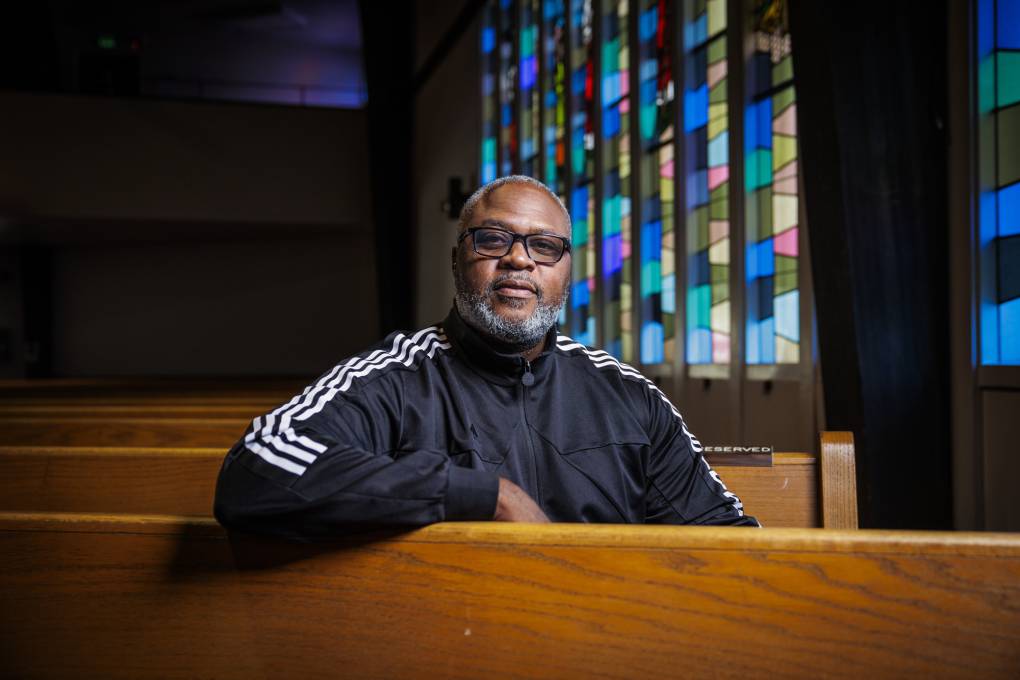
"caption": "Rev. Dr. Ambrose F. Carroll Sr. in the chapel at the Allen Temple Baptist Church in Oakland on July 29, 2024.",
"credit": "Martin do Nascimento/KQED",
"altTag": null,
"description": null,
"imgSizes": {
"medium": {
"file": "https://cdn.kqed.org/wp-content/uploads/sites/35/2024/07/240729-GREEN-THE-CHURCH-MD-01-KQED-800x533.jpg",
"width": 800,
"height": 533,
"mimeType": "image/jpeg"
},
"large": {
"file": "https://cdn.kqed.org/wp-content/uploads/sites/35/2024/07/240729-GREEN-THE-CHURCH-MD-01-KQED-1020x680.jpg",
"width": 1020,
"height": 680,
"mimeType": "image/jpeg"
},
"thumbnail": {
"file": "https://cdn.kqed.org/wp-content/uploads/sites/35/2024/07/240729-GREEN-THE-CHURCH-MD-01-KQED-160x107.jpg",
"width": 160,
"height": 107,
"mimeType": "image/jpeg"
},
"medium_large": {
"file": "https://cdn.kqed.org/wp-content/uploads/sites/35/2024/07/240729-GREEN-THE-CHURCH-MD-01-KQED-768x512.jpg",
"width": 768,
"height": 512,
"mimeType": "image/jpeg"
},
"1536x1536": {
"file": "https://cdn.kqed.org/wp-content/uploads/sites/35/2024/07/240729-GREEN-THE-CHURCH-MD-01-KQED-1536x1024.jpg",
"width": 1536,
"height": 1024,
"mimeType": "image/jpeg"
},
"post-thumbnail": {
"file": "https://cdn.kqed.org/wp-content/uploads/sites/35/2024/07/240729-GREEN-THE-CHURCH-MD-01-KQED-672x372.jpg",
"width": 672,
"height": 372,
"mimeType": "image/jpeg"
},
"twentyfourteen-full-width": {
"file": "https://cdn.kqed.org/wp-content/uploads/sites/35/2024/07/240729-GREEN-THE-CHURCH-MD-01-KQED-1038x576.jpg",
"width": 1038,
"height": 576,
"mimeType": "image/jpeg"
},
"full-width": {
"file": "https://cdn.kqed.org/wp-content/uploads/sites/35/2024/07/240729-GREEN-THE-CHURCH-MD-01-KQED-1920x1280.jpg",
"width": 1920,
"height": 1280,
"mimeType": "image/jpeg"
},
"kqedFullSize": {
"file": "https://cdn.kqed.org/wp-content/uploads/sites/35/2024/07/240729-GREEN-THE-CHURCH-MD-01-KQED.jpg",
"width": 2000,
"height": 1333
}
},
"isLoading": false,
"fetchFailed": false
},
"science_1993004": {
"type": "attachments",
"id": "science_1993004",
"meta": {
"index": "attachments_1716263798",
"site": "science",
"id": "1993004",
"found": true
},
"title": "CA_SoN_DSC01886_GL_CAS_4K_qut",
"publishDate": 1716586237,
"status": "inherit",
"parent": 0,
"modified": 1716592657,
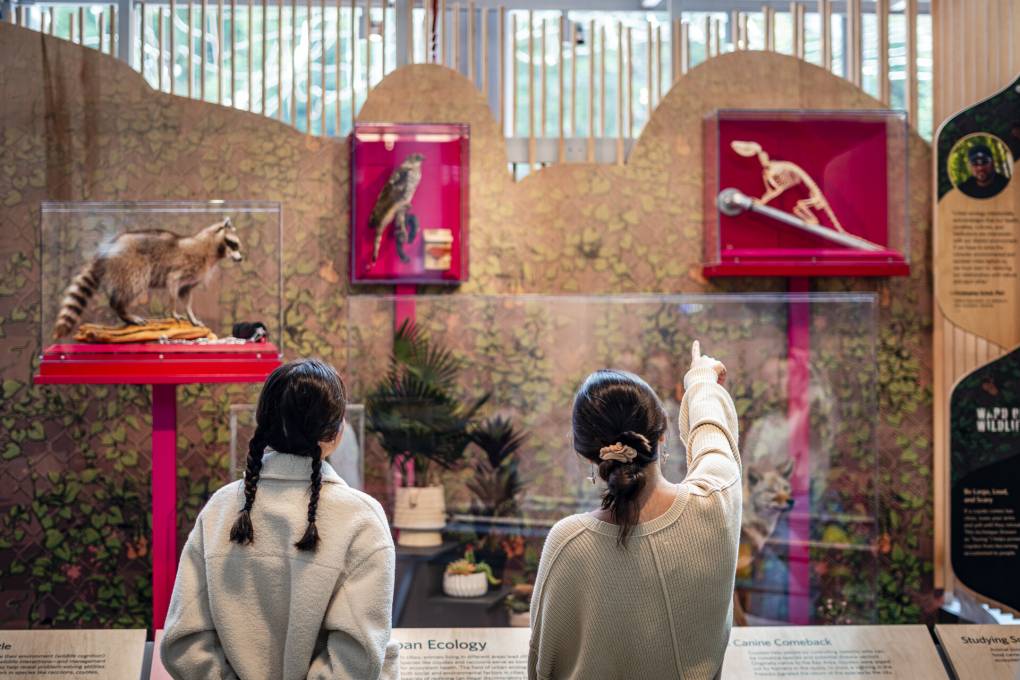
"caption": "At the new State of Nature exhibition at the California Academy of Sciences in San Francisco, visitors are greeted by a coyote, barn owl and hundreds of other specimens and models displayed against wooden backdrops.",
"credit": "Gayle Laird/California Academy of Sciences",
"altTag": "Two people with their backs to the camera look through a glass at items in red square boxes.",
"description": null,
"imgSizes": {
"medium": {
"file": "https://cdn.kqed.org/wp-content/uploads/sites/35/2024/05/CA_SoN_DSC01886_GL_CAS_4K_qut-800x533.jpg",
"width": 800,
"height": 533,
"mimeType": "image/jpeg"
},
"large": {
"file": "https://cdn.kqed.org/wp-content/uploads/sites/35/2024/05/CA_SoN_DSC01886_GL_CAS_4K_qut-1020x680.jpg",
"width": 1020,
"height": 680,
"mimeType": "image/jpeg"
},
"thumbnail": {
"file": "https://cdn.kqed.org/wp-content/uploads/sites/35/2024/05/CA_SoN_DSC01886_GL_CAS_4K_qut-160x107.jpg",
"width": 160,
"height": 107,
"mimeType": "image/jpeg"
},
"medium_large": {
"file": "https://cdn.kqed.org/wp-content/uploads/sites/35/2024/05/CA_SoN_DSC01886_GL_CAS_4K_qut-768x512.jpg",
"width": 768,
"height": 512,
"mimeType": "image/jpeg"
},
"1536x1536": {
"file": "https://cdn.kqed.org/wp-content/uploads/sites/35/2024/05/CA_SoN_DSC01886_GL_CAS_4K_qut-1536x1024.jpg",
"width": 1536,
"height": 1024,
"mimeType": "image/jpeg"
},
"post-thumbnail": {
"file": "https://cdn.kqed.org/wp-content/uploads/sites/35/2024/05/CA_SoN_DSC01886_GL_CAS_4K_qut-672x372.jpg",
"width": 672,
"height": 372,
"mimeType": "image/jpeg"
},
"twentyfourteen-full-width": {
"file": "https://cdn.kqed.org/wp-content/uploads/sites/35/2024/05/CA_SoN_DSC01886_GL_CAS_4K_qut-1038x576.jpg",
"width": 1038,
"height": 576,
"mimeType": "image/jpeg"
},
"kqedFullSize": {
"file": "https://cdn.kqed.org/wp-content/uploads/sites/35/2024/05/CA_SoN_DSC01886_GL_CAS_4K_qut.jpg",
"width": 1920,
"height": 1280
}
},
"isLoading": false,
"fetchFailed": false
},
"science_1992557": {
"type": "attachments",
"id": "science_1992557",
"meta": {
"index": "attachments_1716263798",
"site": "science",
"id": "1992557",
"found": true
},
"parent": 1992580,
"imgSizes": {
"twentyfourteen-full-width": {
"file": "https://cdn.kqed.org/wp-content/uploads/sites/35/2024/05/230814-AlvisoBay-23-BL_qut-1038x576.jpg",
"width": 1038,
"mimeType": "image/jpeg",
"height": 576
},
"thumbnail": {
"file": "https://cdn.kqed.org/wp-content/uploads/sites/35/2024/05/230814-AlvisoBay-23-BL_qut-160x107.jpg",
"width": 160,
"mimeType": "image/jpeg",
"height": 107
},
"post-thumbnail": {
"file": "https://cdn.kqed.org/wp-content/uploads/sites/35/2024/05/230814-AlvisoBay-23-BL_qut-672x372.jpg",
"width": 672,
"mimeType": "image/jpeg",
"height": 372
},
"kqedFullSize": {
"file": "https://cdn.kqed.org/wp-content/uploads/sites/35/2024/05/230814-AlvisoBay-23-BL_qut.jpg",
"width": 1920,
"height": 1280
},
"large": {
"file": "https://cdn.kqed.org/wp-content/uploads/sites/35/2024/05/230814-AlvisoBay-23-BL_qut-1020x680.jpg",
"width": 1020,
"mimeType": "image/jpeg",
"height": 680
},
"1536x1536": {
"file": "https://cdn.kqed.org/wp-content/uploads/sites/35/2024/05/230814-AlvisoBay-23-BL_qut-1536x1024.jpg",
"width": 1536,
"mimeType": "image/jpeg",
"height": 1024
},
"medium": {
"file": "https://cdn.kqed.org/wp-content/uploads/sites/35/2024/05/230814-AlvisoBay-23-BL_qut-800x533.jpg",
"width": 800,
"mimeType": "image/jpeg",
"height": 533
},
"medium_large": {
"file": "https://cdn.kqed.org/wp-content/uploads/sites/35/2024/05/230814-AlvisoBay-23-BL_qut-768x512.jpg",
"width": 768,
"mimeType": "image/jpeg",
"height": 512
}
},
"publishDate": 1714611223,
"modified": 1714829247,
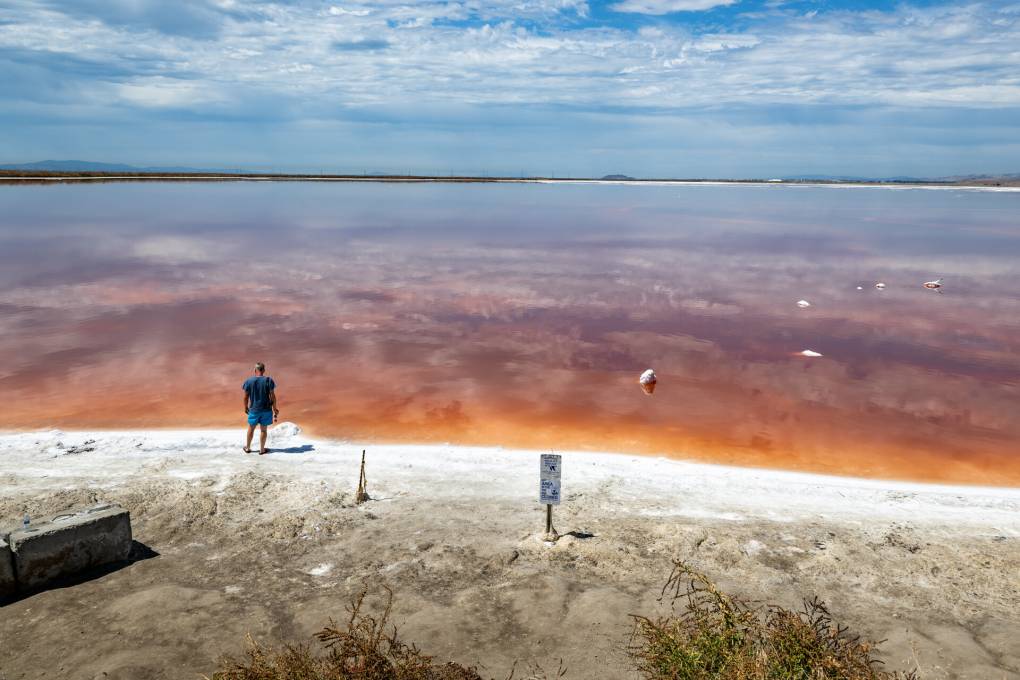
"caption": "Clumps of salt stick out of the water at a salt pond in Alviso on Aug. 15, 2023, a district of San José located on the southern shores of San Francisco Bay.",
"description": null,
"title": "230814-AlvisoBay-23-BL_qut",
"credit": "Beth LaBerge/KQED",
"status": "inherit",
"altTag": null,
"isLoading": false,
"fetchFailed": false
},
"science_1992343": {
"type": "attachments",
"id": "science_1992343",
"meta": {
"index": "attachments_1716263798",
"site": "science",
"id": "1992343",
"found": true
},
"parent": 1992309,
"imgSizes": {
"twentyfourteen-full-width": {
"file": "https://cdn.kqed.org/wp-content/uploads/sites/35/2024/04/DSC_0117-1038x576.jpg",
"width": 1038,
"mimeType": "image/jpeg",
"height": 576
},
"thumbnail": {
"file": "https://cdn.kqed.org/wp-content/uploads/sites/35/2024/04/DSC_0117-160x107.jpg",
"width": 160,
"mimeType": "image/jpeg",
"height": 107
},
"post-thumbnail": {
"file": "https://cdn.kqed.org/wp-content/uploads/sites/35/2024/04/DSC_0117-672x372.jpg",
"width": 672,
"mimeType": "image/jpeg",
"height": 372
},
"kqedFullSize": {
"file": "https://cdn.kqed.org/wp-content/uploads/sites/35/2024/04/DSC_0117.jpg",
"width": 1620,
"height": 1080
},
"large": {
"file": "https://cdn.kqed.org/wp-content/uploads/sites/35/2024/04/DSC_0117-1020x680.jpg",
"width": 1020,
"mimeType": "image/jpeg",
"height": 680
},
"1536x1536": {
"file": "https://cdn.kqed.org/wp-content/uploads/sites/35/2024/04/DSC_0117-1536x1024.jpg",
"width": 1536,
"mimeType": "image/jpeg",
"height": 1024
},
"medium": {
"file": "https://cdn.kqed.org/wp-content/uploads/sites/35/2024/04/DSC_0117-800x533.jpg",
"width": 800,
"mimeType": "image/jpeg",
"height": 533
},
"medium_large": {
"file": "https://cdn.kqed.org/wp-content/uploads/sites/35/2024/04/DSC_0117-768x512.jpg",
"width": 768,
"mimeType": "image/jpeg",
"height": 512
}
},
"publishDate": 1712809912,
"modified": 1712810045,
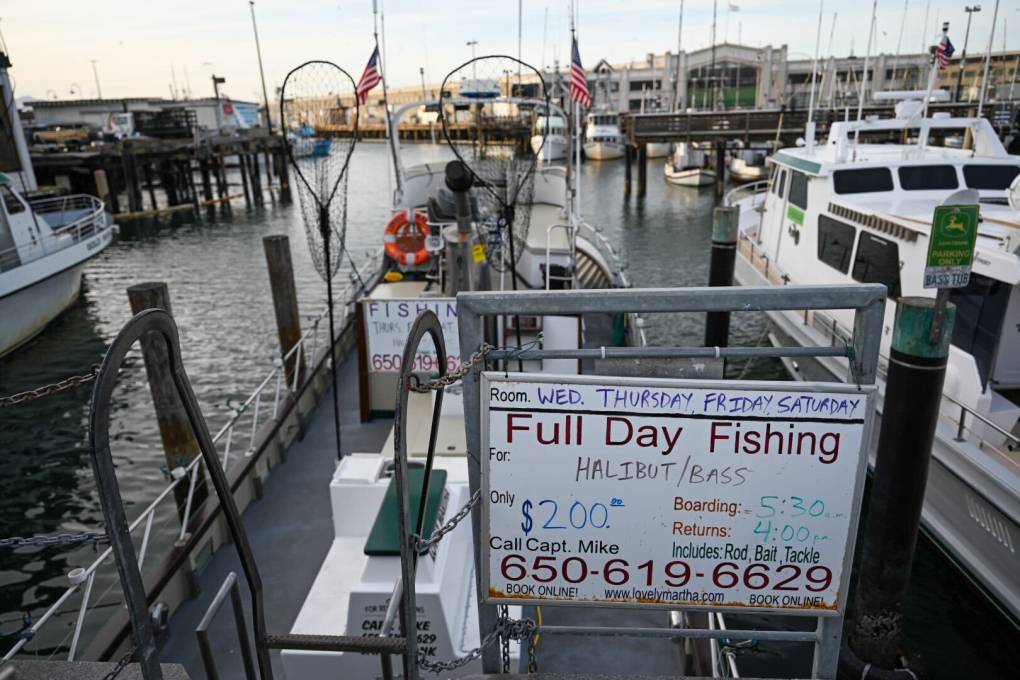
"caption": "Empty docks at Fisherman's Warf on April 10, 2024. ",
"description": null,
"title": "DSC_0117",
"credit": "Beth LaBerge/KQED",
"status": "inherit",
"altTag": "Boats and docks as the sun sets.",
"isLoading": false,
"fetchFailed": false
},
"science_1992272": {
"type": "attachments",
"id": "science_1992272",
"meta": {
"index": "attachments_1716263798",
"site": "science",
"id": "1992272",
"found": true
},
"parent": 1992267,
"imgSizes": {
"twentyfourteen-full-width": {
"file": "https://cdn.kqed.org/wp-content/uploads/sites/35/2024/04/240408-SolarEclipse-002-BL_qut-1038x576.jpg",
"width": 1038,
"mimeType": "image/jpeg",
"height": 576
},
"thumbnail": {
"file": "https://cdn.kqed.org/wp-content/uploads/sites/35/2024/04/240408-SolarEclipse-002-BL_qut-160x107.jpg",
"width": 160,
"mimeType": "image/jpeg",
"height": 107
},
"post-thumbnail": {
"file": "https://cdn.kqed.org/wp-content/uploads/sites/35/2024/04/240408-SolarEclipse-002-BL_qut-672x372.jpg",
"width": 672,
"mimeType": "image/jpeg",
"height": 372
},
"kqedFullSize": {
"file": "https://cdn.kqed.org/wp-content/uploads/sites/35/2024/04/240408-SolarEclipse-002-BL_qut.jpg",
"width": 1920,
"height": 1280
},
"large": {
"file": "https://cdn.kqed.org/wp-content/uploads/sites/35/2024/04/240408-SolarEclipse-002-BL_qut-1020x680.jpg",
"width": 1020,
"mimeType": "image/jpeg",
"height": 680
},
"1536x1536": {
"file": "https://cdn.kqed.org/wp-content/uploads/sites/35/2024/04/240408-SolarEclipse-002-BL_qut-1536x1024.jpg",
"width": 1536,
"mimeType": "image/jpeg",
"height": 1024
},
"medium": {
"file": "https://cdn.kqed.org/wp-content/uploads/sites/35/2024/04/240408-SolarEclipse-002-BL_qut-800x533.jpg",
"width": 800,
"mimeType": "image/jpeg",
"height": 533
},
"medium_large": {
"file": "https://cdn.kqed.org/wp-content/uploads/sites/35/2024/04/240408-SolarEclipse-002-BL_qut-768x512.jpg",
"width": 768,
"mimeType": "image/jpeg",
"height": 512
}
},
"publishDate": 1712602658,
"modified": 1712602906,
"caption": "Laya, 4, watches the solar eclipse with her family through a telescope at Chabot Space & Science Center in Oakland on April 8, 2024.",
"description": null,
"title": "240408-SolarEclipse-002-BL_qut",
"credit": "Beth LaBerge/KQED",
"status": "inherit",
"altTag": "A child looks into a telescope.",
"isLoading": false,
"fetchFailed": false
},
"science_1956278": {
"type": "attachments",
"id": "science_1956278",
"meta": {
"index": "attachments_1716263798",
"site": "science",
"id": "1956278",
"found": true
},
"parent": 1956277,
"imgSizes": {
"twentyfourteen-full-width": {
"file": "https://cdn.kqed.org/wp-content/uploads/sites/35/2020/01/RS40763_GettyImages-480137421-qut-1-1038x576.jpg",
"width": 1038,
"mimeType": "image/jpeg",
"height": 576
},
"thumbnail": {
"file": "https://cdn.kqed.org/wp-content/uploads/sites/35/2020/01/RS40763_GettyImages-480137421-qut-1-160x107.jpg",
"width": 160,
"mimeType": "image/jpeg",
"height": 107
},
"post-thumbnail": {
"file": "https://cdn.kqed.org/wp-content/uploads/sites/35/2020/01/RS40763_GettyImages-480137421-qut-1-672x372.jpg",
"width": 672,
"mimeType": "image/jpeg",
"height": 372
},
"kqedFullSize": {
"file": "https://cdn.kqed.org/wp-content/uploads/sites/35/2020/01/RS40763_GettyImages-480137421-qut-1.jpg",
"width": 1920,
"height": 1279
},
"large": {
"file": "https://cdn.kqed.org/wp-content/uploads/sites/35/2020/01/RS40763_GettyImages-480137421-qut-1-1020x679.jpg",
"width": 1020,
"mimeType": "image/jpeg",
"height": 679
},
"full-width": {
"file": "https://cdn.kqed.org/wp-content/uploads/sites/35/2020/01/RS40763_GettyImages-480137421-qut-1-1920x1279.jpg",
"width": 1920,
"mimeType": "image/jpeg",
"height": 1279
},
"medium": {
"file": "https://cdn.kqed.org/wp-content/uploads/sites/35/2020/01/RS40763_GettyImages-480137421-qut-1-800x533.jpg",
"width": 800,
"mimeType": "image/jpeg",
"height": 533
},
"medium_large": {
"file": "https://cdn.kqed.org/wp-content/uploads/sites/35/2020/01/RS40763_GettyImages-480137421-qut-1-768x512.jpg",
"width": 768,
"mimeType": "image/jpeg",
"height": 512
}
},
"publishDate": 1580233222,
"modified": 1712018700,
"caption": "Excess methane gas flares from the Monterey shale formation near Buttonwillow, California, where gas and oil extraction using hydraulic fracturing or fracking, is conducted. ",
"description": null,
"title": null,
"credit": "David McNew/Getty Images",
"status": "inherit",
"altTag": null,
"isLoading": false,
"fetchFailed": false
},
"science_1991208": {
"type": "attachments",
"id": "science_1991208",
"meta": {
"index": "attachments_1716263798",
"site": "science",
"id": "1991208",
"found": true
},
"title": "Electric Vehicles States",
"publishDate": 1705966032,
"status": "inherit",
"parent": 0,
"modified": 1780516005,
"caption": "A Chevrolet Volt hybrid car is seen charging at a ChargePoint charging station at a parking garage in Los Angeles, Oct. 17, 2018. Sixteen states across the country that have tied their vehicle emission standards to California's now face weighty decisions on whether to follow that state's strictest-in-the nation new rules and require that all new cars, pickups and SUVs be electric or hydrogen powered by 2035. ",
"credit": "Photo/Richard Vogel, File",
"altTag": null,
"description": null,
"imgSizes": {
"medium": {
"file": "https://cdn.kqed.org/wp-content/uploads/sites/35/2024/01/240122-EV-CHARGING-AP-RV-KQED-800x520.jpg",
"width": 800,
"height": 520,
"mimeType": "image/jpeg"
},
"large": {
"file": "https://cdn.kqed.org/wp-content/uploads/sites/35/2024/01/240122-EV-CHARGING-AP-RV-KQED-1020x663.jpg",
"width": 1020,
"height": 663,
"mimeType": "image/jpeg"
},
"thumbnail": {
"file": "https://cdn.kqed.org/wp-content/uploads/sites/35/2024/01/240122-EV-CHARGING-AP-RV-KQED-160x104.jpg",
"width": 160,
"height": 104,
"mimeType": "image/jpeg"
},
"medium_large": {
"file": "https://cdn.kqed.org/wp-content/uploads/sites/35/2024/01/240122-EV-CHARGING-AP-RV-KQED-768x499.jpg",
"width": 768,
"height": 499,
"mimeType": "image/jpeg"
},
"1536x1536": {
"file": "https://cdn.kqed.org/wp-content/uploads/sites/35/2024/01/240122-EV-CHARGING-AP-RV-KQED-1536x998.jpg",
"width": 1536,
"height": 998,
"mimeType": "image/jpeg"
},
"post-thumbnail": {
"file": "https://cdn.kqed.org/wp-content/uploads/sites/35/2024/01/240122-EV-CHARGING-AP-RV-KQED-672x372.jpg",
"width": 672,
"height": 372,
"mimeType": "image/jpeg"
},
"twentyfourteen-full-width": {
"file": "https://cdn.kqed.org/wp-content/uploads/sites/35/2024/01/240122-EV-CHARGING-AP-RV-KQED-1038x576.jpg",
"width": 1038,
"height": 576,
"mimeType": "image/jpeg"
},
"full-width": {
"file": "https://cdn.kqed.org/wp-content/uploads/sites/35/2024/01/240122-EV-CHARGING-AP-RV-KQED-1920x1248.jpg",
"width": 1920,
"height": 1248,
"mimeType": "image/jpeg"
},
"kqedFullSize": {
"file": "https://cdn.kqed.org/wp-content/uploads/sites/35/2024/01/240122-EV-CHARGING-AP-RV-KQED.jpg",
"width": 2000,
"height": 1300
}
},
"isLoading": false,
"fetchFailed": false
},
"science_1984865": {
"type": "attachments",
"id": "science_1984865",
"meta": {
"index": "attachments_1716263798",
"site": "science",
"id": "1984865",
"found": true
},
"parent": 1984864,
"imgSizes": {
"twentyfourteen-full-width": {
"file": "https://ww2.kqed.org/app/uploads/sites/35/2023/10/GettyImages-1344976530-1038x576.jpg",
"width": 1038,
"mimeType": "image/jpeg",
"height": 576
},
"thumbnail": {
"file": "https://ww2.kqed.org/app/uploads/sites/35/2023/10/GettyImages-1344976530-160x107.jpg",
"width": 160,
"mimeType": "image/jpeg",
"height": 107
},
"post-thumbnail": {
"file": "https://ww2.kqed.org/app/uploads/sites/35/2023/10/GettyImages-1344976530-672x372.jpg",
"width": 672,
"mimeType": "image/jpeg",
"height": 372
},
"kqedFullSize": {
"file": "https://ww2.kqed.org/app/uploads/sites/35/2023/10/GettyImages-1344976530-scaled.jpg",
"width": 2560,
"height": 1714
},
"2048x2048": {
"file": "https://ww2.kqed.org/app/uploads/sites/35/2023/10/GettyImages-1344976530-2048x1371.jpg",
"width": 2048,
"mimeType": "image/jpeg",
"height": 1371
},
"large": {
"file": "https://ww2.kqed.org/app/uploads/sites/35/2023/10/GettyImages-1344976530-1020x683.jpg",
"width": 1020,
"mimeType": "image/jpeg",
"height": 683
},
"1536x1536": {
"file": "https://ww2.kqed.org/app/uploads/sites/35/2023/10/GettyImages-1344976530-1536x1028.jpg",
"width": 1536,
"mimeType": "image/jpeg",
"height": 1028
},
"full-width": {
"file": "https://ww2.kqed.org/app/uploads/sites/35/2023/10/GettyImages-1344976530-1920x1285.jpg",
"width": 1920,
"mimeType": "image/jpeg",
"height": 1285
},
"medium": {
"file": "https://ww2.kqed.org/app/uploads/sites/35/2023/10/GettyImages-1344976530-800x535.jpg",
"width": 800,
"mimeType": "image/jpeg",
"height": 535
},
"medium_large": {
"file": "https://ww2.kqed.org/app/uploads/sites/35/2023/10/GettyImages-1344976530-768x514.jpg",
"width": 768,
"mimeType": "image/jpeg",
"height": 514
}
},
"publishDate": 1697832733,
"modified": 1698096948,
"caption": "A general view of the campus of Stanford University, including Hoover Tower, as seen from Stanford Stadium before a college football game on October 2, 2021, in Palo Alto, California. (Photo by David Madison/Getty Images)",
"description": null,
"title": "Stanford University",
"credit": null,
"status": "inherit",
"altTag": "A pillar stands in the middle of a college campus with terra cotta roofs. Dark green trees surround the buildings. A hazy blue sky above.",
"isLoading": false,
"fetchFailed": false
},
"science_1984831": {
"type": "attachments",
"id": "science_1984831",
"meta": {
"index": "attachments_1716263798",
"site": "science",
"id": "1984831",
"found": true
},
"parent": 1984830,
"imgSizes": {
"twentyfourteen-full-width": {
"file": "https://ww2.kqed.org/app/uploads/sites/35/2023/10/GettyImages-1488915159-1038x576.jpg",
"width": 1038,
"mimeType": "image/jpeg",
"height": 576
},
"thumbnail": {
"file": "https://ww2.kqed.org/app/uploads/sites/35/2023/10/GettyImages-1488915159-160x115.jpg",
"width": 160,
"mimeType": "image/jpeg",
"height": 115
},
"post-thumbnail": {
"file": "https://ww2.kqed.org/app/uploads/sites/35/2023/10/GettyImages-1488915159-672x372.jpg",
"width": 672,
"mimeType": "image/jpeg",
"height": 372
},
"kqedFullSize": {
"file": "https://ww2.kqed.org/app/uploads/sites/35/2023/10/GettyImages-1488915159-scaled.jpg",
"width": 2560,
"height": 1843
},
"2048x2048": {
"file": "https://ww2.kqed.org/app/uploads/sites/35/2023/10/GettyImages-1488915159-2048x1474.jpg",
"width": 2048,
"mimeType": "image/jpeg",
"height": 1474
},
"large": {
"file": "https://ww2.kqed.org/app/uploads/sites/35/2023/10/GettyImages-1488915159-1020x734.jpg",
"width": 1020,
"mimeType": "image/jpeg",
"height": 734
},
"1536x1536": {
"file": "https://ww2.kqed.org/app/uploads/sites/35/2023/10/GettyImages-1488915159-1536x1106.jpg",
"width": 1536,
"mimeType": "image/jpeg",
"height": 1106
},
"full-width": {
"file": "https://ww2.kqed.org/app/uploads/sites/35/2023/10/GettyImages-1488915159-1920x1382.jpg",
"width": 1920,
"mimeType": "image/jpeg",
"height": 1382
},
"medium": {
"file": "https://ww2.kqed.org/app/uploads/sites/35/2023/10/GettyImages-1488915159-800x576.jpg",
"width": 800,
"mimeType": "image/jpeg",
"height": 576
},
"medium_large": {
"file": "https://ww2.kqed.org/app/uploads/sites/35/2023/10/GettyImages-1488915159-768x553.jpg",
"width": 768,
"mimeType": "image/jpeg",
"height": 553
}
},
"publishDate": 1697650585,
"modified": 1697732713,
"caption": "A mobile home park in Northern California sits just feet from the Pacific Ocean.",
"description": null,
"title": "Coastline Aerial View of Mobile Home Park",
"credit": "Jason Doiy/Getty",
"status": "inherit",
"altTag": "Waves in a green ocean lap onto a rocky shore with a mobile home park on the edge of the coast.",
"isLoading": false,
"fetchFailed": false
},
"science_1983955": {
"type": "attachments",
"id": "science_1983955",
"meta": {
"index": "attachments_1716263798",
"site": "science",
"id": "1983955",
"found": true
},
"parent": 0,
"imgSizes": {
"twentyfourteen-full-width": {
"file": "https://ww2.kqed.org/app/uploads/sites/35/2023/08/RS67945_20230814-SFBaykeeper-22-JY-KQED-1038x576.jpg",
"width": 1038,
"mimeType": "image/jpeg",
"height": 576
},
"thumbnail": {
"file": "https://ww2.kqed.org/app/uploads/sites/35/2023/08/RS67945_20230814-SFBaykeeper-22-JY-KQED-160x107.jpg",
"width": 160,
"mimeType": "image/jpeg",
"height": 107
},
"post-thumbnail": {
"file": "https://ww2.kqed.org/app/uploads/sites/35/2023/08/RS67945_20230814-SFBaykeeper-22-JY-KQED-672x372.jpg",
"width": 672,
"mimeType": "image/jpeg",
"height": 372
},
"kqedFullSize": {
"file": "https://ww2.kqed.org/app/uploads/sites/35/2023/08/RS67945_20230814-SFBaykeeper-22-JY-KQED.jpg",
"width": 2000,
"height": 1333
},
"large": {
"file": "https://ww2.kqed.org/app/uploads/sites/35/2023/08/RS67945_20230814-SFBaykeeper-22-JY-KQED-1020x680.jpg",
"width": 1020,
"mimeType": "image/jpeg",
"height": 680
},
"1536x1536": {
"file": "https://ww2.kqed.org/app/uploads/sites/35/2023/08/RS67945_20230814-SFBaykeeper-22-JY-KQED-1536x1024.jpg",
"width": 1536,
"mimeType": "image/jpeg",
"height": 1024
},
"full-width": {
"file": "https://ww2.kqed.org/app/uploads/sites/35/2023/08/RS67945_20230814-SFBaykeeper-22-JY-KQED-1920x1280.jpg",
"width": 1920,
"mimeType": "image/jpeg",
"height": 1280
},
"medium": {
"file": "https://ww2.kqed.org/app/uploads/sites/35/2023/08/RS67945_20230814-SFBaykeeper-22-JY-KQED-800x533.jpg",
"width": 800,
"mimeType": "image/jpeg",
"height": 533
},
"medium_large": {
"file": "https://ww2.kqed.org/app/uploads/sites/35/2023/08/RS67945_20230814-SFBaykeeper-22-JY-KQED-768x512.jpg",
"width": 768,
"mimeType": "image/jpeg",
"height": 512
}
},
"publishDate": 1692141621,
"modified": 1692141767,
"caption": "Staff Scientist Ian Wren on the deck of the San Francisco Baykeeper in Oakland on August 15, 2023. Wren found that the recent harmful algal blooms in the water have now diminished.",
"description": null,
"title": "RS67945_20230814-SFBaykeeper-22-JY-KQED",
"credit": "Juliana Yamada/KQED",
"status": "inherit",
"altTag": "A person wearing glasses smiles while riding in a boat near a large bridge.",
"isLoading": false,
"fetchFailed": false
},
"science_1982914": {
"type": "attachments",
"id": "science_1982914",
"meta": {
"index": "attachments_1716263798",
"site": "science",
"id": "1982914",
"found": true
},
"parent": 0,
"imgSizes": {
"twentyfourteen-full-width": {
"file": "https://ww2.kqed.org/app/uploads/sites/35/2023/06/RS65981_002_KQED_SanLeandroSeaLevelRise_06012023-KQED-1038x576.jpg",
"width": 1038,
"mimeType": "image/jpeg",
"height": 576
},
"thumbnail": {
"file": "https://ww2.kqed.org/app/uploads/sites/35/2023/06/RS65981_002_KQED_SanLeandroSeaLevelRise_06012023-KQED-160x107.jpg",
"width": 160,
"mimeType": "image/jpeg",
"height": 107
},
"post-thumbnail": {
"file": "https://ww2.kqed.org/app/uploads/sites/35/2023/06/RS65981_002_KQED_SanLeandroSeaLevelRise_06012023-KQED-672x372.jpg",
"width": 672,
"mimeType": "image/jpeg",
"height": 372
},
"kqedFullSize": {
"file": "https://ww2.kqed.org/app/uploads/sites/35/2023/06/RS65981_002_KQED_SanLeandroSeaLevelRise_06012023-KQED.jpg",
"width": 1920,
"height": 1280
},
"large": {
"file": "https://ww2.kqed.org/app/uploads/sites/35/2023/06/RS65981_002_KQED_SanLeandroSeaLevelRise_06012023-KQED-1020x680.jpg",
"width": 1020,
"mimeType": "image/jpeg",
"height": 680
},
"1536x1536": {
"file": "https://ww2.kqed.org/app/uploads/sites/35/2023/06/RS65981_002_KQED_SanLeandroSeaLevelRise_06012023-KQED-1536x1024.jpg",
"width": 1536,
"mimeType": "image/jpeg",
"height": 1024
},
"medium": {
"file": "https://ww2.kqed.org/app/uploads/sites/35/2023/06/RS65981_002_KQED_SanLeandroSeaLevelRise_06012023-KQED-800x533.jpg",
"width": 800,
"mimeType": "image/jpeg",
"height": 533
},
"medium_large": {
"file": "https://ww2.kqed.org/app/uploads/sites/35/2023/06/RS65981_002_KQED_SanLeandroSeaLevelRise_06012023-KQED-768x512.jpg",
"width": 768,
"mimeType": "image/jpeg",
"height": 512
}
},
"publishDate": 1685737126,
"modified": 1685752324,
"caption": "Houses line the shore in the Mulford Gardens neighborhood of San Leandro, on June 1, 2023.",
"description": null,
"title": "RS65981_002_KQED_SanLeandroSeaLevelRise_06012023-KQED",
"credit": "Beth LaBerge/KQED",
"status": "inherit",
"altTag": "Houses on the shore of a brown watered bay with palm trees.",
"isLoading": false,
"fetchFailed": false
},
"science_1982735": {
"type": "attachments",
"id": "science_1982735",
"meta": {
"index": "attachments_1716263798",
"site": "science",
"id": "1982735",
"found": true
},
"parent": 1982720,
"imgSizes": {
"twentyfourteen-full-width": {
"file": "https://ww2.kqed.org/app/uploads/sites/35/2023/05/GettyImages-1188595586-1038x576.jpg",
"width": 1038,
"mimeType": "image/jpeg",
"height": 576
},
"thumbnail": {
"file": "https://ww2.kqed.org/app/uploads/sites/35/2023/05/GettyImages-1188595586-160x107.jpg",
"width": 160,
"mimeType": "image/jpeg",
"height": 107
},
"post-thumbnail": {
"file": "https://ww2.kqed.org/app/uploads/sites/35/2023/05/GettyImages-1188595586-672x372.jpg",
"width": 672,
"mimeType": "image/jpeg",
"height": 372
},
"kqedFullSize": {
"file": "https://ww2.kqed.org/app/uploads/sites/35/2023/05/GettyImages-1188595586.jpg",
"width": 2121,
"height": 1414
},
"2048x2048": {
"file": "https://ww2.kqed.org/app/uploads/sites/35/2023/05/GettyImages-1188595586-2048x1365.jpg",
"width": 2048,
"mimeType": "image/jpeg",
"height": 1365
},
"large": {
"file": "https://ww2.kqed.org/app/uploads/sites/35/2023/05/GettyImages-1188595586-1020x680.jpg",
"width": 1020,
"mimeType": "image/jpeg",
"height": 680
},
"1536x1536": {
"file": "https://ww2.kqed.org/app/uploads/sites/35/2023/05/GettyImages-1188595586-1536x1024.jpg",
"width": 1536,
"mimeType": "image/jpeg",
"height": 1024
},
"full-width": {
"file": "https://ww2.kqed.org/app/uploads/sites/35/2023/05/GettyImages-1188595586-1920x1280.jpg",
"width": 1920,
"mimeType": "image/jpeg",
"height": 1280
},
"medium": {
"file": "https://ww2.kqed.org/app/uploads/sites/35/2023/05/GettyImages-1188595586-800x533.jpg",
"width": 800,
"mimeType": "image/jpeg",
"height": 533
},
"medium_large": {
"file": "https://ww2.kqed.org/app/uploads/sites/35/2023/05/GettyImages-1188595586-768x512.jpg",
"width": 768,
"mimeType": "image/jpeg",
"height": 512
}
},
"publishDate": 1684365468,
"modified": 1684365518,
"caption": null,
"description": null,
"title": "Analysis of Dissolved Oxygen(OD),BOD and Alkalinity in Laboratory.",
"credit": "Sinhyu/Getty Images",
"status": "inherit",
"altTag": "Two hands one holding a vial, the other a dropper, in a lab.",
"isLoading": false,
"fetchFailed": false
}
},
"audioPlayerReducer": {
"postId": "stream_live",
"isPaused": true,
"isPlaying": false,
"pfsActive": false,
"pledgeModalIsOpen": true,
"playerDrawerIsOpen": false,
"liveAudioPlayStartedAt": 0,
"liveAudioPlayContext": ""
},
"authorsReducer": {
"byline_science_1993001": {
"type": "authors",
"id": "byline_science_1993001",
"meta": {
"override": true
},
"slug": "byline_science_1993001",
"name": "Kristel Tjandra",
"isLoading": false
},
"byline_science_1992580": {
"type": "authors",
"id": "byline_science_1992580",
"meta": {
"override": true
},
"slug": "byline_science_1992580",
"name": "\u003ca href=\"https://www.kqed.org/author/jgeha\">Joseph Geha\u003c/a>",
"isLoading": false
},
"byline_science_1992267": {
"type": "authors",
"id": "byline_science_1992267",
"meta": {
"override": true
},
"slug": "byline_science_1992267",
"name": "Kristel Tjandra and Alix Soliman",
"isLoading": false
},
"lklivans": {
"type": "authors",
"id": "8648",
"meta": {
"index": "authors_1716337520",
"id": "8648",
"found": true
},
"name": "Laura Klivans",
"firstName": "Laura",
"lastName": "Klivans",
"slug": "lklivans",
"email": "lklivans@kqed.org",
"display_author_email": true,
"staff_mastheads": [
"news",
"science"
],
"title": "Reporter",
"bio": "Laura Klivans is an award-winning science reporter for KQED News, where she covers climate change with an eye on both groundbreaking progress and gaps in action. She is the former host of KQED's blockbuster video series about tiny, amazing animals, \u003cem>Deep Look\u003c/em>. Her work reaches national audiences through NPR, \u003cem>Here & Now, \u003c/em>PRI, and other major outlets. \r\n\r\nLaura’s won five Northern California Area Emmy Awards for Deep Look and First Place in the Greater Bay Area Journalism Awards for a podcast exploring how one Oakland neighborhood teamed up to reduce planet-heating pollution.\r\n\r\nBeyond her reporting, she hosts and moderates events. In the past, she taught audio storytelling at the UC Berkeley Graduate School of Journalism, led international education programs, worked with immigrants and refugees along the Thai-Burmese border, taught high schoolers sex ed, and was an actress. \r\n\r\nShe's a former UC Berkeley Human Rights Fellow, USC Center for Health Journalism's California Fellow and Coro Fellow in Public Affairs. Laura has a master’s in journalism from UC Berkeley, a master’s in education from Harvard, and an undergraduate degree from Northwestern University.\r\n\r\nShe loves trying to riddle the meaning out of vanity license plates.",
"avatar": "https://secure.gravatar.com/avatar/2d2ecd1550a494cc10ad4a503406965585902124739e775a9b3817eebf1d88be?s=600&d=blank&r=g",
"twitter": "lauraklivans",
"bluesky": null,
"facebook": null,
"instagram": null,
"linkedin": null,
"sites": [
{
"site": "news",
"roles": [
"editor"
]
},
{
"site": "stateofhealth",
"roles": [
"contributor",
"editor"
]
},
{
"site": "science",
"roles": [
"editor"
]
},
{
"site": "forum",
"roles": [
"editor"
]
}
],
"headData": {
"title": "Laura Klivans | KQED",
"description": "Reporter",
"ogImgSrc": "https://secure.gravatar.com/avatar/2d2ecd1550a494cc10ad4a503406965585902124739e775a9b3817eebf1d88be?s=600&d=blank&r=g",
"twImgSrc": "https://secure.gravatar.com/avatar/2d2ecd1550a494cc10ad4a503406965585902124739e775a9b3817eebf1d88be?s=600&d=blank&r=g"
},
"isLoading": false,
"link": "/author/lklivans"
},
"lesleymcclurg": {
"type": "authors",
"id": "11229",
"meta": {
"index": "authors_1716337520",
"id": "11229",
"found": true
},
"name": "Lesley McClurg",
"firstName": "Lesley",
"lastName": "McClurg",
"slug": "lesleymcclurg",
"email": "lmcclurg@KQED.org",
"display_author_email": false,
"staff_mastheads": [
"news",
"science"
],
"title": "KQED Health Correspondent",
"bio": "Lesley McClurg is a health correspondent and fill-in host whose work is regularly rebroadcast on NPR and PBS programs. She’s earned multiple regional Emmy awards, a national and a regional Edward R. Murrow award, and was named Best Beat Reporter by the Association of Health Care Journalists. The Society of Professional Journalists has recognized her work several times, and the Society of Environmental Journalists spotlighted her coverage of California’s historic drought.\r\n\r\nBefore joining KQED in 2016, Lesley covered food and sustainability for Capital Public Radio, environmental issues for Colorado Public Radio, and reported for KUOW and KCTS 9 in Seattle. Away from the newsroom, she loves skiing with her daughter, mountain biking with her partner, and playing with Ollie, the family’s goldendoodle. On deadline, she runs almost entirely on chocolate chips.\r\n\r\n ",
"avatar": "https://secure.gravatar.com/avatar/bab49e972ea10c774fe0f5e29dba1722b158f7c0d58a360923d1389d380b2978?s=600&d=blank&r=g",
"twitter": "lesleywmcclurg",
"bluesky": null,
"facebook": null,
"instagram": null,
"linkedin": null,
"sites": [
{
"site": "arts",
"roles": [
"author"
]
},
{
"site": "news",
"roles": [
"editor"
]
},
{
"site": "futureofyou",
"roles": [
"editor"
]
},
{
"site": "stateofhealth",
"roles": [
"author"
]
},
{
"site": "science",
"roles": [
"editor"
]
},
{
"site": "quest",
"roles": [
"subscriber"
]
},
{
"site": "forum",
"roles": [
"administrator"
]
},
{
"site": "liveblog",
"roles": [
"author"
]
}
],
"headData": {
"title": "Lesley McClurg | KQED",
"description": "KQED Health Correspondent",
"ogImgSrc": "https://secure.gravatar.com/avatar/bab49e972ea10c774fe0f5e29dba1722b158f7c0d58a360923d1389d380b2978?s=600&d=blank&r=g",
"twImgSrc": "https://secure.gravatar.com/avatar/bab49e972ea10c774fe0f5e29dba1722b158f7c0d58a360923d1389d380b2978?s=600&d=blank&r=g"
},
"isLoading": false,
"link": "/author/lesleymcclurg"
},
"kevinstark": {
"type": "authors",
"id": "11608",
"meta": {
"index": "authors_1716337520",
"id": "11608",
"found": true
},
"name": "Kevin Stark",
"firstName": "Kevin",
"lastName": "Stark",
"slug": "kevinstark",
"email": "kstark@kqed.org",
"display_author_email": true,
"staff_mastheads": [
"science"
],
"title": "Senior Editor",
"bio": "Kevin is a senior editor for KQED Science, managing the station's health and climate desks. His journalism career began in the Pacific Northwest, and he later became a lead reporter for the San Francisco Public Press. His work has appeared in Pacific Standard magazine, the Energy News Network, the Center for Investigative Reporting's Reveal and WBEZ in Chicago. Kevin joined KQED in 2019, and has covered issues related to energy, wildfire, climate change and the environment.",
"avatar": "https://secure.gravatar.com/avatar/365aaa4b597d3a8374f67504ff0facd323d7906e8eb4be0a7efd2427408e802c?s=600&d=blank&r=g",
"twitter": "starkkev",
"bluesky": null,
"facebook": null,
"instagram": null,
"linkedin": null,
"sites": [
{
"site": "",
"roles": [
"editor"
]
},
{
"site": "news",
"roles": [
"editor"
]
},
{
"site": "science",
"roles": [
"administrator"
]
}
],
"headData": {
"title": "Kevin Stark | KQED",
"description": "Senior Editor",
"ogImgSrc": "https://secure.gravatar.com/avatar/365aaa4b597d3a8374f67504ff0facd323d7906e8eb4be0a7efd2427408e802c?s=600&d=blank&r=g",
"twImgSrc": "https://secure.gravatar.com/avatar/365aaa4b597d3a8374f67504ff0facd323d7906e8eb4be0a7efd2427408e802c?s=600&d=blank&r=g"
},
"isLoading": false,
"link": "/author/kevinstark"
},
"eromero": {
"type": "authors",
"id": "11746",
"meta": {
"index": "authors_1716337520",
"id": "11746",
"found": true
},
"name": "Ezra David Romero",
"firstName": "Ezra David",
"lastName": "Romero",
"slug": "eromero",
"email": "eromero@kqed.org",
"display_author_email": true,
"staff_mastheads": [
"news",
"science"
],
"title": "Climate Reporter",
"bio": "Ezra David Romero is a climate reporter for KQED News. He covers the absence and excess of water in the Bay Area — think sea level rise, flooding and drought. For nearly a decade he’s covered how warming temperatures are altering the lives of Californians. He’s reported on farmers worried their pistachio trees aren’t getting enough sleep, families desperate for water, scientists studying dying giant sequoias, and alongside firefighters containing wildfires. His work has appeared on local stations across California and nationally on public radio shows like Morning Edition, Here and Now, All Things Considered and Science Friday. ",
"avatar": "https://secure.gravatar.com/avatar/c76404d287c10ed40224227551ac36e24352c7306f106632caf6fead76f8801f?s=600&d=blank&r=g",
"twitter": "ezraromero",
"bluesky": null,
"facebook": null,
"instagram": null,
"linkedin": null,
"sites": [
{
"site": "arts",
"roles": [
"editor"
]
},
{
"site": "news",
"roles": [
"editor"
]
},
{
"site": "science",
"roles": [
"editor"
]
},
{
"site": "liveblog",
"roles": [
"author"
]
}
],
"headData": {
"title": "Ezra David Romero | KQED",
"description": "Climate Reporter",
"ogImgSrc": "https://secure.gravatar.com/avatar/c76404d287c10ed40224227551ac36e24352c7306f106632caf6fead76f8801f?s=600&d=blank&r=g",
"twImgSrc": "https://secure.gravatar.com/avatar/c76404d287c10ed40224227551ac36e24352c7306f106632caf6fead76f8801f?s=600&d=blank&r=g"
},
"isLoading": false,
"link": "/author/eromero"
}
},
"pagesReducer": {
"science_category_local": {
"type": "terms",
"id": "science_4550",
"meta": {
"index": "terms_1716263798",
"site": "science",
"id": "4550",
"score": 12.941336
},
"featImg": null,
"name": "Local",
"description": null,
"taxonomy": "category",
"headData": {
"twImgId": null,
"twTitle": null,
"ogTitle": null,
"ogImgId": null,
"twDescription": null,
"description": null,
"title": "Local Archives | KQED Science",
"ogDescription": null
},
"ttid": 4550,
"slug": "local",
"isLoading": false,
"title": "Local",
"pageMeta": {
"site": "science",
"WpPageTemplate": "page-topic-editorial",
"currentPage": 10
},
"blocks": [
{
"blockName": "kqed/post-list",
"attrs": {
"layout": "cardArticle2",
"query": "posts/science?category=local",
"seeMore": false,
"paginated": true,
"page": 10
}
},
{
"blockName": "kqed/ad"
}
]
}
},
"pfsSessionReducer": {},
"postsReducer": {
"stream_live": {
"type": "live",
"id": "stream_live",
"audioUrl": "https://streams.kqed.org/kqedradio",
"title": "Live Stream",
"excerpt": "Live Stream information currently unavailable.",
"link": "/radio",
"featImg": "",
"label": {
"name": "KQED Live",
"link": "/"
}
},
"stream_kqedNewscast": {
"type": "posts",
"id": "stream_kqedNewscast",
"audioUrl": "https://www.kqed.org/.stream/anon/radio/RDnews/newscast.mp3?_=1",
"title": "KQED Newscast",
"featImg": "",
"label": {
"name": "88.5 FM",
"link": "/"
}
},
"science_1994550": {
"type": "posts",
"id": "science_1994550",
"meta": {
"index": "posts_1716263798",
"site": "science",
"id": "1994550",
"score": null,
"sort": [
1727607602000
]
},
"guestAuthors": [],
"slug": "east-bay-churches-are-transforming-into-climate-resilience-hubs",
"title": "How Bay Area Churches Are Seeding a Community-Driven Climate Solution",
"publishDate": 1727607602,
"format": "audio",
"headTitle": "How Bay Area Churches Are Seeding a Community-Driven Climate Solution | KQED",
"labelTerm": {
"site": "science"
},
"content": "\u003cp>Cheri Whitehead knows about environmental justice.\u003c/p>\n\u003cp>She grew up as one of the many kids in West Oakland with asthma, in a neighborhood where diesel trucks spewed pollution as they paraded down her street to access the port. “You don’t realize how much dirt and grunge from the trucks just comes in,” she said.\u003c/p>\n\u003cp>But when neighborhood adults rallied for the trucks to change their route, even slightly, she was awed by the cleaner air and how she could breathe better.\u003c/p>\n\u003cp>[ad fullwidth]\u003c/p>\n\u003cp>Now Whitehead talks about composting at the Berkeley church, where she’s a member. She helps plant the garden. Her Christian faith charges her with taking care of the natural world around her.\u003c/p>\n\u003cp>But don’t call her an environmentalist. “I consider myself a steward, and I stay in that lane,” Whitehead said.\u003c/p>\n\u003cp>Whitehead represents a growing number of congregants in Black churches who are embracing environmental justice and taking climate action. Among other things, the churchgoers are transforming their houses of worship into “resilience hubs,” which are powered by solar panels and will be able to maintain power if there are blackouts thanks to backup batteries. They are places that can shelter the larger community on a day that’s excessively hot, cold or smoky.\u003c/p>\n\u003cp>It’s the kind of solution that can be a win-win-win. It starts in the community and addresses immediate needs, builds neighborhood resilience in the face of extreme weather, and cuts down on planet-warming pollution.\u003c/p>\n\u003cfigure id=\"attachment_1993748\" class=\"wp-caption aligncenter\" style=\"max-width: 2000px\">\u003cimg loading=\"lazy\" decoding=\"async\" class=\"size-full wp-image-1993748\" src=\"https://cdn.kqed.org/wp-content/uploads/sites/35/2024/07/240729-GREEN-THE-CHURCH-MD-12-KQED.jpg\" alt=\"\" width=\"2000\" height=\"1333\" srcset=\"https://cdn.kqed.org/wp-content/uploads/sites/35/2024/07/240729-GREEN-THE-CHURCH-MD-12-KQED.jpg 2000w, https://cdn.kqed.org/wp-content/uploads/sites/35/2024/07/240729-GREEN-THE-CHURCH-MD-12-KQED-800x533.jpg 800w, https://cdn.kqed.org/wp-content/uploads/sites/35/2024/07/240729-GREEN-THE-CHURCH-MD-12-KQED-1020x680.jpg 1020w, https://cdn.kqed.org/wp-content/uploads/sites/35/2024/07/240729-GREEN-THE-CHURCH-MD-12-KQED-160x107.jpg 160w, https://cdn.kqed.org/wp-content/uploads/sites/35/2024/07/240729-GREEN-THE-CHURCH-MD-12-KQED-768x512.jpg 768w, https://cdn.kqed.org/wp-content/uploads/sites/35/2024/07/240729-GREEN-THE-CHURCH-MD-12-KQED-1536x1024.jpg 1536w, https://cdn.kqed.org/wp-content/uploads/sites/35/2024/07/240729-GREEN-THE-CHURCH-MD-12-KQED-1920x1280.jpg 1920w\" sizes=\"(max-width: 2000px) 100vw, 2000px\">\u003cfigcaption class=\"wp-caption-text\">Allen Temple Baptist Church in Oakland on July 29, 2024. \u003ccite>(Martin do Nascimento/KQED)\u003c/cite>\u003c/figcaption>\u003c/figure>\n\u003ch2>\u003cstrong>Greening the Black church\u003c/strong>\u003c/h2>\n\u003cp>Whitehead was recently drawn to an event at Beth Eden Baptist Church in West Oakland, where dozens gathered in the bright sanctuary to learn about environmental justice and faith.\u003c/p>\n\u003cp>A clean air advocate, Margaret Gordon, spoke about the importance of clergy preaching about these issues from the pulpit, telling their community that they have a right to healthy environments and diseases that unequally burden communities of color. “You have a right for your child to not have asthma. You have a right not to have lung cancer,” she said.\u003c/p>\n\u003cp>The event was convened by \u003ca href=\"https://www.greenthechurch.org/\">Green The Church\u003c/a>, an organization merging the Black faith community and environmental justice. It was founded by Rev. Ambrose Carroll 14 years ago when he saw how hard it was to get Black religious leaders into the larger conversation about faith and the environment.\u003c/p>\n\u003cp>“When people are talking about saving the polar bears, that’s good. But we want to know that you care about our Cousin Pookie, not just the polar bear,” he said. “So there’s always been that estrangement. We felt that the Black church had to have its own table with its own language to talk about these issues.”\u003c/p>\n\u003cfigure id=\"attachment_1993744\" class=\"wp-caption aligncenter\" style=\"max-width: 2000px\">\u003cimg loading=\"lazy\" decoding=\"async\" class=\"size-full wp-image-1993744\" src=\"https://cdn.kqed.org/wp-content/uploads/sites/35/2024/07/240729-GREEN-THE-CHURCH-MD-06-KQED.jpg\" alt=\"\" width=\"2000\" height=\"1333\" srcset=\"https://cdn.kqed.org/wp-content/uploads/sites/35/2024/07/240729-GREEN-THE-CHURCH-MD-06-KQED.jpg 2000w, https://cdn.kqed.org/wp-content/uploads/sites/35/2024/07/240729-GREEN-THE-CHURCH-MD-06-KQED-800x533.jpg 800w, https://cdn.kqed.org/wp-content/uploads/sites/35/2024/07/240729-GREEN-THE-CHURCH-MD-06-KQED-1020x680.jpg 1020w, https://cdn.kqed.org/wp-content/uploads/sites/35/2024/07/240729-GREEN-THE-CHURCH-MD-06-KQED-160x107.jpg 160w, https://cdn.kqed.org/wp-content/uploads/sites/35/2024/07/240729-GREEN-THE-CHURCH-MD-06-KQED-768x512.jpg 768w, https://cdn.kqed.org/wp-content/uploads/sites/35/2024/07/240729-GREEN-THE-CHURCH-MD-06-KQED-1536x1024.jpg 1536w, https://cdn.kqed.org/wp-content/uploads/sites/35/2024/07/240729-GREEN-THE-CHURCH-MD-06-KQED-1920x1280.jpg 1920w\" sizes=\"(max-width: 2000px) 100vw, 2000px\">\u003cfigcaption class=\"wp-caption-text\">Allen Temple Baptist Church in Oakland on July 29, 2024. \u003ccite>(Martin do Nascimento/KQED)\u003c/cite>\u003c/figcaption>\u003c/figure>\n\u003cp>“We don’t always consider ourselves environmentalists, but we consider ourselves revivalist. We believe anything old or decrepit can be made brand new again,” Carroll said, including neighborhoods like East and West Oakland, which have been home to polluting industries for decades.\u003c/p>\n\u003cp>Instead of talking about “environmentalism,” Carroll and colleagues use words with greater meaning in the Black community and in scripture: revival, renewal, restoration, reparations and stewardship.\u003c/p>\n\u003cp>Green The Church is active in California, Georgia, Louisiana, Florida, Pennsylvania, Maryland, Virginia and Washington, D.C. The group has worked with roughly 3000 churches in some form or other through the years, from introducing recycling or composting to environmental justice organizing.\u003c/p>\n\u003ch2>\u003cstrong>Seeding solar\u003c/strong>\u003c/h2>\n\u003cp>An impressive array of solar panels blanket Allen Temple Baptist Church’s gym roof in East Oakland. Two years ago, the board of trustees green-lit a project to cover the flat roof with 240 panels. They installed large, humming backup batteries a few yards away. The project was fully funded through a grant from Tesla.\u003c/p>\n\u003cp>On a typical day, the panels power the church’s classrooms, industrial kitchen, offices, and gym. Excess energy is stored in batteries, which kick in to power the building when the sun goes down. Church trustees estimate they save $20,000 in utility bills annually.\u003c/p>\n\u003cp>And when there is extreme weather or a power outage, Allen Temple opens their doors for anyone in the community to come in and relax, to charge their cell phones, and to plug in medical equipment.\u003c/p>\n\u003cfigure id=\"attachment_1993745\" class=\"wp-caption aligncenter\" style=\"max-width: 2000px\">\u003cimg loading=\"lazy\" decoding=\"async\" class=\"size-full wp-image-1993745\" src=\"https://cdn.kqed.org/wp-content/uploads/sites/35/2024/07/240729-GREEN-THE-CHURCH-MD-08-KQED.jpg\" alt=\"\" width=\"2000\" height=\"1333\" srcset=\"https://cdn.kqed.org/wp-content/uploads/sites/35/2024/07/240729-GREEN-THE-CHURCH-MD-08-KQED.jpg 2000w, https://cdn.kqed.org/wp-content/uploads/sites/35/2024/07/240729-GREEN-THE-CHURCH-MD-08-KQED-800x533.jpg 800w, https://cdn.kqed.org/wp-content/uploads/sites/35/2024/07/240729-GREEN-THE-CHURCH-MD-08-KQED-1020x680.jpg 1020w, https://cdn.kqed.org/wp-content/uploads/sites/35/2024/07/240729-GREEN-THE-CHURCH-MD-08-KQED-160x107.jpg 160w, https://cdn.kqed.org/wp-content/uploads/sites/35/2024/07/240729-GREEN-THE-CHURCH-MD-08-KQED-768x512.jpg 768w, https://cdn.kqed.org/wp-content/uploads/sites/35/2024/07/240729-GREEN-THE-CHURCH-MD-08-KQED-1536x1024.jpg 1536w, https://cdn.kqed.org/wp-content/uploads/sites/35/2024/07/240729-GREEN-THE-CHURCH-MD-08-KQED-1920x1280.jpg 1920w\" sizes=\"(max-width: 2000px) 100vw, 2000px\">\u003cfigcaption class=\"wp-caption-text\">The batteries at Allen Temple Baptist Church in Oakland on July 29, 2024. \u003ccite>(Martin do Nascimento/KQED)\u003c/cite>\u003c/figcaption>\u003c/figure>\n\u003cp>Allen Temple’s solar panels, while invisible from below, have had an effect beyond their building.\u003c/p>\n\u003cp>The project “made us a model for other churches who were hesitating to pull the trigger or even enter this field,” said Rev. \u003ca href=\"https://www.allen-temple.org/pastoral-team/263-rev-jacqueline-a-thompson\">Jacqueline Thompson\u003c/a>, senior pastor of Allen Temple.\u003c/p>\n\u003cp>“But when they saw us navigate into the work, we were able to partner with a lot of folks,” Thompson said. “There are a number of ministries who just needed someone to take the first step that they could trust.”\u003c/p>\n\u003cp>Solar atop prominent nonresidential buildings like churches and schools can “seed” the idea for nearby residents to follow suit, according to \u003ca href=\"https://www.frontiersin.org/journals/sustainable-energy-policy/articles/10.3389/fsuep.2023.1203517/full\">research\u003c/a> from Lawrence Berkeley National Laboratory. For every church-based solar installation, the paper found, roughly four more installations would pop up on homes each year as a result.\u003c/p>\n\u003cp>“People have this idea about solar,” said Eric O’Shaughnessy, a research affiliate at the Lawrence Berkeley National Laboratory and lead author on the paper. “It’s like one day I wake up and just realize today is the day I’m going to adopt rooftop solar.”\u003c/p>\n\u003cp>“The research suggests that it’s not. It’s primarily an external motivation that prompts people to adopt. And a point that I often make is if you don’t have that external motivation, you probably are not going to adopt solar,” he said. Enter the church.\u003c/p>\n\u003cp>Houses of worship make up \u003ca href=\"https://url.us.m.mimecastprotect.com/s/ZhPfCpYzGliOpKYWCPf7CGV7pK?domain=eia.gov\">about 3%\u003c/a> of commercial building energy use in the U.S. Beyond seeding solar, they can also demonstrate other energy upgrades like building weatherization and installing heat pumps.\u003c/p>\n\u003cfigure id=\"attachment_1993742\" class=\"wp-caption aligncenter\" style=\"max-width: 2000px\">\u003cimg loading=\"lazy\" decoding=\"async\" class=\"size-full wp-image-1993742\" src=\"https://cdn.kqed.org/wp-content/uploads/sites/35/2024/07/240729-GREEN-THE-CHURCH-1.jpg\" alt=\"\" width=\"2000\" height=\"1500\" srcset=\"https://cdn.kqed.org/wp-content/uploads/sites/35/2024/07/240729-GREEN-THE-CHURCH-1.jpg 2000w, https://cdn.kqed.org/wp-content/uploads/sites/35/2024/07/240729-GREEN-THE-CHURCH-1-800x600.jpg 800w, https://cdn.kqed.org/wp-content/uploads/sites/35/2024/07/240729-GREEN-THE-CHURCH-1-1020x765.jpg 1020w, https://cdn.kqed.org/wp-content/uploads/sites/35/2024/07/240729-GREEN-THE-CHURCH-1-160x120.jpg 160w, https://cdn.kqed.org/wp-content/uploads/sites/35/2024/07/240729-GREEN-THE-CHURCH-1-768x576.jpg 768w, https://cdn.kqed.org/wp-content/uploads/sites/35/2024/07/240729-GREEN-THE-CHURCH-1-1536x1152.jpg 1536w, https://cdn.kqed.org/wp-content/uploads/sites/35/2024/07/240729-GREEN-THE-CHURCH-1-1920x1440.jpg 1920w\" sizes=\"(max-width: 2000px) 100vw, 2000px\">\u003cfigcaption class=\"wp-caption-text\">The solar panels installed on the roof of the Allen Temple Baptist Church’s Family Life Center building in Oakland on Aug. 24, 2022. \u003ccite>(Courtesy of Allen Temple Baptist Church)\u003c/cite>\u003c/figcaption>\u003c/figure>\n\u003ch2>\u003cstrong>2000 resilience hubs\u003c/strong>\u003c/h2>\n\u003cp>The federal government earmarked billions of dollars in the Bipartisan Infrastructure Law and the Inflation Reduction Act for disadvantaged communities. Carroll said this creates an opportunity for Green The Church.\u003c/p>\n\u003cp>His goal is to transform 2000 churches into resilience hubs nationally within the next few years — with solar panels, backup batteries, and even EV charging. That’s a step beyond Allen Temple’s current setup.\u003c/p>\n\u003cp>[aside label=\"Related Stories\" postID=\"science_1993091,science_1991404,science_1985611\"]\u003c/p>\n\u003cp>His organization received money from various sources, including the \u003ca href=\"https://www.energy.gov/eere/buildings/buildings-upgrade-prize-buildings\">Department of Energy\u003c/a>, private companies and local electricity providers, to upgrade Black churches. Expanded \u003ca href=\"https://www.whitehouse.gov/cleanenergy/directpay/\">tax credits\u003c/a> through the Inflation Reduction Act, the nation’s major climate legislation passed in 2022, have also incentivized houses of worship to get solar.\u003c/p>\n\u003cp>Beyond solar panels and batteries, Carroll helped churches swap out inefficient, natural gas HVAC systems for heat pumps, which run on electricity. He facilitated projects to install electric vehicle chargers in underutilized parking spaces, both for community members and as a tool for churches to generate income.\u003c/p>\n\u003cp>“Black folk just don’t own a lot of buildings,” he said. “We don’t own the soul food restaurant or the funeral home. So when it comes to what we can actually produce and where we have our faith buildings.”\u003c/p>\n\u003cp>“When we talk about billions of dollars that have to come to East 14th [in Oakland], how are they going to spend that money in the community and with the community if it’s not in the places that the community owns?” Carroll said.\u003c/p>\n\u003cp>Carroll plans to attend a ribbon cutting for one of the first full resilience hubs in Hayward in November at the Glad Tidings International Church. He has 28 other churches he’s working with in the Bay Area alone that are hoping to follow suit.\u003c/p>\n\u003cp>That will be good for cutting emissions and utility bills. Ultimately, though, Carroll said Black churches can elevate restoring the planet as a social issue, much like they did for civil rights in the 1960s.\u003c/p>\n\u003cp>“The planet is our responsibility, and we will come out with the same vigor and vitality that we did in the ’60s on this issue.”\u003c/p>\n\u003cp>[ad floatright]\u003c/p>\n",
"blocks": [],
"excerpt": "Reverend Ambrose Carroll has a vision: to bring sustainability and environmentalism to Black churches, both to revitalize our natural world, and create economic opportunities.",
"status": "publish",
"parent": 0,
"modified": 1728668276,
"stats": {
"hasAudio": false,
"hasVideo": false,
"hasChartOrMap": false,
"iframeSrcs": [],
"hasGoogleForm": false,
"hasGallery": false,
"hasHearkenModule": false,
"hasPolis": false,
"paragraphCount": 36,
"wordCount": 1464
},
"headData": {
"title": "How Bay Area Churches Are Seeding a Community-Driven Climate Solution | KQED",
"description": "Reverend Ambrose Carroll has a vision: to bring sustainability and environmentalism to Black churches, both to revitalize our natural world, and create economic opportunities.",
"ogTitle": "",
"ogDescription": "",
"ogImgId": "",
"twTitle": "",
"twDescription": "",
"twImgId": "",
"schema": {
"@context": "https://schema.org",
"@type": "Article",
"headline": "How Bay Area Churches Are Seeding a Community-Driven Climate Solution",
"datePublished": "2024-09-29T04:00:02-07:00",
"dateModified": "2024-10-11T10:37:56-07:00",
"image": "https://cdn.kqed.org/wp-content/uploads/2020/02/KQED-OG-Image@1x.png"
}
},
"audioUrl": "https://traffic.omny.fm/d/clips/0af137ef-751e-4b19-a055-aaef00d2d578/ffca7e9f-6831-4[…]f-aaef00f5a073/afb99965-311a-47c7-b9ea-b206010c4139/audio.mp3",
"sticky": false,
"nprStoryId": "kqed-1994550",
"excludeFromSiteSearch": "Include",
"articleAge": "0",
"path": "/science/1994550/east-bay-churches-are-transforming-into-climate-resilience-hubs",
"audioTrackLength": null,
"parsedContent": [
{
"type": "contentString",
"content": "\u003cdiv class=\"post-body\">\u003cp>\u003cp>Cheri Whitehead knows about environmental justice.\u003c/p>\n\u003cp>She grew up as one of the many kids in West Oakland with asthma, in a neighborhood where diesel trucks spewed pollution as they paraded down her street to access the port. “You don’t realize how much dirt and grunge from the trucks just comes in,” she said.\u003c/p>\n\u003cp>But when neighborhood adults rallied for the trucks to change their route, even slightly, she was awed by the cleaner air and how she could breathe better.\u003c/p>\n\u003cp>\u003c/p>\u003c/div>",
"attributes": {
"named": {},
"numeric": []
}
},
{
"type": "component",
"content": "",
"name": "ad",
"attributes": {
"named": {
"label": "fullwidth"
},
"numeric": [
"fullwidth"
]
}
},
{
"type": "contentString",
"content": "\u003cdiv class=\"post-body\">\u003cp>\u003c/p>\n\u003cp>Now Whitehead talks about composting at the Berkeley church, where she’s a member. She helps plant the garden. Her Christian faith charges her with taking care of the natural world around her.\u003c/p>\n\u003cp>But don’t call her an environmentalist. “I consider myself a steward, and I stay in that lane,” Whitehead said.\u003c/p>\n\u003cp>Whitehead represents a growing number of congregants in Black churches who are embracing environmental justice and taking climate action. Among other things, the churchgoers are transforming their houses of worship into “resilience hubs,” which are powered by solar panels and will be able to maintain power if there are blackouts thanks to backup batteries. They are places that can shelter the larger community on a day that’s excessively hot, cold or smoky.\u003c/p>\n\u003cp>It’s the kind of solution that can be a win-win-win. It starts in the community and addresses immediate needs, builds neighborhood resilience in the face of extreme weather, and cuts down on planet-warming pollution.\u003c/p>\n\u003cfigure id=\"attachment_1993748\" class=\"wp-caption aligncenter\" style=\"max-width: 2000px\">\u003cimg loading=\"lazy\" decoding=\"async\" class=\"size-full wp-image-1993748\" src=\"https://cdn.kqed.org/wp-content/uploads/sites/35/2024/07/240729-GREEN-THE-CHURCH-MD-12-KQED.jpg\" alt=\"\" width=\"2000\" height=\"1333\" srcset=\"https://cdn.kqed.org/wp-content/uploads/sites/35/2024/07/240729-GREEN-THE-CHURCH-MD-12-KQED.jpg 2000w, https://cdn.kqed.org/wp-content/uploads/sites/35/2024/07/240729-GREEN-THE-CHURCH-MD-12-KQED-800x533.jpg 800w, https://cdn.kqed.org/wp-content/uploads/sites/35/2024/07/240729-GREEN-THE-CHURCH-MD-12-KQED-1020x680.jpg 1020w, https://cdn.kqed.org/wp-content/uploads/sites/35/2024/07/240729-GREEN-THE-CHURCH-MD-12-KQED-160x107.jpg 160w, https://cdn.kqed.org/wp-content/uploads/sites/35/2024/07/240729-GREEN-THE-CHURCH-MD-12-KQED-768x512.jpg 768w, https://cdn.kqed.org/wp-content/uploads/sites/35/2024/07/240729-GREEN-THE-CHURCH-MD-12-KQED-1536x1024.jpg 1536w, https://cdn.kqed.org/wp-content/uploads/sites/35/2024/07/240729-GREEN-THE-CHURCH-MD-12-KQED-1920x1280.jpg 1920w\" sizes=\"(max-width: 2000px) 100vw, 2000px\">\u003cfigcaption class=\"wp-caption-text\">Allen Temple Baptist Church in Oakland on July 29, 2024. \u003ccite>(Martin do Nascimento/KQED)\u003c/cite>\u003c/figcaption>\u003c/figure>\n\u003ch2>\u003cstrong>Greening the Black church\u003c/strong>\u003c/h2>\n\u003cp>Whitehead was recently drawn to an event at Beth Eden Baptist Church in West Oakland, where dozens gathered in the bright sanctuary to learn about environmental justice and faith.\u003c/p>\n\u003cp>A clean air advocate, Margaret Gordon, spoke about the importance of clergy preaching about these issues from the pulpit, telling their community that they have a right to healthy environments and diseases that unequally burden communities of color. “You have a right for your child to not have asthma. You have a right not to have lung cancer,” she said.\u003c/p>\n\u003cp>The event was convened by \u003ca href=\"https://www.greenthechurch.org/\">Green The Church\u003c/a>, an organization merging the Black faith community and environmental justice. It was founded by Rev. Ambrose Carroll 14 years ago when he saw how hard it was to get Black religious leaders into the larger conversation about faith and the environment.\u003c/p>\n\u003cp>“When people are talking about saving the polar bears, that’s good. But we want to know that you care about our Cousin Pookie, not just the polar bear,” he said. “So there’s always been that estrangement. We felt that the Black church had to have its own table with its own language to talk about these issues.”\u003c/p>\n\u003cfigure id=\"attachment_1993744\" class=\"wp-caption aligncenter\" style=\"max-width: 2000px\">\u003cimg loading=\"lazy\" decoding=\"async\" class=\"size-full wp-image-1993744\" src=\"https://cdn.kqed.org/wp-content/uploads/sites/35/2024/07/240729-GREEN-THE-CHURCH-MD-06-KQED.jpg\" alt=\"\" width=\"2000\" height=\"1333\" srcset=\"https://cdn.kqed.org/wp-content/uploads/sites/35/2024/07/240729-GREEN-THE-CHURCH-MD-06-KQED.jpg 2000w, https://cdn.kqed.org/wp-content/uploads/sites/35/2024/07/240729-GREEN-THE-CHURCH-MD-06-KQED-800x533.jpg 800w, https://cdn.kqed.org/wp-content/uploads/sites/35/2024/07/240729-GREEN-THE-CHURCH-MD-06-KQED-1020x680.jpg 1020w, https://cdn.kqed.org/wp-content/uploads/sites/35/2024/07/240729-GREEN-THE-CHURCH-MD-06-KQED-160x107.jpg 160w, https://cdn.kqed.org/wp-content/uploads/sites/35/2024/07/240729-GREEN-THE-CHURCH-MD-06-KQED-768x512.jpg 768w, https://cdn.kqed.org/wp-content/uploads/sites/35/2024/07/240729-GREEN-THE-CHURCH-MD-06-KQED-1536x1024.jpg 1536w, https://cdn.kqed.org/wp-content/uploads/sites/35/2024/07/240729-GREEN-THE-CHURCH-MD-06-KQED-1920x1280.jpg 1920w\" sizes=\"(max-width: 2000px) 100vw, 2000px\">\u003cfigcaption class=\"wp-caption-text\">Allen Temple Baptist Church in Oakland on July 29, 2024. \u003ccite>(Martin do Nascimento/KQED)\u003c/cite>\u003c/figcaption>\u003c/figure>\n\u003cp>“We don’t always consider ourselves environmentalists, but we consider ourselves revivalist. We believe anything old or decrepit can be made brand new again,” Carroll said, including neighborhoods like East and West Oakland, which have been home to polluting industries for decades.\u003c/p>\n\u003cp>Instead of talking about “environmentalism,” Carroll and colleagues use words with greater meaning in the Black community and in scripture: revival, renewal, restoration, reparations and stewardship.\u003c/p>\n\u003cp>Green The Church is active in California, Georgia, Louisiana, Florida, Pennsylvania, Maryland, Virginia and Washington, D.C. The group has worked with roughly 3000 churches in some form or other through the years, from introducing recycling or composting to environmental justice organizing.\u003c/p>\n\u003ch2>\u003cstrong>Seeding solar\u003c/strong>\u003c/h2>\n\u003cp>An impressive array of solar panels blanket Allen Temple Baptist Church’s gym roof in East Oakland. Two years ago, the board of trustees green-lit a project to cover the flat roof with 240 panels. They installed large, humming backup batteries a few yards away. The project was fully funded through a grant from Tesla.\u003c/p>\n\u003cp>On a typical day, the panels power the church’s classrooms, industrial kitchen, offices, and gym. Excess energy is stored in batteries, which kick in to power the building when the sun goes down. Church trustees estimate they save $20,000 in utility bills annually.\u003c/p>\n\u003cp>And when there is extreme weather or a power outage, Allen Temple opens their doors for anyone in the community to come in and relax, to charge their cell phones, and to plug in medical equipment.\u003c/p>\n\u003cfigure id=\"attachment_1993745\" class=\"wp-caption aligncenter\" style=\"max-width: 2000px\">\u003cimg loading=\"lazy\" decoding=\"async\" class=\"size-full wp-image-1993745\" src=\"https://cdn.kqed.org/wp-content/uploads/sites/35/2024/07/240729-GREEN-THE-CHURCH-MD-08-KQED.jpg\" alt=\"\" width=\"2000\" height=\"1333\" srcset=\"https://cdn.kqed.org/wp-content/uploads/sites/35/2024/07/240729-GREEN-THE-CHURCH-MD-08-KQED.jpg 2000w, https://cdn.kqed.org/wp-content/uploads/sites/35/2024/07/240729-GREEN-THE-CHURCH-MD-08-KQED-800x533.jpg 800w, https://cdn.kqed.org/wp-content/uploads/sites/35/2024/07/240729-GREEN-THE-CHURCH-MD-08-KQED-1020x680.jpg 1020w, https://cdn.kqed.org/wp-content/uploads/sites/35/2024/07/240729-GREEN-THE-CHURCH-MD-08-KQED-160x107.jpg 160w, https://cdn.kqed.org/wp-content/uploads/sites/35/2024/07/240729-GREEN-THE-CHURCH-MD-08-KQED-768x512.jpg 768w, https://cdn.kqed.org/wp-content/uploads/sites/35/2024/07/240729-GREEN-THE-CHURCH-MD-08-KQED-1536x1024.jpg 1536w, https://cdn.kqed.org/wp-content/uploads/sites/35/2024/07/240729-GREEN-THE-CHURCH-MD-08-KQED-1920x1280.jpg 1920w\" sizes=\"(max-width: 2000px) 100vw, 2000px\">\u003cfigcaption class=\"wp-caption-text\">The batteries at Allen Temple Baptist Church in Oakland on July 29, 2024. \u003ccite>(Martin do Nascimento/KQED)\u003c/cite>\u003c/figcaption>\u003c/figure>\n\u003cp>Allen Temple’s solar panels, while invisible from below, have had an effect beyond their building.\u003c/p>\n\u003cp>The project “made us a model for other churches who were hesitating to pull the trigger or even enter this field,” said Rev. \u003ca href=\"https://www.allen-temple.org/pastoral-team/263-rev-jacqueline-a-thompson\">Jacqueline Thompson\u003c/a>, senior pastor of Allen Temple.\u003c/p>\n\u003cp>“But when they saw us navigate into the work, we were able to partner with a lot of folks,” Thompson said. “There are a number of ministries who just needed someone to take the first step that they could trust.”\u003c/p>\n\u003cp>Solar atop prominent nonresidential buildings like churches and schools can “seed” the idea for nearby residents to follow suit, according to \u003ca href=\"https://www.frontiersin.org/journals/sustainable-energy-policy/articles/10.3389/fsuep.2023.1203517/full\">research\u003c/a> from Lawrence Berkeley National Laboratory. For every church-based solar installation, the paper found, roughly four more installations would pop up on homes each year as a result.\u003c/p>\n\u003cp>“People have this idea about solar,” said Eric O’Shaughnessy, a research affiliate at the Lawrence Berkeley National Laboratory and lead author on the paper. “It’s like one day I wake up and just realize today is the day I’m going to adopt rooftop solar.”\u003c/p>\n\u003cp>“The research suggests that it’s not. It’s primarily an external motivation that prompts people to adopt. And a point that I often make is if you don’t have that external motivation, you probably are not going to adopt solar,” he said. Enter the church.\u003c/p>\n\u003cp>Houses of worship make up \u003ca href=\"https://url.us.m.mimecastprotect.com/s/ZhPfCpYzGliOpKYWCPf7CGV7pK?domain=eia.gov\">about 3%\u003c/a> of commercial building energy use in the U.S. Beyond seeding solar, they can also demonstrate other energy upgrades like building weatherization and installing heat pumps.\u003c/p>\n\u003cfigure id=\"attachment_1993742\" class=\"wp-caption aligncenter\" style=\"max-width: 2000px\">\u003cimg loading=\"lazy\" decoding=\"async\" class=\"size-full wp-image-1993742\" src=\"https://cdn.kqed.org/wp-content/uploads/sites/35/2024/07/240729-GREEN-THE-CHURCH-1.jpg\" alt=\"\" width=\"2000\" height=\"1500\" srcset=\"https://cdn.kqed.org/wp-content/uploads/sites/35/2024/07/240729-GREEN-THE-CHURCH-1.jpg 2000w, https://cdn.kqed.org/wp-content/uploads/sites/35/2024/07/240729-GREEN-THE-CHURCH-1-800x600.jpg 800w, https://cdn.kqed.org/wp-content/uploads/sites/35/2024/07/240729-GREEN-THE-CHURCH-1-1020x765.jpg 1020w, https://cdn.kqed.org/wp-content/uploads/sites/35/2024/07/240729-GREEN-THE-CHURCH-1-160x120.jpg 160w, https://cdn.kqed.org/wp-content/uploads/sites/35/2024/07/240729-GREEN-THE-CHURCH-1-768x576.jpg 768w, https://cdn.kqed.org/wp-content/uploads/sites/35/2024/07/240729-GREEN-THE-CHURCH-1-1536x1152.jpg 1536w, https://cdn.kqed.org/wp-content/uploads/sites/35/2024/07/240729-GREEN-THE-CHURCH-1-1920x1440.jpg 1920w\" sizes=\"(max-width: 2000px) 100vw, 2000px\">\u003cfigcaption class=\"wp-caption-text\">The solar panels installed on the roof of the Allen Temple Baptist Church’s Family Life Center building in Oakland on Aug. 24, 2022. \u003ccite>(Courtesy of Allen Temple Baptist Church)\u003c/cite>\u003c/figcaption>\u003c/figure>\n\u003ch2>\u003cstrong>2000 resilience hubs\u003c/strong>\u003c/h2>\n\u003cp>The federal government earmarked billions of dollars in the Bipartisan Infrastructure Law and the Inflation Reduction Act for disadvantaged communities. Carroll said this creates an opportunity for Green The Church.\u003c/p>\n\u003cp>His goal is to transform 2000 churches into resilience hubs nationally within the next few years — with solar panels, backup batteries, and even EV charging. That’s a step beyond Allen Temple’s current setup.\u003c/p>\n\u003cp>\u003c/p>\u003c/div>",
"attributes": {
"named": {},
"numeric": []
}
},
{
"type": "component",
"content": "",
"name": "aside",
"attributes": {
"named": {
"label": "Related Stories ",
"postid": "science_1993091,science_1991404,science_1985611"
},
"numeric": []
}
},
{
"type": "contentString",
"content": "\u003cdiv class=\"post-body\">\u003cp>\u003c/p>\n\u003cp>His organization received money from various sources, including the \u003ca href=\"https://www.energy.gov/eere/buildings/buildings-upgrade-prize-buildings\">Department of Energy\u003c/a>, private companies and local electricity providers, to upgrade Black churches. Expanded \u003ca href=\"https://www.whitehouse.gov/cleanenergy/directpay/\">tax credits\u003c/a> through the Inflation Reduction Act, the nation’s major climate legislation passed in 2022, have also incentivized houses of worship to get solar.\u003c/p>\n\u003cp>Beyond solar panels and batteries, Carroll helped churches swap out inefficient, natural gas HVAC systems for heat pumps, which run on electricity. He facilitated projects to install electric vehicle chargers in underutilized parking spaces, both for community members and as a tool for churches to generate income.\u003c/p>\n\u003cp>“Black folk just don’t own a lot of buildings,” he said. “We don’t own the soul food restaurant or the funeral home. So when it comes to what we can actually produce and where we have our faith buildings.”\u003c/p>\n\u003cp>“When we talk about billions of dollars that have to come to East 14th [in Oakland], how are they going to spend that money in the community and with the community if it’s not in the places that the community owns?” Carroll said.\u003c/p>\n\u003cp>Carroll plans to attend a ribbon cutting for one of the first full resilience hubs in Hayward in November at the Glad Tidings International Church. He has 28 other churches he’s working with in the Bay Area alone that are hoping to follow suit.\u003c/p>\n\u003cp>That will be good for cutting emissions and utility bills. Ultimately, though, Carroll said Black churches can elevate restoring the planet as a social issue, much like they did for civil rights in the 1960s.\u003c/p>\n\u003cp>“The planet is our responsibility, and we will come out with the same vigor and vitality that we did in the ’60s on this issue.”\u003c/p>\n\u003cp>\u003c/p>\u003c/div>",
"attributes": {
"named": {},
"numeric": []
}
},
{
"type": "component",
"content": "",
"name": "ad",
"attributes": {
"named": {
"label": "floatright"
},
"numeric": [
"floatright"
]
}
},
{
"type": "contentString",
"content": "\u003cdiv class=\"post-body\">\u003cp>\u003c/p>\n\u003c/div>\u003c/p>",
"attributes": {
"named": {},
"numeric": []
}
}
],
"link": "/science/1994550/east-bay-churches-are-transforming-into-climate-resilience-hubs",
"authors": [
"8648"
],
"categories": [
"science_31",
"science_33",
"science_35",
"science_4550",
"science_40",
"science_4450"
],
"tags": [
"science_2889",
"science_4417",
"science_4414",
"science_1066",
"science_1134"
],
"featImg": "science_1993743",
"label": "science"
},
"science_1993001": {
"type": "posts",
"id": "science_1993001",
"meta": {
"index": "posts_1716263798",
"site": "science",
"id": "1993001",
"score": null,
"sort": [
1716634826000
]
},
"guestAuthors": [],
"slug": "cal-academy-opens-new-exhibit-highlighting-californias-natural-beauty",
"title": "Cal Academy Opens New Exhibit Highlighting California's Natural Beauty",
"publishDate": 1716634826,
"format": "standard",
"headTitle": "Cal Academy Opens New Exhibit Highlighting California’s Natural Beauty | KQED",
"labelTerm": {
"site": "science"
},
"content": "\u003cp>From the parched landscape of The Mojave Desert to the expansive coastline of Monterey Bay, California is one of the most biologically diverse places on Earth.\u003c/p>\n\u003cp>Visitors to the California Academy of Sciences in San Francisco’s Golden Gate Park can now taste much of what the state offers in one place.\u003c/p>\n\u003cp>Cal Academy has a newly minted permanent exhibit named \u003ca href=\"https://www.calacademy.org/exhibits/california-state-of-nature\" target=\"_blank\" rel=\"noopener\">\u003cem>California: State of Nature\u003c/em>\u003c/a>, which celebrates California’s unique ecosystems: deserts, forests, coasts, and cities. The exhibit opened to the public this week and is located adjacent to the iconic Osher Rainforest dome.\u003c/p>\n\u003cfigure id=\"attachment_1993006\" class=\"wp-caption alignnone\" style=\"max-width: 800px\">\u003cimg loading=\"lazy\" decoding=\"async\" class=\"size-medium wp-image-1993006\" src=\"https://cdn.kqed.org/wp-content/uploads/sites/35/2024/05/CA_SoN_DSC02003_GL_CAS_4K_qut-800x533.jpg\" alt=\"\" width=\"800\" height=\"533\" srcset=\"https://cdn.kqed.org/wp-content/uploads/sites/35/2024/05/CA_SoN_DSC02003_GL_CAS_4K_qut-800x533.jpg 800w, https://cdn.kqed.org/wp-content/uploads/sites/35/2024/05/CA_SoN_DSC02003_GL_CAS_4K_qut-1020x680.jpg 1020w, https://cdn.kqed.org/wp-content/uploads/sites/35/2024/05/CA_SoN_DSC02003_GL_CAS_4K_qut-160x107.jpg 160w, https://cdn.kqed.org/wp-content/uploads/sites/35/2024/05/CA_SoN_DSC02003_GL_CAS_4K_qut-768x512.jpg 768w, https://cdn.kqed.org/wp-content/uploads/sites/35/2024/05/CA_SoN_DSC02003_GL_CAS_4K_qut-1536x1024.jpg 1536w, https://cdn.kqed.org/wp-content/uploads/sites/35/2024/05/CA_SoN_DSC02003_GL_CAS_4K_qut.jpg 1920w\" sizes=\"(max-width: 800px) 100vw, 800px\">\u003cfigcaption class=\"wp-caption-text\">The new State of Nature exhibition at the California Academy of Sciences in San Francisco showcases the state’s biodiversity. \u003ccite>(Gayle Laird/California Academy of Sciences)\u003c/cite>\u003c/figcaption>\u003c/figure>\n\u003cp>“We really wanted it to be vibrant and colorful to reflect those varied and diverse elements of California,” said Julia Louie, Cal Academy’s manager of exhibit design. The space is a culmination of a two-year planning and collaboration between the museum, its partner organizations, and several of California’s Indigenous communities.\u003c/p>\n\u003cp>The museum said this is its first major exhibition developed in collaboration with Indigenous advisors. “Whenever I participate or consult or engage with the public, I attempt to honor truth, history, and my ancestors to the best of my ability,” said Kanyon Sayers-Roods, who is Costanoan Ohlone-Mutsun and Chumash and presented at an opening ceremony on May 23.\u003c/p>\n\u003cp>[ad fullwidth]\u003c/p>\n\u003cp>Visitors to the exhibit are greeted by a coyote, barn owl and hundreds of other specimens and models displayed against wooden backdrops. Popping colors of green and purple decorated the space all throughout.\u003c/p>\n\u003cp>“We wanted to make sure that there were a lot of multi-sensory experiences in the exhibit. Not only things that you can look at, but also things you can touch, hear, and smell,” said Paige Laduzinsky, the exhibit’s lead content developer. The team put together short videos, augmented reality and interactive objects for visitors to engage with.\u003c/p>\n\u003cfigure id=\"attachment_1993003\" class=\"wp-caption alignnone\" style=\"max-width: 800px\">\u003cimg loading=\"lazy\" decoding=\"async\" class=\"size-medium wp-image-1993003\" src=\"https://cdn.kqed.org/wp-content/uploads/sites/35/2024/05/CA_SoN_DSC01937-Enhanced_GL_CAS_4K_qut-800x533.jpg\" alt=\"A person looking at a museum exhibit of a bear.\" width=\"800\" height=\"533\" srcset=\"https://cdn.kqed.org/wp-content/uploads/sites/35/2024/05/CA_SoN_DSC01937-Enhanced_GL_CAS_4K_qut-800x533.jpg 800w, https://cdn.kqed.org/wp-content/uploads/sites/35/2024/05/CA_SoN_DSC01937-Enhanced_GL_CAS_4K_qut-1020x680.jpg 1020w, https://cdn.kqed.org/wp-content/uploads/sites/35/2024/05/CA_SoN_DSC01937-Enhanced_GL_CAS_4K_qut-160x107.jpg 160w, https://cdn.kqed.org/wp-content/uploads/sites/35/2024/05/CA_SoN_DSC01937-Enhanced_GL_CAS_4K_qut-768x512.jpg 768w, https://cdn.kqed.org/wp-content/uploads/sites/35/2024/05/CA_SoN_DSC01937-Enhanced_GL_CAS_4K_qut-1536x1024.jpg 1536w, https://cdn.kqed.org/wp-content/uploads/sites/35/2024/05/CA_SoN_DSC01937-Enhanced_GL_CAS_4K_qut.jpg 1920w\" sizes=\"(max-width: 800px) 100vw, 800px\">\u003cfigcaption class=\"wp-caption-text\">For the first time in 12 years, visitors can see Monarch, one of the last grizzly bears to roam California. The bear is a grizzly subspecies that went extinct more than a hundred years ago. \u003ccite>(Gayle Laird/California Academy of Sciences)\u003c/cite>\u003c/figcaption>\u003c/figure>\n\u003cp>For the first time in 12 years, visitors can see Monarch, one of the last grizzly bears to roam California. The bear is a grizzly subspecies that went extinct more than a hundred years ago. In 1898, Monarch was captured and bounced from one zoo to another while the rest of the \u003cem>Ursus arctos californicus\u003c/em> were hunted by humans.\u003c/p>\n\u003cp>“It is the most interesting and the most eye-opening exhibit, specifically the realization of just how quickly the grizzly bear disappeared post-gold rush,” said Blake Williams, an Oakland software engineer who came to check out the new installation during a member-day kickoff day.\u003c/p>\n\u003cp>“His story now is both a symbol of loss, but also of hope for preventing future species extinction,” Laduzinsky said.\u003c/p>\n\u003cp>Some displays reflect the museum’s ongoing efforts to restore and preserve California’s much-loved wildlife and habitat, such as the pipevine swallowtail butterflies and the bobcats.\u003c/p>\n\u003cp>For Angelica Pando, who moved from New York to California six years ago, the new exhibit gave her a more in-depth view of California that she hadn’t noticed before. She was amazed to learn about the condor and the role Indigenous communities played in bringing back the species.\u003c/p>\n\u003cp>The Yurok Tribe has been working to \u003ca href=\"https://www.yuroktribe.org/yurok-condor-restoration-program\">reintroduce the endangered California condor\u003c/a> into the wild since 2008. The effort has come to \u003ca href=\"https://www.yuroktribe.org/yurok-condor-restoration-program\">fruition\u003c/a> in recent years.\u003c/p>\n\u003cp>“It’s nice to see all of that story being laid out like this journey in this exhibition,” Pando said.\u003c/p>\n\u003cp>Members of the San Francisco Conservatory of Music and representatives from the Ramaytush Ohlone Tribe performed a song composed by John Wineglass, “\u003ca href=\"https://www.johnwineglass.com/big-sur-the-night-sun.html\">Big Sur: The Night Sun,\u003c/a>” at the opening event. Powerful sound of the chamber orchestra, vocalist, and the giant redwood drums filled the museum’s piazza.\u003c/p>\n\u003cp>[aside tag=\"cal-academy, science\" label=\"More Related Stories\"]“That was very moving. The musicians were so talented, and the piece was so evocative of Big Sur and the oceans,” said Mark Picciano, a San Francisco local and long-term museum member.\u003cbr>\n“The Academy of Sciences has a wonderful ability to bring in what’s going on in nature, but more and more how humans are affecting it,” he said.\u003c/p>\n\u003cp>The exhibition is now open to the public and here to stay.\u003c/p>\n\u003cp>“We have too many stories to tell,” Laduzinsky said. Her hope is that those who visit will feel more connected to the place.\u003c/p>\n\u003cp>\u003c/p>\n\u003cp>“California is filled with incredible nature,” she said, “And we as humans can help protect and make California healthier and thrive going forward.”\u003c/p>\n\n",
"blocks": [],
"excerpt": "The museum said it is the first major exhibit developed in collaboration with Indigenous advisors.",
"status": "publish",
"parent": 0,
"modified": 1716659518,
"stats": {
"hasAudio": false,
"hasVideo": false,
"hasChartOrMap": false,
"iframeSrcs": [],
"hasGoogleForm": false,
"hasGallery": false,
"hasHearkenModule": false,
"hasPolis": false,
"paragraphCount": 21,
"wordCount": 829
},
"headData": {
"title": "Cal Academy Opens New Exhibit Highlighting California's Natural Beauty | KQED",
"description": "The museum said it is the first major exhibit developed in collaboration with Indigenous advisors.",
"ogTitle": "",
"ogDescription": "",
"ogImgId": "",
"twTitle": "",
"twDescription": "",
"twImgId": "",
"schema": {
"@context": "https://schema.org",
"@type": "Article",
"headline": "Cal Academy Opens New Exhibit Highlighting California's Natural Beauty",
"datePublished": "2024-05-25T04:00:26-07:00",
"dateModified": "2024-05-25T10:51:58-07:00",
"image": "https://cdn.kqed.org/wp-content/uploads/2020/02/KQED-OG-Image@1x.png"
}
},
"sticky": false,
"nprByline": "Kristel Tjandra",
"nprStoryId": "kqed-1993001",
"excludeFromSiteSearch": "Include",
"showOnAuthorArchivePages": "No",
"articleAge": "0",
"path": "/science/1993001/cal-academy-opens-new-exhibit-highlighting-californias-natural-beauty",
"audioTrackLength": null,
"parsedContent": [
{
"type": "contentString",
"content": "\u003cdiv class=\"post-body\">\u003cp>\u003cp>From the parched landscape of The Mojave Desert to the expansive coastline of Monterey Bay, California is one of the most biologically diverse places on Earth.\u003c/p>\n\u003cp>Visitors to the California Academy of Sciences in San Francisco’s Golden Gate Park can now taste much of what the state offers in one place.\u003c/p>\n\u003cp>Cal Academy has a newly minted permanent exhibit named \u003ca href=\"https://www.calacademy.org/exhibits/california-state-of-nature\" target=\"_blank\" rel=\"noopener\">\u003cem>California: State of Nature\u003c/em>\u003c/a>, which celebrates California’s unique ecosystems: deserts, forests, coasts, and cities. The exhibit opened to the public this week and is located adjacent to the iconic Osher Rainforest dome.\u003c/p>\n\u003cfigure id=\"attachment_1993006\" class=\"wp-caption alignnone\" style=\"max-width: 800px\">\u003cimg loading=\"lazy\" decoding=\"async\" class=\"size-medium wp-image-1993006\" src=\"https://cdn.kqed.org/wp-content/uploads/sites/35/2024/05/CA_SoN_DSC02003_GL_CAS_4K_qut-800x533.jpg\" alt=\"\" width=\"800\" height=\"533\" srcset=\"https://cdn.kqed.org/wp-content/uploads/sites/35/2024/05/CA_SoN_DSC02003_GL_CAS_4K_qut-800x533.jpg 800w, https://cdn.kqed.org/wp-content/uploads/sites/35/2024/05/CA_SoN_DSC02003_GL_CAS_4K_qut-1020x680.jpg 1020w, https://cdn.kqed.org/wp-content/uploads/sites/35/2024/05/CA_SoN_DSC02003_GL_CAS_4K_qut-160x107.jpg 160w, https://cdn.kqed.org/wp-content/uploads/sites/35/2024/05/CA_SoN_DSC02003_GL_CAS_4K_qut-768x512.jpg 768w, https://cdn.kqed.org/wp-content/uploads/sites/35/2024/05/CA_SoN_DSC02003_GL_CAS_4K_qut-1536x1024.jpg 1536w, https://cdn.kqed.org/wp-content/uploads/sites/35/2024/05/CA_SoN_DSC02003_GL_CAS_4K_qut.jpg 1920w\" sizes=\"(max-width: 800px) 100vw, 800px\">\u003cfigcaption class=\"wp-caption-text\">The new State of Nature exhibition at the California Academy of Sciences in San Francisco showcases the state’s biodiversity. \u003ccite>(Gayle Laird/California Academy of Sciences)\u003c/cite>\u003c/figcaption>\u003c/figure>\n\u003cp>“We really wanted it to be vibrant and colorful to reflect those varied and diverse elements of California,” said Julia Louie, Cal Academy’s manager of exhibit design. The space is a culmination of a two-year planning and collaboration between the museum, its partner organizations, and several of California’s Indigenous communities.\u003c/p>\n\u003cp>The museum said this is its first major exhibition developed in collaboration with Indigenous advisors. “Whenever I participate or consult or engage with the public, I attempt to honor truth, history, and my ancestors to the best of my ability,” said Kanyon Sayers-Roods, who is Costanoan Ohlone-Mutsun and Chumash and presented at an opening ceremony on May 23.\u003c/p>\n\u003cp>\u003c/p>\u003c/div>",
"attributes": {
"named": {},
"numeric": []
}
},
{
"type": "component",
"content": "",
"name": "ad",
"attributes": {
"named": {
"label": "fullwidth"
},
"numeric": [
"fullwidth"
]
}
},
{
"type": "contentString",
"content": "\u003cdiv class=\"post-body\">\u003cp>\u003c/p>\n\u003cp>Visitors to the exhibit are greeted by a coyote, barn owl and hundreds of other specimens and models displayed against wooden backdrops. Popping colors of green and purple decorated the space all throughout.\u003c/p>\n\u003cp>“We wanted to make sure that there were a lot of multi-sensory experiences in the exhibit. Not only things that you can look at, but also things you can touch, hear, and smell,” said Paige Laduzinsky, the exhibit’s lead content developer. The team put together short videos, augmented reality and interactive objects for visitors to engage with.\u003c/p>\n\u003cfigure id=\"attachment_1993003\" class=\"wp-caption alignnone\" style=\"max-width: 800px\">\u003cimg loading=\"lazy\" decoding=\"async\" class=\"size-medium wp-image-1993003\" src=\"https://cdn.kqed.org/wp-content/uploads/sites/35/2024/05/CA_SoN_DSC01937-Enhanced_GL_CAS_4K_qut-800x533.jpg\" alt=\"A person looking at a museum exhibit of a bear.\" width=\"800\" height=\"533\" srcset=\"https://cdn.kqed.org/wp-content/uploads/sites/35/2024/05/CA_SoN_DSC01937-Enhanced_GL_CAS_4K_qut-800x533.jpg 800w, https://cdn.kqed.org/wp-content/uploads/sites/35/2024/05/CA_SoN_DSC01937-Enhanced_GL_CAS_4K_qut-1020x680.jpg 1020w, https://cdn.kqed.org/wp-content/uploads/sites/35/2024/05/CA_SoN_DSC01937-Enhanced_GL_CAS_4K_qut-160x107.jpg 160w, https://cdn.kqed.org/wp-content/uploads/sites/35/2024/05/CA_SoN_DSC01937-Enhanced_GL_CAS_4K_qut-768x512.jpg 768w, https://cdn.kqed.org/wp-content/uploads/sites/35/2024/05/CA_SoN_DSC01937-Enhanced_GL_CAS_4K_qut-1536x1024.jpg 1536w, https://cdn.kqed.org/wp-content/uploads/sites/35/2024/05/CA_SoN_DSC01937-Enhanced_GL_CAS_4K_qut.jpg 1920w\" sizes=\"(max-width: 800px) 100vw, 800px\">\u003cfigcaption class=\"wp-caption-text\">For the first time in 12 years, visitors can see Monarch, one of the last grizzly bears to roam California. The bear is a grizzly subspecies that went extinct more than a hundred years ago. \u003ccite>(Gayle Laird/California Academy of Sciences)\u003c/cite>\u003c/figcaption>\u003c/figure>\n\u003cp>For the first time in 12 years, visitors can see Monarch, one of the last grizzly bears to roam California. The bear is a grizzly subspecies that went extinct more than a hundred years ago. In 1898, Monarch was captured and bounced from one zoo to another while the rest of the \u003cem>Ursus arctos californicus\u003c/em> were hunted by humans.\u003c/p>\n\u003cp>“It is the most interesting and the most eye-opening exhibit, specifically the realization of just how quickly the grizzly bear disappeared post-gold rush,” said Blake Williams, an Oakland software engineer who came to check out the new installation during a member-day kickoff day.\u003c/p>\n\u003cp>“His story now is both a symbol of loss, but also of hope for preventing future species extinction,” Laduzinsky said.\u003c/p>\n\u003cp>Some displays reflect the museum’s ongoing efforts to restore and preserve California’s much-loved wildlife and habitat, such as the pipevine swallowtail butterflies and the bobcats.\u003c/p>\n\u003cp>For Angelica Pando, who moved from New York to California six years ago, the new exhibit gave her a more in-depth view of California that she hadn’t noticed before. She was amazed to learn about the condor and the role Indigenous communities played in bringing back the species.\u003c/p>\n\u003cp>The Yurok Tribe has been working to \u003ca href=\"https://www.yuroktribe.org/yurok-condor-restoration-program\">reintroduce the endangered California condor\u003c/a> into the wild since 2008. The effort has come to \u003ca href=\"https://www.yuroktribe.org/yurok-condor-restoration-program\">fruition\u003c/a> in recent years.\u003c/p>\n\u003cp>“It’s nice to see all of that story being laid out like this journey in this exhibition,” Pando said.\u003c/p>\n\u003cp>Members of the San Francisco Conservatory of Music and representatives from the Ramaytush Ohlone Tribe performed a song composed by John Wineglass, “\u003ca href=\"https://www.johnwineglass.com/big-sur-the-night-sun.html\">Big Sur: The Night Sun,\u003c/a>” at the opening event. Powerful sound of the chamber orchestra, vocalist, and the giant redwood drums filled the museum’s piazza.\u003c/p>\n\u003cp>\u003c/p>\u003c/div>",
"attributes": {
"named": {},
"numeric": []
}
},
{
"type": "component",
"content": "",
"name": "aside",
"attributes": {
"named": {
"tag": "cal-academy, science",
"label": "More Related Stories "
},
"numeric": []
}
},
{
"type": "contentString",
"content": "\u003cdiv class=\"post-body\">\u003cp>“That was very moving. The musicians were so talented, and the piece was so evocative of Big Sur and the oceans,” said Mark Picciano, a San Francisco local and long-term museum member.\u003cbr>\n“The Academy of Sciences has a wonderful ability to bring in what’s going on in nature, but more and more how humans are affecting it,” he said.\u003c/p>\n\u003cp>The exhibition is now open to the public and here to stay.\u003c/p>\n\u003cp>“We have too many stories to tell,” Laduzinsky said. Her hope is that those who visit will feel more connected to the place.\u003c/p>\n\u003cp>\u003c/p>\n\u003cp>“California is filled with incredible nature,” she said, “And we as humans can help protect and make California healthier and thrive going forward.”\u003c/p>\n\n\u003c/div>\u003c/p>",
"attributes": {
"named": {},
"numeric": []
}
}
],
"link": "/science/1993001/cal-academy-opens-new-exhibit-highlighting-californias-natural-beauty",
"authors": [
"byline_science_1993001"
],
"categories": [
"science_4550",
"science_40",
"science_4450"
],
"tags": [
"science_986",
"science_4417"
],
"featImg": "science_1993004",
"label": "science"
},
"science_1992580": {
"type": "posts",
"id": "science_1992580",
"meta": {
"index": "posts_1716263798",
"site": "science",
"id": "1992580",
"score": null,
"sort": [
1714993230000
]
},
"parent": 0,
"labelTerm": {
"site": "science"
},
"blocks": [],
"publishDate": 1714993230,
"format": "standard",
"title": "From Tunnel Muck to Tidal Marsh, BART Extension Could Benefit the Bay",
"headTitle": "From Tunnel Muck to Tidal Marsh, BART Extension Could Benefit the Bay | KQED",
"content": "\u003cp>The massive infrastructure project to extend BART through Downtown San José and into Santa Clara is inching closer to getting underway.\u003c/p>\n\u003cp>Valley Transportation Authority officials expect the $76 million tunnel boring machine ordered from Germany to be ready to start digging around 2026, making way for two side-by-side tracks along with three underground stations in San José’s Little Portugal neighborhood, Downtown and at Diridon Station.\u003c/p>\n\u003cp>Between the tunneling of nearly 5 miles and other excavation work, officials said the project overall will remove roughly 3.5 million cubic yards of dirt from the ground.\u003c/p>\n\u003cp>But it’s not just potential riders, politicians and transit advocates who are anxiously waiting for the major work to begin; environmentalists working for years to restore historic marshlands in the San Francisco Bay are set to receive a major portion of that dug up earth to support their efforts.\u003c/p>\n\u003cp>The goal is to take the dirt from VTA’s BART to Silicon Valley Phase II project and dump it into the bottoms of former salt production ponds in the South Bay near North San José and Sunnyvale and not far from San José’s Alviso neighborhood.\u003c/p>\n\u003cp>Experts said the material will help accelerate the conversion of those ponds back into tidal marshes — nearly all of which were destroyed by human development in the Bay Area stretching back more than a century.\u003c/p>\n\u003cp>“It’s just a terrific benefit if we can make it work with all the parties in to help us,” said Donna Ball, a senior scientist at San Francisco Estuary Institute.\u003c/p>\n\u003cp>Ball is the lead scientist on the South Bay Salt Pond Restoration Project, a multi-decade effort run by the California Coastal Conservancy and one of several active Bay restoration projects in the region.\u003c/p>\n\u003cfigure id=\"attachment_1992549\" class=\"wp-caption alignnone\" style=\"max-width: 2000px\">\u003cimg loading=\"lazy\" decoding=\"async\" class=\"size-full wp-image-1992549\" src=\"https://cdn.kqed.org/wp-content/uploads/sites/35/2024/05/240501-BART-TUNNEL-MUCK-REUSE-MD-01-KQED.jpg\" alt=\"\" width=\"2000\" height=\"1333\" srcset=\"https://cdn.kqed.org/wp-content/uploads/sites/35/2024/05/240501-BART-TUNNEL-MUCK-REUSE-MD-01-KQED.jpg 2000w, https://cdn.kqed.org/wp-content/uploads/sites/35/2024/05/240501-BART-TUNNEL-MUCK-REUSE-MD-01-KQED-800x533.jpg 800w, https://cdn.kqed.org/wp-content/uploads/sites/35/2024/05/240501-BART-TUNNEL-MUCK-REUSE-MD-01-KQED-1020x680.jpg 1020w, https://cdn.kqed.org/wp-content/uploads/sites/35/2024/05/240501-BART-TUNNEL-MUCK-REUSE-MD-01-KQED-160x107.jpg 160w, https://cdn.kqed.org/wp-content/uploads/sites/35/2024/05/240501-BART-TUNNEL-MUCK-REUSE-MD-01-KQED-768x512.jpg 768w, https://cdn.kqed.org/wp-content/uploads/sites/35/2024/05/240501-BART-TUNNEL-MUCK-REUSE-MD-01-KQED-1536x1024.jpg 1536w, https://cdn.kqed.org/wp-content/uploads/sites/35/2024/05/240501-BART-TUNNEL-MUCK-REUSE-MD-01-KQED-1920x1280.jpg 1920w\" sizes=\"(max-width: 2000px) 100vw, 2000px\">\u003cfigcaption class=\"wp-caption-text\">A walkway leading to pond A12 at Alviso Marina County Park in Alviso on May 1, 2024. \u003ccite>(Martin do Nascimento/KQED)\u003c/cite>\u003c/figcaption>\u003c/figure>\n\u003cp>The restoration project plans to convert 15,000 acres of former Cargill salt ponds — sold to federal and state wildlife agencies in 2003 — back into marshes, which provide a slew of benefits to the region.\u003c/p>\n\u003cp>“Tidal marshes do a lot of things. They do a lot of things for nature, for wildlife, they also do a lot of things for people,” said Dave Halsing, the executive manager for the restoration project.\u003c/p>\n\u003cp>“Marshes clean the waters of the Bay. They absorb greenhouse gasses,” Halsing said. “And then from the human end, they absorb the wave energy, and the tidal flows, and high tides and storm surges, and so they, on their own, provide a certain amount of flood protection benefits to human communities.”\u003c/p>\n\u003cp>And while Bay restoration projects have often made good use of dirt from other construction and infrastructure projects previously, this is the first time the region has seen the use of what’s known as “tunnel muck” specifically to raise the bottoms of a former salt pond.\u003c/p>\n\u003cfigure id=\"attachment_1992551\" class=\"wp-caption alignnone\" style=\"max-width: 2000px\">\u003cimg loading=\"lazy\" decoding=\"async\" class=\"size-full wp-image-1992551\" src=\"https://cdn.kqed.org/wp-content/uploads/sites/35/2024/05/240501-BART-TUNNEL-MUCK-REUSE-MD-05-KQED-scaled.jpg\" alt=\"\" width=\"2000\" height=\"1333\" srcset=\"https://cdn.kqed.org/wp-content/uploads/sites/35/2024/05/240501-BART-TUNNEL-MUCK-REUSE-MD-05-KQED-scaled.jpg 2000w, https://cdn.kqed.org/wp-content/uploads/sites/35/2024/05/240501-BART-TUNNEL-MUCK-REUSE-MD-05-KQED-scaled-800x533.jpg 800w, https://cdn.kqed.org/wp-content/uploads/sites/35/2024/05/240501-BART-TUNNEL-MUCK-REUSE-MD-05-KQED-scaled-1020x680.jpg 1020w, https://cdn.kqed.org/wp-content/uploads/sites/35/2024/05/240501-BART-TUNNEL-MUCK-REUSE-MD-05-KQED-scaled-160x107.jpg 160w, https://cdn.kqed.org/wp-content/uploads/sites/35/2024/05/240501-BART-TUNNEL-MUCK-REUSE-MD-05-KQED-scaled-768x512.jpg 768w, https://cdn.kqed.org/wp-content/uploads/sites/35/2024/05/240501-BART-TUNNEL-MUCK-REUSE-MD-05-KQED-scaled-1536x1024.jpg 1536w, https://cdn.kqed.org/wp-content/uploads/sites/35/2024/05/240501-BART-TUNNEL-MUCK-REUSE-MD-05-KQED-scaled-1920x1280.jpg 1920w\" sizes=\"(max-width: 2000px) 100vw, 2000px\">\u003cfigcaption class=\"wp-caption-text\">Dave Halsing, Executive Project Manager at South Bay Salt Pond Restoration Project, beside A12 pond at Alviso Marina County Park in Alviso on May 1, 2024. \u003ccite>(Martin do Nascimento/KQED)\u003c/cite>\u003c/figcaption>\u003c/figure>\n\u003cp>To make the boring machine’s job easier and ensure all the dirt can be funneled out the back end, the soils will be injected with liquifying and softening agents just ahead of each section of the tunnel being cut.\u003c/p>\n\u003cp>“So what they’re digging through, it starts off as pure, deep bay mud, but when it comes out, it’s a little wetter and a little softer because of all these things they add to it, these conditioners,” Halsing said. That’s the muck.\u003c/p>\n\u003cp>A raft of water regulatory and oversight agencies will take part in evaluating the environmental impact of the whole project, including examining the conditioners and testing the muck to ensure it’s safe to go into the Bay.\u003c/p>\n\u003cp>With the curve of sea level rise estimates expected to get steeper, experts estimate the Bay Area will need \u003ca href=\"https://www.kqed.org/science/1974464/the-next-big-business-in-a-warming-world-mud\">548 million metric tons of sediment to keep up\u003c/a> and to complete critical restoration projects, allowing marshes to form before those areas are inundated with water.\u003c/p>\n\u003cfigure id=\"attachment_1992550\" class=\"wp-caption alignnone\" style=\"max-width: 2000px\">\u003cimg loading=\"lazy\" decoding=\"async\" class=\"size-full wp-image-1992550\" src=\"https://cdn.kqed.org/wp-content/uploads/sites/35/2024/05/240501-BART-TUNNEL-MUCK-REUSE-MD-02-KQED.jpg\" alt=\"\" width=\"2000\" height=\"1333\" srcset=\"https://cdn.kqed.org/wp-content/uploads/sites/35/2024/05/240501-BART-TUNNEL-MUCK-REUSE-MD-02-KQED.jpg 2000w, https://cdn.kqed.org/wp-content/uploads/sites/35/2024/05/240501-BART-TUNNEL-MUCK-REUSE-MD-02-KQED-800x533.jpg 800w, https://cdn.kqed.org/wp-content/uploads/sites/35/2024/05/240501-BART-TUNNEL-MUCK-REUSE-MD-02-KQED-1020x680.jpg 1020w, https://cdn.kqed.org/wp-content/uploads/sites/35/2024/05/240501-BART-TUNNEL-MUCK-REUSE-MD-02-KQED-160x107.jpg 160w, https://cdn.kqed.org/wp-content/uploads/sites/35/2024/05/240501-BART-TUNNEL-MUCK-REUSE-MD-02-KQED-768x512.jpg 768w, https://cdn.kqed.org/wp-content/uploads/sites/35/2024/05/240501-BART-TUNNEL-MUCK-REUSE-MD-02-KQED-1536x1024.jpg 1536w, https://cdn.kqed.org/wp-content/uploads/sites/35/2024/05/240501-BART-TUNNEL-MUCK-REUSE-MD-02-KQED-1920x1280.jpg 1920w\" sizes=\"(max-width: 2000px) 100vw, 2000px\">\u003cfigcaption class=\"wp-caption-text\">Pinkish water at pond A12 Alviso Marina County Park in Alviso on May 1, 2024. \u003ccite>(Martin do Nascimento/KQED)\u003c/cite>\u003c/figcaption>\u003c/figure>\n\u003cp>The naturally available supply of Bay mud and dirt is expected to fall short of what’s needed, making muck, dirt and sediment a hot commodity.\u003c/p>\n\u003cp>Once the material is removed from the tunnel, it’ll need to be brought to the ponds. That might happen by rail, truck, or a pipeline that could be built for this effort, but officials said it’s a bit too soon to say what method will be chosen.\u003c/p>\n\u003cp>However it gets there, though, Halsing is hopeful it’ll be a big boon to the Bay.\u003c/p>\n\u003cp>The restoration project team has been systematically trying to build marshes back up, in part by letting Bay water back into these ponds, like a \u003ca href=\"https://www.tiktok.com/@kqednews/video/7314099619074460970?is_from_webapp=1&sender_device=pc&web_id=7348098946251965994\">levee breaching in Menlo Park in December\u003c/a>. The aim is to bring pond bottoms up to a level where marsh plants, like prolific pickleweed, can grow and spread, creating buffers between the tides and settled areas of the region.\u003c/p>\n\u003cp>The marshes, once established, behave like a sponge, soaking up energy, absorbing water, and protecting infrastructure behind them, Halsing said.\u003c/p>\n\u003cp>But without the aid of fill soil, the process of restoring marshes depends largely on the natural high and low tides that occur twice daily, which deposit only minuscule amounts of sediment with each pass, Halsing said.\u003c/p>\n\u003cfigure id=\"attachment_1992553\" class=\"wp-caption alignnone\" style=\"max-width: 2000px\">\u003cimg loading=\"lazy\" decoding=\"async\" class=\"size-full wp-image-1992553\" src=\"https://cdn.kqed.org/wp-content/uploads/sites/35/2024/05/240501-BART-TUNNEL-MUCK-REUSE-MD-07-KQED.jpg\" alt=\"\" width=\"2000\" height=\"1333\" srcset=\"https://cdn.kqed.org/wp-content/uploads/sites/35/2024/05/240501-BART-TUNNEL-MUCK-REUSE-MD-07-KQED.jpg 2000w, https://cdn.kqed.org/wp-content/uploads/sites/35/2024/05/240501-BART-TUNNEL-MUCK-REUSE-MD-07-KQED-800x533.jpg 800w, https://cdn.kqed.org/wp-content/uploads/sites/35/2024/05/240501-BART-TUNNEL-MUCK-REUSE-MD-07-KQED-1020x680.jpg 1020w, https://cdn.kqed.org/wp-content/uploads/sites/35/2024/05/240501-BART-TUNNEL-MUCK-REUSE-MD-07-KQED-160x107.jpg 160w, https://cdn.kqed.org/wp-content/uploads/sites/35/2024/05/240501-BART-TUNNEL-MUCK-REUSE-MD-07-KQED-768x512.jpg 768w, https://cdn.kqed.org/wp-content/uploads/sites/35/2024/05/240501-BART-TUNNEL-MUCK-REUSE-MD-07-KQED-1536x1024.jpg 1536w, https://cdn.kqed.org/wp-content/uploads/sites/35/2024/05/240501-BART-TUNNEL-MUCK-REUSE-MD-07-KQED-1920x1280.jpg 1920w\" sizes=\"(max-width: 2000px) 100vw, 2000px\">\u003cfigcaption class=\"wp-caption-text\">Pinkish water at pond A12 at Alviso Marina County Park in Alviso on May 1, 2024. \u003ccite>(Martin do Nascimento/KQED)\u003c/cite>\u003c/figcaption>\u003c/figure>\n\u003cp>The millions of yards of muck from the BART extension could shave decades off restoration work.\u003c/p>\n\u003cp>One of the ponds near the Alviso neighborhood where officials are contemplating putting the material, known as pond A12, is today still a deep reddish pink color from bacteria that thrive in deeply salty water. The shores are crusted with white crystallized chunks of salt.\u003c/p>\n\u003cp>“As we move further along and sea level rise is more of a risk, this goal of raising the bottom elevation of these ponds with this imported tunnel material will be a huge kick-start, a jump-start to the natural processes that we would otherwise have to wait for,” Halsing said.\u003c/p>\n\u003cp>Ann Calnan, VTA’s lead for the soil reuse project, said while the agency hopes to bring all 3.5 million cubic yards of soil to the ponds, the final amount will likely be lower. Some of the soil, especially near the surface, might not make the cleanliness cut.\u003c/p>\n\u003cfigure id=\"attachment_1992554\" class=\"wp-caption alignnone\" style=\"max-width: 2000px\">\u003cimg loading=\"lazy\" decoding=\"async\" class=\"size-full wp-image-1992554\" src=\"https://cdn.kqed.org/wp-content/uploads/sites/35/2024/05/240501-BART-TUNNEL-MUCK-REUSE-MD-09-KQED.jpg\" alt=\"\" width=\"2000\" height=\"1333\" srcset=\"https://cdn.kqed.org/wp-content/uploads/sites/35/2024/05/240501-BART-TUNNEL-MUCK-REUSE-MD-09-KQED.jpg 2000w, https://cdn.kqed.org/wp-content/uploads/sites/35/2024/05/240501-BART-TUNNEL-MUCK-REUSE-MD-09-KQED-800x533.jpg 800w, https://cdn.kqed.org/wp-content/uploads/sites/35/2024/05/240501-BART-TUNNEL-MUCK-REUSE-MD-09-KQED-1020x680.jpg 1020w, https://cdn.kqed.org/wp-content/uploads/sites/35/2024/05/240501-BART-TUNNEL-MUCK-REUSE-MD-09-KQED-160x107.jpg 160w, https://cdn.kqed.org/wp-content/uploads/sites/35/2024/05/240501-BART-TUNNEL-MUCK-REUSE-MD-09-KQED-768x512.jpg 768w, https://cdn.kqed.org/wp-content/uploads/sites/35/2024/05/240501-BART-TUNNEL-MUCK-REUSE-MD-09-KQED-1536x1024.jpg 1536w, https://cdn.kqed.org/wp-content/uploads/sites/35/2024/05/240501-BART-TUNNEL-MUCK-REUSE-MD-09-KQED-1920x1280.jpg 1920w\" sizes=\"(max-width: 2000px) 100vw, 2000px\">\u003cfigcaption class=\"wp-caption-text\">Ann Calnan, Environmental Lead at Santa Clara Valley Transportation Authority, at Alviso Marina County Park in Alviso on May 1, 2024. \u003ccite>(Martin do Nascimento/KQED)\u003c/cite>\u003c/figcaption>\u003c/figure>\n\u003cp>Other factors, like weather conditions and breaks in the work periods for nesting seasons and duck hunting, could result in some soil being hauled off to quarries or landfills.\u003c/p>\n\u003cp>Bernice Alaniz, a spokesperson for VTA’s BART project, said while the environmental benefit of the reuse project is one of the main selling points, using the soil for a climate-friendly project could have financial benefits, too.\u003c/p>\n\u003cp>[aside label=\"Related Stories\" postID=\"science_1974464,science_1979603,quest_54442\"]Every truckload of soil taken to a landfill or quarry would cost the agency a “tipping fee” to dump the load. For every truckload, railcar, or pipeline full of soil, the agency can divert it to the ponds, and it can cut those fees, she said.\u003c/p>\n\u003cp>Alaniz said the agency couldn’t provide a total cost for the soil reuse project until further decisions are made during the environmental review and design phases.\u003c/p>\n\u003cp>The transit agency has already received a $1.5 million grant from the California State Coastal Conservancy to help cover the environmental review costs for the project, and the California Wildlife Conservation Board awarded VTA with a $2.98 million grant to help cover the cost of designing the project.\u003c/p>\n\u003cp>Alaniz said the agency plans to seek more grants to cover other costs of the project, as well.\u003c/p>\n\u003cp>[ad fullwidth]\u003c/p>\n\u003cp>[ad floatright]\u003c/p>\n",
"stats": {
"hasVideo": false,
"hasChartOrMap": false,
"hasAudio": false,
"hasPolis": false,
"wordCount": 1382,
"hasGoogleForm": false,
"hasGallery": false,
"hasHearkenModule": false,
"iframeSrcs": [],
"paragraphCount": 34
},
"modified": 1715029050,
"excerpt": "Mud from the making of a massive underground BART tunnel is being eyed to help bring marshes back to life in the South Bay.",
"headData": {
"twImgId": "",
"twTitle": "",
"ogTitle": "",
"ogImgId": "",
"twDescription": "",
"description": "Mud from the making of a massive underground BART tunnel is being eyed to help bring marshes back to life in the South Bay.",
"title": "From Tunnel Muck to Tidal Marsh, BART Extension Could Benefit the Bay | KQED",
"ogDescription": "",
"schema": {
"@context": "https://schema.org",
"@type": "Article",
"headline": "From Tunnel Muck to Tidal Marsh, BART Extension Could Benefit the Bay",
"datePublished": "2024-05-06T04:00:30-07:00",
"dateModified": "2024-05-06T13:57:30-07:00",
"image": "https://cdn.kqed.org/wp-content/uploads/2020/02/KQED-OG-Image@1x.png"
}
},
"guestAuthors": [],
"slug": "from-tunnel-muck-to-tidal-marsh-bart-extension-could-benefit-the-bay",
"status": "publish",
"nprByline": "\u003ca href=\"https://www.kqed.org/author/jgeha\">Joseph Geha\u003c/a>",
"excludeFromSiteSearch": "Include",
"sticky": false,
"showOnAuthorArchivePages": "No",
"articleAge": "0",
"nprStoryId": "kqed-1992580",
"path": "/science/1992580/from-tunnel-muck-to-tidal-marsh-bart-extension-could-benefit-the-bay",
"audioTrackLength": null,
"parsedContent": [
{
"type": "contentString",
"content": "\u003cdiv class=\"post-body\">\u003cp>\u003cp>The massive infrastructure project to extend BART through Downtown San José and into Santa Clara is inching closer to getting underway.\u003c/p>\n\u003cp>Valley Transportation Authority officials expect the $76 million tunnel boring machine ordered from Germany to be ready to start digging around 2026, making way for two side-by-side tracks along with three underground stations in San José’s Little Portugal neighborhood, Downtown and at Diridon Station.\u003c/p>\n\u003cp>Between the tunneling of nearly 5 miles and other excavation work, officials said the project overall will remove roughly 3.5 million cubic yards of dirt from the ground.\u003c/p>\n\u003cp>But it’s not just potential riders, politicians and transit advocates who are anxiously waiting for the major work to begin; environmentalists working for years to restore historic marshlands in the San Francisco Bay are set to receive a major portion of that dug up earth to support their efforts.\u003c/p>\n\u003cp>The goal is to take the dirt from VTA’s BART to Silicon Valley Phase II project and dump it into the bottoms of former salt production ponds in the South Bay near North San José and Sunnyvale and not far from San José’s Alviso neighborhood.\u003c/p>\n\u003cp>Experts said the material will help accelerate the conversion of those ponds back into tidal marshes — nearly all of which were destroyed by human development in the Bay Area stretching back more than a century.\u003c/p>\n\u003cp>“It’s just a terrific benefit if we can make it work with all the parties in to help us,” said Donna Ball, a senior scientist at San Francisco Estuary Institute.\u003c/p>\n\u003cp>Ball is the lead scientist on the South Bay Salt Pond Restoration Project, a multi-decade effort run by the California Coastal Conservancy and one of several active Bay restoration projects in the region.\u003c/p>\n\u003cfigure id=\"attachment_1992549\" class=\"wp-caption alignnone\" style=\"max-width: 2000px\">\u003cimg loading=\"lazy\" decoding=\"async\" class=\"size-full wp-image-1992549\" src=\"https://cdn.kqed.org/wp-content/uploads/sites/35/2024/05/240501-BART-TUNNEL-MUCK-REUSE-MD-01-KQED.jpg\" alt=\"\" width=\"2000\" height=\"1333\" srcset=\"https://cdn.kqed.org/wp-content/uploads/sites/35/2024/05/240501-BART-TUNNEL-MUCK-REUSE-MD-01-KQED.jpg 2000w, https://cdn.kqed.org/wp-content/uploads/sites/35/2024/05/240501-BART-TUNNEL-MUCK-REUSE-MD-01-KQED-800x533.jpg 800w, https://cdn.kqed.org/wp-content/uploads/sites/35/2024/05/240501-BART-TUNNEL-MUCK-REUSE-MD-01-KQED-1020x680.jpg 1020w, https://cdn.kqed.org/wp-content/uploads/sites/35/2024/05/240501-BART-TUNNEL-MUCK-REUSE-MD-01-KQED-160x107.jpg 160w, https://cdn.kqed.org/wp-content/uploads/sites/35/2024/05/240501-BART-TUNNEL-MUCK-REUSE-MD-01-KQED-768x512.jpg 768w, https://cdn.kqed.org/wp-content/uploads/sites/35/2024/05/240501-BART-TUNNEL-MUCK-REUSE-MD-01-KQED-1536x1024.jpg 1536w, https://cdn.kqed.org/wp-content/uploads/sites/35/2024/05/240501-BART-TUNNEL-MUCK-REUSE-MD-01-KQED-1920x1280.jpg 1920w\" sizes=\"(max-width: 2000px) 100vw, 2000px\">\u003cfigcaption class=\"wp-caption-text\">A walkway leading to pond A12 at Alviso Marina County Park in Alviso on May 1, 2024. \u003ccite>(Martin do Nascimento/KQED)\u003c/cite>\u003c/figcaption>\u003c/figure>\n\u003cp>The restoration project plans to convert 15,000 acres of former Cargill salt ponds — sold to federal and state wildlife agencies in 2003 — back into marshes, which provide a slew of benefits to the region.\u003c/p>\n\u003cp>“Tidal marshes do a lot of things. They do a lot of things for nature, for wildlife, they also do a lot of things for people,” said Dave Halsing, the executive manager for the restoration project.\u003c/p>\n\u003cp>“Marshes clean the waters of the Bay. They absorb greenhouse gasses,” Halsing said. “And then from the human end, they absorb the wave energy, and the tidal flows, and high tides and storm surges, and so they, on their own, provide a certain amount of flood protection benefits to human communities.”\u003c/p>\n\u003cp>And while Bay restoration projects have often made good use of dirt from other construction and infrastructure projects previously, this is the first time the region has seen the use of what’s known as “tunnel muck” specifically to raise the bottoms of a former salt pond.\u003c/p>\n\u003cfigure id=\"attachment_1992551\" class=\"wp-caption alignnone\" style=\"max-width: 2000px\">\u003cimg loading=\"lazy\" decoding=\"async\" class=\"size-full wp-image-1992551\" src=\"https://cdn.kqed.org/wp-content/uploads/sites/35/2024/05/240501-BART-TUNNEL-MUCK-REUSE-MD-05-KQED-scaled.jpg\" alt=\"\" width=\"2000\" height=\"1333\" srcset=\"https://cdn.kqed.org/wp-content/uploads/sites/35/2024/05/240501-BART-TUNNEL-MUCK-REUSE-MD-05-KQED-scaled.jpg 2000w, https://cdn.kqed.org/wp-content/uploads/sites/35/2024/05/240501-BART-TUNNEL-MUCK-REUSE-MD-05-KQED-scaled-800x533.jpg 800w, https://cdn.kqed.org/wp-content/uploads/sites/35/2024/05/240501-BART-TUNNEL-MUCK-REUSE-MD-05-KQED-scaled-1020x680.jpg 1020w, https://cdn.kqed.org/wp-content/uploads/sites/35/2024/05/240501-BART-TUNNEL-MUCK-REUSE-MD-05-KQED-scaled-160x107.jpg 160w, https://cdn.kqed.org/wp-content/uploads/sites/35/2024/05/240501-BART-TUNNEL-MUCK-REUSE-MD-05-KQED-scaled-768x512.jpg 768w, https://cdn.kqed.org/wp-content/uploads/sites/35/2024/05/240501-BART-TUNNEL-MUCK-REUSE-MD-05-KQED-scaled-1536x1024.jpg 1536w, https://cdn.kqed.org/wp-content/uploads/sites/35/2024/05/240501-BART-TUNNEL-MUCK-REUSE-MD-05-KQED-scaled-1920x1280.jpg 1920w\" sizes=\"(max-width: 2000px) 100vw, 2000px\">\u003cfigcaption class=\"wp-caption-text\">Dave Halsing, Executive Project Manager at South Bay Salt Pond Restoration Project, beside A12 pond at Alviso Marina County Park in Alviso on May 1, 2024. \u003ccite>(Martin do Nascimento/KQED)\u003c/cite>\u003c/figcaption>\u003c/figure>\n\u003cp>To make the boring machine’s job easier and ensure all the dirt can be funneled out the back end, the soils will be injected with liquifying and softening agents just ahead of each section of the tunnel being cut.\u003c/p>\n\u003cp>“So what they’re digging through, it starts off as pure, deep bay mud, but when it comes out, it’s a little wetter and a little softer because of all these things they add to it, these conditioners,” Halsing said. That’s the muck.\u003c/p>\n\u003cp>A raft of water regulatory and oversight agencies will take part in evaluating the environmental impact of the whole project, including examining the conditioners and testing the muck to ensure it’s safe to go into the Bay.\u003c/p>\n\u003cp>With the curve of sea level rise estimates expected to get steeper, experts estimate the Bay Area will need \u003ca href=\"https://www.kqed.org/science/1974464/the-next-big-business-in-a-warming-world-mud\">548 million metric tons of sediment to keep up\u003c/a> and to complete critical restoration projects, allowing marshes to form before those areas are inundated with water.\u003c/p>\n\u003cfigure id=\"attachment_1992550\" class=\"wp-caption alignnone\" style=\"max-width: 2000px\">\u003cimg loading=\"lazy\" decoding=\"async\" class=\"size-full wp-image-1992550\" src=\"https://cdn.kqed.org/wp-content/uploads/sites/35/2024/05/240501-BART-TUNNEL-MUCK-REUSE-MD-02-KQED.jpg\" alt=\"\" width=\"2000\" height=\"1333\" srcset=\"https://cdn.kqed.org/wp-content/uploads/sites/35/2024/05/240501-BART-TUNNEL-MUCK-REUSE-MD-02-KQED.jpg 2000w, https://cdn.kqed.org/wp-content/uploads/sites/35/2024/05/240501-BART-TUNNEL-MUCK-REUSE-MD-02-KQED-800x533.jpg 800w, https://cdn.kqed.org/wp-content/uploads/sites/35/2024/05/240501-BART-TUNNEL-MUCK-REUSE-MD-02-KQED-1020x680.jpg 1020w, https://cdn.kqed.org/wp-content/uploads/sites/35/2024/05/240501-BART-TUNNEL-MUCK-REUSE-MD-02-KQED-160x107.jpg 160w, https://cdn.kqed.org/wp-content/uploads/sites/35/2024/05/240501-BART-TUNNEL-MUCK-REUSE-MD-02-KQED-768x512.jpg 768w, https://cdn.kqed.org/wp-content/uploads/sites/35/2024/05/240501-BART-TUNNEL-MUCK-REUSE-MD-02-KQED-1536x1024.jpg 1536w, https://cdn.kqed.org/wp-content/uploads/sites/35/2024/05/240501-BART-TUNNEL-MUCK-REUSE-MD-02-KQED-1920x1280.jpg 1920w\" sizes=\"(max-width: 2000px) 100vw, 2000px\">\u003cfigcaption class=\"wp-caption-text\">Pinkish water at pond A12 Alviso Marina County Park in Alviso on May 1, 2024. \u003ccite>(Martin do Nascimento/KQED)\u003c/cite>\u003c/figcaption>\u003c/figure>\n\u003cp>The naturally available supply of Bay mud and dirt is expected to fall short of what’s needed, making muck, dirt and sediment a hot commodity.\u003c/p>\n\u003cp>Once the material is removed from the tunnel, it’ll need to be brought to the ponds. That might happen by rail, truck, or a pipeline that could be built for this effort, but officials said it’s a bit too soon to say what method will be chosen.\u003c/p>\n\u003cp>However it gets there, though, Halsing is hopeful it’ll be a big boon to the Bay.\u003c/p>\n\u003cp>The restoration project team has been systematically trying to build marshes back up, in part by letting Bay water back into these ponds, like a \u003ca href=\"https://www.tiktok.com/@kqednews/video/7314099619074460970?is_from_webapp=1&sender_device=pc&web_id=7348098946251965994\">levee breaching in Menlo Park in December\u003c/a>. The aim is to bring pond bottoms up to a level where marsh plants, like prolific pickleweed, can grow and spread, creating buffers between the tides and settled areas of the region.\u003c/p>\n\u003cp>The marshes, once established, behave like a sponge, soaking up energy, absorbing water, and protecting infrastructure behind them, Halsing said.\u003c/p>\n\u003cp>But without the aid of fill soil, the process of restoring marshes depends largely on the natural high and low tides that occur twice daily, which deposit only minuscule amounts of sediment with each pass, Halsing said.\u003c/p>\n\u003cfigure id=\"attachment_1992553\" class=\"wp-caption alignnone\" style=\"max-width: 2000px\">\u003cimg loading=\"lazy\" decoding=\"async\" class=\"size-full wp-image-1992553\" src=\"https://cdn.kqed.org/wp-content/uploads/sites/35/2024/05/240501-BART-TUNNEL-MUCK-REUSE-MD-07-KQED.jpg\" alt=\"\" width=\"2000\" height=\"1333\" srcset=\"https://cdn.kqed.org/wp-content/uploads/sites/35/2024/05/240501-BART-TUNNEL-MUCK-REUSE-MD-07-KQED.jpg 2000w, https://cdn.kqed.org/wp-content/uploads/sites/35/2024/05/240501-BART-TUNNEL-MUCK-REUSE-MD-07-KQED-800x533.jpg 800w, https://cdn.kqed.org/wp-content/uploads/sites/35/2024/05/240501-BART-TUNNEL-MUCK-REUSE-MD-07-KQED-1020x680.jpg 1020w, https://cdn.kqed.org/wp-content/uploads/sites/35/2024/05/240501-BART-TUNNEL-MUCK-REUSE-MD-07-KQED-160x107.jpg 160w, https://cdn.kqed.org/wp-content/uploads/sites/35/2024/05/240501-BART-TUNNEL-MUCK-REUSE-MD-07-KQED-768x512.jpg 768w, https://cdn.kqed.org/wp-content/uploads/sites/35/2024/05/240501-BART-TUNNEL-MUCK-REUSE-MD-07-KQED-1536x1024.jpg 1536w, https://cdn.kqed.org/wp-content/uploads/sites/35/2024/05/240501-BART-TUNNEL-MUCK-REUSE-MD-07-KQED-1920x1280.jpg 1920w\" sizes=\"(max-width: 2000px) 100vw, 2000px\">\u003cfigcaption class=\"wp-caption-text\">Pinkish water at pond A12 at Alviso Marina County Park in Alviso on May 1, 2024. \u003ccite>(Martin do Nascimento/KQED)\u003c/cite>\u003c/figcaption>\u003c/figure>\n\u003cp>The millions of yards of muck from the BART extension could shave decades off restoration work.\u003c/p>\n\u003cp>One of the ponds near the Alviso neighborhood where officials are contemplating putting the material, known as pond A12, is today still a deep reddish pink color from bacteria that thrive in deeply salty water. The shores are crusted with white crystallized chunks of salt.\u003c/p>\n\u003cp>“As we move further along and sea level rise is more of a risk, this goal of raising the bottom elevation of these ponds with this imported tunnel material will be a huge kick-start, a jump-start to the natural processes that we would otherwise have to wait for,” Halsing said.\u003c/p>\n\u003cp>Ann Calnan, VTA’s lead for the soil reuse project, said while the agency hopes to bring all 3.5 million cubic yards of soil to the ponds, the final amount will likely be lower. Some of the soil, especially near the surface, might not make the cleanliness cut.\u003c/p>\n\u003cfigure id=\"attachment_1992554\" class=\"wp-caption alignnone\" style=\"max-width: 2000px\">\u003cimg loading=\"lazy\" decoding=\"async\" class=\"size-full wp-image-1992554\" src=\"https://cdn.kqed.org/wp-content/uploads/sites/35/2024/05/240501-BART-TUNNEL-MUCK-REUSE-MD-09-KQED.jpg\" alt=\"\" width=\"2000\" height=\"1333\" srcset=\"https://cdn.kqed.org/wp-content/uploads/sites/35/2024/05/240501-BART-TUNNEL-MUCK-REUSE-MD-09-KQED.jpg 2000w, https://cdn.kqed.org/wp-content/uploads/sites/35/2024/05/240501-BART-TUNNEL-MUCK-REUSE-MD-09-KQED-800x533.jpg 800w, https://cdn.kqed.org/wp-content/uploads/sites/35/2024/05/240501-BART-TUNNEL-MUCK-REUSE-MD-09-KQED-1020x680.jpg 1020w, https://cdn.kqed.org/wp-content/uploads/sites/35/2024/05/240501-BART-TUNNEL-MUCK-REUSE-MD-09-KQED-160x107.jpg 160w, https://cdn.kqed.org/wp-content/uploads/sites/35/2024/05/240501-BART-TUNNEL-MUCK-REUSE-MD-09-KQED-768x512.jpg 768w, https://cdn.kqed.org/wp-content/uploads/sites/35/2024/05/240501-BART-TUNNEL-MUCK-REUSE-MD-09-KQED-1536x1024.jpg 1536w, https://cdn.kqed.org/wp-content/uploads/sites/35/2024/05/240501-BART-TUNNEL-MUCK-REUSE-MD-09-KQED-1920x1280.jpg 1920w\" sizes=\"(max-width: 2000px) 100vw, 2000px\">\u003cfigcaption class=\"wp-caption-text\">Ann Calnan, Environmental Lead at Santa Clara Valley Transportation Authority, at Alviso Marina County Park in Alviso on May 1, 2024. \u003ccite>(Martin do Nascimento/KQED)\u003c/cite>\u003c/figcaption>\u003c/figure>\n\u003cp>Other factors, like weather conditions and breaks in the work periods for nesting seasons and duck hunting, could result in some soil being hauled off to quarries or landfills.\u003c/p>\n\u003cp>Bernice Alaniz, a spokesperson for VTA’s BART project, said while the environmental benefit of the reuse project is one of the main selling points, using the soil for a climate-friendly project could have financial benefits, too.\u003c/p>\n\u003cp>\u003c/p>\u003c/div>",
"attributes": {
"named": {},
"numeric": []
}
},
{
"type": "component",
"content": "",
"name": "aside",
"attributes": {
"named": {
"label": "Related Stories ",
"postid": "science_1974464,science_1979603,quest_54442"
},
"numeric": []
}
},
{
"type": "contentString",
"content": "\u003cdiv class=\"post-body\">\u003cp>Every truckload of soil taken to a landfill or quarry would cost the agency a “tipping fee” to dump the load. For every truckload, railcar, or pipeline full of soil, the agency can divert it to the ponds, and it can cut those fees, she said.\u003c/p>\n\u003cp>Alaniz said the agency couldn’t provide a total cost for the soil reuse project until further decisions are made during the environmental review and design phases.\u003c/p>\n\u003cp>The transit agency has already received a $1.5 million grant from the California State Coastal Conservancy to help cover the environmental review costs for the project, and the California Wildlife Conservation Board awarded VTA with a $2.98 million grant to help cover the cost of designing the project.\u003c/p>\n\u003cp>Alaniz said the agency plans to seek more grants to cover other costs of the project, as well.\u003c/p>\n\u003cp>\u003c/p>\u003c/div>",
"attributes": {
"named": {},
"numeric": []
}
},
{
"type": "component",
"content": "",
"name": "ad",
"attributes": {
"named": {
"label": "fullwidth"
},
"numeric": [
"fullwidth"
]
}
},
{
"type": "contentString",
"content": "\u003cdiv class=\"post-body\">\u003cp>\u003c/p>\n\u003cp>\u003c/p>\u003c/div>",
"attributes": {
"named": {},
"numeric": []
}
},
{
"type": "component",
"content": "",
"name": "ad",
"attributes": {
"named": {
"label": "floatright"
},
"numeric": [
"floatright"
]
}
},
{
"type": "contentString",
"content": "\u003cdiv class=\"post-body\">\u003cp>\u003c/p>\n\u003c/div>\u003c/p>",
"attributes": {
"named": {},
"numeric": []
}
}
],
"link": "/science/1992580/from-tunnel-muck-to-tidal-marsh-bart-extension-could-benefit-the-bay",
"authors": [
"byline_science_1992580"
],
"categories": [
"science_2874",
"science_31",
"science_89",
"science_35",
"science_4550",
"science_40",
"science_4450",
"science_98"
],
"tags": [
"science_5298",
"science_4417",
"science_4414",
"science_5177",
"science_5299"
],
"featImg": "science_1992557",
"label": "science"
},
"science_1992309": {
"type": "posts",
"id": "science_1992309",
"meta": {
"index": "posts_1716263798",
"site": "science",
"id": "1992309",
"score": null,
"sort": [
1712801467000
]
},
"parent": 0,
"labelTerm": {},
"blocks": [],
"publishDate": 1712801467,
"format": "standard",
"title": "California’s Commercial Salmon Season Is Closed Again This Year",
"headTitle": "California’s Commercial Salmon Season Is Closed Again This Year | KQED",
"content": "\u003cp>Not enough salmon will swim up the state’s rivers to spawn this year to make a commercial salmon season viable, the Pacific Fishery Management Council announced late Wednesday.\u003c/p>\n\u003cp>\u003cspan style=\"font-weight: 400\">“The number of fish that could be available for harvest was so small there was risk that we wouldn’t be able to conduct a fishery and stay within our limitations,” Robin Ehlke, a staff officer with the Salmon and Pacific Halibut Pacific Fishery Management Council, told KQED. \u003c/span>\u003c/p>\n\u003cp>[pullquote size=\"medium\" align=\"right\" citation=\"Matt Juanes, Bay Area fisher\"]‘I’d rather see the fish go back up the river.’[/pullquote]\u003c/p>\n\u003cp>This is the second year in a row that the council voted to close the season, which hundreds of commercial fishers and tribes rely on for their livelihoods and food supplies. This year’s scarcity of Chinook salmon is tied to California’s last drought. The fish have a three-year lifecycle, so the returning fish were born when there wasn’t enough water to thrive. The issues threatening the species extend well beyond the recent dry years.\u003c/p>\n\u003cp>[ad fullwidth]\u003c/p>\n\u003cp>\u003cspan style=\"font-weight: 400\">“We hope the decision gives the benefit to the fish so they can rebuild themselves and be available for fisheries in future years,” Ehlke said.\u003c/span>\u003c/p>\n\u003cp>California’s water management decisions have played a significant role in the species’ decline over the years — cutting off the fish from spawning grounds and decreasing the cold water the salmon need.\u003c/p>\n\u003cp>\u003ca href=\"https://www.kqed.org/science/1984149/as-klamath-dams-come-down-a-once-in-a-generation-river-restoration-begins\">State leaders unveiled a blueprint to boost salmon populations\u003c/a> in January, including tearing down dams that block salmon from spawning grounds and restoring some river flows. However, scientists and environmental groups argue that the pace of the work is too slow and that some salmon runs may not exist by the time the state completes the projects.\u003c/p>\n\u003ch2>‘It comes down to water’\u003c/h2>\n\u003cp>The closing of the salmon season will force Matt Juanes, who docks his green and white 36-foot-long boat, Plumeria, at San Francisco’s Fisherman’s Wharf, to diversify his income this year. Juanes said he will likely lose nearly half his income. “This year is going to be very difficult,” he said.\u003c/p>\n\u003cfigure id=\"attachment_1992315\" class=\"wp-caption aligncenter\" style=\"max-width: 1920px\">\u003ca href=\"https://ww2.kqed.org/science/2024/04/10/californias-commercial-salmon-season-is-closed-again-this-year/230607-salmon-closures-02-ks_qut-2/\" rel=\"attachment wp-att-1992315\">\u003cimg loading=\"lazy\" decoding=\"async\" class=\"wp-image-1992315 size-full\" src=\"https://cdn.kqed.org/wp-content/uploads/sites/35/2024/04/230607-salmon-closures-02-ks_qut-1.jpg\" alt=\"A man dressed in black jacket and a black beanie stands on a boat surrounded by orange and white boating supplies. The sky behind him is purple and pink\" width=\"1920\" height=\"1277\" srcset=\"https://cdn.kqed.org/wp-content/uploads/sites/35/2024/04/230607-salmon-closures-02-ks_qut-1.jpg 1920w, https://cdn.kqed.org/wp-content/uploads/sites/35/2024/04/230607-salmon-closures-02-ks_qut-1-800x532.jpg 800w, https://cdn.kqed.org/wp-content/uploads/sites/35/2024/04/230607-salmon-closures-02-ks_qut-1-1020x678.jpg 1020w, https://cdn.kqed.org/wp-content/uploads/sites/35/2024/04/230607-salmon-closures-02-ks_qut-1-160x106.jpg 160w, https://cdn.kqed.org/wp-content/uploads/sites/35/2024/04/230607-salmon-closures-02-ks_qut-1-768x511.jpg 768w, https://cdn.kqed.org/wp-content/uploads/sites/35/2024/04/230607-salmon-closures-02-ks_qut-1-1536x1022.jpg 1536w\" sizes=\"(max-width: 1920px) 100vw, 1920px\">\u003c/a>\u003cfigcaption class=\"wp-caption-text\">Commercial salmon fisher Matt Juanes prepares to set sail at Pier 47 in San Francisco on June 7, 2023. With California’s salmon season shut down this year, Juanes is pivoting to fish for crab and using his boat to charter tourists. (Kori Suzuki/KQED)\u003c/figcaption>\u003c/figure>\n\u003cp>He’s fished salmon for six years, and the numbers seem to dwindle each season, he said. The closure of the fishery was a gut punch, but he agreed that it was a necessary step for the species to rebound.\u003c/p>\n\u003cp>“I’d rather see the fish go back up the river,” he said. “It comes down to water. If it had rained, we probably wouldn’t be in this predicament.”\u003c/p>\n\u003cp>Drought isn’t the only factor contributing to the demise of California’s salmon.[pullquote size=\"medium\" align=\"right\" citation=\"Robert Lusardi, UC Davis wetlands professor\"]‘That’s a beacon of hope for the future, but it has to happen at a faster rate. We need these habitats like yesterday.’[/pullquote]Also to blame is a \u003ca href=\"https://oehha.ca.gov/climate-change/epic-2022/impacts-vegetation-and-wildlife/chinook-salmon-abundance#:~:text=California%20Chinook%20salmon%20populations%20are,dramatically%20declined%20in%20recent%20years.\">warming and acidifying ocean\u003c/a>, \u003ca href=\"https://www.kqed.org/science/1992122/toxic-dust-threatens-california-salmon-population-lawmaker-seeks-solution\">toxic dust from tires that kills the fish in hours\u003c/a>, dams blocking migration paths, managers diverting water flows for storage and climate-fueled storms complicating river systems.\u003c/p>\n\u003cp>With all these challenges, \u003ca href=\"https://caltrout.org/wp-content/uploads/2017/05/SOS-II-Fish-in-Hot-Water-Report.pdf\">the state could lose nearly half of its native salmon and trout species\u003c/a> within 50 years, according to a study co-authored by UC Davis professor Robert Lusardi.\u003c/p>\n\u003cp>Lusardi, who studies freshwater ecology and wetlands, said the closure of the salmon season is a direct result of humans’ alteration of the salmon habitat. Nearly 2 million salmon historically swam up rivers within the Central Valley. This year, Lusardi expects just over 200,000 to spawn.\u003c/p>\n\u003cp>“What we have left are small populations that I would argue are not diverse, which means they are incapable of acclimating to changing environments,” he said.\u003c/p>\n\u003ch2>‘We need these habitats like yesterday’\u003c/h2>\n\u003cp>In January, \u003ca href=\"https://www.gov.ca.gov/2024/01/30/governor-newsom-launches-californias-salmon-strategy-for-a-hotter-drier-future/\">Gov. Gavin Newsom outlined his administration’s strategy to restore salmon populations\u003c/a> “amidst hotter and drier weather exacerbated by climate change.” The sprawling plan includes improving salmon migration pathways, tearing down dams that block fish from spawning, updating hatcheries and restoring flows in some waterways.\u003c/p>\n\u003cp>California — alongside environmental groups, tribes and scientists — has started to restore floodplains where juvenile fish can grow into what conservationists call “\u003ca href=\"https://www.capradio.org/articles/2018/01/23/a-floating-fillet-rice-farmers-grow-bugs-to-help-restore-californias-salmon/\">floodplain fatties\u003c/a>\u003ca href=\"https://www.capradio.org/articles/2018/01/23/a-floating-fillet-rice-farmers-grow-bugs-to-help-restore-californias-salmon/\">,\u003c/a>” a nickname for the well-fed salmon that feed off bugs in flooded areas. The state is \u003ca href=\"https://www.kqed.org/science/1984149/as-klamath-dams-come-down-a-once-in-a-generation-river-restoration-begins\">removing four hydroelectric dams on the Klamath River partly so fish have more room to spawn\u003c/a>.\u003c/p>\n\u003cp>“That’s a beacon of hope for the future, but it has to happen at a faster rate,” Lusardi said. “We need these habitats like yesterday.”\u003c/p>\n\u003cp>State scientists, including Colin Purdy, environmental program manager for the California Department of Fish and Wildlife, are tasked with implementing the governor’s plan. They have a considerable feat ahead of them. While some of the actions outlined in the state’s new blueprint are already underway, Purdy said changing how fisheries operate “takes years of doing pilot studies to flesh out the details” before hatchery managers can reintroduce the fish into habitats.\u003c/p>\n\u003cp>“The sooner we can get started on that stuff, the better,” he said.\u003c/p>\n\u003cp>The Golden State Salmon Association and other groups critiqued the governor’s plan. They argue that while it has some suitable components, California is also pursuing projects — a new reservoir and a 45-mile water tunnel beneath the Sacramento-San Joaquin River Delta to divert more water south — that could decrease the amount of cold water in rivers where salmon need to live.\u003c/p>\n\u003cp>“We’re being distracted by this smoke and mirrors scenario,” said Scott Artis, the association’s executive director. “If we don’t address the water diversions, we’re going to continue to see salmon numbers decline, and we’re going to continue to be in a situation where there are closures.”\u003c/p>\n\u003cp>\u003c/p>\n",
"stats": {
"hasVideo": false,
"hasChartOrMap": false,
"hasAudio": false,
"hasPolis": false,
"wordCount": 1066,
"hasGoogleForm": false,
"hasGallery": false,
"hasHearkenModule": false,
"iframeSrcs": [],
"paragraphCount": 23
},
"modified": 1712857008,
"excerpt": "Fishery managers announced a closure of the state’s commercial salmon fishing season for the second year in a row due to low fish populations.",
"headData": {
"twImgId": "",
"twTitle": "",
"ogTitle": "",
"ogImgId": "",
"twDescription": "",
"description": "Fishery managers announced a closure of the state’s commercial salmon fishing season for the second year in a row due to low fish populations.",
"title": "California’s Commercial Salmon Season Is Closed Again This Year | KQED",
"ogDescription": "",
"schema": {
"@context": "https://schema.org",
"@type": "Article",
"headline": "California’s Commercial Salmon Season Is Closed Again This Year",
"datePublished": "2024-04-10T19:11:07-07:00",
"dateModified": "2024-04-11T10:36:48-07:00",
"image": "https://cdn.kqed.org/wp-content/uploads/2020/02/KQED-OG-Image@1x.png"
}
},
"guestAuthors": [],
"slug": "californias-commercial-salmon-season-is-closed-again-this-year",
"status": "publish",
"excludeFromSiteSearch": "Include",
"sticky": false,
"source": "Salmon",
"articleAge": "0",
"path": "/science/1992309/californias-commercial-salmon-season-is-closed-again-this-year",
"audioTrackLength": null,
"parsedContent": [
{
"type": "contentString",
"content": "\u003cdiv class=\"post-body\">\u003cp>\u003cp>Not enough salmon will swim up the state’s rivers to spawn this year to make a commercial salmon season viable, the Pacific Fishery Management Council announced late Wednesday.\u003c/p>\n\u003cp>\u003cspan style=\"font-weight: 400\">“The number of fish that could be available for harvest was so small there was risk that we wouldn’t be able to conduct a fishery and stay within our limitations,” Robin Ehlke, a staff officer with the Salmon and Pacific Halibut Pacific Fishery Management Council, told KQED. \u003c/span>\u003c/p>\n\u003cp>\u003c/p>\u003c/div>",
"attributes": {
"named": {},
"numeric": []
}
},
{
"type": "component",
"content": "‘I’d rather see the fish go back up the river.’",
"name": "pullquote",
"attributes": {
"named": {
"size": "medium",
"align": "right",
"citation": "Matt Juanes, Bay Area fisher",
"label": ""
},
"numeric": []
}
},
{
"type": "contentString",
"content": "\u003cdiv class=\"post-body\">\u003cp>\u003c/p>\n\u003cp>This is the second year in a row that the council voted to close the season, which hundreds of commercial fishers and tribes rely on for their livelihoods and food supplies. This year’s scarcity of Chinook salmon is tied to California’s last drought. The fish have a three-year lifecycle, so the returning fish were born when there wasn’t enough water to thrive. The issues threatening the species extend well beyond the recent dry years.\u003c/p>\n\u003cp>\u003c/p>\u003c/div>",
"attributes": {
"named": {},
"numeric": []
}
},
{
"type": "component",
"content": "",
"name": "ad",
"attributes": {
"named": {
"label": "fullwidth"
},
"numeric": [
"fullwidth"
]
}
},
{
"type": "contentString",
"content": "\u003cdiv class=\"post-body\">\u003cp>\u003c/p>\n\u003cp>\u003cspan style=\"font-weight: 400\">“We hope the decision gives the benefit to the fish so they can rebuild themselves and be available for fisheries in future years,” Ehlke said.\u003c/span>\u003c/p>\n\u003cp>California’s water management decisions have played a significant role in the species’ decline over the years — cutting off the fish from spawning grounds and decreasing the cold water the salmon need.\u003c/p>\n\u003cp>\u003ca href=\"https://www.kqed.org/science/1984149/as-klamath-dams-come-down-a-once-in-a-generation-river-restoration-begins\">State leaders unveiled a blueprint to boost salmon populations\u003c/a> in January, including tearing down dams that block salmon from spawning grounds and restoring some river flows. However, scientists and environmental groups argue that the pace of the work is too slow and that some salmon runs may not exist by the time the state completes the projects.\u003c/p>\n\u003ch2>‘It comes down to water’\u003c/h2>\n\u003cp>The closing of the salmon season will force Matt Juanes, who docks his green and white 36-foot-long boat, Plumeria, at San Francisco’s Fisherman’s Wharf, to diversify his income this year. Juanes said he will likely lose nearly half his income. “This year is going to be very difficult,” he said.\u003c/p>\n\u003cfigure id=\"attachment_1992315\" class=\"wp-caption aligncenter\" style=\"max-width: 1920px\">\u003ca href=\"https://ww2.kqed.org/science/2024/04/10/californias-commercial-salmon-season-is-closed-again-this-year/230607-salmon-closures-02-ks_qut-2/\" rel=\"attachment wp-att-1992315\">\u003cimg loading=\"lazy\" decoding=\"async\" class=\"wp-image-1992315 size-full\" src=\"https://cdn.kqed.org/wp-content/uploads/sites/35/2024/04/230607-salmon-closures-02-ks_qut-1.jpg\" alt=\"A man dressed in black jacket and a black beanie stands on a boat surrounded by orange and white boating supplies. The sky behind him is purple and pink\" width=\"1920\" height=\"1277\" srcset=\"https://cdn.kqed.org/wp-content/uploads/sites/35/2024/04/230607-salmon-closures-02-ks_qut-1.jpg 1920w, https://cdn.kqed.org/wp-content/uploads/sites/35/2024/04/230607-salmon-closures-02-ks_qut-1-800x532.jpg 800w, https://cdn.kqed.org/wp-content/uploads/sites/35/2024/04/230607-salmon-closures-02-ks_qut-1-1020x678.jpg 1020w, https://cdn.kqed.org/wp-content/uploads/sites/35/2024/04/230607-salmon-closures-02-ks_qut-1-160x106.jpg 160w, https://cdn.kqed.org/wp-content/uploads/sites/35/2024/04/230607-salmon-closures-02-ks_qut-1-768x511.jpg 768w, https://cdn.kqed.org/wp-content/uploads/sites/35/2024/04/230607-salmon-closures-02-ks_qut-1-1536x1022.jpg 1536w\" sizes=\"(max-width: 1920px) 100vw, 1920px\">\u003c/a>\u003cfigcaption class=\"wp-caption-text\">Commercial salmon fisher Matt Juanes prepares to set sail at Pier 47 in San Francisco on June 7, 2023. With California’s salmon season shut down this year, Juanes is pivoting to fish for crab and using his boat to charter tourists. (Kori Suzuki/KQED)\u003c/figcaption>\u003c/figure>\n\u003cp>He’s fished salmon for six years, and the numbers seem to dwindle each season, he said. The closure of the fishery was a gut punch, but he agreed that it was a necessary step for the species to rebound.\u003c/p>\n\u003cp>“I’d rather see the fish go back up the river,” he said. “It comes down to water. If it had rained, we probably wouldn’t be in this predicament.”\u003c/p>\n\u003cp>Drought isn’t the only factor contributing to the demise of California’s salmon.\u003c/p>\u003c/div>",
"attributes": {
"named": {},
"numeric": []
}
},
{
"type": "component",
"content": "‘That’s a beacon of hope for the future, but it has to happen at a faster rate. We need these habitats like yesterday.’",
"name": "pullquote",
"attributes": {
"named": {
"size": "medium",
"align": "right",
"citation": "Robert Lusardi, UC Davis wetlands professor",
"label": ""
},
"numeric": []
}
},
{
"type": "contentString",
"content": "\u003cdiv class=\"post-body\">\u003cp>Also to blame is a \u003ca href=\"https://oehha.ca.gov/climate-change/epic-2022/impacts-vegetation-and-wildlife/chinook-salmon-abundance#:~:text=California%20Chinook%20salmon%20populations%20are,dramatically%20declined%20in%20recent%20years.\">warming and acidifying ocean\u003c/a>, \u003ca href=\"https://www.kqed.org/science/1992122/toxic-dust-threatens-california-salmon-population-lawmaker-seeks-solution\">toxic dust from tires that kills the fish in hours\u003c/a>, dams blocking migration paths, managers diverting water flows for storage and climate-fueled storms complicating river systems.\u003c/p>\n\u003cp>With all these challenges, \u003ca href=\"https://caltrout.org/wp-content/uploads/2017/05/SOS-II-Fish-in-Hot-Water-Report.pdf\">the state could lose nearly half of its native salmon and trout species\u003c/a> within 50 years, according to a study co-authored by UC Davis professor Robert Lusardi.\u003c/p>\n\u003cp>Lusardi, who studies freshwater ecology and wetlands, said the closure of the salmon season is a direct result of humans’ alteration of the salmon habitat. Nearly 2 million salmon historically swam up rivers within the Central Valley. This year, Lusardi expects just over 200,000 to spawn.\u003c/p>\n\u003cp>“What we have left are small populations that I would argue are not diverse, which means they are incapable of acclimating to changing environments,” he said.\u003c/p>\n\u003ch2>‘We need these habitats like yesterday’\u003c/h2>\n\u003cp>In January, \u003ca href=\"https://www.gov.ca.gov/2024/01/30/governor-newsom-launches-californias-salmon-strategy-for-a-hotter-drier-future/\">Gov. Gavin Newsom outlined his administration’s strategy to restore salmon populations\u003c/a> “amidst hotter and drier weather exacerbated by climate change.” The sprawling plan includes improving salmon migration pathways, tearing down dams that block fish from spawning, updating hatcheries and restoring flows in some waterways.\u003c/p>\n\u003cp>California — alongside environmental groups, tribes and scientists — has started to restore floodplains where juvenile fish can grow into what conservationists call “\u003ca href=\"https://www.capradio.org/articles/2018/01/23/a-floating-fillet-rice-farmers-grow-bugs-to-help-restore-californias-salmon/\">floodplain fatties\u003c/a>\u003ca href=\"https://www.capradio.org/articles/2018/01/23/a-floating-fillet-rice-farmers-grow-bugs-to-help-restore-californias-salmon/\">,\u003c/a>” a nickname for the well-fed salmon that feed off bugs in flooded areas. The state is \u003ca href=\"https://www.kqed.org/science/1984149/as-klamath-dams-come-down-a-once-in-a-generation-river-restoration-begins\">removing four hydroelectric dams on the Klamath River partly so fish have more room to spawn\u003c/a>.\u003c/p>\n\u003cp>“That’s a beacon of hope for the future, but it has to happen at a faster rate,” Lusardi said. “We need these habitats like yesterday.”\u003c/p>\n\u003cp>State scientists, including Colin Purdy, environmental program manager for the California Department of Fish and Wildlife, are tasked with implementing the governor’s plan. They have a considerable feat ahead of them. While some of the actions outlined in the state’s new blueprint are already underway, Purdy said changing how fisheries operate “takes years of doing pilot studies to flesh out the details” before hatchery managers can reintroduce the fish into habitats.\u003c/p>\n\u003cp>“The sooner we can get started on that stuff, the better,” he said.\u003c/p>\n\u003cp>The Golden State Salmon Association and other groups critiqued the governor’s plan. They argue that while it has some suitable components, California is also pursuing projects — a new reservoir and a 45-mile water tunnel beneath the Sacramento-San Joaquin River Delta to divert more water south — that could decrease the amount of cold water in rivers where salmon need to live.\u003c/p>\n\u003cp>“We’re being distracted by this smoke and mirrors scenario,” said Scott Artis, the association’s executive director. “If we don’t address the water diversions, we’re going to continue to see salmon numbers decline, and we’re going to continue to be in a situation where there are closures.”\u003c/p>\n\u003cp>\u003c/p>\n\u003c/div>\u003c/p>",
"attributes": {
"named": {},
"numeric": []
}
}
],
"link": "/science/1992309/californias-commercial-salmon-season-is-closed-again-this-year",
"authors": [
"11746"
],
"categories": [
"science_2874",
"science_31",
"science_35",
"science_36",
"science_4550",
"science_40",
"science_2873",
"science_4450",
"science_98"
],
"tags": [
"science_572",
"science_4417",
"science_4414",
"science_804"
],
"featImg": "science_1992343",
"label": "source_science_1992309"
},
"science_1992267": {
"type": "posts",
"id": "science_1992267",
"meta": {
"index": "posts_1716263798",
"site": "science",
"id": "1992267",
"score": null,
"sort": [
1712607841000
]
},
"parent": 0,
"labelTerm": {
"site": "science"
},
"blocks": [],
"publishDate": 1712607841,
"format": "standard",
"title": "'Perfect Day' for a (Partial) Eclipse: Here's What the Bay Area Saw",
"headTitle": "‘Perfect Day’ for a (Partial) Eclipse: Here’s What the Bay Area Saw | KQED",
"content": "\u003cp>Just after 10:30 a.m. Monday, the sky began to darken.\u003c/p>\n\u003cp>For those lucky enough to be in the narrow path for the first total solar eclipse over the U.S. in seven years, the sky filled with stars and planets as shadows sharpened all around.\u003c/p>\n\u003cp>[pullquote size=\"medium\" align=\"right\" citation=\"Loreila Simpson, 15, Lincoln Middle School\"]‘I’m more of a lunar person. To see the moon just take over the day for a while is so funny to me.’[/pullquote]But the Bay Area was still treated to a partial eclipse, and people came out in force, attending watch parties at \u003ca href=\"https://chabotspace.org/\">Chabot Space and Science Center\u003c/a> in the East Bay and Foothill Observatory in Los Altos and many other places.\u003c/p>\n\u003cp>“Today there’s not a cloud in the sky,” said astronomer Ben Burress, at the Chabot Space and Science Center. “This is a perfect day to watch an eclipse.”\u003c/p>\n\u003cp>Burress said he looked around for the subtle effects, like the slight dimming of the sunlight and for little crescents in the shadows of trees and bushes. “Some people [held up] a cooking colander, which has lots of holes in it, and casts its shadow on the ground,” he said. “You see lots of little crescents.”\u003c/p>\n\u003cfigure id=\"attachment_1992271\" class=\"wp-caption alignnone\" style=\"max-width: 1920px\">\u003cimg loading=\"lazy\" decoding=\"async\" class=\"wp-image-1992271 size-full\" src=\"https://cdn.kqed.org/wp-content/uploads/sites/35/2024/04/240408-SolarEclipse-006-BL_qut.jpg\" alt=\"A young girl in eclipse glasses looks up at the sky.\" width=\"1920\" height=\"1280\" srcset=\"https://cdn.kqed.org/wp-content/uploads/sites/35/2024/04/240408-SolarEclipse-006-BL_qut.jpg 1920w, https://cdn.kqed.org/wp-content/uploads/sites/35/2024/04/240408-SolarEclipse-006-BL_qut-800x533.jpg 800w, https://cdn.kqed.org/wp-content/uploads/sites/35/2024/04/240408-SolarEclipse-006-BL_qut-1020x680.jpg 1020w, https://cdn.kqed.org/wp-content/uploads/sites/35/2024/04/240408-SolarEclipse-006-BL_qut-160x107.jpg 160w, https://cdn.kqed.org/wp-content/uploads/sites/35/2024/04/240408-SolarEclipse-006-BL_qut-768x512.jpg 768w, https://cdn.kqed.org/wp-content/uploads/sites/35/2024/04/240408-SolarEclipse-006-BL_qut-1536x1024.jpg 1536w\" sizes=\"(max-width: 1920px) 100vw, 1920px\">\u003cfigcaption class=\"wp-caption-text\">Kailan, 8, watches the solar eclipse at Chabot Space & Science Center in Oakland on April 8, 2024. \u003ccite>(Beth LaBerge/KQED)\u003c/cite>\u003c/figcaption>\u003c/figure>\n\u003cp>\u003cspan style=\"font-weight: 400;\">The total eclipse was partially visible in Oakland, California from around 10 a.m. to noon. With their eclipse glasses on, the observers could stare directly at the crescent-shaped sun as the moon glided across.\u003cbr>\n\u003c/span>\u003cspan style=\"font-weight: 400;\">\u003cbr>\n\u003c/span>“I have always wanted to see the solar eclipse,” said 15-year-old Loreila Simpson from Lincoln Middle School in Alameda, excitedly. “I’ve heard of it. And I’ve seen movies and read some stuff about the moon and the sun. I’m more of a lunar person. To see the moon just take over the day for a while is so funny to me.”\u003c/p>\n\u003cp>Chabot has two historic telescopes — both about 100 years old, explained Jared Wilson, a volunteer helping with the viewing party at Chabot. This includes one of the largest telescopes available to the public for general viewing.\u003c/p>\n\u003cp>[aside tag=\"eclipse,moon\" label=\"More Related Stories\"]“We will see part of the eclipse. We’re not in the path of totality. So the moon will not cover the sun completely from the Bay area,” Wilson said. “We will get to see the moon passing partially in front of the sun.”\u003c/p>\n\u003cp>For Carolyn Whittle, who is 79 and lives in Oakland, she felt it was her last chance. “This is the last time it will cross the U.S. in totality before 2045,” Whittle said. “I won’t be here for the next eclipse, so I wanted to see this one.”\u003c/p>\n\u003cp>\u003cspan style=\"font-weight: 400;\">Members of the Peninsula Astronomical Society passed out viewing glasses to people gathered at Foothill Observatory in Los Altos Hills. \u003c/span>\u003cspan style=\"font-weight: 400;\">\u003cbr>\n\u003c/span>\u003cspan style=\"font-weight: 400;\">Folks from all over the South Bay formed a line to view the celestial event through a telescope\u003c/span>\u003c/p>\n\u003cp>NASA astronaut Yvonne Cagle was on hand. \u003cspan style=\"font-weight: 400;\">She said the event helps people look up and out of their own daily concerns, and to see the bigger picture of our universe.\u003c/span>\u003c/p>\n\u003cp>“When you look back at Earth from space, there are no borders,” she said. “And so it’s so wonderful to have everyone looking up in unison in unity. There’s nothing like space on Earth, that’s why we’re here.”\u003c/p>\n\u003cp>She said it was a special experience. “Not only is it special to me, but when I think that at this time in place, people from all over the world are all looking up at the same time. I think [it] says so much for our planet and our species.”\u003c/p>\n\u003cp>While the Bay Area saw about 35% coverage, other locations across the country experienced a total eclipse. “The eclipse is happening in a place where a large percentage of the American population saw it. The path of totality covers much of the United States,” Wilson said.\u003c/p>\n\u003cp>https://twitter.com/ggweather/status/1777404755377066413\u003c/p>\n\u003cp>These unforgettable astronomical events occur when the moon positions itself between Earth and the sun, blocking the sun’s disc for a few minutes and creating a shadow on Earth known as the “path of totality.” The last time we had a total solar eclipse over the U.S. was in 2017.\u003c/p>\n\u003cp>And on Monday, those lucky enough to be in the path of totality with cooperating weather witnessed a breathtaking spectacle as the sun’s outer atmosphere (its corona) emerged like a crown of fire around the moon’s dark disc.\u003c/p>\n\u003cp>NASA said that the first place in continental North America to experience totality was Mexico’s Pacific coast. The eclipse traveled a narrow track of about 100 miles wide (but 10,000 miles long) that crossed three Mexican states, 15 U.S. states and five Canadian provinces.\u003c/p>\n\u003cfigure id=\"attachment_1991232\" class=\"wp-caption alignnone\" style=\"max-width: 800px\">\u003cimg loading=\"lazy\" decoding=\"async\" class=\"size-medium wp-image-1991232\" src=\"https://cdn.kqed.org/wp-content/uploads/sites/35/2024/01/eclipse_map_2024_QR_1920-800x400.png\" alt=\"\" width=\"800\" height=\"400\" srcset=\"https://cdn.kqed.org/wp-content/uploads/sites/35/2024/01/eclipse_map_2024_QR_1920-800x400.png 800w, https://cdn.kqed.org/wp-content/uploads/sites/35/2024/01/eclipse_map_2024_QR_1920-1020x510.png 1020w, https://cdn.kqed.org/wp-content/uploads/sites/35/2024/01/eclipse_map_2024_QR_1920-160x80.png 160w, https://cdn.kqed.org/wp-content/uploads/sites/35/2024/01/eclipse_map_2024_QR_1920-768x384.png 768w, https://cdn.kqed.org/wp-content/uploads/sites/35/2024/01/eclipse_map_2024_QR_1920-1536x768.png 1536w, https://cdn.kqed.org/wp-content/uploads/sites/35/2024/01/eclipse_map_2024_QR_1920.png 1920w\" sizes=\"(max-width: 800px) 100vw, 800px\">\u003cfigcaption class=\"wp-caption-text\">This map illustrates the paths of the Moon’s shadow across the US during the 2024 total solar eclipse. On April 8, 2024, a total solar eclipse crosses North and Central America creating a path of totality. \u003ccite>(NASA)\u003c/cite>\u003c/figcaption>\u003c/figure>\n\u003cp>What’s unique about the 2024 eclipse is that it \u003ca href=\"https://www.space.com/total-solar-eclipse-april-8-2024-finest-for-united-states\">was the longest and most visible for the U.S. in a century\u003c/a>.\u003c/p>\n\u003cp>[ad fullwidth]\u003c/p>\n\u003cp>\u003c/p>\n",
"stats": {
"hasVideo": false,
"hasChartOrMap": false,
"hasAudio": false,
"hasPolis": false,
"wordCount": 935,
"hasGoogleForm": false,
"hasGallery": false,
"hasHearkenModule": false,
"iframeSrcs": [],
"paragraphCount": 20
},
"modified": 1712682706,
"excerpt": "How viewers at Chabot Space & Science Center in Oakland and an eclipse watch party in Los Altos experienced the event. ",
"headData": {
"twImgId": "",
"twTitle": "",
"ogTitle": "",
"ogImgId": "",
"twDescription": "",
"description": "How viewers at Chabot Space & Science Center in Oakland and an eclipse watch party in Los Altos experienced the event. ",
"title": "'Perfect Day' for a (Partial) Eclipse: Here's What the Bay Area Saw | KQED",
"ogDescription": "",
"schema": {
"@context": "https://schema.org",
"@type": "Article",
"headline": "'Perfect Day' for a (Partial) Eclipse: Here's What the Bay Area Saw",
"datePublished": "2024-04-08T13:24:01-07:00",
"dateModified": "2024-04-09T10:11:46-07:00",
"image": "https://cdn.kqed.org/wp-content/uploads/2020/02/KQED-OG-Image@1x.png"
}
},
"guestAuthors": [],
"slug": "perfect-day-for-a-partial-eclipse-heres-what-the-bay-area-saw",
"status": "publish",
"templateType": "standard",
"nprByline": "Kristel Tjandra and Alix Soliman",
"excludeFromSiteSearch": "Include",
"featuredImageType": "standard",
"sticky": false,
"showOnAuthorArchivePages": "No",
"articleAge": "0",
"path": "/science/1992267/perfect-day-for-a-partial-eclipse-heres-what-the-bay-area-saw",
"audioTrackLength": null,
"parsedContent": [
{
"type": "contentString",
"content": "\u003cdiv class=\"post-body\">\u003cp>\u003cp>Just after 10:30 a.m. Monday, the sky began to darken.\u003c/p>\n\u003cp>For those lucky enough to be in the narrow path for the first total solar eclipse over the U.S. in seven years, the sky filled with stars and planets as shadows sharpened all around.\u003c/p>\n\u003cp>\u003c/p>\u003c/div>",
"attributes": {
"named": {},
"numeric": []
}
},
{
"type": "component",
"content": "‘I’m more of a lunar person. To see the moon just take over the day for a while is so funny to me.’",
"name": "pullquote",
"attributes": {
"named": {
"size": "medium",
"align": "right",
"citation": "Loreila Simpson, 15, Lincoln Middle School",
"label": ""
},
"numeric": []
}
},
{
"type": "contentString",
"content": "\u003cdiv class=\"post-body\">\u003cp>But the Bay Area was still treated to a partial eclipse, and people came out in force, attending watch parties at \u003ca href=\"https://chabotspace.org/\">Chabot Space and Science Center\u003c/a> in the East Bay and Foothill Observatory in Los Altos and many other places.\u003c/p>\n\u003cp>“Today there’s not a cloud in the sky,” said astronomer Ben Burress, at the Chabot Space and Science Center. “This is a perfect day to watch an eclipse.”\u003c/p>\n\u003cp>Burress said he looked around for the subtle effects, like the slight dimming of the sunlight and for little crescents in the shadows of trees and bushes. “Some people [held up] a cooking colander, which has lots of holes in it, and casts its shadow on the ground,” he said. “You see lots of little crescents.”\u003c/p>\n\u003cfigure id=\"attachment_1992271\" class=\"wp-caption alignnone\" style=\"max-width: 1920px\">\u003cimg loading=\"lazy\" decoding=\"async\" class=\"wp-image-1992271 size-full\" src=\"https://cdn.kqed.org/wp-content/uploads/sites/35/2024/04/240408-SolarEclipse-006-BL_qut.jpg\" alt=\"A young girl in eclipse glasses looks up at the sky.\" width=\"1920\" height=\"1280\" srcset=\"https://cdn.kqed.org/wp-content/uploads/sites/35/2024/04/240408-SolarEclipse-006-BL_qut.jpg 1920w, https://cdn.kqed.org/wp-content/uploads/sites/35/2024/04/240408-SolarEclipse-006-BL_qut-800x533.jpg 800w, https://cdn.kqed.org/wp-content/uploads/sites/35/2024/04/240408-SolarEclipse-006-BL_qut-1020x680.jpg 1020w, https://cdn.kqed.org/wp-content/uploads/sites/35/2024/04/240408-SolarEclipse-006-BL_qut-160x107.jpg 160w, https://cdn.kqed.org/wp-content/uploads/sites/35/2024/04/240408-SolarEclipse-006-BL_qut-768x512.jpg 768w, https://cdn.kqed.org/wp-content/uploads/sites/35/2024/04/240408-SolarEclipse-006-BL_qut-1536x1024.jpg 1536w\" sizes=\"(max-width: 1920px) 100vw, 1920px\">\u003cfigcaption class=\"wp-caption-text\">Kailan, 8, watches the solar eclipse at Chabot Space & Science Center in Oakland on April 8, 2024. \u003ccite>(Beth LaBerge/KQED)\u003c/cite>\u003c/figcaption>\u003c/figure>\n\u003cp>\u003cspan style=\"font-weight: 400;\">The total eclipse was partially visible in Oakland, California from around 10 a.m. to noon. With their eclipse glasses on, the observers could stare directly at the crescent-shaped sun as the moon glided across.\u003cbr>\n\u003c/span>\u003cspan style=\"font-weight: 400;\">\u003cbr>\n\u003c/span>“I have always wanted to see the solar eclipse,” said 15-year-old Loreila Simpson from Lincoln Middle School in Alameda, excitedly. “I’ve heard of it. And I’ve seen movies and read some stuff about the moon and the sun. I’m more of a lunar person. To see the moon just take over the day for a while is so funny to me.”\u003c/p>\n\u003cp>Chabot has two historic telescopes — both about 100 years old, explained Jared Wilson, a volunteer helping with the viewing party at Chabot. This includes one of the largest telescopes available to the public for general viewing.\u003c/p>\n\u003cp>\u003c/p>\u003c/div>",
"attributes": {
"named": {},
"numeric": []
}
},
{
"type": "component",
"content": "",
"name": "aside",
"attributes": {
"named": {
"tag": "eclipse,moon",
"label": "More Related Stories "
},
"numeric": []
}
},
{
"type": "contentString",
"content": "\u003cdiv class=\"post-body\">\u003cp>“We will see part of the eclipse. We’re not in the path of totality. So the moon will not cover the sun completely from the Bay area,” Wilson said. “We will get to see the moon passing partially in front of the sun.”\u003c/p>\n\u003cp>For Carolyn Whittle, who is 79 and lives in Oakland, she felt it was her last chance. “This is the last time it will cross the U.S. in totality before 2045,” Whittle said. “I won’t be here for the next eclipse, so I wanted to see this one.”\u003c/p>\n\u003cp>\u003cspan style=\"font-weight: 400;\">Members of the Peninsula Astronomical Society passed out viewing glasses to people gathered at Foothill Observatory in Los Altos Hills. \u003c/span>\u003cspan style=\"font-weight: 400;\">\u003cbr>\n\u003c/span>\u003cspan style=\"font-weight: 400;\">Folks from all over the South Bay formed a line to view the celestial event through a telescope\u003c/span>\u003c/p>\n\u003cp>NASA astronaut Yvonne Cagle was on hand. \u003cspan style=\"font-weight: 400;\">She said the event helps people look up and out of their own daily concerns, and to see the bigger picture of our universe.\u003c/span>\u003c/p>\n\u003cp>“When you look back at Earth from space, there are no borders,” she said. “And so it’s so wonderful to have everyone looking up in unison in unity. There’s nothing like space on Earth, that’s why we’re here.”\u003c/p>\n\u003cp>She said it was a special experience. “Not only is it special to me, but when I think that at this time in place, people from all over the world are all looking up at the same time. I think [it] says so much for our planet and our species.”\u003c/p>\n\u003cp>While the Bay Area saw about 35% coverage, other locations across the country experienced a total eclipse. “The eclipse is happening in a place where a large percentage of the American population saw it. The path of totality covers much of the United States,” Wilson said.\u003c/p>\u003c/p>\u003c/div>",
"attributes": {
"named": {},
"numeric": []
}
},
{
"type": "component",
"content": "",
"name": "singleTwitterStatus",
"attributes": {
"named": {
"id": "1777404755377066413"
},
"numeric": []
}
},
{
"type": "contentString",
"content": "\u003cdiv class=\"post-body\">\u003cp>\n\u003cp>These unforgettable astronomical events occur when the moon positions itself between Earth and the sun, blocking the sun’s disc for a few minutes and creating a shadow on Earth known as the “path of totality.” The last time we had a total solar eclipse over the U.S. was in 2017.\u003c/p>\n\u003cp>And on Monday, those lucky enough to be in the path of totality with cooperating weather witnessed a breathtaking spectacle as the sun’s outer atmosphere (its corona) emerged like a crown of fire around the moon’s dark disc.\u003c/p>\n\u003cp>NASA said that the first place in continental North America to experience totality was Mexico’s Pacific coast. The eclipse traveled a narrow track of about 100 miles wide (but 10,000 miles long) that crossed three Mexican states, 15 U.S. states and five Canadian provinces.\u003c/p>\n\u003cfigure id=\"attachment_1991232\" class=\"wp-caption alignnone\" style=\"max-width: 800px\">\u003cimg loading=\"lazy\" decoding=\"async\" class=\"size-medium wp-image-1991232\" src=\"https://cdn.kqed.org/wp-content/uploads/sites/35/2024/01/eclipse_map_2024_QR_1920-800x400.png\" alt=\"\" width=\"800\" height=\"400\" srcset=\"https://cdn.kqed.org/wp-content/uploads/sites/35/2024/01/eclipse_map_2024_QR_1920-800x400.png 800w, https://cdn.kqed.org/wp-content/uploads/sites/35/2024/01/eclipse_map_2024_QR_1920-1020x510.png 1020w, https://cdn.kqed.org/wp-content/uploads/sites/35/2024/01/eclipse_map_2024_QR_1920-160x80.png 160w, https://cdn.kqed.org/wp-content/uploads/sites/35/2024/01/eclipse_map_2024_QR_1920-768x384.png 768w, https://cdn.kqed.org/wp-content/uploads/sites/35/2024/01/eclipse_map_2024_QR_1920-1536x768.png 1536w, https://cdn.kqed.org/wp-content/uploads/sites/35/2024/01/eclipse_map_2024_QR_1920.png 1920w\" sizes=\"(max-width: 800px) 100vw, 800px\">\u003cfigcaption class=\"wp-caption-text\">This map illustrates the paths of the Moon’s shadow across the US during the 2024 total solar eclipse. On April 8, 2024, a total solar eclipse crosses North and Central America creating a path of totality. \u003ccite>(NASA)\u003c/cite>\u003c/figcaption>\u003c/figure>\n\u003cp>What’s unique about the 2024 eclipse is that it \u003ca href=\"https://www.space.com/total-solar-eclipse-april-8-2024-finest-for-united-states\">was the longest and most visible for the U.S. in a century\u003c/a>.\u003c/p>\n\u003cp>\u003c/p>\u003c/div>",
"attributes": {
"named": {},
"numeric": []
}
},
{
"type": "component",
"content": "",
"name": "ad",
"attributes": {
"named": {
"label": "fullwidth"
},
"numeric": [
"fullwidth"
]
}
},
{
"type": "contentString",
"content": "\u003cdiv class=\"post-body\">\u003cp>\u003c/p>\n\u003cp>\u003c/p>\n\u003c/div>\u003c/p>",
"attributes": {
"named": {},
"numeric": []
}
}
],
"link": "/science/1992267/perfect-day-for-a-partial-eclipse-heres-what-the-bay-area-saw",
"authors": [
"byline_science_1992267"
],
"categories": [
"science_28",
"science_4550",
"science_40",
"science_4450",
"science_3947"
],
"tags": [
"science_1928",
"science_4417",
"science_4414",
"science_309"
],
"featImg": "science_1992272",
"label": "science"
},
"science_1992184": {
"type": "posts",
"id": "science_1992184",
"meta": {
"index": "posts_1716263798",
"site": "science",
"id": "1992184",
"score": null,
"sort": [
1712055613000
]
},
"parent": 0,
"labelTerm": {
"site": "science"
},
"blocks": [],
"publishDate": 1712055613,
"format": "standard",
"title": "Why Is Alameda County Considering Repealing Its Fracking Ban?",
"headTitle": "Why Is Alameda County Considering Repealing Its Fracking Ban? | KQED",
"content": "\u003cp>The Alameda County Board of Supervisors is considering a repeal of the region’s first fracking ban.\u003c/p>\n\u003cp>Alameda County was the first in the Bay Area to \u003ca href=\"https://www.kqed.org/news/11026152/alameda-county-becomes-first-bay-area-ban-fracking\">halt high-intensity oil and gas operations back in 2016\u003c/a>.\u003c/p>\n\u003cp>However, county officials believe those regulations may have been invalidated when the California Supreme Court \u003ca href=\"https://www.sfchronicle.com/politics/article/monterey-county-oil-drilling-18277282.php\">struck down a similar policy in Monterey County last year\u003c/a>.\u003c/p>\n\u003cp>Back in 2016, residents of Monterey County approved Measure Z with 56% of the vote, which prohibited both wastewater injection from oil and gas operations and the drilling of new wells. Community groups pushed for the measure and hoped that it would prevent the use of hydraulic fracturing.\u003c/p>\n\u003cp>Chevron and other fossil fuel industry companies opposed it and later sued the county, which halted enforcement as the issue worked its way through the court.\u003c/p>\n\u003cp>[ad fullwidth]\u003c/p>\n\u003cp>In August of last year, the state Supreme Court in \u003cem>Chevron USA Inc. v. County of Monterey\u003c/em> \u003ca href=\"https://tmsnrt.rs/47tzc2e\">unanimously sided with the industry groups\u003c/a>, ruling that state regulators, and not local governments, have the authority to regulate the methods for oil and gas extraction.\u003c/p>\n\u003cp>Now, supervisors in Alameda County have \u003ca href=\"http://www.acgov.org/board/bos_calendar/documents/DocsAgendaReg_4_1_24/GENERAL%20ADMINISTRATION/Regular%20Calendar/Item_3_Ordinance_repeal_17_06_100_140.pdf\">drafted a repeal of their fracking ban\u003c/a>, which outlines a view that, based on the court ruling, the county’s law “is preempted by state law and should be repealed.”\u003c/p>\n\u003cp>The supervisors were scheduled to debate it on Monday during a planning committee hearing but tabled it without discussion.\u003c/p>\n\u003cp>Hollin Kretzmann, senior attorney with the Centers for Biological Diversity, said the Monterey County court case has had a “chilling effect for local governments because it’s very unclear after the court case what is allowed and what is not allowed.”\u003c/p>\n\u003cp>He added that Alameda County’s ordinance is crafted differently from Measure Z and could still be within local control “because fracking has its own provisions in state law.”\u003c/p>\n\u003cp>“Cities and counties have had decades of oil and gas ordinances on the books, not just Alameda County, but Ventura and Los Angeles,” he said. “All of these [jurisdictions] have had decades worth of regulations. Some banned oil and gas altogether. They are all beginning to take a second look at that.”\u003c/p>\n\u003cp>[aside label='Related Coverage' tag='fracking']Kretzmann said each of the local ordinances should be evaluated independently.\u003c/p>\n\u003cp>For that reason, his group sponsored \u003ca href=\"https://legiscan.com/CA/text/AB3233/id/2966080#:~:text=This%20bill%20would%20authorize%20a,issued%20by%20the%20supervisor%20or\">Assembly Bill 3233\u003c/a>, a new bill allowing local governments to prohibit oil and gas operations, methods, and locations within their jurisdiction. The bill was introduced last month by Democratic Assemblymember Dawn Addis, whose district includes portions of Monterey County.\u003c/p>\n\u003cp>In a statement, Addis said that pollution from oil and gas production hurts the health of Californians and harms the environment and climate.\u003c/p>\n\u003cp>“As California transitions away from its dependency on fossil fuels, more cities and counties have introduced ordinances to ban oil and gas operations,” she said. “Assembly Bill 3233 uplifts the voices of our local communities by codifying their right to enact these policies.”\u003c/p>\n\u003cp>Alameda County’s fracking ban was always largely symbolic. When it passed back about eight years ago, the county only had one oil generator, E&B Natural Resources, which didn’t use fracking. That operation has since wound down, and there is no active oil and gas drilling in the county. The company did not respond to a request for comment.\u003c/p>\n\u003cp>But Kretzmann said Alameda County residents would benefit from the assurances of a fracking ban and similar restrictions on high-intensity oil and gas development.\u003c/p>\n\u003cp>“Taking that off the books after people work so hard to get that in place, understandably makes people nervous about what’s going to happen with the future of Alameda County,” he said.\u003c/p>\n\u003cp>\u003c/p>\n\u003cp>Statewide, regulators at the Geologic Energy Management Division have issued a \u003ca href=\"https://www.sacbee.com/news/california/article285393757.html#storylink=cpy\">draft rule that said they will cease to approve hydraulic fracturing permits\u003c/a>.\u003c/p>\n\n",
"stats": {
"hasVideo": false,
"hasChartOrMap": false,
"hasAudio": false,
"hasPolis": false,
"wordCount": 652,
"hasGoogleForm": false,
"hasGallery": false,
"hasHearkenModule": false,
"iframeSrcs": [],
"paragraphCount": 21
},
"modified": 1712077904,
"excerpt": "Alameda County was the first in the Bay Area to halt high-intensity oil and gas operations back in 2016.",
"headData": {
"twImgId": "",
"twTitle": "",
"ogTitle": "",
"ogImgId": "",
"twDescription": "",
"description": "Alameda County was the first in the Bay Area to halt high-intensity oil and gas operations back in 2016.",
"title": "Why Is Alameda County Considering Repealing Its Fracking Ban? | KQED",
"ogDescription": "",
"schema": {
"@context": "https://schema.org",
"@type": "Article",
"headline": "Why Is Alameda County Considering Repealing Its Fracking Ban?",
"datePublished": "2024-04-02T04:00:13-07:00",
"dateModified": "2024-04-02T10:11:44-07:00",
"image": "https://cdn.kqed.org/wp-content/uploads/2020/02/KQED-OG-Image@1x.png"
}
},
"guestAuthors": [],
"slug": "why-is-alameda-county-considering-repealing-its-fracking-ban",
"status": "publish",
"excludeFromSiteSearch": "Include",
"sticky": false,
"articleAge": "0",
"path": "/science/1992184/why-is-alameda-county-considering-repealing-its-fracking-ban",
"audioTrackLength": null,
"parsedContent": [
{
"type": "contentString",
"content": "\u003cdiv class=\"post-body\">\u003cp>\u003cp>The Alameda County Board of Supervisors is considering a repeal of the region’s first fracking ban.\u003c/p>\n\u003cp>Alameda County was the first in the Bay Area to \u003ca href=\"https://www.kqed.org/news/11026152/alameda-county-becomes-first-bay-area-ban-fracking\">halt high-intensity oil and gas operations back in 2016\u003c/a>.\u003c/p>\n\u003cp>However, county officials believe those regulations may have been invalidated when the California Supreme Court \u003ca href=\"https://www.sfchronicle.com/politics/article/monterey-county-oil-drilling-18277282.php\">struck down a similar policy in Monterey County last year\u003c/a>.\u003c/p>\n\u003cp>Back in 2016, residents of Monterey County approved Measure Z with 56% of the vote, which prohibited both wastewater injection from oil and gas operations and the drilling of new wells. Community groups pushed for the measure and hoped that it would prevent the use of hydraulic fracturing.\u003c/p>\n\u003cp>Chevron and other fossil fuel industry companies opposed it and later sued the county, which halted enforcement as the issue worked its way through the court.\u003c/p>\n\u003cp>\u003c/p>\u003c/div>",
"attributes": {
"named": {},
"numeric": []
}
},
{
"type": "component",
"content": "",
"name": "ad",
"attributes": {
"named": {
"label": "fullwidth"
},
"numeric": [
"fullwidth"
]
}
},
{
"type": "contentString",
"content": "\u003cdiv class=\"post-body\">\u003cp>\u003c/p>\n\u003cp>In August of last year, the state Supreme Court in \u003cem>Chevron USA Inc. v. County of Monterey\u003c/em> \u003ca href=\"https://tmsnrt.rs/47tzc2e\">unanimously sided with the industry groups\u003c/a>, ruling that state regulators, and not local governments, have the authority to regulate the methods for oil and gas extraction.\u003c/p>\n\u003cp>Now, supervisors in Alameda County have \u003ca href=\"http://www.acgov.org/board/bos_calendar/documents/DocsAgendaReg_4_1_24/GENERAL%20ADMINISTRATION/Regular%20Calendar/Item_3_Ordinance_repeal_17_06_100_140.pdf\">drafted a repeal of their fracking ban\u003c/a>, which outlines a view that, based on the court ruling, the county’s law “is preempted by state law and should be repealed.”\u003c/p>\n\u003cp>The supervisors were scheduled to debate it on Monday during a planning committee hearing but tabled it without discussion.\u003c/p>\n\u003cp>Hollin Kretzmann, senior attorney with the Centers for Biological Diversity, said the Monterey County court case has had a “chilling effect for local governments because it’s very unclear after the court case what is allowed and what is not allowed.”\u003c/p>\n\u003cp>He added that Alameda County’s ordinance is crafted differently from Measure Z and could still be within local control “because fracking has its own provisions in state law.”\u003c/p>\n\u003cp>“Cities and counties have had decades of oil and gas ordinances on the books, not just Alameda County, but Ventura and Los Angeles,” he said. “All of these [jurisdictions] have had decades worth of regulations. Some banned oil and gas altogether. They are all beginning to take a second look at that.”\u003c/p>\n\u003cp>\u003c/p>\u003c/div>",
"attributes": {
"named": {},
"numeric": []
}
},
{
"type": "component",
"content": "",
"name": "aside",
"attributes": {
"named": {
"label": "Related Coverage ",
"tag": "fracking"
},
"numeric": []
}
},
{
"type": "contentString",
"content": "\u003cdiv class=\"post-body\">\u003cp>Kretzmann said each of the local ordinances should be evaluated independently.\u003c/p>\n\u003cp>For that reason, his group sponsored \u003ca href=\"https://legiscan.com/CA/text/AB3233/id/2966080#:~:text=This%20bill%20would%20authorize%20a,issued%20by%20the%20supervisor%20or\">Assembly Bill 3233\u003c/a>, a new bill allowing local governments to prohibit oil and gas operations, methods, and locations within their jurisdiction. The bill was introduced last month by Democratic Assemblymember Dawn Addis, whose district includes portions of Monterey County.\u003c/p>\n\u003cp>In a statement, Addis said that pollution from oil and gas production hurts the health of Californians and harms the environment and climate.\u003c/p>\n\u003cp>“As California transitions away from its dependency on fossil fuels, more cities and counties have introduced ordinances to ban oil and gas operations,” she said. “Assembly Bill 3233 uplifts the voices of our local communities by codifying their right to enact these policies.”\u003c/p>\n\u003cp>Alameda County’s fracking ban was always largely symbolic. When it passed back about eight years ago, the county only had one oil generator, E&B Natural Resources, which didn’t use fracking. That operation has since wound down, and there is no active oil and gas drilling in the county. The company did not respond to a request for comment.\u003c/p>\n\u003cp>But Kretzmann said Alameda County residents would benefit from the assurances of a fracking ban and similar restrictions on high-intensity oil and gas development.\u003c/p>\n\u003cp>“Taking that off the books after people work so hard to get that in place, understandably makes people nervous about what’s going to happen with the future of Alameda County,” he said.\u003c/p>\n\u003cp>\u003c/p>\n\u003cp>Statewide, regulators at the Geologic Energy Management Division have issued a \u003ca href=\"https://www.sacbee.com/news/california/article285393757.html#storylink=cpy\">draft rule that said they will cease to approve hydraulic fracturing permits\u003c/a>.\u003c/p>\n\n\u003c/div>\u003c/p>",
"attributes": {
"named": {},
"numeric": []
}
}
],
"link": "/science/1992184/why-is-alameda-county-considering-repealing-its-fracking-ban",
"authors": [
"11608"
],
"categories": [
"science_33",
"science_35",
"science_4550",
"science_40",
"science_4450"
],
"tags": [
"science_429",
"science_952"
],
"featImg": "science_1956278",
"label": "science"
},
"science_1991185": {
"type": "posts",
"id": "science_1991185",
"meta": {
"index": "posts_1716263798",
"site": "science",
"id": "1991185",
"score": null,
"sort": [
1706040098000
]
},
"parent": 0,
"labelTerm": {
"site": "science"
},
"blocks": [],
"publishDate": 1706040098,
"format": "audio",
"title": "Should I Buy an Electric Vehicle in California? All Your Questions Answered",
"headTitle": "Should I Buy an Electric Vehicle in California? All Your Questions Answered | KQED",
"content": "\u003cp>Over the past few years, the KQED garage has become increasingly populated by electric vehicles. And the conversation at our shared office kitchens is turning to them too: how do they compare to cars that run on gas, when is the right time to buy, and what are the ever-changing incentives?\u003cbr>\n[pullquote size=\"medium\" align=\"right\" citation=\"Albert Gore, executive director of the national advocacy group Zero Emission Transportation Association\"]‘We’re really just beginning to fully realize the impact of the last several years of policymaking and economic activity.’[/pullquote]\u003c/p>\n\u003cp>\u003ca href=\"https://www.energy.ca.gov/data-reports/energy-almanac/zero-emission-vehicle-and-infrastructure-statistics/new-zev-sales\">More than a quarter\u003c/a> of the state’s new vehicle sales were electric at the end of last year, according to the state’s energy commission. Getting into the EV game is becoming more and more mainstream. But lots of questions remain.\u003c/p>\n\u003cp>So here we’re bringing you answers to the practical queries about incentives and timing and to the bigger picture ones about how much of an impact swapping a gas car for an electric one can have.\u003c/p>\n\u003cp>\u003cstrong>Jump straight to:\u003c/strong>\u003c/p>\n\u003cul>\n\u003cli style=\"list-style-type: none\">\n\u003cul>\n\u003cli>\u003ca href=\"#rebates\">\u003cstrong>What rebates apply to me and the car I want?\u003c/strong>\u003c/a>\u003c/li>\n\u003cli>\u003ca href=\"#now\">\u003cstrong>Is now a good time to buy an EV, or should I wait a year or two?\u003c/strong>\u003c/a>\u003c/li>\n\u003cli>\u003ca href=\"#newused\">\u003cstrong>Should I buy new or used?\u003c/strong>\u003c/a>\u003c/li>\n\u003cli>\u003ca href=\"#leasebuy\">\u003cstrong>Should I lease or buy?\u003c/strong>\u003c/a>\u003c/li>\n\u003cli>\u003ca href=\"#charging\">\u003cstrong>How do I charge the car if I park on the street?\u003c/strong>\u003c/a>\u003c/li>\n\u003cli>\u003ca href=\"#greenest\">\u003cstrong>What is the greenest kind of car?\u003c/strong>\u003c/a>\u003c/li>\n\u003cli>\u003ca href=\"#traditional\">\u003cstrong>So, is an EV truly greener than a traditional vehicle?\u003c/strong>\u003c/a>\u003c/li>\n\u003cli>\u003ca href=\"#emissions\">\u003cstrong>From an emissions standpoint, is it better to drive my current gas car into the ground before going electric?\u003c/strong>\u003c/a>\u003c/li>\n\u003cli>\u003ca href=\"#difference\">\u003cstrong>Does my switching to an EV really make a difference in tackling climate change?\u003c/strong>\u003c/a>\u003c/li>\n\u003c/ul>\n\u003c/li>\n\u003c/ul>\n\u003ch2>\u003ca id=\"rebates\">\u003c/a>What rebates apply to me and the car I want?\u003c/h2>\n\u003cp>As a first stop, check out the California Air Resources Board’s \u003ca href=\"https://driveclean.ca.gov/search-incentives\">website\u003c/a>, searchable by zip code.\u003c/p>\n\u003cp>Here are the \u003cstrong>federal incentives\u003c/strong>:\u003c/p>\n\u003ch3>\u003cstrong>\u003ca href=\"https://fueleconomy.gov/feg/tax2023.shtml\">If you buy new:\u003c/a>\u003c/strong>\u003c/h3>\n\u003cp>You get up to $7,500 off \u003cem>at checkout\u003c/em> (this instant rebate is new – before you had to claim the tax credit the following year) if:\u003c/p>\n\u003col>\n\u003cli>Your modified adjusted gross income (AGI) (line 11 of your \u003ca href=\"https://www.irs.gov/forms-pubs/about-form-1040\">Form 1040\u003c/a>) from the year you buy or the year prior is less than:\u003c/li>\n\u003c/ol>\n\u003cul>\n\u003cli style=\"list-style-type: none\">\n\u003cul>\n\u003cli>$300,000 for married couples filing jointly\u003c/li>\n\u003cli>$225,000 for heads of households\u003c/li>\n\u003cli>$150,000 for all other filers\u003c/li>\n\u003c/ul>\n\u003c/li>\n\u003c/ul>\n\u003cp>2. The manufacturer’s retail price (MSRP) is less than:\u003c/p>\n\u003cul>\n\u003cli style=\"list-style-type: none\">\n\u003cul>\n\u003cli>$80,000 for vans, sport utility vehicles and pickup trucks\u003c/li>\n\u003cli>$55,000 for other vehicles\u003c/li>\n\u003c/ul>\n\u003c/li>\n\u003c/ul>\n\u003cp>3. Final assembly of the vehicle is in North America.\u003c/p>\n\u003cp>4. A certain percentage of the battery is sourced from the U.S. or a trade partner.\u003c/p>\n\u003ch3>\u003ca href=\"https://fueleconomy.gov/feg/taxused.shtml\">If you buy used\u003c/a>\u003c/h3>\n\u003cp>You get 30% off (up to $4000) at checkout if:\u003cbr>\n1. You buy from a dealer\u003cbr>\n2. You have a modified adjusted gross income (AGI) (line 11 of your \u003ca href=\"https://www.irs.gov/forms-pubs/about-form-1040\">Form 1040\u003c/a>) less than:\u003c/p>\n\u003cul>\n\u003cli>$150,000 for married couples filing jointly\u003c/li>\n\u003cli>$112,500 for heads of households\u003c/li>\n\u003cli>$75,000 for all other filers\u003c/li>\n\u003c/ul>\n\u003cp>3. The car costs $25,000 or less.\u003cbr>\n4. The car is two years older than the year when you buy it (e.g., the car has to be 2022 or earlier if you buy in 2024)\u003c/p>\n\u003cp>Some states have their own incentive programs. California doesn’t right now, as it \u003ca href=\"https://ww2.arb.ca.gov/news/californias-clean-vehicle-rebate-program-will-transition-helping-low-income-residents\">transitions its program\u003c/a> to focus on low-income residents.\u003c/p>\n\u003cp>To find local incentives, check out what your air pollution district and energy utility provider may offer.\u003c/p>\n\u003cp>The Bay Area Air Quality Management District \u003ca href=\"https://ww2.arb.ca.gov/our-work/programs/clean-cars-4-all#:~:text=Clean%20Cars%204%20All%20provides,with%20newer%20and%20cleaner%20transportation.\">runs a program\u003c/a> for people with lower incomes to replace highly polluting vehicles with newer ones or rebates for e-bikes or public transit. There is some funding for home car chargers as well.\u003c/p>\n\u003ch2>\u003ca id=\"now\">\u003c/a>Is now a good time to buy an EV, or should I wait a year or two?\u003c/h2>\n\u003cp>From a cost perspective, yes, it is a good time to buy. Federal and state incentives are bringing certain EVs on par with the cost of gas vehicles.\u003c/p>\n\u003cp>But there are other factors to consider, like:\u003c/p>\n\u003ch3>\u003cstrong>Do you drive a lot?\u003c/strong>\u003c/h3>\n\u003cp>If yes, then buying an EV could save money. You won’t need to pay for gas, and \u003ca href=\"https://www.aaa.com/autorepair/articles/true-cost-of-ev\">EVs require less maintenance\u003c/a> than traditional gas engines.\u003c/p>\n\u003ch3>Changes to federal tax credits\u003c/h3>\n\u003cp>Federal tax credits have changed for the better. You can use them right at checkout instead of waiting for tax season.\u003c/p>\n\u003cp>Federal tax credits have also changed for the worse. The list of vehicles that qualify for these tax credits has shrunk due to increasing requirements that components come from America or a trade partner. But that list of cars will grow as manufacturers overhaul their production and supply chains.\u003c/p>\n\u003ch3>Do you want a car charger that can work with Tesla’s more built-out and reliable charging network?\u003c/h3>\n\u003cp>Many automakers are standardizing their charging system to the one developed by Tesla. If you’d like that charging system to be native to your vehicle (you could alternatively use an adapter), wait a year or so for 2025 models.\u003c/p>\n\u003cp>\u003ca href=\"https://www.pcmag.com/news/electric-vehicles-that-can-charge-at-tesla-superchargers\">Some companies\u003c/a> have inked a deal where their drivers can also charge at Tesla superchargers beginning this year.\u003c/p>\n\u003ch2>\u003ca id=\"newused\">\u003c/a>Should I buy new or used?\u003c/h2>\n\u003cp>Both are good options.\u003c/p>\n\u003ch3>\u003cem>Pros for buying used\u003c/em>\u003c/h3>\n\u003cp>Buying used will be cheaper, and even more so if you qualify for federal incentives.\u003c/p>\n\u003cp>From an emissions standpoint, a used EV is always better, said Scott Moura, UC Berkeley engineering associate professor. “You’re extending its life,” and stretching the greenhouse gas emissions that went into building the car.\u003c/p>\n\u003ch3>\u003cem>Pros for buying new\u003c/em>\u003c/h3>\n\u003cp>Over time, batteries degrade, and mileage doesn’t tell the whole story of battery health. It matters how the battery has been charged (repeated charging at fast chargers degrades batteries faster than charging in a garage) and what kind of physical climate it’s been in. Batteries last longer in temperate versus extreme climates.\u003c/p>\n\u003cp>Compare the original range of the vehicle to its range when fully charged by the dealer. Give it a test drive and note how quickly the range declines to get a sense of what shape the battery is in.\u003c/p>\n\u003ch2>\u003ca id=\"leasebuy\">\u003c/a>Should I lease or buy?\u003c/h2>\n\u003cp>Here again are two good options, depending on what’s right for you.\u003c/p>\n\u003cp>That said, keep this in mind:\u003c/p>\n\u003cp>If you buy, you \u003cem>may\u003c/em> qualify for federal incentives.\u003c/p>\n\u003cp>But if you lease, you are more likely to. Leasing can unlock federal incentives if you, or the car you want, don’t qualify for credits if you were to buy.\u003c/p>\n\u003cp>That’s because \u003cem>companies\u003c/em> that buy EVs don’t have the same stringent production and materials requirements in order to access incentives as \u003cem>individuals\u003c/em>. That includes companies that lease cars. And many of those leasing companies will pass the federal incentive savings on to you (although they are not required to).\u003c/p>\n\u003cp>If you’re worried buying will leave you with a rapidly outdated vehicle, one thing to consider is that most EVs have “over-the-air” updates. That means the software systems will periodically upgrade, and voila, you’ll have new features in your car a few hours later.\u003c/p>\n\u003ch2>\u003ca id=\"charging\">\u003c/a>How do I charge the car if I park on the street?\u003c/h2>\n\u003cp>Not easily.\u003c/p>\n\u003cp>“First of all, let’s recognize that’s difficult. Let’s not ignore it,” UC Berkeley’s Moura said.\u003c/p>\n\u003cp>Options include where you work (only available to some), public and fast charging stations, though the latter could get expensive.\u003c/p>\n\u003cp>“We need to find ways where we can install a lot of charging points in apartment buildings and multi-unit dwellings without having to upgrade the electrical infrastructure,” Moura said.\u003c/p>\n\u003cp>Inês Azevedo, associate professor in energy science and engineering at Stanford University, said policy intervention is needed to build out charging and bolster rebates in low-income communities. EVs are within reach for people in middle and income brackets, but they are far harder to access for people who are low-income.\u003c/p>\n\u003cp>Some communities are getting creative with their charging ideas, piloting building public chargers \u003ca href=\"https://www.wri.org/research/pole-mounted-electric-vehicle-charging-preliminary-guidance\">from utility poles and streetlights\u003c/a>.\u003c/p>\n\u003ch2>\u003ca id=\"greenest\">\u003c/a>What is the greenest kind of car?\u003c/h2>\n\u003cp>No car!\u003c/p>\n\u003cp>One of the most effective individual actions you can take to bring down your personal greenhouse gas emissions \u003ca href=\"https://www.kimnicholas.com/responding-to-climate-change.html\">is to ditch your car\u003c/a>.\u003c/p>\n\u003cp>“The best way to get around in terms of emissions and also probably for your pocketbook is to bike, walk or use public transit,” said David Reichmuth, a senior engineer with the Union of Concerned Scientists. Reichmuth also \u003ca href=\"https://blog.ucsusa.org/dave-reichmuth/electric-bikes-a-less-polluting-option-for-commutes-and-errands-in-the-new-normal/\">recommends considering an e-bike\u003c/a>.\u003c/p>\n\u003cp>Figure out a carpool, Moura said, or even better, take the bus.\u003c/p>\n\u003cp>Here’s \u003ca href=\"https://www.kneedeeptimes.org/stoked-for-car-lite-bike-safe-living/\">a story of one couple who totaled their car and chose not to replace it\u003c/a>.\u003c/p>\n\u003ch2>\u003ca id=\"traditional\">\u003c/a>Is an EV truly greener than a gas vehicle?\u003c/h2>\n\u003cp>In California and most of the U.S., yes (except \u003ca href=\"https://www.nature.com/articles/s41598-024-51697-1\">some rural counties in the Midwest and South\u003c/a>, where hybrids had fewer emissions than EVs).\u003c/p>\n\u003cp>Every time you fire up a car that uses gas, you are burning fossil fuels. EVs have zero tailpipe emissions.\u003c/p>\n\u003cp>It’s true that manufacturing an EV can create more pollution than making a car with an internal combustion engine (due to the energy required to manufacture the battery). But “over the lifetime of the vehicle, total GHG emissions associated with manufacturing, charging, and driving an EV are \u003ca href=\"https://theicct.org/publication/a-global-comparison-of-the-life-cycle-greenhouse-gas-emissions-of-combustion-engine-and-electric-passenger-cars/\">typically lower than the total GHGs associated with a gasoline car,\u003c/a>” according to the \u003ca href=\"https://www.epa.gov/greenvehicles/electric-vehicle-myths\">federal Environmental Protection Agency\u003c/a>.\u003c/p>\n\u003cp>On average, it takes \u003ca href=\"https://www.ucsusa.org/sites/default/files/2022-09/driving-cleaner-report.pdf\">1-2 years of driving an EV\u003c/a> for an electric vehicle to “repay its carbon debt,” that is, for the emissions that went into making it to match those saved from driving it. And it takes less time if a very green grid powers that EV.\u003c/p>\n\u003cp>California’s grid currently consists of 60% carbon-free electricity. The state’s goal is to have 100% clean electricity by 2045.\u003c/p>\n\u003cfigure id=\"attachment_1991200\" class=\"wp-caption alignnone\" style=\"max-width: 800px\">\u003cimg loading=\"lazy\" decoding=\"async\" class=\"size-medium wp-image-1991200\" src=\"https://cdn.kqed.org/wp-content/uploads/sites/35/2024/01/Screenshot-2024-01-22-at-1.39.06%E2%80%AFPM-800x447.png\" alt=\"A graphic showing estimates for battery length. \" width=\"800\" height=\"447\" srcset=\"https://cdn.kqed.org/wp-content/uploads/sites/35/2024/01/Screenshot-2024-01-22-at-1.39.06 PM-800x447.png 800w, https://cdn.kqed.org/wp-content/uploads/sites/35/2024/01/Screenshot-2024-01-22-at-1.39.06 PM-1020x570.png 1020w, https://cdn.kqed.org/wp-content/uploads/sites/35/2024/01/Screenshot-2024-01-22-at-1.39.06 PM-160x89.png 160w, https://cdn.kqed.org/wp-content/uploads/sites/35/2024/01/Screenshot-2024-01-22-at-1.39.06 PM-768x429.png 768w, https://cdn.kqed.org/wp-content/uploads/sites/35/2024/01/Screenshot-2024-01-22-at-1.39.06 PM-1536x858.png 1536w, https://cdn.kqed.org/wp-content/uploads/sites/35/2024/01/Screenshot-2024-01-22-at-1.39.06 PM-1920x1072.png 1920w, https://cdn.kqed.org/wp-content/uploads/sites/35/2024/01/Screenshot-2024-01-22-at-1.39.06 PM.png 2016w\" sizes=\"(max-width: 800px) 100vw, 800px\">\u003cfigcaption class=\"wp-caption-text\">Estimates represent model year 2020. Emissions will vary based on assumptions about the specific vehicles being compared, EV battery size and chemistry, vehicle lifetimes, and the electricity grid used to recharge the EV, among other factors. \u003ccite>(U.S. EPA)\u003c/cite>\u003c/figcaption>\u003c/figure>\n\u003cp>An EV is also way better for community health.\u003c/p>\n\u003cp>Combusting the gas that powers an internal combustion engine releases air pollution like fine particulate matter called PM 2.5, nitrogen oxides and sulfur dioxide, among others. [aside tag=\"ev, electric-vehicles\" label=\"More Related Stories\"]Those pollutants can worsen asthma and increase the risk of heart attack, among other health complications. Adopting an EV sooner will bring these health benefits to your community sooner. Note: these air quality benefits are rolling out unequally, as \u003ca href=\"https://calmatters.org/environment/2023/03/california-electric-cars-demographics/\">there are more EVs in higher-income communities\u003c/a>.\u003c/p>\n\u003ch2>\u003ca id=\"emissions\">\u003c/a>From an emissions standpoint, is it better to drive my current gas car into the ground before going electric?\u003c/h2>\n\u003cp>C\u003ca href=\"https://wecanfixit.substack.com/p/the-only-time-buying-new-is-better\">limate scientist Kimberly Nicholas said no\u003c/a>. She writes, “When something burns fossil fuels every time you use it, scrap the old one and get a low-carbon new one as soon as you can afford it.”\u003c/p>\n\u003cp>Especially if you’re logging a lot of miles.\u003c/p>\n\u003cp>Azevedo said that older vehicles also tend to be “much more highly emitting” than new ones.\u003c/p>\n\u003cp>The exception is if you don’t drive very much. Then go ahead and keep that older car.\u003c/p>\n\u003cp>“Generally, I think it makes sense to hold on to the product that you have as long as you can,” Moura said. For one, it could reduce the number of new vehicles you purchase in your lifetime.\u003c/p>\n\u003cp>He also noted that the U.S. is building out its own EV supply and manufacturing chains and bolstering sustainability practices as it does so. Waiting may mean you’ll have a car made more sustainably and locally, requiring less shipping.\u003c/p>\n\u003ch2>\u003ca id=\"difference\">\u003c/a>Does my switching to an EV really make a difference in tackling climate change?\u003c/h2>\n\u003cp>If you were the only one who did? No.\u003c/p>\n\u003cp>But since you won’t be, yes.\u003c/p>\n\u003cp>\u003ca href=\"https://ww2.arb.ca.gov/ghg-inventory-graphs\">Roughly 27%\u003c/a> of California’s emissions come from passenger vehicles, according to the California Air Resources Board. Your one car won’t significantly move the needle, but en masse, an army of electric vehicles will reduce emissions.\u003c/p>\n\u003cp>And that army is coming.\u003c/p>\n\u003cfigure id=\"attachment_1991186\" class=\"wp-caption alignnone\" style=\"max-width: 800px\">\u003cimg loading=\"lazy\" decoding=\"async\" class=\"size-medium wp-image-1991186\" src=\"https://cdn.kqed.org/wp-content/uploads/sites/35/2024/01/EV-Sales-Graphic-1-800x800.jpg\" alt=\"A graphic showing how EV sales in California have grown.\" width=\"800\" height=\"800\" srcset=\"https://cdn.kqed.org/wp-content/uploads/sites/35/2024/01/EV-Sales-Graphic-1-800x800.jpg 800w, https://cdn.kqed.org/wp-content/uploads/sites/35/2024/01/EV-Sales-Graphic-1-1020x1020.jpg 1020w, https://cdn.kqed.org/wp-content/uploads/sites/35/2024/01/EV-Sales-Graphic-1-160x160.jpg 160w, https://cdn.kqed.org/wp-content/uploads/sites/35/2024/01/EV-Sales-Graphic-1-768x768.jpg 768w, https://cdn.kqed.org/wp-content/uploads/sites/35/2024/01/EV-Sales-Graphic-1.jpg 1080w\" sizes=\"(max-width: 800px) 100vw, 800px\">\u003cfigcaption class=\"wp-caption-text\">In Q3 of 2023, from July through September, 26.7% of new cars sold in California were zero-emission vehicles (ZEVs). \u003ccite>(Courtesy of the Office of Governor Gavin Newsom)\u003c/cite>\u003c/figcaption>\u003c/figure>\n\u003cp>California mandates that all new cars sold by 2035 be hybrid or electric.\u003c/p>\n\u003cp>Meanwhile, emissions from the state’s transportation sector have been decreasing. “It definitely is having an effect in aggregate, no doubt about it,” Moura said.\u003c/p>\n\u003cp>“It’s the single most important sector that we need to tackle right now,” Stanford’s Azevedo said. For one thing, the technologies are ready to go: the cars are “nearly perfect substitutes” for those powered by gas, Azevedo said. Costs are declining; sales are increasing.\u003c/p>\n\u003cp>Albert Gore, son of the former Vice President and executive director of the national advocacy group Zero Emission Transportation Association, said this is just the start. “We’re really just beginning to fully realize the impact of the last several years of policymaking and economic activity. There are investments that have been made in huge waves across the country that are going to transform the manufacturing economy in the United States for decades to come,” Gore said.\u003c/p>\n\u003cfigure id=\"attachment_1991187\" class=\"wp-caption alignnone\" style=\"max-width: 800px\">\u003cimg loading=\"lazy\" decoding=\"async\" class=\"size-medium wp-image-1991187\" src=\"https://cdn.kqed.org/wp-content/uploads/sites/35/2024/01/Screenshot-2024-01-22-at-11.40.21%E2%80%AFAM-800x616.png\" alt=\"\" width=\"800\" height=\"616\" srcset=\"https://cdn.kqed.org/wp-content/uploads/sites/35/2024/01/Screenshot-2024-01-22-at-11.40.21 AM-800x616.png 800w, https://cdn.kqed.org/wp-content/uploads/sites/35/2024/01/Screenshot-2024-01-22-at-11.40.21 AM-1020x786.png 1020w, https://cdn.kqed.org/wp-content/uploads/sites/35/2024/01/Screenshot-2024-01-22-at-11.40.21 AM-160x123.png 160w, https://cdn.kqed.org/wp-content/uploads/sites/35/2024/01/Screenshot-2024-01-22-at-11.40.21 AM-768x592.png 768w, https://cdn.kqed.org/wp-content/uploads/sites/35/2024/01/Screenshot-2024-01-22-at-11.40.21 AM.png 1384w\" sizes=\"(max-width: 800px) 100vw, 800px\">\u003cfigcaption class=\"wp-caption-text\">This figure shows the transformation of California’s light-duty fleet, with significant strides being made in fuel efficiency improvements and zero-emission vehicle adoption. \u003ccite>(Courtesy of California Air Resources Board, December 14, 2023.)\u003c/cite>\u003c/figcaption>\u003c/figure>\n\u003cp>To learn more about the costs and emissions of a specific EV, combined with the specific energy mix of the grid in your state, you can check out \u003ca href=\"https://evtool.ucsusa.org/\">this tool by the Union of Concerned Scientists\u003c/a> or \u003ca href=\"https://www.carboncounter.com/#!/explore\">this tool created by folks at the Massachusetts Institute of Technology\u003c/a> (fun tip: if you’re a Californian, click on “customize,” then “CA” and then the other states to see how different energy mixes influence vehicle emissions). \u003ca href=\"https://www.youtube.com/channel/UC8t6qd-ss-pTvi0bqVzYGog\">This podcast\u003c/a> can answer some of your more specific questions.\u003c/p>\n\u003cp>You can also decrease emissions based on \u003cem>when\u003c/em> you charge. In California, \u003ca href=\"https://energy.stanford.edu/news/charging-cars-needs-move-nighttime-home-daytime-work-stanford-study-finds\">charging an EV in the middle of the day\u003c/a> when solar production is peaking results in a lower carbon footprint than charging in the evening. Presently, California’s electricity rates don’t align with this, and EV owners are incentivized to charge their vehicles at night.\u003c/p>\n\u003cp>[ad fullwidth]\u003c/p>\n\u003cp>[ad floatright]\u003c/p>\n",
"stats": {
"hasVideo": false,
"hasChartOrMap": false,
"hasAudio": false,
"hasPolis": false,
"wordCount": 2443,
"hasGoogleForm": false,
"hasGallery": false,
"hasHearkenModule": false,
"iframeSrcs": [],
"paragraphCount": 69
},
"modified": 1708543529,
"excerpt": "More than a quarter of the cars sold in California last quarter were EVs. Here’s everything you need to know about buying an EV in the Bay Area in 2024.",
"headData": {
"twImgId": "",
"twTitle": "",
"ogTitle": "",
"ogImgId": "",
"twDescription": "",
"description": "More than a quarter of the cars sold in California last quarter were EVs. Here’s everything you need to know about buying an EV in the Bay Area in 2024.",
"title": "Should I Buy an Electric Vehicle in California? All Your Questions Answered | KQED",
"ogDescription": "",
"schema": {
"@context": "https://schema.org",
"@type": "Article",
"headline": "Should I Buy an Electric Vehicle in California? All Your Questions Answered",
"datePublished": "2024-01-23T12:01:38-08:00",
"dateModified": "2024-02-21T11:25:29-08:00",
"image": "https://cdn.kqed.org/wp-content/uploads/2020/02/KQED-OG-Image@1x.png"
}
},
"guestAuthors": [],
"slug": "should-i-buy-an-electric-vehicle-in-california-all-your-questions-answered",
"status": "publish",
"audioUrl": "https://traffic.omny.fm/d/clips/0af137ef-751e-4b19-a055-aaef00d2d578/ffca7e9f-6831-4[…]f-aaef00f5a073/ccd607bd-2060-4d79-8620-b11501208652/audio.mp3",
"excludeFromSiteSearch": "Include",
"sticky": false,
"articleAge": "0",
"path": "/science/1991185/should-i-buy-an-electric-vehicle-in-california-all-your-questions-answered",
"audioTrackLength": null,
"parsedContent": [
{
"type": "contentString",
"content": "\u003cdiv class=\"post-body\">\u003cp>\u003cp>Over the past few years, the KQED garage has become increasingly populated by electric vehicles. And the conversation at our shared office kitchens is turning to them too: how do they compare to cars that run on gas, when is the right time to buy, and what are the ever-changing incentives?\u003cbr>\n\u003c/p>\u003c/div>",
"attributes": {
"named": {},
"numeric": []
}
},
{
"type": "component",
"content": "‘We’re really just beginning to fully realize the impact of the last several years of policymaking and economic activity.’",
"name": "pullquote",
"attributes": {
"named": {
"size": "medium",
"align": "right",
"citation": "Albert Gore, executive director of the national advocacy group Zero Emission Transportation Association",
"label": ""
},
"numeric": []
}
},
{
"type": "contentString",
"content": "\u003cdiv class=\"post-body\">\u003cp>\u003c/p>\n\u003cp>\u003ca href=\"https://www.energy.ca.gov/data-reports/energy-almanac/zero-emission-vehicle-and-infrastructure-statistics/new-zev-sales\">More than a quarter\u003c/a> of the state’s new vehicle sales were electric at the end of last year, according to the state’s energy commission. Getting into the EV game is becoming more and more mainstream. But lots of questions remain.\u003c/p>\n\u003cp>So here we’re bringing you answers to the practical queries about incentives and timing and to the bigger picture ones about how much of an impact swapping a gas car for an electric one can have.\u003c/p>\n\u003cp>\u003cstrong>Jump straight to:\u003c/strong>\u003c/p>\n\u003cul>\n\u003cli style=\"list-style-type: none\">\n\u003cul>\n\u003cli>\u003ca href=\"#rebates\">\u003cstrong>What rebates apply to me and the car I want?\u003c/strong>\u003c/a>\u003c/li>\n\u003cli>\u003ca href=\"#now\">\u003cstrong>Is now a good time to buy an EV, or should I wait a year or two?\u003c/strong>\u003c/a>\u003c/li>\n\u003cli>\u003ca href=\"#newused\">\u003cstrong>Should I buy new or used?\u003c/strong>\u003c/a>\u003c/li>\n\u003cli>\u003ca href=\"#leasebuy\">\u003cstrong>Should I lease or buy?\u003c/strong>\u003c/a>\u003c/li>\n\u003cli>\u003ca href=\"#charging\">\u003cstrong>How do I charge the car if I park on the street?\u003c/strong>\u003c/a>\u003c/li>\n\u003cli>\u003ca href=\"#greenest\">\u003cstrong>What is the greenest kind of car?\u003c/strong>\u003c/a>\u003c/li>\n\u003cli>\u003ca href=\"#traditional\">\u003cstrong>So, is an EV truly greener than a traditional vehicle?\u003c/strong>\u003c/a>\u003c/li>\n\u003cli>\u003ca href=\"#emissions\">\u003cstrong>From an emissions standpoint, is it better to drive my current gas car into the ground before going electric?\u003c/strong>\u003c/a>\u003c/li>\n\u003cli>\u003ca href=\"#difference\">\u003cstrong>Does my switching to an EV really make a difference in tackling climate change?\u003c/strong>\u003c/a>\u003c/li>\n\u003c/ul>\n\u003c/li>\n\u003c/ul>\n\u003ch2>\u003ca id=\"rebates\">\u003c/a>What rebates apply to me and the car I want?\u003c/h2>\n\u003cp>As a first stop, check out the California Air Resources Board’s \u003ca href=\"https://driveclean.ca.gov/search-incentives\">website\u003c/a>, searchable by zip code.\u003c/p>\n\u003cp>Here are the \u003cstrong>federal incentives\u003c/strong>:\u003c/p>\n\u003ch3>\u003cstrong>\u003ca href=\"https://fueleconomy.gov/feg/tax2023.shtml\">If you buy new:\u003c/a>\u003c/strong>\u003c/h3>\n\u003cp>You get up to $7,500 off \u003cem>at checkout\u003c/em> (this instant rebate is new – before you had to claim the tax credit the following year) if:\u003c/p>\n\u003col>\n\u003cli>Your modified adjusted gross income (AGI) (line 11 of your \u003ca href=\"https://www.irs.gov/forms-pubs/about-form-1040\">Form 1040\u003c/a>) from the year you buy or the year prior is less than:\u003c/li>\n\u003c/ol>\n\u003cul>\n\u003cli style=\"list-style-type: none\">\n\u003cul>\n\u003cli>$300,000 for married couples filing jointly\u003c/li>\n\u003cli>$225,000 for heads of households\u003c/li>\n\u003cli>$150,000 for all other filers\u003c/li>\n\u003c/ul>\n\u003c/li>\n\u003c/ul>\n\u003cp>2. The manufacturer’s retail price (MSRP) is less than:\u003c/p>\n\u003cul>\n\u003cli style=\"list-style-type: none\">\n\u003cul>\n\u003cli>$80,000 for vans, sport utility vehicles and pickup trucks\u003c/li>\n\u003cli>$55,000 for other vehicles\u003c/li>\n\u003c/ul>\n\u003c/li>\n\u003c/ul>\n\u003cp>3. Final assembly of the vehicle is in North America.\u003c/p>\n\u003cp>4. A certain percentage of the battery is sourced from the U.S. or a trade partner.\u003c/p>\n\u003ch3>\u003ca href=\"https://fueleconomy.gov/feg/taxused.shtml\">If you buy used\u003c/a>\u003c/h3>\n\u003cp>You get 30% off (up to $4000) at checkout if:\u003cbr>\n1. You buy from a dealer\u003cbr>\n2. You have a modified adjusted gross income (AGI) (line 11 of your \u003ca href=\"https://www.irs.gov/forms-pubs/about-form-1040\">Form 1040\u003c/a>) less than:\u003c/p>\n\u003cul>\n\u003cli>$150,000 for married couples filing jointly\u003c/li>\n\u003cli>$112,500 for heads of households\u003c/li>\n\u003cli>$75,000 for all other filers\u003c/li>\n\u003c/ul>\n\u003cp>3. The car costs $25,000 or less.\u003cbr>\n4. The car is two years older than the year when you buy it (e.g., the car has to be 2022 or earlier if you buy in 2024)\u003c/p>\n\u003cp>Some states have their own incentive programs. California doesn’t right now, as it \u003ca href=\"https://ww2.arb.ca.gov/news/californias-clean-vehicle-rebate-program-will-transition-helping-low-income-residents\">transitions its program\u003c/a> to focus on low-income residents.\u003c/p>\n\u003cp>To find local incentives, check out what your air pollution district and energy utility provider may offer.\u003c/p>\n\u003cp>The Bay Area Air Quality Management District \u003ca href=\"https://ww2.arb.ca.gov/our-work/programs/clean-cars-4-all#:~:text=Clean%20Cars%204%20All%20provides,with%20newer%20and%20cleaner%20transportation.\">runs a program\u003c/a> for people with lower incomes to replace highly polluting vehicles with newer ones or rebates for e-bikes or public transit. There is some funding for home car chargers as well.\u003c/p>\n\u003ch2>\u003ca id=\"now\">\u003c/a>Is now a good time to buy an EV, or should I wait a year or two?\u003c/h2>\n\u003cp>From a cost perspective, yes, it is a good time to buy. Federal and state incentives are bringing certain EVs on par with the cost of gas vehicles.\u003c/p>\n\u003cp>But there are other factors to consider, like:\u003c/p>\n\u003ch3>\u003cstrong>Do you drive a lot?\u003c/strong>\u003c/h3>\n\u003cp>If yes, then buying an EV could save money. You won’t need to pay for gas, and \u003ca href=\"https://www.aaa.com/autorepair/articles/true-cost-of-ev\">EVs require less maintenance\u003c/a> than traditional gas engines.\u003c/p>\n\u003ch3>Changes to federal tax credits\u003c/h3>\n\u003cp>Federal tax credits have changed for the better. You can use them right at checkout instead of waiting for tax season.\u003c/p>\n\u003cp>Federal tax credits have also changed for the worse. The list of vehicles that qualify for these tax credits has shrunk due to increasing requirements that components come from America or a trade partner. But that list of cars will grow as manufacturers overhaul their production and supply chains.\u003c/p>\n\u003ch3>Do you want a car charger that can work with Tesla’s more built-out and reliable charging network?\u003c/h3>\n\u003cp>Many automakers are standardizing their charging system to the one developed by Tesla. If you’d like that charging system to be native to your vehicle (you could alternatively use an adapter), wait a year or so for 2025 models.\u003c/p>\n\u003cp>\u003ca href=\"https://www.pcmag.com/news/electric-vehicles-that-can-charge-at-tesla-superchargers\">Some companies\u003c/a> have inked a deal where their drivers can also charge at Tesla superchargers beginning this year.\u003c/p>\n\u003ch2>\u003ca id=\"newused\">\u003c/a>Should I buy new or used?\u003c/h2>\n\u003cp>Both are good options.\u003c/p>\n\u003ch3>\u003cem>Pros for buying used\u003c/em>\u003c/h3>\n\u003cp>Buying used will be cheaper, and even more so if you qualify for federal incentives.\u003c/p>\n\u003cp>From an emissions standpoint, a used EV is always better, said Scott Moura, UC Berkeley engineering associate professor. “You’re extending its life,” and stretching the greenhouse gas emissions that went into building the car.\u003c/p>\n\u003ch3>\u003cem>Pros for buying new\u003c/em>\u003c/h3>\n\u003cp>Over time, batteries degrade, and mileage doesn’t tell the whole story of battery health. It matters how the battery has been charged (repeated charging at fast chargers degrades batteries faster than charging in a garage) and what kind of physical climate it’s been in. Batteries last longer in temperate versus extreme climates.\u003c/p>\n\u003cp>Compare the original range of the vehicle to its range when fully charged by the dealer. Give it a test drive and note how quickly the range declines to get a sense of what shape the battery is in.\u003c/p>\n\u003ch2>\u003ca id=\"leasebuy\">\u003c/a>Should I lease or buy?\u003c/h2>\n\u003cp>Here again are two good options, depending on what’s right for you.\u003c/p>\n\u003cp>That said, keep this in mind:\u003c/p>\n\u003cp>If you buy, you \u003cem>may\u003c/em> qualify for federal incentives.\u003c/p>\n\u003cp>But if you lease, you are more likely to. Leasing can unlock federal incentives if you, or the car you want, don’t qualify for credits if you were to buy.\u003c/p>\n\u003cp>That’s because \u003cem>companies\u003c/em> that buy EVs don’t have the same stringent production and materials requirements in order to access incentives as \u003cem>individuals\u003c/em>. That includes companies that lease cars. And many of those leasing companies will pass the federal incentive savings on to you (although they are not required to).\u003c/p>\n\u003cp>If you’re worried buying will leave you with a rapidly outdated vehicle, one thing to consider is that most EVs have “over-the-air” updates. That means the software systems will periodically upgrade, and voila, you’ll have new features in your car a few hours later.\u003c/p>\n\u003ch2>\u003ca id=\"charging\">\u003c/a>How do I charge the car if I park on the street?\u003c/h2>\n\u003cp>Not easily.\u003c/p>\n\u003cp>“First of all, let’s recognize that’s difficult. Let’s not ignore it,” UC Berkeley’s Moura said.\u003c/p>\n\u003cp>Options include where you work (only available to some), public and fast charging stations, though the latter could get expensive.\u003c/p>\n\u003cp>“We need to find ways where we can install a lot of charging points in apartment buildings and multi-unit dwellings without having to upgrade the electrical infrastructure,” Moura said.\u003c/p>\n\u003cp>Inês Azevedo, associate professor in energy science and engineering at Stanford University, said policy intervention is needed to build out charging and bolster rebates in low-income communities. EVs are within reach for people in middle and income brackets, but they are far harder to access for people who are low-income.\u003c/p>\n\u003cp>Some communities are getting creative with their charging ideas, piloting building public chargers \u003ca href=\"https://www.wri.org/research/pole-mounted-electric-vehicle-charging-preliminary-guidance\">from utility poles and streetlights\u003c/a>.\u003c/p>\n\u003ch2>\u003ca id=\"greenest\">\u003c/a>What is the greenest kind of car?\u003c/h2>\n\u003cp>No car!\u003c/p>\n\u003cp>One of the most effective individual actions you can take to bring down your personal greenhouse gas emissions \u003ca href=\"https://www.kimnicholas.com/responding-to-climate-change.html\">is to ditch your car\u003c/a>.\u003c/p>\n\u003cp>“The best way to get around in terms of emissions and also probably for your pocketbook is to bike, walk or use public transit,” said David Reichmuth, a senior engineer with the Union of Concerned Scientists. Reichmuth also \u003ca href=\"https://blog.ucsusa.org/dave-reichmuth/electric-bikes-a-less-polluting-option-for-commutes-and-errands-in-the-new-normal/\">recommends considering an e-bike\u003c/a>.\u003c/p>\n\u003cp>Figure out a carpool, Moura said, or even better, take the bus.\u003c/p>\n\u003cp>Here’s \u003ca href=\"https://www.kneedeeptimes.org/stoked-for-car-lite-bike-safe-living/\">a story of one couple who totaled their car and chose not to replace it\u003c/a>.\u003c/p>\n\u003ch2>\u003ca id=\"traditional\">\u003c/a>Is an EV truly greener than a gas vehicle?\u003c/h2>\n\u003cp>In California and most of the U.S., yes (except \u003ca href=\"https://www.nature.com/articles/s41598-024-51697-1\">some rural counties in the Midwest and South\u003c/a>, where hybrids had fewer emissions than EVs).\u003c/p>\n\u003cp>Every time you fire up a car that uses gas, you are burning fossil fuels. EVs have zero tailpipe emissions.\u003c/p>\n\u003cp>It’s true that manufacturing an EV can create more pollution than making a car with an internal combustion engine (due to the energy required to manufacture the battery). But “over the lifetime of the vehicle, total GHG emissions associated with manufacturing, charging, and driving an EV are \u003ca href=\"https://theicct.org/publication/a-global-comparison-of-the-life-cycle-greenhouse-gas-emissions-of-combustion-engine-and-electric-passenger-cars/\">typically lower than the total GHGs associated with a gasoline car,\u003c/a>” according to the \u003ca href=\"https://www.epa.gov/greenvehicles/electric-vehicle-myths\">federal Environmental Protection Agency\u003c/a>.\u003c/p>\n\u003cp>On average, it takes \u003ca href=\"https://www.ucsusa.org/sites/default/files/2022-09/driving-cleaner-report.pdf\">1-2 years of driving an EV\u003c/a> for an electric vehicle to “repay its carbon debt,” that is, for the emissions that went into making it to match those saved from driving it. And it takes less time if a very green grid powers that EV.\u003c/p>\n\u003cp>California’s grid currently consists of 60% carbon-free electricity. The state’s goal is to have 100% clean electricity by 2045.\u003c/p>\n\u003cfigure id=\"attachment_1991200\" class=\"wp-caption alignnone\" style=\"max-width: 800px\">\u003cimg loading=\"lazy\" decoding=\"async\" class=\"size-medium wp-image-1991200\" src=\"https://cdn.kqed.org/wp-content/uploads/sites/35/2024/01/Screenshot-2024-01-22-at-1.39.06%E2%80%AFPM-800x447.png\" alt=\"A graphic showing estimates for battery length. \" width=\"800\" height=\"447\" srcset=\"https://cdn.kqed.org/wp-content/uploads/sites/35/2024/01/Screenshot-2024-01-22-at-1.39.06 PM-800x447.png 800w, https://cdn.kqed.org/wp-content/uploads/sites/35/2024/01/Screenshot-2024-01-22-at-1.39.06 PM-1020x570.png 1020w, https://cdn.kqed.org/wp-content/uploads/sites/35/2024/01/Screenshot-2024-01-22-at-1.39.06 PM-160x89.png 160w, https://cdn.kqed.org/wp-content/uploads/sites/35/2024/01/Screenshot-2024-01-22-at-1.39.06 PM-768x429.png 768w, https://cdn.kqed.org/wp-content/uploads/sites/35/2024/01/Screenshot-2024-01-22-at-1.39.06 PM-1536x858.png 1536w, https://cdn.kqed.org/wp-content/uploads/sites/35/2024/01/Screenshot-2024-01-22-at-1.39.06 PM-1920x1072.png 1920w, https://cdn.kqed.org/wp-content/uploads/sites/35/2024/01/Screenshot-2024-01-22-at-1.39.06 PM.png 2016w\" sizes=\"(max-width: 800px) 100vw, 800px\">\u003cfigcaption class=\"wp-caption-text\">Estimates represent model year 2020. Emissions will vary based on assumptions about the specific vehicles being compared, EV battery size and chemistry, vehicle lifetimes, and the electricity grid used to recharge the EV, among other factors. \u003ccite>(U.S. EPA)\u003c/cite>\u003c/figcaption>\u003c/figure>\n\u003cp>An EV is also way better for community health.\u003c/p>\n\u003cp>Combusting the gas that powers an internal combustion engine releases air pollution like fine particulate matter called PM 2.5, nitrogen oxides and sulfur dioxide, among others. \u003c/p>\u003c/div>",
"attributes": {
"named": {},
"numeric": []
}
},
{
"type": "component",
"content": "",
"name": "aside",
"attributes": {
"named": {
"tag": "ev, electric-vehicles",
"label": "More Related Stories "
},
"numeric": []
}
},
{
"type": "contentString",
"content": "\u003cdiv class=\"post-body\">\u003cp>Those pollutants can worsen asthma and increase the risk of heart attack, among other health complications. Adopting an EV sooner will bring these health benefits to your community sooner. Note: these air quality benefits are rolling out unequally, as \u003ca href=\"https://calmatters.org/environment/2023/03/california-electric-cars-demographics/\">there are more EVs in higher-income communities\u003c/a>.\u003c/p>\n\u003ch2>\u003ca id=\"emissions\">\u003c/a>From an emissions standpoint, is it better to drive my current gas car into the ground before going electric?\u003c/h2>\n\u003cp>C\u003ca href=\"https://wecanfixit.substack.com/p/the-only-time-buying-new-is-better\">limate scientist Kimberly Nicholas said no\u003c/a>. She writes, “When something burns fossil fuels every time you use it, scrap the old one and get a low-carbon new one as soon as you can afford it.”\u003c/p>\n\u003cp>Especially if you’re logging a lot of miles.\u003c/p>\n\u003cp>Azevedo said that older vehicles also tend to be “much more highly emitting” than new ones.\u003c/p>\n\u003cp>The exception is if you don’t drive very much. Then go ahead and keep that older car.\u003c/p>\n\u003cp>“Generally, I think it makes sense to hold on to the product that you have as long as you can,” Moura said. For one, it could reduce the number of new vehicles you purchase in your lifetime.\u003c/p>\n\u003cp>He also noted that the U.S. is building out its own EV supply and manufacturing chains and bolstering sustainability practices as it does so. Waiting may mean you’ll have a car made more sustainably and locally, requiring less shipping.\u003c/p>\n\u003ch2>\u003ca id=\"difference\">\u003c/a>Does my switching to an EV really make a difference in tackling climate change?\u003c/h2>\n\u003cp>If you were the only one who did? No.\u003c/p>\n\u003cp>But since you won’t be, yes.\u003c/p>\n\u003cp>\u003ca href=\"https://ww2.arb.ca.gov/ghg-inventory-graphs\">Roughly 27%\u003c/a> of California’s emissions come from passenger vehicles, according to the California Air Resources Board. Your one car won’t significantly move the needle, but en masse, an army of electric vehicles will reduce emissions.\u003c/p>\n\u003cp>And that army is coming.\u003c/p>\n\u003cfigure id=\"attachment_1991186\" class=\"wp-caption alignnone\" style=\"max-width: 800px\">\u003cimg loading=\"lazy\" decoding=\"async\" class=\"size-medium wp-image-1991186\" src=\"https://cdn.kqed.org/wp-content/uploads/sites/35/2024/01/EV-Sales-Graphic-1-800x800.jpg\" alt=\"A graphic showing how EV sales in California have grown.\" width=\"800\" height=\"800\" srcset=\"https://cdn.kqed.org/wp-content/uploads/sites/35/2024/01/EV-Sales-Graphic-1-800x800.jpg 800w, https://cdn.kqed.org/wp-content/uploads/sites/35/2024/01/EV-Sales-Graphic-1-1020x1020.jpg 1020w, https://cdn.kqed.org/wp-content/uploads/sites/35/2024/01/EV-Sales-Graphic-1-160x160.jpg 160w, https://cdn.kqed.org/wp-content/uploads/sites/35/2024/01/EV-Sales-Graphic-1-768x768.jpg 768w, https://cdn.kqed.org/wp-content/uploads/sites/35/2024/01/EV-Sales-Graphic-1.jpg 1080w\" sizes=\"(max-width: 800px) 100vw, 800px\">\u003cfigcaption class=\"wp-caption-text\">In Q3 of 2023, from July through September, 26.7% of new cars sold in California were zero-emission vehicles (ZEVs). \u003ccite>(Courtesy of the Office of Governor Gavin Newsom)\u003c/cite>\u003c/figcaption>\u003c/figure>\n\u003cp>California mandates that all new cars sold by 2035 be hybrid or electric.\u003c/p>\n\u003cp>Meanwhile, emissions from the state’s transportation sector have been decreasing. “It definitely is having an effect in aggregate, no doubt about it,” Moura said.\u003c/p>\n\u003cp>“It’s the single most important sector that we need to tackle right now,” Stanford’s Azevedo said. For one thing, the technologies are ready to go: the cars are “nearly perfect substitutes” for those powered by gas, Azevedo said. Costs are declining; sales are increasing.\u003c/p>\n\u003cp>Albert Gore, son of the former Vice President and executive director of the national advocacy group Zero Emission Transportation Association, said this is just the start. “We’re really just beginning to fully realize the impact of the last several years of policymaking and economic activity. There are investments that have been made in huge waves across the country that are going to transform the manufacturing economy in the United States for decades to come,” Gore said.\u003c/p>\n\u003cfigure id=\"attachment_1991187\" class=\"wp-caption alignnone\" style=\"max-width: 800px\">\u003cimg loading=\"lazy\" decoding=\"async\" class=\"size-medium wp-image-1991187\" src=\"https://cdn.kqed.org/wp-content/uploads/sites/35/2024/01/Screenshot-2024-01-22-at-11.40.21%E2%80%AFAM-800x616.png\" alt=\"\" width=\"800\" height=\"616\" srcset=\"https://cdn.kqed.org/wp-content/uploads/sites/35/2024/01/Screenshot-2024-01-22-at-11.40.21 AM-800x616.png 800w, https://cdn.kqed.org/wp-content/uploads/sites/35/2024/01/Screenshot-2024-01-22-at-11.40.21 AM-1020x786.png 1020w, https://cdn.kqed.org/wp-content/uploads/sites/35/2024/01/Screenshot-2024-01-22-at-11.40.21 AM-160x123.png 160w, https://cdn.kqed.org/wp-content/uploads/sites/35/2024/01/Screenshot-2024-01-22-at-11.40.21 AM-768x592.png 768w, https://cdn.kqed.org/wp-content/uploads/sites/35/2024/01/Screenshot-2024-01-22-at-11.40.21 AM.png 1384w\" sizes=\"(max-width: 800px) 100vw, 800px\">\u003cfigcaption class=\"wp-caption-text\">This figure shows the transformation of California’s light-duty fleet, with significant strides being made in fuel efficiency improvements and zero-emission vehicle adoption. \u003ccite>(Courtesy of California Air Resources Board, December 14, 2023.)\u003c/cite>\u003c/figcaption>\u003c/figure>\n\u003cp>To learn more about the costs and emissions of a specific EV, combined with the specific energy mix of the grid in your state, you can check out \u003ca href=\"https://evtool.ucsusa.org/\">this tool by the Union of Concerned Scientists\u003c/a> or \u003ca href=\"https://www.carboncounter.com/#!/explore\">this tool created by folks at the Massachusetts Institute of Technology\u003c/a> (fun tip: if you’re a Californian, click on “customize,” then “CA” and then the other states to see how different energy mixes influence vehicle emissions). \u003ca href=\"https://www.youtube.com/channel/UC8t6qd-ss-pTvi0bqVzYGog\">This podcast\u003c/a> can answer some of your more specific questions.\u003c/p>\n\u003cp>You can also decrease emissions based on \u003cem>when\u003c/em> you charge. In California, \u003ca href=\"https://energy.stanford.edu/news/charging-cars-needs-move-nighttime-home-daytime-work-stanford-study-finds\">charging an EV in the middle of the day\u003c/a> when solar production is peaking results in a lower carbon footprint than charging in the evening. Presently, California’s electricity rates don’t align with this, and EV owners are incentivized to charge their vehicles at night.\u003c/p>\n\u003cp>\u003c/p>\u003c/div>",
"attributes": {
"named": {},
"numeric": []
}
},
{
"type": "component",
"content": "",
"name": "ad",
"attributes": {
"named": {
"label": "fullwidth"
},
"numeric": [
"fullwidth"
]
}
},
{
"type": "contentString",
"content": "\u003cdiv class=\"post-body\">\u003cp>\u003c/p>\n\u003cp>\u003c/p>\u003c/div>",
"attributes": {
"named": {},
"numeric": []
}
},
{
"type": "component",
"content": "",
"name": "ad",
"attributes": {
"named": {
"label": "floatright"
},
"numeric": [
"floatright"
]
}
},
{
"type": "contentString",
"content": "\u003cdiv class=\"post-body\">\u003cp>\u003c/p>\n\u003c/div>\u003c/p>",
"attributes": {
"named": {},
"numeric": []
}
}
],
"link": "/science/1991185/should-i-buy-an-electric-vehicle-in-california-all-your-questions-answered",
"authors": [
"8648"
],
"categories": [
"science_33",
"science_4550",
"science_40",
"science_4450"
],
"tags": [
"science_3028",
"science_1133",
"science_5231",
"science_4417",
"science_4414"
],
"featImg": "science_1991208",
"label": "science"
},
"science_1984864": {
"type": "posts",
"id": "science_1984864",
"meta": {
"index": "posts_1716263798",
"site": "science",
"id": "1984864",
"score": null,
"sort": [
1698145240000
]
},
"parent": 0,
"labelTerm": {},
"blocks": [],
"publishDate": 1698145240,
"format": "standard",
"title": "'Don't Look Up' Director’s Nonprofit Roasts Stanford for Fossil Fuel Funding",
"headTitle": "‘Don’t Look Up’ Director’s Nonprofit Roasts Stanford for Fossil Fuel Funding | KQED",
"content": "\u003cp>The nonprofit founded by Adam McKay — writer and director of the popular climate film “Don’t Look Up” — has released a video lambasting Stanford University’s new climate school for its stance on accepting money from the fossil fuel industry.\u003c/p>\n\u003cp>In the tongue-in-cheek short film, \u003ca href=\"https://yellowdotstudios.com/\" target=\"_blank\" rel=\"noopener\">Yellow Dot Studio\u003c/a> videographers, alongside students and staff, call out \u003ca href=\"https://twitter.com/weareyellowdot/status/1709607101646180592\">what they say is a point of hypocrisy\u003c/a> — officials with the Stanford Doerr School of Sustainability saying it would take funds from oil and gas companies like Chevron or Exxon to pay for research.\u003c/p>\n\u003cp>The video, which has been viewed more than 200,000 times online, starts with school back in session and a recognition that the new college was founded two summers ago with a promise to come up with ways to combat climate change. But then comes the irony.\u003c/p>\n\u003cp>“So, we’re calling on the help of all our friends at Big Oil,” the narrator said.\u003c/p>\n\u003cp>https://twitter.com/weareyellowdot/status/1709607101646180592\u003c/p>\n\u003cp>[ad fullwidth]\u003c/p>\n\u003cp>Since its inception in the summer of 2022, the sustainability school — launched with a $1.1 billion gift from John and Ann Doerr, the largest gift in university history — hasn’t been able to shake this kind of criticism.\u003c/p>\n\u003cp>The school’s then-incoming inaugural dean, Arun Majumdar,\u003ca href=\"https://www.nytimes.com/2022/05/04/climate/john-doerr-stanford-climate.html\"> told the New York Times that the school would accept funding and work with fossil fuel companies\u003c/a>. Later in the year, he clarified that the dollars would not be used for general operations.\u003c/p>\n\u003cp>“If there are companies that are making measurably meaningful efforts to be part of the solution, I feel it would be prudent to be open to engaging such companies while remaining vigilant that their values align with ours,” Majumdar \u003ca href=\"https://sustainability.stanford.edu/news/message-arun-majumdar-looking-forward\">said in a statement from 2022\u003c/a>.\u003c/p>\n\u003cp>The goal of the new college is \u003ca href=\"https://news.stanford.edu/2022/05/04/stanford-doerr-school-sustainability-universitys-first-new-school-70-years-will-accelerate-solutions-global-climate-crisis/\">to aid in coming up with climate solutions\u003c/a>.\u003c/p>\n\u003cp>Over the past year, Stanford researchers have \u003ca href=\"https://sustainability.stanford.edu/news/research\">released studies on everything from water vulnerability to solar power to wildfire prevention.\u003c/a>\u003c/p>\n\u003cp>However, some students and staff think accepting money from fossil fuel companies is a slippery slope that could shape research agendas. And argue that burning fossil fuels directly creates human-caused climate change.\u003c/p>\n\u003cp>On their website, the Coalition for a True School of Sustainability lists Stanford programs with past or current \u003ca href=\"https://www.truesustainabilityschool.com/big-oil-entanglements\">‘\u003c/a>\u003ca href=\"https://www.truesustainabilityschool.com/big-oil-entanglements\">Big Oil Entanglements.\u003c/a>’ The group represents a coalition of Stanford scientists who believe fossil fuel money invested for research undercuts swift climate action.\u003c/p>\n\u003cp>“The fossil fuel industry for decades has misled the public on the reality of climate change,” said Mallory Harris, a graduate student in biology at the university and a member of the coalition. “When they’re talking about bringing them into this research space, it undermines the quality and integrity of the research that we’re doing\u003cem>.”\u003c/em>\u003c/p>\n\u003cp>The advocates have pressed Stanford to be more transparent in disclosing the origins of their funding and to ensure that every corporate donor has a credible energy transition pathway. They also want to know if these companies are lobbying for or against climate legislation.\u003c/p>\n\u003cp>The group would like a third-party enforcement board to analyze funding from fossil fuel companies, especially for those who plan to continue expanding extraction.\u003c/p>\n\u003cp>“If by those criteria they find those companies are not trustworthy partners, then the university should dissociate from partnering with them,” said \u003ca href=\"https://stanforddaily.com/2022/06/02/from-the-community-should-any-fossil-fuel-company-qualify-for-funding-stanfords-school-of-sustainability-a-response-to-dean-majumdars-letter/\">Thom Hersbach\u003c/a>, a researcher at Stanford and member of the coalition.\u003c/p>\n\u003cp>The \u003ca href=\"https://news.stanford.edu/report/2023/02/24/members-named-committee-reviewing-fossil-fuel-funding-research/\">university created a working group in late 2022\u003c/a> \u003ca href=\"https://news.stanford.edu/report/2023/02/24/members-named-committee-reviewing-fossil-fuel-funding-research/\"> \u003c/a>to assess Stanford’s approach to funding research with money from fossil fuel companies. The committee’s job is to evaluate current funding, review the process of other universities and provide pros and cons of continuing accepting funds or different paths.\u003c/p>\n\u003cp>“We recognize this is an impassioned topic for members in our community, and the university is approaching this matter with the seriousness and rigor it deserves,” Amy Adams, associate dean of marketing and communications, told KQED in a statement.\u003c/p>\n\u003cp>“We look forward to the results from the thoughtful process being carried out by the committee,” she said.\u003c/p>\n\u003cp>Students and staff said they plan to continue to make a fuss over the issue because they want the college to succeed at reducing carbon emissions.\u003c/p>\n\u003cp>\u003c/p>\n\u003cp>“I’m doing this because this school can do so much good, and I want to ensure it does,” Hersbach said.\u003c/p>\n\n",
"stats": {
"hasVideo": false,
"hasChartOrMap": false,
"hasAudio": false,
"hasPolis": false,
"wordCount": 747,
"hasGoogleForm": false,
"hasGallery": false,
"hasHearkenModule": false,
"iframeSrcs": [],
"paragraphCount": 22
},
"modified": 1704845857,
"excerpt": "Since its inception, Stanford's sustainability school hasn’t been able to shake criticism for its willingness to accept industry gifts.",
"headData": {
"twImgId": "",
"twTitle": "",
"ogTitle": "",
"ogImgId": "",
"twDescription": "",
"description": "Since its inception, Stanford's sustainability school hasn’t been able to shake criticism for its willingness to accept industry gifts.",
"title": "'Don't Look Up' Director’s Nonprofit Roasts Stanford for Fossil Fuel Funding | KQED",
"ogDescription": "",
"schema": {
"@context": "https://schema.org",
"@type": "Article",
"headline": "'Don't Look Up' Director’s Nonprofit Roasts Stanford for Fossil Fuel Funding",
"datePublished": "2023-10-24T04:00:40-07:00",
"dateModified": "2024-01-09T16:17:37-08:00",
"image": "https://cdn.kqed.org/wp-content/uploads/2020/02/KQED-OG-Image@1x.png"
}
},
"guestAuthors": [],
"slug": "dont-look-up-writers-nonprofit-roasts-stanford-for-fossil-fuel-funding",
"status": "publish",
"excludeFromSiteSearch": "Include",
"sticky": false,
"subhead": "In the tongue-in-cheek short film, videographers, alongside students and staff, call out what they say is a point of hypocrisy — the university accepting funds from oil and gas companies.",
"source": "Climate Change",
"articleAge": "0",
"path": "/science/1984864/dont-look-up-writers-nonprofit-roasts-stanford-for-fossil-fuel-funding",
"audioTrackLength": null,
"parsedContent": [
{
"type": "contentString",
"content": "\u003cdiv class=\"post-body\">\u003cp>\u003cp>The nonprofit founded by Adam McKay — writer and director of the popular climate film “Don’t Look Up” — has released a video lambasting Stanford University’s new climate school for its stance on accepting money from the fossil fuel industry.\u003c/p>\n\u003cp>In the tongue-in-cheek short film, \u003ca href=\"https://yellowdotstudios.com/\" target=\"_blank\" rel=\"noopener\">Yellow Dot Studio\u003c/a> videographers, alongside students and staff, call out \u003ca href=\"https://twitter.com/weareyellowdot/status/1709607101646180592\">what they say is a point of hypocrisy\u003c/a> — officials with the Stanford Doerr School of Sustainability saying it would take funds from oil and gas companies like Chevron or Exxon to pay for research.\u003c/p>\n\u003cp>The video, which has been viewed more than 200,000 times online, starts with school back in session and a recognition that the new college was founded two summers ago with a promise to come up with ways to combat climate change. But then comes the irony.\u003c/p>\n\u003cp>“So, we’re calling on the help of all our friends at Big Oil,” the narrator said.\u003c/p>\u003c/p>\u003c/div>",
"attributes": {
"named": {},
"numeric": []
}
},
{
"type": "component",
"content": "",
"name": "singleTwitterStatus",
"attributes": {
"named": {
"id": "1709607101646180592"
},
"numeric": []
}
},
{
"type": "contentString",
"content": "\u003cdiv class=\"post-body\">\u003cp>\n\u003cp>\u003c/p>\u003c/div>",
"attributes": {
"named": {},
"numeric": []
}
},
{
"type": "component",
"content": "",
"name": "ad",
"attributes": {
"named": {
"label": "fullwidth"
},
"numeric": [
"fullwidth"
]
}
},
{
"type": "contentString",
"content": "\u003cdiv class=\"post-body\">\u003cp>\u003c/p>\n\u003cp>Since its inception in the summer of 2022, the sustainability school — launched with a $1.1 billion gift from John and Ann Doerr, the largest gift in university history — hasn’t been able to shake this kind of criticism.\u003c/p>\n\u003cp>The school’s then-incoming inaugural dean, Arun Majumdar,\u003ca href=\"https://www.nytimes.com/2022/05/04/climate/john-doerr-stanford-climate.html\"> told the New York Times that the school would accept funding and work with fossil fuel companies\u003c/a>. Later in the year, he clarified that the dollars would not be used for general operations.\u003c/p>\n\u003cp>“If there are companies that are making measurably meaningful efforts to be part of the solution, I feel it would be prudent to be open to engaging such companies while remaining vigilant that their values align with ours,” Majumdar \u003ca href=\"https://sustainability.stanford.edu/news/message-arun-majumdar-looking-forward\">said in a statement from 2022\u003c/a>.\u003c/p>\n\u003cp>The goal of the new college is \u003ca href=\"https://news.stanford.edu/2022/05/04/stanford-doerr-school-sustainability-universitys-first-new-school-70-years-will-accelerate-solutions-global-climate-crisis/\">to aid in coming up with climate solutions\u003c/a>.\u003c/p>\n\u003cp>Over the past year, Stanford researchers have \u003ca href=\"https://sustainability.stanford.edu/news/research\">released studies on everything from water vulnerability to solar power to wildfire prevention.\u003c/a>\u003c/p>\n\u003cp>However, some students and staff think accepting money from fossil fuel companies is a slippery slope that could shape research agendas. And argue that burning fossil fuels directly creates human-caused climate change.\u003c/p>\n\u003cp>On their website, the Coalition for a True School of Sustainability lists Stanford programs with past or current \u003ca href=\"https://www.truesustainabilityschool.com/big-oil-entanglements\">‘\u003c/a>\u003ca href=\"https://www.truesustainabilityschool.com/big-oil-entanglements\">Big Oil Entanglements.\u003c/a>’ The group represents a coalition of Stanford scientists who believe fossil fuel money invested for research undercuts swift climate action.\u003c/p>\n\u003cp>“The fossil fuel industry for decades has misled the public on the reality of climate change,” said Mallory Harris, a graduate student in biology at the university and a member of the coalition. “When they’re talking about bringing them into this research space, it undermines the quality and integrity of the research that we’re doing\u003cem>.”\u003c/em>\u003c/p>\n\u003cp>The advocates have pressed Stanford to be more transparent in disclosing the origins of their funding and to ensure that every corporate donor has a credible energy transition pathway. They also want to know if these companies are lobbying for or against climate legislation.\u003c/p>\n\u003cp>The group would like a third-party enforcement board to analyze funding from fossil fuel companies, especially for those who plan to continue expanding extraction.\u003c/p>\n\u003cp>“If by those criteria they find those companies are not trustworthy partners, then the university should dissociate from partnering with them,” said \u003ca href=\"https://stanforddaily.com/2022/06/02/from-the-community-should-any-fossil-fuel-company-qualify-for-funding-stanfords-school-of-sustainability-a-response-to-dean-majumdars-letter/\">Thom Hersbach\u003c/a>, a researcher at Stanford and member of the coalition.\u003c/p>\n\u003cp>The \u003ca href=\"https://news.stanford.edu/report/2023/02/24/members-named-committee-reviewing-fossil-fuel-funding-research/\">university created a working group in late 2022\u003c/a> \u003ca href=\"https://news.stanford.edu/report/2023/02/24/members-named-committee-reviewing-fossil-fuel-funding-research/\"> \u003c/a>to assess Stanford’s approach to funding research with money from fossil fuel companies. The committee’s job is to evaluate current funding, review the process of other universities and provide pros and cons of continuing accepting funds or different paths.\u003c/p>\n\u003cp>“We recognize this is an impassioned topic for members in our community, and the university is approaching this matter with the seriousness and rigor it deserves,” Amy Adams, associate dean of marketing and communications, told KQED in a statement.\u003c/p>\n\u003cp>“We look forward to the results from the thoughtful process being carried out by the committee,” she said.\u003c/p>\n\u003cp>Students and staff said they plan to continue to make a fuss over the issue because they want the college to succeed at reducing carbon emissions.\u003c/p>\n\u003cp>\u003c/p>\n\u003cp>“I’m doing this because this school can do so much good, and I want to ensure it does,” Hersbach said.\u003c/p>\n\n\u003c/div>\u003c/p>",
"attributes": {
"named": {},
"numeric": []
}
}
],
"link": "/science/1984864/dont-look-up-writers-nonprofit-roasts-stanford-for-fossil-fuel-funding",
"authors": [
"11746"
],
"categories": [
"science_31",
"science_32",
"science_35",
"science_4550",
"science_40",
"science_4450",
"science_86"
],
"tags": [
"science_182",
"science_194",
"science_3301",
"science_3543",
"science_2003",
"science_309",
"science_5187"
],
"featImg": "science_1984865",
"label": "source_science_1984864"
},
"science_1984830": {
"type": "posts",
"id": "science_1984830",
"meta": {
"index": "posts_1716263798",
"site": "science",
"id": "1984830",
"score": null,
"sort": [
1697667577000
]
},
"parent": 0,
"labelTerm": {
"site": "science"
},
"blocks": [],
"publishDate": 1697667577,
"format": "standard",
"title": "California Mandates Coastal Cities Plan for Future Sea-Level Rise",
"headTitle": "California Mandates Coastal Cities Plan for Future Sea-Level Rise | KQED",
"content": "\u003cp>For the first time in California history, all coastal cities, including those in the Bay Area, must plan for \u003ca href=\"https://www.kqed.org/science/1979603/california-overhauls-its-sea-level-rise-plan-as-climate-change-reshapes-coastal-life\">sea-level rise, a looming climate impact yet to be fully experienced\u003c/a>.\u003c/p>\n\u003cp>The new law — \u003ca href=\"https://leginfo.legislature.ca.gov/faces/billTextClient.xhtml?bill_id=202320240SB272\">SB\u003c/a>\u003ca href=\"https://leginfo.legislature.ca.gov/faces/billTextClient.xhtml?bill_id=202320240SB272\"> 272\u003c/a> — requires big cities like San Francisco and small towns like Strawberry along Richardson Bay to develop strategies and recommend projects to address future sea-level rise by 2034. While seas have risen only about 8 inches since the 1880s, the \u003ca href=\"https://www.kqed.org/science/1979603/california-overhauls-its-sea-level-rise-plan-as-climate-change-reshapes-coastal-life#:~:text=The%20draft%20report%2C%20set%20to,regardless%20of%20future%20emissions%20reductions.\">ocean and the bay could rise by about a foot by midcentury\u003c/a> — thanks mainly to human-caused climate change.\u003c/p>\n\u003cp>Sen. John Laird (D-Santa Cruz) authored the bill recently signed into law by Gov. Gavin Newsom. The governor vetoed a similar bill last fall, noting budget constraints. Laird said his team worked with Newsom’s office to ensure there are dollars in the budget for local planning on sea-level rise. California’s final budget included \u003ca href=\"https://ebudget.ca.gov/2023-24/pdf/Enacted/BudgetSummary/ClimateChange.pdf\">$1.1 billion in investments for coastal resilience programs\u003c/a> over multiple years.\u003c/p>\n\u003cp>“There are lots of discussions, and the hope is we have these discussions before it’s a crisis and before these big extreme events happen,” Laird said, referring to significant flooding from storms that sea-level rise could exacerbate.\u003c/p>\n\u003cp>“The storms that we just had [last winter] changed the equation for people who didn’t even realize they had some of the coming impacts,” he said.\u003c/p>\n\u003cp>[ad fullwidth]\u003c/p>\n\u003cp>The law requires local governments to create sea-level rise plans based on the best available science, conduct vulnerability assessments — including for at-risk communities — determine adaptation strategies and sketch out a list of recommended projects with timelines.\u003c/p>\n\u003cp>[aside postID=\"science_1982800,science_1982875,news_11961003\" label=\"Related Stories\"]Laird said the new law stops short of declaring exactly where state funding will come from for sea-level rise plans and adaptation projects. But the state will prioritize funding for cities and counties with plans in place, Laird said.\u003c/p>\n\u003cp>“I expect that there will be pushback in certain places because some people are going to have to come to grips with the reality of the challenge to their homes or businesses,” he said.\u003c/p>\n\u003cfigure id=\"attachment_1982816\" class=\"wp-caption aligncenter\" style=\"max-width: 1020px\">\u003ca href=\"https://ww2.kqed.org/science/gettyimages-1315066305-1020x573/\">\u003cimg loading=\"lazy\" decoding=\"async\" class=\"wp-image-1982816 size-full\" src=\"https://ww2.kqed.org/app/uploads/sites/35/2023/05/GettyImages-1315066305-1020x573-1.jpg\" alt=\"A shot of the coastline in California with houses and the bay.\" width=\"1020\" height=\"573\" srcset=\"https://cdn.kqed.org/wp-content/uploads/sites/35/2023/05/GettyImages-1315066305-1020x573-1.jpg 1020w, https://cdn.kqed.org/wp-content/uploads/sites/35/2023/05/GettyImages-1315066305-1020x573-1-800x449.jpg 800w, https://cdn.kqed.org/wp-content/uploads/sites/35/2023/05/GettyImages-1315066305-1020x573-1-160x90.jpg 160w, https://cdn.kqed.org/wp-content/uploads/sites/35/2023/05/GettyImages-1315066305-1020x573-1-768x431.jpg 768w\" sizes=\"(max-width: 1020px) 100vw, 1020px\">\u003c/a>\u003cfigcaption class=\"wp-caption-text\">Sea levels along coastlines in the U.S. will rise up to 1 foot by the year 2050, according to the National Oceanic and Atmospheric Administration (NOAA). \u003ccite>(Jason Doiy/Getty Images)\u003c/cite>\u003c/figcaption>\u003c/figure>\n\u003cp>\u003cstrong>Walking slowly and with too small a stick \u003c/strong>\u003c/p>\n\u003cp>The law does not lay out any punishment for cities that don’t comply.\u003c/p>\n\u003cp>[pullquote size=\"medium\" align=\"right\" citation=\"Larry Goldzband, executive director, BCDC\"]‘There’s going to be huge amounts of social and economic dislocation due to flooding if we don’t adapt.’[/pullquote]While the bill is an excellent starting point for sea-level rise planning, John Gioia, a supervisor from Contra Costa County, said the law should have come with more of a stick for local governments that don’t comply.\u003c/p>\n\u003cp>“A bill like this gets the ball rolling,” he said. “We’ll soon realize it’s not fast enough.”\u003c/p>\n\u003cp>He holds fast to his perspective that the region needs a stronger, central authority on sea-level rise to match the dire consequences of not adequately preparing for rising seas. Currently, the Bay Area is governed by a patchwork quilt of local and state authorities.\u003c/p>\n\u003cp>“Direct authority gets things done faster and more effectively than voluntary action,” he said. “Given the urgency of this issue in the Bay Area and the speed of development, we need to act now.”\u003c/p>\n\u003cp>Len Materman, CEO of OneShoreline, San Mateo County’s flood and sea-level rise resiliency district, applauds the bill’s passing but wishes the law went further to include specific requirements for places like airports, hospitals and harbors.\u003c/p>\n\u003cp>“No local government can address this or most other climate threats, so resilience activities should align protection across multiple jurisdictions,” he said.\u003c/p>\n\u003cp>The state expects local governments to cooperate. Coastal regulators with the California Coastal Commission and the Bay Conservation Development Commission, or BCDC, have the power to approve or deny plans for adaptation projects and development along the shoreline.\u003c/p>\n\u003cp>“Sea level is already rising on our shorelines and more is already ‘baked in,’” said Zachary Wasserman, chair of BCDC, in a letter of support for the bill. “The only questions are how fast the oceans will rise and whether or not California will be prepared.”\u003c/p>\n\u003cp>The agency is creating \u003ca href=\"https://www.kqed.org/science/1981687/the-bay-could-soon-have-its-first-region-wide-sea-level-rise-plan-but-no-one-to-enforce-it\">a regional sea-level rise plan\u003c/a>, with a first draft supposedly available by the end of 2024. Larry Goldzband, executive director of BCDC, said the plan is vital because it will cost at least \u003ca href=\"https://www.kqed.org/science/1982800/new-map-exposes-critical-gaps-in-bay-areas-readiness-for-sea-level-rise\">$110 billion for the Bay Area\u003c/a> to adapt to mid-century flooding caused by rising sea levels. But if leaders fail to act, the price could be much higher at around $230 billion.\u003c/p>\n\u003cp>Local governments have until January 2034 to develop sea-level rise plans.\u003c/p>\n\u003cp>“Everybody now sees that deadline ten years from now and recognizes that this is real,” Goldzband said. “There’s going to be huge amounts of social and economic dislocation due to flooding if we don’t adapt.”\u003c/p>\n\u003cp>His team plans to follow up with all local governments around the region to ensure they are on board so the Bay Area of tomorrow isn’t overwhelmed by water. The agency is holding community and government meetings across the area to get input on the plan, said Dana Brechwald, assistant planning director for climate adaptation with BCDC.\u003c/p>\n\u003cp>The new law comes at a perfect time, she said, as the state’s \u003ca href=\"https://www.kqed.org/science/1979603/california-overhauls-its-sea-level-rise-plan-as-climate-change-reshapes-coastal-life\">updated sea-level rise standards\u003c/a> could come out in the next few months.\u003c/p>\n\u003cp>\u003c/p>\n\u003cp>“This is a trifecta of initiatives we’ve never seen before,” she said. “I think it’s going to accelerate action throughout the state. We’re excited. This is what we live for.”\u003c/p>\n\n",
"stats": {
"hasVideo": false,
"hasChartOrMap": false,
"hasAudio": false,
"hasPolis": false,
"wordCount": 1012,
"hasGoogleForm": false,
"hasGallery": false,
"hasHearkenModule": false,
"iframeSrcs": [],
"paragraphCount": 26
},
"modified": 1704845861,
"excerpt": "California has a new law requiring cities to plan for rising sea levels. While seas have risen only about 8 inches since the 1880s, the ocean and the bay could rise by about a foot by midcentury.",
"headData": {
"twImgId": "",
"twTitle": "",
"ogTitle": "",
"ogImgId": "",
"twDescription": "",
"description": "California has a new law requiring cities to plan for rising sea levels. While seas have risen only about 8 inches since the 1880s, the ocean and the bay could rise by about a foot by midcentury.",
"title": "California Mandates Coastal Cities Plan for Future Sea-Level Rise | KQED",
"ogDescription": "",
"schema": {
"@context": "https://schema.org",
"@type": "Article",
"headline": "California Mandates Coastal Cities Plan for Future Sea-Level Rise",
"datePublished": "2023-10-18T15:19:37-07:00",
"dateModified": "2024-01-09T16:17:41-08:00",
"image": "https://cdn.kqed.org/wp-content/uploads/2020/02/KQED-OG-Image@1x.png"
}
},
"guestAuthors": [],
"slug": "california-mandates-coastal-cities-plan-for-future-sea-level-rise",
"status": "publish",
"excludeFromSiteSearch": "Include",
"sticky": false,
"subhead": "For the first time in California history, all coastal cities, including those in the Bay Area, must plan for sea-level rise.",
"articleAge": "0",
"path": "/science/1984830/california-mandates-coastal-cities-plan-for-future-sea-level-rise",
"audioTrackLength": null,
"parsedContent": [
{
"type": "contentString",
"content": "\u003cdiv class=\"post-body\">\u003cp>\u003cp>For the first time in California history, all coastal cities, including those in the Bay Area, must plan for \u003ca href=\"https://www.kqed.org/science/1979603/california-overhauls-its-sea-level-rise-plan-as-climate-change-reshapes-coastal-life\">sea-level rise, a looming climate impact yet to be fully experienced\u003c/a>.\u003c/p>\n\u003cp>The new law — \u003ca href=\"https://leginfo.legislature.ca.gov/faces/billTextClient.xhtml?bill_id=202320240SB272\">SB\u003c/a>\u003ca href=\"https://leginfo.legislature.ca.gov/faces/billTextClient.xhtml?bill_id=202320240SB272\"> 272\u003c/a> — requires big cities like San Francisco and small towns like Strawberry along Richardson Bay to develop strategies and recommend projects to address future sea-level rise by 2034. While seas have risen only about 8 inches since the 1880s, the \u003ca href=\"https://www.kqed.org/science/1979603/california-overhauls-its-sea-level-rise-plan-as-climate-change-reshapes-coastal-life#:~:text=The%20draft%20report%2C%20set%20to,regardless%20of%20future%20emissions%20reductions.\">ocean and the bay could rise by about a foot by midcentury\u003c/a> — thanks mainly to human-caused climate change.\u003c/p>\n\u003cp>Sen. John Laird (D-Santa Cruz) authored the bill recently signed into law by Gov. Gavin Newsom. The governor vetoed a similar bill last fall, noting budget constraints. Laird said his team worked with Newsom’s office to ensure there are dollars in the budget for local planning on sea-level rise. California’s final budget included \u003ca href=\"https://ebudget.ca.gov/2023-24/pdf/Enacted/BudgetSummary/ClimateChange.pdf\">$1.1 billion in investments for coastal resilience programs\u003c/a> over multiple years.\u003c/p>\n\u003cp>“There are lots of discussions, and the hope is we have these discussions before it’s a crisis and before these big extreme events happen,” Laird said, referring to significant flooding from storms that sea-level rise could exacerbate.\u003c/p>\n\u003cp>“The storms that we just had [last winter] changed the equation for people who didn’t even realize they had some of the coming impacts,” he said.\u003c/p>\n\u003cp>\u003c/p>\u003c/div>",
"attributes": {
"named": {},
"numeric": []
}
},
{
"type": "component",
"content": "",
"name": "ad",
"attributes": {
"named": {
"label": "fullwidth"
},
"numeric": [
"fullwidth"
]
}
},
{
"type": "contentString",
"content": "\u003cdiv class=\"post-body\">\u003cp>\u003c/p>\n\u003cp>The law requires local governments to create sea-level rise plans based on the best available science, conduct vulnerability assessments — including for at-risk communities — determine adaptation strategies and sketch out a list of recommended projects with timelines.\u003c/p>\n\u003cp>\u003c/p>\u003c/div>",
"attributes": {
"named": {},
"numeric": []
}
},
{
"type": "component",
"content": "",
"name": "aside",
"attributes": {
"named": {
"postid": "science_1982800,science_1982875,news_11961003",
"label": "Related Stories "
},
"numeric": []
}
},
{
"type": "contentString",
"content": "\u003cdiv class=\"post-body\">\u003cp>Laird said the new law stops short of declaring exactly where state funding will come from for sea-level rise plans and adaptation projects. But the state will prioritize funding for cities and counties with plans in place, Laird said.\u003c/p>\n\u003cp>“I expect that there will be pushback in certain places because some people are going to have to come to grips with the reality of the challenge to their homes or businesses,” he said.\u003c/p>\n\u003cfigure id=\"attachment_1982816\" class=\"wp-caption aligncenter\" style=\"max-width: 1020px\">\u003ca href=\"https://ww2.kqed.org/science/gettyimages-1315066305-1020x573/\">\u003cimg loading=\"lazy\" decoding=\"async\" class=\"wp-image-1982816 size-full\" src=\"https://ww2.kqed.org/app/uploads/sites/35/2023/05/GettyImages-1315066305-1020x573-1.jpg\" alt=\"A shot of the coastline in California with houses and the bay.\" width=\"1020\" height=\"573\" srcset=\"https://cdn.kqed.org/wp-content/uploads/sites/35/2023/05/GettyImages-1315066305-1020x573-1.jpg 1020w, https://cdn.kqed.org/wp-content/uploads/sites/35/2023/05/GettyImages-1315066305-1020x573-1-800x449.jpg 800w, https://cdn.kqed.org/wp-content/uploads/sites/35/2023/05/GettyImages-1315066305-1020x573-1-160x90.jpg 160w, https://cdn.kqed.org/wp-content/uploads/sites/35/2023/05/GettyImages-1315066305-1020x573-1-768x431.jpg 768w\" sizes=\"(max-width: 1020px) 100vw, 1020px\">\u003c/a>\u003cfigcaption class=\"wp-caption-text\">Sea levels along coastlines in the U.S. will rise up to 1 foot by the year 2050, according to the National Oceanic and Atmospheric Administration (NOAA). \u003ccite>(Jason Doiy/Getty Images)\u003c/cite>\u003c/figcaption>\u003c/figure>\n\u003cp>\u003cstrong>Walking slowly and with too small a stick \u003c/strong>\u003c/p>\n\u003cp>The law does not lay out any punishment for cities that don’t comply.\u003c/p>\n\u003cp>\u003c/p>\u003c/div>",
"attributes": {
"named": {},
"numeric": []
}
},
{
"type": "component",
"content": "‘There’s going to be huge amounts of social and economic dislocation due to flooding if we don’t adapt.’",
"name": "pullquote",
"attributes": {
"named": {
"size": "medium",
"align": "right",
"citation": "Larry Goldzband, executive director, BCDC",
"label": ""
},
"numeric": []
}
},
{
"type": "contentString",
"content": "\u003cdiv class=\"post-body\">\u003cp>While the bill is an excellent starting point for sea-level rise planning, John Gioia, a supervisor from Contra Costa County, said the law should have come with more of a stick for local governments that don’t comply.\u003c/p>\n\u003cp>“A bill like this gets the ball rolling,” he said. “We’ll soon realize it’s not fast enough.”\u003c/p>\n\u003cp>He holds fast to his perspective that the region needs a stronger, central authority on sea-level rise to match the dire consequences of not adequately preparing for rising seas. Currently, the Bay Area is governed by a patchwork quilt of local and state authorities.\u003c/p>\n\u003cp>“Direct authority gets things done faster and more effectively than voluntary action,” he said. “Given the urgency of this issue in the Bay Area and the speed of development, we need to act now.”\u003c/p>\n\u003cp>Len Materman, CEO of OneShoreline, San Mateo County’s flood and sea-level rise resiliency district, applauds the bill’s passing but wishes the law went further to include specific requirements for places like airports, hospitals and harbors.\u003c/p>\n\u003cp>“No local government can address this or most other climate threats, so resilience activities should align protection across multiple jurisdictions,” he said.\u003c/p>\n\u003cp>The state expects local governments to cooperate. Coastal regulators with the California Coastal Commission and the Bay Conservation Development Commission, or BCDC, have the power to approve or deny plans for adaptation projects and development along the shoreline.\u003c/p>\n\u003cp>“Sea level is already rising on our shorelines and more is already ‘baked in,’” said Zachary Wasserman, chair of BCDC, in a letter of support for the bill. “The only questions are how fast the oceans will rise and whether or not California will be prepared.”\u003c/p>\n\u003cp>The agency is creating \u003ca href=\"https://www.kqed.org/science/1981687/the-bay-could-soon-have-its-first-region-wide-sea-level-rise-plan-but-no-one-to-enforce-it\">a regional sea-level rise plan\u003c/a>, with a first draft supposedly available by the end of 2024. Larry Goldzband, executive director of BCDC, said the plan is vital because it will cost at least \u003ca href=\"https://www.kqed.org/science/1982800/new-map-exposes-critical-gaps-in-bay-areas-readiness-for-sea-level-rise\">$110 billion for the Bay Area\u003c/a> to adapt to mid-century flooding caused by rising sea levels. But if leaders fail to act, the price could be much higher at around $230 billion.\u003c/p>\n\u003cp>Local governments have until January 2034 to develop sea-level rise plans.\u003c/p>\n\u003cp>“Everybody now sees that deadline ten years from now and recognizes that this is real,” Goldzband said. “There’s going to be huge amounts of social and economic dislocation due to flooding if we don’t adapt.”\u003c/p>\n\u003cp>His team plans to follow up with all local governments around the region to ensure they are on board so the Bay Area of tomorrow isn’t overwhelmed by water. The agency is holding community and government meetings across the area to get input on the plan, said Dana Brechwald, assistant planning director for climate adaptation with BCDC.\u003c/p>\n\u003cp>The new law comes at a perfect time, she said, as the state’s \u003ca href=\"https://www.kqed.org/science/1979603/california-overhauls-its-sea-level-rise-plan-as-climate-change-reshapes-coastal-life\">updated sea-level rise standards\u003c/a> could come out in the next few months.\u003c/p>\n\u003cp>\u003c/p>\n\u003cp>“This is a trifecta of initiatives we’ve never seen before,” she said. “I think it’s going to accelerate action throughout the state. We’re excited. This is what we live for.”\u003c/p>\n\n\u003c/div>\u003c/p>",
"attributes": {
"named": {},
"numeric": []
}
}
],
"link": "/science/1984830/california-mandates-coastal-cities-plan-for-future-sea-level-rise",
"authors": [
"11746"
],
"categories": [
"science_31",
"science_35",
"science_4550",
"science_40",
"science_2873",
"science_4450",
"science_98"
],
"tags": [
"science_856",
"science_2455",
"science_194",
"science_843",
"science_309",
"science_206"
],
"featImg": "science_1984831",
"label": "science"
},
"science_1983938": {
"type": "posts",
"id": "science_1983938",
"meta": {
"index": "posts_1716263798",
"site": "science",
"id": "1983938",
"score": null,
"sort": [
1692136802000
]
},
"parent": 0,
"labelTerm": {
"site": "science"
},
"blocks": [],
"publishDate": 1692136802,
"format": "standard",
"title": "Bay Area Red Tide Crisis Ends, Watchdog Group Declares Algae Bloom Over",
"headTitle": "Bay Area Red Tide Crisis Ends, Watchdog Group Declares Algae Bloom Over | KQED",
"content": "\u003cp>The red tide that \u003ca href=\"https://www.kqed.org/science/1983631/last-summers-fish-killing-algae-bloom-is-back-in-the-bay\">gave East Bay waters a light brown sheen\u003c/a> earlier this month is likely over, declared the environmental watchdog group San Francisco Baykeeper Monday.\u003c/p>\n\u003cp>“I would say this bloom is done for now,” said the group’s staff scientist \u003ca href=\"https://twitter.com/Ian__Wren\">Ian Wren\u003c/a> on a boat under the eastern half of the Bay Bridge, where the water was olive green instead of a murky tea color brought on by the bloom.\u003c/p>\n\u003cp>“Almost overnight the bloom died and the water was crystal clear,” he added.[pullquote size=\"medium\" align=\"right\" citation=\"Eileen White, executive officer, San Francisco Bay Regional Water Quality Control Board\"]‘We don’t have enough knowledge of the species. Warmer weather could bring it back and we will continue to monitor the situation.’[/pullquote]Even though the red tide has dissipated, Eileen White, executive officer of the San Francisco Bay Regional Water Quality Control Board, is hesitant “to declare victory.”\u003c/p>\n\u003cp>“It is still summertime and at this time I am cautiously optimistic,” she said. “We don’t have enough knowledge of the species. Warmer weather could bring it back and we will continue to monitor the situation.”\u003c/p>\n\u003cp>Last year the red tide — literally billions of tiny algae called \u003ca href=\"https://coastalscience.noaa.gov/project/toxicity-toxic-alga-heterosigma-akashiwo-puget-sound/\">Heterosigma akashiwo\u003c/a> — killed an immeasurable amount of fish. This year, the algae killed fewer than 100, according to \u003ca href=\"https://www.inaturalist.org/projects/sf-bay-harmful-algae-bloom-2023\">a state-run citizen science project\u003c/a>. Sitings of important Bay Area species, including sturgeons, bat rays and crabs, were among the dead.\u003c/p>\n\u003cfigure id=\"attachment_1983935\" class=\"wp-caption alignnone\" style=\"max-width: 800px\">\u003cimg loading=\"lazy\" decoding=\"async\" class=\"size-medium wp-image-1983935\" src=\"https://ww2.kqed.org/app/uploads/sites/35/2023/08/RS67934_20230814-SFBaykeeper-04-JY-KQED-800x533.jpg\" alt=\"The wake of a boat on the water.\" width=\"800\" height=\"533\" srcset=\"https://cdn.kqed.org/wp-content/uploads/sites/35/2023/08/RS67934_20230814-SFBaykeeper-04-JY-KQED-800x533.jpg 800w, https://cdn.kqed.org/wp-content/uploads/sites/35/2023/08/RS67934_20230814-SFBaykeeper-04-JY-KQED-1020x680.jpg 1020w, https://cdn.kqed.org/wp-content/uploads/sites/35/2023/08/RS67934_20230814-SFBaykeeper-04-JY-KQED-160x107.jpg 160w, https://cdn.kqed.org/wp-content/uploads/sites/35/2023/08/RS67934_20230814-SFBaykeeper-04-JY-KQED-768x512.jpg 768w, https://cdn.kqed.org/wp-content/uploads/sites/35/2023/08/RS67934_20230814-SFBaykeeper-04-JY-KQED-1536x1024.jpg 1536w, https://cdn.kqed.org/wp-content/uploads/sites/35/2023/08/RS67934_20230814-SFBaykeeper-04-JY-KQED-1920x1280.jpg 1920w, https://cdn.kqed.org/wp-content/uploads/sites/35/2023/08/RS67934_20230814-SFBaykeeper-04-JY-KQED.jpg 2000w\" sizes=\"(max-width: 800px) 100vw, 800px\">\u003cfigcaption class=\"wp-caption-text\">Waves from the San Francisco Baykeeper splash in Oakland, on Tuesday, Aug. 15, 2023. \u003ccite>(Juliana Yamada/KQED)\u003c/cite>\u003c/figcaption>\u003c/figure>\n\u003cp>“I am so happy it’s only 85 fish and I am glad it didn’t spread to the South Bay,” White said.\u003c/p>\n\u003cp>Over the last week, Wren said citizen scientists monitoring the bloom looked at bay water “under the microscope and couldn’t find any of the problem algae.”\u003c/p>\n\u003cp>[ad fullwidth]\u003c/p>\n\u003cp>The microscopic critter looks like a swimming potato chip with a tail, said Raphael Kudela, a phytoplankton ecologist at UC Santa Cruz. He said the organism thrives in the bay because the shallow water warms up quickly.\u003c/p>\n\u003cp>“It’s just really happy when it’s in the bay,” he said. “As long as it’s happy, it’s just going to keep going, and going, and going.”\u003c/p>\n\u003cp>Wren, with SF Baykeeper, isn’t exactly sure what cut the bloom short this year. Still, he said there are a few theories as to why the algae didn’t return in force: it could have been too cloudy decreasing light, it wasn’t warm enough, the bay waters mixed causing the algae to die off or there weren’t enough concentrations of tiny particles in the water that the algae like to dine on.[pullquote size=\"medium\" align=\"right\" citation=\"Ian Wren, staff scientist, SF Baykeeper\"]‘With the bloom getting so big and widespread last year, it is highly likely a lot more cysts are present throughout the bay, ready to spark again.’[/pullquote]Wren said output from the region’s 37 regional wastewater treatments is a big part of why the algae blooms can get so bad. The wastewater includes nutrients like phosphorus and nitrogen, which the algae go to town on.\u003c/p>\n\u003cp>“There could have been a lower level of nutrients to start with and this bloom could have just fizzled out naturally, eating what it could and never having the chance to take off,” he said.\u003c/p>\n\u003cp>Scientists like Wren and Peter Roopnarine, curator of invertebrate zoology and geology at the California Academy of Sciences, said humans are the main reason why this algae bloom got so bad. He blames wastewater agencies almost continually pumping nutrient-filled water into the bay and a warming world because of the burning of fossil fuels globally.\u003c/p>\n\u003cfigure id=\"attachment_1983936\" class=\"wp-caption alignnone\" style=\"max-width: 800px\">\u003cimg loading=\"lazy\" decoding=\"async\" class=\"size-medium wp-image-1983936\" src=\"https://ww2.kqed.org/app/uploads/sites/35/2023/08/RS67935_20230814-SFBaykeeper-06-JY-KQED-800x533.jpg\" alt=\"Small boats and buildings along a waterfront.\" width=\"800\" height=\"533\" srcset=\"https://cdn.kqed.org/wp-content/uploads/sites/35/2023/08/RS67935_20230814-SFBaykeeper-06-JY-KQED-800x533.jpg 800w, https://cdn.kqed.org/wp-content/uploads/sites/35/2023/08/RS67935_20230814-SFBaykeeper-06-JY-KQED-1020x680.jpg 1020w, https://cdn.kqed.org/wp-content/uploads/sites/35/2023/08/RS67935_20230814-SFBaykeeper-06-JY-KQED-160x107.jpg 160w, https://cdn.kqed.org/wp-content/uploads/sites/35/2023/08/RS67935_20230814-SFBaykeeper-06-JY-KQED-768x512.jpg 768w, https://cdn.kqed.org/wp-content/uploads/sites/35/2023/08/RS67935_20230814-SFBaykeeper-06-JY-KQED-1536x1024.jpg 1536w, https://cdn.kqed.org/wp-content/uploads/sites/35/2023/08/RS67935_20230814-SFBaykeeper-06-JY-KQED-1920x1280.jpg 1920w, https://cdn.kqed.org/wp-content/uploads/sites/35/2023/08/RS67935_20230814-SFBaykeeper-06-JY-KQED.jpg 2000w\" sizes=\"(max-width: 800px) 100vw, 800px\">\u003cfigcaption class=\"wp-caption-text\">The San Francisco Baykeeper is seen in the Oakland Marina in Oakland on Tuesday, Aug. 15, 2023. \u003ccite>(Juliana Yamada/KQED)\u003c/cite>\u003c/figcaption>\u003c/figure>\n\u003cp>“It’s almost all about us to blame,” said Roopnarine. “The bay is kind of a gigantic laboratory flask in some ways where you can put in ingredients, can mix them and it’s not easy for those to have an outside influence from the ocean.”\u003c/p>\n\u003cp>Wren said the tide is unlikely to return this year, but just because the red tide has disappeared doesn’t mean it won’t come back next year.\u003c/p>\n\u003cp>When under stress, the algae can create little cysts, like seeds, and plant themselves at the bottom of the bay, lying dormant until the right conditions for the organisms to proliferate return. Conditions include light, warmth and calm water.[aside tag=\"algae, algal bloom\" label=\"More Related Stories\"]“With the bloom getting so big and widespread last year, it is highly likely a lot more cysts are present throughout the bay, ready to spark again,” Wren said.\u003c/p>\n\u003cp>It’s sort of like a long-term easter egg hunt with potentially deadly consequences for fish, Wren said. The idea is that when the algae are present, the water holds less oxygen, killing the fish. The algae are \u003ca href=\"https://www.kqed.org/science/1983775/as-algal-bloom-returns-to-the-bay-is-swimming-safe-for-humans-and-pets\">not known to have any direct harmful effects on humans or mammals\u003c/a>.\u003c/p>\n\u003cp>“Given that we have had two back-to-back years of blooms, this likely could be the new normal,” he said. “We might see small, medium and large blooms on an annual basis.”\u003c/p>\n\u003cp>A new normal because Wren said climate change likely means more algae blooms — and not just the lesser toxic bloom this year.\u003c/p>\n\u003cp>“There are other harmful algae in the bay that could just as easily have taken off with more lethal consequences to wildfire and humans,” he said. “These algae are just waiting to go nuts.”\u003c/p>\n\u003cp>\u003c/p>\n",
"stats": {
"hasVideo": false,
"hasChartOrMap": false,
"hasAudio": false,
"hasPolis": false,
"wordCount": 994,
"hasGoogleForm": false,
"hasGallery": false,
"hasHearkenModule": false,
"iframeSrcs": [],
"paragraphCount": 21
},
"modified": 1704845924,
"excerpt": "'I would say this bloom is done for now,' said SF Baykeeper staff scientist Ian Wren on a boat under the eastern half of the Bay Bridge.",
"headData": {
"twImgId": "",
"twTitle": "",
"ogTitle": "",
"ogImgId": "",
"twDescription": "",
"description": "'I would say this bloom is done for now,' said SF Baykeeper staff scientist Ian Wren on a boat under the eastern half of the Bay Bridge.",
"title": "Bay Area Red Tide Crisis Ends, Watchdog Group Declares Algae Bloom Over | KQED",
"ogDescription": "",
"schema": {
"@context": "https://schema.org",
"@type": "Article",
"headline": "Bay Area Red Tide Crisis Ends, Watchdog Group Declares Algae Bloom Over",
"datePublished": "2023-08-15T15:00:02-07:00",
"dateModified": "2024-01-09T16:18:44-08:00",
"image": "https://cdn.kqed.org/wp-content/uploads/2020/02/KQED-OG-Image@1x.png"
}
},
"guestAuthors": [],
"slug": "bay-area-red-tide-crisis-ends-watchdog-group-declares-algae-bloom-over",
"status": "publish",
"excludeFromSiteSearch": "Include",
"sticky": false,
"articleAge": "0",
"path": "/science/1983938/bay-area-red-tide-crisis-ends-watchdog-group-declares-algae-bloom-over",
"audioTrackLength": null,
"parsedContent": [
{
"type": "contentString",
"content": "\u003cdiv class=\"post-body\">\u003cp>\u003cp>The red tide that \u003ca href=\"https://www.kqed.org/science/1983631/last-summers-fish-killing-algae-bloom-is-back-in-the-bay\">gave East Bay waters a light brown sheen\u003c/a> earlier this month is likely over, declared the environmental watchdog group San Francisco Baykeeper Monday.\u003c/p>\n\u003cp>“I would say this bloom is done for now,” said the group’s staff scientist \u003ca href=\"https://twitter.com/Ian__Wren\">Ian Wren\u003c/a> on a boat under the eastern half of the Bay Bridge, where the water was olive green instead of a murky tea color brought on by the bloom.\u003c/p>\n\u003cp>“Almost overnight the bloom died and the water was crystal clear,” he added.\u003c/p>\u003c/div>",
"attributes": {
"named": {},
"numeric": []
}
},
{
"type": "component",
"content": "‘We don’t have enough knowledge of the species. Warmer weather could bring it back and we will continue to monitor the situation.’",
"name": "pullquote",
"attributes": {
"named": {
"size": "medium",
"align": "right",
"citation": "Eileen White, executive officer, San Francisco Bay Regional Water Quality Control Board",
"label": ""
},
"numeric": []
}
},
{
"type": "contentString",
"content": "\u003cdiv class=\"post-body\">\u003cp>Even though the red tide has dissipated, Eileen White, executive officer of the San Francisco Bay Regional Water Quality Control Board, is hesitant “to declare victory.”\u003c/p>\n\u003cp>“It is still summertime and at this time I am cautiously optimistic,” she said. “We don’t have enough knowledge of the species. Warmer weather could bring it back and we will continue to monitor the situation.”\u003c/p>\n\u003cp>Last year the red tide — literally billions of tiny algae called \u003ca href=\"https://coastalscience.noaa.gov/project/toxicity-toxic-alga-heterosigma-akashiwo-puget-sound/\">Heterosigma akashiwo\u003c/a> — killed an immeasurable amount of fish. This year, the algae killed fewer than 100, according to \u003ca href=\"https://www.inaturalist.org/projects/sf-bay-harmful-algae-bloom-2023\">a state-run citizen science project\u003c/a>. Sitings of important Bay Area species, including sturgeons, bat rays and crabs, were among the dead.\u003c/p>\n\u003cfigure id=\"attachment_1983935\" class=\"wp-caption alignnone\" style=\"max-width: 800px\">\u003cimg loading=\"lazy\" decoding=\"async\" class=\"size-medium wp-image-1983935\" src=\"https://ww2.kqed.org/app/uploads/sites/35/2023/08/RS67934_20230814-SFBaykeeper-04-JY-KQED-800x533.jpg\" alt=\"The wake of a boat on the water.\" width=\"800\" height=\"533\" srcset=\"https://cdn.kqed.org/wp-content/uploads/sites/35/2023/08/RS67934_20230814-SFBaykeeper-04-JY-KQED-800x533.jpg 800w, https://cdn.kqed.org/wp-content/uploads/sites/35/2023/08/RS67934_20230814-SFBaykeeper-04-JY-KQED-1020x680.jpg 1020w, https://cdn.kqed.org/wp-content/uploads/sites/35/2023/08/RS67934_20230814-SFBaykeeper-04-JY-KQED-160x107.jpg 160w, https://cdn.kqed.org/wp-content/uploads/sites/35/2023/08/RS67934_20230814-SFBaykeeper-04-JY-KQED-768x512.jpg 768w, https://cdn.kqed.org/wp-content/uploads/sites/35/2023/08/RS67934_20230814-SFBaykeeper-04-JY-KQED-1536x1024.jpg 1536w, https://cdn.kqed.org/wp-content/uploads/sites/35/2023/08/RS67934_20230814-SFBaykeeper-04-JY-KQED-1920x1280.jpg 1920w, https://cdn.kqed.org/wp-content/uploads/sites/35/2023/08/RS67934_20230814-SFBaykeeper-04-JY-KQED.jpg 2000w\" sizes=\"(max-width: 800px) 100vw, 800px\">\u003cfigcaption class=\"wp-caption-text\">Waves from the San Francisco Baykeeper splash in Oakland, on Tuesday, Aug. 15, 2023. \u003ccite>(Juliana Yamada/KQED)\u003c/cite>\u003c/figcaption>\u003c/figure>\n\u003cp>“I am so happy it’s only 85 fish and I am glad it didn’t spread to the South Bay,” White said.\u003c/p>\n\u003cp>Over the last week, Wren said citizen scientists monitoring the bloom looked at bay water “under the microscope and couldn’t find any of the problem algae.”\u003c/p>\n\u003cp>\u003c/p>\u003c/div>",
"attributes": {
"named": {},
"numeric": []
}
},
{
"type": "component",
"content": "",
"name": "ad",
"attributes": {
"named": {
"label": "fullwidth"
},
"numeric": [
"fullwidth"
]
}
},
{
"type": "contentString",
"content": "\u003cdiv class=\"post-body\">\u003cp>\u003c/p>\n\u003cp>The microscopic critter looks like a swimming potato chip with a tail, said Raphael Kudela, a phytoplankton ecologist at UC Santa Cruz. He said the organism thrives in the bay because the shallow water warms up quickly.\u003c/p>\n\u003cp>“It’s just really happy when it’s in the bay,” he said. “As long as it’s happy, it’s just going to keep going, and going, and going.”\u003c/p>\n\u003cp>Wren, with SF Baykeeper, isn’t exactly sure what cut the bloom short this year. Still, he said there are a few theories as to why the algae didn’t return in force: it could have been too cloudy decreasing light, it wasn’t warm enough, the bay waters mixed causing the algae to die off or there weren’t enough concentrations of tiny particles in the water that the algae like to dine on.\u003c/p>\u003c/div>",
"attributes": {
"named": {},
"numeric": []
}
},
{
"type": "component",
"content": "‘With the bloom getting so big and widespread last year, it is highly likely a lot more cysts are present throughout the bay, ready to spark again.’",
"name": "pullquote",
"attributes": {
"named": {
"size": "medium",
"align": "right",
"citation": "Ian Wren, staff scientist, SF Baykeeper",
"label": ""
},
"numeric": []
}
},
{
"type": "contentString",
"content": "\u003cdiv class=\"post-body\">\u003cp>Wren said output from the region’s 37 regional wastewater treatments is a big part of why the algae blooms can get so bad. The wastewater includes nutrients like phosphorus and nitrogen, which the algae go to town on.\u003c/p>\n\u003cp>“There could have been a lower level of nutrients to start with and this bloom could have just fizzled out naturally, eating what it could and never having the chance to take off,” he said.\u003c/p>\n\u003cp>Scientists like Wren and Peter Roopnarine, curator of invertebrate zoology and geology at the California Academy of Sciences, said humans are the main reason why this algae bloom got so bad. He blames wastewater agencies almost continually pumping nutrient-filled water into the bay and a warming world because of the burning of fossil fuels globally.\u003c/p>\n\u003cfigure id=\"attachment_1983936\" class=\"wp-caption alignnone\" style=\"max-width: 800px\">\u003cimg loading=\"lazy\" decoding=\"async\" class=\"size-medium wp-image-1983936\" src=\"https://ww2.kqed.org/app/uploads/sites/35/2023/08/RS67935_20230814-SFBaykeeper-06-JY-KQED-800x533.jpg\" alt=\"Small boats and buildings along a waterfront.\" width=\"800\" height=\"533\" srcset=\"https://cdn.kqed.org/wp-content/uploads/sites/35/2023/08/RS67935_20230814-SFBaykeeper-06-JY-KQED-800x533.jpg 800w, https://cdn.kqed.org/wp-content/uploads/sites/35/2023/08/RS67935_20230814-SFBaykeeper-06-JY-KQED-1020x680.jpg 1020w, https://cdn.kqed.org/wp-content/uploads/sites/35/2023/08/RS67935_20230814-SFBaykeeper-06-JY-KQED-160x107.jpg 160w, https://cdn.kqed.org/wp-content/uploads/sites/35/2023/08/RS67935_20230814-SFBaykeeper-06-JY-KQED-768x512.jpg 768w, https://cdn.kqed.org/wp-content/uploads/sites/35/2023/08/RS67935_20230814-SFBaykeeper-06-JY-KQED-1536x1024.jpg 1536w, https://cdn.kqed.org/wp-content/uploads/sites/35/2023/08/RS67935_20230814-SFBaykeeper-06-JY-KQED-1920x1280.jpg 1920w, https://cdn.kqed.org/wp-content/uploads/sites/35/2023/08/RS67935_20230814-SFBaykeeper-06-JY-KQED.jpg 2000w\" sizes=\"(max-width: 800px) 100vw, 800px\">\u003cfigcaption class=\"wp-caption-text\">The San Francisco Baykeeper is seen in the Oakland Marina in Oakland on Tuesday, Aug. 15, 2023. \u003ccite>(Juliana Yamada/KQED)\u003c/cite>\u003c/figcaption>\u003c/figure>\n\u003cp>“It’s almost all about us to blame,” said Roopnarine. “The bay is kind of a gigantic laboratory flask in some ways where you can put in ingredients, can mix them and it’s not easy for those to have an outside influence from the ocean.”\u003c/p>\n\u003cp>Wren said the tide is unlikely to return this year, but just because the red tide has disappeared doesn’t mean it won’t come back next year.\u003c/p>\n\u003cp>When under stress, the algae can create little cysts, like seeds, and plant themselves at the bottom of the bay, lying dormant until the right conditions for the organisms to proliferate return. Conditions include light, warmth and calm water.\u003c/p>\u003c/div>",
"attributes": {
"named": {},
"numeric": []
}
},
{
"type": "component",
"content": "",
"name": "aside",
"attributes": {
"named": {
"tag": "algae, algal bloom",
"label": "More Related Stories "
},
"numeric": []
}
},
{
"type": "contentString",
"content": "\u003cdiv class=\"post-body\">\u003cp>“With the bloom getting so big and widespread last year, it is highly likely a lot more cysts are present throughout the bay, ready to spark again,” Wren said.\u003c/p>\n\u003cp>It’s sort of like a long-term easter egg hunt with potentially deadly consequences for fish, Wren said. The idea is that when the algae are present, the water holds less oxygen, killing the fish. The algae are \u003ca href=\"https://www.kqed.org/science/1983775/as-algal-bloom-returns-to-the-bay-is-swimming-safe-for-humans-and-pets\">not known to have any direct harmful effects on humans or mammals\u003c/a>.\u003c/p>\n\u003cp>“Given that we have had two back-to-back years of blooms, this likely could be the new normal,” he said. “We might see small, medium and large blooms on an annual basis.”\u003c/p>\n\u003cp>A new normal because Wren said climate change likely means more algae blooms — and not just the lesser toxic bloom this year.\u003c/p>\n\u003cp>“There are other harmful algae in the bay that could just as easily have taken off with more lethal consequences to wildfire and humans,” he said. “These algae are just waiting to go nuts.”\u003c/p>\n\u003cp>\u003c/p>\n\u003c/div>\u003c/p>",
"attributes": {
"named": {},
"numeric": []
}
}
],
"link": "/science/1983938/bay-area-red-tide-crisis-ends-watchdog-group-declares-algae-bloom-over",
"authors": [
"11746"
],
"categories": [
"science_35",
"science_4550",
"science_40",
"science_4450",
"science_98"
],
"tags": [
"science_323",
"science_1413",
"science_4414"
],
"featImg": "science_1983955",
"label": "science"
},
"science_1982875": {
"type": "posts",
"id": "science_1982875",
"meta": {
"index": "posts_1716263798",
"site": "science",
"id": "1982875",
"score": null,
"sort": [
1686056411000
]
},
"parent": 0,
"labelTerm": {
"site": "science"
},
"blocks": [],
"publishDate": 1686056411,
"format": "standard",
"title": "How Sea Level Rise Poses a Looming Threat to San Leandro's Underground Infrastructure",
"headTitle": "How Sea Level Rise Poses a Looming Threat to San Leandro’s Underground Infrastructure | KQED",
"content": "\u003cp>On an unseasonably hot day on the edge of the San Leandro neighborhood of Mulford Gardens, David O’Donnell uses a heavy metal bar to lift a thick steel cover off a utility hole, exposing an echoey chamber running several hundred feet to the bay.\u003c/p>\n\u003cp>“Oh, we got a crab in there. It crawled all the way through,” said O’Donnell, a maintenance supervisor for the city.\u003c/p>\n\u003cp>Below ground, tidal water pushes through the city’s pipes that were built to pump stormwater in the opposite direction.\u003c/p>\n\u003cp>“We’re fighting the tide and fighting nature,” O’Donnell said. “It’s a bit of an uphill battle. There’s no pump we can install underground to hold the bay back at high tide.”\u003c/p>\n\u003cp>These pipes — and other below-ground infrastructure — which already periodically flood during high tides could become more routinely inundated as the bay continues to rise because of human-caused climate change.\u003c/p>\n\u003cfigure id=\"attachment_1982915\" class=\"wp-caption alignnone\" style=\"max-width: 1920px\">\u003cimg loading=\"lazy\" decoding=\"async\" class=\"size-full wp-image-1982915\" src=\"https://ww2.kqed.org/app/uploads/sites/35/2023/06/RS65982_010_KQED_SanLeandroSeaLevelRise_06012023-KQED.jpg\" alt=\"A view of a drain with water flowing.\" width=\"1920\" height=\"1280\" srcset=\"https://cdn.kqed.org/wp-content/uploads/sites/35/2023/06/RS65982_010_KQED_SanLeandroSeaLevelRise_06012023-KQED.jpg 1920w, https://cdn.kqed.org/wp-content/uploads/sites/35/2023/06/RS65982_010_KQED_SanLeandroSeaLevelRise_06012023-KQED-800x533.jpg 800w, https://cdn.kqed.org/wp-content/uploads/sites/35/2023/06/RS65982_010_KQED_SanLeandroSeaLevelRise_06012023-KQED-1020x680.jpg 1020w, https://cdn.kqed.org/wp-content/uploads/sites/35/2023/06/RS65982_010_KQED_SanLeandroSeaLevelRise_06012023-KQED-160x107.jpg 160w, https://cdn.kqed.org/wp-content/uploads/sites/35/2023/06/RS65982_010_KQED_SanLeandroSeaLevelRise_06012023-KQED-768x512.jpg 768w, https://cdn.kqed.org/wp-content/uploads/sites/35/2023/06/RS65982_010_KQED_SanLeandroSeaLevelRise_06012023-KQED-1536x1024.jpg 1536w\" sizes=\"(max-width: 1920px) 100vw, 1920px\">\u003cfigcaption class=\"wp-caption-text\">Water flows from a drain into the bay at the San Leandro Marina on June 1, 2023. \u003ccite>(Beth LaBerge/KQED)\u003c/cite>\u003c/figcaption>\u003c/figure>\n\u003cp>San Leandro recently secured a small grant to develop a comprehensive plan to address the potential impact rising sea levels could have on its roughly 10-mile shoreline and intricate network of underground pipes. The city is also partnering with a team of San Diego State University climate scientists to determine how many of its 90,000 residents may be at risk from flooding.\u003c/p>\n\u003cp>“Having the plan now will put us in a much better place to plan how we can move forward into [the future],” said Hoi-Fei Mok, San Leandro’s sustainability manager, who uses they/them pronouns.[aside label=\"Related Stories\" postID=\"science_1981900,science_1982800,science_1981687\"]“It’s not like people don’t care,” said Mok, who grew up in San Leandro, where the vast majority of residents are people of color. “I’m able to tap into what the community is saying and bring that forward to [the San Leandro City Council] and be that extra amplification of community voices.”\u003c/p>\n\u003cp>A former community organizer, Mok says they are dedicated to making sure this community is able to persevere through smoky skies, heat waves, floods and other increasingly frequent climate-induced conditions.\u003c/p>\n\u003cp>“Ultimately, it is my community that is being impacted,” they added.\u003c/p>\n\u003cp>San Leandro’s shoreline makes up less than 3% of the entirety of the lip of San Francisco Bay, but sea level rise will affect this entire region. Mok’s work is feeding into a regional partnership to ready every inch of the shoreline for the future.\u003c/p>\n\u003cp>A Bay Area-wide Regional Shoreline Adaptation Plan is expected to be completed in mid-2024. The team behind it, led by Dana Brechwald, must get buy-in from more than 40 cities and counties — including San Leandro — to engage environmental-justice communities and develop uniform sea level rise standards.\u003c/p>\n\u003cp>“We want to make sure we’re considering impacts on neighbors so that we don’t have this issue of one city behind a tall wall and everybody around it flooding,” said Brechwald.\u003c/p>\n\u003cfigure id=\"attachment_1982918\" class=\"wp-caption alignnone\" style=\"max-width: 1920px\">\u003cimg loading=\"lazy\" decoding=\"async\" class=\"size-full wp-image-1982918\" src=\"https://ww2.kqed.org/app/uploads/sites/35/2023/06/RS65999_004_KQED_HoiFeiMokSanLeandro_06012023-KQED.jpg\" alt=\"An Asian American person sits and looks away from the camera.\" width=\"1920\" height=\"1280\" srcset=\"https://cdn.kqed.org/wp-content/uploads/sites/35/2023/06/RS65999_004_KQED_HoiFeiMokSanLeandro_06012023-KQED.jpg 1920w, https://cdn.kqed.org/wp-content/uploads/sites/35/2023/06/RS65999_004_KQED_HoiFeiMokSanLeandro_06012023-KQED-800x533.jpg 800w, https://cdn.kqed.org/wp-content/uploads/sites/35/2023/06/RS65999_004_KQED_HoiFeiMokSanLeandro_06012023-KQED-1020x680.jpg 1020w, https://cdn.kqed.org/wp-content/uploads/sites/35/2023/06/RS65999_004_KQED_HoiFeiMokSanLeandro_06012023-KQED-160x107.jpg 160w, https://cdn.kqed.org/wp-content/uploads/sites/35/2023/06/RS65999_004_KQED_HoiFeiMokSanLeandro_06012023-KQED-768x512.jpg 768w, https://cdn.kqed.org/wp-content/uploads/sites/35/2023/06/RS65999_004_KQED_HoiFeiMokSanLeandro_06012023-KQED-1536x1024.jpg 1536w\" sizes=\"(max-width: 1920px) 100vw, 1920px\">\u003cfigcaption class=\"wp-caption-text\">Hoi-Fei Mok, sustainability manager for the city of San Leandro, stands outside San Leandro City Hall on June 1, 2023. \u003ccite>(Beth LaBerge/KQED)\u003c/cite>\u003c/figcaption>\u003c/figure>\n\u003cp>It’s still unclear how San Leandro’s underground infrastructure will be affected as groundwater rises under the city. \u003ca href=\"https://sfei.maps.arcgis.com/apps/instant/portfolio/index.html?appid=2ab0c998497f4f7398aa54f176a6fb26%20\">Maps\u003c/a> produced by the San Francisco Estuary Institute and Pathways Climate Institute show that even 1 foot of sea level rise will cause groundwater to emerge in San Leandro.\u003c/p>\n\u003cp>The city’s stormwater pipes appear to be in good condition, according to Hassan Davani, associate professor at SDSU and a water resources engineer who is leading the team that’s partnering with San Leandro. Davani’s models don’t show major threats in the near term. Still, he said, his work, sponsored by the National Oceanic and Atmospheric Administration, does not include many other underground infrastructures like sewers, belowground power lines and drinking water pipes.\u003c/p>\n\u003cp>Also, by looking at United States Geological Survey groundwater data, maps of underground infrastructure in the city and middle-of-the-road climate models, Hassan concluded that — as climate change worsens — the current stormwater system will almost certainly “be disrupted” by the end of the century. This could look like the bay pushing further up the drainage system, preventing stormwater from escaping and in turn flooding inland areas of the city.\u003c/p>\n\u003cfigure id=\"attachment_1982880\" class=\"wp-caption alignnone\" style=\"max-width: 2560px\">\u003cimg loading=\"lazy\" decoding=\"async\" class=\"size-full wp-image-1982880\" src=\"https://ww2.kqed.org/app/uploads/sites/35/2023/06/IMG_7810-scaled.jpg\" alt=\"Two young men stand by the side of a street and gaze at a handheld screen.\" width=\"2560\" height=\"1920\" srcset=\"https://cdn.kqed.org/wp-content/uploads/sites/35/2023/06/IMG_7810-scaled.jpg 2560w, https://cdn.kqed.org/wp-content/uploads/sites/35/2023/06/IMG_7810-800x600.jpg 800w, https://cdn.kqed.org/wp-content/uploads/sites/35/2023/06/IMG_7810-1020x765.jpg 1020w, https://cdn.kqed.org/wp-content/uploads/sites/35/2023/06/IMG_7810-160x120.jpg 160w, https://cdn.kqed.org/wp-content/uploads/sites/35/2023/06/IMG_7810-768x576.jpg 768w, https://cdn.kqed.org/wp-content/uploads/sites/35/2023/06/IMG_7810-1536x1152.jpg 1536w, https://cdn.kqed.org/wp-content/uploads/sites/35/2023/06/IMG_7810-2048x1536.jpg 2048w, https://cdn.kqed.org/wp-content/uploads/sites/35/2023/06/IMG_7810-1920x1440.jpg 1920w\" sizes=\"(max-width: 2560px) 100vw, 2560px\">\u003cfigcaption class=\"wp-caption-text\">Hassan Davani (right), a San Diego State University professor and water resources engineer, said that as climate change worsens, San Leandro will become increasingly vulnerable, and its current stormwater system will almost certainly ‘be disrupted’ by the end of the century. Kian Bagheri (left) is a doctoral student in Davani’s lab. \u003ccite>(Ezra David Romero/KQED)\u003c/cite>\u003c/figcaption>\u003c/figure>\n\u003cp>“We’re going to have flooding further inland, kilometers inland, because the system will be packed with water at the downstream side,” he said.\u003c/p>\n\u003cp>But when taking into account more extreme climate models, Davani said, the disruption to the stormwater system could come around mid-century.\u003c/p>\n\u003cp>Pauline Russo Cutter, who served as mayor of San Leandro until earlier this year, said the city has also tested its wastewater infrastructure and has yet to find any red flags.\u003c/p>\n\u003cp>But she recognizes “it’s only a matter of time” before emerging groundwater becomes an issue.\u003c/p>\n\u003cp>“If no one’s thinking about it, then these things kind of appear. That’s what can sink a city,” she said.\u003c/p>\n\u003cfigure id=\"attachment_1982881\" class=\"wp-caption alignnone\" style=\"max-width: 2560px\">\u003cimg loading=\"lazy\" decoding=\"async\" class=\"size-full wp-image-1982881\" src=\"https://ww2.kqed.org/app/uploads/sites/35/2023/06/IMG_7758-scaled.jpg\" alt=\"A middle aged white woman with dark brown hair stands beside the shore of San Leandro Bay as she talks toward the camera with sunglasses on.\" width=\"2560\" height=\"1920\" srcset=\"https://cdn.kqed.org/wp-content/uploads/sites/35/2023/06/IMG_7758-scaled.jpg 2560w, https://cdn.kqed.org/wp-content/uploads/sites/35/2023/06/IMG_7758-800x600.jpg 800w, https://cdn.kqed.org/wp-content/uploads/sites/35/2023/06/IMG_7758-1020x765.jpg 1020w, https://cdn.kqed.org/wp-content/uploads/sites/35/2023/06/IMG_7758-160x120.jpg 160w, https://cdn.kqed.org/wp-content/uploads/sites/35/2023/06/IMG_7758-768x576.jpg 768w, https://cdn.kqed.org/wp-content/uploads/sites/35/2023/06/IMG_7758-1536x1152.jpg 1536w, https://cdn.kqed.org/wp-content/uploads/sites/35/2023/06/IMG_7758-2048x1536.jpg 2048w, https://cdn.kqed.org/wp-content/uploads/sites/35/2023/06/IMG_7758-1920x1440.jpg 1920w\" sizes=\"(max-width: 2560px) 100vw, 2560px\">\u003cfigcaption class=\"wp-caption-text\">Former San Leandro Mayor Pauline Russo Cutter says ‘it’s only a matter of time’ before emerging groundwater becomes an issue. \u003ccite>(Ezra David Romero/KQED)\u003c/cite>\u003c/figcaption>\u003c/figure>\n\u003cp>In preparing for sea level rise, Mok, the sustainability manager, dreams of a range of solutions — everything from building levees to utilizing marshes to soak up waves.\u003c/p>\n\u003cp>“I think nature-based solutions have a lot of benefits that I think would be great for us,” Mok said.\u003c/p>\n\u003cp>But, despite the imminent threat that sea level rise poses — with the bay expected to rise by at least a foot in the next three decades — Mok acknowledges that actively preparing for it now can be a hard sell given more immediate concerns like budget issues, staff shortages and ongoing health emergencies.\u003c/p>\n\u003cfigure id=\"attachment_1982916\" class=\"wp-caption alignnone\" style=\"max-width: 1920px\">\u003cimg loading=\"lazy\" decoding=\"async\" class=\"size-full wp-image-1982916\" src=\"https://ww2.kqed.org/app/uploads/sites/35/2023/06/RS65984_011_KQED_SanLeandroSeaLevelRise_06012023-KQED.jpg\" alt=\"A view of a street leading to a marina sign.\" width=\"1920\" height=\"1280\" srcset=\"https://cdn.kqed.org/wp-content/uploads/sites/35/2023/06/RS65984_011_KQED_SanLeandroSeaLevelRise_06012023-KQED.jpg 1920w, https://cdn.kqed.org/wp-content/uploads/sites/35/2023/06/RS65984_011_KQED_SanLeandroSeaLevelRise_06012023-KQED-800x533.jpg 800w, https://cdn.kqed.org/wp-content/uploads/sites/35/2023/06/RS65984_011_KQED_SanLeandroSeaLevelRise_06012023-KQED-1020x680.jpg 1020w, https://cdn.kqed.org/wp-content/uploads/sites/35/2023/06/RS65984_011_KQED_SanLeandroSeaLevelRise_06012023-KQED-160x107.jpg 160w, https://cdn.kqed.org/wp-content/uploads/sites/35/2023/06/RS65984_011_KQED_SanLeandroSeaLevelRise_06012023-KQED-768x512.jpg 768w, https://cdn.kqed.org/wp-content/uploads/sites/35/2023/06/RS65984_011_KQED_SanLeandroSeaLevelRise_06012023-KQED-1536x1024.jpg 1536w\" sizes=\"(max-width: 1920px) 100vw, 1920px\">\u003cfigcaption class=\"wp-caption-text\">A sign for the San Leandro Marina marks the entrance to the shoreline in the Mulford Gardens neighborhood in San Leandro on June 1, 2023. \u003ccite>(Beth LaBerge/KQED)\u003c/cite>\u003c/figcaption>\u003c/figure>\n\u003cp>“Sea level rise is tricky for people to wrap their heads around,” said Mok. “I’m hoping this is an opportunity not to get alarmed, but to realize this is something that is coming, not just in San Leandro, but regionally.”\u003c/p>\n\u003cp>[ad fullwidth]\u003c/p>\n\u003cp>[ad floatright]\u003c/p>\n",
"stats": {
"hasVideo": false,
"hasChartOrMap": false,
"hasAudio": false,
"hasPolis": false,
"wordCount": 1166,
"hasGoogleForm": false,
"hasGallery": false,
"hasHearkenModule": false,
"iframeSrcs": [],
"paragraphCount": 26
},
"modified": 1704845994,
"excerpt": "San Leandro is fighting an uphill battle as climate change leads to sea level rise. Sustainability manager Hoi-Fei Mok amplifies community voices and dreams of nature-based solutions amid emerging challenges.",
"headData": {
"twImgId": "",
"twTitle": "",
"ogTitle": "",
"ogImgId": "",
"twDescription": "",
"description": "San Leandro is fighting an uphill battle as climate change leads to sea level rise. Sustainability manager Hoi-Fei Mok amplifies community voices and dreams of nature-based solutions amid emerging challenges.",
"title": "How Sea Level Rise Poses a Looming Threat to San Leandro's Underground Infrastructure | KQED",
"ogDescription": "",
"schema": {
"@context": "https://schema.org",
"@type": "Article",
"headline": "How Sea Level Rise Poses a Looming Threat to San Leandro's Underground Infrastructure",
"datePublished": "2023-06-06T06:00:11-07:00",
"dateModified": "2024-01-09T16:19:54-08:00",
"image": "https://cdn.kqed.org/wp-content/uploads/2020/02/KQED-OG-Image@1x.png"
}
},
"guestAuthors": [],
"slug": "rising-seas-and-underground-perils-san-leandros-fight-for-climate-resilience",
"status": "publish",
"excludeFromSiteSearch": "Include",
"sticky": false,
"articleAge": "0",
"path": "/science/1982875/rising-seas-and-underground-perils-san-leandros-fight-for-climate-resilience",
"audioTrackLength": null,
"parsedContent": [
{
"type": "contentString",
"content": "\u003cdiv class=\"post-body\">\u003cp>\u003cp>On an unseasonably hot day on the edge of the San Leandro neighborhood of Mulford Gardens, David O’Donnell uses a heavy metal bar to lift a thick steel cover off a utility hole, exposing an echoey chamber running several hundred feet to the bay.\u003c/p>\n\u003cp>“Oh, we got a crab in there. It crawled all the way through,” said O’Donnell, a maintenance supervisor for the city.\u003c/p>\n\u003cp>Below ground, tidal water pushes through the city’s pipes that were built to pump stormwater in the opposite direction.\u003c/p>\n\u003cp>“We’re fighting the tide and fighting nature,” O’Donnell said. “It’s a bit of an uphill battle. There’s no pump we can install underground to hold the bay back at high tide.”\u003c/p>\n\u003cp>These pipes — and other below-ground infrastructure — which already periodically flood during high tides could become more routinely inundated as the bay continues to rise because of human-caused climate change.\u003c/p>\n\u003cfigure id=\"attachment_1982915\" class=\"wp-caption alignnone\" style=\"max-width: 1920px\">\u003cimg loading=\"lazy\" decoding=\"async\" class=\"size-full wp-image-1982915\" src=\"https://ww2.kqed.org/app/uploads/sites/35/2023/06/RS65982_010_KQED_SanLeandroSeaLevelRise_06012023-KQED.jpg\" alt=\"A view of a drain with water flowing.\" width=\"1920\" height=\"1280\" srcset=\"https://cdn.kqed.org/wp-content/uploads/sites/35/2023/06/RS65982_010_KQED_SanLeandroSeaLevelRise_06012023-KQED.jpg 1920w, https://cdn.kqed.org/wp-content/uploads/sites/35/2023/06/RS65982_010_KQED_SanLeandroSeaLevelRise_06012023-KQED-800x533.jpg 800w, https://cdn.kqed.org/wp-content/uploads/sites/35/2023/06/RS65982_010_KQED_SanLeandroSeaLevelRise_06012023-KQED-1020x680.jpg 1020w, https://cdn.kqed.org/wp-content/uploads/sites/35/2023/06/RS65982_010_KQED_SanLeandroSeaLevelRise_06012023-KQED-160x107.jpg 160w, https://cdn.kqed.org/wp-content/uploads/sites/35/2023/06/RS65982_010_KQED_SanLeandroSeaLevelRise_06012023-KQED-768x512.jpg 768w, https://cdn.kqed.org/wp-content/uploads/sites/35/2023/06/RS65982_010_KQED_SanLeandroSeaLevelRise_06012023-KQED-1536x1024.jpg 1536w\" sizes=\"(max-width: 1920px) 100vw, 1920px\">\u003cfigcaption class=\"wp-caption-text\">Water flows from a drain into the bay at the San Leandro Marina on June 1, 2023. \u003ccite>(Beth LaBerge/KQED)\u003c/cite>\u003c/figcaption>\u003c/figure>\n\u003cp>San Leandro recently secured a small grant to develop a comprehensive plan to address the potential impact rising sea levels could have on its roughly 10-mile shoreline and intricate network of underground pipes. The city is also partnering with a team of San Diego State University climate scientists to determine how many of its 90,000 residents may be at risk from flooding.\u003c/p>\n\u003cp>“Having the plan now will put us in a much better place to plan how we can move forward into [the future],” said Hoi-Fei Mok, San Leandro’s sustainability manager, who uses they/them pronouns.\u003c/p>\u003c/div>",
"attributes": {
"named": {},
"numeric": []
}
},
{
"type": "component",
"content": "",
"name": "aside",
"attributes": {
"named": {
"label": "Related Stories ",
"postid": "science_1981900,science_1982800,science_1981687"
},
"numeric": []
}
},
{
"type": "contentString",
"content": "\u003cdiv class=\"post-body\">\u003cp>“It’s not like people don’t care,” said Mok, who grew up in San Leandro, where the vast majority of residents are people of color. “I’m able to tap into what the community is saying and bring that forward to [the San Leandro City Council] and be that extra amplification of community voices.”\u003c/p>\n\u003cp>A former community organizer, Mok says they are dedicated to making sure this community is able to persevere through smoky skies, heat waves, floods and other increasingly frequent climate-induced conditions.\u003c/p>\n\u003cp>“Ultimately, it is my community that is being impacted,” they added.\u003c/p>\n\u003cp>San Leandro’s shoreline makes up less than 3% of the entirety of the lip of San Francisco Bay, but sea level rise will affect this entire region. Mok’s work is feeding into a regional partnership to ready every inch of the shoreline for the future.\u003c/p>\n\u003cp>A Bay Area-wide Regional Shoreline Adaptation Plan is expected to be completed in mid-2024. The team behind it, led by Dana Brechwald, must get buy-in from more than 40 cities and counties — including San Leandro — to engage environmental-justice communities and develop uniform sea level rise standards.\u003c/p>\n\u003cp>“We want to make sure we’re considering impacts on neighbors so that we don’t have this issue of one city behind a tall wall and everybody around it flooding,” said Brechwald.\u003c/p>\n\u003cfigure id=\"attachment_1982918\" class=\"wp-caption alignnone\" style=\"max-width: 1920px\">\u003cimg loading=\"lazy\" decoding=\"async\" class=\"size-full wp-image-1982918\" src=\"https://ww2.kqed.org/app/uploads/sites/35/2023/06/RS65999_004_KQED_HoiFeiMokSanLeandro_06012023-KQED.jpg\" alt=\"An Asian American person sits and looks away from the camera.\" width=\"1920\" height=\"1280\" srcset=\"https://cdn.kqed.org/wp-content/uploads/sites/35/2023/06/RS65999_004_KQED_HoiFeiMokSanLeandro_06012023-KQED.jpg 1920w, https://cdn.kqed.org/wp-content/uploads/sites/35/2023/06/RS65999_004_KQED_HoiFeiMokSanLeandro_06012023-KQED-800x533.jpg 800w, https://cdn.kqed.org/wp-content/uploads/sites/35/2023/06/RS65999_004_KQED_HoiFeiMokSanLeandro_06012023-KQED-1020x680.jpg 1020w, https://cdn.kqed.org/wp-content/uploads/sites/35/2023/06/RS65999_004_KQED_HoiFeiMokSanLeandro_06012023-KQED-160x107.jpg 160w, https://cdn.kqed.org/wp-content/uploads/sites/35/2023/06/RS65999_004_KQED_HoiFeiMokSanLeandro_06012023-KQED-768x512.jpg 768w, https://cdn.kqed.org/wp-content/uploads/sites/35/2023/06/RS65999_004_KQED_HoiFeiMokSanLeandro_06012023-KQED-1536x1024.jpg 1536w\" sizes=\"(max-width: 1920px) 100vw, 1920px\">\u003cfigcaption class=\"wp-caption-text\">Hoi-Fei Mok, sustainability manager for the city of San Leandro, stands outside San Leandro City Hall on June 1, 2023. \u003ccite>(Beth LaBerge/KQED)\u003c/cite>\u003c/figcaption>\u003c/figure>\n\u003cp>It’s still unclear how San Leandro’s underground infrastructure will be affected as groundwater rises under the city. \u003ca href=\"https://sfei.maps.arcgis.com/apps/instant/portfolio/index.html?appid=2ab0c998497f4f7398aa54f176a6fb26%20\">Maps\u003c/a> produced by the San Francisco Estuary Institute and Pathways Climate Institute show that even 1 foot of sea level rise will cause groundwater to emerge in San Leandro.\u003c/p>\n\u003cp>The city’s stormwater pipes appear to be in good condition, according to Hassan Davani, associate professor at SDSU and a water resources engineer who is leading the team that’s partnering with San Leandro. Davani’s models don’t show major threats in the near term. Still, he said, his work, sponsored by the National Oceanic and Atmospheric Administration, does not include many other underground infrastructures like sewers, belowground power lines and drinking water pipes.\u003c/p>\n\u003cp>Also, by looking at United States Geological Survey groundwater data, maps of underground infrastructure in the city and middle-of-the-road climate models, Hassan concluded that — as climate change worsens — the current stormwater system will almost certainly “be disrupted” by the end of the century. This could look like the bay pushing further up the drainage system, preventing stormwater from escaping and in turn flooding inland areas of the city.\u003c/p>\n\u003cfigure id=\"attachment_1982880\" class=\"wp-caption alignnone\" style=\"max-width: 2560px\">\u003cimg loading=\"lazy\" decoding=\"async\" class=\"size-full wp-image-1982880\" src=\"https://ww2.kqed.org/app/uploads/sites/35/2023/06/IMG_7810-scaled.jpg\" alt=\"Two young men stand by the side of a street and gaze at a handheld screen.\" width=\"2560\" height=\"1920\" srcset=\"https://cdn.kqed.org/wp-content/uploads/sites/35/2023/06/IMG_7810-scaled.jpg 2560w, https://cdn.kqed.org/wp-content/uploads/sites/35/2023/06/IMG_7810-800x600.jpg 800w, https://cdn.kqed.org/wp-content/uploads/sites/35/2023/06/IMG_7810-1020x765.jpg 1020w, https://cdn.kqed.org/wp-content/uploads/sites/35/2023/06/IMG_7810-160x120.jpg 160w, https://cdn.kqed.org/wp-content/uploads/sites/35/2023/06/IMG_7810-768x576.jpg 768w, https://cdn.kqed.org/wp-content/uploads/sites/35/2023/06/IMG_7810-1536x1152.jpg 1536w, https://cdn.kqed.org/wp-content/uploads/sites/35/2023/06/IMG_7810-2048x1536.jpg 2048w, https://cdn.kqed.org/wp-content/uploads/sites/35/2023/06/IMG_7810-1920x1440.jpg 1920w\" sizes=\"(max-width: 2560px) 100vw, 2560px\">\u003cfigcaption class=\"wp-caption-text\">Hassan Davani (right), a San Diego State University professor and water resources engineer, said that as climate change worsens, San Leandro will become increasingly vulnerable, and its current stormwater system will almost certainly ‘be disrupted’ by the end of the century. Kian Bagheri (left) is a doctoral student in Davani’s lab. \u003ccite>(Ezra David Romero/KQED)\u003c/cite>\u003c/figcaption>\u003c/figure>\n\u003cp>“We’re going to have flooding further inland, kilometers inland, because the system will be packed with water at the downstream side,” he said.\u003c/p>\n\u003cp>But when taking into account more extreme climate models, Davani said, the disruption to the stormwater system could come around mid-century.\u003c/p>\n\u003cp>Pauline Russo Cutter, who served as mayor of San Leandro until earlier this year, said the city has also tested its wastewater infrastructure and has yet to find any red flags.\u003c/p>\n\u003cp>But she recognizes “it’s only a matter of time” before emerging groundwater becomes an issue.\u003c/p>\n\u003cp>“If no one’s thinking about it, then these things kind of appear. That’s what can sink a city,” she said.\u003c/p>\n\u003cfigure id=\"attachment_1982881\" class=\"wp-caption alignnone\" style=\"max-width: 2560px\">\u003cimg loading=\"lazy\" decoding=\"async\" class=\"size-full wp-image-1982881\" src=\"https://ww2.kqed.org/app/uploads/sites/35/2023/06/IMG_7758-scaled.jpg\" alt=\"A middle aged white woman with dark brown hair stands beside the shore of San Leandro Bay as she talks toward the camera with sunglasses on.\" width=\"2560\" height=\"1920\" srcset=\"https://cdn.kqed.org/wp-content/uploads/sites/35/2023/06/IMG_7758-scaled.jpg 2560w, https://cdn.kqed.org/wp-content/uploads/sites/35/2023/06/IMG_7758-800x600.jpg 800w, https://cdn.kqed.org/wp-content/uploads/sites/35/2023/06/IMG_7758-1020x765.jpg 1020w, https://cdn.kqed.org/wp-content/uploads/sites/35/2023/06/IMG_7758-160x120.jpg 160w, https://cdn.kqed.org/wp-content/uploads/sites/35/2023/06/IMG_7758-768x576.jpg 768w, https://cdn.kqed.org/wp-content/uploads/sites/35/2023/06/IMG_7758-1536x1152.jpg 1536w, https://cdn.kqed.org/wp-content/uploads/sites/35/2023/06/IMG_7758-2048x1536.jpg 2048w, https://cdn.kqed.org/wp-content/uploads/sites/35/2023/06/IMG_7758-1920x1440.jpg 1920w\" sizes=\"(max-width: 2560px) 100vw, 2560px\">\u003cfigcaption class=\"wp-caption-text\">Former San Leandro Mayor Pauline Russo Cutter says ‘it’s only a matter of time’ before emerging groundwater becomes an issue. \u003ccite>(Ezra David Romero/KQED)\u003c/cite>\u003c/figcaption>\u003c/figure>\n\u003cp>In preparing for sea level rise, Mok, the sustainability manager, dreams of a range of solutions — everything from building levees to utilizing marshes to soak up waves.\u003c/p>\n\u003cp>“I think nature-based solutions have a lot of benefits that I think would be great for us,” Mok said.\u003c/p>\n\u003cp>But, despite the imminent threat that sea level rise poses — with the bay expected to rise by at least a foot in the next three decades — Mok acknowledges that actively preparing for it now can be a hard sell given more immediate concerns like budget issues, staff shortages and ongoing health emergencies.\u003c/p>\n\u003cfigure id=\"attachment_1982916\" class=\"wp-caption alignnone\" style=\"max-width: 1920px\">\u003cimg loading=\"lazy\" decoding=\"async\" class=\"size-full wp-image-1982916\" src=\"https://ww2.kqed.org/app/uploads/sites/35/2023/06/RS65984_011_KQED_SanLeandroSeaLevelRise_06012023-KQED.jpg\" alt=\"A view of a street leading to a marina sign.\" width=\"1920\" height=\"1280\" srcset=\"https://cdn.kqed.org/wp-content/uploads/sites/35/2023/06/RS65984_011_KQED_SanLeandroSeaLevelRise_06012023-KQED.jpg 1920w, https://cdn.kqed.org/wp-content/uploads/sites/35/2023/06/RS65984_011_KQED_SanLeandroSeaLevelRise_06012023-KQED-800x533.jpg 800w, https://cdn.kqed.org/wp-content/uploads/sites/35/2023/06/RS65984_011_KQED_SanLeandroSeaLevelRise_06012023-KQED-1020x680.jpg 1020w, https://cdn.kqed.org/wp-content/uploads/sites/35/2023/06/RS65984_011_KQED_SanLeandroSeaLevelRise_06012023-KQED-160x107.jpg 160w, https://cdn.kqed.org/wp-content/uploads/sites/35/2023/06/RS65984_011_KQED_SanLeandroSeaLevelRise_06012023-KQED-768x512.jpg 768w, https://cdn.kqed.org/wp-content/uploads/sites/35/2023/06/RS65984_011_KQED_SanLeandroSeaLevelRise_06012023-KQED-1536x1024.jpg 1536w\" sizes=\"(max-width: 1920px) 100vw, 1920px\">\u003cfigcaption class=\"wp-caption-text\">A sign for the San Leandro Marina marks the entrance to the shoreline in the Mulford Gardens neighborhood in San Leandro on June 1, 2023. \u003ccite>(Beth LaBerge/KQED)\u003c/cite>\u003c/figcaption>\u003c/figure>\n\u003cp>“Sea level rise is tricky for people to wrap their heads around,” said Mok. “I’m hoping this is an opportunity not to get alarmed, but to realize this is something that is coming, not just in San Leandro, but regionally.”\u003c/p>\n\u003cp>\u003c/p>\u003c/div>",
"attributes": {
"named": {},
"numeric": []
}
},
{
"type": "component",
"content": "",
"name": "ad",
"attributes": {
"named": {
"label": "fullwidth"
},
"numeric": [
"fullwidth"
]
}
},
{
"type": "contentString",
"content": "\u003cdiv class=\"post-body\">\u003cp>\u003c/p>\n\u003cp>\u003c/p>\u003c/div>",
"attributes": {
"named": {},
"numeric": []
}
},
{
"type": "component",
"content": "",
"name": "ad",
"attributes": {
"named": {
"label": "floatright"
},
"numeric": [
"floatright"
]
}
},
{
"type": "contentString",
"content": "\u003cdiv class=\"post-body\">\u003cp>\u003c/p>\n\u003c/div>\u003c/p>",
"attributes": {
"named": {},
"numeric": []
}
}
],
"link": "/science/1982875/rising-seas-and-underground-perils-san-leandros-fight-for-climate-resilience",
"authors": [
"11746"
],
"categories": [
"science_31",
"science_35",
"science_4550",
"science_40",
"science_2873",
"science_4450",
"science_98"
],
"tags": [
"science_194",
"science_4414",
"science_556",
"science_2830",
"science_4833",
"science_206"
],
"featImg": "science_1982914",
"label": "science"
},
"science_1982720": {
"type": "posts",
"id": "science_1982720",
"meta": {
"index": "posts_1716263798",
"site": "science",
"id": "1982720",
"score": null,
"sort": [
1684365609000
]
},
"parent": 0,
"labelTerm": {
"site": "science"
},
"blocks": [],
"publishDate": 1684365609,
"format": "standard",
"title": "Marin Health Officials Track Illicit Drug Use by Testing Wastewater",
"headTitle": "Marin Health Officials Track Illicit Drug Use by Testing Wastewater | KQED",
"content": "\u003cp>Public health officials in Marin County are now tracking illicit drugs in local wastewater — everything from nicotine to methamphetamine and fentanyl. Testing sewer water can illustrate exactly what is “hot” and where, offering a more accurate picture of the drug crisis than simply counting overdoses.\u003c/p>\n\u003cp>“We know now that our clinical data sources just show us the tip of the iceberg of actual overdoses, because if someone doesn’t call 911, or doesn’t present to the emergency department, we might never hear about it,” said Dr. Haylea Hannah, an epidemiologist for Marin County.\u003c/p>\n\u003cp>In early February, the Marin public health office began testing weekly samples collected at the Central Marin Sanitation Agency in San Rafael. The move followed the county’s success using sewers for COVID-19 surveillance — communities are increasingly relying on wastewater data to track viral levels, because sewers can show the burden of disease much more accurately than clinical testing data, since people are no longer going to the hospital for PCR tests.[aside postID=science_1979985 hero='https://ww2.kqed.org/app/uploads/sites/35/2022/08/52097193159_6be76f8d61_k-ffc4b0c69375aac110c3b9b2c63ebec818ebdf1a-1020x765.jpg']Hannah says the county is testing sewer water for a long list of common drugs like heroin and cocaine. They just added \u003ca href=\"https://www.kqed.org/news/11941201/dangerous-animal-tranquilizer-found-in-san-francisco-street-drug-supply\">xylazine — also known as “Tranq” — an animal tranquilizer\u003c/a>, which is increasingly laced with fentanyl; dealers add fentanyl to extend euphoric effects, but it can cause chronic infections. Since December, five people in San Francisco had low levels of xylazine in their systems when they lethally overdosed.\u003c/p>\n\u003cp>“New instrumentation can find very small quantities of molecules of interest in the dirty soup that is going down the drain and ultimately into the sewers,” said Rolf Halden, professor and director of the Biodesign Center for Environmental Health Engineering at Arizona State University. “We never know who exactly took a drug, but we can determine the consumption rates of different substances in a community on a per-1,000 people level.”\u003c/p>\n\u003cp>After someone consumes a drug, their body will metabolize it, and scientists can measure the metabolites that are washed down the drain. That means tests can decipher whether the drug was consumed by a person or flushed down the toilet in a raid.\u003c/p>\n\u003cp>[ad fullwidth]\u003c/p>\n\u003cp>Scientists can monitor an individual pipe or the confluence that merges at a treatment plant.\u003c/p>\n\u003cp>“Ideally, with an automated sample, that takes a little sip every so often and creates what’s known as a 24-hour composite sample,” said Halden. “In essence, you have a radar screen and you see the identity and the quantity of the substances that are used in the city.”\u003c/p>\n\u003cp>Technically, wastewater data could also be used to incriminate. For example, it is possible to test the sewer line from a particular house to determine whether drugs are being consumed inside. However, that should never be the objective, Halden says, because the process should follow a moral and ethical code.[pullquote align=\"right\" size=\"medium\" citation=\"Rolf Halden, professor, Arizona State University\"]‘In essence, you have a radar screen and you see the identity and the quantity of the substances that are used in the city.’[/pullquote]“It’s important that you gain the trust of the community,” said Halden. “And it’s not monopolized by some and used in potentially harmful ways.”\u003c/p>\n\u003cp>Halden says data collected at Arizona State University during the pandemic revealed that drug-use patterns changed in the community. Dealers faced the same supply-chain disruptions that plagued the consumer market, forcing people to switch up what they were consuming based on what was available. Knowing what’s popular can inform education campaigns and help officials target specific prevention strategies to the neighborhoods that need it most.\u003c/p>\n\u003cp>For example, if an area shows an increase in heroin consumption, then law enforcement in that neighborhood can stock up on \u003ca href=\"https://nida.nih.gov/publications/drugfacts/naloxone\">naloxone\u003c/a>, marketed as Narcan, to reverse overdoses. Or, if wastewater testing reveals an uptick in fentanyl use at a school, that could motivate parents to discuss the potential threat with their children.\u003c/p>\n\u003cp>Over time, officials could also track whether a health policy is working to lower drug consumption in a particular area.\u003c/p>\n\u003cp>“We hope other communities who use wastewater testing involve their community members to ensure that the people most affected by this overdose crisis are also included in the solutions that we’re implementing,” said Hannah.\u003c/p>\n\u003cp>\u003c/p>\n",
"stats": {
"hasVideo": false,
"hasChartOrMap": false,
"hasAudio": false,
"hasPolis": false,
"wordCount": 758,
"hasGoogleForm": false,
"hasGallery": false,
"hasHearkenModule": false,
"iframeSrcs": [],
"paragraphCount": 14
},
"modified": 1704846009,
"excerpt": "Following their success in using sewers for COVID-19 surveillance, Marin public health officials began testing weekly samples for everything from nicotine to methamphetamine and fentanyl in early February.",
"headData": {
"twImgId": "",
"twTitle": "",
"ogTitle": "",
"ogImgId": "",
"twDescription": "",
"description": "Following their success in using sewers for COVID-19 surveillance, Marin public health officials began testing weekly samples for everything from nicotine to methamphetamine and fentanyl in early February.",
"title": "Marin Health Officials Track Illicit Drug Use by Testing Wastewater | KQED",
"ogDescription": "",
"schema": {
"@context": "https://schema.org",
"@type": "Article",
"headline": "Marin Health Officials Track Illicit Drug Use by Testing Wastewater",
"datePublished": "2023-05-17T16:20:09-07:00",
"dateModified": "2024-01-09T16:20:09-08:00",
"image": "https://cdn.kqed.org/wp-content/uploads/2020/02/KQED-OG-Image@1x.png"
}
},
"guestAuthors": [],
"slug": "marin-health-officials-track-illicit-drug-use-by-testing-wastewater",
"status": "publish",
"audioUrl": "https://traffic.omny.fm/d/clips/0af137ef-751e-4b19-a055-aaef00d2d578/ffca7e9f-6831-41c5-bcaf-aaef00f5a073/22d75324-3705-4ef0-b6f1-b006014f9a42/audio.mp3",
"excludeFromSiteSearch": "Include",
"sticky": false,
"articleAge": "0",
"path": "/science/1982720/marin-health-officials-track-illicit-drug-use-by-testing-wastewater",
"audioTrackLength": null,
"parsedContent": [
{
"type": "contentString",
"content": "\u003cdiv class=\"post-body\">\u003cp>\u003cp>Public health officials in Marin County are now tracking illicit drugs in local wastewater — everything from nicotine to methamphetamine and fentanyl. Testing sewer water can illustrate exactly what is “hot” and where, offering a more accurate picture of the drug crisis than simply counting overdoses.\u003c/p>\n\u003cp>“We know now that our clinical data sources just show us the tip of the iceberg of actual overdoses, because if someone doesn’t call 911, or doesn’t present to the emergency department, we might never hear about it,” said Dr. Haylea Hannah, an epidemiologist for Marin County.\u003c/p>\n\u003cp>In early February, the Marin public health office began testing weekly samples collected at the Central Marin Sanitation Agency in San Rafael. The move followed the county’s success using sewers for COVID-19 surveillance — communities are increasingly relying on wastewater data to track viral levels, because sewers can show the burden of disease much more accurately than clinical testing data, since people are no longer going to the hospital for PCR tests.\u003c/p>\u003c/div>",
"attributes": {
"named": {},
"numeric": []
}
},
{
"type": "component",
"content": "",
"name": "aside",
"attributes": {
"named": {
"postid": "science_1979985",
"hero": "https://ww2.kqed.org/app/uploads/sites/35/2022/08/52097193159_6be76f8d61_k-ffc4b0c69375aac110c3b9b2c63ebec818ebdf1a-1020x765.jpg",
"label": ""
},
"numeric": []
}
},
{
"type": "contentString",
"content": "\u003cdiv class=\"post-body\">\u003cp>Hannah says the county is testing sewer water for a long list of common drugs like heroin and cocaine. They just added \u003ca href=\"https://www.kqed.org/news/11941201/dangerous-animal-tranquilizer-found-in-san-francisco-street-drug-supply\">xylazine — also known as “Tranq” — an animal tranquilizer\u003c/a>, which is increasingly laced with fentanyl; dealers add fentanyl to extend euphoric effects, but it can cause chronic infections. Since December, five people in San Francisco had low levels of xylazine in their systems when they lethally overdosed.\u003c/p>\n\u003cp>“New instrumentation can find very small quantities of molecules of interest in the dirty soup that is going down the drain and ultimately into the sewers,” said Rolf Halden, professor and director of the Biodesign Center for Environmental Health Engineering at Arizona State University. “We never know who exactly took a drug, but we can determine the consumption rates of different substances in a community on a per-1,000 people level.”\u003c/p>\n\u003cp>After someone consumes a drug, their body will metabolize it, and scientists can measure the metabolites that are washed down the drain. That means tests can decipher whether the drug was consumed by a person or flushed down the toilet in a raid.\u003c/p>\n\u003cp>\u003c/p>\u003c/div>",
"attributes": {
"named": {},
"numeric": []
}
},
{
"type": "component",
"content": "",
"name": "ad",
"attributes": {
"named": {
"label": "fullwidth"
},
"numeric": [
"fullwidth"
]
}
},
{
"type": "contentString",
"content": "\u003cdiv class=\"post-body\">\u003cp>\u003c/p>\n\u003cp>Scientists can monitor an individual pipe or the confluence that merges at a treatment plant.\u003c/p>\n\u003cp>“Ideally, with an automated sample, that takes a little sip every so often and creates what’s known as a 24-hour composite sample,” said Halden. “In essence, you have a radar screen and you see the identity and the quantity of the substances that are used in the city.”\u003c/p>\n\u003cp>Technically, wastewater data could also be used to incriminate. For example, it is possible to test the sewer line from a particular house to determine whether drugs are being consumed inside. However, that should never be the objective, Halden says, because the process should follow a moral and ethical code.\u003c/p>\u003c/div>",
"attributes": {
"named": {},
"numeric": []
}
},
{
"type": "component",
"content": "‘In essence, you have a radar screen and you see the identity and the quantity of the substances that are used in the city.’",
"name": "pullquote",
"attributes": {
"named": {
"align": "right",
"size": "medium",
"citation": "Rolf Halden, professor, Arizona State University",
"label": ""
},
"numeric": []
}
},
{
"type": "contentString",
"content": "\u003cdiv class=\"post-body\">\u003cp>“It’s important that you gain the trust of the community,” said Halden. “And it’s not monopolized by some and used in potentially harmful ways.”\u003c/p>\n\u003cp>Halden says data collected at Arizona State University during the pandemic revealed that drug-use patterns changed in the community. Dealers faced the same supply-chain disruptions that plagued the consumer market, forcing people to switch up what they were consuming based on what was available. Knowing what’s popular can inform education campaigns and help officials target specific prevention strategies to the neighborhoods that need it most.\u003c/p>\n\u003cp>For example, if an area shows an increase in heroin consumption, then law enforcement in that neighborhood can stock up on \u003ca href=\"https://nida.nih.gov/publications/drugfacts/naloxone\">naloxone\u003c/a>, marketed as Narcan, to reverse overdoses. Or, if wastewater testing reveals an uptick in fentanyl use at a school, that could motivate parents to discuss the potential threat with their children.\u003c/p>\n\u003cp>Over time, officials could also track whether a health policy is working to lower drug consumption in a particular area.\u003c/p>\n\u003cp>“We hope other communities who use wastewater testing involve their community members to ensure that the people most affected by this overdose crisis are also included in the solutions that we’re implementing,” said Hannah.\u003c/p>\n\u003cp>\u003c/p>\n\u003c/div>\u003c/p>",
"attributes": {
"named": {},
"numeric": []
}
}
],
"link": "/science/1982720/marin-health-officials-track-illicit-drug-use-by-testing-wastewater",
"authors": [
"11229"
],
"categories": [
"science_29",
"science_39",
"science_4550",
"science_40",
"science_4450",
"science_98"
],
"tags": [
"science_813",
"science_309"
],
"featImg": "science_1982735",
"label": "science"
}
},
"podcastsReducer": {
"isFetching": false,
"fetchFailed": false,
"hasFetched": false,
"podcasts": {}
},
"radioProgramsReducer": {
"isFetching": false,
"fetchFailed": false,
"hasFetched": false,
"radioPrograms": {}
},
"radioSearchSegmentsReducer": {},
"programsReducer": {
"all-things-considered": {
"id": "all-things-considered",
"title": "All Things Considered",
"info": "Every weekday, \u003cem>All Things Considered\u003c/em> hosts Robert Siegel, Audie Cornish, Ari Shapiro, and Kelly McEvers present the program's trademark mix of news, interviews, commentaries, reviews, and offbeat features. Michel Martin hosts on the weekends.",
"airtime": "MON-FRI 1pm-2pm, 4:30pm-6:30pm\u003cbr />SAT-SUN 5pm-6pm",
"imageSrc": "https://cdn.kqed.org/wp-content/uploads/2024/04/All-Things-Considered-Podcast-Tile-360x360-1.jpg",
"officialWebsiteLink": "https://www.npr.org/programs/all-things-considered/",
"meta": {
"site": "news",
"source": "npr"
},
"link": "/radio/program/all-things-considered"
},
"american-suburb-podcast": {
"id": "american-suburb-podcast",
"title": "American Suburb: The Podcast",
"tagline": "The flip side of gentrification, told through one town",
"info": "Gentrification is changing cities across America, forcing people from neighborhoods they have long called home. Call them the displaced. Now those priced out of the Bay Area are looking for a better life in an unlikely place. American Suburb follows this migration to one California town along the Delta, 45 miles from San Francisco. But is this once sleepy suburb ready for them?",
"imageSrc": "https://cdn.kqed.org/wp-content/uploads/2024/04/American-Suburb-Podcast-Tile-703x703-1.jpg",
"officialWebsiteLink": "/news/series/american-suburb-podcast",
"meta": {
"site": "news",
"source": "kqed",
"order": 19
},
"link": "/news/series/american-suburb-podcast/",
"subscribe": {
"npr": "https://rpb3r.app.goo.gl/RBrW",
"apple": "https://itunes.apple.com/WebObjects/MZStore.woa/wa/viewPodcast?mt=2&id=1287748328",
"tuneIn": "https://tunein.com/radio/American-Suburb-p1086805/",
"rss": "https://ww2.kqed.org/news/series/american-suburb-podcast/feed/podcast",
"google": "https://podcasts.google.com/feed/aHR0cHM6Ly9mZWVkcy5tZWdhcGhvbmUuZm0vS1FJTkMzMDExODgxNjA5"
}
},
"baycurious": {
"id": "baycurious",
"title": "Bay Curious",
"tagline": "Exploring the Bay Area, one question at a time",
"info": "KQED’s new podcast, Bay Curious, gets to the bottom of the mysteries — both profound and peculiar — that give the Bay Area its unique identity. And we’ll do it with your help! You ask the questions. You decide what Bay Curious investigates. And you join us on the journey to find the answers.",
"imageSrc": "https://cdn.kqed.org/wp-content/uploads/2024/04/Bay-Curious-Podcast-Tile-703x703-1.jpg",
"imageAlt": "KQED Bay Curious",
"officialWebsiteLink": "/news/series/baycurious",
"meta": {
"site": "news",
"source": "kqed",
"order": 3
},
"link": "/podcasts/baycurious",
"subscribe": {
"apple": "https://podcasts.apple.com/us/podcast/bay-curious/id1172473406",
"npr": "https://www.npr.org/podcasts/500557090/bay-curious",
"rss": "https://ww2.kqed.org/news/category/bay-curious-podcast/feed/podcast",
"amazon": "https://music.amazon.com/podcasts/9a90d476-aa04-455d-9a4c-0871ed6216d4/bay-curious",
"stitcher": "https://www.stitcher.com/podcast/kqed/bay-curious",
"spotify": "https://open.spotify.com/show/6O76IdmhixfijmhTZLIJ8k"
}
},
"bbc-world-service": {
"id": "bbc-world-service",
"title": "BBC World Service",
"info": "The day's top stories from BBC News compiled twice daily in the week, once at weekends.",
"airtime": "MON-FRI 9pm-10pm, TUE-FRI 1am-2am",
"imageSrc": "https://cdn.kqed.org/wp-content/uploads/2024/04/BBC-World-Service-Podcast-Tile-360x360-1.jpg",
"officialWebsiteLink": "https://www.bbc.co.uk/sounds/play/live:bbc_world_service",
"meta": {
"site": "news",
"source": "BBC World Service"
},
"link": "/radio/program/bbc-world-service",
"subscribe": {
"apple": "https://itunes.apple.com/us/podcast/global-news-podcast/id135067274?mt=2",
"tuneIn": "https://tunein.com/radio/BBC-World-Service-p455581/",
"rss": "https://podcasts.files.bbci.co.uk/p02nq0gn.rss"
}
},
"californiareport": {
"id": "californiareport",
"title": "The California Report",
"tagline": "California, day by day",
"info": "KQED’s statewide radio news program providing daily coverage of issues, trends and public policy decisions.",
"imageSrc": "https://cdn.kqed.org/wp-content/uploads/2024/04/The-California-Report-Podcast-Tile-703x703-1.jpg",
"imageAlt": "KQED The California Report",
"officialWebsiteLink": "/californiareport",
"meta": {
"site": "news",
"source": "kqed",
"order": 8
},
"link": "/californiareport",
"subscribe": {
"apple": "https://podcasts.apple.com/us/podcast/kqeds-the-california-report/id79681292",
"amazon": "https://music.amazon.com/podcasts/26099305-72af-4542-9dde-ac1807fe36d5/kqed-s-the-california-report",
"npr": "https://www.npr.org/podcasts/432285393/the-california-report",
"stitcher": "https://www.stitcher.com/podcast/kqedfm-kqeds-the-california-report-podcast-8838",
"rss": "https://ww2.kqed.org/news/tag/tcram/feed/podcast"
}
},
"californiareportmagazine": {
"id": "californiareportmagazine",
"title": "The California Report Magazine",
"tagline": "Your state, your stories",
"info": "Every week, The California Report Magazine takes you on a road trip for the ears: to visit the places and meet the people who make California unique. The in-depth storytelling podcast from the California Report.",
"airtime": "FRI 4:30pm-5pm, 6:30pm-7pm, 11pm-11:30pm",
"imageSrc": "https://cdn.kqed.org/wp-content/uploads/2024/04/The-California-Report-Magazine-Podcast-Tile-703x703-1.jpg",
"imageAlt": "KQED The California Report Magazine",
"officialWebsiteLink": "/californiareportmagazine",
"meta": {
"site": "news",
"source": "kqed",
"order": 10
},
"link": "/californiareportmagazine",
"subscribe": {
"apple": "https://podcasts.apple.com/us/podcast/the-california-report-magazine/id1314750545",
"google": "https://podcasts.google.com/feed/aHR0cHM6Ly9mZWVkcy5tZWdhcGhvbmUuZm0vS1FJTkM3NjkwNjk1OTAz",
"npr": "https://www.npr.org/podcasts/564733126/the-california-report-magazine",
"stitcher": "https://www.stitcher.com/podcast/kqed/the-california-report-magazine",
"rss": "https://ww2.kqed.org/news/tag/tcrmag/feed/podcast"
}
},
"city-arts": {
"id": "city-arts",
"title": "City Arts & Lectures",
"info": "A one-hour radio program to hear celebrated writers, artists and thinkers address contemporary ideas and values, often discussing the creative process. Please note: tapes or transcripts are not available",
"imageSrc": "https://ww2.kqed.org/radio/wp-content/uploads/sites/50/2018/05/cityartsandlecture-300x300.jpg",
"officialWebsiteLink": "https://www.cityarts.net/",
"airtime": "SUN 1pm-2pm, TUE 10pm, WED 1am",
"meta": {
"site": "news",
"source": "City Arts & Lectures"
},
"link": "https://www.cityarts.net",
"subscribe": {
"tuneIn": "https://tunein.com/radio/City-Arts-and-Lectures-p692/",
"rss": "https://www.cityarts.net/feed/"
}
},
"closealltabs": {
"id": "closealltabs",
"title": "Close All Tabs",
"tagline": "Your irreverent guide to the trends redefining our world",
"info": "Close All Tabs breaks down how digital culture shapes our world through thoughtful insights and irreverent humor.",
"imageSrc": "https://cdn.kqed.org/wp-content/uploads/2025/02/CAT_2_Tile-scaled.jpg",
"imageAlt": "KQED Close All Tabs",
"officialWebsiteLink": "/podcasts/closealltabs",
"meta": {
"site": "news",
"source": "kqed",
"order": 1
},
"link": "/podcasts/closealltabs",
"subscribe": {
"apple": "https://podcasts.apple.com/us/podcast/close-all-tabs/id214663465",
"rss": "https://feeds.megaphone.fm/KQINC6993880386",
"amazon": "https://music.amazon.com/podcasts/92d9d4ac-67a3-4eed-b10a-fb45d45b1ef2/close-all-tabs",
"spotify": "https://open.spotify.com/show/6LAJFHnGK1pYXYzv6SIol6?si=deb0cae19813417c"
}
},
"code-switch-life-kit": {
"id": "code-switch-life-kit",
"title": "Code Switch / Life Kit",
"info": "\u003cem>Code Switch\u003c/em>, which listeners will hear in the first part of the hour, has fearless and much-needed conversations about race. Hosted by journalists of color, the show tackles the subject of race head-on, exploring how it impacts every part of society — from politics and pop culture to history, sports and more.\u003cbr />\u003cbr />\u003cem>Life Kit\u003c/em>, which will be in the second part of the hour, guides you through spaces and feelings no one prepares you for — from finances to mental health, from workplace microaggressions to imposter syndrome, from relationships to parenting. The show features experts with real world experience and shares their knowledge. Because everyone needs a little help being human.\u003cbr />\u003cbr />\u003ca href=\"https://www.npr.org/podcasts/510312/codeswitch\">\u003cem>Code Switch\u003c/em> offical site and podcast\u003c/a>\u003cbr />\u003ca href=\"https://www.npr.org/lifekit\">\u003cem>Life Kit\u003c/em> offical site and podcast\u003c/a>\u003cbr />",
"airtime": "SUN 9pm-10pm",
"imageSrc": "https://cdn.kqed.org/wp-content/uploads/2024/04/Code-Switch-Life-Kit-Podcast-Tile-360x360-1.jpg",
"meta": {
"site": "radio",
"source": "npr"
},
"link": "/radio/program/code-switch-life-kit",
"subscribe": {
"apple": "https://podcasts.apple.com/podcast/1112190608?mt=2&at=11l79Y&ct=nprdirectory",
"google": "https://podcasts.google.com/feed/aHR0cHM6Ly93d3cubnByLm9yZy9yc3MvcG9kY2FzdC5waHA_aWQ9NTEwMzEy",
"spotify": "https://open.spotify.com/show/3bExJ9JQpkwNhoHvaIIuyV",
"rss": "https://feeds.npr.org/510312/podcast.xml"
}
},
"commonwealth-club": {
"id": "commonwealth-club",
"title": "Commonwealth Club of California Podcast",
"info": "The Commonwealth Club of California is the nation's oldest and largest public affairs forum. As a non-partisan forum, The Club brings to the public airwaves diverse viewpoints on important topics. The Club's weekly radio broadcast - the oldest in the U.S., dating back to 1924 - is carried across the nation on public radio stations and is now podcasting. Our website archive features audio of our recent programs, as well as selected speeches from our long and distinguished history. This podcast feed is usually updated twice a week and is always un-edited.",
"airtime": "THU 10pm, FRI 1am",
"imageSrc": "https://cdn.kqed.org/wp-content/uploads/2024/04/Commonwealth-Club-Podcast-Tile-360x360-1.jpg",
"officialWebsiteLink": "https://www.commonwealthclub.org/podcasts",
"meta": {
"site": "news",
"source": "Commonwealth Club of California"
},
"link": "/radio/program/commonwealth-club",
"subscribe": {
"apple": "https://itunes.apple.com/us/podcast/commonwealth-club-of-california-podcast/id976334034?mt=2",
"google": "https://podcasts.google.com/feed/aHR0cDovL3d3dy5jb21tb253ZWFsdGhjbHViLm9yZy9hdWRpby9wb2RjYXN0L3dlZWtseS54bWw",
"tuneIn": "https://tunein.com/radio/Commonwealth-Club-of-California-p1060/"
}
},
"forum": {
"id": "forum",
"title": "Forum",
"tagline": "The conversation starts here",
"info": "KQED’s live call-in program discussing local, state, national and international issues, as well as in-depth interviews.",
"airtime": "MON-FRI 9am-11am, 10pm-11pm",
"imageSrc": "https://cdn.kqed.org/wp-content/uploads/2024/04/Forum-Podcast-Tile-703x703-1.jpg",
"imageAlt": "KQED Forum with Mina Kim and Alexis Madrigal",
"officialWebsiteLink": "/forum",
"meta": {
"site": "news",
"source": "kqed",
"order": 9
},
"link": "/forum",
"subscribe": {
"apple": "https://podcasts.apple.com/us/podcast/kqeds-forum/id73329719",
"google": "https://podcasts.google.com/feed/aHR0cHM6Ly9mZWVkcy5tZWdhcGhvbmUuZm0vS1FJTkM5NTU3MzgxNjMz",
"npr": "https://www.npr.org/podcasts/432307980/forum",
"stitcher": "https://www.stitcher.com/podcast/kqedfm-kqeds-forum-podcast",
"rss": "https://feeds.megaphone.fm/KQINC9557381633"
}
},
"freakonomics-radio": {
"id": "freakonomics-radio",
"title": "Freakonomics Radio",
"info": "Freakonomics Radio is a one-hour award-winning podcast and public-radio project hosted by Stephen Dubner, with co-author Steve Levitt as a regular guest. It is produced in partnership with WNYC.",
"imageSrc": "https://ww2.kqed.org/news/wp-content/uploads/sites/10/2018/05/freakonomicsRadio.png",
"officialWebsiteLink": "http://freakonomics.com/",
"airtime": "SUN 1am-2am, SAT 3pm-4pm",
"meta": {
"site": "radio",
"source": "WNYC"
},
"link": "/radio/program/freakonomics-radio",
"subscribe": {
"npr": "https://rpb3r.app.goo.gl/4s8b",
"apple": "https://itunes.apple.com/us/podcast/freakonomics-radio/id354668519",
"tuneIn": "https://tunein.com/podcasts/WNYC-Podcasts/Freakonomics-Radio-p272293/",
"rss": "https://feeds.feedburner.com/freakonomicsradio"
}
},
"fresh-air": {
"id": "fresh-air",
"title": "Fresh Air",
"info": "Hosted by Terry Gross, \u003cem>Fresh Air from WHYY\u003c/em> is the Peabody Award-winning weekday magazine of contemporary arts and issues. One of public radio's most popular programs, Fresh Air features intimate conversations with today's biggest luminaries.",
"airtime": "MON-FRI 7pm-8pm",
"imageSrc": "https://cdn.kqed.org/wp-content/uploads/2024/04/Fresh-Air-Podcast-Tile-360x360-1.jpg",
"officialWebsiteLink": "https://www.npr.org/programs/fresh-air/",
"meta": {
"site": "radio",
"source": "npr"
},
"link": "/radio/program/fresh-air",
"subscribe": {
"npr": "https://rpb3r.app.goo.gl/4s8b",
"apple": "https://itunes.apple.com/WebObjects/MZStore.woa/wa/viewPodcast?s=143441&mt=2&id=214089682&at=11l79Y&ct=nprdirectory",
"tuneIn": "https://tunein.com/radio/Fresh-Air-p17/",
"rss": "https://feeds.npr.org/381444908/podcast.xml"
}
},
"here-and-now": {
"id": "here-and-now",
"title": "Here & Now",
"info": "A live production of NPR and WBUR Boston, in collaboration with stations across the country, Here & Now reflects the fluid world of news as it's happening in the middle of the day, with timely, in-depth news, interviews and conversation. Hosted by Robin Young, Jeremy Hobson and Tonya Mosley.",
"airtime": "MON-THU 11am-12pm",
"imageSrc": "https://cdn.kqed.org/wp-content/uploads/2024/04/Here-And-Now-Podcast-Tile-360x360-1.jpg",
"officialWebsiteLink": "http://www.wbur.org/hereandnow",
"meta": {
"site": "news",
"source": "npr"
},
"link": "/radio/program/here-and-now",
"subsdcribe": {
"apple": "https://itunes.apple.com/WebObjects/MZStore.woa/wa/viewPodcast?mt=2&id=426698661",
"tuneIn": "https://tunein.com/radio/Here--Now-p211/",
"rss": "https://feeds.npr.org/510051/podcast.xml"
}
},
"hidden-brain": {
"id": "hidden-brain",
"title": "Hidden Brain",
"info": "Shankar Vedantam uses science and storytelling to reveal the unconscious patterns that drive human behavior, shape our choices and direct our relationships.",
"imageSrc": "https://ww2.kqed.org/radio/wp-content/uploads/sites/50/2018/05/hiddenbrain.jpg",
"officialWebsiteLink": "https://www.npr.org/series/423302056/hidden-brain",
"airtime": "SUN 7pm-8pm",
"meta": {
"site": "news",
"source": "NPR"
},
"link": "/radio/program/hidden-brain",
"subscribe": {
"apple": "https://itunes.apple.com/us/podcast/hidden-brain/id1028908750?mt=2",
"tuneIn": "https://tunein.com/podcasts/Science-Podcasts/Hidden-Brain-p787503/",
"rss": "https://feeds.npr.org/510308/podcast.xml"
}
},
"how-i-built-this": {
"id": "how-i-built-this",
"title": "How I Built This with Guy Raz",
"info": "Guy Raz dives into the stories behind some of the world's best known companies. How I Built This weaves a narrative journey about innovators, entrepreneurs and idealists—and the movements they built.",
"imageSrc": "https://ww2.kqed.org/news/wp-content/uploads/sites/10/2018/05/howIBuiltThis.png",
"officialWebsiteLink": "https://www.npr.org/podcasts/510313/how-i-built-this",
"airtime": "SUN 7:30pm-8pm",
"meta": {
"site": "news",
"source": "npr"
},
"link": "/radio/program/how-i-built-this",
"subscribe": {
"npr": "https://rpb3r.app.goo.gl/3zxy",
"apple": "https://itunes.apple.com/us/podcast/how-i-built-this-with-guy-raz/id1150510297?mt=2",
"tuneIn": "https://tunein.com/podcasts/Arts--Culture-Podcasts/How-I-Built-This-p910896/",
"rss": "https://feeds.npr.org/510313/podcast.xml"
}
},
"hyphenacion": {
"id": "hyphenacion",
"title": "Hyphenación",
"tagline": "Where conversation and cultura meet",
"info": "What kind of no sabo word is Hyphenación? For us, it’s about living within a hyphenation. Like being a third-gen Mexican-American from the Texas border now living that Bay Area Chicano life. Like Xorje! Each week we bring together a couple of hyphenated Latinos to talk all about personal life choices: family, careers, relationships, belonging … everything is on the table. ",
"imageSrc": "https://cdn.kqed.org/wp-content/uploads/2025/03/Hyphenacion_FinalAssets_PodcastTile.png",
"imageAlt": "KQED Hyphenación",
"officialWebsiteLink": "/podcasts/hyphenacion",
"meta": {
"site": "news",
"source": "kqed",
"order": 15
},
"link": "/podcasts/hyphenacion",
"subscribe": {
"apple": "https://podcasts.apple.com/us/podcast/hyphenaci%C3%B3n/id1191591838",
"spotify": "https://open.spotify.com/show/2p3Fifq96nw9BPcmFdIq0o?si=39209f7b25774f38",
"youtube": "https://www.youtube.com/c/kqedarts",
"amazon": "https://music.amazon.com/podcasts/6c3dd23c-93fb-4aab-97ba-1725fa6315f1/hyphenaci%C3%B3n",
"rss": "https://feeds.megaphone.fm/KQINC2275451163"
}
},
"jerrybrown": {
"id": "jerrybrown",
"title": "The Political Mind of Jerry Brown",
"tagline": "Lessons from a lifetime in politics",
"info": "The Political Mind of Jerry Brown brings listeners the wisdom of the former Governor, Mayor, and presidential candidate. Scott Shafer interviewed Brown for more than 40 hours, covering the former governor's life and half-century in the political game – and Brown has some lessons he'd like to share. ",
"imageSrc": "https://cdn.kqed.org/wp-content/uploads/2024/04/The-Political-Mind-of-Jerry-Brown-Podcast-Tile-703x703-1.jpg",
"imageAlt": "KQED The Political Mind of Jerry Brown",
"officialWebsiteLink": "/podcasts/jerrybrown",
"meta": {
"site": "news",
"source": "kqed",
"order": 18
},
"link": "/podcasts/jerrybrown",
"subscribe": {
"npr": "https://www.npr.org/podcasts/790253322/the-political-mind-of-jerry-brown",
"apple": "https://itunes.apple.com/us/podcast/id1492194549",
"rss": "https://ww2.kqed.org/news/series/jerrybrown/feed/podcast/",
"tuneIn": "http://tun.in/pjGcK",
"stitcher": "https://www.stitcher.com/podcast/kqed/the-political-mind-of-jerry-brown",
"spotify": "https://open.spotify.com/show/54C1dmuyFyKMFttY6X2j6r?si=K8SgRCoISNK6ZbjpXrX5-w",
"amazon": "https://music.amazon.com/podcasts/44420f75-3b0e-4301-ab3b-16da6b09e543/the-political-mind-of-jerry-brown"
}
},
"latino-usa": {
"id": "latino-usa",
"title": "Latino USA",
"airtime": "MON 1am-2am, SUN 6pm-7pm",
"info": "Latino USA, the radio journal of news and culture, is the only national, English-language radio program produced from a Latino perspective.",
"imageSrc": "https://ww2.kqed.org/radio/wp-content/uploads/sites/50/2018/04/latinoUsa.jpg",
"officialWebsiteLink": "http://latinousa.org/",
"meta": {
"site": "news",
"source": "npr"
},
"link": "/radio/program/latino-usa",
"subscribe": {
"npr": "https://rpb3r.app.goo.gl/xtTd",
"apple": "https://itunes.apple.com/WebObjects/MZStore.woa/wa/viewPodcast?s=143441&mt=2&id=79681317&at=11l79Y&ct=nprdirectory",
"tuneIn": "https://tunein.com/radio/Latino-USA-p621/",
"rss": "https://feeds.npr.org/510016/podcast.xml"
}
},
"marketplace": {
"id": "marketplace",
"title": "Marketplace",
"info": "Our flagship program, helmed by Kai Ryssdal, examines what the day in money delivered, through stories, conversations, newsworthy numbers and more. Updated Monday through Friday at about 3:30 p.m. PT.",
"airtime": "MON-FRI 4pm-4:30pm, MON-WED 6:30pm-7pm",
"imageSrc": "https://cdn.kqed.org/wp-content/uploads/2024/04/Marketplace-Podcast-Tile-360x360-1.jpg",
"officialWebsiteLink": "https://www.marketplace.org/",
"meta": {
"site": "news",
"source": "American Public Media"
},
"link": "/radio/program/marketplace",
"subscribe": {
"apple": "https://itunes.apple.com/WebObjects/MZStore.woa/wa/viewPodcast?s=143441&mt=2&id=201853034&at=11l79Y&ct=nprdirectory",
"tuneIn": "https://tunein.com/radio/APM-Marketplace-p88/",
"rss": "https://feeds.publicradio.org/public_feeds/marketplace-pm/rss/rss"
}
},
"masters-of-scale": {
"id": "masters-of-scale",
"title": "Masters of Scale",
"info": "Masters of Scale is an original podcast in which LinkedIn co-founder and Greylock Partner Reid Hoffman sets out to describe and prove theories that explain how great entrepreneurs take their companies from zero to a gazillion in ingenious fashion.",
"airtime": "Every other Wednesday June 12 through October 16 at 8pm (repeats Thursdays at 2am)",
"imageSrc": "https://cdn.kqed.org/wp-content/uploads/2024/04/Masters-of-Scale-Podcast-Tile-360x360-1.jpg",
"officialWebsiteLink": "https://mastersofscale.com/",
"meta": {
"site": "radio",
"source": "WaitWhat"
},
"link": "/radio/program/masters-of-scale",
"subscribe": {
"apple": "http://mastersofscale.app.link/",
"rss": "https://rss.art19.com/masters-of-scale"
}
},
"mindshift": {
"id": "mindshift",
"title": "MindShift",
"tagline": "A podcast about the future of learning and how we raise our kids",
"info": "The MindShift podcast explores the innovations in education that are shaping how kids learn. Hosts Ki Sung and Katrina Schwartz introduce listeners to educators, researchers, parents and students who are developing effective ways to improve how kids learn. We cover topics like how fed-up administrators are developing surprising tactics to deal with classroom disruptions; how listening to podcasts are helping kids develop reading skills; the consequences of overparenting; and why interdisciplinary learning can engage students on all ends of the traditional achievement spectrum. This podcast is part of the MindShift education site, a division of KQED News. KQED is an NPR/PBS member station based in San Francisco. You can also visit the MindShift website for episodes and supplemental blog posts or tweet us \u003ca href=\"https://twitter.com/MindShiftKQED\">@MindShiftKQED\u003c/a> or visit us at \u003ca href=\"/mindshift\">MindShift.KQED.org\u003c/a>",
"imageSrc": "https://cdn.kqed.org/wp-content/uploads/2024/04/Mindshift-Podcast-Tile-703x703-1.jpg",
"imageAlt": "KQED MindShift: How We Will Learn",
"officialWebsiteLink": "/mindshift/",
"meta": {
"site": "news",
"source": "kqed",
"order": 12
},
"link": "/podcasts/mindshift",
"subscribe": {
"apple": "https://podcasts.apple.com/us/podcast/mindshift-podcast/id1078765985",
"google": "https://podcasts.google.com/feed/aHR0cHM6Ly9mZWVkcy5tZWdhcGhvbmUuZm0vS1FJTkM1NzY0NjAwNDI5",
"npr": "https://www.npr.org/podcasts/464615685/mind-shift-podcast",
"stitcher": "https://www.stitcher.com/podcast/kqed/stories-teachers-share",
"spotify": "https://open.spotify.com/show/0MxSpNYZKNprFLCl7eEtyx"
}
},
"morning-edition": {
"id": "morning-edition",
"title": "Morning Edition",
"info": "\u003cem>Morning Edition\u003c/em> takes listeners around the country and the world with multi-faceted stories and commentaries every weekday. Hosts Steve Inskeep, David Greene and Rachel Martin bring you the latest breaking news and features to prepare you for the day.",
"airtime": "MON-FRI 3am-9am",
"imageSrc": "https://cdn.kqed.org/wp-content/uploads/2024/04/Morning-Edition-Podcast-Tile-360x360-1.jpg",
"officialWebsiteLink": "https://www.npr.org/programs/morning-edition/",
"meta": {
"site": "news",
"source": "npr"
},
"link": "/radio/program/morning-edition"
},
"onourwatch": {
"id": "onourwatch",
"title": "On Our Watch",
"tagline": "Deeply-reported investigative journalism",
"info": "For decades, the process for how police police themselves has been inconsistent – if not opaque. In some states, like California, these proceedings were completely hidden. After a new police transparency law unsealed scores of internal affairs files, our reporters set out to examine these cases and the shadow world of police discipline. On Our Watch brings listeners into the rooms where officers are questioned and witnesses are interrogated to find out who this system is really protecting. Is it the officers, or the public they've sworn to serve?",
"imageSrc": "https://cdn.kqed.org/wp-content/uploads/2024/04/On-Our-Watch-Podcast-Tile-703x703-1.jpg",
"imageAlt": "On Our Watch from NPR and KQED",
"officialWebsiteLink": "/podcasts/onourwatch",
"meta": {
"site": "news",
"source": "kqed",
"order": 11
},
"link": "/podcasts/onourwatch",
"subscribe": {
"apple": "https://podcasts.apple.com/podcast/id1567098962",
"google": "https://podcasts.google.com/feed/aHR0cHM6Ly9mZWVkcy5ucHIub3JnLzUxMDM2MC9wb2RjYXN0LnhtbD9zYz1nb29nbGVwb2RjYXN0cw",
"npr": "https://rpb3r.app.goo.gl/onourwatch",
"spotify": "https://open.spotify.com/show/0OLWoyizopu6tY1XiuX70x",
"tuneIn": "https://tunein.com/radio/On-Our-Watch-p1436229/",
"stitcher": "https://www.stitcher.com/show/on-our-watch",
"rss": "https://feeds.npr.org/510360/podcast.xml"
}
},
"on-the-media": {
"id": "on-the-media",
"title": "On The Media",
"info": "Our weekly podcast explores how the media 'sausage' is made, casts an incisive eye on fluctuations in the marketplace of ideas, and examines threats to the freedom of information and expression in America and abroad. For one hour a week, the show tries to lift the veil from the process of \"making media,\" especially news media, because it's through that lens that we see the world and the world sees us",
"airtime": "SUN 2pm-3pm, MON 12am-1am",
"imageSrc": "https://ww2.kqed.org/radio/wp-content/uploads/sites/50/2018/04/onTheMedia.png",
"officialWebsiteLink": "https://www.wnycstudios.org/shows/otm",
"meta": {
"site": "news",
"source": "wnyc"
},
"link": "/radio/program/on-the-media",
"subscribe": {
"apple": "https://itunes.apple.com/us/podcast/on-the-media/id73330715?mt=2",
"tuneIn": "https://tunein.com/radio/On-the-Media-p69/",
"rss": "http://feeds.wnyc.org/onthemedia"
}
},
"pbs-newshour": {
"id": "pbs-newshour",
"title": "PBS NewsHour",
"info": "Analysis, background reports and updates from the PBS NewsHour putting today's news in context.",
"airtime": "MON-FRI 3pm-4pm",
"imageSrc": "https://cdn.kqed.org/wp-content/uploads/2024/04/PBS-News-Hour-Podcast-Tile-360x360-1.jpg",
"officialWebsiteLink": "https://www.pbs.org/newshour/",
"meta": {
"site": "news",
"source": "pbs"
},
"link": "/radio/program/pbs-newshour",
"subscribe": {
"apple": "https://itunes.apple.com/us/podcast/pbs-newshour-full-show/id394432287?mt=2",
"tuneIn": "https://tunein.com/radio/PBS-NewsHour---Full-Show-p425698/",
"rss": "https://www.pbs.org/newshour/feeds/rss/podcasts/show"
}
},
"perspectives": {
"id": "perspectives",
"title": "Perspectives",
"tagline": "KQED's series of daily listener commentaries since 1991",
"info": "KQED's series of daily listener commentaries since 1991.",
"imageSrc": "https://cdn.kqed.org/wp-content/uploads/2025/01/Perspectives_Tile_Final.jpg",
"imageAlt": "KQED Perspectives",
"officialWebsiteLink": "/perspectives/",
"meta": {
"site": "radio",
"source": "kqed",
"order": 14
},
"link": "/perspectives",
"subscribe": {
"apple": "https://podcasts.apple.com/us/podcast/id73801135",
"npr": "https://www.npr.org/podcasts/432309616/perspectives",
"rss": "https://ww2.kqed.org/perspectives/category/perspectives/feed/",
"google": "https://podcasts.google.com/feed/aHR0cHM6Ly93dzIua3FlZC5vcmcvcGVyc3BlY3RpdmVzL2NhdGVnb3J5L3BlcnNwZWN0aXZlcy9mZWVkLw"
}
},
"planet-money": {
"id": "planet-money",
"title": "Planet Money",
"info": "The economy explained. Imagine you could call up a friend and say, Meet me at the bar and tell me what's going on with the economy. Now imagine that's actually a fun evening.",
"airtime": "SUN 3pm-4pm",
"imageSrc": "https://ww2.kqed.org/radio/wp-content/uploads/sites/50/2018/04/planetmoney.jpg",
"officialWebsiteLink": "https://www.npr.org/sections/money/",
"meta": {
"site": "news",
"source": "npr"
},
"link": "/radio/program/planet-money",
"subscribe": {
"npr": "https://rpb3r.app.goo.gl/M4f5",
"apple": "https://itunes.apple.com/us/podcast/planet-money/id290783428?mt=2",
"tuneIn": "https://tunein.com/podcasts/Business--Economics-Podcasts/Planet-Money-p164680/",
"rss": "https://feeds.npr.org/510289/podcast.xml"
}
},
"politicalbreakdown": {
"id": "politicalbreakdown",
"title": "Political Breakdown",
"tagline": "Politics from a personal perspective",
"info": "Political Breakdown is a new series that explores the political intersection of California and the nation. Each week hosts Scott Shafer and Marisa Lagos are joined with a new special guest to unpack politics -- with personality — and offer an insider’s glimpse at how politics happens.",
"airtime": "THU 6:30pm-7pm",
"imageSrc": "https://cdn.kqed.org/wp-content/uploads/2024/04/Political-Breakdown-2024-Podcast-Tile-703x703-1.jpg",
"imageAlt": "KQED Political Breakdown",
"officialWebsiteLink": "/podcasts/politicalbreakdown",
"meta": {
"site": "radio",
"source": "kqed",
"order": 5
},
"link": "/podcasts/politicalbreakdown",
"subscribe": {
"apple": "https://podcasts.apple.com/us/podcast/political-breakdown/id1327641087",
"amazon": "https://music.amazon.com/podcasts/e0c2d153-ad36-4c8d-901d-f1da6a724824/political-breakdown",
"npr": "https://www.npr.org/podcasts/572155894/political-breakdown",
"stitcher": "https://www.stitcher.com/podcast/kqed/political-breakdown",
"spotify": "https://open.spotify.com/show/07RVyIjIdk2WDuVehvBMoN",
"rss": "https://ww2.kqed.org/news/tag/political-breakdown/feed/podcast"
}
},
"possible": {
"id": "possible",
"title": "Possible",
"info": "Possible is hosted by entrepreneur Reid Hoffman and writer Aria Finger. Together in Possible, Hoffman and Finger lead enlightening discussions about building a brighter collective future. The show features interviews with visionary guests like Trevor Noah, Sam Altman and Janette Sadik-Khan. Possible paints an optimistic portrait of the world we can create through science, policy, business, art and our shared humanity. It asks: What if everything goes right for once? How can we get there? Each episode also includes a short fiction story generated by advanced AI GPT-4, serving as a thought-provoking springboard to speculate how humanity could leverage technology for good.",
"airtime": "SUN 2pm",
"imageSrc": "https://cdn.kqed.org/wp-content/uploads/2024/04/Possible-Podcast-Tile-360x360-1.jpg",
"officialWebsiteLink": "https://www.possible.fm/",
"meta": {
"site": "news",
"source": "Possible"
},
"link": "/radio/program/possible",
"subscribe": {
"apple": "https://podcasts.apple.com/us/podcast/possible/id1677184070",
"spotify": "https://open.spotify.com/show/730YpdUSNlMyPQwNnyjp4k"
}
},
"pri-the-world": {
"id": "pri-the-world",
"title": "PRI's The World: Latest Edition",
"info": "Each weekday, host Marco Werman and his team of producers bring you the world's most interesting stories in an hour of radio that reminds us just how small our planet really is.",
"airtime": "MON-FRI 2pm-3pm",
"imageSrc": "https://cdn.kqed.org/wp-content/uploads/2024/04/The-World-Podcast-Tile-360x360-1.jpg",
"officialWebsiteLink": "https://www.pri.org/programs/the-world",
"meta": {
"site": "news",
"source": "PRI"
},
"link": "/radio/program/pri-the-world",
"subscribe": {
"apple": "https://itunes.apple.com/us/podcast/pris-the-world-latest-edition/id278196007?mt=2",
"tuneIn": "https://tunein.com/podcasts/News--Politics-Podcasts/PRIs-The-World-p24/",
"rss": "http://feeds.feedburner.com/pri/theworld"
}
},
"radiolab": {
"id": "radiolab",
"title": "Radiolab",
"info": "A two-time Peabody Award-winner, Radiolab is an investigation told through sounds and stories, and centered around one big idea. In the Radiolab world, information sounds like music and science and culture collide. Hosted by Jad Abumrad and Robert Krulwich, the show is designed for listeners who demand skepticism, but appreciate wonder. WNYC Studios is the producer of other leading podcasts including Freakonomics Radio, Death, Sex & Money, On the Media and many more.",
"airtime": "SUN 12am-1am, SAT 2pm-3pm",
"imageSrc": "https://ww2.kqed.org/radio/wp-content/uploads/sites/50/2018/04/radiolab1400.png",
"officialWebsiteLink": "https://www.wnycstudios.org/shows/radiolab/",
"meta": {
"site": "science",
"source": "WNYC"
},
"link": "/radio/program/radiolab",
"subscribe": {
"apple": "https://itunes.apple.com/us/podcast/radiolab/id152249110?mt=2",
"tuneIn": "https://tunein.com/radio/RadioLab-p68032/",
"rss": "https://feeds.wnyc.org/radiolab"
}
},
"reveal": {
"id": "reveal",
"title": "Reveal",
"info": "Created by The Center for Investigative Reporting and PRX, Reveal is public radios first one-hour weekly radio show and podcast dedicated to investigative reporting. Credible, fact based and without a partisan agenda, Reveal combines the power and artistry of driveway moment storytelling with data-rich reporting on critically important issues. The result is stories that inform and inspire, arming our listeners with information to right injustices, hold the powerful accountable and improve lives.Reveal is hosted by Al Letson and showcases the award-winning work of CIR and newsrooms large and small across the nation. In a radio and podcast market crowded with choices, Reveal focuses on important and often surprising stories that illuminate the world for our listeners.",
"airtime": "SAT 4pm-5pm",
"imageSrc": "https://ww2.kqed.org/radio/wp-content/uploads/sites/50/2018/04/reveal300px.png",
"officialWebsiteLink": "https://www.revealnews.org/episodes/",
"meta": {
"site": "news",
"source": "npr"
},
"link": "/radio/program/reveal",
"subscribe": {
"apple": "https://itunes.apple.com/us/podcast/reveal/id886009669",
"tuneIn": "https://tunein.com/radio/Reveal-p679597/",
"rss": "http://feeds.revealradio.org/revealpodcast"
}
},
"rightnowish": {
"id": "rightnowish",
"title": "Rightnowish",
"tagline": "Art is where you find it",
"info": "Rightnowish digs into life in the Bay Area right now… ish. Journalist Pendarvis Harshaw takes us to galleries painted on the sides of liquor stores in West Oakland. We'll dance in warehouses in the Bayview, make smoothies with kids in South Berkeley, and listen to classical music in a 1984 Cutlass Supreme in Richmond. Every week, Pen talks to movers and shakers about how the Bay Area shapes what they create, and how they shape the place we call home.",
"imageSrc": "https://cdn.kqed.org/wp-content/uploads/2024/04/Rightnowish-Podcast-Tile-500x500-1.jpg",
"imageAlt": "KQED Rightnowish with Pendarvis Harshaw",
"officialWebsiteLink": "/podcasts/rightnowish",
"meta": {
"site": "arts",
"source": "kqed",
"order": 16
},
"link": "/podcasts/rightnowish",
"subscribe": {
"npr": "https://www.npr.org/podcasts/721590300/rightnowish",
"rss": "https://ww2.kqed.org/arts/programs/rightnowish/feed/podcast",
"apple": "https://podcasts.apple.com/us/podcast/rightnowish/id1482187648",
"stitcher": "https://www.stitcher.com/podcast/kqed/rightnowish",
"google": "https://podcasts.google.com/feed/aHR0cHM6Ly9mZWVkcy5tZWdhcGhvbmUuZm0vS1FJTkMxMjU5MTY3NDc4",
"spotify": "https://open.spotify.com/show/7kEJuafTzTVan7B78ttz1I"
}
},
"science-friday": {
"id": "science-friday",
"title": "Science Friday",
"info": "Science Friday is a weekly science talk show, broadcast live over public radio stations nationwide. Each week, the show focuses on science topics that are in the news and tries to bring an educated, balanced discussion to bear on the scientific issues at hand. Panels of expert guests join host Ira Flatow, a veteran science journalist, to discuss science and to take questions from listeners during the call-in portion of the program.",
"airtime": "FRI 11am-1pm",
"imageSrc": "https://cdn.kqed.org/wp-content/uploads/2024/04/Science-Friday-Podcast-Tile-360x360-1.jpg",
"officialWebsiteLink": "https://www.wnycstudios.org/shows/science-friday",
"meta": {
"site": "news",
"source": "npr"
},
"link": "/radio/program/science-friday",
"subscribe": {
"apple": "https://itunes.apple.com/WebObjects/MZStore.woa/wa/viewPodcast?s=143441&mt=2&id=73329284&at=11l79Y&ct=nprdirectory",
"tuneIn": "https://tunein.com/radio/Science-Friday-p394/",
"rss": "http://feeds.wnyc.org/science-friday"
}
},
"snap-judgment": {
"id": "snap-judgment",
"title": "Snap Judgment",
"tagline": "Real stories with killer beats",
"info": "The Snap Judgment radio show and podcast mixes real stories with killer beats to produce cinematic, dramatic radio. Snap's musical brand of storytelling dares listeners to see the world through the eyes of another. This is storytelling... with a BEAT!! Snap first aired on public radio stations nationwide in July 2010. Today, Snap Judgment airs on over 450 public radio stations and is brought to the airwaves by KQED & PRX.",
"airtime": "SAT 1pm-2pm, 9pm-10pm",
"imageSrc": "https://cdn.kqed.org/wp-content/uploads/2024/05/Snap-Judgment-Podcast-Tile-703x703-1.jpg",
"imageAlt": "KQED Snap Judgment",
"officialWebsiteLink": "https://snapjudgment.org",
"meta": {
"site": "arts",
"source": "kqed",
"order": 4
},
"link": "https://snapjudgment.org",
"subscribe": {
"apple": "https://podcasts.apple.com/us/podcast/snap-judgment/id283657561",
"npr": "https://www.npr.org/podcasts/449018144/snap-judgment",
"stitcher": "https://www.pandora.com/podcast/snap-judgment/PC:241?source=stitcher-sunset",
"spotify": "https://open.spotify.com/show/3Cct7ZWmxHNAtLgBTqjC5v",
"rss": "https://snap.feed.snapjudgment.org/"
}
},
"soldout": {
"id": "soldout",
"title": "SOLD OUT: Rethinking Housing in America",
"tagline": "A new future for housing",
"info": "Sold Out: Rethinking Housing in America",
"imageSrc": "https://cdn.kqed.org/wp-content/uploads/2024/04/Sold-Out-Podcast-Tile-703x703-1.jpg",
"imageAlt": "KQED Sold Out: Rethinking Housing in America",
"officialWebsiteLink": "/podcasts/soldout",
"meta": {
"site": "news",
"source": "kqed",
"order": 13
},
"link": "/podcasts/soldout",
"subscribe": {
"npr": "https://www.npr.org/podcasts/911586047/s-o-l-d-o-u-t-a-new-future-for-housing",
"apple": "https://podcasts.apple.com/us/podcast/introducing-sold-out-rethinking-housing-in-america/id1531354937",
"rss": "https://feeds.megaphone.fm/soldout",
"spotify": "https://open.spotify.com/show/38dTBSk2ISFoPiyYNoKn1X",
"stitcher": "https://www.stitcher.com/podcast/kqed/sold-out-rethinking-housing-in-america",
"tunein": "https://tunein.com/radio/SOLD-OUT-Rethinking-Housing-in-America-p1365871/"
}
},
"spooked": {
"id": "spooked",
"title": "Spooked",
"tagline": "True-life supernatural stories",
"info": "",
"imageSrc": "https://cdn.kqed.org/wp-content/uploads/2024/10/Spooked-Podcast-Tile-703x703-1.jpg",
"imageAlt": "KQED Spooked",
"officialWebsiteLink": "https://spookedpodcast.org/",
"meta": {
"site": "news",
"source": "kqed",
"order": 7
},
"link": "https://spookedpodcast.org/",
"subscribe": {
"apple": "https://podcasts.apple.com/us/podcast/spooked/id1279361017",
"npr": "https://www.npr.org/podcasts/549547848/snap-judgment-presents-spooked",
"spotify": "https://open.spotify.com/show/76571Rfl3m7PLJQZKQIGCT",
"rss": "https://feeds.simplecast.com/TBotaapn"
}
},
"tech-nation": {
"id": "tech-nation",
"title": "Tech Nation Radio Podcast",
"info": "Tech Nation is a weekly public radio program, hosted by Dr. Moira Gunn. Founded in 1993, it has grown from a simple interview show to a multi-faceted production, featuring conversations with noted technology and science leaders, and a weekly science and technology-related commentary.",
"airtime": "FRI 10pm",
"imageSrc": "https://cdn.kqed.org/wp-content/uploads/2024/04/Tech-Nation-Radio-Podcast-Tile-360x360-1.jpg",
"officialWebsiteLink": "http://technation.podomatic.com/",
"meta": {
"site": "science",
"source": "Tech Nation Media"
},
"link": "/radio/program/tech-nation",
"subscribe": {
"rss": "https://technation.podomatic.com/rss2.xml"
}
},
"ted-radio-hour": {
"id": "ted-radio-hour",
"title": "TED Radio Hour",
"info": "The TED Radio Hour is a journey through fascinating ideas, astonishing inventions, fresh approaches to old problems, and new ways to think and create.",
"airtime": "SUN 3pm-4pm, SAT 10pm-11pm",
"imageSrc": "https://ww2.kqed.org/radio/wp-content/uploads/sites/50/2018/04/tedRadioHour.jpg",
"officialWebsiteLink": "https://www.npr.org/programs/ted-radio-hour/?showDate=2018-06-22",
"meta": {
"site": "news",
"source": "npr"
},
"link": "/radio/program/ted-radio-hour",
"subscribe": {
"npr": "https://rpb3r.app.goo.gl/8vsS",
"apple": "https://itunes.apple.com/WebObjects/MZStore.woa/wa/viewPodcast?s=143441&mt=2&id=523121474&at=11l79Y&ct=nprdirectory",
"tuneIn": "https://tunein.com/radio/TED-Radio-Hour-p418021/",
"rss": "https://feeds.npr.org/510298/podcast.xml"
}
},
"thebay": {
"id": "thebay",
"title": "The Bay",
"tagline": "Local news to keep you rooted",
"info": "Host Devin Katayama walks you through the biggest story of the day with reporters and newsmakers.",
"imageSrc": "https://cdn.kqed.org/wp-content/uploads/2024/04/The-Bay-Podcast-Tile-703x703-1.jpg",
"imageAlt": "KQED The Bay",
"officialWebsiteLink": "/podcasts/thebay",
"meta": {
"site": "radio",
"source": "kqed",
"order": 2
},
"link": "/podcasts/thebay",
"subscribe": {
"apple": "https://podcasts.apple.com/us/podcast/the-bay/id1350043452",
"amazon": "https://music.amazon.com/podcasts/d800ea4c-7a2c-42f2-b861-edaf78a5db0b/the-bay",
"npr": "https://www.npr.org/podcasts/586725995/the-bay",
"stitcher": "https://www.stitcher.com/podcast/kqed/the-bay",
"spotify": "https://open.spotify.com/show/4BIKBKIujizLHlIlBNaAqQ",
"rss": "https://feeds.megaphone.fm/KQINC8259786327"
}
},
"thelatest": {
"id": "thelatest",
"title": "The Latest",
"tagline": "Trusted local news in real time",
"info": "",
"imageSrc": "https://cdn.kqed.org/wp-content/uploads/2025/05/The-Latest-2025-Podcast-Tile-703x703-1.jpg",
"imageAlt": "KQED The Latest",
"officialWebsiteLink": "/thelatest",
"meta": {
"site": "news",
"source": "kqed",
"order": 6
},
"link": "/thelatest",
"subscribe": {
"apple": "https://podcasts.apple.com/us/podcast/the-latest-from-kqed/id1197721799",
"npr": "https://www.npr.org/podcasts/1257949365/the-latest-from-k-q-e-d",
"spotify": "https://open.spotify.com/show/5KIIXMgM9GTi5AepwOYvIZ?si=bd3053fec7244dba",
"rss": "https://feeds.megaphone.fm/KQINC9137121918"
}
},
"theleap": {
"id": "theleap",
"title": "The Leap",
"tagline": "What if you closed your eyes, and jumped?",
"info": "Stories about people making dramatic, risky changes, told by award-winning public radio reporter Judy Campbell.",
"imageSrc": "https://cdn.kqed.org/wp-content/uploads/2024/04/The-Leap-Podcast-Tile-703x703-1.jpg",
"imageAlt": "KQED The Leap",
"officialWebsiteLink": "/podcasts/theleap",
"meta": {
"site": "news",
"source": "kqed",
"order": 17
},
"link": "/podcasts/theleap",
"subscribe": {
"apple": "https://podcasts.apple.com/us/podcast/the-leap/id1046668171",
"npr": "https://www.npr.org/podcasts/447248267/the-leap",
"stitcher": "https://www.stitcher.com/podcast/kqed/the-leap",
"spotify": "https://open.spotify.com/show/3sSlVHHzU0ytLwuGs1SD1U",
"rss": "https://ww2.kqed.org/news/programs/the-leap/feed/podcast"
}
},
"the-moth-radio-hour": {
"id": "the-moth-radio-hour",
"title": "The Moth Radio Hour",
"info": "Since its launch in 1997, The Moth has presented thousands of true stories, told live and without notes, to standing-room-only crowds worldwide. Moth storytellers stand alone, under a spotlight, with only a microphone and a roomful of strangers. The storyteller and the audience embark on a high-wire act of shared experience which is both terrifying and exhilarating. Since 2008, The Moth podcast has featured many of our favorite stories told live on Moth stages around the country. For information on all of our programs and live events, visit themoth.org.",
"airtime": "SAT 8pm-9pm and SUN 11am-12pm",
"imageSrc": "https://ww2.kqed.org/radio/wp-content/uploads/sites/50/2018/04/theMoth.jpg",
"officialWebsiteLink": "https://themoth.org/",
"meta": {
"site": "arts",
"source": "prx"
},
"link": "/radio/program/the-moth-radio-hour",
"subscribe": {
"apple": "https://itunes.apple.com/us/podcast/the-moth-podcast/id275699983?mt=2",
"tuneIn": "https://tunein.com/radio/The-Moth-p273888/",
"rss": "http://feeds.themoth.org/themothpodcast"
}
},
"the-new-yorker-radio-hour": {
"id": "the-new-yorker-radio-hour",
"title": "The New Yorker Radio Hour",
"info": "The New Yorker Radio Hour is a weekly program presented by the magazine's editor, David Remnick, and produced by WNYC Studios and The New Yorker. Each episode features a diverse mix of interviews, profiles, storytelling, and an occasional burst of humor inspired by the magazine, and shaped by its writers, artists, and editors. This isn't a radio version of a magazine, but something all its own, reflecting the rich possibilities of audio storytelling and conversation. Theme music for the show was composed and performed by Merrill Garbus of tUnE-YArDs.",
"airtime": "SAT 10am-11am",
"imageSrc": "https://cdn.kqed.org/wp-content/uploads/2024/04/The-New-Yorker-Podcast-Tile-360x360-1.jpg",
"officialWebsiteLink": "https://www.wnycstudios.org/shows/tnyradiohour",
"meta": {
"site": "arts",
"source": "WNYC"
},
"link": "/radio/program/the-new-yorker-radio-hour",
"subscribe": {
"apple": "https://itunes.apple.com/us/podcast/id1050430296",
"tuneIn": "https://tunein.com/podcasts/WNYC-Podcasts/New-Yorker-Radio-Hour-p803804/",
"rss": "https://feeds.feedburner.com/newyorkerradiohour"
}
},
"the-sam-sanders-show": {
"id": "the-sam-sanders-show",
"title": "The Sam Sanders Show",
"info": "One of public radio's most dynamic voices, Sam Sanders helped launch The NPR Politics Podcast and hosted NPR's hit show It's Been A Minute. Now, the award-winning host returns with something brand new, The Sam Sanders Show. Every week, Sam Sanders and friends dig into the culture that shapes our lives: what's driving the biggest trends, how artists really think, and even the memes you can't stop scrolling past. Sam is beloved for his way of unpacking the world and bringing you up close to fresh currents and engaging conversations. The Sam Sanders Show is smart, funny and always a good time.",
"airtime": "FRI 12-1pm AND SAT 11am-12pm",
"imageSrc": "https://cdn.kqed.org/wp-content/uploads/2025/11/The-Sam-Sanders-Show-Podcast-Tile-400x400-1.jpg",
"officialWebsiteLink": "https://www.kcrw.com/shows/the-sam-sanders-show/latest",
"meta": {
"site": "arts",
"source": "KCRW"
},
"link": "https://www.kcrw.com/shows/the-sam-sanders-show/latest",
"subscribe": {
"rss": "https://feed.cdnstream1.com/zjb/feed/download/ac/28/59/ac28594c-e1d0-4231-8728-61865cdc80e8.xml"
}
},
"the-splendid-table": {
"id": "the-splendid-table",
"title": "The Splendid Table",
"info": "\u003cem>The Splendid Table\u003c/em> hosts our nation's conversations about cooking, sustainability and food culture.",
"imageSrc": "https://cdn.kqed.org/wp-content/uploads/2024/04/The-Splendid-Table-Podcast-Tile-360x360-1.jpg",
"officialWebsiteLink": "https://www.splendidtable.org/",
"airtime": "SUN 10-11 pm",
"meta": {
"site": "radio",
"source": "npr"
},
"link": "/radio/program/the-splendid-table"
},
"this-american-life": {
"id": "this-american-life",
"title": "This American Life",
"info": "This American Life is a weekly public radio show, heard by 2.2 million people on more than 500 stations. Another 2.5 million people download the weekly podcast. It is hosted by Ira Glass, produced in collaboration with Chicago Public Media, delivered to stations by PRX The Public Radio Exchange, and has won all of the major broadcasting awards.",
"airtime": "SAT 12pm-1pm, 7pm-8pm",
"imageSrc": "https://ww2.kqed.org/radio/wp-content/uploads/sites/50/2018/04/thisAmericanLife.png",
"officialWebsiteLink": "https://www.thisamericanlife.org/",
"meta": {
"site": "news",
"source": "wbez"
},
"link": "/radio/program/this-american-life",
"subscribe": {
"apple": "https://itunes.apple.com/WebObjects/MZStore.woa/wa/viewPodcast?s=143441&mt=2&id=201671138&at=11l79Y&ct=nprdirectory",
"rss": "https://www.thisamericanlife.org/podcast/rss.xml"
}
},
"tinydeskradio": {
"id": "tinydeskradio",
"title": "Tiny Desk Radio",
"info": "We're bringing the best of Tiny Desk to the airwaves, only on public radio.",
"airtime": "SUN 8pm and SAT 9pm",
"imageSrc": "https://cdn.kqed.org/wp-content/uploads/2025/04/300x300-For-Member-Station-Logo-Tiny-Desk-Radio-@2x.png",
"officialWebsiteLink": "https://www.npr.org/series/g-s1-52030/tiny-desk-radio",
"meta": {
"site": "news",
"source": "npr"
},
"link": "/radio/program/tinydeskradio",
"subscribe": {
"rss": "https://feeds.npr.org/g-s1-52030/rss.xml"
}
},
"wait-wait-dont-tell-me": {
"id": "wait-wait-dont-tell-me",
"title": "Wait Wait... Don't Tell Me!",
"info": "Peter Sagal and Bill Kurtis host the weekly NPR News quiz show alongside some of the best and brightest news and entertainment personalities.",
"airtime": "SUN 10am-11am, SAT 11am-12pm, SAT 6pm-7pm",
"imageSrc": "https://cdn.kqed.org/wp-content/uploads/2024/04/Wait-Wait-Podcast-Tile-300x300-1.jpg",
"officialWebsiteLink": "https://www.npr.org/programs/wait-wait-dont-tell-me/",
"meta": {
"site": "news",
"source": "npr"
},
"link": "/radio/program/wait-wait-dont-tell-me",
"subscribe": {
"npr": "https://rpb3r.app.goo.gl/Xogv",
"apple": "https://itunes.apple.com/WebObjects/MZStore.woa/wa/viewPodcast?s=143441&mt=2&id=121493804&at=11l79Y&ct=nprdirectory",
"tuneIn": "https://tunein.com/radio/Wait-Wait-Dont-Tell-Me-p46/",
"rss": "https://feeds.npr.org/344098539/podcast.xml"
}
},
"weekend-edition-saturday": {
"id": "weekend-edition-saturday",
"title": "Weekend Edition Saturday",
"info": "Weekend Edition Saturday wraps up the week's news and offers a mix of analysis and features on a wide range of topics, including arts, sports, entertainment, and human interest stories. The two-hour program is hosted by NPR's Peabody Award-winning Scott Simon.",
"airtime": "SAT 5am-10am",
"imageSrc": "https://cdn.kqed.org/wp-content/uploads/2024/04/Weekend-Edition-Podcast-Tile-360x360-1.jpg",
"officialWebsiteLink": "https://www.npr.org/programs/weekend-edition-saturday/",
"meta": {
"site": "news",
"source": "npr"
},
"link": "/radio/program/weekend-edition-saturday"
},
"weekend-edition-sunday": {
"id": "weekend-edition-sunday",
"title": "Weekend Edition Sunday",
"info": "Weekend Edition Sunday features interviews with newsmakers, artists, scientists, politicians, musicians, writers, theologians and historians. The program has covered news events from Nelson Mandela's 1990 release from a South African prison to the capture of Saddam Hussein.",
"airtime": "SUN 5am-10am",
"imageSrc": "https://cdn.kqed.org/wp-content/uploads/2024/04/Weekend-Edition-Podcast-Tile-360x360-1.jpg",
"officialWebsiteLink": "https://www.npr.org/programs/weekend-edition-sunday/",
"meta": {
"site": "news",
"source": "npr"
},
"link": "/radio/program/weekend-edition-sunday"
}
},
"racesReducer": {},
"racesGenElectionReducer": {},
"racesGenElection2026Reducer": {},
"racesGenElection2026PresidentialReducer": {},
"radioSchedulesReducer": {},
"listsReducer": {
"posts/science?category=local": {
"isFetching": false,
"latestQuery": {
"from": 108,
"size": 12
},
"vitalsOnly": false,
"totalRequested": 12,
"isLoading": false,
"isLoadingMore": true,
"total": {
"value": 132,
"relation": "eq"
},
"items": [
"science_1994550",
"science_1993001",
"science_1992580",
"science_1992309",
"science_1992267",
"science_1992184",
"science_1991185",
"science_1984864",
"science_1984830",
"science_1983938",
"science_1982875",
"science_1982720"
],
"complete": true
}
},
"recallGuideReducer": {
"intros": {},
"policy": {},
"candidates": {}
},
"savedArticleReducer": {
"articles": [],
"status": {}
},
"newslettersReducer": {
"isFetching": false,
"fetchFailed": false,
"hasFetched": false,
"newsletters": {},
"isSubscribing": false,
"isUnsubscribing": false,
"subscribedNewsletters": {}
},
"termsReducer": {
"about": {
"name": "About",
"type": "terms",
"id": "about",
"slug": "about",
"link": "/about",
"taxonomy": "site"
},
"arts": {
"name": "Arts & Culture",
"grouping": [
"arts",
"pop",
"trulyca"
],
"description": "KQED Arts provides daily in-depth coverage of the Bay Area's music, art, film, performing arts, literature and arts news, as well as cultural commentary and criticism.",
"type": "terms",
"id": "arts",
"slug": "arts",
"link": "/arts",
"taxonomy": "site"
},
"artschool": {
"name": "Art School",
"parent": "arts",
"type": "terms",
"id": "artschool",
"slug": "artschool",
"link": "/artschool",
"taxonomy": "site"
},
"bayareabites": {
"name": "KQED food",
"grouping": [
"food",
"bayareabites",
"checkplease"
],
"parent": "food",
"type": "terms",
"id": "bayareabites",
"slug": "bayareabites",
"link": "/food",
"taxonomy": "site"
},
"bayareahiphop": {
"name": "Bay Area Hiphop",
"type": "terms",
"id": "bayareahiphop",
"slug": "bayareahiphop",
"link": "/bayareahiphop",
"taxonomy": "site"
},
"campaign21": {
"name": "Campaign 21",
"type": "terms",
"id": "campaign21",
"slug": "campaign21",
"link": "/campaign21",
"taxonomy": "site"
},
"careers": {
"name": "Careers",
"type": "terms",
"id": "careers",
"slug": "careers",
"link": "/careers",
"taxonomy": "site"
},
"checkplease": {
"name": "KQED food",
"grouping": [
"food",
"bayareabites",
"checkplease"
],
"parent": "food",
"type": "terms",
"id": "checkplease",
"slug": "checkplease",
"link": "/food",
"taxonomy": "site"
},
"education": {
"name": "Education",
"grouping": [
"education"
],
"type": "terms",
"id": "education",
"slug": "education",
"link": "/education",
"taxonomy": "site"
},
"elections": {
"name": "Elections",
"type": "terms",
"id": "elections",
"slug": "elections",
"link": "/elections",
"taxonomy": "site"
},
"events": {
"name": "Events",
"type": "terms",
"id": "events",
"slug": "events",
"link": "/events",
"taxonomy": "site"
},
"event": {
"name": "Event",
"alias": "events",
"type": "terms",
"id": "event",
"slug": "event",
"link": "/event",
"taxonomy": "site"
},
"filmschoolshorts": {
"name": "Film School Shorts",
"type": "terms",
"id": "filmschoolshorts",
"slug": "filmschoolshorts",
"link": "/filmschoolshorts",
"taxonomy": "site"
},
"food": {
"name": "KQED food",
"grouping": [
"food",
"bayareabites",
"checkplease"
],
"type": "terms",
"id": "food",
"slug": "food",
"link": "/food",
"taxonomy": "site"
},
"forum": {
"name": "Forum",
"relatedContentQuery": "posts/forum?",
"parent": "news",
"type": "terms",
"id": "forum",
"slug": "forum",
"link": "/forum",
"taxonomy": "site"
},
"futureofyou": {
"name": "Future of You",
"grouping": [
"science",
"futureofyou"
],
"parent": "science",
"type": "terms",
"id": "futureofyou",
"slug": "futureofyou",
"link": "/futureofyou",
"taxonomy": "site"
},
"jpepinheart": {
"name": "KQED food",
"relatedContentQuery": "posts/food,bayareabites,checkplease",
"parent": "food",
"type": "terms",
"id": "jpepinheart",
"slug": "jpepinheart",
"link": "/food",
"taxonomy": "site"
},
"liveblog": {
"name": "Live Blog",
"type": "terms",
"id": "liveblog",
"slug": "liveblog",
"link": "/liveblog",
"taxonomy": "site"
},
"livetv": {
"name": "Live TV",
"parent": "tv",
"type": "terms",
"id": "livetv",
"slug": "livetv",
"link": "/livetv",
"taxonomy": "site"
},
"lowdown": {
"name": "The Lowdown",
"relatedContentQuery": "posts/lowdown?",
"parent": "news",
"type": "terms",
"id": "lowdown",
"slug": "lowdown",
"link": "/lowdown",
"taxonomy": "site"
},
"mindshift": {
"name": "Mindshift",
"parent": "news",
"description": "MindShift explores the future of education by highlighting the innovative – and sometimes counterintuitive – ways educators and parents are helping all children succeed.",
"type": "terms",
"id": "mindshift",
"slug": "mindshift",
"link": "/mindshift",
"taxonomy": "site"
},
"news": {
"name": "News",
"grouping": [
"news",
"forum"
],
"type": "terms",
"id": "news",
"slug": "news",
"link": "/news",
"taxonomy": "site"
},
"newsletters": {
"name": "newsletters",
"type": "terms",
"id": "newsletters",
"slug": "newsletters",
"link": "/newsletters",
"taxonomy": "site"
},
"perspectives": {
"name": "Perspectives",
"parent": "radio",
"type": "terms",
"id": "perspectives",
"slug": "perspectives",
"link": "/perspectives",
"taxonomy": "site"
},
"podcasts": {
"name": "Podcasts",
"type": "terms",
"id": "podcasts",
"slug": "podcasts",
"link": "/podcasts",
"taxonomy": "site"
},
"pop": {
"name": "Pop",
"parent": "arts",
"type": "terms",
"id": "pop",
"slug": "pop",
"link": "/pop",
"taxonomy": "site"
},
"pressroom": {
"name": "Pressroom",
"type": "terms",
"id": "pressroom",
"slug": "pressroom",
"link": "/pressroom",
"taxonomy": "site"
},
"quest": {
"name": "Quest",
"parent": "science",
"type": "terms",
"id": "quest",
"slug": "quest",
"link": "/quest",
"taxonomy": "site"
},
"radio": {
"name": "Radio",
"grouping": [
"forum",
"perspectives"
],
"description": "Listen to KQED Public Radio – home of Forum and The California Report – on 88.5 FM in San Francisco, 89.3 FM in Sacramento, 88.3 FM in Santa Rosa and 88.1 FM in Martinez.",
"type": "terms",
"id": "radio",
"slug": "radio",
"link": "/radio",
"taxonomy": "site"
},
"root": {
"name": "KQED",
"image": "https://ww2.kqed.org/app/uploads/2020/02/KQED-OG-Image@1x.png",
"imageWidth": 1200,
"imageHeight": 630,
"headData": {
"title": "KQED | News, Radio, Podcasts, TV | Public Media for Northern California",
"description": "KQED provides public radio, television, and independent reporting on issues that matter to the Bay Area. We’re the NPR and PBS member station for Northern California."
},
"type": "terms",
"id": "root",
"slug": "root",
"link": "/root",
"taxonomy": "site"
},
"science": {
"name": "Science",
"grouping": [
"science",
"futureofyou"
],
"description": "KQED Science brings you award-winning science and environment coverage from the Bay Area and beyond.",
"type": "terms",
"id": "science",
"slug": "science",
"link": "/science",
"taxonomy": "site"
},
"stateofhealth": {
"name": "State of Health",
"parent": "science",
"type": "terms",
"id": "stateofhealth",
"slug": "stateofhealth",
"link": "/stateofhealth",
"taxonomy": "site"
},
"support": {
"name": "Support",
"type": "terms",
"id": "support",
"slug": "support",
"link": "/support",
"taxonomy": "site"
},
"thedolist": {
"name": "The Do List",
"parent": "arts",
"type": "terms",
"id": "thedolist",
"slug": "thedolist",
"link": "/thedolist",
"taxonomy": "site"
},
"trulyca": {
"name": "Truly CA",
"grouping": [
"arts",
"pop",
"trulyca"
],
"parent": "arts",
"type": "terms",
"id": "trulyca",
"slug": "trulyca",
"link": "/trulyca",
"taxonomy": "site"
},
"tv": {
"name": "TV",
"type": "terms",
"id": "tv",
"slug": "tv",
"link": "/tv",
"taxonomy": "site"
},
"voterguide": {
"name": "Voter Guide",
"parent": "elections",
"alias": "elections",
"type": "terms",
"id": "voterguide",
"slug": "voterguide",
"link": "/voterguide",
"taxonomy": "site"
},
"guiaelectoral": {
"name": "Guia Electoral",
"parent": "elections",
"alias": "elections",
"type": "terms",
"id": "guiaelectoral",
"slug": "guiaelectoral",
"link": "/guiaelectoral",
"taxonomy": "site"
},
"science_category_local": {
"isLoading": true
},
"science_4550": {
"type": "terms",
"id": "science_4550",
"meta": {
"index": "terms_1716263798",
"site": "science",
"id": "4550",
"found": true
},
"relationships": {},
"featImg": null,
"name": "Local",
"description": null,
"taxonomy": "category",
"headData": {
"twImgId": null,
"twTitle": null,
"ogTitle": null,
"ogImgId": null,
"twDescription": null,
"description": null,
"title": "Local Archives | KQED Science",
"ogDescription": null
},
"ttid": 4550,
"slug": "local",
"isLoading": false,
"link": "/science/category/local"
},
"source_science_1992309": {
"type": "terms",
"id": "source_science_1992309",
"meta": {
"override": true
},
"name": "Salmon",
"isLoading": false
},
"source_science_1984864": {
"type": "terms",
"id": "source_science_1984864",
"meta": {
"override": true
},
"name": "Climate Change",
"isLoading": false
},
"science_31": {
"type": "terms",
"id": "science_31",
"meta": {
"index": "terms_1716263798",
"site": "science",
"id": "31",
"found": true
},
"relationships": {},
"featImg": null,
"name": "Climate",
"description": null,
"taxonomy": "category",
"headData": {
"twImgId": null,
"twTitle": null,
"ogTitle": null,
"ogImgId": null,
"twDescription": null,
"description": null,
"title": "Climate Archives | KQED Science",
"ogDescription": null
},
"ttid": 33,
"slug": "climate",
"isLoading": false,
"link": "/science/category/climate"
},
"science_33": {
"type": "terms",
"id": "science_33",
"meta": {
"index": "terms_1716263798",
"site": "science",
"id": "33",
"found": true
},
"relationships": {},
"featImg": null,
"name": "Energy",
"description": null,
"taxonomy": "category",
"headData": {
"twImgId": null,
"twTitle": null,
"ogTitle": null,
"ogImgId": null,
"twDescription": null,
"description": null,
"title": "Energy Archives | KQED Science",
"ogDescription": null
},
"ttid": 35,
"slug": "energy",
"isLoading": false,
"link": "/science/category/energy"
},
"science_35": {
"type": "terms",
"id": "science_35",
"meta": {
"index": "terms_1716263798",
"site": "science",
"id": "35",
"found": true
},
"relationships": {},
"featImg": null,
"name": "Environment",
"description": null,
"taxonomy": "category",
"headData": {
"twImgId": null,
"twTitle": null,
"ogTitle": null,
"ogImgId": null,
"twDescription": null,
"description": null,
"title": "Environment Archives | KQED Science",
"ogDescription": null
},
"ttid": 37,
"slug": "environment",
"isLoading": false,
"link": "/science/category/environment"
},
"science_40": {
"type": "terms",
"id": "science_40",
"meta": {
"index": "terms_1716263798",
"site": "science",
"id": "40",
"found": true
},
"relationships": {},
"featImg": null,
"name": "News",
"description": null,
"taxonomy": "category",
"headData": {
"twImgId": null,
"twTitle": null,
"ogTitle": null,
"ogImgId": null,
"twDescription": null,
"description": null,
"title": "News Archives | KQED Science",
"ogDescription": null
},
"ttid": 42,
"slug": "news",
"isLoading": false,
"link": "/science/category/news"
},
"science_4450": {
"type": "terms",
"id": "science_4450",
"meta": {
"index": "terms_1716263798",
"site": "science",
"id": "4450",
"found": true
},
"relationships": {},
"featImg": null,
"name": "Science",
"description": null,
"taxonomy": "category",
"headData": {
"twImgId": null,
"twTitle": null,
"ogTitle": null,
"ogImgId": null,
"twDescription": null,
"description": null,
"title": "Science Archives | KQED Science",
"ogDescription": null
},
"ttid": 4450,
"slug": "science",
"isLoading": false,
"link": "/science/category/science"
},
"science_2889": {
"type": "terms",
"id": "science_2889",
"meta": {
"index": "terms_1716263798",
"site": "science",
"id": "2889",
"found": true
},
"relationships": {},
"featImg": null,
"name": "clean energy",
"description": null,
"taxonomy": "tag",
"headData": {
"twImgId": null,
"twTitle": null,
"ogTitle": null,
"ogImgId": null,
"twDescription": null,
"description": null,
"title": "clean energy Archives | KQED Science",
"ogDescription": null
},
"ttid": 2889,
"slug": "clean-energy",
"isLoading": false,
"link": "/science/tag/clean-energy"
},
"science_4417": {
"type": "terms",
"id": "science_4417",
"meta": {
"index": "terms_1716263798",
"site": "science",
"id": "4417",
"found": true
},
"relationships": {},
"featImg": null,
"name": "featured-news",
"description": null,
"taxonomy": "tag",
"headData": {
"twImgId": null,
"twTitle": null,
"ogTitle": null,
"ogImgId": null,
"twDescription": null,
"description": null,
"title": "featured-news Archives | KQED Science",
"ogDescription": null
},
"ttid": 4417,
"slug": "featured-news",
"isLoading": false,
"link": "/science/tag/featured-news"
},
"science_4414": {
"type": "terms",
"id": "science_4414",
"meta": {
"index": "terms_1716263798",
"site": "science",
"id": "4414",
"found": true
},
"relationships": {},
"featImg": null,
"name": "featured-science",
"description": null,
"taxonomy": "tag",
"headData": {
"twImgId": null,
"twTitle": null,
"ogTitle": null,
"ogImgId": null,
"twDescription": null,
"description": null,
"title": "featured-science Archives | KQED Science",
"ogDescription": null
},
"ttid": 4414,
"slug": "featured-science",
"isLoading": false,
"link": "/science/tag/featured-science"
},
"science_1066": {
"type": "terms",
"id": "science_1066",
"meta": {
"index": "terms_1716263798",
"site": "science",
"id": "1066",
"found": true
},
"relationships": {},
"featImg": null,
"name": "solar energy",
"description": null,
"taxonomy": "tag",
"headData": {
"twImgId": null,
"twTitle": null,
"ogTitle": null,
"ogImgId": null,
"twDescription": null,
"description": null,
"title": "solar energy Archives | KQED Science",
"ogDescription": null
},
"ttid": 1074,
"slug": "solar-energy",
"isLoading": false,
"link": "/science/tag/solar-energy"
},
"science_1134": {
"type": "terms",
"id": "science_1134",
"meta": {
"index": "terms_1716263798",
"site": "science",
"id": "1134",
"found": true
},
"relationships": {},
"featImg": null,
"name": "solar power",
"description": null,
"taxonomy": "tag",
"headData": {
"twImgId": null,
"twTitle": null,
"ogTitle": null,
"ogImgId": null,
"twDescription": null,
"description": null,
"title": "solar power Archives | KQED Science",
"ogDescription": null
},
"ttid": 1142,
"slug": "solar-power",
"isLoading": false,
"link": "/science/tag/solar-power"
},
"science_5229": {
"type": "terms",
"id": "science_5229",
"meta": {
"index": "terms_1716263798",
"site": "science",
"id": "5229",
"found": true
},
"relationships": {},
"featImg": null,
"name": "Climate",
"description": null,
"taxonomy": "interest",
"headData": {
"twImgId": null,
"twTitle": null,
"ogTitle": null,
"ogImgId": null,
"twDescription": null,
"description": null,
"title": "Climate Archives | KQED Science",
"ogDescription": null
},
"ttid": 5229,
"slug": "climate",
"isLoading": false,
"link": "/science/interest/climate"
},
"science_5220": {
"type": "terms",
"id": "science_5220",
"meta": {
"index": "terms_1716263798",
"site": "science",
"id": "5220",
"found": true
},
"relationships": {},
"featImg": null,
"name": "East Bay",
"description": null,
"taxonomy": "interest",
"headData": {
"twImgId": null,
"twTitle": null,
"ogTitle": null,
"ogImgId": null,
"twDescription": null,
"description": null,
"title": "East Bay Archives | KQED Science",
"ogDescription": null
},
"ttid": 5220,
"slug": "east-bay",
"isLoading": false,
"link": "/science/interest/east-bay"
},
"science_5212": {
"type": "terms",
"id": "science_5212",
"meta": {
"index": "terms_1716263798",
"site": "science",
"id": "5212",
"found": true
},
"relationships": {},
"featImg": null,
"name": "News",
"description": null,
"taxonomy": "interest",
"headData": {
"twImgId": null,
"twTitle": null,
"ogTitle": null,
"ogImgId": null,
"twDescription": null,
"description": null,
"title": "News Archives | KQED Science",
"ogDescription": null
},
"ttid": 5212,
"slug": "news",
"isLoading": false,
"link": "/science/interest/news"
},
"science_5209": {
"type": "terms",
"id": "science_5209",
"meta": {
"index": "terms_1716263798",
"site": "science",
"id": "5209",
"found": true
},
"relationships": {},
"featImg": null,
"name": "Oakland",
"description": null,
"taxonomy": "interest",
"headData": {
"twImgId": null,
"twTitle": null,
"ogTitle": null,
"ogImgId": null,
"twDescription": null,
"description": null,
"title": "Oakland Archives | KQED Science",
"ogDescription": null
},
"ttid": 5209,
"slug": "oakland",
"isLoading": false,
"link": "/science/interest/oakland"
},
"science_5216": {
"type": "terms",
"id": "science_5216",
"meta": {
"index": "terms_1716263798",
"site": "science",
"id": "5216",
"found": true
},
"relationships": {},
"featImg": null,
"name": "Science",
"description": null,
"taxonomy": "interest",
"headData": {
"twImgId": null,
"twTitle": null,
"ogTitle": null,
"ogImgId": null,
"twDescription": null,
"description": null,
"title": "Science Archives | KQED Science",
"ogDescription": null
},
"ttid": 5216,
"slug": "science",
"isLoading": false,
"link": "/science/interest/science"
},
"science_986": {
"type": "terms",
"id": "science_986",
"meta": {
"index": "terms_1716263798",
"site": "science",
"id": "986",
"found": true
},
"relationships": {},
"featImg": null,
"name": "california academy of sciences",
"description": null,
"taxonomy": "tag",
"headData": {
"twImgId": null,
"twTitle": null,
"ogTitle": null,
"ogImgId": null,
"twDescription": null,
"description": null,
"title": "california academy of sciences Archives | KQED Science",
"ogDescription": null
},
"ttid": 993,
"slug": "california-academy-of-sciences",
"isLoading": false,
"link": "/science/tag/california-academy-of-sciences"
},
"science_5215": {
"type": "terms",
"id": "science_5215",
"meta": {
"index": "terms_1716263798",
"site": "science",
"id": "5215",
"found": true
},
"relationships": {},
"featImg": null,
"name": "Arts and Culture",
"description": null,
"taxonomy": "interest",
"headData": {
"twImgId": null,
"twTitle": null,
"ogTitle": null,
"ogImgId": null,
"twDescription": null,
"description": null,
"title": "Arts and Culture Archives | KQED Science",
"ogDescription": null
},
"ttid": 5215,
"slug": "arts-and-culture",
"isLoading": false,
"link": "/science/interest/arts-and-culture"
},
"science_5208": {
"type": "terms",
"id": "science_5208",
"meta": {
"index": "terms_1716263798",
"site": "science",
"id": "5208",
"found": true
},
"relationships": {},
"featImg": null,
"name": "San Francisco",
"description": null,
"taxonomy": "interest",
"headData": {
"twImgId": null,
"twTitle": null,
"ogTitle": null,
"ogImgId": null,
"twDescription": null,
"description": null,
"title": "San Francisco Archives | KQED Science",
"ogDescription": null
},
"ttid": 5208,
"slug": "san-francisco",
"isLoading": false,
"link": "/science/interest/san-francisco"
},
"science_2874": {
"type": "terms",
"id": "science_2874",
"meta": {
"index": "terms_1716263798",
"site": "science",
"id": "2874",
"found": true
},
"relationships": {},
"featImg": null,
"name": "Animals",
"description": null,
"taxonomy": "category",
"headData": {
"twImgId": null,
"twTitle": null,
"ogTitle": null,
"ogImgId": null,
"twDescription": null,
"description": null,
"title": "Animals Archives | KQED Science",
"ogDescription": null
},
"ttid": 2874,
"slug": "animals",
"isLoading": false,
"link": "/science/category/animals"
},
"science_89": {
"type": "terms",
"id": "science_89",
"meta": {
"index": "terms_1716263798",
"site": "science",
"id": "89",
"found": true
},
"relationships": {},
"featImg": null,
"name": "Engineering",
"description": null,
"taxonomy": "category",
"headData": {
"twImgId": null,
"twTitle": null,
"ogTitle": null,
"ogImgId": null,
"twDescription": null,
"description": null,
"title": "Engineering Archives | KQED Science",
"ogDescription": null
},
"ttid": 92,
"slug": "engineering",
"isLoading": false,
"link": "/science/category/engineering"
},
"science_98": {
"type": "terms",
"id": "science_98",
"meta": {
"index": "terms_1716263798",
"site": "science",
"id": "98",
"found": true
},
"relationships": {},
"featImg": null,
"name": "Water",
"description": null,
"taxonomy": "category",
"headData": {
"twImgId": null,
"twTitle": null,
"ogTitle": null,
"ogImgId": null,
"twDescription": null,
"description": null,
"title": "Water Archives | KQED Science",
"ogDescription": null
},
"ttid": 102,
"slug": "water",
"isLoading": false,
"link": "/science/category/water"
},
"science_5298": {
"type": "terms",
"id": "science_5298",
"meta": {
"index": "terms_1716263798",
"site": "science",
"id": "5298",
"found": true
},
"relationships": {},
"featImg": null,
"name": "BART",
"description": null,
"taxonomy": "tag",
"headData": {
"twImgId": null,
"twTitle": null,
"ogTitle": null,
"ogImgId": null,
"twDescription": null,
"description": null,
"title": "BART Archives | KQED Science",
"ogDescription": null
},
"ttid": 5298,
"slug": "bart",
"isLoading": false,
"link": "/science/tag/bart"
},
"science_5177": {
"type": "terms",
"id": "science_5177",
"meta": {
"index": "terms_1716263798",
"site": "science",
"id": "5177",
"found": true
},
"relationships": {},
"featImg": null,
"name": "San Jose",
"description": null,
"taxonomy": "tag",
"headData": {
"twImgId": null,
"twTitle": null,
"ogTitle": null,
"ogImgId": null,
"twDescription": null,
"description": null,
"title": "San Jose Archives | KQED Science",
"ogDescription": null
},
"ttid": 5177,
"slug": "san-jose",
"isLoading": false,
"link": "/science/tag/san-jose"
},
"science_5299": {
"type": "terms",
"id": "science_5299",
"meta": {
"index": "terms_1716263798",
"site": "science",
"id": "5299",
"found": true
},
"relationships": {},
"featImg": null,
"name": "VTA",
"description": null,
"taxonomy": "tag",
"headData": {
"twImgId": null,
"twTitle": null,
"ogTitle": null,
"ogImgId": null,
"twDescription": null,
"description": null,
"title": "VTA Archives | KQED Science",
"ogDescription": null
},
"ttid": 5299,
"slug": "vta",
"isLoading": false,
"link": "/science/tag/vta"
},
"science_5210": {
"type": "terms",
"id": "science_5210",
"meta": {
"index": "terms_1716263798",
"site": "science",
"id": "5210",
"found": true
},
"relationships": {},
"featImg": null,
"name": "South Bay",
"description": null,
"taxonomy": "interest",
"headData": {
"twImgId": null,
"twTitle": null,
"ogTitle": null,
"ogImgId": null,
"twDescription": null,
"description": null,
"title": "South Bay Archives | KQED Science",
"ogDescription": null
},
"ttid": 5210,
"slug": "south-bay",
"isLoading": false,
"link": "/science/interest/south-bay"
},
"science_36": {
"type": "terms",
"id": "science_36",
"meta": {
"index": "terms_1716263798",
"site": "science",
"id": "36",
"found": true
},
"relationships": {},
"featImg": null,
"name": "Food",
"description": null,
"taxonomy": "category",
"headData": {
"twImgId": null,
"twTitle": null,
"ogTitle": null,
"ogImgId": null,
"twDescription": null,
"description": null,
"title": "Food Archives | KQED Science",
"ogDescription": null
},
"ttid": 38,
"slug": "food",
"isLoading": false,
"link": "/science/category/food"
},
"science_2873": {
"type": "terms",
"id": "science_2873",
"meta": {
"index": "terms_1716263798",
"site": "science",
"id": "2873",
"found": true
},
"relationships": {},
"featImg": null,
"name": "Oceans",
"description": null,
"taxonomy": "category",
"headData": {
"twImgId": null,
"twTitle": null,
"ogTitle": null,
"ogImgId": null,
"twDescription": null,
"description": null,
"title": "Oceans Archives | KQED Science",
"ogDescription": null
},
"ttid": 2873,
"slug": "oceans",
"isLoading": false,
"link": "/science/category/oceans"
},
"science_572": {
"type": "terms",
"id": "science_572",
"meta": {
"index": "terms_1716263798",
"site": "science",
"id": "572",
"found": true
},
"relationships": {},
"featImg": null,
"name": "drought",
"description": null,
"taxonomy": "tag",
"headData": {
"twImgId": null,
"twTitle": null,
"ogTitle": null,
"ogImgId": null,
"twDescription": null,
"description": null,
"title": "drought Archives | KQED Science",
"ogDescription": null
},
"ttid": 578,
"slug": "drought",
"isLoading": false,
"link": "/science/tag/drought"
},
"science_804": {
"type": "terms",
"id": "science_804",
"meta": {
"index": "terms_1716263798",
"site": "science",
"id": "804",
"found": true
},
"relationships": {},
"featImg": null,
"name": "wildlife",
"description": null,
"taxonomy": "tag",
"headData": {
"twImgId": null,
"twTitle": null,
"ogTitle": null,
"ogImgId": null,
"twDescription": null,
"description": null,
"title": "wildlife Archives | KQED Science",
"ogDescription": null
},
"ttid": 811,
"slug": "wildlife",
"isLoading": false,
"link": "/science/tag/wildlife"
},
"science_28": {
"type": "terms",
"id": "science_28",
"meta": {
"index": "terms_1716263798",
"site": "science",
"id": "28",
"found": true
},
"relationships": {},
"featImg": null,
"name": "Astronomy",
"description": "Explore the universe with KQED Science! Dive into the latest astronomy news, discover celestial events, and unravel the mysteries of outer space.",
"taxonomy": "category",
"headData": {
"twImgId": null,
"twTitle": null,
"ogTitle": null,
"ogImgId": null,
"twDescription": null,
"description": "Explore the universe with KQED Science! Dive into the latest astronomy news, discover celestial events, and unravel the mysteries of outer space.",
"title": "Astronomy Articles | KQED Science",
"ogDescription": null
},
"ttid": 30,
"slug": "astronomy",
"isLoading": false,
"link": "/science/category/astronomy"
},
"science_3947": {
"type": "terms",
"id": "science_3947",
"meta": {
"index": "terms_1716263798",
"site": "science",
"id": "3947",
"found": true
},
"relationships": {},
"featImg": null,
"name": "Space",
"description": null,
"taxonomy": "category",
"headData": {
"twImgId": null,
"twTitle": null,
"ogTitle": null,
"ogImgId": null,
"twDescription": null,
"description": null,
"title": "Space Archives | KQED Science",
"ogDescription": null
},
"ttid": 3947,
"slug": "space",
"isLoading": false,
"link": "/science/category/space"
},
"science_1928": {
"type": "terms",
"id": "science_1928",
"meta": {
"index": "terms_1716263798",
"site": "science",
"id": "1928",
"found": true
},
"relationships": {},
"featImg": null,
"name": "eclipse",
"description": null,
"taxonomy": "tag",
"headData": {
"twImgId": null,
"twTitle": null,
"ogTitle": null,
"ogImgId": null,
"twDescription": null,
"description": null,
"title": "eclipse Archives | KQED Science",
"ogDescription": null
},
"ttid": 1939,
"slug": "eclipse",
"isLoading": false,
"link": "/science/tag/eclipse"
},
"science_309": {
"type": "terms",
"id": "science_309",
"meta": {
"index": "terms_1716263798",
"site": "science",
"id": "309",
"found": true
},
"relationships": {},
"featImg": null,
"name": "science",
"description": null,
"taxonomy": "tag",
"headData": {
"twImgId": null,
"twTitle": null,
"ogTitle": null,
"ogImgId": null,
"twDescription": null,
"description": null,
"title": "science Archives | KQED Science",
"ogDescription": null
},
"ttid": 314,
"slug": "science",
"isLoading": false,
"link": "/science/tag/science"
},
"science_429": {
"type": "terms",
"id": "science_429",
"meta": {
"index": "terms_1716263798",
"site": "science",
"id": "429",
"found": true
},
"relationships": {},
"featImg": null,
"name": "fracking",
"description": null,
"taxonomy": "tag",
"headData": {
"twImgId": null,
"twTitle": null,
"ogTitle": null,
"ogImgId": null,
"twDescription": null,
"description": null,
"title": "fracking Archives | KQED Science",
"ogDescription": null
},
"ttid": 435,
"slug": "fracking",
"isLoading": false,
"link": "/science/tag/fracking"
},
"science_952": {
"type": "terms",
"id": "science_952",
"meta": {
"index": "terms_1716263798",
"site": "science",
"id": "952",
"found": true
},
"relationships": {},
"featImg": null,
"name": "oil",
"description": null,
"taxonomy": "tag",
"headData": {
"twImgId": null,
"twTitle": null,
"ogTitle": null,
"ogImgId": null,
"twDescription": null,
"description": null,
"title": "oil Archives | KQED Science",
"ogDescription": null
},
"ttid": 959,
"slug": "oil",
"isLoading": false,
"link": "/science/tag/oil"
},
"science_3028": {
"type": "terms",
"id": "science_3028",
"meta": {
"index": "terms_1716263798",
"site": "science",
"id": "3028",
"found": true
},
"relationships": {},
"featImg": null,
"name": "electric car",
"description": null,
"taxonomy": "tag",
"headData": {
"twImgId": null,
"twTitle": null,
"ogTitle": null,
"ogImgId": null,
"twDescription": null,
"description": null,
"title": "electric car Archives | KQED Science",
"ogDescription": null
},
"ttid": 3028,
"slug": "electric-car",
"isLoading": false,
"link": "/science/tag/electric-car"
},
"science_1133": {
"type": "terms",
"id": "science_1133",
"meta": {
"index": "terms_1716263798",
"site": "science",
"id": "1133",
"found": true
},
"relationships": {},
"featImg": null,
"name": "electric vehicles",
"description": null,
"taxonomy": "tag",
"headData": {
"twImgId": null,
"twTitle": null,
"ogTitle": null,
"ogImgId": null,
"twDescription": null,
"description": null,
"title": "electric vehicles Archives | KQED Science",
"ogDescription": null
},
"ttid": 1141,
"slug": "electric-vehicles",
"isLoading": false,
"link": "/science/tag/electric-vehicles"
},
"science_5231": {
"type": "terms",
"id": "science_5231",
"meta": {
"index": "terms_1716263798",
"site": "science",
"id": "5231",
"found": true
},
"relationships": {},
"featImg": null,
"name": "EV",
"description": null,
"taxonomy": "tag",
"headData": {
"twImgId": null,
"twTitle": null,
"ogTitle": null,
"ogImgId": null,
"twDescription": null,
"description": null,
"title": "EV Archives | KQED Science",
"ogDescription": null
},
"ttid": 5231,
"slug": "ev",
"isLoading": false,
"link": "/science/tag/ev"
},
"science_32": {
"type": "terms",
"id": "science_32",
"meta": {
"index": "terms_1716263798",
"site": "science",
"id": "32",
"found": true
},
"relationships": {},
"featImg": null,
"name": "Education",
"description": null,
"taxonomy": "category",
"headData": {
"twImgId": null,
"twTitle": null,
"ogTitle": null,
"ogImgId": null,
"twDescription": null,
"description": null,
"title": "Education Archives | KQED Science",
"ogDescription": null
},
"ttid": 34,
"slug": "education",
"isLoading": false,
"link": "/science/category/education"
},
"science_86": {
"type": "terms",
"id": "science_86",
"meta": {
"index": "terms_1716263798",
"site": "science",
"id": "86",
"found": true
},
"relationships": {},
"featImg": null,
"name": "Video",
"description": null,
"taxonomy": "category",
"headData": {
"twImgId": null,
"twTitle": null,
"ogTitle": null,
"ogImgId": null,
"twDescription": null,
"description": null,
"title": "Video Archives | KQED Science",
"ogDescription": null
},
"ttid": 89,
"slug": "video",
"isLoading": false,
"link": "/science/category/video"
},
"science_182": {
"type": "terms",
"id": "science_182",
"meta": {
"index": "terms_1716263798",
"site": "science",
"id": "182",
"found": true
},
"relationships": {},
"featImg": null,
"name": "climate",
"description": null,
"taxonomy": "tag",
"headData": {
"twImgId": null,
"twTitle": null,
"ogTitle": null,
"ogImgId": null,
"twDescription": null,
"description": null,
"title": "climate Archives | KQED Science",
"ogDescription": null
},
"ttid": 186,
"slug": "climate-2",
"isLoading": false,
"link": "/science/tag/climate-2"
},
"science_194": {
"type": "terms",
"id": "science_194",
"meta": {
"index": "terms_1716263798",
"site": "science",
"id": "194",
"found": true
},
"relationships": {},
"featImg": null,
"name": "climate change",
"description": null,
"taxonomy": "tag",
"headData": {
"twImgId": null,
"twTitle": null,
"ogTitle": null,
"ogImgId": null,
"twDescription": null,
"description": null,
"title": "climate change Archives | KQED Science",
"ogDescription": null
},
"ttid": 198,
"slug": "climate-change",
"isLoading": false,
"link": "/science/tag/climate-change"
},
"science_3301": {
"type": "terms",
"id": "science_3301",
"meta": {
"index": "terms_1716263798",
"site": "science",
"id": "3301",
"found": true
},
"relationships": {},
"featImg": null,
"name": "fossil fuels",
"description": null,
"taxonomy": "tag",
"headData": {
"twImgId": null,
"twTitle": null,
"ogTitle": null,
"ogImgId": null,
"twDescription": null,
"description": null,
"title": "fossil fuels Archives | KQED Science",
"ogDescription": null
},
"ttid": 3301,
"slug": "fossil-fuels",
"isLoading": false,
"link": "/science/tag/fossil-fuels"
},
"science_3543": {
"type": "terms",
"id": "science_3543",
"meta": {
"index": "terms_1716263798",
"site": "science",
"id": "3543",
"found": true
},
"relationships": {},
"featImg": null,
"name": "research",
"description": null,
"taxonomy": "tag",
"headData": {
"twImgId": null,
"twTitle": null,
"ogTitle": null,
"ogImgId": null,
"twDescription": null,
"description": null,
"title": "research Archives | KQED Science",
"ogDescription": null
},
"ttid": 3543,
"slug": "research",
"isLoading": false,
"link": "/science/tag/research"
},
"science_2003": {
"type": "terms",
"id": "science_2003",
"meta": {
"index": "terms_1716263798",
"site": "science",
"id": "2003",
"found": true
},
"relationships": {},
"featImg": null,
"name": "Santa Clara County",
"description": null,
"taxonomy": "tag",
"headData": {
"twImgId": null,
"twTitle": null,
"ogTitle": null,
"ogImgId": null,
"twDescription": null,
"description": null,
"title": "Santa Clara County Archives | KQED Science",
"ogDescription": null
},
"ttid": 2014,
"slug": "santa-clara-county",
"isLoading": false,
"link": "/science/tag/santa-clara-county"
},
"science_5187": {
"type": "terms",
"id": "science_5187",
"meta": {
"index": "terms_1716263798",
"site": "science",
"id": "5187",
"found": true
},
"relationships": {},
"featImg": null,
"name": "Stanford University",
"description": null,
"taxonomy": "tag",
"headData": {
"twImgId": null,
"twTitle": null,
"ogTitle": null,
"ogImgId": null,
"twDescription": null,
"description": null,
"title": "Stanford University Archives | KQED Science",
"ogDescription": null
},
"ttid": 5187,
"slug": "stanford-university",
"isLoading": false,
"link": "/science/tag/stanford-university"
},
"science_856": {
"type": "terms",
"id": "science_856",
"meta": {
"index": "terms_1716263798",
"site": "science",
"id": "856",
"found": true
},
"relationships": {},
"featImg": null,
"name": "bay area",
"description": null,
"taxonomy": "tag",
"headData": {
"twImgId": null,
"twTitle": null,
"ogTitle": null,
"ogImgId": null,
"twDescription": null,
"description": null,
"title": "bay area Archives | KQED Science",
"ogDescription": null
},
"ttid": 862,
"slug": "bay-area",
"isLoading": false,
"link": "/science/tag/bay-area"
},
"science_2455": {
"type": "terms",
"id": "science_2455",
"meta": {
"index": "terms_1716263798",
"site": "science",
"id": "2455",
"found": true
},
"relationships": {},
"featImg": null,
"name": "California climate",
"description": null,
"taxonomy": "tag",
"headData": {
"twImgId": null,
"twTitle": null,
"ogTitle": null,
"ogImgId": null,
"twDescription": null,
"description": null,
"title": "California climate Archives | KQED Science",
"ogDescription": null
},
"ttid": 2467,
"slug": "california-climate",
"isLoading": false,
"link": "/science/tag/california-climate"
},
"science_843": {
"type": "terms",
"id": "science_843",
"meta": {
"index": "terms_1716263798",
"site": "science",
"id": "843",
"found": true
},
"relationships": {},
"featImg": null,
"name": "ocean",
"description": null,
"taxonomy": "tag",
"headData": {
"twImgId": null,
"twTitle": null,
"ogTitle": null,
"ogImgId": null,
"twDescription": null,
"description": null,
"title": "ocean Archives | KQED Science",
"ogDescription": null
},
"ttid": 849,
"slug": "ocean",
"isLoading": false,
"link": "/science/tag/ocean"
},
"science_206": {
"type": "terms",
"id": "science_206",
"meta": {
"index": "terms_1716263798",
"site": "science",
"id": "206",
"found": true
},
"relationships": {},
"featImg": null,
"name": "sea level rise",
"description": null,
"taxonomy": "tag",
"headData": {
"twImgId": null,
"twTitle": null,
"ogTitle": null,
"ogImgId": null,
"twDescription": null,
"description": null,
"title": "sea level rise Archives | KQED Science",
"ogDescription": null
},
"ttid": 210,
"slug": "sea-level-rise",
"isLoading": false,
"link": "/science/tag/sea-level-rise"
},
"science_323": {
"type": "terms",
"id": "science_323",
"meta": {
"index": "terms_1716263798",
"site": "science",
"id": "323",
"found": true
},
"relationships": {},
"featImg": null,
"name": "algae",
"description": null,
"taxonomy": "tag",
"headData": {
"twImgId": null,
"twTitle": null,
"ogTitle": null,
"ogImgId": null,
"twDescription": null,
"description": null,
"title": "algae Archives | KQED Science",
"ogDescription": null
},
"ttid": 329,
"slug": "algae",
"isLoading": false,
"link": "/science/tag/algae"
},
"science_1413": {
"type": "terms",
"id": "science_1413",
"meta": {
"index": "terms_1716263798",
"site": "science",
"id": "1413",
"found": true
},
"relationships": {},
"featImg": null,
"name": "algae bloom",
"description": null,
"taxonomy": "tag",
"headData": {
"twImgId": null,
"twTitle": null,
"ogTitle": null,
"ogImgId": null,
"twDescription": null,
"description": null,
"title": "algae bloom Archives | KQED Science",
"ogDescription": null
},
"ttid": 1422,
"slug": "algae-bloom",
"isLoading": false,
"link": "/science/tag/algae-bloom"
},
"science_556": {
"type": "terms",
"id": "science_556",
"meta": {
"index": "terms_1716263798",
"site": "science",
"id": "556",
"found": true
},
"relationships": {},
"featImg": null,
"name": "global warming",
"description": null,
"taxonomy": "tag",
"headData": {
"twImgId": null,
"twTitle": null,
"ogTitle": null,
"ogImgId": null,
"twDescription": null,
"description": null,
"title": "global warming Archives | KQED Science",
"ogDescription": null
},
"ttid": 562,
"slug": "global-warming",
"isLoading": false,
"link": "/science/tag/global-warming"
},
"science_2830": {
"type": "terms",
"id": "science_2830",
"meta": {
"index": "terms_1716263798",
"site": "science",
"id": "2830",
"found": true
},
"relationships": {},
"featImg": null,
"name": "levees",
"description": null,
"taxonomy": "tag",
"headData": {
"twImgId": null,
"twTitle": null,
"ogTitle": null,
"ogImgId": null,
"twDescription": null,
"description": null,
"title": "levees Archives | KQED Science",
"ogDescription": null
},
"ttid": 2830,
"slug": "levees",
"isLoading": false,
"link": "/science/tag/levees"
},
"science_4833": {
"type": "terms",
"id": "science_4833",
"meta": {
"index": "terms_1716263798",
"site": "science",
"id": "4833",
"found": true
},
"relationships": {},
"featImg": null,
"name": "rising sea levels",
"description": null,
"taxonomy": "tag",
"headData": {
"twImgId": null,
"twTitle": null,
"ogTitle": null,
"ogImgId": null,
"twDescription": null,
"description": null,
"title": "rising sea levels Archives | KQED Science",
"ogDescription": null
},
"ttid": 4833,
"slug": "rising-sea-levels",
"isLoading": false,
"link": "/science/tag/rising-sea-levels"
},
"science_29": {
"type": "terms",
"id": "science_29",
"meta": {
"index": "terms_1716263798",
"site": "science",
"id": "29",
"found": true
},
"relationships": {},
"featImg": null,
"name": "Chemistry",
"description": null,
"taxonomy": "category",
"headData": {
"twImgId": null,
"twTitle": null,
"ogTitle": null,
"ogImgId": null,
"twDescription": null,
"description": null,
"title": "Chemistry Archives | KQED Science",
"ogDescription": null
},
"ttid": 31,
"slug": "chemistry",
"isLoading": false,
"link": "/science/category/chemistry"
},
"science_39": {
"type": "terms",
"id": "science_39",
"meta": {
"index": "terms_1716263798",
"site": "science",
"id": "39",
"found": true
},
"relationships": {},
"featImg": null,
"name": "Health",
"description": null,
"taxonomy": "category",
"headData": {
"twImgId": null,
"twTitle": null,
"ogTitle": null,
"ogImgId": null,
"twDescription": null,
"description": null,
"title": "Health Archives | KQED Science",
"ogDescription": null
},
"ttid": 41,
"slug": "health",
"isLoading": false,
"link": "/science/category/health"
},
"science_813": {
"type": "terms",
"id": "science_813",
"meta": {
"index": "terms_1716263798",
"site": "science",
"id": "813",
"found": true
},
"relationships": {},
"featImg": null,
"name": "news",
"description": null,
"taxonomy": "tag",
"headData": {
"twImgId": null,
"twTitle": null,
"ogTitle": null,
"ogImgId": null,
"twDescription": null,
"description": null,
"title": "news Archives | KQED Science",
"ogDescription": null
},
"ttid": 820,
"slug": "news-2",
"isLoading": false,
"link": "/science/tag/news-2"
}
},
"userPermissionsReducer": {
"wpLoggedIn": false
},
"eventsReducer": {},
"fssReducer": {},
"tvDailyScheduleReducer": {},
"tvWeeklyScheduleReducer": {},
"tvPrimetimeScheduleReducer": {},
"tvMonthlyScheduleReducer": {},
"userAccountReducer": {
"user": {
"email": null,
"emailStatus": "EMAIL_UNVALIDATED",
"loggedStatus": "LOGGED_OUT",
"loggingChecked": false,
"articles": [],
"firstName": null,
"lastName": null,
"phoneNumber": null,
"fetchingMembership": false,
"membershipError": false,
"memberships": [
{
"id": null,
"startDate": null,
"firstName": null,
"lastName": null,
"familyNumber": null,
"memberNumber": null,
"memberSince": null,
"expirationDate": null,
"pfsEligible": false,
"isSustaining": false,
"membershipLevel": "Prospect",
"membershipStatus": "Non Member",
"lastGiftDate": null,
"renewalDate": null,
"lastDonationAmount": null
}
]
},
"authModal": {
"isOpen": false,
"view": "LANDING_VIEW"
},
"error": null
},
"youthMediaReducer": {},
"checkPleaseReducer": {
"filterData": {
"region": {
"key": "Restaurant Region",
"filters": [
"Any Region"
]
},
"cuisine": {
"key": "Restaurant Cuisine",
"filters": [
"Any Cuisine"
]
}
},
"restaurantDataById": {},
"restaurantIdsSorted": [],
"error": null
},
"userAgentReducer": {
"userAgent": "Mozilla/5.0 AppleWebKit/537.36 (KHTML, like Gecko; compatible; ClaudeBot/1.0; +claudebot@anthropic.com)",
"isBot": true
},
"requestOutcomesReducer": {
"notFound": []
}
}