window.__IS_SSR__=true
window.__INITIAL_STATE__={
"attachmentsReducer": {
"audio_0": {
"type": "attachments",
"id": "audio_0",
"imgSizes": {
"kqedFullSize": {
"file": "https://ww2.kqed.org/news/wp-content/themes/KQED-unified/img/audio_bgs/background0.jpg"
}
}
},
"audio_1": {
"type": "attachments",
"id": "audio_1",
"imgSizes": {
"kqedFullSize": {
"file": "https://ww2.kqed.org/news/wp-content/themes/KQED-unified/img/audio_bgs/background1.jpg"
}
}
},
"audio_2": {
"type": "attachments",
"id": "audio_2",
"imgSizes": {
"kqedFullSize": {
"file": "https://ww2.kqed.org/news/wp-content/themes/KQED-unified/img/audio_bgs/background2.jpg"
}
}
},
"audio_3": {
"type": "attachments",
"id": "audio_3",
"imgSizes": {
"kqedFullSize": {
"file": "https://ww2.kqed.org/news/wp-content/themes/KQED-unified/img/audio_bgs/background3.jpg"
}
}
},
"audio_4": {
"type": "attachments",
"id": "audio_4",
"imgSizes": {
"kqedFullSize": {
"file": "https://ww2.kqed.org/news/wp-content/themes/KQED-unified/img/audio_bgs/background4.jpg"
}
}
},
"placeholder": {
"type": "attachments",
"id": "placeholder",
"imgSizes": {
"thumbnail": {
"file": "https://cdn.kqed.org/wp-content/uploads/2024/12/KQED-Default-Image-816638274-2000x1333-1-160x107.jpg",
"width": 160,
"height": 107,
"mimeType": "image/jpeg"
},
"medium": {
"file": "https://cdn.kqed.org/wp-content/uploads/2024/12/KQED-Default-Image-816638274-2000x1333-1-800x533.jpg",
"width": 800,
"height": 533,
"mimeType": "image/jpeg"
},
"medium_large": {
"file": "https://cdn.kqed.org/wp-content/uploads/2024/12/KQED-Default-Image-816638274-2000x1333-1-768x512.jpg",
"width": 768,
"height": 512,
"mimeType": "image/jpeg"
},
"large": {
"file": "https://cdn.kqed.org/wp-content/uploads/2024/12/KQED-Default-Image-816638274-2000x1333-1-1020x680.jpg",
"width": 1020,
"height": 680,
"mimeType": "image/jpeg"
},
"1536x1536": {
"file": "https://cdn.kqed.org/wp-content/uploads/2024/12/KQED-Default-Image-816638274-2000x1333-1-1536x1024.jpg",
"width": 1536,
"height": 1024,
"mimeType": "image/jpeg"
},
"fd-lrg": {
"file": "https://cdn.kqed.org/wp-content/uploads/2024/12/KQED-Default-Image-816638274-2000x1333-1-1536x1024.jpg",
"width": 1536,
"height": 1024,
"mimeType": "image/jpeg"
},
"fd-med": {
"file": "https://cdn.kqed.org/wp-content/uploads/2024/12/KQED-Default-Image-816638274-2000x1333-1-1020x680.jpg",
"width": 1020,
"height": 680,
"mimeType": "image/jpeg"
},
"fd-sm": {
"file": "https://cdn.kqed.org/wp-content/uploads/2024/12/KQED-Default-Image-816638274-2000x1333-1-800x533.jpg",
"width": 800,
"height": 533,
"mimeType": "image/jpeg"
},
"post-thumbnail": {
"file": "https://cdn.kqed.org/wp-content/uploads/2024/12/KQED-Default-Image-816638274-2000x1333-1-672x372.jpg",
"width": 672,
"height": 372,
"mimeType": "image/jpeg"
},
"twentyfourteen-full-width": {
"file": "https://cdn.kqed.org/wp-content/uploads/2024/12/KQED-Default-Image-816638274-2000x1333-1-1038x576.jpg",
"width": 1038,
"height": 576,
"mimeType": "image/jpeg"
},
"xxsmall": {
"file": "https://cdn.kqed.org/wp-content/uploads/2024/12/KQED-Default-Image-816638274-2000x1333-1-160x107.jpg",
"width": 160,
"height": 107,
"mimeType": "image/jpeg"
},
"xsmall": {
"file": "https://cdn.kqed.org/wp-content/uploads/2024/12/KQED-Default-Image-816638274-2000x1333-1-672x372.jpg",
"width": 672,
"height": 372,
"mimeType": "image/jpeg"
},
"small": {
"file": "https://cdn.kqed.org/wp-content/uploads/2024/12/KQED-Default-Image-816638274-2000x1333-1-672x372.jpg",
"width": 672,
"height": 372,
"mimeType": "image/jpeg"
},
"xlarge": {
"file": "https://cdn.kqed.org/wp-content/uploads/2024/12/KQED-Default-Image-816638274-2000x1333-1-1020x680.jpg",
"width": 1020,
"height": 680,
"mimeType": "image/jpeg"
},
"full-width": {
"file": "https://cdn.kqed.org/wp-content/uploads/2024/12/KQED-Default-Image-816638274-2000x1333-1-1920x1280.jpg",
"width": 1920,
"height": 1280,
"mimeType": "image/jpeg"
},
"guest-author-32": {
"file": "https://cdn.kqed.org/wp-content/uploads/2025/01/KQED-Default-Image-816638274-1333x1333-1-160x160.jpg",
"width": 32,
"height": 32,
"mimeType": "image/jpeg"
},
"guest-author-50": {
"file": "https://cdn.kqed.org/wp-content/uploads/2025/01/KQED-Default-Image-816638274-1333x1333-1-160x160.jpg",
"width": 50,
"height": 50,
"mimeType": "image/jpeg"
},
"guest-author-64": {
"file": "https://cdn.kqed.org/wp-content/uploads/2025/01/KQED-Default-Image-816638274-1333x1333-1-160x160.jpg",
"width": 64,
"height": 64,
"mimeType": "image/jpeg"
},
"guest-author-96": {
"file": "https://cdn.kqed.org/wp-content/uploads/2025/01/KQED-Default-Image-816638274-1333x1333-1-160x160.jpg",
"width": 96,
"height": 96,
"mimeType": "image/jpeg"
},
"guest-author-128": {
"file": "https://cdn.kqed.org/wp-content/uploads/2025/01/KQED-Default-Image-816638274-1333x1333-1-160x160.jpg",
"width": 128,
"height": 128,
"mimeType": "image/jpeg"
},
"detail": {
"file": "https://cdn.kqed.org/wp-content/uploads/2025/01/KQED-Default-Image-816638274-1333x1333-1-160x160.jpg",
"width": 160,
"height": 160,
"mimeType": "image/jpeg"
},
"kqedFullSize": {
"file": "https://cdn.kqed.org/wp-content/uploads/2024/12/KQED-Default-Image-816638274-2000x1333-1.jpg",
"width": 2000,
"height": 1333
}
}
},
"science_1921773": {
"type": "attachments",
"id": "science_1921773",
"meta": {
"index": "attachments_1716263798",
"site": "science",
"id": "1921773",
"found": true
},
"parent": 1921659,
"imgSizes": {
"small": {
"file": "https://ww2.kqed.org/app/uploads/sites/35/2018/04/DL506-Leeches-medicinal-leech-feeding-on-Weisblat-arm-MARQUEE-520x293.jpg",
"width": 520,
"mimeType": "image/jpeg",
"height": 293
},
"twentyfourteen-full-width": {
"file": "https://ww2.kqed.org/app/uploads/sites/35/2018/04/DL506-Leeches-medicinal-leech-feeding-on-Weisblat-arm-MARQUEE-1038x576.jpg",
"width": 1038,
"mimeType": "image/jpeg",
"height": 576
},
"thumbnail": {
"file": "https://ww2.kqed.org/app/uploads/sites/35/2018/04/DL506-Leeches-medicinal-leech-feeding-on-Weisblat-arm-MARQUEE-160x90.jpg",
"width": 160,
"mimeType": "image/jpeg",
"height": 90
},
"fd-sm": {
"file": "https://ww2.kqed.org/app/uploads/sites/35/2018/04/DL506-Leeches-medicinal-leech-feeding-on-Weisblat-arm-MARQUEE-960x540.jpg",
"width": 960,
"mimeType": "image/jpeg",
"height": 540
},
"post-thumbnail": {
"file": "https://ww2.kqed.org/app/uploads/sites/35/2018/04/DL506-Leeches-medicinal-leech-feeding-on-Weisblat-arm-MARQUEE-672x372.jpg",
"width": 672,
"mimeType": "image/jpeg",
"height": 372
},
"xsmall": {
"file": "https://ww2.kqed.org/app/uploads/sites/35/2018/04/DL506-Leeches-medicinal-leech-feeding-on-Weisblat-arm-MARQUEE-375x211.jpg",
"width": 375,
"mimeType": "image/jpeg",
"height": 211
},
"kqedFullSize": {
"file": "https://ww2.kqed.org/app/uploads/sites/35/2018/04/DL506-Leeches-medicinal-leech-feeding-on-Weisblat-arm-MARQUEE.jpg",
"width": 1920,
"height": 1080
},
"large": {
"file": "https://ww2.kqed.org/app/uploads/sites/35/2018/04/DL506-Leeches-medicinal-leech-feeding-on-Weisblat-arm-MARQUEE-1020x574.jpg",
"width": 1020,
"mimeType": "image/jpeg",
"height": 574
},
"xlarge": {
"file": "https://ww2.kqed.org/app/uploads/sites/35/2018/04/DL506-Leeches-medicinal-leech-feeding-on-Weisblat-arm-MARQUEE-1180x664.jpg",
"width": 1180,
"mimeType": "image/jpeg",
"height": 664
},
"guest-author-50": {
"file": "https://ww2.kqed.org/app/uploads/sites/35/2018/04/DL506-Leeches-medicinal-leech-feeding-on-Weisblat-arm-MARQUEE-50x50.jpg",
"width": 50,
"mimeType": "image/jpeg",
"height": 50
},
"guest-author-96": {
"file": "https://ww2.kqed.org/app/uploads/sites/35/2018/04/DL506-Leeches-medicinal-leech-feeding-on-Weisblat-arm-MARQUEE-96x96.jpg",
"width": 96,
"mimeType": "image/jpeg",
"height": 96
},
"medium": {
"file": "https://ww2.kqed.org/app/uploads/sites/35/2018/04/DL506-Leeches-medicinal-leech-feeding-on-Weisblat-arm-MARQUEE-800x450.jpg",
"width": 800,
"mimeType": "image/jpeg",
"height": 450
},
"guest-author-64": {
"file": "https://ww2.kqed.org/app/uploads/sites/35/2018/04/DL506-Leeches-medicinal-leech-feeding-on-Weisblat-arm-MARQUEE-64x64.jpg",
"width": 64,
"mimeType": "image/jpeg",
"height": 64
},
"guest-author-32": {
"file": "https://ww2.kqed.org/app/uploads/sites/35/2018/04/DL506-Leeches-medicinal-leech-feeding-on-Weisblat-arm-MARQUEE-32x32.jpg",
"width": 32,
"mimeType": "image/jpeg",
"height": 32
},
"fd-lrg": {
"file": "https://ww2.kqed.org/app/uploads/sites/35/2018/04/DL506-Leeches-medicinal-leech-feeding-on-Weisblat-arm-MARQUEE-1920x1080.jpg",
"width": 1920,
"mimeType": "image/jpeg",
"height": 1080
},
"fd-med": {
"file": "https://ww2.kqed.org/app/uploads/sites/35/2018/04/DL506-Leeches-medicinal-leech-feeding-on-Weisblat-arm-MARQUEE-1180x664.jpg",
"width": 1180,
"mimeType": "image/jpeg",
"height": 664
},
"full-width": {
"file": "https://ww2.kqed.org/app/uploads/sites/35/2018/04/DL506-Leeches-medicinal-leech-feeding-on-Weisblat-arm-MARQUEE-1920x1080.jpg",
"width": 1920,
"mimeType": "image/jpeg",
"height": 1080
},
"detail": {
"file": "https://ww2.kqed.org/app/uploads/sites/35/2018/04/DL506-Leeches-medicinal-leech-feeding-on-Weisblat-arm-MARQUEE-150x150.jpg",
"width": 150,
"mimeType": "image/jpeg",
"height": 150
},
"medium_large": {
"file": "https://ww2.kqed.org/app/uploads/sites/35/2018/04/DL506-Leeches-medicinal-leech-feeding-on-Weisblat-arm-MARQUEE-768x432.jpg",
"width": 768,
"mimeType": "image/jpeg",
"height": 432
},
"guest-author-128": {
"file": "https://ww2.kqed.org/app/uploads/sites/35/2018/04/DL506-Leeches-medicinal-leech-feeding-on-Weisblat-arm-MARQUEE-128x128.jpg",
"width": 128,
"mimeType": "image/jpeg",
"height": 128
},
"xxsmall": {
"file": "https://ww2.kqed.org/app/uploads/sites/35/2018/04/DL506-Leeches-medicinal-leech-feeding-on-Weisblat-arm-MARQUEE-240x135.jpg",
"width": 240,
"mimeType": "image/jpeg",
"height": 135
}
},
"publishDate": 1522180375,
"modified": 1522333404,
"caption": "A leech sucks blood from the wrist of UC Berkeley professor David Weisblat.",
"description": null,
"title": "DL506 Leeches medicinal leech feeding on Weisblat arm MARQUEE",
"credit": "Josh Cassidy/KQED",
"status": "inherit",
"isLoading": false,
"fetchFailed": false
},
"science_1921951": {
"type": "attachments",
"id": "science_1921951",
"meta": {
"index": "attachments_1716263798",
"site": "science",
"id": "1921951",
"found": true
},
"parent": 1921948,
"imgSizes": {
"small": {
"file": "https://ww2.kqed.org/app/uploads/sites/35/2018/04/iStock-627887700-1-520x347.jpg",
"width": 520,
"mimeType": "image/jpeg",
"height": 347
},
"twentyfourteen-full-width": {
"file": "https://ww2.kqed.org/app/uploads/sites/35/2018/04/iStock-627887700-1-1038x576.jpg",
"width": 1038,
"mimeType": "image/jpeg",
"height": 576
},
"thumbnail": {
"file": "https://ww2.kqed.org/app/uploads/sites/35/2018/04/iStock-627887700-1-160x107.jpg",
"width": 160,
"mimeType": "image/jpeg",
"height": 107
},
"fd-sm": {
"file": "https://ww2.kqed.org/app/uploads/sites/35/2018/04/iStock-627887700-1-960x640.jpg",
"width": 960,
"mimeType": "image/jpeg",
"height": 640
},
"post-thumbnail": {
"file": "https://ww2.kqed.org/app/uploads/sites/35/2018/04/iStock-627887700-1-672x372.jpg",
"width": 672,
"mimeType": "image/jpeg",
"height": 372
},
"xsmall": {
"file": "https://ww2.kqed.org/app/uploads/sites/35/2018/04/iStock-627887700-1-375x250.jpg",
"width": 375,
"mimeType": "image/jpeg",
"height": 250
},
"kqedFullSize": {
"file": "https://ww2.kqed.org/app/uploads/sites/35/2018/04/iStock-627887700-1.jpg",
"width": 5616,
"height": 3744
},
"large": {
"file": "https://ww2.kqed.org/app/uploads/sites/35/2018/04/iStock-627887700-1-1020x680.jpg",
"width": 1020,
"mimeType": "image/jpeg",
"height": 680
},
"xlarge": {
"file": "https://ww2.kqed.org/app/uploads/sites/35/2018/04/iStock-627887700-1-1180x787.jpg",
"width": 1180,
"mimeType": "image/jpeg",
"height": 787
},
"guest-author-50": {
"file": "https://ww2.kqed.org/app/uploads/sites/35/2018/04/iStock-627887700-1-50x50.jpg",
"width": 50,
"mimeType": "image/jpeg",
"height": 50
},
"guest-author-96": {
"file": "https://ww2.kqed.org/app/uploads/sites/35/2018/04/iStock-627887700-1-96x96.jpg",
"width": 96,
"mimeType": "image/jpeg",
"height": 96
},
"medium": {
"file": "https://ww2.kqed.org/app/uploads/sites/35/2018/04/iStock-627887700-1-800x533.jpg",
"width": 800,
"mimeType": "image/jpeg",
"height": 533
},
"guest-author-64": {
"file": "https://ww2.kqed.org/app/uploads/sites/35/2018/04/iStock-627887700-1-64x64.jpg",
"width": 64,
"mimeType": "image/jpeg",
"height": 64
},
"guest-author-32": {
"file": "https://ww2.kqed.org/app/uploads/sites/35/2018/04/iStock-627887700-1-32x32.jpg",
"width": 32,
"mimeType": "image/jpeg",
"height": 32
},
"fd-lrg": {
"file": "https://ww2.kqed.org/app/uploads/sites/35/2018/04/iStock-627887700-1-1920x1280.jpg",
"width": 1920,
"mimeType": "image/jpeg",
"height": 1280
},
"fd-med": {
"file": "https://ww2.kqed.org/app/uploads/sites/35/2018/04/iStock-627887700-1-1180x787.jpg",
"width": 1180,
"mimeType": "image/jpeg",
"height": 787
},
"full-width": {
"file": "https://ww2.kqed.org/app/uploads/sites/35/2018/04/iStock-627887700-1-1920x1280.jpg",
"width": 1920,
"mimeType": "image/jpeg",
"height": 1280
},
"detail": {
"file": "https://ww2.kqed.org/app/uploads/sites/35/2018/04/iStock-627887700-1-150x150.jpg",
"width": 150,
"mimeType": "image/jpeg",
"height": 150
},
"medium_large": {
"file": "https://ww2.kqed.org/app/uploads/sites/35/2018/04/iStock-627887700-1-768x512.jpg",
"width": 768,
"mimeType": "image/jpeg",
"height": 512
},
"guest-author-128": {
"file": "https://ww2.kqed.org/app/uploads/sites/35/2018/04/iStock-627887700-1-128x128.jpg",
"width": 128,
"mimeType": "image/jpeg",
"height": 128
},
"xxsmall": {
"file": "https://ww2.kqed.org/app/uploads/sites/35/2018/04/iStock-627887700-1-240x160.jpg",
"width": 240,
"mimeType": "image/jpeg",
"height": 160
}
},
"publishDate": 1522684920,
"modified": 1522685266,
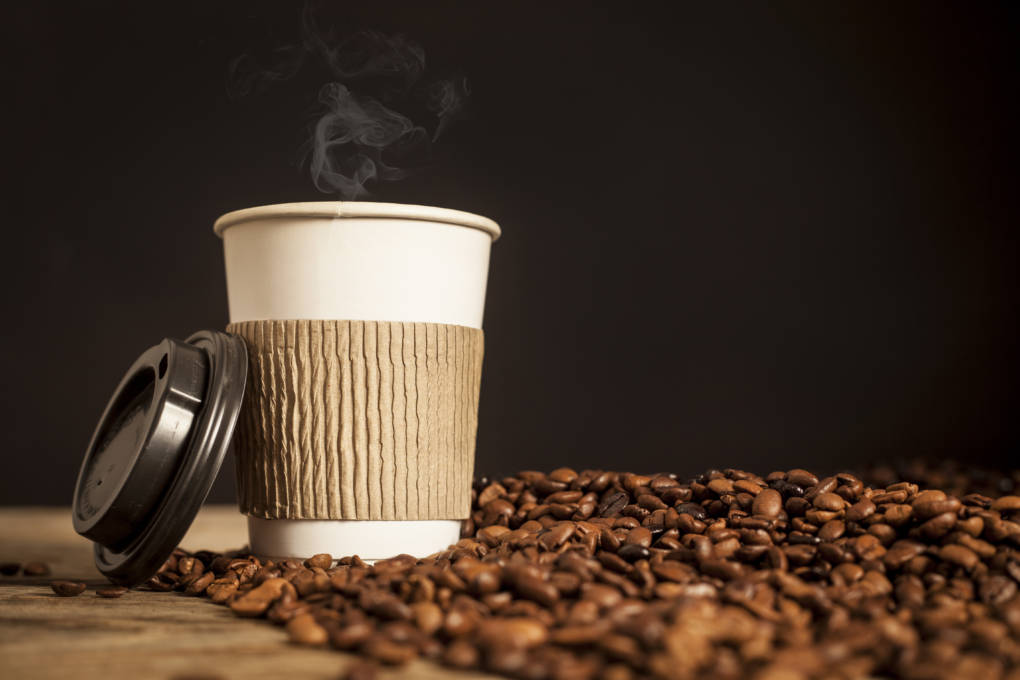
"caption": "Scientific concerns about coffee have eased in recent years, and many studies even suggest it can help health.",
"description": null,
"title": "Paper cup of coffee on black background",
"credit": "iStock",
"status": "inherit",
"isLoading": false,
"fetchFailed": false
},
"science_1921730": {
"type": "attachments",
"id": "science_1921730",
"meta": {
"index": "attachments_1716263798",
"site": "science",
"id": "1921730",
"found": true
},
"parent": 1921720,
"imgSizes": {
"small": {
"file": "https://ww2.kqed.org/app/uploads/sites/35/2018/03/IMG_9114-520x390.jpg",
"width": 520,
"mimeType": "image/jpeg",
"height": 390
},
"twentyfourteen-full-width": {
"file": "https://ww2.kqed.org/app/uploads/sites/35/2018/03/IMG_9114-1038x576.jpg",
"width": 1038,
"mimeType": "image/jpeg",
"height": 576
},
"thumbnail": {
"file": "https://ww2.kqed.org/app/uploads/sites/35/2018/03/IMG_9114-160x120.jpg",
"width": 160,
"mimeType": "image/jpeg",
"height": 120
},
"fd-sm": {
"file": "https://ww2.kqed.org/app/uploads/sites/35/2018/03/IMG_9114-960x720.jpg",
"width": 960,
"mimeType": "image/jpeg",
"height": 720
},
"post-thumbnail": {
"file": "https://ww2.kqed.org/app/uploads/sites/35/2018/03/IMG_9114-672x372.jpg",
"width": 672,
"mimeType": "image/jpeg",
"height": 372
},
"xsmall": {
"file": "https://ww2.kqed.org/app/uploads/sites/35/2018/03/IMG_9114-375x281.jpg",
"width": 375,
"mimeType": "image/jpeg",
"height": 281
},
"kqedFullSize": {
"file": "https://ww2.kqed.org/app/uploads/sites/35/2018/03/IMG_9114.jpg",
"width": 2000,
"height": 1500
},
"large": {
"file": "https://ww2.kqed.org/app/uploads/sites/35/2018/03/IMG_9114-1020x765.jpg",
"width": 1020,
"mimeType": "image/jpeg",
"height": 765
},
"xlarge": {
"file": "https://ww2.kqed.org/app/uploads/sites/35/2018/03/IMG_9114-1180x885.jpg",
"width": 1180,
"mimeType": "image/jpeg",
"height": 885
},
"guest-author-50": {
"file": "https://ww2.kqed.org/app/uploads/sites/35/2018/03/IMG_9114-50x50.jpg",
"width": 50,
"mimeType": "image/jpeg",
"height": 50
},
"guest-author-96": {
"file": "https://ww2.kqed.org/app/uploads/sites/35/2018/03/IMG_9114-96x96.jpg",
"width": 96,
"mimeType": "image/jpeg",
"height": 96
},
"medium": {
"file": "https://ww2.kqed.org/app/uploads/sites/35/2018/03/IMG_9114-800x600.jpg",
"width": 800,
"mimeType": "image/jpeg",
"height": 600
},
"guest-author-64": {
"file": "https://ww2.kqed.org/app/uploads/sites/35/2018/03/IMG_9114-64x64.jpg",
"width": 64,
"mimeType": "image/jpeg",
"height": 64
},
"guest-author-32": {
"file": "https://ww2.kqed.org/app/uploads/sites/35/2018/03/IMG_9114-32x32.jpg",
"width": 32,
"mimeType": "image/jpeg",
"height": 32
},
"fd-lrg": {
"file": "https://ww2.kqed.org/app/uploads/sites/35/2018/03/IMG_9114-1920x1440.jpg",
"width": 1920,
"mimeType": "image/jpeg",
"height": 1440
},
"fd-med": {
"file": "https://ww2.kqed.org/app/uploads/sites/35/2018/03/IMG_9114-1180x885.jpg",
"width": 1180,
"mimeType": "image/jpeg",
"height": 885
},
"full-width": {
"file": "https://ww2.kqed.org/app/uploads/sites/35/2018/03/IMG_9114-1920x1440.jpg",
"width": 1920,
"mimeType": "image/jpeg",
"height": 1440
},
"detail": {
"file": "https://ww2.kqed.org/app/uploads/sites/35/2018/03/IMG_9114-150x150.jpg",
"width": 150,
"mimeType": "image/jpeg",
"height": 150
},
"medium_large": {
"file": "https://ww2.kqed.org/app/uploads/sites/35/2018/03/IMG_9114-768x576.jpg",
"width": 768,
"mimeType": "image/jpeg",
"height": 576
},
"guest-author-128": {
"file": "https://ww2.kqed.org/app/uploads/sites/35/2018/03/IMG_9114-128x128.jpg",
"width": 128,
"mimeType": "image/jpeg",
"height": 128
},
"xxsmall": {
"file": "https://ww2.kqed.org/app/uploads/sites/35/2018/03/IMG_9114-240x180.jpg",
"width": 240,
"mimeType": "image/jpeg",
"height": 180
}
},
"publishDate": 1522166609,
"modified": 1522166644,
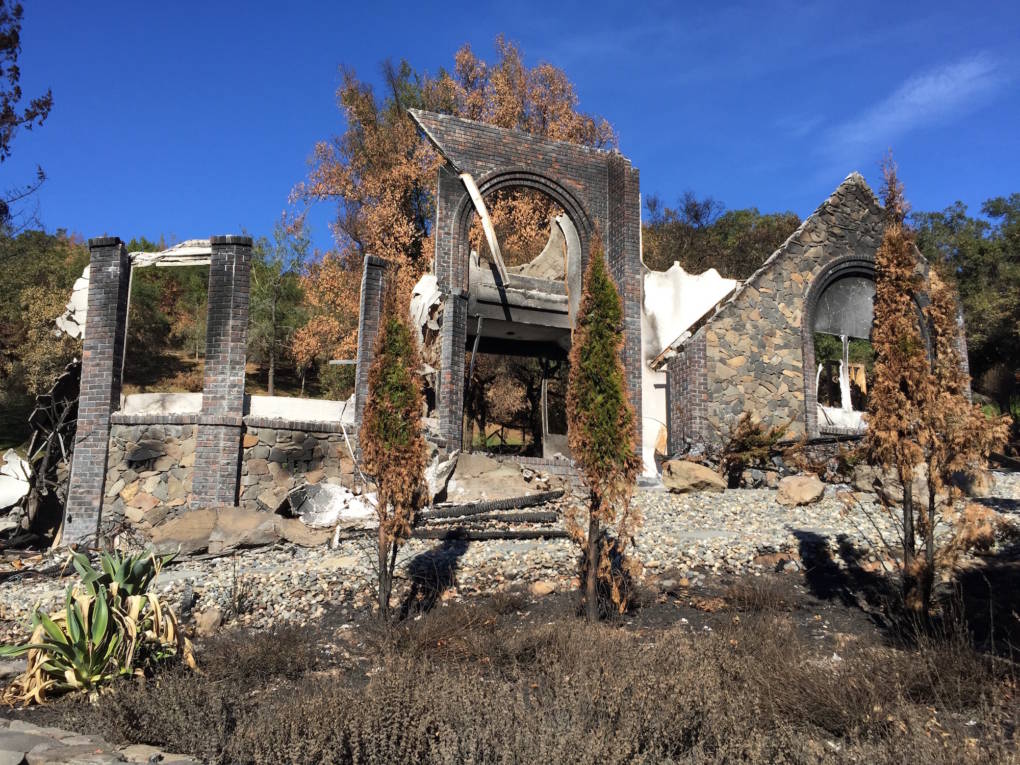
"caption": "The stone and brick remnants of a home, after fire swept through Santa Rosa's upscale Fountaingrove neighborhood in October.",
"description": "The stone and brick remnants of a home, after fire swept through Santa Rosa's upscale Fountaingrove neighborhood in October.",
"title": "IMG_9114",
"credit": "Craig Miller/KQED",
"status": "inherit",
"isLoading": false,
"fetchFailed": false
},
"science_1921627": {
"type": "attachments",
"id": "science_1921627",
"meta": {
"index": "attachments_1716263798",
"site": "science",
"id": "1921627",
"found": true
},
"parent": 1921626,
"imgSizes": {
"small": {
"file": "https://ww2.kqed.org/app/uploads/sites/35/2018/03/JRC_Alameda_County_Water_District-41-520x346.jpg",
"width": 520,
"mimeType": "image/jpeg",
"height": 346
},
"thumbnail": {
"file": "https://ww2.kqed.org/app/uploads/sites/35/2018/03/JRC_Alameda_County_Water_District-41-160x106.jpg",
"width": 160,
"mimeType": "image/jpeg",
"height": 106
},
"post-thumbnail": {
"file": "https://ww2.kqed.org/app/uploads/sites/35/2018/03/JRC_Alameda_County_Water_District-41-672x372.jpg",
"width": 672,
"mimeType": "image/jpeg",
"height": 372
},
"xsmall": {
"file": "https://ww2.kqed.org/app/uploads/sites/35/2018/03/JRC_Alameda_County_Water_District-41-375x249.jpg",
"width": 375,
"mimeType": "image/jpeg",
"height": 249
},
"kqedFullSize": {
"file": "https://ww2.kqed.org/app/uploads/sites/35/2018/03/JRC_Alameda_County_Water_District-41.jpg",
"width": 800,
"height": 532
},
"guest-author-50": {
"file": "https://ww2.kqed.org/app/uploads/sites/35/2018/03/JRC_Alameda_County_Water_District-41-50x50.jpg",
"width": 50,
"mimeType": "image/jpeg",
"height": 50
},
"guest-author-96": {
"file": "https://ww2.kqed.org/app/uploads/sites/35/2018/03/JRC_Alameda_County_Water_District-41-96x96.jpg",
"width": 96,
"mimeType": "image/jpeg",
"height": 96
},
"medium": {
"file": "https://ww2.kqed.org/app/uploads/sites/35/2018/03/JRC_Alameda_County_Water_District-41-800x532.jpg",
"width": 800,
"mimeType": "image/jpeg",
"height": 532
},
"guest-author-64": {
"file": "https://ww2.kqed.org/app/uploads/sites/35/2018/03/JRC_Alameda_County_Water_District-41-64x64.jpg",
"width": 64,
"mimeType": "image/jpeg",
"height": 64
},
"guest-author-32": {
"file": "https://ww2.kqed.org/app/uploads/sites/35/2018/03/JRC_Alameda_County_Water_District-41-32x32.jpg",
"width": 32,
"mimeType": "image/jpeg",
"height": 32
},
"detail": {
"file": "https://ww2.kqed.org/app/uploads/sites/35/2018/03/JRC_Alameda_County_Water_District-41-150x150.jpg",
"width": 150,
"mimeType": "image/jpeg",
"height": 150
},
"medium_large": {
"file": "https://ww2.kqed.org/app/uploads/sites/35/2018/03/JRC_Alameda_County_Water_District-41-768x511.jpg",
"width": 768,
"mimeType": "image/jpeg",
"height": 511
},
"guest-author-128": {
"file": "https://ww2.kqed.org/app/uploads/sites/35/2018/03/JRC_Alameda_County_Water_District-41-128x128.jpg",
"width": 128,
"mimeType": "image/jpeg",
"height": 128
},
"xxsmall": {
"file": "https://ww2.kqed.org/app/uploads/sites/35/2018/03/JRC_Alameda_County_Water_District-41-240x160.jpg",
"width": 240,
"mimeType": "image/jpeg",
"height": 160
}
},
"publishDate": 1521745731,
"modified": 1521745993,
"caption": "The Alameda County Water District’s Newark Desalination Facility, which treats brackish water.",
"description": null,
"title": "JRC_Alameda_County_Water_District-41",
"credit": "John Chacon/California Department of Water Resources",
"status": "inherit",
"isLoading": false,
"fetchFailed": false
},
"science_1920975": {
"type": "attachments",
"id": "science_1920975",
"meta": {
"index": "attachments_1716263798",
"site": "science",
"id": "1920975",
"found": true
},
"parent": 1920972,
"imgSizes": {
"small": {
"file": "https://ww2.kqed.org/app/uploads/sites/35/2018/03/DL505-Tick-Bite-marquee-w-Phead-520x293.jpg",
"width": 520,
"mimeType": "image/jpeg",
"height": 293
},
"twentyfourteen-full-width": {
"file": "https://ww2.kqed.org/app/uploads/sites/35/2018/03/DL505-Tick-Bite-marquee-w-Phead-1038x576.jpg",
"width": 1038,
"mimeType": "image/jpeg",
"height": 576
},
"thumbnail": {
"file": "https://ww2.kqed.org/app/uploads/sites/35/2018/03/DL505-Tick-Bite-marquee-w-Phead-160x90.jpg",
"width": 160,
"mimeType": "image/jpeg",
"height": 90
},
"fd-sm": {
"file": "https://ww2.kqed.org/app/uploads/sites/35/2018/03/DL505-Tick-Bite-marquee-w-Phead-960x540.jpg",
"width": 960,
"mimeType": "image/jpeg",
"height": 540
},
"post-thumbnail": {
"file": "https://ww2.kqed.org/app/uploads/sites/35/2018/03/DL505-Tick-Bite-marquee-w-Phead-672x372.jpg",
"width": 672,
"mimeType": "image/jpeg",
"height": 372
},
"xsmall": {
"file": "https://ww2.kqed.org/app/uploads/sites/35/2018/03/DL505-Tick-Bite-marquee-w-Phead-375x211.jpg",
"width": 375,
"mimeType": "image/jpeg",
"height": 211
},
"kqedFullSize": {
"file": "https://ww2.kqed.org/app/uploads/sites/35/2018/03/DL505-Tick-Bite-marquee-w-Phead.jpg",
"width": 1920,
"height": 1080
},
"large": {
"file": "https://ww2.kqed.org/app/uploads/sites/35/2018/03/DL505-Tick-Bite-marquee-w-Phead-1020x574.jpg",
"width": 1020,
"mimeType": "image/jpeg",
"height": 574
},
"xlarge": {
"file": "https://ww2.kqed.org/app/uploads/sites/35/2018/03/DL505-Tick-Bite-marquee-w-Phead-1180x664.jpg",
"width": 1180,
"mimeType": "image/jpeg",
"height": 664
},
"guest-author-50": {
"file": "https://ww2.kqed.org/app/uploads/sites/35/2018/03/DL505-Tick-Bite-marquee-w-Phead-50x50.jpg",
"width": 50,
"mimeType": "image/jpeg",
"height": 50
},
"guest-author-96": {
"file": "https://ww2.kqed.org/app/uploads/sites/35/2018/03/DL505-Tick-Bite-marquee-w-Phead-96x96.jpg",
"width": 96,
"mimeType": "image/jpeg",
"height": 96
},
"medium": {
"file": "https://ww2.kqed.org/app/uploads/sites/35/2018/03/DL505-Tick-Bite-marquee-w-Phead-800x450.jpg",
"width": 800,
"mimeType": "image/jpeg",
"height": 450
},
"guest-author-64": {
"file": "https://ww2.kqed.org/app/uploads/sites/35/2018/03/DL505-Tick-Bite-marquee-w-Phead-64x64.jpg",
"width": 64,
"mimeType": "image/jpeg",
"height": 64
},
"guest-author-32": {
"file": "https://ww2.kqed.org/app/uploads/sites/35/2018/03/DL505-Tick-Bite-marquee-w-Phead-32x32.jpg",
"width": 32,
"mimeType": "image/jpeg",
"height": 32
},
"fd-lrg": {
"file": "https://ww2.kqed.org/app/uploads/sites/35/2018/03/DL505-Tick-Bite-marquee-w-Phead-1920x1080.jpg",
"width": 1920,
"mimeType": "image/jpeg",
"height": 1080
},
"fd-med": {
"file": "https://ww2.kqed.org/app/uploads/sites/35/2018/03/DL505-Tick-Bite-marquee-w-Phead-1180x664.jpg",
"width": 1180,
"mimeType": "image/jpeg",
"height": 664
},
"full-width": {
"file": "https://ww2.kqed.org/app/uploads/sites/35/2018/03/DL505-Tick-Bite-marquee-w-Phead-1920x1080.jpg",
"width": 1920,
"mimeType": "image/jpeg",
"height": 1080
},
"detail": {
"file": "https://ww2.kqed.org/app/uploads/sites/35/2018/03/DL505-Tick-Bite-marquee-w-Phead-150x150.jpg",
"width": 150,
"mimeType": "image/jpeg",
"height": 150
},
"medium_large": {
"file": "https://ww2.kqed.org/app/uploads/sites/35/2018/03/DL505-Tick-Bite-marquee-w-Phead-768x432.jpg",
"width": 768,
"mimeType": "image/jpeg",
"height": 432
},
"guest-author-128": {
"file": "https://ww2.kqed.org/app/uploads/sites/35/2018/03/DL505-Tick-Bite-marquee-w-Phead-128x128.jpg",
"width": 128,
"mimeType": "image/jpeg",
"height": 128
},
"xxsmall": {
"file": "https://ww2.kqed.org/app/uploads/sites/35/2018/03/DL505-Tick-Bite-marquee-w-Phead-240x135.jpg",
"width": 240,
"mimeType": "image/jpeg",
"height": 135
}
},
"publishDate": 1520884403,
"modified": 1520884464,
"caption": "A young tick has dug its mouthparts into a human arm.",
"description": null,
"title": "DL505 Tick Bite marquee w Phead",
"credit": "Josh Cassidy/KQED",
"status": "inherit",
"isLoading": false,
"fetchFailed": false
},
"science_1921238": {
"type": "attachments",
"id": "science_1921238",
"meta": {
"index": "attachments_1716263798",
"site": "science",
"id": "1921238",
"found": true
},
"parent": 1921220,
"imgSizes": {
"small": {
"file": "https://ww2.kqed.org/app/uploads/sites/35/2018/03/jsc2015e004202_0-520x416.jpg",
"width": 520,
"mimeType": "image/jpeg",
"height": 416
},
"twentyfourteen-full-width": {
"file": "https://ww2.kqed.org/app/uploads/sites/35/2018/03/jsc2015e004202_0-1038x576.jpg",
"width": 1038,
"mimeType": "image/jpeg",
"height": 576
},
"thumbnail": {
"file": "https://ww2.kqed.org/app/uploads/sites/35/2018/03/jsc2015e004202_0-160x128.jpg",
"width": 160,
"mimeType": "image/jpeg",
"height": 128
},
"fd-sm": {
"file": "https://ww2.kqed.org/app/uploads/sites/35/2018/03/jsc2015e004202_0-960x768.jpg",
"width": 960,
"mimeType": "image/jpeg",
"height": 768
},
"post-thumbnail": {
"file": "https://ww2.kqed.org/app/uploads/sites/35/2018/03/jsc2015e004202_0-672x372.jpg",
"width": 672,
"mimeType": "image/jpeg",
"height": 372
},
"xsmall": {
"file": "https://ww2.kqed.org/app/uploads/sites/35/2018/03/jsc2015e004202_0-375x300.jpg",
"width": 375,
"mimeType": "image/jpeg",
"height": 300
},
"kqedFullSize": {
"file": "https://ww2.kqed.org/app/uploads/sites/35/2018/03/jsc2015e004202_0.jpg",
"width": 6140,
"height": 4912
},
"large": {
"file": "https://ww2.kqed.org/app/uploads/sites/35/2018/03/jsc2015e004202_0-1020x816.jpg",
"width": 1020,
"mimeType": "image/jpeg",
"height": 816
},
"xlarge": {
"file": "https://ww2.kqed.org/app/uploads/sites/35/2018/03/jsc2015e004202_0-1180x944.jpg",
"width": 1180,
"mimeType": "image/jpeg",
"height": 944
},
"guest-author-50": {
"file": "https://ww2.kqed.org/app/uploads/sites/35/2018/03/jsc2015e004202_0-50x50.jpg",
"width": 50,
"mimeType": "image/jpeg",
"height": 50
},
"guest-author-96": {
"file": "https://ww2.kqed.org/app/uploads/sites/35/2018/03/jsc2015e004202_0-96x96.jpg",
"width": 96,
"mimeType": "image/jpeg",
"height": 96
},
"medium": {
"file": "https://ww2.kqed.org/app/uploads/sites/35/2018/03/jsc2015e004202_0-800x640.jpg",
"width": 800,
"mimeType": "image/jpeg",
"height": 640
},
"guest-author-64": {
"file": "https://ww2.kqed.org/app/uploads/sites/35/2018/03/jsc2015e004202_0-64x64.jpg",
"width": 64,
"mimeType": "image/jpeg",
"height": 64
},
"guest-author-32": {
"file": "https://ww2.kqed.org/app/uploads/sites/35/2018/03/jsc2015e004202_0-32x32.jpg",
"width": 32,
"mimeType": "image/jpeg",
"height": 32
},
"fd-lrg": {
"file": "https://ww2.kqed.org/app/uploads/sites/35/2018/03/jsc2015e004202_0-1920x1536.jpg",
"width": 1920,
"mimeType": "image/jpeg",
"height": 1536
},
"fd-med": {
"file": "https://ww2.kqed.org/app/uploads/sites/35/2018/03/jsc2015e004202_0-1180x944.jpg",
"width": 1180,
"mimeType": "image/jpeg",
"height": 944
},
"full-width": {
"file": "https://ww2.kqed.org/app/uploads/sites/35/2018/03/jsc2015e004202_0-1920x1536.jpg",
"width": 1920,
"mimeType": "image/jpeg",
"height": 1536
},
"detail": {
"file": "https://ww2.kqed.org/app/uploads/sites/35/2018/03/jsc2015e004202_0-150x150.jpg",
"width": 150,
"mimeType": "image/jpeg",
"height": 150
},
"medium_large": {
"file": "https://ww2.kqed.org/app/uploads/sites/35/2018/03/jsc2015e004202_0-768x614.jpg",
"width": 768,
"mimeType": "image/jpeg",
"height": 614
},
"guest-author-128": {
"file": "https://ww2.kqed.org/app/uploads/sites/35/2018/03/jsc2015e004202_0-128x128.jpg",
"width": 128,
"mimeType": "image/jpeg",
"height": 128
},
"xxsmall": {
"file": "https://ww2.kqed.org/app/uploads/sites/35/2018/03/jsc2015e004202_0-240x192.jpg",
"width": 240,
"mimeType": "image/jpeg",
"height": 192
}
},
"publishDate": 1521154524,
"modified": 1521155376,
"caption": "Astronaut Scott Kelly along with his twin brother, former Astronaut Mark Kelly speak to reporters about Scott's one-year mission aboard the International Space Station, January 19, 2015. ",
"description": null,
"title": "jsc2015e004202_0",
"credit": "NASA",
"status": "inherit",
"isLoading": false,
"fetchFailed": false
},
"science_1920987": {
"type": "attachments",
"id": "science_1920987",
"meta": {
"index": "attachments_1716263798",
"site": "science",
"id": "1920987",
"found": true
},
"parent": 1920965,
"imgSizes": {
"small": {
"file": "https://ww2.kqed.org/app/uploads/sites/35/2018/03/iStock-929815042-520x347.jpg",
"width": 520,
"mimeType": "image/jpeg",
"height": 347
},
"twentyfourteen-full-width": {
"file": "https://ww2.kqed.org/app/uploads/sites/35/2018/03/iStock-929815042-1038x576.jpg",
"width": 1038,
"mimeType": "image/jpeg",
"height": 576
},
"thumbnail": {
"file": "https://ww2.kqed.org/app/uploads/sites/35/2018/03/iStock-929815042-160x107.jpg",
"width": 160,
"mimeType": "image/jpeg",
"height": 107
},
"fd-sm": {
"file": "https://ww2.kqed.org/app/uploads/sites/35/2018/03/iStock-929815042-960x640.jpg",
"width": 960,
"mimeType": "image/jpeg",
"height": 640
},
"post-thumbnail": {
"file": "https://ww2.kqed.org/app/uploads/sites/35/2018/03/iStock-929815042-672x372.jpg",
"width": 672,
"mimeType": "image/jpeg",
"height": 372
},
"xsmall": {
"file": "https://ww2.kqed.org/app/uploads/sites/35/2018/03/iStock-929815042-375x250.jpg",
"width": 375,
"mimeType": "image/jpeg",
"height": 250
},
"kqedFullSize": {
"file": "https://ww2.kqed.org/app/uploads/sites/35/2018/03/iStock-929815042.jpg",
"width": 5184,
"height": 3456
},
"large": {
"file": "https://ww2.kqed.org/app/uploads/sites/35/2018/03/iStock-929815042-1020x680.jpg",
"width": 1020,
"mimeType": "image/jpeg",
"height": 680
},
"xlarge": {
"file": "https://ww2.kqed.org/app/uploads/sites/35/2018/03/iStock-929815042-1180x787.jpg",
"width": 1180,
"mimeType": "image/jpeg",
"height": 787
},
"guest-author-50": {
"file": "https://ww2.kqed.org/app/uploads/sites/35/2018/03/iStock-929815042-50x50.jpg",
"width": 50,
"mimeType": "image/jpeg",
"height": 50
},
"guest-author-96": {
"file": "https://ww2.kqed.org/app/uploads/sites/35/2018/03/iStock-929815042-96x96.jpg",
"width": 96,
"mimeType": "image/jpeg",
"height": 96
},
"medium": {
"file": "https://ww2.kqed.org/app/uploads/sites/35/2018/03/iStock-929815042-800x533.jpg",
"width": 800,
"mimeType": "image/jpeg",
"height": 533
},
"guest-author-64": {
"file": "https://ww2.kqed.org/app/uploads/sites/35/2018/03/iStock-929815042-64x64.jpg",
"width": 64,
"mimeType": "image/jpeg",
"height": 64
},
"guest-author-32": {
"file": "https://ww2.kqed.org/app/uploads/sites/35/2018/03/iStock-929815042-32x32.jpg",
"width": 32,
"mimeType": "image/jpeg",
"height": 32
},
"fd-lrg": {
"file": "https://ww2.kqed.org/app/uploads/sites/35/2018/03/iStock-929815042-1920x1280.jpg",
"width": 1920,
"mimeType": "image/jpeg",
"height": 1280
},
"fd-med": {
"file": "https://ww2.kqed.org/app/uploads/sites/35/2018/03/iStock-929815042-1180x787.jpg",
"width": 1180,
"mimeType": "image/jpeg",
"height": 787
},
"full-width": {
"file": "https://ww2.kqed.org/app/uploads/sites/35/2018/03/iStock-929815042-1920x1280.jpg",
"width": 1920,
"mimeType": "image/jpeg",
"height": 1280
},
"detail": {
"file": "https://ww2.kqed.org/app/uploads/sites/35/2018/03/iStock-929815042-150x150.jpg",
"width": 150,
"mimeType": "image/jpeg",
"height": 150
},
"medium_large": {
"file": "https://ww2.kqed.org/app/uploads/sites/35/2018/03/iStock-929815042-768x512.jpg",
"width": 768,
"mimeType": "image/jpeg",
"height": 512
},
"guest-author-128": {
"file": "https://ww2.kqed.org/app/uploads/sites/35/2018/03/iStock-929815042-128x128.jpg",
"width": 128,
"mimeType": "image/jpeg",
"height": 128
},
"xxsmall": {
"file": "https://ww2.kqed.org/app/uploads/sites/35/2018/03/iStock-929815042-240x160.jpg",
"width": 240,
"mimeType": "image/jpeg",
"height": 160
}
},
"publishDate": 1520896252,
"modified": 1520992426,
"caption": "A man fishes at Baker Beach in San Francisco, with the Golden Gate Bridge in the background. ",
"description": null,
"title": "Fisherman in Baker Beach San Francisco",
"credit": "worldphotosbypaola/IStock",
"status": "inherit",
"isLoading": false,
"fetchFailed": false
},
"science_1920888": {
"type": "attachments",
"id": "science_1920888",
"meta": {
"index": "attachments_1716263798",
"site": "science",
"id": "1920888",
"found": true
},
"parent": 1920887,
"imgSizes": {
"small": {
"file": "https://ww2.kqed.org/app/uploads/sites/35/2018/03/iStock-896469402-520x347.jpg",
"width": 520,
"mimeType": "image/jpeg",
"height": 347
},
"twentyfourteen-full-width": {
"file": "https://ww2.kqed.org/app/uploads/sites/35/2018/03/iStock-896469402-1038x576.jpg",
"width": 1038,
"mimeType": "image/jpeg",
"height": 576
},
"thumbnail": {
"file": "https://ww2.kqed.org/app/uploads/sites/35/2018/03/iStock-896469402-160x107.jpg",
"width": 160,
"mimeType": "image/jpeg",
"height": 107
},
"fd-sm": {
"file": "https://ww2.kqed.org/app/uploads/sites/35/2018/03/iStock-896469402-960x640.jpg",
"width": 960,
"mimeType": "image/jpeg",
"height": 640
},
"post-thumbnail": {
"file": "https://ww2.kqed.org/app/uploads/sites/35/2018/03/iStock-896469402-672x372.jpg",
"width": 672,
"mimeType": "image/jpeg",
"height": 372
},
"xsmall": {
"file": "https://ww2.kqed.org/app/uploads/sites/35/2018/03/iStock-896469402-375x250.jpg",
"width": 375,
"mimeType": "image/jpeg",
"height": 250
},
"kqedFullSize": {
"file": "https://ww2.kqed.org/app/uploads/sites/35/2018/03/iStock-896469402.jpg",
"width": 5230,
"height": 3487
},
"large": {
"file": "https://ww2.kqed.org/app/uploads/sites/35/2018/03/iStock-896469402-1020x680.jpg",
"width": 1020,
"mimeType": "image/jpeg",
"height": 680
},
"xlarge": {
"file": "https://ww2.kqed.org/app/uploads/sites/35/2018/03/iStock-896469402-1180x787.jpg",
"width": 1180,
"mimeType": "image/jpeg",
"height": 787
},
"guest-author-50": {
"file": "https://ww2.kqed.org/app/uploads/sites/35/2018/03/iStock-896469402-50x50.jpg",
"width": 50,
"mimeType": "image/jpeg",
"height": 50
},
"guest-author-96": {
"file": "https://ww2.kqed.org/app/uploads/sites/35/2018/03/iStock-896469402-96x96.jpg",
"width": 96,
"mimeType": "image/jpeg",
"height": 96
},
"medium": {
"file": "https://ww2.kqed.org/app/uploads/sites/35/2018/03/iStock-896469402-800x533.jpg",
"width": 800,
"mimeType": "image/jpeg",
"height": 533
},
"guest-author-64": {
"file": "https://ww2.kqed.org/app/uploads/sites/35/2018/03/iStock-896469402-64x64.jpg",
"width": 64,
"mimeType": "image/jpeg",
"height": 64
},
"guest-author-32": {
"file": "https://ww2.kqed.org/app/uploads/sites/35/2018/03/iStock-896469402-32x32.jpg",
"width": 32,
"mimeType": "image/jpeg",
"height": 32
},
"fd-lrg": {
"file": "https://ww2.kqed.org/app/uploads/sites/35/2018/03/iStock-896469402-1920x1280.jpg",
"width": 1920,
"mimeType": "image/jpeg",
"height": 1280
},
"fd-med": {
"file": "https://ww2.kqed.org/app/uploads/sites/35/2018/03/iStock-896469402-1180x787.jpg",
"width": 1180,
"mimeType": "image/jpeg",
"height": 787
},
"full-width": {
"file": "https://ww2.kqed.org/app/uploads/sites/35/2018/03/iStock-896469402-1920x1280.jpg",
"width": 1920,
"mimeType": "image/jpeg",
"height": 1280
},
"detail": {
"file": "https://ww2.kqed.org/app/uploads/sites/35/2018/03/iStock-896469402-150x150.jpg",
"width": 150,
"mimeType": "image/jpeg",
"height": 150
},
"medium_large": {
"file": "https://ww2.kqed.org/app/uploads/sites/35/2018/03/iStock-896469402-768x512.jpg",
"width": 768,
"mimeType": "image/jpeg",
"height": 512
},
"guest-author-128": {
"file": "https://ww2.kqed.org/app/uploads/sites/35/2018/03/iStock-896469402-128x128.jpg",
"width": 128,
"mimeType": "image/jpeg",
"height": 128
},
"xxsmall": {
"file": "https://ww2.kqed.org/app/uploads/sites/35/2018/03/iStock-896469402-240x160.jpg",
"width": 240,
"mimeType": "image/jpeg",
"height": 160
}
},
"publishDate": 1520545926,
"modified": 1520545969,
"caption": "Pills spilling from a prescription bottle over the American map. ",
"description": null,
"title": "White pharmaceutical pills spilling from prescription bottle over American flag",
"credit": "Stuart Ritchie/IStock",
"status": "inherit",
"isLoading": false,
"fetchFailed": false
},
"science_1920733": {
"type": "attachments",
"id": "science_1920733",
"meta": {
"index": "attachments_1716263798",
"site": "science",
"id": "1920733",
"found": true
},
"parent": 1920727,
"imgSizes": {
"small": {
"file": "https://ww2.kqed.org/app/uploads/sites/35/2018/03/iStock-485286208-520x326.jpg",
"width": 520,
"mimeType": "image/jpeg",
"height": 326
},
"twentyfourteen-full-width": {
"file": "https://ww2.kqed.org/app/uploads/sites/35/2018/03/iStock-485286208-1038x576.jpg",
"width": 1038,
"mimeType": "image/jpeg",
"height": 576
},
"thumbnail": {
"file": "https://ww2.kqed.org/app/uploads/sites/35/2018/03/iStock-485286208-160x100.jpg",
"width": 160,
"mimeType": "image/jpeg",
"height": 100
},
"fd-sm": {
"file": "https://ww2.kqed.org/app/uploads/sites/35/2018/03/iStock-485286208-960x601.jpg",
"width": 960,
"mimeType": "image/jpeg",
"height": 601
},
"post-thumbnail": {
"file": "https://ww2.kqed.org/app/uploads/sites/35/2018/03/iStock-485286208-672x372.jpg",
"width": 672,
"mimeType": "image/jpeg",
"height": 372
},
"xsmall": {
"file": "https://ww2.kqed.org/app/uploads/sites/35/2018/03/iStock-485286208-375x235.jpg",
"width": 375,
"mimeType": "image/jpeg",
"height": 235
},
"kqedFullSize": {
"file": "https://ww2.kqed.org/app/uploads/sites/35/2018/03/iStock-485286208.jpg",
"width": 5394,
"height": 3378
},
"large": {
"file": "https://ww2.kqed.org/app/uploads/sites/35/2018/03/iStock-485286208-1020x639.jpg",
"width": 1020,
"mimeType": "image/jpeg",
"height": 639
},
"xlarge": {
"file": "https://ww2.kqed.org/app/uploads/sites/35/2018/03/iStock-485286208-1180x739.jpg",
"width": 1180,
"mimeType": "image/jpeg",
"height": 739
},
"guest-author-50": {
"file": "https://ww2.kqed.org/app/uploads/sites/35/2018/03/iStock-485286208-50x50.jpg",
"width": 50,
"mimeType": "image/jpeg",
"height": 50
},
"guest-author-96": {
"file": "https://ww2.kqed.org/app/uploads/sites/35/2018/03/iStock-485286208-96x96.jpg",
"width": 96,
"mimeType": "image/jpeg",
"height": 96
},
"medium": {
"file": "https://ww2.kqed.org/app/uploads/sites/35/2018/03/iStock-485286208-800x501.jpg",
"width": 800,
"mimeType": "image/jpeg",
"height": 501
},
"guest-author-64": {
"file": "https://ww2.kqed.org/app/uploads/sites/35/2018/03/iStock-485286208-64x64.jpg",
"width": 64,
"mimeType": "image/jpeg",
"height": 64
},
"guest-author-32": {
"file": "https://ww2.kqed.org/app/uploads/sites/35/2018/03/iStock-485286208-32x32.jpg",
"width": 32,
"mimeType": "image/jpeg",
"height": 32
},
"fd-lrg": {
"file": "https://ww2.kqed.org/app/uploads/sites/35/2018/03/iStock-485286208-1920x1202.jpg",
"width": 1920,
"mimeType": "image/jpeg",
"height": 1202
},
"fd-med": {
"file": "https://ww2.kqed.org/app/uploads/sites/35/2018/03/iStock-485286208-1180x739.jpg",
"width": 1180,
"mimeType": "image/jpeg",
"height": 739
},
"full-width": {
"file": "https://ww2.kqed.org/app/uploads/sites/35/2018/03/iStock-485286208-1920x1202.jpg",
"width": 1920,
"mimeType": "image/jpeg",
"height": 1202
},
"detail": {
"file": "https://ww2.kqed.org/app/uploads/sites/35/2018/03/iStock-485286208-150x150.jpg",
"width": 150,
"mimeType": "image/jpeg",
"height": 150
},
"medium_large": {
"file": "https://ww2.kqed.org/app/uploads/sites/35/2018/03/iStock-485286208-768x481.jpg",
"width": 768,
"mimeType": "image/jpeg",
"height": 481
},
"guest-author-128": {
"file": "https://ww2.kqed.org/app/uploads/sites/35/2018/03/iStock-485286208-128x128.jpg",
"width": 128,
"mimeType": "image/jpeg",
"height": 128
},
"xxsmall": {
"file": "https://ww2.kqed.org/app/uploads/sites/35/2018/03/iStock-485286208-240x150.jpg",
"width": 240,
"mimeType": "image/jpeg",
"height": 150
}
},
"publishDate": 1520277352,
"modified": 1520277412,
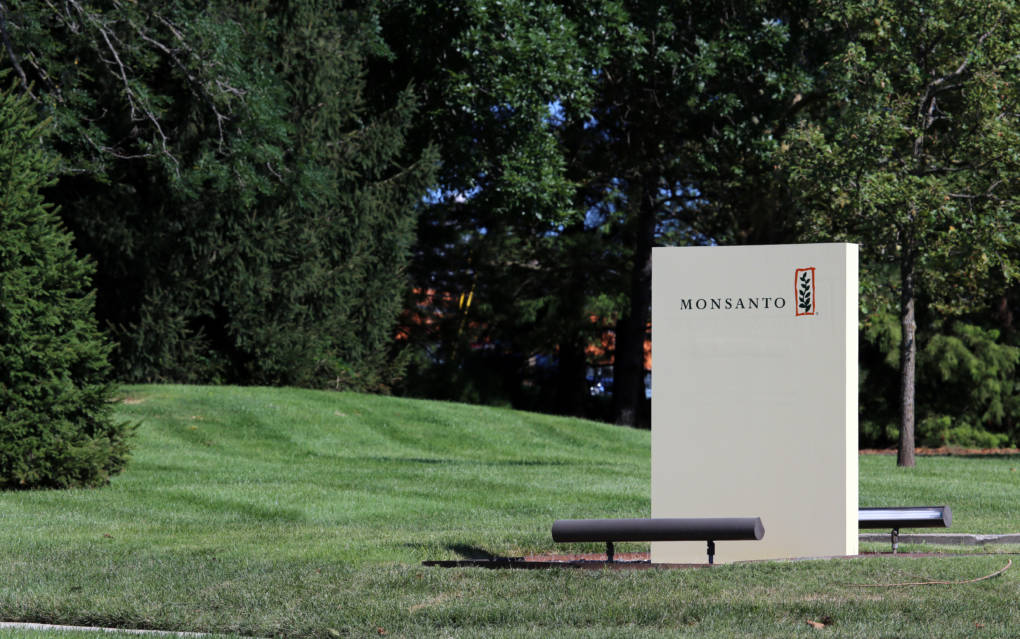
"caption": "The Monsanto World Headquarters complex in St. Louis, Missouri. ",
"description": null,
"title": "Monsanto World Headquarters",
"credit": "wellesenterprises/IStock",
"status": "inherit",
"isLoading": false,
"fetchFailed": false
},
"science_1920720": {
"type": "attachments",
"id": "science_1920720",
"meta": {
"index": "attachments_1716263798",
"site": "science",
"id": "1920720",
"found": true
},
"parent": 0,
"imgSizes": {
"small": {
"file": "https://ww2.kqed.org/app/uploads/sites/35/2018/03/RS5932_005-520x347.jpg",
"width": 520,
"mimeType": "image/jpeg",
"height": 347
},
"twentyfourteen-full-width": {
"file": "https://ww2.kqed.org/app/uploads/sites/35/2018/03/RS5932_005-1038x576.jpg",
"width": 1038,
"mimeType": "image/jpeg",
"height": 576
},
"thumbnail": {
"file": "https://ww2.kqed.org/app/uploads/sites/35/2018/03/RS5932_005-160x107.jpg",
"width": 160,
"mimeType": "image/jpeg",
"height": 107
},
"fd-sm": {
"file": "https://ww2.kqed.org/app/uploads/sites/35/2018/03/RS5932_005-960x640.jpg",
"width": 960,
"mimeType": "image/jpeg",
"height": 640
},
"post-thumbnail": {
"file": "https://ww2.kqed.org/app/uploads/sites/35/2018/03/RS5932_005-672x372.jpg",
"width": 672,
"mimeType": "image/jpeg",
"height": 372
},
"xsmall": {
"file": "https://ww2.kqed.org/app/uploads/sites/35/2018/03/RS5932_005-375x250.jpg",
"width": 375,
"mimeType": "image/jpeg",
"height": 250
},
"kqedFullSize": {
"file": "https://ww2.kqed.org/app/uploads/sites/35/2018/03/RS5932_005.jpg",
"width": 2500,
"height": 1667
},
"large": {
"file": "https://ww2.kqed.org/app/uploads/sites/35/2018/03/RS5932_005-1020x680.jpg",
"width": 1020,
"mimeType": "image/jpeg",
"height": 680
},
"xlarge": {
"file": "https://ww2.kqed.org/app/uploads/sites/35/2018/03/RS5932_005-1180x787.jpg",
"width": 1180,
"mimeType": "image/jpeg",
"height": 787
},
"guest-author-50": {
"file": "https://ww2.kqed.org/app/uploads/sites/35/2018/03/RS5932_005-50x50.jpg",
"width": 50,
"mimeType": "image/jpeg",
"height": 50
},
"guest-author-96": {
"file": "https://ww2.kqed.org/app/uploads/sites/35/2018/03/RS5932_005-96x96.jpg",
"width": 96,
"mimeType": "image/jpeg",
"height": 96
},
"medium": {
"file": "https://ww2.kqed.org/app/uploads/sites/35/2018/03/RS5932_005-800x533.jpg",
"width": 800,
"mimeType": "image/jpeg",
"height": 533
},
"guest-author-64": {
"file": "https://ww2.kqed.org/app/uploads/sites/35/2018/03/RS5932_005-64x64.jpg",
"width": 64,
"mimeType": "image/jpeg",
"height": 64
},
"guest-author-32": {
"file": "https://ww2.kqed.org/app/uploads/sites/35/2018/03/RS5932_005-32x32.jpg",
"width": 32,
"mimeType": "image/jpeg",
"height": 32
},
"fd-lrg": {
"file": "https://ww2.kqed.org/app/uploads/sites/35/2018/03/RS5932_005-1920x1280.jpg",
"width": 1920,
"mimeType": "image/jpeg",
"height": 1280
},
"fd-med": {
"file": "https://ww2.kqed.org/app/uploads/sites/35/2018/03/RS5932_005-1180x787.jpg",
"width": 1180,
"mimeType": "image/jpeg",
"height": 787
},
"full-width": {
"file": "https://ww2.kqed.org/app/uploads/sites/35/2018/03/RS5932_005-1920x1280.jpg",
"width": 1920,
"mimeType": "image/jpeg",
"height": 1280
},
"detail": {
"file": "https://ww2.kqed.org/app/uploads/sites/35/2018/03/RS5932_005-150x150.jpg",
"width": 150,
"mimeType": "image/jpeg",
"height": 150
},
"medium_large": {
"file": "https://ww2.kqed.org/app/uploads/sites/35/2018/03/RS5932_005-768x512.jpg",
"width": 768,
"mimeType": "image/jpeg",
"height": 512
},
"guest-author-128": {
"file": "https://ww2.kqed.org/app/uploads/sites/35/2018/03/RS5932_005-128x128.jpg",
"width": 128,
"mimeType": "image/jpeg",
"height": 128
},
"xxsmall": {
"file": "https://ww2.kqed.org/app/uploads/sites/35/2018/03/RS5932_005-240x160.jpg",
"width": 240,
"mimeType": "image/jpeg",
"height": 160
}
},
"publishDate": 1520262399,
"modified": 1520262630,
"caption": "In Richmond, CA, where the Chevron refinery is located, people of color are 70 percent of the population, according to the Bay Area Census.",
"description": null,
"title": "RS5932_005",
"credit": "Deborah Svoboda/KQED",
"status": "inherit",
"isLoading": false,
"fetchFailed": false
},
"science_1920554": {
"type": "attachments",
"id": "science_1920554",
"meta": {
"index": "attachments_1716263798",
"site": "science",
"id": "1920554",
"found": true
},
"parent": 1920537,
"imgSizes": {
"small": {
"file": "https://ww2.kqed.org/app/uploads/sites/35/2018/03/GettyImages-486870437-520x359.jpg",
"width": 520,
"mimeType": "image/jpeg",
"height": 359
},
"twentyfourteen-full-width": {
"file": "https://ww2.kqed.org/app/uploads/sites/35/2018/03/GettyImages-486870437-1038x576.jpg",
"width": 1038,
"mimeType": "image/jpeg",
"height": 576
},
"thumbnail": {
"file": "https://ww2.kqed.org/app/uploads/sites/35/2018/03/GettyImages-486870437-160x111.jpg",
"width": 160,
"mimeType": "image/jpeg",
"height": 111
},
"fd-sm": {
"file": "https://ww2.kqed.org/app/uploads/sites/35/2018/03/GettyImages-486870437-960x663.jpg",
"width": 960,
"mimeType": "image/jpeg",
"height": 663
},
"post-thumbnail": {
"file": "https://ww2.kqed.org/app/uploads/sites/35/2018/03/GettyImages-486870437-672x372.jpg",
"width": 672,
"mimeType": "image/jpeg",
"height": 372
},
"xsmall": {
"file": "https://ww2.kqed.org/app/uploads/sites/35/2018/03/GettyImages-486870437-375x259.jpg",
"width": 375,
"mimeType": "image/jpeg",
"height": 259
},
"kqedFullSize": {
"file": "https://ww2.kqed.org/app/uploads/sites/35/2018/03/GettyImages-486870437.jpg",
"width": 3769,
"height": 2604
},
"large": {
"file": "https://ww2.kqed.org/app/uploads/sites/35/2018/03/GettyImages-486870437-1020x705.jpg",
"width": 1020,
"mimeType": "image/jpeg",
"height": 705
},
"xlarge": {
"file": "https://ww2.kqed.org/app/uploads/sites/35/2018/03/GettyImages-486870437-1180x815.jpg",
"width": 1180,
"mimeType": "image/jpeg",
"height": 815
},
"guest-author-50": {
"file": "https://ww2.kqed.org/app/uploads/sites/35/2018/03/GettyImages-486870437-50x50.jpg",
"width": 50,
"mimeType": "image/jpeg",
"height": 50
},
"guest-author-96": {
"file": "https://ww2.kqed.org/app/uploads/sites/35/2018/03/GettyImages-486870437-96x96.jpg",
"width": 96,
"mimeType": "image/jpeg",
"height": 96
},
"medium": {
"file": "https://ww2.kqed.org/app/uploads/sites/35/2018/03/GettyImages-486870437-800x553.jpg",
"width": 800,
"mimeType": "image/jpeg",
"height": 553
},
"guest-author-64": {
"file": "https://ww2.kqed.org/app/uploads/sites/35/2018/03/GettyImages-486870437-64x64.jpg",
"width": 64,
"mimeType": "image/jpeg",
"height": 64
},
"guest-author-32": {
"file": "https://ww2.kqed.org/app/uploads/sites/35/2018/03/GettyImages-486870437-32x32.jpg",
"width": 32,
"mimeType": "image/jpeg",
"height": 32
},
"fd-lrg": {
"file": "https://ww2.kqed.org/app/uploads/sites/35/2018/03/GettyImages-486870437-1920x1327.jpg",
"width": 1920,
"mimeType": "image/jpeg",
"height": 1327
},
"fd-med": {
"file": "https://ww2.kqed.org/app/uploads/sites/35/2018/03/GettyImages-486870437-1180x815.jpg",
"width": 1180,
"mimeType": "image/jpeg",
"height": 815
},
"full-width": {
"file": "https://ww2.kqed.org/app/uploads/sites/35/2018/03/GettyImages-486870437-1920x1327.jpg",
"width": 1920,
"mimeType": "image/jpeg",
"height": 1327
},
"detail": {
"file": "https://ww2.kqed.org/app/uploads/sites/35/2018/03/GettyImages-486870437-150x150.jpg",
"width": 150,
"mimeType": "image/jpeg",
"height": 150
},
"medium_large": {
"file": "https://ww2.kqed.org/app/uploads/sites/35/2018/03/GettyImages-486870437-768x531.jpg",
"width": 768,
"mimeType": "image/jpeg",
"height": 531
},
"guest-author-128": {
"file": "https://ww2.kqed.org/app/uploads/sites/35/2018/03/GettyImages-486870437-128x128.jpg",
"width": 128,
"mimeType": "image/jpeg",
"height": 128
},
"xxsmall": {
"file": "https://ww2.kqed.org/app/uploads/sites/35/2018/03/GettyImages-486870437-240x166.jpg",
"width": 240,
"mimeType": "image/jpeg",
"height": 166
}
},
"publishDate": 1519941612,
"modified": 1519941665,
"caption": "A convention goer examines weapons at the 143rd NRA Annual Meetings and Exhibits at the Indiana Convention Center in Indianapolis, Indiana, on April 26, 2014.",
"description": null,
"title": "US-POLITICS-GUNS-NRA",
"credit": "Karen Bleier/AFP/Getty Images)",
"status": "inherit",
"isLoading": false,
"fetchFailed": false
},
"science_1920414": {
"type": "attachments",
"id": "science_1920414",
"meta": {
"index": "attachments_1716263798",
"site": "science",
"id": "1920414",
"found": true
},
"parent": 1920411,
"imgSizes": {
"small": {
"file": "https://ww2.kqed.org/app/uploads/sites/35/2018/02/GettyImages-678211-520x341.jpg",
"width": 520,
"mimeType": "image/jpeg",
"height": 341
},
"twentyfourteen-full-width": {
"file": "https://ww2.kqed.org/app/uploads/sites/35/2018/02/GettyImages-678211-1038x576.jpg",
"width": 1038,
"mimeType": "image/jpeg",
"height": 576
},
"thumbnail": {
"file": "https://ww2.kqed.org/app/uploads/sites/35/2018/02/GettyImages-678211-160x105.jpg",
"width": 160,
"mimeType": "image/jpeg",
"height": 105
},
"fd-sm": {
"file": "https://ww2.kqed.org/app/uploads/sites/35/2018/02/GettyImages-678211-960x630.jpg",
"width": 960,
"mimeType": "image/jpeg",
"height": 630
},
"post-thumbnail": {
"file": "https://ww2.kqed.org/app/uploads/sites/35/2018/02/GettyImages-678211-672x372.jpg",
"width": 672,
"mimeType": "image/jpeg",
"height": 372
},
"xsmall": {
"file": "https://ww2.kqed.org/app/uploads/sites/35/2018/02/GettyImages-678211-375x246.jpg",
"width": 375,
"mimeType": "image/jpeg",
"height": 246
},
"kqedFullSize": {
"file": "https://ww2.kqed.org/app/uploads/sites/35/2018/02/GettyImages-678211.jpg",
"width": 3000,
"height": 1968
},
"large": {
"file": "https://ww2.kqed.org/app/uploads/sites/35/2018/02/GettyImages-678211-1020x669.jpg",
"width": 1020,
"mimeType": "image/jpeg",
"height": 669
},
"xlarge": {
"file": "https://ww2.kqed.org/app/uploads/sites/35/2018/02/GettyImages-678211-1180x774.jpg",
"width": 1180,
"mimeType": "image/jpeg",
"height": 774
},
"guest-author-50": {
"file": "https://ww2.kqed.org/app/uploads/sites/35/2018/02/GettyImages-678211-50x50.jpg",
"width": 50,
"mimeType": "image/jpeg",
"height": 50
},
"guest-author-96": {
"file": "https://ww2.kqed.org/app/uploads/sites/35/2018/02/GettyImages-678211-96x96.jpg",
"width": 96,
"mimeType": "image/jpeg",
"height": 96
},
"medium": {
"file": "https://ww2.kqed.org/app/uploads/sites/35/2018/02/GettyImages-678211-800x525.jpg",
"width": 800,
"mimeType": "image/jpeg",
"height": 525
},
"guest-author-64": {
"file": "https://ww2.kqed.org/app/uploads/sites/35/2018/02/GettyImages-678211-64x64.jpg",
"width": 64,
"mimeType": "image/jpeg",
"height": 64
},
"guest-author-32": {
"file": "https://ww2.kqed.org/app/uploads/sites/35/2018/02/GettyImages-678211-32x32.jpg",
"width": 32,
"mimeType": "image/jpeg",
"height": 32
},
"fd-lrg": {
"file": "https://ww2.kqed.org/app/uploads/sites/35/2018/02/GettyImages-678211-1920x1260.jpg",
"width": 1920,
"mimeType": "image/jpeg",
"height": 1260
},
"fd-med": {
"file": "https://ww2.kqed.org/app/uploads/sites/35/2018/02/GettyImages-678211-1180x774.jpg",
"width": 1180,
"mimeType": "image/jpeg",
"height": 774
},
"full-width": {
"file": "https://ww2.kqed.org/app/uploads/sites/35/2018/02/GettyImages-678211-1920x1260.jpg",
"width": 1920,
"mimeType": "image/jpeg",
"height": 1260
},
"detail": {
"file": "https://ww2.kqed.org/app/uploads/sites/35/2018/02/GettyImages-678211-150x150.jpg",
"width": 150,
"mimeType": "image/jpeg",
"height": 150
},
"medium_large": {
"file": "https://ww2.kqed.org/app/uploads/sites/35/2018/02/GettyImages-678211-768x504.jpg",
"width": 768,
"mimeType": "image/jpeg",
"height": 504
},
"guest-author-128": {
"file": "https://ww2.kqed.org/app/uploads/sites/35/2018/02/GettyImages-678211-128x128.jpg",
"width": 128,
"mimeType": "image/jpeg",
"height": 128
},
"xxsmall": {
"file": "https://ww2.kqed.org/app/uploads/sites/35/2018/02/GettyImages-678211-240x157.jpg",
"width": 240,
"mimeType": "image/jpeg",
"height": 157
}
},
"publishDate": 1519772554,
"modified": 1519772596,
"caption": "The prescription medicine OxyContin is displayed August 21, 2001 at a Walgreens drugstore in Brookline, MA. ",
"description": null,
"title": "OxyContin Abuse On the Rise",
"credit": "Darren McCollester/Getty Images",
"status": "inherit",
"isLoading": false,
"fetchFailed": false
}
},
"audioPlayerReducer": {
"postId": "stream_live",
"isPaused": true,
"isPlaying": false,
"pfsActive": false,
"pledgeModalIsOpen": true,
"playerDrawerIsOpen": false,
"liveAudioPlayStartedAt": 0,
"liveAudioPlayContext": ""
},
"authorsReducer": {
"byline_science_1921659": {
"type": "authors",
"id": "byline_science_1921659",
"meta": {
"override": true
},
"slug": "byline_science_1921659",
"name": "\u003cbr>Emma Hiolski\u003c/br>",
"isLoading": false
},
"byline_science_1921948": {
"type": "authors",
"id": "byline_science_1921948",
"meta": {
"override": true
},
"slug": "byline_science_1921948",
"name": "Marilynn Marchione\u003cbr />Associated Press",
"isLoading": false
},
"byline_science_1921626": {
"type": "authors",
"id": "byline_science_1921626",
"meta": {
"override": true
},
"slug": "byline_science_1921626",
"name": "Ian Evans\u003cbr />Water Deeply",
"isLoading": false
},
"byline_science_1920887": {
"type": "authors",
"id": "byline_science_1920887",
"meta": {
"override": true
},
"slug": "byline_science_1920887",
"name": "Lindsey Tanner\u003cbr />The Associated Press",
"isLoading": false
},
"byline_science_1920727": {
"type": "authors",
"id": "byline_science_1920727",
"meta": {
"override": true
},
"slug": "byline_science_1920727",
"name": "Sudhin Thanawala\u003cbr />The Associated Press",
"isLoading": false
},
"byline_science_1920537": {
"type": "authors",
"id": "byline_science_1920537",
"meta": {
"override": true
},
"slug": "byline_science_1920537",
"name": "Laura Santhanam\u003cbr />PBS Newshour Health",
"isLoading": false
},
"byline_science_1920411": {
"type": "authors",
"id": "byline_science_1920411",
"meta": {
"override": true
},
"slug": "byline_science_1920411",
"name": "Sadie Gurman and Geoff Mulvihill\u003cbr />The Associated Press",
"isLoading": false
},
"gabriela-quiros": {
"type": "authors",
"id": "6186",
"meta": {
"index": "authors_1716337520",
"id": "6186",
"found": true
},
"name": "Gabriela Quirós",
"firstName": "Gabriela",
"lastName": "Quirós",
"slug": "gabriela-quiros",
"email": "gquiros@kqed.org",
"display_author_email": false,
"staff_mastheads": [],
"title": "Supervising Producer",
"bio": "Gabriela Quirós is the \u003cstrong>supervising producer for KQED's web science video series \u003ca href=\"https://www.kqed.org/deeplook\">Deep Look\u003c/a>\u003c/strong>. She joined KQED as a TV producer when its science series QUEST started in 2006 and has covered everything from Alzheimer’s to bee die-offs to dark energy.\r\n\r\nShe won a 2022 AAAS Kavli Science Journalism Award with a team of her Deep Look colleagues. She has won six regional Emmys as a video producer and has shared eight more as the coordinating producer of Deep Look. The episode she produced about \u003ca href=\"https://www.kqed.org/science/728086/how-mosquitoes-use-six-needles-to-suck-your-blood\">How Mosquitoes Use Six Needles to Suck Your Blood\u003c/a> won a Webby \"People's Voice\" award. She has also earned awards from the Jackson Hole Wildlife Film Festival, the Society of Professional Journalists and the Society of Environmental Journalists.\r\n\r\nHer videos for KQED have also aired on NOVA scienceNOW and the PBS NewsHour, and appeared on NPR.org.\r\n\r\nAs an independent filmmaker, she produced and directed the hour-long documentary \u003ca href=\"http://lpbp.org/beautiful-sin-qa-with-producer-gabriela-quiros/\">\u003cem>Beautiful Sin\u003c/em>\u003c/a>, about the surprising story of how Costa Rica became the only country in the world to outlaw in vitro fertilization. The film aired in 2015 on public television stations throughout the U.S., and in Costa Rica.\r\n\r\nShe started her journalism career as a newspaper reporter in Costa Rica, where she grew up. She won the National Science Journalism Award there for a series of articles about organic agriculture, and developed a life-long interest in health reporting. She moved to the Bay Area in 1996 to study documentary filmmaking at the University of California, Berkeley, where she received master’s degrees in journalism and Latin American studies.",
"avatar": "https://secure.gravatar.com/avatar/6d82c20152affd1b434c31a904c40809?s=600&d=blank&r=g",
"twitter": "gabrielaquirosr",
"facebook": null,
"instagram": null,
"linkedin": null,
"sites": [
{
"site": "science",
"roles": []
},
{
"site": "quest",
"roles": [
"ef_view_calendar",
"ef_view_story_budget"
]
}
],
"headData": {
"title": "Gabriela Quirós | KQED",
"description": "Supervising Producer",
"ogImgSrc": "https://secure.gravatar.com/avatar/6d82c20152affd1b434c31a904c40809?s=600&d=blank&r=g",
"twImgSrc": "https://secure.gravatar.com/avatar/6d82c20152affd1b434c31a904c40809?s=600&d=blank&r=g"
},
"isLoading": false,
"link": "/author/gabriela-quiros"
},
"mpeterson": {
"type": "authors",
"id": "11223",
"meta": {
"index": "authors_1716337520",
"id": "11223",
"found": true
},
"name": "Molly Peterson",
"firstName": "Molly",
"lastName": "Peterson",
"slug": "mpeterson",
"email": "mpeterson@kqed.org",
"display_author_email": false,
"staff_mastheads": [],
"title": null,
"bio": "Molly Peterson reports for KQED science and news on climate change, catastrophe and risk. Previously she was environment correspondent at Southern California Public Radio. Her work has also appeared at The New York Times, The Guardian, on NPR, at High Country News, on Code Switch, and other national outlets. She has been honored with awards from Public Radio News Directors Incorporated, Investigative Reporters and Editors, the Society for Professional Journalists, the Los Angeles Press Club, and RTNDA Edward R. Murrow awards, among others.",
"avatar": "https://secure.gravatar.com/avatar/7908e2807131f776cc8165c649530b05?s=600&d=blank&r=g",
"twitter": "Mollydacious",
"facebook": null,
"instagram": "https://www.instagram.com/radiomolly/",
"linkedin": null,
"sites": [
{
"site": "news",
"roles": [
"subscriber"
]
},
{
"site": "futureofyou",
"roles": [
"editor"
]
},
{
"site": "science",
"roles": [
"editor"
]
}
],
"headData": {
"title": "Molly Peterson | KQED",
"description": null,
"ogImgSrc": "https://secure.gravatar.com/avatar/7908e2807131f776cc8165c649530b05?s=600&d=blank&r=g",
"twImgSrc": "https://secure.gravatar.com/avatar/7908e2807131f776cc8165c649530b05?s=600&d=blank&r=g"
},
"isLoading": false,
"link": "/author/mpeterson"
},
"aahmed": {
"type": "authors",
"id": "11428",
"meta": {
"index": "authors_1716337520",
"id": "11428",
"found": true
},
"name": "Amel Ahmed",
"firstName": "Amel",
"lastName": "Ahmed",
"slug": "aahmed",
"email": "aahmed@kqed.org",
"display_author_email": false,
"staff_mastheads": [],
"title": "KQED Contributor",
"bio": "Amel Ahmed is a reporter for KQED. Prior to joining KQED, Amel worked at Al Jazeera America, Al Jazeera English, Democracy Now! and Punched Productions. She also helped produce \u003cem>Changing Face of Harlem\u003c/em>, a documentary that tracked gentrification in Harlem over a period of ten years. She is a 2013 graduate of Brooklyn Law School and is currently researching war on terror prosecutions for an upcoming book.",
"avatar": "https://secure.gravatar.com/avatar/c8b48ebc98e770640f3013c470d23f3e?s=600&d=blank&r=g",
"twitter": "amelscript",
"facebook": null,
"instagram": null,
"linkedin": null,
"sites": [
{
"site": "futureofyou",
"roles": []
},
{
"site": "science",
"roles": []
}
],
"headData": {
"title": "Amel Ahmed | KQED",
"description": "KQED Contributor",
"ogImgSrc": "https://secure.gravatar.com/avatar/c8b48ebc98e770640f3013c470d23f3e?s=600&d=blank&r=g",
"twImgSrc": "https://secure.gravatar.com/avatar/c8b48ebc98e770640f3013c470d23f3e?s=600&d=blank&r=g"
},
"isLoading": false,
"link": "/author/aahmed"
}
},
"pagesReducer": {
"science_category_health": {
"type": "terms",
"id": "science_39",
"meta": {
"index": "terms_1716263798",
"site": "science",
"id": "39",
"score": 10.889561
},
"featImg": null,
"name": "Health",
"description": null,
"taxonomy": "category",
"headData": {
"twImgId": null,
"twTitle": null,
"ogTitle": null,
"ogImgId": null,
"twDescription": null,
"description": null,
"title": "Health Archives | KQED Science",
"ogDescription": null
},
"ttid": 41,
"slug": "health",
"isLoading": false,
"title": "Health",
"pageMeta": {
"site": "science",
"WpPageTemplate": "page-topic-editorial",
"currentPage": 49
},
"blocks": [
{
"blockName": "kqed/post-list",
"attrs": {
"layout": "cardArticle2",
"query": "posts/science?category=health",
"seeMore": false,
"paginated": true,
"page": 49
}
},
{
"blockName": "kqed/ad"
}
]
}
},
"pfsSessionReducer": {},
"postsReducer": {
"stream_live": {
"type": "live",
"id": "stream_live",
"audioUrl": "https://streams.kqed.org/kqedradio",
"title": "Live Stream",
"excerpt": "Live Stream information currently unavailable.",
"link": "/radio",
"featImg": "",
"label": {
"name": "KQED Live",
"link": "/"
}
},
"stream_kqedNewscast": {
"type": "posts",
"id": "stream_kqedNewscast",
"audioUrl": "https://www.kqed.org/.stream/anon/radio/RDnews/newscast.mp3?_=1",
"title": "KQED Newscast",
"featImg": "",
"label": {
"name": "88.5 FM",
"link": "/"
}
},
"science_1921659": {
"type": "posts",
"id": "science_1921659",
"meta": {
"index": "posts_1716263798",
"site": "science",
"id": "1921659",
"score": null,
"sort": [
1522760406000
]
},
"guestAuthors": [],
"slug": "take-two-leeches-and-call-me-in-the-morning",
"title": "Take Two Leeches And Call Me In The Morning",
"publishDate": 1522760406,
"format": "video",
"headTitle": "Take Two Leeches And Call Me In The Morning | KQED",
"labelTerm": {
"term": 1935,
"site": "science"
},
"content": "\u003cp>\u003cem>Video produced by Josh Cassidy\u003c/em>\u003c/p>\n\u003cp>[dl_subscribe]Leeches get a bad rap — but they might not deserve it. Yes, they’re creepy crawly bloodsuckers. And they can instill an almost primal sense of disgust and revulsion. Humphrey Bogart’s character in the 1951 film “The African Queen” even went so far as to call them “\u003ca href=\"http://www.imdb.com/title/tt0043265/?ref_=vi_close\">filthy little devils\u003c/a>.”\u003c/p>\n\u003cp>But the humble leech is making a comeback. Contrary to the typical derogatory definition of a human “leech,” this critter is increasingly playing a key role as a sidekick to scientists and doctors, simply by being its bloodthirsty self.\u003c/p>\n\u003cp>Distant cousins of the earthworm, most leech species are parasites that feed on the blood of animals and humans alike. They are often found in freshwater and navigate either by swimming or by inching themselves along, using two suckers — one at each end of their body — to anchor themselves.\u003c/p>\n\u003cfigure id=\"attachment_1921760\" class=\"wp-caption aligncenter\" style=\"max-width: 500px\">\u003ca href=\"https://ww2.kqed.org/science/wp-content/uploads/sites/35/2018/04/DL506-Leeches-swimming.gif\">\u003cimg loading=\"lazy\" decoding=\"async\" class=\"size-full wp-image-1921760\" src=\"https://ww2.kqed.org/science/wp-content/uploads/sites/35/2018/04/DL506-Leeches-swimming.gif\" alt=\"\" width=\"500\" height=\"280\">\u003c/a>\u003cfigcaption class=\"wp-caption-text\">Aquatic leeches flatten themselves to swim with an undulating motion. \u003ccite>(Josh Cassidy/KQED)\u003c/cite>\u003c/figcaption>\u003c/figure>\n\u003cp>Upon reaching an unsuspecting host, a leech will surreptitiously attach itself and begin to feed. It uses a triangular set of three teeth to cut in, and secretes a suite of chemicals to thin the blood and numb the skin so that its presence goes undetected.\u003c/p>\n\u003cfigure id=\"attachment_1921762\" class=\"wp-caption aligncenter\" style=\"max-width: 500px\">\u003ca href=\"https://ww2.kqed.org/science/wp-content/uploads/sites/35/2018/04/DL506-Leeches-mouth-from-below.gif\">\u003cimg loading=\"lazy\" decoding=\"async\" class=\"size-full wp-image-1921762\" src=\"https://ww2.kqed.org/science/wp-content/uploads/sites/35/2018/04/DL506-Leeches-mouth-from-below.gif\" alt=\"\" width=\"500\" height=\"280\">\u003c/a>\u003cfigcaption class=\"wp-caption-text\">Leeches clamp on to their host with their front sucker, then use three teeth to cut in and start feeding. \u003ccite>(Josh Cassidy/KQED; Quentin Gaudry, University of Maryland; Michael Baltzley, Western Oregon University; Krista Todd, Westminster College)\u003c/cite>\u003c/figcaption>\u003c/figure>\n\u003cp>Some leech species can also live on land, thriving in humid environments like the forests of southern Asia. Biologists \u003ca href=\"https://www.tandfonline.com/doi/abs/10.1080/14772000.2018.1433729?journalCode=tsab20&\">recently reported\u003c/a> that leeches in that region can provide a valuable snapshot of which animals are present in a particular area: The parasites carry their host’s blood, and DNA, within their gut after each meal.\u003c/p>\n\u003cp>[ad fullwidth]\u003c/p>\n\u003cp>“They find things you don’t find,” said \u003ca href=\"http://www.michaeltessler.net/\">Michael Tessler\u003c/a>, a postdoctoral scholar at the \u003ca href=\"https://www.amnh.org/\">American Museum of Natural History\u003c/a> in New York. As an added bonus (depending on your perspective), “leeches are very excited to find humans,” he said, which makes sample collection quick and easy.\u003c/p>\n\u003cp>Tessler and several colleagues gathered 750 small terrestrial leeches in the genus \u003cem>Haemadipsa \u003c/em>from Cambodia, Bangladesh and southern China. Then they analyzed the DNA from each leech’s bloodmeal to identify the unwilling blood donors. With this analysis, the scientists were able to identify wild and domestic animals common in those areas, including some species of concern for conservation.\u003c/p>\n\u003cp>The study also revealed a few surprises. Some leech meals had come from a few bird species, and one came from a bat. “Clearly these things get around,” Tessler said.\u003c/p>\n\u003cp>This mobility makes leeches a great complement to time-consuming traditional methods of monitoring biodiversity, like motion-sensing cameras, he added. Using a combination of the two approaches could be especially important in future work to preserve endangered species, Tessler said.\u003c/p>\n\u003cp>Beyond their utility in field biology, leeches also have an important role to play in surgeons’ medical kits.\u003c/p>\n\u003cp>The association between doctors and leeches dates back to the ancient Egyptians and ancient Greeks. According to Greek philosophers, illness was the result of an imbalance in bodily fluids, or humors. Applying leeches to patients would help restore a proper balance. Leeches were widely used as a cure-all for an array of ailments, especially in medieval Europe.\u003c/p>\n\u003cp>These practices were quickly relegated to the status of quackery by the advent of modern medicine in the 20th century. Nowadays, however, medical leeches are experiencing a renaissance, as their bloodsucking ability is tuned to a more scientific purpose.\u003c/p>\n\u003cp>Leeches come in handy during reconstructive surgeries, such as those to reattach fingers, according to Dr. Rudolf Buntic, a hand surgeon and director of microsurgery for \u003ca href=\"http://www.cpmc.org/\">California Pacific Medical Center\u003c/a> in San Francisco. During such a procedure, surgeons repair small arteries that carry blood into the severed digit. However, the tiny veins that carry blood back out may be too damaged or too small to repair, leaving blood to stagnate in the finger.\u003c/p>\n\u003cp>That’s when \u003cem>Hirudo medicinalis\u003c/em> comes in.\u003c/p>\n\u003cfigure id=\"attachment_1921670\" class=\"wp-caption aligncenter\" style=\"max-width: 640px\">\u003ca href=\"https://ww2.kqed.org/science/wp-content/uploads/sites/35/2018/04/DL506-Leeches-leech-on-reatached-finger.jpg\">\u003cimg loading=\"lazy\" decoding=\"async\" class=\"size-large wp-image-1921670\" src=\"https://ww2.kqed.org/science/wp-content/uploads/sites/35/2018/04/DL506-Leeches-leech-on-reatached-finger-1020x573.jpg\" alt=\"\" width=\"640\" height=\"360\" srcset=\"https://cdn.kqed.org/wp-content/uploads/sites/35/2018/04/DL506-Leeches-leech-on-reatached-finger-1020x573.jpg 1020w, https://cdn.kqed.org/wp-content/uploads/sites/35/2018/04/DL506-Leeches-leech-on-reatached-finger-160x90.jpg 160w, https://cdn.kqed.org/wp-content/uploads/sites/35/2018/04/DL506-Leeches-leech-on-reatached-finger-800x450.jpg 800w, https://cdn.kqed.org/wp-content/uploads/sites/35/2018/04/DL506-Leeches-leech-on-reatached-finger-768x432.jpg 768w, https://cdn.kqed.org/wp-content/uploads/sites/35/2018/04/DL506-Leeches-leech-on-reatached-finger-1920x1079.jpg 1920w, https://cdn.kqed.org/wp-content/uploads/sites/35/2018/04/DL506-Leeches-leech-on-reatached-finger-1180x663.jpg 1180w, https://cdn.kqed.org/wp-content/uploads/sites/35/2018/04/DL506-Leeches-leech-on-reatached-finger-960x539.jpg 960w, https://cdn.kqed.org/wp-content/uploads/sites/35/2018/04/DL506-Leeches-leech-on-reatached-finger-240x135.jpg 240w, https://cdn.kqed.org/wp-content/uploads/sites/35/2018/04/DL506-Leeches-leech-on-reatached-finger-375x211.jpg 375w, https://cdn.kqed.org/wp-content/uploads/sites/35/2018/04/DL506-Leeches-leech-on-reatached-finger-520x292.jpg 520w, https://cdn.kqed.org/wp-content/uploads/sites/35/2018/04/DL506-Leeches-leech-on-reatached-finger.jpg 1922w\" sizes=\"auto, (max-width: 640px) 100vw, 640px\">\u003c/a>\u003cfigcaption class=\"wp-caption-text\">Medical leeches, like this \u003cem>Hirudo medicinalis\u003c/em>, can help maintain blood circulation in reattached fingers, giving the body time to grow new veins. \u003ccite>((Walter Lin/California Pacific Medical Center))\u003c/cite>\u003c/figcaption>\u003c/figure>\n\u003cp>“The leech acts as a vein,” said Buntic.\u003c/p>\n\u003cp>It draws stale blood out of the reattached finger as it feeds, allowing fresh oxygenated blood to come in. Chemicals in the leech’s saliva also help prevent blood clots from forming in the damaged tissue. Doctors apply fresh leeches over the course of about 10 days. This provides enough time for new tiny veins to regrow and create channels for blood to leave the patient’s finger on its own, Buntic said.\u003c/p>\n\u003cp>Throughout the treatment, surgeons order leeches from the pharmacy, just as they would any other medicine.\u003c/p>\n\u003cfigure id=\"attachment_1921672\" class=\"wp-caption aligncenter\" style=\"max-width: 640px\">\u003ca href=\"https://ww2.kqed.org/science/wp-content/uploads/sites/35/2018/04/DL506-Leeches-in-bottle-wide-at-CPMC.jpg\">\u003cimg loading=\"lazy\" decoding=\"async\" class=\"wp-image-1921672 size-large\" src=\"https://ww2.kqed.org/science/wp-content/uploads/sites/35/2018/04/DL506-Leeches-in-bottle-wide-at-CPMC-1020x573.jpg\" alt=\"\" width=\"640\" height=\"360\" srcset=\"https://cdn.kqed.org/wp-content/uploads/sites/35/2018/04/DL506-Leeches-in-bottle-wide-at-CPMC-1020x573.jpg 1020w, https://cdn.kqed.org/wp-content/uploads/sites/35/2018/04/DL506-Leeches-in-bottle-wide-at-CPMC-160x90.jpg 160w, https://cdn.kqed.org/wp-content/uploads/sites/35/2018/04/DL506-Leeches-in-bottle-wide-at-CPMC-800x450.jpg 800w, https://cdn.kqed.org/wp-content/uploads/sites/35/2018/04/DL506-Leeches-in-bottle-wide-at-CPMC-768x432.jpg 768w, https://cdn.kqed.org/wp-content/uploads/sites/35/2018/04/DL506-Leeches-in-bottle-wide-at-CPMC-1920x1079.jpg 1920w, https://cdn.kqed.org/wp-content/uploads/sites/35/2018/04/DL506-Leeches-in-bottle-wide-at-CPMC-1180x663.jpg 1180w, https://cdn.kqed.org/wp-content/uploads/sites/35/2018/04/DL506-Leeches-in-bottle-wide-at-CPMC-960x539.jpg 960w, https://cdn.kqed.org/wp-content/uploads/sites/35/2018/04/DL506-Leeches-in-bottle-wide-at-CPMC-240x135.jpg 240w, https://cdn.kqed.org/wp-content/uploads/sites/35/2018/04/DL506-Leeches-in-bottle-wide-at-CPMC-375x211.jpg 375w, https://cdn.kqed.org/wp-content/uploads/sites/35/2018/04/DL506-Leeches-in-bottle-wide-at-CPMC-520x292.jpg 520w, https://cdn.kqed.org/wp-content/uploads/sites/35/2018/04/DL506-Leeches-in-bottle-wide-at-CPMC.jpg 1922w\" sizes=\"auto, (max-width: 640px) 100vw, 640px\">\u003c/a>\u003cfigcaption class=\"wp-caption-text\">When surgeons request medical leeches, pharmacists at California Pacific Medical Center answer the call, wrangling the leeches into ‘pill’ bottles. \u003ccite>(Josh Cassidy/KQED)\u003c/cite>\u003c/figcaption>\u003c/figure>\n\u003cp>If these little guys still give you the heebie-jeebies, don’t worry: They won’t be showing up at your local drugstore anytime soon.\u003c/p>\n\u003cp>You might run into them in some research labs, however. \u003ca href=\"https://mcb.berkeley.edu/faculty/CDB/weisblatd.html\">David Weisblat\u003c/a>, a biologist at the University of California, Berkeley, has been studying leech development and evolution for more than 40 years. He has recently started a project to learn more about leech behavior and neurobiology.\u003c/p>\n\u003cp>This involves placing them on a checkerboard of sorts, made of sandpaper. The squares alternate between rough and smooth grains. Many of the leeches, small snail-hunters in the genus \u003cem>Helobdella\u003c/em>, have a strong preference for the smoother squares, moving in strictly diagonal patterns.\u003c/p>\n\u003cfigure id=\"attachment_1921673\" class=\"wp-caption aligncenter\" style=\"max-width: 640px\">\u003ca href=\"https://ww2.kqed.org/science/wp-content/uploads/sites/35/2018/04/IMG_2776.jpg\">\u003cimg loading=\"lazy\" decoding=\"async\" class=\"wp-image-1921673 size-large\" src=\"https://ww2.kqed.org/science/wp-content/uploads/sites/35/2018/04/IMG_2776-1020x765.jpg\" alt=\"\" width=\"640\" height=\"480\" srcset=\"https://cdn.kqed.org/wp-content/uploads/sites/35/2018/04/IMG_2776-1020x765.jpg 1020w, https://cdn.kqed.org/wp-content/uploads/sites/35/2018/04/IMG_2776-160x120.jpg 160w, https://cdn.kqed.org/wp-content/uploads/sites/35/2018/04/IMG_2776-800x600.jpg 800w, https://cdn.kqed.org/wp-content/uploads/sites/35/2018/04/IMG_2776-768x576.jpg 768w, https://cdn.kqed.org/wp-content/uploads/sites/35/2018/04/IMG_2776-1920x1440.jpg 1920w, https://cdn.kqed.org/wp-content/uploads/sites/35/2018/04/IMG_2776-1180x885.jpg 1180w, https://cdn.kqed.org/wp-content/uploads/sites/35/2018/04/IMG_2776-960x720.jpg 960w, https://cdn.kqed.org/wp-content/uploads/sites/35/2018/04/IMG_2776-240x180.jpg 240w, https://cdn.kqed.org/wp-content/uploads/sites/35/2018/04/IMG_2776-375x281.jpg 375w, https://cdn.kqed.org/wp-content/uploads/sites/35/2018/04/IMG_2776-520x390.jpg 520w\" sizes=\"auto, (max-width: 640px) 100vw, 640px\">\u003c/a>\u003cfigcaption class=\"wp-caption-text\">David Weisblat uses this sandpaper checkerboard to study leech behavior and decisions. The leeches have a strong preference for smooth surfaces over rough. \u003ccite>(David Weisblat/UC Berkeley)\u003c/cite>\u003c/figcaption>\u003c/figure>\n\u003cp>“It’s like a little pawn on the chessboard that’s gone crazy,” Weisblat said.\u003c/p>\n\u003cp>Though leeches may have an unimpressive nervous system by vertebrate standards, they are still capable of using information from their environment to make decisions, said Weisblat. And figuring out how this process works is easier in a leech than in the nervous system of mice or rats. In understanding how leeches find their way around with so few neurons, we can begin to understand how the nervous system processes and encodes information, Weisblat said.\u003c/p>\n\u003cfigure id=\"attachment_1921674\" class=\"wp-caption aligncenter\" style=\"max-width: 640px\">\u003ca href=\"https://ww2.kqed.org/science/wp-content/uploads/sites/35/2018/04/DL506-Leeches-Medicinal-leech-showing-suckers-with-mouth-on-right-sucker.jpg\">\u003cimg loading=\"lazy\" decoding=\"async\" class=\"size-large wp-image-1921674\" src=\"https://ww2.kqed.org/science/wp-content/uploads/sites/35/2018/04/DL506-Leeches-Medicinal-leech-showing-suckers-with-mouth-on-right-sucker-1020x573.jpg\" alt=\"\" width=\"640\" height=\"360\" srcset=\"https://cdn.kqed.org/wp-content/uploads/sites/35/2018/04/DL506-Leeches-Medicinal-leech-showing-suckers-with-mouth-on-right-sucker-1020x573.jpg 1020w, https://cdn.kqed.org/wp-content/uploads/sites/35/2018/04/DL506-Leeches-Medicinal-leech-showing-suckers-with-mouth-on-right-sucker-160x90.jpg 160w, https://cdn.kqed.org/wp-content/uploads/sites/35/2018/04/DL506-Leeches-Medicinal-leech-showing-suckers-with-mouth-on-right-sucker-800x450.jpg 800w, https://cdn.kqed.org/wp-content/uploads/sites/35/2018/04/DL506-Leeches-Medicinal-leech-showing-suckers-with-mouth-on-right-sucker-768x432.jpg 768w, https://cdn.kqed.org/wp-content/uploads/sites/35/2018/04/DL506-Leeches-Medicinal-leech-showing-suckers-with-mouth-on-right-sucker-1920x1079.jpg 1920w, https://cdn.kqed.org/wp-content/uploads/sites/35/2018/04/DL506-Leeches-Medicinal-leech-showing-suckers-with-mouth-on-right-sucker-1180x663.jpg 1180w, https://cdn.kqed.org/wp-content/uploads/sites/35/2018/04/DL506-Leeches-Medicinal-leech-showing-suckers-with-mouth-on-right-sucker-960x539.jpg 960w, https://cdn.kqed.org/wp-content/uploads/sites/35/2018/04/DL506-Leeches-Medicinal-leech-showing-suckers-with-mouth-on-right-sucker-240x135.jpg 240w, https://cdn.kqed.org/wp-content/uploads/sites/35/2018/04/DL506-Leeches-Medicinal-leech-showing-suckers-with-mouth-on-right-sucker-375x211.jpg 375w, https://cdn.kqed.org/wp-content/uploads/sites/35/2018/04/DL506-Leeches-Medicinal-leech-showing-suckers-with-mouth-on-right-sucker-520x292.jpg 520w, https://cdn.kqed.org/wp-content/uploads/sites/35/2018/04/DL506-Leeches-Medicinal-leech-showing-suckers-with-mouth-on-right-sucker.jpg 1922w\" sizes=\"auto, (max-width: 640px) 100vw, 640px\">\u003c/a>\u003cfigcaption class=\"wp-caption-text\">Leeches can “inchworm” along using their suckers as anchors. \u003ccite>(Josh Cassidy/KQED)\u003c/cite>\u003c/figcaption>\u003c/figure>\n\u003cp>Capturing the way leeches sense and move through their environment could also one day translate to bioengineering applications, like designing small exploratory robotics, said Weisblat. “Leeches can go on glass surfaces, crawling with their suckers, and exploring all sorts of different ways,” he said.\u003c/p>\n\u003cp>[ad floatright]\u003c/p>\n\u003cp>“It’s pretty amazing, when you think about how simple they are.”\u003c/p>\n\n",
"blocks": [],
"excerpt": "The same blood-sucking leeches feared by hikers and swimmers are making a comeback... in hospitals. Once used for questionable treatments, leeches now help doctors complete complex surgeries to reattach severed body parts.",
"status": "publish",
"parent": 0,
"modified": 1738969996,
"stats": {
"hasAudio": false,
"hasVideo": false,
"hasChartOrMap": false,
"iframeSrcs": [],
"hasGoogleForm": false,
"hasGallery": false,
"hasHearkenModule": false,
"hasPolis": false,
"paragraphCount": 27,
"wordCount": 1160
},
"headData": {
"title": "Take Two Leeches And Call Me In The Morning | KQED",
"description": "The same blood-sucking leeches feared by hikers and swimmers are making a comeback... in hospitals. Once used for questionable treatments, leeches now help doctors complete complex surgeries to reattach severed body parts.",
"ogTitle": "",
"ogDescription": "",
"ogImgId": "",
"twTitle": "",
"twDescription": "",
"twImgId": "",
"schema": {
"@context": "https://schema.org",
"@type": "Article",
"headline": "Take Two Leeches And Call Me In The Morning",
"datePublished": "2018-04-03T06:00:06-07:00",
"dateModified": "2025-02-07T15:13:16-08:00",
"image": "https://cdn.kqed.org/wp-content/uploads/2020/02/KQED-OG-Image@1x.png"
}
},
"videoEmbed": "https://youtu.be/O-0SFWPLaII",
"pbsMediaId": "3015710359",
"sticky": false,
"nprByline": "\u003cbr>Emma Hiolski\u003c/br>",
"excludeFromSiteSearch": "Include",
"showOnAuthorArchivePages": "No",
"articleAge": "0",
"path": "/science/1921659/take-two-leeches-and-call-me-in-the-morning",
"audioTrackLength": null,
"parsedContent": [
{
"type": "contentString",
"content": "\u003cdiv class=\"post-body\">\u003cp>\u003cp>\u003cem>Video produced by Josh Cassidy\u003c/em>\u003c/p>\n\u003cp>\u003c/p>\u003c/div>",
"attributes": {
"named": {},
"numeric": []
}
},
{
"type": "component",
"content": "",
"name": "dl_subscribe",
"attributes": {
"named": {
"label": ""
},
"numeric": []
}
},
{
"type": "contentString",
"content": "\u003cdiv class=\"post-body\">\u003cp>Leeches get a bad rap — but they might not deserve it. Yes, they’re creepy crawly bloodsuckers. And they can instill an almost primal sense of disgust and revulsion. Humphrey Bogart’s character in the 1951 film “The African Queen” even went so far as to call them “\u003ca href=\"http://www.imdb.com/title/tt0043265/?ref_=vi_close\">filthy little devils\u003c/a>.”\u003c/p>\n\u003cp>But the humble leech is making a comeback. Contrary to the typical derogatory definition of a human “leech,” this critter is increasingly playing a key role as a sidekick to scientists and doctors, simply by being its bloodthirsty self.\u003c/p>\n\u003cp>Distant cousins of the earthworm, most leech species are parasites that feed on the blood of animals and humans alike. They are often found in freshwater and navigate either by swimming or by inching themselves along, using two suckers — one at each end of their body — to anchor themselves.\u003c/p>\n\u003cfigure id=\"attachment_1921760\" class=\"wp-caption aligncenter\" style=\"max-width: 500px\">\u003ca href=\"https://ww2.kqed.org/science/wp-content/uploads/sites/35/2018/04/DL506-Leeches-swimming.gif\">\u003cimg loading=\"lazy\" decoding=\"async\" class=\"size-full wp-image-1921760\" src=\"https://ww2.kqed.org/science/wp-content/uploads/sites/35/2018/04/DL506-Leeches-swimming.gif\" alt=\"\" width=\"500\" height=\"280\">\u003c/a>\u003cfigcaption class=\"wp-caption-text\">Aquatic leeches flatten themselves to swim with an undulating motion. \u003ccite>(Josh Cassidy/KQED)\u003c/cite>\u003c/figcaption>\u003c/figure>\n\u003cp>Upon reaching an unsuspecting host, a leech will surreptitiously attach itself and begin to feed. It uses a triangular set of three teeth to cut in, and secretes a suite of chemicals to thin the blood and numb the skin so that its presence goes undetected.\u003c/p>\n\u003cfigure id=\"attachment_1921762\" class=\"wp-caption aligncenter\" style=\"max-width: 500px\">\u003ca href=\"https://ww2.kqed.org/science/wp-content/uploads/sites/35/2018/04/DL506-Leeches-mouth-from-below.gif\">\u003cimg loading=\"lazy\" decoding=\"async\" class=\"size-full wp-image-1921762\" src=\"https://ww2.kqed.org/science/wp-content/uploads/sites/35/2018/04/DL506-Leeches-mouth-from-below.gif\" alt=\"\" width=\"500\" height=\"280\">\u003c/a>\u003cfigcaption class=\"wp-caption-text\">Leeches clamp on to their host with their front sucker, then use three teeth to cut in and start feeding. \u003ccite>(Josh Cassidy/KQED; Quentin Gaudry, University of Maryland; Michael Baltzley, Western Oregon University; Krista Todd, Westminster College)\u003c/cite>\u003c/figcaption>\u003c/figure>\n\u003cp>Some leech species can also live on land, thriving in humid environments like the forests of southern Asia. Biologists \u003ca href=\"https://www.tandfonline.com/doi/abs/10.1080/14772000.2018.1433729?journalCode=tsab20&\">recently reported\u003c/a> that leeches in that region can provide a valuable snapshot of which animals are present in a particular area: The parasites carry their host’s blood, and DNA, within their gut after each meal.\u003c/p>\n\u003cp>\u003c/p>\u003c/div>",
"attributes": {
"named": {},
"numeric": []
}
},
{
"type": "component",
"content": "",
"name": "ad",
"attributes": {
"named": {
"label": "fullwidth"
},
"numeric": [
"fullwidth"
]
}
},
{
"type": "contentString",
"content": "\u003cdiv class=\"post-body\">\u003cp>\u003c/p>\n\u003cp>“They find things you don’t find,” said \u003ca href=\"http://www.michaeltessler.net/\">Michael Tessler\u003c/a>, a postdoctoral scholar at the \u003ca href=\"https://www.amnh.org/\">American Museum of Natural History\u003c/a> in New York. As an added bonus (depending on your perspective), “leeches are very excited to find humans,” he said, which makes sample collection quick and easy.\u003c/p>\n\u003cp>Tessler and several colleagues gathered 750 small terrestrial leeches in the genus \u003cem>Haemadipsa \u003c/em>from Cambodia, Bangladesh and southern China. Then they analyzed the DNA from each leech’s bloodmeal to identify the unwilling blood donors. With this analysis, the scientists were able to identify wild and domestic animals common in those areas, including some species of concern for conservation.\u003c/p>\n\u003cp>The study also revealed a few surprises. Some leech meals had come from a few bird species, and one came from a bat. “Clearly these things get around,” Tessler said.\u003c/p>\n\u003cp>This mobility makes leeches a great complement to time-consuming traditional methods of monitoring biodiversity, like motion-sensing cameras, he added. Using a combination of the two approaches could be especially important in future work to preserve endangered species, Tessler said.\u003c/p>\n\u003cp>Beyond their utility in field biology, leeches also have an important role to play in surgeons’ medical kits.\u003c/p>\n\u003cp>The association between doctors and leeches dates back to the ancient Egyptians and ancient Greeks. According to Greek philosophers, illness was the result of an imbalance in bodily fluids, or humors. Applying leeches to patients would help restore a proper balance. Leeches were widely used as a cure-all for an array of ailments, especially in medieval Europe.\u003c/p>\n\u003cp>These practices were quickly relegated to the status of quackery by the advent of modern medicine in the 20th century. Nowadays, however, medical leeches are experiencing a renaissance, as their bloodsucking ability is tuned to a more scientific purpose.\u003c/p>\n\u003cp>Leeches come in handy during reconstructive surgeries, such as those to reattach fingers, according to Dr. Rudolf Buntic, a hand surgeon and director of microsurgery for \u003ca href=\"http://www.cpmc.org/\">California Pacific Medical Center\u003c/a> in San Francisco. During such a procedure, surgeons repair small arteries that carry blood into the severed digit. However, the tiny veins that carry blood back out may be too damaged or too small to repair, leaving blood to stagnate in the finger.\u003c/p>\n\u003cp>That’s when \u003cem>Hirudo medicinalis\u003c/em> comes in.\u003c/p>\n\u003cfigure id=\"attachment_1921670\" class=\"wp-caption aligncenter\" style=\"max-width: 640px\">\u003ca href=\"https://ww2.kqed.org/science/wp-content/uploads/sites/35/2018/04/DL506-Leeches-leech-on-reatached-finger.jpg\">\u003cimg loading=\"lazy\" decoding=\"async\" class=\"size-large wp-image-1921670\" src=\"https://ww2.kqed.org/science/wp-content/uploads/sites/35/2018/04/DL506-Leeches-leech-on-reatached-finger-1020x573.jpg\" alt=\"\" width=\"640\" height=\"360\" srcset=\"https://cdn.kqed.org/wp-content/uploads/sites/35/2018/04/DL506-Leeches-leech-on-reatached-finger-1020x573.jpg 1020w, https://cdn.kqed.org/wp-content/uploads/sites/35/2018/04/DL506-Leeches-leech-on-reatached-finger-160x90.jpg 160w, https://cdn.kqed.org/wp-content/uploads/sites/35/2018/04/DL506-Leeches-leech-on-reatached-finger-800x450.jpg 800w, https://cdn.kqed.org/wp-content/uploads/sites/35/2018/04/DL506-Leeches-leech-on-reatached-finger-768x432.jpg 768w, https://cdn.kqed.org/wp-content/uploads/sites/35/2018/04/DL506-Leeches-leech-on-reatached-finger-1920x1079.jpg 1920w, https://cdn.kqed.org/wp-content/uploads/sites/35/2018/04/DL506-Leeches-leech-on-reatached-finger-1180x663.jpg 1180w, https://cdn.kqed.org/wp-content/uploads/sites/35/2018/04/DL506-Leeches-leech-on-reatached-finger-960x539.jpg 960w, https://cdn.kqed.org/wp-content/uploads/sites/35/2018/04/DL506-Leeches-leech-on-reatached-finger-240x135.jpg 240w, https://cdn.kqed.org/wp-content/uploads/sites/35/2018/04/DL506-Leeches-leech-on-reatached-finger-375x211.jpg 375w, https://cdn.kqed.org/wp-content/uploads/sites/35/2018/04/DL506-Leeches-leech-on-reatached-finger-520x292.jpg 520w, https://cdn.kqed.org/wp-content/uploads/sites/35/2018/04/DL506-Leeches-leech-on-reatached-finger.jpg 1922w\" sizes=\"auto, (max-width: 640px) 100vw, 640px\">\u003c/a>\u003cfigcaption class=\"wp-caption-text\">Medical leeches, like this \u003cem>Hirudo medicinalis\u003c/em>, can help maintain blood circulation in reattached fingers, giving the body time to grow new veins. \u003ccite>((Walter Lin/California Pacific Medical Center))\u003c/cite>\u003c/figcaption>\u003c/figure>\n\u003cp>“The leech acts as a vein,” said Buntic.\u003c/p>\n\u003cp>It draws stale blood out of the reattached finger as it feeds, allowing fresh oxygenated blood to come in. Chemicals in the leech’s saliva also help prevent blood clots from forming in the damaged tissue. Doctors apply fresh leeches over the course of about 10 days. This provides enough time for new tiny veins to regrow and create channels for blood to leave the patient’s finger on its own, Buntic said.\u003c/p>\n\u003cp>Throughout the treatment, surgeons order leeches from the pharmacy, just as they would any other medicine.\u003c/p>\n\u003cfigure id=\"attachment_1921672\" class=\"wp-caption aligncenter\" style=\"max-width: 640px\">\u003ca href=\"https://ww2.kqed.org/science/wp-content/uploads/sites/35/2018/04/DL506-Leeches-in-bottle-wide-at-CPMC.jpg\">\u003cimg loading=\"lazy\" decoding=\"async\" class=\"wp-image-1921672 size-large\" src=\"https://ww2.kqed.org/science/wp-content/uploads/sites/35/2018/04/DL506-Leeches-in-bottle-wide-at-CPMC-1020x573.jpg\" alt=\"\" width=\"640\" height=\"360\" srcset=\"https://cdn.kqed.org/wp-content/uploads/sites/35/2018/04/DL506-Leeches-in-bottle-wide-at-CPMC-1020x573.jpg 1020w, https://cdn.kqed.org/wp-content/uploads/sites/35/2018/04/DL506-Leeches-in-bottle-wide-at-CPMC-160x90.jpg 160w, https://cdn.kqed.org/wp-content/uploads/sites/35/2018/04/DL506-Leeches-in-bottle-wide-at-CPMC-800x450.jpg 800w, https://cdn.kqed.org/wp-content/uploads/sites/35/2018/04/DL506-Leeches-in-bottle-wide-at-CPMC-768x432.jpg 768w, https://cdn.kqed.org/wp-content/uploads/sites/35/2018/04/DL506-Leeches-in-bottle-wide-at-CPMC-1920x1079.jpg 1920w, https://cdn.kqed.org/wp-content/uploads/sites/35/2018/04/DL506-Leeches-in-bottle-wide-at-CPMC-1180x663.jpg 1180w, https://cdn.kqed.org/wp-content/uploads/sites/35/2018/04/DL506-Leeches-in-bottle-wide-at-CPMC-960x539.jpg 960w, https://cdn.kqed.org/wp-content/uploads/sites/35/2018/04/DL506-Leeches-in-bottle-wide-at-CPMC-240x135.jpg 240w, https://cdn.kqed.org/wp-content/uploads/sites/35/2018/04/DL506-Leeches-in-bottle-wide-at-CPMC-375x211.jpg 375w, https://cdn.kqed.org/wp-content/uploads/sites/35/2018/04/DL506-Leeches-in-bottle-wide-at-CPMC-520x292.jpg 520w, https://cdn.kqed.org/wp-content/uploads/sites/35/2018/04/DL506-Leeches-in-bottle-wide-at-CPMC.jpg 1922w\" sizes=\"auto, (max-width: 640px) 100vw, 640px\">\u003c/a>\u003cfigcaption class=\"wp-caption-text\">When surgeons request medical leeches, pharmacists at California Pacific Medical Center answer the call, wrangling the leeches into ‘pill’ bottles. \u003ccite>(Josh Cassidy/KQED)\u003c/cite>\u003c/figcaption>\u003c/figure>\n\u003cp>If these little guys still give you the heebie-jeebies, don’t worry: They won’t be showing up at your local drugstore anytime soon.\u003c/p>\n\u003cp>You might run into them in some research labs, however. \u003ca href=\"https://mcb.berkeley.edu/faculty/CDB/weisblatd.html\">David Weisblat\u003c/a>, a biologist at the University of California, Berkeley, has been studying leech development and evolution for more than 40 years. He has recently started a project to learn more about leech behavior and neurobiology.\u003c/p>\n\u003cp>This involves placing them on a checkerboard of sorts, made of sandpaper. The squares alternate between rough and smooth grains. Many of the leeches, small snail-hunters in the genus \u003cem>Helobdella\u003c/em>, have a strong preference for the smoother squares, moving in strictly diagonal patterns.\u003c/p>\n\u003cfigure id=\"attachment_1921673\" class=\"wp-caption aligncenter\" style=\"max-width: 640px\">\u003ca href=\"https://ww2.kqed.org/science/wp-content/uploads/sites/35/2018/04/IMG_2776.jpg\">\u003cimg loading=\"lazy\" decoding=\"async\" class=\"wp-image-1921673 size-large\" src=\"https://ww2.kqed.org/science/wp-content/uploads/sites/35/2018/04/IMG_2776-1020x765.jpg\" alt=\"\" width=\"640\" height=\"480\" srcset=\"https://cdn.kqed.org/wp-content/uploads/sites/35/2018/04/IMG_2776-1020x765.jpg 1020w, https://cdn.kqed.org/wp-content/uploads/sites/35/2018/04/IMG_2776-160x120.jpg 160w, https://cdn.kqed.org/wp-content/uploads/sites/35/2018/04/IMG_2776-800x600.jpg 800w, https://cdn.kqed.org/wp-content/uploads/sites/35/2018/04/IMG_2776-768x576.jpg 768w, https://cdn.kqed.org/wp-content/uploads/sites/35/2018/04/IMG_2776-1920x1440.jpg 1920w, https://cdn.kqed.org/wp-content/uploads/sites/35/2018/04/IMG_2776-1180x885.jpg 1180w, https://cdn.kqed.org/wp-content/uploads/sites/35/2018/04/IMG_2776-960x720.jpg 960w, https://cdn.kqed.org/wp-content/uploads/sites/35/2018/04/IMG_2776-240x180.jpg 240w, https://cdn.kqed.org/wp-content/uploads/sites/35/2018/04/IMG_2776-375x281.jpg 375w, https://cdn.kqed.org/wp-content/uploads/sites/35/2018/04/IMG_2776-520x390.jpg 520w\" sizes=\"auto, (max-width: 640px) 100vw, 640px\">\u003c/a>\u003cfigcaption class=\"wp-caption-text\">David Weisblat uses this sandpaper checkerboard to study leech behavior and decisions. The leeches have a strong preference for smooth surfaces over rough. \u003ccite>(David Weisblat/UC Berkeley)\u003c/cite>\u003c/figcaption>\u003c/figure>\n\u003cp>“It’s like a little pawn on the chessboard that’s gone crazy,” Weisblat said.\u003c/p>\n\u003cp>Though leeches may have an unimpressive nervous system by vertebrate standards, they are still capable of using information from their environment to make decisions, said Weisblat. And figuring out how this process works is easier in a leech than in the nervous system of mice or rats. In understanding how leeches find their way around with so few neurons, we can begin to understand how the nervous system processes and encodes information, Weisblat said.\u003c/p>\n\u003cfigure id=\"attachment_1921674\" class=\"wp-caption aligncenter\" style=\"max-width: 640px\">\u003ca href=\"https://ww2.kqed.org/science/wp-content/uploads/sites/35/2018/04/DL506-Leeches-Medicinal-leech-showing-suckers-with-mouth-on-right-sucker.jpg\">\u003cimg loading=\"lazy\" decoding=\"async\" class=\"size-large wp-image-1921674\" src=\"https://ww2.kqed.org/science/wp-content/uploads/sites/35/2018/04/DL506-Leeches-Medicinal-leech-showing-suckers-with-mouth-on-right-sucker-1020x573.jpg\" alt=\"\" width=\"640\" height=\"360\" srcset=\"https://cdn.kqed.org/wp-content/uploads/sites/35/2018/04/DL506-Leeches-Medicinal-leech-showing-suckers-with-mouth-on-right-sucker-1020x573.jpg 1020w, https://cdn.kqed.org/wp-content/uploads/sites/35/2018/04/DL506-Leeches-Medicinal-leech-showing-suckers-with-mouth-on-right-sucker-160x90.jpg 160w, https://cdn.kqed.org/wp-content/uploads/sites/35/2018/04/DL506-Leeches-Medicinal-leech-showing-suckers-with-mouth-on-right-sucker-800x450.jpg 800w, https://cdn.kqed.org/wp-content/uploads/sites/35/2018/04/DL506-Leeches-Medicinal-leech-showing-suckers-with-mouth-on-right-sucker-768x432.jpg 768w, https://cdn.kqed.org/wp-content/uploads/sites/35/2018/04/DL506-Leeches-Medicinal-leech-showing-suckers-with-mouth-on-right-sucker-1920x1079.jpg 1920w, https://cdn.kqed.org/wp-content/uploads/sites/35/2018/04/DL506-Leeches-Medicinal-leech-showing-suckers-with-mouth-on-right-sucker-1180x663.jpg 1180w, https://cdn.kqed.org/wp-content/uploads/sites/35/2018/04/DL506-Leeches-Medicinal-leech-showing-suckers-with-mouth-on-right-sucker-960x539.jpg 960w, https://cdn.kqed.org/wp-content/uploads/sites/35/2018/04/DL506-Leeches-Medicinal-leech-showing-suckers-with-mouth-on-right-sucker-240x135.jpg 240w, https://cdn.kqed.org/wp-content/uploads/sites/35/2018/04/DL506-Leeches-Medicinal-leech-showing-suckers-with-mouth-on-right-sucker-375x211.jpg 375w, https://cdn.kqed.org/wp-content/uploads/sites/35/2018/04/DL506-Leeches-Medicinal-leech-showing-suckers-with-mouth-on-right-sucker-520x292.jpg 520w, https://cdn.kqed.org/wp-content/uploads/sites/35/2018/04/DL506-Leeches-Medicinal-leech-showing-suckers-with-mouth-on-right-sucker.jpg 1922w\" sizes=\"auto, (max-width: 640px) 100vw, 640px\">\u003c/a>\u003cfigcaption class=\"wp-caption-text\">Leeches can “inchworm” along using their suckers as anchors. \u003ccite>(Josh Cassidy/KQED)\u003c/cite>\u003c/figcaption>\u003c/figure>\n\u003cp>Capturing the way leeches sense and move through their environment could also one day translate to bioengineering applications, like designing small exploratory robotics, said Weisblat. “Leeches can go on glass surfaces, crawling with their suckers, and exploring all sorts of different ways,” he said.\u003c/p>\n\u003cp>\u003c/p>\u003c/div>",
"attributes": {
"named": {},
"numeric": []
}
},
{
"type": "component",
"content": "",
"name": "ad",
"attributes": {
"named": {
"label": "floatright"
},
"numeric": [
"floatright"
]
}
},
{
"type": "contentString",
"content": "\u003cdiv class=\"post-body\">\u003cp>\u003c/p>\n\u003cp>“It’s pretty amazing, when you think about how simple they are.”\u003c/p>\n\n\u003c/div>\u003c/p>",
"attributes": {
"named": {},
"numeric": []
}
}
],
"link": "/science/1921659/take-two-leeches-and-call-me-in-the-morning",
"authors": [
"byline_science_1921659"
],
"series": [
"science_1935"
],
"categories": [
"science_2874",
"science_30",
"science_39",
"science_86"
],
"featImg": "science_1921773",
"label": "science_1935"
},
"science_1921948": {
"type": "posts",
"id": "science_1921948",
"meta": {
"index": "posts_1716263798",
"site": "science",
"id": "1921948",
"score": null,
"sort": [
1522685006000
]
},
"parent": 0,
"labelTerm": {},
"blocks": [],
"publishDate": 1522685006,
"format": "standard",
"title": "Science Says: What We Know About Cancer Risk and Coffee",
"headTitle": "Science Says: What We Know About Cancer Risk and Coffee | KQED",
"content": "\u003cp>Trouble is brewing for coffee lovers in California, where \u003ca href=\".kqed.org/science/1921850/california-judge-coffee-needs-cancer-warnings\" target=\"_blank\" rel=\"noopener\">a judge ruled that sellers\u003c/a> must post scary warnings about cancer risks. But how frightened should we be of a daily cup of joe? Not very, some scientists and available evidence seem to suggest.\u003c/p>\n\u003cp>Scientific concerns about coffee have eased in recent years, and many \u003ca href=\"https://www.nih.gov/news-events/news-releases/nih-study-finds-coffee-drinkers-have-lower-risk-death\" target=\"_blank\" rel=\"noopener\">studies\u003c/a> even suggest it can help health.[contextly_sidebar id=”fhwkLqW2VJvTZj61NKZfRVvIksjj1YTf”]\u003c/p>\n\u003cp>“At the minimum, coffee is neutral. If anything, there is fairly good evidence of the benefit of coffee on cancer,” said Dr. Edward Giovannucci, a nutrition expert at the Harvard School of Public Health.\u003c/p>\n\u003cp>The World Health Organization’s cancer agency moved coffee off the “possible carcinogen” \u003ca href=\"https://www.iarc.fr/en/media-centre/pr/2016/pdfs/pr244_E.pdf\" target=\"_blank\" rel=\"noopener\">list\u003c/a> two years ago, though it says evidence is insufficient to rule out any possible role.\u003c/p>\n\u003cp>The current flap isn’t about coffee itself, but a chemical called \u003ca href=\"https://www.niehs.nih.gov/health/assets/docs_a_e/acrylamide_508.pdf\" target=\"_blank\" rel=\"noopener\">acrylamide\u003c/a> (ah-KRILL-ah-mide) that’s made when the beans are roasted. Government agencies call it a probable or likely carcinogen, based on animal research, and a group sued to require coffee sellers to warn of that under a California \u003ca href=\"https://oehha.ca.gov/proposition-65/about-proposition-65\" target=\"_blank\" rel=\"noopener\">law\u003c/a> passed by voters in 1986.\u003c/p>\n\u003cp>[ad fullwidth]\u003c/p>\n\u003cp>The problem: No one knows what levels are safe or risky for people. The U.S. Environmental Protection Agency sets acrylamide limits for drinking water, but there aren’t any for food.[contextly_sidebar id=”QCYdnQUjIDkg7KaYYCechX3b77fUWTNy”]\u003c/p>\n\u003cp>“A cup of coffee a day, exposure probably is not that high,” and probably should not change your habit, said Dr. Bruce Y. Lee of Johns Hopkins Bloomberg School of Public Health. “If you drink a lot of cups a day, this is one of the reasons you might consider cutting that down.”\u003c/p>\n\u003cp>Here’s what’s known about the risks.\u003c/p>\n\u003cp>\u003cstrong>The Chemical\u003c/strong>\u003cbr>\nStart with the biggest known risk factor for cancer — smoking — which generates \u003ca href=\"https://www.cancer.gov/about-cancer/causes-prevention/risk/diet/acrylamide-fact-sheet\" target=\"_blank\" rel=\"noopener\">acrylamide\u003c/a> . In the diet, French fries, potato chips, crackers, cookies, cereal and other high-carbohydrate foods contain it as a byproduct of roasting, baking, toasting or frying.\u003c/p>\n\u003cp>Food and Drug Administration \u003ca href=\"https://www.fda.gov/Food/FoodborneIllnessContaminants/ChemicalContaminants/ucm053549.htm\" target=\"_blank\" rel=\"noopener\">tests\u003c/a> of acrylamide levels found they ranged from 175 to 351 parts per billion (a measure of concentration for a contaminant) for six brands of coffee tested; the highest was for one type of decaf coffee crystals. By comparison, French fries at one fast food chain ranged from 117 to 313 parts per billion, depending on the location tested. Some commercial fries had more than 1,000.[contextly_sidebar id=”dC2gyMVpcgQvvg28hRoQyCZeHVOF9OGX”]\u003c/p>\n\u003cp>Even some baby foods contain acrylamide, such as teething biscuits and crackers. One brand of organic sweet potatoes tested as having 121 parts per billion.\u003c/p>\n\u003cp>\u003cstrong>What’s the Risk?\u003cbr>\n\u003c/strong>The “probable” or “likely” carcinogen label is based on studies of animals given high levels of acrylamide in drinking water. But people and rodents absorb the chemical at different rates and metabolize it differently, so its relevance to human health is unknown.\u003c/p>\n\u003cp>A group of 23 scientists convened by the WHO’s cancer agency in 2016 looked at coffee — not acrylamide directly — and \u003ca href=\"https://www.iarc.fr/en/media-centre/iarcnews/2016/DebunkMyth.php\" target=\"_blank\" rel=\"noopener\">decided\u003c/a> coffee was unlikely to cause breast, prostate or pancreatic cancer, and that it seemed to lower the risks for liver and uterine cancers. Evidence was inadequate to determine its effect on dozens of other cancer types.\u003c/p>\n\u003cp>\u003cstrong>The California Law\u003c/strong>\u003cbr>\nSince 1986, businesses have been required to post warnings about chemicals known to cause cancer or other health risks — more than 900 substances are on the state’s list today — but what’s a “significant” risk is arguable.\u003c/p>\n\u003cp>Coffee sellers and other defendants in the lawsuit that spurred Thursday’s ruling have a couple weeks to challenge it or appeal.\u003c/p>\n\u003cp>The law “has potential to do much more harm than good to public health,” by confusing people into thinking risks from something like coffee are similar to those from smoking, Giovannucci said.\u003c/p>\n\u003cp>The International Food Information Council and Foundation, an organization funded mostly by the food and beverage industry, says the law is confusing the public because it doesn’t note levels of risk, and adds that U.S. dietary guidelines say up to five cups of coffee a day can be part of a healthy diet.[contextly_sidebar id=”fE3v7Cn5MLcbvitroBXFRpPTh0iSbNI8″]\u003c/p>\n\u003cp>Dr. Otis Brawley, the American Cancer Society’s chief medical officer, said, “The issue here is dose, and the amount of acrylamide that would be included in coffee, which is really very small, compared to the amount from smoking tobacco. I don’t think we should be worried about a cup of coffee.”\u003c/p>\n\u003cp>Amy Trenton-Dietz, public health specialist at the University of Wisconsin-Madison, said the California ruling contrasts with what science shows.\u003c/p>\n\u003cp>“Studies in humans suggest that if anything, coffee is protective for some types of cancer,” she said. “As long as people are not putting a lot of sugar or sweeteners in, coffee, tea and water are the best things for people to be drinking.”\u003c/p>\n\u003cp>___\u003c/p>\n\u003cp>\u003c/p>\n\u003cp>This Associated Press \u003ca href=\"https://www.apnews.com/tag/ScienceSays\" target=\"_blank\" rel=\"noopener\">series\u003c/a> was produced in \u003ca href=\"http://bit.ly/2G0n9w6\" target=\"_blank\" rel=\"noopener\">partnership\u003c/a> with the Howard Hughes Medical Institute’s Department of Science Education. The AP is solely responsible for all contentchemic\u003c/p>\n\n",
"stats": {
"hasVideo": false,
"hasChartOrMap": false,
"hasAudio": false,
"hasPolis": false,
"wordCount": 896,
"hasGoogleForm": false,
"hasGallery": false,
"hasHearkenModule": false,
"iframeSrcs": [],
"paragraphCount": 24
},
"modified": 1704928050,
"excerpt": "How frightened should we be of a daily cup of joe? Here’s what’s known about the risks.",
"headData": {
"twImgId": "",
"twTitle": "",
"ogTitle": "",
"ogImgId": "",
"twDescription": "",
"description": "How frightened should we be of a daily cup of joe? Here’s what’s known about the risks.",
"title": "Science Says: What We Know About Cancer Risk and Coffee | KQED",
"ogDescription": "",
"schema": {
"@context": "https://schema.org",
"@type": "Article",
"headline": "Science Says: What We Know About Cancer Risk and Coffee",
"datePublished": "2018-04-02T09:03:26-07:00",
"dateModified": "2024-01-10T15:07:30-08:00",
"image": "https://cdn.kqed.org/wp-content/uploads/2020/02/KQED-OG-Image@1x.png"
}
},
"guestAuthors": [],
"slug": "science-says-what-we-know-about-cancer-risk-and-coffee",
"status": "publish",
"nprByline": "Marilynn Marchione\u003cbr />Associated Press",
"sticky": false,
"source": "Health",
"path": "/science/1921948/science-says-what-we-know-about-cancer-risk-and-coffee",
"audioTrackLength": null,
"parsedContent": [
{
"type": "contentString",
"content": "\u003cdiv class=\"post-body\">\u003cp>\u003cp>Trouble is brewing for coffee lovers in California, where \u003ca href=\".kqed.org/science/1921850/california-judge-coffee-needs-cancer-warnings\" target=\"_blank\" rel=\"noopener\">a judge ruled that sellers\u003c/a> must post scary warnings about cancer risks. But how frightened should we be of a daily cup of joe? Not very, some scientists and available evidence seem to suggest.\u003c/p>\n\u003cp>Scientific concerns about coffee have eased in recent years, and many \u003ca href=\"https://www.nih.gov/news-events/news-releases/nih-study-finds-coffee-drinkers-have-lower-risk-death\" target=\"_blank\" rel=\"noopener\">studies\u003c/a> even suggest it can help health.\u003c/p>\u003cp>\u003c/p>\u003cp>\u003c/p>\n\u003cp>“At the minimum, coffee is neutral. If anything, there is fairly good evidence of the benefit of coffee on cancer,” said Dr. Edward Giovannucci, a nutrition expert at the Harvard School of Public Health.\u003c/p>\n\u003cp>The World Health Organization’s cancer agency moved coffee off the “possible carcinogen” \u003ca href=\"https://www.iarc.fr/en/media-centre/pr/2016/pdfs/pr244_E.pdf\" target=\"_blank\" rel=\"noopener\">list\u003c/a> two years ago, though it says evidence is insufficient to rule out any possible role.\u003c/p>\n\u003cp>The current flap isn’t about coffee itself, but a chemical called \u003ca href=\"https://www.niehs.nih.gov/health/assets/docs_a_e/acrylamide_508.pdf\" target=\"_blank\" rel=\"noopener\">acrylamide\u003c/a> (ah-KRILL-ah-mide) that’s made when the beans are roasted. Government agencies call it a probable or likely carcinogen, based on animal research, and a group sued to require coffee sellers to warn of that under a California \u003ca href=\"https://oehha.ca.gov/proposition-65/about-proposition-65\" target=\"_blank\" rel=\"noopener\">law\u003c/a> passed by voters in 1986.\u003c/p>\n\u003cp>\u003c/p>\u003c/div>",
"attributes": {
"named": {},
"numeric": []
}
},
{
"type": "component",
"content": "",
"name": "ad",
"attributes": {
"named": {
"label": "fullwidth"
},
"numeric": [
"fullwidth"
]
}
},
{
"type": "contentString",
"content": "\u003cdiv class=\"post-body\">\u003cp>\u003c/p>\n\u003cp>The problem: No one knows what levels are safe or risky for people. The U.S. Environmental Protection Agency sets acrylamide limits for drinking water, but there aren’t any for food.\u003c/p>\u003cp>\u003c/p>\u003cp>\u003c/p>\n\u003cp>“A cup of coffee a day, exposure probably is not that high,” and probably should not change your habit, said Dr. Bruce Y. Lee of Johns Hopkins Bloomberg School of Public Health. “If you drink a lot of cups a day, this is one of the reasons you might consider cutting that down.”\u003c/p>\n\u003cp>Here’s what’s known about the risks.\u003c/p>\n\u003cp>\u003cstrong>The Chemical\u003c/strong>\u003cbr>\nStart with the biggest known risk factor for cancer — smoking — which generates \u003ca href=\"https://www.cancer.gov/about-cancer/causes-prevention/risk/diet/acrylamide-fact-sheet\" target=\"_blank\" rel=\"noopener\">acrylamide\u003c/a> . In the diet, French fries, potato chips, crackers, cookies, cereal and other high-carbohydrate foods contain it as a byproduct of roasting, baking, toasting or frying.\u003c/p>\n\u003cp>Food and Drug Administration \u003ca href=\"https://www.fda.gov/Food/FoodborneIllnessContaminants/ChemicalContaminants/ucm053549.htm\" target=\"_blank\" rel=\"noopener\">tests\u003c/a> of acrylamide levels found they ranged from 175 to 351 parts per billion (a measure of concentration for a contaminant) for six brands of coffee tested; the highest was for one type of decaf coffee crystals. By comparison, French fries at one fast food chain ranged from 117 to 313 parts per billion, depending on the location tested. Some commercial fries had more than 1,000.\u003c/p>\u003cp>\u003c/p>\u003cp>\u003c/p>\n\u003cp>Even some baby foods contain acrylamide, such as teething biscuits and crackers. One brand of organic sweet potatoes tested as having 121 parts per billion.\u003c/p>\n\u003cp>\u003cstrong>What’s the Risk?\u003cbr>\n\u003c/strong>The “probable” or “likely” carcinogen label is based on studies of animals given high levels of acrylamide in drinking water. But people and rodents absorb the chemical at different rates and metabolize it differently, so its relevance to human health is unknown.\u003c/p>\n\u003cp>A group of 23 scientists convened by the WHO’s cancer agency in 2016 looked at coffee — not acrylamide directly — and \u003ca href=\"https://www.iarc.fr/en/media-centre/iarcnews/2016/DebunkMyth.php\" target=\"_blank\" rel=\"noopener\">decided\u003c/a> coffee was unlikely to cause breast, prostate or pancreatic cancer, and that it seemed to lower the risks for liver and uterine cancers. Evidence was inadequate to determine its effect on dozens of other cancer types.\u003c/p>\n\u003cp>\u003cstrong>The California Law\u003c/strong>\u003cbr>\nSince 1986, businesses have been required to post warnings about chemicals known to cause cancer or other health risks — more than 900 substances are on the state’s list today — but what’s a “significant” risk is arguable.\u003c/p>\n\u003cp>Coffee sellers and other defendants in the lawsuit that spurred Thursday’s ruling have a couple weeks to challenge it or appeal.\u003c/p>\n\u003cp>The law “has potential to do much more harm than good to public health,” by confusing people into thinking risks from something like coffee are similar to those from smoking, Giovannucci said.\u003c/p>\n\u003cp>The International Food Information Council and Foundation, an organization funded mostly by the food and beverage industry, says the law is confusing the public because it doesn’t note levels of risk, and adds that U.S. dietary guidelines say up to five cups of coffee a day can be part of a healthy diet.\u003c/p>\u003cp>\u003c/p>\u003cp>\u003c/p>\n\u003cp>Dr. Otis Brawley, the American Cancer Society’s chief medical officer, said, “The issue here is dose, and the amount of acrylamide that would be included in coffee, which is really very small, compared to the amount from smoking tobacco. I don’t think we should be worried about a cup of coffee.”\u003c/p>\n\u003cp>Amy Trenton-Dietz, public health specialist at the University of Wisconsin-Madison, said the California ruling contrasts with what science shows.\u003c/p>\n\u003cp>“Studies in humans suggest that if anything, coffee is protective for some types of cancer,” she said. “As long as people are not putting a lot of sugar or sweeteners in, coffee, tea and water are the best things for people to be drinking.”\u003c/p>\n\u003cp>___\u003c/p>\n\u003cp>\u003c/p>\n\u003cp>This Associated Press \u003ca href=\"https://www.apnews.com/tag/ScienceSays\" target=\"_blank\" rel=\"noopener\">series\u003c/a> was produced in \u003ca href=\"http://bit.ly/2G0n9w6\" target=\"_blank\" rel=\"noopener\">partnership\u003c/a> with the Howard Hughes Medical Institute’s Department of Science Education. The AP is solely responsible for all contentchemic\u003c/p>\n\n\u003c/div>\u003c/p>",
"attributes": {
"named": {},
"numeric": []
}
}
],
"link": "/science/1921948/science-says-what-we-know-about-cancer-risk-and-coffee",
"authors": [
"byline_science_1921948"
],
"categories": [
"science_35",
"science_36",
"science_39",
"science_3424",
"science_40"
],
"tags": [
"science_374",
"science_1191",
"science_5181",
"science_309"
],
"featImg": "science_1921951",
"label": "source_science_1921948"
},
"science_1921720": {
"type": "posts",
"id": "science_1921720",
"meta": {
"index": "posts_1716263798",
"site": "science",
"id": "1921720",
"score": null,
"sort": [
1522168205000
]
},
"parent": 0,
"labelTerm": {},
"blocks": [],
"publishDate": 1522168205,
"format": "standard",
"title": "Water Contamination Could Cost Santa Rosa an Unexpected $43 Million",
"headTitle": "Water Contamination Could Cost Santa Rosa an Unexpected $43 Million | KQED",
"content": "\u003cp>Chemical contamination from the North Bay Fires could now force Santa Rosa to replace the water delivery system for the severely burned Fountaingrove neighborhood, at an unbudgeted cost of $43 million.\u003c/p>\n\u003cp>Santa Rosa water officials \u003ca href=\"https://srcity.org/2801/Water-Quality-Advisory\" target=\"_blank\" rel=\"noopener\">will present an update\u003c/a> on the problem and a recommendation about how to address it at a meeting Tuesday at 2 p.m.\u003c/p>\n\u003cp>The fire was merciless on Fountaingrove’s hillsides, leaving just 13 homes standing out of hundreds in a nearly 200-square-mile area. Connecting those homes to the water system were pipes made of high-density polyethylene or HDPE — a kind of plastic preferred for its cost, and for its flexibility in terrain that can be shaken by earthquakes.\u003c/p>\n\u003cp>But plastic has a downside.\u003c/p>\n\u003cp>“Plastics burn,” says Santa Rosa’s Director of Water, Ben Horenstein. “And no question when plastics burn and melt, they give off constituents you would not want in your water supply.”\u003c/p>\n\u003caside class='\"pullquote'>’No question when plastics burn, they give off constituents you would not want in your water supply.’\u003ccite>Ben Horenstein, Santa Rosa Water\u003c/cite>\u003c/aside>\n\u003cp>That happened last October, says Horenstein. After an investigation, he says his department believes melted components released cancer-causing benzene, along with other hydrocarbons and contaminants that were then sucked further into the city’s depressurized water system. Sitting in the water mains, the contaminants migrated into the plastic mains.\u003c/p>\n\u003cp>[ad fullwidth]\u003c/p>\n\u003cp>The water department learned of the problem only when returning residents reported bad odors and tastes. Hundreds of subsequent water samples found benzene in all of the mains and lines within an advisory area, where residents were warned not to boil or drink tap water. Testing beyond the advisory area in greater Santa Rosa \u003ca href=\"https://santa-rosa.legistar.com/View.ashx?M=F&ID=6156758&GUID=B4432391-FB8D-4DF8-8578-A5702DEB7BEA\">found benzene\u003c/a> in some smaller lines, but no water mains.\u003c/p>\n\u003cp>\u003cb>New Risks to Old Systems\u003c/b>\u003c/p>\n\u003cp>The state’s Division of Drinking Water \u003ca href=\"https://www.kqed.org/science/1920335\">has said that\u003c/a> Santa Rosa’s problem is the first of its kind reported in California. But Horenstein suspects this could have happened in other communities, where smell and odor telltales weren’t as apparent.\u003c/p>\n\u003cp>Horenstein believes Santa Rosa’s response could have implications for other communities at risk of a similar incident, even nationally.\u003c/p>\n\u003cp>“I think questions are being raised about prudent use of plastics in a water distribution system,” he says. I think there’s a lot of related questions that will slowly come out of this in terms of industry-wide standards, industry-wide approaches and industry-wide responses to similar problems.”\u003c/p>\n\u003cp>Even if Santa Rosa’s problem is unusual, other California cities have suffered damages to water systems after significant fire events and related natural disasters. In Santa Barbara County, heavy rains \u003ca href=\"http://www.montecitowater.com/latest-news/mwd-corrects-facts-on-jan-9-debris-flow-incidents/\">drove a debris flow\u003c/a> into the highline distribution water main for the Montecito Water District. Montecito, which is also recovering from major fires, ordered residents \u003ca href=\"http://www.montecitowater.com/latest-news/cancellation-of-boil-water-order/\">to boil water\u003c/a> before drinking for about a month in January. Other communities in that area \u003ca href=\"https://www.noozhawk.com/article/storm_causes_major_damage_montecito_water_distribution_south_coast_conduit\">have suffered\u003c/a> rock falls and mudslides.\u003c/p>\n\u003cp>“I think we’re seeing a lot of events both in California and around the country and around the world, where we are experiencing how the change in probability of climate extremes has these indirect effects,” says Stanford climatologist Noah Diffenbaugh. “We’ve made decisions about where to site infrastructure, how to construct infrastructure, based on assumptions about climate that are no longer valid in a statistical sense.”\u003c/p>\n\u003cp>Diffenbaugh is a member of the \u003ca href=\"http://resources.ca.gov/climate/climate-safe-infrastructure-working-group/\" target=\"_blank\" rel=\"noopener\">Climate-Safe Infrastructure Working Group\u003c/a> convened by California Natural Resources Secretary John Laird, which \u003ca href=\"http://resources.ca.gov/wp-content/uploads/2018/03/AB2800_Mtg2_SummaryNotes_final.pdf\">is\u003c/a> \u003ca href=\"http://resources.ca.gov/wp-content/uploads/2018/03/AB2800_Mtg2_SummaryNotes_final.pdf\">considering\u003c/a> how to better integrate climate considerations into infrastructure design and maintenance. The group will produce a report later this year.\u003c/p>\n\u003cfigure id=\"attachment_1921722\" class=\"wp-caption alignright\" style=\"max-width: 640px\">\u003ca href=\"https://ww2.kqed.org/science/wp-content/uploads/sites/35/2018/03/FountaingroveAdvisoryArea.jpeg\">\u003cimg loading=\"lazy\" decoding=\"async\" class=\"wp-image-1921722 size-large\" src=\"https://ww2.kqed.org/science/wp-content/uploads/sites/35/2018/03/FountaingroveAdvisoryArea-1020x1318.jpeg\" alt=\"Map of Fountaingrove water advisory area\" width=\"640\" height=\"827\" srcset=\"https://cdn.kqed.org/wp-content/uploads/sites/35/2018/03/FountaingroveAdvisoryArea-1020x1318.jpeg 1020w, https://cdn.kqed.org/wp-content/uploads/sites/35/2018/03/FountaingroveAdvisoryArea-160x207.jpeg 160w, https://cdn.kqed.org/wp-content/uploads/sites/35/2018/03/FountaingroveAdvisoryArea-800x1034.jpeg 800w, https://cdn.kqed.org/wp-content/uploads/sites/35/2018/03/FountaingroveAdvisoryArea-768x992.jpeg 768w, https://cdn.kqed.org/wp-content/uploads/sites/35/2018/03/FountaingroveAdvisoryArea-1920x2481.jpeg 1920w, https://cdn.kqed.org/wp-content/uploads/sites/35/2018/03/FountaingroveAdvisoryArea-1180x1525.jpeg 1180w, https://cdn.kqed.org/wp-content/uploads/sites/35/2018/03/FountaingroveAdvisoryArea-960x1241.jpeg 960w, https://cdn.kqed.org/wp-content/uploads/sites/35/2018/03/FountaingroveAdvisoryArea-240x310.jpeg 240w, https://cdn.kqed.org/wp-content/uploads/sites/35/2018/03/FountaingroveAdvisoryArea-375x485.jpeg 375w, https://cdn.kqed.org/wp-content/uploads/sites/35/2018/03/FountaingroveAdvisoryArea-520x672.jpeg 520w, https://cdn.kqed.org/wp-content/uploads/sites/35/2018/03/FountaingroveAdvisoryArea.jpeg 2012w\" sizes=\"(max-width: 640px) 100vw, 640px\">\u003c/a>\u003cfigcaption class=\"wp-caption-text\">Click image to enlarge. \u003ccite>(Santa Rosa Water)\u003c/cite>\u003c/figcaption>\u003c/figure>\n\u003cp>\u003cstrong>Return to Normal\u003c/strong>\u003c/p>\n\u003cp>In Santa Rosa, Horenstein says the city’s goal is to return people to their homes, and return the area to a pre-fire condition. \u003ca href=\"https://santa-rosa.legistar.com/View.ashx?M=F&ID=6156758&GUID=B4432391-FB8D-4DF8-8578-A5702DEB7BEA\">According to a city presentation\u003c/a>, the best-case scenario for full replacement in the advisory area would replace the drinking water system over two years.\u003c/p>\n\u003cp>“It does feel very important for me to assure people, we are going to solve this thing,” Horenstein says.\u003c/p>\n\u003cp>Santa Rosa could dip into reserves, seek federal aid, or even raise water rates to pay for the full replacement of Fountaingrove’s water delivery system.\u003c/p>\n\u003cp>\u003c/p>\n\u003cp>And the city may have to weigh that investment against future fire risk: Fountaingrove has now burned twice in the last 54 years.\u003c/p>\n\n",
"stats": {
"hasVideo": false,
"hasChartOrMap": false,
"hasAudio": false,
"hasPolis": false,
"wordCount": 755,
"hasGoogleForm": false,
"hasGallery": false,
"hasHearkenModule": false,
"iframeSrcs": [],
"paragraphCount": 21
},
"modified": 1704928066,
"excerpt": "In the searing heat of October's fires, plastic components in the water system absorbed toxic chemicals.",
"headData": {
"twImgId": "",
"twTitle": "",
"ogTitle": "",
"ogImgId": "",
"twDescription": "",
"description": "In the searing heat of October's fires, plastic components in the water system absorbed toxic chemicals.",
"title": "Water Contamination Could Cost Santa Rosa an Unexpected $43 Million | KQED",
"ogDescription": "",
"schema": {
"@context": "https://schema.org",
"@type": "Article",
"headline": "Water Contamination Could Cost Santa Rosa an Unexpected $43 Million",
"datePublished": "2018-03-27T09:30:05-07:00",
"dateModified": "2024-01-10T15:07:46-08:00",
"image": "https://cdn.kqed.org/wp-content/uploads/2020/02/KQED-OG-Image@1x.png"
}
},
"guestAuthors": [],
"slug": "fountaingrove-water-contamination-could-cost-santa-rosa-an-unexpected-43-million",
"status": "publish",
"sticky": false,
"source": "Water",
"path": "/science/1921720/fountaingrove-water-contamination-could-cost-santa-rosa-an-unexpected-43-million",
"audioTrackLength": null,
"parsedContent": [
{
"type": "contentString",
"content": "\u003cdiv class=\"post-body\">\u003cp>\u003cp>Chemical contamination from the North Bay Fires could now force Santa Rosa to replace the water delivery system for the severely burned Fountaingrove neighborhood, at an unbudgeted cost of $43 million.\u003c/p>\n\u003cp>Santa Rosa water officials \u003ca href=\"https://srcity.org/2801/Water-Quality-Advisory\" target=\"_blank\" rel=\"noopener\">will present an update\u003c/a> on the problem and a recommendation about how to address it at a meeting Tuesday at 2 p.m.\u003c/p>\n\u003cp>The fire was merciless on Fountaingrove’s hillsides, leaving just 13 homes standing out of hundreds in a nearly 200-square-mile area. Connecting those homes to the water system were pipes made of high-density polyethylene or HDPE — a kind of plastic preferred for its cost, and for its flexibility in terrain that can be shaken by earthquakes.\u003c/p>\n\u003cp>But plastic has a downside.\u003c/p>\n\u003cp>“Plastics burn,” says Santa Rosa’s Director of Water, Ben Horenstein. “And no question when plastics burn and melt, they give off constituents you would not want in your water supply.”\u003c/p>\n\u003caside class='\"pullquote'>’No question when plastics burn, they give off constituents you would not want in your water supply.’\u003ccite>Ben Horenstein, Santa Rosa Water\u003c/cite>\u003c/aside>\n\u003cp>That happened last October, says Horenstein. After an investigation, he says his department believes melted components released cancer-causing benzene, along with other hydrocarbons and contaminants that were then sucked further into the city’s depressurized water system. Sitting in the water mains, the contaminants migrated into the plastic mains.\u003c/p>\n\u003cp>\u003c/p>\u003c/div>",
"attributes": {
"named": {},
"numeric": []
}
},
{
"type": "component",
"content": "",
"name": "ad",
"attributes": {
"named": {
"label": "fullwidth"
},
"numeric": [
"fullwidth"
]
}
},
{
"type": "contentString",
"content": "\u003cdiv class=\"post-body\">\u003cp>\u003c/p>\n\u003cp>The water department learned of the problem only when returning residents reported bad odors and tastes. Hundreds of subsequent water samples found benzene in all of the mains and lines within an advisory area, where residents were warned not to boil or drink tap water. Testing beyond the advisory area in greater Santa Rosa \u003ca href=\"https://santa-rosa.legistar.com/View.ashx?M=F&ID=6156758&GUID=B4432391-FB8D-4DF8-8578-A5702DEB7BEA\">found benzene\u003c/a> in some smaller lines, but no water mains.\u003c/p>\n\u003cp>\u003cb>New Risks to Old Systems\u003c/b>\u003c/p>\n\u003cp>The state’s Division of Drinking Water \u003ca href=\"https://www.kqed.org/science/1920335\">has said that\u003c/a> Santa Rosa’s problem is the first of its kind reported in California. But Horenstein suspects this could have happened in other communities, where smell and odor telltales weren’t as apparent.\u003c/p>\n\u003cp>Horenstein believes Santa Rosa’s response could have implications for other communities at risk of a similar incident, even nationally.\u003c/p>\n\u003cp>“I think questions are being raised about prudent use of plastics in a water distribution system,” he says. I think there’s a lot of related questions that will slowly come out of this in terms of industry-wide standards, industry-wide approaches and industry-wide responses to similar problems.”\u003c/p>\n\u003cp>Even if Santa Rosa’s problem is unusual, other California cities have suffered damages to water systems after significant fire events and related natural disasters. In Santa Barbara County, heavy rains \u003ca href=\"http://www.montecitowater.com/latest-news/mwd-corrects-facts-on-jan-9-debris-flow-incidents/\">drove a debris flow\u003c/a> into the highline distribution water main for the Montecito Water District. Montecito, which is also recovering from major fires, ordered residents \u003ca href=\"http://www.montecitowater.com/latest-news/cancellation-of-boil-water-order/\">to boil water\u003c/a> before drinking for about a month in January. Other communities in that area \u003ca href=\"https://www.noozhawk.com/article/storm_causes_major_damage_montecito_water_distribution_south_coast_conduit\">have suffered\u003c/a> rock falls and mudslides.\u003c/p>\n\u003cp>“I think we’re seeing a lot of events both in California and around the country and around the world, where we are experiencing how the change in probability of climate extremes has these indirect effects,” says Stanford climatologist Noah Diffenbaugh. “We’ve made decisions about where to site infrastructure, how to construct infrastructure, based on assumptions about climate that are no longer valid in a statistical sense.”\u003c/p>\n\u003cp>Diffenbaugh is a member of the \u003ca href=\"http://resources.ca.gov/climate/climate-safe-infrastructure-working-group/\" target=\"_blank\" rel=\"noopener\">Climate-Safe Infrastructure Working Group\u003c/a> convened by California Natural Resources Secretary John Laird, which \u003ca href=\"http://resources.ca.gov/wp-content/uploads/2018/03/AB2800_Mtg2_SummaryNotes_final.pdf\">is\u003c/a> \u003ca href=\"http://resources.ca.gov/wp-content/uploads/2018/03/AB2800_Mtg2_SummaryNotes_final.pdf\">considering\u003c/a> how to better integrate climate considerations into infrastructure design and maintenance. The group will produce a report later this year.\u003c/p>\n\u003cfigure id=\"attachment_1921722\" class=\"wp-caption alignright\" style=\"max-width: 640px\">\u003ca href=\"https://ww2.kqed.org/science/wp-content/uploads/sites/35/2018/03/FountaingroveAdvisoryArea.jpeg\">\u003cimg loading=\"lazy\" decoding=\"async\" class=\"wp-image-1921722 size-large\" src=\"https://ww2.kqed.org/science/wp-content/uploads/sites/35/2018/03/FountaingroveAdvisoryArea-1020x1318.jpeg\" alt=\"Map of Fountaingrove water advisory area\" width=\"640\" height=\"827\" srcset=\"https://cdn.kqed.org/wp-content/uploads/sites/35/2018/03/FountaingroveAdvisoryArea-1020x1318.jpeg 1020w, https://cdn.kqed.org/wp-content/uploads/sites/35/2018/03/FountaingroveAdvisoryArea-160x207.jpeg 160w, https://cdn.kqed.org/wp-content/uploads/sites/35/2018/03/FountaingroveAdvisoryArea-800x1034.jpeg 800w, https://cdn.kqed.org/wp-content/uploads/sites/35/2018/03/FountaingroveAdvisoryArea-768x992.jpeg 768w, https://cdn.kqed.org/wp-content/uploads/sites/35/2018/03/FountaingroveAdvisoryArea-1920x2481.jpeg 1920w, https://cdn.kqed.org/wp-content/uploads/sites/35/2018/03/FountaingroveAdvisoryArea-1180x1525.jpeg 1180w, https://cdn.kqed.org/wp-content/uploads/sites/35/2018/03/FountaingroveAdvisoryArea-960x1241.jpeg 960w, https://cdn.kqed.org/wp-content/uploads/sites/35/2018/03/FountaingroveAdvisoryArea-240x310.jpeg 240w, https://cdn.kqed.org/wp-content/uploads/sites/35/2018/03/FountaingroveAdvisoryArea-375x485.jpeg 375w, https://cdn.kqed.org/wp-content/uploads/sites/35/2018/03/FountaingroveAdvisoryArea-520x672.jpeg 520w, https://cdn.kqed.org/wp-content/uploads/sites/35/2018/03/FountaingroveAdvisoryArea.jpeg 2012w\" sizes=\"(max-width: 640px) 100vw, 640px\">\u003c/a>\u003cfigcaption class=\"wp-caption-text\">Click image to enlarge. \u003ccite>(Santa Rosa Water)\u003c/cite>\u003c/figcaption>\u003c/figure>\n\u003cp>\u003cstrong>Return to Normal\u003c/strong>\u003c/p>\n\u003cp>In Santa Rosa, Horenstein says the city’s goal is to return people to their homes, and return the area to a pre-fire condition. \u003ca href=\"https://santa-rosa.legistar.com/View.ashx?M=F&ID=6156758&GUID=B4432391-FB8D-4DF8-8578-A5702DEB7BEA\">According to a city presentation\u003c/a>, the best-case scenario for full replacement in the advisory area would replace the drinking water system over two years.\u003c/p>\n\u003cp>“It does feel very important for me to assure people, we are going to solve this thing,” Horenstein says.\u003c/p>\n\u003cp>Santa Rosa could dip into reserves, seek federal aid, or even raise water rates to pay for the full replacement of Fountaingrove’s water delivery system.\u003c/p>\n\u003cp>\u003c/p>\n\u003cp>And the city may have to weigh that investment against future fire risk: Fountaingrove has now burned twice in the last 54 years.\u003c/p>\n\n\u003c/div>\u003c/p>",
"attributes": {
"named": {},
"numeric": []
}
}
],
"link": "/science/1921720/fountaingrove-water-contamination-could-cost-santa-rosa-an-unexpected-43-million",
"authors": [
"11223"
],
"categories": [
"science_89",
"science_35",
"science_39",
"science_40",
"science_98"
],
"tags": [
"science_3370",
"science_112",
"science_3476",
"science_201",
"science_110"
],
"featImg": "science_1921730",
"label": "source_science_1921720"
},
"science_1921626": {
"type": "posts",
"id": "science_1921626",
"meta": {
"index": "posts_1716263798",
"site": "science",
"id": "1921626",
"score": null,
"sort": [
1521746395000
]
},
"parent": 0,
"labelTerm": {},
"blocks": [],
"publishDate": 1521746395,
"format": "standard",
"title": "Desalinated Water Doesn’t Have to Come From the Ocean",
"headTitle": "Desalinated Water Doesn’t Have to Come From the Ocean | KQED",
"content": "\u003cp>The California Department of Water Resources has awarded $34 million in \u003ca href=\"http://wdl.water.ca.gov/desalination/2017Cycle4Awards.cfm\" target=\"_blank\" rel=\"noopener\">grants\u003c/a> to eight desalination projects throughout the state. The money is part of a round of awards for desalination projects, as designated by \u003ca href=\"https://www.water.ca.gov/Work-With-Us/Grants-And-Loans/IRWM-Grant-Programs/Proposition-1\" target=\"_blank\" rel=\"noopener\">Proposition 1\u003c/a>.[contextly_sidebar id=”hUI6nVdV1PEPfKrni70ff3tufawP4LA6″]\u003c/p>\n\u003cp>While ocean desalination has often caught most of the public attention, two of those construction projects, in Antioch and Camarillo, focused specifically on inland brackish desalination, as did several of the other projects that received grant money. California has plenty of salty inland water,\u003ca href=\"https://www.kqed.org/science/806524/water-windfall-found-in-drought-stricken-california\" target=\"_blank\" rel=\"noopener\"> such as the water\u003c/a> in the upstream Delta or in underground aquifers that have absorbed soil salts. As local agencies look for more potable water sources, desalinating that local water may become an important part of the equation, says Richard Mills, the Department of Water Resources’ recycling and desalination chief.\u003c/p>\n\u003cp>But it’s not cheap. Mills says that brackish desalination can run from about $800 for an acre-foot of water to about $3,000. While these projects are generally cheaper than ocean desalination, costs vary significantly by location. Still, the proposed projects show that, despite the cost, there is still a lot of interest in brackish desalination. “That may mean that we’re running out of cheap water sources,” he said.[contextly_sidebar id=”qKThB4hgZBTNSY1ykLSmBw3XA8xhsCgm”]\u003c/p>\n\u003cp>Water Deeply spoke with Mills about the projects and the role of brackish desalination, especially groundwater desalination, throughout California.\u003c/p>\n\u003cp>\u003cstrong> Water Deeply: In these awards, why is there so much emphasis on brackish desalination, as opposed to ocean water desalination?\u003c/strong>\u003c/p>\n\u003cp>[ad fullwidth]\u003c/p>\n\u003cp>Richard Mills: I think that cost and the sustainability of implementation accounts for a lot of that. The cost of brackish water desalination is generally much less than seawater desalination, in part because the treatment itself – the cost is very much affected by the degree of salinity. The less salinity, the less cost. The environmental issues can [also] tend to be somewhat less, depending on the individual situation.\u003c/p>\n\u003cp>\u003cstrong>Water Deeply: What are the current environmental impacts of brackish desalination?\u003c/strong>\u003c/p>\n\u003cp>Mills: For open water intakes for brackish water – from San Francisco Bay or the upstream Delta – you have the effects on aquatic organisms in the water column. Brackish water [desalination] growth in California has been more focused on using groundwater, where the intake part isn’t so much of an environmental impact, other than the effect on the groundwater itself and potentially overdrafting.\u003c/p>\n\u003cp>Brine is the other key environmental issue.\u003c/p>\n\u003cp>\u003cstrong>Water Deeply: Why is brackish groundwater desalination cheaper than seawater desalination?\u003c/strong>\u003c/p>\n\u003cp>Mills: I should say that, for either ocean water or brackish water projects, there is a very wide range of project costs. If you just look at the treatment itself, the desalination treatment technology is to take the salts out of the water, and the most common treatment technology that is being used currently is reverse osmosis, which can be fairly energy-intensive and the amount of energy required is greatly affected by the concentration of the salts in the source water.\u003c/p>\n\u003cp>For the brackish water projects, we seem to be dealing in the range of 1,000–3,000 milligrams per liter of total dissolved solids, whereas when we’re talking about ocean water, we’re more in the range of 30,000–35,000 milligrams of total dissolved solids. So you’re dealing with a concentration of salts that is about one-tenth that of ocean water, and therefore the cost itself is much less.\u003c/p>\n\u003cfigure id=\"attachment_1921629\" class=\"wp-caption aligncenter\" style=\"max-width: 800px\">\u003cimg loading=\"lazy\" decoding=\"async\" class=\"size-medium wp-image-1921629\" src=\"https://ww2.kqed.org/science/wp-content/uploads/sites/35/2018/03/856161841-800x538.jpg\" alt=\"\" width=\"800\" height=\"538\" srcset=\"https://cdn.kqed.org/wp-content/uploads/sites/35/2018/03/856161841.jpg 800w, https://cdn.kqed.org/wp-content/uploads/sites/35/2018/03/856161841-160x108.jpg 160w, https://cdn.kqed.org/wp-content/uploads/sites/35/2018/03/856161841-768x516.jpg 768w, https://cdn.kqed.org/wp-content/uploads/sites/35/2018/03/856161841-240x161.jpg 240w, https://cdn.kqed.org/wp-content/uploads/sites/35/2018/03/856161841-375x252.jpg 375w, https://cdn.kqed.org/wp-content/uploads/sites/35/2018/03/856161841-520x350.jpg 520w\" sizes=\"(max-width: 800px) 100vw, 800px\">\u003cfigcaption class=\"wp-caption-text\">The Poseidon Water Desalination Plant in Carlsbad, California, is one of the largest seawater treatment plants in the U.S. \u003ccite>(Don Bartletti/Los Angeles Times/Getty Images)\u003c/cite>\u003c/figcaption>\u003c/figure>\n\u003cp>The brine is another significant cost, as well as an environmental issue. With ocean desalination, the quantities of brine are much greater, but one advantage is that you generally have the ability to discharge them into the ocean in an environmentally acceptable way. With inland projects, there’s the issue of what to do with the salts. Putting them in a landfill – could there potentially be contamination issues as salts leech back into the groundwater?\u003c/p>\n\u003cp>So we can’t say that in an individual situation, brackish groundwater desalination is going to be a cheaper alternative, but as you see from the eight awards there is still a lot of interest in it.\u003c/p>\n\u003cp>\u003cstrong>Water Deeply: How much do you think that brackish desalination will be a part of how California deals with water issues in the future?\u003c/strong>\u003c/p>\n\u003cp>Mills: In the California Water Plan 2013, we had kind of an inventory of projects that were in place at the time, and also what seemed to be in planning. In 2013, there were 23 brackish groundwater desalination plants, and three ocean desalination plants. The ocean plants, at that time, were very minuscule in size, so the annual production and capacity was only 560 acre-feet a year, whereas with the brackish groundwater, the annual capacity was 139,000 acre-feet a year.\u003c/p>\n\u003cp>\u003cstrong>Water Deeply: As brackish desalination becomes a bigger part of California communities meeting their water needs, how is the Department of Water Resources balancing brackish groundwater withdrawal with the Sustainable Groundwater Management Act?\u003c/strong>\u003c/p>\n\u003cp>Mills: Well, one thing is that when we give grants toward the planning or even for construction, we’re expecting that there be an analysis of how the drawing of additional brackish water from the ground may impact the overall groundwater supply.\u003c/p>\n\u003cp>With the Groundwater Management Act, there’s a mandate to analyze these issues. I think that even if there wasn’t a prudent local effort to analyze the impacts on the part of the proponents of local brackish groundwater use, the groundwater management agencies that are trying to comply with the Groundwater Management Act are going to be a driving force to make sure that proper analysis is being done.\u003c/p>\n\u003cp>\u003cstrong> Water Deeply: Thank you for talking with us. Is there anything else that you would like to say?\u003c/strong>\u003c/p>\n\u003cp>Mills: I think in summary, it’s not going to be on a statewide level a huge contribution to our state’s water supply, but it is important for many local communities who need a more significant source of supply, and it is a way to take advantage of a source of water that is currently unusable and being able to use it.\u003c/p>\n\u003cp>[ad floatright]\u003c/p>\n\u003cp>\u003ci>This article originally appeared on \u003c/i>\u003ca href=\"https://www.newsdeeply.com/water\" target=\"_blank\" rel=\"noopener\">\u003ci>Water Deeply\u003c/i>\u003c/a>\u003ci>, and you can find it \u003c/i>\u003ca href=\"https://www.newsdeeply.com/water/community/2018/03/20/desalinated-water-in-california-doesnt-have-to-come-from-the-ocean\" target=\"_blank\" rel=\"noopener\">\u003ci>here\u003c/i>\u003c/a>\u003ci>. For important news about the California drought, you can \u003c/i>\u003ca href=\"http://waterdeeply.us5.list-manage.com/subscribe?u=8b78e9a34ff7443ec1e8c62c6&id=2947becb78\" target=\"_blank\" rel=\"noopener\">\u003ci>sign up\u003c/i>\u003c/a>\u003ci> to the Water Deeply email list.\u003c/i>\u003c/p>\n\n",
"stats": {
"hasVideo": false,
"hasChartOrMap": false,
"hasAudio": false,
"hasPolis": false,
"wordCount": 1096,
"hasGoogleForm": false,
"hasGallery": false,
"hasHearkenModule": false,
"iframeSrcs": [],
"paragraphCount": 24
},
"modified": 1704928076,
"excerpt": "California has granted more than $34 million to desalination projects, and much of that money is going toward brackish water projects. That approach isn’t cheap or without environmental concerns, says Richard Mills of the Department of Water Resources.",
"headData": {
"twImgId": "",
"twTitle": "",
"ogTitle": "",
"ogImgId": "",
"twDescription": "",
"description": "California has granted more than $34 million to desalination projects, and much of that money is going toward brackish water projects. That approach isn’t cheap or without environmental concerns, says Richard Mills of the Department of Water Resources.",
"title": "Desalinated Water Doesn’t Have to Come From the Ocean | KQED",
"ogDescription": "",
"schema": {
"@context": "https://schema.org",
"@type": "Article",
"headline": "Desalinated Water Doesn’t Have to Come From the Ocean",
"datePublished": "2018-03-22T12:19:55-07:00",
"dateModified": "2024-01-10T15:07:56-08:00",
"image": "https://cdn.kqed.org/wp-content/uploads/2020/02/KQED-OG-Image@1x.png"
}
},
"guestAuthors": [],
"slug": "desalinated-water-doesnt-have-to-come-from-the-ocean",
"status": "publish",
"nprByline": "Ian Evans\u003cbr />Water Deeply",
"sticky": false,
"source": "Water",
"path": "/science/1921626/desalinated-water-doesnt-have-to-come-from-the-ocean",
"audioTrackLength": null,
"parsedContent": [
{
"type": "contentString",
"content": "\u003cdiv class=\"post-body\">\u003cp>\u003cp>The California Department of Water Resources has awarded $34 million in \u003ca href=\"http://wdl.water.ca.gov/desalination/2017Cycle4Awards.cfm\" target=\"_blank\" rel=\"noopener\">grants\u003c/a> to eight desalination projects throughout the state. The money is part of a round of awards for desalination projects, as designated by \u003ca href=\"https://www.water.ca.gov/Work-With-Us/Grants-And-Loans/IRWM-Grant-Programs/Proposition-1\" target=\"_blank\" rel=\"noopener\">Proposition 1\u003c/a>.\u003c/p>\u003cp>\u003c/p>\u003cp>\u003c/p>\n\u003cp>While ocean desalination has often caught most of the public attention, two of those construction projects, in Antioch and Camarillo, focused specifically on inland brackish desalination, as did several of the other projects that received grant money. California has plenty of salty inland water,\u003ca href=\"https://www.kqed.org/science/806524/water-windfall-found-in-drought-stricken-california\" target=\"_blank\" rel=\"noopener\"> such as the water\u003c/a> in the upstream Delta or in underground aquifers that have absorbed soil salts. As local agencies look for more potable water sources, desalinating that local water may become an important part of the equation, says Richard Mills, the Department of Water Resources’ recycling and desalination chief.\u003c/p>\n\u003cp>But it’s not cheap. Mills says that brackish desalination can run from about $800 for an acre-foot of water to about $3,000. While these projects are generally cheaper than ocean desalination, costs vary significantly by location. Still, the proposed projects show that, despite the cost, there is still a lot of interest in brackish desalination. “That may mean that we’re running out of cheap water sources,” he said.\u003c/p>\u003cp>\u003c/p>\u003cp>\u003c/p>\n\u003cp>Water Deeply spoke with Mills about the projects and the role of brackish desalination, especially groundwater desalination, throughout California.\u003c/p>\n\u003cp>\u003cstrong> Water Deeply: In these awards, why is there so much emphasis on brackish desalination, as opposed to ocean water desalination?\u003c/strong>\u003c/p>\n\u003cp>\u003c/p>\u003c/div>",
"attributes": {
"named": {},
"numeric": []
}
},
{
"type": "component",
"content": "",
"name": "ad",
"attributes": {
"named": {
"label": "fullwidth"
},
"numeric": [
"fullwidth"
]
}
},
{
"type": "contentString",
"content": "\u003cdiv class=\"post-body\">\u003cp>\u003c/p>\n\u003cp>Richard Mills: I think that cost and the sustainability of implementation accounts for a lot of that. The cost of brackish water desalination is generally much less than seawater desalination, in part because the treatment itself – the cost is very much affected by the degree of salinity. The less salinity, the less cost. The environmental issues can [also] tend to be somewhat less, depending on the individual situation.\u003c/p>\n\u003cp>\u003cstrong>Water Deeply: What are the current environmental impacts of brackish desalination?\u003c/strong>\u003c/p>\n\u003cp>Mills: For open water intakes for brackish water – from San Francisco Bay or the upstream Delta – you have the effects on aquatic organisms in the water column. Brackish water [desalination] growth in California has been more focused on using groundwater, where the intake part isn’t so much of an environmental impact, other than the effect on the groundwater itself and potentially overdrafting.\u003c/p>\n\u003cp>Brine is the other key environmental issue.\u003c/p>\n\u003cp>\u003cstrong>Water Deeply: Why is brackish groundwater desalination cheaper than seawater desalination?\u003c/strong>\u003c/p>\n\u003cp>Mills: I should say that, for either ocean water or brackish water projects, there is a very wide range of project costs. If you just look at the treatment itself, the desalination treatment technology is to take the salts out of the water, and the most common treatment technology that is being used currently is reverse osmosis, which can be fairly energy-intensive and the amount of energy required is greatly affected by the concentration of the salts in the source water.\u003c/p>\n\u003cp>For the brackish water projects, we seem to be dealing in the range of 1,000–3,000 milligrams per liter of total dissolved solids, whereas when we’re talking about ocean water, we’re more in the range of 30,000–35,000 milligrams of total dissolved solids. So you’re dealing with a concentration of salts that is about one-tenth that of ocean water, and therefore the cost itself is much less.\u003c/p>\n\u003cfigure id=\"attachment_1921629\" class=\"wp-caption aligncenter\" style=\"max-width: 800px\">\u003cimg loading=\"lazy\" decoding=\"async\" class=\"size-medium wp-image-1921629\" src=\"https://ww2.kqed.org/science/wp-content/uploads/sites/35/2018/03/856161841-800x538.jpg\" alt=\"\" width=\"800\" height=\"538\" srcset=\"https://cdn.kqed.org/wp-content/uploads/sites/35/2018/03/856161841.jpg 800w, https://cdn.kqed.org/wp-content/uploads/sites/35/2018/03/856161841-160x108.jpg 160w, https://cdn.kqed.org/wp-content/uploads/sites/35/2018/03/856161841-768x516.jpg 768w, https://cdn.kqed.org/wp-content/uploads/sites/35/2018/03/856161841-240x161.jpg 240w, https://cdn.kqed.org/wp-content/uploads/sites/35/2018/03/856161841-375x252.jpg 375w, https://cdn.kqed.org/wp-content/uploads/sites/35/2018/03/856161841-520x350.jpg 520w\" sizes=\"(max-width: 800px) 100vw, 800px\">\u003cfigcaption class=\"wp-caption-text\">The Poseidon Water Desalination Plant in Carlsbad, California, is one of the largest seawater treatment plants in the U.S. \u003ccite>(Don Bartletti/Los Angeles Times/Getty Images)\u003c/cite>\u003c/figcaption>\u003c/figure>\n\u003cp>The brine is another significant cost, as well as an environmental issue. With ocean desalination, the quantities of brine are much greater, but one advantage is that you generally have the ability to discharge them into the ocean in an environmentally acceptable way. With inland projects, there’s the issue of what to do with the salts. Putting them in a landfill – could there potentially be contamination issues as salts leech back into the groundwater?\u003c/p>\n\u003cp>So we can’t say that in an individual situation, brackish groundwater desalination is going to be a cheaper alternative, but as you see from the eight awards there is still a lot of interest in it.\u003c/p>\n\u003cp>\u003cstrong>Water Deeply: How much do you think that brackish desalination will be a part of how California deals with water issues in the future?\u003c/strong>\u003c/p>\n\u003cp>Mills: In the California Water Plan 2013, we had kind of an inventory of projects that were in place at the time, and also what seemed to be in planning. In 2013, there were 23 brackish groundwater desalination plants, and three ocean desalination plants. The ocean plants, at that time, were very minuscule in size, so the annual production and capacity was only 560 acre-feet a year, whereas with the brackish groundwater, the annual capacity was 139,000 acre-feet a year.\u003c/p>\n\u003cp>\u003cstrong>Water Deeply: As brackish desalination becomes a bigger part of California communities meeting their water needs, how is the Department of Water Resources balancing brackish groundwater withdrawal with the Sustainable Groundwater Management Act?\u003c/strong>\u003c/p>\n\u003cp>Mills: Well, one thing is that when we give grants toward the planning or even for construction, we’re expecting that there be an analysis of how the drawing of additional brackish water from the ground may impact the overall groundwater supply.\u003c/p>\n\u003cp>With the Groundwater Management Act, there’s a mandate to analyze these issues. I think that even if there wasn’t a prudent local effort to analyze the impacts on the part of the proponents of local brackish groundwater use, the groundwater management agencies that are trying to comply with the Groundwater Management Act are going to be a driving force to make sure that proper analysis is being done.\u003c/p>\n\u003cp>\u003cstrong> Water Deeply: Thank you for talking with us. Is there anything else that you would like to say?\u003c/strong>\u003c/p>\n\u003cp>Mills: I think in summary, it’s not going to be on a statewide level a huge contribution to our state’s water supply, but it is important for many local communities who need a more significant source of supply, and it is a way to take advantage of a source of water that is currently unusable and being able to use it.\u003c/p>\n\u003cp>\u003c/p>\u003c/div>",
"attributes": {
"named": {},
"numeric": []
}
},
{
"type": "component",
"content": "",
"name": "ad",
"attributes": {
"named": {
"label": "floatright"
},
"numeric": [
"floatright"
]
}
},
{
"type": "contentString",
"content": "\u003cdiv class=\"post-body\">\u003cp>\u003c/p>\n\u003cp>\u003ci>This article originally appeared on \u003c/i>\u003ca href=\"https://www.newsdeeply.com/water\" target=\"_blank\" rel=\"noopener\">\u003ci>Water Deeply\u003c/i>\u003c/a>\u003ci>, and you can find it \u003c/i>\u003ca href=\"https://www.newsdeeply.com/water/community/2018/03/20/desalinated-water-in-california-doesnt-have-to-come-from-the-ocean\" target=\"_blank\" rel=\"noopener\">\u003ci>here\u003c/i>\u003c/a>\u003ci>. For important news about the California drought, you can \u003c/i>\u003ca href=\"http://waterdeeply.us5.list-manage.com/subscribe?u=8b78e9a34ff7443ec1e8c62c6&id=2947becb78\" target=\"_blank\" rel=\"noopener\">\u003ci>sign up\u003c/i>\u003c/a>\u003ci> to the Water Deeply email list.\u003c/i>\u003c/p>\n\n\u003c/div>\u003c/p>",
"attributes": {
"named": {},
"numeric": []
}
}
],
"link": "/science/1921626/desalinated-water-doesnt-have-to-come-from-the-ocean",
"authors": [
"byline_science_1921626"
],
"categories": [
"science_31",
"science_89",
"science_35",
"science_39",
"science_40",
"science_2873",
"science_98"
],
"tags": [
"science_1193",
"science_572",
"science_192",
"science_843",
"science_201"
],
"featImg": "science_1921627",
"label": "source_science_1921626"
},
"science_1920972": {
"type": "posts",
"id": "science_1920972",
"meta": {
"index": "posts_1716263798",
"site": "science",
"id": "1920972",
"score": null,
"sort": [
1521550830000
]
},
"guestAuthors": [],
"slug": "how-ticks-dig-in-with-a-mouth-full-of-hooks",
"title": "How Ticks Dig In With a Mouth Full of Hooks",
"publishDate": 1521550830,
"format": "video",
"headTitle": "How Ticks Dig In With a Mouth Full of Hooks | KQED",
"labelTerm": {
"term": 1935,
"site": "science"
},
"content": "\u003cp>[dl_subscribe]Spring is here. Unfortunately for hikers and picnickers out enjoying the warmer weather, the new season is prime time for ticks, which can transmit bacteria that cause Lyme disease.\u003c/p>\n\u003cp>How they latch on — and stay on — is a feat of engineering that scientists have been piecing together. Once you know how a tick’s mouth works, you understand why it’s impossible to simply flick a tick.\u003c/p>\n\u003cp>The key to their success is a menacing mouth covered in hooks that they use to get under the surface of our skin and attach themselves for several days while they fatten up on our blood.\u003c/p>\n\u003cfigure id=\"attachment_1921328\" class=\"wp-caption aligncenter\" style=\"max-width: 1920px\">\u003ca href=\"https://ww2.kqed.org/science/wp-content/uploads/sites/35/2018/03/DL_505TickBite_MOUTHPARTS_CU_1920.jpg\">\u003cimg loading=\"lazy\" decoding=\"async\" class=\"size-full wp-image-1921328\" src=\"https://ww2.kqed.org/science/wp-content/uploads/sites/35/2018/03/DL_505TickBite_MOUTHPARTS_CU_1920.jpg\" alt=\"\" width=\"1920\" height=\"1080\" srcset=\"https://cdn.kqed.org/wp-content/uploads/sites/35/2018/03/DL_505TickBite_MOUTHPARTS_CU_1920.jpg 1920w, https://cdn.kqed.org/wp-content/uploads/sites/35/2018/03/DL_505TickBite_MOUTHPARTS_CU_1920-160x90.jpg 160w, https://cdn.kqed.org/wp-content/uploads/sites/35/2018/03/DL_505TickBite_MOUTHPARTS_CU_1920-800x450.jpg 800w, https://cdn.kqed.org/wp-content/uploads/sites/35/2018/03/DL_505TickBite_MOUTHPARTS_CU_1920-768x432.jpg 768w, https://cdn.kqed.org/wp-content/uploads/sites/35/2018/03/DL_505TickBite_MOUTHPARTS_CU_1920-1020x574.jpg 1020w, https://cdn.kqed.org/wp-content/uploads/sites/35/2018/03/DL_505TickBite_MOUTHPARTS_CU_1920-1180x664.jpg 1180w, https://cdn.kqed.org/wp-content/uploads/sites/35/2018/03/DL_505TickBite_MOUTHPARTS_CU_1920-960x540.jpg 960w, https://cdn.kqed.org/wp-content/uploads/sites/35/2018/03/DL_505TickBite_MOUTHPARTS_CU_1920-240x135.jpg 240w, https://cdn.kqed.org/wp-content/uploads/sites/35/2018/03/DL_505TickBite_MOUTHPARTS_CU_1920-375x211.jpg 375w, https://cdn.kqed.org/wp-content/uploads/sites/35/2018/03/DL_505TickBite_MOUTHPARTS_CU_1920-520x293.jpg 520w\" sizes=\"auto, (max-width: 1920px) 100vw, 1920px\">\u003c/a>\u003cfigcaption class=\"wp-caption-text\">A tick’s mouth is covered in hooks that help it dig into the skin and stay attached for several days. This young tick’s mouth was photographed under the microscope at San Francisco State University. \u003ccite>(Annette Chan/KQED)\u003c/cite>\u003c/figcaption>\u003c/figure>\n\u003cp>“Ticks have a lovely, evolved mouth part for doing exactly what they need to do, which is extended feeding,” said Kerry Padgett, supervising public health biologist at the \u003ca href=\"https://www.cdph.ca.gov/Programs/CID/DCDC/Pages/Tick-Borne-Diseases.aspx\">California Department of Public Health\u003c/a> in Richmond. “They’re not like a mosquito that can just put their mouth parts in and out nicely, like a hypodermic needle.”\u003c/p>\n\u003cp>Instead, a tick digs in using two sets of hooks. Each set looks like a hand with three hooked fingers. The hooks dig in and wriggle into the skin. Then these “hands” bend in unison to perform approximately half-a-dozen breaststrokes that pull skin out of the way so the tick can push in a long stubby part called the hypostome.\u003c/p>\n\u003cfigure id=\"attachment_1921330\" class=\"wp-caption aligncenter\" style=\"max-width: 500px\">\u003ca href=\"https://ww2.kqed.org/science/wp-content/uploads/sites/35/2018/03/DL_505TickBite_ANIMATION_OF_TICK_USING_HOOKS_ON_MOUTHPARTS_TO_GET_INTO_SKIN.gif\">\u003cimg loading=\"lazy\" decoding=\"async\" class=\"wp-image-1921330 size-full\" src=\"https://ww2.kqed.org/science/wp-content/uploads/sites/35/2018/03/DL_505TickBite_ANIMATION_OF_TICK_USING_HOOKS_ON_MOUTHPARTS_TO_GET_INTO_SKIN.gif\" alt=\"\" width=\"500\" height=\"281\">\u003c/a>\u003cfigcaption class=\"wp-caption-text\">In this animation, a tick uses two sets of hooks on its mouth to dig into the skin and push in a long part called the hypostome. Rows of backward-facing hooks on the bottom of the hypostome will anchor the tick to the skin. \u003ccite>(Teodros Hailye/KQED)\u003c/cite>\u003c/figcaption>\u003c/figure>\n\u003cp>“It’s almost like swimming into the skin,” said \u003ca href=\"https://www.tu-braunschweig.de/geooekologie/institut/usa/personal/dania_richter/index.html\">Dania Richter\u003c/a>, a biologist at the Technische Universität Braunschweig in Germany, who has studied the mechanism closely. “By bending the hooks it’s engaging the skin. It’s pulling the skin when it retracts.”\u003c/p>\n\u003cp>[ad fullwidth]\u003c/p>\n\u003cp>The bottom of their long hypostome is also covered in rows of hooks that give it the look of a chainsaw. Those hooks act like mini-harpoons, anchoring the tick to us for the long haul.\u003c/p>\n\u003cp>“They’re teeth that are backwards facing, similar to one of those gates you would drive over, but you’re not allowed to back up or else you’d puncture your tires,” said Padgett.\u003c/p>\n\u003cp>Compounds in ticks’ saliva help blood pool under the surface of our skin. Ticks sip it, like drinking from a straw.\u003c/p>\n\u003cp>Ticks need to stay firmly attached because they’re going in for a meal that can last for three to 10 days, depending on whether they’re young ticks or adult females. Compare that to a speedy mosquito, which digs in to human skin, sucks blood and leaves, all within seconds.\u003c/p>\n\u003cfigure id=\"attachment_1921331\" class=\"wp-caption aligncenter\" style=\"max-width: 1921px\">\u003ca href=\"https://ww2.kqed.org/science/wp-content/uploads/sites/35/2018/03/DL_505TickBite_TICK_NYMPH_ATTACHED_TO_HUMAN_SKIN_PROFILE_1920_2.jpg\">\u003cimg loading=\"lazy\" decoding=\"async\" class=\"size-full wp-image-1921331\" src=\"https://ww2.kqed.org/science/wp-content/uploads/sites/35/2018/03/DL_505TickBite_TICK_NYMPH_ATTACHED_TO_HUMAN_SKIN_PROFILE_1920_2.jpg\" alt=\"\" width=\"1921\" height=\"1081\" srcset=\"https://cdn.kqed.org/wp-content/uploads/sites/35/2018/03/DL_505TickBite_TICK_NYMPH_ATTACHED_TO_HUMAN_SKIN_PROFILE_1920_2.jpg 1921w, https://cdn.kqed.org/wp-content/uploads/sites/35/2018/03/DL_505TickBite_TICK_NYMPH_ATTACHED_TO_HUMAN_SKIN_PROFILE_1920_2-160x90.jpg 160w, https://cdn.kqed.org/wp-content/uploads/sites/35/2018/03/DL_505TickBite_TICK_NYMPH_ATTACHED_TO_HUMAN_SKIN_PROFILE_1920_2-800x450.jpg 800w, https://cdn.kqed.org/wp-content/uploads/sites/35/2018/03/DL_505TickBite_TICK_NYMPH_ATTACHED_TO_HUMAN_SKIN_PROFILE_1920_2-768x432.jpg 768w, https://cdn.kqed.org/wp-content/uploads/sites/35/2018/03/DL_505TickBite_TICK_NYMPH_ATTACHED_TO_HUMAN_SKIN_PROFILE_1920_2-1020x574.jpg 1020w, https://cdn.kqed.org/wp-content/uploads/sites/35/2018/03/DL_505TickBite_TICK_NYMPH_ATTACHED_TO_HUMAN_SKIN_PROFILE_1920_2-1920x1080.jpg 1920w, https://cdn.kqed.org/wp-content/uploads/sites/35/2018/03/DL_505TickBite_TICK_NYMPH_ATTACHED_TO_HUMAN_SKIN_PROFILE_1920_2-1180x664.jpg 1180w, https://cdn.kqed.org/wp-content/uploads/sites/35/2018/03/DL_505TickBite_TICK_NYMPH_ATTACHED_TO_HUMAN_SKIN_PROFILE_1920_2-960x540.jpg 960w, https://cdn.kqed.org/wp-content/uploads/sites/35/2018/03/DL_505TickBite_TICK_NYMPH_ATTACHED_TO_HUMAN_SKIN_PROFILE_1920_2-240x135.jpg 240w, https://cdn.kqed.org/wp-content/uploads/sites/35/2018/03/DL_505TickBite_TICK_NYMPH_ATTACHED_TO_HUMAN_SKIN_PROFILE_1920_2-375x211.jpg 375w, https://cdn.kqed.org/wp-content/uploads/sites/35/2018/03/DL_505TickBite_TICK_NYMPH_ATTACHED_TO_HUMAN_SKIN_PROFILE_1920_2-520x293.jpg 520w\" sizes=\"auto, (max-width: 1921px) 100vw, 1921px\">\u003c/a>\u003cfigcaption class=\"wp-caption-text\">A tick nymph, or young tick, has dug its mouth into a human arm. Left to its own devices, this western blacklegged tick nymph will stay attached for three to four days, during which time it will drink enough blood to later molt and grow into an adult. \u003ccite>(Josh Cassidy/KQED)\u003c/cite>\u003c/figcaption>\u003c/figure>\n\u003cp>For ticks, the stakes are high because instead of taking small meals they need to gorge themselves each time. A western blacklegged tick, the species that transmits Lyme bacteria to humans along the Pacific Coast, lives three years. But in that time it eats only three huge meals, each one necessary for it to grow to its next life stage. It needs enough blood to grow from larva to nymph, nymph to adult, and then for females to lay their eggs.\u003c/p>\n\u003cp>An adult female tick drinks so much blood during its one meal that its weight increases 200 times, said Richter.\u003c/p>\n\u003cfigure id=\"attachment_1921333\" class=\"wp-caption aligncenter\" style=\"max-width: 500px\">\u003ca href=\"https://ww2.kqed.org/science/wp-content/uploads/sites/35/2018/03/DL_505TickBite_TICK_LARVA_AFTER_BLOOD_MEAL_500.gif\">\u003cimg loading=\"lazy\" decoding=\"async\" class=\"size-full wp-image-1921333\" src=\"https://ww2.kqed.org/science/wp-content/uploads/sites/35/2018/03/DL_505TickBite_TICK_LARVA_AFTER_BLOOD_MEAL_500.gif\" alt=\"\" width=\"500\" height=\"281\">\u003c/a>\u003cfigcaption class=\"wp-caption-text\">A tiny tick larva after its blood meal at the research lab of Andrea Swei, at San Francisco State University. Once full, ticks fall off their host, molt and grow to the next life stage. \u003ccite>(Josh Cassidy/KQED)\u003c/cite>\u003c/figcaption>\u003c/figure>\n\u003cp>So what’s the best way to get rid of a tick?\u003c/p>\n\u003cp>The hooks that make these infrequent, but long, banquets possible are what make it hard to pull out a tick. But pulling one out isn’t as hard as you may think. Padgett recommends grabbing the tick close to the skin using a pair of fine tweezers and simply pulling straight up.\u003c/p>\n\u003cp>“No twisting or jerking,” she said. “Use a smooth motion pulling up.”\u003c/p>\n\u003cfigure id=\"attachment_1921335\" class=\"wp-caption aligncenter\" style=\"max-width: 500px\">\u003ca href=\"https://ww2.kqed.org/science/wp-content/uploads/sites/35/2018/03/DL_505TickBite_HOW_TO_PULL_A_TICK_OUT_500.gif\">\u003cimg loading=\"lazy\" decoding=\"async\" class=\"size-full wp-image-1921335\" src=\"https://ww2.kqed.org/science/wp-content/uploads/sites/35/2018/03/DL_505TickBite_HOW_TO_PULL_A_TICK_OUT_500.gif\" alt=\"\" width=\"500\" height=\"281\">\u003c/a>\u003cfigcaption class=\"wp-caption-text\">Public health experts recommend grabbing the tick close to the skin using a pair of fine tweezers and simply pulling straight up. \u003ccite>(Josh Cassidy/KQED)\u003c/cite>\u003c/figcaption>\u003c/figure>\n\u003cp>Padgett warned against using other strategies.\u003c/p>\n\u003cp>“Don’t use Vaseline or try to burn the tick or use a cotton swab soaked in soft soap or any of these other techniques that might take a little longer or might not work at all,” she said. “You really want to remove the tick as soon as possible.”\u003c/p>\n\u003cp>Time is of the essence. If an infected tick bites humans, it actually takes at least 24 hours before Lyme bacteria start swimming out in the saliva the tick drips into its host.\u003c/p>\n\u003cp>So don’t worry if the tick’s mouth parts — the ones covered in those tenacious hooks — stay behind when you pull.\u003c/p>\n\u003cp>“The mouth parts are not going to transmit disease to people,” said Padgett.\u003c/p>\n\u003cp>Once the tick’s body is no longer attached, it can’t transmit bacteria. And if the mouth stays behind in your skin, it will eventually work its way out, sort of like a splinter does, she said.\u003c/p>\n\u003cfigure id=\"attachment_1921336\" class=\"wp-caption aligncenter\" style=\"max-width: 500px\">\u003ca href=\"https://ww2.kqed.org/science/wp-content/uploads/sites/35/2018/03/DL_505TickBite_TICK_QUESTING_500.gif\">\u003cimg loading=\"lazy\" decoding=\"async\" class=\"size-full wp-image-1921336\" src=\"https://ww2.kqed.org/science/wp-content/uploads/sites/35/2018/03/DL_505TickBite_TICK_QUESTING_500.gif\" alt=\"\" width=\"500\" height=\"281\">\u003c/a>\u003cfigcaption class=\"wp-caption-text\">In a behavior known as questing, an adult female western blacklegged tick waves its two front legs and waits for a host to latch onto at Tilden Park in Berkeley in January. Ticks can sense humans and other animals by the carbon dioxide they give off. Adult ticks are active in the winter. \u003ccite>(Josh Cassidy/KQED)\u003c/cite>\u003c/figcaption>\u003c/figure>\n\u003cp>About 100 cases of Lyme disease are diagnosed each year in California, where infections occur mainly in Northern California. Ticks need humid environments and don’t do well in the desert.\u003c/p>\n\u003cp>The Centers for Disease Control and Prevention estimates that more than 300,000 cases of Lyme disease occur each year in the United States, mainly in the Northeast and upper Midwest. Initial symptoms may include headaches, fatigue, and muscle and joint pain, as well as a rash at the site of the bite that develops up to a month later. If the infection isn’t treated with antibiotics, it can lead to problems such as nerve pain.\u003c/p>\n\u003cfigure id=\"attachment_1921338\" class=\"wp-caption aligncenter\" style=\"max-width: 1920px\">\u003ca href=\"https://ww2.kqed.org/science/wp-content/uploads/sites/35/2018/03/DL_505TickBite_TICK_NYMPH_ON_HUMAN_SKIN_1920.jpg\">\u003cimg loading=\"lazy\" decoding=\"async\" class=\"size-full wp-image-1921338\" src=\"https://ww2.kqed.org/science/wp-content/uploads/sites/35/2018/03/DL_505TickBite_TICK_NYMPH_ON_HUMAN_SKIN_1920.jpg\" alt=\"\" width=\"1920\" height=\"1080\" srcset=\"https://cdn.kqed.org/wp-content/uploads/sites/35/2018/03/DL_505TickBite_TICK_NYMPH_ON_HUMAN_SKIN_1920.jpg 1920w, https://cdn.kqed.org/wp-content/uploads/sites/35/2018/03/DL_505TickBite_TICK_NYMPH_ON_HUMAN_SKIN_1920-160x90.jpg 160w, https://cdn.kqed.org/wp-content/uploads/sites/35/2018/03/DL_505TickBite_TICK_NYMPH_ON_HUMAN_SKIN_1920-800x450.jpg 800w, https://cdn.kqed.org/wp-content/uploads/sites/35/2018/03/DL_505TickBite_TICK_NYMPH_ON_HUMAN_SKIN_1920-768x432.jpg 768w, https://cdn.kqed.org/wp-content/uploads/sites/35/2018/03/DL_505TickBite_TICK_NYMPH_ON_HUMAN_SKIN_1920-1020x574.jpg 1020w, https://cdn.kqed.org/wp-content/uploads/sites/35/2018/03/DL_505TickBite_TICK_NYMPH_ON_HUMAN_SKIN_1920-1180x664.jpg 1180w, https://cdn.kqed.org/wp-content/uploads/sites/35/2018/03/DL_505TickBite_TICK_NYMPH_ON_HUMAN_SKIN_1920-960x540.jpg 960w, https://cdn.kqed.org/wp-content/uploads/sites/35/2018/03/DL_505TickBite_TICK_NYMPH_ON_HUMAN_SKIN_1920-240x135.jpg 240w, https://cdn.kqed.org/wp-content/uploads/sites/35/2018/03/DL_505TickBite_TICK_NYMPH_ON_HUMAN_SKIN_1920-375x211.jpg 375w, https://cdn.kqed.org/wp-content/uploads/sites/35/2018/03/DL_505TickBite_TICK_NYMPH_ON_HUMAN_SKIN_1920-520x293.jpg 520w\" sizes=\"auto, (max-width: 1920px) 100vw, 1920px\">\u003c/a>\u003cfigcaption class=\"wp-caption-text\">Most people who get Lyme disease in California get it from a western blacklegged nymphal tick like this one at the research lab of Andrea Swei, at San Francisco State University. \u003ccite>(Josh Cassidy/KQED)\u003c/cite>\u003c/figcaption>\u003c/figure>\n\u003cp>The spring brings a particular threat to Northern California, where small immature ticks called nymphs become more abundant. Nymphs can be found year-round in Northern California, but their activity peaks in late spring through early summer, according to the California Department of Public Health.\u003c/p>\n\u003cp>Nymphs are hard to find because they’re about the size of a poppyseed and less colorful than the red female adult western blacklegged ticks that are active in Northern California’s forests in the winter. Nymphs are light brown, with dark innards visible through their translucent bodies.\u003c/p>\n\u003cp>“Most people are infected by nymphal ticks because they’re small and you tend not to catch them,” said \u003ca href=\"https://www.smcmvcd.org/profile/tara-roth-phd\">Tara Roth\u003c/a>, an ecologist with the \u003ca href=\"https://www.smcmvcd.org/ticks\">San Mateo County Mosquito and Vector Control District\u003c/a>.\u003c/p>\n\u003cp>Nymphs are also more of a threat than adult ticks because they’re more likely to carry Lyme bacteria, said Padgett.\u003c/p>\n\u003cfigure id=\"attachment_1921347\" class=\"wp-caption aligncenter\" style=\"max-width: 1920px\">\u003ca href=\"https://ww2.kqed.org/science/wp-content/uploads/sites/35/2018/03/DL_505TickBite_FEMALE_IXODES_PACIFICUS_TICK_QUESTING_1920.jpg\">\u003cimg loading=\"lazy\" decoding=\"async\" class=\"wp-image-1921347 size-full\" src=\"https://ww2.kqed.org/science/wp-content/uploads/sites/35/2018/03/DL_505TickBite_FEMALE_IXODES_PACIFICUS_TICK_QUESTING_1920.jpg\" alt=\"\" width=\"1920\" height=\"1080\" srcset=\"https://cdn.kqed.org/wp-content/uploads/sites/35/2018/03/DL_505TickBite_FEMALE_IXODES_PACIFICUS_TICK_QUESTING_1920.jpg 1920w, https://cdn.kqed.org/wp-content/uploads/sites/35/2018/03/DL_505TickBite_FEMALE_IXODES_PACIFICUS_TICK_QUESTING_1920-160x90.jpg 160w, https://cdn.kqed.org/wp-content/uploads/sites/35/2018/03/DL_505TickBite_FEMALE_IXODES_PACIFICUS_TICK_QUESTING_1920-800x450.jpg 800w, https://cdn.kqed.org/wp-content/uploads/sites/35/2018/03/DL_505TickBite_FEMALE_IXODES_PACIFICUS_TICK_QUESTING_1920-768x432.jpg 768w, https://cdn.kqed.org/wp-content/uploads/sites/35/2018/03/DL_505TickBite_FEMALE_IXODES_PACIFICUS_TICK_QUESTING_1920-1020x574.jpg 1020w, https://cdn.kqed.org/wp-content/uploads/sites/35/2018/03/DL_505TickBite_FEMALE_IXODES_PACIFICUS_TICK_QUESTING_1920-1180x664.jpg 1180w, https://cdn.kqed.org/wp-content/uploads/sites/35/2018/03/DL_505TickBite_FEMALE_IXODES_PACIFICUS_TICK_QUESTING_1920-960x540.jpg 960w, https://cdn.kqed.org/wp-content/uploads/sites/35/2018/03/DL_505TickBite_FEMALE_IXODES_PACIFICUS_TICK_QUESTING_1920-240x135.jpg 240w, https://cdn.kqed.org/wp-content/uploads/sites/35/2018/03/DL_505TickBite_FEMALE_IXODES_PACIFICUS_TICK_QUESTING_1920-375x211.jpg 375w, https://cdn.kqed.org/wp-content/uploads/sites/35/2018/03/DL_505TickBite_FEMALE_IXODES_PACIFICUS_TICK_QUESTING_1920-520x293.jpg 520w\" sizes=\"auto, (max-width: 1920px) 100vw, 1920px\">\u003c/a>\u003cfigcaption class=\"wp-caption-text\">An adult female western blacklegged tick on a blade of grass at Tilden Park in Berkeley in January. Only about 1 percent of adult female ticks in the park carry Lyme bacteria, according to Kerry Padgett, of the California Department of Public Health. \u003ccite>(Josh Cassidy/KQED)\u003c/cite>\u003c/figcaption>\u003c/figure>\n\u003cp>Adult ticks carry Lyme bacteria less often than nymphs because of a biological quirk in California. Ticks that carry Lyme bacteria and feed on the western fence lizard lose their infection in the process. The lizard’s blood actually clears the infection, said \u003ca href=\"http://biology.sfsu.edu/people/andrea-swei\">Andrea Swei\u003c/a>, who studies ticks and disease transmission at San Francisco State University.\u003c/p>\n\u003cp>Ticks most commonly feed on the lizards when they’re larvae and nymphs. If a nymph had been infected before it fed on a lizard, it will no longer be infected after it grows into an adult.\u003c/p>\n\u003cfigure id=\"attachment_1921340\" class=\"wp-caption aligncenter\" style=\"max-width: 500px\">\u003ca href=\"https://ww2.kqed.org/science/wp-content/uploads/sites/35/2018/03/DL_505TickBite_CLAW_ON_TICK_FOOT.gif\">\u003cimg loading=\"lazy\" decoding=\"async\" class=\"size-full wp-image-1921340\" src=\"https://ww2.kqed.org/science/wp-content/uploads/sites/35/2018/03/DL_505TickBite_CLAW_ON_TICK_FOOT.gif\" alt=\"\" width=\"500\" height=\"281\">\u003c/a>\u003cfigcaption class=\"wp-caption-text\">A tick nymph will use claws on its two front legs to latch onto a host for a blood meal. \u003ccite>(Josh Cassidy/KQED)\u003c/cite>\u003c/figcaption>\u003c/figure>\n\u003cp>Studies in Northern California indicate that western blacklegged nymphs are most commonly found in leaf litter, and on wood products such as downed logs, tree trunks and even wooden picnic tables, according to the state public health department.\u003c/p>\n\u003cp>“We also find them on mossy rocks,” said Padgett.\u003c/p>\n\u003cp>[ad floatright]\u003c/p>\n\u003cp>Experts say a key way to avoid tick bites is to be prepared. Wear long pants and put on repellent next time you’re planning a hike or picnic in an area where ticks and their impressive hooks may be lurking.\u003c/p>\n\n",
"blocks": [],
"excerpt": "Spring is here and so are ticks, with a mouth full of hooks that they use to dig in and stay on for days.",
"status": "publish",
"parent": 0,
"modified": 1738970085,
"stats": {
"hasAudio": false,
"hasVideo": false,
"hasChartOrMap": false,
"iframeSrcs": [],
"hasGoogleForm": false,
"hasGallery": false,
"hasHearkenModule": false,
"hasPolis": false,
"paragraphCount": 34,
"wordCount": 1608
},
"headData": {
"title": "How Ticks Dig In With a Mouth Full of Hooks | KQED",
"description": "Spring is here and so are ticks, with a mouth full of hooks that they use to dig in and stay on for days.",
"ogTitle": "",
"ogDescription": "",
"ogImgId": "",
"twTitle": "",
"twDescription": "",
"twImgId": "",
"schema": {
"@context": "https://schema.org",
"@type": "Article",
"headline": "How Ticks Dig In With a Mouth Full of Hooks",
"datePublished": "2018-03-20T06:00:30-07:00",
"dateModified": "2025-02-07T15:14:45-08:00",
"image": "https://cdn.kqed.org/wp-content/uploads/2020/02/KQED-OG-Image@1x.png"
}
},
"videoEmbed": "https://youtu.be/_IoOJu2_FKE",
"pbsMediaId": "3015710245",
"sticky": false,
"excludeFromSiteSearch": "Include",
"articleAge": "0",
"path": "/science/1920972/how-ticks-dig-in-with-a-mouth-full-of-hooks",
"audioTrackLength": null,
"parsedContent": [
{
"type": "contentString",
"content": "\u003cdiv class=\"post-body\">\u003cp>\u003cp>\u003c/p>\u003c/div>",
"attributes": {
"named": {},
"numeric": []
}
},
{
"type": "component",
"content": "",
"name": "dl_subscribe",
"attributes": {
"named": {
"label": ""
},
"numeric": []
}
},
{
"type": "contentString",
"content": "\u003cdiv class=\"post-body\">\u003cp>Spring is here. Unfortunately for hikers and picnickers out enjoying the warmer weather, the new season is prime time for ticks, which can transmit bacteria that cause Lyme disease.\u003c/p>\n\u003cp>How they latch on — and stay on — is a feat of engineering that scientists have been piecing together. Once you know how a tick’s mouth works, you understand why it’s impossible to simply flick a tick.\u003c/p>\n\u003cp>The key to their success is a menacing mouth covered in hooks that they use to get under the surface of our skin and attach themselves for several days while they fatten up on our blood.\u003c/p>\n\u003cfigure id=\"attachment_1921328\" class=\"wp-caption aligncenter\" style=\"max-width: 1920px\">\u003ca href=\"https://ww2.kqed.org/science/wp-content/uploads/sites/35/2018/03/DL_505TickBite_MOUTHPARTS_CU_1920.jpg\">\u003cimg loading=\"lazy\" decoding=\"async\" class=\"size-full wp-image-1921328\" src=\"https://ww2.kqed.org/science/wp-content/uploads/sites/35/2018/03/DL_505TickBite_MOUTHPARTS_CU_1920.jpg\" alt=\"\" width=\"1920\" height=\"1080\" srcset=\"https://cdn.kqed.org/wp-content/uploads/sites/35/2018/03/DL_505TickBite_MOUTHPARTS_CU_1920.jpg 1920w, https://cdn.kqed.org/wp-content/uploads/sites/35/2018/03/DL_505TickBite_MOUTHPARTS_CU_1920-160x90.jpg 160w, https://cdn.kqed.org/wp-content/uploads/sites/35/2018/03/DL_505TickBite_MOUTHPARTS_CU_1920-800x450.jpg 800w, https://cdn.kqed.org/wp-content/uploads/sites/35/2018/03/DL_505TickBite_MOUTHPARTS_CU_1920-768x432.jpg 768w, https://cdn.kqed.org/wp-content/uploads/sites/35/2018/03/DL_505TickBite_MOUTHPARTS_CU_1920-1020x574.jpg 1020w, https://cdn.kqed.org/wp-content/uploads/sites/35/2018/03/DL_505TickBite_MOUTHPARTS_CU_1920-1180x664.jpg 1180w, https://cdn.kqed.org/wp-content/uploads/sites/35/2018/03/DL_505TickBite_MOUTHPARTS_CU_1920-960x540.jpg 960w, https://cdn.kqed.org/wp-content/uploads/sites/35/2018/03/DL_505TickBite_MOUTHPARTS_CU_1920-240x135.jpg 240w, https://cdn.kqed.org/wp-content/uploads/sites/35/2018/03/DL_505TickBite_MOUTHPARTS_CU_1920-375x211.jpg 375w, https://cdn.kqed.org/wp-content/uploads/sites/35/2018/03/DL_505TickBite_MOUTHPARTS_CU_1920-520x293.jpg 520w\" sizes=\"auto, (max-width: 1920px) 100vw, 1920px\">\u003c/a>\u003cfigcaption class=\"wp-caption-text\">A tick’s mouth is covered in hooks that help it dig into the skin and stay attached for several days. This young tick’s mouth was photographed under the microscope at San Francisco State University. \u003ccite>(Annette Chan/KQED)\u003c/cite>\u003c/figcaption>\u003c/figure>\n\u003cp>“Ticks have a lovely, evolved mouth part for doing exactly what they need to do, which is extended feeding,” said Kerry Padgett, supervising public health biologist at the \u003ca href=\"https://www.cdph.ca.gov/Programs/CID/DCDC/Pages/Tick-Borne-Diseases.aspx\">California Department of Public Health\u003c/a> in Richmond. “They’re not like a mosquito that can just put their mouth parts in and out nicely, like a hypodermic needle.”\u003c/p>\n\u003cp>Instead, a tick digs in using two sets of hooks. Each set looks like a hand with three hooked fingers. The hooks dig in and wriggle into the skin. Then these “hands” bend in unison to perform approximately half-a-dozen breaststrokes that pull skin out of the way so the tick can push in a long stubby part called the hypostome.\u003c/p>\n\u003cfigure id=\"attachment_1921330\" class=\"wp-caption aligncenter\" style=\"max-width: 500px\">\u003ca href=\"https://ww2.kqed.org/science/wp-content/uploads/sites/35/2018/03/DL_505TickBite_ANIMATION_OF_TICK_USING_HOOKS_ON_MOUTHPARTS_TO_GET_INTO_SKIN.gif\">\u003cimg loading=\"lazy\" decoding=\"async\" class=\"wp-image-1921330 size-full\" src=\"https://ww2.kqed.org/science/wp-content/uploads/sites/35/2018/03/DL_505TickBite_ANIMATION_OF_TICK_USING_HOOKS_ON_MOUTHPARTS_TO_GET_INTO_SKIN.gif\" alt=\"\" width=\"500\" height=\"281\">\u003c/a>\u003cfigcaption class=\"wp-caption-text\">In this animation, a tick uses two sets of hooks on its mouth to dig into the skin and push in a long part called the hypostome. Rows of backward-facing hooks on the bottom of the hypostome will anchor the tick to the skin. \u003ccite>(Teodros Hailye/KQED)\u003c/cite>\u003c/figcaption>\u003c/figure>\n\u003cp>“It’s almost like swimming into the skin,” said \u003ca href=\"https://www.tu-braunschweig.de/geooekologie/institut/usa/personal/dania_richter/index.html\">Dania Richter\u003c/a>, a biologist at the Technische Universität Braunschweig in Germany, who has studied the mechanism closely. “By bending the hooks it’s engaging the skin. It’s pulling the skin when it retracts.”\u003c/p>\n\u003cp>\u003c/p>\u003c/div>",
"attributes": {
"named": {},
"numeric": []
}
},
{
"type": "component",
"content": "",
"name": "ad",
"attributes": {
"named": {
"label": "fullwidth"
},
"numeric": [
"fullwidth"
]
}
},
{
"type": "contentString",
"content": "\u003cdiv class=\"post-body\">\u003cp>\u003c/p>\n\u003cp>The bottom of their long hypostome is also covered in rows of hooks that give it the look of a chainsaw. Those hooks act like mini-harpoons, anchoring the tick to us for the long haul.\u003c/p>\n\u003cp>“They’re teeth that are backwards facing, similar to one of those gates you would drive over, but you’re not allowed to back up or else you’d puncture your tires,” said Padgett.\u003c/p>\n\u003cp>Compounds in ticks’ saliva help blood pool under the surface of our skin. Ticks sip it, like drinking from a straw.\u003c/p>\n\u003cp>Ticks need to stay firmly attached because they’re going in for a meal that can last for three to 10 days, depending on whether they’re young ticks or adult females. Compare that to a speedy mosquito, which digs in to human skin, sucks blood and leaves, all within seconds.\u003c/p>\n\u003cfigure id=\"attachment_1921331\" class=\"wp-caption aligncenter\" style=\"max-width: 1921px\">\u003ca href=\"https://ww2.kqed.org/science/wp-content/uploads/sites/35/2018/03/DL_505TickBite_TICK_NYMPH_ATTACHED_TO_HUMAN_SKIN_PROFILE_1920_2.jpg\">\u003cimg loading=\"lazy\" decoding=\"async\" class=\"size-full wp-image-1921331\" src=\"https://ww2.kqed.org/science/wp-content/uploads/sites/35/2018/03/DL_505TickBite_TICK_NYMPH_ATTACHED_TO_HUMAN_SKIN_PROFILE_1920_2.jpg\" alt=\"\" width=\"1921\" height=\"1081\" srcset=\"https://cdn.kqed.org/wp-content/uploads/sites/35/2018/03/DL_505TickBite_TICK_NYMPH_ATTACHED_TO_HUMAN_SKIN_PROFILE_1920_2.jpg 1921w, https://cdn.kqed.org/wp-content/uploads/sites/35/2018/03/DL_505TickBite_TICK_NYMPH_ATTACHED_TO_HUMAN_SKIN_PROFILE_1920_2-160x90.jpg 160w, https://cdn.kqed.org/wp-content/uploads/sites/35/2018/03/DL_505TickBite_TICK_NYMPH_ATTACHED_TO_HUMAN_SKIN_PROFILE_1920_2-800x450.jpg 800w, https://cdn.kqed.org/wp-content/uploads/sites/35/2018/03/DL_505TickBite_TICK_NYMPH_ATTACHED_TO_HUMAN_SKIN_PROFILE_1920_2-768x432.jpg 768w, https://cdn.kqed.org/wp-content/uploads/sites/35/2018/03/DL_505TickBite_TICK_NYMPH_ATTACHED_TO_HUMAN_SKIN_PROFILE_1920_2-1020x574.jpg 1020w, https://cdn.kqed.org/wp-content/uploads/sites/35/2018/03/DL_505TickBite_TICK_NYMPH_ATTACHED_TO_HUMAN_SKIN_PROFILE_1920_2-1920x1080.jpg 1920w, https://cdn.kqed.org/wp-content/uploads/sites/35/2018/03/DL_505TickBite_TICK_NYMPH_ATTACHED_TO_HUMAN_SKIN_PROFILE_1920_2-1180x664.jpg 1180w, https://cdn.kqed.org/wp-content/uploads/sites/35/2018/03/DL_505TickBite_TICK_NYMPH_ATTACHED_TO_HUMAN_SKIN_PROFILE_1920_2-960x540.jpg 960w, https://cdn.kqed.org/wp-content/uploads/sites/35/2018/03/DL_505TickBite_TICK_NYMPH_ATTACHED_TO_HUMAN_SKIN_PROFILE_1920_2-240x135.jpg 240w, https://cdn.kqed.org/wp-content/uploads/sites/35/2018/03/DL_505TickBite_TICK_NYMPH_ATTACHED_TO_HUMAN_SKIN_PROFILE_1920_2-375x211.jpg 375w, https://cdn.kqed.org/wp-content/uploads/sites/35/2018/03/DL_505TickBite_TICK_NYMPH_ATTACHED_TO_HUMAN_SKIN_PROFILE_1920_2-520x293.jpg 520w\" sizes=\"auto, (max-width: 1921px) 100vw, 1921px\">\u003c/a>\u003cfigcaption class=\"wp-caption-text\">A tick nymph, or young tick, has dug its mouth into a human arm. Left to its own devices, this western blacklegged tick nymph will stay attached for three to four days, during which time it will drink enough blood to later molt and grow into an adult. \u003ccite>(Josh Cassidy/KQED)\u003c/cite>\u003c/figcaption>\u003c/figure>\n\u003cp>For ticks, the stakes are high because instead of taking small meals they need to gorge themselves each time. A western blacklegged tick, the species that transmits Lyme bacteria to humans along the Pacific Coast, lives three years. But in that time it eats only three huge meals, each one necessary for it to grow to its next life stage. It needs enough blood to grow from larva to nymph, nymph to adult, and then for females to lay their eggs.\u003c/p>\n\u003cp>An adult female tick drinks so much blood during its one meal that its weight increases 200 times, said Richter.\u003c/p>\n\u003cfigure id=\"attachment_1921333\" class=\"wp-caption aligncenter\" style=\"max-width: 500px\">\u003ca href=\"https://ww2.kqed.org/science/wp-content/uploads/sites/35/2018/03/DL_505TickBite_TICK_LARVA_AFTER_BLOOD_MEAL_500.gif\">\u003cimg loading=\"lazy\" decoding=\"async\" class=\"size-full wp-image-1921333\" src=\"https://ww2.kqed.org/science/wp-content/uploads/sites/35/2018/03/DL_505TickBite_TICK_LARVA_AFTER_BLOOD_MEAL_500.gif\" alt=\"\" width=\"500\" height=\"281\">\u003c/a>\u003cfigcaption class=\"wp-caption-text\">A tiny tick larva after its blood meal at the research lab of Andrea Swei, at San Francisco State University. Once full, ticks fall off their host, molt and grow to the next life stage. \u003ccite>(Josh Cassidy/KQED)\u003c/cite>\u003c/figcaption>\u003c/figure>\n\u003cp>So what’s the best way to get rid of a tick?\u003c/p>\n\u003cp>The hooks that make these infrequent, but long, banquets possible are what make it hard to pull out a tick. But pulling one out isn’t as hard as you may think. Padgett recommends grabbing the tick close to the skin using a pair of fine tweezers and simply pulling straight up.\u003c/p>\n\u003cp>“No twisting or jerking,” she said. “Use a smooth motion pulling up.”\u003c/p>\n\u003cfigure id=\"attachment_1921335\" class=\"wp-caption aligncenter\" style=\"max-width: 500px\">\u003ca href=\"https://ww2.kqed.org/science/wp-content/uploads/sites/35/2018/03/DL_505TickBite_HOW_TO_PULL_A_TICK_OUT_500.gif\">\u003cimg loading=\"lazy\" decoding=\"async\" class=\"size-full wp-image-1921335\" src=\"https://ww2.kqed.org/science/wp-content/uploads/sites/35/2018/03/DL_505TickBite_HOW_TO_PULL_A_TICK_OUT_500.gif\" alt=\"\" width=\"500\" height=\"281\">\u003c/a>\u003cfigcaption class=\"wp-caption-text\">Public health experts recommend grabbing the tick close to the skin using a pair of fine tweezers and simply pulling straight up. \u003ccite>(Josh Cassidy/KQED)\u003c/cite>\u003c/figcaption>\u003c/figure>\n\u003cp>Padgett warned against using other strategies.\u003c/p>\n\u003cp>“Don’t use Vaseline or try to burn the tick or use a cotton swab soaked in soft soap or any of these other techniques that might take a little longer or might not work at all,” she said. “You really want to remove the tick as soon as possible.”\u003c/p>\n\u003cp>Time is of the essence. If an infected tick bites humans, it actually takes at least 24 hours before Lyme bacteria start swimming out in the saliva the tick drips into its host.\u003c/p>\n\u003cp>So don’t worry if the tick’s mouth parts — the ones covered in those tenacious hooks — stay behind when you pull.\u003c/p>\n\u003cp>“The mouth parts are not going to transmit disease to people,” said Padgett.\u003c/p>\n\u003cp>Once the tick’s body is no longer attached, it can’t transmit bacteria. And if the mouth stays behind in your skin, it will eventually work its way out, sort of like a splinter does, she said.\u003c/p>\n\u003cfigure id=\"attachment_1921336\" class=\"wp-caption aligncenter\" style=\"max-width: 500px\">\u003ca href=\"https://ww2.kqed.org/science/wp-content/uploads/sites/35/2018/03/DL_505TickBite_TICK_QUESTING_500.gif\">\u003cimg loading=\"lazy\" decoding=\"async\" class=\"size-full wp-image-1921336\" src=\"https://ww2.kqed.org/science/wp-content/uploads/sites/35/2018/03/DL_505TickBite_TICK_QUESTING_500.gif\" alt=\"\" width=\"500\" height=\"281\">\u003c/a>\u003cfigcaption class=\"wp-caption-text\">In a behavior known as questing, an adult female western blacklegged tick waves its two front legs and waits for a host to latch onto at Tilden Park in Berkeley in January. Ticks can sense humans and other animals by the carbon dioxide they give off. Adult ticks are active in the winter. \u003ccite>(Josh Cassidy/KQED)\u003c/cite>\u003c/figcaption>\u003c/figure>\n\u003cp>About 100 cases of Lyme disease are diagnosed each year in California, where infections occur mainly in Northern California. Ticks need humid environments and don’t do well in the desert.\u003c/p>\n\u003cp>The Centers for Disease Control and Prevention estimates that more than 300,000 cases of Lyme disease occur each year in the United States, mainly in the Northeast and upper Midwest. Initial symptoms may include headaches, fatigue, and muscle and joint pain, as well as a rash at the site of the bite that develops up to a month later. If the infection isn’t treated with antibiotics, it can lead to problems such as nerve pain.\u003c/p>\n\u003cfigure id=\"attachment_1921338\" class=\"wp-caption aligncenter\" style=\"max-width: 1920px\">\u003ca href=\"https://ww2.kqed.org/science/wp-content/uploads/sites/35/2018/03/DL_505TickBite_TICK_NYMPH_ON_HUMAN_SKIN_1920.jpg\">\u003cimg loading=\"lazy\" decoding=\"async\" class=\"size-full wp-image-1921338\" src=\"https://ww2.kqed.org/science/wp-content/uploads/sites/35/2018/03/DL_505TickBite_TICK_NYMPH_ON_HUMAN_SKIN_1920.jpg\" alt=\"\" width=\"1920\" height=\"1080\" srcset=\"https://cdn.kqed.org/wp-content/uploads/sites/35/2018/03/DL_505TickBite_TICK_NYMPH_ON_HUMAN_SKIN_1920.jpg 1920w, https://cdn.kqed.org/wp-content/uploads/sites/35/2018/03/DL_505TickBite_TICK_NYMPH_ON_HUMAN_SKIN_1920-160x90.jpg 160w, https://cdn.kqed.org/wp-content/uploads/sites/35/2018/03/DL_505TickBite_TICK_NYMPH_ON_HUMAN_SKIN_1920-800x450.jpg 800w, https://cdn.kqed.org/wp-content/uploads/sites/35/2018/03/DL_505TickBite_TICK_NYMPH_ON_HUMAN_SKIN_1920-768x432.jpg 768w, https://cdn.kqed.org/wp-content/uploads/sites/35/2018/03/DL_505TickBite_TICK_NYMPH_ON_HUMAN_SKIN_1920-1020x574.jpg 1020w, https://cdn.kqed.org/wp-content/uploads/sites/35/2018/03/DL_505TickBite_TICK_NYMPH_ON_HUMAN_SKIN_1920-1180x664.jpg 1180w, https://cdn.kqed.org/wp-content/uploads/sites/35/2018/03/DL_505TickBite_TICK_NYMPH_ON_HUMAN_SKIN_1920-960x540.jpg 960w, https://cdn.kqed.org/wp-content/uploads/sites/35/2018/03/DL_505TickBite_TICK_NYMPH_ON_HUMAN_SKIN_1920-240x135.jpg 240w, https://cdn.kqed.org/wp-content/uploads/sites/35/2018/03/DL_505TickBite_TICK_NYMPH_ON_HUMAN_SKIN_1920-375x211.jpg 375w, https://cdn.kqed.org/wp-content/uploads/sites/35/2018/03/DL_505TickBite_TICK_NYMPH_ON_HUMAN_SKIN_1920-520x293.jpg 520w\" sizes=\"auto, (max-width: 1920px) 100vw, 1920px\">\u003c/a>\u003cfigcaption class=\"wp-caption-text\">Most people who get Lyme disease in California get it from a western blacklegged nymphal tick like this one at the research lab of Andrea Swei, at San Francisco State University. \u003ccite>(Josh Cassidy/KQED)\u003c/cite>\u003c/figcaption>\u003c/figure>\n\u003cp>The spring brings a particular threat to Northern California, where small immature ticks called nymphs become more abundant. Nymphs can be found year-round in Northern California, but their activity peaks in late spring through early summer, according to the California Department of Public Health.\u003c/p>\n\u003cp>Nymphs are hard to find because they’re about the size of a poppyseed and less colorful than the red female adult western blacklegged ticks that are active in Northern California’s forests in the winter. Nymphs are light brown, with dark innards visible through their translucent bodies.\u003c/p>\n\u003cp>“Most people are infected by nymphal ticks because they’re small and you tend not to catch them,” said \u003ca href=\"https://www.smcmvcd.org/profile/tara-roth-phd\">Tara Roth\u003c/a>, an ecologist with the \u003ca href=\"https://www.smcmvcd.org/ticks\">San Mateo County Mosquito and Vector Control District\u003c/a>.\u003c/p>\n\u003cp>Nymphs are also more of a threat than adult ticks because they’re more likely to carry Lyme bacteria, said Padgett.\u003c/p>\n\u003cfigure id=\"attachment_1921347\" class=\"wp-caption aligncenter\" style=\"max-width: 1920px\">\u003ca href=\"https://ww2.kqed.org/science/wp-content/uploads/sites/35/2018/03/DL_505TickBite_FEMALE_IXODES_PACIFICUS_TICK_QUESTING_1920.jpg\">\u003cimg loading=\"lazy\" decoding=\"async\" class=\"wp-image-1921347 size-full\" src=\"https://ww2.kqed.org/science/wp-content/uploads/sites/35/2018/03/DL_505TickBite_FEMALE_IXODES_PACIFICUS_TICK_QUESTING_1920.jpg\" alt=\"\" width=\"1920\" height=\"1080\" srcset=\"https://cdn.kqed.org/wp-content/uploads/sites/35/2018/03/DL_505TickBite_FEMALE_IXODES_PACIFICUS_TICK_QUESTING_1920.jpg 1920w, https://cdn.kqed.org/wp-content/uploads/sites/35/2018/03/DL_505TickBite_FEMALE_IXODES_PACIFICUS_TICK_QUESTING_1920-160x90.jpg 160w, https://cdn.kqed.org/wp-content/uploads/sites/35/2018/03/DL_505TickBite_FEMALE_IXODES_PACIFICUS_TICK_QUESTING_1920-800x450.jpg 800w, https://cdn.kqed.org/wp-content/uploads/sites/35/2018/03/DL_505TickBite_FEMALE_IXODES_PACIFICUS_TICK_QUESTING_1920-768x432.jpg 768w, https://cdn.kqed.org/wp-content/uploads/sites/35/2018/03/DL_505TickBite_FEMALE_IXODES_PACIFICUS_TICK_QUESTING_1920-1020x574.jpg 1020w, https://cdn.kqed.org/wp-content/uploads/sites/35/2018/03/DL_505TickBite_FEMALE_IXODES_PACIFICUS_TICK_QUESTING_1920-1180x664.jpg 1180w, https://cdn.kqed.org/wp-content/uploads/sites/35/2018/03/DL_505TickBite_FEMALE_IXODES_PACIFICUS_TICK_QUESTING_1920-960x540.jpg 960w, https://cdn.kqed.org/wp-content/uploads/sites/35/2018/03/DL_505TickBite_FEMALE_IXODES_PACIFICUS_TICK_QUESTING_1920-240x135.jpg 240w, https://cdn.kqed.org/wp-content/uploads/sites/35/2018/03/DL_505TickBite_FEMALE_IXODES_PACIFICUS_TICK_QUESTING_1920-375x211.jpg 375w, https://cdn.kqed.org/wp-content/uploads/sites/35/2018/03/DL_505TickBite_FEMALE_IXODES_PACIFICUS_TICK_QUESTING_1920-520x293.jpg 520w\" sizes=\"auto, (max-width: 1920px) 100vw, 1920px\">\u003c/a>\u003cfigcaption class=\"wp-caption-text\">An adult female western blacklegged tick on a blade of grass at Tilden Park in Berkeley in January. Only about 1 percent of adult female ticks in the park carry Lyme bacteria, according to Kerry Padgett, of the California Department of Public Health. \u003ccite>(Josh Cassidy/KQED)\u003c/cite>\u003c/figcaption>\u003c/figure>\n\u003cp>Adult ticks carry Lyme bacteria less often than nymphs because of a biological quirk in California. Ticks that carry Lyme bacteria and feed on the western fence lizard lose their infection in the process. The lizard’s blood actually clears the infection, said \u003ca href=\"http://biology.sfsu.edu/people/andrea-swei\">Andrea Swei\u003c/a>, who studies ticks and disease transmission at San Francisco State University.\u003c/p>\n\u003cp>Ticks most commonly feed on the lizards when they’re larvae and nymphs. If a nymph had been infected before it fed on a lizard, it will no longer be infected after it grows into an adult.\u003c/p>\n\u003cfigure id=\"attachment_1921340\" class=\"wp-caption aligncenter\" style=\"max-width: 500px\">\u003ca href=\"https://ww2.kqed.org/science/wp-content/uploads/sites/35/2018/03/DL_505TickBite_CLAW_ON_TICK_FOOT.gif\">\u003cimg loading=\"lazy\" decoding=\"async\" class=\"size-full wp-image-1921340\" src=\"https://ww2.kqed.org/science/wp-content/uploads/sites/35/2018/03/DL_505TickBite_CLAW_ON_TICK_FOOT.gif\" alt=\"\" width=\"500\" height=\"281\">\u003c/a>\u003cfigcaption class=\"wp-caption-text\">A tick nymph will use claws on its two front legs to latch onto a host for a blood meal. \u003ccite>(Josh Cassidy/KQED)\u003c/cite>\u003c/figcaption>\u003c/figure>\n\u003cp>Studies in Northern California indicate that western blacklegged nymphs are most commonly found in leaf litter, and on wood products such as downed logs, tree trunks and even wooden picnic tables, according to the state public health department.\u003c/p>\n\u003cp>“We also find them on mossy rocks,” said Padgett.\u003c/p>\n\u003cp>\u003c/p>\u003c/div>",
"attributes": {
"named": {},
"numeric": []
}
},
{
"type": "component",
"content": "",
"name": "ad",
"attributes": {
"named": {
"label": "floatright"
},
"numeric": [
"floatright"
]
}
},
{
"type": "contentString",
"content": "\u003cdiv class=\"post-body\">\u003cp>\u003c/p>\n\u003cp>Experts say a key way to avoid tick bites is to be prepared. Wear long pants and put on repellent next time you’re planning a hike or picnic in an area where ticks and their impressive hooks may be lurking.\u003c/p>\n\n\u003c/div>\u003c/p>",
"attributes": {
"named": {},
"numeric": []
}
}
],
"link": "/science/1920972/how-ticks-dig-in-with-a-mouth-full-of-hooks",
"authors": [
"6186"
],
"series": [
"science_1935"
],
"categories": [
"science_30",
"science_39",
"science_86"
],
"featImg": "science_1920975",
"label": "science_1935"
},
"science_1921220": {
"type": "posts",
"id": "science_1921220",
"meta": {
"index": "posts_1716263798",
"site": "science",
"id": "1921220",
"score": null,
"sort": [
1521169239000
]
},
"parent": 0,
"labelTerm": {},
"blocks": [],
"publishDate": 1521169239,
"format": "standard",
"title": "Those Reports That Astronaut Scott Kelly's DNA Changed — They're Wrong",
"headTitle": "Those Reports That Astronaut Scott Kelly’s DNA Changed — They’re Wrong | KQED",
"content": "\u003cp>Following several misleading news reports that claimed 7 percent of an identical twin’s DNA changed after he spent one year in space, rendering them no longer identical, NASA reissued the press release clarifying the preliminary findings of their “\u003ca href=\"https://www.nasa.gov/mission_pages/station/research/experiments/2104.html\" target=\"_blank\" rel=\"noopener\">Twins Study\u003c/a>.”\u003c/p>\n\u003cp>“Mark and Scott Kelly are still identical twins; Scott’s DNA did not fundamentally change,” the \u003ca href=\"https://www.nasa.gov/feature/nasa-twins-study-confirms-preliminary-findings\" target=\"_blank\" rel=\"noopener\">updated press release\u003c/a> says.[contextly_sidebar id=”ZTDqyNC4dv1rL1BBeaeUBeLuTAJ8Jrmr”]\u003c/p>\n\u003cp>Scott and his twin brother, Mark Kelly, were the subjects of the study, which looked at how spaceflight affects the human body. Scott \u003ca href=\"https://www.kqed.org/futureofyou/437105/beyond-a-year-in-space-living-on-space-station-takes-toll-on-astronauts-health\" target=\"_blank\" rel=\"noopener\">lived\u003c/a> on the International Space Station from March 2015 to March 2016. Researchers documented physiological and psychological changes in Scott and compared the data to his twin brother Mark, who remained on Earth and served as a control subject.\u003c/p>\n\u003caside class=\"pullquote alignright\">In reality, if a whopping 7 percent of Scott’s DNA had really changed, he likely would no longer be human.\u003c/aside>\n\u003cp>The confusion seems to stem from NASA’s original, January press release, which was vaguely worded. Publications like Newsweek began reporting that some of Scott’s DNA had changed, based on this excerpt from the original press release:\u003c/p>\n\u003cblockquote>\u003cp>Researchers now know that 93% of Scott’s genes returned to normal after landing. However, the remaining 7% point to possible longer term changes in genes related to his immune system, DNA repair, bone formation networks, hypoxia, and hypercapnia.\u003c/p>\u003c/blockquote>\n\u003cp>In reality if 7 percent of Scott’s DNA had changed, he likely would no longer be human. As National Geographic’s Nadia Drake \u003ca href=\"https://news.nationalgeographic.com/2018/03/scott-kelly-astronaut-space-station-dna-health-science/\" target=\"_blank\" rel=\"noopener\">noted\u003c/a>, \u003ci>“\u003c/i>humans and chimps have genetic sequences that differ by less than 2 percent, and individual humans—even completely unrelated strangers—differ by about 0.1 percent.”\u003c/p>\n\u003cp>[ad fullwidth]\u003c/p>\n\u003cp>So what exactly did NASA researchers discover?\u003c/p>\n\u003cp>The changes in Scott’s genome were related to gene expression, not the actual structure of his DNA. The updated press release is careful to note that the observed changes were “very minimal.”[contextly_sidebar id=”IXpaDahM4jLd2Fi1dCeYHWZZVNvQkKX4”]\u003c/p>\n\u003cp>“What researchers did observe are changes in gene expression, which is how your body reacts to your environment,” the press release says. “This likely is within the range for humans under stress, such as mountain climbing or SCUBA diving.”\u003c/p>\n\u003cp>Meaning that the observed changes are not all that surprising and can happen to anyone who engages in some sort of strenuous activity. Changes in genetic expression\u003cspan class=\"clearfix\"> reflect whether genes are activated or deactivated, which in turn determines how cells develop and function.\u003c/span>\u003c/p>\n\u003cp>\u003cspan class=\"clearfix\">“Within each of us, most of our cells are otherwise genetically identical, but their genes are expressed at different levels,” writes Drake. “It’s those patterns of expression that produce hearts, brains, eyeballs, and other things, kind of like using the same set of ingredients to cook up vastly different dishes.”\u003c/span>\u003c/p>\n\u003cp>The confusing news reports overshadowed some important findings of the multifaceted study, which also looked at how the spaceflight environment impacts cognitive performance and the immune system.\u003c/p>\n\u003cp>Researchers noted a pronounced decrease in cognitive speed and accuracy after Scott landed, possibly related to re-adapting to Earth’s gravity. The preliminary study noted however that most of the biological changes observed in Scott quickly returned to normal after he returned to Earth.\u003c/p>\n\u003cp>\u003c/p>\n\u003cp>NASA says it plans on releasing more comprehensive results of its study later this year.\u003c/p>\n\n",
"stats": {
"hasVideo": false,
"hasChartOrMap": false,
"hasAudio": false,
"hasPolis": false,
"wordCount": 578,
"hasGoogleForm": false,
"hasGallery": false,
"hasHearkenModule": false,
"iframeSrcs": [],
"paragraphCount": 16
},
"modified": 1704928103,
"excerpt": "After a slew of misleading news reports claiming that an astronaut's DNA changed, NASA clarifies. ",
"headData": {
"twImgId": "",
"twTitle": "",
"ogTitle": "",
"ogImgId": "",
"twDescription": "",
"description": "After a slew of misleading news reports claiming that an astronaut's DNA changed, NASA clarifies. ",
"title": "Those Reports That Astronaut Scott Kelly's DNA Changed — They're Wrong | KQED",
"ogDescription": "",
"schema": {
"@context": "https://schema.org",
"@type": "Article",
"headline": "Those Reports That Astronaut Scott Kelly's DNA Changed — They're Wrong",
"datePublished": "2018-03-15T20:00:39-07:00",
"dateModified": "2024-01-10T15:08:23-08:00",
"image": "https://cdn.kqed.org/wp-content/uploads/2020/02/KQED-OG-Image@1x.png"
}
},
"guestAuthors": [],
"slug": "contrary-to-news-reports-astronaut-scott-kelly-did-not-turn-into-a-mutant",
"status": "publish",
"sticky": false,
"source": "Space",
"path": "/science/1921220/contrary-to-news-reports-astronaut-scott-kelly-did-not-turn-into-a-mutant",
"audioTrackLength": null,
"parsedContent": [
{
"type": "contentString",
"content": "\u003cdiv class=\"post-body\">\u003cp>\u003cp>Following several misleading news reports that claimed 7 percent of an identical twin’s DNA changed after he spent one year in space, rendering them no longer identical, NASA reissued the press release clarifying the preliminary findings of their “\u003ca href=\"https://www.nasa.gov/mission_pages/station/research/experiments/2104.html\" target=\"_blank\" rel=\"noopener\">Twins Study\u003c/a>.”\u003c/p>\n\u003cp>“Mark and Scott Kelly are still identical twins; Scott’s DNA did not fundamentally change,” the \u003ca href=\"https://www.nasa.gov/feature/nasa-twins-study-confirms-preliminary-findings\" target=\"_blank\" rel=\"noopener\">updated press release\u003c/a> says.\u003c/p>\u003cp>\u003c/p>\u003cp>\u003c/p>\n\u003cp>Scott and his twin brother, Mark Kelly, were the subjects of the study, which looked at how spaceflight affects the human body. Scott \u003ca href=\"https://www.kqed.org/futureofyou/437105/beyond-a-year-in-space-living-on-space-station-takes-toll-on-astronauts-health\" target=\"_blank\" rel=\"noopener\">lived\u003c/a> on the International Space Station from March 2015 to March 2016. Researchers documented physiological and psychological changes in Scott and compared the data to his twin brother Mark, who remained on Earth and served as a control subject.\u003c/p>\n\u003caside class=\"pullquote alignright\">In reality, if a whopping 7 percent of Scott’s DNA had really changed, he likely would no longer be human.\u003c/aside>\n\u003cp>The confusion seems to stem from NASA’s original, January press release, which was vaguely worded. Publications like Newsweek began reporting that some of Scott’s DNA had changed, based on this excerpt from the original press release:\u003c/p>\n\u003cblockquote>\u003cp>Researchers now know that 93% of Scott’s genes returned to normal after landing. However, the remaining 7% point to possible longer term changes in genes related to his immune system, DNA repair, bone formation networks, hypoxia, and hypercapnia.\u003c/p>\u003c/blockquote>\n\u003cp>In reality if 7 percent of Scott’s DNA had changed, he likely would no longer be human. As National Geographic’s Nadia Drake \u003ca href=\"https://news.nationalgeographic.com/2018/03/scott-kelly-astronaut-space-station-dna-health-science/\" target=\"_blank\" rel=\"noopener\">noted\u003c/a>, \u003ci>“\u003c/i>humans and chimps have genetic sequences that differ by less than 2 percent, and individual humans—even completely unrelated strangers—differ by about 0.1 percent.”\u003c/p>\n\u003cp>\u003c/p>\u003c/div>",
"attributes": {
"named": {},
"numeric": []
}
},
{
"type": "component",
"content": "",
"name": "ad",
"attributes": {
"named": {
"label": "fullwidth"
},
"numeric": [
"fullwidth"
]
}
},
{
"type": "contentString",
"content": "\u003cdiv class=\"post-body\">\u003cp>\u003c/p>\n\u003cp>So what exactly did NASA researchers discover?\u003c/p>\n\u003cp>The changes in Scott’s genome were related to gene expression, not the actual structure of his DNA. The updated press release is careful to note that the observed changes were “very minimal.”\u003c/p>\u003cp>\u003c/p>\u003cp>\u003c/p>\n\u003cp>“What researchers did observe are changes in gene expression, which is how your body reacts to your environment,” the press release says. “This likely is within the range for humans under stress, such as mountain climbing or SCUBA diving.”\u003c/p>\n\u003cp>Meaning that the observed changes are not all that surprising and can happen to anyone who engages in some sort of strenuous activity. Changes in genetic expression\u003cspan class=\"clearfix\"> reflect whether genes are activated or deactivated, which in turn determines how cells develop and function.\u003c/span>\u003c/p>\n\u003cp>\u003cspan class=\"clearfix\">“Within each of us, most of our cells are otherwise genetically identical, but their genes are expressed at different levels,” writes Drake. “It’s those patterns of expression that produce hearts, brains, eyeballs, and other things, kind of like using the same set of ingredients to cook up vastly different dishes.”\u003c/span>\u003c/p>\n\u003cp>The confusing news reports overshadowed some important findings of the multifaceted study, which also looked at how the spaceflight environment impacts cognitive performance and the immune system.\u003c/p>\n\u003cp>Researchers noted a pronounced decrease in cognitive speed and accuracy after Scott landed, possibly related to re-adapting to Earth’s gravity. The preliminary study noted however that most of the biological changes observed in Scott quickly returned to normal after he returned to Earth.\u003c/p>\n\u003cp>\u003c/p>\n\u003cp>NASA says it plans on releasing more comprehensive results of its study later this year.\u003c/p>\n\n\u003c/div>\u003c/p>",
"attributes": {
"named": {},
"numeric": []
}
}
],
"link": "/science/1921220/contrary-to-news-reports-astronaut-scott-kelly-did-not-turn-into-a-mutant",
"authors": [
"11428"
],
"categories": [
"science_30",
"science_35",
"science_39",
"science_40"
],
"tags": [
"science_5176",
"science_327",
"science_5175",
"science_1342",
"science_3543",
"science_577"
],
"featImg": "science_1921238",
"label": "source_science_1921220"
},
"science_1920965": {
"type": "posts",
"id": "science_1920965",
"meta": {
"index": "posts_1716263798",
"site": "science",
"id": "1920965",
"score": null,
"sort": [
1520898505000
]
},
"parent": 0,
"labelTerm": {},
"blocks": [],
"publishDate": 1520898505,
"format": "standard",
"title": "San Francisco Bay Shellfish Are Loaded With Toxins, Study Finds",
"headTitle": "San Francisco Bay Shellfish Are Loaded With Toxins, Study Finds | KQED",
"content": "\u003cp>A whopping 99 percent of mussels collected from the San Francisco Bay were contaminated with at least one algal toxin, while more than a third contained four different kinds of algal toxins, according to a \u003ca href=\"https://www.sciencedirect.com/science/article/pii/S1568988318300258\" target=\"_blank\" rel=\"noopener\">study\u003c/a>\u003ca href=\"https://www.sciencedirect.com/science/article/pii/S1568988318300258\" target=\"_blank\" rel=\"noopener\"> \u003c/a>published in the March issue of the scientific journal, \u003cem>Harmful Algae\u003c/em>.\u003c/p>\n\u003cp>Contamination levels were often high enough to make people and animals sick, according to researchers at the U\u003cspan id=\"\">niversity of California, Santa Cruz. Their findings revealed that c\u003c/span>ontamination levels “greatly exceeded” regulatory guidelines for multiple toxins in 2012, 2014, and 2015.[contextly_sidebar id=”VZ7twXvSlZ6p2W7R5hF8UnzAhBBoGGxP”]\u003c/p>\n\u003cp>“This is the first time we’ve found all four of those toxins, including both freshwater and marine toxins, in the same mussel samples,” says lead author and ocean scientist Raphael Kudela. “A big concern is that we don’t know what happens if someone is exposed to multiple toxins at the same time.”\u003c/p>\n\u003cp>San Francisco Bay, where freshwwater and marine waters converge, acts as a “big mixing bowl” where toxins collect, according to the report.\u003c/p>\n\u003cp>Consuming algal toxins — toxic substances released by certain algae — can have detrimental health effects in people and animals. In humans, it can produce allergic reactions such as skin rashes, respiratory symptoms, gastroenteritis, even liver and kidney failure or death, according to the \u003ca href=\"https://www.epa.gov/national-aquatic-resource-surveys/indicators-algal-toxins-microcystin\" target=\"_blank\" rel=\"noopener\">Environmental Protection Agency\u003c/a>.\u003c/p>\n\u003caside class=\"pullquote alignright\">‘A big concern is that we don’t know what happens if someone is exposed to multiple toxins at the same time.’\u003ccite>Dr. Raphael Kudela\u003c/cite>\u003c/aside>\n\u003cp>\u003cspan style=\"color: black\">Although there are no commercial shellfish operations in San Francisco Bay, individuals harvest shellfish for their own consumption, according to the report. Online blogs feature some of the best locations along the bay to collect shellfish, including places where researchers say they found the highest toxin levels.\u003c/span>\u003c/p>\n\u003cp>[ad fullwidth]\u003c/p>\n\u003cp>“I don’t know how widespread it is, but I wouldn’t recommend harvesting shellfish from the bay,” warns Kudela, “even if you’re following the state quarantine guidelines, because the state only monitors the open coast.”\u003c/p>\n\u003cp>\u003cstrong>Mussel Samples\u003c/strong>\u003cbr>\nResearchers began tracking algal toxin levels in 2011 using water quality surveys issued by the U.S. Geological Survey. Initially, they looked for two kinds of algal toxins: domoic acid and microcystins. When they found both, researchers began testing mussels for other contaminants and found that they not only contained the first two substances, but two additional kinds of algal toxins — paralytic shellfish and dinophysis shellfish toxins.\u003c/p>\n\u003cp>Moreover, mussel samples often exceeded recommended guidelines for human consumption for both microcystins and \u003cem>Dinophysis\u003c/em> shellfish toxins. The \u003ca href=\"https://www.epa.gov/national-aquatic-resource-surveys/indicators-algal-toxins-microcystin\" target=\"_blank\" rel=\"noopener\">EPA lists\u003c/a> microcystins as a possible human carcinogen.\u003c/p>\n\u003cp>Levels of domoic acid and paralytic shellfish toxins were lower than the regulatory limits, but \u003ca href=\"https://escholarship.org/content/qt9vm5m5ct/qt9vm5m5ct.pdf\" target=\"_blank\" rel=\"noopener\">some studies\u003c/a> suggest repeated exposure to even low levels of these toxins may cause neurological disorders.[contextly_sidebar id=”8st0m0rgfavfMo8lG1TQpIcPkT62cfeg”]\u003c/p>\n\u003cp>\u003cspan style=\"color: black\">The study says ocean warming and the recent drought may have contributed to the situation.\u003c/span>\u003c/p>\n\u003cp>\u003cspan style=\"color: black\">“Drought potentially brought some of the marine toxins further into the bay because there was less river flow, and it probably intensified the freshwater toxins,” Kudela says. “We don’t think the toxins were only there because of the drought, but it could have amplified things.”\u003c/span>\u003c/p>\n\u003cp>\u003cspan style=\"color: black\">Local and federal agencies have begun to review their monitoring programs as a result of the findings. But in areas like San Francisco Bay it can be difficult to determine who is responsible for monitoring the waters.\u003c/span>\u003c/p>\n\u003cp>\u003cspan style=\"color: black\">“We need to look at coastal areas more holistically,” says Kudela, “so we don’t end up with a regulatory gray area where nobody’s monitoring the shellfish but people are still eating them.”\u003c/span>\u003c/p>\n\u003cp> \u003c/p>\n\u003cp>\u003c/p>\n\u003cp> \u003c/p>\n\n",
"stats": {
"hasVideo": false,
"hasChartOrMap": false,
"hasAudio": false,
"hasPolis": false,
"wordCount": 631,
"hasGoogleForm": false,
"hasGallery": false,
"hasHearkenModule": false,
"iframeSrcs": [],
"paragraphCount": 16
},
"modified": 1704928124,
"excerpt": "A whopping 99 percent of mussels collected from the San Francisco Bay were contaminated.",
"headData": {
"twImgId": "",
"twTitle": "",
"ogTitle": "",
"ogImgId": "",
"twDescription": "",
"description": "A whopping 99 percent of mussels collected from the San Francisco Bay were contaminated.",
"title": "San Francisco Bay Shellfish Are Loaded With Toxins, Study Finds | KQED",
"ogDescription": "",
"schema": {
"@context": "https://schema.org",
"@type": "Article",
"headline": "San Francisco Bay Shellfish Are Loaded With Toxins, Study Finds",
"datePublished": "2018-03-12T16:48:25-07:00",
"dateModified": "2024-01-10T15:08:44-08:00",
"image": "https://cdn.kqed.org/wp-content/uploads/2020/02/KQED-OG-Image@1x.png"
}
},
"guestAuthors": [],
"slug": "san-francisco-bay-shellfish-are-loaded-with-toxins-study-finds",
"status": "publish",
"sticky": false,
"source": "Environment",
"path": "/science/1920965/san-francisco-bay-shellfish-are-loaded-with-toxins-study-finds",
"audioTrackLength": null,
"parsedContent": [
{
"type": "contentString",
"content": "\u003cdiv class=\"post-body\">\u003cp>\u003cp>A whopping 99 percent of mussels collected from the San Francisco Bay were contaminated with at least one algal toxin, while more than a third contained four different kinds of algal toxins, according to a \u003ca href=\"https://www.sciencedirect.com/science/article/pii/S1568988318300258\" target=\"_blank\" rel=\"noopener\">study\u003c/a>\u003ca href=\"https://www.sciencedirect.com/science/article/pii/S1568988318300258\" target=\"_blank\" rel=\"noopener\"> \u003c/a>published in the March issue of the scientific journal, \u003cem>Harmful Algae\u003c/em>.\u003c/p>\n\u003cp>Contamination levels were often high enough to make people and animals sick, according to researchers at the U\u003cspan id=\"\">niversity of California, Santa Cruz. Their findings revealed that c\u003c/span>ontamination levels “greatly exceeded” regulatory guidelines for multiple toxins in 2012, 2014, and 2015.\u003c/p>\u003cp>\u003c/p>\u003cp>\u003c/p>\n\u003cp>“This is the first time we’ve found all four of those toxins, including both freshwater and marine toxins, in the same mussel samples,” says lead author and ocean scientist Raphael Kudela. “A big concern is that we don’t know what happens if someone is exposed to multiple toxins at the same time.”\u003c/p>\n\u003cp>San Francisco Bay, where freshwwater and marine waters converge, acts as a “big mixing bowl” where toxins collect, according to the report.\u003c/p>\n\u003cp>Consuming algal toxins — toxic substances released by certain algae — can have detrimental health effects in people and animals. In humans, it can produce allergic reactions such as skin rashes, respiratory symptoms, gastroenteritis, even liver and kidney failure or death, according to the \u003ca href=\"https://www.epa.gov/national-aquatic-resource-surveys/indicators-algal-toxins-microcystin\" target=\"_blank\" rel=\"noopener\">Environmental Protection Agency\u003c/a>.\u003c/p>\n\u003caside class=\"pullquote alignright\">‘A big concern is that we don’t know what happens if someone is exposed to multiple toxins at the same time.’\u003ccite>Dr. Raphael Kudela\u003c/cite>\u003c/aside>\n\u003cp>\u003cspan style=\"color: black\">Although there are no commercial shellfish operations in San Francisco Bay, individuals harvest shellfish for their own consumption, according to the report. Online blogs feature some of the best locations along the bay to collect shellfish, including places where researchers say they found the highest toxin levels.\u003c/span>\u003c/p>\n\u003cp>\u003c/p>\u003c/div>",
"attributes": {
"named": {},
"numeric": []
}
},
{
"type": "component",
"content": "",
"name": "ad",
"attributes": {
"named": {
"label": "fullwidth"
},
"numeric": [
"fullwidth"
]
}
},
{
"type": "contentString",
"content": "\u003cdiv class=\"post-body\">\u003cp>\u003c/p>\n\u003cp>“I don’t know how widespread it is, but I wouldn’t recommend harvesting shellfish from the bay,” warns Kudela, “even if you’re following the state quarantine guidelines, because the state only monitors the open coast.”\u003c/p>\n\u003cp>\u003cstrong>Mussel Samples\u003c/strong>\u003cbr>\nResearchers began tracking algal toxin levels in 2011 using water quality surveys issued by the U.S. Geological Survey. Initially, they looked for two kinds of algal toxins: domoic acid and microcystins. When they found both, researchers began testing mussels for other contaminants and found that they not only contained the first two substances, but two additional kinds of algal toxins — paralytic shellfish and dinophysis shellfish toxins.\u003c/p>\n\u003cp>Moreover, mussel samples often exceeded recommended guidelines for human consumption for both microcystins and \u003cem>Dinophysis\u003c/em> shellfish toxins. The \u003ca href=\"https://www.epa.gov/national-aquatic-resource-surveys/indicators-algal-toxins-microcystin\" target=\"_blank\" rel=\"noopener\">EPA lists\u003c/a> microcystins as a possible human carcinogen.\u003c/p>\n\u003cp>Levels of domoic acid and paralytic shellfish toxins were lower than the regulatory limits, but \u003ca href=\"https://escholarship.org/content/qt9vm5m5ct/qt9vm5m5ct.pdf\" target=\"_blank\" rel=\"noopener\">some studies\u003c/a> suggest repeated exposure to even low levels of these toxins may cause neurological disorders.\u003c/p>\u003cp>\u003c/p>\u003cp>\u003c/p>\n\u003cp>\u003cspan style=\"color: black\">The study says ocean warming and the recent drought may have contributed to the situation.\u003c/span>\u003c/p>\n\u003cp>\u003cspan style=\"color: black\">“Drought potentially brought some of the marine toxins further into the bay because there was less river flow, and it probably intensified the freshwater toxins,” Kudela says. “We don’t think the toxins were only there because of the drought, but it could have amplified things.”\u003c/span>\u003c/p>\n\u003cp>\u003cspan style=\"color: black\">Local and federal agencies have begun to review their monitoring programs as a result of the findings. But in areas like San Francisco Bay it can be difficult to determine who is responsible for monitoring the waters.\u003c/span>\u003c/p>\n\u003cp>\u003cspan style=\"color: black\">“We need to look at coastal areas more holistically,” says Kudela, “so we don’t end up with a regulatory gray area where nobody’s monitoring the shellfish but people are still eating them.”\u003c/span>\u003c/p>\n\u003cp> \u003c/p>\n\u003cp>\u003c/p>\n\u003cp> \u003c/p>\n\n\u003c/div>\u003c/p>",
"attributes": {
"named": {},
"numeric": []
}
}
],
"link": "/science/1920965/san-francisco-bay-shellfish-are-loaded-with-toxins-study-finds",
"authors": [
"11428"
],
"categories": [
"science_31",
"science_35",
"science_36",
"science_39",
"science_3424",
"science_40",
"science_2873"
],
"tags": [
"science_3370",
"science_2688",
"science_843",
"science_208",
"science_3243"
],
"featImg": "science_1920987",
"label": "source_science_1920965"
},
"science_1920887": {
"type": "posts",
"id": "science_1920887",
"meta": {
"index": "posts_1716263798",
"site": "science",
"id": "1920887",
"score": null,
"sort": [
1520546096000
]
},
"parent": 0,
"labelTerm": {
"site": "science"
},
"blocks": [],
"publishDate": 1520546096,
"format": "standard",
"title": "Prescription Opioids Fail Rigorous New Test for Chronic Pain",
"headTitle": "Prescription Opioids Fail Rigorous New Test for Chronic Pain | KQED",
"content": "\u003cp>A year long study offers rigorous new evidence against using prescription opioids for chronic pain.\u003c/p>\n\u003cp>In patients with stubborn back aches or hip or knee arthritis, opioids worked no better than over-the-counter drugs or other nonopioids at reducing problems with walking or sleeping. And they provided slightly less pain relief.[contextly_sidebar id=”DeI5FTobRIDirMlmfHpXOBtry0YyTRp9″]\u003c/p>\n\u003cp>Opioids tested included generic Vicodin, oxycodone or fentanyl patches although few patients needed the most potent opioids. Nonopioids included generic Tylenol, ibuprofen and prescription pills for nerve or muscle pain. The study randomly assigned patients to take opioids or other painkillers. That’s the gold standard design for research.\u003c/p>\n\u003cp>If they don’t work better than less risky drugs, there’s no reason to use opioids given “their really nasty side effects — death and addiction,” said lead author Dr. Erin Krebs, a physician and researcher with the Minneapolis Veterans Affairs Health Care System.\u003c/p>\n\u003cp>The results likely will surprise many people “because opioids have this reputation as being really powerful painkillers, and that is not what we found,” Krebs said.\u003c/p>\n\u003cp>[ad fullwidth]\u003c/p>\n\u003cp>The results echo less rigorous studies and bolster guidelines against routine use of opioids for chronic pain.\u003c/p>\n\u003cp>The study was published Tuesday in the \u003ca href=\"https://jamanetwork.com/journals/jama\" target=\"_blank\" rel=\"noopener\">Journal\u003c/a> of the American Medical Association.\u003c/p>\n\u003cp>\u003cstrong>Overdose Deaths\u003c/strong>\u003cbr>\nAbout 42,000 drug overdose deaths in the U.S. in 2016 involved opioids, including prescription painkillers, heroin and fentanyl. Many people get hooked while taking opioids prescribed for injuries or other short-term pain and move on to cheaper, more accessible illicit drugs like heroin.\u003c/p>\n\u003cp>A report released Tuesday by the Centers for Disease Control and Prevention found emergency rooms saw a big jump in overdoses from opioids last year. Opioid overdoses increased 30 percent late last summer, compared to the same three-month period in 2016. The biggest jumps were in the Midwest and in cities, but increases occurred nationwide. The report did not break down overdoses by type of opioid.\u003c/p>\n\u003cp>\u003cimg loading=\"lazy\" decoding=\"async\" class=\" wp-image-841668 alignleft\" src=\"https://ww2.kqed.org/science/wp-content/uploads/sites/35/2016/07/iStock_18222596_XXXLARGE-800x533.jpg\" alt=\"\" width=\"378\" height=\"252\" srcset=\"https://cdn.kqed.org/wp-content/uploads/sites/35/2016/07/iStock_18222596_XXXLARGE-800x533.jpg 800w, https://cdn.kqed.org/wp-content/uploads/sites/35/2016/07/iStock_18222596_XXXLARGE-400x267.jpg 400w, https://cdn.kqed.org/wp-content/uploads/sites/35/2016/07/iStock_18222596_XXXLARGE-768x512.jpg 768w, https://cdn.kqed.org/wp-content/uploads/sites/35/2016/07/iStock_18222596_XXXLARGE-1440x960.jpg 1440w, https://cdn.kqed.org/wp-content/uploads/sites/35/2016/07/iStock_18222596_XXXLARGE-1920x1280.jpg 1920w, https://cdn.kqed.org/wp-content/uploads/sites/35/2016/07/iStock_18222596_XXXLARGE-1180x787.jpg 1180w, https://cdn.kqed.org/wp-content/uploads/sites/35/2016/07/iStock_18222596_XXXLARGE-960x640.jpg 960w\" sizes=\"(max-width: 378px) 100vw, 378px\">U.S. government guidelines in 2016 said opioids are not the preferred treatment for chronic pain, and they recommend non-drug treatment or nonopioid painkillers instead. Opioids should only be used if other methods don’t work for chronic pain, the guidelines recommend. Prescribing rates have declined slightly in recent years although they are still much higher than two decades ago.\u003c/p>\n\u003cp>Krebs said the strongest evidence from other studies shows that physical therapy, exercise or rehabilitation therapy works best for chronic pain. And she said noted that there are a variety of nonopioid drugs to try if one type doesn’t work.\u003c/p>\n\u003cp>The study involved 234 patients from Minneapolis-area VA clinics who were assigned to use generic versions of opioids or nonopioids for a year. Follow-up ended in 2016.\u003c/p>\n\u003cp>“This is a very important study,” said Dr. David Reuben, geriatrics chief at UCLA’s medical school. “It will likely change the approach to managing long-term back, hip and knee pain.”\u003c/p>\n\u003cp>\u003cstrong>Study Participants\u003c/strong>\u003cbr>\nHe noted one limitation — most study participants were men, but Krebs said the results in women studied were similar.\u003c/p>\n\u003cp>The study’s opioid patients started on relatively low daily doses of morphine, oxycodone or generic Vicodin. They switched to higher doses if needed or to long-acting opioids or fentanyl patches. The nonopioid group started on acetaminophen, ibuprofen or similar anti-inflammatory drugs. They also could switch to higher doses or prescription nonopioid pain pills. Few in either group used the strongest medicines.[contextly_sidebar id=”O6pDbM1ee8t0UncZ6dP9CFNxvb3diHPM”]\u003c/p>\n\u003cp>Patients reported changes in function or pain on questionnaires. Function scores improved in each group by about two points on an 11-point scale, where higher scores meant worse function. Both groups started out with average pain and function scores of about 5.5 points.\u003c/p>\n\u003cp>Pain intensity dropped about two points in the nonopioid group and slightly less in the opioid patients.\u003c/p>\n\u003cp>Other research has shown that over-the-counter medicines can also work as well as opioids at treating short-term pain, including from broken bones, kidney stones or dental work.\u003cbr>\n___\u003c/p>\n\u003cp>\u003c/p>\n\u003cp>AP reporter Mike Stobbe in New York contributed to this report.\u003c/p>\n\n",
"stats": {
"hasVideo": false,
"hasChartOrMap": false,
"hasAudio": false,
"hasPolis": false,
"wordCount": 697,
"hasGoogleForm": false,
"hasGallery": false,
"hasHearkenModule": false,
"iframeSrcs": [],
"paragraphCount": 21
},
"modified": 1704928134,
"excerpt": "In some cases, opioids worked no better than over-the-counter drugs or other nonopioids.",
"headData": {
"twImgId": "",
"twTitle": "",
"ogTitle": "",
"ogImgId": "",
"twDescription": "",
"description": "In some cases, opioids worked no better than over-the-counter drugs or other nonopioids.",
"title": "Prescription Opioids Fail Rigorous New Test for Chronic Pain | KQED",
"ogDescription": "",
"schema": {
"@context": "https://schema.org",
"@type": "Article",
"headline": "Prescription Opioids Fail Rigorous New Test for Chronic Pain",
"datePublished": "2018-03-08T13:54:56-08:00",
"dateModified": "2024-01-10T15:08:54-08:00",
"image": "https://cdn.kqed.org/wp-content/uploads/2020/02/KQED-OG-Image@1x.png"
}
},
"guestAuthors": [],
"slug": "prescription-opioids-fail-rigorous-new-test-for-chronic-pain",
"status": "publish",
"nprByline": "Lindsey Tanner\u003cbr />The Associated Press",
"sticky": false,
"path": "/science/1920887/prescription-opioids-fail-rigorous-new-test-for-chronic-pain",
"audioTrackLength": null,
"parsedContent": [
{
"type": "contentString",
"content": "\u003cdiv class=\"post-body\">\u003cp>\u003cp>A year long study offers rigorous new evidence against using prescription opioids for chronic pain.\u003c/p>\n\u003cp>In patients with stubborn back aches or hip or knee arthritis, opioids worked no better than over-the-counter drugs or other nonopioids at reducing problems with walking or sleeping. And they provided slightly less pain relief.\u003c/p>\u003cp>\u003c/p>\u003cp>\u003c/p>\n\u003cp>Opioids tested included generic Vicodin, oxycodone or fentanyl patches although few patients needed the most potent opioids. Nonopioids included generic Tylenol, ibuprofen and prescription pills for nerve or muscle pain. The study randomly assigned patients to take opioids or other painkillers. That’s the gold standard design for research.\u003c/p>\n\u003cp>If they don’t work better than less risky drugs, there’s no reason to use opioids given “their really nasty side effects — death and addiction,” said lead author Dr. Erin Krebs, a physician and researcher with the Minneapolis Veterans Affairs Health Care System.\u003c/p>\n\u003cp>The results likely will surprise many people “because opioids have this reputation as being really powerful painkillers, and that is not what we found,” Krebs said.\u003c/p>\n\u003cp>\u003c/p>\u003c/div>",
"attributes": {
"named": {},
"numeric": []
}
},
{
"type": "component",
"content": "",
"name": "ad",
"attributes": {
"named": {
"label": "fullwidth"
},
"numeric": [
"fullwidth"
]
}
},
{
"type": "contentString",
"content": "\u003cdiv class=\"post-body\">\u003cp>\u003c/p>\n\u003cp>The results echo less rigorous studies and bolster guidelines against routine use of opioids for chronic pain.\u003c/p>\n\u003cp>The study was published Tuesday in the \u003ca href=\"https://jamanetwork.com/journals/jama\" target=\"_blank\" rel=\"noopener\">Journal\u003c/a> of the American Medical Association.\u003c/p>\n\u003cp>\u003cstrong>Overdose Deaths\u003c/strong>\u003cbr>\nAbout 42,000 drug overdose deaths in the U.S. in 2016 involved opioids, including prescription painkillers, heroin and fentanyl. Many people get hooked while taking opioids prescribed for injuries or other short-term pain and move on to cheaper, more accessible illicit drugs like heroin.\u003c/p>\n\u003cp>A report released Tuesday by the Centers for Disease Control and Prevention found emergency rooms saw a big jump in overdoses from opioids last year. Opioid overdoses increased 30 percent late last summer, compared to the same three-month period in 2016. The biggest jumps were in the Midwest and in cities, but increases occurred nationwide. The report did not break down overdoses by type of opioid.\u003c/p>\n\u003cp>\u003cimg loading=\"lazy\" decoding=\"async\" class=\" wp-image-841668 alignleft\" src=\"https://ww2.kqed.org/science/wp-content/uploads/sites/35/2016/07/iStock_18222596_XXXLARGE-800x533.jpg\" alt=\"\" width=\"378\" height=\"252\" srcset=\"https://cdn.kqed.org/wp-content/uploads/sites/35/2016/07/iStock_18222596_XXXLARGE-800x533.jpg 800w, https://cdn.kqed.org/wp-content/uploads/sites/35/2016/07/iStock_18222596_XXXLARGE-400x267.jpg 400w, https://cdn.kqed.org/wp-content/uploads/sites/35/2016/07/iStock_18222596_XXXLARGE-768x512.jpg 768w, https://cdn.kqed.org/wp-content/uploads/sites/35/2016/07/iStock_18222596_XXXLARGE-1440x960.jpg 1440w, https://cdn.kqed.org/wp-content/uploads/sites/35/2016/07/iStock_18222596_XXXLARGE-1920x1280.jpg 1920w, https://cdn.kqed.org/wp-content/uploads/sites/35/2016/07/iStock_18222596_XXXLARGE-1180x787.jpg 1180w, https://cdn.kqed.org/wp-content/uploads/sites/35/2016/07/iStock_18222596_XXXLARGE-960x640.jpg 960w\" sizes=\"(max-width: 378px) 100vw, 378px\">U.S. government guidelines in 2016 said opioids are not the preferred treatment for chronic pain, and they recommend non-drug treatment or nonopioid painkillers instead. Opioids should only be used if other methods don’t work for chronic pain, the guidelines recommend. Prescribing rates have declined slightly in recent years although they are still much higher than two decades ago.\u003c/p>\n\u003cp>Krebs said the strongest evidence from other studies shows that physical therapy, exercise or rehabilitation therapy works best for chronic pain. And she said noted that there are a variety of nonopioid drugs to try if one type doesn’t work.\u003c/p>\n\u003cp>The study involved 234 patients from Minneapolis-area VA clinics who were assigned to use generic versions of opioids or nonopioids for a year. Follow-up ended in 2016.\u003c/p>\n\u003cp>“This is a very important study,” said Dr. David Reuben, geriatrics chief at UCLA’s medical school. “It will likely change the approach to managing long-term back, hip and knee pain.”\u003c/p>\n\u003cp>\u003cstrong>Study Participants\u003c/strong>\u003cbr>\nHe noted one limitation — most study participants were men, but Krebs said the results in women studied were similar.\u003c/p>\n\u003cp>The study’s opioid patients started on relatively low daily doses of morphine, oxycodone or generic Vicodin. They switched to higher doses if needed or to long-acting opioids or fentanyl patches. The nonopioid group started on acetaminophen, ibuprofen or similar anti-inflammatory drugs. They also could switch to higher doses or prescription nonopioid pain pills. Few in either group used the strongest medicines.\u003c/p>\u003cp>\u003c/p>\u003cp>\u003c/p>\n\u003cp>Patients reported changes in function or pain on questionnaires. Function scores improved in each group by about two points on an 11-point scale, where higher scores meant worse function. Both groups started out with average pain and function scores of about 5.5 points.\u003c/p>\n\u003cp>Pain intensity dropped about two points in the nonopioid group and slightly less in the opioid patients.\u003c/p>\n\u003cp>Other research has shown that over-the-counter medicines can also work as well as opioids at treating short-term pain, including from broken bones, kidney stones or dental work.\u003cbr>\n___\u003c/p>\n\u003cp>\u003c/p>\n\u003cp>AP reporter Mike Stobbe in New York contributed to this report.\u003c/p>\n\n\u003c/div>\u003c/p>",
"attributes": {
"named": {},
"numeric": []
}
}
],
"link": "/science/1920887/prescription-opioids-fail-rigorous-new-test-for-chronic-pain",
"authors": [
"byline_science_1920887"
],
"categories": [
"science_39",
"science_3424",
"science_40"
],
"tags": [
"science_5181",
"science_1648",
"science_3072"
],
"featImg": "science_1920888",
"label": "science"
},
"science_1920727": {
"type": "posts",
"id": "science_1920727",
"meta": {
"index": "posts_1716263798",
"site": "science",
"id": "1920727",
"score": null,
"sort": [
1520278187000
]
},
"parent": 0,
"labelTerm": {
"site": "science"
},
"blocks": [],
"publishDate": 1520278187,
"format": "standard",
"title": "State Wins Appeal Affirming Roundup Listing as Probable Carcinogen",
"headTitle": "State Wins Appeal Affirming Roundup Listing as Probable Carcinogen | KQED",
"content": "\u003cp>\u003cstrong>UPDATE: April 20, 2018\u003c/strong>\u003c/p>\n\u003cp>\u003cem>A California Appellate Court affirmed that the main ingredient in the popular weed killer Round-up can be listed as a probable carcinogen under \u003ca href=\"https://oehha.ca.gov/proposition-65\">Proposition 65\u003c/a>. Last year the state determined consumers should be warned that glyphosate could cause cancer. Monsanto challenged the ruling about their herbicide but lost the battle yesterday. \u003c/em>\u003c/p>\n\u003cp>\u003cem>Proposition 65 requires notification and labeling of all chemicals known to cause cancer, birth defects or other reproductive harm, and prohibits their discharge into drinking waters of the state.\u003c/em>\u003c/p>\n\u003cp>\u003cstrong>Original Story, March 5, 2018:\u003c/strong>\u003c/p>\n\u003cp>A Claims that the active ingredient in the widely used weed killer Roundup can cause cancer have been evaluated by international agencies, U.S. and foreign regulators and the product’s manufacturer — agribusiness giant Monsanto.\u003c/p>\n\u003cp>[ad fullwidth]\u003c/p>\n\u003cp>Now, a federal judge in San Francisco will conduct his own review during an unusual set of court hearings scheduled to start Monday. It has big stakes for Monsanto and hundreds of farmers and others who have sued the company.\u003c/p>\n\u003cp>U.S. District Judge Vince Chhabria will spend a week hearing from experts to help decide whether there is valid scientific evidence to support the lawsuits’ claim that exposure to Roundup can cause non-Hodgkin’s lymphoma.[contextly_sidebar id=”HjEwa348Joj3qmYbjKbXSdj8hUL33ynu”]\u003c/p>\n\u003cp>Chhabria is presiding over more than 300 lawsuits against Monsanto Co. by cancer victims and their families who say the company long knew about Roundup’s cancer risk but failed to warn them.\u003c/p>\n\u003cp>The plaintiffs must first persuade Chhabria, however, that he should allow their epidemiologists and other doctors to testify to a jury that Roundup can cause cancer. Many regulators have rejected the link, and Monsanto vehemently denies it and says hundreds of studies have found glyphosate — Roundup’s active ingredient — is safe.\u003c/p>\n\u003cp>Chhabria will not determine if the cancer connection exists, but whether the claim has been tested, reviewed and published and is widely accepted in the scientific community.\u003c/p>\n\u003cp>“It’s game over for the plaintiffs if they can’t get over this hurdle,” said David Levine, an expert in federal court procedure at the University of California, Hastings College of the Law.\u003c/p>\n\u003cp>\u003cstrong>Herbicide Glyphosate On Trial\u003c/strong>\u003cbr>\nMonsanto developed glyphosate in the 1970s, and the weed killer is now sold in more than 160 countries. Farmers in California use it on more than 200 types of crops. Homeowners use it to keep their lawns and gardens pristine.\u003c/p>\n\u003cp>St. Louis-based Monsanto also sells seeds genetically modified to produce crops that can tolerate being sprayed with glyphosate as the surrounding weeds die.\u003c/p>\n\u003cfigure id=\"attachment_1920400\" class=\"wp-caption alignleft\" style=\"max-width: 401px\">\u003cimg loading=\"lazy\" decoding=\"async\" class=\" wp-image-1920400\" src=\"https://ww2.kqed.org/science/wp-content/uploads/sites/35/2018/02/GettyImages-899547980-800x532.jpg\" alt=\"\" width=\"401\" height=\"267\" srcset=\"https://cdn.kqed.org/wp-content/uploads/sites/35/2018/02/GettyImages-899547980-800x532.jpg 800w, https://cdn.kqed.org/wp-content/uploads/sites/35/2018/02/GettyImages-899547980-160x106.jpg 160w, https://cdn.kqed.org/wp-content/uploads/sites/35/2018/02/GettyImages-899547980-768x511.jpg 768w, https://cdn.kqed.org/wp-content/uploads/sites/35/2018/02/GettyImages-899547980-1020x679.jpg 1020w, https://cdn.kqed.org/wp-content/uploads/sites/35/2018/02/GettyImages-899547980-1920x1278.jpg 1920w, https://cdn.kqed.org/wp-content/uploads/sites/35/2018/02/GettyImages-899547980-1180x785.jpg 1180w, https://cdn.kqed.org/wp-content/uploads/sites/35/2018/02/GettyImages-899547980-960x639.jpg 960w, https://cdn.kqed.org/wp-content/uploads/sites/35/2018/02/GettyImages-899547980-240x160.jpg 240w, https://cdn.kqed.org/wp-content/uploads/sites/35/2018/02/GettyImages-899547980-375x250.jpg 375w, https://cdn.kqed.org/wp-content/uploads/sites/35/2018/02/GettyImages-899547980-520x346.jpg 520w\" sizes=\"(max-width: 401px) 100vw, 401px\">\u003cfigcaption class=\"wp-caption-text\">A farmer fills his agricultural sprayer with roundup, a glyphosate based herbicide made by agrochemical giant Monsanto, in Piace, northwestern France, on December 29, 2017. \u003ccite>(Jean-Francois Monier/AFP/Getty Images)\u003c/cite>\u003c/figcaption>\u003c/figure>\n\u003cp>But the herbicide came under increasing scrutiny after the International Agency for Research on Cancer, based in Lyon, France — part of the World Health Organization — classified it as a “probable human carcinogen” in 2015. A flurry of lawsuits against Monsanto in federal and states courts followed, and California added glyphosate to its list of chemicals known to cause cancer.\u003c/p>\n\u003cp>Christine Sheppard, among those suing Monsanto, said she sprayed Roundup for years to control weeds on her Hawaii coffee farm. In 2003, she was diagnosed with non-Hodgkin’s lymphoma and given six months to live. Now 68, she is in remission but experiences severe pain in her hands and legs from her cancer treatment and has a weak immune system. She believes Roundup is to blame.\u003c/p>\n\u003cp>“The thing that really gets to me right now is when I walk into Home Depot and places like that and see Roundup still for sale, still advertised as the best thing people can use,” said Sheppard, who now lives near San Diego.\u003c/p>\n\u003cp>Monsanto has attacked the international research agency’s opinion as an outlier. The U.S. Environmental Protection Agency says glyphosate is safe for humans when used in accordance with label directions. A draft report by the agency last year concluded the herbicide is not likely to be carcinogenic to humans. The report noted science reviews by numerous other countries as well as a 2017 National Institute of Health survey had reached the same conclusion.\u003c/p>\n\u003cp>“There are more than 800 published studies — scientific, medical and peer-reviewed — which demonstrate that glyphosate is safe and there is no association whatsoever with any form of cancer,” said Scott Partridge, vice president of strategy at Monsanto.\u003c/p>\n\u003cp>\u003cstrong>Warning Label Blocked\u003c/strong>\u003cbr>\nA federal judge in Sacramento last week blocked California from requiring that Roundup carry a label stating that it is known to cause cancer, saying the warning is misleading because almost all regulators have concluded there is no evidence glyphosate is a carcinogen.\u003c/p>\n\u003cp>Timothy Litzenburg, an attorney for the plaintiffs, said the connection between glyphosate and cancer is not “junk science.”\u003c/p>\n\u003cp>\u003c/p>\n\u003cp>“You can just do a literature search and find many, many peer-reviewed, published articles concluding that glyphosate exposure increases the risk of non-Hodgkin’s lymphoma,” he said.\u003c/p>\n\n",
"stats": {
"hasVideo": false,
"hasChartOrMap": false,
"hasAudio": false,
"hasPolis": false,
"wordCount": 858,
"hasGoogleForm": false,
"hasGallery": false,
"hasHearkenModule": false,
"iframeSrcs": [],
"paragraphCount": 23
},
"modified": 1704928143,
"excerpt": "In an unusual set of hearings scheduled this week, a federal judge will conduct his own Monsanto review.",
"headData": {
"twImgId": "",
"twTitle": "",
"ogTitle": "",
"ogImgId": "",
"twDescription": "",
"description": "In an unusual set of hearings scheduled this week, a federal judge will conduct his own Monsanto review.",
"title": "State Wins Appeal Affirming Roundup Listing as Probable Carcinogen | KQED",
"ogDescription": "",
"schema": {
"@context": "https://schema.org",
"@type": "Article",
"headline": "State Wins Appeal Affirming Roundup Listing as Probable Carcinogen",
"datePublished": "2018-03-05T11:29:47-08:00",
"dateModified": "2024-01-10T15:09:03-08:00",
"image": "https://cdn.kqed.org/wp-content/uploads/2020/02/KQED-OG-Image@1x.png"
}
},
"guestAuthors": [],
"slug": "federal-judge-to-conduct-his-own-review-of-monsanto-cancer-claims",
"status": "publish",
"nprByline": "Sudhin Thanawala\u003cbr />The Associated Press",
"sticky": false,
"path": "/science/1920727/federal-judge-to-conduct-his-own-review-of-monsanto-cancer-claims",
"audioTrackLength": null,
"parsedContent": [
{
"type": "contentString",
"content": "\u003cdiv class=\"post-body\">\u003cp>\u003cp>\u003cstrong>UPDATE: April 20, 2018\u003c/strong>\u003c/p>\n\u003cp>\u003cem>A California Appellate Court affirmed that the main ingredient in the popular weed killer Round-up can be listed as a probable carcinogen under \u003ca href=\"https://oehha.ca.gov/proposition-65\">Proposition 65\u003c/a>. Last year the state determined consumers should be warned that glyphosate could cause cancer. Monsanto challenged the ruling about their herbicide but lost the battle yesterday. \u003c/em>\u003c/p>\n\u003cp>\u003cem>Proposition 65 requires notification and labeling of all chemicals known to cause cancer, birth defects or other reproductive harm, and prohibits their discharge into drinking waters of the state.\u003c/em>\u003c/p>\n\u003cp>\u003cstrong>Original Story, March 5, 2018:\u003c/strong>\u003c/p>\n\u003cp>A Claims that the active ingredient in the widely used weed killer Roundup can cause cancer have been evaluated by international agencies, U.S. and foreign regulators and the product’s manufacturer — agribusiness giant Monsanto.\u003c/p>\n\u003cp>\u003c/p>\u003c/div>",
"attributes": {
"named": {},
"numeric": []
}
},
{
"type": "component",
"content": "",
"name": "ad",
"attributes": {
"named": {
"label": "fullwidth"
},
"numeric": [
"fullwidth"
]
}
},
{
"type": "contentString",
"content": "\u003cdiv class=\"post-body\">\u003cp>\u003c/p>\n\u003cp>Now, a federal judge in San Francisco will conduct his own review during an unusual set of court hearings scheduled to start Monday. It has big stakes for Monsanto and hundreds of farmers and others who have sued the company.\u003c/p>\n\u003cp>U.S. District Judge Vince Chhabria will spend a week hearing from experts to help decide whether there is valid scientific evidence to support the lawsuits’ claim that exposure to Roundup can cause non-Hodgkin’s lymphoma.\u003c/p>\u003cp>\u003c/p>\u003cp>\u003c/p>\n\u003cp>Chhabria is presiding over more than 300 lawsuits against Monsanto Co. by cancer victims and their families who say the company long knew about Roundup’s cancer risk but failed to warn them.\u003c/p>\n\u003cp>The plaintiffs must first persuade Chhabria, however, that he should allow their epidemiologists and other doctors to testify to a jury that Roundup can cause cancer. Many regulators have rejected the link, and Monsanto vehemently denies it and says hundreds of studies have found glyphosate — Roundup’s active ingredient — is safe.\u003c/p>\n\u003cp>Chhabria will not determine if the cancer connection exists, but whether the claim has been tested, reviewed and published and is widely accepted in the scientific community.\u003c/p>\n\u003cp>“It’s game over for the plaintiffs if they can’t get over this hurdle,” said David Levine, an expert in federal court procedure at the University of California, Hastings College of the Law.\u003c/p>\n\u003cp>\u003cstrong>Herbicide Glyphosate On Trial\u003c/strong>\u003cbr>\nMonsanto developed glyphosate in the 1970s, and the weed killer is now sold in more than 160 countries. Farmers in California use it on more than 200 types of crops. Homeowners use it to keep their lawns and gardens pristine.\u003c/p>\n\u003cp>St. Louis-based Monsanto also sells seeds genetically modified to produce crops that can tolerate being sprayed with glyphosate as the surrounding weeds die.\u003c/p>\n\u003cfigure id=\"attachment_1920400\" class=\"wp-caption alignleft\" style=\"max-width: 401px\">\u003cimg loading=\"lazy\" decoding=\"async\" class=\" wp-image-1920400\" src=\"https://ww2.kqed.org/science/wp-content/uploads/sites/35/2018/02/GettyImages-899547980-800x532.jpg\" alt=\"\" width=\"401\" height=\"267\" srcset=\"https://cdn.kqed.org/wp-content/uploads/sites/35/2018/02/GettyImages-899547980-800x532.jpg 800w, https://cdn.kqed.org/wp-content/uploads/sites/35/2018/02/GettyImages-899547980-160x106.jpg 160w, https://cdn.kqed.org/wp-content/uploads/sites/35/2018/02/GettyImages-899547980-768x511.jpg 768w, https://cdn.kqed.org/wp-content/uploads/sites/35/2018/02/GettyImages-899547980-1020x679.jpg 1020w, https://cdn.kqed.org/wp-content/uploads/sites/35/2018/02/GettyImages-899547980-1920x1278.jpg 1920w, https://cdn.kqed.org/wp-content/uploads/sites/35/2018/02/GettyImages-899547980-1180x785.jpg 1180w, https://cdn.kqed.org/wp-content/uploads/sites/35/2018/02/GettyImages-899547980-960x639.jpg 960w, https://cdn.kqed.org/wp-content/uploads/sites/35/2018/02/GettyImages-899547980-240x160.jpg 240w, https://cdn.kqed.org/wp-content/uploads/sites/35/2018/02/GettyImages-899547980-375x250.jpg 375w, https://cdn.kqed.org/wp-content/uploads/sites/35/2018/02/GettyImages-899547980-520x346.jpg 520w\" sizes=\"(max-width: 401px) 100vw, 401px\">\u003cfigcaption class=\"wp-caption-text\">A farmer fills his agricultural sprayer with roundup, a glyphosate based herbicide made by agrochemical giant Monsanto, in Piace, northwestern France, on December 29, 2017. \u003ccite>(Jean-Francois Monier/AFP/Getty Images)\u003c/cite>\u003c/figcaption>\u003c/figure>\n\u003cp>But the herbicide came under increasing scrutiny after the International Agency for Research on Cancer, based in Lyon, France — part of the World Health Organization — classified it as a “probable human carcinogen” in 2015. A flurry of lawsuits against Monsanto in federal and states courts followed, and California added glyphosate to its list of chemicals known to cause cancer.\u003c/p>\n\u003cp>Christine Sheppard, among those suing Monsanto, said she sprayed Roundup for years to control weeds on her Hawaii coffee farm. In 2003, she was diagnosed with non-Hodgkin’s lymphoma and given six months to live. Now 68, she is in remission but experiences severe pain in her hands and legs from her cancer treatment and has a weak immune system. She believes Roundup is to blame.\u003c/p>\n\u003cp>“The thing that really gets to me right now is when I walk into Home Depot and places like that and see Roundup still for sale, still advertised as the best thing people can use,” said Sheppard, who now lives near San Diego.\u003c/p>\n\u003cp>Monsanto has attacked the international research agency’s opinion as an outlier. The U.S. Environmental Protection Agency says glyphosate is safe for humans when used in accordance with label directions. A draft report by the agency last year concluded the herbicide is not likely to be carcinogenic to humans. The report noted science reviews by numerous other countries as well as a 2017 National Institute of Health survey had reached the same conclusion.\u003c/p>\n\u003cp>“There are more than 800 published studies — scientific, medical and peer-reviewed — which demonstrate that glyphosate is safe and there is no association whatsoever with any form of cancer,” said Scott Partridge, vice president of strategy at Monsanto.\u003c/p>\n\u003cp>\u003cstrong>Warning Label Blocked\u003c/strong>\u003cbr>\nA federal judge in Sacramento last week blocked California from requiring that Roundup carry a label stating that it is known to cause cancer, saying the warning is misleading because almost all regulators have concluded there is no evidence glyphosate is a carcinogen.\u003c/p>\n\u003cp>Timothy Litzenburg, an attorney for the plaintiffs, said the connection between glyphosate and cancer is not “junk science.”\u003c/p>\n\u003cp>\u003c/p>\n\u003cp>“You can just do a literature search and find many, many peer-reviewed, published articles concluding that glyphosate exposure increases the risk of non-Hodgkin’s lymphoma,” he said.\u003c/p>\n\n\u003c/div>\u003c/p>",
"attributes": {
"named": {},
"numeric": []
}
}
],
"link": "/science/1920727/federal-judge-to-conduct-his-own-review-of-monsanto-cancer-claims",
"authors": [
"byline_science_1920727"
],
"categories": [
"science_35",
"science_39",
"science_3424",
"science_40"
],
"tags": [
"science_374",
"science_2025",
"science_2209",
"science_5181",
"science_521",
"science_309"
],
"featImg": "science_1920733",
"label": "science"
},
"science_1920328": {
"type": "posts",
"id": "science_1920328",
"meta": {
"index": "posts_1716263798",
"site": "science",
"id": "1920328",
"score": null,
"sort": [
1520260214000
]
},
"parent": 0,
"labelTerm": {
"site": "science"
},
"blocks": [],
"publishDate": 1520260214,
"format": "standard",
"title": "California Launches Environmental Justice Unit to Protect Vulnerable Neighborhoods",
"headTitle": "California Launches Environmental Justice Unit to Protect Vulnerable Neighborhoods | KQED",
"content": "\u003cp>California is getting an Environmental Justice Bureau charged with \u003ca href=\"https://ww2.kqed.org/futureofyou/2017/11/20/bike-car-or-train-which-commute-has-the-worst-air-pollution-2/\" target=\"_blank\" rel=\"noopener\">looking into polluters\u003c/a> who operate in low-income and minority neighborhoods.\u003c/p>\n\u003caside class=\"pullquote alignright\">‘Far too many families in California suffer from both poverty and pollution. In fact, they usually go hand in hand.’\u003ccite>Vien Truong, Green for All\u003c/cite>\u003c/aside>\n\u003cp>A spokesman for state Attorney General Xavier Becerra says the new team will have four lawyers when it’s fully staffed, and is funded from the department’s existing budget. It’s unclear, however, where the funds are being apportioned from.\u003c/p>\n\u003cp>“The harsh reality is that some communities in California – particularly low-income communities and communities of color – continue to bear the brunt of pollution from industrial development, poor land use decisions, transportation, and trade corridors,” Becerra said in a statement. “Meeting the needs of these communities requires our focused attention.”\u003c/p>\n\u003cp>\u003cstrong>Pollution Follows Poverty\u003c/strong>\u003c/p>\n\u003cp>\u003ca href=\"https://www.nrdc.org/sites/default/files/toxic-wastes-and-race-at-twenty-1987-2007.pdf\" target=\"_blank\" rel=\"noopener\">Studies\u003c/a> show that hazardous industrial facilities tend to be located in minority neighborhoods. One long-term \u003ca href=\"http://ns.umich.edu/new/releases/23414-targeting-minority-low-income-neighborhoods-for-hazardous-waste-sites\" target=\"_blank\" rel=\"noopener\">study\u003c/a> that reviewed 30 years of demographic data found a “consistent pattern” of placing hazardous waste sites where poor people and people of color live.\u003c/p>\n\u003cp>[ad fullwidth]\u003c/p>\n\u003cp>“Minorities and low-income communities are seen as the path of least resistance because they have fewer resources and political clout to oppose the siting of unwanted facilities,” said the 2016 report, published by the University of Michigan and University of Montana.\u003c/p>\n\u003cp>[contextly_sidebar id=”ddd8eFNoCX4pnjsLz68jDKO0soOYCwDw”]Another long-term \u003ca href=\"https://www.nrdc.org/sites/default/files/toxic-wastes-and-race-at-twenty-1987-2007.pdf\" target=\"_blank\" rel=\"noopener\">study\u003c/a>, \u003cem>Toxic Waste and Race at Twenty\u003c/em>, found more than half of all people in the U.S. who live within 1.86 miles of a hazardous waste facility are minorities, exposing neighborhoods dominated by people of color to higher rates of air pollution.\u003c/p>\n\u003cp>The new environmental justice unit will focus on cleaning up contaminated drinking water; reducing exposure to toxics in consumer products; and penalizing illegal discharges to air and water affecting low-income and minority neighborhoods. The office will continue to challenge federal decisions that could affect the health of vulnerable neighborhoods.\u003c/p>\n\u003cp>Among the issues the new unit is expected to look at includes a federal case concerning the storage of coal at the Port of Oakland.\u003c/p>\n\u003cp>[contextly_sidebar id=”Gm3fR5HiYhpFWii7VSdOZw7MixnAyNjE”]A spokesman for Becerra’s office said the state joined the suit by filing an \u003cem>amicus\u003c/em> brief in support of Oakland’s coal ordinance in order to “send a strong message that the time for taking advantage of communities of color is no more.”\u003c/p>\n\u003cp>Becerra’s new unit has injected optimism among local activists.\u003c/p>\n\u003cp>“Far too many families in California suffer from both poverty and pollution — in fact, they usually go hand in hand,” said Vien Truong, director of Oakland-based nonprofit Green For All. “Families across the state will breathe a sigh of relief with the promise of justice and accountability for polluters.”\u003c/p>\n\u003cp>A \u003ca href=\"http://leginfo.legislature.ca.gov/faces/billTextClient.xhtml?bill_id=201720180AB2636\" target=\"_blank\" rel=\"noopener\">bill\u003c/a> introduced by Assemblyman Eduardo Garcia (D-Coachella) would establish an environmental justice fund for monies from penalties and court settlements, which can then be used for further investigations.\u003c/p>\n\u003cp>\u003cstrong>California vs. Trump\u003c/strong>\u003c/p>\n\u003cp>California has emerged as a prominent challenger to the Trump administration’s efforts to restructure U.S. environmental policy.\u003c/p>\n\u003cp>“We’ve got the scientists, we’ve got the lawyers, and we’re ready to fight,” Governor Jerry Brown said during a speech to the American Geophysical Union last December.\u003c/p>\n\u003cp>Since Trump took office, Becerra has filed more than two dozen lawsuits against the Environmental Protection Agency, Department of Energy, Department of Interior, and others. The lawsuits include challenges to federal decisions to repeal fracking regulations and suspend a 2015 rule that would have protected more California rivers under the Clean Water Act.\u003c/p>\n\u003cp>The Environmental Justice Bureau is part of a broader effort by Becerra to clamp down on polluters in the state. According to his office, almost half of the 26\u003cb> \u003c/b>federal lawsuits he has filed so far have focused on children’s access to clean air and drinking water.\u003c/p>\n\u003cp>[contextly_sidebar id=”8epGbOrco4QRXafClKjAijgiwnLEsYSf”]The announcement of the unit comes just weeks after the U.S. Environmental Protection Agency eliminated a key Clinton-era measure that regulated air pollutants such as arsenic, mercury and lead.\u003c/p>\n\u003cp>“This is among the most dangerous actions that the Trump EPA has taken yet against public health,” John Walke, clean air director at the Natural Resources Defense Council (NRDC), said in \u003ca href=\"https://www.nrdc.org/media/2018/180125-0\" target=\"_blank\" rel=\"noopener\">a statement\u003c/a>.\u003c/p>\n\u003cp>\u003c/p>\n\u003cp>A spokesperson for Becerra’s office says positions in the new unit will be filled soon.\u003c/p>\n\n",
"stats": {
"hasVideo": false,
"hasChartOrMap": false,
"hasAudio": false,
"hasPolis": false,
"wordCount": 775,
"hasGoogleForm": false,
"hasGallery": false,
"hasHearkenModule": false,
"iframeSrcs": [],
"paragraphCount": 23
},
"modified": 1704928146,
"excerpt": "California has a new Environmental Justice Bureau but just where the funding is coming from remains unclear.",
"headData": {
"twImgId": "",
"twTitle": "",
"ogTitle": "",
"ogImgId": "",
"twDescription": "",
"description": "California has a new Environmental Justice Bureau but just where the funding is coming from remains unclear.",
"title": "California Launches Environmental Justice Unit to Protect Vulnerable Neighborhoods | KQED",
"ogDescription": "",
"schema": {
"@context": "https://schema.org",
"@type": "Article",
"headline": "California Launches Environmental Justice Unit to Protect Vulnerable Neighborhoods",
"datePublished": "2018-03-05T06:30:14-08:00",
"dateModified": "2024-01-10T15:09:06-08:00",
"image": "https://cdn.kqed.org/wp-content/uploads/2020/02/KQED-OG-Image@1x.png"
}
},
"guestAuthors": [],
"slug": "as-trump-reshapes-environmental-policy-california-launches-environmental-unit-to-protect-minorities",
"status": "publish",
"sticky": false,
"path": "/science/1920328/as-trump-reshapes-environmental-policy-california-launches-environmental-unit-to-protect-minorities",
"audioTrackLength": null,
"parsedContent": [
{
"type": "contentString",
"content": "\u003cdiv class=\"post-body\">\u003cp>\u003cp>California is getting an Environmental Justice Bureau charged with \u003ca href=\"https://ww2.kqed.org/futureofyou/2017/11/20/bike-car-or-train-which-commute-has-the-worst-air-pollution-2/\" target=\"_blank\" rel=\"noopener\">looking into polluters\u003c/a> who operate in low-income and minority neighborhoods.\u003c/p>\n\u003caside class=\"pullquote alignright\">‘Far too many families in California suffer from both poverty and pollution. In fact, they usually go hand in hand.’\u003ccite>Vien Truong, Green for All\u003c/cite>\u003c/aside>\n\u003cp>A spokesman for state Attorney General Xavier Becerra says the new team will have four lawyers when it’s fully staffed, and is funded from the department’s existing budget. It’s unclear, however, where the funds are being apportioned from.\u003c/p>\n\u003cp>“The harsh reality is that some communities in California – particularly low-income communities and communities of color – continue to bear the brunt of pollution from industrial development, poor land use decisions, transportation, and trade corridors,” Becerra said in a statement. “Meeting the needs of these communities requires our focused attention.”\u003c/p>\n\u003cp>\u003cstrong>Pollution Follows Poverty\u003c/strong>\u003c/p>\n\u003cp>\u003ca href=\"https://www.nrdc.org/sites/default/files/toxic-wastes-and-race-at-twenty-1987-2007.pdf\" target=\"_blank\" rel=\"noopener\">Studies\u003c/a> show that hazardous industrial facilities tend to be located in minority neighborhoods. One long-term \u003ca href=\"http://ns.umich.edu/new/releases/23414-targeting-minority-low-income-neighborhoods-for-hazardous-waste-sites\" target=\"_blank\" rel=\"noopener\">study\u003c/a> that reviewed 30 years of demographic data found a “consistent pattern” of placing hazardous waste sites where poor people and people of color live.\u003c/p>\n\u003cp>\u003c/p>\u003c/div>",
"attributes": {
"named": {},
"numeric": []
}
},
{
"type": "component",
"content": "",
"name": "ad",
"attributes": {
"named": {
"label": "fullwidth"
},
"numeric": [
"fullwidth"
]
}
},
{
"type": "contentString",
"content": "\u003cdiv class=\"post-body\">\u003cp>\u003c/p>\n\u003cp>“Minorities and low-income communities are seen as the path of least resistance because they have fewer resources and political clout to oppose the siting of unwanted facilities,” said the 2016 report, published by the University of Michigan and University of Montana.\u003c/p>\n\u003cp>\u003c/p>\u003cp>\u003c/p>\u003cp>Another long-term \u003ca href=\"https://www.nrdc.org/sites/default/files/toxic-wastes-and-race-at-twenty-1987-2007.pdf\" target=\"_blank\" rel=\"noopener\">study\u003c/a>, \u003cem>Toxic Waste and Race at Twenty\u003c/em>, found more than half of all people in the U.S. who live within 1.86 miles of a hazardous waste facility are minorities, exposing neighborhoods dominated by people of color to higher rates of air pollution.\u003c/p>\n\u003cp>The new environmental justice unit will focus on cleaning up contaminated drinking water; reducing exposure to toxics in consumer products; and penalizing illegal discharges to air and water affecting low-income and minority neighborhoods. The office will continue to challenge federal decisions that could affect the health of vulnerable neighborhoods.\u003c/p>\n\u003cp>Among the issues the new unit is expected to look at includes a federal case concerning the storage of coal at the Port of Oakland.\u003c/p>\n\u003cp>\u003c/p>\u003cp>\u003c/p>\u003cp>A spokesman for Becerra’s office said the state joined the suit by filing an \u003cem>amicus\u003c/em> brief in support of Oakland’s coal ordinance in order to “send a strong message that the time for taking advantage of communities of color is no more.”\u003c/p>\n\u003cp>Becerra’s new unit has injected optimism among local activists.\u003c/p>\n\u003cp>“Far too many families in California suffer from both poverty and pollution — in fact, they usually go hand in hand,” said Vien Truong, director of Oakland-based nonprofit Green For All. “Families across the state will breathe a sigh of relief with the promise of justice and accountability for polluters.”\u003c/p>\n\u003cp>A \u003ca href=\"http://leginfo.legislature.ca.gov/faces/billTextClient.xhtml?bill_id=201720180AB2636\" target=\"_blank\" rel=\"noopener\">bill\u003c/a> introduced by Assemblyman Eduardo Garcia (D-Coachella) would establish an environmental justice fund for monies from penalties and court settlements, which can then be used for further investigations.\u003c/p>\n\u003cp>\u003cstrong>California vs. Trump\u003c/strong>\u003c/p>\n\u003cp>California has emerged as a prominent challenger to the Trump administration’s efforts to restructure U.S. environmental policy.\u003c/p>\n\u003cp>“We’ve got the scientists, we’ve got the lawyers, and we’re ready to fight,” Governor Jerry Brown said during a speech to the American Geophysical Union last December.\u003c/p>\n\u003cp>Since Trump took office, Becerra has filed more than two dozen lawsuits against the Environmental Protection Agency, Department of Energy, Department of Interior, and others. The lawsuits include challenges to federal decisions to repeal fracking regulations and suspend a 2015 rule that would have protected more California rivers under the Clean Water Act.\u003c/p>\n\u003cp>The Environmental Justice Bureau is part of a broader effort by Becerra to clamp down on polluters in the state. According to his office, almost half of the 26\u003cb> \u003c/b>federal lawsuits he has filed so far have focused on children’s access to clean air and drinking water.\u003c/p>\n\u003cp>\u003c/p>\u003cp>\u003c/p>\u003cp>The announcement of the unit comes just weeks after the U.S. Environmental Protection Agency eliminated a key Clinton-era measure that regulated air pollutants such as arsenic, mercury and lead.\u003c/p>\n\u003cp>“This is among the most dangerous actions that the Trump EPA has taken yet against public health,” John Walke, clean air director at the Natural Resources Defense Council (NRDC), said in \u003ca href=\"https://www.nrdc.org/media/2018/180125-0\" target=\"_blank\" rel=\"noopener\">a statement\u003c/a>.\u003c/p>\n\u003cp>\u003c/p>\n\u003cp>A spokesperson for Becerra’s office says positions in the new unit will be filled soon.\u003c/p>\n\n\u003c/div>\u003c/p>",
"attributes": {
"named": {},
"numeric": []
}
}
],
"link": "/science/1920328/as-trump-reshapes-environmental-policy-california-launches-environmental-unit-to-protect-minorities",
"authors": [
"11428"
],
"categories": [
"science_31",
"science_33",
"science_35",
"science_39",
"science_40",
"science_98"
],
"tags": [
"science_505",
"science_1754",
"science_5181"
],
"featImg": "science_1920720",
"label": "science"
},
"science_1920537": {
"type": "posts",
"id": "science_1920537",
"meta": {
"index": "posts_1716263798",
"site": "science",
"id": "1920537",
"score": null,
"sort": [
1519942158000
]
},
"parent": 0,
"labelTerm": {
"site": "science"
},
"blocks": [],
"publishDate": 1519942158,
"format": "standard",
"title": "Gun Injuries in US Drop 20 Percent During NRA Conventions, Study Says. But Why?",
"headTitle": "Gun Injuries in US Drop 20 Percent During NRA Conventions, Study Says. But Why? | KQED",
"content": "\u003cp>After 17 people died during the Parkland school shooting in Florida two weeks ago, many lawmakers and \u003ca href=\"https://ww2.kqed.org/science/2017/10/05/does-gun-ownership-really-make-you-safer-research-says-no/\" target=\"_blank\" rel=\"noopener\">gun control advocates\u003c/a> have called for tighter regulations on who can buy and keep guns.\u003c/p>\n\u003cp>The National Rifle Association has rebuffed those calls. But a new study published Wednesday in the New England Journal of Medicine is suggesting that firearm injuries actually drop during the group’s annual conventions — when roughly 80,000 members, and their guns, are off the street and in meetings.\u003c/p>\n\u003cp>The study addresses the question: “What is the risk of a gun injury just simply by using guns alone?”[contextly_sidebar id=”43E2TybZjAnduvRcPWI8FcCamTwxHmkr”]\u003c/p>\n\u003cp>The study analyzed nearly 76 million private insurance claims filed nationwide for people under age 65 — specifically, from emergency department visits during convention dates between 2007 and 2015, plus three weeks before and three weeks after each annual meeting.\u003c/p>\n\u003cp>When conventions weren’t happening during that roughly six-week window, firearm injuries occurred at a rate of 1.5 per 100,000 people, the report says. But during conventions, that rate dipped to 1.2 per 100,000 people — a 20-percent drop nationwide, according to the study.\u003c/p>\n\u003cp>[ad fullwidth]\u003c/p>\n\u003cp>Anupam Jena, the lead author on the study, is an economist and physician with an eye for Freakonomics-style research. He has studied how marathon routes clog city streets and hurt survival rates for heart attack patients. He has explored the relationship between major cardiology conferences and health outcomes for heart disease patients.[contextly_sidebar id=”sLD4Xg58WapNaQBgevyWRBsQvFIgDUwL”]\u003c/p>\n\u003cp>In his latest study, Jena, an associate professor of health care policy at Harvard Medical School, wanted to know what data revealed about firearms injuries nationwide when tens of thousands of gun owners suddenly leave home and head to the same location.\u003c/p>\n\u003cp>What drove Jena to conduct this analysis was the argument that if people were trained to use guns more safely, then fewer gun injuries would occur. In the report, the authors suggest “firearm-safety concerns and risks of injury are relevant even among experienced gun owners.”\u003c/p>\n\u003cp>The NRA did not immediately respond to a request for comment on the study.\u003c/p>\n\u003cp>This observational study does not provide conclusive evidence about the NRA’s influence on gun safety overall and “cannot be causally attributed to the meetings themselves,” the report said. But Jena said the study does raise an important question: “What is the risk of a gun injury just simply by using guns alone?”\u003c/p>\n\u003cp>It’s a question that has dominated political debates in the days since a gunman entered Marjory Stoneman Douglas High School and opened fire on students and teachers, killing 17 people.\u003c/p>\n\u003cp>There’s not much federal research on gun violence. In 1996, Congress passed a provision known as the Dickey Amendment, that said the Centers for Disease Control and Prevention can’t use funding to “advocate or promote gun control.” That does not directly rule out research, but has had what many have called “a chilling effect” on what data the agency has produced. Some lawmakers have called for rolling back that provision.\u003c/p>\n\u003cp>\u003cstrong>Not Enough Data \u003c/strong>\u003cbr>\nThis latest study, while statistically significant, is “not necessarily meaningful,” said Mark Rosenberg, the president emeritus of the Task Force for Global Health and the founding director of the National Center for Injury Prevention and Control. It highlights the fact that the United States has “so little meaningful data.”\u003c/p>\n\u003cp>The United States has “so little meaningful data” on gun violence that “we’res so ill-prepared to answer the most compelling questions.”\u003c/p>\n\u003cp>“We’re so ill-prepared to answer the most compelling questions” about gun violence, said Mark Rosenberg, the president emeritus of the Task Force for Global Health and the founding director of the National Center for Injury Prevention and Control. “If you don’t know what works, you can claim anything works.”\u003c/p>\n\u003cp>Rosenberg said the country needs to appropriate money so the CDC can collect “large-scale, multi-jurisdictional data” about gun violence to better understand what the problem is, what causes are driving it, what solutions work and how to scale them up.”\u003c/p>\n\u003caside class=\"pullquote alignright\">‘No politician anywhere can tell the NRA not to come to their city.’\u003ccite>Andrew Arulanandam, NRA Public Affairs.\u003c/cite>\u003c/aside>\n\u003cp>Republican Govs. Rick Scott of Florida and Bill Haslam of Tennessee , split from the NRA and their party on tightening gun control laws after Parkland. Both said they want to ban bump stocks, and Scott, who has been Florida’s governor during three mass shootings since 2016, said he wanted require that a person must be at least 21 before buying a gun.\u003c/p>\n\u003cp>During the Conservative Political Action Conference (CPAC) near Washington, D.C., NRA Executive Vice-President Wayne LaPierre criticized Democrats and the media as being elitists eager to attack the NRA and “eradicate all individual freedom.”[contextly_sidebar id=”ayC6v0wKZgoDEsIucWU8M8v2MD3ewjQI”]\u003c/p>\n\u003cp>“No politician anywhere can tell the NRA not to come to their city … We are already there.”\u003c/p>\n\u003cp>“As usual, the opportunists wasted not one second to exploit tragedy for political gain” with calls for more gun control, LaPierre said, adding that the “breathless national media” was “eager to smear the NRA.”\u003c/p>\n\u003cp>On Feb. 19, Dallas Mayor Pro-Tem Dwaine Caraway stood before a bank of microphones and said the NRA should “reconsider coming to Dallas” this May for its annual convention. A self-professed “believer in the Second Amendment” who owns five guns, Caraway said he didn’t want to host the group until it came to the table “to solve the problem.”\u003c/p>\n\u003cp>Responding to Caraway’s comments, Andrew Arulanandam, the NRA’s managing director of public affairs, said in a written statement to the PBS NewsHour: “Dallas, like every American city and community, is populated by NRA members.”\u003c/p>\n\u003cp>“No politician anywhere can tell the NRA not to come to their city,” he said. “We are already there.”\u003c/p>\n\u003cp>\u003c/p>\n\u003cp>Going forward, Jena said he wanted to analyze state Medicaid data to see if similar trends emerged during NRA convention dates.\u003c/p>\n\n",
"stats": {
"hasVideo": false,
"hasChartOrMap": false,
"hasAudio": false,
"hasPolis": false,
"wordCount": 1059,
"hasGoogleForm": false,
"hasGallery": false,
"hasHearkenModule": false,
"iframeSrcs": [],
"paragraphCount": 26
},
"modified": 1704928157,
"excerpt": "What happens when tens of thousands of gun owners suddenly leave home and head to the same location?",
"headData": {
"twImgId": "",
"twTitle": "",
"ogTitle": "",
"ogImgId": "",
"twDescription": "",
"description": "What happens when tens of thousands of gun owners suddenly leave home and head to the same location?",
"title": "Gun Injuries in US Drop 20 Percent During NRA Conventions, Study Says. But Why? | KQED",
"ogDescription": "",
"schema": {
"@context": "https://schema.org",
"@type": "Article",
"headline": "Gun Injuries in US Drop 20 Percent During NRA Conventions, Study Says. But Why?",
"datePublished": "2018-03-01T14:09:18-08:00",
"dateModified": "2024-01-10T15:09:17-08:00",
"image": "https://cdn.kqed.org/wp-content/uploads/2020/02/KQED-OG-Image@1x.png"
}
},
"guestAuthors": [],
"slug": "gun-injuries-in-us-drop-20-percent-during-nra-conventions-study-says-but-why",
"status": "publish",
"nprByline": "Laura Santhanam\u003cbr />PBS Newshour Health",
"sticky": false,
"path": "/science/1920537/gun-injuries-in-us-drop-20-percent-during-nra-conventions-study-says-but-why",
"audioTrackLength": null,
"parsedContent": [
{
"type": "contentString",
"content": "\u003cdiv class=\"post-body\">\u003cp>\u003cp>After 17 people died during the Parkland school shooting in Florida two weeks ago, many lawmakers and \u003ca href=\"https://ww2.kqed.org/science/2017/10/05/does-gun-ownership-really-make-you-safer-research-says-no/\" target=\"_blank\" rel=\"noopener\">gun control advocates\u003c/a> have called for tighter regulations on who can buy and keep guns.\u003c/p>\n\u003cp>The National Rifle Association has rebuffed those calls. But a new study published Wednesday in the New England Journal of Medicine is suggesting that firearm injuries actually drop during the group’s annual conventions — when roughly 80,000 members, and their guns, are off the street and in meetings.\u003c/p>\n\u003cp>The study addresses the question: “What is the risk of a gun injury just simply by using guns alone?”\u003c/p>\u003cp>\u003c/p>\u003cp>\u003c/p>\n\u003cp>The study analyzed nearly 76 million private insurance claims filed nationwide for people under age 65 — specifically, from emergency department visits during convention dates between 2007 and 2015, plus three weeks before and three weeks after each annual meeting.\u003c/p>\n\u003cp>When conventions weren’t happening during that roughly six-week window, firearm injuries occurred at a rate of 1.5 per 100,000 people, the report says. But during conventions, that rate dipped to 1.2 per 100,000 people — a 20-percent drop nationwide, according to the study.\u003c/p>\n\u003cp>\u003c/p>\u003c/div>",
"attributes": {
"named": {},
"numeric": []
}
},
{
"type": "component",
"content": "",
"name": "ad",
"attributes": {
"named": {
"label": "fullwidth"
},
"numeric": [
"fullwidth"
]
}
},
{
"type": "contentString",
"content": "\u003cdiv class=\"post-body\">\u003cp>\u003c/p>\n\u003cp>Anupam Jena, the lead author on the study, is an economist and physician with an eye for Freakonomics-style research. He has studied how marathon routes clog city streets and hurt survival rates for heart attack patients. He has explored the relationship between major cardiology conferences and health outcomes for heart disease patients.\u003c/p>\u003cp>\u003c/p>\u003cp>\u003c/p>\n\u003cp>In his latest study, Jena, an associate professor of health care policy at Harvard Medical School, wanted to know what data revealed about firearms injuries nationwide when tens of thousands of gun owners suddenly leave home and head to the same location.\u003c/p>\n\u003cp>What drove Jena to conduct this analysis was the argument that if people were trained to use guns more safely, then fewer gun injuries would occur. In the report, the authors suggest “firearm-safety concerns and risks of injury are relevant even among experienced gun owners.”\u003c/p>\n\u003cp>The NRA did not immediately respond to a request for comment on the study.\u003c/p>\n\u003cp>This observational study does not provide conclusive evidence about the NRA’s influence on gun safety overall and “cannot be causally attributed to the meetings themselves,” the report said. But Jena said the study does raise an important question: “What is the risk of a gun injury just simply by using guns alone?”\u003c/p>\n\u003cp>It’s a question that has dominated political debates in the days since a gunman entered Marjory Stoneman Douglas High School and opened fire on students and teachers, killing 17 people.\u003c/p>\n\u003cp>There’s not much federal research on gun violence. In 1996, Congress passed a provision known as the Dickey Amendment, that said the Centers for Disease Control and Prevention can’t use funding to “advocate or promote gun control.” That does not directly rule out research, but has had what many have called “a chilling effect” on what data the agency has produced. Some lawmakers have called for rolling back that provision.\u003c/p>\n\u003cp>\u003cstrong>Not Enough Data \u003c/strong>\u003cbr>\nThis latest study, while statistically significant, is “not necessarily meaningful,” said Mark Rosenberg, the president emeritus of the Task Force for Global Health and the founding director of the National Center for Injury Prevention and Control. It highlights the fact that the United States has “so little meaningful data.”\u003c/p>\n\u003cp>The United States has “so little meaningful data” on gun violence that “we’res so ill-prepared to answer the most compelling questions.”\u003c/p>\n\u003cp>“We’re so ill-prepared to answer the most compelling questions” about gun violence, said Mark Rosenberg, the president emeritus of the Task Force for Global Health and the founding director of the National Center for Injury Prevention and Control. “If you don’t know what works, you can claim anything works.”\u003c/p>\n\u003cp>Rosenberg said the country needs to appropriate money so the CDC can collect “large-scale, multi-jurisdictional data” about gun violence to better understand what the problem is, what causes are driving it, what solutions work and how to scale them up.”\u003c/p>\n\u003caside class=\"pullquote alignright\">‘No politician anywhere can tell the NRA not to come to their city.’\u003ccite>Andrew Arulanandam, NRA Public Affairs.\u003c/cite>\u003c/aside>\n\u003cp>Republican Govs. Rick Scott of Florida and Bill Haslam of Tennessee , split from the NRA and their party on tightening gun control laws after Parkland. Both said they want to ban bump stocks, and Scott, who has been Florida’s governor during three mass shootings since 2016, said he wanted require that a person must be at least 21 before buying a gun.\u003c/p>\n\u003cp>During the Conservative Political Action Conference (CPAC) near Washington, D.C., NRA Executive Vice-President Wayne LaPierre criticized Democrats and the media as being elitists eager to attack the NRA and “eradicate all individual freedom.”\u003c/p>\u003cp>\u003c/p>\u003cp>\u003c/p>\n\u003cp>“No politician anywhere can tell the NRA not to come to their city … We are already there.”\u003c/p>\n\u003cp>“As usual, the opportunists wasted not one second to exploit tragedy for political gain” with calls for more gun control, LaPierre said, adding that the “breathless national media” was “eager to smear the NRA.”\u003c/p>\n\u003cp>On Feb. 19, Dallas Mayor Pro-Tem Dwaine Caraway stood before a bank of microphones and said the NRA should “reconsider coming to Dallas” this May for its annual convention. A self-professed “believer in the Second Amendment” who owns five guns, Caraway said he didn’t want to host the group until it came to the table “to solve the problem.”\u003c/p>\n\u003cp>Responding to Caraway’s comments, Andrew Arulanandam, the NRA’s managing director of public affairs, said in a written statement to the PBS NewsHour: “Dallas, like every American city and community, is populated by NRA members.”\u003c/p>\n\u003cp>“No politician anywhere can tell the NRA not to come to their city,” he said. “We are already there.”\u003c/p>\n\u003cp>\u003c/p>\n\u003cp>Going forward, Jena said he wanted to analyze state Medicaid data to see if similar trends emerged during NRA convention dates.\u003c/p>\n\n\u003c/div>\u003c/p>",
"attributes": {
"named": {},
"numeric": []
}
}
],
"link": "/science/1920537/gun-injuries-in-us-drop-20-percent-during-nra-conventions-study-says-but-why",
"authors": [
"byline_science_1920537"
],
"categories": [
"science_37",
"science_3151",
"science_39",
"science_40"
],
"tags": [
"science_5181",
"science_3153"
],
"featImg": "science_1920554",
"label": "science"
},
"science_1920411": {
"type": "posts",
"id": "science_1920411",
"meta": {
"index": "posts_1716263798",
"site": "science",
"id": "1920411",
"score": null,
"sort": [
1519772969000
]
},
"parent": 0,
"labelTerm": {
"site": "science"
},
"blocks": [],
"publishDate": 1519772969,
"format": "standard",
"title": "DOJ to Support Lawsuits Against Companies Selling Opioids",
"headTitle": "DOJ to Support Lawsuits Against Companies Selling Opioids | KQED",
"content": "\u003cp>The Justice Department said Tuesday it will support local officials in hundreds of lawsuits against manufacturers and distributors of \u003ca href=\"https://ww2.kqed.org/lowdown/2018/01/31/mapping-americas-opioid-epidemic/\" target=\"_blank\" rel=\"noopener\">powerful opioid painkillers\u003c/a> that are fueling the nation’s drug abuse crisis.\u003c/p>\n\u003cp>The move is part of a broader effort to more aggressively target prescription drugmakers for their role in the epidemic, Attorney General Jeff Sessions said. The Justice Department will file a statement of interest in the multidistrict lawsuit, arguing the federal government has borne substantial costs as a result of the crisis that claimed more than 64,000 lives in 2016.[contextly_sidebar id=”TPj6DlWUFUSRks5WMly44yKA1U38s6D0″]\u003c/p>\n\u003cp>The Trump administration has said it is focusing intensely on fighting drug addiction, but critics say its efforts fall short of what is needed. Trump signed off this month on a bipartisan budget deal to provide a record $6 billion over the next two years to fight opioids, but it’s not yet decided how that will be allocated.\u003c/p>\n\u003cp>The statement of interest was the latest move by the Justice Department, which has also sought to crack down on black market drug peddlers and doctors who negligently prescribe.\u003c/p>\n\u003cp>It could increase the role of the federal government in talks aimed at reaching a settlement between government entities, drugmakers, distributors and others. A federal judge in Cleveland is overseeing the talks as an attempt to resolve the case rather than hold a trial involving more than 370 plaintiffs, mostly county and local governments. The talks also include a group of about 40 states that are conducting a joint investigation of the crisis but which have not yet sued, as well as states that have sued in state courts.[contextly_sidebar id=”I0XIc12M0lCjOxL5gRGox9f58Xx4qhgp”]\u003c/p>\n\u003cp>[ad fullwidth]\u003c/p>\n\u003cp>Any deal could include billions of dollars in payments that could be used for treatment programs, abuse prevention and to cover some of the costs incurred by government dealing with the crisis. A filing could also put the federal government in line to receive some of the payouts in a deal. But any settlement is not likely to cover the cost of the crisis. A White House report last year estimated the annual cost at about $500 billion, including deaths, health care, lost productivity and criminal justice costs.\u003c/p>\n\u003cp>“It’s a game-changer,” Ohio’s attorney general Mike DeWine said of the Justice Department’s involvement. “It’s a real realization of what has been going on.”\u003c/p>\n\u003cp>The latest effort by the Justice Department targets powerful, but legal, prescription painkillers OxyContin and Vicodin, which have been widely blamed for ushering in the drug crisis. But prescribing of those drugs has been falling since 2011 due to policies by government, medical and law enforcement officials designed to reverse years of overprescribing.\u003c/p>\n\u003cp>The majority of opioid deaths now involve illegal drugs, especially the ultra-potent opioid fentanyl. Deaths tied to those fentanyl and related drugs doubled in 2016, to more than 19,000, dragging down Americans’ life expectancy for the second year in a row.\u003c/p>\n\u003cp>\u003c/p>\n\u003cp>__\u003cbr>\nMulvihill reported from Cherry Hill, New Jersey. Associated Press writer Matthew Perrone contributed from Washington.\u003c/p>\n\n",
"stats": {
"hasVideo": false,
"hasChartOrMap": false,
"hasAudio": false,
"hasPolis": false,
"wordCount": 521,
"hasGoogleForm": false,
"hasGallery": false,
"hasHearkenModule": false,
"iframeSrcs": [],
"paragraphCount": 12
},
"modified": 1704928168,
"excerpt": "The latest effort by the Justice Department targets powerful painkillers OxyContin and Vicodin.",
"headData": {
"twImgId": "",
"twTitle": "",
"ogTitle": "",
"ogImgId": "",
"twDescription": "",
"description": "The latest effort by the Justice Department targets powerful painkillers OxyContin and Vicodin.",
"title": "DOJ to Support Lawsuits Against Companies Selling Opioids | KQED",
"ogDescription": "",
"schema": {
"@context": "https://schema.org",
"@type": "Article",
"headline": "DOJ to Support Lawsuits Against Companies Selling Opioids",
"datePublished": "2018-02-27T15:09:29-08:00",
"dateModified": "2024-01-10T15:09:28-08:00",
"image": "https://cdn.kqed.org/wp-content/uploads/2020/02/KQED-OG-Image@1x.png"
}
},
"guestAuthors": [],
"slug": "doj-to-support-lawsuits-against-companies-selling-opioids",
"status": "publish",
"nprByline": "Sadie Gurman and Geoff Mulvihill\u003cbr />The Associated Press",
"sticky": false,
"path": "/science/1920411/doj-to-support-lawsuits-against-companies-selling-opioids",
"audioTrackLength": null,
"parsedContent": [
{
"type": "contentString",
"content": "\u003cdiv class=\"post-body\">\u003cp>\u003cp>The Justice Department said Tuesday it will support local officials in hundreds of lawsuits against manufacturers and distributors of \u003ca href=\"https://ww2.kqed.org/lowdown/2018/01/31/mapping-americas-opioid-epidemic/\" target=\"_blank\" rel=\"noopener\">powerful opioid painkillers\u003c/a> that are fueling the nation’s drug abuse crisis.\u003c/p>\n\u003cp>The move is part of a broader effort to more aggressively target prescription drugmakers for their role in the epidemic, Attorney General Jeff Sessions said. The Justice Department will file a statement of interest in the multidistrict lawsuit, arguing the federal government has borne substantial costs as a result of the crisis that claimed more than 64,000 lives in 2016.\u003c/p>\u003cp>\u003c/p>\u003cp>\u003c/p>\n\u003cp>The Trump administration has said it is focusing intensely on fighting drug addiction, but critics say its efforts fall short of what is needed. Trump signed off this month on a bipartisan budget deal to provide a record $6 billion over the next two years to fight opioids, but it’s not yet decided how that will be allocated.\u003c/p>\n\u003cp>The statement of interest was the latest move by the Justice Department, which has also sought to crack down on black market drug peddlers and doctors who negligently prescribe.\u003c/p>\n\u003cp>It could increase the role of the federal government in talks aimed at reaching a settlement between government entities, drugmakers, distributors and others. A federal judge in Cleveland is overseeing the talks as an attempt to resolve the case rather than hold a trial involving more than 370 plaintiffs, mostly county and local governments. The talks also include a group of about 40 states that are conducting a joint investigation of the crisis but which have not yet sued, as well as states that have sued in state courts.\u003c/p>\u003cp>\u003c/p>\u003cp>\u003c/p>\n\u003cp>\u003c/p>\u003c/div>",
"attributes": {
"named": {},
"numeric": []
}
},
{
"type": "component",
"content": "",
"name": "ad",
"attributes": {
"named": {
"label": "fullwidth"
},
"numeric": [
"fullwidth"
]
}
},
{
"type": "contentString",
"content": "\u003cdiv class=\"post-body\">\u003cp>\u003c/p>\n\u003cp>Any deal could include billions of dollars in payments that could be used for treatment programs, abuse prevention and to cover some of the costs incurred by government dealing with the crisis. A filing could also put the federal government in line to receive some of the payouts in a deal. But any settlement is not likely to cover the cost of the crisis. A White House report last year estimated the annual cost at about $500 billion, including deaths, health care, lost productivity and criminal justice costs.\u003c/p>\n\u003cp>“It’s a game-changer,” Ohio’s attorney general Mike DeWine said of the Justice Department’s involvement. “It’s a real realization of what has been going on.”\u003c/p>\n\u003cp>The latest effort by the Justice Department targets powerful, but legal, prescription painkillers OxyContin and Vicodin, which have been widely blamed for ushering in the drug crisis. But prescribing of those drugs has been falling since 2011 due to policies by government, medical and law enforcement officials designed to reverse years of overprescribing.\u003c/p>\n\u003cp>The majority of opioid deaths now involve illegal drugs, especially the ultra-potent opioid fentanyl. Deaths tied to those fentanyl and related drugs doubled in 2016, to more than 19,000, dragging down Americans’ life expectancy for the second year in a row.\u003c/p>\n\u003cp>\u003c/p>\n\u003cp>__\u003cbr>\nMulvihill reported from Cherry Hill, New Jersey. Associated Press writer Matthew Perrone contributed from Washington.\u003c/p>\n\n\u003c/div>\u003c/p>",
"attributes": {
"named": {},
"numeric": []
}
}
],
"link": "/science/1920411/doj-to-support-lawsuits-against-companies-selling-opioids",
"authors": [
"byline_science_1920411"
],
"categories": [
"science_3151",
"science_39",
"science_3424",
"science_40"
],
"tags": [
"science_2025",
"science_3541",
"science_5181",
"science_3072",
"science_3514"
],
"featImg": "science_1920414",
"label": "science"
}
},
"podcastsReducer": {
"isFetching": false,
"fetchFailed": false,
"hasFetched": false,
"podcasts": {}
},
"radioProgramsReducer": {
"isFetching": false,
"fetchFailed": false,
"hasFetched": false,
"radioPrograms": {}
},
"radioSearchSegmentsReducer": {},
"programsReducer": {
"all-things-considered": {
"id": "all-things-considered",
"title": "All Things Considered",
"info": "Every weekday, \u003cem>All Things Considered\u003c/em> hosts Robert Siegel, Audie Cornish, Ari Shapiro, and Kelly McEvers present the program's trademark mix of news, interviews, commentaries, reviews, and offbeat features. Michel Martin hosts on the weekends.",
"airtime": "MON-FRI 1pm-2pm, 4:30pm-6:30pm\u003cbr />SAT-SUN 5pm-6pm",
"imageSrc": "https://cdn.kqed.org/wp-content/uploads/2024/04/All-Things-Considered-Podcast-Tile-360x360-1.jpg",
"officialWebsiteLink": "https://www.npr.org/programs/all-things-considered/",
"meta": {
"site": "news",
"source": "npr"
},
"link": "/radio/program/all-things-considered"
},
"american-suburb-podcast": {
"id": "american-suburb-podcast",
"title": "American Suburb: The Podcast",
"tagline": "The flip side of gentrification, told through one town",
"info": "Gentrification is changing cities across America, forcing people from neighborhoods they have long called home. Call them the displaced. Now those priced out of the Bay Area are looking for a better life in an unlikely place. American Suburb follows this migration to one California town along the Delta, 45 miles from San Francisco. But is this once sleepy suburb ready for them?",
"imageSrc": "https://cdn.kqed.org/wp-content/uploads/2024/04/American-Suburb-Podcast-Tile-703x703-1.jpg",
"officialWebsiteLink": "/news/series/american-suburb-podcast",
"meta": {
"site": "news",
"source": "kqed",
"order": 19
},
"link": "/news/series/american-suburb-podcast/",
"subscribe": {
"npr": "https://rpb3r.app.goo.gl/RBrW",
"apple": "https://itunes.apple.com/WebObjects/MZStore.woa/wa/viewPodcast?mt=2&id=1287748328",
"tuneIn": "https://tunein.com/radio/American-Suburb-p1086805/",
"rss": "https://ww2.kqed.org/news/series/american-suburb-podcast/feed/podcast",
"google": "https://podcasts.google.com/feed/aHR0cHM6Ly9mZWVkcy5tZWdhcGhvbmUuZm0vS1FJTkMzMDExODgxNjA5"
}
},
"baycurious": {
"id": "baycurious",
"title": "Bay Curious",
"tagline": "Exploring the Bay Area, one question at a time",
"info": "KQED’s new podcast, Bay Curious, gets to the bottom of the mysteries — both profound and peculiar — that give the Bay Area its unique identity. And we’ll do it with your help! You ask the questions. You decide what Bay Curious investigates. And you join us on the journey to find the answers.",
"imageSrc": "https://cdn.kqed.org/wp-content/uploads/2024/04/Bay-Curious-Podcast-Tile-703x703-1.jpg",
"imageAlt": "KQED Bay Curious",
"officialWebsiteLink": "/news/series/baycurious",
"meta": {
"site": "news",
"source": "kqed",
"order": 3
},
"link": "/podcasts/baycurious",
"subscribe": {
"apple": "https://podcasts.apple.com/us/podcast/bay-curious/id1172473406",
"npr": "https://www.npr.org/podcasts/500557090/bay-curious",
"rss": "https://ww2.kqed.org/news/category/bay-curious-podcast/feed/podcast",
"amazon": "https://music.amazon.com/podcasts/9a90d476-aa04-455d-9a4c-0871ed6216d4/bay-curious",
"stitcher": "https://www.stitcher.com/podcast/kqed/bay-curious",
"spotify": "https://open.spotify.com/show/6O76IdmhixfijmhTZLIJ8k"
}
},
"bbc-world-service": {
"id": "bbc-world-service",
"title": "BBC World Service",
"info": "The day's top stories from BBC News compiled twice daily in the week, once at weekends.",
"airtime": "MON-FRI 9pm-10pm, TUE-FRI 1am-2am",
"imageSrc": "https://cdn.kqed.org/wp-content/uploads/2024/04/BBC-World-Service-Podcast-Tile-360x360-1.jpg",
"officialWebsiteLink": "https://www.bbc.co.uk/sounds/play/live:bbc_world_service",
"meta": {
"site": "news",
"source": "BBC World Service"
},
"link": "/radio/program/bbc-world-service",
"subscribe": {
"apple": "https://itunes.apple.com/us/podcast/global-news-podcast/id135067274?mt=2",
"tuneIn": "https://tunein.com/radio/BBC-World-Service-p455581/",
"rss": "https://podcasts.files.bbci.co.uk/p02nq0gn.rss"
}
},
"californiareport": {
"id": "californiareport",
"title": "The California Report",
"tagline": "California, day by day",
"info": "KQED’s statewide radio news program providing daily coverage of issues, trends and public policy decisions.",
"imageSrc": "https://cdn.kqed.org/wp-content/uploads/2024/04/The-California-Report-Podcast-Tile-703x703-1.jpg",
"imageAlt": "KQED The California Report",
"officialWebsiteLink": "/californiareport",
"meta": {
"site": "news",
"source": "kqed",
"order": 8
},
"link": "/californiareport",
"subscribe": {
"apple": "https://podcasts.apple.com/us/podcast/kqeds-the-california-report/id79681292",
"amazon": "https://music.amazon.com/podcasts/26099305-72af-4542-9dde-ac1807fe36d5/kqed-s-the-california-report",
"npr": "https://www.npr.org/podcasts/432285393/the-california-report",
"stitcher": "https://www.stitcher.com/podcast/kqedfm-kqeds-the-california-report-podcast-8838",
"rss": "https://ww2.kqed.org/news/tag/tcram/feed/podcast"
}
},
"californiareportmagazine": {
"id": "californiareportmagazine",
"title": "The California Report Magazine",
"tagline": "Your state, your stories",
"info": "Every week, The California Report Magazine takes you on a road trip for the ears: to visit the places and meet the people who make California unique. The in-depth storytelling podcast from the California Report.",
"airtime": "FRI 4:30pm-5pm, 6:30pm-7pm, 11pm-11:30pm",
"imageSrc": "https://cdn.kqed.org/wp-content/uploads/2024/04/The-California-Report-Magazine-Podcast-Tile-703x703-1.jpg",
"imageAlt": "KQED The California Report Magazine",
"officialWebsiteLink": "/californiareportmagazine",
"meta": {
"site": "news",
"source": "kqed",
"order": 10
},
"link": "/californiareportmagazine",
"subscribe": {
"apple": "https://podcasts.apple.com/us/podcast/the-california-report-magazine/id1314750545",
"google": "https://podcasts.google.com/feed/aHR0cHM6Ly9mZWVkcy5tZWdhcGhvbmUuZm0vS1FJTkM3NjkwNjk1OTAz",
"npr": "https://www.npr.org/podcasts/564733126/the-california-report-magazine",
"stitcher": "https://www.stitcher.com/podcast/kqed/the-california-report-magazine",
"rss": "https://ww2.kqed.org/news/tag/tcrmag/feed/podcast"
}
},
"city-arts": {
"id": "city-arts",
"title": "City Arts & Lectures",
"info": "A one-hour radio program to hear celebrated writers, artists and thinkers address contemporary ideas and values, often discussing the creative process. Please note: tapes or transcripts are not available",
"imageSrc": "https://ww2.kqed.org/radio/wp-content/uploads/sites/50/2018/05/cityartsandlecture-300x300.jpg",
"officialWebsiteLink": "https://www.cityarts.net/",
"airtime": "SUN 1pm-2pm, TUE 10pm, WED 1am",
"meta": {
"site": "news",
"source": "City Arts & Lectures"
},
"link": "https://www.cityarts.net",
"subscribe": {
"tuneIn": "https://tunein.com/radio/City-Arts-and-Lectures-p692/",
"rss": "https://www.cityarts.net/feed/"
}
},
"closealltabs": {
"id": "closealltabs",
"title": "Close All Tabs",
"tagline": "Your irreverent guide to the trends redefining our world",
"info": "Close All Tabs breaks down how digital culture shapes our world through thoughtful insights and irreverent humor.",
"imageSrc": "https://cdn.kqed.org/wp-content/uploads/2025/02/CAT_2_Tile-scaled.jpg",
"imageAlt": "KQED Close All Tabs",
"officialWebsiteLink": "/podcasts/closealltabs",
"meta": {
"site": "news",
"source": "kqed",
"order": 1
},
"link": "/podcasts/closealltabs",
"subscribe": {
"apple": "https://podcasts.apple.com/us/podcast/close-all-tabs/id214663465",
"rss": "https://feeds.megaphone.fm/KQINC6993880386",
"amazon": "https://music.amazon.com/podcasts/92d9d4ac-67a3-4eed-b10a-fb45d45b1ef2/close-all-tabs",
"spotify": "https://open.spotify.com/show/6LAJFHnGK1pYXYzv6SIol6?si=deb0cae19813417c"
}
},
"code-switch-life-kit": {
"id": "code-switch-life-kit",
"title": "Code Switch / Life Kit",
"info": "\u003cem>Code Switch\u003c/em>, which listeners will hear in the first part of the hour, has fearless and much-needed conversations about race. Hosted by journalists of color, the show tackles the subject of race head-on, exploring how it impacts every part of society — from politics and pop culture to history, sports and more.\u003cbr />\u003cbr />\u003cem>Life Kit\u003c/em>, which will be in the second part of the hour, guides you through spaces and feelings no one prepares you for — from finances to mental health, from workplace microaggressions to imposter syndrome, from relationships to parenting. The show features experts with real world experience and shares their knowledge. Because everyone needs a little help being human.\u003cbr />\u003cbr />\u003ca href=\"https://www.npr.org/podcasts/510312/codeswitch\">\u003cem>Code Switch\u003c/em> offical site and podcast\u003c/a>\u003cbr />\u003ca href=\"https://www.npr.org/lifekit\">\u003cem>Life Kit\u003c/em> offical site and podcast\u003c/a>\u003cbr />",
"airtime": "SUN 9pm-10pm",
"imageSrc": "https://cdn.kqed.org/wp-content/uploads/2024/04/Code-Switch-Life-Kit-Podcast-Tile-360x360-1.jpg",
"meta": {
"site": "radio",
"source": "npr"
},
"link": "/radio/program/code-switch-life-kit",
"subscribe": {
"apple": "https://podcasts.apple.com/podcast/1112190608?mt=2&at=11l79Y&ct=nprdirectory",
"google": "https://podcasts.google.com/feed/aHR0cHM6Ly93d3cubnByLm9yZy9yc3MvcG9kY2FzdC5waHA_aWQ9NTEwMzEy",
"spotify": "https://open.spotify.com/show/3bExJ9JQpkwNhoHvaIIuyV",
"rss": "https://feeds.npr.org/510312/podcast.xml"
}
},
"commonwealth-club": {
"id": "commonwealth-club",
"title": "Commonwealth Club of California Podcast",
"info": "The Commonwealth Club of California is the nation's oldest and largest public affairs forum. As a non-partisan forum, The Club brings to the public airwaves diverse viewpoints on important topics. The Club's weekly radio broadcast - the oldest in the U.S., dating back to 1924 - is carried across the nation on public radio stations and is now podcasting. Our website archive features audio of our recent programs, as well as selected speeches from our long and distinguished history. This podcast feed is usually updated twice a week and is always un-edited.",
"airtime": "THU 10pm, FRI 1am",
"imageSrc": "https://cdn.kqed.org/wp-content/uploads/2024/04/Commonwealth-Club-Podcast-Tile-360x360-1.jpg",
"officialWebsiteLink": "https://www.commonwealthclub.org/podcasts",
"meta": {
"site": "news",
"source": "Commonwealth Club of California"
},
"link": "/radio/program/commonwealth-club",
"subscribe": {
"apple": "https://itunes.apple.com/us/podcast/commonwealth-club-of-california-podcast/id976334034?mt=2",
"google": "https://podcasts.google.com/feed/aHR0cDovL3d3dy5jb21tb253ZWFsdGhjbHViLm9yZy9hdWRpby9wb2RjYXN0L3dlZWtseS54bWw",
"tuneIn": "https://tunein.com/radio/Commonwealth-Club-of-California-p1060/"
}
},
"forum": {
"id": "forum",
"title": "Forum",
"tagline": "The conversation starts here",
"info": "KQED’s live call-in program discussing local, state, national and international issues, as well as in-depth interviews.",
"airtime": "MON-FRI 9am-11am, 10pm-11pm",
"imageSrc": "https://cdn.kqed.org/wp-content/uploads/2024/04/Forum-Podcast-Tile-703x703-1.jpg",
"imageAlt": "KQED Forum with Mina Kim and Alexis Madrigal",
"officialWebsiteLink": "/forum",
"meta": {
"site": "news",
"source": "kqed",
"order": 9
},
"link": "/forum",
"subscribe": {
"apple": "https://podcasts.apple.com/us/podcast/kqeds-forum/id73329719",
"google": "https://podcasts.google.com/feed/aHR0cHM6Ly9mZWVkcy5tZWdhcGhvbmUuZm0vS1FJTkM5NTU3MzgxNjMz",
"npr": "https://www.npr.org/podcasts/432307980/forum",
"stitcher": "https://www.stitcher.com/podcast/kqedfm-kqeds-forum-podcast",
"rss": "https://feeds.megaphone.fm/KQINC9557381633"
}
},
"freakonomics-radio": {
"id": "freakonomics-radio",
"title": "Freakonomics Radio",
"info": "Freakonomics Radio is a one-hour award-winning podcast and public-radio project hosted by Stephen Dubner, with co-author Steve Levitt as a regular guest. It is produced in partnership with WNYC.",
"imageSrc": "https://ww2.kqed.org/news/wp-content/uploads/sites/10/2018/05/freakonomicsRadio.png",
"officialWebsiteLink": "http://freakonomics.com/",
"airtime": "SUN 1am-2am, SAT 3pm-4pm",
"meta": {
"site": "radio",
"source": "WNYC"
},
"link": "/radio/program/freakonomics-radio",
"subscribe": {
"npr": "https://rpb3r.app.goo.gl/4s8b",
"apple": "https://itunes.apple.com/us/podcast/freakonomics-radio/id354668519",
"tuneIn": "https://tunein.com/podcasts/WNYC-Podcasts/Freakonomics-Radio-p272293/",
"rss": "https://feeds.feedburner.com/freakonomicsradio"
}
},
"fresh-air": {
"id": "fresh-air",
"title": "Fresh Air",
"info": "Hosted by Terry Gross, \u003cem>Fresh Air from WHYY\u003c/em> is the Peabody Award-winning weekday magazine of contemporary arts and issues. One of public radio's most popular programs, Fresh Air features intimate conversations with today's biggest luminaries.",
"airtime": "MON-FRI 7pm-8pm",
"imageSrc": "https://cdn.kqed.org/wp-content/uploads/2024/04/Fresh-Air-Podcast-Tile-360x360-1.jpg",
"officialWebsiteLink": "https://www.npr.org/programs/fresh-air/",
"meta": {
"site": "radio",
"source": "npr"
},
"link": "/radio/program/fresh-air",
"subscribe": {
"npr": "https://rpb3r.app.goo.gl/4s8b",
"apple": "https://itunes.apple.com/WebObjects/MZStore.woa/wa/viewPodcast?s=143441&mt=2&id=214089682&at=11l79Y&ct=nprdirectory",
"tuneIn": "https://tunein.com/radio/Fresh-Air-p17/",
"rss": "https://feeds.npr.org/381444908/podcast.xml"
}
},
"here-and-now": {
"id": "here-and-now",
"title": "Here & Now",
"info": "A live production of NPR and WBUR Boston, in collaboration with stations across the country, Here & Now reflects the fluid world of news as it's happening in the middle of the day, with timely, in-depth news, interviews and conversation. Hosted by Robin Young, Jeremy Hobson and Tonya Mosley.",
"airtime": "MON-THU 11am-12pm",
"imageSrc": "https://cdn.kqed.org/wp-content/uploads/2024/04/Here-And-Now-Podcast-Tile-360x360-1.jpg",
"officialWebsiteLink": "http://www.wbur.org/hereandnow",
"meta": {
"site": "news",
"source": "npr"
},
"link": "/radio/program/here-and-now",
"subsdcribe": {
"apple": "https://itunes.apple.com/WebObjects/MZStore.woa/wa/viewPodcast?mt=2&id=426698661",
"tuneIn": "https://tunein.com/radio/Here--Now-p211/",
"rss": "https://feeds.npr.org/510051/podcast.xml"
}
},
"hidden-brain": {
"id": "hidden-brain",
"title": "Hidden Brain",
"info": "Shankar Vedantam uses science and storytelling to reveal the unconscious patterns that drive human behavior, shape our choices and direct our relationships.",
"imageSrc": "https://ww2.kqed.org/radio/wp-content/uploads/sites/50/2018/05/hiddenbrain.jpg",
"officialWebsiteLink": "https://www.npr.org/series/423302056/hidden-brain",
"airtime": "SUN 7pm-8pm",
"meta": {
"site": "news",
"source": "NPR"
},
"link": "/radio/program/hidden-brain",
"subscribe": {
"apple": "https://itunes.apple.com/us/podcast/hidden-brain/id1028908750?mt=2",
"tuneIn": "https://tunein.com/podcasts/Science-Podcasts/Hidden-Brain-p787503/",
"rss": "https://feeds.npr.org/510308/podcast.xml"
}
},
"how-i-built-this": {
"id": "how-i-built-this",
"title": "How I Built This with Guy Raz",
"info": "Guy Raz dives into the stories behind some of the world's best known companies. How I Built This weaves a narrative journey about innovators, entrepreneurs and idealists—and the movements they built.",
"imageSrc": "https://ww2.kqed.org/news/wp-content/uploads/sites/10/2018/05/howIBuiltThis.png",
"officialWebsiteLink": "https://www.npr.org/podcasts/510313/how-i-built-this",
"airtime": "SUN 7:30pm-8pm",
"meta": {
"site": "news",
"source": "npr"
},
"link": "/radio/program/how-i-built-this",
"subscribe": {
"npr": "https://rpb3r.app.goo.gl/3zxy",
"apple": "https://itunes.apple.com/us/podcast/how-i-built-this-with-guy-raz/id1150510297?mt=2",
"tuneIn": "https://tunein.com/podcasts/Arts--Culture-Podcasts/How-I-Built-This-p910896/",
"rss": "https://feeds.npr.org/510313/podcast.xml"
}
},
"hyphenacion": {
"id": "hyphenacion",
"title": "Hyphenación",
"tagline": "Where conversation and cultura meet",
"info": "What kind of no sabo word is Hyphenación? For us, it’s about living within a hyphenation. Like being a third-gen Mexican-American from the Texas border now living that Bay Area Chicano life. Like Xorje! Each week we bring together a couple of hyphenated Latinos to talk all about personal life choices: family, careers, relationships, belonging … everything is on the table. ",
"imageSrc": "https://cdn.kqed.org/wp-content/uploads/2025/03/Hyphenacion_FinalAssets_PodcastTile.png",
"imageAlt": "KQED Hyphenación",
"officialWebsiteLink": "/podcasts/hyphenacion",
"meta": {
"site": "news",
"source": "kqed",
"order": 15
},
"link": "/podcasts/hyphenacion",
"subscribe": {
"apple": "https://podcasts.apple.com/us/podcast/hyphenaci%C3%B3n/id1191591838",
"spotify": "https://open.spotify.com/show/2p3Fifq96nw9BPcmFdIq0o?si=39209f7b25774f38",
"youtube": "https://www.youtube.com/c/kqedarts",
"amazon": "https://music.amazon.com/podcasts/6c3dd23c-93fb-4aab-97ba-1725fa6315f1/hyphenaci%C3%B3n",
"rss": "https://feeds.megaphone.fm/KQINC2275451163"
}
},
"jerrybrown": {
"id": "jerrybrown",
"title": "The Political Mind of Jerry Brown",
"tagline": "Lessons from a lifetime in politics",
"info": "The Political Mind of Jerry Brown brings listeners the wisdom of the former Governor, Mayor, and presidential candidate. Scott Shafer interviewed Brown for more than 40 hours, covering the former governor's life and half-century in the political game – and Brown has some lessons he'd like to share. ",
"imageSrc": "https://cdn.kqed.org/wp-content/uploads/2024/04/The-Political-Mind-of-Jerry-Brown-Podcast-Tile-703x703-1.jpg",
"imageAlt": "KQED The Political Mind of Jerry Brown",
"officialWebsiteLink": "/podcasts/jerrybrown",
"meta": {
"site": "news",
"source": "kqed",
"order": 18
},
"link": "/podcasts/jerrybrown",
"subscribe": {
"npr": "https://www.npr.org/podcasts/790253322/the-political-mind-of-jerry-brown",
"apple": "https://itunes.apple.com/us/podcast/id1492194549",
"rss": "https://ww2.kqed.org/news/series/jerrybrown/feed/podcast/",
"tuneIn": "http://tun.in/pjGcK",
"stitcher": "https://www.stitcher.com/podcast/kqed/the-political-mind-of-jerry-brown",
"spotify": "https://open.spotify.com/show/54C1dmuyFyKMFttY6X2j6r?si=K8SgRCoISNK6ZbjpXrX5-w",
"amazon": "https://music.amazon.com/podcasts/44420f75-3b0e-4301-ab3b-16da6b09e543/the-political-mind-of-jerry-brown"
}
},
"latino-usa": {
"id": "latino-usa",
"title": "Latino USA",
"airtime": "MON 1am-2am, SUN 6pm-7pm",
"info": "Latino USA, the radio journal of news and culture, is the only national, English-language radio program produced from a Latino perspective.",
"imageSrc": "https://ww2.kqed.org/radio/wp-content/uploads/sites/50/2018/04/latinoUsa.jpg",
"officialWebsiteLink": "http://latinousa.org/",
"meta": {
"site": "news",
"source": "npr"
},
"link": "/radio/program/latino-usa",
"subscribe": {
"npr": "https://rpb3r.app.goo.gl/xtTd",
"apple": "https://itunes.apple.com/WebObjects/MZStore.woa/wa/viewPodcast?s=143441&mt=2&id=79681317&at=11l79Y&ct=nprdirectory",
"tuneIn": "https://tunein.com/radio/Latino-USA-p621/",
"rss": "https://feeds.npr.org/510016/podcast.xml"
}
},
"marketplace": {
"id": "marketplace",
"title": "Marketplace",
"info": "Our flagship program, helmed by Kai Ryssdal, examines what the day in money delivered, through stories, conversations, newsworthy numbers and more. Updated Monday through Friday at about 3:30 p.m. PT.",
"airtime": "MON-FRI 4pm-4:30pm, MON-WED 6:30pm-7pm",
"imageSrc": "https://cdn.kqed.org/wp-content/uploads/2024/04/Marketplace-Podcast-Tile-360x360-1.jpg",
"officialWebsiteLink": "https://www.marketplace.org/",
"meta": {
"site": "news",
"source": "American Public Media"
},
"link": "/radio/program/marketplace",
"subscribe": {
"apple": "https://itunes.apple.com/WebObjects/MZStore.woa/wa/viewPodcast?s=143441&mt=2&id=201853034&at=11l79Y&ct=nprdirectory",
"tuneIn": "https://tunein.com/radio/APM-Marketplace-p88/",
"rss": "https://feeds.publicradio.org/public_feeds/marketplace-pm/rss/rss"
}
},
"masters-of-scale": {
"id": "masters-of-scale",
"title": "Masters of Scale",
"info": "Masters of Scale is an original podcast in which LinkedIn co-founder and Greylock Partner Reid Hoffman sets out to describe and prove theories that explain how great entrepreneurs take their companies from zero to a gazillion in ingenious fashion.",
"airtime": "Every other Wednesday June 12 through October 16 at 8pm (repeats Thursdays at 2am)",
"imageSrc": "https://cdn.kqed.org/wp-content/uploads/2024/04/Masters-of-Scale-Podcast-Tile-360x360-1.jpg",
"officialWebsiteLink": "https://mastersofscale.com/",
"meta": {
"site": "radio",
"source": "WaitWhat"
},
"link": "/radio/program/masters-of-scale",
"subscribe": {
"apple": "http://mastersofscale.app.link/",
"rss": "https://rss.art19.com/masters-of-scale"
}
},
"mindshift": {
"id": "mindshift",
"title": "MindShift",
"tagline": "A podcast about the future of learning and how we raise our kids",
"info": "The MindShift podcast explores the innovations in education that are shaping how kids learn. Hosts Ki Sung and Katrina Schwartz introduce listeners to educators, researchers, parents and students who are developing effective ways to improve how kids learn. We cover topics like how fed-up administrators are developing surprising tactics to deal with classroom disruptions; how listening to podcasts are helping kids develop reading skills; the consequences of overparenting; and why interdisciplinary learning can engage students on all ends of the traditional achievement spectrum. This podcast is part of the MindShift education site, a division of KQED News. KQED is an NPR/PBS member station based in San Francisco. You can also visit the MindShift website for episodes and supplemental blog posts or tweet us \u003ca href=\"https://twitter.com/MindShiftKQED\">@MindShiftKQED\u003c/a> or visit us at \u003ca href=\"/mindshift\">MindShift.KQED.org\u003c/a>",
"imageSrc": "https://cdn.kqed.org/wp-content/uploads/2024/04/Mindshift-Podcast-Tile-703x703-1.jpg",
"imageAlt": "KQED MindShift: How We Will Learn",
"officialWebsiteLink": "/mindshift/",
"meta": {
"site": "news",
"source": "kqed",
"order": 12
},
"link": "/podcasts/mindshift",
"subscribe": {
"apple": "https://podcasts.apple.com/us/podcast/mindshift-podcast/id1078765985",
"google": "https://podcasts.google.com/feed/aHR0cHM6Ly9mZWVkcy5tZWdhcGhvbmUuZm0vS1FJTkM1NzY0NjAwNDI5",
"npr": "https://www.npr.org/podcasts/464615685/mind-shift-podcast",
"stitcher": "https://www.stitcher.com/podcast/kqed/stories-teachers-share",
"spotify": "https://open.spotify.com/show/0MxSpNYZKNprFLCl7eEtyx"
}
},
"morning-edition": {
"id": "morning-edition",
"title": "Morning Edition",
"info": "\u003cem>Morning Edition\u003c/em> takes listeners around the country and the world with multi-faceted stories and commentaries every weekday. Hosts Steve Inskeep, David Greene and Rachel Martin bring you the latest breaking news and features to prepare you for the day.",
"airtime": "MON-FRI 3am-9am",
"imageSrc": "https://cdn.kqed.org/wp-content/uploads/2024/04/Morning-Edition-Podcast-Tile-360x360-1.jpg",
"officialWebsiteLink": "https://www.npr.org/programs/morning-edition/",
"meta": {
"site": "news",
"source": "npr"
},
"link": "/radio/program/morning-edition"
},
"onourwatch": {
"id": "onourwatch",
"title": "On Our Watch",
"tagline": "Deeply-reported investigative journalism",
"info": "For decades, the process for how police police themselves has been inconsistent – if not opaque. In some states, like California, these proceedings were completely hidden. After a new police transparency law unsealed scores of internal affairs files, our reporters set out to examine these cases and the shadow world of police discipline. On Our Watch brings listeners into the rooms where officers are questioned and witnesses are interrogated to find out who this system is really protecting. Is it the officers, or the public they've sworn to serve?",
"imageSrc": "https://cdn.kqed.org/wp-content/uploads/2024/04/On-Our-Watch-Podcast-Tile-703x703-1.jpg",
"imageAlt": "On Our Watch from NPR and KQED",
"officialWebsiteLink": "/podcasts/onourwatch",
"meta": {
"site": "news",
"source": "kqed",
"order": 11
},
"link": "/podcasts/onourwatch",
"subscribe": {
"apple": "https://podcasts.apple.com/podcast/id1567098962",
"google": "https://podcasts.google.com/feed/aHR0cHM6Ly9mZWVkcy5ucHIub3JnLzUxMDM2MC9wb2RjYXN0LnhtbD9zYz1nb29nbGVwb2RjYXN0cw",
"npr": "https://rpb3r.app.goo.gl/onourwatch",
"spotify": "https://open.spotify.com/show/0OLWoyizopu6tY1XiuX70x",
"tuneIn": "https://tunein.com/radio/On-Our-Watch-p1436229/",
"stitcher": "https://www.stitcher.com/show/on-our-watch",
"rss": "https://feeds.npr.org/510360/podcast.xml"
}
},
"on-the-media": {
"id": "on-the-media",
"title": "On The Media",
"info": "Our weekly podcast explores how the media 'sausage' is made, casts an incisive eye on fluctuations in the marketplace of ideas, and examines threats to the freedom of information and expression in America and abroad. For one hour a week, the show tries to lift the veil from the process of \"making media,\" especially news media, because it's through that lens that we see the world and the world sees us",
"airtime": "SUN 2pm-3pm, MON 12am-1am",
"imageSrc": "https://ww2.kqed.org/radio/wp-content/uploads/sites/50/2018/04/onTheMedia.png",
"officialWebsiteLink": "https://www.wnycstudios.org/shows/otm",
"meta": {
"site": "news",
"source": "wnyc"
},
"link": "/radio/program/on-the-media",
"subscribe": {
"apple": "https://itunes.apple.com/us/podcast/on-the-media/id73330715?mt=2",
"tuneIn": "https://tunein.com/radio/On-the-Media-p69/",
"rss": "http://feeds.wnyc.org/onthemedia"
}
},
"pbs-newshour": {
"id": "pbs-newshour",
"title": "PBS NewsHour",
"info": "Analysis, background reports and updates from the PBS NewsHour putting today's news in context.",
"airtime": "MON-FRI 3pm-4pm",
"imageSrc": "https://cdn.kqed.org/wp-content/uploads/2024/04/PBS-News-Hour-Podcast-Tile-360x360-1.jpg",
"officialWebsiteLink": "https://www.pbs.org/newshour/",
"meta": {
"site": "news",
"source": "pbs"
},
"link": "/radio/program/pbs-newshour",
"subscribe": {
"apple": "https://itunes.apple.com/us/podcast/pbs-newshour-full-show/id394432287?mt=2",
"tuneIn": "https://tunein.com/radio/PBS-NewsHour---Full-Show-p425698/",
"rss": "https://www.pbs.org/newshour/feeds/rss/podcasts/show"
}
},
"perspectives": {
"id": "perspectives",
"title": "Perspectives",
"tagline": "KQED's series of daily listener commentaries since 1991",
"info": "KQED's series of daily listener commentaries since 1991.",
"imageSrc": "https://cdn.kqed.org/wp-content/uploads/2025/01/Perspectives_Tile_Final.jpg",
"imageAlt": "KQED Perspectives",
"officialWebsiteLink": "/perspectives/",
"meta": {
"site": "radio",
"source": "kqed",
"order": 14
},
"link": "/perspectives",
"subscribe": {
"apple": "https://podcasts.apple.com/us/podcast/id73801135",
"npr": "https://www.npr.org/podcasts/432309616/perspectives",
"rss": "https://ww2.kqed.org/perspectives/category/perspectives/feed/",
"google": "https://podcasts.google.com/feed/aHR0cHM6Ly93dzIua3FlZC5vcmcvcGVyc3BlY3RpdmVzL2NhdGVnb3J5L3BlcnNwZWN0aXZlcy9mZWVkLw"
}
},
"planet-money": {
"id": "planet-money",
"title": "Planet Money",
"info": "The economy explained. Imagine you could call up a friend and say, Meet me at the bar and tell me what's going on with the economy. Now imagine that's actually a fun evening.",
"airtime": "SUN 3pm-4pm",
"imageSrc": "https://ww2.kqed.org/radio/wp-content/uploads/sites/50/2018/04/planetmoney.jpg",
"officialWebsiteLink": "https://www.npr.org/sections/money/",
"meta": {
"site": "news",
"source": "npr"
},
"link": "/radio/program/planet-money",
"subscribe": {
"npr": "https://rpb3r.app.goo.gl/M4f5",
"apple": "https://itunes.apple.com/us/podcast/planet-money/id290783428?mt=2",
"tuneIn": "https://tunein.com/podcasts/Business--Economics-Podcasts/Planet-Money-p164680/",
"rss": "https://feeds.npr.org/510289/podcast.xml"
}
},
"politicalbreakdown": {
"id": "politicalbreakdown",
"title": "Political Breakdown",
"tagline": "Politics from a personal perspective",
"info": "Political Breakdown is a new series that explores the political intersection of California and the nation. Each week hosts Scott Shafer and Marisa Lagos are joined with a new special guest to unpack politics -- with personality — and offer an insider’s glimpse at how politics happens.",
"airtime": "THU 6:30pm-7pm",
"imageSrc": "https://cdn.kqed.org/wp-content/uploads/2024/04/Political-Breakdown-2024-Podcast-Tile-703x703-1.jpg",
"imageAlt": "KQED Political Breakdown",
"officialWebsiteLink": "/podcasts/politicalbreakdown",
"meta": {
"site": "radio",
"source": "kqed",
"order": 5
},
"link": "/podcasts/politicalbreakdown",
"subscribe": {
"apple": "https://podcasts.apple.com/us/podcast/political-breakdown/id1327641087",
"amazon": "https://music.amazon.com/podcasts/e0c2d153-ad36-4c8d-901d-f1da6a724824/political-breakdown",
"npr": "https://www.npr.org/podcasts/572155894/political-breakdown",
"stitcher": "https://www.stitcher.com/podcast/kqed/political-breakdown",
"spotify": "https://open.spotify.com/show/07RVyIjIdk2WDuVehvBMoN",
"rss": "https://ww2.kqed.org/news/tag/political-breakdown/feed/podcast"
}
},
"possible": {
"id": "possible",
"title": "Possible",
"info": "Possible is hosted by entrepreneur Reid Hoffman and writer Aria Finger. Together in Possible, Hoffman and Finger lead enlightening discussions about building a brighter collective future. The show features interviews with visionary guests like Trevor Noah, Sam Altman and Janette Sadik-Khan. Possible paints an optimistic portrait of the world we can create through science, policy, business, art and our shared humanity. It asks: What if everything goes right for once? How can we get there? Each episode also includes a short fiction story generated by advanced AI GPT-4, serving as a thought-provoking springboard to speculate how humanity could leverage technology for good.",
"airtime": "SUN 2pm",
"imageSrc": "https://cdn.kqed.org/wp-content/uploads/2024/04/Possible-Podcast-Tile-360x360-1.jpg",
"officialWebsiteLink": "https://www.possible.fm/",
"meta": {
"site": "news",
"source": "Possible"
},
"link": "/radio/program/possible",
"subscribe": {
"apple": "https://podcasts.apple.com/us/podcast/possible/id1677184070",
"spotify": "https://open.spotify.com/show/730YpdUSNlMyPQwNnyjp4k"
}
},
"pri-the-world": {
"id": "pri-the-world",
"title": "PRI's The World: Latest Edition",
"info": "Each weekday, host Marco Werman and his team of producers bring you the world's most interesting stories in an hour of radio that reminds us just how small our planet really is.",
"airtime": "MON-FRI 2pm-3pm",
"imageSrc": "https://cdn.kqed.org/wp-content/uploads/2024/04/The-World-Podcast-Tile-360x360-1.jpg",
"officialWebsiteLink": "https://www.pri.org/programs/the-world",
"meta": {
"site": "news",
"source": "PRI"
},
"link": "/radio/program/pri-the-world",
"subscribe": {
"apple": "https://itunes.apple.com/us/podcast/pris-the-world-latest-edition/id278196007?mt=2",
"tuneIn": "https://tunein.com/podcasts/News--Politics-Podcasts/PRIs-The-World-p24/",
"rss": "http://feeds.feedburner.com/pri/theworld"
}
},
"radiolab": {
"id": "radiolab",
"title": "Radiolab",
"info": "A two-time Peabody Award-winner, Radiolab is an investigation told through sounds and stories, and centered around one big idea. In the Radiolab world, information sounds like music and science and culture collide. Hosted by Jad Abumrad and Robert Krulwich, the show is designed for listeners who demand skepticism, but appreciate wonder. WNYC Studios is the producer of other leading podcasts including Freakonomics Radio, Death, Sex & Money, On the Media and many more.",
"airtime": "SUN 12am-1am, SAT 2pm-3pm",
"imageSrc": "https://ww2.kqed.org/radio/wp-content/uploads/sites/50/2018/04/radiolab1400.png",
"officialWebsiteLink": "https://www.wnycstudios.org/shows/radiolab/",
"meta": {
"site": "science",
"source": "WNYC"
},
"link": "/radio/program/radiolab",
"subscribe": {
"apple": "https://itunes.apple.com/us/podcast/radiolab/id152249110?mt=2",
"tuneIn": "https://tunein.com/radio/RadioLab-p68032/",
"rss": "https://feeds.wnyc.org/radiolab"
}
},
"reveal": {
"id": "reveal",
"title": "Reveal",
"info": "Created by The Center for Investigative Reporting and PRX, Reveal is public radios first one-hour weekly radio show and podcast dedicated to investigative reporting. Credible, fact based and without a partisan agenda, Reveal combines the power and artistry of driveway moment storytelling with data-rich reporting on critically important issues. The result is stories that inform and inspire, arming our listeners with information to right injustices, hold the powerful accountable and improve lives.Reveal is hosted by Al Letson and showcases the award-winning work of CIR and newsrooms large and small across the nation. In a radio and podcast market crowded with choices, Reveal focuses on important and often surprising stories that illuminate the world for our listeners.",
"airtime": "SAT 4pm-5pm",
"imageSrc": "https://ww2.kqed.org/radio/wp-content/uploads/sites/50/2018/04/reveal300px.png",
"officialWebsiteLink": "https://www.revealnews.org/episodes/",
"meta": {
"site": "news",
"source": "npr"
},
"link": "/radio/program/reveal",
"subscribe": {
"apple": "https://itunes.apple.com/us/podcast/reveal/id886009669",
"tuneIn": "https://tunein.com/radio/Reveal-p679597/",
"rss": "http://feeds.revealradio.org/revealpodcast"
}
},
"rightnowish": {
"id": "rightnowish",
"title": "Rightnowish",
"tagline": "Art is where you find it",
"info": "Rightnowish digs into life in the Bay Area right now… ish. Journalist Pendarvis Harshaw takes us to galleries painted on the sides of liquor stores in West Oakland. We'll dance in warehouses in the Bayview, make smoothies with kids in South Berkeley, and listen to classical music in a 1984 Cutlass Supreme in Richmond. Every week, Pen talks to movers and shakers about how the Bay Area shapes what they create, and how they shape the place we call home.",
"imageSrc": "https://cdn.kqed.org/wp-content/uploads/2024/04/Rightnowish-Podcast-Tile-500x500-1.jpg",
"imageAlt": "KQED Rightnowish with Pendarvis Harshaw",
"officialWebsiteLink": "/podcasts/rightnowish",
"meta": {
"site": "arts",
"source": "kqed",
"order": 16
},
"link": "/podcasts/rightnowish",
"subscribe": {
"npr": "https://www.npr.org/podcasts/721590300/rightnowish",
"rss": "https://ww2.kqed.org/arts/programs/rightnowish/feed/podcast",
"apple": "https://podcasts.apple.com/us/podcast/rightnowish/id1482187648",
"stitcher": "https://www.stitcher.com/podcast/kqed/rightnowish",
"google": "https://podcasts.google.com/feed/aHR0cHM6Ly9mZWVkcy5tZWdhcGhvbmUuZm0vS1FJTkMxMjU5MTY3NDc4",
"spotify": "https://open.spotify.com/show/7kEJuafTzTVan7B78ttz1I"
}
},
"science-friday": {
"id": "science-friday",
"title": "Science Friday",
"info": "Science Friday is a weekly science talk show, broadcast live over public radio stations nationwide. Each week, the show focuses on science topics that are in the news and tries to bring an educated, balanced discussion to bear on the scientific issues at hand. Panels of expert guests join host Ira Flatow, a veteran science journalist, to discuss science and to take questions from listeners during the call-in portion of the program.",
"airtime": "FRI 11am-1pm",
"imageSrc": "https://cdn.kqed.org/wp-content/uploads/2024/04/Science-Friday-Podcast-Tile-360x360-1.jpg",
"officialWebsiteLink": "https://www.wnycstudios.org/shows/science-friday",
"meta": {
"site": "news",
"source": "npr"
},
"link": "/radio/program/science-friday",
"subscribe": {
"apple": "https://itunes.apple.com/WebObjects/MZStore.woa/wa/viewPodcast?s=143441&mt=2&id=73329284&at=11l79Y&ct=nprdirectory",
"tuneIn": "https://tunein.com/radio/Science-Friday-p394/",
"rss": "http://feeds.wnyc.org/science-friday"
}
},
"snap-judgment": {
"id": "snap-judgment",
"title": "Snap Judgment",
"tagline": "Real stories with killer beats",
"info": "The Snap Judgment radio show and podcast mixes real stories with killer beats to produce cinematic, dramatic radio. Snap's musical brand of storytelling dares listeners to see the world through the eyes of another. This is storytelling... with a BEAT!! Snap first aired on public radio stations nationwide in July 2010. Today, Snap Judgment airs on over 450 public radio stations and is brought to the airwaves by KQED & PRX.",
"airtime": "SAT 1pm-2pm, 9pm-10pm",
"imageSrc": "https://cdn.kqed.org/wp-content/uploads/2024/05/Snap-Judgment-Podcast-Tile-703x703-1.jpg",
"imageAlt": "KQED Snap Judgment",
"officialWebsiteLink": "https://snapjudgment.org",
"meta": {
"site": "arts",
"source": "kqed",
"order": 4
},
"link": "https://snapjudgment.org",
"subscribe": {
"apple": "https://podcasts.apple.com/us/podcast/snap-judgment/id283657561",
"npr": "https://www.npr.org/podcasts/449018144/snap-judgment",
"stitcher": "https://www.pandora.com/podcast/snap-judgment/PC:241?source=stitcher-sunset",
"spotify": "https://open.spotify.com/show/3Cct7ZWmxHNAtLgBTqjC5v",
"rss": "https://snap.feed.snapjudgment.org/"
}
},
"soldout": {
"id": "soldout",
"title": "SOLD OUT: Rethinking Housing in America",
"tagline": "A new future for housing",
"info": "Sold Out: Rethinking Housing in America",
"imageSrc": "https://cdn.kqed.org/wp-content/uploads/2024/04/Sold-Out-Podcast-Tile-703x703-1.jpg",
"imageAlt": "KQED Sold Out: Rethinking Housing in America",
"officialWebsiteLink": "/podcasts/soldout",
"meta": {
"site": "news",
"source": "kqed",
"order": 13
},
"link": "/podcasts/soldout",
"subscribe": {
"npr": "https://www.npr.org/podcasts/911586047/s-o-l-d-o-u-t-a-new-future-for-housing",
"apple": "https://podcasts.apple.com/us/podcast/introducing-sold-out-rethinking-housing-in-america/id1531354937",
"rss": "https://feeds.megaphone.fm/soldout",
"spotify": "https://open.spotify.com/show/38dTBSk2ISFoPiyYNoKn1X",
"stitcher": "https://www.stitcher.com/podcast/kqed/sold-out-rethinking-housing-in-america",
"tunein": "https://tunein.com/radio/SOLD-OUT-Rethinking-Housing-in-America-p1365871/"
}
},
"spooked": {
"id": "spooked",
"title": "Spooked",
"tagline": "True-life supernatural stories",
"info": "",
"imageSrc": "https://cdn.kqed.org/wp-content/uploads/2024/10/Spooked-Podcast-Tile-703x703-1.jpg",
"imageAlt": "KQED Spooked",
"officialWebsiteLink": "https://spookedpodcast.org/",
"meta": {
"site": "news",
"source": "kqed",
"order": 7
},
"link": "https://spookedpodcast.org/",
"subscribe": {
"apple": "https://podcasts.apple.com/us/podcast/spooked/id1279361017",
"npr": "https://www.npr.org/podcasts/549547848/snap-judgment-presents-spooked",
"spotify": "https://open.spotify.com/show/76571Rfl3m7PLJQZKQIGCT",
"rss": "https://feeds.simplecast.com/TBotaapn"
}
},
"tech-nation": {
"id": "tech-nation",
"title": "Tech Nation Radio Podcast",
"info": "Tech Nation is a weekly public radio program, hosted by Dr. Moira Gunn. Founded in 1993, it has grown from a simple interview show to a multi-faceted production, featuring conversations with noted technology and science leaders, and a weekly science and technology-related commentary.",
"airtime": "FRI 10pm",
"imageSrc": "https://cdn.kqed.org/wp-content/uploads/2024/04/Tech-Nation-Radio-Podcast-Tile-360x360-1.jpg",
"officialWebsiteLink": "http://technation.podomatic.com/",
"meta": {
"site": "science",
"source": "Tech Nation Media"
},
"link": "/radio/program/tech-nation",
"subscribe": {
"rss": "https://technation.podomatic.com/rss2.xml"
}
},
"ted-radio-hour": {
"id": "ted-radio-hour",
"title": "TED Radio Hour",
"info": "The TED Radio Hour is a journey through fascinating ideas, astonishing inventions, fresh approaches to old problems, and new ways to think and create.",
"airtime": "SUN 3pm-4pm, SAT 10pm-11pm",
"imageSrc": "https://ww2.kqed.org/radio/wp-content/uploads/sites/50/2018/04/tedRadioHour.jpg",
"officialWebsiteLink": "https://www.npr.org/programs/ted-radio-hour/?showDate=2018-06-22",
"meta": {
"site": "news",
"source": "npr"
},
"link": "/radio/program/ted-radio-hour",
"subscribe": {
"npr": "https://rpb3r.app.goo.gl/8vsS",
"apple": "https://itunes.apple.com/WebObjects/MZStore.woa/wa/viewPodcast?s=143441&mt=2&id=523121474&at=11l79Y&ct=nprdirectory",
"tuneIn": "https://tunein.com/radio/TED-Radio-Hour-p418021/",
"rss": "https://feeds.npr.org/510298/podcast.xml"
}
},
"thebay": {
"id": "thebay",
"title": "The Bay",
"tagline": "Local news to keep you rooted",
"info": "Host Devin Katayama walks you through the biggest story of the day with reporters and newsmakers.",
"imageSrc": "https://cdn.kqed.org/wp-content/uploads/2024/04/The-Bay-Podcast-Tile-703x703-1.jpg",
"imageAlt": "KQED The Bay",
"officialWebsiteLink": "/podcasts/thebay",
"meta": {
"site": "radio",
"source": "kqed",
"order": 2
},
"link": "/podcasts/thebay",
"subscribe": {
"apple": "https://podcasts.apple.com/us/podcast/the-bay/id1350043452",
"amazon": "https://music.amazon.com/podcasts/d800ea4c-7a2c-42f2-b861-edaf78a5db0b/the-bay",
"npr": "https://www.npr.org/podcasts/586725995/the-bay",
"stitcher": "https://www.stitcher.com/podcast/kqed/the-bay",
"spotify": "https://open.spotify.com/show/4BIKBKIujizLHlIlBNaAqQ",
"rss": "https://feeds.megaphone.fm/KQINC8259786327"
}
},
"thelatest": {
"id": "thelatest",
"title": "The Latest",
"tagline": "Trusted local news in real time",
"info": "",
"imageSrc": "https://cdn.kqed.org/wp-content/uploads/2025/05/The-Latest-2025-Podcast-Tile-703x703-1.jpg",
"imageAlt": "KQED The Latest",
"officialWebsiteLink": "/thelatest",
"meta": {
"site": "news",
"source": "kqed",
"order": 6
},
"link": "/thelatest",
"subscribe": {
"apple": "https://podcasts.apple.com/us/podcast/the-latest-from-kqed/id1197721799",
"npr": "https://www.npr.org/podcasts/1257949365/the-latest-from-k-q-e-d",
"spotify": "https://open.spotify.com/show/5KIIXMgM9GTi5AepwOYvIZ?si=bd3053fec7244dba",
"rss": "https://feeds.megaphone.fm/KQINC9137121918"
}
},
"theleap": {
"id": "theleap",
"title": "The Leap",
"tagline": "What if you closed your eyes, and jumped?",
"info": "Stories about people making dramatic, risky changes, told by award-winning public radio reporter Judy Campbell.",
"imageSrc": "https://cdn.kqed.org/wp-content/uploads/2024/04/The-Leap-Podcast-Tile-703x703-1.jpg",
"imageAlt": "KQED The Leap",
"officialWebsiteLink": "/podcasts/theleap",
"meta": {
"site": "news",
"source": "kqed",
"order": 17
},
"link": "/podcasts/theleap",
"subscribe": {
"apple": "https://podcasts.apple.com/us/podcast/the-leap/id1046668171",
"npr": "https://www.npr.org/podcasts/447248267/the-leap",
"stitcher": "https://www.stitcher.com/podcast/kqed/the-leap",
"spotify": "https://open.spotify.com/show/3sSlVHHzU0ytLwuGs1SD1U",
"rss": "https://ww2.kqed.org/news/programs/the-leap/feed/podcast"
}
},
"the-moth-radio-hour": {
"id": "the-moth-radio-hour",
"title": "The Moth Radio Hour",
"info": "Since its launch in 1997, The Moth has presented thousands of true stories, told live and without notes, to standing-room-only crowds worldwide. Moth storytellers stand alone, under a spotlight, with only a microphone and a roomful of strangers. The storyteller and the audience embark on a high-wire act of shared experience which is both terrifying and exhilarating. Since 2008, The Moth podcast has featured many of our favorite stories told live on Moth stages around the country. For information on all of our programs and live events, visit themoth.org.",
"airtime": "SAT 8pm-9pm and SUN 11am-12pm",
"imageSrc": "https://ww2.kqed.org/radio/wp-content/uploads/sites/50/2018/04/theMoth.jpg",
"officialWebsiteLink": "https://themoth.org/",
"meta": {
"site": "arts",
"source": "prx"
},
"link": "/radio/program/the-moth-radio-hour",
"subscribe": {
"apple": "https://itunes.apple.com/us/podcast/the-moth-podcast/id275699983?mt=2",
"tuneIn": "https://tunein.com/radio/The-Moth-p273888/",
"rss": "http://feeds.themoth.org/themothpodcast"
}
},
"the-new-yorker-radio-hour": {
"id": "the-new-yorker-radio-hour",
"title": "The New Yorker Radio Hour",
"info": "The New Yorker Radio Hour is a weekly program presented by the magazine's editor, David Remnick, and produced by WNYC Studios and The New Yorker. Each episode features a diverse mix of interviews, profiles, storytelling, and an occasional burst of humor inspired by the magazine, and shaped by its writers, artists, and editors. This isn't a radio version of a magazine, but something all its own, reflecting the rich possibilities of audio storytelling and conversation. Theme music for the show was composed and performed by Merrill Garbus of tUnE-YArDs.",
"airtime": "SAT 10am-11am",
"imageSrc": "https://cdn.kqed.org/wp-content/uploads/2024/04/The-New-Yorker-Podcast-Tile-360x360-1.jpg",
"officialWebsiteLink": "https://www.wnycstudios.org/shows/tnyradiohour",
"meta": {
"site": "arts",
"source": "WNYC"
},
"link": "/radio/program/the-new-yorker-radio-hour",
"subscribe": {
"apple": "https://itunes.apple.com/us/podcast/id1050430296",
"tuneIn": "https://tunein.com/podcasts/WNYC-Podcasts/New-Yorker-Radio-Hour-p803804/",
"rss": "https://feeds.feedburner.com/newyorkerradiohour"
}
},
"the-sam-sanders-show": {
"id": "the-sam-sanders-show",
"title": "The Sam Sanders Show",
"info": "One of public radio's most dynamic voices, Sam Sanders helped launch The NPR Politics Podcast and hosted NPR's hit show It's Been A Minute. Now, the award-winning host returns with something brand new, The Sam Sanders Show. Every week, Sam Sanders and friends dig into the culture that shapes our lives: what's driving the biggest trends, how artists really think, and even the memes you can't stop scrolling past. Sam is beloved for his way of unpacking the world and bringing you up close to fresh currents and engaging conversations. The Sam Sanders Show is smart, funny and always a good time.",
"airtime": "FRI 12-1pm AND SAT 11am-12pm",
"imageSrc": "https://cdn.kqed.org/wp-content/uploads/2025/11/The-Sam-Sanders-Show-Podcast-Tile-400x400-1.jpg",
"officialWebsiteLink": "https://www.kcrw.com/shows/the-sam-sanders-show/latest",
"meta": {
"site": "arts",
"source": "KCRW"
},
"link": "https://www.kcrw.com/shows/the-sam-sanders-show/latest",
"subscribe": {
"rss": "https://feed.cdnstream1.com/zjb/feed/download/ac/28/59/ac28594c-e1d0-4231-8728-61865cdc80e8.xml"
}
},
"the-splendid-table": {
"id": "the-splendid-table",
"title": "The Splendid Table",
"info": "\u003cem>The Splendid Table\u003c/em> hosts our nation's conversations about cooking, sustainability and food culture.",
"imageSrc": "https://cdn.kqed.org/wp-content/uploads/2024/04/The-Splendid-Table-Podcast-Tile-360x360-1.jpg",
"officialWebsiteLink": "https://www.splendidtable.org/",
"airtime": "SUN 10-11 pm",
"meta": {
"site": "radio",
"source": "npr"
},
"link": "/radio/program/the-splendid-table"
},
"this-american-life": {
"id": "this-american-life",
"title": "This American Life",
"info": "This American Life is a weekly public radio show, heard by 2.2 million people on more than 500 stations. Another 2.5 million people download the weekly podcast. It is hosted by Ira Glass, produced in collaboration with Chicago Public Media, delivered to stations by PRX The Public Radio Exchange, and has won all of the major broadcasting awards.",
"airtime": "SAT 12pm-1pm, 7pm-8pm",
"imageSrc": "https://ww2.kqed.org/radio/wp-content/uploads/sites/50/2018/04/thisAmericanLife.png",
"officialWebsiteLink": "https://www.thisamericanlife.org/",
"meta": {
"site": "news",
"source": "wbez"
},
"link": "/radio/program/this-american-life",
"subscribe": {
"apple": "https://itunes.apple.com/WebObjects/MZStore.woa/wa/viewPodcast?s=143441&mt=2&id=201671138&at=11l79Y&ct=nprdirectory",
"rss": "https://www.thisamericanlife.org/podcast/rss.xml"
}
},
"tinydeskradio": {
"id": "tinydeskradio",
"title": "Tiny Desk Radio",
"info": "We're bringing the best of Tiny Desk to the airwaves, only on public radio.",
"airtime": "SUN 8pm and SAT 9pm",
"imageSrc": "https://cdn.kqed.org/wp-content/uploads/2025/04/300x300-For-Member-Station-Logo-Tiny-Desk-Radio-@2x.png",
"officialWebsiteLink": "https://www.npr.org/series/g-s1-52030/tiny-desk-radio",
"meta": {
"site": "news",
"source": "npr"
},
"link": "/radio/program/tinydeskradio",
"subscribe": {
"rss": "https://feeds.npr.org/g-s1-52030/rss.xml"
}
},
"wait-wait-dont-tell-me": {
"id": "wait-wait-dont-tell-me",
"title": "Wait Wait... Don't Tell Me!",
"info": "Peter Sagal and Bill Kurtis host the weekly NPR News quiz show alongside some of the best and brightest news and entertainment personalities.",
"airtime": "SUN 10am-11am, SAT 11am-12pm, SAT 6pm-7pm",
"imageSrc": "https://cdn.kqed.org/wp-content/uploads/2024/04/Wait-Wait-Podcast-Tile-300x300-1.jpg",
"officialWebsiteLink": "https://www.npr.org/programs/wait-wait-dont-tell-me/",
"meta": {
"site": "news",
"source": "npr"
},
"link": "/radio/program/wait-wait-dont-tell-me",
"subscribe": {
"npr": "https://rpb3r.app.goo.gl/Xogv",
"apple": "https://itunes.apple.com/WebObjects/MZStore.woa/wa/viewPodcast?s=143441&mt=2&id=121493804&at=11l79Y&ct=nprdirectory",
"tuneIn": "https://tunein.com/radio/Wait-Wait-Dont-Tell-Me-p46/",
"rss": "https://feeds.npr.org/344098539/podcast.xml"
}
},
"weekend-edition-saturday": {
"id": "weekend-edition-saturday",
"title": "Weekend Edition Saturday",
"info": "Weekend Edition Saturday wraps up the week's news and offers a mix of analysis and features on a wide range of topics, including arts, sports, entertainment, and human interest stories. The two-hour program is hosted by NPR's Peabody Award-winning Scott Simon.",
"airtime": "SAT 5am-10am",
"imageSrc": "https://cdn.kqed.org/wp-content/uploads/2024/04/Weekend-Edition-Podcast-Tile-360x360-1.jpg",
"officialWebsiteLink": "https://www.npr.org/programs/weekend-edition-saturday/",
"meta": {
"site": "news",
"source": "npr"
},
"link": "/radio/program/weekend-edition-saturday"
},
"weekend-edition-sunday": {
"id": "weekend-edition-sunday",
"title": "Weekend Edition Sunday",
"info": "Weekend Edition Sunday features interviews with newsmakers, artists, scientists, politicians, musicians, writers, theologians and historians. The program has covered news events from Nelson Mandela's 1990 release from a South African prison to the capture of Saddam Hussein.",
"airtime": "SUN 5am-10am",
"imageSrc": "https://cdn.kqed.org/wp-content/uploads/2024/04/Weekend-Edition-Podcast-Tile-360x360-1.jpg",
"officialWebsiteLink": "https://www.npr.org/programs/weekend-edition-sunday/",
"meta": {
"site": "news",
"source": "npr"
},
"link": "/radio/program/weekend-edition-sunday"
}
},
"racesReducer": {},
"racesGenElectionReducer": {},
"racesGenElection2026Reducer": {},
"radioSchedulesReducer": {},
"listsReducer": {
"posts/science?category=health": {
"isFetching": false,
"latestQuery": {
"from": 576,
"size": 12
},
"vitalsOnly": false,
"totalRequested": 12,
"isLoading": false,
"isLoadingMore": true,
"total": {
"value": 1299,
"relation": "eq"
},
"items": [
"science_1921659",
"science_1921948",
"science_1921720",
"science_1921626",
"science_1920972",
"science_1921220",
"science_1920965",
"science_1920887",
"science_1920727",
"science_1920328",
"science_1920537",
"science_1920411"
],
"complete": true
}
},
"recallGuideReducer": {
"intros": {},
"policy": {},
"candidates": {}
},
"savedArticleReducer": {
"articles": [],
"status": {}
},
"newslettersReducer": {
"isFetching": false,
"fetchFailed": false,
"hasFetched": false,
"newsletters": {},
"isSubscribing": false,
"isUnsubscribing": false,
"subscribedNewsletters": {}
},
"termsReducer": {
"about": {
"name": "About",
"type": "terms",
"id": "about",
"slug": "about",
"link": "/about",
"taxonomy": "site"
},
"arts": {
"name": "Arts & Culture",
"grouping": [
"arts",
"pop",
"trulyca"
],
"description": "KQED Arts provides daily in-depth coverage of the Bay Area's music, art, film, performing arts, literature and arts news, as well as cultural commentary and criticism.",
"type": "terms",
"id": "arts",
"slug": "arts",
"link": "/arts",
"taxonomy": "site"
},
"artschool": {
"name": "Art School",
"parent": "arts",
"type": "terms",
"id": "artschool",
"slug": "artschool",
"link": "/artschool",
"taxonomy": "site"
},
"bayareabites": {
"name": "KQED food",
"grouping": [
"food",
"bayareabites",
"checkplease"
],
"parent": "food",
"type": "terms",
"id": "bayareabites",
"slug": "bayareabites",
"link": "/food",
"taxonomy": "site"
},
"bayareahiphop": {
"name": "Bay Area Hiphop",
"type": "terms",
"id": "bayareahiphop",
"slug": "bayareahiphop",
"link": "/bayareahiphop",
"taxonomy": "site"
},
"campaign21": {
"name": "Campaign 21",
"type": "terms",
"id": "campaign21",
"slug": "campaign21",
"link": "/campaign21",
"taxonomy": "site"
},
"careers": {
"name": "Careers",
"type": "terms",
"id": "careers",
"slug": "careers",
"link": "/careers",
"taxonomy": "site"
},
"checkplease": {
"name": "KQED food",
"grouping": [
"food",
"bayareabites",
"checkplease"
],
"parent": "food",
"type": "terms",
"id": "checkplease",
"slug": "checkplease",
"link": "/food",
"taxonomy": "site"
},
"education": {
"name": "Education",
"grouping": [
"education"
],
"type": "terms",
"id": "education",
"slug": "education",
"link": "/education",
"taxonomy": "site"
},
"elections": {
"name": "Elections",
"type": "terms",
"id": "elections",
"slug": "elections",
"link": "/elections",
"taxonomy": "site"
},
"events": {
"name": "Events",
"type": "terms",
"id": "events",
"slug": "events",
"link": "/events",
"taxonomy": "site"
},
"event": {
"name": "Event",
"alias": "events",
"type": "terms",
"id": "event",
"slug": "event",
"link": "/event",
"taxonomy": "site"
},
"filmschoolshorts": {
"name": "Film School Shorts",
"type": "terms",
"id": "filmschoolshorts",
"slug": "filmschoolshorts",
"link": "/filmschoolshorts",
"taxonomy": "site"
},
"food": {
"name": "KQED food",
"grouping": [
"food",
"bayareabites",
"checkplease"
],
"type": "terms",
"id": "food",
"slug": "food",
"link": "/food",
"taxonomy": "site"
},
"forum": {
"name": "Forum",
"relatedContentQuery": "posts/forum?",
"parent": "news",
"type": "terms",
"id": "forum",
"slug": "forum",
"link": "/forum",
"taxonomy": "site"
},
"futureofyou": {
"name": "Future of You",
"grouping": [
"science",
"futureofyou"
],
"parent": "science",
"type": "terms",
"id": "futureofyou",
"slug": "futureofyou",
"link": "/futureofyou",
"taxonomy": "site"
},
"jpepinheart": {
"name": "KQED food",
"relatedContentQuery": "posts/food,bayareabites,checkplease",
"parent": "food",
"type": "terms",
"id": "jpepinheart",
"slug": "jpepinheart",
"link": "/food",
"taxonomy": "site"
},
"liveblog": {
"name": "Live Blog",
"type": "terms",
"id": "liveblog",
"slug": "liveblog",
"link": "/liveblog",
"taxonomy": "site"
},
"livetv": {
"name": "Live TV",
"parent": "tv",
"type": "terms",
"id": "livetv",
"slug": "livetv",
"link": "/livetv",
"taxonomy": "site"
},
"lowdown": {
"name": "The Lowdown",
"relatedContentQuery": "posts/lowdown?",
"parent": "news",
"type": "terms",
"id": "lowdown",
"slug": "lowdown",
"link": "/lowdown",
"taxonomy": "site"
},
"mindshift": {
"name": "Mindshift",
"parent": "news",
"description": "MindShift explores the future of education by highlighting the innovative – and sometimes counterintuitive – ways educators and parents are helping all children succeed.",
"type": "terms",
"id": "mindshift",
"slug": "mindshift",
"link": "/mindshift",
"taxonomy": "site"
},
"news": {
"name": "News",
"grouping": [
"news",
"forum"
],
"type": "terms",
"id": "news",
"slug": "news",
"link": "/news",
"taxonomy": "site"
},
"newsletters": {
"name": "newsletters",
"type": "terms",
"id": "newsletters",
"slug": "newsletters",
"link": "/newsletters",
"taxonomy": "site"
},
"perspectives": {
"name": "Perspectives",
"parent": "radio",
"type": "terms",
"id": "perspectives",
"slug": "perspectives",
"link": "/perspectives",
"taxonomy": "site"
},
"podcasts": {
"name": "Podcasts",
"type": "terms",
"id": "podcasts",
"slug": "podcasts",
"link": "/podcasts",
"taxonomy": "site"
},
"pop": {
"name": "Pop",
"parent": "arts",
"type": "terms",
"id": "pop",
"slug": "pop",
"link": "/pop",
"taxonomy": "site"
},
"pressroom": {
"name": "Pressroom",
"type": "terms",
"id": "pressroom",
"slug": "pressroom",
"link": "/pressroom",
"taxonomy": "site"
},
"quest": {
"name": "Quest",
"parent": "science",
"type": "terms",
"id": "quest",
"slug": "quest",
"link": "/quest",
"taxonomy": "site"
},
"radio": {
"name": "Radio",
"grouping": [
"forum",
"perspectives"
],
"description": "Listen to KQED Public Radio – home of Forum and The California Report – on 88.5 FM in San Francisco, 89.3 FM in Sacramento, 88.3 FM in Santa Rosa and 88.1 FM in Martinez.",
"type": "terms",
"id": "radio",
"slug": "radio",
"link": "/radio",
"taxonomy": "site"
},
"root": {
"name": "KQED",
"image": "https://ww2.kqed.org/app/uploads/2020/02/KQED-OG-Image@1x.png",
"imageWidth": 1200,
"imageHeight": 630,
"headData": {
"title": "KQED | News, Radio, Podcasts, TV | Public Media for Northern California",
"description": "KQED provides public radio, television, and independent reporting on issues that matter to the Bay Area. We’re the NPR and PBS member station for Northern California."
},
"type": "terms",
"id": "root",
"slug": "root",
"link": "/root",
"taxonomy": "site"
},
"science": {
"name": "Science",
"grouping": [
"science",
"futureofyou"
],
"description": "KQED Science brings you award-winning science and environment coverage from the Bay Area and beyond.",
"type": "terms",
"id": "science",
"slug": "science",
"link": "/science",
"taxonomy": "site"
},
"stateofhealth": {
"name": "State of Health",
"parent": "science",
"type": "terms",
"id": "stateofhealth",
"slug": "stateofhealth",
"link": "/stateofhealth",
"taxonomy": "site"
},
"support": {
"name": "Support",
"type": "terms",
"id": "support",
"slug": "support",
"link": "/support",
"taxonomy": "site"
},
"thedolist": {
"name": "The Do List",
"parent": "arts",
"type": "terms",
"id": "thedolist",
"slug": "thedolist",
"link": "/thedolist",
"taxonomy": "site"
},
"trulyca": {
"name": "Truly CA",
"grouping": [
"arts",
"pop",
"trulyca"
],
"parent": "arts",
"type": "terms",
"id": "trulyca",
"slug": "trulyca",
"link": "/trulyca",
"taxonomy": "site"
},
"tv": {
"name": "TV",
"type": "terms",
"id": "tv",
"slug": "tv",
"link": "/tv",
"taxonomy": "site"
},
"voterguide": {
"name": "Voter Guide",
"parent": "elections",
"alias": "elections",
"type": "terms",
"id": "voterguide",
"slug": "voterguide",
"link": "/voterguide",
"taxonomy": "site"
},
"guiaelectoral": {
"name": "Guia Electoral",
"parent": "elections",
"alias": "elections",
"type": "terms",
"id": "guiaelectoral",
"slug": "guiaelectoral",
"link": "/guiaelectoral",
"taxonomy": "site"
},
"science_category_health": {
"isLoading": true
},
"science_39": {
"type": "terms",
"id": "science_39",
"meta": {
"index": "terms_1716263798",
"site": "science",
"id": "39",
"found": true
},
"relationships": {},
"featImg": null,
"name": "Health",
"description": null,
"taxonomy": "category",
"headData": {
"twImgId": null,
"twTitle": null,
"ogTitle": null,
"ogImgId": null,
"twDescription": null,
"description": null,
"title": "Health Archives | KQED Science",
"ogDescription": null
},
"ttid": 41,
"slug": "health",
"isLoading": false,
"link": "/science/category/health"
},
"source_science_1921948": {
"type": "terms",
"id": "source_science_1921948",
"meta": {
"override": true
},
"name": "Health",
"isLoading": false
},
"source_science_1921720": {
"type": "terms",
"id": "source_science_1921720",
"meta": {
"override": true
},
"name": "Water",
"isLoading": false
},
"source_science_1921626": {
"type": "terms",
"id": "source_science_1921626",
"meta": {
"override": true
},
"name": "Water",
"isLoading": false
},
"source_science_1921220": {
"type": "terms",
"id": "source_science_1921220",
"meta": {
"override": true
},
"name": "Space",
"isLoading": false
},
"source_science_1920965": {
"type": "terms",
"id": "source_science_1920965",
"meta": {
"override": true
},
"name": "Environment",
"isLoading": false
},
"science_1935": {
"type": "terms",
"id": "science_1935",
"meta": {
"index": "terms_1716263798",
"site": "science",
"id": "1935",
"found": true
},
"relationships": {},
"featImg": null,
"name": "Deep Look",
"description": "[youtube https://www.youtube.com/watch?v=mpAc7SyETD4?rel=0&w=640&h=360]\r\n\r\n\u003cbr/>\r\n\r\n\u003ch2>About Deep Look\u003c/h2>\r\n\r\n[dl_subscribe]\r\n\r\n\u003cp>See the unseen at the very edge of our visible world. Get a new perspective on our place in the universe and meet extraordinary new friends. Explore big scientific mysteries by going incredibly small with Deep Look, a new ultra-HD (4K) short video series created by KQED San Francisco and presented by PBS Digital Studios.\u003c/p>\r\n\r\n\u003cp>Don't miss an episode! \u003ca href=\"http://goo.gl/8NwXqt\">SUBSCRIBE to Deep Look on YouTube.\u003c/a>\u003c/p>\r\n",
"taxonomy": "series",
"headData": {
"twImgId": null,
"twTitle": null,
"ogTitle": null,
"ogImgId": null,
"twDescription": null,
"description": "[youtube https://www.youtube.com/watch?v=mpAc7SyETD4?rel=0&w=640&h=360] About Deep Look [dl_subscribe] See the unseen at the very edge of our visible world. Get a new perspective on our place in the universe and meet extraordinary new friends. Explore big scientific mysteries by going incredibly small with Deep Look, a new ultra-HD (4K) short video series created by KQED San Francisco and presented by PBS Digital Studios. Don't miss an episode! SUBSCRIBE to Deep Look on YouTube.",
"title": "Deep Look Archives | KQED Science",
"ogDescription": null
},
"ttid": 1946,
"slug": "deep-look",
"isLoading": false,
"link": "/science/series/deep-look"
},
"science_2874": {
"type": "terms",
"id": "science_2874",
"meta": {
"index": "terms_1716263798",
"site": "science",
"id": "2874",
"found": true
},
"relationships": {},
"featImg": null,
"name": "Animals",
"description": null,
"taxonomy": "category",
"headData": {
"twImgId": null,
"twTitle": null,
"ogTitle": null,
"ogImgId": null,
"twDescription": null,
"description": null,
"title": "Animals Archives | KQED Science",
"ogDescription": null
},
"ttid": 2874,
"slug": "animals",
"isLoading": false,
"link": "/science/category/animals"
},
"science_30": {
"type": "terms",
"id": "science_30",
"meta": {
"index": "terms_1716263798",
"site": "science",
"id": "30",
"found": true
},
"relationships": {},
"featImg": null,
"name": "Biology",
"description": null,
"taxonomy": "category",
"headData": {
"twImgId": null,
"twTitle": null,
"ogTitle": null,
"ogImgId": null,
"twDescription": null,
"description": null,
"title": "Biology Archives | KQED Science",
"ogDescription": null
},
"ttid": 32,
"slug": "biology",
"isLoading": false,
"link": "/science/category/biology"
},
"science_86": {
"type": "terms",
"id": "science_86",
"meta": {
"index": "terms_1716263798",
"site": "science",
"id": "86",
"found": true
},
"relationships": {},
"featImg": null,
"name": "Video",
"description": null,
"taxonomy": "category",
"headData": {
"twImgId": null,
"twTitle": null,
"ogTitle": null,
"ogImgId": null,
"twDescription": null,
"description": null,
"title": "Video Archives | KQED Science",
"ogDescription": null
},
"ttid": 89,
"slug": "video",
"isLoading": false,
"link": "/science/category/video"
},
"science_35": {
"type": "terms",
"id": "science_35",
"meta": {
"index": "terms_1716263798",
"site": "science",
"id": "35",
"found": true
},
"relationships": {},
"featImg": null,
"name": "Environment",
"description": null,
"taxonomy": "category",
"headData": {
"twImgId": null,
"twTitle": null,
"ogTitle": null,
"ogImgId": null,
"twDescription": null,
"description": null,
"title": "Environment Archives | KQED Science",
"ogDescription": null
},
"ttid": 37,
"slug": "environment",
"isLoading": false,
"link": "/science/category/environment"
},
"science_36": {
"type": "terms",
"id": "science_36",
"meta": {
"index": "terms_1716263798",
"site": "science",
"id": "36",
"found": true
},
"relationships": {},
"featImg": null,
"name": "Food",
"description": null,
"taxonomy": "category",
"headData": {
"twImgId": null,
"twTitle": null,
"ogTitle": null,
"ogImgId": null,
"twDescription": null,
"description": null,
"title": "Food Archives | KQED Science",
"ogDescription": null
},
"ttid": 38,
"slug": "food",
"isLoading": false,
"link": "/science/category/food"
},
"science_3424": {
"type": "terms",
"id": "science_3424",
"meta": {
"index": "terms_1716263798",
"site": "science",
"id": "3424",
"found": true
},
"relationships": {},
"featImg": null,
"name": "KQED Future of You",
"description": null,
"taxonomy": "category",
"headData": {
"twImgId": null,
"twTitle": null,
"ogTitle": null,
"ogImgId": null,
"twDescription": null,
"description": null,
"title": "KQED Future of You Archives | KQED Science",
"ogDescription": null
},
"ttid": 3424,
"slug": "kqed-future-of-you",
"isLoading": false,
"link": "/science/category/kqed-future-of-you"
},
"science_40": {
"type": "terms",
"id": "science_40",
"meta": {
"index": "terms_1716263798",
"site": "science",
"id": "40",
"found": true
},
"relationships": {},
"featImg": null,
"name": "News",
"description": null,
"taxonomy": "category",
"headData": {
"twImgId": null,
"twTitle": null,
"ogTitle": null,
"ogImgId": null,
"twDescription": null,
"description": null,
"title": "News Archives | KQED Science",
"ogDescription": null
},
"ttid": 42,
"slug": "news",
"isLoading": false,
"link": "/science/category/news"
},
"science_374": {
"type": "terms",
"id": "science_374",
"meta": {
"index": "terms_1716263798",
"site": "science",
"id": "374",
"found": true
},
"relationships": {},
"featImg": null,
"name": "cancer",
"description": null,
"taxonomy": "tag",
"headData": {
"twImgId": null,
"twTitle": null,
"ogTitle": null,
"ogImgId": null,
"twDescription": null,
"description": null,
"title": "cancer Archives | KQED Science",
"ogDescription": null
},
"ttid": 380,
"slug": "cancer",
"isLoading": false,
"link": "/science/tag/cancer"
},
"science_1191": {
"type": "terms",
"id": "science_1191",
"meta": {
"index": "terms_1716263798",
"site": "science",
"id": "1191",
"found": true
},
"relationships": {},
"featImg": null,
"name": "chemicals",
"description": null,
"taxonomy": "tag",
"headData": {
"twImgId": null,
"twTitle": null,
"ogTitle": null,
"ogImgId": null,
"twDescription": null,
"description": null,
"title": "chemicals Archives | KQED Science",
"ogDescription": null
},
"ttid": 1200,
"slug": "chemicals",
"isLoading": false,
"link": "/science/tag/chemicals"
},
"science_5181": {
"type": "terms",
"id": "science_5181",
"meta": {
"index": "terms_1716263798",
"site": "science",
"id": "5181",
"found": true
},
"relationships": {},
"featImg": null,
"name": "health",
"description": null,
"taxonomy": "tag",
"headData": {
"twImgId": null,
"twTitle": null,
"ogTitle": null,
"ogImgId": null,
"twDescription": null,
"description": null,
"title": "health Archives | KQED Science",
"ogDescription": null
},
"ttid": 5181,
"slug": "health",
"isLoading": false,
"link": "/science/tag/health"
},
"science_309": {
"type": "terms",
"id": "science_309",
"meta": {
"index": "terms_1716263798",
"site": "science",
"id": "309",
"found": true
},
"relationships": {},
"featImg": null,
"name": "science",
"description": null,
"taxonomy": "tag",
"headData": {
"twImgId": null,
"twTitle": null,
"ogTitle": null,
"ogImgId": null,
"twDescription": null,
"description": null,
"title": "science Archives | KQED Science",
"ogDescription": null
},
"ttid": 314,
"slug": "science",
"isLoading": false,
"link": "/science/tag/science"
},
"science_89": {
"type": "terms",
"id": "science_89",
"meta": {
"index": "terms_1716263798",
"site": "science",
"id": "89",
"found": true
},
"relationships": {},
"featImg": null,
"name": "Engineering",
"description": null,
"taxonomy": "category",
"headData": {
"twImgId": null,
"twTitle": null,
"ogTitle": null,
"ogImgId": null,
"twDescription": null,
"description": null,
"title": "Engineering Archives | KQED Science",
"ogDescription": null
},
"ttid": 92,
"slug": "engineering",
"isLoading": false,
"link": "/science/category/engineering"
},
"science_98": {
"type": "terms",
"id": "science_98",
"meta": {
"index": "terms_1716263798",
"site": "science",
"id": "98",
"found": true
},
"relationships": {},
"featImg": null,
"name": "Water",
"description": null,
"taxonomy": "category",
"headData": {
"twImgId": null,
"twTitle": null,
"ogTitle": null,
"ogImgId": null,
"twDescription": null,
"description": null,
"title": "Water Archives | KQED Science",
"ogDescription": null
},
"ttid": 102,
"slug": "water",
"isLoading": false,
"link": "/science/category/water"
},
"science_3370": {
"type": "terms",
"id": "science_3370",
"meta": {
"index": "terms_1716263798",
"site": "science",
"id": "3370",
"found": true
},
"relationships": {},
"featImg": null,
"name": "featured",
"description": null,
"taxonomy": "tag",
"headData": {
"twImgId": null,
"twTitle": null,
"ogTitle": null,
"ogImgId": null,
"twDescription": null,
"description": null,
"title": "featured Archives | KQED Science",
"ogDescription": null
},
"ttid": 3370,
"slug": "featured",
"isLoading": false,
"link": "/science/tag/featured"
},
"science_112": {
"type": "terms",
"id": "science_112",
"meta": {
"index": "terms_1716263798",
"site": "science",
"id": "112",
"found": true
},
"relationships": {},
"featImg": null,
"name": "fire",
"description": null,
"taxonomy": "tag",
"headData": {
"twImgId": null,
"twTitle": null,
"ogTitle": null,
"ogImgId": null,
"twDescription": null,
"description": null,
"title": "fire Archives | KQED Science",
"ogDescription": null
},
"ttid": 116,
"slug": "fire",
"isLoading": false,
"link": "/science/tag/fire"
},
"science_3476": {
"type": "terms",
"id": "science_3476",
"meta": {
"index": "terms_1716263798",
"site": "science",
"id": "3476",
"found": true
},
"relationships": {},
"featImg": null,
"name": "North Bay Fires",
"description": null,
"taxonomy": "tag",
"headData": {
"twImgId": null,
"twTitle": null,
"ogTitle": null,
"ogImgId": null,
"twDescription": null,
"description": null,
"title": "North Bay Fires Archives | KQED Science",
"ogDescription": null
},
"ttid": 3476,
"slug": "north-bay-fires",
"isLoading": false,
"link": "/science/tag/north-bay-fires"
},
"science_201": {
"type": "terms",
"id": "science_201",
"meta": {
"index": "terms_1716263798",
"site": "science",
"id": "201",
"found": true
},
"relationships": {},
"featImg": null,
"name": "water",
"description": null,
"taxonomy": "tag",
"headData": {
"twImgId": null,
"twTitle": null,
"ogTitle": null,
"ogImgId": null,
"twDescription": null,
"description": null,
"title": "water Archives | KQED Science",
"ogDescription": null
},
"ttid": 205,
"slug": "water-2",
"isLoading": false,
"link": "/science/tag/water-2"
},
"science_110": {
"type": "terms",
"id": "science_110",
"meta": {
"index": "terms_1716263798",
"site": "science",
"id": "110",
"found": true
},
"relationships": {},
"featImg": null,
"name": "water supply",
"description": null,
"taxonomy": "tag",
"headData": {
"twImgId": null,
"twTitle": null,
"ogTitle": null,
"ogImgId": null,
"twDescription": null,
"description": null,
"title": "water supply Archives | KQED Science",
"ogDescription": null
},
"ttid": 114,
"slug": "water-supply",
"isLoading": false,
"link": "/science/tag/water-supply"
},
"science_31": {
"type": "terms",
"id": "science_31",
"meta": {
"index": "terms_1716263798",
"site": "science",
"id": "31",
"found": true
},
"relationships": {},
"featImg": null,
"name": "Climate",
"description": null,
"taxonomy": "category",
"headData": {
"twImgId": null,
"twTitle": null,
"ogTitle": null,
"ogImgId": null,
"twDescription": null,
"description": null,
"title": "Climate Archives | KQED Science",
"ogDescription": null
},
"ttid": 33,
"slug": "climate",
"isLoading": false,
"link": "/science/category/climate"
},
"science_2873": {
"type": "terms",
"id": "science_2873",
"meta": {
"index": "terms_1716263798",
"site": "science",
"id": "2873",
"found": true
},
"relationships": {},
"featImg": null,
"name": "Oceans",
"description": null,
"taxonomy": "category",
"headData": {
"twImgId": null,
"twTitle": null,
"ogTitle": null,
"ogImgId": null,
"twDescription": null,
"description": null,
"title": "Oceans Archives | KQED Science",
"ogDescription": null
},
"ttid": 2873,
"slug": "oceans",
"isLoading": false,
"link": "/science/category/oceans"
},
"science_1193": {
"type": "terms",
"id": "science_1193",
"meta": {
"index": "terms_1716263798",
"site": "science",
"id": "1193",
"found": true
},
"relationships": {},
"featImg": null,
"name": "desalination",
"description": null,
"taxonomy": "tag",
"headData": {
"twImgId": null,
"twTitle": null,
"ogTitle": null,
"ogImgId": null,
"twDescription": null,
"description": null,
"title": "desalination Archives | KQED Science",
"ogDescription": null
},
"ttid": 1202,
"slug": "desalination",
"isLoading": false,
"link": "/science/tag/desalination"
},
"science_572": {
"type": "terms",
"id": "science_572",
"meta": {
"index": "terms_1716263798",
"site": "science",
"id": "572",
"found": true
},
"relationships": {},
"featImg": null,
"name": "drought",
"description": null,
"taxonomy": "tag",
"headData": {
"twImgId": null,
"twTitle": null,
"ogTitle": null,
"ogImgId": null,
"twDescription": null,
"description": null,
"title": "drought Archives | KQED Science",
"ogDescription": null
},
"ttid": 578,
"slug": "drought",
"isLoading": false,
"link": "/science/tag/drought"
},
"science_192": {
"type": "terms",
"id": "science_192",
"meta": {
"index": "terms_1716263798",
"site": "science",
"id": "192",
"found": true
},
"relationships": {},
"featImg": null,
"name": "environment",
"description": null,
"taxonomy": "tag",
"headData": {
"twImgId": null,
"twTitle": null,
"ogTitle": null,
"ogImgId": null,
"twDescription": null,
"description": null,
"title": "environment Archives | KQED Science",
"ogDescription": null
},
"ttid": 196,
"slug": "environment-2",
"isLoading": false,
"link": "/science/tag/environment-2"
},
"science_843": {
"type": "terms",
"id": "science_843",
"meta": {
"index": "terms_1716263798",
"site": "science",
"id": "843",
"found": true
},
"relationships": {},
"featImg": null,
"name": "ocean",
"description": null,
"taxonomy": "tag",
"headData": {
"twImgId": null,
"twTitle": null,
"ogTitle": null,
"ogImgId": null,
"twDescription": null,
"description": null,
"title": "ocean Archives | KQED Science",
"ogDescription": null
},
"ttid": 849,
"slug": "ocean",
"isLoading": false,
"link": "/science/tag/ocean"
},
"science_5176": {
"type": "terms",
"id": "science_5176",
"meta": {
"index": "terms_1716263798",
"site": "science",
"id": "5176",
"found": true
},
"relationships": {},
"featImg": null,
"name": "astronauts",
"description": null,
"taxonomy": "tag",
"headData": {
"twImgId": null,
"twTitle": null,
"ogTitle": null,
"ogImgId": null,
"twDescription": null,
"description": null,
"title": "astronauts Archives | KQED Science",
"ogDescription": null
},
"ttid": 5176,
"slug": "astronauts",
"isLoading": false,
"link": "/science/tag/astronauts"
},
"science_327": {
"type": "terms",
"id": "science_327",
"meta": {
"index": "terms_1716263798",
"site": "science",
"id": "327",
"found": true
},
"relationships": {},
"featImg": null,
"name": "genetics",
"description": null,
"taxonomy": "tag",
"headData": {
"twImgId": null,
"twTitle": null,
"ogTitle": null,
"ogImgId": null,
"twDescription": null,
"description": null,
"title": "genetics Archives | KQED Science",
"ogDescription": null
},
"ttid": 333,
"slug": "genetics",
"isLoading": false,
"link": "/science/tag/genetics"
},
"science_5175": {
"type": "terms",
"id": "science_5175",
"meta": {
"index": "terms_1716263798",
"site": "science",
"id": "5175",
"found": true
},
"relationships": {},
"featImg": null,
"name": "NASA",
"description": null,
"taxonomy": "tag",
"headData": {
"twImgId": null,
"twTitle": null,
"ogTitle": null,
"ogImgId": null,
"twDescription": null,
"description": null,
"title": "NASA Archives | KQED Science",
"ogDescription": null
},
"ttid": 5175,
"slug": "nasa",
"isLoading": false,
"link": "/science/tag/nasa"
},
"science_1342": {
"type": "terms",
"id": "science_1342",
"meta": {
"index": "terms_1716263798",
"site": "science",
"id": "1342",
"found": true
},
"relationships": {},
"featImg": null,
"name": "psychology",
"description": null,
"taxonomy": "tag",
"headData": {
"twImgId": null,
"twTitle": null,
"ogTitle": null,
"ogImgId": null,
"twDescription": null,
"description": null,
"title": "psychology Archives | KQED Science",
"ogDescription": null
},
"ttid": 1351,
"slug": "psychology",
"isLoading": false,
"link": "/science/tag/psychology"
},
"science_3543": {
"type": "terms",
"id": "science_3543",
"meta": {
"index": "terms_1716263798",
"site": "science",
"id": "3543",
"found": true
},
"relationships": {},
"featImg": null,
"name": "research",
"description": null,
"taxonomy": "tag",
"headData": {
"twImgId": null,
"twTitle": null,
"ogTitle": null,
"ogImgId": null,
"twDescription": null,
"description": null,
"title": "research Archives | KQED Science",
"ogDescription": null
},
"ttid": 3543,
"slug": "research",
"isLoading": false,
"link": "/science/tag/research"
},
"science_577": {
"type": "terms",
"id": "science_577",
"meta": {
"index": "terms_1716263798",
"site": "science",
"id": "577",
"found": true
},
"relationships": {},
"featImg": null,
"name": "space",
"description": null,
"taxonomy": "tag",
"headData": {
"twImgId": null,
"twTitle": null,
"ogTitle": null,
"ogImgId": null,
"twDescription": null,
"description": null,
"title": "space Archives | KQED Science",
"ogDescription": null
},
"ttid": 583,
"slug": "space",
"isLoading": false,
"link": "/science/tag/space"
},
"science_2688": {
"type": "terms",
"id": "science_2688",
"meta": {
"index": "terms_1716263798",
"site": "science",
"id": "2688",
"found": true
},
"relationships": {},
"featImg": null,
"name": "marine life",
"description": null,
"taxonomy": "tag",
"headData": {
"twImgId": null,
"twTitle": null,
"ogTitle": null,
"ogImgId": null,
"twDescription": null,
"description": null,
"title": "marine life Archives | KQED Science",
"ogDescription": null
},
"ttid": 2700,
"slug": "marine-life",
"isLoading": false,
"link": "/science/tag/marine-life"
},
"science_208": {
"type": "terms",
"id": "science_208",
"meta": {
"index": "terms_1716263798",
"site": "science",
"id": "208",
"found": true
},
"relationships": {},
"featImg": null,
"name": "San Francisco Bay",
"description": null,
"taxonomy": "tag",
"headData": {
"twImgId": null,
"twTitle": null,
"ogTitle": null,
"ogImgId": null,
"twDescription": null,
"description": null,
"title": "San Francisco Bay Archives | KQED Science",
"ogDescription": null
},
"ttid": 212,
"slug": "san-francisco-bay",
"isLoading": false,
"link": "/science/tag/san-francisco-bay"
},
"science_3243": {
"type": "terms",
"id": "science_3243",
"meta": {
"index": "terms_1716263798",
"site": "science",
"id": "3243",
"found": true
},
"relationships": {},
"featImg": null,
"name": "toxic algae",
"description": null,
"taxonomy": "tag",
"headData": {
"twImgId": null,
"twTitle": null,
"ogTitle": null,
"ogImgId": null,
"twDescription": null,
"description": null,
"title": "toxic algae Archives | KQED Science",
"ogDescription": null
},
"ttid": 3243,
"slug": "toxic-algae",
"isLoading": false,
"link": "/science/tag/toxic-algae"
},
"science_1648": {
"type": "terms",
"id": "science_1648",
"meta": {
"index": "terms_1716263798",
"site": "science",
"id": "1648",
"found": true
},
"relationships": {},
"featImg": null,
"name": "hospital",
"description": null,
"taxonomy": "tag",
"headData": {
"twImgId": null,
"twTitle": null,
"ogTitle": null,
"ogImgId": null,
"twDescription": null,
"description": null,
"title": "hospital Archives | KQED Science",
"ogDescription": null
},
"ttid": 1657,
"slug": "hospital",
"isLoading": false,
"link": "/science/tag/hospital"
},
"science_3072": {
"type": "terms",
"id": "science_3072",
"meta": {
"index": "terms_1716263798",
"site": "science",
"id": "3072",
"found": true
},
"relationships": {},
"featImg": null,
"name": "opioid addiction",
"description": null,
"taxonomy": "tag",
"headData": {
"twImgId": null,
"twTitle": null,
"ogTitle": null,
"ogImgId": null,
"twDescription": null,
"description": null,
"title": "opioid addiction Archives | KQED Science",
"ogDescription": null
},
"ttid": 3072,
"slug": "opioid-addiction",
"isLoading": false,
"link": "/science/tag/opioid-addiction"
},
"science_2025": {
"type": "terms",
"id": "science_2025",
"meta": {
"index": "terms_1716263798",
"site": "science",
"id": "2025",
"found": true
},
"relationships": {},
"featImg": null,
"name": "court case",
"description": null,
"taxonomy": "tag",
"headData": {
"twImgId": null,
"twTitle": null,
"ogTitle": null,
"ogImgId": null,
"twDescription": null,
"description": null,
"title": "court case Archives | KQED Science",
"ogDescription": null
},
"ttid": 2036,
"slug": "court-case",
"isLoading": false,
"link": "/science/tag/court-case"
},
"science_2209": {
"type": "terms",
"id": "science_2209",
"meta": {
"index": "terms_1716263798",
"site": "science",
"id": "2209",
"found": true
},
"relationships": {},
"featImg": null,
"name": "Environmental Protection Agency",
"description": null,
"taxonomy": "tag",
"headData": {
"twImgId": null,
"twTitle": null,
"ogTitle": null,
"ogImgId": null,
"twDescription": null,
"description": null,
"title": "Environmental Protection Agency Archives | KQED Science",
"ogDescription": null
},
"ttid": 2221,
"slug": "environmental-protection-agency",
"isLoading": false,
"link": "/science/tag/environmental-protection-agency"
},
"science_521": {
"type": "terms",
"id": "science_521",
"meta": {
"index": "terms_1716263798",
"site": "science",
"id": "521",
"found": true
},
"relationships": {},
"featImg": null,
"name": "pesticides",
"description": null,
"taxonomy": "tag",
"headData": {
"twImgId": null,
"twTitle": null,
"ogTitle": null,
"ogImgId": null,
"twDescription": null,
"description": null,
"title": "pesticides Archives | KQED Science",
"ogDescription": null
},
"ttid": 527,
"slug": "pesticides",
"isLoading": false,
"link": "/science/tag/pesticides"
},
"science_33": {
"type": "terms",
"id": "science_33",
"meta": {
"index": "terms_1716263798",
"site": "science",
"id": "33",
"found": true
},
"relationships": {},
"featImg": null,
"name": "Energy",
"description": null,
"taxonomy": "category",
"headData": {
"twImgId": null,
"twTitle": null,
"ogTitle": null,
"ogImgId": null,
"twDescription": null,
"description": null,
"title": "Energy Archives | KQED Science",
"ogDescription": null
},
"ttid": 35,
"slug": "energy",
"isLoading": false,
"link": "/science/category/energy"
},
"science_505": {
"type": "terms",
"id": "science_505",
"meta": {
"index": "terms_1716263798",
"site": "science",
"id": "505",
"found": true
},
"relationships": {},
"featImg": null,
"name": "air pollution",
"description": null,
"taxonomy": "tag",
"headData": {
"twImgId": null,
"twTitle": null,
"ogTitle": null,
"ogImgId": null,
"twDescription": null,
"description": null,
"title": "air pollution Archives | KQED Science",
"ogDescription": null
},
"ttid": 511,
"slug": "air-pollution",
"isLoading": false,
"link": "/science/tag/air-pollution"
},
"science_1754": {
"type": "terms",
"id": "science_1754",
"meta": {
"index": "terms_1716263798",
"site": "science",
"id": "1754",
"found": true
},
"relationships": {},
"featImg": null,
"name": "environmental justice",
"description": null,
"taxonomy": "tag",
"headData": {
"twImgId": null,
"twTitle": null,
"ogTitle": null,
"ogImgId": null,
"twDescription": null,
"description": null,
"title": "environmental justice Archives | KQED Science",
"ogDescription": null
},
"ttid": 1764,
"slug": "environmental-justice",
"isLoading": false,
"link": "/science/tag/environmental-justice"
},
"science_37": {
"type": "terms",
"id": "science_37",
"meta": {
"index": "terms_1716263798",
"site": "science",
"id": "37",
"found": true
},
"relationships": {},
"featImg": null,
"name": "Events",
"description": null,
"taxonomy": "category",
"headData": {
"twImgId": null,
"twTitle": null,
"ogTitle": null,
"ogImgId": null,
"twDescription": null,
"description": null,
"title": "Events Archives | KQED Science",
"ogDescription": null
},
"ttid": 39,
"slug": "events",
"isLoading": false,
"link": "/science/category/events"
},
"science_3151": {
"type": "terms",
"id": "science_3151",
"meta": {
"index": "terms_1716263798",
"site": "science",
"id": "3151",
"found": true
},
"relationships": {},
"featImg": null,
"name": "Future of You",
"description": null,
"taxonomy": "category",
"headData": {
"twImgId": null,
"twTitle": null,
"ogTitle": null,
"ogImgId": null,
"twDescription": null,
"description": null,
"title": "Future of You Archives | KQED Science",
"ogDescription": null
},
"ttid": 3151,
"slug": "future-of-you",
"isLoading": false,
"link": "/science/category/future-of-you"
},
"science_3153": {
"type": "terms",
"id": "science_3153",
"meta": {
"index": "terms_1716263798",
"site": "science",
"id": "3153",
"found": true
},
"relationships": {},
"featImg": null,
"name": "study",
"description": null,
"taxonomy": "tag",
"headData": {
"twImgId": null,
"twTitle": null,
"ogTitle": null,
"ogImgId": null,
"twDescription": null,
"description": null,
"title": "study Archives | KQED Science",
"ogDescription": null
},
"ttid": 3153,
"slug": "study",
"isLoading": false,
"link": "/science/tag/study"
},
"science_3541": {
"type": "terms",
"id": "science_3541",
"meta": {
"index": "terms_1716263798",
"site": "science",
"id": "3541",
"found": true
},
"relationships": {},
"featImg": null,
"name": "drugs",
"description": null,
"taxonomy": "tag",
"headData": {
"twImgId": null,
"twTitle": null,
"ogTitle": null,
"ogImgId": null,
"twDescription": null,
"description": null,
"title": "drugs Archives | KQED Science",
"ogDescription": null
},
"ttid": 3541,
"slug": "drugs",
"isLoading": false,
"link": "/science/tag/drugs"
},
"science_3514": {
"type": "terms",
"id": "science_3514",
"meta": {
"index": "terms_1716263798",
"site": "science",
"id": "3514",
"found": true
},
"relationships": {},
"featImg": null,
"name": "Trump Administration",
"description": null,
"taxonomy": "tag",
"headData": {
"twImgId": null,
"twTitle": null,
"ogTitle": null,
"ogImgId": null,
"twDescription": null,
"description": null,
"title": "Trump Administration Archives | KQED Science",
"ogDescription": null
},
"ttid": 3514,
"slug": "trump-administration",
"isLoading": false,
"link": "/science/tag/trump-administration"
}
},
"userPermissionsReducer": {
"wpLoggedIn": false
},
"eventsReducer": {},
"fssReducer": {},
"tvDailyScheduleReducer": {},
"tvWeeklyScheduleReducer": {},
"tvPrimetimeScheduleReducer": {},
"tvMonthlyScheduleReducer": {},
"userAccountReducer": {
"user": {
"email": null,
"emailStatus": "EMAIL_UNVALIDATED",
"loggedStatus": "LOGGED_OUT",
"loggingChecked": false,
"articles": [],
"firstName": null,
"lastName": null,
"phoneNumber": null,
"fetchingMembership": false,
"membershipError": false,
"memberships": [
{
"id": null,
"startDate": null,
"firstName": null,
"lastName": null,
"familyNumber": null,
"memberNumber": null,
"memberSince": null,
"expirationDate": null,
"pfsEligible": false,
"isSustaining": false,
"membershipLevel": "Prospect",
"membershipStatus": "Non Member",
"lastGiftDate": null,
"renewalDate": null,
"lastDonationAmount": null
}
]
},
"authModal": {
"isOpen": false,
"view": "LANDING_VIEW"
},
"error": null
},
"youthMediaReducer": {},
"checkPleaseReducer": {
"filterData": {
"region": {
"key": "Restaurant Region",
"filters": [
"Any Region"
]
},
"cuisine": {
"key": "Restaurant Cuisine",
"filters": [
"Any Cuisine"
]
}
},
"restaurantDataById": {},
"restaurantIdsSorted": [],
"error": null
},
"userAgentReducer": {
"userAgent": "Mozilla/5.0 AppleWebKit/537.36 (KHTML, like Gecko; compatible; ClaudeBot/1.0; +claudebot@anthropic.com)",
"isBot": true
},
"requestOutcomesReducer": {
"notFound": []
}
}