window.__IS_SSR__=true
window.__INITIAL_STATE__={
"attachmentsReducer": {
"audio_0": {
"type": "attachments",
"id": "audio_0",
"imgSizes": {
"kqedFullSize": {
"file": "https://ww2.kqed.org/news/wp-content/themes/KQED-unified/img/audio_bgs/background0.jpg"
}
}
},
"audio_1": {
"type": "attachments",
"id": "audio_1",
"imgSizes": {
"kqedFullSize": {
"file": "https://ww2.kqed.org/news/wp-content/themes/KQED-unified/img/audio_bgs/background1.jpg"
}
}
},
"audio_2": {
"type": "attachments",
"id": "audio_2",
"imgSizes": {
"kqedFullSize": {
"file": "https://ww2.kqed.org/news/wp-content/themes/KQED-unified/img/audio_bgs/background2.jpg"
}
}
},
"audio_3": {
"type": "attachments",
"id": "audio_3",
"imgSizes": {
"kqedFullSize": {
"file": "https://ww2.kqed.org/news/wp-content/themes/KQED-unified/img/audio_bgs/background3.jpg"
}
}
},
"audio_4": {
"type": "attachments",
"id": "audio_4",
"imgSizes": {
"kqedFullSize": {
"file": "https://ww2.kqed.org/news/wp-content/themes/KQED-unified/img/audio_bgs/background4.jpg"
}
}
},
"placeholder": {
"type": "attachments",
"id": "placeholder",
"imgSizes": {
"thumbnail": {
"file": "https://cdn.kqed.org/wp-content/uploads/2024/12/KQED-Default-Image-816638274-2000x1333-1-160x107.jpg",
"width": 160,
"height": 107,
"mimeType": "image/jpeg"
},
"medium": {
"file": "https://cdn.kqed.org/wp-content/uploads/2024/12/KQED-Default-Image-816638274-2000x1333-1-800x533.jpg",
"width": 800,
"height": 533,
"mimeType": "image/jpeg"
},
"medium_large": {
"file": "https://cdn.kqed.org/wp-content/uploads/2024/12/KQED-Default-Image-816638274-2000x1333-1-768x512.jpg",
"width": 768,
"height": 512,
"mimeType": "image/jpeg"
},
"large": {
"file": "https://cdn.kqed.org/wp-content/uploads/2024/12/KQED-Default-Image-816638274-2000x1333-1-1020x680.jpg",
"width": 1020,
"height": 680,
"mimeType": "image/jpeg"
},
"1536x1536": {
"file": "https://cdn.kqed.org/wp-content/uploads/2024/12/KQED-Default-Image-816638274-2000x1333-1-1536x1024.jpg",
"width": 1536,
"height": 1024,
"mimeType": "image/jpeg"
},
"fd-lrg": {
"file": "https://cdn.kqed.org/wp-content/uploads/2024/12/KQED-Default-Image-816638274-2000x1333-1-1536x1024.jpg",
"width": 1536,
"height": 1024,
"mimeType": "image/jpeg"
},
"fd-med": {
"file": "https://cdn.kqed.org/wp-content/uploads/2024/12/KQED-Default-Image-816638274-2000x1333-1-1020x680.jpg",
"width": 1020,
"height": 680,
"mimeType": "image/jpeg"
},
"fd-sm": {
"file": "https://cdn.kqed.org/wp-content/uploads/2024/12/KQED-Default-Image-816638274-2000x1333-1-800x533.jpg",
"width": 800,
"height": 533,
"mimeType": "image/jpeg"
},
"post-thumbnail": {
"file": "https://cdn.kqed.org/wp-content/uploads/2024/12/KQED-Default-Image-816638274-2000x1333-1-672x372.jpg",
"width": 672,
"height": 372,
"mimeType": "image/jpeg"
},
"twentyfourteen-full-width": {
"file": "https://cdn.kqed.org/wp-content/uploads/2024/12/KQED-Default-Image-816638274-2000x1333-1-1038x576.jpg",
"width": 1038,
"height": 576,
"mimeType": "image/jpeg"
},
"xxsmall": {
"file": "https://cdn.kqed.org/wp-content/uploads/2024/12/KQED-Default-Image-816638274-2000x1333-1-160x107.jpg",
"width": 160,
"height": 107,
"mimeType": "image/jpeg"
},
"xsmall": {
"file": "https://cdn.kqed.org/wp-content/uploads/2024/12/KQED-Default-Image-816638274-2000x1333-1-672x372.jpg",
"width": 672,
"height": 372,
"mimeType": "image/jpeg"
},
"small": {
"file": "https://cdn.kqed.org/wp-content/uploads/2024/12/KQED-Default-Image-816638274-2000x1333-1-672x372.jpg",
"width": 672,
"height": 372,
"mimeType": "image/jpeg"
},
"xlarge": {
"file": "https://cdn.kqed.org/wp-content/uploads/2024/12/KQED-Default-Image-816638274-2000x1333-1-1020x680.jpg",
"width": 1020,
"height": 680,
"mimeType": "image/jpeg"
},
"full-width": {
"file": "https://cdn.kqed.org/wp-content/uploads/2024/12/KQED-Default-Image-816638274-2000x1333-1-1920x1280.jpg",
"width": 1920,
"height": 1280,
"mimeType": "image/jpeg"
},
"guest-author-32": {
"file": "https://cdn.kqed.org/wp-content/uploads/2025/01/KQED-Default-Image-816638274-1333x1333-1-160x160.jpg",
"width": 32,
"height": 32,
"mimeType": "image/jpeg"
},
"guest-author-50": {
"file": "https://cdn.kqed.org/wp-content/uploads/2025/01/KQED-Default-Image-816638274-1333x1333-1-160x160.jpg",
"width": 50,
"height": 50,
"mimeType": "image/jpeg"
},
"guest-author-64": {
"file": "https://cdn.kqed.org/wp-content/uploads/2025/01/KQED-Default-Image-816638274-1333x1333-1-160x160.jpg",
"width": 64,
"height": 64,
"mimeType": "image/jpeg"
},
"guest-author-96": {
"file": "https://cdn.kqed.org/wp-content/uploads/2025/01/KQED-Default-Image-816638274-1333x1333-1-160x160.jpg",
"width": 96,
"height": 96,
"mimeType": "image/jpeg"
},
"guest-author-128": {
"file": "https://cdn.kqed.org/wp-content/uploads/2025/01/KQED-Default-Image-816638274-1333x1333-1-160x160.jpg",
"width": 128,
"height": 128,
"mimeType": "image/jpeg"
},
"detail": {
"file": "https://cdn.kqed.org/wp-content/uploads/2025/01/KQED-Default-Image-816638274-1333x1333-1-160x160.jpg",
"width": 160,
"height": 160,
"mimeType": "image/jpeg"
},
"kqedFullSize": {
"file": "https://cdn.kqed.org/wp-content/uploads/2024/12/KQED-Default-Image-816638274-2000x1333-1.jpg",
"width": 2000,
"height": 1333
}
}
},
"science_1928000": {
"type": "attachments",
"id": "science_1928000",
"meta": {
"index": "attachments_1716263798",
"site": "science",
"id": "1928000",
"found": true
},
"parent": 1927927,
"imgSizes": {
"small": {
"file": "https://ww2.kqed.org/app/uploads/sites/35/2018/07/KlamathR_Palmer-520x350.jpg",
"width": 520,
"mimeType": "image/jpeg",
"height": 350
},
"twentyfourteen-full-width": {
"file": "https://ww2.kqed.org/app/uploads/sites/35/2018/07/KlamathR_Palmer-1038x576.jpg",
"width": 1038,
"mimeType": "image/jpeg",
"height": 576
},
"thumbnail": {
"file": "https://ww2.kqed.org/app/uploads/sites/35/2018/07/KlamathR_Palmer-160x108.jpg",
"width": 160,
"mimeType": "image/jpeg",
"height": 108
},
"fd-sm": {
"file": "https://ww2.kqed.org/app/uploads/sites/35/2018/07/KlamathR_Palmer-960x646.jpg",
"width": 960,
"mimeType": "image/jpeg",
"height": 646
},
"post-thumbnail": {
"file": "https://ww2.kqed.org/app/uploads/sites/35/2018/07/KlamathR_Palmer-672x372.jpg",
"width": 672,
"mimeType": "image/jpeg",
"height": 372
},
"xsmall": {
"file": "https://ww2.kqed.org/app/uploads/sites/35/2018/07/KlamathR_Palmer-375x252.jpg",
"width": 375,
"mimeType": "image/jpeg",
"height": 252
},
"kqedFullSize": {
"file": "https://ww2.kqed.org/app/uploads/sites/35/2018/07/KlamathR_Palmer.jpg",
"width": 2000,
"height": 1346
},
"large": {
"file": "https://ww2.kqed.org/app/uploads/sites/35/2018/07/KlamathR_Palmer-1020x686.jpg",
"width": 1020,
"mimeType": "image/jpeg",
"height": 686
},
"xlarge": {
"file": "https://ww2.kqed.org/app/uploads/sites/35/2018/07/KlamathR_Palmer-1180x794.jpg",
"width": 1180,
"mimeType": "image/jpeg",
"height": 794
},
"complete_open_graph": {
"file": "https://ww2.kqed.org/app/uploads/sites/35/2018/07/KlamathR_Palmer-1200x808.jpg",
"width": 1200,
"mimeType": "image/jpeg",
"height": 808
},
"guest-author-50": {
"file": "https://ww2.kqed.org/app/uploads/sites/35/2018/07/KlamathR_Palmer-50x50.jpg",
"width": 50,
"mimeType": "image/jpeg",
"height": 50
},
"guest-author-96": {
"file": "https://ww2.kqed.org/app/uploads/sites/35/2018/07/KlamathR_Palmer-96x96.jpg",
"width": 96,
"mimeType": "image/jpeg",
"height": 96
},
"medium": {
"file": "https://ww2.kqed.org/app/uploads/sites/35/2018/07/KlamathR_Palmer-800x538.jpg",
"width": 800,
"mimeType": "image/jpeg",
"height": 538
},
"guest-author-64": {
"file": "https://ww2.kqed.org/app/uploads/sites/35/2018/07/KlamathR_Palmer-64x64.jpg",
"width": 64,
"mimeType": "image/jpeg",
"height": 64
},
"guest-author-32": {
"file": "https://ww2.kqed.org/app/uploads/sites/35/2018/07/KlamathR_Palmer-32x32.jpg",
"width": 32,
"mimeType": "image/jpeg",
"height": 32
},
"fd-lrg": {
"file": "https://ww2.kqed.org/app/uploads/sites/35/2018/07/KlamathR_Palmer-1920x1292.jpg",
"width": 1920,
"mimeType": "image/jpeg",
"height": 1292
},
"fd-med": {
"file": "https://ww2.kqed.org/app/uploads/sites/35/2018/07/KlamathR_Palmer-1180x794.jpg",
"width": 1180,
"mimeType": "image/jpeg",
"height": 794
},
"full-width": {
"file": "https://ww2.kqed.org/app/uploads/sites/35/2018/07/KlamathR_Palmer-1920x1292.jpg",
"width": 1920,
"mimeType": "image/jpeg",
"height": 1292
},
"detail": {
"file": "https://ww2.kqed.org/app/uploads/sites/35/2018/07/KlamathR_Palmer-150x150.jpg",
"width": 150,
"mimeType": "image/jpeg",
"height": 150
},
"medium_large": {
"file": "https://ww2.kqed.org/app/uploads/sites/35/2018/07/KlamathR_Palmer-768x517.jpg",
"width": 768,
"mimeType": "image/jpeg",
"height": 517
},
"guest-author-128": {
"file": "https://ww2.kqed.org/app/uploads/sites/35/2018/07/KlamathR_Palmer-128x128.jpg",
"width": 128,
"mimeType": "image/jpeg",
"height": 128
},
"xxsmall": {
"file": "https://ww2.kqed.org/app/uploads/sites/35/2018/07/KlamathR_Palmer-240x162.jpg",
"width": 240,
"mimeType": "image/jpeg",
"height": 162
}
},
"publishDate": 1532543811,
"modified": 1532544020,
"caption": "The Klamath River at Eysee Bar, 2003 -- one of the California rivers with federally designated Wild and Scenic portions.",
"description": "The Klamath River at Eysee Bar, 2003. The Klamath crosses the Oregon-California border and joins the ocean on the Humboldt coast.",
"title": "CA Klamath R",
"credit": "Tim Palmer",
"status": "inherit",
"isLoading": false,
"fetchFailed": false
},
"science_1929767": {
"type": "attachments",
"id": "science_1929767",
"meta": {
"index": "attachments_1716263798",
"site": "science",
"id": "1929767",
"found": true
},
"parent": 1929188,
"imgSizes": {
"small": {
"file": "https://ww2.kqed.org/app/uploads/sites/35/2018/08/24709817770_7f83e9368b_o-520x347.jpg",
"width": 520,
"mimeType": "image/jpeg",
"height": 347
},
"twentyfourteen-full-width": {
"file": "https://ww2.kqed.org/app/uploads/sites/35/2018/08/24709817770_7f83e9368b_o-1038x576.jpg",
"width": 1038,
"mimeType": "image/jpeg",
"height": 576
},
"thumbnail": {
"file": "https://ww2.kqed.org/app/uploads/sites/35/2018/08/24709817770_7f83e9368b_o-160x107.jpg",
"width": 160,
"mimeType": "image/jpeg",
"height": 107
},
"fd-sm": {
"file": "https://ww2.kqed.org/app/uploads/sites/35/2018/08/24709817770_7f83e9368b_o-960x640.jpg",
"width": 960,
"mimeType": "image/jpeg",
"height": 640
},
"post-thumbnail": {
"file": "https://ww2.kqed.org/app/uploads/sites/35/2018/08/24709817770_7f83e9368b_o-672x372.jpg",
"width": 672,
"mimeType": "image/jpeg",
"height": 372
},
"xsmall": {
"file": "https://ww2.kqed.org/app/uploads/sites/35/2018/08/24709817770_7f83e9368b_o-375x250.jpg",
"width": 375,
"mimeType": "image/jpeg",
"height": 250
},
"kqedFullSize": {
"file": "https://ww2.kqed.org/app/uploads/sites/35/2018/08/24709817770_7f83e9368b_o.jpg",
"width": 2000,
"height": 1333
},
"large": {
"file": "https://ww2.kqed.org/app/uploads/sites/35/2018/08/24709817770_7f83e9368b_o-1020x680.jpg",
"width": 1020,
"mimeType": "image/jpeg",
"height": 680
},
"xlarge": {
"file": "https://ww2.kqed.org/app/uploads/sites/35/2018/08/24709817770_7f83e9368b_o-1180x786.jpg",
"width": 1180,
"mimeType": "image/jpeg",
"height": 786
},
"complete_open_graph": {
"file": "https://ww2.kqed.org/app/uploads/sites/35/2018/08/24709817770_7f83e9368b_o-1200x800.jpg",
"width": 1200,
"mimeType": "image/jpeg",
"height": 800
},
"guest-author-50": {
"file": "https://ww2.kqed.org/app/uploads/sites/35/2018/08/24709817770_7f83e9368b_o-50x50.jpg",
"width": 50,
"mimeType": "image/jpeg",
"height": 50
},
"guest-author-96": {
"file": "https://ww2.kqed.org/app/uploads/sites/35/2018/08/24709817770_7f83e9368b_o-96x96.jpg",
"width": 96,
"mimeType": "image/jpeg",
"height": 96
},
"medium": {
"file": "https://ww2.kqed.org/app/uploads/sites/35/2018/08/24709817770_7f83e9368b_o-800x533.jpg",
"width": 800,
"mimeType": "image/jpeg",
"height": 533
},
"guest-author-64": {
"file": "https://ww2.kqed.org/app/uploads/sites/35/2018/08/24709817770_7f83e9368b_o-64x64.jpg",
"width": 64,
"mimeType": "image/jpeg",
"height": 64
},
"guest-author-32": {
"file": "https://ww2.kqed.org/app/uploads/sites/35/2018/08/24709817770_7f83e9368b_o-32x32.jpg",
"width": 32,
"mimeType": "image/jpeg",
"height": 32
},
"fd-lrg": {
"file": "https://ww2.kqed.org/app/uploads/sites/35/2018/08/24709817770_7f83e9368b_o-1920x1280.jpg",
"width": 1920,
"mimeType": "image/jpeg",
"height": 1280
},
"fd-med": {
"file": "https://ww2.kqed.org/app/uploads/sites/35/2018/08/24709817770_7f83e9368b_o-1180x786.jpg",
"width": 1180,
"mimeType": "image/jpeg",
"height": 786
},
"full-width": {
"file": "https://ww2.kqed.org/app/uploads/sites/35/2018/08/24709817770_7f83e9368b_o-1920x1280.jpg",
"width": 1920,
"mimeType": "image/jpeg",
"height": 1280
},
"detail": {
"file": "https://ww2.kqed.org/app/uploads/sites/35/2018/08/24709817770_7f83e9368b_o-150x150.jpg",
"width": 150,
"mimeType": "image/jpeg",
"height": 150
},
"medium_large": {
"file": "https://ww2.kqed.org/app/uploads/sites/35/2018/08/24709817770_7f83e9368b_o-768x512.jpg",
"width": 768,
"mimeType": "image/jpeg",
"height": 512
},
"guest-author-128": {
"file": "https://ww2.kqed.org/app/uploads/sites/35/2018/08/24709817770_7f83e9368b_o-128x128.jpg",
"width": 128,
"mimeType": "image/jpeg",
"height": 128
},
"xxsmall": {
"file": "https://ww2.kqed.org/app/uploads/sites/35/2018/08/24709817770_7f83e9368b_o-240x160.jpg",
"width": 240,
"mimeType": "image/jpeg",
"height": 160
}
},
"publishDate": 1534272167,
"modified": 1534289015,
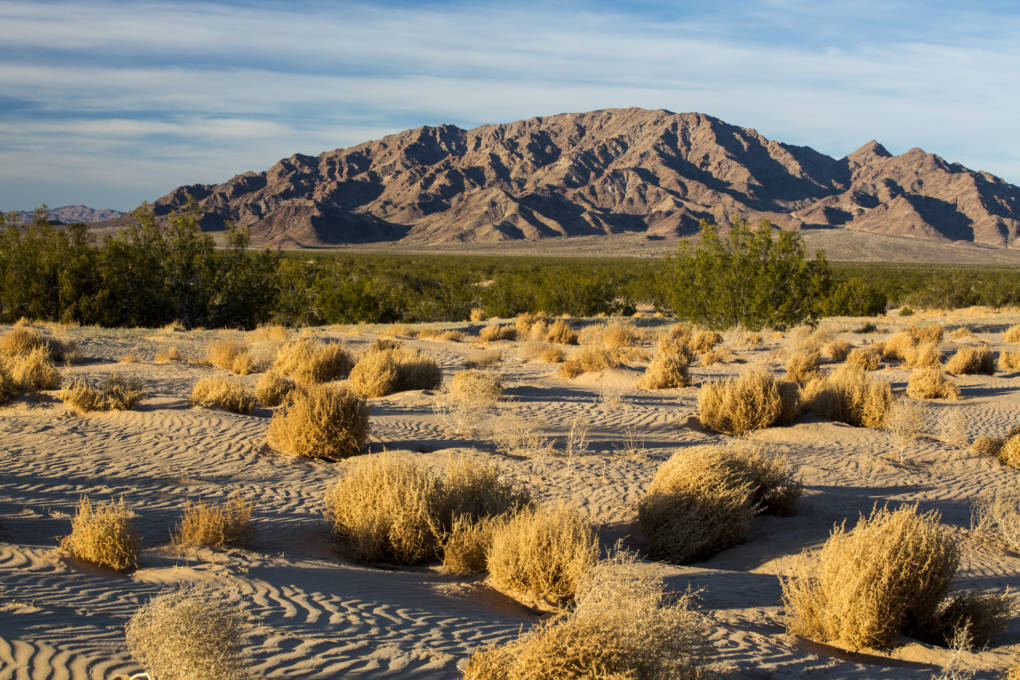
"caption": "The Ship Mountains, as seen from Cadiz Dunes in Mojave Trails National Monument.",
"description": null,
"title": "BLM Mojave Trails National Monument",
"credit": "\u003ca href=\"https://www.flickr.com/photos/mypubliclands/24709817770/in/album-72157663936032779/\" rel=\"noopener\" target=\"_blank\">Bob Wick/Bureau of Land Management/Flickr\u003c/a>",
"status": "inherit",
"isLoading": false,
"fetchFailed": false
},
"science_1929790": {
"type": "attachments",
"id": "science_1929790",
"meta": {
"index": "attachments_1716263798",
"site": "science",
"id": "1929790",
"found": true
},
"parent": 1929758,
"imgSizes": {
"small": {
"file": "https://ww2.kqed.org/app/uploads/sites/35/2018/08/RANCH_SCALE_MILES_180811-520x293.jpg",
"width": 520,
"mimeType": "image/jpeg",
"height": 293
},
"twentyfourteen-full-width": {
"file": "https://ww2.kqed.org/app/uploads/sites/35/2018/08/RANCH_SCALE_MILES_180811-1038x576.jpg",
"width": 1038,
"mimeType": "image/jpeg",
"height": 576
},
"thumbnail": {
"file": "https://ww2.kqed.org/app/uploads/sites/35/2018/08/RANCH_SCALE_MILES_180811-160x90.jpg",
"width": 160,
"mimeType": "image/jpeg",
"height": 90
},
"fd-sm": {
"file": "https://ww2.kqed.org/app/uploads/sites/35/2018/08/RANCH_SCALE_MILES_180811-960x540.jpg",
"width": 960,
"mimeType": "image/jpeg",
"height": 540
},
"post-thumbnail": {
"file": "https://ww2.kqed.org/app/uploads/sites/35/2018/08/RANCH_SCALE_MILES_180811-672x372.jpg",
"width": 672,
"mimeType": "image/jpeg",
"height": 372
},
"xsmall": {
"file": "https://ww2.kqed.org/app/uploads/sites/35/2018/08/RANCH_SCALE_MILES_180811-375x211.jpg",
"width": 375,
"mimeType": "image/jpeg",
"height": 211
},
"kqedFullSize": {
"file": "https://ww2.kqed.org/app/uploads/sites/35/2018/08/RANCH_SCALE_MILES_180811.jpg",
"width": 1920,
"height": 1080
},
"large": {
"file": "https://ww2.kqed.org/app/uploads/sites/35/2018/08/RANCH_SCALE_MILES_180811-1020x574.jpg",
"width": 1020,
"mimeType": "image/jpeg",
"height": 574
},
"xlarge": {
"file": "https://ww2.kqed.org/app/uploads/sites/35/2018/08/RANCH_SCALE_MILES_180811-1180x664.jpg",
"width": 1180,
"mimeType": "image/jpeg",
"height": 664
},
"complete_open_graph": {
"file": "https://ww2.kqed.org/app/uploads/sites/35/2018/08/RANCH_SCALE_MILES_180811-1200x675.jpg",
"width": 1200,
"mimeType": "image/jpeg",
"height": 675
},
"guest-author-50": {
"file": "https://ww2.kqed.org/app/uploads/sites/35/2018/08/RANCH_SCALE_MILES_180811-50x50.jpg",
"width": 50,
"mimeType": "image/jpeg",
"height": 50
},
"guest-author-96": {
"file": "https://ww2.kqed.org/app/uploads/sites/35/2018/08/RANCH_SCALE_MILES_180811-96x96.jpg",
"width": 96,
"mimeType": "image/jpeg",
"height": 96
},
"medium": {
"file": "https://ww2.kqed.org/app/uploads/sites/35/2018/08/RANCH_SCALE_MILES_180811-800x450.jpg",
"width": 800,
"mimeType": "image/jpeg",
"height": 450
},
"guest-author-64": {
"file": "https://ww2.kqed.org/app/uploads/sites/35/2018/08/RANCH_SCALE_MILES_180811-64x64.jpg",
"width": 64,
"mimeType": "image/jpeg",
"height": 64
},
"guest-author-32": {
"file": "https://ww2.kqed.org/app/uploads/sites/35/2018/08/RANCH_SCALE_MILES_180811-32x32.jpg",
"width": 32,
"mimeType": "image/jpeg",
"height": 32
},
"fd-lrg": {
"file": "https://ww2.kqed.org/app/uploads/sites/35/2018/08/RANCH_SCALE_MILES_180811-1920x1080.jpg",
"width": 1920,
"mimeType": "image/jpeg",
"height": 1080
},
"fd-med": {
"file": "https://ww2.kqed.org/app/uploads/sites/35/2018/08/RANCH_SCALE_MILES_180811-1180x664.jpg",
"width": 1180,
"mimeType": "image/jpeg",
"height": 664
},
"full-width": {
"file": "https://ww2.kqed.org/app/uploads/sites/35/2018/08/RANCH_SCALE_MILES_180811-1920x1080.jpg",
"width": 1920,
"mimeType": "image/jpeg",
"height": 1080
},
"detail": {
"file": "https://ww2.kqed.org/app/uploads/sites/35/2018/08/RANCH_SCALE_MILES_180811-150x150.jpg",
"width": 150,
"mimeType": "image/jpeg",
"height": 150
},
"medium_large": {
"file": "https://ww2.kqed.org/app/uploads/sites/35/2018/08/RANCH_SCALE_MILES_180811-768x432.jpg",
"width": 768,
"mimeType": "image/jpeg",
"height": 432
},
"guest-author-128": {
"file": "https://ww2.kqed.org/app/uploads/sites/35/2018/08/RANCH_SCALE_MILES_180811-128x128.jpg",
"width": 128,
"mimeType": "image/jpeg",
"height": 128
},
"xxsmall": {
"file": "https://ww2.kqed.org/app/uploads/sites/35/2018/08/RANCH_SCALE_MILES_180811-240x135.jpg",
"width": 240,
"mimeType": "image/jpeg",
"height": 135
}
},
"publishDate": 1534280343,
"modified": 1534283683,
"caption": "A satellite image of smoke from the Ranch Fire, August 11, 2018. The image shows a span of 60 miles east to west and 35 miles north to south.",
"description": "A satellite image of smoke from the Ranch Fire, August 11, 2018. The image shows a span of 60 miles east to west and 35 miles north to south.",
"title": "RANCH_SCALE_MILES_180811",
"credit": "Planet Labs",
"status": "inherit",
"isLoading": false,
"fetchFailed": false
},
"science_1927153": {
"type": "attachments",
"id": "science_1927153",
"meta": {
"index": "attachments_1716263798",
"site": "science",
"id": "1927153",
"found": true
},
"parent": 1927142,
"imgSizes": {
"small": {
"file": "https://ww2.kqed.org/app/uploads/sites/35/2018/07/GettyImages-994931004-520x363.jpg",
"width": 520,
"mimeType": "image/jpeg",
"height": 363
},
"twentyfourteen-full-width": {
"file": "https://ww2.kqed.org/app/uploads/sites/35/2018/07/GettyImages-994931004-1038x576.jpg",
"width": 1038,
"mimeType": "image/jpeg",
"height": 576
},
"thumbnail": {
"file": "https://ww2.kqed.org/app/uploads/sites/35/2018/07/GettyImages-994931004-160x112.jpg",
"width": 160,
"mimeType": "image/jpeg",
"height": 112
},
"fd-sm": {
"file": "https://ww2.kqed.org/app/uploads/sites/35/2018/07/GettyImages-994931004-960x670.jpg",
"width": 960,
"mimeType": "image/jpeg",
"height": 670
},
"post-thumbnail": {
"file": "https://ww2.kqed.org/app/uploads/sites/35/2018/07/GettyImages-994931004-672x372.jpg",
"width": 672,
"mimeType": "image/jpeg",
"height": 372
},
"xsmall": {
"file": "https://ww2.kqed.org/app/uploads/sites/35/2018/07/GettyImages-994931004-375x262.jpg",
"width": 375,
"mimeType": "image/jpeg",
"height": 262
},
"kqedFullSize": {
"file": "https://ww2.kqed.org/app/uploads/sites/35/2018/07/GettyImages-994931004-e1540254135420.jpg",
"width": 1920,
"height": 1341
},
"large": {
"file": "https://ww2.kqed.org/app/uploads/sites/35/2018/07/GettyImages-994931004-1020x712.jpg",
"width": 1020,
"mimeType": "image/jpeg",
"height": 712
},
"xlarge": {
"file": "https://ww2.kqed.org/app/uploads/sites/35/2018/07/GettyImages-994931004-1180x824.jpg",
"width": 1180,
"mimeType": "image/jpeg",
"height": 824
},
"complete_open_graph": {
"file": "https://ww2.kqed.org/app/uploads/sites/35/2018/07/GettyImages-994931004-1200x838.jpg",
"width": 1200,
"mimeType": "image/jpeg",
"height": 838
},
"guest-author-50": {
"file": "https://ww2.kqed.org/app/uploads/sites/35/2018/07/GettyImages-994931004-50x50.jpg",
"width": 50,
"mimeType": "image/jpeg",
"height": 50
},
"guest-author-96": {
"file": "https://ww2.kqed.org/app/uploads/sites/35/2018/07/GettyImages-994931004-96x96.jpg",
"width": 96,
"mimeType": "image/jpeg",
"height": 96
},
"medium": {
"file": "https://ww2.kqed.org/app/uploads/sites/35/2018/07/GettyImages-994931004-800x559.jpg",
"width": 800,
"mimeType": "image/jpeg",
"height": 559
},
"guest-author-64": {
"file": "https://ww2.kqed.org/app/uploads/sites/35/2018/07/GettyImages-994931004-64x64.jpg",
"width": 64,
"mimeType": "image/jpeg",
"height": 64
},
"guest-author-32": {
"file": "https://ww2.kqed.org/app/uploads/sites/35/2018/07/GettyImages-994931004-32x32.jpg",
"width": 32,
"mimeType": "image/jpeg",
"height": 32
},
"fd-lrg": {
"file": "https://ww2.kqed.org/app/uploads/sites/35/2018/07/GettyImages-994931004-1920x1341.jpg",
"width": 1920,
"mimeType": "image/jpeg",
"height": 1341
},
"fd-med": {
"file": "https://ww2.kqed.org/app/uploads/sites/35/2018/07/GettyImages-994931004-1180x824.jpg",
"width": 1180,
"mimeType": "image/jpeg",
"height": 824
},
"full-width": {
"file": "https://ww2.kqed.org/app/uploads/sites/35/2018/07/GettyImages-994931004-1920x1341.jpg",
"width": 1920,
"mimeType": "image/jpeg",
"height": 1341
},
"detail": {
"file": "https://ww2.kqed.org/app/uploads/sites/35/2018/07/GettyImages-994931004-150x150.jpg",
"width": 150,
"mimeType": "image/jpeg",
"height": 150
},
"medium_large": {
"file": "https://ww2.kqed.org/app/uploads/sites/35/2018/07/GettyImages-994931004-768x536.jpg",
"width": 768,
"mimeType": "image/jpeg",
"height": 536
},
"guest-author-128": {
"file": "https://ww2.kqed.org/app/uploads/sites/35/2018/07/GettyImages-994931004-128x128.jpg",
"width": 128,
"mimeType": "image/jpeg",
"height": 128
},
"xxsmall": {
"file": "https://ww2.kqed.org/app/uploads/sites/35/2018/07/GettyImages-994931004-240x168.jpg",
"width": 240,
"mimeType": "image/jpeg",
"height": 168
}
},
"publishDate": 1531252700,
"modified": 1554502993,
"caption": "Plaintiff Dewayne Johnson sits while his attorney speaks about his condition during the Monsanto trial in San Francisco in July 2018. ",
"description": null,
"title": "US-chemicals-environment-trial-health-cancer-illness",
"credit": "Josh Edelson/AFP/Getty Images",
"status": "inherit",
"isLoading": false,
"fetchFailed": false
},
"science_1929449": {
"type": "attachments",
"id": "science_1929449",
"meta": {
"index": "attachments_1716263798",
"site": "science",
"id": "1929449",
"found": true
},
"parent": 1929448,
"imgSizes": {
"small": {
"file": "https://ww2.kqed.org/app/uploads/sites/35/2018/08/ao-img_9134-edit_custom-a10e2c9c32135c82034ff24b49b77d52c1ce97c6-520x346.jpg",
"width": 520,
"mimeType": "image/jpeg",
"height": 346
},
"twentyfourteen-full-width": {
"file": "https://ww2.kqed.org/app/uploads/sites/35/2018/08/ao-img_9134-edit_custom-a10e2c9c32135c82034ff24b49b77d52c1ce97c6-1038x576.jpg",
"width": 1038,
"mimeType": "image/jpeg",
"height": 576
},
"thumbnail": {
"file": "https://ww2.kqed.org/app/uploads/sites/35/2018/08/ao-img_9134-edit_custom-a10e2c9c32135c82034ff24b49b77d52c1ce97c6-160x107.jpg",
"width": 160,
"mimeType": "image/jpeg",
"height": 107
},
"fd-sm": {
"file": "https://ww2.kqed.org/app/uploads/sites/35/2018/08/ao-img_9134-edit_custom-a10e2c9c32135c82034ff24b49b77d52c1ce97c6-960x639.jpg",
"width": 960,
"mimeType": "image/jpeg",
"height": 639
},
"post-thumbnail": {
"file": "https://ww2.kqed.org/app/uploads/sites/35/2018/08/ao-img_9134-edit_custom-a10e2c9c32135c82034ff24b49b77d52c1ce97c6-672x372.jpg",
"width": 672,
"mimeType": "image/jpeg",
"height": 372
},
"xsmall": {
"file": "https://ww2.kqed.org/app/uploads/sites/35/2018/08/ao-img_9134-edit_custom-a10e2c9c32135c82034ff24b49b77d52c1ce97c6-375x250.jpg",
"width": 375,
"mimeType": "image/jpeg",
"height": 250
},
"kqedFullSize": {
"file": "https://ww2.kqed.org/app/uploads/sites/35/2018/08/ao-img_9134-edit_custom-a10e2c9c32135c82034ff24b49b77d52c1ce97c6.jpg",
"width": 3000,
"height": 1998
},
"large": {
"file": "https://ww2.kqed.org/app/uploads/sites/35/2018/08/ao-img_9134-edit_custom-a10e2c9c32135c82034ff24b49b77d52c1ce97c6-1020x679.jpg",
"width": 1020,
"mimeType": "image/jpeg",
"height": 679
},
"xlarge": {
"file": "https://ww2.kqed.org/app/uploads/sites/35/2018/08/ao-img_9134-edit_custom-a10e2c9c32135c82034ff24b49b77d52c1ce97c6-1180x786.jpg",
"width": 1180,
"mimeType": "image/jpeg",
"height": 786
},
"complete_open_graph": {
"file": "https://ww2.kqed.org/app/uploads/sites/35/2018/08/ao-img_9134-edit_custom-a10e2c9c32135c82034ff24b49b77d52c1ce97c6-1200x799.jpg",
"width": 1200,
"mimeType": "image/jpeg",
"height": 799
},
"guest-author-50": {
"file": "https://ww2.kqed.org/app/uploads/sites/35/2018/08/ao-img_9134-edit_custom-a10e2c9c32135c82034ff24b49b77d52c1ce97c6-50x50.jpg",
"width": 50,
"mimeType": "image/jpeg",
"height": 50
},
"guest-author-96": {
"file": "https://ww2.kqed.org/app/uploads/sites/35/2018/08/ao-img_9134-edit_custom-a10e2c9c32135c82034ff24b49b77d52c1ce97c6-96x96.jpg",
"width": 96,
"mimeType": "image/jpeg",
"height": 96
},
"medium": {
"file": "https://ww2.kqed.org/app/uploads/sites/35/2018/08/ao-img_9134-edit_custom-a10e2c9c32135c82034ff24b49b77d52c1ce97c6-800x533.jpg",
"width": 800,
"mimeType": "image/jpeg",
"height": 533
},
"guest-author-64": {
"file": "https://ww2.kqed.org/app/uploads/sites/35/2018/08/ao-img_9134-edit_custom-a10e2c9c32135c82034ff24b49b77d52c1ce97c6-64x64.jpg",
"width": 64,
"mimeType": "image/jpeg",
"height": 64
},
"guest-author-32": {
"file": "https://ww2.kqed.org/app/uploads/sites/35/2018/08/ao-img_9134-edit_custom-a10e2c9c32135c82034ff24b49b77d52c1ce97c6-32x32.jpg",
"width": 32,
"mimeType": "image/jpeg",
"height": 32
},
"fd-lrg": {
"file": "https://ww2.kqed.org/app/uploads/sites/35/2018/08/ao-img_9134-edit_custom-a10e2c9c32135c82034ff24b49b77d52c1ce97c6-1920x1279.jpg",
"width": 1920,
"mimeType": "image/jpeg",
"height": 1279
},
"fd-med": {
"file": "https://ww2.kqed.org/app/uploads/sites/35/2018/08/ao-img_9134-edit_custom-a10e2c9c32135c82034ff24b49b77d52c1ce97c6-1180x786.jpg",
"width": 1180,
"mimeType": "image/jpeg",
"height": 786
},
"full-width": {
"file": "https://ww2.kqed.org/app/uploads/sites/35/2018/08/ao-img_9134-edit_custom-a10e2c9c32135c82034ff24b49b77d52c1ce97c6-1920x1279.jpg",
"width": 1920,
"mimeType": "image/jpeg",
"height": 1279
},
"detail": {
"file": "https://ww2.kqed.org/app/uploads/sites/35/2018/08/ao-img_9134-edit_custom-a10e2c9c32135c82034ff24b49b77d52c1ce97c6-150x150.jpg",
"width": 150,
"mimeType": "image/jpeg",
"height": 150
},
"medium_large": {
"file": "https://ww2.kqed.org/app/uploads/sites/35/2018/08/ao-img_9134-edit_custom-a10e2c9c32135c82034ff24b49b77d52c1ce97c6-768x511.jpg",
"width": 768,
"mimeType": "image/jpeg",
"height": 511
},
"guest-author-128": {
"file": "https://ww2.kqed.org/app/uploads/sites/35/2018/08/ao-img_9134-edit_custom-a10e2c9c32135c82034ff24b49b77d52c1ce97c6-128x128.jpg",
"width": 128,
"mimeType": "image/jpeg",
"height": 128
},
"xxsmall": {
"file": "https://ww2.kqed.org/app/uploads/sites/35/2018/08/ao-img_9134-edit_custom-a10e2c9c32135c82034ff24b49b77d52c1ce97c6-240x160.jpg",
"width": 240,
"mimeType": "image/jpeg",
"height": 160
}
},
"publishDate": 1533920999,
"modified": 1533920999,
"caption": null,
"description": "Collections manager René Corado examines an egg, from a newly donated collection of 1,200 specimens, for a tiny notation made by the collector that can help Corado reconstruct when and where the egg was collected. \"It's just like detective work and I'm so excited because I'm finding all the data,\" he says",
"title": "Collections manager René Corado examines an egg, from a newly donated collection of 1,200 specimens, for a tiny notation made by the collector that can help Corado reconstruct when and where the egg was collected. \"It's just like detective work and I'm so excited because I'm finding all the data,\" he says.",
"credit": null,
"status": "inherit",
"isLoading": false,
"fetchFailed": false
},
"science_1929273": {
"type": "attachments",
"id": "science_1929273",
"meta": {
"index": "attachments_1716263798",
"site": "science",
"id": "1929273",
"found": true
},
"parent": 1929271,
"imgSizes": {
"small": {
"file": "https://ww2.kqed.org/app/uploads/sites/35/2018/08/GettyImages-1008970588-520x347.jpg",
"width": 520,
"mimeType": "image/jpeg",
"height": 347
},
"twentyfourteen-full-width": {
"file": "https://ww2.kqed.org/app/uploads/sites/35/2018/08/GettyImages-1008970588-1038x576.jpg",
"width": 1038,
"mimeType": "image/jpeg",
"height": 576
},
"thumbnail": {
"file": "https://ww2.kqed.org/app/uploads/sites/35/2018/08/GettyImages-1008970588-160x107.jpg",
"width": 160,
"mimeType": "image/jpeg",
"height": 107
},
"fd-sm": {
"file": "https://ww2.kqed.org/app/uploads/sites/35/2018/08/GettyImages-1008970588-960x640.jpg",
"width": 960,
"mimeType": "image/jpeg",
"height": 640
},
"post-thumbnail": {
"file": "https://ww2.kqed.org/app/uploads/sites/35/2018/08/GettyImages-1008970588-672x372.jpg",
"width": 672,
"mimeType": "image/jpeg",
"height": 372
},
"xsmall": {
"file": "https://ww2.kqed.org/app/uploads/sites/35/2018/08/GettyImages-1008970588-375x250.jpg",
"width": 375,
"mimeType": "image/jpeg",
"height": 250
},
"kqedFullSize": {
"file": "https://ww2.kqed.org/app/uploads/sites/35/2018/08/GettyImages-1008970588.jpg",
"width": 3000,
"height": 2000
},
"large": {
"file": "https://ww2.kqed.org/app/uploads/sites/35/2018/08/GettyImages-1008970588-1020x680.jpg",
"width": 1020,
"mimeType": "image/jpeg",
"height": 680
},
"xlarge": {
"file": "https://ww2.kqed.org/app/uploads/sites/35/2018/08/GettyImages-1008970588-1180x787.jpg",
"width": 1180,
"mimeType": "image/jpeg",
"height": 787
},
"complete_open_graph": {
"file": "https://ww2.kqed.org/app/uploads/sites/35/2018/08/GettyImages-1008970588-1200x800.jpg",
"width": 1200,
"mimeType": "image/jpeg",
"height": 800
},
"guest-author-50": {
"file": "https://ww2.kqed.org/app/uploads/sites/35/2018/08/GettyImages-1008970588-50x50.jpg",
"width": 50,
"mimeType": "image/jpeg",
"height": 50
},
"guest-author-96": {
"file": "https://ww2.kqed.org/app/uploads/sites/35/2018/08/GettyImages-1008970588-96x96.jpg",
"width": 96,
"mimeType": "image/jpeg",
"height": 96
},
"medium": {
"file": "https://ww2.kqed.org/app/uploads/sites/35/2018/08/GettyImages-1008970588-800x533.jpg",
"width": 800,
"mimeType": "image/jpeg",
"height": 533
},
"guest-author-64": {
"file": "https://ww2.kqed.org/app/uploads/sites/35/2018/08/GettyImages-1008970588-64x64.jpg",
"width": 64,
"mimeType": "image/jpeg",
"height": 64
},
"guest-author-32": {
"file": "https://ww2.kqed.org/app/uploads/sites/35/2018/08/GettyImages-1008970588-32x32.jpg",
"width": 32,
"mimeType": "image/jpeg",
"height": 32
},
"fd-lrg": {
"file": "https://ww2.kqed.org/app/uploads/sites/35/2018/08/GettyImages-1008970588-1920x1280.jpg",
"width": 1920,
"mimeType": "image/jpeg",
"height": 1280
},
"fd-med": {
"file": "https://ww2.kqed.org/app/uploads/sites/35/2018/08/GettyImages-1008970588-1180x787.jpg",
"width": 1180,
"mimeType": "image/jpeg",
"height": 787
},
"full-width": {
"file": "https://ww2.kqed.org/app/uploads/sites/35/2018/08/GettyImages-1008970588-1920x1280.jpg",
"width": 1920,
"mimeType": "image/jpeg",
"height": 1280
},
"detail": {
"file": "https://ww2.kqed.org/app/uploads/sites/35/2018/08/GettyImages-1008970588-150x150.jpg",
"width": 150,
"mimeType": "image/jpeg",
"height": 150
},
"medium_large": {
"file": "https://ww2.kqed.org/app/uploads/sites/35/2018/08/GettyImages-1008970588-768x512.jpg",
"width": 768,
"mimeType": "image/jpeg",
"height": 512
},
"guest-author-128": {
"file": "https://ww2.kqed.org/app/uploads/sites/35/2018/08/GettyImages-1008970588-128x128.jpg",
"width": 128,
"mimeType": "image/jpeg",
"height": 128
},
"xxsmall": {
"file": "https://ww2.kqed.org/app/uploads/sites/35/2018/08/GettyImages-1008970588-240x160.jpg",
"width": 240,
"mimeType": "image/jpeg",
"height": 160
}
},
"publishDate": 1533852825,
"modified": 1533853297,
"caption": "Acting EPA Administrator Andrew Wheeler testifies before a Senate committee August 1, 2018 in Washington, DC. A federal appeals court has ordered the Environmental Protection Agency to remove chlorpyrifos from sale in the United States within 60 days.",
"description": null,
"title": "Acting EPA Administrator Andrew Wheeler Testifies At Senate Hearing On EPA Agenda",
"credit": "Win McNamee/Getty Images",
"status": "inherit",
"isLoading": false,
"fetchFailed": false
},
"science_1929241": {
"type": "attachments",
"id": "science_1929241",
"meta": {
"index": "attachments_1716263798",
"site": "science",
"id": "1929241",
"found": true
},
"title": "Firefighters monitor a back fire as they battle the Medocino Complex Fire on August 7, 2018 near Lodoga, California.",
"publishDate": 1533849684,
"status": "inherit",
"parent": 1929240,
"modified": 1763418758,
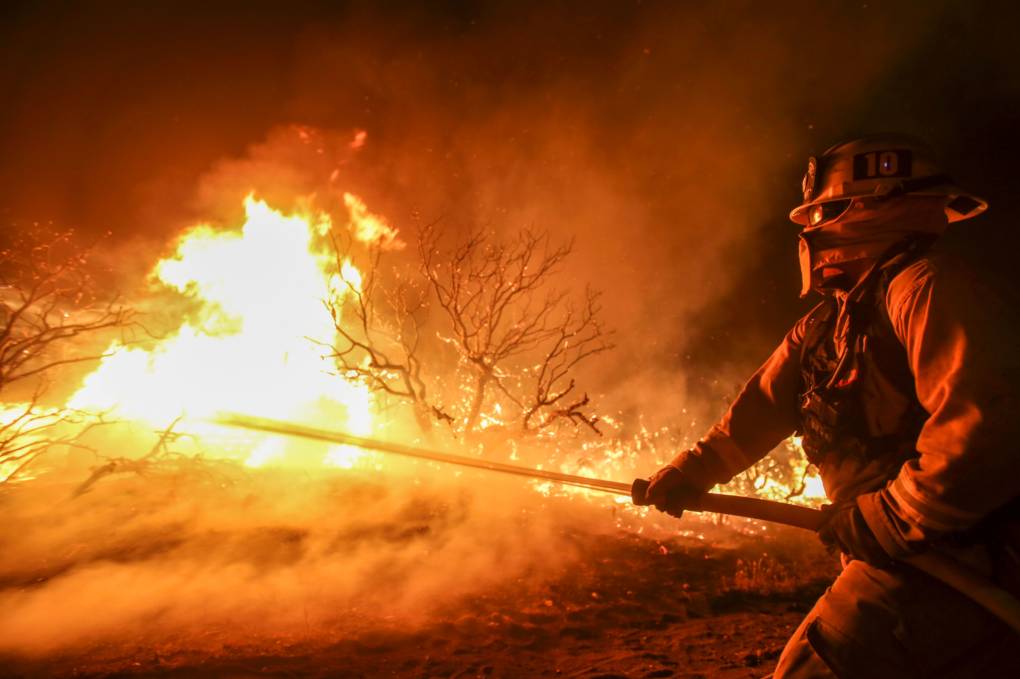
"caption": "Firefighters monitor a back fire as they battle the Medocino Complex Fire on Aug. 7, 2018 near Lodoga, California.\n",
"credit": "Justin Sullivan/Getty Images",
"altTag": null,
"description": "Firefighters monitor a back fire as they battle the Medocino Complex Fire on August 7, 2018 near Lodoga, California.",
"imgSizes": {
"thumbnail": {
"file": "https://cdn.kqed.org/wp-content/uploads/sites/35/2018/08/gettyimages-1013042968-d42cde49a52b185ef0c81fd477baa7c35b18946a-160x120.jpg",
"width": 160,
"height": 120,
"mimeType": "image/jpeg"
},
"medium": {
"file": "https://cdn.kqed.org/wp-content/uploads/sites/35/2018/08/gettyimages-1013042968-d42cde49a52b185ef0c81fd477baa7c35b18946a-800x600.jpg",
"width": 800,
"height": 600,
"mimeType": "image/jpeg"
},
"medium_large": {
"file": "https://cdn.kqed.org/wp-content/uploads/sites/35/2018/08/gettyimages-1013042968-d42cde49a52b185ef0c81fd477baa7c35b18946a-768x576.jpg",
"width": 768,
"height": 576,
"mimeType": "image/jpeg"
},
"large": {
"file": "https://cdn.kqed.org/wp-content/uploads/sites/35/2018/08/gettyimages-1013042968-d42cde49a52b185ef0c81fd477baa7c35b18946a-1020x765.jpg",
"width": 1020,
"height": 765,
"mimeType": "image/jpeg"
},
"complete_open_graph": {
"file": "https://cdn.kqed.org/wp-content/uploads/sites/35/2018/08/gettyimages-1013042968-d42cde49a52b185ef0c81fd477baa7c35b18946a-1200x900.jpg",
"width": 1200,
"height": 900,
"mimeType": "image/jpeg"
},
"fd-lrg": {
"file": "https://cdn.kqed.org/wp-content/uploads/sites/35/2018/08/gettyimages-1013042968-d42cde49a52b185ef0c81fd477baa7c35b18946a-1920x1440.jpg",
"width": 1920,
"height": 1440,
"mimeType": "image/jpeg"
},
"fd-med": {
"file": "https://cdn.kqed.org/wp-content/uploads/sites/35/2018/08/gettyimages-1013042968-d42cde49a52b185ef0c81fd477baa7c35b18946a-1180x885.jpg",
"width": 1180,
"height": 885,
"mimeType": "image/jpeg"
},
"fd-sm": {
"file": "https://cdn.kqed.org/wp-content/uploads/sites/35/2018/08/gettyimages-1013042968-d42cde49a52b185ef0c81fd477baa7c35b18946a-960x720.jpg",
"width": 960,
"height": 720,
"mimeType": "image/jpeg"
},
"post-thumbnail": {
"file": "https://cdn.kqed.org/wp-content/uploads/sites/35/2018/08/gettyimages-1013042968-d42cde49a52b185ef0c81fd477baa7c35b18946a-672x372.jpg",
"width": 672,
"height": 372,
"mimeType": "image/jpeg"
},
"twentyfourteen-full-width": {
"file": "https://cdn.kqed.org/wp-content/uploads/sites/35/2018/08/gettyimages-1013042968-d42cde49a52b185ef0c81fd477baa7c35b18946a-1038x576.jpg",
"width": 1038,
"height": 576,
"mimeType": "image/jpeg"
},
"xxsmall": {
"file": "https://cdn.kqed.org/wp-content/uploads/sites/35/2018/08/gettyimages-1013042968-d42cde49a52b185ef0c81fd477baa7c35b18946a-240x180.jpg",
"width": 240,
"height": 180,
"mimeType": "image/jpeg"
},
"xsmall": {
"file": "https://cdn.kqed.org/wp-content/uploads/sites/35/2018/08/gettyimages-1013042968-d42cde49a52b185ef0c81fd477baa7c35b18946a-375x281.jpg",
"width": 375,
"height": 281,
"mimeType": "image/jpeg"
},
"small": {
"file": "https://cdn.kqed.org/wp-content/uploads/sites/35/2018/08/gettyimages-1013042968-d42cde49a52b185ef0c81fd477baa7c35b18946a-520x390.jpg",
"width": 520,
"height": 390,
"mimeType": "image/jpeg"
},
"xlarge": {
"file": "https://cdn.kqed.org/wp-content/uploads/sites/35/2018/08/gettyimages-1013042968-d42cde49a52b185ef0c81fd477baa7c35b18946a-1180x885.jpg",
"width": 1180,
"height": 885,
"mimeType": "image/jpeg"
},
"full-width": {
"file": "https://cdn.kqed.org/wp-content/uploads/sites/35/2018/08/gettyimages-1013042968-d42cde49a52b185ef0c81fd477baa7c35b18946a-1920x1440.jpg",
"width": 1920,
"height": 1440,
"mimeType": "image/jpeg"
},
"guest-author-32": {
"file": "https://cdn.kqed.org/wp-content/uploads/sites/35/2018/08/gettyimages-1013042968-d42cde49a52b185ef0c81fd477baa7c35b18946a-32x32.jpg",
"width": 32,
"height": 32,
"mimeType": "image/jpeg"
},
"guest-author-50": {
"file": "https://cdn.kqed.org/wp-content/uploads/sites/35/2018/08/gettyimages-1013042968-d42cde49a52b185ef0c81fd477baa7c35b18946a-50x50.jpg",
"width": 50,
"height": 50,
"mimeType": "image/jpeg"
},
"guest-author-64": {
"file": "https://cdn.kqed.org/wp-content/uploads/sites/35/2018/08/gettyimages-1013042968-d42cde49a52b185ef0c81fd477baa7c35b18946a-64x64.jpg",
"width": 64,
"height": 64,
"mimeType": "image/jpeg"
},
"guest-author-96": {
"file": "https://cdn.kqed.org/wp-content/uploads/sites/35/2018/08/gettyimages-1013042968-d42cde49a52b185ef0c81fd477baa7c35b18946a-96x96.jpg",
"width": 96,
"height": 96,
"mimeType": "image/jpeg"
},
"guest-author-128": {
"file": "https://cdn.kqed.org/wp-content/uploads/sites/35/2018/08/gettyimages-1013042968-d42cde49a52b185ef0c81fd477baa7c35b18946a-128x128.jpg",
"width": 128,
"height": 128,
"mimeType": "image/jpeg"
},
"detail": {
"file": "https://cdn.kqed.org/wp-content/uploads/sites/35/2018/08/gettyimages-1013042968-d42cde49a52b185ef0c81fd477baa7c35b18946a-150x150.jpg",
"width": 150,
"height": 150,
"mimeType": "image/jpeg"
},
"kqedFullSize": {
"file": "https://cdn.kqed.org/wp-content/uploads/sites/35/2018/08/gettyimages-1013042968-d42cde49a52b185ef0c81fd477baa7c35b18946a-e1763418771171.jpg",
"width": 2000,
"height": 1500
}
},
"isLoading": false,
"fetchFailed": false
},
"science_1929156": {
"type": "attachments",
"id": "science_1929156",
"meta": {
"index": "attachments_1716263798",
"site": "science",
"id": "1929156",
"found": true
},
"parent": 1929151,
"imgSizes": {
"small": {
"file": "https://ww2.kqed.org/app/uploads/sites/35/2018/08/RS6203_idyllwildfire20130817-520x327.jpg",
"width": 520,
"mimeType": "image/jpeg",
"height": 327
},
"twentyfourteen-full-width": {
"file": "https://ww2.kqed.org/app/uploads/sites/35/2018/08/RS6203_idyllwildfire20130817-1038x576.jpg",
"width": 1038,
"mimeType": "image/jpeg",
"height": 576
},
"thumbnail": {
"file": "https://ww2.kqed.org/app/uploads/sites/35/2018/08/RS6203_idyllwildfire20130817-160x101.jpg",
"width": 160,
"mimeType": "image/jpeg",
"height": 101
},
"fd-sm": {
"file": "https://ww2.kqed.org/app/uploads/sites/35/2018/08/RS6203_idyllwildfire20130817-960x604.jpg",
"width": 960,
"mimeType": "image/jpeg",
"height": 604
},
"post-thumbnail": {
"file": "https://ww2.kqed.org/app/uploads/sites/35/2018/08/RS6203_idyllwildfire20130817-672x372.jpg",
"width": 672,
"mimeType": "image/jpeg",
"height": 372
},
"xsmall": {
"file": "https://ww2.kqed.org/app/uploads/sites/35/2018/08/RS6203_idyllwildfire20130817-375x236.jpg",
"width": 375,
"mimeType": "image/jpeg",
"height": 236
},
"kqedFullSize": {
"file": "https://ww2.kqed.org/app/uploads/sites/35/2018/08/RS6203_idyllwildfire20130817.jpg",
"width": 3000,
"height": 1888
},
"large": {
"file": "https://ww2.kqed.org/app/uploads/sites/35/2018/08/RS6203_idyllwildfire20130817-1020x642.jpg",
"width": 1020,
"mimeType": "image/jpeg",
"height": 642
},
"xlarge": {
"file": "https://ww2.kqed.org/app/uploads/sites/35/2018/08/RS6203_idyllwildfire20130817-1180x743.jpg",
"width": 1180,
"mimeType": "image/jpeg",
"height": 743
},
"complete_open_graph": {
"file": "https://ww2.kqed.org/app/uploads/sites/35/2018/08/RS6203_idyllwildfire20130817-1200x755.jpg",
"width": 1200,
"mimeType": "image/jpeg",
"height": 755
},
"guest-author-50": {
"file": "https://ww2.kqed.org/app/uploads/sites/35/2018/08/RS6203_idyllwildfire20130817-50x50.jpg",
"width": 50,
"mimeType": "image/jpeg",
"height": 50
},
"guest-author-96": {
"file": "https://ww2.kqed.org/app/uploads/sites/35/2018/08/RS6203_idyllwildfire20130817-96x96.jpg",
"width": 96,
"mimeType": "image/jpeg",
"height": 96
},
"medium": {
"file": "https://ww2.kqed.org/app/uploads/sites/35/2018/08/RS6203_idyllwildfire20130817-800x503.jpg",
"width": 800,
"mimeType": "image/jpeg",
"height": 503
},
"guest-author-64": {
"file": "https://ww2.kqed.org/app/uploads/sites/35/2018/08/RS6203_idyllwildfire20130817-64x64.jpg",
"width": 64,
"mimeType": "image/jpeg",
"height": 64
},
"guest-author-32": {
"file": "https://ww2.kqed.org/app/uploads/sites/35/2018/08/RS6203_idyllwildfire20130817-32x32.jpg",
"width": 32,
"mimeType": "image/jpeg",
"height": 32
},
"fd-lrg": {
"file": "https://ww2.kqed.org/app/uploads/sites/35/2018/08/RS6203_idyllwildfire20130817-1920x1208.jpg",
"width": 1920,
"mimeType": "image/jpeg",
"height": 1208
},
"fd-med": {
"file": "https://ww2.kqed.org/app/uploads/sites/35/2018/08/RS6203_idyllwildfire20130817-1180x743.jpg",
"width": 1180,
"mimeType": "image/jpeg",
"height": 743
},
"full-width": {
"file": "https://ww2.kqed.org/app/uploads/sites/35/2018/08/RS6203_idyllwildfire20130817-1920x1208.jpg",
"width": 1920,
"mimeType": "image/jpeg",
"height": 1208
},
"detail": {
"file": "https://ww2.kqed.org/app/uploads/sites/35/2018/08/RS6203_idyllwildfire20130817-150x150.jpg",
"width": 150,
"mimeType": "image/jpeg",
"height": 150
},
"medium_large": {
"file": "https://ww2.kqed.org/app/uploads/sites/35/2018/08/RS6203_idyllwildfire20130817-768x483.jpg",
"width": 768,
"mimeType": "image/jpeg",
"height": 483
},
"guest-author-128": {
"file": "https://ww2.kqed.org/app/uploads/sites/35/2018/08/RS6203_idyllwildfire20130817-128x128.jpg",
"width": 128,
"mimeType": "image/jpeg",
"height": 128
},
"xxsmall": {
"file": "https://ww2.kqed.org/app/uploads/sites/35/2018/08/RS6203_idyllwildfire20130817-240x151.jpg",
"width": 240,
"mimeType": "image/jpeg",
"height": 151
}
},
"publishDate": 1533831212,
"modified": 1533831298,
"caption": "A large plum of smoke rises to the sky from the out to control Mountian Fire on July 18, 2013 in Idyllwild, California. \n\n",
"description": null,
"title": "Mountain Fire In Southern California Grows In Strength",
"credit": "Kevork Djansezian/Getty Images",
"status": "inherit",
"isLoading": false,
"fetchFailed": false
},
"science_1929047": {
"type": "attachments",
"id": "science_1929047",
"meta": {
"index": "attachments_1716263798",
"site": "science",
"id": "1929047",
"found": true
},
"parent": 1928992,
"imgSizes": {
"small": {
"file": "https://ww2.kqed.org/app/uploads/sites/35/2018/08/GettyImages-1013042648-520x347.jpg",
"width": 520,
"mimeType": "image/jpeg",
"height": 347
},
"twentyfourteen-full-width": {
"file": "https://ww2.kqed.org/app/uploads/sites/35/2018/08/GettyImages-1013042648-1038x576.jpg",
"width": 1038,
"mimeType": "image/jpeg",
"height": 576
},
"thumbnail": {
"file": "https://ww2.kqed.org/app/uploads/sites/35/2018/08/GettyImages-1013042648-160x107.jpg",
"width": 160,
"mimeType": "image/jpeg",
"height": 107
},
"fd-sm": {
"file": "https://ww2.kqed.org/app/uploads/sites/35/2018/08/GettyImages-1013042648-960x640.jpg",
"width": 960,
"mimeType": "image/jpeg",
"height": 640
},
"post-thumbnail": {
"file": "https://ww2.kqed.org/app/uploads/sites/35/2018/08/GettyImages-1013042648-672x372.jpg",
"width": 672,
"mimeType": "image/jpeg",
"height": 372
},
"xsmall": {
"file": "https://ww2.kqed.org/app/uploads/sites/35/2018/08/GettyImages-1013042648-375x250.jpg",
"width": 375,
"mimeType": "image/jpeg",
"height": 250
},
"kqedFullSize": {
"file": "https://ww2.kqed.org/app/uploads/sites/35/2018/08/GettyImages-1013042648.jpg",
"width": 3000,
"height": 2000
},
"large": {
"file": "https://ww2.kqed.org/app/uploads/sites/35/2018/08/GettyImages-1013042648-1020x680.jpg",
"width": 1020,
"mimeType": "image/jpeg",
"height": 680
},
"xlarge": {
"file": "https://ww2.kqed.org/app/uploads/sites/35/2018/08/GettyImages-1013042648-1180x787.jpg",
"width": 1180,
"mimeType": "image/jpeg",
"height": 787
},
"complete_open_graph": {
"file": "https://ww2.kqed.org/app/uploads/sites/35/2018/08/GettyImages-1013042648-1200x800.jpg",
"width": 1200,
"mimeType": "image/jpeg",
"height": 800
},
"guest-author-50": {
"file": "https://ww2.kqed.org/app/uploads/sites/35/2018/08/GettyImages-1013042648-50x50.jpg",
"width": 50,
"mimeType": "image/jpeg",
"height": 50
},
"guest-author-96": {
"file": "https://ww2.kqed.org/app/uploads/sites/35/2018/08/GettyImages-1013042648-96x96.jpg",
"width": 96,
"mimeType": "image/jpeg",
"height": 96
},
"medium": {
"file": "https://ww2.kqed.org/app/uploads/sites/35/2018/08/GettyImages-1013042648-800x533.jpg",
"width": 800,
"mimeType": "image/jpeg",
"height": 533
},
"guest-author-64": {
"file": "https://ww2.kqed.org/app/uploads/sites/35/2018/08/GettyImages-1013042648-64x64.jpg",
"width": 64,
"mimeType": "image/jpeg",
"height": 64
},
"guest-author-32": {
"file": "https://ww2.kqed.org/app/uploads/sites/35/2018/08/GettyImages-1013042648-32x32.jpg",
"width": 32,
"mimeType": "image/jpeg",
"height": 32
},
"fd-lrg": {
"file": "https://ww2.kqed.org/app/uploads/sites/35/2018/08/GettyImages-1013042648-1920x1280.jpg",
"width": 1920,
"mimeType": "image/jpeg",
"height": 1280
},
"fd-med": {
"file": "https://ww2.kqed.org/app/uploads/sites/35/2018/08/GettyImages-1013042648-1180x787.jpg",
"width": 1180,
"mimeType": "image/jpeg",
"height": 787
},
"full-width": {
"file": "https://ww2.kqed.org/app/uploads/sites/35/2018/08/GettyImages-1013042648-1920x1280.jpg",
"width": 1920,
"mimeType": "image/jpeg",
"height": 1280
},
"detail": {
"file": "https://ww2.kqed.org/app/uploads/sites/35/2018/08/GettyImages-1013042648-150x150.jpg",
"width": 150,
"mimeType": "image/jpeg",
"height": 150
},
"medium_large": {
"file": "https://ww2.kqed.org/app/uploads/sites/35/2018/08/GettyImages-1013042648-768x512.jpg",
"width": 768,
"mimeType": "image/jpeg",
"height": 512
},
"guest-author-128": {
"file": "https://ww2.kqed.org/app/uploads/sites/35/2018/08/GettyImages-1013042648-128x128.jpg",
"width": 128,
"mimeType": "image/jpeg",
"height": 128
},
"xxsmall": {
"file": "https://ww2.kqed.org/app/uploads/sites/35/2018/08/GettyImages-1013042648-240x160.jpg",
"width": 240,
"mimeType": "image/jpeg",
"height": 160
}
},
"publishDate": 1533769046,
"modified": 1533769076,
"caption": "Cal Fire firefighters monitor a back fire as they battle the Medocino Complex fire on August 7, 2018 near Lodoga, California. \n\n ",
"description": null,
"title": "Mendocino-Complex Fire In Northern California Grows To Largest Fire In State's History",
"credit": "Justin Sullivan/Getty Images",
"status": "inherit",
"isLoading": false,
"fetchFailed": false
},
"science_1929006": {
"type": "attachments",
"id": "science_1929006",
"meta": {
"index": "attachments_1716263798",
"site": "science",
"id": "1929006",
"found": true
},
"parent": 1928998,
"imgSizes": {
"small": {
"file": "https://ww2.kqed.org/app/uploads/sites/35/2018/08/RS28589_GettyImages-891493214-520x347.jpg",
"width": 520,
"mimeType": "image/jpeg",
"height": 347
},
"twentyfourteen-full-width": {
"file": "https://ww2.kqed.org/app/uploads/sites/35/2018/08/RS28589_GettyImages-891493214-1038x576.jpg",
"width": 1038,
"mimeType": "image/jpeg",
"height": 576
},
"thumbnail": {
"file": "https://ww2.kqed.org/app/uploads/sites/35/2018/08/RS28589_GettyImages-891493214-160x107.jpg",
"width": 160,
"mimeType": "image/jpeg",
"height": 107
},
"fd-sm": {
"file": "https://ww2.kqed.org/app/uploads/sites/35/2018/08/RS28589_GettyImages-891493214-960x640.jpg",
"width": 960,
"mimeType": "image/jpeg",
"height": 640
},
"post-thumbnail": {
"file": "https://ww2.kqed.org/app/uploads/sites/35/2018/08/RS28589_GettyImages-891493214-672x372.jpg",
"width": 672,
"mimeType": "image/jpeg",
"height": 372
},
"xsmall": {
"file": "https://ww2.kqed.org/app/uploads/sites/35/2018/08/RS28589_GettyImages-891493214-375x250.jpg",
"width": 375,
"mimeType": "image/jpeg",
"height": 250
},
"kqedFullSize": {
"file": "https://ww2.kqed.org/app/uploads/sites/35/2018/08/RS28589_GettyImages-891493214.jpg",
"width": 3500,
"height": 2333
},
"large": {
"file": "https://ww2.kqed.org/app/uploads/sites/35/2018/08/RS28589_GettyImages-891493214-1020x680.jpg",
"width": 1020,
"mimeType": "image/jpeg",
"height": 680
},
"xlarge": {
"file": "https://ww2.kqed.org/app/uploads/sites/35/2018/08/RS28589_GettyImages-891493214-1180x787.jpg",
"width": 1180,
"mimeType": "image/jpeg",
"height": 787
},
"complete_open_graph": {
"file": "https://ww2.kqed.org/app/uploads/sites/35/2018/08/RS28589_GettyImages-891493214-1200x800.jpg",
"width": 1200,
"mimeType": "image/jpeg",
"height": 800
},
"guest-author-50": {
"file": "https://ww2.kqed.org/app/uploads/sites/35/2018/08/RS28589_GettyImages-891493214-50x50.jpg",
"width": 50,
"mimeType": "image/jpeg",
"height": 50
},
"guest-author-96": {
"file": "https://ww2.kqed.org/app/uploads/sites/35/2018/08/RS28589_GettyImages-891493214-96x96.jpg",
"width": 96,
"mimeType": "image/jpeg",
"height": 96
},
"medium": {
"file": "https://ww2.kqed.org/app/uploads/sites/35/2018/08/RS28589_GettyImages-891493214-800x533.jpg",
"width": 800,
"mimeType": "image/jpeg",
"height": 533
},
"guest-author-64": {
"file": "https://ww2.kqed.org/app/uploads/sites/35/2018/08/RS28589_GettyImages-891493214-64x64.jpg",
"width": 64,
"mimeType": "image/jpeg",
"height": 64
},
"guest-author-32": {
"file": "https://ww2.kqed.org/app/uploads/sites/35/2018/08/RS28589_GettyImages-891493214-32x32.jpg",
"width": 32,
"mimeType": "image/jpeg",
"height": 32
},
"fd-lrg": {
"file": "https://ww2.kqed.org/app/uploads/sites/35/2018/08/RS28589_GettyImages-891493214-1920x1280.jpg",
"width": 1920,
"mimeType": "image/jpeg",
"height": 1280
},
"fd-med": {
"file": "https://ww2.kqed.org/app/uploads/sites/35/2018/08/RS28589_GettyImages-891493214-1180x787.jpg",
"width": 1180,
"mimeType": "image/jpeg",
"height": 787
},
"full-width": {
"file": "https://ww2.kqed.org/app/uploads/sites/35/2018/08/RS28589_GettyImages-891493214-1920x1280.jpg",
"width": 1920,
"mimeType": "image/jpeg",
"height": 1280
},
"detail": {
"file": "https://ww2.kqed.org/app/uploads/sites/35/2018/08/RS28589_GettyImages-891493214-150x150.jpg",
"width": 150,
"mimeType": "image/jpeg",
"height": 150
},
"medium_large": {
"file": "https://ww2.kqed.org/app/uploads/sites/35/2018/08/RS28589_GettyImages-891493214-768x512.jpg",
"width": 768,
"mimeType": "image/jpeg",
"height": 512
},
"guest-author-128": {
"file": "https://ww2.kqed.org/app/uploads/sites/35/2018/08/RS28589_GettyImages-891493214-128x128.jpg",
"width": 128,
"mimeType": "image/jpeg",
"height": 128
},
"xxsmall": {
"file": "https://ww2.kqed.org/app/uploads/sites/35/2018/08/RS28589_GettyImages-891493214-240x160.jpg",
"width": 240,
"mimeType": "image/jpeg",
"height": 160
}
},
"publishDate": 1533762395,
"modified": 1533762425,
"caption": "A whirlwind of embers is seen as the Thomas Fire approaches homes on December 12, 2017 in Montecito, California. ",
"description": null,
"title": "Massive Thomas Fire Threatens Santa Barbara County",
"credit": "David McNew/Getty Images",
"status": "inherit",
"isLoading": false,
"fetchFailed": false
},
"science_1928937": {
"type": "attachments",
"id": "science_1928937",
"meta": {
"index": "attachments_1716263798",
"site": "science",
"id": "1928937",
"found": true
},
"parent": 0,
"imgSizes": {
"small": {
"file": "https://ww2.kqed.org/app/uploads/sites/35/2018/08/GettyImages-955007624-520x377.jpg",
"width": 520,
"mimeType": "image/jpeg",
"height": 377
},
"twentyfourteen-full-width": {
"file": "https://ww2.kqed.org/app/uploads/sites/35/2018/08/GettyImages-955007624-1038x576.jpg",
"width": 1038,
"mimeType": "image/jpeg",
"height": 576
},
"thumbnail": {
"file": "https://ww2.kqed.org/app/uploads/sites/35/2018/08/GettyImages-955007624-160x116.jpg",
"width": 160,
"mimeType": "image/jpeg",
"height": 116
},
"fd-sm": {
"file": "https://ww2.kqed.org/app/uploads/sites/35/2018/08/GettyImages-955007624-960x697.jpg",
"width": 960,
"mimeType": "image/jpeg",
"height": 697
},
"post-thumbnail": {
"file": "https://ww2.kqed.org/app/uploads/sites/35/2018/08/GettyImages-955007624-672x372.jpg",
"width": 672,
"mimeType": "image/jpeg",
"height": 372
},
"xsmall": {
"file": "https://ww2.kqed.org/app/uploads/sites/35/2018/08/GettyImages-955007624-375x272.jpg",
"width": 375,
"mimeType": "image/jpeg",
"height": 272
},
"kqedFullSize": {
"file": "https://ww2.kqed.org/app/uploads/sites/35/2018/08/GettyImages-955007624.jpg",
"width": 3831,
"height": 2780
},
"large": {
"file": "https://ww2.kqed.org/app/uploads/sites/35/2018/08/GettyImages-955007624-1020x740.jpg",
"width": 1020,
"mimeType": "image/jpeg",
"height": 740
},
"xlarge": {
"file": "https://ww2.kqed.org/app/uploads/sites/35/2018/08/GettyImages-955007624-1180x856.jpg",
"width": 1180,
"mimeType": "image/jpeg",
"height": 856
},
"complete_open_graph": {
"file": "https://ww2.kqed.org/app/uploads/sites/35/2018/08/GettyImages-955007624-1200x871.jpg",
"width": 1200,
"mimeType": "image/jpeg",
"height": 871
},
"guest-author-50": {
"file": "https://ww2.kqed.org/app/uploads/sites/35/2018/08/GettyImages-955007624-50x50.jpg",
"width": 50,
"mimeType": "image/jpeg",
"height": 50
},
"guest-author-96": {
"file": "https://ww2.kqed.org/app/uploads/sites/35/2018/08/GettyImages-955007624-96x96.jpg",
"width": 96,
"mimeType": "image/jpeg",
"height": 96
},
"medium": {
"file": "https://ww2.kqed.org/app/uploads/sites/35/2018/08/GettyImages-955007624-800x581.jpg",
"width": 800,
"mimeType": "image/jpeg",
"height": 581
},
"guest-author-64": {
"file": "https://ww2.kqed.org/app/uploads/sites/35/2018/08/GettyImages-955007624-64x64.jpg",
"width": 64,
"mimeType": "image/jpeg",
"height": 64
},
"guest-author-32": {
"file": "https://ww2.kqed.org/app/uploads/sites/35/2018/08/GettyImages-955007624-32x32.jpg",
"width": 32,
"mimeType": "image/jpeg",
"height": 32
},
"fd-lrg": {
"file": "https://ww2.kqed.org/app/uploads/sites/35/2018/08/GettyImages-955007624-1920x1393.jpg",
"width": 1920,
"mimeType": "image/jpeg",
"height": 1393
},
"fd-med": {
"file": "https://ww2.kqed.org/app/uploads/sites/35/2018/08/GettyImages-955007624-1180x856.jpg",
"width": 1180,
"mimeType": "image/jpeg",
"height": 856
},
"full-width": {
"file": "https://ww2.kqed.org/app/uploads/sites/35/2018/08/GettyImages-955007624-1920x1393.jpg",
"width": 1920,
"mimeType": "image/jpeg",
"height": 1393
},
"detail": {
"file": "https://ww2.kqed.org/app/uploads/sites/35/2018/08/GettyImages-955007624-150x150.jpg",
"width": 150,
"mimeType": "image/jpeg",
"height": 150
},
"medium_large": {
"file": "https://ww2.kqed.org/app/uploads/sites/35/2018/08/GettyImages-955007624-768x557.jpg",
"width": 768,
"mimeType": "image/jpeg",
"height": 557
},
"guest-author-128": {
"file": "https://ww2.kqed.org/app/uploads/sites/35/2018/08/GettyImages-955007624-128x128.jpg",
"width": 128,
"mimeType": "image/jpeg",
"height": 128
},
"xxsmall": {
"file": "https://ww2.kqed.org/app/uploads/sites/35/2018/08/GettyImages-955007624-240x174.jpg",
"width": 240,
"mimeType": "image/jpeg",
"height": 174
}
},
"publishDate": 1533689529,
"modified": 1533689776,
"caption": "A column of robust, reddish-brown ash plume occurred after a magnitude 6.9 South Flank following the eruption of Hawaii's Kilauea volcano on May 4, 2018.\n",
"description": null,
"title": "Hundreds Forced To Evacuate After Hawaii's Kilauea Volcano Erupts",
"credit": "U.S. Geological Survey/Getty Images",
"status": "inherit",
"isLoading": false,
"fetchFailed": false
},
"science_1928951": {
"type": "attachments",
"id": "science_1928951",
"meta": {
"index": "attachments_1716263798",
"site": "science",
"id": "1928951",
"found": true
},
"parent": 1928949,
"imgSizes": {
"small": {
"file": "https://ww2.kqed.org/app/uploads/sites/35/2018/08/RS23387_GettyImages-591066766-520x346.jpg",
"width": 520,
"mimeType": "image/jpeg",
"height": 346
},
"twentyfourteen-full-width": {
"file": "https://ww2.kqed.org/app/uploads/sites/35/2018/08/RS23387_GettyImages-591066766-1038x576.jpg",
"width": 1038,
"mimeType": "image/jpeg",
"height": 576
},
"thumbnail": {
"file": "https://ww2.kqed.org/app/uploads/sites/35/2018/08/RS23387_GettyImages-591066766-160x107.jpg",
"width": 160,
"mimeType": "image/jpeg",
"height": 107
},
"fd-sm": {
"file": "https://ww2.kqed.org/app/uploads/sites/35/2018/08/RS23387_GettyImages-591066766-960x639.jpg",
"width": 960,
"mimeType": "image/jpeg",
"height": 639
},
"post-thumbnail": {
"file": "https://ww2.kqed.org/app/uploads/sites/35/2018/08/RS23387_GettyImages-591066766-672x372.jpg",
"width": 672,
"mimeType": "image/jpeg",
"height": 372
},
"xsmall": {
"file": "https://ww2.kqed.org/app/uploads/sites/35/2018/08/RS23387_GettyImages-591066766-375x250.jpg",
"width": 375,
"mimeType": "image/jpeg",
"height": 250
},
"kqedFullSize": {
"file": "https://ww2.kqed.org/app/uploads/sites/35/2018/08/RS23387_GettyImages-591066766-e1533939779290.jpg",
"width": 1920,
"height": 1279
},
"large": {
"file": "https://ww2.kqed.org/app/uploads/sites/35/2018/08/RS23387_GettyImages-591066766-1020x679.jpg",
"width": 1020,
"mimeType": "image/jpeg",
"height": 679
},
"xlarge": {
"file": "https://ww2.kqed.org/app/uploads/sites/35/2018/08/RS23387_GettyImages-591066766-1180x786.jpg",
"width": 1180,
"mimeType": "image/jpeg",
"height": 786
},
"complete_open_graph": {
"file": "https://ww2.kqed.org/app/uploads/sites/35/2018/08/RS23387_GettyImages-591066766-1200x799.jpg",
"width": 1200,
"mimeType": "image/jpeg",
"height": 799
},
"guest-author-50": {
"file": "https://ww2.kqed.org/app/uploads/sites/35/2018/08/RS23387_GettyImages-591066766-50x50.jpg",
"width": 50,
"mimeType": "image/jpeg",
"height": 50
},
"guest-author-96": {
"file": "https://ww2.kqed.org/app/uploads/sites/35/2018/08/RS23387_GettyImages-591066766-96x96.jpg",
"width": 96,
"mimeType": "image/jpeg",
"height": 96
},
"medium": {
"file": "https://ww2.kqed.org/app/uploads/sites/35/2018/08/RS23387_GettyImages-591066766-800x533.jpg",
"width": 800,
"mimeType": "image/jpeg",
"height": 533
},
"guest-author-64": {
"file": "https://ww2.kqed.org/app/uploads/sites/35/2018/08/RS23387_GettyImages-591066766-64x64.jpg",
"width": 64,
"mimeType": "image/jpeg",
"height": 64
},
"guest-author-32": {
"file": "https://ww2.kqed.org/app/uploads/sites/35/2018/08/RS23387_GettyImages-591066766-32x32.jpg",
"width": 32,
"mimeType": "image/jpeg",
"height": 32
},
"fd-lrg": {
"file": "https://ww2.kqed.org/app/uploads/sites/35/2018/08/RS23387_GettyImages-591066766-1920x1279.jpg",
"width": 1920,
"mimeType": "image/jpeg",
"height": 1279
},
"fd-med": {
"file": "https://ww2.kqed.org/app/uploads/sites/35/2018/08/RS23387_GettyImages-591066766-1180x786.jpg",
"width": 1180,
"mimeType": "image/jpeg",
"height": 786
},
"full-width": {
"file": "https://ww2.kqed.org/app/uploads/sites/35/2018/08/RS23387_GettyImages-591066766-1920x1279.jpg",
"width": 1920,
"mimeType": "image/jpeg",
"height": 1279
},
"detail": {
"file": "https://ww2.kqed.org/app/uploads/sites/35/2018/08/RS23387_GettyImages-591066766-150x150.jpg",
"width": 150,
"mimeType": "image/jpeg",
"height": 150
},
"medium_large": {
"file": "https://ww2.kqed.org/app/uploads/sites/35/2018/08/RS23387_GettyImages-591066766-768x512.jpg",
"width": 768,
"mimeType": "image/jpeg",
"height": 512
},
"guest-author-128": {
"file": "https://ww2.kqed.org/app/uploads/sites/35/2018/08/RS23387_GettyImages-591066766-128x128.jpg",
"width": 128,
"mimeType": "image/jpeg",
"height": 128
},
"xxsmall": {
"file": "https://ww2.kqed.org/app/uploads/sites/35/2018/08/RS23387_GettyImages-591066766-240x160.jpg",
"width": 240,
"mimeType": "image/jpeg",
"height": 160
}
},
"publishDate": 1533713094,
"modified": 1533939847,
"caption": "A firefighter battles the Blue Cut wildfire burning near Cajon Pass, north of San Bernardino, California on Augus 16, 2016. \n\n",
"description": null,
"title": "US-WEATHER-FIRES-CALIFORNIA",
"credit": "RINGO CHIU/AFP/Getty Images",
"status": "inherit",
"isLoading": false,
"fetchFailed": false
}
},
"audioPlayerReducer": {
"postId": "stream_live",
"isPaused": true,
"isPlaying": false,
"pfsActive": false,
"pledgeModalIsOpen": true,
"playerDrawerIsOpen": false,
"liveAudioPlayStartedAt": 0,
"liveAudioPlayContext": ""
},
"authorsReducer": {
"byline_science_1929448": {
"type": "authors",
"id": "byline_science_1929448",
"meta": {
"override": true
},
"slug": "byline_science_1929448",
"name": "Samir S. Patel, NPR",
"isLoading": false
},
"byline_science_1929271": {
"type": "authors",
"id": "byline_science_1929271",
"meta": {
"override": true
},
"slug": "byline_science_1929271",
"name": "Michael Biesecker\u003cbr />The Associated Press",
"isLoading": false
},
"byline_science_1929240": {
"type": "authors",
"id": "byline_science_1929240",
"meta": {
"override": true
},
"slug": "byline_science_1929240",
"name": "Elizabeth Jensen, \u003cbr />NPR Ombudsman",
"isLoading": false
},
"byline_science_1929151": {
"type": "authors",
"id": "byline_science_1929151",
"meta": {
"override": true
},
"slug": "byline_science_1929151",
"name": "Kathleen Ronayne\u003cbr />The Associated Press",
"isLoading": false
},
"byline_science_1928998": {
"type": "authors",
"id": "byline_science_1928998",
"meta": {
"override": true
},
"slug": "byline_science_1928998",
"name": "\u003ca href=\"https://calmatters.org/articles/author/julie-cart/\" target=\"_blank\" rel=\"noopener\">Julie Cart\u003c/a>,\u003c/br>\u003ca href=\"https://calmatters.org/\" target=\"_blank\" rel=\"noopener\">CALmatters\u003c/a>",
"isLoading": false
},
"byline_science_1928949": {
"type": "authors",
"id": "byline_science_1928949",
"meta": {
"override": true
},
"slug": "byline_science_1928949",
"name": "Paul Elias\u003cbr />The Associated Press",
"isLoading": false
},
"cmiller": {
"type": "authors",
"id": "221",
"meta": {
"index": "authors_1716337520",
"id": "221",
"found": true
},
"name": "Craig Miller",
"firstName": "Craig",
"lastName": "Miller",
"slug": "cmiller",
"email": "craig@voxterra.net",
"display_author_email": false,
"staff_mastheads": [
"science"
],
"title": "Editor Emeritus, Science",
"bio": "Craig is a former KQED Science editor, specializing in weather, climate, water & energy issues, with a little seismology thrown in just to shake things up. Prior to that, he launched and led the station's award-winning multimedia project, Climate Watch. Craig is also an accomplished writer/producer of television documentaries, with a focus on natural resource issues.",
"avatar": "https://secure.gravatar.com/avatar/b91661df645e001a9cafe0861fa685f9?s=600&d=blank&r=g",
"twitter": "voxterra",
"facebook": null,
"instagram": null,
"linkedin": null,
"sites": [
{
"site": "news",
"roles": [
"author"
]
},
{
"site": "futureofyou",
"roles": [
"editor"
]
},
{
"site": "stateofhealth",
"roles": [
"author"
]
},
{
"site": "science",
"roles": [
"editor"
]
},
{
"site": "quest",
"roles": [
"editor"
]
}
],
"headData": {
"title": "Craig Miller | KQED",
"description": "Editor Emeritus, Science",
"ogImgSrc": "https://secure.gravatar.com/avatar/b91661df645e001a9cafe0861fa685f9?s=600&d=blank&r=g",
"twImgSrc": "https://secure.gravatar.com/avatar/b91661df645e001a9cafe0861fa685f9?s=600&d=blank&r=g"
},
"isLoading": false,
"link": "/author/cmiller"
},
"aahmed": {
"type": "authors",
"id": "11428",
"meta": {
"index": "authors_1716337520",
"id": "11428",
"found": true
},
"name": "Amel Ahmed",
"firstName": "Amel",
"lastName": "Ahmed",
"slug": "aahmed",
"email": "aahmed@kqed.org",
"display_author_email": false,
"staff_mastheads": [],
"title": "KQED Contributor",
"bio": "Amel Ahmed is a reporter for KQED. Prior to joining KQED, Amel worked at Al Jazeera America, Al Jazeera English, Democracy Now! and Punched Productions. She also helped produce \u003cem>Changing Face of Harlem\u003c/em>, a documentary that tracked gentrification in Harlem over a period of ten years. She is a 2013 graduate of Brooklyn Law School and is currently researching war on terror prosecutions for an upcoming book.",
"avatar": "https://secure.gravatar.com/avatar/c8b48ebc98e770640f3013c470d23f3e?s=600&d=blank&r=g",
"twitter": "amelscript",
"facebook": null,
"instagram": null,
"linkedin": null,
"sites": [
{
"site": "futureofyou",
"roles": []
},
{
"site": "science",
"roles": []
}
],
"headData": {
"title": "Amel Ahmed | KQED",
"description": "KQED Contributor",
"ogImgSrc": "https://secure.gravatar.com/avatar/c8b48ebc98e770640f3013c470d23f3e?s=600&d=blank&r=g",
"twImgSrc": "https://secure.gravatar.com/avatar/c8b48ebc98e770640f3013c470d23f3e?s=600&d=blank&r=g"
},
"isLoading": false,
"link": "/author/aahmed"
},
"aheidt": {
"type": "authors",
"id": "11520",
"meta": {
"index": "authors_1716337520",
"id": "11520",
"found": true
},
"name": "Amanda Heidt",
"firstName": "Amanda",
"lastName": "Heidt",
"slug": "aheidt",
"email": "aheidt@kqed.org",
"display_author_email": false,
"staff_mastheads": [],
"title": "KQED Contributor",
"bio": "Amanda Heidt was the 2018 Dr. Allen Fuhs KQED-CSUMB Fellow at KQED Science. Amanda came to KQED from Moss Landing Marine Laboratories, where her masters research uses molecular techniques to describe communities of meiofauna, small invertebrates living between grains of sand. She has a background in education, outreach, and science communication, fostered by a recent position with the Stanford Center for Ocean Solutions. She has a BS in Marine Science and a minor in Chemistry from the University of California, Santa Cruz. Her interests include climbing, diving, camping, baking, and reading. Find her on Twitter and Instagram @Scatter_Cushion.",
"avatar": "https://secure.gravatar.com/avatar/e646090632bd7fef75fff4616269ff8c?s=600&d=blank&r=g",
"twitter": "Scatter_Cushion",
"facebook": null,
"instagram": null,
"linkedin": null,
"sites": [
{
"site": "news",
"roles": [
"subscriber"
]
},
{
"site": "science",
"roles": []
}
],
"headData": {
"title": "Amanda Heidt | KQED",
"description": "KQED Contributor",
"ogImgSrc": "https://secure.gravatar.com/avatar/e646090632bd7fef75fff4616269ff8c?s=600&d=blank&r=g",
"twImgSrc": "https://secure.gravatar.com/avatar/e646090632bd7fef75fff4616269ff8c?s=600&d=blank&r=g"
},
"isLoading": false,
"link": "/author/aheidt"
}
},
"pagesReducer": {
"science_category_environment": {
"type": "terms",
"id": "science_35",
"meta": {
"index": "terms_1716263798",
"site": "science",
"id": "35",
"score": 12.138481
},
"featImg": null,
"name": "Environment",
"description": null,
"taxonomy": "category",
"headData": {
"twImgId": null,
"twTitle": null,
"ogTitle": null,
"ogImgId": null,
"twDescription": null,
"description": null,
"title": "Environment Archives | KQED Science",
"ogDescription": null
},
"ttid": 37,
"slug": "environment",
"isLoading": false,
"title": "Environment",
"pageMeta": {
"site": "science",
"WpPageTemplate": "page-topic-editorial",
"currentPage": 74
},
"blocks": [
{
"blockName": "kqed/post-list",
"attrs": {
"layout": "cardArticle2",
"query": "posts/science?category=environment",
"seeMore": false,
"paginated": true,
"page": 74
}
},
{
"blockName": "kqed/ad"
}
]
}
},
"pfsSessionReducer": {},
"postsReducer": {
"stream_live": {
"type": "live",
"id": "stream_live",
"audioUrl": "https://streams.kqed.org/kqedradio",
"title": "Live Stream",
"excerpt": "Live Stream information currently unavailable.",
"link": "/radio",
"featImg": "",
"label": {
"name": "KQED Live",
"link": "/"
}
},
"stream_kqedNewscast": {
"type": "posts",
"id": "stream_kqedNewscast",
"audioUrl": "https://www.kqed.org/.stream/anon/radio/RDnews/newscast.mp3?_=1",
"title": "KQED Newscast",
"featImg": "",
"label": {
"name": "88.5 FM",
"link": "/"
}
},
"science_1927927": {
"type": "posts",
"id": "science_1927927",
"meta": {
"index": "posts_1716263798",
"site": "science",
"id": "1927927",
"score": null,
"sort": [
1534338032000
]
},
"parent": 0,
"labelTerm": {},
"blocks": [],
"publishDate": 1534338032,
"format": "image",
"title": "Can California's Wild and Scenic Rivers Stay That Way?",
"headTitle": "Can California’s Wild and Scenic Rivers Stay That Way? | KQED",
"content": "\u003cp>Spot quiz: Of the dozens of rivers that flow through California, how many are completely undammed?\u003c/p>\n\u003cp>Answer: Just one. (Read on to find out which.)\u003c/p>\n\u003caside class=\"pullquote alignright\">‘This is the real thing, you know? This is where I evolve.’\u003c/aside>\n\u003cp>But that number would likely be zero, were it not for a law passed by Congress 50 years ago: the Wild and Scenic Rivers Act.\u003c/p>\n\u003cp>For \u003ca href=\"http://www.timpalmer.org/about_tim\" target=\"_blank\" rel=\"noopener\">Tim Palmer\u003c/a>, a naturalist, photographer, and \u003ca href=\"http://www.timpalmer.org/books_by_tim\" target=\"_blank\" rel=\"noopener\">author of 26 books\u003c/a>, including “California Rivers” and “\u003ca href=\"http://osupress.oregonstate.edu/blog/crafting-wild-and-scenic-rivers-american-legacy\" target=\"_blank\" rel=\"noopener\">Wild and Scenic: An American Legacy\u003c/a>,” the date is etched into his consciousness as firmly as his own birthday. For nearly 40 years, Palmer has chronicled and photographed America’s rivers, with an eye to their role in nature and society. And frankly, he’s a little worried.\u003c/p>\n\u003cp>It’s impressive to see Palmer — at a sinewy age 70 — haul his 75-pound canoe off the top of his van and onto his back as if it were a day pack. This day, the setting along Putah Creek in Napa County was scenic, if not especially wild, just below the towering \u003ca href=\"https://en.wikipedia.org/wiki/Monticello_Dam\" target=\"_blank\" rel=\"noopener\">Monticello Dam\u003c/a>. But anywhere he can get on the water makes him giddy.\u003c/p>\n\u003cfigure id=\"attachment_1927972\" class=\"wp-caption aligncenter\" style=\"max-width: 2000px\">\u003ca href=\"https://ww2.kqed.org/science/wp-content/uploads/sites/35/2018/07/IMG_0124_2000.jpg\">\u003cimg loading=\"lazy\" decoding=\"async\" class=\"size-full wp-image-1927972\" src=\"https://ww2.kqed.org/science/wp-content/uploads/sites/35/2018/07/IMG_0124_2000.jpg\" alt=\"Photo: Tim Palmer paddling on Putah Creek, May 2018\" width=\"2000\" height=\"1500\" srcset=\"https://cdn.kqed.org/wp-content/uploads/sites/35/2018/07/IMG_0124_2000.jpg 2000w, https://cdn.kqed.org/wp-content/uploads/sites/35/2018/07/IMG_0124_2000-160x120.jpg 160w, https://cdn.kqed.org/wp-content/uploads/sites/35/2018/07/IMG_0124_2000-800x600.jpg 800w, https://cdn.kqed.org/wp-content/uploads/sites/35/2018/07/IMG_0124_2000-768x576.jpg 768w, https://cdn.kqed.org/wp-content/uploads/sites/35/2018/07/IMG_0124_2000-1020x765.jpg 1020w, https://cdn.kqed.org/wp-content/uploads/sites/35/2018/07/IMG_0124_2000-1200x900.jpg 1200w, https://cdn.kqed.org/wp-content/uploads/sites/35/2018/07/IMG_0124_2000-1920x1440.jpg 1920w, https://cdn.kqed.org/wp-content/uploads/sites/35/2018/07/IMG_0124_2000-1180x885.jpg 1180w, https://cdn.kqed.org/wp-content/uploads/sites/35/2018/07/IMG_0124_2000-960x720.jpg 960w, https://cdn.kqed.org/wp-content/uploads/sites/35/2018/07/IMG_0124_2000-240x180.jpg 240w, https://cdn.kqed.org/wp-content/uploads/sites/35/2018/07/IMG_0124_2000-375x281.jpg 375w, https://cdn.kqed.org/wp-content/uploads/sites/35/2018/07/IMG_0124_2000-520x390.jpg 520w\" sizes=\"(max-width: 2000px) 100vw, 2000px\">\u003c/a>\u003cfigcaption class=\"wp-caption-text\">Tim Palmer takes a short paddle on Putah Creek in Napa County. \u003ccite>(Craig Miller/KQED)\u003c/cite>\u003c/figcaption>\u003c/figure>\n\u003cp>“Rivers are the lifelines to almost everything that exists,” says Palmer. The fact that about 1,400 dams, large and small, now dot the California map is testament to human dependence on them for water, electricity, and recreation.\u003c/p>\n\u003cp>[ad fullwidth]\u003c/p>\n\u003cp>“Some rivers have 8, 9, 10, 12 dams on them that affect the flow,” notes Palmer, “and where they’re not dammed, we have agriculture, we have urban development, we have suburban development, we have mining, clear cut logging. All of these effects diminish the natural qualities of most of our rivers. I mean, virtually all of them.”\u003c/p>\n\u003cp>In fact, only one major river — the Smith, on California’s North Coast — remains undammed and unsullied by human development.\u003c/p>\n\u003cfigure id=\"attachment_1927969\" class=\"wp-caption aligncenter\" style=\"max-width: 2000px\">\u003ca href=\"https://ww2.kqed.org/science/wp-content/uploads/sites/35/2018/07/CA-SmithR_NFk.jpg\">\u003cimg loading=\"lazy\" decoding=\"async\" class=\"size-full wp-image-1927969\" src=\"https://ww2.kqed.org/science/wp-content/uploads/sites/35/2018/07/CA-SmithR_NFk.jpg\" alt=\"Photo: Smith R., N. Fork at water level\" width=\"2000\" height=\"1500\" srcset=\"https://cdn.kqed.org/wp-content/uploads/sites/35/2018/07/CA-SmithR_NFk.jpg 2000w, https://cdn.kqed.org/wp-content/uploads/sites/35/2018/07/CA-SmithR_NFk-160x120.jpg 160w, https://cdn.kqed.org/wp-content/uploads/sites/35/2018/07/CA-SmithR_NFk-800x600.jpg 800w, https://cdn.kqed.org/wp-content/uploads/sites/35/2018/07/CA-SmithR_NFk-768x576.jpg 768w, https://cdn.kqed.org/wp-content/uploads/sites/35/2018/07/CA-SmithR_NFk-1020x765.jpg 1020w, https://cdn.kqed.org/wp-content/uploads/sites/35/2018/07/CA-SmithR_NFk-1200x900.jpg 1200w, https://cdn.kqed.org/wp-content/uploads/sites/35/2018/07/CA-SmithR_NFk-1920x1440.jpg 1920w, https://cdn.kqed.org/wp-content/uploads/sites/35/2018/07/CA-SmithR_NFk-1180x885.jpg 1180w, https://cdn.kqed.org/wp-content/uploads/sites/35/2018/07/CA-SmithR_NFk-960x720.jpg 960w, https://cdn.kqed.org/wp-content/uploads/sites/35/2018/07/CA-SmithR_NFk-240x180.jpg 240w, https://cdn.kqed.org/wp-content/uploads/sites/35/2018/07/CA-SmithR_NFk-375x281.jpg 375w, https://cdn.kqed.org/wp-content/uploads/sites/35/2018/07/CA-SmithR_NFk-520x390.jpg 520w\" sizes=\"(max-width: 2000px) 100vw, 2000px\">\u003c/a>\u003cfigcaption class=\"wp-caption-text\">Rafters approach a rapid on the North Fork of the Smith River, California’s last major river with no dams. \u003ccite>(Tim Palmer)\u003c/cite>\u003c/figcaption>\u003c/figure>\n\u003cp>“It flows pure and clean because we’ve prevented mining and extensive logging up there,” says Palmer. “There are no real cities on the river, so it’s our one example of a pristine river.” (The question of how many undammed rivers there are is \u003ca href=\"http://www.kiene.com/forums/showthread.php?36369-How-many-undammed-rivers-in-California\" target=\"_blank\" rel=\"noopener\">a bit controversial\u003c/a> in itself, depending on your definition of “dam” and even “river.”)\u003c/p>\n\u003cp>For that, you can thank the federal \u003ca href=\"https://www.rivers.gov/wsr-act.php\" target=\"_blank\" rel=\"noopener\">Wild and Scenic Rivers Act\u003c/a>, which passed Congress in 1968, “to preserve certain rivers with outstanding natural, cultural, and recreational values in a free-flowing condition for the enjoyment of present and future generations.”\u003c/p>\n\u003cfigure id=\"attachment_1927971\" class=\"wp-caption alignright\" style=\"max-width: 2000px\">\u003ca href=\"https://ww2.kqed.org/science/wp-content/uploads/sites/35/2018/07/CA-Tuolumne-R.jpg\">\u003cimg loading=\"lazy\" decoding=\"async\" class=\"size-full wp-image-1927971\" src=\"https://ww2.kqed.org/science/wp-content/uploads/sites/35/2018/07/CA-Tuolumne-R.jpg\" alt=\"Photo: Tuolumne R., 1984\" width=\"2000\" height=\"2605\" srcset=\"https://cdn.kqed.org/wp-content/uploads/sites/35/2018/07/CA-Tuolumne-R.jpg 2000w, https://cdn.kqed.org/wp-content/uploads/sites/35/2018/07/CA-Tuolumne-R-160x208.jpg 160w, https://cdn.kqed.org/wp-content/uploads/sites/35/2018/07/CA-Tuolumne-R-800x1042.jpg 800w, https://cdn.kqed.org/wp-content/uploads/sites/35/2018/07/CA-Tuolumne-R-768x1000.jpg 768w, https://cdn.kqed.org/wp-content/uploads/sites/35/2018/07/CA-Tuolumne-R-1020x1329.jpg 1020w, https://cdn.kqed.org/wp-content/uploads/sites/35/2018/07/CA-Tuolumne-R-921x1200.jpg 921w, https://cdn.kqed.org/wp-content/uploads/sites/35/2018/07/CA-Tuolumne-R-1920x2501.jpg 1920w, https://cdn.kqed.org/wp-content/uploads/sites/35/2018/07/CA-Tuolumne-R-1180x1537.jpg 1180w, https://cdn.kqed.org/wp-content/uploads/sites/35/2018/07/CA-Tuolumne-R-960x1250.jpg 960w, https://cdn.kqed.org/wp-content/uploads/sites/35/2018/07/CA-Tuolumne-R-240x313.jpg 240w, https://cdn.kqed.org/wp-content/uploads/sites/35/2018/07/CA-Tuolumne-R-375x488.jpg 375w, https://cdn.kqed.org/wp-content/uploads/sites/35/2018/07/CA-Tuolumne-R-520x677.jpg 520w\" sizes=\"(max-width: 2000px) 100vw, 2000px\">\u003c/a>\u003cfigcaption class=\"wp-caption-text\">Tuolumne River below Clavey Falls. The river is the main source of drinking water for San Franciscans. \u003ccite>(Tim Palmer)\u003c/cite>\u003c/figcaption>\u003c/figure>\n\u003cp>The law prohibits the building of dams and sets limits on other types of development, typically along select stretches of designated rivers. A segment of the Smith is on that list, as are nearly 2,000 miles along 23 California rivers and creeks, including parts of the Eel, Feather, Tuolumne, and even the North Fork of the American, which flows through Sacramento. That last is likely the most urbanized of rivers with designations.\u003c/p>\n\u003cp>California has also had its own \u003ca href=\"https://www.watereducation.org/aquapedia/california-wild-and-scenic-rivers-act\" target=\"_blank\" rel=\"noopener\">state-designated rivers\u003c/a> since 1972, when it modeled a Wild and Scenic program on the federal law\u003cem>\u003cstrong>.\u003c/strong>\u003c/em> In June, Gov. Jerry Brown signed off on protection for 37 miles of \u003ca href=\"https://www.newsdeeply.com/water/community/2018/07/26/why-californias-new-wild-and-scenic-river-is-a-big-deal\" target=\"_blank\" rel=\"noopener\">the Mokelumne River\u003c/a> in Amador and Calaveras counties. Nine rivers have both state and federal protection.\u003c/p>\n\u003cp>\u003cem>UPDATE: In late August, Brown signed into law a process (AB 2975) that would backstop federal river protections by fast-tracking Wild and Scenic designations under state law in the event that federal protections are stripped from any rivers in California.\u003c/em>\u003c/p>\n\u003cp>In this era of unwinding environmental protections under the Trump administration, Palmer isn’t concerned about potential attacks on the federal act itself, though he does worry about some rivers currently under its protection.\u003c/p>\n\u003cp>[audio src=\"https://www.kqed.org/.stream/anon/radio/science/2018/08/MillerWildScenicRivers.mp3\" title=\"Listen to the radio story\" program=\"Science\" image=\"https://ww2.kqed.org/science/wp-content/uploads/sites/35/2017/05/SciencePlayer_BG.jpeg\"]\u003c/p>\n\u003cp>He points to a proposal by the Merced Irrigation District to expand the reservoir behind Exchequer Dam, which could require reversing part of the Merced River’s current Wild and Scenic designation.\u003c/p>\n\u003cp>“It would yield only a pittance of new water to their vast irrigation system,” says Palmer, “yet that would create a compromise in the Wild and Scenic River Program that would be … like undesignating a portion of Yosemite National Park and saying, ‘Oh, we don’t need that part of Yosemite anymore.’ So it’s a very dangerous precedent to be set.”\u003c/p>\n\u003cp>The Trump administration has also endorsed elevating Shasta Dam by 18 feet, which would cause a stretch of the lower McCloud River to disappear, drowning sacred sites of the Winnemem Wintu tribe of Native Americans along with it.\u003c/p>\n\u003cfigure id=\"attachment_1927970\" class=\"wp-caption aligncenter\" style=\"max-width: 2000px\">\u003ca href=\"https://ww2.kqed.org/science/wp-content/uploads/sites/35/2018/07/CAFeatherR_MF_2000.jpg\">\u003cimg loading=\"lazy\" decoding=\"async\" class=\"size-full wp-image-1927970\" src=\"https://ww2.kqed.org/science/wp-content/uploads/sites/35/2018/07/CAFeatherR_MF_2000.jpg\" alt=\"Photo: Middle Fork, Feather R.\" width=\"2000\" height=\"1456\" srcset=\"https://cdn.kqed.org/wp-content/uploads/sites/35/2018/07/CAFeatherR_MF_2000.jpg 2000w, https://cdn.kqed.org/wp-content/uploads/sites/35/2018/07/CAFeatherR_MF_2000-160x116.jpg 160w, https://cdn.kqed.org/wp-content/uploads/sites/35/2018/07/CAFeatherR_MF_2000-800x582.jpg 800w, https://cdn.kqed.org/wp-content/uploads/sites/35/2018/07/CAFeatherR_MF_2000-768x559.jpg 768w, https://cdn.kqed.org/wp-content/uploads/sites/35/2018/07/CAFeatherR_MF_2000-1020x743.jpg 1020w, https://cdn.kqed.org/wp-content/uploads/sites/35/2018/07/CAFeatherR_MF_2000-1200x874.jpg 1200w, https://cdn.kqed.org/wp-content/uploads/sites/35/2018/07/CAFeatherR_MF_2000-1920x1398.jpg 1920w, https://cdn.kqed.org/wp-content/uploads/sites/35/2018/07/CAFeatherR_MF_2000-1180x859.jpg 1180w, https://cdn.kqed.org/wp-content/uploads/sites/35/2018/07/CAFeatherR_MF_2000-960x699.jpg 960w, https://cdn.kqed.org/wp-content/uploads/sites/35/2018/07/CAFeatherR_MF_2000-240x175.jpg 240w, https://cdn.kqed.org/wp-content/uploads/sites/35/2018/07/CAFeatherR_MF_2000-375x273.jpg 375w, https://cdn.kqed.org/wp-content/uploads/sites/35/2018/07/CAFeatherR_MF_2000-520x379.jpg 520w\" sizes=\"(max-width: 2000px) 100vw, 2000px\">\u003c/a>\u003cfigcaption class=\"wp-caption-text\">Middle Fork of the Feather River, below Milsap Bar, in 2004, looking like an oil painting.. \u003ccite>(Tim Palmer)\u003c/cite>\u003c/figcaption>\u003c/figure>\n\u003cp>But of all the threats facing Wild and Scenic Rivers, Palmer says he sweats climate change the most.\u003c/p>\n\u003cp>“Global warming is affecting our rivers and virtually everything about life, and many of our rivers are now stressed by high temperatures,” he says. “That is the most common violation of water quality standards. It’s not necessarily sewage pollution or industrial pollution, although those both remain big issues, but temperatures way higher than the natural environment would yield are prevalent across so many of our rivers today.”\u003c/p>\n\u003cp>In his years in the wild, Palmer has roamed and written about forests, glaciers and grasslands, but when he comes to a river, it’s like coming home.\u003c/p>\n\u003cp>“This is the real thing, you know? This is where I evolve.”\u003c/p>\n\u003cp>Palmer lived out of his van for 22 years to be close to the subjects he wrote about and photographed.\u003c/p>\n\u003cp>\u003c/p>\n\u003cp>“This is where people and all life came from, and I feel just rooted in that and I feel like I’ve come back home again.”\u003c/p>\n\n",
"stats": {
"hasVideo": false,
"hasChartOrMap": false,
"hasAudio": true,
"hasPolis": false,
"wordCount": 1080,
"hasGoogleForm": false,
"hasGallery": false,
"hasHearkenModule": false,
"iframeSrcs": [],
"paragraphCount": 25
},
"modified": 1704927563,
"excerpt": "In his years in the wild, Tim Palmer has roamed forests, glaciers, and grasslands. But when he comes to a river, it's like coming home. In this era of unwinding environmental protections, he's also worried ...",
"headData": {
"twImgId": "",
"twTitle": "",
"ogTitle": "",
"ogImgId": "",
"twDescription": "",
"description": "In his years in the wild, Tim Palmer has roamed forests, glaciers, and grasslands. But when he comes to a river, it's like coming home. In this era of unwinding environmental protections, he's also worried ...",
"title": "Can California's Wild and Scenic Rivers Stay That Way? | KQED",
"ogDescription": "",
"schema": {
"@context": "https://schema.org",
"@type": "Article",
"headline": "Can California's Wild and Scenic Rivers Stay That Way?",
"datePublished": "2018-08-15T06:00:32-07:00",
"dateModified": "2024-01-10T14:59:23-08:00",
"image": "https://cdn.kqed.org/wp-content/uploads/2020/02/KQED-OG-Image@1x.png"
}
},
"guestAuthors": [],
"slug": "californias-wild-and-scenic-rivers-can-they-stay-that-way",
"status": "publish",
"sticky": false,
"source": "Environment",
"path": "/science/1927927/californias-wild-and-scenic-rivers-can-they-stay-that-way",
"audioTrackLength": null,
"parsedContent": [
{
"type": "contentString",
"content": "\u003cdiv class=\"post-body\">\u003cp>\u003cp>Spot quiz: Of the dozens of rivers that flow through California, how many are completely undammed?\u003c/p>\n\u003cp>Answer: Just one. (Read on to find out which.)\u003c/p>\n\u003caside class=\"pullquote alignright\">‘This is the real thing, you know? This is where I evolve.’\u003c/aside>\n\u003cp>But that number would likely be zero, were it not for a law passed by Congress 50 years ago: the Wild and Scenic Rivers Act.\u003c/p>\n\u003cp>For \u003ca href=\"http://www.timpalmer.org/about_tim\" target=\"_blank\" rel=\"noopener\">Tim Palmer\u003c/a>, a naturalist, photographer, and \u003ca href=\"http://www.timpalmer.org/books_by_tim\" target=\"_blank\" rel=\"noopener\">author of 26 books\u003c/a>, including “California Rivers” and “\u003ca href=\"http://osupress.oregonstate.edu/blog/crafting-wild-and-scenic-rivers-american-legacy\" target=\"_blank\" rel=\"noopener\">Wild and Scenic: An American Legacy\u003c/a>,” the date is etched into his consciousness as firmly as his own birthday. For nearly 40 years, Palmer has chronicled and photographed America’s rivers, with an eye to their role in nature and society. And frankly, he’s a little worried.\u003c/p>\n\u003cp>It’s impressive to see Palmer — at a sinewy age 70 — haul his 75-pound canoe off the top of his van and onto his back as if it were a day pack. This day, the setting along Putah Creek in Napa County was scenic, if not especially wild, just below the towering \u003ca href=\"https://en.wikipedia.org/wiki/Monticello_Dam\" target=\"_blank\" rel=\"noopener\">Monticello Dam\u003c/a>. But anywhere he can get on the water makes him giddy.\u003c/p>\n\u003cfigure id=\"attachment_1927972\" class=\"wp-caption aligncenter\" style=\"max-width: 2000px\">\u003ca href=\"https://ww2.kqed.org/science/wp-content/uploads/sites/35/2018/07/IMG_0124_2000.jpg\">\u003cimg loading=\"lazy\" decoding=\"async\" class=\"size-full wp-image-1927972\" src=\"https://ww2.kqed.org/science/wp-content/uploads/sites/35/2018/07/IMG_0124_2000.jpg\" alt=\"Photo: Tim Palmer paddling on Putah Creek, May 2018\" width=\"2000\" height=\"1500\" srcset=\"https://cdn.kqed.org/wp-content/uploads/sites/35/2018/07/IMG_0124_2000.jpg 2000w, https://cdn.kqed.org/wp-content/uploads/sites/35/2018/07/IMG_0124_2000-160x120.jpg 160w, https://cdn.kqed.org/wp-content/uploads/sites/35/2018/07/IMG_0124_2000-800x600.jpg 800w, https://cdn.kqed.org/wp-content/uploads/sites/35/2018/07/IMG_0124_2000-768x576.jpg 768w, https://cdn.kqed.org/wp-content/uploads/sites/35/2018/07/IMG_0124_2000-1020x765.jpg 1020w, https://cdn.kqed.org/wp-content/uploads/sites/35/2018/07/IMG_0124_2000-1200x900.jpg 1200w, https://cdn.kqed.org/wp-content/uploads/sites/35/2018/07/IMG_0124_2000-1920x1440.jpg 1920w, https://cdn.kqed.org/wp-content/uploads/sites/35/2018/07/IMG_0124_2000-1180x885.jpg 1180w, https://cdn.kqed.org/wp-content/uploads/sites/35/2018/07/IMG_0124_2000-960x720.jpg 960w, https://cdn.kqed.org/wp-content/uploads/sites/35/2018/07/IMG_0124_2000-240x180.jpg 240w, https://cdn.kqed.org/wp-content/uploads/sites/35/2018/07/IMG_0124_2000-375x281.jpg 375w, https://cdn.kqed.org/wp-content/uploads/sites/35/2018/07/IMG_0124_2000-520x390.jpg 520w\" sizes=\"(max-width: 2000px) 100vw, 2000px\">\u003c/a>\u003cfigcaption class=\"wp-caption-text\">Tim Palmer takes a short paddle on Putah Creek in Napa County. \u003ccite>(Craig Miller/KQED)\u003c/cite>\u003c/figcaption>\u003c/figure>\n\u003cp>“Rivers are the lifelines to almost everything that exists,” says Palmer. The fact that about 1,400 dams, large and small, now dot the California map is testament to human dependence on them for water, electricity, and recreation.\u003c/p>\n\u003cp>\u003c/p>\u003c/div>",
"attributes": {
"named": {},
"numeric": []
}
},
{
"type": "component",
"content": "",
"name": "ad",
"attributes": {
"named": {
"label": "fullwidth"
},
"numeric": [
"fullwidth"
]
}
},
{
"type": "contentString",
"content": "\u003cdiv class=\"post-body\">\u003cp>\u003c/p>\n\u003cp>“Some rivers have 8, 9, 10, 12 dams on them that affect the flow,” notes Palmer, “and where they’re not dammed, we have agriculture, we have urban development, we have suburban development, we have mining, clear cut logging. All of these effects diminish the natural qualities of most of our rivers. I mean, virtually all of them.”\u003c/p>\n\u003cp>In fact, only one major river — the Smith, on California’s North Coast — remains undammed and unsullied by human development.\u003c/p>\n\u003cfigure id=\"attachment_1927969\" class=\"wp-caption aligncenter\" style=\"max-width: 2000px\">\u003ca href=\"https://ww2.kqed.org/science/wp-content/uploads/sites/35/2018/07/CA-SmithR_NFk.jpg\">\u003cimg loading=\"lazy\" decoding=\"async\" class=\"size-full wp-image-1927969\" src=\"https://ww2.kqed.org/science/wp-content/uploads/sites/35/2018/07/CA-SmithR_NFk.jpg\" alt=\"Photo: Smith R., N. Fork at water level\" width=\"2000\" height=\"1500\" srcset=\"https://cdn.kqed.org/wp-content/uploads/sites/35/2018/07/CA-SmithR_NFk.jpg 2000w, https://cdn.kqed.org/wp-content/uploads/sites/35/2018/07/CA-SmithR_NFk-160x120.jpg 160w, https://cdn.kqed.org/wp-content/uploads/sites/35/2018/07/CA-SmithR_NFk-800x600.jpg 800w, https://cdn.kqed.org/wp-content/uploads/sites/35/2018/07/CA-SmithR_NFk-768x576.jpg 768w, https://cdn.kqed.org/wp-content/uploads/sites/35/2018/07/CA-SmithR_NFk-1020x765.jpg 1020w, https://cdn.kqed.org/wp-content/uploads/sites/35/2018/07/CA-SmithR_NFk-1200x900.jpg 1200w, https://cdn.kqed.org/wp-content/uploads/sites/35/2018/07/CA-SmithR_NFk-1920x1440.jpg 1920w, https://cdn.kqed.org/wp-content/uploads/sites/35/2018/07/CA-SmithR_NFk-1180x885.jpg 1180w, https://cdn.kqed.org/wp-content/uploads/sites/35/2018/07/CA-SmithR_NFk-960x720.jpg 960w, https://cdn.kqed.org/wp-content/uploads/sites/35/2018/07/CA-SmithR_NFk-240x180.jpg 240w, https://cdn.kqed.org/wp-content/uploads/sites/35/2018/07/CA-SmithR_NFk-375x281.jpg 375w, https://cdn.kqed.org/wp-content/uploads/sites/35/2018/07/CA-SmithR_NFk-520x390.jpg 520w\" sizes=\"(max-width: 2000px) 100vw, 2000px\">\u003c/a>\u003cfigcaption class=\"wp-caption-text\">Rafters approach a rapid on the North Fork of the Smith River, California’s last major river with no dams. \u003ccite>(Tim Palmer)\u003c/cite>\u003c/figcaption>\u003c/figure>\n\u003cp>“It flows pure and clean because we’ve prevented mining and extensive logging up there,” says Palmer. “There are no real cities on the river, so it’s our one example of a pristine river.” (The question of how many undammed rivers there are is \u003ca href=\"http://www.kiene.com/forums/showthread.php?36369-How-many-undammed-rivers-in-California\" target=\"_blank\" rel=\"noopener\">a bit controversial\u003c/a> in itself, depending on your definition of “dam” and even “river.”)\u003c/p>\n\u003cp>For that, you can thank the federal \u003ca href=\"https://www.rivers.gov/wsr-act.php\" target=\"_blank\" rel=\"noopener\">Wild and Scenic Rivers Act\u003c/a>, which passed Congress in 1968, “to preserve certain rivers with outstanding natural, cultural, and recreational values in a free-flowing condition for the enjoyment of present and future generations.”\u003c/p>\n\u003cfigure id=\"attachment_1927971\" class=\"wp-caption alignright\" style=\"max-width: 2000px\">\u003ca href=\"https://ww2.kqed.org/science/wp-content/uploads/sites/35/2018/07/CA-Tuolumne-R.jpg\">\u003cimg loading=\"lazy\" decoding=\"async\" class=\"size-full wp-image-1927971\" src=\"https://ww2.kqed.org/science/wp-content/uploads/sites/35/2018/07/CA-Tuolumne-R.jpg\" alt=\"Photo: Tuolumne R., 1984\" width=\"2000\" height=\"2605\" srcset=\"https://cdn.kqed.org/wp-content/uploads/sites/35/2018/07/CA-Tuolumne-R.jpg 2000w, https://cdn.kqed.org/wp-content/uploads/sites/35/2018/07/CA-Tuolumne-R-160x208.jpg 160w, https://cdn.kqed.org/wp-content/uploads/sites/35/2018/07/CA-Tuolumne-R-800x1042.jpg 800w, https://cdn.kqed.org/wp-content/uploads/sites/35/2018/07/CA-Tuolumne-R-768x1000.jpg 768w, https://cdn.kqed.org/wp-content/uploads/sites/35/2018/07/CA-Tuolumne-R-1020x1329.jpg 1020w, https://cdn.kqed.org/wp-content/uploads/sites/35/2018/07/CA-Tuolumne-R-921x1200.jpg 921w, https://cdn.kqed.org/wp-content/uploads/sites/35/2018/07/CA-Tuolumne-R-1920x2501.jpg 1920w, https://cdn.kqed.org/wp-content/uploads/sites/35/2018/07/CA-Tuolumne-R-1180x1537.jpg 1180w, https://cdn.kqed.org/wp-content/uploads/sites/35/2018/07/CA-Tuolumne-R-960x1250.jpg 960w, https://cdn.kqed.org/wp-content/uploads/sites/35/2018/07/CA-Tuolumne-R-240x313.jpg 240w, https://cdn.kqed.org/wp-content/uploads/sites/35/2018/07/CA-Tuolumne-R-375x488.jpg 375w, https://cdn.kqed.org/wp-content/uploads/sites/35/2018/07/CA-Tuolumne-R-520x677.jpg 520w\" sizes=\"(max-width: 2000px) 100vw, 2000px\">\u003c/a>\u003cfigcaption class=\"wp-caption-text\">Tuolumne River below Clavey Falls. The river is the main source of drinking water for San Franciscans. \u003ccite>(Tim Palmer)\u003c/cite>\u003c/figcaption>\u003c/figure>\n\u003cp>The law prohibits the building of dams and sets limits on other types of development, typically along select stretches of designated rivers. A segment of the Smith is on that list, as are nearly 2,000 miles along 23 California rivers and creeks, including parts of the Eel, Feather, Tuolumne, and even the North Fork of the American, which flows through Sacramento. That last is likely the most urbanized of rivers with designations.\u003c/p>\n\u003cp>California has also had its own \u003ca href=\"https://www.watereducation.org/aquapedia/california-wild-and-scenic-rivers-act\" target=\"_blank\" rel=\"noopener\">state-designated rivers\u003c/a> since 1972, when it modeled a Wild and Scenic program on the federal law\u003cem>\u003cstrong>.\u003c/strong>\u003c/em> In June, Gov. Jerry Brown signed off on protection for 37 miles of \u003ca href=\"https://www.newsdeeply.com/water/community/2018/07/26/why-californias-new-wild-and-scenic-river-is-a-big-deal\" target=\"_blank\" rel=\"noopener\">the Mokelumne River\u003c/a> in Amador and Calaveras counties. Nine rivers have both state and federal protection.\u003c/p>\n\u003cp>\u003cem>UPDATE: In late August, Brown signed into law a process (AB 2975) that would backstop federal river protections by fast-tracking Wild and Scenic designations under state law in the event that federal protections are stripped from any rivers in California.\u003c/em>\u003c/p>\n\u003cp>In this era of unwinding environmental protections under the Trump administration, Palmer isn’t concerned about potential attacks on the federal act itself, though he does worry about some rivers currently under its protection.\u003c/p>\n\u003cp>\u003c/p>\u003c/div>",
"attributes": {
"named": {},
"numeric": []
}
},
{
"type": "component",
"content": "",
"name": "audio",
"attributes": {
"named": {
"src": "https://www.kqed.org/.stream/anon/radio/science/2018/08/MillerWildScenicRivers.mp3",
"title": "Listen to the radio story",
"program": "Science",
"image": "https://ww2.kqed.org/science/wp-content/uploads/sites/35/2017/05/SciencePlayer_BG.jpeg",
"label": ""
},
"numeric": []
}
},
{
"type": "contentString",
"content": "\u003cdiv class=\"post-body\">\u003cp>\u003c/p>\n\u003cp>He points to a proposal by the Merced Irrigation District to expand the reservoir behind Exchequer Dam, which could require reversing part of the Merced River’s current Wild and Scenic designation.\u003c/p>\n\u003cp>“It would yield only a pittance of new water to their vast irrigation system,” says Palmer, “yet that would create a compromise in the Wild and Scenic River Program that would be … like undesignating a portion of Yosemite National Park and saying, ‘Oh, we don’t need that part of Yosemite anymore.’ So it’s a very dangerous precedent to be set.”\u003c/p>\n\u003cp>The Trump administration has also endorsed elevating Shasta Dam by 18 feet, which would cause a stretch of the lower McCloud River to disappear, drowning sacred sites of the Winnemem Wintu tribe of Native Americans along with it.\u003c/p>\n\u003cfigure id=\"attachment_1927970\" class=\"wp-caption aligncenter\" style=\"max-width: 2000px\">\u003ca href=\"https://ww2.kqed.org/science/wp-content/uploads/sites/35/2018/07/CAFeatherR_MF_2000.jpg\">\u003cimg loading=\"lazy\" decoding=\"async\" class=\"size-full wp-image-1927970\" src=\"https://ww2.kqed.org/science/wp-content/uploads/sites/35/2018/07/CAFeatherR_MF_2000.jpg\" alt=\"Photo: Middle Fork, Feather R.\" width=\"2000\" height=\"1456\" srcset=\"https://cdn.kqed.org/wp-content/uploads/sites/35/2018/07/CAFeatherR_MF_2000.jpg 2000w, https://cdn.kqed.org/wp-content/uploads/sites/35/2018/07/CAFeatherR_MF_2000-160x116.jpg 160w, https://cdn.kqed.org/wp-content/uploads/sites/35/2018/07/CAFeatherR_MF_2000-800x582.jpg 800w, https://cdn.kqed.org/wp-content/uploads/sites/35/2018/07/CAFeatherR_MF_2000-768x559.jpg 768w, https://cdn.kqed.org/wp-content/uploads/sites/35/2018/07/CAFeatherR_MF_2000-1020x743.jpg 1020w, https://cdn.kqed.org/wp-content/uploads/sites/35/2018/07/CAFeatherR_MF_2000-1200x874.jpg 1200w, https://cdn.kqed.org/wp-content/uploads/sites/35/2018/07/CAFeatherR_MF_2000-1920x1398.jpg 1920w, https://cdn.kqed.org/wp-content/uploads/sites/35/2018/07/CAFeatherR_MF_2000-1180x859.jpg 1180w, https://cdn.kqed.org/wp-content/uploads/sites/35/2018/07/CAFeatherR_MF_2000-960x699.jpg 960w, https://cdn.kqed.org/wp-content/uploads/sites/35/2018/07/CAFeatherR_MF_2000-240x175.jpg 240w, https://cdn.kqed.org/wp-content/uploads/sites/35/2018/07/CAFeatherR_MF_2000-375x273.jpg 375w, https://cdn.kqed.org/wp-content/uploads/sites/35/2018/07/CAFeatherR_MF_2000-520x379.jpg 520w\" sizes=\"(max-width: 2000px) 100vw, 2000px\">\u003c/a>\u003cfigcaption class=\"wp-caption-text\">Middle Fork of the Feather River, below Milsap Bar, in 2004, looking like an oil painting.. \u003ccite>(Tim Palmer)\u003c/cite>\u003c/figcaption>\u003c/figure>\n\u003cp>But of all the threats facing Wild and Scenic Rivers, Palmer says he sweats climate change the most.\u003c/p>\n\u003cp>“Global warming is affecting our rivers and virtually everything about life, and many of our rivers are now stressed by high temperatures,” he says. “That is the most common violation of water quality standards. It’s not necessarily sewage pollution or industrial pollution, although those both remain big issues, but temperatures way higher than the natural environment would yield are prevalent across so many of our rivers today.”\u003c/p>\n\u003cp>In his years in the wild, Palmer has roamed and written about forests, glaciers and grasslands, but when he comes to a river, it’s like coming home.\u003c/p>\n\u003cp>“This is the real thing, you know? This is where I evolve.”\u003c/p>\n\u003cp>Palmer lived out of his van for 22 years to be close to the subjects he wrote about and photographed.\u003c/p>\n\u003cp>\u003c/p>\n\u003cp>“This is where people and all life came from, and I feel just rooted in that and I feel like I’ve come back home again.”\u003c/p>\n\n\u003c/div>\u003c/p>",
"attributes": {
"named": {},
"numeric": []
}
}
],
"link": "/science/1927927/californias-wild-and-scenic-rivers-can-they-stay-that-way",
"authors": [
"221"
],
"categories": [
"science_35",
"science_40",
"science_98"
],
"tags": [
"science_3370"
],
"featImg": "science_1928000",
"label": "source_science_1927927"
},
"science_1929188": {
"type": "posts",
"id": "science_1929188",
"meta": {
"index": "posts_1716263798",
"site": "science",
"id": "1929188",
"score": null,
"sort": [
1534316473000
]
},
"parent": 0,
"labelTerm": {
"site": "science"
},
"blocks": [],
"publishDate": 1534316473,
"format": "standard",
"title": "Bird Species Collapse in the Mojave, Driven by Climate Change",
"headTitle": "Bird Species Collapse in the Mojave, Driven by Climate Change | KQED",
"content": "\u003cp>Bird populations in the Mojave are plummeting for lack of water, in an imbalance driven by climate change. A \u003ca href=\"http://www.pnas.org/content/pnas/early/2018/07/31/1805123115.full.pdf\" target=\"_blank\" rel=\"noopener\">new study\u003c/a> from UC Berkeley finds shrinking rainfall has led to the loss of more than 40 percent of bird species, in a habitat that relies heavily on birds for basic functions such as pollinating plants and acting as both predator and prey.\u003c/p>\n\u003caside class=\"pullquote alignright\">‘Deserts are really amazing ecosystems where most of life has developed skills to live at the limits of where life can survive.’\u003ccite>Steve Beissinger, UC Berkeley\u003c/cite>\u003c/aside>\n\u003cp>This collapse of Mojave bird communities, say the authors, is a precursor to the overall loss of animals and other biodiversity in desert climates.\u003c/p>\n\u003cp>The Mojave, which recently won the unenviable record for \u003ca href=\"https://www.kqed.org/science/1928476/wowzers-death-valley-sets-tentative-world-record-for-hottest-month\">world’s hottest month\u003c/a>, routinely gets less than 2 inches of rain a year, a fraction of what most deserts receive. Yet even that small amount makes a huge difference, scientists found.\u003c/p>\n\u003cp>\u003cb>Bird Species Now, and a Century Ago\u003c/b>\u003c/p>\n\u003cp>During a three-year survey of an area larger than the state of New York, senior researcher and UC Berkeley professor Steve Beissinger and his collaborator reported that today, there are 43 percent fewer bird species than existed in the desert a century ago. And of 135 remaining species surveyed, all but 3 were in some stage of decline.\u003c/p>\n\u003cp>[ad fullwidth]\u003c/p>\n\u003cp>This work follows up on a previous UC Berkeley study done in 1908 by \u003ca href=\"http://mvz.berkeley.edu/Grinnell.html\">Joseph Grinnell\u003c/a>, the original Director of the Museum of Vertebrate Zoology at Berkeley. Known for taking extremely detailed field notes, Grinnell’s study is rare in that it contains enough detail for modern researchers to recreate it. So researchers were able to \u003ca href=\"http://mvz.berkeley.edu/Grinnell/index.html\">look at the same sites\u003c/a> Grinnell surveyed 100 years later, and compare their results to his list of birds present in the Mojave at the turn of the 20th century.\u003c/p>\n\u003cp>“Grinnell definitely had a sense that he was giving us a record of what California was like in the early 1900s,” Beissinger says. “He gave us the gift of a baseline.”\u003c/p>\n\u003cp>And now, with the “partial collapse of the avian community,” the baseline has shrunk to around half the number of birds per location, compared to a century ago.\u003c/p>\n\u003cfigure id=\"attachment_1929769\" class=\"wp-caption alignnone\" style=\"max-width: 800px\">\u003cimg loading=\"lazy\" decoding=\"async\" class=\"wp-image-1929769 size-medium\" src=\"https://ww2.kqed.org/science/wp-content/uploads/sites/35/2018/08/30150329222_d2a35de5ef_o-800x647.jpg\" alt=\"\" width=\"800\" height=\"647\" srcset=\"https://cdn.kqed.org/wp-content/uploads/sites/35/2018/08/30150329222_d2a35de5ef_o-800x647.jpg 800w, https://cdn.kqed.org/wp-content/uploads/sites/35/2018/08/30150329222_d2a35de5ef_o-160x129.jpg 160w, https://cdn.kqed.org/wp-content/uploads/sites/35/2018/08/30150329222_d2a35de5ef_o-768x621.jpg 768w, https://cdn.kqed.org/wp-content/uploads/sites/35/2018/08/30150329222_d2a35de5ef_o-1020x825.jpg 1020w, https://cdn.kqed.org/wp-content/uploads/sites/35/2018/08/30150329222_d2a35de5ef_o-1200x971.jpg 1200w, https://cdn.kqed.org/wp-content/uploads/sites/35/2018/08/30150329222_d2a35de5ef_o-1920x1553.jpg 1920w, https://cdn.kqed.org/wp-content/uploads/sites/35/2018/08/30150329222_d2a35de5ef_o-1180x955.jpg 1180w, https://cdn.kqed.org/wp-content/uploads/sites/35/2018/08/30150329222_d2a35de5ef_o-960x777.jpg 960w, https://cdn.kqed.org/wp-content/uploads/sites/35/2018/08/30150329222_d2a35de5ef_o-240x194.jpg 240w, https://cdn.kqed.org/wp-content/uploads/sites/35/2018/08/30150329222_d2a35de5ef_o-375x303.jpg 375w, https://cdn.kqed.org/wp-content/uploads/sites/35/2018/08/30150329222_d2a35de5ef_o-520x421.jpg 520w\" sizes=\"(max-width: 800px) 100vw, 800px\">\u003cfigcaption class=\"wp-caption-text\">Many recognizable birds, such as this Greater Roadrunner (Geococcyx californianus), are experiencing declines under climate change. Researchers say carnivorous birds such as these are hit particularly hard. \u003ccite>(\u003ca href=\"https://www.flickr.com/photos/mypubliclands/30150329222/in/album-72157673900045520/\" rel=\"noopener\" target=\"_blank\">Lisa Phillips/Bureau of Land Management/Flickr\u003c/a>)\u003c/cite>\u003c/figcaption>\u003c/figure>\n\u003cp>Why this matters has to do with the unique harshness of desert environments. Because deserts cannot support many large carnivores such as bears or mountain lions, birds become more important in the food web.\u003c/p>\n\u003cp>“Birds are important seed dispersers, pollinators of plants, and top-level desert carnivores,” Beissinger says, “This collapse in the avian community indicates an imbalance in the Mojave. Maybe it’s an early warning system.”\u003c/p>\n\u003cp>As an avid wildlife photographer, David Lamfrom, Director of California Desert and National Wildlife Programs at the National Parks Conservation Association, says it has been clear to him for years that birds are disappearing.\u003c/p>\n\u003caside class=\"pullquote alignright\">‘It’s a shot across the bow that climate change is happening even in our national park jewels.’\u003ccite>Steve Beissinger, UC Berkeley\u003c/cite>\u003c/aside>\n\u003cp>“It’s the greatest fear for conservationists,” he says. “When you consider the Mojave is one of the quietest places on Earth, you begin to appreciate how rich birdsong is. Especially in its absence.”\u003c/p>\n\u003cp>The one species doing well under these new conditions is the common raven (\u003cem>Corvus corax\u003c/em>). Both Beissinger and Lamfrom say this should not be a surprise. Whereas many desert birds are specialists who target a specific food resource in their habitat, such as a golden eagle who learns to hunt jackrabbits, ravens are generalists who can make do with what is available.\u003c/p>\n\u003cp>“They’re able to live around humans, fly long distances to find water, and eat so many things,” Beissinger says, pointing out that much of their food these days is picked from trash cans and litter.\u003c/p>\n\u003cp>\u003cstrong>Climate Change is Driving the Loss\u003c/strong>\u003c/p>\n\u003cp>Climate change can mean many things: warmer average temperatures (often with extreme spikes), reduced rainfall and more droughts, increased risk for fires, and more violent storms.\u003c/p>\n\u003cp>[contextly_sidebar id=”LC2qCI4GGP41nvhg9UdnvuKonc0DX5iE”]When researchers looked to see what was causing the losses in birds\u003cstrong>,\u003c/strong> they found it was the loss of rain — not warmer temperatures — that most accurately explained the changes. Most locations Grinnell had surveyed are now drier, receiving as much as 20 percent less rain than a century ago. Springs and pools that traditionally supported desert wildlife are disappearing, and birds are losing water-rich sources of food.\u003c/p>\n\u003cp>“Water is life, and water is fundamental to the desert,” says Lamfrom, “and the availability of water in the desert is having a real profound effect on how species can continue to survive.”\u003c/p>\n\u003cp>The study also found that for many species, it came down to habitat preference and diet. As previously-reliable water sources dried out, so too did many seed-bearing plants which provide food (and water) for birds. As a result, many birds were forced to either travel long distances to better areas or to remain close to those few sites of refuge. Both strategies put them at risk of poor health and predation.\u003c/p>\n\u003cp>According to Beissinger, the damage is so severe because so many desert species already exist at the absolute edge of their bodily tolerance. Even small increases in heat or decreases in rainfall can lead to lethal dehydration and overheating.\u003c/p>\n\u003cfigure id=\"attachment_1929321\" class=\"wp-caption alignnone\" style=\"max-width: 640px\">\u003cimg loading=\"lazy\" decoding=\"async\" class=\"size-full wp-image-1929321\" src=\"https://ww2.kqed.org/science/wp-content/uploads/sites/35/2018/08/flower.jpg\" alt=\"\" width=\"640\" height=\"480\" srcset=\"https://cdn.kqed.org/wp-content/uploads/sites/35/2018/08/flower.jpg 640w, https://cdn.kqed.org/wp-content/uploads/sites/35/2018/08/flower-160x120.jpg 160w, https://cdn.kqed.org/wp-content/uploads/sites/35/2018/08/flower-240x180.jpg 240w, https://cdn.kqed.org/wp-content/uploads/sites/35/2018/08/flower-375x281.jpg 375w, https://cdn.kqed.org/wp-content/uploads/sites/35/2018/08/flower-520x390.jpg 520w\" sizes=\"(max-width: 640px) 100vw, 640px\">\u003cfigcaption class=\"wp-caption-text\">A cactus flowers ahead of a rare rain in Death Valley National Park. \u003ccite>(Amanda Heidt)\u003c/cite>\u003c/figcaption>\u003c/figure>\n\u003cp>In a series of studies, researchers are doing a \u003ca href=\"http://mvz.berkeley.edu/Grinnell/index.html\">broad resurvey\u003c/a> of all of Grinnell’s sites in the state, including those in the \u003ca href=\"https://pdfs.semanticscholar.org/e0e5/4a09e7f8206c01915b953e6ac39735a76c66.pdf\">Sierra Nevada\u003c/a> and \u003ca href=\"https://nature.berkeley.edu/breakthroughs/sp18/century-of-change-gift-of-baseline\">Central Valley\u003c/a>. In areas with lower temperatures and more reliable access to water, bird populations also dropped, but these are minor losses of close to three species per site. But it’s nothing like what is happening in the Mojave, where sites lost an average of 18 species.\u003c/p>\n\u003cp>\u003cstrong>National Park Jewels\u003c/strong>\u003c/p>\n\u003cp>That this is happening in the Mojave at all, Beissinger stresses, is significant.\u003c/p>\n\u003cp>“It’s a shot across the bow that climate change is happening even in our national park jewels.”\u003c/p>\n\u003cp>[contextly_sidebar id=”W6Ry2KifKfPSxZJI9DlnVZRTWWD6p7UI”]Much of the Mojave is protected from human disturbance because it lies within either the Mojave National Preserve or Death Valley National Park. This keeps it safe from habitat loss, development, and hunting. A whopping 91 percent of Death Valley National Park, the largest national park\u003cb> \u003c/b>in the lower 48 states, has been designated as wilderness.\u003c/p>\n\u003cp>These are places we expect to be immune to the effects of people, Beissinger says; that these results can be so dramatic in a place as remote as this speaks to the necessity of addressing ongoing climate change.\u003c/p>\n\u003cp>“We know these climate change problems are big,” he says, “and they really require us to address them now.”\u003c/p>\n\u003cp>Lamfrom, too, points to other protected areas where birds are disappearing. Joshua Tree National Park, he says, was once home to a healthy population of mountain quail.\u003c/p>\n\u003cp>“It’s a really unique bird, but it’s also not a bird you would usually think of when you think of places like Joshua Tree,” he continues, “You’d probably think of a place like the Sierras.”\u003c/p>\n\u003cp>\u003ca href=\"https://cpp.usanpn.org/about\">Recent surveys\u003c/a> have failed to find the iconic California bird in Joshua Tree. As deserts across the country continue to become hotter and drier, Lamfrom says, perhaps the quail are returning to their namesake homes in the mountains.\u003c/p>\n\u003cp>“Mountains can provide isolated pockets of protection,” Lamfrom says, “Many species are being pushed to higher altitudes to get away from the heat.”\u003c/p>\n\u003cp>When asked what can be done to help ease these effects in the future, Beissinger says the short-term solution is to place artificial water sources throughout the park for local wildlife. These might include small ponds or troughs with reliable access to water.\u003c/p>\n\u003cp>“Think of it as a big bird-bath in the ground,” says Beissinger.\u003c/p>\n\u003cp>[ad floatright]\u003c/p>\n\u003cp>The longer-term solution has to involve managing groundwater, Beissinger says, because when aquifers are overdrawn, it’s the desert that dries out first.\u003c/p>\n\n",
"stats": {
"hasVideo": false,
"hasChartOrMap": false,
"hasAudio": false,
"hasPolis": false,
"wordCount": 1418,
"hasGoogleForm": false,
"hasGallery": false,
"hasHearkenModule": false,
"iframeSrcs": [],
"paragraphCount": 36
},
"modified": 1704927565,
"excerpt": "Researchers went back to places surveyed at the turn of the 20th century, to see what difference 100 years makes.",
"headData": {
"twImgId": "",
"twTitle": "",
"ogTitle": "",
"ogImgId": "",
"twDescription": "",
"description": "Researchers went back to places surveyed at the turn of the 20th century, to see what difference 100 years makes.",
"title": "Bird Species Collapse in the Mojave, Driven by Climate Change | KQED",
"ogDescription": "",
"schema": {
"@context": "https://schema.org",
"@type": "Article",
"headline": "Bird Species Collapse in the Mojave, Driven by Climate Change",
"datePublished": "2018-08-15T00:01:13-07:00",
"dateModified": "2024-01-10T14:59:25-08:00",
"image": "https://cdn.kqed.org/wp-content/uploads/2020/02/KQED-OG-Image@1x.png"
}
},
"guestAuthors": [],
"slug": "bird-species-collapse-in-the-mojave-driven-by-climate-change",
"status": "publish",
"sticky": false,
"path": "/science/1929188/bird-species-collapse-in-the-mojave-driven-by-climate-change",
"audioTrackLength": null,
"parsedContent": [
{
"type": "contentString",
"content": "\u003cdiv class=\"post-body\">\u003cp>\u003cp>Bird populations in the Mojave are plummeting for lack of water, in an imbalance driven by climate change. A \u003ca href=\"http://www.pnas.org/content/pnas/early/2018/07/31/1805123115.full.pdf\" target=\"_blank\" rel=\"noopener\">new study\u003c/a> from UC Berkeley finds shrinking rainfall has led to the loss of more than 40 percent of bird species, in a habitat that relies heavily on birds for basic functions such as pollinating plants and acting as both predator and prey.\u003c/p>\n\u003caside class=\"pullquote alignright\">‘Deserts are really amazing ecosystems where most of life has developed skills to live at the limits of where life can survive.’\u003ccite>Steve Beissinger, UC Berkeley\u003c/cite>\u003c/aside>\n\u003cp>This collapse of Mojave bird communities, say the authors, is a precursor to the overall loss of animals and other biodiversity in desert climates.\u003c/p>\n\u003cp>The Mojave, which recently won the unenviable record for \u003ca href=\"https://www.kqed.org/science/1928476/wowzers-death-valley-sets-tentative-world-record-for-hottest-month\">world’s hottest month\u003c/a>, routinely gets less than 2 inches of rain a year, a fraction of what most deserts receive. Yet even that small amount makes a huge difference, scientists found.\u003c/p>\n\u003cp>\u003cb>Bird Species Now, and a Century Ago\u003c/b>\u003c/p>\n\u003cp>During a three-year survey of an area larger than the state of New York, senior researcher and UC Berkeley professor Steve Beissinger and his collaborator reported that today, there are 43 percent fewer bird species than existed in the desert a century ago. And of 135 remaining species surveyed, all but 3 were in some stage of decline.\u003c/p>\n\u003cp>\u003c/p>\u003c/div>",
"attributes": {
"named": {},
"numeric": []
}
},
{
"type": "component",
"content": "",
"name": "ad",
"attributes": {
"named": {
"label": "fullwidth"
},
"numeric": [
"fullwidth"
]
}
},
{
"type": "contentString",
"content": "\u003cdiv class=\"post-body\">\u003cp>\u003c/p>\n\u003cp>This work follows up on a previous UC Berkeley study done in 1908 by \u003ca href=\"http://mvz.berkeley.edu/Grinnell.html\">Joseph Grinnell\u003c/a>, the original Director of the Museum of Vertebrate Zoology at Berkeley. Known for taking extremely detailed field notes, Grinnell’s study is rare in that it contains enough detail for modern researchers to recreate it. So researchers were able to \u003ca href=\"http://mvz.berkeley.edu/Grinnell/index.html\">look at the same sites\u003c/a> Grinnell surveyed 100 years later, and compare their results to his list of birds present in the Mojave at the turn of the 20th century.\u003c/p>\n\u003cp>“Grinnell definitely had a sense that he was giving us a record of what California was like in the early 1900s,” Beissinger says. “He gave us the gift of a baseline.”\u003c/p>\n\u003cp>And now, with the “partial collapse of the avian community,” the baseline has shrunk to around half the number of birds per location, compared to a century ago.\u003c/p>\n\u003cfigure id=\"attachment_1929769\" class=\"wp-caption alignnone\" style=\"max-width: 800px\">\u003cimg loading=\"lazy\" decoding=\"async\" class=\"wp-image-1929769 size-medium\" src=\"https://ww2.kqed.org/science/wp-content/uploads/sites/35/2018/08/30150329222_d2a35de5ef_o-800x647.jpg\" alt=\"\" width=\"800\" height=\"647\" srcset=\"https://cdn.kqed.org/wp-content/uploads/sites/35/2018/08/30150329222_d2a35de5ef_o-800x647.jpg 800w, https://cdn.kqed.org/wp-content/uploads/sites/35/2018/08/30150329222_d2a35de5ef_o-160x129.jpg 160w, https://cdn.kqed.org/wp-content/uploads/sites/35/2018/08/30150329222_d2a35de5ef_o-768x621.jpg 768w, https://cdn.kqed.org/wp-content/uploads/sites/35/2018/08/30150329222_d2a35de5ef_o-1020x825.jpg 1020w, https://cdn.kqed.org/wp-content/uploads/sites/35/2018/08/30150329222_d2a35de5ef_o-1200x971.jpg 1200w, https://cdn.kqed.org/wp-content/uploads/sites/35/2018/08/30150329222_d2a35de5ef_o-1920x1553.jpg 1920w, https://cdn.kqed.org/wp-content/uploads/sites/35/2018/08/30150329222_d2a35de5ef_o-1180x955.jpg 1180w, https://cdn.kqed.org/wp-content/uploads/sites/35/2018/08/30150329222_d2a35de5ef_o-960x777.jpg 960w, https://cdn.kqed.org/wp-content/uploads/sites/35/2018/08/30150329222_d2a35de5ef_o-240x194.jpg 240w, https://cdn.kqed.org/wp-content/uploads/sites/35/2018/08/30150329222_d2a35de5ef_o-375x303.jpg 375w, https://cdn.kqed.org/wp-content/uploads/sites/35/2018/08/30150329222_d2a35de5ef_o-520x421.jpg 520w\" sizes=\"(max-width: 800px) 100vw, 800px\">\u003cfigcaption class=\"wp-caption-text\">Many recognizable birds, such as this Greater Roadrunner (Geococcyx californianus), are experiencing declines under climate change. Researchers say carnivorous birds such as these are hit particularly hard. \u003ccite>(\u003ca href=\"https://www.flickr.com/photos/mypubliclands/30150329222/in/album-72157673900045520/\" rel=\"noopener\" target=\"_blank\">Lisa Phillips/Bureau of Land Management/Flickr\u003c/a>)\u003c/cite>\u003c/figcaption>\u003c/figure>\n\u003cp>Why this matters has to do with the unique harshness of desert environments. Because deserts cannot support many large carnivores such as bears or mountain lions, birds become more important in the food web.\u003c/p>\n\u003cp>“Birds are important seed dispersers, pollinators of plants, and top-level desert carnivores,” Beissinger says, “This collapse in the avian community indicates an imbalance in the Mojave. Maybe it’s an early warning system.”\u003c/p>\n\u003cp>As an avid wildlife photographer, David Lamfrom, Director of California Desert and National Wildlife Programs at the National Parks Conservation Association, says it has been clear to him for years that birds are disappearing.\u003c/p>\n\u003caside class=\"pullquote alignright\">‘It’s a shot across the bow that climate change is happening even in our national park jewels.’\u003ccite>Steve Beissinger, UC Berkeley\u003c/cite>\u003c/aside>\n\u003cp>“It’s the greatest fear for conservationists,” he says. “When you consider the Mojave is one of the quietest places on Earth, you begin to appreciate how rich birdsong is. Especially in its absence.”\u003c/p>\n\u003cp>The one species doing well under these new conditions is the common raven (\u003cem>Corvus corax\u003c/em>). Both Beissinger and Lamfrom say this should not be a surprise. Whereas many desert birds are specialists who target a specific food resource in their habitat, such as a golden eagle who learns to hunt jackrabbits, ravens are generalists who can make do with what is available.\u003c/p>\n\u003cp>“They’re able to live around humans, fly long distances to find water, and eat so many things,” Beissinger says, pointing out that much of their food these days is picked from trash cans and litter.\u003c/p>\n\u003cp>\u003cstrong>Climate Change is Driving the Loss\u003c/strong>\u003c/p>\n\u003cp>Climate change can mean many things: warmer average temperatures (often with extreme spikes), reduced rainfall and more droughts, increased risk for fires, and more violent storms.\u003c/p>\n\u003cp>\u003c/p>\u003cp>\u003c/p>\u003cp>When researchers looked to see what was causing the losses in birds\u003cstrong>,\u003c/strong> they found it was the loss of rain — not warmer temperatures — that most accurately explained the changes. Most locations Grinnell had surveyed are now drier, receiving as much as 20 percent less rain than a century ago. Springs and pools that traditionally supported desert wildlife are disappearing, and birds are losing water-rich sources of food.\u003c/p>\n\u003cp>“Water is life, and water is fundamental to the desert,” says Lamfrom, “and the availability of water in the desert is having a real profound effect on how species can continue to survive.”\u003c/p>\n\u003cp>The study also found that for many species, it came down to habitat preference and diet. As previously-reliable water sources dried out, so too did many seed-bearing plants which provide food (and water) for birds. As a result, many birds were forced to either travel long distances to better areas or to remain close to those few sites of refuge. Both strategies put them at risk of poor health and predation.\u003c/p>\n\u003cp>According to Beissinger, the damage is so severe because so many desert species already exist at the absolute edge of their bodily tolerance. Even small increases in heat or decreases in rainfall can lead to lethal dehydration and overheating.\u003c/p>\n\u003cfigure id=\"attachment_1929321\" class=\"wp-caption alignnone\" style=\"max-width: 640px\">\u003cimg loading=\"lazy\" decoding=\"async\" class=\"size-full wp-image-1929321\" src=\"https://ww2.kqed.org/science/wp-content/uploads/sites/35/2018/08/flower.jpg\" alt=\"\" width=\"640\" height=\"480\" srcset=\"https://cdn.kqed.org/wp-content/uploads/sites/35/2018/08/flower.jpg 640w, https://cdn.kqed.org/wp-content/uploads/sites/35/2018/08/flower-160x120.jpg 160w, https://cdn.kqed.org/wp-content/uploads/sites/35/2018/08/flower-240x180.jpg 240w, https://cdn.kqed.org/wp-content/uploads/sites/35/2018/08/flower-375x281.jpg 375w, https://cdn.kqed.org/wp-content/uploads/sites/35/2018/08/flower-520x390.jpg 520w\" sizes=\"(max-width: 640px) 100vw, 640px\">\u003cfigcaption class=\"wp-caption-text\">A cactus flowers ahead of a rare rain in Death Valley National Park. \u003ccite>(Amanda Heidt)\u003c/cite>\u003c/figcaption>\u003c/figure>\n\u003cp>In a series of studies, researchers are doing a \u003ca href=\"http://mvz.berkeley.edu/Grinnell/index.html\">broad resurvey\u003c/a> of all of Grinnell’s sites in the state, including those in the \u003ca href=\"https://pdfs.semanticscholar.org/e0e5/4a09e7f8206c01915b953e6ac39735a76c66.pdf\">Sierra Nevada\u003c/a> and \u003ca href=\"https://nature.berkeley.edu/breakthroughs/sp18/century-of-change-gift-of-baseline\">Central Valley\u003c/a>. In areas with lower temperatures and more reliable access to water, bird populations also dropped, but these are minor losses of close to three species per site. But it’s nothing like what is happening in the Mojave, where sites lost an average of 18 species.\u003c/p>\n\u003cp>\u003cstrong>National Park Jewels\u003c/strong>\u003c/p>\n\u003cp>That this is happening in the Mojave at all, Beissinger stresses, is significant.\u003c/p>\n\u003cp>“It’s a shot across the bow that climate change is happening even in our national park jewels.”\u003c/p>\n\u003cp>\u003c/p>\u003cp>\u003c/p>\u003cp>Much of the Mojave is protected from human disturbance because it lies within either the Mojave National Preserve or Death Valley National Park. This keeps it safe from habitat loss, development, and hunting. A whopping 91 percent of Death Valley National Park, the largest national park\u003cb> \u003c/b>in the lower 48 states, has been designated as wilderness.\u003c/p>\n\u003cp>These are places we expect to be immune to the effects of people, Beissinger says; that these results can be so dramatic in a place as remote as this speaks to the necessity of addressing ongoing climate change.\u003c/p>\n\u003cp>“We know these climate change problems are big,” he says, “and they really require us to address them now.”\u003c/p>\n\u003cp>Lamfrom, too, points to other protected areas where birds are disappearing. Joshua Tree National Park, he says, was once home to a healthy population of mountain quail.\u003c/p>\n\u003cp>“It’s a really unique bird, but it’s also not a bird you would usually think of when you think of places like Joshua Tree,” he continues, “You’d probably think of a place like the Sierras.”\u003c/p>\n\u003cp>\u003ca href=\"https://cpp.usanpn.org/about\">Recent surveys\u003c/a> have failed to find the iconic California bird in Joshua Tree. As deserts across the country continue to become hotter and drier, Lamfrom says, perhaps the quail are returning to their namesake homes in the mountains.\u003c/p>\n\u003cp>“Mountains can provide isolated pockets of protection,” Lamfrom says, “Many species are being pushed to higher altitudes to get away from the heat.”\u003c/p>\n\u003cp>When asked what can be done to help ease these effects in the future, Beissinger says the short-term solution is to place artificial water sources throughout the park for local wildlife. These might include small ponds or troughs with reliable access to water.\u003c/p>\n\u003cp>“Think of it as a big bird-bath in the ground,” says Beissinger.\u003c/p>\n\u003cp>\u003c/p>\u003c/div>",
"attributes": {
"named": {},
"numeric": []
}
},
{
"type": "component",
"content": "",
"name": "ad",
"attributes": {
"named": {
"label": "floatright"
},
"numeric": [
"floatright"
]
}
},
{
"type": "contentString",
"content": "\u003cdiv class=\"post-body\">\u003cp>\u003c/p>\n\u003cp>The longer-term solution has to involve managing groundwater, Beissinger says, because when aquifers are overdrawn, it’s the desert that dries out first.\u003c/p>\n\n\u003c/div>\u003c/p>",
"attributes": {
"named": {},
"numeric": []
}
}
],
"link": "/science/1929188/bird-species-collapse-in-the-mojave-driven-by-climate-change",
"authors": [
"11520"
],
"categories": [
"science_2874",
"science_30",
"science_31",
"science_35",
"science_40"
],
"tags": [
"science_163",
"science_194",
"science_572",
"science_3370",
"science_438"
],
"featImg": "science_1929767",
"label": "science"
},
"science_1929758": {
"type": "posts",
"id": "science_1929758",
"meta": {
"index": "posts_1716263798",
"site": "science",
"id": "1929758",
"score": null,
"sort": [
1534291202000
]
},
"parent": 0,
"labelTerm": {},
"blocks": [],
"publishDate": 1534291202,
"format": "standard",
"title": "California Wildfires: The View From Space",
"headTitle": "California Wildfires: The View From Space | KQED",
"content": "\u003cp>As California firefighters continue to battle more than \u003ca href=\"https://www.cnn.com/2018/08/09/us/mendecino-fire-animation-trnd/index.html\">a dozen blazes\u003c/a> throughout the state, wide swaths of smoke sweep across the country, billowing thousands of miles away to move past New York City and out over the Atlantic Ocean.\u003c/p>\n\u003cp>[contextly_sidebar id=”vhVfMyS7ZGpSQX8txg2UIqbzK41tbriL”]Satellites from \u003ca href=\"https://www.planet.com/\" target=\"_blank\" rel=\"noopener\">Planet\u003c/a> captured the vast trails of smoke, including smoke from the largest fire in the state’s history, the Mendocino Complex fire.\u003c/p>\n\u003cp>The three-week old Carr fire in Shasta County became the state’s \u003ca href=\"http://www.fire.ca.gov/communications/downloads/fact_sheets/Top20_Acres.pdf\" target=\"_blank\" rel=\"noopener\">eighth largest wildfire\u003c/a> on Sunday, the same day the image below was captured.\u003c/p>\n\u003cfigure id=\"attachment_1929789\" class=\"wp-caption aligncenter\" style=\"max-width: 640px\">\u003cimg loading=\"lazy\" decoding=\"async\" class=\"wp-image-1929789 size-large\" src=\"https://ww2.kqed.org/science/wp-content/uploads/sites/35/2018/08/CARR_SCALE_MILES_180811-1020x1813.jpg\" alt=\"\" width=\"640\" height=\"1138\" srcset=\"https://cdn.kqed.org/wp-content/uploads/sites/35/2018/08/CARR_SCALE_MILES_180811-1020x1813.jpg 1020w, https://cdn.kqed.org/wp-content/uploads/sites/35/2018/08/CARR_SCALE_MILES_180811-160x284.jpg 160w, https://cdn.kqed.org/wp-content/uploads/sites/35/2018/08/CARR_SCALE_MILES_180811-800x1422.jpg 800w, https://cdn.kqed.org/wp-content/uploads/sites/35/2018/08/CARR_SCALE_MILES_180811-768x1365.jpg 768w, https://cdn.kqed.org/wp-content/uploads/sites/35/2018/08/CARR_SCALE_MILES_180811-675x1200.jpg 675w, https://cdn.kqed.org/wp-content/uploads/sites/35/2018/08/CARR_SCALE_MILES_180811-960x1707.jpg 960w, https://cdn.kqed.org/wp-content/uploads/sites/35/2018/08/CARR_SCALE_MILES_180811-240x427.jpg 240w, https://cdn.kqed.org/wp-content/uploads/sites/35/2018/08/CARR_SCALE_MILES_180811-375x667.jpg 375w, https://cdn.kqed.org/wp-content/uploads/sites/35/2018/08/CARR_SCALE_MILES_180811-520x924.jpg 520w, https://cdn.kqed.org/wp-content/uploads/sites/35/2018/08/CARR_SCALE_MILES_180811.jpg 1080w\" sizes=\"(max-width: 640px) 100vw, 640px\">\u003cfigcaption class=\"wp-caption-text\">A satellite image of smoke from the Carr Fire in Shasta County, August 11, 2018. The image spans 560 miles north to south, and 70 miles east to west. You can see the smoke hovering around the edges of Mount Shasta, in the center of the photo. SOURCE: \u003ca href=\"https://www.planet.com/\" target=\"_blank\" rel=\"noopener\">Planet\u003c/a> \u003ccite>(Planet Labs)\u003c/cite>\u003c/figcaption>\u003c/figure>\n\u003cp>The Carr Fire has scorched 207,162 acres, destroying nearly 1,100 homes and a total of 1,599 structures, making it one of the \u003ca href=\"http://www.fire.ca.gov/communications/downloads/fact_sheets/Top20_Destruction.pdf\" target=\"_blank\" rel=\"noopener\">top 10 most destructive\u003c/a> fires in state history.\u003c/p>\n\u003cp>As of Tuesday morning,\u003ca href=\"http://www.fire.ca.gov/current_incidents/incidentdetails/Index/2164\" target=\"_blank\" rel=\"noopener\"> the fire was\u003c/a> 65 percent contained. An estimated date for full containment is not yet known.\u003c/p>\n\u003cp>[ad fullwidth]\u003c/p>\n\u003cp>Meanwhile, the National Weather Service released its own satellite images today showing a layer of smoke from the California wildfires covering several states including Idaho, Montana, Oregon, and Washington.\u003c/p>\n\u003cblockquote class=\"twitter-tweet\">\n\u003cp dir=\"ltr\" lang=\"en\">Another smoky day across the region and here is another satellite image showing just how expansive we all know it is. Ugh times 2! \u003ca href=\"https://twitter.com/hashtag/wildfires?src=hash&ref_src=twsrc%5Etfw\">#wildfires\u003c/a> \u003ca href=\"https://twitter.com/hashtag/wawx?src=hash&ref_src=twsrc%5Etfw\">#wawx\u003c/a> \u003ca href=\"https://twitter.com/hashtag/idwx?src=hash&ref_src=twsrc%5Etfw\">#idwx\u003c/a> \u003ca href=\"https://twitter.com/hashtag/orwx?src=hash&ref_src=twsrc%5Etfw\">#orwx\u003c/a> \u003ca href=\"https://twitter.com/hashtag/mtwx?src=hash&ref_src=twsrc%5Etfw\">#mtwx\u003c/a> \u003ca href=\"https://twitter.com/hashtag/cawx?src=hash&ref_src=twsrc%5Etfw\">#cawx\u003c/a> \u003ca href=\"https://twitter.com/hashtag/airquality?src=hash&ref_src=twsrc%5Etfw\">#airquality\u003c/a> \u003ca href=\"https://t.co/Ad5Xm9Io82\">pic.twitter.com/Ad5Xm9Io82\u003c/a>\u003c/p>\n\u003cp>— NWS Spokane (@NWSSpokane) \u003ca href=\"https://twitter.com/NWSSpokane/status/1029192999446740992?ref_src=twsrc%5Etfw\">August 14, 2018\u003c/a>\u003c/p>\u003c/blockquote>\n\u003cp>And another image showing the path of the smoke extending out over the Atlantic.\u003c/p>\n\u003cblockquote class=\"twitter-tweet\">\n\u003cp dir=\"ltr\" lang=\"en\">The smoke from the western North America \u003ca href=\"https://twitter.com/hashtag/wildfires?src=hash&ref_src=twsrc%5Etfw\">#wildfires\u003c/a> is moving eastward across the Atlantic Ocean, captured here by our \u003ca href=\"https://twitter.com/hashtag/GOESEast?src=hash&ref_src=twsrc%5Etfw\">#GOESEast\u003c/a> satellite. More imagery: \u003ca href=\"https://t.co/P1F11zXUHI\">https://t.co/P1F11zXUHI\u003c/a> \u003ca href=\"https://t.co/HsJh25vbvY\">pic.twitter.com/HsJh25vbvY\u003c/a>\u003c/p>\n\u003cp>— NOAA Satellites (@NOAASatellites) \u003ca href=\"https://twitter.com/NOAASatellites/status/1029457750152097792?ref_src=twsrc%5Etfw\">August 14, 2018\u003c/a>\u003c/p>\u003c/blockquote>\n\u003cp>The \u003ca href=\"http://www.fire.ca.gov/communications/downloads/fact_sheets/Top20_Acres.pdf\" target=\"_blank\" rel=\"noopener\">largest fire in California history\u003c/a> is made up of two blazes burning through three counties, called the \u003ca href=\"https://www.sacbee.com/news/state/california/fires/article216163950.html\" target=\"_blank\" rel=\"noopener\">Mendocino Complex Fire\u003c/a>. The gargantuan fire has scorched more than \u003ca href=\"https://inciweb.nwcg.gov/incident/6073/\" target=\"_blank\" rel=\"noopener\">354,000 acres\u003c/a>.\u003c/p>\n\u003cp>The Ranch fire claimed its first victim on Monday evening, Utah firefighter Matthew Burchett.\u003c/p>\n\u003cp>Cal Fire crews are constructing fire lines north of the fire to prevent it from reaching some 200 residences in Lake Pillsbury, which is under a mandatory evacuation order.\u003c/p>\n\u003cfigure id=\"attachment_1929790\" class=\"wp-caption aligncenter\" style=\"max-width: 640px\">\u003cimg loading=\"lazy\" decoding=\"async\" class=\"wp-image-1929790 size-large\" src=\"https://ww2.kqed.org/science/wp-content/uploads/sites/35/2018/08/RANCH_SCALE_MILES_180811-1020x574.jpg\" alt=\"\" width=\"640\" height=\"360\" srcset=\"https://cdn.kqed.org/wp-content/uploads/sites/35/2018/08/RANCH_SCALE_MILES_180811-1020x574.jpg 1020w, https://cdn.kqed.org/wp-content/uploads/sites/35/2018/08/RANCH_SCALE_MILES_180811-160x90.jpg 160w, https://cdn.kqed.org/wp-content/uploads/sites/35/2018/08/RANCH_SCALE_MILES_180811-800x450.jpg 800w, https://cdn.kqed.org/wp-content/uploads/sites/35/2018/08/RANCH_SCALE_MILES_180811-768x432.jpg 768w, https://cdn.kqed.org/wp-content/uploads/sites/35/2018/08/RANCH_SCALE_MILES_180811-1200x675.jpg 1200w, https://cdn.kqed.org/wp-content/uploads/sites/35/2018/08/RANCH_SCALE_MILES_180811.jpg 1920w, https://cdn.kqed.org/wp-content/uploads/sites/35/2018/08/RANCH_SCALE_MILES_180811-1180x664.jpg 1180w, https://cdn.kqed.org/wp-content/uploads/sites/35/2018/08/RANCH_SCALE_MILES_180811-960x540.jpg 960w, https://cdn.kqed.org/wp-content/uploads/sites/35/2018/08/RANCH_SCALE_MILES_180811-240x135.jpg 240w, https://cdn.kqed.org/wp-content/uploads/sites/35/2018/08/RANCH_SCALE_MILES_180811-375x211.jpg 375w, https://cdn.kqed.org/wp-content/uploads/sites/35/2018/08/RANCH_SCALE_MILES_180811-520x293.jpg 520w\" sizes=\"(max-width: 640px) 100vw, 640px\">\u003cfigcaption class=\"wp-caption-text\">A satellite image of smoke from the Ranch Fire, August 11, 2018. The image represents 35 miles north-south, 60 miles east-west, with Clear Lake in the center-bottom. SOURCE: \u003ca href=\"https://www.planet.com/\" target=\"_blank\" rel=\"noopener\">Planet\u003c/a> \u003ccite>(Planet Labs)\u003c/cite>\u003c/figcaption>\u003c/figure>\n\u003cp>\u003c/p>\n\u003cp>The \u003ca href=\"http://www.fire.ca.gov/current_incidents/incidentdetails/Index/2175\" target=\"_blank\" rel=\"noopener\">Ranch Fire\u003c/a>, the larger of the twin blazes, has burned through 295,970 acres. The blaze was 68 percent contained as of Tuesday morning, with an estimated date of full containment on September 1. The River fire has been fully contained.\u003c/p>\n\n",
"stats": {
"hasVideo": false,
"hasChartOrMap": false,
"hasAudio": false,
"hasPolis": false,
"wordCount": 480,
"hasGoogleForm": false,
"hasGallery": false,
"hasHearkenModule": false,
"iframeSrcs": [],
"paragraphCount": 15
},
"modified": 1704927567,
"excerpt": "New satellite images captured of the Carr and Ranch fires show a thick layer of smoke spreading from the blazes, and smoke from North American wildfires stretching across the country.",
"headData": {
"twImgId": "",
"twTitle": "",
"ogTitle": "",
"ogImgId": "",
"twDescription": "",
"description": "New satellite images captured of the Carr and Ranch fires show a thick layer of smoke spreading from the blazes, and smoke from North American wildfires stretching across the country.",
"title": "California Wildfires: The View From Space | KQED",
"ogDescription": "",
"schema": {
"@context": "https://schema.org",
"@type": "Article",
"headline": "California Wildfires: The View From Space",
"datePublished": "2018-08-14T17:00:02-07:00",
"dateModified": "2024-01-10T14:59:27-08:00",
"image": "https://cdn.kqed.org/wp-content/uploads/2020/02/KQED-OG-Image@1x.png"
}
},
"guestAuthors": [],
"slug": "california-wildfire-smoke-seen-from-space",
"status": "publish",
"sticky": false,
"source": "Wildfires",
"path": "/science/1929758/california-wildfire-smoke-seen-from-space",
"audioTrackLength": null,
"parsedContent": [
{
"type": "contentString",
"content": "\u003cdiv class=\"post-body\">\u003cp>\u003cp>As California firefighters continue to battle more than \u003ca href=\"https://www.cnn.com/2018/08/09/us/mendecino-fire-animation-trnd/index.html\">a dozen blazes\u003c/a> throughout the state, wide swaths of smoke sweep across the country, billowing thousands of miles away to move past New York City and out over the Atlantic Ocean.\u003c/p>\n\u003cp>\u003c/p>\u003cp>\u003c/p>\u003cp>Satellites from \u003ca href=\"https://www.planet.com/\" target=\"_blank\" rel=\"noopener\">Planet\u003c/a> captured the vast trails of smoke, including smoke from the largest fire in the state’s history, the Mendocino Complex fire.\u003c/p>\n\u003cp>The three-week old Carr fire in Shasta County became the state’s \u003ca href=\"http://www.fire.ca.gov/communications/downloads/fact_sheets/Top20_Acres.pdf\" target=\"_blank\" rel=\"noopener\">eighth largest wildfire\u003c/a> on Sunday, the same day the image below was captured.\u003c/p>\n\u003cfigure id=\"attachment_1929789\" class=\"wp-caption aligncenter\" style=\"max-width: 640px\">\u003cimg loading=\"lazy\" decoding=\"async\" class=\"wp-image-1929789 size-large\" src=\"https://ww2.kqed.org/science/wp-content/uploads/sites/35/2018/08/CARR_SCALE_MILES_180811-1020x1813.jpg\" alt=\"\" width=\"640\" height=\"1138\" srcset=\"https://cdn.kqed.org/wp-content/uploads/sites/35/2018/08/CARR_SCALE_MILES_180811-1020x1813.jpg 1020w, https://cdn.kqed.org/wp-content/uploads/sites/35/2018/08/CARR_SCALE_MILES_180811-160x284.jpg 160w, https://cdn.kqed.org/wp-content/uploads/sites/35/2018/08/CARR_SCALE_MILES_180811-800x1422.jpg 800w, https://cdn.kqed.org/wp-content/uploads/sites/35/2018/08/CARR_SCALE_MILES_180811-768x1365.jpg 768w, https://cdn.kqed.org/wp-content/uploads/sites/35/2018/08/CARR_SCALE_MILES_180811-675x1200.jpg 675w, https://cdn.kqed.org/wp-content/uploads/sites/35/2018/08/CARR_SCALE_MILES_180811-960x1707.jpg 960w, https://cdn.kqed.org/wp-content/uploads/sites/35/2018/08/CARR_SCALE_MILES_180811-240x427.jpg 240w, https://cdn.kqed.org/wp-content/uploads/sites/35/2018/08/CARR_SCALE_MILES_180811-375x667.jpg 375w, https://cdn.kqed.org/wp-content/uploads/sites/35/2018/08/CARR_SCALE_MILES_180811-520x924.jpg 520w, https://cdn.kqed.org/wp-content/uploads/sites/35/2018/08/CARR_SCALE_MILES_180811.jpg 1080w\" sizes=\"(max-width: 640px) 100vw, 640px\">\u003cfigcaption class=\"wp-caption-text\">A satellite image of smoke from the Carr Fire in Shasta County, August 11, 2018. The image spans 560 miles north to south, and 70 miles east to west. You can see the smoke hovering around the edges of Mount Shasta, in the center of the photo. SOURCE: \u003ca href=\"https://www.planet.com/\" target=\"_blank\" rel=\"noopener\">Planet\u003c/a> \u003ccite>(Planet Labs)\u003c/cite>\u003c/figcaption>\u003c/figure>\n\u003cp>The Carr Fire has scorched 207,162 acres, destroying nearly 1,100 homes and a total of 1,599 structures, making it one of the \u003ca href=\"http://www.fire.ca.gov/communications/downloads/fact_sheets/Top20_Destruction.pdf\" target=\"_blank\" rel=\"noopener\">top 10 most destructive\u003c/a> fires in state history.\u003c/p>\n\u003cp>As of Tuesday morning,\u003ca href=\"http://www.fire.ca.gov/current_incidents/incidentdetails/Index/2164\" target=\"_blank\" rel=\"noopener\"> the fire was\u003c/a> 65 percent contained. An estimated date for full containment is not yet known.\u003c/p>\n\u003cp>\u003c/p>\u003c/div>",
"attributes": {
"named": {},
"numeric": []
}
},
{
"type": "component",
"content": "",
"name": "ad",
"attributes": {
"named": {
"label": "fullwidth"
},
"numeric": [
"fullwidth"
]
}
},
{
"type": "contentString",
"content": "\u003cdiv class=\"post-body\">\u003cp>\u003c/p>\n\u003cp>Meanwhile, the National Weather Service released its own satellite images today showing a layer of smoke from the California wildfires covering several states including Idaho, Montana, Oregon, and Washington.\u003c/p>\n\u003cblockquote class=\"twitter-tweet\">\n\u003cp dir=\"ltr\" lang=\"en\">Another smoky day across the region and here is another satellite image showing just how expansive we all know it is. Ugh times 2! \u003ca href=\"https://twitter.com/hashtag/wildfires?src=hash&ref_src=twsrc%5Etfw\">#wildfires\u003c/a> \u003ca href=\"https://twitter.com/hashtag/wawx?src=hash&ref_src=twsrc%5Etfw\">#wawx\u003c/a> \u003ca href=\"https://twitter.com/hashtag/idwx?src=hash&ref_src=twsrc%5Etfw\">#idwx\u003c/a> \u003ca href=\"https://twitter.com/hashtag/orwx?src=hash&ref_src=twsrc%5Etfw\">#orwx\u003c/a> \u003ca href=\"https://twitter.com/hashtag/mtwx?src=hash&ref_src=twsrc%5Etfw\">#mtwx\u003c/a> \u003ca href=\"https://twitter.com/hashtag/cawx?src=hash&ref_src=twsrc%5Etfw\">#cawx\u003c/a> \u003ca href=\"https://twitter.com/hashtag/airquality?src=hash&ref_src=twsrc%5Etfw\">#airquality\u003c/a> \u003ca href=\"https://t.co/Ad5Xm9Io82\">pic.twitter.com/Ad5Xm9Io82\u003c/a>\u003c/p>\n\u003cp>— NWS Spokane (@NWSSpokane) \u003ca href=\"https://twitter.com/NWSSpokane/status/1029192999446740992?ref_src=twsrc%5Etfw\">August 14, 2018\u003c/a>\u003c/p>\u003c/blockquote>\n\u003cp>And another image showing the path of the smoke extending out over the Atlantic.\u003c/p>\n\u003cblockquote class=\"twitter-tweet\">\n\u003cp dir=\"ltr\" lang=\"en\">The smoke from the western North America \u003ca href=\"https://twitter.com/hashtag/wildfires?src=hash&ref_src=twsrc%5Etfw\">#wildfires\u003c/a> is moving eastward across the Atlantic Ocean, captured here by our \u003ca href=\"https://twitter.com/hashtag/GOESEast?src=hash&ref_src=twsrc%5Etfw\">#GOESEast\u003c/a> satellite. More imagery: \u003ca href=\"https://t.co/P1F11zXUHI\">https://t.co/P1F11zXUHI\u003c/a> \u003ca href=\"https://t.co/HsJh25vbvY\">pic.twitter.com/HsJh25vbvY\u003c/a>\u003c/p>\n\u003cp>— NOAA Satellites (@NOAASatellites) \u003ca href=\"https://twitter.com/NOAASatellites/status/1029457750152097792?ref_src=twsrc%5Etfw\">August 14, 2018\u003c/a>\u003c/p>\u003c/blockquote>\n\u003cp>The \u003ca href=\"http://www.fire.ca.gov/communications/downloads/fact_sheets/Top20_Acres.pdf\" target=\"_blank\" rel=\"noopener\">largest fire in California history\u003c/a> is made up of two blazes burning through three counties, called the \u003ca href=\"https://www.sacbee.com/news/state/california/fires/article216163950.html\" target=\"_blank\" rel=\"noopener\">Mendocino Complex Fire\u003c/a>. The gargantuan fire has scorched more than \u003ca href=\"https://inciweb.nwcg.gov/incident/6073/\" target=\"_blank\" rel=\"noopener\">354,000 acres\u003c/a>.\u003c/p>\n\u003cp>The Ranch fire claimed its first victim on Monday evening, Utah firefighter Matthew Burchett.\u003c/p>\n\u003cp>Cal Fire crews are constructing fire lines north of the fire to prevent it from reaching some 200 residences in Lake Pillsbury, which is under a mandatory evacuation order.\u003c/p>\n\u003cfigure id=\"attachment_1929790\" class=\"wp-caption aligncenter\" style=\"max-width: 640px\">\u003cimg loading=\"lazy\" decoding=\"async\" class=\"wp-image-1929790 size-large\" src=\"https://ww2.kqed.org/science/wp-content/uploads/sites/35/2018/08/RANCH_SCALE_MILES_180811-1020x574.jpg\" alt=\"\" width=\"640\" height=\"360\" srcset=\"https://cdn.kqed.org/wp-content/uploads/sites/35/2018/08/RANCH_SCALE_MILES_180811-1020x574.jpg 1020w, https://cdn.kqed.org/wp-content/uploads/sites/35/2018/08/RANCH_SCALE_MILES_180811-160x90.jpg 160w, https://cdn.kqed.org/wp-content/uploads/sites/35/2018/08/RANCH_SCALE_MILES_180811-800x450.jpg 800w, https://cdn.kqed.org/wp-content/uploads/sites/35/2018/08/RANCH_SCALE_MILES_180811-768x432.jpg 768w, https://cdn.kqed.org/wp-content/uploads/sites/35/2018/08/RANCH_SCALE_MILES_180811-1200x675.jpg 1200w, https://cdn.kqed.org/wp-content/uploads/sites/35/2018/08/RANCH_SCALE_MILES_180811.jpg 1920w, https://cdn.kqed.org/wp-content/uploads/sites/35/2018/08/RANCH_SCALE_MILES_180811-1180x664.jpg 1180w, https://cdn.kqed.org/wp-content/uploads/sites/35/2018/08/RANCH_SCALE_MILES_180811-960x540.jpg 960w, https://cdn.kqed.org/wp-content/uploads/sites/35/2018/08/RANCH_SCALE_MILES_180811-240x135.jpg 240w, https://cdn.kqed.org/wp-content/uploads/sites/35/2018/08/RANCH_SCALE_MILES_180811-375x211.jpg 375w, https://cdn.kqed.org/wp-content/uploads/sites/35/2018/08/RANCH_SCALE_MILES_180811-520x293.jpg 520w\" sizes=\"(max-width: 640px) 100vw, 640px\">\u003cfigcaption class=\"wp-caption-text\">A satellite image of smoke from the Ranch Fire, August 11, 2018. The image represents 35 miles north-south, 60 miles east-west, with Clear Lake in the center-bottom. SOURCE: \u003ca href=\"https://www.planet.com/\" target=\"_blank\" rel=\"noopener\">Planet\u003c/a> \u003ccite>(Planet Labs)\u003c/cite>\u003c/figcaption>\u003c/figure>\n\u003cp>\u003c/p>\n\u003cp>The \u003ca href=\"http://www.fire.ca.gov/current_incidents/incidentdetails/Index/2175\" target=\"_blank\" rel=\"noopener\">Ranch Fire\u003c/a>, the larger of the twin blazes, has burned through 295,970 acres. The blaze was 68 percent contained as of Tuesday morning, with an estimated date of full containment on September 1. The River fire has been fully contained.\u003c/p>\n\n\u003c/div>\u003c/p>",
"attributes": {
"named": {},
"numeric": []
}
}
],
"link": "/science/1929758/california-wildfire-smoke-seen-from-space",
"authors": [
"11428"
],
"categories": [
"science_31",
"science_35",
"science_40",
"science_3730"
],
"tags": [
"science_182",
"science_3370",
"science_113"
],
"featImg": "science_1929790",
"label": "source_science_1929758"
},
"science_1927142": {
"type": "posts",
"id": "science_1927142",
"meta": {
"index": "posts_1716263798",
"site": "science",
"id": "1927142",
"score": null,
"sort": [
1533937127000
]
},
"parent": 0,
"labelTerm": {},
"blocks": [],
"publishDate": 1533937127,
"format": "standard",
"title": "Monsanto Found Guilty in Landmark Cancer Case Trial",
"headTitle": "Monsanto Found Guilty in Landmark Cancer Case Trial | KQED",
"content": "\u003cp>A San Francisco jury on Friday ordered chemical giant Monsanto to pay $289 million to a former school groundskeeper dying of cancer, saying the company’s popular Roundup weed killer contributed to his disease.\u003c/p>\n\u003cp>The lawsuit brought by Dewayne Johnson was the first to go to trial among hundreds filed in state and federal courts saying Roundup causes non-Hodgkin’s lymphoma, which Monsanto denies.\u003c/p>\n\u003cp>Monsanto was acquired by the German company Bayer AG in a deal that was completed in June.\u003c/p>\n\u003cp>Jurors in state Superior Court agreed the product contributed to Johnson’s cancer and the company should have provided a label warning of the potential health hazard. Johnson’s attorneys sought and won $39 million in compensatory damages and $250 million of the $373 million they wanted in punitive damages.\u003c/p>\n\u003cp>“This jury found Monsanto acted with malice and oppression because they knew what they were doing was wrong and doing it with reckless disregard for human life,” said Robert F. Kennedy Jr., a member of Johnson’s legal team. “This should send a strong message to the boardroom of Monsanto.”\u003c/p>\n\u003cp>[ad fullwidth]\u003c/p>\n\u003cp>The trial was expedited due to Johnson’s terminal illness; doctors say he only has months to live.\u003c/p>\n\u003cp>\u003cb>Allegations of Cover-up\u003c/b>\u003c/p>\n\u003cp>Johnson, 46, is a father of three who contended that Monsanto covered up research linking the weedkiller Roundup to cancer.[contextly_sidebar id=”Y6KruJH68e8Vwwwz9FzuP7UTlsOlQ6aC”]\u003c/p>\n\u003cp>He routinely applied Roundup during his employment with the Benicia school district. Lawyers for Johnson showed photos of him with severe skin lesions, which they say were developed from regular exposure to Roundup. From \u003ca href=\"https://sanfrancisco.cbslocal.com/2018/07/09/monsanto-trial-roundup-cancer-san-francisco/\" target=\"_blank\" rel=\"noopener\">CBS News\u003c/a>:\u003c/p>\n\u003cblockquote>\u003cp>He sprayed large quantities from a 50-gallon tank attached to a truck, his attorney, Brent Wisner, told jurors during his opening statement. When the wind was gusty, it would cover his face, Wisner said. When a hose broke once, it soaked his entire body.\u003c/p>\u003c/blockquote>\n\u003cp>Johnson was ultimately diagnosed with non-Hodgkin lymphoma in 2014.\u003c/p>\n\u003cp>The lawsuit also accused Monsanto of intimidating scientists. It said the company covered up research showing that glyphosate, the main chemical in Roundup, can cause cancer. From the \u003ca href=\"https://www.sfchronicle.com/nation/article/Does-Roundup-cause-cancer-Patient-s-case-13061244.php\" target=\"_blank\" rel=\"noopener\">San Francisco Chronicle\u003c/a>:\u003c/p>\n\u003cblockquote>\u003cp>He claims in his lawsuit that Monsanto not only failed to warn people about the “dangerous characteristics” of its product, but actually “championed falsified data and attacked legitimate studies” in a “prolonged campaign of misinformation.”\u003c/p>\u003c/blockquote>\n\u003cp>When an expert hired by the company raised concerns about the product’s health risks, Wisner said the company sought to find a different expert rather than warn consumers. From the \u003ca href=\"https://www.theguardian.com/business/2018/jul/09/monsanto-trial-roundup-weedkiller-cancer-dewayne-johnson\" target=\"_blank\" rel=\"noopener\">Guardian\u003c/a>:\u003c/p>\n\u003cblockquote>\u003cp>Wisner further cited Monsanto emails from decades prior, in which the company was working with a genotoxicity expert who reviewed a series of 1990s studies. He raised concerns about Roundup impacts on humans and suggested further areas of research. After the expert’s analyses, Monsanto representatives began considering finding a different expert and also started working on a press statement saying the product carried no risk, according to Johnson’s lawyer.\u003c/p>\u003c/blockquote>\n\u003cp>Johnson’s defense pointed to a decision in 2015 by the World Health Organization \u003ca href=\"https://www.iarc.fr/en/media-centre/iarcnews/2016/glyphosate_IARC2016.php\" target=\"_blank\" rel=\"noopener\">to classify\u003c/a> glyphosate as “probably carcinogenic to humans.”[contextly_sidebar id=”hKjmOH4ZcBGSLIh7uozgzvSo7MNiTgBv”]\u003c/p>\n\u003cp>A number of countries have \u003ca href=\"http://responsibletechnology.org/irtnew/wp-content/uploads/2016/01/2-Glyphosate-Bans-and-Restrictions-Across-the-Globe.pdf\" target=\"_blank\" rel=\"noopener\">since banned or restricted\u003c/a> the sale and use of glyphosate. In 2017, California added glyphosate to its list of carcinogens.\u003c/p>\n\u003cp>\u003cstrong>Pitting Science Against Science\u003c/strong>\u003c/p>\n\u003cp>Lawyers for Monsanto accused Johnson’s lawyers of “cherrypicking” studies and countered with \u003ca href=\"https://www.epa.gov/ingredients-used-pesticide-products/glyphosate\" target=\"_blank\" rel=\"noopener\">findings by the Environmental Protection Agency deeming the product safe to use\u003c/a>.\u003c/p>\n\u003cp>They also told the jury that non-Hodgkin lymphoma takes years to develop and therefore, Johnson must have contracted the illness before he began working for the school district.\u003c/p>\n\u003cp>“The scientific evidence is overwhelming that glyphosate-based products do not cause cancer and did not cause Mr. Johnson’s cancer,” Monsanto attorney George Lombardi said in court.[contextly_sidebar id=”SmJymgaTmxwcBrRL80LiXyGEYwMY8ggy”]\u003c/p>\n\u003cp>A federal judge\u003ca href=\"https://www.kqed.org/science/1920399/us-judge-blocks-weed-killer-warning-label-in-california\" target=\"_blank\" rel=\"noopener\"> recently blocked California\u003c/a> from requiring Monsanto to include a cancer warning label on Roundup weed killer, pointing to findings by government regulators that glyphosate is safe to use.\u003c/p>\n\u003cp>While the outcome of the California trial won’t affect the other lawsuits, it could serve as a barometer of how the others might go.[contextly_sidebar id=”kwropuYeRNP2z1nG738B2G0XLbBFNLY0″]\u003c/p>\n\u003cp>Zen Honeycutt, the executive director of \u003ca href=\"https://www.momsacrossamerica.com/\" target=\"_blank\" rel=\"noopener\">Moms Across America\u003c/a>, a group trying to get Roundup taken off store shelves, called it the “trial of the century.” From the Chronicle:\u003c/p>\n\u003cp>“The health, economy, and future of America depends on eliminating exposure to toxic chemical products such as Roundup,” she told the paper.\u003c/p>\n\u003cp>In an interview with the Guardian, Timothy Litzenburg, one of Johnson’s lawyers, called his client “incredibly brave.”\u003c/p>\n\u003cp>“Whatever happens … his sons will get to know that their dad was brave enough to go up against Monsanto completely alone, and first, before he died.”\u003c/p>\n\u003cp>\u003c/p>\n\u003cp>\u003cem>Associated Press contributed to this report. \u003c/em>\u003c/p>\n\n",
"stats": {
"hasVideo": false,
"hasChartOrMap": false,
"hasAudio": false,
"hasPolis": false,
"wordCount": 843,
"hasGoogleForm": false,
"hasGallery": false,
"hasHearkenModule": false,
"iframeSrcs": [],
"paragraphCount": 30
},
"modified": 1704927576,
"excerpt": "The jury ordered Monsanto to pay Dewayne Lee Johnson, who is dying from terminal Hodgkin’s lymphoma, nearly $290 million in damages.",
"headData": {
"twImgId": "",
"twTitle": "",
"ogTitle": "",
"ogImgId": "",
"twDescription": "",
"description": "The jury ordered Monsanto to pay Dewayne Lee Johnson, who is dying from terminal Hodgkin’s lymphoma, nearly $290 million in damages.",
"title": "Monsanto Found Guilty in Landmark Cancer Case Trial | KQED",
"ogDescription": "",
"schema": {
"@context": "https://schema.org",
"@type": "Article",
"headline": "Monsanto Found Guilty in Landmark Cancer Case Trial",
"datePublished": "2018-08-10T14:38:47-07:00",
"dateModified": "2024-01-10T14:59:36-08:00",
"image": "https://cdn.kqed.org/wp-content/uploads/2020/02/KQED-OG-Image@1x.png"
}
},
"guestAuthors": [],
"slug": "san-francisco-jury-to-rule-whether-monsanto-caused-bay-area-mans-cancer",
"status": "publish",
"sticky": false,
"source": "Health",
"path": "/science/1927142/san-francisco-jury-to-rule-whether-monsanto-caused-bay-area-mans-cancer",
"audioTrackLength": null,
"parsedContent": [
{
"type": "contentString",
"content": "\u003cdiv class=\"post-body\">\u003cp>\u003cp>A San Francisco jury on Friday ordered chemical giant Monsanto to pay $289 million to a former school groundskeeper dying of cancer, saying the company’s popular Roundup weed killer contributed to his disease.\u003c/p>\n\u003cp>The lawsuit brought by Dewayne Johnson was the first to go to trial among hundreds filed in state and federal courts saying Roundup causes non-Hodgkin’s lymphoma, which Monsanto denies.\u003c/p>\n\u003cp>Monsanto was acquired by the German company Bayer AG in a deal that was completed in June.\u003c/p>\n\u003cp>Jurors in state Superior Court agreed the product contributed to Johnson’s cancer and the company should have provided a label warning of the potential health hazard. Johnson’s attorneys sought and won $39 million in compensatory damages and $250 million of the $373 million they wanted in punitive damages.\u003c/p>\n\u003cp>“This jury found Monsanto acted with malice and oppression because they knew what they were doing was wrong and doing it with reckless disregard for human life,” said Robert F. Kennedy Jr., a member of Johnson’s legal team. “This should send a strong message to the boardroom of Monsanto.”\u003c/p>\n\u003cp>\u003c/p>\u003c/div>",
"attributes": {
"named": {},
"numeric": []
}
},
{
"type": "component",
"content": "",
"name": "ad",
"attributes": {
"named": {
"label": "fullwidth"
},
"numeric": [
"fullwidth"
]
}
},
{
"type": "contentString",
"content": "\u003cdiv class=\"post-body\">\u003cp>\u003c/p>\n\u003cp>The trial was expedited due to Johnson’s terminal illness; doctors say he only has months to live.\u003c/p>\n\u003cp>\u003cb>Allegations of Cover-up\u003c/b>\u003c/p>\n\u003cp>Johnson, 46, is a father of three who contended that Monsanto covered up research linking the weedkiller Roundup to cancer.\u003c/p>\u003cp>\u003c/p>\u003cp>\u003c/p>\n\u003cp>He routinely applied Roundup during his employment with the Benicia school district. Lawyers for Johnson showed photos of him with severe skin lesions, which they say were developed from regular exposure to Roundup. From \u003ca href=\"https://sanfrancisco.cbslocal.com/2018/07/09/monsanto-trial-roundup-cancer-san-francisco/\" target=\"_blank\" rel=\"noopener\">CBS News\u003c/a>:\u003c/p>\n\u003cblockquote>\u003cp>He sprayed large quantities from a 50-gallon tank attached to a truck, his attorney, Brent Wisner, told jurors during his opening statement. When the wind was gusty, it would cover his face, Wisner said. When a hose broke once, it soaked his entire body.\u003c/p>\u003c/blockquote>\n\u003cp>Johnson was ultimately diagnosed with non-Hodgkin lymphoma in 2014.\u003c/p>\n\u003cp>The lawsuit also accused Monsanto of intimidating scientists. It said the company covered up research showing that glyphosate, the main chemical in Roundup, can cause cancer. From the \u003ca href=\"https://www.sfchronicle.com/nation/article/Does-Roundup-cause-cancer-Patient-s-case-13061244.php\" target=\"_blank\" rel=\"noopener\">San Francisco Chronicle\u003c/a>:\u003c/p>\n\u003cblockquote>\u003cp>He claims in his lawsuit that Monsanto not only failed to warn people about the “dangerous characteristics” of its product, but actually “championed falsified data and attacked legitimate studies” in a “prolonged campaign of misinformation.”\u003c/p>\u003c/blockquote>\n\u003cp>When an expert hired by the company raised concerns about the product’s health risks, Wisner said the company sought to find a different expert rather than warn consumers. From the \u003ca href=\"https://www.theguardian.com/business/2018/jul/09/monsanto-trial-roundup-weedkiller-cancer-dewayne-johnson\" target=\"_blank\" rel=\"noopener\">Guardian\u003c/a>:\u003c/p>\n\u003cblockquote>\u003cp>Wisner further cited Monsanto emails from decades prior, in which the company was working with a genotoxicity expert who reviewed a series of 1990s studies. He raised concerns about Roundup impacts on humans and suggested further areas of research. After the expert’s analyses, Monsanto representatives began considering finding a different expert and also started working on a press statement saying the product carried no risk, according to Johnson’s lawyer.\u003c/p>\u003c/blockquote>\n\u003cp>Johnson’s defense pointed to a decision in 2015 by the World Health Organization \u003ca href=\"https://www.iarc.fr/en/media-centre/iarcnews/2016/glyphosate_IARC2016.php\" target=\"_blank\" rel=\"noopener\">to classify\u003c/a> glyphosate as “probably carcinogenic to humans.”\u003c/p>\u003cp>\u003c/p>\u003cp>\u003c/p>\n\u003cp>A number of countries have \u003ca href=\"http://responsibletechnology.org/irtnew/wp-content/uploads/2016/01/2-Glyphosate-Bans-and-Restrictions-Across-the-Globe.pdf\" target=\"_blank\" rel=\"noopener\">since banned or restricted\u003c/a> the sale and use of glyphosate. In 2017, California added glyphosate to its list of carcinogens.\u003c/p>\n\u003cp>\u003cstrong>Pitting Science Against Science\u003c/strong>\u003c/p>\n\u003cp>Lawyers for Monsanto accused Johnson’s lawyers of “cherrypicking” studies and countered with \u003ca href=\"https://www.epa.gov/ingredients-used-pesticide-products/glyphosate\" target=\"_blank\" rel=\"noopener\">findings by the Environmental Protection Agency deeming the product safe to use\u003c/a>.\u003c/p>\n\u003cp>They also told the jury that non-Hodgkin lymphoma takes years to develop and therefore, Johnson must have contracted the illness before he began working for the school district.\u003c/p>\n\u003cp>“The scientific evidence is overwhelming that glyphosate-based products do not cause cancer and did not cause Mr. Johnson’s cancer,” Monsanto attorney George Lombardi said in court.\u003c/p>\u003cp>\u003c/p>\u003cp>\u003c/p>\n\u003cp>A federal judge\u003ca href=\"https://www.kqed.org/science/1920399/us-judge-blocks-weed-killer-warning-label-in-california\" target=\"_blank\" rel=\"noopener\"> recently blocked California\u003c/a> from requiring Monsanto to include a cancer warning label on Roundup weed killer, pointing to findings by government regulators that glyphosate is safe to use.\u003c/p>\n\u003cp>While the outcome of the California trial won’t affect the other lawsuits, it could serve as a barometer of how the others might go.\u003c/p>\u003cp>\u003c/p>\u003cp>\u003c/p>\n\u003cp>Zen Honeycutt, the executive director of \u003ca href=\"https://www.momsacrossamerica.com/\" target=\"_blank\" rel=\"noopener\">Moms Across America\u003c/a>, a group trying to get Roundup taken off store shelves, called it the “trial of the century.” From the Chronicle:\u003c/p>\n\u003cp>“The health, economy, and future of America depends on eliminating exposure to toxic chemical products such as Roundup,” she told the paper.\u003c/p>\n\u003cp>In an interview with the Guardian, Timothy Litzenburg, one of Johnson’s lawyers, called his client “incredibly brave.”\u003c/p>\n\u003cp>“Whatever happens … his sons will get to know that their dad was brave enough to go up against Monsanto completely alone, and first, before he died.”\u003c/p>\n\u003cp>\u003c/p>\n\u003cp>\u003cem>Associated Press contributed to this report. \u003c/em>\u003c/p>\n\n\u003c/div>\u003c/p>",
"attributes": {
"named": {},
"numeric": []
}
}
],
"link": "/science/1927142/san-francisco-jury-to-rule-whether-monsanto-caused-bay-area-mans-cancer",
"authors": [
"11428"
],
"categories": [
"science_35",
"science_39",
"science_40"
],
"tags": [
"science_374",
"science_664",
"science_3370",
"science_5198"
],
"featImg": "science_1927153",
"label": "source_science_1927142"
},
"science_1929448": {
"type": "posts",
"id": "science_1929448",
"meta": {
"index": "posts_1716263798",
"site": "science",
"id": "1929448",
"score": null,
"sort": [
1533926941000
]
},
"parent": 0,
"labelTerm": {},
"blocks": [],
"publishDate": 1533926941,
"format": "standard",
"title": "From A Million Eggs, Putting Together Clues About Science's Past And Future",
"headTitle": "From A Million Eggs, Putting Together Clues About Science’s Past And Future | KQED",
"content": "\u003cp>\u003cem>Summertime is for road trips. \u003c/em>\u003ca href=\"https://www.atlasobscura.com/\" target=\"_blank\" rel=\"noopener\">Atlas Obscura\u003c/a>\u003cem> teamed up with \u003c/em>All Things Considered\u003cem> to travel up the West Coast, from California to Washington, in search of “hidden wonders” — unique but overlooked people and places.\u003c/em>\u003c/p>\n\u003cp>One morning a few weeks ago, René Corado was so excited that he forgot to eat breakfast.\u003c/p>\n\u003cp>That day, two antique cabinets were to be delivered to an unremarkable building in an exurban office park in Southern California. It’s home to the \u003ca href=\"https://www.wfvz.org/index.php\" target=\"_blank\" rel=\"noopener\">Western Foundation of Vertebrate Zoology\u003c/a>, where Corado works as the collections manager.\u003c/p>\n\u003cp>Primary among the nonprofit’s holdings of natural history objects are about 1 million eggs, representing more than half of all known species and spanning from the present to some 200 years ago. It’s one of the largest collections of bird eggs anywhere in the world.\u003c/p>\n\u003cp>And it was the eggs in those newly delivered cabinets — an estimated 1,200 — that stoked the 52-year-old Corado’s excitement.\u003c/p>\n\u003cp>[ad fullwidth]\u003c/p>\n\u003cp>With steady hands, Corado extracted a mottled, off-white golden eagle egg — meticulously emptied of its contents through a single, tiny hole — from one of the drawers and began to scrutinize it carefully. He was looking for a “set mark,” a minuscule notation that connects the egg to a data card indicating the collector’s name, the species and when and where the egg had been taken.\u003c/p>\n\u003cp>The actual cards are missing for many old collections, like this one, which dates to the early 1900s and was donated by the elderly son of the collector. This is where Corado comes in.\u003c/p>\n\u003cp>With his encyclopedic knowledge of eggs and their collectors — down to recognizing their handwriting — Corado fills in the missing pieces. He wants to give each egg a birth certificate and a life story. Only then, he says, “they are born again to scientists.”\u003c/p>\n\u003cp>“It’s just like detective work,” he says, “and I’m so excited because I’m finding all the data.”\u003c/p>\n\u003cp>In fact, it turns out that the foundation’s archives include notes from other collectors that referred specifically to eggs in this collection, providing some of the missing data.\u003c/p>\n\u003cp>And it’s these data, contained in these pristine relics, that have given a new relevancy to eggs that could have languished, irrelevant, as forgotten museum collections or the trinkets of privileged men, the remnants of an obscure and now obsolete pastime. The eggs, many of which were collected from the mid-1800s to about 1940, provide an invaluable baseline for researchers studying a wide range of subjects, from avian populations’ genetics, behavior and physiology to environmental and climate change.\u003c/p>\n\u003cp>“Egg collections are similar to libraries, holding a great amount of information about the biology of birds, and about their past, including from areas which have already been destroyed or largely altered by human activities,” says Miguel Angelo Marini, an ornithologist from the University of Brasilia, who used the collection in his study of the breeding habits of neotropical birds.\u003c/p>\n\u003cp>The Western Foundation is “a precious institution,” he says, which holds “a rare and almost unique collection of the traits and history of birds from all over the world.”\u003c/p>\n\u003cp>Researchers are able to access the vast resources at the Western Foundation’s cavernous, 22,000-square-foot space in Camarillo, Calif., about halfway between Los Angeles and Santa Barbara. Inside, there are 900 chest-high metal cabinets, topped with some 1,800 preserved birds and nests.\u003c/p>\n\u003cp>Naturalist, wildlife photographer and egg collector Ed Harrison founded the Western Foundation of Vertebrate Zoology in 1956. Egg collecting had been particularly popular in the Victorian era, when museums and individuals traveled the world to collect specimens: from bean-size hummingbird eggs and fabulously speckled, spattered, strangely conical murre eggs to the few surviving gargantuan elephant bird eggs.\u003c/p>\n\u003cp>Egg collectors tended to be men of leisure. Some, naturalists and ecologists, were careful and mindful of the impact they had. Others, with a more commercial bent, were indiscriminate, hoovering up islands’ worth of eggs at a go and putting species at risk.\u003c/p>\n\u003cp>As a conservation ethic grew in the early 20th century, and with the passage of the Migratory Bird Treaty Act in 1918, egg collections fell out of favor. By midcentury, natural history museums had begun setting their collections aside and even neglecting their upkeep.\u003c/p>\n\u003cp>Harrison saw an opportunity to provide a home for orphaned collections, with the idea that scientific advances might one day make them useful again.\u003c/p>\n\u003cp>It didn’t take long for that instinct to be proved right. Bird eggs played a large role in sounding the alarm about the use of the pesticide DDT, as embodied in the 1962 publication of Rachel Carson’s book \u003cem>Silent Spring\u003c/em>.\u003c/p>\n\u003cp>As scientists began to link the use of DDT to the thinning of bird eggs and the decline in certain avian populations, historical collections became critical for comparison. The brown pelican, for example, was heavily affected by DDT. The Western Foundation has hundreds of sets of brown pelican eggs from the 1800s to 1950s — in other words, before the DDT era.\u003c/p>\n\u003cp>The ability to measure the thickness of old eggshells, and identify the presence of DDT in more recent, thinner specimens, sealed the case against the pesticide, which was banned in the United States for most uses in 1972.\u003c/p>\n\u003cp>Over time, the Western Foundation grew, and its collection came to focus on eggs. It was housed at first in Harrison’s home and a storage space, before moving to the current building in 1992. Today, the Western Foundation holds more than 400 museum and private egg collections. (It continues to accept certain types of egg collections.)\u003c/p>\n\u003cp>And the staff grew as well, to include a gardener from Guatemala — named René Corado.\u003c/p>\n\u003cp>Together with Linnea Hall, a biologist and the foundation’s director, Corado has helped lead the Western Foundation for more than 15 years. But he traveled a long and difficult path from gardener to collections manager, from Guatemala to Camarillo.\u003c/p>\n\u003cp>It’s a story he had never told anyone until one day in 2002.\u003c/p>\n\u003cp>In 2002, Hall and Corado were on a flight to New Orleans for a conference as Tropical Storm Isidore approached the Gulf Coast. Corado thought the plane would crash. So he began telling the story of a childhood that he had kept secret — from his wife of 30 years, from his kids — for decades.\u003c/p>\n\u003cp>Corado was raised in El Chical, a village of just 13 houses, about a third of the way from the headwaters of Guatemala’s longest river, the nearly 300-mile Motagua, to its outlet on the Honduras border. One of eight children, Corado lived in rural poverty before his family moved to Guatemala City — where things grew worse.\u003c/p>\n\u003cp>Corado told Hall of how he rooted through a trash dump for food, fighting dogs for scraps. He eventually persauded his father to let him work as a \u003cem>lustrador,\u003c/em> a shoeshine boy. It was a world of drugs and dissolution, a position of particular shame, Corado says.\u003c/p>\n\u003cp>“That was the nightmare in Guatemala. Really, I wasn’t a kid; I was an adult already at the age of 8,” he says, looking particularly childlike for a man of 58, “but I learned a lot.”\u003c/p>\n\u003cp>In 1981, as the Guatemalan civil war intensified and fearing for his safety, Corado left his wife and young daughter and crossed the border to the United States. He spoke no English, had no friends, no papers and a sixth-grade education.\u003c/p>\n\u003cp>He held many jobs, from welding cabinets to cooking in a Greek restaurant — and eventually found work, and a mentor, at the Western Foundation.\u003c/p>\n\u003cp>Ed Harrison must have seen potential in the gardener who ate his lunch quickly so he could sit near biologists and eavesdrop on conversations he could barely understand. Harrison helped him learn English and sent him on research trips.\u003c/p>\n\u003cp>Corado became a U.S. citizen in 1986, graduated first in his class from high school, and in 2007 earned an associate degree from nearby Oxnard College. All the while, Corado was building his knowledge of the egg collection.\u003c/p>\n\u003cp>After hearing Corado’s story, Hall insisted that he write a book about his life. They worked on it for a decade or so, as they collaborated on ornithological research in Southern California and in Guatemala, on the Motagua.\u003c/p>\n\u003cp>And in 2001, Corado’s past and the Western Foundation’s future intersected, when he returned to his home village for the first time in more than 30 years.\u003c/p>\n\u003cp>Instead of the clean river of his youth, the Motagua had become an open sewer for communities and industries lining its banks. After the initial shock, he says, he dedicated himself to cleaning up the river. And as with DDT, eggs would play a key role.\u003c/p>\n\u003cp>Corado and Hall collected and tested the eggs of species along the river, including those eaten by locals. They found alarming levels of heavy metals in the eggs — and by extension, they argued, in people who were eating these birds (and fish from the river).\u003c/p>\n\u003cp>They sent the research to government agencies in 2009; there was little response. But a couple of years later, Corado’s book, \u003cem>El Lustrador,\u003c/em> was published in Guatemala — and became a hit. His newfound fame earned him an audience with President Jimmy Morales, where Corado discussed his findings with the Guatemalan leader.\u003c/p>\n\u003cp>Corado’s influence and friendship with the president — along with a lawsuit filed by the government of neighboring Honduras — have led to a law mandating cleanup of the river, planned wastewater treatment plants, closure of a landfill that was draining into the river, and other, ongoing efforts.\u003c/p>\n\u003cp>“It’s a circle,” Corado says, “and the circle closed.”\u003c/p>\n\u003cp>The Guatemala research has spurred changes — and made even plainer the value of the Western Foundation’s vast resources.\u003c/p>\n\u003cp>And that’s part of Hall’s vision for the foundation: to bring it out of the shadows and engage in current conservation research “to show that studying eggs and studying birds’ breeding still has relevancy in this day and age.”\u003c/p>\n\u003cp>Ornithologists like John Bates, who is also a curator at the Field Museum in Chicago, are using the Western Foundation’s collection in research about climate change. His project examined historical egg specimens to determine that some birds in the Chicago area are laying their eggs earlier, probably as a result of rising temperatures. He knew that he wouldn’t find all the eggs he needed in his museum’s collection, so he turned to the Western Foundation.\u003c/p>\n\u003cp>And Corado, the gardener turned ornithologist, is the perfect long-term caretaker of what Bates calls a “spectacular data set.”\u003c/p>\n\u003cp>Corado is “intimately connected to every specimen that’s in this museum,” Hall says. And that connection has made him more than a steward. He’s a booster, a sleuth, one of the keys to unlocking the collection’s full potential.\u003c/p>\n\u003cp>“My job here is to protect all of this,” Corado says. “I love every single one, and more or less I know where everybody is. I’m keeping an eye on them like every good father will do.”\u003c/p>\n\u003cp>\u003cem>Samir S. Patel is deputy editor of \u003c/em>Atlas Obscura.\u003c/p>\n\u003cp>[ad floatright]\u003c/p>\n\u003cp>\u003cem>Maureen Pao edited the Web story. Dylan Thuras, a founder of \u003c/em>Atlas Obscura,\u003cem> Matt Ozug, Renita Jablonski and Michael May reported, produced and edited the audio story.\u003c/em>\u003c/p>\n\u003cdiv class=\"fullattribution\">Copyright 2018 NPR. To see more, visit http://www.npr.org/.\u003cimg decoding=\"async\" src=\"https://www.google-analytics.com/__utm.gif?utmac=UA-5828686-4&utmdt=From+A+Million+Eggs%2C+Putting+Together+Clues+About+Science%27s+Past+And+Future&utme=8(APIKey)9(MDAxOTAwOTE4MDEyMTkxMDAzNjczZDljZA004)\">\u003c/div>\n\n",
"stats": {
"hasVideo": false,
"hasChartOrMap": false,
"hasAudio": false,
"hasPolis": false,
"wordCount": 1991,
"hasGoogleForm": false,
"hasGallery": false,
"hasHearkenModule": false,
"iframeSrcs": [],
"paragraphCount": 50
},
"modified": 1704927578,
"excerpt": "Egg collecting was once a popular pastime. Now, the pristine specimens in one collection are a key resource for research on a range of topics, from the climate change to changes in bird populations.",
"headData": {
"twImgId": "",
"twTitle": "",
"ogTitle": "",
"ogImgId": "",
"twDescription": "",
"description": "Egg collecting was once a popular pastime. Now, the pristine specimens in one collection are a key resource for research on a range of topics, from the climate change to changes in bird populations.",
"title": "From A Million Eggs, Putting Together Clues About Science's Past And Future | KQED",
"ogDescription": "",
"schema": {
"@context": "https://schema.org",
"@type": "Article",
"headline": "From A Million Eggs, Putting Together Clues About Science's Past And Future",
"datePublished": "2018-08-10T11:49:01-07:00",
"dateModified": "2024-01-10T14:59:38-08:00",
"image": "https://cdn.kqed.org/wp-content/uploads/2020/02/KQED-OG-Image@1x.png"
}
},
"guestAuthors": [],
"slug": "from-a-million-eggs-putting-together-clues-about-sciences-past-and-future",
"status": "publish",
"nprApiLink": "http://api.npr.org/query?id=626511601&apiKey=MDAxOTAwOTE4MDEyMTkxMDAzNjczZDljZA004",
"nprStoryDate": "Fri, 10 Aug 2018 10:27:48 -0400",
"nprLastModifiedDate": "Fri, 10 Aug 2018 10:27:48 -0400",
"nprHtmlLink": "https://www.npr.org/2018/08/10/626511601/from-a-million-eggs-putting-together-clues-about-sciences-past-and-future?ft=nprml&f=626511601",
"nprAudio": "https://ondemand.npr.org/anon.npr-mp3/npr/atc/2018/08/20180808_atc_explore_1_of_the_largest_collections_of_bird_eggs_and_nests.mp3?orgId=1&topicId=1007&aggIds=636765614&d=468&story=626511601&ft=nprml&f=626511601",
"nprImageAgency": "Atlas Obscura",
"source": "Environment",
"nprAudioM3u": "http://api.npr.org/m3u/1636928645-bb6431.m3u?orgId=1&topicId=1007&aggIds=636765614&d=468&story=626511601&ft=nprml&f=626511601",
"nprStoryId": "626511601",
"nprByline": "Samir S. Patel, NPR",
"sticky": false,
"audioTrackLength": 469,
"nprImageCredit": "Samir S. Patel",
"nprRetrievedStory": "1",
"nprPubDate": "Fri, 10 Aug 2018 10:27:00 -0400",
"path": "/science/1929448/from-a-million-eggs-putting-together-clues-about-sciences-past-and-future",
"audioUrl": "https://ondemand.npr.org/anon.npr-mp3/npr/atc/2018/08/20180808_atc_explore_1_of_the_largest_collections_of_bird_eggs_and_nests.mp3?orgId=1&topicId=1007&aggIds=636765614&d=468&story=626511601&ft=nprml&f=626511601",
"parsedContent": [
{
"type": "contentString",
"content": "\u003cdiv class=\"post-body\">\u003cp>\u003cp>\u003cem>Summertime is for road trips. \u003c/em>\u003ca href=\"https://www.atlasobscura.com/\" target=\"_blank\" rel=\"noopener\">Atlas Obscura\u003c/a>\u003cem> teamed up with \u003c/em>All Things Considered\u003cem> to travel up the West Coast, from California to Washington, in search of “hidden wonders” — unique but overlooked people and places.\u003c/em>\u003c/p>\n\u003cp>One morning a few weeks ago, René Corado was so excited that he forgot to eat breakfast.\u003c/p>\n\u003cp>That day, two antique cabinets were to be delivered to an unremarkable building in an exurban office park in Southern California. It’s home to the \u003ca href=\"https://www.wfvz.org/index.php\" target=\"_blank\" rel=\"noopener\">Western Foundation of Vertebrate Zoology\u003c/a>, where Corado works as the collections manager.\u003c/p>\n\u003cp>Primary among the nonprofit’s holdings of natural history objects are about 1 million eggs, representing more than half of all known species and spanning from the present to some 200 years ago. It’s one of the largest collections of bird eggs anywhere in the world.\u003c/p>\n\u003cp>And it was the eggs in those newly delivered cabinets — an estimated 1,200 — that stoked the 52-year-old Corado’s excitement.\u003c/p>\n\u003cp>\u003c/p>\u003c/div>",
"attributes": {
"named": {},
"numeric": []
}
},
{
"type": "component",
"content": "",
"name": "ad",
"attributes": {
"named": {
"label": "fullwidth"
},
"numeric": [
"fullwidth"
]
}
},
{
"type": "contentString",
"content": "\u003cdiv class=\"post-body\">\u003cp>\u003c/p>\n\u003cp>With steady hands, Corado extracted a mottled, off-white golden eagle egg — meticulously emptied of its contents through a single, tiny hole — from one of the drawers and began to scrutinize it carefully. He was looking for a “set mark,” a minuscule notation that connects the egg to a data card indicating the collector’s name, the species and when and where the egg had been taken.\u003c/p>\n\u003cp>The actual cards are missing for many old collections, like this one, which dates to the early 1900s and was donated by the elderly son of the collector. This is where Corado comes in.\u003c/p>\n\u003cp>With his encyclopedic knowledge of eggs and their collectors — down to recognizing their handwriting — Corado fills in the missing pieces. He wants to give each egg a birth certificate and a life story. Only then, he says, “they are born again to scientists.”\u003c/p>\n\u003cp>“It’s just like detective work,” he says, “and I’m so excited because I’m finding all the data.”\u003c/p>\n\u003cp>In fact, it turns out that the foundation’s archives include notes from other collectors that referred specifically to eggs in this collection, providing some of the missing data.\u003c/p>\n\u003cp>And it’s these data, contained in these pristine relics, that have given a new relevancy to eggs that could have languished, irrelevant, as forgotten museum collections or the trinkets of privileged men, the remnants of an obscure and now obsolete pastime. The eggs, many of which were collected from the mid-1800s to about 1940, provide an invaluable baseline for researchers studying a wide range of subjects, from avian populations’ genetics, behavior and physiology to environmental and climate change.\u003c/p>\n\u003cp>“Egg collections are similar to libraries, holding a great amount of information about the biology of birds, and about their past, including from areas which have already been destroyed or largely altered by human activities,” says Miguel Angelo Marini, an ornithologist from the University of Brasilia, who used the collection in his study of the breeding habits of neotropical birds.\u003c/p>\n\u003cp>The Western Foundation is “a precious institution,” he says, which holds “a rare and almost unique collection of the traits and history of birds from all over the world.”\u003c/p>\n\u003cp>Researchers are able to access the vast resources at the Western Foundation’s cavernous, 22,000-square-foot space in Camarillo, Calif., about halfway between Los Angeles and Santa Barbara. Inside, there are 900 chest-high metal cabinets, topped with some 1,800 preserved birds and nests.\u003c/p>\n\u003cp>Naturalist, wildlife photographer and egg collector Ed Harrison founded the Western Foundation of Vertebrate Zoology in 1956. Egg collecting had been particularly popular in the Victorian era, when museums and individuals traveled the world to collect specimens: from bean-size hummingbird eggs and fabulously speckled, spattered, strangely conical murre eggs to the few surviving gargantuan elephant bird eggs.\u003c/p>\n\u003cp>Egg collectors tended to be men of leisure. Some, naturalists and ecologists, were careful and mindful of the impact they had. Others, with a more commercial bent, were indiscriminate, hoovering up islands’ worth of eggs at a go and putting species at risk.\u003c/p>\n\u003cp>As a conservation ethic grew in the early 20th century, and with the passage of the Migratory Bird Treaty Act in 1918, egg collections fell out of favor. By midcentury, natural history museums had begun setting their collections aside and even neglecting their upkeep.\u003c/p>\n\u003cp>Harrison saw an opportunity to provide a home for orphaned collections, with the idea that scientific advances might one day make them useful again.\u003c/p>\n\u003cp>It didn’t take long for that instinct to be proved right. Bird eggs played a large role in sounding the alarm about the use of the pesticide DDT, as embodied in the 1962 publication of Rachel Carson’s book \u003cem>Silent Spring\u003c/em>.\u003c/p>\n\u003cp>As scientists began to link the use of DDT to the thinning of bird eggs and the decline in certain avian populations, historical collections became critical for comparison. The brown pelican, for example, was heavily affected by DDT. The Western Foundation has hundreds of sets of brown pelican eggs from the 1800s to 1950s — in other words, before the DDT era.\u003c/p>\n\u003cp>The ability to measure the thickness of old eggshells, and identify the presence of DDT in more recent, thinner specimens, sealed the case against the pesticide, which was banned in the United States for most uses in 1972.\u003c/p>\n\u003cp>Over time, the Western Foundation grew, and its collection came to focus on eggs. It was housed at first in Harrison’s home and a storage space, before moving to the current building in 1992. Today, the Western Foundation holds more than 400 museum and private egg collections. (It continues to accept certain types of egg collections.)\u003c/p>\n\u003cp>And the staff grew as well, to include a gardener from Guatemala — named René Corado.\u003c/p>\n\u003cp>Together with Linnea Hall, a biologist and the foundation’s director, Corado has helped lead the Western Foundation for more than 15 years. But he traveled a long and difficult path from gardener to collections manager, from Guatemala to Camarillo.\u003c/p>\n\u003cp>It’s a story he had never told anyone until one day in 2002.\u003c/p>\n\u003cp>In 2002, Hall and Corado were on a flight to New Orleans for a conference as Tropical Storm Isidore approached the Gulf Coast. Corado thought the plane would crash. So he began telling the story of a childhood that he had kept secret — from his wife of 30 years, from his kids — for decades.\u003c/p>\n\u003cp>Corado was raised in El Chical, a village of just 13 houses, about a third of the way from the headwaters of Guatemala’s longest river, the nearly 300-mile Motagua, to its outlet on the Honduras border. One of eight children, Corado lived in rural poverty before his family moved to Guatemala City — where things grew worse.\u003c/p>\n\u003cp>Corado told Hall of how he rooted through a trash dump for food, fighting dogs for scraps. He eventually persauded his father to let him work as a \u003cem>lustrador,\u003c/em> a shoeshine boy. It was a world of drugs and dissolution, a position of particular shame, Corado says.\u003c/p>\n\u003cp>“That was the nightmare in Guatemala. Really, I wasn’t a kid; I was an adult already at the age of 8,” he says, looking particularly childlike for a man of 58, “but I learned a lot.”\u003c/p>\n\u003cp>In 1981, as the Guatemalan civil war intensified and fearing for his safety, Corado left his wife and young daughter and crossed the border to the United States. He spoke no English, had no friends, no papers and a sixth-grade education.\u003c/p>\n\u003cp>He held many jobs, from welding cabinets to cooking in a Greek restaurant — and eventually found work, and a mentor, at the Western Foundation.\u003c/p>\n\u003cp>Ed Harrison must have seen potential in the gardener who ate his lunch quickly so he could sit near biologists and eavesdrop on conversations he could barely understand. Harrison helped him learn English and sent him on research trips.\u003c/p>\n\u003cp>Corado became a U.S. citizen in 1986, graduated first in his class from high school, and in 2007 earned an associate degree from nearby Oxnard College. All the while, Corado was building his knowledge of the egg collection.\u003c/p>\n\u003cp>After hearing Corado’s story, Hall insisted that he write a book about his life. They worked on it for a decade or so, as they collaborated on ornithological research in Southern California and in Guatemala, on the Motagua.\u003c/p>\n\u003cp>And in 2001, Corado’s past and the Western Foundation’s future intersected, when he returned to his home village for the first time in more than 30 years.\u003c/p>\n\u003cp>Instead of the clean river of his youth, the Motagua had become an open sewer for communities and industries lining its banks. After the initial shock, he says, he dedicated himself to cleaning up the river. And as with DDT, eggs would play a key role.\u003c/p>\n\u003cp>Corado and Hall collected and tested the eggs of species along the river, including those eaten by locals. They found alarming levels of heavy metals in the eggs — and by extension, they argued, in people who were eating these birds (and fish from the river).\u003c/p>\n\u003cp>They sent the research to government agencies in 2009; there was little response. But a couple of years later, Corado’s book, \u003cem>El Lustrador,\u003c/em> was published in Guatemala — and became a hit. His newfound fame earned him an audience with President Jimmy Morales, where Corado discussed his findings with the Guatemalan leader.\u003c/p>\n\u003cp>Corado’s influence and friendship with the president — along with a lawsuit filed by the government of neighboring Honduras — have led to a law mandating cleanup of the river, planned wastewater treatment plants, closure of a landfill that was draining into the river, and other, ongoing efforts.\u003c/p>\n\u003cp>“It’s a circle,” Corado says, “and the circle closed.”\u003c/p>\n\u003cp>The Guatemala research has spurred changes — and made even plainer the value of the Western Foundation’s vast resources.\u003c/p>\n\u003cp>And that’s part of Hall’s vision for the foundation: to bring it out of the shadows and engage in current conservation research “to show that studying eggs and studying birds’ breeding still has relevancy in this day and age.”\u003c/p>\n\u003cp>Ornithologists like John Bates, who is also a curator at the Field Museum in Chicago, are using the Western Foundation’s collection in research about climate change. His project examined historical egg specimens to determine that some birds in the Chicago area are laying their eggs earlier, probably as a result of rising temperatures. He knew that he wouldn’t find all the eggs he needed in his museum’s collection, so he turned to the Western Foundation.\u003c/p>\n\u003cp>And Corado, the gardener turned ornithologist, is the perfect long-term caretaker of what Bates calls a “spectacular data set.”\u003c/p>\n\u003cp>Corado is “intimately connected to every specimen that’s in this museum,” Hall says. And that connection has made him more than a steward. He’s a booster, a sleuth, one of the keys to unlocking the collection’s full potential.\u003c/p>\n\u003cp>“My job here is to protect all of this,” Corado says. “I love every single one, and more or less I know where everybody is. I’m keeping an eye on them like every good father will do.”\u003c/p>\n\u003cp>\u003cem>Samir S. Patel is deputy editor of \u003c/em>Atlas Obscura.\u003c/p>\n\u003cp>\u003c/p>\u003c/div>",
"attributes": {
"named": {},
"numeric": []
}
},
{
"type": "component",
"content": "",
"name": "ad",
"attributes": {
"named": {
"label": "floatright"
},
"numeric": [
"floatright"
]
}
},
{
"type": "contentString",
"content": "\u003cdiv class=\"post-body\">\u003cp>\u003c/p>\n\u003cp>\u003cem>Maureen Pao edited the Web story. Dylan Thuras, a founder of \u003c/em>Atlas Obscura,\u003cem> Matt Ozug, Renita Jablonski and Michael May reported, produced and edited the audio story.\u003c/em>\u003c/p>\n\u003cdiv class=\"fullattribution\">Copyright 2018 NPR. To see more, visit http://www.npr.org/.\u003cimg decoding=\"async\" src=\"https://www.google-analytics.com/__utm.gif?utmac=UA-5828686-4&utmdt=From+A+Million+Eggs%2C+Putting+Together+Clues+About+Science%27s+Past+And+Future&utme=8(APIKey)9(MDAxOTAwOTE4MDEyMTkxMDAzNjczZDljZA004)\">\u003c/div>\n\n\u003c/div>\u003c/p>",
"attributes": {
"named": {},
"numeric": []
}
}
],
"link": "/science/1929448/from-a-million-eggs-putting-together-clues-about-sciences-past-and-future",
"authors": [
"byline_science_1929448"
],
"categories": [
"science_31",
"science_35",
"science_40"
],
"tags": [
"science_192",
"science_309"
],
"featImg": "science_1929449",
"label": "source_science_1929448"
},
"science_1929271": {
"type": "posts",
"id": "science_1929271",
"meta": {
"index": "posts_1716263798",
"site": "science",
"id": "1929271",
"score": null,
"sort": [
1533852967000
]
},
"parent": 0,
"labelTerm": {},
"blocks": [],
"publishDate": 1533852967,
"format": "standard",
"title": "California Court Bans Pesticide, Says Trump Admin Endangered Public Health",
"headTitle": "California Court Bans Pesticide, Says Trump Admin Endangered Public Health | KQED",
"content": "\u003cp>A federal appeals court ruled Thursday that the Trump administration endangered public health by keeping a widely used pesticide on the market despite extensive scientific evidence that even tiny levels of exposure can harm babies’ brains.[contextly_sidebar id=”OgP9VC0xRLg7ig2ouofvdDfKaxkpNlpo”]\u003c/p>\n\u003cp>The 9th U.S. Circuit Court of Appeals in San Francisco ordered the Environmental Protection Agency to\u003ca href=\"https://www.kqed.org/futureofyou/435785/farmworkers-want-common-pesticide-banned-in-calif-after-trump-epa-refuses\" target=\"_blank\" rel=\"noopener\"> remove chlorpyrifos\u003c/a> from sale in the United States within 60 days.\u003c/p>\n\u003cp>A coalition of farmworkers and environmental groups sued last year after then-EPA chief Scott Pruitt reversed an Obama-era effort to ban chlorpyrifos, which is widely sprayed on citrus fruit, apples and other crops. The attorneys general for several states joined the case against EPA, including California, New York and Massachusetts.\u003c/p>\n\u003cp>In a split decision, the court said Thursday that Pruitt, a Republican forced to resign earlier this summer amid ethics scandals, violated federal law by ignoring the conclusions of agency scientists that chlorpyrifos is harmful.\u003c/p>\n\u003cp>“The panel held that there was no justification for the EPA’s decision in its 2017 order to maintain a tolerance for chlorpyrifos in the face of scientific evidence that its residue on food causes neurodevelopmental damage to children,” Judge Jed S. Rakoff wrote in the court’s opinion.\u003c/p>\n\u003cp>[ad fullwidth]\u003c/p>\n\u003cp>Michael Abboud, spokesman for acting EPA Administrator Andrew Wheeler, said the agency was reviewing the decision, but it had been unable to “fully evaluate the pesticide using the best available, transparent science.”\u003c/p>\n\u003cp>EPA could potentially appeal to the Supreme Court since one member of the three-judge panel dissented from the majority ruling.\u003c/p>\n\u003cfigure id=\"attachment_1929286\" class=\"wp-caption aligncenter\" style=\"max-width: 800px\">\u003cimg loading=\"lazy\" decoding=\"async\" class=\"size-medium wp-image-1929286\" src=\"https://ww2.kqed.org/science/wp-content/uploads/sites/35/2018/08/JCP_2026-X2-960x640-800x533.jpg\" alt=\"\" width=\"800\" height=\"533\" srcset=\"https://cdn.kqed.org/wp-content/uploads/sites/35/2018/08/JCP_2026-X2-960x640-800x533.jpg 800w, https://cdn.kqed.org/wp-content/uploads/sites/35/2018/08/JCP_2026-X2-960x640-160x107.jpg 160w, https://cdn.kqed.org/wp-content/uploads/sites/35/2018/08/JCP_2026-X2-960x640-768x512.jpg 768w, https://cdn.kqed.org/wp-content/uploads/sites/35/2018/08/JCP_2026-X2-960x640.jpg 960w, https://cdn.kqed.org/wp-content/uploads/sites/35/2018/08/JCP_2026-X2-960x640-240x160.jpg 240w, https://cdn.kqed.org/wp-content/uploads/sites/35/2018/08/JCP_2026-X2-960x640-375x250.jpg 375w, https://cdn.kqed.org/wp-content/uploads/sites/35/2018/08/JCP_2026-X2-960x640-520x347.jpg 520w\" sizes=\"(max-width: 800px) 100vw, 800px\">\u003cfigcaption class=\"wp-caption-text\">California farmworker protests use of chlorpyrifos at the state capitol in July 2017. \u003ccite>(Joan Cusick)\u003c/cite>\u003c/figcaption>\u003c/figure>\n\u003cp>Environmental groups and public health advocates celebrated the court’s action as a major success.\u003c/p>\n\u003cp>“Some things are too sacred to play politics with, and our kids top the list,” said Erik Olson, senior director of health and food at the Natural Resources Defense Council. “The court has made it clear that children’s health must come before powerful polluters. This is a victory for parents everywhere who want to feed their kids fruits and veggies without fear it’s harming their brains or poisoning communities.”[contextly_sidebar id=”ABlaTASSInnefW5OPkxWOAJvU7ZFrHRh”]\u003c/p>\n\u003cp>The attorneys general of California and New York also claimed victory.\u003c/p>\n\u003cp>“This is one more example of how then-EPA Administrator Scott Pruitt skirted the law and endangered the health of our children — in this case, all because he refused to curb pesticide levels found in food,” Attorney General Xavier Becerra of California said in a statement.\u003c/p>\n\u003cp>Chlorpyrifos was created by Dow Chemical Co. in the 1960s. It remains among the most widely used agricultural pesticides in the United States, with the chemical giant selling about 5 million pounds domestically each year through its subsidiary Dow AgroSciences.\u003c/p>\n\u003cp>Dow did not respond to an email seeking comment. In past statements, the company has contended the chemical helps American farmers feed the world “with full respect for human health and the environment.”\u003c/p>\n\u003cp>Chlorpyrifos belongs to a family of organophosphate pesticides that are chemically similar to a chemical warfare agent developed by Nazi Germany before World War II.\u003c/p>\n\u003cp>As a result of its wide use as a pesticide over the past four decades, traces of chlorpyrifos are commonly found in sources of drinking water. A 2012 study at the University of California at Berkeley found that 87 percent of umbilical-cord blood samples tested from newborn babies contained detectable levels of the pesticide.\u003c/p>\n\u003cp>Under pressure from federal regulators, Dow voluntarily withdrew chlorpyrifos for use as a home insecticide in 2000. EPA also placed “no-spray” buffer zones around sensitive sites, such as schools, in 2012.[contextly_sidebar id=”85BU79lm7sNpuGksTRFjptK2yeQa4BJz”]\u003c/p>\n\u003cp>In October 2015, the Obama administration proposed banning the pesticide’s use on food. A risk assessment memo issued by nine EPA scientists concluded: “There is a breadth of information available on the potential adverse neurodevelopmental effects in infants and children as a result of prenatal exposure to chlorpyrifos.”\u003c/p>\n\u003cp>Federal law requires EPA to ensure that pesticides used on food in the United States are safe for human consumption — especially children, who are typically far more sensitive to the negative effects of poisons.\u003c/p>\n\u003cp>Shortly after his appointment by President Donald Trump in 2017, Pruitt announced he was revering the Obama administration effort to ban chlorpyrifos, adopting Dow’s position that the science showing chlorpyrifos is harmful was inconclusive and flawed.\u003c/p>\n\u003cp>The Associated Press reported in June 2017 that Pruitt announced his agency’s reversal on chlorpyrifos just 20 days after his official schedule showed a meeting with Dow CEO Andrew Liveris. At the time, Liveris headed a White House manufacturing working group, and his company had written a $1 million check to help underwrite Trump’s inaugural festivities.\u003c/p>\n\u003cp>Following AP’s report, then-EPA spokeswoman Liz Bowman said that March 9, 2017, meeting on Pruitt’s schedule never happened. Bowman said the two men had instead shared only a “brief introduction in passing” while attending the same industry conference at a Houston hotel and that they never discussed chlorpyrifos.\u003c/p>\n\u003cp>However, internal EPA emails released earlier this year following a public records lawsuit filed by The Sierra Club suggest the two men shared more than a quick handshake.\u003c/p>\n\u003cp>Little more than a week after the conference and before Pruitt announced his decision, the EPA chief’s scheduler reached out to Liveris’ executive assistant to schedule a follow-up meeting.[contextly_sidebar id=”3rOAMFjyRxdjG2FHKoPtc2dZWxo3ls0C”]\u003c/p>\n\u003cp>“Hope this email finds you well!” wrote Sydney Hupp, Pruitt’s assistant, on March 20, 2017. “I am reaching out today about setting up a meeting to continue the discussion between Dow Chemical and Administrator Scott Pruitt. My apologies for the delay in getting this email into you — it has been a crazy time over here!”\u003c/p>\n\u003cp>Subsequent emails show Hupp and Liveris’ office discussing several potential dates that the Dow CEO might come to Pruitt’s office at EPA headquarters, but it is not clear from the documents whether the two men ever linked up.\u003c/p>\n\u003cp>Liveris announced his retirement from Dow in March of this year.\u003c/p>\n\u003cp>Pruitt resigned July 6 amid more than a dozen ethics investigations focused on such issues as outsized security spending, first-class flights and a sweetheart condo lease for a Capitol Hill condo linked to an energy lobbyist.\u003c/p>\n\u003cp>Bowman, who left EPA in May to work for GOP Sen. Joni Ernest of Iowa, declined to comment on her earlier characterization of the March 2017 interaction between Pruitt and Liveris or what “discussion” the internal email was referring to.\u003c/p>\n\u003cp>“I don’t work for EPA anymore,” Bowman said.\u003c/p>\n\u003cp>[ad floatright]\u003c/p>\n\u003cp> \u003c/p>\n\n",
"stats": {
"hasVideo": false,
"hasChartOrMap": false,
"hasAudio": false,
"hasPolis": false,
"wordCount": 1148,
"hasGoogleForm": false,
"hasGallery": false,
"hasHearkenModule": false,
"iframeSrcs": [],
"paragraphCount": 31
},
"modified": 1704927582,
"excerpt": "The 9th U.S. Circuit Court of Appeals in San Francisco has ordered the EPA to remove chlorpyrifos from sale within 60 days.",
"headData": {
"twImgId": "",
"twTitle": "",
"ogTitle": "",
"ogImgId": "",
"twDescription": "",
"description": "The 9th U.S. Circuit Court of Appeals in San Francisco has ordered the EPA to remove chlorpyrifos from sale within 60 days.",
"title": "California Court Bans Pesticide, Says Trump Admin Endangered Public Health | KQED",
"ogDescription": "",
"schema": {
"@context": "https://schema.org",
"@type": "Article",
"headline": "California Court Bans Pesticide, Says Trump Admin Endangered Public Health",
"datePublished": "2018-08-09T15:16:07-07:00",
"dateModified": "2024-01-10T14:59:42-08:00",
"image": "https://cdn.kqed.org/wp-content/uploads/2020/02/KQED-OG-Image@1x.png"
}
},
"guestAuthors": [],
"slug": "california-court-bans-pesticide-says-trump-administration-endangered-public-health",
"status": "publish",
"nprByline": "Michael Biesecker\u003cbr />The Associated Press",
"sticky": false,
"source": "Environment",
"path": "/science/1929271/california-court-bans-pesticide-says-trump-administration-endangered-public-health",
"audioTrackLength": null,
"parsedContent": [
{
"type": "contentString",
"content": "\u003cdiv class=\"post-body\">\u003cp>\u003cp>A federal appeals court ruled Thursday that the Trump administration endangered public health by keeping a widely used pesticide on the market despite extensive scientific evidence that even tiny levels of exposure can harm babies’ brains.\u003c/p>\u003cp>\u003c/p>\u003cp>\u003c/p>\n\u003cp>The 9th U.S. Circuit Court of Appeals in San Francisco ordered the Environmental Protection Agency to\u003ca href=\"https://www.kqed.org/futureofyou/435785/farmworkers-want-common-pesticide-banned-in-calif-after-trump-epa-refuses\" target=\"_blank\" rel=\"noopener\"> remove chlorpyrifos\u003c/a> from sale in the United States within 60 days.\u003c/p>\n\u003cp>A coalition of farmworkers and environmental groups sued last year after then-EPA chief Scott Pruitt reversed an Obama-era effort to ban chlorpyrifos, which is widely sprayed on citrus fruit, apples and other crops. The attorneys general for several states joined the case against EPA, including California, New York and Massachusetts.\u003c/p>\n\u003cp>In a split decision, the court said Thursday that Pruitt, a Republican forced to resign earlier this summer amid ethics scandals, violated federal law by ignoring the conclusions of agency scientists that chlorpyrifos is harmful.\u003c/p>\n\u003cp>“The panel held that there was no justification for the EPA’s decision in its 2017 order to maintain a tolerance for chlorpyrifos in the face of scientific evidence that its residue on food causes neurodevelopmental damage to children,” Judge Jed S. Rakoff wrote in the court’s opinion.\u003c/p>\n\u003cp>\u003c/p>\u003c/div>",
"attributes": {
"named": {},
"numeric": []
}
},
{
"type": "component",
"content": "",
"name": "ad",
"attributes": {
"named": {
"label": "fullwidth"
},
"numeric": [
"fullwidth"
]
}
},
{
"type": "contentString",
"content": "\u003cdiv class=\"post-body\">\u003cp>\u003c/p>\n\u003cp>Michael Abboud, spokesman for acting EPA Administrator Andrew Wheeler, said the agency was reviewing the decision, but it had been unable to “fully evaluate the pesticide using the best available, transparent science.”\u003c/p>\n\u003cp>EPA could potentially appeal to the Supreme Court since one member of the three-judge panel dissented from the majority ruling.\u003c/p>\n\u003cfigure id=\"attachment_1929286\" class=\"wp-caption aligncenter\" style=\"max-width: 800px\">\u003cimg loading=\"lazy\" decoding=\"async\" class=\"size-medium wp-image-1929286\" src=\"https://ww2.kqed.org/science/wp-content/uploads/sites/35/2018/08/JCP_2026-X2-960x640-800x533.jpg\" alt=\"\" width=\"800\" height=\"533\" srcset=\"https://cdn.kqed.org/wp-content/uploads/sites/35/2018/08/JCP_2026-X2-960x640-800x533.jpg 800w, https://cdn.kqed.org/wp-content/uploads/sites/35/2018/08/JCP_2026-X2-960x640-160x107.jpg 160w, https://cdn.kqed.org/wp-content/uploads/sites/35/2018/08/JCP_2026-X2-960x640-768x512.jpg 768w, https://cdn.kqed.org/wp-content/uploads/sites/35/2018/08/JCP_2026-X2-960x640.jpg 960w, https://cdn.kqed.org/wp-content/uploads/sites/35/2018/08/JCP_2026-X2-960x640-240x160.jpg 240w, https://cdn.kqed.org/wp-content/uploads/sites/35/2018/08/JCP_2026-X2-960x640-375x250.jpg 375w, https://cdn.kqed.org/wp-content/uploads/sites/35/2018/08/JCP_2026-X2-960x640-520x347.jpg 520w\" sizes=\"(max-width: 800px) 100vw, 800px\">\u003cfigcaption class=\"wp-caption-text\">California farmworker protests use of chlorpyrifos at the state capitol in July 2017. \u003ccite>(Joan Cusick)\u003c/cite>\u003c/figcaption>\u003c/figure>\n\u003cp>Environmental groups and public health advocates celebrated the court’s action as a major success.\u003c/p>\n\u003cp>“Some things are too sacred to play politics with, and our kids top the list,” said Erik Olson, senior director of health and food at the Natural Resources Defense Council. “The court has made it clear that children’s health must come before powerful polluters. This is a victory for parents everywhere who want to feed their kids fruits and veggies without fear it’s harming their brains or poisoning communities.”\u003c/p>\u003cp>\u003c/p>\u003cp>\u003c/p>\n\u003cp>The attorneys general of California and New York also claimed victory.\u003c/p>\n\u003cp>“This is one more example of how then-EPA Administrator Scott Pruitt skirted the law and endangered the health of our children — in this case, all because he refused to curb pesticide levels found in food,” Attorney General Xavier Becerra of California said in a statement.\u003c/p>\n\u003cp>Chlorpyrifos was created by Dow Chemical Co. in the 1960s. It remains among the most widely used agricultural pesticides in the United States, with the chemical giant selling about 5 million pounds domestically each year through its subsidiary Dow AgroSciences.\u003c/p>\n\u003cp>Dow did not respond to an email seeking comment. In past statements, the company has contended the chemical helps American farmers feed the world “with full respect for human health and the environment.”\u003c/p>\n\u003cp>Chlorpyrifos belongs to a family of organophosphate pesticides that are chemically similar to a chemical warfare agent developed by Nazi Germany before World War II.\u003c/p>\n\u003cp>As a result of its wide use as a pesticide over the past four decades, traces of chlorpyrifos are commonly found in sources of drinking water. A 2012 study at the University of California at Berkeley found that 87 percent of umbilical-cord blood samples tested from newborn babies contained detectable levels of the pesticide.\u003c/p>\n\u003cp>Under pressure from federal regulators, Dow voluntarily withdrew chlorpyrifos for use as a home insecticide in 2000. EPA also placed “no-spray” buffer zones around sensitive sites, such as schools, in 2012.\u003c/p>\u003cp>\u003c/p>\u003cp>\u003c/p>\n\u003cp>In October 2015, the Obama administration proposed banning the pesticide’s use on food. A risk assessment memo issued by nine EPA scientists concluded: “There is a breadth of information available on the potential adverse neurodevelopmental effects in infants and children as a result of prenatal exposure to chlorpyrifos.”\u003c/p>\n\u003cp>Federal law requires EPA to ensure that pesticides used on food in the United States are safe for human consumption — especially children, who are typically far more sensitive to the negative effects of poisons.\u003c/p>\n\u003cp>Shortly after his appointment by President Donald Trump in 2017, Pruitt announced he was revering the Obama administration effort to ban chlorpyrifos, adopting Dow’s position that the science showing chlorpyrifos is harmful was inconclusive and flawed.\u003c/p>\n\u003cp>The Associated Press reported in June 2017 that Pruitt announced his agency’s reversal on chlorpyrifos just 20 days after his official schedule showed a meeting with Dow CEO Andrew Liveris. At the time, Liveris headed a White House manufacturing working group, and his company had written a $1 million check to help underwrite Trump’s inaugural festivities.\u003c/p>\n\u003cp>Following AP’s report, then-EPA spokeswoman Liz Bowman said that March 9, 2017, meeting on Pruitt’s schedule never happened. Bowman said the two men had instead shared only a “brief introduction in passing” while attending the same industry conference at a Houston hotel and that they never discussed chlorpyrifos.\u003c/p>\n\u003cp>However, internal EPA emails released earlier this year following a public records lawsuit filed by The Sierra Club suggest the two men shared more than a quick handshake.\u003c/p>\n\u003cp>Little more than a week after the conference and before Pruitt announced his decision, the EPA chief’s scheduler reached out to Liveris’ executive assistant to schedule a follow-up meeting.\u003c/p>\u003cp>\u003c/p>\u003cp>\u003c/p>\n\u003cp>“Hope this email finds you well!” wrote Sydney Hupp, Pruitt’s assistant, on March 20, 2017. “I am reaching out today about setting up a meeting to continue the discussion between Dow Chemical and Administrator Scott Pruitt. My apologies for the delay in getting this email into you — it has been a crazy time over here!”\u003c/p>\n\u003cp>Subsequent emails show Hupp and Liveris’ office discussing several potential dates that the Dow CEO might come to Pruitt’s office at EPA headquarters, but it is not clear from the documents whether the two men ever linked up.\u003c/p>\n\u003cp>Liveris announced his retirement from Dow in March of this year.\u003c/p>\n\u003cp>Pruitt resigned July 6 amid more than a dozen ethics investigations focused on such issues as outsized security spending, first-class flights and a sweetheart condo lease for a Capitol Hill condo linked to an energy lobbyist.\u003c/p>\n\u003cp>Bowman, who left EPA in May to work for GOP Sen. Joni Ernest of Iowa, declined to comment on her earlier characterization of the March 2017 interaction between Pruitt and Liveris or what “discussion” the internal email was referring to.\u003c/p>\n\u003cp>“I don’t work for EPA anymore,” Bowman said.\u003c/p>\n\u003cp>\u003c/p>\u003c/div>",
"attributes": {
"named": {},
"numeric": []
}
},
{
"type": "component",
"content": "",
"name": "ad",
"attributes": {
"named": {
"label": "floatright"
},
"numeric": [
"floatright"
]
}
},
{
"type": "contentString",
"content": "\u003cdiv class=\"post-body\">\u003cp>\u003c/p>\n\u003cp> \u003c/p>\n\n\u003c/div>\u003c/p>",
"attributes": {
"named": {},
"numeric": []
}
}
],
"link": "/science/1929271/california-court-bans-pesticide-says-trump-administration-endangered-public-health",
"authors": [
"byline_science_1929271"
],
"categories": [
"science_35",
"science_39",
"science_40"
],
"tags": [
"science_192",
"science_3370",
"science_381",
"science_3322"
],
"featImg": "science_1929273",
"label": "source_science_1929271"
},
"science_1929240": {
"type": "posts",
"id": "science_1929240",
"meta": {
"index": "posts_1716263798",
"site": "science",
"id": "1929240",
"score": null,
"sort": [
1533850934000
]
},
"parent": 0,
"labelTerm": {},
"blocks": [],
"publishDate": 1533850934,
"format": "standard",
"title": "Why NPR Doesn't Mention Climate Change in Every Fire Story",
"headTitle": "Why NPR Doesn’t Mention Climate Change in Every Fire Story | KQED",
"content": "\u003cp>Wildfires are ravaging hundreds of thousands of acres of the western United States and Canada this summer, taking lives and homes in California, closing parts of Yosemite National Park to visitors and racing through forests and grasslands in Idaho, Washington, Oregon, Utah, Colorado and British Columbia. Smoke from those fires is causing breathing difficulties as far away as \u003ca href=\"http://www.mainepublic.org/post/combination-heat-humidity-and-wildfire-smoke-threatens-vulnerable-maine-coastal-residents#stream/0\" target=\"_blank\" rel=\"noopener\">Maine\u003c/a>.[contextly_sidebar id=”LbDdZms27mEs3PH25vx1bVLZU85YByR6″]\u003c/p>\n\u003cp>The fires have generated many human-scale stories that need telling: how residents of the city of Redding, Calif., \u003ca href=\"https://www.npr.org/2018/08/01/634696282/california-carr-fire-leaves-many-unsure-about-their-future%20https:/www.npr.org/2018/08/01/634696282/california-carr-fire-leaves-many-unsure-about-their-future\" target=\"_blank\" rel=\"noopener\">are coping\u003c/a>; the \u003ca href=\"https://www.npr.org/2018/08/08/636603563/california-firefighters-battle-exhaustion\" target=\"_blank\" rel=\"noopener\">toll on firefighters\u003c/a>; where low-income workers will go if their \u003ca href=\"https://www.npr.org/2018/08/06/635907928/communities-in-california-continue-to-be-ravaged-by-wildfires\" target=\"_blank\" rel=\"noopener\">homes are destroyed\u003c/a> by the Mendocino Complex Fire, now the state’s largest-ever. NPR has told those stories and many more — and it has by and large told them well.\u003c/p>\n\u003cp>What NPR hasn’t done is use the words “climate change” in each and every one of these reports on the fires. Should it?\u003c/p>\n\u003cp>Extreme weather events these days often trigger extreme reactions from listeners, such as the recent emailer who went so far as to argue that, because NPR did not mention “climate change” in a \u003ca href=\"https://www.npr.org/2018/07/30/634087252/deadly-carr-wildfire-testing-resources-of-local-officials-in-northern-california\" target=\"_blank\" rel=\"noopener\">four-minute interview\u003c/a> with Redding Mayor Kristen Schreder, it had joined the ranks of “climate deniers.” I have no idea whether the mayor is a knowledgeable expert about climate change. But I believe NPR was right to focus its questions on her more pressing problems, including managing some 38,000 evacuees.\u003c/p>\n\u003cp>Moreover, to be clear, NPR has reported deeply and regularly about how climate change is making extreme weather events more frequent and more severe. The question is whether, as some believe, NPR should do more.\u003c/p>\n\u003cp>[ad fullwidth]\u003c/p>\n\u003cp>An \u003ca href=\"https://newrepublic.com/article/150124/medias-failure-connect-dots-climate-change\" target=\"_blank\" rel=\"noopener\">article in \u003cem>The New Republic\u003c/em>\u003c/a> in late July called out NPR (among other newsrooms) for “siloing climate coverage,” a theme picked up by a number of Twitter users. One listener, Joseph Kendrick, of Saint Paul, Minn., expressed a similar thought. (He works for a research and advocacy nonprofit on environmental issues, although he said he was not writing on behalf of his employer.)\u003c/p>\n\u003cp>He wrote:\u003c/p>\n\u003cblockquote>\u003cp>“I’m not asking for NPR to significantly shift the focus of this type of story, or to interview a half dozen scientists alongside anyone whose home has burned down. But I do think it’s important to mention climate change — and its potential to exacerbate these events — as part of the context for these stories. Reporters generally seem comfortable adding political, cultural, technological, and cultural context to specific stories they report on — why is climate science treated so differently?\u003c/p>\n\u003cp>NPR does periodically produce high-quality content focused specifically on climate change and its effects. But I think you do your listeners a disservice by maintaining so much distance between ‘stories about climate’ and ‘stories about weather.’ Listeners who are already focused on the issue of climate change are likely to make this connection themselves and seek out climate-focused content when they want more context, but if NPR’s goal is to offer the best possible information to the broadest possible audience that link needs to made explicit.”\u003c/p>\u003c/blockquote>\n\u003cp>I asked Science Editor \u003ca href=\"https://www.npr.org/people/279612138/geoff-brumfiel\" target=\"_blank\" rel=\"noopener\">Geoff Brumfiel\u003c/a> about this. “These are disasters that are affecting people’s lives, and they are happening in the moment,” he told me, adding, “If we’re talking about someone’s home and we’re talking about community, I think it’s reasonable that the reporter on the ground in that moment is focused on that community.”[contextly_sidebar id=”ilZkIO5WYYXmZmMp4FREL6JPIpapiLBd”]\u003c/p>\n\u003cp>Moreover, he said, the reporters that NPR assigns to these stories have varying backgrounds; some are from the Science Desk, some are from the National Desk (or other sections, or member stations). Not all report on climate change-related beats. “Reporters want to report on what they know. They can see what’s burning and what’s not, they can see who’s in trouble, and they want to talk about that,” Brumfiel said.\u003c/p>\n\u003cp>But there is also another major factor when a hurricane hits or a fire erupts, he said: The science isn’t always clear from the very first moments of an extreme weather event.\u003c/p>\n\u003cp>“There’s no reluctance to talk about climate change,” Brumfiel said. “But we have to call up scientists and ask them, because climate change is a complicated thing. We can’t just be off the cuff. We need to make sure we understand what the factors are, what is and what isn’t happening due to climate change, because there have always been wildfires, there have always been hurricanes.”\u003c/p>\n\u003cp>Long-term weather patterns are clearly being affected by climate change, but at the level of an individual fire, say, other elements could be more important — such as the U.S. Forest Service’s decades-long policy of \u003ca href=\"https://www.npr.org/2017/10/17/558390511/how-fire-suppression-techniques-can-change-as-wildfires-get-bigger\" target=\"_blank\" rel=\"noopener\">suppressing fires\u003c/a> instead of letting some burn for the health of the forests. “The biggest scale climate predictions work pretty well,” Brumfiel said. “As you try to get to individual events, it gets more and more complicated, and climate change becomes more of a factor. It can be a driver, but it’s more of a factor.”\u003c/p>\n\u003cp>\u003cstrong>How to Word a Boilerplate\u003c/strong>\u003c/p>\n\u003cp>All that said, Brumfiel told me he and others have been looking for some time into whether there is language guidance that can be shared with the NPR newsroom that would help it acknowledge climate change in more of the reporting about natural disasters. But, “it’s complicated,” for the reason he cited earlier: “Climate change can do different things. It can make weather events more frequent; it can make them more severe. And it can do different things for different kinds of events.”\u003c/p>\n\u003cp>He said: Trying to choose language that communicates all that in a brief phrase — radio journalists have limited time, after all, particularly in the newscasts that lead each hour — and “that is accurate and flexible enough that we can issue it as guidance to everybody and it won’t be wrong when they use it, is tough. I honestly don’t know if there is something that we can have out there that everyone can just grab and use if they want. But it is something we’re thinking seriously about.”[contextly_sidebar id=”yqu4SvdO0RUqTBCHBdiemyM9hJrjdci2”]\u003c/p>\n\u003cp>I have mixed feelings about this issue. Climate change is a crucially important issue of our time and NPR should make clear when extreme weather events are connected to, or influenced by, long-term climate trends. I understand why advocates and others who are passionate about this issue want the connection to be explicit and constant, to keep it front and center in the public discourse.\u003c/p>\n\u003cp>But, if boilerplate language can’t communicate all the complexities, then I think the newsroom is right to report in-depth on the connections that do exist, in discrete stories where there is more time, rather than toss off one-liners just for the sake of mentioning the issue. NPR’s job is to provide more nuance, not less, whenever possible.\u003c/p>\n\u003cp>NPR has reported in-depth repeatedly in its current fire coverage, including in this story \u003ca href=\"https://www.npr.org/2018/08/06/636112875/climate-and-wildfire-science-specialist-weighs-in-on-worsening-conditions-in-cal\" target=\"_blank\" rel=\"noopener\">talking to scientists\u003c/a> and \u003ca href=\"https://www.npr.org/2018/07/29/633203732/when-the-weather-is-extreme-is-climate-change-to-blame\" target=\"_blank\" rel=\"noopener\">this one\u003c/a>, in an \u003ca href=\"https://www.npr.org/2018/08/02/634831131/californias-gov-brown-wildfires-are-evidence-of-changing-climate-in-real-time\" target=\"_blank\" rel=\"noopener\">interview\u003c/a> with California Gov. Jerry Brown, and in a piece examining why today’s fires are \u003ca href=\"https://www.npr.org/2018/08/07/636458618/why-todays-wildfires-are-hotter-and-more-destructive\" target=\"_blank\" rel=\"noopener\">hotter and more destructive\u003c/a>. \u003cem>On Point\u003c/em> (which is distributed by NPR, although not produced by it) \u003ca href=\"http://www.wbur.org/onpoint/2018/08/08/mendocino-complex-wildfires-california-climate-change\" target=\"_blank\" rel=\"noopener\">devoted an hour\u003c/a> to the topic. In short, there is no hint that NPR is avoiding the story of climate change.\u003c/p>\n\u003cp>And there is more coverage to come. NPR next week will start rolling out newsmagazine, newscast and digital stories on the theme of “living with fire,” looking at everything from the effects of long-term smoke exposure to what a “good fire” looks like from the point of view of fire ecologists.\u003c/p>\n\u003cp>Western Bureau Chief and Senior Editor Jason DeRose, who is coordinating the stories, said some, but probably not all, will discuss the role of climate change. But, he said, when NPR’s fire coverage is looked at in its totality, “It’s very clear that we are reporting on this in the context of climate change.”[contextly_sidebar id=”uqdjeb6s23QvpNgfG0wDfENjNkwA6dGw”]\u003c/p>\n\u003cp>Finally, I’ll give Brumfiel the opportunity for a plug. He and Jennifer Ludden — who leads NPR’s energy and environment team that works in collaboration with member stations — have developed a strategic approach for climate change coverage, tackling stories that are not as attention-grabbing as a fire or hurricane, but just as important.\u003c/p>\n\u003cp>The series, called “Heat,” has been running through the summer; all of the reporting can be found \u003ca href=\"https://www.npr.org/series/629393286/heat-coping-with-a-warming-world\" target=\"_blank\" rel=\"noopener\">here.\u003c/a> It includes reports on how heat is affecting \u003ca href=\"https://www.npr.org/sections/thesalt/2018/08/01/634135514/a-few-more-bad-apples-as-the-climate-changes-fruit-growing-does-too\" target=\"_blank\" rel=\"noopener\">Michigan apple growers\u003c/a> and throwing \u003ca href=\"https://www.npr.org/2018/07/23/630181622/spring-is-springing-sooner-throwing-natures-rhythms-out-of-whack\" target=\"_blank\" rel=\"noopener\">Colorado ecosystems\u003c/a> out of whack, and how \u003ca href=\"https://www.npr.org/2018/06/02/616151979/flooding-and-rising-seas-threaten-americas-oldest-farmland\" target=\"_blank\" rel=\"noopener\">Maryland farmers\u003c/a> are losing land to rising sea levels.\u003c/p>\n\u003cp>Brumfiel said: “We’re trying to really tell the stories on the ground that are happening to Americans right now. And often those stories aren’t natural disasters. It is stuff that is happening on a smaller scale every day; local disasters, I guess you could call them, that are really changing America. Climate is changing all sorts of different aspects of our lives.”\u003c/p>\n\u003cp>[ad floatright]\u003c/p>\n\u003cp>Meanwhile, we’ll update this column if the newsroom comes to a decision on language about climate change that would work for more news stories.\u003c/p>\n\u003cdiv class=\"fullattribution\">Copyright 2018 NPR. To see more, visit http://www.npr.org/.\u003cimg decoding=\"async\" src=\"https://www.google-analytics.com/__utm.gif?utmac=UA-5828686-4&utmdt=Wildfire+Reports+Ignite+Debate+Over+Climate+Change+Coverage&utme=8(APIKey)9(MDAxOTAwOTE4MDEyMTkxMDAzNjczZDljZA004)\">\u003c/div>\n\n",
"stats": {
"hasVideo": false,
"hasChartOrMap": false,
"hasAudio": false,
"hasPolis": false,
"wordCount": 1636,
"hasGoogleForm": false,
"hasGallery": false,
"hasHearkenModule": false,
"iframeSrcs": [],
"paragraphCount": 28
},
"modified": 1704927584,
"excerpt": "The newsroom has connected the recent wildfires to climate change in many but not all stories. Should it?",
"headData": {
"twImgId": "",
"twTitle": "",
"ogTitle": "",
"ogImgId": "",
"twDescription": "",
"description": "The newsroom has connected the recent wildfires to climate change in many but not all stories. Should it?",
"title": "Why NPR Doesn't Mention Climate Change in Every Fire Story | KQED",
"ogDescription": "",
"schema": {
"@context": "https://schema.org",
"@type": "Article",
"headline": "Why NPR Doesn't Mention Climate Change in Every Fire Story",
"datePublished": "2018-08-09T14:42:14-07:00",
"dateModified": "2024-01-10T14:59:44-08:00",
"image": "https://cdn.kqed.org/wp-content/uploads/2020/02/KQED-OG-Image@1x.png"
}
},
"guestAuthors": [],
"slug": "why-npr-doesnt-mention-climate-change-in-every-fire-story",
"status": "publish",
"nprApiLink": "http://api.npr.org/query?id=637058731&apiKey=MDAxOTAwOTE4MDEyMTkxMDAzNjczZDljZA004",
"nprByline": "Elizabeth Jensen, \u003cbr />NPR Ombudsman",
"nprStoryDate": "Thu, 09 Aug 2018 15:27:06 -0400",
"nprLastModifiedDate": "Thu, 09 Aug 2018 15:33:15 -0400",
"sticky": false,
"nprHtmlLink": "https://www.npr.org/sections/ombudsman/2018/08/09/637058731/wildfire-reports-ignite-debate-over-climate-change-coverage?ft=nprml&f=637058731",
"nprImageAgency": "Getty Images",
"nprImageCredit": "Justin Sullivan",
"source": "Wildfires",
"nprStoryId": "637058731",
"nprRetrievedStory": "1",
"nprPubDate": "Thu, 09 Aug 2018 15:33:00 -0400",
"path": "/science/1929240/why-npr-doesnt-mention-climate-change-in-every-fire-story",
"audioTrackLength": null,
"parsedContent": [
{
"type": "contentString",
"content": "\u003cdiv class=\"post-body\">\u003cp>\u003cp>Wildfires are ravaging hundreds of thousands of acres of the western United States and Canada this summer, taking lives and homes in California, closing parts of Yosemite National Park to visitors and racing through forests and grasslands in Idaho, Washington, Oregon, Utah, Colorado and British Columbia. Smoke from those fires is causing breathing difficulties as far away as \u003ca href=\"http://www.mainepublic.org/post/combination-heat-humidity-and-wildfire-smoke-threatens-vulnerable-maine-coastal-residents#stream/0\" target=\"_blank\" rel=\"noopener\">Maine\u003c/a>.\u003c/p>\u003cp>\u003c/p>\u003cp>\u003c/p>\n\u003cp>The fires have generated many human-scale stories that need telling: how residents of the city of Redding, Calif., \u003ca href=\"https://www.npr.org/2018/08/01/634696282/california-carr-fire-leaves-many-unsure-about-their-future%20https:/www.npr.org/2018/08/01/634696282/california-carr-fire-leaves-many-unsure-about-their-future\" target=\"_blank\" rel=\"noopener\">are coping\u003c/a>; the \u003ca href=\"https://www.npr.org/2018/08/08/636603563/california-firefighters-battle-exhaustion\" target=\"_blank\" rel=\"noopener\">toll on firefighters\u003c/a>; where low-income workers will go if their \u003ca href=\"https://www.npr.org/2018/08/06/635907928/communities-in-california-continue-to-be-ravaged-by-wildfires\" target=\"_blank\" rel=\"noopener\">homes are destroyed\u003c/a> by the Mendocino Complex Fire, now the state’s largest-ever. NPR has told those stories and many more — and it has by and large told them well.\u003c/p>\n\u003cp>What NPR hasn’t done is use the words “climate change” in each and every one of these reports on the fires. Should it?\u003c/p>\n\u003cp>Extreme weather events these days often trigger extreme reactions from listeners, such as the recent emailer who went so far as to argue that, because NPR did not mention “climate change” in a \u003ca href=\"https://www.npr.org/2018/07/30/634087252/deadly-carr-wildfire-testing-resources-of-local-officials-in-northern-california\" target=\"_blank\" rel=\"noopener\">four-minute interview\u003c/a> with Redding Mayor Kristen Schreder, it had joined the ranks of “climate deniers.” I have no idea whether the mayor is a knowledgeable expert about climate change. But I believe NPR was right to focus its questions on her more pressing problems, including managing some 38,000 evacuees.\u003c/p>\n\u003cp>Moreover, to be clear, NPR has reported deeply and regularly about how climate change is making extreme weather events more frequent and more severe. The question is whether, as some believe, NPR should do more.\u003c/p>\n\u003cp>\u003c/p>\u003c/div>",
"attributes": {
"named": {},
"numeric": []
}
},
{
"type": "component",
"content": "",
"name": "ad",
"attributes": {
"named": {
"label": "fullwidth"
},
"numeric": [
"fullwidth"
]
}
},
{
"type": "contentString",
"content": "\u003cdiv class=\"post-body\">\u003cp>\u003c/p>\n\u003cp>An \u003ca href=\"https://newrepublic.com/article/150124/medias-failure-connect-dots-climate-change\" target=\"_blank\" rel=\"noopener\">article in \u003cem>The New Republic\u003c/em>\u003c/a> in late July called out NPR (among other newsrooms) for “siloing climate coverage,” a theme picked up by a number of Twitter users. One listener, Joseph Kendrick, of Saint Paul, Minn., expressed a similar thought. (He works for a research and advocacy nonprofit on environmental issues, although he said he was not writing on behalf of his employer.)\u003c/p>\n\u003cp>He wrote:\u003c/p>\n\u003cblockquote>\u003cp>“I’m not asking for NPR to significantly shift the focus of this type of story, or to interview a half dozen scientists alongside anyone whose home has burned down. But I do think it’s important to mention climate change — and its potential to exacerbate these events — as part of the context for these stories. Reporters generally seem comfortable adding political, cultural, technological, and cultural context to specific stories they report on — why is climate science treated so differently?\u003c/p>\n\u003cp>NPR does periodically produce high-quality content focused specifically on climate change and its effects. But I think you do your listeners a disservice by maintaining so much distance between ‘stories about climate’ and ‘stories about weather.’ Listeners who are already focused on the issue of climate change are likely to make this connection themselves and seek out climate-focused content when they want more context, but if NPR’s goal is to offer the best possible information to the broadest possible audience that link needs to made explicit.”\u003c/p>\u003c/blockquote>\n\u003cp>I asked Science Editor \u003ca href=\"https://www.npr.org/people/279612138/geoff-brumfiel\" target=\"_blank\" rel=\"noopener\">Geoff Brumfiel\u003c/a> about this. “These are disasters that are affecting people’s lives, and they are happening in the moment,” he told me, adding, “If we’re talking about someone’s home and we’re talking about community, I think it’s reasonable that the reporter on the ground in that moment is focused on that community.”\u003c/p>\u003cp>\u003c/p>\u003cp>\u003c/p>\n\u003cp>Moreover, he said, the reporters that NPR assigns to these stories have varying backgrounds; some are from the Science Desk, some are from the National Desk (or other sections, or member stations). Not all report on climate change-related beats. “Reporters want to report on what they know. They can see what’s burning and what’s not, they can see who’s in trouble, and they want to talk about that,” Brumfiel said.\u003c/p>\n\u003cp>But there is also another major factor when a hurricane hits or a fire erupts, he said: The science isn’t always clear from the very first moments of an extreme weather event.\u003c/p>\n\u003cp>“There’s no reluctance to talk about climate change,” Brumfiel said. “But we have to call up scientists and ask them, because climate change is a complicated thing. We can’t just be off the cuff. We need to make sure we understand what the factors are, what is and what isn’t happening due to climate change, because there have always been wildfires, there have always been hurricanes.”\u003c/p>\n\u003cp>Long-term weather patterns are clearly being affected by climate change, but at the level of an individual fire, say, other elements could be more important — such as the U.S. Forest Service’s decades-long policy of \u003ca href=\"https://www.npr.org/2017/10/17/558390511/how-fire-suppression-techniques-can-change-as-wildfires-get-bigger\" target=\"_blank\" rel=\"noopener\">suppressing fires\u003c/a> instead of letting some burn for the health of the forests. “The biggest scale climate predictions work pretty well,” Brumfiel said. “As you try to get to individual events, it gets more and more complicated, and climate change becomes more of a factor. It can be a driver, but it’s more of a factor.”\u003c/p>\n\u003cp>\u003cstrong>How to Word a Boilerplate\u003c/strong>\u003c/p>\n\u003cp>All that said, Brumfiel told me he and others have been looking for some time into whether there is language guidance that can be shared with the NPR newsroom that would help it acknowledge climate change in more of the reporting about natural disasters. But, “it’s complicated,” for the reason he cited earlier: “Climate change can do different things. It can make weather events more frequent; it can make them more severe. And it can do different things for different kinds of events.”\u003c/p>\n\u003cp>He said: Trying to choose language that communicates all that in a brief phrase — radio journalists have limited time, after all, particularly in the newscasts that lead each hour — and “that is accurate and flexible enough that we can issue it as guidance to everybody and it won’t be wrong when they use it, is tough. I honestly don’t know if there is something that we can have out there that everyone can just grab and use if they want. But it is something we’re thinking seriously about.”\u003c/p>\u003cp>\u003c/p>\u003cp>\u003c/p>\n\u003cp>I have mixed feelings about this issue. Climate change is a crucially important issue of our time and NPR should make clear when extreme weather events are connected to, or influenced by, long-term climate trends. I understand why advocates and others who are passionate about this issue want the connection to be explicit and constant, to keep it front and center in the public discourse.\u003c/p>\n\u003cp>But, if boilerplate language can’t communicate all the complexities, then I think the newsroom is right to report in-depth on the connections that do exist, in discrete stories where there is more time, rather than toss off one-liners just for the sake of mentioning the issue. NPR’s job is to provide more nuance, not less, whenever possible.\u003c/p>\n\u003cp>NPR has reported in-depth repeatedly in its current fire coverage, including in this story \u003ca href=\"https://www.npr.org/2018/08/06/636112875/climate-and-wildfire-science-specialist-weighs-in-on-worsening-conditions-in-cal\" target=\"_blank\" rel=\"noopener\">talking to scientists\u003c/a> and \u003ca href=\"https://www.npr.org/2018/07/29/633203732/when-the-weather-is-extreme-is-climate-change-to-blame\" target=\"_blank\" rel=\"noopener\">this one\u003c/a>, in an \u003ca href=\"https://www.npr.org/2018/08/02/634831131/californias-gov-brown-wildfires-are-evidence-of-changing-climate-in-real-time\" target=\"_blank\" rel=\"noopener\">interview\u003c/a> with California Gov. Jerry Brown, and in a piece examining why today’s fires are \u003ca href=\"https://www.npr.org/2018/08/07/636458618/why-todays-wildfires-are-hotter-and-more-destructive\" target=\"_blank\" rel=\"noopener\">hotter and more destructive\u003c/a>. \u003cem>On Point\u003c/em> (which is distributed by NPR, although not produced by it) \u003ca href=\"http://www.wbur.org/onpoint/2018/08/08/mendocino-complex-wildfires-california-climate-change\" target=\"_blank\" rel=\"noopener\">devoted an hour\u003c/a> to the topic. In short, there is no hint that NPR is avoiding the story of climate change.\u003c/p>\n\u003cp>And there is more coverage to come. NPR next week will start rolling out newsmagazine, newscast and digital stories on the theme of “living with fire,” looking at everything from the effects of long-term smoke exposure to what a “good fire” looks like from the point of view of fire ecologists.\u003c/p>\n\u003cp>Western Bureau Chief and Senior Editor Jason DeRose, who is coordinating the stories, said some, but probably not all, will discuss the role of climate change. But, he said, when NPR’s fire coverage is looked at in its totality, “It’s very clear that we are reporting on this in the context of climate change.”\u003c/p>\u003cp>\u003c/p>\u003cp>\u003c/p>\n\u003cp>Finally, I’ll give Brumfiel the opportunity for a plug. He and Jennifer Ludden — who leads NPR’s energy and environment team that works in collaboration with member stations — have developed a strategic approach for climate change coverage, tackling stories that are not as attention-grabbing as a fire or hurricane, but just as important.\u003c/p>\n\u003cp>The series, called “Heat,” has been running through the summer; all of the reporting can be found \u003ca href=\"https://www.npr.org/series/629393286/heat-coping-with-a-warming-world\" target=\"_blank\" rel=\"noopener\">here.\u003c/a> It includes reports on how heat is affecting \u003ca href=\"https://www.npr.org/sections/thesalt/2018/08/01/634135514/a-few-more-bad-apples-as-the-climate-changes-fruit-growing-does-too\" target=\"_blank\" rel=\"noopener\">Michigan apple growers\u003c/a> and throwing \u003ca href=\"https://www.npr.org/2018/07/23/630181622/spring-is-springing-sooner-throwing-natures-rhythms-out-of-whack\" target=\"_blank\" rel=\"noopener\">Colorado ecosystems\u003c/a> out of whack, and how \u003ca href=\"https://www.npr.org/2018/06/02/616151979/flooding-and-rising-seas-threaten-americas-oldest-farmland\" target=\"_blank\" rel=\"noopener\">Maryland farmers\u003c/a> are losing land to rising sea levels.\u003c/p>\n\u003cp>Brumfiel said: “We’re trying to really tell the stories on the ground that are happening to Americans right now. And often those stories aren’t natural disasters. It is stuff that is happening on a smaller scale every day; local disasters, I guess you could call them, that are really changing America. Climate is changing all sorts of different aspects of our lives.”\u003c/p>\n\u003cp>\u003c/p>\u003c/div>",
"attributes": {
"named": {},
"numeric": []
}
},
{
"type": "component",
"content": "",
"name": "ad",
"attributes": {
"named": {
"label": "floatright"
},
"numeric": [
"floatright"
]
}
},
{
"type": "contentString",
"content": "\u003cdiv class=\"post-body\">\u003cp>\u003c/p>\n\u003cp>Meanwhile, we’ll update this column if the newsroom comes to a decision on language about climate change that would work for more news stories.\u003c/p>\n\u003cdiv class=\"fullattribution\">Copyright 2018 NPR. To see more, visit http://www.npr.org/.\u003cimg decoding=\"async\" src=\"https://www.google-analytics.com/__utm.gif?utmac=UA-5828686-4&utmdt=Wildfire+Reports+Ignite+Debate+Over+Climate+Change+Coverage&utme=8(APIKey)9(MDAxOTAwOTE4MDEyMTkxMDAzNjczZDljZA004)\">\u003c/div>\n\n\u003c/div>\u003c/p>",
"attributes": {
"named": {},
"numeric": []
}
}
],
"link": "/science/1929240/why-npr-doesnt-mention-climate-change-in-every-fire-story",
"authors": [
"byline_science_1929240"
],
"categories": [
"science_31",
"science_35",
"science_40",
"science_3730"
],
"tags": [
"science_194",
"science_192",
"science_113"
],
"featImg": "science_1929241",
"label": "source_science_1929240"
},
"science_1929151": {
"type": "posts",
"id": "science_1929151",
"meta": {
"index": "posts_1716263798",
"site": "science",
"id": "1929151",
"score": null,
"sort": [
1533831513000
]
},
"parent": 0,
"labelTerm": {},
"blocks": [],
"publishDate": 1533831513,
"format": "standard",
"title": "Hazy California Struggles With Smoky Smell From Distant Blaze",
"headTitle": "Hazy California Struggles With Smoky Smell From Distant Blaze | KQED",
"content": "\u003cp>For two weeks a dull haze and the faint smell of smoke from distant blazes have blanketed many California cities, forcing summer campers to stay inside, obscuring normally bright skylines and leaving cars covered with ash.[contextly_sidebar id=”jJFaLDN0d8ge2Zap8aJeG8lfV5McaNQg”]\u003c/p>\n\u003cp>Smoky air from blowing winds is nothing new in California, but air quality experts say it’s rare for the dirty air to linger for so long, a reality of ever-larger fires that take longer to extinguish.\u003c/p>\n\u003cp>The haze stretches from the foothills of the Sierra Nevada mountain range to the Sacramento and San Francisco Bay areas, and nearly every major population center in between has suffered air quality that’s considered dangerous for children, the elderly and people with asthma or other respiratory conditions.\u003c/p>\n\u003cp>Kaela Baylis used to take her nearly 2-year-old son to a park twice a day, but has only gone in the morning the last 10 days.\u003c/p>\n\u003cp>“He asks to go outside a lot in the afternoon,” she said Wednesday.\u003c/p>\n\u003cp>[ad fullwidth]\u003c/p>\n\u003cp>There are two major wildfires — one called the Mendocino Complex Fire that is the largest in California history — burning more than 100 miles (160 kilometers) north of Sacramento and another huge fire near Yosemite National Park a little farther to the southeast. Firefighters made significant process against the Mendocino Complex for the first time Wednesday but said the blazes will likely continue through September.\u003c/p>\n\u003cp>The fires have combined to produce unhealthy air that has drifted as far east as Salt Lake City, 450 miles (725 kilometers) away.\u003c/p>\n\u003cp>The skies there were so murky that residents there couldn’t even see the nearby mountain range that hovers over the valley earlier this week. Utah air quality officials warned children and seniors to limit time outside.\u003c/p>\n\u003cp>The skies cleared a bit on Wednesday in Utah’s capital city, but more smoke is expected to blow in over the weekend, National Weather Service meteorologist Steve Rogowski said.\u003c/p>\n\u003cp>Wednesday marked the Sacramento region’s 13th straight “Spare the Air” day, when people are encouraged not to drive and add further pollutants to the air — the longest stretch since at least 2001. A similar warning is effect in the San Francisco Bay Area, and air quality experts in California’s Central Valley and areas southeast of Los Angeles are warning residents to limit outdoor exposure because of wildfires there.[contextly_sidebar id=”pcErX78Wv3imceGEqTEQFZrdo7GOZYza”]\u003c/p>\n\u003cp>On Wednesday morning, John and Rosalie Gonzales strolled through a Sacramento park with their toddler granddaughter they were visiting. For the last few days at their home in the San Francisco Bay Area community of Albany they have awakened to ash on their cars from the Mendocino Complex Fire.\u003c/p>\n\u003cp>That was a rarity until a few years ago, before California began experiencing more unusually large wildfires, they said. “It doesn’t seem like it’s sustainable to have this happening year after year after year,” she said.\u003c/p>\n\u003cp>A day earlier, dozens of summer campers sat inside watching a movie at a Sacramento YMCA.\u003c/p>\n\u003cp>“Normally that doesn’t happen on a regular day at camp,” said Jay Lowden, president of the YMCA for a nine-county region that serves more than 700 kids weekly at 13 summer camps. His counselors monitor the air quality on a daily basis, and Lowden said he may cancel a planned family camp this weekend in the foothills because of the smoke.\u003c/p>\n\u003cp>Sac United, a competitive youth soccer club, has cancelled four practices in the past two weeks because of poor air quality. High school sports teams are being similarly conscious of dangerous air as practices get underway.\u003c/p>\n\u003cp>Sacramento residents have taken to Twitter to share photos of a dark grey sky hanging over the Capitol in mid-afternoon and a city skyline difficult to make out. The smell of smoke has even slipped into downtown office buildings.[contextly_sidebar id=”ZvLkayme2J1ISafOo75jEeENzfWLIWsG”]\u003c/p>\n\u003cp>“It was horrible; I’ve never seen anything like it before,” Mayor Darrell Steinberg said of Monday’s afternoon haze.\u003c/p>\n\u003cp>Lori Kobza, spokeswoman for the Sacramento Air Quality Management District, said it’s hard to predict when things will improve because of the unpredictably of the fires and the winds.\u003c/p>\n\u003cp>Because the city is located in a valley, it’s easier for smoky air to get trapped here when high pressure systems blow in, making Sacramento like a smoke-filled bowl that’s had a lid placed tightly on top.\u003c/p>\n\u003cp>“We’re all trapped in it,” Kobza said.\u003c/p>\n\u003cp>___\u003c/p>\n\u003cp>\u003c/p>\n\u003cp>Associated Press writer Brady McCombs in Salt Lake City contributed to this report.\u003c/p>\n\n",
"stats": {
"hasVideo": false,
"hasChartOrMap": false,
"hasAudio": false,
"hasPolis": false,
"wordCount": 788,
"hasGoogleForm": false,
"hasGallery": false,
"hasHearkenModule": false,
"iframeSrcs": [],
"paragraphCount": 24
},
"modified": 1704927587,
"excerpt": "Air quality experts say it’s rare for the dirty air to linger for so long, a reality of ever-larger fires that take longer to extinguish.\r\n\r\n",
"headData": {
"twImgId": "",
"twTitle": "",
"ogTitle": "",
"ogImgId": "",
"twDescription": "",
"description": "Air quality experts say it’s rare for the dirty air to linger for so long, a reality of ever-larger fires that take longer to extinguish.\r\n\r\n",
"title": "Hazy California Struggles With Smoky Smell From Distant Blaze | KQED",
"ogDescription": "",
"schema": {
"@context": "https://schema.org",
"@type": "Article",
"headline": "Hazy California Struggles With Smoky Smell From Distant Blaze",
"datePublished": "2018-08-09T09:18:33-07:00",
"dateModified": "2024-01-10T14:59:47-08:00",
"image": "https://cdn.kqed.org/wp-content/uploads/2020/02/KQED-OG-Image@1x.png"
}
},
"guestAuthors": [],
"slug": "hazy-california-struggles-with-smoky-smell-from-distant-blaze",
"status": "publish",
"nprByline": "Kathleen Ronayne\u003cbr />The Associated Press",
"sticky": false,
"source": "Wildfires",
"path": "/science/1929151/hazy-california-struggles-with-smoky-smell-from-distant-blaze",
"audioTrackLength": null,
"parsedContent": [
{
"type": "contentString",
"content": "\u003cdiv class=\"post-body\">\u003cp>\u003cp>For two weeks a dull haze and the faint smell of smoke from distant blazes have blanketed many California cities, forcing summer campers to stay inside, obscuring normally bright skylines and leaving cars covered with ash.\u003c/p>\u003cp>\u003c/p>\u003cp>\u003c/p>\n\u003cp>Smoky air from blowing winds is nothing new in California, but air quality experts say it’s rare for the dirty air to linger for so long, a reality of ever-larger fires that take longer to extinguish.\u003c/p>\n\u003cp>The haze stretches from the foothills of the Sierra Nevada mountain range to the Sacramento and San Francisco Bay areas, and nearly every major population center in between has suffered air quality that’s considered dangerous for children, the elderly and people with asthma or other respiratory conditions.\u003c/p>\n\u003cp>Kaela Baylis used to take her nearly 2-year-old son to a park twice a day, but has only gone in the morning the last 10 days.\u003c/p>\n\u003cp>“He asks to go outside a lot in the afternoon,” she said Wednesday.\u003c/p>\n\u003cp>\u003c/p>\u003c/div>",
"attributes": {
"named": {},
"numeric": []
}
},
{
"type": "component",
"content": "",
"name": "ad",
"attributes": {
"named": {
"label": "fullwidth"
},
"numeric": [
"fullwidth"
]
}
},
{
"type": "contentString",
"content": "\u003cdiv class=\"post-body\">\u003cp>\u003c/p>\n\u003cp>There are two major wildfires — one called the Mendocino Complex Fire that is the largest in California history — burning more than 100 miles (160 kilometers) north of Sacramento and another huge fire near Yosemite National Park a little farther to the southeast. Firefighters made significant process against the Mendocino Complex for the first time Wednesday but said the blazes will likely continue through September.\u003c/p>\n\u003cp>The fires have combined to produce unhealthy air that has drifted as far east as Salt Lake City, 450 miles (725 kilometers) away.\u003c/p>\n\u003cp>The skies there were so murky that residents there couldn’t even see the nearby mountain range that hovers over the valley earlier this week. Utah air quality officials warned children and seniors to limit time outside.\u003c/p>\n\u003cp>The skies cleared a bit on Wednesday in Utah’s capital city, but more smoke is expected to blow in over the weekend, National Weather Service meteorologist Steve Rogowski said.\u003c/p>\n\u003cp>Wednesday marked the Sacramento region’s 13th straight “Spare the Air” day, when people are encouraged not to drive and add further pollutants to the air — the longest stretch since at least 2001. A similar warning is effect in the San Francisco Bay Area, and air quality experts in California’s Central Valley and areas southeast of Los Angeles are warning residents to limit outdoor exposure because of wildfires there.\u003c/p>\u003cp>\u003c/p>\u003cp>\u003c/p>\n\u003cp>On Wednesday morning, John and Rosalie Gonzales strolled through a Sacramento park with their toddler granddaughter they were visiting. For the last few days at their home in the San Francisco Bay Area community of Albany they have awakened to ash on their cars from the Mendocino Complex Fire.\u003c/p>\n\u003cp>That was a rarity until a few years ago, before California began experiencing more unusually large wildfires, they said. “It doesn’t seem like it’s sustainable to have this happening year after year after year,” she said.\u003c/p>\n\u003cp>A day earlier, dozens of summer campers sat inside watching a movie at a Sacramento YMCA.\u003c/p>\n\u003cp>“Normally that doesn’t happen on a regular day at camp,” said Jay Lowden, president of the YMCA for a nine-county region that serves more than 700 kids weekly at 13 summer camps. His counselors monitor the air quality on a daily basis, and Lowden said he may cancel a planned family camp this weekend in the foothills because of the smoke.\u003c/p>\n\u003cp>Sac United, a competitive youth soccer club, has cancelled four practices in the past two weeks because of poor air quality. High school sports teams are being similarly conscious of dangerous air as practices get underway.\u003c/p>\n\u003cp>Sacramento residents have taken to Twitter to share photos of a dark grey sky hanging over the Capitol in mid-afternoon and a city skyline difficult to make out. The smell of smoke has even slipped into downtown office buildings.\u003c/p>\u003cp>\u003c/p>\u003cp>\u003c/p>\n\u003cp>“It was horrible; I’ve never seen anything like it before,” Mayor Darrell Steinberg said of Monday’s afternoon haze.\u003c/p>\n\u003cp>Lori Kobza, spokeswoman for the Sacramento Air Quality Management District, said it’s hard to predict when things will improve because of the unpredictably of the fires and the winds.\u003c/p>\n\u003cp>Because the city is located in a valley, it’s easier for smoky air to get trapped here when high pressure systems blow in, making Sacramento like a smoke-filled bowl that’s had a lid placed tightly on top.\u003c/p>\n\u003cp>“We’re all trapped in it,” Kobza said.\u003c/p>\n\u003cp>___\u003c/p>\n\u003cp>\u003c/p>\n\u003cp>Associated Press writer Brady McCombs in Salt Lake City contributed to this report.\u003c/p>\n\n\u003c/div>\u003c/p>",
"attributes": {
"named": {},
"numeric": []
}
}
],
"link": "/science/1929151/hazy-california-struggles-with-smoky-smell-from-distant-blaze",
"authors": [
"byline_science_1929151"
],
"categories": [
"science_31",
"science_35",
"science_40",
"science_3730"
],
"tags": [
"science_194",
"science_192",
"science_3463",
"science_113"
],
"featImg": "science_1929156",
"label": "source_science_1929151"
},
"science_1928992": {
"type": "posts",
"id": "science_1928992",
"meta": {
"index": "posts_1716263798",
"site": "science",
"id": "1928992",
"score": null,
"sort": [
1533771134000
]
},
"parent": 0,
"labelTerm": {},
"blocks": [],
"publishDate": 1533771134,
"format": "image",
"title": "California's Largest, Deadliest and Most Destructive Fires",
"headTitle": "California’s Largest, Deadliest and Most Destructive Fires | KQED",
"content": "\u003cp>The twin fires at the Mendocino Complex are now on record as being the\u003ca href=\"http://www.fire.ca.gov/current_incidents\" target=\"_blank\" rel=\"noopener\"> largest blazes\u003c/a> in California history, having burned through 300,086 acres and counting.[contextly_sidebar id=”4vMYZu0nmsgzXvXYrGlETGEpECTKeFiJ”]\u003c/p>\n\u003cp>The state’s top five largest blazes occurred within the last five years, according to Cal Fire records stretching back to 1932, underscoring the role of climate change in fueling increased wildfire activity.\u003c/p>\n\u003cp>“What we’re seeing in California right now is more destructive, larger fires burning at rates that we have historically never seen,” Jonathan Cox, a Cal Fire spokesman, \u003ca href=\"https://www.cnn.com/2018/07/31/us/carr-fire-california/index.html\" target=\"_blank\" rel=\"noopener\">told\u003c/a> CNN recently.\u003c/p>\n\u003cp>Scientists attribute this surge of fire activity to climate change, which is driving up temperatures and priming extremely dry brush for ignition.\u003c/p>\n\u003cp>Human-driven warming is \u003ca href=\"https://www.sfchronicle.com/bayarea/article/Wildfires-getting-worse-due-to-climate-change-9961409.php\" target=\"_blank\" rel=\"noopener\">drying out forests\u003c/a> to the point that peak fire seasons in the region have increased every year by about nine days since 2000, according to a 2017 study.\u003c/p>\n\u003cp>[ad fullwidth]\u003c/p>\n\u003cp>That’s because temperatures\u003ca href=\"https://www.ucsusa.org/global-warming/science-and-impacts/impacts/infographic-wildfires-climate-change.html#.W2thz_5KjOQ\" target=\"_blank\" rel=\"noopener\"> throughout \u003c/a>the western U.S. are increasing at a much faster rate than for the planet as a whole.[contextly_sidebar id=”ynVjZoRNzkzK1yvpKA5e9YiNAdq2u3pi”]\u003c/p>\n\u003cp>Since 1970, average annual temperatures for the region have increased by 1.9° F, \u003ca href=\"https://www.ucsusa.org/global-warming/science-and-impacts/impacts/infographic-wildfires-climate-change.html#.W2thz_5KjOQ\" target=\"_blank\" rel=\"noopener\">about twice the pace\u003c/a> of the global average warming, according to data from the Union of Concerned Scientists.\u003c/p>\n\u003cp>Meanwhile urbanization is contributing to the destructiveness of wildfires \u003ca href=\"https://www.kqed.org/science/1928770\" target=\"_blank\" rel=\"noopener\">as more people\u003c/a> move into harm’s way.\u003c/p>\n\u003cp>Below, are three top 10 lists citing California’s largest, most destructive, and deadliest wildfires, based on Cal Fire records going back to 1932.\u003c/p>\n\u003cp>\u003cstrong>Top 10 Largest Wildfires\u003c/strong>\u003c/p>\n\u003col>\n\u003cli>\u003cstrong>Mendocino Complex, July, 2018.\u003c/strong> Impacting Mendocino, Lake and Colusa Counties. 300,086 acres burned, 221 structures destroyed as of Wednesday morning. Fire is ongoing.\u003c/li>\n\u003cli>\u003cstrong>Thomas Fire, December, 2017.\u003c/strong> Impacting Ventura and Santa Barbara Counties. 281,893 acres burned, 1,063 structures destroyed, 1 death. Cause is under investigation.\u003c/li>\n\u003cli>\u003cstrong>Cedar Fire, October 2003.\u003c/strong> Impacting San Diego County. 273,246 acres burned, 2,820 structures destroyed, 15 deaths. Sparked by a signal fire from lost hunter.\u003c/li>\n\u003cli>\u003cstrong>Rush Fire, August 2012.\u003c/strong> Impacting Lassen County. 271,911 acres burned, 5 deaths. Sparked by lightning.\u003c/li>\n\u003cli>\u003cstrong>Rim Fire, August 2013.\u003c/strong> Impacting Tuolumne County. 257,314 acres burned, 112 structures destroyed. Sparked by camp fire.\u003c/li>\n\u003cli>Z\u003cstrong>aca Fire, July 2007.\u003c/strong> Impacting Santa Barbara County. 240,207 acres burned, 1 structure destroyed, 7 deaths. The fire was caused by sparks from a grinding machine on private property.\u003c/li>\n\u003cli>\u003cstrong>Matilija Fire, September 1932.\u003c/strong> Impacting Ventura County. 220,000 acres burned, 8 deaths. Unknown cause.\u003c/li>\n\u003cli>\u003cstrong>Witch Fire, October 2007.\u003c/strong> Impacting San Diego County. 197,990 acres burned, 1,650 structures destroyed, 2 deaths. Sparked by power lines.\u003c/li>\n\u003cli>\u003cstrong>Klamath Theater Complex, June 2008.\u003c/strong> Impacting Siskiyou County. 192,038 acres destroyed, 2 deaths. Sparked by lightning.\u003c/li>\n\u003cli>\u003cstrong>Marble Cone, July 1977.\u003c/strong> Impacting Monterey County. 177,866 acres destroyed. Sparked by lightning.\u003c/li>\n\u003c/ol>\n\u003cp>\u003cstrong>Top 10 Most Destructive Wildfires\u003c/strong>\u003c/p>\n\u003cfigure id=\"attachment_1929050\" class=\"wp-caption alignnone\" style=\"max-width: 800px\">\u003cimg loading=\"lazy\" decoding=\"async\" class=\"size-medium wp-image-1929050\" src=\"https://ww2.kqed.org/science/wp-content/uploads/sites/35/2018/08/GettyImages-1013030706-800x533.jpg\" alt=\"\" width=\"800\" height=\"533\" srcset=\"https://cdn.kqed.org/wp-content/uploads/sites/35/2018/08/GettyImages-1013030706-800x533.jpg 800w, https://cdn.kqed.org/wp-content/uploads/sites/35/2018/08/GettyImages-1013030706-160x107.jpg 160w, https://cdn.kqed.org/wp-content/uploads/sites/35/2018/08/GettyImages-1013030706-768x512.jpg 768w, https://cdn.kqed.org/wp-content/uploads/sites/35/2018/08/GettyImages-1013030706-1020x680.jpg 1020w, https://cdn.kqed.org/wp-content/uploads/sites/35/2018/08/GettyImages-1013030706-1200x800.jpg 1200w, https://cdn.kqed.org/wp-content/uploads/sites/35/2018/08/GettyImages-1013030706-1920x1280.jpg 1920w, https://cdn.kqed.org/wp-content/uploads/sites/35/2018/08/GettyImages-1013030706-1180x787.jpg 1180w, https://cdn.kqed.org/wp-content/uploads/sites/35/2018/08/GettyImages-1013030706-960x640.jpg 960w, https://cdn.kqed.org/wp-content/uploads/sites/35/2018/08/GettyImages-1013030706-240x160.jpg 240w, https://cdn.kqed.org/wp-content/uploads/sites/35/2018/08/GettyImages-1013030706-375x250.jpg 375w, https://cdn.kqed.org/wp-content/uploads/sites/35/2018/08/GettyImages-1013030706-520x347.jpg 520w\" sizes=\"(max-width: 800px) 100vw, 800px\">\u003cfigcaption class=\"wp-caption-text\">A firefighting airplane drops fire retardant at the Holy Fire near Lake Elsinore, in Orange County, California, on August 7, 2018. \u003ccite>(DAVID MCNEW/AFP/Getty Images)\u003c/cite>\u003c/figcaption>\u003c/figure>\n\u003col>\n\u003cli>\u003cstrong>Tubbs Fire, October 2017\u003c/strong>. Impacting Sonoma County. 36,807 acres burned, 5,636 structures destroyed, 22 deaths.\u003c/li>\n\u003cli>\u003cstrong>Tunnel-Oakland Hills Fire, October 1991\u003c/strong>. Impacting Alameda County. 1,600 acres burned, 2,900 structures destroyed, 25 deaths.\u003c/li>\n\u003cli>\u003cstrong>Cedar Fire, October 2003\u003c/strong>. Impacting San Diego. 273,246 acres burned, 2,820 structures destroyed, 15 deaths.\u003c/li>\n\u003cli>\u003cstrong>Valley Fire, September 2015\u003c/strong>. Impacting Lake, Napa & Sonoma Counties. 76,067 acres burned, 1,955, structures destroyed, 4 deaths.\u003c/li>\n\u003cli>\u003cstrong>Witch Fire, October 2007.\u003c/strong> Impacting San Diego. 197,990 acres burned, 1,650 structures destroyed, 2 deaths.\u003c/li>\n\u003cli>\u003cstrong>Carr Fire, July 2018.\u003c/strong> Impacting Shasta and Trinity Counties. 173,522 acres burned, 1,599 structures destroyed, 6 deaths.\u003c/li>\n\u003cli>\u003cstrong>Nuns Fire, October 2017.\u003c/strong> Impacting Sonoma County. 54,382 acres burned, 1,355 structures destroyed, 3 deaths.\u003c/li>\n\u003cli>\u003cstrong>Thomas Fire, December 2017.\u003c/strong> Impacting Ventura & Santa Barbara Counties. 281,893 acres burned, 1,063 structures destroyed, 2 deaths.\u003c/li>\n\u003cli>\u003cstrong>Old Fire, October 2003\u003c/strong>. Impacting San Bernardino. 91,281 acres burned, 1,003 structures destroyed, 6 deaths.\u003c/li>\n\u003cli>\u003cstrong>Jones Fire, October 1999.\u003c/strong> Impacting Shasta County. 26,200 acres burned, 954 structures destroyed, 1 death.\u003c/li>\n\u003c/ol>\n\u003cp>\u003c/p>\n\u003cp>\u003cstrong>Top 10 Deadliest Wildfires\u003c/strong>\u003c/p>\n\u003cfigure id=\"attachment_1929052\" class=\"wp-caption aligncenter\" style=\"max-width: 800px\">\u003cimg loading=\"lazy\" decoding=\"async\" class=\"size-medium wp-image-1929052\" src=\"https://ww2.kqed.org/science/wp-content/uploads/sites/35/2018/08/GettyImages-1013006756-800x535.jpg\" alt=\"\" width=\"800\" height=\"535\" srcset=\"https://cdn.kqed.org/wp-content/uploads/sites/35/2018/08/GettyImages-1013006756-800x535.jpg 800w, https://cdn.kqed.org/wp-content/uploads/sites/35/2018/08/GettyImages-1013006756-160x107.jpg 160w, https://cdn.kqed.org/wp-content/uploads/sites/35/2018/08/GettyImages-1013006756-768x514.jpg 768w, https://cdn.kqed.org/wp-content/uploads/sites/35/2018/08/GettyImages-1013006756-1020x682.jpg 1020w, https://cdn.kqed.org/wp-content/uploads/sites/35/2018/08/GettyImages-1013006756-1200x803.jpg 1200w, https://cdn.kqed.org/wp-content/uploads/sites/35/2018/08/GettyImages-1013006756-1920x1284.jpg 1920w, https://cdn.kqed.org/wp-content/uploads/sites/35/2018/08/GettyImages-1013006756-1180x789.jpg 1180w, https://cdn.kqed.org/wp-content/uploads/sites/35/2018/08/GettyImages-1013006756-960x642.jpg 960w, https://cdn.kqed.org/wp-content/uploads/sites/35/2018/08/GettyImages-1013006756-240x161.jpg 240w, https://cdn.kqed.org/wp-content/uploads/sites/35/2018/08/GettyImages-1013006756-375x251.jpg 375w, https://cdn.kqed.org/wp-content/uploads/sites/35/2018/08/GettyImages-1013006756-520x348.jpg 520w\" sizes=\"(max-width: 800px) 100vw, 800px\">\u003cfigcaption class=\"wp-caption-text\">Jay Michael (R) and Gretchen Fritsch rest in their car during the Ranch Fire in the parking lot of the Moose Lodge in Clearlake Oaks, California on August 7, 2018. \u003ccite>(JOSH EDELSON/AFP/Getty Images)\u003c/cite>\u003c/figcaption>\u003c/figure>\n\u003col>\n\u003cli>\u003cstrong>Griffith Park, October 1933.\u003c/strong> Impacting Los Angeles. 29 deaths.\u003c/li>\n\u003cli>\u003cstrong>Tunnel-Oakland Hills Fire, October 1991. \u003c/strong>Impacting Alameda County. 25 deaths.\u003c/li>\n\u003cli>\u003cstrong>Tubbs Fire, October 2017\u003c/strong>. Impacting Sonoma County. 22 deaths.\u003c/li>\n\u003cli>\u003cstrong>Cedar Fire, October 2003\u003c/strong>. Impacting San Diego. 15 deaths.\u003c/li>\n\u003cli>\u003cstrong>Rattlesnake Fire, July 1953. \u003c/strong>Impacting Glenn County. 15 deaths.\u003c/li>\n\u003cli>\u003cstrong>Loop Fire, November 1966. \u003c/strong>Impacting Los Angeles. 12 deaths.\u003c/li>\n\u003cli>\u003cstrong>Hauser Creek, October 1943.\u003c/strong> Impacting San Diego. 11 deaths.\u003c/li>\n\u003cli>\u003cstrong>Inaja Fire, November 1956.\u003c/strong> Impacting San Diego. 11 deaths.\u003c/li>\n\u003cli>\u003cstrong>Iron Alps Complex, August 2008.\u003c/strong> Impacting Trinity County, 10 deaths.\u003c/li>\n\u003cli>\u003cstrong>Redwood Valley Fire, October 2017. \u003c/strong>Impacting Mendocino County. 9 deaths. \u003cstrong>\u003cbr>\n\u003c/strong>\u003c/li>\n\u003c/ol>\n\n",
"stats": {
"hasVideo": false,
"hasChartOrMap": false,
"hasAudio": false,
"hasPolis": false,
"wordCount": 837,
"hasGoogleForm": false,
"hasGallery": false,
"hasHearkenModule": false,
"iframeSrcs": [],
"paragraphCount": 14
},
"modified": 1704927591,
"excerpt": "With climate change fueling the frequency and intensity of wildfires, we list the largest, most destructive, and deadliest wildfires in California's recorded history.",
"headData": {
"twImgId": "",
"twTitle": "",
"ogTitle": "",
"ogImgId": "",
"twDescription": "",
"description": "With climate change fueling the frequency and intensity of wildfires, we list the largest, most destructive, and deadliest wildfires in California's recorded history.",
"title": "California's Largest, Deadliest and Most Destructive Fires | KQED",
"ogDescription": "",
"schema": {
"@context": "https://schema.org",
"@type": "Article",
"headline": "California's Largest, Deadliest and Most Destructive Fires",
"datePublished": "2018-08-08T16:32:14-07:00",
"dateModified": "2024-01-10T14:59:51-08:00",
"image": "https://cdn.kqed.org/wp-content/uploads/2020/02/KQED-OG-Image@1x.png"
}
},
"guestAuthors": [],
"slug": "half-of-californias-10-largest-fires-occurred-in-the-last-5-years",
"status": "publish",
"sticky": false,
"source": "Wildfires",
"path": "/science/1928992/half-of-californias-10-largest-fires-occurred-in-the-last-5-years",
"audioTrackLength": null,
"parsedContent": [
{
"type": "contentString",
"content": "\u003cdiv class=\"post-body\">\u003cp>\u003cp>The twin fires at the Mendocino Complex are now on record as being the\u003ca href=\"http://www.fire.ca.gov/current_incidents\" target=\"_blank\" rel=\"noopener\"> largest blazes\u003c/a> in California history, having burned through 300,086 acres and counting.\u003c/p>\u003cp>\u003c/p>\u003cp>\u003c/p>\n\u003cp>The state’s top five largest blazes occurred within the last five years, according to Cal Fire records stretching back to 1932, underscoring the role of climate change in fueling increased wildfire activity.\u003c/p>\n\u003cp>“What we’re seeing in California right now is more destructive, larger fires burning at rates that we have historically never seen,” Jonathan Cox, a Cal Fire spokesman, \u003ca href=\"https://www.cnn.com/2018/07/31/us/carr-fire-california/index.html\" target=\"_blank\" rel=\"noopener\">told\u003c/a> CNN recently.\u003c/p>\n\u003cp>Scientists attribute this surge of fire activity to climate change, which is driving up temperatures and priming extremely dry brush for ignition.\u003c/p>\n\u003cp>Human-driven warming is \u003ca href=\"https://www.sfchronicle.com/bayarea/article/Wildfires-getting-worse-due-to-climate-change-9961409.php\" target=\"_blank\" rel=\"noopener\">drying out forests\u003c/a> to the point that peak fire seasons in the region have increased every year by about nine days since 2000, according to a 2017 study.\u003c/p>\n\u003cp>\u003c/p>\u003c/div>",
"attributes": {
"named": {},
"numeric": []
}
},
{
"type": "component",
"content": "",
"name": "ad",
"attributes": {
"named": {
"label": "fullwidth"
},
"numeric": [
"fullwidth"
]
}
},
{
"type": "contentString",
"content": "\u003cdiv class=\"post-body\">\u003cp>\u003c/p>\n\u003cp>That’s because temperatures\u003ca href=\"https://www.ucsusa.org/global-warming/science-and-impacts/impacts/infographic-wildfires-climate-change.html#.W2thz_5KjOQ\" target=\"_blank\" rel=\"noopener\"> throughout \u003c/a>the western U.S. are increasing at a much faster rate than for the planet as a whole.\u003c/p>\u003cp>\u003c/p>\u003cp>\u003c/p>\n\u003cp>Since 1970, average annual temperatures for the region have increased by 1.9° F, \u003ca href=\"https://www.ucsusa.org/global-warming/science-and-impacts/impacts/infographic-wildfires-climate-change.html#.W2thz_5KjOQ\" target=\"_blank\" rel=\"noopener\">about twice the pace\u003c/a> of the global average warming, according to data from the Union of Concerned Scientists.\u003c/p>\n\u003cp>Meanwhile urbanization is contributing to the destructiveness of wildfires \u003ca href=\"https://www.kqed.org/science/1928770\" target=\"_blank\" rel=\"noopener\">as more people\u003c/a> move into harm’s way.\u003c/p>\n\u003cp>Below, are three top 10 lists citing California’s largest, most destructive, and deadliest wildfires, based on Cal Fire records going back to 1932.\u003c/p>\n\u003cp>\u003cstrong>Top 10 Largest Wildfires\u003c/strong>\u003c/p>\n\u003col>\n\u003cli>\u003cstrong>Mendocino Complex, July, 2018.\u003c/strong> Impacting Mendocino, Lake and Colusa Counties. 300,086 acres burned, 221 structures destroyed as of Wednesday morning. Fire is ongoing.\u003c/li>\n\u003cli>\u003cstrong>Thomas Fire, December, 2017.\u003c/strong> Impacting Ventura and Santa Barbara Counties. 281,893 acres burned, 1,063 structures destroyed, 1 death. Cause is under investigation.\u003c/li>\n\u003cli>\u003cstrong>Cedar Fire, October 2003.\u003c/strong> Impacting San Diego County. 273,246 acres burned, 2,820 structures destroyed, 15 deaths. Sparked by a signal fire from lost hunter.\u003c/li>\n\u003cli>\u003cstrong>Rush Fire, August 2012.\u003c/strong> Impacting Lassen County. 271,911 acres burned, 5 deaths. Sparked by lightning.\u003c/li>\n\u003cli>\u003cstrong>Rim Fire, August 2013.\u003c/strong> Impacting Tuolumne County. 257,314 acres burned, 112 structures destroyed. Sparked by camp fire.\u003c/li>\n\u003cli>Z\u003cstrong>aca Fire, July 2007.\u003c/strong> Impacting Santa Barbara County. 240,207 acres burned, 1 structure destroyed, 7 deaths. The fire was caused by sparks from a grinding machine on private property.\u003c/li>\n\u003cli>\u003cstrong>Matilija Fire, September 1932.\u003c/strong> Impacting Ventura County. 220,000 acres burned, 8 deaths. Unknown cause.\u003c/li>\n\u003cli>\u003cstrong>Witch Fire, October 2007.\u003c/strong> Impacting San Diego County. 197,990 acres burned, 1,650 structures destroyed, 2 deaths. Sparked by power lines.\u003c/li>\n\u003cli>\u003cstrong>Klamath Theater Complex, June 2008.\u003c/strong> Impacting Siskiyou County. 192,038 acres destroyed, 2 deaths. Sparked by lightning.\u003c/li>\n\u003cli>\u003cstrong>Marble Cone, July 1977.\u003c/strong> Impacting Monterey County. 177,866 acres destroyed. Sparked by lightning.\u003c/li>\n\u003c/ol>\n\u003cp>\u003cstrong>Top 10 Most Destructive Wildfires\u003c/strong>\u003c/p>\n\u003cfigure id=\"attachment_1929050\" class=\"wp-caption alignnone\" style=\"max-width: 800px\">\u003cimg loading=\"lazy\" decoding=\"async\" class=\"size-medium wp-image-1929050\" src=\"https://ww2.kqed.org/science/wp-content/uploads/sites/35/2018/08/GettyImages-1013030706-800x533.jpg\" alt=\"\" width=\"800\" height=\"533\" srcset=\"https://cdn.kqed.org/wp-content/uploads/sites/35/2018/08/GettyImages-1013030706-800x533.jpg 800w, https://cdn.kqed.org/wp-content/uploads/sites/35/2018/08/GettyImages-1013030706-160x107.jpg 160w, https://cdn.kqed.org/wp-content/uploads/sites/35/2018/08/GettyImages-1013030706-768x512.jpg 768w, https://cdn.kqed.org/wp-content/uploads/sites/35/2018/08/GettyImages-1013030706-1020x680.jpg 1020w, https://cdn.kqed.org/wp-content/uploads/sites/35/2018/08/GettyImages-1013030706-1200x800.jpg 1200w, https://cdn.kqed.org/wp-content/uploads/sites/35/2018/08/GettyImages-1013030706-1920x1280.jpg 1920w, https://cdn.kqed.org/wp-content/uploads/sites/35/2018/08/GettyImages-1013030706-1180x787.jpg 1180w, https://cdn.kqed.org/wp-content/uploads/sites/35/2018/08/GettyImages-1013030706-960x640.jpg 960w, https://cdn.kqed.org/wp-content/uploads/sites/35/2018/08/GettyImages-1013030706-240x160.jpg 240w, https://cdn.kqed.org/wp-content/uploads/sites/35/2018/08/GettyImages-1013030706-375x250.jpg 375w, https://cdn.kqed.org/wp-content/uploads/sites/35/2018/08/GettyImages-1013030706-520x347.jpg 520w\" sizes=\"(max-width: 800px) 100vw, 800px\">\u003cfigcaption class=\"wp-caption-text\">A firefighting airplane drops fire retardant at the Holy Fire near Lake Elsinore, in Orange County, California, on August 7, 2018. \u003ccite>(DAVID MCNEW/AFP/Getty Images)\u003c/cite>\u003c/figcaption>\u003c/figure>\n\u003col>\n\u003cli>\u003cstrong>Tubbs Fire, October 2017\u003c/strong>. Impacting Sonoma County. 36,807 acres burned, 5,636 structures destroyed, 22 deaths.\u003c/li>\n\u003cli>\u003cstrong>Tunnel-Oakland Hills Fire, October 1991\u003c/strong>. Impacting Alameda County. 1,600 acres burned, 2,900 structures destroyed, 25 deaths.\u003c/li>\n\u003cli>\u003cstrong>Cedar Fire, October 2003\u003c/strong>. Impacting San Diego. 273,246 acres burned, 2,820 structures destroyed, 15 deaths.\u003c/li>\n\u003cli>\u003cstrong>Valley Fire, September 2015\u003c/strong>. Impacting Lake, Napa & Sonoma Counties. 76,067 acres burned, 1,955, structures destroyed, 4 deaths.\u003c/li>\n\u003cli>\u003cstrong>Witch Fire, October 2007.\u003c/strong> Impacting San Diego. 197,990 acres burned, 1,650 structures destroyed, 2 deaths.\u003c/li>\n\u003cli>\u003cstrong>Carr Fire, July 2018.\u003c/strong> Impacting Shasta and Trinity Counties. 173,522 acres burned, 1,599 structures destroyed, 6 deaths.\u003c/li>\n\u003cli>\u003cstrong>Nuns Fire, October 2017.\u003c/strong> Impacting Sonoma County. 54,382 acres burned, 1,355 structures destroyed, 3 deaths.\u003c/li>\n\u003cli>\u003cstrong>Thomas Fire, December 2017.\u003c/strong> Impacting Ventura & Santa Barbara Counties. 281,893 acres burned, 1,063 structures destroyed, 2 deaths.\u003c/li>\n\u003cli>\u003cstrong>Old Fire, October 2003\u003c/strong>. Impacting San Bernardino. 91,281 acres burned, 1,003 structures destroyed, 6 deaths.\u003c/li>\n\u003cli>\u003cstrong>Jones Fire, October 1999.\u003c/strong> Impacting Shasta County. 26,200 acres burned, 954 structures destroyed, 1 death.\u003c/li>\n\u003c/ol>\n\u003cp>\u003c/p>\n\u003cp>\u003cstrong>Top 10 Deadliest Wildfires\u003c/strong>\u003c/p>\n\u003cfigure id=\"attachment_1929052\" class=\"wp-caption aligncenter\" style=\"max-width: 800px\">\u003cimg loading=\"lazy\" decoding=\"async\" class=\"size-medium wp-image-1929052\" src=\"https://ww2.kqed.org/science/wp-content/uploads/sites/35/2018/08/GettyImages-1013006756-800x535.jpg\" alt=\"\" width=\"800\" height=\"535\" srcset=\"https://cdn.kqed.org/wp-content/uploads/sites/35/2018/08/GettyImages-1013006756-800x535.jpg 800w, https://cdn.kqed.org/wp-content/uploads/sites/35/2018/08/GettyImages-1013006756-160x107.jpg 160w, https://cdn.kqed.org/wp-content/uploads/sites/35/2018/08/GettyImages-1013006756-768x514.jpg 768w, https://cdn.kqed.org/wp-content/uploads/sites/35/2018/08/GettyImages-1013006756-1020x682.jpg 1020w, https://cdn.kqed.org/wp-content/uploads/sites/35/2018/08/GettyImages-1013006756-1200x803.jpg 1200w, https://cdn.kqed.org/wp-content/uploads/sites/35/2018/08/GettyImages-1013006756-1920x1284.jpg 1920w, https://cdn.kqed.org/wp-content/uploads/sites/35/2018/08/GettyImages-1013006756-1180x789.jpg 1180w, https://cdn.kqed.org/wp-content/uploads/sites/35/2018/08/GettyImages-1013006756-960x642.jpg 960w, https://cdn.kqed.org/wp-content/uploads/sites/35/2018/08/GettyImages-1013006756-240x161.jpg 240w, https://cdn.kqed.org/wp-content/uploads/sites/35/2018/08/GettyImages-1013006756-375x251.jpg 375w, https://cdn.kqed.org/wp-content/uploads/sites/35/2018/08/GettyImages-1013006756-520x348.jpg 520w\" sizes=\"(max-width: 800px) 100vw, 800px\">\u003cfigcaption class=\"wp-caption-text\">Jay Michael (R) and Gretchen Fritsch rest in their car during the Ranch Fire in the parking lot of the Moose Lodge in Clearlake Oaks, California on August 7, 2018. \u003ccite>(JOSH EDELSON/AFP/Getty Images)\u003c/cite>\u003c/figcaption>\u003c/figure>\n\u003col>\n\u003cli>\u003cstrong>Griffith Park, October 1933.\u003c/strong> Impacting Los Angeles. 29 deaths.\u003c/li>\n\u003cli>\u003cstrong>Tunnel-Oakland Hills Fire, October 1991. \u003c/strong>Impacting Alameda County. 25 deaths.\u003c/li>\n\u003cli>\u003cstrong>Tubbs Fire, October 2017\u003c/strong>. Impacting Sonoma County. 22 deaths.\u003c/li>\n\u003cli>\u003cstrong>Cedar Fire, October 2003\u003c/strong>. Impacting San Diego. 15 deaths.\u003c/li>\n\u003cli>\u003cstrong>Rattlesnake Fire, July 1953. \u003c/strong>Impacting Glenn County. 15 deaths.\u003c/li>\n\u003cli>\u003cstrong>Loop Fire, November 1966. \u003c/strong>Impacting Los Angeles. 12 deaths.\u003c/li>\n\u003cli>\u003cstrong>Hauser Creek, October 1943.\u003c/strong> Impacting San Diego. 11 deaths.\u003c/li>\n\u003cli>\u003cstrong>Inaja Fire, November 1956.\u003c/strong> Impacting San Diego. 11 deaths.\u003c/li>\n\u003cli>\u003cstrong>Iron Alps Complex, August 2008.\u003c/strong> Impacting Trinity County, 10 deaths.\u003c/li>\n\u003cli>\u003cstrong>Redwood Valley Fire, October 2017. \u003c/strong>Impacting Mendocino County. 9 deaths. \u003cstrong>\u003cbr>\n\u003c/strong>\u003c/li>\n\u003c/ol>\n\n\u003c/div>\u003c/p>",
"attributes": {
"named": {},
"numeric": []
}
}
],
"link": "/science/1928992/half-of-californias-10-largest-fires-occurred-in-the-last-5-years",
"authors": [
"11428"
],
"categories": [
"science_31",
"science_35",
"science_40",
"science_3730"
],
"tags": [
"science_194",
"science_192",
"science_556",
"science_113"
],
"featImg": "science_1929047",
"label": "source_science_1928992"
},
"science_1928998": {
"type": "posts",
"id": "science_1928998",
"meta": {
"index": "posts_1716263798",
"site": "science",
"id": "1928998",
"score": null,
"sort": [
1533762525000
]
},
"parent": 0,
"labelTerm": {},
"blocks": [],
"publishDate": 1533762525,
"format": "standard",
"title": "As California Burns, Climate Goals May Go Up In Smoke — Even After the Flames Are Out",
"headTitle": "As California Burns, Climate Goals May Go Up In Smoke — Even After the Flames Are Out | KQED",
"content": "\u003cp>As crews across California battle more than a dozen wildfires—including the largest in state history—the blazes are spewing enough carbon into the air to undo some of the good done by the state’s climate policies.\u003c/p>\n\u003cp>What’s even worse: Climate-warming compounds that will be released by the charred forests long \u003cem>after\u003c/em> the fires are extinguished may do more to warm up the planet than the immediate harm from smoky air.\u003c/p>\n\u003cp>Scientists say that only about 15 percent of a forest’s store of carbon is expelled during burns. The remainder is released slowly over the coming years and decades, as trees decay.\u003c/p>\n\u003cp>That second hit of carbon, experts say, contains compounds that do more to accelerate climate change than those from the original fire. And future fires over previously burned ground could make climate prospects even more bleak.\u003c/p>\n\u003cp>“The worst possible situation is the fire that comes through and kills everything,” said Nic Enstice, regional science coordinator for the Sierra Nevada Conservancy. “Then, ten or fifteen years later, another fire comes through and releases all the carbon left in the trees on the ground. That’s really bad.”\u003c/p>\n\u003cp>[ad fullwidth]\u003c/p>\n\u003cp>It’s a scenario that could explode at any time. Enstice cited a \u003ca href=\"https://nature.berkeley.edu/stephenslab/wp-content/uploads/2018/01/Stephens-et-al.-Fire-Tree-Mortality-BioSci-2018.pdf\" target=\"_blank\" rel=\"noopener\">research paper\u003c/a> published this year that laid out a chilling tableau: California has more than a 120 million dead trees strewn around its mountain ranges, with the southern Sierra hardest hit.\u003c/p>\n\u003cp>When fires hit those downed trees, the state will begin to experience “mass fires” spewing plumes of carbon. The resulting conflagrations, according to the researcher, will be almost unimaginable.\u003c/p>\n\u003cp>“The emissions from those fires will be unlike anything we will have ever seen,” Enstice said. “And you won’t be able put it out.”\u003c/p>\n\u003cp>Computing the carbon released from the the fires so far this year will not happen soon. The National Aeronautics and Space Administration \u003ca href=\"https://www.wrapair2.org/pdf/Yates_WESTAR_AJAX_13Jan2016.pdf\" target=\"_blank\" rel=\"noopener\">flies planes\u003c/a> through smoke plumes, gathering data, but air traffic over wildfires is tightly restricted. Scientific research is not a top priority when fires are threatening towns.\u003c/p>\n\u003cp>But some preliminary data is available now.\u003c/p>\n\u003cp>One method uses inventories of existing forests—surveying how many trees and which type. Those records are updated every 10 years. Researchers then overlay infrared images captured from satellites that show what’s burning and at what intensity. From that, predictions can be made about carbon emissions on any given day.\u003c/p>\n\u003cp>Scientists say that emissions from burned forests are one of the most virulent types, called black carbon. According to the most recent accounting from the \u003ca href=\"https://www.arb.ca.gov/cc/inventory/slcp/slcp.htm\" target=\"_blank\" rel=\"noopener\">state Air Resources Board\u003c/a>, California’s annual black carbon discharge—excluding wildfires—are equal to emissions from about 8 million passenger vehicles driven for one year. Not a small number.\u003c/p>\n\u003cp>But when the state calculates the same annual average of black carbon coming solely from wildfires, it’s the equivalent of nearly 19 million additional cars on the road.\u003c/p>\n\u003cp>With year-round fire seasons and fire intensity off the charts, state officials admit that wildfires could \u003ca href=\"https://calmatters.org/articles/californias-wildfires-looming-threat-climate-goals/\" target=\"_blank\" rel=\"noopener\">set back \u003c/a>California’s myriad policies to offset the impacts of climate change.\u003c/p>\n\u003cp>\u003c/p>\n\u003cp>“It’s significant,” Enstice said. “We don’t have a lot of data to measure yet, we’re still using primitive tools. But everyone is gearing up to study this.”\u003c/p>\n\n",
"stats": {
"hasVideo": false,
"hasChartOrMap": false,
"hasAudio": false,
"hasPolis": false,
"wordCount": 584,
"hasGoogleForm": false,
"hasGallery": false,
"hasHearkenModule": false,
"iframeSrcs": [],
"paragraphCount": 17
},
"modified": 1704927592,
"excerpt": "When fires strike downed trees, the state will begin to experience “mass fires” spewing plumes of carbon. The resulting conflagrations will be almost unimaginable.",
"headData": {
"twImgId": "",
"twTitle": "",
"ogTitle": "",
"ogImgId": "",
"twDescription": "",
"description": "When fires strike downed trees, the state will begin to experience “mass fires” spewing plumes of carbon. The resulting conflagrations will be almost unimaginable.",
"title": "As California Burns, Climate Goals May Go Up In Smoke — Even After the Flames Are Out | KQED",
"ogDescription": "",
"schema": {
"@context": "https://schema.org",
"@type": "Article",
"headline": "As California Burns, Climate Goals May Go Up In Smoke — Even After the Flames Are Out",
"datePublished": "2018-08-08T14:08:45-07:00",
"dateModified": "2024-01-10T14:59:52-08:00",
"image": "https://cdn.kqed.org/wp-content/uploads/2020/02/KQED-OG-Image@1x.png"
}
},
"guestAuthors": [],
"slug": "as-california-burns-climate-goals-may-go-up-in-smoke-even-after-the-flames-are-out",
"status": "publish",
"nprByline": "\u003ca href=\"https://calmatters.org/articles/author/julie-cart/\" target=\"_blank\" rel=\"noopener\">Julie Cart\u003c/a>,\u003c/br>\u003ca href=\"https://calmatters.org/\" target=\"_blank\" rel=\"noopener\">CALmatters\u003c/a>",
"sticky": false,
"source": "Wildfires",
"path": "/science/1928998/as-california-burns-climate-goals-may-go-up-in-smoke-even-after-the-flames-are-out",
"audioTrackLength": null,
"parsedContent": [
{
"type": "contentString",
"content": "\u003cdiv class=\"post-body\">\u003cp>\u003cp>As crews across California battle more than a dozen wildfires—including the largest in state history—the blazes are spewing enough carbon into the air to undo some of the good done by the state’s climate policies.\u003c/p>\n\u003cp>What’s even worse: Climate-warming compounds that will be released by the charred forests long \u003cem>after\u003c/em> the fires are extinguished may do more to warm up the planet than the immediate harm from smoky air.\u003c/p>\n\u003cp>Scientists say that only about 15 percent of a forest’s store of carbon is expelled during burns. The remainder is released slowly over the coming years and decades, as trees decay.\u003c/p>\n\u003cp>That second hit of carbon, experts say, contains compounds that do more to accelerate climate change than those from the original fire. And future fires over previously burned ground could make climate prospects even more bleak.\u003c/p>\n\u003cp>“The worst possible situation is the fire that comes through and kills everything,” said Nic Enstice, regional science coordinator for the Sierra Nevada Conservancy. “Then, ten or fifteen years later, another fire comes through and releases all the carbon left in the trees on the ground. That’s really bad.”\u003c/p>\n\u003cp>\u003c/p>\u003c/div>",
"attributes": {
"named": {},
"numeric": []
}
},
{
"type": "component",
"content": "",
"name": "ad",
"attributes": {
"named": {
"label": "fullwidth"
},
"numeric": [
"fullwidth"
]
}
},
{
"type": "contentString",
"content": "\u003cdiv class=\"post-body\">\u003cp>\u003c/p>\n\u003cp>It’s a scenario that could explode at any time. Enstice cited a \u003ca href=\"https://nature.berkeley.edu/stephenslab/wp-content/uploads/2018/01/Stephens-et-al.-Fire-Tree-Mortality-BioSci-2018.pdf\" target=\"_blank\" rel=\"noopener\">research paper\u003c/a> published this year that laid out a chilling tableau: California has more than a 120 million dead trees strewn around its mountain ranges, with the southern Sierra hardest hit.\u003c/p>\n\u003cp>When fires hit those downed trees, the state will begin to experience “mass fires” spewing plumes of carbon. The resulting conflagrations, according to the researcher, will be almost unimaginable.\u003c/p>\n\u003cp>“The emissions from those fires will be unlike anything we will have ever seen,” Enstice said. “And you won’t be able put it out.”\u003c/p>\n\u003cp>Computing the carbon released from the the fires so far this year will not happen soon. The National Aeronautics and Space Administration \u003ca href=\"https://www.wrapair2.org/pdf/Yates_WESTAR_AJAX_13Jan2016.pdf\" target=\"_blank\" rel=\"noopener\">flies planes\u003c/a> through smoke plumes, gathering data, but air traffic over wildfires is tightly restricted. Scientific research is not a top priority when fires are threatening towns.\u003c/p>\n\u003cp>But some preliminary data is available now.\u003c/p>\n\u003cp>One method uses inventories of existing forests—surveying how many trees and which type. Those records are updated every 10 years. Researchers then overlay infrared images captured from satellites that show what’s burning and at what intensity. From that, predictions can be made about carbon emissions on any given day.\u003c/p>\n\u003cp>Scientists say that emissions from burned forests are one of the most virulent types, called black carbon. According to the most recent accounting from the \u003ca href=\"https://www.arb.ca.gov/cc/inventory/slcp/slcp.htm\" target=\"_blank\" rel=\"noopener\">state Air Resources Board\u003c/a>, California’s annual black carbon discharge—excluding wildfires—are equal to emissions from about 8 million passenger vehicles driven for one year. Not a small number.\u003c/p>\n\u003cp>But when the state calculates the same annual average of black carbon coming solely from wildfires, it’s the equivalent of nearly 19 million additional cars on the road.\u003c/p>\n\u003cp>With year-round fire seasons and fire intensity off the charts, state officials admit that wildfires could \u003ca href=\"https://calmatters.org/articles/californias-wildfires-looming-threat-climate-goals/\" target=\"_blank\" rel=\"noopener\">set back \u003c/a>California’s myriad policies to offset the impacts of climate change.\u003c/p>\n\u003cp>\u003c/p>\n\u003cp>“It’s significant,” Enstice said. “We don’t have a lot of data to measure yet, we’re still using primitive tools. But everyone is gearing up to study this.”\u003c/p>\n\n\u003c/div>\u003c/p>",
"attributes": {
"named": {},
"numeric": []
}
}
],
"link": "/science/1928998/as-california-burns-climate-goals-may-go-up-in-smoke-even-after-the-flames-are-out",
"authors": [
"byline_science_1928998"
],
"categories": [
"science_31",
"science_35",
"science_40",
"science_3730"
],
"tags": [
"science_194",
"science_192",
"science_3370",
"science_2164",
"science_113"
],
"featImg": "science_1929006",
"label": "source_science_1928998"
},
"science_1928915": {
"type": "posts",
"id": "science_1928915",
"meta": {
"index": "posts_1716263798",
"site": "science",
"id": "1928915",
"score": null,
"sort": [
1533752016000
]
},
"parent": 0,
"labelTerm": {
"site": "science"
},
"blocks": [],
"publishDate": 1533752016,
"format": "standard",
"title": "Study: Blocking Sunlight to Fight Climate Change Bad for Crops",
"headTitle": "Study: Blocking Sunlight to Fight Climate Change Bad for Crops | KQED",
"content": "\u003cp>As global warming intensifies, innovators are increasingly exploring extreme ideas to reduce the existential risks posed by climate change.[contextly_sidebar id=”3KFTtZuiPIROitDbblZdpX4G0yfVXX3I”]\u003c/p>\n\u003cp>Whether it’s \u003ca href=\"https://www.kqed.org/science/485125/despite-millions-in-investment-carbon-capture-flops-in-california\" target=\"_blank\" rel=\"noopener\">stripping the atmosphere\u003c/a> of greenhouse gases or designing\u003ca href=\"http://ww2.kqed.org/climatewatch/2012/01/11/cleaner-air-the-word-could-still-be-plastics/\" target=\"_blank\" rel=\"noopener\"> fake trees to soak up\u003c/a> carbon from the air, technologies that claim to do the extraordinary are being seriously investigated by today’s scientists.\u003c/p>\n\u003cp>Solar geoengineering, the purposeful alteration of the climate to mitigate the effects of climate change, is one such example. If sunlight could be blocked, the thinking goes, surface temperatures would decrease and the worst effects of heating could be avoided.\u003c/p>\n\u003cp>But \u003ca href=\"http://news.berkeley.edu/2018/08/08/blocking-sunlight-to-cool-earth-wont-reduce-crop-damage-from-global-warming/\" target=\"_blank\" rel=\"noopener\">a new study\u003c/a> casts doubt that the technology would solve more problems than it would cause.\u003c/p>\n\u003cp>The agricultural effects of solar geoengineering entails spraying sulfur dioxide — particles that reflect sunlight back into space — into the atmosphere, resulting in a cooler planet and better crop yields.\u003c/p>\n\u003cp>[ad fullwidth]\u003c/p>\n\u003cp>To predict the effects of injecting particles into the atmosphere to reflect sunlight back into space, researchers at U.C. Berkeley observed cases of natural geoeningeering: volcanic eruptions.[contextly_sidebar id=”UTCswFxBMu8KcxoIA34DD2pnPif5CgJs”]\u003c/p>\n\u003cp>While emissions from volcanoes do decrease surface temperatures, the researchers found that the process did nothing to offset crop damage from rising global temperatures.\u003c/p>\n\u003cp>Researchers collected data from past volcanic eruptions, which naturally spew sun-reflecting sulfate particles into the atmosphere, to provide the first estimates of how these particles effect the quantity and quality of sunlight, and how these changes in turn impact global crop yields.\u003c/p>\n\u003cp>Specifically, they looked at the impact of sulfate particles on local temperature, rainfall, and cloud cover and how these changes affected a number of crops: corn, rice, wheat and soybean.\u003c/p>\n\u003cp>After crunching the data, they found that any improvements in crop yields from cooler temperatures were negated by reduced yields due to less sunlight reaching the plants, according to lead author Jonathan Proctor, an agricultural economist at U.C. Berkeley.\u003c/p>\n\u003cp>“Crops needs cooler conditions to grow but they also require bright sunlight,” says Proctor. “It’s like using one credit card to pay off another. You end up in the same position where you started.”\u003c/p>\n\u003cp>While the resulting cooler conditions protected crops from the effects of extreme heat, the changes in sunlight levels led to reduced yields.[contextly_sidebar id=”yQycfWLPaVdfQgOSx5WG1v0dxrCwMS7Z”]\u003c/p>\n\u003cp>“Our results suggest that the side effects of the treatment are just as bad as the original disease,” says Proctor.\u003c/p>\n\u003cp>But Proctor says there is evidence to suggest that using different particles that do a better job of scattering light, and therefore allowing more of it to reach plants, may yield better results.\u003c/p>\n\u003cp>“If you could design particles better, perhaps you can mitigate some of the damages to crop yields,” he says. “That said, more uncertainty arises because once you begin tweaking things, you may observe more side effects. And we’ve never seen alternative particles injected in huge amounts into the atmosphere.”\u003c/p>\n\u003cp>Despite the disappointing findings, Proctor cautions against ruling out solar geoengineering as a potential tool in the fight against climate change.\u003c/p>\n\u003cp>“We only focused on the agricultural sector but this could still be an incredibly important and useful technology in other sectors,” he says. “Climate change will continue to have damaging effects on the world and our goal as scientists is to chip away at the uncertainty.”\u003c/p>\n\u003cp>\u003c/p>\n\u003cp> \u003c/p>\n\n",
"stats": {
"hasVideo": false,
"hasChartOrMap": false,
"hasAudio": false,
"hasPolis": false,
"wordCount": 580,
"hasGoogleForm": false,
"hasGallery": false,
"hasHearkenModule": false,
"iframeSrcs": [],
"paragraphCount": 19
},
"modified": 1704927595,
"excerpt": null,
"headData": {
"twImgId": "",
"twTitle": "",
"ogTitle": "",
"ogImgId": "",
"twDescription": "",
"description": "As global warming intensifies, innovators are increasingly exploring extreme ideas to reduce the existential risks posed by climate change. Whether it's stripping the atmosphere of greenhouse gases or designing fake trees to soak up carbon from the air, technologies that claim to do the extraordinary are being seriously investigated by today's scientists. Solar geoengineering, the",
"title": "Study: Blocking Sunlight to Fight Climate Change Bad for Crops | KQED",
"ogDescription": "",
"schema": {
"@context": "https://schema.org",
"@type": "Article",
"headline": "Study: Blocking Sunlight to Fight Climate Change Bad for Crops",
"datePublished": "2018-08-08T11:13:36-07:00",
"dateModified": "2024-01-10T14:59:55-08:00",
"image": "https://cdn.kqed.org/wp-content/uploads/2020/02/KQED-OG-Image@1x.png"
}
},
"guestAuthors": [],
"slug": "study-blocking-sunlight-to-fight-climate-change-bad-for-crops",
"status": "publish",
"sticky": false,
"path": "/science/1928915/study-blocking-sunlight-to-fight-climate-change-bad-for-crops",
"audioTrackLength": null,
"parsedContent": [
{
"type": "contentString",
"content": "\u003cdiv class=\"post-body\">\u003cp>\u003cp>As global warming intensifies, innovators are increasingly exploring extreme ideas to reduce the existential risks posed by climate change.\u003c/p>\u003cp>\u003c/p>\u003cp>\u003c/p>\n\u003cp>Whether it’s \u003ca href=\"https://www.kqed.org/science/485125/despite-millions-in-investment-carbon-capture-flops-in-california\" target=\"_blank\" rel=\"noopener\">stripping the atmosphere\u003c/a> of greenhouse gases or designing\u003ca href=\"http://ww2.kqed.org/climatewatch/2012/01/11/cleaner-air-the-word-could-still-be-plastics/\" target=\"_blank\" rel=\"noopener\"> fake trees to soak up\u003c/a> carbon from the air, technologies that claim to do the extraordinary are being seriously investigated by today’s scientists.\u003c/p>\n\u003cp>Solar geoengineering, the purposeful alteration of the climate to mitigate the effects of climate change, is one such example. If sunlight could be blocked, the thinking goes, surface temperatures would decrease and the worst effects of heating could be avoided.\u003c/p>\n\u003cp>But \u003ca href=\"http://news.berkeley.edu/2018/08/08/blocking-sunlight-to-cool-earth-wont-reduce-crop-damage-from-global-warming/\" target=\"_blank\" rel=\"noopener\">a new study\u003c/a> casts doubt that the technology would solve more problems than it would cause.\u003c/p>\n\u003cp>The agricultural effects of solar geoengineering entails spraying sulfur dioxide — particles that reflect sunlight back into space — into the atmosphere, resulting in a cooler planet and better crop yields.\u003c/p>\n\u003cp>\u003c/p>\u003c/div>",
"attributes": {
"named": {},
"numeric": []
}
},
{
"type": "component",
"content": "",
"name": "ad",
"attributes": {
"named": {
"label": "fullwidth"
},
"numeric": [
"fullwidth"
]
}
},
{
"type": "contentString",
"content": "\u003cdiv class=\"post-body\">\u003cp>\u003c/p>\n\u003cp>To predict the effects of injecting particles into the atmosphere to reflect sunlight back into space, researchers at U.C. Berkeley observed cases of natural geoeningeering: volcanic eruptions.\u003c/p>\u003cp>\u003c/p>\u003cp>\u003c/p>\n\u003cp>While emissions from volcanoes do decrease surface temperatures, the researchers found that the process did nothing to offset crop damage from rising global temperatures.\u003c/p>\n\u003cp>Researchers collected data from past volcanic eruptions, which naturally spew sun-reflecting sulfate particles into the atmosphere, to provide the first estimates of how these particles effect the quantity and quality of sunlight, and how these changes in turn impact global crop yields.\u003c/p>\n\u003cp>Specifically, they looked at the impact of sulfate particles on local temperature, rainfall, and cloud cover and how these changes affected a number of crops: corn, rice, wheat and soybean.\u003c/p>\n\u003cp>After crunching the data, they found that any improvements in crop yields from cooler temperatures were negated by reduced yields due to less sunlight reaching the plants, according to lead author Jonathan Proctor, an agricultural economist at U.C. Berkeley.\u003c/p>\n\u003cp>“Crops needs cooler conditions to grow but they also require bright sunlight,” says Proctor. “It’s like using one credit card to pay off another. You end up in the same position where you started.”\u003c/p>\n\u003cp>While the resulting cooler conditions protected crops from the effects of extreme heat, the changes in sunlight levels led to reduced yields.\u003c/p>\u003cp>\u003c/p>\u003cp>\u003c/p>\n\u003cp>“Our results suggest that the side effects of the treatment are just as bad as the original disease,” says Proctor.\u003c/p>\n\u003cp>But Proctor says there is evidence to suggest that using different particles that do a better job of scattering light, and therefore allowing more of it to reach plants, may yield better results.\u003c/p>\n\u003cp>“If you could design particles better, perhaps you can mitigate some of the damages to crop yields,” he says. “That said, more uncertainty arises because once you begin tweaking things, you may observe more side effects. And we’ve never seen alternative particles injected in huge amounts into the atmosphere.”\u003c/p>\n\u003cp>Despite the disappointing findings, Proctor cautions against ruling out solar geoengineering as a potential tool in the fight against climate change.\u003c/p>\n\u003cp>“We only focused on the agricultural sector but this could still be an incredibly important and useful technology in other sectors,” he says. “Climate change will continue to have damaging effects on the world and our goal as scientists is to chip away at the uncertainty.”\u003c/p>\n\u003cp>\u003c/p>\n\u003cp> \u003c/p>\n\n\u003c/div>\u003c/p>",
"attributes": {
"named": {},
"numeric": []
}
}
],
"link": "/science/1928915/study-blocking-sunlight-to-fight-climate-change-bad-for-crops",
"authors": [
"11428"
],
"categories": [
"science_31",
"science_35",
"science_40"
],
"tags": [
"science_392",
"science_194",
"science_556",
"science_2164",
"science_461"
],
"featImg": "science_1928937",
"label": "science"
},
"science_1928949": {
"type": "posts",
"id": "science_1928949",
"meta": {
"index": "posts_1716263798",
"site": "science",
"id": "1928949",
"score": null,
"sort": [
1533740401000
]
},
"parent": 0,
"labelTerm": {},
"blocks": [],
"publishDate": 1533740401,
"format": "standard",
"title": "Biggest Blaze in California History Challenges Firefighters",
"headTitle": "Biggest Blaze in California History Challenges Firefighters | KQED",
"content": "\u003cp>Firefighters struggled against rugged terrain, high winds and an August heat wave Tuesday to slow the spread of the biggest wildfire ever recorded in California, an inferno that exploded to be nearly the size of Los Angeles in just 11 days.[contextly_sidebar id=”akOGK2M7GjZYylISgUomzilm81PcwczB”]\u003c/p>\n\u003cp>The 450-square-mile (1,165-square-kilometer) blaze, centered near the community of Upper Lake, about 100 miles (160 kilometers) north of San Francisco, spread fast because of what officials said was a perfect combination of weather, topography and abundant vegetation turned into highly flammable fuel by years of drought.\u003c/p>\n\u003cp>Firefighting efforts were also initially hampered by stretched resources, said the Department of Forestry and Fire Protection, also known as Cal Fire.\u003c/p>\n\u003cp>When the fire started July 27, thousands of firefighters were hundreds of miles north battling a massive blaze that spread into the city of Redding, destroying more than 1,000 homes, in addition to a dozen other major blazes.\u003c/p>\n\u003cp>A few days after the Upper Lake fire started, Cal Fire Battalion Chief John Messina told a community meeting that with so many fires already raging in California, “resources are already committed” so officials were forced to prioritize public safety and private property.\u003c/p>\n\u003cp>[ad fullwidth]\u003c/p>\n\u003cp>“After those two things are addressed then we’ll go after the pieces of fire that are in remote areas,” Messina said. “Typically, we’d go at all at once. There is just not the resources for that.”\u003c/p>\n\u003cp>The flames were raging in mostly remote areas, and no deaths or serious injuries were reported. But at least 75 homes have been lost, and thousands of people have been forced to flee. The blaze, dubbed the Mendocino Complex, was reported 20 percent contained on Tuesday.\u003c/p>\n\u003cp>Its rapid growth at the same time firefighters were battling more than a dozen other major blazes around the state fanned fears that 2018 could become the worst wildfire season in California history.[contextly_sidebar id=”af0zGfEPAW1aFEjHFdzAD59HkWtBm7kW”]\u003c/p>\n\u003cp>“For whatever reason, fires are burning much more intensely, much more quickly than they were before,” said Mark A. Hartwig, president of the California Fire Chiefs Association.\u003c/p>\n\u003cp>About 3,900 firefighters, including a crew of 40 volunteers from New Zealand, were battling the blaze, contending with temperatures in the high 90s and winds gusting to 25 mph (40 kph).\u003c/p>\n\u003cp>The heavily forested area of myriad canyons where the fire is spreading has few roads or natural barriers that can serve as firebreaks or offer safe havens for firefighters to battle the flames head on, Cal Fire Battalion Chief Jonathan Cox said.\u003c/p>\n\u003cp>So firefighters instead fell back to natural barriers such as streams or used bulldozers to cut fire lines, but the flames were moving so fast in spots that they blew past, forcing firefighters to retreat, Cox said.\u003c/p>\n\u003cp>“There’s no way you’re going to stop that fire,” said Kyle Coleman, 28, who returned to his childhood home last week to help his father try — in vain, it turned out — to protect it. “A big wall of flames came over the mountain … I pretty much got my dad out of there.”\u003c/p>\n\u003cp>In all, 14,000 firefighters were battling blazes across California, which is seeing earlier, longer and more destructive wildfire seasons because of drought, warmer weather attributed to climate change, and the building of homes deeper into the forests.\u003c/p>\n\u003cp>“Cal Fire is really an urban firefighter service in the woods,” said Arizona State University professor Stephen Pyne, a wildfire management expert.\u003c/p>\n\u003cp>The Mendocino Complex is actually two blazes burning so close together that authorities are attacking them as one, a common practice at Cal Fire. The fires started within an hour of each other about 15 miles (25 kilometers) apart. As of Tuesday, they were separated by just a few miles. Officials have not determined the cause of either one.[contextly_sidebar id=”yx8XuhorNJuNsPPbYCeB0ZVvScaNYXVK”]\u003c/p>\n\u003cp>In becoming the biggest fire in California history , the Mendocino Complex fire broke a record set just eight months ago. A blaze in Southern California in December killed two people, burned 440 square miles (1,140 square kilometers) and destroyed more than 1,000 buildings.\u003c/p>\n\u003cp>Crews also gained ground this week against another Northern California wildfire near the city of Redding that was blamed for at least six deaths.\u003c/p>\n\u003cp>Meanwhile, a blaze burning near Yosemite National Park has been raging for nearly a month but is still just one-third as large as the biggest fire, though dense smoke has closed much of the park to visitors for the past two weeks.\u003c/p>\n\u003cp>California’s firefighting costs have more than tripled from $242 million in the 2013 fiscal year to $773 million in the 2018 fiscal year that ended June 30, according to Cal Fire.\u003c/p>\n\u003cp>“We’re in uncharted territory,” Gov. Jerry Brown warned last week. “Since civilization emerged 10,000 years ago, we haven’t had this kind of heat condition, and it’s going to continue getting worse. That’s the way it is.”\u003c/p>\n\u003cp>___\u003c/p>\n\u003cp>\u003c/p>\n\u003cp>Associated Press writers Don Thompson in Sacramento, California and Lorin Eleni Gill and Olga Rodriguez in San Francisco also contributed to this report.\u003c/p>\n\n",
"stats": {
"hasVideo": false,
"hasChartOrMap": false,
"hasAudio": false,
"hasPolis": false,
"wordCount": 880,
"hasGoogleForm": false,
"hasGallery": false,
"hasHearkenModule": false,
"iframeSrcs": [],
"paragraphCount": 25
},
"modified": 1704927597,
"excerpt": "Firefighting efforts were also initially hampered by stretched resources, according to Cal Fire.",
"headData": {
"twImgId": "",
"twTitle": "",
"ogTitle": "",
"ogImgId": "",
"twDescription": "",
"description": "Firefighting efforts were also initially hampered by stretched resources, according to Cal Fire.",
"title": "Biggest Blaze in California History Challenges Firefighters | KQED",
"ogDescription": "",
"schema": {
"@context": "https://schema.org",
"@type": "Article",
"headline": "Biggest Blaze in California History Challenges Firefighters",
"datePublished": "2018-08-08T08:00:01-07:00",
"dateModified": "2024-01-10T14:59:57-08:00",
"image": "https://cdn.kqed.org/wp-content/uploads/2020/02/KQED-OG-Image@1x.png"
}
},
"guestAuthors": [],
"slug": "biggest-blaze-in-california-history-challenges-firefighters",
"status": "publish",
"nprByline": "Paul Elias\u003cbr />The Associated Press",
"sticky": false,
"source": "Wildfires",
"path": "/science/1928949/biggest-blaze-in-california-history-challenges-firefighters",
"audioTrackLength": null,
"parsedContent": [
{
"type": "contentString",
"content": "\u003cdiv class=\"post-body\">\u003cp>\u003cp>Firefighters struggled against rugged terrain, high winds and an August heat wave Tuesday to slow the spread of the biggest wildfire ever recorded in California, an inferno that exploded to be nearly the size of Los Angeles in just 11 days.\u003c/p>\u003cp>\u003c/p>\u003cp>\u003c/p>\n\u003cp>The 450-square-mile (1,165-square-kilometer) blaze, centered near the community of Upper Lake, about 100 miles (160 kilometers) north of San Francisco, spread fast because of what officials said was a perfect combination of weather, topography and abundant vegetation turned into highly flammable fuel by years of drought.\u003c/p>\n\u003cp>Firefighting efforts were also initially hampered by stretched resources, said the Department of Forestry and Fire Protection, also known as Cal Fire.\u003c/p>\n\u003cp>When the fire started July 27, thousands of firefighters were hundreds of miles north battling a massive blaze that spread into the city of Redding, destroying more than 1,000 homes, in addition to a dozen other major blazes.\u003c/p>\n\u003cp>A few days after the Upper Lake fire started, Cal Fire Battalion Chief John Messina told a community meeting that with so many fires already raging in California, “resources are already committed” so officials were forced to prioritize public safety and private property.\u003c/p>\n\u003cp>\u003c/p>\u003c/div>",
"attributes": {
"named": {},
"numeric": []
}
},
{
"type": "component",
"content": "",
"name": "ad",
"attributes": {
"named": {
"label": "fullwidth"
},
"numeric": [
"fullwidth"
]
}
},
{
"type": "contentString",
"content": "\u003cdiv class=\"post-body\">\u003cp>\u003c/p>\n\u003cp>“After those two things are addressed then we’ll go after the pieces of fire that are in remote areas,” Messina said. “Typically, we’d go at all at once. There is just not the resources for that.”\u003c/p>\n\u003cp>The flames were raging in mostly remote areas, and no deaths or serious injuries were reported. But at least 75 homes have been lost, and thousands of people have been forced to flee. The blaze, dubbed the Mendocino Complex, was reported 20 percent contained on Tuesday.\u003c/p>\n\u003cp>Its rapid growth at the same time firefighters were battling more than a dozen other major blazes around the state fanned fears that 2018 could become the worst wildfire season in California history.\u003c/p>\u003cp>\u003c/p>\u003cp>\u003c/p>\n\u003cp>“For whatever reason, fires are burning much more intensely, much more quickly than they were before,” said Mark A. Hartwig, president of the California Fire Chiefs Association.\u003c/p>\n\u003cp>About 3,900 firefighters, including a crew of 40 volunteers from New Zealand, were battling the blaze, contending with temperatures in the high 90s and winds gusting to 25 mph (40 kph).\u003c/p>\n\u003cp>The heavily forested area of myriad canyons where the fire is spreading has few roads or natural barriers that can serve as firebreaks or offer safe havens for firefighters to battle the flames head on, Cal Fire Battalion Chief Jonathan Cox said.\u003c/p>\n\u003cp>So firefighters instead fell back to natural barriers such as streams or used bulldozers to cut fire lines, but the flames were moving so fast in spots that they blew past, forcing firefighters to retreat, Cox said.\u003c/p>\n\u003cp>“There’s no way you’re going to stop that fire,” said Kyle Coleman, 28, who returned to his childhood home last week to help his father try — in vain, it turned out — to protect it. “A big wall of flames came over the mountain … I pretty much got my dad out of there.”\u003c/p>\n\u003cp>In all, 14,000 firefighters were battling blazes across California, which is seeing earlier, longer and more destructive wildfire seasons because of drought, warmer weather attributed to climate change, and the building of homes deeper into the forests.\u003c/p>\n\u003cp>“Cal Fire is really an urban firefighter service in the woods,” said Arizona State University professor Stephen Pyne, a wildfire management expert.\u003c/p>\n\u003cp>The Mendocino Complex is actually two blazes burning so close together that authorities are attacking them as one, a common practice at Cal Fire. The fires started within an hour of each other about 15 miles (25 kilometers) apart. As of Tuesday, they were separated by just a few miles. Officials have not determined the cause of either one.\u003c/p>\u003cp>\u003c/p>\u003cp>\u003c/p>\n\u003cp>In becoming the biggest fire in California history , the Mendocino Complex fire broke a record set just eight months ago. A blaze in Southern California in December killed two people, burned 440 square miles (1,140 square kilometers) and destroyed more than 1,000 buildings.\u003c/p>\n\u003cp>Crews also gained ground this week against another Northern California wildfire near the city of Redding that was blamed for at least six deaths.\u003c/p>\n\u003cp>Meanwhile, a blaze burning near Yosemite National Park has been raging for nearly a month but is still just one-third as large as the biggest fire, though dense smoke has closed much of the park to visitors for the past two weeks.\u003c/p>\n\u003cp>California’s firefighting costs have more than tripled from $242 million in the 2013 fiscal year to $773 million in the 2018 fiscal year that ended June 30, according to Cal Fire.\u003c/p>\n\u003cp>“We’re in uncharted territory,” Gov. Jerry Brown warned last week. “Since civilization emerged 10,000 years ago, we haven’t had this kind of heat condition, and it’s going to continue getting worse. That’s the way it is.”\u003c/p>\n\u003cp>___\u003c/p>\n\u003cp>\u003c/p>\n\u003cp>Associated Press writers Don Thompson in Sacramento, California and Lorin Eleni Gill and Olga Rodriguez in San Francisco also contributed to this report.\u003c/p>\n\n\u003c/div>\u003c/p>",
"attributes": {
"named": {},
"numeric": []
}
}
],
"link": "/science/1928949/biggest-blaze-in-california-history-challenges-firefighters",
"authors": [
"byline_science_1928949"
],
"categories": [
"science_31",
"science_35",
"science_3730"
],
"tags": [
"science_194",
"science_192",
"science_3464"
],
"featImg": "science_1928951",
"label": "source_science_1928949"
}
},
"podcastsReducer": {
"isFetching": false,
"fetchFailed": false,
"hasFetched": false,
"podcasts": {}
},
"radioProgramsReducer": {
"isFetching": false,
"fetchFailed": false,
"hasFetched": false,
"radioPrograms": {}
},
"radioSearchSegmentsReducer": {},
"programsReducer": {
"all-things-considered": {
"id": "all-things-considered",
"title": "All Things Considered",
"info": "Every weekday, \u003cem>All Things Considered\u003c/em> hosts Robert Siegel, Audie Cornish, Ari Shapiro, and Kelly McEvers present the program's trademark mix of news, interviews, commentaries, reviews, and offbeat features. Michel Martin hosts on the weekends.",
"airtime": "MON-FRI 1pm-2pm, 4:30pm-6:30pm\u003cbr />SAT-SUN 5pm-6pm",
"imageSrc": "https://cdn.kqed.org/wp-content/uploads/2024/04/All-Things-Considered-Podcast-Tile-360x360-1.jpg",
"officialWebsiteLink": "https://www.npr.org/programs/all-things-considered/",
"meta": {
"site": "news",
"source": "npr"
},
"link": "/radio/program/all-things-considered"
},
"american-suburb-podcast": {
"id": "american-suburb-podcast",
"title": "American Suburb: The Podcast",
"tagline": "The flip side of gentrification, told through one town",
"info": "Gentrification is changing cities across America, forcing people from neighborhoods they have long called home. Call them the displaced. Now those priced out of the Bay Area are looking for a better life in an unlikely place. American Suburb follows this migration to one California town along the Delta, 45 miles from San Francisco. But is this once sleepy suburb ready for them?",
"imageSrc": "https://cdn.kqed.org/wp-content/uploads/2024/04/American-Suburb-Podcast-Tile-703x703-1.jpg",
"officialWebsiteLink": "/news/series/american-suburb-podcast",
"meta": {
"site": "news",
"source": "kqed",
"order": 19
},
"link": "/news/series/american-suburb-podcast/",
"subscribe": {
"npr": "https://rpb3r.app.goo.gl/RBrW",
"apple": "https://itunes.apple.com/WebObjects/MZStore.woa/wa/viewPodcast?mt=2&id=1287748328",
"tuneIn": "https://tunein.com/radio/American-Suburb-p1086805/",
"rss": "https://ww2.kqed.org/news/series/american-suburb-podcast/feed/podcast",
"google": "https://podcasts.google.com/feed/aHR0cHM6Ly9mZWVkcy5tZWdhcGhvbmUuZm0vS1FJTkMzMDExODgxNjA5"
}
},
"baycurious": {
"id": "baycurious",
"title": "Bay Curious",
"tagline": "Exploring the Bay Area, one question at a time",
"info": "KQED’s new podcast, Bay Curious, gets to the bottom of the mysteries — both profound and peculiar — that give the Bay Area its unique identity. And we’ll do it with your help! You ask the questions. You decide what Bay Curious investigates. And you join us on the journey to find the answers.",
"imageSrc": "https://cdn.kqed.org/wp-content/uploads/2024/04/Bay-Curious-Podcast-Tile-703x703-1.jpg",
"imageAlt": "KQED Bay Curious",
"officialWebsiteLink": "/news/series/baycurious",
"meta": {
"site": "news",
"source": "kqed",
"order": 3
},
"link": "/podcasts/baycurious",
"subscribe": {
"apple": "https://podcasts.apple.com/us/podcast/bay-curious/id1172473406",
"npr": "https://www.npr.org/podcasts/500557090/bay-curious",
"rss": "https://ww2.kqed.org/news/category/bay-curious-podcast/feed/podcast",
"amazon": "https://music.amazon.com/podcasts/9a90d476-aa04-455d-9a4c-0871ed6216d4/bay-curious",
"stitcher": "https://www.stitcher.com/podcast/kqed/bay-curious",
"spotify": "https://open.spotify.com/show/6O76IdmhixfijmhTZLIJ8k"
}
},
"bbc-world-service": {
"id": "bbc-world-service",
"title": "BBC World Service",
"info": "The day's top stories from BBC News compiled twice daily in the week, once at weekends.",
"airtime": "MON-FRI 9pm-10pm, TUE-FRI 1am-2am",
"imageSrc": "https://cdn.kqed.org/wp-content/uploads/2024/04/BBC-World-Service-Podcast-Tile-360x360-1.jpg",
"officialWebsiteLink": "https://www.bbc.co.uk/sounds/play/live:bbc_world_service",
"meta": {
"site": "news",
"source": "BBC World Service"
},
"link": "/radio/program/bbc-world-service",
"subscribe": {
"apple": "https://itunes.apple.com/us/podcast/global-news-podcast/id135067274?mt=2",
"tuneIn": "https://tunein.com/radio/BBC-World-Service-p455581/",
"rss": "https://podcasts.files.bbci.co.uk/p02nq0gn.rss"
}
},
"californiareport": {
"id": "californiareport",
"title": "The California Report",
"tagline": "California, day by day",
"info": "KQED’s statewide radio news program providing daily coverage of issues, trends and public policy decisions.",
"imageSrc": "https://cdn.kqed.org/wp-content/uploads/2024/04/The-California-Report-Podcast-Tile-703x703-1.jpg",
"imageAlt": "KQED The California Report",
"officialWebsiteLink": "/californiareport",
"meta": {
"site": "news",
"source": "kqed",
"order": 8
},
"link": "/californiareport",
"subscribe": {
"apple": "https://podcasts.apple.com/us/podcast/kqeds-the-california-report/id79681292",
"amazon": "https://music.amazon.com/podcasts/26099305-72af-4542-9dde-ac1807fe36d5/kqed-s-the-california-report",
"npr": "https://www.npr.org/podcasts/432285393/the-california-report",
"stitcher": "https://www.stitcher.com/podcast/kqedfm-kqeds-the-california-report-podcast-8838",
"rss": "https://ww2.kqed.org/news/tag/tcram/feed/podcast"
}
},
"californiareportmagazine": {
"id": "californiareportmagazine",
"title": "The California Report Magazine",
"tagline": "Your state, your stories",
"info": "Every week, The California Report Magazine takes you on a road trip for the ears: to visit the places and meet the people who make California unique. The in-depth storytelling podcast from the California Report.",
"airtime": "FRI 4:30pm-5pm, 6:30pm-7pm, 11pm-11:30pm",
"imageSrc": "https://cdn.kqed.org/wp-content/uploads/2024/04/The-California-Report-Magazine-Podcast-Tile-703x703-1.jpg",
"imageAlt": "KQED The California Report Magazine",
"officialWebsiteLink": "/californiareportmagazine",
"meta": {
"site": "news",
"source": "kqed",
"order": 10
},
"link": "/californiareportmagazine",
"subscribe": {
"apple": "https://podcasts.apple.com/us/podcast/the-california-report-magazine/id1314750545",
"google": "https://podcasts.google.com/feed/aHR0cHM6Ly9mZWVkcy5tZWdhcGhvbmUuZm0vS1FJTkM3NjkwNjk1OTAz",
"npr": "https://www.npr.org/podcasts/564733126/the-california-report-magazine",
"stitcher": "https://www.stitcher.com/podcast/kqed/the-california-report-magazine",
"rss": "https://ww2.kqed.org/news/tag/tcrmag/feed/podcast"
}
},
"city-arts": {
"id": "city-arts",
"title": "City Arts & Lectures",
"info": "A one-hour radio program to hear celebrated writers, artists and thinkers address contemporary ideas and values, often discussing the creative process. Please note: tapes or transcripts are not available",
"imageSrc": "https://ww2.kqed.org/radio/wp-content/uploads/sites/50/2018/05/cityartsandlecture-300x300.jpg",
"officialWebsiteLink": "https://www.cityarts.net/",
"airtime": "SUN 1pm-2pm, TUE 10pm, WED 1am",
"meta": {
"site": "news",
"source": "City Arts & Lectures"
},
"link": "https://www.cityarts.net",
"subscribe": {
"tuneIn": "https://tunein.com/radio/City-Arts-and-Lectures-p692/",
"rss": "https://www.cityarts.net/feed/"
}
},
"closealltabs": {
"id": "closealltabs",
"title": "Close All Tabs",
"tagline": "Your irreverent guide to the trends redefining our world",
"info": "Close All Tabs breaks down how digital culture shapes our world through thoughtful insights and irreverent humor.",
"imageSrc": "https://cdn.kqed.org/wp-content/uploads/2025/02/CAT_2_Tile-scaled.jpg",
"imageAlt": "KQED Close All Tabs",
"officialWebsiteLink": "/podcasts/closealltabs",
"meta": {
"site": "news",
"source": "kqed",
"order": 1
},
"link": "/podcasts/closealltabs",
"subscribe": {
"apple": "https://podcasts.apple.com/us/podcast/close-all-tabs/id214663465",
"rss": "https://feeds.megaphone.fm/KQINC6993880386",
"amazon": "https://music.amazon.com/podcasts/92d9d4ac-67a3-4eed-b10a-fb45d45b1ef2/close-all-tabs",
"spotify": "https://open.spotify.com/show/6LAJFHnGK1pYXYzv6SIol6?si=deb0cae19813417c"
}
},
"code-switch-life-kit": {
"id": "code-switch-life-kit",
"title": "Code Switch / Life Kit",
"info": "\u003cem>Code Switch\u003c/em>, which listeners will hear in the first part of the hour, has fearless and much-needed conversations about race. Hosted by journalists of color, the show tackles the subject of race head-on, exploring how it impacts every part of society — from politics and pop culture to history, sports and more.\u003cbr />\u003cbr />\u003cem>Life Kit\u003c/em>, which will be in the second part of the hour, guides you through spaces and feelings no one prepares you for — from finances to mental health, from workplace microaggressions to imposter syndrome, from relationships to parenting. The show features experts with real world experience and shares their knowledge. Because everyone needs a little help being human.\u003cbr />\u003cbr />\u003ca href=\"https://www.npr.org/podcasts/510312/codeswitch\">\u003cem>Code Switch\u003c/em> offical site and podcast\u003c/a>\u003cbr />\u003ca href=\"https://www.npr.org/lifekit\">\u003cem>Life Kit\u003c/em> offical site and podcast\u003c/a>\u003cbr />",
"airtime": "SUN 9pm-10pm",
"imageSrc": "https://cdn.kqed.org/wp-content/uploads/2024/04/Code-Switch-Life-Kit-Podcast-Tile-360x360-1.jpg",
"meta": {
"site": "radio",
"source": "npr"
},
"link": "/radio/program/code-switch-life-kit",
"subscribe": {
"apple": "https://podcasts.apple.com/podcast/1112190608?mt=2&at=11l79Y&ct=nprdirectory",
"google": "https://podcasts.google.com/feed/aHR0cHM6Ly93d3cubnByLm9yZy9yc3MvcG9kY2FzdC5waHA_aWQ9NTEwMzEy",
"spotify": "https://open.spotify.com/show/3bExJ9JQpkwNhoHvaIIuyV",
"rss": "https://feeds.npr.org/510312/podcast.xml"
}
},
"commonwealth-club": {
"id": "commonwealth-club",
"title": "Commonwealth Club of California Podcast",
"info": "The Commonwealth Club of California is the nation's oldest and largest public affairs forum. As a non-partisan forum, The Club brings to the public airwaves diverse viewpoints on important topics. The Club's weekly radio broadcast - the oldest in the U.S., dating back to 1924 - is carried across the nation on public radio stations and is now podcasting. Our website archive features audio of our recent programs, as well as selected speeches from our long and distinguished history. This podcast feed is usually updated twice a week and is always un-edited.",
"airtime": "THU 10pm, FRI 1am",
"imageSrc": "https://cdn.kqed.org/wp-content/uploads/2024/04/Commonwealth-Club-Podcast-Tile-360x360-1.jpg",
"officialWebsiteLink": "https://www.commonwealthclub.org/podcasts",
"meta": {
"site": "news",
"source": "Commonwealth Club of California"
},
"link": "/radio/program/commonwealth-club",
"subscribe": {
"apple": "https://itunes.apple.com/us/podcast/commonwealth-club-of-california-podcast/id976334034?mt=2",
"google": "https://podcasts.google.com/feed/aHR0cDovL3d3dy5jb21tb253ZWFsdGhjbHViLm9yZy9hdWRpby9wb2RjYXN0L3dlZWtseS54bWw",
"tuneIn": "https://tunein.com/radio/Commonwealth-Club-of-California-p1060/"
}
},
"forum": {
"id": "forum",
"title": "Forum",
"tagline": "The conversation starts here",
"info": "KQED’s live call-in program discussing local, state, national and international issues, as well as in-depth interviews.",
"airtime": "MON-FRI 9am-11am, 10pm-11pm",
"imageSrc": "https://cdn.kqed.org/wp-content/uploads/2024/04/Forum-Podcast-Tile-703x703-1.jpg",
"imageAlt": "KQED Forum with Mina Kim and Alexis Madrigal",
"officialWebsiteLink": "/forum",
"meta": {
"site": "news",
"source": "kqed",
"order": 9
},
"link": "/forum",
"subscribe": {
"apple": "https://podcasts.apple.com/us/podcast/kqeds-forum/id73329719",
"google": "https://podcasts.google.com/feed/aHR0cHM6Ly9mZWVkcy5tZWdhcGhvbmUuZm0vS1FJTkM5NTU3MzgxNjMz",
"npr": "https://www.npr.org/podcasts/432307980/forum",
"stitcher": "https://www.stitcher.com/podcast/kqedfm-kqeds-forum-podcast",
"rss": "https://feeds.megaphone.fm/KQINC9557381633"
}
},
"freakonomics-radio": {
"id": "freakonomics-radio",
"title": "Freakonomics Radio",
"info": "Freakonomics Radio is a one-hour award-winning podcast and public-radio project hosted by Stephen Dubner, with co-author Steve Levitt as a regular guest. It is produced in partnership with WNYC.",
"imageSrc": "https://ww2.kqed.org/news/wp-content/uploads/sites/10/2018/05/freakonomicsRadio.png",
"officialWebsiteLink": "http://freakonomics.com/",
"airtime": "SUN 1am-2am, SAT 3pm-4pm",
"meta": {
"site": "radio",
"source": "WNYC"
},
"link": "/radio/program/freakonomics-radio",
"subscribe": {
"npr": "https://rpb3r.app.goo.gl/4s8b",
"apple": "https://itunes.apple.com/us/podcast/freakonomics-radio/id354668519",
"tuneIn": "https://tunein.com/podcasts/WNYC-Podcasts/Freakonomics-Radio-p272293/",
"rss": "https://feeds.feedburner.com/freakonomicsradio"
}
},
"fresh-air": {
"id": "fresh-air",
"title": "Fresh Air",
"info": "Hosted by Terry Gross, \u003cem>Fresh Air from WHYY\u003c/em> is the Peabody Award-winning weekday magazine of contemporary arts and issues. One of public radio's most popular programs, Fresh Air features intimate conversations with today's biggest luminaries.",
"airtime": "MON-FRI 7pm-8pm",
"imageSrc": "https://cdn.kqed.org/wp-content/uploads/2024/04/Fresh-Air-Podcast-Tile-360x360-1.jpg",
"officialWebsiteLink": "https://www.npr.org/programs/fresh-air/",
"meta": {
"site": "radio",
"source": "npr"
},
"link": "/radio/program/fresh-air",
"subscribe": {
"npr": "https://rpb3r.app.goo.gl/4s8b",
"apple": "https://itunes.apple.com/WebObjects/MZStore.woa/wa/viewPodcast?s=143441&mt=2&id=214089682&at=11l79Y&ct=nprdirectory",
"tuneIn": "https://tunein.com/radio/Fresh-Air-p17/",
"rss": "https://feeds.npr.org/381444908/podcast.xml"
}
},
"here-and-now": {
"id": "here-and-now",
"title": "Here & Now",
"info": "A live production of NPR and WBUR Boston, in collaboration with stations across the country, Here & Now reflects the fluid world of news as it's happening in the middle of the day, with timely, in-depth news, interviews and conversation. Hosted by Robin Young, Jeremy Hobson and Tonya Mosley.",
"airtime": "MON-THU 11am-12pm",
"imageSrc": "https://cdn.kqed.org/wp-content/uploads/2024/04/Here-And-Now-Podcast-Tile-360x360-1.jpg",
"officialWebsiteLink": "http://www.wbur.org/hereandnow",
"meta": {
"site": "news",
"source": "npr"
},
"link": "/radio/program/here-and-now",
"subsdcribe": {
"apple": "https://itunes.apple.com/WebObjects/MZStore.woa/wa/viewPodcast?mt=2&id=426698661",
"tuneIn": "https://tunein.com/radio/Here--Now-p211/",
"rss": "https://feeds.npr.org/510051/podcast.xml"
}
},
"hidden-brain": {
"id": "hidden-brain",
"title": "Hidden Brain",
"info": "Shankar Vedantam uses science and storytelling to reveal the unconscious patterns that drive human behavior, shape our choices and direct our relationships.",
"imageSrc": "https://ww2.kqed.org/radio/wp-content/uploads/sites/50/2018/05/hiddenbrain.jpg",
"officialWebsiteLink": "https://www.npr.org/series/423302056/hidden-brain",
"airtime": "SUN 7pm-8pm",
"meta": {
"site": "news",
"source": "NPR"
},
"link": "/radio/program/hidden-brain",
"subscribe": {
"apple": "https://itunes.apple.com/us/podcast/hidden-brain/id1028908750?mt=2",
"tuneIn": "https://tunein.com/podcasts/Science-Podcasts/Hidden-Brain-p787503/",
"rss": "https://feeds.npr.org/510308/podcast.xml"
}
},
"how-i-built-this": {
"id": "how-i-built-this",
"title": "How I Built This with Guy Raz",
"info": "Guy Raz dives into the stories behind some of the world's best known companies. How I Built This weaves a narrative journey about innovators, entrepreneurs and idealists—and the movements they built.",
"imageSrc": "https://ww2.kqed.org/news/wp-content/uploads/sites/10/2018/05/howIBuiltThis.png",
"officialWebsiteLink": "https://www.npr.org/podcasts/510313/how-i-built-this",
"airtime": "SUN 7:30pm-8pm",
"meta": {
"site": "news",
"source": "npr"
},
"link": "/radio/program/how-i-built-this",
"subscribe": {
"npr": "https://rpb3r.app.goo.gl/3zxy",
"apple": "https://itunes.apple.com/us/podcast/how-i-built-this-with-guy-raz/id1150510297?mt=2",
"tuneIn": "https://tunein.com/podcasts/Arts--Culture-Podcasts/How-I-Built-This-p910896/",
"rss": "https://feeds.npr.org/510313/podcast.xml"
}
},
"hyphenacion": {
"id": "hyphenacion",
"title": "Hyphenación",
"tagline": "Where conversation and cultura meet",
"info": "What kind of no sabo word is Hyphenación? For us, it’s about living within a hyphenation. Like being a third-gen Mexican-American from the Texas border now living that Bay Area Chicano life. Like Xorje! Each week we bring together a couple of hyphenated Latinos to talk all about personal life choices: family, careers, relationships, belonging … everything is on the table. ",
"imageSrc": "https://cdn.kqed.org/wp-content/uploads/2025/03/Hyphenacion_FinalAssets_PodcastTile.png",
"imageAlt": "KQED Hyphenación",
"officialWebsiteLink": "/podcasts/hyphenacion",
"meta": {
"site": "news",
"source": "kqed",
"order": 15
},
"link": "/podcasts/hyphenacion",
"subscribe": {
"apple": "https://podcasts.apple.com/us/podcast/hyphenaci%C3%B3n/id1191591838",
"spotify": "https://open.spotify.com/show/2p3Fifq96nw9BPcmFdIq0o?si=39209f7b25774f38",
"youtube": "https://www.youtube.com/c/kqedarts",
"amazon": "https://music.amazon.com/podcasts/6c3dd23c-93fb-4aab-97ba-1725fa6315f1/hyphenaci%C3%B3n",
"rss": "https://feeds.megaphone.fm/KQINC2275451163"
}
},
"jerrybrown": {
"id": "jerrybrown",
"title": "The Political Mind of Jerry Brown",
"tagline": "Lessons from a lifetime in politics",
"info": "The Political Mind of Jerry Brown brings listeners the wisdom of the former Governor, Mayor, and presidential candidate. Scott Shafer interviewed Brown for more than 40 hours, covering the former governor's life and half-century in the political game – and Brown has some lessons he'd like to share. ",
"imageSrc": "https://cdn.kqed.org/wp-content/uploads/2024/04/The-Political-Mind-of-Jerry-Brown-Podcast-Tile-703x703-1.jpg",
"imageAlt": "KQED The Political Mind of Jerry Brown",
"officialWebsiteLink": "/podcasts/jerrybrown",
"meta": {
"site": "news",
"source": "kqed",
"order": 18
},
"link": "/podcasts/jerrybrown",
"subscribe": {
"npr": "https://www.npr.org/podcasts/790253322/the-political-mind-of-jerry-brown",
"apple": "https://itunes.apple.com/us/podcast/id1492194549",
"rss": "https://ww2.kqed.org/news/series/jerrybrown/feed/podcast/",
"tuneIn": "http://tun.in/pjGcK",
"stitcher": "https://www.stitcher.com/podcast/kqed/the-political-mind-of-jerry-brown",
"spotify": "https://open.spotify.com/show/54C1dmuyFyKMFttY6X2j6r?si=K8SgRCoISNK6ZbjpXrX5-w",
"amazon": "https://music.amazon.com/podcasts/44420f75-3b0e-4301-ab3b-16da6b09e543/the-political-mind-of-jerry-brown"
}
},
"latino-usa": {
"id": "latino-usa",
"title": "Latino USA",
"airtime": "MON 1am-2am, SUN 6pm-7pm",
"info": "Latino USA, the radio journal of news and culture, is the only national, English-language radio program produced from a Latino perspective.",
"imageSrc": "https://ww2.kqed.org/radio/wp-content/uploads/sites/50/2018/04/latinoUsa.jpg",
"officialWebsiteLink": "http://latinousa.org/",
"meta": {
"site": "news",
"source": "npr"
},
"link": "/radio/program/latino-usa",
"subscribe": {
"npr": "https://rpb3r.app.goo.gl/xtTd",
"apple": "https://itunes.apple.com/WebObjects/MZStore.woa/wa/viewPodcast?s=143441&mt=2&id=79681317&at=11l79Y&ct=nprdirectory",
"tuneIn": "https://tunein.com/radio/Latino-USA-p621/",
"rss": "https://feeds.npr.org/510016/podcast.xml"
}
},
"marketplace": {
"id": "marketplace",
"title": "Marketplace",
"info": "Our flagship program, helmed by Kai Ryssdal, examines what the day in money delivered, through stories, conversations, newsworthy numbers and more. Updated Monday through Friday at about 3:30 p.m. PT.",
"airtime": "MON-FRI 4pm-4:30pm, MON-WED 6:30pm-7pm",
"imageSrc": "https://cdn.kqed.org/wp-content/uploads/2024/04/Marketplace-Podcast-Tile-360x360-1.jpg",
"officialWebsiteLink": "https://www.marketplace.org/",
"meta": {
"site": "news",
"source": "American Public Media"
},
"link": "/radio/program/marketplace",
"subscribe": {
"apple": "https://itunes.apple.com/WebObjects/MZStore.woa/wa/viewPodcast?s=143441&mt=2&id=201853034&at=11l79Y&ct=nprdirectory",
"tuneIn": "https://tunein.com/radio/APM-Marketplace-p88/",
"rss": "https://feeds.publicradio.org/public_feeds/marketplace-pm/rss/rss"
}
},
"masters-of-scale": {
"id": "masters-of-scale",
"title": "Masters of Scale",
"info": "Masters of Scale is an original podcast in which LinkedIn co-founder and Greylock Partner Reid Hoffman sets out to describe and prove theories that explain how great entrepreneurs take their companies from zero to a gazillion in ingenious fashion.",
"airtime": "Every other Wednesday June 12 through October 16 at 8pm (repeats Thursdays at 2am)",
"imageSrc": "https://cdn.kqed.org/wp-content/uploads/2024/04/Masters-of-Scale-Podcast-Tile-360x360-1.jpg",
"officialWebsiteLink": "https://mastersofscale.com/",
"meta": {
"site": "radio",
"source": "WaitWhat"
},
"link": "/radio/program/masters-of-scale",
"subscribe": {
"apple": "http://mastersofscale.app.link/",
"rss": "https://rss.art19.com/masters-of-scale"
}
},
"mindshift": {
"id": "mindshift",
"title": "MindShift",
"tagline": "A podcast about the future of learning and how we raise our kids",
"info": "The MindShift podcast explores the innovations in education that are shaping how kids learn. Hosts Ki Sung and Katrina Schwartz introduce listeners to educators, researchers, parents and students who are developing effective ways to improve how kids learn. We cover topics like how fed-up administrators are developing surprising tactics to deal with classroom disruptions; how listening to podcasts are helping kids develop reading skills; the consequences of overparenting; and why interdisciplinary learning can engage students on all ends of the traditional achievement spectrum. This podcast is part of the MindShift education site, a division of KQED News. KQED is an NPR/PBS member station based in San Francisco. You can also visit the MindShift website for episodes and supplemental blog posts or tweet us \u003ca href=\"https://twitter.com/MindShiftKQED\">@MindShiftKQED\u003c/a> or visit us at \u003ca href=\"/mindshift\">MindShift.KQED.org\u003c/a>",
"imageSrc": "https://cdn.kqed.org/wp-content/uploads/2024/04/Mindshift-Podcast-Tile-703x703-1.jpg",
"imageAlt": "KQED MindShift: How We Will Learn",
"officialWebsiteLink": "/mindshift/",
"meta": {
"site": "news",
"source": "kqed",
"order": 12
},
"link": "/podcasts/mindshift",
"subscribe": {
"apple": "https://podcasts.apple.com/us/podcast/mindshift-podcast/id1078765985",
"google": "https://podcasts.google.com/feed/aHR0cHM6Ly9mZWVkcy5tZWdhcGhvbmUuZm0vS1FJTkM1NzY0NjAwNDI5",
"npr": "https://www.npr.org/podcasts/464615685/mind-shift-podcast",
"stitcher": "https://www.stitcher.com/podcast/kqed/stories-teachers-share",
"spotify": "https://open.spotify.com/show/0MxSpNYZKNprFLCl7eEtyx"
}
},
"morning-edition": {
"id": "morning-edition",
"title": "Morning Edition",
"info": "\u003cem>Morning Edition\u003c/em> takes listeners around the country and the world with multi-faceted stories and commentaries every weekday. Hosts Steve Inskeep, David Greene and Rachel Martin bring you the latest breaking news and features to prepare you for the day.",
"airtime": "MON-FRI 3am-9am",
"imageSrc": "https://cdn.kqed.org/wp-content/uploads/2024/04/Morning-Edition-Podcast-Tile-360x360-1.jpg",
"officialWebsiteLink": "https://www.npr.org/programs/morning-edition/",
"meta": {
"site": "news",
"source": "npr"
},
"link": "/radio/program/morning-edition"
},
"onourwatch": {
"id": "onourwatch",
"title": "On Our Watch",
"tagline": "Deeply-reported investigative journalism",
"info": "For decades, the process for how police police themselves has been inconsistent – if not opaque. In some states, like California, these proceedings were completely hidden. After a new police transparency law unsealed scores of internal affairs files, our reporters set out to examine these cases and the shadow world of police discipline. On Our Watch brings listeners into the rooms where officers are questioned and witnesses are interrogated to find out who this system is really protecting. Is it the officers, or the public they've sworn to serve?",
"imageSrc": "https://cdn.kqed.org/wp-content/uploads/2024/04/On-Our-Watch-Podcast-Tile-703x703-1.jpg",
"imageAlt": "On Our Watch from NPR and KQED",
"officialWebsiteLink": "/podcasts/onourwatch",
"meta": {
"site": "news",
"source": "kqed",
"order": 11
},
"link": "/podcasts/onourwatch",
"subscribe": {
"apple": "https://podcasts.apple.com/podcast/id1567098962",
"google": "https://podcasts.google.com/feed/aHR0cHM6Ly9mZWVkcy5ucHIub3JnLzUxMDM2MC9wb2RjYXN0LnhtbD9zYz1nb29nbGVwb2RjYXN0cw",
"npr": "https://rpb3r.app.goo.gl/onourwatch",
"spotify": "https://open.spotify.com/show/0OLWoyizopu6tY1XiuX70x",
"tuneIn": "https://tunein.com/radio/On-Our-Watch-p1436229/",
"stitcher": "https://www.stitcher.com/show/on-our-watch",
"rss": "https://feeds.npr.org/510360/podcast.xml"
}
},
"on-the-media": {
"id": "on-the-media",
"title": "On The Media",
"info": "Our weekly podcast explores how the media 'sausage' is made, casts an incisive eye on fluctuations in the marketplace of ideas, and examines threats to the freedom of information and expression in America and abroad. For one hour a week, the show tries to lift the veil from the process of \"making media,\" especially news media, because it's through that lens that we see the world and the world sees us",
"airtime": "SUN 2pm-3pm, MON 12am-1am",
"imageSrc": "https://ww2.kqed.org/radio/wp-content/uploads/sites/50/2018/04/onTheMedia.png",
"officialWebsiteLink": "https://www.wnycstudios.org/shows/otm",
"meta": {
"site": "news",
"source": "wnyc"
},
"link": "/radio/program/on-the-media",
"subscribe": {
"apple": "https://itunes.apple.com/us/podcast/on-the-media/id73330715?mt=2",
"tuneIn": "https://tunein.com/radio/On-the-Media-p69/",
"rss": "http://feeds.wnyc.org/onthemedia"
}
},
"pbs-newshour": {
"id": "pbs-newshour",
"title": "PBS NewsHour",
"info": "Analysis, background reports and updates from the PBS NewsHour putting today's news in context.",
"airtime": "MON-FRI 3pm-4pm",
"imageSrc": "https://cdn.kqed.org/wp-content/uploads/2024/04/PBS-News-Hour-Podcast-Tile-360x360-1.jpg",
"officialWebsiteLink": "https://www.pbs.org/newshour/",
"meta": {
"site": "news",
"source": "pbs"
},
"link": "/radio/program/pbs-newshour",
"subscribe": {
"apple": "https://itunes.apple.com/us/podcast/pbs-newshour-full-show/id394432287?mt=2",
"tuneIn": "https://tunein.com/radio/PBS-NewsHour---Full-Show-p425698/",
"rss": "https://www.pbs.org/newshour/feeds/rss/podcasts/show"
}
},
"perspectives": {
"id": "perspectives",
"title": "Perspectives",
"tagline": "KQED's series of daily listener commentaries since 1991",
"info": "KQED's series of daily listener commentaries since 1991.",
"imageSrc": "https://cdn.kqed.org/wp-content/uploads/2025/01/Perspectives_Tile_Final.jpg",
"imageAlt": "KQED Perspectives",
"officialWebsiteLink": "/perspectives/",
"meta": {
"site": "radio",
"source": "kqed",
"order": 14
},
"link": "/perspectives",
"subscribe": {
"apple": "https://podcasts.apple.com/us/podcast/id73801135",
"npr": "https://www.npr.org/podcasts/432309616/perspectives",
"rss": "https://ww2.kqed.org/perspectives/category/perspectives/feed/",
"google": "https://podcasts.google.com/feed/aHR0cHM6Ly93dzIua3FlZC5vcmcvcGVyc3BlY3RpdmVzL2NhdGVnb3J5L3BlcnNwZWN0aXZlcy9mZWVkLw"
}
},
"planet-money": {
"id": "planet-money",
"title": "Planet Money",
"info": "The economy explained. Imagine you could call up a friend and say, Meet me at the bar and tell me what's going on with the economy. Now imagine that's actually a fun evening.",
"airtime": "SUN 3pm-4pm",
"imageSrc": "https://ww2.kqed.org/radio/wp-content/uploads/sites/50/2018/04/planetmoney.jpg",
"officialWebsiteLink": "https://www.npr.org/sections/money/",
"meta": {
"site": "news",
"source": "npr"
},
"link": "/radio/program/planet-money",
"subscribe": {
"npr": "https://rpb3r.app.goo.gl/M4f5",
"apple": "https://itunes.apple.com/us/podcast/planet-money/id290783428?mt=2",
"tuneIn": "https://tunein.com/podcasts/Business--Economics-Podcasts/Planet-Money-p164680/",
"rss": "https://feeds.npr.org/510289/podcast.xml"
}
},
"politicalbreakdown": {
"id": "politicalbreakdown",
"title": "Political Breakdown",
"tagline": "Politics from a personal perspective",
"info": "Political Breakdown is a new series that explores the political intersection of California and the nation. Each week hosts Scott Shafer and Marisa Lagos are joined with a new special guest to unpack politics -- with personality — and offer an insider’s glimpse at how politics happens.",
"airtime": "THU 6:30pm-7pm",
"imageSrc": "https://cdn.kqed.org/wp-content/uploads/2024/04/Political-Breakdown-2024-Podcast-Tile-703x703-1.jpg",
"imageAlt": "KQED Political Breakdown",
"officialWebsiteLink": "/podcasts/politicalbreakdown",
"meta": {
"site": "radio",
"source": "kqed",
"order": 5
},
"link": "/podcasts/politicalbreakdown",
"subscribe": {
"apple": "https://podcasts.apple.com/us/podcast/political-breakdown/id1327641087",
"amazon": "https://music.amazon.com/podcasts/e0c2d153-ad36-4c8d-901d-f1da6a724824/political-breakdown",
"npr": "https://www.npr.org/podcasts/572155894/political-breakdown",
"stitcher": "https://www.stitcher.com/podcast/kqed/political-breakdown",
"spotify": "https://open.spotify.com/show/07RVyIjIdk2WDuVehvBMoN",
"rss": "https://ww2.kqed.org/news/tag/political-breakdown/feed/podcast"
}
},
"possible": {
"id": "possible",
"title": "Possible",
"info": "Possible is hosted by entrepreneur Reid Hoffman and writer Aria Finger. Together in Possible, Hoffman and Finger lead enlightening discussions about building a brighter collective future. The show features interviews with visionary guests like Trevor Noah, Sam Altman and Janette Sadik-Khan. Possible paints an optimistic portrait of the world we can create through science, policy, business, art and our shared humanity. It asks: What if everything goes right for once? How can we get there? Each episode also includes a short fiction story generated by advanced AI GPT-4, serving as a thought-provoking springboard to speculate how humanity could leverage technology for good.",
"airtime": "SUN 2pm",
"imageSrc": "https://cdn.kqed.org/wp-content/uploads/2024/04/Possible-Podcast-Tile-360x360-1.jpg",
"officialWebsiteLink": "https://www.possible.fm/",
"meta": {
"site": "news",
"source": "Possible"
},
"link": "/radio/program/possible",
"subscribe": {
"apple": "https://podcasts.apple.com/us/podcast/possible/id1677184070",
"spotify": "https://open.spotify.com/show/730YpdUSNlMyPQwNnyjp4k"
}
},
"pri-the-world": {
"id": "pri-the-world",
"title": "PRI's The World: Latest Edition",
"info": "Each weekday, host Marco Werman and his team of producers bring you the world's most interesting stories in an hour of radio that reminds us just how small our planet really is.",
"airtime": "MON-FRI 2pm-3pm",
"imageSrc": "https://cdn.kqed.org/wp-content/uploads/2024/04/The-World-Podcast-Tile-360x360-1.jpg",
"officialWebsiteLink": "https://www.pri.org/programs/the-world",
"meta": {
"site": "news",
"source": "PRI"
},
"link": "/radio/program/pri-the-world",
"subscribe": {
"apple": "https://itunes.apple.com/us/podcast/pris-the-world-latest-edition/id278196007?mt=2",
"tuneIn": "https://tunein.com/podcasts/News--Politics-Podcasts/PRIs-The-World-p24/",
"rss": "http://feeds.feedburner.com/pri/theworld"
}
},
"radiolab": {
"id": "radiolab",
"title": "Radiolab",
"info": "A two-time Peabody Award-winner, Radiolab is an investigation told through sounds and stories, and centered around one big idea. In the Radiolab world, information sounds like music and science and culture collide. Hosted by Jad Abumrad and Robert Krulwich, the show is designed for listeners who demand skepticism, but appreciate wonder. WNYC Studios is the producer of other leading podcasts including Freakonomics Radio, Death, Sex & Money, On the Media and many more.",
"airtime": "SUN 12am-1am, SAT 2pm-3pm",
"imageSrc": "https://ww2.kqed.org/radio/wp-content/uploads/sites/50/2018/04/radiolab1400.png",
"officialWebsiteLink": "https://www.wnycstudios.org/shows/radiolab/",
"meta": {
"site": "science",
"source": "WNYC"
},
"link": "/radio/program/radiolab",
"subscribe": {
"apple": "https://itunes.apple.com/us/podcast/radiolab/id152249110?mt=2",
"tuneIn": "https://tunein.com/radio/RadioLab-p68032/",
"rss": "https://feeds.wnyc.org/radiolab"
}
},
"reveal": {
"id": "reveal",
"title": "Reveal",
"info": "Created by The Center for Investigative Reporting and PRX, Reveal is public radios first one-hour weekly radio show and podcast dedicated to investigative reporting. Credible, fact based and without a partisan agenda, Reveal combines the power and artistry of driveway moment storytelling with data-rich reporting on critically important issues. The result is stories that inform and inspire, arming our listeners with information to right injustices, hold the powerful accountable and improve lives.Reveal is hosted by Al Letson and showcases the award-winning work of CIR and newsrooms large and small across the nation. In a radio and podcast market crowded with choices, Reveal focuses on important and often surprising stories that illuminate the world for our listeners.",
"airtime": "SAT 4pm-5pm",
"imageSrc": "https://ww2.kqed.org/radio/wp-content/uploads/sites/50/2018/04/reveal300px.png",
"officialWebsiteLink": "https://www.revealnews.org/episodes/",
"meta": {
"site": "news",
"source": "npr"
},
"link": "/radio/program/reveal",
"subscribe": {
"apple": "https://itunes.apple.com/us/podcast/reveal/id886009669",
"tuneIn": "https://tunein.com/radio/Reveal-p679597/",
"rss": "http://feeds.revealradio.org/revealpodcast"
}
},
"rightnowish": {
"id": "rightnowish",
"title": "Rightnowish",
"tagline": "Art is where you find it",
"info": "Rightnowish digs into life in the Bay Area right now… ish. Journalist Pendarvis Harshaw takes us to galleries painted on the sides of liquor stores in West Oakland. We'll dance in warehouses in the Bayview, make smoothies with kids in South Berkeley, and listen to classical music in a 1984 Cutlass Supreme in Richmond. Every week, Pen talks to movers and shakers about how the Bay Area shapes what they create, and how they shape the place we call home.",
"imageSrc": "https://cdn.kqed.org/wp-content/uploads/2024/04/Rightnowish-Podcast-Tile-500x500-1.jpg",
"imageAlt": "KQED Rightnowish with Pendarvis Harshaw",
"officialWebsiteLink": "/podcasts/rightnowish",
"meta": {
"site": "arts",
"source": "kqed",
"order": 16
},
"link": "/podcasts/rightnowish",
"subscribe": {
"npr": "https://www.npr.org/podcasts/721590300/rightnowish",
"rss": "https://ww2.kqed.org/arts/programs/rightnowish/feed/podcast",
"apple": "https://podcasts.apple.com/us/podcast/rightnowish/id1482187648",
"stitcher": "https://www.stitcher.com/podcast/kqed/rightnowish",
"google": "https://podcasts.google.com/feed/aHR0cHM6Ly9mZWVkcy5tZWdhcGhvbmUuZm0vS1FJTkMxMjU5MTY3NDc4",
"spotify": "https://open.spotify.com/show/7kEJuafTzTVan7B78ttz1I"
}
},
"science-friday": {
"id": "science-friday",
"title": "Science Friday",
"info": "Science Friday is a weekly science talk show, broadcast live over public radio stations nationwide. Each week, the show focuses on science topics that are in the news and tries to bring an educated, balanced discussion to bear on the scientific issues at hand. Panels of expert guests join host Ira Flatow, a veteran science journalist, to discuss science and to take questions from listeners during the call-in portion of the program.",
"airtime": "FRI 11am-1pm",
"imageSrc": "https://cdn.kqed.org/wp-content/uploads/2024/04/Science-Friday-Podcast-Tile-360x360-1.jpg",
"officialWebsiteLink": "https://www.wnycstudios.org/shows/science-friday",
"meta": {
"site": "news",
"source": "npr"
},
"link": "/radio/program/science-friday",
"subscribe": {
"apple": "https://itunes.apple.com/WebObjects/MZStore.woa/wa/viewPodcast?s=143441&mt=2&id=73329284&at=11l79Y&ct=nprdirectory",
"tuneIn": "https://tunein.com/radio/Science-Friday-p394/",
"rss": "http://feeds.wnyc.org/science-friday"
}
},
"snap-judgment": {
"id": "snap-judgment",
"title": "Snap Judgment",
"tagline": "Real stories with killer beats",
"info": "The Snap Judgment radio show and podcast mixes real stories with killer beats to produce cinematic, dramatic radio. Snap's musical brand of storytelling dares listeners to see the world through the eyes of another. This is storytelling... with a BEAT!! Snap first aired on public radio stations nationwide in July 2010. Today, Snap Judgment airs on over 450 public radio stations and is brought to the airwaves by KQED & PRX.",
"airtime": "SAT 1pm-2pm, 9pm-10pm",
"imageSrc": "https://cdn.kqed.org/wp-content/uploads/2024/05/Snap-Judgment-Podcast-Tile-703x703-1.jpg",
"imageAlt": "KQED Snap Judgment",
"officialWebsiteLink": "https://snapjudgment.org",
"meta": {
"site": "arts",
"source": "kqed",
"order": 4
},
"link": "https://snapjudgment.org",
"subscribe": {
"apple": "https://podcasts.apple.com/us/podcast/snap-judgment/id283657561",
"npr": "https://www.npr.org/podcasts/449018144/snap-judgment",
"stitcher": "https://www.pandora.com/podcast/snap-judgment/PC:241?source=stitcher-sunset",
"spotify": "https://open.spotify.com/show/3Cct7ZWmxHNAtLgBTqjC5v",
"rss": "https://snap.feed.snapjudgment.org/"
}
},
"soldout": {
"id": "soldout",
"title": "SOLD OUT: Rethinking Housing in America",
"tagline": "A new future for housing",
"info": "Sold Out: Rethinking Housing in America",
"imageSrc": "https://cdn.kqed.org/wp-content/uploads/2024/04/Sold-Out-Podcast-Tile-703x703-1.jpg",
"imageAlt": "KQED Sold Out: Rethinking Housing in America",
"officialWebsiteLink": "/podcasts/soldout",
"meta": {
"site": "news",
"source": "kqed",
"order": 13
},
"link": "/podcasts/soldout",
"subscribe": {
"npr": "https://www.npr.org/podcasts/911586047/s-o-l-d-o-u-t-a-new-future-for-housing",
"apple": "https://podcasts.apple.com/us/podcast/introducing-sold-out-rethinking-housing-in-america/id1531354937",
"rss": "https://feeds.megaphone.fm/soldout",
"spotify": "https://open.spotify.com/show/38dTBSk2ISFoPiyYNoKn1X",
"stitcher": "https://www.stitcher.com/podcast/kqed/sold-out-rethinking-housing-in-america",
"tunein": "https://tunein.com/radio/SOLD-OUT-Rethinking-Housing-in-America-p1365871/"
}
},
"spooked": {
"id": "spooked",
"title": "Spooked",
"tagline": "True-life supernatural stories",
"info": "",
"imageSrc": "https://cdn.kqed.org/wp-content/uploads/2024/10/Spooked-Podcast-Tile-703x703-1.jpg",
"imageAlt": "KQED Spooked",
"officialWebsiteLink": "https://spookedpodcast.org/",
"meta": {
"site": "news",
"source": "kqed",
"order": 7
},
"link": "https://spookedpodcast.org/",
"subscribe": {
"apple": "https://podcasts.apple.com/us/podcast/spooked/id1279361017",
"npr": "https://www.npr.org/podcasts/549547848/snap-judgment-presents-spooked",
"spotify": "https://open.spotify.com/show/76571Rfl3m7PLJQZKQIGCT",
"rss": "https://feeds.simplecast.com/TBotaapn"
}
},
"tech-nation": {
"id": "tech-nation",
"title": "Tech Nation Radio Podcast",
"info": "Tech Nation is a weekly public radio program, hosted by Dr. Moira Gunn. Founded in 1993, it has grown from a simple interview show to a multi-faceted production, featuring conversations with noted technology and science leaders, and a weekly science and technology-related commentary.",
"airtime": "FRI 10pm",
"imageSrc": "https://cdn.kqed.org/wp-content/uploads/2024/04/Tech-Nation-Radio-Podcast-Tile-360x360-1.jpg",
"officialWebsiteLink": "http://technation.podomatic.com/",
"meta": {
"site": "science",
"source": "Tech Nation Media"
},
"link": "/radio/program/tech-nation",
"subscribe": {
"rss": "https://technation.podomatic.com/rss2.xml"
}
},
"ted-radio-hour": {
"id": "ted-radio-hour",
"title": "TED Radio Hour",
"info": "The TED Radio Hour is a journey through fascinating ideas, astonishing inventions, fresh approaches to old problems, and new ways to think and create.",
"airtime": "SUN 3pm-4pm, SAT 10pm-11pm",
"imageSrc": "https://ww2.kqed.org/radio/wp-content/uploads/sites/50/2018/04/tedRadioHour.jpg",
"officialWebsiteLink": "https://www.npr.org/programs/ted-radio-hour/?showDate=2018-06-22",
"meta": {
"site": "news",
"source": "npr"
},
"link": "/radio/program/ted-radio-hour",
"subscribe": {
"npr": "https://rpb3r.app.goo.gl/8vsS",
"apple": "https://itunes.apple.com/WebObjects/MZStore.woa/wa/viewPodcast?s=143441&mt=2&id=523121474&at=11l79Y&ct=nprdirectory",
"tuneIn": "https://tunein.com/radio/TED-Radio-Hour-p418021/",
"rss": "https://feeds.npr.org/510298/podcast.xml"
}
},
"thebay": {
"id": "thebay",
"title": "The Bay",
"tagline": "Local news to keep you rooted",
"info": "Host Devin Katayama walks you through the biggest story of the day with reporters and newsmakers.",
"imageSrc": "https://cdn.kqed.org/wp-content/uploads/2024/04/The-Bay-Podcast-Tile-703x703-1.jpg",
"imageAlt": "KQED The Bay",
"officialWebsiteLink": "/podcasts/thebay",
"meta": {
"site": "radio",
"source": "kqed",
"order": 2
},
"link": "/podcasts/thebay",
"subscribe": {
"apple": "https://podcasts.apple.com/us/podcast/the-bay/id1350043452",
"amazon": "https://music.amazon.com/podcasts/d800ea4c-7a2c-42f2-b861-edaf78a5db0b/the-bay",
"npr": "https://www.npr.org/podcasts/586725995/the-bay",
"stitcher": "https://www.stitcher.com/podcast/kqed/the-bay",
"spotify": "https://open.spotify.com/show/4BIKBKIujizLHlIlBNaAqQ",
"rss": "https://feeds.megaphone.fm/KQINC8259786327"
}
},
"thelatest": {
"id": "thelatest",
"title": "The Latest",
"tagline": "Trusted local news in real time",
"info": "",
"imageSrc": "https://cdn.kqed.org/wp-content/uploads/2025/05/The-Latest-2025-Podcast-Tile-703x703-1.jpg",
"imageAlt": "KQED The Latest",
"officialWebsiteLink": "/thelatest",
"meta": {
"site": "news",
"source": "kqed",
"order": 6
},
"link": "/thelatest",
"subscribe": {
"apple": "https://podcasts.apple.com/us/podcast/the-latest-from-kqed/id1197721799",
"npr": "https://www.npr.org/podcasts/1257949365/the-latest-from-k-q-e-d",
"spotify": "https://open.spotify.com/show/5KIIXMgM9GTi5AepwOYvIZ?si=bd3053fec7244dba",
"rss": "https://feeds.megaphone.fm/KQINC9137121918"
}
},
"theleap": {
"id": "theleap",
"title": "The Leap",
"tagline": "What if you closed your eyes, and jumped?",
"info": "Stories about people making dramatic, risky changes, told by award-winning public radio reporter Judy Campbell.",
"imageSrc": "https://cdn.kqed.org/wp-content/uploads/2024/04/The-Leap-Podcast-Tile-703x703-1.jpg",
"imageAlt": "KQED The Leap",
"officialWebsiteLink": "/podcasts/theleap",
"meta": {
"site": "news",
"source": "kqed",
"order": 17
},
"link": "/podcasts/theleap",
"subscribe": {
"apple": "https://podcasts.apple.com/us/podcast/the-leap/id1046668171",
"npr": "https://www.npr.org/podcasts/447248267/the-leap",
"stitcher": "https://www.stitcher.com/podcast/kqed/the-leap",
"spotify": "https://open.spotify.com/show/3sSlVHHzU0ytLwuGs1SD1U",
"rss": "https://ww2.kqed.org/news/programs/the-leap/feed/podcast"
}
},
"the-moth-radio-hour": {
"id": "the-moth-radio-hour",
"title": "The Moth Radio Hour",
"info": "Since its launch in 1997, The Moth has presented thousands of true stories, told live and without notes, to standing-room-only crowds worldwide. Moth storytellers stand alone, under a spotlight, with only a microphone and a roomful of strangers. The storyteller and the audience embark on a high-wire act of shared experience which is both terrifying and exhilarating. Since 2008, The Moth podcast has featured many of our favorite stories told live on Moth stages around the country. For information on all of our programs and live events, visit themoth.org.",
"airtime": "SAT 8pm-9pm and SUN 11am-12pm",
"imageSrc": "https://ww2.kqed.org/radio/wp-content/uploads/sites/50/2018/04/theMoth.jpg",
"officialWebsiteLink": "https://themoth.org/",
"meta": {
"site": "arts",
"source": "prx"
},
"link": "/radio/program/the-moth-radio-hour",
"subscribe": {
"apple": "https://itunes.apple.com/us/podcast/the-moth-podcast/id275699983?mt=2",
"tuneIn": "https://tunein.com/radio/The-Moth-p273888/",
"rss": "http://feeds.themoth.org/themothpodcast"
}
},
"the-new-yorker-radio-hour": {
"id": "the-new-yorker-radio-hour",
"title": "The New Yorker Radio Hour",
"info": "The New Yorker Radio Hour is a weekly program presented by the magazine's editor, David Remnick, and produced by WNYC Studios and The New Yorker. Each episode features a diverse mix of interviews, profiles, storytelling, and an occasional burst of humor inspired by the magazine, and shaped by its writers, artists, and editors. This isn't a radio version of a magazine, but something all its own, reflecting the rich possibilities of audio storytelling and conversation. Theme music for the show was composed and performed by Merrill Garbus of tUnE-YArDs.",
"airtime": "SAT 10am-11am",
"imageSrc": "https://cdn.kqed.org/wp-content/uploads/2024/04/The-New-Yorker-Podcast-Tile-360x360-1.jpg",
"officialWebsiteLink": "https://www.wnycstudios.org/shows/tnyradiohour",
"meta": {
"site": "arts",
"source": "WNYC"
},
"link": "/radio/program/the-new-yorker-radio-hour",
"subscribe": {
"apple": "https://itunes.apple.com/us/podcast/id1050430296",
"tuneIn": "https://tunein.com/podcasts/WNYC-Podcasts/New-Yorker-Radio-Hour-p803804/",
"rss": "https://feeds.feedburner.com/newyorkerradiohour"
}
},
"the-sam-sanders-show": {
"id": "the-sam-sanders-show",
"title": "The Sam Sanders Show",
"info": "One of public radio's most dynamic voices, Sam Sanders helped launch The NPR Politics Podcast and hosted NPR's hit show It's Been A Minute. Now, the award-winning host returns with something brand new, The Sam Sanders Show. Every week, Sam Sanders and friends dig into the culture that shapes our lives: what's driving the biggest trends, how artists really think, and even the memes you can't stop scrolling past. Sam is beloved for his way of unpacking the world and bringing you up close to fresh currents and engaging conversations. The Sam Sanders Show is smart, funny and always a good time.",
"airtime": "FRI 12-1pm AND SAT 11am-12pm",
"imageSrc": "https://cdn.kqed.org/wp-content/uploads/2025/11/The-Sam-Sanders-Show-Podcast-Tile-400x400-1.jpg",
"officialWebsiteLink": "https://www.kcrw.com/shows/the-sam-sanders-show/latest",
"meta": {
"site": "arts",
"source": "KCRW"
},
"link": "https://www.kcrw.com/shows/the-sam-sanders-show/latest",
"subscribe": {
"rss": "https://feed.cdnstream1.com/zjb/feed/download/ac/28/59/ac28594c-e1d0-4231-8728-61865cdc80e8.xml"
}
},
"the-splendid-table": {
"id": "the-splendid-table",
"title": "The Splendid Table",
"info": "\u003cem>The Splendid Table\u003c/em> hosts our nation's conversations about cooking, sustainability and food culture.",
"imageSrc": "https://cdn.kqed.org/wp-content/uploads/2024/04/The-Splendid-Table-Podcast-Tile-360x360-1.jpg",
"officialWebsiteLink": "https://www.splendidtable.org/",
"airtime": "SUN 10-11 pm",
"meta": {
"site": "radio",
"source": "npr"
},
"link": "/radio/program/the-splendid-table"
},
"this-american-life": {
"id": "this-american-life",
"title": "This American Life",
"info": "This American Life is a weekly public radio show, heard by 2.2 million people on more than 500 stations. Another 2.5 million people download the weekly podcast. It is hosted by Ira Glass, produced in collaboration with Chicago Public Media, delivered to stations by PRX The Public Radio Exchange, and has won all of the major broadcasting awards.",
"airtime": "SAT 12pm-1pm, 7pm-8pm",
"imageSrc": "https://ww2.kqed.org/radio/wp-content/uploads/sites/50/2018/04/thisAmericanLife.png",
"officialWebsiteLink": "https://www.thisamericanlife.org/",
"meta": {
"site": "news",
"source": "wbez"
},
"link": "/radio/program/this-american-life",
"subscribe": {
"apple": "https://itunes.apple.com/WebObjects/MZStore.woa/wa/viewPodcast?s=143441&mt=2&id=201671138&at=11l79Y&ct=nprdirectory",
"rss": "https://www.thisamericanlife.org/podcast/rss.xml"
}
},
"tinydeskradio": {
"id": "tinydeskradio",
"title": "Tiny Desk Radio",
"info": "We're bringing the best of Tiny Desk to the airwaves, only on public radio.",
"airtime": "SUN 8pm and SAT 9pm",
"imageSrc": "https://cdn.kqed.org/wp-content/uploads/2025/04/300x300-For-Member-Station-Logo-Tiny-Desk-Radio-@2x.png",
"officialWebsiteLink": "https://www.npr.org/series/g-s1-52030/tiny-desk-radio",
"meta": {
"site": "news",
"source": "npr"
},
"link": "/radio/program/tinydeskradio",
"subscribe": {
"rss": "https://feeds.npr.org/g-s1-52030/rss.xml"
}
},
"wait-wait-dont-tell-me": {
"id": "wait-wait-dont-tell-me",
"title": "Wait Wait... Don't Tell Me!",
"info": "Peter Sagal and Bill Kurtis host the weekly NPR News quiz show alongside some of the best and brightest news and entertainment personalities.",
"airtime": "SUN 10am-11am, SAT 11am-12pm, SAT 6pm-7pm",
"imageSrc": "https://cdn.kqed.org/wp-content/uploads/2024/04/Wait-Wait-Podcast-Tile-300x300-1.jpg",
"officialWebsiteLink": "https://www.npr.org/programs/wait-wait-dont-tell-me/",
"meta": {
"site": "news",
"source": "npr"
},
"link": "/radio/program/wait-wait-dont-tell-me",
"subscribe": {
"npr": "https://rpb3r.app.goo.gl/Xogv",
"apple": "https://itunes.apple.com/WebObjects/MZStore.woa/wa/viewPodcast?s=143441&mt=2&id=121493804&at=11l79Y&ct=nprdirectory",
"tuneIn": "https://tunein.com/radio/Wait-Wait-Dont-Tell-Me-p46/",
"rss": "https://feeds.npr.org/344098539/podcast.xml"
}
},
"weekend-edition-saturday": {
"id": "weekend-edition-saturday",
"title": "Weekend Edition Saturday",
"info": "Weekend Edition Saturday wraps up the week's news and offers a mix of analysis and features on a wide range of topics, including arts, sports, entertainment, and human interest stories. The two-hour program is hosted by NPR's Peabody Award-winning Scott Simon.",
"airtime": "SAT 5am-10am",
"imageSrc": "https://cdn.kqed.org/wp-content/uploads/2024/04/Weekend-Edition-Podcast-Tile-360x360-1.jpg",
"officialWebsiteLink": "https://www.npr.org/programs/weekend-edition-saturday/",
"meta": {
"site": "news",
"source": "npr"
},
"link": "/radio/program/weekend-edition-saturday"
},
"weekend-edition-sunday": {
"id": "weekend-edition-sunday",
"title": "Weekend Edition Sunday",
"info": "Weekend Edition Sunday features interviews with newsmakers, artists, scientists, politicians, musicians, writers, theologians and historians. The program has covered news events from Nelson Mandela's 1990 release from a South African prison to the capture of Saddam Hussein.",
"airtime": "SUN 5am-10am",
"imageSrc": "https://cdn.kqed.org/wp-content/uploads/2024/04/Weekend-Edition-Podcast-Tile-360x360-1.jpg",
"officialWebsiteLink": "https://www.npr.org/programs/weekend-edition-sunday/",
"meta": {
"site": "news",
"source": "npr"
},
"link": "/radio/program/weekend-edition-sunday"
}
},
"racesReducer": {},
"racesGenElectionReducer": {},
"racesGenElection2026Reducer": {},
"racesGenElection2026PresidentialReducer": {},
"radioSchedulesReducer": {},
"listsReducer": {
"posts/science?category=environment": {
"isFetching": false,
"latestQuery": {
"from": 876,
"size": 12
},
"vitalsOnly": false,
"totalRequested": 12,
"isLoading": false,
"isLoadingMore": true,
"total": {
"value": 2655,
"relation": "eq"
},
"items": [
"science_1927927",
"science_1929188",
"science_1929758",
"science_1927142",
"science_1929448",
"science_1929271",
"science_1929240",
"science_1929151",
"science_1928992",
"science_1928998",
"science_1928915",
"science_1928949"
],
"complete": true
}
},
"recallGuideReducer": {
"intros": {},
"policy": {},
"candidates": {}
},
"savedArticleReducer": {
"articles": [],
"status": {}
},
"newslettersReducer": {
"isFetching": false,
"fetchFailed": false,
"hasFetched": false,
"newsletters": {},
"isSubscribing": false,
"isUnsubscribing": false,
"subscribedNewsletters": {}
},
"termsReducer": {
"about": {
"name": "About",
"type": "terms",
"id": "about",
"slug": "about",
"link": "/about",
"taxonomy": "site"
},
"arts": {
"name": "Arts & Culture",
"grouping": [
"arts",
"pop",
"trulyca"
],
"description": "KQED Arts provides daily in-depth coverage of the Bay Area's music, art, film, performing arts, literature and arts news, as well as cultural commentary and criticism.",
"type": "terms",
"id": "arts",
"slug": "arts",
"link": "/arts",
"taxonomy": "site"
},
"artschool": {
"name": "Art School",
"parent": "arts",
"type": "terms",
"id": "artschool",
"slug": "artschool",
"link": "/artschool",
"taxonomy": "site"
},
"bayareabites": {
"name": "KQED food",
"grouping": [
"food",
"bayareabites",
"checkplease"
],
"parent": "food",
"type": "terms",
"id": "bayareabites",
"slug": "bayareabites",
"link": "/food",
"taxonomy": "site"
},
"bayareahiphop": {
"name": "Bay Area Hiphop",
"type": "terms",
"id": "bayareahiphop",
"slug": "bayareahiphop",
"link": "/bayareahiphop",
"taxonomy": "site"
},
"campaign21": {
"name": "Campaign 21",
"type": "terms",
"id": "campaign21",
"slug": "campaign21",
"link": "/campaign21",
"taxonomy": "site"
},
"careers": {
"name": "Careers",
"type": "terms",
"id": "careers",
"slug": "careers",
"link": "/careers",
"taxonomy": "site"
},
"checkplease": {
"name": "KQED food",
"grouping": [
"food",
"bayareabites",
"checkplease"
],
"parent": "food",
"type": "terms",
"id": "checkplease",
"slug": "checkplease",
"link": "/food",
"taxonomy": "site"
},
"education": {
"name": "Education",
"grouping": [
"education"
],
"type": "terms",
"id": "education",
"slug": "education",
"link": "/education",
"taxonomy": "site"
},
"elections": {
"name": "Elections",
"type": "terms",
"id": "elections",
"slug": "elections",
"link": "/elections",
"taxonomy": "site"
},
"events": {
"name": "Events",
"type": "terms",
"id": "events",
"slug": "events",
"link": "/events",
"taxonomy": "site"
},
"event": {
"name": "Event",
"alias": "events",
"type": "terms",
"id": "event",
"slug": "event",
"link": "/event",
"taxonomy": "site"
},
"filmschoolshorts": {
"name": "Film School Shorts",
"type": "terms",
"id": "filmschoolshorts",
"slug": "filmschoolshorts",
"link": "/filmschoolshorts",
"taxonomy": "site"
},
"food": {
"name": "KQED food",
"grouping": [
"food",
"bayareabites",
"checkplease"
],
"type": "terms",
"id": "food",
"slug": "food",
"link": "/food",
"taxonomy": "site"
},
"forum": {
"name": "Forum",
"relatedContentQuery": "posts/forum?",
"parent": "news",
"type": "terms",
"id": "forum",
"slug": "forum",
"link": "/forum",
"taxonomy": "site"
},
"futureofyou": {
"name": "Future of You",
"grouping": [
"science",
"futureofyou"
],
"parent": "science",
"type": "terms",
"id": "futureofyou",
"slug": "futureofyou",
"link": "/futureofyou",
"taxonomy": "site"
},
"jpepinheart": {
"name": "KQED food",
"relatedContentQuery": "posts/food,bayareabites,checkplease",
"parent": "food",
"type": "terms",
"id": "jpepinheart",
"slug": "jpepinheart",
"link": "/food",
"taxonomy": "site"
},
"liveblog": {
"name": "Live Blog",
"type": "terms",
"id": "liveblog",
"slug": "liveblog",
"link": "/liveblog",
"taxonomy": "site"
},
"livetv": {
"name": "Live TV",
"parent": "tv",
"type": "terms",
"id": "livetv",
"slug": "livetv",
"link": "/livetv",
"taxonomy": "site"
},
"lowdown": {
"name": "The Lowdown",
"relatedContentQuery": "posts/lowdown?",
"parent": "news",
"type": "terms",
"id": "lowdown",
"slug": "lowdown",
"link": "/lowdown",
"taxonomy": "site"
},
"mindshift": {
"name": "Mindshift",
"parent": "news",
"description": "MindShift explores the future of education by highlighting the innovative – and sometimes counterintuitive – ways educators and parents are helping all children succeed.",
"type": "terms",
"id": "mindshift",
"slug": "mindshift",
"link": "/mindshift",
"taxonomy": "site"
},
"news": {
"name": "News",
"grouping": [
"news",
"forum"
],
"type": "terms",
"id": "news",
"slug": "news",
"link": "/news",
"taxonomy": "site"
},
"newsletters": {
"name": "newsletters",
"type": "terms",
"id": "newsletters",
"slug": "newsletters",
"link": "/newsletters",
"taxonomy": "site"
},
"perspectives": {
"name": "Perspectives",
"parent": "radio",
"type": "terms",
"id": "perspectives",
"slug": "perspectives",
"link": "/perspectives",
"taxonomy": "site"
},
"podcasts": {
"name": "Podcasts",
"type": "terms",
"id": "podcasts",
"slug": "podcasts",
"link": "/podcasts",
"taxonomy": "site"
},
"pop": {
"name": "Pop",
"parent": "arts",
"type": "terms",
"id": "pop",
"slug": "pop",
"link": "/pop",
"taxonomy": "site"
},
"pressroom": {
"name": "Pressroom",
"type": "terms",
"id": "pressroom",
"slug": "pressroom",
"link": "/pressroom",
"taxonomy": "site"
},
"quest": {
"name": "Quest",
"parent": "science",
"type": "terms",
"id": "quest",
"slug": "quest",
"link": "/quest",
"taxonomy": "site"
},
"radio": {
"name": "Radio",
"grouping": [
"forum",
"perspectives"
],
"description": "Listen to KQED Public Radio – home of Forum and The California Report – on 88.5 FM in San Francisco, 89.3 FM in Sacramento, 88.3 FM in Santa Rosa and 88.1 FM in Martinez.",
"type": "terms",
"id": "radio",
"slug": "radio",
"link": "/radio",
"taxonomy": "site"
},
"root": {
"name": "KQED",
"image": "https://ww2.kqed.org/app/uploads/2020/02/KQED-OG-Image@1x.png",
"imageWidth": 1200,
"imageHeight": 630,
"headData": {
"title": "KQED | News, Radio, Podcasts, TV | Public Media for Northern California",
"description": "KQED provides public radio, television, and independent reporting on issues that matter to the Bay Area. We’re the NPR and PBS member station for Northern California."
},
"type": "terms",
"id": "root",
"slug": "root",
"link": "/root",
"taxonomy": "site"
},
"science": {
"name": "Science",
"grouping": [
"science",
"futureofyou"
],
"description": "KQED Science brings you award-winning science and environment coverage from the Bay Area and beyond.",
"type": "terms",
"id": "science",
"slug": "science",
"link": "/science",
"taxonomy": "site"
},
"stateofhealth": {
"name": "State of Health",
"parent": "science",
"type": "terms",
"id": "stateofhealth",
"slug": "stateofhealth",
"link": "/stateofhealth",
"taxonomy": "site"
},
"support": {
"name": "Support",
"type": "terms",
"id": "support",
"slug": "support",
"link": "/support",
"taxonomy": "site"
},
"thedolist": {
"name": "The Do List",
"parent": "arts",
"type": "terms",
"id": "thedolist",
"slug": "thedolist",
"link": "/thedolist",
"taxonomy": "site"
},
"trulyca": {
"name": "Truly CA",
"grouping": [
"arts",
"pop",
"trulyca"
],
"parent": "arts",
"type": "terms",
"id": "trulyca",
"slug": "trulyca",
"link": "/trulyca",
"taxonomy": "site"
},
"tv": {
"name": "TV",
"type": "terms",
"id": "tv",
"slug": "tv",
"link": "/tv",
"taxonomy": "site"
},
"voterguide": {
"name": "Voter Guide",
"parent": "elections",
"alias": "elections",
"type": "terms",
"id": "voterguide",
"slug": "voterguide",
"link": "/voterguide",
"taxonomy": "site"
},
"guiaelectoral": {
"name": "Guia Electoral",
"parent": "elections",
"alias": "elections",
"type": "terms",
"id": "guiaelectoral",
"slug": "guiaelectoral",
"link": "/guiaelectoral",
"taxonomy": "site"
},
"science_category_environment": {
"isLoading": true
},
"science_35": {
"type": "terms",
"id": "science_35",
"meta": {
"index": "terms_1716263798",
"site": "science",
"id": "35",
"found": true
},
"relationships": {},
"featImg": null,
"name": "Environment",
"description": null,
"taxonomy": "category",
"headData": {
"twImgId": null,
"twTitle": null,
"ogTitle": null,
"ogImgId": null,
"twDescription": null,
"description": null,
"title": "Environment Archives | KQED Science",
"ogDescription": null
},
"ttid": 37,
"slug": "environment",
"isLoading": false,
"link": "/science/category/environment"
},
"source_science_1927927": {
"type": "terms",
"id": "source_science_1927927",
"meta": {
"override": true
},
"name": "Environment",
"isLoading": false
},
"source_science_1929758": {
"type": "terms",
"id": "source_science_1929758",
"meta": {
"override": true
},
"name": "Wildfires",
"isLoading": false
},
"source_science_1927142": {
"type": "terms",
"id": "source_science_1927142",
"meta": {
"override": true
},
"name": "Health",
"isLoading": false
},
"source_science_1929448": {
"type": "terms",
"id": "source_science_1929448",
"meta": {
"override": true
},
"name": "Environment",
"isLoading": false
},
"source_science_1929271": {
"type": "terms",
"id": "source_science_1929271",
"meta": {
"override": true
},
"name": "Environment",
"isLoading": false
},
"source_science_1929240": {
"type": "terms",
"id": "source_science_1929240",
"meta": {
"override": true
},
"name": "Wildfires",
"isLoading": false
},
"source_science_1929151": {
"type": "terms",
"id": "source_science_1929151",
"meta": {
"override": true
},
"name": "Wildfires",
"isLoading": false
},
"source_science_1928992": {
"type": "terms",
"id": "source_science_1928992",
"meta": {
"override": true
},
"name": "Wildfires",
"isLoading": false
},
"source_science_1928998": {
"type": "terms",
"id": "source_science_1928998",
"meta": {
"override": true
},
"name": "Wildfires",
"isLoading": false
},
"source_science_1928949": {
"type": "terms",
"id": "source_science_1928949",
"meta": {
"override": true
},
"name": "Wildfires",
"isLoading": false
},
"science_40": {
"type": "terms",
"id": "science_40",
"meta": {
"index": "terms_1716263798",
"site": "science",
"id": "40",
"found": true
},
"relationships": {},
"featImg": null,
"name": "News",
"description": null,
"taxonomy": "category",
"headData": {
"twImgId": null,
"twTitle": null,
"ogTitle": null,
"ogImgId": null,
"twDescription": null,
"description": null,
"title": "News Archives | KQED Science",
"ogDescription": null
},
"ttid": 42,
"slug": "news",
"isLoading": false,
"link": "/science/category/news"
},
"science_98": {
"type": "terms",
"id": "science_98",
"meta": {
"index": "terms_1716263798",
"site": "science",
"id": "98",
"found": true
},
"relationships": {},
"featImg": null,
"name": "Water",
"description": null,
"taxonomy": "category",
"headData": {
"twImgId": null,
"twTitle": null,
"ogTitle": null,
"ogImgId": null,
"twDescription": null,
"description": null,
"title": "Water Archives | KQED Science",
"ogDescription": null
},
"ttid": 102,
"slug": "water",
"isLoading": false,
"link": "/science/category/water"
},
"science_3370": {
"type": "terms",
"id": "science_3370",
"meta": {
"index": "terms_1716263798",
"site": "science",
"id": "3370",
"found": true
},
"relationships": {},
"featImg": null,
"name": "featured",
"description": null,
"taxonomy": "tag",
"headData": {
"twImgId": null,
"twTitle": null,
"ogTitle": null,
"ogImgId": null,
"twDescription": null,
"description": null,
"title": "featured Archives | KQED Science",
"ogDescription": null
},
"ttid": 3370,
"slug": "featured",
"isLoading": false,
"link": "/science/tag/featured"
},
"science_2874": {
"type": "terms",
"id": "science_2874",
"meta": {
"index": "terms_1716263798",
"site": "science",
"id": "2874",
"found": true
},
"relationships": {},
"featImg": null,
"name": "Animals",
"description": null,
"taxonomy": "category",
"headData": {
"twImgId": null,
"twTitle": null,
"ogTitle": null,
"ogImgId": null,
"twDescription": null,
"description": null,
"title": "Animals Archives | KQED Science",
"ogDescription": null
},
"ttid": 2874,
"slug": "animals",
"isLoading": false,
"link": "/science/category/animals"
},
"science_30": {
"type": "terms",
"id": "science_30",
"meta": {
"index": "terms_1716263798",
"site": "science",
"id": "30",
"found": true
},
"relationships": {},
"featImg": null,
"name": "Biology",
"description": null,
"taxonomy": "category",
"headData": {
"twImgId": null,
"twTitle": null,
"ogTitle": null,
"ogImgId": null,
"twDescription": null,
"description": null,
"title": "Biology Archives | KQED Science",
"ogDescription": null
},
"ttid": 32,
"slug": "biology",
"isLoading": false,
"link": "/science/category/biology"
},
"science_31": {
"type": "terms",
"id": "science_31",
"meta": {
"index": "terms_1716263798",
"site": "science",
"id": "31",
"found": true
},
"relationships": {},
"featImg": null,
"name": "Climate",
"description": null,
"taxonomy": "category",
"headData": {
"twImgId": null,
"twTitle": null,
"ogTitle": null,
"ogImgId": null,
"twDescription": null,
"description": null,
"title": "Climate Archives | KQED Science",
"ogDescription": null
},
"ttid": 33,
"slug": "climate",
"isLoading": false,
"link": "/science/category/climate"
},
"science_163": {
"type": "terms",
"id": "science_163",
"meta": {
"index": "terms_1716263798",
"site": "science",
"id": "163",
"found": true
},
"relationships": {},
"featImg": null,
"name": "birds",
"description": null,
"taxonomy": "tag",
"headData": {
"twImgId": null,
"twTitle": null,
"ogTitle": null,
"ogImgId": null,
"twDescription": null,
"description": null,
"title": "birds Archives | KQED Science",
"ogDescription": null
},
"ttid": 167,
"slug": "birds",
"isLoading": false,
"link": "/science/tag/birds"
},
"science_194": {
"type": "terms",
"id": "science_194",
"meta": {
"index": "terms_1716263798",
"site": "science",
"id": "194",
"found": true
},
"relationships": {},
"featImg": null,
"name": "climate change",
"description": null,
"taxonomy": "tag",
"headData": {
"twImgId": null,
"twTitle": null,
"ogTitle": null,
"ogImgId": null,
"twDescription": null,
"description": null,
"title": "climate change Archives | KQED Science",
"ogDescription": null
},
"ttid": 198,
"slug": "climate-change",
"isLoading": false,
"link": "/science/tag/climate-change"
},
"science_572": {
"type": "terms",
"id": "science_572",
"meta": {
"index": "terms_1716263798",
"site": "science",
"id": "572",
"found": true
},
"relationships": {},
"featImg": null,
"name": "drought",
"description": null,
"taxonomy": "tag",
"headData": {
"twImgId": null,
"twTitle": null,
"ogTitle": null,
"ogImgId": null,
"twDescription": null,
"description": null,
"title": "drought Archives | KQED Science",
"ogDescription": null
},
"ttid": 578,
"slug": "drought",
"isLoading": false,
"link": "/science/tag/drought"
},
"science_438": {
"type": "terms",
"id": "science_438",
"meta": {
"index": "terms_1716263798",
"site": "science",
"id": "438",
"found": true
},
"relationships": {},
"featImg": null,
"name": "Mojave",
"description": null,
"taxonomy": "tag",
"headData": {
"twImgId": null,
"twTitle": null,
"ogTitle": null,
"ogImgId": null,
"twDescription": null,
"description": null,
"title": "Mojave Archives | KQED Science",
"ogDescription": null
},
"ttid": 444,
"slug": "mojave",
"isLoading": false,
"link": "/science/tag/mojave"
},
"science_3730": {
"type": "terms",
"id": "science_3730",
"meta": {
"index": "terms_1716263798",
"site": "science",
"id": "3730",
"found": true
},
"relationships": {},
"featImg": null,
"name": "Wildfires",
"description": null,
"taxonomy": "category",
"headData": {
"twImgId": null,
"twTitle": null,
"ogTitle": null,
"ogImgId": null,
"twDescription": null,
"description": null,
"title": "Wildfires Archives | KQED Science",
"ogDescription": null
},
"ttid": 3730,
"slug": "wildfires",
"isLoading": false,
"link": "/science/category/wildfires"
},
"science_182": {
"type": "terms",
"id": "science_182",
"meta": {
"index": "terms_1716263798",
"site": "science",
"id": "182",
"found": true
},
"relationships": {},
"featImg": null,
"name": "climate",
"description": null,
"taxonomy": "tag",
"headData": {
"twImgId": null,
"twTitle": null,
"ogTitle": null,
"ogImgId": null,
"twDescription": null,
"description": null,
"title": "climate Archives | KQED Science",
"ogDescription": null
},
"ttid": 186,
"slug": "climate-2",
"isLoading": false,
"link": "/science/tag/climate-2"
},
"science_113": {
"type": "terms",
"id": "science_113",
"meta": {
"index": "terms_1716263798",
"site": "science",
"id": "113",
"found": true
},
"relationships": {},
"featImg": null,
"name": "wildfire",
"description": null,
"taxonomy": "tag",
"headData": {
"twImgId": null,
"twTitle": null,
"ogTitle": null,
"ogImgId": null,
"twDescription": null,
"description": null,
"title": "wildfire Archives | KQED Science",
"ogDescription": null
},
"ttid": 117,
"slug": "wildfire",
"isLoading": false,
"link": "/science/tag/wildfire"
},
"science_39": {
"type": "terms",
"id": "science_39",
"meta": {
"index": "terms_1716263798",
"site": "science",
"id": "39",
"found": true
},
"relationships": {},
"featImg": null,
"name": "Health",
"description": null,
"taxonomy": "category",
"headData": {
"twImgId": null,
"twTitle": null,
"ogTitle": null,
"ogImgId": null,
"twDescription": null,
"description": null,
"title": "Health Archives | KQED Science",
"ogDescription": null
},
"ttid": 41,
"slug": "health",
"isLoading": false,
"link": "/science/category/health"
},
"science_374": {
"type": "terms",
"id": "science_374",
"meta": {
"index": "terms_1716263798",
"site": "science",
"id": "374",
"found": true
},
"relationships": {},
"featImg": null,
"name": "cancer",
"description": null,
"taxonomy": "tag",
"headData": {
"twImgId": null,
"twTitle": null,
"ogTitle": null,
"ogImgId": null,
"twDescription": null,
"description": null,
"title": "cancer Archives | KQED Science",
"ogDescription": null
},
"ttid": 380,
"slug": "cancer",
"isLoading": false,
"link": "/science/tag/cancer"
},
"science_664": {
"type": "terms",
"id": "science_664",
"meta": {
"index": "terms_1716263798",
"site": "science",
"id": "664",
"found": true
},
"relationships": {},
"featImg": null,
"name": "disease",
"description": null,
"taxonomy": "tag",
"headData": {
"twImgId": null,
"twTitle": null,
"ogTitle": null,
"ogImgId": null,
"twDescription": null,
"description": null,
"title": "disease Archives | KQED Science",
"ogDescription": null
},
"ttid": 670,
"slug": "disease",
"isLoading": false,
"link": "/science/tag/disease"
},
"science_5198": {
"type": "terms",
"id": "science_5198",
"meta": {
"index": "terms_1716263798",
"site": "science",
"id": "5198",
"found": true
},
"relationships": {},
"featImg": null,
"name": "Monsanto",
"description": null,
"taxonomy": "tag",
"headData": {
"twImgId": null,
"twTitle": null,
"ogTitle": null,
"ogImgId": null,
"twDescription": null,
"description": null,
"title": "Monsanto Archives | KQED Science",
"ogDescription": null
},
"ttid": 5198,
"slug": "monsanto",
"isLoading": false,
"link": "/science/tag/monsanto"
},
"science_192": {
"type": "terms",
"id": "science_192",
"meta": {
"index": "terms_1716263798",
"site": "science",
"id": "192",
"found": true
},
"relationships": {},
"featImg": null,
"name": "environment",
"description": null,
"taxonomy": "tag",
"headData": {
"twImgId": null,
"twTitle": null,
"ogTitle": null,
"ogImgId": null,
"twDescription": null,
"description": null,
"title": "environment Archives | KQED Science",
"ogDescription": null
},
"ttid": 196,
"slug": "environment-2",
"isLoading": false,
"link": "/science/tag/environment-2"
},
"science_309": {
"type": "terms",
"id": "science_309",
"meta": {
"index": "terms_1716263798",
"site": "science",
"id": "309",
"found": true
},
"relationships": {},
"featImg": null,
"name": "science",
"description": null,
"taxonomy": "tag",
"headData": {
"twImgId": null,
"twTitle": null,
"ogTitle": null,
"ogImgId": null,
"twDescription": null,
"description": null,
"title": "science Archives | KQED Science",
"ogDescription": null
},
"ttid": 314,
"slug": "science",
"isLoading": false,
"link": "/science/tag/science"
},
"science_381": {
"type": "terms",
"id": "science_381",
"meta": {
"index": "terms_1716263798",
"site": "science",
"id": "381",
"found": true
},
"relationships": {},
"featImg": null,
"name": "toxics",
"description": null,
"taxonomy": "tag",
"headData": {
"twImgId": null,
"twTitle": null,
"ogTitle": null,
"ogImgId": null,
"twDescription": null,
"description": null,
"title": "toxics Archives | KQED Science",
"ogDescription": null
},
"ttid": 387,
"slug": "toxics",
"isLoading": false,
"link": "/science/tag/toxics"
},
"science_3322": {
"type": "terms",
"id": "science_3322",
"meta": {
"index": "terms_1716263798",
"site": "science",
"id": "3322",
"found": true
},
"relationships": {},
"featImg": null,
"name": "Trump",
"description": null,
"taxonomy": "tag",
"headData": {
"twImgId": null,
"twTitle": null,
"ogTitle": null,
"ogImgId": null,
"twDescription": null,
"description": null,
"title": "Trump Archives | KQED Science",
"ogDescription": null
},
"ttid": 3322,
"slug": "trump",
"isLoading": false,
"link": "/science/tag/trump"
},
"science_3463": {
"type": "terms",
"id": "science_3463",
"meta": {
"index": "terms_1716263798",
"site": "science",
"id": "3463",
"found": true
},
"relationships": {},
"featImg": null,
"name": "smoke",
"description": null,
"taxonomy": "tag",
"headData": {
"twImgId": null,
"twTitle": null,
"ogTitle": null,
"ogImgId": null,
"twDescription": null,
"description": null,
"title": "smoke Archives | KQED Science",
"ogDescription": null
},
"ttid": 3463,
"slug": "smoke",
"isLoading": false,
"link": "/science/tag/smoke"
},
"science_556": {
"type": "terms",
"id": "science_556",
"meta": {
"index": "terms_1716263798",
"site": "science",
"id": "556",
"found": true
},
"relationships": {},
"featImg": null,
"name": "global warming",
"description": null,
"taxonomy": "tag",
"headData": {
"twImgId": null,
"twTitle": null,
"ogTitle": null,
"ogImgId": null,
"twDescription": null,
"description": null,
"title": "global warming Archives | KQED Science",
"ogDescription": null
},
"ttid": 562,
"slug": "global-warming",
"isLoading": false,
"link": "/science/tag/global-warming"
},
"science_2164": {
"type": "terms",
"id": "science_2164",
"meta": {
"index": "terms_1716263798",
"site": "science",
"id": "2164",
"found": true
},
"relationships": {},
"featImg": null,
"name": "greenhouse gas emissions",
"description": null,
"taxonomy": "tag",
"headData": {
"twImgId": null,
"twTitle": null,
"ogTitle": null,
"ogImgId": null,
"twDescription": null,
"description": null,
"title": "greenhouse gas emissions Archives | KQED Science",
"ogDescription": null
},
"ttid": 2175,
"slug": "greenhouse-gas-emissions",
"isLoading": false,
"link": "/science/tag/greenhouse-gas-emissions"
},
"science_392": {
"type": "terms",
"id": "science_392",
"meta": {
"index": "terms_1716263798",
"site": "science",
"id": "392",
"found": true
},
"relationships": {},
"featImg": null,
"name": "agriculture",
"description": null,
"taxonomy": "tag",
"headData": {
"twImgId": null,
"twTitle": null,
"ogTitle": null,
"ogImgId": null,
"twDescription": null,
"description": null,
"title": "agriculture Archives | KQED Science",
"ogDescription": null
},
"ttid": 398,
"slug": "agriculture",
"isLoading": false,
"link": "/science/tag/agriculture"
},
"science_461": {
"type": "terms",
"id": "science_461",
"meta": {
"index": "terms_1716263798",
"site": "science",
"id": "461",
"found": true
},
"relationships": {},
"featImg": null,
"name": "technology",
"description": null,
"taxonomy": "tag",
"headData": {
"twImgId": null,
"twTitle": null,
"ogTitle": null,
"ogImgId": null,
"twDescription": null,
"description": null,
"title": "technology Archives | KQED Science",
"ogDescription": null
},
"ttid": 467,
"slug": "technology",
"isLoading": false,
"link": "/science/tag/technology"
},
"science_3464": {
"type": "terms",
"id": "science_3464",
"meta": {
"index": "terms_1716263798",
"site": "science",
"id": "3464",
"found": true
},
"relationships": {},
"featImg": null,
"name": "northern california wildfires",
"description": null,
"taxonomy": "tag",
"headData": {
"twImgId": null,
"twTitle": null,
"ogTitle": null,
"ogImgId": null,
"twDescription": null,
"description": null,
"title": "northern california wildfires Archives | KQED Science",
"ogDescription": null
},
"ttid": 3464,
"slug": "northern-california-wildfires",
"isLoading": false,
"link": "/science/tag/northern-california-wildfires"
}
},
"userPermissionsReducer": {
"wpLoggedIn": false
},
"eventsReducer": {},
"fssReducer": {},
"tvDailyScheduleReducer": {},
"tvWeeklyScheduleReducer": {},
"tvPrimetimeScheduleReducer": {},
"tvMonthlyScheduleReducer": {},
"userAccountReducer": {
"user": {
"email": null,
"emailStatus": "EMAIL_UNVALIDATED",
"loggedStatus": "LOGGED_OUT",
"loggingChecked": false,
"articles": [],
"firstName": null,
"lastName": null,
"phoneNumber": null,
"fetchingMembership": false,
"membershipError": false,
"memberships": [
{
"id": null,
"startDate": null,
"firstName": null,
"lastName": null,
"familyNumber": null,
"memberNumber": null,
"memberSince": null,
"expirationDate": null,
"pfsEligible": false,
"isSustaining": false,
"membershipLevel": "Prospect",
"membershipStatus": "Non Member",
"lastGiftDate": null,
"renewalDate": null,
"lastDonationAmount": null
}
]
},
"authModal": {
"isOpen": false,
"view": "LANDING_VIEW"
},
"error": null
},
"youthMediaReducer": {},
"checkPleaseReducer": {
"filterData": {
"region": {
"key": "Restaurant Region",
"filters": [
"Any Region"
]
},
"cuisine": {
"key": "Restaurant Cuisine",
"filters": [
"Any Cuisine"
]
}
},
"restaurantDataById": {},
"restaurantIdsSorted": [],
"error": null
},
"userAgentReducer": {
"userAgent": "Mozilla/5.0 AppleWebKit/537.36 (KHTML, like Gecko; compatible; ClaudeBot/1.0; +claudebot@anthropic.com)",
"isBot": true
},
"requestOutcomesReducer": {
"notFound": []
}
}