window.__IS_SSR__=true
window.__INITIAL_STATE__={
"attachmentsReducer": {
"audio_0": {
"type": "attachments",
"id": "audio_0",
"imgSizes": {
"kqedFullSize": {
"file": "https://ww2.kqed.org/news/wp-content/themes/KQED-unified/img/audio_bgs/background0.jpg"
}
}
},
"audio_1": {
"type": "attachments",
"id": "audio_1",
"imgSizes": {
"kqedFullSize": {
"file": "https://ww2.kqed.org/news/wp-content/themes/KQED-unified/img/audio_bgs/background1.jpg"
}
}
},
"audio_2": {
"type": "attachments",
"id": "audio_2",
"imgSizes": {
"kqedFullSize": {
"file": "https://ww2.kqed.org/news/wp-content/themes/KQED-unified/img/audio_bgs/background2.jpg"
}
}
},
"audio_3": {
"type": "attachments",
"id": "audio_3",
"imgSizes": {
"kqedFullSize": {
"file": "https://ww2.kqed.org/news/wp-content/themes/KQED-unified/img/audio_bgs/background3.jpg"
}
}
},
"audio_4": {
"type": "attachments",
"id": "audio_4",
"imgSizes": {
"kqedFullSize": {
"file": "https://ww2.kqed.org/news/wp-content/themes/KQED-unified/img/audio_bgs/background4.jpg"
}
}
},
"placeholder": {
"type": "attachments",
"id": "placeholder",
"imgSizes": {
"thumbnail": {
"file": "https://cdn.kqed.org/wp-content/uploads/2024/12/KQED-Default-Image-816638274-2000x1333-1-160x107.jpg",
"width": 160,
"height": 107,
"mimeType": "image/jpeg"
},
"medium": {
"file": "https://cdn.kqed.org/wp-content/uploads/2024/12/KQED-Default-Image-816638274-2000x1333-1-800x533.jpg",
"width": 800,
"height": 533,
"mimeType": "image/jpeg"
},
"medium_large": {
"file": "https://cdn.kqed.org/wp-content/uploads/2024/12/KQED-Default-Image-816638274-2000x1333-1-768x512.jpg",
"width": 768,
"height": 512,
"mimeType": "image/jpeg"
},
"large": {
"file": "https://cdn.kqed.org/wp-content/uploads/2024/12/KQED-Default-Image-816638274-2000x1333-1-1020x680.jpg",
"width": 1020,
"height": 680,
"mimeType": "image/jpeg"
},
"1536x1536": {
"file": "https://cdn.kqed.org/wp-content/uploads/2024/12/KQED-Default-Image-816638274-2000x1333-1-1536x1024.jpg",
"width": 1536,
"height": 1024,
"mimeType": "image/jpeg"
},
"fd-lrg": {
"file": "https://cdn.kqed.org/wp-content/uploads/2024/12/KQED-Default-Image-816638274-2000x1333-1-1536x1024.jpg",
"width": 1536,
"height": 1024,
"mimeType": "image/jpeg"
},
"fd-med": {
"file": "https://cdn.kqed.org/wp-content/uploads/2024/12/KQED-Default-Image-816638274-2000x1333-1-1020x680.jpg",
"width": 1020,
"height": 680,
"mimeType": "image/jpeg"
},
"fd-sm": {
"file": "https://cdn.kqed.org/wp-content/uploads/2024/12/KQED-Default-Image-816638274-2000x1333-1-800x533.jpg",
"width": 800,
"height": 533,
"mimeType": "image/jpeg"
},
"post-thumbnail": {
"file": "https://cdn.kqed.org/wp-content/uploads/2024/12/KQED-Default-Image-816638274-2000x1333-1-672x372.jpg",
"width": 672,
"height": 372,
"mimeType": "image/jpeg"
},
"twentyfourteen-full-width": {
"file": "https://cdn.kqed.org/wp-content/uploads/2024/12/KQED-Default-Image-816638274-2000x1333-1-1038x576.jpg",
"width": 1038,
"height": 576,
"mimeType": "image/jpeg"
},
"xxsmall": {
"file": "https://cdn.kqed.org/wp-content/uploads/2024/12/KQED-Default-Image-816638274-2000x1333-1-160x107.jpg",
"width": 160,
"height": 107,
"mimeType": "image/jpeg"
},
"xsmall": {
"file": "https://cdn.kqed.org/wp-content/uploads/2024/12/KQED-Default-Image-816638274-2000x1333-1-672x372.jpg",
"width": 672,
"height": 372,
"mimeType": "image/jpeg"
},
"small": {
"file": "https://cdn.kqed.org/wp-content/uploads/2024/12/KQED-Default-Image-816638274-2000x1333-1-672x372.jpg",
"width": 672,
"height": 372,
"mimeType": "image/jpeg"
},
"xlarge": {
"file": "https://cdn.kqed.org/wp-content/uploads/2024/12/KQED-Default-Image-816638274-2000x1333-1-1020x680.jpg",
"width": 1020,
"height": 680,
"mimeType": "image/jpeg"
},
"full-width": {
"file": "https://cdn.kqed.org/wp-content/uploads/2024/12/KQED-Default-Image-816638274-2000x1333-1-1920x1280.jpg",
"width": 1920,
"height": 1280,
"mimeType": "image/jpeg"
},
"guest-author-32": {
"file": "https://cdn.kqed.org/wp-content/uploads/2025/01/KQED-Default-Image-816638274-1333x1333-1-160x160.jpg",
"width": 32,
"height": 32,
"mimeType": "image/jpeg"
},
"guest-author-50": {
"file": "https://cdn.kqed.org/wp-content/uploads/2025/01/KQED-Default-Image-816638274-1333x1333-1-160x160.jpg",
"width": 50,
"height": 50,
"mimeType": "image/jpeg"
},
"guest-author-64": {
"file": "https://cdn.kqed.org/wp-content/uploads/2025/01/KQED-Default-Image-816638274-1333x1333-1-160x160.jpg",
"width": 64,
"height": 64,
"mimeType": "image/jpeg"
},
"guest-author-96": {
"file": "https://cdn.kqed.org/wp-content/uploads/2025/01/KQED-Default-Image-816638274-1333x1333-1-160x160.jpg",
"width": 96,
"height": 96,
"mimeType": "image/jpeg"
},
"guest-author-128": {
"file": "https://cdn.kqed.org/wp-content/uploads/2025/01/KQED-Default-Image-816638274-1333x1333-1-160x160.jpg",
"width": 128,
"height": 128,
"mimeType": "image/jpeg"
},
"detail": {
"file": "https://cdn.kqed.org/wp-content/uploads/2025/01/KQED-Default-Image-816638274-1333x1333-1-160x160.jpg",
"width": 160,
"height": 160,
"mimeType": "image/jpeg"
},
"kqedFullSize": {
"file": "https://cdn.kqed.org/wp-content/uploads/2024/12/KQED-Default-Image-816638274-2000x1333-1.jpg",
"width": 2000,
"height": 1333
}
}
},
"science_21184": {
"type": "attachments",
"id": "science_21184",
"meta": {
"index": "attachments_1716263798",
"site": "science",
"id": "21184",
"found": true
},
"parent": 21181,
"imgSizes": {
"kqedFullSize": {
"file": "https://ww2.kqed.org/app/uploads/sites/35/2014/08/81030754.jpg",
"width": 640,
"height": 360
}
},
"publishDate": 1409356463,
"modified": 1409356463,
"caption": "Irrigation water flows through an almond orchard in the Central Valley. Groundwater has been tapped heavily during this year's drought. (Photo by David McNew/Getty Images)",
"description": null,
"title": "81030754",
"credit": null,
"status": "inherit",
"isLoading": false,
"fetchFailed": false
},
"science_21058": {
"type": "attachments",
"id": "science_21058",
"meta": {
"index": "attachments_1716263798",
"site": "science",
"id": "21058",
"found": true
},
"parent": 21054,
"imgSizes": {
"kqedFullSize": {
"file": "https://ww2.kqed.org/app/uploads/sites/35/2014/08/DSC01451-12801.jpg",
"width": 640,
"height": 360
}
},
"publishDate": 1409179299,
"modified": 1409179299,
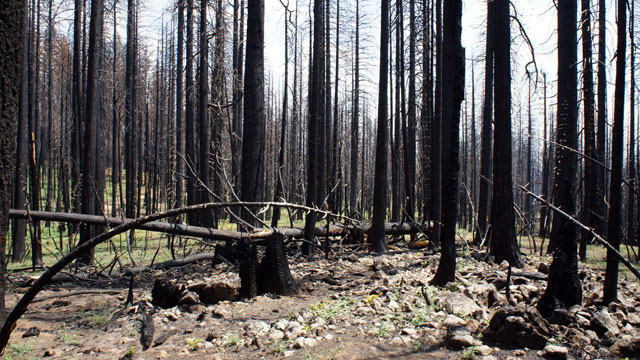
"caption": "Trees killed in the Rim Fire will likely stay standing for only a decade or so. (Lauren Sommer/KQED)",
"description": "Trees killed in the Rim Fire will likely stay standing for only a decade or so. (Lauren Sommer/KQED)",
"title": "DSC01451-1280",
"credit": null,
"status": "inherit",
"isLoading": false,
"fetchFailed": false
},
"science_20879": {
"type": "attachments",
"id": "science_20879",
"meta": {
"index": "attachments_1716263798",
"site": "science",
"id": "20879",
"found": true
},
"parent": 20847,
"imgSizes": {
"kqedFullSize": {
"file": "https://ww2.kqed.org/app/uploads/sites/35/2014/08/DSC014881.jpg",
"width": 640,
"height": 360
}
},
"publishDate": 1408759561,
"modified": 1408759561,
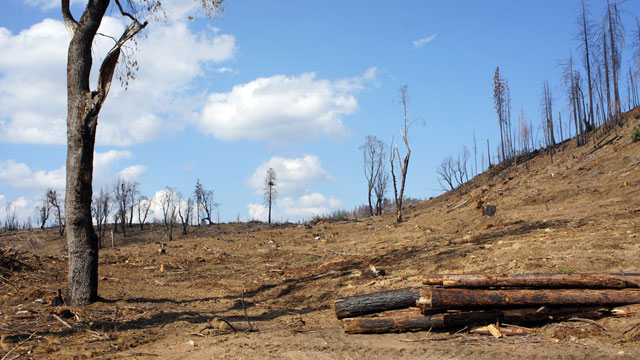
"caption": "Sierra Pacific Industries began clearing its private land within weeks after the Rim Fire burned through. (Lauren Sommer/KQED)",
"description": "Sierra Pacific Industries began clearing its private land within weeks after the Rim Fire burned through. (Lauren Sommer/KQED)",
"title": "DSC01488",
"credit": null,
"status": "inherit",
"isLoading": false,
"fetchFailed": false
},
"lowdown_30959": {
"type": "attachments",
"id": "lowdown_30959",
"meta": {
"index": "attachments_1716263798",
"site": "lowdown",
"id": "30959",
"found": true
},
"parent": 13923,
"imgSizes": {
"small": {
"file": "https://ww2.kqed.org/app/uploads/sites/26/2018/05/Screen-Shot-2018-05-15-at-11.04.40-AM-520x340.png",
"width": 520,
"mimeType": "image/png",
"height": 340
},
"twentyfourteen-full-width": {
"file": "https://ww2.kqed.org/app/uploads/sites/26/2018/05/Screen-Shot-2018-05-15-at-11.04.40-AM-1038x576.png",
"width": 1038,
"mimeType": "image/png",
"height": 576
},
"thumbnail": {
"file": "https://ww2.kqed.org/app/uploads/sites/26/2018/05/Screen-Shot-2018-05-15-at-11.04.40-AM-160x105.png",
"width": 160,
"mimeType": "image/png",
"height": 105
},
"fd-sm": {
"file": "https://ww2.kqed.org/app/uploads/sites/26/2018/05/Screen-Shot-2018-05-15-at-11.04.40-AM-960x628.png",
"width": 960,
"mimeType": "image/png",
"height": 628
},
"post-thumbnail": {
"file": "https://ww2.kqed.org/app/uploads/sites/26/2018/05/Screen-Shot-2018-05-15-at-11.04.40-AM-672x372.png",
"width": 672,
"mimeType": "image/png",
"height": 372
},
"xsmall": {
"file": "https://ww2.kqed.org/app/uploads/sites/26/2018/05/Screen-Shot-2018-05-15-at-11.04.40-AM-375x245.png",
"width": 375,
"mimeType": "image/png",
"height": 245
},
"kqedFullSize": {
"file": "https://ww2.kqed.org/app/uploads/sites/26/2018/05/Screen-Shot-2018-05-15-at-11.04.40-AM.png",
"width": 1224,
"height": 801
},
"large": {
"file": "https://ww2.kqed.org/app/uploads/sites/26/2018/05/Screen-Shot-2018-05-15-at-11.04.40-AM-1020x668.png",
"width": 1020,
"mimeType": "image/png",
"height": 668
},
"xlarge": {
"file": "https://ww2.kqed.org/app/uploads/sites/26/2018/05/Screen-Shot-2018-05-15-at-11.04.40-AM-1180x772.png",
"width": 1180,
"mimeType": "image/png",
"height": 772
},
"complete_open_graph": {
"file": "https://ww2.kqed.org/app/uploads/sites/26/2018/05/Screen-Shot-2018-05-15-at-11.04.40-AM-1200x785.png",
"width": 1200,
"mimeType": "image/png",
"height": 785
},
"guest-author-50": {
"file": "https://ww2.kqed.org/app/uploads/sites/26/2018/05/Screen-Shot-2018-05-15-at-11.04.40-AM-50x50.png",
"width": 50,
"mimeType": "image/png",
"height": 50
},
"guest-author-96": {
"file": "https://ww2.kqed.org/app/uploads/sites/26/2018/05/Screen-Shot-2018-05-15-at-11.04.40-AM-96x96.png",
"width": 96,
"mimeType": "image/png",
"height": 96
},
"medium": {
"file": "https://ww2.kqed.org/app/uploads/sites/26/2018/05/Screen-Shot-2018-05-15-at-11.04.40-AM-800x524.png",
"width": 800,
"mimeType": "image/png",
"height": 524
},
"guest-author-64": {
"file": "https://ww2.kqed.org/app/uploads/sites/26/2018/05/Screen-Shot-2018-05-15-at-11.04.40-AM-64x64.png",
"width": 64,
"mimeType": "image/png",
"height": 64
},
"guest-author-32": {
"file": "https://ww2.kqed.org/app/uploads/sites/26/2018/05/Screen-Shot-2018-05-15-at-11.04.40-AM-32x32.png",
"width": 32,
"mimeType": "image/png",
"height": 32
},
"fd-med": {
"file": "https://ww2.kqed.org/app/uploads/sites/26/2018/05/Screen-Shot-2018-05-15-at-11.04.40-AM-1180x772.png",
"width": 1180,
"mimeType": "image/png",
"height": 772
},
"detail": {
"file": "https://ww2.kqed.org/app/uploads/sites/26/2018/05/Screen-Shot-2018-05-15-at-11.04.40-AM-150x150.png",
"width": 150,
"mimeType": "image/png",
"height": 150
},
"medium_large": {
"file": "https://ww2.kqed.org/app/uploads/sites/26/2018/05/Screen-Shot-2018-05-15-at-11.04.40-AM-768x503.png",
"width": 768,
"mimeType": "image/png",
"height": 503
},
"guest-author-128": {
"file": "https://ww2.kqed.org/app/uploads/sites/26/2018/05/Screen-Shot-2018-05-15-at-11.04.40-AM-128x128.png",
"width": 128,
"mimeType": "image/png",
"height": 128
},
"xxsmall": {
"file": "https://ww2.kqed.org/app/uploads/sites/26/2018/05/Screen-Shot-2018-05-15-at-11.04.40-AM-240x157.png",
"width": 240,
"mimeType": "image/png",
"height": 157
}
},
"publishDate": 1526407508,
"modified": 1526407508,
"caption": null,
"description": null,
"title": "Screen Shot 2018-05-15 at 11.04.40 AM",
"credit": null,
"status": "inherit",
"isLoading": false,
"fetchFailed": false
},
"science_20760": {
"type": "attachments",
"id": "science_20760",
"meta": {
"index": "attachments_1716263798",
"site": "science",
"id": "20760",
"found": true
},
"parent": 20756,
"imgSizes": {
"kqedFullSize": {
"file": "https://ww2.kqed.org/app/uploads/sites/35/2014/08/bird-kill-kenneth-Herdy-FLAP-2009.jpg",
"width": 618,
"height": 269
}
},
"publishDate": 1408643776,
"modified": 1408643776,
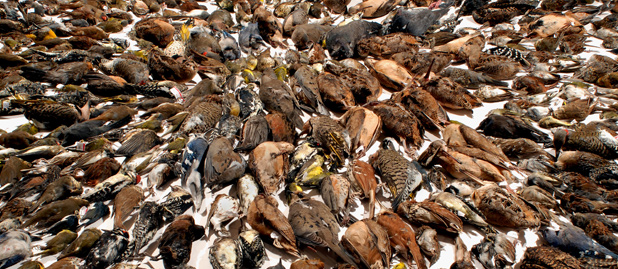
"caption": "Birds collected after colliding with buildings in Toronto 2009. (Kenneth Herdy/FLAP Canada)",
"description": "Bird window collisions",
"title": "bird-kill-kenneth-Herdy-FLAP-2009",
"credit": null,
"status": "inherit",
"isLoading": false,
"fetchFailed": false
},
"science_20641": {
"type": "attachments",
"id": "science_20641",
"meta": {
"index": "attachments_1716263798",
"site": "science",
"id": "20641",
"found": true
},
"parent": 20636,
"imgSizes": {
"kqedFullSize": {
"file": "https://ww2.kqed.org/app/uploads/sites/35/2014/08/seedling1.jpg",
"width": 1280,
"height": 720
}
},
"publishDate": 1408137653,
"modified": 1408137653,
"caption": "A pine tree seedling emerges in a burned area of the Stanislaus National Forest. (Lauren Sommer/KQED)",
"description": null,
"title": "seedling",
"credit": null,
"status": "inherit",
"isLoading": false,
"fetchFailed": false
},
"science_20614": {
"type": "attachments",
"id": "science_20614",
"meta": {
"index": "attachments_1716263798",
"site": "science",
"id": "20614",
"found": true
},
"parent": 20544,
"imgSizes": {
"kqedFullSize": {
"file": "https://ww2.kqed.org/app/uploads/sites/35/2014/08/5264550029_a664d91bab_z.jpg",
"width": 640,
"height": 427
}
},
"publishDate": 1408056515,
"modified": 1408056515,
"caption": "The waxy surface on the agave helps it retain water. ( John Loo/Flickr)\n",
"description": "The waxy surface on the agave helps it retain water. ( John Loo/Flickr)",
"title": "5264550029_a664d91bab_z",
"credit": null,
"status": "inherit",
"isLoading": false,
"fetchFailed": false
},
"science_20593": {
"type": "attachments",
"id": "science_20593",
"meta": {
"index": "attachments_1716263798",
"site": "science",
"id": "20593",
"found": true
},
"parent": 20591,
"imgSizes": {
"kqedFullSize": {
"file": "https://ww2.kqed.org/app/uploads/sites/35/2014/08/SAF-Highland.png",
"width": 640,
"height": 360
}
},
"publishDate": 1408041660,
"modified": 1408041660,
"caption": "San Andreas fault (approximate location on the red line) runs through Highland at the foot of the San Bernardino Mountains. The young neighborhood is organized around the fault, treating it as a greenbelt and water feature—a real-estate asset. (\u003ca href=\"http://www.thulescientific.com/san-andreas-fault-map.html\">Sanandreasfault.org\u003c/a>)",
"description": null,
"title": "SAF-Highland",
"credit": null,
"status": "inherit",
"isLoading": false,
"fetchFailed": false
},
"science_20557": {
"type": "attachments",
"id": "science_20557",
"meta": {
"index": "attachments_1716263798",
"site": "science",
"id": "20557",
"found": true
},
"parent": 20554,
"imgSizes": {
"kqedFullSize": {
"file": "https://ww2.kqed.org/app/uploads/sites/35/2014/08/RS1213_P1000565.jpg",
"width": 4000,
"height": 3000
}
},
"publishDate": 1407972039,
"modified": 1407972039,
"caption": "California's average temperature for January through July 2014 was the warmest ever. (Craig Miller/Climate Watch)",
"description": null,
"title": "RS1213_P1000565",
"credit": null,
"status": "inherit",
"isLoading": false,
"fetchFailed": false
},
"science_20497": {
"type": "attachments",
"id": "science_20497",
"meta": {
"index": "attachments_1716263798",
"site": "science",
"id": "20497",
"found": true
},
"parent": 20492,
"imgSizes": {
"kqedFullSize": {
"file": "https://ww2.kqed.org/app/uploads/sites/35/2014/08/Amy-Martins-Beach1-e1407798481926.jpg",
"width": 1209,
"height": 681
}
},
"publishDate": 1407798424,
"modified": 1407798424,
"caption": null,
"description": null,
"title": "Amy Martins Beach",
"credit": null,
"status": "inherit",
"isLoading": false,
"fetchFailed": false
},
"science_20287": {
"type": "attachments",
"id": "science_20287",
"meta": {
"index": "attachments_1716263798",
"site": "science",
"id": "20287",
"found": true
},
"parent": 20219,
"imgSizes": {
"kqedFullSize": {
"file": "https://ww2.kqed.org/app/uploads/sites/35/2014/08/5281230537_4ecb9b4999_z.jpg",
"width": 640,
"height": 480
}
},
"publishDate": 1407180099,
"modified": 1407180099,
"caption": "The bird formerly known as the California clapper rail. (Len Blumin/Flickr) ",
"description": "The bird formerly known as the California clapper rail. (Len Blumin/Flickr) ",
"title": "5281230537_4ecb9b4999_z",
"credit": null,
"status": "inherit",
"isLoading": false,
"fetchFailed": false
},
"lowdown_18404": {
"type": "attachments",
"id": "lowdown_18404",
"meta": {
"index": "attachments_1716263798",
"site": "lowdown",
"id": "18404",
"found": true
},
"parent": 13025,
"imgSizes": {
"twentyfourteen-full-width": {
"file": "https://ww2.kqed.org/app/uploads/sites/26/2014/08/Golden_Fog_San_Francisco-e1433777228405-1038x576.jpg",
"width": 1038,
"mimeType": "image/jpeg",
"height": 576
},
"thumbnail": {
"file": "https://ww2.kqed.org/app/uploads/sites/26/2014/08/Golden_Fog_San_Francisco-e1433777228405-400x277.jpg",
"width": 400,
"mimeType": "image/jpeg",
"height": 277
},
"fd-sm": {
"file": "https://ww2.kqed.org/app/uploads/sites/26/2014/08/Golden_Fog_San_Francisco-e1433777228405-960x666.jpg",
"width": 960,
"mimeType": "image/jpeg",
"height": 666
},
"post-thumbnail": {
"file": "https://ww2.kqed.org/app/uploads/sites/26/2014/08/Golden_Fog_San_Francisco-e1433777228405-672x372.jpg",
"width": 672,
"mimeType": "image/jpeg",
"height": 372
},
"kqedFullSize": {
"file": "https://ww2.kqed.org/app/uploads/sites/26/2014/08/Golden_Fog_San_Francisco-e1433777228405.jpg",
"width": 1520,
"height": 1054
},
"large": {
"file": "https://ww2.kqed.org/app/uploads/sites/26/2014/08/Golden_Fog_San_Francisco-e1433777228405-1440x999.jpg",
"width": 1440,
"mimeType": "image/jpeg",
"height": 999
},
"guest-author-96": {
"file": "https://ww2.kqed.org/app/uploads/sites/26/2014/08/Golden_Fog_San_Francisco-e1433777228405-96x96.jpg",
"width": 96,
"mimeType": "image/jpeg",
"height": 96
},
"medium": {
"file": "https://ww2.kqed.org/app/uploads/sites/26/2014/08/Golden_Fog_San_Francisco-e1433777228405-800x555.jpg",
"width": 800,
"mimeType": "image/jpeg",
"height": 555
},
"guest-author-64": {
"file": "https://ww2.kqed.org/app/uploads/sites/26/2014/08/Golden_Fog_San_Francisco-e1433777228405-64x64.jpg",
"width": 64,
"mimeType": "image/jpeg",
"height": 64
},
"guest-author-32": {
"file": "https://ww2.kqed.org/app/uploads/sites/26/2014/08/Golden_Fog_San_Francisco-e1433777228405-32x32.jpg",
"width": 32,
"mimeType": "image/jpeg",
"height": 32
},
"fd-med": {
"file": "https://ww2.kqed.org/app/uploads/sites/26/2014/08/Golden_Fog_San_Francisco-e1433777228405-1180x818.jpg",
"width": 1180,
"mimeType": "image/jpeg",
"height": 818
},
"detail": {
"file": "https://ww2.kqed.org/app/uploads/sites/26/2014/08/Golden_Fog_San_Francisco-e1433777228405-75x75.jpg",
"width": 75,
"mimeType": "image/jpeg",
"height": 75
},
"guest-author-128": {
"file": "https://ww2.kqed.org/app/uploads/sites/26/2014/08/Golden_Fog_San_Francisco-e1433777228405-128x128.jpg",
"width": 128,
"mimeType": "image/jpeg",
"height": 128
}
},
"publishDate": 1433742864,
"modified": 1464737162,
"caption": "Golden Gate Bridge in the all-too-common fog. ",
"description": null,
"title": "Golden_Fog,_San_Francisco",
"credit": "Wikipedia",
"status": "inherit",
"isLoading": false,
"fetchFailed": false
}
},
"audioPlayerReducer": {
"postId": "stream_live",
"isPaused": true,
"isPlaying": false,
"pfsActive": false,
"pledgeModalIsOpen": true,
"playerDrawerIsOpen": false,
"liveAudioPlayStartedAt": 0,
"liveAudioPlayContext": ""
},
"authorsReducer": {
"mollysamuel": {
"type": "authors",
"id": "200",
"meta": {
"index": "authors_1716337520",
"id": "200",
"found": true
},
"name": "Molly Samuel",
"firstName": "Molly",
"lastName": "Samuel",
"slug": "mollysamuel",
"email": "msamuel@kqed.org",
"display_author_email": false,
"staff_mastheads": [],
"title": null,
"bio": "Molly Samuel joined KQED as an intern in 2007, and since then has worked here as a reporter, producer, director and blogger. Before becoming KQED Science’s Multimedia Producer, she was a producer for Climate Watch. Molly has also reported for NPR, KALW and High Country News, and has produced audio stories for The Encyclopedia of Life and the Oakland Museum of California. She was a fellow with the Middlebury Fellowships in Environmental Journalism and a journalist-in-residence at the National Evolutionary Synthesis Center. Molly has a degree in Ancient Greek from Oberlin College and is a co-founder of the record label True Panther Sounds.",
"avatar": "https://secure.gravatar.com/avatar/a6abd3b949a89fe5109fa9917631d0b6?s=600&d=blank&r=g",
"twitter": null,
"facebook": null,
"instagram": null,
"linkedin": null,
"sites": [
{
"site": "news",
"roles": [
"subscriber"
]
},
{
"site": "stateofhealth",
"roles": [
"subscriber"
]
},
{
"site": "science",
"roles": [
"subscriber"
]
},
{
"site": "quest",
"roles": [
"edit_users",
"subscriber"
]
}
],
"headData": {
"title": "Molly Samuel | KQED",
"description": null,
"ogImgSrc": "https://secure.gravatar.com/avatar/a6abd3b949a89fe5109fa9917631d0b6?s=600&d=blank&r=g",
"twImgSrc": "https://secure.gravatar.com/avatar/a6abd3b949a89fe5109fa9917631d0b6?s=600&d=blank&r=g"
},
"isLoading": false,
"link": "/author/mollysamuel"
},
"laurensommer": {
"type": "authors",
"id": "239",
"meta": {
"index": "authors_1716337520",
"id": "239",
"found": true
},
"name": "Lauren Sommer",
"firstName": "Lauren",
"lastName": "Sommer",
"slug": "laurensommer",
"email": "lsommer@kqed.org",
"display_author_email": false,
"staff_mastheads": [],
"title": "KQED Contributor",
"bio": "Lauren is a radio reporter formerly covering environment, water, and energy for KQED Science. As part of her day job, she has scaled Sierra Nevada peaks, run from charging elephant seals, and desperately tried to get her sea legs - all in pursuit of good radio. Her work has appeared on Marketplace, Living on Earth, Science Friday and NPR's Morning Edition and All Things Considered. You can find her on Twitter at \u003ca href=\"https://twitter.com/lesommer\">@lesommer\u003c/a>.",
"avatar": "https://secure.gravatar.com/avatar/33aa3772bb86c6ad45b8aca6a238bbdf?s=600&d=blank&r=g",
"twitter": null,
"facebook": null,
"instagram": null,
"linkedin": null,
"sites": [
{
"site": "news",
"roles": [
"author"
]
},
{
"site": "science",
"roles": [
"editor",
"manage_content_types",
"manage_taxonomies"
]
},
{
"site": "quest",
"roles": [
"editor"
]
}
],
"headData": {
"title": "Lauren Sommer | KQED",
"description": "KQED Contributor",
"ogImgSrc": "https://secure.gravatar.com/avatar/33aa3772bb86c6ad45b8aca6a238bbdf?s=600&d=blank&r=g",
"twImgSrc": "https://secure.gravatar.com/avatar/33aa3772bb86c6ad45b8aca6a238bbdf?s=600&d=blank&r=g"
},
"isLoading": false,
"link": "/author/laurensommer"
},
"matthewgreen": {
"type": "authors",
"id": "1263",
"meta": {
"index": "authors_1716337520",
"id": "1263",
"found": true
},
"name": "Matthew Green",
"firstName": "Matthew",
"lastName": "Green",
"slug": "matthewgreen",
"email": "mgreen@kqed.org",
"display_author_email": false,
"staff_mastheads": [],
"title": "KQED Editor/Reporter",
"bio": "Matthew Green is a digital media producer for KQED News. He previously produced \u003ca href=\"http://www.kqed.org/lowdown\">The Lowdown\u003c/a>, KQED’s multimedia news education blog. Matthew's written for numerous Bay Area publications, including the Oakland Tribune and San Francisco Chronicle. He also taught journalism classes at Fremont High School in East Oakland.\r\n\r\nEmail: mgreen@kqed.org; Twitter: @MGreenKQED",
"avatar": "https://secure.gravatar.com/avatar/3bf498d1267ca02c8494f33d8cfc575e?s=600&d=blank&r=g",
"twitter": "MGreenKQED",
"facebook": null,
"instagram": null,
"linkedin": null,
"sites": [
{
"site": "news",
"roles": []
},
{
"site": "lowdown",
"roles": []
},
{
"site": "science",
"roles": []
},
{
"site": "education",
"roles": []
},
{
"site": "quest",
"roles": []
},
{
"site": "liveblog",
"roles": []
}
],
"headData": {
"title": "Matthew Green | KQED",
"description": "KQED Editor/Reporter",
"ogImgSrc": "https://secure.gravatar.com/avatar/3bf498d1267ca02c8494f33d8cfc575e?s=600&d=blank&r=g",
"twImgSrc": "https://secure.gravatar.com/avatar/3bf498d1267ca02c8494f33d8cfc575e?s=600&d=blank&r=g"
},
"isLoading": false,
"link": "/author/matthewgreen"
},
"sschilling": {
"type": "authors",
"id": "1565",
"meta": {
"index": "authors_1716337520",
"id": "1565",
"found": true
},
"name": "Sally Schilling",
"firstName": "Sally",
"lastName": "Schilling",
"slug": "sschilling",
"email": "sschilling@KQED.org",
"display_author_email": false,
"staff_mastheads": [],
"title": null,
"bio": "KQED Science intern Sally Schilling brings environmental conflicts to life by finding the people most affected by them. She’s recently told the stories of park rangers on the hunt for redwood burl poachers, and the accidental activists in Pittsburg who are fighting a proposed crude oil facility being built in their backyards. Sally is currently studying video journalism and investigative reporting at the UC Berkeley Graduate School of Journalism. She grew up on an organic farm near Davis, Ca.",
"avatar": "https://secure.gravatar.com/avatar/de4c082ea10bfe43a4bc1996b14a3886?s=600&d=blank&r=g",
"twitter": null,
"facebook": null,
"instagram": null,
"linkedin": null,
"sites": [
{
"site": "news",
"roles": [
"author"
]
},
{
"site": "science",
"roles": [
"editor"
]
}
],
"headData": {
"title": "Sally Schilling | KQED",
"description": null,
"ogImgSrc": "https://secure.gravatar.com/avatar/de4c082ea10bfe43a4bc1996b14a3886?s=600&d=blank&r=g",
"twImgSrc": "https://secure.gravatar.com/avatar/de4c082ea10bfe43a4bc1996b14a3886?s=600&d=blank&r=g"
},
"isLoading": false,
"link": "/author/sschilling"
},
"andrew-alden": {
"type": "authors",
"id": "6228",
"meta": {
"index": "authors_1716337520",
"id": "6228",
"found": true
},
"name": "Andrew Alden",
"firstName": "Andrew",
"lastName": "Alden",
"slug": "andrew-alden",
"email": "alden@andrew-alden.com",
"display_author_email": false,
"staff_mastheads": [],
"title": null,
"bio": "Andrew Alden earned his geology degree at the University of New Hampshire and moved back to the Bay Area to work at the U.S. Geological Survey for six years. He has \u003ca href=\"http://geology.about.com/\">written on geology for About.com\u003c/a> since its founding in 1997. In 2007, he started the Oakland Geology blog, which won recognition as \"Best of the East Bay\" from the \u003ci>East Bay Express\u003c/i> in 2010. In writing about geology in the Bay Area and surroundings, he hopes to share some of the useful and pleasurable insights that geologists give us—not just facts about the deep past, but an attitude that might be called the \u003ci>deep present\u003c/i>.\r\n\r\nRead his \u003ca href=\"http://science.kqed.org/quest/author/andrew-alden/\">previous contributions\u003c/a> to \u003ca href=\"http://http://science.kqed.org/quest/\">QUEST\u003c/a>, a project dedicated to exploring the Science of Sustainability.",
"avatar": "https://secure.gravatar.com/avatar/9eaa0afc32f98c5fc7ce634437334a64?s=600&d=blank&r=g",
"twitter": null,
"facebook": null,
"instagram": null,
"linkedin": null,
"sites": [
{
"site": "science",
"roles": [
"author"
]
},
{
"site": "quest",
"roles": [
"subscriber"
]
}
],
"headData": {
"title": "Andrew Alden | KQED",
"description": null,
"ogImgSrc": "https://secure.gravatar.com/avatar/9eaa0afc32f98c5fc7ce634437334a64?s=600&d=blank&r=g",
"twImgSrc": "https://secure.gravatar.com/avatar/9eaa0afc32f98c5fc7ce634437334a64?s=600&d=blank&r=g"
},
"isLoading": false,
"link": "/author/andrew-alden"
},
"kqedscience": {
"type": "authors",
"id": "6387",
"meta": {
"index": "authors_1716337520",
"id": "6387",
"found": true
},
"name": "KQED Science",
"firstName": "KQED",
"lastName": "Science",
"slug": "kqedscience",
"email": "kqedscience@gmail.com",
"display_author_email": false,
"staff_mastheads": [],
"title": null,
"bio": "KQED Science brings you award-winning science and environment coverage from the Bay Area and beyond by the flagship Northern California PBS and NPR affiliate.",
"avatar": "https://secure.gravatar.com/avatar/5a295ff49cf82a8c0f30937d3f788b2f?s=600&d=blank&r=g",
"twitter": null,
"facebook": null,
"instagram": null,
"linkedin": null,
"sites": [
{
"site": "science",
"roles": [
"contributor"
]
},
{
"site": "quest",
"roles": [
"editor"
]
},
{
"site": "food",
"roles": [
"contributor"
]
}
],
"headData": {
"title": "KQED Science | KQED",
"description": null,
"ogImgSrc": "https://secure.gravatar.com/avatar/5a295ff49cf82a8c0f30937d3f788b2f?s=600&d=blank&r=g",
"twImgSrc": "https://secure.gravatar.com/avatar/5a295ff49cf82a8c0f30937d3f788b2f?s=600&d=blank&r=g"
},
"isLoading": false,
"link": "/author/kqedscience"
},
"sfrancisbongue": {
"type": "authors",
"id": "6564",
"meta": {
"index": "authors_1716337520",
"id": "6564",
"found": true
},
"name": "Silvia Francis",
"firstName": "Silvia",
"lastName": "Francis",
"slug": "sfrancisbongue",
"email": "sfrancisbongue@KQED.org",
"display_author_email": false,
"staff_mastheads": [],
"title": null,
"bio": "Silvia Francis is an intern at KQED Science and a senior at Denison University where she studies biology and cinema. She was drawn to KQED by her interests in science communication and multimedia.",
"avatar": "https://secure.gravatar.com/avatar/190f8c7ebf1f03859aa6ccb24d709fe6?s=600&d=blank&r=g",
"twitter": null,
"facebook": null,
"instagram": null,
"linkedin": null,
"sites": [
{
"site": "science",
"roles": [
"editor"
]
}
],
"headData": {
"title": "Silvia Francis | KQED",
"description": null,
"ogImgSrc": "https://secure.gravatar.com/avatar/190f8c7ebf1f03859aa6ccb24d709fe6?s=600&d=blank&r=g",
"twImgSrc": "https://secure.gravatar.com/avatar/190f8c7ebf1f03859aa6ccb24d709fe6?s=600&d=blank&r=g"
},
"isLoading": false,
"link": "/author/sfrancisbongue"
}
},
"pagesReducer": {
"science_category_environment": {
"type": "terms",
"id": "science_35",
"meta": {
"index": "terms_1716263798",
"site": "science",
"id": "35",
"score": 12.138525
},
"featImg": null,
"name": "Environment",
"description": null,
"taxonomy": "category",
"headData": {
"twImgId": null,
"twTitle": null,
"ogTitle": null,
"ogImgId": null,
"twDescription": null,
"description": null,
"title": "Environment Archives | KQED Science",
"ogDescription": null
},
"ttid": 37,
"slug": "environment",
"isLoading": false,
"title": "Environment",
"pageMeta": {
"site": "science",
"WpPageTemplate": "page-topic-editorial",
"currentPage": 184
},
"blocks": [
{
"blockName": "kqed/post-list",
"attrs": {
"layout": "cardArticle2",
"query": "posts/science?category=environment",
"seeMore": false,
"paginated": true,
"page": 184
}
},
{
"blockName": "kqed/ad"
}
]
}
},
"pfsSessionReducer": {},
"postsReducer": {
"stream_live": {
"type": "live",
"id": "stream_live",
"audioUrl": "https://streams.kqed.org/kqedradio",
"title": "Live Stream",
"excerpt": "Live Stream information currently unavailable.",
"link": "/radio",
"featImg": "",
"label": {
"name": "KQED Live",
"link": "/"
}
},
"stream_kqedNewscast": {
"type": "posts",
"id": "stream_kqedNewscast",
"audioUrl": "https://www.kqed.org/.stream/anon/radio/RDnews/newscast.mp3?_=1",
"title": "KQED Newscast",
"featImg": "",
"label": {
"name": "88.5 FM",
"link": "/"
}
},
"science_21181": {
"type": "posts",
"id": "science_21181",
"meta": {
"index": "posts_1716263798",
"site": "science",
"id": "21181",
"score": null,
"sort": [
1409368382000
]
},
"parent": 0,
"labelTerm": {
"site": "science",
"term": 1151
},
"blocks": [],
"publishDate": 1409368382,
"format": "aside",
"title": "Landmark Groundwater Reform Headed to Governor's Desk",
"headTitle": "Landmark Groundwater Reform Headed to Governor’s Desk | KQED",
"content": "\u003cp>\u003c!-- iframe plugin v.4.3 wordpress.org/plugins/iframe/ -->\u003cbr>\n\u003ciframe loading=\"lazy\" width=\"100%\" height=\"20\" scrolling=\"no\" frameborder=\"no\" src=\"https://w.soundcloud.com/player/?url=https%3A//api.soundcloud.com/tracks/165932791&color=ff5500&inverse=false&auto_play=false&show_user=true\" class=\"iframe-class\">\u003c/iframe>\u003c/p>\n\u003cfigure id=\"attachment_21184\" class=\"wp-caption alignleft\" style=\"max-width: 640px\">\u003ca href=\"http://ww2.kqed.org/science/wp-content/uploads/sites/35/2014/08/81030754.jpg\">\u003cimg loading=\"lazy\" decoding=\"async\" class=\"size-full wp-image-21184\" src=\"http://ww2.kqed.org/science/wp-content/uploads/sites/35/2014/08/81030754.jpg\" alt=\"Irrigation water flows through an almond orchard in the Central Valley. Groundwater has been tapped heavily during this year's drought. (Photo by David McNew/Getty Images)\" width=\"640\" height=\"360\">\u003c/a>\u003cfigcaption class=\"wp-caption-text\">Irrigation water flows through an almond orchard in the Central Valley. Farmers have been tapping groundwater heavily during this year’s drought. (Photo by David McNew/Getty Images)\u003c/figcaption>\u003c/figure>\n\u003cp>In a move that some believed may never happen in California, state legislators approved three bills that would — for the first time — regulate the state’s vast underground water resources.\u003c/p>\n\u003cp>“These groundwater bills would be the most significant change in water policy in decades, maybe four decades,” says Lester Snow of the California Water Foundation.\u003c/p>\n\u003cp>Groundwater is California’s “underground reservoir,” providing as much as 60 percent of the state’s water supply during drought years.\u003c/p>\n\u003cp>With this year’s historic drought, groundwater levels have dropped dramatically as farmers and cities have pumped to replace water that would normally come from reservoirs. In some places, groundwater has fallen by 100 feet in the past year, and water wells are going dry.\u003c/p>\n\u003cp>[ad fullwidth]\u003c/p>\n\u003cp>Under California’s current system, landowners can essentially pump as much groundwater as they want to, from under their property. Unlike water taken from rivers and reservoirs, \u003ca href=\"http://ww2.kqed.org/science/2014/07/31/californias-biggest-water-source-shrouded-in-secrecy/\">groundwater usage isn’t tracked\u003c/a> in many parts of the state.\u003c/p>\n\u003cp>“It’s like having a joint checking account,” Snow says. “Everyone can write checks on it, nobody balances the checkbook and no one is responsible for deposits.”\u003c/p>\n\u003cp>\u003cstrong>Authority Given to Local Agencies\u003c/strong>\u003c/p>\n\u003cp>The bills, if Governor Jerry Brown signs them, would designate local agencies to write sustainable groundwater management plans. The local agency could be a single water district, or a coalition of water agencies and county officials, all connected to a groundwater basin. Many of these governing bodies have already been established, as a result of 2009 legislation that encouraged areas to set up a \u003ca href=\"http://ww2.kqed.org/science/2014/07/31/californias-biggest-water-source-shrouded-in-secrecy/\">groundwater tracking program\u003c/a>. The program was not mandatory.\u003c/p>\n\u003cp>Groundwater basins that are considered in critical overdraft have until 2020 to write their sustainable groundwater management plans, while high- or medium-priority basins have until 2022. Low-priority basins would not be required to participate.\u003c/p>\n\u003cp>After the plans take effect, the local agencies would be required to get groundwater use in balance within 20 years.\u003c/p>\n\u003cp>The local agencies would also be given new powers to enforce the plans. Those include requiring landowners to install water meters to track groundwater use or limiting the amount of groundwater that can be pumped.\u003c/p>\n\u003cp>[contextly_sidebar id=”gsE535fb2kUmJghgN24TJv3j4W4OkOUB”]\u003c/p>\n\u003cp>Whether or not these powers are used would be up to each individual area. If a region fails to write groundwater plans or its plan doesn’t meet state standards, the State Water Resources Control Board can step in.\u003c/p>\n\u003cp>“I think there are areas that are ready to grab these new authorities and run with it,” says Snow, who was involved in crafting the policy. “Most of the people in these overused groundwater basins know that it cannot continue and if it does continue unabated, it will ruin the economy.”\u003c/p>\n\u003cp>The political consensus to pass the bill was galvanized by the dramatic impacts from this year’s drought. “Absent the drought drawing attention to this, we would not have this moment,” Snow says.\u003c/p>\n\u003cp>Some regions signed on because the bills prioritize local control over groundwater, instead of giving the state authority. Other agricultural groups remained opposed.\u003c/p>\n\u003cp>“I hope no one, especially those 120 elected leaders in the legislature, think that they’ve solved California’s water problems,” says Paul Wenger, president of the California Farm Bureau.\u003c/p>\n\u003cp>“There’s just so many unknowns,” he says. “Our immediate concern would be that bankers and others would say, ‘Well, you go buy a piece of ground and you’re going to farm it. What’s the value of that ground, if four or five years from now, you’re not going to have access to groundwater?’”\u003c/p>\n\u003cp>Farmers that have been using groundwater responsibly until now could lose out under the new management plans, he says, depending on how water agencies decide to limit groundwater pumping.\u003c/p>\n\u003cp>“They will typically look at those that have historic use of groundwater and then if they need to limit it, they will limit you to a percentage of that historic use,” says Wenger. That system would reward the heaviest users, he says.\u003c/p>\n\u003cp>\u003c/p>\n\u003cp>The Governor is widely expected to sign the bills and has until the end of September.\u003c/p>\n\n",
"stats": {
"hasVideo": false,
"hasChartOrMap": false,
"hasAudio": true,
"hasPolis": false,
"wordCount": 751,
"hasGoogleForm": false,
"hasGallery": false,
"hasHearkenModule": false,
"iframeSrcs": [],
"paragraphCount": 24
},
"modified": 1704933043,
"excerpt": "The era of unlimited groundwater pumping in California could be ending. A package of bills would require local agencies to restore over-pumped aquifers.",
"headData": {
"twImgId": "",
"twTitle": "",
"ogTitle": "",
"ogImgId": "",
"twDescription": "",
"description": "The era of unlimited groundwater pumping in California could be ending. A package of bills would require local agencies to restore over-pumped aquifers.",
"title": "Landmark Groundwater Reform Headed to Governor's Desk | KQED",
"ogDescription": "",
"schema": {
"@context": "https://schema.org",
"@type": "Article",
"headline": "Landmark Groundwater Reform Headed to Governor's Desk",
"datePublished": "2014-08-29T20:13:02-07:00",
"dateModified": "2024-01-10T16:30:43-08:00",
"image": "https://cdn.kqed.org/wp-content/uploads/2020/02/KQED-OG-Image@1x.png"
}
},
"guestAuthors": [],
"slug": "landmark-groundwater-reform-headed-to-governors-desk",
"status": "publish",
"sticky": false,
"path": "/science/21181/landmark-groundwater-reform-headed-to-governors-desk",
"audioTrackLength": null,
"parsedContent": [
{
"type": "contentString",
"content": "\u003cdiv class=\"post-body\">\u003cp>\u003cp>\u003c!-- iframe plugin v.4.3 wordpress.org/plugins/iframe/ -->\u003cbr>\n\u003ciframe loading=\"lazy\" width=\"100%\" height=\"20\" scrolling=\"no\" frameborder=\"no\" src=\"https://w.soundcloud.com/player/?url=https%3A//api.soundcloud.com/tracks/165932791&color=ff5500&inverse=false&auto_play=false&show_user=true\" class=\"iframe-class\">\u003c/iframe>\u003c/p>\n\u003cfigure id=\"attachment_21184\" class=\"wp-caption alignleft\" style=\"max-width: 640px\">\u003ca href=\"http://ww2.kqed.org/science/wp-content/uploads/sites/35/2014/08/81030754.jpg\">\u003cimg loading=\"lazy\" decoding=\"async\" class=\"size-full wp-image-21184\" src=\"http://ww2.kqed.org/science/wp-content/uploads/sites/35/2014/08/81030754.jpg\" alt=\"Irrigation water flows through an almond orchard in the Central Valley. Groundwater has been tapped heavily during this year's drought. (Photo by David McNew/Getty Images)\" width=\"640\" height=\"360\">\u003c/a>\u003cfigcaption class=\"wp-caption-text\">Irrigation water flows through an almond orchard in the Central Valley. Farmers have been tapping groundwater heavily during this year’s drought. (Photo by David McNew/Getty Images)\u003c/figcaption>\u003c/figure>\n\u003cp>In a move that some believed may never happen in California, state legislators approved three bills that would — for the first time — regulate the state’s vast underground water resources.\u003c/p>\n\u003cp>“These groundwater bills would be the most significant change in water policy in decades, maybe four decades,” says Lester Snow of the California Water Foundation.\u003c/p>\n\u003cp>Groundwater is California’s “underground reservoir,” providing as much as 60 percent of the state’s water supply during drought years.\u003c/p>\n\u003cp>With this year’s historic drought, groundwater levels have dropped dramatically as farmers and cities have pumped to replace water that would normally come from reservoirs. In some places, groundwater has fallen by 100 feet in the past year, and water wells are going dry.\u003c/p>\n\u003cp>\u003c/p>\u003c/div>",
"attributes": {
"named": {},
"numeric": []
}
},
{
"type": "component",
"content": "",
"name": "ad",
"attributes": {
"named": {
"label": "fullwidth"
},
"numeric": [
"fullwidth"
]
}
},
{
"type": "contentString",
"content": "\u003cdiv class=\"post-body\">\u003cp>\u003c/p>\n\u003cp>Under California’s current system, landowners can essentially pump as much groundwater as they want to, from under their property. Unlike water taken from rivers and reservoirs, \u003ca href=\"http://ww2.kqed.org/science/2014/07/31/californias-biggest-water-source-shrouded-in-secrecy/\">groundwater usage isn’t tracked\u003c/a> in many parts of the state.\u003c/p>\n\u003cp>“It’s like having a joint checking account,” Snow says. “Everyone can write checks on it, nobody balances the checkbook and no one is responsible for deposits.”\u003c/p>\n\u003cp>\u003cstrong>Authority Given to Local Agencies\u003c/strong>\u003c/p>\n\u003cp>The bills, if Governor Jerry Brown signs them, would designate local agencies to write sustainable groundwater management plans. The local agency could be a single water district, or a coalition of water agencies and county officials, all connected to a groundwater basin. Many of these governing bodies have already been established, as a result of 2009 legislation that encouraged areas to set up a \u003ca href=\"http://ww2.kqed.org/science/2014/07/31/californias-biggest-water-source-shrouded-in-secrecy/\">groundwater tracking program\u003c/a>. The program was not mandatory.\u003c/p>\n\u003cp>Groundwater basins that are considered in critical overdraft have until 2020 to write their sustainable groundwater management plans, while high- or medium-priority basins have until 2022. Low-priority basins would not be required to participate.\u003c/p>\n\u003cp>After the plans take effect, the local agencies would be required to get groundwater use in balance within 20 years.\u003c/p>\n\u003cp>The local agencies would also be given new powers to enforce the plans. Those include requiring landowners to install water meters to track groundwater use or limiting the amount of groundwater that can be pumped.\u003c/p>\n\u003cp>\u003c/p>\u003cp>\u003c/p>\u003cp>\u003c/p>\n\u003cp>Whether or not these powers are used would be up to each individual area. If a region fails to write groundwater plans or its plan doesn’t meet state standards, the State Water Resources Control Board can step in.\u003c/p>\n\u003cp>“I think there are areas that are ready to grab these new authorities and run with it,” says Snow, who was involved in crafting the policy. “Most of the people in these overused groundwater basins know that it cannot continue and if it does continue unabated, it will ruin the economy.”\u003c/p>\n\u003cp>The political consensus to pass the bill was galvanized by the dramatic impacts from this year’s drought. “Absent the drought drawing attention to this, we would not have this moment,” Snow says.\u003c/p>\n\u003cp>Some regions signed on because the bills prioritize local control over groundwater, instead of giving the state authority. Other agricultural groups remained opposed.\u003c/p>\n\u003cp>“I hope no one, especially those 120 elected leaders in the legislature, think that they’ve solved California’s water problems,” says Paul Wenger, president of the California Farm Bureau.\u003c/p>\n\u003cp>“There’s just so many unknowns,” he says. “Our immediate concern would be that bankers and others would say, ‘Well, you go buy a piece of ground and you’re going to farm it. What’s the value of that ground, if four or five years from now, you’re not going to have access to groundwater?’”\u003c/p>\n\u003cp>Farmers that have been using groundwater responsibly until now could lose out under the new management plans, he says, depending on how water agencies decide to limit groundwater pumping.\u003c/p>\n\u003cp>“They will typically look at those that have historic use of groundwater and then if they need to limit it, they will limit you to a percentage of that historic use,” says Wenger. That system would reward the heaviest users, he says.\u003c/p>\n\u003cp>\u003c/p>\n\u003cp>The Governor is widely expected to sign the bills and has until the end of September.\u003c/p>\n\n\u003c/div>\u003c/p>",
"attributes": {
"named": {},
"numeric": []
}
}
],
"link": "/science/21181/landmark-groundwater-reform-headed-to-governors-desk",
"authors": [
"239"
],
"series": [
"science_1151"
],
"categories": [
"science_35",
"science_40",
"science_98"
],
"tags": [
"science_572",
"science_64",
"science_490",
"science_101",
"science_201"
],
"featImg": "science_21184",
"label": "science_1151"
},
"science_21054": {
"type": "posts",
"id": "science_21054",
"meta": {
"index": "posts_1716263798",
"site": "science",
"id": "21054",
"score": null,
"sort": [
1409179574000
]
},
"parent": 0,
"labelTerm": {
"site": "science"
},
"blocks": [],
"publishDate": 1409179574,
"format": "aside",
"title": "Feds Will Allow Logging in Some Areas Burned by Rim Fire",
"headTitle": "Feds Will Allow Logging in Some Areas Burned by Rim Fire | KQED",
"content": "\u003cp>\u003cstrong>By Scott Smith\u003cbr>\nAssociated Press\u003c/strong>\u003c/p>\n\u003cfigure id=\"attachment_20857\" class=\"wp-caption aligncenter\" style=\"max-width: 1280px\">\u003ca href=\"http://ww2.kqed.org/science/wp-content/uploads/sites/35/2014/08/DSC01451-1280.jpg\">\u003cimg loading=\"lazy\" decoding=\"async\" src=\"http://ww2.kqed.org/science/wp-content/uploads/sites/35/2014/08/DSC01451-1280.jpg\" alt=\"Trees killed in the Rim Fire will likely stay standing for only a decade or so. (Lauren Sommer/KQED)\" width=\"1280\" height=\"720\" class=\"size-full wp-image-20857\">\u003c/a>\u003cfigcaption class=\"wp-caption-text\">Trees killed in the Rim Fire will likely stay standing for only a decade or so. (Lauren Sommer/KQED)\u003c/figcaption>\u003c/figure>\n\u003cp>A U.S. Forest Service decision released Wednesday will allow loggers to remove dead trees from 52 square miles of forests blackened last year in a massive central California wildfire, a move \u003ca href=\"http://ww2.kqed.org/science/2014/08/26/after-record-breaking-rim-fire-log-trees-or-leave-them/\">contested by environmentalists\u003c/a>.\u003c/p>\n\u003cp>The highly awaited decision came amid a standoff between environmentalists and supporters of the timber industry over what to do with the trees that died in the massive Rim Fire, which started Aug. 17, 2013, and burned more than 400 square miles of the Stanislaus National Forest, Yosemite National Park’s backcountry and private timber land. It threatened thousands of structures, destroyed 11 homes and cost more than $125 million to fight.\u003c/p>\n\u003cp>[contextly_sidebar id=”iwbOUnWfKI5grtExHT8wNPm0jkdfFeqB”]\u003c/p>\n\u003cp>Environmentalists had argued against logging the land, saying the blackened trees and new growth beneath them create vital habitat for dwindling birds such as spotted owls and black-backed woodpeckers.\u003c/p>\n\u003cp>[ad fullwidth]\u003c/p>\n\u003cp>“This is an ecological travesty,” said Chad Hanson, a forest ecologist and founder of the John Muir Project, an environmentalist group. “It’s basically an extinction plan for the California spotted owl.”\u003c/p>\n\u003cp>Supporters of the timber industry said logging would pay for replanting and restoring the forest. Taking out dead trees will also allow the public to use the land, they say, and eliminate a new fire hazard caused by the falling trees.\u003c/p>\n\u003cp>Susan Skalski, supervisor of the Stanislaus National Forest, is expected to sign the logging decision on Thursday, making it final.\u003c/p>\n\u003cp>Federal prosecutors \u003ca href=\"http://ww2.kqed.org/news/2014/08/07/tuolumne-county-resident-indicted-for-starting-rim-fire-in-yosemite/\">accuse bow hunter Keith Matthew Emerald\u003c/a>, 32, of starting the massive blaze when he lost control of an illegal campfire and had to be rescued by helicopter. A grand jury on Aug. 7 returned a four-count indictment against Emerald, who lives in the foothill community of Columbia.\u003c/p>\n\u003cp>\u003c/p>\n\u003cp>Emerald, who has pleaded not guilty, was released from jail after posting a $60,000 bond.\u003c/p>\n\u003cfigure id=\"attachment_20667\" class=\"wp-caption aligncenter\" style=\"max-width: 640px\">\u003cimg loading=\"lazy\" decoding=\"async\" src=\"http://ww2.kqed.org/science/wp-content/uploads/sites/35/2014/08/Rimfiregraphic-e1408148390108.jpeg\" alt=\"(David Pierce/KQED)\" width=\"640\" height=\"816\" class=\"size-full wp-image-20667\">\u003cfigcaption class=\"wp-caption-text\">(David Pierce/KQED)\u003c/figcaption>\u003c/figure>\n\n",
"stats": {
"hasVideo": false,
"hasChartOrMap": false,
"hasAudio": false,
"hasPolis": false,
"wordCount": 336,
"hasGoogleForm": false,
"hasGallery": false,
"hasHearkenModule": false,
"iframeSrcs": [],
"paragraphCount": 12
},
"modified": 1704933063,
"excerpt": "A U.S. Forest Service decision will allow loggers to remove dead trees from 52 square miles of forests blackened last year in a massive central California wildfire, a move contested by environmentalists.",
"headData": {
"twImgId": "",
"twTitle": "",
"ogTitle": "",
"ogImgId": "",
"twDescription": "",
"description": "A U.S. Forest Service decision will allow loggers to remove dead trees from 52 square miles of forests blackened last year in a massive central California wildfire, a move contested by environmentalists.",
"title": "Feds Will Allow Logging in Some Areas Burned by Rim Fire | KQED",
"ogDescription": "",
"schema": {
"@context": "https://schema.org",
"@type": "Article",
"headline": "Feds Will Allow Logging in Some Areas Burned by Rim Fire",
"datePublished": "2014-08-27T15:46:14-07:00",
"dateModified": "2024-01-10T16:31:03-08:00",
"image": "https://cdn.kqed.org/wp-content/uploads/2020/02/KQED-OG-Image@1x.png"
}
},
"guestAuthors": [],
"slug": "feds-will-allow-logging-in-some-areas-burned-by-rim-fire",
"status": "publish",
"sticky": false,
"path": "/science/21054/feds-will-allow-logging-in-some-areas-burned-by-rim-fire",
"audioTrackLength": null,
"parsedContent": [
{
"type": "contentString",
"content": "\u003cdiv class=\"post-body\">\u003cp>\u003cp>\u003cstrong>By Scott Smith\u003cbr>\nAssociated Press\u003c/strong>\u003c/p>\n\u003cfigure id=\"attachment_20857\" class=\"wp-caption aligncenter\" style=\"max-width: 1280px\">\u003ca href=\"http://ww2.kqed.org/science/wp-content/uploads/sites/35/2014/08/DSC01451-1280.jpg\">\u003cimg loading=\"lazy\" decoding=\"async\" src=\"http://ww2.kqed.org/science/wp-content/uploads/sites/35/2014/08/DSC01451-1280.jpg\" alt=\"Trees killed in the Rim Fire will likely stay standing for only a decade or so. (Lauren Sommer/KQED)\" width=\"1280\" height=\"720\" class=\"size-full wp-image-20857\">\u003c/a>\u003cfigcaption class=\"wp-caption-text\">Trees killed in the Rim Fire will likely stay standing for only a decade or so. (Lauren Sommer/KQED)\u003c/figcaption>\u003c/figure>\n\u003cp>A U.S. Forest Service decision released Wednesday will allow loggers to remove dead trees from 52 square miles of forests blackened last year in a massive central California wildfire, a move \u003ca href=\"http://ww2.kqed.org/science/2014/08/26/after-record-breaking-rim-fire-log-trees-or-leave-them/\">contested by environmentalists\u003c/a>.\u003c/p>\n\u003cp>The highly awaited decision came amid a standoff between environmentalists and supporters of the timber industry over what to do with the trees that died in the massive Rim Fire, which started Aug. 17, 2013, and burned more than 400 square miles of the Stanislaus National Forest, Yosemite National Park’s backcountry and private timber land. It threatened thousands of structures, destroyed 11 homes and cost more than $125 million to fight.\u003c/p>\n\u003cp>\u003c/p>\u003cp>\u003c/p>\u003cp>\u003c/p>\n\u003cp>Environmentalists had argued against logging the land, saying the blackened trees and new growth beneath them create vital habitat for dwindling birds such as spotted owls and black-backed woodpeckers.\u003c/p>\n\u003cp>\u003c/p>\u003c/div>",
"attributes": {
"named": {},
"numeric": []
}
},
{
"type": "component",
"content": "",
"name": "ad",
"attributes": {
"named": {
"label": "fullwidth"
},
"numeric": [
"fullwidth"
]
}
},
{
"type": "contentString",
"content": "\u003cdiv class=\"post-body\">\u003cp>\u003c/p>\n\u003cp>“This is an ecological travesty,” said Chad Hanson, a forest ecologist and founder of the John Muir Project, an environmentalist group. “It’s basically an extinction plan for the California spotted owl.”\u003c/p>\n\u003cp>Supporters of the timber industry said logging would pay for replanting and restoring the forest. Taking out dead trees will also allow the public to use the land, they say, and eliminate a new fire hazard caused by the falling trees.\u003c/p>\n\u003cp>Susan Skalski, supervisor of the Stanislaus National Forest, is expected to sign the logging decision on Thursday, making it final.\u003c/p>\n\u003cp>Federal prosecutors \u003ca href=\"http://ww2.kqed.org/news/2014/08/07/tuolumne-county-resident-indicted-for-starting-rim-fire-in-yosemite/\">accuse bow hunter Keith Matthew Emerald\u003c/a>, 32, of starting the massive blaze when he lost control of an illegal campfire and had to be rescued by helicopter. A grand jury on Aug. 7 returned a four-count indictment against Emerald, who lives in the foothill community of Columbia.\u003c/p>\n\u003cp>\u003c/p>\n\u003cp>Emerald, who has pleaded not guilty, was released from jail after posting a $60,000 bond.\u003c/p>\n\u003cfigure id=\"attachment_20667\" class=\"wp-caption aligncenter\" style=\"max-width: 640px\">\u003cimg loading=\"lazy\" decoding=\"async\" src=\"http://ww2.kqed.org/science/wp-content/uploads/sites/35/2014/08/Rimfiregraphic-e1408148390108.jpeg\" alt=\"(David Pierce/KQED)\" width=\"640\" height=\"816\" class=\"size-full wp-image-20667\">\u003cfigcaption class=\"wp-caption-text\">(David Pierce/KQED)\u003c/figcaption>\u003c/figure>\n\n\u003c/div>\u003c/p>",
"attributes": {
"named": {},
"numeric": []
}
}
],
"link": "/science/21054/feds-will-allow-logging-in-some-areas-burned-by-rim-fire",
"authors": [
"6387"
],
"categories": [
"science_35",
"science_40"
],
"tags": [
"science_607"
],
"featImg": "science_21058",
"label": "science"
},
"science_20847": {
"type": "posts",
"id": "science_20847",
"meta": {
"index": "posts_1716263798",
"site": "science",
"id": "20847",
"score": null,
"sort": [
1409059849000
]
},
"parent": 0,
"labelTerm": {
"site": "science"
},
"blocks": [],
"publishDate": 1409059849,
"format": "aside",
"title": "After Record-Breaking Rim Fire, Log Trees or Leave Them?",
"headTitle": "After Record-Breaking Rim Fire, Log Trees or Leave Them? | KQED",
"content": "\u003cfigure id=\"attachment_20853\" class=\"wp-caption alignleft\" style=\"max-width: 640px\">\u003ca href=\"http://ww2.kqed.org/science/wp-content/uploads/sites/35/2014/08/logging5-1024x612.jpg\">\u003cimg loading=\"lazy\" decoding=\"async\" class=\"wp-image-20853\" src=\"http://ww2.kqed.org/science/wp-content/uploads/sites/35/2014/08/logging5-1024x612.jpg\" alt=\"Burned trees from Sierra Pacific Industries' private land wait at the company's saw mill. (Lauren Sommer/KQED)\" width=\"640\" height=\"383\">\u003c/a>\u003cfigcaption class=\"wp-caption-text\">Burned trees from Sierra Pacific Industries’ private land wait at the company’s saw mill. (Lauren Sommer/KQED)\u003c/figcaption>\u003c/figure>\n\u003cp>Last year’s record-breaking Rim Fire left thousands of acres of dead trees around Yosemite National Park. What to do about those trees has sparked a fierce debate.\u003c/p>\n\u003cp>Later this week, the U.S. Forest Service will release plans to allow logging companies to harvest some of the dead trees. Some environmental groups say it would destroy important wildlife habitat.\u003c/p>\n\u003cp>On several thousand acres, the decision has already been made. Sierra Pacific Industries, the second largest lumber company in the country, had crews harvesting trees on the company’s private land within weeks of the Rim Fire.\u003c/p>\n\u003cp>“You can see here from some of these logs, if you look beyond the bark, inside the wood looks pretty good,” says Mark Luster of Sierra Pacific Industries, pointing to stacks of hundreds of burned logs at the company’s saw mill in Sonora, California.\u003c/p>\n\u003cp>About 90 percent of the wood is still usable and will become everything from two-by-fours to number two pencils.\u003c/p>\n\u003cp>[ad fullwidth]\u003c/p>\n\u003cp>Sierra Pacific Industries is hoping to move onto logging Forest Service land next. Opening it up would provide an economic boost to the region, Luster says.\u003c/p>\n\u003cp>“It makes sense to create jobs here in California, get our wood here and create jobs for Californians,” he says.\u003c/p>\n\u003cp>California’s timber industry has shrunk dramatically over the decades, while the market for wood has not.\u003c/p>\n\u003cp>“Currently California imports about 80 percent of wood that consumers use,” Luster says. “It comes from other states and countries.”\u003c/p>\n\u003cfigure id=\"attachment_20857\" class=\"wp-caption alignleft\" style=\"max-width: 640px\">\u003ca href=\"http://ww2.kqed.org/science/wp-content/uploads/sites/35/2014/08/DSC01451-1280-1024x576.jpg\">\u003cimg loading=\"lazy\" decoding=\"async\" class=\"wp-image-20857\" src=\"http://ww2.kqed.org/science/wp-content/uploads/sites/35/2014/08/DSC01451-1280-1024x576.jpg\" alt=\"Trees killed in the Rim Fire will likely stay standing for only a decade or so. (Lauren Sommer/KQED)\" width=\"640\" height=\"360\">\u003c/a>\u003cfigcaption class=\"wp-caption-text\">Trees killed in the Rim Fire will likely stay standing for only a decade or so. (Lauren Sommer/KQED)\u003c/figcaption>\u003c/figure>\n\u003cp>The Forest Service has other motivations for the plan.\u003c/p>\n\u003cp>“If all the standing dead is left, it’s that intensity of that next fire that comes through,” says Maria Benech, who is working on the Forest Service’s plans for salvage logging, as it’s known.\u003c/p>\n\u003cp>Benech is walking through part of the Stanislaus National Forest that saw some of the worst of the Rim Fire. She says most of the dead trees will only stand for a decade or so.\u003c/p>\n\u003cp>“Picture all those logs lying on top of each other, jack-strawed with that vegetation coming back through,” she says.\u003c/p>\n\u003cp>Once they’re on the ground, there’s a risk of making the next fire more intense, damaging the soil and slowing forest recovery.\u003c/p>\n\u003cp>To deal with the fuel load, the Forest Service has made a preliminary proposal to open up about 44,000 acres for logging companies; that’s about a third of agency’s burned land.\u003c/p>\n\u003cp>Not all the trees will be taken. Benech points to several trees with orange paint on their bark. “Those are leave trees, so those are the trees that will stay,” she says.\u003c/p>\n\u003cp>\u003cstrong>Impacts On Wildlife\u003c/strong>\u003c/p>\n\u003cp>Some animals like dead trees. Wildlife like black-backed woodpeckers moves in to eat insects, and California spotted owls hunt in the bare forest. So the Forest Service is requiring that four to six dead trees be left on each acre.\u003c/p>\n\u003cp>\u003c!-- iframe plugin v.4.3 wordpress.org/plugins/iframe/ -->\u003cbr>\n\u003ciframe loading=\"lazy\" src=\"http://projects1.kqed.org/imageslider/loggingslider.html\" width=\"640\" height=\"860\" frameborder=\"no\" scrolling=\"no\" class=\"iframe-class\">\u003c/iframe>\u003c/p>\n\u003cp>That number isn’t enough for some environmental groups.\u003c/p>\n\u003cp>“Humans, when they look at a burned forest, they think it’s devastation,” says Justin Augustine, an attorney with the Center for Biological Diversity, a non-profit group. “But just the opposite happens out there in the forest.” His group doesn’t want to see the forest touched.\u003c/p>\n\u003cp>“The more severe a fire is, the better that area is going to be for black-backed woodpeckers,” he says. “And right now there’s a significant deficit of that kind of habitat.”\u003c/p>\n\u003cp>The Forest Service says it’s trying to balance both sides. Some areas won’t be logged, but others will. Other environmental groups are aiming for some kind of middle-ground resolution.\u003c/p>\n\u003cp>[contextly_sidebar id=”IcBukGmFw50R5V8sb3m8Yd6R9vf3kHXc”]\u003c/p>\n\u003cp>“It’s frustrating to see that the Rim Fire is the battleground between the environmentalists and those who want logging,” says John Buckley, director of the Central Sierra Environmental Resource Center.\u003c/p>\n\u003cp>Buckley says the Rim Fire was so massive that both sides can get what they want.\u003c/p>\n\u003cp>“You can create a mosaic of un-salvaged areas where there’s lots of dead trees and salvaged areas where most of the dead trees have been removed,” he says.\u003c/p>\n\u003cp>It’s possible that many areas won’t be logged no matter what the Forest Service proposes. Logging companies only have about a year to do the work, because beetles are already damaging the dead trees, making them less valuable.\u003c/p>\n\u003cp>“The local timber industry only has so much mill capacity,” Buckley says. “There are only so many logging trucks and pieces of equipment. And the time frame is so short.”\u003c/p>\n\u003cp>\u003cstrong>An Opportunity For Forestry Researchers\u003c/strong>\u003c/p>\n\u003cfigure id=\"attachment_20863\" class=\"wp-caption alignleft\" style=\"max-width: 640px\">\u003ca href=\"http://ww2.kqed.org/science/wp-content/uploads/sites/35/2014/08/DSC01488-1024x576.jpg\">\u003cimg loading=\"lazy\" decoding=\"async\" class=\"wp-image-20863\" src=\"http://ww2.kqed.org/science/wp-content/uploads/sites/35/2014/08/DSC01488-1024x576.jpg\" alt=\"Sierra Pacific Industries began clearing its private land within weeks after the Rim Fire burned through. \" width=\"640\" height=\"360\">\u003c/a>\u003cfigcaption class=\"wp-caption-text\">Sierra Pacific Industries began clearing its private land within weeks after the Rim Fire burned through. (Lauren Sommer/KQED)\u003c/figcaption>\u003c/figure>\n\u003cp>For many scientists, the size of the Rim Fire also provides an opportunity to study the effects of salvage logging.\u003c/p>\n\u003cp>“It’s surprising that, although salvage logging has been controversial, there’s not all that much scientific research in places where we’ve had frequent fire,” says Malcolm North, a scientist with the Forest Service.\u003c/p>\n\u003cp>More studies on the ecological benefits of dead trees have been done in the Pacific Northwest, where fire is less frequent. Less is known about Sierra Nevada forests.\u003c/p>\n\u003cp>North says further study could help answer questions about how many dead trees should be left on a landscape. Four to six per acre may not be enough.\u003c/p>\n\u003cp>“It’s probably a little bit on the low end,” he says. “Whether it’s sufficient to provide habitat for species, particularly like the black-backed woodpeckers, we just don’t have the answer to that yet.”\u003c/p>\n\u003cp>What scientists do know, he says, is that the area will burn again and dead trees will provide more fuel. “It may burn up all the trees that are regrowing.” Downed trees could also make it difficult for larger wildlife like deer to migrate through the area.\u003c/p>\n\u003cp>North and other ecologists are setting up study plots in the Rim Fire burn area and are hoping learn more about wildlife responds to both logged and unlogged areas.\u003c/p>\n\u003cp>[ad floatright]\u003c/p>\n\u003cp>The Forest Service will release final plans about how much logging will be opened up after the Rim Fire by the end of this week.\u003c/p>\n\n",
"stats": {
"hasVideo": false,
"hasChartOrMap": true,
"hasAudio": false,
"hasPolis": false,
"wordCount": 1139,
"hasGoogleForm": false,
"hasGallery": false,
"hasHearkenModule": false,
"iframeSrcs": [
"http://projects1.kqed.org/imageslider/loggingslider.html"
],
"paragraphCount": 40
},
"modified": 1704933074,
"excerpt": "Later this week, the U.S. Forest Service will release plans to allow logging companies to harvest some of the dead trees. Some environmental groups say it would destroy important wildlife habitat.",
"headData": {
"twImgId": "",
"twTitle": "",
"ogTitle": "",
"ogImgId": "",
"twDescription": "",
"description": "Later this week, the U.S. Forest Service will release plans to allow logging companies to harvest some of the dead trees. Some environmental groups say it would destroy important wildlife habitat.",
"title": "After Record-Breaking Rim Fire, Log Trees or Leave Them? | KQED",
"ogDescription": "",
"schema": {
"@context": "https://schema.org",
"@type": "Article",
"headline": "After Record-Breaking Rim Fire, Log Trees or Leave Them?",
"datePublished": "2014-08-26T06:30:49-07:00",
"dateModified": "2024-01-10T16:31:14-08:00",
"image": "https://cdn.kqed.org/wp-content/uploads/2020/02/KQED-OG-Image@1x.png"
}
},
"guestAuthors": [],
"slug": "after-record-breaking-rim-fire-log-trees-or-leave-them",
"status": "publish",
"sticky": false,
"path": "/science/20847/after-record-breaking-rim-fire-log-trees-or-leave-them",
"audioTrackLength": null,
"parsedContent": [
{
"type": "contentString",
"content": "\u003cdiv class=\"post-body\">\u003cp>\u003cfigure id=\"attachment_20853\" class=\"wp-caption alignleft\" style=\"max-width: 640px\">\u003ca href=\"http://ww2.kqed.org/science/wp-content/uploads/sites/35/2014/08/logging5-1024x612.jpg\">\u003cimg loading=\"lazy\" decoding=\"async\" class=\"wp-image-20853\" src=\"http://ww2.kqed.org/science/wp-content/uploads/sites/35/2014/08/logging5-1024x612.jpg\" alt=\"Burned trees from Sierra Pacific Industries' private land wait at the company's saw mill. (Lauren Sommer/KQED)\" width=\"640\" height=\"383\">\u003c/a>\u003cfigcaption class=\"wp-caption-text\">Burned trees from Sierra Pacific Industries’ private land wait at the company’s saw mill. (Lauren Sommer/KQED)\u003c/figcaption>\u003c/figure>\n\u003cp>Last year’s record-breaking Rim Fire left thousands of acres of dead trees around Yosemite National Park. What to do about those trees has sparked a fierce debate.\u003c/p>\n\u003cp>Later this week, the U.S. Forest Service will release plans to allow logging companies to harvest some of the dead trees. Some environmental groups say it would destroy important wildlife habitat.\u003c/p>\n\u003cp>On several thousand acres, the decision has already been made. Sierra Pacific Industries, the second largest lumber company in the country, had crews harvesting trees on the company’s private land within weeks of the Rim Fire.\u003c/p>\n\u003cp>“You can see here from some of these logs, if you look beyond the bark, inside the wood looks pretty good,” says Mark Luster of Sierra Pacific Industries, pointing to stacks of hundreds of burned logs at the company’s saw mill in Sonora, California.\u003c/p>\n\u003cp>About 90 percent of the wood is still usable and will become everything from two-by-fours to number two pencils.\u003c/p>\n\u003cp>\u003c/p>\u003c/div>",
"attributes": {
"named": {},
"numeric": []
}
},
{
"type": "component",
"content": "",
"name": "ad",
"attributes": {
"named": {
"label": "fullwidth"
},
"numeric": [
"fullwidth"
]
}
},
{
"type": "contentString",
"content": "\u003cdiv class=\"post-body\">\u003cp>\u003c/p>\n\u003cp>Sierra Pacific Industries is hoping to move onto logging Forest Service land next. Opening it up would provide an economic boost to the region, Luster says.\u003c/p>\n\u003cp>“It makes sense to create jobs here in California, get our wood here and create jobs for Californians,” he says.\u003c/p>\n\u003cp>California’s timber industry has shrunk dramatically over the decades, while the market for wood has not.\u003c/p>\n\u003cp>“Currently California imports about 80 percent of wood that consumers use,” Luster says. “It comes from other states and countries.”\u003c/p>\n\u003cfigure id=\"attachment_20857\" class=\"wp-caption alignleft\" style=\"max-width: 640px\">\u003ca href=\"http://ww2.kqed.org/science/wp-content/uploads/sites/35/2014/08/DSC01451-1280-1024x576.jpg\">\u003cimg loading=\"lazy\" decoding=\"async\" class=\"wp-image-20857\" src=\"http://ww2.kqed.org/science/wp-content/uploads/sites/35/2014/08/DSC01451-1280-1024x576.jpg\" alt=\"Trees killed in the Rim Fire will likely stay standing for only a decade or so. (Lauren Sommer/KQED)\" width=\"640\" height=\"360\">\u003c/a>\u003cfigcaption class=\"wp-caption-text\">Trees killed in the Rim Fire will likely stay standing for only a decade or so. (Lauren Sommer/KQED)\u003c/figcaption>\u003c/figure>\n\u003cp>The Forest Service has other motivations for the plan.\u003c/p>\n\u003cp>“If all the standing dead is left, it’s that intensity of that next fire that comes through,” says Maria Benech, who is working on the Forest Service’s plans for salvage logging, as it’s known.\u003c/p>\n\u003cp>Benech is walking through part of the Stanislaus National Forest that saw some of the worst of the Rim Fire. She says most of the dead trees will only stand for a decade or so.\u003c/p>\n\u003cp>“Picture all those logs lying on top of each other, jack-strawed with that vegetation coming back through,” she says.\u003c/p>\n\u003cp>Once they’re on the ground, there’s a risk of making the next fire more intense, damaging the soil and slowing forest recovery.\u003c/p>\n\u003cp>To deal with the fuel load, the Forest Service has made a preliminary proposal to open up about 44,000 acres for logging companies; that’s about a third of agency’s burned land.\u003c/p>\n\u003cp>Not all the trees will be taken. Benech points to several trees with orange paint on their bark. “Those are leave trees, so those are the trees that will stay,” she says.\u003c/p>\n\u003cp>\u003cstrong>Impacts On Wildlife\u003c/strong>\u003c/p>\n\u003cp>Some animals like dead trees. Wildlife like black-backed woodpeckers moves in to eat insects, and California spotted owls hunt in the bare forest. So the Forest Service is requiring that four to six dead trees be left on each acre.\u003c/p>\n\u003cp>\u003c!-- iframe plugin v.4.3 wordpress.org/plugins/iframe/ -->\u003cbr>\n\u003ciframe loading=\"lazy\" src=\"http://projects1.kqed.org/imageslider/loggingslider.html\" width=\"640\" height=\"860\" frameborder=\"no\" scrolling=\"no\" class=\"iframe-class\">\u003c/iframe>\u003c/p>\n\u003cp>That number isn’t enough for some environmental groups.\u003c/p>\n\u003cp>“Humans, when they look at a burned forest, they think it’s devastation,” says Justin Augustine, an attorney with the Center for Biological Diversity, a non-profit group. “But just the opposite happens out there in the forest.” His group doesn’t want to see the forest touched.\u003c/p>\n\u003cp>“The more severe a fire is, the better that area is going to be for black-backed woodpeckers,” he says. “And right now there’s a significant deficit of that kind of habitat.”\u003c/p>\n\u003cp>The Forest Service says it’s trying to balance both sides. Some areas won’t be logged, but others will. Other environmental groups are aiming for some kind of middle-ground resolution.\u003c/p>\n\u003cp>\u003c/p>\u003cp>\u003c/p>\u003cp>\u003c/p>\n\u003cp>“It’s frustrating to see that the Rim Fire is the battleground between the environmentalists and those who want logging,” says John Buckley, director of the Central Sierra Environmental Resource Center.\u003c/p>\n\u003cp>Buckley says the Rim Fire was so massive that both sides can get what they want.\u003c/p>\n\u003cp>“You can create a mosaic of un-salvaged areas where there’s lots of dead trees and salvaged areas where most of the dead trees have been removed,” he says.\u003c/p>\n\u003cp>It’s possible that many areas won’t be logged no matter what the Forest Service proposes. Logging companies only have about a year to do the work, because beetles are already damaging the dead trees, making them less valuable.\u003c/p>\n\u003cp>“The local timber industry only has so much mill capacity,” Buckley says. “There are only so many logging trucks and pieces of equipment. And the time frame is so short.”\u003c/p>\n\u003cp>\u003cstrong>An Opportunity For Forestry Researchers\u003c/strong>\u003c/p>\n\u003cfigure id=\"attachment_20863\" class=\"wp-caption alignleft\" style=\"max-width: 640px\">\u003ca href=\"http://ww2.kqed.org/science/wp-content/uploads/sites/35/2014/08/DSC01488-1024x576.jpg\">\u003cimg loading=\"lazy\" decoding=\"async\" class=\"wp-image-20863\" src=\"http://ww2.kqed.org/science/wp-content/uploads/sites/35/2014/08/DSC01488-1024x576.jpg\" alt=\"Sierra Pacific Industries began clearing its private land within weeks after the Rim Fire burned through. \" width=\"640\" height=\"360\">\u003c/a>\u003cfigcaption class=\"wp-caption-text\">Sierra Pacific Industries began clearing its private land within weeks after the Rim Fire burned through. (Lauren Sommer/KQED)\u003c/figcaption>\u003c/figure>\n\u003cp>For many scientists, the size of the Rim Fire also provides an opportunity to study the effects of salvage logging.\u003c/p>\n\u003cp>“It’s surprising that, although salvage logging has been controversial, there’s not all that much scientific research in places where we’ve had frequent fire,” says Malcolm North, a scientist with the Forest Service.\u003c/p>\n\u003cp>More studies on the ecological benefits of dead trees have been done in the Pacific Northwest, where fire is less frequent. Less is known about Sierra Nevada forests.\u003c/p>\n\u003cp>North says further study could help answer questions about how many dead trees should be left on a landscape. Four to six per acre may not be enough.\u003c/p>\n\u003cp>“It’s probably a little bit on the low end,” he says. “Whether it’s sufficient to provide habitat for species, particularly like the black-backed woodpeckers, we just don’t have the answer to that yet.”\u003c/p>\n\u003cp>What scientists do know, he says, is that the area will burn again and dead trees will provide more fuel. “It may burn up all the trees that are regrowing.” Downed trees could also make it difficult for larger wildlife like deer to migrate through the area.\u003c/p>\n\u003cp>North and other ecologists are setting up study plots in the Rim Fire burn area and are hoping learn more about wildlife responds to both logged and unlogged areas.\u003c/p>\n\u003cp>\u003c/p>\u003c/div>",
"attributes": {
"named": {},
"numeric": []
}
},
{
"type": "component",
"content": "",
"name": "ad",
"attributes": {
"named": {
"label": "floatright"
},
"numeric": [
"floatright"
]
}
},
{
"type": "contentString",
"content": "\u003cdiv class=\"post-body\">\u003cp>\u003c/p>\n\u003cp>The Forest Service will release final plans about how much logging will be opened up after the Rim Fire by the end of this week.\u003c/p>\n\n\u003c/div>\u003c/p>",
"attributes": {
"named": {},
"numeric": []
}
}
],
"link": "/science/20847/after-record-breaking-rim-fire-log-trees-or-leave-them",
"authors": [
"239"
],
"categories": [
"science_35",
"science_40",
"science_43"
],
"tags": [
"science_762",
"science_763",
"science_64",
"science_607",
"science_113",
"science_804"
],
"featImg": "science_20879",
"label": "science"
},
"lowdown_13923": {
"type": "posts",
"id": "lowdown_13923",
"meta": {
"index": "posts_1716263798",
"site": "lowdown",
"id": "13923",
"score": null,
"sort": [
1526403621000
]
},
"parent": 0,
"labelTerm": {
"site": "lowdown"
},
"blocks": [],
"publishDate": 1526403621,
"format": "standard",
"disqusTitle": "Real-Time Interactive Earthquake Map: Get to Know Your Local Faults",
"title": "Real-Time Interactive Earthquake Map: Get to Know Your Local Faults",
"headTitle": "The Lowdown | KQED News",
"content": "\u003cp>The Hayward Fault is restless.\u003c/p>\n\u003cp>On Monday evening (May 14), there was a 3.5 magnitude earthquake along the fault centered just east of Oakland. It comes just over four months after a 4.4 magnitude quake along the fault near Berkeley.\u003c/p>\n\u003cp>The Hayward Fault runs through the East Bay from San Pablo Bay in the north to Fremont in the south, a more than 70 mile stretch that passes through Berkeley, Oakland and Hayward. There hasn't been a major quake on this fault since a 6.8 magnitude earthquake struck in Oct. 1868, causing massive destruction. \u003ca href=\"https://pubs.usgs.gov/fs/2008/3019/\" target=\"_blank\" rel=\"noopener\">U.S. Geological Survey scientists\u003c/a> say the fault is \"a tectonic time bomb,\" due anytime for another big one.\u003c/p>\n\u003cp>For those of you who (like me) slept through most of geology class, a fault is a fracture in the Earth’s crust (its outermost rocky layer), the line where blocks of crust on either side have shifted past each other.\u003c/p>\n\u003cp>As \u003ca href=\"https://earthquake.usgs.gov/learn/glossary/?term=fault\" target=\"_blank\" rel=\"noopener\">USGS explains\u003c/a> more precisely than I can: \"Not every crack in the ground is a fault. What defines a fault is the movement of the rock on either side. When that movement is sudden, the released energy causes an earthquake. Some faults are tiny, but others are part of great fault systems along which rocks have slid past each other for hundreds of miles. These fault systems are the boundaries of the huge plates that make up the Earth's crust. In the San Francisco Bay region, the Quaternary-active faults are part of the boundary between the Pacific and North American plates.\"\u003c/p>\n\u003cp>[ad fullwidth]\u003c/p>\n\u003cp>The Bay Area is a confluence of faults. Mouseover this map to see the names of the faults (in red) nearest you. Click on the fault line for a description. Zoom in and click on any recent quake for more specific location data. Blue circles represent earthquakes of 2.5 magnitude and greater that have occurred within the last seven days (updated every hour), using USGS data. Zoom out to see the locations and sizes of other recent earthquakes around the world. View a full-screen version of the official USGS map \u003ca href=\"https://on.doi.gov/2Aqi5NR\" target=\"_blank\" rel=\"noopener\">here\u003c/a>.\u003c/p>\n\u003cdiv style=\"width:100%\">\n\u003c!-- iframe plugin v.4.3 wordpress.org/plugins/iframe/ -->\u003cbr>\n\u003ciframe src=\"https://mgreen.carto.com/builder/7657bfb0-5408-4de4-af44-fca703c3372c/embed\" width=\"1200\" height=\"800\" frameborder=\"0\" allowfullscreen=\"allowfullscreen\" scrolling=\"yes\" class=\"iframe-class\">\u003c/iframe>\n\u003c/div>\n\u003cp>\u003c/p>\n\u003cp>For more on the science of earthquakes, check out \u003ca href=\"https://itunes.apple.com/us/book/earthquake/id552255768?mt=13\" target=\"_blank\" rel=\"noopener\">KQED's free e-book\u003c/a>.\u003c/p>\n\n",
"disqusIdentifier": "13923 http://blogs.kqed.org/lowdown/?p=13923",
"disqusUrl": "https://ww2.kqed.org/lowdown/2018/05/15/interactive-earthquake-map-get-to-know-your-neighborhood-fault-lines/",
"stats": {
"hasVideo": false,
"hasChartOrMap": true,
"hasAudio": false,
"hasPolis": false,
"wordCount": 375,
"hasGoogleForm": false,
"hasGallery": false,
"hasHearkenModule": false,
"iframeSrcs": [
"https://mgreen.carto.com/builder/7657bfb0-5408-4de4-af44-fca703c3372c/embed"
],
"paragraphCount": 9
},
"modified": 1565030532,
"excerpt": null,
"headData": {
"twImgId": "",
"twTitle": "",
"ogTitle": "",
"ogImgId": "",
"twDescription": "",
"description": "The Hayward Fault is restless. On Monday evening (May 14), there was a 3.5 magnitude earthquake along the fault centered just east of Oakland. It comes just over four months after a 4.4 magnitude quake along the fault near Berkeley. The Hayward Fault runs through the East Bay from San Pablo Bay in the north",
"title": "Real-Time Interactive Earthquake Map: Get to Know Your Local Faults | KQED",
"ogDescription": "",
"schema": {
"@context": "https://schema.org",
"@type": "Article",
"headline": "Real-Time Interactive Earthquake Map: Get to Know Your Local Faults",
"datePublished": "2018-05-15T10:00:21-07:00",
"dateModified": "2019-08-05T11:42:12-07:00",
"image": "https://cdn.kqed.org/wp-content/uploads/2020/02/KQED-OG-Image@1x.png"
}
},
"guestAuthors": [],
"slug": "interactive-earthquake-map-get-to-know-your-neighborhood-fault-lines",
"status": "publish",
"path": "/lowdown/13923/interactive-earthquake-map-get-to-know-your-neighborhood-fault-lines",
"audioTrackLength": null,
"parsedContent": [
{
"type": "contentString",
"content": "\u003cdiv class=\"post-body\">\u003cp>\u003cp>The Hayward Fault is restless.\u003c/p>\n\u003cp>On Monday evening (May 14), there was a 3.5 magnitude earthquake along the fault centered just east of Oakland. It comes just over four months after a 4.4 magnitude quake along the fault near Berkeley.\u003c/p>\n\u003cp>The Hayward Fault runs through the East Bay from San Pablo Bay in the north to Fremont in the south, a more than 70 mile stretch that passes through Berkeley, Oakland and Hayward. There hasn't been a major quake on this fault since a 6.8 magnitude earthquake struck in Oct. 1868, causing massive destruction. \u003ca href=\"https://pubs.usgs.gov/fs/2008/3019/\" target=\"_blank\" rel=\"noopener\">U.S. Geological Survey scientists\u003c/a> say the fault is \"a tectonic time bomb,\" due anytime for another big one.\u003c/p>\n\u003cp>For those of you who (like me) slept through most of geology class, a fault is a fracture in the Earth’s crust (its outermost rocky layer), the line where blocks of crust on either side have shifted past each other.\u003c/p>\n\u003cp>As \u003ca href=\"https://earthquake.usgs.gov/learn/glossary/?term=fault\" target=\"_blank\" rel=\"noopener\">USGS explains\u003c/a> more precisely than I can: \"Not every crack in the ground is a fault. What defines a fault is the movement of the rock on either side. When that movement is sudden, the released energy causes an earthquake. Some faults are tiny, but others are part of great fault systems along which rocks have slid past each other for hundreds of miles. These fault systems are the boundaries of the huge plates that make up the Earth's crust. In the San Francisco Bay region, the Quaternary-active faults are part of the boundary between the Pacific and North American plates.\"\u003c/p>\n\u003cp>\u003c/p>\u003c/div>",
"attributes": {
"named": {},
"numeric": []
}
},
{
"type": "component",
"content": "",
"name": "ad",
"attributes": {
"named": {
"label": "fullwidth"
},
"numeric": [
"fullwidth"
]
}
},
{
"type": "contentString",
"content": "\u003cdiv class=\"post-body\">\u003cp>\u003c/p>\n\u003cp>The Bay Area is a confluence of faults. Mouseover this map to see the names of the faults (in red) nearest you. Click on the fault line for a description. Zoom in and click on any recent quake for more specific location data. Blue circles represent earthquakes of 2.5 magnitude and greater that have occurred within the last seven days (updated every hour), using USGS data. Zoom out to see the locations and sizes of other recent earthquakes around the world. View a full-screen version of the official USGS map \u003ca href=\"https://on.doi.gov/2Aqi5NR\" target=\"_blank\" rel=\"noopener\">here\u003c/a>.\u003c/p>\n\u003cdiv style=\"width:100%\">\n\u003c!-- iframe plugin v.4.3 wordpress.org/plugins/iframe/ -->\u003cbr>\n\u003ciframe src=\"https://mgreen.carto.com/builder/7657bfb0-5408-4de4-af44-fca703c3372c/embed\" width=\"1200\" height=\"800\" frameborder=\"0\" allowfullscreen=\"allowfullscreen\" scrolling=\"yes\" class=\"iframe-class\">\u003c/iframe>\n\u003c/div>\n\u003cp>\u003c/p>\n\u003cp>For more on the science of earthquakes, check out \u003ca href=\"https://itunes.apple.com/us/book/earthquake/id552255768?mt=13\" target=\"_blank\" rel=\"noopener\">KQED's free e-book\u003c/a>.\u003c/p>\n\n\u003c/div>\u003c/p>",
"attributes": {
"named": {},
"numeric": []
}
}
],
"link": "/lowdown/13923/interactive-earthquake-map-get-to-know-your-neighborhood-fault-lines",
"authors": [
"1263"
],
"categories": [
"lowdown_530"
],
"tags": [
"lowdown_518",
"lowdown_519",
"lowdown_2337",
"lowdown_2457"
],
"featImg": "lowdown_30959",
"label": "lowdown"
},
"science_20756": {
"type": "posts",
"id": "science_20756",
"meta": {
"index": "posts_1716263798",
"site": "science",
"id": "20756",
"score": null,
"sort": [
1408719620000
]
},
"guestAuthors": [],
"slug": "san-francisco-wants-to-know-is-your-living-room-window-killing-migratory-birds",
"title": "San Francisco Wants to Know: Is Your Living Room Window Killing Migratory Birds?",
"publishDate": 1408719620,
"format": "aside",
"headTitle": "San Francisco Wants to Know: Is Your Living Room Window Killing Migratory Birds? | KQED",
"labelTerm": {
"site": "science"
},
"content": "\u003cfigure id=\"attachment_20760\" class=\"wp-caption aligncenter\" style=\"max-width: 618px\">\u003ca href=\"http://ww2.kqed.org/science/wp-content/uploads/sites/35/2014/08/bird-kill-kenneth-Herdy-FLAP-2009.jpg\">\u003cimg loading=\"lazy\" decoding=\"async\" class=\"wp-image-20760 size-full\" src=\"http://ww2.kqed.org/science/wp-content/uploads/sites/35/2014/08/bird-kill-kenneth-Herdy-FLAP-2009.jpg\" alt=\"Birds collected after colliding with buildings in Toronto 2009. (Kenneth Herdy/FLAP Canada)\" width=\"618\" height=\"269\">\u003c/a>\u003cfigcaption class=\"wp-caption-text\">Birds collected after colliding with buildings in Toronto 2009. (Kenneth Herdy/FLAP Canada)\u003c/figcaption>\u003c/figure>\n\u003cp>Tourists aren’t the only out-of-towners that flock to the city by the bay. Each year, more than 250 species of birds stop in San Francisco during their fall and spring migrations, said Judith Pynn of the \u003ca href=\"http://goldengateaudubon.org/\">Golden Gate Audubon Society\u003c/a>. But birds passing through the big city on the Pacific Flyway can be thrown off by unfamiliar terrain, particularly windows.\u003c/p>\n\u003cp>They either don’t see the glass, or see a reflection and try to fly through it. “They may mistake it for a habitat [or] may see their own reflection and think it’s a rival and try to attack,” said Pynn, a resident of the Outer Sunset in San Francisco. She said a bird flew into a window in her home a few months ago. Pynn suspects that the window’s reflection of a nearby tree may have lured the bird to its death. “It’s a real hazard,” she said.\u003c/p>\n\u003cfigure id=\"attachment_20793\" class=\"wp-caption alignright\" style=\"max-width: 203px\">\u003ca href=\"http://ww2.kqed.org/science/wp-content/uploads/sites/35/2014/08/Pacific_map.jpg\">\u003cimg loading=\"lazy\" decoding=\"async\" class=\"wp-image-20793 size-full\" src=\"http://ww2.kqed.org/science/wp-content/uploads/sites/35/2014/08/Pacific_map.jpg\" alt=\"Hundreds of species of birds fly through San Francisco on the Pacific Flyway migration corridor. (U.S. Fish and Wildlife Service) \" width=\"203\" height=\"374\">\u003c/a>\u003cfigcaption class=\"wp-caption-text\">Hundreds of species of migrant birds fly through San Francisco on the Pacific Flyway migration corridor. (US Fish and Wildlife Service)\u003c/figcaption>\u003c/figure>\n\u003cp>According to the National Bird Conservatory, between 100 million and one billion birds die each year from colliding with glass windows of commercial or residential buildings.\u003c/p>\n\u003cp>In 2011, San Francisco passed the \u003ca href=\"http://www.sf-planning.org/ftp/files/publications_reports/bird_safe_bldgs/Standards%20for%20Bird%20Safe%20Buildings%20-%2011-30-11.pdf\">first standards\u003c/a> in the country aimed at reducing the hazards of commercial buildings by requiring window film or lighting adjustments. Now, the San Francisco Planning Department is enlisting the help of volunteers like Pynn to measure the damage caused by residential windows.\u003c/p>\n\u003cp>Once a week during the fall, Pynn will walk around the perimeter of her home in search of dead or injured birds. If she finds anything, she’ll report it to the Planning Department.\u003c/p>\n\u003cp>[ad fullwidth]\u003c/p>\n\u003cp>“We’re hoping to get people excited and involved and be able to collect some really great data,” said Andrew Perry with the San Francisco Planning Department’s \u003ca href=\"http://www.sf-planning.org/index.aspx?page=2506#media\">Bird-Safe Buildings Project\u003c/a>. “Citizen science is a very powerful tool.” He added that participants don’t need to be hardcore birders. Residents can take pictures of birds and upload them to the web for someone else to identify.\u003c/p>\n\u003cp>The city already has anecdotal evidence of residential bird collisions, Perry said, but this project will be the most extensive study of residential collisions on the West Coast.\u003c/p>\n\u003cp>“The city sending a clear message that it takes bird-safe buildings seriously, and it’s not just about commercial property owners,” said Cindy Margulis, Executive Director of the Golden Gate Audubon Society. This study will better inform the city’s policymakers on the hazards of residential windows, she said. “We need more science.”\u003c/p>\n\u003cp>The citywide project will be ongoing, and participants are being asked to commit to monitoring for at least one migration period. Residents who live near parks are of particular interest to the study, as birds are more likely to be concentrated in those areas. This fall’s migration period began August 15 and runs through November.\u003c/p>\n\u003cp>\u003c/p>\n\u003cp>Those interested in monitoring their own homes can email Andrew Perry with the San Francisco Planning Department: andrew.perry@sfgov.org\u003c/p>\n\n",
"blocks": [],
"excerpt": "Between 100 million and one billion birds die each year from colliding with glass windows of commercial or residential buildings. San Francisco is launching a program to track the damage caused by windows in homes. ",
"status": "publish",
"parent": 0,
"modified": 1721106665,
"stats": {
"hasAudio": false,
"hasVideo": false,
"hasChartOrMap": false,
"iframeSrcs": [],
"hasGoogleForm": false,
"hasGallery": false,
"hasHearkenModule": false,
"hasPolis": false,
"paragraphCount": 12,
"wordCount": 562
},
"headData": {
"title": "San Francisco Wants to Know: Is Your Living Room Window Killing Migratory Birds? | KQED",
"description": "Between 100 million and one billion birds die each year from colliding with glass windows of commercial or residential buildings. San Francisco is launching a program to track the damage caused by windows in homes. ",
"ogTitle": "",
"ogDescription": "",
"ogImgId": "",
"twTitle": "",
"twDescription": "",
"twImgId": "",
"schema": {
"@context": "https://schema.org",
"@type": "Article",
"headline": "San Francisco Wants to Know: Is Your Living Room Window Killing Migratory Birds?",
"datePublished": "2014-08-22T08:00:20-07:00",
"dateModified": "2024-07-15T22:11:05-07:00",
"image": "https://cdn.kqed.org/wp-content/uploads/2020/02/KQED-OG-Image@1x.png"
}
},
"sticky": false,
"path": "/science/20756/san-francisco-wants-to-know-is-your-living-room-window-killing-migratory-birds",
"audioTrackLength": null,
"parsedContent": [
{
"type": "contentString",
"content": "\u003cdiv class=\"post-body\">\u003cp>\u003cfigure id=\"attachment_20760\" class=\"wp-caption aligncenter\" style=\"max-width: 618px\">\u003ca href=\"http://ww2.kqed.org/science/wp-content/uploads/sites/35/2014/08/bird-kill-kenneth-Herdy-FLAP-2009.jpg\">\u003cimg loading=\"lazy\" decoding=\"async\" class=\"wp-image-20760 size-full\" src=\"http://ww2.kqed.org/science/wp-content/uploads/sites/35/2014/08/bird-kill-kenneth-Herdy-FLAP-2009.jpg\" alt=\"Birds collected after colliding with buildings in Toronto 2009. (Kenneth Herdy/FLAP Canada)\" width=\"618\" height=\"269\">\u003c/a>\u003cfigcaption class=\"wp-caption-text\">Birds collected after colliding with buildings in Toronto 2009. (Kenneth Herdy/FLAP Canada)\u003c/figcaption>\u003c/figure>\n\u003cp>Tourists aren’t the only out-of-towners that flock to the city by the bay. Each year, more than 250 species of birds stop in San Francisco during their fall and spring migrations, said Judith Pynn of the \u003ca href=\"http://goldengateaudubon.org/\">Golden Gate Audubon Society\u003c/a>. But birds passing through the big city on the Pacific Flyway can be thrown off by unfamiliar terrain, particularly windows.\u003c/p>\n\u003cp>They either don’t see the glass, or see a reflection and try to fly through it. “They may mistake it for a habitat [or] may see their own reflection and think it’s a rival and try to attack,” said Pynn, a resident of the Outer Sunset in San Francisco. She said a bird flew into a window in her home a few months ago. Pynn suspects that the window’s reflection of a nearby tree may have lured the bird to its death. “It’s a real hazard,” she said.\u003c/p>\n\u003cfigure id=\"attachment_20793\" class=\"wp-caption alignright\" style=\"max-width: 203px\">\u003ca href=\"http://ww2.kqed.org/science/wp-content/uploads/sites/35/2014/08/Pacific_map.jpg\">\u003cimg loading=\"lazy\" decoding=\"async\" class=\"wp-image-20793 size-full\" src=\"http://ww2.kqed.org/science/wp-content/uploads/sites/35/2014/08/Pacific_map.jpg\" alt=\"Hundreds of species of birds fly through San Francisco on the Pacific Flyway migration corridor. (U.S. Fish and Wildlife Service) \" width=\"203\" height=\"374\">\u003c/a>\u003cfigcaption class=\"wp-caption-text\">Hundreds of species of migrant birds fly through San Francisco on the Pacific Flyway migration corridor. (US Fish and Wildlife Service)\u003c/figcaption>\u003c/figure>\n\u003cp>According to the National Bird Conservatory, between 100 million and one billion birds die each year from colliding with glass windows of commercial or residential buildings.\u003c/p>\n\u003cp>In 2011, San Francisco passed the \u003ca href=\"http://www.sf-planning.org/ftp/files/publications_reports/bird_safe_bldgs/Standards%20for%20Bird%20Safe%20Buildings%20-%2011-30-11.pdf\">first standards\u003c/a> in the country aimed at reducing the hazards of commercial buildings by requiring window film or lighting adjustments. Now, the San Francisco Planning Department is enlisting the help of volunteers like Pynn to measure the damage caused by residential windows.\u003c/p>\n\u003cp>Once a week during the fall, Pynn will walk around the perimeter of her home in search of dead or injured birds. If she finds anything, she’ll report it to the Planning Department.\u003c/p>\n\u003cp>\u003c/p>\u003c/div>",
"attributes": {
"named": {},
"numeric": []
}
},
{
"type": "component",
"content": "",
"name": "ad",
"attributes": {
"named": {
"label": "fullwidth"
},
"numeric": [
"fullwidth"
]
}
},
{
"type": "contentString",
"content": "\u003cdiv class=\"post-body\">\u003cp>\u003c/p>\n\u003cp>“We’re hoping to get people excited and involved and be able to collect some really great data,” said Andrew Perry with the San Francisco Planning Department’s \u003ca href=\"http://www.sf-planning.org/index.aspx?page=2506#media\">Bird-Safe Buildings Project\u003c/a>. “Citizen science is a very powerful tool.” He added that participants don’t need to be hardcore birders. Residents can take pictures of birds and upload them to the web for someone else to identify.\u003c/p>\n\u003cp>The city already has anecdotal evidence of residential bird collisions, Perry said, but this project will be the most extensive study of residential collisions on the West Coast.\u003c/p>\n\u003cp>“The city sending a clear message that it takes bird-safe buildings seriously, and it’s not just about commercial property owners,” said Cindy Margulis, Executive Director of the Golden Gate Audubon Society. This study will better inform the city’s policymakers on the hazards of residential windows, she said. “We need more science.”\u003c/p>\n\u003cp>The citywide project will be ongoing, and participants are being asked to commit to monitoring for at least one migration period. Residents who live near parks are of particular interest to the study, as birds are more likely to be concentrated in those areas. This fall’s migration period began August 15 and runs through November.\u003c/p>\n\u003cp>\u003c/p>\n\u003cp>Those interested in monitoring their own homes can email Andrew Perry with the San Francisco Planning Department: andrew.perry@sfgov.org\u003c/p>\n\n\u003c/div>\u003c/p>",
"attributes": {
"named": {},
"numeric": []
}
}
],
"link": "/science/20756/san-francisco-wants-to-know-is-your-living-room-window-killing-migratory-birds",
"authors": [
"1565"
],
"categories": [
"science_30",
"science_35",
"science_40"
],
"featImg": "science_20760",
"label": "science"
},
"science_20636": {
"type": "posts",
"id": "science_20636",
"meta": {
"index": "posts_1716263798",
"site": "science",
"id": "20636",
"score": null,
"sort": [
1408345314000
]
},
"parent": 0,
"labelTerm": {
"site": "science"
},
"blocks": [],
"publishDate": 1408345314,
"format": "aside",
"title": "A Year After Rim Fire, Debate Sparks Over Replanting Trees",
"headTitle": "A Year After Rim Fire, Debate Sparks Over Replanting Trees | KQED",
"content": "\u003cdiv class=\"audio-wrap\">\n\u003ch2>Listen:\u003c/h2>\n\u003cp>http://www.kqed.org/.stream/anon/radio/science/2014/08/20140818science.mp3\u003c/p>\n\u003c/div>\n\u003cfigure id=\"attachment_20640\" class=\"wp-caption aligncenter\" style=\"max-width: 1280px\">\u003ca href=\"http://ww2.kqed.org/science/wp-content/uploads/sites/35/2014/08/seedling.jpg\">\u003cimg loading=\"lazy\" decoding=\"async\" class=\"size-full wp-image-20640\" src=\"http://ww2.kqed.org/science/wp-content/uploads/sites/35/2014/08/seedling.jpg\" alt=\"A pine tree seedling emerges in a burned area of the Stanislaus National Forest. (Lauren Sommer/KQED)\" width=\"1280\" height=\"720\">\u003c/a>\u003cfigcaption class=\"wp-caption-text\">A pine tree seedling emerges in a burned area of the Stanislaus National Forest. (Lauren Sommer/KQED)\u003c/figcaption>\u003c/figure>\n\u003cp>One year after the record-breaking Rim Fire began in the Sierra Nevada, signs of recovery are appearing. Green ferns and small seedlings dot the forest floor.\u003c/p>\n\u003cp>But with a full recovery expected to take a century or more, forest officials are working on plans to speed it along by planting new trees. Reforestation is common after large fires in the West, but some scientists say it’s time to rethink how forests are replanted.\u003c/p>\n\u003cp>The Rim Fire is the largest wildfire ever recorded in the Sierra Nevada. Fed by high winds and bone-dry conditions, it consumed 257,000 acres – an area nine times the size of San Francisco. A hunter recently pleaded not guilty to charges that he started it with an illegal campfire.\u003c/p>\n\u003cp>Thousands of acres were severely burned, with trees and vegetation wiped out in about 40 percent of the burned area.\u003c/p>\n\u003cp>“The trees in this area have definitely torched out,” says Eric Knapp, a research ecologist with the Forest Service, walking around a burned patch of the Stanislaus National Forest. “You can see the bark char going pretty much all the way up the tree.”\u003c/p>\n\u003cp>[ad fullwidth]\u003c/p>\n\u003cp>\u003c!-- iframe plugin v.4.3 wordpress.org/plugins/iframe/ -->\u003cbr>\n\u003ciframe loading=\"lazy\" src=\"http://projects1.kqed.org/imageslider/rimfireslideshow.html\" width=\"640\" height=\"445\" frameborder=\"no\" scrolling=\"no\" class=\"iframe-class\">\u003c/iframe>\u003c/p>\n\u003cp>Shrubs and ferns have been able to come back quickly in many places, thanks in part to California’s historic drought. Without big winter storms to create soil erosion, plants were able to take hold.\u003c/p>\n\u003cp>“It’s remarkable even in one year what can come back,” Knapp says.\u003c/p>\n\u003cp>Pine tree seedlings are harder to find. Knapp finally spots a three-inch pine tree.\u003c/p>\n\u003cp>“The seed source is probably…” he says, looking around for where it came from. “There was green forest over there at least a hundred yards away. But nice thing about these pine seedlings is the seeds have these little wings on them so they get up into the wind.”\u003c/p>\n\u003cp>That’s how this kind of mixed-conifer forest regrows in the Sierra Nevada, he says. Green trees on the edges of a burn send their seeds into dead areas.\u003c/p>\n\u003cp>“All the plants and trees can recolonize from the edge, but if your edge is too far away, that becomes more challenging,” he says.\u003c/p>\n\u003cp>That’s the problem in the Rim Fire, he says. There are huge patches of dead trees and seeds can only travel so far, either by the wind or animals. The largest dead patch is more than 60,000 acres.\u003c/p>\n\u003cfigure id=\"attachment_20667\" class=\"wp-caption aligncenter\" style=\"max-width: 640px\">\u003cimg loading=\"lazy\" decoding=\"async\" class=\"wp-image-20667 size-full\" src=\"http://ww2.kqed.org/science/wp-content/uploads/sites/35/2014/08/Rimfiregraphic-e1408148390108.jpeg\" alt=\"(David Pierce/KQED)\" width=\"640\" height=\"816\">\u003cfigcaption class=\"wp-caption-text\">(David Pierce/KQED)\u003c/figcaption>\u003c/figure>\n\u003cp>“We estimate it could take centuries – a couple centuries – to really get that back in because there’s no seed source,” says the Forest Service’s Maria Benech.\u003c/p>\n\u003cp>The Forest Service is working on a Rim Fire recovery plan that includes reforestation, which could begin in a year and half.\u003c/p>\n\u003cp>“It’s all done by hand, so it’s all hand-planted,” she says. “Just little tiny guys that are four, five inches tall.”\u003c/p>\n\u003cp>The seedlings are usually planted densely, 10 feet apart. Reforestation has been done this way in the West for decades, but planting trees in the Sierra Nevada is no guarantee of success.\u003c/p>\n\u003cp>After fires in 1987, the Forest Service replanted some of the forest, in what’s known as the “Penny Pines” tree plantation. A good part of the plantation was killed by the Rim Fire.\u003c/p>\n\u003cp>“These were fairly young, 20-25 year old stands,” Benech says. “They had branching all the way to the ground – a lot of interlocking branches.”\u003c/p>\n\u003cp>The fire moved easily through the dense foliage.\u003c/p>\n\u003cp>“People have criticized how close we planted trees,” she says. “But the idea all along was to come in, year seven, year ten, and thin those out.”\u003c/p>\n\u003cfigure id=\"attachment_20689\" class=\"wp-caption alignright\" style=\"max-width: 640px\">\u003ca href=\"http://ww2.kqed.org/science/wp-content/uploads/sites/35/2014/08/DSC01475.jpg\">\u003cimg loading=\"lazy\" decoding=\"async\" src=\"http://ww2.kqed.org/science/wp-content/uploads/sites/35/2014/08/DSC01475.jpg\" alt=\"Ferns and brush return to the forest floor in the Stanislaus National Forest. (Lauren Sommer/KQED)\" width=\"640\" height=\"380\" class=\"size-full wp-image-20689\">\u003c/a>\u003cfigcaption class=\"wp-caption-text\">Ferns and brush return to the forest floor in the Stanislaus National Forest. (Lauren Sommer/KQED)\u003c/figcaption>\u003c/figure>\n\u003cp>But it takes funding to selectively cut trees and create spaces in the forest. The Forest Service had made plans to do it, but hadn’t gotten the resources yet. Without that, the replanted trees went from restoration to liability.\u003c/p>\n\u003cp>“Plantations are really prone to burning up,” says Malcolm North, a research scientist with the Forest Service and an affiliate professor at UC Davis.\u003c/p>\n\u003cp>North says there may be a better way to replant trees after wildfires. Researchers have learned a lot about how Sierra Nevada forests once looked, before Smokey Bear and decades of fire suppression.\u003c/p>\n\u003cp>“What we now know is that we eventually want to produce trees that have kind of a clumped and open – a group-y, gap-y type structure,” he says. “That’s the pattern we find time and time again in these forests.”\u003c/p>\n\u003cp>Trees could be planted in a way that mimics that natural pattern – in clumps instead of rows. That could make them more resilient to future fires, North says.\u003c/p>\n\u003cp>\u003c/p>\n\u003cp>A team of scientists and environmental groups has been meeting to work on that idea. There’s still a lot to learn about how do that type of restoration. But that’s the silver lining of the Rim Fire, North says. With such a high profile fire comes the opportunity to learn from it.\u003c/p>\n\n",
"stats": {
"hasVideo": false,
"hasChartOrMap": true,
"hasAudio": true,
"hasPolis": false,
"wordCount": 923,
"hasGoogleForm": false,
"hasGallery": false,
"hasHearkenModule": false,
"iframeSrcs": [
"http://projects1.kqed.org/imageslider/rimfireslideshow.html"
],
"paragraphCount": 29
},
"modified": 1704933129,
"excerpt": "Reforestation is common after large fires in the West, but some scientists say it’s time to rethink how forests are replanted.",
"headData": {
"twImgId": "",
"twTitle": "",
"ogTitle": "",
"ogImgId": "",
"twDescription": "",
"description": "Reforestation is common after large fires in the West, but some scientists say it’s time to rethink how forests are replanted.",
"title": "A Year After Rim Fire, Debate Sparks Over Replanting Trees | KQED",
"ogDescription": "",
"schema": {
"@context": "https://schema.org",
"@type": "Article",
"headline": "A Year After Rim Fire, Debate Sparks Over Replanting Trees",
"datePublished": "2014-08-18T00:01:54-07:00",
"dateModified": "2024-01-10T16:32:09-08:00",
"image": "https://cdn.kqed.org/wp-content/uploads/2020/02/KQED-OG-Image@1x.png"
}
},
"guestAuthors": [],
"slug": "a-year-after-rim-fire-debate-sparks-over-replanting-trees",
"status": "publish",
"audioUrl": "http://www.kqed.org/.stream/anon/radio/science/2014/08/20140818science.mp3",
"sticky": false,
"path": "/science/20636/a-year-after-rim-fire-debate-sparks-over-replanting-trees",
"audioTrackLength": null,
"parsedContent": [
{
"type": "contentString",
"content": "\u003cdiv class=\"post-body\">\u003cp>\u003cdiv class=\"audio-wrap\">\n\u003ch2>Listen:\u003c/h2>\u003c/p>\u003c/div>",
"attributes": {
"named": {},
"numeric": []
}
},
{
"type": "component",
"content": "",
"name": "audioLink",
"attributes": {
"named": {
"src": "http://www.kqed.org/.stream/anon/radio/science/2014/08/20140818science.mp3"
},
"numeric": []
}
},
{
"type": "contentString",
"content": "\u003cdiv class=\"post-body\">\u003cp>\u003c/div>\n\u003cfigure id=\"attachment_20640\" class=\"wp-caption aligncenter\" style=\"max-width: 1280px\">\u003ca href=\"http://ww2.kqed.org/science/wp-content/uploads/sites/35/2014/08/seedling.jpg\">\u003cimg loading=\"lazy\" decoding=\"async\" class=\"size-full wp-image-20640\" src=\"http://ww2.kqed.org/science/wp-content/uploads/sites/35/2014/08/seedling.jpg\" alt=\"A pine tree seedling emerges in a burned area of the Stanislaus National Forest. (Lauren Sommer/KQED)\" width=\"1280\" height=\"720\">\u003c/a>\u003cfigcaption class=\"wp-caption-text\">A pine tree seedling emerges in a burned area of the Stanislaus National Forest. (Lauren Sommer/KQED)\u003c/figcaption>\u003c/figure>\n\u003cp>One year after the record-breaking Rim Fire began in the Sierra Nevada, signs of recovery are appearing. Green ferns and small seedlings dot the forest floor.\u003c/p>\n\u003cp>But with a full recovery expected to take a century or more, forest officials are working on plans to speed it along by planting new trees. Reforestation is common after large fires in the West, but some scientists say it’s time to rethink how forests are replanted.\u003c/p>\n\u003cp>The Rim Fire is the largest wildfire ever recorded in the Sierra Nevada. Fed by high winds and bone-dry conditions, it consumed 257,000 acres – an area nine times the size of San Francisco. A hunter recently pleaded not guilty to charges that he started it with an illegal campfire.\u003c/p>\n\u003cp>Thousands of acres were severely burned, with trees and vegetation wiped out in about 40 percent of the burned area.\u003c/p>\n\u003cp>“The trees in this area have definitely torched out,” says Eric Knapp, a research ecologist with the Forest Service, walking around a burned patch of the Stanislaus National Forest. “You can see the bark char going pretty much all the way up the tree.”\u003c/p>\n\u003cp>\u003c/p>\u003c/div>",
"attributes": {
"named": {},
"numeric": []
}
},
{
"type": "component",
"content": "",
"name": "ad",
"attributes": {
"named": {
"label": "fullwidth"
},
"numeric": [
"fullwidth"
]
}
},
{
"type": "contentString",
"content": "\u003cdiv class=\"post-body\">\u003cp>\u003c/p>\n\u003cp>\u003c!-- iframe plugin v.4.3 wordpress.org/plugins/iframe/ -->\u003cbr>\n\u003ciframe loading=\"lazy\" src=\"http://projects1.kqed.org/imageslider/rimfireslideshow.html\" width=\"640\" height=\"445\" frameborder=\"no\" scrolling=\"no\" class=\"iframe-class\">\u003c/iframe>\u003c/p>\n\u003cp>Shrubs and ferns have been able to come back quickly in many places, thanks in part to California’s historic drought. Without big winter storms to create soil erosion, plants were able to take hold.\u003c/p>\n\u003cp>“It’s remarkable even in one year what can come back,” Knapp says.\u003c/p>\n\u003cp>Pine tree seedlings are harder to find. Knapp finally spots a three-inch pine tree.\u003c/p>\n\u003cp>“The seed source is probably…” he says, looking around for where it came from. “There was green forest over there at least a hundred yards away. But nice thing about these pine seedlings is the seeds have these little wings on them so they get up into the wind.”\u003c/p>\n\u003cp>That’s how this kind of mixed-conifer forest regrows in the Sierra Nevada, he says. Green trees on the edges of a burn send their seeds into dead areas.\u003c/p>\n\u003cp>“All the plants and trees can recolonize from the edge, but if your edge is too far away, that becomes more challenging,” he says.\u003c/p>\n\u003cp>That’s the problem in the Rim Fire, he says. There are huge patches of dead trees and seeds can only travel so far, either by the wind or animals. The largest dead patch is more than 60,000 acres.\u003c/p>\n\u003cfigure id=\"attachment_20667\" class=\"wp-caption aligncenter\" style=\"max-width: 640px\">\u003cimg loading=\"lazy\" decoding=\"async\" class=\"wp-image-20667 size-full\" src=\"http://ww2.kqed.org/science/wp-content/uploads/sites/35/2014/08/Rimfiregraphic-e1408148390108.jpeg\" alt=\"(David Pierce/KQED)\" width=\"640\" height=\"816\">\u003cfigcaption class=\"wp-caption-text\">(David Pierce/KQED)\u003c/figcaption>\u003c/figure>\n\u003cp>“We estimate it could take centuries – a couple centuries – to really get that back in because there’s no seed source,” says the Forest Service’s Maria Benech.\u003c/p>\n\u003cp>The Forest Service is working on a Rim Fire recovery plan that includes reforestation, which could begin in a year and half.\u003c/p>\n\u003cp>“It’s all done by hand, so it’s all hand-planted,” she says. “Just little tiny guys that are four, five inches tall.”\u003c/p>\n\u003cp>The seedlings are usually planted densely, 10 feet apart. Reforestation has been done this way in the West for decades, but planting trees in the Sierra Nevada is no guarantee of success.\u003c/p>\n\u003cp>After fires in 1987, the Forest Service replanted some of the forest, in what’s known as the “Penny Pines” tree plantation. A good part of the plantation was killed by the Rim Fire.\u003c/p>\n\u003cp>“These were fairly young, 20-25 year old stands,” Benech says. “They had branching all the way to the ground – a lot of interlocking branches.”\u003c/p>\n\u003cp>The fire moved easily through the dense foliage.\u003c/p>\n\u003cp>“People have criticized how close we planted trees,” she says. “But the idea all along was to come in, year seven, year ten, and thin those out.”\u003c/p>\n\u003cfigure id=\"attachment_20689\" class=\"wp-caption alignright\" style=\"max-width: 640px\">\u003ca href=\"http://ww2.kqed.org/science/wp-content/uploads/sites/35/2014/08/DSC01475.jpg\">\u003cimg loading=\"lazy\" decoding=\"async\" src=\"http://ww2.kqed.org/science/wp-content/uploads/sites/35/2014/08/DSC01475.jpg\" alt=\"Ferns and brush return to the forest floor in the Stanislaus National Forest. (Lauren Sommer/KQED)\" width=\"640\" height=\"380\" class=\"size-full wp-image-20689\">\u003c/a>\u003cfigcaption class=\"wp-caption-text\">Ferns and brush return to the forest floor in the Stanislaus National Forest. (Lauren Sommer/KQED)\u003c/figcaption>\u003c/figure>\n\u003cp>But it takes funding to selectively cut trees and create spaces in the forest. The Forest Service had made plans to do it, but hadn’t gotten the resources yet. Without that, the replanted trees went from restoration to liability.\u003c/p>\n\u003cp>“Plantations are really prone to burning up,” says Malcolm North, a research scientist with the Forest Service and an affiliate professor at UC Davis.\u003c/p>\n\u003cp>North says there may be a better way to replant trees after wildfires. Researchers have learned a lot about how Sierra Nevada forests once looked, before Smokey Bear and decades of fire suppression.\u003c/p>\n\u003cp>“What we now know is that we eventually want to produce trees that have kind of a clumped and open – a group-y, gap-y type structure,” he says. “That’s the pattern we find time and time again in these forests.”\u003c/p>\n\u003cp>Trees could be planted in a way that mimics that natural pattern – in clumps instead of rows. That could make them more resilient to future fires, North says.\u003c/p>\n\u003cp>\u003c/p>\n\u003cp>A team of scientists and environmental groups has been meeting to work on that idea. There’s still a lot to learn about how do that type of restoration. But that’s the silver lining of the Rim Fire, North says. With such a high profile fire comes the opportunity to learn from it.\u003c/p>\n\n\u003c/div>\u003c/p>",
"attributes": {
"named": {},
"numeric": []
}
}
],
"link": "/science/20636/a-year-after-rim-fire-debate-sparks-over-replanting-trees",
"authors": [
"239"
],
"categories": [
"science_46",
"science_35",
"science_40",
"science_43"
],
"tags": [
"science_762",
"science_763",
"science_64",
"science_670",
"science_607",
"science_787",
"science_113"
],
"featImg": "science_20641",
"label": "science"
},
"science_20544": {
"type": "posts",
"id": "science_20544",
"meta": {
"index": "posts_1716263798",
"site": "science",
"id": "20544",
"score": null,
"sort": [
1408140519000
]
},
"parent": 0,
"labelTerm": {
"site": "science",
"term": 1151
},
"blocks": [],
"publishDate": 1408140519,
"format": "aside",
"title": "Gardening in the Drought: What Makes a Plant 'Drought-Tolerant'",
"headTitle": "Gardening in the Drought: What Makes a Plant ‘Drought-Tolerant’ | KQED",
"content": "\u003cp>\u003cstrong>By Kathy Shield\u003cbr>\nIntern, \u003cem>Forum\u003c/em>\u003c/strong>\u003c/p>\n\u003cp>California’s historic drought has lots of gardeners searching for drought-tolerant plants. But what, exactly, makes a plant \u003ca href=\"http://www.laspilitas.com/garden/drought.html\">drought-tolerant\u003c/a>? The term is a “catch-all to describe using plants that use less water,” \u003ca href=\"http://www.floragrubb.com/idx/index.php\">Flora Grubb\u003c/a>, the owner of a San Francisco garden store, explained on \u003ca href=\"http://www.kqed.org/a/forum/R201408121000\">\u003cem>Forum\u003c/em>\u003c/a>.\u003c/p>\n\u003cp>Falling into that “catch-all” category are plants that have evolved different physiological strategies to survive the dry times in California.\u003c/p>\n\u003cp>When it comes to drought-tolerant plants for your yard, \u003ca href=\"http://www.sunset.com/\">Sunset’s\u003c/a> garden editor Kathleen Brenzel has one recommendation: “The best thing you can do is \u003ca href=\"http://plantfinder.sunset.com/plant-home.jsp;jsessionid=3EC5F4B5E3240618C5FABA4A831CEF4C\">choose appropriate plant\u003c/a>s for your region.”\u003c/p>\n\u003cp>\u003cstrong>Tiny Hairs\u003c/strong>\u003c/p>\n\u003cfigure id=\"attachment_20610\" class=\"wp-caption aligncenter\" style=\"max-width: 640px\">\u003ca href=\"http://ww2.kqed.org/science/wp-content/uploads/sites/35/2014/08/6958026122_cfe6e3759a_z.jpg\">\u003cimg loading=\"lazy\" decoding=\"async\" class=\"wp-image-20610 size-full\" src=\"http://ww2.kqed.org/science/wp-content/uploads/sites/35/2014/08/6958026122_cfe6e3759a_z.jpg\" alt=\"Twinberry honeysuckle has tiny hairs that help it collect water. (docentjoyce/Flickr)\" width=\"640\" height=\"472\">\u003c/a>\u003cfigcaption class=\"wp-caption-text\">Twinberry honeysuckle has tiny hairs that help it collect water. (\u003ca href=\"https://www.flickr.com/photos/docentjoyce/6958026122/in/photolist-5xQfjo-5mWLNt-55Qsz8-87AmdP-gM4ErC-gM4Fo9-acrzCY-bARGKC-nGYZxE-59tqoB-mgyNWX-o3zric-o3LCQ1-5nYjsS-6gAsWQ-SA43Q-SA43s-bWb9Yz-oyfvVD-owhSDQ-74DkMK-cPLrJm-fnLoEX-fqAtLi-fqArwe-fqAwwM-fqAsxa-fqAvfB-fqQFnW-o4GsS5-8488om-cBXuiG-k4pjZ2-5b5NBt-c9XARG-eYcFL2-eYcEUH-eYp4WJ-6tPjJy-6tKbn6-bWGy1L-6KnyoW-9vGCk7-542jV8-546yU9-546z43-9vDzxi-bUgumM-cbCH9o-6PcoSB/\">docentjoyce/Flickr\u003c/a>)\u003c/figcaption>\u003c/figure>\n\u003cp>Some \u003ca href=\"http://www.perennialresource.com/articles/518_Drought-Tolerant-Perennials.aspx\">drought-tolerant plant\u003c/a>s use trichomes, or tiny hairs, to grab water and hold onto it. These hairs reduce air flow over the leaves of the plant, reducing evaporation. Plants that are native to foggy coastal regions use trichomes to pull water from the air. Some plants can get half of all their water this way. Trichomes cover the flowers and leaves of Twinberry honeysuckle (\u003cem>Lonicera involucrata\u003c/em>), which grows along the coastline from Alaska all the way to Mexico.\u003c/p>\n\u003cp>[ad fullwidth]\u003c/p>\n\u003cp>\u003cstrong>Waxy Surfaces \u003c/strong>\u003c/p>\n\u003cfigure id=\"attachment_20614\" class=\"wp-caption aligncenter\" style=\"max-width: 640px\">\u003ca href=\"http://ww2.kqed.org/science/wp-content/uploads/sites/35/2014/08/5264550029_a664d91bab_z.jpg\">\u003cimg loading=\"lazy\" decoding=\"async\" class=\"wp-image-20614 size-full\" src=\"http://ww2.kqed.org/science/wp-content/uploads/sites/35/2014/08/5264550029_a664d91bab_z.jpg\" alt=\"The waxy surface on the agave helps it retain water. (John Loo/Flickr)\" width=\"640\" height=\"427\">\u003c/a>\u003cfigcaption class=\"wp-caption-text\">The waxy surface on the agave helps it retain water. (\u003ca href=\"https://www.flickr.com/photos/johnloo/5264550029/in/photolist-92dciX-8oS3xS-7EfwYV-aCos9K-duBWcU-aTNC8B-95D7Yg-j8bGVV-7UV7vZ-bFRJPV-7amnyK-a5752R-ko6yV-5Yf4Pd-igtoX-s8Hjj-59zrjS-9J3QQn-7QVZiZ-7Apfg1-m4WEmr-4p5f9h-6oFobe-9PkBBR-6TdDN-7ApdLQ-7SSg7Q-c7Wh6C-nXtd7e-9quDR5-9LMmt5-dmkKDV-bniM9Z-apBS5g-koak1-99PibR-uUMUb-apzjNG-m3wkKe-9xbmtc-dvZZhx-dq8Rpi-cTmEFA-qmtkh-dSL4La-bCfWFW-4uP9Kd-cTmDpA-ajNErQ-9uEv2K\">John Loo/Flickr\u003c/a>)\u003c/figcaption>\u003c/figure>\n\u003cp>All plants have a thin waxy cuticle, but many drought-tolerant plants grow thick coatings as a barrier against the environment. Plants in limited water environments develop these coatings to help retain water by limiting transpiration. Agave plants, such as the Southern Californian desert agave (A\u003cem>gave deserti\u003c/em>), have thick waxy layers on their leaves, which insulate the plant from the hot desert sun.\u003c/p>\n\u003cp>\u003cstrong>Lateral Roots\u003c/strong>\u003c/p>\n\u003cfigure id=\"attachment_20616\" class=\"wp-caption aligncenter\" style=\"max-width: 458px\">\u003ca href=\"http://ww2.kqed.org/science/wp-content/uploads/sites/35/2014/08/1471016030_32d912cf8d_z.jpg\">\u003cimg loading=\"lazy\" decoding=\"async\" class=\"wp-image-20616 size-full\" src=\"http://ww2.kqed.org/science/wp-content/uploads/sites/35/2014/08/1471016030_32d912cf8d_z.jpg\" alt=\"The California oak's roots extend far and wide. (Josh Mazgelis/Flickr)\" width=\"458\" height=\"640\">\u003c/a>\u003cfigcaption class=\"wp-caption-text\">The California oak’s roots extend far and wide. (\u003ca href=\"https://www.flickr.com/photos/joshmaz/1471016030/in/photolist-3eZkPm-2avEto-n7vJwK-7LHm1M-dXewFc-6fJhek-ovtSFg-ovYFg4\">Josh Mazgelis/Flickr\u003c/a>)\u003c/figcaption>\u003c/figure>\n\u003cp>Plants native to different regions have evolved different root structures. In general, trees grow a single, wide tap root deep into the ground, which gives the tree dependable moisture. In regions with dry summers, trees also grow lateral root systems along the surface, which give the tree stability and the majority of the moisture and the nutrients it needs. The \u003ca href=\"http://www.californiaoaks.org/ExtAssets/CareOfCAsNativeOaks.pdf\">California oak tree (\u003cem>Quercus agrifolia\u003c/em>)\u003c/a> has a root system that extends as far as 90 feet beyond its branches, adapted to wet winters and long, dry summers throughout the state.\u003c/p>\n\u003cp>\u003cstrong>Water Storage\u003c/strong>\u003c/p>\n\u003cfigure id=\"attachment_20617\" class=\"wp-caption aligncenter\" style=\"max-width: 640px\">\u003ca href=\"http://ww2.kqed.org/science/wp-content/uploads/sites/35/2014/08/8542281037_c954fb85d3_z.jpg\">\u003cimg loading=\"lazy\" decoding=\"async\" class=\"wp-image-20617 size-full\" src=\"http://ww2.kqed.org/science/wp-content/uploads/sites/35/2014/08/8542281037_c954fb85d3_z.jpg\" alt=\"Succulents can store water in their leaves to hold them over during dry periods. (FarOutFlora/Flickr)\" width=\"640\" height=\"640\">\u003c/a>\u003cfigcaption class=\"wp-caption-text\">Succulents can store water in their leaves to hold them over during dry periods. (\u003ca href=\"https://www.flickr.com/photos/faroutflora/8542281037/in/photolist-e1Rqxx-czfPLA-hhMai-czfPTJ-bdBzyF-hiKPA-hhMDd-bdTr52-7sk74A-hhLZH-9Tagpf-9T7ttv-4VMRLL-7sjZ7b-hhNe9-a5kxtr-fKZCKt-fKZDia-2PRa3-9BvbTV-bnCQzN-7mnPqf-9AQQTS-4RyJb2-nohsJ-nohun-nohwS-8Q4r5h-9L3Qh4-9L6BPU-hiL8K-a5Vmkh-c1W3Dm-eMgz4S-a5SvqP-6qVugo-7YiyMU-hiKW5-hhMZu-hhMwF-hhMqM-ax8roL-ib72AR-nQMGFU-8Q4F1G-c1W1qj-mXPBMF-mXPCQH-8Fs1yQ-cymg8C/\">FarOutFlora/Flickr\u003c/a>)\u003c/figcaption>\u003c/figure>\n\u003cp>\u003ca href=\"http://www.desertmuseum.org/programs/succulents_definition.php\">Succulents\u003c/a> are particularly drought-tolerant. They contain tissue capable of storing water, so they can survive for short periods without water. They often have thick, fleshy leaves, like spiral aloe (\u003cem>Aloe polyphylla\u003c/em>) a non-native plant that does well in regions with variable water supply, including the Bay Area. Some succulents can also store water in their stems and roots, including certain bulbs.\u003c/p>\n\u003cp>For tips on creating a drought-friendly garden, listen to the full \u003cem>\u003ca href=\"http://www.kqed.org/a/forum/R201408121000\">Forum\u003c/a>\u003c/em> episode:\u003c/p>\n\u003cp>\u003c!-- iframe plugin v.4.3 wordpress.org/plugins/iframe/ -->\u003cbr>\n\u003ciframe loading=\"lazy\" src=\"https://w.soundcloud.com/player/?url=https%3A//api.soundcloud.com/tracks/162865882&color=ff5500&auto_play=false&hide_related=false&show_comments=true&show_user=true&show_reposts=false\" width=\"100%\" height=\"166\" frameborder=\"no\" scrolling=\"no\" class=\"iframe-class\">\u003c/iframe>\u003c/p>\n\u003cp> \u003c/p>\n\u003cp>\u003c/p>\n\u003cp> \u003c/p>\n\n",
"stats": {
"hasVideo": false,
"hasChartOrMap": false,
"hasAudio": true,
"hasPolis": false,
"wordCount": 499,
"hasGoogleForm": false,
"hasGallery": false,
"hasHearkenModule": false,
"iframeSrcs": [],
"paragraphCount": 16
},
"modified": 1704933132,
"excerpt": "Plants have evolved all sorts of ways to survive the dry times in California.",
"headData": {
"twImgId": "",
"twTitle": "",
"ogTitle": "",
"ogImgId": "",
"twDescription": "",
"description": "Plants have evolved all sorts of ways to survive the dry times in California.",
"title": "Gardening in the Drought: What Makes a Plant 'Drought-Tolerant' | KQED",
"ogDescription": "",
"schema": {
"@context": "https://schema.org",
"@type": "Article",
"headline": "Gardening in the Drought: What Makes a Plant 'Drought-Tolerant'",
"datePublished": "2014-08-15T15:08:39-07:00",
"dateModified": "2024-01-10T16:32:12-08:00",
"image": "https://cdn.kqed.org/wp-content/uploads/2020/02/KQED-OG-Image@1x.png"
}
},
"guestAuthors": [],
"slug": "gardening-in-the-drought-what-makes-a-plant-drought-tolerant",
"status": "publish",
"sticky": false,
"path": "/science/20544/gardening-in-the-drought-what-makes-a-plant-drought-tolerant",
"audioTrackLength": null,
"parsedContent": [
{
"type": "contentString",
"content": "\u003cdiv class=\"post-body\">\u003cp>\u003cp>\u003cstrong>By Kathy Shield\u003cbr>\nIntern, \u003cem>Forum\u003c/em>\u003c/strong>\u003c/p>\n\u003cp>California’s historic drought has lots of gardeners searching for drought-tolerant plants. But what, exactly, makes a plant \u003ca href=\"http://www.laspilitas.com/garden/drought.html\">drought-tolerant\u003c/a>? The term is a “catch-all to describe using plants that use less water,” \u003ca href=\"http://www.floragrubb.com/idx/index.php\">Flora Grubb\u003c/a>, the owner of a San Francisco garden store, explained on \u003ca href=\"http://www.kqed.org/a/forum/R201408121000\">\u003cem>Forum\u003c/em>\u003c/a>.\u003c/p>\n\u003cp>Falling into that “catch-all” category are plants that have evolved different physiological strategies to survive the dry times in California.\u003c/p>\n\u003cp>When it comes to drought-tolerant plants for your yard, \u003ca href=\"http://www.sunset.com/\">Sunset’s\u003c/a> garden editor Kathleen Brenzel has one recommendation: “The best thing you can do is \u003ca href=\"http://plantfinder.sunset.com/plant-home.jsp;jsessionid=3EC5F4B5E3240618C5FABA4A831CEF4C\">choose appropriate plant\u003c/a>s for your region.”\u003c/p>\n\u003cp>\u003cstrong>Tiny Hairs\u003c/strong>\u003c/p>\n\u003cfigure id=\"attachment_20610\" class=\"wp-caption aligncenter\" style=\"max-width: 640px\">\u003ca href=\"http://ww2.kqed.org/science/wp-content/uploads/sites/35/2014/08/6958026122_cfe6e3759a_z.jpg\">\u003cimg loading=\"lazy\" decoding=\"async\" class=\"wp-image-20610 size-full\" src=\"http://ww2.kqed.org/science/wp-content/uploads/sites/35/2014/08/6958026122_cfe6e3759a_z.jpg\" alt=\"Twinberry honeysuckle has tiny hairs that help it collect water. (docentjoyce/Flickr)\" width=\"640\" height=\"472\">\u003c/a>\u003cfigcaption class=\"wp-caption-text\">Twinberry honeysuckle has tiny hairs that help it collect water. (\u003ca href=\"https://www.flickr.com/photos/docentjoyce/6958026122/in/photolist-5xQfjo-5mWLNt-55Qsz8-87AmdP-gM4ErC-gM4Fo9-acrzCY-bARGKC-nGYZxE-59tqoB-mgyNWX-o3zric-o3LCQ1-5nYjsS-6gAsWQ-SA43Q-SA43s-bWb9Yz-oyfvVD-owhSDQ-74DkMK-cPLrJm-fnLoEX-fqAtLi-fqArwe-fqAwwM-fqAsxa-fqAvfB-fqQFnW-o4GsS5-8488om-cBXuiG-k4pjZ2-5b5NBt-c9XARG-eYcFL2-eYcEUH-eYp4WJ-6tPjJy-6tKbn6-bWGy1L-6KnyoW-9vGCk7-542jV8-546yU9-546z43-9vDzxi-bUgumM-cbCH9o-6PcoSB/\">docentjoyce/Flickr\u003c/a>)\u003c/figcaption>\u003c/figure>\n\u003cp>Some \u003ca href=\"http://www.perennialresource.com/articles/518_Drought-Tolerant-Perennials.aspx\">drought-tolerant plant\u003c/a>s use trichomes, or tiny hairs, to grab water and hold onto it. These hairs reduce air flow over the leaves of the plant, reducing evaporation. Plants that are native to foggy coastal regions use trichomes to pull water from the air. Some plants can get half of all their water this way. Trichomes cover the flowers and leaves of Twinberry honeysuckle (\u003cem>Lonicera involucrata\u003c/em>), which grows along the coastline from Alaska all the way to Mexico.\u003c/p>\n\u003cp>\u003c/p>\u003c/div>",
"attributes": {
"named": {},
"numeric": []
}
},
{
"type": "component",
"content": "",
"name": "ad",
"attributes": {
"named": {
"label": "fullwidth"
},
"numeric": [
"fullwidth"
]
}
},
{
"type": "contentString",
"content": "\u003cdiv class=\"post-body\">\u003cp>\u003c/p>\n\u003cp>\u003cstrong>Waxy Surfaces \u003c/strong>\u003c/p>\n\u003cfigure id=\"attachment_20614\" class=\"wp-caption aligncenter\" style=\"max-width: 640px\">\u003ca href=\"http://ww2.kqed.org/science/wp-content/uploads/sites/35/2014/08/5264550029_a664d91bab_z.jpg\">\u003cimg loading=\"lazy\" decoding=\"async\" class=\"wp-image-20614 size-full\" src=\"http://ww2.kqed.org/science/wp-content/uploads/sites/35/2014/08/5264550029_a664d91bab_z.jpg\" alt=\"The waxy surface on the agave helps it retain water. (John Loo/Flickr)\" width=\"640\" height=\"427\">\u003c/a>\u003cfigcaption class=\"wp-caption-text\">The waxy surface on the agave helps it retain water. (\u003ca href=\"https://www.flickr.com/photos/johnloo/5264550029/in/photolist-92dciX-8oS3xS-7EfwYV-aCos9K-duBWcU-aTNC8B-95D7Yg-j8bGVV-7UV7vZ-bFRJPV-7amnyK-a5752R-ko6yV-5Yf4Pd-igtoX-s8Hjj-59zrjS-9J3QQn-7QVZiZ-7Apfg1-m4WEmr-4p5f9h-6oFobe-9PkBBR-6TdDN-7ApdLQ-7SSg7Q-c7Wh6C-nXtd7e-9quDR5-9LMmt5-dmkKDV-bniM9Z-apBS5g-koak1-99PibR-uUMUb-apzjNG-m3wkKe-9xbmtc-dvZZhx-dq8Rpi-cTmEFA-qmtkh-dSL4La-bCfWFW-4uP9Kd-cTmDpA-ajNErQ-9uEv2K\">John Loo/Flickr\u003c/a>)\u003c/figcaption>\u003c/figure>\n\u003cp>All plants have a thin waxy cuticle, but many drought-tolerant plants grow thick coatings as a barrier against the environment. Plants in limited water environments develop these coatings to help retain water by limiting transpiration. Agave plants, such as the Southern Californian desert agave (A\u003cem>gave deserti\u003c/em>), have thick waxy layers on their leaves, which insulate the plant from the hot desert sun.\u003c/p>\n\u003cp>\u003cstrong>Lateral Roots\u003c/strong>\u003c/p>\n\u003cfigure id=\"attachment_20616\" class=\"wp-caption aligncenter\" style=\"max-width: 458px\">\u003ca href=\"http://ww2.kqed.org/science/wp-content/uploads/sites/35/2014/08/1471016030_32d912cf8d_z.jpg\">\u003cimg loading=\"lazy\" decoding=\"async\" class=\"wp-image-20616 size-full\" src=\"http://ww2.kqed.org/science/wp-content/uploads/sites/35/2014/08/1471016030_32d912cf8d_z.jpg\" alt=\"The California oak's roots extend far and wide. (Josh Mazgelis/Flickr)\" width=\"458\" height=\"640\">\u003c/a>\u003cfigcaption class=\"wp-caption-text\">The California oak’s roots extend far and wide. (\u003ca href=\"https://www.flickr.com/photos/joshmaz/1471016030/in/photolist-3eZkPm-2avEto-n7vJwK-7LHm1M-dXewFc-6fJhek-ovtSFg-ovYFg4\">Josh Mazgelis/Flickr\u003c/a>)\u003c/figcaption>\u003c/figure>\n\u003cp>Plants native to different regions have evolved different root structures. In general, trees grow a single, wide tap root deep into the ground, which gives the tree dependable moisture. In regions with dry summers, trees also grow lateral root systems along the surface, which give the tree stability and the majority of the moisture and the nutrients it needs. The \u003ca href=\"http://www.californiaoaks.org/ExtAssets/CareOfCAsNativeOaks.pdf\">California oak tree (\u003cem>Quercus agrifolia\u003c/em>)\u003c/a> has a root system that extends as far as 90 feet beyond its branches, adapted to wet winters and long, dry summers throughout the state.\u003c/p>\n\u003cp>\u003cstrong>Water Storage\u003c/strong>\u003c/p>\n\u003cfigure id=\"attachment_20617\" class=\"wp-caption aligncenter\" style=\"max-width: 640px\">\u003ca href=\"http://ww2.kqed.org/science/wp-content/uploads/sites/35/2014/08/8542281037_c954fb85d3_z.jpg\">\u003cimg loading=\"lazy\" decoding=\"async\" class=\"wp-image-20617 size-full\" src=\"http://ww2.kqed.org/science/wp-content/uploads/sites/35/2014/08/8542281037_c954fb85d3_z.jpg\" alt=\"Succulents can store water in their leaves to hold them over during dry periods. (FarOutFlora/Flickr)\" width=\"640\" height=\"640\">\u003c/a>\u003cfigcaption class=\"wp-caption-text\">Succulents can store water in their leaves to hold them over during dry periods. (\u003ca href=\"https://www.flickr.com/photos/faroutflora/8542281037/in/photolist-e1Rqxx-czfPLA-hhMai-czfPTJ-bdBzyF-hiKPA-hhMDd-bdTr52-7sk74A-hhLZH-9Tagpf-9T7ttv-4VMRLL-7sjZ7b-hhNe9-a5kxtr-fKZCKt-fKZDia-2PRa3-9BvbTV-bnCQzN-7mnPqf-9AQQTS-4RyJb2-nohsJ-nohun-nohwS-8Q4r5h-9L3Qh4-9L6BPU-hiL8K-a5Vmkh-c1W3Dm-eMgz4S-a5SvqP-6qVugo-7YiyMU-hiKW5-hhMZu-hhMwF-hhMqM-ax8roL-ib72AR-nQMGFU-8Q4F1G-c1W1qj-mXPBMF-mXPCQH-8Fs1yQ-cymg8C/\">FarOutFlora/Flickr\u003c/a>)\u003c/figcaption>\u003c/figure>\n\u003cp>\u003ca href=\"http://www.desertmuseum.org/programs/succulents_definition.php\">Succulents\u003c/a> are particularly drought-tolerant. They contain tissue capable of storing water, so they can survive for short periods without water. They often have thick, fleshy leaves, like spiral aloe (\u003cem>Aloe polyphylla\u003c/em>) a non-native plant that does well in regions with variable water supply, including the Bay Area. Some succulents can also store water in their stems and roots, including certain bulbs.\u003c/p>\n\u003cp>For tips on creating a drought-friendly garden, listen to the full \u003cem>\u003ca href=\"http://www.kqed.org/a/forum/R201408121000\">Forum\u003c/a>\u003c/em> episode:\u003c/p>\n\u003cp>\u003c!-- iframe plugin v.4.3 wordpress.org/plugins/iframe/ -->\u003cbr>\n\u003ciframe loading=\"lazy\" src=\"https://w.soundcloud.com/player/?url=https%3A//api.soundcloud.com/tracks/162865882&color=ff5500&auto_play=false&hide_related=false&show_comments=true&show_user=true&show_reposts=false\" width=\"100%\" height=\"166\" frameborder=\"no\" scrolling=\"no\" class=\"iframe-class\">\u003c/iframe>\u003c/p>\n\u003cp> \u003c/p>\n\u003cp>\u003c/p>\n\u003cp> \u003c/p>\n\n\u003c/div>\u003c/p>",
"attributes": {
"named": {},
"numeric": []
}
}
],
"link": "/science/20544/gardening-in-the-drought-what-makes-a-plant-drought-tolerant",
"authors": [
"6387"
],
"series": [
"science_1151"
],
"categories": [
"science_35",
"science_40",
"science_98"
],
"tags": [
"science_572"
],
"featImg": "science_20614",
"label": "science_1151"
},
"science_20591": {
"type": "posts",
"id": "science_20591",
"meta": {
"index": "posts_1716263798",
"site": "science",
"id": "20591",
"score": null,
"sort": [
1408043858000
]
},
"parent": 0,
"labelTerm": {
"site": "science"
},
"blocks": [],
"publishDate": 1408043858,
"format": "aside",
"title": "Parks Attract Affluent Homeowners to Earthquake Fault Zones Despite Risks",
"headTitle": "Parks Attract Affluent Homeowners to Earthquake Fault Zones Despite Risks | KQED",
"content": "\u003cfigure id=\"attachment_20592\" class=\"wp-caption aligncenter\" style=\"max-width: 600px\">\u003ca href=\"http://ww2.kqed.org/science/wp-content/uploads/sites/35/2014/08/SanJacinto-in-LomaLinda.jpg\">\u003cimg loading=\"lazy\" decoding=\"async\" src=\"http://ww2.kqed.org/science/wp-content/uploads/sites/35/2014/08/SanJacinto-in-LomaLinda.jpg\" alt=\"Fault-zone park in Loma Linda\" width=\"600\" height=\"450\" class=\"size-full wp-image-20592\">\u003c/a>\u003cfigcaption class=\"wp-caption-text\">The San Jacinto fault cuts through this residential development in Loma Linda’s South Pointe neighborhood. State law forbidding construction near the fault has resulted in the fault becoming an amenity as well as a liability (Google Maps)\u003c/figcaption>\u003c/figure>\n\u003cp>Since 1972, California law has forbidden builders and homeowners from building on earthquake faults that cross their property. 40 years later, some of those strips of hazardous land have turned into amenities: unexpected greenbelts that have attracted high-value homes and people to match, according to \u003ca href=\"http://onlinelibrary.wiley.com/doi/10.1002/2014EF000241/abstract\">a study in the upcoming issue of the journal Earth’s Future\u003c/a>.\u003c/p>\n\u003cp>The 1972 law began as the Alquist-Priolo State Special Studies Zone Act, a name designed to reassure the skittish. It mandates that the state map all hazardous active faults, and all property owners within a certain distance of the fault must disclose the fact to would-be buyers.\u003c/p>\n\u003cp>Wouldn’t this scare people away from houses sitting next to an earthquake fault? The Bay Area’s largest set of such homes is on the Hayward fault, which runs the length of the East Bay from Point Pinole to Fremont. I’ve heard stories of fault-line residents who resent visitors gawking at their cracked sidewalks and warped driveways. I once owned a home in an Alquist-Priolo zone, and it was a nervous-making experience to inform prospects during the sales process. Yet the homes still sell. And now the law has a more straightforward name, the Alquist-Priolo Earthquake Fault Zone Act.\u003c/p>\n\u003cp>Existing homes on the fault are exempt from doing much about it, which takes some of the sting out of the predicament. So while you’ll see decrepit houses or vacant lots here and there along our active faults, studies have shown that the Alquist-Priolo law has little effect on home values. The law makes a real difference in greenfield developments, where new homes are built on previously empty land. In the new study, a team of researchers led by \u003ca href=\"http://www.uvu.edu/profpages/profiles/show/user_id/10893\">Nathan Toké\u003c/a> started out thinking that the law might stigmatize these places, but they found instead that wealthy people appear to be attracted to the fault.\u003c/p>\n\u003cp>For a fun way to use Google Earth, plug in \u003ca href=\"http://earthquake.usgs.gov/learn/kml.php\">the government’s maps of earthquake faults\u003c/a> as you hover over Southern California cities. You’ll soon see places where greenbelts and parks line up along an active fault. This image shows part of the suburban town of Highland, just east of San Bernardino, where the San Andreas fault runs.\u003c/p>\n\u003cfigure id=\"attachment_20593\" class=\"wp-caption aligncenter\" style=\"max-width: 640px\">\u003ca href=\"http://ww2.kqed.org/science/wp-content/uploads/sites/35/2014/08/SAF-Highland.png\">\u003cimg loading=\"lazy\" decoding=\"async\" src=\"http://ww2.kqed.org/science/wp-content/uploads/sites/35/2014/08/SAF-Highland.png\" alt=\"San Andreas fault in Highland, CA\" width=\"640\" height=\"360\" class=\"size-full wp-image-20593\">\u003c/a>\u003cfigcaption class=\"wp-caption-text\">San Andreas fault (approximate location on the red line) runs through Highland at the foot of the San Bernardino Mountains. The young neighborhood is organized around the fault, treating it as a greenbelt and water feature—a real-estate asset. (\u003ca href=\"http://www.thulescientific.com/san-andreas-fault-map.html\">Sanandreasfault.org\u003c/a>)\u003c/figcaption>\u003c/figure>\n\u003cp>This curious pattern is familiar to most of us who think a lot about earthquake policy. Toké’s team went a step further, using geographic databases to examine the effect more precisely. They had detailed census data to overlay on the official Alquist-Priolo maps—household wealth, residents’ ages, minority status, population density, age of the housing stock and so on. From this data they devised a measure of “social vulnerability” for each census tract. As expected, their analysis showed that highly vulnerable tracts are clustered near environmentally toxic locations. But when it came to the hazard of earthquake shaking, Alquist-Priolo zones are favored by what you might call the socially invulnerable—well-off people with good jobs.\u003c/p>\n\u003cp>[ad fullwidth]\u003c/p>\n\u003cp>Toké’s team turned to satellite images and showed that the same pattern holds in terms of green vegetation: while toxic zones (with their socially vulnerable inhabitants) are barren, the Alquist-Priolo zones are lush. Finally, they zeroed in on a handful of these paradoxical places and looked at the real estate. These new developments with their “fault zone parks” have the most valuable land parcels. Toké concluded that “people with access to financial and political resources, those with low social vulnerability, strive to live in neighborhoods with parks, even in the face of forewarned risk from natural hazards.”\u003c/p>\n\u003cp>This all makes intuitive sense once it’s explained. And it’s plausible that new homes near the fault would be built extra strong for their wealthy buyers. That’s how we want things to be. But for the rest of us outside the Alquist-Priolo zones, the law adds no protection against earthquake shaking (or the other hazards endured by the poor). Toké points out that the law’s unintended effect was to attract “socially empowered residents” to the fault zone by promoting parks. “The effort to mitigate earthquake hazards thus, in surprising ways, may help reinforce existing environmental injustices.” More parks elsewhere might be the key: “One of the most important observations from this study is that the distribution of high social vulnerability is more strongly tied to the absence of the amenity of parks and greenspace than to natural hazards.”\u003c/p>\n\u003cp>\u003c/p>\n\u003cp>A more pressing question that Toké’s study did not address is what to do with Alquist-Priolo zones that are covered with pre-existing homes. What can we do on the Hayward fault? We will not know until the next major earthquake clears the ground there, in which case the work of Toké and other researchers may give us some clues for how to rebuild. A telling example might be that of Signal Hill, a little city surrounded by Long Beach. It sits on a hill raised by forces on the Newport-Inglewood fault and is surrounded by Alquist-Priolo zones. The hill was empty and available for residential development because history gave this locality a different sort of earthquake: for over 50 years \u003ca href=\"http://www.cityofsignalhill.org/index.aspx?NID=218\">it was a giant oilfield\u003c/a>.\u003c/p>\n\n",
"stats": {
"hasVideo": false,
"hasChartOrMap": false,
"hasAudio": false,
"hasPolis": false,
"wordCount": 990,
"hasGoogleForm": false,
"hasGallery": false,
"hasHearkenModule": false,
"iframeSrcs": [],
"paragraphCount": 11
},
"modified": 1704933137,
"excerpt": "The Alquist-Priolo law keeps new homes away from active earthquake faults. But a study finds that the resulting 'fault zone parks' attract wealthy residents despite the seismic hazard.",
"headData": {
"twImgId": "",
"twTitle": "",
"ogTitle": "",
"ogImgId": "",
"twDescription": "",
"description": "The Alquist-Priolo law keeps new homes away from active earthquake faults. But a study finds that the resulting 'fault zone parks' attract wealthy residents despite the seismic hazard.",
"title": "Parks Attract Affluent Homeowners to Earthquake Fault Zones Despite Risks | KQED",
"ogDescription": "",
"schema": {
"@context": "https://schema.org",
"@type": "Article",
"headline": "Parks Attract Affluent Homeowners to Earthquake Fault Zones Despite Risks",
"datePublished": "2014-08-14T12:17:38-07:00",
"dateModified": "2024-01-10T16:32:17-08:00",
"image": "https://cdn.kqed.org/wp-content/uploads/2020/02/KQED-OG-Image@1x.png"
}
},
"guestAuthors": [],
"slug": "parks-attract-affluent-homeowners-to-earthquake-fault-zones-despite-risks",
"status": "publish",
"sticky": false,
"path": "/science/20591/parks-attract-affluent-homeowners-to-earthquake-fault-zones-despite-risks",
"audioTrackLength": null,
"parsedContent": [
{
"type": "contentString",
"content": "\u003cdiv class=\"post-body\">\u003cp>\u003cfigure id=\"attachment_20592\" class=\"wp-caption aligncenter\" style=\"max-width: 600px\">\u003ca href=\"http://ww2.kqed.org/science/wp-content/uploads/sites/35/2014/08/SanJacinto-in-LomaLinda.jpg\">\u003cimg loading=\"lazy\" decoding=\"async\" src=\"http://ww2.kqed.org/science/wp-content/uploads/sites/35/2014/08/SanJacinto-in-LomaLinda.jpg\" alt=\"Fault-zone park in Loma Linda\" width=\"600\" height=\"450\" class=\"size-full wp-image-20592\">\u003c/a>\u003cfigcaption class=\"wp-caption-text\">The San Jacinto fault cuts through this residential development in Loma Linda’s South Pointe neighborhood. State law forbidding construction near the fault has resulted in the fault becoming an amenity as well as a liability (Google Maps)\u003c/figcaption>\u003c/figure>\n\u003cp>Since 1972, California law has forbidden builders and homeowners from building on earthquake faults that cross their property. 40 years later, some of those strips of hazardous land have turned into amenities: unexpected greenbelts that have attracted high-value homes and people to match, according to \u003ca href=\"http://onlinelibrary.wiley.com/doi/10.1002/2014EF000241/abstract\">a study in the upcoming issue of the journal Earth’s Future\u003c/a>.\u003c/p>\n\u003cp>The 1972 law began as the Alquist-Priolo State Special Studies Zone Act, a name designed to reassure the skittish. It mandates that the state map all hazardous active faults, and all property owners within a certain distance of the fault must disclose the fact to would-be buyers.\u003c/p>\n\u003cp>Wouldn’t this scare people away from houses sitting next to an earthquake fault? The Bay Area’s largest set of such homes is on the Hayward fault, which runs the length of the East Bay from Point Pinole to Fremont. I’ve heard stories of fault-line residents who resent visitors gawking at their cracked sidewalks and warped driveways. I once owned a home in an Alquist-Priolo zone, and it was a nervous-making experience to inform prospects during the sales process. Yet the homes still sell. And now the law has a more straightforward name, the Alquist-Priolo Earthquake Fault Zone Act.\u003c/p>\n\u003cp>Existing homes on the fault are exempt from doing much about it, which takes some of the sting out of the predicament. So while you’ll see decrepit houses or vacant lots here and there along our active faults, studies have shown that the Alquist-Priolo law has little effect on home values. The law makes a real difference in greenfield developments, where new homes are built on previously empty land. In the new study, a team of researchers led by \u003ca href=\"http://www.uvu.edu/profpages/profiles/show/user_id/10893\">Nathan Toké\u003c/a> started out thinking that the law might stigmatize these places, but they found instead that wealthy people appear to be attracted to the fault.\u003c/p>\n\u003cp>For a fun way to use Google Earth, plug in \u003ca href=\"http://earthquake.usgs.gov/learn/kml.php\">the government’s maps of earthquake faults\u003c/a> as you hover over Southern California cities. You’ll soon see places where greenbelts and parks line up along an active fault. This image shows part of the suburban town of Highland, just east of San Bernardino, where the San Andreas fault runs.\u003c/p>\n\u003cfigure id=\"attachment_20593\" class=\"wp-caption aligncenter\" style=\"max-width: 640px\">\u003ca href=\"http://ww2.kqed.org/science/wp-content/uploads/sites/35/2014/08/SAF-Highland.png\">\u003cimg loading=\"lazy\" decoding=\"async\" src=\"http://ww2.kqed.org/science/wp-content/uploads/sites/35/2014/08/SAF-Highland.png\" alt=\"San Andreas fault in Highland, CA\" width=\"640\" height=\"360\" class=\"size-full wp-image-20593\">\u003c/a>\u003cfigcaption class=\"wp-caption-text\">San Andreas fault (approximate location on the red line) runs through Highland at the foot of the San Bernardino Mountains. The young neighborhood is organized around the fault, treating it as a greenbelt and water feature—a real-estate asset. (\u003ca href=\"http://www.thulescientific.com/san-andreas-fault-map.html\">Sanandreasfault.org\u003c/a>)\u003c/figcaption>\u003c/figure>\n\u003cp>This curious pattern is familiar to most of us who think a lot about earthquake policy. Toké’s team went a step further, using geographic databases to examine the effect more precisely. They had detailed census data to overlay on the official Alquist-Priolo maps—household wealth, residents’ ages, minority status, population density, age of the housing stock and so on. From this data they devised a measure of “social vulnerability” for each census tract. As expected, their analysis showed that highly vulnerable tracts are clustered near environmentally toxic locations. But when it came to the hazard of earthquake shaking, Alquist-Priolo zones are favored by what you might call the socially invulnerable—well-off people with good jobs.\u003c/p>\n\u003cp>\u003c/p>\u003c/div>",
"attributes": {
"named": {},
"numeric": []
}
},
{
"type": "component",
"content": "",
"name": "ad",
"attributes": {
"named": {
"label": "fullwidth"
},
"numeric": [
"fullwidth"
]
}
},
{
"type": "contentString",
"content": "\u003cdiv class=\"post-body\">\u003cp>\u003c/p>\n\u003cp>Toké’s team turned to satellite images and showed that the same pattern holds in terms of green vegetation: while toxic zones (with their socially vulnerable inhabitants) are barren, the Alquist-Priolo zones are lush. Finally, they zeroed in on a handful of these paradoxical places and looked at the real estate. These new developments with their “fault zone parks” have the most valuable land parcels. Toké concluded that “people with access to financial and political resources, those with low social vulnerability, strive to live in neighborhoods with parks, even in the face of forewarned risk from natural hazards.”\u003c/p>\n\u003cp>This all makes intuitive sense once it’s explained. And it’s plausible that new homes near the fault would be built extra strong for their wealthy buyers. That’s how we want things to be. But for the rest of us outside the Alquist-Priolo zones, the law adds no protection against earthquake shaking (or the other hazards endured by the poor). Toké points out that the law’s unintended effect was to attract “socially empowered residents” to the fault zone by promoting parks. “The effort to mitigate earthquake hazards thus, in surprising ways, may help reinforce existing environmental injustices.” More parks elsewhere might be the key: “One of the most important observations from this study is that the distribution of high social vulnerability is more strongly tied to the absence of the amenity of parks and greenspace than to natural hazards.”\u003c/p>\n\u003cp>\u003c/p>\n\u003cp>A more pressing question that Toké’s study did not address is what to do with Alquist-Priolo zones that are covered with pre-existing homes. What can we do on the Hayward fault? We will not know until the next major earthquake clears the ground there, in which case the work of Toké and other researchers may give us some clues for how to rebuild. A telling example might be that of Signal Hill, a little city surrounded by Long Beach. It sits on a hill raised by forces on the Newport-Inglewood fault and is surrounded by Alquist-Priolo zones. The hill was empty and available for residential development because history gave this locality a different sort of earthquake: for over 50 years \u003ca href=\"http://www.cityofsignalhill.org/index.aspx?NID=218\">it was a giant oilfield\u003c/a>.\u003c/p>\n\n\u003c/div>\u003c/p>",
"attributes": {
"named": {},
"numeric": []
}
}
],
"link": "/science/20591/parks-attract-affluent-homeowners-to-earthquake-fault-zones-despite-risks",
"authors": [
"6228"
],
"categories": [
"science_35",
"science_38"
],
"tags": [
"science_427",
"science_1754",
"science_64",
"science_546"
],
"featImg": "science_20593",
"label": "science"
},
"science_20554": {
"type": "posts",
"id": "science_20554",
"meta": {
"index": "posts_1716263798",
"site": "science",
"id": "20554",
"score": null,
"sort": [
1408037387000
]
},
"parent": 0,
"labelTerm": {
"site": "science"
},
"blocks": [],
"publishDate": 1408037387,
"format": "aside",
"title": "California Isn't Just Dry -- It's Hot",
"headTitle": "California Isn’t Just Dry — It’s Hot | KQED",
"content": "\u003cfigure id=\"attachment_20557\" class=\"wp-caption aligncenter\" style=\"max-width: 1024px\">\u003ca href=\"http://ww2.kqed.org/science/wp-content/uploads/sites/35/2014/08/RS1213_P1000565-1024x768.jpg\">\u003cimg loading=\"lazy\" decoding=\"async\" class=\"wp-image-20557 size-large\" src=\"http://ww2.kqed.org/science/wp-content/uploads/sites/35/2014/08/RS1213_P1000565-1024x768.jpg\" alt=\"California's average temperature for January through July 2014 was the warmest ever. (Craig Miller/Climate Watch)\" width=\"1024\" height=\"768\">\u003c/a>\u003cfigcaption class=\"wp-caption-text\">California’s average temperature for January through July 2014 was the warmest ever recorded. (Craig Miller/KQED)\u003c/figcaption>\u003c/figure>\n\u003cp>California might be headed for its hottest year on record. The state’s average temperature for the first half of the year is already its highest in recorded history, according to \u003ca href=\"http://www.ncdc.noaa.gov/sotc/national/2014/7\">a recent report\u003c/a> by the National Atmospheric and Oceanic Association’s Climatic Data Center.\u003c/p>\n\u003cp>The average temperature for January through July was 60.9 degrees Fahrenheit. It beat the previous record, set in 1934, by 1.4 degrees.\u003c/p>\n\u003cp>“It’s definitely been warmer,” said Kevin Baker, meteorologist-in-charge at the National Weather Service office in Monterey. “A lot of it has to do with the sea surface temperatures being warmer than they normally are.”\u003c/p>\n\u003cp>Northwestern winds that usually cause cool water upwelling from the bottom of the ocean have been weaker than normal. Warmer sea surfaces mean warmer air temperatures, Baker said. \u003c/p>\n\u003cp>He expects the warm trend to continue into the fall. “It’s possible we’ll have more records coming our way, so standby for warmer-than-normal temperatures.”\u003c/p>\n\u003cp>[ad fullwidth]\u003c/p>\n\u003cp>According to NOAA, three California cities have also broken average temperature records this year. Fresno, San Francisco and Sacramento \u003ca href=\"http://www.ncdc.noaa.gov/sotc/national/2014/7/supplemental/page-1\">all registered new highs in average temperature.\u003c/a>\u003c/p>\n\u003cp>While the state is breaking a record this year, Jan Null, certified consulting meteorologist for Golden Gate Weather Services, said no single year is significant in itself. What matters is how this year fits into larger temperature trends that climatologists are studying, he said.\u003c/p>\n\u003cp>\u003c/p>\n\u003cp>“There’s certainly been this continued upward trend,” Null said. “We’re seeing a warmer climate.”\u003c/p>\n\n",
"stats": {
"hasVideo": false,
"hasChartOrMap": false,
"hasAudio": false,
"hasPolis": false,
"wordCount": 293,
"hasGoogleForm": false,
"hasGallery": false,
"hasHearkenModule": false,
"iframeSrcs": [],
"paragraphCount": 10
},
"modified": 1704933139,
"excerpt": "California's average temperature for January through July was the highest on record.",
"headData": {
"twImgId": "",
"twTitle": "",
"ogTitle": "",
"ogImgId": "",
"twDescription": "",
"description": "California's average temperature for January through July was the highest on record.",
"title": "California Isn't Just Dry -- It's Hot | KQED",
"ogDescription": "",
"schema": {
"@context": "https://schema.org",
"@type": "Article",
"headline": "California Isn't Just Dry -- It's Hot",
"datePublished": "2014-08-14T10:29:47-07:00",
"dateModified": "2024-01-10T16:32:19-08:00",
"image": "https://cdn.kqed.org/wp-content/uploads/2020/02/KQED-OG-Image@1x.png"
}
},
"guestAuthors": [],
"slug": "california-isnt-just-dry-its-hot",
"status": "publish",
"sticky": false,
"path": "/science/20554/california-isnt-just-dry-its-hot",
"audioTrackLength": null,
"parsedContent": [
{
"type": "contentString",
"content": "\u003cdiv class=\"post-body\">\u003cp>\u003cfigure id=\"attachment_20557\" class=\"wp-caption aligncenter\" style=\"max-width: 1024px\">\u003ca href=\"http://ww2.kqed.org/science/wp-content/uploads/sites/35/2014/08/RS1213_P1000565-1024x768.jpg\">\u003cimg loading=\"lazy\" decoding=\"async\" class=\"wp-image-20557 size-large\" src=\"http://ww2.kqed.org/science/wp-content/uploads/sites/35/2014/08/RS1213_P1000565-1024x768.jpg\" alt=\"California's average temperature for January through July 2014 was the warmest ever. (Craig Miller/Climate Watch)\" width=\"1024\" height=\"768\">\u003c/a>\u003cfigcaption class=\"wp-caption-text\">California’s average temperature for January through July 2014 was the warmest ever recorded. (Craig Miller/KQED)\u003c/figcaption>\u003c/figure>\n\u003cp>California might be headed for its hottest year on record. The state’s average temperature for the first half of the year is already its highest in recorded history, according to \u003ca href=\"http://www.ncdc.noaa.gov/sotc/national/2014/7\">a recent report\u003c/a> by the National Atmospheric and Oceanic Association’s Climatic Data Center.\u003c/p>\n\u003cp>The average temperature for January through July was 60.9 degrees Fahrenheit. It beat the previous record, set in 1934, by 1.4 degrees.\u003c/p>\n\u003cp>“It’s definitely been warmer,” said Kevin Baker, meteorologist-in-charge at the National Weather Service office in Monterey. “A lot of it has to do with the sea surface temperatures being warmer than they normally are.”\u003c/p>\n\u003cp>Northwestern winds that usually cause cool water upwelling from the bottom of the ocean have been weaker than normal. Warmer sea surfaces mean warmer air temperatures, Baker said. \u003c/p>\n\u003cp>He expects the warm trend to continue into the fall. “It’s possible we’ll have more records coming our way, so standby for warmer-than-normal temperatures.”\u003c/p>\n\u003cp>\u003c/p>\u003c/div>",
"attributes": {
"named": {},
"numeric": []
}
},
{
"type": "component",
"content": "",
"name": "ad",
"attributes": {
"named": {
"label": "fullwidth"
},
"numeric": [
"fullwidth"
]
}
},
{
"type": "contentString",
"content": "\u003cdiv class=\"post-body\">\u003cp>\u003c/p>\n\u003cp>According to NOAA, three California cities have also broken average temperature records this year. Fresno, San Francisco and Sacramento \u003ca href=\"http://www.ncdc.noaa.gov/sotc/national/2014/7/supplemental/page-1\">all registered new highs in average temperature.\u003c/a>\u003c/p>\n\u003cp>While the state is breaking a record this year, Jan Null, certified consulting meteorologist for Golden Gate Weather Services, said no single year is significant in itself. What matters is how this year fits into larger temperature trends that climatologists are studying, he said.\u003c/p>\n\u003cp>\u003c/p>\n\u003cp>“There’s certainly been this continued upward trend,” Null said. “We’re seeing a warmer climate.”\u003c/p>\n\n\u003c/div>\u003c/p>",
"attributes": {
"named": {},
"numeric": []
}
}
],
"link": "/science/20554/california-isnt-just-dry-its-hot",
"authors": [
"1565"
],
"categories": [
"science_31",
"science_35",
"science_40"
],
"tags": [
"science_182",
"science_5182"
],
"featImg": "science_20557",
"label": "science"
},
"science_20492": {
"type": "posts",
"id": "science_20492",
"meta": {
"index": "posts_1716263798",
"site": "science",
"id": "20492",
"score": null,
"sort": [
1407803224000
]
},
"parent": 0,
"labelTerm": {
"site": "science"
},
"blocks": [],
"publishDate": 1407803224,
"format": "aside",
"title": "Been to Martins Beach? The California Coastal Commission Wants to Hear From You",
"headTitle": "Been to Martins Beach? The California Coastal Commission Wants to Hear From You | KQED",
"content": "\u003cfigure id=\"attachment_20494\" class=\"wp-caption alignnone\" style=\"max-width: 1280px\">\u003ca href=\"http://ww2.kqed.org/science/wp-content/uploads/sites/35/2014/08/Amy-Martins-Beach-e1407798836227.jpg\">\u003cimg loading=\"lazy\" decoding=\"async\" class=\"wp-image-20494 size-full\" src=\"http://ww2.kqed.org/science/wp-content/uploads/sites/35/2014/08/Amy-Martins-Beach-e1407798836227.jpg\" alt=\"Amy Martins Beach\" width=\"1280\" height=\"720\">\u003c/a>\u003cfigcaption class=\"wp-caption-text\">Martins Beach is located off the Pacific Coast Highway, about 5 minutes south of Half Moon Bay. (Amy Standen/KQED)\u003c/figcaption>\u003c/figure>\n\u003cp>The California Coastal Commission is asking people who have visited Martins Beach to complete a survey about their experiences. The commission, which is responsible for protecting public access along California’s coast, will use survey responses to document historic public use of the beach, known as “prescriptive use.”\u003c/p>\n\u003cp>The San Mateo County beach had been open to the public for almost a century. The previous owners let visitors pay a parking fee to visit it.\u003c/p>\n\u003cp style=\"text-align: left\">\n\u003caside class=\"pullquote alignleft\">‘Martins Beach has a very long and obvious history of significant public use.’\u003ccite>— Charles Lester, California Coastal Commission\u003c/cite>\u003c/aside>\n\u003c/p>\n\u003cp>Then in 2008, Silicon Valley billionaire Vinod Kohsla purchased the property. Since then, Martins Beach Road — the only access road to the surfers’ paradise — has been closed.\u003c/p>\n\u003cp>The goal of the survey is to establish the nature and extent of public use of the property before Khosla bought it.\u003c/p>\n\u003cp>[ad fullwidth]\u003c/p>\n\u003cp>“Martins Beach has a very long and obvious history of significant public use,” said Charles Lester, executive director of the Coastal Commission.\u003c/p>\n\u003cp>If the commission can show that the public has been using the land for at least five years, Lester says if might help re-establish public access.\u003c/p>\n\u003cp>“Under the \u003ca href=\"http://www.coastal.ca.gov/ccatc.html#linkedcoastalact\">Coastal Act\u003c/a> public access to and along the shoreline is supposed to be protected,” said Lester. The commission has been working with Kohsla and his lawyers to restore public access to the beach.\u003c/p>\n\u003cp>The advocacy groups \u003ca href=\"http://www.surfrider.org/\">Surfrider\u003c/a> and Friends of Martins Beach are also pushing for public access to the beach. Both have sued to re-open the beach.\u003c/p>\n\u003cp>The survey gives the public an opportunity to share their past experiences at Martins Beach. Survey respondents reported using the beach for smelt fishing, an annual “Pumpkin Picnic,” surfing and other family gatherings. Several reported that their families had been visiting Martins Beach for three generations.\u003c/p>\n\u003cp>Bernie Leal, of Fremont, expressed concern about the Beach being closed in a personal statement attached to the survey. “Future generations- my grandkids – will not enjoy Martins beach, where my parents had their first dates (1920’s) and [where] my wife and I had our very first date in 1951 and where many family memories were made”\u003c/p>\n\u003cp>\u003c/p>\n\u003cp>There’s a link to the survey at \u003ca href=\"http://www.coastal.ca.gov\">www.coastal.ca.gov\u003c/a>.\u003c/p>\n\n",
"stats": {
"hasVideo": false,
"hasChartOrMap": false,
"hasAudio": false,
"hasPolis": false,
"wordCount": 411,
"hasGoogleForm": false,
"hasGallery": false,
"hasHearkenModule": false,
"iframeSrcs": [],
"paragraphCount": 13
},
"modified": 1704933152,
"excerpt": "The popular San Mateo County beach was open to the public for almost a century. Then in 2008, a Silicon Valley billionaire bought the property and closed the only road leading to the beach. ",
"headData": {
"twImgId": "",
"twTitle": "",
"ogTitle": "",
"ogImgId": "",
"twDescription": "",
"description": "The popular San Mateo County beach was open to the public for almost a century. Then in 2008, a Silicon Valley billionaire bought the property and closed the only road leading to the beach. ",
"title": "Been to Martins Beach? The California Coastal Commission Wants to Hear From You | KQED",
"ogDescription": "",
"schema": {
"@context": "https://schema.org",
"@type": "Article",
"headline": "Been to Martins Beach? The California Coastal Commission Wants to Hear From You",
"datePublished": "2014-08-11T17:27:04-07:00",
"dateModified": "2024-01-10T16:32:32-08:00",
"image": "https://cdn.kqed.org/wp-content/uploads/2020/02/KQED-OG-Image@1x.png"
}
},
"guestAuthors": [],
"slug": "been-to-martins-beach-the-california-coastal-commission-wants-to-hear-from-you",
"status": "publish",
"sticky": false,
"path": "/science/20492/been-to-martins-beach-the-california-coastal-commission-wants-to-hear-from-you",
"audioTrackLength": null,
"parsedContent": [
{
"type": "contentString",
"content": "\u003cdiv class=\"post-body\">\u003cp>\u003cfigure id=\"attachment_20494\" class=\"wp-caption alignnone\" style=\"max-width: 1280px\">\u003ca href=\"http://ww2.kqed.org/science/wp-content/uploads/sites/35/2014/08/Amy-Martins-Beach-e1407798836227.jpg\">\u003cimg loading=\"lazy\" decoding=\"async\" class=\"wp-image-20494 size-full\" src=\"http://ww2.kqed.org/science/wp-content/uploads/sites/35/2014/08/Amy-Martins-Beach-e1407798836227.jpg\" alt=\"Amy Martins Beach\" width=\"1280\" height=\"720\">\u003c/a>\u003cfigcaption class=\"wp-caption-text\">Martins Beach is located off the Pacific Coast Highway, about 5 minutes south of Half Moon Bay. (Amy Standen/KQED)\u003c/figcaption>\u003c/figure>\n\u003cp>The California Coastal Commission is asking people who have visited Martins Beach to complete a survey about their experiences. The commission, which is responsible for protecting public access along California’s coast, will use survey responses to document historic public use of the beach, known as “prescriptive use.”\u003c/p>\n\u003cp>The San Mateo County beach had been open to the public for almost a century. The previous owners let visitors pay a parking fee to visit it.\u003c/p>\n\u003cp style=\"text-align: left\">\n\u003caside class=\"pullquote alignleft\">‘Martins Beach has a very long and obvious history of significant public use.’\u003ccite>— Charles Lester, California Coastal Commission\u003c/cite>\u003c/aside>\n\u003c/p>\n\u003cp>Then in 2008, Silicon Valley billionaire Vinod Kohsla purchased the property. Since then, Martins Beach Road — the only access road to the surfers’ paradise — has been closed.\u003c/p>\n\u003cp>The goal of the survey is to establish the nature and extent of public use of the property before Khosla bought it.\u003c/p>\n\u003cp>\u003c/p>\u003c/div>",
"attributes": {
"named": {},
"numeric": []
}
},
{
"type": "component",
"content": "",
"name": "ad",
"attributes": {
"named": {
"label": "fullwidth"
},
"numeric": [
"fullwidth"
]
}
},
{
"type": "contentString",
"content": "\u003cdiv class=\"post-body\">\u003cp>\u003c/p>\n\u003cp>“Martins Beach has a very long and obvious history of significant public use,” said Charles Lester, executive director of the Coastal Commission.\u003c/p>\n\u003cp>If the commission can show that the public has been using the land for at least five years, Lester says if might help re-establish public access.\u003c/p>\n\u003cp>“Under the \u003ca href=\"http://www.coastal.ca.gov/ccatc.html#linkedcoastalact\">Coastal Act\u003c/a> public access to and along the shoreline is supposed to be protected,” said Lester. The commission has been working with Kohsla and his lawyers to restore public access to the beach.\u003c/p>\n\u003cp>The advocacy groups \u003ca href=\"http://www.surfrider.org/\">Surfrider\u003c/a> and Friends of Martins Beach are also pushing for public access to the beach. Both have sued to re-open the beach.\u003c/p>\n\u003cp>The survey gives the public an opportunity to share their past experiences at Martins Beach. Survey respondents reported using the beach for smelt fishing, an annual “Pumpkin Picnic,” surfing and other family gatherings. Several reported that their families had been visiting Martins Beach for three generations.\u003c/p>\n\u003cp>Bernie Leal, of Fremont, expressed concern about the Beach being closed in a personal statement attached to the survey. “Future generations- my grandkids – will not enjoy Martins beach, where my parents had their first dates (1920’s) and [where] my wife and I had our very first date in 1951 and where many family memories were made”\u003c/p>\n\u003cp>\u003c/p>\n\u003cp>There’s a link to the survey at \u003ca href=\"http://www.coastal.ca.gov\">www.coastal.ca.gov\u003c/a>.\u003c/p>\n\n\u003c/div>\u003c/p>",
"attributes": {
"named": {},
"numeric": []
}
}
],
"link": "/science/20492/been-to-martins-beach-the-california-coastal-commission-wants-to-hear-from-you",
"authors": [
"6564"
],
"categories": [
"science_35",
"science_40"
],
"tags": [
"science_1602",
"science_1159"
],
"featImg": "science_20497",
"label": "science"
},
"science_20219": {
"type": "posts",
"id": "science_20219",
"meta": {
"index": "posts_1716263798",
"site": "science",
"id": "20219",
"score": null,
"sort": [
1407182706000
]
},
"parent": 0,
"labelTerm": {
"site": "science"
},
"blocks": [],
"publishDate": 1407182706,
"format": "aside",
"title": "There's a New Bird Species in California, Sort Of",
"headTitle": "There’s a New Bird Species in California, Sort Of | KQED",
"content": "\u003cfigure id=\"attachment_20287\" class=\"wp-caption aligncenter\" style=\"max-width: 640px\">\u003ca href=\"http://ww2.kqed.org/science/wp-content/uploads/sites/35/2014/08/5281230537_4ecb9b4999_z.jpg\">\u003cimg loading=\"lazy\" decoding=\"async\" class=\"size-full wp-image-20287\" src=\"http://ww2.kqed.org/science/wp-content/uploads/sites/35/2014/08/5281230537_4ecb9b4999_z.jpg\" alt=\"The bird formerly known as the California clapper rail. (Len Blumin/Flickr) https://www.flickr.com/photos/lenblumin/5281230537/in/photostream/\" width=\"640\" height=\"480\">\u003c/a>\u003cfigcaption class=\"wp-caption-text\">The bird formerly known as the California clapper rail. (\u003ca href=\"https://www.flickr.com/photos/lenblumin/5281230537/in/photostream/\">Len Blumin/Flickr\u003c/a>)\u003c/figcaption>\u003c/figure>\n\u003cp>An endangered bird that lives in the Bay Area is not what scientists thought it was. The California clapper rail is a noisy, rare bird that looks a little like a small chicken and only lives in marshes around San Francisco Bay. But it’s not, in fact, a clapper rail. It’s a subspecies of something else.\u003c/p>\n\u003cp>“The rails have been confusing people for a really long time,” explains James Maley, the collections manager at the \u003ca href=\"https://www.oxy.edu/moore-lab-zoology\">Moore Lab of Zoology at Occidental College\u003c/a>. He says the rails in California have baffled scientists since they were first described, 140 years ago.\u003c/p>\n\u003cp>The roots of the confusion go back to the East Coast, where there were two rail species: king rails and clapper rails. Then there were a bunch of different subspecies scattered around North and South America, including three here in California. One of those is the one we’ve been calling the California clapper rail.\u003c/p>\n\u003caside class=\"pullquote alignleft\">‘The rails have been confusing people for a really long time.’\u003ccite>— James Maley, Occidental College\u003c/cite>\u003c/aside>\n\u003cp>At first scientists thought the western birds were a subspecies of the king rails, then they decided the birds were clappers.\u003c/p>\n\u003cp>“But nobody could figure it out,” says Maley. “I looked at the genetics and figured out the birds in California are actually neither king or clapper rails.”\u003c/p>\n\u003cp>[ad fullwidth]\u003c/p>\n\u003cp>Turns out, they’re their own thing, which Maley named, “Ridgway’s rail,” after \u003ca href=\"http://siarchives.si.edu/blog/meet-robert-ridgway-ornithologist\">Robert Ridgway\u003c/a>, the ornithologist who first described the birds.\u003c/p>\n\u003cp>The newly-minted Ridgway’s rail includes three subspecies: our local California Ridgway’s rail; the light-footed Ridgway’s rail in Los Angeles and San Diego; and the Yuma Ridgway’s rail in Arizona, Nevada and eastern California. All three of them are endangered; changing their name does not change their status.\u003c/p>\n\u003cp>It’s part of a larger split Maley proposed. Two rail species will now be five: king rails in the eastern U.S. and the Caribbean; clapper rails in the eastern U.S. and Cuba; mangrove rails in South America; Aztec rails in the Mexican highlands; and the Ridgway’s rails.\u003c/p>\n\u003cp>This all became official when the American Ornithologists’ Union, which has the last word on North American bird species, released its \u003ca href=\"http://aoucospubs.org/doi/full/10.1642/AUK-14-124.1\">“check-list supplement”\u003c/a> at the end of July.\u003c/p>\n\u003cp>Bird books will need an update, and serious birders will get to add another species to their lists if they’ve seen both East Coast clappers and what are now Ridgway’s. Another thing that will have to change are all those informational brochures and signs at Bay Area parks. For instance, \u003ca href=\"http://www.ebparks.org/Assets/_Nav_Categories/Parks/MLK+Shoreline/Loss+Of+Wetlands+-+PDF.pdf\">this pamphlet\u003c/a>, from the East Bay Regional Park District.\u003c/p>\n\u003cp>When I called to ask what they usually do about this kind of situation, Carol Johnson of the East Bay Parks was at a loss.\u003c/p>\n\u003cp>“I can’t remember the last time a species changed its name like that,” she said. But she added, the parks reprint their pamphlets relatively regularly, and she’ll just add the new name to the list of things to change.\u003c/p>\n\u003cp>This sort of thing could come up again. Maley says changes like this, based on genetic research, are becoming more common. In a place as well-studied as California, the people discovering new species are wearing lab coats, not pith helmets.\u003c/p>\n\u003cp>\u003c/p>\n\u003cp>“There are a lot of species out there that we didn’t know were species until we looked at their genes,” he says.\u003c/p>\n\n",
"stats": {
"hasVideo": false,
"hasChartOrMap": false,
"hasAudio": false,
"hasPolis": false,
"wordCount": 614,
"hasGoogleForm": false,
"hasGallery": false,
"hasHearkenModule": false,
"iframeSrcs": [],
"paragraphCount": 16
},
"modified": 1704933187,
"excerpt": "When is a clapper rail not a clapper rail? Answer: when it's in California, as it turns out.",
"headData": {
"twImgId": "",
"twTitle": "",
"ogTitle": "",
"ogImgId": "",
"twDescription": "",
"description": "When is a clapper rail not a clapper rail? Answer: when it's in California, as it turns out.",
"title": "There's a New Bird Species in California, Sort Of | KQED",
"ogDescription": "",
"schema": {
"@context": "https://schema.org",
"@type": "Article",
"headline": "There's a New Bird Species in California, Sort Of",
"datePublished": "2014-08-04T13:05:06-07:00",
"dateModified": "2024-01-10T16:33:07-08:00",
"image": "https://cdn.kqed.org/wp-content/uploads/2020/02/KQED-OG-Image@1x.png"
}
},
"guestAuthors": [],
"slug": "theres-a-new-bird-species-in-california-sort-of",
"status": "publish",
"sticky": false,
"path": "/science/20219/theres-a-new-bird-species-in-california-sort-of",
"audioTrackLength": null,
"parsedContent": [
{
"type": "contentString",
"content": "\u003cdiv class=\"post-body\">\u003cp>\u003cfigure id=\"attachment_20287\" class=\"wp-caption aligncenter\" style=\"max-width: 640px\">\u003ca href=\"http://ww2.kqed.org/science/wp-content/uploads/sites/35/2014/08/5281230537_4ecb9b4999_z.jpg\">\u003cimg loading=\"lazy\" decoding=\"async\" class=\"size-full wp-image-20287\" src=\"http://ww2.kqed.org/science/wp-content/uploads/sites/35/2014/08/5281230537_4ecb9b4999_z.jpg\" alt=\"The bird formerly known as the California clapper rail. (Len Blumin/Flickr) https://www.flickr.com/photos/lenblumin/5281230537/in/photostream/\" width=\"640\" height=\"480\">\u003c/a>\u003cfigcaption class=\"wp-caption-text\">The bird formerly known as the California clapper rail. (\u003ca href=\"https://www.flickr.com/photos/lenblumin/5281230537/in/photostream/\">Len Blumin/Flickr\u003c/a>)\u003c/figcaption>\u003c/figure>\n\u003cp>An endangered bird that lives in the Bay Area is not what scientists thought it was. The California clapper rail is a noisy, rare bird that looks a little like a small chicken and only lives in marshes around San Francisco Bay. But it’s not, in fact, a clapper rail. It’s a subspecies of something else.\u003c/p>\n\u003cp>“The rails have been confusing people for a really long time,” explains James Maley, the collections manager at the \u003ca href=\"https://www.oxy.edu/moore-lab-zoology\">Moore Lab of Zoology at Occidental College\u003c/a>. He says the rails in California have baffled scientists since they were first described, 140 years ago.\u003c/p>\n\u003cp>The roots of the confusion go back to the East Coast, where there were two rail species: king rails and clapper rails. Then there were a bunch of different subspecies scattered around North and South America, including three here in California. One of those is the one we’ve been calling the California clapper rail.\u003c/p>\n\u003caside class=\"pullquote alignleft\">‘The rails have been confusing people for a really long time.’\u003ccite>— James Maley, Occidental College\u003c/cite>\u003c/aside>\n\u003cp>At first scientists thought the western birds were a subspecies of the king rails, then they decided the birds were clappers.\u003c/p>\n\u003cp>“But nobody could figure it out,” says Maley. “I looked at the genetics and figured out the birds in California are actually neither king or clapper rails.”\u003c/p>\n\u003cp>\u003c/p>\u003c/div>",
"attributes": {
"named": {},
"numeric": []
}
},
{
"type": "component",
"content": "",
"name": "ad",
"attributes": {
"named": {
"label": "fullwidth"
},
"numeric": [
"fullwidth"
]
}
},
{
"type": "contentString",
"content": "\u003cdiv class=\"post-body\">\u003cp>\u003c/p>\n\u003cp>Turns out, they’re their own thing, which Maley named, “Ridgway’s rail,” after \u003ca href=\"http://siarchives.si.edu/blog/meet-robert-ridgway-ornithologist\">Robert Ridgway\u003c/a>, the ornithologist who first described the birds.\u003c/p>\n\u003cp>The newly-minted Ridgway’s rail includes three subspecies: our local California Ridgway’s rail; the light-footed Ridgway’s rail in Los Angeles and San Diego; and the Yuma Ridgway’s rail in Arizona, Nevada and eastern California. All three of them are endangered; changing their name does not change their status.\u003c/p>\n\u003cp>It’s part of a larger split Maley proposed. Two rail species will now be five: king rails in the eastern U.S. and the Caribbean; clapper rails in the eastern U.S. and Cuba; mangrove rails in South America; Aztec rails in the Mexican highlands; and the Ridgway’s rails.\u003c/p>\n\u003cp>This all became official when the American Ornithologists’ Union, which has the last word on North American bird species, released its \u003ca href=\"http://aoucospubs.org/doi/full/10.1642/AUK-14-124.1\">“check-list supplement”\u003c/a> at the end of July.\u003c/p>\n\u003cp>Bird books will need an update, and serious birders will get to add another species to their lists if they’ve seen both East Coast clappers and what are now Ridgway’s. Another thing that will have to change are all those informational brochures and signs at Bay Area parks. For instance, \u003ca href=\"http://www.ebparks.org/Assets/_Nav_Categories/Parks/MLK+Shoreline/Loss+Of+Wetlands+-+PDF.pdf\">this pamphlet\u003c/a>, from the East Bay Regional Park District.\u003c/p>\n\u003cp>When I called to ask what they usually do about this kind of situation, Carol Johnson of the East Bay Parks was at a loss.\u003c/p>\n\u003cp>“I can’t remember the last time a species changed its name like that,” she said. But she added, the parks reprint their pamphlets relatively regularly, and she’ll just add the new name to the list of things to change.\u003c/p>\n\u003cp>This sort of thing could come up again. Maley says changes like this, based on genetic research, are becoming more common. In a place as well-studied as California, the people discovering new species are wearing lab coats, not pith helmets.\u003c/p>\n\u003cp>\u003c/p>\n\u003cp>“There are a lot of species out there that we didn’t know were species until we looked at their genes,” he says.\u003c/p>\n\n\u003c/div>\u003c/p>",
"attributes": {
"named": {},
"numeric": []
}
}
],
"link": "/science/20219/theres-a-new-bird-species-in-california-sort-of",
"authors": [
"200"
],
"categories": [
"science_30",
"science_35",
"science_40"
],
"tags": [
"science_163",
"science_261",
"science_327",
"science_207"
],
"featImg": "science_20287",
"label": "science"
},
"lowdown_13025": {
"type": "posts",
"id": "lowdown_13025",
"meta": {
"index": "posts_1716263798",
"site": "lowdown",
"id": "13025",
"score": null,
"sort": [
1497380444000
]
},
"parent": 0,
"labelTerm": {
"site": "lowdown"
},
"blocks": [],
"publishDate": 1497380444,
"format": "aside",
"disqusTitle": "The Chilling Effect: Why San Francisco Gets So Dang Foggy in the Summer [Interactive]",
"title": "The Chilling Effect: Why San Francisco Gets So Dang Foggy in the Summer [Interactive]",
"headTitle": "The Lowdown | KQED News",
"content": "\u003cp>\u003c!-- iframe plugin v.4.3 wordpress.org/plugins/iframe/ -->\u003cbr>\n\u003ciframe src=\"https://player.vimeo.com/video/69445362?portrait=0\" width=\"650\" height=\"350\" frameborder=\"0\" scrolling=\"yes\" class=\"iframe-class\">\u003c/iframe>\u003c/p>\n\u003cp>\"The coldest winter I ever spent was a summer in San Francisco.\"\u003c/p>\n\u003cp>Alright, so Mark Twain may never have actually \u003ca href=\"http://quoteinvestigator.com/2011/11/30/coldest-winter/\" target=\"_blank\" rel=\"noopener noreferrer\">said it himself\u003c/a>. But the statement still stands.\u003c/p>\n\u003cp>As any naïve tourist shivering miserably in a tank top and Bermuda shorts might attest, summertime in San Francisco can be downright frigid.\u003cbr>\n[contextly_sidebar id=\"FKC5uvuWHJF9wBTomTqzTNjDPpEGWhzP\"]\u003cbr>\nWelcome to the infamous \"June Gloom.\"\u003c/p>\n\u003cp>Even on days when the temperature in nearby cities climbs into the luscious 90's (°F), it's not uncommon to find much of San Francisco shrouded in a thick blanket of bone-chilling fog.\u003c/p>\n\u003cp>[ad fullwidth]\u003c/p>\n\u003cp>If you're still a bit foggy (sorry, couldn't resist) about why that is, scroll through this great interactive explainer created by \u003ca href=\"http://newsbound.com/\" target=\"_blank\" rel=\"noopener noreferrer\">Newsbound\u003c/a>.\u003c/p>\n\u003cdiv class=\"fullWidthWrapper\">\n\u003cdiv class=\"withMargin\">\n\u003c!-- iframe plugin v.4.3 wordpress.org/plugins/iframe/ -->\u003cbr>\n\u003ciframe width=\"1100\" height=\"620\" src=\"//content.newsbound.com/public/newsbound/sf_fog/index.html?embed=true\" name=\"nb-stack\" class=\"newsbound-embedded\" frameborder=\"0\" scrolling=\"yes\">\u003c/iframe>\n\u003c/div>\n\u003c/div>\n\u003cp>\u003c!--more-->\u003c/p>\n\u003cp>For a bit more clarity (about the fog, that is), watch the beautiful time-lapse film (at top) by Simon Christen, and below, this short video by KQED's Quest that digs deeper into the science of coastal fog.\u003c/p>\n\u003cp>\u003c/p>\n\u003cp>\u003c!-- iframe plugin v.4.3 wordpress.org/plugins/iframe/ -->\u003cbr>\n\u003ciframe width=\"650\" height=\"366\" src=\"https://www.youtube.com/embed/19c09UgIB-4\" frameborder=\"0\" scrolling=\"yes\" class=\"iframe-class\">\u003c/iframe>\u003c/p>\n\n",
"disqusIdentifier": "13025 http://blogs.kqed.org/lowdown/?p=13025",
"disqusUrl": "https://ww2.kqed.org/lowdown/2017/06/13/making-sense-of-san-franciscos-bone-chilling-summertime-fog/",
"stats": {
"hasVideo": true,
"hasChartOrMap": true,
"hasAudio": false,
"hasPolis": false,
"wordCount": 165,
"hasGoogleForm": false,
"hasGallery": false,
"hasHearkenModule": false,
"iframeSrcs": [
"https://player.vimeo.com/video/69445362",
"//content.newsbound.com/public/newsbound/sf_fog/index.html",
"https://www.youtube.com/embed/19c09UgIB-4"
],
"paragraphCount": 11
},
"modified": 1521834199,
"excerpt": "San Francisco in the summer can be one foggy town. Here's why.",
"headData": {
"twImgId": "",
"twTitle": "",
"ogTitle": "",
"ogImgId": "",
"twDescription": "",
"description": "San Francisco in the summer can be one foggy town. Here's why.",
"title": "The Chilling Effect: Why San Francisco Gets So Dang Foggy in the Summer [Interactive] | KQED",
"ogDescription": "",
"schema": {
"@context": "https://schema.org",
"@type": "Article",
"headline": "The Chilling Effect: Why San Francisco Gets So Dang Foggy in the Summer [Interactive]",
"datePublished": "2017-06-13T12:00:44-07:00",
"dateModified": "2018-03-23T12:43:19-07:00",
"image": "https://cdn.kqed.org/wp-content/uploads/2020/02/KQED-OG-Image@1x.png"
}
},
"guestAuthors": [],
"slug": "making-sense-of-san-franciscos-bone-chilling-summertime-fog",
"status": "publish",
"customPermalink": "2015/06/08/making-sense-of-san-franciscos-bone-chilling-summertime-fog/",
"path": "/lowdown/13025/making-sense-of-san-franciscos-bone-chilling-summertime-fog",
"audioTrackLength": null,
"parsedContent": [
{
"type": "contentString",
"content": "\u003cdiv class=\"post-body\">\u003cp>\u003cp>\u003c!-- iframe plugin v.4.3 wordpress.org/plugins/iframe/ -->\u003cbr>\n\u003ciframe src=\"https://player.vimeo.com/video/69445362?portrait=0\" width=\"650\" height=\"350\" frameborder=\"0\" scrolling=\"yes\" class=\"iframe-class\">\u003c/iframe>\u003c/p>\n\u003cp>\"The coldest winter I ever spent was a summer in San Francisco.\"\u003c/p>\n\u003cp>Alright, so Mark Twain may never have actually \u003ca href=\"http://quoteinvestigator.com/2011/11/30/coldest-winter/\" target=\"_blank\" rel=\"noopener noreferrer\">said it himself\u003c/a>. But the statement still stands.\u003c/p>\n\u003cp>As any naïve tourist shivering miserably in a tank top and Bermuda shorts might attest, summertime in San Francisco can be downright frigid.\u003cbr>\n\u003c/p>\u003cp>\u003c/p>\u003cp>\u003cbr>\nWelcome to the infamous \"June Gloom.\"\u003c/p>\n\u003cp>Even on days when the temperature in nearby cities climbs into the luscious 90's (°F), it's not uncommon to find much of San Francisco shrouded in a thick blanket of bone-chilling fog.\u003c/p>\n\u003cp>\u003c/p>\u003c/div>",
"attributes": {
"named": {},
"numeric": []
}
},
{
"type": "component",
"content": "",
"name": "ad",
"attributes": {
"named": {
"label": "fullwidth"
},
"numeric": [
"fullwidth"
]
}
},
{
"type": "contentString",
"content": "\u003cdiv class=\"post-body\">\u003cp>\u003c/p>\n\u003cp>If you're still a bit foggy (sorry, couldn't resist) about why that is, scroll through this great interactive explainer created by \u003ca href=\"http://newsbound.com/\" target=\"_blank\" rel=\"noopener noreferrer\">Newsbound\u003c/a>.\u003c/p>\n\u003cdiv class=\"fullWidthWrapper\">\n\u003cdiv class=\"withMargin\">\n\u003c!-- iframe plugin v.4.3 wordpress.org/plugins/iframe/ -->\u003cbr>\n\u003ciframe width=\"1100\" height=\"620\" src=\"//content.newsbound.com/public/newsbound/sf_fog/index.html?embed=true\" name=\"nb-stack\" class=\"newsbound-embedded\" frameborder=\"0\" scrolling=\"yes\">\u003c/iframe>\n\u003c/div>\n\u003c/div>\n\u003cp>\u003c!--more-->\u003c/p>\n\u003cp>For a bit more clarity (about the fog, that is), watch the beautiful time-lapse film (at top) by Simon Christen, and below, this short video by KQED's Quest that digs deeper into the science of coastal fog.\u003c/p>\n\u003cp>\u003c/p>\n\u003cp>\u003c!-- iframe plugin v.4.3 wordpress.org/plugins/iframe/ -->\u003cbr>\n\u003ciframe width=\"650\" height=\"366\" src=\"https://www.youtube.com/embed/19c09UgIB-4\" frameborder=\"0\" scrolling=\"yes\" class=\"iframe-class\">\u003c/iframe>\u003c/p>\n\n\u003c/div>\u003c/p>",
"attributes": {
"named": {},
"numeric": []
}
}
],
"link": "/lowdown/13025/making-sense-of-san-franciscos-bone-chilling-summertime-fog",
"authors": [
"1263"
],
"categories": [
"lowdown_245",
"lowdown_457",
"lowdown_243",
"lowdown_514"
],
"tags": [
"lowdown_2337",
"lowdown_498",
"lowdown_346"
],
"featImg": "lowdown_18404",
"label": "lowdown"
}
},
"podcastsReducer": {
"isFetching": false,
"fetchFailed": false,
"hasFetched": false,
"podcasts": {}
},
"radioProgramsReducer": {
"isFetching": false,
"fetchFailed": false,
"hasFetched": false,
"radioPrograms": {}
},
"radioSearchSegmentsReducer": {},
"programsReducer": {
"all-things-considered": {
"id": "all-things-considered",
"title": "All Things Considered",
"info": "Every weekday, \u003cem>All Things Considered\u003c/em> hosts Robert Siegel, Audie Cornish, Ari Shapiro, and Kelly McEvers present the program's trademark mix of news, interviews, commentaries, reviews, and offbeat features. Michel Martin hosts on the weekends.",
"airtime": "MON-FRI 1pm-2pm, 4:30pm-6:30pm\u003cbr />SAT-SUN 5pm-6pm",
"imageSrc": "https://cdn.kqed.org/wp-content/uploads/2024/04/All-Things-Considered-Podcast-Tile-360x360-1.jpg",
"officialWebsiteLink": "https://www.npr.org/programs/all-things-considered/",
"meta": {
"site": "news",
"source": "npr"
},
"link": "/radio/program/all-things-considered"
},
"american-suburb-podcast": {
"id": "american-suburb-podcast",
"title": "American Suburb: The Podcast",
"tagline": "The flip side of gentrification, told through one town",
"info": "Gentrification is changing cities across America, forcing people from neighborhoods they have long called home. Call them the displaced. Now those priced out of the Bay Area are looking for a better life in an unlikely place. American Suburb follows this migration to one California town along the Delta, 45 miles from San Francisco. But is this once sleepy suburb ready for them?",
"imageSrc": "https://cdn.kqed.org/wp-content/uploads/2024/04/American-Suburb-Podcast-Tile-703x703-1.jpg",
"officialWebsiteLink": "/news/series/american-suburb-podcast",
"meta": {
"site": "news",
"source": "kqed",
"order": 19
},
"link": "/news/series/american-suburb-podcast/",
"subscribe": {
"npr": "https://rpb3r.app.goo.gl/RBrW",
"apple": "https://itunes.apple.com/WebObjects/MZStore.woa/wa/viewPodcast?mt=2&id=1287748328",
"tuneIn": "https://tunein.com/radio/American-Suburb-p1086805/",
"rss": "https://ww2.kqed.org/news/series/american-suburb-podcast/feed/podcast",
"google": "https://podcasts.google.com/feed/aHR0cHM6Ly9mZWVkcy5tZWdhcGhvbmUuZm0vS1FJTkMzMDExODgxNjA5"
}
},
"baycurious": {
"id": "baycurious",
"title": "Bay Curious",
"tagline": "Exploring the Bay Area, one question at a time",
"info": "KQED’s new podcast, Bay Curious, gets to the bottom of the mysteries — both profound and peculiar — that give the Bay Area its unique identity. And we’ll do it with your help! You ask the questions. You decide what Bay Curious investigates. And you join us on the journey to find the answers.",
"imageSrc": "https://cdn.kqed.org/wp-content/uploads/2024/04/Bay-Curious-Podcast-Tile-703x703-1.jpg",
"imageAlt": "KQED Bay Curious",
"officialWebsiteLink": "/news/series/baycurious",
"meta": {
"site": "news",
"source": "kqed",
"order": 3
},
"link": "/podcasts/baycurious",
"subscribe": {
"apple": "https://podcasts.apple.com/us/podcast/bay-curious/id1172473406",
"npr": "https://www.npr.org/podcasts/500557090/bay-curious",
"rss": "https://ww2.kqed.org/news/category/bay-curious-podcast/feed/podcast",
"amazon": "https://music.amazon.com/podcasts/9a90d476-aa04-455d-9a4c-0871ed6216d4/bay-curious",
"stitcher": "https://www.stitcher.com/podcast/kqed/bay-curious",
"spotify": "https://open.spotify.com/show/6O76IdmhixfijmhTZLIJ8k"
}
},
"bbc-world-service": {
"id": "bbc-world-service",
"title": "BBC World Service",
"info": "The day's top stories from BBC News compiled twice daily in the week, once at weekends.",
"airtime": "MON-FRI 9pm-10pm, TUE-FRI 1am-2am",
"imageSrc": "https://cdn.kqed.org/wp-content/uploads/2024/04/BBC-World-Service-Podcast-Tile-360x360-1.jpg",
"officialWebsiteLink": "https://www.bbc.co.uk/sounds/play/live:bbc_world_service",
"meta": {
"site": "news",
"source": "BBC World Service"
},
"link": "/radio/program/bbc-world-service",
"subscribe": {
"apple": "https://itunes.apple.com/us/podcast/global-news-podcast/id135067274?mt=2",
"tuneIn": "https://tunein.com/radio/BBC-World-Service-p455581/",
"rss": "https://podcasts.files.bbci.co.uk/p02nq0gn.rss"
}
},
"californiareport": {
"id": "californiareport",
"title": "The California Report",
"tagline": "California, day by day",
"info": "KQED’s statewide radio news program providing daily coverage of issues, trends and public policy decisions.",
"imageSrc": "https://cdn.kqed.org/wp-content/uploads/2024/04/The-California-Report-Podcast-Tile-703x703-1.jpg",
"imageAlt": "KQED The California Report",
"officialWebsiteLink": "/californiareport",
"meta": {
"site": "news",
"source": "kqed",
"order": 8
},
"link": "/californiareport",
"subscribe": {
"apple": "https://podcasts.apple.com/us/podcast/kqeds-the-california-report/id79681292",
"amazon": "https://music.amazon.com/podcasts/26099305-72af-4542-9dde-ac1807fe36d5/kqed-s-the-california-report",
"npr": "https://www.npr.org/podcasts/432285393/the-california-report",
"stitcher": "https://www.stitcher.com/podcast/kqedfm-kqeds-the-california-report-podcast-8838",
"rss": "https://ww2.kqed.org/news/tag/tcram/feed/podcast"
}
},
"californiareportmagazine": {
"id": "californiareportmagazine",
"title": "The California Report Magazine",
"tagline": "Your state, your stories",
"info": "Every week, The California Report Magazine takes you on a road trip for the ears: to visit the places and meet the people who make California unique. The in-depth storytelling podcast from the California Report.",
"airtime": "FRI 4:30pm-5pm, 6:30pm-7pm, 11pm-11:30pm",
"imageSrc": "https://cdn.kqed.org/wp-content/uploads/2024/04/The-California-Report-Magazine-Podcast-Tile-703x703-1.jpg",
"imageAlt": "KQED The California Report Magazine",
"officialWebsiteLink": "/californiareportmagazine",
"meta": {
"site": "news",
"source": "kqed",
"order": 10
},
"link": "/californiareportmagazine",
"subscribe": {
"apple": "https://podcasts.apple.com/us/podcast/the-california-report-magazine/id1314750545",
"google": "https://podcasts.google.com/feed/aHR0cHM6Ly9mZWVkcy5tZWdhcGhvbmUuZm0vS1FJTkM3NjkwNjk1OTAz",
"npr": "https://www.npr.org/podcasts/564733126/the-california-report-magazine",
"stitcher": "https://www.stitcher.com/podcast/kqed/the-california-report-magazine",
"rss": "https://ww2.kqed.org/news/tag/tcrmag/feed/podcast"
}
},
"city-arts": {
"id": "city-arts",
"title": "City Arts & Lectures",
"info": "A one-hour radio program to hear celebrated writers, artists and thinkers address contemporary ideas and values, often discussing the creative process. Please note: tapes or transcripts are not available",
"imageSrc": "https://ww2.kqed.org/radio/wp-content/uploads/sites/50/2018/05/cityartsandlecture-300x300.jpg",
"officialWebsiteLink": "https://www.cityarts.net/",
"airtime": "SUN 1pm-2pm, TUE 10pm, WED 1am",
"meta": {
"site": "news",
"source": "City Arts & Lectures"
},
"link": "https://www.cityarts.net",
"subscribe": {
"tuneIn": "https://tunein.com/radio/City-Arts-and-Lectures-p692/",
"rss": "https://www.cityarts.net/feed/"
}
},
"closealltabs": {
"id": "closealltabs",
"title": "Close All Tabs",
"tagline": "Your irreverent guide to the trends redefining our world",
"info": "Close All Tabs breaks down how digital culture shapes our world through thoughtful insights and irreverent humor.",
"imageSrc": "https://cdn.kqed.org/wp-content/uploads/2025/02/CAT_2_Tile-scaled.jpg",
"imageAlt": "KQED Close All Tabs",
"officialWebsiteLink": "/podcasts/closealltabs",
"meta": {
"site": "news",
"source": "kqed",
"order": 1
},
"link": "/podcasts/closealltabs",
"subscribe": {
"apple": "https://podcasts.apple.com/us/podcast/close-all-tabs/id214663465",
"rss": "https://feeds.megaphone.fm/KQINC6993880386",
"amazon": "https://music.amazon.com/podcasts/92d9d4ac-67a3-4eed-b10a-fb45d45b1ef2/close-all-tabs",
"spotify": "https://open.spotify.com/show/6LAJFHnGK1pYXYzv6SIol6?si=deb0cae19813417c"
}
},
"code-switch-life-kit": {
"id": "code-switch-life-kit",
"title": "Code Switch / Life Kit",
"info": "\u003cem>Code Switch\u003c/em>, which listeners will hear in the first part of the hour, has fearless and much-needed conversations about race. Hosted by journalists of color, the show tackles the subject of race head-on, exploring how it impacts every part of society — from politics and pop culture to history, sports and more.\u003cbr />\u003cbr />\u003cem>Life Kit\u003c/em>, which will be in the second part of the hour, guides you through spaces and feelings no one prepares you for — from finances to mental health, from workplace microaggressions to imposter syndrome, from relationships to parenting. The show features experts with real world experience and shares their knowledge. Because everyone needs a little help being human.\u003cbr />\u003cbr />\u003ca href=\"https://www.npr.org/podcasts/510312/codeswitch\">\u003cem>Code Switch\u003c/em> offical site and podcast\u003c/a>\u003cbr />\u003ca href=\"https://www.npr.org/lifekit\">\u003cem>Life Kit\u003c/em> offical site and podcast\u003c/a>\u003cbr />",
"airtime": "SUN 9pm-10pm",
"imageSrc": "https://cdn.kqed.org/wp-content/uploads/2024/04/Code-Switch-Life-Kit-Podcast-Tile-360x360-1.jpg",
"meta": {
"site": "radio",
"source": "npr"
},
"link": "/radio/program/code-switch-life-kit",
"subscribe": {
"apple": "https://podcasts.apple.com/podcast/1112190608?mt=2&at=11l79Y&ct=nprdirectory",
"google": "https://podcasts.google.com/feed/aHR0cHM6Ly93d3cubnByLm9yZy9yc3MvcG9kY2FzdC5waHA_aWQ9NTEwMzEy",
"spotify": "https://open.spotify.com/show/3bExJ9JQpkwNhoHvaIIuyV",
"rss": "https://feeds.npr.org/510312/podcast.xml"
}
},
"commonwealth-club": {
"id": "commonwealth-club",
"title": "Commonwealth Club of California Podcast",
"info": "The Commonwealth Club of California is the nation's oldest and largest public affairs forum. As a non-partisan forum, The Club brings to the public airwaves diverse viewpoints on important topics. The Club's weekly radio broadcast - the oldest in the U.S., dating back to 1924 - is carried across the nation on public radio stations and is now podcasting. Our website archive features audio of our recent programs, as well as selected speeches from our long and distinguished history. This podcast feed is usually updated twice a week and is always un-edited.",
"airtime": "THU 10pm, FRI 1am",
"imageSrc": "https://cdn.kqed.org/wp-content/uploads/2024/04/Commonwealth-Club-Podcast-Tile-360x360-1.jpg",
"officialWebsiteLink": "https://www.commonwealthclub.org/podcasts",
"meta": {
"site": "news",
"source": "Commonwealth Club of California"
},
"link": "/radio/program/commonwealth-club",
"subscribe": {
"apple": "https://itunes.apple.com/us/podcast/commonwealth-club-of-california-podcast/id976334034?mt=2",
"google": "https://podcasts.google.com/feed/aHR0cDovL3d3dy5jb21tb253ZWFsdGhjbHViLm9yZy9hdWRpby9wb2RjYXN0L3dlZWtseS54bWw",
"tuneIn": "https://tunein.com/radio/Commonwealth-Club-of-California-p1060/"
}
},
"forum": {
"id": "forum",
"title": "Forum",
"tagline": "The conversation starts here",
"info": "KQED’s live call-in program discussing local, state, national and international issues, as well as in-depth interviews.",
"airtime": "MON-FRI 9am-11am, 10pm-11pm",
"imageSrc": "https://cdn.kqed.org/wp-content/uploads/2024/04/Forum-Podcast-Tile-703x703-1.jpg",
"imageAlt": "KQED Forum with Mina Kim and Alexis Madrigal",
"officialWebsiteLink": "/forum",
"meta": {
"site": "news",
"source": "kqed",
"order": 9
},
"link": "/forum",
"subscribe": {
"apple": "https://podcasts.apple.com/us/podcast/kqeds-forum/id73329719",
"google": "https://podcasts.google.com/feed/aHR0cHM6Ly9mZWVkcy5tZWdhcGhvbmUuZm0vS1FJTkM5NTU3MzgxNjMz",
"npr": "https://www.npr.org/podcasts/432307980/forum",
"stitcher": "https://www.stitcher.com/podcast/kqedfm-kqeds-forum-podcast",
"rss": "https://feeds.megaphone.fm/KQINC9557381633"
}
},
"freakonomics-radio": {
"id": "freakonomics-radio",
"title": "Freakonomics Radio",
"info": "Freakonomics Radio is a one-hour award-winning podcast and public-radio project hosted by Stephen Dubner, with co-author Steve Levitt as a regular guest. It is produced in partnership with WNYC.",
"imageSrc": "https://ww2.kqed.org/news/wp-content/uploads/sites/10/2018/05/freakonomicsRadio.png",
"officialWebsiteLink": "http://freakonomics.com/",
"airtime": "SUN 1am-2am, SAT 3pm-4pm",
"meta": {
"site": "radio",
"source": "WNYC"
},
"link": "/radio/program/freakonomics-radio",
"subscribe": {
"npr": "https://rpb3r.app.goo.gl/4s8b",
"apple": "https://itunes.apple.com/us/podcast/freakonomics-radio/id354668519",
"tuneIn": "https://tunein.com/podcasts/WNYC-Podcasts/Freakonomics-Radio-p272293/",
"rss": "https://feeds.feedburner.com/freakonomicsradio"
}
},
"fresh-air": {
"id": "fresh-air",
"title": "Fresh Air",
"info": "Hosted by Terry Gross, \u003cem>Fresh Air from WHYY\u003c/em> is the Peabody Award-winning weekday magazine of contemporary arts and issues. One of public radio's most popular programs, Fresh Air features intimate conversations with today's biggest luminaries.",
"airtime": "MON-FRI 7pm-8pm",
"imageSrc": "https://cdn.kqed.org/wp-content/uploads/2024/04/Fresh-Air-Podcast-Tile-360x360-1.jpg",
"officialWebsiteLink": "https://www.npr.org/programs/fresh-air/",
"meta": {
"site": "radio",
"source": "npr"
},
"link": "/radio/program/fresh-air",
"subscribe": {
"npr": "https://rpb3r.app.goo.gl/4s8b",
"apple": "https://itunes.apple.com/WebObjects/MZStore.woa/wa/viewPodcast?s=143441&mt=2&id=214089682&at=11l79Y&ct=nprdirectory",
"tuneIn": "https://tunein.com/radio/Fresh-Air-p17/",
"rss": "https://feeds.npr.org/381444908/podcast.xml"
}
},
"here-and-now": {
"id": "here-and-now",
"title": "Here & Now",
"info": "A live production of NPR and WBUR Boston, in collaboration with stations across the country, Here & Now reflects the fluid world of news as it's happening in the middle of the day, with timely, in-depth news, interviews and conversation. Hosted by Robin Young, Jeremy Hobson and Tonya Mosley.",
"airtime": "MON-THU 11am-12pm",
"imageSrc": "https://cdn.kqed.org/wp-content/uploads/2024/04/Here-And-Now-Podcast-Tile-360x360-1.jpg",
"officialWebsiteLink": "http://www.wbur.org/hereandnow",
"meta": {
"site": "news",
"source": "npr"
},
"link": "/radio/program/here-and-now",
"subsdcribe": {
"apple": "https://itunes.apple.com/WebObjects/MZStore.woa/wa/viewPodcast?mt=2&id=426698661",
"tuneIn": "https://tunein.com/radio/Here--Now-p211/",
"rss": "https://feeds.npr.org/510051/podcast.xml"
}
},
"hidden-brain": {
"id": "hidden-brain",
"title": "Hidden Brain",
"info": "Shankar Vedantam uses science and storytelling to reveal the unconscious patterns that drive human behavior, shape our choices and direct our relationships.",
"imageSrc": "https://ww2.kqed.org/radio/wp-content/uploads/sites/50/2018/05/hiddenbrain.jpg",
"officialWebsiteLink": "https://www.npr.org/series/423302056/hidden-brain",
"airtime": "SUN 7pm-8pm",
"meta": {
"site": "news",
"source": "NPR"
},
"link": "/radio/program/hidden-brain",
"subscribe": {
"apple": "https://itunes.apple.com/us/podcast/hidden-brain/id1028908750?mt=2",
"tuneIn": "https://tunein.com/podcasts/Science-Podcasts/Hidden-Brain-p787503/",
"rss": "https://feeds.npr.org/510308/podcast.xml"
}
},
"how-i-built-this": {
"id": "how-i-built-this",
"title": "How I Built This with Guy Raz",
"info": "Guy Raz dives into the stories behind some of the world's best known companies. How I Built This weaves a narrative journey about innovators, entrepreneurs and idealists—and the movements they built.",
"imageSrc": "https://ww2.kqed.org/news/wp-content/uploads/sites/10/2018/05/howIBuiltThis.png",
"officialWebsiteLink": "https://www.npr.org/podcasts/510313/how-i-built-this",
"airtime": "SUN 7:30pm-8pm",
"meta": {
"site": "news",
"source": "npr"
},
"link": "/radio/program/how-i-built-this",
"subscribe": {
"npr": "https://rpb3r.app.goo.gl/3zxy",
"apple": "https://itunes.apple.com/us/podcast/how-i-built-this-with-guy-raz/id1150510297?mt=2",
"tuneIn": "https://tunein.com/podcasts/Arts--Culture-Podcasts/How-I-Built-This-p910896/",
"rss": "https://feeds.npr.org/510313/podcast.xml"
}
},
"hyphenacion": {
"id": "hyphenacion",
"title": "Hyphenación",
"tagline": "Where conversation and cultura meet",
"info": "What kind of no sabo word is Hyphenación? For us, it’s about living within a hyphenation. Like being a third-gen Mexican-American from the Texas border now living that Bay Area Chicano life. Like Xorje! Each week we bring together a couple of hyphenated Latinos to talk all about personal life choices: family, careers, relationships, belonging … everything is on the table. ",
"imageSrc": "https://cdn.kqed.org/wp-content/uploads/2025/03/Hyphenacion_FinalAssets_PodcastTile.png",
"imageAlt": "KQED Hyphenación",
"officialWebsiteLink": "/podcasts/hyphenacion",
"meta": {
"site": "news",
"source": "kqed",
"order": 15
},
"link": "/podcasts/hyphenacion",
"subscribe": {
"apple": "https://podcasts.apple.com/us/podcast/hyphenaci%C3%B3n/id1191591838",
"spotify": "https://open.spotify.com/show/2p3Fifq96nw9BPcmFdIq0o?si=39209f7b25774f38",
"youtube": "https://www.youtube.com/c/kqedarts",
"amazon": "https://music.amazon.com/podcasts/6c3dd23c-93fb-4aab-97ba-1725fa6315f1/hyphenaci%C3%B3n",
"rss": "https://feeds.megaphone.fm/KQINC2275451163"
}
},
"jerrybrown": {
"id": "jerrybrown",
"title": "The Political Mind of Jerry Brown",
"tagline": "Lessons from a lifetime in politics",
"info": "The Political Mind of Jerry Brown brings listeners the wisdom of the former Governor, Mayor, and presidential candidate. Scott Shafer interviewed Brown for more than 40 hours, covering the former governor's life and half-century in the political game – and Brown has some lessons he'd like to share. ",
"imageSrc": "https://cdn.kqed.org/wp-content/uploads/2024/04/The-Political-Mind-of-Jerry-Brown-Podcast-Tile-703x703-1.jpg",
"imageAlt": "KQED The Political Mind of Jerry Brown",
"officialWebsiteLink": "/podcasts/jerrybrown",
"meta": {
"site": "news",
"source": "kqed",
"order": 18
},
"link": "/podcasts/jerrybrown",
"subscribe": {
"npr": "https://www.npr.org/podcasts/790253322/the-political-mind-of-jerry-brown",
"apple": "https://itunes.apple.com/us/podcast/id1492194549",
"rss": "https://ww2.kqed.org/news/series/jerrybrown/feed/podcast/",
"tuneIn": "http://tun.in/pjGcK",
"stitcher": "https://www.stitcher.com/podcast/kqed/the-political-mind-of-jerry-brown",
"spotify": "https://open.spotify.com/show/54C1dmuyFyKMFttY6X2j6r?si=K8SgRCoISNK6ZbjpXrX5-w",
"amazon": "https://music.amazon.com/podcasts/44420f75-3b0e-4301-ab3b-16da6b09e543/the-political-mind-of-jerry-brown"
}
},
"latino-usa": {
"id": "latino-usa",
"title": "Latino USA",
"airtime": "MON 1am-2am, SUN 6pm-7pm",
"info": "Latino USA, the radio journal of news and culture, is the only national, English-language radio program produced from a Latino perspective.",
"imageSrc": "https://ww2.kqed.org/radio/wp-content/uploads/sites/50/2018/04/latinoUsa.jpg",
"officialWebsiteLink": "http://latinousa.org/",
"meta": {
"site": "news",
"source": "npr"
},
"link": "/radio/program/latino-usa",
"subscribe": {
"npr": "https://rpb3r.app.goo.gl/xtTd",
"apple": "https://itunes.apple.com/WebObjects/MZStore.woa/wa/viewPodcast?s=143441&mt=2&id=79681317&at=11l79Y&ct=nprdirectory",
"tuneIn": "https://tunein.com/radio/Latino-USA-p621/",
"rss": "https://feeds.npr.org/510016/podcast.xml"
}
},
"marketplace": {
"id": "marketplace",
"title": "Marketplace",
"info": "Our flagship program, helmed by Kai Ryssdal, examines what the day in money delivered, through stories, conversations, newsworthy numbers and more. Updated Monday through Friday at about 3:30 p.m. PT.",
"airtime": "MON-FRI 4pm-4:30pm, MON-WED 6:30pm-7pm",
"imageSrc": "https://cdn.kqed.org/wp-content/uploads/2024/04/Marketplace-Podcast-Tile-360x360-1.jpg",
"officialWebsiteLink": "https://www.marketplace.org/",
"meta": {
"site": "news",
"source": "American Public Media"
},
"link": "/radio/program/marketplace",
"subscribe": {
"apple": "https://itunes.apple.com/WebObjects/MZStore.woa/wa/viewPodcast?s=143441&mt=2&id=201853034&at=11l79Y&ct=nprdirectory",
"tuneIn": "https://tunein.com/radio/APM-Marketplace-p88/",
"rss": "https://feeds.publicradio.org/public_feeds/marketplace-pm/rss/rss"
}
},
"masters-of-scale": {
"id": "masters-of-scale",
"title": "Masters of Scale",
"info": "Masters of Scale is an original podcast in which LinkedIn co-founder and Greylock Partner Reid Hoffman sets out to describe and prove theories that explain how great entrepreneurs take their companies from zero to a gazillion in ingenious fashion.",
"airtime": "Every other Wednesday June 12 through October 16 at 8pm (repeats Thursdays at 2am)",
"imageSrc": "https://cdn.kqed.org/wp-content/uploads/2024/04/Masters-of-Scale-Podcast-Tile-360x360-1.jpg",
"officialWebsiteLink": "https://mastersofscale.com/",
"meta": {
"site": "radio",
"source": "WaitWhat"
},
"link": "/radio/program/masters-of-scale",
"subscribe": {
"apple": "http://mastersofscale.app.link/",
"rss": "https://rss.art19.com/masters-of-scale"
}
},
"mindshift": {
"id": "mindshift",
"title": "MindShift",
"tagline": "A podcast about the future of learning and how we raise our kids",
"info": "The MindShift podcast explores the innovations in education that are shaping how kids learn. Hosts Ki Sung and Katrina Schwartz introduce listeners to educators, researchers, parents and students who are developing effective ways to improve how kids learn. We cover topics like how fed-up administrators are developing surprising tactics to deal with classroom disruptions; how listening to podcasts are helping kids develop reading skills; the consequences of overparenting; and why interdisciplinary learning can engage students on all ends of the traditional achievement spectrum. This podcast is part of the MindShift education site, a division of KQED News. KQED is an NPR/PBS member station based in San Francisco. You can also visit the MindShift website for episodes and supplemental blog posts or tweet us \u003ca href=\"https://twitter.com/MindShiftKQED\">@MindShiftKQED\u003c/a> or visit us at \u003ca href=\"/mindshift\">MindShift.KQED.org\u003c/a>",
"imageSrc": "https://cdn.kqed.org/wp-content/uploads/2024/04/Mindshift-Podcast-Tile-703x703-1.jpg",
"imageAlt": "KQED MindShift: How We Will Learn",
"officialWebsiteLink": "/mindshift/",
"meta": {
"site": "news",
"source": "kqed",
"order": 12
},
"link": "/podcasts/mindshift",
"subscribe": {
"apple": "https://podcasts.apple.com/us/podcast/mindshift-podcast/id1078765985",
"google": "https://podcasts.google.com/feed/aHR0cHM6Ly9mZWVkcy5tZWdhcGhvbmUuZm0vS1FJTkM1NzY0NjAwNDI5",
"npr": "https://www.npr.org/podcasts/464615685/mind-shift-podcast",
"stitcher": "https://www.stitcher.com/podcast/kqed/stories-teachers-share",
"spotify": "https://open.spotify.com/show/0MxSpNYZKNprFLCl7eEtyx"
}
},
"morning-edition": {
"id": "morning-edition",
"title": "Morning Edition",
"info": "\u003cem>Morning Edition\u003c/em> takes listeners around the country and the world with multi-faceted stories and commentaries every weekday. Hosts Steve Inskeep, David Greene and Rachel Martin bring you the latest breaking news and features to prepare you for the day.",
"airtime": "MON-FRI 3am-9am",
"imageSrc": "https://cdn.kqed.org/wp-content/uploads/2024/04/Morning-Edition-Podcast-Tile-360x360-1.jpg",
"officialWebsiteLink": "https://www.npr.org/programs/morning-edition/",
"meta": {
"site": "news",
"source": "npr"
},
"link": "/radio/program/morning-edition"
},
"onourwatch": {
"id": "onourwatch",
"title": "On Our Watch",
"tagline": "Deeply-reported investigative journalism",
"info": "For decades, the process for how police police themselves has been inconsistent – if not opaque. In some states, like California, these proceedings were completely hidden. After a new police transparency law unsealed scores of internal affairs files, our reporters set out to examine these cases and the shadow world of police discipline. On Our Watch brings listeners into the rooms where officers are questioned and witnesses are interrogated to find out who this system is really protecting. Is it the officers, or the public they've sworn to serve?",
"imageSrc": "https://cdn.kqed.org/wp-content/uploads/2024/04/On-Our-Watch-Podcast-Tile-703x703-1.jpg",
"imageAlt": "On Our Watch from NPR and KQED",
"officialWebsiteLink": "/podcasts/onourwatch",
"meta": {
"site": "news",
"source": "kqed",
"order": 11
},
"link": "/podcasts/onourwatch",
"subscribe": {
"apple": "https://podcasts.apple.com/podcast/id1567098962",
"google": "https://podcasts.google.com/feed/aHR0cHM6Ly9mZWVkcy5ucHIub3JnLzUxMDM2MC9wb2RjYXN0LnhtbD9zYz1nb29nbGVwb2RjYXN0cw",
"npr": "https://rpb3r.app.goo.gl/onourwatch",
"spotify": "https://open.spotify.com/show/0OLWoyizopu6tY1XiuX70x",
"tuneIn": "https://tunein.com/radio/On-Our-Watch-p1436229/",
"stitcher": "https://www.stitcher.com/show/on-our-watch",
"rss": "https://feeds.npr.org/510360/podcast.xml"
}
},
"on-the-media": {
"id": "on-the-media",
"title": "On The Media",
"info": "Our weekly podcast explores how the media 'sausage' is made, casts an incisive eye on fluctuations in the marketplace of ideas, and examines threats to the freedom of information and expression in America and abroad. For one hour a week, the show tries to lift the veil from the process of \"making media,\" especially news media, because it's through that lens that we see the world and the world sees us",
"airtime": "SUN 2pm-3pm, MON 12am-1am",
"imageSrc": "https://ww2.kqed.org/radio/wp-content/uploads/sites/50/2018/04/onTheMedia.png",
"officialWebsiteLink": "https://www.wnycstudios.org/shows/otm",
"meta": {
"site": "news",
"source": "wnyc"
},
"link": "/radio/program/on-the-media",
"subscribe": {
"apple": "https://itunes.apple.com/us/podcast/on-the-media/id73330715?mt=2",
"tuneIn": "https://tunein.com/radio/On-the-Media-p69/",
"rss": "http://feeds.wnyc.org/onthemedia"
}
},
"pbs-newshour": {
"id": "pbs-newshour",
"title": "PBS NewsHour",
"info": "Analysis, background reports and updates from the PBS NewsHour putting today's news in context.",
"airtime": "MON-FRI 3pm-4pm",
"imageSrc": "https://cdn.kqed.org/wp-content/uploads/2024/04/PBS-News-Hour-Podcast-Tile-360x360-1.jpg",
"officialWebsiteLink": "https://www.pbs.org/newshour/",
"meta": {
"site": "news",
"source": "pbs"
},
"link": "/radio/program/pbs-newshour",
"subscribe": {
"apple": "https://itunes.apple.com/us/podcast/pbs-newshour-full-show/id394432287?mt=2",
"tuneIn": "https://tunein.com/radio/PBS-NewsHour---Full-Show-p425698/",
"rss": "https://www.pbs.org/newshour/feeds/rss/podcasts/show"
}
},
"perspectives": {
"id": "perspectives",
"title": "Perspectives",
"tagline": "KQED's series of daily listener commentaries since 1991",
"info": "KQED's series of daily listener commentaries since 1991.",
"imageSrc": "https://cdn.kqed.org/wp-content/uploads/2025/01/Perspectives_Tile_Final.jpg",
"imageAlt": "KQED Perspectives",
"officialWebsiteLink": "/perspectives/",
"meta": {
"site": "radio",
"source": "kqed",
"order": 14
},
"link": "/perspectives",
"subscribe": {
"apple": "https://podcasts.apple.com/us/podcast/id73801135",
"npr": "https://www.npr.org/podcasts/432309616/perspectives",
"rss": "https://ww2.kqed.org/perspectives/category/perspectives/feed/",
"google": "https://podcasts.google.com/feed/aHR0cHM6Ly93dzIua3FlZC5vcmcvcGVyc3BlY3RpdmVzL2NhdGVnb3J5L3BlcnNwZWN0aXZlcy9mZWVkLw"
}
},
"planet-money": {
"id": "planet-money",
"title": "Planet Money",
"info": "The economy explained. Imagine you could call up a friend and say, Meet me at the bar and tell me what's going on with the economy. Now imagine that's actually a fun evening.",
"airtime": "SUN 3pm-4pm",
"imageSrc": "https://ww2.kqed.org/radio/wp-content/uploads/sites/50/2018/04/planetmoney.jpg",
"officialWebsiteLink": "https://www.npr.org/sections/money/",
"meta": {
"site": "news",
"source": "npr"
},
"link": "/radio/program/planet-money",
"subscribe": {
"npr": "https://rpb3r.app.goo.gl/M4f5",
"apple": "https://itunes.apple.com/us/podcast/planet-money/id290783428?mt=2",
"tuneIn": "https://tunein.com/podcasts/Business--Economics-Podcasts/Planet-Money-p164680/",
"rss": "https://feeds.npr.org/510289/podcast.xml"
}
},
"politicalbreakdown": {
"id": "politicalbreakdown",
"title": "Political Breakdown",
"tagline": "Politics from a personal perspective",
"info": "Political Breakdown is a new series that explores the political intersection of California and the nation. Each week hosts Scott Shafer and Marisa Lagos are joined with a new special guest to unpack politics -- with personality — and offer an insider’s glimpse at how politics happens.",
"airtime": "THU 6:30pm-7pm",
"imageSrc": "https://cdn.kqed.org/wp-content/uploads/2024/04/Political-Breakdown-2024-Podcast-Tile-703x703-1.jpg",
"imageAlt": "KQED Political Breakdown",
"officialWebsiteLink": "/podcasts/politicalbreakdown",
"meta": {
"site": "radio",
"source": "kqed",
"order": 5
},
"link": "/podcasts/politicalbreakdown",
"subscribe": {
"apple": "https://podcasts.apple.com/us/podcast/political-breakdown/id1327641087",
"amazon": "https://music.amazon.com/podcasts/e0c2d153-ad36-4c8d-901d-f1da6a724824/political-breakdown",
"npr": "https://www.npr.org/podcasts/572155894/political-breakdown",
"stitcher": "https://www.stitcher.com/podcast/kqed/political-breakdown",
"spotify": "https://open.spotify.com/show/07RVyIjIdk2WDuVehvBMoN",
"rss": "https://ww2.kqed.org/news/tag/political-breakdown/feed/podcast"
}
},
"possible": {
"id": "possible",
"title": "Possible",
"info": "Possible is hosted by entrepreneur Reid Hoffman and writer Aria Finger. Together in Possible, Hoffman and Finger lead enlightening discussions about building a brighter collective future. The show features interviews with visionary guests like Trevor Noah, Sam Altman and Janette Sadik-Khan. Possible paints an optimistic portrait of the world we can create through science, policy, business, art and our shared humanity. It asks: What if everything goes right for once? How can we get there? Each episode also includes a short fiction story generated by advanced AI GPT-4, serving as a thought-provoking springboard to speculate how humanity could leverage technology for good.",
"airtime": "SUN 2pm",
"imageSrc": "https://cdn.kqed.org/wp-content/uploads/2024/04/Possible-Podcast-Tile-360x360-1.jpg",
"officialWebsiteLink": "https://www.possible.fm/",
"meta": {
"site": "news",
"source": "Possible"
},
"link": "/radio/program/possible",
"subscribe": {
"apple": "https://podcasts.apple.com/us/podcast/possible/id1677184070",
"spotify": "https://open.spotify.com/show/730YpdUSNlMyPQwNnyjp4k"
}
},
"pri-the-world": {
"id": "pri-the-world",
"title": "PRI's The World: Latest Edition",
"info": "Each weekday, host Marco Werman and his team of producers bring you the world's most interesting stories in an hour of radio that reminds us just how small our planet really is.",
"airtime": "MON-FRI 2pm-3pm",
"imageSrc": "https://cdn.kqed.org/wp-content/uploads/2024/04/The-World-Podcast-Tile-360x360-1.jpg",
"officialWebsiteLink": "https://www.pri.org/programs/the-world",
"meta": {
"site": "news",
"source": "PRI"
},
"link": "/radio/program/pri-the-world",
"subscribe": {
"apple": "https://itunes.apple.com/us/podcast/pris-the-world-latest-edition/id278196007?mt=2",
"tuneIn": "https://tunein.com/podcasts/News--Politics-Podcasts/PRIs-The-World-p24/",
"rss": "http://feeds.feedburner.com/pri/theworld"
}
},
"radiolab": {
"id": "radiolab",
"title": "Radiolab",
"info": "A two-time Peabody Award-winner, Radiolab is an investigation told through sounds and stories, and centered around one big idea. In the Radiolab world, information sounds like music and science and culture collide. Hosted by Jad Abumrad and Robert Krulwich, the show is designed for listeners who demand skepticism, but appreciate wonder. WNYC Studios is the producer of other leading podcasts including Freakonomics Radio, Death, Sex & Money, On the Media and many more.",
"airtime": "SUN 12am-1am, SAT 2pm-3pm",
"imageSrc": "https://ww2.kqed.org/radio/wp-content/uploads/sites/50/2018/04/radiolab1400.png",
"officialWebsiteLink": "https://www.wnycstudios.org/shows/radiolab/",
"meta": {
"site": "science",
"source": "WNYC"
},
"link": "/radio/program/radiolab",
"subscribe": {
"apple": "https://itunes.apple.com/us/podcast/radiolab/id152249110?mt=2",
"tuneIn": "https://tunein.com/radio/RadioLab-p68032/",
"rss": "https://feeds.wnyc.org/radiolab"
}
},
"reveal": {
"id": "reveal",
"title": "Reveal",
"info": "Created by The Center for Investigative Reporting and PRX, Reveal is public radios first one-hour weekly radio show and podcast dedicated to investigative reporting. Credible, fact based and without a partisan agenda, Reveal combines the power and artistry of driveway moment storytelling with data-rich reporting on critically important issues. The result is stories that inform and inspire, arming our listeners with information to right injustices, hold the powerful accountable and improve lives.Reveal is hosted by Al Letson and showcases the award-winning work of CIR and newsrooms large and small across the nation. In a radio and podcast market crowded with choices, Reveal focuses on important and often surprising stories that illuminate the world for our listeners.",
"airtime": "SAT 4pm-5pm",
"imageSrc": "https://ww2.kqed.org/radio/wp-content/uploads/sites/50/2018/04/reveal300px.png",
"officialWebsiteLink": "https://www.revealnews.org/episodes/",
"meta": {
"site": "news",
"source": "npr"
},
"link": "/radio/program/reveal",
"subscribe": {
"apple": "https://itunes.apple.com/us/podcast/reveal/id886009669",
"tuneIn": "https://tunein.com/radio/Reveal-p679597/",
"rss": "http://feeds.revealradio.org/revealpodcast"
}
},
"rightnowish": {
"id": "rightnowish",
"title": "Rightnowish",
"tagline": "Art is where you find it",
"info": "Rightnowish digs into life in the Bay Area right now… ish. Journalist Pendarvis Harshaw takes us to galleries painted on the sides of liquor stores in West Oakland. We'll dance in warehouses in the Bayview, make smoothies with kids in South Berkeley, and listen to classical music in a 1984 Cutlass Supreme in Richmond. Every week, Pen talks to movers and shakers about how the Bay Area shapes what they create, and how they shape the place we call home.",
"imageSrc": "https://cdn.kqed.org/wp-content/uploads/2024/04/Rightnowish-Podcast-Tile-500x500-1.jpg",
"imageAlt": "KQED Rightnowish with Pendarvis Harshaw",
"officialWebsiteLink": "/podcasts/rightnowish",
"meta": {
"site": "arts",
"source": "kqed",
"order": 16
},
"link": "/podcasts/rightnowish",
"subscribe": {
"npr": "https://www.npr.org/podcasts/721590300/rightnowish",
"rss": "https://ww2.kqed.org/arts/programs/rightnowish/feed/podcast",
"apple": "https://podcasts.apple.com/us/podcast/rightnowish/id1482187648",
"stitcher": "https://www.stitcher.com/podcast/kqed/rightnowish",
"google": "https://podcasts.google.com/feed/aHR0cHM6Ly9mZWVkcy5tZWdhcGhvbmUuZm0vS1FJTkMxMjU5MTY3NDc4",
"spotify": "https://open.spotify.com/show/7kEJuafTzTVan7B78ttz1I"
}
},
"science-friday": {
"id": "science-friday",
"title": "Science Friday",
"info": "Science Friday is a weekly science talk show, broadcast live over public radio stations nationwide. Each week, the show focuses on science topics that are in the news and tries to bring an educated, balanced discussion to bear on the scientific issues at hand. Panels of expert guests join host Ira Flatow, a veteran science journalist, to discuss science and to take questions from listeners during the call-in portion of the program.",
"airtime": "FRI 11am-1pm",
"imageSrc": "https://cdn.kqed.org/wp-content/uploads/2024/04/Science-Friday-Podcast-Tile-360x360-1.jpg",
"officialWebsiteLink": "https://www.wnycstudios.org/shows/science-friday",
"meta": {
"site": "news",
"source": "npr"
},
"link": "/radio/program/science-friday",
"subscribe": {
"apple": "https://itunes.apple.com/WebObjects/MZStore.woa/wa/viewPodcast?s=143441&mt=2&id=73329284&at=11l79Y&ct=nprdirectory",
"tuneIn": "https://tunein.com/radio/Science-Friday-p394/",
"rss": "http://feeds.wnyc.org/science-friday"
}
},
"snap-judgment": {
"id": "snap-judgment",
"title": "Snap Judgment",
"tagline": "Real stories with killer beats",
"info": "The Snap Judgment radio show and podcast mixes real stories with killer beats to produce cinematic, dramatic radio. Snap's musical brand of storytelling dares listeners to see the world through the eyes of another. This is storytelling... with a BEAT!! Snap first aired on public radio stations nationwide in July 2010. Today, Snap Judgment airs on over 450 public radio stations and is brought to the airwaves by KQED & PRX.",
"airtime": "SAT 1pm-2pm, 9pm-10pm",
"imageSrc": "https://cdn.kqed.org/wp-content/uploads/2024/05/Snap-Judgment-Podcast-Tile-703x703-1.jpg",
"imageAlt": "KQED Snap Judgment",
"officialWebsiteLink": "https://snapjudgment.org",
"meta": {
"site": "arts",
"source": "kqed",
"order": 4
},
"link": "https://snapjudgment.org",
"subscribe": {
"apple": "https://podcasts.apple.com/us/podcast/snap-judgment/id283657561",
"npr": "https://www.npr.org/podcasts/449018144/snap-judgment",
"stitcher": "https://www.pandora.com/podcast/snap-judgment/PC:241?source=stitcher-sunset",
"spotify": "https://open.spotify.com/show/3Cct7ZWmxHNAtLgBTqjC5v",
"rss": "https://snap.feed.snapjudgment.org/"
}
},
"soldout": {
"id": "soldout",
"title": "SOLD OUT: Rethinking Housing in America",
"tagline": "A new future for housing",
"info": "Sold Out: Rethinking Housing in America",
"imageSrc": "https://cdn.kqed.org/wp-content/uploads/2024/04/Sold-Out-Podcast-Tile-703x703-1.jpg",
"imageAlt": "KQED Sold Out: Rethinking Housing in America",
"officialWebsiteLink": "/podcasts/soldout",
"meta": {
"site": "news",
"source": "kqed",
"order": 13
},
"link": "/podcasts/soldout",
"subscribe": {
"npr": "https://www.npr.org/podcasts/911586047/s-o-l-d-o-u-t-a-new-future-for-housing",
"apple": "https://podcasts.apple.com/us/podcast/introducing-sold-out-rethinking-housing-in-america/id1531354937",
"rss": "https://feeds.megaphone.fm/soldout",
"spotify": "https://open.spotify.com/show/38dTBSk2ISFoPiyYNoKn1X",
"stitcher": "https://www.stitcher.com/podcast/kqed/sold-out-rethinking-housing-in-america",
"tunein": "https://tunein.com/radio/SOLD-OUT-Rethinking-Housing-in-America-p1365871/"
}
},
"spooked": {
"id": "spooked",
"title": "Spooked",
"tagline": "True-life supernatural stories",
"info": "",
"imageSrc": "https://cdn.kqed.org/wp-content/uploads/2024/10/Spooked-Podcast-Tile-703x703-1.jpg",
"imageAlt": "KQED Spooked",
"officialWebsiteLink": "https://spookedpodcast.org/",
"meta": {
"site": "news",
"source": "kqed",
"order": 7
},
"link": "https://spookedpodcast.org/",
"subscribe": {
"apple": "https://podcasts.apple.com/us/podcast/spooked/id1279361017",
"npr": "https://www.npr.org/podcasts/549547848/snap-judgment-presents-spooked",
"spotify": "https://open.spotify.com/show/76571Rfl3m7PLJQZKQIGCT",
"rss": "https://feeds.simplecast.com/TBotaapn"
}
},
"tech-nation": {
"id": "tech-nation",
"title": "Tech Nation Radio Podcast",
"info": "Tech Nation is a weekly public radio program, hosted by Dr. Moira Gunn. Founded in 1993, it has grown from a simple interview show to a multi-faceted production, featuring conversations with noted technology and science leaders, and a weekly science and technology-related commentary.",
"airtime": "FRI 10pm",
"imageSrc": "https://cdn.kqed.org/wp-content/uploads/2024/04/Tech-Nation-Radio-Podcast-Tile-360x360-1.jpg",
"officialWebsiteLink": "http://technation.podomatic.com/",
"meta": {
"site": "science",
"source": "Tech Nation Media"
},
"link": "/radio/program/tech-nation",
"subscribe": {
"rss": "https://technation.podomatic.com/rss2.xml"
}
},
"ted-radio-hour": {
"id": "ted-radio-hour",
"title": "TED Radio Hour",
"info": "The TED Radio Hour is a journey through fascinating ideas, astonishing inventions, fresh approaches to old problems, and new ways to think and create.",
"airtime": "SUN 3pm-4pm, SAT 10pm-11pm",
"imageSrc": "https://ww2.kqed.org/radio/wp-content/uploads/sites/50/2018/04/tedRadioHour.jpg",
"officialWebsiteLink": "https://www.npr.org/programs/ted-radio-hour/?showDate=2018-06-22",
"meta": {
"site": "news",
"source": "npr"
},
"link": "/radio/program/ted-radio-hour",
"subscribe": {
"npr": "https://rpb3r.app.goo.gl/8vsS",
"apple": "https://itunes.apple.com/WebObjects/MZStore.woa/wa/viewPodcast?s=143441&mt=2&id=523121474&at=11l79Y&ct=nprdirectory",
"tuneIn": "https://tunein.com/radio/TED-Radio-Hour-p418021/",
"rss": "https://feeds.npr.org/510298/podcast.xml"
}
},
"thebay": {
"id": "thebay",
"title": "The Bay",
"tagline": "Local news to keep you rooted",
"info": "Host Devin Katayama walks you through the biggest story of the day with reporters and newsmakers.",
"imageSrc": "https://cdn.kqed.org/wp-content/uploads/2024/04/The-Bay-Podcast-Tile-703x703-1.jpg",
"imageAlt": "KQED The Bay",
"officialWebsiteLink": "/podcasts/thebay",
"meta": {
"site": "radio",
"source": "kqed",
"order": 2
},
"link": "/podcasts/thebay",
"subscribe": {
"apple": "https://podcasts.apple.com/us/podcast/the-bay/id1350043452",
"amazon": "https://music.amazon.com/podcasts/d800ea4c-7a2c-42f2-b861-edaf78a5db0b/the-bay",
"npr": "https://www.npr.org/podcasts/586725995/the-bay",
"stitcher": "https://www.stitcher.com/podcast/kqed/the-bay",
"spotify": "https://open.spotify.com/show/4BIKBKIujizLHlIlBNaAqQ",
"rss": "https://feeds.megaphone.fm/KQINC8259786327"
}
},
"thelatest": {
"id": "thelatest",
"title": "The Latest",
"tagline": "Trusted local news in real time",
"info": "",
"imageSrc": "https://cdn.kqed.org/wp-content/uploads/2025/05/The-Latest-2025-Podcast-Tile-703x703-1.jpg",
"imageAlt": "KQED The Latest",
"officialWebsiteLink": "/thelatest",
"meta": {
"site": "news",
"source": "kqed",
"order": 6
},
"link": "/thelatest",
"subscribe": {
"apple": "https://podcasts.apple.com/us/podcast/the-latest-from-kqed/id1197721799",
"npr": "https://www.npr.org/podcasts/1257949365/the-latest-from-k-q-e-d",
"spotify": "https://open.spotify.com/show/5KIIXMgM9GTi5AepwOYvIZ?si=bd3053fec7244dba",
"rss": "https://feeds.megaphone.fm/KQINC9137121918"
}
},
"theleap": {
"id": "theleap",
"title": "The Leap",
"tagline": "What if you closed your eyes, and jumped?",
"info": "Stories about people making dramatic, risky changes, told by award-winning public radio reporter Judy Campbell.",
"imageSrc": "https://cdn.kqed.org/wp-content/uploads/2024/04/The-Leap-Podcast-Tile-703x703-1.jpg",
"imageAlt": "KQED The Leap",
"officialWebsiteLink": "/podcasts/theleap",
"meta": {
"site": "news",
"source": "kqed",
"order": 17
},
"link": "/podcasts/theleap",
"subscribe": {
"apple": "https://podcasts.apple.com/us/podcast/the-leap/id1046668171",
"npr": "https://www.npr.org/podcasts/447248267/the-leap",
"stitcher": "https://www.stitcher.com/podcast/kqed/the-leap",
"spotify": "https://open.spotify.com/show/3sSlVHHzU0ytLwuGs1SD1U",
"rss": "https://ww2.kqed.org/news/programs/the-leap/feed/podcast"
}
},
"the-moth-radio-hour": {
"id": "the-moth-radio-hour",
"title": "The Moth Radio Hour",
"info": "Since its launch in 1997, The Moth has presented thousands of true stories, told live and without notes, to standing-room-only crowds worldwide. Moth storytellers stand alone, under a spotlight, with only a microphone and a roomful of strangers. The storyteller and the audience embark on a high-wire act of shared experience which is both terrifying and exhilarating. Since 2008, The Moth podcast has featured many of our favorite stories told live on Moth stages around the country. For information on all of our programs and live events, visit themoth.org.",
"airtime": "SAT 8pm-9pm and SUN 11am-12pm",
"imageSrc": "https://ww2.kqed.org/radio/wp-content/uploads/sites/50/2018/04/theMoth.jpg",
"officialWebsiteLink": "https://themoth.org/",
"meta": {
"site": "arts",
"source": "prx"
},
"link": "/radio/program/the-moth-radio-hour",
"subscribe": {
"apple": "https://itunes.apple.com/us/podcast/the-moth-podcast/id275699983?mt=2",
"tuneIn": "https://tunein.com/radio/The-Moth-p273888/",
"rss": "http://feeds.themoth.org/themothpodcast"
}
},
"the-new-yorker-radio-hour": {
"id": "the-new-yorker-radio-hour",
"title": "The New Yorker Radio Hour",
"info": "The New Yorker Radio Hour is a weekly program presented by the magazine's editor, David Remnick, and produced by WNYC Studios and The New Yorker. Each episode features a diverse mix of interviews, profiles, storytelling, and an occasional burst of humor inspired by the magazine, and shaped by its writers, artists, and editors. This isn't a radio version of a magazine, but something all its own, reflecting the rich possibilities of audio storytelling and conversation. Theme music for the show was composed and performed by Merrill Garbus of tUnE-YArDs.",
"airtime": "SAT 10am-11am",
"imageSrc": "https://cdn.kqed.org/wp-content/uploads/2024/04/The-New-Yorker-Podcast-Tile-360x360-1.jpg",
"officialWebsiteLink": "https://www.wnycstudios.org/shows/tnyradiohour",
"meta": {
"site": "arts",
"source": "WNYC"
},
"link": "/radio/program/the-new-yorker-radio-hour",
"subscribe": {
"apple": "https://itunes.apple.com/us/podcast/id1050430296",
"tuneIn": "https://tunein.com/podcasts/WNYC-Podcasts/New-Yorker-Radio-Hour-p803804/",
"rss": "https://feeds.feedburner.com/newyorkerradiohour"
}
},
"the-sam-sanders-show": {
"id": "the-sam-sanders-show",
"title": "The Sam Sanders Show",
"info": "One of public radio's most dynamic voices, Sam Sanders helped launch The NPR Politics Podcast and hosted NPR's hit show It's Been A Minute. Now, the award-winning host returns with something brand new, The Sam Sanders Show. Every week, Sam Sanders and friends dig into the culture that shapes our lives: what's driving the biggest trends, how artists really think, and even the memes you can't stop scrolling past. Sam is beloved for his way of unpacking the world and bringing you up close to fresh currents and engaging conversations. The Sam Sanders Show is smart, funny and always a good time.",
"airtime": "FRI 12-1pm AND SAT 11am-12pm",
"imageSrc": "https://cdn.kqed.org/wp-content/uploads/2025/11/The-Sam-Sanders-Show-Podcast-Tile-400x400-1.jpg",
"officialWebsiteLink": "https://www.kcrw.com/shows/the-sam-sanders-show/latest",
"meta": {
"site": "arts",
"source": "KCRW"
},
"link": "https://www.kcrw.com/shows/the-sam-sanders-show/latest",
"subscribe": {
"rss": "https://feed.cdnstream1.com/zjb/feed/download/ac/28/59/ac28594c-e1d0-4231-8728-61865cdc80e8.xml"
}
},
"the-splendid-table": {
"id": "the-splendid-table",
"title": "The Splendid Table",
"info": "\u003cem>The Splendid Table\u003c/em> hosts our nation's conversations about cooking, sustainability and food culture.",
"imageSrc": "https://cdn.kqed.org/wp-content/uploads/2024/04/The-Splendid-Table-Podcast-Tile-360x360-1.jpg",
"officialWebsiteLink": "https://www.splendidtable.org/",
"airtime": "SUN 10-11 pm",
"meta": {
"site": "radio",
"source": "npr"
},
"link": "/radio/program/the-splendid-table"
},
"this-american-life": {
"id": "this-american-life",
"title": "This American Life",
"info": "This American Life is a weekly public radio show, heard by 2.2 million people on more than 500 stations. Another 2.5 million people download the weekly podcast. It is hosted by Ira Glass, produced in collaboration with Chicago Public Media, delivered to stations by PRX The Public Radio Exchange, and has won all of the major broadcasting awards.",
"airtime": "SAT 12pm-1pm, 7pm-8pm",
"imageSrc": "https://ww2.kqed.org/radio/wp-content/uploads/sites/50/2018/04/thisAmericanLife.png",
"officialWebsiteLink": "https://www.thisamericanlife.org/",
"meta": {
"site": "news",
"source": "wbez"
},
"link": "/radio/program/this-american-life",
"subscribe": {
"apple": "https://itunes.apple.com/WebObjects/MZStore.woa/wa/viewPodcast?s=143441&mt=2&id=201671138&at=11l79Y&ct=nprdirectory",
"rss": "https://www.thisamericanlife.org/podcast/rss.xml"
}
},
"tinydeskradio": {
"id": "tinydeskradio",
"title": "Tiny Desk Radio",
"info": "We're bringing the best of Tiny Desk to the airwaves, only on public radio.",
"airtime": "SUN 8pm and SAT 9pm",
"imageSrc": "https://cdn.kqed.org/wp-content/uploads/2025/04/300x300-For-Member-Station-Logo-Tiny-Desk-Radio-@2x.png",
"officialWebsiteLink": "https://www.npr.org/series/g-s1-52030/tiny-desk-radio",
"meta": {
"site": "news",
"source": "npr"
},
"link": "/radio/program/tinydeskradio",
"subscribe": {
"rss": "https://feeds.npr.org/g-s1-52030/rss.xml"
}
},
"wait-wait-dont-tell-me": {
"id": "wait-wait-dont-tell-me",
"title": "Wait Wait... Don't Tell Me!",
"info": "Peter Sagal and Bill Kurtis host the weekly NPR News quiz show alongside some of the best and brightest news and entertainment personalities.",
"airtime": "SUN 10am-11am, SAT 11am-12pm, SAT 6pm-7pm",
"imageSrc": "https://cdn.kqed.org/wp-content/uploads/2024/04/Wait-Wait-Podcast-Tile-300x300-1.jpg",
"officialWebsiteLink": "https://www.npr.org/programs/wait-wait-dont-tell-me/",
"meta": {
"site": "news",
"source": "npr"
},
"link": "/radio/program/wait-wait-dont-tell-me",
"subscribe": {
"npr": "https://rpb3r.app.goo.gl/Xogv",
"apple": "https://itunes.apple.com/WebObjects/MZStore.woa/wa/viewPodcast?s=143441&mt=2&id=121493804&at=11l79Y&ct=nprdirectory",
"tuneIn": "https://tunein.com/radio/Wait-Wait-Dont-Tell-Me-p46/",
"rss": "https://feeds.npr.org/344098539/podcast.xml"
}
},
"weekend-edition-saturday": {
"id": "weekend-edition-saturday",
"title": "Weekend Edition Saturday",
"info": "Weekend Edition Saturday wraps up the week's news and offers a mix of analysis and features on a wide range of topics, including arts, sports, entertainment, and human interest stories. The two-hour program is hosted by NPR's Peabody Award-winning Scott Simon.",
"airtime": "SAT 5am-10am",
"imageSrc": "https://cdn.kqed.org/wp-content/uploads/2024/04/Weekend-Edition-Podcast-Tile-360x360-1.jpg",
"officialWebsiteLink": "https://www.npr.org/programs/weekend-edition-saturday/",
"meta": {
"site": "news",
"source": "npr"
},
"link": "/radio/program/weekend-edition-saturday"
},
"weekend-edition-sunday": {
"id": "weekend-edition-sunday",
"title": "Weekend Edition Sunday",
"info": "Weekend Edition Sunday features interviews with newsmakers, artists, scientists, politicians, musicians, writers, theologians and historians. The program has covered news events from Nelson Mandela's 1990 release from a South African prison to the capture of Saddam Hussein.",
"airtime": "SUN 5am-10am",
"imageSrc": "https://cdn.kqed.org/wp-content/uploads/2024/04/Weekend-Edition-Podcast-Tile-360x360-1.jpg",
"officialWebsiteLink": "https://www.npr.org/programs/weekend-edition-sunday/",
"meta": {
"site": "news",
"source": "npr"
},
"link": "/radio/program/weekend-edition-sunday"
}
},
"racesReducer": {},
"racesGenElectionReducer": {},
"racesGenElection2026Reducer": {},
"racesGenElection2026PresidentialReducer": {},
"radioSchedulesReducer": {},
"listsReducer": {
"posts/science?category=environment": {
"isFetching": false,
"latestQuery": {
"from": 2196,
"size": 12
},
"vitalsOnly": false,
"totalRequested": 12,
"isLoading": false,
"isLoadingMore": true,
"total": {
"value": 2655,
"relation": "eq"
},
"items": [
"science_21181",
"science_21054",
"science_20847",
"lowdown_13923",
"science_20756",
"science_20636",
"science_20544",
"science_20591",
"science_20554",
"science_20492",
"science_20219",
"lowdown_13025"
],
"complete": true
}
},
"recallGuideReducer": {
"intros": {},
"policy": {},
"candidates": {}
},
"savedArticleReducer": {
"articles": [],
"status": {}
},
"newslettersReducer": {
"isFetching": false,
"fetchFailed": false,
"hasFetched": false,
"newsletters": {},
"isSubscribing": false,
"isUnsubscribing": false,
"subscribedNewsletters": {}
},
"termsReducer": {
"about": {
"name": "About",
"type": "terms",
"id": "about",
"slug": "about",
"link": "/about",
"taxonomy": "site"
},
"arts": {
"name": "Arts & Culture",
"grouping": [
"arts",
"pop",
"trulyca"
],
"description": "KQED Arts provides daily in-depth coverage of the Bay Area's music, art, film, performing arts, literature and arts news, as well as cultural commentary and criticism.",
"type": "terms",
"id": "arts",
"slug": "arts",
"link": "/arts",
"taxonomy": "site"
},
"artschool": {
"name": "Art School",
"parent": "arts",
"type": "terms",
"id": "artschool",
"slug": "artschool",
"link": "/artschool",
"taxonomy": "site"
},
"bayareabites": {
"name": "KQED food",
"grouping": [
"food",
"bayareabites",
"checkplease"
],
"parent": "food",
"type": "terms",
"id": "bayareabites",
"slug": "bayareabites",
"link": "/food",
"taxonomy": "site"
},
"bayareahiphop": {
"name": "Bay Area Hiphop",
"type": "terms",
"id": "bayareahiphop",
"slug": "bayareahiphop",
"link": "/bayareahiphop",
"taxonomy": "site"
},
"campaign21": {
"name": "Campaign 21",
"type": "terms",
"id": "campaign21",
"slug": "campaign21",
"link": "/campaign21",
"taxonomy": "site"
},
"careers": {
"name": "Careers",
"type": "terms",
"id": "careers",
"slug": "careers",
"link": "/careers",
"taxonomy": "site"
},
"checkplease": {
"name": "KQED food",
"grouping": [
"food",
"bayareabites",
"checkplease"
],
"parent": "food",
"type": "terms",
"id": "checkplease",
"slug": "checkplease",
"link": "/food",
"taxonomy": "site"
},
"education": {
"name": "Education",
"grouping": [
"education"
],
"type": "terms",
"id": "education",
"slug": "education",
"link": "/education",
"taxonomy": "site"
},
"elections": {
"name": "Elections",
"type": "terms",
"id": "elections",
"slug": "elections",
"link": "/elections",
"taxonomy": "site"
},
"events": {
"name": "Events",
"type": "terms",
"id": "events",
"slug": "events",
"link": "/events",
"taxonomy": "site"
},
"event": {
"name": "Event",
"alias": "events",
"type": "terms",
"id": "event",
"slug": "event",
"link": "/event",
"taxonomy": "site"
},
"filmschoolshorts": {
"name": "Film School Shorts",
"type": "terms",
"id": "filmschoolshorts",
"slug": "filmschoolshorts",
"link": "/filmschoolshorts",
"taxonomy": "site"
},
"food": {
"name": "KQED food",
"grouping": [
"food",
"bayareabites",
"checkplease"
],
"type": "terms",
"id": "food",
"slug": "food",
"link": "/food",
"taxonomy": "site"
},
"forum": {
"name": "Forum",
"relatedContentQuery": "posts/forum?",
"parent": "news",
"type": "terms",
"id": "forum",
"slug": "forum",
"link": "/forum",
"taxonomy": "site"
},
"futureofyou": {
"name": "Future of You",
"grouping": [
"science",
"futureofyou"
],
"parent": "science",
"type": "terms",
"id": "futureofyou",
"slug": "futureofyou",
"link": "/futureofyou",
"taxonomy": "site"
},
"jpepinheart": {
"name": "KQED food",
"relatedContentQuery": "posts/food,bayareabites,checkplease",
"parent": "food",
"type": "terms",
"id": "jpepinheart",
"slug": "jpepinheart",
"link": "/food",
"taxonomy": "site"
},
"liveblog": {
"name": "Live Blog",
"type": "terms",
"id": "liveblog",
"slug": "liveblog",
"link": "/liveblog",
"taxonomy": "site"
},
"livetv": {
"name": "Live TV",
"parent": "tv",
"type": "terms",
"id": "livetv",
"slug": "livetv",
"link": "/livetv",
"taxonomy": "site"
},
"lowdown": {
"name": "The Lowdown",
"relatedContentQuery": "posts/lowdown?",
"parent": "news",
"type": "terms",
"id": "lowdown",
"slug": "lowdown",
"link": "/lowdown",
"taxonomy": "site"
},
"mindshift": {
"name": "Mindshift",
"parent": "news",
"description": "MindShift explores the future of education by highlighting the innovative – and sometimes counterintuitive – ways educators and parents are helping all children succeed.",
"type": "terms",
"id": "mindshift",
"slug": "mindshift",
"link": "/mindshift",
"taxonomy": "site"
},
"news": {
"name": "News",
"grouping": [
"news",
"forum"
],
"type": "terms",
"id": "news",
"slug": "news",
"link": "/news",
"taxonomy": "site"
},
"newsletters": {
"name": "newsletters",
"type": "terms",
"id": "newsletters",
"slug": "newsletters",
"link": "/newsletters",
"taxonomy": "site"
},
"perspectives": {
"name": "Perspectives",
"parent": "radio",
"type": "terms",
"id": "perspectives",
"slug": "perspectives",
"link": "/perspectives",
"taxonomy": "site"
},
"podcasts": {
"name": "Podcasts",
"type": "terms",
"id": "podcasts",
"slug": "podcasts",
"link": "/podcasts",
"taxonomy": "site"
},
"pop": {
"name": "Pop",
"parent": "arts",
"type": "terms",
"id": "pop",
"slug": "pop",
"link": "/pop",
"taxonomy": "site"
},
"pressroom": {
"name": "Pressroom",
"type": "terms",
"id": "pressroom",
"slug": "pressroom",
"link": "/pressroom",
"taxonomy": "site"
},
"quest": {
"name": "Quest",
"parent": "science",
"type": "terms",
"id": "quest",
"slug": "quest",
"link": "/quest",
"taxonomy": "site"
},
"radio": {
"name": "Radio",
"grouping": [
"forum",
"perspectives"
],
"description": "Listen to KQED Public Radio – home of Forum and The California Report – on 88.5 FM in San Francisco, 89.3 FM in Sacramento, 88.3 FM in Santa Rosa and 88.1 FM in Martinez.",
"type": "terms",
"id": "radio",
"slug": "radio",
"link": "/radio",
"taxonomy": "site"
},
"root": {
"name": "KQED",
"image": "https://ww2.kqed.org/app/uploads/2020/02/KQED-OG-Image@1x.png",
"imageWidth": 1200,
"imageHeight": 630,
"headData": {
"title": "KQED | News, Radio, Podcasts, TV | Public Media for Northern California",
"description": "KQED provides public radio, television, and independent reporting on issues that matter to the Bay Area. We’re the NPR and PBS member station for Northern California."
},
"type": "terms",
"id": "root",
"slug": "root",
"link": "/root",
"taxonomy": "site"
},
"science": {
"name": "Science",
"grouping": [
"science",
"futureofyou"
],
"description": "KQED Science brings you award-winning science and environment coverage from the Bay Area and beyond.",
"type": "terms",
"id": "science",
"slug": "science",
"link": "/science",
"taxonomy": "site"
},
"stateofhealth": {
"name": "State of Health",
"parent": "science",
"type": "terms",
"id": "stateofhealth",
"slug": "stateofhealth",
"link": "/stateofhealth",
"taxonomy": "site"
},
"support": {
"name": "Support",
"type": "terms",
"id": "support",
"slug": "support",
"link": "/support",
"taxonomy": "site"
},
"thedolist": {
"name": "The Do List",
"parent": "arts",
"type": "terms",
"id": "thedolist",
"slug": "thedolist",
"link": "/thedolist",
"taxonomy": "site"
},
"trulyca": {
"name": "Truly CA",
"grouping": [
"arts",
"pop",
"trulyca"
],
"parent": "arts",
"type": "terms",
"id": "trulyca",
"slug": "trulyca",
"link": "/trulyca",
"taxonomy": "site"
},
"tv": {
"name": "TV",
"type": "terms",
"id": "tv",
"slug": "tv",
"link": "/tv",
"taxonomy": "site"
},
"voterguide": {
"name": "Voter Guide",
"parent": "elections",
"alias": "elections",
"type": "terms",
"id": "voterguide",
"slug": "voterguide",
"link": "/voterguide",
"taxonomy": "site"
},
"guiaelectoral": {
"name": "Guia Electoral",
"parent": "elections",
"alias": "elections",
"type": "terms",
"id": "guiaelectoral",
"slug": "guiaelectoral",
"link": "/guiaelectoral",
"taxonomy": "site"
},
"science_category_environment": {
"isLoading": true
},
"science_35": {
"type": "terms",
"id": "science_35",
"meta": {
"index": "terms_1716263798",
"site": "science",
"id": "35",
"found": true
},
"relationships": {},
"featImg": null,
"name": "Environment",
"description": null,
"taxonomy": "category",
"headData": {
"twImgId": null,
"twTitle": null,
"ogTitle": null,
"ogImgId": null,
"twDescription": null,
"description": null,
"title": "Environment Archives | KQED Science",
"ogDescription": null
},
"ttid": 37,
"slug": "environment",
"isLoading": false,
"link": "/science/category/environment"
},
"science_1151": {
"type": "terms",
"id": "science_1151",
"meta": {
"index": "terms_1716263798",
"site": "science",
"id": "1151",
"found": true
},
"relationships": {},
"featImg": null,
"name": "Drought Watch",
"description": "\u003cem>What California's reservoirs look like right now (From KQED's \u003ca href=\"http://ww2.kqed.org/lowdown/\">The Lowdown\u003c/a>)\u003c/em>\r\n\r\n[iframe src=\"http://kroodsma.com/KQED/water-supply-master/public/map.html\" width=\"640\" height=\"720\" frameborder=\"0\" scrolling=\"no\"]\r\n\r\n\u003cem>We’re collecting all of our California drought coverage here, starting with the current state of the drought, then providing the \u003ca href=\"#background\">background\u003c/a> and rounding up \u003ca href=\"#river\">all the stories\u003c/a> we’ve produced.\u003c/em>\r\n\r\n\u003cstrong>Relief at Last\r\n\u003c/strong>\r\n\r\nIn early April, after more than five years of the most withering drought on record, California Governor Jerry Brown finally lifted the emergency drought order he issued in January of 2014. By that time, the record-setting winter of 2016-17 had removed all doubt that the drought was over, though concerns over depleted groundwater levels still remain. According to the \u003ca href=\"http://droughtmonitor.unl.edu/\" target=\"_blank\">U.S. Drought Monitor\u003c/a>, less than 10 percent of California remains in “moderate drought” — compared to nearly 100 percent of the state a year ago.\r\n\r\n[http_redir]",
"taxonomy": "series",
"headData": {
"twImgId": null,
"twTitle": null,
"ogTitle": null,
"ogImgId": null,
"twDescription": null,
"description": "What California's reservoirs look like right now (From KQED's The Lowdown) [iframe src=\"http://kroodsma.com/KQED/water-supply-master/public/map.html\" width=\"640\" height=\"720\" frameborder=\"0\" scrolling=\"no\"] We’re collecting all of our California drought coverage here, starting with the current state of the drought, then providing the background and rounding up all the stories we’ve produced. Relief at Last In early April, after more than five years of the most withering drought on record, California Governor Jerry Brown finally lifted the emergency drought order he issued in January of 2014. By that time, the record-setting winter of 2016-17 had removed all doubt that the drought was over, though concerns over depleted groundwater levels still remain. According to the U.S. Drought Monitor, less than 10 percent of California remains in “moderate drought” — compared to nearly 100 percent of the state a year ago. [http_redir]",
"title": "Drought Watch Archives | KQED Science",
"ogDescription": null
},
"ttid": 1160,
"slug": "california-drought-watch",
"isLoading": false,
"link": "/science/series/california-drought-watch"
},
"science_40": {
"type": "terms",
"id": "science_40",
"meta": {
"index": "terms_1716263798",
"site": "science",
"id": "40",
"found": true
},
"relationships": {},
"featImg": null,
"name": "News",
"description": null,
"taxonomy": "category",
"headData": {
"twImgId": null,
"twTitle": null,
"ogTitle": null,
"ogImgId": null,
"twDescription": null,
"description": null,
"title": "News Archives | KQED Science",
"ogDescription": null
},
"ttid": 42,
"slug": "news",
"isLoading": false,
"link": "/science/category/news"
},
"science_98": {
"type": "terms",
"id": "science_98",
"meta": {
"index": "terms_1716263798",
"site": "science",
"id": "98",
"found": true
},
"relationships": {},
"featImg": null,
"name": "Water",
"description": null,
"taxonomy": "category",
"headData": {
"twImgId": null,
"twTitle": null,
"ogTitle": null,
"ogImgId": null,
"twDescription": null,
"description": null,
"title": "Water Archives | KQED Science",
"ogDescription": null
},
"ttid": 102,
"slug": "water",
"isLoading": false,
"link": "/science/category/water"
},
"science_572": {
"type": "terms",
"id": "science_572",
"meta": {
"index": "terms_1716263798",
"site": "science",
"id": "572",
"found": true
},
"relationships": {},
"featImg": null,
"name": "drought",
"description": null,
"taxonomy": "tag",
"headData": {
"twImgId": null,
"twTitle": null,
"ogTitle": null,
"ogImgId": null,
"twDescription": null,
"description": null,
"title": "drought Archives | KQED Science",
"ogDescription": null
},
"ttid": 578,
"slug": "drought",
"isLoading": false,
"link": "/science/tag/drought"
},
"science_64": {
"type": "terms",
"id": "science_64",
"meta": {
"index": "terms_1716263798",
"site": "science",
"id": "64",
"found": true
},
"relationships": {},
"featImg": null,
"name": "full-image",
"description": null,
"taxonomy": "tag",
"headData": {
"twImgId": null,
"twTitle": null,
"ogTitle": null,
"ogImgId": null,
"twDescription": null,
"description": null,
"title": "full-image Archives | KQED Science",
"ogDescription": null
},
"ttid": 67,
"slug": "full-image",
"isLoading": false,
"link": "/science/tag/full-image"
},
"science_490": {
"type": "terms",
"id": "science_490",
"meta": {
"index": "terms_1716263798",
"site": "science",
"id": "490",
"found": true
},
"relationships": {},
"featImg": null,
"name": "groundwater",
"description": null,
"taxonomy": "tag",
"headData": {
"twImgId": null,
"twTitle": null,
"ogTitle": null,
"ogImgId": null,
"twDescription": null,
"description": null,
"title": "groundwater Archives | KQED Science",
"ogDescription": null
},
"ttid": 496,
"slug": "groundwater",
"isLoading": false,
"link": "/science/tag/groundwater"
},
"science_101": {
"type": "terms",
"id": "science_101",
"meta": {
"index": "terms_1716263798",
"site": "science",
"id": "101",
"found": true
},
"relationships": {},
"featImg": null,
"name": "Jerry Brown",
"description": null,
"taxonomy": "tag",
"headData": {
"twImgId": null,
"twTitle": null,
"ogTitle": null,
"ogImgId": null,
"twDescription": null,
"description": null,
"title": "Jerry Brown Archives | KQED Science",
"ogDescription": null
},
"ttid": 105,
"slug": "jerry-brown",
"isLoading": false,
"link": "/science/tag/jerry-brown"
},
"science_201": {
"type": "terms",
"id": "science_201",
"meta": {
"index": "terms_1716263798",
"site": "science",
"id": "201",
"found": true
},
"relationships": {},
"featImg": null,
"name": "water",
"description": null,
"taxonomy": "tag",
"headData": {
"twImgId": null,
"twTitle": null,
"ogTitle": null,
"ogImgId": null,
"twDescription": null,
"description": null,
"title": "water Archives | KQED Science",
"ogDescription": null
},
"ttid": 205,
"slug": "water-2",
"isLoading": false,
"link": "/science/tag/water-2"
},
"science_607": {
"type": "terms",
"id": "science_607",
"meta": {
"index": "terms_1716263798",
"site": "science",
"id": "607",
"found": true
},
"relationships": {},
"featImg": null,
"name": "Rim Fire",
"description": null,
"taxonomy": "tag",
"headData": {
"twImgId": null,
"twTitle": null,
"ogTitle": null,
"ogImgId": null,
"twDescription": null,
"description": null,
"title": "Rim Fire Archives | KQED Science",
"ogDescription": null
},
"ttid": 613,
"slug": "rim-fire",
"isLoading": false,
"link": "/science/tag/rim-fire"
},
"science_43": {
"type": "terms",
"id": "science_43",
"meta": {
"index": "terms_1716263798",
"site": "science",
"id": "43",
"found": true
},
"relationships": {},
"featImg": null,
"name": "Radio",
"description": null,
"taxonomy": "category",
"headData": {
"twImgId": null,
"twTitle": null,
"ogTitle": null,
"ogImgId": null,
"twDescription": null,
"description": null,
"title": "Radio Archives | KQED Science",
"ogDescription": null
},
"ttid": 45,
"slug": "radio",
"isLoading": false,
"link": "/science/category/radio"
},
"science_762": {
"type": "terms",
"id": "science_762",
"meta": {
"index": "terms_1716263798",
"site": "science",
"id": "762",
"found": true
},
"relationships": {},
"featImg": null,
"name": "forest",
"description": null,
"taxonomy": "tag",
"headData": {
"twImgId": null,
"twTitle": null,
"ogTitle": null,
"ogImgId": null,
"twDescription": null,
"description": null,
"title": "forest Archives | KQED Science",
"ogDescription": null
},
"ttid": 769,
"slug": "forest",
"isLoading": false,
"link": "/science/tag/forest"
},
"science_763": {
"type": "terms",
"id": "science_763",
"meta": {
"index": "terms_1716263798",
"site": "science",
"id": "763",
"found": true
},
"relationships": {},
"featImg": null,
"name": "forest service",
"description": null,
"taxonomy": "tag",
"headData": {
"twImgId": null,
"twTitle": null,
"ogTitle": null,
"ogImgId": null,
"twDescription": null,
"description": null,
"title": "forest service Archives | KQED Science",
"ogDescription": null
},
"ttid": 770,
"slug": "forest-service",
"isLoading": false,
"link": "/science/tag/forest-service"
},
"science_113": {
"type": "terms",
"id": "science_113",
"meta": {
"index": "terms_1716263798",
"site": "science",
"id": "113",
"found": true
},
"relationships": {},
"featImg": null,
"name": "wildfire",
"description": null,
"taxonomy": "tag",
"headData": {
"twImgId": null,
"twTitle": null,
"ogTitle": null,
"ogImgId": null,
"twDescription": null,
"description": null,
"title": "wildfire Archives | KQED Science",
"ogDescription": null
},
"ttid": 117,
"slug": "wildfire",
"isLoading": false,
"link": "/science/tag/wildfire"
},
"science_804": {
"type": "terms",
"id": "science_804",
"meta": {
"index": "terms_1716263798",
"site": "science",
"id": "804",
"found": true
},
"relationships": {},
"featImg": null,
"name": "wildlife",
"description": null,
"taxonomy": "tag",
"headData": {
"twImgId": null,
"twTitle": null,
"ogTitle": null,
"ogImgId": null,
"twDescription": null,
"description": null,
"title": "wildlife Archives | KQED Science",
"ogDescription": null
},
"ttid": 811,
"slug": "wildlife",
"isLoading": false,
"link": "/science/tag/wildlife"
},
"lowdown_530": {
"type": "terms",
"id": "lowdown_530",
"meta": {
"index": "terms_1716263798",
"site": "lowdown",
"id": "530",
"found": true
},
"relationships": {},
"featImg": null,
"name": "Wildfires and Earthquakes",
"description": null,
"taxonomy": "category",
"headData": {
"twImgId": null,
"twTitle": null,
"ogTitle": null,
"ogImgId": null,
"twDescription": null,
"description": null,
"title": "Wildfires and Earthquakes Archives | KQED Arts",
"ogDescription": null
},
"ttid": 535,
"slug": "wildfires-3",
"isLoading": false,
"link": "/lowdown/category/wildfires-3"
},
"lowdown_518": {
"type": "terms",
"id": "lowdown_518",
"meta": {
"index": "terms_1716263798",
"site": "lowdown",
"id": "518",
"found": true
},
"relationships": {},
"featImg": null,
"name": "earthquake",
"description": null,
"taxonomy": "tag",
"headData": {
"twImgId": null,
"twTitle": null,
"ogTitle": null,
"ogImgId": null,
"twDescription": null,
"description": null,
"title": "earthquake Archives | KQED Arts",
"ogDescription": null
},
"ttid": 523,
"slug": "earthquake",
"isLoading": false,
"link": "/lowdown/tag/earthquake"
},
"lowdown_519": {
"type": "terms",
"id": "lowdown_519",
"meta": {
"index": "terms_1716263798",
"site": "lowdown",
"id": "519",
"found": true
},
"relationships": {},
"featImg": null,
"name": "fault lines",
"description": null,
"taxonomy": "tag",
"headData": {
"twImgId": null,
"twTitle": null,
"ogTitle": null,
"ogImgId": null,
"twDescription": null,
"description": null,
"title": "fault lines Archives | KQED Arts",
"ogDescription": null
},
"ttid": 524,
"slug": "fault-lines",
"isLoading": false,
"link": "/lowdown/tag/fault-lines"
},
"lowdown_2337": {
"type": "terms",
"id": "lowdown_2337",
"meta": {
"index": "terms_1716263798",
"site": "lowdown",
"id": "2337",
"found": true
},
"relationships": {},
"featImg": null,
"name": "featured",
"description": null,
"taxonomy": "tag",
"headData": {
"twImgId": null,
"twTitle": null,
"ogTitle": null,
"ogImgId": null,
"twDescription": null,
"description": null,
"title": "featured Archives | KQED Arts",
"ogDescription": null
},
"ttid": 2349,
"slug": "featured",
"isLoading": false,
"link": "/lowdown/tag/featured"
},
"lowdown_2457": {
"type": "terms",
"id": "lowdown_2457",
"meta": {
"index": "terms_1716263798",
"site": "lowdown",
"id": "2457",
"found": true
},
"relationships": {},
"featImg": null,
"name": "Hayward Fault",
"description": null,
"taxonomy": "tag",
"headData": {
"twImgId": null,
"twTitle": null,
"ogTitle": null,
"ogImgId": null,
"twDescription": null,
"description": null,
"title": "Hayward Fault Archives | KQED Arts",
"ogDescription": null
},
"ttid": 2467,
"slug": "hayward-fault",
"isLoading": false,
"link": "/lowdown/tag/hayward-fault"
},
"science_30": {
"type": "terms",
"id": "science_30",
"meta": {
"index": "terms_1716263798",
"site": "science",
"id": "30",
"found": true
},
"relationships": {},
"featImg": null,
"name": "Biology",
"description": null,
"taxonomy": "category",
"headData": {
"twImgId": null,
"twTitle": null,
"ogTitle": null,
"ogImgId": null,
"twDescription": null,
"description": null,
"title": "Biology Archives | KQED Science",
"ogDescription": null
},
"ttid": 32,
"slug": "biology",
"isLoading": false,
"link": "/science/category/biology"
},
"science_46": {
"type": "terms",
"id": "science_46",
"meta": {
"index": "terms_1716263798",
"site": "science",
"id": "46",
"found": true
},
"relationships": {},
"featImg": null,
"name": "Audio",
"description": null,
"taxonomy": "category",
"headData": {
"twImgId": null,
"twTitle": null,
"ogTitle": null,
"ogImgId": null,
"twDescription": null,
"description": null,
"title": "Audio Archives | KQED Science",
"ogDescription": null
},
"ttid": 48,
"slug": "audio",
"isLoading": false,
"link": "/science/category/audio"
},
"science_670": {
"type": "terms",
"id": "science_670",
"meta": {
"index": "terms_1716263798",
"site": "science",
"id": "670",
"found": true
},
"relationships": {},
"featImg": null,
"name": "restoration",
"description": null,
"taxonomy": "tag",
"headData": {
"twImgId": null,
"twTitle": null,
"ogTitle": null,
"ogImgId": null,
"twDescription": null,
"description": null,
"title": "restoration Archives | KQED Science",
"ogDescription": null
},
"ttid": 676,
"slug": "restoration",
"isLoading": false,
"link": "/science/tag/restoration"
},
"science_787": {
"type": "terms",
"id": "science_787",
"meta": {
"index": "terms_1716263798",
"site": "science",
"id": "787",
"found": true
},
"relationships": {},
"featImg": null,
"name": "trees",
"description": null,
"taxonomy": "tag",
"headData": {
"twImgId": null,
"twTitle": null,
"ogTitle": null,
"ogImgId": null,
"twDescription": null,
"description": null,
"title": "trees Archives | KQED Science",
"ogDescription": null
},
"ttid": 794,
"slug": "trees",
"isLoading": false,
"link": "/science/tag/trees"
},
"science_38": {
"type": "terms",
"id": "science_38",
"meta": {
"index": "terms_1716263798",
"site": "science",
"id": "38",
"found": true
},
"relationships": {},
"featImg": null,
"name": "Geology",
"description": null,
"taxonomy": "category",
"headData": {
"twImgId": null,
"twTitle": null,
"ogTitle": null,
"ogImgId": null,
"twDescription": null,
"description": null,
"title": "Geology Archives | KQED Science",
"ogDescription": null
},
"ttid": 40,
"slug": "geology",
"isLoading": false,
"link": "/science/category/geology"
},
"science_427": {
"type": "terms",
"id": "science_427",
"meta": {
"index": "terms_1716263798",
"site": "science",
"id": "427",
"found": true
},
"relationships": {},
"featImg": null,
"name": "earthquakes",
"description": null,
"taxonomy": "tag",
"headData": {
"twImgId": null,
"twTitle": null,
"ogTitle": null,
"ogImgId": null,
"twDescription": null,
"description": null,
"title": "earthquakes Archives | KQED Science",
"ogDescription": null
},
"ttid": 433,
"slug": "earthquakes",
"isLoading": false,
"link": "/science/tag/earthquakes"
},
"science_1754": {
"type": "terms",
"id": "science_1754",
"meta": {
"index": "terms_1716263798",
"site": "science",
"id": "1754",
"found": true
},
"relationships": {},
"featImg": null,
"name": "environmental justice",
"description": null,
"taxonomy": "tag",
"headData": {
"twImgId": null,
"twTitle": null,
"ogTitle": null,
"ogImgId": null,
"twDescription": null,
"description": null,
"title": "environmental justice Archives | KQED Science",
"ogDescription": null
},
"ttid": 1764,
"slug": "environmental-justice",
"isLoading": false,
"link": "/science/tag/environmental-justice"
},
"science_546": {
"type": "terms",
"id": "science_546",
"meta": {
"index": "terms_1716263798",
"site": "science",
"id": "546",
"found": true
},
"relationships": {},
"featImg": null,
"name": "san andreas fault",
"description": null,
"taxonomy": "tag",
"headData": {
"twImgId": null,
"twTitle": null,
"ogTitle": null,
"ogImgId": null,
"twDescription": null,
"description": null,
"title": "san andreas fault Archives | KQED Science",
"ogDescription": null
},
"ttid": 552,
"slug": "san-andreas-fault",
"isLoading": false,
"link": "/science/tag/san-andreas-fault"
},
"science_31": {
"type": "terms",
"id": "science_31",
"meta": {
"index": "terms_1716263798",
"site": "science",
"id": "31",
"found": true
},
"relationships": {},
"featImg": null,
"name": "Climate",
"description": null,
"taxonomy": "category",
"headData": {
"twImgId": null,
"twTitle": null,
"ogTitle": null,
"ogImgId": null,
"twDescription": null,
"description": null,
"title": "Climate Archives | KQED Science",
"ogDescription": null
},
"ttid": 33,
"slug": "climate",
"isLoading": false,
"link": "/science/category/climate"
},
"science_182": {
"type": "terms",
"id": "science_182",
"meta": {
"index": "terms_1716263798",
"site": "science",
"id": "182",
"found": true
},
"relationships": {},
"featImg": null,
"name": "climate",
"description": null,
"taxonomy": "tag",
"headData": {
"twImgId": null,
"twTitle": null,
"ogTitle": null,
"ogImgId": null,
"twDescription": null,
"description": null,
"title": "climate Archives | KQED Science",
"ogDescription": null
},
"ttid": 186,
"slug": "climate-2",
"isLoading": false,
"link": "/science/tag/climate-2"
},
"science_5182": {
"type": "terms",
"id": "science_5182",
"meta": {
"index": "terms_1716263798",
"site": "science",
"id": "5182",
"found": true
},
"relationships": {},
"featImg": null,
"name": "NOAA",
"description": null,
"taxonomy": "tag",
"headData": {
"twImgId": null,
"twTitle": null,
"ogTitle": null,
"ogImgId": null,
"twDescription": null,
"description": null,
"title": "NOAA Archives | KQED Science",
"ogDescription": null
},
"ttid": 5182,
"slug": "noaa",
"isLoading": false,
"link": "/science/tag/noaa"
},
"science_1602": {
"type": "terms",
"id": "science_1602",
"meta": {
"index": "terms_1716263798",
"site": "science",
"id": "1602",
"found": true
},
"relationships": {},
"featImg": null,
"name": "beach",
"description": null,
"taxonomy": "tag",
"headData": {
"twImgId": null,
"twTitle": null,
"ogTitle": null,
"ogImgId": null,
"twDescription": null,
"description": null,
"title": "beach Archives | KQED Science",
"ogDescription": null
},
"ttid": 1611,
"slug": "beach",
"isLoading": false,
"link": "/science/tag/beach"
},
"science_1159": {
"type": "terms",
"id": "science_1159",
"meta": {
"index": "terms_1716263798",
"site": "science",
"id": "1159",
"found": true
},
"relationships": {},
"featImg": null,
"name": "martins beach",
"description": null,
"taxonomy": "tag",
"headData": {
"twImgId": null,
"twTitle": null,
"ogTitle": null,
"ogImgId": null,
"twDescription": null,
"description": null,
"title": "martins beach Archives | KQED Science",
"ogDescription": null
},
"ttid": 1168,
"slug": "martins-beach",
"isLoading": false,
"link": "/science/tag/martins-beach"
},
"science_163": {
"type": "terms",
"id": "science_163",
"meta": {
"index": "terms_1716263798",
"site": "science",
"id": "163",
"found": true
},
"relationships": {},
"featImg": null,
"name": "birds",
"description": null,
"taxonomy": "tag",
"headData": {
"twImgId": null,
"twTitle": null,
"ogTitle": null,
"ogImgId": null,
"twDescription": null,
"description": null,
"title": "birds Archives | KQED Science",
"ogDescription": null
},
"ttid": 167,
"slug": "birds",
"isLoading": false,
"link": "/science/tag/birds"
},
"science_261": {
"type": "terms",
"id": "science_261",
"meta": {
"index": "terms_1716263798",
"site": "science",
"id": "261",
"found": true
},
"relationships": {},
"featImg": null,
"name": "endangered species",
"description": null,
"taxonomy": "tag",
"headData": {
"twImgId": null,
"twTitle": null,
"ogTitle": null,
"ogImgId": null,
"twDescription": null,
"description": null,
"title": "endangered species Archives | KQED Science",
"ogDescription": null
},
"ttid": 265,
"slug": "endangered-species",
"isLoading": false,
"link": "/science/tag/endangered-species"
},
"science_327": {
"type": "terms",
"id": "science_327",
"meta": {
"index": "terms_1716263798",
"site": "science",
"id": "327",
"found": true
},
"relationships": {},
"featImg": null,
"name": "genetics",
"description": null,
"taxonomy": "tag",
"headData": {
"twImgId": null,
"twTitle": null,
"ogTitle": null,
"ogImgId": null,
"twDescription": null,
"description": null,
"title": "genetics Archives | KQED Science",
"ogDescription": null
},
"ttid": 333,
"slug": "genetics",
"isLoading": false,
"link": "/science/tag/genetics"
},
"science_207": {
"type": "terms",
"id": "science_207",
"meta": {
"index": "terms_1716263798",
"site": "science",
"id": "207",
"found": true
},
"relationships": {},
"featImg": null,
"name": "wetlands",
"description": null,
"taxonomy": "tag",
"headData": {
"twImgId": null,
"twTitle": null,
"ogTitle": null,
"ogImgId": null,
"twDescription": null,
"description": null,
"title": "wetlands Archives | KQED Science",
"ogDescription": null
},
"ttid": 211,
"slug": "wetlands",
"isLoading": false,
"link": "/science/tag/wetlands"
},
"lowdown_245": {
"type": "terms",
"id": "lowdown_245",
"meta": {
"index": "terms_1716263798",
"site": "lowdown",
"id": "245",
"found": true
},
"relationships": {},
"featImg": null,
"name": "All Videos",
"description": "A collection of embedded short news clips, animations, commentary and originally-produced videos ",
"taxonomy": "category",
"headData": {
"twImgId": null,
"twTitle": null,
"ogTitle": null,
"ogImgId": null,
"twDescription": null,
"description": "A collection of embedded short news clips, animations, commentary and originally-produced videos",
"title": "All Videos Archives | KQED Arts",
"ogDescription": null
},
"ttid": 247,
"slug": "video",
"isLoading": false,
"link": "/lowdown/category/video"
},
"lowdown_457": {
"type": "terms",
"id": "lowdown_457",
"meta": {
"index": "terms_1716263798",
"site": "lowdown",
"id": "457",
"found": true
},
"relationships": {},
"featImg": null,
"name": "Multimedia",
"description": "A collection of original and featured multimedia resources ",
"taxonomy": "category",
"headData": {
"twImgId": null,
"twTitle": null,
"ogTitle": null,
"ogImgId": null,
"twDescription": null,
"description": "A collection of original and featured multimedia resources",
"title": "Multimedia Archives | KQED Arts",
"ogDescription": null
},
"ttid": 462,
"slug": "multimedia",
"isLoading": false,
"link": "/lowdown/category/multimedia"
},
"lowdown_243": {
"type": "terms",
"id": "lowdown_243",
"meta": {
"index": "terms_1716263798",
"site": "lowdown",
"id": "243",
"found": true
},
"relationships": {},
"featImg": null,
"name": "Timelines & Visualizations",
"description": "Includes multimedia timelines, Prezis, and additional exploratory presentation formats",
"taxonomy": "category",
"headData": {
"twImgId": null,
"twTitle": null,
"ogTitle": null,
"ogImgId": null,
"twDescription": null,
"description": "Includes multimedia timelines, Prezis, and additional exploratory presentation formats",
"title": "Timelines & Visualizations Archives | KQED Arts",
"ogDescription": null
},
"ttid": 245,
"slug": "multimedia-presentations",
"isLoading": false,
"link": "/lowdown/category/multimedia-presentations"
},
"lowdown_514": {
"type": "terms",
"id": "lowdown_514",
"meta": {
"index": "terms_1716263798",
"site": "lowdown",
"id": "514",
"found": true
},
"relationships": {},
"featImg": null,
"name": "Water and Drought",
"description": "These are dry times for the Golden State. Explore California's historic drought in this multimedia series.",
"taxonomy": "category",
"headData": {
"twImgId": null,
"twTitle": null,
"ogTitle": null,
"ogImgId": null,
"twDescription": null,
"description": "These are dry times for the Golden State. Explore California's historic drought in this multimedia series.",
"title": "Water and Drought Archives | KQED Arts",
"ogDescription": null
},
"ttid": 519,
"slug": "california-drought-green-space-2",
"isLoading": false,
"link": "/lowdown/category/california-drought-green-space-2"
},
"lowdown_498": {
"type": "terms",
"id": "lowdown_498",
"meta": {
"index": "terms_1716263798",
"site": "lowdown",
"id": "498",
"found": true
},
"relationships": {},
"featImg": null,
"name": "fog",
"description": null,
"taxonomy": "tag",
"headData": {
"twImgId": null,
"twTitle": null,
"ogTitle": null,
"ogImgId": null,
"twDescription": null,
"description": null,
"title": "fog Archives | KQED Arts",
"ogDescription": null
},
"ttid": 503,
"slug": "fog",
"isLoading": false,
"link": "/lowdown/tag/fog"
},
"lowdown_346": {
"type": "terms",
"id": "lowdown_346",
"meta": {
"index": "terms_1716263798",
"site": "lowdown",
"id": "346",
"found": true
},
"relationships": {},
"featImg": null,
"name": "San Francisco",
"description": null,
"taxonomy": "tag",
"headData": {
"twImgId": null,
"twTitle": null,
"ogTitle": null,
"ogImgId": null,
"twDescription": null,
"description": null,
"title": "San Francisco Archives | KQED Arts",
"ogDescription": null
},
"ttid": 349,
"slug": "san-francisco",
"isLoading": false,
"link": "/lowdown/tag/san-francisco"
}
},
"userPermissionsReducer": {
"wpLoggedIn": false
},
"eventsReducer": {},
"fssReducer": {},
"tvDailyScheduleReducer": {},
"tvWeeklyScheduleReducer": {},
"tvPrimetimeScheduleReducer": {},
"tvMonthlyScheduleReducer": {},
"userAccountReducer": {
"user": {
"email": null,
"emailStatus": "EMAIL_UNVALIDATED",
"loggedStatus": "LOGGED_OUT",
"loggingChecked": false,
"articles": [],
"firstName": null,
"lastName": null,
"phoneNumber": null,
"fetchingMembership": false,
"membershipError": false,
"memberships": [
{
"id": null,
"startDate": null,
"firstName": null,
"lastName": null,
"familyNumber": null,
"memberNumber": null,
"memberSince": null,
"expirationDate": null,
"pfsEligible": false,
"isSustaining": false,
"membershipLevel": "Prospect",
"membershipStatus": "Non Member",
"lastGiftDate": null,
"renewalDate": null,
"lastDonationAmount": null
}
]
},
"authModal": {
"isOpen": false,
"view": "LANDING_VIEW"
},
"error": null
},
"youthMediaReducer": {},
"checkPleaseReducer": {
"filterData": {
"region": {
"key": "Restaurant Region",
"filters": [
"Any Region"
]
},
"cuisine": {
"key": "Restaurant Cuisine",
"filters": [
"Any Cuisine"
]
}
},
"restaurantDataById": {},
"restaurantIdsSorted": [],
"error": null
},
"userAgentReducer": {
"userAgent": "Mozilla/5.0 AppleWebKit/537.36 (KHTML, like Gecko; compatible; ClaudeBot/1.0; +claudebot@anthropic.com)",
"isBot": true
},
"requestOutcomesReducer": {
"notFound": []
}
}