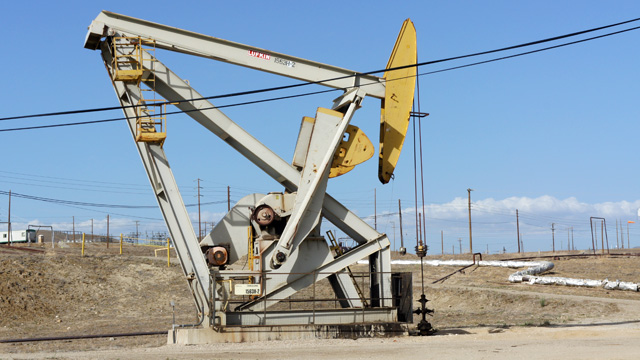
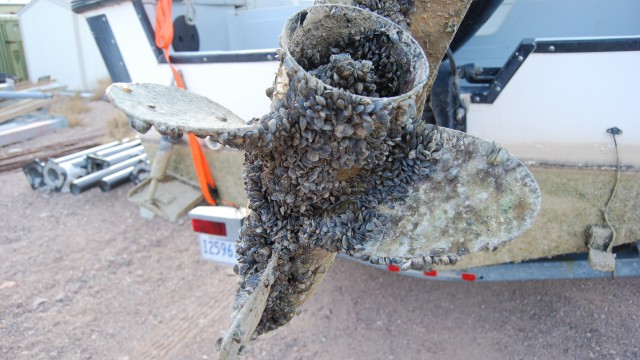
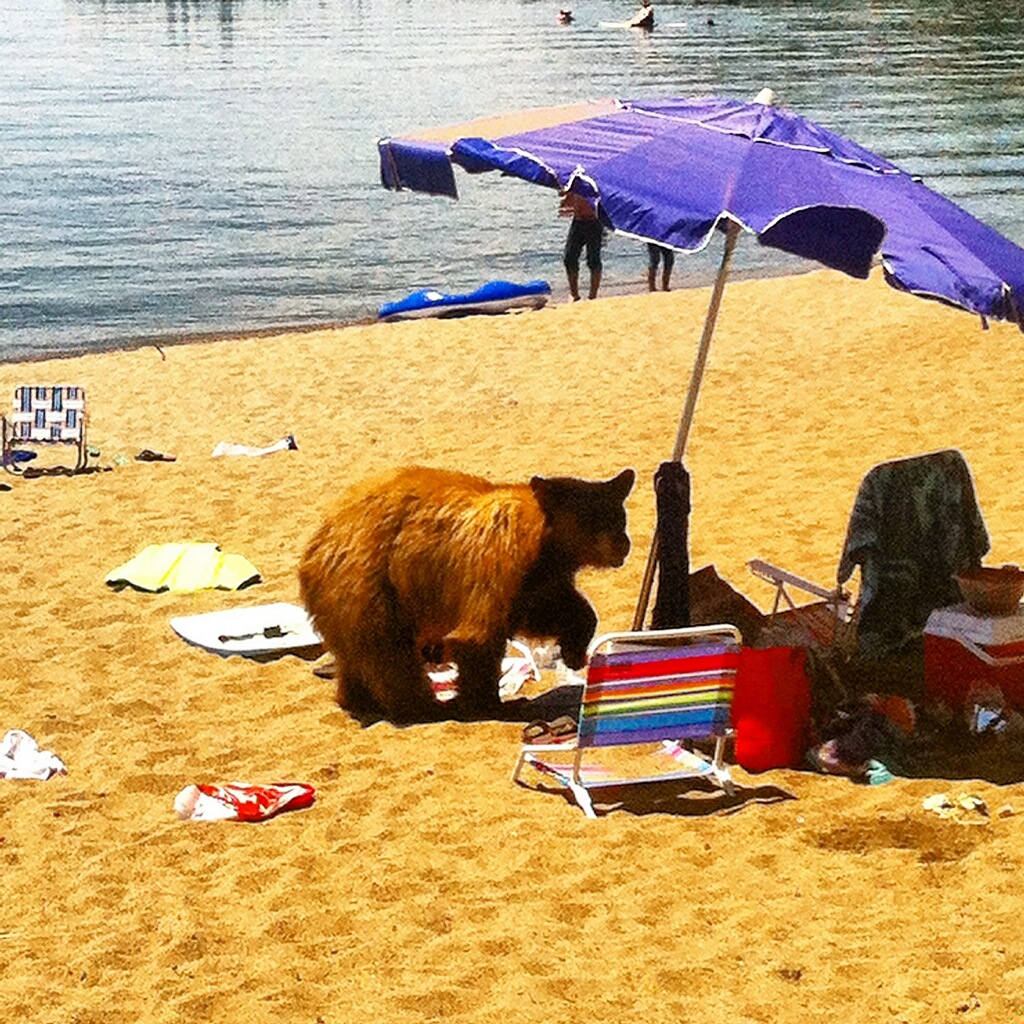
window.__IS_SSR__=true
window.__INITIAL_STATE__={
"attachmentsReducer": {
"audio_0": {
"type": "attachments",
"id": "audio_0",
"imgSizes": {
"kqedFullSize": {
"file": "https://ww2.kqed.org/news/wp-content/themes/KQED-unified/img/audio_bgs/background0.jpg"
}
}
},
"audio_1": {
"type": "attachments",
"id": "audio_1",
"imgSizes": {
"kqedFullSize": {
"file": "https://ww2.kqed.org/news/wp-content/themes/KQED-unified/img/audio_bgs/background1.jpg"
}
}
},
"audio_2": {
"type": "attachments",
"id": "audio_2",
"imgSizes": {
"kqedFullSize": {
"file": "https://ww2.kqed.org/news/wp-content/themes/KQED-unified/img/audio_bgs/background2.jpg"
}
}
},
"audio_3": {
"type": "attachments",
"id": "audio_3",
"imgSizes": {
"kqedFullSize": {
"file": "https://ww2.kqed.org/news/wp-content/themes/KQED-unified/img/audio_bgs/background3.jpg"
}
}
},
"audio_4": {
"type": "attachments",
"id": "audio_4",
"imgSizes": {
"kqedFullSize": {
"file": "https://ww2.kqed.org/news/wp-content/themes/KQED-unified/img/audio_bgs/background4.jpg"
}
}
},
"placeholder": {
"type": "attachments",
"id": "placeholder",
"imgSizes": {
"thumbnail": {
"file": "https://cdn.kqed.org/wp-content/uploads/2024/12/KQED-Default-Image-816638274-2000x1333-1-160x107.jpg",
"width": 160,
"height": 107,
"mimeType": "image/jpeg"
},
"medium": {
"file": "https://cdn.kqed.org/wp-content/uploads/2024/12/KQED-Default-Image-816638274-2000x1333-1-800x533.jpg",
"width": 800,
"height": 533,
"mimeType": "image/jpeg"
},
"medium_large": {
"file": "https://cdn.kqed.org/wp-content/uploads/2024/12/KQED-Default-Image-816638274-2000x1333-1-768x512.jpg",
"width": 768,
"height": 512,
"mimeType": "image/jpeg"
},
"large": {
"file": "https://cdn.kqed.org/wp-content/uploads/2024/12/KQED-Default-Image-816638274-2000x1333-1-1020x680.jpg",
"width": 1020,
"height": 680,
"mimeType": "image/jpeg"
},
"1536x1536": {
"file": "https://cdn.kqed.org/wp-content/uploads/2024/12/KQED-Default-Image-816638274-2000x1333-1-1536x1024.jpg",
"width": 1536,
"height": 1024,
"mimeType": "image/jpeg"
},
"fd-lrg": {
"file": "https://cdn.kqed.org/wp-content/uploads/2024/12/KQED-Default-Image-816638274-2000x1333-1-1536x1024.jpg",
"width": 1536,
"height": 1024,
"mimeType": "image/jpeg"
},
"fd-med": {
"file": "https://cdn.kqed.org/wp-content/uploads/2024/12/KQED-Default-Image-816638274-2000x1333-1-1020x680.jpg",
"width": 1020,
"height": 680,
"mimeType": "image/jpeg"
},
"fd-sm": {
"file": "https://cdn.kqed.org/wp-content/uploads/2024/12/KQED-Default-Image-816638274-2000x1333-1-800x533.jpg",
"width": 800,
"height": 533,
"mimeType": "image/jpeg"
},
"post-thumbnail": {
"file": "https://cdn.kqed.org/wp-content/uploads/2024/12/KQED-Default-Image-816638274-2000x1333-1-672x372.jpg",
"width": 672,
"height": 372,
"mimeType": "image/jpeg"
},
"twentyfourteen-full-width": {
"file": "https://cdn.kqed.org/wp-content/uploads/2024/12/KQED-Default-Image-816638274-2000x1333-1-1038x576.jpg",
"width": 1038,
"height": 576,
"mimeType": "image/jpeg"
},
"xxsmall": {
"file": "https://cdn.kqed.org/wp-content/uploads/2024/12/KQED-Default-Image-816638274-2000x1333-1-160x107.jpg",
"width": 160,
"height": 107,
"mimeType": "image/jpeg"
},
"xsmall": {
"file": "https://cdn.kqed.org/wp-content/uploads/2024/12/KQED-Default-Image-816638274-2000x1333-1-672x372.jpg",
"width": 672,
"height": 372,
"mimeType": "image/jpeg"
},
"small": {
"file": "https://cdn.kqed.org/wp-content/uploads/2024/12/KQED-Default-Image-816638274-2000x1333-1-672x372.jpg",
"width": 672,
"height": 372,
"mimeType": "image/jpeg"
},
"xlarge": {
"file": "https://cdn.kqed.org/wp-content/uploads/2024/12/KQED-Default-Image-816638274-2000x1333-1-1020x680.jpg",
"width": 1020,
"height": 680,
"mimeType": "image/jpeg"
},
"full-width": {
"file": "https://cdn.kqed.org/wp-content/uploads/2024/12/KQED-Default-Image-816638274-2000x1333-1-1920x1280.jpg",
"width": 1920,
"height": 1280,
"mimeType": "image/jpeg"
},
"guest-author-32": {
"file": "https://cdn.kqed.org/wp-content/uploads/2025/01/KQED-Default-Image-816638274-1333x1333-1-160x160.jpg",
"width": 32,
"height": 32,
"mimeType": "image/jpeg"
},
"guest-author-50": {
"file": "https://cdn.kqed.org/wp-content/uploads/2025/01/KQED-Default-Image-816638274-1333x1333-1-160x160.jpg",
"width": 50,
"height": 50,
"mimeType": "image/jpeg"
},
"guest-author-64": {
"file": "https://cdn.kqed.org/wp-content/uploads/2025/01/KQED-Default-Image-816638274-1333x1333-1-160x160.jpg",
"width": 64,
"height": 64,
"mimeType": "image/jpeg"
},
"guest-author-96": {
"file": "https://cdn.kqed.org/wp-content/uploads/2025/01/KQED-Default-Image-816638274-1333x1333-1-160x160.jpg",
"width": 96,
"height": 96,
"mimeType": "image/jpeg"
},
"guest-author-128": {
"file": "https://cdn.kqed.org/wp-content/uploads/2025/01/KQED-Default-Image-816638274-1333x1333-1-160x160.jpg",
"width": 128,
"height": 128,
"mimeType": "image/jpeg"
},
"detail": {
"file": "https://cdn.kqed.org/wp-content/uploads/2025/01/KQED-Default-Image-816638274-1333x1333-1-160x160.jpg",
"width": 160,
"height": 160,
"mimeType": "image/jpeg"
},
"kqedFullSize": {
"file": "https://cdn.kqed.org/wp-content/uploads/2024/12/KQED-Default-Image-816638274-2000x1333-1.jpg",
"width": 2000,
"height": 1333
}
}
},
"science_20159": {
"type": "attachments",
"id": "science_20159",
"meta": {
"index": "attachments_1716263798",
"site": "science",
"id": "20159",
"found": true
},
"parent": 20148,
"imgSizes": {
"kqedFullSize": {
"file": "https://ww2.kqed.org/app/uploads/sites/35/2014/07/DrakesBay-featured.jpg",
"width": 640,
"height": 360
}
},
"publishDate": 1406850594,
"modified": 1406850594,
"caption": "Workers at Drakes Bay Oyster Farm pile up oyster grow bags for storage. (Cy Musiker/KQED)",
"description": "Workers at Drakes Bay Oyster Farm pile up oyster grow bags for storage. (Cy Musiker/KQED)",
"title": "DrakesBay-featured",
"credit": null,
"status": "inherit",
"isLoading": false,
"fetchFailed": false
},
"science_20033": {
"type": "attachments",
"id": "science_20033",
"meta": {
"index": "attachments_1716263798",
"site": "science",
"id": "20033",
"found": true
},
"parent": 20012,
"imgSizes": {
"kqedFullSize": {
"file": "https://ww2.kqed.org/app/uploads/sites/35/2014/07/groundwaterpump.jpg",
"width": 640,
"height": 360
}
},
"publishDate": 1406768655,
"modified": 1406768655,
"caption": null,
"description": null,
"title": "groundwaterpump",
"credit": null,
"status": "inherit",
"isLoading": false,
"fetchFailed": false
},
"science_19702": {
"type": "attachments",
"id": "science_19702",
"meta": {
"index": "attachments_1716263798",
"site": "science",
"id": "19702",
"found": true
},
"parent": 19700,
"imgSizes": {
"kqedFullSize": {
"file": "https://ww2.kqed.org/app/uploads/sites/35/2014/07/Anopheles-gambiae.jpg",
"width": 640,
"height": 382
}
},
"publishDate": 1406144637,
"modified": 1406144637,
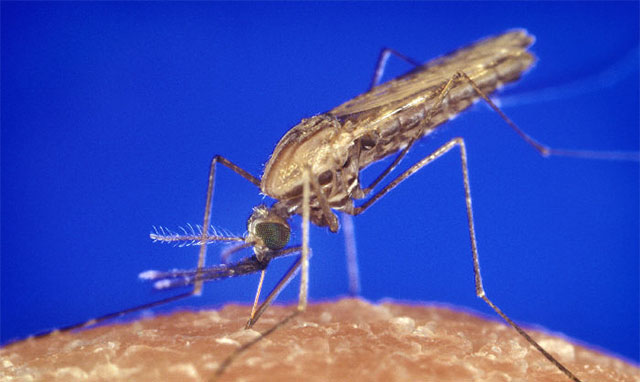
"caption": "We might be able to use selfish genes to cause the population of mosquitoes that carry malaria to crash. Is genetically manipulating these insects out in the wild worth preventing hundreds of millions of people from getting malaria? (Wikimedia commons)",
"description": null,
"title": "Anopheles gambiae",
"credit": null,
"status": "inherit",
"isLoading": false,
"fetchFailed": false
},
"science_19858": {
"type": "attachments",
"id": "science_19858",
"meta": {
"index": "attachments_1716263798",
"site": "science",
"id": "19858",
"found": true
},
"parent": 19845,
"imgSizes": {
"kqedFullSize": {
"file": "https://ww2.kqed.org/app/uploads/sites/35/2014/07/14547399159_a7f6b6fe9d_z1-e1406319210315.jpg",
"width": 572,
"height": 457
}
},
"publishDate": 1406319190,
"modified": 1406319190,
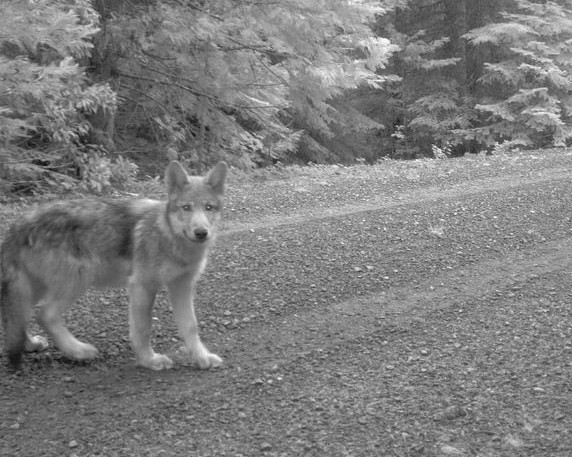
"caption": "One of OR-7's wolf pups in southwestern Oregon. (USFWS/Flickr)",
"description": "One of OR-7's wolf pups in southwestern Oregon. (USFWS/Flickr)",
"title": "14547399159_a7f6b6fe9d_z",
"credit": null,
"status": "inherit",
"isLoading": false,
"fetchFailed": false
},
"science_19786": {
"type": "attachments",
"id": "science_19786",
"meta": {
"index": "attachments_1716263798",
"site": "science",
"id": "19786",
"found": true
},
"parent": 19607,
"imgSizes": {
"kqedFullSize": {
"file": "https://ww2.kqed.org/app/uploads/sites/35/2014/07/RS11253_deng_face-sfi.jpg",
"width": 640,
"height": 360
}
},
"publishDate": 1406237766,
"modified": 1406237766,
"caption": "Emir Dunn at work on the Bully Fire in Shasta County. (Adam Grossberg/KQED)",
"description": "Emir Dunn at work on the Bully Fire in Shasta County. (Adam Grossberg/KQED)",
"title": "Emir Dunn",
"credit": null,
"status": "inherit",
"isLoading": false,
"fetchFailed": false
},
"science_19582": {
"type": "attachments",
"id": "science_19582",
"meta": {
"index": "attachments_1716263798",
"site": "science",
"id": "19582",
"found": true
},
"parent": 19549,
"imgSizes": {
"kqedFullSize": {
"file": "https://ww2.kqed.org/app/uploads/sites/35/2014/07/2614143760_4919fd38ae_z.jpg",
"width": 640,
"height": 428
}
},
"publishDate": 1405966489,
"modified": 1405966489,
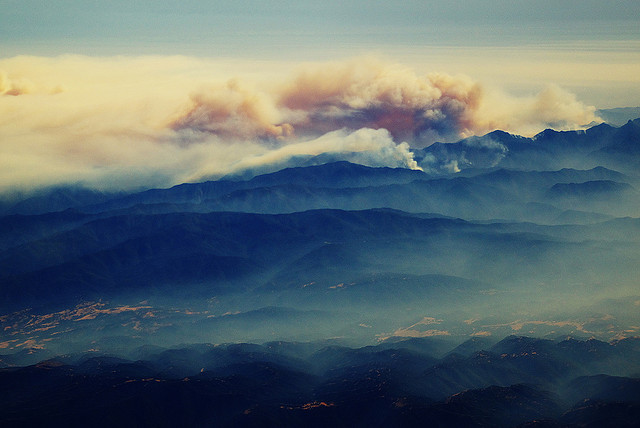
"caption": "In 2008, lightning ignited more than 2,000 fires in California, including this one near Big Sur. (rskoon/Flickr) ",
"description": "In 2008, lightning ignited more than 2,000 fires in California, including this one near Big Sur. (rskoon/Flickr) ",
"title": "2614143760_4919fd38ae_z",
"credit": null,
"status": "inherit",
"isLoading": false,
"fetchFailed": false
},
"science_19557": {
"type": "attachments",
"id": "science_19557",
"meta": {
"index": "attachments_1716263798",
"site": "science",
"id": "19557",
"found": true
},
"parent": 19507,
"imgSizes": {
"kqedFullSize": {
"file": "https://ww2.kqed.org/app/uploads/sites/35/2014/07/Miille_Bakken1.jpg",
"width": 640,
"height": 360
}
},
"publishDate": 1405727103,
"modified": 1405727103,
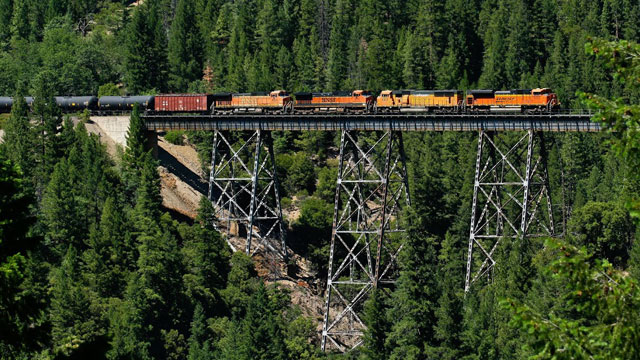
"caption": "A BNSF train with tank cars crosses a trestle in the Feather River Canyon in Northern California. (Courtesy of Jake Miille)",
"description": "A BNSF train with tank cars crosses a trestle in the Feather River Canyon in Northern California. (Courtesy of Jake Miille)",
"title": "Miille_Bakken1",
"credit": null,
"status": "inherit",
"isLoading": false,
"fetchFailed": false
},
"science_19348": {
"type": "attachments",
"id": "science_19348",
"meta": {
"index": "attachments_1716263798",
"site": "science",
"id": "19348",
"found": true
},
"parent": 19337,
"imgSizes": {
"kqedFullSize": {
"file": "https://ww2.kqed.org/app/uploads/sites/35/2014/07/fracking1.jpg",
"width": 640,
"height": 360
}
},
"publishDate": 1405124478,
"modified": 1405124478,
"caption": "About 60 percent of oil pumped in California uses steam injection or similar methods, something the ballot measures seek to ban. (Lauren Sommer/KQED)",
"description": null,
"title": "fracking1",
"credit": null,
"status": "inherit",
"isLoading": false,
"fetchFailed": false
},
"science_19299": {
"type": "attachments",
"id": "science_19299",
"meta": {
"index": "attachments_1716263798",
"site": "science",
"id": "19299",
"found": true
},
"parent": 19295,
"imgSizes": {
"kqedFullSize": {
"file": "https://ww2.kqed.org/app/uploads/sites/35/2014/07/Quagga_fouled_outdrive-e1405120194852.jpg",
"width": 640,
"height": 360
}
},
"publishDate": 1405119916,
"modified": 1405119916,
"caption": null,
"description": "Courtesy of nps.gov",
"title": "Quagga_fouled_outdrive",
"credit": null,
"status": "inherit",
"isLoading": false,
"fetchFailed": false
},
"science_19310": {
"type": "attachments",
"id": "science_19310",
"meta": {
"index": "attachments_1716263798",
"site": "science",
"id": "19310",
"found": true
},
"parent": 19309,
"imgSizes": {
"kqedFullSize": {
"file": "https://ww2.kqed.org/app/uploads/sites/35/2014/07/7-9-14-Glenbrook-Bear-on-Beach-Euthenized.jpg",
"width": 1024,
"height": 1024
}
},
"publishDate": 1405121156,
"modified": 1617993914,
"caption": "In 2014, a drought drove hungry bears out of the woods and down to Lake Tahoe. ",
"description": "The drought is driving hungry bears like this one out of the woods and down to Lake Tahoe. (Courtesy of Nevada Department of Wildlife)",
"title": "7-9-14 Glenbrook Bear on Beach--Euthenized",
"credit": "Courtesy of Nevada Department of Wildlife",
"status": "inherit",
"altTag": "The drought is driving hungry bears like this one out of the woods and down to Lake Tahoe. (Courtesy of Nevada Department of Wildlife)",
"isLoading": false,
"fetchFailed": false
},
"science_13037": {
"type": "attachments",
"id": "science_13037",
"meta": {
"index": "attachments_1716263798",
"site": "science",
"id": "13037",
"found": true
},
"parent": 13035,
"imgSizes": {
"kqedFullSize": {
"file": "https://ww2.kqed.org/app/uploads/sites/35/2014/01/Sprinkler.jpg",
"width": 640,
"height": 360
}
},
"publishDate": 1389667805,
"modified": 1389667805,
"caption": "An East Bay MUD conservation program has cut water use by comparing customers with their neighbors. (Craig Miller/KQED)",
"description": null,
"title": "Sprinkler",
"credit": null,
"status": "inherit",
"isLoading": false,
"fetchFailed": false
},
"science_19085": {
"type": "attachments",
"id": "science_19085",
"meta": {
"index": "attachments_1716263798",
"site": "science",
"id": "19085",
"found": true
},
"parent": 19084,
"imgSizes": {
"kqedFullSize": {
"file": "https://ww2.kqed.org/app/uploads/sites/35/2014/07/19084-thumb.jpg",
"width": 640,
"height": 400
}
},
"publishDate": 1404758120,
"modified": 1404758120,
"caption": null,
"description": null,
"title": "Thumbnail for 19084",
"credit": null,
"status": "inherit",
"isLoading": false,
"fetchFailed": false
}
},
"audioPlayerReducer": {
"postId": "stream_live",
"isPaused": true,
"isPlaying": false,
"pfsActive": false,
"pledgeModalIsOpen": true,
"playerDrawerIsOpen": false,
"liveAudioPlayStartedAt": 0,
"liveAudioPlayContext": ""
},
"authorsReducer": {
"mollysamuel": {
"type": "authors",
"id": "200",
"meta": {
"index": "authors_1716337520",
"id": "200",
"found": true
},
"name": "Molly Samuel",
"firstName": "Molly",
"lastName": "Samuel",
"slug": "mollysamuel",
"email": "msamuel@kqed.org",
"display_author_email": false,
"staff_mastheads": [],
"title": null,
"bio": "Molly Samuel joined KQED as an intern in 2007, and since then has worked here as a reporter, producer, director and blogger. Before becoming KQED Science’s Multimedia Producer, she was a producer for Climate Watch. Molly has also reported for NPR, KALW and High Country News, and has produced audio stories for The Encyclopedia of Life and the Oakland Museum of California. She was a fellow with the Middlebury Fellowships in Environmental Journalism and a journalist-in-residence at the National Evolutionary Synthesis Center. Molly has a degree in Ancient Greek from Oberlin College and is a co-founder of the record label True Panther Sounds.",
"avatar": "https://secure.gravatar.com/avatar/a6abd3b949a89fe5109fa9917631d0b6?s=600&d=blank&r=g",
"twitter": null,
"facebook": null,
"instagram": null,
"linkedin": null,
"sites": [
{
"site": "news",
"roles": [
"subscriber"
]
},
{
"site": "stateofhealth",
"roles": [
"subscriber"
]
},
{
"site": "science",
"roles": [
"subscriber"
]
},
{
"site": "quest",
"roles": [
"edit_users",
"subscriber"
]
}
],
"headData": {
"title": "Molly Samuel | KQED",
"description": null,
"ogImgSrc": "https://secure.gravatar.com/avatar/a6abd3b949a89fe5109fa9917631d0b6?s=600&d=blank&r=g",
"twImgSrc": "https://secure.gravatar.com/avatar/a6abd3b949a89fe5109fa9917631d0b6?s=600&d=blank&r=g"
},
"isLoading": false,
"link": "/author/mollysamuel"
},
"ahelmick": {
"type": "authors",
"id": "207",
"meta": {
"index": "authors_1716337520",
"id": "207",
"found": true
},
"name": "Alex Helmick",
"firstName": "Alex",
"lastName": "Helmick",
"slug": "ahelmick",
"email": "ahelmick@kqed.org",
"display_author_email": false,
"staff_mastheads": [],
"title": "KQED Contributor",
"bio": "Alex Helmick is a former supervising editor of KQED's newscast unit. He led a team of 10 and edited content for KQED’s 20 daily newscasts as well as occasionally editing \u003cem>The California Report.\u003c/em>\r\n\r\nBefore joining KQED, Alex worked in Geneva, Switzerland, where he reported from the United Nations European Headquarters and later hosted a 2-hour daily current events program. In 2009, he covered the war in Afghanistan and its impact on the humanitarian crisis in the country. He has also covered business in Chicago and produced the evening news for WBEZ.",
"avatar": "https://secure.gravatar.com/avatar/0a6dd12640740a1e6333d9102e3ae8a8?s=600&d=blank&r=g",
"twitter": null,
"facebook": null,
"instagram": null,
"linkedin": null,
"sites": [
{
"site": "news",
"roles": [
"subscriber"
]
},
{
"site": "science",
"roles": []
}
],
"headData": {
"title": "Alex Helmick | KQED",
"description": "KQED Contributor",
"ogImgSrc": "https://secure.gravatar.com/avatar/0a6dd12640740a1e6333d9102e3ae8a8?s=600&d=blank&r=g",
"twImgSrc": "https://secure.gravatar.com/avatar/0a6dd12640740a1e6333d9102e3ae8a8?s=600&d=blank&r=g"
},
"isLoading": false,
"link": "/author/ahelmick"
},
"cmiller": {
"type": "authors",
"id": "221",
"meta": {
"index": "authors_1716337520",
"id": "221",
"found": true
},
"name": "Craig Miller",
"firstName": "Craig",
"lastName": "Miller",
"slug": "cmiller",
"email": "craig@voxterra.net",
"display_author_email": false,
"staff_mastheads": [
"science"
],
"title": "Editor Emeritus, Science",
"bio": "Craig is a former KQED Science editor, specializing in weather, climate, water & energy issues, with a little seismology thrown in just to shake things up. Prior to that, he launched and led the station's award-winning multimedia project, Climate Watch. Craig is also an accomplished writer/producer of television documentaries, with a focus on natural resource issues.",
"avatar": "https://secure.gravatar.com/avatar/b91661df645e001a9cafe0861fa685f9?s=600&d=blank&r=g",
"twitter": "voxterra",
"facebook": null,
"instagram": null,
"linkedin": null,
"sites": [
{
"site": "news",
"roles": [
"author"
]
},
{
"site": "futureofyou",
"roles": [
"editor"
]
},
{
"site": "stateofhealth",
"roles": [
"author"
]
},
{
"site": "science",
"roles": [
"editor"
]
},
{
"site": "quest",
"roles": [
"editor"
]
}
],
"headData": {
"title": "Craig Miller | KQED",
"description": "Editor Emeritus, Science",
"ogImgSrc": "https://secure.gravatar.com/avatar/b91661df645e001a9cafe0861fa685f9?s=600&d=blank&r=g",
"twImgSrc": "https://secure.gravatar.com/avatar/b91661df645e001a9cafe0861fa685f9?s=600&d=blank&r=g"
},
"isLoading": false,
"link": "/author/cmiller"
},
"danbrekke": {
"type": "authors",
"id": "222",
"meta": {
"index": "authors_1716337520",
"id": "222",
"found": true
},
"name": "Dan Brekke",
"firstName": "Dan",
"lastName": "Brekke",
"slug": "danbrekke",
"email": "dbrekke@kqed.org",
"display_author_email": true,
"staff_mastheads": [
"news",
"science"
],
"title": "KQED Editor and Reporter",
"bio": "Dan Brekke is a reporter and editor for KQED News, responsible for coverage of topics ranging from California water issues to the Bay Area's transportation challenges. In a newsroom career that began in Chicago in 1972, Dan has worked for \u003cem>The San Francisco Examiner,\u003c/em> Wired and TechTV and has been published in The New York Times, The New York Times Magazine, Business 2.0, Salon and elsewhere.\r\n\r\nSince joining KQED in 2007, Dan has reported, edited and produced both radio and online features and breaking news pieces. He has shared as both editor and reporter in four Society of Professional Journalists Norcal Excellence in Journalism awards and one Edward R. Murrow regional award. He was chosen for a spring 2017 residency at the Mesa Refuge to advance his research on California salmon.\r\n\r\nEmail Dan at: \u003ca href=\"mailto:dbrekke@kqed.org\">dbrekke@kqed.org\u003c/a>\r\n\r\n\u003cstrong>Twitter:\u003c/strong> \u003ca href=\"https://twitter.com/danbrekke\" rel=\"noopener noreferrer\">twitter.com/danbrekke\u003c/a>\r\n\u003cstrong>Facebook:\u003c/strong> \u003ca href=\"https://www.facebook.com/danbrekke\" rel=\"noopener noreferrer\">www.facebook.com/danbrekke\u003c/a>\r\n\u003cstrong>LinkedIn:\u003c/strong> \u003ca href=\"https://www.linkedin.com/in/danbrekke\" rel=\"noopener noreferrer\">www.linkedin.com/in/danbrekke\u003c/a>",
"avatar": "https://secure.gravatar.com/avatar/8f1f0d2a978fb3b23426c922c7e2af558fa36905b49c4ce76a97dc3c72d27226?s=600&d=mm&r=g",
"twitter": "danbrekke",
"bluesky": null,
"facebook": null,
"instagram": "https://www.instagram.com/dan.brekke/",
"linkedin": "https://www.linkedin.com/in/danbrekke/",
"sites": [
{
"site": "news",
"roles": [
"administrator",
"create_posts"
]
},
{
"site": "stateofhealth",
"roles": [
"editor"
]
},
{
"site": "science",
"roles": [
"editor"
]
},
{
"site": "quest",
"roles": [
"contributor"
]
},
{
"site": "food",
"roles": [
"contributor"
]
},
{
"site": "forum",
"roles": [
"contributor"
]
},
{
"site": "elections",
"roles": [
"editor"
]
},
{
"site": "liveblog",
"roles": [
"editor"
]
}
],
"headData": {
"title": "Dan Brekke | KQED",
"description": "KQED Editor and Reporter",
"ogImgSrc": "https://secure.gravatar.com/avatar/8f1f0d2a978fb3b23426c922c7e2af558fa36905b49c4ce76a97dc3c72d27226?s=600&d=mm&r=g",
"twImgSrc": "https://secure.gravatar.com/avatar/8f1f0d2a978fb3b23426c922c7e2af558fa36905b49c4ce76a97dc3c72d27226?s=600&d=mm&r=g"
},
"isLoading": false,
"link": "/author/danbrekke"
},
"laurensommer": {
"type": "authors",
"id": "239",
"meta": {
"index": "authors_1716337520",
"id": "239",
"found": true
},
"name": "Lauren Sommer",
"firstName": "Lauren",
"lastName": "Sommer",
"slug": "laurensommer",
"email": "lsommer@kqed.org",
"display_author_email": false,
"staff_mastheads": [],
"title": "KQED Contributor",
"bio": "Lauren is a radio reporter formerly covering environment, water, and energy for KQED Science. As part of her day job, she has scaled Sierra Nevada peaks, run from charging elephant seals, and desperately tried to get her sea legs - all in pursuit of good radio. Her work has appeared on Marketplace, Living on Earth, Science Friday and NPR's Morning Edition and All Things Considered. You can find her on Twitter at \u003ca href=\"https://twitter.com/lesommer\">@lesommer\u003c/a>.",
"avatar": "https://secure.gravatar.com/avatar/33aa3772bb86c6ad45b8aca6a238bbdf?s=600&d=blank&r=g",
"twitter": null,
"facebook": null,
"instagram": null,
"linkedin": null,
"sites": [
{
"site": "news",
"roles": [
"author"
]
},
{
"site": "science",
"roles": [
"editor",
"manage_content_types",
"manage_taxonomies"
]
},
{
"site": "quest",
"roles": [
"editor"
]
}
],
"headData": {
"title": "Lauren Sommer | KQED",
"description": "KQED Contributor",
"ogImgSrc": "https://secure.gravatar.com/avatar/33aa3772bb86c6ad45b8aca6a238bbdf?s=600&d=blank&r=g",
"twImgSrc": "https://secure.gravatar.com/avatar/33aa3772bb86c6ad45b8aca6a238bbdf?s=600&d=blank&r=g"
},
"isLoading": false,
"link": "/author/laurensommer"
},
"dr-barry-starr": {
"type": "authors",
"id": "6177",
"meta": {
"index": "authors_1716337520",
"id": "6177",
"found": true
},
"name": "Dr. Barry Starr",
"firstName": "Dr. Barry",
"lastName": "Starr",
"slug": "dr-barry-starr",
"email": "bstarr@thetech.org",
"display_author_email": false,
"staff_mastheads": [],
"title": "KQED Contributor",
"bio": "Dr. Barry Starr (\u003ca href=\"https://twitter.com/geneticsboy\">@geneticsboy\u003c/a>) is a Geneticist-in-Residence at The Tech Museum of Innovation in San Jose, CA and runs their Stanford at The Tech program. The program is part of an ongoing collaboration between the \u003ca href=\"http://genetics.stanford.edu/\">Stanford Department of Genetics\u003c/a> and \u003ca href=\"http://www.thetech.org/\">The Tech Museum of Innovation\u003c/a>. Together these two partners created the \u003ca href=\"http://www.thetech.org/exhibits/permanent/index.php?sGalKey=gtwt&galKey=lt\">Genetics: Technology with a Twist\u003c/a> exhibition.\r\n\r\nYou can also see \u003ca href=\"https://ww2.kqed.org/science/author/dr-barry-starr/\">additional posts by Barry at KQED Science\u003c/a>, and read his \u003ca href=\"http://science.kqed.org/quest/author/dr-barry-starr/\">previous contributions\u003c/a> to \u003ca href=\"http://science.kqed.org/quest/\">QUEST\u003c/a>, a project dedicated to exploring the Science of Sustainability.",
"avatar": "https://secure.gravatar.com/avatar/4a5680e4c642ea0f0f3041af16018969?s=600&d=blank&r=g",
"twitter": "geneticsboy",
"facebook": null,
"instagram": null,
"linkedin": null,
"sites": [
{
"site": "futureofyou",
"roles": []
},
{
"site": "science",
"roles": [
"author"
]
},
{
"site": "quest",
"roles": [
"subscriber"
]
}
],
"headData": {
"title": "Dr. Barry Starr | KQED",
"description": "KQED Contributor",
"ogImgSrc": "https://secure.gravatar.com/avatar/4a5680e4c642ea0f0f3041af16018969?s=600&d=blank&r=g",
"twImgSrc": "https://secure.gravatar.com/avatar/4a5680e4c642ea0f0f3041af16018969?s=600&d=blank&r=g"
},
"isLoading": false,
"link": "/author/dr-barry-starr"
},
"kqedscience": {
"type": "authors",
"id": "6387",
"meta": {
"index": "authors_1716337520",
"id": "6387",
"found": true
},
"name": "KQED Science",
"firstName": "KQED",
"lastName": "Science",
"slug": "kqedscience",
"email": "kqedscience@gmail.com",
"display_author_email": false,
"staff_mastheads": [],
"title": null,
"bio": "KQED Science brings you award-winning science and environment coverage from the Bay Area and beyond by the flagship Northern California PBS and NPR affiliate.",
"avatar": "https://secure.gravatar.com/avatar/5a295ff49cf82a8c0f30937d3f788b2f?s=600&d=blank&r=g",
"twitter": null,
"facebook": null,
"instagram": null,
"linkedin": null,
"sites": [
{
"site": "science",
"roles": [
"contributor"
]
},
{
"site": "quest",
"roles": [
"editor"
]
},
{
"site": "food",
"roles": [
"contributor"
]
}
],
"headData": {
"title": "KQED Science | KQED",
"description": null,
"ogImgSrc": "https://secure.gravatar.com/avatar/5a295ff49cf82a8c0f30937d3f788b2f?s=600&d=blank&r=g",
"twImgSrc": "https://secure.gravatar.com/avatar/5a295ff49cf82a8c0f30937d3f788b2f?s=600&d=blank&r=g"
},
"isLoading": false,
"link": "/author/kqedscience"
},
"sfrancisbongue": {
"type": "authors",
"id": "6564",
"meta": {
"index": "authors_1716337520",
"id": "6564",
"found": true
},
"name": "Silvia Francis",
"firstName": "Silvia",
"lastName": "Francis",
"slug": "sfrancisbongue",
"email": "sfrancisbongue@KQED.org",
"display_author_email": false,
"staff_mastheads": [],
"title": null,
"bio": "Silvia Francis is an intern at KQED Science and a senior at Denison University where she studies biology and cinema. She was drawn to KQED by her interests in science communication and multimedia.",
"avatar": "https://secure.gravatar.com/avatar/190f8c7ebf1f03859aa6ccb24d709fe6?s=600&d=blank&r=g",
"twitter": null,
"facebook": null,
"instagram": null,
"linkedin": null,
"sites": [
{
"site": "science",
"roles": [
"editor"
]
}
],
"headData": {
"title": "Silvia Francis | KQED",
"description": null,
"ogImgSrc": "https://secure.gravatar.com/avatar/190f8c7ebf1f03859aa6ccb24d709fe6?s=600&d=blank&r=g",
"twImgSrc": "https://secure.gravatar.com/avatar/190f8c7ebf1f03859aa6ccb24d709fe6?s=600&d=blank&r=g"
},
"isLoading": false,
"link": "/author/sfrancisbongue"
}
},
"pagesReducer": {
"science_category_environment": {
"type": "terms",
"id": "science_35",
"meta": {
"index": "terms_1716263798",
"site": "science",
"id": "35",
"score": 12.13823
},
"featImg": null,
"name": "Environment",
"description": null,
"taxonomy": "category",
"headData": {
"twImgId": null,
"twTitle": null,
"ogTitle": null,
"ogImgId": null,
"twDescription": null,
"description": null,
"title": "Environment Archives | KQED Science",
"ogDescription": null
},
"ttid": 37,
"slug": "environment",
"isLoading": false,
"title": "Environment",
"pageMeta": {
"site": "science",
"WpPageTemplate": "page-topic-editorial",
"currentPage": 185
},
"blocks": [
{
"blockName": "kqed/post-list",
"attrs": {
"layout": "cardArticle2",
"query": "posts/science?category=environment",
"seeMore": false,
"paginated": true,
"page": 185
}
},
{
"blockName": "kqed/ad"
}
]
}
},
"pfsSessionReducer": {},
"postsReducer": {
"stream_live": {
"type": "live",
"id": "stream_live",
"audioUrl": "https://streams.kqed.org/kqedradio",
"title": "Live Stream",
"excerpt": "Live Stream information currently unavailable.",
"link": "/radio",
"featImg": "",
"label": {
"name": "KQED Live",
"link": "/"
}
},
"stream_kqedNewscast": {
"type": "posts",
"id": "stream_kqedNewscast",
"audioUrl": "https://www.kqed.org/.stream/anon/radio/RDnews/newscast.mp3?_=1",
"title": "KQED Newscast",
"featImg": "",
"label": {
"name": "88.5 FM",
"link": "/"
}
},
"science_20148": {
"type": "posts",
"id": "science_20148",
"meta": {
"index": "posts_1716263798",
"site": "science",
"id": "20148",
"score": null,
"sort": [
1406853375000
]
},
"parent": 0,
"labelTerm": {},
"blocks": [],
"publishDate": 1406853375,
"format": "aside",
"title": "Retail Operations Close at Drakes Bay Oyster Company",
"headTitle": "Retail Operations Close at Drakes Bay Oyster Company | KQED",
"content": "\u003cp>\u003cstrong>By Cy Musiker\u003cbr>\nKQED News\u003c/strong>\u003c/p>\n\u003cfigure id=\"attachment_20166\" class=\"wp-caption aligncenter\" style=\"max-width: 640px\">\u003ca href=\"http://ww2.kqed.org/science/wp-content/uploads/sites/35/2014/07/Drakes_Jorge.jpg\">\u003cimg loading=\"lazy\" decoding=\"async\" class=\"size-full wp-image-20166\" src=\"http://ww2.kqed.org/science/wp-content/uploads/sites/35/2014/07/Drakes_Jorge.jpg\" alt=\"Jorge Mata has been working on the oyster farm for thirty years. (Jeremy Raff/KQED)\" width=\"640\" height=\"360\">\u003c/a>\u003cfigcaption class=\"wp-caption-text\">Jorge Mata has been working on the oyster farm for thirty years. (Jeremy Raff/KQED)\u003c/figcaption>\u003c/figure>\n\u003cp>It looked and sounded like business as usual a few days ago at \u003ca href=\"www.drakesbayoyster.com\">Drakes Bay Oyster Company\u003c/a> on Drakes Estero on the Point Reyes Peninsula.\u003c/p>\n\u003cp>Seventy or more people were crowded around the oyster farm’s eight picnic tables, shucking oysters and barbecuing them on portable grills, containers of butter and garlic, pesto sauce and mignonette close at hand.\u003c/p>\n\u003cp>“What I prefer about this place,” said Jim Carriere, “is the oysters are saltier. Because right here on Drakes Estero you’re that much closer to the ocean.”\u003c/p>\n\u003caside class=\"alignright\">[soundcloud url=”https://api.soundcloud.com/tracks/161180039″ params=”color=ff5500&auto_play=false&hide_related=false&show_comments=true&show_user=true&show_reposts=false” width=”100%” height=”166″ iframe=”true” /]\u003c/aside>\n\u003cp> Carriere and his group of Marin Rotarians were eating their way through 10 dozen oysters partly to show their support for Drakes Bay.\u003c/p>\n\u003cp>[ad fullwidth]\u003c/p>\n\u003cp>The National Park Service ordered Lunny to close its retail and canning operations by the end of day Thursday. Wholesale operations can continue for a few more months, but the time is clearly running out after years of unsuccessful court battles. Lunny’s lease with the Park Service expired in 2012.\u003c/p>\n\u003cp>“Hopefully,” Carriere said, “with whatever appeals they try through the U.S. courts system, something will allow them to come back and start this back up again. Because I can’t imagine anything else that would be better for this area than what they’re doing.”\u003c/p>\n\u003cfigure id=\"attachment_20159\" class=\"wp-caption aligncenter\" style=\"max-width: 640px\">\u003ca href=\"http://ww2.kqed.org/science/wp-content/uploads/sites/35/2014/07/DrakesBay-featured.jpg\">\u003cimg loading=\"lazy\" decoding=\"async\" src=\"http://ww2.kqed.org/science/wp-content/uploads/sites/35/2014/07/DrakesBay-featured.jpg\" alt=\"Workers at Drakes Bay Oyster Farm pile up oyster grow bags for storage. (Cy Musiker/KQED)\" width=\"640\" height=\"360\" class=\"size-full wp-image-20159\">\u003c/a>\u003cfigcaption class=\"wp-caption-text\">Workers at Drakes Bay Oyster Farm pile up oyster grow bags for storage. (Cy Musiker/KQED)\u003c/figcaption>\u003c/figure>\n\u003cp>The day after Carriere’s visit, it was clear that Drakes Bay was shutting down. Workers were stacking mesh oyster grow bags in big piles. Drakes Bay owner Kevin Lunny says the workers would normally have been filling the bags with baby oysters, then mooring them to sand bars in the bay.\u003c/p>\n\u003cp>“It’s so hard to be at the farm now. We watch all these people working themselves out of a job,” he said. Lunny is trucking his equipment to a friend’s ranch in Petaluma for storage.\u003c/p>\n\u003cp>The shutdown has begun because Lunny is almost out of legal options. In 2012, then-Secretary of the Interior Ken Salazar refused to renew Lunny’s lease, and earlier this year, the U.S. Supreme Court refused to hear an appeal of a lower court’s decision upholding Salazar’s ruling.\u003c/p>\n\u003cp>That frees the Park Service to carry out the mandate of Congress in 1976, when it declared Drakes Estero “potential wilderness.” Drake’s Estero will join the neighboring and much smaller Limantour Estero as the only American wilderness bays on the West Coast.\u003c/p>\n\u003cp>https://vimeo.com/102581161\u003cbr>\n\u003cbr>\n\u003cstrong>The Future of the Farm and its Workers\u003c/strong>\u003c/p>\n\u003cp>Lunny and his family bought the oyster farm in 2004 from the Johnsons, another old Point Reyes family. You can see the Lunny’s dairy and cattle ranch on a ridge above the Estero. He’s a third generation Point Reyes rancher. So he’ll have a home and a job to return to when the oyster farm closes.\u003c/p>\n\u003cp>His 25 workers aren’t so fortunate.\u003c/p>\n\u003cp>“Well it’s very difficult,” said Paco Aceves, who has worked at Drakes Bay for four years. He manages the retail shack, and lives in a set of cottages at the farm with his wife, three kids and a few other employees.\u003c/p>\n\u003cp>“You know sometimes you lose your house but you still have your job,” he said. “In this case we have to do both. We have to look for a job and we have to look for a house.”\u003c/p>\n\u003cp>Aceves says he also had to tell his older boy to put his plans for college on hold. “Unfortunately because of this situation. How you going to help him.”\u003c/p>\n\u003cp>An attorney for Marin Legal Aid is negotiating on behalf of Aceves and other workers for up to $20,000 in federal aid for housing and job retraining.\u003c/p>\n\u003cp>Kevin Lunny says he still hopes, somehow, to keep the farm going, and as he showed me around a few days ago, he seemed in a funny state of mind, somewhere between denial, defiance and resignation.\u003c/p>\n\u003cp>Earlier this month, the Park Service ordered Lunny to remove his “personal property,” the grow bags, the settling trays used to propagate larval oysters, the old shipping container converted into a canning facility, the non-native Pacific oysters that Lunny grows in the Estero and the five miles of creosote-covered oyster racks set decades ago into the muddy floor of the estero.\u003c/p>\n\u003cp>But Lunny is contesting what he’s responsible for.\u003c/p>\n\u003cp>For instance, he said he’ll clean up the plastic debris on the estero floor under the racks. That’s mostly old equipment that’s sunk to the bottom. But Lunny said the racks themselves don’t belong to him.\u003c/p>\n\u003cp>“They’ve always been fixtures of the land. Those are treated just like the buildings. Just because we use the buildings, they belong to the federal government.”\u003c/p>\n\u003cp>Lunny argues that the racks and his retail shack, and the cottages where his workers live, are just like the barns and corrals and other buildings belonging to the historic ranches in \u003ca href=\"http://www.nps.gov/pore/index.htm\">Point Reyes National Seashore\u003c/a>. The Park Service owns all that property, and leases it back to the ranching families.\u003c/p>\n\u003cp>\u003cstrong>The Future of Drakes Estero\u003c/strong>\u003c/p>\n\u003cp>So what are the Park Service’s plans for this “potential wilderness?”\u003c/p>\n\u003cp>Point Reyes National Seashore spokesman John Dell’Osso said in an email he couldn’t say exactly what the Park Service expects from Lunny, or what its plans are to fulfill the mandate from Congress to make Drake’s Estero a wilderness.\u003c/p>\n\u003cp>“It’s too early for us to comment on anything related to the oyster company,” Dell’Osso wrote, because of ongoing lawsuits from Lunny and his allies.\u003c/p>\n\u003caside class=\"pullquote alignleft\">‘We don’t know what things were like before the oyster company came in originally.’\u003ccite>— Katharyn Boyer, San Francisco State University\u003c/cite>\u003c/aside>\n\u003cp>Two biologists I talked to suggested that the Park Service should take a very patient approach.\u003c/p>\n\u003cp>“Because we don’t know what things were like before the oyster company came in originally,” says Katharyn Boyer, a \u003ca href=\"http://biology.sfsu.edu/people/katharyn-boyer\">marine biologist at San Francisco State’s\u003c/a> Romberg Tiburon Center for Environmental Studies.\u003c/p>\n\u003cp>Boyer has avoided the bitter scientific debates between environmental activists and local food advocates over whether the oyster farm is good or bad for the estero. Ironically, she’s used tons of oyster shells from Lunny for her own work restoring native Olympia oysters to San Francisco Bay.\u003c/p>\n\u003cp>Boyer favors removing Lunny’s oyster racks, “creosote covered timbers are not a good thing in the marine environment. There have been studies to show that.”\u003c/p>\n\u003cp>And she says ending the oyster company’s thousands of motorboat trips a year “will be good for harbor seals,” which raise their pups on sandbars in the bay. The motorboats sometimes cut up the estero’s large fields of eel grass, but Boyer says the eel grass beds heal quickly with little intervention. Removing the racks would also provide more growing area for eel grass, which acts a nursery for fish and other sea life.\u003c/p>\n\u003cfigure id=\"attachment_20169\" class=\"wp-caption aligncenter\" style=\"max-width: 640px\">\u003ca href=\"http://ww2.kqed.org/science/wp-content/uploads/sites/35/2014/07/Drakes-Bay-Mueller.jpg\">\u003cimg loading=\"lazy\" decoding=\"async\" src=\"http://ww2.kqed.org/science/wp-content/uploads/sites/35/2014/07/Drakes-Bay-Mueller.jpg\" alt=\"College of Marin biology professor Joe Mueller on a ridge overlooking Home Bay, part of Drake's Estero. The oyster farms are visible in Home Bay. (Cy Musiker/KQED)\" width=\"640\" height=\"368\" class=\"size-full wp-image-20169\">\u003c/a>\u003cfigcaption class=\"wp-caption-text\">College of Marin biology professor Joe Mueller on a ridge overlooking Home Bay, part of Drake’s Estero. The oyster farms are visible in Home Bay. (Cy Musiker/KQED)\u003c/figcaption>\u003c/figure>\n\u003cp>Another biologist says nature may not need much help.\u003c/p>\n\u003cp>On a ridge in a wet fog, marine biologist Jon Mueller, a professor at College of Marin, points out a northern harrier, a hawk that hunts, he says, like an owl. We’re here to get a view of Home and Schooner Bays, two of the estero’s northern fingers. We can see a hundred yards of oyster racks, plus a flock of nesting egrets and some white pelicans.\u003c/p>\n\u003cp>I asked Mueller for his ideas about turning the estero into wilderness. “Well I don’t think anyone really knows the answer to that question,” he said.\u003c/p>\n\u003cp>But Mueller joins Boyer in recommending a thorough study, an inventory of the estero’s natural resources after the oyster farm shuts down — from eelgrass to egrets, herons and the black brant that winter here, to bat rays and fish and the harbor seals that raise their pups here.\u003c/p>\n\u003cp>[ad floatright]\u003c/p>\n\u003cp>“I’m a great believer in nature,” Mueller said. “I’m a great believer that when you leave things alone, nature will figure out how to come back, and how to divvy up the resources, and how to make this more biodiverse.”\u003c/p>\n\n",
"stats": {
"hasVideo": false,
"hasChartOrMap": false,
"hasAudio": false,
"hasPolis": false,
"wordCount": 1531,
"hasGoogleForm": false,
"hasGallery": false,
"hasHearkenModule": false,
"iframeSrcs": [],
"paragraphCount": 39
},
"modified": 1704933201,
"excerpt": "What's next for the oyster farm, its employees and the natural environment of Drakes Estero. ",
"headData": {
"twImgId": "",
"twTitle": "",
"ogTitle": "",
"ogImgId": "",
"twDescription": "",
"description": "What's next for the oyster farm, its employees and the natural environment of Drakes Estero. ",
"title": "Retail Operations Close at Drakes Bay Oyster Company | KQED",
"ogDescription": "",
"schema": {
"@context": "https://schema.org",
"@type": "Article",
"headline": "Retail Operations Close at Drakes Bay Oyster Company",
"datePublished": "2014-07-31T17:36:15-07:00",
"dateModified": "2024-01-10T16:33:21-08:00",
"image": "https://cdn.kqed.org/wp-content/uploads/2020/02/KQED-OG-Image@1x.png"
}
},
"guestAuthors": [],
"slug": "commercial-operations-close-at-drakes-bay-oyster-company",
"status": "publish",
"sticky": false,
"path": "/science/20148/commercial-operations-close-at-drakes-bay-oyster-company",
"audioTrackLength": null,
"parsedContent": [
{
"type": "contentString",
"content": "\u003cdiv class=\"post-body\">\u003cp>\u003cp>\u003cstrong>By Cy Musiker\u003cbr>\nKQED News\u003c/strong>\u003c/p>\n\u003cfigure id=\"attachment_20166\" class=\"wp-caption aligncenter\" style=\"max-width: 640px\">\u003ca href=\"http://ww2.kqed.org/science/wp-content/uploads/sites/35/2014/07/Drakes_Jorge.jpg\">\u003cimg loading=\"lazy\" decoding=\"async\" class=\"size-full wp-image-20166\" src=\"http://ww2.kqed.org/science/wp-content/uploads/sites/35/2014/07/Drakes_Jorge.jpg\" alt=\"Jorge Mata has been working on the oyster farm for thirty years. (Jeremy Raff/KQED)\" width=\"640\" height=\"360\">\u003c/a>\u003cfigcaption class=\"wp-caption-text\">Jorge Mata has been working on the oyster farm for thirty years. (Jeremy Raff/KQED)\u003c/figcaption>\u003c/figure>\n\u003cp>It looked and sounded like business as usual a few days ago at \u003ca href=\"www.drakesbayoyster.com\">Drakes Bay Oyster Company\u003c/a> on Drakes Estero on the Point Reyes Peninsula.\u003c/p>\n\u003cp>Seventy or more people were crowded around the oyster farm’s eight picnic tables, shucking oysters and barbecuing them on portable grills, containers of butter and garlic, pesto sauce and mignonette close at hand.\u003c/p>\n\u003cp>“What I prefer about this place,” said Jim Carriere, “is the oysters are saltier. Because right here on Drakes Estero you’re that much closer to the ocean.”\u003c/p>\n\u003caside class=\"alignright\">\u003c/p>\u003cp>\u003cdiv class='utils-parseShortcode-shortcodes-__shortcodes__shortcodeWrapper'>\n \u003ciframe width='”100%”' height='”166″'\n scrolling='no' frameborder='no'\n src='https://w.soundcloud.com/player/?url=”https://api.soundcloud.com/tracks/161180039″&visual=true&”color=ff5500&auto_play=false&hide_related=false&show_comments=true&show_user=true&show_reposts=false”'\n title='”https://api.soundcloud.com/tracks/161180039″'>\n \u003c/iframe>\n \u003c/div>\u003c/p>\u003cp>\u003c/aside>\n\u003cp> Carriere and his group of Marin Rotarians were eating their way through 10 dozen oysters partly to show their support for Drakes Bay.\u003c/p>\n\u003cp>\u003c/p>\u003c/div>",
"attributes": {
"named": {},
"numeric": []
}
},
{
"type": "component",
"content": "",
"name": "ad",
"attributes": {
"named": {
"label": "fullwidth"
},
"numeric": [
"fullwidth"
]
}
},
{
"type": "contentString",
"content": "\u003cdiv class=\"post-body\">\u003cp>\u003c/p>\n\u003cp>The National Park Service ordered Lunny to close its retail and canning operations by the end of day Thursday. Wholesale operations can continue for a few more months, but the time is clearly running out after years of unsuccessful court battles. Lunny’s lease with the Park Service expired in 2012.\u003c/p>\n\u003cp>“Hopefully,” Carriere said, “with whatever appeals they try through the U.S. courts system, something will allow them to come back and start this back up again. Because I can’t imagine anything else that would be better for this area than what they’re doing.”\u003c/p>\n\u003cfigure id=\"attachment_20159\" class=\"wp-caption aligncenter\" style=\"max-width: 640px\">\u003ca href=\"http://ww2.kqed.org/science/wp-content/uploads/sites/35/2014/07/DrakesBay-featured.jpg\">\u003cimg loading=\"lazy\" decoding=\"async\" src=\"http://ww2.kqed.org/science/wp-content/uploads/sites/35/2014/07/DrakesBay-featured.jpg\" alt=\"Workers at Drakes Bay Oyster Farm pile up oyster grow bags for storage. (Cy Musiker/KQED)\" width=\"640\" height=\"360\" class=\"size-full wp-image-20159\">\u003c/a>\u003cfigcaption class=\"wp-caption-text\">Workers at Drakes Bay Oyster Farm pile up oyster grow bags for storage. (Cy Musiker/KQED)\u003c/figcaption>\u003c/figure>\n\u003cp>The day after Carriere’s visit, it was clear that Drakes Bay was shutting down. Workers were stacking mesh oyster grow bags in big piles. Drakes Bay owner Kevin Lunny says the workers would normally have been filling the bags with baby oysters, then mooring them to sand bars in the bay.\u003c/p>\n\u003cp>“It’s so hard to be at the farm now. We watch all these people working themselves out of a job,” he said. Lunny is trucking his equipment to a friend’s ranch in Petaluma for storage.\u003c/p>\n\u003cp>The shutdown has begun because Lunny is almost out of legal options. In 2012, then-Secretary of the Interior Ken Salazar refused to renew Lunny’s lease, and earlier this year, the U.S. Supreme Court refused to hear an appeal of a lower court’s decision upholding Salazar’s ruling.\u003c/p>\n\u003cp>That frees the Park Service to carry out the mandate of Congress in 1976, when it declared Drakes Estero “potential wilderness.” Drake’s Estero will join the neighboring and much smaller Limantour Estero as the only American wilderness bays on the West Coast.\u003c/p>\n\u003cp>https://vimeo.com/102581161\u003cbr>\n\u003cbr>\n\u003cstrong>The Future of the Farm and its Workers\u003c/strong>\u003c/p>\n\u003cp>Lunny and his family bought the oyster farm in 2004 from the Johnsons, another old Point Reyes family. You can see the Lunny’s dairy and cattle ranch on a ridge above the Estero. He’s a third generation Point Reyes rancher. So he’ll have a home and a job to return to when the oyster farm closes.\u003c/p>\n\u003cp>His 25 workers aren’t so fortunate.\u003c/p>\n\u003cp>“Well it’s very difficult,” said Paco Aceves, who has worked at Drakes Bay for four years. He manages the retail shack, and lives in a set of cottages at the farm with his wife, three kids and a few other employees.\u003c/p>\n\u003cp>“You know sometimes you lose your house but you still have your job,” he said. “In this case we have to do both. We have to look for a job and we have to look for a house.”\u003c/p>\n\u003cp>Aceves says he also had to tell his older boy to put his plans for college on hold. “Unfortunately because of this situation. How you going to help him.”\u003c/p>\n\u003cp>An attorney for Marin Legal Aid is negotiating on behalf of Aceves and other workers for up to $20,000 in federal aid for housing and job retraining.\u003c/p>\n\u003cp>Kevin Lunny says he still hopes, somehow, to keep the farm going, and as he showed me around a few days ago, he seemed in a funny state of mind, somewhere between denial, defiance and resignation.\u003c/p>\n\u003cp>Earlier this month, the Park Service ordered Lunny to remove his “personal property,” the grow bags, the settling trays used to propagate larval oysters, the old shipping container converted into a canning facility, the non-native Pacific oysters that Lunny grows in the Estero and the five miles of creosote-covered oyster racks set decades ago into the muddy floor of the estero.\u003c/p>\n\u003cp>But Lunny is contesting what he’s responsible for.\u003c/p>\n\u003cp>For instance, he said he’ll clean up the plastic debris on the estero floor under the racks. That’s mostly old equipment that’s sunk to the bottom. But Lunny said the racks themselves don’t belong to him.\u003c/p>\n\u003cp>“They’ve always been fixtures of the land. Those are treated just like the buildings. Just because we use the buildings, they belong to the federal government.”\u003c/p>\n\u003cp>Lunny argues that the racks and his retail shack, and the cottages where his workers live, are just like the barns and corrals and other buildings belonging to the historic ranches in \u003ca href=\"http://www.nps.gov/pore/index.htm\">Point Reyes National Seashore\u003c/a>. The Park Service owns all that property, and leases it back to the ranching families.\u003c/p>\n\u003cp>\u003cstrong>The Future of Drakes Estero\u003c/strong>\u003c/p>\n\u003cp>So what are the Park Service’s plans for this “potential wilderness?”\u003c/p>\n\u003cp>Point Reyes National Seashore spokesman John Dell’Osso said in an email he couldn’t say exactly what the Park Service expects from Lunny, or what its plans are to fulfill the mandate from Congress to make Drake’s Estero a wilderness.\u003c/p>\n\u003cp>“It’s too early for us to comment on anything related to the oyster company,” Dell’Osso wrote, because of ongoing lawsuits from Lunny and his allies.\u003c/p>\n\u003caside class=\"pullquote alignleft\">‘We don’t know what things were like before the oyster company came in originally.’\u003ccite>— Katharyn Boyer, San Francisco State University\u003c/cite>\u003c/aside>\n\u003cp>Two biologists I talked to suggested that the Park Service should take a very patient approach.\u003c/p>\n\u003cp>“Because we don’t know what things were like before the oyster company came in originally,” says Katharyn Boyer, a \u003ca href=\"http://biology.sfsu.edu/people/katharyn-boyer\">marine biologist at San Francisco State’s\u003c/a> Romberg Tiburon Center for Environmental Studies.\u003c/p>\n\u003cp>Boyer has avoided the bitter scientific debates between environmental activists and local food advocates over whether the oyster farm is good or bad for the estero. Ironically, she’s used tons of oyster shells from Lunny for her own work restoring native Olympia oysters to San Francisco Bay.\u003c/p>\n\u003cp>Boyer favors removing Lunny’s oyster racks, “creosote covered timbers are not a good thing in the marine environment. There have been studies to show that.”\u003c/p>\n\u003cp>And she says ending the oyster company’s thousands of motorboat trips a year “will be good for harbor seals,” which raise their pups on sandbars in the bay. The motorboats sometimes cut up the estero’s large fields of eel grass, but Boyer says the eel grass beds heal quickly with little intervention. Removing the racks would also provide more growing area for eel grass, which acts a nursery for fish and other sea life.\u003c/p>\n\u003cfigure id=\"attachment_20169\" class=\"wp-caption aligncenter\" style=\"max-width: 640px\">\u003ca href=\"http://ww2.kqed.org/science/wp-content/uploads/sites/35/2014/07/Drakes-Bay-Mueller.jpg\">\u003cimg loading=\"lazy\" decoding=\"async\" src=\"http://ww2.kqed.org/science/wp-content/uploads/sites/35/2014/07/Drakes-Bay-Mueller.jpg\" alt=\"College of Marin biology professor Joe Mueller on a ridge overlooking Home Bay, part of Drake's Estero. The oyster farms are visible in Home Bay. (Cy Musiker/KQED)\" width=\"640\" height=\"368\" class=\"size-full wp-image-20169\">\u003c/a>\u003cfigcaption class=\"wp-caption-text\">College of Marin biology professor Joe Mueller on a ridge overlooking Home Bay, part of Drake’s Estero. The oyster farms are visible in Home Bay. (Cy Musiker/KQED)\u003c/figcaption>\u003c/figure>\n\u003cp>Another biologist says nature may not need much help.\u003c/p>\n\u003cp>On a ridge in a wet fog, marine biologist Jon Mueller, a professor at College of Marin, points out a northern harrier, a hawk that hunts, he says, like an owl. We’re here to get a view of Home and Schooner Bays, two of the estero’s northern fingers. We can see a hundred yards of oyster racks, plus a flock of nesting egrets and some white pelicans.\u003c/p>\n\u003cp>I asked Mueller for his ideas about turning the estero into wilderness. “Well I don’t think anyone really knows the answer to that question,” he said.\u003c/p>\n\u003cp>But Mueller joins Boyer in recommending a thorough study, an inventory of the estero’s natural resources after the oyster farm shuts down — from eelgrass to egrets, herons and the black brant that winter here, to bat rays and fish and the harbor seals that raise their pups here.\u003c/p>\n\u003cp>\u003c/p>\u003c/div>",
"attributes": {
"named": {},
"numeric": []
}
},
{
"type": "component",
"content": "",
"name": "ad",
"attributes": {
"named": {
"label": "floatright"
},
"numeric": [
"floatright"
]
}
},
{
"type": "contentString",
"content": "\u003cdiv class=\"post-body\">\u003cp>\u003c/p>\n\u003cp>“I’m a great believer in nature,” Mueller said. “I’m a great believer that when you leave things alone, nature will figure out how to come back, and how to divvy up the resources, and how to make this more biodiverse.”\u003c/p>\n\n\u003c/div>\u003c/p>",
"attributes": {
"named": {},
"numeric": []
}
}
],
"link": "/science/20148/commercial-operations-close-at-drakes-bay-oyster-company",
"authors": [
"6387"
],
"categories": [
"science_35",
"science_36",
"science_40"
],
"tags": [
"science_205",
"science_64"
],
"featImg": "science_20159",
"label": "science"
},
"science_20012": {
"type": "posts",
"id": "science_20012",
"meta": {
"index": "posts_1716263798",
"site": "science",
"id": "20012",
"score": null,
"sort": [
1406812526000
]
},
"parent": 0,
"labelTerm": {
"site": "science",
"term": 1151
},
"blocks": [],
"publishDate": 1406812526,
"format": "aside",
"title": "California’s Biggest Water Source Shrouded in Secrecy",
"headTitle": "California’s Biggest Water Source Shrouded in Secrecy | KQED",
"content": "\u003cfigure id=\"attachment_20031\" class=\"wp-caption alignleft\" style=\"max-width: 460px\">\u003ca href=\"http://ww2.kqed.org/science/wp-content/uploads/sites/35/2014/07/groundwaterpump2.jpg\">\u003cimg loading=\"lazy\" decoding=\"async\" class=\"size-full wp-image-20031\" src=\"http://ww2.kqed.org/science/wp-content/uploads/sites/35/2014/07/groundwaterpump2.jpg\" alt=\"A groundwater pumping well in Kern County. Groundwater levels have dropped 100 feet in some parts of the San Joaquin Valley. (Craig Miller/KQED)\" width=\"460\" height=\"377\">\u003c/a>\u003cfigcaption class=\"wp-caption-text\">A groundwater pump in Kern County. Groundwater levels have dropped to all-time lows in some parts of the San Joaquin Valley. (Craig Miller/KQED)\u003c/figcaption>\u003c/figure>\n\u003cp>There’s an “alarming lack of information” about California’s biggest reservoir, finds a \u003ca href=\"http://waterinthewest.stanford.edu/groundwater/\">major new analysis\u003c/a> of the state’s groundwater resources.\u003c/p>\n\u003cp>As water levels dwindle in California’s rivers and reservoirs, many farmers and water districts are relying on the state’s vast underground reservoirs instead. In drought years, groundwater provides up to 60 percent of California’s water supply, according to rough estimates by state officials.\u003c/p>\n\u003cp>But exactly how much water is being tapped from beneath our feet is largely unknown.\u003c/p>\n\u003cp>Public information about groundwater is sketchy, even in regions where over-pumping is a chronic problem, according to the \u003ca href=\"http://waterinthewest.stanford.edu/groundwater/\">report\u003c/a> from Stanford University’s \u003ca title=\"Stanford-Lane - Water in the West\" href=\"http://waterinthewest.stanford.edu/\">Water in the West\u003c/a> program, a project of the Woods Institute for the Environment and Bill Lane Center for the American West.\u003c/p>\n\u003cp>The authors warn that after decades of unrestrained pumping, California is a long way from reaching a sustainable balance of withdrawal and “recharge,” the term used by hydrologists for water that gradually refills most groundwater basins.\u003c/p>\n\u003cp>[ad fullwidth]\u003c/p>\n\u003cp>\u003cstrong>Drawing Down the Savings Account\u003c/strong>\u003c/p>\n\u003cp>Groundwater is often called California’s “savings account,” holding significantly more water than the state’s surface reservoirs. In dry years, groundwater pumping increases to make up for lost supplies. \u003c/p>\n\u003cp>This year, some California farms could replace as much as three-quarters of their surface water shortfalls that way, according to a study by U.C. Davis. Hypothetically, in wet years, the groundwater is replenished as rain and snow percolate back into the ground.\u003c/p>\n\u003cp>\u003c!-- iframe plugin v.4.3 wordpress.org/plugins/iframe/ -->\u003cbr>\n\u003ciframe loading=\"lazy\" scrolling=\"no\" frameborder=\"0\" style=\"float:right;margin:10px\" src=\"http://web.stanford.edu/group/waterinthewest/groundwater/embed/groundwater-explanation/index-kqed.html\" width=\"530\" height=\"350\" class=\"iframe-class\">\u003c/iframe>\u003c/p>\n\u003cp>But in many parts of California, groundwater is \u003ca href=\"http://waterinthewest.stanford.edu/groundwater/overview/index.html\">pumped faster than it’s being replenished\u003c/a>. NASA satellite data show that over the last 50 years, the Central Valley’s groundwater has been on a \u003ca href=\"http://newswatch.nationalgeographic.com/2014/02/04/epic-california-drought-and-groundwater-where-do-we-go-from-here/\">steady downward trend \u003c/a> and has hit all-time lows in some areas. Water tables have dropped by 100 feet in parts of the San Joaquin Valley.\u003c/p>\n\u003cp>Groundwater pumping is largely unregulated in California, except in places where judges have ruled in specific disputes. Landowners are generally free to pump as much as they want from under their property.\u003c/p>\n\u003cp>“We know that levels are dropping,” says Tara Moran, research associate with Water in the West. “We know that we’re not replenishing them at the rate that we need to be, but we don’t know exactly when it’s going to run out.”\u003c/p>\n\u003cp>The extent of the problem is being masked by a lack of information, \u003ca href=\"http://waterinthewest.stanford.edu/groundwater/metrics/index.html\">according to Stanford researchers\u003c/a>. Crucial data, like how much groundwater is being pumped and how fast levels are dropping, are only collected and shared in a few parts of the state.\u003c/p>\n\u003cp>“It decreases the reliability of the water supply for the entire state,” says Justin Maynard, who analyzed groundwater records for the study. “There’s no real reliable information on how much groundwater is there.”\u003c/p>\n\u003cp>Maynard \u003ca href=\"http://waterinthewest.stanford.edu/groundwater/metrics/index.html\">looked at groundwater basins\u003c/a> across the state and ranked them according to their public accessibility. That includes groundwater elevation, which drops as groundwater is extracted, and production metering, such as tracking how much water is being pumped at each well.\u003c/p>\n\u003cp>He also considered well drilling logs, the records that are collected by drillers about the depth and location of a water well, and whether a region had a groundwater model, a comprehensive tool that helps water managers make predictions.\u003c/p>\n\u003cp>\u003c!-- iframe plugin v.4.3 wordpress.org/plugins/iframe/ -->\u003cbr>\n\u003ciframe loading=\"lazy\" scrolling=\"no\" frameborder=\"0\" src=\"http://web.stanford.edu/group/waterinthewest/groundwater/embed/ca-data-scores/kqed.html\" width=\"840\" height=\"536\" class=\"iframe-class\">\u003c/iframe>\u003c/p>\n\u003cp>A handful of regions, like Orange County and Santa Clara Valley, have taken a proactive approach to sharing groundwater information, but many places are lagging behind despite serious concerns about over pumping, according to the Stanford analysis.\u003c/p>\n\u003cp>Maynard says when it comes to groundwater levels and metering of use, there’s nothing that prevents regional water districts from collecting and sharing the information. Well drilling logs, on the other hand, are kept secret by law. The information is reported to California’s Department of Water Resources, but the records are considered confidential.\u003c/p>\n\u003cp>\u003c!-- iframe plugin v.4.3 wordpress.org/plugins/iframe/ -->\u003cbr>\n\u003ciframe loading=\"lazy\" scrolling=\"no\" frameborder=\"0\" style=\"float:right;margin:10px\" src=\"http://web.stanford.edu/group/waterinthewest/groundwater/embed/basins-overdraft-kqed\" width=\"450\" height=\"680\" class=\"iframe-class\">\u003c/iframe>\u003c/p>\n\u003cp>The drilling logs are key to getting a full picture of groundwater use, says Stanford’s Tara Moran. “Part of understanding how groundwater overdraft is affecting different aquifers requires understanding which aquifers those wells are drawing from,” she says. “Without well log data, you actually can’t understand which of the aquifers is becoming depleted.”\u003c/p>\n\u003cp>California lags behind almost all other Western states when it comes to groundwater monitoring and reporting, according to data from the Nature Conservancy. Well drilling logs are publicly available in every Western state besides California.\u003c/p>\n\u003cp>“If we aren’t managing it in a sustainable way, there are a lot people that will be vulnerable as a result,” says Moran. “We have cities throughout California that are 100 percent reliant on groundwater.”\u003c/p>\n\u003cp>\u003cstrong>State Reporting Requirements Slow to Be Met\u003c/strong>\u003c/p>\n\u003cp>California water officials are attempting to gather more comprehensive information about groundwater use under a program known as \u003ca href=\"http://www.water.ca.gov/groundwater/casgem/\">CASGEM\u003c/a> (California Statewide Groundwater Elevation Monitoring). It was authorized by a bill passed by the state legislature in 2009.\u003c/p>\n\u003cp>Under the program, regions must designate a reporting entity and then share information about groundwater levels. Participation is voluntary, though regions that don’t share data lose eligibility for some state water grants.\u003c/p>\n\u003cp>Getting participation has been a slow process, according to state officials. Of 515 groundwater basins, only 208 are fully or partially reporting data under the program.\u003c/p>\n\u003cp>As a result, the state has focused on participation in areas that are highly reliant on groundwater. That includes about a quarter of California’s groundwater basins, which have been designated as high-or-medium priority. The state is now getting at least some groundwater data from 78 percent of those areas.\u003c/p>\n\u003cfigure id=\"attachment_20032\" class=\"wp-caption alignright\" style=\"max-width: 410px\">\u003ca href=\"http://ww2.kqed.org/science/wp-content/uploads/sites/35/2014/07/casgem.jpg\">\u003cimg loading=\"lazy\" decoding=\"async\" class=\" wp-image-20032\" src=\"http://ww2.kqed.org/science/wp-content/uploads/sites/35/2014/07/casgem.jpg\" alt=\"The yellow areas show high and medium priority groundwater basins that are not reporting information to the state. Click map for a larger image. (Source: Department of Water Resources)\" width=\"410\" height=\"488\">\u003c/a>\u003cfigcaption class=\"wp-caption-text\">The yellow areas show high and medium priority groundwater basins that are not reporting information to the state. Click map for a larger image. (Source: Department of Water Resources)\u003c/figcaption>\u003c/figure>\n\u003cp>“We have increased the amount of data available in groundwater,” says Mary Scruggs, who works on the program at the California’s Department of Water Resources. “There were areas that we didn’t have data at all.”\u003c/p>\n\u003cp>But Scruggs says there’s still a lot to be done before the state gets a grip on groundwater use. Currently, the groundwater data is only reported to the state twice a year.\u003c/p>\n\u003cp>“If they’re only monitoring in the spring and fall, it’s not like a reservoir where you can watch the water drop,” says Scruggs. “It’s a step in the right direction but during a drought, monitoring more frequently would probably be better to have a better understanding.”\u003c/p>\n\u003cp>Some agencies have shown little interest in participating. “It could be they don’t have the financial wherewithal to be doing it,” Scruggs says. \u003c/p>\n\u003cp>Other areas would prefer to keep the information secret. “They don’t have wells or the wells’ owners aren’t willing to make that information available,” she says.\u003c/p>\n\u003cp>State lawmakers are considering \u003ca href=\"http://ww2.kqed.org/science/2014/04/22/california-edging-closer-to-regulating-groundwater-for-the-first-time/\">ramping up groundwater regulation\u003c/a>, prodded by this year’s extreme drought. Two bills, \u003ca title=\"SB 1168\" href=\"http://leginfo.legislature.ca.gov/faces/billNavClient.xhtml?bill_id=201320140SB1168\">SB 1168\u003c/a> and \u003ca title=\"AB 1739\" href=\"http://leginfo.legislature.ca.gov/faces/billNavClient.xhtml?bill_id=201320140AB1739\">AB 1739\u003c/a>, would require regions to put together groundwater management plans, following recommendations from the California Water Foundation and the Association of California Water Agencies.\u003c/p>\n\u003cp>[ad floatright]\u003c/p>\n\u003cp>Scruggs says data and reporting will be a critical part of any regulation. “If you don’t know what’s going on with the groundwater, how do you manage the resource?” she says.\u003c/p>\n\n",
"stats": {
"hasVideo": false,
"hasChartOrMap": true,
"hasAudio": false,
"hasPolis": false,
"wordCount": 1293,
"hasGoogleForm": false,
"hasGallery": false,
"hasHearkenModule": false,
"iframeSrcs": [
"http://web.stanford.edu/group/waterinthewest/groundwater/embed/groundwater-explanation/index-kqed.html",
"http://web.stanford.edu/group/waterinthewest/groundwater/embed/ca-data-scores/kqed.html",
"http://web.stanford.edu/group/waterinthewest/groundwater/embed/basins-overdraft-kqed"
],
"paragraphCount": 37
},
"modified": 1704933206,
"excerpt": "Stanford launches a major investigation of the state's dwindling groundwater resources and finds \"alarming\" gaps.",
"headData": {
"twImgId": "",
"twTitle": "",
"ogTitle": "",
"ogImgId": "",
"twDescription": "",
"description": "Stanford launches a major investigation of the state's dwindling groundwater resources and finds "alarming" gaps.",
"title": "California’s Biggest Water Source Shrouded in Secrecy | KQED",
"ogDescription": "",
"schema": {
"@context": "https://schema.org",
"@type": "Article",
"headline": "California’s Biggest Water Source Shrouded in Secrecy",
"datePublished": "2014-07-31T06:15:26-07:00",
"dateModified": "2024-01-10T16:33:26-08:00",
"image": "https://cdn.kqed.org/wp-content/uploads/2020/02/KQED-OG-Image@1x.png"
}
},
"guestAuthors": [],
"slug": "californias-biggest-water-source-shrouded-in-secrecy",
"status": "publish",
"sticky": false,
"path": "/science/20012/californias-biggest-water-source-shrouded-in-secrecy",
"audioTrackLength": null,
"parsedContent": [
{
"type": "contentString",
"content": "\u003cdiv class=\"post-body\">\u003cp>\u003cfigure id=\"attachment_20031\" class=\"wp-caption alignleft\" style=\"max-width: 460px\">\u003ca href=\"http://ww2.kqed.org/science/wp-content/uploads/sites/35/2014/07/groundwaterpump2.jpg\">\u003cimg loading=\"lazy\" decoding=\"async\" class=\"size-full wp-image-20031\" src=\"http://ww2.kqed.org/science/wp-content/uploads/sites/35/2014/07/groundwaterpump2.jpg\" alt=\"A groundwater pumping well in Kern County. Groundwater levels have dropped 100 feet in some parts of the San Joaquin Valley. (Craig Miller/KQED)\" width=\"460\" height=\"377\">\u003c/a>\u003cfigcaption class=\"wp-caption-text\">A groundwater pump in Kern County. Groundwater levels have dropped to all-time lows in some parts of the San Joaquin Valley. (Craig Miller/KQED)\u003c/figcaption>\u003c/figure>\n\u003cp>There’s an “alarming lack of information” about California’s biggest reservoir, finds a \u003ca href=\"http://waterinthewest.stanford.edu/groundwater/\">major new analysis\u003c/a> of the state’s groundwater resources.\u003c/p>\n\u003cp>As water levels dwindle in California’s rivers and reservoirs, many farmers and water districts are relying on the state’s vast underground reservoirs instead. In drought years, groundwater provides up to 60 percent of California’s water supply, according to rough estimates by state officials.\u003c/p>\n\u003cp>But exactly how much water is being tapped from beneath our feet is largely unknown.\u003c/p>\n\u003cp>Public information about groundwater is sketchy, even in regions where over-pumping is a chronic problem, according to the \u003ca href=\"http://waterinthewest.stanford.edu/groundwater/\">report\u003c/a> from Stanford University’s \u003ca title=\"Stanford-Lane - Water in the West\" href=\"http://waterinthewest.stanford.edu/\">Water in the West\u003c/a> program, a project of the Woods Institute for the Environment and Bill Lane Center for the American West.\u003c/p>\n\u003cp>The authors warn that after decades of unrestrained pumping, California is a long way from reaching a sustainable balance of withdrawal and “recharge,” the term used by hydrologists for water that gradually refills most groundwater basins.\u003c/p>\n\u003cp>\u003c/p>\u003c/div>",
"attributes": {
"named": {},
"numeric": []
}
},
{
"type": "component",
"content": "",
"name": "ad",
"attributes": {
"named": {
"label": "fullwidth"
},
"numeric": [
"fullwidth"
]
}
},
{
"type": "contentString",
"content": "\u003cdiv class=\"post-body\">\u003cp>\u003c/p>\n\u003cp>\u003cstrong>Drawing Down the Savings Account\u003c/strong>\u003c/p>\n\u003cp>Groundwater is often called California’s “savings account,” holding significantly more water than the state’s surface reservoirs. In dry years, groundwater pumping increases to make up for lost supplies. \u003c/p>\n\u003cp>This year, some California farms could replace as much as three-quarters of their surface water shortfalls that way, according to a study by U.C. Davis. Hypothetically, in wet years, the groundwater is replenished as rain and snow percolate back into the ground.\u003c/p>\n\u003cp>\u003c!-- iframe plugin v.4.3 wordpress.org/plugins/iframe/ -->\u003cbr>\n\u003ciframe loading=\"lazy\" scrolling=\"no\" frameborder=\"0\" style=\"float:right;margin:10px\" src=\"http://web.stanford.edu/group/waterinthewest/groundwater/embed/groundwater-explanation/index-kqed.html\" width=\"530\" height=\"350\" class=\"iframe-class\">\u003c/iframe>\u003c/p>\n\u003cp>But in many parts of California, groundwater is \u003ca href=\"http://waterinthewest.stanford.edu/groundwater/overview/index.html\">pumped faster than it’s being replenished\u003c/a>. NASA satellite data show that over the last 50 years, the Central Valley’s groundwater has been on a \u003ca href=\"http://newswatch.nationalgeographic.com/2014/02/04/epic-california-drought-and-groundwater-where-do-we-go-from-here/\">steady downward trend \u003c/a> and has hit all-time lows in some areas. Water tables have dropped by 100 feet in parts of the San Joaquin Valley.\u003c/p>\n\u003cp>Groundwater pumping is largely unregulated in California, except in places where judges have ruled in specific disputes. Landowners are generally free to pump as much as they want from under their property.\u003c/p>\n\u003cp>“We know that levels are dropping,” says Tara Moran, research associate with Water in the West. “We know that we’re not replenishing them at the rate that we need to be, but we don’t know exactly when it’s going to run out.”\u003c/p>\n\u003cp>The extent of the problem is being masked by a lack of information, \u003ca href=\"http://waterinthewest.stanford.edu/groundwater/metrics/index.html\">according to Stanford researchers\u003c/a>. Crucial data, like how much groundwater is being pumped and how fast levels are dropping, are only collected and shared in a few parts of the state.\u003c/p>\n\u003cp>“It decreases the reliability of the water supply for the entire state,” says Justin Maynard, who analyzed groundwater records for the study. “There’s no real reliable information on how much groundwater is there.”\u003c/p>\n\u003cp>Maynard \u003ca href=\"http://waterinthewest.stanford.edu/groundwater/metrics/index.html\">looked at groundwater basins\u003c/a> across the state and ranked them according to their public accessibility. That includes groundwater elevation, which drops as groundwater is extracted, and production metering, such as tracking how much water is being pumped at each well.\u003c/p>\n\u003cp>He also considered well drilling logs, the records that are collected by drillers about the depth and location of a water well, and whether a region had a groundwater model, a comprehensive tool that helps water managers make predictions.\u003c/p>\n\u003cp>\u003c!-- iframe plugin v.4.3 wordpress.org/plugins/iframe/ -->\u003cbr>\n\u003ciframe loading=\"lazy\" scrolling=\"no\" frameborder=\"0\" src=\"http://web.stanford.edu/group/waterinthewest/groundwater/embed/ca-data-scores/kqed.html\" width=\"840\" height=\"536\" class=\"iframe-class\">\u003c/iframe>\u003c/p>\n\u003cp>A handful of regions, like Orange County and Santa Clara Valley, have taken a proactive approach to sharing groundwater information, but many places are lagging behind despite serious concerns about over pumping, according to the Stanford analysis.\u003c/p>\n\u003cp>Maynard says when it comes to groundwater levels and metering of use, there’s nothing that prevents regional water districts from collecting and sharing the information. Well drilling logs, on the other hand, are kept secret by law. The information is reported to California’s Department of Water Resources, but the records are considered confidential.\u003c/p>\n\u003cp>\u003c!-- iframe plugin v.4.3 wordpress.org/plugins/iframe/ -->\u003cbr>\n\u003ciframe loading=\"lazy\" scrolling=\"no\" frameborder=\"0\" style=\"float:right;margin:10px\" src=\"http://web.stanford.edu/group/waterinthewest/groundwater/embed/basins-overdraft-kqed\" width=\"450\" height=\"680\" class=\"iframe-class\">\u003c/iframe>\u003c/p>\n\u003cp>The drilling logs are key to getting a full picture of groundwater use, says Stanford’s Tara Moran. “Part of understanding how groundwater overdraft is affecting different aquifers requires understanding which aquifers those wells are drawing from,” she says. “Without well log data, you actually can’t understand which of the aquifers is becoming depleted.”\u003c/p>\n\u003cp>California lags behind almost all other Western states when it comes to groundwater monitoring and reporting, according to data from the Nature Conservancy. Well drilling logs are publicly available in every Western state besides California.\u003c/p>\n\u003cp>“If we aren’t managing it in a sustainable way, there are a lot people that will be vulnerable as a result,” says Moran. “We have cities throughout California that are 100 percent reliant on groundwater.”\u003c/p>\n\u003cp>\u003cstrong>State Reporting Requirements Slow to Be Met\u003c/strong>\u003c/p>\n\u003cp>California water officials are attempting to gather more comprehensive information about groundwater use under a program known as \u003ca href=\"http://www.water.ca.gov/groundwater/casgem/\">CASGEM\u003c/a> (California Statewide Groundwater Elevation Monitoring). It was authorized by a bill passed by the state legislature in 2009.\u003c/p>\n\u003cp>Under the program, regions must designate a reporting entity and then share information about groundwater levels. Participation is voluntary, though regions that don’t share data lose eligibility for some state water grants.\u003c/p>\n\u003cp>Getting participation has been a slow process, according to state officials. Of 515 groundwater basins, only 208 are fully or partially reporting data under the program.\u003c/p>\n\u003cp>As a result, the state has focused on participation in areas that are highly reliant on groundwater. That includes about a quarter of California’s groundwater basins, which have been designated as high-or-medium priority. The state is now getting at least some groundwater data from 78 percent of those areas.\u003c/p>\n\u003cfigure id=\"attachment_20032\" class=\"wp-caption alignright\" style=\"max-width: 410px\">\u003ca href=\"http://ww2.kqed.org/science/wp-content/uploads/sites/35/2014/07/casgem.jpg\">\u003cimg loading=\"lazy\" decoding=\"async\" class=\" wp-image-20032\" src=\"http://ww2.kqed.org/science/wp-content/uploads/sites/35/2014/07/casgem.jpg\" alt=\"The yellow areas show high and medium priority groundwater basins that are not reporting information to the state. Click map for a larger image. (Source: Department of Water Resources)\" width=\"410\" height=\"488\">\u003c/a>\u003cfigcaption class=\"wp-caption-text\">The yellow areas show high and medium priority groundwater basins that are not reporting information to the state. Click map for a larger image. (Source: Department of Water Resources)\u003c/figcaption>\u003c/figure>\n\u003cp>“We have increased the amount of data available in groundwater,” says Mary Scruggs, who works on the program at the California’s Department of Water Resources. “There were areas that we didn’t have data at all.”\u003c/p>\n\u003cp>But Scruggs says there’s still a lot to be done before the state gets a grip on groundwater use. Currently, the groundwater data is only reported to the state twice a year.\u003c/p>\n\u003cp>“If they’re only monitoring in the spring and fall, it’s not like a reservoir where you can watch the water drop,” says Scruggs. “It’s a step in the right direction but during a drought, monitoring more frequently would probably be better to have a better understanding.”\u003c/p>\n\u003cp>Some agencies have shown little interest in participating. “It could be they don’t have the financial wherewithal to be doing it,” Scruggs says. \u003c/p>\n\u003cp>Other areas would prefer to keep the information secret. “They don’t have wells or the wells’ owners aren’t willing to make that information available,” she says.\u003c/p>\n\u003cp>State lawmakers are considering \u003ca href=\"http://ww2.kqed.org/science/2014/04/22/california-edging-closer-to-regulating-groundwater-for-the-first-time/\">ramping up groundwater regulation\u003c/a>, prodded by this year’s extreme drought. Two bills, \u003ca title=\"SB 1168\" href=\"http://leginfo.legislature.ca.gov/faces/billNavClient.xhtml?bill_id=201320140SB1168\">SB 1168\u003c/a> and \u003ca title=\"AB 1739\" href=\"http://leginfo.legislature.ca.gov/faces/billNavClient.xhtml?bill_id=201320140AB1739\">AB 1739\u003c/a>, would require regions to put together groundwater management plans, following recommendations from the California Water Foundation and the Association of California Water Agencies.\u003c/p>\n\u003cp>\u003c/p>\u003c/div>",
"attributes": {
"named": {},
"numeric": []
}
},
{
"type": "component",
"content": "",
"name": "ad",
"attributes": {
"named": {
"label": "floatright"
},
"numeric": [
"floatright"
]
}
},
{
"type": "contentString",
"content": "\u003cdiv class=\"post-body\">\u003cp>\u003c/p>\n\u003cp>Scruggs says data and reporting will be a critical part of any regulation. “If you don’t know what’s going on with the groundwater, how do you manage the resource?” she says.\u003c/p>\n\n\u003c/div>\u003c/p>",
"attributes": {
"named": {},
"numeric": []
}
}
],
"link": "/science/20012/californias-biggest-water-source-shrouded-in-secrecy",
"authors": [
"239",
"221"
],
"series": [
"science_1151"
],
"categories": [
"science_35",
"science_40",
"science_98"
],
"tags": [
"science_572",
"science_64",
"science_490",
"science_201"
],
"featImg": "science_20033",
"label": "science_1151"
},
"science_19700": {
"type": "posts",
"id": "science_19700",
"meta": {
"index": "posts_1716263798",
"site": "science",
"id": "19700",
"score": null,
"sort": [
1406556057000
]
},
"parent": 0,
"labelTerm": {
"site": "science"
},
"blocks": [],
"publishDate": 1406556057,
"format": "aside",
"title": "Genetically Engineering Wild Populations Could Be Just Around the Corner",
"headTitle": "Genetically Engineering Wild Populations Could Be Just Around the Corner | KQED",
"content": "\u003cfigure id=\"attachment_19702\" class=\"wp-caption aligncenter\" style=\"max-width: 640px\">\u003ca href=\"http://ww2.kqed.org/science/wp-content/uploads/sites/35/2014/07/Anopheles-gambiae.jpg\">\u003cimg loading=\"lazy\" decoding=\"async\" class=\"size-full wp-image-19702\" src=\"http://ww2.kqed.org/science/wp-content/uploads/sites/35/2014/07/Anopheles-gambiae.jpg\" alt=\"We might be able to use selfish genes to cause the population of mosquitoes that carry malaria to crash. Is genetically manipulating these insects out in the wild worth preventing hundreds of millions of people from getting malaria? (Wikimedia commons)\" width=\"640\" height=\"382\">\u003c/a>\u003cfigcaption class=\"wp-caption-text\">We might be able to use selfish genes to cause the population of mosquitoes that carry malaria to crash. Is genetically manipulating these insects out in the wild worth preventing hundreds of millions of people from getting malaria? (\u003ca class=\"nofancybox\" href=\"http://commons.wikimedia.org/wiki/Anopheles_gambiae#mediaviewer/File:Anopheles_gambiae_mosquito_feeding_1354.p_lores.jpg\">Wikimedia commons\u003c/a>)\u003c/figcaption>\u003c/figure>\n\u003cp>Imagine someone told you that they had a way to maybe wipe out malaria, create safer herbicides and pesticides and even eliminate those carp destroying the Great Lakes. You’d be interested right?\u003c/p>\n\u003cp>Now imagine that they told you they plan to do this by releasing \u003ca href=\"http://en.wikipedia.org/wiki/Selfish_gene_theory\" target=\"_blank\" rel=\"noopener\">selfish genes\u003c/a> into mosquito, pest and carp populations out in the wild. These selfish genes could then spread faster than Mendelian genetics would normally allow and take over the genetics of these animals over the span of many generations. Eventually, this would cause the mosquito and carp populations to crash and change the DNA of pests like the western corn rootworms so they are sensitive to safer pesticides like Bt toxin again. Still interested?\u003c/p>\n\u003cp>I wasn’t either at first. This seems both wildly arrogant and incredibly dangerous. We have such an incomplete understanding of DNA and ecosystems that it seems we might inadvertently do something terrible and possibly irreversible. And yet, after reading a \u003ca href=\"http://elifesciences.org/content/elife/early/2014/07/17/eLife.03401.full.pdf\">new article\u003c/a> in the journal eLIfe and its companion \u003ca href=\"http://www.ncbi.nlm.nih.gov/pubmed/25035410\">article\u003c/a> in Science, I am reconsidering my first gut reaction against these gene drives.\u003c/p>\n\u003cfigure id=\"attachment_19758\" class=\"wp-caption alignright\" style=\"max-width: 300px\">\u003ca href=\"http://ww2.kqed.org/science/wp-content/uploads/sites/35/2014/07/Rabbits.jpg\">\u003cimg loading=\"lazy\" decoding=\"async\" class=\"size-full wp-image-19758\" src=\"http://ww2.kqed.org/science/wp-content/uploads/sites/35/2014/07/Rabbits.jpg\" alt=\"The genetic engineering of wild species can be reversed which should avoid problems like the rabbits running amok in Australia. (Wikimedia commons)\" width=\"300\" height=\"330\">\u003c/a>\u003cfigcaption class=\"wp-caption-text\">The genetic engineering of wild species can be reversed which should avoid problems like the \u003ca href=\"http://www.nytimes.com/2009/02/17/science/17isla.html?_r=0\">rabbits running amok in Australia\u003c/a>. (\u003ca href=\"http://commons.wikimedia.org/wiki/File:Rabbits_DSC00372.JPG\">Wikimedia commons\u003c/a>)\u003c/figcaption>\u003c/figure>\n\u003cp>The \u003ca href=\"http://elifesciences.org/content/elife/early/2014/07/17/eLife.03401.full.pdf\">eLife article\u003c/a> spells out how the systems will work and what safeguards might be put into place to reverse any effects if some unexpected consequences become too dangerous and/or troublesome to deal with. As you’ll appreciate in the next section, returning genomes back to their original form is relatively straightforward now that it is so easy to make specific cuts in any genome with systems like \u003ca href=\"http://ww2.kqed.org/science/2014/02/24/new-technology-allows-for-precise-genetic-engineering-in-primates/\">CRISPR\u003c/a>. (The genome would still have an extra bit of DNA which would make it a bit different from the original but this shouldn’t matter.)\u003c/p>\n\u003cp>The \u003ca href=\"http://www.ncbi.nlm.nih.gov/pubmed/25035410\">Science article\u003c/a> deals more with the public policy of doing something as radical as releasing these sorts of genes into the wild. The authors talk about regulatory issues that need to be dealt with as well as stating that the entire enterprise will be completely transparent to the public. The scientists involved want to know the public’s concerns so they can address them and only want to go forward with buy in from the major stake holders once all the right regulations are in place. Looks like they’ve learned something about buy in from the continuing debacle that is the (mis)handling of genetically modified organisms.\u003c/p>\n\u003cp>[ad fullwidth]\u003c/p>\n\u003cp>As is typically the case these days, technology is ahead of regulatory policy with these gene drives. It is definitely a good thing for people to stop and take a breath before plunging into modifications of the genomes of beasts out in the wild.\u003c/p>\n\u003cp>But we don’t necessarily want to be too fearful or cautious. Around 220 million people each year \u003ca href=\"http://www.cdc.gov/Malaria/\">suffer from malaria\u003c/a> with over 600,000 of them dying each year. And thanks to global warming, Africa’s problem is about to become everyone’s problem. Each year we wait means hundreds of millions of people suffering and hundreds of thousands dying.\u003c/p>\n\u003cp>Of course malaria is just one of the problems we might address with this technology. It can be a little overwhelming to think about all of the problems that can be addressed with gene drives and all of the potential good they could do. Thinking about the dangers can be a little overwhelming as well. \u003c/p>\n\u003cp>\u003cstrong>Putting a Dent into Mosquito Populations (and Malaria)\u003c/strong>\u003c/p>\n\u003cp>As soon as people made the connection between mosquitoes and malaria, governments started doing everything they could to keep mosquitoes away from people. They’ve drained swamps, sprayed pesticides, given away bed nets and even soaked newspapers in mosquito repellant. In some ways, genetic manipulation is just another way to keep mosquito populations down to decrease people’s risk of getting malaria.\u003c/p>\n\u003cfigure id=\"attachment_19760\" class=\"wp-caption alignleft\" style=\"max-width: 300px\">\u003ca href=\"http://ww2.kqed.org/science/wp-content/uploads/sites/35/2014/07/XYbathroomSign.jpg\">\u003cimg loading=\"lazy\" decoding=\"async\" class=\"size-full wp-image-19760\" src=\"http://ww2.kqed.org/science/wp-content/uploads/sites/35/2014/07/XYbathroomSign.jpg\" alt='Scientists can cause the mosquito population to crash by ensuring that male mosquitoes only pass on a Y to their offspring and so only have \"sons.\" (Wikimedia commons) ' width=\"300\" height=\"400\">\u003c/a>\u003cfigcaption class=\"wp-caption-text\">Scientists can cause the mosquito population to crash by ensuring that male mosquitoes only pass on a Y to their offspring and so only have “sons.” (Flickr/\u003ca href=\"https://www.flickr.com/photos/pmeimon/8483407795/\">Peter Eimon\u003c/a>)\u003c/figcaption>\u003c/figure>\n\u003cp>A “simple” way to suppress mosquito populations using genetics was \u003ca href=\"http://www.ncbi.nlm.nih.gov/pubmed/12803906\">proposed by Aaron Burt back in 2003\u003c/a>. The idea is to basically create a male mosquito that mostly fathers only male mosquitoes. As fewer and fewer females are born in each generation, the mosquito population will crash. And depending on how successful the strategy is, it might even wipe the mosquitoes out completely.\u003c/p>\n\u003cp>The basic idea behind male only births is to create a system that makes lots of cuts to the X chromosome when sperm is being made. Since this will result in sperm that only carry a Y chromosome, all the offspring will be male. In other words, all of the baby flies will get an X from mom and a Y from dad and so be male.\u003c/p>\n\u003cp>The introduced gene that causes the loss of the X chromosome in sperm cells will quickly become very common in the population as the females die out. The gene will drive through the population faster than a typical gene version which will be inherited by offspring only 50% of the time (hence the term gene drive). All the offspring end up with the gene.\u003c/p>\n\u003cp>There is also no selection against these mosquitoes. The engineered male should be able to compete with the natural males as it is only their sperm that is affected. These engineered males should cause a devastating collapse in the mosquito population.\u003c/p>\n\u003cp>\u003cstrong>CRISPR to the Rescue\u003c/strong>\u003c/p>\n\u003cp>Creating a mosquito that fathers only males is simple in theory but until recently, very tricky to pull off. What you need is a way to specifically make cuts in only the X chromosome without cutting up the other chromosomes. And you also need for the introduced gene to remain stable in the mosquito’s genome, generation after generation. The newish technique CRISPR looks like it might be just what the malaria sufferer ordered.\u003c/p>\n\u003cfigure id=\"attachment_19764\" class=\"wp-caption alignright\" style=\"max-width: 200px\">\u003ca href=\"http://ww2.kqed.org/science/wp-content/uploads/sites/35/2014/07/DNA2.jpg\">\u003cimg loading=\"lazy\" decoding=\"async\" class=\"size-full wp-image-19764\" src=\"http://ww2.kqed.org/science/wp-content/uploads/sites/35/2014/07/DNA2.jpg\" alt=\"A big advantage of CRISPR is that it does not require repeats of DNA. This makes it much more likely to be passed on to the next generation. (Wikimedia commons)\" width=\"200\" height=\"500\">\u003c/a>\u003cfigcaption class=\"wp-caption-text\">A big advantage of CRISPR is that it does not require repeats of DNA. This makes it much more likely to be passed on to the next generation. (\u003ca href=\"http://commons.wikimedia.org/wiki/File:DNA_Overview.png\">Wikimedia commons\u003c/a>)\u003c/figcaption>\u003c/figure>\n\u003cp>As discussed here, \u003ca href=\"http://ww2.kqed.org/science/2014/02/24/new-technology-allows-for-precise-genetic-engineering-in-primates/\">CRISPR\u003c/a> is a powerful tool that allows for precise changes in a genome. But this isn’t necessarily what makes it such an important tool for these gene drives. What makes it so workable is that it is not dependent on repeated bits of DNA as are the other specific DNA-altering techniques like \u003ca href=\"http://ww2.kqed.org/science/2013/09/09/molecular-scissors-may-help-potentially-cure-aids-in-the-future/\">zinc fingers\u003c/a> or \u003ca href=\"http://genetics.thetech.org/editing-our-dna-molecular-scissors\">TALENs\u003c/a>.\u003c/p>\n\u003cp>For gene drives to work, the gene has to be stable in the mosquito population for many generations. Both zinc fingers and TALENs require lots of repeated DNA which is just about the most unstable DNA there is. Repeated DNA is often removed when sperm cells are made meaning that genes that rely on zinc fingers or TALENs are lost sooner rather than later. This isn’t CRISPR’s only advantage either.\u003c/p>\n\u003cp>It is also so easy to “program” CRISPR that it is trivial to make it so multiple sites are cut in the same genome. This decreases the risk that some lucky engineered mosquito will stumble on a mutation that makes it immune to its own X-slaying gene. The odds of getting multiple DNA mutations in the right spot at the same time are astronomically low. In fact, this is the strategy behind the enormously successful cocktail therapy for HIV infection and AIDS.\u003c/p>\n\u003cp>This easy programmability also means that scientists can undo the changes if need be. For example, they might release mosquitoes with a CRISPR that targets the first CRISPR. Now the original changes will be removed.\u003c/p>\n\u003cp>\u003cstrong>Promise and Peril\u003c/strong>\u003c/p>\n\u003cp>Of course, there is more to gene drives than just wiping out mosquitoes! For example, similar strategies could also be used to make resistant pests sensitive to certain pesticides again or even to make pests that are sensitive to relatively harmless chemicals. This would require using gene drives to make specific changes in the genes that led to resistance but again, it seems most anything is possible with CRISPR.\u003c/p>\n\u003cfigure id=\"attachment_19762\" class=\"wp-caption alignleft\" style=\"max-width: 300px\">\u003ca href=\"http://ww2.kqed.org/science/wp-content/uploads/sites/35/2014/07/westernCornRootworm.jpg\">\u003cimg loading=\"lazy\" decoding=\"async\" class=\"size-full wp-image-19762\" src=\"http://ww2.kqed.org/science/wp-content/uploads/sites/35/2014/07/westernCornRootworm.jpg\" alt=\"Gene drives can be used to make resistant western corn rootworms sensitive to safe pesticides again. (Wikimedia commons)\" width=\"300\" height=\"201\">\u003c/a>\u003cfigcaption class=\"wp-caption-text\">Gene drives can be used to make resistant western corn rootworms sensitive to safe pesticides again. (\u003ca href=\"http://commons.wikimedia.org/wiki/File:Western_corn_rootworm.jpg\">Wikimedia commons\u003c/a>)\u003c/figcaption>\u003c/figure>\n\u003cp>Assuming CRISPR lives up to the hype (and so far it has), this is something we are going to be able to do in the very near future. It is important to start thinking about whether we should do it at all. And if we decide to do it, what are the criteria to decide which problems to tackle.\u003c/p>\n\u003cp>If any problem should be addressed with gene drives it is malaria. The benefits of dealing with malaria probably outweigh any of the risks, especially if we can stop and even reverse the whole thing if there are unexpected consequences. Going after other targets may not be as easy a decision.\u003c/p>\n\u003cp>Also it is important to keep in mind that reversing the procedure may not undo the damage that is done. If wiping out the mosquitoes causes the ecosystem around it to crash, then reintroducing the mosquito may not rescue the ecosystem.\u003c/p>\n\u003cp>[ad floatright]\u003c/p>\n\u003cp>Still we need to consider whether the benefits outweigh the risks for each case. It may be that significant effects on an ecosystem may be worth 600,000 human lives each year. Or it may be that the effects cause many fewer human deaths than malaria. Not an easy decision to make.\u003c/p>\n\n",
"stats": {
"hasVideo": false,
"hasChartOrMap": false,
"hasAudio": false,
"hasPolis": false,
"wordCount": 1670,
"hasGoogleForm": false,
"hasGallery": false,
"hasHearkenModule": false,
"iframeSrcs": [],
"paragraphCount": 28
},
"modified": 1704933216,
"excerpt": "We might be able to use selfish genes to cause the population of mosquitoes that carry malaria to crash. Is genetically manipulating these insects out in the wild worth preventing hundreds of millions of people from getting malaria?",
"headData": {
"twImgId": "",
"twTitle": "",
"ogTitle": "",
"ogImgId": "",
"twDescription": "",
"description": "We might be able to use selfish genes to cause the population of mosquitoes that carry malaria to crash. Is genetically manipulating these insects out in the wild worth preventing hundreds of millions of people from getting malaria?",
"title": "Genetically Engineering Wild Populations Could Be Just Around the Corner | KQED",
"ogDescription": "",
"schema": {
"@context": "https://schema.org",
"@type": "Article",
"headline": "Genetically Engineering Wild Populations Could Be Just Around the Corner",
"datePublished": "2014-07-28T07:00:57-07:00",
"dateModified": "2024-01-10T16:33:36-08:00",
"image": "https://cdn.kqed.org/wp-content/uploads/2020/02/KQED-OG-Image@1x.png"
}
},
"guestAuthors": [],
"slug": "genetic-engineering-wild-populations-could-be-just-around-the-corner",
"status": "publish",
"sticky": false,
"path": "/science/19700/genetic-engineering-wild-populations-could-be-just-around-the-corner",
"audioTrackLength": null,
"parsedContent": [
{
"type": "contentString",
"content": "\u003cdiv class=\"post-body\">\u003cp>\u003cfigure id=\"attachment_19702\" class=\"wp-caption aligncenter\" style=\"max-width: 640px\">\u003ca href=\"http://ww2.kqed.org/science/wp-content/uploads/sites/35/2014/07/Anopheles-gambiae.jpg\">\u003cimg loading=\"lazy\" decoding=\"async\" class=\"size-full wp-image-19702\" src=\"http://ww2.kqed.org/science/wp-content/uploads/sites/35/2014/07/Anopheles-gambiae.jpg\" alt=\"We might be able to use selfish genes to cause the population of mosquitoes that carry malaria to crash. Is genetically manipulating these insects out in the wild worth preventing hundreds of millions of people from getting malaria? (Wikimedia commons)\" width=\"640\" height=\"382\">\u003c/a>\u003cfigcaption class=\"wp-caption-text\">We might be able to use selfish genes to cause the population of mosquitoes that carry malaria to crash. Is genetically manipulating these insects out in the wild worth preventing hundreds of millions of people from getting malaria? (\u003ca class=\"nofancybox\" href=\"http://commons.wikimedia.org/wiki/Anopheles_gambiae#mediaviewer/File:Anopheles_gambiae_mosquito_feeding_1354.p_lores.jpg\">Wikimedia commons\u003c/a>)\u003c/figcaption>\u003c/figure>\n\u003cp>Imagine someone told you that they had a way to maybe wipe out malaria, create safer herbicides and pesticides and even eliminate those carp destroying the Great Lakes. You’d be interested right?\u003c/p>\n\u003cp>Now imagine that they told you they plan to do this by releasing \u003ca href=\"http://en.wikipedia.org/wiki/Selfish_gene_theory\" target=\"_blank\" rel=\"noopener\">selfish genes\u003c/a> into mosquito, pest and carp populations out in the wild. These selfish genes could then spread faster than Mendelian genetics would normally allow and take over the genetics of these animals over the span of many generations. Eventually, this would cause the mosquito and carp populations to crash and change the DNA of pests like the western corn rootworms so they are sensitive to safer pesticides like Bt toxin again. Still interested?\u003c/p>\n\u003cp>I wasn’t either at first. This seems both wildly arrogant and incredibly dangerous. We have such an incomplete understanding of DNA and ecosystems that it seems we might inadvertently do something terrible and possibly irreversible. And yet, after reading a \u003ca href=\"http://elifesciences.org/content/elife/early/2014/07/17/eLife.03401.full.pdf\">new article\u003c/a> in the journal eLIfe and its companion \u003ca href=\"http://www.ncbi.nlm.nih.gov/pubmed/25035410\">article\u003c/a> in Science, I am reconsidering my first gut reaction against these gene drives.\u003c/p>\n\u003cfigure id=\"attachment_19758\" class=\"wp-caption alignright\" style=\"max-width: 300px\">\u003ca href=\"http://ww2.kqed.org/science/wp-content/uploads/sites/35/2014/07/Rabbits.jpg\">\u003cimg loading=\"lazy\" decoding=\"async\" class=\"size-full wp-image-19758\" src=\"http://ww2.kqed.org/science/wp-content/uploads/sites/35/2014/07/Rabbits.jpg\" alt=\"The genetic engineering of wild species can be reversed which should avoid problems like the rabbits running amok in Australia. (Wikimedia commons)\" width=\"300\" height=\"330\">\u003c/a>\u003cfigcaption class=\"wp-caption-text\">The genetic engineering of wild species can be reversed which should avoid problems like the \u003ca href=\"http://www.nytimes.com/2009/02/17/science/17isla.html?_r=0\">rabbits running amok in Australia\u003c/a>. (\u003ca href=\"http://commons.wikimedia.org/wiki/File:Rabbits_DSC00372.JPG\">Wikimedia commons\u003c/a>)\u003c/figcaption>\u003c/figure>\n\u003cp>The \u003ca href=\"http://elifesciences.org/content/elife/early/2014/07/17/eLife.03401.full.pdf\">eLife article\u003c/a> spells out how the systems will work and what safeguards might be put into place to reverse any effects if some unexpected consequences become too dangerous and/or troublesome to deal with. As you’ll appreciate in the next section, returning genomes back to their original form is relatively straightforward now that it is so easy to make specific cuts in any genome with systems like \u003ca href=\"http://ww2.kqed.org/science/2014/02/24/new-technology-allows-for-precise-genetic-engineering-in-primates/\">CRISPR\u003c/a>. (The genome would still have an extra bit of DNA which would make it a bit different from the original but this shouldn’t matter.)\u003c/p>\n\u003cp>The \u003ca href=\"http://www.ncbi.nlm.nih.gov/pubmed/25035410\">Science article\u003c/a> deals more with the public policy of doing something as radical as releasing these sorts of genes into the wild. The authors talk about regulatory issues that need to be dealt with as well as stating that the entire enterprise will be completely transparent to the public. The scientists involved want to know the public’s concerns so they can address them and only want to go forward with buy in from the major stake holders once all the right regulations are in place. Looks like they’ve learned something about buy in from the continuing debacle that is the (mis)handling of genetically modified organisms.\u003c/p>\n\u003cp>\u003c/p>\u003c/div>",
"attributes": {
"named": {},
"numeric": []
}
},
{
"type": "component",
"content": "",
"name": "ad",
"attributes": {
"named": {
"label": "fullwidth"
},
"numeric": [
"fullwidth"
]
}
},
{
"type": "contentString",
"content": "\u003cdiv class=\"post-body\">\u003cp>\u003c/p>\n\u003cp>As is typically the case these days, technology is ahead of regulatory policy with these gene drives. It is definitely a good thing for people to stop and take a breath before plunging into modifications of the genomes of beasts out in the wild.\u003c/p>\n\u003cp>But we don’t necessarily want to be too fearful or cautious. Around 220 million people each year \u003ca href=\"http://www.cdc.gov/Malaria/\">suffer from malaria\u003c/a> with over 600,000 of them dying each year. And thanks to global warming, Africa’s problem is about to become everyone’s problem. Each year we wait means hundreds of millions of people suffering and hundreds of thousands dying.\u003c/p>\n\u003cp>Of course malaria is just one of the problems we might address with this technology. It can be a little overwhelming to think about all of the problems that can be addressed with gene drives and all of the potential good they could do. Thinking about the dangers can be a little overwhelming as well. \u003c/p>\n\u003cp>\u003cstrong>Putting a Dent into Mosquito Populations (and Malaria)\u003c/strong>\u003c/p>\n\u003cp>As soon as people made the connection between mosquitoes and malaria, governments started doing everything they could to keep mosquitoes away from people. They’ve drained swamps, sprayed pesticides, given away bed nets and even soaked newspapers in mosquito repellant. In some ways, genetic manipulation is just another way to keep mosquito populations down to decrease people’s risk of getting malaria.\u003c/p>\n\u003cfigure id=\"attachment_19760\" class=\"wp-caption alignleft\" style=\"max-width: 300px\">\u003ca href=\"http://ww2.kqed.org/science/wp-content/uploads/sites/35/2014/07/XYbathroomSign.jpg\">\u003cimg loading=\"lazy\" decoding=\"async\" class=\"size-full wp-image-19760\" src=\"http://ww2.kqed.org/science/wp-content/uploads/sites/35/2014/07/XYbathroomSign.jpg\" alt='Scientists can cause the mosquito population to crash by ensuring that male mosquitoes only pass on a Y to their offspring and so only have \"sons.\" (Wikimedia commons) ' width=\"300\" height=\"400\">\u003c/a>\u003cfigcaption class=\"wp-caption-text\">Scientists can cause the mosquito population to crash by ensuring that male mosquitoes only pass on a Y to their offspring and so only have “sons.” (Flickr/\u003ca href=\"https://www.flickr.com/photos/pmeimon/8483407795/\">Peter Eimon\u003c/a>)\u003c/figcaption>\u003c/figure>\n\u003cp>A “simple” way to suppress mosquito populations using genetics was \u003ca href=\"http://www.ncbi.nlm.nih.gov/pubmed/12803906\">proposed by Aaron Burt back in 2003\u003c/a>. The idea is to basically create a male mosquito that mostly fathers only male mosquitoes. As fewer and fewer females are born in each generation, the mosquito population will crash. And depending on how successful the strategy is, it might even wipe the mosquitoes out completely.\u003c/p>\n\u003cp>The basic idea behind male only births is to create a system that makes lots of cuts to the X chromosome when sperm is being made. Since this will result in sperm that only carry a Y chromosome, all the offspring will be male. In other words, all of the baby flies will get an X from mom and a Y from dad and so be male.\u003c/p>\n\u003cp>The introduced gene that causes the loss of the X chromosome in sperm cells will quickly become very common in the population as the females die out. The gene will drive through the population faster than a typical gene version which will be inherited by offspring only 50% of the time (hence the term gene drive). All the offspring end up with the gene.\u003c/p>\n\u003cp>There is also no selection against these mosquitoes. The engineered male should be able to compete with the natural males as it is only their sperm that is affected. These engineered males should cause a devastating collapse in the mosquito population.\u003c/p>\n\u003cp>\u003cstrong>CRISPR to the Rescue\u003c/strong>\u003c/p>\n\u003cp>Creating a mosquito that fathers only males is simple in theory but until recently, very tricky to pull off. What you need is a way to specifically make cuts in only the X chromosome without cutting up the other chromosomes. And you also need for the introduced gene to remain stable in the mosquito’s genome, generation after generation. The newish technique CRISPR looks like it might be just what the malaria sufferer ordered.\u003c/p>\n\u003cfigure id=\"attachment_19764\" class=\"wp-caption alignright\" style=\"max-width: 200px\">\u003ca href=\"http://ww2.kqed.org/science/wp-content/uploads/sites/35/2014/07/DNA2.jpg\">\u003cimg loading=\"lazy\" decoding=\"async\" class=\"size-full wp-image-19764\" src=\"http://ww2.kqed.org/science/wp-content/uploads/sites/35/2014/07/DNA2.jpg\" alt=\"A big advantage of CRISPR is that it does not require repeats of DNA. This makes it much more likely to be passed on to the next generation. (Wikimedia commons)\" width=\"200\" height=\"500\">\u003c/a>\u003cfigcaption class=\"wp-caption-text\">A big advantage of CRISPR is that it does not require repeats of DNA. This makes it much more likely to be passed on to the next generation. (\u003ca href=\"http://commons.wikimedia.org/wiki/File:DNA_Overview.png\">Wikimedia commons\u003c/a>)\u003c/figcaption>\u003c/figure>\n\u003cp>As discussed here, \u003ca href=\"http://ww2.kqed.org/science/2014/02/24/new-technology-allows-for-precise-genetic-engineering-in-primates/\">CRISPR\u003c/a> is a powerful tool that allows for precise changes in a genome. But this isn’t necessarily what makes it such an important tool for these gene drives. What makes it so workable is that it is not dependent on repeated bits of DNA as are the other specific DNA-altering techniques like \u003ca href=\"http://ww2.kqed.org/science/2013/09/09/molecular-scissors-may-help-potentially-cure-aids-in-the-future/\">zinc fingers\u003c/a> or \u003ca href=\"http://genetics.thetech.org/editing-our-dna-molecular-scissors\">TALENs\u003c/a>.\u003c/p>\n\u003cp>For gene drives to work, the gene has to be stable in the mosquito population for many generations. Both zinc fingers and TALENs require lots of repeated DNA which is just about the most unstable DNA there is. Repeated DNA is often removed when sperm cells are made meaning that genes that rely on zinc fingers or TALENs are lost sooner rather than later. This isn’t CRISPR’s only advantage either.\u003c/p>\n\u003cp>It is also so easy to “program” CRISPR that it is trivial to make it so multiple sites are cut in the same genome. This decreases the risk that some lucky engineered mosquito will stumble on a mutation that makes it immune to its own X-slaying gene. The odds of getting multiple DNA mutations in the right spot at the same time are astronomically low. In fact, this is the strategy behind the enormously successful cocktail therapy for HIV infection and AIDS.\u003c/p>\n\u003cp>This easy programmability also means that scientists can undo the changes if need be. For example, they might release mosquitoes with a CRISPR that targets the first CRISPR. Now the original changes will be removed.\u003c/p>\n\u003cp>\u003cstrong>Promise and Peril\u003c/strong>\u003c/p>\n\u003cp>Of course, there is more to gene drives than just wiping out mosquitoes! For example, similar strategies could also be used to make resistant pests sensitive to certain pesticides again or even to make pests that are sensitive to relatively harmless chemicals. This would require using gene drives to make specific changes in the genes that led to resistance but again, it seems most anything is possible with CRISPR.\u003c/p>\n\u003cfigure id=\"attachment_19762\" class=\"wp-caption alignleft\" style=\"max-width: 300px\">\u003ca href=\"http://ww2.kqed.org/science/wp-content/uploads/sites/35/2014/07/westernCornRootworm.jpg\">\u003cimg loading=\"lazy\" decoding=\"async\" class=\"size-full wp-image-19762\" src=\"http://ww2.kqed.org/science/wp-content/uploads/sites/35/2014/07/westernCornRootworm.jpg\" alt=\"Gene drives can be used to make resistant western corn rootworms sensitive to safe pesticides again. (Wikimedia commons)\" width=\"300\" height=\"201\">\u003c/a>\u003cfigcaption class=\"wp-caption-text\">Gene drives can be used to make resistant western corn rootworms sensitive to safe pesticides again. (\u003ca href=\"http://commons.wikimedia.org/wiki/File:Western_corn_rootworm.jpg\">Wikimedia commons\u003c/a>)\u003c/figcaption>\u003c/figure>\n\u003cp>Assuming CRISPR lives up to the hype (and so far it has), this is something we are going to be able to do in the very near future. It is important to start thinking about whether we should do it at all. And if we decide to do it, what are the criteria to decide which problems to tackle.\u003c/p>\n\u003cp>If any problem should be addressed with gene drives it is malaria. The benefits of dealing with malaria probably outweigh any of the risks, especially if we can stop and even reverse the whole thing if there are unexpected consequences. Going after other targets may not be as easy a decision.\u003c/p>\n\u003cp>Also it is important to keep in mind that reversing the procedure may not undo the damage that is done. If wiping out the mosquitoes causes the ecosystem around it to crash, then reintroducing the mosquito may not rescue the ecosystem.\u003c/p>\n\u003cp>\u003c/p>\u003c/div>",
"attributes": {
"named": {},
"numeric": []
}
},
{
"type": "component",
"content": "",
"name": "ad",
"attributes": {
"named": {
"label": "floatright"
},
"numeric": [
"floatright"
]
}
},
{
"type": "contentString",
"content": "\u003cdiv class=\"post-body\">\u003cp>\u003c/p>\n\u003cp>Still we need to consider whether the benefits outweigh the risks for each case. It may be that significant effects on an ecosystem may be worth 600,000 human lives each year. Or it may be that the effects cause many fewer human deaths than malaria. Not an easy decision to make.\u003c/p>\n\n\u003c/div>\u003c/p>",
"attributes": {
"named": {},
"numeric": []
}
}
],
"link": "/science/19700/genetic-engineering-wild-populations-could-be-just-around-the-corner",
"authors": [
"6177"
],
"categories": [
"science_30",
"science_35"
],
"tags": [
"science_1759"
],
"featImg": "science_19702",
"label": "science"
},
"science_19845": {
"type": "posts",
"id": "science_19845",
"meta": {
"index": "posts_1716263798",
"site": "science",
"id": "19845",
"score": null,
"sort": [
1406319143000
]
},
"parent": 0,
"labelTerm": {
"site": "science"
},
"blocks": [],
"publishDate": 1406319143,
"format": "aside",
"title": "California's Wandering Wolf Now Has Puppies in Oregon",
"headTitle": "California’s Wandering Wolf Now Has Puppies in Oregon | KQED",
"content": "\u003cp>\u003cstrong>By Associated Press\u003c/strong>\u003c/p>\n\u003cfigure id=\"attachment_19846\" class=\"wp-caption alignleft\" style=\"max-width: 320px\">\u003ca href=\"http://ww2.kqed.org/science/wp-content/uploads/sites/35/2014/07/14547399159_a7f6b6fe9d_z.jpg\">\u003cimg loading=\"lazy\" decoding=\"async\" class=\"wp-image-19846\" src=\"http://ww2.kqed.org/science/wp-content/uploads/sites/35/2014/07/14547399159_a7f6b6fe9d_z.jpg\" alt=\"USFWS/Flickr https://www.flickr.com/photos/usfwspacific/14547399159/in/photostream/\" width=\"320\" height=\"298\">\u003c/a>\u003cfigcaption class=\"wp-caption-text\">One of OR-7’s wolf pups in southwestern Oregon. (\u003ca href=\"https://www.flickr.com/photos/usfwspacific/14547399159/in/photostream/\">USFWS/Flickr\u003c/a>)\u003c/figcaption>\u003c/figure>\n\u003cp>New photos show that Oregon’s famous wandering wolf, OR-7, has at least three pups that he and a mate are raising in the Cascade Range of southern Oregon.\u003c/p>\n\u003cp>U.S. Fish and Wildlife Service biologist John Stephenson said Friday that the \u003ca href=\"https://www.flickr.com/photos/usfwspacific/\">photos taken July 12\u003c/a> by an automatic camera in a remote section of the Rogue River-Siskiyou National Forest show two gray pups.\u003c/p>\n\u003cp>Combined with one black pup Stephenson observed outside the pack’s den back in June, that makes at least three.\u003c/p>\n\u003cp>OR-7 set off in search of a mate in September 2011, covering thousands of miles from his birthplace in northeastern Oregon to Northern California before settling in southwest Oregon. The wolf gained worldwide fame as his GPS tracking collar showed his wanderings.\u003c/p>\n\u003cp>[ad fullwidth]\u003c/p>\u003cp>\u003c/p>\n",
"stats": {
"hasVideo": false,
"hasChartOrMap": false,
"hasAudio": false,
"hasPolis": false,
"wordCount": 149,
"hasGoogleForm": false,
"hasGallery": false,
"hasHearkenModule": false,
"iframeSrcs": [],
"paragraphCount": 7
},
"modified": 1704933232,
"excerpt": "OR-7 has at least three pups that he and a mate are raising in the Cascade Range of southern Oregon.",
"headData": {
"twImgId": "",
"twTitle": "",
"ogTitle": "",
"ogImgId": "",
"twDescription": "",
"description": "OR-7 has at least three pups that he and a mate are raising in the Cascade Range of southern Oregon.",
"title": "California's Wandering Wolf Now Has Puppies in Oregon | KQED",
"ogDescription": "",
"schema": {
"@context": "https://schema.org",
"@type": "Article",
"headline": "California's Wandering Wolf Now Has Puppies in Oregon",
"datePublished": "2014-07-25T13:12:23-07:00",
"dateModified": "2024-01-10T16:33:52-08:00",
"image": "https://cdn.kqed.org/wp-content/uploads/2020/02/KQED-OG-Image@1x.png"
}
},
"guestAuthors": [],
"slug": "californias-wandering-wolf-now-has-puppies-in-oregon",
"status": "publish",
"sticky": false,
"path": "/science/19845/californias-wandering-wolf-now-has-puppies-in-oregon",
"audioTrackLength": null,
"parsedContent": [
{
"type": "contentString",
"content": "\u003cdiv class=\"post-body\">\u003cp>\u003cp>\u003cstrong>By Associated Press\u003c/strong>\u003c/p>\n\u003cfigure id=\"attachment_19846\" class=\"wp-caption alignleft\" style=\"max-width: 320px\">\u003ca href=\"http://ww2.kqed.org/science/wp-content/uploads/sites/35/2014/07/14547399159_a7f6b6fe9d_z.jpg\">\u003cimg loading=\"lazy\" decoding=\"async\" class=\"wp-image-19846\" src=\"http://ww2.kqed.org/science/wp-content/uploads/sites/35/2014/07/14547399159_a7f6b6fe9d_z.jpg\" alt=\"USFWS/Flickr https://www.flickr.com/photos/usfwspacific/14547399159/in/photostream/\" width=\"320\" height=\"298\">\u003c/a>\u003cfigcaption class=\"wp-caption-text\">One of OR-7’s wolf pups in southwestern Oregon. (\u003ca href=\"https://www.flickr.com/photos/usfwspacific/14547399159/in/photostream/\">USFWS/Flickr\u003c/a>)\u003c/figcaption>\u003c/figure>\n\u003cp>New photos show that Oregon’s famous wandering wolf, OR-7, has at least three pups that he and a mate are raising in the Cascade Range of southern Oregon.\u003c/p>\n\u003cp>U.S. Fish and Wildlife Service biologist John Stephenson said Friday that the \u003ca href=\"https://www.flickr.com/photos/usfwspacific/\">photos taken July 12\u003c/a> by an automatic camera in a remote section of the Rogue River-Siskiyou National Forest show two gray pups.\u003c/p>\n\u003cp>Combined with one black pup Stephenson observed outside the pack’s den back in June, that makes at least three.\u003c/p>\n\u003cp>OR-7 set off in search of a mate in September 2011, covering thousands of miles from his birthplace in northeastern Oregon to Northern California before settling in southwest Oregon. The wolf gained worldwide fame as his GPS tracking collar showed his wanderings.\u003c/p>\n\u003cp>\u003c/p>\u003c/div>",
"attributes": {
"named": {},
"numeric": []
}
},
{
"type": "component",
"content": "",
"name": "ad",
"attributes": {
"named": {
"label": "fullwidth"
},
"numeric": [
"fullwidth"
]
}
},
{
"type": "contentString",
"content": "\u003cdiv class=\"post-body\">\u003cp>\u003c/p>\u003cp>\u003c/p>\n\u003c/div>\u003c/p>",
"attributes": {
"named": {},
"numeric": []
}
}
],
"link": "/science/19845/californias-wandering-wolf-now-has-puppies-in-oregon",
"authors": [
"6387"
],
"categories": [
"science_35",
"science_40"
],
"featImg": "science_19858",
"label": "science"
},
"science_19607": {
"type": "posts",
"id": "science_19607",
"meta": {
"index": "posts_1716263798",
"site": "science",
"id": "19607",
"score": null,
"sort": [
1406300435000
]
},
"parent": 0,
"labelTerm": {
"site": "science"
},
"blocks": [],
"publishDate": 1406300435,
"format": "aside",
"title": "California Leans Heavily on Thousands of Inmate Firefighters",
"headTitle": "California Leans Heavily on Thousands of Inmate Firefighters | KQED",
"content": "\u003cp>The \u003ca href=\"http://cdfdata.fire.ca.gov/incidents/incidents_details_info?incident_id=1001\">Bully Fire\u003c/a>, which has burned more than 12,600 acres in Shasta County, is nearly contained. In the two weeks since it ignited, about 2,000 firefighters have battled the blaze. Nearly half of them — 900 — are \u003ca href=\"http://www.cdcr.ca.gov/Conservation_Camps/\">inmates with the California Department of Corrections\u003c/a>. These “low-level offenders” making just $2 an hour are a crucial component in how the state battles wildfires.\u003c/p>\n\u003cp>https://vimeo.com/101666018\u003c/p>\n\u003cp>“First day we was out here it was like 111 or 115 and that’s not including the fire,” says Emir Dunn. His orange fire suit swamps his slender body, but don’t be fooled by his size. Like most inmate firefighters he lugs more than 100 pounds of gear with him: an axe, food, water, fuel for the chainsaw.\u003c/p>\n\u003cp>The air tastes like a charcoal briquette. The wind picks up, and a mix of dirt and ash swirl from the ground. Dunn scours the scorched area looking for embers that could reignite. He sees smoke billowing from the ground. He readies the hose and he and a crewmate blast the smoking mound with water.\u003c/p>\n\u003cfigure id=\"attachment_19786\" class=\"wp-caption aligncenter\" style=\"max-width: 640px\">\u003ca href=\"http://ww2.kqed.org/science/wp-content/uploads/sites/35/2014/07/RS11253_deng_face-sfi.jpg\">\u003cimg loading=\"lazy\" decoding=\"async\" class=\"size-full wp-image-19786\" src=\"http://ww2.kqed.org/science/wp-content/uploads/sites/35/2014/07/RS11253_deng_face-sfi.jpg\" alt=\"Emir Dunn at work on the Bully Fire in Shasta County. (Adam Grossberg/KQED)\" width=\"640\" height=\"360\">\u003c/a>\u003cfigcaption class=\"wp-caption-text\">Emir Dunn at work on the Bully Fire in Shasta County. (Adam Grossberg/KQED)\u003c/figcaption>\u003c/figure>\n\u003cp>Dunn and 15 others will stay here for a 24-hour shift. They might catch some sleep, but very little. They hiked up here and they’ll hike back to the pick-up point, a slog that’s likely to be several miles.\u003c/p>\n\u003cp>[ad fullwidth]\u003c/p>\n\u003cp>Each crew has one professional firefighter, a captain, and the rest are men convicted of crimes including drug offenses and armed robbery.\u003c/p>\n\u003caside class=\"pullquote alignleft\">‘It’s just like working with any other group of guys. You kind of get to know their personalities and what they’re capable of.’\u003ccite>— Josh Kitchens, Cal Fire\u003c/cite>\u003c/aside>\n\u003cp>Captain Josh Kitchens looks like he came straight out of central casting: tall with a chiseled jaw and the stare of someone who doesn’t play around. He runs Dunn’s crew. He’s pretty much alone with inmates wielding axes and chainsaws in the middle of a forest that happens to be on fire. But he shrugs it off.\u003c/p>\n\u003cp>“It’s just like working with any other group of guys,” he says. “You kind of get to know their personalities and what they’re capable of and you put them in positions most suited for them.”\u003c/p>\n\u003cp>Before he was the captain of this crew Kitchens was a more traditional firefighter, but he says he signed up to oversee an inmate crew five months ago to expand his experience. And he’s impressed with their work ethic.\u003c/p>\n\u003cp>“These guys are some workhorses,” he says. “When it’s time to do some grunt labor, that’s what we’re good at. Get a lot of stuff done with 16 bodies.”\u003c/p>\n\u003cp>California’s Department of Corrections and Rehabilitation has prisoners and Cal Fire needs firefighters. Across the state there are more than 4,000 inmate firefighters. Their labor saves the state more than $100 million a year, according to CDCR.\u003c/p>\n\u003cfigure id=\"attachment_19788\" class=\"wp-caption aligncenter\" style=\"max-width: 640px\">\u003ca href=\"http://ww2.kqed.org/science/wp-content/uploads/sites/35/2014/07/RS11248_sleeping-hpf.jpg\">\u003cimg loading=\"lazy\" decoding=\"async\" class=\"size-full wp-image-19788\" src=\"http://ww2.kqed.org/science/wp-content/uploads/sites/35/2014/07/RS11248_sleeping-hpf.jpg\" alt=\"An inmate firefighter crew sleeps at a base camp in Redding after a 24-hour shift. (Adam Grossberg/KQED)\" width=\"640\" height=\"360\">\u003c/a>\u003cfigcaption class=\"wp-caption-text\">An inmate firefighter crew rests at a base camp in Redding after a 24-hour shift. (Adam Grossberg/KQED)\u003c/figcaption>\u003c/figure>\n\u003cp>As far as whether the program affects recidivism, corrections officials say they don’t have hard numbers. Anecdotally though, they say they see fewer of these guys back behind bars than those in other programs or straight out of a prison.\u003c/p>\n\u003cp>Down the mountain from the Bully Fire, at base camp, inmate Cory Sills is resting after a 24-hour shift. He says he thinks the camps are a success because they’re completely different from prisons.\u003c/p>\n\u003cp>“There’s an assembly where we have a formation in the mornings and it was like my second or third day and the lieutenant comes out and he goes, ‘Look, we’ll treat you like men first, firefighters second and prisoners if we have to,'” Sills recalls. “That right there, that stuck in my head for two years now because now I have a chance to be treated like a man.”\u003c/p>\n\u003caside class=\"pullquote alignleft\">‘It’s not just the walls you get rid of.’\u003ccite>— Michael Dignan, Inmate Firefighter\u003c/cite>\u003c/aside>\n\u003cp>There are guards at the base camp, but you won’t see guns, truncheons or barbed wire. On-site warehouses and large white makeshift tents, cooled with fans and air conditioners, are sleeping quarters. There’s a medical tent used by both professional firefighters and inmates. Most here are being treated for poison oak.\u003c/p>\n\u003cp>Then there’s the food: it’s hearty, to keep the inmates fueled for the rough work. Base camps and fire camps like these are where the inmates will do nearly all of their time. When they aren’t fighting fires they do community work, like building a flood barrier or setting up a park for an ice cream social. Once they’re in the program they never spend a night in a prison facility.\u003c/p>\n\u003cp>“It’s not just the walls you get rid of,” says Michael Dignan, who’s been an inmate firefighter for four years. “You learn a lot about yourself. You learn that there is stuff you can put yourself through that you never thought you would have been able to do.”\u003c/p>\n\u003cfigure id=\"attachment_19790\" class=\"wp-caption aligncenter\" style=\"max-width: 640px\">\u003ca href=\"http://ww2.kqed.org/science/wp-content/uploads/sites/35/2014/07/RS11251_crew-from-distance-hpf.jpg\">\u003cimg loading=\"lazy\" decoding=\"async\" class=\"size-full wp-image-19790\" src=\"http://ww2.kqed.org/science/wp-content/uploads/sites/35/2014/07/RS11251_crew-from-distance-hpf.jpg\" alt=\"Two inmate firefighters at work on the Bully Fire. (Adam Grossberg/KQED)\" width=\"640\" height=\"360\">\u003c/a>\u003cfigcaption class=\"wp-caption-text\">Two inmate firefighters at work on the Bully Fire. (Adam Grossberg/KQED)\u003c/figcaption>\u003c/figure>\n\u003cp>“When you think you’re done, you’re just not. When you see that last hill you have to climb and you tell yourself you can’t make it, you end up at the top of it,” Dignan says.\u003c/p>\n\u003cp>Dignan will need that kind of perseverance. He’s scheduled to be released in less than 30 days. He says he’ll go back home to Ohio and back to tree trimming; that’s what he did before being locked up.\u003c/p>\n\u003cp>A few other men say they might try firefighting when they’re released, but most, citing the hot, hard work and long hours, say, “No way.”\u003c/p>\n\u003cp>\u003c/p>\n\u003cp>\u003c!-- iframe plugin v.4.3 wordpress.org/plugins/iframe/ -->\u003cbr>\n\u003ciframe loading=\"lazy\" src=\"https://w.soundcloud.com/player/?url=https%3A//api.soundcloud.com/tracks/160165075&color=ff5500&auto_play=false&hide_related=false&show_comments=true&show_user=true&show_reposts=false\" width=\"100%\" height=\"166\" frameborder=\"no\" scrolling=\"no\" class=\"iframe-class\">\u003c/iframe>\u003c/p>\n\n",
"stats": {
"hasVideo": false,
"hasChartOrMap": false,
"hasAudio": true,
"hasPolis": false,
"wordCount": 1048,
"hasGoogleForm": false,
"hasGallery": false,
"hasHearkenModule": false,
"iframeSrcs": [],
"paragraphCount": 22
},
"modified": 1704933233,
"excerpt": "More than 4,000 low-level offenders making $2 a day are a crucial component in how the state battles wildfires.",
"headData": {
"twImgId": "",
"twTitle": "",
"ogTitle": "",
"ogImgId": "",
"twDescription": "",
"description": "More than 4,000 low-level offenders making $2 a day are a crucial component in how the state battles wildfires.",
"title": "California Leans Heavily on Thousands of Inmate Firefighters | KQED",
"ogDescription": "",
"schema": {
"@context": "https://schema.org",
"@type": "Article",
"headline": "California Leans Heavily on Thousands of Inmate Firefighters",
"datePublished": "2014-07-25T08:00:35-07:00",
"dateModified": "2024-01-10T16:33:53-08:00",
"image": "https://cdn.kqed.org/wp-content/uploads/2020/02/KQED-OG-Image@1x.png"
}
},
"guestAuthors": [],
"slug": "california-leans-heavily-on-thousands-of-inmate-firefighters",
"status": "publish",
"sticky": false,
"path": "/science/19607/california-leans-heavily-on-thousands-of-inmate-firefighters",
"audioTrackLength": null,
"parsedContent": [
{
"type": "contentString",
"content": "\u003cdiv class=\"post-body\">\u003cp>\u003cp>The \u003ca href=\"http://cdfdata.fire.ca.gov/incidents/incidents_details_info?incident_id=1001\">Bully Fire\u003c/a>, which has burned more than 12,600 acres in Shasta County, is nearly contained. In the two weeks since it ignited, about 2,000 firefighters have battled the blaze. Nearly half of them — 900 — are \u003ca href=\"http://www.cdcr.ca.gov/Conservation_Camps/\">inmates with the California Department of Corrections\u003c/a>. These “low-level offenders” making just $2 an hour are a crucial component in how the state battles wildfires.\u003c/p>\u003c/p>\u003c/div>",
"attributes": {
"named": {},
"numeric": []
}
},
{
"type": "component",
"content": "",
"name": "vimeoLink",
"attributes": {
"named": {
"vimeoId": "101666018"
},
"numeric": []
}
},
{
"type": "contentString",
"content": "\u003cdiv class=\"post-body\">\u003cp>\u003cp>“First day we was out here it was like 111 or 115 and that’s not including the fire,” says Emir Dunn. His orange fire suit swamps his slender body, but don’t be fooled by his size. Like most inmate firefighters he lugs more than 100 pounds of gear with him: an axe, food, water, fuel for the chainsaw.\u003c/p>\n\u003cp>The air tastes like a charcoal briquette. The wind picks up, and a mix of dirt and ash swirl from the ground. Dunn scours the scorched area looking for embers that could reignite. He sees smoke billowing from the ground. He readies the hose and he and a crewmate blast the smoking mound with water.\u003c/p>\n\u003cfigure id=\"attachment_19786\" class=\"wp-caption aligncenter\" style=\"max-width: 640px\">\u003ca href=\"http://ww2.kqed.org/science/wp-content/uploads/sites/35/2014/07/RS11253_deng_face-sfi.jpg\">\u003cimg loading=\"lazy\" decoding=\"async\" class=\"size-full wp-image-19786\" src=\"http://ww2.kqed.org/science/wp-content/uploads/sites/35/2014/07/RS11253_deng_face-sfi.jpg\" alt=\"Emir Dunn at work on the Bully Fire in Shasta County. (Adam Grossberg/KQED)\" width=\"640\" height=\"360\">\u003c/a>\u003cfigcaption class=\"wp-caption-text\">Emir Dunn at work on the Bully Fire in Shasta County. (Adam Grossberg/KQED)\u003c/figcaption>\u003c/figure>\n\u003cp>Dunn and 15 others will stay here for a 24-hour shift. They might catch some sleep, but very little. They hiked up here and they’ll hike back to the pick-up point, a slog that’s likely to be several miles.\u003c/p>\n\u003cp>\u003c/p>\u003c/div>",
"attributes": {
"named": {},
"numeric": []
}
},
{
"type": "component",
"content": "",
"name": "ad",
"attributes": {
"named": {
"label": "fullwidth"
},
"numeric": [
"fullwidth"
]
}
},
{
"type": "contentString",
"content": "\u003cdiv class=\"post-body\">\u003cp>\u003c/p>\n\u003cp>Each crew has one professional firefighter, a captain, and the rest are men convicted of crimes including drug offenses and armed robbery.\u003c/p>\n\u003caside class=\"pullquote alignleft\">‘It’s just like working with any other group of guys. You kind of get to know their personalities and what they’re capable of.’\u003ccite>— Josh Kitchens, Cal Fire\u003c/cite>\u003c/aside>\n\u003cp>Captain Josh Kitchens looks like he came straight out of central casting: tall with a chiseled jaw and the stare of someone who doesn’t play around. He runs Dunn’s crew. He’s pretty much alone with inmates wielding axes and chainsaws in the middle of a forest that happens to be on fire. But he shrugs it off.\u003c/p>\n\u003cp>“It’s just like working with any other group of guys,” he says. “You kind of get to know their personalities and what they’re capable of and you put them in positions most suited for them.”\u003c/p>\n\u003cp>Before he was the captain of this crew Kitchens was a more traditional firefighter, but he says he signed up to oversee an inmate crew five months ago to expand his experience. And he’s impressed with their work ethic.\u003c/p>\n\u003cp>“These guys are some workhorses,” he says. “When it’s time to do some grunt labor, that’s what we’re good at. Get a lot of stuff done with 16 bodies.”\u003c/p>\n\u003cp>California’s Department of Corrections and Rehabilitation has prisoners and Cal Fire needs firefighters. Across the state there are more than 4,000 inmate firefighters. Their labor saves the state more than $100 million a year, according to CDCR.\u003c/p>\n\u003cfigure id=\"attachment_19788\" class=\"wp-caption aligncenter\" style=\"max-width: 640px\">\u003ca href=\"http://ww2.kqed.org/science/wp-content/uploads/sites/35/2014/07/RS11248_sleeping-hpf.jpg\">\u003cimg loading=\"lazy\" decoding=\"async\" class=\"size-full wp-image-19788\" src=\"http://ww2.kqed.org/science/wp-content/uploads/sites/35/2014/07/RS11248_sleeping-hpf.jpg\" alt=\"An inmate firefighter crew sleeps at a base camp in Redding after a 24-hour shift. (Adam Grossberg/KQED)\" width=\"640\" height=\"360\">\u003c/a>\u003cfigcaption class=\"wp-caption-text\">An inmate firefighter crew rests at a base camp in Redding after a 24-hour shift. (Adam Grossberg/KQED)\u003c/figcaption>\u003c/figure>\n\u003cp>As far as whether the program affects recidivism, corrections officials say they don’t have hard numbers. Anecdotally though, they say they see fewer of these guys back behind bars than those in other programs or straight out of a prison.\u003c/p>\n\u003cp>Down the mountain from the Bully Fire, at base camp, inmate Cory Sills is resting after a 24-hour shift. He says he thinks the camps are a success because they’re completely different from prisons.\u003c/p>\n\u003cp>“There’s an assembly where we have a formation in the mornings and it was like my second or third day and the lieutenant comes out and he goes, ‘Look, we’ll treat you like men first, firefighters second and prisoners if we have to,'” Sills recalls. “That right there, that stuck in my head for two years now because now I have a chance to be treated like a man.”\u003c/p>\n\u003caside class=\"pullquote alignleft\">‘It’s not just the walls you get rid of.’\u003ccite>— Michael Dignan, Inmate Firefighter\u003c/cite>\u003c/aside>\n\u003cp>There are guards at the base camp, but you won’t see guns, truncheons or barbed wire. On-site warehouses and large white makeshift tents, cooled with fans and air conditioners, are sleeping quarters. There’s a medical tent used by both professional firefighters and inmates. Most here are being treated for poison oak.\u003c/p>\n\u003cp>Then there’s the food: it’s hearty, to keep the inmates fueled for the rough work. Base camps and fire camps like these are where the inmates will do nearly all of their time. When they aren’t fighting fires they do community work, like building a flood barrier or setting up a park for an ice cream social. Once they’re in the program they never spend a night in a prison facility.\u003c/p>\n\u003cp>“It’s not just the walls you get rid of,” says Michael Dignan, who’s been an inmate firefighter for four years. “You learn a lot about yourself. You learn that there is stuff you can put yourself through that you never thought you would have been able to do.”\u003c/p>\n\u003cfigure id=\"attachment_19790\" class=\"wp-caption aligncenter\" style=\"max-width: 640px\">\u003ca href=\"http://ww2.kqed.org/science/wp-content/uploads/sites/35/2014/07/RS11251_crew-from-distance-hpf.jpg\">\u003cimg loading=\"lazy\" decoding=\"async\" class=\"size-full wp-image-19790\" src=\"http://ww2.kqed.org/science/wp-content/uploads/sites/35/2014/07/RS11251_crew-from-distance-hpf.jpg\" alt=\"Two inmate firefighters at work on the Bully Fire. (Adam Grossberg/KQED)\" width=\"640\" height=\"360\">\u003c/a>\u003cfigcaption class=\"wp-caption-text\">Two inmate firefighters at work on the Bully Fire. (Adam Grossberg/KQED)\u003c/figcaption>\u003c/figure>\n\u003cp>“When you think you’re done, you’re just not. When you see that last hill you have to climb and you tell yourself you can’t make it, you end up at the top of it,” Dignan says.\u003c/p>\n\u003cp>Dignan will need that kind of perseverance. He’s scheduled to be released in less than 30 days. He says he’ll go back home to Ohio and back to tree trimming; that’s what he did before being locked up.\u003c/p>\n\u003cp>A few other men say they might try firefighting when they’re released, but most, citing the hot, hard work and long hours, say, “No way.”\u003c/p>\n\u003cp>\u003c/p>\n\u003cp>\u003c!-- iframe plugin v.4.3 wordpress.org/plugins/iframe/ -->\u003cbr>\n\u003ciframe loading=\"lazy\" src=\"https://w.soundcloud.com/player/?url=https%3A//api.soundcloud.com/tracks/160165075&color=ff5500&auto_play=false&hide_related=false&show_comments=true&show_user=true&show_reposts=false\" width=\"100%\" height=\"166\" frameborder=\"no\" scrolling=\"no\" class=\"iframe-class\">\u003c/iframe>\u003c/p>\n\n\u003c/div>\u003c/p>",
"attributes": {
"named": {},
"numeric": []
}
}
],
"link": "/science/19607/california-leans-heavily-on-thousands-of-inmate-firefighters",
"authors": [
"207"
],
"categories": [
"science_35",
"science_40"
],
"tags": [
"science_5194",
"science_64",
"science_113"
],
"featImg": "science_19786",
"label": "science"
},
"science_19549": {
"type": "posts",
"id": "science_19549",
"meta": {
"index": "posts_1716263798",
"site": "science",
"id": "19549",
"score": null,
"sort": [
1405968682000
]
},
"parent": 0,
"labelTerm": {
"site": "science",
"term": 1151
},
"blocks": [],
"publishDate": 1405968682,
"format": "aside",
"title": "California Fire Season: Threat of Dry Lightning Looms",
"headTitle": "California Fire Season: Threat of Dry Lightning Looms | KQED",
"content": "\u003cp>\u003cstrong>By Alex Helmick and Molly Samuel\u003cbr>\nKQED News\u003c/strong>\u003c/p>\n\u003cfigure id=\"attachment_19582\" class=\"wp-caption aligncenter\" style=\"max-width: 640px\">\u003ca href=\"http://ww2.kqed.org/science/wp-content/uploads/sites/35/2014/07/2614143760_4919fd38ae_z.jpg\">\u003cimg loading=\"lazy\" decoding=\"async\" class=\"size-full wp-image-19582\" src=\"http://ww2.kqed.org/science/wp-content/uploads/sites/35/2014/07/2614143760_4919fd38ae_z.jpg\" alt=\"rskoon/Flickr https://www.flickr.com/photos/68137880@N00/2614143760/in/photolist-4Z1aS9-5hvihF-5hzFJG-5hzDqN-5hzDiG-5hzDBh-51gREX\" width=\"640\" height=\"428\">\u003c/a>\u003cfigcaption class=\"wp-caption-text\">In 2008, lightning ignited more than 2,000 fires in California, including this one near Big Sur. (\u003ca href=\"https://www.flickr.com/photos/68137880@N00/2614143760/in/photolist-4Z1aS9-5hvihF-5hzFJG-5hzDqN-5hzDiG-5hzDBh-51gREX\">rskoon/Flickr\u003c/a>)\u003c/figcaption>\u003c/figure>\n\u003cp>Weather experts say the next couple of weeks could be some of the worst in state history for wildfires caused by lightning strikes.\u003c/p>\n\u003cp>Three years of drought have caused the state to become incredibly dry, with significantly more wildfires than last year.[contextly_sidebar id=”i0sI5ymLYhFb41Y0TeOjViymp8Z9M5Vu”]\u003c/p>\n\u003cp>“From here on in as we finish July and go into August, it’s just going to get considerably worse,” said Basil Newmerzhycky, a fire weather meteorologist at the Northern California Geographic Area Coordination Center, a wildfire-fighting center in Redding.\u003c/p>\n\u003cp>Newmerzhycky says over the coming weeks we could see 500-1,000 lightning strikes across the state. (Update: In fact, check out the graphic below from the National Weather Service; there were 6,000 lightning strikes detected in California just yesterday.) Last week, thunderstorms in the Sierra brought plenty of lightning, and a \u003ca href=\"http://www.fresnobee.com/2014/07/20/4032809/flash-flood-warning-for-rim-fire.html?sp=/99/406/\">few fires started in Yosemite\u003c/a>. According to the Fresno Bee, those were extinguished, and since the lightning was accompanied by rain, it didn’t do as much damage as it would have had it been dry.\u003c/p>\n\u003cp>[ad fullwidth]\u003c/p>\n\u003cp>Nonetheless, Newmerzhycky expects that wet patch to be short, with a return to dry conditions and a \u003ca href=\"http://psgeodata.fs.fed.us/7day/action/forecast/10\">high risk of fire\u003c/a> later this week.\u003c/p>\n\u003cp>“With a normal lightning pattern, we will probably see an above-normal fire occurrence,” he said, chalking it up to the extremely dry vegetation. “If we happen to not get as many lightning events, though, that could be our saving grace.”\u003c/p>\n\u003cp>In 2008, dry lightning ignited \u003ca href=\"http://baynature.org/articles/forged-by-fire/\">more than 2,000 fires\u003c/a> in California in a span of a few days.\u003c/p>\n\u003cfigure id=\"attachment_19600\" class=\"wp-caption aligncenter\" style=\"max-width: 600px\">\u003ca href=\"http://ww2.kqed.org/science/wp-content/uploads/sites/35/2014/07/lightning.png\">\u003cimg loading=\"lazy\" decoding=\"async\" src=\"http://ww2.kqed.org/science/wp-content/uploads/sites/35/2014/07/lightning.png\" alt=\"(National Weather Service)\" width=\"600\" height=\"597\" class=\"size-full wp-image-19600\">\u003c/a>\u003cfigcaption class=\"wp-caption-text\">(National Weather Service)\u003c/figcaption>\u003c/figure>\n\u003cp>\u003c/p>\n\u003cp>[soundcloud url=”https://api.soundcloud.com/tracks/159675922″ params=”color=ff5500&auto_play=false&hide_related=false&show_comments=true&show_user=true&show_reposts=false” width=”100%” height=”166″ iframe=”true” /]\u003c/p>\n\n",
"stats": {
"hasVideo": false,
"hasChartOrMap": false,
"hasAudio": false,
"hasPolis": false,
"wordCount": 343,
"hasGoogleForm": false,
"hasGallery": false,
"hasHearkenModule": false,
"iframeSrcs": [],
"paragraphCount": 11
},
"modified": 1704933252,
"excerpt": "Weather experts say the next couple of weeks could be some of the worst in state history for wildfires caused by lightning strikes.",
"headData": {
"twImgId": "",
"twTitle": "",
"ogTitle": "",
"ogImgId": "",
"twDescription": "",
"description": "Weather experts say the next couple of weeks could be some of the worst in state history for wildfires caused by lightning strikes.",
"title": "California Fire Season: Threat of Dry Lightning Looms | KQED",
"ogDescription": "",
"schema": {
"@context": "https://schema.org",
"@type": "Article",
"headline": "California Fire Season: Threat of Dry Lightning Looms",
"datePublished": "2014-07-21T11:51:22-07:00",
"dateModified": "2024-01-10T16:34:12-08:00",
"image": "https://cdn.kqed.org/wp-content/uploads/2020/02/KQED-OG-Image@1x.png"
}
},
"guestAuthors": [],
"slug": "california-fire-season-threat-of-dry-lightning-looms",
"status": "publish",
"sticky": false,
"path": "/science/19549/california-fire-season-threat-of-dry-lightning-looms",
"audioTrackLength": null,
"parsedContent": [
{
"type": "contentString",
"content": "\u003cdiv class=\"post-body\">\u003cp>\u003cp>\u003cstrong>By Alex Helmick and Molly Samuel\u003cbr>\nKQED News\u003c/strong>\u003c/p>\n\u003cfigure id=\"attachment_19582\" class=\"wp-caption aligncenter\" style=\"max-width: 640px\">\u003ca href=\"http://ww2.kqed.org/science/wp-content/uploads/sites/35/2014/07/2614143760_4919fd38ae_z.jpg\">\u003cimg loading=\"lazy\" decoding=\"async\" class=\"size-full wp-image-19582\" src=\"http://ww2.kqed.org/science/wp-content/uploads/sites/35/2014/07/2614143760_4919fd38ae_z.jpg\" alt=\"rskoon/Flickr https://www.flickr.com/photos/68137880@N00/2614143760/in/photolist-4Z1aS9-5hvihF-5hzFJG-5hzDqN-5hzDiG-5hzDBh-51gREX\" width=\"640\" height=\"428\">\u003c/a>\u003cfigcaption class=\"wp-caption-text\">In 2008, lightning ignited more than 2,000 fires in California, including this one near Big Sur. (\u003ca href=\"https://www.flickr.com/photos/68137880@N00/2614143760/in/photolist-4Z1aS9-5hvihF-5hzFJG-5hzDqN-5hzDiG-5hzDBh-51gREX\">rskoon/Flickr\u003c/a>)\u003c/figcaption>\u003c/figure>\n\u003cp>Weather experts say the next couple of weeks could be some of the worst in state history for wildfires caused by lightning strikes.\u003c/p>\n\u003cp>Three years of drought have caused the state to become incredibly dry, with significantly more wildfires than last year.\u003c/p>\u003cp>\u003c/p>\u003cp>\u003c/p>\n\u003cp>“From here on in as we finish July and go into August, it’s just going to get considerably worse,” said Basil Newmerzhycky, a fire weather meteorologist at the Northern California Geographic Area Coordination Center, a wildfire-fighting center in Redding.\u003c/p>\n\u003cp>Newmerzhycky says over the coming weeks we could see 500-1,000 lightning strikes across the state. (Update: In fact, check out the graphic below from the National Weather Service; there were 6,000 lightning strikes detected in California just yesterday.) Last week, thunderstorms in the Sierra brought plenty of lightning, and a \u003ca href=\"http://www.fresnobee.com/2014/07/20/4032809/flash-flood-warning-for-rim-fire.html?sp=/99/406/\">few fires started in Yosemite\u003c/a>. According to the Fresno Bee, those were extinguished, and since the lightning was accompanied by rain, it didn’t do as much damage as it would have had it been dry.\u003c/p>\n\u003cp>\u003c/p>\u003c/div>",
"attributes": {
"named": {},
"numeric": []
}
},
{
"type": "component",
"content": "",
"name": "ad",
"attributes": {
"named": {
"label": "fullwidth"
},
"numeric": [
"fullwidth"
]
}
},
{
"type": "contentString",
"content": "\u003cdiv class=\"post-body\">\u003cp>\u003c/p>\n\u003cp>Nonetheless, Newmerzhycky expects that wet patch to be short, with a return to dry conditions and a \u003ca href=\"http://psgeodata.fs.fed.us/7day/action/forecast/10\">high risk of fire\u003c/a> later this week.\u003c/p>\n\u003cp>“With a normal lightning pattern, we will probably see an above-normal fire occurrence,” he said, chalking it up to the extremely dry vegetation. “If we happen to not get as many lightning events, though, that could be our saving grace.”\u003c/p>\n\u003cp>In 2008, dry lightning ignited \u003ca href=\"http://baynature.org/articles/forged-by-fire/\">more than 2,000 fires\u003c/a> in California in a span of a few days.\u003c/p>\n\u003cfigure id=\"attachment_19600\" class=\"wp-caption aligncenter\" style=\"max-width: 600px\">\u003ca href=\"http://ww2.kqed.org/science/wp-content/uploads/sites/35/2014/07/lightning.png\">\u003cimg loading=\"lazy\" decoding=\"async\" src=\"http://ww2.kqed.org/science/wp-content/uploads/sites/35/2014/07/lightning.png\" alt=\"(National Weather Service)\" width=\"600\" height=\"597\" class=\"size-full wp-image-19600\">\u003c/a>\u003cfigcaption class=\"wp-caption-text\">(National Weather Service)\u003c/figcaption>\u003c/figure>\n\u003cp>\u003c/p>\n\u003cp>\u003c/p>\u003cp>\u003cdiv class='utils-parseShortcode-shortcodes-__shortcodes__shortcodeWrapper'>\n \u003ciframe width='”100%”' height='”166″'\n scrolling='no' frameborder='no'\n src='https://w.soundcloud.com/player/?url=”https://api.soundcloud.com/tracks/159675922″&visual=true&”color=ff5500&auto_play=false&hide_related=false&show_comments=true&show_user=true&show_reposts=false”'\n title='”https://api.soundcloud.com/tracks/159675922″'>\n \u003c/iframe>\n \u003c/div>\u003c/p>\u003cp>\u003c/p>\n\n\u003c/div>\u003c/p>",
"attributes": {
"named": {},
"numeric": []
}
}
],
"link": "/science/19549/california-fire-season-threat-of-dry-lightning-looms",
"authors": [
"6387"
],
"series": [
"science_1151"
],
"categories": [
"science_35",
"science_40"
],
"tags": [
"science_1746",
"science_365",
"science_113"
],
"featImg": "science_19582",
"label": "science_1151"
},
"science_19507": {
"type": "posts",
"id": "science_19507",
"meta": {
"index": "posts_1716263798",
"site": "science",
"id": "19507",
"score": null,
"sort": [
1405926066000
]
},
"parent": 0,
"labelTerm": {
"site": "science",
"term": 1753
},
"blocks": [],
"publishDate": 1405926066,
"format": "aside",
"title": "California Has Little Say Over Oil Train Safety",
"headTitle": "California Has Little Say Over Oil Train Safety | KQED",
"content": "\u003cdiv class=\"audio-wrap\">\n\u003ch2>Listen:\u003c/h2>\n\u003cp>http://www.kqed.org/.stream/anon/radio/science/2014/07/20140721science.mp3\u003c/p>\n\u003c/div>\n\u003cfigure id=\"attachment_19557\" class=\"wp-caption aligncenter\" style=\"max-width: 640px\">\u003ca href=\"http://ww2.kqed.org/science/wp-content/uploads/sites/35/2014/07/Miille_Bakken1.jpg\">\u003cimg loading=\"lazy\" decoding=\"async\" class=\"size-full wp-image-19557\" src=\"http://ww2.kqed.org/science/wp-content/uploads/sites/35/2014/07/Miille_Bakken1.jpg\" alt=\"A BNSF train with tank cars crosses a trestle in the Feather River Canyon in Northern California. (Courtesy of Jake Miille)\" width=\"640\" height=\"360\">\u003c/a>\u003cfigcaption class=\"wp-caption-text\">A BNSF train with tank cars crosses a trestle in the Feather River Canyon in Northern California. (\u003ca href=\"http://jakemiillephotography.com/\">Jake Miille/Jake Miille Photography\u003c/a>)\u003c/figcaption>\u003c/figure>\n\u003cp>\u003cstrong>Update, Friday, July 25:\u003c/strong> On Wednesday, the federal Department of Transportation \u003ca href=\"http://ww2.kqed.org/science/2014/07/23/feds-propose-new-safety-rules-for-oil-trains/\">proposed new regulations\u003c/a> aimed at improving the safety of trains carrying oil. \u003c/p>\n\u003cp>\u003cstrong>Original story (Monday, July 21):\u003c/strong>\u003cbr>\nThe number of trains carrying crude oil across California is increasing rapidly, and two official reports say the state is not ready. Regulators are preparing, with funds for disaster response and more track inspectors, but they’re limited in how much they can do to make rail transport safer.\u003c/p>\n\u003cp>“My view is it’s pretty undeniably bringing in extra risks to the state,” said Paul King, deputy director for rail safety at the California Public Utilities Commission (CPUC).\u003c/p>\n\u003cp>“These trains explode,” King said. “If that were to happen in a town, there’s no telling the damage. And of course we know what happened in little Lac-Mégantic.” That’s the town in Quebec where a train carrying crude from North Dakota’s Bakken formation derailed last July. The explosion killed 47 people.\u003c/p>\n\u003caside class=\"pullquote alignleft\">‘These trains explode.’\u003ccite>— Paul King, California Public Utilities Commission\u003c/cite>\u003c/aside>\n\u003cp>Bakken crude is volatile. In the past year, trains transporting crude from the Bakken have also exploded in North Dakota, Virginia and Alabama.\u003c/p>\n\u003cp>[ad fullwidth]\u003c/p>\n\u003cp>Trains carrying Bakken crude traverse California, too, bringing the oil to refineries here. And while the CPUC regulates rail in California, the state can’t actually do much when it comes telling the railroads how they can operate. Almost all of those rules are up to the federal government.\u003c/p>\n\u003cp>\u003cstrong>‘Our Hands in California Are Tied’\u003c/strong>\u003c/p>\n\u003cp>The state can’t set speed limits on crude oil trains. It can’t tell railroads to choose less hazardous routes. It can’t tell oil companies not to bring trains carrying the volatile crude through cities. It can’t tell oil companies to ship that crude in stronger tank cars. It can’t require upgraded braking systems.\u003c/p>\n\u003cp>Neither can local governments, though the cities of Davis, Richmond and Berkeley have all passed resolutions expressing their opposition to the transport of crude oil by rail.\u003c/p>\n\u003cp>“I almost feel like our hands in California are tied, yet all these trains are going through our communities,” State Senator Hannah-Beth Jackson, a democrat from Santa Barbara, said at a hearing last month.\u003c/p>\n\u003cp>Trains carried nearly 6.3 million barrels of oil into California in 2013. That’s more than five times more than in 2012. According to the California Energy Commission, by 2016 that number could balloon to more than 100 million barrels.\u003c/p>\n\u003cp>That’s because there’s an oil boom in the middle part of the continent, and to get that crude from Alberta and North Dakota to California, oil companies have to use trains.\u003c/p>\n\u003cfigure id=\"attachment_19558\" class=\"wp-caption aligncenter\" style=\"max-width: 640px\">\u003ca href=\"http://ww2.kqed.org/science/wp-content/uploads/sites/35/2014/07/lacmegantic.jpg\">\u003cimg loading=\"lazy\" decoding=\"async\" class=\"size-full wp-image-19558\" src=\"http://ww2.kqed.org/science/wp-content/uploads/sites/35/2014/07/lacmegantic.jpg\" alt=\"Firefighters douse blazes after in Lac-Megantic on July 6, 2013. (François Laplante-Delagrave/AFP/Getty Images)\" width=\"640\" height=\"428\">\u003c/a>\u003cfigcaption class=\"wp-caption-text\">Firefighters douse blazes in Lac-Megantic on July 6, 2013. (François Laplante-Delagrave/AFP/Getty Images)\u003c/figcaption>\u003c/figure>\n\u003cp>\u003cstrong>Steps Towards Safer Shipping\u003cbr>\n\u003c/strong>\u003c/p>\n\u003cp>There are ways to make the trains safer.\u003c/p>\n\u003cp>Most of the tank cars used to transport crude oil, including the volatile Bakken crude, are old, and can’t protect against explosions. After the disaster in Lac-Mégantic, \u003ca href=\"https://www.tc.gc.ca/eng/railsafety/tsb-2014-962.html\">Canada required\u003c/a> that the most dangerous of the cars — the same tank cars that carry as much as 82 percent of crude oil in the U.S. — be removed from service, and that the rest be retrofitted.\u003c/p>\n\u003cp>The U.S. is considering stricter tank car standards. Last week, the advocacy group Earthjustice sent a \u003ca href=\"http://earthjustice.org/sites/default/files/files/PetitionforEmergencyOrderReBakkenCrudeRailCars.pdf\">letter to the U.S. Department of Transportation\u003c/a>, urging the agency to move faster by issuing an emergency order immediately banning the use of the unsafe cars.\u003c/p>\n\u003cp>But California can’t require any of this. The CPUC intends to urge the DOT to “move expeditiously” to update its tank car regulations. That, and other recommendations, are laid out in a \u003ca href=\"http://www.caloes.ca.gov/HazardousMaterials/Pages/Oil-By-Rail.aspx\">recent report on crude-by-rail\u003c/a> safety in the state. The state wants the feds to require that there be newer braking technology on oil trains and a GPS-based system that prevents accidents on oil train routes. According to King, the CPUC will submit those recommendations to the Federal Railroad Administration soon.\u003c/p>\n\u003cp>The railroads have already adopted some \u003ca href=\"https://www.aar.org/newsandevents/Press-Releases/Pages/Freight-Railroads-Join-U-S-Transportation-Secretary-Foxx-in-Announcing-Industry-Crude-By-Rail-Safety-Initiative.aspx#.U8huG7GU58E\">voluntary safety measures\u003c/a>, including lower speed limits and increased track inspections. And Burlington Northern Santa Fe Railway, the company that is currently transporting large amounts of Bakken crude in California, is asking railcar manufacturers to submit bids to build 5,000 safer cars. (The railroads typically don’t own the cars used to ship material; the oil companies themselves either own or lease them.)\u003c/p>\n\u003cp>The CPUC has done one of the main things it can: hire more railroad safety inspectors. The CPUC keeps a list of the most hazardous sections of track, and according to \u003ca href=\"http://www.cpuc.ca.gov/NR/rdonlyres/06621650-B00C-42F5-ABA2-AE617FF39392/0/RailroadLocalSafetyHazardAnnualReportfor2013Final7114.pdf\">a recent report\u003c/a>, the most frequent cause of derailments at those sites are track problems. The new state budget adds seven positions, bringing the CPUC’s inspection staff to 38. CPUC staff checks all the tracks in California once a year and, going forward, will check the tracks on Bakken oil train routes twice a year.[contextly_sidebar id=”sRuVMXrfcyA2EbJyn8ugfGCUznnKPsll”]\u003c/p>\n\u003cp>\u003cstrong>A Past Disaster\u003c/strong>\u003c/p>\n\u003cp>California once tried to introduce stricter railroad regulations.\u003c/p>\n\u003cp>In July, 1991, a train derailed in Northern California at a bend in the track where it crosses the Upper Sacramento River, near the town of Dunsmuir. It spilled 19,000 gallons of a pesticide called metam sodium into the river.\u003c/p>\n\u003cp>“It killed everything down to the bacteria,” said Mark Stopher, who was hired by the California Department of Fish and Wildlife to assess the damage to the river.\u003c/p>\n\u003cp>The poison killed more than a million fish, and every insect and plant in the river for 40 miles. “Nobody’s ever seen anything like that before,” he said. In \u003ca href=\"http://youtu.be/k4UucmnSXSo\">video\u003c/a> from the time, you can see fish struggling to escape the river and get into tributaries. Stopher said they all died.\u003c/p>\n\u003cp>“It was kind of a blow to the heart to lose the river,” said Phil Dietrich, executive director of a conservation group called River Exchange.\u003c/p>\n\u003cp>The Upper Sacramento had been a popular fishing destination. So when the fish were gone, the tourists, and their money, disappeared too.\u003c/p>\n\u003cp>But it was a pulse of poison; metam sodium doesn’t linger. A few years later, the fish were back. The tourists are back, too. It could have been worse, if what spilled had been a substance that lasts in the environment for a longer time. Oil, for instance.\u003c/p>\n\u003cp>After the accident, the CPUC tried to require stronger track at Cantara Loop, to keep it from happening again.\u003c/p>\n\u003cp>“We were trying to adopt regulations where there were none,” said King. But they couldn’t. The railroad sued the CPUC, and eventually the court sided with the railroad, reinforcing the Federal Railroad Administration’s jurisdiction. There is a large rail in place on the bridge now, to help keep trains from derailing into the river. According to the CPUC, there have been four derailments in the area since 2009.\u003c/p>\n\u003cp>“Our role is limited,” King said. “Our role is to ensure that the regulations that the federal government has in place are followed.”\u003c/p>\n\u003cp>\u003cstrong>Beefing Up Clean-Up \u003c/strong>\u003c/p>\n\u003cp>Even if the the state can’t do all it wants to keep an accident from happening, it can prepare to respond to one.\u003c/p>\n\u003cp>In June, dozens of fire fighters, public health experts and Red Cross volunteers gathered near Cantara Loop to run a drill. The scenario was that an oil train had collided with an illegal marijuana grower’s truck at the site of the ’91 spill. The truck wrecked, and the train derailed and spilled oil into the river. \u003cstrong>\u003cbr>\n\u003c/strong>\u003c/p>\n\u003cp>Firefighters pulled the casualties (volunteers marked with paint) away from the scene, a helicopter brought tools to treat people who’d been doused in dangerous chemicals and a team deployed a drone to get a view of the (largely imaginary) disaster scene from above.\u003c/p>\n\u003cp>“We want to make sure California’s prepared to respond,” said Alexia Rettalack of California’s Office of Spill Prevention and Response (OSPR). “Spills happen. When product moves, things happen.”\u003c/p>\n\u003cp>OSPR got more money in this year’s budget, so that it can prepare for inland oil spills. Until now, the agency focused only on marine accidents. The state Office of Emergency Services is also looking for ways to better prepare emergency responders, many of whom are volunteers, for an oil train explosion. And state lawmakers are considering a couple of crude-by-rail bills that would improve emergency responses.\u003c/p>\n\u003cp>Dietrich emphasizes that what happened in Dunsmuir in 1991 was a rare event, and yet, the memory lingers.\u003c/p>\n\u003cp>[ad floatright]\u003c/p>\n\u003cp>“It comes down to we care about our river and about our towns,” he said. “And we hope that the agencies and the railroad are on top of it.”\u003c/p>\n\n",
"stats": {
"hasVideo": false,
"hasChartOrMap": false,
"hasAudio": true,
"hasPolis": false,
"wordCount": 1563,
"hasGoogleForm": false,
"hasGallery": false,
"hasHearkenModule": false,
"iframeSrcs": [],
"paragraphCount": 40
},
"modified": 1704933258,
"excerpt": "The state can't set speed limits on trains. It can't tell railroads to choose less hazardous routes. It can't tell oil companies not to bring trains carrying volatile crude through cities. ",
"headData": {
"twImgId": "",
"twTitle": "",
"ogTitle": "",
"ogImgId": "",
"twDescription": "",
"description": "The state can't set speed limits on trains. It can't tell railroads to choose less hazardous routes. It can't tell oil companies not to bring trains carrying volatile crude through cities. ",
"title": "California Has Little Say Over Oil Train Safety | KQED",
"ogDescription": "",
"schema": {
"@context": "https://schema.org",
"@type": "Article",
"headline": "California Has Little Say Over Oil Train Safety",
"datePublished": "2014-07-21T00:01:06-07:00",
"dateModified": "2024-01-10T16:34:18-08:00",
"image": "https://cdn.kqed.org/wp-content/uploads/2020/02/KQED-OG-Image@1x.png"
}
},
"guestAuthors": [],
"slug": "california-has-little-say-over-oil-train-safety",
"status": "publish",
"audioUrl": "http://www.kqed.org/.stream/anon/radio/science/2014/07/20140721science.mp3",
"sticky": false,
"path": "/science/19507/california-has-little-say-over-oil-train-safety",
"audioTrackLength": null,
"parsedContent": [
{
"type": "contentString",
"content": "\u003cdiv class=\"post-body\">\u003cp>\u003cdiv class=\"audio-wrap\">\n\u003ch2>Listen:\u003c/h2>\u003c/p>\u003c/div>",
"attributes": {
"named": {},
"numeric": []
}
},
{
"type": "component",
"content": "",
"name": "audioLink",
"attributes": {
"named": {
"src": "http://www.kqed.org/.stream/anon/radio/science/2014/07/20140721science.mp3"
},
"numeric": []
}
},
{
"type": "contentString",
"content": "\u003cdiv class=\"post-body\">\u003cp>\u003c/div>\n\u003cfigure id=\"attachment_19557\" class=\"wp-caption aligncenter\" style=\"max-width: 640px\">\u003ca href=\"http://ww2.kqed.org/science/wp-content/uploads/sites/35/2014/07/Miille_Bakken1.jpg\">\u003cimg loading=\"lazy\" decoding=\"async\" class=\"size-full wp-image-19557\" src=\"http://ww2.kqed.org/science/wp-content/uploads/sites/35/2014/07/Miille_Bakken1.jpg\" alt=\"A BNSF train with tank cars crosses a trestle in the Feather River Canyon in Northern California. (Courtesy of Jake Miille)\" width=\"640\" height=\"360\">\u003c/a>\u003cfigcaption class=\"wp-caption-text\">A BNSF train with tank cars crosses a trestle in the Feather River Canyon in Northern California. (\u003ca href=\"http://jakemiillephotography.com/\">Jake Miille/Jake Miille Photography\u003c/a>)\u003c/figcaption>\u003c/figure>\n\u003cp>\u003cstrong>Update, Friday, July 25:\u003c/strong> On Wednesday, the federal Department of Transportation \u003ca href=\"http://ww2.kqed.org/science/2014/07/23/feds-propose-new-safety-rules-for-oil-trains/\">proposed new regulations\u003c/a> aimed at improving the safety of trains carrying oil. \u003c/p>\n\u003cp>\u003cstrong>Original story (Monday, July 21):\u003c/strong>\u003cbr>\nThe number of trains carrying crude oil across California is increasing rapidly, and two official reports say the state is not ready. Regulators are preparing, with funds for disaster response and more track inspectors, but they’re limited in how much they can do to make rail transport safer.\u003c/p>\n\u003cp>“My view is it’s pretty undeniably bringing in extra risks to the state,” said Paul King, deputy director for rail safety at the California Public Utilities Commission (CPUC).\u003c/p>\n\u003cp>“These trains explode,” King said. “If that were to happen in a town, there’s no telling the damage. And of course we know what happened in little Lac-Mégantic.” That’s the town in Quebec where a train carrying crude from North Dakota’s Bakken formation derailed last July. The explosion killed 47 people.\u003c/p>\n\u003caside class=\"pullquote alignleft\">‘These trains explode.’\u003ccite>— Paul King, California Public Utilities Commission\u003c/cite>\u003c/aside>\n\u003cp>Bakken crude is volatile. In the past year, trains transporting crude from the Bakken have also exploded in North Dakota, Virginia and Alabama.\u003c/p>\n\u003cp>\u003c/p>\u003c/div>",
"attributes": {
"named": {},
"numeric": []
}
},
{
"type": "component",
"content": "",
"name": "ad",
"attributes": {
"named": {
"label": "fullwidth"
},
"numeric": [
"fullwidth"
]
}
},
{
"type": "contentString",
"content": "\u003cdiv class=\"post-body\">\u003cp>\u003c/p>\n\u003cp>Trains carrying Bakken crude traverse California, too, bringing the oil to refineries here. And while the CPUC regulates rail in California, the state can’t actually do much when it comes telling the railroads how they can operate. Almost all of those rules are up to the federal government.\u003c/p>\n\u003cp>\u003cstrong>‘Our Hands in California Are Tied’\u003c/strong>\u003c/p>\n\u003cp>The state can’t set speed limits on crude oil trains. It can’t tell railroads to choose less hazardous routes. It can’t tell oil companies not to bring trains carrying the volatile crude through cities. It can’t tell oil companies to ship that crude in stronger tank cars. It can’t require upgraded braking systems.\u003c/p>\n\u003cp>Neither can local governments, though the cities of Davis, Richmond and Berkeley have all passed resolutions expressing their opposition to the transport of crude oil by rail.\u003c/p>\n\u003cp>“I almost feel like our hands in California are tied, yet all these trains are going through our communities,” State Senator Hannah-Beth Jackson, a democrat from Santa Barbara, said at a hearing last month.\u003c/p>\n\u003cp>Trains carried nearly 6.3 million barrels of oil into California in 2013. That’s more than five times more than in 2012. According to the California Energy Commission, by 2016 that number could balloon to more than 100 million barrels.\u003c/p>\n\u003cp>That’s because there’s an oil boom in the middle part of the continent, and to get that crude from Alberta and North Dakota to California, oil companies have to use trains.\u003c/p>\n\u003cfigure id=\"attachment_19558\" class=\"wp-caption aligncenter\" style=\"max-width: 640px\">\u003ca href=\"http://ww2.kqed.org/science/wp-content/uploads/sites/35/2014/07/lacmegantic.jpg\">\u003cimg loading=\"lazy\" decoding=\"async\" class=\"size-full wp-image-19558\" src=\"http://ww2.kqed.org/science/wp-content/uploads/sites/35/2014/07/lacmegantic.jpg\" alt=\"Firefighters douse blazes after in Lac-Megantic on July 6, 2013. (François Laplante-Delagrave/AFP/Getty Images)\" width=\"640\" height=\"428\">\u003c/a>\u003cfigcaption class=\"wp-caption-text\">Firefighters douse blazes in Lac-Megantic on July 6, 2013. (François Laplante-Delagrave/AFP/Getty Images)\u003c/figcaption>\u003c/figure>\n\u003cp>\u003cstrong>Steps Towards Safer Shipping\u003cbr>\n\u003c/strong>\u003c/p>\n\u003cp>There are ways to make the trains safer.\u003c/p>\n\u003cp>Most of the tank cars used to transport crude oil, including the volatile Bakken crude, are old, and can’t protect against explosions. After the disaster in Lac-Mégantic, \u003ca href=\"https://www.tc.gc.ca/eng/railsafety/tsb-2014-962.html\">Canada required\u003c/a> that the most dangerous of the cars — the same tank cars that carry as much as 82 percent of crude oil in the U.S. — be removed from service, and that the rest be retrofitted.\u003c/p>\n\u003cp>The U.S. is considering stricter tank car standards. Last week, the advocacy group Earthjustice sent a \u003ca href=\"http://earthjustice.org/sites/default/files/files/PetitionforEmergencyOrderReBakkenCrudeRailCars.pdf\">letter to the U.S. Department of Transportation\u003c/a>, urging the agency to move faster by issuing an emergency order immediately banning the use of the unsafe cars.\u003c/p>\n\u003cp>But California can’t require any of this. The CPUC intends to urge the DOT to “move expeditiously” to update its tank car regulations. That, and other recommendations, are laid out in a \u003ca href=\"http://www.caloes.ca.gov/HazardousMaterials/Pages/Oil-By-Rail.aspx\">recent report on crude-by-rail\u003c/a> safety in the state. The state wants the feds to require that there be newer braking technology on oil trains and a GPS-based system that prevents accidents on oil train routes. According to King, the CPUC will submit those recommendations to the Federal Railroad Administration soon.\u003c/p>\n\u003cp>The railroads have already adopted some \u003ca href=\"https://www.aar.org/newsandevents/Press-Releases/Pages/Freight-Railroads-Join-U-S-Transportation-Secretary-Foxx-in-Announcing-Industry-Crude-By-Rail-Safety-Initiative.aspx#.U8huG7GU58E\">voluntary safety measures\u003c/a>, including lower speed limits and increased track inspections. And Burlington Northern Santa Fe Railway, the company that is currently transporting large amounts of Bakken crude in California, is asking railcar manufacturers to submit bids to build 5,000 safer cars. (The railroads typically don’t own the cars used to ship material; the oil companies themselves either own or lease them.)\u003c/p>\n\u003cp>The CPUC has done one of the main things it can: hire more railroad safety inspectors. The CPUC keeps a list of the most hazardous sections of track, and according to \u003ca href=\"http://www.cpuc.ca.gov/NR/rdonlyres/06621650-B00C-42F5-ABA2-AE617FF39392/0/RailroadLocalSafetyHazardAnnualReportfor2013Final7114.pdf\">a recent report\u003c/a>, the most frequent cause of derailments at those sites are track problems. The new state budget adds seven positions, bringing the CPUC’s inspection staff to 38. CPUC staff checks all the tracks in California once a year and, going forward, will check the tracks on Bakken oil train routes twice a year.\u003c/p>\u003cp>\u003c/p>\u003cp>\u003c/p>\n\u003cp>\u003cstrong>A Past Disaster\u003c/strong>\u003c/p>\n\u003cp>California once tried to introduce stricter railroad regulations.\u003c/p>\n\u003cp>In July, 1991, a train derailed in Northern California at a bend in the track where it crosses the Upper Sacramento River, near the town of Dunsmuir. It spilled 19,000 gallons of a pesticide called metam sodium into the river.\u003c/p>\n\u003cp>“It killed everything down to the bacteria,” said Mark Stopher, who was hired by the California Department of Fish and Wildlife to assess the damage to the river.\u003c/p>\n\u003cp>The poison killed more than a million fish, and every insect and plant in the river for 40 miles. “Nobody’s ever seen anything like that before,” he said. In \u003ca href=\"http://youtu.be/k4UucmnSXSo\">video\u003c/a> from the time, you can see fish struggling to escape the river and get into tributaries. Stopher said they all died.\u003c/p>\n\u003cp>“It was kind of a blow to the heart to lose the river,” said Phil Dietrich, executive director of a conservation group called River Exchange.\u003c/p>\n\u003cp>The Upper Sacramento had been a popular fishing destination. So when the fish were gone, the tourists, and their money, disappeared too.\u003c/p>\n\u003cp>But it was a pulse of poison; metam sodium doesn’t linger. A few years later, the fish were back. The tourists are back, too. It could have been worse, if what spilled had been a substance that lasts in the environment for a longer time. Oil, for instance.\u003c/p>\n\u003cp>After the accident, the CPUC tried to require stronger track at Cantara Loop, to keep it from happening again.\u003c/p>\n\u003cp>“We were trying to adopt regulations where there were none,” said King. But they couldn’t. The railroad sued the CPUC, and eventually the court sided with the railroad, reinforcing the Federal Railroad Administration’s jurisdiction. There is a large rail in place on the bridge now, to help keep trains from derailing into the river. According to the CPUC, there have been four derailments in the area since 2009.\u003c/p>\n\u003cp>“Our role is limited,” King said. “Our role is to ensure that the regulations that the federal government has in place are followed.”\u003c/p>\n\u003cp>\u003cstrong>Beefing Up Clean-Up \u003c/strong>\u003c/p>\n\u003cp>Even if the the state can’t do all it wants to keep an accident from happening, it can prepare to respond to one.\u003c/p>\n\u003cp>In June, dozens of fire fighters, public health experts and Red Cross volunteers gathered near Cantara Loop to run a drill. The scenario was that an oil train had collided with an illegal marijuana grower’s truck at the site of the ’91 spill. The truck wrecked, and the train derailed and spilled oil into the river. \u003cstrong>\u003cbr>\n\u003c/strong>\u003c/p>\n\u003cp>Firefighters pulled the casualties (volunteers marked with paint) away from the scene, a helicopter brought tools to treat people who’d been doused in dangerous chemicals and a team deployed a drone to get a view of the (largely imaginary) disaster scene from above.\u003c/p>\n\u003cp>“We want to make sure California’s prepared to respond,” said Alexia Rettalack of California’s Office of Spill Prevention and Response (OSPR). “Spills happen. When product moves, things happen.”\u003c/p>\n\u003cp>OSPR got more money in this year’s budget, so that it can prepare for inland oil spills. Until now, the agency focused only on marine accidents. The state Office of Emergency Services is also looking for ways to better prepare emergency responders, many of whom are volunteers, for an oil train explosion. And state lawmakers are considering a couple of crude-by-rail bills that would improve emergency responses.\u003c/p>\n\u003cp>Dietrich emphasizes that what happened in Dunsmuir in 1991 was a rare event, and yet, the memory lingers.\u003c/p>\n\u003cp>\u003c/p>\u003c/div>",
"attributes": {
"named": {},
"numeric": []
}
},
{
"type": "component",
"content": "",
"name": "ad",
"attributes": {
"named": {
"label": "floatright"
},
"numeric": [
"floatright"
]
}
},
{
"type": "contentString",
"content": "\u003cdiv class=\"post-body\">\u003cp>\u003c/p>\n\u003cp>“It comes down to we care about our river and about our towns,” he said. “And we hope that the agencies and the railroad are on top of it.”\u003c/p>\n\n\u003c/div>\u003c/p>",
"attributes": {
"named": {},
"numeric": []
}
}
],
"link": "/science/19507/california-has-little-say-over-oil-train-safety",
"authors": [
"200"
],
"series": [
"science_1753"
],
"categories": [
"science_46",
"science_33",
"science_35",
"science_40",
"science_43"
],
"tags": [
"science_1043",
"science_952"
],
"featImg": "science_19557",
"label": "science_1753"
},
"science_19297": {
"type": "posts",
"id": "science_19297",
"meta": {
"index": "posts_1716263798",
"site": "science",
"id": "19297",
"score": null,
"sort": [
1405125049000
]
},
"parent": 0,
"labelTerm": {
"site": "science",
"term": 1022
},
"blocks": [],
"publishDate": 1405125049,
"format": "aside",
"title": "California's New Fracking Regulations Delayed Half a Year",
"headTitle": "California’s New Fracking Regulations Delayed Half a Year | KQED",
"content": "\u003cfigure id=\"attachment_19306\" class=\"wp-caption alignleft\" style=\"max-width: 1024px\">\u003ca href=\"http://ww2.kqed.org/science/wp-content/uploads/sites/35/2014/07/DSC01202-1024x576.jpg\">\u003cimg loading=\"lazy\" decoding=\"async\" class=\"size-large wp-image-19306\" src=\"http://ww2.kqed.org/science/wp-content/uploads/sites/35/2014/07/DSC01202-1024x576.jpg\" alt=\"An oil well next to orchards in Shafter, California, where oil companies have been fracking. (Lauren Sommer/KQED)\" width=\"1024\" height=\"576\">\u003c/a>\u003cfigcaption class=\"wp-caption-text\">An oil well next to orchards in Shafter, California. Oil companies have been fracking in this area. (Lauren Sommer/KQED)\u003c/figcaption>\u003c/figure>\n\u003cp>California’s new regulations for hydraulic fracturing will be delayed by six months, after state legislators approved \u003ca href=\"http://leginfo.legislature.ca.gov/faces/billNavClient.xhtml?bill_id=201320140SB861\">a bill\u003c/a> in late June authorizing the change.\u003c/p>\n\u003cp>The \u003ca href=\"blogs.kqed.org/science/2013/11/15/what-californias-new-fracking-rules-would-do-and-not-do/\">wide-reaching regulations\u003c/a> were scheduled to take effect on January 1, 2015. Now, the regulations will begin on July 1, 2015, though the Department of Conservation must still finalize them by the end of this year.\u003c/p>\n\u003cp>State regulators say the change will help align the efforts of two agencies that are writing the new fracking regulations. The deadlines for the agencies were spelled out in \u003ca href=\"http://www.leginfo.ca.gov/pub/13-14/bill/sen/sb_0001-0050/sb_4_bill_20130920_chaptered.pdf\">SB 4\u003c/a>, a bill the \u003ca href=\"http://ww2.kqed.org/news/2013/09/11/110875/fracking-bill-caifornia-senate-vote\">State Legislature passed\u003c/a> in 2013.\u003c/p>\n\u003cp>In addition to getting a permit for fracking from the Department of Conservation, oil operators will be required to write a groundwater monitoring plan that specifies how they’ll test water quality if they drill in an area with usable groundwater. The requirement was prompted by concerns that fracking could contaminate groundwater supplies.\u003c/p>\n\u003cp>The groundwater monitoring plans must be approved by water regulators with the State Water Quality Control Board. That agency is currently developing the criteria to judge the plans with, but it has until July 1, 2015 to create them.\u003c/p>\n\u003cp>[ad fullwidth]\u003c/p>\n\u003cp>“To me, it’s a logical matching up of a couple deadlines,” says Jason Marshall of the Department of Conservation.\u003c/p>\n\u003cp>“If this hadn’t been pushed back, my department would have been getting applications for well stimulation,” he says. “And the operator would have gone to water board to get the plan approved and the water board would have said ‘You need to wait six months, because we don’t have criteria developed yet.’”\u003c/p>\n\u003cp>[contextly_sidebar id=”5697ba67ae0e6ed4824285bcba7ff081″]\u003c/p>\n\u003cp>Under temporary fracking regulations now in place, oil operators must submit groundwater monitoring plans, but currently they’re approved by oil and gas regulators under a set of more minimal requirements.\u003c/p>\n\u003cp>“There is groundwater monitoring going on right now, but is it to the full degree that it will be in July (2015)? Probably not,” Marshall says.\u003c/p>\n\u003cp>Environmental groups have mixed feelings about the timeline change.\u003c/p>\n\u003cp>“There was 50 years of non-regulation, and it’s an extra six months,” says Bill Allayaud of the Environmental Working Group. “It’s not the most desirable thing, but we are getting relatively good public disclosure about fracking for the first time.”\u003c/p>\n\u003cp>Hollin Kretzmann, an attorney with the Center for Biological Diversity, says no regulation can ensure fracking is safe and he’d prefer to see it halted altogether in California. Nonetheless, he says the final regulations do include important rules that will now, unfortunately, also be delayed. Those include a requirement that oil operators monitor seismic activity during fracking and must stop operations if there’s an earthquake registering 2.0 or greater.\u003c/p>\n\u003cp>Kretzmann says it’s unusual for temporary regulations to be in place for so long. “It’s confounding that their so-called emergency regulations will now be in effect for 18 months,” he says. “Under California law, the limit for emergency regulations is 12 months, so they had to make a statutory exemption.”\u003c/p>\n\u003cp>\u003cstrong>Getting Rid of the “Magic Wand”\u003c/strong>\u003c/p>\n\u003cp>The bill that approved the delay—what lawmakers call a trailer bill—made another change that some environmentalists are cheering.\u003c/p>\n\u003cp>Under SB 4, the fracking regulation bill, oil and gas regulators had so-called “magic wand” power to decide on the level of environmental review a fracking operation must undergo. Several environmental groups pulled their support for the bill when that provision was added.\u003c/p>\n\u003cp>“The (oil and gas) supervisor would have been able to waive environmental review based on prior environmental reviews,” Allayaud says.\u003c/p>\n\u003cp>California oil and gas regulators are currently reviewing the potential impacts of fracking statewide in an environmental impact report. Environmental groups expressed concerned that regulators would cite this broad statewide review as an adequate basis for granting fracking permits, as opposed to requiring a more site-specific review.\u003c/p>\n\u003cp>Now, under the new provision approved in late June, the level of environmental review will be decided on a case-by-case basis as permit requests come in, says the Department of Conservation’s Jason Marshall. “It’s going to depend on where in the state you’re talking about,” he says. “We have wildly differing amounts of information about the impacts.”\u003c/p>\n\u003cp>Other agencies will also be able to weigh in on environmental impacts, under the new language. “The change makes clear that there is still opportunity for other agencies or local governments to conduct their own environmental review or impose mitigation measures,” says Kretzmann.\u003c/p>\n\u003cp>\u003c/p>\n\u003cp>Environmental groups say they’ll be watching closely. “There are still going to be some questions down the road,” Allayaud says.\u003c/p>\n\n",
"stats": {
"hasVideo": false,
"hasChartOrMap": false,
"hasAudio": false,
"hasPolis": false,
"wordCount": 841,
"hasGoogleForm": false,
"hasGallery": false,
"hasHearkenModule": false,
"iframeSrcs": [],
"paragraphCount": 24
},
"modified": 1704933291,
"excerpt": "State lawmakers approved the delay in late June, and at the same time tightened up the environmental review process for fracking permits.",
"headData": {
"twImgId": "",
"twTitle": "",
"ogTitle": "",
"ogImgId": "",
"twDescription": "",
"description": "State lawmakers approved the delay in late June, and at the same time tightened up the environmental review process for fracking permits.",
"title": "California's New Fracking Regulations Delayed Half a Year | KQED",
"ogDescription": "",
"schema": {
"@context": "https://schema.org",
"@type": "Article",
"headline": "California's New Fracking Regulations Delayed Half a Year",
"datePublished": "2014-07-11T17:30:49-07:00",
"dateModified": "2024-01-10T16:34:51-08:00",
"image": "https://cdn.kqed.org/wp-content/uploads/2020/02/KQED-OG-Image@1x.png"
}
},
"guestAuthors": [],
"slug": "californias-new-fracking-regulations-delayed-half-a-year",
"status": "publish",
"sticky": false,
"path": "/science/19297/californias-new-fracking-regulations-delayed-half-a-year",
"audioTrackLength": null,
"parsedContent": [
{
"type": "contentString",
"content": "\u003cdiv class=\"post-body\">\u003cp>\u003cfigure id=\"attachment_19306\" class=\"wp-caption alignleft\" style=\"max-width: 1024px\">\u003ca href=\"http://ww2.kqed.org/science/wp-content/uploads/sites/35/2014/07/DSC01202-1024x576.jpg\">\u003cimg loading=\"lazy\" decoding=\"async\" class=\"size-large wp-image-19306\" src=\"http://ww2.kqed.org/science/wp-content/uploads/sites/35/2014/07/DSC01202-1024x576.jpg\" alt=\"An oil well next to orchards in Shafter, California, where oil companies have been fracking. (Lauren Sommer/KQED)\" width=\"1024\" height=\"576\">\u003c/a>\u003cfigcaption class=\"wp-caption-text\">An oil well next to orchards in Shafter, California. Oil companies have been fracking in this area. (Lauren Sommer/KQED)\u003c/figcaption>\u003c/figure>\n\u003cp>California’s new regulations for hydraulic fracturing will be delayed by six months, after state legislators approved \u003ca href=\"http://leginfo.legislature.ca.gov/faces/billNavClient.xhtml?bill_id=201320140SB861\">a bill\u003c/a> in late June authorizing the change.\u003c/p>\n\u003cp>The \u003ca href=\"blogs.kqed.org/science/2013/11/15/what-californias-new-fracking-rules-would-do-and-not-do/\">wide-reaching regulations\u003c/a> were scheduled to take effect on January 1, 2015. Now, the regulations will begin on July 1, 2015, though the Department of Conservation must still finalize them by the end of this year.\u003c/p>\n\u003cp>State regulators say the change will help align the efforts of two agencies that are writing the new fracking regulations. The deadlines for the agencies were spelled out in \u003ca href=\"http://www.leginfo.ca.gov/pub/13-14/bill/sen/sb_0001-0050/sb_4_bill_20130920_chaptered.pdf\">SB 4\u003c/a>, a bill the \u003ca href=\"http://ww2.kqed.org/news/2013/09/11/110875/fracking-bill-caifornia-senate-vote\">State Legislature passed\u003c/a> in 2013.\u003c/p>\n\u003cp>In addition to getting a permit for fracking from the Department of Conservation, oil operators will be required to write a groundwater monitoring plan that specifies how they’ll test water quality if they drill in an area with usable groundwater. The requirement was prompted by concerns that fracking could contaminate groundwater supplies.\u003c/p>\n\u003cp>The groundwater monitoring plans must be approved by water regulators with the State Water Quality Control Board. That agency is currently developing the criteria to judge the plans with, but it has until July 1, 2015 to create them.\u003c/p>\n\u003cp>\u003c/p>\u003c/div>",
"attributes": {
"named": {},
"numeric": []
}
},
{
"type": "component",
"content": "",
"name": "ad",
"attributes": {
"named": {
"label": "fullwidth"
},
"numeric": [
"fullwidth"
]
}
},
{
"type": "contentString",
"content": "\u003cdiv class=\"post-body\">\u003cp>\u003c/p>\n\u003cp>“To me, it’s a logical matching up of a couple deadlines,” says Jason Marshall of the Department of Conservation.\u003c/p>\n\u003cp>“If this hadn’t been pushed back, my department would have been getting applications for well stimulation,” he says. “And the operator would have gone to water board to get the plan approved and the water board would have said ‘You need to wait six months, because we don’t have criteria developed yet.’”\u003c/p>\n\u003cp>\u003c/p>\u003cp>\u003c/p>\u003cp>\u003c/p>\n\u003cp>Under temporary fracking regulations now in place, oil operators must submit groundwater monitoring plans, but currently they’re approved by oil and gas regulators under a set of more minimal requirements.\u003c/p>\n\u003cp>“There is groundwater monitoring going on right now, but is it to the full degree that it will be in July (2015)? Probably not,” Marshall says.\u003c/p>\n\u003cp>Environmental groups have mixed feelings about the timeline change.\u003c/p>\n\u003cp>“There was 50 years of non-regulation, and it’s an extra six months,” says Bill Allayaud of the Environmental Working Group. “It’s not the most desirable thing, but we are getting relatively good public disclosure about fracking for the first time.”\u003c/p>\n\u003cp>Hollin Kretzmann, an attorney with the Center for Biological Diversity, says no regulation can ensure fracking is safe and he’d prefer to see it halted altogether in California. Nonetheless, he says the final regulations do include important rules that will now, unfortunately, also be delayed. Those include a requirement that oil operators monitor seismic activity during fracking and must stop operations if there’s an earthquake registering 2.0 or greater.\u003c/p>\n\u003cp>Kretzmann says it’s unusual for temporary regulations to be in place for so long. “It’s confounding that their so-called emergency regulations will now be in effect for 18 months,” he says. “Under California law, the limit for emergency regulations is 12 months, so they had to make a statutory exemption.”\u003c/p>\n\u003cp>\u003cstrong>Getting Rid of the “Magic Wand”\u003c/strong>\u003c/p>\n\u003cp>The bill that approved the delay—what lawmakers call a trailer bill—made another change that some environmentalists are cheering.\u003c/p>\n\u003cp>Under SB 4, the fracking regulation bill, oil and gas regulators had so-called “magic wand” power to decide on the level of environmental review a fracking operation must undergo. Several environmental groups pulled their support for the bill when that provision was added.\u003c/p>\n\u003cp>“The (oil and gas) supervisor would have been able to waive environmental review based on prior environmental reviews,” Allayaud says.\u003c/p>\n\u003cp>California oil and gas regulators are currently reviewing the potential impacts of fracking statewide in an environmental impact report. Environmental groups expressed concerned that regulators would cite this broad statewide review as an adequate basis for granting fracking permits, as opposed to requiring a more site-specific review.\u003c/p>\n\u003cp>Now, under the new provision approved in late June, the level of environmental review will be decided on a case-by-case basis as permit requests come in, says the Department of Conservation’s Jason Marshall. “It’s going to depend on where in the state you’re talking about,” he says. “We have wildly differing amounts of information about the impacts.”\u003c/p>\n\u003cp>Other agencies will also be able to weigh in on environmental impacts, under the new language. “The change makes clear that there is still opportunity for other agencies or local governments to conduct their own environmental review or impose mitigation measures,” says Kretzmann.\u003c/p>\n\u003cp>\u003c/p>\n\u003cp>Environmental groups say they’ll be watching closely. “There are still going to be some questions down the road,” Allayaud says.\u003c/p>\n\n\u003c/div>\u003c/p>",
"attributes": {
"named": {},
"numeric": []
}
}
],
"link": "/science/19297/californias-new-fracking-regulations-delayed-half-a-year",
"authors": [
"239"
],
"series": [
"science_1022"
],
"categories": [
"science_33",
"science_35",
"science_40",
"science_98"
],
"tags": [
"science_429",
"science_64",
"science_778"
],
"featImg": "science_19348",
"label": "science_1022"
},
"science_19295": {
"type": "posts",
"id": "science_19295",
"meta": {
"index": "posts_1716263798",
"site": "science",
"id": "19295",
"score": null,
"sort": [
1405124524000
]
},
"parent": 0,
"labelTerm": {
"site": "science"
},
"blocks": [],
"publishDate": 1405124524,
"format": "aside",
"title": "Inspectors at Lake Tahoe Intercept Invasive Mussels",
"headTitle": "Inspectors at Lake Tahoe Intercept Invasive Mussels | KQED",
"content": "\u003cfigure id=\"attachment_19299\" class=\"wp-caption alignnone\" style=\"max-width: 719px\">\u003ca href=\"http://ww2.kqed.org/science/wp-content/uploads/sites/35/2014/07/Quagga_fouled_outdrive.jpg\">\u003cimg loading=\"lazy\" decoding=\"async\" class=\"wp-image-19299\" src=\"http://ww2.kqed.org/science/wp-content/uploads/sites/35/2014/07/Quagga_fouled_outdrive.jpg\" alt=\"Quagga_fouled_outdrive\" width=\"719\" height=\"481\">\u003c/a>\u003cfigcaption class=\"wp-caption-text\">Quagga mussels colonize rapidly on hard surfaces such as this boat motor. (Courtesy of National Park Service)\u003c/figcaption>\u003c/figure>\n\u003cp>Recently Tahoe watercraft inspectors found the highly invasive \u003ca href=\"http://www.invasivespeciesinfo.gov/aquatics/quagga.shtml\">quagga mussel\u003c/a> on a boat coming from \u003ca href=\"http://www.dfg.ca.gov/invasives/quaggamussel/\">quagga-infested Lake Mead\u003c/a>. They were able to decontaminate the boat and stop the species from entering the lake. Inspector say this discovery emphasizes the importance of\u003ca href=\"http://tahoeboatinspections.com/\"> mandatory boat inspections\u003c/a> for boaters wishing to launch their vessels into Lake Tahoe.\u003c/p>\n\u003caside class=\"pullquote alignleft\">‘We have to keep our environment pristine in order for people to enjoy this beautiful resource.’\u003c/aside>\n\u003cp>“Our economy depends on tourism. We have to keep our environment pristine in order for people to enjoy this beautiful resource” says Julie Regan of the \u003ca href=\"http://www.trpa.org/\">Tahoe Regional Planning Agency\u003c/a>, or TRPA. At popular tourist destinations such as Lake Tahoe, she says, invasive species are of particular concern. They have the potential to negatively impact the area not only ecologically, but also economically.\u003c/p>\n\u003cp>One of the primary goals of the TRPA is to protect the lake from aquatic invasive species, says Regan. “We have one of the most protective programs in the entire united states,” she says. “We are a national model for prevention of invasive species”.\u003c/p>\n\u003cfigure id=\"attachment_19321\" class=\"wp-caption alignleft\" style=\"max-width: 228px\">\u003ca href=\"http://ww2.kqed.org/science/wp-content/uploads/sites/35/2014/07/watercraft-inspector.jpg\">\u003cimg loading=\"lazy\" decoding=\"async\" class=\"wp-image-19321\" src=\"http://ww2.kqed.org/science/wp-content/uploads/sites/35/2014/07/watercraft-inspector.jpg\" alt=\"watercraft inspector\" width=\"228\" height=\"304\">\u003c/a>\u003cfigcaption class=\"wp-caption-text\">Tahoe watercraft inspectors check that boats are clean and free of mussels. (Courtesy of Tahoe Resource Conservation District)\u003c/figcaption>\u003c/figure>\n\u003cp>The TRPA collaborates with the \u003ca href=\"http://tahoercd.org/\">Tahoe Resource Conservation District\u003c/a> to run a watercraft inspection program. Funding for the program is split between the federal government and fees from boaters in Lake Tahoe. Since the start of the boating season in May, inspectors have intercepted invasive species on boats 24 times. Regan describes the program as the front line of defense for protecting the lake from invasive species such as the quagga mussel.\u003c/p>\n\u003cp>Quagga mussels are of particular concern because they are small and hard to detect. They are prolific breeders and have the potential to change the ecology of the lake by consuming food that would otherwise go to native species. They can also cause damage to water infrastructure, potentially affecting drinking water quality for area residents. When quagga mussels do invade a water body, it is virtually impossible to eradicate them.\u003c/p>\n\u003cp>[ad fullwidth]\u003c/p>\u003cp>\u003c/p>\n",
"stats": {
"hasVideo": false,
"hasChartOrMap": false,
"hasAudio": false,
"hasPolis": false,
"wordCount": 366,
"hasGoogleForm": false,
"hasGallery": false,
"hasHearkenModule": false,
"iframeSrcs": [],
"paragraphCount": 7
},
"modified": 1704933293,
"excerpt": "Mandatory boat inspections stop invasive species from endangering Lake Tahoe’s pristine ecosystem.",
"headData": {
"twImgId": "",
"twTitle": "",
"ogTitle": "",
"ogImgId": "",
"twDescription": "",
"description": "Mandatory boat inspections stop invasive species from endangering Lake Tahoe’s pristine ecosystem.",
"title": "Inspectors at Lake Tahoe Intercept Invasive Mussels | KQED",
"ogDescription": "",
"schema": {
"@context": "https://schema.org",
"@type": "Article",
"headline": "Inspectors at Lake Tahoe Intercept Invasive Mussels",
"datePublished": "2014-07-11T17:22:04-07:00",
"dateModified": "2024-01-10T16:34:53-08:00",
"image": "https://cdn.kqed.org/wp-content/uploads/2020/02/KQED-OG-Image@1x.png"
}
},
"guestAuthors": [],
"slug": "inspectors-at-lake-tahoe-intercept-invasive-mussels",
"status": "publish",
"sticky": false,
"path": "/science/19295/inspectors-at-lake-tahoe-intercept-invasive-mussels",
"audioTrackLength": null,
"parsedContent": [
{
"type": "contentString",
"content": "\u003cdiv class=\"post-body\">\u003cp>\u003cfigure id=\"attachment_19299\" class=\"wp-caption alignnone\" style=\"max-width: 719px\">\u003ca href=\"http://ww2.kqed.org/science/wp-content/uploads/sites/35/2014/07/Quagga_fouled_outdrive.jpg\">\u003cimg loading=\"lazy\" decoding=\"async\" class=\"wp-image-19299\" src=\"http://ww2.kqed.org/science/wp-content/uploads/sites/35/2014/07/Quagga_fouled_outdrive.jpg\" alt=\"Quagga_fouled_outdrive\" width=\"719\" height=\"481\">\u003c/a>\u003cfigcaption class=\"wp-caption-text\">Quagga mussels colonize rapidly on hard surfaces such as this boat motor. (Courtesy of National Park Service)\u003c/figcaption>\u003c/figure>\n\u003cp>Recently Tahoe watercraft inspectors found the highly invasive \u003ca href=\"http://www.invasivespeciesinfo.gov/aquatics/quagga.shtml\">quagga mussel\u003c/a> on a boat coming from \u003ca href=\"http://www.dfg.ca.gov/invasives/quaggamussel/\">quagga-infested Lake Mead\u003c/a>. They were able to decontaminate the boat and stop the species from entering the lake. Inspector say this discovery emphasizes the importance of\u003ca href=\"http://tahoeboatinspections.com/\"> mandatory boat inspections\u003c/a> for boaters wishing to launch their vessels into Lake Tahoe.\u003c/p>\n\u003caside class=\"pullquote alignleft\">‘We have to keep our environment pristine in order for people to enjoy this beautiful resource.’\u003c/aside>\n\u003cp>“Our economy depends on tourism. We have to keep our environment pristine in order for people to enjoy this beautiful resource” says Julie Regan of the \u003ca href=\"http://www.trpa.org/\">Tahoe Regional Planning Agency\u003c/a>, or TRPA. At popular tourist destinations such as Lake Tahoe, she says, invasive species are of particular concern. They have the potential to negatively impact the area not only ecologically, but also economically.\u003c/p>\n\u003cp>One of the primary goals of the TRPA is to protect the lake from aquatic invasive species, says Regan. “We have one of the most protective programs in the entire united states,” she says. “We are a national model for prevention of invasive species”.\u003c/p>\n\u003cfigure id=\"attachment_19321\" class=\"wp-caption alignleft\" style=\"max-width: 228px\">\u003ca href=\"http://ww2.kqed.org/science/wp-content/uploads/sites/35/2014/07/watercraft-inspector.jpg\">\u003cimg loading=\"lazy\" decoding=\"async\" class=\"wp-image-19321\" src=\"http://ww2.kqed.org/science/wp-content/uploads/sites/35/2014/07/watercraft-inspector.jpg\" alt=\"watercraft inspector\" width=\"228\" height=\"304\">\u003c/a>\u003cfigcaption class=\"wp-caption-text\">Tahoe watercraft inspectors check that boats are clean and free of mussels. (Courtesy of Tahoe Resource Conservation District)\u003c/figcaption>\u003c/figure>\n\u003cp>The TRPA collaborates with the \u003ca href=\"http://tahoercd.org/\">Tahoe Resource Conservation District\u003c/a> to run a watercraft inspection program. Funding for the program is split between the federal government and fees from boaters in Lake Tahoe. Since the start of the boating season in May, inspectors have intercepted invasive species on boats 24 times. Regan describes the program as the front line of defense for protecting the lake from invasive species such as the quagga mussel.\u003c/p>\n\u003cp>Quagga mussels are of particular concern because they are small and hard to detect. They are prolific breeders and have the potential to change the ecology of the lake by consuming food that would otherwise go to native species. They can also cause damage to water infrastructure, potentially affecting drinking water quality for area residents. When quagga mussels do invade a water body, it is virtually impossible to eradicate them.\u003c/p>\n\u003cp>\u003c/p>\u003c/div>",
"attributes": {
"named": {},
"numeric": []
}
},
{
"type": "component",
"content": "",
"name": "ad",
"attributes": {
"named": {
"label": "fullwidth"
},
"numeric": [
"fullwidth"
]
}
},
{
"type": "contentString",
"content": "\u003cdiv class=\"post-body\">\u003cp>\u003c/p>\u003cp>\u003c/p>\n\u003c/div>\u003c/p>",
"attributes": {
"named": {},
"numeric": []
}
}
],
"link": "/science/19295/inspectors-at-lake-tahoe-intercept-invasive-mussels",
"authors": [
"6564"
],
"categories": [
"science_30",
"science_35",
"science_40"
],
"tags": [
"science_1320"
],
"featImg": "science_19299",
"label": "science"
},
"science_19309": {
"type": "posts",
"id": "science_19309",
"meta": {
"index": "posts_1716263798",
"site": "science",
"id": "19309",
"score": null,
"sort": [
1405121704000
]
},
"parent": 0,
"labelTerm": {
"site": "science",
"term": 1151
},
"blocks": [],
"publishDate": 1405121704,
"format": "aside",
"title": "Drought Drives Hungry Bears to Lake Tahoe",
"headTitle": "Drought Drives Hungry Bears to Lake Tahoe | KQED",
"content": "\u003cp>\u003cstrong>By Scott Sonner\u003cbr>\nAssociated Press\u003c/strong>\u003c/p>\n\u003cp>Long accustomed to dealing with bad news “garbage” bears that become hooked on improperly stored trash at homes and businesses around Lake Tahoe, Nevada wildlife officials say they’re increasingly responding to a new kind of troublemaker they’ve started calling “drought” bears.\u003c/p>\n\u003cfigure id=\"attachment_19310\" class=\"wp-caption alignnone\" style=\"max-width: 1024px\">\u003cimg loading=\"lazy\" decoding=\"async\" src=\"http://ww2.kqed.org/science/wp-content/uploads/sites/35/2014/07/7-9-14-Glenbrook-Bear-on-Beach-Euthenized.jpg\" alt=\"The drought is driving hungry bears like this one out of the woods and down to Lake Tahoe. (Courtesy of Nevada Department of Wildlife)\" width=\"1024\" height=\"1024\" class=\"size-full wp-image-19310\">\u003cfigcaption class=\"wp-caption-text\">The drought is driving hungry bears like this one out of the woods and down to Lake Tahoe. (Courtesy of Nevada Department of Wildlife) \u003ccite>(Courtesy of Nevada Department of Wildlife)\u003c/cite>\u003c/figcaption>\u003c/figure>\n\u003cp>Experts have been predicting for months the lingering drought will lead to significantly more bear problems throughout the Sierra Nevada this summer. Three consecutive years of abnormally dry conditions have reduced most mountain creeks to a trickle and eliminated many natural food sources, forcing bears to greatly expand their search for food into urban neighborhoods, said Carl Lackey, chief wildlife biologist for the Nevada Department of Wildlife.\u003c/p>\n\u003cp>On Friday, wildlife officials captured their seventh problem bear in the last 10 days at Tahoe. An eighth was hit and killed by a car last week.\u003c/p>\n\u003cp>“We’re calling a lot of these ‘drought’ bears,” Nevada Department of Wildlife spokesman Chris Healy told The Associated Press. “These are bears that want to be wild, they are doing their best to be wild and trying to stay up in the hills, but they just don’t have any food.”\u003c/p>\n\u003cp>[ad fullwidth]\u003c/p>\n\u003cp>Many of the bears can be relocated and released to the wild, including a 3-year-old female trapped on Tahoe’s east shore near Glenbrook early Friday.\u003c/p>\n\u003cp>But another bear had to be killed on Wednesday because it was trying to break into homes and cars, and even wandered onto a busy private beach in a gated community before wardens shot it with a tranquilizer dart and later euthanized it.\u003c/p>\n\u003cp>The beach bear, a 3-year-old male, “was very bold in its behavior and not showing any fear of humans at all,” Healy said.\u003c/p>\n\u003cp>“It was approaching people on an occupied beach and actually opened a backpack and took food,” he said. “He had become a dangerous bear because of the lure of human trash.”\u003c/p>\n\u003cp>Healy said it’s a perfect example of how bears that typically don’t cause any trouble in the wild will resort to raiding garbage cans when extended drought provides no alternative.\u003c/p>\n\u003cp>“We are doing all we can to give them a break. Our goal is to keep them alive and wild,” he said.\u003c/p>\n\u003cp>Some critics argue the state is too quick to resort to euthanizing bears.\u003c/p>\n\u003cp>\u003c/p>\n\u003cp>“NDOW is putting down way too many bears,” Ann Bryant, founder of the nonprofit organization The Bear League, told the Reno Gazette-Journal. “We don’t agree killing is the answer. It takes away the respect for bears and that is what people need to live with them.”\u003c/p>\n\n",
"stats": {
"hasVideo": false,
"hasChartOrMap": false,
"hasAudio": false,
"hasPolis": false,
"wordCount": 498,
"hasGoogleForm": false,
"hasGallery": false,
"hasHearkenModule": false,
"iframeSrcs": [],
"paragraphCount": 15
},
"modified": 1704933294,
"excerpt": "Nevada wildlife officials say they're increasingly responding to a new kind of troublemaker they've started calling \"drought\" bears.",
"headData": {
"twImgId": "",
"twTitle": "",
"ogTitle": "",
"ogImgId": "",
"twDescription": "",
"description": "Nevada wildlife officials say they're increasingly responding to a new kind of troublemaker they've started calling "drought" bears.",
"title": "Drought Drives Hungry Bears to Lake Tahoe | KQED",
"ogDescription": "",
"schema": {
"@context": "https://schema.org",
"@type": "Article",
"headline": "Drought Drives Hungry Bears to Lake Tahoe",
"datePublished": "2014-07-11T16:35:04-07:00",
"dateModified": "2024-01-10T16:34:54-08:00",
"image": "https://cdn.kqed.org/wp-content/uploads/2020/02/KQED-OG-Image@1x.png"
}
},
"guestAuthors": [],
"slug": "drought-drives-hungry-bears-to-lake-tahoe",
"status": "publish",
"sticky": false,
"path": "/science/19309/drought-drives-hungry-bears-to-lake-tahoe",
"audioTrackLength": null,
"parsedContent": [
{
"type": "contentString",
"content": "\u003cdiv class=\"post-body\">\u003cp>\u003cp>\u003cstrong>By Scott Sonner\u003cbr>\nAssociated Press\u003c/strong>\u003c/p>\n\u003cp>Long accustomed to dealing with bad news “garbage” bears that become hooked on improperly stored trash at homes and businesses around Lake Tahoe, Nevada wildlife officials say they’re increasingly responding to a new kind of troublemaker they’ve started calling “drought” bears.\u003c/p>\n\u003cfigure id=\"attachment_19310\" class=\"wp-caption alignnone\" style=\"max-width: 1024px\">\u003cimg loading=\"lazy\" decoding=\"async\" src=\"http://ww2.kqed.org/science/wp-content/uploads/sites/35/2014/07/7-9-14-Glenbrook-Bear-on-Beach-Euthenized.jpg\" alt=\"The drought is driving hungry bears like this one out of the woods and down to Lake Tahoe. (Courtesy of Nevada Department of Wildlife)\" width=\"1024\" height=\"1024\" class=\"size-full wp-image-19310\">\u003cfigcaption class=\"wp-caption-text\">The drought is driving hungry bears like this one out of the woods and down to Lake Tahoe. (Courtesy of Nevada Department of Wildlife) \u003ccite>(Courtesy of Nevada Department of Wildlife)\u003c/cite>\u003c/figcaption>\u003c/figure>\n\u003cp>Experts have been predicting for months the lingering drought will lead to significantly more bear problems throughout the Sierra Nevada this summer. Three consecutive years of abnormally dry conditions have reduced most mountain creeks to a trickle and eliminated many natural food sources, forcing bears to greatly expand their search for food into urban neighborhoods, said Carl Lackey, chief wildlife biologist for the Nevada Department of Wildlife.\u003c/p>\n\u003cp>On Friday, wildlife officials captured their seventh problem bear in the last 10 days at Tahoe. An eighth was hit and killed by a car last week.\u003c/p>\n\u003cp>“We’re calling a lot of these ‘drought’ bears,” Nevada Department of Wildlife spokesman Chris Healy told The Associated Press. “These are bears that want to be wild, they are doing their best to be wild and trying to stay up in the hills, but they just don’t have any food.”\u003c/p>\n\u003cp>\u003c/p>\u003c/div>",
"attributes": {
"named": {},
"numeric": []
}
},
{
"type": "component",
"content": "",
"name": "ad",
"attributes": {
"named": {
"label": "fullwidth"
},
"numeric": [
"fullwidth"
]
}
},
{
"type": "contentString",
"content": "\u003cdiv class=\"post-body\">\u003cp>\u003c/p>\n\u003cp>Many of the bears can be relocated and released to the wild, including a 3-year-old female trapped on Tahoe’s east shore near Glenbrook early Friday.\u003c/p>\n\u003cp>But another bear had to be killed on Wednesday because it was trying to break into homes and cars, and even wandered onto a busy private beach in a gated community before wardens shot it with a tranquilizer dart and later euthanized it.\u003c/p>\n\u003cp>The beach bear, a 3-year-old male, “was very bold in its behavior and not showing any fear of humans at all,” Healy said.\u003c/p>\n\u003cp>“It was approaching people on an occupied beach and actually opened a backpack and took food,” he said. “He had become a dangerous bear because of the lure of human trash.”\u003c/p>\n\u003cp>Healy said it’s a perfect example of how bears that typically don’t cause any trouble in the wild will resort to raiding garbage cans when extended drought provides no alternative.\u003c/p>\n\u003cp>“We are doing all we can to give them a break. Our goal is to keep them alive and wild,” he said.\u003c/p>\n\u003cp>Some critics argue the state is too quick to resort to euthanizing bears.\u003c/p>\n\u003cp>\u003c/p>\n\u003cp>“NDOW is putting down way too many bears,” Ann Bryant, founder of the nonprofit organization The Bear League, told the Reno Gazette-Journal. “We don’t agree killing is the answer. It takes away the respect for bears and that is what people need to live with them.”\u003c/p>\n\n\u003c/div>\u003c/p>",
"attributes": {
"named": {},
"numeric": []
}
}
],
"link": "/science/19309/drought-drives-hungry-bears-to-lake-tahoe",
"authors": [
"6387"
],
"series": [
"science_1151"
],
"categories": [
"science_35",
"science_40",
"science_98"
],
"tags": [
"science_572",
"science_5185"
],
"featImg": "science_19310",
"label": "science_1151"
},
"science_19161": {
"type": "posts",
"id": "science_19161",
"meta": {
"index": "posts_1716263798",
"site": "science",
"id": "19161",
"score": null,
"sort": [
1404944113000
]
},
"guestAuthors": [],
"slug": "california-considering-fines-for-wasting-water",
"title": "State Officials Consider Mandatory Limits on Outdoor Watering",
"publishDate": 1404944113,
"format": "aside",
"headTitle": "State Officials Consider Mandatory Limits on Outdoor Watering | KQED",
"labelTerm": {
"term": 1151,
"site": "science"
},
"content": "\u003cfigure id=\"attachment_13037\" class=\"wp-caption aligncenter\" style=\"max-width: 640px\">\u003ca href=\"http://ww2.kqed.org/science/wp-content/uploads/sites/35/2014/01/Sprinkler.jpg\">\u003cimg loading=\"lazy\" decoding=\"async\" class=\"size-full wp-image-13037\" src=\"http://ww2.kqed.org/science/wp-content/uploads/sites/35/2014/01/Sprinkler.jpg\" alt=\"Proposed rules from state water regulators would limit outdoor watering by homeowners. (Craig Miller/KQED)\" width=\"640\" height=\"360\">\u003c/a>\u003cfigcaption class=\"wp-caption-text\">Proposed rules from state water regulators would limit outdoor watering by homeowners. (Craig Miller/KQED)\u003c/figcaption>\u003c/figure>\n\u003cp>California water officials, confronting the possibility that the state’s drought will continue into a fourth year, are proposing a strict set of new regulations that would bar residential water users from hosing down sidewalks and overwatering their lawns. Violation of the new rules could carry penalties of $500 per violation.\u003c/p>\n\u003cp>The regulations were unveiled Wednesday in Sacramento by Felicia Marcus, chair of the \u003ca href=\"http://www.waterboards.ca.gov/\" target=\"_blank\" rel=\"noopener\">State Water Resources Control Board\u003c/a>. She said the severity of the current drought, now in its third year, makes it imperative to crack down on wasteful water use.\u003cbr>\n\u003c!-- iframe plugin v.4.3 wordpress.org/plugins/iframe/ -->\u003cbr>\n\u003ciframe loading=\"lazy\" id=\"doc_18562\" class=\"scribd_iframe_embed\" src=\"//www.scribd.com/embeds/233265512/content?start_page=1&view_mode=scroll&show_recommendations=false\" width=\"60%\" height=\"360\" frameborder=\"0\" scrolling=\"no\" align=\"alignright\">\u003c/iframe>\u003c/p>\n\u003cp>“We are going to see hundreds of thousands of acres of field fallowed this year,” Marcus said during a conference call with reporters. “Thousands of people out of work. We have communities struggling for water, and bathing out of buckets. We have creeks and rivers running dry. And fish and wildlife is also going to be suffering. We also don’t know when it’s going to rain again.. but it’s prudent to act as if it won’t.”\u003c/p>\n\u003cp>The water board could adopt the new rules as early as next week. Under \u003ca href=\"http://www.swrcb.ca.gov/waterrights/water_issues/programs/drought/docs/emergency_regulations/proposed_emergency_regulations_urban_water_conservation_drought.pdf\" target=\"_blank\" rel=\"noopener\">the proposed regulations\u003c/a>, each of the following actions would be prohibited:\u003c/p>\n\u003cblockquote>\u003cp>(1) The application of water to outdoor landscapes in a manner that causes runoff\u003cbr>\nsuch that water flows onto adjacent property, non-irrigated areas, private and public\u003cbr>\nwalkways, roadways, parking lots, or structures;\u003c/p>\n\u003cp>(2) The use of a hose to wash an automobile, except where the hose is fitted with\u003cbr>\na shut-off nozzle or device attached to it that causes it to cease dispensing water\u003cbr>\nimmediately when not in use;\u003c/p>\n\u003cp>(3) The application of water to any hard surface, including but not limited to\u003cbr>\ndriveways, sidewalks, and asphalt; and\u003c/p>\n\u003cp>(4) The use of potable water in a fountain or other decorative water feature,\u003cbr>\nexcept where the water is part of a recirculating system.\u003c/p>\n\u003cp>(b) The taking of any action prohibited in subdivision (a) of this section is an\u003cbr>\ninfraction, punishable by a fine of up to five hundred dollars ($500) for each day in which\u003cbr>\nthe violation occurs\u003c/p>\u003c/blockquote>\n\u003cp>The water board’s proposal gives local water agencies — for instance, the Santa Clara Valley Water District, the East Bay Municipal Utility District and the San Francisco Public Utilities Commission — leeway to impose and enforce their own water-conservation rules. Urbandistricts would get 30 days to impose outdoor irrigation restrictions, either limiting outside watering to two days a week or taking “comparable measures.” The districts would also be required to file monthly reports on per capita water use among customers.\u003c/p>\n\u003cp>[ad fullwidth]\u003c/p>\n\u003cp>“We’re trying to take the lightest touch we can to get the point across,” Marcus said. She added that the water board wants to give “direction to the public about what we as members of the community really ought to be doing to help our fellows.”\u003c/p>\n\u003cp>Steven Ritchie, assistant general manager of the SFPUC’s water operation, told KQED’s Mina Kim that the state’s proposed restrictions “are good things to do” given the severity of the drought and that they’re similar to measures the agency has already considered. He said his agency will weigh how to enforce the new rules and could adopt a system in which customers get warnings for first violations.\u003c/p>\n\u003cp>“That would be consistent with a lot of other things, even regular police and speeding,” Ritchie said. “Lots of times warnings are given instead of actual penalties. I think we’ll want to be sure the punishment fits the crime.”\u003c/p>\n\u003cp>Marcus said the state is acting now because the voluntary cuts that Gov. Jerry Brown and local water districts have called for have fallen far short of their goals. Brown called for a 20 percent reduction target earlier this year. But a water board report last month said that actual water savings over the previous three years have ranged from 10 percent in the Sacramento region to 2 percent in the Bay Area to 0 percent on the Central Coast.\u003c/p>\n\u003cp>The San Francisco water system has set a 10 percent voluntary conservation target for the 2.5 million people it serves, which include residents of the city, most of the Peninsula and parts of southern Alameda County. The SFPUC’s Ritchie says customers are starting to conserve more. He said systemwide water use last week was 234 million gallons, down from 272 million gallons a year ago — a 16 percent reduction.\u003c/p>\n\u003cp>“I think people are starting to get the message,” Ritchie said.\u003c/p>\n\u003cp>KQED’s Mina Kim spoke to Paul Rogers, managing editor of KQED Science, about the emergency regulations.\u003c/p>\n\u003cp>\u003c!-- iframe plugin v.4.3 wordpress.org/plugins/iframe/ -->\u003cbr>\n\u003ciframe loading=\"lazy\" src=\"https://w.soundcloud.com/player/?url=https%3A//api.soundcloud.com/tracks/158036788&color=ff5500&auto_play=false&hide_related=false&show_comments=true&show_user=true&show_reposts=false\" width=\"100%\" height=\"166\" frameborder=\"no\" scrolling=\"no\" class=\"iframe-class\">\u003c/iframe>\u003c/p>\n\u003cp>\u003cstrong>Below:\u003c/strong> \u003cem>The Associated Press’s Thursday night report on the state water board’s proposal: \u003c/em>\u003c/p>\n\u003cp>\u003cstrong>By Don Thompson\u003cbr>\nAssociated Press\u003c/strong>\u003c/p>\n\u003cp>Wasting water outdoors amid the state’s drought will begin hitting Californians in the wallet under get-tough restrictions being proposed by state regulators, with fines of up to $500 a day for overwatering front lawns or washing a car without a shut-off nozzle on the hose.\u003c/p>\n\u003cp>The \u003ca href=\"http://www.swrcb.ca.gov/\" target=\"_blank\" rel=\"noopener\">State Water Resources Control Board\u003c/a> next week is scheduled to consider draft emergency regulations made public Tuesday. The rules are intended to put teeth into conservation efforts that so far have produced disappointing results.\u003cbr>\nMost of the regulations are aimed at reducing outdoor water use in cities and towns, which the board said accounts in some areas for more than half of residents’ daily water use.\u003c/p>\n\u003cp>The regulations would prohibit overwatering of lawns and landscaping that causes runoff onto sidewalks or streets, washing sidewalks, driveways and other hard surfaces, using a hose to wash a vehicle unless the hose has a shut-off nozzle and using drinking water in a fountain or decorative water feature unless the water is recirculated.\u003c/p>\n\u003caside class=\"pullquote alignleft\">‘We’re not doing standards here that say you have to kill your lawn. … It just means, think about it.’\u003ccite>— Felicia Marcus,\u003cbr>\nWater Resources Control Board\u003c/cite>\u003c/aside>\n\u003cp>Violations would be infractions punishable by fines of up to $500 a day, and tickets could be written by any public employee empowered to enforce laws. While $500 is the daily maximum, most cities are likely to have a sliding scale that starts with a warning and builds for repeat violations.\u003c/p>\n\u003cp>“We are in a drought of historic proportions,” board Chairwoman Felicia Marcus said. “Many urban water users don’t realize how bad this drought is. They’re not seeing the communities that are actually running out of water. … They don’t see the streams and creeks running dry.”\u003c/p>\n\u003cp>If the board adopts the regulations after hearing comments during a July 15 public meeting in Sacramento, the rules would take effect immediately and remain in effect for nine months.\u003c/p>\n\u003cp>They do not target indoor water use, such as doing the laundry or dishes, although some individual cities and water districts have asked or required their users to reduce overall water consumption.\u003c/p>\n\u003cp>Marcus said the restrictions to be considered next week represent what the water board considers the minimal level of conservation.\u003c/p>\n\u003cp>“We’re not doing standards here that say you have to kill your lawn,” Marcus said. “It doesn’t mean you can’t take a shower. … It just means, think about it.”\u003c/p>\n\u003cp>She said the board might consider additional steps as the drought continues.\u003c/p>\n\u003cp>Under the proposed rules, urban water agencies would have to implement their water-shortage contingency plans to require mandatory restrictions on outdoor water use, if they have not done so already.\u003c/p>\n\u003cp>Water agencies without such a plan would have to act within 30 days to require their residents to restrict outdoor irrigation to no more than two days each week or take other mandatory steps to conserve the same amount of water.\u003c/p>\n\u003cp>Water agencies that do not comply could face fines up to $10,000 each day.\u003c/p>\n\u003cp>The generally obscure State Water Resources Control Board is assuming a more high-profile role during California’s drought, which has left some communities scrambling for drinking water and led to thousands of farm acres being fallowed.\u003c/p>\n\u003cp>The board usually regulates such things as wastewater and irrigation discharges to rivers and the ocean, as well as any activity that changes a waterway or harms water quality.\u003c/p>\n\u003cp>But the board’s five members, who are appointed by the governor, are acting under Gov. Jerry Brown’s emergency drought proclamation in January and a related executive order in April, as well as drought legislation he signed in March. Last week, for example, the board adopted a different set of emergency regulations that will accelerate enforcement of orders prohibiting some junior water rights holders from diverting water from rivers and streams.\u003c/p>\n\u003cp>The additional restrictions the board will consider next week were proposed after a recent survey of water suppliers serving 25 million Californians showed that current voluntary and mandatory conservation efforts had resulted in just a 5 percent decline in use through May. Brown is seeking a 20 percent reduction.\u003c/p>\n\u003cp>The survey found 30 percent of water suppliers had imposed mandatory restrictions that include limits on outdoor irrigation, washing vehicles and filling ornamental fountains and swimming pools.\u003c/p>\n\u003cp>Water use already was down the last three years because of dry conditions and poor economic conditions, and the survey found a significant reduction this May compared with the previous three years.\u003c/p>\n\u003cp>[ad floatright]\u003c/p>\n\u003cp>Nearly all those who responded said they had increased their conservation outreach, while 40 percent had increased their enforcement and monitoring. Two-thirds of the suppliers are requesting 20 percent water conservation, and 7 percent changed their water rates in response to the drought.\u003c/p>\n\n",
"blocks": [],
"excerpt": "Wasting water outdoors amid the state's drought will begin hitting Californians in the wallet under get-tough restrictions being proposed by state regulators.",
"status": "publish",
"parent": 0,
"modified": 1721107423,
"stats": {
"hasAudio": true,
"hasVideo": false,
"hasChartOrMap": true,
"iframeSrcs": [
"//www.scribd.com/embeds/233265512/content"
],
"hasGoogleForm": false,
"hasGallery": false,
"hasHearkenModule": false,
"hasPolis": false,
"paragraphCount": 42,
"wordCount": 1660
},
"headData": {
"title": "State Officials Consider Mandatory Limits on Outdoor Watering | KQED",
"description": "Wasting water outdoors amid the state's drought will begin hitting Californians in the wallet under get-tough restrictions being proposed by state regulators.",
"ogTitle": "",
"ogDescription": "",
"ogImgId": "",
"twTitle": "",
"twDescription": "",
"twImgId": "",
"schema": {
"@context": "https://schema.org",
"@type": "Article",
"headline": "State Officials Consider Mandatory Limits on Outdoor Watering",
"datePublished": "2014-07-09T15:15:13-07:00",
"dateModified": "2024-07-15T22:23:43-07:00",
"image": "https://cdn.kqed.org/wp-content/uploads/2020/02/KQED-OG-Image@1x.png"
}
},
"sticky": false,
"path": "/science/19161/california-considering-fines-for-wasting-water",
"audioTrackLength": null,
"parsedContent": [
{
"type": "contentString",
"content": "\u003cdiv class=\"post-body\">\u003cp>\u003cfigure id=\"attachment_13037\" class=\"wp-caption aligncenter\" style=\"max-width: 640px\">\u003ca href=\"http://ww2.kqed.org/science/wp-content/uploads/sites/35/2014/01/Sprinkler.jpg\">\u003cimg loading=\"lazy\" decoding=\"async\" class=\"size-full wp-image-13037\" src=\"http://ww2.kqed.org/science/wp-content/uploads/sites/35/2014/01/Sprinkler.jpg\" alt=\"Proposed rules from state water regulators would limit outdoor watering by homeowners. (Craig Miller/KQED)\" width=\"640\" height=\"360\">\u003c/a>\u003cfigcaption class=\"wp-caption-text\">Proposed rules from state water regulators would limit outdoor watering by homeowners. (Craig Miller/KQED)\u003c/figcaption>\u003c/figure>\n\u003cp>California water officials, confronting the possibility that the state’s drought will continue into a fourth year, are proposing a strict set of new regulations that would bar residential water users from hosing down sidewalks and overwatering their lawns. Violation of the new rules could carry penalties of $500 per violation.\u003c/p>\n\u003cp>The regulations were unveiled Wednesday in Sacramento by Felicia Marcus, chair of the \u003ca href=\"http://www.waterboards.ca.gov/\" target=\"_blank\" rel=\"noopener\">State Water Resources Control Board\u003c/a>. She said the severity of the current drought, now in its third year, makes it imperative to crack down on wasteful water use.\u003cbr>\n\u003c!-- iframe plugin v.4.3 wordpress.org/plugins/iframe/ -->\u003cbr>\n\u003ciframe loading=\"lazy\" id=\"doc_18562\" class=\"scribd_iframe_embed\" src=\"//www.scribd.com/embeds/233265512/content?start_page=1&view_mode=scroll&show_recommendations=false\" width=\"60%\" height=\"360\" frameborder=\"0\" scrolling=\"no\" align=\"alignright\">\u003c/iframe>\u003c/p>\n\u003cp>“We are going to see hundreds of thousands of acres of field fallowed this year,” Marcus said during a conference call with reporters. “Thousands of people out of work. We have communities struggling for water, and bathing out of buckets. We have creeks and rivers running dry. And fish and wildlife is also going to be suffering. We also don’t know when it’s going to rain again.. but it’s prudent to act as if it won’t.”\u003c/p>\n\u003cp>The water board could adopt the new rules as early as next week. Under \u003ca href=\"http://www.swrcb.ca.gov/waterrights/water_issues/programs/drought/docs/emergency_regulations/proposed_emergency_regulations_urban_water_conservation_drought.pdf\" target=\"_blank\" rel=\"noopener\">the proposed regulations\u003c/a>, each of the following actions would be prohibited:\u003c/p>\n\u003cblockquote>\u003cp>(1) The application of water to outdoor landscapes in a manner that causes runoff\u003cbr>\nsuch that water flows onto adjacent property, non-irrigated areas, private and public\u003cbr>\nwalkways, roadways, parking lots, or structures;\u003c/p>\n\u003cp>(2) The use of a hose to wash an automobile, except where the hose is fitted with\u003cbr>\na shut-off nozzle or device attached to it that causes it to cease dispensing water\u003cbr>\nimmediately when not in use;\u003c/p>\n\u003cp>(3) The application of water to any hard surface, including but not limited to\u003cbr>\ndriveways, sidewalks, and asphalt; and\u003c/p>\n\u003cp>(4) The use of potable water in a fountain or other decorative water feature,\u003cbr>\nexcept where the water is part of a recirculating system.\u003c/p>\n\u003cp>(b) The taking of any action prohibited in subdivision (a) of this section is an\u003cbr>\ninfraction, punishable by a fine of up to five hundred dollars ($500) for each day in which\u003cbr>\nthe violation occurs\u003c/p>\u003c/blockquote>\n\u003cp>The water board’s proposal gives local water agencies — for instance, the Santa Clara Valley Water District, the East Bay Municipal Utility District and the San Francisco Public Utilities Commission — leeway to impose and enforce their own water-conservation rules. Urbandistricts would get 30 days to impose outdoor irrigation restrictions, either limiting outside watering to two days a week or taking “comparable measures.” The districts would also be required to file monthly reports on per capita water use among customers.\u003c/p>\n\u003cp>\u003c/p>\u003c/div>",
"attributes": {
"named": {},
"numeric": []
}
},
{
"type": "component",
"content": "",
"name": "ad",
"attributes": {
"named": {
"label": "fullwidth"
},
"numeric": [
"fullwidth"
]
}
},
{
"type": "contentString",
"content": "\u003cdiv class=\"post-body\">\u003cp>\u003c/p>\n\u003cp>“We’re trying to take the lightest touch we can to get the point across,” Marcus said. She added that the water board wants to give “direction to the public about what we as members of the community really ought to be doing to help our fellows.”\u003c/p>\n\u003cp>Steven Ritchie, assistant general manager of the SFPUC’s water operation, told KQED’s Mina Kim that the state’s proposed restrictions “are good things to do” given the severity of the drought and that they’re similar to measures the agency has already considered. He said his agency will weigh how to enforce the new rules and could adopt a system in which customers get warnings for first violations.\u003c/p>\n\u003cp>“That would be consistent with a lot of other things, even regular police and speeding,” Ritchie said. “Lots of times warnings are given instead of actual penalties. I think we’ll want to be sure the punishment fits the crime.”\u003c/p>\n\u003cp>Marcus said the state is acting now because the voluntary cuts that Gov. Jerry Brown and local water districts have called for have fallen far short of their goals. Brown called for a 20 percent reduction target earlier this year. But a water board report last month said that actual water savings over the previous three years have ranged from 10 percent in the Sacramento region to 2 percent in the Bay Area to 0 percent on the Central Coast.\u003c/p>\n\u003cp>The San Francisco water system has set a 10 percent voluntary conservation target for the 2.5 million people it serves, which include residents of the city, most of the Peninsula and parts of southern Alameda County. The SFPUC’s Ritchie says customers are starting to conserve more. He said systemwide water use last week was 234 million gallons, down from 272 million gallons a year ago — a 16 percent reduction.\u003c/p>\n\u003cp>“I think people are starting to get the message,” Ritchie said.\u003c/p>\n\u003cp>KQED’s Mina Kim spoke to Paul Rogers, managing editor of KQED Science, about the emergency regulations.\u003c/p>\n\u003cp>\u003c!-- iframe plugin v.4.3 wordpress.org/plugins/iframe/ -->\u003cbr>\n\u003ciframe loading=\"lazy\" src=\"https://w.soundcloud.com/player/?url=https%3A//api.soundcloud.com/tracks/158036788&color=ff5500&auto_play=false&hide_related=false&show_comments=true&show_user=true&show_reposts=false\" width=\"100%\" height=\"166\" frameborder=\"no\" scrolling=\"no\" class=\"iframe-class\">\u003c/iframe>\u003c/p>\n\u003cp>\u003cstrong>Below:\u003c/strong> \u003cem>The Associated Press’s Thursday night report on the state water board’s proposal: \u003c/em>\u003c/p>\n\u003cp>\u003cstrong>By Don Thompson\u003cbr>\nAssociated Press\u003c/strong>\u003c/p>\n\u003cp>Wasting water outdoors amid the state’s drought will begin hitting Californians in the wallet under get-tough restrictions being proposed by state regulators, with fines of up to $500 a day for overwatering front lawns or washing a car without a shut-off nozzle on the hose.\u003c/p>\n\u003cp>The \u003ca href=\"http://www.swrcb.ca.gov/\" target=\"_blank\" rel=\"noopener\">State Water Resources Control Board\u003c/a> next week is scheduled to consider draft emergency regulations made public Tuesday. The rules are intended to put teeth into conservation efforts that so far have produced disappointing results.\u003cbr>\nMost of the regulations are aimed at reducing outdoor water use in cities and towns, which the board said accounts in some areas for more than half of residents’ daily water use.\u003c/p>\n\u003cp>The regulations would prohibit overwatering of lawns and landscaping that causes runoff onto sidewalks or streets, washing sidewalks, driveways and other hard surfaces, using a hose to wash a vehicle unless the hose has a shut-off nozzle and using drinking water in a fountain or decorative water feature unless the water is recirculated.\u003c/p>\n\u003caside class=\"pullquote alignleft\">‘We’re not doing standards here that say you have to kill your lawn. … It just means, think about it.’\u003ccite>— Felicia Marcus,\u003cbr>\nWater Resources Control Board\u003c/cite>\u003c/aside>\n\u003cp>Violations would be infractions punishable by fines of up to $500 a day, and tickets could be written by any public employee empowered to enforce laws. While $500 is the daily maximum, most cities are likely to have a sliding scale that starts with a warning and builds for repeat violations.\u003c/p>\n\u003cp>“We are in a drought of historic proportions,” board Chairwoman Felicia Marcus said. “Many urban water users don’t realize how bad this drought is. They’re not seeing the communities that are actually running out of water. … They don’t see the streams and creeks running dry.”\u003c/p>\n\u003cp>If the board adopts the regulations after hearing comments during a July 15 public meeting in Sacramento, the rules would take effect immediately and remain in effect for nine months.\u003c/p>\n\u003cp>They do not target indoor water use, such as doing the laundry or dishes, although some individual cities and water districts have asked or required their users to reduce overall water consumption.\u003c/p>\n\u003cp>Marcus said the restrictions to be considered next week represent what the water board considers the minimal level of conservation.\u003c/p>\n\u003cp>“We’re not doing standards here that say you have to kill your lawn,” Marcus said. “It doesn’t mean you can’t take a shower. … It just means, think about it.”\u003c/p>\n\u003cp>She said the board might consider additional steps as the drought continues.\u003c/p>\n\u003cp>Under the proposed rules, urban water agencies would have to implement their water-shortage contingency plans to require mandatory restrictions on outdoor water use, if they have not done so already.\u003c/p>\n\u003cp>Water agencies without such a plan would have to act within 30 days to require their residents to restrict outdoor irrigation to no more than two days each week or take other mandatory steps to conserve the same amount of water.\u003c/p>\n\u003cp>Water agencies that do not comply could face fines up to $10,000 each day.\u003c/p>\n\u003cp>The generally obscure State Water Resources Control Board is assuming a more high-profile role during California’s drought, which has left some communities scrambling for drinking water and led to thousands of farm acres being fallowed.\u003c/p>\n\u003cp>The board usually regulates such things as wastewater and irrigation discharges to rivers and the ocean, as well as any activity that changes a waterway or harms water quality.\u003c/p>\n\u003cp>But the board’s five members, who are appointed by the governor, are acting under Gov. Jerry Brown’s emergency drought proclamation in January and a related executive order in April, as well as drought legislation he signed in March. Last week, for example, the board adopted a different set of emergency regulations that will accelerate enforcement of orders prohibiting some junior water rights holders from diverting water from rivers and streams.\u003c/p>\n\u003cp>The additional restrictions the board will consider next week were proposed after a recent survey of water suppliers serving 25 million Californians showed that current voluntary and mandatory conservation efforts had resulted in just a 5 percent decline in use through May. Brown is seeking a 20 percent reduction.\u003c/p>\n\u003cp>The survey found 30 percent of water suppliers had imposed mandatory restrictions that include limits on outdoor irrigation, washing vehicles and filling ornamental fountains and swimming pools.\u003c/p>\n\u003cp>Water use already was down the last three years because of dry conditions and poor economic conditions, and the survey found a significant reduction this May compared with the previous three years.\u003c/p>\n\u003cp>\u003c/p>\u003c/div>",
"attributes": {
"named": {},
"numeric": []
}
},
{
"type": "component",
"content": "",
"name": "ad",
"attributes": {
"named": {
"label": "floatright"
},
"numeric": [
"floatright"
]
}
},
{
"type": "contentString",
"content": "\u003cdiv class=\"post-body\">\u003cp>\u003c/p>\n\u003cp>Nearly all those who responded said they had increased their conservation outreach, while 40 percent had increased their enforcement and monitoring. Two-thirds of the suppliers are requesting 20 percent water conservation, and 7 percent changed their water rates in response to the drought.\u003c/p>\n\n\u003c/div>\u003c/p>",
"attributes": {
"named": {},
"numeric": []
}
}
],
"link": "/science/19161/california-considering-fines-for-wasting-water",
"authors": [
"222"
],
"series": [
"science_1151"
],
"categories": [
"science_35",
"science_40",
"science_98"
],
"tags": [
"science_572",
"science_64",
"science_110"
],
"featImg": "science_13037",
"label": "science_1151"
},
"science_19084": {
"type": "posts",
"id": "science_19084",
"meta": {
"index": "posts_1716263798",
"site": "science",
"id": "19084",
"score": null,
"sort": [
1404758110000
]
},
"parent": 0,
"labelTerm": {
"site": "news"
},
"blocks": [],
"publishDate": 1404758110,
"format": "aside",
"title": "Government Pursues ‘Prompt Wind-Down’ of Drakes Bay Oyster Co.",
"headTitle": "Government Pursues ‘Prompt Wind-Down’ of Drakes Bay Oyster Co. | KQED",
"content": "\u003cdiv>\n\u003cp>Drakes Bay Oyster Co. workers harvest strings of oysters on Schooner Bay near Point Reyes. (Justin Sullivan/Getty Images)\u003c/p>\n\u003c/div>\n\u003cp>Federal government lawyers are expected to discuss a plan for “the prompt and orderly wind-down” of Drakes Bay Oyster Co. operations at Point Reyes National Seashore — marking the possible end of a \u003ca href=\"http://ww2.kqed.org/news/2014/07/07/drakes-bay-oyster-company-kevin-lunny-fights-closure-order\" target=\"_blank\" class=\"rssmi_more\" rel=\"noopener\">…Read More\u003c/a> \u003c/p>\n\u003cp>Source: \u003ca href=\"http://ww2.kqed.org/news/2014/07/07/drakes-bay-oyster-company-kevin-lunny-fights-closure-order\" target=\"_blank\" title=\"Government Pursue ‘Prompt Wind-Down’ of Drakes Bay Oyster Co.\" rel=\"noopener\">Newsfix – Environment\u003c/a>\u003c/p>\n\u003cp>[ad fullwidth]\u003c/p>\u003cp>\u003c/p>\n",
"stats": {
"hasVideo": false,
"hasChartOrMap": false,
"hasAudio": false,
"hasPolis": false,
"wordCount": 64,
"hasGoogleForm": false,
"hasGallery": false,
"hasHearkenModule": false,
"iframeSrcs": [],
"paragraphCount": 5
},
"modified": 1704933334,
"excerpt": "\u003cp>\u003c/p>\u003cdiv>\u003cp>Drakes Bay Oyster Co. workers harvest strings of oysters on Schooner Bay near Point Reyes. (Justin Sullivan/Getty Images)\u003c/p>\u003c/div>Federal government lawyers are expected to discuss a plan for “the prompt and orderly wind-down” of Drakes Bay Oyster Co. operations at Point Reyes National Seashore — marking the possible end of a \u003ca href=\"http://ww2.kqed.org/news/2014/07/07/drakes-bay-oyster-company-kevin-lunny-fights-closure-order\" target=\"_blank\" class=\"rssmi_more\" rel=\"noopener\">...Read More\u003c/a>",
"headData": {
"twImgId": "",
"twTitle": "",
"ogTitle": "",
"ogImgId": "",
"twDescription": "",
"description": "Drakes Bay Oyster Co. workers harvest strings of oysters on Schooner Bay near Point Reyes. (Justin Sullivan/Getty Images)Federal government lawyers are expected to discuss a plan for “the prompt and orderly wind-down” of Drakes Bay Oyster Co. operations at Point Reyes National Seashore — marking the possible end of a ...Read More",
"title": "Government Pursues ‘Prompt Wind-Down’ of Drakes Bay Oyster Co. | KQED",
"ogDescription": "",
"schema": {
"@context": "https://schema.org",
"@type": "Article",
"headline": "Government Pursues ‘Prompt Wind-Down’ of Drakes Bay Oyster Co.",
"datePublished": "2014-07-07T11:35:10-07:00",
"dateModified": "2024-01-10T16:35:34-08:00",
"image": "https://cdn.kqed.org/wp-content/uploads/2020/02/KQED-OG-Image@1x.png"
}
},
"guestAuthors": [],
"slug": "government-pursue-prompt-wind-down-of-drakes-bay-oyster-co",
"status": "publish",
"redirect": {
"type": "external",
"url": "http://ww2.kqed.org/news/2014/07/07/drakes-bay-oyster-company-kevin-lunny-fights-closure-order"
},
"rssmiSourceLink": "http://ww2.kqed.org/news/2014/07/07/drakes-bay-oyster-company-kevin-lunny-fights-closure-order",
"sticky": false,
"path": "/science/19084/government-pursue-prompt-wind-down-of-drakes-bay-oyster-co",
"audioTrackLength": null,
"parsedContent": [
{
"type": "contentString",
"content": "\u003cdiv class=\"post-body\">\u003cp>\u003cdiv>\n\u003cp>Drakes Bay Oyster Co. workers harvest strings of oysters on Schooner Bay near Point Reyes. (Justin Sullivan/Getty Images)\u003c/p>\n\u003c/div>\n\u003cp>Federal government lawyers are expected to discuss a plan for “the prompt and orderly wind-down” of Drakes Bay Oyster Co. operations at Point Reyes National Seashore — marking the possible end of a \u003ca href=\"http://ww2.kqed.org/news/2014/07/07/drakes-bay-oyster-company-kevin-lunny-fights-closure-order\" target=\"_blank\" class=\"rssmi_more\" rel=\"noopener\">…Read More\u003c/a> \u003c/p>\n\u003cp>Source: \u003ca href=\"http://ww2.kqed.org/news/2014/07/07/drakes-bay-oyster-company-kevin-lunny-fights-closure-order\" target=\"_blank\" title=\"Government Pursue ‘Prompt Wind-Down’ of Drakes Bay Oyster Co.\" rel=\"noopener\">Newsfix – Environment\u003c/a>\u003c/p>\n\u003cp>\u003c/p>\u003c/div>",
"attributes": {
"named": {},
"numeric": []
}
},
{
"type": "component",
"content": "",
"name": "ad",
"attributes": {
"named": {
"label": "fullwidth"
},
"numeric": [
"fullwidth"
]
}
},
{
"type": "contentString",
"content": "\u003cdiv class=\"post-body\">\u003cp>\u003c/p>\u003cp>\u003c/p>\n\u003c/div>\u003c/p>",
"attributes": {
"named": {},
"numeric": []
}
}
],
"link": "http://ww2.kqed.org/news/2014/07/07/drakes-bay-oyster-company-kevin-lunny-fights-closure-order",
"authors": [
"6387"
],
"categories": [
"science_35",
"science_16"
],
"featImg": "science_19085",
"label": "science"
}
},
"podcastsReducer": {
"isFetching": false,
"fetchFailed": false,
"hasFetched": false,
"podcasts": {}
},
"radioProgramsReducer": {
"isFetching": false,
"fetchFailed": false,
"hasFetched": false,
"radioPrograms": {}
},
"radioSearchSegmentsReducer": {},
"programsReducer": {
"all-things-considered": {
"id": "all-things-considered",
"title": "All Things Considered",
"info": "Every weekday, \u003cem>All Things Considered\u003c/em> hosts Robert Siegel, Audie Cornish, Ari Shapiro, and Kelly McEvers present the program's trademark mix of news, interviews, commentaries, reviews, and offbeat features. Michel Martin hosts on the weekends.",
"airtime": "MON-FRI 1pm-2pm, 4:30pm-6:30pm\u003cbr />SAT-SUN 5pm-6pm",
"imageSrc": "https://cdn.kqed.org/wp-content/uploads/2024/04/All-Things-Considered-Podcast-Tile-360x360-1.jpg",
"officialWebsiteLink": "https://www.npr.org/programs/all-things-considered/",
"meta": {
"site": "news",
"source": "npr"
},
"link": "/radio/program/all-things-considered"
},
"american-suburb-podcast": {
"id": "american-suburb-podcast",
"title": "American Suburb: The Podcast",
"tagline": "The flip side of gentrification, told through one town",
"info": "Gentrification is changing cities across America, forcing people from neighborhoods they have long called home. Call them the displaced. Now those priced out of the Bay Area are looking for a better life in an unlikely place. American Suburb follows this migration to one California town along the Delta, 45 miles from San Francisco. But is this once sleepy suburb ready for them?",
"imageSrc": "https://cdn.kqed.org/wp-content/uploads/2024/04/American-Suburb-Podcast-Tile-703x703-1.jpg",
"officialWebsiteLink": "/news/series/american-suburb-podcast",
"meta": {
"site": "news",
"source": "kqed",
"order": 19
},
"link": "/news/series/american-suburb-podcast/",
"subscribe": {
"npr": "https://rpb3r.app.goo.gl/RBrW",
"apple": "https://itunes.apple.com/WebObjects/MZStore.woa/wa/viewPodcast?mt=2&id=1287748328",
"tuneIn": "https://tunein.com/radio/American-Suburb-p1086805/",
"rss": "https://ww2.kqed.org/news/series/american-suburb-podcast/feed/podcast",
"google": "https://podcasts.google.com/feed/aHR0cHM6Ly9mZWVkcy5tZWdhcGhvbmUuZm0vS1FJTkMzMDExODgxNjA5"
}
},
"baycurious": {
"id": "baycurious",
"title": "Bay Curious",
"tagline": "Exploring the Bay Area, one question at a time",
"info": "KQED’s new podcast, Bay Curious, gets to the bottom of the mysteries — both profound and peculiar — that give the Bay Area its unique identity. And we’ll do it with your help! You ask the questions. You decide what Bay Curious investigates. And you join us on the journey to find the answers.",
"imageSrc": "https://cdn.kqed.org/wp-content/uploads/2024/04/Bay-Curious-Podcast-Tile-703x703-1.jpg",
"imageAlt": "KQED Bay Curious",
"officialWebsiteLink": "/news/series/baycurious",
"meta": {
"site": "news",
"source": "kqed",
"order": 3
},
"link": "/podcasts/baycurious",
"subscribe": {
"apple": "https://podcasts.apple.com/us/podcast/bay-curious/id1172473406",
"npr": "https://www.npr.org/podcasts/500557090/bay-curious",
"rss": "https://ww2.kqed.org/news/category/bay-curious-podcast/feed/podcast",
"amazon": "https://music.amazon.com/podcasts/9a90d476-aa04-455d-9a4c-0871ed6216d4/bay-curious",
"stitcher": "https://www.stitcher.com/podcast/kqed/bay-curious",
"spotify": "https://open.spotify.com/show/6O76IdmhixfijmhTZLIJ8k"
}
},
"bbc-world-service": {
"id": "bbc-world-service",
"title": "BBC World Service",
"info": "The day's top stories from BBC News compiled twice daily in the week, once at weekends.",
"airtime": "MON-FRI 9pm-10pm, TUE-FRI 1am-2am",
"imageSrc": "https://cdn.kqed.org/wp-content/uploads/2024/04/BBC-World-Service-Podcast-Tile-360x360-1.jpg",
"officialWebsiteLink": "https://www.bbc.co.uk/sounds/play/live:bbc_world_service",
"meta": {
"site": "news",
"source": "BBC World Service"
},
"link": "/radio/program/bbc-world-service",
"subscribe": {
"apple": "https://itunes.apple.com/us/podcast/global-news-podcast/id135067274?mt=2",
"tuneIn": "https://tunein.com/radio/BBC-World-Service-p455581/",
"rss": "https://podcasts.files.bbci.co.uk/p02nq0gn.rss"
}
},
"californiareport": {
"id": "californiareport",
"title": "The California Report",
"tagline": "California, day by day",
"info": "KQED’s statewide radio news program providing daily coverage of issues, trends and public policy decisions.",
"imageSrc": "https://cdn.kqed.org/wp-content/uploads/2024/04/The-California-Report-Podcast-Tile-703x703-1.jpg",
"imageAlt": "KQED The California Report",
"officialWebsiteLink": "/californiareport",
"meta": {
"site": "news",
"source": "kqed",
"order": 8
},
"link": "/californiareport",
"subscribe": {
"apple": "https://podcasts.apple.com/us/podcast/kqeds-the-california-report/id79681292",
"amazon": "https://music.amazon.com/podcasts/26099305-72af-4542-9dde-ac1807fe36d5/kqed-s-the-california-report",
"npr": "https://www.npr.org/podcasts/432285393/the-california-report",
"stitcher": "https://www.stitcher.com/podcast/kqedfm-kqeds-the-california-report-podcast-8838",
"rss": "https://ww2.kqed.org/news/tag/tcram/feed/podcast"
}
},
"californiareportmagazine": {
"id": "californiareportmagazine",
"title": "The California Report Magazine",
"tagline": "Your state, your stories",
"info": "Every week, The California Report Magazine takes you on a road trip for the ears: to visit the places and meet the people who make California unique. The in-depth storytelling podcast from the California Report.",
"airtime": "FRI 4:30pm-5pm, 6:30pm-7pm, 11pm-11:30pm",
"imageSrc": "https://cdn.kqed.org/wp-content/uploads/2024/04/The-California-Report-Magazine-Podcast-Tile-703x703-1.jpg",
"imageAlt": "KQED The California Report Magazine",
"officialWebsiteLink": "/californiareportmagazine",
"meta": {
"site": "news",
"source": "kqed",
"order": 10
},
"link": "/californiareportmagazine",
"subscribe": {
"apple": "https://podcasts.apple.com/us/podcast/the-california-report-magazine/id1314750545",
"google": "https://podcasts.google.com/feed/aHR0cHM6Ly9mZWVkcy5tZWdhcGhvbmUuZm0vS1FJTkM3NjkwNjk1OTAz",
"npr": "https://www.npr.org/podcasts/564733126/the-california-report-magazine",
"stitcher": "https://www.stitcher.com/podcast/kqed/the-california-report-magazine",
"rss": "https://ww2.kqed.org/news/tag/tcrmag/feed/podcast"
}
},
"city-arts": {
"id": "city-arts",
"title": "City Arts & Lectures",
"info": "A one-hour radio program to hear celebrated writers, artists and thinkers address contemporary ideas and values, often discussing the creative process. Please note: tapes or transcripts are not available",
"imageSrc": "https://ww2.kqed.org/radio/wp-content/uploads/sites/50/2018/05/cityartsandlecture-300x300.jpg",
"officialWebsiteLink": "https://www.cityarts.net/",
"airtime": "SUN 1pm-2pm, TUE 10pm, WED 1am",
"meta": {
"site": "news",
"source": "City Arts & Lectures"
},
"link": "https://www.cityarts.net",
"subscribe": {
"tuneIn": "https://tunein.com/radio/City-Arts-and-Lectures-p692/",
"rss": "https://www.cityarts.net/feed/"
}
},
"closealltabs": {
"id": "closealltabs",
"title": "Close All Tabs",
"tagline": "Your irreverent guide to the trends redefining our world",
"info": "Close All Tabs breaks down how digital culture shapes our world through thoughtful insights and irreverent humor.",
"imageSrc": "https://cdn.kqed.org/wp-content/uploads/2025/02/CAT_2_Tile-scaled.jpg",
"imageAlt": "KQED Close All Tabs",
"officialWebsiteLink": "/podcasts/closealltabs",
"meta": {
"site": "news",
"source": "kqed",
"order": 1
},
"link": "/podcasts/closealltabs",
"subscribe": {
"apple": "https://podcasts.apple.com/us/podcast/close-all-tabs/id214663465",
"rss": "https://feeds.megaphone.fm/KQINC6993880386",
"amazon": "https://music.amazon.com/podcasts/92d9d4ac-67a3-4eed-b10a-fb45d45b1ef2/close-all-tabs",
"spotify": "https://open.spotify.com/show/6LAJFHnGK1pYXYzv6SIol6?si=deb0cae19813417c"
}
},
"code-switch-life-kit": {
"id": "code-switch-life-kit",
"title": "Code Switch / Life Kit",
"info": "\u003cem>Code Switch\u003c/em>, which listeners will hear in the first part of the hour, has fearless and much-needed conversations about race. Hosted by journalists of color, the show tackles the subject of race head-on, exploring how it impacts every part of society — from politics and pop culture to history, sports and more.\u003cbr />\u003cbr />\u003cem>Life Kit\u003c/em>, which will be in the second part of the hour, guides you through spaces and feelings no one prepares you for — from finances to mental health, from workplace microaggressions to imposter syndrome, from relationships to parenting. The show features experts with real world experience and shares their knowledge. Because everyone needs a little help being human.\u003cbr />\u003cbr />\u003ca href=\"https://www.npr.org/podcasts/510312/codeswitch\">\u003cem>Code Switch\u003c/em> offical site and podcast\u003c/a>\u003cbr />\u003ca href=\"https://www.npr.org/lifekit\">\u003cem>Life Kit\u003c/em> offical site and podcast\u003c/a>\u003cbr />",
"airtime": "SUN 9pm-10pm",
"imageSrc": "https://cdn.kqed.org/wp-content/uploads/2024/04/Code-Switch-Life-Kit-Podcast-Tile-360x360-1.jpg",
"meta": {
"site": "radio",
"source": "npr"
},
"link": "/radio/program/code-switch-life-kit",
"subscribe": {
"apple": "https://podcasts.apple.com/podcast/1112190608?mt=2&at=11l79Y&ct=nprdirectory",
"google": "https://podcasts.google.com/feed/aHR0cHM6Ly93d3cubnByLm9yZy9yc3MvcG9kY2FzdC5waHA_aWQ9NTEwMzEy",
"spotify": "https://open.spotify.com/show/3bExJ9JQpkwNhoHvaIIuyV",
"rss": "https://feeds.npr.org/510312/podcast.xml"
}
},
"commonwealth-club": {
"id": "commonwealth-club",
"title": "Commonwealth Club of California Podcast",
"info": "The Commonwealth Club of California is the nation's oldest and largest public affairs forum. As a non-partisan forum, The Club brings to the public airwaves diverse viewpoints on important topics. The Club's weekly radio broadcast - the oldest in the U.S., dating back to 1924 - is carried across the nation on public radio stations and is now podcasting. Our website archive features audio of our recent programs, as well as selected speeches from our long and distinguished history. This podcast feed is usually updated twice a week and is always un-edited.",
"airtime": "THU 10pm, FRI 1am",
"imageSrc": "https://cdn.kqed.org/wp-content/uploads/2024/04/Commonwealth-Club-Podcast-Tile-360x360-1.jpg",
"officialWebsiteLink": "https://www.commonwealthclub.org/podcasts",
"meta": {
"site": "news",
"source": "Commonwealth Club of California"
},
"link": "/radio/program/commonwealth-club",
"subscribe": {
"apple": "https://itunes.apple.com/us/podcast/commonwealth-club-of-california-podcast/id976334034?mt=2",
"google": "https://podcasts.google.com/feed/aHR0cDovL3d3dy5jb21tb253ZWFsdGhjbHViLm9yZy9hdWRpby9wb2RjYXN0L3dlZWtseS54bWw",
"tuneIn": "https://tunein.com/radio/Commonwealth-Club-of-California-p1060/"
}
},
"forum": {
"id": "forum",
"title": "Forum",
"tagline": "The conversation starts here",
"info": "KQED’s live call-in program discussing local, state, national and international issues, as well as in-depth interviews.",
"airtime": "MON-FRI 9am-11am, 10pm-11pm",
"imageSrc": "https://cdn.kqed.org/wp-content/uploads/2024/04/Forum-Podcast-Tile-703x703-1.jpg",
"imageAlt": "KQED Forum with Mina Kim and Alexis Madrigal",
"officialWebsiteLink": "/forum",
"meta": {
"site": "news",
"source": "kqed",
"order": 9
},
"link": "/forum",
"subscribe": {
"apple": "https://podcasts.apple.com/us/podcast/kqeds-forum/id73329719",
"google": "https://podcasts.google.com/feed/aHR0cHM6Ly9mZWVkcy5tZWdhcGhvbmUuZm0vS1FJTkM5NTU3MzgxNjMz",
"npr": "https://www.npr.org/podcasts/432307980/forum",
"stitcher": "https://www.stitcher.com/podcast/kqedfm-kqeds-forum-podcast",
"rss": "https://feeds.megaphone.fm/KQINC9557381633"
}
},
"freakonomics-radio": {
"id": "freakonomics-radio",
"title": "Freakonomics Radio",
"info": "Freakonomics Radio is a one-hour award-winning podcast and public-radio project hosted by Stephen Dubner, with co-author Steve Levitt as a regular guest. It is produced in partnership with WNYC.",
"imageSrc": "https://ww2.kqed.org/news/wp-content/uploads/sites/10/2018/05/freakonomicsRadio.png",
"officialWebsiteLink": "http://freakonomics.com/",
"airtime": "SUN 1am-2am, SAT 3pm-4pm",
"meta": {
"site": "radio",
"source": "WNYC"
},
"link": "/radio/program/freakonomics-radio",
"subscribe": {
"npr": "https://rpb3r.app.goo.gl/4s8b",
"apple": "https://itunes.apple.com/us/podcast/freakonomics-radio/id354668519",
"tuneIn": "https://tunein.com/podcasts/WNYC-Podcasts/Freakonomics-Radio-p272293/",
"rss": "https://feeds.feedburner.com/freakonomicsradio"
}
},
"fresh-air": {
"id": "fresh-air",
"title": "Fresh Air",
"info": "Hosted by Terry Gross, \u003cem>Fresh Air from WHYY\u003c/em> is the Peabody Award-winning weekday magazine of contemporary arts and issues. One of public radio's most popular programs, Fresh Air features intimate conversations with today's biggest luminaries.",
"airtime": "MON-FRI 7pm-8pm",
"imageSrc": "https://cdn.kqed.org/wp-content/uploads/2024/04/Fresh-Air-Podcast-Tile-360x360-1.jpg",
"officialWebsiteLink": "https://www.npr.org/programs/fresh-air/",
"meta": {
"site": "radio",
"source": "npr"
},
"link": "/radio/program/fresh-air",
"subscribe": {
"npr": "https://rpb3r.app.goo.gl/4s8b",
"apple": "https://itunes.apple.com/WebObjects/MZStore.woa/wa/viewPodcast?s=143441&mt=2&id=214089682&at=11l79Y&ct=nprdirectory",
"tuneIn": "https://tunein.com/radio/Fresh-Air-p17/",
"rss": "https://feeds.npr.org/381444908/podcast.xml"
}
},
"here-and-now": {
"id": "here-and-now",
"title": "Here & Now",
"info": "A live production of NPR and WBUR Boston, in collaboration with stations across the country, Here & Now reflects the fluid world of news as it's happening in the middle of the day, with timely, in-depth news, interviews and conversation. Hosted by Robin Young, Jeremy Hobson and Tonya Mosley.",
"airtime": "MON-THU 11am-12pm",
"imageSrc": "https://cdn.kqed.org/wp-content/uploads/2024/04/Here-And-Now-Podcast-Tile-360x360-1.jpg",
"officialWebsiteLink": "http://www.wbur.org/hereandnow",
"meta": {
"site": "news",
"source": "npr"
},
"link": "/radio/program/here-and-now",
"subsdcribe": {
"apple": "https://itunes.apple.com/WebObjects/MZStore.woa/wa/viewPodcast?mt=2&id=426698661",
"tuneIn": "https://tunein.com/radio/Here--Now-p211/",
"rss": "https://feeds.npr.org/510051/podcast.xml"
}
},
"hidden-brain": {
"id": "hidden-brain",
"title": "Hidden Brain",
"info": "Shankar Vedantam uses science and storytelling to reveal the unconscious patterns that drive human behavior, shape our choices and direct our relationships.",
"imageSrc": "https://ww2.kqed.org/radio/wp-content/uploads/sites/50/2018/05/hiddenbrain.jpg",
"officialWebsiteLink": "https://www.npr.org/series/423302056/hidden-brain",
"airtime": "SUN 7pm-8pm",
"meta": {
"site": "news",
"source": "NPR"
},
"link": "/radio/program/hidden-brain",
"subscribe": {
"apple": "https://itunes.apple.com/us/podcast/hidden-brain/id1028908750?mt=2",
"tuneIn": "https://tunein.com/podcasts/Science-Podcasts/Hidden-Brain-p787503/",
"rss": "https://feeds.npr.org/510308/podcast.xml"
}
},
"how-i-built-this": {
"id": "how-i-built-this",
"title": "How I Built This with Guy Raz",
"info": "Guy Raz dives into the stories behind some of the world's best known companies. How I Built This weaves a narrative journey about innovators, entrepreneurs and idealists—and the movements they built.",
"imageSrc": "https://ww2.kqed.org/news/wp-content/uploads/sites/10/2018/05/howIBuiltThis.png",
"officialWebsiteLink": "https://www.npr.org/podcasts/510313/how-i-built-this",
"airtime": "SUN 7:30pm-8pm",
"meta": {
"site": "news",
"source": "npr"
},
"link": "/radio/program/how-i-built-this",
"subscribe": {
"npr": "https://rpb3r.app.goo.gl/3zxy",
"apple": "https://itunes.apple.com/us/podcast/how-i-built-this-with-guy-raz/id1150510297?mt=2",
"tuneIn": "https://tunein.com/podcasts/Arts--Culture-Podcasts/How-I-Built-This-p910896/",
"rss": "https://feeds.npr.org/510313/podcast.xml"
}
},
"hyphenacion": {
"id": "hyphenacion",
"title": "Hyphenación",
"tagline": "Where conversation and cultura meet",
"info": "What kind of no sabo word is Hyphenación? For us, it’s about living within a hyphenation. Like being a third-gen Mexican-American from the Texas border now living that Bay Area Chicano life. Like Xorje! Each week we bring together a couple of hyphenated Latinos to talk all about personal life choices: family, careers, relationships, belonging … everything is on the table. ",
"imageSrc": "https://cdn.kqed.org/wp-content/uploads/2025/03/Hyphenacion_FinalAssets_PodcastTile.png",
"imageAlt": "KQED Hyphenación",
"officialWebsiteLink": "/podcasts/hyphenacion",
"meta": {
"site": "news",
"source": "kqed",
"order": 15
},
"link": "/podcasts/hyphenacion",
"subscribe": {
"apple": "https://podcasts.apple.com/us/podcast/hyphenaci%C3%B3n/id1191591838",
"spotify": "https://open.spotify.com/show/2p3Fifq96nw9BPcmFdIq0o?si=39209f7b25774f38",
"youtube": "https://www.youtube.com/c/kqedarts",
"amazon": "https://music.amazon.com/podcasts/6c3dd23c-93fb-4aab-97ba-1725fa6315f1/hyphenaci%C3%B3n",
"rss": "https://feeds.megaphone.fm/KQINC2275451163"
}
},
"jerrybrown": {
"id": "jerrybrown",
"title": "The Political Mind of Jerry Brown",
"tagline": "Lessons from a lifetime in politics",
"info": "The Political Mind of Jerry Brown brings listeners the wisdom of the former Governor, Mayor, and presidential candidate. Scott Shafer interviewed Brown for more than 40 hours, covering the former governor's life and half-century in the political game – and Brown has some lessons he'd like to share. ",
"imageSrc": "https://cdn.kqed.org/wp-content/uploads/2024/04/The-Political-Mind-of-Jerry-Brown-Podcast-Tile-703x703-1.jpg",
"imageAlt": "KQED The Political Mind of Jerry Brown",
"officialWebsiteLink": "/podcasts/jerrybrown",
"meta": {
"site": "news",
"source": "kqed",
"order": 18
},
"link": "/podcasts/jerrybrown",
"subscribe": {
"npr": "https://www.npr.org/podcasts/790253322/the-political-mind-of-jerry-brown",
"apple": "https://itunes.apple.com/us/podcast/id1492194549",
"rss": "https://ww2.kqed.org/news/series/jerrybrown/feed/podcast/",
"tuneIn": "http://tun.in/pjGcK",
"stitcher": "https://www.stitcher.com/podcast/kqed/the-political-mind-of-jerry-brown",
"spotify": "https://open.spotify.com/show/54C1dmuyFyKMFttY6X2j6r?si=K8SgRCoISNK6ZbjpXrX5-w",
"amazon": "https://music.amazon.com/podcasts/44420f75-3b0e-4301-ab3b-16da6b09e543/the-political-mind-of-jerry-brown"
}
},
"latino-usa": {
"id": "latino-usa",
"title": "Latino USA",
"airtime": "MON 1am-2am, SUN 6pm-7pm",
"info": "Latino USA, the radio journal of news and culture, is the only national, English-language radio program produced from a Latino perspective.",
"imageSrc": "https://ww2.kqed.org/radio/wp-content/uploads/sites/50/2018/04/latinoUsa.jpg",
"officialWebsiteLink": "http://latinousa.org/",
"meta": {
"site": "news",
"source": "npr"
},
"link": "/radio/program/latino-usa",
"subscribe": {
"npr": "https://rpb3r.app.goo.gl/xtTd",
"apple": "https://itunes.apple.com/WebObjects/MZStore.woa/wa/viewPodcast?s=143441&mt=2&id=79681317&at=11l79Y&ct=nprdirectory",
"tuneIn": "https://tunein.com/radio/Latino-USA-p621/",
"rss": "https://feeds.npr.org/510016/podcast.xml"
}
},
"marketplace": {
"id": "marketplace",
"title": "Marketplace",
"info": "Our flagship program, helmed by Kai Ryssdal, examines what the day in money delivered, through stories, conversations, newsworthy numbers and more. Updated Monday through Friday at about 3:30 p.m. PT.",
"airtime": "MON-FRI 4pm-4:30pm, MON-WED 6:30pm-7pm",
"imageSrc": "https://cdn.kqed.org/wp-content/uploads/2024/04/Marketplace-Podcast-Tile-360x360-1.jpg",
"officialWebsiteLink": "https://www.marketplace.org/",
"meta": {
"site": "news",
"source": "American Public Media"
},
"link": "/radio/program/marketplace",
"subscribe": {
"apple": "https://itunes.apple.com/WebObjects/MZStore.woa/wa/viewPodcast?s=143441&mt=2&id=201853034&at=11l79Y&ct=nprdirectory",
"tuneIn": "https://tunein.com/radio/APM-Marketplace-p88/",
"rss": "https://feeds.publicradio.org/public_feeds/marketplace-pm/rss/rss"
}
},
"masters-of-scale": {
"id": "masters-of-scale",
"title": "Masters of Scale",
"info": "Masters of Scale is an original podcast in which LinkedIn co-founder and Greylock Partner Reid Hoffman sets out to describe and prove theories that explain how great entrepreneurs take their companies from zero to a gazillion in ingenious fashion.",
"airtime": "Every other Wednesday June 12 through October 16 at 8pm (repeats Thursdays at 2am)",
"imageSrc": "https://cdn.kqed.org/wp-content/uploads/2024/04/Masters-of-Scale-Podcast-Tile-360x360-1.jpg",
"officialWebsiteLink": "https://mastersofscale.com/",
"meta": {
"site": "radio",
"source": "WaitWhat"
},
"link": "/radio/program/masters-of-scale",
"subscribe": {
"apple": "http://mastersofscale.app.link/",
"rss": "https://rss.art19.com/masters-of-scale"
}
},
"mindshift": {
"id": "mindshift",
"title": "MindShift",
"tagline": "A podcast about the future of learning and how we raise our kids",
"info": "The MindShift podcast explores the innovations in education that are shaping how kids learn. Hosts Ki Sung and Katrina Schwartz introduce listeners to educators, researchers, parents and students who are developing effective ways to improve how kids learn. We cover topics like how fed-up administrators are developing surprising tactics to deal with classroom disruptions; how listening to podcasts are helping kids develop reading skills; the consequences of overparenting; and why interdisciplinary learning can engage students on all ends of the traditional achievement spectrum. This podcast is part of the MindShift education site, a division of KQED News. KQED is an NPR/PBS member station based in San Francisco. You can also visit the MindShift website for episodes and supplemental blog posts or tweet us \u003ca href=\"https://twitter.com/MindShiftKQED\">@MindShiftKQED\u003c/a> or visit us at \u003ca href=\"/mindshift\">MindShift.KQED.org\u003c/a>",
"imageSrc": "https://cdn.kqed.org/wp-content/uploads/2024/04/Mindshift-Podcast-Tile-703x703-1.jpg",
"imageAlt": "KQED MindShift: How We Will Learn",
"officialWebsiteLink": "/mindshift/",
"meta": {
"site": "news",
"source": "kqed",
"order": 12
},
"link": "/podcasts/mindshift",
"subscribe": {
"apple": "https://podcasts.apple.com/us/podcast/mindshift-podcast/id1078765985",
"google": "https://podcasts.google.com/feed/aHR0cHM6Ly9mZWVkcy5tZWdhcGhvbmUuZm0vS1FJTkM1NzY0NjAwNDI5",
"npr": "https://www.npr.org/podcasts/464615685/mind-shift-podcast",
"stitcher": "https://www.stitcher.com/podcast/kqed/stories-teachers-share",
"spotify": "https://open.spotify.com/show/0MxSpNYZKNprFLCl7eEtyx"
}
},
"morning-edition": {
"id": "morning-edition",
"title": "Morning Edition",
"info": "\u003cem>Morning Edition\u003c/em> takes listeners around the country and the world with multi-faceted stories and commentaries every weekday. Hosts Steve Inskeep, David Greene and Rachel Martin bring you the latest breaking news and features to prepare you for the day.",
"airtime": "MON-FRI 3am-9am",
"imageSrc": "https://cdn.kqed.org/wp-content/uploads/2024/04/Morning-Edition-Podcast-Tile-360x360-1.jpg",
"officialWebsiteLink": "https://www.npr.org/programs/morning-edition/",
"meta": {
"site": "news",
"source": "npr"
},
"link": "/radio/program/morning-edition"
},
"onourwatch": {
"id": "onourwatch",
"title": "On Our Watch",
"tagline": "Deeply-reported investigative journalism",
"info": "For decades, the process for how police police themselves has been inconsistent – if not opaque. In some states, like California, these proceedings were completely hidden. After a new police transparency law unsealed scores of internal affairs files, our reporters set out to examine these cases and the shadow world of police discipline. On Our Watch brings listeners into the rooms where officers are questioned and witnesses are interrogated to find out who this system is really protecting. Is it the officers, or the public they've sworn to serve?",
"imageSrc": "https://cdn.kqed.org/wp-content/uploads/2024/04/On-Our-Watch-Podcast-Tile-703x703-1.jpg",
"imageAlt": "On Our Watch from NPR and KQED",
"officialWebsiteLink": "/podcasts/onourwatch",
"meta": {
"site": "news",
"source": "kqed",
"order": 11
},
"link": "/podcasts/onourwatch",
"subscribe": {
"apple": "https://podcasts.apple.com/podcast/id1567098962",
"google": "https://podcasts.google.com/feed/aHR0cHM6Ly9mZWVkcy5ucHIub3JnLzUxMDM2MC9wb2RjYXN0LnhtbD9zYz1nb29nbGVwb2RjYXN0cw",
"npr": "https://rpb3r.app.goo.gl/onourwatch",
"spotify": "https://open.spotify.com/show/0OLWoyizopu6tY1XiuX70x",
"tuneIn": "https://tunein.com/radio/On-Our-Watch-p1436229/",
"stitcher": "https://www.stitcher.com/show/on-our-watch",
"rss": "https://feeds.npr.org/510360/podcast.xml"
}
},
"on-the-media": {
"id": "on-the-media",
"title": "On The Media",
"info": "Our weekly podcast explores how the media 'sausage' is made, casts an incisive eye on fluctuations in the marketplace of ideas, and examines threats to the freedom of information and expression in America and abroad. For one hour a week, the show tries to lift the veil from the process of \"making media,\" especially news media, because it's through that lens that we see the world and the world sees us",
"airtime": "SUN 2pm-3pm, MON 12am-1am",
"imageSrc": "https://ww2.kqed.org/radio/wp-content/uploads/sites/50/2018/04/onTheMedia.png",
"officialWebsiteLink": "https://www.wnycstudios.org/shows/otm",
"meta": {
"site": "news",
"source": "wnyc"
},
"link": "/radio/program/on-the-media",
"subscribe": {
"apple": "https://itunes.apple.com/us/podcast/on-the-media/id73330715?mt=2",
"tuneIn": "https://tunein.com/radio/On-the-Media-p69/",
"rss": "http://feeds.wnyc.org/onthemedia"
}
},
"pbs-newshour": {
"id": "pbs-newshour",
"title": "PBS NewsHour",
"info": "Analysis, background reports and updates from the PBS NewsHour putting today's news in context.",
"airtime": "MON-FRI 3pm-4pm",
"imageSrc": "https://cdn.kqed.org/wp-content/uploads/2024/04/PBS-News-Hour-Podcast-Tile-360x360-1.jpg",
"officialWebsiteLink": "https://www.pbs.org/newshour/",
"meta": {
"site": "news",
"source": "pbs"
},
"link": "/radio/program/pbs-newshour",
"subscribe": {
"apple": "https://itunes.apple.com/us/podcast/pbs-newshour-full-show/id394432287?mt=2",
"tuneIn": "https://tunein.com/radio/PBS-NewsHour---Full-Show-p425698/",
"rss": "https://www.pbs.org/newshour/feeds/rss/podcasts/show"
}
},
"perspectives": {
"id": "perspectives",
"title": "Perspectives",
"tagline": "KQED's series of daily listener commentaries since 1991",
"info": "KQED's series of daily listener commentaries since 1991.",
"imageSrc": "https://cdn.kqed.org/wp-content/uploads/2025/01/Perspectives_Tile_Final.jpg",
"imageAlt": "KQED Perspectives",
"officialWebsiteLink": "/perspectives/",
"meta": {
"site": "radio",
"source": "kqed",
"order": 14
},
"link": "/perspectives",
"subscribe": {
"apple": "https://podcasts.apple.com/us/podcast/id73801135",
"npr": "https://www.npr.org/podcasts/432309616/perspectives",
"rss": "https://ww2.kqed.org/perspectives/category/perspectives/feed/",
"google": "https://podcasts.google.com/feed/aHR0cHM6Ly93dzIua3FlZC5vcmcvcGVyc3BlY3RpdmVzL2NhdGVnb3J5L3BlcnNwZWN0aXZlcy9mZWVkLw"
}
},
"planet-money": {
"id": "planet-money",
"title": "Planet Money",
"info": "The economy explained. Imagine you could call up a friend and say, Meet me at the bar and tell me what's going on with the economy. Now imagine that's actually a fun evening.",
"airtime": "SUN 3pm-4pm",
"imageSrc": "https://ww2.kqed.org/radio/wp-content/uploads/sites/50/2018/04/planetmoney.jpg",
"officialWebsiteLink": "https://www.npr.org/sections/money/",
"meta": {
"site": "news",
"source": "npr"
},
"link": "/radio/program/planet-money",
"subscribe": {
"npr": "https://rpb3r.app.goo.gl/M4f5",
"apple": "https://itunes.apple.com/us/podcast/planet-money/id290783428?mt=2",
"tuneIn": "https://tunein.com/podcasts/Business--Economics-Podcasts/Planet-Money-p164680/",
"rss": "https://feeds.npr.org/510289/podcast.xml"
}
},
"politicalbreakdown": {
"id": "politicalbreakdown",
"title": "Political Breakdown",
"tagline": "Politics from a personal perspective",
"info": "Political Breakdown is a new series that explores the political intersection of California and the nation. Each week hosts Scott Shafer and Marisa Lagos are joined with a new special guest to unpack politics -- with personality — and offer an insider’s glimpse at how politics happens.",
"airtime": "THU 6:30pm-7pm",
"imageSrc": "https://cdn.kqed.org/wp-content/uploads/2024/04/Political-Breakdown-2024-Podcast-Tile-703x703-1.jpg",
"imageAlt": "KQED Political Breakdown",
"officialWebsiteLink": "/podcasts/politicalbreakdown",
"meta": {
"site": "radio",
"source": "kqed",
"order": 5
},
"link": "/podcasts/politicalbreakdown",
"subscribe": {
"apple": "https://podcasts.apple.com/us/podcast/political-breakdown/id1327641087",
"amazon": "https://music.amazon.com/podcasts/e0c2d153-ad36-4c8d-901d-f1da6a724824/political-breakdown",
"npr": "https://www.npr.org/podcasts/572155894/political-breakdown",
"stitcher": "https://www.stitcher.com/podcast/kqed/political-breakdown",
"spotify": "https://open.spotify.com/show/07RVyIjIdk2WDuVehvBMoN",
"rss": "https://ww2.kqed.org/news/tag/political-breakdown/feed/podcast"
}
},
"possible": {
"id": "possible",
"title": "Possible",
"info": "Possible is hosted by entrepreneur Reid Hoffman and writer Aria Finger. Together in Possible, Hoffman and Finger lead enlightening discussions about building a brighter collective future. The show features interviews with visionary guests like Trevor Noah, Sam Altman and Janette Sadik-Khan. Possible paints an optimistic portrait of the world we can create through science, policy, business, art and our shared humanity. It asks: What if everything goes right for once? How can we get there? Each episode also includes a short fiction story generated by advanced AI GPT-4, serving as a thought-provoking springboard to speculate how humanity could leverage technology for good.",
"airtime": "SUN 2pm",
"imageSrc": "https://cdn.kqed.org/wp-content/uploads/2024/04/Possible-Podcast-Tile-360x360-1.jpg",
"officialWebsiteLink": "https://www.possible.fm/",
"meta": {
"site": "news",
"source": "Possible"
},
"link": "/radio/program/possible",
"subscribe": {
"apple": "https://podcasts.apple.com/us/podcast/possible/id1677184070",
"spotify": "https://open.spotify.com/show/730YpdUSNlMyPQwNnyjp4k"
}
},
"pri-the-world": {
"id": "pri-the-world",
"title": "PRI's The World: Latest Edition",
"info": "Each weekday, host Marco Werman and his team of producers bring you the world's most interesting stories in an hour of radio that reminds us just how small our planet really is.",
"airtime": "MON-FRI 2pm-3pm",
"imageSrc": "https://cdn.kqed.org/wp-content/uploads/2024/04/The-World-Podcast-Tile-360x360-1.jpg",
"officialWebsiteLink": "https://www.pri.org/programs/the-world",
"meta": {
"site": "news",
"source": "PRI"
},
"link": "/radio/program/pri-the-world",
"subscribe": {
"apple": "https://itunes.apple.com/us/podcast/pris-the-world-latest-edition/id278196007?mt=2",
"tuneIn": "https://tunein.com/podcasts/News--Politics-Podcasts/PRIs-The-World-p24/",
"rss": "http://feeds.feedburner.com/pri/theworld"
}
},
"radiolab": {
"id": "radiolab",
"title": "Radiolab",
"info": "A two-time Peabody Award-winner, Radiolab is an investigation told through sounds and stories, and centered around one big idea. In the Radiolab world, information sounds like music and science and culture collide. Hosted by Jad Abumrad and Robert Krulwich, the show is designed for listeners who demand skepticism, but appreciate wonder. WNYC Studios is the producer of other leading podcasts including Freakonomics Radio, Death, Sex & Money, On the Media and many more.",
"airtime": "SUN 12am-1am, SAT 2pm-3pm",
"imageSrc": "https://ww2.kqed.org/radio/wp-content/uploads/sites/50/2018/04/radiolab1400.png",
"officialWebsiteLink": "https://www.wnycstudios.org/shows/radiolab/",
"meta": {
"site": "science",
"source": "WNYC"
},
"link": "/radio/program/radiolab",
"subscribe": {
"apple": "https://itunes.apple.com/us/podcast/radiolab/id152249110?mt=2",
"tuneIn": "https://tunein.com/radio/RadioLab-p68032/",
"rss": "https://feeds.wnyc.org/radiolab"
}
},
"reveal": {
"id": "reveal",
"title": "Reveal",
"info": "Created by The Center for Investigative Reporting and PRX, Reveal is public radios first one-hour weekly radio show and podcast dedicated to investigative reporting. Credible, fact based and without a partisan agenda, Reveal combines the power and artistry of driveway moment storytelling with data-rich reporting on critically important issues. The result is stories that inform and inspire, arming our listeners with information to right injustices, hold the powerful accountable and improve lives.Reveal is hosted by Al Letson and showcases the award-winning work of CIR and newsrooms large and small across the nation. In a radio and podcast market crowded with choices, Reveal focuses on important and often surprising stories that illuminate the world for our listeners.",
"airtime": "SAT 4pm-5pm",
"imageSrc": "https://ww2.kqed.org/radio/wp-content/uploads/sites/50/2018/04/reveal300px.png",
"officialWebsiteLink": "https://www.revealnews.org/episodes/",
"meta": {
"site": "news",
"source": "npr"
},
"link": "/radio/program/reveal",
"subscribe": {
"apple": "https://itunes.apple.com/us/podcast/reveal/id886009669",
"tuneIn": "https://tunein.com/radio/Reveal-p679597/",
"rss": "http://feeds.revealradio.org/revealpodcast"
}
},
"rightnowish": {
"id": "rightnowish",
"title": "Rightnowish",
"tagline": "Art is where you find it",
"info": "Rightnowish digs into life in the Bay Area right now… ish. Journalist Pendarvis Harshaw takes us to galleries painted on the sides of liquor stores in West Oakland. We'll dance in warehouses in the Bayview, make smoothies with kids in South Berkeley, and listen to classical music in a 1984 Cutlass Supreme in Richmond. Every week, Pen talks to movers and shakers about how the Bay Area shapes what they create, and how they shape the place we call home.",
"imageSrc": "https://cdn.kqed.org/wp-content/uploads/2024/04/Rightnowish-Podcast-Tile-500x500-1.jpg",
"imageAlt": "KQED Rightnowish with Pendarvis Harshaw",
"officialWebsiteLink": "/podcasts/rightnowish",
"meta": {
"site": "arts",
"source": "kqed",
"order": 16
},
"link": "/podcasts/rightnowish",
"subscribe": {
"npr": "https://www.npr.org/podcasts/721590300/rightnowish",
"rss": "https://ww2.kqed.org/arts/programs/rightnowish/feed/podcast",
"apple": "https://podcasts.apple.com/us/podcast/rightnowish/id1482187648",
"stitcher": "https://www.stitcher.com/podcast/kqed/rightnowish",
"google": "https://podcasts.google.com/feed/aHR0cHM6Ly9mZWVkcy5tZWdhcGhvbmUuZm0vS1FJTkMxMjU5MTY3NDc4",
"spotify": "https://open.spotify.com/show/7kEJuafTzTVan7B78ttz1I"
}
},
"science-friday": {
"id": "science-friday",
"title": "Science Friday",
"info": "Science Friday is a weekly science talk show, broadcast live over public radio stations nationwide. Each week, the show focuses on science topics that are in the news and tries to bring an educated, balanced discussion to bear on the scientific issues at hand. Panels of expert guests join host Ira Flatow, a veteran science journalist, to discuss science and to take questions from listeners during the call-in portion of the program.",
"airtime": "FRI 11am-1pm",
"imageSrc": "https://cdn.kqed.org/wp-content/uploads/2024/04/Science-Friday-Podcast-Tile-360x360-1.jpg",
"officialWebsiteLink": "https://www.wnycstudios.org/shows/science-friday",
"meta": {
"site": "news",
"source": "npr"
},
"link": "/radio/program/science-friday",
"subscribe": {
"apple": "https://itunes.apple.com/WebObjects/MZStore.woa/wa/viewPodcast?s=143441&mt=2&id=73329284&at=11l79Y&ct=nprdirectory",
"tuneIn": "https://tunein.com/radio/Science-Friday-p394/",
"rss": "http://feeds.wnyc.org/science-friday"
}
},
"snap-judgment": {
"id": "snap-judgment",
"title": "Snap Judgment",
"tagline": "Real stories with killer beats",
"info": "The Snap Judgment radio show and podcast mixes real stories with killer beats to produce cinematic, dramatic radio. Snap's musical brand of storytelling dares listeners to see the world through the eyes of another. This is storytelling... with a BEAT!! Snap first aired on public radio stations nationwide in July 2010. Today, Snap Judgment airs on over 450 public radio stations and is brought to the airwaves by KQED & PRX.",
"airtime": "SAT 1pm-2pm, 9pm-10pm",
"imageSrc": "https://cdn.kqed.org/wp-content/uploads/2024/05/Snap-Judgment-Podcast-Tile-703x703-1.jpg",
"imageAlt": "KQED Snap Judgment",
"officialWebsiteLink": "https://snapjudgment.org",
"meta": {
"site": "arts",
"source": "kqed",
"order": 4
},
"link": "https://snapjudgment.org",
"subscribe": {
"apple": "https://podcasts.apple.com/us/podcast/snap-judgment/id283657561",
"npr": "https://www.npr.org/podcasts/449018144/snap-judgment",
"stitcher": "https://www.pandora.com/podcast/snap-judgment/PC:241?source=stitcher-sunset",
"spotify": "https://open.spotify.com/show/3Cct7ZWmxHNAtLgBTqjC5v",
"rss": "https://snap.feed.snapjudgment.org/"
}
},
"soldout": {
"id": "soldout",
"title": "SOLD OUT: Rethinking Housing in America",
"tagline": "A new future for housing",
"info": "Sold Out: Rethinking Housing in America",
"imageSrc": "https://cdn.kqed.org/wp-content/uploads/2024/04/Sold-Out-Podcast-Tile-703x703-1.jpg",
"imageAlt": "KQED Sold Out: Rethinking Housing in America",
"officialWebsiteLink": "/podcasts/soldout",
"meta": {
"site": "news",
"source": "kqed",
"order": 13
},
"link": "/podcasts/soldout",
"subscribe": {
"npr": "https://www.npr.org/podcasts/911586047/s-o-l-d-o-u-t-a-new-future-for-housing",
"apple": "https://podcasts.apple.com/us/podcast/introducing-sold-out-rethinking-housing-in-america/id1531354937",
"rss": "https://feeds.megaphone.fm/soldout",
"spotify": "https://open.spotify.com/show/38dTBSk2ISFoPiyYNoKn1X",
"stitcher": "https://www.stitcher.com/podcast/kqed/sold-out-rethinking-housing-in-america",
"tunein": "https://tunein.com/radio/SOLD-OUT-Rethinking-Housing-in-America-p1365871/"
}
},
"spooked": {
"id": "spooked",
"title": "Spooked",
"tagline": "True-life supernatural stories",
"info": "",
"imageSrc": "https://cdn.kqed.org/wp-content/uploads/2024/10/Spooked-Podcast-Tile-703x703-1.jpg",
"imageAlt": "KQED Spooked",
"officialWebsiteLink": "https://spookedpodcast.org/",
"meta": {
"site": "news",
"source": "kqed",
"order": 7
},
"link": "https://spookedpodcast.org/",
"subscribe": {
"apple": "https://podcasts.apple.com/us/podcast/spooked/id1279361017",
"npr": "https://www.npr.org/podcasts/549547848/snap-judgment-presents-spooked",
"spotify": "https://open.spotify.com/show/76571Rfl3m7PLJQZKQIGCT",
"rss": "https://feeds.simplecast.com/TBotaapn"
}
},
"tech-nation": {
"id": "tech-nation",
"title": "Tech Nation Radio Podcast",
"info": "Tech Nation is a weekly public radio program, hosted by Dr. Moira Gunn. Founded in 1993, it has grown from a simple interview show to a multi-faceted production, featuring conversations with noted technology and science leaders, and a weekly science and technology-related commentary.",
"airtime": "FRI 10pm",
"imageSrc": "https://cdn.kqed.org/wp-content/uploads/2024/04/Tech-Nation-Radio-Podcast-Tile-360x360-1.jpg",
"officialWebsiteLink": "http://technation.podomatic.com/",
"meta": {
"site": "science",
"source": "Tech Nation Media"
},
"link": "/radio/program/tech-nation",
"subscribe": {
"rss": "https://technation.podomatic.com/rss2.xml"
}
},
"ted-radio-hour": {
"id": "ted-radio-hour",
"title": "TED Radio Hour",
"info": "The TED Radio Hour is a journey through fascinating ideas, astonishing inventions, fresh approaches to old problems, and new ways to think and create.",
"airtime": "SUN 3pm-4pm, SAT 10pm-11pm",
"imageSrc": "https://ww2.kqed.org/radio/wp-content/uploads/sites/50/2018/04/tedRadioHour.jpg",
"officialWebsiteLink": "https://www.npr.org/programs/ted-radio-hour/?showDate=2018-06-22",
"meta": {
"site": "news",
"source": "npr"
},
"link": "/radio/program/ted-radio-hour",
"subscribe": {
"npr": "https://rpb3r.app.goo.gl/8vsS",
"apple": "https://itunes.apple.com/WebObjects/MZStore.woa/wa/viewPodcast?s=143441&mt=2&id=523121474&at=11l79Y&ct=nprdirectory",
"tuneIn": "https://tunein.com/radio/TED-Radio-Hour-p418021/",
"rss": "https://feeds.npr.org/510298/podcast.xml"
}
},
"thebay": {
"id": "thebay",
"title": "The Bay",
"tagline": "Local news to keep you rooted",
"info": "Host Devin Katayama walks you through the biggest story of the day with reporters and newsmakers.",
"imageSrc": "https://cdn.kqed.org/wp-content/uploads/2024/04/The-Bay-Podcast-Tile-703x703-1.jpg",
"imageAlt": "KQED The Bay",
"officialWebsiteLink": "/podcasts/thebay",
"meta": {
"site": "radio",
"source": "kqed",
"order": 2
},
"link": "/podcasts/thebay",
"subscribe": {
"apple": "https://podcasts.apple.com/us/podcast/the-bay/id1350043452",
"amazon": "https://music.amazon.com/podcasts/d800ea4c-7a2c-42f2-b861-edaf78a5db0b/the-bay",
"npr": "https://www.npr.org/podcasts/586725995/the-bay",
"stitcher": "https://www.stitcher.com/podcast/kqed/the-bay",
"spotify": "https://open.spotify.com/show/4BIKBKIujizLHlIlBNaAqQ",
"rss": "https://feeds.megaphone.fm/KQINC8259786327"
}
},
"thelatest": {
"id": "thelatest",
"title": "The Latest",
"tagline": "Trusted local news in real time",
"info": "",
"imageSrc": "https://cdn.kqed.org/wp-content/uploads/2025/05/The-Latest-2025-Podcast-Tile-703x703-1.jpg",
"imageAlt": "KQED The Latest",
"officialWebsiteLink": "/thelatest",
"meta": {
"site": "news",
"source": "kqed",
"order": 6
},
"link": "/thelatest",
"subscribe": {
"apple": "https://podcasts.apple.com/us/podcast/the-latest-from-kqed/id1197721799",
"npr": "https://www.npr.org/podcasts/1257949365/the-latest-from-k-q-e-d",
"spotify": "https://open.spotify.com/show/5KIIXMgM9GTi5AepwOYvIZ?si=bd3053fec7244dba",
"rss": "https://feeds.megaphone.fm/KQINC9137121918"
}
},
"theleap": {
"id": "theleap",
"title": "The Leap",
"tagline": "What if you closed your eyes, and jumped?",
"info": "Stories about people making dramatic, risky changes, told by award-winning public radio reporter Judy Campbell.",
"imageSrc": "https://cdn.kqed.org/wp-content/uploads/2024/04/The-Leap-Podcast-Tile-703x703-1.jpg",
"imageAlt": "KQED The Leap",
"officialWebsiteLink": "/podcasts/theleap",
"meta": {
"site": "news",
"source": "kqed",
"order": 17
},
"link": "/podcasts/theleap",
"subscribe": {
"apple": "https://podcasts.apple.com/us/podcast/the-leap/id1046668171",
"npr": "https://www.npr.org/podcasts/447248267/the-leap",
"stitcher": "https://www.stitcher.com/podcast/kqed/the-leap",
"spotify": "https://open.spotify.com/show/3sSlVHHzU0ytLwuGs1SD1U",
"rss": "https://ww2.kqed.org/news/programs/the-leap/feed/podcast"
}
},
"the-moth-radio-hour": {
"id": "the-moth-radio-hour",
"title": "The Moth Radio Hour",
"info": "Since its launch in 1997, The Moth has presented thousands of true stories, told live and without notes, to standing-room-only crowds worldwide. Moth storytellers stand alone, under a spotlight, with only a microphone and a roomful of strangers. The storyteller and the audience embark on a high-wire act of shared experience which is both terrifying and exhilarating. Since 2008, The Moth podcast has featured many of our favorite stories told live on Moth stages around the country. For information on all of our programs and live events, visit themoth.org.",
"airtime": "SAT 8pm-9pm and SUN 11am-12pm",
"imageSrc": "https://ww2.kqed.org/radio/wp-content/uploads/sites/50/2018/04/theMoth.jpg",
"officialWebsiteLink": "https://themoth.org/",
"meta": {
"site": "arts",
"source": "prx"
},
"link": "/radio/program/the-moth-radio-hour",
"subscribe": {
"apple": "https://itunes.apple.com/us/podcast/the-moth-podcast/id275699983?mt=2",
"tuneIn": "https://tunein.com/radio/The-Moth-p273888/",
"rss": "http://feeds.themoth.org/themothpodcast"
}
},
"the-new-yorker-radio-hour": {
"id": "the-new-yorker-radio-hour",
"title": "The New Yorker Radio Hour",
"info": "The New Yorker Radio Hour is a weekly program presented by the magazine's editor, David Remnick, and produced by WNYC Studios and The New Yorker. Each episode features a diverse mix of interviews, profiles, storytelling, and an occasional burst of humor inspired by the magazine, and shaped by its writers, artists, and editors. This isn't a radio version of a magazine, but something all its own, reflecting the rich possibilities of audio storytelling and conversation. Theme music for the show was composed and performed by Merrill Garbus of tUnE-YArDs.",
"airtime": "SAT 10am-11am",
"imageSrc": "https://cdn.kqed.org/wp-content/uploads/2024/04/The-New-Yorker-Podcast-Tile-360x360-1.jpg",
"officialWebsiteLink": "https://www.wnycstudios.org/shows/tnyradiohour",
"meta": {
"site": "arts",
"source": "WNYC"
},
"link": "/radio/program/the-new-yorker-radio-hour",
"subscribe": {
"apple": "https://itunes.apple.com/us/podcast/id1050430296",
"tuneIn": "https://tunein.com/podcasts/WNYC-Podcasts/New-Yorker-Radio-Hour-p803804/",
"rss": "https://feeds.feedburner.com/newyorkerradiohour"
}
},
"the-sam-sanders-show": {
"id": "the-sam-sanders-show",
"title": "The Sam Sanders Show",
"info": "One of public radio's most dynamic voices, Sam Sanders helped launch The NPR Politics Podcast and hosted NPR's hit show It's Been A Minute. Now, the award-winning host returns with something brand new, The Sam Sanders Show. Every week, Sam Sanders and friends dig into the culture that shapes our lives: what's driving the biggest trends, how artists really think, and even the memes you can't stop scrolling past. Sam is beloved for his way of unpacking the world and bringing you up close to fresh currents and engaging conversations. The Sam Sanders Show is smart, funny and always a good time.",
"airtime": "FRI 12-1pm AND SAT 11am-12pm",
"imageSrc": "https://cdn.kqed.org/wp-content/uploads/2025/11/The-Sam-Sanders-Show-Podcast-Tile-400x400-1.jpg",
"officialWebsiteLink": "https://www.kcrw.com/shows/the-sam-sanders-show/latest",
"meta": {
"site": "arts",
"source": "KCRW"
},
"link": "https://www.kcrw.com/shows/the-sam-sanders-show/latest",
"subscribe": {
"rss": "https://feed.cdnstream1.com/zjb/feed/download/ac/28/59/ac28594c-e1d0-4231-8728-61865cdc80e8.xml"
}
},
"the-splendid-table": {
"id": "the-splendid-table",
"title": "The Splendid Table",
"info": "\u003cem>The Splendid Table\u003c/em> hosts our nation's conversations about cooking, sustainability and food culture.",
"imageSrc": "https://cdn.kqed.org/wp-content/uploads/2024/04/The-Splendid-Table-Podcast-Tile-360x360-1.jpg",
"officialWebsiteLink": "https://www.splendidtable.org/",
"airtime": "SUN 10-11 pm",
"meta": {
"site": "radio",
"source": "npr"
},
"link": "/radio/program/the-splendid-table"
},
"this-american-life": {
"id": "this-american-life",
"title": "This American Life",
"info": "This American Life is a weekly public radio show, heard by 2.2 million people on more than 500 stations. Another 2.5 million people download the weekly podcast. It is hosted by Ira Glass, produced in collaboration with Chicago Public Media, delivered to stations by PRX The Public Radio Exchange, and has won all of the major broadcasting awards.",
"airtime": "SAT 12pm-1pm, 7pm-8pm",
"imageSrc": "https://ww2.kqed.org/radio/wp-content/uploads/sites/50/2018/04/thisAmericanLife.png",
"officialWebsiteLink": "https://www.thisamericanlife.org/",
"meta": {
"site": "news",
"source": "wbez"
},
"link": "/radio/program/this-american-life",
"subscribe": {
"apple": "https://itunes.apple.com/WebObjects/MZStore.woa/wa/viewPodcast?s=143441&mt=2&id=201671138&at=11l79Y&ct=nprdirectory",
"rss": "https://www.thisamericanlife.org/podcast/rss.xml"
}
},
"tinydeskradio": {
"id": "tinydeskradio",
"title": "Tiny Desk Radio",
"info": "We're bringing the best of Tiny Desk to the airwaves, only on public radio.",
"airtime": "SUN 8pm and SAT 9pm",
"imageSrc": "https://cdn.kqed.org/wp-content/uploads/2025/04/300x300-For-Member-Station-Logo-Tiny-Desk-Radio-@2x.png",
"officialWebsiteLink": "https://www.npr.org/series/g-s1-52030/tiny-desk-radio",
"meta": {
"site": "news",
"source": "npr"
},
"link": "/radio/program/tinydeskradio",
"subscribe": {
"rss": "https://feeds.npr.org/g-s1-52030/rss.xml"
}
},
"wait-wait-dont-tell-me": {
"id": "wait-wait-dont-tell-me",
"title": "Wait Wait... Don't Tell Me!",
"info": "Peter Sagal and Bill Kurtis host the weekly NPR News quiz show alongside some of the best and brightest news and entertainment personalities.",
"airtime": "SUN 10am-11am, SAT 11am-12pm, SAT 6pm-7pm",
"imageSrc": "https://cdn.kqed.org/wp-content/uploads/2024/04/Wait-Wait-Podcast-Tile-300x300-1.jpg",
"officialWebsiteLink": "https://www.npr.org/programs/wait-wait-dont-tell-me/",
"meta": {
"site": "news",
"source": "npr"
},
"link": "/radio/program/wait-wait-dont-tell-me",
"subscribe": {
"npr": "https://rpb3r.app.goo.gl/Xogv",
"apple": "https://itunes.apple.com/WebObjects/MZStore.woa/wa/viewPodcast?s=143441&mt=2&id=121493804&at=11l79Y&ct=nprdirectory",
"tuneIn": "https://tunein.com/radio/Wait-Wait-Dont-Tell-Me-p46/",
"rss": "https://feeds.npr.org/344098539/podcast.xml"
}
},
"weekend-edition-saturday": {
"id": "weekend-edition-saturday",
"title": "Weekend Edition Saturday",
"info": "Weekend Edition Saturday wraps up the week's news and offers a mix of analysis and features on a wide range of topics, including arts, sports, entertainment, and human interest stories. The two-hour program is hosted by NPR's Peabody Award-winning Scott Simon.",
"airtime": "SAT 5am-10am",
"imageSrc": "https://cdn.kqed.org/wp-content/uploads/2024/04/Weekend-Edition-Podcast-Tile-360x360-1.jpg",
"officialWebsiteLink": "https://www.npr.org/programs/weekend-edition-saturday/",
"meta": {
"site": "news",
"source": "npr"
},
"link": "/radio/program/weekend-edition-saturday"
},
"weekend-edition-sunday": {
"id": "weekend-edition-sunday",
"title": "Weekend Edition Sunday",
"info": "Weekend Edition Sunday features interviews with newsmakers, artists, scientists, politicians, musicians, writers, theologians and historians. The program has covered news events from Nelson Mandela's 1990 release from a South African prison to the capture of Saddam Hussein.",
"airtime": "SUN 5am-10am",
"imageSrc": "https://cdn.kqed.org/wp-content/uploads/2024/04/Weekend-Edition-Podcast-Tile-360x360-1.jpg",
"officialWebsiteLink": "https://www.npr.org/programs/weekend-edition-sunday/",
"meta": {
"site": "news",
"source": "npr"
},
"link": "/radio/program/weekend-edition-sunday"
}
},
"racesReducer": {},
"racesGenElectionReducer": {},
"racesGenElection2026Reducer": {},
"racesGenElection2026PresidentialReducer": {},
"radioSchedulesReducer": {},
"listsReducer": {
"posts/science?category=environment": {
"isFetching": false,
"latestQuery": {
"from": 2208,
"size": 12
},
"vitalsOnly": false,
"totalRequested": 12,
"isLoading": false,
"isLoadingMore": true,
"total": {
"value": 2655,
"relation": "eq"
},
"items": [
"science_20148",
"science_20012",
"science_19700",
"science_19845",
"science_19607",
"science_19549",
"science_19507",
"science_19297",
"science_19295",
"science_19309",
"science_19161",
"science_19084"
],
"complete": true
}
},
"recallGuideReducer": {
"intros": {},
"policy": {},
"candidates": {}
},
"savedArticleReducer": {
"articles": [],
"status": {}
},
"newslettersReducer": {
"isFetching": false,
"fetchFailed": false,
"hasFetched": false,
"newsletters": {},
"isSubscribing": false,
"isUnsubscribing": false,
"subscribedNewsletters": {}
},
"termsReducer": {
"about": {
"name": "About",
"type": "terms",
"id": "about",
"slug": "about",
"link": "/about",
"taxonomy": "site"
},
"arts": {
"name": "Arts & Culture",
"grouping": [
"arts",
"pop",
"trulyca"
],
"description": "KQED Arts provides daily in-depth coverage of the Bay Area's music, art, film, performing arts, literature and arts news, as well as cultural commentary and criticism.",
"type": "terms",
"id": "arts",
"slug": "arts",
"link": "/arts",
"taxonomy": "site"
},
"artschool": {
"name": "Art School",
"parent": "arts",
"type": "terms",
"id": "artschool",
"slug": "artschool",
"link": "/artschool",
"taxonomy": "site"
},
"bayareabites": {
"name": "KQED food",
"grouping": [
"food",
"bayareabites",
"checkplease"
],
"parent": "food",
"type": "terms",
"id": "bayareabites",
"slug": "bayareabites",
"link": "/food",
"taxonomy": "site"
},
"bayareahiphop": {
"name": "Bay Area Hiphop",
"type": "terms",
"id": "bayareahiphop",
"slug": "bayareahiphop",
"link": "/bayareahiphop",
"taxonomy": "site"
},
"campaign21": {
"name": "Campaign 21",
"type": "terms",
"id": "campaign21",
"slug": "campaign21",
"link": "/campaign21",
"taxonomy": "site"
},
"careers": {
"name": "Careers",
"type": "terms",
"id": "careers",
"slug": "careers",
"link": "/careers",
"taxonomy": "site"
},
"checkplease": {
"name": "KQED food",
"grouping": [
"food",
"bayareabites",
"checkplease"
],
"parent": "food",
"type": "terms",
"id": "checkplease",
"slug": "checkplease",
"link": "/food",
"taxonomy": "site"
},
"education": {
"name": "Education",
"grouping": [
"education"
],
"type": "terms",
"id": "education",
"slug": "education",
"link": "/education",
"taxonomy": "site"
},
"elections": {
"name": "Elections",
"type": "terms",
"id": "elections",
"slug": "elections",
"link": "/elections",
"taxonomy": "site"
},
"events": {
"name": "Events",
"type": "terms",
"id": "events",
"slug": "events",
"link": "/events",
"taxonomy": "site"
},
"event": {
"name": "Event",
"alias": "events",
"type": "terms",
"id": "event",
"slug": "event",
"link": "/event",
"taxonomy": "site"
},
"filmschoolshorts": {
"name": "Film School Shorts",
"type": "terms",
"id": "filmschoolshorts",
"slug": "filmschoolshorts",
"link": "/filmschoolshorts",
"taxonomy": "site"
},
"food": {
"name": "KQED food",
"grouping": [
"food",
"bayareabites",
"checkplease"
],
"type": "terms",
"id": "food",
"slug": "food",
"link": "/food",
"taxonomy": "site"
},
"forum": {
"name": "Forum",
"relatedContentQuery": "posts/forum?",
"parent": "news",
"type": "terms",
"id": "forum",
"slug": "forum",
"link": "/forum",
"taxonomy": "site"
},
"futureofyou": {
"name": "Future of You",
"grouping": [
"science",
"futureofyou"
],
"parent": "science",
"type": "terms",
"id": "futureofyou",
"slug": "futureofyou",
"link": "/futureofyou",
"taxonomy": "site"
},
"jpepinheart": {
"name": "KQED food",
"relatedContentQuery": "posts/food,bayareabites,checkplease",
"parent": "food",
"type": "terms",
"id": "jpepinheart",
"slug": "jpepinheart",
"link": "/food",
"taxonomy": "site"
},
"liveblog": {
"name": "Live Blog",
"type": "terms",
"id": "liveblog",
"slug": "liveblog",
"link": "/liveblog",
"taxonomy": "site"
},
"livetv": {
"name": "Live TV",
"parent": "tv",
"type": "terms",
"id": "livetv",
"slug": "livetv",
"link": "/livetv",
"taxonomy": "site"
},
"lowdown": {
"name": "The Lowdown",
"relatedContentQuery": "posts/lowdown?",
"parent": "news",
"type": "terms",
"id": "lowdown",
"slug": "lowdown",
"link": "/lowdown",
"taxonomy": "site"
},
"mindshift": {
"name": "Mindshift",
"parent": "news",
"description": "MindShift explores the future of education by highlighting the innovative – and sometimes counterintuitive – ways educators and parents are helping all children succeed.",
"type": "terms",
"id": "mindshift",
"slug": "mindshift",
"link": "/mindshift",
"taxonomy": "site"
},
"news": {
"name": "News",
"grouping": [
"news",
"forum"
],
"type": "terms",
"id": "news",
"slug": "news",
"link": "/news",
"taxonomy": "site"
},
"newsletters": {
"name": "newsletters",
"type": "terms",
"id": "newsletters",
"slug": "newsletters",
"link": "/newsletters",
"taxonomy": "site"
},
"perspectives": {
"name": "Perspectives",
"parent": "radio",
"type": "terms",
"id": "perspectives",
"slug": "perspectives",
"link": "/perspectives",
"taxonomy": "site"
},
"podcasts": {
"name": "Podcasts",
"type": "terms",
"id": "podcasts",
"slug": "podcasts",
"link": "/podcasts",
"taxonomy": "site"
},
"pop": {
"name": "Pop",
"parent": "arts",
"type": "terms",
"id": "pop",
"slug": "pop",
"link": "/pop",
"taxonomy": "site"
},
"pressroom": {
"name": "Pressroom",
"type": "terms",
"id": "pressroom",
"slug": "pressroom",
"link": "/pressroom",
"taxonomy": "site"
},
"quest": {
"name": "Quest",
"parent": "science",
"type": "terms",
"id": "quest",
"slug": "quest",
"link": "/quest",
"taxonomy": "site"
},
"radio": {
"name": "Radio",
"grouping": [
"forum",
"perspectives"
],
"description": "Listen to KQED Public Radio – home of Forum and The California Report – on 88.5 FM in San Francisco, 89.3 FM in Sacramento, 88.3 FM in Santa Rosa and 88.1 FM in Martinez.",
"type": "terms",
"id": "radio",
"slug": "radio",
"link": "/radio",
"taxonomy": "site"
},
"root": {
"name": "KQED",
"image": "https://ww2.kqed.org/app/uploads/2020/02/KQED-OG-Image@1x.png",
"imageWidth": 1200,
"imageHeight": 630,
"headData": {
"title": "KQED | News, Radio, Podcasts, TV | Public Media for Northern California",
"description": "KQED provides public radio, television, and independent reporting on issues that matter to the Bay Area. We’re the NPR and PBS member station for Northern California."
},
"type": "terms",
"id": "root",
"slug": "root",
"link": "/root",
"taxonomy": "site"
},
"science": {
"name": "Science",
"grouping": [
"science",
"futureofyou"
],
"description": "KQED Science brings you award-winning science and environment coverage from the Bay Area and beyond.",
"type": "terms",
"id": "science",
"slug": "science",
"link": "/science",
"taxonomy": "site"
},
"stateofhealth": {
"name": "State of Health",
"parent": "science",
"type": "terms",
"id": "stateofhealth",
"slug": "stateofhealth",
"link": "/stateofhealth",
"taxonomy": "site"
},
"support": {
"name": "Support",
"type": "terms",
"id": "support",
"slug": "support",
"link": "/support",
"taxonomy": "site"
},
"thedolist": {
"name": "The Do List",
"parent": "arts",
"type": "terms",
"id": "thedolist",
"slug": "thedolist",
"link": "/thedolist",
"taxonomy": "site"
},
"trulyca": {
"name": "Truly CA",
"grouping": [
"arts",
"pop",
"trulyca"
],
"parent": "arts",
"type": "terms",
"id": "trulyca",
"slug": "trulyca",
"link": "/trulyca",
"taxonomy": "site"
},
"tv": {
"name": "TV",
"type": "terms",
"id": "tv",
"slug": "tv",
"link": "/tv",
"taxonomy": "site"
},
"voterguide": {
"name": "Voter Guide",
"parent": "elections",
"alias": "elections",
"type": "terms",
"id": "voterguide",
"slug": "voterguide",
"link": "/voterguide",
"taxonomy": "site"
},
"guiaelectoral": {
"name": "Guia Electoral",
"parent": "elections",
"alias": "elections",
"type": "terms",
"id": "guiaelectoral",
"slug": "guiaelectoral",
"link": "/guiaelectoral",
"taxonomy": "site"
},
"science_category_environment": {
"isLoading": true
},
"science_35": {
"type": "terms",
"id": "science_35",
"meta": {
"index": "terms_1716263798",
"site": "science",
"id": "35",
"found": true
},
"relationships": {},
"featImg": null,
"name": "Environment",
"description": null,
"taxonomy": "category",
"headData": {
"twImgId": null,
"twTitle": null,
"ogTitle": null,
"ogImgId": null,
"twDescription": null,
"description": null,
"title": "Environment Archives | KQED Science",
"ogDescription": null
},
"ttid": 37,
"slug": "environment",
"isLoading": false,
"link": "/science/category/environment"
},
"science_36": {
"type": "terms",
"id": "science_36",
"meta": {
"index": "terms_1716263798",
"site": "science",
"id": "36",
"found": true
},
"relationships": {},
"featImg": null,
"name": "Food",
"description": null,
"taxonomy": "category",
"headData": {
"twImgId": null,
"twTitle": null,
"ogTitle": null,
"ogImgId": null,
"twDescription": null,
"description": null,
"title": "Food Archives | KQED Science",
"ogDescription": null
},
"ttid": 38,
"slug": "food",
"isLoading": false,
"link": "/science/category/food"
},
"science_40": {
"type": "terms",
"id": "science_40",
"meta": {
"index": "terms_1716263798",
"site": "science",
"id": "40",
"found": true
},
"relationships": {},
"featImg": null,
"name": "News",
"description": null,
"taxonomy": "category",
"headData": {
"twImgId": null,
"twTitle": null,
"ogTitle": null,
"ogImgId": null,
"twDescription": null,
"description": null,
"title": "News Archives | KQED Science",
"ogDescription": null
},
"ttid": 42,
"slug": "news",
"isLoading": false,
"link": "/science/category/news"
},
"science_205": {
"type": "terms",
"id": "science_205",
"meta": {
"index": "terms_1716263798",
"site": "science",
"id": "205",
"found": true
},
"relationships": {},
"featImg": null,
"name": "conservation",
"description": null,
"taxonomy": "tag",
"headData": {
"twImgId": null,
"twTitle": null,
"ogTitle": null,
"ogImgId": null,
"twDescription": null,
"description": null,
"title": "conservation Archives | KQED Science",
"ogDescription": null
},
"ttid": 209,
"slug": "conservation",
"isLoading": false,
"link": "/science/tag/conservation"
},
"science_64": {
"type": "terms",
"id": "science_64",
"meta": {
"index": "terms_1716263798",
"site": "science",
"id": "64",
"found": true
},
"relationships": {},
"featImg": null,
"name": "full-image",
"description": null,
"taxonomy": "tag",
"headData": {
"twImgId": null,
"twTitle": null,
"ogTitle": null,
"ogImgId": null,
"twDescription": null,
"description": null,
"title": "full-image Archives | KQED Science",
"ogDescription": null
},
"ttid": 67,
"slug": "full-image",
"isLoading": false,
"link": "/science/tag/full-image"
},
"science_1151": {
"type": "terms",
"id": "science_1151",
"meta": {
"index": "terms_1716263798",
"site": "science",
"id": "1151",
"found": true
},
"relationships": {},
"featImg": null,
"name": "Drought Watch",
"description": "\u003cem>What California's reservoirs look like right now (From KQED's \u003ca href=\"http://ww2.kqed.org/lowdown/\">The Lowdown\u003c/a>)\u003c/em>\r\n\r\n[iframe src=\"http://kroodsma.com/KQED/water-supply-master/public/map.html\" width=\"640\" height=\"720\" frameborder=\"0\" scrolling=\"no\"]\r\n\r\n\u003cem>We’re collecting all of our California drought coverage here, starting with the current state of the drought, then providing the \u003ca href=\"#background\">background\u003c/a> and rounding up \u003ca href=\"#river\">all the stories\u003c/a> we’ve produced.\u003c/em>\r\n\r\n\u003cstrong>Relief at Last\r\n\u003c/strong>\r\n\r\nIn early April, after more than five years of the most withering drought on record, California Governor Jerry Brown finally lifted the emergency drought order he issued in January of 2014. By that time, the record-setting winter of 2016-17 had removed all doubt that the drought was over, though concerns over depleted groundwater levels still remain. According to the \u003ca href=\"http://droughtmonitor.unl.edu/\" target=\"_blank\">U.S. Drought Monitor\u003c/a>, less than 10 percent of California remains in “moderate drought” — compared to nearly 100 percent of the state a year ago.\r\n\r\n[http_redir]",
"taxonomy": "series",
"headData": {
"twImgId": null,
"twTitle": null,
"ogTitle": null,
"ogImgId": null,
"twDescription": null,
"description": "What California's reservoirs look like right now (From KQED's The Lowdown) [iframe src=\"http://kroodsma.com/KQED/water-supply-master/public/map.html\" width=\"640\" height=\"720\" frameborder=\"0\" scrolling=\"no\"] We’re collecting all of our California drought coverage here, starting with the current state of the drought, then providing the background and rounding up all the stories we’ve produced. Relief at Last In early April, after more than five years of the most withering drought on record, California Governor Jerry Brown finally lifted the emergency drought order he issued in January of 2014. By that time, the record-setting winter of 2016-17 had removed all doubt that the drought was over, though concerns over depleted groundwater levels still remain. According to the U.S. Drought Monitor, less than 10 percent of California remains in “moderate drought” — compared to nearly 100 percent of the state a year ago. [http_redir]",
"title": "Drought Watch Archives | KQED Science",
"ogDescription": null
},
"ttid": 1160,
"slug": "california-drought-watch",
"isLoading": false,
"link": "/science/series/california-drought-watch"
},
"science_98": {
"type": "terms",
"id": "science_98",
"meta": {
"index": "terms_1716263798",
"site": "science",
"id": "98",
"found": true
},
"relationships": {},
"featImg": null,
"name": "Water",
"description": null,
"taxonomy": "category",
"headData": {
"twImgId": null,
"twTitle": null,
"ogTitle": null,
"ogImgId": null,
"twDescription": null,
"description": null,
"title": "Water Archives | KQED Science",
"ogDescription": null
},
"ttid": 102,
"slug": "water",
"isLoading": false,
"link": "/science/category/water"
},
"science_572": {
"type": "terms",
"id": "science_572",
"meta": {
"index": "terms_1716263798",
"site": "science",
"id": "572",
"found": true
},
"relationships": {},
"featImg": null,
"name": "drought",
"description": null,
"taxonomy": "tag",
"headData": {
"twImgId": null,
"twTitle": null,
"ogTitle": null,
"ogImgId": null,
"twDescription": null,
"description": null,
"title": "drought Archives | KQED Science",
"ogDescription": null
},
"ttid": 578,
"slug": "drought",
"isLoading": false,
"link": "/science/tag/drought"
},
"science_490": {
"type": "terms",
"id": "science_490",
"meta": {
"index": "terms_1716263798",
"site": "science",
"id": "490",
"found": true
},
"relationships": {},
"featImg": null,
"name": "groundwater",
"description": null,
"taxonomy": "tag",
"headData": {
"twImgId": null,
"twTitle": null,
"ogTitle": null,
"ogImgId": null,
"twDescription": null,
"description": null,
"title": "groundwater Archives | KQED Science",
"ogDescription": null
},
"ttid": 496,
"slug": "groundwater",
"isLoading": false,
"link": "/science/tag/groundwater"
},
"science_201": {
"type": "terms",
"id": "science_201",
"meta": {
"index": "terms_1716263798",
"site": "science",
"id": "201",
"found": true
},
"relationships": {},
"featImg": null,
"name": "water",
"description": null,
"taxonomy": "tag",
"headData": {
"twImgId": null,
"twTitle": null,
"ogTitle": null,
"ogImgId": null,
"twDescription": null,
"description": null,
"title": "water Archives | KQED Science",
"ogDescription": null
},
"ttid": 205,
"slug": "water-2",
"isLoading": false,
"link": "/science/tag/water-2"
},
"science_30": {
"type": "terms",
"id": "science_30",
"meta": {
"index": "terms_1716263798",
"site": "science",
"id": "30",
"found": true
},
"relationships": {},
"featImg": null,
"name": "Biology",
"description": null,
"taxonomy": "category",
"headData": {
"twImgId": null,
"twTitle": null,
"ogTitle": null,
"ogImgId": null,
"twDescription": null,
"description": null,
"title": "Biology Archives | KQED Science",
"ogDescription": null
},
"ttid": 32,
"slug": "biology",
"isLoading": false,
"link": "/science/category/biology"
},
"science_1759": {
"type": "terms",
"id": "science_1759",
"meta": {
"index": "terms_1716263798",
"site": "science",
"id": "1759",
"found": true
},
"relationships": {},
"featImg": null,
"name": "mosquito",
"description": null,
"taxonomy": "tag",
"headData": {
"twImgId": null,
"twTitle": null,
"ogTitle": null,
"ogImgId": null,
"twDescription": null,
"description": null,
"title": "mosquito Archives | KQED Science",
"ogDescription": null
},
"ttid": 1769,
"slug": "mosquito",
"isLoading": false,
"link": "/science/tag/mosquito"
},
"science_5194": {
"type": "terms",
"id": "science_5194",
"meta": {
"index": "terms_1716263798",
"site": "science",
"id": "5194",
"found": true
},
"relationships": {},
"featImg": null,
"name": "CAL FIRE",
"description": null,
"taxonomy": "tag",
"headData": {
"twImgId": null,
"twTitle": null,
"ogTitle": null,
"ogImgId": null,
"twDescription": null,
"description": null,
"title": "CAL FIRE Archives | KQED Science",
"ogDescription": null
},
"ttid": 5194,
"slug": "cal-fire",
"isLoading": false,
"link": "/science/tag/cal-fire"
},
"science_113": {
"type": "terms",
"id": "science_113",
"meta": {
"index": "terms_1716263798",
"site": "science",
"id": "113",
"found": true
},
"relationships": {},
"featImg": null,
"name": "wildfire",
"description": null,
"taxonomy": "tag",
"headData": {
"twImgId": null,
"twTitle": null,
"ogTitle": null,
"ogImgId": null,
"twDescription": null,
"description": null,
"title": "wildfire Archives | KQED Science",
"ogDescription": null
},
"ttid": 117,
"slug": "wildfire",
"isLoading": false,
"link": "/science/tag/wildfire"
},
"science_1746": {
"type": "terms",
"id": "science_1746",
"meta": {
"index": "terms_1716263798",
"site": "science",
"id": "1746",
"found": true
},
"relationships": {},
"featImg": null,
"name": "lightning",
"description": null,
"taxonomy": "tag",
"headData": {
"twImgId": null,
"twTitle": null,
"ogTitle": null,
"ogImgId": null,
"twDescription": null,
"description": null,
"title": "lightning Archives | KQED Science",
"ogDescription": null
},
"ttid": 1756,
"slug": "lightning",
"isLoading": false,
"link": "/science/tag/lightning"
},
"science_365": {
"type": "terms",
"id": "science_365",
"meta": {
"index": "terms_1716263798",
"site": "science",
"id": "365",
"found": true
},
"relationships": {},
"featImg": null,
"name": "weather",
"description": null,
"taxonomy": "tag",
"headData": {
"twImgId": null,
"twTitle": null,
"ogTitle": null,
"ogImgId": null,
"twDescription": null,
"description": null,
"title": "weather Archives | KQED Science",
"ogDescription": null
},
"ttid": 371,
"slug": "weather",
"isLoading": false,
"link": "/science/tag/weather"
},
"science_1753": {
"type": "terms",
"id": "science_1753",
"meta": {
"index": "terms_1716263798",
"site": "science",
"id": "1753",
"found": true
},
"relationships": {},
"featImg": null,
"name": "Crude by Rail in California",
"description": null,
"taxonomy": "series",
"headData": {
"twImgId": null,
"twTitle": null,
"ogTitle": null,
"ogImgId": null,
"twDescription": null,
"description": null,
"title": "Crude by Rail in California Archives | KQED Science",
"ogDescription": null
},
"ttid": 1763,
"slug": "crude-by-rail-california",
"isLoading": false,
"link": "/science/series/crude-by-rail-california"
},
"science_46": {
"type": "terms",
"id": "science_46",
"meta": {
"index": "terms_1716263798",
"site": "science",
"id": "46",
"found": true
},
"relationships": {},
"featImg": null,
"name": "Audio",
"description": null,
"taxonomy": "category",
"headData": {
"twImgId": null,
"twTitle": null,
"ogTitle": null,
"ogImgId": null,
"twDescription": null,
"description": null,
"title": "Audio Archives | KQED Science",
"ogDescription": null
},
"ttid": 48,
"slug": "audio",
"isLoading": false,
"link": "/science/category/audio"
},
"science_33": {
"type": "terms",
"id": "science_33",
"meta": {
"index": "terms_1716263798",
"site": "science",
"id": "33",
"found": true
},
"relationships": {},
"featImg": null,
"name": "Energy",
"description": null,
"taxonomy": "category",
"headData": {
"twImgId": null,
"twTitle": null,
"ogTitle": null,
"ogImgId": null,
"twDescription": null,
"description": null,
"title": "Energy Archives | KQED Science",
"ogDescription": null
},
"ttid": 35,
"slug": "energy",
"isLoading": false,
"link": "/science/category/energy"
},
"science_43": {
"type": "terms",
"id": "science_43",
"meta": {
"index": "terms_1716263798",
"site": "science",
"id": "43",
"found": true
},
"relationships": {},
"featImg": null,
"name": "Radio",
"description": null,
"taxonomy": "category",
"headData": {
"twImgId": null,
"twTitle": null,
"ogTitle": null,
"ogImgId": null,
"twDescription": null,
"description": null,
"title": "Radio Archives | KQED Science",
"ogDescription": null
},
"ttid": 45,
"slug": "radio",
"isLoading": false,
"link": "/science/category/radio"
},
"science_1043": {
"type": "terms",
"id": "science_1043",
"meta": {
"index": "terms_1716263798",
"site": "science",
"id": "1043",
"found": true
},
"relationships": {},
"featImg": null,
"name": "crude-by-rail",
"description": null,
"taxonomy": "tag",
"headData": {
"twImgId": null,
"twTitle": null,
"ogTitle": null,
"ogImgId": null,
"twDescription": null,
"description": null,
"title": "crude-by-rail Archives | KQED Science",
"ogDescription": null
},
"ttid": 1051,
"slug": "crude-by-rail",
"isLoading": false,
"link": "/science/tag/crude-by-rail"
},
"science_952": {
"type": "terms",
"id": "science_952",
"meta": {
"index": "terms_1716263798",
"site": "science",
"id": "952",
"found": true
},
"relationships": {},
"featImg": null,
"name": "oil",
"description": null,
"taxonomy": "tag",
"headData": {
"twImgId": null,
"twTitle": null,
"ogTitle": null,
"ogImgId": null,
"twDescription": null,
"description": null,
"title": "oil Archives | KQED Science",
"ogDescription": null
},
"ttid": 959,
"slug": "oil",
"isLoading": false,
"link": "/science/tag/oil"
},
"science_1022": {
"type": "terms",
"id": "science_1022",
"meta": {
"index": "terms_1716263798",
"site": "science",
"id": "1022",
"found": true
},
"relationships": {},
"featImg": null,
"name": "Fracking in California",
"description": "[caption id=\"attachment_13657\" align=\"alignright\" width=\"351\"]\u003ca href=\"http://blogs.kqed.org/science/files/2014/01/Fracking-main.jpg\">\u003cimg class=\"size-full wp-image-13657\" src=\"https://ww2.kqed.org/science/files/2014/01/Fracking-main.jpg\" alt=\"Just over 2,000 wells have been fracked in California, according to industry data. (Craig Miller/KQED)\" width=\"351\" height=\"263\" />\u003c/a> Just over 2,000 wells have been fracked in California, according to industry data. (Craig Miller/KQED)[/caption]\r\n\r\nHydraulic fracturing, or fracking, has been used for more than 30 years in California, but it’s attracting attention and scrutiny because of renewed interest in the state’s large oil reserve, known as the \u003ca href=\"https://ww2.kqed.org/science/2014/05/21/californias-monterey-shale-bonanza-or-bust-nobody-really-knows/\">Monterey Shale\u003c/a>.\r\n\r\nIn California, fracking is done mainly for oil, while in other states with recent fracking booms, like Pennsylvania and Texas, it’s used largely for natural gas.\r\n\r\n\u003cstrong>What is it?\u003c/strong>\r\n\r\nFracking is just one phase of the process used to bring an oil or gas well into production. The technique is used to release oil from rocks deep underground. Water, mixed with sand and chemicals, is injected down the well bore at high pressure to create tiny fractures in the rock. \u003ca href=\"http://fracfocus.org/\">According to the oil industry\u003c/a>, more than 2,000 wells have been fracked in the state.\r\n\r\n\u003cstrong>Concerns\u003c/strong>\r\n\r\nEnvironmental groups have called for a moratorium on fracking until the state does a comprehensive review of potential impacts on both water and air quality. A chief concern is the chemicals used, some of which are carcinogens, and potential contamination of groundwater. Fracking also \u003ca href=\"http://blogs.kqed.org/science/audio/with-drought-new-scrutiny-over-frackings-water-use/\">uses large volumes of freshwater\u003c/a>. Industry sources say it uses less freshwater in California than is used in other states and no cases of groundwater contamination have been found.\r\n\r\n\u003cstrong>Where it Stands\r\n\u003c/strong>\r\n\r\nIn November 2013, state regulators \u003ca href=\"http://blogs.kqed.org/science/2013/11/15/what-californias-new-fracking-rules-would-do-and-not-do/\">released draft rules for fracking\u003c/a> that are now \u003ca href=\"http://blogs.kqed.org/science/2014/07/11/californias-new-fracking-regulations-delayed-half-a-year/\">expected to go into effect in July 2015\u003c/a>. They followed passage of \u003ca href=\"http://ww2.kqed.org/news/2013/09/11/110875/fracking-bill-caifornia-senate-vote\">SB 4\u003c/a>, a bill signed by Governor Jerry Brown, that spelled out what the regulations should cover.\r\n\r\nUnder the rules, oil and gas operators would be required to apply for a permit prior to fracking a well, and to provide written notice to nearby landowners. Operators would have to disclose what chemicals they use, but not the specific concentrations if they consider those a trade secret. State water regulators are also developing a groundwater monitoring program. The regulations are expected to be finalized by the end of 2014.",
"taxonomy": "series",
"headData": {
"twImgId": null,
"twTitle": null,
"ogTitle": null,
"ogImgId": null,
"twDescription": null,
"description": "[caption id=\"attachment_13657\" align=\"alignright\" width=\"351\"] Just over 2,000 wells have been fracked in California, according to industry data. (Craig Miller/KQED)[/caption] Hydraulic fracturing, or fracking, has been used for more than 30 years in California, but it’s attracting attention and scrutiny because of renewed interest in the state’s large oil reserve, known as the Monterey Shale. In California, fracking is done mainly for oil, while in other states with recent fracking booms, like Pennsylvania and Texas, it’s used largely for natural gas. What is it? Fracking is just one phase of the process used to bring an oil or gas well into production. The technique is used to release oil from rocks deep underground. Water, mixed with sand and chemicals, is injected down the well bore at high pressure to create tiny fractures in the rock. According to the oil industry, more than 2,000 wells have been fracked in the state. Concerns Environmental groups have called for a moratorium on fracking until the state does a comprehensive review of potential impacts on both water and air quality. A chief concern is the chemicals used, some of which are carcinogens, and potential contamination of groundwater. Fracking also uses large volumes of freshwater. Industry sources say it uses less freshwater in California than is used in other states and no cases of groundwater contamination have been found. Where it Stands In November 2013, state regulators released draft rules for fracking that are now expected to go into effect in July 2015. They followed passage of SB 4, a bill signed by Governor Jerry Brown, that spelled out what the regulations should cover. Under the rules, oil and gas operators would be required to apply for a permit prior to fracking a well, and to provide written notice to nearby landowners. Operators would have to disclose what chemicals they use, but not the specific concentrations if they consider those a trade secret. State water regulators are also developing a groundwater monitoring program. The regulations are expected to be finalized by the end of 2014.",
"title": "Fracking in California Archives | KQED Science",
"ogDescription": null
},
"ttid": 1030,
"slug": "fracking-california",
"isLoading": false,
"link": "/science/series/fracking-california"
},
"science_429": {
"type": "terms",
"id": "science_429",
"meta": {
"index": "terms_1716263798",
"site": "science",
"id": "429",
"found": true
},
"relationships": {},
"featImg": null,
"name": "fracking",
"description": null,
"taxonomy": "tag",
"headData": {
"twImgId": null,
"twTitle": null,
"ogTitle": null,
"ogImgId": null,
"twDescription": null,
"description": null,
"title": "fracking Archives | KQED Science",
"ogDescription": null
},
"ttid": 435,
"slug": "fracking",
"isLoading": false,
"link": "/science/tag/fracking"
},
"science_778": {
"type": "terms",
"id": "science_778",
"meta": {
"index": "terms_1716263798",
"site": "science",
"id": "778",
"found": true
},
"relationships": {},
"featImg": null,
"name": "regulations",
"description": null,
"taxonomy": "tag",
"headData": {
"twImgId": null,
"twTitle": null,
"ogTitle": null,
"ogImgId": null,
"twDescription": null,
"description": null,
"title": "regulations Archives | KQED Science",
"ogDescription": null
},
"ttid": 785,
"slug": "regulations",
"isLoading": false,
"link": "/science/tag/regulations"
},
"science_1320": {
"type": "terms",
"id": "science_1320",
"meta": {
"index": "terms_1716263798",
"site": "science",
"id": "1320",
"found": true
},
"relationships": {},
"featImg": null,
"name": "invasive species",
"description": null,
"taxonomy": "tag",
"headData": {
"twImgId": null,
"twTitle": null,
"ogTitle": null,
"ogImgId": null,
"twDescription": null,
"description": null,
"title": "invasive species Archives | KQED Science",
"ogDescription": null
},
"ttid": 1329,
"slug": "invasive-species",
"isLoading": false,
"link": "/science/tag/invasive-species"
},
"science_5185": {
"type": "terms",
"id": "science_5185",
"meta": {
"index": "terms_1716263798",
"site": "science",
"id": "5185",
"found": true
},
"relationships": {},
"featImg": null,
"name": "Lake Tahoe",
"description": null,
"taxonomy": "tag",
"headData": {
"twImgId": null,
"twTitle": null,
"ogTitle": null,
"ogImgId": null,
"twDescription": null,
"description": null,
"title": "Lake Tahoe Archives | KQED Science",
"ogDescription": null
},
"ttid": 5185,
"slug": "lake-tahoe",
"isLoading": false,
"link": "/science/tag/lake-tahoe"
},
"science_110": {
"type": "terms",
"id": "science_110",
"meta": {
"index": "terms_1716263798",
"site": "science",
"id": "110",
"found": true
},
"relationships": {},
"featImg": null,
"name": "water supply",
"description": null,
"taxonomy": "tag",
"headData": {
"twImgId": null,
"twTitle": null,
"ogTitle": null,
"ogImgId": null,
"twDescription": null,
"description": null,
"title": "water supply Archives | KQED Science",
"ogDescription": null
},
"ttid": 114,
"slug": "water-supply",
"isLoading": false,
"link": "/science/tag/water-supply"
},
"science_16": {
"type": "terms",
"id": "science_16",
"meta": {
"index": "terms_1716263798",
"site": "science",
"id": "16",
"found": true
},
"relationships": {},
"featImg": null,
"name": "Import",
"description": null,
"taxonomy": "category",
"headData": {
"twImgId": null,
"twTitle": null,
"ogTitle": null,
"ogImgId": null,
"twDescription": null,
"description": null,
"title": "Import Archives | KQED Science",
"ogDescription": null
},
"ttid": 17,
"slug": "import",
"isLoading": false,
"link": "/science/category/import"
}
},
"userPermissionsReducer": {
"wpLoggedIn": false
},
"eventsReducer": {},
"fssReducer": {},
"tvDailyScheduleReducer": {},
"tvWeeklyScheduleReducer": {},
"tvPrimetimeScheduleReducer": {},
"tvMonthlyScheduleReducer": {},
"userAccountReducer": {
"user": {
"email": null,
"emailStatus": "EMAIL_UNVALIDATED",
"loggedStatus": "LOGGED_OUT",
"loggingChecked": false,
"articles": [],
"firstName": null,
"lastName": null,
"phoneNumber": null,
"fetchingMembership": false,
"membershipError": false,
"memberships": [
{
"id": null,
"startDate": null,
"firstName": null,
"lastName": null,
"familyNumber": null,
"memberNumber": null,
"memberSince": null,
"expirationDate": null,
"pfsEligible": false,
"isSustaining": false,
"membershipLevel": "Prospect",
"membershipStatus": "Non Member",
"lastGiftDate": null,
"renewalDate": null,
"lastDonationAmount": null
}
]
},
"authModal": {
"isOpen": false,
"view": "LANDING_VIEW"
},
"error": null
},
"youthMediaReducer": {},
"checkPleaseReducer": {
"filterData": {
"region": {
"key": "Restaurant Region",
"filters": [
"Any Region"
]
},
"cuisine": {
"key": "Restaurant Cuisine",
"filters": [
"Any Cuisine"
]
}
},
"restaurantDataById": {},
"restaurantIdsSorted": [],
"error": null
},
"userAgentReducer": {
"userAgent": "Mozilla/5.0 AppleWebKit/537.36 (KHTML, like Gecko; compatible; ClaudeBot/1.0; +claudebot@anthropic.com)",
"isBot": true
},
"requestOutcomesReducer": {
"notFound": []
}
}