window.__IS_SSR__=true
window.__INITIAL_STATE__={
"attachmentsReducer": {
"audio_0": {
"type": "attachments",
"id": "audio_0",
"imgSizes": {
"kqedFullSize": {
"file": "https://ww2.kqed.org/news/wp-content/themes/KQED-unified/img/audio_bgs/background0.jpg"
}
}
},
"audio_1": {
"type": "attachments",
"id": "audio_1",
"imgSizes": {
"kqedFullSize": {
"file": "https://ww2.kqed.org/news/wp-content/themes/KQED-unified/img/audio_bgs/background1.jpg"
}
}
},
"audio_2": {
"type": "attachments",
"id": "audio_2",
"imgSizes": {
"kqedFullSize": {
"file": "https://ww2.kqed.org/news/wp-content/themes/KQED-unified/img/audio_bgs/background2.jpg"
}
}
},
"audio_3": {
"type": "attachments",
"id": "audio_3",
"imgSizes": {
"kqedFullSize": {
"file": "https://ww2.kqed.org/news/wp-content/themes/KQED-unified/img/audio_bgs/background3.jpg"
}
}
},
"audio_4": {
"type": "attachments",
"id": "audio_4",
"imgSizes": {
"kqedFullSize": {
"file": "https://ww2.kqed.org/news/wp-content/themes/KQED-unified/img/audio_bgs/background4.jpg"
}
}
},
"placeholder": {
"type": "attachments",
"id": "placeholder",
"imgSizes": {
"thumbnail": {
"file": "https://cdn.kqed.org/wp-content/uploads/2024/12/KQED-Default-Image-816638274-2000x1333-1-160x107.jpg",
"width": 160,
"height": 107,
"mimeType": "image/jpeg"
},
"medium": {
"file": "https://cdn.kqed.org/wp-content/uploads/2024/12/KQED-Default-Image-816638274-2000x1333-1-800x533.jpg",
"width": 800,
"height": 533,
"mimeType": "image/jpeg"
},
"medium_large": {
"file": "https://cdn.kqed.org/wp-content/uploads/2024/12/KQED-Default-Image-816638274-2000x1333-1-768x512.jpg",
"width": 768,
"height": 512,
"mimeType": "image/jpeg"
},
"large": {
"file": "https://cdn.kqed.org/wp-content/uploads/2024/12/KQED-Default-Image-816638274-2000x1333-1-1020x680.jpg",
"width": 1020,
"height": 680,
"mimeType": "image/jpeg"
},
"1536x1536": {
"file": "https://cdn.kqed.org/wp-content/uploads/2024/12/KQED-Default-Image-816638274-2000x1333-1-1536x1024.jpg",
"width": 1536,
"height": 1024,
"mimeType": "image/jpeg"
},
"fd-lrg": {
"file": "https://cdn.kqed.org/wp-content/uploads/2024/12/KQED-Default-Image-816638274-2000x1333-1-1536x1024.jpg",
"width": 1536,
"height": 1024,
"mimeType": "image/jpeg"
},
"fd-med": {
"file": "https://cdn.kqed.org/wp-content/uploads/2024/12/KQED-Default-Image-816638274-2000x1333-1-1020x680.jpg",
"width": 1020,
"height": 680,
"mimeType": "image/jpeg"
},
"fd-sm": {
"file": "https://cdn.kqed.org/wp-content/uploads/2024/12/KQED-Default-Image-816638274-2000x1333-1-800x533.jpg",
"width": 800,
"height": 533,
"mimeType": "image/jpeg"
},
"post-thumbnail": {
"file": "https://cdn.kqed.org/wp-content/uploads/2024/12/KQED-Default-Image-816638274-2000x1333-1-672x372.jpg",
"width": 672,
"height": 372,
"mimeType": "image/jpeg"
},
"twentyfourteen-full-width": {
"file": "https://cdn.kqed.org/wp-content/uploads/2024/12/KQED-Default-Image-816638274-2000x1333-1-1038x576.jpg",
"width": 1038,
"height": 576,
"mimeType": "image/jpeg"
},
"xxsmall": {
"file": "https://cdn.kqed.org/wp-content/uploads/2024/12/KQED-Default-Image-816638274-2000x1333-1-160x107.jpg",
"width": 160,
"height": 107,
"mimeType": "image/jpeg"
},
"xsmall": {
"file": "https://cdn.kqed.org/wp-content/uploads/2024/12/KQED-Default-Image-816638274-2000x1333-1-672x372.jpg",
"width": 672,
"height": 372,
"mimeType": "image/jpeg"
},
"small": {
"file": "https://cdn.kqed.org/wp-content/uploads/2024/12/KQED-Default-Image-816638274-2000x1333-1-672x372.jpg",
"width": 672,
"height": 372,
"mimeType": "image/jpeg"
},
"xlarge": {
"file": "https://cdn.kqed.org/wp-content/uploads/2024/12/KQED-Default-Image-816638274-2000x1333-1-1020x680.jpg",
"width": 1020,
"height": 680,
"mimeType": "image/jpeg"
},
"full-width": {
"file": "https://cdn.kqed.org/wp-content/uploads/2024/12/KQED-Default-Image-816638274-2000x1333-1-1920x1280.jpg",
"width": 1920,
"height": 1280,
"mimeType": "image/jpeg"
},
"guest-author-32": {
"file": "https://cdn.kqed.org/wp-content/uploads/2025/01/KQED-Default-Image-816638274-1333x1333-1-160x160.jpg",
"width": 32,
"height": 32,
"mimeType": "image/jpeg"
},
"guest-author-50": {
"file": "https://cdn.kqed.org/wp-content/uploads/2025/01/KQED-Default-Image-816638274-1333x1333-1-160x160.jpg",
"width": 50,
"height": 50,
"mimeType": "image/jpeg"
},
"guest-author-64": {
"file": "https://cdn.kqed.org/wp-content/uploads/2025/01/KQED-Default-Image-816638274-1333x1333-1-160x160.jpg",
"width": 64,
"height": 64,
"mimeType": "image/jpeg"
},
"guest-author-96": {
"file": "https://cdn.kqed.org/wp-content/uploads/2025/01/KQED-Default-Image-816638274-1333x1333-1-160x160.jpg",
"width": 96,
"height": 96,
"mimeType": "image/jpeg"
},
"guest-author-128": {
"file": "https://cdn.kqed.org/wp-content/uploads/2025/01/KQED-Default-Image-816638274-1333x1333-1-160x160.jpg",
"width": 128,
"height": 128,
"mimeType": "image/jpeg"
},
"detail": {
"file": "https://cdn.kqed.org/wp-content/uploads/2025/01/KQED-Default-Image-816638274-1333x1333-1-160x160.jpg",
"width": 160,
"height": 160,
"mimeType": "image/jpeg"
},
"kqedFullSize": {
"file": "https://cdn.kqed.org/wp-content/uploads/2024/12/KQED-Default-Image-816638274-2000x1333-1.jpg",
"width": 2000,
"height": 1333
}
}
},
"science_1106685": {
"type": "attachments",
"id": "science_1106685",
"meta": {
"index": "attachments_1716263798",
"site": "science",
"id": "1106685",
"found": true
},
"parent": 1106684,
"imgSizes": {
"small": {
"file": "https://ww2.kqed.org/app/uploads/sites/35/2016/10/thumbselfie_04926_wide-705cef287d461ac2420bee193a202b20c45a444e-2-520x292.jpg",
"width": 520,
"mimeType": "image/jpeg",
"height": 292
},
"twentyfourteen-full-width": {
"file": "https://ww2.kqed.org/app/uploads/sites/35/2016/10/thumbselfie_04926_wide-705cef287d461ac2420bee193a202b20c45a444e-2-1038x576.jpg",
"width": 1038,
"mimeType": "image/jpeg",
"height": 576
},
"thumbnail": {
"file": "https://ww2.kqed.org/app/uploads/sites/35/2016/10/thumbselfie_04926_wide-705cef287d461ac2420bee193a202b20c45a444e-2-160x90.jpg",
"width": 160,
"mimeType": "image/jpeg",
"height": 90
},
"fd-sm": {
"file": "https://ww2.kqed.org/app/uploads/sites/35/2016/10/thumbselfie_04926_wide-705cef287d461ac2420bee193a202b20c45a444e-2-960x540.jpg",
"width": 960,
"mimeType": "image/jpeg",
"height": 540
},
"post-thumbnail": {
"file": "https://ww2.kqed.org/app/uploads/sites/35/2016/10/thumbselfie_04926_wide-705cef287d461ac2420bee193a202b20c45a444e-2-672x372.jpg",
"width": 672,
"mimeType": "image/jpeg",
"height": 372
},
"xsmall": {
"file": "https://ww2.kqed.org/app/uploads/sites/35/2016/10/thumbselfie_04926_wide-705cef287d461ac2420bee193a202b20c45a444e-2-375x211.jpg",
"width": 375,
"mimeType": "image/jpeg",
"height": 211
},
"kqedFullSize": {
"file": "https://ww2.kqed.org/app/uploads/sites/35/2016/10/thumbselfie_04926_wide-705cef287d461ac2420bee193a202b20c45a444e-2.jpg",
"width": 1917,
"height": 1078
},
"large": {
"file": "https://ww2.kqed.org/app/uploads/sites/35/2016/10/thumbselfie_04926_wide-705cef287d461ac2420bee193a202b20c45a444e-2-1020x574.jpg",
"width": 1020,
"mimeType": "image/jpeg",
"height": 574
},
"xlarge": {
"file": "https://ww2.kqed.org/app/uploads/sites/35/2016/10/thumbselfie_04926_wide-705cef287d461ac2420bee193a202b20c45a444e-2-1180x664.jpg",
"width": 1180,
"mimeType": "image/jpeg",
"height": 664
},
"guest-author-50": {
"file": "https://ww2.kqed.org/app/uploads/sites/35/2016/10/thumbselfie_04926_wide-705cef287d461ac2420bee193a202b20c45a444e-2-50x50.jpg",
"width": 50,
"mimeType": "image/jpeg",
"height": 50
},
"guest-author-96": {
"file": "https://ww2.kqed.org/app/uploads/sites/35/2016/10/thumbselfie_04926_wide-705cef287d461ac2420bee193a202b20c45a444e-2-96x96.jpg",
"width": 96,
"mimeType": "image/jpeg",
"height": 96
},
"medium": {
"file": "https://ww2.kqed.org/app/uploads/sites/35/2016/10/thumbselfie_04926_wide-705cef287d461ac2420bee193a202b20c45a444e-2-800x450.jpg",
"width": 800,
"mimeType": "image/jpeg",
"height": 450
},
"guest-author-64": {
"file": "https://ww2.kqed.org/app/uploads/sites/35/2016/10/thumbselfie_04926_wide-705cef287d461ac2420bee193a202b20c45a444e-2-64x64.jpg",
"width": 64,
"mimeType": "image/jpeg",
"height": 64
},
"guest-author-32": {
"file": "https://ww2.kqed.org/app/uploads/sites/35/2016/10/thumbselfie_04926_wide-705cef287d461ac2420bee193a202b20c45a444e-2-32x32.jpg",
"width": 32,
"mimeType": "image/jpeg",
"height": 32
},
"fd-med": {
"file": "https://ww2.kqed.org/app/uploads/sites/35/2016/10/thumbselfie_04926_wide-705cef287d461ac2420bee193a202b20c45a444e-2-1180x664.jpg",
"width": 1180,
"mimeType": "image/jpeg",
"height": 664
},
"detail": {
"file": "https://ww2.kqed.org/app/uploads/sites/35/2016/10/thumbselfie_04926_wide-705cef287d461ac2420bee193a202b20c45a444e-2-150x150.jpg",
"width": 150,
"mimeType": "image/jpeg",
"height": 150
},
"medium_large": {
"file": "https://ww2.kqed.org/app/uploads/sites/35/2016/10/thumbselfie_04926_wide-705cef287d461ac2420bee193a202b20c45a444e-2-768x432.jpg",
"width": 768,
"mimeType": "image/jpeg",
"height": 432
},
"guest-author-128": {
"file": "https://ww2.kqed.org/app/uploads/sites/35/2016/10/thumbselfie_04926_wide-705cef287d461ac2420bee193a202b20c45a444e-2-128x128.jpg",
"width": 128,
"mimeType": "image/jpeg",
"height": 128
},
"xxsmall": {
"file": "https://ww2.kqed.org/app/uploads/sites/35/2016/10/thumbselfie_04926_wide-705cef287d461ac2420bee193a202b20c45a444e-2-240x135.jpg",
"width": 240,
"mimeType": "image/jpeg",
"height": 135
}
},
"publishDate": 1477416231,
"modified": 1477416231,
"caption": null,
"description": "Hundreds of people flocked to the United States Botanic Garden to see (and smell) a corpse flower in full bloom",
"title": "Hundreds of people flocked to the United States Botanic Garden to see (and smell) a corpse flower in full bloom.",
"credit": null,
"status": "inherit",
"isLoading": false,
"fetchFailed": false
},
"news_11139508": {
"type": "attachments",
"id": "news_11139508",
"meta": {
"index": "attachments_1716263798",
"site": "news",
"id": "11139508",
"found": true
},
"parent": 11139448,
"imgSizes": {
"small": {
"file": "https://ww2.kqed.org/app/uploads/sites/10/2016/10/TUNNEL-CANYON-1991-FIRE-520x347.jpg",
"width": 520,
"mimeType": "image/jpeg",
"height": 347
},
"twentyfourteen-full-width": {
"file": "https://ww2.kqed.org/app/uploads/sites/10/2016/10/TUNNEL-CANYON-1991-FIRE-1038x576.jpg",
"width": 1038,
"mimeType": "image/jpeg",
"height": 576
},
"thumbnail": {
"file": "https://ww2.kqed.org/app/uploads/sites/10/2016/10/TUNNEL-CANYON-1991-FIRE-160x107.jpg",
"width": 160,
"mimeType": "image/jpeg",
"height": 107
},
"fd-sm": {
"file": "https://ww2.kqed.org/app/uploads/sites/10/2016/10/TUNNEL-CANYON-1991-FIRE-960x640.jpg",
"width": 960,
"mimeType": "image/jpeg",
"height": 640
},
"post-thumbnail": {
"file": "https://ww2.kqed.org/app/uploads/sites/10/2016/10/TUNNEL-CANYON-1991-FIRE-672x372.jpg",
"width": 672,
"mimeType": "image/jpeg",
"height": 372
},
"xsmall": {
"file": "https://ww2.kqed.org/app/uploads/sites/10/2016/10/TUNNEL-CANYON-1991-FIRE-375x250.jpg",
"width": 375,
"mimeType": "image/jpeg",
"height": 250
},
"kqedFullSize": {
"file": "https://ww2.kqed.org/app/uploads/sites/10/2016/10/TUNNEL-CANYON-1991-FIRE.jpg",
"width": 1560,
"height": 1040
},
"large": {
"file": "https://ww2.kqed.org/app/uploads/sites/10/2016/10/TUNNEL-CANYON-1991-FIRE-1020x680.jpg",
"width": 1020,
"mimeType": "image/jpeg",
"height": 680
},
"xlarge": {
"file": "https://ww2.kqed.org/app/uploads/sites/10/2016/10/TUNNEL-CANYON-1991-FIRE-1180x787.jpg",
"width": 1180,
"mimeType": "image/jpeg",
"height": 787
},
"guest-author-50": {
"file": "https://ww2.kqed.org/app/uploads/sites/10/2016/10/TUNNEL-CANYON-1991-FIRE-50x50.jpg",
"width": 50,
"mimeType": "image/jpeg",
"height": 50
},
"guest-author-96": {
"file": "https://ww2.kqed.org/app/uploads/sites/10/2016/10/TUNNEL-CANYON-1991-FIRE-96x96.jpg",
"width": 96,
"mimeType": "image/jpeg",
"height": 96
},
"medium": {
"file": "https://ww2.kqed.org/app/uploads/sites/10/2016/10/TUNNEL-CANYON-1991-FIRE-800x533.jpg",
"width": 800,
"mimeType": "image/jpeg",
"height": 533
},
"guest-author-64": {
"file": "https://ww2.kqed.org/app/uploads/sites/10/2016/10/TUNNEL-CANYON-1991-FIRE-64x64.jpg",
"width": 64,
"mimeType": "image/jpeg",
"height": 64
},
"guest-author-32": {
"file": "https://ww2.kqed.org/app/uploads/sites/10/2016/10/TUNNEL-CANYON-1991-FIRE-32x32.jpg",
"width": 32,
"mimeType": "image/jpeg",
"height": 32
},
"jmtc-small-thumb": {
"file": "https://ww2.kqed.org/app/uploads/sites/10/2016/10/TUNNEL-CANYON-1991-FIRE-280x150.jpg",
"width": 280,
"mimeType": "image/jpeg",
"height": 150
},
"fd-med": {
"file": "https://ww2.kqed.org/app/uploads/sites/10/2016/10/TUNNEL-CANYON-1991-FIRE-1180x787.jpg",
"width": 1180,
"mimeType": "image/jpeg",
"height": 787
},
"detail": {
"file": "https://ww2.kqed.org/app/uploads/sites/10/2016/10/TUNNEL-CANYON-1991-FIRE-150x150.jpg",
"width": 150,
"mimeType": "image/jpeg",
"height": 150
},
"guest-author-128": {
"file": "https://ww2.kqed.org/app/uploads/sites/10/2016/10/TUNNEL-CANYON-1991-FIRE-128x128.jpg",
"width": 128,
"mimeType": "image/jpeg",
"height": 128
},
"xxsmall": {
"file": "https://ww2.kqed.org/app/uploads/sites/10/2016/10/TUNNEL-CANYON-1991-FIRE-240x160.jpg",
"width": 240,
"mimeType": "image/jpeg",
"height": 160
}
},
"publishDate": 1477059838,
"modified": 1477059909,
"caption": "The devastating East Bay Hills Fire of 1991 swept down Temescal Canyon, quickly destroying nearly everything in its path. The area now is largely rebuilt with homes that are bigger than ever.",
"description": "The devastating East Bay Hills Fire of 1991 swept down Temescal Canyon, quickly destroying nearly everything in its path. The area now is largely rebuilt with homes that are bigger than ever.",
"title": "Aftermath of the East Bay Hills Fire",
"credit": "Carroll Williams",
"status": "inherit",
"isLoading": false,
"fetchFailed": false
},
"news_11143967": {
"type": "attachments",
"id": "news_11143967",
"meta": {
"index": "attachments_1716263798",
"site": "news",
"id": "11143967",
"found": true
},
"parent": 11133820,
"imgSizes": {
"small": {
"file": "https://ww2.kqed.org/app/uploads/sites/10/2016/10/Copco1-520x335.jpg",
"width": 520,
"mimeType": "image/jpeg",
"height": 335
},
"twentyfourteen-full-width": {
"file": "https://ww2.kqed.org/app/uploads/sites/10/2016/10/Copco1-1038x576.jpg",
"width": 1038,
"mimeType": "image/jpeg",
"height": 576
},
"thumbnail": {
"file": "https://ww2.kqed.org/app/uploads/sites/10/2016/10/Copco1-160x103.jpg",
"width": 160,
"mimeType": "image/jpeg",
"height": 103
},
"fd-sm": {
"file": "https://ww2.kqed.org/app/uploads/sites/10/2016/10/Copco1-960x619.jpg",
"width": 960,
"mimeType": "image/jpeg",
"height": 619
},
"post-thumbnail": {
"file": "https://ww2.kqed.org/app/uploads/sites/10/2016/10/Copco1-672x372.jpg",
"width": 672,
"mimeType": "image/jpeg",
"height": 372
},
"xsmall": {
"file": "https://ww2.kqed.org/app/uploads/sites/10/2016/10/Copco1-375x242.jpg",
"width": 375,
"mimeType": "image/jpeg",
"height": 242
},
"kqedFullSize": {
"file": "https://ww2.kqed.org/app/uploads/sites/10/2016/10/Copco1.jpg",
"width": 1920,
"height": 1238
},
"large": {
"file": "https://ww2.kqed.org/app/uploads/sites/10/2016/10/Copco1-1020x658.jpg",
"width": 1020,
"mimeType": "image/jpeg",
"height": 658
},
"xlarge": {
"file": "https://ww2.kqed.org/app/uploads/sites/10/2016/10/Copco1-1180x761.jpg",
"width": 1180,
"mimeType": "image/jpeg",
"height": 761
},
"guest-author-50": {
"file": "https://ww2.kqed.org/app/uploads/sites/10/2016/10/Copco1-50x50.jpg",
"width": 50,
"mimeType": "image/jpeg",
"height": 50
},
"guest-author-96": {
"file": "https://ww2.kqed.org/app/uploads/sites/10/2016/10/Copco1-96x96.jpg",
"width": 96,
"mimeType": "image/jpeg",
"height": 96
},
"medium": {
"file": "https://ww2.kqed.org/app/uploads/sites/10/2016/10/Copco1-800x516.jpg",
"width": 800,
"mimeType": "image/jpeg",
"height": 516
},
"guest-author-64": {
"file": "https://ww2.kqed.org/app/uploads/sites/10/2016/10/Copco1-64x64.jpg",
"width": 64,
"mimeType": "image/jpeg",
"height": 64
},
"guest-author-32": {
"file": "https://ww2.kqed.org/app/uploads/sites/10/2016/10/Copco1-32x32.jpg",
"width": 32,
"mimeType": "image/jpeg",
"height": 32
},
"jmtc-small-thumb": {
"file": "https://ww2.kqed.org/app/uploads/sites/10/2016/10/Copco1-280x150.jpg",
"width": 280,
"mimeType": "image/jpeg",
"height": 150
},
"fd-lrg": {
"file": "https://ww2.kqed.org/app/uploads/sites/10/2016/10/Copco1-1920x1238.jpg",
"width": 1920,
"mimeType": "image/jpeg",
"height": 1238
},
"fd-med": {
"file": "https://ww2.kqed.org/app/uploads/sites/10/2016/10/Copco1-1180x761.jpg",
"width": 1180,
"mimeType": "image/jpeg",
"height": 761
},
"full-width": {
"file": "https://ww2.kqed.org/app/uploads/sites/10/2016/10/Copco1-1920x1238.jpg",
"width": 1920,
"mimeType": "image/jpeg",
"height": 1238
},
"detail": {
"file": "https://ww2.kqed.org/app/uploads/sites/10/2016/10/Copco1-150x150.jpg",
"width": 150,
"mimeType": "image/jpeg",
"height": 150
},
"guest-author-128": {
"file": "https://ww2.kqed.org/app/uploads/sites/10/2016/10/Copco1-128x128.jpg",
"width": 128,
"mimeType": "image/jpeg",
"height": 128
},
"xxsmall": {
"file": "https://ww2.kqed.org/app/uploads/sites/10/2016/10/Copco1-240x155.jpg",
"width": 240,
"mimeType": "image/jpeg",
"height": 155
}
},
"publishDate": 1477339327,
"modified": 1477339431,
"caption": "The 132-foot-high Copco 1 Dam, on the Klamath River outside Hornbrook, California, has generated power for nearly a century. Now, its owner has set in motion a plan to dismantle it, if approved by federal energy regulators.",
"description": "The 132-foot-high Copco 1 Dam, on the Klamath River outside Hornbrook, California, has generated power for nearly a century. Now, its owner has set in motion a plan to dismantle it, if approved by federal energy regulators.",
"title": "Copco1",
"credit": "Molly Peterson/KQED",
"status": "inherit",
"isLoading": false,
"fetchFailed": false
},
"science_1103321": {
"type": "attachments",
"id": "science_1103321",
"meta": {
"index": "attachments_1716263798",
"site": "science",
"id": "1103321",
"found": true
},
"parent": 1103319,
"imgSizes": {
"small": {
"file": "https://ww2.kqed.org/app/uploads/sites/35/2016/10/almonds-flooding-520x416.jpeg",
"width": 520,
"mimeType": "image/jpeg",
"height": 416
},
"thumbnail": {
"file": "https://ww2.kqed.org/app/uploads/sites/35/2016/10/almonds-flooding-160x128.jpeg",
"width": 160,
"mimeType": "image/jpeg",
"height": 128
},
"post-thumbnail": {
"file": "https://ww2.kqed.org/app/uploads/sites/35/2016/10/almonds-flooding-600x372.jpeg",
"width": 600,
"mimeType": "image/jpeg",
"height": 372
},
"xsmall": {
"file": "https://ww2.kqed.org/app/uploads/sites/35/2016/10/almonds-flooding-375x300.jpeg",
"width": 375,
"mimeType": "image/jpeg",
"height": 300
},
"kqedFullSize": {
"file": "https://ww2.kqed.org/app/uploads/sites/35/2016/10/almonds-flooding.jpeg",
"width": 600,
"height": 480
},
"guest-author-50": {
"file": "https://ww2.kqed.org/app/uploads/sites/35/2016/10/almonds-flooding-50x50.jpeg",
"width": 50,
"mimeType": "image/jpeg",
"height": 50
},
"guest-author-96": {
"file": "https://ww2.kqed.org/app/uploads/sites/35/2016/10/almonds-flooding-96x96.jpeg",
"width": 96,
"mimeType": "image/jpeg",
"height": 96
},
"guest-author-64": {
"file": "https://ww2.kqed.org/app/uploads/sites/35/2016/10/almonds-flooding-64x64.jpeg",
"width": 64,
"mimeType": "image/jpeg",
"height": 64
},
"detail": {
"file": "https://ww2.kqed.org/app/uploads/sites/35/2016/10/almonds-flooding-150x150.jpeg",
"width": 150,
"mimeType": "image/jpeg",
"height": 150
},
"guest-author-32": {
"file": "https://ww2.kqed.org/app/uploads/sites/35/2016/10/almonds-flooding-32x32.jpeg",
"width": 32,
"mimeType": "image/jpeg",
"height": 32
},
"guest-author-128": {
"file": "https://ww2.kqed.org/app/uploads/sites/35/2016/10/almonds-flooding-128x128.jpeg",
"width": 128,
"mimeType": "image/jpeg",
"height": 128
},
"xxsmall": {
"file": "https://ww2.kqed.org/app/uploads/sites/35/2016/10/almonds-flooding-240x192.jpeg",
"width": 240,
"mimeType": "image/jpeg",
"height": 192
}
},
"publishDate": 1477312488,
"modified": 1477312517,
"caption": "An almond orchard in Stanislaus County was experimentally flooded in 2015 to test groundwater recharge and crop tolerance. This kind of water management may be possible on as much as 3.6 million acres (1.5 million hectares) in the state. ",
"description": null,
"title": "almonds flooding",
"credit": "John Westberg/Modesto Bee",
"status": "inherit",
"isLoading": false,
"fetchFailed": false
},
"news_11098607": {
"type": "attachments",
"id": "news_11098607",
"meta": {
"index": "attachments_1716263798",
"site": "news",
"id": "11098607",
"found": true
},
"parent": 11097157,
"imgSizes": {
"twentyfourteen-full-width": {
"file": "https://ww2.kqed.org/app/uploads/sites/10/2016/09/RS21192_IMG_0698-qut-1038x576.jpg",
"width": 1038,
"mimeType": "image/jpeg",
"height": 576
},
"thumbnail": {
"file": "https://ww2.kqed.org/app/uploads/sites/10/2016/09/RS21192_IMG_0698-qut-400x267.jpg",
"width": 400,
"mimeType": "image/jpeg",
"height": 267
},
"fd-sm": {
"file": "https://ww2.kqed.org/app/uploads/sites/10/2016/09/RS21192_IMG_0698-qut-960x640.jpg",
"width": 960,
"mimeType": "image/jpeg",
"height": 640
},
"post-thumbnail": {
"file": "https://ww2.kqed.org/app/uploads/sites/10/2016/09/RS21192_IMG_0698-qut-672x372.jpg",
"width": 672,
"mimeType": "image/jpeg",
"height": 372
},
"kqedFullSize": {
"file": "https://ww2.kqed.org/app/uploads/sites/10/2016/09/RS21192_IMG_0698-qut.jpg",
"width": 1920,
"height": 1280
},
"large": {
"file": "https://ww2.kqed.org/app/uploads/sites/10/2016/09/RS21192_IMG_0698-qut-1920x1280.jpg",
"width": 1920,
"mimeType": "image/jpeg",
"height": 1280
},
"guest-author-50": {
"file": "https://ww2.kqed.org/app/uploads/sites/10/2016/09/RS21192_IMG_0698-qut-50x50.jpg",
"width": 50,
"mimeType": "image/jpeg",
"height": 50
},
"guest-author-96": {
"file": "https://ww2.kqed.org/app/uploads/sites/10/2016/09/RS21192_IMG_0698-qut-96x96.jpg",
"width": 96,
"mimeType": "image/jpeg",
"height": 96
},
"medium": {
"file": "https://ww2.kqed.org/app/uploads/sites/10/2016/09/RS21192_IMG_0698-qut-800x533.jpg",
"width": 800,
"mimeType": "image/jpeg",
"height": 533
},
"guest-author-64": {
"file": "https://ww2.kqed.org/app/uploads/sites/10/2016/09/RS21192_IMG_0698-qut-64x64.jpg",
"width": 64,
"mimeType": "image/jpeg",
"height": 64
},
"guest-author-32": {
"file": "https://ww2.kqed.org/app/uploads/sites/10/2016/09/RS21192_IMG_0698-qut-32x32.jpg",
"width": 32,
"mimeType": "image/jpeg",
"height": 32
},
"jmtc-small-thumb": {
"file": "https://ww2.kqed.org/app/uploads/sites/10/2016/09/RS21192_IMG_0698-qut-280x150.jpg",
"width": 280,
"mimeType": "image/jpeg",
"height": 150
},
"fd-lrg": {
"file": "https://ww2.kqed.org/app/uploads/sites/10/2016/09/RS21192_IMG_0698-qut-1920x1280.jpg",
"width": 1920,
"mimeType": "image/jpeg",
"height": 1280
},
"fd-med": {
"file": "https://ww2.kqed.org/app/uploads/sites/10/2016/09/RS21192_IMG_0698-qut-1180x787.jpg",
"width": 1180,
"mimeType": "image/jpeg",
"height": 787
},
"detail": {
"file": "https://ww2.kqed.org/app/uploads/sites/10/2016/09/RS21192_IMG_0698-qut-150x150.jpg",
"width": 150,
"mimeType": "image/jpeg",
"height": 150
},
"guest-author-128": {
"file": "https://ww2.kqed.org/app/uploads/sites/10/2016/09/RS21192_IMG_0698-qut-128x128.jpg",
"width": 128,
"mimeType": "image/jpeg",
"height": 128
}
},
"publishDate": 1474560405,
"modified": 1477089296,
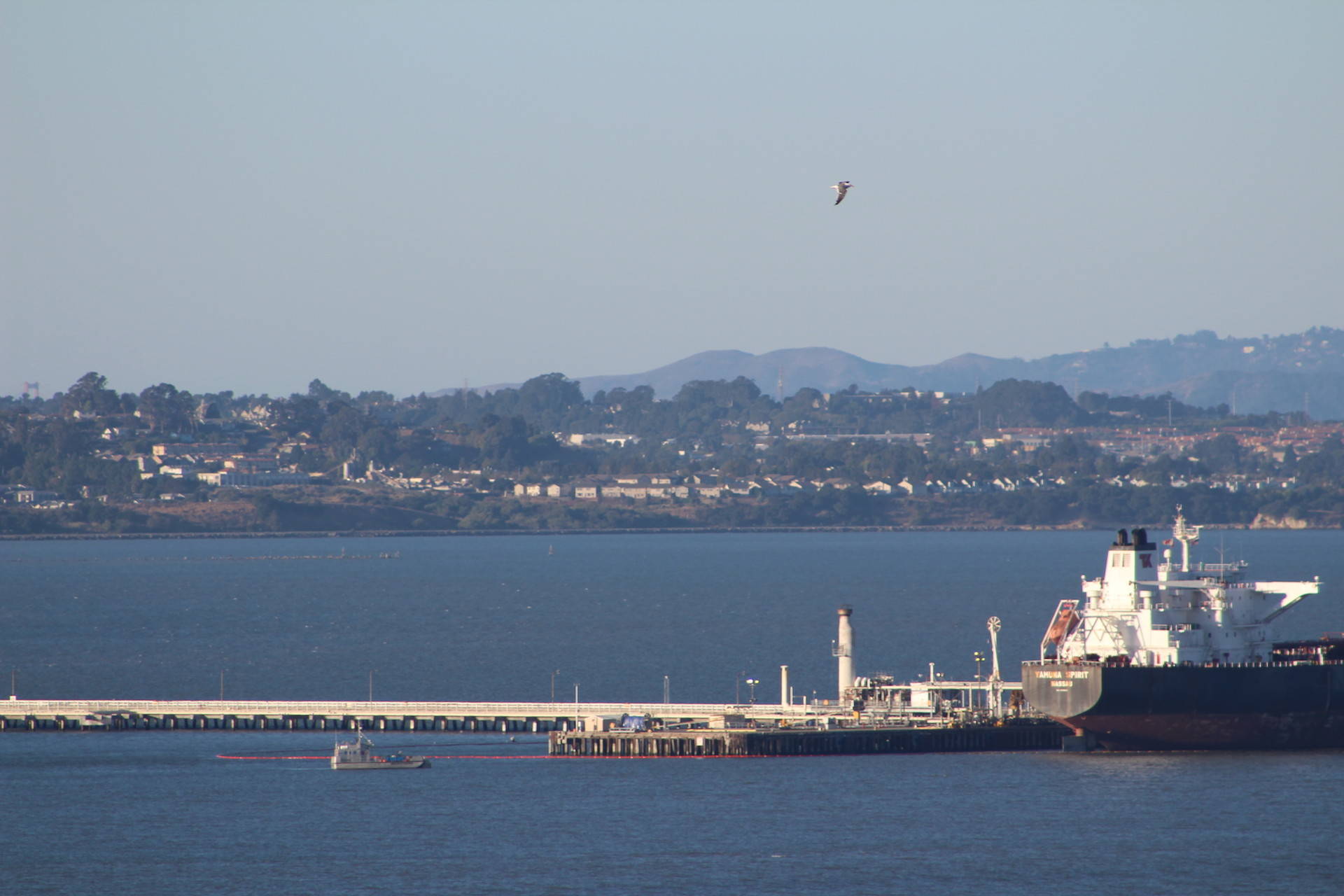
"caption": "A containment boom (seen as red line) is deployed around the tanker Yamuna Spirit at the Phillips 66 refinery in Rodeo.",
"description": null,
"title": "San Pablo Oil Spill",
"credit": "Heidemarie Carle",
"status": "inherit",
"isLoading": false,
"fetchFailed": false
},
"science_1095679": {
"type": "attachments",
"id": "science_1095679",
"meta": {
"index": "attachments_1716263798",
"site": "science",
"id": "1095679",
"found": true
},
"parent": 1093456,
"imgSizes": {
"small": {
"file": "https://ww2.kqed.org/app/uploads/sites/35/2016/10/IceBerg-520x347.jpg",
"width": 520,
"mimeType": "image/jpeg",
"height": 347
},
"twentyfourteen-full-width": {
"file": "https://ww2.kqed.org/app/uploads/sites/35/2016/10/IceBerg-1038x576.jpg",
"width": 1038,
"mimeType": "image/jpeg",
"height": 576
},
"thumbnail": {
"file": "https://ww2.kqed.org/app/uploads/sites/35/2016/10/IceBerg-160x107.jpg",
"width": 160,
"mimeType": "image/jpeg",
"height": 107
},
"fd-sm": {
"file": "https://ww2.kqed.org/app/uploads/sites/35/2016/10/IceBerg-960x640.jpg",
"width": 960,
"mimeType": "image/jpeg",
"height": 640
},
"post-thumbnail": {
"file": "https://ww2.kqed.org/app/uploads/sites/35/2016/10/IceBerg-672x372.jpg",
"width": 672,
"mimeType": "image/jpeg",
"height": 372
},
"xsmall": {
"file": "https://ww2.kqed.org/app/uploads/sites/35/2016/10/IceBerg-375x250.jpg",
"width": 375,
"mimeType": "image/jpeg",
"height": 250
},
"kqedFullSize": {
"file": "https://ww2.kqed.org/app/uploads/sites/35/2016/10/IceBerg.jpg",
"width": 1920,
"height": 1280
},
"large": {
"file": "https://ww2.kqed.org/app/uploads/sites/35/2016/10/IceBerg-1020x680.jpg",
"width": 1020,
"mimeType": "image/jpeg",
"height": 680
},
"xlarge": {
"file": "https://ww2.kqed.org/app/uploads/sites/35/2016/10/IceBerg-1180x787.jpg",
"width": 1180,
"mimeType": "image/jpeg",
"height": 787
},
"guest-author-50": {
"file": "https://ww2.kqed.org/app/uploads/sites/35/2016/10/IceBerg-50x50.jpg",
"width": 50,
"mimeType": "image/jpeg",
"height": 50
},
"guest-author-96": {
"file": "https://ww2.kqed.org/app/uploads/sites/35/2016/10/IceBerg-96x96.jpg",
"width": 96,
"mimeType": "image/jpeg",
"height": 96
},
"medium": {
"file": "https://ww2.kqed.org/app/uploads/sites/35/2016/10/IceBerg-800x533.jpg",
"width": 800,
"mimeType": "image/jpeg",
"height": 533
},
"guest-author-64": {
"file": "https://ww2.kqed.org/app/uploads/sites/35/2016/10/IceBerg-64x64.jpg",
"width": 64,
"mimeType": "image/jpeg",
"height": 64
},
"guest-author-32": {
"file": "https://ww2.kqed.org/app/uploads/sites/35/2016/10/IceBerg-32x32.jpg",
"width": 32,
"mimeType": "image/jpeg",
"height": 32
},
"fd-lrg": {
"file": "https://ww2.kqed.org/app/uploads/sites/35/2016/10/IceBerg-1920x1280.jpg",
"width": 1920,
"mimeType": "image/jpeg",
"height": 1280
},
"fd-med": {
"file": "https://ww2.kqed.org/app/uploads/sites/35/2016/10/IceBerg-1180x787.jpg",
"width": 1180,
"mimeType": "image/jpeg",
"height": 787
},
"full-width": {
"file": "https://ww2.kqed.org/app/uploads/sites/35/2016/10/IceBerg-1920x1280.jpg",
"width": 1920,
"mimeType": "image/jpeg",
"height": 1280
},
"detail": {
"file": "https://ww2.kqed.org/app/uploads/sites/35/2016/10/IceBerg-150x150.jpg",
"width": 150,
"mimeType": "image/jpeg",
"height": 150
},
"medium_large": {
"file": "https://ww2.kqed.org/app/uploads/sites/35/2016/10/IceBerg-768x512.jpg",
"width": 768,
"mimeType": "image/jpeg",
"height": 512
},
"guest-author-128": {
"file": "https://ww2.kqed.org/app/uploads/sites/35/2016/10/IceBerg-128x128.jpg",
"width": 128,
"mimeType": "image/jpeg",
"height": 128
},
"xxsmall": {
"file": "https://ww2.kqed.org/app/uploads/sites/35/2016/10/IceBerg-240x160.jpg",
"width": 240,
"mimeType": "image/jpeg",
"height": 160
}
},
"publishDate": 1477073834,
"modified": 1477073864,
"caption": "Scientists look out from the deck of a research ship as it cuts a path through multiyear ice in the Arctic. ",
"description": "Scientists look out from the deck of a research ship as it cuts a path through multiyear ice in the Arctic. ",
"title": "IceBerg",
"credit": "Kathryn Hansen/NASA",
"status": "inherit",
"isLoading": false,
"fetchFailed": false
},
"science_1092837": {
"type": "attachments",
"id": "science_1092837",
"meta": {
"index": "attachments_1716263798",
"site": "science",
"id": "1092837",
"found": true
},
"title": "plastic bags",
"publishDate": 1476989993,
"status": "inherit",
"parent": 1092832,
"modified": 1742579333,
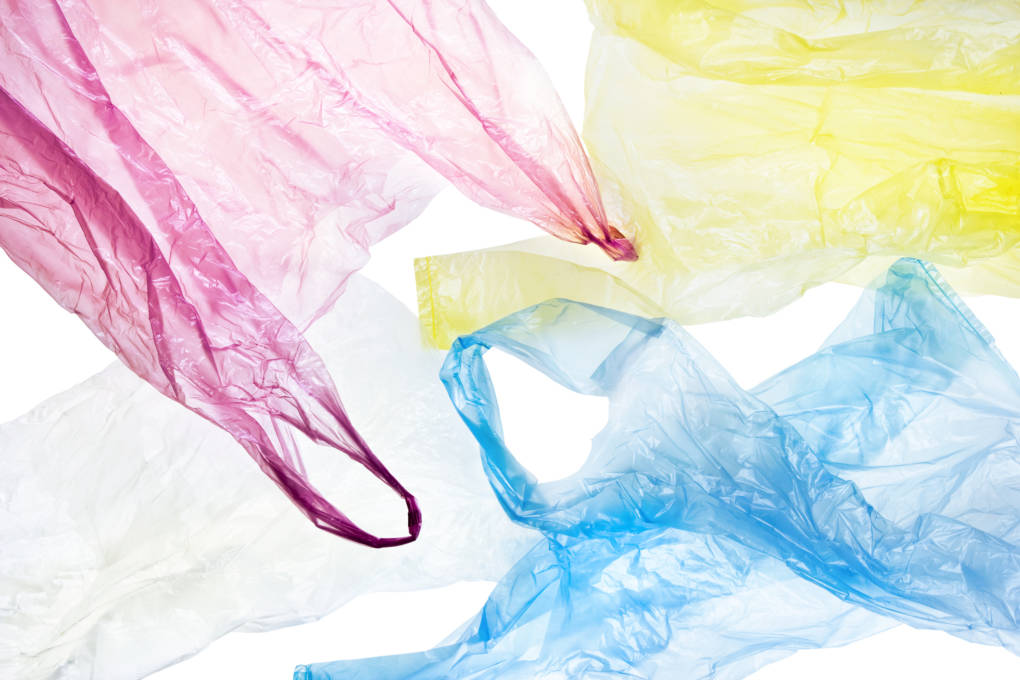
"caption": "Plastics can contain or absorb endocrine-disrupting chemicals that interfere with hormones, potentially leading to reproductive and developmental issues, according to the National Library of Medicine.",
"credit": "Thinkstock",
"altTag": null,
"description": null,
"imgSizes": {
"thumbnail": {
"file": "https://cdn.kqed.org/wp-content/uploads/sites/35/2016/10/PlasticBags1—Bags-160x107.jpg",
"width": 160,
"height": 107,
"mimeType": "image/jpeg"
},
"medium": {
"file": "https://cdn.kqed.org/wp-content/uploads/sites/35/2016/10/PlasticBags1—Bags-800x533.jpg",
"width": 800,
"height": 533,
"mimeType": "image/jpeg"
},
"medium_large": {
"file": "https://cdn.kqed.org/wp-content/uploads/sites/35/2016/10/PlasticBags1—Bags-768x512.jpg",
"width": 768,
"height": 512,
"mimeType": "image/jpeg"
},
"large": {
"file": "https://cdn.kqed.org/wp-content/uploads/sites/35/2016/10/PlasticBags1—Bags-1020x680.jpg",
"width": 1020,
"height": 680,
"mimeType": "image/jpeg"
},
"fd-lrg": {
"file": "https://cdn.kqed.org/wp-content/uploads/sites/35/2016/10/PlasticBags1—Bags-1920x1280.jpg",
"width": 1920,
"height": 1280,
"mimeType": "image/jpeg"
},
"fd-med": {
"file": "https://cdn.kqed.org/wp-content/uploads/sites/35/2016/10/PlasticBags1—Bags-1180x787.jpg",
"width": 1180,
"height": 787,
"mimeType": "image/jpeg"
},
"fd-sm": {
"file": "https://cdn.kqed.org/wp-content/uploads/sites/35/2016/10/PlasticBags1—Bags-960x640.jpg",
"width": 960,
"height": 640,
"mimeType": "image/jpeg"
},
"post-thumbnail": {
"file": "https://cdn.kqed.org/wp-content/uploads/sites/35/2016/10/PlasticBags1—Bags-672x372.jpg",
"width": 672,
"height": 372,
"mimeType": "image/jpeg"
},
"twentyfourteen-full-width": {
"file": "https://cdn.kqed.org/wp-content/uploads/sites/35/2016/10/PlasticBags1—Bags-1038x576.jpg",
"width": 1038,
"height": 576,
"mimeType": "image/jpeg"
},
"xxsmall": {
"file": "https://cdn.kqed.org/wp-content/uploads/sites/35/2016/10/PlasticBags1—Bags-240x160.jpg",
"width": 240,
"height": 160,
"mimeType": "image/jpeg"
},
"xsmall": {
"file": "https://cdn.kqed.org/wp-content/uploads/sites/35/2016/10/PlasticBags1—Bags-375x250.jpg",
"width": 375,
"height": 250,
"mimeType": "image/jpeg"
},
"small": {
"file": "https://cdn.kqed.org/wp-content/uploads/sites/35/2016/10/PlasticBags1—Bags-520x347.jpg",
"width": 520,
"height": 347,
"mimeType": "image/jpeg"
},
"xlarge": {
"file": "https://cdn.kqed.org/wp-content/uploads/sites/35/2016/10/PlasticBags1—Bags-1180x787.jpg",
"width": 1180,
"height": 787,
"mimeType": "image/jpeg"
},
"full-width": {
"file": "https://cdn.kqed.org/wp-content/uploads/sites/35/2016/10/PlasticBags1—Bags-1920x1280.jpg",
"width": 1920,
"height": 1280,
"mimeType": "image/jpeg"
},
"guest-author-32": {
"file": "https://cdn.kqed.org/wp-content/uploads/sites/35/2016/10/PlasticBags1—Bags-32x32.jpg",
"width": 32,
"height": 32,
"mimeType": "image/jpeg"
},
"guest-author-50": {
"file": "https://cdn.kqed.org/wp-content/uploads/sites/35/2016/10/PlasticBags1—Bags-50x50.jpg",
"width": 50,
"height": 50,
"mimeType": "image/jpeg"
},
"guest-author-64": {
"file": "https://cdn.kqed.org/wp-content/uploads/sites/35/2016/10/PlasticBags1—Bags-64x64.jpg",
"width": 64,
"height": 64,
"mimeType": "image/jpeg"
},
"guest-author-96": {
"file": "https://cdn.kqed.org/wp-content/uploads/sites/35/2016/10/PlasticBags1—Bags-96x96.jpg",
"width": 96,
"height": 96,
"mimeType": "image/jpeg"
},
"guest-author-128": {
"file": "https://cdn.kqed.org/wp-content/uploads/sites/35/2016/10/PlasticBags1—Bags-128x128.jpg",
"width": 128,
"height": 128,
"mimeType": "image/jpeg"
},
"detail": {
"file": "https://cdn.kqed.org/wp-content/uploads/sites/35/2016/10/PlasticBags1—Bags-150x150.jpg",
"width": 150,
"height": 150,
"mimeType": "image/jpeg"
},
"kqedFullSize": {
"file": "https://cdn.kqed.org/wp-content/uploads/sites/35/2016/10/PlasticBags1—Bags-e1742579030377.jpg",
"width": 2000,
"height": 1333
}
},
"isLoading": false,
"fetchFailed": false
},
"science_1089736": {
"type": "attachments",
"id": "science_1089736",
"meta": {
"index": "attachments_1716263798",
"site": "science",
"id": "1089736",
"found": true
},
"parent": 1089617,
"imgSizes": {
"twentyfourteen-full-width": {
"file": "https://ww2.kqed.org/app/uploads/sites/35/2016/10/drop-cover-1023x576.jpg",
"width": 1023,
"mimeType": "image/jpeg",
"height": 576
},
"thumbnail": {
"file": "https://ww2.kqed.org/app/uploads/sites/35/2016/10/drop-cover-400x266.jpg",
"width": 400,
"mimeType": "image/jpeg",
"height": 266
},
"fd-sm": {
"file": "https://ww2.kqed.org/app/uploads/sites/35/2016/10/drop-cover-960x639.jpg",
"width": 960,
"mimeType": "image/jpeg",
"height": 639
},
"post-thumbnail": {
"file": "https://ww2.kqed.org/app/uploads/sites/35/2016/10/drop-cover-672x372.jpg",
"width": 672,
"mimeType": "image/jpeg",
"height": 372
},
"kqedFullSize": {
"file": "https://ww2.kqed.org/app/uploads/sites/35/2016/10/drop-cover.jpg",
"width": 1023,
"height": 681
},
"guest-author-50": {
"file": "https://ww2.kqed.org/app/uploads/sites/35/2016/10/drop-cover-50x50.jpg",
"width": 50,
"mimeType": "image/jpeg",
"height": 50
},
"guest-author-96": {
"file": "https://ww2.kqed.org/app/uploads/sites/35/2016/10/drop-cover-96x96.jpg",
"width": 96,
"mimeType": "image/jpeg",
"height": 96
},
"medium": {
"file": "https://ww2.kqed.org/app/uploads/sites/35/2016/10/drop-cover-800x533.jpg",
"width": 800,
"mimeType": "image/jpeg",
"height": 533
},
"guest-author-64": {
"file": "https://ww2.kqed.org/app/uploads/sites/35/2016/10/drop-cover-64x64.jpg",
"width": 64,
"mimeType": "image/jpeg",
"height": 64
},
"guest-author-32": {
"file": "https://ww2.kqed.org/app/uploads/sites/35/2016/10/drop-cover-32x32.jpg",
"width": 32,
"mimeType": "image/jpeg",
"height": 32
},
"detail": {
"file": "https://ww2.kqed.org/app/uploads/sites/35/2016/10/drop-cover-150x150.jpg",
"width": 150,
"mimeType": "image/jpeg",
"height": 150
},
"medium_large": {
"file": "https://ww2.kqed.org/app/uploads/sites/35/2016/10/drop-cover-768x511.jpg",
"width": 768,
"mimeType": "image/jpeg",
"height": 511
},
"guest-author-128": {
"file": "https://ww2.kqed.org/app/uploads/sites/35/2016/10/drop-cover-128x128.jpg",
"width": 128,
"mimeType": "image/jpeg",
"height": 128
}
},
"publishDate": 1476894158,
"modified": 1476894320,
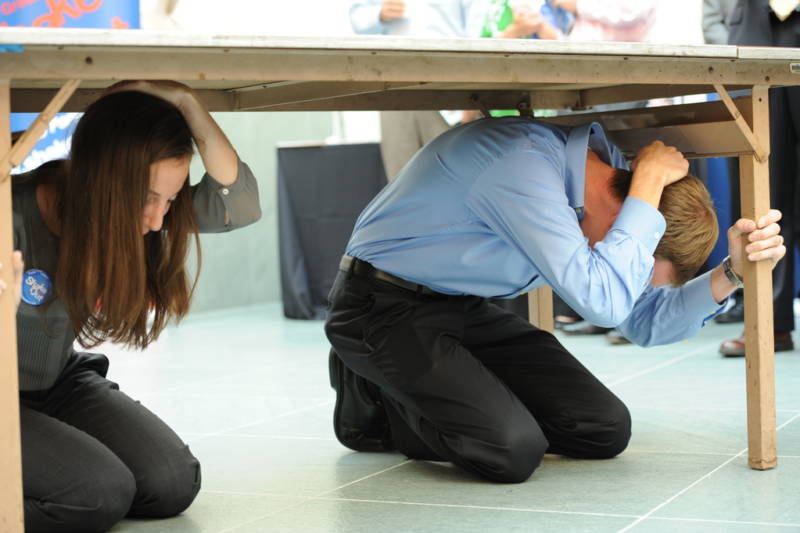
"caption": "During the U.S.'s 2013 PrepareAthon in Washington, D.C., The Great ShakeOut conducted an earthquake drill encouraging participants to Drop, Cover and Hold On during an earthquake. The federal government's PrepareAthon is designed to prepare Americans before a natural disaster.",
"description": null,
"title": "drop, cover",
"credit": "Brittany Trotter/FEMA",
"status": "inherit",
"isLoading": false,
"fetchFailed": false
},
"science_1093335": {
"type": "attachments",
"id": "science_1093335",
"meta": {
"index": "attachments_1716263798",
"site": "science",
"id": "1093335",
"found": true
},
"parent": 1051517,
"imgSizes": {
"thumbnail": {
"file": "https://ww2.kqed.org/app/uploads/sites/35/2016/10/TamBest-160x90.gif",
"width": 160,
"mimeType": "image/gif",
"height": 90
},
"xsmall": {
"file": "https://ww2.kqed.org/app/uploads/sites/35/2016/10/TamBest-375x211.gif",
"width": 375,
"mimeType": "image/gif",
"height": 211
},
"kqedFullSize": {
"file": "https://ww2.kqed.org/app/uploads/sites/35/2016/10/TamBest.gif",
"width": 480,
"height": 270
},
"guest-author-50": {
"file": "https://ww2.kqed.org/app/uploads/sites/35/2016/10/TamBest-50x50.gif",
"width": 50,
"mimeType": "image/gif",
"height": 50
},
"guest-author-96": {
"file": "https://ww2.kqed.org/app/uploads/sites/35/2016/10/TamBest-96x96.gif",
"width": 96,
"mimeType": "image/gif",
"height": 96
},
"guest-author-64": {
"file": "https://ww2.kqed.org/app/uploads/sites/35/2016/10/TamBest-64x64.gif",
"width": 64,
"mimeType": "image/gif",
"height": 64
},
"detail": {
"file": "https://ww2.kqed.org/app/uploads/sites/35/2016/10/TamBest-150x150.gif",
"width": 150,
"mimeType": "image/gif",
"height": 150
},
"guest-author-32": {
"file": "https://ww2.kqed.org/app/uploads/sites/35/2016/10/TamBest-32x32.gif",
"width": 32,
"mimeType": "image/gif",
"height": 32
},
"guest-author-128": {
"file": "https://ww2.kqed.org/app/uploads/sites/35/2016/10/TamBest-128x128.gif",
"width": 128,
"mimeType": "image/gif",
"height": 128
},
"xxsmall": {
"file": "https://ww2.kqed.org/app/uploads/sites/35/2016/10/TamBest-240x135.gif",
"width": 240,
"mimeType": "image/gif",
"height": 135
}
},
"publishDate": 1477003720,
"modified": 1477415132,
"caption": "Cloud cover around Mt. Tam from Gary Yost's film The Invisible Peak. ",
"description": null,
"title": "TamBest",
"credit": "Gary Yost",
"status": "inherit",
"isLoading": false,
"fetchFailed": false
},
"futureofyou_262541": {
"type": "attachments",
"id": "futureofyou_262541",
"meta": {
"index": "attachments_1716263798",
"site": "futureofyou",
"id": "262541",
"found": true
},
"parent": 258577,
"imgSizes": {
"twentyfourteen-full-width": {
"file": "https://ww2.kqed.org/app/uploads/sites/13/2016/10/iPScells1-1024x576.jpg",
"width": 1024,
"mimeType": "image/jpeg",
"height": 576
},
"thumbnail": {
"file": "https://ww2.kqed.org/app/uploads/sites/13/2016/10/iPScells1-400x299.jpg",
"width": 400,
"mimeType": "image/jpeg",
"height": 299
},
"fd-sm": {
"file": "https://ww2.kqed.org/app/uploads/sites/13/2016/10/iPScells1-960x717.jpg",
"width": 960,
"mimeType": "image/jpeg",
"height": 717
},
"post-thumbnail": {
"file": "https://ww2.kqed.org/app/uploads/sites/13/2016/10/iPScells1-672x372.jpg",
"width": 672,
"mimeType": "image/jpeg",
"height": 372
},
"kqedFullSize": {
"file": "https://ww2.kqed.org/app/uploads/sites/13/2016/10/iPScells1.jpg",
"width": 1024,
"height": 765
},
"guest-author-50": {
"file": "https://ww2.kqed.org/app/uploads/sites/13/2016/10/iPScells1-50x50.jpg",
"width": 50,
"mimeType": "image/jpeg",
"height": 50
},
"guest-author-96": {
"file": "https://ww2.kqed.org/app/uploads/sites/13/2016/10/iPScells1-96x96.jpg",
"width": 96,
"mimeType": "image/jpeg",
"height": 96
},
"medium": {
"file": "https://ww2.kqed.org/app/uploads/sites/13/2016/10/iPScells1-800x598.jpg",
"width": 800,
"mimeType": "image/jpeg",
"height": 598
},
"guest-author-64": {
"file": "https://ww2.kqed.org/app/uploads/sites/13/2016/10/iPScells1-64x64.jpg",
"width": 64,
"mimeType": "image/jpeg",
"height": 64
},
"guest-author-32": {
"file": "https://ww2.kqed.org/app/uploads/sites/13/2016/10/iPScells1-32x32.jpg",
"width": 32,
"mimeType": "image/jpeg",
"height": 32
},
"detail": {
"file": "https://ww2.kqed.org/app/uploads/sites/13/2016/10/iPScells1-150x150.jpg",
"width": 150,
"mimeType": "image/jpeg",
"height": 150
},
"medium_large": {
"file": "https://ww2.kqed.org/app/uploads/sites/13/2016/10/iPScells1-768x574.jpg",
"width": 768,
"mimeType": "image/jpeg",
"height": 574
},
"guest-author-128": {
"file": "https://ww2.kqed.org/app/uploads/sites/13/2016/10/iPScells1-128x128.jpg",
"width": 128,
"mimeType": "image/jpeg",
"height": 128
}
},
"publishDate": 1476387447,
"modified": 1526009127,
"caption": null,
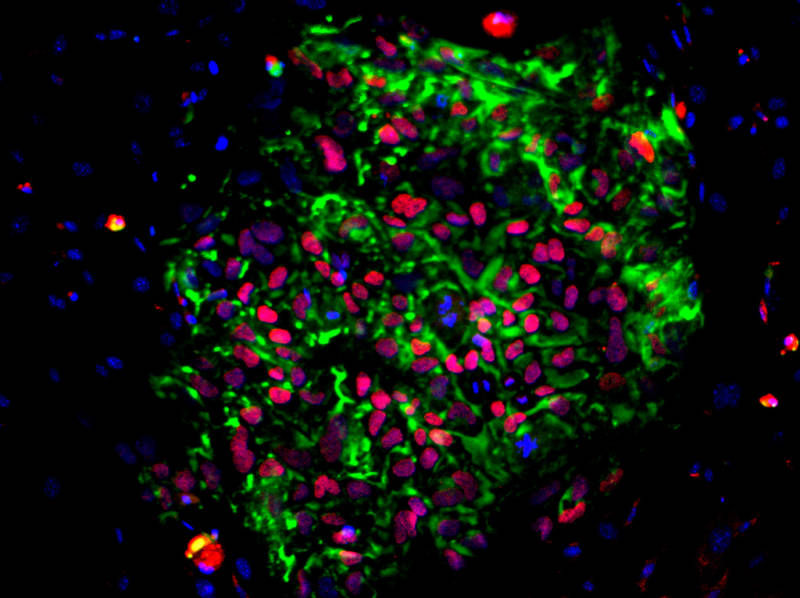
"description": "These induced pluripotent stem cells were derived from a woman's skin. Green and red indicate proteins found in reprogrammed cells but not in skin cells.",
"title": "induced pluripotent stem cell",
"credit": "Kathrin Plath lab/UCLA, via CIRM, NIH",
"status": "inherit",
"isLoading": false,
"fetchFailed": false
},
"science_1086969": {
"type": "attachments",
"id": "science_1086969",
"meta": {
"index": "attachments_1716263798",
"site": "science",
"id": "1086969",
"found": true
},
"parent": 1086966,
"imgSizes": {
"thumbnail": {
"file": "https://ww2.kqed.org/app/uploads/sites/35/2016/10/NASA_TempSeptember-400x258.png",
"width": 400,
"mimeType": "image/png",
"height": 258
},
"post-thumbnail": {
"file": "https://ww2.kqed.org/app/uploads/sites/35/2016/10/NASA_TempSeptember-672x372.png",
"width": 672,
"mimeType": "image/png",
"height": 372
},
"kqedFullSize": {
"file": "https://ww2.kqed.org/app/uploads/sites/35/2016/10/NASA_TempSeptember.png",
"width": 720,
"height": 465
},
"guest-author-50": {
"file": "https://ww2.kqed.org/app/uploads/sites/35/2016/10/NASA_TempSeptember-50x50.png",
"width": 50,
"mimeType": "image/png",
"height": 50
},
"guest-author-96": {
"file": "https://ww2.kqed.org/app/uploads/sites/35/2016/10/NASA_TempSeptember-96x96.png",
"width": 96,
"mimeType": "image/png",
"height": 96
},
"guest-author-64": {
"file": "https://ww2.kqed.org/app/uploads/sites/35/2016/10/NASA_TempSeptember-64x64.png",
"width": 64,
"mimeType": "image/png",
"height": 64
},
"detail": {
"file": "https://ww2.kqed.org/app/uploads/sites/35/2016/10/NASA_TempSeptember-150x150.png",
"width": 150,
"mimeType": "image/png",
"height": 150
},
"guest-author-32": {
"file": "https://ww2.kqed.org/app/uploads/sites/35/2016/10/NASA_TempSeptember-32x32.png",
"width": 32,
"mimeType": "image/png",
"height": 32
},
"guest-author-128": {
"file": "https://ww2.kqed.org/app/uploads/sites/35/2016/10/NASA_TempSeptember-128x128.png",
"width": 128,
"mimeType": "image/png",
"height": 128
}
},
"publishDate": 1476813841,
"modified": 1476813874,
"caption": "September global temperature data.\n",
"description": null,
"title": "NASA_TempSeptember",
"credit": "NASA GISS",
"status": "inherit",
"isLoading": false,
"fetchFailed": false
},
"news_11128298": {
"type": "attachments",
"id": "news_11128298",
"meta": {
"index": "attachments_1716263798",
"site": "news",
"id": "11128298",
"found": true
},
"parent": 11128189,
"imgSizes": {
"twentyfourteen-full-width": {
"file": "https://ww2.kqed.org/app/uploads/sites/10/2016/10/typhoonsongda-1038x576.jpeg",
"width": 1038,
"mimeType": "image/jpeg",
"height": 576
},
"thumbnail": {
"file": "https://ww2.kqed.org/app/uploads/sites/10/2016/10/typhoonsongda-400x306.jpeg",
"width": 400,
"mimeType": "image/jpeg",
"height": 306
},
"fd-sm": {
"file": "https://ww2.kqed.org/app/uploads/sites/10/2016/10/typhoonsongda-960x735.jpeg",
"width": 960,
"mimeType": "image/jpeg",
"height": 735
},
"post-thumbnail": {
"file": "https://ww2.kqed.org/app/uploads/sites/10/2016/10/typhoonsongda-672x372.jpeg",
"width": 672,
"mimeType": "image/jpeg",
"height": 372
},
"kqedFullSize": {
"file": "https://ww2.kqed.org/app/uploads/sites/10/2016/10/typhoonsongda.jpeg",
"width": 1604,
"height": 1228
},
"guest-author-50": {
"file": "https://ww2.kqed.org/app/uploads/sites/10/2016/10/typhoonsongda-50x50.jpeg",
"width": 50,
"mimeType": "image/jpeg",
"height": 50
},
"guest-author-96": {
"file": "https://ww2.kqed.org/app/uploads/sites/10/2016/10/typhoonsongda-96x96.jpeg",
"width": 96,
"mimeType": "image/jpeg",
"height": 96
},
"medium": {
"file": "https://ww2.kqed.org/app/uploads/sites/10/2016/10/typhoonsongda-800x612.jpeg",
"width": 800,
"mimeType": "image/jpeg",
"height": 612
},
"guest-author-64": {
"file": "https://ww2.kqed.org/app/uploads/sites/10/2016/10/typhoonsongda-64x64.jpeg",
"width": 64,
"mimeType": "image/jpeg",
"height": 64
},
"guest-author-32": {
"file": "https://ww2.kqed.org/app/uploads/sites/10/2016/10/typhoonsongda-32x32.jpeg",
"width": 32,
"mimeType": "image/jpeg",
"height": 32
},
"jmtc-small-thumb": {
"file": "https://ww2.kqed.org/app/uploads/sites/10/2016/10/typhoonsongda-280x150.jpeg",
"width": 280,
"mimeType": "image/jpeg",
"height": 150
},
"fd-med": {
"file": "https://ww2.kqed.org/app/uploads/sites/10/2016/10/typhoonsongda-1180x903.jpeg",
"width": 1180,
"mimeType": "image/jpeg",
"height": 903
},
"detail": {
"file": "https://ww2.kqed.org/app/uploads/sites/10/2016/10/typhoonsongda-150x150.jpeg",
"width": 150,
"mimeType": "image/jpeg",
"height": 150
},
"guest-author-128": {
"file": "https://ww2.kqed.org/app/uploads/sites/10/2016/10/typhoonsongda-128x128.jpeg",
"width": 128,
"mimeType": "image/jpeg",
"height": 128
}
},
"publishDate": 1476382335,
"modified": 1476382429,
"caption": "Typhoon Songda, the main force behind an atmospheric river expected to feed Bay Area rains from Thursday through the weekend, pictured earlier this week in the north-central Pacific Ocean.",
"description": null,
"title": "Typhoon Songda",
"credit": "NASA Worldview",
"status": "inherit",
"isLoading": false,
"fetchFailed": false
}
},
"audioPlayerReducer": {
"postId": "stream_live",
"isPaused": true,
"isPlaying": false,
"pfsActive": false,
"pledgeModalIsOpen": true,
"playerDrawerIsOpen": false,
"liveAudioPlayStartedAt": 0,
"liveAudioPlayContext": ""
},
"authorsReducer": {
"byline_science_1106684": {
"type": "authors",
"id": "byline_science_1106684",
"meta": {
"override": true
},
"slug": "byline_science_1106684",
"name": "Adam Cole",
"isLoading": false
},
"byline_science_1103319": {
"type": "authors",
"id": "byline_science_1103319",
"meta": {
"override": true
},
"slug": "byline_science_1103319",
"name": "Matt Weiser\u003c/br>Water Deeply",
"isLoading": false
},
"byline_science_1093456": {
"type": "authors",
"id": "byline_science_1093456",
"meta": {
"override": true
},
"slug": "byline_science_1093456",
"name": "Brian Kahn\u003c/br>Climate Central",
"isLoading": false
},
"byline_science_1092832": {
"type": "authors",
"id": "byline_science_1092832",
"meta": {
"override": true
},
"slug": "byline_science_1092832",
"name": "Julie Cart\u003c/br>CALmatters",
"isLoading": false
},
"byline_science_1086966": {
"type": "authors",
"id": "byline_science_1086966",
"meta": {
"override": true
},
"slug": "byline_science_1086966",
"name": "Brian Kahn\u003c/br>Climate Central",
"isLoading": false
},
"danbrekke": {
"type": "authors",
"id": "222",
"meta": {
"index": "authors_1716337520",
"id": "222",
"found": true
},
"name": "Dan Brekke",
"firstName": "Dan",
"lastName": "Brekke",
"slug": "danbrekke",
"email": "dbrekke@kqed.org",
"display_author_email": true,
"staff_mastheads": [
"news",
"science"
],
"title": "KQED Editor and Reporter",
"bio": "Dan Brekke is a reporter and editor for KQED News, responsible for coverage of topics ranging from California water issues to the Bay Area's transportation challenges. In a newsroom career that began in Chicago in 1972, Dan has worked for \u003cem>The San Francisco Examiner,\u003c/em> Wired and TechTV and has been published in The New York Times, The New York Times Magazine, Business 2.0, Salon and elsewhere.\r\n\r\nSince joining KQED in 2007, Dan has reported, edited and produced both radio and online features and breaking news pieces. He has shared as both editor and reporter in four Society of Professional Journalists Norcal Excellence in Journalism awards and one Edward R. Murrow regional award. He was chosen for a spring 2017 residency at the Mesa Refuge to advance his research on California salmon.\r\n\r\nEmail Dan at: \u003ca href=\"mailto:dbrekke@kqed.org\">dbrekke@kqed.org\u003c/a>\r\n\r\n\u003cstrong>Twitter:\u003c/strong> \u003ca href=\"https://twitter.com/danbrekke\" rel=\"noopener noreferrer\">twitter.com/danbrekke\u003c/a>\r\n\u003cstrong>Facebook:\u003c/strong> \u003ca href=\"https://www.facebook.com/danbrekke\" rel=\"noopener noreferrer\">www.facebook.com/danbrekke\u003c/a>\r\n\u003cstrong>LinkedIn:\u003c/strong> \u003ca href=\"https://www.linkedin.com/in/danbrekke\" rel=\"noopener noreferrer\">www.linkedin.com/in/danbrekke\u003c/a>",
"avatar": "https://secure.gravatar.com/avatar/8f1f0d2a978fb3b23426c922c7e2af558fa36905b49c4ce76a97dc3c72d27226?s=600&d=mm&r=g",
"twitter": "danbrekke",
"bluesky": null,
"facebook": null,
"instagram": "https://www.instagram.com/dan.brekke/",
"linkedin": "https://www.linkedin.com/in/danbrekke/",
"sites": [
{
"site": "news",
"roles": [
"administrator",
"create_posts"
]
},
{
"site": "stateofhealth",
"roles": [
"editor"
]
},
{
"site": "science",
"roles": [
"editor"
]
},
{
"site": "quest",
"roles": [
"contributor"
]
},
{
"site": "food",
"roles": [
"contributor"
]
},
{
"site": "forum",
"roles": [
"contributor"
]
},
{
"site": "elections",
"roles": [
"editor"
]
},
{
"site": "liveblog",
"roles": [
"editor"
]
}
],
"headData": {
"title": "Dan Brekke | KQED",
"description": "KQED Editor and Reporter",
"ogImgSrc": "https://secure.gravatar.com/avatar/8f1f0d2a978fb3b23426c922c7e2af558fa36905b49c4ce76a97dc3c72d27226?s=600&d=mm&r=g",
"twImgSrc": "https://secure.gravatar.com/avatar/8f1f0d2a978fb3b23426c922c7e2af558fa36905b49c4ce76a97dc3c72d27226?s=600&d=mm&r=g"
},
"isLoading": false,
"link": "/author/danbrekke"
},
"tgoldberg": {
"type": "authors",
"id": "258",
"meta": {
"index": "authors_1716337520",
"id": "258",
"found": true
},
"name": "Ted Goldberg",
"firstName": "Ted",
"lastName": "Goldberg",
"slug": "tgoldberg",
"email": "tgoldberg@kqed.org",
"display_author_email": true,
"staff_mastheads": [
"news"
],
"title": "KQED Managing Editor, News and Newscasts",
"bio": "Ted Goldberg is Managing Editor of News and Newscasts at KQED. His main reporting beat is the Bay Area's oil refining industry.\r\n\r\nPrior to joining KQED in 2014, Ted worked at CBS News and WCBS AM in New York and Bay City News and KCBS Radio in San Francisco. He graduated from Oberlin College in Ohio in 1998.",
"avatar": "https://secure.gravatar.com/avatar/30ce2e4fe89135e104f89be2394d16225b9d36c121b5b3cb7651ce642978b96f?s=600&d=blank&r=g",
"twitter": "TedrickG",
"bluesky": null,
"facebook": null,
"instagram": null,
"linkedin": null,
"sites": [
{
"site": "news",
"roles": [
"editor"
]
},
{
"site": "science",
"roles": [
"editor"
]
}
],
"headData": {
"title": "Ted Goldberg | KQED",
"description": "KQED Managing Editor, News and Newscasts",
"ogImgSrc": "https://secure.gravatar.com/avatar/30ce2e4fe89135e104f89be2394d16225b9d36c121b5b3cb7651ce642978b96f?s=600&d=blank&r=g",
"twImgSrc": "https://secure.gravatar.com/avatar/30ce2e4fe89135e104f89be2394d16225b9d36c121b5b3cb7651ce642978b96f?s=600&d=blank&r=g"
},
"isLoading": false,
"link": "/author/tgoldberg"
},
"lindseyhoshaw": {
"type": "authors",
"id": "5432",
"meta": {
"index": "authors_1716337520",
"id": "5432",
"found": true
},
"name": "Lindsey Hoshaw",
"firstName": "Lindsey",
"lastName": "Hoshaw",
"slug": "lindseyhoshaw",
"email": "lhoshaw@kqed.org",
"display_author_email": false,
"staff_mastheads": [],
"title": "KQED Contributor",
"bio": "Lindsey Hoshaw is a former interactive producer for KQED Science. Before joining KQED, Lindsey was a science correspondent for The New York Times, The Boston Globe, Forbes and Scientific American. On Twitter @lindseyhoshaw",
"avatar": "https://secure.gravatar.com/avatar/274b07694c998eaa8f26cfabaa941186?s=600&d=mm&r=g",
"twitter": "lindseyhoshaw",
"facebook": "lindsey.hoshaw.9",
"instagram": null,
"linkedin": null,
"sites": [
{
"site": "arts",
"roles": [
"author"
]
},
{
"site": "news",
"roles": [
"subscriber"
]
},
{
"site": "futureofyou",
"roles": [
"editor"
]
},
{
"site": "bayareabites",
"roles": [
"contributor"
]
},
{
"site": "stateofhealth",
"roles": [
"author"
]
},
{
"site": "science",
"roles": [
"edit_theme_options",
"subscriber"
]
},
{
"site": "quest",
"roles": [
"edit_post_subscriptions",
"edit_usergroups",
"unfiltered_html",
"unfiltered_upload",
"leadcoordinator",
"editor"
]
},
{
"site": "food",
"roles": []
}
],
"headData": {
"title": "Lindsey Hoshaw | KQED",
"description": "KQED Contributor",
"ogImgSrc": "https://secure.gravatar.com/avatar/274b07694c998eaa8f26cfabaa941186?s=600&d=mm&r=g",
"twImgSrc": "https://secure.gravatar.com/avatar/274b07694c998eaa8f26cfabaa941186?s=600&d=mm&r=g"
},
"isLoading": false,
"link": "/author/lindseyhoshaw"
},
"dventon": {
"type": "authors",
"id": "11088",
"meta": {
"index": "authors_1716337520",
"id": "11088",
"found": true
},
"name": "Danielle Venton",
"firstName": "Danielle",
"lastName": "Venton",
"slug": "dventon",
"email": "dventon@kqed.org",
"display_author_email": true,
"staff_mastheads": [
"science"
],
"title": "Science reporter",
"bio": "Danielle Venton is a reporter for KQED Science. She covers wildfires, space and oceans (though she is prone to sea sickness).\r\n\r\nBefore joining KQED in 2015, Danielle was a staff reporter at KRCB in Sonoma County and a freelancer. She studied science communication at UC Santa Cruz and formerly worked at CERN in Geneva, Switzerland where she wrote about computing. She lives in Sonoma County and enjoys backpacking.",
"avatar": "https://secure.gravatar.com/avatar/37b292b5c40c8d93959c4f48d73b5286f41b7abd8588277e941905a3ed4c801c?s=600&d=blank&r=g",
"twitter": "DanielleVenton",
"bluesky": null,
"facebook": null,
"instagram": null,
"linkedin": null,
"sites": [
{
"site": "arts",
"roles": [
"contributor"
]
},
{
"site": "news",
"roles": [
"editor"
]
},
{
"site": "futureofyou",
"roles": [
"editor"
]
},
{
"site": "science",
"roles": [
"editor"
]
},
{
"site": "liveblog",
"roles": [
"contributor"
]
}
],
"headData": {
"title": "Danielle Venton | KQED",
"description": "Science reporter",
"ogImgSrc": "https://secure.gravatar.com/avatar/37b292b5c40c8d93959c4f48d73b5286f41b7abd8588277e941905a3ed4c801c?s=600&d=blank&r=g",
"twImgSrc": "https://secure.gravatar.com/avatar/37b292b5c40c8d93959c4f48d73b5286f41b7abd8588277e941905a3ed4c801c?s=600&d=blank&r=g"
},
"isLoading": false,
"link": "/author/dventon"
},
"mpeterson": {
"type": "authors",
"id": "11223",
"meta": {
"index": "authors_1716337520",
"id": "11223",
"found": true
},
"name": "Molly Peterson",
"firstName": "Molly",
"lastName": "Peterson",
"slug": "mpeterson",
"email": "mpeterson@kqed.org",
"display_author_email": false,
"staff_mastheads": [],
"title": null,
"bio": "Molly Peterson reports for KQED science and news on climate change, catastrophe and risk. Previously she was environment correspondent at Southern California Public Radio. Her work has also appeared at The New York Times, The Guardian, on NPR, at High Country News, on Code Switch, and other national outlets. She has been honored with awards from Public Radio News Directors Incorporated, Investigative Reporters and Editors, the Society for Professional Journalists, the Los Angeles Press Club, and RTNDA Edward R. Murrow awards, among others.",
"avatar": "https://secure.gravatar.com/avatar/7908e2807131f776cc8165c649530b05?s=600&d=blank&r=g",
"twitter": "Mollydacious",
"facebook": null,
"instagram": "https://www.instagram.com/radiomolly/",
"linkedin": null,
"sites": [
{
"site": "news",
"roles": [
"subscriber"
]
},
{
"site": "futureofyou",
"roles": [
"editor"
]
},
{
"site": "science",
"roles": [
"editor"
]
}
],
"headData": {
"title": "Molly Peterson | KQED",
"description": null,
"ogImgSrc": "https://secure.gravatar.com/avatar/7908e2807131f776cc8165c649530b05?s=600&d=blank&r=g",
"twImgSrc": "https://secure.gravatar.com/avatar/7908e2807131f776cc8165c649530b05?s=600&d=blank&r=g"
},
"isLoading": false,
"link": "/author/mpeterson"
}
},
"pagesReducer": {
"science_category_environment": {
"type": "terms",
"id": "science_35",
"meta": {
"index": "terms_1716263798",
"site": "science",
"id": "35",
"score": 12.138525
},
"featImg": null,
"name": "Environment",
"description": null,
"taxonomy": "category",
"headData": {
"twImgId": null,
"twTitle": null,
"ogTitle": null,
"ogImgId": null,
"twDescription": null,
"description": null,
"title": "Environment Archives | KQED Science",
"ogDescription": null
},
"ttid": 37,
"slug": "environment",
"isLoading": false,
"title": "Environment",
"pageMeta": {
"site": "science",
"WpPageTemplate": "page-topic-editorial",
"currentPage": 132
},
"blocks": [
{
"blockName": "kqed/post-list",
"attrs": {
"layout": "cardArticle2",
"query": "posts/science?category=environment",
"seeMore": false,
"paginated": true,
"page": 132
}
},
{
"blockName": "kqed/ad"
}
]
}
},
"pfsSessionReducer": {},
"postsReducer": {
"stream_live": {
"type": "live",
"id": "stream_live",
"audioUrl": "https://streams.kqed.org/kqedradio",
"title": "Live Stream",
"excerpt": "Live Stream information currently unavailable.",
"link": "/radio",
"featImg": "",
"label": {
"name": "KQED Live",
"link": "/"
}
},
"stream_kqedNewscast": {
"type": "posts",
"id": "stream_kqedNewscast",
"audioUrl": "https://www.kqed.org/.stream/anon/radio/RDnews/newscast.mp3?_=1",
"title": "KQED Newscast",
"featImg": "",
"label": {
"name": "88.5 FM",
"link": "/"
}
},
"science_1106684": {
"type": "posts",
"id": "science_1106684",
"meta": {
"index": "posts_1716263798",
"site": "science",
"id": "1106684",
"score": null,
"sort": [
1477417161000
]
},
"parent": 0,
"labelTerm": {},
"blocks": [],
"publishDate": 1477417161,
"format": "video",
"title": "What's In It for the Corpse Flower to Smell Like Death?",
"headTitle": "What’s In It for the Corpse Flower to Smell Like Death? | KQED",
"content": "\u003cp>The \u003cem>Amorphophallus titanum \u003c/em>is a striking plant even before you get close enough to smell it. Its scientific name means \u003ca href=\"http://www.kew.org/science-conservation/plants-fungi/amorphophallus-titanum-titan-arum\">giant, misshapen phallus\u003c/a> and it is not hard to see why. A giant column called a spadix rises 7 feet into the air from the center of a pleated funnel.\u003c/p>\n\u003cp>When the plant blooms (every decade or so), that spadix actually heats up to about 90 degrees. The stench that inspires its common name — the corpse flower — comes from a putrid blend of chemicals the bloom sends into the air. The odor has notes of old fish, unwashed feet and rotting cabbage.\u003c/p>\n\u003cfigure id=\"attachment_1106687\" class=\"wp-caption aligncenter\" style=\"max-width: 1917px\">\u003cimg loading=\"lazy\" decoding=\"async\" class=\"size-full wp-image-1106687\" src=\"http://ww2.kqed.org/science/wp-content/uploads/sites/35/2016/10/pollination_wide-eb4af14503b636ad85330cdfa74e55c50c0c3116-1.jpg\" alt=\"Ari Novy, the U.S. Botanic Garden's executive director, watches Bill McLaughlin, the garden's curator of plants, blow pollen into the base of the D.C. bloom. The pollen was express mailed from the keepers of an Indiana corpse flower named Wally.\" width=\"1917\" height=\"1078\" srcset=\"https://cdn.kqed.org/wp-content/uploads/sites/35/2016/10/pollination_wide-eb4af14503b636ad85330cdfa74e55c50c0c3116-1.jpg 1917w, https://cdn.kqed.org/wp-content/uploads/sites/35/2016/10/pollination_wide-eb4af14503b636ad85330cdfa74e55c50c0c3116-1-160x90.jpg 160w, https://cdn.kqed.org/wp-content/uploads/sites/35/2016/10/pollination_wide-eb4af14503b636ad85330cdfa74e55c50c0c3116-1-800x450.jpg 800w, https://cdn.kqed.org/wp-content/uploads/sites/35/2016/10/pollination_wide-eb4af14503b636ad85330cdfa74e55c50c0c3116-1-768x432.jpg 768w, https://cdn.kqed.org/wp-content/uploads/sites/35/2016/10/pollination_wide-eb4af14503b636ad85330cdfa74e55c50c0c3116-1-1020x574.jpg 1020w, https://cdn.kqed.org/wp-content/uploads/sites/35/2016/10/pollination_wide-eb4af14503b636ad85330cdfa74e55c50c0c3116-1-1180x664.jpg 1180w, https://cdn.kqed.org/wp-content/uploads/sites/35/2016/10/pollination_wide-eb4af14503b636ad85330cdfa74e55c50c0c3116-1-960x540.jpg 960w, https://cdn.kqed.org/wp-content/uploads/sites/35/2016/10/pollination_wide-eb4af14503b636ad85330cdfa74e55c50c0c3116-1-240x135.jpg 240w, https://cdn.kqed.org/wp-content/uploads/sites/35/2016/10/pollination_wide-eb4af14503b636ad85330cdfa74e55c50c0c3116-1-375x211.jpg 375w, https://cdn.kqed.org/wp-content/uploads/sites/35/2016/10/pollination_wide-eb4af14503b636ad85330cdfa74e55c50c0c3116-1-520x292.jpg 520w\" sizes=\"(max-width: 1917px) 100vw, 1917px\">\u003cfigcaption class=\"wp-caption-text\">Ari Novy, the U.S. Botanic Garden’s executive director, watches Bill McLaughlin, the garden’s curator of plants, blow pollen into the base of the D.C. bloom. The pollen was express mailed from the keepers of an Indiana corpse flower named Wally. \u003ccite>(Adam Cole/NPR)\u003c/cite>\u003c/figcaption>\u003c/figure>\n\u003cp>This plant is pretending to be a dead animal. Why? In the wild, when insects searching for carrion are tricked into entering the corpse flower, they become unwitting aides in the plant’s reproduction, carrying pollen from one corpse plant to another corpse plant nearby.\u003c/p>\n\u003cp>In recent years, the corpse flower’s deceit has attracted another pollinator: humans. Botanical conservatories from Denver to Sydney want the stinky \u003ca href=\"http://www.npr.org/2016/08/03/488568411/corpse-flower-creates-monster-stench-in-washington-d-c\">crowd-pleasers\u003c/a> in their collections. And to keep the domesticated corpse flowers going, botanists must take the place of insects. They carefully collect corpse flower pollen and send it in the mail to the next garden down the road.\u003c/p>\n\u003chr>\n\u003cp>\u003cem>Want to learn more about the corpse flower? Check out \u003ca href=\"https://www.youtube.com/watch?v=EbKOVv5GII0\">Skunk Bear’s latest video\u003c/a>. Got your own science question for us? Send it our way \u003ca href=\"http://skunkbear.tumblr.com/ask/\">here\u003c/a>. We’ll be answering questions from NPR’s Skunk Bear community every other Tuesday.\u003cbr>\n\u003c/em>\u003c/p>\n\u003cdiv class=\"fullattribution\">Copyright 2016 NPR. To see more, visit http://www.npr.org/.\u003cimg decoding=\"async\" src=\"http://www.google-analytics.com/__utm.gif?utmac=UA-5828686-4&utmdt=What%27s+In+It+For+The+Corpse+Flower+To+Smell+Like+Death%3F&utme=8(APIKey)9(MDAxOTAwOTE4MDEyMTkxMDAzNjczZDljZA004)\">\u003c/div>\n\u003cp>[ad fullwidth]\u003c/p>\u003cp>\u003c/p>\n",
"stats": {
"hasVideo": false,
"hasChartOrMap": false,
"hasAudio": false,
"hasPolis": false,
"wordCount": 318,
"hasGoogleForm": false,
"hasGallery": false,
"hasHearkenModule": false,
"iframeSrcs": [],
"paragraphCount": 7
},
"modified": 1704929489,
"excerpt": "The corpse flower is a botanical rock star — prized by botanic gardens around the globe. In a new video, NPR's Skunk Bear explores the biology of the stinky giant, which thrives by playing dead.",
"headData": {
"twImgId": "",
"twTitle": "",
"ogTitle": "",
"ogImgId": "",
"twDescription": "",
"description": "The corpse flower is a botanical rock star — prized by botanic gardens around the globe. In a new video, NPR's Skunk Bear explores the biology of the stinky giant, which thrives by playing dead.",
"title": "What's In It for the Corpse Flower to Smell Like Death? | KQED",
"ogDescription": "",
"schema": {
"@context": "https://schema.org",
"@type": "Article",
"headline": "What's In It for the Corpse Flower to Smell Like Death?",
"datePublished": "2016-10-25T10:39:21-07:00",
"dateModified": "2024-01-10T15:31:29-08:00",
"image": "https://cdn.kqed.org/wp-content/uploads/2020/02/KQED-OG-Image@1x.png"
}
},
"guestAuthors": [],
"slug": "whats-in-it-for-the-corpse-flower-to-smell-like-death",
"status": "publish",
"nprApiLink": "http://api.npr.org/query?id=499189439&apiKey=MDAxOTAwOTE4MDEyMTkxMDAzNjczZDljZA004",
"videoEmbed": "https://youtu.be/EbKOVv5GII0",
"nprStoryDate": "Tue, 25 Oct 2016 07:00:00 -0400",
"nprLastModifiedDate": "Tue, 25 Oct 2016 10:51:09 -0400",
"nprHtmlLink": "http://www.npr.org/2016/10/25/499189439/the-putrid-power-of-a-crafty-flower?ft=nprml&f=499189439",
"nprImageAgency": "NPR",
"source": "NPR",
"nprStoryId": "499189439",
"sourceUrl": "http://www.npr.org/",
"nprByline": "Adam Cole",
"sticky": false,
"nprImageCredit": "Ryan Kellman",
"nprRetrievedStory": "1",
"nprPubDate": "Tue, 25 Oct 2016 07:00:00 -0400",
"path": "/science/1106684/whats-in-it-for-the-corpse-flower-to-smell-like-death",
"audioTrackLength": null,
"parsedContent": [
{
"type": "contentString",
"content": "\u003cdiv class=\"post-body\">\u003cp>\u003cp>The \u003cem>Amorphophallus titanum \u003c/em>is a striking plant even before you get close enough to smell it. Its scientific name means \u003ca href=\"http://www.kew.org/science-conservation/plants-fungi/amorphophallus-titanum-titan-arum\">giant, misshapen phallus\u003c/a> and it is not hard to see why. A giant column called a spadix rises 7 feet into the air from the center of a pleated funnel.\u003c/p>\n\u003cp>When the plant blooms (every decade or so), that spadix actually heats up to about 90 degrees. The stench that inspires its common name — the corpse flower — comes from a putrid blend of chemicals the bloom sends into the air. The odor has notes of old fish, unwashed feet and rotting cabbage.\u003c/p>\n\u003cfigure id=\"attachment_1106687\" class=\"wp-caption aligncenter\" style=\"max-width: 1917px\">\u003cimg loading=\"lazy\" decoding=\"async\" class=\"size-full wp-image-1106687\" src=\"http://ww2.kqed.org/science/wp-content/uploads/sites/35/2016/10/pollination_wide-eb4af14503b636ad85330cdfa74e55c50c0c3116-1.jpg\" alt=\"Ari Novy, the U.S. Botanic Garden's executive director, watches Bill McLaughlin, the garden's curator of plants, blow pollen into the base of the D.C. bloom. The pollen was express mailed from the keepers of an Indiana corpse flower named Wally.\" width=\"1917\" height=\"1078\" srcset=\"https://cdn.kqed.org/wp-content/uploads/sites/35/2016/10/pollination_wide-eb4af14503b636ad85330cdfa74e55c50c0c3116-1.jpg 1917w, https://cdn.kqed.org/wp-content/uploads/sites/35/2016/10/pollination_wide-eb4af14503b636ad85330cdfa74e55c50c0c3116-1-160x90.jpg 160w, https://cdn.kqed.org/wp-content/uploads/sites/35/2016/10/pollination_wide-eb4af14503b636ad85330cdfa74e55c50c0c3116-1-800x450.jpg 800w, https://cdn.kqed.org/wp-content/uploads/sites/35/2016/10/pollination_wide-eb4af14503b636ad85330cdfa74e55c50c0c3116-1-768x432.jpg 768w, https://cdn.kqed.org/wp-content/uploads/sites/35/2016/10/pollination_wide-eb4af14503b636ad85330cdfa74e55c50c0c3116-1-1020x574.jpg 1020w, https://cdn.kqed.org/wp-content/uploads/sites/35/2016/10/pollination_wide-eb4af14503b636ad85330cdfa74e55c50c0c3116-1-1180x664.jpg 1180w, https://cdn.kqed.org/wp-content/uploads/sites/35/2016/10/pollination_wide-eb4af14503b636ad85330cdfa74e55c50c0c3116-1-960x540.jpg 960w, https://cdn.kqed.org/wp-content/uploads/sites/35/2016/10/pollination_wide-eb4af14503b636ad85330cdfa74e55c50c0c3116-1-240x135.jpg 240w, https://cdn.kqed.org/wp-content/uploads/sites/35/2016/10/pollination_wide-eb4af14503b636ad85330cdfa74e55c50c0c3116-1-375x211.jpg 375w, https://cdn.kqed.org/wp-content/uploads/sites/35/2016/10/pollination_wide-eb4af14503b636ad85330cdfa74e55c50c0c3116-1-520x292.jpg 520w\" sizes=\"(max-width: 1917px) 100vw, 1917px\">\u003cfigcaption class=\"wp-caption-text\">Ari Novy, the U.S. Botanic Garden’s executive director, watches Bill McLaughlin, the garden’s curator of plants, blow pollen into the base of the D.C. bloom. The pollen was express mailed from the keepers of an Indiana corpse flower named Wally. \u003ccite>(Adam Cole/NPR)\u003c/cite>\u003c/figcaption>\u003c/figure>\n\u003cp>This plant is pretending to be a dead animal. Why? In the wild, when insects searching for carrion are tricked into entering the corpse flower, they become unwitting aides in the plant’s reproduction, carrying pollen from one corpse plant to another corpse plant nearby.\u003c/p>\n\u003cp>In recent years, the corpse flower’s deceit has attracted another pollinator: humans. Botanical conservatories from Denver to Sydney want the stinky \u003ca href=\"http://www.npr.org/2016/08/03/488568411/corpse-flower-creates-monster-stench-in-washington-d-c\">crowd-pleasers\u003c/a> in their collections. And to keep the domesticated corpse flowers going, botanists must take the place of insects. They carefully collect corpse flower pollen and send it in the mail to the next garden down the road.\u003c/p>\n\u003chr>\n\u003cp>\u003cem>Want to learn more about the corpse flower? Check out \u003ca href=\"https://www.youtube.com/watch?v=EbKOVv5GII0\">Skunk Bear’s latest video\u003c/a>. Got your own science question for us? Send it our way \u003ca href=\"http://skunkbear.tumblr.com/ask/\">here\u003c/a>. We’ll be answering questions from NPR’s Skunk Bear community every other Tuesday.\u003cbr>\n\u003c/em>\u003c/p>\n\u003cdiv class=\"fullattribution\">Copyright 2016 NPR. To see more, visit http://www.npr.org/.\u003cimg decoding=\"async\" src=\"http://www.google-analytics.com/__utm.gif?utmac=UA-5828686-4&utmdt=What%27s+In+It+For+The+Corpse+Flower+To+Smell+Like+Death%3F&utme=8(APIKey)9(MDAxOTAwOTE4MDEyMTkxMDAzNjczZDljZA004)\">\u003c/div>\n\u003cp>\u003c/p>\u003c/div>",
"attributes": {
"named": {},
"numeric": []
}
},
{
"type": "component",
"content": "",
"name": "ad",
"attributes": {
"named": {
"label": "fullwidth"
},
"numeric": [
"fullwidth"
]
}
},
{
"type": "contentString",
"content": "\u003cdiv class=\"post-body\">\u003cp>\u003c/p>\u003cp>\u003c/p>\n\u003c/div>\u003c/p>",
"attributes": {
"named": {},
"numeric": []
}
}
],
"link": "/science/1106684/whats-in-it-for-the-corpse-flower-to-smell-like-death",
"authors": [
"byline_science_1106684"
],
"categories": [
"science_35"
],
"featImg": "science_1106685",
"label": "source_science_1106684"
},
"news_11139448": {
"type": "posts",
"id": "news_11139448",
"meta": {
"index": "posts_1716263798",
"site": "news",
"id": "11139448",
"score": null,
"sort": [
1508374209000
]
},
"guestAuthors": [],
"slug": "lessons-from-the-east-bay-hills-fire-25-years-later",
"title": "26 Years After East Bay Hills Fire, New Blazes Cut Fresh Wounds",
"publishDate": 1508374209,
"format": "image",
"headTitle": "26 Years After East Bay Hills Fire, New Blazes Cut Fresh Wounds | KQED",
"labelTerm": {
"term": 72,
"site": "news"
},
"content": "\u003cp class=\"\">\u003cspan class=\"\">\u003cem class=\"\">NOTE: \u003c/em>\u003ci class=\"\">One year ago I reported this retrospective of the deadly East Bay Hills Fire. Almost exactly one year later, a fire struck my home region which entirely eclipses the 1991 Bay Area fire for loss of life, structures and affected land. \u003c/i>\u003c/span>\u003c/p>\n\u003cp class=\"p1\">\u003ci class=\"\">Reporting on the collection of North Bay Fires that blazed through Sonoma, Napa and Mendocino last week was nothing like covering the 25th anniversary of the East Bay Hills. While I walked around the embers of homes, I didn’t know if my own street and my own loved ones were safe. When I spoke to evacuees, I worried I was keeping them from whatever action they needed to take. I worried speaking to me would make them feel more distressed, rather than heard. As the death toll slowly and then steadily rose (and continues to rise) my stomach would drop with each uptick in the numbers. In reporting on the North Bay wildfires of 2017, there was no distance of years to offer perspective: neither lessons learned nor semi-nostalgic archival news footage. I was collecting, I realize now, what may become sound and images another reporter will use in a quarter of a century looking back.\u003c/i>\u003c/p>\n\u003cp>\u003cstrong>Original post:\u003c/strong>\u003c/p>\n\u003cp>Last week marked the 25th anniversary of the devastating East Bay Hills (or Tunnel) fire. The blistering firestorm reached 2,000 degrees and was \u003ca href=\"https://ww2.kqed.org/news/2011/10/17/oakland-firestorm-anniversary-video-photos-original-kqed-news-broadcast/\">hot enough to boil asphalt\u003c/a>, melt bronze and turn houses to ash almost instantly.\u003c/p>\n\u003cp>What had seemed like an easy-to-handle grass fire at first quickly overwhelmed fire crews and, in the end, destroyed 3,000 homes and took 25 lives.\u003c/p>\n\u003cp>[ad fullwidth]\u003c/p>\n\u003cp>The grass fire began around noon on Saturday, Oct. 19, in the backyard of a house at the end of Temescal Canyon, a steep residential area in the Oakland hills that’s surrounded by woods. The cause of ignition is still unknown. Soon after the fire was reported, however, fire crews arrived and quickly declared it under control. Then they worked in the steep canyon until dark to secure a perimeter around the burned area.\u003c/p>\n\u003cp>[soundcloud url=”https://api.soundcloud.com/tracks/289390131″ params=”color=ff5500&auto_play=false&hide_related=false&show_comments=true&show_user=true&show_reposts=false” width=”100%” height=”166″ iframe=”true” /]\u003c/p>\n\u003cp>According to the Federal Emergency Management Agency’s \u003ca href=\"https://www.usfa.fema.gov/downloads/pdf/publications/tr-060.pdf\">report on the fire\u003c/a>, a battalion chief checked the area for any visible signs of hot spots and told fighters to leave hose lines in place.\u003c/p>\n\u003cp>The next morning the hot, dry seasonal winds known as Diablo Winds suddenly picked up. Fire crews returned to the site of the fire at 8:50 in the morning, when hot spots were already smoking. About an hour later, the fires crews thought the fire was under control. Yet the winds soon intensified, further drying the already drought-parched landscape. By 10:45 a.m. crews were battling several major flare-ups that sent smoke down the residential canyon.\u003c/p>\n\u003cp>It was about this time that Margaret Schaefer was going for a walk with her brother-in-law.\u003c/p>\n\u003cp>“At about 10 in the morning, and we walk and we do see the smoke in the background,” she recalls. “And I say, ‘Hey Ray, what’s going on here?’ ”\u003c/p>\n\u003cp>He told her not to worry since wildfire was common in the area.\u003c/p>\n\u003cp>“So we keep walking! And pretty soon I say, ‘Ray, this is not looking very good! And he says, ‘Maybe we should turn back.’ And then suddenly we saw people running.”\u003c/p>\n\u003cp>By 11:30 a.m. the fire was completely out of control and residents were evacuating. It was in the next half hour, between 11:30 and 12:00, that the majority of lives were lost and homes burned as the fire swept down the face of Temescal Canyon.\u003c/p>\n\u003cp>Schaefer had only a few moments to grab the family pets and a handful of items. She, like so many others, lost her home.\u003c/p>\n\u003cfigure id=\"attachment_11139511\" class=\"wp-caption aligncenter\" style=\"max-width: 800px\">\u003cimg loading=\"lazy\" decoding=\"async\" class=\"size-medium wp-image-11139511\" src=\"http://ww2.kqed.org/news/wp-content/uploads/sites/10/2016/10/margaret-schaefer-800x533.jpg\" alt=\"Margaret Schaefer holds a news clipping saved from the day after the East Bay Hills Fire.\" width=\"800\" height=\"533\" srcset=\"https://cdn.kqed.org/wp-content/uploads/sites/10/2016/10/margaret-schaefer-800x533.jpg 800w, https://cdn.kqed.org/wp-content/uploads/sites/10/2016/10/margaret-schaefer-160x107.jpg 160w, https://cdn.kqed.org/wp-content/uploads/sites/10/2016/10/margaret-schaefer-1020x680.jpg 1020w, https://cdn.kqed.org/wp-content/uploads/sites/10/2016/10/margaret-schaefer.jpg 1920w, https://cdn.kqed.org/wp-content/uploads/sites/10/2016/10/margaret-schaefer-1180x787.jpg 1180w, https://cdn.kqed.org/wp-content/uploads/sites/10/2016/10/margaret-schaefer-960x640.jpg 960w, https://cdn.kqed.org/wp-content/uploads/sites/10/2016/10/margaret-schaefer-240x160.jpg 240w, https://cdn.kqed.org/wp-content/uploads/sites/10/2016/10/margaret-schaefer-375x250.jpg 375w, https://cdn.kqed.org/wp-content/uploads/sites/10/2016/10/margaret-schaefer-520x347.jpg 520w\" sizes=\"(max-width: 800px) 100vw, 800px\">\u003cfigcaption class=\"wp-caption-text\">Margaret Schaefer holds a news clipping saved from the day after the East Bay Hills Fire. \u003ccite>(Danielle Venton/KQED)\u003c/cite>\u003c/figcaption>\u003c/figure>\n\u003cp>“I actually didn’t think the house was going to burn down,” she says. “I thought, well, it won’t come this far, but we should still evacuate. You don’t believe this sort of thing when it happens.”\u003c/p>\n\u003cp>Schaefer and her husband were able to buy again in the area. Many people rebuilt on their lots. Oakland was generous with permits and encouraged the regrowth. Many houses now in the area are larger than the previous homes, though rules are tighter about building with fire-resistant materials and clearing dried brush around yards.\u003c/p>\n\u003cp class=\"p1\">\u003cstrong>\u003cspan class=\"s1\">Fanning the Flames\u003cbr>\n\u003c/span>\u003c/strong>\u003c/p>\n\u003cp>While the dried vegetation in the hills that day certainly contributed to the fire, it was the hot seasonal Diablo winds that literally fanned the flames.\u003c/p>\n\u003cp>At the \u003ca href=\"http://www.fireweather.org/\">Fire Weather Research Laboratory\u003c/a> at San Jose State, fire science graduate student Carrie Bowers has made the Diablo Winds her specialty. Bowers is already a bit of a fire expert, having worked nine years as a wildlands firefighter.\u003c/p>\n\u003cp>Bowers’ project is studying these unique local winds and how they fueled the East Bay Hills fire. She hopes to develop a way to warn fire authorities when the winds are about to get dangerous. She has discovered that the winds that day in 1991 were not as strong as they could have been.\u003c/p>\n\u003cp>“The East Bay Hills fire was actually not a severe event as far as Diablo events go,” says Bowers. “It was more a moderate-type event.”\u003c/p>\n\u003cp>Through computer modeling Bowers is able to pinpoint the movement and effects of those Diablo Winds 25 years ago nearly down to the hour. Between 10 and 11 a.m., she says, there was a huge drop in moisture in the air. That’s when the Diablo Winds, coming down from the Central Valley — warming, drying and accelerating as they came — hit the East Bay Hills, sucking out the moisture of the already parched hills.\u003c/p>\n\u003cp>Each October, when Diablo Winds whip through dried vegetation, neighborhood residents like Jon Kaufman grow watchful. His house came close to burning in 1991, but escaped with minor smoke damage. Kaufman is part of the \u003ca href=\"http://www.claremontcanyon.org/\">Claremont Canyon Conservancy,\u003c/a> a nonprofit that works to improve fire safety in the region.\u003c/p>\n\u003cp class=\"p2\">Kaufman took me for a drive through the area that burned, pointing out eucalyptus groves and dry brush undergrowth that make it more likely another serious fire will strike the area.\u003c/p>\n\u003cfigure id=\"attachment_11139512\" class=\"wp-caption aligncenter\" style=\"max-width: 800px\">\u003cimg loading=\"lazy\" decoding=\"async\" class=\"size-medium wp-image-11139512\" src=\"http://ww2.kqed.org/news/wp-content/uploads/sites/10/2016/10/Memorial-800x533.jpg\" alt=\"A memorial to fire victims known as the Gateway Emergency Preparedness Exhibit Center \" width=\"800\" height=\"533\" srcset=\"https://cdn.kqed.org/wp-content/uploads/sites/10/2016/10/Memorial-800x533.jpg 800w, https://cdn.kqed.org/wp-content/uploads/sites/10/2016/10/Memorial-160x107.jpg 160w, https://cdn.kqed.org/wp-content/uploads/sites/10/2016/10/Memorial-1020x680.jpg 1020w, https://cdn.kqed.org/wp-content/uploads/sites/10/2016/10/Memorial.jpg 1920w, https://cdn.kqed.org/wp-content/uploads/sites/10/2016/10/Memorial-1180x787.jpg 1180w, https://cdn.kqed.org/wp-content/uploads/sites/10/2016/10/Memorial-960x640.jpg 960w, https://cdn.kqed.org/wp-content/uploads/sites/10/2016/10/Memorial-240x160.jpg 240w, https://cdn.kqed.org/wp-content/uploads/sites/10/2016/10/Memorial-375x250.jpg 375w, https://cdn.kqed.org/wp-content/uploads/sites/10/2016/10/Memorial-520x347.jpg 520w\" sizes=\"(max-width: 800px) 100vw, 800px\">\u003cfigcaption class=\"wp-caption-text\">A memorial to fire victims known as the Gateway Emergency Preparedness Exhibit Center \u003ccite>(Danielle Venton/KQED)\u003c/cite>\u003c/figcaption>\u003c/figure>\n\u003cp>We drove along Hiller Drive where, by the side of the road, there’s a memorial. It’s built to look like a burned-out house where just a scorched wooden frame remains. It was built by neighbors, Kaufman says, to honor those who lost their lives and to educate those who visit about fire safety.\u003c/p>\n\u003cp>[ad floatright]\u003c/p>\n\u003cp>Diablo Winds might be out of our control, he says, but local residents can ensure that their homes are ready to be defended from fire by clearing away highly flammable trees and plants. As a model, the gardens of the memorial are planted with California native, fire-resistant plants.\u003c/p>\n\n",
"blocks": [],
"excerpt": "In reporting on the North Bay wildfires of 2017, there was no distance of years to offer perspective: neither lessons learned nor semi-nostalgic archival news footage.",
"status": "publish",
"parent": 0,
"modified": 1722638628,
"stats": {
"hasAudio": false,
"hasVideo": false,
"hasChartOrMap": false,
"iframeSrcs": [],
"hasGoogleForm": false,
"hasGallery": false,
"hasHearkenModule": false,
"hasPolis": false,
"paragraphCount": 25,
"wordCount": 1291
},
"headData": {
"title": "26 Years After East Bay Hills Fire, New Blazes Cut Fresh Wounds | KQED",
"description": "In reporting on the North Bay wildfires of 2017, there was no distance of years to offer perspective: neither lessons learned nor semi-nostalgic archival news footage.",
"ogTitle": "",
"ogDescription": "",
"ogImgId": "",
"twTitle": "",
"twDescription": "",
"twImgId": "",
"schema": {
"@context": "https://schema.org",
"@type": "NewsArticle",
"headline": "26 Years After East Bay Hills Fire, New Blazes Cut Fresh Wounds",
"datePublished": "2017-10-18T17:50:09-07:00",
"dateModified": "2024-08-02T15:43:48-07:00",
"image": "https://cdn.kqed.org/wp-content/uploads/2020/02/KQED-OG-Image@1x.png",
"isAccessibleForFree": "True",
"publisher": {
"@type": "NewsMediaOrganization",
"@id": "https://www.kqed.org/#organization",
"name": "KQED",
"logo": "https://cdn.kqed.org/wp-content/uploads/2020/02/KQED-OG-Image@1x.png",
"url": "https://www.kqed.org",
"sameAs": [
"https://www.facebook.com/KQED",
"https://twitter.com/KQED",
"https://www.instagram.com/kqed/",
"https://www.tiktok.com/@kqedofficial",
"https://www.linkedin.com/company/kqed",
"https://www.youtube.com/channel/UCeC0IOo7i1P_61zVUWbJ4nw"
]
}
}
},
"sticky": false,
"path": "/news/11139448/lessons-from-the-east-bay-hills-fire-25-years-later",
"audioTrackLength": null,
"parsedContent": [
{
"type": "contentString",
"content": "\u003cdiv class=\"post-body\">\u003cp>\u003cp class=\"\">\u003cspan class=\"\">\u003cem class=\"\">NOTE: \u003c/em>\u003ci class=\"\">One year ago I reported this retrospective of the deadly East Bay Hills Fire. Almost exactly one year later, a fire struck my home region which entirely eclipses the 1991 Bay Area fire for loss of life, structures and affected land. \u003c/i>\u003c/span>\u003c/p>\n\u003cp class=\"p1\">\u003ci class=\"\">Reporting on the collection of North Bay Fires that blazed through Sonoma, Napa and Mendocino last week was nothing like covering the 25th anniversary of the East Bay Hills. While I walked around the embers of homes, I didn’t know if my own street and my own loved ones were safe. When I spoke to evacuees, I worried I was keeping them from whatever action they needed to take. I worried speaking to me would make them feel more distressed, rather than heard. As the death toll slowly and then steadily rose (and continues to rise) my stomach would drop with each uptick in the numbers. In reporting on the North Bay wildfires of 2017, there was no distance of years to offer perspective: neither lessons learned nor semi-nostalgic archival news footage. I was collecting, I realize now, what may become sound and images another reporter will use in a quarter of a century looking back.\u003c/i>\u003c/p>\n\u003cp>\u003cstrong>Original post:\u003c/strong>\u003c/p>\n\u003cp>Last week marked the 25th anniversary of the devastating East Bay Hills (or Tunnel) fire. The blistering firestorm reached 2,000 degrees and was \u003ca href=\"https://ww2.kqed.org/news/2011/10/17/oakland-firestorm-anniversary-video-photos-original-kqed-news-broadcast/\">hot enough to boil asphalt\u003c/a>, melt bronze and turn houses to ash almost instantly.\u003c/p>\n\u003cp>What had seemed like an easy-to-handle grass fire at first quickly overwhelmed fire crews and, in the end, destroyed 3,000 homes and took 25 lives.\u003c/p>\n\u003cp>\u003c/p>\u003c/div>",
"attributes": {
"named": {},
"numeric": []
}
},
{
"type": "component",
"content": "",
"name": "ad",
"attributes": {
"named": {
"label": "fullwidth"
},
"numeric": [
"fullwidth"
]
}
},
{
"type": "contentString",
"content": "\u003cdiv class=\"post-body\">\u003cp>\u003c/p>\n\u003cp>The grass fire began around noon on Saturday, Oct. 19, in the backyard of a house at the end of Temescal Canyon, a steep residential area in the Oakland hills that’s surrounded by woods. The cause of ignition is still unknown. Soon after the fire was reported, however, fire crews arrived and quickly declared it under control. Then they worked in the steep canyon until dark to secure a perimeter around the burned area.\u003c/p>\n\u003cp>\u003c/p>\u003cp>\u003cdiv class='utils-parseShortcode-shortcodes-__shortcodes__shortcodeWrapper'>\n \u003ciframe width='”100%”' height='”166″'\n scrolling='no' frameborder='no'\n src='https://w.soundcloud.com/player/?url=”https://api.soundcloud.com/tracks/289390131″&visual=true&”color=ff5500&auto_play=false&hide_related=false&show_comments=true&show_user=true&show_reposts=false”'\n title='”https://api.soundcloud.com/tracks/289390131″'>\n \u003c/iframe>\n \u003c/div>\u003c/p>\u003cp>\u003c/p>\n\u003cp>According to the Federal Emergency Management Agency’s \u003ca href=\"https://www.usfa.fema.gov/downloads/pdf/publications/tr-060.pdf\">report on the fire\u003c/a>, a battalion chief checked the area for any visible signs of hot spots and told fighters to leave hose lines in place.\u003c/p>\n\u003cp>The next morning the hot, dry seasonal winds known as Diablo Winds suddenly picked up. Fire crews returned to the site of the fire at 8:50 in the morning, when hot spots were already smoking. About an hour later, the fires crews thought the fire was under control. Yet the winds soon intensified, further drying the already drought-parched landscape. By 10:45 a.m. crews were battling several major flare-ups that sent smoke down the residential canyon.\u003c/p>\n\u003cp>It was about this time that Margaret Schaefer was going for a walk with her brother-in-law.\u003c/p>\n\u003cp>“At about 10 in the morning, and we walk and we do see the smoke in the background,” she recalls. “And I say, ‘Hey Ray, what’s going on here?’ ”\u003c/p>\n\u003cp>He told her not to worry since wildfire was common in the area.\u003c/p>\n\u003cp>“So we keep walking! And pretty soon I say, ‘Ray, this is not looking very good! And he says, ‘Maybe we should turn back.’ And then suddenly we saw people running.”\u003c/p>\n\u003cp>By 11:30 a.m. the fire was completely out of control and residents were evacuating. It was in the next half hour, between 11:30 and 12:00, that the majority of lives were lost and homes burned as the fire swept down the face of Temescal Canyon.\u003c/p>\n\u003cp>Schaefer had only a few moments to grab the family pets and a handful of items. She, like so many others, lost her home.\u003c/p>\n\u003cfigure id=\"attachment_11139511\" class=\"wp-caption aligncenter\" style=\"max-width: 800px\">\u003cimg loading=\"lazy\" decoding=\"async\" class=\"size-medium wp-image-11139511\" src=\"http://ww2.kqed.org/news/wp-content/uploads/sites/10/2016/10/margaret-schaefer-800x533.jpg\" alt=\"Margaret Schaefer holds a news clipping saved from the day after the East Bay Hills Fire.\" width=\"800\" height=\"533\" srcset=\"https://cdn.kqed.org/wp-content/uploads/sites/10/2016/10/margaret-schaefer-800x533.jpg 800w, https://cdn.kqed.org/wp-content/uploads/sites/10/2016/10/margaret-schaefer-160x107.jpg 160w, https://cdn.kqed.org/wp-content/uploads/sites/10/2016/10/margaret-schaefer-1020x680.jpg 1020w, https://cdn.kqed.org/wp-content/uploads/sites/10/2016/10/margaret-schaefer.jpg 1920w, https://cdn.kqed.org/wp-content/uploads/sites/10/2016/10/margaret-schaefer-1180x787.jpg 1180w, https://cdn.kqed.org/wp-content/uploads/sites/10/2016/10/margaret-schaefer-960x640.jpg 960w, https://cdn.kqed.org/wp-content/uploads/sites/10/2016/10/margaret-schaefer-240x160.jpg 240w, https://cdn.kqed.org/wp-content/uploads/sites/10/2016/10/margaret-schaefer-375x250.jpg 375w, https://cdn.kqed.org/wp-content/uploads/sites/10/2016/10/margaret-schaefer-520x347.jpg 520w\" sizes=\"(max-width: 800px) 100vw, 800px\">\u003cfigcaption class=\"wp-caption-text\">Margaret Schaefer holds a news clipping saved from the day after the East Bay Hills Fire. \u003ccite>(Danielle Venton/KQED)\u003c/cite>\u003c/figcaption>\u003c/figure>\n\u003cp>“I actually didn’t think the house was going to burn down,” she says. “I thought, well, it won’t come this far, but we should still evacuate. You don’t believe this sort of thing when it happens.”\u003c/p>\n\u003cp>Schaefer and her husband were able to buy again in the area. Many people rebuilt on their lots. Oakland was generous with permits and encouraged the regrowth. Many houses now in the area are larger than the previous homes, though rules are tighter about building with fire-resistant materials and clearing dried brush around yards.\u003c/p>\n\u003cp class=\"p1\">\u003cstrong>\u003cspan class=\"s1\">Fanning the Flames\u003cbr>\n\u003c/span>\u003c/strong>\u003c/p>\n\u003cp>While the dried vegetation in the hills that day certainly contributed to the fire, it was the hot seasonal Diablo winds that literally fanned the flames.\u003c/p>\n\u003cp>At the \u003ca href=\"http://www.fireweather.org/\">Fire Weather Research Laboratory\u003c/a> at San Jose State, fire science graduate student Carrie Bowers has made the Diablo Winds her specialty. Bowers is already a bit of a fire expert, having worked nine years as a wildlands firefighter.\u003c/p>\n\u003cp>Bowers’ project is studying these unique local winds and how they fueled the East Bay Hills fire. She hopes to develop a way to warn fire authorities when the winds are about to get dangerous. She has discovered that the winds that day in 1991 were not as strong as they could have been.\u003c/p>\n\u003cp>“The East Bay Hills fire was actually not a severe event as far as Diablo events go,” says Bowers. “It was more a moderate-type event.”\u003c/p>\n\u003cp>Through computer modeling Bowers is able to pinpoint the movement and effects of those Diablo Winds 25 years ago nearly down to the hour. Between 10 and 11 a.m., she says, there was a huge drop in moisture in the air. That’s when the Diablo Winds, coming down from the Central Valley — warming, drying and accelerating as they came — hit the East Bay Hills, sucking out the moisture of the already parched hills.\u003c/p>\n\u003cp>Each October, when Diablo Winds whip through dried vegetation, neighborhood residents like Jon Kaufman grow watchful. His house came close to burning in 1991, but escaped with minor smoke damage. Kaufman is part of the \u003ca href=\"http://www.claremontcanyon.org/\">Claremont Canyon Conservancy,\u003c/a> a nonprofit that works to improve fire safety in the region.\u003c/p>\n\u003cp class=\"p2\">Kaufman took me for a drive through the area that burned, pointing out eucalyptus groves and dry brush undergrowth that make it more likely another serious fire will strike the area.\u003c/p>\n\u003cfigure id=\"attachment_11139512\" class=\"wp-caption aligncenter\" style=\"max-width: 800px\">\u003cimg loading=\"lazy\" decoding=\"async\" class=\"size-medium wp-image-11139512\" src=\"http://ww2.kqed.org/news/wp-content/uploads/sites/10/2016/10/Memorial-800x533.jpg\" alt=\"A memorial to fire victims known as the Gateway Emergency Preparedness Exhibit Center \" width=\"800\" height=\"533\" srcset=\"https://cdn.kqed.org/wp-content/uploads/sites/10/2016/10/Memorial-800x533.jpg 800w, https://cdn.kqed.org/wp-content/uploads/sites/10/2016/10/Memorial-160x107.jpg 160w, https://cdn.kqed.org/wp-content/uploads/sites/10/2016/10/Memorial-1020x680.jpg 1020w, https://cdn.kqed.org/wp-content/uploads/sites/10/2016/10/Memorial.jpg 1920w, https://cdn.kqed.org/wp-content/uploads/sites/10/2016/10/Memorial-1180x787.jpg 1180w, https://cdn.kqed.org/wp-content/uploads/sites/10/2016/10/Memorial-960x640.jpg 960w, https://cdn.kqed.org/wp-content/uploads/sites/10/2016/10/Memorial-240x160.jpg 240w, https://cdn.kqed.org/wp-content/uploads/sites/10/2016/10/Memorial-375x250.jpg 375w, https://cdn.kqed.org/wp-content/uploads/sites/10/2016/10/Memorial-520x347.jpg 520w\" sizes=\"(max-width: 800px) 100vw, 800px\">\u003cfigcaption class=\"wp-caption-text\">A memorial to fire victims known as the Gateway Emergency Preparedness Exhibit Center \u003ccite>(Danielle Venton/KQED)\u003c/cite>\u003c/figcaption>\u003c/figure>\n\u003cp>We drove along Hiller Drive where, by the side of the road, there’s a memorial. It’s built to look like a burned-out house where just a scorched wooden frame remains. It was built by neighbors, Kaufman says, to honor those who lost their lives and to educate those who visit about fire safety.\u003c/p>\n\u003cp>\u003c/p>\u003c/div>",
"attributes": {
"named": {},
"numeric": []
}
},
{
"type": "component",
"content": "",
"name": "ad",
"attributes": {
"named": {
"label": "floatright"
},
"numeric": [
"floatright"
]
}
},
{
"type": "contentString",
"content": "\u003cdiv class=\"post-body\">\u003cp>\u003c/p>\n\u003cp>Diablo Winds might be out of our control, he says, but local residents can ensure that their homes are ready to be defended from fire by clearing away highly flammable trees and plants. As a model, the gardens of the memorial are planted with California native, fire-resistant plants.\u003c/p>\n\n\u003c/div>\u003c/p>",
"attributes": {
"named": {},
"numeric": []
}
}
],
"link": "/news/11139448/lessons-from-the-east-bay-hills-fire-25-years-later",
"authors": [
"11088"
],
"programs": [
"news_6944",
"news_72"
],
"categories": [
"news_19906",
"news_8",
"news_356"
],
"tags": [
"news_18352",
"news_160",
"news_21774",
"news_17286",
"news_4463"
],
"featImg": "news_11139508",
"label": "news_72"
},
"news_11133820": {
"type": "posts",
"id": "news_11133820",
"meta": {
"index": "posts_1716263798",
"site": "news",
"id": "11133820",
"score": null,
"sort": [
1477345939000
]
},
"parent": 0,
"labelTerm": {
"site": "news",
"term": 72
},
"blocks": [],
"publishDate": 1477345939,
"format": "image",
"disqusTitle": "Removal of Klamath Dams Would Be Largest River Restoration in U.S. History",
"title": "Removal of Klamath Dams Would Be Largest River Restoration in U.S. History",
"headTitle": "The California Report | KQED News",
"content": "\u003cp>Our metal powerboat is puttering near a bend low in the Klamath River. Morning fog pours off the hills against a flat gray sky, but we can see a fight up around a bird's nest.\u003c/p>\n\u003cp>“The eagles are perched up here in the tree,” says Mike Belchik, a fisheries biologist for the Yurok tribe, whose lands extend 44 miles from the Pacific Coast inland. “The osprey is dive-bombing them.”\u003c/p>\n\u003cp>Belchik claps loudly to break up the birds. “They both live around here and they fight all the time,” he laughs.\u003c/p>\n\u003cp>People along the Klamath once fought bitterly over this river, too. But that’s beginning to change.\u003c/p>\n\u003cp>[soundcloud url=\"https://api.soundcloud.com/tracks/289726526\" params=\"color=ff5500&auto_play=false&hide_related=false&show_comments=true&show_user=true&show_reposts=false\" width=\"100%\" height=\"166\" iframe=\"true\" /]\u003c/p>\n\u003cp>Four hydroelectric dams \u003ca href=\"https://ww2.kqed.org/news/2016/09/27/will-the-klamath-river-be-renewed-owner-applies-to-remove-4-of-5-dams/\" target=\"_blank\">may soon be demolished\u003c/a> along the Klamath, near the California-Oregon border. Hundreds of miles of the Klamath would run free to the Pacific Ocean -- opening up the largest river restoration in U.S. history. \u003c/p>\n\u003cp>[ad fullwidth]\u003c/p>\n\u003cp>What’s made this possible is compromise, forged over years of negotiation, among upriver and downriver interests, in California and Oregon, farmers and tribes and fishery advocates.\u003c/p>\n\u003cp>Two incidents of deep and painful loss, in 2001 and 2002, sparked this new era. First, the federal Bureau of Reclamation cut off water supplies to almost all irrigators on the Klamath Irrigation Project upriver, to protect water flows to endangered fish, including salmon. Angry farmers who were losing their crops converged at the main irrigation canal’s controls in Klamath Falls, Oregon, turning the water back on. A crowd of 18,000 cheered them on.\u003c/p>\n\u003cp>The next year, when irrigators once again were able to take water from the river, Belchik says the resulting low flows were deadly downriver.\u003c/p>\n\u003cp>“We started getting calls about dead fish,” he says, standing along the riverbank. “There’s tens of thousands of fish, rotting fish, big 20-pound salmon, four deep on all of the shorelines.” He wrinkles his nose. “The smell more than the look. It smells like death.”\u003c/p>\n\u003cfigure id=\"attachment_11143912\" class=\"wp-caption aligncenter\" style=\"max-width: 800px\">\u003cimg src=\"http://ww2.kqed.org/news/wp-content/uploads/sites/10/2016/10/KlamathFishKill-800x429.jpg\" alt=\"Tens of thousands of salmon were killed on the Klamath in 2002 when water deliveries to farmers resulted in deadly low flows downriver.\" width=\"800\" height=\"429\" class=\"size-medium wp-image-11143912\" srcset=\"https://ww2.kqed.org/app/uploads/sites/10/2016/10/KlamathFishKill-800x429.jpg 800w, https://ww2.kqed.org/app/uploads/sites/10/2016/10/KlamathFishKill-160x86.jpg 160w, https://ww2.kqed.org/app/uploads/sites/10/2016/10/KlamathFishKill-1020x547.jpg 1020w, https://ww2.kqed.org/app/uploads/sites/10/2016/10/KlamathFishKill.jpg 1920w, https://ww2.kqed.org/app/uploads/sites/10/2016/10/KlamathFishKill-1180x633.jpg 1180w, https://ww2.kqed.org/app/uploads/sites/10/2016/10/KlamathFishKill-960x515.jpg 960w, https://ww2.kqed.org/app/uploads/sites/10/2016/10/KlamathFishKill-240x129.jpg 240w, https://ww2.kqed.org/app/uploads/sites/10/2016/10/KlamathFishKill-375x201.jpg 375w, https://ww2.kqed.org/app/uploads/sites/10/2016/10/KlamathFishKill-520x279.jpg 520w, https://ww2.kqed.org/app/uploads/sites/10/2016/10/KlamathFishKill-280x150.jpg 280w\" sizes=\"(max-width: 800px) 100vw, 800px\">\u003cfigcaption class=\"wp-caption-text\">Tens of thousands of salmon were killed on the Klamath in 2002 when water deliveries to farmers resulted in deadly low flows downriver. \u003ccite>(Courtesy Northcoast Environment Center)\u003c/cite>\u003c/figcaption>\u003c/figure>\n\u003cp>Now with broad political support, the power company that owns the dams, PacifiCorp, has applied to the Federal Energy Regulatory Commission to give up its licenses so that four dams, three in California, can be blasted and jackhammered away.\u003c/p>\n\u003cp>PacifiCorp shareholders will contribute $200 million toward dam removal. California will contribute up to $250 million more in Proposition 1 money, to pay for removal and river recovery, under an agreement signed in April at the mouth of the river.\u003c/p>\n\u003cp>[contextly_sidebar id=\"B7vjPY9z0gkmCpeO9b2sWbASyVCchQev\"]\u003c/p>\n\u003cp>Gov. Jerry Brown said the goal now is sustainability. “Not for the next election cycle but for eons and thousands of years,” he said. “That’s the significance here. We’re starting to get it right after so many years of getting it wrong.”\u003c/p>\n\u003cp>Like a lot of Western rivers, the Klamath has been a workhorse serving the people around it. Inland and upriver, its water goes to irrigators on a federal project, farms and grazing in two states. Over the last century four dams harnessed its energy. The oldest hydroelectric dam is Copco 1, which is 132 feet steep between rock walls trailing bright green moss.\u003c/p>\n\u003cfigure id=\"attachment_11144033\" class=\"wp-caption aligncenter\" style=\"max-width: 800px\">\u003cimg src=\"http://ww2.kqed.org/news/wp-content/uploads/sites/10/2016/10/Copco2-800x533.jpg\" alt=\"Water spills down the mossy face of the Copco 1 Dam, on the Klamath River outside Hornbrook. \" width=\"800\" height=\"533\" class=\"size-medium wp-image-11144033\" srcset=\"https://ww2.kqed.org/app/uploads/sites/10/2016/10/Copco2-800x533.jpg 800w, https://ww2.kqed.org/app/uploads/sites/10/2016/10/Copco2-160x107.jpg 160w, https://ww2.kqed.org/app/uploads/sites/10/2016/10/Copco2-1020x680.jpg 1020w, https://ww2.kqed.org/app/uploads/sites/10/2016/10/Copco2.jpg 1920w, https://ww2.kqed.org/app/uploads/sites/10/2016/10/Copco2-1180x787.jpg 1180w, https://ww2.kqed.org/app/uploads/sites/10/2016/10/Copco2-960x640.jpg 960w, https://ww2.kqed.org/app/uploads/sites/10/2016/10/Copco2-240x160.jpg 240w, https://ww2.kqed.org/app/uploads/sites/10/2016/10/Copco2-375x250.jpg 375w, https://ww2.kqed.org/app/uploads/sites/10/2016/10/Copco2-520x347.jpg 520w\" sizes=\"(max-width: 800px) 100vw, 800px\">\u003cfigcaption class=\"wp-caption-text\">Water spills down the mossy face of the Copco 1 Dam, on the Klamath River outside Hornbrook. \u003ccite>(Molly Peterson/KQED)\u003c/cite>\u003c/figcaption>\u003c/figure>\n\u003cp>Cheap, reliable hydropower made at Copco helped upriver irrigators pump water to crops and cattle. Standing atop it, PacifiCorp spokesman Bob Gravely says the company has made money for shareholders. “Removing these dams is not something that the company had set out to do,” he says now.\u003c/p>\n\u003cp>But environmental laws put on the books after dams were built changed the equation. Gravely says PacifiCorp would have spent hundreds of millions of dollars updating dams to protect fish and water quality, in compliance with the Clean Water Act and the Endangered Species Act, among others. “This is the least cost outcome for our customers that we have,” he says.\u003c/p>\n\u003cp>It’s not often that a private company seeks to get rid of its own dams. The petition to federal regulators is kind of an end run around Congress and its politics.\u003c/p>\n\u003cp>Five years ago, a broad coalition of river interests agreed on a plan to allocate water resources, protect economic interests, and yes, remove dams. The deal required congressional action. But nothing happened.\u003c/p>\n\u003cfigure id=\"attachment_11144038\" class=\"wp-caption aligncenter\" style=\"max-width: 800px\">\u003cimg src=\"http://ww2.kqed.org/news/wp-content/uploads/sites/10/2016/10/YurokDavid-800x533.jpg\" alt=\"Yurok Tribal Vice Chair David Gensaw, Jr. is worried about the future of salmon and trout in tribal waters near where the Klamath meets the sea.\" width=\"800\" height=\"533\" class=\"size-medium wp-image-11144038\" srcset=\"https://ww2.kqed.org/app/uploads/sites/10/2016/10/YurokDavid-800x533.jpg 800w, https://ww2.kqed.org/app/uploads/sites/10/2016/10/YurokDavid-160x107.jpg 160w, https://ww2.kqed.org/app/uploads/sites/10/2016/10/YurokDavid-1020x680.jpg 1020w, https://ww2.kqed.org/app/uploads/sites/10/2016/10/YurokDavid.jpg 1920w, https://ww2.kqed.org/app/uploads/sites/10/2016/10/YurokDavid-1180x787.jpg 1180w, https://ww2.kqed.org/app/uploads/sites/10/2016/10/YurokDavid-960x640.jpg 960w, https://ww2.kqed.org/app/uploads/sites/10/2016/10/YurokDavid-240x160.jpg 240w, https://ww2.kqed.org/app/uploads/sites/10/2016/10/YurokDavid-375x250.jpg 375w, https://ww2.kqed.org/app/uploads/sites/10/2016/10/YurokDavid-520x347.jpg 520w\" sizes=\"(max-width: 800px) 100vw, 800px\">\u003cfigcaption class=\"wp-caption-text\">Yurok Tribal Vice Chair David Gensaw, Jr. is worried about the future of salmon and trout in tribal waters near where the Klamath meets the sea. \u003ccite>(Molly Peterson/KQED)\u003c/cite>\u003c/figcaption>\u003c/figure>\n\u003cp>Still, it’s not a done deal. FERC will receive public comment on the decision, and some of it will come from fiercely independent rural Siskiyou County, where 80 percent of voters oppose dam removal, period.\u003c/p>\n\u003cp>Siskiyou County Supervisor Grace Bennett says she’s suspicious of the science underpinning dam removal, and the financial risks of such a major change.\u003c/p>\n\u003cp>“We want answers,” she says. “And we want to be not held responsible when this -- and I’m going to say this 'grand experiment,' which we feel we’re in the middle of -- doesn’t turn out the way we want. And they leave us doing lots of damage to our county.”\u003c/p>\n\u003cp>Even if the dams are removed, two major questions remain for the Klamath Basin: How to share water and how to help fish recover. Dozens of local stakeholders are starting to hash out those questions, including Oregon rancher Becky Hyde. Congressional opposition or inaction could still get in the way of compromise. But Hyde says she hopes local interests triumph.\u003c/p>\n\u003cfigure id=\"attachment_11144030\" class=\"wp-caption aligncenter\" style=\"max-width: 800px\">\u003cimg src=\"http://ww2.kqed.org/news/wp-content/uploads/sites/10/2016/10/ScottGary-800x569.jpg\" alt=\"Scott Seus (L) and Gary Derry say they're worried about their farming future in the absence of an agreement to share water along the Klamath River. Irrigators like them have rights, but so do environmental interests like fish and wildlife refuges, and tribal interests downriver.\" width=\"800\" height=\"569\" class=\"size-medium wp-image-11144030\" srcset=\"https://ww2.kqed.org/app/uploads/sites/10/2016/10/ScottGary-800x569.jpg 800w, https://ww2.kqed.org/app/uploads/sites/10/2016/10/ScottGary-160x114.jpg 160w, https://ww2.kqed.org/app/uploads/sites/10/2016/10/ScottGary-1020x725.jpg 1020w, https://ww2.kqed.org/app/uploads/sites/10/2016/10/ScottGary.jpg 1920w, https://ww2.kqed.org/app/uploads/sites/10/2016/10/ScottGary-1180x839.jpg 1180w, https://ww2.kqed.org/app/uploads/sites/10/2016/10/ScottGary-960x683.jpg 960w, https://ww2.kqed.org/app/uploads/sites/10/2016/10/ScottGary-240x171.jpg 240w, https://ww2.kqed.org/app/uploads/sites/10/2016/10/ScottGary-375x267.jpg 375w, https://ww2.kqed.org/app/uploads/sites/10/2016/10/ScottGary-520x370.jpg 520w\" sizes=\"(max-width: 800px) 100vw, 800px\">\u003cfigcaption class=\"wp-caption-text\">Scott Seus (L) and Gary Derry say they're worried about their farming future in the absence of an agreement to share water along the Klamath River. Irrigators like them have rights, but so do environmental interests like fish and wildlife refuges, and tribal interests downriver. \u003ccite>(Molly Peterson/KQED)\u003c/cite>\u003c/figcaption>\u003c/figure>\n\u003cp>“I don’t think a healthy Klamath is solely dependent on whether or not the U.S. Congress decides to pay attention,” Hyde says. “We decide. We choose while we wait for them to wake up. We choose how to treat each other while we wait for them to start making wise choices.”\u003c/p>\n\u003cp>In this basin, those choices are personal, says Oregon alfalfa farmer Gary Derry. After the water shut off in 2001, his son moved away. Now his younger daughter is weighing the same choice.\u003c/p>\n\u003cp>“I don’t want to see my kids leave. I don’t want to see anybody down the river, their kids leave,” Derry says. He points out his daughter is graduating with a soil science degree. “I want to get back to where we have a river community, top to bottom, that can survive. That’s what I want.”\u003c/p>\n\u003cp>[ad floatright]\u003c/p>\n\u003cp>If regulators approve dam decommissioning, hundreds of miles of river would open up for fish and people. Copco 1 and the other three dams would go silent in four years.\u003c/p>\n\n",
"disqusIdentifier": "11133820 http://ww2.kqed.org/news/?p=11133820",
"disqusUrl": "https://ww2.kqed.org/news/2016/10/24/removal-of-klamath-dams-would-be-largest-river-restoration-in-u-s-history/",
"stats": {
"hasVideo": false,
"hasChartOrMap": false,
"hasAudio": false,
"hasPolis": false,
"wordCount": 1238,
"hasGoogleForm": false,
"hasGallery": false,
"hasHearkenModule": false,
"iframeSrcs": [],
"paragraphCount": 29
},
"modified": 1477438353,
"excerpt": "Demolition of four dams would be thanks to a historic compromise forged among farmers, tribes and fishery advocates in California and Oregon. But it’s not a done deal.",
"headData": {
"twImgId": "",
"twTitle": "",
"ogTitle": "",
"ogImgId": "",
"twDescription": "",
"description": "Demolition of four dams would be thanks to a historic compromise forged among farmers, tribes and fishery advocates in California and Oregon. But it’s not a done deal.",
"title": "Removal of Klamath Dams Would Be Largest River Restoration in U.S. History | KQED",
"ogDescription": "",
"schema": {
"@context": "https://schema.org",
"@type": "NewsArticle",
"headline": "Removal of Klamath Dams Would Be Largest River Restoration in U.S. History",
"datePublished": "2016-10-24T14:52:19-07:00",
"dateModified": "2016-10-25T16:32:33-07:00",
"image": "https://cdn.kqed.org/wp-content/uploads/2020/02/KQED-OG-Image@1x.png",
"isAccessibleForFree": "True",
"publisher": {
"@type": "NewsMediaOrganization",
"@id": "https://www.kqed.org/#organization",
"name": "KQED",
"logo": "https://cdn.kqed.org/wp-content/uploads/2020/02/KQED-OG-Image@1x.png",
"url": "https://www.kqed.org",
"sameAs": [
"https://www.facebook.com/KQED",
"https://twitter.com/KQED",
"https://www.instagram.com/kqed/",
"https://www.tiktok.com/@kqedofficial",
"https://www.linkedin.com/company/kqed",
"https://www.youtube.com/channel/UCeC0IOo7i1P_61zVUWbJ4nw"
]
}
}
},
"guestAuthors": [],
"slug": "removal-of-klamath-dams-would-be-largest-river-restoration-in-u-s-history",
"status": "publish",
"path": "/news/11133820/removal-of-klamath-dams-would-be-largest-river-restoration-in-u-s-history",
"audioTrackLength": null,
"parsedContent": [
{
"type": "contentString",
"content": "\u003cdiv class=\"post-body\">\u003cp>\u003cp>Our metal powerboat is puttering near a bend low in the Klamath River. Morning fog pours off the hills against a flat gray sky, but we can see a fight up around a bird's nest.\u003c/p>\n\u003cp>“The eagles are perched up here in the tree,” says Mike Belchik, a fisheries biologist for the Yurok tribe, whose lands extend 44 miles from the Pacific Coast inland. “The osprey is dive-bombing them.”\u003c/p>\n\u003cp>Belchik claps loudly to break up the birds. “They both live around here and they fight all the time,” he laughs.\u003c/p>\n\u003cp>People along the Klamath once fought bitterly over this river, too. But that’s beginning to change.\u003c/p>\n\u003cp>\u003c/p>\u003cp>\u003cdiv class='utils-parseShortcode-shortcodes-__shortcodes__shortcodeWrapper'>\n \u003ciframe width='100%' height='166'\n scrolling='no' frameborder='no'\n src='https://w.soundcloud.com/player/?url=https://api.soundcloud.com/tracks/289726526&visual=true&color=ff5500&auto_play=false&hide_related=false&show_comments=true&show_user=true&show_reposts=false'\n title='https://api.soundcloud.com/tracks/289726526'>\n \u003c/iframe>\n \u003c/div>\u003c/p>\u003cp>\u003c/p>\n\u003cp>Four hydroelectric dams \u003ca href=\"https://ww2.kqed.org/news/2016/09/27/will-the-klamath-river-be-renewed-owner-applies-to-remove-4-of-5-dams/\" target=\"_blank\">may soon be demolished\u003c/a> along the Klamath, near the California-Oregon border. Hundreds of miles of the Klamath would run free to the Pacific Ocean -- opening up the largest river restoration in U.S. history. \u003c/p>\n\u003cp>\u003c/p>\u003c/div>",
"attributes": {
"named": {},
"numeric": []
}
},
{
"type": "component",
"content": "",
"name": "ad",
"attributes": {
"named": {
"label": "fullwidth"
},
"numeric": [
"fullwidth"
]
}
},
{
"type": "contentString",
"content": "\u003cdiv class=\"post-body\">\u003cp>\u003c/p>\n\u003cp>What’s made this possible is compromise, forged over years of negotiation, among upriver and downriver interests, in California and Oregon, farmers and tribes and fishery advocates.\u003c/p>\n\u003cp>Two incidents of deep and painful loss, in 2001 and 2002, sparked this new era. First, the federal Bureau of Reclamation cut off water supplies to almost all irrigators on the Klamath Irrigation Project upriver, to protect water flows to endangered fish, including salmon. Angry farmers who were losing their crops converged at the main irrigation canal’s controls in Klamath Falls, Oregon, turning the water back on. A crowd of 18,000 cheered them on.\u003c/p>\n\u003cp>The next year, when irrigators once again were able to take water from the river, Belchik says the resulting low flows were deadly downriver.\u003c/p>\n\u003cp>“We started getting calls about dead fish,” he says, standing along the riverbank. “There’s tens of thousands of fish, rotting fish, big 20-pound salmon, four deep on all of the shorelines.” He wrinkles his nose. “The smell more than the look. It smells like death.”\u003c/p>\n\u003cfigure id=\"attachment_11143912\" class=\"wp-caption aligncenter\" style=\"max-width: 800px\">\u003cimg src=\"http://ww2.kqed.org/news/wp-content/uploads/sites/10/2016/10/KlamathFishKill-800x429.jpg\" alt=\"Tens of thousands of salmon were killed on the Klamath in 2002 when water deliveries to farmers resulted in deadly low flows downriver.\" width=\"800\" height=\"429\" class=\"size-medium wp-image-11143912\" srcset=\"https://ww2.kqed.org/app/uploads/sites/10/2016/10/KlamathFishKill-800x429.jpg 800w, https://ww2.kqed.org/app/uploads/sites/10/2016/10/KlamathFishKill-160x86.jpg 160w, https://ww2.kqed.org/app/uploads/sites/10/2016/10/KlamathFishKill-1020x547.jpg 1020w, https://ww2.kqed.org/app/uploads/sites/10/2016/10/KlamathFishKill.jpg 1920w, https://ww2.kqed.org/app/uploads/sites/10/2016/10/KlamathFishKill-1180x633.jpg 1180w, https://ww2.kqed.org/app/uploads/sites/10/2016/10/KlamathFishKill-960x515.jpg 960w, https://ww2.kqed.org/app/uploads/sites/10/2016/10/KlamathFishKill-240x129.jpg 240w, https://ww2.kqed.org/app/uploads/sites/10/2016/10/KlamathFishKill-375x201.jpg 375w, https://ww2.kqed.org/app/uploads/sites/10/2016/10/KlamathFishKill-520x279.jpg 520w, https://ww2.kqed.org/app/uploads/sites/10/2016/10/KlamathFishKill-280x150.jpg 280w\" sizes=\"(max-width: 800px) 100vw, 800px\">\u003cfigcaption class=\"wp-caption-text\">Tens of thousands of salmon were killed on the Klamath in 2002 when water deliveries to farmers resulted in deadly low flows downriver. \u003ccite>(Courtesy Northcoast Environment Center)\u003c/cite>\u003c/figcaption>\u003c/figure>\n\u003cp>Now with broad political support, the power company that owns the dams, PacifiCorp, has applied to the Federal Energy Regulatory Commission to give up its licenses so that four dams, three in California, can be blasted and jackhammered away.\u003c/p>\n\u003cp>PacifiCorp shareholders will contribute $200 million toward dam removal. California will contribute up to $250 million more in Proposition 1 money, to pay for removal and river recovery, under an agreement signed in April at the mouth of the river.\u003c/p>\n\u003cp>\u003c/p>\u003cp>\u003c/p>\u003cp>\u003c/p>\n\u003cp>Gov. Jerry Brown said the goal now is sustainability. “Not for the next election cycle but for eons and thousands of years,” he said. “That’s the significance here. We’re starting to get it right after so many years of getting it wrong.”\u003c/p>\n\u003cp>Like a lot of Western rivers, the Klamath has been a workhorse serving the people around it. Inland and upriver, its water goes to irrigators on a federal project, farms and grazing in two states. Over the last century four dams harnessed its energy. The oldest hydroelectric dam is Copco 1, which is 132 feet steep between rock walls trailing bright green moss.\u003c/p>\n\u003cfigure id=\"attachment_11144033\" class=\"wp-caption aligncenter\" style=\"max-width: 800px\">\u003cimg src=\"http://ww2.kqed.org/news/wp-content/uploads/sites/10/2016/10/Copco2-800x533.jpg\" alt=\"Water spills down the mossy face of the Copco 1 Dam, on the Klamath River outside Hornbrook. \" width=\"800\" height=\"533\" class=\"size-medium wp-image-11144033\" srcset=\"https://ww2.kqed.org/app/uploads/sites/10/2016/10/Copco2-800x533.jpg 800w, https://ww2.kqed.org/app/uploads/sites/10/2016/10/Copco2-160x107.jpg 160w, https://ww2.kqed.org/app/uploads/sites/10/2016/10/Copco2-1020x680.jpg 1020w, https://ww2.kqed.org/app/uploads/sites/10/2016/10/Copco2.jpg 1920w, https://ww2.kqed.org/app/uploads/sites/10/2016/10/Copco2-1180x787.jpg 1180w, https://ww2.kqed.org/app/uploads/sites/10/2016/10/Copco2-960x640.jpg 960w, https://ww2.kqed.org/app/uploads/sites/10/2016/10/Copco2-240x160.jpg 240w, https://ww2.kqed.org/app/uploads/sites/10/2016/10/Copco2-375x250.jpg 375w, https://ww2.kqed.org/app/uploads/sites/10/2016/10/Copco2-520x347.jpg 520w\" sizes=\"(max-width: 800px) 100vw, 800px\">\u003cfigcaption class=\"wp-caption-text\">Water spills down the mossy face of the Copco 1 Dam, on the Klamath River outside Hornbrook. \u003ccite>(Molly Peterson/KQED)\u003c/cite>\u003c/figcaption>\u003c/figure>\n\u003cp>Cheap, reliable hydropower made at Copco helped upriver irrigators pump water to crops and cattle. Standing atop it, PacifiCorp spokesman Bob Gravely says the company has made money for shareholders. “Removing these dams is not something that the company had set out to do,” he says now.\u003c/p>\n\u003cp>But environmental laws put on the books after dams were built changed the equation. Gravely says PacifiCorp would have spent hundreds of millions of dollars updating dams to protect fish and water quality, in compliance with the Clean Water Act and the Endangered Species Act, among others. “This is the least cost outcome for our customers that we have,” he says.\u003c/p>\n\u003cp>It’s not often that a private company seeks to get rid of its own dams. The petition to federal regulators is kind of an end run around Congress and its politics.\u003c/p>\n\u003cp>Five years ago, a broad coalition of river interests agreed on a plan to allocate water resources, protect economic interests, and yes, remove dams. The deal required congressional action. But nothing happened.\u003c/p>\n\u003cfigure id=\"attachment_11144038\" class=\"wp-caption aligncenter\" style=\"max-width: 800px\">\u003cimg src=\"http://ww2.kqed.org/news/wp-content/uploads/sites/10/2016/10/YurokDavid-800x533.jpg\" alt=\"Yurok Tribal Vice Chair David Gensaw, Jr. is worried about the future of salmon and trout in tribal waters near where the Klamath meets the sea.\" width=\"800\" height=\"533\" class=\"size-medium wp-image-11144038\" srcset=\"https://ww2.kqed.org/app/uploads/sites/10/2016/10/YurokDavid-800x533.jpg 800w, https://ww2.kqed.org/app/uploads/sites/10/2016/10/YurokDavid-160x107.jpg 160w, https://ww2.kqed.org/app/uploads/sites/10/2016/10/YurokDavid-1020x680.jpg 1020w, https://ww2.kqed.org/app/uploads/sites/10/2016/10/YurokDavid.jpg 1920w, https://ww2.kqed.org/app/uploads/sites/10/2016/10/YurokDavid-1180x787.jpg 1180w, https://ww2.kqed.org/app/uploads/sites/10/2016/10/YurokDavid-960x640.jpg 960w, https://ww2.kqed.org/app/uploads/sites/10/2016/10/YurokDavid-240x160.jpg 240w, https://ww2.kqed.org/app/uploads/sites/10/2016/10/YurokDavid-375x250.jpg 375w, https://ww2.kqed.org/app/uploads/sites/10/2016/10/YurokDavid-520x347.jpg 520w\" sizes=\"(max-width: 800px) 100vw, 800px\">\u003cfigcaption class=\"wp-caption-text\">Yurok Tribal Vice Chair David Gensaw, Jr. is worried about the future of salmon and trout in tribal waters near where the Klamath meets the sea. \u003ccite>(Molly Peterson/KQED)\u003c/cite>\u003c/figcaption>\u003c/figure>\n\u003cp>Still, it’s not a done deal. FERC will receive public comment on the decision, and some of it will come from fiercely independent rural Siskiyou County, where 80 percent of voters oppose dam removal, period.\u003c/p>\n\u003cp>Siskiyou County Supervisor Grace Bennett says she’s suspicious of the science underpinning dam removal, and the financial risks of such a major change.\u003c/p>\n\u003cp>“We want answers,” she says. “And we want to be not held responsible when this -- and I’m going to say this 'grand experiment,' which we feel we’re in the middle of -- doesn’t turn out the way we want. And they leave us doing lots of damage to our county.”\u003c/p>\n\u003cp>Even if the dams are removed, two major questions remain for the Klamath Basin: How to share water and how to help fish recover. Dozens of local stakeholders are starting to hash out those questions, including Oregon rancher Becky Hyde. Congressional opposition or inaction could still get in the way of compromise. But Hyde says she hopes local interests triumph.\u003c/p>\n\u003cfigure id=\"attachment_11144030\" class=\"wp-caption aligncenter\" style=\"max-width: 800px\">\u003cimg src=\"http://ww2.kqed.org/news/wp-content/uploads/sites/10/2016/10/ScottGary-800x569.jpg\" alt=\"Scott Seus (L) and Gary Derry say they're worried about their farming future in the absence of an agreement to share water along the Klamath River. Irrigators like them have rights, but so do environmental interests like fish and wildlife refuges, and tribal interests downriver.\" width=\"800\" height=\"569\" class=\"size-medium wp-image-11144030\" srcset=\"https://ww2.kqed.org/app/uploads/sites/10/2016/10/ScottGary-800x569.jpg 800w, https://ww2.kqed.org/app/uploads/sites/10/2016/10/ScottGary-160x114.jpg 160w, https://ww2.kqed.org/app/uploads/sites/10/2016/10/ScottGary-1020x725.jpg 1020w, https://ww2.kqed.org/app/uploads/sites/10/2016/10/ScottGary.jpg 1920w, https://ww2.kqed.org/app/uploads/sites/10/2016/10/ScottGary-1180x839.jpg 1180w, https://ww2.kqed.org/app/uploads/sites/10/2016/10/ScottGary-960x683.jpg 960w, https://ww2.kqed.org/app/uploads/sites/10/2016/10/ScottGary-240x171.jpg 240w, https://ww2.kqed.org/app/uploads/sites/10/2016/10/ScottGary-375x267.jpg 375w, https://ww2.kqed.org/app/uploads/sites/10/2016/10/ScottGary-520x370.jpg 520w\" sizes=\"(max-width: 800px) 100vw, 800px\">\u003cfigcaption class=\"wp-caption-text\">Scott Seus (L) and Gary Derry say they're worried about their farming future in the absence of an agreement to share water along the Klamath River. Irrigators like them have rights, but so do environmental interests like fish and wildlife refuges, and tribal interests downriver. \u003ccite>(Molly Peterson/KQED)\u003c/cite>\u003c/figcaption>\u003c/figure>\n\u003cp>“I don’t think a healthy Klamath is solely dependent on whether or not the U.S. Congress decides to pay attention,” Hyde says. “We decide. We choose while we wait for them to wake up. We choose how to treat each other while we wait for them to start making wise choices.”\u003c/p>\n\u003cp>In this basin, those choices are personal, says Oregon alfalfa farmer Gary Derry. After the water shut off in 2001, his son moved away. Now his younger daughter is weighing the same choice.\u003c/p>\n\u003cp>“I don’t want to see my kids leave. I don’t want to see anybody down the river, their kids leave,” Derry says. He points out his daughter is graduating with a soil science degree. “I want to get back to where we have a river community, top to bottom, that can survive. That’s what I want.”\u003c/p>\n\u003cp>\u003c/p>\u003c/div>",
"attributes": {
"named": {},
"numeric": []
}
},
{
"type": "component",
"content": "",
"name": "ad",
"attributes": {
"named": {
"label": "floatright"
},
"numeric": [
"floatright"
]
}
},
{
"type": "contentString",
"content": "\u003cdiv class=\"post-body\">\u003cp>\u003c/p>\n\u003cp>If regulators approve dam decommissioning, hundreds of miles of river would open up for fish and people. Copco 1 and the other three dams would go silent in four years.\u003c/p>\n\n\u003c/div>\u003c/p>",
"attributes": {
"named": {},
"numeric": []
}
}
],
"link": "/news/11133820/removal-of-klamath-dams-would-be-largest-river-restoration-in-u-s-history",
"authors": [
"11223"
],
"programs": [
"news_72"
],
"categories": [
"news_19906",
"news_8",
"news_356"
],
"tags": [
"news_19542",
"news_6801",
"news_1262",
"news_3531",
"news_17286",
"news_17041"
],
"featImg": "news_11143967",
"label": "news_72"
},
"science_1103319": {
"type": "posts",
"id": "science_1103319",
"meta": {
"index": "posts_1716263798",
"site": "science",
"id": "1103319",
"score": null,
"sort": [
1477312772000
]
},
"parent": 0,
"labelTerm": {},
"blocks": [],
"publishDate": 1477312772,
"format": "standard",
"title": "A Delta Tunnels Alternative: Embracing Flooding for Our Water Supply",
"headTitle": "A Delta Tunnels Alternative: Embracing Flooding for Our Water Supply | KQED",
"content": "\u003cp>When California officials got serious about building two giant tunnels to divert freshwater out of the Sacramento-San Joaquin Delta, it didn’t take critics long to propose alternatives.\u003c/p>\n\u003cp>One of the first was a grassroots scheme that, at first, seemed radical and counterintuitive: Let winter floods retake vast parts of the San Joaquin Valley – the very farmland that needs those Delta water diversions. The floods would recharge depleted groundwater that could then be used to irrigate the farms, preventing the need for Delta water exports.\u003c/p>\n\u003cp>The idea came in 2007 from Tom Zuckerman, then an attorney for the Central Delta Water Agency, one of many groups still battling the tunnel project. Zuckerman drafted it in the form of a 26-page “white paper” that he presented to the Delta Vision Blue Ribbon Task Force, a panel appointed by then-Governor Arnold Schwarzenegger.\u003c/p>\n\u003cp>The proposal was later incorporated by Restore the Delta, another group opposing the tunnels, into its broader “\u003ca href=\"http://ewccalifornia.org/reports/ewcwaterplan9-1-2015.pdf\" target=\"_blank\" rel=\"noopener\">Sustainable Water Plan for California\u003c/a>.” And then it largely faded from view.\u003c/p>\n\u003cp>“I have been kind of a voice in the wilderness on this subject,” said Zuckerman, who is now retired. “I talk about it constantly. And to this day I haven’t had any person or any entity say this is not a feasible approach.”\u003c/p>\n\u003cp>[ad fullwidth]\u003c/p>\n\u003cp>In recent years, other developments have focused fresh attention on California’s serious groundwater problems: The state’s ongoing drought, passage of the Sustainable Groundwater Management Act in 2014 and new scientific research into floodplain restoration and groundwater recharge.\u003c/p>\n\u003cp>As a result, Zuckerman’s idea no longer seems outlandish.\u003c/p>\n\u003cp>“That will not solve everything. There will be no silver bullet,” said David Gutierrez, executive manager of the Sustainable Groundwater Management Program at the California Department of Water Resources. “But it’s a combination of these ideas together that will help us do better than we’ve been doing in the past.”\u003c/p>\n\u003cp>Zuckerman’s proposal centers on reviving the \u003ca href=\"http://www.tularebasinwildlifepartners.org/history.html\" target=\"_blank\" rel=\"noopener\">historic Tulare Lake\u003c/a>, located in the Southern San Joaquin Valley between Fresno and Bakersfield. Before California was settled, it was the largest natural freshwater lake west of the Mississippi River, fed by snowmelt from numerous streams pouring out of the Southern Sierra Nevada.\u003c/p>\n\u003cfigure id=\"attachment_1103323\" class=\"wp-caption aligncenter\" style=\"max-width: 640px\">\u003cimg loading=\"lazy\" decoding=\"async\" class=\"size-full wp-image-1103323\" src=\"http://ww2.kqed.org/science/wp-content/uploads/sites/35/2016/10/tulare.jpg\" alt=\"The historic Tulare Lake, as shown on a map from 1873, was once the largest natural freshwater lake west of the Mississippi River. Some advocates believe that allowing periodic floods to revive the lake could ease water shortages in the San Joaquin Valley. D\" width=\"640\" height=\"346\" srcset=\"https://cdn.kqed.org/wp-content/uploads/sites/35/2016/10/tulare.jpg 640w, https://cdn.kqed.org/wp-content/uploads/sites/35/2016/10/tulare-160x87.jpg 160w, https://cdn.kqed.org/wp-content/uploads/sites/35/2016/10/tulare-240x130.jpg 240w, https://cdn.kqed.org/wp-content/uploads/sites/35/2016/10/tulare-375x203.jpg 375w, https://cdn.kqed.org/wp-content/uploads/sites/35/2016/10/tulare-520x281.jpg 520w\" sizes=\"(max-width: 640px) 100vw, 640px\">\u003cfigcaption class=\"wp-caption-text\">The historic Tulare Lake, as shown on a map from 1873, was once the largest natural freshwater lake west of the Mississippi River. Some advocates believe that allowing periodic floods to revive the lake could ease water shortages in the San Joaquin Valley. \u003ccite>(avid Rumsey/Historical Map Collection)\u003c/cite>\u003c/figcaption>\u003c/figure>\n\u003cp>He proposes to bring the lake back by strategically breaching levees and directing winter snowmelt back into the Tulare Basin.\u003c/p>\n\u003cp>The same process could be used further north in the San Joaquin Valley to recharge other aquifers, Zuckerman said. In this way, over time, the region could become self-reliant for its water needs.\u003c/p>\n\u003cp>“You start adding up these opportunities throughout the state, and you could drive the diversions from the Delta down, probably, to a quarter of what they are now,” he says. “Historically, diversions at that level have not proven injurious to the Delta environment.”\u003c/p>\n\u003cp>Gutierrez agrees the idea has merit. But he said it will never displace a significant amount of Delta water diversions. That’s because groundwater depletion in the San Joaquin Valley is \u003ca href=\"http://www.latimes.com/local/california/la-me-groundwater-20150318-story.html\" target=\"_blank\" rel=\"noopener\">so severe\u003c/a> that it will take a very long time to bring back. And flood-producing storms are actually somewhat rare in the San Joaquin Valley – on the order of once every 20 years.\u003c/p>\n\u003cp>In other words, he says, the region needs Delta water exports for a long time to come. Which is where the $15 billion tunnel project comes in. Known as \u003ca href=\"https://www.californiawaterfix.com/\" target=\"_blank\" rel=\"noopener\">California WaterFix\u003c/a>, it proposes improved infrastructure to divert Delta water to the San Joaquin Valley and the Los Angeles region.\u003c/p>\n\u003cp>“We’re not going to recharge the groundwater without some support from northern water,” Gutierrez said. “Both WaterFix and groundwater recharge are two tools that are going to have to be instituted.”\u003c/p>\n\u003cp>In many areas, the flooding Zuckerman proposes would not require any changes in land use, and would not harm existing crops.\u003c/p>\n\u003cp>In 2015, a University of California team published a \u003ca href=\"http://ucce.ucdavis.edu/files/repositoryfiles/cav6902p75-157800.pdf\" target=\"_blank\" rel=\"noopener\">study\u003c/a> on groundwater recharge potential throughout the state. It was based on an analysis of soil conditions capable of absorbing large amounts of floodwaters, and crop types that could withstand flooding.\u003c/p>\n\u003cp>The study found there are \u003cspan class=\"caps\">3.6\u003c/span> million acres (\u003cspan class=\"caps\">1.5\u003c/span> million hectares) of suitable soils with “excellent” or “good” potential for groundwater recharge. Crops identified as being tolerant of flooding include wine grapes, pears, prunes, walnuts and some types of almonds.\u003c/p>\n\u003cp>In total, the study concluded these lands could absorb as much as \u003cspan class=\"caps\">1.2\u003c/span>million acre-feet (\u003cspan class=\"caps\">1.4\u003c/span> billion cubic meters) of water per day. Five days of recharge at that rate would exceed a year’s worth of Delta water diversions.\u003c/p>\n\u003cp>The research team subsequently made their findings available in a web-based \u003ca href=\"http://casoilresource.lawr.ucdavis.edu/sagbi/\" target=\"_blank\" rel=\"noopener\">mapping tool\u003c/a>.\u003c/p>\n\u003cp>“I really think it’s doable – politically and economically – to do this as soon as people catch on that water on the floodplain is not a bad thing for agriculture,” said John Cain, director of conservation for California flood management at the environmental group American Rivers.\u003c/p>\n\u003cp>“This stuff is not theoretical,” he said. “People are jumping on board, and there are multiple projects to breach levees and create floodplains.”\u003c/p>\n\u003cp>One such project will reroute levees on Paradise Cut in the south Delta to create a new floodplain for the San Joaquin River near Lathrop. It was recently \u003ca href=\"http://deltaconservancy.ca.gov/active-prop-1-grants/\" target=\"_blank\" rel=\"nofollow noopener\">awarded\u003c/a> $\u003cspan class=\"caps\">2.1\u003c/span> million in grants by the Delta Conservancy.\u003c/p>\n\u003cp>The state Wildlife Conservation Board also recently funded two other floodplain restoration projects along the San Joaquin River near Firebaugh and at Great Valley Grasslands State Park.\u003c/p>\n\u003cp>Another motivation for these projects, Cain says, is flood protection. As old levees age, they become increasingly expensive to maintain, and the demand for state and federal funds to help with these projects increases. So local governments and levee agencies are looking for alternatives – including restoring floodplains to absorb the water instead.\u003c/p>\n\u003cp>The obligation to restore endangered fish species is another motivation. By refilling aquifers, rivers can remain wet longer through the year because their surface flow is naturally connected to groundwater.\u003c/p>\n\u003cp>Instead, many California rivers today are considered “losing” streams: Groundwater is so depleted that rivers flowing on the surface are constantly losing huge volumes of water to the aquifer. Yet it’s not enough to refill those aquifers, because groundwater is still getting pumped out too fast.\u003c/p>\n\u003cp>Gutierrez says the Sustainable Groundwater Management Act is poised to change this game. As the law takes effect over the next two decades, many water agencies will be required to find ways to recharge groundwater, especially in the San Joaquin Valley, where most aquifers are known to be in critical condition. He’s certain the solution in many cases will be floodplain restoration.\u003c/p>\n\u003cp>But it won’t work for all aquifers, because a century of land development has cut off their connection to floodwaters. For aquifers near levees, the solution is simple: Open the levee where water can spill onto the most porous soil. In other cases, new water diversion channels may have to be built. These costs will be passed on to water users, which could make the recharged groundwater very expensive.\u003c/p>\n\u003cp>Although Cain is a leading advocate for such projects, he said there probably aren’t enough groundwater recharge opportunities to offset a significant share of Delta water exports.\u003c/p>\n\u003cp class=\"fin\">“It’s hard to believe you’re going to meet large fractions of their demand,” he said. “I think it could be really quite good for some basins.”\u003c/p>\n\u003cp>[ad floatright]\u003c/p>\n\u003cp class=\"fin\">\u003ci>\u003cspan style=\"font-weight: 400\">This article originally appeared on \u003c/span>\u003c/i>\u003ca href=\"https://mail.kqed.org/owa/redir.aspx?C=9e4bb0e1a7d74f24ba4684ef2533053d&URL=https%3a%2f%2fwww.newsdeeply.com%2fwater\">\u003ci>\u003cspan style=\"font-weight: 400\">Water Deeply\u003c/span>\u003c/i>\u003c/a>\u003ci>\u003cspan style=\"font-weight: 400\">, and you can find it \u003c/span>\u003c/i>\u003ca href=\"https://www.newsdeeply.com/water/articles/2016/10/24/delta-tunnel-alternative-embracing-flooding-for-water-supply\" target=\"_blank\" rel=\"noopener\">\u003ci>\u003cspan style=\"font-weight: 400\">here\u003c/span>\u003c/i>\u003c/a>\u003ci>\u003cspan style=\"font-weight: 400\">. For important news about the California drought, you can \u003c/span>\u003c/i>\u003ca href=\"http://waterdeeply.us5.list-manage.com/subscribe?u=8b78e9a34ff7443ec1e8c62c6&id=2947becb78\" target=\"_blank\" rel=\"noopener\">\u003ci>\u003cspan style=\"font-weight: 400\">sign up\u003c/span>\u003c/i>\u003c/a>\u003ci>\u003cspan style=\"font-weight: 400\"> to the Water Deeply email list.\u003c/span>\u003c/i>\u003c/p>\n\n",
"stats": {
"hasVideo": false,
"hasChartOrMap": false,
"hasAudio": false,
"hasPolis": false,
"wordCount": 1392,
"hasGoogleForm": false,
"hasGallery": false,
"hasHearkenModule": false,
"iframeSrcs": [],
"paragraphCount": 32
},
"modified": 1704929497,
"excerpt": "Some critics of California’s Delta water tunnel project say allowing flooding to occur again in the San Joaquin Valley is a better alternative to the costly and controversial water infrastructure plan.",
"headData": {
"twImgId": "",
"twTitle": "",
"ogTitle": "",
"ogImgId": "",
"twDescription": "",
"description": "Some critics of California’s Delta water tunnel project say allowing flooding to occur again in the San Joaquin Valley is a better alternative to the costly and controversial water infrastructure plan.",
"title": "A Delta Tunnels Alternative: Embracing Flooding for Our Water Supply | KQED",
"ogDescription": "",
"schema": {
"@context": "https://schema.org",
"@type": "Article",
"headline": "A Delta Tunnels Alternative: Embracing Flooding for Our Water Supply",
"datePublished": "2016-10-24T05:39:32-07:00",
"dateModified": "2024-01-10T15:31:37-08:00",
"image": "https://cdn.kqed.org/wp-content/uploads/2020/02/KQED-OG-Image@1x.png"
}
},
"guestAuthors": [],
"slug": "a-delta-tunnels-alternative-embracing-flooding-for-our-water-supply",
"status": "publish",
"sourceUrl": "https://www.newsdeeply.com/water/articles/",
"nprByline": "Matt Weiser\u003c/br>Water Deeply",
"sticky": false,
"source": "Water Deeply",
"path": "/science/1103319/a-delta-tunnels-alternative-embracing-flooding-for-our-water-supply",
"audioTrackLength": null,
"parsedContent": [
{
"type": "contentString",
"content": "\u003cdiv class=\"post-body\">\u003cp>\u003cp>When California officials got serious about building two giant tunnels to divert freshwater out of the Sacramento-San Joaquin Delta, it didn’t take critics long to propose alternatives.\u003c/p>\n\u003cp>One of the first was a grassroots scheme that, at first, seemed radical and counterintuitive: Let winter floods retake vast parts of the San Joaquin Valley – the very farmland that needs those Delta water diversions. The floods would recharge depleted groundwater that could then be used to irrigate the farms, preventing the need for Delta water exports.\u003c/p>\n\u003cp>The idea came in 2007 from Tom Zuckerman, then an attorney for the Central Delta Water Agency, one of many groups still battling the tunnel project. Zuckerman drafted it in the form of a 26-page “white paper” that he presented to the Delta Vision Blue Ribbon Task Force, a panel appointed by then-Governor Arnold Schwarzenegger.\u003c/p>\n\u003cp>The proposal was later incorporated by Restore the Delta, another group opposing the tunnels, into its broader “\u003ca href=\"http://ewccalifornia.org/reports/ewcwaterplan9-1-2015.pdf\" target=\"_blank\" rel=\"noopener\">Sustainable Water Plan for California\u003c/a>.” And then it largely faded from view.\u003c/p>\n\u003cp>“I have been kind of a voice in the wilderness on this subject,” said Zuckerman, who is now retired. “I talk about it constantly. And to this day I haven’t had any person or any entity say this is not a feasible approach.”\u003c/p>\n\u003cp>\u003c/p>\u003c/div>",
"attributes": {
"named": {},
"numeric": []
}
},
{
"type": "component",
"content": "",
"name": "ad",
"attributes": {
"named": {
"label": "fullwidth"
},
"numeric": [
"fullwidth"
]
}
},
{
"type": "contentString",
"content": "\u003cdiv class=\"post-body\">\u003cp>\u003c/p>\n\u003cp>In recent years, other developments have focused fresh attention on California’s serious groundwater problems: The state’s ongoing drought, passage of the Sustainable Groundwater Management Act in 2014 and new scientific research into floodplain restoration and groundwater recharge.\u003c/p>\n\u003cp>As a result, Zuckerman’s idea no longer seems outlandish.\u003c/p>\n\u003cp>“That will not solve everything. There will be no silver bullet,” said David Gutierrez, executive manager of the Sustainable Groundwater Management Program at the California Department of Water Resources. “But it’s a combination of these ideas together that will help us do better than we’ve been doing in the past.”\u003c/p>\n\u003cp>Zuckerman’s proposal centers on reviving the \u003ca href=\"http://www.tularebasinwildlifepartners.org/history.html\" target=\"_blank\" rel=\"noopener\">historic Tulare Lake\u003c/a>, located in the Southern San Joaquin Valley between Fresno and Bakersfield. Before California was settled, it was the largest natural freshwater lake west of the Mississippi River, fed by snowmelt from numerous streams pouring out of the Southern Sierra Nevada.\u003c/p>\n\u003cfigure id=\"attachment_1103323\" class=\"wp-caption aligncenter\" style=\"max-width: 640px\">\u003cimg loading=\"lazy\" decoding=\"async\" class=\"size-full wp-image-1103323\" src=\"http://ww2.kqed.org/science/wp-content/uploads/sites/35/2016/10/tulare.jpg\" alt=\"The historic Tulare Lake, as shown on a map from 1873, was once the largest natural freshwater lake west of the Mississippi River. Some advocates believe that allowing periodic floods to revive the lake could ease water shortages in the San Joaquin Valley. D\" width=\"640\" height=\"346\" srcset=\"https://cdn.kqed.org/wp-content/uploads/sites/35/2016/10/tulare.jpg 640w, https://cdn.kqed.org/wp-content/uploads/sites/35/2016/10/tulare-160x87.jpg 160w, https://cdn.kqed.org/wp-content/uploads/sites/35/2016/10/tulare-240x130.jpg 240w, https://cdn.kqed.org/wp-content/uploads/sites/35/2016/10/tulare-375x203.jpg 375w, https://cdn.kqed.org/wp-content/uploads/sites/35/2016/10/tulare-520x281.jpg 520w\" sizes=\"(max-width: 640px) 100vw, 640px\">\u003cfigcaption class=\"wp-caption-text\">The historic Tulare Lake, as shown on a map from 1873, was once the largest natural freshwater lake west of the Mississippi River. Some advocates believe that allowing periodic floods to revive the lake could ease water shortages in the San Joaquin Valley. \u003ccite>(avid Rumsey/Historical Map Collection)\u003c/cite>\u003c/figcaption>\u003c/figure>\n\u003cp>He proposes to bring the lake back by strategically breaching levees and directing winter snowmelt back into the Tulare Basin.\u003c/p>\n\u003cp>The same process could be used further north in the San Joaquin Valley to recharge other aquifers, Zuckerman said. In this way, over time, the region could become self-reliant for its water needs.\u003c/p>\n\u003cp>“You start adding up these opportunities throughout the state, and you could drive the diversions from the Delta down, probably, to a quarter of what they are now,” he says. “Historically, diversions at that level have not proven injurious to the Delta environment.”\u003c/p>\n\u003cp>Gutierrez agrees the idea has merit. But he said it will never displace a significant amount of Delta water diversions. That’s because groundwater depletion in the San Joaquin Valley is \u003ca href=\"http://www.latimes.com/local/california/la-me-groundwater-20150318-story.html\" target=\"_blank\" rel=\"noopener\">so severe\u003c/a> that it will take a very long time to bring back. And flood-producing storms are actually somewhat rare in the San Joaquin Valley – on the order of once every 20 years.\u003c/p>\n\u003cp>In other words, he says, the region needs Delta water exports for a long time to come. Which is where the $15 billion tunnel project comes in. Known as \u003ca href=\"https://www.californiawaterfix.com/\" target=\"_blank\" rel=\"noopener\">California WaterFix\u003c/a>, it proposes improved infrastructure to divert Delta water to the San Joaquin Valley and the Los Angeles region.\u003c/p>\n\u003cp>“We’re not going to recharge the groundwater without some support from northern water,” Gutierrez said. “Both WaterFix and groundwater recharge are two tools that are going to have to be instituted.”\u003c/p>\n\u003cp>In many areas, the flooding Zuckerman proposes would not require any changes in land use, and would not harm existing crops.\u003c/p>\n\u003cp>In 2015, a University of California team published a \u003ca href=\"http://ucce.ucdavis.edu/files/repositoryfiles/cav6902p75-157800.pdf\" target=\"_blank\" rel=\"noopener\">study\u003c/a> on groundwater recharge potential throughout the state. It was based on an analysis of soil conditions capable of absorbing large amounts of floodwaters, and crop types that could withstand flooding.\u003c/p>\n\u003cp>The study found there are \u003cspan class=\"caps\">3.6\u003c/span> million acres (\u003cspan class=\"caps\">1.5\u003c/span> million hectares) of suitable soils with “excellent” or “good” potential for groundwater recharge. Crops identified as being tolerant of flooding include wine grapes, pears, prunes, walnuts and some types of almonds.\u003c/p>\n\u003cp>In total, the study concluded these lands could absorb as much as \u003cspan class=\"caps\">1.2\u003c/span>million acre-feet (\u003cspan class=\"caps\">1.4\u003c/span> billion cubic meters) of water per day. Five days of recharge at that rate would exceed a year’s worth of Delta water diversions.\u003c/p>\n\u003cp>The research team subsequently made their findings available in a web-based \u003ca href=\"http://casoilresource.lawr.ucdavis.edu/sagbi/\" target=\"_blank\" rel=\"noopener\">mapping tool\u003c/a>.\u003c/p>\n\u003cp>“I really think it’s doable – politically and economically – to do this as soon as people catch on that water on the floodplain is not a bad thing for agriculture,” said John Cain, director of conservation for California flood management at the environmental group American Rivers.\u003c/p>\n\u003cp>“This stuff is not theoretical,” he said. “People are jumping on board, and there are multiple projects to breach levees and create floodplains.”\u003c/p>\n\u003cp>One such project will reroute levees on Paradise Cut in the south Delta to create a new floodplain for the San Joaquin River near Lathrop. It was recently \u003ca href=\"http://deltaconservancy.ca.gov/active-prop-1-grants/\" target=\"_blank\" rel=\"nofollow noopener\">awarded\u003c/a> $\u003cspan class=\"caps\">2.1\u003c/span> million in grants by the Delta Conservancy.\u003c/p>\n\u003cp>The state Wildlife Conservation Board also recently funded two other floodplain restoration projects along the San Joaquin River near Firebaugh and at Great Valley Grasslands State Park.\u003c/p>\n\u003cp>Another motivation for these projects, Cain says, is flood protection. As old levees age, they become increasingly expensive to maintain, and the demand for state and federal funds to help with these projects increases. So local governments and levee agencies are looking for alternatives – including restoring floodplains to absorb the water instead.\u003c/p>\n\u003cp>The obligation to restore endangered fish species is another motivation. By refilling aquifers, rivers can remain wet longer through the year because their surface flow is naturally connected to groundwater.\u003c/p>\n\u003cp>Instead, many California rivers today are considered “losing” streams: Groundwater is so depleted that rivers flowing on the surface are constantly losing huge volumes of water to the aquifer. Yet it’s not enough to refill those aquifers, because groundwater is still getting pumped out too fast.\u003c/p>\n\u003cp>Gutierrez says the Sustainable Groundwater Management Act is poised to change this game. As the law takes effect over the next two decades, many water agencies will be required to find ways to recharge groundwater, especially in the San Joaquin Valley, where most aquifers are known to be in critical condition. He’s certain the solution in many cases will be floodplain restoration.\u003c/p>\n\u003cp>But it won’t work for all aquifers, because a century of land development has cut off their connection to floodwaters. For aquifers near levees, the solution is simple: Open the levee where water can spill onto the most porous soil. In other cases, new water diversion channels may have to be built. These costs will be passed on to water users, which could make the recharged groundwater very expensive.\u003c/p>\n\u003cp>Although Cain is a leading advocate for such projects, he said there probably aren’t enough groundwater recharge opportunities to offset a significant share of Delta water exports.\u003c/p>\n\u003cp class=\"fin\">“It’s hard to believe you’re going to meet large fractions of their demand,” he said. “I think it could be really quite good for some basins.”\u003c/p>\n\u003cp>\u003c/p>\u003c/div>",
"attributes": {
"named": {},
"numeric": []
}
},
{
"type": "component",
"content": "",
"name": "ad",
"attributes": {
"named": {
"label": "floatright"
},
"numeric": [
"floatright"
]
}
},
{
"type": "contentString",
"content": "\u003cdiv class=\"post-body\">\u003cp>\u003c/p>\n\u003cp class=\"fin\">\u003ci>\u003cspan style=\"font-weight: 400\">This article originally appeared on \u003c/span>\u003c/i>\u003ca href=\"https://mail.kqed.org/owa/redir.aspx?C=9e4bb0e1a7d74f24ba4684ef2533053d&URL=https%3a%2f%2fwww.newsdeeply.com%2fwater\">\u003ci>\u003cspan style=\"font-weight: 400\">Water Deeply\u003c/span>\u003c/i>\u003c/a>\u003ci>\u003cspan style=\"font-weight: 400\">, and you can find it \u003c/span>\u003c/i>\u003ca href=\"https://www.newsdeeply.com/water/articles/2016/10/24/delta-tunnel-alternative-embracing-flooding-for-water-supply\" target=\"_blank\" rel=\"noopener\">\u003ci>\u003cspan style=\"font-weight: 400\">here\u003c/span>\u003c/i>\u003c/a>\u003ci>\u003cspan style=\"font-weight: 400\">. For important news about the California drought, you can \u003c/span>\u003c/i>\u003ca href=\"http://waterdeeply.us5.list-manage.com/subscribe?u=8b78e9a34ff7443ec1e8c62c6&id=2947becb78\" target=\"_blank\" rel=\"noopener\">\u003ci>\u003cspan style=\"font-weight: 400\">sign up\u003c/span>\u003c/i>\u003c/a>\u003ci>\u003cspan style=\"font-weight: 400\"> to the Water Deeply email list.\u003c/span>\u003c/i>\u003c/p>\n\n\u003c/div>\u003c/p>",
"attributes": {
"named": {},
"numeric": []
}
}
],
"link": "/science/1103319/a-delta-tunnels-alternative-embracing-flooding-for-our-water-supply",
"authors": [
"byline_science_1103319"
],
"categories": [
"science_89",
"science_35",
"science_40",
"science_98"
],
"featImg": "science_1103321",
"label": "source_science_1103319"
},
"news_11139862": {
"type": "posts",
"id": "news_11139862",
"meta": {
"index": "posts_1716263798",
"site": "news",
"id": "11139862",
"score": null,
"sort": [
1477089879000
]
},
"parent": 0,
"labelTerm": {
"site": "news",
"term": 72
},
"blocks": [],
"publishDate": 1477089879,
"format": "standard",
"disqusTitle": "Refinery, Shipping Firm Dispute Finding They're Responsible for Oil Spill",
"title": "Refinery, Shipping Firm Dispute Finding They're Responsible for Oil Spill",
"headTitle": "The California Report | KQED News",
"content": "\u003cp>Refinery operator Phillips 66 is rejecting a finding by the Coast Guard that a marine terminal at its Rodeo facility played a role in an oil spill in San Pablo Bay last month.\u003c/p>\n\u003cp>The Coast Guard announced late Thursday that it has completed its investigation into two oil sheens that appeared in waters near the refinery on Sept. 20. The agency's probe was unable to determine whether the oil came from the Phillips 66 refinery terminal or an oil tanker that was unloading crude there -- but said both would be responsible for the cost of responding to the incident.\u003c/p>\n\u003cp>\"We did an extremely thorough investigation,\" said Coast Guard spokeswoman Lt. Megan Mervar in an interview on Friday.\u003c/p>\n\u003cp>The agency says its analysis of the substance found in the water matched the light Arabian crude that was being transferred from the tanker, the Yamuna Spirit, to the refinery.\u003c/p>\n\u003cp>The announcement came two days after state officials said the chemical in the water was crude oil from the Middle East and a \u003ca href=\"https://ww2.kqed.org/news/2016/10/18/tests-show-substance-in-san-pablo-bay-oil-spill-was-crude-more-clues-point-to-refinery-tanker-as-source/\">local health official said the oil originated from the ship.\u003c/a>\u003c/p>\n\u003cp>[ad fullwidth]\u003c/p>\n\u003cp>Phillips 66 says tests of equipment at the refinery dock showed no problems.\u003c/p>\n\u003cp>After the oil sheen was discovered, the refinery told the operators of the Yamuna Spirit to stop transfer operations, according to company spokesman Paul Adler.\u003c/p>\n\u003cp>\"Phillips 66 subsequently tested the refinery's dock transfer piping,\" Adler said. \"The tests were observed by several federal, state and local government agencies and there was no evidence of leakage from Phillips 66 piping and connections.\"\u003c/p>\n\u003cp>Phillips 66 shut down its marine terminal at the beginning of the investigation. A week later, it \u003ca href=\"https://ww2.kqed.org/news/2016/09/28/phillips-66-refinery-in-rodeo-reopens-marine-terminal-as-oil-spill-investigation-continues/\">reopened the facility\u003c/a> and allowed the Yamuna Spirit to depart.\u003c/p>\n\u003cp>Teekay Shipping, the Yamuna Spirit's owner, also disputes the suggestion its ship was responsible for the spill.\u003c/p>\n\u003cp>\"After extensive investigation and a successful completion of discharge, there is no evidence that the oil sheen originated from the Yamuna Spirit,\" said company officials in an emailed statement.\u003c/p>\n\u003cp>\"As part of the investigation, we conducted a full underwater survey of the hull, which confirmed complete integrity of the hull and not a source of any leak,\" the company said. \"Additionally, we fully pressure-tested the cargo lines as well as other systems and found no leaks.\"\u003c/p>\n\u003cp>Local environmentalists say there should have been better oil transfer procedures in place at the refinery.\u003c/p>\n\u003cp>\"Whether or not the oil spill that took place during oil transfer operations at Phillips 66 was the fault of refinery staff or the shipping company hired to transport its oil is irrelevant,\" said Ian Wren, a staff scientist at Baykeeper, an organization that works to stop pollution in San Francisco Bay.\u003c/p>\n\u003cp>\"Phillips 66 should be expected to take full responsibility for this spill and any others that take place under its authority,\" Wren said.\u003c/p>\n\u003cp>The Coast Guard is in the process of tallying up the cost of responding to the spill, Lt. Mervar said. That information will be submitted to the agency's National Pollution Funds Center, which will then issue a \"notice of liability\" to Phillips 66 and Teekay Shipping with the amount of money each is expected to pay.\u003c/p>\n\u003cp>Federal and state officials have not determined how much oil spilled in the bay.\u003c/p>\n\u003cp>The Coast Guard investigation did not conclude whether the spill caused an odor that sickened dozens of Vallejo residents at around the same time the oil was discovered in the water.\u003c/p>\n\u003cp>A state probe is still ongoing, according to Aubrey Henry, spokesman for the Office of Spill Prevention and Response at the California Department of Fish and Wildlife.\u003c/p>\n\u003cp>Meantime, Randy Sawyer, the chief environmental health and hazardous materials officer for Contra Costa Health Services, said his office plans to discuss the incident with the refinery.\u003c/p>\n\u003cp>\u003c/p>\n\u003cp>\"We will follow up with Phillips 66 on what they are doing to prevent an incident such as this from occurring in the future,\" Sawyer said.\u003c/p>\n\n",
"disqusIdentifier": "11139862 http://ww2.kqed.org/news/?p=11139862",
"disqusUrl": "https://ww2.kqed.org/news/2016/10/21/refinery-shipping-firm-dispute-finding-theyre-responsible-for-oil-spill/",
"stats": {
"hasVideo": false,
"hasChartOrMap": false,
"hasAudio": false,
"hasPolis": false,
"wordCount": 658,
"hasGoogleForm": false,
"hasGallery": false,
"hasHearkenModule": false,
"iframeSrcs": [],
"paragraphCount": 23
},
"modified": 1477332364,
"excerpt": "Coast Guard says it can't determine exact source of spilled oil but says both refinery and tanker owner bear responsibility.",
"headData": {
"twImgId": "",
"twTitle": "",
"ogTitle": "",
"ogImgId": "",
"twDescription": "",
"description": "Coast Guard says it can't determine exact source of spilled oil but says both refinery and tanker owner bear responsibility.",
"title": "Refinery, Shipping Firm Dispute Finding They're Responsible for Oil Spill | KQED",
"ogDescription": "",
"schema": {
"@context": "https://schema.org",
"@type": "NewsArticle",
"headline": "Refinery, Shipping Firm Dispute Finding They're Responsible for Oil Spill",
"datePublished": "2016-10-21T15:44:39-07:00",
"dateModified": "2016-10-24T11:06:04-07:00",
"image": "https://cdn.kqed.org/wp-content/uploads/2020/02/KQED-OG-Image@1x.png",
"isAccessibleForFree": "True",
"publisher": {
"@type": "NewsMediaOrganization",
"@id": "https://www.kqed.org/#organization",
"name": "KQED",
"logo": "https://cdn.kqed.org/wp-content/uploads/2020/02/KQED-OG-Image@1x.png",
"url": "https://www.kqed.org",
"sameAs": [
"https://www.facebook.com/KQED",
"https://twitter.com/KQED",
"https://www.instagram.com/kqed/",
"https://www.tiktok.com/@kqedofficial",
"https://www.linkedin.com/company/kqed",
"https://www.youtube.com/channel/UCeC0IOo7i1P_61zVUWbJ4nw"
]
}
}
},
"guestAuthors": [],
"slug": "refinery-shipping-firm-dispute-finding-theyre-responsible-for-oil-spill",
"status": "publish",
"path": "/news/11139862/refinery-shipping-firm-dispute-finding-theyre-responsible-for-oil-spill",
"audioTrackLength": null,
"parsedContent": [
{
"type": "contentString",
"content": "\u003cdiv class=\"post-body\">\u003cp>\u003cp>Refinery operator Phillips 66 is rejecting a finding by the Coast Guard that a marine terminal at its Rodeo facility played a role in an oil spill in San Pablo Bay last month.\u003c/p>\n\u003cp>The Coast Guard announced late Thursday that it has completed its investigation into two oil sheens that appeared in waters near the refinery on Sept. 20. The agency's probe was unable to determine whether the oil came from the Phillips 66 refinery terminal or an oil tanker that was unloading crude there -- but said both would be responsible for the cost of responding to the incident.\u003c/p>\n\u003cp>\"We did an extremely thorough investigation,\" said Coast Guard spokeswoman Lt. Megan Mervar in an interview on Friday.\u003c/p>\n\u003cp>The agency says its analysis of the substance found in the water matched the light Arabian crude that was being transferred from the tanker, the Yamuna Spirit, to the refinery.\u003c/p>\n\u003cp>The announcement came two days after state officials said the chemical in the water was crude oil from the Middle East and a \u003ca href=\"https://ww2.kqed.org/news/2016/10/18/tests-show-substance-in-san-pablo-bay-oil-spill-was-crude-more-clues-point-to-refinery-tanker-as-source/\">local health official said the oil originated from the ship.\u003c/a>\u003c/p>\n\u003cp>\u003c/p>\u003c/div>",
"attributes": {
"named": {},
"numeric": []
}
},
{
"type": "component",
"content": "",
"name": "ad",
"attributes": {
"named": {
"label": "fullwidth"
},
"numeric": [
"fullwidth"
]
}
},
{
"type": "contentString",
"content": "\u003cdiv class=\"post-body\">\u003cp>\u003c/p>\n\u003cp>Phillips 66 says tests of equipment at the refinery dock showed no problems.\u003c/p>\n\u003cp>After the oil sheen was discovered, the refinery told the operators of the Yamuna Spirit to stop transfer operations, according to company spokesman Paul Adler.\u003c/p>\n\u003cp>\"Phillips 66 subsequently tested the refinery's dock transfer piping,\" Adler said. \"The tests were observed by several federal, state and local government agencies and there was no evidence of leakage from Phillips 66 piping and connections.\"\u003c/p>\n\u003cp>Phillips 66 shut down its marine terminal at the beginning of the investigation. A week later, it \u003ca href=\"https://ww2.kqed.org/news/2016/09/28/phillips-66-refinery-in-rodeo-reopens-marine-terminal-as-oil-spill-investigation-continues/\">reopened the facility\u003c/a> and allowed the Yamuna Spirit to depart.\u003c/p>\n\u003cp>Teekay Shipping, the Yamuna Spirit's owner, also disputes the suggestion its ship was responsible for the spill.\u003c/p>\n\u003cp>\"After extensive investigation and a successful completion of discharge, there is no evidence that the oil sheen originated from the Yamuna Spirit,\" said company officials in an emailed statement.\u003c/p>\n\u003cp>\"As part of the investigation, we conducted a full underwater survey of the hull, which confirmed complete integrity of the hull and not a source of any leak,\" the company said. \"Additionally, we fully pressure-tested the cargo lines as well as other systems and found no leaks.\"\u003c/p>\n\u003cp>Local environmentalists say there should have been better oil transfer procedures in place at the refinery.\u003c/p>\n\u003cp>\"Whether or not the oil spill that took place during oil transfer operations at Phillips 66 was the fault of refinery staff or the shipping company hired to transport its oil is irrelevant,\" said Ian Wren, a staff scientist at Baykeeper, an organization that works to stop pollution in San Francisco Bay.\u003c/p>\n\u003cp>\"Phillips 66 should be expected to take full responsibility for this spill and any others that take place under its authority,\" Wren said.\u003c/p>\n\u003cp>The Coast Guard is in the process of tallying up the cost of responding to the spill, Lt. Mervar said. That information will be submitted to the agency's National Pollution Funds Center, which will then issue a \"notice of liability\" to Phillips 66 and Teekay Shipping with the amount of money each is expected to pay.\u003c/p>\n\u003cp>Federal and state officials have not determined how much oil spilled in the bay.\u003c/p>\n\u003cp>The Coast Guard investigation did not conclude whether the spill caused an odor that sickened dozens of Vallejo residents at around the same time the oil was discovered in the water.\u003c/p>\n\u003cp>A state probe is still ongoing, according to Aubrey Henry, spokesman for the Office of Spill Prevention and Response at the California Department of Fish and Wildlife.\u003c/p>\n\u003cp>Meantime, Randy Sawyer, the chief environmental health and hazardous materials officer for Contra Costa Health Services, said his office plans to discuss the incident with the refinery.\u003c/p>\n\u003cp>\u003c/p>\n\u003cp>\"We will follow up with Phillips 66 on what they are doing to prevent an incident such as this from occurring in the future,\" Sawyer said.\u003c/p>\n\n\u003c/div>\u003c/p>",
"attributes": {
"named": {},
"numeric": []
}
}
],
"link": "/news/11139862/refinery-shipping-firm-dispute-finding-theyre-responsible-for-oil-spill",
"authors": [
"258"
],
"programs": [
"news_6944",
"news_72"
],
"categories": [
"news_19906",
"news_356",
"news_1397"
],
"tags": [
"news_19542",
"news_18125",
"news_20084"
],
"featImg": "news_11098607",
"label": "news_72"
},
"science_1093456": {
"type": "posts",
"id": "science_1093456",
"meta": {
"index": "posts_1716263798",
"site": "science",
"id": "1093456",
"score": null,
"sort": [
1477064578000
]
},
"parent": 0,
"labelTerm": {},
"blocks": [],
"publishDate": 1477064578,
"format": "standard",
"title": "What Being a Young Climate Scientist Is Like",
"headTitle": "What Being a Young Climate Scientist Is Like | KQED",
"content": "\u003cp>This year is proving to be a momentous one for the climate. There have been both wildly depressing and wildly hopeful milestones.\u003c/p>\n\u003cp>[contextly_sidebar id=”qFy5NF7SNPef5Xq9AORU7qwZfEVeEASZ”]On the downside, carbon dioxide passed the symbolic \u003ca href=\"http://www.climatecentral.org/news/world-passes-400-ppm-threshold-permanently-20738\">400 parts per million threshold permanently\u003c/a> (in our lifetimes anyways), the planet is going to have its \u003ca href=\"http://www.climatecentral.org/news/september-hottest-month-climate-change-20791\">hottest year on record\u003c/a> for the third year in a row and a rash of extreme weather events shook the world this summer. More positively, the \u003ca href=\"http://www.climatecentral.org/news/eu-fast-tracks-paris-climate-deal-20750\">Paris Agreement was ratified\u003c/a>, a new treaty was put in place to \u003ca href=\"http://www.climatecentral.org/news/senate-could-block-landmark-hfc-climate-treaty-20795\">ban a potent greenhouse gas\u003c/a> and renewable energy \u003ca href=\"http://www.climatecentral.org/news/if-a-power-plant-is-built-in-us-chances-are-its-renewable-20175\">continues to surge\u003c/a>.\u003c/p>\n\u003cp>It’s an interesting time to be alive, but perhaps an even more interesting time to join the climate science field. We’re at a crucial turning point for both the field and humanity.\u003c/p>\n\u003cp>Scientists entering the field now are standing on the shoulders of more than 150 years of climate change research. Our scientific knowledge of climate change has expanded tremendously since John Tyndall’s work on greenhouse gases starting in the 1850s (and even since James Hansen’s 1988 testimony before Congress for that matter).\u003c/p>\n\u003cp>Yet there are still questions to be answered about climate change, in particular pinning down what comes next for the world and the people, plants and animals that call it home. To get a sense of what comes next for field and how it feels to start a career at a time when so much is clearly at stake, Climate Central talked with a handful of early career researchers on how they view the field. Below are some of their answers, lightly edited for clarity and brevity.\u003c/p>\n\u003cp>[ad fullwidth]\u003c/p>\n\u003cp>\u003cstrong>How does it feel to start your career working on climate at a time when the impacts of climate change are becoming clearer and clearer?\u003c/strong>\u003c/p>\n\u003cp>\u003cstrong>\u003ca href=\"http://earth.usc.edu/~sdee/Contact.html\">Sylvia Dee\u003c/a>, postdoctoral researcher at Brown studying climate over the past millennium:\u003c/strong> It’s an exciting time to be in this field for many reasons, not least of which is a relatively new interest from the community for public lectures and teaching. We have more and more students taking classes in atmospheric and ocean science, and many of us are increasingly being asked to give outreach lectures to organizations (in my case) like the Girl Scouts of America or the United Methodist Women. Public interest is an incredibly valuable tool for improving climate education.\u003c/p>\n\u003cp>From a research perspective, I think many of us early career climate scientists feel the same: there are so many questions to answer, and so little time! Whether we like it or not, humans are performing an active experiment on the earth through the continued emission of greenhouse gases. I think (and hope) we are poised to make some major breakthroughs in our understanding of complex climate system feedbacks that could shape our high-greenhouse-gas future.\u003c/p>\n\u003cp>\u003cstrong>\u003ca href=\"http://sites.uci.edu/zlabe/\">Zack Labe\u003c/a>, PhD student at University of California, Irvine studying Arctic climate change:\u003c/strong> There is a mixture of emotions. On one hand, OK, we are doing something right. The climate models are not clueless. On the other hand, human carbon emissions are amplifying societal and environmental impacts signaling the call to act. Nevertheless, it is an exciting time to enter this field as technological advancements are rapidly changing our understanding of both natural and anthropogenic climate change.\u003c/p>\n\u003cp>\u003cstrong>\u003ca href=\"http://www.giss.nasa.gov/staff/kmarvel.html\">Kate Marvel\u003c/a>, associate research scientist at NASA studying climate modeling:\u003c/strong> On a scientific level, there’s a certain satisfaction in seeing physical theory reflected in the real world. It’s amazing that we understand and can make predictions about the way the world works. And as a scientist working to understand the specifics of what climate change actually looks like, it’s gratifying to see wide interest in the field. But on a personal level, I find it deeply unsettling. I worry about the mess we’re leaving our kids, and it upsets me that the people most affected by climate change are the ones least responsible.\u003c/p>\n\u003cp>\u003cstrong>\u003ca href=\"http://sarahmyhre.com/\">Sarah Myhre\u003c/a>, postdoc at the University of Washington studying abrupt ocean changes:\u003c/strong> Kind of hard. Weird. Complex. Lots of cognitive dissonance. Some existential crisis. I’m not going to lie, it’s a gritty place when you are staring down at data and probabilities for how your favorite places in the world will change during your kid’s life span. Honestly, being a parent has also really changed my approach to my career. Having a kid and seeing how much my parents love my kid has made me feel so connected to people in the future. It’s a hard question because I love my career. I am supremely privileged to get to do the work that I do. But there is a big part of shouldering the knowledge of this global crisis that has been challenging for me. It’s caused me some grief and it’s really forced me to grow up.\u003c/p>\n\u003cp>\u003cstrong>Why did you get into climate research in the first place?\u003c/strong>\u003c/p>\n\u003cp>\u003cstrong>Zack Labe:\u003c/strong> I was your pretty stereotypical weather nerd growing up, staying up way too late to watch a Northeast snowstorm, running outside in a thunderstorm (do not do this) and so on. I expected to take an operational weather forecasting career path. About midway through undergrad, I contacted a new professor in the department to try something different: research. During the rest of my time in undergrad, I spent a lot of time looking at climate models and reading the literature on this very dynamic field. The problems and impacts of climate change seemed outlined right there, yet, the term ”climate change” is almost taboo in some social settings. This missing link really seemed to strike an interest with me in continuing research while still having an interest in weather and the atmosphere.\u003c/p>\n\u003cp>\u003cstrong>Kate Marvel:\u003c/strong> I studied theoretical physics because I wanted to know how the universe worked. But during my PhD I realized that my favorite place in the cosmos is Earth, and that there was still lots to learn about it. I don’t regret my physics training — it taught me great problem-solving skills — but I prefer working on more applied problems.\u003c/p>\n\u003cp>\u003cstrong>Sarah Myhre:\u003c/strong> To go scuba diving. Actually, no. That’s not true. I got into research because I wanted to work underwater. I spent about 1,000 hours working as a seafloor ecologist with NOAA out of Hawaii, diving in some of the most remote marine ecosystems in the world. Then I went on a marine geology research cruise when I was just starting graduate school. That cruise changed my life, because I got to work with some of the most brilliant paleoceanographers. That cruise showed me that I could use all of my experiences in the modern ocean to understand ocean environments in the past.\u003c/p>\n\u003cp>\u003cstrong>\u003ca href=\"http://www.weatherwest.com/about\">Daniel Swain\u003c/a>, postdoc at UCLA studying extreme weather events:\u003c/strong> I’ve always been fascinated by the atmosphere. I grew up watching clouds and reading weather maps. As an undergraduate studying atmospheric science, it became apparent to me that despite our solid understanding regarding the “big picture” surrounding global warming, there was still quite a bit of uncertainty surrounding the details. How is regional climate changing, and how does global warming affect extreme weather? It seemed to me that the answers to these kinds of questions are critical in making practical adaptations in a warming world.\u003c/p>\n\u003cp>\u003cstrong>How do you hope your research can help the field (or world for that matter) understand the challenges climate change poses and how to address them?\u003c/strong>\u003c/p>\n\u003cp>\u003cstrong>Zack Labe:\u003c/strong> We know that changes in the Arctic are one of the key indicators of climate change, but the effects on the rest of the Earth system remain very uncertain. For instance, it is not only the fact that sea ice is melting, but the rate of change at which it is occurring. What does this mean for the balance of the rest of the climate system? I hope my research can better evaluate these questions and further communicate the issues to a broader audience.\u003c/p>\n\u003cp>\u003cstrong>Sarah Myhre:\u003c/strong> I hope that the work I do is useful and meaningful, both for my scientific peers and for society. I am working to make a contribution to the field of abrupt climate change, by looking at marine sediment records of past events of climate warming. As they say, “the past is the key to the future,” so if we can come to a more direct understanding of how oceans changed during past events of warming, we are equipping ourselves with the tools to interpret the changes we see in the modern world.\u003c/p>\n\u003cp>\u003cstrong>Daniel Swain:\u003c/strong> Given my longstanding interest weather and short-timescale atmospheric phenomena, I approach climate research from a slightly different perspective than some scientists. I think it’s helpful to view climate as “weather in aggregate,” and since it’s ultimately extreme events like storms, floods, and droughts that cause the most harm in a societal context, it makes sense to focus on how global warming is affecting the character and causes of these sorts of high-impact conditions. Ideally, this work will yield scientific insights into underlying atmospheric processes while simultaneously informing real world decision-making.\u003c/p>\n\u003cp>\u003cstrong>Where do you see the field of climate science going in the next 10 years?\u003c/strong>\u003c/p>\n\u003cp>\u003cstrong>Sylvia Dee:\u003c/strong> The earth is, for lack of a better term, very large. We have a ton of data and we have massive super computers constantly running coupled model simulations that can take months and yield terabytes of output. In the next 10 years, we’re going to have to learn how to effectively use this massive body of data we have access to and filter out the robust signals from the noise.\u003c/p>\n\u003cp>\u003cstrong>Kate Marvel:\u003c/strong> I’m actually really excited for the future of the field. My peers are amazing — there is so much talent among early-career scientists. I think we’ll have a better understanding of the climate feedbacks that can speed up or slow down warming, particularly what clouds will do. We’re getting better at quantifying and communicating uncertainty. I also think we’ll get better at understanding and projecting regional climate and talking to more people — not just policymakers, but ordinary people who are going to be affected by climate change. I do think we need to get even more serious about diversity. If scientists don’t reflect society, how can we be sure we’re not missing important questions? We waste an awful lot of potential brilliance right now, and I’m optimistic that we’ll take steps to stop that.\u003c/p>\n\u003cp>\u003cstrong>Daniel Swain: \u003c/strong>There are two avenues that seem especially promising to me at the moment. The first is the ever-increasing capacity and sophistication of global climate models. I’m particularly intrigued by the prospect of large “ensembles” of high-resolution climate simulations, which may help us constrain the still relatively large uncertainties regarding regional climate change and will hopefully also yield better information regarding changes in extreme events in the climate system.\u003c/p>\n\u003cp>The second is the rapidly spreading recognition that climate science communication is a critically important endeavor. Increasingly many institutions are recognizing that the obligations of the modern scientist extend beyond the generation of novel research, and that there is a real need for practicing scientists to engage with the wider world. Actively connecting with decision makers, journalists, and the public will be key in building a resilient society in the face of rapid environmental change.\u003c/p>\n\u003cp>\u003cstrong>Are you hopeful or does climate change get you down?\u003c/strong>\u003c/p>\n\u003cp>\u003cstrong>Sylvia Dee:\u003c/strong> I would say that I’m cautiously hopeful. I find the rate at which policy accepts and moves on scientific consensus to be frustrating, but I think I’m not unique in my attempts to be proactive instead of throw in the towel, so to speak. I certainly never feel defeated or upset about it the way I do about a few other political issues.\u003c/p>\n\u003cp>\u003cstrong>Kate Marvel: \u003c/strong>Whisky. (\u003cem>Editor’s note:\u003c/em> Marvel received a different version of this question framed as how to stay positive in the face of seemingly continual bad climate news. Her response was too good not to include.)\u003c/p>\n\u003cp>\u003cstrong>Sarah Myhre:\u003c/strong> The answer to that question is yes. It is such a huge problem and I feel the gnawing pain of it in my day-to-day life. I definitely carry my work around with me wherever I go. But I also have to feed my heart with other things. I am living my life while doing this hard work, and I think every moment that I despair at these data must be compensated by a moment where I experience joy and connection. The world is still beautiful and I’m lucky to be here, that’s what I tell myself. I also remember that I signed up for this and that everyone needs to serve someone, and this is what my service looks like.\u003c/p>\n\u003cp>\u003cstrong>How concerned are you about the political polarization of climate change and possible solutions?\u003c/strong>\u003c/p>\n\u003cp>\u003cstrong>Sylvia Dee: \u003c/strong>I’m mostly concerned about the problem from an education perspective. Earth science puts educators in a unique position: we have suddenly been tasked with teaching a politically charged topic, in a field highly underrepresented in K-12 education. Students often enter our courses with erroneous preconceived notions about earth science. I have a strong desire to address the widespread confusion about climate change, and the best way I know how is to teach and to do more outreach. The recent media circus surrounding global warming has highlighted an urgent need for policymakers and the public to understand very basic principles of geoscience, and my teaching experience has alerted me to profound knowledge gaps at the undergraduate level. High school science curricula focus on biology, physics, and chemistry, but a basic understanding of geoscience is also crucial for a society accelerating into a future with a human-altered atmosphere.\u003c/p>\n\u003cp>\u003cstrong>Zack Labe:\u003c/strong> Science requires discussion. It requires skepticism. And it requires revisions. But we are in an era where political drivers are leading to poor discourse and public communication concerning the state of our understanding of climate change. We need a common voice and one that emphasizes our certainties and uncertainties. How do we go about doing this? I think this is a critical question looking ahead in removing the political and agenda-driven divide. Most importantly, let’s keep science . . . science.\u003c/p>\n\u003cp>\u003cstrong>Sarah Myhre:\u003c/strong> I am honestly sickened by it. We need basic science in our public lives and in our leadership. This is the 21st century. I have a computer in my back pocket. We have an instrument driving around Mars. We landed another instrument on a damn comet. Science works and it shouldn’t be on the table to debate any longer.\u003c/p>\n\u003cp>\u003cstrong>Daniel Swain:\u003c/strong> It is very frustrating to see just how decoupled the national political conversation surrounding climate change has become from the physical reality of the world we live in. Recognition of basic factual information shouldn’t be a partisan issue and yet one of the two major political parties in the U.S. currently rejects the overwhelming factual evidence demonstrating that humans are largely responsible for global warming. But it doesn’t have to be this way. It’s possible to envision a future where scientific consensus forms the basis of a political common ground, in which there there are legitimate ideological disagreements regarding what should be done about climate change but a shared reality regarding its existence and causes. I’m hopeful we can get there.\u003c/p>\n\u003cp>[ad floatright]\u003c/p>\n\u003cp>\u003ca href=\"http://www.climatecentral.org/\">\u003cspan style=\"font-weight: 400\">Climate Central\u003c/span>\u003c/a> \u003ci>\u003cspan style=\"font-weight: 400\">is an independent organization that researches and reports on climate change.\u003c/span>\u003c/i>\u003c/p>\n\n",
"stats": {
"hasVideo": false,
"hasChartOrMap": false,
"hasAudio": false,
"hasPolis": false,
"wordCount": 2651,
"hasGoogleForm": false,
"hasGallery": false,
"hasHearkenModule": false,
"iframeSrcs": [],
"paragraphCount": 37
},
"modified": 1704929501,
"excerpt": "Young scientists share what it's like to be starting their careers at a time when the impacts of climate change are becoming clearer and clearer.",
"headData": {
"twImgId": "",
"twTitle": "",
"ogTitle": "",
"ogImgId": "",
"twDescription": "",
"description": "Young scientists share what it's like to be starting their careers at a time when the impacts of climate change are becoming clearer and clearer.",
"title": "What Being a Young Climate Scientist Is Like | KQED",
"ogDescription": "",
"schema": {
"@context": "https://schema.org",
"@type": "Article",
"headline": "What Being a Young Climate Scientist Is Like",
"datePublished": "2016-10-21T08:42:58-07:00",
"dateModified": "2024-01-10T15:31:41-08:00",
"image": "https://cdn.kqed.org/wp-content/uploads/2020/02/KQED-OG-Image@1x.png"
}
},
"guestAuthors": [],
"slug": "what-being-a-young-climate-scientist-is-like",
"status": "publish",
"sourceUrl": "http://www.climatecentral.org/",
"nprByline": "Brian Kahn\u003c/br>Climate Central",
"sticky": false,
"source": "Climate Central",
"path": "/science/1093456/what-being-a-young-climate-scientist-is-like",
"audioTrackLength": null,
"parsedContent": [
{
"type": "contentString",
"content": "\u003cdiv class=\"post-body\">\u003cp>\u003cp>This year is proving to be a momentous one for the climate. There have been both wildly depressing and wildly hopeful milestones.\u003c/p>\n\u003cp>\u003c/p>\u003cp>\u003c/p>\u003cp>On the downside, carbon dioxide passed the symbolic \u003ca href=\"http://www.climatecentral.org/news/world-passes-400-ppm-threshold-permanently-20738\">400 parts per million threshold permanently\u003c/a> (in our lifetimes anyways), the planet is going to have its \u003ca href=\"http://www.climatecentral.org/news/september-hottest-month-climate-change-20791\">hottest year on record\u003c/a> for the third year in a row and a rash of extreme weather events shook the world this summer. More positively, the \u003ca href=\"http://www.climatecentral.org/news/eu-fast-tracks-paris-climate-deal-20750\">Paris Agreement was ratified\u003c/a>, a new treaty was put in place to \u003ca href=\"http://www.climatecentral.org/news/senate-could-block-landmark-hfc-climate-treaty-20795\">ban a potent greenhouse gas\u003c/a> and renewable energy \u003ca href=\"http://www.climatecentral.org/news/if-a-power-plant-is-built-in-us-chances-are-its-renewable-20175\">continues to surge\u003c/a>.\u003c/p>\n\u003cp>It’s an interesting time to be alive, but perhaps an even more interesting time to join the climate science field. We’re at a crucial turning point for both the field and humanity.\u003c/p>\n\u003cp>Scientists entering the field now are standing on the shoulders of more than 150 years of climate change research. Our scientific knowledge of climate change has expanded tremendously since John Tyndall’s work on greenhouse gases starting in the 1850s (and even since James Hansen’s 1988 testimony before Congress for that matter).\u003c/p>\n\u003cp>Yet there are still questions to be answered about climate change, in particular pinning down what comes next for the world and the people, plants and animals that call it home. To get a sense of what comes next for field and how it feels to start a career at a time when so much is clearly at stake, Climate Central talked with a handful of early career researchers on how they view the field. Below are some of their answers, lightly edited for clarity and brevity.\u003c/p>\n\u003cp>\u003c/p>\u003c/div>",
"attributes": {
"named": {},
"numeric": []
}
},
{
"type": "component",
"content": "",
"name": "ad",
"attributes": {
"named": {
"label": "fullwidth"
},
"numeric": [
"fullwidth"
]
}
},
{
"type": "contentString",
"content": "\u003cdiv class=\"post-body\">\u003cp>\u003c/p>\n\u003cp>\u003cstrong>How does it feel to start your career working on climate at a time when the impacts of climate change are becoming clearer and clearer?\u003c/strong>\u003c/p>\n\u003cp>\u003cstrong>\u003ca href=\"http://earth.usc.edu/~sdee/Contact.html\">Sylvia Dee\u003c/a>, postdoctoral researcher at Brown studying climate over the past millennium:\u003c/strong> It’s an exciting time to be in this field for many reasons, not least of which is a relatively new interest from the community for public lectures and teaching. We have more and more students taking classes in atmospheric and ocean science, and many of us are increasingly being asked to give outreach lectures to organizations (in my case) like the Girl Scouts of America or the United Methodist Women. Public interest is an incredibly valuable tool for improving climate education.\u003c/p>\n\u003cp>From a research perspective, I think many of us early career climate scientists feel the same: there are so many questions to answer, and so little time! Whether we like it or not, humans are performing an active experiment on the earth through the continued emission of greenhouse gases. I think (and hope) we are poised to make some major breakthroughs in our understanding of complex climate system feedbacks that could shape our high-greenhouse-gas future.\u003c/p>\n\u003cp>\u003cstrong>\u003ca href=\"http://sites.uci.edu/zlabe/\">Zack Labe\u003c/a>, PhD student at University of California, Irvine studying Arctic climate change:\u003c/strong> There is a mixture of emotions. On one hand, OK, we are doing something right. The climate models are not clueless. On the other hand, human carbon emissions are amplifying societal and environmental impacts signaling the call to act. Nevertheless, it is an exciting time to enter this field as technological advancements are rapidly changing our understanding of both natural and anthropogenic climate change.\u003c/p>\n\u003cp>\u003cstrong>\u003ca href=\"http://www.giss.nasa.gov/staff/kmarvel.html\">Kate Marvel\u003c/a>, associate research scientist at NASA studying climate modeling:\u003c/strong> On a scientific level, there’s a certain satisfaction in seeing physical theory reflected in the real world. It’s amazing that we understand and can make predictions about the way the world works. And as a scientist working to understand the specifics of what climate change actually looks like, it’s gratifying to see wide interest in the field. But on a personal level, I find it deeply unsettling. I worry about the mess we’re leaving our kids, and it upsets me that the people most affected by climate change are the ones least responsible.\u003c/p>\n\u003cp>\u003cstrong>\u003ca href=\"http://sarahmyhre.com/\">Sarah Myhre\u003c/a>, postdoc at the University of Washington studying abrupt ocean changes:\u003c/strong> Kind of hard. Weird. Complex. Lots of cognitive dissonance. Some existential crisis. I’m not going to lie, it’s a gritty place when you are staring down at data and probabilities for how your favorite places in the world will change during your kid’s life span. Honestly, being a parent has also really changed my approach to my career. Having a kid and seeing how much my parents love my kid has made me feel so connected to people in the future. It’s a hard question because I love my career. I am supremely privileged to get to do the work that I do. But there is a big part of shouldering the knowledge of this global crisis that has been challenging for me. It’s caused me some grief and it’s really forced me to grow up.\u003c/p>\n\u003cp>\u003cstrong>Why did you get into climate research in the first place?\u003c/strong>\u003c/p>\n\u003cp>\u003cstrong>Zack Labe:\u003c/strong> I was your pretty stereotypical weather nerd growing up, staying up way too late to watch a Northeast snowstorm, running outside in a thunderstorm (do not do this) and so on. I expected to take an operational weather forecasting career path. About midway through undergrad, I contacted a new professor in the department to try something different: research. During the rest of my time in undergrad, I spent a lot of time looking at climate models and reading the literature on this very dynamic field. The problems and impacts of climate change seemed outlined right there, yet, the term ”climate change” is almost taboo in some social settings. This missing link really seemed to strike an interest with me in continuing research while still having an interest in weather and the atmosphere.\u003c/p>\n\u003cp>\u003cstrong>Kate Marvel:\u003c/strong> I studied theoretical physics because I wanted to know how the universe worked. But during my PhD I realized that my favorite place in the cosmos is Earth, and that there was still lots to learn about it. I don’t regret my physics training — it taught me great problem-solving skills — but I prefer working on more applied problems.\u003c/p>\n\u003cp>\u003cstrong>Sarah Myhre:\u003c/strong> To go scuba diving. Actually, no. That’s not true. I got into research because I wanted to work underwater. I spent about 1,000 hours working as a seafloor ecologist with NOAA out of Hawaii, diving in some of the most remote marine ecosystems in the world. Then I went on a marine geology research cruise when I was just starting graduate school. That cruise changed my life, because I got to work with some of the most brilliant paleoceanographers. That cruise showed me that I could use all of my experiences in the modern ocean to understand ocean environments in the past.\u003c/p>\n\u003cp>\u003cstrong>\u003ca href=\"http://www.weatherwest.com/about\">Daniel Swain\u003c/a>, postdoc at UCLA studying extreme weather events:\u003c/strong> I’ve always been fascinated by the atmosphere. I grew up watching clouds and reading weather maps. As an undergraduate studying atmospheric science, it became apparent to me that despite our solid understanding regarding the “big picture” surrounding global warming, there was still quite a bit of uncertainty surrounding the details. How is regional climate changing, and how does global warming affect extreme weather? It seemed to me that the answers to these kinds of questions are critical in making practical adaptations in a warming world.\u003c/p>\n\u003cp>\u003cstrong>How do you hope your research can help the field (or world for that matter) understand the challenges climate change poses and how to address them?\u003c/strong>\u003c/p>\n\u003cp>\u003cstrong>Zack Labe:\u003c/strong> We know that changes in the Arctic are one of the key indicators of climate change, but the effects on the rest of the Earth system remain very uncertain. For instance, it is not only the fact that sea ice is melting, but the rate of change at which it is occurring. What does this mean for the balance of the rest of the climate system? I hope my research can better evaluate these questions and further communicate the issues to a broader audience.\u003c/p>\n\u003cp>\u003cstrong>Sarah Myhre:\u003c/strong> I hope that the work I do is useful and meaningful, both for my scientific peers and for society. I am working to make a contribution to the field of abrupt climate change, by looking at marine sediment records of past events of climate warming. As they say, “the past is the key to the future,” so if we can come to a more direct understanding of how oceans changed during past events of warming, we are equipping ourselves with the tools to interpret the changes we see in the modern world.\u003c/p>\n\u003cp>\u003cstrong>Daniel Swain:\u003c/strong> Given my longstanding interest weather and short-timescale atmospheric phenomena, I approach climate research from a slightly different perspective than some scientists. I think it’s helpful to view climate as “weather in aggregate,” and since it’s ultimately extreme events like storms, floods, and droughts that cause the most harm in a societal context, it makes sense to focus on how global warming is affecting the character and causes of these sorts of high-impact conditions. Ideally, this work will yield scientific insights into underlying atmospheric processes while simultaneously informing real world decision-making.\u003c/p>\n\u003cp>\u003cstrong>Where do you see the field of climate science going in the next 10 years?\u003c/strong>\u003c/p>\n\u003cp>\u003cstrong>Sylvia Dee:\u003c/strong> The earth is, for lack of a better term, very large. We have a ton of data and we have massive super computers constantly running coupled model simulations that can take months and yield terabytes of output. In the next 10 years, we’re going to have to learn how to effectively use this massive body of data we have access to and filter out the robust signals from the noise.\u003c/p>\n\u003cp>\u003cstrong>Kate Marvel:\u003c/strong> I’m actually really excited for the future of the field. My peers are amazing — there is so much talent among early-career scientists. I think we’ll have a better understanding of the climate feedbacks that can speed up or slow down warming, particularly what clouds will do. We’re getting better at quantifying and communicating uncertainty. I also think we’ll get better at understanding and projecting regional climate and talking to more people — not just policymakers, but ordinary people who are going to be affected by climate change. I do think we need to get even more serious about diversity. If scientists don’t reflect society, how can we be sure we’re not missing important questions? We waste an awful lot of potential brilliance right now, and I’m optimistic that we’ll take steps to stop that.\u003c/p>\n\u003cp>\u003cstrong>Daniel Swain: \u003c/strong>There are two avenues that seem especially promising to me at the moment. The first is the ever-increasing capacity and sophistication of global climate models. I’m particularly intrigued by the prospect of large “ensembles” of high-resolution climate simulations, which may help us constrain the still relatively large uncertainties regarding regional climate change and will hopefully also yield better information regarding changes in extreme events in the climate system.\u003c/p>\n\u003cp>The second is the rapidly spreading recognition that climate science communication is a critically important endeavor. Increasingly many institutions are recognizing that the obligations of the modern scientist extend beyond the generation of novel research, and that there is a real need for practicing scientists to engage with the wider world. Actively connecting with decision makers, journalists, and the public will be key in building a resilient society in the face of rapid environmental change.\u003c/p>\n\u003cp>\u003cstrong>Are you hopeful or does climate change get you down?\u003c/strong>\u003c/p>\n\u003cp>\u003cstrong>Sylvia Dee:\u003c/strong> I would say that I’m cautiously hopeful. I find the rate at which policy accepts and moves on scientific consensus to be frustrating, but I think I’m not unique in my attempts to be proactive instead of throw in the towel, so to speak. I certainly never feel defeated or upset about it the way I do about a few other political issues.\u003c/p>\n\u003cp>\u003cstrong>Kate Marvel: \u003c/strong>Whisky. (\u003cem>Editor’s note:\u003c/em> Marvel received a different version of this question framed as how to stay positive in the face of seemingly continual bad climate news. Her response was too good not to include.)\u003c/p>\n\u003cp>\u003cstrong>Sarah Myhre:\u003c/strong> The answer to that question is yes. It is such a huge problem and I feel the gnawing pain of it in my day-to-day life. I definitely carry my work around with me wherever I go. But I also have to feed my heart with other things. I am living my life while doing this hard work, and I think every moment that I despair at these data must be compensated by a moment where I experience joy and connection. The world is still beautiful and I’m lucky to be here, that’s what I tell myself. I also remember that I signed up for this and that everyone needs to serve someone, and this is what my service looks like.\u003c/p>\n\u003cp>\u003cstrong>How concerned are you about the political polarization of climate change and possible solutions?\u003c/strong>\u003c/p>\n\u003cp>\u003cstrong>Sylvia Dee: \u003c/strong>I’m mostly concerned about the problem from an education perspective. Earth science puts educators in a unique position: we have suddenly been tasked with teaching a politically charged topic, in a field highly underrepresented in K-12 education. Students often enter our courses with erroneous preconceived notions about earth science. I have a strong desire to address the widespread confusion about climate change, and the best way I know how is to teach and to do more outreach. The recent media circus surrounding global warming has highlighted an urgent need for policymakers and the public to understand very basic principles of geoscience, and my teaching experience has alerted me to profound knowledge gaps at the undergraduate level. High school science curricula focus on biology, physics, and chemistry, but a basic understanding of geoscience is also crucial for a society accelerating into a future with a human-altered atmosphere.\u003c/p>\n\u003cp>\u003cstrong>Zack Labe:\u003c/strong> Science requires discussion. It requires skepticism. And it requires revisions. But we are in an era where political drivers are leading to poor discourse and public communication concerning the state of our understanding of climate change. We need a common voice and one that emphasizes our certainties and uncertainties. How do we go about doing this? I think this is a critical question looking ahead in removing the political and agenda-driven divide. Most importantly, let’s keep science . . . science.\u003c/p>\n\u003cp>\u003cstrong>Sarah Myhre:\u003c/strong> I am honestly sickened by it. We need basic science in our public lives and in our leadership. This is the 21st century. I have a computer in my back pocket. We have an instrument driving around Mars. We landed another instrument on a damn comet. Science works and it shouldn’t be on the table to debate any longer.\u003c/p>\n\u003cp>\u003cstrong>Daniel Swain:\u003c/strong> It is very frustrating to see just how decoupled the national political conversation surrounding climate change has become from the physical reality of the world we live in. Recognition of basic factual information shouldn’t be a partisan issue and yet one of the two major political parties in the U.S. currently rejects the overwhelming factual evidence demonstrating that humans are largely responsible for global warming. But it doesn’t have to be this way. It’s possible to envision a future where scientific consensus forms the basis of a political common ground, in which there there are legitimate ideological disagreements regarding what should be done about climate change but a shared reality regarding its existence and causes. I’m hopeful we can get there.\u003c/p>\n\u003cp>\u003c/p>\u003c/div>",
"attributes": {
"named": {},
"numeric": []
}
},
{
"type": "component",
"content": "",
"name": "ad",
"attributes": {
"named": {
"label": "floatright"
},
"numeric": [
"floatright"
]
}
},
{
"type": "contentString",
"content": "\u003cdiv class=\"post-body\">\u003cp>\u003c/p>\n\u003cp>\u003ca href=\"http://www.climatecentral.org/\">\u003cspan style=\"font-weight: 400\">Climate Central\u003c/span>\u003c/a> \u003ci>\u003cspan style=\"font-weight: 400\">is an independent organization that researches and reports on climate change.\u003c/span>\u003c/i>\u003c/p>\n\n\u003c/div>\u003c/p>",
"attributes": {
"named": {},
"numeric": []
}
}
],
"link": "/science/1093456/what-being-a-young-climate-scientist-is-like",
"authors": [
"byline_science_1093456"
],
"categories": [
"science_31",
"science_35",
"science_40"
],
"featImg": "science_1095679",
"label": "source_science_1093456"
},
"science_1092832": {
"type": "posts",
"id": "science_1092832",
"meta": {
"index": "posts_1716263798",
"site": "science",
"id": "1092832",
"score": null,
"sort": [
1476991526000
]
},
"guestAuthors": [],
"slug": "pity-the-plastic-bag-will-californians-seal-its-fate-with-a-ban",
"title": "Pity the Plastic Bag: Will Californians Seal Its Fate With a Ban?",
"publishDate": 1476991526,
"format": "image",
"headTitle": "Pity the Plastic Bag: Will Californians Seal Its Fate With a Ban? | KQED",
"labelTerm": {},
"content": "\u003cp>Oh, to be a plastic bag. Helpful, ubiquitous and ever useful. Carefree, wafting on the wind, and alive for a thousand years.\u003c/p>\n\u003cp>On the other hand, you are cheap and trashy. Discarded, your presence mars beautiful landscapes. You and your trillions of clones clog sewers, accumulate in the worlds’ oceans, and entangle and choke wildlife and sea creatures.\u003c/p>\n\u003cp>California banned your flimsy presence in the Golden State, consigning you to an environmentally-sensitive death by recycling.\u003c/p>\n\u003cp>But, as shoppers know all too well, getting rid of plastic bags isn’t that easy.\u003c/p>\n\u003cp>The “paper-or-plastic?” checkout query was supposed to be a relic of our unenlightened past. After reviewing the scientific evidence of persistent environmental harm, California legislators in 2014 banned thin plastic carryout bags, authorizing stores to charge customers 10 cents for heavier-duty plastic sacks or paper bags.\u003c/p>\n\u003cp>[ad fullwidth]\u003c/p>\n\u003cp>But the ban inflamed the nation’s bag makers, who intervened before the law could take effect. They wielded two ballot measures to poke a stick in the eye of the Legislature and the grocery industry, whom they haven’t forgiven for switching sides to support the ban after the Legislature allowed the grocers to keep the 10 cent fee.\u003c/p>\n\u003cp>So, in the confounding manner of direct democracy, California voters in November will ponder two opposing initiatives, each sponsored by the plastic bag industry—which has spent more than $6 million to put them on the ballot.\u003c/p>\n\u003cp>One, \u003ca href=\"https://calmatters.org/proposition/propositions-65-and-67-plastic-bags/\">Prop. 67\u003c/a>, is a referendum—an attempt to block the bag ban by asking voters whether they agree with the new law. The plastic bag industry is hoping to convince enough Californians to vote no, thereby preempting the ban.\u003c/p>\n\u003cp>Another, \u003ca href=\"https://calmatters.org/proposition/propositions-65-and-67-plastic-bags/\">Prop. 65\u003c/a>, would redirect the 10 cent bag fee consumers pay, so that rather than stores reaping the benefit, it would instead go to an environmental fund administered by the state Wildlife Conservation Board. The plastics industry is backing this one, a smack-down to the grocery industry.\u003c/p>\n\u003cfigure id=\"attachment_1092839\" class=\"wp-caption alignleft\" style=\"max-width: 640px\">\u003cimg loading=\"lazy\" decoding=\"async\" class=\"size-full wp-image-1092839\" src=\"http://ww2.kqed.org/science/wp-content/uploads/sites/35/2016/10/PlasticBag2Checkout.jpg\" alt=\"Plastic bags at checkout.\" width=\"640\" height=\"480\" srcset=\"https://cdn.kqed.org/wp-content/uploads/sites/35/2016/10/PlasticBag2Checkout.jpg 640w, https://cdn.kqed.org/wp-content/uploads/sites/35/2016/10/PlasticBag2Checkout-160x120.jpg 160w, https://cdn.kqed.org/wp-content/uploads/sites/35/2016/10/PlasticBag2Checkout-240x180.jpg 240w, https://cdn.kqed.org/wp-content/uploads/sites/35/2016/10/PlasticBag2Checkout-375x281.jpg 375w, https://cdn.kqed.org/wp-content/uploads/sites/35/2016/10/PlasticBag2Checkout-520x390.jpg 520w\" sizes=\"(max-width: 640px) 100vw, 640px\">\u003cfigcaption class=\"wp-caption-text\">Plastic bags at checkout. \u003ccite>(Day Donaldson/flickr)\u003c/cite>\u003c/figcaption>\u003c/figure>\n\u003cp>If the bag ban survives at the polls, Californians would say goodbye to one of the world’s most utilitarian products. Thus would the plastic bag, a humble object engineered to be of long and useful service, become undone by its very design.\u003c/p>\n\u003cp>It already has been exiled from \u003ca href=\"http://www.lao.ca.gov/BallotAnalysis/Proposition?number=67&year=2016\">150 cities and counties\u003c/a>, primarily along the Pacific coast.\u003c/p>\n\u003cp>“We believe the environmental facts have been misconstrued,” said Phil Rozenski, policy chair of the American Progressive Bag Alliance, and a senior director at Novolex. Its subsidiary, Hilex Poly Co., has contributed to the ballot propositions. “This is all about politics and emotional debate. Science left the building years ago.”\u003c/p>\n\u003cp>Because of plastic’s durability, even when exposed to constant wave action and degraded by a relentless sun, it doesn’t disappear, but breaks down into tiny particles called microplastics.\u003c/p>\n\u003cp>Two years ago, a survey of existing research estimated that as many as 51 trillion particles of microplastics are floating around the planet’s oceans, weighing as much as 236,000 metric tons. Closer to home, a \u003ca href=\"http://www.sfei.org/documents/microplastic-contamination-san-francisco-bay\">2015 study\u003c/a> found that eight wastewater treatment plants discharge nearly half a million microplastic particles into the San Francisco Bay each day.\u003c/p>\n\u003cp>Even taking into consideration that bags represent only a portion of all plastics found in marine debris, researchers say 80 percent of trash floating in the ocean is plastic. “The problems with plastics are well-documented,” said Eben Schwartz, who oversees the California Coastal Commission’s Marine Debris Program. “Sea animals ingest plastic and it not only gives the sense of being full, so they starve, but it can also get caught in the esophagus, and keep food from getting down.”\u003c/p>\n\u003cfigure id=\"attachment_1092840\" class=\"wp-caption alignright\" style=\"max-width: 1963px\">\u003cimg loading=\"lazy\" decoding=\"async\" class=\"wp-image-1092840 size-full\" src=\"http://ww2.kqed.org/science/wp-content/uploads/sites/35/2016/10/PlasticBag3FloatinginOcean.png\" alt=\"PlasticBag3FloatinginOcean\" width=\"1963\" height=\"1098\" srcset=\"https://cdn.kqed.org/wp-content/uploads/sites/35/2016/10/PlasticBag3FloatinginOcean.png 1963w, https://cdn.kqed.org/wp-content/uploads/sites/35/2016/10/PlasticBag3FloatinginOcean-160x89.png 160w, https://cdn.kqed.org/wp-content/uploads/sites/35/2016/10/PlasticBag3FloatinginOcean-800x447.png 800w, https://cdn.kqed.org/wp-content/uploads/sites/35/2016/10/PlasticBag3FloatinginOcean-768x430.png 768w, https://cdn.kqed.org/wp-content/uploads/sites/35/2016/10/PlasticBag3FloatinginOcean-1020x571.png 1020w, https://cdn.kqed.org/wp-content/uploads/sites/35/2016/10/PlasticBag3FloatinginOcean-1920x1074.png 1920w, https://cdn.kqed.org/wp-content/uploads/sites/35/2016/10/PlasticBag3FloatinginOcean-1180x660.png 1180w, https://cdn.kqed.org/wp-content/uploads/sites/35/2016/10/PlasticBag3FloatinginOcean-960x537.png 960w, https://cdn.kqed.org/wp-content/uploads/sites/35/2016/10/PlasticBag3FloatinginOcean-240x134.png 240w, https://cdn.kqed.org/wp-content/uploads/sites/35/2016/10/PlasticBag3FloatinginOcean-375x210.png 375w, https://cdn.kqed.org/wp-content/uploads/sites/35/2016/10/PlasticBag3FloatinginOcean-520x291.png 520w\" sizes=\"(max-width: 1963px) 100vw, 1963px\">\u003cfigcaption class=\"wp-caption-text\">Credit: \u003ccite>(NOAA)\u003c/cite>\u003c/figcaption>\u003c/figure>\n\u003cp>Plastic accumulated in the stomach of a marine mammal, renders the animals more buoyant and makes it more difficult to dive for food. Sea turtles can mistake floating plastic bags for their favorite meal, jellyfish. Offshore and onshore, animals become entangled with plastic bags.\u003c/p>\n\u003cp>Still, Californians use about 15 million single-use plastic bags a year—as the Legislative Analyst \u003ca href=\"http://www.lao.ca.gov/BallotAnalysis/Proposition?number=67&year=2016\">notes\u003c/a>, that’s more than 400 bags per Californian.\u003c/p>\n\u003cp>Because plastic is marvelous. Few modern inventions have so quickly shoved aside the competition and staked a spot smack in the middle of American culture, industrial design and manufacturing. Plastics emerged in the late 1940s full of promise and vigor. Then, as now, plastic begins life as a petrochemical. Manufacturing processes convert chains of hydrogen and carbon molecules into a polymer resin that is then heated, shaped and cooled.\u003c/p>\n\u003cp>Cheap and versatile, it can become just about anything.\u003c/p>\n\u003cp>But plastic formulation prevents it from bio-degrading along with other garbage. Scientists sifting through landfills of the future will dredge up diapers—and Safeway bags. Even the industry’s “biodegradable” bags don’t completely break down, and these green plastic bags account for less than 1 per cent of the market.\u003c/p>\n\u003cp>This description of a plastic bag’s afterlife, from an \u003ca href=\"http://plasticbaglaws.org/wordpress/wp-content/uploads/2010/04/MEA_green-cities-CA.pdf\">environmental assessment\u003c/a> prepared for California local governments: “The majority of bags end up as litter or in the landfill, and even those in the landfill may be blown away as litter due to their light weight. Although some recycling facilities will handle plastic bags, most reject them because they can get caught in the machinery and cause malfunctioning, or are contaminated after use.”\u003c/p>\n\u003cfigure id=\"attachment_1092843\" class=\"wp-caption alignleft\" style=\"max-width: 1653px\">\u003cimg loading=\"lazy\" decoding=\"async\" class=\"size-full wp-image-1092843\" src=\"http://ww2.kqed.org/science/wp-content/uploads/sites/35/2016/10/PlasticBag4Landfill_for-web.jpg\" alt=\"Credit:\" width=\"1653\" height=\"1045\" srcset=\"https://cdn.kqed.org/wp-content/uploads/sites/35/2016/10/PlasticBag4Landfill_for-web.jpg 1653w, https://cdn.kqed.org/wp-content/uploads/sites/35/2016/10/PlasticBag4Landfill_for-web-160x101.jpg 160w, https://cdn.kqed.org/wp-content/uploads/sites/35/2016/10/PlasticBag4Landfill_for-web-800x506.jpg 800w, https://cdn.kqed.org/wp-content/uploads/sites/35/2016/10/PlasticBag4Landfill_for-web-768x486.jpg 768w, https://cdn.kqed.org/wp-content/uploads/sites/35/2016/10/PlasticBag4Landfill_for-web-1020x645.jpg 1020w, https://cdn.kqed.org/wp-content/uploads/sites/35/2016/10/PlasticBag4Landfill_for-web-1180x746.jpg 1180w, https://cdn.kqed.org/wp-content/uploads/sites/35/2016/10/PlasticBag4Landfill_for-web-960x607.jpg 960w, https://cdn.kqed.org/wp-content/uploads/sites/35/2016/10/PlasticBag4Landfill_for-web-240x152.jpg 240w, https://cdn.kqed.org/wp-content/uploads/sites/35/2016/10/PlasticBag4Landfill_for-web-375x237.jpg 375w, https://cdn.kqed.org/wp-content/uploads/sites/35/2016/10/PlasticBag4Landfill_for-web-520x329.jpg 520w\" sizes=\"(max-width: 1653px) 100vw, 1653px\">\u003cfigcaption class=\"wp-caption-text\">Credit: \u003ccite>(NOAA)\u003c/cite>\u003c/figcaption>\u003c/figure>\n\u003cp>Bags snag on tree limbs, blow around on vacant lots and loiter in gutters. But don’t blame the bag, says the industry, blame a populace ridden with litterbugs.\u003c/p>\n\u003cp>“Whether it’s marine debris or litter—it shouldn’t be there,” said Rozenski. “We have to work on it as a society. Approaching it on a product-by-product basis is not the way to do it.”\u003c/p>\n\u003cp>Others oppose the ban on philosophical grounds. “The government shouldn’t be telling stores what kind of bags to offer. That’s between the store and the customer,” said Ted Brown, chairman of the state Libertarian Party, which opposes both propositions.\u003c/p>\n\u003cp>Do bag bans really make a difference?\u003c/p>\n\u003cp>Since San Francisco’s ban has been in place, plastic bag refuse found on the Bay Area’s inland and coastal beaches has fallen 34 per cent, according to Schwartz of the coastal commission. He cited data gathered at annual Bay Area cleanups showing that in 2008, plastic bags accounted for about 9 percent of all debris removed from beaches. By 2012, they were only 6 percent.\u003c/p>\n\u003cp>“We never see drops like that,” he said. “The bans are effective.”\u003c/p>\n\u003cp>[ad floatright]\u003c/p>\n\u003cp>\u003ca href=\"http://calmatters.org/\">\u003cem>CALmatters\u003c/em>\u003c/a>\u003cem> is a non-profit journalism venture dedicated to exploring state policies and politics. For more stories by Julie Cart, go to calmatters.org/about/staff/julie-cart/\u003c/em>\u003c/p>\n\n",
"blocks": [],
"excerpt": "California voters will find two opposing plastic bag initiatives on the November ballot -- Proposition 67 and Proposition 65 -- both sponsored by the plastic bag industry.",
"status": "publish",
"parent": 0,
"modified": 1721108951,
"stats": {
"hasAudio": false,
"hasVideo": false,
"hasChartOrMap": false,
"iframeSrcs": [],
"hasGoogleForm": false,
"hasGallery": false,
"hasHearkenModule": false,
"hasPolis": false,
"paragraphCount": 30,
"wordCount": 1176
},
"headData": {
"title": "Pity the Plastic Bag: Will Californians Seal Its Fate With a Ban? | KQED",
"description": "California voters will find two opposing plastic bag initiatives on the November ballot -- Proposition 67 and Proposition 65 -- both sponsored by the plastic bag industry.",
"ogTitle": "",
"ogDescription": "",
"ogImgId": "",
"twTitle": "",
"twDescription": "",
"twImgId": "",
"schema": {
"@context": "https://schema.org",
"@type": "Article",
"headline": "Pity the Plastic Bag: Will Californians Seal Its Fate With a Ban?",
"datePublished": "2016-10-20T12:25:26-07:00",
"dateModified": "2024-07-15T22:49:11-07:00",
"image": "https://cdn.kqed.org/wp-content/uploads/2020/02/KQED-OG-Image@1x.png"
}
},
"source": "CALmatters",
"sourceUrl": "https://calmatters.org/",
"sticky": false,
"nprByline": "Julie Cart\u003c/br>CALmatters",
"path": "/science/1092832/pity-the-plastic-bag-will-californians-seal-its-fate-with-a-ban",
"audioTrackLength": null,
"parsedContent": [
{
"type": "contentString",
"content": "\u003cdiv class=\"post-body\">\u003cp>\u003cp>Oh, to be a plastic bag. Helpful, ubiquitous and ever useful. Carefree, wafting on the wind, and alive for a thousand years.\u003c/p>\n\u003cp>On the other hand, you are cheap and trashy. Discarded, your presence mars beautiful landscapes. You and your trillions of clones clog sewers, accumulate in the worlds’ oceans, and entangle and choke wildlife and sea creatures.\u003c/p>\n\u003cp>California banned your flimsy presence in the Golden State, consigning you to an environmentally-sensitive death by recycling.\u003c/p>\n\u003cp>But, as shoppers know all too well, getting rid of plastic bags isn’t that easy.\u003c/p>\n\u003cp>The “paper-or-plastic?” checkout query was supposed to be a relic of our unenlightened past. After reviewing the scientific evidence of persistent environmental harm, California legislators in 2014 banned thin plastic carryout bags, authorizing stores to charge customers 10 cents for heavier-duty plastic sacks or paper bags.\u003c/p>\n\u003cp>\u003c/p>\u003c/div>",
"attributes": {
"named": {},
"numeric": []
}
},
{
"type": "component",
"content": "",
"name": "ad",
"attributes": {
"named": {
"label": "fullwidth"
},
"numeric": [
"fullwidth"
]
}
},
{
"type": "contentString",
"content": "\u003cdiv class=\"post-body\">\u003cp>\u003c/p>\n\u003cp>But the ban inflamed the nation’s bag makers, who intervened before the law could take effect. They wielded two ballot measures to poke a stick in the eye of the Legislature and the grocery industry, whom they haven’t forgiven for switching sides to support the ban after the Legislature allowed the grocers to keep the 10 cent fee.\u003c/p>\n\u003cp>So, in the confounding manner of direct democracy, California voters in November will ponder two opposing initiatives, each sponsored by the plastic bag industry—which has spent more than $6 million to put them on the ballot.\u003c/p>\n\u003cp>One, \u003ca href=\"https://calmatters.org/proposition/propositions-65-and-67-plastic-bags/\">Prop. 67\u003c/a>, is a referendum—an attempt to block the bag ban by asking voters whether they agree with the new law. The plastic bag industry is hoping to convince enough Californians to vote no, thereby preempting the ban.\u003c/p>\n\u003cp>Another, \u003ca href=\"https://calmatters.org/proposition/propositions-65-and-67-plastic-bags/\">Prop. 65\u003c/a>, would redirect the 10 cent bag fee consumers pay, so that rather than stores reaping the benefit, it would instead go to an environmental fund administered by the state Wildlife Conservation Board. The plastics industry is backing this one, a smack-down to the grocery industry.\u003c/p>\n\u003cfigure id=\"attachment_1092839\" class=\"wp-caption alignleft\" style=\"max-width: 640px\">\u003cimg loading=\"lazy\" decoding=\"async\" class=\"size-full wp-image-1092839\" src=\"http://ww2.kqed.org/science/wp-content/uploads/sites/35/2016/10/PlasticBag2Checkout.jpg\" alt=\"Plastic bags at checkout.\" width=\"640\" height=\"480\" srcset=\"https://cdn.kqed.org/wp-content/uploads/sites/35/2016/10/PlasticBag2Checkout.jpg 640w, https://cdn.kqed.org/wp-content/uploads/sites/35/2016/10/PlasticBag2Checkout-160x120.jpg 160w, https://cdn.kqed.org/wp-content/uploads/sites/35/2016/10/PlasticBag2Checkout-240x180.jpg 240w, https://cdn.kqed.org/wp-content/uploads/sites/35/2016/10/PlasticBag2Checkout-375x281.jpg 375w, https://cdn.kqed.org/wp-content/uploads/sites/35/2016/10/PlasticBag2Checkout-520x390.jpg 520w\" sizes=\"(max-width: 640px) 100vw, 640px\">\u003cfigcaption class=\"wp-caption-text\">Plastic bags at checkout. \u003ccite>(Day Donaldson/flickr)\u003c/cite>\u003c/figcaption>\u003c/figure>\n\u003cp>If the bag ban survives at the polls, Californians would say goodbye to one of the world’s most utilitarian products. Thus would the plastic bag, a humble object engineered to be of long and useful service, become undone by its very design.\u003c/p>\n\u003cp>It already has been exiled from \u003ca href=\"http://www.lao.ca.gov/BallotAnalysis/Proposition?number=67&year=2016\">150 cities and counties\u003c/a>, primarily along the Pacific coast.\u003c/p>\n\u003cp>“We believe the environmental facts have been misconstrued,” said Phil Rozenski, policy chair of the American Progressive Bag Alliance, and a senior director at Novolex. Its subsidiary, Hilex Poly Co., has contributed to the ballot propositions. “This is all about politics and emotional debate. Science left the building years ago.”\u003c/p>\n\u003cp>Because of plastic’s durability, even when exposed to constant wave action and degraded by a relentless sun, it doesn’t disappear, but breaks down into tiny particles called microplastics.\u003c/p>\n\u003cp>Two years ago, a survey of existing research estimated that as many as 51 trillion particles of microplastics are floating around the planet’s oceans, weighing as much as 236,000 metric tons. Closer to home, a \u003ca href=\"http://www.sfei.org/documents/microplastic-contamination-san-francisco-bay\">2015 study\u003c/a> found that eight wastewater treatment plants discharge nearly half a million microplastic particles into the San Francisco Bay each day.\u003c/p>\n\u003cp>Even taking into consideration that bags represent only a portion of all plastics found in marine debris, researchers say 80 percent of trash floating in the ocean is plastic. “The problems with plastics are well-documented,” said Eben Schwartz, who oversees the California Coastal Commission’s Marine Debris Program. “Sea animals ingest plastic and it not only gives the sense of being full, so they starve, but it can also get caught in the esophagus, and keep food from getting down.”\u003c/p>\n\u003cfigure id=\"attachment_1092840\" class=\"wp-caption alignright\" style=\"max-width: 1963px\">\u003cimg loading=\"lazy\" decoding=\"async\" class=\"wp-image-1092840 size-full\" src=\"http://ww2.kqed.org/science/wp-content/uploads/sites/35/2016/10/PlasticBag3FloatinginOcean.png\" alt=\"PlasticBag3FloatinginOcean\" width=\"1963\" height=\"1098\" srcset=\"https://cdn.kqed.org/wp-content/uploads/sites/35/2016/10/PlasticBag3FloatinginOcean.png 1963w, https://cdn.kqed.org/wp-content/uploads/sites/35/2016/10/PlasticBag3FloatinginOcean-160x89.png 160w, https://cdn.kqed.org/wp-content/uploads/sites/35/2016/10/PlasticBag3FloatinginOcean-800x447.png 800w, https://cdn.kqed.org/wp-content/uploads/sites/35/2016/10/PlasticBag3FloatinginOcean-768x430.png 768w, https://cdn.kqed.org/wp-content/uploads/sites/35/2016/10/PlasticBag3FloatinginOcean-1020x571.png 1020w, https://cdn.kqed.org/wp-content/uploads/sites/35/2016/10/PlasticBag3FloatinginOcean-1920x1074.png 1920w, https://cdn.kqed.org/wp-content/uploads/sites/35/2016/10/PlasticBag3FloatinginOcean-1180x660.png 1180w, https://cdn.kqed.org/wp-content/uploads/sites/35/2016/10/PlasticBag3FloatinginOcean-960x537.png 960w, https://cdn.kqed.org/wp-content/uploads/sites/35/2016/10/PlasticBag3FloatinginOcean-240x134.png 240w, https://cdn.kqed.org/wp-content/uploads/sites/35/2016/10/PlasticBag3FloatinginOcean-375x210.png 375w, https://cdn.kqed.org/wp-content/uploads/sites/35/2016/10/PlasticBag3FloatinginOcean-520x291.png 520w\" sizes=\"(max-width: 1963px) 100vw, 1963px\">\u003cfigcaption class=\"wp-caption-text\">Credit: \u003ccite>(NOAA)\u003c/cite>\u003c/figcaption>\u003c/figure>\n\u003cp>Plastic accumulated in the stomach of a marine mammal, renders the animals more buoyant and makes it more difficult to dive for food. Sea turtles can mistake floating plastic bags for their favorite meal, jellyfish. Offshore and onshore, animals become entangled with plastic bags.\u003c/p>\n\u003cp>Still, Californians use about 15 million single-use plastic bags a year—as the Legislative Analyst \u003ca href=\"http://www.lao.ca.gov/BallotAnalysis/Proposition?number=67&year=2016\">notes\u003c/a>, that’s more than 400 bags per Californian.\u003c/p>\n\u003cp>Because plastic is marvelous. Few modern inventions have so quickly shoved aside the competition and staked a spot smack in the middle of American culture, industrial design and manufacturing. Plastics emerged in the late 1940s full of promise and vigor. Then, as now, plastic begins life as a petrochemical. Manufacturing processes convert chains of hydrogen and carbon molecules into a polymer resin that is then heated, shaped and cooled.\u003c/p>\n\u003cp>Cheap and versatile, it can become just about anything.\u003c/p>\n\u003cp>But plastic formulation prevents it from bio-degrading along with other garbage. Scientists sifting through landfills of the future will dredge up diapers—and Safeway bags. Even the industry’s “biodegradable” bags don’t completely break down, and these green plastic bags account for less than 1 per cent of the market.\u003c/p>\n\u003cp>This description of a plastic bag’s afterlife, from an \u003ca href=\"http://plasticbaglaws.org/wordpress/wp-content/uploads/2010/04/MEA_green-cities-CA.pdf\">environmental assessment\u003c/a> prepared for California local governments: “The majority of bags end up as litter or in the landfill, and even those in the landfill may be blown away as litter due to their light weight. Although some recycling facilities will handle plastic bags, most reject them because they can get caught in the machinery and cause malfunctioning, or are contaminated after use.”\u003c/p>\n\u003cfigure id=\"attachment_1092843\" class=\"wp-caption alignleft\" style=\"max-width: 1653px\">\u003cimg loading=\"lazy\" decoding=\"async\" class=\"size-full wp-image-1092843\" src=\"http://ww2.kqed.org/science/wp-content/uploads/sites/35/2016/10/PlasticBag4Landfill_for-web.jpg\" alt=\"Credit:\" width=\"1653\" height=\"1045\" srcset=\"https://cdn.kqed.org/wp-content/uploads/sites/35/2016/10/PlasticBag4Landfill_for-web.jpg 1653w, https://cdn.kqed.org/wp-content/uploads/sites/35/2016/10/PlasticBag4Landfill_for-web-160x101.jpg 160w, https://cdn.kqed.org/wp-content/uploads/sites/35/2016/10/PlasticBag4Landfill_for-web-800x506.jpg 800w, https://cdn.kqed.org/wp-content/uploads/sites/35/2016/10/PlasticBag4Landfill_for-web-768x486.jpg 768w, https://cdn.kqed.org/wp-content/uploads/sites/35/2016/10/PlasticBag4Landfill_for-web-1020x645.jpg 1020w, https://cdn.kqed.org/wp-content/uploads/sites/35/2016/10/PlasticBag4Landfill_for-web-1180x746.jpg 1180w, https://cdn.kqed.org/wp-content/uploads/sites/35/2016/10/PlasticBag4Landfill_for-web-960x607.jpg 960w, https://cdn.kqed.org/wp-content/uploads/sites/35/2016/10/PlasticBag4Landfill_for-web-240x152.jpg 240w, https://cdn.kqed.org/wp-content/uploads/sites/35/2016/10/PlasticBag4Landfill_for-web-375x237.jpg 375w, https://cdn.kqed.org/wp-content/uploads/sites/35/2016/10/PlasticBag4Landfill_for-web-520x329.jpg 520w\" sizes=\"(max-width: 1653px) 100vw, 1653px\">\u003cfigcaption class=\"wp-caption-text\">Credit: \u003ccite>(NOAA)\u003c/cite>\u003c/figcaption>\u003c/figure>\n\u003cp>Bags snag on tree limbs, blow around on vacant lots and loiter in gutters. But don’t blame the bag, says the industry, blame a populace ridden with litterbugs.\u003c/p>\n\u003cp>“Whether it’s marine debris or litter—it shouldn’t be there,” said Rozenski. “We have to work on it as a society. Approaching it on a product-by-product basis is not the way to do it.”\u003c/p>\n\u003cp>Others oppose the ban on philosophical grounds. “The government shouldn’t be telling stores what kind of bags to offer. That’s between the store and the customer,” said Ted Brown, chairman of the state Libertarian Party, which opposes both propositions.\u003c/p>\n\u003cp>Do bag bans really make a difference?\u003c/p>\n\u003cp>Since San Francisco’s ban has been in place, plastic bag refuse found on the Bay Area’s inland and coastal beaches has fallen 34 per cent, according to Schwartz of the coastal commission. He cited data gathered at annual Bay Area cleanups showing that in 2008, plastic bags accounted for about 9 percent of all debris removed from beaches. By 2012, they were only 6 percent.\u003c/p>\n\u003cp>“We never see drops like that,” he said. “The bans are effective.”\u003c/p>\n\u003cp>\u003c/p>\u003c/div>",
"attributes": {
"named": {},
"numeric": []
}
},
{
"type": "component",
"content": "",
"name": "ad",
"attributes": {
"named": {
"label": "floatright"
},
"numeric": [
"floatright"
]
}
},
{
"type": "contentString",
"content": "\u003cdiv class=\"post-body\">\u003cp>\u003c/p>\n\u003cp>\u003ca href=\"http://calmatters.org/\">\u003cem>CALmatters\u003c/em>\u003c/a>\u003cem> is a non-profit journalism venture dedicated to exploring state policies and politics. For more stories by Julie Cart, go to calmatters.org/about/staff/julie-cart/\u003c/em>\u003c/p>\n\n\u003c/div>\u003c/p>",
"attributes": {
"named": {},
"numeric": []
}
}
],
"link": "/science/1092832/pity-the-plastic-bag-will-californians-seal-its-fate-with-a-ban",
"authors": [
"byline_science_1092832"
],
"series": [
"science_3178"
],
"categories": [
"science_35",
"science_40"
],
"featImg": "science_1092837",
"label": "source_science_1092832"
},
"science_1089617": {
"type": "posts",
"id": "science_1089617",
"meta": {
"index": "posts_1716263798",
"site": "science",
"id": "1089617",
"score": null,
"sort": [
1476920244000
]
},
"parent": 0,
"labelTerm": {
"site": "science"
},
"blocks": [],
"publishDate": 1476920244,
"format": "standard",
"title": "The One-Minute Drill That Could Save Your Life",
"headTitle": "The One-Minute Drill That Could Save Your Life | KQED",
"content": "\u003cp>You’ve probably run through multiple fire drills, but do you know how to prepare for an earthquake?\u003c/p>\n\u003cp>On Thursday at 10:20 a.m. local time, millions of people around the world will join the annual \u003ca href=\"http://www.shakeout.org/\" target=\"_blank\" rel=\"noopener\">Great ShakeOut\u003c/a>, where participants practice taking cover during an earthquake.\u003c/p>\n\u003cp>Scientists from the U.S. Geological Survey say nearly half of Americans are \u003ca href=\"https://www2.usgs.gov/blogs/features/usgs_top_story/nearly-half-of-americans-exposed-to-potentially-damaging-earthquakes/\" target=\"_blank\" rel=\"noopener\">exposed to potentially damaging earthquakes\u003c/a> based on where they work and live.\u003c/p>\n\u003cp>In the San Francisco Bay Area, there’s a two-in-three chance of a major, magnitude 6.7 quake striking during the next 30 years, according to USGS.\u003c/p>\n\u003cp>To participate in \u003ca href=\"http://www.shakeout.org/california/index.html\" target=\"_blank\" rel=\"noopener\">California’s ShakeOut\u003c/a>, ask your employer if the company is planning to practice during the drill. If it’s not, you can still join and \u003ca href=\"http://www.shakeout.org/california/register/\" target=\"_blank\" rel=\"noopener\">register online\u003c/a>. Then at 10:20 a.m., follow these three actions: drop, cover and hold on.\u003c/p>\n\u003cp>[ad fullwidth]\u003c/p>\n\u003cp>No matter where you are you’ll immediately want to:\u003c/p>\n\u003cp>\u003cimg loading=\"lazy\" decoding=\"async\" class=\"alignleft wp-image-1092600\" src=\"http://ww2.kqed.org/science/wp-content/uploads/sites/35/2016/10/drop_cover_hold.jpg\" alt=\"drop_cover_hold\" width=\"108\" height=\"347\">\u003c/p>\n\u003cul>\n\u003cli>\u003cstrong>Drop\u003c/strong> to the ground. The shaking during an earthquake can take your feet out from under you, so it’s important to stay low.\u003c/li>\n\u003cli>Crouch down and \u003cstrong>cover\u003c/strong> your neck and head with your arms to prevent injury from flying objects or debris.\u003c/li>\n\u003cli>Then, \u003cstrong>hold on\u003c/strong>. If you’re able to take shelter under a table or desk, grab onto one of the legs and stay there. Stay in this position for an at least 60 seconds when you practice.\u003c/li>\n\u003c/ul>\n\u003cp>It may seem like an eternity but the shaking from a major event can last a minute or more.\u003c/p>\n\u003cp>And forget the timeworn advice to stand in a doorway. That worked when people lived in older homes of unreinforced masonry. Doorways in modern homes are no stronger than any other part of the house and experts say you’re actually safer under a table.\u003c/p>\n\u003cp>If you’re outside in an open area you’re better off than in a building, but watch out for falling debris and power lines.\u003c/p>\n\u003cp>For information about what to do if you’re driving or are in a wheelchair, check out the guide from the \u003ca href=\"http://www.earthquakecountry.info/\">Earthquake Country Alliance\u003c/a>.\u003c/p>\n\u003cp>FEMA has an \u003ca href=\"https://www.fema.gov/media-library-data/1421937886237-e683b4975c2c324b18967ead20336b2f/FEMAB526_2014.pdf\" target=\"_blank\" rel=\"noopener\">earthquake safety checklist\u003c/a> and the Department of Homeland Security has \u003cspan style=\"line-height: 1.5\">a \u003ca href=\"https://www.ready.gov/kit\" target=\"_blank\" rel=\"noopener\">detailed list\u003c/a> of items to include in an earthquake kit.\u003c/span>\u003c/p>\n\u003cp>\u003cstrong>The Chances of a ‘Big One’ in NorCal\u003c/strong>\u003c/p>\n\u003cp>This year’s ShakeOut comes (perhaps not by accident) just a day after USGS scientists published \u003ca href=\"http://advances.sciencemag.org/content/2/10/e1601441\" target=\"_blank\" rel=\"noopener\">a study\u003c/a> highlighting the linkage between two of the Bay Area’s more menacing faults, the Hayward, which runs along the East Bay Hills, and the Rodgers Creek Fault, which cuts a similar angle through the North Bay.\u003c/p>\n\u003cfigure id=\"attachment_1090260\" class=\"wp-caption alignright\" style=\"max-width: 1920px\">\u003cimg loading=\"lazy\" decoding=\"async\" class=\"size-full wp-image-1090260\" src=\"http://ww2.kqed.org/science/wp-content/uploads/sites/35/2016/10/RS14567_NapaQuake-qut.jpg\" alt=\"The 2014 earthquake in Napa injured about 200 people and damaged nearly two thousand buildings. Scientists say it should ring the alarm for owners of older buildings to retrofit before the next earthquake hits.\" width=\"1920\" height=\"1440\" srcset=\"https://cdn.kqed.org/wp-content/uploads/sites/35/2016/10/RS14567_NapaQuake-qut.jpg 1920w, https://cdn.kqed.org/wp-content/uploads/sites/35/2016/10/RS14567_NapaQuake-qut-160x120.jpg 160w, https://cdn.kqed.org/wp-content/uploads/sites/35/2016/10/RS14567_NapaQuake-qut-800x600.jpg 800w, https://cdn.kqed.org/wp-content/uploads/sites/35/2016/10/RS14567_NapaQuake-qut-768x576.jpg 768w, https://cdn.kqed.org/wp-content/uploads/sites/35/2016/10/RS14567_NapaQuake-qut-1020x765.jpg 1020w, https://cdn.kqed.org/wp-content/uploads/sites/35/2016/10/RS14567_NapaQuake-qut-1180x885.jpg 1180w, https://cdn.kqed.org/wp-content/uploads/sites/35/2016/10/RS14567_NapaQuake-qut-960x720.jpg 960w, https://cdn.kqed.org/wp-content/uploads/sites/35/2016/10/RS14567_NapaQuake-qut-240x180.jpg 240w, https://cdn.kqed.org/wp-content/uploads/sites/35/2016/10/RS14567_NapaQuake-qut-375x281.jpg 375w, https://cdn.kqed.org/wp-content/uploads/sites/35/2016/10/RS14567_NapaQuake-qut-520x390.jpg 520w\" sizes=\"(max-width: 1920px) 100vw, 1920px\">\u003cfigcaption class=\"wp-caption-text\">The 2014 earthquake in Napa injured about 200 people and damaged nearly two thousand buildings. Scientists say it should ring the alarm for owners of older buildings to retrofit before the next earthquake hits. \u003ccite>(Erol Kalkan / USGS)\u003c/cite>\u003c/figcaption>\u003c/figure>\n\u003cp>Geologists say a newly-confirmed connection between the two faults affirms that a joint event could result in an earthquake of magnitude 7.4 — significantly more intense the the Loma Prieta quake of 1989. That October temblor remains the most devastating to hit the Bay Area since the Great San Francisco Earthquake of 1906.\u003c/p>\n\u003cp>Researchers say four California faults, including the Hayward Fault and Calaveras Fault which directly underly cities, have built up enough seismic strain to \u003ca href=\"http://www.livescience.com/48274-fault-creep-california-earthquake-risk.html\" target=\"_blank\" rel=\"noopener\">cause destructive quakes\u003c/a>.\u003c/p>\n\u003cp>\u003c/p>\n\u003cp>The 6.0 magnitude South Napa quake which struck two years ago was the largest earthquake in over 25 years to hit the San Francisco Bay Area, causing significant damage in Napa, American Canyon and Vallejo.\u003c/p>\n\n",
"stats": {
"hasVideo": false,
"hasChartOrMap": false,
"hasAudio": false,
"hasPolis": false,
"wordCount": 618,
"hasGoogleForm": false,
"hasGallery": false,
"hasHearkenModule": false,
"iframeSrcs": [],
"paragraphCount": 19
},
"modified": 1704929509,
"excerpt": "This year's duck-and-cover drill comes with a renewed warning of a potential \"Big One\" in the offing.",
"headData": {
"twImgId": "",
"twTitle": "",
"ogTitle": "",
"ogImgId": "",
"twDescription": "",
"description": "This year's duck-and-cover drill comes with a renewed warning of a potential "Big One" in the offing.",
"title": "The One-Minute Drill That Could Save Your Life | KQED",
"ogDescription": "",
"schema": {
"@context": "https://schema.org",
"@type": "Article",
"headline": "The One-Minute Drill That Could Save Your Life",
"datePublished": "2016-10-19T16:37:24-07:00",
"dateModified": "2024-01-10T15:31:49-08:00",
"image": "https://cdn.kqed.org/wp-content/uploads/2020/02/KQED-OG-Image@1x.png"
}
},
"guestAuthors": [],
"slug": "the-one-minute-drill-that-could-save-your-life",
"status": "publish",
"sticky": false,
"path": "/science/1089617/the-one-minute-drill-that-could-save-your-life",
"audioTrackLength": null,
"parsedContent": [
{
"type": "contentString",
"content": "\u003cdiv class=\"post-body\">\u003cp>\u003cp>You’ve probably run through multiple fire drills, but do you know how to prepare for an earthquake?\u003c/p>\n\u003cp>On Thursday at 10:20 a.m. local time, millions of people around the world will join the annual \u003ca href=\"http://www.shakeout.org/\" target=\"_blank\" rel=\"noopener\">Great ShakeOut\u003c/a>, where participants practice taking cover during an earthquake.\u003c/p>\n\u003cp>Scientists from the U.S. Geological Survey say nearly half of Americans are \u003ca href=\"https://www2.usgs.gov/blogs/features/usgs_top_story/nearly-half-of-americans-exposed-to-potentially-damaging-earthquakes/\" target=\"_blank\" rel=\"noopener\">exposed to potentially damaging earthquakes\u003c/a> based on where they work and live.\u003c/p>\n\u003cp>In the San Francisco Bay Area, there’s a two-in-three chance of a major, magnitude 6.7 quake striking during the next 30 years, according to USGS.\u003c/p>\n\u003cp>To participate in \u003ca href=\"http://www.shakeout.org/california/index.html\" target=\"_blank\" rel=\"noopener\">California’s ShakeOut\u003c/a>, ask your employer if the company is planning to practice during the drill. If it’s not, you can still join and \u003ca href=\"http://www.shakeout.org/california/register/\" target=\"_blank\" rel=\"noopener\">register online\u003c/a>. Then at 10:20 a.m., follow these three actions: drop, cover and hold on.\u003c/p>\n\u003cp>\u003c/p>\u003c/div>",
"attributes": {
"named": {},
"numeric": []
}
},
{
"type": "component",
"content": "",
"name": "ad",
"attributes": {
"named": {
"label": "fullwidth"
},
"numeric": [
"fullwidth"
]
}
},
{
"type": "contentString",
"content": "\u003cdiv class=\"post-body\">\u003cp>\u003c/p>\n\u003cp>No matter where you are you’ll immediately want to:\u003c/p>\n\u003cp>\u003cimg loading=\"lazy\" decoding=\"async\" class=\"alignleft wp-image-1092600\" src=\"http://ww2.kqed.org/science/wp-content/uploads/sites/35/2016/10/drop_cover_hold.jpg\" alt=\"drop_cover_hold\" width=\"108\" height=\"347\">\u003c/p>\n\u003cul>\n\u003cli>\u003cstrong>Drop\u003c/strong> to the ground. The shaking during an earthquake can take your feet out from under you, so it’s important to stay low.\u003c/li>\n\u003cli>Crouch down and \u003cstrong>cover\u003c/strong> your neck and head with your arms to prevent injury from flying objects or debris.\u003c/li>\n\u003cli>Then, \u003cstrong>hold on\u003c/strong>. If you’re able to take shelter under a table or desk, grab onto one of the legs and stay there. Stay in this position for an at least 60 seconds when you practice.\u003c/li>\n\u003c/ul>\n\u003cp>It may seem like an eternity but the shaking from a major event can last a minute or more.\u003c/p>\n\u003cp>And forget the timeworn advice to stand in a doorway. That worked when people lived in older homes of unreinforced masonry. Doorways in modern homes are no stronger than any other part of the house and experts say you’re actually safer under a table.\u003c/p>\n\u003cp>If you’re outside in an open area you’re better off than in a building, but watch out for falling debris and power lines.\u003c/p>\n\u003cp>For information about what to do if you’re driving or are in a wheelchair, check out the guide from the \u003ca href=\"http://www.earthquakecountry.info/\">Earthquake Country Alliance\u003c/a>.\u003c/p>\n\u003cp>FEMA has an \u003ca href=\"https://www.fema.gov/media-library-data/1421937886237-e683b4975c2c324b18967ead20336b2f/FEMAB526_2014.pdf\" target=\"_blank\" rel=\"noopener\">earthquake safety checklist\u003c/a> and the Department of Homeland Security has \u003cspan style=\"line-height: 1.5\">a \u003ca href=\"https://www.ready.gov/kit\" target=\"_blank\" rel=\"noopener\">detailed list\u003c/a> of items to include in an earthquake kit.\u003c/span>\u003c/p>\n\u003cp>\u003cstrong>The Chances of a ‘Big One’ in NorCal\u003c/strong>\u003c/p>\n\u003cp>This year’s ShakeOut comes (perhaps not by accident) just a day after USGS scientists published \u003ca href=\"http://advances.sciencemag.org/content/2/10/e1601441\" target=\"_blank\" rel=\"noopener\">a study\u003c/a> highlighting the linkage between two of the Bay Area’s more menacing faults, the Hayward, which runs along the East Bay Hills, and the Rodgers Creek Fault, which cuts a similar angle through the North Bay.\u003c/p>\n\u003cfigure id=\"attachment_1090260\" class=\"wp-caption alignright\" style=\"max-width: 1920px\">\u003cimg loading=\"lazy\" decoding=\"async\" class=\"size-full wp-image-1090260\" src=\"http://ww2.kqed.org/science/wp-content/uploads/sites/35/2016/10/RS14567_NapaQuake-qut.jpg\" alt=\"The 2014 earthquake in Napa injured about 200 people and damaged nearly two thousand buildings. Scientists say it should ring the alarm for owners of older buildings to retrofit before the next earthquake hits.\" width=\"1920\" height=\"1440\" srcset=\"https://cdn.kqed.org/wp-content/uploads/sites/35/2016/10/RS14567_NapaQuake-qut.jpg 1920w, https://cdn.kqed.org/wp-content/uploads/sites/35/2016/10/RS14567_NapaQuake-qut-160x120.jpg 160w, https://cdn.kqed.org/wp-content/uploads/sites/35/2016/10/RS14567_NapaQuake-qut-800x600.jpg 800w, https://cdn.kqed.org/wp-content/uploads/sites/35/2016/10/RS14567_NapaQuake-qut-768x576.jpg 768w, https://cdn.kqed.org/wp-content/uploads/sites/35/2016/10/RS14567_NapaQuake-qut-1020x765.jpg 1020w, https://cdn.kqed.org/wp-content/uploads/sites/35/2016/10/RS14567_NapaQuake-qut-1180x885.jpg 1180w, https://cdn.kqed.org/wp-content/uploads/sites/35/2016/10/RS14567_NapaQuake-qut-960x720.jpg 960w, https://cdn.kqed.org/wp-content/uploads/sites/35/2016/10/RS14567_NapaQuake-qut-240x180.jpg 240w, https://cdn.kqed.org/wp-content/uploads/sites/35/2016/10/RS14567_NapaQuake-qut-375x281.jpg 375w, https://cdn.kqed.org/wp-content/uploads/sites/35/2016/10/RS14567_NapaQuake-qut-520x390.jpg 520w\" sizes=\"(max-width: 1920px) 100vw, 1920px\">\u003cfigcaption class=\"wp-caption-text\">The 2014 earthquake in Napa injured about 200 people and damaged nearly two thousand buildings. Scientists say it should ring the alarm for owners of older buildings to retrofit before the next earthquake hits. \u003ccite>(Erol Kalkan / USGS)\u003c/cite>\u003c/figcaption>\u003c/figure>\n\u003cp>Geologists say a newly-confirmed connection between the two faults affirms that a joint event could result in an earthquake of magnitude 7.4 — significantly more intense the the Loma Prieta quake of 1989. That October temblor remains the most devastating to hit the Bay Area since the Great San Francisco Earthquake of 1906.\u003c/p>\n\u003cp>Researchers say four California faults, including the Hayward Fault and Calaveras Fault which directly underly cities, have built up enough seismic strain to \u003ca href=\"http://www.livescience.com/48274-fault-creep-california-earthquake-risk.html\" target=\"_blank\" rel=\"noopener\">cause destructive quakes\u003c/a>.\u003c/p>\n\u003cp>\u003c/p>\n\u003cp>The 6.0 magnitude South Napa quake which struck two years ago was the largest earthquake in over 25 years to hit the San Francisco Bay Area, causing significant damage in Napa, American Canyon and Vallejo.\u003c/p>\n\n\u003c/div>\u003c/p>",
"attributes": {
"named": {},
"numeric": []
}
}
],
"link": "/science/1089617/the-one-minute-drill-that-could-save-your-life",
"authors": [
"5432"
],
"categories": [
"science_35",
"science_38",
"science_40"
],
"tags": [
"science_1864"
],
"featImg": "science_1089736",
"label": "science"
},
"science_1051517": {
"type": "posts",
"id": "science_1051517",
"meta": {
"index": "posts_1716263798",
"site": "science",
"id": "1051517",
"score": null,
"sort": [
1476845796000
]
},
"parent": 0,
"labelTerm": {
"site": "science"
},
"blocks": [],
"publishDate": 1476845796,
"format": "standard",
"title": "Mt. Tam Health Report Yields Hope — And a Warning",
"headTitle": "Mt. Tam Health Report Yields Hope — And a Warning | KQED",
"content": "\u003cp>Fitbits, heart rate monitors and digital thermometers can gauge a person’s health, but measuring a mountain’s health is a little trickier. More than 60 scientists set out to do just that for Mount Tamalpais, the revered hiking and biking mecca in Marin County.\u003c/p>\n\u003cp>Situated north of the Golden Gate, Mt. Tam is a biodiversity hotspot. It’s home to 770 native plants and 250 native animal species, including 95 threatened, endangered and rare species. Six plant species appear nowhere else in the world but on Mt. Tam.\u003c/p>\n\u003cfigure id=\"attachment_1087473\" class=\"wp-caption alignright\" style=\"max-width: 3456px\">\u003cimg loading=\"lazy\" decoding=\"async\" class=\"size-full wp-image-1087473\" src=\"http://ww2.kqed.org/science/wp-content/uploads/sites/35/2016/10/Redwood-trees.jpg\" alt=\"Second-growth redwood forests on Mt. Tam.\" width=\"3456\" height=\"4608\" srcset=\"https://cdn.kqed.org/wp-content/uploads/sites/35/2016/10/Redwood-trees.jpg 3456w, https://cdn.kqed.org/wp-content/uploads/sites/35/2016/10/Redwood-trees-400x533.jpg 400w, https://cdn.kqed.org/wp-content/uploads/sites/35/2016/10/Redwood-trees-800x1067.jpg 800w, https://cdn.kqed.org/wp-content/uploads/sites/35/2016/10/Redwood-trees-768x1024.jpg 768w, https://cdn.kqed.org/wp-content/uploads/sites/35/2016/10/Redwood-trees-1440x1920.jpg 1440w, https://cdn.kqed.org/wp-content/uploads/sites/35/2016/10/Redwood-trees-1920x2560.jpg 1920w, https://cdn.kqed.org/wp-content/uploads/sites/35/2016/10/Redwood-trees-1180x1573.jpg 1180w, https://cdn.kqed.org/wp-content/uploads/sites/35/2016/10/Redwood-trees-960x1280.jpg 960w\" sizes=\"(max-width: 3456px) 100vw, 3456px\">\u003cfigcaption class=\"wp-caption-text\">Second-growth redwood forests on Mt. Tam. \u003ccite>(MMWD)\u003c/cite>\u003c/figcaption>\u003c/figure>\n\u003cp>\u003cspan style=\"font-weight: 400\">The first comprehensive health report of Mt. Tam’s natural resources \u003c/span>\u003cspan style=\"font-weight: 400\">reveals most wildlife are doing well, while some fish species and plant communities are suffering from environmental and human stressors. There’s also the risk of catastrophic damage after a fire \u003c/span>\u003cspan style=\"font-weight: 400\">since the mountain hasn’t seen a large wildfire in almost 75 years.\u003c/span>\u003c/p>\n\u003cp>Scientists from the \u003ca href=\"http://www.onetam.org/tamalpais-lands-collaborative\" target=\"_blank\" rel=\"noopener\">Tamalpais Lands Collaborative\u003c/a> — a partnership between the Golden Gate National Parks Conservancy and the four agencies that manage the mountain’s 41,000 acres of protected open space — \u003cspan style=\"line-height: 1.5\">looked at 18 types of flora and fauna.\u003c/span>\u003c/p>\n\u003cp>From redwood trees to foothill yellow-legged frogs, they studied how healthy the mountain is compared to the past. In some cases, no historical data exists, leaving knowledge gaps the scientists hope to fill in the future.\u003c/p>\n\u003cp>[ad fullwidth]\u003c/p>\n\u003cp>\u003cstrong> An Ecosystem Under Stress\u003c/strong>\u003c/p>\n\u003cp>In recent years, the biggest negative impact on plant communities has been from climate change, invasive species and plant pathogens. Oak woodlands, for example, are in fair and declining condition and are significantly stressed, according to the report.\u003c/p>\n\u003cp>More than 100 years of fire suppression on Mt. Tam means the shrub layer is thicker, providing fuel for a high-intensity fire with the potential to kill mature oaks and other native trees. And wild turkeys, which were introduced for sport hunting in the 80s, gobble up oak acorns so they don’t germinate.\u003c/p>\n\u003cfigure id=\"attachment_1087468\" class=\"wp-caption aligncenter\" style=\"max-width: 5312px\">\u003cimg loading=\"lazy\" decoding=\"async\" class=\"size-full wp-image-1087468\" src=\"http://ww2.kqed.org/science/wp-content/uploads/sites/35/2016/10/MMWD_fire_low_quality.jpg\" alt=\"On Mt. Tam, a prescribed burn decreases fuel loads in chaparral and scrub oak communities. \" width=\"5312\" height=\"2988\" srcset=\"https://cdn.kqed.org/wp-content/uploads/sites/35/2016/10/MMWD_fire_low_quality.jpg 5312w, https://cdn.kqed.org/wp-content/uploads/sites/35/2016/10/MMWD_fire_low_quality-400x225.jpg 400w, https://cdn.kqed.org/wp-content/uploads/sites/35/2016/10/MMWD_fire_low_quality-800x450.jpg 800w, https://cdn.kqed.org/wp-content/uploads/sites/35/2016/10/MMWD_fire_low_quality-768x432.jpg 768w, https://cdn.kqed.org/wp-content/uploads/sites/35/2016/10/MMWD_fire_low_quality-1440x810.jpg 1440w, https://cdn.kqed.org/wp-content/uploads/sites/35/2016/10/MMWD_fire_low_quality-1920x1080.jpg 1920w, https://cdn.kqed.org/wp-content/uploads/sites/35/2016/10/MMWD_fire_low_quality-1180x664.jpg 1180w, https://cdn.kqed.org/wp-content/uploads/sites/35/2016/10/MMWD_fire_low_quality-960x540.jpg 960w\" sizes=\"(max-width: 5312px) 100vw, 5312px\">\u003cfigcaption class=\"wp-caption-text\">On Mt. Tam, a prescribed burn decreases fuel loads in chaparral and scrub oak communities. \u003ccite>(Carl Sanders/Marin Municipal Water District)\u003c/cite>\u003c/figcaption>\u003c/figure>\n\u003cp>Another culprit is \u003ca href=\"https://ww2.kqed.org/science/2015/01/12/tiny-parasite-threatens-native-plants/\" target=\"_blank\" rel=\"noopener\">Sudden Oak Death,\u003c/a> a forest disease caused by the plant pathogen \u003cem>Phytophthora ramorum \u003c/em>that can lead to mortality in some hardwood trees.\u003c/p>\n\u003cp>\u003cspan style=\"font-weight: 400\">“Much of our vegetation has been stressed by invasive plants and Sudden Oak Death is really changing some of the structure of the forest,” says Bill Merkle, Golden Gate National Recreation Area wildlife ecologist.\u003c/span>\u003c/p>\n\u003cp>A 2014 Marin Municipal Water District survey found more than 90 percent of oak woodlands were impacted by Sudden Oak Death.\u003c/p>\n\u003cp>Since eradicating Sudden Oak Death isn’t likely, the decline and death of tanoaks, coast live oak, and black oaks in Marin County is expected to continue into the foreseeable future.\u003c/p>\n\u003cp>\u003cstrong>Disappearing Species\u003c/strong>\u003c/p>\n\u003cp>In the last century, more than 60 plant species have disappeared from Mt. Tam and some animal species, like Coho salmon, could vanish from the mountain by 2100, scientists say.\u003c/p>\n\u003cfigure id=\"attachment_1087469\" class=\"wp-caption aligncenter\" style=\"max-width: 2816px\">\u003cimg loading=\"lazy\" decoding=\"async\" class=\"size-full wp-image-1087469\" src=\"http://ww2.kqed.org/science/wp-content/uploads/sites/35/2016/10/OLMspawnersurvey1206PhotobyCDR026.jpg\" alt=\"Adult male coho salmon on Olema Creek in Point Reyes National Seashore. \" width=\"2816\" height=\"2112\" srcset=\"https://cdn.kqed.org/wp-content/uploads/sites/35/2016/10/OLMspawnersurvey1206PhotobyCDR026.jpg 2816w, https://cdn.kqed.org/wp-content/uploads/sites/35/2016/10/OLMspawnersurvey1206PhotobyCDR026-400x300.jpg 400w, https://cdn.kqed.org/wp-content/uploads/sites/35/2016/10/OLMspawnersurvey1206PhotobyCDR026-800x600.jpg 800w, https://cdn.kqed.org/wp-content/uploads/sites/35/2016/10/OLMspawnersurvey1206PhotobyCDR026-768x576.jpg 768w, https://cdn.kqed.org/wp-content/uploads/sites/35/2016/10/OLMspawnersurvey1206PhotobyCDR026-1440x1080.jpg 1440w, https://cdn.kqed.org/wp-content/uploads/sites/35/2016/10/OLMspawnersurvey1206PhotobyCDR026-1920x1440.jpg 1920w, https://cdn.kqed.org/wp-content/uploads/sites/35/2016/10/OLMspawnersurvey1206PhotobyCDR026-1180x885.jpg 1180w, https://cdn.kqed.org/wp-content/uploads/sites/35/2016/10/OLMspawnersurvey1206PhotobyCDR026-960x720.jpg 960w\" sizes=\"(max-width: 2816px) 100vw, 2816px\">\u003cfigcaption class=\"wp-caption-text\">Adult male coho salmon on Olema Creek in Point Reyes National Seashore. \u003ccite>(Casey del Real/NPS)\u003c/cite>\u003c/figcaption>\u003c/figure>\n\u003cp>The federally endangered fish live in Lagunitas and Redwood Creeks, which run down off Mt. Tam.\u003c/p>\n\u003cp>\u003cspan style=\"font-weight: 400\">“The Coho are in desperate straits,” says Eric Ettlinger, Marin Municipal Water District’s aquatic ecologist & fisheries biologist.\u003c/span>\u003cspan style=\"font-weight: 400\"> “Most streams that used to have Coho have lost them.”\u003c/span>\u003c/p>\n\u003cp>Logging during the 20th century sent sediment into streams that smothered fish eggs. Today, Coho are blocked from half the watershed by dams that provide drinking water for Marin residents. And ocean over-fishing means fewer adult salmon survive to return and spawn in the streams where they hatched.\u003c/p>\n\u003cp>Warmer temperatures and less rainfall, fueled by climate change, are also impacting the Coho, which rely on a continuous flow of cold water.\u003c/p>\n\u003cp>“As things warm up, [Coho] are particularly vulnerable because they’re already at their temperature tolerance” says Ettlinger.\u003c/p>\n\u003cp>Coho salmon aren’t the only species that are threatened.\u003c/p>\n\u003cfigure id=\"attachment_1087836\" class=\"wp-caption alignright\" style=\"max-width: 1024px\">\u003cimg loading=\"lazy\" decoding=\"async\" class=\"size-full wp-image-1087836\" src=\"http://ww2.kqed.org/science/wp-content/uploads/sites/35/2016/10/Marin-Manzanita.jpg\" alt=\"Marin manzanita which grow on Mt. Tam bloom from January through March.\" width=\"1024\" height=\"671\" srcset=\"https://cdn.kqed.org/wp-content/uploads/sites/35/2016/10/Marin-Manzanita.jpg 1024w, https://cdn.kqed.org/wp-content/uploads/sites/35/2016/10/Marin-Manzanita-400x262.jpg 400w, https://cdn.kqed.org/wp-content/uploads/sites/35/2016/10/Marin-Manzanita-800x524.jpg 800w, https://cdn.kqed.org/wp-content/uploads/sites/35/2016/10/Marin-Manzanita-768x503.jpg 768w, https://cdn.kqed.org/wp-content/uploads/sites/35/2016/10/Marin-Manzanita-960x629.jpg 960w\" sizes=\"(max-width: 1024px) 100vw, 1024px\">\u003cfigcaption class=\"wp-caption-text\">Marin manzanita which grow on Mt. Tam bloom from January through March. \u003ccite>(Miwok/flickr)\u003c/cite>\u003c/figcaption>\u003c/figure>\n\u003cp>“There’s a handful of rare plant species that in the absence of active intervention soon, I think we could lose in the next 50 years” says Janet Klein, vegetation ecologist for the Marin Municipal Water District.\u003cb> \u003c/b>This includes \u003cem>\u003ca href=\"http://www.calflora.org/cgi-bin/species_query.cgi?where-taxon=Ceanothus+masonii\" target=\"_blank\" rel=\"noopener\">Ceanothus masonii\u003c/a>,\u003c/em> a native shrub that displays a purple flower in the spring and \u003ca href=\"http://www.calflora.org/cgi-bin/species_query.cgi?where-calrecnum=627\" target=\"_blank\" rel=\"noopener\">\u003cem>Arctostaphylos virgata\u003c/em>\u003c/a>, a native shrub with bell-shaped flowers that’s known as Marin manzanita.\u003c/p>\n\u003cp>On Mt. Tam, the flowering shrubs are now restricted to a narrow band along a service road. Their seeds require fire in order to germinate and seedlings have not been observed in the Mt. Tam survey area in the last two decades.\u003c/p>\n\u003cp>\u003cstrong>The Good News: Some Species Are Thriving\u003c/strong>\u003c/p>\n\u003cp>Not all species are dwindling. Scientists rate the mountain’s overall condition as fair, meaning \u003cspan style=\"font-weight: 400\">some natural resources are doing exceptionally well, others are in significant distress \u003c/span>\u003cspan style=\"font-weight: 400\">and \u003c/span>\u003cspan style=\"font-weight: 400\">many resources are in a transitional state but\u003c/span> could greatly improve with active conservation measures.\u003c/p>\n\u003cfigure id=\"attachment_1087349\" class=\"wp-caption alignleft\" style=\"max-width: 334px\">\u003cimg loading=\"lazy\" decoding=\"async\" class=\" wp-image-1087349\" src=\"http://ww2.kqed.org/science/wp-content/uploads/sites/35/2016/10/osprey.jpg\" alt=\"Ospreys are raptors that breed in the lakes and reservoirs in the Mt.Tam area.\" width=\"334\" height=\"446\" srcset=\"https://cdn.kqed.org/wp-content/uploads/sites/35/2016/10/osprey.jpg 768w, https://cdn.kqed.org/wp-content/uploads/sites/35/2016/10/osprey-400x533.jpg 400w\" sizes=\"(max-width: 334px) 100vw, 334px\">\u003cfigcaption class=\"wp-caption-text\">Ospreys are raptors that breed in the lakes and reservoirs in the Mt.Tam area. \u003ccite>(Sandy and Chuck Harris)\u003c/cite>\u003c/figcaption>\u003c/figure>\n\u003cp>Birds like the northern spotted owl and many raptors are doing well in the Mt. Tam region. The California red-legged frog, whose numbers plummeted as a result of human harvesting, habitat loss, and invasive species have made a comeback in recent years.\u003c/p>\n\u003cp>The report found the single biggest long-term threat facing Mt. Tam is climate change.\u003c/p>\n\u003cp>According to projections from the \u003ca href=\"http://climate.calcommons.org/crnb/home\" target=\"_blank\" rel=\"noopener\">Climate Ready North Bay Project\u003c/a>, the climate on the mountain is expected to warm by 7 to 11 degrees Fahrenheit over the next 50 to 100 years.\u003c/p>\n\u003cp>Today, agencies are taking protective measures. The Marin Municipal Water District, for example, has thinned Douglas-fir saplings that encroach upon oak habitat and volunteers have been removing invasive plants like Scotch broom.\u003c/p>\n\u003cp>The National Park Service created the Coho “headstart” program, which removes\u003cb>\u003cspan style=\"font-weight: 400\"> juvenile fish from the water. They are then raised in a hatchery, protected from the perilous ocean and re-released into Redwood Creek.\u003c/span>\u003c/b>\u003c/p>\n\u003cp>For those who want to help Mt. Tam, the Tamalpais Lands Collaborative recommends staying on designated trails, using native plants for home landscaping where feasible and cleaning hiking shoes when passing through areas with Sudden Oak Death.\u003c/p>\n\u003cp>The authors will share findings of their 350 page report on October 28 and 29 during the \u003ca href=\"http://www.onetam.org/science-summit\" target=\"_blank\" rel=\"noopener\">Mt. Tam Science Summit\u003c/a> at the Sausalito Portuguese Cultural Center.\u003c/p>\n\u003cp>[ad floatright]\u003c/p>\n\u003cp>\u003cem>Scientists from the Tamalpais Lands Collaborative — a partnership between Marin Municipal Water District, California State Parks, the National Park Service, Marin County Parks and Golden Gate National Parks Conservancy — \u003c/em>\u003cem>completed the report which is available at \u003ca href=\"http://www.onetam.org/peak-health\">www.onetam.org/peak-health\u003c/a>\u003c/em>\u003c/p>\n\n",
"stats": {
"hasVideo": false,
"hasChartOrMap": false,
"hasAudio": false,
"hasPolis": false,
"wordCount": 1211,
"hasGoogleForm": false,
"hasGallery": false,
"hasHearkenModule": false,
"iframeSrcs": [],
"paragraphCount": 33
},
"modified": 1704929517,
"excerpt": "The first comprehensive health report of Mt. Tam’s natural resources reveals some species are thriving while others are struggling.",
"headData": {
"twImgId": "",
"twTitle": "",
"ogTitle": "",
"ogImgId": "",
"twDescription": "",
"description": "The first comprehensive health report of Mt. Tam’s natural resources reveals some species are thriving while others are struggling.",
"title": "Mt. Tam Health Report Yields Hope — And a Warning | KQED",
"ogDescription": "",
"schema": {
"@context": "https://schema.org",
"@type": "Article",
"headline": "Mt. Tam Health Report Yields Hope — And a Warning",
"datePublished": "2016-10-18T19:56:36-07:00",
"dateModified": "2024-01-10T15:31:57-08:00",
"image": "https://cdn.kqed.org/wp-content/uploads/2020/02/KQED-OG-Image@1x.png"
}
},
"guestAuthors": [],
"slug": "mt-tam-health-report-yields-hope-and-a-warning",
"status": "publish",
"sticky": false,
"path": "/science/1051517/mt-tam-health-report-yields-hope-and-a-warning",
"audioTrackLength": null,
"parsedContent": [
{
"type": "contentString",
"content": "\u003cdiv class=\"post-body\">\u003cp>\u003cp>Fitbits, heart rate monitors and digital thermometers can gauge a person’s health, but measuring a mountain’s health is a little trickier. More than 60 scientists set out to do just that for Mount Tamalpais, the revered hiking and biking mecca in Marin County.\u003c/p>\n\u003cp>Situated north of the Golden Gate, Mt. Tam is a biodiversity hotspot. It’s home to 770 native plants and 250 native animal species, including 95 threatened, endangered and rare species. Six plant species appear nowhere else in the world but on Mt. Tam.\u003c/p>\n\u003cfigure id=\"attachment_1087473\" class=\"wp-caption alignright\" style=\"max-width: 3456px\">\u003cimg loading=\"lazy\" decoding=\"async\" class=\"size-full wp-image-1087473\" src=\"http://ww2.kqed.org/science/wp-content/uploads/sites/35/2016/10/Redwood-trees.jpg\" alt=\"Second-growth redwood forests on Mt. Tam.\" width=\"3456\" height=\"4608\" srcset=\"https://cdn.kqed.org/wp-content/uploads/sites/35/2016/10/Redwood-trees.jpg 3456w, https://cdn.kqed.org/wp-content/uploads/sites/35/2016/10/Redwood-trees-400x533.jpg 400w, https://cdn.kqed.org/wp-content/uploads/sites/35/2016/10/Redwood-trees-800x1067.jpg 800w, https://cdn.kqed.org/wp-content/uploads/sites/35/2016/10/Redwood-trees-768x1024.jpg 768w, https://cdn.kqed.org/wp-content/uploads/sites/35/2016/10/Redwood-trees-1440x1920.jpg 1440w, https://cdn.kqed.org/wp-content/uploads/sites/35/2016/10/Redwood-trees-1920x2560.jpg 1920w, https://cdn.kqed.org/wp-content/uploads/sites/35/2016/10/Redwood-trees-1180x1573.jpg 1180w, https://cdn.kqed.org/wp-content/uploads/sites/35/2016/10/Redwood-trees-960x1280.jpg 960w\" sizes=\"(max-width: 3456px) 100vw, 3456px\">\u003cfigcaption class=\"wp-caption-text\">Second-growth redwood forests on Mt. Tam. \u003ccite>(MMWD)\u003c/cite>\u003c/figcaption>\u003c/figure>\n\u003cp>\u003cspan style=\"font-weight: 400\">The first comprehensive health report of Mt. Tam’s natural resources \u003c/span>\u003cspan style=\"font-weight: 400\">reveals most wildlife are doing well, while some fish species and plant communities are suffering from environmental and human stressors. There’s also the risk of catastrophic damage after a fire \u003c/span>\u003cspan style=\"font-weight: 400\">since the mountain hasn’t seen a large wildfire in almost 75 years.\u003c/span>\u003c/p>\n\u003cp>Scientists from the \u003ca href=\"http://www.onetam.org/tamalpais-lands-collaborative\" target=\"_blank\" rel=\"noopener\">Tamalpais Lands Collaborative\u003c/a> — a partnership between the Golden Gate National Parks Conservancy and the four agencies that manage the mountain’s 41,000 acres of protected open space — \u003cspan style=\"line-height: 1.5\">looked at 18 types of flora and fauna.\u003c/span>\u003c/p>\n\u003cp>From redwood trees to foothill yellow-legged frogs, they studied how healthy the mountain is compared to the past. In some cases, no historical data exists, leaving knowledge gaps the scientists hope to fill in the future.\u003c/p>\n\u003cp>\u003c/p>\u003c/div>",
"attributes": {
"named": {},
"numeric": []
}
},
{
"type": "component",
"content": "",
"name": "ad",
"attributes": {
"named": {
"label": "fullwidth"
},
"numeric": [
"fullwidth"
]
}
},
{
"type": "contentString",
"content": "\u003cdiv class=\"post-body\">\u003cp>\u003c/p>\n\u003cp>\u003cstrong> An Ecosystem Under Stress\u003c/strong>\u003c/p>\n\u003cp>In recent years, the biggest negative impact on plant communities has been from climate change, invasive species and plant pathogens. Oak woodlands, for example, are in fair and declining condition and are significantly stressed, according to the report.\u003c/p>\n\u003cp>More than 100 years of fire suppression on Mt. Tam means the shrub layer is thicker, providing fuel for a high-intensity fire with the potential to kill mature oaks and other native trees. And wild turkeys, which were introduced for sport hunting in the 80s, gobble up oak acorns so they don’t germinate.\u003c/p>\n\u003cfigure id=\"attachment_1087468\" class=\"wp-caption aligncenter\" style=\"max-width: 5312px\">\u003cimg loading=\"lazy\" decoding=\"async\" class=\"size-full wp-image-1087468\" src=\"http://ww2.kqed.org/science/wp-content/uploads/sites/35/2016/10/MMWD_fire_low_quality.jpg\" alt=\"On Mt. Tam, a prescribed burn decreases fuel loads in chaparral and scrub oak communities. \" width=\"5312\" height=\"2988\" srcset=\"https://cdn.kqed.org/wp-content/uploads/sites/35/2016/10/MMWD_fire_low_quality.jpg 5312w, https://cdn.kqed.org/wp-content/uploads/sites/35/2016/10/MMWD_fire_low_quality-400x225.jpg 400w, https://cdn.kqed.org/wp-content/uploads/sites/35/2016/10/MMWD_fire_low_quality-800x450.jpg 800w, https://cdn.kqed.org/wp-content/uploads/sites/35/2016/10/MMWD_fire_low_quality-768x432.jpg 768w, https://cdn.kqed.org/wp-content/uploads/sites/35/2016/10/MMWD_fire_low_quality-1440x810.jpg 1440w, https://cdn.kqed.org/wp-content/uploads/sites/35/2016/10/MMWD_fire_low_quality-1920x1080.jpg 1920w, https://cdn.kqed.org/wp-content/uploads/sites/35/2016/10/MMWD_fire_low_quality-1180x664.jpg 1180w, https://cdn.kqed.org/wp-content/uploads/sites/35/2016/10/MMWD_fire_low_quality-960x540.jpg 960w\" sizes=\"(max-width: 5312px) 100vw, 5312px\">\u003cfigcaption class=\"wp-caption-text\">On Mt. Tam, a prescribed burn decreases fuel loads in chaparral and scrub oak communities. \u003ccite>(Carl Sanders/Marin Municipal Water District)\u003c/cite>\u003c/figcaption>\u003c/figure>\n\u003cp>Another culprit is \u003ca href=\"https://ww2.kqed.org/science/2015/01/12/tiny-parasite-threatens-native-plants/\" target=\"_blank\" rel=\"noopener\">Sudden Oak Death,\u003c/a> a forest disease caused by the plant pathogen \u003cem>Phytophthora ramorum \u003c/em>that can lead to mortality in some hardwood trees.\u003c/p>\n\u003cp>\u003cspan style=\"font-weight: 400\">“Much of our vegetation has been stressed by invasive plants and Sudden Oak Death is really changing some of the structure of the forest,” says Bill Merkle, Golden Gate National Recreation Area wildlife ecologist.\u003c/span>\u003c/p>\n\u003cp>A 2014 Marin Municipal Water District survey found more than 90 percent of oak woodlands were impacted by Sudden Oak Death.\u003c/p>\n\u003cp>Since eradicating Sudden Oak Death isn’t likely, the decline and death of tanoaks, coast live oak, and black oaks in Marin County is expected to continue into the foreseeable future.\u003c/p>\n\u003cp>\u003cstrong>Disappearing Species\u003c/strong>\u003c/p>\n\u003cp>In the last century, more than 60 plant species have disappeared from Mt. Tam and some animal species, like Coho salmon, could vanish from the mountain by 2100, scientists say.\u003c/p>\n\u003cfigure id=\"attachment_1087469\" class=\"wp-caption aligncenter\" style=\"max-width: 2816px\">\u003cimg loading=\"lazy\" decoding=\"async\" class=\"size-full wp-image-1087469\" src=\"http://ww2.kqed.org/science/wp-content/uploads/sites/35/2016/10/OLMspawnersurvey1206PhotobyCDR026.jpg\" alt=\"Adult male coho salmon on Olema Creek in Point Reyes National Seashore. \" width=\"2816\" height=\"2112\" srcset=\"https://cdn.kqed.org/wp-content/uploads/sites/35/2016/10/OLMspawnersurvey1206PhotobyCDR026.jpg 2816w, https://cdn.kqed.org/wp-content/uploads/sites/35/2016/10/OLMspawnersurvey1206PhotobyCDR026-400x300.jpg 400w, https://cdn.kqed.org/wp-content/uploads/sites/35/2016/10/OLMspawnersurvey1206PhotobyCDR026-800x600.jpg 800w, https://cdn.kqed.org/wp-content/uploads/sites/35/2016/10/OLMspawnersurvey1206PhotobyCDR026-768x576.jpg 768w, https://cdn.kqed.org/wp-content/uploads/sites/35/2016/10/OLMspawnersurvey1206PhotobyCDR026-1440x1080.jpg 1440w, https://cdn.kqed.org/wp-content/uploads/sites/35/2016/10/OLMspawnersurvey1206PhotobyCDR026-1920x1440.jpg 1920w, https://cdn.kqed.org/wp-content/uploads/sites/35/2016/10/OLMspawnersurvey1206PhotobyCDR026-1180x885.jpg 1180w, https://cdn.kqed.org/wp-content/uploads/sites/35/2016/10/OLMspawnersurvey1206PhotobyCDR026-960x720.jpg 960w\" sizes=\"(max-width: 2816px) 100vw, 2816px\">\u003cfigcaption class=\"wp-caption-text\">Adult male coho salmon on Olema Creek in Point Reyes National Seashore. \u003ccite>(Casey del Real/NPS)\u003c/cite>\u003c/figcaption>\u003c/figure>\n\u003cp>The federally endangered fish live in Lagunitas and Redwood Creeks, which run down off Mt. Tam.\u003c/p>\n\u003cp>\u003cspan style=\"font-weight: 400\">“The Coho are in desperate straits,” says Eric Ettlinger, Marin Municipal Water District’s aquatic ecologist & fisheries biologist.\u003c/span>\u003cspan style=\"font-weight: 400\"> “Most streams that used to have Coho have lost them.”\u003c/span>\u003c/p>\n\u003cp>Logging during the 20th century sent sediment into streams that smothered fish eggs. Today, Coho are blocked from half the watershed by dams that provide drinking water for Marin residents. And ocean over-fishing means fewer adult salmon survive to return and spawn in the streams where they hatched.\u003c/p>\n\u003cp>Warmer temperatures and less rainfall, fueled by climate change, are also impacting the Coho, which rely on a continuous flow of cold water.\u003c/p>\n\u003cp>“As things warm up, [Coho] are particularly vulnerable because they’re already at their temperature tolerance” says Ettlinger.\u003c/p>\n\u003cp>Coho salmon aren’t the only species that are threatened.\u003c/p>\n\u003cfigure id=\"attachment_1087836\" class=\"wp-caption alignright\" style=\"max-width: 1024px\">\u003cimg loading=\"lazy\" decoding=\"async\" class=\"size-full wp-image-1087836\" src=\"http://ww2.kqed.org/science/wp-content/uploads/sites/35/2016/10/Marin-Manzanita.jpg\" alt=\"Marin manzanita which grow on Mt. Tam bloom from January through March.\" width=\"1024\" height=\"671\" srcset=\"https://cdn.kqed.org/wp-content/uploads/sites/35/2016/10/Marin-Manzanita.jpg 1024w, https://cdn.kqed.org/wp-content/uploads/sites/35/2016/10/Marin-Manzanita-400x262.jpg 400w, https://cdn.kqed.org/wp-content/uploads/sites/35/2016/10/Marin-Manzanita-800x524.jpg 800w, https://cdn.kqed.org/wp-content/uploads/sites/35/2016/10/Marin-Manzanita-768x503.jpg 768w, https://cdn.kqed.org/wp-content/uploads/sites/35/2016/10/Marin-Manzanita-960x629.jpg 960w\" sizes=\"(max-width: 1024px) 100vw, 1024px\">\u003cfigcaption class=\"wp-caption-text\">Marin manzanita which grow on Mt. Tam bloom from January through March. \u003ccite>(Miwok/flickr)\u003c/cite>\u003c/figcaption>\u003c/figure>\n\u003cp>“There’s a handful of rare plant species that in the absence of active intervention soon, I think we could lose in the next 50 years” says Janet Klein, vegetation ecologist for the Marin Municipal Water District.\u003cb> \u003c/b>This includes \u003cem>\u003ca href=\"http://www.calflora.org/cgi-bin/species_query.cgi?where-taxon=Ceanothus+masonii\" target=\"_blank\" rel=\"noopener\">Ceanothus masonii\u003c/a>,\u003c/em> a native shrub that displays a purple flower in the spring and \u003ca href=\"http://www.calflora.org/cgi-bin/species_query.cgi?where-calrecnum=627\" target=\"_blank\" rel=\"noopener\">\u003cem>Arctostaphylos virgata\u003c/em>\u003c/a>, a native shrub with bell-shaped flowers that’s known as Marin manzanita.\u003c/p>\n\u003cp>On Mt. Tam, the flowering shrubs are now restricted to a narrow band along a service road. Their seeds require fire in order to germinate and seedlings have not been observed in the Mt. Tam survey area in the last two decades.\u003c/p>\n\u003cp>\u003cstrong>The Good News: Some Species Are Thriving\u003c/strong>\u003c/p>\n\u003cp>Not all species are dwindling. Scientists rate the mountain’s overall condition as fair, meaning \u003cspan style=\"font-weight: 400\">some natural resources are doing exceptionally well, others are in significant distress \u003c/span>\u003cspan style=\"font-weight: 400\">and \u003c/span>\u003cspan style=\"font-weight: 400\">many resources are in a transitional state but\u003c/span> could greatly improve with active conservation measures.\u003c/p>\n\u003cfigure id=\"attachment_1087349\" class=\"wp-caption alignleft\" style=\"max-width: 334px\">\u003cimg loading=\"lazy\" decoding=\"async\" class=\" wp-image-1087349\" src=\"http://ww2.kqed.org/science/wp-content/uploads/sites/35/2016/10/osprey.jpg\" alt=\"Ospreys are raptors that breed in the lakes and reservoirs in the Mt.Tam area.\" width=\"334\" height=\"446\" srcset=\"https://cdn.kqed.org/wp-content/uploads/sites/35/2016/10/osprey.jpg 768w, https://cdn.kqed.org/wp-content/uploads/sites/35/2016/10/osprey-400x533.jpg 400w\" sizes=\"(max-width: 334px) 100vw, 334px\">\u003cfigcaption class=\"wp-caption-text\">Ospreys are raptors that breed in the lakes and reservoirs in the Mt.Tam area. \u003ccite>(Sandy and Chuck Harris)\u003c/cite>\u003c/figcaption>\u003c/figure>\n\u003cp>Birds like the northern spotted owl and many raptors are doing well in the Mt. Tam region. The California red-legged frog, whose numbers plummeted as a result of human harvesting, habitat loss, and invasive species have made a comeback in recent years.\u003c/p>\n\u003cp>The report found the single biggest long-term threat facing Mt. Tam is climate change.\u003c/p>\n\u003cp>According to projections from the \u003ca href=\"http://climate.calcommons.org/crnb/home\" target=\"_blank\" rel=\"noopener\">Climate Ready North Bay Project\u003c/a>, the climate on the mountain is expected to warm by 7 to 11 degrees Fahrenheit over the next 50 to 100 years.\u003c/p>\n\u003cp>Today, agencies are taking protective measures. The Marin Municipal Water District, for example, has thinned Douglas-fir saplings that encroach upon oak habitat and volunteers have been removing invasive plants like Scotch broom.\u003c/p>\n\u003cp>The National Park Service created the Coho “headstart” program, which removes\u003cb>\u003cspan style=\"font-weight: 400\"> juvenile fish from the water. They are then raised in a hatchery, protected from the perilous ocean and re-released into Redwood Creek.\u003c/span>\u003c/b>\u003c/p>\n\u003cp>For those who want to help Mt. Tam, the Tamalpais Lands Collaborative recommends staying on designated trails, using native plants for home landscaping where feasible and cleaning hiking shoes when passing through areas with Sudden Oak Death.\u003c/p>\n\u003cp>The authors will share findings of their 350 page report on October 28 and 29 during the \u003ca href=\"http://www.onetam.org/science-summit\" target=\"_blank\" rel=\"noopener\">Mt. Tam Science Summit\u003c/a> at the Sausalito Portuguese Cultural Center.\u003c/p>\n\u003cp>\u003c/p>\u003c/div>",
"attributes": {
"named": {},
"numeric": []
}
},
{
"type": "component",
"content": "",
"name": "ad",
"attributes": {
"named": {
"label": "floatright"
},
"numeric": [
"floatright"
]
}
},
{
"type": "contentString",
"content": "\u003cdiv class=\"post-body\">\u003cp>\u003c/p>\n\u003cp>\u003cem>Scientists from the Tamalpais Lands Collaborative — a partnership between Marin Municipal Water District, California State Parks, the National Park Service, Marin County Parks and Golden Gate National Parks Conservancy — \u003c/em>\u003cem>completed the report which is available at \u003ca href=\"http://www.onetam.org/peak-health\">www.onetam.org/peak-health\u003c/a>\u003c/em>\u003c/p>\n\n\u003c/div>\u003c/p>",
"attributes": {
"named": {},
"numeric": []
}
}
],
"link": "/science/1051517/mt-tam-health-report-yields-hope-and-a-warning",
"authors": [
"5432"
],
"categories": [
"science_2874",
"science_35",
"science_40"
],
"featImg": "science_1093335",
"label": "science"
},
"futureofyou_258577": {
"type": "posts",
"id": "futureofyou_258577",
"meta": {
"index": "posts_1716263798",
"site": "futureofyou",
"id": "258577",
"score": null,
"sort": [
1477117824000
]
},
"parent": 0,
"labelTerm": {
"site": "futureofyou",
"term": 54
},
"blocks": [],
"publishDate": 1477117824,
"format": "standard",
"disqusTitle": "What Stem Cell Researchers Talk About When They Talk About Ethics",
"title": "What Stem Cell Researchers Talk About When They Talk About Ethics",
"headTitle": "Future of You | KQED Future of You | KQED Science",
"content": "\u003cp class=\"p1\">This year marks an anniversary that in all probability flew under your radar: The iPSC is 10-years-old.\u003c/p>\n\u003cp class=\"p1\">Great! you say. What's that, some sort of mobile fantasy sports league?\u003c/p>\n\u003cp class=\"p1\">Nooo. Would you guess \u003cem>induced pluripotent stem cells? \u003c/em>They're the product of a revolution in stem cell research that helped stem the controversy that was roiling the entire field.\u003c/p>\n\u003caside class=\"pullquote alignright\">'You do not want to be in the position where someone says, ‘I didn't know you were going to do that. I would never agree to that.’'\u003ccite>Hank Greely, Stanford University\u003c/cite>\u003c/aside>\n\u003cp>Prior to the development of iPSCs, stem cells were derived primarily from eggs fertilized in clinics \u003ci>in vitro\u003c/i> that were donated for research purposes. To some, such as President George W. Bush, this was tantamount to abortion. In 2001 he \u003ca href=\"https://www.ncbi.nlm.nih.gov/pmc/articles/PMC2744932/\" target=\"_blank\">banned federal funding\u003c/a> for research on newly created human embryonic stem cell lines. (President Barack Obama \u003ca href=\"http://www.nytimes.com/2009/03/10/us/politics/10stem.html?_r=0\" target=\"_blank\">lifted that ban\u003c/a> in 2009.)\u003c/p>\n\u003cp class=\"p1\">But iPSCs are normal cells, such as skin or blood cells, which have been tinkered with and reprogrammed to revert to an embryonic-like state. They are then capable of reproducing as stem cells or developing into \u003ci>other\u003c/i> types of human cells (pluripotent), such as liver, heart, pancreatic or nerve cells.\u003c/p>\n\u003cp>[ad fullwidth]\u003c/p>\n\u003cp class=\"p1\">So the ability to derive a stem cell without using human embryonic tissue changed the debate about stem cell research ethics.\u003c/p>\n\u003cp class=\"p1\">\u003cstrong>Plenty of Issues\u003c/strong>\u003c/p>\n\u003cp class=\"p1\">But there are still plenty of hot-button topics in the field.\u003c/p>\n\u003cp class=\"p1\">At a recent gathering in Berkeley to celebrate “\u003ca href=\"http://www.cell-symposia-ipscs.com/conference-program/\" target=\"_blank\">10 Years of iPSCs\u003c/a>,” a panel of researchers and leaders kicked off the ethics discussion with comments on how to make sure researchers get proper permissions from human subjects who sign up for clinical trials. Some members of the public might be surprised what a controversial topic “informed consent” can be.\u003c/p>\n\u003cp class=\"p1\">“Everyone wants to avoid a HeLa situation,” said \u003ca href=\"https://www.lumc.nl/org/anatomie-embriologie/medewerkers/902201040032533?setlanguage=English&setcountry=en\" target=\"_blank\">Christine Mummery,\u003c/a> of the Leiden University Medical Centr\u003ca href=\"https://www.lumc.nl/org/anatomie-embriologie/medewerkers/902201040032533?setlanguage=English&setcountry=en\" target=\"_blank\">e\u003c/a> in the Netherlands, referring to the oldest and most commonly used cell line in research.\u003c/p>\n\u003cfigure id=\"attachment_262544\" class=\"wp-caption aligncenter\" style=\"max-width: 2400px\">\u003ca href=\"http://ww2.kqed.org/futureofyou/wp-content/uploads/sites/13/2016/10/HeLa_cells_1.jpg\">\u003cimg class=\"size-full wp-image-262544\" src=\"http://ww2.kqed.org/futureofyou/wp-content/uploads/sites/13/2016/10/HeLa_cells_1.jpg\" alt=\"Cultured HeLa cells.\" width=\"2400\" height=\"1999\" srcset=\"https://ww2.kqed.org/app/uploads/sites/13/2016/10/HeLa_cells_1.jpg 2400w, https://ww2.kqed.org/app/uploads/sites/13/2016/10/HeLa_cells_1-400x333.jpg 400w, https://ww2.kqed.org/app/uploads/sites/13/2016/10/HeLa_cells_1-720x600.jpg 720w, https://ww2.kqed.org/app/uploads/sites/13/2016/10/HeLa_cells_1-768x640.jpg 768w, https://ww2.kqed.org/app/uploads/sites/13/2016/10/HeLa_cells_1-1180x983.jpg 1180w, https://ww2.kqed.org/app/uploads/sites/13/2016/10/HeLa_cells_1-1920x1599.jpg 1920w, https://ww2.kqed.org/app/uploads/sites/13/2016/10/HeLa_cells_1-960x800.jpg 960w\" sizes=\"(max-width: 2400px) 100vw, 2400px\">\u003c/a>\u003cfigcaption class=\"wp-caption-text\">Cultured HeLa cells. \u003ccite>(National Center for Microscopy and Imaging Research)\u003c/cite>\u003c/figcaption>\u003c/figure>\n\u003cp>HeLa cells were taken, without permission, from Henrietta Lacks, a patient who died of cervical cancer in 1951\u003cstrong>.\u003c/strong> For reasons no one knows, her cells were the first that could grow “immortally” in a lab, without dying after a few days. Her cells helped test Jonas Salk’s polio vaccine, have been used to research AIDS, cancer, toxic substances, gene mapping, stem cells and much more.\u003c/p>\n\u003cp class=\"p1\">Yet the absence of any consent whatsoever caused immense distress to the Lacks family, once they learned of the appropriation of Henrietta's cells.\u003c/p>\n\u003cp class=\"p1\">“The family has been through a lot with HeLa: they didn’t learn of the cells until 20 years after Lacks’s death, when scientists began using her children in research without their knowledge,” \u003ca href=\"http://www.nytimes.com/2013/03/24/opinion/sunday/the-immortal-life-of-henrietta-lacks-the-sequel.html\" target=\"_blank\">wrote Rebecca Skloot\u003c/a>, author of \"The Immortal Life of Henrietta Lacks,\" in the New York Times.\u003ci> \"\u003c/i>Later their medical records were released to the press and published without consent.\" (Skloot makes an appearance in a \u003ca href=\"https://www.youtube.com/watch?v=ej0b7GHGYjs\" target=\"_blank\">rap ballad\u003c/a> about the HeLa cells and the Lacks family, written and performed by Oakland 7th and 8th graders on YouTube this month.)\u003c/p>\n\u003cp class=\"p1\">[contextly_sidebar id=\"QHgtAgdTB2KPycAd1HHOyHGUjvFlbxS7\"]Adding insult to injury, researchers in 2013 published the HeLa genome without family consent. (This was not illegal but, in the views of modern medical ethics, extremely dicey.)\u003c/p>\n\u003cp class=\"p1\">Panelist \u003ca href=\"https://law.stanford.edu/directory/henry-t-greely/\" target=\"_blank\">Hank Greely, \u003c/a>a bioethicist at Stanford University, advised the gathered researchers, “You do not want to be in the position where someone says, ‘I didn't know you were going to do that. I would never agree to that.’\u003c/p>\n\u003cp class=\"p1\">“Not so much for the legal reasons, though those can be significant,\" he said. \"More because of the political fallout that can come to you and your institution. It could also do damage to the whole stem cell enterprise.”\u003c/p>\n\u003cp class=\"p1\">\u003ca href=\"https://daley.med.harvard.edu/\" target=\"_blank\">George Daley\u003c/a>, of the Children’s Hospital Boston and Harvard Medical School, pointed the audience toward recently revised guidelines from the International Society for Stem Cell Research, which offers \u003ca href=\"http://www.isscr.org/home/publications/guide-clintrans/sample-consent-documents\" target=\"_blank\">templates for informed consent forms\u003c/a>. These include language like this:\u003c/p>\n\u003cp class=\"p1\">\u003cem>Donating your _____ cells for this research project is completely voluntary. You have the right to agree or to refuse to provide your _____ cells for this project. The quality of your current or future medical care and your relationship with [name(s) of institution(s)] will NOT change in any way whether you agree or refuse to provide any cells for this research project.\u003c/em>\u003c/p>\n\u003cp class=\"p1\">\u003cstrong>The Issue of Money\u003c/strong>\u003c/p>\n\u003caside class=\"pullquote alignright\">Is it ethical to charge patients to participate in a study? No, was the consensus.\u003c/aside>\n\u003cp>“What happens if someone has a drug based on their genes or cells?” the moderator asked.\u003c/p>\n\u003cp class=\"p1\">“That doesn't happen very often,” said Greely. “Most of the time discoveries are the results of work with tens of thousands or more people.”\u003c/p>\n\u003cp class=\"p1\">But, he conceded, every once in a while a patient comes along with unusual cells or genes that can be the basis for a drug. In that case, he said, a researcher must first and foremost follow whatever they said they’d do in the consent forms.\u003c/p>\n\u003cp class=\"p1\">“But even if you didn't promise them anything in the consent process,” he said, “if someone is making lots of money,\u003cspan class=\"Apple-converted-space\"> \u003c/span>I think frankly it’s a good idea to try to return something.”\u003cspan class=\"Apple-converted-space\"> \u003c/span>\u003c/p>\n\u003cfigure id=\"attachment_262548\" class=\"wp-caption aligncenter\" style=\"max-width: 1024px\">\u003ca href=\"http://ww2.kqed.org/futureofyou/wp-content/uploads/sites/13/2016/10/iPScells2.jpg\">\u003cimg class=\"size-full wp-image-262548\" src=\"http://ww2.kqed.org/futureofyou/wp-content/uploads/sites/13/2016/10/iPScells2.jpg\" alt=\"These induced pluripotent stem cells were derived from a woman's skin. Blue shows nuclei. Green shows a protein found in iPS cells but not in skin cells. The red dots show the inactivated X chromosome in each cell. \" width=\"1024\" height=\"765\" srcset=\"https://ww2.kqed.org/app/uploads/sites/13/2016/10/iPScells2.jpg 1024w, https://ww2.kqed.org/app/uploads/sites/13/2016/10/iPScells2-400x299.jpg 400w, https://ww2.kqed.org/app/uploads/sites/13/2016/10/iPScells2-800x598.jpg 800w, https://ww2.kqed.org/app/uploads/sites/13/2016/10/iPScells2-768x574.jpg 768w, https://ww2.kqed.org/app/uploads/sites/13/2016/10/iPScells2-960x717.jpg 960w\" sizes=\"(max-width: 1024px) 100vw, 1024px\">\u003c/a>\u003cfigcaption class=\"wp-caption-text\">These induced pluripotent stem cells were derived from a woman's skin. Blue shows nuclei. Green shows a protein found in iPS cells but not in skin cells. The red dots show the inactivated X chromosome in each cell. \u003ccite>(Kathrin Plath lab/UCLA via CIRM, NIH)\u003c/cite>\u003c/figcaption>\u003c/figure>\n\u003cp class=\"p1\">He added that this probably doesn't mean offering royalties, which could foster overblown hopes for study participants. Greely likened it to hyping lottery tickets with very bad odds. Instead, he recommends thinking about a person's community, perhaps donating to causes dear to them. Even simple recognition, he says, is important.\u003c/p>\n\u003cp class=\"p1\">“I was involved in the\u003ca href=\"http://www.nature.com/news/deal-done-over-hela-cell-line-1.13511\" target=\"_blank\"> HeLa resolution\u003c/a> a few years ago,” he said,\u003cspan class=\"Apple-converted-space\"> \u003c/span>“and the Lacks descendants are really quite proud and pleased that their mother, grandmother and great grandmother is being remembered ... and that they are consulted on various things.”\u003c/p>\n\u003cp class=\"p1\">Continuing on the topic of money, the moderator asked what panelists thought about the ethics of paying tissue donors?\u003c/p>\n\u003cp class=\"p1\">On this, the panel seemed united, “As long as it’s a reasonable reimbursement for the pain and suffering, I think it’s hard to make a case against it,” offered \u003ca href=\"https://www.mskcc.org/research-areas/labs/members/lorenz-studer\" target=\"_blank\">Lorenz Studer\u003c/a>, of the Memorial Sloan Kettering Cancer Center. If the amount offered is so high that it becomes an “undue inducement,” said Greely, then it’s a problem.\u003c/p>\n\u003cp class=\"p1\">“Many patients are willing to pay for a treatment that’s unproven. What do you think about the ethics of patients paying to be in a trial?” asked the moderator, acknowledging that many people with serious diseases are desperate to be involved in the latest research and that clinical research is extraordinarily expensive to fund.\u003c/p>\n\u003cp class=\"p1\">No, was the general consensus.\u003c/p>\n\u003cp class=\"p1\">That means people in a control group would be paying for a placebo, Greely noted, and someone desperate to be in a trial might not be making a level-headed decision.\u003c/p>\n\u003cp class=\"p1\">“The simple fact that they’re willing to pay corrupts the informed consent process,\" he said. \"And there is a social justice aspect -- if someone can pay for a trial that’s not an equal distribution of good.”\u003c/p>\n\u003cp class=\"p1\">Someone from the audience chimed in with a question that once would have been relegated to the realm of science fiction: “What are the ethics of designing organs?”\u003c/p>\n\u003cp class=\"p2\">“Think about this with a heart,” said \u003ca href=\"http://profiles.ucsf.edu/deepak.srivastava\" target=\"_blank\">Deepak Srivastava\u003c/a> of the Gladstone Institutes and University of California, San Francisco. “It’s just a pump. I think going forward that we should remove the constraints of the design. What we have may or may not be the best thing in evolution.”\u003c/p>\n\u003cp class=\"p2\">But, said Greely, “Many people would be viscerally upset about the idea of changing ourselves, changing our species.\" So scientists should temper their desire to move quickly.\u003c/p>\n\u003cp>[ad floatright]\u003c/p>\n\u003cp class=\"p2\">“If there is one thing I've learned from being around biology for 25 years, it’s that biology is not the same as design,\" Greely said. \"Biology is really complicated! Engineers who design something expect it to work. But if you put something [designed] into an organism, the chances that something odd will happen are extremely high. You have to be extremely careful to avoid making things worse.”\u003c/p>\n\n",
"disqusIdentifier": "258577 http://ww2.kqed.org/futureofyou/?p=258577",
"disqusUrl": "https://ww2.kqed.org/futureofyou/2016/10/21/what-stem-cell-researchers-talk-about-when-they-talk-about-ethics/",
"stats": {
"hasVideo": false,
"hasChartOrMap": false,
"hasAudio": false,
"hasPolis": false,
"wordCount": 1505,
"hasGoogleForm": false,
"hasGallery": false,
"hasHearkenModule": false,
"iframeSrcs": [],
"paragraphCount": 5
},
"modified": 1477516088,
"excerpt": "At a celebration of the 10-year anniversary of induced pluripotent stem cells, scientists engaged in a discussion on hot-button issues.",
"headData": {
"twImgId": "",
"twTitle": "",
"ogTitle": "",
"ogImgId": "",
"twDescription": "",
"description": "At a celebration of the 10-year anniversary of induced pluripotent stem cells, scientists engaged in a discussion on hot-button issues.",
"title": "What Stem Cell Researchers Talk About When They Talk About Ethics | KQED",
"ogDescription": "",
"schema": {
"@context": "https://schema.org",
"@type": "Article",
"headline": "What Stem Cell Researchers Talk About When They Talk About Ethics",
"datePublished": "2016-10-21T23:30:24-07:00",
"dateModified": "2016-10-26T14:08:08-07:00",
"image": "https://cdn.kqed.org/wp-content/uploads/2020/02/KQED-OG-Image@1x.png"
}
},
"guestAuthors": [],
"slug": "what-stem-cell-researchers-talk-about-when-they-talk-about-ethics",
"status": "publish",
"customPermalink": "2016/10/18/what-stem-cell-researchers-talk-about-when-they-talk-about-ethics/",
"path": "/futureofyou/258577/what-stem-cell-researchers-talk-about-when-they-talk-about-ethics",
"audioTrackLength": null,
"parsedContent": [
{
"type": "contentString",
"content": "\u003cdiv class=\"post-body\">\u003cp>\u003cp class=\"p1\">This year marks an anniversary that in all probability flew under your radar: The iPSC is 10-years-old.\u003c/p>\n\u003cp class=\"p1\">Great! you say. What's that, some sort of mobile fantasy sports league?\u003c/p>\n\u003cp class=\"p1\">Nooo. Would you guess \u003cem>induced pluripotent stem cells? \u003c/em>They're the product of a revolution in stem cell research that helped stem the controversy that was roiling the entire field.\u003c/p>\n\u003caside class=\"pullquote alignright\">'You do not want to be in the position where someone says, ‘I didn't know you were going to do that. I would never agree to that.’'\u003ccite>Hank Greely, Stanford University\u003c/cite>\u003c/aside>\n\u003cp>Prior to the development of iPSCs, stem cells were derived primarily from eggs fertilized in clinics \u003ci>in vitro\u003c/i> that were donated for research purposes. To some, such as President George W. Bush, this was tantamount to abortion. In 2001 he \u003ca href=\"https://www.ncbi.nlm.nih.gov/pmc/articles/PMC2744932/\" target=\"_blank\">banned federal funding\u003c/a> for research on newly created human embryonic stem cell lines. (President Barack Obama \u003ca href=\"http://www.nytimes.com/2009/03/10/us/politics/10stem.html?_r=0\" target=\"_blank\">lifted that ban\u003c/a> in 2009.)\u003c/p>\n\u003cp class=\"p1\">But iPSCs are normal cells, such as skin or blood cells, which have been tinkered with and reprogrammed to revert to an embryonic-like state. They are then capable of reproducing as stem cells or developing into \u003ci>other\u003c/i> types of human cells (pluripotent), such as liver, heart, pancreatic or nerve cells.\u003c/p>\n\u003cp>\u003c/p>\u003c/div>",
"attributes": {
"named": {},
"numeric": []
}
},
{
"type": "component",
"content": "",
"name": "ad",
"attributes": {
"named": {
"label": "fullwidth"
},
"numeric": [
"fullwidth"
]
}
},
{
"type": "contentString",
"content": "\u003cdiv class=\"post-body\">\u003cp>\u003c/p>\n\u003cp class=\"p1\">So the ability to derive a stem cell without using human embryonic tissue changed the debate about stem cell research ethics.\u003c/p>\n\u003cp class=\"p1\">\u003cstrong>Plenty of Issues\u003c/strong>\u003c/p>\n\u003cp class=\"p1\">But there are still plenty of hot-button topics in the field.\u003c/p>\n\u003cp class=\"p1\">At a recent gathering in Berkeley to celebrate “\u003ca href=\"http://www.cell-symposia-ipscs.com/conference-program/\" target=\"_blank\">10 Years of iPSCs\u003c/a>,” a panel of researchers and leaders kicked off the ethics discussion with comments on how to make sure researchers get proper permissions from human subjects who sign up for clinical trials. Some members of the public might be surprised what a controversial topic “informed consent” can be.\u003c/p>\n\u003cp class=\"p1\">“Everyone wants to avoid a HeLa situation,” said \u003ca href=\"https://www.lumc.nl/org/anatomie-embriologie/medewerkers/902201040032533?setlanguage=English&setcountry=en\" target=\"_blank\">Christine Mummery,\u003c/a> of the Leiden University Medical Centr\u003ca href=\"https://www.lumc.nl/org/anatomie-embriologie/medewerkers/902201040032533?setlanguage=English&setcountry=en\" target=\"_blank\">e\u003c/a> in the Netherlands, referring to the oldest and most commonly used cell line in research.\u003c/p>\n\u003cfigure id=\"attachment_262544\" class=\"wp-caption aligncenter\" style=\"max-width: 2400px\">\u003ca href=\"http://ww2.kqed.org/futureofyou/wp-content/uploads/sites/13/2016/10/HeLa_cells_1.jpg\">\u003cimg class=\"size-full wp-image-262544\" src=\"http://ww2.kqed.org/futureofyou/wp-content/uploads/sites/13/2016/10/HeLa_cells_1.jpg\" alt=\"Cultured HeLa cells.\" width=\"2400\" height=\"1999\" srcset=\"https://ww2.kqed.org/app/uploads/sites/13/2016/10/HeLa_cells_1.jpg 2400w, https://ww2.kqed.org/app/uploads/sites/13/2016/10/HeLa_cells_1-400x333.jpg 400w, https://ww2.kqed.org/app/uploads/sites/13/2016/10/HeLa_cells_1-720x600.jpg 720w, https://ww2.kqed.org/app/uploads/sites/13/2016/10/HeLa_cells_1-768x640.jpg 768w, https://ww2.kqed.org/app/uploads/sites/13/2016/10/HeLa_cells_1-1180x983.jpg 1180w, https://ww2.kqed.org/app/uploads/sites/13/2016/10/HeLa_cells_1-1920x1599.jpg 1920w, https://ww2.kqed.org/app/uploads/sites/13/2016/10/HeLa_cells_1-960x800.jpg 960w\" sizes=\"(max-width: 2400px) 100vw, 2400px\">\u003c/a>\u003cfigcaption class=\"wp-caption-text\">Cultured HeLa cells. \u003ccite>(National Center for Microscopy and Imaging Research)\u003c/cite>\u003c/figcaption>\u003c/figure>\n\u003cp>HeLa cells were taken, without permission, from Henrietta Lacks, a patient who died of cervical cancer in 1951\u003cstrong>.\u003c/strong> For reasons no one knows, her cells were the first that could grow “immortally” in a lab, without dying after a few days. Her cells helped test Jonas Salk’s polio vaccine, have been used to research AIDS, cancer, toxic substances, gene mapping, stem cells and much more.\u003c/p>\n\u003cp class=\"p1\">Yet the absence of any consent whatsoever caused immense distress to the Lacks family, once they learned of the appropriation of Henrietta's cells.\u003c/p>\n\u003cp class=\"p1\">“The family has been through a lot with HeLa: they didn’t learn of the cells until 20 years after Lacks’s death, when scientists began using her children in research without their knowledge,” \u003ca href=\"http://www.nytimes.com/2013/03/24/opinion/sunday/the-immortal-life-of-henrietta-lacks-the-sequel.html\" target=\"_blank\">wrote Rebecca Skloot\u003c/a>, author of \"The Immortal Life of Henrietta Lacks,\" in the New York Times.\u003ci> \"\u003c/i>Later their medical records were released to the press and published without consent.\" (Skloot makes an appearance in a \u003ca href=\"https://www.youtube.com/watch?v=ej0b7GHGYjs\" target=\"_blank\">rap ballad\u003c/a> about the HeLa cells and the Lacks family, written and performed by Oakland 7th and 8th graders on YouTube this month.)\u003c/p>\n\u003cp class=\"p1\">\u003c/p>\u003cp>\u003c/p>\u003cp>Adding insult to injury, researchers in 2013 published the HeLa genome without family consent. (This was not illegal but, in the views of modern medical ethics, extremely dicey.)\u003c/p>\n\u003cp class=\"p1\">Panelist \u003ca href=\"https://law.stanford.edu/directory/henry-t-greely/\" target=\"_blank\">Hank Greely, \u003c/a>a bioethicist at Stanford University, advised the gathered researchers, “You do not want to be in the position where someone says, ‘I didn't know you were going to do that. I would never agree to that.’\u003c/p>\n\u003cp class=\"p1\">“Not so much for the legal reasons, though those can be significant,\" he said. \"More because of the political fallout that can come to you and your institution. It could also do damage to the whole stem cell enterprise.”\u003c/p>\n\u003cp class=\"p1\">\u003ca href=\"https://daley.med.harvard.edu/\" target=\"_blank\">George Daley\u003c/a>, of the Children’s Hospital Boston and Harvard Medical School, pointed the audience toward recently revised guidelines from the International Society for Stem Cell Research, which offers \u003ca href=\"http://www.isscr.org/home/publications/guide-clintrans/sample-consent-documents\" target=\"_blank\">templates for informed consent forms\u003c/a>. These include language like this:\u003c/p>\n\u003cp class=\"p1\">\u003cem>Donating your _____ cells for this research project is completely voluntary. You have the right to agree or to refuse to provide your _____ cells for this project. The quality of your current or future medical care and your relationship with [name(s) of institution(s)] will NOT change in any way whether you agree or refuse to provide any cells for this research project.\u003c/em>\u003c/p>\n\u003cp class=\"p1\">\u003cstrong>The Issue of Money\u003c/strong>\u003c/p>\n\u003caside class=\"pullquote alignright\">Is it ethical to charge patients to participate in a study? No, was the consensus.\u003c/aside>\n\u003cp>“What happens if someone has a drug based on their genes or cells?” the moderator asked.\u003c/p>\n\u003cp class=\"p1\">“That doesn't happen very often,” said Greely. “Most of the time discoveries are the results of work with tens of thousands or more people.”\u003c/p>\n\u003cp class=\"p1\">But, he conceded, every once in a while a patient comes along with unusual cells or genes that can be the basis for a drug. In that case, he said, a researcher must first and foremost follow whatever they said they’d do in the consent forms.\u003c/p>\n\u003cp class=\"p1\">“But even if you didn't promise them anything in the consent process,” he said, “if someone is making lots of money,\u003cspan class=\"Apple-converted-space\"> \u003c/span>I think frankly it’s a good idea to try to return something.”\u003cspan class=\"Apple-converted-space\"> \u003c/span>\u003c/p>\n\u003cfigure id=\"attachment_262548\" class=\"wp-caption aligncenter\" style=\"max-width: 1024px\">\u003ca href=\"http://ww2.kqed.org/futureofyou/wp-content/uploads/sites/13/2016/10/iPScells2.jpg\">\u003cimg class=\"size-full wp-image-262548\" src=\"http://ww2.kqed.org/futureofyou/wp-content/uploads/sites/13/2016/10/iPScells2.jpg\" alt=\"These induced pluripotent stem cells were derived from a woman's skin. Blue shows nuclei. Green shows a protein found in iPS cells but not in skin cells. The red dots show the inactivated X chromosome in each cell. \" width=\"1024\" height=\"765\" srcset=\"https://ww2.kqed.org/app/uploads/sites/13/2016/10/iPScells2.jpg 1024w, https://ww2.kqed.org/app/uploads/sites/13/2016/10/iPScells2-400x299.jpg 400w, https://ww2.kqed.org/app/uploads/sites/13/2016/10/iPScells2-800x598.jpg 800w, https://ww2.kqed.org/app/uploads/sites/13/2016/10/iPScells2-768x574.jpg 768w, https://ww2.kqed.org/app/uploads/sites/13/2016/10/iPScells2-960x717.jpg 960w\" sizes=\"(max-width: 1024px) 100vw, 1024px\">\u003c/a>\u003cfigcaption class=\"wp-caption-text\">These induced pluripotent stem cells were derived from a woman's skin. Blue shows nuclei. Green shows a protein found in iPS cells but not in skin cells. The red dots show the inactivated X chromosome in each cell. \u003ccite>(Kathrin Plath lab/UCLA via CIRM, NIH)\u003c/cite>\u003c/figcaption>\u003c/figure>\n\u003cp class=\"p1\">He added that this probably doesn't mean offering royalties, which could foster overblown hopes for study participants. Greely likened it to hyping lottery tickets with very bad odds. Instead, he recommends thinking about a person's community, perhaps donating to causes dear to them. Even simple recognition, he says, is important.\u003c/p>\n\u003cp class=\"p1\">“I was involved in the\u003ca href=\"http://www.nature.com/news/deal-done-over-hela-cell-line-1.13511\" target=\"_blank\"> HeLa resolution\u003c/a> a few years ago,” he said,\u003cspan class=\"Apple-converted-space\"> \u003c/span>“and the Lacks descendants are really quite proud and pleased that their mother, grandmother and great grandmother is being remembered ... and that they are consulted on various things.”\u003c/p>\n\u003cp class=\"p1\">Continuing on the topic of money, the moderator asked what panelists thought about the ethics of paying tissue donors?\u003c/p>\n\u003cp class=\"p1\">On this, the panel seemed united, “As long as it’s a reasonable reimbursement for the pain and suffering, I think it’s hard to make a case against it,” offered \u003ca href=\"https://www.mskcc.org/research-areas/labs/members/lorenz-studer\" target=\"_blank\">Lorenz Studer\u003c/a>, of the Memorial Sloan Kettering Cancer Center. If the amount offered is so high that it becomes an “undue inducement,” said Greely, then it’s a problem.\u003c/p>\n\u003cp class=\"p1\">“Many patients are willing to pay for a treatment that’s unproven. What do you think about the ethics of patients paying to be in a trial?” asked the moderator, acknowledging that many people with serious diseases are desperate to be involved in the latest research and that clinical research is extraordinarily expensive to fund.\u003c/p>\n\u003cp class=\"p1\">No, was the general consensus.\u003c/p>\n\u003cp class=\"p1\">That means people in a control group would be paying for a placebo, Greely noted, and someone desperate to be in a trial might not be making a level-headed decision.\u003c/p>\n\u003cp class=\"p1\">“The simple fact that they’re willing to pay corrupts the informed consent process,\" he said. \"And there is a social justice aspect -- if someone can pay for a trial that’s not an equal distribution of good.”\u003c/p>\n\u003cp class=\"p1\">Someone from the audience chimed in with a question that once would have been relegated to the realm of science fiction: “What are the ethics of designing organs?”\u003c/p>\n\u003cp class=\"p2\">“Think about this with a heart,” said \u003ca href=\"http://profiles.ucsf.edu/deepak.srivastava\" target=\"_blank\">Deepak Srivastava\u003c/a> of the Gladstone Institutes and University of California, San Francisco. “It’s just a pump. I think going forward that we should remove the constraints of the design. What we have may or may not be the best thing in evolution.”\u003c/p>\n\u003cp class=\"p2\">But, said Greely, “Many people would be viscerally upset about the idea of changing ourselves, changing our species.\" So scientists should temper their desire to move quickly.\u003c/p>\n\u003cp>\u003c/p>\u003c/div>",
"attributes": {
"named": {},
"numeric": []
}
},
{
"type": "component",
"content": "",
"name": "ad",
"attributes": {
"named": {
"label": "floatright"
},
"numeric": [
"floatright"
]
}
},
{
"type": "contentString",
"content": "\u003cdiv class=\"post-body\">\u003cp>\u003c/p>\n\u003cp class=\"p2\">“If there is one thing I've learned from being around biology for 25 years, it’s that biology is not the same as design,\" Greely said. \"Biology is really complicated! Engineers who design something expect it to work. But if you put something [designed] into an organism, the chances that something odd will happen are extremely high. You have to be extremely careful to avoid making things worse.”\u003c/p>\n\n\u003c/div>\u003c/p>",
"attributes": {
"named": {},
"numeric": []
}
}
],
"link": "/futureofyou/258577/what-stem-cell-researchers-talk-about-when-they-talk-about-ethics",
"authors": [
"11088"
],
"programs": [
"futureofyou_54"
],
"categories": [
"futureofyou_452",
"futureofyou_1",
"futureofyou_73"
],
"tags": [
"futureofyou_396",
"futureofyou_953",
"futureofyou_680"
],
"featImg": "futureofyou_262541",
"label": "futureofyou_54"
},
"science_1086966": {
"type": "posts",
"id": "science_1086966",
"meta": {
"index": "posts_1716263798",
"site": "science",
"id": "1086966",
"score": null,
"sort": [
1476814678000
]
},
"parent": 0,
"labelTerm": {},
"blocks": [],
"publishDate": 1476814678,
"format": "standard",
"title": "September: 'Only' the 2nd Warmest on Record Globally",
"headTitle": "September: ‘Only’ the 2nd Warmest on Record Globally | KQED",
"content": "\u003cp>2016 is the year where abnormal has become the norm when it comes to the global temperature.\u003c/p>\n\u003cp>New \u003ca href=\"http://data.giss.nasa.gov/gistemp/\">data from NASA\u003c/a> shows that yet again, the planet had a record-warm month. September set a record with temperatures 1.6°F (0.91°C) above normal, besting the previous mark set in September 2014. It’s the latest in a run of months — and years — where freakish global warmth has become the norm.\u003c/p>\n\u003cp>To say there’s never been a stretch like this may sound like stating the obvious, but let’s recap for the heck of it.\u003c/p>\n\u003caside class=\"pullquote alignright\">As early as May, there was a 99 percent chance that 2016 was going to go down as the hottest year on record.\u003c/aside>\n\u003cp>The September mark comes a month after the world tied the record for the hottest month ever \u003ca href=\"http://www.climatecentral.org/news/august-ties-july-as-hottest-month-on-record-20691\">recorded in August\u003c/a> (the month it tied was this July). As early as May, there was a \u003ca href=\"http://www.climatecentral.org/news/99-percent-chance-2016-hottest-year-20359\">99 percent chance\u003c/a> that 2016 was going to go down as the hottest year on record, \u003ca href=\"http://www.climatecentral.org/news/2015-hottest-year-2016-could-surpass-19929\">besting 2015\u003c/a>, which \u003ca href=\"http://www.climatecentral.org/news/record-2014-hottest-year-18502\">bested 2014\u003c/a>, because the planet has been on a heat bender since last year.\u003c/p>\n\u003cp>With September’s record, the odds crept a little higher still. NASA climate scientist Gavin Schmidt said on Twitter that 2016 “seems locked in” to set a record for hottest year with it likely to end somewhere around 2.25°F (1.25°C) above the late 19th century average.\u003c/p>\n\u003cp>[ad fullwidth]\u003c/p>\n\u003cp>The global average temperature will stop setting records at some point, but that’s besides the point. The past 12 months has been a long string of exclamation points at the end of a sentence that reads the world has been warming since the the late 19th century due in large part to human carbon pollution.\u003c/p>\n\u003cp>According to NASA, 11 of the past 12 months have been record warm (for perspective, the last record-cold month was December 1916). The one exception is June, which NASA had previously declared record warm but updated on Monday to “only” third warmest after scientists received new data from Antarctica.\u003c/p>\n\u003cp>It should be noted that the National Oceanic and Atmospheric Administration, one of the other gold standards for global temperature analysis, says the world has had \u003ca href=\"http://www.climatecentral.org/news/record-hot-temps-another-month-20715\">16 straight months\u003c/a> of record heat (itself a record). It releases its September numbers on Tuesday.\u003c/p>\n\u003cp>Of those 12 months, seven of them have been more than 1°C above average. Prior to that, no months passed that threshold in 136 years of record keeping.\u003c/p>\n\u003cp>In addition to the hottest months ever recorded, the recent stretch of heat includes February, which was the most abnormally warm month on record. Temperatures were 2.4°F (1.34°C) above normal. That’s the closest the world has come to \u003ca href=\"http://www.climatecentral.org/news/world-flirts-with-1.5C-threshold-20260\">the 1.5°C threshold\u003c/a>, which is viewed as an important threshold for the continued existence of a \u003ca href=\"http://www.climatecentral.org/news/climate-goal-surging-in-paris-19782\">number of small island states\u003c/a>.\u003c/p>\n\u003cp>\u003c/p>\n\u003cp>\u003ca href=\"http://www.climatecentral.org/\">\u003cspan style=\"font-weight: 400\">Climate Central\u003c/span>\u003c/a> \u003ci>\u003cspan style=\"font-weight: 400\">is an independent organization that researches and reports on climate change.\u003c/span>\u003c/i>\u003c/p>\n\n",
"stats": {
"hasVideo": false,
"hasChartOrMap": false,
"hasAudio": false,
"hasPolis": false,
"wordCount": 516,
"hasGoogleForm": false,
"hasGallery": false,
"hasHearkenModule": false,
"iframeSrcs": [],
"paragraphCount": 13
},
"modified": 1704929521,
"excerpt": "Yet another month of planetary heat has basically ensured 2016 will be the hottest year on record.",
"headData": {
"twImgId": "",
"twTitle": "",
"ogTitle": "",
"ogImgId": "",
"twDescription": "",
"description": "Yet another month of planetary heat has basically ensured 2016 will be the hottest year on record.",
"title": "September: 'Only' the 2nd Warmest on Record Globally | KQED",
"ogDescription": "",
"schema": {
"@context": "https://schema.org",
"@type": "Article",
"headline": "September: 'Only' the 2nd Warmest on Record Globally",
"datePublished": "2016-10-18T11:17:58-07:00",
"dateModified": "2024-01-10T15:32:01-08:00",
"image": "https://cdn.kqed.org/wp-content/uploads/2020/02/KQED-OG-Image@1x.png"
}
},
"guestAuthors": [],
"slug": "september-only-the-2nd-warmest-on-record-globally",
"status": "publish",
"sourceUrl": "http://www.climatecentral.org/",
"nprByline": "Brian Kahn\u003c/br>Climate Central",
"sticky": false,
"source": "Climate Central",
"path": "/science/1086966/september-only-the-2nd-warmest-on-record-globally",
"audioTrackLength": null,
"parsedContent": [
{
"type": "contentString",
"content": "\u003cdiv class=\"post-body\">\u003cp>\u003cp>2016 is the year where abnormal has become the norm when it comes to the global temperature.\u003c/p>\n\u003cp>New \u003ca href=\"http://data.giss.nasa.gov/gistemp/\">data from NASA\u003c/a> shows that yet again, the planet had a record-warm month. September set a record with temperatures 1.6°F (0.91°C) above normal, besting the previous mark set in September 2014. It’s the latest in a run of months — and years — where freakish global warmth has become the norm.\u003c/p>\n\u003cp>To say there’s never been a stretch like this may sound like stating the obvious, but let’s recap for the heck of it.\u003c/p>\n\u003caside class=\"pullquote alignright\">As early as May, there was a 99 percent chance that 2016 was going to go down as the hottest year on record.\u003c/aside>\n\u003cp>The September mark comes a month after the world tied the record for the hottest month ever \u003ca href=\"http://www.climatecentral.org/news/august-ties-july-as-hottest-month-on-record-20691\">recorded in August\u003c/a> (the month it tied was this July). As early as May, there was a \u003ca href=\"http://www.climatecentral.org/news/99-percent-chance-2016-hottest-year-20359\">99 percent chance\u003c/a> that 2016 was going to go down as the hottest year on record, \u003ca href=\"http://www.climatecentral.org/news/2015-hottest-year-2016-could-surpass-19929\">besting 2015\u003c/a>, which \u003ca href=\"http://www.climatecentral.org/news/record-2014-hottest-year-18502\">bested 2014\u003c/a>, because the planet has been on a heat bender since last year.\u003c/p>\n\u003cp>With September’s record, the odds crept a little higher still. NASA climate scientist Gavin Schmidt said on Twitter that 2016 “seems locked in” to set a record for hottest year with it likely to end somewhere around 2.25°F (1.25°C) above the late 19th century average.\u003c/p>\n\u003cp>\u003c/p>\u003c/div>",
"attributes": {
"named": {},
"numeric": []
}
},
{
"type": "component",
"content": "",
"name": "ad",
"attributes": {
"named": {
"label": "fullwidth"
},
"numeric": [
"fullwidth"
]
}
},
{
"type": "contentString",
"content": "\u003cdiv class=\"post-body\">\u003cp>\u003c/p>\n\u003cp>The global average temperature will stop setting records at some point, but that’s besides the point. The past 12 months has been a long string of exclamation points at the end of a sentence that reads the world has been warming since the the late 19th century due in large part to human carbon pollution.\u003c/p>\n\u003cp>According to NASA, 11 of the past 12 months have been record warm (for perspective, the last record-cold month was December 1916). The one exception is June, which NASA had previously declared record warm but updated on Monday to “only” third warmest after scientists received new data from Antarctica.\u003c/p>\n\u003cp>It should be noted that the National Oceanic and Atmospheric Administration, one of the other gold standards for global temperature analysis, says the world has had \u003ca href=\"http://www.climatecentral.org/news/record-hot-temps-another-month-20715\">16 straight months\u003c/a> of record heat (itself a record). It releases its September numbers on Tuesday.\u003c/p>\n\u003cp>Of those 12 months, seven of them have been more than 1°C above average. Prior to that, no months passed that threshold in 136 years of record keeping.\u003c/p>\n\u003cp>In addition to the hottest months ever recorded, the recent stretch of heat includes February, which was the most abnormally warm month on record. Temperatures were 2.4°F (1.34°C) above normal. That’s the closest the world has come to \u003ca href=\"http://www.climatecentral.org/news/world-flirts-with-1.5C-threshold-20260\">the 1.5°C threshold\u003c/a>, which is viewed as an important threshold for the continued existence of a \u003ca href=\"http://www.climatecentral.org/news/climate-goal-surging-in-paris-19782\">number of small island states\u003c/a>.\u003c/p>\n\u003cp>\u003c/p>\n\u003cp>\u003ca href=\"http://www.climatecentral.org/\">\u003cspan style=\"font-weight: 400\">Climate Central\u003c/span>\u003c/a> \u003ci>\u003cspan style=\"font-weight: 400\">is an independent organization that researches and reports on climate change.\u003c/span>\u003c/i>\u003c/p>\n\n\u003c/div>\u003c/p>",
"attributes": {
"named": {},
"numeric": []
}
}
],
"link": "/science/1086966/september-only-the-2nd-warmest-on-record-globally",
"authors": [
"byline_science_1086966"
],
"categories": [
"science_31",
"science_35"
],
"featImg": "science_1086969",
"label": "source_science_1086966"
},
"news_11128189": {
"type": "posts",
"id": "news_11128189",
"meta": {
"index": "posts_1716263798",
"site": "news",
"id": "11128189",
"score": null,
"sort": [
1476471322000
]
},
"parent": 0,
"labelTerm": {
"site": "news",
"term": 72
},
"blocks": [],
"publishDate": 1476471322,
"format": "standard",
"disqusTitle": "Bay Area Gets Its First Fall Rain, Thanks to a Dying Typhoon",
"title": "Bay Area Gets Its First Fall Rain, Thanks to a Dying Typhoon",
"headTitle": "The California Report | KQED News",
"content": "\u003cp>\u003cstrong>Update, 11 a.m. Friday:\u003c/strong> As promised, if a little behind schedule, the Bay Area's first autumn storm spread rain throughout the region Friday. The heaviest totals since rain began falling late Thursday -- more than 2 inches in the wettest locations -- were in Sonoma, Marin and Napa counties. Nearly an inch had fallen in the East Bay hills, with a quarter-inch or less recorded in San Francisco and Peninsula locations. Most of the South Bay outside of the Santa Cruz Mountains was still dry at midday.\u003c/p>\n\u003cp>The wet weather combined with occasionally gusty winds to knock out power to about 23,000 PG&E customers. The company reported its biggest outage, more than 5,000 customers, in the Dublin-Pleasanton area.\u003c/p>\n\u003cp>The rain also snarled traffic throughout the region and caused delays at San Francisco International Airport. The FAA reported at midday that some arriving flights were experiencing delays of about 2 hours or more.\u003c/p>\n\u003cp>A quick rundown of storm precipitation totals through midday Friday:\u003c/p>\n\u003ctable class=\"tg\">\n\u003ctbody>\n\u003ctr>\n\u003ctd class=\"tg-baqh\">\u003cstrong>Locatio\u003c/strong>n\u003c/td>\n\u003ctd class=\"tg-baqh\">\u003cstrong>Amount\u003c/strong>\u003c/td>\n\u003c/tr>\n\u003ctr>\n\u003ctd class=\"tg-baqh\">Mount Saint Helena\u003c/td>\n\u003ctd class=\"tg-baqh\">2.16\u003c/td>\n\u003c/tr>\n\u003ctr>\n\u003ctd class=\"tg-baqh\">Venado\u003c/td>\n\u003ctd class=\"tg-baqh\">2.12\u003c/td>\n\u003c/tr>\n\u003ctr>\n\u003ctd class=\"tg-baqh\">Middle Peak\u003c/td>\n\u003ctd class=\"tg-baqh\">1.46\u003c/td>\n\u003c/tr>\n\u003ctr>\n\u003ctd class=\"tg-baqh\">Olema Valley\u003c/td>\n\u003ctd class=\"tg-baqh\">1.15\u003c/td>\n\u003c/tr>\n\u003ctr>\n\u003ctd class=\"tg-baqh\">St Helena\u003c/td>\n\u003ctd class=\"tg-baqh\">1\u003c/td>\n\u003c/tr>\n\u003ctr>\n\u003ctd class=\"tg-baqh\">Orinda\u003c/td>\n\u003ctd class=\"tg-baqh\">0.87\u003c/td>\n\u003c/tr>\n\u003ctr>\n\u003ctd class=\"tg-baqh\">Point Reyes Station\u003c/td>\n\u003ctd class=\"tg-baqh\">0.86\u003c/td>\n\u003c/tr>\n\u003ctr>\n\u003ctd class=\"tg-baqh\">Mt Diablo Peak\u003c/td>\n\u003ctd class=\"tg-baqh\">0.7\u003c/td>\n\u003c/tr>\n\u003ctr>\n\u003ctd class=\"tg-baqh\">Santa Rosa-Charles Schultz Airport\u003c/td>\n\u003ctd class=\"tg-baqh\">0.63\u003c/td>\n\u003c/tr>\n\u003ctr>\n\u003ctd class=\"tg-baqh\">Mill Valley\u003c/td>\n\u003ctd class=\"tg-baqh\">0.47\u003c/td>\n\u003c/tr>\n\u003ctr>\n\u003ctd class=\"tg-baqh\">Napa\u003c/td>\n\u003ctd class=\"tg-baqh\">0.44\u003c/td>\n\u003c/tr>\n\u003ctr>\n\u003ctd class=\"tg-baqh\">Tilden Park\u003c/td>\n\u003ctd class=\"tg-baqh\">0.43\u003c/td>\n\u003c/tr>\n\u003ctr>\n\u003ctd class=\"tg-baqh\">Richmond\u003c/td>\n\u003ctd class=\"tg-baqh\">0.39\u003c/td>\n\u003c/tr>\n\u003ctr>\n\u003ctd class=\"tg-baqh\">San Rafael\u003c/td>\n\u003ctd class=\"tg-baqh\">0.37\u003c/td>\n\u003c/tr>\n\u003ctr>\n\u003ctd class=\"tg-baqh\">Rodeo\u003c/td>\n\u003ctd class=\"tg-baqh\">0.36\u003c/td>\n\u003c/tr>\n\u003ctr>\n\u003ctd class=\"tg-baqh\">St Mary's College\u003c/td>\n\u003ctd class=\"tg-baqh\">0.21\u003c/td>\n\u003c/tr>\n\u003ctr>\n\u003ctd class=\"tg-baqh\">Vacaville\u003c/td>\n\u003ctd class=\"tg-baqh\">0.19\u003c/td>\n\u003c/tr>\n\u003ctr>\n\u003ctd class=\"tg-baqh\">San Francisco\u003c/td>\n\u003ctd class=\"tg-baqh\">0.17\u003c/td>\n\u003c/tr>\n\u003ctr>\n\u003ctd class=\"tg-baqh\">La Honda\u003c/td>\n\u003ctd class=\"tg-baqh\">0.08\u003c/td>\n\u003c/tr>\n\u003ctr>\n\u003ctd class=\"tg-baqh\">Redwood City\u003c/td>\n\u003ctd class=\"tg-baqh\">0.05\u003c/td>\n\u003c/tr>\n\u003ctr>\n\u003ctd class=\"tg-baqh\">Oakland\u003c/td>\n\u003ctd class=\"tg-baqh\">0.03\u003c/td>\n\u003c/tr>\n\u003ctr>\n\u003ctd class=\"tg-baqh\">Concord\u003c/td>\n\u003ctd class=\"tg-baqh\">0.02\u003c/td>\n\u003c/tr>\n\u003ctr>\n\u003ctd class=\"tg-baqh\">Hayward Airport\u003c/td>\n\u003ctd class=\"tg-baqh\">0.02\u003c/td>\n\u003c/tr>\n\u003c/tbody>\n\u003c/table>\n\u003cp>\u003cem>Original post (1:15 p.m. Thursday)\u003c/em>\u003c/p>\n\u003cp>[ad fullwidth]\u003c/p>\n\u003cp>The Bay Area is in for its first rain of the season starting late Thursday, the beginning of a wet weekend driven in part by a rich plume of atmospheric moisture delivered to the Pacific Northwest and Northern California by the weakening remnants of a powerful Pacific typhoon.\u003c/p>\n\u003cp>The National Weather Service's Bay Area office in Monterey says rain should begin falling in northern Sonoma County late tonight as a cold front begins moving through the area. Precipitation will reach the central Bay Area around dawn Friday -- in time to slow down the morning commute -- and sweep into the South Bay by midday.\u003c/p>\n\u003cp>Scattered showers are expected to persist across the region Friday and Saturday before a second system moves through the region late Saturday into Sunday. The second system will be connected to a very strong storm -- formerly known as \u003ca href=\"https://www.wunderground.com/hurricane/western-pacific/2016/Typhoon-Songda\" target=\"_blank\">Typhoon Songda\u003c/a> -- expected to hit the coast of northern Oregon and southern Washington state on Saturday.\u003c/p>\n\u003cp>Both storms are expected to bring \u003ca href=\"http://cliffmass.blogspot.com/2016/10/warming-major-storms-threaten-pacific.html\" target=\"_blank\">exceptionally heavy rain and dangerously high winds\u003c/a> to much of the Pacific Northwest.\u003c/p>\n\u003cp>The impact in the Bay Area is expected to be gentler, with periods of gusty winds and total rainfall by the end of the weekend ranging from 3 inches for the \"usual suspect\" locations in the coastal hills of northern Sonoma County -- yes, we're looking at you, \u003ca href=\"http://www.pressdemocrat.com/news/5092497-181/sonoma-county-community-of-venado\" target=\"_blank\">Venado\u003c/a> -- to three-quarters of an inch or so in San Jose and other lowland South Bay locales.\u003c/p>\n\u003cp>The storms far to the north and west will also generate big waves, prompting Bay Area forecasters to issue high surf and coastal flood advisories from Monterey Bay north to the Mendocino County line.\u003c/p>\n\u003cp>The National Weather Service says some weather models have suggested the possibility of a period of prolonged heavy rains in the Santa Cruz Mountains from late Saturday into Sunday. That would raise concerns about debris flows in the area of last month's \u003ca href=\"https://ww2.kqed.org/news/2016/09/26/wildfire-in-santa-cruz-mountains-forces-evacuation-of-300-homes/\" target=\"_blank\">Loma Fire\u003c/a>.\u003c/p>\n\u003cp>Northwestern California, the state's wettest corner, could see more than a foot of rain in the Coast Range through the middle of next week.\u003c/p>\n\u003cp>The main impact of the first storm in the Sierra Nevada will be \u003ca href=\"http://forecast.weather.gov/wwamap/wwatxtget.php?cwa=mtr&wwa=high%20wind%20warning\" target=\"_blank\">very high winds\u003c/a>, with 125 mph gusts forecast over the Sierra ridges and 3- to 6-foot waves predicted for Lake Tahoe. Snow levels are expected to start out at about 9,000 feet, dropping to 7,000 feet late in the weekend.\u003c/p>\n\u003cp>Precipitation forecasts from the \u003ca href=\"http://www.cnrfc.noaa.gov/qpf.php\" target=\"_blank\">California-Nevada River Forecast Center\u003c/a> show 7 to 8 inches of rain falling in the mountains above the state's two largest reservoirs, Shasta Lake and Lake Oroville.\u003c/p>\n\u003cp>As weather history fans up and down the West Coast are noting, the region has had some historic encounters with storms driven by remnant typhoons.\u003c/p>\n\u003cp>In 2009 -- exactly seven years ago today -- \u003ca href=\"http://www.cnrfc.noaa.gov/storm_summaries/oct2009storm.php\" target=\"_blank\">the remains of Typhoon Melor\u003c/a> barged into California packing high winds and bringing a full-on deluge. Fifteen inches of rain fell in the Santa Lucia Range along Big Sur, and 10 inches fell in the Santa Cruz Mountains.\u003c/p>\n\u003cp>By far the best known of the October tempests, though, is the \u003ca href=\"http://www.seattletimes.com/seattle-news/weather/from-the-archives-columbus-day-storm-of-1962/\" target=\"_blank\">Columbus Day Storm of 1962\u003c/a>, which had its origins in Typhoon Freda.\u003c/p>\n\u003cp>In the Bay Area, that event is remembered chiefly for forcing \u003ca href=\"http://www.nytimes.com/2008/10/29/sports/baseball/29delays.html?_r=0\" target=\"_blank\">a three-day postponement\u003c/a> of World Series Game 6 between the Giants and Yankees.\u003c/p>\n\u003cp>In the Pacific Northwest, gusts reached 83 mph in Seattle, 127 mph in Oregon's Willamette Valley and -- yes, \u003ca href=\"http://www.climate.washington.edu/stormking/October1962.html\" target=\"_blank\">people say this really happened\u003c/a> -- 160 mph along the Washington coast.\u003c/p>\n\u003cp>[ad floatright]\u003c/p>\n\u003cp>Earlier this week, UCLA climate researcher Daniel Swain, proprietor of the peerless California Weather Blog, \u003ca href=\"http://www.weatherwest.com/archives/4305\" target=\"_blank\">broke down\u003c/a> a little of the history and dynamics of typhoons that impact the northern reaches of the West Coast:\u003c/p>\n\u003cblockquote>\u003cp>Tropical cyclones in the warm West Pacific can occasionally “recurve” from their predominantly east-to-west trajectory, veering northward and then eventually eastward as they approach the active west-to-east storm track region and associated upper-atmospheric jet stream. Such recurving cyclones can affect West Coast weather via one or both of two possible mechanisms–either by strengthening and “extending” the East Asian jet stream further eastward over the North Pacific basin or less commonly by transitioning into a “hybrid” extratropical cyclone and arriving largely intact (but in weaker form) in the Pacific Northwest. In the present case, it appears that Songda will do a little of both–strengthening the overall storm track and persisting as a powerful remnant surface low as it treks eastward across the Pacific.\u003c/p>\n\u003cp>It might be a bit surprising to learn that former West Pacific typhoons can have such a profound influence upon West Coast weather. But history suggests that there is a relatively narrow window in autumn–mostly during the month of October–when a rare confluence of events can produce truly extreme storm conditions. One of the most significant California events of this kind in recent memory occurred in October 2009, when the remnants of Typhoon Melor re-intensified as an extratropical cyclone off the coast of Northern California and brought extraordinary rainfall and damaging winds to a wide region. But even the 2009 event pales in comparison to the incredibly destructive Columbus Day Storm of 1962, which drew its energy from the remnants of former Typhoon Freda. The so-called “Storm King” brought winds well in excess of 120 mph to much of coastal Oregon and near-hurricane force winds from the California border to Vancouver, BC–an event that would be even more disastrous today, given the large increase in population and human infrastructure that has occurred in that region since 1962. Fortunately, as disruptive as the upcoming event may be in Washington and Oregon, nothing even close to the magnitude of the 1962 event is anticipated.\u003c/p>\u003c/blockquote>\n\n",
"disqusIdentifier": "11128189 http://ww2.kqed.org/news/?p=11128189",
"disqusUrl": "https://ww2.kqed.org/news/2016/10/14/bay-area-to-get-its-first-fall-rain-thanks-to-a-dying-typhoon/",
"stats": {
"hasVideo": false,
"hasChartOrMap": false,
"hasAudio": false,
"hasPolis": false,
"wordCount": 1224,
"hasGoogleForm": false,
"hasGallery": false,
"hasHearkenModule": false,
"iframeSrcs": [],
"paragraphCount": 25
},
"modified": 1476916102,
"excerpt": "Remnants of Typhoon Songda feed soaking rains expected to last on and off through the weekend.",
"headData": {
"twImgId": "",
"twTitle": "",
"ogTitle": "",
"ogImgId": "",
"twDescription": "",
"description": "Remnants of Typhoon Songda feed soaking rains expected to last on and off through the weekend.",
"title": "Bay Area Gets Its First Fall Rain, Thanks to a Dying Typhoon | KQED",
"ogDescription": "",
"schema": {
"@context": "https://schema.org",
"@type": "NewsArticle",
"headline": "Bay Area Gets Its First Fall Rain, Thanks to a Dying Typhoon",
"datePublished": "2016-10-14T11:55:22-07:00",
"dateModified": "2016-10-19T15:28:22-07:00",
"image": "https://cdn.kqed.org/wp-content/uploads/2020/02/KQED-OG-Image@1x.png",
"isAccessibleForFree": "True",
"publisher": {
"@type": "NewsMediaOrganization",
"@id": "https://www.kqed.org/#organization",
"name": "KQED",
"logo": "https://cdn.kqed.org/wp-content/uploads/2020/02/KQED-OG-Image@1x.png",
"url": "https://www.kqed.org",
"sameAs": [
"https://www.facebook.com/KQED",
"https://twitter.com/KQED",
"https://www.instagram.com/kqed/",
"https://www.tiktok.com/@kqedofficial",
"https://www.linkedin.com/company/kqed",
"https://www.youtube.com/channel/UCeC0IOo7i1P_61zVUWbJ4nw"
]
}
}
},
"guestAuthors": [],
"slug": "bay-area-to-get-its-first-fall-rain-thanks-to-a-dying-typhoon",
"status": "publish",
"customPermalink": "2016/10/13/bay-area-to-get-its-first-fall-rain-thanks-to-a-dying-typhoon/",
"path": "/news/11128189/bay-area-to-get-its-first-fall-rain-thanks-to-a-dying-typhoon",
"audioTrackLength": null,
"parsedContent": [
{
"type": "contentString",
"content": "\u003cdiv class=\"post-body\">\u003cp>\u003cp>\u003cstrong>Update, 11 a.m. Friday:\u003c/strong> As promised, if a little behind schedule, the Bay Area's first autumn storm spread rain throughout the region Friday. The heaviest totals since rain began falling late Thursday -- more than 2 inches in the wettest locations -- were in Sonoma, Marin and Napa counties. Nearly an inch had fallen in the East Bay hills, with a quarter-inch or less recorded in San Francisco and Peninsula locations. Most of the South Bay outside of the Santa Cruz Mountains was still dry at midday.\u003c/p>\n\u003cp>The wet weather combined with occasionally gusty winds to knock out power to about 23,000 PG&E customers. The company reported its biggest outage, more than 5,000 customers, in the Dublin-Pleasanton area.\u003c/p>\n\u003cp>The rain also snarled traffic throughout the region and caused delays at San Francisco International Airport. The FAA reported at midday that some arriving flights were experiencing delays of about 2 hours or more.\u003c/p>\n\u003cp>A quick rundown of storm precipitation totals through midday Friday:\u003c/p>\n\u003ctable class=\"tg\">\n\u003ctbody>\n\u003ctr>\n\u003ctd class=\"tg-baqh\">\u003cstrong>Locatio\u003c/strong>n\u003c/td>\n\u003ctd class=\"tg-baqh\">\u003cstrong>Amount\u003c/strong>\u003c/td>\n\u003c/tr>\n\u003ctr>\n\u003ctd class=\"tg-baqh\">Mount Saint Helena\u003c/td>\n\u003ctd class=\"tg-baqh\">2.16\u003c/td>\n\u003c/tr>\n\u003ctr>\n\u003ctd class=\"tg-baqh\">Venado\u003c/td>\n\u003ctd class=\"tg-baqh\">2.12\u003c/td>\n\u003c/tr>\n\u003ctr>\n\u003ctd class=\"tg-baqh\">Middle Peak\u003c/td>\n\u003ctd class=\"tg-baqh\">1.46\u003c/td>\n\u003c/tr>\n\u003ctr>\n\u003ctd class=\"tg-baqh\">Olema Valley\u003c/td>\n\u003ctd class=\"tg-baqh\">1.15\u003c/td>\n\u003c/tr>\n\u003ctr>\n\u003ctd class=\"tg-baqh\">St Helena\u003c/td>\n\u003ctd class=\"tg-baqh\">1\u003c/td>\n\u003c/tr>\n\u003ctr>\n\u003ctd class=\"tg-baqh\">Orinda\u003c/td>\n\u003ctd class=\"tg-baqh\">0.87\u003c/td>\n\u003c/tr>\n\u003ctr>\n\u003ctd class=\"tg-baqh\">Point Reyes Station\u003c/td>\n\u003ctd class=\"tg-baqh\">0.86\u003c/td>\n\u003c/tr>\n\u003ctr>\n\u003ctd class=\"tg-baqh\">Mt Diablo Peak\u003c/td>\n\u003ctd class=\"tg-baqh\">0.7\u003c/td>\n\u003c/tr>\n\u003ctr>\n\u003ctd class=\"tg-baqh\">Santa Rosa-Charles Schultz Airport\u003c/td>\n\u003ctd class=\"tg-baqh\">0.63\u003c/td>\n\u003c/tr>\n\u003ctr>\n\u003ctd class=\"tg-baqh\">Mill Valley\u003c/td>\n\u003ctd class=\"tg-baqh\">0.47\u003c/td>\n\u003c/tr>\n\u003ctr>\n\u003ctd class=\"tg-baqh\">Napa\u003c/td>\n\u003ctd class=\"tg-baqh\">0.44\u003c/td>\n\u003c/tr>\n\u003ctr>\n\u003ctd class=\"tg-baqh\">Tilden Park\u003c/td>\n\u003ctd class=\"tg-baqh\">0.43\u003c/td>\n\u003c/tr>\n\u003ctr>\n\u003ctd class=\"tg-baqh\">Richmond\u003c/td>\n\u003ctd class=\"tg-baqh\">0.39\u003c/td>\n\u003c/tr>\n\u003ctr>\n\u003ctd class=\"tg-baqh\">San Rafael\u003c/td>\n\u003ctd class=\"tg-baqh\">0.37\u003c/td>\n\u003c/tr>\n\u003ctr>\n\u003ctd class=\"tg-baqh\">Rodeo\u003c/td>\n\u003ctd class=\"tg-baqh\">0.36\u003c/td>\n\u003c/tr>\n\u003ctr>\n\u003ctd class=\"tg-baqh\">St Mary's College\u003c/td>\n\u003ctd class=\"tg-baqh\">0.21\u003c/td>\n\u003c/tr>\n\u003ctr>\n\u003ctd class=\"tg-baqh\">Vacaville\u003c/td>\n\u003ctd class=\"tg-baqh\">0.19\u003c/td>\n\u003c/tr>\n\u003ctr>\n\u003ctd class=\"tg-baqh\">San Francisco\u003c/td>\n\u003ctd class=\"tg-baqh\">0.17\u003c/td>\n\u003c/tr>\n\u003ctr>\n\u003ctd class=\"tg-baqh\">La Honda\u003c/td>\n\u003ctd class=\"tg-baqh\">0.08\u003c/td>\n\u003c/tr>\n\u003ctr>\n\u003ctd class=\"tg-baqh\">Redwood City\u003c/td>\n\u003ctd class=\"tg-baqh\">0.05\u003c/td>\n\u003c/tr>\n\u003ctr>\n\u003ctd class=\"tg-baqh\">Oakland\u003c/td>\n\u003ctd class=\"tg-baqh\">0.03\u003c/td>\n\u003c/tr>\n\u003ctr>\n\u003ctd class=\"tg-baqh\">Concord\u003c/td>\n\u003ctd class=\"tg-baqh\">0.02\u003c/td>\n\u003c/tr>\n\u003ctr>\n\u003ctd class=\"tg-baqh\">Hayward Airport\u003c/td>\n\u003ctd class=\"tg-baqh\">0.02\u003c/td>\n\u003c/tr>\n\u003c/tbody>\n\u003c/table>\n\u003cp>\u003cem>Original post (1:15 p.m. Thursday)\u003c/em>\u003c/p>\n\u003cp>\u003c/p>\u003c/div>",
"attributes": {
"named": {},
"numeric": []
}
},
{
"type": "component",
"content": "",
"name": "ad",
"attributes": {
"named": {
"label": "fullwidth"
},
"numeric": [
"fullwidth"
]
}
},
{
"type": "contentString",
"content": "\u003cdiv class=\"post-body\">\u003cp>\u003c/p>\n\u003cp>The Bay Area is in for its first rain of the season starting late Thursday, the beginning of a wet weekend driven in part by a rich plume of atmospheric moisture delivered to the Pacific Northwest and Northern California by the weakening remnants of a powerful Pacific typhoon.\u003c/p>\n\u003cp>The National Weather Service's Bay Area office in Monterey says rain should begin falling in northern Sonoma County late tonight as a cold front begins moving through the area. Precipitation will reach the central Bay Area around dawn Friday -- in time to slow down the morning commute -- and sweep into the South Bay by midday.\u003c/p>\n\u003cp>Scattered showers are expected to persist across the region Friday and Saturday before a second system moves through the region late Saturday into Sunday. The second system will be connected to a very strong storm -- formerly known as \u003ca href=\"https://www.wunderground.com/hurricane/western-pacific/2016/Typhoon-Songda\" target=\"_blank\">Typhoon Songda\u003c/a> -- expected to hit the coast of northern Oregon and southern Washington state on Saturday.\u003c/p>\n\u003cp>Both storms are expected to bring \u003ca href=\"http://cliffmass.blogspot.com/2016/10/warming-major-storms-threaten-pacific.html\" target=\"_blank\">exceptionally heavy rain and dangerously high winds\u003c/a> to much of the Pacific Northwest.\u003c/p>\n\u003cp>The impact in the Bay Area is expected to be gentler, with periods of gusty winds and total rainfall by the end of the weekend ranging from 3 inches for the \"usual suspect\" locations in the coastal hills of northern Sonoma County -- yes, we're looking at you, \u003ca href=\"http://www.pressdemocrat.com/news/5092497-181/sonoma-county-community-of-venado\" target=\"_blank\">Venado\u003c/a> -- to three-quarters of an inch or so in San Jose and other lowland South Bay locales.\u003c/p>\n\u003cp>The storms far to the north and west will also generate big waves, prompting Bay Area forecasters to issue high surf and coastal flood advisories from Monterey Bay north to the Mendocino County line.\u003c/p>\n\u003cp>The National Weather Service says some weather models have suggested the possibility of a period of prolonged heavy rains in the Santa Cruz Mountains from late Saturday into Sunday. That would raise concerns about debris flows in the area of last month's \u003ca href=\"https://ww2.kqed.org/news/2016/09/26/wildfire-in-santa-cruz-mountains-forces-evacuation-of-300-homes/\" target=\"_blank\">Loma Fire\u003c/a>.\u003c/p>\n\u003cp>Northwestern California, the state's wettest corner, could see more than a foot of rain in the Coast Range through the middle of next week.\u003c/p>\n\u003cp>The main impact of the first storm in the Sierra Nevada will be \u003ca href=\"http://forecast.weather.gov/wwamap/wwatxtget.php?cwa=mtr&wwa=high%20wind%20warning\" target=\"_blank\">very high winds\u003c/a>, with 125 mph gusts forecast over the Sierra ridges and 3- to 6-foot waves predicted for Lake Tahoe. Snow levels are expected to start out at about 9,000 feet, dropping to 7,000 feet late in the weekend.\u003c/p>\n\u003cp>Precipitation forecasts from the \u003ca href=\"http://www.cnrfc.noaa.gov/qpf.php\" target=\"_blank\">California-Nevada River Forecast Center\u003c/a> show 7 to 8 inches of rain falling in the mountains above the state's two largest reservoirs, Shasta Lake and Lake Oroville.\u003c/p>\n\u003cp>As weather history fans up and down the West Coast are noting, the region has had some historic encounters with storms driven by remnant typhoons.\u003c/p>\n\u003cp>In 2009 -- exactly seven years ago today -- \u003ca href=\"http://www.cnrfc.noaa.gov/storm_summaries/oct2009storm.php\" target=\"_blank\">the remains of Typhoon Melor\u003c/a> barged into California packing high winds and bringing a full-on deluge. Fifteen inches of rain fell in the Santa Lucia Range along Big Sur, and 10 inches fell in the Santa Cruz Mountains.\u003c/p>\n\u003cp>By far the best known of the October tempests, though, is the \u003ca href=\"http://www.seattletimes.com/seattle-news/weather/from-the-archives-columbus-day-storm-of-1962/\" target=\"_blank\">Columbus Day Storm of 1962\u003c/a>, which had its origins in Typhoon Freda.\u003c/p>\n\u003cp>In the Bay Area, that event is remembered chiefly for forcing \u003ca href=\"http://www.nytimes.com/2008/10/29/sports/baseball/29delays.html?_r=0\" target=\"_blank\">a three-day postponement\u003c/a> of World Series Game 6 between the Giants and Yankees.\u003c/p>\n\u003cp>In the Pacific Northwest, gusts reached 83 mph in Seattle, 127 mph in Oregon's Willamette Valley and -- yes, \u003ca href=\"http://www.climate.washington.edu/stormking/October1962.html\" target=\"_blank\">people say this really happened\u003c/a> -- 160 mph along the Washington coast.\u003c/p>\n\u003cp>\u003c/p>\u003c/div>",
"attributes": {
"named": {},
"numeric": []
}
},
{
"type": "component",
"content": "",
"name": "ad",
"attributes": {
"named": {
"label": "floatright"
},
"numeric": [
"floatright"
]
}
},
{
"type": "contentString",
"content": "\u003cdiv class=\"post-body\">\u003cp>\u003c/p>\n\u003cp>Earlier this week, UCLA climate researcher Daniel Swain, proprietor of the peerless California Weather Blog, \u003ca href=\"http://www.weatherwest.com/archives/4305\" target=\"_blank\">broke down\u003c/a> a little of the history and dynamics of typhoons that impact the northern reaches of the West Coast:\u003c/p>\n\u003cblockquote>\u003cp>Tropical cyclones in the warm West Pacific can occasionally “recurve” from their predominantly east-to-west trajectory, veering northward and then eventually eastward as they approach the active west-to-east storm track region and associated upper-atmospheric jet stream. Such recurving cyclones can affect West Coast weather via one or both of two possible mechanisms–either by strengthening and “extending” the East Asian jet stream further eastward over the North Pacific basin or less commonly by transitioning into a “hybrid” extratropical cyclone and arriving largely intact (but in weaker form) in the Pacific Northwest. In the present case, it appears that Songda will do a little of both–strengthening the overall storm track and persisting as a powerful remnant surface low as it treks eastward across the Pacific.\u003c/p>\n\u003cp>It might be a bit surprising to learn that former West Pacific typhoons can have such a profound influence upon West Coast weather. But history suggests that there is a relatively narrow window in autumn–mostly during the month of October–when a rare confluence of events can produce truly extreme storm conditions. One of the most significant California events of this kind in recent memory occurred in October 2009, when the remnants of Typhoon Melor re-intensified as an extratropical cyclone off the coast of Northern California and brought extraordinary rainfall and damaging winds to a wide region. But even the 2009 event pales in comparison to the incredibly destructive Columbus Day Storm of 1962, which drew its energy from the remnants of former Typhoon Freda. The so-called “Storm King” brought winds well in excess of 120 mph to much of coastal Oregon and near-hurricane force winds from the California border to Vancouver, BC–an event that would be even more disastrous today, given the large increase in population and human infrastructure that has occurred in that region since 1962. Fortunately, as disruptive as the upcoming event may be in Washington and Oregon, nothing even close to the magnitude of the 1962 event is anticipated.\u003c/p>\u003c/blockquote>\n\n\u003c/div>\u003c/p>",
"attributes": {
"named": {},
"numeric": []
}
}
],
"link": "/news/11128189/bay-area-to-get-its-first-fall-rain-thanks-to-a-dying-typhoon",
"authors": [
"222"
],
"programs": [
"news_6944",
"news_72"
],
"categories": [
"news_19906",
"news_8",
"news_356"
],
"tags": [
"news_19542",
"news_465",
"news_3"
],
"featImg": "news_11128298",
"label": "news_72"
}
},
"podcastsReducer": {
"isFetching": false,
"fetchFailed": false,
"hasFetched": false,
"podcasts": {}
},
"radioProgramsReducer": {
"isFetching": false,
"fetchFailed": false,
"hasFetched": false,
"radioPrograms": {}
},
"radioSearchSegmentsReducer": {},
"programsReducer": {
"all-things-considered": {
"id": "all-things-considered",
"title": "All Things Considered",
"info": "Every weekday, \u003cem>All Things Considered\u003c/em> hosts Robert Siegel, Audie Cornish, Ari Shapiro, and Kelly McEvers present the program's trademark mix of news, interviews, commentaries, reviews, and offbeat features. Michel Martin hosts on the weekends.",
"airtime": "MON-FRI 1pm-2pm, 4:30pm-6:30pm\u003cbr />SAT-SUN 5pm-6pm",
"imageSrc": "https://cdn.kqed.org/wp-content/uploads/2024/04/All-Things-Considered-Podcast-Tile-360x360-1.jpg",
"officialWebsiteLink": "https://www.npr.org/programs/all-things-considered/",
"meta": {
"site": "news",
"source": "npr"
},
"link": "/radio/program/all-things-considered"
},
"american-suburb-podcast": {
"id": "american-suburb-podcast",
"title": "American Suburb: The Podcast",
"tagline": "The flip side of gentrification, told through one town",
"info": "Gentrification is changing cities across America, forcing people from neighborhoods they have long called home. Call them the displaced. Now those priced out of the Bay Area are looking for a better life in an unlikely place. American Suburb follows this migration to one California town along the Delta, 45 miles from San Francisco. But is this once sleepy suburb ready for them?",
"imageSrc": "https://cdn.kqed.org/wp-content/uploads/2024/04/American-Suburb-Podcast-Tile-703x703-1.jpg",
"officialWebsiteLink": "/news/series/american-suburb-podcast",
"meta": {
"site": "news",
"source": "kqed",
"order": 19
},
"link": "/news/series/american-suburb-podcast/",
"subscribe": {
"npr": "https://rpb3r.app.goo.gl/RBrW",
"apple": "https://itunes.apple.com/WebObjects/MZStore.woa/wa/viewPodcast?mt=2&id=1287748328",
"tuneIn": "https://tunein.com/radio/American-Suburb-p1086805/",
"rss": "https://ww2.kqed.org/news/series/american-suburb-podcast/feed/podcast",
"google": "https://podcasts.google.com/feed/aHR0cHM6Ly9mZWVkcy5tZWdhcGhvbmUuZm0vS1FJTkMzMDExODgxNjA5"
}
},
"baycurious": {
"id": "baycurious",
"title": "Bay Curious",
"tagline": "Exploring the Bay Area, one question at a time",
"info": "KQED’s new podcast, Bay Curious, gets to the bottom of the mysteries — both profound and peculiar — that give the Bay Area its unique identity. And we’ll do it with your help! You ask the questions. You decide what Bay Curious investigates. And you join us on the journey to find the answers.",
"imageSrc": "https://cdn.kqed.org/wp-content/uploads/2024/04/Bay-Curious-Podcast-Tile-703x703-1.jpg",
"imageAlt": "KQED Bay Curious",
"officialWebsiteLink": "/news/series/baycurious",
"meta": {
"site": "news",
"source": "kqed",
"order": 3
},
"link": "/podcasts/baycurious",
"subscribe": {
"apple": "https://podcasts.apple.com/us/podcast/bay-curious/id1172473406",
"npr": "https://www.npr.org/podcasts/500557090/bay-curious",
"rss": "https://ww2.kqed.org/news/category/bay-curious-podcast/feed/podcast",
"amazon": "https://music.amazon.com/podcasts/9a90d476-aa04-455d-9a4c-0871ed6216d4/bay-curious",
"stitcher": "https://www.stitcher.com/podcast/kqed/bay-curious",
"spotify": "https://open.spotify.com/show/6O76IdmhixfijmhTZLIJ8k"
}
},
"bbc-world-service": {
"id": "bbc-world-service",
"title": "BBC World Service",
"info": "The day's top stories from BBC News compiled twice daily in the week, once at weekends.",
"airtime": "MON-FRI 9pm-10pm, TUE-FRI 1am-2am",
"imageSrc": "https://cdn.kqed.org/wp-content/uploads/2024/04/BBC-World-Service-Podcast-Tile-360x360-1.jpg",
"officialWebsiteLink": "https://www.bbc.co.uk/sounds/play/live:bbc_world_service",
"meta": {
"site": "news",
"source": "BBC World Service"
},
"link": "/radio/program/bbc-world-service",
"subscribe": {
"apple": "https://itunes.apple.com/us/podcast/global-news-podcast/id135067274?mt=2",
"tuneIn": "https://tunein.com/radio/BBC-World-Service-p455581/",
"rss": "https://podcasts.files.bbci.co.uk/p02nq0gn.rss"
}
},
"californiareport": {
"id": "californiareport",
"title": "The California Report",
"tagline": "California, day by day",
"info": "KQED’s statewide radio news program providing daily coverage of issues, trends and public policy decisions.",
"imageSrc": "https://cdn.kqed.org/wp-content/uploads/2024/04/The-California-Report-Podcast-Tile-703x703-1.jpg",
"imageAlt": "KQED The California Report",
"officialWebsiteLink": "/californiareport",
"meta": {
"site": "news",
"source": "kqed",
"order": 8
},
"link": "/californiareport",
"subscribe": {
"apple": "https://podcasts.apple.com/us/podcast/kqeds-the-california-report/id79681292",
"amazon": "https://music.amazon.com/podcasts/26099305-72af-4542-9dde-ac1807fe36d5/kqed-s-the-california-report",
"npr": "https://www.npr.org/podcasts/432285393/the-california-report",
"stitcher": "https://www.stitcher.com/podcast/kqedfm-kqeds-the-california-report-podcast-8838",
"rss": "https://ww2.kqed.org/news/tag/tcram/feed/podcast"
}
},
"californiareportmagazine": {
"id": "californiareportmagazine",
"title": "The California Report Magazine",
"tagline": "Your state, your stories",
"info": "Every week, The California Report Magazine takes you on a road trip for the ears: to visit the places and meet the people who make California unique. The in-depth storytelling podcast from the California Report.",
"airtime": "FRI 4:30pm-5pm, 6:30pm-7pm, 11pm-11:30pm",
"imageSrc": "https://cdn.kqed.org/wp-content/uploads/2024/04/The-California-Report-Magazine-Podcast-Tile-703x703-1.jpg",
"imageAlt": "KQED The California Report Magazine",
"officialWebsiteLink": "/californiareportmagazine",
"meta": {
"site": "news",
"source": "kqed",
"order": 10
},
"link": "/californiareportmagazine",
"subscribe": {
"apple": "https://podcasts.apple.com/us/podcast/the-california-report-magazine/id1314750545",
"google": "https://podcasts.google.com/feed/aHR0cHM6Ly9mZWVkcy5tZWdhcGhvbmUuZm0vS1FJTkM3NjkwNjk1OTAz",
"npr": "https://www.npr.org/podcasts/564733126/the-california-report-magazine",
"stitcher": "https://www.stitcher.com/podcast/kqed/the-california-report-magazine",
"rss": "https://ww2.kqed.org/news/tag/tcrmag/feed/podcast"
}
},
"city-arts": {
"id": "city-arts",
"title": "City Arts & Lectures",
"info": "A one-hour radio program to hear celebrated writers, artists and thinkers address contemporary ideas and values, often discussing the creative process. Please note: tapes or transcripts are not available",
"imageSrc": "https://ww2.kqed.org/radio/wp-content/uploads/sites/50/2018/05/cityartsandlecture-300x300.jpg",
"officialWebsiteLink": "https://www.cityarts.net/",
"airtime": "SUN 1pm-2pm, TUE 10pm, WED 1am",
"meta": {
"site": "news",
"source": "City Arts & Lectures"
},
"link": "https://www.cityarts.net",
"subscribe": {
"tuneIn": "https://tunein.com/radio/City-Arts-and-Lectures-p692/",
"rss": "https://www.cityarts.net/feed/"
}
},
"closealltabs": {
"id": "closealltabs",
"title": "Close All Tabs",
"tagline": "Your irreverent guide to the trends redefining our world",
"info": "Close All Tabs breaks down how digital culture shapes our world through thoughtful insights and irreverent humor.",
"imageSrc": "https://cdn.kqed.org/wp-content/uploads/2025/02/CAT_2_Tile-scaled.jpg",
"imageAlt": "KQED Close All Tabs",
"officialWebsiteLink": "/podcasts/closealltabs",
"meta": {
"site": "news",
"source": "kqed",
"order": 1
},
"link": "/podcasts/closealltabs",
"subscribe": {
"apple": "https://podcasts.apple.com/us/podcast/close-all-tabs/id214663465",
"rss": "https://feeds.megaphone.fm/KQINC6993880386",
"amazon": "https://music.amazon.com/podcasts/92d9d4ac-67a3-4eed-b10a-fb45d45b1ef2/close-all-tabs",
"spotify": "https://open.spotify.com/show/6LAJFHnGK1pYXYzv6SIol6?si=deb0cae19813417c"
}
},
"code-switch-life-kit": {
"id": "code-switch-life-kit",
"title": "Code Switch / Life Kit",
"info": "\u003cem>Code Switch\u003c/em>, which listeners will hear in the first part of the hour, has fearless and much-needed conversations about race. Hosted by journalists of color, the show tackles the subject of race head-on, exploring how it impacts every part of society — from politics and pop culture to history, sports and more.\u003cbr />\u003cbr />\u003cem>Life Kit\u003c/em>, which will be in the second part of the hour, guides you through spaces and feelings no one prepares you for — from finances to mental health, from workplace microaggressions to imposter syndrome, from relationships to parenting. The show features experts with real world experience and shares their knowledge. Because everyone needs a little help being human.\u003cbr />\u003cbr />\u003ca href=\"https://www.npr.org/podcasts/510312/codeswitch\">\u003cem>Code Switch\u003c/em> offical site and podcast\u003c/a>\u003cbr />\u003ca href=\"https://www.npr.org/lifekit\">\u003cem>Life Kit\u003c/em> offical site and podcast\u003c/a>\u003cbr />",
"airtime": "SUN 9pm-10pm",
"imageSrc": "https://cdn.kqed.org/wp-content/uploads/2024/04/Code-Switch-Life-Kit-Podcast-Tile-360x360-1.jpg",
"meta": {
"site": "radio",
"source": "npr"
},
"link": "/radio/program/code-switch-life-kit",
"subscribe": {
"apple": "https://podcasts.apple.com/podcast/1112190608?mt=2&at=11l79Y&ct=nprdirectory",
"google": "https://podcasts.google.com/feed/aHR0cHM6Ly93d3cubnByLm9yZy9yc3MvcG9kY2FzdC5waHA_aWQ9NTEwMzEy",
"spotify": "https://open.spotify.com/show/3bExJ9JQpkwNhoHvaIIuyV",
"rss": "https://feeds.npr.org/510312/podcast.xml"
}
},
"commonwealth-club": {
"id": "commonwealth-club",
"title": "Commonwealth Club of California Podcast",
"info": "The Commonwealth Club of California is the nation's oldest and largest public affairs forum. As a non-partisan forum, The Club brings to the public airwaves diverse viewpoints on important topics. The Club's weekly radio broadcast - the oldest in the U.S., dating back to 1924 - is carried across the nation on public radio stations and is now podcasting. Our website archive features audio of our recent programs, as well as selected speeches from our long and distinguished history. This podcast feed is usually updated twice a week and is always un-edited.",
"airtime": "THU 10pm, FRI 1am",
"imageSrc": "https://cdn.kqed.org/wp-content/uploads/2024/04/Commonwealth-Club-Podcast-Tile-360x360-1.jpg",
"officialWebsiteLink": "https://www.commonwealthclub.org/podcasts",
"meta": {
"site": "news",
"source": "Commonwealth Club of California"
},
"link": "/radio/program/commonwealth-club",
"subscribe": {
"apple": "https://itunes.apple.com/us/podcast/commonwealth-club-of-california-podcast/id976334034?mt=2",
"google": "https://podcasts.google.com/feed/aHR0cDovL3d3dy5jb21tb253ZWFsdGhjbHViLm9yZy9hdWRpby9wb2RjYXN0L3dlZWtseS54bWw",
"tuneIn": "https://tunein.com/radio/Commonwealth-Club-of-California-p1060/"
}
},
"forum": {
"id": "forum",
"title": "Forum",
"tagline": "The conversation starts here",
"info": "KQED’s live call-in program discussing local, state, national and international issues, as well as in-depth interviews.",
"airtime": "MON-FRI 9am-11am, 10pm-11pm",
"imageSrc": "https://cdn.kqed.org/wp-content/uploads/2024/04/Forum-Podcast-Tile-703x703-1.jpg",
"imageAlt": "KQED Forum with Mina Kim and Alexis Madrigal",
"officialWebsiteLink": "/forum",
"meta": {
"site": "news",
"source": "kqed",
"order": 9
},
"link": "/forum",
"subscribe": {
"apple": "https://podcasts.apple.com/us/podcast/kqeds-forum/id73329719",
"google": "https://podcasts.google.com/feed/aHR0cHM6Ly9mZWVkcy5tZWdhcGhvbmUuZm0vS1FJTkM5NTU3MzgxNjMz",
"npr": "https://www.npr.org/podcasts/432307980/forum",
"stitcher": "https://www.stitcher.com/podcast/kqedfm-kqeds-forum-podcast",
"rss": "https://feeds.megaphone.fm/KQINC9557381633"
}
},
"freakonomics-radio": {
"id": "freakonomics-radio",
"title": "Freakonomics Radio",
"info": "Freakonomics Radio is a one-hour award-winning podcast and public-radio project hosted by Stephen Dubner, with co-author Steve Levitt as a regular guest. It is produced in partnership with WNYC.",
"imageSrc": "https://ww2.kqed.org/news/wp-content/uploads/sites/10/2018/05/freakonomicsRadio.png",
"officialWebsiteLink": "http://freakonomics.com/",
"airtime": "SUN 1am-2am, SAT 3pm-4pm",
"meta": {
"site": "radio",
"source": "WNYC"
},
"link": "/radio/program/freakonomics-radio",
"subscribe": {
"npr": "https://rpb3r.app.goo.gl/4s8b",
"apple": "https://itunes.apple.com/us/podcast/freakonomics-radio/id354668519",
"tuneIn": "https://tunein.com/podcasts/WNYC-Podcasts/Freakonomics-Radio-p272293/",
"rss": "https://feeds.feedburner.com/freakonomicsradio"
}
},
"fresh-air": {
"id": "fresh-air",
"title": "Fresh Air",
"info": "Hosted by Terry Gross, \u003cem>Fresh Air from WHYY\u003c/em> is the Peabody Award-winning weekday magazine of contemporary arts and issues. One of public radio's most popular programs, Fresh Air features intimate conversations with today's biggest luminaries.",
"airtime": "MON-FRI 7pm-8pm",
"imageSrc": "https://cdn.kqed.org/wp-content/uploads/2024/04/Fresh-Air-Podcast-Tile-360x360-1.jpg",
"officialWebsiteLink": "https://www.npr.org/programs/fresh-air/",
"meta": {
"site": "radio",
"source": "npr"
},
"link": "/radio/program/fresh-air",
"subscribe": {
"npr": "https://rpb3r.app.goo.gl/4s8b",
"apple": "https://itunes.apple.com/WebObjects/MZStore.woa/wa/viewPodcast?s=143441&mt=2&id=214089682&at=11l79Y&ct=nprdirectory",
"tuneIn": "https://tunein.com/radio/Fresh-Air-p17/",
"rss": "https://feeds.npr.org/381444908/podcast.xml"
}
},
"here-and-now": {
"id": "here-and-now",
"title": "Here & Now",
"info": "A live production of NPR and WBUR Boston, in collaboration with stations across the country, Here & Now reflects the fluid world of news as it's happening in the middle of the day, with timely, in-depth news, interviews and conversation. Hosted by Robin Young, Jeremy Hobson and Tonya Mosley.",
"airtime": "MON-THU 11am-12pm",
"imageSrc": "https://cdn.kqed.org/wp-content/uploads/2024/04/Here-And-Now-Podcast-Tile-360x360-1.jpg",
"officialWebsiteLink": "http://www.wbur.org/hereandnow",
"meta": {
"site": "news",
"source": "npr"
},
"link": "/radio/program/here-and-now",
"subsdcribe": {
"apple": "https://itunes.apple.com/WebObjects/MZStore.woa/wa/viewPodcast?mt=2&id=426698661",
"tuneIn": "https://tunein.com/radio/Here--Now-p211/",
"rss": "https://feeds.npr.org/510051/podcast.xml"
}
},
"hidden-brain": {
"id": "hidden-brain",
"title": "Hidden Brain",
"info": "Shankar Vedantam uses science and storytelling to reveal the unconscious patterns that drive human behavior, shape our choices and direct our relationships.",
"imageSrc": "https://ww2.kqed.org/radio/wp-content/uploads/sites/50/2018/05/hiddenbrain.jpg",
"officialWebsiteLink": "https://www.npr.org/series/423302056/hidden-brain",
"airtime": "SUN 7pm-8pm",
"meta": {
"site": "news",
"source": "NPR"
},
"link": "/radio/program/hidden-brain",
"subscribe": {
"apple": "https://itunes.apple.com/us/podcast/hidden-brain/id1028908750?mt=2",
"tuneIn": "https://tunein.com/podcasts/Science-Podcasts/Hidden-Brain-p787503/",
"rss": "https://feeds.npr.org/510308/podcast.xml"
}
},
"how-i-built-this": {
"id": "how-i-built-this",
"title": "How I Built This with Guy Raz",
"info": "Guy Raz dives into the stories behind some of the world's best known companies. How I Built This weaves a narrative journey about innovators, entrepreneurs and idealists—and the movements they built.",
"imageSrc": "https://ww2.kqed.org/news/wp-content/uploads/sites/10/2018/05/howIBuiltThis.png",
"officialWebsiteLink": "https://www.npr.org/podcasts/510313/how-i-built-this",
"airtime": "SUN 7:30pm-8pm",
"meta": {
"site": "news",
"source": "npr"
},
"link": "/radio/program/how-i-built-this",
"subscribe": {
"npr": "https://rpb3r.app.goo.gl/3zxy",
"apple": "https://itunes.apple.com/us/podcast/how-i-built-this-with-guy-raz/id1150510297?mt=2",
"tuneIn": "https://tunein.com/podcasts/Arts--Culture-Podcasts/How-I-Built-This-p910896/",
"rss": "https://feeds.npr.org/510313/podcast.xml"
}
},
"hyphenacion": {
"id": "hyphenacion",
"title": "Hyphenación",
"tagline": "Where conversation and cultura meet",
"info": "What kind of no sabo word is Hyphenación? For us, it’s about living within a hyphenation. Like being a third-gen Mexican-American from the Texas border now living that Bay Area Chicano life. Like Xorje! Each week we bring together a couple of hyphenated Latinos to talk all about personal life choices: family, careers, relationships, belonging … everything is on the table. ",
"imageSrc": "https://cdn.kqed.org/wp-content/uploads/2025/03/Hyphenacion_FinalAssets_PodcastTile.png",
"imageAlt": "KQED Hyphenación",
"officialWebsiteLink": "/podcasts/hyphenacion",
"meta": {
"site": "news",
"source": "kqed",
"order": 15
},
"link": "/podcasts/hyphenacion",
"subscribe": {
"apple": "https://podcasts.apple.com/us/podcast/hyphenaci%C3%B3n/id1191591838",
"spotify": "https://open.spotify.com/show/2p3Fifq96nw9BPcmFdIq0o?si=39209f7b25774f38",
"youtube": "https://www.youtube.com/c/kqedarts",
"amazon": "https://music.amazon.com/podcasts/6c3dd23c-93fb-4aab-97ba-1725fa6315f1/hyphenaci%C3%B3n",
"rss": "https://feeds.megaphone.fm/KQINC2275451163"
}
},
"jerrybrown": {
"id": "jerrybrown",
"title": "The Political Mind of Jerry Brown",
"tagline": "Lessons from a lifetime in politics",
"info": "The Political Mind of Jerry Brown brings listeners the wisdom of the former Governor, Mayor, and presidential candidate. Scott Shafer interviewed Brown for more than 40 hours, covering the former governor's life and half-century in the political game – and Brown has some lessons he'd like to share. ",
"imageSrc": "https://cdn.kqed.org/wp-content/uploads/2024/04/The-Political-Mind-of-Jerry-Brown-Podcast-Tile-703x703-1.jpg",
"imageAlt": "KQED The Political Mind of Jerry Brown",
"officialWebsiteLink": "/podcasts/jerrybrown",
"meta": {
"site": "news",
"source": "kqed",
"order": 18
},
"link": "/podcasts/jerrybrown",
"subscribe": {
"npr": "https://www.npr.org/podcasts/790253322/the-political-mind-of-jerry-brown",
"apple": "https://itunes.apple.com/us/podcast/id1492194549",
"rss": "https://ww2.kqed.org/news/series/jerrybrown/feed/podcast/",
"tuneIn": "http://tun.in/pjGcK",
"stitcher": "https://www.stitcher.com/podcast/kqed/the-political-mind-of-jerry-brown",
"spotify": "https://open.spotify.com/show/54C1dmuyFyKMFttY6X2j6r?si=K8SgRCoISNK6ZbjpXrX5-w",
"amazon": "https://music.amazon.com/podcasts/44420f75-3b0e-4301-ab3b-16da6b09e543/the-political-mind-of-jerry-brown"
}
},
"latino-usa": {
"id": "latino-usa",
"title": "Latino USA",
"airtime": "MON 1am-2am, SUN 6pm-7pm",
"info": "Latino USA, the radio journal of news and culture, is the only national, English-language radio program produced from a Latino perspective.",
"imageSrc": "https://ww2.kqed.org/radio/wp-content/uploads/sites/50/2018/04/latinoUsa.jpg",
"officialWebsiteLink": "http://latinousa.org/",
"meta": {
"site": "news",
"source": "npr"
},
"link": "/radio/program/latino-usa",
"subscribe": {
"npr": "https://rpb3r.app.goo.gl/xtTd",
"apple": "https://itunes.apple.com/WebObjects/MZStore.woa/wa/viewPodcast?s=143441&mt=2&id=79681317&at=11l79Y&ct=nprdirectory",
"tuneIn": "https://tunein.com/radio/Latino-USA-p621/",
"rss": "https://feeds.npr.org/510016/podcast.xml"
}
},
"marketplace": {
"id": "marketplace",
"title": "Marketplace",
"info": "Our flagship program, helmed by Kai Ryssdal, examines what the day in money delivered, through stories, conversations, newsworthy numbers and more. Updated Monday through Friday at about 3:30 p.m. PT.",
"airtime": "MON-FRI 4pm-4:30pm, MON-WED 6:30pm-7pm",
"imageSrc": "https://cdn.kqed.org/wp-content/uploads/2024/04/Marketplace-Podcast-Tile-360x360-1.jpg",
"officialWebsiteLink": "https://www.marketplace.org/",
"meta": {
"site": "news",
"source": "American Public Media"
},
"link": "/radio/program/marketplace",
"subscribe": {
"apple": "https://itunes.apple.com/WebObjects/MZStore.woa/wa/viewPodcast?s=143441&mt=2&id=201853034&at=11l79Y&ct=nprdirectory",
"tuneIn": "https://tunein.com/radio/APM-Marketplace-p88/",
"rss": "https://feeds.publicradio.org/public_feeds/marketplace-pm/rss/rss"
}
},
"masters-of-scale": {
"id": "masters-of-scale",
"title": "Masters of Scale",
"info": "Masters of Scale is an original podcast in which LinkedIn co-founder and Greylock Partner Reid Hoffman sets out to describe and prove theories that explain how great entrepreneurs take their companies from zero to a gazillion in ingenious fashion.",
"airtime": "Every other Wednesday June 12 through October 16 at 8pm (repeats Thursdays at 2am)",
"imageSrc": "https://cdn.kqed.org/wp-content/uploads/2024/04/Masters-of-Scale-Podcast-Tile-360x360-1.jpg",
"officialWebsiteLink": "https://mastersofscale.com/",
"meta": {
"site": "radio",
"source": "WaitWhat"
},
"link": "/radio/program/masters-of-scale",
"subscribe": {
"apple": "http://mastersofscale.app.link/",
"rss": "https://rss.art19.com/masters-of-scale"
}
},
"mindshift": {
"id": "mindshift",
"title": "MindShift",
"tagline": "A podcast about the future of learning and how we raise our kids",
"info": "The MindShift podcast explores the innovations in education that are shaping how kids learn. Hosts Ki Sung and Katrina Schwartz introduce listeners to educators, researchers, parents and students who are developing effective ways to improve how kids learn. We cover topics like how fed-up administrators are developing surprising tactics to deal with classroom disruptions; how listening to podcasts are helping kids develop reading skills; the consequences of overparenting; and why interdisciplinary learning can engage students on all ends of the traditional achievement spectrum. This podcast is part of the MindShift education site, a division of KQED News. KQED is an NPR/PBS member station based in San Francisco. You can also visit the MindShift website for episodes and supplemental blog posts or tweet us \u003ca href=\"https://twitter.com/MindShiftKQED\">@MindShiftKQED\u003c/a> or visit us at \u003ca href=\"/mindshift\">MindShift.KQED.org\u003c/a>",
"imageSrc": "https://cdn.kqed.org/wp-content/uploads/2024/04/Mindshift-Podcast-Tile-703x703-1.jpg",
"imageAlt": "KQED MindShift: How We Will Learn",
"officialWebsiteLink": "/mindshift/",
"meta": {
"site": "news",
"source": "kqed",
"order": 12
},
"link": "/podcasts/mindshift",
"subscribe": {
"apple": "https://podcasts.apple.com/us/podcast/mindshift-podcast/id1078765985",
"google": "https://podcasts.google.com/feed/aHR0cHM6Ly9mZWVkcy5tZWdhcGhvbmUuZm0vS1FJTkM1NzY0NjAwNDI5",
"npr": "https://www.npr.org/podcasts/464615685/mind-shift-podcast",
"stitcher": "https://www.stitcher.com/podcast/kqed/stories-teachers-share",
"spotify": "https://open.spotify.com/show/0MxSpNYZKNprFLCl7eEtyx"
}
},
"morning-edition": {
"id": "morning-edition",
"title": "Morning Edition",
"info": "\u003cem>Morning Edition\u003c/em> takes listeners around the country and the world with multi-faceted stories and commentaries every weekday. Hosts Steve Inskeep, David Greene and Rachel Martin bring you the latest breaking news and features to prepare you for the day.",
"airtime": "MON-FRI 3am-9am",
"imageSrc": "https://cdn.kqed.org/wp-content/uploads/2024/04/Morning-Edition-Podcast-Tile-360x360-1.jpg",
"officialWebsiteLink": "https://www.npr.org/programs/morning-edition/",
"meta": {
"site": "news",
"source": "npr"
},
"link": "/radio/program/morning-edition"
},
"onourwatch": {
"id": "onourwatch",
"title": "On Our Watch",
"tagline": "Deeply-reported investigative journalism",
"info": "For decades, the process for how police police themselves has been inconsistent – if not opaque. In some states, like California, these proceedings were completely hidden. After a new police transparency law unsealed scores of internal affairs files, our reporters set out to examine these cases and the shadow world of police discipline. On Our Watch brings listeners into the rooms where officers are questioned and witnesses are interrogated to find out who this system is really protecting. Is it the officers, or the public they've sworn to serve?",
"imageSrc": "https://cdn.kqed.org/wp-content/uploads/2024/04/On-Our-Watch-Podcast-Tile-703x703-1.jpg",
"imageAlt": "On Our Watch from NPR and KQED",
"officialWebsiteLink": "/podcasts/onourwatch",
"meta": {
"site": "news",
"source": "kqed",
"order": 11
},
"link": "/podcasts/onourwatch",
"subscribe": {
"apple": "https://podcasts.apple.com/podcast/id1567098962",
"google": "https://podcasts.google.com/feed/aHR0cHM6Ly9mZWVkcy5ucHIub3JnLzUxMDM2MC9wb2RjYXN0LnhtbD9zYz1nb29nbGVwb2RjYXN0cw",
"npr": "https://rpb3r.app.goo.gl/onourwatch",
"spotify": "https://open.spotify.com/show/0OLWoyizopu6tY1XiuX70x",
"tuneIn": "https://tunein.com/radio/On-Our-Watch-p1436229/",
"stitcher": "https://www.stitcher.com/show/on-our-watch",
"rss": "https://feeds.npr.org/510360/podcast.xml"
}
},
"on-the-media": {
"id": "on-the-media",
"title": "On The Media",
"info": "Our weekly podcast explores how the media 'sausage' is made, casts an incisive eye on fluctuations in the marketplace of ideas, and examines threats to the freedom of information and expression in America and abroad. For one hour a week, the show tries to lift the veil from the process of \"making media,\" especially news media, because it's through that lens that we see the world and the world sees us",
"airtime": "SUN 2pm-3pm, MON 12am-1am",
"imageSrc": "https://ww2.kqed.org/radio/wp-content/uploads/sites/50/2018/04/onTheMedia.png",
"officialWebsiteLink": "https://www.wnycstudios.org/shows/otm",
"meta": {
"site": "news",
"source": "wnyc"
},
"link": "/radio/program/on-the-media",
"subscribe": {
"apple": "https://itunes.apple.com/us/podcast/on-the-media/id73330715?mt=2",
"tuneIn": "https://tunein.com/radio/On-the-Media-p69/",
"rss": "http://feeds.wnyc.org/onthemedia"
}
},
"pbs-newshour": {
"id": "pbs-newshour",
"title": "PBS NewsHour",
"info": "Analysis, background reports and updates from the PBS NewsHour putting today's news in context.",
"airtime": "MON-FRI 3pm-4pm",
"imageSrc": "https://cdn.kqed.org/wp-content/uploads/2024/04/PBS-News-Hour-Podcast-Tile-360x360-1.jpg",
"officialWebsiteLink": "https://www.pbs.org/newshour/",
"meta": {
"site": "news",
"source": "pbs"
},
"link": "/radio/program/pbs-newshour",
"subscribe": {
"apple": "https://itunes.apple.com/us/podcast/pbs-newshour-full-show/id394432287?mt=2",
"tuneIn": "https://tunein.com/radio/PBS-NewsHour---Full-Show-p425698/",
"rss": "https://www.pbs.org/newshour/feeds/rss/podcasts/show"
}
},
"perspectives": {
"id": "perspectives",
"title": "Perspectives",
"tagline": "KQED's series of daily listener commentaries since 1991",
"info": "KQED's series of daily listener commentaries since 1991.",
"imageSrc": "https://cdn.kqed.org/wp-content/uploads/2025/01/Perspectives_Tile_Final.jpg",
"imageAlt": "KQED Perspectives",
"officialWebsiteLink": "/perspectives/",
"meta": {
"site": "radio",
"source": "kqed",
"order": 14
},
"link": "/perspectives",
"subscribe": {
"apple": "https://podcasts.apple.com/us/podcast/id73801135",
"npr": "https://www.npr.org/podcasts/432309616/perspectives",
"rss": "https://ww2.kqed.org/perspectives/category/perspectives/feed/",
"google": "https://podcasts.google.com/feed/aHR0cHM6Ly93dzIua3FlZC5vcmcvcGVyc3BlY3RpdmVzL2NhdGVnb3J5L3BlcnNwZWN0aXZlcy9mZWVkLw"
}
},
"planet-money": {
"id": "planet-money",
"title": "Planet Money",
"info": "The economy explained. Imagine you could call up a friend and say, Meet me at the bar and tell me what's going on with the economy. Now imagine that's actually a fun evening.",
"airtime": "SUN 3pm-4pm",
"imageSrc": "https://ww2.kqed.org/radio/wp-content/uploads/sites/50/2018/04/planetmoney.jpg",
"officialWebsiteLink": "https://www.npr.org/sections/money/",
"meta": {
"site": "news",
"source": "npr"
},
"link": "/radio/program/planet-money",
"subscribe": {
"npr": "https://rpb3r.app.goo.gl/M4f5",
"apple": "https://itunes.apple.com/us/podcast/planet-money/id290783428?mt=2",
"tuneIn": "https://tunein.com/podcasts/Business--Economics-Podcasts/Planet-Money-p164680/",
"rss": "https://feeds.npr.org/510289/podcast.xml"
}
},
"politicalbreakdown": {
"id": "politicalbreakdown",
"title": "Political Breakdown",
"tagline": "Politics from a personal perspective",
"info": "Political Breakdown is a new series that explores the political intersection of California and the nation. Each week hosts Scott Shafer and Marisa Lagos are joined with a new special guest to unpack politics -- with personality — and offer an insider’s glimpse at how politics happens.",
"airtime": "THU 6:30pm-7pm",
"imageSrc": "https://cdn.kqed.org/wp-content/uploads/2024/04/Political-Breakdown-2024-Podcast-Tile-703x703-1.jpg",
"imageAlt": "KQED Political Breakdown",
"officialWebsiteLink": "/podcasts/politicalbreakdown",
"meta": {
"site": "radio",
"source": "kqed",
"order": 5
},
"link": "/podcasts/politicalbreakdown",
"subscribe": {
"apple": "https://podcasts.apple.com/us/podcast/political-breakdown/id1327641087",
"amazon": "https://music.amazon.com/podcasts/e0c2d153-ad36-4c8d-901d-f1da6a724824/political-breakdown",
"npr": "https://www.npr.org/podcasts/572155894/political-breakdown",
"stitcher": "https://www.stitcher.com/podcast/kqed/political-breakdown",
"spotify": "https://open.spotify.com/show/07RVyIjIdk2WDuVehvBMoN",
"rss": "https://ww2.kqed.org/news/tag/political-breakdown/feed/podcast"
}
},
"possible": {
"id": "possible",
"title": "Possible",
"info": "Possible is hosted by entrepreneur Reid Hoffman and writer Aria Finger. Together in Possible, Hoffman and Finger lead enlightening discussions about building a brighter collective future. The show features interviews with visionary guests like Trevor Noah, Sam Altman and Janette Sadik-Khan. Possible paints an optimistic portrait of the world we can create through science, policy, business, art and our shared humanity. It asks: What if everything goes right for once? How can we get there? Each episode also includes a short fiction story generated by advanced AI GPT-4, serving as a thought-provoking springboard to speculate how humanity could leverage technology for good.",
"airtime": "SUN 2pm",
"imageSrc": "https://cdn.kqed.org/wp-content/uploads/2024/04/Possible-Podcast-Tile-360x360-1.jpg",
"officialWebsiteLink": "https://www.possible.fm/",
"meta": {
"site": "news",
"source": "Possible"
},
"link": "/radio/program/possible",
"subscribe": {
"apple": "https://podcasts.apple.com/us/podcast/possible/id1677184070",
"spotify": "https://open.spotify.com/show/730YpdUSNlMyPQwNnyjp4k"
}
},
"pri-the-world": {
"id": "pri-the-world",
"title": "PRI's The World: Latest Edition",
"info": "Each weekday, host Marco Werman and his team of producers bring you the world's most interesting stories in an hour of radio that reminds us just how small our planet really is.",
"airtime": "MON-FRI 2pm-3pm",
"imageSrc": "https://cdn.kqed.org/wp-content/uploads/2024/04/The-World-Podcast-Tile-360x360-1.jpg",
"officialWebsiteLink": "https://www.pri.org/programs/the-world",
"meta": {
"site": "news",
"source": "PRI"
},
"link": "/radio/program/pri-the-world",
"subscribe": {
"apple": "https://itunes.apple.com/us/podcast/pris-the-world-latest-edition/id278196007?mt=2",
"tuneIn": "https://tunein.com/podcasts/News--Politics-Podcasts/PRIs-The-World-p24/",
"rss": "http://feeds.feedburner.com/pri/theworld"
}
},
"radiolab": {
"id": "radiolab",
"title": "Radiolab",
"info": "A two-time Peabody Award-winner, Radiolab is an investigation told through sounds and stories, and centered around one big idea. In the Radiolab world, information sounds like music and science and culture collide. Hosted by Jad Abumrad and Robert Krulwich, the show is designed for listeners who demand skepticism, but appreciate wonder. WNYC Studios is the producer of other leading podcasts including Freakonomics Radio, Death, Sex & Money, On the Media and many more.",
"airtime": "SUN 12am-1am, SAT 2pm-3pm",
"imageSrc": "https://ww2.kqed.org/radio/wp-content/uploads/sites/50/2018/04/radiolab1400.png",
"officialWebsiteLink": "https://www.wnycstudios.org/shows/radiolab/",
"meta": {
"site": "science",
"source": "WNYC"
},
"link": "/radio/program/radiolab",
"subscribe": {
"apple": "https://itunes.apple.com/us/podcast/radiolab/id152249110?mt=2",
"tuneIn": "https://tunein.com/radio/RadioLab-p68032/",
"rss": "https://feeds.wnyc.org/radiolab"
}
},
"reveal": {
"id": "reveal",
"title": "Reveal",
"info": "Created by The Center for Investigative Reporting and PRX, Reveal is public radios first one-hour weekly radio show and podcast dedicated to investigative reporting. Credible, fact based and without a partisan agenda, Reveal combines the power and artistry of driveway moment storytelling with data-rich reporting on critically important issues. The result is stories that inform and inspire, arming our listeners with information to right injustices, hold the powerful accountable and improve lives.Reveal is hosted by Al Letson and showcases the award-winning work of CIR and newsrooms large and small across the nation. In a radio and podcast market crowded with choices, Reveal focuses on important and often surprising stories that illuminate the world for our listeners.",
"airtime": "SAT 4pm-5pm",
"imageSrc": "https://ww2.kqed.org/radio/wp-content/uploads/sites/50/2018/04/reveal300px.png",
"officialWebsiteLink": "https://www.revealnews.org/episodes/",
"meta": {
"site": "news",
"source": "npr"
},
"link": "/radio/program/reveal",
"subscribe": {
"apple": "https://itunes.apple.com/us/podcast/reveal/id886009669",
"tuneIn": "https://tunein.com/radio/Reveal-p679597/",
"rss": "http://feeds.revealradio.org/revealpodcast"
}
},
"rightnowish": {
"id": "rightnowish",
"title": "Rightnowish",
"tagline": "Art is where you find it",
"info": "Rightnowish digs into life in the Bay Area right now… ish. Journalist Pendarvis Harshaw takes us to galleries painted on the sides of liquor stores in West Oakland. We'll dance in warehouses in the Bayview, make smoothies with kids in South Berkeley, and listen to classical music in a 1984 Cutlass Supreme in Richmond. Every week, Pen talks to movers and shakers about how the Bay Area shapes what they create, and how they shape the place we call home.",
"imageSrc": "https://cdn.kqed.org/wp-content/uploads/2024/04/Rightnowish-Podcast-Tile-500x500-1.jpg",
"imageAlt": "KQED Rightnowish with Pendarvis Harshaw",
"officialWebsiteLink": "/podcasts/rightnowish",
"meta": {
"site": "arts",
"source": "kqed",
"order": 16
},
"link": "/podcasts/rightnowish",
"subscribe": {
"npr": "https://www.npr.org/podcasts/721590300/rightnowish",
"rss": "https://ww2.kqed.org/arts/programs/rightnowish/feed/podcast",
"apple": "https://podcasts.apple.com/us/podcast/rightnowish/id1482187648",
"stitcher": "https://www.stitcher.com/podcast/kqed/rightnowish",
"google": "https://podcasts.google.com/feed/aHR0cHM6Ly9mZWVkcy5tZWdhcGhvbmUuZm0vS1FJTkMxMjU5MTY3NDc4",
"spotify": "https://open.spotify.com/show/7kEJuafTzTVan7B78ttz1I"
}
},
"science-friday": {
"id": "science-friday",
"title": "Science Friday",
"info": "Science Friday is a weekly science talk show, broadcast live over public radio stations nationwide. Each week, the show focuses on science topics that are in the news and tries to bring an educated, balanced discussion to bear on the scientific issues at hand. Panels of expert guests join host Ira Flatow, a veteran science journalist, to discuss science and to take questions from listeners during the call-in portion of the program.",
"airtime": "FRI 11am-1pm",
"imageSrc": "https://cdn.kqed.org/wp-content/uploads/2024/04/Science-Friday-Podcast-Tile-360x360-1.jpg",
"officialWebsiteLink": "https://www.wnycstudios.org/shows/science-friday",
"meta": {
"site": "news",
"source": "npr"
},
"link": "/radio/program/science-friday",
"subscribe": {
"apple": "https://itunes.apple.com/WebObjects/MZStore.woa/wa/viewPodcast?s=143441&mt=2&id=73329284&at=11l79Y&ct=nprdirectory",
"tuneIn": "https://tunein.com/radio/Science-Friday-p394/",
"rss": "http://feeds.wnyc.org/science-friday"
}
},
"snap-judgment": {
"id": "snap-judgment",
"title": "Snap Judgment",
"tagline": "Real stories with killer beats",
"info": "The Snap Judgment radio show and podcast mixes real stories with killer beats to produce cinematic, dramatic radio. Snap's musical brand of storytelling dares listeners to see the world through the eyes of another. This is storytelling... with a BEAT!! Snap first aired on public radio stations nationwide in July 2010. Today, Snap Judgment airs on over 450 public radio stations and is brought to the airwaves by KQED & PRX.",
"airtime": "SAT 1pm-2pm, 9pm-10pm",
"imageSrc": "https://cdn.kqed.org/wp-content/uploads/2024/05/Snap-Judgment-Podcast-Tile-703x703-1.jpg",
"imageAlt": "KQED Snap Judgment",
"officialWebsiteLink": "https://snapjudgment.org",
"meta": {
"site": "arts",
"source": "kqed",
"order": 4
},
"link": "https://snapjudgment.org",
"subscribe": {
"apple": "https://podcasts.apple.com/us/podcast/snap-judgment/id283657561",
"npr": "https://www.npr.org/podcasts/449018144/snap-judgment",
"stitcher": "https://www.pandora.com/podcast/snap-judgment/PC:241?source=stitcher-sunset",
"spotify": "https://open.spotify.com/show/3Cct7ZWmxHNAtLgBTqjC5v",
"rss": "https://snap.feed.snapjudgment.org/"
}
},
"soldout": {
"id": "soldout",
"title": "SOLD OUT: Rethinking Housing in America",
"tagline": "A new future for housing",
"info": "Sold Out: Rethinking Housing in America",
"imageSrc": "https://cdn.kqed.org/wp-content/uploads/2024/04/Sold-Out-Podcast-Tile-703x703-1.jpg",
"imageAlt": "KQED Sold Out: Rethinking Housing in America",
"officialWebsiteLink": "/podcasts/soldout",
"meta": {
"site": "news",
"source": "kqed",
"order": 13
},
"link": "/podcasts/soldout",
"subscribe": {
"npr": "https://www.npr.org/podcasts/911586047/s-o-l-d-o-u-t-a-new-future-for-housing",
"apple": "https://podcasts.apple.com/us/podcast/introducing-sold-out-rethinking-housing-in-america/id1531354937",
"rss": "https://feeds.megaphone.fm/soldout",
"spotify": "https://open.spotify.com/show/38dTBSk2ISFoPiyYNoKn1X",
"stitcher": "https://www.stitcher.com/podcast/kqed/sold-out-rethinking-housing-in-america",
"tunein": "https://tunein.com/radio/SOLD-OUT-Rethinking-Housing-in-America-p1365871/"
}
},
"spooked": {
"id": "spooked",
"title": "Spooked",
"tagline": "True-life supernatural stories",
"info": "",
"imageSrc": "https://cdn.kqed.org/wp-content/uploads/2024/10/Spooked-Podcast-Tile-703x703-1.jpg",
"imageAlt": "KQED Spooked",
"officialWebsiteLink": "https://spookedpodcast.org/",
"meta": {
"site": "news",
"source": "kqed",
"order": 7
},
"link": "https://spookedpodcast.org/",
"subscribe": {
"apple": "https://podcasts.apple.com/us/podcast/spooked/id1279361017",
"npr": "https://www.npr.org/podcasts/549547848/snap-judgment-presents-spooked",
"spotify": "https://open.spotify.com/show/76571Rfl3m7PLJQZKQIGCT",
"rss": "https://feeds.simplecast.com/TBotaapn"
}
},
"tech-nation": {
"id": "tech-nation",
"title": "Tech Nation Radio Podcast",
"info": "Tech Nation is a weekly public radio program, hosted by Dr. Moira Gunn. Founded in 1993, it has grown from a simple interview show to a multi-faceted production, featuring conversations with noted technology and science leaders, and a weekly science and technology-related commentary.",
"airtime": "FRI 10pm",
"imageSrc": "https://cdn.kqed.org/wp-content/uploads/2024/04/Tech-Nation-Radio-Podcast-Tile-360x360-1.jpg",
"officialWebsiteLink": "http://technation.podomatic.com/",
"meta": {
"site": "science",
"source": "Tech Nation Media"
},
"link": "/radio/program/tech-nation",
"subscribe": {
"rss": "https://technation.podomatic.com/rss2.xml"
}
},
"ted-radio-hour": {
"id": "ted-radio-hour",
"title": "TED Radio Hour",
"info": "The TED Radio Hour is a journey through fascinating ideas, astonishing inventions, fresh approaches to old problems, and new ways to think and create.",
"airtime": "SUN 3pm-4pm, SAT 10pm-11pm",
"imageSrc": "https://ww2.kqed.org/radio/wp-content/uploads/sites/50/2018/04/tedRadioHour.jpg",
"officialWebsiteLink": "https://www.npr.org/programs/ted-radio-hour/?showDate=2018-06-22",
"meta": {
"site": "news",
"source": "npr"
},
"link": "/radio/program/ted-radio-hour",
"subscribe": {
"npr": "https://rpb3r.app.goo.gl/8vsS",
"apple": "https://itunes.apple.com/WebObjects/MZStore.woa/wa/viewPodcast?s=143441&mt=2&id=523121474&at=11l79Y&ct=nprdirectory",
"tuneIn": "https://tunein.com/radio/TED-Radio-Hour-p418021/",
"rss": "https://feeds.npr.org/510298/podcast.xml"
}
},
"thebay": {
"id": "thebay",
"title": "The Bay",
"tagline": "Local news to keep you rooted",
"info": "Host Devin Katayama walks you through the biggest story of the day with reporters and newsmakers.",
"imageSrc": "https://cdn.kqed.org/wp-content/uploads/2024/04/The-Bay-Podcast-Tile-703x703-1.jpg",
"imageAlt": "KQED The Bay",
"officialWebsiteLink": "/podcasts/thebay",
"meta": {
"site": "radio",
"source": "kqed",
"order": 2
},
"link": "/podcasts/thebay",
"subscribe": {
"apple": "https://podcasts.apple.com/us/podcast/the-bay/id1350043452",
"amazon": "https://music.amazon.com/podcasts/d800ea4c-7a2c-42f2-b861-edaf78a5db0b/the-bay",
"npr": "https://www.npr.org/podcasts/586725995/the-bay",
"stitcher": "https://www.stitcher.com/podcast/kqed/the-bay",
"spotify": "https://open.spotify.com/show/4BIKBKIujizLHlIlBNaAqQ",
"rss": "https://feeds.megaphone.fm/KQINC8259786327"
}
},
"thelatest": {
"id": "thelatest",
"title": "The Latest",
"tagline": "Trusted local news in real time",
"info": "",
"imageSrc": "https://cdn.kqed.org/wp-content/uploads/2025/05/The-Latest-2025-Podcast-Tile-703x703-1.jpg",
"imageAlt": "KQED The Latest",
"officialWebsiteLink": "/thelatest",
"meta": {
"site": "news",
"source": "kqed",
"order": 6
},
"link": "/thelatest",
"subscribe": {
"apple": "https://podcasts.apple.com/us/podcast/the-latest-from-kqed/id1197721799",
"npr": "https://www.npr.org/podcasts/1257949365/the-latest-from-k-q-e-d",
"spotify": "https://open.spotify.com/show/5KIIXMgM9GTi5AepwOYvIZ?si=bd3053fec7244dba",
"rss": "https://feeds.megaphone.fm/KQINC9137121918"
}
},
"theleap": {
"id": "theleap",
"title": "The Leap",
"tagline": "What if you closed your eyes, and jumped?",
"info": "Stories about people making dramatic, risky changes, told by award-winning public radio reporter Judy Campbell.",
"imageSrc": "https://cdn.kqed.org/wp-content/uploads/2024/04/The-Leap-Podcast-Tile-703x703-1.jpg",
"imageAlt": "KQED The Leap",
"officialWebsiteLink": "/podcasts/theleap",
"meta": {
"site": "news",
"source": "kqed",
"order": 17
},
"link": "/podcasts/theleap",
"subscribe": {
"apple": "https://podcasts.apple.com/us/podcast/the-leap/id1046668171",
"npr": "https://www.npr.org/podcasts/447248267/the-leap",
"stitcher": "https://www.stitcher.com/podcast/kqed/the-leap",
"spotify": "https://open.spotify.com/show/3sSlVHHzU0ytLwuGs1SD1U",
"rss": "https://ww2.kqed.org/news/programs/the-leap/feed/podcast"
}
},
"the-moth-radio-hour": {
"id": "the-moth-radio-hour",
"title": "The Moth Radio Hour",
"info": "Since its launch in 1997, The Moth has presented thousands of true stories, told live and without notes, to standing-room-only crowds worldwide. Moth storytellers stand alone, under a spotlight, with only a microphone and a roomful of strangers. The storyteller and the audience embark on a high-wire act of shared experience which is both terrifying and exhilarating. Since 2008, The Moth podcast has featured many of our favorite stories told live on Moth stages around the country. For information on all of our programs and live events, visit themoth.org.",
"airtime": "SAT 8pm-9pm and SUN 11am-12pm",
"imageSrc": "https://ww2.kqed.org/radio/wp-content/uploads/sites/50/2018/04/theMoth.jpg",
"officialWebsiteLink": "https://themoth.org/",
"meta": {
"site": "arts",
"source": "prx"
},
"link": "/radio/program/the-moth-radio-hour",
"subscribe": {
"apple": "https://itunes.apple.com/us/podcast/the-moth-podcast/id275699983?mt=2",
"tuneIn": "https://tunein.com/radio/The-Moth-p273888/",
"rss": "http://feeds.themoth.org/themothpodcast"
}
},
"the-new-yorker-radio-hour": {
"id": "the-new-yorker-radio-hour",
"title": "The New Yorker Radio Hour",
"info": "The New Yorker Radio Hour is a weekly program presented by the magazine's editor, David Remnick, and produced by WNYC Studios and The New Yorker. Each episode features a diverse mix of interviews, profiles, storytelling, and an occasional burst of humor inspired by the magazine, and shaped by its writers, artists, and editors. This isn't a radio version of a magazine, but something all its own, reflecting the rich possibilities of audio storytelling and conversation. Theme music for the show was composed and performed by Merrill Garbus of tUnE-YArDs.",
"airtime": "SAT 10am-11am",
"imageSrc": "https://cdn.kqed.org/wp-content/uploads/2024/04/The-New-Yorker-Podcast-Tile-360x360-1.jpg",
"officialWebsiteLink": "https://www.wnycstudios.org/shows/tnyradiohour",
"meta": {
"site": "arts",
"source": "WNYC"
},
"link": "/radio/program/the-new-yorker-radio-hour",
"subscribe": {
"apple": "https://itunes.apple.com/us/podcast/id1050430296",
"tuneIn": "https://tunein.com/podcasts/WNYC-Podcasts/New-Yorker-Radio-Hour-p803804/",
"rss": "https://feeds.feedburner.com/newyorkerradiohour"
}
},
"the-sam-sanders-show": {
"id": "the-sam-sanders-show",
"title": "The Sam Sanders Show",
"info": "One of public radio's most dynamic voices, Sam Sanders helped launch The NPR Politics Podcast and hosted NPR's hit show It's Been A Minute. Now, the award-winning host returns with something brand new, The Sam Sanders Show. Every week, Sam Sanders and friends dig into the culture that shapes our lives: what's driving the biggest trends, how artists really think, and even the memes you can't stop scrolling past. Sam is beloved for his way of unpacking the world and bringing you up close to fresh currents and engaging conversations. The Sam Sanders Show is smart, funny and always a good time.",
"airtime": "FRI 12-1pm AND SAT 11am-12pm",
"imageSrc": "https://cdn.kqed.org/wp-content/uploads/2025/11/The-Sam-Sanders-Show-Podcast-Tile-400x400-1.jpg",
"officialWebsiteLink": "https://www.kcrw.com/shows/the-sam-sanders-show/latest",
"meta": {
"site": "arts",
"source": "KCRW"
},
"link": "https://www.kcrw.com/shows/the-sam-sanders-show/latest",
"subscribe": {
"rss": "https://feed.cdnstream1.com/zjb/feed/download/ac/28/59/ac28594c-e1d0-4231-8728-61865cdc80e8.xml"
}
},
"the-splendid-table": {
"id": "the-splendid-table",
"title": "The Splendid Table",
"info": "\u003cem>The Splendid Table\u003c/em> hosts our nation's conversations about cooking, sustainability and food culture.",
"imageSrc": "https://cdn.kqed.org/wp-content/uploads/2024/04/The-Splendid-Table-Podcast-Tile-360x360-1.jpg",
"officialWebsiteLink": "https://www.splendidtable.org/",
"airtime": "SUN 10-11 pm",
"meta": {
"site": "radio",
"source": "npr"
},
"link": "/radio/program/the-splendid-table"
},
"this-american-life": {
"id": "this-american-life",
"title": "This American Life",
"info": "This American Life is a weekly public radio show, heard by 2.2 million people on more than 500 stations. Another 2.5 million people download the weekly podcast. It is hosted by Ira Glass, produced in collaboration with Chicago Public Media, delivered to stations by PRX The Public Radio Exchange, and has won all of the major broadcasting awards.",
"airtime": "SAT 12pm-1pm, 7pm-8pm",
"imageSrc": "https://ww2.kqed.org/radio/wp-content/uploads/sites/50/2018/04/thisAmericanLife.png",
"officialWebsiteLink": "https://www.thisamericanlife.org/",
"meta": {
"site": "news",
"source": "wbez"
},
"link": "/radio/program/this-american-life",
"subscribe": {
"apple": "https://itunes.apple.com/WebObjects/MZStore.woa/wa/viewPodcast?s=143441&mt=2&id=201671138&at=11l79Y&ct=nprdirectory",
"rss": "https://www.thisamericanlife.org/podcast/rss.xml"
}
},
"tinydeskradio": {
"id": "tinydeskradio",
"title": "Tiny Desk Radio",
"info": "We're bringing the best of Tiny Desk to the airwaves, only on public radio.",
"airtime": "SUN 8pm and SAT 9pm",
"imageSrc": "https://cdn.kqed.org/wp-content/uploads/2025/04/300x300-For-Member-Station-Logo-Tiny-Desk-Radio-@2x.png",
"officialWebsiteLink": "https://www.npr.org/series/g-s1-52030/tiny-desk-radio",
"meta": {
"site": "news",
"source": "npr"
},
"link": "/radio/program/tinydeskradio",
"subscribe": {
"rss": "https://feeds.npr.org/g-s1-52030/rss.xml"
}
},
"wait-wait-dont-tell-me": {
"id": "wait-wait-dont-tell-me",
"title": "Wait Wait... Don't Tell Me!",
"info": "Peter Sagal and Bill Kurtis host the weekly NPR News quiz show alongside some of the best and brightest news and entertainment personalities.",
"airtime": "SUN 10am-11am, SAT 11am-12pm, SAT 6pm-7pm",
"imageSrc": "https://cdn.kqed.org/wp-content/uploads/2024/04/Wait-Wait-Podcast-Tile-300x300-1.jpg",
"officialWebsiteLink": "https://www.npr.org/programs/wait-wait-dont-tell-me/",
"meta": {
"site": "news",
"source": "npr"
},
"link": "/radio/program/wait-wait-dont-tell-me",
"subscribe": {
"npr": "https://rpb3r.app.goo.gl/Xogv",
"apple": "https://itunes.apple.com/WebObjects/MZStore.woa/wa/viewPodcast?s=143441&mt=2&id=121493804&at=11l79Y&ct=nprdirectory",
"tuneIn": "https://tunein.com/radio/Wait-Wait-Dont-Tell-Me-p46/",
"rss": "https://feeds.npr.org/344098539/podcast.xml"
}
},
"weekend-edition-saturday": {
"id": "weekend-edition-saturday",
"title": "Weekend Edition Saturday",
"info": "Weekend Edition Saturday wraps up the week's news and offers a mix of analysis and features on a wide range of topics, including arts, sports, entertainment, and human interest stories. The two-hour program is hosted by NPR's Peabody Award-winning Scott Simon.",
"airtime": "SAT 5am-10am",
"imageSrc": "https://cdn.kqed.org/wp-content/uploads/2024/04/Weekend-Edition-Podcast-Tile-360x360-1.jpg",
"officialWebsiteLink": "https://www.npr.org/programs/weekend-edition-saturday/",
"meta": {
"site": "news",
"source": "npr"
},
"link": "/radio/program/weekend-edition-saturday"
},
"weekend-edition-sunday": {
"id": "weekend-edition-sunday",
"title": "Weekend Edition Sunday",
"info": "Weekend Edition Sunday features interviews with newsmakers, artists, scientists, politicians, musicians, writers, theologians and historians. The program has covered news events from Nelson Mandela's 1990 release from a South African prison to the capture of Saddam Hussein.",
"airtime": "SUN 5am-10am",
"imageSrc": "https://cdn.kqed.org/wp-content/uploads/2024/04/Weekend-Edition-Podcast-Tile-360x360-1.jpg",
"officialWebsiteLink": "https://www.npr.org/programs/weekend-edition-sunday/",
"meta": {
"site": "news",
"source": "npr"
},
"link": "/radio/program/weekend-edition-sunday"
}
},
"racesReducer": {},
"racesGenElectionReducer": {},
"racesGenElection2026Reducer": {},
"racesGenElection2026PresidentialReducer": {},
"radioSchedulesReducer": {},
"listsReducer": {
"posts/science?category=environment": {
"isFetching": false,
"latestQuery": {
"from": 1572,
"size": 12
},
"vitalsOnly": false,
"totalRequested": 12,
"isLoading": false,
"isLoadingMore": true,
"total": {
"value": 2655,
"relation": "eq"
},
"items": [
"science_1106684",
"news_11139448",
"news_11133820",
"science_1103319",
"news_11139862",
"science_1093456",
"science_1092832",
"science_1089617",
"science_1051517",
"futureofyou_258577",
"science_1086966",
"news_11128189"
],
"complete": true
}
},
"recallGuideReducer": {
"intros": {},
"policy": {},
"candidates": {}
},
"savedArticleReducer": {
"articles": [],
"status": {}
},
"newslettersReducer": {
"isFetching": false,
"fetchFailed": false,
"hasFetched": false,
"newsletters": {},
"isSubscribing": false,
"isUnsubscribing": false,
"subscribedNewsletters": {}
},
"termsReducer": {
"about": {
"name": "About",
"type": "terms",
"id": "about",
"slug": "about",
"link": "/about",
"taxonomy": "site"
},
"arts": {
"name": "Arts & Culture",
"grouping": [
"arts",
"pop",
"trulyca"
],
"description": "KQED Arts provides daily in-depth coverage of the Bay Area's music, art, film, performing arts, literature and arts news, as well as cultural commentary and criticism.",
"type": "terms",
"id": "arts",
"slug": "arts",
"link": "/arts",
"taxonomy": "site"
},
"artschool": {
"name": "Art School",
"parent": "arts",
"type": "terms",
"id": "artschool",
"slug": "artschool",
"link": "/artschool",
"taxonomy": "site"
},
"bayareabites": {
"name": "KQED food",
"grouping": [
"food",
"bayareabites",
"checkplease"
],
"parent": "food",
"type": "terms",
"id": "bayareabites",
"slug": "bayareabites",
"link": "/food",
"taxonomy": "site"
},
"bayareahiphop": {
"name": "Bay Area Hiphop",
"type": "terms",
"id": "bayareahiphop",
"slug": "bayareahiphop",
"link": "/bayareahiphop",
"taxonomy": "site"
},
"campaign21": {
"name": "Campaign 21",
"type": "terms",
"id": "campaign21",
"slug": "campaign21",
"link": "/campaign21",
"taxonomy": "site"
},
"careers": {
"name": "Careers",
"type": "terms",
"id": "careers",
"slug": "careers",
"link": "/careers",
"taxonomy": "site"
},
"checkplease": {
"name": "KQED food",
"grouping": [
"food",
"bayareabites",
"checkplease"
],
"parent": "food",
"type": "terms",
"id": "checkplease",
"slug": "checkplease",
"link": "/food",
"taxonomy": "site"
},
"education": {
"name": "Education",
"grouping": [
"education"
],
"type": "terms",
"id": "education",
"slug": "education",
"link": "/education",
"taxonomy": "site"
},
"elections": {
"name": "Elections",
"type": "terms",
"id": "elections",
"slug": "elections",
"link": "/elections",
"taxonomy": "site"
},
"events": {
"name": "Events",
"type": "terms",
"id": "events",
"slug": "events",
"link": "/events",
"taxonomy": "site"
},
"event": {
"name": "Event",
"alias": "events",
"type": "terms",
"id": "event",
"slug": "event",
"link": "/event",
"taxonomy": "site"
},
"filmschoolshorts": {
"name": "Film School Shorts",
"type": "terms",
"id": "filmschoolshorts",
"slug": "filmschoolshorts",
"link": "/filmschoolshorts",
"taxonomy": "site"
},
"food": {
"name": "KQED food",
"grouping": [
"food",
"bayareabites",
"checkplease"
],
"type": "terms",
"id": "food",
"slug": "food",
"link": "/food",
"taxonomy": "site"
},
"forum": {
"name": "Forum",
"relatedContentQuery": "posts/forum?",
"parent": "news",
"type": "terms",
"id": "forum",
"slug": "forum",
"link": "/forum",
"taxonomy": "site"
},
"futureofyou": {
"name": "Future of You",
"grouping": [
"science",
"futureofyou"
],
"parent": "science",
"type": "terms",
"id": "futureofyou",
"slug": "futureofyou",
"link": "/futureofyou",
"taxonomy": "site"
},
"jpepinheart": {
"name": "KQED food",
"relatedContentQuery": "posts/food,bayareabites,checkplease",
"parent": "food",
"type": "terms",
"id": "jpepinheart",
"slug": "jpepinheart",
"link": "/food",
"taxonomy": "site"
},
"liveblog": {
"name": "Live Blog",
"type": "terms",
"id": "liveblog",
"slug": "liveblog",
"link": "/liveblog",
"taxonomy": "site"
},
"livetv": {
"name": "Live TV",
"parent": "tv",
"type": "terms",
"id": "livetv",
"slug": "livetv",
"link": "/livetv",
"taxonomy": "site"
},
"lowdown": {
"name": "The Lowdown",
"relatedContentQuery": "posts/lowdown?",
"parent": "news",
"type": "terms",
"id": "lowdown",
"slug": "lowdown",
"link": "/lowdown",
"taxonomy": "site"
},
"mindshift": {
"name": "Mindshift",
"parent": "news",
"description": "MindShift explores the future of education by highlighting the innovative – and sometimes counterintuitive – ways educators and parents are helping all children succeed.",
"type": "terms",
"id": "mindshift",
"slug": "mindshift",
"link": "/mindshift",
"taxonomy": "site"
},
"news": {
"name": "News",
"grouping": [
"news",
"forum"
],
"type": "terms",
"id": "news",
"slug": "news",
"link": "/news",
"taxonomy": "site"
},
"newsletters": {
"name": "newsletters",
"type": "terms",
"id": "newsletters",
"slug": "newsletters",
"link": "/newsletters",
"taxonomy": "site"
},
"perspectives": {
"name": "Perspectives",
"parent": "radio",
"type": "terms",
"id": "perspectives",
"slug": "perspectives",
"link": "/perspectives",
"taxonomy": "site"
},
"podcasts": {
"name": "Podcasts",
"type": "terms",
"id": "podcasts",
"slug": "podcasts",
"link": "/podcasts",
"taxonomy": "site"
},
"pop": {
"name": "Pop",
"parent": "arts",
"type": "terms",
"id": "pop",
"slug": "pop",
"link": "/pop",
"taxonomy": "site"
},
"pressroom": {
"name": "Pressroom",
"type": "terms",
"id": "pressroom",
"slug": "pressroom",
"link": "/pressroom",
"taxonomy": "site"
},
"quest": {
"name": "Quest",
"parent": "science",
"type": "terms",
"id": "quest",
"slug": "quest",
"link": "/quest",
"taxonomy": "site"
},
"radio": {
"name": "Radio",
"grouping": [
"forum",
"perspectives"
],
"description": "Listen to KQED Public Radio – home of Forum and The California Report – on 88.5 FM in San Francisco, 89.3 FM in Sacramento, 88.3 FM in Santa Rosa and 88.1 FM in Martinez.",
"type": "terms",
"id": "radio",
"slug": "radio",
"link": "/radio",
"taxonomy": "site"
},
"root": {
"name": "KQED",
"image": "https://ww2.kqed.org/app/uploads/2020/02/KQED-OG-Image@1x.png",
"imageWidth": 1200,
"imageHeight": 630,
"headData": {
"title": "KQED | News, Radio, Podcasts, TV | Public Media for Northern California",
"description": "KQED provides public radio, television, and independent reporting on issues that matter to the Bay Area. We’re the NPR and PBS member station for Northern California."
},
"type": "terms",
"id": "root",
"slug": "root",
"link": "/root",
"taxonomy": "site"
},
"science": {
"name": "Science",
"grouping": [
"science",
"futureofyou"
],
"description": "KQED Science brings you award-winning science and environment coverage from the Bay Area and beyond.",
"type": "terms",
"id": "science",
"slug": "science",
"link": "/science",
"taxonomy": "site"
},
"stateofhealth": {
"name": "State of Health",
"parent": "science",
"type": "terms",
"id": "stateofhealth",
"slug": "stateofhealth",
"link": "/stateofhealth",
"taxonomy": "site"
},
"support": {
"name": "Support",
"type": "terms",
"id": "support",
"slug": "support",
"link": "/support",
"taxonomy": "site"
},
"thedolist": {
"name": "The Do List",
"parent": "arts",
"type": "terms",
"id": "thedolist",
"slug": "thedolist",
"link": "/thedolist",
"taxonomy": "site"
},
"trulyca": {
"name": "Truly CA",
"grouping": [
"arts",
"pop",
"trulyca"
],
"parent": "arts",
"type": "terms",
"id": "trulyca",
"slug": "trulyca",
"link": "/trulyca",
"taxonomy": "site"
},
"tv": {
"name": "TV",
"type": "terms",
"id": "tv",
"slug": "tv",
"link": "/tv",
"taxonomy": "site"
},
"voterguide": {
"name": "Voter Guide",
"parent": "elections",
"alias": "elections",
"type": "terms",
"id": "voterguide",
"slug": "voterguide",
"link": "/voterguide",
"taxonomy": "site"
},
"guiaelectoral": {
"name": "Guia Electoral",
"parent": "elections",
"alias": "elections",
"type": "terms",
"id": "guiaelectoral",
"slug": "guiaelectoral",
"link": "/guiaelectoral",
"taxonomy": "site"
},
"science_category_environment": {
"isLoading": true
},
"science_35": {
"type": "terms",
"id": "science_35",
"meta": {
"index": "terms_1716263798",
"site": "science",
"id": "35",
"found": true
},
"relationships": {},
"featImg": null,
"name": "Environment",
"description": null,
"taxonomy": "category",
"headData": {
"twImgId": null,
"twTitle": null,
"ogTitle": null,
"ogImgId": null,
"twDescription": null,
"description": null,
"title": "Environment Archives | KQED Science",
"ogDescription": null
},
"ttid": 37,
"slug": "environment",
"isLoading": false,
"link": "/science/category/environment"
},
"source_science_1106684": {
"type": "terms",
"id": "source_science_1106684",
"meta": {
"override": true
},
"name": "NPR",
"link": "http://www.npr.org/",
"isLoading": false
},
"source_science_1103319": {
"type": "terms",
"id": "source_science_1103319",
"meta": {
"override": true
},
"name": "Water Deeply",
"link": "https://www.newsdeeply.com/water/articles/",
"isLoading": false
},
"source_science_1093456": {
"type": "terms",
"id": "source_science_1093456",
"meta": {
"override": true
},
"name": "Climate Central",
"link": "http://www.climatecentral.org/",
"isLoading": false
},
"source_science_1092832": {
"type": "terms",
"id": "source_science_1092832",
"meta": {
"override": true
},
"name": "CALmatters",
"link": "https://calmatters.org/",
"isLoading": false
},
"source_science_1086966": {
"type": "terms",
"id": "source_science_1086966",
"meta": {
"override": true
},
"name": "Climate Central",
"link": "http://www.climatecentral.org/",
"isLoading": false
},
"news_6944": {
"type": "terms",
"id": "news_6944",
"meta": {
"index": "terms_1716263798",
"site": "news",
"id": "6944",
"found": true
},
"relationships": {},
"featImg": "https://ww2.kqed.org/app/uploads/sites/10/2014/10/News-Fix-Logo-Web-Banners-04.png",
"name": "News Fix",
"description": null,
"taxonomy": "program",
"headData": {
"twImgId": null,
"twTitle": null,
"ogTitle": null,
"ogImgId": null,
"twDescription": null,
"description": "The News Fix is a daily news podcast from KQED that breaks down the latest headlines and provides in-depth analysis of the stories that matter to the Bay Area.",
"title": "News Fix - Daily Dose of Bay Area News | KQED",
"ogDescription": null
},
"ttid": 6968,
"slug": "news-fix",
"isLoading": false,
"link": "/news/program/news-fix"
},
"news_72": {
"type": "terms",
"id": "news_72",
"meta": {
"index": "terms_1716263798",
"site": "news",
"id": "72",
"found": true
},
"relationships": {},
"featImg": "https://ww2.kqed.org/app/uploads/sites/10/2014/10/TCR-2-Logo-Web-Banners-03.png",
"name": "The California Report",
"description": null,
"taxonomy": "program",
"headData": {
"twImgId": null,
"twTitle": null,
"ogTitle": null,
"ogImgId": null,
"twDescription": null,
"description": null,
"title": "The California Report Archives | KQED News",
"ogDescription": null
},
"ttid": 6969,
"slug": "the-california-report",
"isLoading": false,
"link": "/news/program/the-california-report"
},
"news_19906": {
"type": "terms",
"id": "news_19906",
"meta": {
"index": "terms_1716263798",
"site": "news",
"id": "19906",
"found": true
},
"relationships": {},
"featImg": null,
"name": "Environment",
"description": null,
"taxonomy": "category",
"headData": {
"twImgId": null,
"twTitle": null,
"ogTitle": null,
"ogImgId": null,
"twDescription": null,
"description": null,
"title": "Environment Archives | KQED News",
"ogDescription": null
},
"ttid": 19923,
"slug": "environment",
"isLoading": false,
"link": "/news/category/environment"
},
"news_8": {
"type": "terms",
"id": "news_8",
"meta": {
"index": "terms_1716263798",
"site": "news",
"id": "8",
"found": true
},
"relationships": {},
"featImg": null,
"name": "News",
"description": null,
"taxonomy": "category",
"headData": {
"twImgId": null,
"twTitle": null,
"ogTitle": null,
"ogImgId": null,
"twDescription": null,
"description": null,
"title": "News Archives | KQED News",
"ogDescription": null
},
"ttid": 8,
"slug": "news",
"isLoading": false,
"link": "/news/category/news"
},
"news_356": {
"type": "terms",
"id": "news_356",
"meta": {
"index": "terms_1716263798",
"site": "news",
"id": "356",
"found": true
},
"relationships": {},
"featImg": null,
"name": "Science",
"description": null,
"taxonomy": "category",
"headData": {
"twImgId": null,
"twTitle": null,
"ogTitle": null,
"ogImgId": null,
"twDescription": null,
"description": null,
"title": "Science Archives | KQED News",
"ogDescription": null
},
"ttid": 364,
"slug": "science",
"isLoading": false,
"link": "/news/category/science"
},
"news_18352": {
"type": "terms",
"id": "news_18352",
"meta": {
"index": "terms_1716263798",
"site": "news",
"id": "18352",
"found": true
},
"relationships": {},
"featImg": null,
"name": "East Bay",
"description": null,
"taxonomy": "tag",
"headData": {
"twImgId": null,
"twTitle": null,
"ogTitle": null,
"ogImgId": null,
"twDescription": null,
"description": null,
"title": "East Bay Archives | KQED News",
"ogDescription": null
},
"ttid": 18386,
"slug": "east-bay",
"isLoading": false,
"link": "/news/tag/east-bay"
},
"news_160": {
"type": "terms",
"id": "news_160",
"meta": {
"index": "terms_1716263798",
"site": "news",
"id": "160",
"found": true
},
"relationships": {},
"featImg": null,
"name": "history",
"description": null,
"taxonomy": "tag",
"headData": {
"twImgId": null,
"twTitle": null,
"ogTitle": null,
"ogImgId": null,
"twDescription": null,
"description": null,
"title": "history Archives | KQED News",
"ogDescription": null
},
"ttid": 167,
"slug": "history",
"isLoading": false,
"link": "/news/tag/history"
},
"news_21774": {
"type": "terms",
"id": "news_21774",
"meta": {
"index": "terms_1716263798",
"site": "news",
"id": "21774",
"found": true
},
"relationships": {},
"featImg": null,
"name": "North Bay Fires Information",
"description": "Follow the below articles to find shelters, track the fires, official updates, how to protect your health and how to donate.",
"taxonomy": "tag",
"headData": {
"twImgId": null,
"twTitle": null,
"ogTitle": null,
"ogImgId": null,
"twDescription": null,
"description": "Follow the below articles to find shelters, track the fires, official updates, how to protect your health and how to donate.",
"title": "North Bay Fires Information Archives | KQED News",
"ogDescription": null
},
"ttid": 21791,
"slug": "north-bay-fires-information",
"isLoading": false,
"link": "/news/tag/north-bay-fires-information"
},
"news_17286": {
"type": "terms",
"id": "news_17286",
"meta": {
"index": "terms_1716263798",
"site": "news",
"id": "17286",
"found": true
},
"relationships": {},
"featImg": null,
"name": "tcr",
"description": null,
"taxonomy": "tag",
"headData": {
"twImgId": null,
"twTitle": null,
"ogTitle": null,
"ogImgId": null,
"twDescription": null,
"description": null,
"title": "tcr Archives | KQED News",
"ogDescription": null
},
"ttid": 17318,
"slug": "tcr",
"isLoading": false,
"link": "/news/tag/tcr"
},
"news_4463": {
"type": "terms",
"id": "news_4463",
"meta": {
"index": "terms_1716263798",
"site": "news",
"id": "4463",
"found": true
},
"relationships": {},
"featImg": null,
"name": "wildfires",
"description": null,
"taxonomy": "tag",
"headData": {
"twImgId": null,
"twTitle": null,
"ogTitle": null,
"ogImgId": null,
"twDescription": null,
"description": null,
"title": "wildfires Archives | KQED News",
"ogDescription": null
},
"ttid": 4482,
"slug": "wildfires",
"isLoading": false,
"link": "/news/tag/wildfires"
},
"news_19542": {
"type": "terms",
"id": "news_19542",
"meta": {
"index": "terms_1716263798",
"site": "news",
"id": "19542",
"found": true
},
"relationships": {},
"featImg": null,
"name": "featured",
"description": null,
"taxonomy": "tag",
"headData": {
"twImgId": null,
"twTitle": null,
"ogTitle": null,
"ogImgId": null,
"twDescription": null,
"description": null,
"title": "featured Archives | KQED News",
"ogDescription": null
},
"ttid": 19559,
"slug": "featured",
"isLoading": false,
"link": "/news/tag/featured"
},
"news_6801": {
"type": "terms",
"id": "news_6801",
"meta": {
"index": "terms_1716263798",
"site": "news",
"id": "6801",
"found": true
},
"relationships": {},
"featImg": null,
"name": "Klamath River",
"description": null,
"taxonomy": "tag",
"headData": {
"twImgId": null,
"twTitle": null,
"ogTitle": null,
"ogImgId": null,
"twDescription": null,
"description": null,
"title": "Klamath River Archives | KQED News",
"ogDescription": null
},
"ttid": 6825,
"slug": "klamath-river",
"isLoading": false,
"link": "/news/tag/klamath-river"
},
"news_1262": {
"type": "terms",
"id": "news_1262",
"meta": {
"index": "terms_1716263798",
"site": "news",
"id": "1262",
"found": true
},
"relationships": {},
"featImg": null,
"name": "native americans",
"description": null,
"taxonomy": "tag",
"headData": {
"twImgId": null,
"twTitle": null,
"ogTitle": null,
"ogImgId": null,
"twDescription": null,
"description": null,
"title": "native americans Archives | KQED News",
"ogDescription": null
},
"ttid": 1274,
"slug": "native-americans",
"isLoading": false,
"link": "/news/tag/native-americans"
},
"news_3531": {
"type": "terms",
"id": "news_3531",
"meta": {
"index": "terms_1716263798",
"site": "news",
"id": "3531",
"found": true
},
"relationships": {},
"featImg": null,
"name": "salmon",
"description": null,
"taxonomy": "tag",
"headData": {
"twImgId": null,
"twTitle": null,
"ogTitle": null,
"ogImgId": null,
"twDescription": null,
"description": null,
"title": "salmon Archives | KQED News",
"ogDescription": null
},
"ttid": 3549,
"slug": "salmon",
"isLoading": false,
"link": "/news/tag/salmon"
},
"news_17041": {
"type": "terms",
"id": "news_17041",
"meta": {
"index": "terms_1716263798",
"site": "news",
"id": "17041",
"found": true
},
"relationships": {},
"featImg": null,
"name": "the-california-report-featured",
"description": null,
"taxonomy": "tag",
"headData": {
"twImgId": null,
"twTitle": null,
"ogTitle": null,
"ogImgId": null,
"twDescription": null,
"description": null,
"title": "the-california-report-featured Archives | KQED News",
"ogDescription": null
},
"ttid": 17067,
"slug": "the-california-report-featured",
"isLoading": false,
"link": "/news/tag/the-california-report-featured"
},
"science_89": {
"type": "terms",
"id": "science_89",
"meta": {
"index": "terms_1716263798",
"site": "science",
"id": "89",
"found": true
},
"relationships": {},
"featImg": null,
"name": "Engineering",
"description": null,
"taxonomy": "category",
"headData": {
"twImgId": null,
"twTitle": null,
"ogTitle": null,
"ogImgId": null,
"twDescription": null,
"description": null,
"title": "Engineering Archives | KQED Science",
"ogDescription": null
},
"ttid": 92,
"slug": "engineering",
"isLoading": false,
"link": "/science/category/engineering"
},
"science_40": {
"type": "terms",
"id": "science_40",
"meta": {
"index": "terms_1716263798",
"site": "science",
"id": "40",
"found": true
},
"relationships": {},
"featImg": null,
"name": "News",
"description": null,
"taxonomy": "category",
"headData": {
"twImgId": null,
"twTitle": null,
"ogTitle": null,
"ogImgId": null,
"twDescription": null,
"description": null,
"title": "News Archives | KQED Science",
"ogDescription": null
},
"ttid": 42,
"slug": "news",
"isLoading": false,
"link": "/science/category/news"
},
"science_98": {
"type": "terms",
"id": "science_98",
"meta": {
"index": "terms_1716263798",
"site": "science",
"id": "98",
"found": true
},
"relationships": {},
"featImg": null,
"name": "Water",
"description": null,
"taxonomy": "category",
"headData": {
"twImgId": null,
"twTitle": null,
"ogTitle": null,
"ogImgId": null,
"twDescription": null,
"description": null,
"title": "Water Archives | KQED Science",
"ogDescription": null
},
"ttid": 102,
"slug": "water",
"isLoading": false,
"link": "/science/category/water"
},
"news_1397": {
"type": "terms",
"id": "news_1397",
"meta": {
"index": "terms_1716263798",
"site": "news",
"id": "1397",
"found": true
},
"relationships": {},
"featImg": null,
"name": "Transportation",
"description": null,
"taxonomy": "category",
"headData": {
"twImgId": null,
"twTitle": null,
"ogTitle": null,
"ogImgId": null,
"twDescription": null,
"description": null,
"title": "Transportation Archives | KQED News",
"ogDescription": null
},
"ttid": 1409,
"slug": "transportation",
"isLoading": false,
"link": "/news/category/transportation"
},
"news_18125": {
"type": "terms",
"id": "news_18125",
"meta": {
"index": "terms_1716263798",
"site": "news",
"id": "18125",
"found": true
},
"relationships": {},
"featImg": null,
"name": "oil spills",
"description": null,
"taxonomy": "tag",
"headData": {
"twImgId": null,
"twTitle": null,
"ogTitle": null,
"ogImgId": null,
"twDescription": null,
"description": null,
"title": "oil spills Archives | KQED News",
"ogDescription": null
},
"ttid": 18159,
"slug": "oil-spills",
"isLoading": false,
"link": "/news/tag/oil-spills"
},
"news_20084": {
"type": "terms",
"id": "news_20084",
"meta": {
"index": "terms_1716263798",
"site": "news",
"id": "20084",
"found": true
},
"relationships": {},
"featImg": null,
"name": "Phillips 66",
"description": null,
"taxonomy": "tag",
"headData": {
"twImgId": null,
"twTitle": null,
"ogTitle": null,
"ogImgId": null,
"twDescription": null,
"description": null,
"title": "Phillips 66 Archives | KQED News",
"ogDescription": null
},
"ttid": 20101,
"slug": "phillips-66",
"isLoading": false,
"link": "/news/tag/phillips-66"
},
"science_31": {
"type": "terms",
"id": "science_31",
"meta": {
"index": "terms_1716263798",
"site": "science",
"id": "31",
"found": true
},
"relationships": {},
"featImg": null,
"name": "Climate",
"description": null,
"taxonomy": "category",
"headData": {
"twImgId": null,
"twTitle": null,
"ogTitle": null,
"ogImgId": null,
"twDescription": null,
"description": null,
"title": "Climate Archives | KQED Science",
"ogDescription": null
},
"ttid": 33,
"slug": "climate",
"isLoading": false,
"link": "/science/category/climate"
},
"science_3178": {
"type": "terms",
"id": "science_3178",
"meta": {
"index": "terms_1716263798",
"site": "science",
"id": "3178",
"found": true
},
"relationships": {},
"featImg": null,
"name": "Election 2016",
"description": null,
"taxonomy": "series",
"headData": {
"twImgId": null,
"twTitle": null,
"ogTitle": null,
"ogImgId": null,
"twDescription": null,
"description": null,
"title": "Election 2016 Archives | KQED Science",
"ogDescription": null
},
"ttid": 3178,
"slug": "election-2016",
"isLoading": false,
"link": "/science/series/election-2016"
},
"science_38": {
"type": "terms",
"id": "science_38",
"meta": {
"index": "terms_1716263798",
"site": "science",
"id": "38",
"found": true
},
"relationships": {},
"featImg": null,
"name": "Geology",
"description": null,
"taxonomy": "category",
"headData": {
"twImgId": null,
"twTitle": null,
"ogTitle": null,
"ogImgId": null,
"twDescription": null,
"description": null,
"title": "Geology Archives | KQED Science",
"ogDescription": null
},
"ttid": 40,
"slug": "geology",
"isLoading": false,
"link": "/science/category/geology"
},
"science_1864": {
"type": "terms",
"id": "science_1864",
"meta": {
"index": "terms_1716263798",
"site": "science",
"id": "1864",
"found": true
},
"relationships": {},
"featImg": null,
"name": "seismic",
"description": null,
"taxonomy": "tag",
"headData": {
"twImgId": null,
"twTitle": null,
"ogTitle": null,
"ogImgId": null,
"twDescription": null,
"description": null,
"title": "seismic Archives | KQED Science",
"ogDescription": null
},
"ttid": 1875,
"slug": "seismic",
"isLoading": false,
"link": "/science/tag/seismic"
},
"science_2874": {
"type": "terms",
"id": "science_2874",
"meta": {
"index": "terms_1716263798",
"site": "science",
"id": "2874",
"found": true
},
"relationships": {},
"featImg": null,
"name": "Animals",
"description": null,
"taxonomy": "category",
"headData": {
"twImgId": null,
"twTitle": null,
"ogTitle": null,
"ogImgId": null,
"twDescription": null,
"description": null,
"title": "Animals Archives | KQED Science",
"ogDescription": null
},
"ttid": 2874,
"slug": "animals",
"isLoading": false,
"link": "/science/category/animals"
},
"futureofyou_54": {
"type": "terms",
"id": "futureofyou_54",
"meta": {
"index": "terms_1716263798",
"site": "futureofyou",
"id": "54",
"found": true
},
"relationships": {},
"featImg": null,
"name": "Future of You",
"description": null,
"taxonomy": "program",
"headData": {
"twImgId": null,
"twTitle": null,
"ogTitle": null,
"ogImgId": null,
"twDescription": null,
"description": null,
"title": "Future of You Archives | KQED Arts",
"ogDescription": null
},
"ttid": 54,
"slug": "future-of-you",
"isLoading": false,
"link": "/futureofyou/program/future-of-you"
},
"futureofyou_452": {
"type": "terms",
"id": "futureofyou_452",
"meta": {
"index": "terms_1716263798",
"site": "futureofyou",
"id": "452",
"found": true
},
"relationships": {},
"featImg": null,
"name": "Health Policy",
"description": null,
"taxonomy": "category",
"headData": {
"twImgId": null,
"twTitle": null,
"ogTitle": null,
"ogImgId": null,
"twDescription": null,
"description": null,
"title": "Health Policy Archives | KQED Arts",
"ogDescription": null
},
"ttid": 452,
"slug": "health-policy",
"isLoading": false,
"link": "/futureofyou/category/health-policy"
},
"futureofyou_1": {
"type": "terms",
"id": "futureofyou_1",
"meta": {
"index": "terms_1716263798",
"site": "futureofyou",
"id": "1",
"found": true
},
"relationships": {},
"featImg": null,
"name": "KQED Future Of You",
"description": null,
"taxonomy": "category",
"headData": {
"twImgId": null,
"twTitle": null,
"ogTitle": null,
"ogImgId": null,
"twDescription": null,
"description": null,
"title": "KQED Future Of You Archives | KQED Arts",
"ogDescription": null
},
"ttid": 1,
"slug": "future-of-you",
"isLoading": false,
"link": "/futureofyou/category/future-of-you"
},
"futureofyou_73": {
"type": "terms",
"id": "futureofyou_73",
"meta": {
"index": "terms_1716263798",
"site": "futureofyou",
"id": "73",
"found": true
},
"relationships": {},
"featImg": null,
"name": "KQED News",
"description": null,
"taxonomy": "category",
"headData": {
"twImgId": null,
"twTitle": null,
"ogTitle": null,
"ogImgId": null,
"twDescription": null,
"description": null,
"title": "KQED News Archives | KQED Arts",
"ogDescription": null
},
"ttid": 73,
"slug": "kqed-news",
"isLoading": false,
"link": "/futureofyou/category/kqed-news"
},
"futureofyou_396": {
"type": "terms",
"id": "futureofyou_396",
"meta": {
"index": "terms_1716263798",
"site": "futureofyou",
"id": "396",
"found": true
},
"relationships": {},
"featImg": null,
"name": "bioethics",
"description": null,
"taxonomy": "tag",
"headData": {
"twImgId": null,
"twTitle": null,
"ogTitle": null,
"ogImgId": null,
"twDescription": null,
"description": null,
"title": "bioethics Archives | KQED Arts",
"ogDescription": null
},
"ttid": 396,
"slug": "bioethics",
"isLoading": false,
"link": "/futureofyou/tag/bioethics"
},
"futureofyou_953": {
"type": "terms",
"id": "futureofyou_953",
"meta": {
"index": "terms_1716263798",
"site": "futureofyou",
"id": "953",
"found": true
},
"relationships": {},
"featImg": null,
"name": "medical ethics",
"description": null,
"taxonomy": "tag",
"headData": {
"twImgId": null,
"twTitle": null,
"ogTitle": null,
"ogImgId": null,
"twDescription": null,
"description": null,
"title": "medical ethics Archives | KQED Arts",
"ogDescription": null
},
"ttid": 953,
"slug": "medical-ethics",
"isLoading": false,
"link": "/futureofyou/tag/medical-ethics"
},
"futureofyou_680": {
"type": "terms",
"id": "futureofyou_680",
"meta": {
"index": "terms_1716263798",
"site": "futureofyou",
"id": "680",
"found": true
},
"relationships": {},
"featImg": null,
"name": "stem cells",
"description": null,
"taxonomy": "tag",
"headData": {
"twImgId": null,
"twTitle": null,
"ogTitle": null,
"ogImgId": null,
"twDescription": null,
"description": null,
"title": "stem cells Archives | KQED Arts",
"ogDescription": null
},
"ttid": 680,
"slug": "stem-cells",
"isLoading": false,
"link": "/futureofyou/tag/stem-cells"
},
"news_465": {
"type": "terms",
"id": "news_465",
"meta": {
"index": "terms_1716263798",
"site": "news",
"id": "465",
"found": true
},
"relationships": {},
"featImg": null,
"name": "rain",
"description": null,
"taxonomy": "tag",
"headData": {
"twImgId": null,
"twTitle": null,
"ogTitle": null,
"ogImgId": null,
"twDescription": null,
"description": null,
"title": "rain Archives | KQED News",
"ogDescription": null
},
"ttid": 474,
"slug": "rain",
"isLoading": false,
"link": "/news/tag/rain"
},
"news_3": {
"type": "terms",
"id": "news_3",
"meta": {
"index": "terms_1716263798",
"site": "news",
"id": "3",
"found": true
},
"relationships": {},
"featImg": null,
"name": "weather",
"description": null,
"taxonomy": "tag",
"headData": {
"twImgId": null,
"twTitle": null,
"ogTitle": null,
"ogImgId": null,
"twDescription": null,
"description": null,
"title": "weather Archives | KQED News",
"ogDescription": null
},
"ttid": 3,
"slug": "weather",
"isLoading": false,
"link": "/news/tag/weather"
}
},
"userPermissionsReducer": {
"wpLoggedIn": false
},
"eventsReducer": {},
"fssReducer": {},
"tvDailyScheduleReducer": {},
"tvWeeklyScheduleReducer": {},
"tvPrimetimeScheduleReducer": {},
"tvMonthlyScheduleReducer": {},
"userAccountReducer": {
"user": {
"email": null,
"emailStatus": "EMAIL_UNVALIDATED",
"loggedStatus": "LOGGED_OUT",
"loggingChecked": false,
"articles": [],
"firstName": null,
"lastName": null,
"phoneNumber": null,
"fetchingMembership": false,
"membershipError": false,
"memberships": [
{
"id": null,
"startDate": null,
"firstName": null,
"lastName": null,
"familyNumber": null,
"memberNumber": null,
"memberSince": null,
"expirationDate": null,
"pfsEligible": false,
"isSustaining": false,
"membershipLevel": "Prospect",
"membershipStatus": "Non Member",
"lastGiftDate": null,
"renewalDate": null,
"lastDonationAmount": null
}
]
},
"authModal": {
"isOpen": false,
"view": "LANDING_VIEW"
},
"error": null
},
"youthMediaReducer": {},
"checkPleaseReducer": {
"filterData": {
"region": {
"key": "Restaurant Region",
"filters": [
"Any Region"
]
},
"cuisine": {
"key": "Restaurant Cuisine",
"filters": [
"Any Cuisine"
]
}
},
"restaurantDataById": {},
"restaurantIdsSorted": [],
"error": null
},
"userAgentReducer": {
"userAgent": "Mozilla/5.0 AppleWebKit/537.36 (KHTML, like Gecko; compatible; ClaudeBot/1.0; +claudebot@anthropic.com)",
"isBot": true
},
"requestOutcomesReducer": {
"notFound": []
}
}